REGENCY AT THE PARK

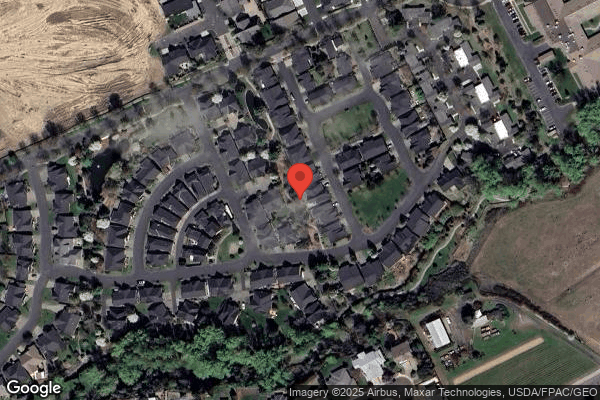
1440 SE GARRISON VILLAGE WAY, COLLEGE PLACE, WA 99324 (509) 529-4480
For profit - Corporation 106 Beds REGENCY PACIFIC MANAGEMENT Data: November 2025 1 Immediate Jeopardy citation
Trust Grade
18/100
#114 of 190 in WA
Last Inspection: March 2025

Within standard 12-15 month inspection cycle. Federal law requires annual inspections.

Overview

Regency at the Park currently holds a Trust Grade of F, indicating significant concerns about the quality of care provided, which is considered poor. With a state rank of #114 out of 190 facilities in Washington, they fall in the bottom half, and they are #3 out of 4 in Walla Walla County, meaning only one local facility ranks lower. While the facility is improving, reducing issues from 15 in 2024 to 10 in 2025, they still face serious challenges, including $204,394 in fines, which is higher than 91% of Washington facilities and suggests ongoing compliance problems. Staffing is relatively strong with a 4/5 star rating, but the 48% turnover rate aligns closely with the state average. Notably, there have been critical incidents, such as failing to secure hazardous oxygen tanks and not providing proper assistance during transfers, which resulted in serious injuries for residents. Although there are strengths in staffing and an overall average star rating, the serious deficiencies and high fines are concerning for families considering this facility for their loved ones.

Trust Score
F
18/100
In Washington
#114/190
Bottom 40%
Safety Record
High Risk
Review needed
Inspections
Getting Better
15 → 10 violations
Staff Stability
⚠ Watch
48% turnover. Above average. Higher turnover means staff may not know residents' routines.
Penalties
✓ Good
$204,394 in fines. Lower than most Washington facilities. Relatively clean record.
Skilled Nurses
✓ Good
Each resident gets 55 minutes of Registered Nurse (RN) attention daily — more than average for Washington. RNs are trained to catch health problems early.
Violations
⚠ Watch
33 deficiencies on record. Higher than average. Multiple issues found across inspections.
★★★☆☆
3.0
Overall Rating
★★★★☆
4.0
Staff Levels
★★★★☆
4.0
Care Quality
★★★☆☆
3.0
Inspection Score
Stable
2024: 15 issues
2025: 10 issues

The Good

  • 4-Star Staffing Rating · Above-average nurse staffing levels
  • 4-Star Quality Measures · Strong clinical quality outcomes
  • Full Sprinkler Coverage · Fire safety systems throughout facility
  • No fines on record

Facility shows strength in staffing levels, quality measures, fire safety.

The Bad

3-Star Overall Rating

Near Washington average (3.2)

Meets federal standards, typical of most facilities

Staff Turnover: 48%

Near Washington avg (46%)

Higher turnover may affect care consistency

Federal Fines: $204,394

Well above median ($33,413)

Significant penalties indicating serious issues

Chain: REGENCY PACIFIC MANAGEMENT

Part of a multi-facility chain

Ask about local staffing decisions and management

The Ugly 33 deficiencies on record

1 life-threatening 3 actual harm
Mar 2025 10 deficiencies 1 Harm
SERIOUS (G)

Actual Harm - a resident was hurt due to facility failures

Accident Prevention (Tag F0689)

A resident was harmed · This affected 1 resident

**NOTE- TERMS IN BRACKETS HAVE BEEN EDITED TO PROTECT CONFIDENTIALITY** Based on observation, interview, and record review, the facility failed to implement care plan interventions and provide adequat...

Read full inspector narrative →
**NOTE- TERMS IN BRACKETS HAVE BEEN EDITED TO PROTECT CONFIDENTIALITY** Based on observation, interview, and record review, the facility failed to implement care plan interventions and provide adequate supervision to prevent avoidable accidents during mechanical lift transfers for 2 of 2 residents (Residents 30 and 7) reviewed for falls. Resident 30 experienced harm when they fell from a mechanical lift while being transferred without the two-caregiver assistance as care planned onto their surgical incision site from their recent right below the knee amputation (BKA) requiring a transfer to the emergency room, surgical repair, and a five-day hospital stay. Resident 7 experienced an avoidable fall when left alone in their wheelchair after staff applied a mechanical lift sling under the resident and attached the sling to the mechanical lift. This failure placed the residents at risk for injury, pain, and recurrent falls. Findings included . <Resident 30> Review of the medical record showed Resident 30 was admitted to the facility on [DATE] with diagnoses including end stage renal disease (ESRD), diabetes and a complete BKA of the right lower leg. Review of the most recent comprehensive assessment dated [DATE] showed Resident 30 was cognitively intact and required assistance of one to two caregivers for bed mobility, transfers, toileting and dressing. Review of Resident 30's care plan dated 12/27/2024 and revised on 01/15/2025 showed the resident required assistance of two caregivers with a Sara Steady lift (a manual lift that helps patients stand up from a seated position) for transfers. During an observation and interview with Resident 30 on 02/24/2025 at 12:56 PM showed them sitting in an electric wheelchair eating lunch independently. Resident 30 stated they had an amputation of their right lower leg on 12/26/2024 that was healing well until they had a fall from a Sara Steady lift on 01/31/2025, landing on the stump of their right leg causing the surgical incision to open again. Resident 30 stated they had been doing well working with the facility therapists and was hoping to get a lower leg prosthesis (an artificial device that replaces a missing body part) soon and get back home as soon as possible. Resident 30 stated they felt the fall had set them back considerably from all the progress they had made towards their goal of being discharged home soon. In a follow up interview with Resident 30 on 02/28/2025 at 12:18 PM, they explained how the fall on 01/31/2025 happened. They stated they wanted to move from one chair in their room to their electric wheelchair and asked for assistance from Staff P, Nursing Assistant (NA). Staff P came into the room with a Sara Steady lift (where a resident is able to stand on the lift to transfer from one place to another). Resident 30 stated they told Staff P they needed to get another person to help with the transfer because they could not stand safely on just one leg, but Staff P told them it was okay and they could do it by themselves. The resident let Staff P do the transfer alone. Resident 30 stated as soon as they grabbed the bar on the lift and was assisted to a standing position by Staff P, they could not hold on tightly enough and their one leg gave out and they fell directly down to the floor with their stump taking the full weight of their body. Resident 30 stated the pain was excruciating and the leg wound began bleeding heavily immediately. Resident 30 stated other staff immediately came into their room and got them back onto their bed and attempted to stop the bleeding. Resident 30 stated 911 was called and they were transferred back to the hospital where they had to have surgery again to repair the damage to their stump the fall caused. During the same interview, Resident 30 stated multiple staff members came in and asked questions about how the fall occurred and was told that Staff P should not have been transferring them by themselves and would be reprimanded for not getting assistance. Resident 30 stated after they returned from the hospital on [DATE], their transfer status had been changed to using a Hoyer lift (an electric mechanical lift completely transfers a dependent resident) only with a two person assist. Review of a nursing progress note dated 01/31/2025 at 1:35 PM stated This RN (Registered Nurse) called to residents' room by CNA (Certified Nursing Assistant). When arrived therapy was assisting resident in wheelchair. It was reported to me that the resident was being transferred from wheelchair to a Sara Steady. Resident fell during transfer onto right stump of BKA. Stump was bleeding from site through dressing onto floor. Resident denied hitting head or feeling any other injuries. Resident was assisted by therapy team and CNA from wheelchair using a gait belt for adjustment and then transferred to bed with Hoyer lift (a mechanical lift). During transfer, this RN applied pressure to wound. Once resident was in bed, stump was elevated and dressing removed to assess surgical site. Noted that surgical site had opened and abd (a thick absorbent pad) was saturated with blood. Resident bled through second abd pad. Pressure applied. New abd pad and ace wrap applied. Resident transferred to hospital via EMS (an ambulance service). Review of the facility incident report and an interview Staff B, Director of Nursing Services (DNS) on 02/28/2025 at 12:39 PM, they stated Staff P was a newer NA that worked for the facility on a as needed basis. Staff B stated they investigated the cause of Resident 30's fall immediately on 01/31/2025 and had interviewed Resident 30, Staff P and any witnesses of the event that day. Staff B stated in the interview with Staff P they stated they knew mechanical lifts always required assistance of two caregivers and that Resident 30 should have had two persons assisting with the transfer. Staff P stated the resident was in a hurry to get transferred so they just attempted to do it themselves. Staff P stated Resident 30 did not hold on correctly when they lifted them to standing and their good leg buckled causing them to fall onto their right stump. Review of Staff P's personnel file showed they had transfer training on mechanical lifts during NA training orientation on 10/28/2024 and individual training on 01/31/2025. During an interview with Staff A, Administrator, on 02/28/2025 at 1:45 PM, they stated they were aware of the fall with injury to Resident 30 and knew trainings had been completed as the plan of care was not followed for two person transfers for Resident 30, nor was the facility policy followed to have two person transfers with all mechanical lifts. Review of a document titled, Mechanical Lift Competency - Bed to Wheelchair, dated 12/2023, showed always use two person assists for all lifts, and ensure bed/wheelchair brakes are locked and secure. <Resident 7> Review of the medical record showed Resident 7 was readmitted to the facility on [DATE] with diagnoses including a stroke with hemiplegia/hemiparesis (a medical condition that causes weakness or paralysis on one side of the body) affecting the left side, heart failure, and anxiety. The record showed. The 01/25/2025 comprehensive assessment showed Resident 7 had an impairment on their upper left extremity and both lower extremities and was dependent on two staff members for assistance with transfers. The assessment also showed Resident 7 had a moderately impaired cognition. Review of a facility investigation dated 02/26/2025 at 7:11 PM, showed Resident 7 was in their room behind a closed door, yelling out for help. The resident was observed sitting on the floor with the back of their shoulders leaning against the wheelchair legs and the mechanical lift sling partially in the wheelchair. The mechanical lift was positioned in front of the resident with the legs of the lift open and the brakes not engaged. Resident 7 appeared to have slid out of their wheelchair to the floor. The wheelchair brakes were not engaged. During an interview on 02/27/2025 at 12:20 PM, Staff L, Nursing Assistant (NA), stated they were walking past Resident 7's room and saw them trying to hook their sling to the mechanical lift. Staff L stated they attached the sling to the mechanical lift and left the room to get a second NA to help with the transfer. Staff L stated the second NA needed assistance with their resident and they went to help that NA. Staff L stated they went to lunch after helping the NA with their resident and had forgotten they had left Resident 7 attached to the mechanical lift. During a follow-up interview at 12:52 PM, Staff L stated they had been trained on the safe use of mechanical lifts and had not been trained to hook up a resident to a mechanical lift and leave them alone while still attached to the mechanical lift. Staff L stated, I just forgot, it was a mistake. During an interview on 03/03/2025 at 2:26 PM, Staff D, Regional Director of Clinical Services, stated the process for safe transfers was not followed for Resident 7. Reference: WAC 388-97-1060(3)(g)
CONCERN (D)

Potential for Harm - no one hurt, but risky conditions existed

Report Alleged Abuse (Tag F0609)

Could have caused harm · This affected 1 resident

**NOTE- TERMS IN BRACKETS HAVE BEEN EDITED TO PROTECT CONFIDENTIALITY** Based on interview and record review the facility failed to ensure allegations of potential abuse and/or neglect of a fall with ...

Read full inspector narrative →
**NOTE- TERMS IN BRACKETS HAVE BEEN EDITED TO PROTECT CONFIDENTIALITY** Based on interview and record review the facility failed to ensure allegations of potential abuse and/or neglect of a fall with significant injury for 1 of 1 resident (Resident 30), was reported to the State Survey Agency. The failure to report as required resulted in the inability to recognize patterns of potential abuse and/or neglect with incidents of significant injury. Findings included . Review of the Washington State Department of Social and Health Services (DSHS) October 2015 Nursing Home Guidelines: The Purple Book, showed any incident investigated for potential abuse/neglect or mistreatment causing a significant injury must be reported to the DSHS Hotline within 24 hours of the incident. <Resident 30> Review of the medical record showed Resident 30 was admitted to the facility on [DATE] with a diagnosis of a below the knee amputation (BKA) of the right leg. Review of Resident 30's care plan dated 12/27/2024 and revised on 01/15/2025 showed the resident required assistance of two caregivers and a manual mechanical lift for transfers. Review of the 01/31/2025 facility incident report showed Resident 30 had a fall with significant injury on 01/31/2025 when the surgical incision of the recent BKA caused a deep dehiscence (when the surgical incision reopens exposing the underlying tissue and requiring immediate surgical intervention). The incident report further showed the facility investigated the fall as a potential abuse and/or neglect as a nursing assistant helping the resident transfer did so without following Resident 30's care plan for a two person assist with transfers. Review of the October 2024 through March 2025 facility incident and reporting logbook showed Resident 30's fall with significant injury was not reported to the State Agency as required per the Nursing Home Guidelines. During an interview with Staff B, Director of Nursing Services (DNS) on 02/28/2025 at 12:39 PM, they stated the incident was not reported to the State Agency because they thought since the cause of the injury was known, the incident only needed to be logged into the incident and reporting logbook within five days of their investigation. Reference: WAC 388-97-0640(6)(c)
CONCERN (D)

Potential for Harm - no one hurt, but risky conditions existed

Assessment Accuracy (Tag F0641)

Could have caused harm · This affected 1 resident

Based on interview and record review, the facility failed to ensure the accuracy of the residents' comprehensive assessment [(MDS) minimum data set, a standardized assessment tool that measures health...

Read full inspector narrative →
Based on interview and record review, the facility failed to ensure the accuracy of the residents' comprehensive assessment [(MDS) minimum data set, a standardized assessment tool that measures health status in nursing home residents)] regarding injectable anti-diabetic medications for 2 of 5 residents (Resident 32 and 49) reviewed for injectable medication. This failure placed the residents at risk for ineffective, inaccurate care plan interventions, and unmet care needs. Findings included . Review of the Centers for Medicare and Medicaid Services guidance titled, Long-Term Care Facility Resident Assessment Instrument 3.0 User 's Manual, dated 10/2024, showed: review the resident ' s medication administration record for the seven days prior to the assessment date for use of insulin (an injectable hormone that helps your body use blood sugar for energy and manage blood sugar levels) injections. Count the number of days insulin injections were received; enter that number of injections onto the MDS. <Resident 32> Review of the medical record showed Resident 32 was admitted to the facility with diagnoses including diabetes (a group of diseases that result in too much sugar in the blood), chronic obstructive pulmonary disease (a group of lung diseases that block airflow and make it difficult to breathe) and depression. The 12/20/2024 comprehensive assessment showed Resident 32 was cognitively intact and received insulin injections. During an interview on 02/24/2025 at 3:48 PM, Resident 32 stated they did not use insulin. During an interview on 03/03/2025 at 12:32 PM, Staff C, Registered Nurse/MDS Coordinator, stated they had entered the code for insulin use on the MDS for the resident's use of Trulicity (a non-insulin medication used to treat diabetes) based on guidelines that showed it was being used to manage the resident's insulin levels. During a follow up interview at 1:05 PM, Staff C stated Trulicity was not insulin, and they had coded it wrong on the MDS. <Resident 49> Review of the medical record showed Resident 49 was admitted to the facility with diagnoses including diabetes, current use of injectable non-insulin drugs, and depression. The 12/31/2024 comprehensive assessment showed Resident 49 was cognitively intact and received insulin injections. During an interview on 03/04/2025 at 9:15 AM, Staff C stated Resident 49 had been incorrectly coded on their MDS as using insulin. They stated Resident 49 received Trulicity and they would make the corrections to the MDS. During an interview on 03/03/2025 at 2:44 PM, Staff D, Regional Director of Clinical Services, stated there was a process in place to ensure accuracy of the MDS for skilled nursing (treatments for complex medical care, not day-to-day needs) only. Reference: WAC 388-97-1000(1)(b)
CONCERN (D)

Potential for Harm - no one hurt, but risky conditions existed

Deficiency F0688 (Tag F0688)

Could have caused harm · This affected 1 resident

**NOTE- TERMS IN BRACKETS HAVE BEEN EDITED TO PROTECT CONFIDENTIALITY** Based on observation, interview, and record review, the facility failed to provide treatment and services to maintain and/or pre...

Read full inspector narrative →
**NOTE- TERMS IN BRACKETS HAVE BEEN EDITED TO PROTECT CONFIDENTIALITY** Based on observation, interview, and record review, the facility failed to provide treatment and services to maintain and/or prevent a further decrease in range of motion [(ROM) - how far and in what direction you can move a joint or muscle] for a hand contracture (a condition of shortening and hardening of muscles, tendons, or other tissue, often leading to rigidity of joints) for 1 of 3 residents (Resident 7) reviewed for restorative services. This failure placed the residents at increased risk for a worsening contracture, potential decrease in range of motion, and skin integrity issues. Findings included . Review of a document titled, Restorative Program, revised 04/2018, showed the facility would promote resident independence and quality of life by maintaining functional ROM. All residents would be assessed for functional limitations in ROM during their admission assessment period and quarterly. <Resident 7> Review of the medical record showed Resident 7 was readmitted to the facility on [DATE] with diagnoses including a stroke with hemiplegia/hemiparesis (a medical condition that causes weakness or paralysis on one side of the body) affecting the left side, heart failure, and anxiety. The record showed Resident 7 was discharged to the hospital on [DATE] and returned to the facility on [DATE]. The 01/27/2025 comprehensive assessment showed Resident 7 had an impairment on their upper left extremity and required substantial/maximum assistance of one staff member for upper body dressing. The assessment also showed Resident 7 had a moderately impaired cognition. Review of the quarterly comprehensive assessment dated [DATE], showed Resident 7 received six days of active ROM from a restorative nursing program in the previous seven days. A concurrent observation and interview on 02/24/2025 at 3:12 PM, showed Resident 7 lying in bed with the fingers of their left-hand curled inwards toward the palm of their left hand. Resident 7 stated they were unable to move their left hand. They stated they used to have something for their hand (splint or brace) and they try to stretch it. During an interview on 02/26/2025 at 3:26 PM, Staff E, Registered Nurse, stated Resident 7 was not currently on a restorative program. Staff E stated Resident 7 used to do finger and elbow extensions with the restorative aide. During an interview on 02/27/2025 at 2:49 PM, Staff F, Director of Rehab, stated when a resident discharged to the hospital, the facility discontinued all therapy/restorative programs. They stated the process when a resident was readmitted to the facility included receiving physical therapy (PT)/occupational therapy (OT)/speech therapy (ST) to evaluate and treat. OT did not enroll Resident 7 into an OT program. Staff F stated when a resident was not enrolled into an OT program, there was a form that should have been completed and given to the restorative aide to restart their previous restorative services. Staff F stated that step was missed due to the transition of the therapy department from contracted services to facility staff. Reference: WAC 388-97-1060(3)(d)
CONCERN (D)

Potential for Harm - no one hurt, but risky conditions existed

Dental Services (Tag F0791)

Could have caused harm · This affected 1 resident

Based on observation, interview, and record review, the facility failed to coordinate a referral for denture services for 1 of 2 residents (Resident 7) reviewed for dental services. This failure place...

Read full inspector narrative →
Based on observation, interview, and record review, the facility failed to coordinate a referral for denture services for 1 of 2 residents (Resident 7) reviewed for dental services. This failure placed the residents at risk for altered self-image, difficulty eating, and weight loss. Findings included . <Resident 7> Review of the medical record showed Resident 7 was admitted to the facility with diagnoses including heart failure, gastro-esophageal reflux disease without esophagitis [a disease where the stomach contents flow back into the esophagus (the tube that connects the mouth to the stomach) but do not cause inflammation or damage to the esophageal lining], and Barrett's Esophagus (damage to the lower portion of the esophagus). The 01/25/2025 comprehensive assessment showed Resident 7 required assistance of one to two staff members for activities of daily living. The assessment also showed Resident 7 had a moderately impaired cognition and was able to make their needs known. Record review of Resident 7's care plan dated 02/26/2025, showed Resident 7 had full upper dentures and partial lower dentures. An observation and interview on 02/24/2025 at 3:02 PM, showed Resident 7 resting in bed. They were not wearing dentures. Resident 7 stated they were supposed to get new dentures maybe in March (2025). Record review of a dental visit document titled, Preventative Report, dated 10/03/2024, showed Resident 7 was interested in new dentures and a referral to a denturist was ordered. There was no documentation in the medical record that the referral had been completed. During an interview on 02/27/2025 at 8:51 AM, Staff G, Patient Care Coordinator/RN, stated the process for dental referrals included forwarding those referrals to Staff H, Social Services Director, to schedule the denture care appointments. Staff G stated they did not see the referral form from Resident 7's dental appointment. During an interview on 02/28/2025 at 10:21 AM, Staff H stated their process for scheduling a denturist appointment included completing a scheduling form and giving it to Staff I, Activities Driver, to schedule the appointment and transport the resident to the appointment. During an interview on 02/28/2025 at 10:29 AM, Staff I stated they scheduled outside appointments. They stated they received the referral scheduling form from the nursing staff. Staff I stated they did not recall receiving a referral form for Resident 7. During an interview on 02/28/2025 at 12:05 PM, Staff D, Regional Director of Clinical Services, stated they were aware of the concerns and there was not a good system in place related to the process for completing dental referrals. Reference: WAC 388-97-1060(1)(3)(vii)
CONCERN (D)

Potential for Harm - no one hurt, but risky conditions existed

Medical Records (Tag F0842)

Could have caused harm · This affected 1 resident

Based on interview and record review, the facility failed to ensure the medical record related to dental services was accurate for 1 of 2 residents (Resident 18) reviewed for complete medical records....

Read full inspector narrative →
Based on interview and record review, the facility failed to ensure the medical record related to dental services was accurate for 1 of 2 residents (Resident 18) reviewed for complete medical records. This failure had the potential risk for healthcare providers to rely on inadequate information when making treatment decisions for residents and a potential risk for not receiving quality care. Findings included . Review of the policy titled, Record Review, revised 07/2018, showed the facility shall maintain complete clinical records for each resident. <Resident 18> Review of the medical record showed Resident 18 was admitted to facility with diagnoses including a stroke, vascular dementia with psychotic disturbance (a brain disorder caused by poor blood flow that includes delusions and hallucinations) and agitation, and depression. Record review of a nursing progress note (PN) dated 12/06/2024, showed Resident 18 did not like to wear their dentures because they had a sore spot in their mouth along the upper left gumline. The PN showed the resident had been assessed for pain with no lesion noted but had requested to see their denturist. Record review of the medical record showed Resident 18 had last seen the dentist on 10/03/2024. During an interview on 02/28/2025 at 9:32 AM, Staff G, Patient Care Coordinator/RN, stated they had informed Staff H, Social Services Director, on 12/06/2024 that Resident 18 was having pain and needed a dental appointment. Staff G stated once that information was given to Staff H, if they did not receive any follow up from Staff H, that would mean Staff H had done their piece of either scheduling the appointment or moving it on to the scheduler to schedule the appointment. Staff G stated they did not follow up on scheduling concerns related to dental issues after they had reported them to Staff H. During an interview on 02/28/2025 at 10:21 AM, Staff H stated when they received a request for dental services, especially if the resident was having pain, they completed the appointment request form and forwarded that form to Staff I, Activities Driver, to schedule an urgent appointment. During a concurrent observation and interview on 02/28/2025 at 10:29 AM, Staff I stated they recalled taking Resident 18 to dental appointments for denture adjustments. Staff I removed a file folder from their file cabinet that contained scheduling forms. They reviewed a completed form that showed Resident 18 had been taken to a dental appointment on 12/12/2024. There was no documentation in the resident's medical record that they had attended the 12/12/2024 appointment. During an interview on 02/28/2025 at 12:11 PM, Staff D, Regional Director of Clinical Services, stated they would have expected to find a nursing progress note in the resident's record if they had been seen by the denturist. During an interview on 02/28/2025 at 2:25 PM, Staff B, Director of Nursing Services, stated they had placed a call to Resident 18's son to confirm that they had accompanied Resident 18 to their denturist appointment on 12/12/2024. Staff B stated the process should have been for the nurse to call the provider, receive a verbal report of the visit, and document that information in the resident's medical record. Reference: WAC 388-97-1720(1)(a)(i-iii)(2)(d-f)
CONCERN (D)

Potential for Harm - no one hurt, but risky conditions existed

Deficiency F0887 (Tag F0887)

Could have caused harm · This affected 1 resident

**NOTE- TERMS IN BRACKETS HAVE BEEN EDITED TO PROTECT CONFIDENTIALITY** Based on interview and record review, the facility failed to ensure residents and/or their representative were offered/educated ...

Read full inspector narrative →
**NOTE- TERMS IN BRACKETS HAVE BEEN EDITED TO PROTECT CONFIDENTIALITY** Based on interview and record review, the facility failed to ensure residents and/or their representative were offered/educated on the COVID-19 (an infectious disease causing respiratory illness with symptoms including cough, fever, new or worsening malaise, headache, dizziness, nausea, vomiting, diarrhea, loss of taste or smell, and in severe cases, difficulty breathing that could result in severe impairment or death) immunization (the action of taking a vaccine for a particular infectious disease) for 2 of 5 sampled residents (Residents 26 and 42) reviewed for immunization status. This failure placed the residents at risk of making an uninformed decision and contracting the COVID-19 virus. Findings included . Review of the Department of Social and Health Services, Dear Nursing Home Administrator Letter, guidance titled, COVID-19 Vaccine Immunization Requirements for Residents and Staff, dated 05/20/2021, showed for COVID-19 resident vaccinations the facility was required to: • Educate residents or their representatives on the benefits and potential side effects associated with the COVID-19 vaccine in a manner they can understand, • Offer residents the COVID-19 vaccine, • Document that a resident was educated, their decision to accept or decline the vaccine, contraindications to the resident receiving the vaccine, and administration of the vaccine, if applicable. Review of the facility's policy titled, Resident Immunizations Policy, revised November 2024, showed the facility would offer residents the COVID-19 vaccine and .will have a consent completed, including education . on the risk/benefits of the immunization. <Resident 26> Review of the resident's medical record showed they were admitted to the facility on [DATE], with diagnosis including fracture left leg, dementia (a progressive disease that destroys the memory and other important mental functions), and anxiety. The comprehensive assessment dated [DATE] showed the resident had a severely impaired cognition. Review of Resident 26's immunization notes, dated 02/06/2025 showed the resident themselves refused the COVID-19 vaccination and was educated on the risk/benefits. There was no documentation of a COVID-19 immunization assessment, education or a signed consent/declination form completed for the resident. During a concurrent observation and interview on 02/27/2025 at 8:34 AM, Resident 26 was unable to have a conversation with the surveyor and was confused when asked about their immunization status/education. During an interview on 02/27/2025 at 8:53 AM, Staff O, Registered Nurse for Resident 26, stated the resident was unable to understand or make medical decisions and that all medical decisions had to go through the resident's representative. During an interview on 02/27/2025 at 9:16 AM, Resident 26's Representative stated the facility staff had never offered nor educated them on the risk versus benefits and potential side effects associated with the COVID-19 vaccine. <Resident 42> Review of the resident's medical record showed they were admitted to the facility on [DATE], with diagnosis including heart failure, dementia), and lung complications. The comprehensive assessment dated [DATE] showed the resident had a moderately impaired cognition and was able to make their needs known. Review of Resident 42's immunization notes, showed the resident had received the COVID-19 vaccine in 2023, but refused the COVID-19 vaccination on 01/02/2025 and was educated on the risk/benefits. No documentation of a COVID-19 immunization assessment, education or a signed consent/declination form was completed for the resident. During an interview on 02/27/2025 at 8:44 AM, Resident 42 stated that staff had never offered nor educated them on the risk versus benefits of the COVID-19 vaccine, but they would have wanted the current COVID-19 vaccine. Resident 42 stated their Resident Representative had usually taken care of making the medical decision like accepting or refusing vaccines. During an interview on 02/27/2025 at 9:10 AM, Resident 42's Representative stated that no staff member from the facility had offered or educated them on the risk versus benefits and potential side effects associated with the COVID-19 vaccine. They stated that Resident 42 had received the previous COVID-19 vaccination and would have wanted the current COVID-19 vaccine. During an interview on 02/27/2025 at 9:29 AM, Staff Q, Infection Preventionist, stated when a resident was admitted they offered residents all the required immunizations and obtained consent for them, including the COVID-19 vaccine. Staff Q stated when a resident was unable to make their own medical decisions due to impaired cognition, the Resident Representative (RR) would be offered/educated on the risk versus benefits and potential side effects associated with the COVID-19 vaccine. When conveyed information on Resident 26, Resident 42 and their RR interviews regarding the COVID-19 vaccine, Staff Q stated that the correct process was not followed. During an interview on 02/27/2025 at 3:38 PM, Staff B, Director of Nursing Services, stated that residents with impaired cognition who were unable to make health care decision or have a legal RR that make health care decisions for them, should have been offering/educated on the risk versus benefits and potential side effects associated with the COVID-19 vaccine. Staff B stated Resident 26, Resident 42 and their representatives were not given the chance to make an informed decision, and the correct process was not followed. Reference: WAC 388-97-1320(2)(a)
CONCERN (D)

Potential for Harm - no one hurt, but risky conditions existed

Safe Environment (Tag F0921)

Could have caused harm · This affected 1 resident

Based on observation and interview the facility failed to provide a safe, functional, and sanitary (the conditions that affect hygiene and health) environment for residents and staff for 1 of 1 Laundr...

Read full inspector narrative →
Based on observation and interview the facility failed to provide a safe, functional, and sanitary (the conditions that affect hygiene and health) environment for residents and staff for 1 of 1 Laundry room (LR 1), reviewed for a comfortable environment. This failure placed residents and staff at risk for not feeling safe/secure with their environment and an increased risk of the cross contamination of diseases. Findings included . During a concurrent observation and interview on 02/27/2025 at 9:55 AM, showed the LR 1's washing machine number five had an area of previous water damage (an accidental leakage or discharge of water that caused possible losses or value of materials) to the linoleum (a common floor covering) floor beneath it and an area that was currently leaking water out from the washing machine. The water had seeped (a slow flow of a liquid through a material's small holes) under the linoleum and had spread through a four foot (ft, a unit of measure) by three ft section under washing machine number five. Staff R, Housekeeping/Laundry Director, stated they knew that washing machine number five had been leaking and was in the process of ordering a new washing machine. When surveyor walked over between washing machines number four and five, the linoleum floor squished down, and a grayish sludge (a thick, soft, wet mixture of liquid) oozed out from in-between the laminate flooring. Observations of puddle of water under washing machine number four noted, which was separated from the other washing machine leak that covered a three ft by three ft section and had also seeped under the flooring. During an interview on 02/27/2025 at 10:10 AM, Staff R stated the leak from washing machine number four/five had seeped underneath the linoleum and the grayish sludge, that had oozed out underneath the linoleum flooring, had the potential to grow bacteria. Staff R stated the floor could not be disinfected because the water had already seeped underneath the flooring. During a concurrent interview and observation on 02/27/2025 at 12:06 PM, Staff Q, Infection Preventionist, stated they were informed that two washing machines in the laundry room, had a water leak, that had seeped underneath the linoleum flooring. Staff Q, with the surveyor, observed the water leak and sludge that was oozing through the linoleum flooring. Staff Q stated, could be growing something, which was not sanitary. Staff Q was joined by Staff S, Maintenance Director, and both staff members stated the floor under the washing machines was not a safe/cleanable surface and needed to be fixed. Reference: WAC 388-97-3220(1)
CONCERN (E)

Potential for Harm - no one hurt, but risky conditions existed

Deficiency F0561 (Tag F0561)

Could have caused harm · This affected multiple residents

**NOTE- TERMS IN BRACKETS HAVE BEEN EDITED TO PROTECT CONFIDENTIALITY** Based on observation, interview and record review the facility failed to allow 6 of 6 residents (Residents 20, 12, 8, 56, 35, an...

Read full inspector narrative →
**NOTE- TERMS IN BRACKETS HAVE BEEN EDITED TO PROTECT CONFIDENTIALITY** Based on observation, interview and record review the facility failed to allow 6 of 6 residents (Residents 20, 12, 8, 56, 35, and 40) reviewed for resident rights, the right to self-determination to hold resident council meetings at the times of their choice and to discuss topics that were important to them such as dining and food choice issues. The failure to accommodate and address their right to make choices about important issues in their lives, placed the residents at risk for a diminished quality of life. Findings included . During a resident council meeting on 02/25/2025 from 10:00 AM to 11:15 AM, six residents (Residents 20, 12, 8, 56, 35, and 40) voiced the following concerns about how they felt they were not given either the time or the choice to share issues that were important to them in the monthly resident council meetings. All resident interviews were completed during the resident council meeting. <Resident 20> Review of the medical record showed the resident was admitted to the facility on [DATE] with a primary diagnosis of Multiple Sclerosis ( a long-term neurological disorder where the body attacks itself and can lead to muscle stiffness and involuntary muscle spasms). Resident 20's most recent comprehensive assessment dated [DATE] showed the resident was cognitively intact and required assistance of one to two caregivers for all activities of daily living (ADLs). In the 02/25/2025 interview between 10:00 AM and 11:15 AM, Resident 20 stated this was their first month as President of the Resident Council Committee and they had attended most of the monthly resident council meetings for the past three years. Their main concern was not having enough time in the council meetings to express concerns that were important to the residents living in the facility. In the same interview, Resident 20 stated the meetings were scheduled once a month by the activities department at 11:30 AM and then were over at 12:00 PM so the residents in attendance could go to lunch. Resident 20 stated the Resident Council meetings were 30 minutes long and was not enough time to discuss their concerns. Review of the previous Resident Council meeting from January 2025 showed notes/minutes where the same questions were asked every month for issues in each department. Due to lack of time most residents said there were no problems and then the meeting ended. During the same 02/25/2025 interview, Resident 20 stated committee members have repeatedly reported the quality of the food was poor in taste, presentation and service. They stated the residents rarely received what was on the menu or what it listed on their tray carts they were supposed to get. During the same interview, Resident 20 stated call light response times was another issue that was always brought up in the council meetings. They stated they knew it was a constant common problem and wished administration would explain to them what the problem was and offered choices on a reasonable way to fix the issue. <Resident 12> Review of the medical record showed the resident was readmitted on [DATE] with diagnoses including Chronic Obstructive Pulmonary Disease (COPD) (a group of lung diseases that cause airflow obstruction and breathing difficulties) and Congestive Heart Failure (CHF, a weakened heart condition that causes fluid buildup in the feet, arms, lungs, and other organs). In the interview on 02/25/2025 between 10:00 AM and 11:15 AM, Resident 12 stated they had been in the facility for over two years and usually attended the resident council meetings for something to do. Resident 12 stated their call lights were not being answered timely and was a big concern they had repeatedly shared. In the same 02/25/2025 interview between 10:00 AM and 11:15 AM, Resident 12 stated their constant concern was with the food. They stated it was of poor quality and the residents were rarely served what the menu listed. <Resident 8> Review of the medical record showed the resident was admitted to the facility on [DATE] with diagnoses including diabetes (a chronic, metabolic disease characterized by elevated levels of blood sugar, which leads over time to serious damage to the heart, kidneys, blood vessels and other organs) and CHF. During an interview on 02/25/2025 between 10:00 AM and 11:15 AM, Resident 8 stated they had been in the facility for six months and had the most concern about getting the call lights answered timely. Resident 8 stated they had waited for more than an hour on more than one occasion. Resident 8 stated their concern, was that no one checked to see why the light was even on and staff did not attempt to check the status of the resident. In the same interview, Resident 8 also stated the food was not appealing and they did not look forward to eating it. They stated the food was often served cold and the posted weekly menus and the individual tray cards were not followed. <Resident 56> Review of the medical record showed the resident was admitted on [DATE] with diagnoses including diabetes and kidney disease. During an interview on 02/25/2025 between 10:00 AM and 11:15 AM, Resident 56 stated they had been in the facility over one year and had attended several of the Resident Council meetings and felt they were useless as far as being listened to about their concerns. Resident 56 stated they shared the concern of not getting their call light answered in a timely manner, waiting over an hour at times. Resident 56 also stated they had a diagnosis of diabetes and received the same diet as everyone else. Resident 56 stated the meals were often not what was listed on the posted menus. <Resident 35> Review of the medical record showed the resident admitted to the facility on [DATE] with a diagnosis of kidney disease. During an interview on 02/25/2025 between 10:00 AM and 11:15 AM, Resident 35 stated the slow call light response time was their main concern. In the same interview, Resident 35 stated they agreed if someone from the facility administration would talk with the members of the resident council about the problem and together come up with possible solutions, they would at least feel heard and possibly come up with a solution on how to make a better system. <Resident 40> Review of the medical record showed the resident was admitted to the facility on [DATE] with a diagnosis of diabetes. During an interview on 02/25/2025 between 10:00 AM and 11:15 AM, Resident 40 stated it was their first resident council meeting they attended and hoped that something could be done about the quality of the food and the food service. During an interview with Staff T, Activities Director, on 02/26/2025 at 2:35 PM, they stated the Resident Council meeting times could be changed to which ever date and times the residents felt would be the most beneficial to them and would discuss the issue with them and decide. During an interview with Staff A, Administrator, on 03/03/2025, at 11:05 AM, they stated they would follow up with the activities and dietary departments to work out the best times to have monthly meetings where the Resident Council could share their concerns. Reference: WAC 388-97-0900(1)
CONCERN (E)

Potential for Harm - no one hurt, but risky conditions existed

Safe Environment (Tag F0584)

Could have caused harm · This affected multiple residents

Based on observation, interview and record review, the facility failed to provide a comfortable and homelike environment when residents were served and ate off the plate still on the delivery tray in ...

Read full inspector narrative →
Based on observation, interview and record review, the facility failed to provide a comfortable and homelike environment when residents were served and ate off the plate still on the delivery tray in 2 of 2 dining rooms (900-unit and subacute dining rooms), reviewed for dining services. This failure placed the residents at risk for a non-homelike environment. Findings included . Observation on 02/24/2025 at 12:15 PM, in the subacute dining room, showed Resident 2, Resident 7, Resident 18, Resident 22, and Resident 36 were eating their lunch meals with the plates still on the delivery trays. Staff N, Nursing Assistant (NA), assisted Resident 36 with their lunch meal, from the plate which was still on the delivery tray. Observation on 02/24/2025 at 12:27 PM, in the 900-unit dining room, showed Staff J, Nursing Assistant (NA) had served Resident 58 their lunch meal and left the resident's meal on their tray. Staff J then served Resident 63's lunch meal and left the resident's meal on their tray. Staff J then removed a tray from the meal cart, placed a clothing protector on Resident 62, performed set up for the resident, and left the lunch meal on the delivery tray and began to assist the resident. Observation and concurrent interview on 02/25/2025 at 8:36 AM, Staff M, NA, delivered the resident's meal on a tray and sat it down on their table. Staff M stated Resident 6 enjoyed fruit with their meal and required assistance during mealtime. Resident 6's breakfast meal was sitting on a tray while being assisted by Staff M. During an interview on 02/28/2025 at 8:32 AM, Staff M, NA, recalled assisting Resident 6 with their breakfast while the plate remained on the delivery tray. Staff M stated they were feeling anxious, moving too quickly, and forgetting the sequence of actions they were supposed to take at that moment. During an interview on 03/04/2025 at 8:16 AM, Staff J, NA, stated their process involved taking the plate off the tray and arranging it as if they were in their own home. Staff J stated they were feeling nervous being observed, which led to forgetting to take away the trays, to take the plate off of the tray and set it up like if they were at home. Staff J stated they were nervous being watched and forgot to remove the trays. During an interview on 03/04/2025 at 8:38 AM, Staff K, Registered Nurse, stated expectation was for staff to provide the residents a clean, comfortable and homelike environment. Reference: WAC 388-97-0880(1)
Jan 2024 13 deficiencies 1 IJ
CRITICAL (J)

Immediate Jeopardy (IJ) - the most serious Medicare violation

Accident Prevention (Tag F0689)

Someone could have died · This affected 1 resident

**NOTE- TERMS IN BRACKETS HAVE BEEN EDITED TO PROTECT CONFIDENTIALITY** Based on observation, interview, and record review, the facility failed to Identify and prevent potentially dangerous accidents ...

Read full inspector narrative →
**NOTE- TERMS IN BRACKETS HAVE BEEN EDITED TO PROTECT CONFIDENTIALITY** Based on observation, interview, and record review, the facility failed to Identify and prevent potentially dangerous accidents and hazards when portable oxygen (02) tanks were unsecured for 2 of 2 residents (Resident 58 and 17) reviewed for O2 use, and implement interventions that addressed the cause of the falls for 1 of 2 residents (Resident 29) reviewed for falls. This placed Resident 29 at risk for future falls, injury and unmet care needs. The failure to secure portable O2 tanks which could explode if dropped placed Resident 58, Resident 17, and residents and anyone else in the facility at risk for serious injury, harm or death. On 01/10/2024 at 1:35 PM, the facility was notified of an Immediate Jeopardy at CFR 483.25 (d)(1)(2) F689, Free of Accident/Hazards/Supervision/Devices, related to the facility's failure to safely secure three portable oxygen tanks while they were being utilized/transported by residents. The facility removed the immediacy on 01/10/2024 with an onsite verification from investigators by implementing a process to properly secure portable oxygen tanks to resident wheelchairs (w/c) and front wheeled walkers (FWW, a four-legged frame that allows a person to lean on it for balance, support, and rest) while in use and/or transported. The immediacy removal included re-education of all staff (prior to working their next scheduled shift) regarding securing portable oxygen tanks policies/procedures and the new measures implemented, which ensured an effective system was in place to safeguard, protect, and prevent residents from accident hazards, risk of injury, and/or harm. Findings included . <Oxygen Tanks> <Resident 58> Review of Resident 58's medical records showed the resident was admitted to the facility on [DATE] with diagnoses to include a lung disease that caused obstructed airflow from the lungs and was dependent on O2 use. The comprehensive assessment, dated 11/24/2023, showed Resident 58 was cognitively intact and required supervision or touch assistance from staff with transfers from their bed to the w/c. During a concurrent observation and interview, on 01/10/2024 at 11:05 AM, showed Resident 58 sitting on the edge of their bed with their FWW in front of them. In the FWW's storage compartment, there were two portable oxygen tanks, unsecured in their bags, one full and one partially full, with greater than half of the tanks sticking up out of the storage compartment. Resident 58 had their oxygen tubing secured to their face and connected to the partially full O2 tank. Resident 58 stated they had two portable O2 tanks for an appointment they had outside of the facility, the day prior (on 01/09/2024), but the appointment had been cancelled and the tanks were never removed. An observation on 01/10/2024 at 11:30 AM, showed Resident 58 ambulating out of their room with their FWW and Staff E, Physical Therapist Assistant, following behind the resident, with the two portable O2 tanks still unsecured in the storage compartment of the walker. <Resident 17> Review of Resident 17's medical records showed the resident was admitted to the facility on [DATE] with diagnoses to include chronic obstructive pulmonary disease (a disease that blocks air flow and makes it difficult to breathe). Review of Resident 17's January 2024 physician orders showed the resident required oxygen to maintain appropriate oxygen levels in the blood. During an observation on 01/10/2023 at 11:23 AM, Resident 17 was observed ambulating down the hall with their FWW. The resident had oxygen tubing in their nose connected to a portable tank lying in a wire basket attached to the front of their FWW. The tank was lying on its side, to the right side of the basket, with the top sticking out. Further observation showed a loose bungy cord, crisscrossed on the tank. The Surveyor requested permission from the resident and pulled on the portable O2 tank to check the security of the tank and the tank was not secured and easily pulled forward. During an interview on 01/10/2024, at 11:29 AM, Staff F, Resident Care Manager (RCM), stated portable oxygen tanks should be secured within a fitted bag and to the back of a resident's w/c or if using a FWW, they should be placed in an oxygen trolly cart (a small wheeled O2 holder used to transport highly flammable oxygen canisters and cylinders safely from one place to another), and rolled alongside the resident with the help of staff. <Falls> Review of the facility's policy titled Fall Risk Overview, revised February 2020, showed fall risk assessments were to be completed after each fall to identify specific conditions placing the resident at risk for fall. The policy further showed interventions would be developed and implemented according to the fall risk factors identified in the assessment. <Resident 29> Review of Resident 29's medical records showed the resident admitted to the facility on [DATE] with diagnoses to include depression, anxiety (a mental illness that causes constant fear and worry, characterized by a sudden feeling of worry, fear, and restlessness), and a lung disease that caused obstructed airflow from the lungs. The comprehensive assessment on 12/31/2023 showed Resident 29's cognition was intact, had limited range of motion to their lower extremities, required staff assistance with setting up/cleaning up after toileting, and supervision or touching assistance with transfers, and had frequent incontinence of their bladder. A concurrent observation and interview, on 01/09/2024 at 9:26 AM, showed Resident 29 sleeping diagonally, partially on/off their bed, with their upper torso and partial buttocks on the bed, and the remaining buttocks and lower extremities hanging off the bed. Resident 29 had a two-seated couch, towards the center, right side of their shared room, that had personal belongings piled up to the back of the couch (clothes, computer monitor, and other items underneath that could not be seen). To the right of the couch there was a book shelf, filled with books and food items, to the right of the book shelf there was a computer stand with a printer, to the right of the computer stand was a table top with a TV monitor on it and two medium sized boxes stacked underneath it, in front of that table top there was a two-drawer night stand with wound dressings on the top, and a smaller, moveable table stand with computer equipment. The room area also had a small refrigerator with clothes and miscellaneous on top of it and a bedside table. Review of the facility's Incident Log dated 10/02/2023 through 01/10/2024, showed Resident 29 fell on [DATE], 12/03/2023, 12/12/2023, 12/15/2023, and 01/03/2024. Review of the facility's fall incident investigations showed, • On 10/15/2023 at 6:36 PM, Resident 29 had an unwitnessed fall while attempting to self-transfer from their bed to their w/c to use the restroom. The investigation showed a fall risk assessment (an evaluation of a resident's risk for having a fall) had not been completed on 10/15/2023 and had not been completed until 10/24/2023 (nine days after the fall, scored 11= high risk, previous assessment 09/27/2023 showed a score of 9= moderate risk). The investigation further showed an intervention to encourage the resident to use their call light and wait for staff to come and assist/supervise them. • On 12/03/2023 at 5:21 AM, Resident 29 had an unwitnessed fall while attempting to self-transfer from their bed to their w/c to use the restroom and had increased weakness. The investigation showed on 12/04/2023 a fall risk assessment had been completed on 12/04/2023 (score of 15=high risk) and an intervention for prompted, routine toileting every 2-3 hours for fall prevention. Staff S, Licensed Practical Nurse and Staff T, Nursing Assistant (NA) witness statements showed the resident toilets self when previous interventions showed resident was to have staff assistance/supervision to the toilet. • On 12/12/2023 at 9:58 AM, Resident 29 had an unwitnessed fall while attempting to self-transfer from their bed to their w/c. Fall risk assessment had not been completed on 12/12/2023 and had not been completed until 12/28/2023 (14 days after fall, scored14=high risk) and there was no evaluation to determine whether new interventions were needed. The investigation showed the resident had predisposing factors of clutter and furniture and shortly after the fall complained of pain to their hip and back (did not identify the pain location). Staff W, NA, documented on their witness statement Resident 29 was independent for transfers. • On 12/15/2023 at 2:17 PM, Resident 29 had an unwitnessed fall after self-transferring to their bed and slid to the floor. The investigation showed the resident's floor was cluttered with the computer near the bed and Resident 29 had increased confusion, there was no evaluation to determine whether new interventions were needed. • On 01/03/2024 at 6:00 PM, Resident 29 had an unwitnessed fall and was found on the floor by the head of their bed. Resident 29 stated when they reached for their phone, the phone line, bed control, and call light cords were tangled up in the bed frame, causing Resident 29 to fall and break their bedside table in half. Predisposing factors were furniture, clutter, and crowding. No fall risk assessment had been completed, there was no evaluation to determine whether new interventions were needed. Review of Resident 29's care plan, dated 12/31/2023, showed an intervention initiated on 12/05/2023 for a routine toileting plan to reduce risk of falls, check and change per facility protocol (not a prompted toileting program every two to three hours) and an intervention initiated on 03/22/2022 to provide a safe resident environment (clutter free) with a revision on 12/13/2023 for bed in lowest position but did not specify what would be done to address the clutter being identified, and for toileting assistance on 10/12/2023, the resident required supervision assistance by one staff using a gait belt (a safety device used to help someone move or walk) and a FWW, to move between surfaces using a stand and pivot. During an interview, on 01/12/2024 at 11:01 AM, Staff Y, NA, stated Resident 29's room was cluttered and felt like the clutter was a factor to the resident's falls. Staff Y stated they would inform the Social Services department to assist with the clutter in the room but did not know if that had been done by anyone. During an interview, on 01/12/2024 at 11:25 AM, Staff D, Social Services Director, stated they had not been notified of Resident 29's room needing to be de-cluttered. Staff D further stated that would be a maintenance issue. Additional observations on 01/10/2024 at 9:46 AM, 01/12/2024 at 11:09 AM, and 01/16/2024 at 1:52 PM, showed the resident's two-seated couch, and furniture were in the same position as observed on 01/09/2024 at 9:26 AM and the bed control, call light, and phone cords on the floor, unraveled, next to the bed. During an observation on 01/16/2024 at 1:16 PM, Staff W, assisted the resident up off the bed, assisted them with pulling their pants up, which were down to above the knees, and then to their w/c. During an interview, on 01/17/2024 at 10:52 AM, Staff EE, RCM, stated fall risk assessments should be completed within 24 hours of the fall and the nurse who initiated the incident report should have completed the assessment. Staff EE further stated if the nurse did not complete a fall risk assessment it should have been done by the RCM the next day. During an interview, on 01/17/2024 at 11:44 AM, Staff B, Director of Nursing Services, stated fall risk assessments were to be completed by the RCM's within 24 hours of the fall. Staff B further stated they were aware they were not being completed. Staff B further stated they were informed Resident 29's room had been cleaned up and decluttered but had not seen it for themselves. Further, Staff B stated they would have expected staff followed through with the new interventions put into place and would need to provide additional education. Reference: WAC 388-97-1060 (3)(g)
SERIOUS (G)

Actual Harm - a resident was hurt due to facility failures

Deficiency F0563 (Tag F0563)

A resident was harmed · This affected 1 resident

**NOTE- TERMS IN BRACKETS HAVE BEEN EDITED TO PROTECT CONFIDENTIALITY** Based on observation, interview, and record review, the facility failed to ensure visitation rights were protected when they did...

Read full inspector narrative →
**NOTE- TERMS IN BRACKETS HAVE BEEN EDITED TO PROTECT CONFIDENTIALITY** Based on observation, interview, and record review, the facility failed to ensure visitation rights were protected when they did not allow or advocate for the resident's choice in their decision making when the Resident's Representative (RR) denied them access for eight days, to their significant other (SO) and their SO's family member, for 1 of 3 residents (Resident 32), reviewed for choices. Resident 32 experienced psychological harm when they became angry, had a decreased appetite, and refused care when they were denied visitation with their SO. Findings included . <Resident 32> Review of Resident 32's medical record showed the resident admitted to the facility on [DATE] with diagnoses to include recovery from COVID-19 (an infectious disease-causing respiratory illness with symptoms including cough, fever, new or worsening malaise, headache, dizziness, nausea, vomiting, diarrhea, loss of taste or smell, and in severe cases difficulty breathing that could result in severe impairment or death) with required therapy and muscle weakness. The comprehensive assessment, dated 12/16/2023, showed Resident 32 had moderately impaired cognition, required partial to moderate staff assistance with transfers, toileting, and showering, had no issues with behaviors or refusals of care, and showed no depression. A concurrent observation and interview on 01/08/2024 at 10:12 AM, showed Resident 32 was sitting in a chair in the sitting area at the back exit of the 900 unit, alone. The resident had a frown on their face and was gazing out the window. The resident stated, I think I am doing okay but I have no energy. Resident 32 further stated they were sitting there waiting for the love of my life to come and visit. Resident 32 continued to talk about not being married but had lived with their SO for the past four and a half years. Resident 32's plans were to discharge home with their SO, as they were prior to admission to the facility, after they regained their strength. During an interview on 01/08/2024 at 3:39 PM, Staff K, Licensed Practical Nurse, stated Resident 32 had been down because the RR stopped visitations from the SO and the SO's family member. Staff K further stated the RR told Staff A, Administrator, that when the SO visited it would upset Resident 32, which Staff K stated they had not observed Resident 32 upset with the SO visitied. Staff K further stated the SO would come to the facility to visit Resident 32 nearly daily, but they had never seen the RR visit the resident since the resident admitted . Staff K stated they were informed by the Administrator on 01/04/2024 to no longer allow the visits from the SO and their family member. A concurrent observation and interview on 01/09/2024 at 9:16 AM, showed Resident 32 was lying in bed with the blankets pulled up to their neck. Resident 32 had their breakfast sitting on the bedside table, untouched. Resident 32 stated they were not hungry and felt sad and confused about what their RR was doing to Resident 32 and their SO. Resident 32 further stated they needed to go home and be with their SO but their RR was trying to keep Resident 32 from doing that. Review of a progress note, dated 01/04/2024 at 3:54 PM, showed Staff A documented the RR contacted them and stated that Resident 32's SO and the SO's family member got Resident 32 flustered (agitated or confused) when they visited. The RR made accusations that Resident 32's SO and the SO's family member ordered the staff around and would convince the resident they were cold and in pain so the resident wanted to go home with them. The RR further stated they felt Resident 32's SO was a pill popper and would keep the resident drugged up and in bed. Staff A documented the RR was the Power of Attorney (POA, a legal document that gives one person the power to act for another person in property, financial, or medical matters) and Resident 32 had a diagnosis of dementia (a group of symptoms that affects memory, thinking and interferes with daily life) so the RR wanted to block any further visits with the SO and the SO's family member. The note further showed [RR] feels that [Resident 32] will be much calmer and happier w/o [without] visits from [SO] and their [family member]. A concurrent observation and interview on 01/10/2024 at 10:32 AM, showed Resident 32 was sitting at the edge of their bed with their front wheeled walker in front of them. Resident 32 was talking with Staff K and refusing their shower. Staff K was encouraging Resident 32 to take a shower and be shaved, and Resident 32 continued to refuse. Staff K stated Resident 32 had been sad because they were not able to visit their SO and had only been allowed to talk to them on the phone. During an interview on 01/10/2024 at 3:01 PM, Staff D, Social Services Director, stated the RR was not following the wishes and the best interests of Resident 32 when they made the decision to stop visits from the SO. Staff D further stated [Resident 32] is able to express their wishes and I didn't agree with their decision. In a concurrent observation and interview on 01/10/2024 at 3:17 PM, Resident 32 stated they had made a huge mistake and screwed up big time by trusting their RR. Resident 32's lunch tray was sitting on the bedside table with 25% of the meal eaten and Resident 32 stated they could not eat because I am too upset to eat. Resident 32 stated they felt like their RR had become jealous of the relationship they had with their SO and did not like it because it might have jeopardized their inheritance or my assets. Resident 32 became shaky, teary eyed, and stated they were terribly angry and wanted to go home with the love of their life and now that was not going to happen. Review of nursing notes showed as follows: 1) on 01/11/2024 at 7:25 AM, showed Resident 32 had expressed their feelings to a NA and stated they were not happy about not seeing their SO and that Resident 32 was depressed. The note further showed, Resident 32 had poor appetite, barely ate dinner. 2) On 01/07/2024 at 3:06 PM, Resident 32 told staff they had once been close to their RR but now the RR had become jealous of the SO and was keeping them apart, and was only after [Resident 32's] money. 3) On 01/05/2024 at 12:20 PM, denying visition was causing Resident 32 emotional harm. Review of the NA tasks record for showers, showed showers were consistently received from 12/13/2023 through 01/03/2024, and from 01/04/2024 (the day visitations were stopped) through 01/13/2024, no shower had been received. A concurrent observation and interview on 01/11/2024 at 11:02 AM, showed Resident 32 was in bed sleeping. Resident 32 did not arouse with a knock at the door or when calling out their name. At the same time, Staff Q, Nursing Assistant (NA), entered the room and stated the resident never accepted a shower on 01/10/2024 so they offered to shower Resident 32 today. Resident 32 replied with later. Staff Q, with Staff U, NA, stated Resident 32 used to come out of their room and visit with other residents all the time and was pleasant, but since visits with their SO stopped, they did not see Resident 32 doing that anymore. An observation on 01/11/2024 at 1:12 PM, showed Resident 32 sitting up at their bedside, lunch still sitting in front of them untouched. Resident 32's hair was disheveled, and face was ungroomed. During an interview on 01/12/2024 at 10:32 AM, Staff A stated Resident 32's RR called and stated when the SO visited, it caused the resident to get ramped up and caused the resident to never get better, so the RR put a stop to their visits. Staff A further stated they did not feel the RR had acted in the best interest of the resident. Staff A stated they did not think the RR had discussed the decision to stop the SO from visiting with Resident 32 and the resident expressed they were not happy about the decision. Staff A further stated they did not know if the RR was right or wrong and the facility should have possibly sought legal counsel or did some further research on the subject matter and had concern the RR would sue us. Staff A further stated the resident had not been deemed incapacitated by a court. During an interview on 01/12/2024 at 10:59 AM, the Surveyor was approached by Staff A and stated they had communicated to Resident 32 that they had called their SO and informed them they could come and visit Resident 32. Staff A stated I am calling the [RR] and setting up a care conference so we can all discuss [Resident 32's] wishes. Reference: WAC 388-97-0520 (1)(h), (2)
SERIOUS (G)

Actual Harm - a resident was hurt due to facility failures

Deficiency F0800 (Tag F0800)

A resident was harmed · This affected 1 resident

**NOTE- TERMS IN BRACKETS HAVE BEEN EDITED TO PROTECT CONFIDENTIALITY** Based on interview and record review, the facility failed to provide dietary services that met individualized dietary needs for...

Read full inspector narrative →
**NOTE- TERMS IN BRACKETS HAVE BEEN EDITED TO PROTECT CONFIDENTIALITY** Based on interview and record review, the facility failed to provide dietary services that met individualized dietary needs for 1 of 1 resident (Resident 64), reviewed for specialized diets. Resident 64 was on a physician ordered, gluten-free diet (no wheat, barley, or rye) related to a diagnosis of celiac disease (a disease that causes inflammation of the intestines if gluten is ingested). Resident 64 was served gluten in the form of a Salisbury steak on 12/24/2023. This failure caused harm to Resident 64 who experienced dizziness, nausea, and shortness of breath after consuming the gluten. Resident 64's change in condition resulted in physician notification and enhanced monitoring of their condition to ensure their safety. Findings included . Review of Disease Management and Monitoring dated 2024 through Beyond Celiac. org (a professional organization that provides education and guidance for people who suffer from celiac disease), showed the following: .currently the only treatment for celiac disease is a strict lifelong gluten free diet. Eating gluten even in small amounts can cause damage to the intestines . <Resident 64> Review of Resident 64's medical record showed they admitted to the facility on [DATE] with diagnoses including left ankle fracture and celiac disease. Review of the most current comprehensive assessment, dated 12/23/2023, showed the resident was cognitively intact and required minimal assistance for transfers and mobility. Review of Resident 64's physician orders, dated 12/19/2023, showed the resident was ordered a gluten free diet related to their allergies and celiac disease. During an interview, on 01/09/2024 at 10:14 AM, Resident 64 stated they had been served a Salisbury steak for a meal and had a severe reaction as the steak had a wheat binder (a substance that is added to food to bind together ingredients that would otherwise not stick together) in it. Resident 64 stated after eating the Salisbury steak they experienced dizziness, nausea, and shortness of breath. Review of the progress notes from 12/23/2023 thru 1/16/2024 showed there were no nursing assessments or monitoring completed related to Resident 64's statement of shortness of breath after eating a meal with gluten in it. The neurological flow sheet dated 12/24/2023 was reviewed and was incomplete. Record review of a facility incident report, dated 12/24/2023, showed Resident 64 was served a Salisbury steak from the kitchen during the supper meal on 12/24/2023. The kitchen staff were unaware that there was a wheat binder in the product and had not checked the label for listed ingredients, which showed wheat and barley as ingredients in the steak. The report further showed the physician was notified and ordered every 15-minute checks and neurological assessments (an assessment to monitor nervous system functioning) to ensure safety. During an interview, on 01/11/2024 at 11:10 AM, Staff CC, Dietary Manager, stated they were aware of the incident in which Resident 64 had been served Salisbury steak with a wheat binder in it. Staff CC stated the dietary staff had assumed the Salisbury steak did not have gluten in it and had not checked the label for listed ingredients prior to serving it to Resident 64. During an additional interview, on 01/12/2024 at 11:13 AM, Resident 64 stated they had been served other food items after the Salisbury steak incident on 12/24/2023 that contained gluten in them. Most recently they had been served a canned chili con carne with beans. Resident 64 stated they requested to see the label which showed wheat as an ingredient in the chili, therefore they refused to eat it. Before I eat the food here, I ask to see the label so I can check for myself if there is any gluten in it. I have been served gluten more than a few times and am very afraid of eating it again. Record review of the nutrition label for Salisbury steak showed in the list of ingredients, two types of flour used: wheat and barley flour. Record review of the nutrition label for chili con carne showed it also contained gluten in the form of wheat flour. During a follow up interview, on 01/14/2024 at 1:40 PM, Staff CC stated they were not aware that Resident 64 had been served chili with gluten in it. Staff CC reviewed menus and verified that the chili containing gluten had been served as a meal on 01/04/2024. During an interview, on 01/18/2024 at 12:10 PM, Staff B, Director of Nursing Services, stated they were aware of Resident 64 having an allergic reaction after eating Salisbury steak with gluten in it. Staff B stated the incident had resulted in physician notification and enhanced monitoring for further safety concerns. Staff B stated their expectation would be that residents received appropriate diets as ordered. Reference WAC 388-97-1100(1)
CONCERN (D)

Potential for Harm - no one hurt, but risky conditions existed

Resident Rights (Tag F0550)

Could have caused harm · This affected 1 resident

**NOTE- TERMS IN BRACKETS HAVE BEEN EDITED TO PROTECT CONFIDENTIALITY** Based on observation, interview, and record review the facility failed to provide care and services in a manner that maintained ...

Read full inspector narrative →
**NOTE- TERMS IN BRACKETS HAVE BEEN EDITED TO PROTECT CONFIDENTIALITY** Based on observation, interview, and record review the facility failed to provide care and services in a manner that maintained and promoted dignity for 2 of 2 residents (Residents 13 and 45) reviewed for resident rights. The facility failed to ensure resident dignity while dining, when Resident 13 was served their meals on disposable cutlery/dishware, and provide an environment that enhanced Resident 45's quality of life when their toilet was not working properly. These failures placed the residents at risk for humiliation and unmet care needs. Findings included . <Resident 13> Review of the resident's medical records showed they were admitted to the facility on [DATE], with diagnoses including debility (weakness caused by an illness, injury, or aging), dementia (the loss of thinking, remembering, and reasoning- to the extent that interferes with activities of daily living), and an anxiety disorder (a feeling of worry, nervousness, or unease). Resident 13's comprehensive assessment, dated 11/29/2023, showed the resident's cognition was severely impaired, and they required set up/clean up assistance from staff for eating. During an observation on 01/08/2024 at 9:22 AM, Resident 13 was sitting outside of their room in the hallway. On a table next to the resident was two 4-ounce (oz, a unit of measurement) disposable styrofoam (a foam material) cups one was juice, and the other with milk and one 12 oz disposable cup that contained coffee. An observation on 01/09/2024 at 9:18 AM, showed Resident 13 in the hallway, in a chair, eating their breakfast from a disposable styrofoam container with plastic utensils. Their drinks (milk, juice, and coffee) were in 12 oz disposable styrofoam cups. Resident 13 was observed requesting two more coffees in a regular cup from staff. During observations on 01/10/2024 at 9:45 AM,11:49 AM, 2:47 PM and 3:04 PM, showed Resident 13 in bed watching TV. A disposable food container was on the floor next to the resident's bed with disposable cups on the table filled with milk, juice, and coffee. During an interview on 01/11/2024 at 9:52 AM, Resident 13 stated they wanted two steel cups for their drinks. Resident 13 gestured with their hands that they wanted a real cup (not the disposable styrofoam cup they had) so they could have a handle to hold onto when drinking. During an observation on 01/12/2024 at 9:47 AM, showed Resident 13 sitting in the hallway, yelling at the nursing staff for them to get coffee in a metal cup, two of them. Review of Resident 13's care plan, dated 11/29/2023, showed no documentation of the resident's needs or their preference regarding the use of disposable styrofoam plates or cups for their daily meals. During an interview on 01/12/2024 at 9:31 AM, Staff U, Nursing Assistant (NA), stated Resident 13 liked to hide and save their non-disposable dishes so the staff would wait and look around the resident's room to ensure all the non-disposable dishes were picked up. Staff U stated the resident would get upset when the dishes were removed so it was decided to send Resident 13 disposable styrofoam dishware to stop the resident from hiding dishware in their closet and around the resident's room. During an interview on 01/16/2024 at 12:33 PM, Staff G, Registered Nurse (RN). stated Resident 13 enjoyed their coffee but the resident had orders to restrict their fluid intake and with their dementia, the staff had to try to keep track to monitor the amount the resident was taking in. Staff G, further stated that the use of the Styrofoam was due to the hoarding of the real silverware, bowls, and cups. Staff found stacks of cups, bowls, and plates in the resident's closet and when staff would try to remove the dishes, the resident would get upset. The staff could only remove the dishes when they were in a shower. During an interview on 01/16/2024 at 1:26 PM, Staff EE, RN/Resident Care Manager (RCM), stated they were aware of Resident 13's fluid restriction and that they really enjoyed their coffee. Staff E stated that they were not aware of why the resident received their meals and drinks on disposable styrofoam dishware. Further, Staff E stated that hot drinks would be safer in a regular cup for Resident 13. During an interview on 01/16/2024 at 3:09 PM, Staff EE, RN/RCM stated that they did not see that the styrofoam had been care planned for Resident 13. Additionally, they were unsure how long the resident had been receiving meals or their drinks in the disposable dishware. <Resident 45> Review of the medical record showed they were admitted to the facility on [DATE] with diagnosis to include diabetes (a disease in which the body does not control glucose (a type of sugar in the blood), muscle weakness, and unsteady on feet. Resident 45's comprehensive assessment, dated 12/08/2023, showed that the resident was cognitively intact and required substantial/maximal assist for toileting hygiene. During an interview on 01/11/2024 at 11:20 AM, Resident 45 and their representative stated I do have an issue with our toilet. It is always plugging up, and it's not only ours it's this whole side on the subacute hall. The resident's representative stated that it happened at least twice a week, in fact our toilet was plugged this morning. During an interview on 01/16/2024 at 1:58 PM, Resident 45 stated that they had a plugged-up toilet again and they had to leave their room to go use another bathroom. Resident 45 stated before they could get into the restroom down the hallway, they had an episode of diarrhea in my pants, in the hallway, it was so humiliating. Review of Resident 45's care plan, dated 11/19/2023, showed no alternative interventions for the resident when their toilet was plugged up and out of order. During an interview on 01/18/2024 at 9:35 AM, Staff AA, Licensed Practical Nurse (LPN), stated the maintenance request forms were located at the nurses' station. Staff AA further stated that they filled out a form, flipped it over and hung it on the board at the nurse's station and when maintenance completed rounds, they picked up the forms and if there was any issue on the weekend, staff called them in. During an interview on 01/18/2024 at 9:39 AM, Staff Y, Maintenance Director, stated they were aware of the subacute hallway toilets backing up and that it happened one to two times a month. Additionally, they were aware of the toilet backing up for Resident 45 over the past weekend. Staff Y stated they were on call for the weekend and the maintenance assistant had come in to fix the issue. Staff Y stated they did not have a system to verify that the issues (like a toilet backing up) were fixed timely for the residents. During an interview on 01/18/2024 at 11:07 AM, Staff B, Director of Nursing Services, stated they were aware of the use of disposable styrofoam dishware within the facility and for Resident 13. I could see how the use of the Styrofoam containers daily could be undignified. Reference: WAC 388-97-0180 (1-4)
CONCERN (D)

Potential for Harm - no one hurt, but risky conditions existed

Deficiency F0554 (Tag F0554)

Could have caused harm · This affected 1 resident

**NOTE- TERMS IN BRACKETS HAVE BEEN EDITED TO PROTECT CONFIDENTIALITY** Based on observation, interview, and record review, the facility failed to ensure clinical appropriateness for safe, self-admini...

Read full inspector narrative →
**NOTE- TERMS IN BRACKETS HAVE BEEN EDITED TO PROTECT CONFIDENTIALITY** Based on observation, interview, and record review, the facility failed to ensure clinical appropriateness for safe, self-administration of medication for 1 of 1 resident (Resident 45), reviewed for medication administration. Additionally, the facility failed to obtain a physician's order for the self-administration of the medications for the resident and did not update the individualized care plan. The failure to complete a self-administration assessment and obtain a physician's order placed the resident at risk for adverse medication reaction and a significant medication error. Findings included . <Resident 45> Review of the medical record showed the resident was admitted to the facility on [DATE] with diagnoses to include diabetes and muscle weakness. Resident 45's comprehensive assessment, dated 12/08/2023, showed the resident was cognitively intact. Review of Resident 45's care plan, dated 11/19/2023, showed no documentation regarding the resident was to self-administer their own medications. Further review of the resident's medical record showed that the facility had not obtained an order or performed a self-administration assessment for Resident 45 to administer their own medication. During an observation and interview on 01/08/2024 at 10:12 AM, showed Resident 45, lying in bed, watching television. The bedside table had a glucometer (a device for measuring the concentration of glucose in the blood) and a Tresiba insulin (a brand of injectable insulin medication) pen lying on it. The resident stated the medication belonged to them and they had brought it with them from home. During an observation and interview on 01/09/2024 at 10:46 AM, Resident 45 had the Tresiba insulin pen and a glucometer lying on their bedside table. The resident stated their physician instructions were to use the insulin pen only at night when their blood sugar level was over 200 and that they do their own blood sugar twice a day and if they were feeling funny. During an observation and interview on 01/10/2024 at 3:17 PM, Resident 45 had the insulin pen and glucometer lying on their bedside table. They stated that they did not trust the facility's insulin or glucometer, and their blood sugars seemed more accurate when they used their own equipment. During an interview on 01/11/2024 at 11:40 AM, Staff Z, NA, stated that they had not seen Resident 45 use the glucometer or give her own insulin, but they had noticed them on the bedside table. Staff Z stated they knew the resident had brought it from home and that they believed the nurses checked the resident's blood sugar. During an interview on 01/11/2024 at 11:43 AM, Staff DD, RN, stated the nurses checked the resident's blood sugars and gave insulin for the first month of their stay and that Resident 45 frequently refused to allow staff to check their blood sugars or give them insulin. Staff DD also stated when they would check the resident's blood sugar that the resident frequently did not require insulin due to their low blood sugar levels. Staff DD stated they had not seen the insulin or glucometer on the resident's bedside table. During an interview on 01/11/2024 at 11:49 AM, Resident 45 stated that no one from the facility had asked them any questions about using their own insulin, though staff had come in that morning and took the insulin from them stating the physician should have told them they could not have the medication unless it was locked up. During an interview on 01/11/2024 at 11:30 AM, Staff B, Director of Nursing Services (DNS) stated there was no facility policy on self-medication administration, but they completed a self-administration medication evaluation used in a case-by-case assessment that the resident care managers complete as needed. In addition Staff B stated the medications could be kept in their drawer, a lockbox or bedside table if the resident was using them in a self-medication program. During an interview on 01/11/2024 at 12:37 PM, Staff C, Regional Director of Nursing (RDNS) stated the facility has a process for self-administration of medication and that they had a couple residents that had an inhaler or a nasal spray at bedside. Staff C stated the facility did not allow scheduled medications at beside and the facility should do an assessment prior to a resident using medications at bedside. Staff C stated that they had spoken to the nurse practitioner (NP) and educated them on not telling residents they could do their own medications at bedside until they had been assessed for safety. In addition, staff needed to be aware when a resident brought in medications from home in order to do their parts for safety and ensure the process is being done correctly. Reference WAC: 388-97-0440
CONCERN (D)

Potential for Harm - no one hurt, but risky conditions existed

Deficiency F0569 (Tag F0569)

Could have caused harm · This affected 1 resident

**NOTE- TERMS IN BRACKETS HAVE BEEN EDITED TO PROTECT CONFIDENTIALITY** Based on interview, and record review, the facility failed to ensure funds were reimbursed to the State Office of Financial Reco...

Read full inspector narrative →
**NOTE- TERMS IN BRACKETS HAVE BEEN EDITED TO PROTECT CONFIDENTIALITY** Based on interview, and record review, the facility failed to ensure funds were reimbursed to the State Office of Financial Recovery (OFR), within 30 days of a resident's discharge or death, for 1 of 4 residents (Resident 119), reviewed for personal funds. This failed practice caused delay in the reconciliation of Resident 119's account within a 30-day period as required. Findings included . Review of the facility's Resident Trust Fund Authorization Form, revised date of 08/2021, showed per Washington State Law, the final accounting of a deceased resident's personal funds should be reconciled and conveyed to the appropriate source no later than the thirtieth day after the date of the resident's death. <Resident 119> Review of Resident 119's medical record showed the resident admitted to the facility on [DATE] with diagnoses to include heart failure and a chronic lung disease. Further review of the record showed Resident 119 discharged from the facility on [DATE]. Review of the facility's Trust-Current Account Balance, dated [DATE], showed Resident 119 had a current account balance of $900.00. In which the conveyance of personal funds had not been completed for a total of 66 days after the discharge of the resident, and 36 days beyond the requirement. During an interview, on [DATE], at 4:01 PM, Staff I, Business Office Manager, stated on admission Resident 119 accidentally deposited the $900.00 into the facility's trust account and not the facility's business account. Staff I stated the money was supposed to be Resident 119's estimated share of cost upon admission and needed to contact the OFR to determine what the next steps were. Staff I further stated they had not contacted the OFR regarding the funds. During a follow-up interview, on [DATE] at 11:08 AM, Staff I, stated they still had not contacted the OFR but either way, once the money was released, the money was most likely owed to the OFR and should have been distributed to them because the resident passed away. Reference: WAC 388-97-0340 (5)
CONCERN (D)

Potential for Harm - no one hurt, but risky conditions existed

Deficiency F0657 (Tag F0657)

Could have caused harm · This affected 1 resident

**NOTE- TERMS IN BRACKETS HAVE BEEN EDITED TO PROTECT CONFIDENTIALITY** Based on interview and record review, the facility failed to develop comprehensive care plans prepared by the required members o...

Read full inspector narrative →
**NOTE- TERMS IN BRACKETS HAVE BEEN EDITED TO PROTECT CONFIDENTIALITY** Based on interview and record review, the facility failed to develop comprehensive care plans prepared by the required members of the interdisciplinary team (IDT a group of healthcare providers from different fields who work together for the best outcome for residents) for 3 of 3 residents (Residents 51, 66, and 35) reviewed for comprehensive care planning. This failure placed the residents at risk of unmet care needs. Findings included . Review of the State Operations Manual, Appendix PP, last revised February 2023 §483.21(b)(2)(ii) The interdisciplinary team (IDT) must, at a minimum, consist of the resident's attending physician, a registered nurse and nurse aide with responsibility for the resident, a member of the food and nutrition services staff, and to the extent possible, the resident and resident representative. <Resident 51> Review of the electronic medical record (EMR) showed Resident 51 was admitted to the facility on [DATE] with diagnoses including, Alzheimer's disease(a brain disorder that slowly destroys memory and thinking skills and eventually, the ability to carry out simple tasks), a recent left hip fracture and heart disease. The resident's most recent comprehensive assessment, dated 11/16/2023, showed they required supervision with bed mobility, transfers, ambulation and were severely cognitively impaired and unable to make decisions regarding their daily care needs. Review of Resident 51's most recent IDT care conference note, dated 09/13/2023, showed the only attendees were the Social Services Director (SSD), the Director of Rehabilitation (DOR), the Activities Director, the Resident Care Manager (RCM), and a Resident Representative (RR). The note showed no documentation that the minimum required members which included, the physician, a nurse aide and a staff member from food and nutrition were present at the IDT care conference. <Resident 66> Review of the resident's EMR showed Resident 66 was admitted to the facility on [DATE] with diagnoses that included, heart disease, diabetes, and chronic pain. The resident's most recent comprehensive assessment, dated 10/26/2023, showed they required a limited assist of one care giver for bed mobility, transfers, ambulation and was cognitively intact to make decisions concerning their daily care needs. Review of Resident 66's most recent IDT care conference, dated 04/25/2023, showed the only attendees were the SSD, the RCM, the DOR, and the Activities Director. In addition, there were no documented IDT care conferences for the quarterly review dates of 07/26/2023 or 10/26/2023. <Resident 35> Review of the EMR showed Resident 35 was admitted to the facility on [DATE] with diagnoses that included, end stage kidney disease, diabetes (a disease in which the body does not control glucose (a type of sugar) in the blood), depression (a mood disorder that causes a persistent feeling of sadness and loss of interest) and a right leg below the knee amputation. The most recent comprehensive assessment, dated 11/23/2023, showed the resident's cognition was mildly impaired and they had indicated that it was very important to them to have family, or a close friend involved in discussions about their care. Review of Resident 35's care plan, dated 11/23/2023, showed Resident 35 required partial to moderate staff assistance to transfer in and out of their wheelchair and were dependent on staff assistance for mobility in their manual wheelchair. Review of a progress note, dated 08/28/2023, showed Resident 35 had an IDT care conference meeting concerning their care needs. The note showed the SSD, and the RCM were the only staff in attendance. The progress note showed no documentation that Resident 35's, RR or a friend had been in attendance as Resident 35 had requested. During an interview on 01/08/2024 at 3:14 PM, Resident 35, stated they could not recall participating or being invited to a care conference. During an interview on 01/17/2024 at 10:51 AM, Staff D, SSD, stated at times a spouse would be on the phone during a care conference. Our process is to document all in attendance even if they are on the phone. Staff D stated they gave families options because most families work, and they were allowed to be at the meeting in person or on the phone. We don't get the physicians to attend the conferences, but we do have them call in or call the families. We recently started having a nursing assistant representative attend the IDT care conferences. During a telephone interview on 01/17/2024 at 3:10 PM, Resident 35's RR stated that they had not attended an IDT care conference. Additionally, they had not been invited, notified, or attended any of their care conference meetings. In an interview on 01/09/2024 at 3:17 PM, Staff D stated they arranged the residents IDT care conference meetings but were unaware of the requirement for the minimum IDT members that must be present at the meetings. In a concurrent interview on 01/17/2024 at 9:47 AM, Staff B, Director of Nursing Services, and Staff C, Regional Director of Nursing Services, stated they were unaware of the requirements for the minimum IDT members that must be at the resident care conference meetings and would be setting up a new program to assure all members that were required were included. Reference WAC 388-97-1020 (2)(d), (4)(c)(i-ii)
CONCERN (D)

Potential for Harm - no one hurt, but risky conditions existed

ADL Care (Tag F0677)

Could have caused harm · This affected 1 resident

**NOTE- TERMS IN BRACKETS HAVE BEEN EDITED TO PROTECT CONFIDENTIALITY** Based on observation, interview, and record review the facility failed to provide care and services for showers and personal hyg...

Read full inspector narrative →
**NOTE- TERMS IN BRACKETS HAVE BEEN EDITED TO PROTECT CONFIDENTIALITY** Based on observation, interview, and record review the facility failed to provide care and services for showers and personal hygiene needs for 3 of 3 residents (Resident's 29, 39, and 53) reviewed for Activities of Daily Living (ADLs). This failed practice placed residents at risk for unmet care needs and a undignified existence. Findings included . <Resident 29> Review of Resident 29's medical record showed the resident admitted to the facility on [DATE] with diagnoses to include bipolar disorder (a mental health condition that causes extreme mood swings that include emotional highs and lows) and the use of a colostomy (an operation that creates an opening for the colon, or large intestine through the abdomen). The comprehensive assessment, dated 12/31/2023, showed Resident 29's cognition was intact and had functional limitations to both lower extremities. Resident 29 also required supervision or touching staff assistance with personal hygiene and setup or clean up staff assistance for toileting hygiene. A concurrent observation and interview, on 01/09/2024 at 9:26 AM, showed Resident 29 lying on their bed, their colostomy bag filled with green fecal matter and the dressing and area around the colostomy bag also had dried green fecal matter. Resident 29's pants were pulled down to below their waist. Resident 29 stated that the staff assisted them with their hygiene needs. An observation on 01/11/2024 at 10:55 AM, showed Resident 29 in the unit corridor, in front of the nurse's station, with their shirt up above their waist, exposing their colostomy bag. Resident 29's shirt had three orange-sized, soiled green areas (the same color as the fecal matter in the colostomy bag) on their shirt. During an interview on 01/12/2024 at 11:01 AM, Staff Z, Nursing Assistant (NA), stated Resident 29 required assistance with their colostomy care, including emptying the colostomy bag, and completing their personal hygiene. An observation on 01/12/2024 at 11:09 AM, showed Resident 29 sitting in their wheelchair with soiled areas of green matter on their sweatpants. An observation of Staff J, Registered Nurse (RN), on 01/12/2024 at 11:09 AM , showed them changing the dressing around the colostomy and exiting the room without assisting or obtaining assistance for the resident's soiled pants. A concurrent observation and interview on 01/16/2024 at 2:56 PM, showed Staff W, NA, assisting Resident 29 to their wheelchair (w/c). The resident's pants were down below the colostomy bag and their shirt was up above the colostomy bag, exposing the bag. Staff W assisted the resident into their w/c and did not assist the resident with fixing their clothes to cover the bag and began to exit the room. Staff W stated they were to cue, encourage, and supervise the resident with their colostomy care and hygiene, but the resident had recently required more assistance. Staff W then re-approached the resident and assisted the resident with their clothing. <Resident 39> Review of Resident 39's medical record showed the resident admitted to the facility on [DATE] with diagnoses to include a left hip fracture and chronic pain. The comprehensive assessment, dated 12/26/2023, showed Resident 39's cognition was intact and required substantial to maximum staff assistance with their showering, transfers, bed mobility, and was dependent on staff for lower body dressing. A concurrent observation and interview, on 01/08/2024 at 11:20 AM, showed Resident 39 sitting in their w/c, facial hair to their upper lip, jaw, and chin areas, greater than a quarter of an inch (type of measurement) long, hair was oily with white flakes to their scalp, and the outer part of their ears had white, dried flakes. Resident 39 stated they had not been offered a shower since their admission on [DATE] and they did not like to have facial hair. The resident further stated they were told on admission that they would at least get two showers a week. Resident 39 was wearing tan colored jogger pants and a tan colored shirt. A concurrent observation and interview, on 01/09/2024 at 9:21 AM, showed Resident 39 still wearing the same tan colored clothes as 01/08/2024 and had not been offered a shower or a shave. Review of Resident 39's care plan, dated 12/26/2023, showed Resident 39's preference was to receive two showers weekly and required maximum staff assistance. Review of the NA's shower schedule, updated 12/29/2023, showed Resident 39 was to receive showers on Mondays and Thursdays. Review of Resident 39's shower tasks (NA's document if a task was completed, refused, or not given), showed no showers were documented as given on 12/25/2023 (documented not applicable), 12/28/2023 (no documentation), 01/01/2024 (documented refused), 01/04/2024 (no documentation), 01/08/2024 (documented not applicable), and 01/11/2024 (no documentation). During a concurrent observation and interview, on 01/10/2024 at 9:37 AM, Resident 39 stated they still had not been offered a shower, even though their scheduled day was 01/08/2024. Resident 39 was still unshaven, in the same tan colored clothes as the 01/08/2024 and 01/09/2024 observations. The shirt had smears of white dried sediment on the front and the pants on the left side had a dark area of dried liquid. Resident 39's closet had four shirts hanging but no other pants. During an interview, on 01/10/2024 at 10:24 AM, Staff N, NA, stated they used a shower schedule to determine who got a shower for that day. Staff N stated if a resident refused a shower, they would continue to re-offer two more times, and if they still refused then they would notify the nurse and the nurse would attempt. The nurse would document the refusal in a note. Staff N further stated if the resident refused the shower, they would still offer to shave them. During a concurrent observation and interview, on 01/12/2024 at 10:13 AM, Resident 39 stated they had not been offered a shower or shave on their scheduled day of 01/11/2024. Resident 39 did have a different shirt on, but the same tan colored, soiled pants. During an interview on 01/12/2024 at 11:23 AM, Staff Q, NA, stated they were not able to give Resident 39 a shower on 01/11/2024 due to time restraints. Staff Q stated they did not report to the nurse and had passed it on to the evening shift. <Resident 53> Review of Resident 53's medical record showed the resident admitted to the facility on [DATE] with diagnosis of a chronic lung disease, weight loss, and facial fractures related to a previous fall. The comprehensive assessment, dated 12/23/2023, showed the resident was cognitively intact, and required staff supervision or assistance with showering, lower body dressing, transfers, and bed mobility. A concurrent observation and interview on 01/09/2024 at 9:19 AM, showed Resident 53 still in bed, wearing a hospital gown, and stated they were very sleepy and had not slept well the night before. Resident 53 had facial and lip hair that was greater than 1/4 of an inch long and their hair had an oily, flat appearance. A concurrent observation and interview on 01/10/2024 at 10:00 AM, showed Resident 53 lying in bed, unshaven, hair uncombed, and the hair continued to have an oily, flat appearance. Resident 53 stated they had only received one shower since their admission to the facility and had no idea when they would ever get one again. Review of Resident 53's care plan, dated 12/30/2023, showed Resident 53's preference was to receive a shower two to three times a week. The care plan further showed the resident required staff assistance for showers. Review of the NA's shower schedule, updated 12/29/2023, showed Resident 53 was to receive showers on Mondays and Thursdays. Review of Resident 53's shower tasks showed Resident 53 received showers on 12/21/2023, 12/25/2023, and 12/28/2023, and no showers were documented from 12/28/2023 through 01/13/2024 (16 days after last shower). An observation on 01/11/2024 at 10:58 AM, showed Resident 53 lying in bed, in a hospital gown, unshaven, hair uncombed and same appearance as seen on 01/09/2024 and 01/10/2024. During an interview, on 01/11/2024 at 1:18 PM, Resident 53 was in their w/c in the hallway and told Staff Q they would like a shower and needed shaved. Resident 53 further stated they had an appointment at 2:00 PM so would like one when they returned. Staff Q stated they would make sure to pass that information on to the next shift. During an interview, on 01/17/2024 at 12:35 PM, Staff B, Director of Nursing Services, stated showers were to be given at least twice a week, unless it is the resident's preference to have them less than that. Staff B stated there was a schedule that the NA's were supposed to follow and a shower sheet that was updated if the resident refused. Staff B further stated after reviewing Resident 39 and 53's bathing documents they could not find documentation as to why the resident's scheduled showers were not provided. Reference: WAC 388-97-1060 (2)(c)
CONCERN (D)

Potential for Harm - no one hurt, but risky conditions existed

Quality of Care (Tag F0684)

Could have caused harm · This affected 1 resident

**NOTE- TERMS IN BRACKETS HAVE BEEN EDITED TO PROTECT CONFIDENTIALITY** Based on observation, interview, and record review, the facility failed to ensure care, services and documentation were provided...

Read full inspector narrative →
**NOTE- TERMS IN BRACKETS HAVE BEEN EDITED TO PROTECT CONFIDENTIALITY** Based on observation, interview, and record review, the facility failed to ensure care, services and documentation were provided in accordance with professional standards of practice for 2 of 3 residents (Residents 66 and 64) reviewed for quality of care. This failure placed the residents at risk for unmet care needs and negative health outcomes. Findings included . <Resident 66> Review of the electronic medical record showed Resident 66 was admitted to the facility on [DATE] with diagnoses including heart disease, diabetes (a disease in which the body does not control glucose (a type of sugar) in the blood), and chronic pain. The resident's most recent comprehensive assessment dated [DATE], showed they required limited assistance with bed mobility, transfers, walking, and were cognitively intact. Resident 66 passed away unexpectedly in the facility on [DATE]. Review of Resident 66's Physician Orders for Life Sustaining Treatment (POLST) form, dated [DATE], signed by both the resident and the resident's physician showed Resident 66 wished to be a full code( if a person's heart stops beating and/or they stop breathing, all resuscitation procedures will be provided to keep them alive, this process can include chest compressions, intubation [a process where a tube is inserted through a person's mouth or nose into their airway/windpipe. The tube keeps the airway open so that air can get through], and defibrillation [administering a controlled electric shock in order to allow restoration of the normal heart rhythm] and is often referred to as cardiopulmonary resuscitation or CPR). Review of Resident 66's nursing progress notes from[DATE] through [DATE] did not give any indication as to why the resident had died or if their wishes for a full code were honored. A nursing progress note written on [DATE] at 5:14 PM by Staff K, Licensed Practical Nurse (LPN), stated, 5:05 PM paramedics pronounced deceased , 5:10 PM family notified, 5:20 PM funeral home contacted. Review of the most recent nursing progress notes prior to the statements of the resident's death were noted on [DATE] and documented Resident 66's constipation medication being increased from every day to two times a day. Staff were to monitor Resident 66 for any side effects of the increase. There were no other nursing progress notes written between [DATE] and [DATE]. In an interview with Staff B, Director of Nursing Services (DNS), on [DATE] at 12:43 PM, they stated they were told by staff, the resident was seen in their room in no apparent distress prior to Staff K entering the room to give medications and found Resident 66 without a heartbeat or breath sounds. Staff B also stated, Staff K reported that 911 was called and CPR was started and continued until the paramedics arrived and took over CPR. Staff B stated the paramedics called for the code to be stopped after approximately 20 minutes of attempted resuscitation. In the same interview, Staff B stated they would have expected the nursing staff to document Resident 66's condition prior to being found. and document the initiation of CPR and the steps that followed before and after the paramedics arrived. Staff B stated to their knowledge no follow up incident report or investigation had been completed surrounding the events of the resident's death and no call had been made to the state reporting agency of the unexpected death. Review of a physician visit note, dated [DATE], showed the physician saw Resident 66 that day for complaints that their right hand and arm felt paralyzed and they were having trouble moving them. The resident also stated they felt numbness and tingling in all their fingers. The physician's assessment of the visit on [DATE], stated the right upper extremity revealed poor subjective sensation in all fingers, numbness and tingling and weakness in grip strength with a plan for staff to arrange an imaging scan of the cervical spine and started the resident on a new medication that helps with nerve pain. Review of nursing progress notes and assessments from [DATE] through [DATE], showed no follow up from the nursing staff to monitor Resident 66's weakness, numbness, and tingling or to monitor for side effects of the new medication started on [DATE]. In an interview with Staff B, DNS, and Staff C, the Regional Director of Nursing Services (RDNS), on [DATE] at 10:10 AM, both stated they understood that documentation was missed and should have been put into place surrounding the circumstances of Resident 66's death. Both Staff B and C stated process changes will begin with Resident 66's medical record as an example for training and a new process for audits will be initiated to assure all documentation is in place for resident change of conditions, deaths, and discharges. <Resident 64> Review of Resident 64's medical record showed the resident was admitted to the facility on [DATE] with a diagnosis which included celiac disease (a disease that causes inflammation of the colon if wheat, barley, or rye is consumed). Review of the most recent comprehensive assessment dated [DATE], showed the resident was cognitively intact and required minimal assistance for transfers. Further review of Resident 64's physician orders for [DATE] showed the resident was on a gluten free diet (a diet with no wheat, barley, or rye products). Record review of an incident report dated, [DATE], showed the resident had been served a Salisbury steak which had a wheat binder in it. Resident 64 had begun eating the steak and developed symptoms of dizziness, nausea, and shortness of breath. The report further showed the resident's physician had been notified and ordered enhanced monitoring of the resident's condition to include assessment of their neurological status. Record review of Resident 64's progress notes, dated [DATE] to [DATE], showed no documentation of the incident or follow up assessments by the nursing staff on the resident's condition. Additionally, the notification of the physician was only documented on the incident report and not in the resident's medical record. During an interview on [DATE] at 12:10 PM, Staff B stated their expectation was that the licensed nursing staff complete assessments after a resident had a change in condition and document the findings in the resident's medical record. Reference WAC 388-97-1060(1)
CONCERN (D)

Potential for Harm - no one hurt, but risky conditions existed

Incontinence Care (Tag F0690)

Could have caused harm · This affected 1 resident

**NOTE- TERMS IN BRACKETS HAVE BEEN EDITED TO PROTECT CONFIDENTIALITY** Based on observation, interview, and record review, the facility failed to follow standards of care regarding catheter care and ...

Read full inspector narrative →
**NOTE- TERMS IN BRACKETS HAVE BEEN EDITED TO PROTECT CONFIDENTIALITY** Based on observation, interview, and record review, the facility failed to follow standards of care regarding catheter care and placement for 1 of 1 resident (Resident 54), reviewed for urinary tract infections (UTI). This failed practice put the resident at increased risk for infection. Findings included . Review of the Centers for Disease Control and Prevention (CDC), Maintenance: Catheter Care Essentials, dated 2015, showed to prevent catheter associated urinary tract infections, the drainage bag should be kept below the level of the bladder at all times and to maintain an unobstructed urine flow. <Resident 54> Review of Resident 54's medical record showed the resident initially admitted to the facility on [DATE], then was admitted to the hospital on [DATE], with diagnoses of a UTI with sepsis (a life-threatening condition caused by the body's response to an infection). The comprehensive assessment dated [DATE] showed Resident 54's cognition was intact and required staff assistance with transfers, toileting, and showering. An observation on 01/12/2024 at 11:20 AM, showed Resident 54 lying in bed with their catheter tubing/drainage bag coming out of the top of the waistband of their pants. Above the level of Resident 54's bladder. During an interview, on 01/17/2024 at 10:19 AM, Staff P, Nursing Assistant (NA), stated catheter bags should be anchored to the frame of the bed or to the frame of the wheelchair (w/c) so that the drainage bag was not touching or dragging on the floor. Staff P stated the catheter drainage bags should be covered. Staff P stated that catheter tubing/drainage bag should be placed downward from insertion, but that Resident 54 preferred to have their catheter tubing/drainage bag placed upward and out of the top of their pants. An observation on 01/17/2024 at 10:32 AM, showed Resident 54 up in their w/c, sitting at the sink with their catheter drainage bag/tubing sitting on the seat of their w/c beside them, with the tubing/ drainage bag coming up and out of the top of the waistband of their pants, above the level of their bladder and the drainage bag uncovered. Review of Resident 54's care plan, dated 01/10/2024, showed a focus and an intervention, both initiated on 10/25/2023 that read please run tubing for catheter out of the top of resident's pants per [Resident 54's] preference .despite risk/benefits. The care plan further showed to maintain the dignity of the resident, ensure the catheter drainage bag was covered. Review of Resident 54's hospital emergency room visit, dated 11/10/2023, showed the resident had been admitted to the hospital with diagnoses of UTI associated with indwelling catheter, and sepsis. During an interview, on 01/17/2024 at 10:54 AM, Staff EE, Resident Care Manager, stated they could not locate a document explaining the risks and benefits or documentation that education had been discussed with Resident 54, about their preference of the placement of the tubing/drainage bag of their foley catheter. Staff EE further stated the placement of the tubing could increase the risk of the resident obtaining an infection. During an interview, on 01/17/2024 at 12:10 PM, Staff B, Director of Nursing Services, stated they were aware of Resident 54's preferences but did not know the resident hadn't been educated regarding the risks of their tubing/drainage bag placement. Reference: WAC 388-97-1060 (3)(c)
CONCERN (D)

Potential for Harm - no one hurt, but risky conditions existed

Infection Control (Tag F0880)

Could have caused harm · This affected 1 resident

Based on interview and record review the facility failed to implement an effective Water Management Program to safeguard the residents from exposure to potentially contagious water-borne diseases such...

Read full inspector narrative →
Based on interview and record review the facility failed to implement an effective Water Management Program to safeguard the residents from exposure to potentially contagious water-borne diseases such as Legionella (a severe respiratory disease). This failed practice put the residents at risk of exposure to airborne infections. Findings included . Review of the facility's policy titled Legionella Policy and Procedure dated January 2018, showed the facility would use Surveillance .Chemical or Physical control measures to monitor control measures. The policy showed the facility would intervene when control measures were not met, ensure the water management program was effective, and revise annually or as needed for changes. During an interview on 01/18/2024 at 10:29 AM, Staff Y, Maintenance Director, stated there were rooms in the 300-hall unit (12 Rooms and a therapy pool) that were not occupied or being used. Staff Y stated they flushed the system about once or twice a month and did not document how often the flushing had been completed. Staff Y stated they tested the water system by flushing and cleaning the toilets and the sinks in the vacant rooms. Staff Y further stated the therapy pool, filled with water, had not been used in greater than six months, was cleaned monthly, and there was no schedule for monitoring/replacing the chlorine for the pool when we see the chloring containers are depleted, we refill them. Staff Y stated they did not test or monitor the water in the facility for Legionella disease or water-borne pathogens, I have no idea how to test the water systems for Legionella. During an interview on 01/18/2024 at 11:56 AM, Staff A, Administrator, stated they were not aware they needed to do pre-emptive (taken as a measure against something possible, preventive; deterrent) testing of the water systems for Legionella or water-borne pathogens. Staff A further stated the pool had not been used for several months and stated some of the rooms and showers on the vacated 300 hall unit were occupied and used by staff. Reference: WAC 388-97-1320 (1), (2)(a)
CONCERN (D)

Potential for Harm - no one hurt, but risky conditions existed

Safe Environment (Tag F0921)

Could have caused harm · This affected 1 resident

**NOTE- TERMS IN BRACKETS HAVE BEEN EDITED TO PROTECT CONFIDENTIALITY** Based on observation, interview, and record review, the facility failed to ensure a sanitary and homelike environment by not pro...

Read full inspector narrative →
**NOTE- TERMS IN BRACKETS HAVE BEEN EDITED TO PROTECT CONFIDENTIALITY** Based on observation, interview, and record review, the facility failed to ensure a sanitary and homelike environment by not providing clean and sanitized wheelchairs for 2 of 2 residents (Residents 8 and 29), reviewed for environment. This failed practice put residents at risk for a undignified existence and infections. Findings included . < Resident 8> Review of the electronic medical record showed Resident 8 was admitted to the facility on [DATE] with diagnoses including Alzheimer's disease (a brain disorder that causes problems with memory, thinking and behavior that gradually progresses) and diabetes (a metabolic disorder in which the body has high blood sugars for prolonged periods of time). The most recent comprehensive assessment dated [DATE] showed they required total assist of one to two caregivers for all care and was severely impaired cognitively. An observation of Resident 8 on 01/08/2024 at 12:10 PM showed them being assisted with their meal, by a nursing assistant (NA) in the dining room. The resident's wheelchair had spilled crumbled food bits and a white substance on the wheelchair arms and on the wheels. An observation of Resident 8 on 01/09/2024 at 9:40 AM showed them sitting up in bed being assisted with their meal by Staff O, NA. The resident's wheelchair was in their room and had spilled food bits on the wheelchair arms, in the seat and the same white substance on the footrests and wheels of the chair. Staff O stated the resident sometimes refused their meals and would spit out their food if they did not want it, sometimes making quite a mess. An observation of Resident 8 on 01/12/2024 09:14 AM, showed them sitting in their wheelchair sleeping in front of the nurse's station. The resident's wheelchair still had the same food substances on it as noted on previous observations on 01/08/2024 and 01/09/2024. <Resident 29> Review of Resident 29's medical record showed the resident admitted to the facility on [DATE] with diagnoses to include depression and the use of a colostomy with a bag (an opening for the colon, or large intestine, through the abdomen that drains fecal matter into a bag). Review of the comprehensive assessment dated [DATE] showed Resident 29's cognition was intact. An observation on 01/09/2024 at 9:26 AM, showed Resident 29's wheelchair next to the side of their bed, with dried white smear marks in the seat of the black cushion. The soiled areas covered greater than eight inches in width and the entire length of the cushion from front to back. An observation, on 01/10/2024 at 9:46 AM, showed Resident 29's wheelchair cushion with the same soiled marks as observed on 01/09/2024. A concurrent observation and interview, on 01/16/2024 at 2:52 PM, showed Resident 29's wheelchair cushion had greenish-brown soiled marks (the same color as the fecal matter in their colostomy bag) on the front face and the top front of the cushion, along with the white soiled marks as previously observed on 01/09/2024 and 01/10/2024. During this observation, Staff W, NA, entered the room and assisted Resident 29 from their bed and onto the wheelchair seat with the soiled cushion. Staff W stated they did not have a process for cleaning wheelchairs. During an interview, on 01/17/2024, Staff P, NA, stated there was not a schedule to wash wheelchairs and thought maintenance or therapy cleaned the wheelchairs. Staff P further stated they would clean the wheelchair if there had been a spill or if it was visibly soiled. During an interview, on 01/18/2024 at 10:44 AM, Staff B, Director of Nursing Services, stated they did not have an assigned wheelchair washing schedule or have a monitoring system to ensure the wheelchairs were being washed. Staff B further stated the wheelchairs should be washed at least weekly and as needed. Reference WAC: 388-97-3220 (1)
CONCERN (E)

Potential for Harm - no one hurt, but risky conditions existed

Deficiency F0729 (Tag F0729)

Could have caused harm · This affected multiple residents

**NOTE- TERMS IN BRACKETS HAVE BEEN EDITED TO PROTECT CONFIDENTIALITY** Based on interview and record review, the facility failed to ensure registry verification had been completed to show an individu...

Read full inspector narrative →
**NOTE- TERMS IN BRACKETS HAVE BEEN EDITED TO PROTECT CONFIDENTIALITY** Based on interview and record review, the facility failed to ensure registry verification had been completed to show an individual met competency evaluation requirements for 3 of 3 Nursing Assistants (NA, Staff M, O, and R), reviewed for staff qualifications. This failed practice placed residents at risk of unmet care needs and abuse. Findings included . The Washington State Nursing Assistant Registry (OBRA) is a database of individuals who met the federal requirements to provide caregiving to residents residing in skilled nursing facilities. The Registry informed the nursing home staff, through an inquiry process, of persons who were ineligible to work in a skilled nursing home due to findings of abuse, neglect, or misappropriation of property. Review of the OBRA registry for Staff M, Nursing Assistant (NA), showed registry verification had not been obtained or reviewed prior to hire date of [DATE]. Review of the OBRA registry for Staff O, NA, showed registry verification had not been obtained or reviewed prior to hire date of [DATE]. Review of the OBRA registry for Staff R, NA, showed their registry verification had expired on [DATE]. During an interview on [DATE] at 2:32 PM, Staff I, Business Office Manager, stated the OBRA's had been expired since [DATE] and had just renewed them today. Staff I further stated they did not maintain the records for the contracted NAs. During an interview on [DATE] at 4:07 PM, Staff H, Staffing Coordinator, stated they were unable to obtain the OBRA's for Staff M and Staff O, prior to today's date. Staff H stated they had attempted for the past two days to obtain the registry verifications, but the agency had not gotten back to them. Reference: WAC 388-97-1660 (3)( c)
Jan 2024 2 deficiencies
CONCERN (D) 📢 Someone Reported This

A family member, employee, or ombudsman was alarmed enough to file a formal complaint

Potential for Harm - no one hurt, but risky conditions existed

Notification of Changes (Tag F0580)

Could have caused harm · This affected 1 resident

**NOTE- TERMS IN BRACKETS HAVE BEEN EDITED TO PROTECT CONFIDENTIALITY** Based on interview and record review the facility failed to notify the resident's representative of changes in condition in a ti...

Read full inspector narrative →
**NOTE- TERMS IN BRACKETS HAVE BEEN EDITED TO PROTECT CONFIDENTIALITY** Based on interview and record review the facility failed to notify the resident's representative of changes in condition in a timely manner for 1 of 4 residents (Resident 1) reviewed for notification of changes. The failure to timely notify the representative placed the resident at risk of not having their representative involved in the health care decision making process for timely care and services. Findings included . <Resident 1> Review of the medical record showed Resident 1 was admitted to the facility on [DATE] with diagnoses which included umbilical hernia (occurs when part of the intestine bulges through the opening in the abdominal muscles near the bellybutton), diabetes and heart disease. Review of the 11/11/2023 comprehensive assesssment showed Resident 1 had no cognitive impairments. Progress Notes (PNs), dated 12/26/2023 at 7:10 AM, showed Resident 1 was placed on alert monitoring for increased pain to their wounds (anterior and posterior umbilical hernia and right and left buttocks). On 12/26/2023 at 1:55 PM PNs showed Resident 1 was being monitored for uncontrollable pain to their buttocks and right lower leg. The physician was notified with orders for Resident 1 to be sent to the emergency room (ER) due to pain, however they refused transport. Progress Notes on 12/27/2023 at 12:15 PM, showed Resident 1's physician had ordered laboratory work and a urinalysis to be obtained. A nursing assessment showed the resident was unable to assist with repositioning for dressing changes and was having increased pain and weakness. Progress Notes on 12/28/2023 at 12:32 PM, showed Resident 1 was seen by the Nurse Practitioner (NP) at 10:45 AM. They were not looking well and had an altered level of consciousness. The NP advised Resident 1 to be transported to the ER which they agreed to. Upon the arrival of the paramedics Resident 1 refused transport. Antibiotic medication was given intramuscularly to Resident 1 for a urinary tract infection. Resident 1's physician was called regarding critical lab results obtained from the hospital. Despite significant changes in Resident 1's condition and initial physician's orders to transport to the ER on [DATE] Resident 1's representative was not notified by facility staff until 12/28/2023 at 7:52 PM. During a telephone interview on 01/03/2023 at 11:42 AM with Resident 1's representative, they stated they usually visited them on a weekly basis in the facility. They stated on 12/28/2023 at approximately 7:30 PM they received a telephone call from Resident 1's physician stating they had a serious infection and their kidneys might be failing. The physician informed the representative Resident 1 was refusing to be transported to the ER. The representative stated they and their spouse immediately left for the facility where they found Resident 1 in serious condition and unable to respond. The representative stated it was a dramatic change since the last time they visited with them on 12/21/2023. In addition, they stated this was the first notification they had received regarding the changes in Resident 1's condition. Based on their condition the representative stated they said their goodbyes knowing Resident 1 was soon to pass away. Reference (WAC) 388-97-03201(b)(d)
CONCERN (D) 📢 Someone Reported This

A family member, employee, or ombudsman was alarmed enough to file a formal complaint

Potential for Harm - no one hurt, but risky conditions existed

Infection Control (Tag F0880)

Could have caused harm · This affected 1 resident

Based on observation, interview and record review, the facility failed to implement measures to prevent the spread of communicable disease during a COVID-19 (infectious disease by a new virus causing ...

Read full inspector narrative →
Based on observation, interview and record review, the facility failed to implement measures to prevent the spread of communicable disease during a COVID-19 (infectious disease by a new virus causing respiratory illness with symptoms including cough, fever, new or worsening malaise, headache, or new dizziness, nausea, vomiting, diarrhea, loss of taste or smell, and in severe cases difficulty breathing that could result in severe impairment or death) outbreak relative to the use of personal protective equipment (PPE), hand hygiene, COVID-19 testing and medication administration involving 1 of 1 Licensed Nurses (Staff A). This failure placed residents at risk for facility acquired or healthcare associated infections and related complications. Findings included . Record review of the Centers for Disease Control and Prevention titled, Interim Infection Prevention and Control Recommendations for Healthcare Personnel During the Coronavirus Disease 2019 (COVID-19) Pandemic, updated on 05/08/2023, showed healthcare personnel who enter the room of a patient with suspected or confirmed SARS-CoV-2 infection should adhere to standard precautions and use a NIOSH approved particular respirator with N95 filters or higher. They should be removed and discarded after the patient care encounter and a new one donned. <Staff A> On 01/02/2024 at 10:25 AM Staff A, agency Licensed Practical Nurse, was observed in a COVID-19 positive room where two residents resided (Resident 2 was COVID-positive and Resident 3 was not). Staff A was not wearing the required N-95 respirator mask but rather was wearing a KN95 mask (less effective against COVID-19). Following COVID-19 testing and administration of a respiratory medication to Resident 3, Staff A placed the medication and testing swab (had been placed inside a testing kit) in the common use sink in the residents' room while they doffed their gown and gloves. Staff A then retrieved the medication and testing swab with their hands from the sink and placed them on the top surface of the isolation cart outside the residents' room. They only used disinfecting wipes on the plastic container containing the medication. Staff A, wearing the same KN95 mask as when they entered the residents' room, proceeded to the nursing station and placed the medication and testing kit on the top surface of the medication cart. Despite retrieving the medication and COVID-19 testing swab from the contaminated sink in the residents' room and exiting the COVID-19 positive room, Staff A did not perform hand hygiene until they were at the nursing station. When Staff A was questioned by the investigator regarding the type of mask they were wearing, they stated it was a KN95, and I should probably change it, right? During an interview on 01/02/2024 at 2:15 PM with Staff B, Director of Nursing, they stated they had just provided staff education on PPE and the use of N95 masks when entering COVID-19 positive resident rooms. Reference (WAC) 388-97-1320(1)(c)(2)(a) This is a repeat deficiency from Statement of Deficiencies dated 02/16/2023.
Nov 2023 1 deficiency
CONCERN (D) 📢 Someone Reported This

A family member, employee, or ombudsman was alarmed enough to file a formal complaint

Potential for Harm - no one hurt, but risky conditions existed

Deficiency F0659 (Tag F0659)

Could have caused harm · This affected 1 resident

**NOTE- TERMS IN BRACKETS HAVE BEEN EDITED TO PROTECT CONFIDENTIALITY** Based on interview and record review the facility failed to ensure persons providing care to residents had the appropriate nursi...

Read full inspector narrative →
**NOTE- TERMS IN BRACKETS HAVE BEEN EDITED TO PROTECT CONFIDENTIALITY** Based on interview and record review the facility failed to ensure persons providing care to residents had the appropriate nursing assistant credential for 1 of 3 provider staff (Staff A), reviewed for licensure. Failure to ensure care providers had an active license placed residents at risk for unmet care needs and/or poor quality of care. Findings included . <Staff A> Review of Staff A's personnel file showed they were hired by the facility on 08/25/2023 to work as a Nursing Assistant (NA). They completed the NA training program on 08/09/2023. The personnel file did not contain any NA license. Review of facility assignment sheets showed Staff A's first day of work was on 08/29/2023 and their last day was 10/16/2023. They worked a total of 11 shifts on the dayshift and had an assigned group of residents (approximately eight residents) on the sub-acute/900 unit. They were training with a NA on 08/29/2023, 08/30/2023 and 08/31/2023. Staff B, Business Office Manager, stated on 11/13/2023 at 8:40 AM, that in August 2023 the Human Resources staff member, prior to hiring NA staff, did not check licenses like they were supposed to. In early October 2023, Staff B went through binders to audit licenses as they did this every month. Staff B found no NA license for Staff A in the binders, thus they checked the Washington State Department of Health Provider Credential [NAME] and also found no license. Staff B then called Staff A for them to bring in a copy of their license to which Staff A responded they did not have one. Staff B reported their findings to administration and Staff A was then terminated from employment. On 11/06/2023 at 3:05 PM Staff C, Director of Nursing, stated Staff A had worked in the facility as a NA. Review of the Washington State Department of Health Provider Credential Search showed no record of Staff A having a current or past NA license. Reference (WAC) 388-97-1620(2)(i)(ii)
Feb 2023 7 deficiencies
CONCERN (D)

Potential for Harm - no one hurt, but risky conditions existed

Deficiency F0552 (Tag F0552)

Could have caused harm · This affected 1 resident

**NOTE- TERMS IN BRACKETS HAVE BEEN EDITED TO PROTECT CONFIDENTIALITY** Based on interview and record review, the facility failed to ensure the resident and/or the resident's representative was inform...

Read full inspector narrative →
**NOTE- TERMS IN BRACKETS HAVE BEEN EDITED TO PROTECT CONFIDENTIALITY** Based on interview and record review, the facility failed to ensure the resident and/or the resident's representative was informed of and had signed a consent for a change in an antipsychotic and antianxiety medication for 1 of 3 residents (270) reviewed for behavioral health services. This failure placed the resident and/or the resident representatives at risk of not being informed of the indications for the change in medications. Findings included . Resident 270. Review of the resident's medical record showed that they were admitted to the facility on [DATE] with diagnoses including a right side above the knee amputation, anxiety, restlessness, and agitation. The comprehensive assessment, dated 11/27/2022, showed the resident had a severly impaired cognition. In addition, the resident had verbal and other behaviors including rejection of care for one to three days out of seven days during the observation period. Record review of the resident's January 2023 Medication Administration Record (MAR) showed that the resident was prescribed Olanzapine (an antipsychotic medication), 5 milligrams (mg) daily for impulsivity and aggression. Review of the resident's medical record showed a lack of documentation indicating that the resident and/or resident representative had been informed of the risks and benefits of the medication use. Additionally, there was no consent for the medication use. Record review of the resident's February 2023 MAR, showed that the resident was prescribed Clonazepam (an anti-anxiety medication), 0.5 mg in the morning and 1.5 mg at bedtime for agitation and impulsivity. Review of the residents medical record showed no indication that the resident and/or resident representative had consented to the medication change or that they had been informed of the risks and benefits for use of the medication. During an interview on 02/15/2023 at 12:43 PM, Staff B, Director of Nursing Services, was asked if consents had been obtained for the Olanzapine and Clonazepam. Staff B, reviewed the resident's medical record and stated, I don't see them. Reference WAC: 388-97-0260(2)(a-d)
CONCERN (D)

Potential for Harm - no one hurt, but risky conditions existed

Deficiency F0645 (Tag F0645)

Could have caused harm · This affected 1 resident

**NOTE- TERMS IN BRACKETS HAVE BEEN EDITED TO PROTECT CONFIDENTIALITY** Based on interview and record review, the facility failed to ensure accuracy of the Preadmission Screening and Resident Review (...

Read full inspector narrative →
**NOTE- TERMS IN BRACKETS HAVE BEEN EDITED TO PROTECT CONFIDENTIALITY** Based on interview and record review, the facility failed to ensure accuracy of the Preadmission Screening and Resident Review (PASRR -a screening which looks for indicators that a person may have intellectual disability, related disability, or serious mental illness) for 1 of 7 residents (25) reviewed for PASRR. This failure placed the resident at risk of not receiving specialized services and a diminished quality of life. Findings included . Review of the facility policy titled, Pre-admission Screening and Resident Review (PASRR), dated November 2016, showed .It is the responsibility of [corporation] affiliated skilled nursing facilities to obtain a PASRR on all residents at the time of admission and to ensure accuracy of the PASRR with significant changes in resident condition .Social Services will review the PASRR to verify it is correct . Resident 25's medical record showed that they were admitted to the facility on [DATE] with diagnoses that included bipolar disorder (a mental illness associated with episodes of mood swings ranging from depression lows to manic highs). The comprehensive assessment, dated 12/28/2022, showed that the resident had a moderate impaired cognition. There was no documentation that the resident had Dementia. Record review of the admission Level I PASRR, showed that on 12/20/2022, the hospital documented that the resident had a diagnoses of Mood and Anxiety disorders and Dementia a Level II PASRR was not required. During an interview on 02/15/2023 at 11:11 AM, Staff G, Social Services Director, stated that they were the person responsible for ensuring the accuracy of the admission PASRR. Staff G stated that they did not check the accuracy of the PASSR and therefore, it was missed. Staff G confirmed that Resident 25 did not have Dementia and a PASRR Level II was not performed. Reference: WAC 388-97-1915(1)
CONCERN (D)

Potential for Harm - no one hurt, but risky conditions existed

Tube Feeding (Tag F0693)

Could have caused harm · This affected 1 resident

**NOTE- TERMS IN BRACKETS HAVE BEEN EDITED TO PROTECT CONFIDENTIALITY** Based on observation, interview and record review, the facility failed to ensure appropriate treatment and services related to e...

Read full inspector narrative →
**NOTE- TERMS IN BRACKETS HAVE BEEN EDITED TO PROTECT CONFIDENTIALITY** Based on observation, interview and record review, the facility failed to ensure appropriate treatment and services related to enteral (tube) feeding ([TF], the delivery of nutrients through a tube directly into the stomach) for 1 of 1 residents (30) reviewed for TF. Failure to label the tube feeding administration set and container with the date and time the feeding was initiated, placed the resident at risk for receiving expired and/or inaccurate enteral nutrition. Findings included . A tube feeding policy was requested from the facility on 02/15/2023 and 02/16/2023. No policy was available or provided. Review of the 2017 American Society for Parenteral and Enteral Nutrition document, ASPEN Safe Practices for Enteral Nutrition Therapy showed that resident-specific labels clearly and accurately identify what formula the resident was receiving at any time. The label should be affixed to formula containers or syringes to include who prepared the formula, date/time it was prepared, and date and time it was started. Resident 30. Review of the medical record showed the resident was admitted to the facility on [DATE] with diagnoses including traumatic brain injury and dysphagia (difficulty swallowing foods or liquids). The 11/30/2022 comprehensive assessment showed the resident required total care assistance of one to two staff members for all Activities of Daily Living. The assessment also showed the resident had a severely impaired cognition. The resident required tube feeding for nutrition and hydration needs. Review of the residents 02/2023 Medication Administration Record showed a physicians order for Enteral Feed, two times a day for nutrition, Jevity 1.2 for 16 hours per day, on at 4:00 PM, off at 8:00 AM. An observation on 02/13/2023 at 10:04 AM, showed a one liter Ready-To-Hang prefilled container of Jevity 1.2 calorie formula with tubing attached to the delivery pump. There were 450 milliliters (mL) of formula remaining in the container; the pump was not running. The container and tubing were not labeled with the date, time, and initials of staff that opened the container. An observation on 02/14/2023 at 1:22 PM, showed a Jevity formula container and tubing hung on an intravenous (IV) pole with 450 mL of formula remaining in the container. The container and tubing were not labeled with date, time, and initials of staff that opened the container. A concurrent observation and interview on 02/14/2023 at 3:37 PM, showed a container of Jevity formula dated 02/14/2023 with no time, resident name, or name of individual that opened the container. The bottle contained 450 mL of formula. Staff N, Licensed Practical Nurse, reviewed the label and stated that the Jevity formula label had not contained information about when it was hung or the drip rate, and that night shift had hung that container. Staff N stated, well I guess I should get a new bottle. A concurrent observation and interview on 02/15/2023 at 1:40 PM, showed Staff C, Assistant Director of Nursing, inspecting the container of Jevity formula that had 450 mL of formula remaining in the container and tubing that were hung on the IV pole next to the resident's bed. Staff C stated that the container should have been labeled with the date and time. During an interview on 02/15/2023 at 8:32 AM, Staff B, Director of Nursing, stated that the container label should always list the resident's name, date, and time the container was hung, and the drip rate because you don't know who might be helping out and need that information to hang appropriately. Staff B confirmed that the container hanging should have been disposed of and a new one hung at 4:00 PM. Reference WAC: 388-97-1060 (3)(ii)
CONCERN (D)

Potential for Harm - no one hurt, but risky conditions existed

Medication Errors (Tag F0758)

Could have caused harm · This affected 1 resident

**NOTE- TERMS IN BRACKETS HAVE BEEN EDITED TO PROTECT CONFIDENTIALITY** Based on observation, interview and record review, the facility failed to ensure 1) an as needed (PRN) psychotropic (a drug that...

Read full inspector narrative →
**NOTE- TERMS IN BRACKETS HAVE BEEN EDITED TO PROTECT CONFIDENTIALITY** Based on observation, interview and record review, the facility failed to ensure 1) an as needed (PRN) psychotropic (a drug that affects the brain activities associated with mental processes and behaviors) medication was not administrated beyond 14 days, without a stop date, as required for 1 of 7 residents (38), and 2) an appropriate indication of psychotropic medicaiton use for reviewed for psychotropic medication use. This failure placed the resident at risk for adverse side effects and a diminished quality of life. Findings included . Resident 38. Review of the medical record showed that the resident was admitted to the facility on [DATE], with diagnoses including major depressive disorder and cognitive communication deficit. The 01/03/2023 comprehensive assessment, showed that the resident had a severe impaired cognition. Record review of the resident's January 2023 Medication Administration Record (MAR) showed provider orders for Olanzapine 5 milligrams (mg) every six hours PRN for agitation. The medication was administered once on 01/17/2023 for agitation. In addition, the January MAR showed that Olanzapine 5mg was discontinued on 01/20/2023 and then reordered on 01/20/2023 without the 14 day Stop Date as required. Record review of the resident's 01/30/2023 Care Plan showed that the resident had exhibited agitation, depression, and insomnia. The interventions for staff were to monitor and record targeted moods, behaviors related to depression, agitation, and insomnia, and document per facility protocol. In addition, staff were to monitor when the resident appeared agitated or threatening. Record review of the February 2023 MAR showed that the resident received Olanzapine 5mg on 02/07/2023, 02/09/2023, and 02/14/2023. During an interview on 02/15/2023 at 1:36 PM, Staff B, Director of Nursing Services, stated that the resident's Olanzapine medication order did not have the required Stop Date, but should have been discontinued after the 14 days as required. In an interview on 02/15/2023 at 3:01 PM, Staff D, Advanced Registered Nurse Practitioner, stated that they were not aware of the target behavior listed as appears agitated or threatening. Staff D stated that they discontinued the medication today, as the resident did not need Olanzapine. Reference WAC: 388-97-1060(3)(k)(i)
CONCERN (E)

Potential for Harm - no one hurt, but risky conditions existed

Food Safety (Tag F0812)

Could have caused harm · This affected multiple residents

Based on observation, interview and record review, the facility failed to ensure 1) a food thermometer was properly sanitized between food temperature monitoring and 2) an ice machine was cleaned in a...

Read full inspector narrative →
Based on observation, interview and record review, the facility failed to ensure 1) a food thermometer was properly sanitized between food temperature monitoring and 2) an ice machine was cleaned in accordance with professional standards for food service safety for 1 of 1 kitchen. These failures placed the residents at risk for food-borne illnesses. Findings included . Review of the 2022 Food Code from the U.S. Food and Drug Administration dated 01/18/2023, showed, Equipment food-contact surfaces and utensils shall be sanitized. Utensils and food-contact surfaces of equipment shall be sanitized before use after cleaning .After cleaning and sanitizing, equipment and utensils: shall be air dried .before contact with food. 1) Food thermometer An observation of food temperatures on 02/15/2023 at 11:21 AM, showed Staff H, Dietary Manager, had placed their thermometer into a container of chili, then cleaned the thermometer by wiping with a paper towel. They proceeded to check the temperatures of the vegetarian chili, the alternate meal, cornbread, pureed chili, and mashed potatoes, then wiped the thermometer with the same paper towel in between each food item. During an interview on 02/15/2023 at 11:27 AM, Staff H confirmed they used a paper towel to wipe the thermometer because they did not see the sanitizer wipes. Staff H acknowledged that they usually used the sanitizer wipes. A concurrent observation and interview on 02/15/2023 at 11:28 AM, showed the inside of the ice machine had brown debris and liquid splatter along the white plastic components. Staff H confirmed it was dirty and stated they had difficulties getting it cleaned enough. Staff H stated it was last cleaned 01/26/2023 and was due for another cleaning. During an interview on 02/15/2023 at 12:50 PM, Staff H stated they did not have a policy for thermometer sanitization and ice machine cleaning. Reference WAC: 388-97-1100(3)
CONCERN (E)

Potential for Harm - no one hurt, but risky conditions existed

Infection Control (Tag F0880)

Could have caused harm · This affected multiple residents

**NOTE- TERMS IN BRACKETS HAVE BEEN EDITED TO PROTECT CONFIDENTIALITY** Based on observation, interview and record review, the facility failed to ensure 1) infection control interventions intended to ...

Read full inspector narrative →
**NOTE- TERMS IN BRACKETS HAVE BEEN EDITED TO PROTECT CONFIDENTIALITY** Based on observation, interview and record review, the facility failed to ensure 1) infection control interventions intended to mitigate the risk of exposure and transmission of COVID-19 (an infectious disease-causing respiratory illness with symptoms including cough, fever, new or worsening malaise, headache, dizziness, nausea, vomiting, diarrhea, loss of taste or smell, and in severe cases, difficulty breathing that could result in severe impairment or death) were consistently implemented for personal eye protection use during a COVID-19 outbreak in the facility, 2) implementation of Transmission Based Precautions ([TBP], a set of guidelines used with certain infectious diseases to prevent transmission) and the use of personal protective equipment when required, for 1 of 1 resident (20) reviewed for enteric (relating to or affecting the intestines) contact precautions related to Clostridium Difficile ([C-diff] a bacterium that can cause diarrhea and inflammation of the colon), and 3) hand hygiene during medication administration for 2 of 5 licensed nursing staff (M and N) observed during a medication pass. These failed practices placed all residents at risk for exposure and transmission of infectious diseases and a diminished quality of life. Findings included . 1) Personal Eye Protection Review of the [DATE] Washington State Department of Health (DOH) guidance titled, Interim Recommendations for SARS-COV-2 Infection Prevention and Control in Healthcare Settings, showed that all Healthcare providers (HCP) should wear eye protection for all resident encounters when the community was in high transmission. Review of the Centers for Disease Control and Prevention, (CDC), COVID Data Tracker, showed that the facility's community transmission was in high transmission on [DATE]. Review of the CDC's [DATE] guidance titled Interim Infection Prevention and Control Recommendations for Healthcare Personnel During the Coronavirus Disease 2019 (COVID-19) Pandemic, showed that facilities should confirm that the Community Transmission levels have decreased into a lesser category for a minimum of two weeks before reducing COVID-19 PPE interventions for HCP. An observation on [DATE] at 8:14 AM, showed Staff K, Licensed Practical Nurse (LPN), had prepared resident medications at the medication cart in the Long Hall without eye protection. There was one resident present at the medication cart. An observation on [DATE] at 9:23 AM, showed Staff CC, LPN, at the nurse's station on the Long Hall with no eye protection. There were two residents present at the nurse's station in attending supervised activities. An observation on [DATE] at 9:30 AM, showed Staff O, Registered Nurse (RN), had prepared resident medications at the medication cart in the Short Hall without eye protection. Staff O then administered the medications to a resident. A second observation at 10:02 AM, showed the same preparation and administration of medications to a resident. An observation on [DATE] at 12:03 PM, showed Staff BB, Nursing Assistant, (NA), had delivered a dining tray to Resident 14 in the Long Hall with their eye protection on top of their head. During an interview on [DATE] at 1:23 PM, a collateral contact from the Local Health Jurisdiction (LHJ) stated that the facility had notified them when they had a positive case of COVID-19 by fax. They stated that they had monthly meetings and shared emails. The week prior, the facility did not attend the meeting and that guidance was sent out the following day to the facility. Additionally, the LHJ stated that at that time, eye protection was the expectation for all staff in the entire facility was to be worn 100% of the time, especially since they were in a high community transmission and a COVID-19 outbreak. Review of an email correspondence between the LHJ and the facility, showed that on [DATE], the LHJ did forward the meeting minutes to Staff F, Infection Preventionist, Staff C, Assistant Director of Nurses, and Staff A, Administrator. Review of the minutes showed that the county had been in high transmission since [DATE], and that with a high community transmission rate, staff must use eye protection for any resident interaction. An observation on [DATE] at 9:41 AM, showed Staff DD, NA, in the Long Hall (residents present) with their eye protection on top of their head. When asked if they were trained to wear their eye protection in that manner, Staff DD stated that their eyes were itchy, and they had forgotten to put them back on. An observation on [DATE] at 11:10 AM, showed Staff O, RN, at the nurse's station on the Long Hall without eye protection. There were two residents present. An observation on [DATE] at 2:01 PM, showed Staff N, LPN had retrieved mediations from the medication cart on the Short Hall and administered them to a resident. They did not have eye protection on. An observation and concurrent interview on [DATE] at 2:06 PM, showed Staff Z, NA, had exited a resident's room in the Short Hall with their eye protection on top of their head. Staff Z stated that they forgot to put their eye protection back down over their eyes. During a concurrent observation and interview on [DATE] at 2:10 PM, Staff Y, NA, had walked through the nurse's station on the Sub-Acute Hall with their eye protection in their hand. Staff Y stated that they should have worn their eye protection on their face and not in their hand. Resident 45 was visiting at the nurse's station in their wheelchair. During a concurrent observation and interview on [DATE] at 2:12 PM, showed Staff AA, NA, at the employee time clock, adjacent to the sub-acute nurse's station, without eye protection. They stated that they would have to get some and did not have any of their own. A concurrent observation and interview on [DATE] at 2:01 PM, showed Staff K, LPN, had entered a resident's room in the Long Hall and provided care without eye protection. Staff K stated that they were informed that eye protection was no longer required in resident care areas. During an interview on [DATE] at 2:20 PM, Staff E, Registered Nurse Consultant, stated that eye protection was not needed as the community is in substantial transmission. Staff E stated that they received a weekly email from their corporate office which showed substantial. Staff E was then informed that the community was in a high transmission since [DATE] and was in a COVID-19 outbreak. The facility had been informed from the LHJ that eye protection was required for all staff in the facility. 2. Transmission Based Precautions Resident 20. Review of the medical record showed that the resident was originally admitted to the facility on [DATE] with diagnoses including stroke, heart disease, and bilateral below the knee amputations. The resident was readmitted on [DATE] with diagnoses including pressure ulcers to their buttocks and sepsis (a potentially life-threatening condition that occurs when the body's response to an infection damages its own tissues). The [DATE] comprehensive assessment showed the resident required extensive assistance of one to two staff members for Activities of Daily Living, (ADLs). The assessment also showed that the resident had an intact cognition. Review of the facility's 10/2022 policy titled, Transmission Based Precautions (TBP), showed that staff would implement appropriate TBP when a resident had known or were suspected to have an infectious illness .all interactions with resident's with TBP for C-Diff, staff are required to wear gown and/or gloves and perform hand hygiene prior to leaving the resident's room. Further review of the policy showed that the need for transmission-based precautions should be communicated using signage on the resident's door and verbal reporting. During a concurrent interview and record review on [DATE] at 1:42 PM, Staff F, Infection Preventionist (IP), stated that they saw that Resident 20 had an order for a stool sample collection on [DATE]. Review of the physician's order, dated [DATE], showed that the facility needed to collect a stool sample for C-diff, one time only for diarrhea for three days. Upon further review, the stool sample was not collected. Staff F stated that the order had expired on [DATE], but the resident should have been on contact precautions, starting when the order was written. During an interview on [DATE] at 1:45 PM, Staff B, Director of Nursing Services, (DNS), stated that Resident 20 needed to be on TBP's pending C-diff results. Staff B stated they would place the resident on precautions, and they expected staff to follow the precautions. Record review of nursing progress notes documented by Staff F, IP, dated [DATE], showed that Resident 20 stated that they had episodes of diarrhea. An observation on [DATE] at 1:21 PM, showed that Resident 20 had a Contact Enteric Precautions (a specific type of TBP to prevent infections that are transmitted primarily by direct or indirect contact with fecal material) sign posted on their door (five days after the initial order for a stool sample to rule out C-diff). The sign showed that everyone must wear a gown and gloves when entering the room and wash their hands with soap and water upon leaving the room. Record review of Resident 20's physician orders showed that a new order was placed on [DATE] for collection of a stool sample for C-diff, one time only for diarrhea. Review of the resident's medical record showed a nursing progress note dated [DATE], by Staff F, that Resident 20 had complained of and was concerned about loose stools, and documentation in the record showed that the resident continued to have loose stools. Record review of Resident 20's Medication Administration Record showed that the resident had received medications for diarrhea on [DATE], [DATE], [DATE], [DATE], and [DATE]. An observation and concurrent interview on [DATE] at 1:58 PM, showed Resident 20's room with a Contact Enteric Precaution sign posted. Staff O, RN, was observed inside the resident's room and had worn a gown that was untied, and the back was open. The gown had fallen off their shoulders and hung down in the front. Staff O did not have gloves on. Staff O was observed touching and moving many items in the resident's room. When Staff O exited the resident's room, they removed their gown and placed it into the trashcan in the resident's room, then left the room. Staff O did not perform hand hygiene upon exit. Staff O crossed the hall, had entered another resident's room, and washed their hands. When asked why they chose to wash their hands in another resident's room, Staff O stated they felt grossed out in Resident 20's room. When asked if they were concerned about transmission of C-diff to the unaffected resident, Staff O stated, well I guess I won't do that anymore. During an interview on [DATE] at 2:20 PM, Staff B, DNS, stated that they needed to educate Staff O. Record review on [DATE] showed that Resident 20's physician order dated on [DATE] for a stool sample, had still not been completed by the exit of this survey. 3) Hand Hygiene Review of the 2022 facility policy titled, Infection Control showed .hand hygiene and use of gloves is performed when instilling eye medications, contact with mucous membranes, any infusions, injections, and enteral medications . During an observation on [DATE] at 2:52 PM, Staff M, Licensed Practical Nurse (LPN), was asked where the intravenous (IV) bag of antibiotics were, as they were not observed on their cart. Staff M pulled the IV bag out of their right pant pocket and stated, when I pull it out of the refrigerator, I put it in my pocket to warm it up. Staff M then entered Resident 61's room. Staff M was not observed to have washed their hands or use hand sanitizer prior to donning gloves. They placed the IV bag on the residents over the bed table, without a barrier, and proceeded to remove the used IV bag from the IV pole. Staff M obtained the clean tubing, inserted it into the IV bag, and began to prime the tubing. With the same gloves on, they obtained the bed pillow and placed it under the resident's legs. Again, with the same gloves on, Staff M returned to the IV medication, inserted the tubing into the IV pump, and typed in the settings. Without changing gloves or using hand sanitizer, Staff M cleaned the medication insertion port on the Peripherally Inserted Central Catheter (PICC) line (a type of long catheter inserted through a peripheral vein) with an alcohol swab, attached the IV tubing, and started the pump. Without removing their gloves or performing hand hygiene, Staff M picked up their soiled supplies and left the resident's room. Without removing their gloves, they obtained a black marker from their medication cart and crossed off the name of the resident on the used IV bag, then removed their gloves. Without using hand sanitizer, Staff M knocked on the door across the hall, entered the room, and touched the bathroom doorknob before leaving the room. Staff M returned to their medication cart, without using hand sanitizer and used their computer to enter resident information. During an interview on [DATE] at 3:19 PM, Staff M was asked about the breaks in infection control during the observation. Staff M stated, I should probably have changed gloves after I picked up the resident's bed pillow; I think there were two times I should have changed gloves but didn't. Staff M was asked if theyhad used hand sanitizer prior to and after entering the room across the hall. Staff M stated, No, I should have. During an observation on [DATE] at 3:37 PM, Staff N, Registered Nurse (RN), was observed wearing gloves during the administration of medications via a feeding tube for Resident 30. After they administered the medications, and without changing gloves or using hand sanitizer, Staff N administered eye drops to the resident. When Staff N opened the eye drop solution, they laid the cap of the bottle on the resident's bed linens, administered the eye drops, picked the cap off the bed linens, then removed their gloves and washed their hands. During an interview on [DATE] at 4:09 PM, when asked about the breaks in infection control during the medication pass observation, Staff N stated, I should have changed gloves, but I thought that since I had not touched the medication (bottle) then it was ok. When asked if they had used their fingers to open the resident's eyes for the eye drops, they stated, yes, I did, and I should have changed gloves. During an interview on [DATE] at 8:32 AM, Staff B, DNS, was informed of the breaks in infection control during the medication pass. Staff B stated that gloves should be changed between dirty and clean tasks, and hand sanitizer should be used between glove changes. Staff B further stated that the IV bags should not have been in Staff M's pocket and a barrier should have been used at the bedside for all medications. Staff B stated that clean gloves should have been used when applying eye drops. Reference: WAC 388-97-1320(2)(a)
CONCERN (E)

Potential for Harm - no one hurt, but risky conditions existed

Deficiency F0886 (Tag F0886)

Could have caused harm · This affected multiple residents

Based on observation, interview and guidance review, the facility failed to ensure COVID-19 (an infectious disease-causing respiratory illness with symptoms including cough, fever, new or worsening ma...

Read full inspector narrative →
Based on observation, interview and guidance review, the facility failed to ensure COVID-19 (an infectious disease-causing respiratory illness with symptoms including cough, fever, new or worsening malaise, headache, dizziness, nausea, vomiting, diarrhea, loss of taste or smell, and in severe cases, difficulty breathing that could result in severe impairment or death) testing staff wore appropriate personal protective equipment (PPE) when conducting outbreak COVID-19 testing of facility residents. This failure placed the residents at risk for continued transmission of COVID-19 and a diminished quality of life. Findings included . Review of the Centers for Medicare and Medicaid Services (CMS) QSO-20-38-NH, revised 09/23/2022, showed during specimen collection, facilities must maintain proper infection control and use recommended personal protective equipment (PPE), which includes a NIOSH-approved(National Institute for Occupational Safety and Health) N95 (a respiratory protective device designed to achieve a very close facial fit and very efficient filtration of airborne particles) or equivalent or higher-level respirator (or facemask if a respirator is not available), eye protection, gloves, and a gown, when collecting specimens. Review of the infection control tracking log, provided by the facility, showed the facility's COVID-19 outbreak started on 01/04/2023. An observation of resident COVID-19 testing on 02/13/2023, by contracted Staff J, Certified Medication Aide (CMA), showed the following timeline: • 8:20 AM: Staff J was stationed at their testing cart outside of Resident 4's room, wearing a surgical mask, gown, and gloves. They were not wearing eye protection. Staff J entered Resident 4's room and collected a nasal swab from the resident. Staff J prepared the test, touched their keyboard with gloved hands, pulled the label for the sample, and bagged the test. Staff J removed their gloves and gown and performed hand hygiene with alcohol-based hand rub (ABHR). • 8:24 AM: Staff J moved their testing cart to the next room, prepared the test card, donned gown and gloves, entered the room, and swabbed the nostrils of Resident 368. Staff J returned to their cart, placed the swab into the test card, and bagged the test. They removed their gown and gloves and performed hand hygiene with ABHR. • 8:27 AM: Staff J donned gown and gloves, placed a test card on the cart, then entered Resident 11's room. Staff J performed a nasal swab on the resident, returned to their cart, and touched the keyboard, placed a label on the test, and bagged the test. Staff J removed their gloves and gown and performed hand hygiene with ABHR. • 8:32 AM: Staff J prepared a test card at their cart, donned gown and gloves, and entered Resident 29's room. Resident 29 refused to have the COVID-19 testing performed. Staff J disposed of the swabs, removed gown and gloves, touched their keyboard, then performed hand hygiene with ABHR. • 8:37 AM: Staff J moved the cart to the area outside of Resident 17's room. Staff J performed hand hygiene with ABHR, prepared the test card, donned gown and gloves, then touched their keyboard. Staff J obtained a clean nasal swab, touched the keyboard again, then entered Resident 17's room and obtained a sample from Resident 17 using the nasal swab. Staff J returned to their cart, touched their keyboard, labeled, and bagged the test and removed their gloves and gown. Staff J performed hand hygiene with ABHR. During an interview on 02/13/2023 at 8:51 AM, Staff J stated that they worked for an outside company that completed COVID-19 testing for the facility. Staff J stated that they tested residents on Mondays and Fridays, and staff testing was done on Tuesdays and Thursdays. Staff J stated that on Mondays and Fridays, after the resident testing, they completed staff testing at the front of the facility for those that needed it. Staff J stated that they prepared the test card by opening it, placed it on the testing cart, then donned gown and gloves, and collected the sample. Staff J stated that they placed the swab into the test card, then removed their PPE and used ABHR. They then entered the test results into the computer. Staff J stated that test cards with positive results were bagged and tossed separately as an extra precaution. When asked if they had an N95 respirator, Staff J stated they did not have one right now, so I am wearing this one (a surgical mask). Staff J stated they normally wore their glasses when testing but did not have them that day. Staff J confirmed that they touched the keyboard with their gloved hands briefly to print the labels. During an interview on 02/15/2023 at 9:48 AM, Staff F, Infection Preventionist, stated that staff conducting COVID-19 testing were expected to wear a gown, gloves, N95, and face shield. Staff F stated that they had not observed Staff J on 02/13/2023 and was not aware that Staff J had not worn eye protection. During an interview on 02/15/2023 at 9:57 AM, Staff B, Director of Nursing, stated that they expected staff conducting COVID-19 testing to wear full PPE; gown, gloves, face shield, and N95. Reference WAC: 388-97-1320(2)(a)
Understanding Severity Codes (click to expand)
Life-Threatening (Immediate Jeopardy)
J - Isolated K - Pattern L - Widespread
Actual Harm
G - Isolated H - Pattern I - Widespread
Potential for Harm
D - Isolated E - Pattern F - Widespread
No Harm (Minor)
A - Isolated B - Pattern C - Widespread

Questions to Ask on Your Visit

  • "What changes have you made since the serious inspection findings?"
  • "Can I speak with families of current residents?"
  • "What's your RN coverage like on weekends and overnight?"

Our Honest Assessment

Strengths
  • • Licensed and certified facility. Meets minimum state requirements.
Concerns
  • • Multiple safety concerns identified: 1 life-threatening violation(s), 3 harm violation(s), $204,394 in fines, Payment denial on record. Review inspection reports carefully.
  • • 33 deficiencies on record, including 1 critical (life-threatening) violation. These warrant careful review before choosing this facility.
  • • $204,394 in fines. Extremely high, among the most fined facilities in Washington. Major compliance failures.
  • • Grade F (18/100). Below average facility with significant concerns.
Bottom line: Trust Score of 18/100 indicates significant concerns. Thoroughly evaluate alternatives.

About This Facility

What is Regency At The Park's CMS Rating?

CMS assigns REGENCY AT THE PARK an overall rating of 3 out of 5 stars, which is considered average nationally. Within Washington, this rating places the facility higher than 0% of the state's 100 nursing homes. This mid-range rating indicates the facility meets federal standards but may have areas for improvement.

How is Regency At The Park Staffed?

CMS rates REGENCY AT THE PARK's staffing level at 4 out of 5 stars, which is above average compared to other nursing homes. Staff turnover is 48%, compared to the Washington average of 46%.

What Have Inspectors Found at Regency At The Park?

State health inspectors documented 33 deficiencies at REGENCY AT THE PARK during 2023 to 2025. These included: 1 Immediate Jeopardy (the most serious level, indicating potential for serious harm or death), 3 that caused actual resident harm, and 29 with potential for harm. Immediate Jeopardy findings are rare and represent the most serious regulatory concerns. They require immediate corrective action.

Who Owns and Operates Regency At The Park?

REGENCY AT THE PARK is owned by a for-profit company. For-profit facilities operate as businesses with obligations to shareholders or private owners. The facility is operated by REGENCY PACIFIC MANAGEMENT, a chain that manages multiple nursing homes. With 106 certified beds and approximately 76 residents (about 72% occupancy), it is a mid-sized facility located in COLLEGE PLACE, Washington.

How Does Regency At The Park Compare to Other Washington Nursing Homes?

Compared to the 100 nursing homes in Washington, REGENCY AT THE PARK's overall rating (3 stars) is below the state average of 3.2, staff turnover (48%) is near the state average of 46%, and health inspection rating (3 stars) is at the national benchmark.

What Should Families Ask When Visiting Regency At The Park?

Based on this facility's data, families visiting should ask: "What changes have been made since the serious inspection findings, and how are you preventing similar issues?" "Can I visit during a mealtime to observe dining assistance and food quality?" "How do you handle medical emergencies, and what is your hospital transfer rate?" "Can I speak with family members of current residents about their experience?" These questions are particularly relevant given the facility's Immediate Jeopardy citations.

Is Regency At The Park Safe?

Based on CMS inspection data, REGENCY AT THE PARK has documented safety concerns. Inspectors have issued 1 Immediate Jeopardy citation (the most serious violation level indicating risk of serious injury or death). The facility has a 3-star overall rating and ranks #100 of 100 nursing homes in Washington. Families considering this facility should ask detailed questions about what corrective actions have been taken since these incidents.

Do Nurses at Regency At The Park Stick Around?

REGENCY AT THE PARK has a staff turnover rate of 48%, which is about average for Washington nursing homes (state average: 46%). Moderate turnover is common in nursing homes, but families should still ask about staff tenure and how the facility maintains care continuity when employees leave.

Was Regency At The Park Ever Fined?

REGENCY AT THE PARK has been fined $204,394 across 3 penalty actions. This is 5.8x the Washington average of $35,123. Fines at this level are uncommon and typically indicate a pattern of serious deficiencies, repeated violations, or failure to correct problems promptly. CMS reserves penalties of this magnitude for facilities that pose significant, documented risk to resident health or safety. Families should request specific documentation of what issues led to these fines and what systemic changes have been implemented.

Is Regency At The Park on Any Federal Watch List?

REGENCY AT THE PARK is not on any federal watch list. The most significant is the Special Focus Facility (SFF) program, which identifies the bottom 1% of nursing homes nationally based on persistent, serious quality problems. Not being on this list means the facility has avoided the pattern of deficiencies that triggers enhanced federal oversight. This is a positive indicator, though families should still review the facility's inspection history directly.