WASHINGTON STATE WALLA WALLA VETERANS HOME
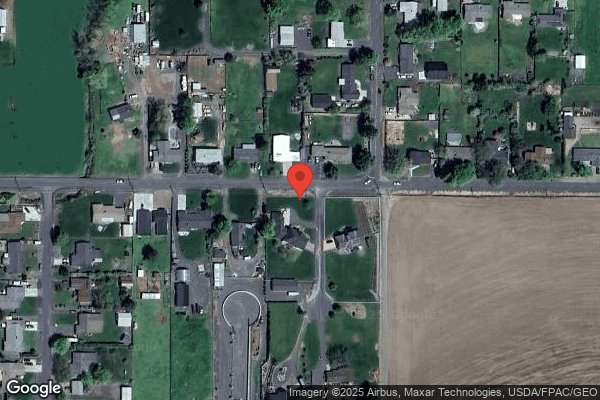
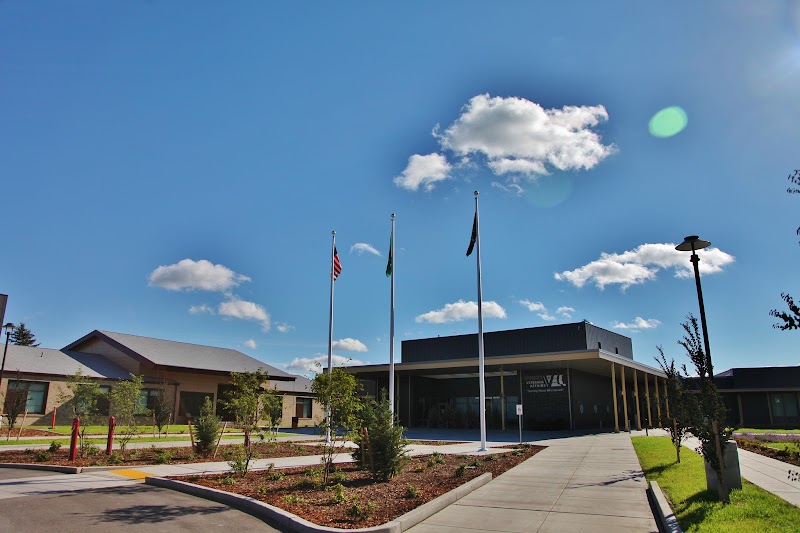
92 WAINWRIGHT DRIVE, WALLA WALLA, WA 99362 (509) 394-6800
Government - State 80 Beds Independent Data: November 2025
Trust Grade
85/100
#49 of 190 in WA
Last Inspection: December 2024

Within standard 12-15 month inspection cycle. Federal law requires annual inspections.

Overview

The Walla Walla Veterans Home has a Trust Grade of B+, which means it is above average and recommended for families considering care options. It ranks #49 out of 190 facilities in Washington, placing it in the top half, and #2 out of 4 in Walla Walla County, indicating there is only one local option that is better. However, the facility is experiencing a worsening trend, with the number of issues increasing from 3 in 2023 to 10 in 2024. Staffing is a strong point, with a perfect 5/5 rating and a low turnover of just 14%, significantly better than the state average of 46%. There have been no fines recorded, which is a positive sign, and the facility benefits from more RN coverage than 80% of Washington facilities, ensuring better oversight of resident care. Nonetheless, there are some concerning findings from inspections. For instance, there was a serious issue where a resident did not receive their prescribed pain medication consistently, which could lead to significant discomfort. Additionally, during a COVID-19 outbreak, the facility failed to promptly identify and respond to symptoms among staff, which could delay necessary care. Lastly, there were concerns related to medication management for residents with dementia, indicating potential gaps in care that families should be aware of. Overall, while there are strengths in staffing and oversight, families should consider the recent increase in issues when evaluating the home.

Trust Score
B+
85/100
In Washington
#49/190
Top 25%
Safety Record
Moderate
Needs review
Inspections
Getting Worse
3 → 10 violations
Staff Stability
✓ Good
14% annual turnover. Excellent stability, 34 points below Washington's 48% average. Staff who stay learn residents' needs.
Penalties
✓ Good
No fines on record. Clean compliance history, better than most Washington facilities.
Skilled Nurses
✓ Good
Each resident gets 96 minutes of Registered Nurse (RN) attention daily — more than 97% of Washington nursing homes. RNs are the most trained staff who catch health problems before they become serious.
Violations
⚠ Watch
19 deficiencies on record. Higher than average. Multiple issues found across inspections.
★★★★★
5.0
Overall Rating
★★★★★
5.0
Staff Levels
★★☆☆☆
2.0
Care Quality
★★★★☆
4.0
Inspection Score
Stable
2023: 3 issues
2024: 10 issues

The Good

  • 5-Star Staffing Rating · Excellent nurse staffing levels
  • Low Staff Turnover (14%) · Staff stability means consistent care
  • Full Sprinkler Coverage · Fire safety systems throughout facility
  • No fines on record
  • Staff turnover is low (14%)

    34 points below Washington average of 48%

Facility shows strength in staffing levels, staff retention, fire safety.

The Bad

No Significant Concerns Identified

This facility shows no red flags. Among Washington's 100 nursing homes, only 1% achieve this.

The Ugly 19 deficiencies on record

1 actual harm
Dec 2024 9 deficiencies
CONCERN (D)

Potential for Harm - no one hurt, but risky conditions existed

Deficiency F0554 (Tag F0554)

Could have caused harm · This affected 1 resident

**NOTE- TERMS IN BRACKETS HAVE BEEN EDITED TO PROTECT CONFIDENTIALITY** Based on observation, interview and record review, the facility failed to conduct a complete and thorough assessment for self-ad...

Read full inspector narrative →
**NOTE- TERMS IN BRACKETS HAVE BEEN EDITED TO PROTECT CONFIDENTIALITY** Based on observation, interview and record review, the facility failed to conduct a complete and thorough assessment for self-administration of medications for 1 of 2 residents (Resident 39) reviewed for safe self-medication administration. This deficient practice placed residents at risk for medication errors and adverse medication interactions. Findings included . Review of the facility policy, dated December 2012, titled Administering Medications showed residents were able to self-administer their medications once the resident was assessed by the Interdisciplinary Care Planning Team, including the physician, and determined to have the decision-making capacity to do so safely. <Resident 39> Review of the medical record showed Resident 39 admitted to the facility on [DATE] with diagnoses of chronic lung disease, heart disease, and dizziness. Review of the comprehensive assessment, dated 11/21/2024, showed Resident 39 had an intact cognition and required the assistance of one person for Activities of Daily Living (ADLs). During a concurrent observation and interview, on 12/13/2024 at 8:07 AM, Staff U, Registered Nurse, was providing medication administration assistance to Resident 39 when they noted an over the counter (OTC) bottle of Vitamin D 800 International Units [(IU) unit of measure] supplement at the resident's bedside. Staff U asked Resident 39 if they had been self-administering their Vitamin D supplement. Resident 39 stated yes, they had, and asked Staff U, how many times a day am I supposed to take it? Two or three? Staff U told Resident 39 they would obtain clarification on the directions for their Vitamin D Supplement. Staff U did not remove the bottle of Vitamin D supplement from Resident 39's bedside. During a follow-up interview, on 12/13/2024 at 8:12 AM, Staff U stated they were unaware Resident 39 was self-administering the Vitamin D supplement. Staff U stated Resident 39's record showed they self-administered their prescribed inhalers for chronic lung disease, and they were unaware of any other medications Resident 39 kept at their bedside. Review of the Self-Medication Administration Assessment, completed on 11/13/2024, showed Resident 39 was safe and capable of self-administering the following medications: prescription mouth wash, OTC muscle rub (topical cream used to relieve sore muscles), respiratory inhalers, calcium with Vitamin D supplements, and as needed Meclizine (a medication given to relieve dizziness and nausea). Review of the physician's orders for Resident 39 showed, as of 12/13/2024, the orders for Vitamin D supplement and Meclizine did not include a directive for Resident 39 to self-administer the medications or keep it at their bedside. Review of Resident 39's comprehensive care plan showed no goals or interventions for self-medication administration. During an interview, on 12/16/2024 at 1:00PM, Staff B, Director of Nursing (DNS), stated the process for residents to self-administer their medications included a complete and thorough assessment to determine if the resident was capable and safe, education provided regarding the medication directions and its use, an order from the physician, and a care plan to direct staff on how to support the resident. After reviewing Resident 39's medical record, Staff B stated the process for self-medication administration for Resident 39 was not followed. Reference: WAC 388-97-0440
CONCERN (D)

Potential for Harm - no one hurt, but risky conditions existed

Deficiency F0558 (Tag F0558)

Could have caused harm · This affected 1 resident

**NOTE- TERMS IN BRACKETS HAVE BEEN EDITED TO PROTECT CONFIDENTIALITY** Based on observation, interview and record review, the facility failed to provide an environment that reflected the physical nee...

Read full inspector narrative →
**NOTE- TERMS IN BRACKETS HAVE BEEN EDITED TO PROTECT CONFIDENTIALITY** Based on observation, interview and record review, the facility failed to provide an environment that reflected the physical needs and preferences of 1 of 2 residents (Resident 6) reviewed for accommodation of needs. This deficient practice placed the resident at risk for a diminished quality of life and increased dependence on staff. Findings included . <Resident 6> Review of the medical record showed Resident 6 admitted to the facility on [DATE] with diagnoses of chronic kidney disease, chronic lung disease and muscle weakness. Review of the comprehensive assessment, dated 09/30/2024, showed Resident 6 had intact cognition, required the assistance of two people for transfers, toileting, and used an electric wheelchair for mobility. During a concurrent observation and interview, on 12/10/2024 at 11:33 AM, Resident 6 stated they were unable to access things on the side of their bed that was near the window. There was a pathway of less than two feet between Resident 6's bed and desk, and Resident 6 stated they would like to access and clean off their bulletin board (which hung in the window in front of the desk). Resident 6 stated their current room arrangement was not a set up that allowed them access. During a concurrent observation and interview, on 12/11/2024 at 2:35 PM, Resident 6 demonstrated their inability to maneuver their electric wheelchair around the end of their bed to access their desk. Resident 6 was able to reach the nearest corner of the desk but was unable to roll up to the desk to appropriately sit at the desk. Observations showed all items on the desk, including the bulletin board and all furniture to the left of the desk, were inaccessible to Resident 6. Resident 6 stated they asked their family to clear off the bulletin board, as they were unable to do so themselves, so they may hang up Christmas cards they receive. During an interview, on 12/13/2024 at 1:30 PM, Staff E, Psychiatric Social Worker, stated they assisted with the planned use of furniture for the residents when they admitted , but it was not their process to follow up with residents on their furniture needs after admission. Staff E stated they relied on the resident or staff for an adjustments of their furnture needs. During an interview, on 12/13/2024 at 2:30 PM, Staff V, Registered Nurse (RN), stated they had not noticed Resident 6's inability to access their desk or bulletin board and they relied on the residents or their families to request any accommodations. During an interview, on 12/16/2024 at 10:45 AM, Staff W, Resident Care Manager (RCM) stated they were unaware Resident 6 was unable to access areas in their room. Staff W stated they relied on the residents or their representatives to request an accommodation of needs. During an interview, on 12/16/2024 at 12:30 PM, Staff B, Director of Nursing (DNS), stated they were unaware Resident 6 could not access areas in their room. Staff B stated the expectation was for staff to observe and report issues and/or concerns regarding residents' environment. Staff B stated Resident 6 should have access to all areas of their room. Reference: WAC 388-97-0860 (2)
CONCERN (D)

Potential for Harm - no one hurt, but risky conditions existed

PASARR Coordination (Tag F0644)

Could have caused harm · This affected 1 resident

**NOTE- TERMS IN BRACKETS HAVE BEEN EDITED TO PROTECT CONFIDENTIALITY** Based on interview and record review, the facility failed to ensure accuracy for the Pre-admission Screening and Resident Review...

Read full inspector narrative →
**NOTE- TERMS IN BRACKETS HAVE BEEN EDITED TO PROTECT CONFIDENTIALITY** Based on interview and record review, the facility failed to ensure accuracy for the Pre-admission Screening and Resident Review [(PASARR) a federally required form that is used to help ensure individuals were not inappropriately placed in nursing homes for long term care] and Level II comprehensive evaluations were obtained for 2 of 6 residents (Resident 10 and 70) reviewed for PASARR. This failure placed residents at risk for not receiving necessary mental health care and services. Findings included . <Resident 10> Resident 10 was admitted to the facility with diagnoses including major depressive disorder (MDD - a mood disorder of persistent feelings of sadness, loss of interest, changes in sleep affecting how a person feels, thinks and behaves), dementia (a progressive disease that destroys memory and other important mental functions), anxiety, and hallucinations. The 09/27/2024 comprehensive assessment showed Resident 10 was dependent on one to two staff members for activities of daily living (ADLs) and had a severely impaired cognition. Review of Resident 10's PASARR, updated 10/16/2023, showed the resident had serious mental illness indicators of MDD, anxiety, and hallucinations and a diagnosis of dementia. The form showed a Level II Behavioral Health Assessment was not indicated. <Resident 70> Resident 70 was admitted to the facility on [DATE], with diagnoses including anxiety, insomnia (difficulty falling asleep and/or staying asleep), and dementia. On 04/02/2024, Resident 70 was diagnosed with MDD. The 09/12/2024 comprehensive assessment showed Resident 70 required substantial/maximal assistance of one to two staff members for ADLs and had a severely impaired cognition. Review of Resident 70's PASARR, completed on 03/08/2024, showed the resident had a serious mental illness indicator of anxiety and a diagnosis of dementia. The form showed a Level II Behavioral Health Assessment was not indicated. Additional review showed Resident 70 did not have an updated PASSAR that included the diagnosis of MDD and the need for the required Level II Behavioral Assessment. During an interview on 12/16/2024 at 11:55 AM, Staff D, Psychiatric Social Worker, stated the process for updating PASSAR's included a quarterly review, when a resident had a significant change, and/or a new diagnosis in physical or mental conditions. Staff D stated Resident 10 should have had an updated PASSAR and sent for a Level II Behavior Health Assessment evaluation based on the resident's diagnoses. Staff D further stated Resident 70 should have had a new PASSAR completed when they were diagnosed with a new serious mental illness indicator of MDD and then sent for a Level II Behavioral Assessment evaluation. Reference WAC: 388-97-1975(1)(4)(9)
CONCERN (D)

Potential for Harm - no one hurt, but risky conditions existed

Deficiency F0657 (Tag F0657)

Could have caused harm · This affected 1 resident

**NOTE- TERMS IN BRACKETS HAVE BEEN EDITED TO PROTECT CONFIDENTIALITY** Based on interview and record review, the facility failed to review and revise the care plan related to urinary tract infection ...

Read full inspector narrative →
**NOTE- TERMS IN BRACKETS HAVE BEEN EDITED TO PROTECT CONFIDENTIALITY** Based on interview and record review, the facility failed to review and revise the care plan related to urinary tract infection (UTI) treatment and prevention for 1 of 3 residents (Resident 17) review for care plan accuracy and revision. This deficient practice placed residents at risk for unmet and unidentified care needs. Findings included . <Resident 17> Review of the medical record showed Resident 17 was admitted to the facility on [DATE] with diagnoses of neuromuscular dysfunction of the bladder (a condition that occurs when the nerves and muscles of the urinary system are damaged, resulting in bladder control issues), diabetes (disease that occurs when body is unable to regulate the amount of sugar in the blood), and presence of a suprapubic catheter (a tube that's inserted into the bladder through a small incision in the lower abdomen to drain urine). Review of the comprehensive assessment dated [DATE] showed Resident 17 had moderate cognitive impairment and required the assistance of one person for Activities of Daily Living (ADLs) including catheter care. Review of Resident 17's care plan showed the focus area relating to the suprapubic catheter and history of UTIs and the goal for Resident 17 to show no signs or symptoms of UTI was initiated on 08/15/2023 Review of the interventions in place to meet the goal were last revised and/or added on 11/13/2023. Review of the medical record showed Resident 17 was treated for UTIs with antibiotic (medications used to treat infections caused by bacteria) on 03/11/2024, 07/10/2024, 10/04/2024, and 11/16/2024 (a total of four times in the last year.) During an interview, on 12/16/2024 at 10:30 AM, Staff W, Resident Care Manager (RCM), stated they were aware Resident 17 developed UTIs, but did not realize the frequency they were being treated for infections. Staff W stated it was a part of the interdisciplinary team's responsibility to review recurring issues and identify new or revised goals and interventions for the resident. Staff W stated this process had not been completed in relation to Resident 17's frequent UTIs. During an interview, on 12/16/2024 at 11:45 AM, Staff C, Infection Control Registered Nurse (ICRN), stated they were aware Resident 17 had been treated for UTIs frequently, and they had not completed a deep dive into the cause of them. Staff C stated they had provided the nursing staff with infection control education in a general form, and education regarding UTIs and catheter care had not been provided. Staff C stated the nursing team was responsible for identifying areas on the residents' care plans that needed revision and updating, and it did not appear that process was followed regarding Resident 17's UTIs. During an interview, on 12/16/2024 at 12:05 PM, Staff B, Director of Nursing Services, stated it was a collaborated effort of the nursing team to revise and update care plans. Staff B stated this was recurring UTIs would be a concern that needed a deeper look and this did not happen regarding Resident 17. Reference: WAC 388-97-1020 (5)(b)
CONCERN (D)

Potential for Harm - no one hurt, but risky conditions existed

Incontinence Care (Tag F0690)

Could have caused harm · This affected 1 resident

**NOTE- TERMS IN BRACKETS HAVE BEEN EDITED TO PROTECT CONFIDENTIALITY** AMENDED Based on observation, interview, and record review the facility failed to comprehensively assess and determine potentia...

Read full inspector narrative →
**NOTE- TERMS IN BRACKETS HAVE BEEN EDITED TO PROTECT CONFIDENTIALITY** AMENDED Based on observation, interview, and record review the facility failed to comprehensively assess and determine potential causative factors for recurrent urinary tract infections (UTIs) and provide UTI treatment consistent with professional standards of practice for 1 of 3 residents (Resident 17) reviewed for continuous urinary catheter (a flexible tube that inserted into the bladder to drain urine) use. This deficient practice placed residents at risk of unnecessary UTIs, antibiotic (medication used to fight infections caused by bacteria) use and delays in UTI treatment. Findings included . <Resident 17> Review of the medical record showed Resident 17 was admitted to the facility on [DATE] with diagnoses of neuromuscular dysfunction of the bladder (a condition that occurs when the nerves and muscles of the urinary system are damaged, resulting in bladder control issues), diabetes (disease that occurs when body is unable to regulate the amount of sugar in the blood), and presence of a suprapubic catheter (a tube that's inserted into the bladder through a small incision in the lower abdomen to drain urine). Review of the comprehensive assessment, dated 09/26/2024, showed Resident 17 had a moderate cognitive impairment and required the assistance of one person for Activities of Daily Living (ADLs) including catheter care. During an observation, on 12/09/2024 at 12:45 PM, Resident 17 was sitting in the recliner in their room and their urinary drainage bag (a bag attached to the urinary catheter to collect the urine drained from the bladder) was placed in a basin on the floor next to the chair (appropriately below the level of the bladder for drainage). The urinary bag had yellow urine inside and large pieces of mucous with sediment (solid material pieces) was observed in the tubing. There was a strong odor of urine in the room, but no indication of leakage from the urinary catheter or drainage bag. During an interview, on 12/09/2024 at 1:15 PM, Resident 17 stated they had been treated for a UTI on several occasions and their suprapubic catheter leaked frequently around the insertion site. Record review showed a urine sample was collected on 03/11/2024 and the resulted urine culture, dated 03/14/2024, showed the presence of Proteus mirabilis (the specific bacteria). Antibiotic treatment was initiated on 03/11/2024 (three days before the resulted culture was available). Record review showed a urine sample was collected on 07/03/2024 and the resulted urine culture, dated 07/08/2024, showed the presence of Proteus mirabilis. Antibiotic treatment was initiated on 07/10/2024 (two days after the resulted culture was available). Record review showed a urine sample was collected on 09/25/2024 and the resulted urine culture, dated 09/30/2024, showed the presence of Proteus mirabilis. Antibiotic treatment was initiated on 10/04/2024 (four days after the resulted culture was available). Record review showed a urine sample was collected on 11/10/2024 and the resulted urine culture, dated 11/13/2024, showed the presence of Proteus mirabilis. Antibiotic treatment was initiated on 11/16/2024 (three days after the resulted culture was available). During an interview, on 12/16/2024 at 10:30 AM, Staff W, Resident Care Manager (RCM), stated the facility's process was to notify the medical provider with urgent lab results, and completed urine cultures were not considered urgent. Staff W stated the medical provider would initiate new orders electronically when they had reviewed the resulted non-urgent labs. Staff W stated resulted urine cultures showing bacterial growth was considered abnormal and should be reviewed with the medical provider right away. During an interview, on 12/16/2024 at 11:45 AM, Staff C, Infection Control Registered Nurse (ICRN), stated the facility's medical provider had directed nursing staff to notify them via phone with urgent lab results and they would review other labs, including urine cultures at their next convenience. Staff C stated they were aware Resident 17 had several UTIs this year, and they had not completed a deep dive into the cause of them. Staff C further stated they had not provided infection control and prevention education for suprapubic catheter care. During an interview, on 12/16/2024 at 12:05 PM, Staff B, Director of Nursing Services (DNS), stated they were unaware the Licensed Nurses had been informed that resulted urine cultures were not considered urgent lab results that required a review timely. Staff B stated the process was to call the medical provider right away when abnormal lab results, including resulted urine cultures with bacterial growth, were available. Staff B stated the expectation for initiating antibiotic treatment for UTIs was right away. Reference: WAC 388-97-1060 (3)(c)
CONCERN (D)

Potential for Harm - no one hurt, but risky conditions existed

Respiratory Care (Tag F0695)

Could have caused harm · This affected 1 resident

**NOTE- TERMS IN BRACKETS HAVE BEEN EDITED TO PROTECT CONFIDENTIALITY** Based on observation, interview, and record review, the facility failed to provide respiratory care in accordance with accepted ...

Read full inspector narrative →
**NOTE- TERMS IN BRACKETS HAVE BEEN EDITED TO PROTECT CONFIDENTIALITY** Based on observation, interview, and record review, the facility failed to provide respiratory care in accordance with accepted standards of practice for 2 of 2 residents (Resident 17 and 6) reviewed for respiratory care related to CPAP (Continuous Positive Airway Pressure) and BiPAP [(Biphasic Positive Airway Pressure) medical devices used to maintain an open airway while sleeping] use. This deficient practice placed residents at risk for respiratory status complications and potentially contributed to a recently treated sinus infection for Resident 17. Review of the facility policy, titled CPAP /BiPAP Support showed device pieces such as mask and tubing were to be cleaned with soap and water daily, and the filter and water chamber cleaned weekly. <Resident 17> Review of the medical record showed Resident 17 admitted to the facility on [DATE] with diagnoses of sleep apnea (a sleep disorder that causes breathing to repeatedly stop and start while asleep), diabetes (a disease resulting from the body's inability to process sugar effectively), and heart failure. Review of the comprehensive assessment, dated 09/26/2024, showed Resident 17 had moderate cognitive impairment and required the assistance of one person for Activities of Daily Living (ADLs). During a concurrent observation and interview, on 12/09/2024 at 12:10 PM, Resident 17's BiPAP machine with tubing and mask were laying on top of bed. The mask had areas of oil like white residue in places and the water chamber was filled hallway. Resident 17 stated they use their BiPAP mask every night while sleeping and staff clean their BiPAP mask and tubing sometimes, but not every day. An observation, on 12/11/2024 at 10:04 AM, showed Resident 17's BiPAP machine with tubing and mask were laying on top of their bed. The water chamber had water condensation on the sides and water level was empty. The mask had smears of an oily substance. An observation, on 12/12/2024 at 11:57 AM, showed Resident 17's BiPAP machine with tubing and mask were on top of the resident's bed. An observation, on 12/13/2024 at 1:10 PM, showed Resident 17's BiPAP machine on the bed, the tubing and mask next to it, and smears of oily residue inside of the mask. Review of the medical record showed Resident 17 was evaluated by the facility provider on 11/11/2024 for nasal congestion and drainage and was prescribed an antibiotic (a medication that kills bacteria) for treatment of a bacterial sinus infection. <Resident 6> Review of the medical record showed Resident 6 admitted to the facility on [DATE] with diagnoses of chronic kidney disease, chronic lung disease and muscle weakness. Review of the comprehensive assessment, dated 09/30/2024, showed Resident 6 had intact cognition, required the assistance of two people for transfers, toileting, and used an electric wheelchair for mobility. During a concurrent observation and interview, on 12/10/2024 at 11:43 AM, Resident 6's CPAP machine was on the beside table with tubing and mask placed on top of the machine. The water chamber was filled halfway. Resident 6 stated the staff used to clean the machine frequently, but it had not been cleaned in a long time. Resident 6 stated their family provided a device used to clean the parts of a CPAP machine, but it sits on the bottom shelf, and no one ever uses it. During a concurrent observation and interview, on 12/11/2024 at 2:24 PM, Resident 6's CPAP machine was on the bedside table with mask and tubing laying on top. The water chamber showed condensation drops on the sides and the water level was below the lowest level measurement. Resident 6 stated staff had not cleaned the CPAP mask or tubing today. An observation, on 12/12/2024 at 10:50 AM, showed Resident 6's CPAP machine was on the bedside table with mask and tubing connected to the machine, hanging off the side of the table. The water chamber was filled halfway. An observation, on 12/13/2024 at 12:15 PM, showed Resident 6's CPAP machine on the bedside table with mask and tubing connected to the machine. The mask had a small amount of white, oily residue on the inside. During an interview, on 12/13/2024 at 3:17 PM, Staff AA, Nursing Assistant (NA) stated the NAs were responsible for rinsing CPAP and BiPAP masks and tubing daily, washing the masks and water chamber weekly, and change the filter monthly. Staff AA stated it was important to keep the machine and their parts clean, especially for the residents who wear them regularly. During an interview, on 12/13/2024 at 3:20 PM, Staff V, Registered Nurse (RN), stated the NAs were responsible for the day-to-day care of the CPAP and BiPAP machines. Staff V stated it was not their process to verify the cleaning tasks were completed. During an interview, on 12/16/2024 at 10:30 AM, Staff W, Resident Care Manager (RCM), stated the NAs were responsible for cleaning the CPAP and BiPAP machines, but was uncertain of the specific frequency. Staff W stated they recalled being informed of Resident 6's family providing a device for cleaning their CPAP machine parts, but they never followed up on it. During an interview, on 12/16/2024 at 12:15 PM, Staff C, Infection Control Registered Nurse (ICRN), stated the NAs were responsible for regular cleaning of the CPAP and BiPAP machines and parts. After reviewing the NAs tasks in Resident 17 and Resident 6's medical record, Staff C stated the directions for cleaning did not match the facility's policy. Staff C stated cleaning the CPAP and BiPAP machines and parts was significant infection control practices. During an interview, on 12/16/2024 at 12:30 PM, Staff B, Director of Nursing Services (DNS), stated the NAs were responsible for the routine cleaning of the CPAP and BiPAP machine and parts. Staff B stated regular cleaning of these were important to maintain respiratory health, and the expectation was for the cleaning to be done per facility policy. Reference: WAC 388-97-1060 (3)(j)(vi)
CONCERN (D)

Potential for Harm - no one hurt, but risky conditions existed

Food Safety (Tag F0812)

Could have caused harm · This affected 1 resident

**NOTE- TERMS IN BRACKETS HAVE BEEN EDITED TO PROTECT CONFIDENTIALITY** Based on observation, interview, and record review, the facility failed to ensure staff followed proper food handling and storag...

Read full inspector narrative →
**NOTE- TERMS IN BRACKETS HAVE BEEN EDITED TO PROTECT CONFIDENTIALITY** Based on observation, interview, and record review, the facility failed to ensure staff followed proper food handling and storage practices for 2 of 3 residents' (Resident 20 and 72) personal refrigerators and 2 of 3 dining areas ([NAME] House and Cayuse House) reviewed for food safety. The failure to obtain and record refrigerator temperatures and store residents' personal condiments based on manufacturers' recommendations placed residents at risk for consuming expired food and food borne illness. Findings included . Review of the facility policy, titled Resident Personal Food Storage, dated 01/05/2021, showed all refrigeration units would have an internal thermometer to monitor for safe food storage temperatures and residents' personal refrigerators would be monitored by designated staff for food safety. Review of the Food and Drug Administration, Food Safety Code 2022, dated January 18, 2023, showed food products that are packaged are not all shelf-stable and must be refrigerated. If not, temperature controlled could cause bacterial growth. Therefore, special controls are in place to assist consumers to control bacteria growth: a label statement Must be Refrigerated on a food product, and refrigeration temperature guidelines of 41 degrees Fahrenheit (a unit of measure for temperature) or less as a barrier to bacteria growth. Additionally, continous monitoring of temperatures and visual examination to verify refrigeration temperatures are important. <Dining Tables> During an observation, on 12/09/2024 at 11:27 AM, Table One, in the [NAME] House, had tray of opened condiments including: a bottle of teriyaki marinade--half used (on the bottle showed must be refrigerated after opening), a bottle of [NAME] barbeque sauce--more than half used (on the bottle showed must be refrigerated after opening), a bottle of A1steak sauce-- a third of the bottle used (the bottle showed must be refrigerated after opening), a bottle of Heinz 57 sauce--more than half used (the bottle showed must be refrigerated after opening). During a concurrent observation and interview, on 12/10/2024 at 12:29 PM, Resident 20 was sitting at Table One with the tray of opened condiments within reach Resident 20 stated all of the condiments on the tray at Table One belonged to them, and they have let other residents use them occasionally. During an interview, on 12/11/2024 at 11:30 AM, Staff P, Nursing Assistant (NA), stated the condiments on the tray of Table One belonged to Resident 20 who resided in the [NAME] house, and they were particular about their condiments. Staff P stated in the Cayuse house, the condiments on Table Two belonged to Resident 37. Staff P stated the condiments stay on the dining tables all the time. During an observation, on 12/12/2024 at 8:42 AM, Table Two in the Cayuse house had a tray of opened condiments including: a new bottle of ketchup, a bottle of tabasco sauce, a bottle of Heinz 57 sauce-- half used (the bottle showed refrigerate after opening), a bottle of Worcestershire sauce--half used (the bottle showed refrigerate after opening). During an observation, on 12/12/2024 at 8:53 AM, Table One in the [NAME] House, had the same tray of opened condiments accessible by any resident. During an observation, on 12/13/2024 at 8:02 AM, Table Two in the Cayuse house had the same tray of opened condiments accessible by any resident. <Personal refrigerators> During an observation, on 12/10/2024 at 8:45 AM, showed a personal refrigerator in Resident 20's room had an unopened bottle of Coca-Cola, a bag of chocolate candy, two bananas, an orange and a thermometer. There was no temperature log record available in the room for review. During an observation, on 12/12/2024 at 8:59 AM, showed a personal refrigerator in Resident 1's that had three bottles of vanilla Ensure (a nutritional meal replacement shake), an orange, an unopened chocolate candy bar, and a thermometer. There was no temperature log record available in the room for review. During an observation, on 12/13/2024 at 8:35 AM, showed a personal refrigerator in Resident 72's room with an open butter packet, a banana, and two chocolate Ensures. There was no thermometer inside the refrigerator and no temperature log record available for review. During an interview, on 12/13/2024 at 7:53 AM, Staff M, NA, stated they were responsible for cleaning the personal refrigerators such as throwing away expired food and wiping them out. Staff M stated Their process did not include monitoring or recording refrigerator temperatures, and they were unsure of who was responsible for this. During an observation, on 12/13/2024 at 8:01 AM, a refrigerator in Resident 1's room had three Ensure drinks, two apples and a brown banana. There was no thermometer inside refrigerator and no temperature log records available for review. During an interview, on 12/13/2024 at 8:06 AM, Staff U, Registered Nurse (RN), stated they were aware that residents were allowed to have a refrigerator. Staff U stated they were unsure who monitored the personal refrigerators. Staff U stated they had not seen a temperature monitoring log for the personal refrigerators. During an interview, on 12/13/2024 at 8:10 AM, Staff Y, RN, stated monitoring of the personal refrigerators was done by the NAs. Staff Y stated the NAs clean the refrigerators out once a month and monitor the temperatures. Staff Y stated they were not sure if they document the temperatures. During an interview, on 12/13/2024 at 8:30 AM, Staff Z, NA stated some residents have refrigerators, and if they saw something was wrong with the refrigerator they would make a work order to have them checked. Staff Z stated they did not clean the refirgerators or monitor the temperatures. During an interview, on 12/12/2204 at 1:36 PM, Staff E, Dietary Manager stated most residents have a refrigerator in their room, and they highly encouraged residents to have one so they could have things from home. Staff E stated that the kitchen staff were not responsible for the personal refrigerators and that the NAs check them for the residents. Staff E further stated Resident 20 had trouble with the flavor of the food and the solution was to have the tray of condiments available to them. Staff E stated they periodically checked the tray to identify if there was something that needed to be thrown away or placed in the refrigerator. Staff E stated they were not aware of condiments that needed to be in the refrigerator, and they had not checked the condiments in a couple of weeks. During an interview, on 12/16/2024 at 12:41 PM, Staff K, Resident Care Manager, stated they were unsure why there were condiments kept on the table and that they did not realize some of the condiments needed to be refrigerated. Staff K stated that the process for the condiments needed to be fixed. Staff K stated that the personal refrigerators were cleaned and monitored by nursing staff. Staff K stated they were unaware that the personal refrigerator temperatures were not being monitored or documented. Reference: WAC 388-97-1100 (3)
CONCERN (D)

Potential for Harm - no one hurt, but risky conditions existed

Infection Control (Tag F0880)

Could have caused harm · This affected 1 resident

**NOTE- TERMS IN BRACKETS HAVE BEEN EDITED TO PROTECT CONFIDENTIALITY** Based on observation, interview, and record review, the facility failed to ensure staff followed infection prevention and contro...

Read full inspector narrative →
**NOTE- TERMS IN BRACKETS HAVE BEEN EDITED TO PROTECT CONFIDENTIALITY** Based on observation, interview, and record review, the facility failed to ensure staff followed infection prevention and control measures for the use of Personal Protective Equipment (PPE) and hand hygiene with contact enteric precautions (safety measures used by healthcare workers to prevent the spread of infectious agents that pose an increased risk for transmission through direct or indirect contact) for 6 of 7 staff (Staff G, H, I, L, J, and K) reviewed for infection control. These failures placed residents, staff, and visitors at risk of exposure and cross contamination of an infectious disease. Findings included . Review of the 08/03/2023 Washington State Department of Health guidance titled, Contact Enteric Precautions, showed prior to entering a room of a Clostridioides Difficile [(C-diff), a highly contagious bacterium that causes diarrhea and inflammation of the colon], resident, staff were required to perform hand hygiene, don (put on) an isolation gown, secure the straps/ties, and don gloves. The guidance further showed, upon exit from the room, all staff were to doff (remove) gloves and gown, and wash hands with soap and water. <Resident 7> Resident 7 was admitted to the facility on [DATE] with diagnoses including Alzheimer's disease (a progressive disease that destroys memory and other important mental functions), Parkinson's disease (a progressive movement disorder that causes tremors, stiffness, and impaired balance), and heart and kidney failure. The 10/08/2024 comprehensive assessment showed Resident 7 required one to two staff members for toileting, bathing, and transfers. The assessment also showed Resident 7 had a moderately impaired cognition. An observation and interview on 12/09/2024 at 11:28 AM, showed a sign posted outside Resident 7's room titled, Contact Enteric Precautions, and everyone who entered Resident 7's room were to perform hand hygiene, don an isolation gown and secure the ties/straps, don gloves, and use soap and water when exiting the room. Below the sign was a PPE cart with gloves, gowns, and masks for use. Staff F, Nursing Assistant (NA), stated all staff were required to follow the signage as Resident 7 currently had C-diff. An observation on 12/10/2024 at 9:44 AM, showed Staff G, NA, obtain a gown and gloves without performing hand hygiene. Staff G donned the gloves and gown without securing the gown behind their back. Staff G entered Resident 7's room and assisted with eating and transfer from their wheelchair to their recliner. Staff G's gown was consistently falling forward onto the resident when they bent over during cares. Upon exit from the room, Staff G removed their gloves and gown and placed them into the trash and used alcohol-based hand sanitizer (ABHS) upon exit. Staff G did not wash their hands with soap and water as required. An observation on 12/11/2024 at 9:31 AM, Staff H, NA, donned a gown, gloves, face mask, and shoe covers, without performing hand hygiene and entered Resident 7's room. Staff H assisted them by arranging their bedside tray table, gathered trash, and put the trash into the trash can. Staff H then removed one glove, gown, and shoe covers and put them into the trash can. Staff H carried the trash with the gloved hand to the soiled utility room, opened the door and placed the trash into a large black trash bin and removed their glove. Staff H used ABHS and did not wash their hands with soap and water as required. Staff H proceeded to the kitchen, obtained a hair net, placed it over their head, donned new gloves, and began washing dishes. An observation on 12/12/2024 at 8:43 AM, showed Staff I, NA, don gloves without performing hand hygiene and enter Resident 7's room without a gown. Staff I returned to the entry of the resident's room, removed their gloves, and put them into the trash. Staff I exited the resident's room without performing hand hygiene and donned new gloves, gown, and face mask, and re-entered the resident's room. Staff I assisted Resident 7 with ambulation and eating. Staff I removed the soiled PPE and placed it into the trash can, used ABHS, and picked up the resident's food tray from the counter in their room. Staff I exited Resident 7's room and placed the tray onto the kitchen counter across the hall. Staff I proceeded to enter the kitchen and wash their hands in the kitchen sink. An observation on 12/13/2024 at 7:41 AM, showed Staff L, NA, don a gown and gloves without performing hand hygiene and enter Resident 7's room. Staff L exited the room while wearing their PPE, reached into the PPE cart, obtained shoe covers, and placed them over their shoes. Staff I reached into the PPE cart a second time, as the shoe covers did not cover their entire shoe and retrieved another pair and put them onto their shoes. Staff L re-entered Resident 7 room and provided care. Upon Staff L's exit they doffed their PPE, placed it into the trash can, used ABHS, proceeded to the kitchen, and washed their hands in the kitchen sink. An observation on 12/13/2024 at 7:59 AM, showed Staff J, Registered Nurse (RN), enter Resident 7's room without reviewing the contact precautions sign or donning PPE. Staff K, RN, stated to Staff J they needed to exit the room and don PPE as the Resident was on precautions for C-diff. Staff J exited the room donned a gown, then used ABHS and donned gloves. Staff J re-entered the room and provided medications to Resident 7. Staff K used ABHS and donned a gown and gloves. Staff K did not secure the gown ties behind their back. Staff K entered the room to assist Staff J with medications for Resident 7. After providing medications to Resident 7, Staff J and Staff K removed their soiled PPE and placed it in the trash can. Both Staff J and Staff K used ABHS and exited the room. Neither Staff J nor Staff K washed their hands with soap and water as required. Staff J returned to the medication cart and prepared medications for another resident. Staff J pushed the medication cart down the hall, donned gloves, and entered the resident's room and provided them their medication. During an interview on 12/16/2024 at 11:00 AM, Staff C, Infection Control Registered Nurse, stated all staff were to use ABHS, then don a gown and gloves prior to entering a resident's room when on isolation precautions. Staff C stated Resident 7 was on contact enteric precautions which required staff to wash their hands with soap and water after removal of PPE. Staff C stated the expectation for all staff was to remove all soiled PPE in Resident 7's room upon exit, use ABHS, and then proceed to the nearest sink, which would be the staff restroom, and wash their hands with soap and water. Staff C stated staff should not have used the kitchen sink to wash their hands after contact with residents on contact enteric isolation. Reference WAC: 388-97-1320(1)(c)(5)(b)
CONCERN (E)

Potential for Harm - no one hurt, but risky conditions existed

Deficiency F0804 (Tag F0804)

Could have caused harm · This affected multiple residents

**NOTE- TERMS IN BRACKETS HAVE BEEN EDITED TO PROTECT CONFIDENTIALITY** Based on observation, interview, and record review, the facility failed to prepare palatable, appetizing, and appealing meals fo...

Read full inspector narrative →
**NOTE- TERMS IN BRACKETS HAVE BEEN EDITED TO PROTECT CONFIDENTIALITY** Based on observation, interview, and record review, the facility failed to prepare palatable, appetizing, and appealing meals for 8 of 15 residents (Resident 78, 48, 46, 39, 6, 20, 71, and 38) who voiced concerns regarding food quality during a Resident Council (a group of residents from each of the neighborhoods who meet to discuss and address concerns) meeting and other interviews. This deficient practice placed residents at risk for dissatisfaction with the food, a diminished dining experience and the potential for less than adequate nutritional intake. Findings included . Review of the facility document, titled Resident Council Minutes September 2024, showed meeting minutes documented multiple complaints regarding the food quality including the food needed more taste. Review of the facility document, titled Resident Council Minutes October 2024, showed complaints of food quality including reports of cold food. <Resident 78> Review of the medical record showed Resident 78 admitted to the facility on [DATE], and the comprehensive assessment, dated 11/20/2024, showed they had an intact cognition. During an interview, on 12/09/2024 at 2:40 PM, Resident 78 stated their diet was vegetarian, and the facility did not offer many options for this diet. Resident 78 stated the alternate offered to them instead of the menu meal at lunch and dinner was most often a baked potato and green salad. Resident 78 stated the cooks did not show a high skill level or critical thinking to create other alternatives. <Resident 48> Review of the medical record showed Resident 48 admitted to the facility on [DATE], and the comprehensive assessment, dated 10/21/2024, showed they had a moderately impaired cognition. During an interview, on 12/09/2024 at 3:28 PM, Resident 48 stated they did not like how most of the food was prepared because it has no flavor. <Resident 46> Review of the medical record showed Resident 46 admitted to the facility on [DATE], and the comprehensive assessment, dated 10/07/2024, showed they had a moderately impaired cognition. During an interview, on 12/09/2024 at 3:42 PM, Resident 46 stated the food is no good and they had discussed this with the dietician. Resident 46 stated they would prefer more plant-based alternatives. <Resident 39> Review of the medical record showed Resident 39 admitted to the facility on [DATE], and the comprehensive assessment, dated 11/21/2024, showed they had an intact cognition. During an interview, on 12/10/2024 at 9:38 AM, Resident 39 stated some of the food served at the facility does not taste good and the vegetables were usually overcooked. <Resident 6> Review of the medical record showed Resident 6 admitted to the facility on [DATE], and the comprehensive assessment, dated 09/30/2024, showed they had an intact cognition. During an interview, on 12/10/2024 at 10:46 AM, Resident 6 stated they did not like a lot of the food because it did not taste good. Resident 6 stated the facility serves a lot of chicken and they would like to see more of a variety. <Resident 20> Review of the medical record showed Resident 20 admitted to the facility on [DATE], and the comprehensive assessment, dated 09/06/2024 showed they had a moderately impaired cognition. During an interview, on 12/10/2024 at 12:57 PM, Resident 20 stated .the food doesn't have any flavor, and they provided their own condiments to help with palatability. During a Resident Council meeting, on 12/11/2024 at 11:14 AM, residents gathered to discuss concerns regarding quality of care and quality of life at the facility. The following concerns regarding the facility's food quality were stated during interviews: Resident 71 stated the facility serves .too many heats and eats (meals made of processed and/or frozen foods) .which is not healthy. Resident 71 stated, our meals are full of preservatives, and we shouldn't have to eat that stuff. Resident 38 stated the facility serves canned fruit instead of fresh, and they had recently been served canned pineapple pieces on their warm breakfast plate. Resident 38 stated, fruit like that should be served cold. During an interview, on 12/12/2024 at 1:36 PM, Staff E, Dietary Manager (DM), stated residents had complained about the lack of flavor in the food. During an observation, on 12/13/2024 at 12:21 PM, the posted meal for lunch was fish, fries, and mixed vegetables. A test tray was provided with the regular meal and an alternative meal. The regular meal plate showed a breaded fish fillet, previously frozen and white in color, with the breading layer being moist and soggy from sitting in vegetable water. The vegetables were previously frozen cauliflower, green beans, lima beans, and zucchini with an overcooked texture (mushy). The French fries were previously frozen, undercooked (cool to touch and grainy texture) and white in color. The alternative meal was a hamburger patty on a bun and a side salad (served on a warm plate). The lettuce in the salad was wilted and the tomato was warm to touch. During an interview, on 12/13/2024 at 12:37 PM, Staff E stated meal preparation should be done an hour before mealtime and plated 30 minutes before serving out. Staff E confirmed the test tray did not look appealing, and the regular menu meal was comprised of all previously frozen foods and were considered dull in color. Staff E stated the breaded fish should not have been served on the plate with excess moisture (from the vegetables), and the side salad should not have been served on a warm plate. Reference: WAC 388-97-1100 (1), (2)
Mar 2024 1 deficiency
CONCERN (D) 📢 Someone Reported This

A family member, employee, or ombudsman was alarmed enough to file a formal complaint

Potential for Harm - no one hurt, but risky conditions existed

Quality of Care (Tag F0684)

Could have caused harm · This affected 1 resident

**NOTE- TERMS IN BRACKETS HAVE BEEN EDITED TO PROTECT CONFIDENTIALITY** Based on observation, interview, and record review the facility failed to ensure services were provided to treat a resident for ...

Read full inspector narrative →
**NOTE- TERMS IN BRACKETS HAVE BEEN EDITED TO PROTECT CONFIDENTIALITY** Based on observation, interview, and record review the facility failed to ensure services were provided to treat a resident for an uncontrolled elevated heart rate for 1 of 3 residents (Resident 1) reviewed for quality of care, despite staff awareness of new medication and treatment orders sent by the provider to the facility and Resident 1's continued elevated heart rate (HR). The failure of providing timely staff follow up with the provider's office to obtain the medication and treatment orders for Resident 1, placed them at risk for development and/or worsening medical conditions. Findings included . <Resident 1> Review of Resident 1's medical record showed they were admitted to the facility on [DATE] with diagnoses including heart failure (the heart does not pump enough blood throughout the body), atrial fibrillation ([A-fib] an abnormal heart rhythm and fast irregular heartbeat) and Alzheimer's disease (a brain condition that caused a progressive decline in memory, thinking and behaviors). The 12/21/2023 comprehensive assessment showed the resident was dependent on two or more staff for activities of daily living and had a severe impaired cognition. Review of Resident 1's Progress Notes (PN), dated 02/27/2024 at 4:52 PM, showed Staff D, Licensed Nurse (LN), notified the resident's provider's office that Resident 1's HR was elevated above 120 beats per minute (bpm) without relief from ordered medication to control their HR. The provider's office stated they would call back that day with medication changes. Review of Resident 1's PN, dated 02/27/2024 at 11:50 PM, showed Staff E, LN, spoke with Resident 1's Representative (RR) and stated they had not received new orders from the provider. The PN further showed the RR stated to Staff E that the provider had attempted to contact the LN multiple times without success with LN. The RR called Staff E a second time and insisted the provider had faxed over medication orders for Resident 1. Staff E requested the day shift staff follow-up with the provider's office in the morning. Review of Resident 1's PN, dated 02/28/2024 at 10:50 AM, showed Staff C, Resident Care Manager, received a phone call from the RR and inquired about the provider's new medication orders. Staff C stated they had not received any faxed or verbal orders from the provider. During an interview on 03/07/2024 at 12:02 PM, Staff C stated Resident 1 had been experiencing A-fib with RVR (rapid ventricular rate, a type of rapid heart rate that disallows the heart to receive enough blood) and had recently been sent to the emergency department for evaluation and treatment. Staff C stated on 02/28/2024 when they returned to work there were missed calls and a voice message on their phone from the provider's office to return their call. Staff C stated they left work around 4:00 PM on 02/27/2024 and their office was locked, and staff did not have access to it after they left. Staff C stated they did not call the provider's office upon their return. Staff C further stated they did not call any on-call provider for any orders to provide care for Resident 1 since the resident had a prescheduled provider appointment on 02/28/2024 at 3:00 PM. Review of Resident 1's 02/28/2024 provider office visit note, showed the resident had a medication change for their HR on 02/27/2024 and the provider was unsure if the facility implemented the change. The office visit notes also showed they had attempted several times on 02/27/2024 to reach the facility to provide the medication change order without any success. The office note showed Resident 1 had an uncontrolled elevated HR, and they were sent directly to the emergency department for evaluation. During an interview on 03/07/2024 at 2:54 PM, Collateral Contact (CC), with Resident 1's provider's office, stated the office had spoken with the facility LN at 3:09 PM and informed the LN they would inform the provider and decide on a plan for the resident. The CC stated the office had faxed a new medication order to the facility on [DATE] at 5:30 PM. The CC further stated the provider's office left multiple voice messages for the nurse to return their call and did not receive a return call until 02/28/2024 at 11:53 AM, over 20 hours later. During an interview on 03/07/2024 at 2:43 PM, Staff B, Director of Nursing Services, stated Resident 1's uncontrolled elevated HR was a symptomatic concern and the nurses should have contacted the on-call provider or the facility's provider, Team Health (the facility contracted team of medical providers) if they had not obtained the new orders. Reference WAC: 388-97-1060(1)(k)(4)
Nov 2023 1 deficiency
CONCERN (D) 📢 Someone Reported This

A family member, employee, or ombudsman was alarmed enough to file a formal complaint

Potential for Harm - no one hurt, but risky conditions existed

Notification of Changes (Tag F0580)

Could have caused harm · This affected 1 resident

**NOTE- TERMS IN BRACKETS HAVE BEEN EDITED TO PROTECT CONFIDENTIALITY** Based on observation, interview, and record review, the facility failed to notify the resident's representative for 1 of 3 resid...

Read full inspector narrative →
**NOTE- TERMS IN BRACKETS HAVE BEEN EDITED TO PROTECT CONFIDENTIALITY** Based on observation, interview, and record review, the facility failed to notify the resident's representative for 1 of 3 residents (Resident 1), reviewed for notification of change. Failure to notify the representative of a change in the resident's skin condition placed the resident at risk of not having their representative involved in the health care decision making process for timely care and services. Findings included . <Resident 1> Review of the medical record showed Resident 1 was admitted to the facility on [DATE] with diagnoses including Alzheimer's dementia, diabetes, and chronic kidney disease. Resident 1's most recent comprehensive assessment, dated 08/30/2023, showed they required extensive assistance of two caregivers for bed mobility, transfers, dressing, and toileting and was moderately impaired cognitively regarding decision making of tasks for daily living. Review of Resident 1's nursing progress notes and skin assessments from 11/01/2023 through 11/15/2023 showed on 11/06/2023 a new reddened area was noted to the resident's buttock and on 11/14/2023 that the area had opened to a 1centimeter (cm) by 1 cm shearing to the right buttock. Further review of the progress notes showed the resident's physician was notified of the opening to the right buttock with a request for a treatment on 11/14/2023. There were no progress notes found that stated the resident's representative was notified of the buttock reddened area or the opened area to the right buttock between 11/06/2023 and 11/14/2023. During an interview with Resident 1's representative on 11/16/2023 at 9:30 AM, they stated they were reviewing Resident 1's patient portal (electronic medical records shared between the facility and the physician's office) from their physician's office and noted the facility had reported the sheared area to the right buttock to their physician on 11/14/2023 but had not notified them as the representative. The resident's representative stated they called the facility on 11/15/2023 and spoke with a nurse that confirmed Resident 1 had a shearing to the right buttock and were awaiting orders from the physician for a new treatment. The representative stated they were very unhappy they had to find out about the change in Resident 1's skin from the physician's patient portal and had to call the facility themselves to find out what was happening with the opened area to the skin. During an interview with Staff A, Director of Nursing, on 11/16/2023 at 2:20 PM, they stated it was the facility policy to notify a resident's physician and representative when a change in condition to the resident occurs as timely as possible. Reference WAC 388-97-0320 1(b)(d)
May 2023 1 deficiency
CONCERN (D) 📢 Someone Reported This

A family member, employee, or ombudsman was alarmed enough to file a formal complaint

Potential for Harm - no one hurt, but risky conditions existed

Quality of Care (Tag F0684)

Could have caused harm · This affected 1 resident

**NOTE- TERMS IN BRACKETS HAVE BEEN EDITED TO PROTECT CONFIDENTIALITY** Based on observation, interview and record review, the facility failed to ensure a provider assessment was completed prior to so...

Read full inspector narrative →
**NOTE- TERMS IN BRACKETS HAVE BEEN EDITED TO PROTECT CONFIDENTIALITY** Based on observation, interview and record review, the facility failed to ensure a provider assessment was completed prior to social leave (a period of time spent outside of the facility for the resident's social, emotional, or psychological wellbeing) for one of one resident (1) reviewed for quality of care. Additionally, the facility failed to ensure the resident had medications and wound care supplies for the duration of their social leave. This failure placed the resident at risk for unmet care needs, mental anguish, and a diminished quality of life. Findings included . Review of the facility's 04/04/2019 policy titled Medications for Residents On Leave, showed that the purpose of the policy was to ensure continued drug therapy for residents that were on unscheduled therapeutic leave (leave with less than two business days' notice to the home). The policy showed that the Registered Nurse would prepare medications, up to a 72-hour supply, for the resident to take on leave. Further review of the policy showed that the Registered Nurse would document in the nursing progress notes .the date and time of the unscheduled leave, name, strength, and quantity of medications provided, the name of the person that received the medication, and confirmation that the directions for repacking medications met federal and state labeling laws. Resident 1. Review of the medical record showed the resident was admitted to the facility on [DATE] with diagnoses including heart failure, kidney failure, emphysema (a lung condition that causes shortness of breath), and depression. The 01/20/2023 comprehensive assessment showed the resident required assistance of one to two staff for Activities of Daily Living. The 04/22/2023 assessment showed the resident had an intact cognition. During an interview on 05/01/2023 at 9:48 AM, Staff B, Advanced Registered Nurse Practitioner (ARNP), stated that the process for social leave included an assessment prior to the planned leave, to ensure the resident was stable and safe to leave. That included ensuring there was an adequate supply of medications and wound care dressings available to the resident. Staff B stated they were notified that the resident went on a social leave after the fact. During the providers visit on 04/21/2023, the resident reported (to the ARNP) that they did not feel well and had stayed home longer than planned. Staff B stated they informed the resident that they did not feel well because they went several days without their scheduled medications. During an interview on 05/01/2023 at 10:56 AM, the resident stated that on the morning of 04/15/2023, they told Staff C, Agency Registered Nurse (RN), that they were leaving for a few days. They stated that they did not take any medications with them and had told Staff C that they had permission to leave and had medications at home from prior to their admission to the facility. The resident stated that they left on that same morning and returned on Thursday morning (04/20/2023, five days later). They stated that their significant other took care of them while at home and did their wound dressing changes. The resident stated that the facility usually gave them medications and supplies to take with them, but they did not this time. They stated that they had gone on leave with their significant other in the past and the facility made sure they had everything they needed. During an interview on 05/01/2023 at 11:09 AM, Staff D, RN, stated that when a resident requested a social leave, the process was to ensure a plan was in place. The plan included a physician order, providing medications, ensuring proper equipment was at the home, and verifying transportation to and from the home. Staff D stated that they called the resident on Sunday 04/16/2023 to see if they were doing well. Staff D stated that the resident reported that they were ok, and their significant other was providing care. During an interview on 05/01/2023 at 12:00 PM, Staff A, Director of Nursing Services (DNS), stated that they were unaware that the resident had left on 04/15/2023. They stated that an agency nurse was working, and the resident told them that they had permission to leave and had everything they needed (medications and supplies) at home. Staff A stated that the process for leaving on social leave included obtaining a physician order stating they were medically stable, preparing medications for the length of the leave, and ensuring that the resident was safe to leave. During an interview on 05/01/2023 at 12:11 PM, Staff E, Resident Care Manager (RCM), stated that they asked residents and families to give the facility ample notice to schedule a provider visit to ensure that the resident had a provider visit stating that the resident was medically stable to leave for an extended time. The facility would then prepare the residents medications for their length of stay. Staff E stated that in this instance, the resident told the agency nurse that they had been cleared to go home for the weekend and the facility did not have the opportunity to follow the process. In addition, the nurse on duty was an agency nurse that did not know the facility policy. Staff E stated that they called the resident on Monday 04/17/2023, because they were concerned that the resident was without medications and wound care supplies. The resident stated that they would return to the facility on Tuesday, 04/18/2023. Staff E stated that the resident called the facility on Tuesday, 04/18/2023 and asked if the facility would deliver their wheelchair to the home, as they stated that they had been in bed since Saturday and was not feeling well. Staff E advised the resident to call an ambulance and report to the hospital emergency department or return to the facility if they were not well. The resident declined the need for emergency services and stated that they would return to the facility that next day. Staff E stated they called the resident on Wednesday, 04/19/2023 at 11:00 AM, to see when they planned to return as they were supposed to be back at the facility by 10:00 AM that morning. Staff E stated that the resident told them that they would be back in 30 to 60 minutes. Staff E stated that the resident returned in that 60-minute time frame with wound dressings that were completely different than the residents current orders and that many of their medications were stopped because the resident did not have a supply at home. During an interview on 05/01/2023 at 2:08 PM, Staff C, Agency RN, stated that they had worked at the facility on and off for a while. They stated that the resident told them that they were leaving with their family or wife and would be gone four days. Staff C stated that they did not send medications or supplies with the resident but had asked them if they had their medications. Staff C stated that the resident told them that they had their medications at home and had permission to leave. Staff C stated that they initially found out the resident was going on leave from the Nursing Assistants. Staff C stated that they had been doing this job for a while and was pretty aware of what a resident needed when going on leave. Staff C stated the Nursing Assistants are more aware of what is happening with the residents so they thought the resident was cleared to leave. Review of the resident's medical record showed no documentation that the resident had been seen by a provider for social leave clearance prior to their social leave. Review of the 04/21/2023 Acute Visit provider note, written by Staff B, showed that the resident complained of not feeling well while at home on their social leave. The note showed the provider discussed the sudden stop of many medications (heart medications, antidepressants, and pain medication) with the resident, that it had been unsafe, and it was likely the reason they were not feeling well. The document showed Staff B encouraged the resident to continue taking their medications as ordered and, in the future, they could safely titrate those medications if they no longer wanted to be on them. During a follow-up interview on 05/01/2023 at 12:00 PM, Staff A stated that agency staff received general orientation (important phone numbers, fire alarm response) and education (abuse prevention, reporting, resient rights), but nothing specific for social leave. Staff A stated that the expectation for all staff would be to call them if they knew nothing about a resident going on leave. Staff A stated, the nurse should have called me. Reference: WAC 388-97-1060(1)
Feb 2023 1 deficiency
CONCERN (F)

Potential for Harm - no one hurt, but risky conditions existed

Deficiency F0886 (Tag F0886)

Could have caused harm · This affected most or all residents

**NOTE- TERMS IN BRACKETS HAVE BEEN EDITED TO PROTECT CONFIDENTIALITY** Based on interviews and record review the facility failed to perform testing for COVID-19 (infectious disease by a new virus cau...

Read full inspector narrative →
**NOTE- TERMS IN BRACKETS HAVE BEEN EDITED TO PROTECT CONFIDENTIALITY** Based on interviews and record review the facility failed to perform testing for COVID-19 (infectious disease by a new virus causing respiratory illness with symptoms including cough, fever, new or worsening malaise, headache, or new dizziness, nausea, vomiting, diarrhea, loss of taste or smell, and in severe cases difficulty breathing that could result in severe impairment or death) per federal guidelines for 7 of 7 staff (Staff A, B, C, D, E, F, G) during a COVID-19 outbreak (a single new case of COVID-19 among residents or staff). This failure increased the likelihood for delayed identification, diagnosis, and treatment of COVID-19. Findings included . Review of the 09/25/2022 Centers for Disease Control and Prevention (CDC) Interim Infection Prevention and Control Recommendations for Healthcare Personnel during the Coronavirus Disease 2019 (COVID-19) Pandemic showed that when performing outbreak response to a known case (of COVID-19) . testing was recommended immediately, if negative, again 48 hours after the first negative test and, if negative, again 48 hours after the second negative test (days one, three, and five). If additional cases were identified, the facility should have implemented quarantine precautions for residents in affected areas of the facility, and testing should have continued every three to seven days until there were no new cases for 14 days. Review of facility COVID-19 records between 02/05/2023 to 02/14/2023 showed the following dates of residents and/or staff with positive testing results: 02/05/2023 - one positive staff 02/06/2023 - one positive resident 02/08/2023 - two positive residents and one positive staff 02/09/2023 - two positive staff 02/10/2023 - two positive residents and one positive staff 02/12/2023 - one positive resident 02/13/2023 - one positive staff 02/14/2023 - one positive resident Staff H, Registered Nurse (RN)/Infection Control Preventionist, stated on 02/14/2023 at 10:45 AM the COVID-19 outbreak started on 02/05/2023 with a positive staff member. They stated currently there were two positive residents in one house and five positive residents in the adjoining house (each house had a capacity for 10 residents). In addition, there were six staff that also worked in those two houses that tested positive for COVID-19. Staff H stated staff only performed testing if they had signs or symptoms of COVID-19 or had a known high risk exposure. Staff performed their own testing and documented on COVID-19 testing forms. There was a charge nurse that worked in both houses doing medications and treatments, and nursing assistant staff went between houses to cover each other on breaks or when additional assistance was needed. Staff A, RN. Review of the facility Staffing Guide showed Staff A worked in the COVID-19 houses on 02/06/2023, 02/08/2023, 02/09/2023, 02/12/2023, 02/13/2023 and 02/14/2023. There were no COVID-19 testing records for Staff A. Staff A stated during an interview on 2/14/2023 at 4:10 PM that they had never tested for COVID-19 since the current outbreak started. They stated they were never told by staff to perform testing. Staff B, Nursing Assistant (NA). Review of the facility Staffing Guide showed Staff B worked in the COVID-19 houses on 02/05/2023, 02/06/2023, 02/07/2023, 02/08/2023, 02/09/2023, 02/12/2023, 02/13/2023 and 02/14/2023. Review of Staff B's COVID-19 testing records showed they tested on [DATE] and 02/13/2023 and had negative results. Staff B stated during an interview on 02/14/2023 at 4:20 PM that they were told by Staff H they only had to test if they had signs/symptoms of COVID-19. Staff B stated they had worked directly with two staff who had tested positive for COVID-19 (one tested positive on 02/05/2023 and the other tested positive on 02/08/2023). Staff C, NA. Review of the facility Staffing Guide showed Staff C worked in the COVID-19 houses on 02/03/2023, 02/06/2023, 02/07/2023, 02/08/2023, 02/09/2023, 02/10/2023, 02/13/2023 and 02/14/2023. Review of Staff C's COVID-19 testing records showed they tested on [DATE] and 02/10/2023 and had negative results. Staff C stated during an interview on 02/14/2023 at 4:05 PM that COVID-19 testing was voluntary. Staff D, RN. Review of the facility Staffing Guide showed Staff D worked in the COVID-19 houses on 02/03/2023, 02/07/2023, 02/08/2023, 02/10/2023, 02/11/2023 and 02/14/2023. Review of Staff D's COVID-19 testing records showed they had not tested during the current outbreak which started on 02/05/2023. Staff E, NA. Review of the facility Staffing Guide showed Staff E worked in the COVID-19 houses on 02/03/2023, 02/06/2023, 02/07/2023, 02/08/2023, 02/09/2023, 02/10/2023, 02/13/2023 and 02/14/2023. There were no COVID-19 testing records for Staff E. Staff F, NA. Review of the facility Staffing Guide showed Staff F worked in the COVID-19 houses on 02/03/2023, 02/04/2023, 02/05/2023, 02/09/2023, 02/10/2023, 02/11/2023 and 02/13/2023. There were no COVID-19 testing records for Staff F. Staff G, NA. Review of the facility Staffing Guide showed Staff G worked in the COVID-19 houses on 02/05/2023, 02/06/2023, 02/07/2023, 02/08/2023, 02/09/2023, 02/13/2023 and 02/14/2023. There were no COVID-19 testing records for Staff G. Reference (WAC) 388-97-1320(1)(2)(a) This is a repeat deficiency from the Statement of Deficiencies dated 06/08/2022.
Dec 2022 1 deficiency 1 Harm
SERIOUS (G) 📢 Someone Reported This

A family member, employee, or ombudsman was alarmed enough to file a formal complaint

Actual Harm - a resident was hurt due to facility failures

Deficiency F0697 (Tag F0697)

A resident was harmed · This affected 1 resident

Based on interviews and record review the facility failed to ensure staff provided adequate pain management in a timely manner for 1 of 3 residents (Resident 1) who expressed a need for narcotic pain ...

Read full inspector narrative →
Based on interviews and record review the facility failed to ensure staff provided adequate pain management in a timely manner for 1 of 3 residents (Resident 1) who expressed a need for narcotic pain medication and did not receive it. Failure to provide narcotic pain medication resulted in harm to Resident 1 due to pain and emotional distress. Findings included . Resident 1. Review of the resident's medical record showed they were admitted to the facility with diagnoses which included cancerous tumor of the left kidney. Review of the quarterly assessment, dated 10/14/2022, showed the resident had no cognitive impairments; required extensive assistance with two staff for turning in bed, dressing, toilet use and personal hygiene; total dependence on staff for transfers; and required supervision with set up for meals. Review of the 11/04/2022 facility investigation, conducted due to the resident's complaint of pain and not receiving their ordered narcotic pain medication, documented by Staff A, Social Worker, showed a significant deviation in the resident's use of their narcotic pain medication from October 2022 to November 2022. Usually the resident took the narcotic pain medication two to three times daily. Between 10/29/2022 to 10/31/2022 it was only taken once. By 11/02/2022 the narcotic medication had resumed back to the previous administration pattern of two to three times daily. When the resident was questioned by Staff A on 11/04/2022 they stated they had run out of the narcotic medication over the previous weekend because no one reordered them. The resident stated, I had so much build-up pain over several days and I was very stressed. My anxiety was peaking with no relief. Review of Progress Notes dated 11/08/2022 by Staff B, Resident Care Manager, showed the resident had stated there was a negative effect on them related to their mental health and psychosocial harm due to the delay in receiving their narcotic pain medication. The resident's pharmacy was called on 11/02/2022 and they stated the narcotic pain medication had been ordered by the facility on 10/25/2022 and it would be delivered on 11/03/2022. It was not delivered on time due to a billing issue. Review of the resident's Medication Administration Record (MAR) showed there were physician's orders for narcotic pain medication two tablets every six hours as needed for pain. Between 10/01/2022 to 10/29/2022 the resident had received the medication twice daily for 19 days, three times daily for six days, and once daily for four days. There were no days during that time period when the resident did not receive the narcotic pain medication. On 10/30/2022 at 2:45 AM the resident was given the narcotic medication for a pain level of 7 (pain level scale of 0 being no pain and a 10 being the worst possible pain). The pain medication showed it was effective. The next dose of narcotic pain medication was not given until 10:00 AM on 11/01/2022 for a pain level of 7. The resident did not receive narcotic pain medication for 55.25 hours. Staff C, Registered Nurse, stated during a telephone interview on 12/08/2022 at 10:50 AM, that when she arrived to work the morning of 11/01/2022 the resident had run out of the narcotic pain medication and no one did anything. They stated all they had to do was call the pharmacy and pull the medication from the facility emergency kit, which they did on the morning of 11/01/2022. Staff C stated the resident had cancer and needed their narcotic medication. The resident had stated to Staff C that they were in pain and was asking where the narcotic medication was. The resident was enraged upset and yelling. Despite the MAR showing the resident's pain level being a 7 at 10:00 AM on 11/01/2022 Staff C stated the resident's pain level was 10 out of 10 and the 7 reflected the pain they were having a short time after the narcotic medication was administered. There was an adequate supply of the narcotic medication in the emergency kit. Staff C reported the incident to Staff A due to their concerns regarding the resident's behavior. Staff C stated the resident had recently been placed on Hospice services (type of health care that focuses on a terminally ill resident's pain and symptoms and attends to the emotional and spiritual needs at the end of life). Staff D, Agency Registered Nurse, stated during a telephone interview on 12/08/2022 at 1:45 PM, that he had worked the evening shift of 10/31/2022 and the resident's pain level at the beginning of the shift (between 2:00 to 3:00 PM) was a 3 out of 10. Staff D stated the resident's physician had been in the facility that evening (10/31/2022) and wrote an order at 7:58 PM for the narcotic pain medication and staff was to pull the medication from the facility emergency kit. Staff D stated they did not have access to the emergency kit thus they requested assistance from another Licensed Nurse (LN) who was working at that time. Staff D stated they did not receive the requested assistance from the LN, thus they passed the information to Staff E, Agency Registered Nurse, who worked the eight hour night shift beginning on 10/31/2022 to 11/01/2022. Staff D stated that later in their shift the resident stated they were in pain and wanted their narcotic pain medication for a pain level of 6 to 7. Staff E, stated during a telephone interview on 12/08/2022 at 11:38 AM, that when she arrived to work on the night shift beginning 10/31/2022 the resident did not have any narcotic pain medication. Staff E stated they were unaware the physician had been in the facility on the evening shift of 10/31/2022 and had ordered narcotic pain medication to be pulled from the facility emergency kit. Staff E stated they texted the physician during their shift and got an order for Tylenol which they administered to the resident at 1:20 AM on 11/01/2022 for a pain level of 7. Staff E stated the Tylenol was effective as the resident had stated they felt better. Staff F, Director of Nurses, stated during a telephone interview on 12/08/2022 at 2:00 PM that Staff D did have access on the medication key ring (which was passed from one shift LN to another to access the medication carts) to the facility emergency kit (which was located in the administration building). Staff F stated Staff D must not have been aware of that. Staff F stated the resident's pharmacy was closed during the night. Due to the pharmacy being closed at night staff could call a secondary consulting pharmacy service during the night to assist them in obtaining medication. Reference WAC 388-97-1060(1)
Oct 2022 5 deficiencies
CONCERN (D)

Potential for Harm - no one hurt, but risky conditions existed

Quality of Care (Tag F0684)

Could have caused harm · This affected 1 resident

**NOTE- TERMS IN BRACKETS HAVE BEEN EDITED TO PROTECT CONFIDENTIALITY** Based on observation, interview and record review, the facility failed to identify and provide needed care and services for two ...

Read full inspector narrative →
**NOTE- TERMS IN BRACKETS HAVE BEEN EDITED TO PROTECT CONFIDENTIALITY** Based on observation, interview and record review, the facility failed to identify and provide needed care and services for two of three residents (8 and 40), reviewed for positioning. This failure placed the residents at risk for contractures (a condition of shortening and hardening of muscles, tendons, or other tissue, often leading to deformity and rigidity of joint), pressure ulcers, pain, and a decreased quality of life. Findings included . Resident 8. The resident was admitted to the facility on [DATE] with diagnoses including heart failure, dementia with behavioral disturbance (a mental disorder in which a person loses the ability to think or remember with symptoms such as moodiness, changes in personality, and aggression), and peripheral vascular disease (a circulatory condition in which narrowed blood vessels reduce blood flow to the limbs). The 07/20/2022 comprehensive assessment showed the resident required extensive assistance of one to two staff for Activities of Daily Living (ADL's), including locomotion on and off the unit. The assessment also showed the resident had a severely impaired cognition. An observation on 10/24/2022 at 10:02 AM, showed the resident was seated in their tilt-in-space wheelchair (a wheelchair that reclines while keeping the knees and hips in proper seated alignment), tilted to 15 degrees. The metal support rails for the seated section of the wheelchair protruded out from under the seat of the chair and extended into the back of the residents' legs. The ends of the rails were covered in Coban wrap (a self-adherent elastic wrap that functioned like a tape but sticks only to itself) to protect the back of the residents' legs. The Coban was visibly soiled. An observation on 10/24/2022 at 11:57 AM, showed the resident seated in their tilt-in-space wheelchair, tilted to 15 degrees. The resident's legs were dangling, and their feet hovered two inches off of the floor. The back of the resident's legs were resting on the ends of the wheelchair metal rails that were covered with Coban. The resident was able to propel themselves with their arms. An observation on 10/25/2022 at 9:17 AM, showed the resident sitting in their tilt-in-space wheelchair at the resident breakfast bar, their left leg resting against the Coban covered metal wheelchair rail. The right metal rail was covered with Coban that was visibly soiled. During an interview on 10/25/2022 at 2:42 PM, Staff J, Resident Care Manager (RCM), stated the resident's care plan showed that there were interventions that instructed staff to tilt the wheelchair if the resident was sleeping in it to prevent them from falling forward out of the chair. Staff J further stated that when the chair was tilted, it should have had footrests on. During an interview on10/26/2022 at 11:40 AM, Staff L, Medical Director (MD), stated that the tilt-in-space wheelchair was a new chair for the resident and physical therapy should have evaluated the dangling legs issue. Record review of the resident's care plan, dated 10/24/2022, showed tilting the wheelchair when the resident was sleeping as a fall prevention strategy; there was a lack of documentation addressing leg positioning for the resident and/or the metal bars that required padding. Additional review of the updated care plan, dated 10/25/2022, showed the following interventions: • Ask the resident if they would like to be tilted back in chair, per their preference for comfort, prior to tilting. • Check padding where the resident's leg tends to rub on their wheelchair to make sure that it is clean and intact. Replace when it becomes soiled or visibly dirty. • Ensure that the resident is comfortable while in tilt-in-space wheelchair. Do not allow legs to hang dependently while chair is leaned back, as this may cause leg discomfort. • Monitor for signs/symptoms of injury via visual checks during routine care reporting to RCM, DON (Director of Nursing), and/or MD PRN (as needed). Record review of the resident's physician orders, dated 10/26/2022, showed the resident requires a custom manual wheelchair to improve positioning and decrease risk of skin breakdown. Resident 40. The resident was admitted to the facility on [DATE] with diagnoses including heart failure, Parkinson's disease (a disease of the nervous system with symptoms that include uncontrollable movements, stiffness, and difficulty with balance and coordination), and arthritis in both knees. The comprehensive assessment dated [DATE] showed the resident required extensive assistance of one to two staff for ADL's. The assessment also showed that the resident had an intact cognition. A concurrent observation and interview on 10/24/2022 at 9:29 AM, showed the resident seated in their tilt-in-space wheelchair (without footrests), slouched to the right, legs hanging dependent with feet 2 inches off of the floor. The resident stated that their legs hurt and rubbed the front and back of their thighs. An observation on 10/24/2022 at 12:28 PM showed the resident seated in their tilt-in-space wheelchair in the dining area, legs dangling 2 inches off of the floor. During an interview on 10/24/2022 at 12:45 PM, the resident's spouse stated that the resident's legs just dangling were a concern, and that when they visited, the residents' feet were never on the floor. The spouse stated that before they left, they tilted the wheelchair back to level to ensure the residents feet were on the floor. Additionally, the spouse stated that the resident became claustrophobic when their feet did not touch the floor. They stated that they had previously shared this information with the facility and believed it was listed on their care plan. An observation on 10/25/2022 at 9:03 AM showed the resident seated in their tilt-in-space wheelchair in the common living/television area. Their legs were elevated on a dining chair with a pillow under their right arm. The resident was slumped to the right side, their head hanging dependently to the right. The wheelchair was tilted back 30 degrees. Staff K, Nursing Assistant (NA), stated to the resident that they were going to lie them down for a nap and proceeded to lift the residents' feet off of the chair and lowered towards the floor. There were no footrests on the wheelchair and the residents' legs dangled with their feet 3 inches off of the floor. Staff K pushed the resident in their wheelchair, with legs dangling, to their room. During an interview on 10/25/2022 at 2:42 PM, Staff J, stated that they had switched out the resident's wheelchair that day as a trial for a more appropriate chair. They further stated that they were trying to get approval from the Veteran's Administration (VA) for a new wheelchair, but the process was difficult, and they had been trying since Spring. A concurrent observation and interview on 10/26/2022 at 11:07 AM showed the resident seated in the trial wheelchair that had footrests in place. The resident was resting comfortably, their legs in proper position, feet resting on the footrests. Resident 40 stated that the chair might need a few adjustments, my legs are stiff but not hurting. During an interview on 10/26/2022 at 11:40 AM, Staff L stated that the resident has chronic pain in their knees and received injections for pain relief. Staff L further stated they had not been notified of concerns regarding the resident's legs dangling when seated in their wheelchair. Review of the residents individualized care plan dated 09/21/2022 showed the following interventions: • Footrests on wheelchair at all times when staff propels chair (initiated 12/21/2021). • It is important that the resident be allowed to elevate his feet whenever possible to reduce the risk of edema in bilateral lower extremities. Do not let legs hang dependent while chair is leaning back. (initiated 10/11/2022 and revised 10/25/2022). • PT (Physical Therapy)/OT (Occupational Therapy) as ordered for appropriate wheelchair size and style (initiated 12/28/2021). During an interview on 10/27/2022 at 10:02 AM, Staff A, Administrator, stated that they had identified the concern with the wheelchairs and were following the wheelchair request process with the Veteran's Administration (VA), however the facility needs to have a process to purchase a wheelchair if needed. Staff Administrator stated that they had met with the team (medical records, rehabilitation staff, and nursing staff) and they need to have a process and a timeframe from when they receive a physician order, completion of the assessment for needs, and how long they will wait for VA approval. Staff A stated that Resident 8 is a large man and needed something different and Resident 40's condition changed frequently, but there were many other chairs to trial for them .the resident's legs hanging down were an issue. The residents have footrests on now and should have had them before. Reference WAC 388-97-1060(1)
CONCERN (D)

Potential for Harm - no one hurt, but risky conditions existed

Accident Prevention (Tag F0689)

Could have caused harm · This affected 1 resident

**NOTE- TERMS IN BRACKETS HAVE BEEN EDITED TO PROTECT CONFIDENTIALITY** Based on observation, interview and record review, the facility failed to adequately supervise and initiate interventions for sa...

Read full inspector narrative →
**NOTE- TERMS IN BRACKETS HAVE BEEN EDITED TO PROTECT CONFIDENTIALITY** Based on observation, interview and record review, the facility failed to adequately supervise and initiate interventions for safe use of the secure wander garden area (the outside area designated for residents) for one of one Resident (39) that became locked outside after exiting the secure dementia care unit and contained tripping hazards. This failure placed the resident at risk for serious health and safety concerns and a diminished quality of life. Findings included . Resident 39. The resident was admitted to the facility on [DATE] with diagnoses including dementia with behavioral disturbance (impaired ability to remember, think and/or make decisions with behaviors including aggression and wandering) and anxiety. The comprehensive assessment, dated 06/10/2022, showed the resident required extensive physical assistance of one staff for Activities of Daily Living (ADL's). The assessment also showed that the resident had a severely impaired cognition. A concurrent observation and interview on 10/24/2022 at 12:17 PM, showed the residents in K-House, seated for the lunch meal in the central dining area. Resident 40 was observed standing by themself at the entrance to the hallway that led to the exit door for the wander garden. Staff M, Nursing Assistant (NA), approached Resident 39 and encouraged them to join the other residents for lunch. Resident 39 refused. Staff M left Resident 39 at that spot and proceeded to the kitchen area to assist with meal preparation for the other residents. Resident 39 proceeded to the exit door for the wander garden and held the door handle in, which activated the barely audible door alarm. After holding the handle for 15 seconds, the door lock released, and the resident exited the hallway to the outdoor area. The outdoor temperature at 11:53 AM that morning was 48 degrees Fahrenheit, and it was raining. The resident walked six to eight feet into the garden area and abruptly turned around to re-enter the building, however the door had locked. During that time, all staff were assisting with the lunch meal in the dining/kitchen area and did not hear the alarm or notice that the resident had left the building. When this surveyor alerted Staff M that the resident left the building, they stated, how did they [Resident 39] get out there and quickly went down the hall and opened the door for the resident to re-enter the building. During a second interview at 12:25 PM, Staff M stated that the rear door was normally locked, but if a resident held the push bar long enough, it would open. They stated that the alarm was not loud enough for staff to hear. During an interview on 10/24/2022 at 2:07 PM, Staff B, Director of Nurses (DON), stated that they were not aware of the resident leaving the building unattended, but the alarm was loud, and they expected that staff would have heard the alarm. During an interview on 10/25/2022 at 8:47 AM, Staff A, Administrator, stated that the secure unit had a walking loop that went around the back of the unit to a large patio with windows on the side (patio was visible from the main living/dining area). They stated that if a resident were outside and they remembered to go around the loop to the patio, they could get back inside, as the patio door was unlocked, but they would not be able to enter through the door at the end of the hall. Staff A stated that the alarm system was being worked on yesterday (10/24/2022) and they would follow up with maintenance staff that morning to determine why the alarm was not heard. An observation on 10/25/2022 at 9:22 AM, showed the secure wander garden was enclosed on two sides by a six-foot tall fence composed of horizontal wooden slats, spaced one to two inches apart (creating a ladder like fence). The third side of the garden had a five-foot tall fence composed of vertical wooden slats. There was a large, two panel gate with exit signage to the right of the walking path, secured with a security gate latch. The grassed area contained several cement walking paths, three garden benches, and two garden chairs. One chair was placed against the five-foot tall fence. There was a garden hose stretched across the walking path leading to the patio. The pathway that led to the patio was partitioned off with a wooden gate, latched shut with a security gate latch. This surveyor was unable to open the gate due to its weight and the bottom of the gate was dragging on the cement. The door leading from the patio area to the inside resident area was locked, only accessible by scanning an employee access badge. During an interview on 10/25/2022 at 9:29 AM, Staff K, NA, stated that they did not let residents go outside alone because they could not get back inside by themselves. They stated that residents could not open the latch by the patio to get back inside if they were out there alone. During a concurrent observation and interview on 10/25/2022 at 11:08 AM, Staff A and this surveyor toured the wander garden area. Staff A stated that the potential for residents to become locked out of the building with no access to re-entering was a concern. Staff A acknowledged that the garden hose strung across the walking path was a tripping hazard. Additionally, Staff A stated that a resident would not be able to open the latch leading to the patio, nor would they be able to open the gate due to it dragging on the ground. They also stated that they were unaware that the patio door was badge access only. During an interview on 10/26/2022 at 11:40 AM, Staff L, Medical Director, stated that they were not notified of the resident exiting the building and had never had any reports that they had a history of exit seeking. Staff L further stated that there were concerns related to residents exiting the building without being able to re-enter. When this surveyor explained the alternate patio door entrance, Staff L stated that Resident 39, or any other resident, would not be able to find their way back into the facility through that door. During an interview on 10/27/2022 at 9:15 AM, Staff B stated that they were unaware that the resident had left the building unattended, and they expected staff to immediately notify them if that occurred. Staff B further stated, I don't think staff understood the severity of the situation. Reference WAC 388-97-1060(3)(g)
CONCERN (D)

Potential for Harm - no one hurt, but risky conditions existed

Unnecessary Medications (Tag F0759)

Could have caused harm · This affected 1 resident

**NOTE- TERMS IN BRACKETS HAVE BEEN EDITED TO PROTECT CONFIDENTIALITY** Based on observation, interview and record review, the facility failed to ensure a medication error rate of less than five perce...

Read full inspector narrative →
**NOTE- TERMS IN BRACKETS HAVE BEEN EDITED TO PROTECT CONFIDENTIALITY** Based on observation, interview and record review, the facility failed to ensure a medication error rate of less than five percent. A total of two errors were made during medication administration for two of four residents (6 and 308) with a total of 27 opportunities observed for medication administration. The facility's medication error rate was 7.41percent. Findings included . The facility's ''Insulin Delivery Policy and Procedure'' was requested and the undated ''Humalog KwikPen instructions for Use,'' was provided to the survey team. The document, in pertinent part, ''Step 11: Insert the needle into your skin. Push the dose knob all the way in. Continue to hold the dose knob in and slowly count to 5 before removing the needle.'' The facility's ''Administering Oral Medications Policy'' dated October 2010 showed, The purpose of this procedure is to provide guidelines for the safe administration of oral medications . Check the medication doses. Re-check to confirm the proper dose.'' Resident 6. Review of the medical record showed the resident admitted on [DATE] with diagnoses including diabetes and atrial fibrillation (irregular heartbeat). The 07/15/2022 comprehensive assessment showed the resident was cognitively intact. Review of the Order Summary Report,'' dated 10/26/2022, showed orders for multivitamin with minerals, one time daily for supplement and wound healing. Review of the Medication Administration Record (MAR) dated 10/01/2022 through 10/26/2022 showed the resident was receiving the multivitamins with minerals per physician's orders. During an observation on 10/25/2022 at 9:33 AM, Staff H, Registered Nurse (RN), was observed administering Resident 6's medications. Staff H retrived regular multivitamins (without minerals) from a stock bottle in the medication cart and poured it into the resident's medication cup. The regular multivitamin was administered to the resident along with all thier other medications. During an interview on 10/25/022 at 9:40 AM, Staff H stated, ''This [the multivitamins without minerals] is what is available so that is what I give.'' During an interview on 10/26/2022 at 3:16 PM, Staff B, Director of Nurses, stated that multivitamins with minerals were available in all houses in the facility and her expectation was that the nurse passing medications were to follow the physician's orders. If multivitamins were ordered for a resident the nurse needed to administer that medication and not multivitamins without minerals. Resident 308. Review of the medical record showed the resident was admitted to the facility on [DATE] with diagnosis of diabetes. The 09/22/2022 comprehensive assessment showed the resident was cognitively intact. Review of the ''Order Summary Report,'' dated 10/26/2022 showed orders for Humalog insulin per KwikPen Injector via sliding scale (2 units for blood sugar between 151 and 200) subcutaneously four times daily before meals and at bedtime. Review of the MAR dated 10/01/2022 through 10/26/2022 showed the resident was receiving the insulin per physician's orders. During an observation on 10/25/2022 at 11:10 AM, Staff H primed the insulin pen appropriately and dialed the 2-unit dosage and then administered the insulin via pen into the back of Resident 308's left arm, then Staff H immediately withdrew the insulin needle after injecting (without waiting the required time before removing the insulin pen needle from the resident's arm). The needle remained in the resident's arm for less than one second. During an interview on 10/25/2022 at 11:17 AM, Staff H stated she was not aware the insulin pen needle was to remain in place in the resident's arm. Staff H stated she usually gave insulin drawn from a vial and was not used to administering insulin via pen injector. Staff H stated, ''I put it [the insulin needle] in the [resident's] arm and once it's in I remove it.'' During an interview on 10/26/2022 at 3:18 PM, Staff B stated she thought insulin pen needles needed to remain in the resident's subcutaneous tissue for six to 10 seconds to ensure the insulin was absorbed. She stated, ''[The nurses] should follow our [insulin administration] policy.'' Reference: WAC 388-97-1060 (3)(k)(ii)
CONCERN (F)

Potential for Harm - no one hurt, but risky conditions existed

Drug Regimen Review (Tag F0756)

Could have caused harm · This affected most or all residents

**NOTE- TERMS IN BRACKETS HAVE BEEN EDITED TO PROTECT CONFIDENTIALITY** Resident 39. The resident was admitted to the facility on [DATE] with diagnoses including dementia with behavioral disturbance a...

Read full inspector narrative →
**NOTE- TERMS IN BRACKETS HAVE BEEN EDITED TO PROTECT CONFIDENTIALITY** Resident 39. The resident was admitted to the facility on [DATE] with diagnoses including dementia with behavioral disturbance and anxiety. The comprehensive assessment, dated 06/10/2022, showed the resident required extensive physical assistance of one staff for Activities of Daily Living (ADL's). The assessment also showed that the resident had a severely impaired cognition. Review of the resident's medical record showed Pharmacist Medication Regimen Review's were not completed for April 2022 and July 2022. Resident 40. The resident was admitted to the facility on [DATE] with diagnoses including heart failure and arthritis in both knees. The comprehensive assessment, dated 09/06/2022, showed the resident required extensive assistance of one to two staff for Activities of Daily Living (ADL's). The assessment also showed that the resident had an intact cognition. Record review showed that the Pharmacist Medication Regimen Review's were not completed for the months of February 2022, April 2022, and July 2022. During an interview on 10/25/2022 at 2:20 PM, Staff B, Director of Nursing (DON), stated that the pharmacy was only able to see 16 residents in September 2022, 17 residents in June 2022, and 15 residents in February 2022. During an interview on 10/25/2022 at 2:22 PM, Staff C, Pharmacist, stated that they had a shortage with pharmacy staff and some COVID cases. Staff C stated that they did not have any backup staff for the pharmacists that were out and it had been challenging. Staff C stated that some months they had to complete some hybrid work while they were out of town. They further stated that they had a hard time with staffing problems, but they were trying to get things back on track. During an interview on 10/26/2022 at 3:20 PM, Staff B stated that her expectation was that the pharmacist should be doing a medication regimen review on every resident, at least monthly. During an interview on 10/27/2022 at 10:31 AM, Staff A, Administrator, stated pharmacy reviews should have been conducted monthly. Staff A stated it had been a struggle with the pharmacy. Reference: WAC 388-97-1300 (1)(iii)(iv) Based on interview and record review the facility failed to ensure each resident's drug regimen was reviewed at least once a month by a licensed pharmacist for five of five residents (52, 22, 6 39 and 40), reviewed for pharmacy services. This failure placed the residents at risk of adverse drug events and unmet care needs. Findings included . Review of the facility's policy titled Medication Regimen Review Timelines, dated 09/11/2018, showed Once a month, a pharmacist will conduct a medication regimen review including a review of the complete chart for each resident. Resident 52. Review of the medical record showed the resident admitted to the facility on [DATE] with diagnoses which included Parkinson's disease (a disorder of the central nervous system that affects movement, often including tremors), acute kidney failure, dementia (A group of thinking and social symptoms that interferes with daily functioning), and post-traumatic stress disorder. The 08/24/2022 comprehensive assessment showed the resident had intact cognition. Review of the medical record showed missing Pharmacist Medication Regimen Review documentation for February 2022, June 2022, and September 2022. Resident 22. Review of the medical record showed the resident was admitted on [DATE] with diagnoses including gastroparesis (a condition that affects the stomach muscles), anemia (low iron), diabetes, chronic kidney disease, pressure ulcer, hypothyroidism (deficiency/low production of thyroid hormones) and Parkinson's disease. Review of the 08/15/2022 comprehensive assessment showed the resident had intact cognition. Review of the medical record showed Pharmacist Medication Regimen Review documentation for February 2022, June 2022, and September 2022 was missing. Resident 6. Review of the medical record showed the resident admitted to the facility on [DATE] with diagnoses including diabetes, atrial fibrillation (irregular heartbeat), high blood pressure, major depression, anxiety, Post Traumatic Stress Disorder (PTSD), and kidney cancer. The 07/15/2022 comprehensive assessment showed the resident was cognitively intact. The assessment indicated the resident received antianxiey, antidepressant, opioid, anticoagulant, insulin, and diuretic medication on seven of the seven days in the assessment look-back period. The assessment indicated the resident received hypnotic (sedative) medication on six of seven days in the look-back period. Resident 6's Pharmacist Medication Regimen Review for 01/01/2022 through 10/26/2022 showed the required reviews were not completed by the facility's pharmacist for January, April, and July of 2022.
CONCERN (F)

Potential for Harm - no one hurt, but risky conditions existed

Food Safety (Tag F0812)

Could have caused harm · This affected most or all residents

Based on observation, interview and record review, the facility failed to ensure food was served at the proper temperature, the dish machine was sanitized at the appropriate temperature, thermometers ...

Read full inspector narrative →
Based on observation, interview and record review, the facility failed to ensure food was served at the proper temperature, the dish machine was sanitized at the appropriate temperature, thermometers were sanitized properly between food items, and hand washing was conducted in accordance with proper sanitization practices for six of six houses. This had the potential to effect all 57 residents and placed them at risk of foodborne illnesses. Findings included . Review of the facility's policy titled Food Handling and Storage effective date 04/23/2019, showed Chemicals are not to be used around food that is being prepared. Chemicals in the kitchens will be stored in locked cabinets under the sinks, separate from where food is being stored . Handwashing is to be performed (and gloves changed, if applicable) at frequent intervals while working in the kitchen, including but not limited to: upon entering the kitchen . before donning gloves to touch any ready-to-eat food, after touching soiled equipment or utensils, before moving to a clean task . Dishes, silverware, utensils, cutting boards, and any other applicable kitchen item will be sanitized between uses via high-temperature dishwasher . Work surfaces and food-contact equipment will be cleaned and sanitized between uses . Point-of-service temperatures: cold food: 40 degrees Fahrenheit (F), Hot food: 145-165 degrees F . Dietary logs: Dishwasher temperature log: goal 150-180 degrees F. Review of the manufacturer's guidelines for Super Sani-Cloth (purple top) germicidal disposable wipe, dated 2021, indicated This product is not to be used as . high level disinfectant on any surface or instrument that (1) is introduced directly into the human body, either into or in contact with the bloodstream or normally sterile areas of the body, or (2) contacts intact mucous membranes . During an observation of P-House and U-House on 10/24/2022 at 11:16AM, Staff G, Cook, was preparing lunch meal in one of the kitchens for both houses. Staff G took the temperature of the zucchini and then placed the thermometer underneath water and placed into a food item. Staff G placed the thermometer underneath the water and then placed into another food item. This same process was completed in-between four food items. No sanitization occurred in-between the food items. During an interview on 10/24/2022 at 11:19 AM, Staff G stated they were supposed to use the sanitizer wipes, but she was unfamiliar with the kitchen. During an observation of P-House and U-House on 10/24/2022 at 11:55 AM, Staff G placed the pan from the vegetarian chicken under running water and then into wash water, with the same gloves. Staff G removed her gloves and put on a new pair, without hand washing. The thermometer was sitting out on the counter, uncovered. Staff G took some food items out of the oven and placed onto the counter. Staff G changed out her gloves, without hand washing. During an observation of H-house and K-House on 10/25/2022 at 11:03 AM, Staff F, Cook, stated she was preparing food for both houses. Staff F stated they had three residents on pureed texture. At 11:07 AM, Staff F wiped the thermometer using the purple top germicidal wipe and then placed the thermometer into the chicken for measure. The thermometer was not dry when placed into the food item. Staff F rinsed the thermometer under water and placed it in a drawer without a cover. During an observation on 10/25/2022 at 11:31 AM, Staff F started to prepare the pureed food. Staff F placed the pureed chicken into divided plates. After making the pureed chicken, Staff F placed the blender in the sink and rinsed under water, without washing or sanitizing. She proceeded to make the pureed rice. Staff F then placed the blender underneath water, without washing or sanitizing the blender. The top of the blender, near the pour spout had some leftover pureed rice- along the edge. She proceeded to make the pureed asparagus with the unwashed blender. During an observation on 10/25/2022 at 11:51 AM, the pureed texture was completed and placed on the counter, in the divided plates. Staff F took the thermometer out of the drawer, without a cover, and took the temperatures of the pureed foods. The pureed chicken was 100 degrees F. Staff F placed the thermometer into the sanitizer liquid and ran under water and placed directly into the pureed rice. The temperature was 110 degrees F. Staff F then placed the thermometer into the sanitizer water, rinsed with water, and placed directly into the pureed asparagus. The temperature was 105 degrees F. Staff F proceeded to place the pureed food onto the counter for service, without reheating to the proper temperature. Staff F was observed to place the chicken from the oven onto the unheated cart at 11:28 AM on 10/25/2022. During an observation on 10/25/2022 at 11:53 AM, the lunch meal started at 11:58 AM. The lunch meal service ended at 12:25 PM. Food temperatures were not taken at the beginning of service. At the end of service, Staff F took the thermometer out of the drawer and placed it directly into the asparagus with a temperature of 120 degrees F. Staff F rinsed the thermometer in the quat sanitizer bucket and wiped the thermometer with the sanitizer rag. Staff F placed the thermometer directly into the gravy with a temperature of 138 degrees F. Staff F placed the thermometer directly into the sanitizer liquid and wiped with the sanitizer rag. Staff F placed the thermometer directly into the mashed potatoes with a temperature of 140 degrees F. She placed the thermometer into the sanitizer liquid and wiped with the sanitizer rag. Staff F placed the thermometer directly into the green beans with a temperature of 119 degrees F. Staff F rinsed the thermometer with water and wiped it with a sanitizer rag. She placed the thermometer directly into the rice with a temperature of 119 degrees F. She rinsed the thermometer with water and then placed directly into the chicken with a temperature of 119 degrees F. During an interview on 10/25/2022 at 12:30 PM, Staff F stated the food should be 160 degrees F. Staff F stated the plates were warmed up in the oven to 250-300 degrees F. She stated the pureed food should have been 160 degrees F. She stated the food was not hot enough because it took her longer to complete meal service. Staff F stated she always cleaned the thermometer with soap and water. She stated she washed her hands a lot. During an interview on 10/25/2022 at 1:10 PM, Staff F stated she did not use the dish machine to wash the blender, because it would take too long. She confirmed she used the purple top germicidal wipes because it was sanitizer. Staff F stated she usually used hot water and sanitizer rag for the thermometers. During an observation of B-House and C-House on 10/26/2022 at 9:00 AM, the dish machine for C-House was reading 109 degrees F during the rinse cycle. At 9:06 AM, the cook (Staff I) confirmed the rinse temperature of the dish machine was 114 degrees F. She stated she did not think it was running right. When she looked it up, she stated the rinse temperature needed to be 180 degrees F. She stated the machine had been broken and was back in service for a couple of days. During an interview on 10/26/2022 at 10:57 AM, Staff D, Dietary Manager, stated that they did not have any dish machine logs since this machine had been fixed. During an observation on 10/26/2022 at 11:32 AM, Staff I, Cook, picked up foil from the floor and placed into the trash. They did not change their gloves or wash their hands before proceeding to prepare the meal. During an interview on 10/26/2022 at 12:11 PM, Staff I stated she used the purple top germicidal wipes at times to clean the food thermometer. She confirmed she used this wipe once this meal. Staff I stated she did not think about the need to sanitize the food thermometer after it was sitting on the counter. During an interview on 10/27/2022 at 10:31 AM, the Staff A, Administrator, stated she worked closely with the dietary manager. She stated things had gotten a lot better since Staff D started in that position. She confirmed the purple top germicidal wipes should not have been used with the thermometers and should not be touched with bare hands during use. She stated they had new dish machines that needed to be installed. During an interview on 10/27/2022 at 12:27 PM, Staff D stated the hot foods needed to be between 145-160 degrees F. Staff D stated they had some challenges with the smaller kitchens. Staff D stated it was an opportunity for education with the staff. Staff D stated they had specific wipes that should have been used for the thermometers. Staff D confirmed the purple top germicidal wipes should not have been used. She confirmed the dish machine rinse temperature needed to be at least 180 degrees F. She confirmed hand washing needed to be conducted every time they changed gloves. Reference WAC 388-97-1100(3)
Understanding Severity Codes (click to expand)
Life-Threatening (Immediate Jeopardy)
J - Isolated K - Pattern L - Widespread
Actual Harm
G - Isolated H - Pattern I - Widespread
Potential for Harm
D - Isolated E - Pattern F - Widespread
No Harm (Minor)
A - Isolated B - Pattern C - Widespread

Questions to Ask on Your Visit

  • "Can I speak with families of current residents?"
  • "What's your RN coverage like on weekends and overnight?"

Our Honest Assessment

Strengths
  • • Grade B+ (85/100). Above average facility, better than most options in Washington.
  • • No fines on record. Clean compliance history, better than most Washington facilities.
  • • 14% annual turnover. Excellent stability, 34 points below Washington's 48% average. Staff who stay learn residents' needs.
Concerns
  • • 19 deficiencies on record, including 1 serious (caused harm) violation. Ask about corrective actions taken.
Bottom line: Generally positive indicators. Standard due diligence and a personal visit recommended.

About This Facility

What is Washington State Walla Walla Veterans Home's CMS Rating?

CMS assigns WASHINGTON STATE WALLA WALLA VETERANS HOME an overall rating of 5 out of 5 stars, which is considered much above average nationally. Within Washington, this rating places the facility higher than 99% of the state's 100 nursing homes. This rating reflects solid performance across the metrics CMS uses to evaluate nursing home quality.
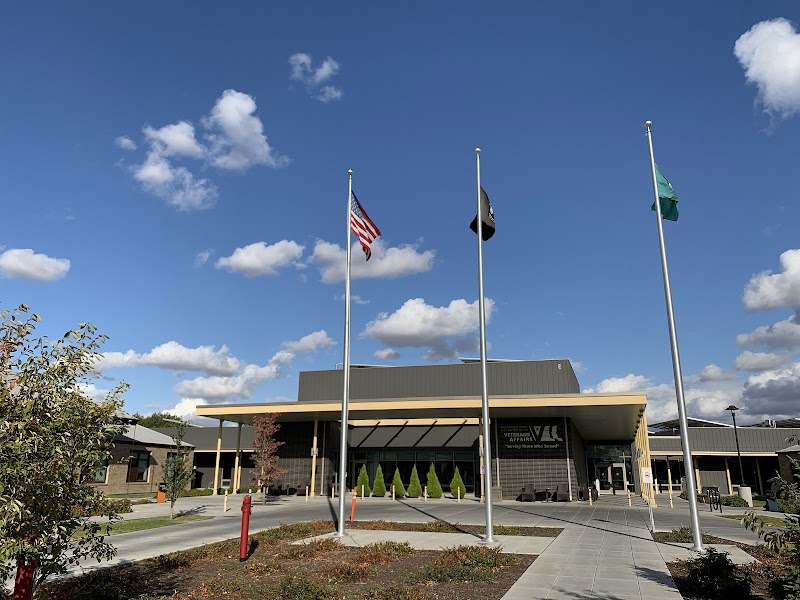
How is Washington State Walla Walla Veterans Home Staffed?

CMS rates WASHINGTON STATE WALLA WALLA VETERANS HOME's staffing level at 5 out of 5 stars, which is much above average compared to other nursing homes. Staff turnover is 14%, compared to the Washington average of 46%. This relatively stable workforce can support continuity of care.

What Have Inspectors Found at Washington State Walla Walla Veterans Home?

State health inspectors documented 19 deficiencies at WASHINGTON STATE WALLA WALLA VETERANS HOME during 2022 to 2024. These included: 1 that caused actual resident harm and 18 with potential for harm. Deficiencies causing actual harm indicate documented cases where residents experienced negative health consequences.
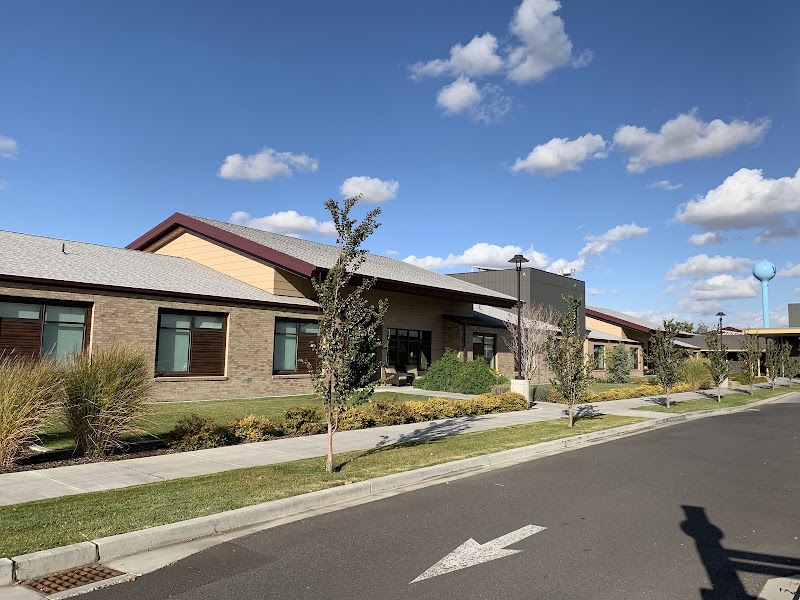
Who Owns and Operates Washington State Walla Walla Veterans Home?

WASHINGTON STATE WALLA WALLA VETERANS HOME is owned by a government entity. Government-operated facilities are typically run by state, county, or municipal agencies. The facility operates independently rather than as part of a larger chain. With 80 certified beds and approximately 77 residents (about 96% occupancy), it is a smaller facility located in WALLA WALLA, Washington.
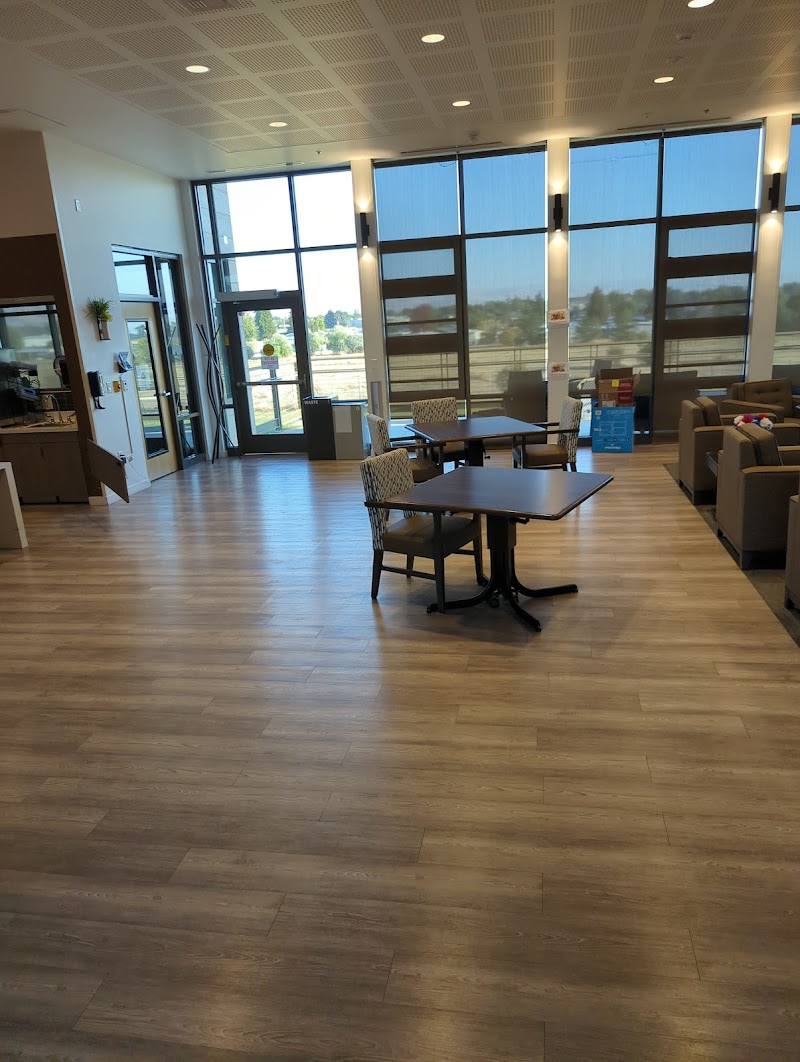
How Does Washington State Walla Walla Veterans Home Compare to Other Washington Nursing Homes?

Compared to the 100 nursing homes in Washington, WASHINGTON STATE WALLA WALLA VETERANS HOME's overall rating (5 stars) is above the state average of 3.2, staff turnover (14%) is significantly lower than the state average of 46%, and health inspection rating (4 stars) is above the national benchmark.

What Should Families Ask When Visiting Washington State Walla Walla Veterans Home?

Based on this facility's data, families visiting should ask: "Can I visit during a mealtime to observe dining assistance and food quality?" "How do you handle medical emergencies, and what is your hospital transfer rate?" "Can I speak with family members of current residents about their experience?"

Is Washington State Walla Walla Veterans Home Safe?

Based on CMS inspection data, WASHINGTON STATE WALLA WALLA VETERANS HOME has a clean safety record: no substantiated abuse findings (meaning no confirmed cases of resident harm), no Immediate Jeopardy citations (the most serious violation level indicating risk of serious injury or death), and is not on the Special Focus Facility watch list (a federal program monitoring the lowest-performing 1% of nursing homes). The facility has a 5-star overall rating and ranks #1 of 100 nursing homes in Washington. While no facility is perfect, families should still ask about staff-to-resident ratios and recent inspection results during their visit.

Do Nurses at Washington State Walla Walla Veterans Home Stick Around?

Staff at WASHINGTON STATE WALLA WALLA VETERANS HOME tend to stick around. With a turnover rate of 14%, the facility is 31 percentage points below the Washington average of 46%. Low turnover is a positive sign. It means caregivers have time to learn each resident's needs, medications, and personal preferences. Consistent staff also notice subtle changes in a resident's condition more quickly. Registered Nurse turnover is also low at 18%, meaning experienced RNs are available to handle complex medical needs.

Was Washington State Walla Walla Veterans Home Ever Fined?

WASHINGTON STATE WALLA WALLA VETERANS HOME has no federal fines on record. CMS issues fines when nursing homes fail to meet care standards or don't correct problems found during inspections. The absence of fines suggests the facility has either maintained compliance or corrected any issues before penalties were assessed. This is a positive indicator, though families should still review recent inspection reports for the full picture.

Is Washington State Walla Walla Veterans Home on Any Federal Watch List?

WASHINGTON STATE WALLA WALLA VETERANS HOME is not on any federal watch list. The most significant is the Special Focus Facility (SFF) program, which identifies the bottom 1% of nursing homes nationally based on persistent, serious quality problems. Not being on this list means the facility has avoided the pattern of deficiencies that triggers enhanced federal oversight. This is a positive indicator, though families should still review the facility's inspection history directly.