JUDSON PARK HEALTH CENTER
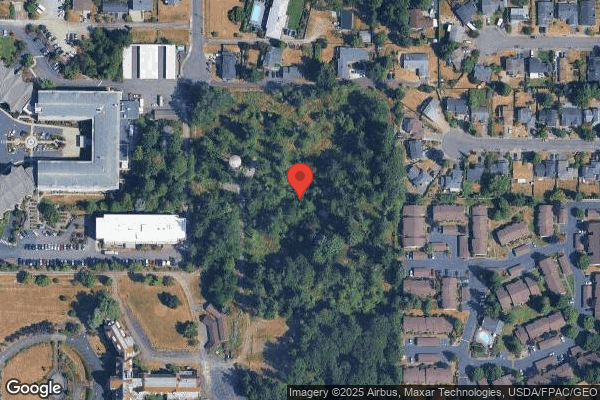
23620 MARINE VIEW DRIVE SOUTH, DES MOINES, WA 98198 (206) 824-4000
Non profit - Corporation 96 Beds HUMANGOOD Data: November 2025
Trust Grade
71/100
#68 of 190 in WA
Last Inspection: August 2025

Inspected within the last 6 months. Data reflects current conditions.

Overview

Judson Park Health Center has received a Trust Grade of B, indicating it is a solid choice for nursing care, signaling that it provides good quality services. It ranks #68 out of 190 facilities in Washington, placing it in the top half of all facilities in the state, and #14 out of 46 in King County, meaning there are only a few better options nearby. However, the facility is experiencing a worsening trend, with reported issues increasing from 17 in 2024 to 20 in 2025. Staffing is a noted strength with a rating of 4 out of 5 stars and a turnover rate of 26%, which is well below the state average, indicating that staff are experienced and familiar with resident needs. On the downside, the facility has encountered $6,500 in fines, which is average, and recent inspections revealed serious concerns, such as improper food storage practices and issues with hand hygiene, which could lead to infection risks for residents.

Trust Score
B
71/100
In Washington
#68/190
Top 35%
Safety Record
Low Risk
No red flags
Inspections
Getting Worse
17 → 20 violations
Staff Stability
✓ Good
26% annual turnover. Excellent stability, 22 points below Washington's 48% average. Staff who stay learn residents' needs.
Penalties
○ Average
$6,500 in fines. Higher than 75% of Washington facilities. Some compliance issues.
Skilled Nurses
✓ Good
Each resident gets 82 minutes of Registered Nurse (RN) attention daily — more than 97% of Washington nursing homes. RNs are the most trained staff who catch health problems before they become serious.
Violations
⚠ Watch
57 deficiencies on record. Higher than average. Multiple issues found across inspections.
★★★★☆
4.0
Overall Rating
★★★★☆
4.0
Staff Levels
★★★★★
5.0
Care Quality
★★★☆☆
3.0
Inspection Score
Stable
2024: 17 issues
2025: 20 issues

The Good

  • 4-Star Staffing Rating · Above-average nurse staffing levels
  • 5-Star Quality Measures · Strong clinical quality outcomes
  • Low Staff Turnover (26%) · Staff stability means consistent care
  • Full Sprinkler Coverage · Fire safety systems throughout facility
  • No fines on record
  • Staff turnover is low (26%)

    22 points below Washington average of 48%

Facility shows strength in staffing levels, quality measures, staff retention, fire safety.

The Bad

Federal Fines: $6,500

Below median ($33,413)

Minor penalties assessed

Chain: HUMANGOOD

Part of a multi-facility chain

Ask about local staffing decisions and management

The Ugly 57 deficiencies on record

Aug 2025 20 deficiencies
CONCERN (D)

Potential for Harm - no one hurt, but risky conditions existed

Grievances (Tag F0585)

Could have caused harm · This affected 1 resident

Based on observation, interview, and record review the facility failed to initiate, investigate, and resolve grievances for 1 of 1 sampled residents (Resident 49) reviewed for grievances. This failure...

Read full inspector narrative →
Based on observation, interview, and record review the facility failed to initiate, investigate, and resolve grievances for 1 of 1 sampled residents (Resident 49) reviewed for grievances. This failure placed residents at risk for emotional distress, unresolved frustration, and a diminished quality of life.Findings included .<Facility Policy>According to the facility's revised 10/20/2023 Resident and Family Grievance policy, the team member who received a grievance from a resident or family member would complete a grievance form or assist in completing the form. The form would be forwarded to the social services department, resident services direct, and the executive director. The policy showed the receiving team members would take steps to resolve the grievance and record the information and actions taken to resolve the grievance as quickly as possible and to notify the resident of the progress of the resolution. <Resident 49>According to the 08/20/2025 admission Minimum Data Set (MDS - an assessment tool) Resident 49 could understand and be understood by others, had neurological conditions, and memory impairment. The MDS showed Resident 49 needed partial to moderate assistance with personal hygiene. Review of the revised 03/13/2025 activities of daily living performance deficit care plan showed Resident 49 had impaired balance and muscle weakness and needed assistance with personal care.Review of the facility's grievance reporting log did not show a grievance report completed for Resident 49. In an observation and interview on 08/22/2025 at 9:21 AM, Resident 49 stated they could not get to their clothing in the room's closet because their roommate (Resident 17) blocked the room closet with their clothes hanging on the door of the closet. Resident 49 stated they could barely wash their hands or use the bathroom because the room sink was crowded with Resident 17's hygiene products and the bathroom door was blocked with Resident 17's clothing items. Resident 49 stated Resident 17's bed was pushed over the room divider curtain towards their bed and was now taking over even more of their personal space. Observed Resident 17's bed was pushed up against the room divider curtain and pushed up against Resident 49's items, very near Resident 49's bed. Observed, the handwashing sink was cluttered with bottles of toiletries, cups and brushes that limited access to the handwashing sink. Resident 49 stated they were frustrated because they told the nursing staff on several occasions but nothing had been done about this and no one had got back to them regarding these issues. Observation on 08/25/2025 at 9:21 AM showed Resident 17's room was cluttered with clothing on the floor and clothing was hanging on the closet door and bathroom door. The room sink was overcrowded with bottles of soap, lotions, brushes, and other toiletries.Observation on 08/26/2025 at 2:15 PM showed Resident 17 was by the room handwashing sink near Resident 49's bed. Resident 17 placed more items on the counter of the sink and items into the resident drawers near sink.In an interview on 08/26/2025 at 2:17 PM Staff J (Certified Nursing Assistant) stated they were not aware there was an issue or complaint by Resident 49 about Resident 17 taking over much of the space in their room. Staff J stated they were aware that Resident 17 had a lot of items that were disorganized in the room. In an interview on 8/28/2025 at 8:47 AM Staff C (Social Services) stated they were waiting to declutter Resident 17's room when Resident 17 was better able to handle moving things in their room because they would get upset. Staff C stated they were aware of Resident 49's concerns but did not think this issue constituted completing a grievance report and they did not go back to Resident 17 to discuss a resolution. After reviewing the facility's grievance process, Staff C stated a grievance report should be completed by the staff but was not. Staff C said it was important to fill out a grievance report because it would start a grievance process so others would be aware of the issue and staff could work to resolve the problem and provide feedback to Resident 49. In an interview on 08/28/2025 at 9:30 AM Staff D (Nurse Supervisor) stated they were aware of a clutter issue in Resident 17's room, and stated it was a difficult situation to manage. Staff D stated they were not aware of a grievance by Resident 49 and did not see a grievance form completed by the staff. Staff D stated the staff should have filled out a grievance form and the staff should have documented Resident 49's issue but did not.In an interview on 08/28/2025 at 12:59 PM, Staff B (Director of Nursing) stated staff were expected to fill out a grievance form anytime a resident had a concern or complaint. Staff B stated this would allow staff to track and follow the grievance for a resolution and provide customer service such as getting back to the resident on the resolution. Staff B stated a grievance form should be completed for Resident 49 but was not. REFERENCE: WAC 388-97-0460.
CONCERN (D)

Potential for Harm - no one hurt, but risky conditions existed

Deficiency F0605 (Tag F0605)

Could have caused harm · This affected 1 resident

Based on observation, interview, and record review the facility failed to ensure residents were free from unnecessary psychotropic medications for 3 (Residents 55, 1, & 2) of 5 residents reviewed for ...

Read full inspector narrative →
Based on observation, interview, and record review the facility failed to ensure residents were free from unnecessary psychotropic medications for 3 (Residents 55, 1, & 2) of 5 residents reviewed for unnecessary medications. Staff failure to monitor residents for target behaviors, provide nonpharmacological interventions, and obtain consent for psychotropic medications placed residents at risk for receiving unnecessary medications and other negative health outcomes.Findings included .<Facility Policy>According to the facility's Psychotropic Medication Use policy, revised 02/2025, the facility would utilize behavioral and non-pharmacological approaches to minimize the need for psychotropic medications. This policy showed psychotropic medications would be considered when non-pharmacological approaches were attempted but did not relieve the resident of their medical symptoms. The policy showed prior to initiating the use of, increasing the dose of, or switching to a different psychotropic medication, the staff and the physician would review non-pharmacological alternatives, rationale for the recommendation, potential risks and benefits, and the resident/representative's right to accept or decline the treatment. The policy showed staff would monitor the resident's response to treatment including a behavior flow sheet. <Resident 55> According to the 06/29/2025 admission Minimum Data Set (MDS – an assessment tool), Resident 55 had a diagnosis of depression and received an antidepressant medication during the lookback period. Review of Resident 55’s August 2025 Medication Administration Record (MAR) showed the resident received an antidepressant medication daily. This MAR showed no orders indicating staff identified and documented target behaviors related to Resident 55’s depression and there were no orders directing nonpharmacological interventions. Review of Resident 55’s 06/23/2025 comprehensive Care Plan (CP) showed staff did not identify nonpharmacological interventions or target behaviors related to the resident’s depression. In an interview on 08/28/2025 at 9:33 AM, Staff E (Nurse Supervisor) reviewed Resident 55’s record and confirmed staff were not monitoring the resident for target behaviors or implementing nonpharmacological interventions. <Resident 1> According to the 07/13/2025 admission MDS, Resident 1 had multiple medically complex diagnoses including depression and required the use of an antidepressant medication during the assessment period. In an interview on 08/22/2025 at 9:20 AM, Resident 1 stated they struggled at times with not wanting to give up on their therapy progress and expressed feelings of frustration. An observation at this time showed Resident 1 was tearful off and on during the interview process. Review of a revised 08/22/2025 antidepressant CP directed to staff to administer the antidepressant medication as ordered and to monitor/document the side effects and effectiveness every shift. Review of Resident 1’s August 2025 MAR showed the resident was receiving an antidepressant medication daily with no behavior monitoring being documented by staff. In an interview on 08/27/2025 at 1:15 PM, Staff D (Nurse Supervisor) stated behavior monitoring was important to justify if the medications were needed or not, and to help evaluate the effectiveness of the antidepressant medication. Staff D stated behavior monitoring should be documented on the MAR, reviewed Resident 1’s records, and confirmed there was no behavior monitoring for the use of the antidepressant medication. <Resident 2> According to a 07/27/2025 admission MDS, Resident 2 had multiple medically complex diagnoses including anxiety and required the use of antidepressant and antianxiety medications during the assessment period. Review of both revised 07/29/2025 antidepressant and antianxiety CPs showed directions to staff to administer the psychotropic medications as ordered and to monitor/document the side effects and effectiveness every shift. Review of Resident 2’s August 2025 MAR showed the resident was receiving an antidepressant daily and an antianxiety medication three times daily. No behavior monitoring was being documented by staff for either medication. Additionally, no consent for the antianxiety medication was found in Resident 2’s records. In an interview on 08/28/2025 at 10:18 AM, Staff E stated if a resident was receiving psychotropic medications, it was their expectation a consent was obtained, and staff would monitor and document behaviors. Staff E stated behavior monitoring was important to identify how often the resident experienced behaviors and/or if the medication doses need to be adjusted. Staff E reviewed Resident 2’s records and was unable to find behavior documentation for the psychotropic medications. In an interview on 08/28/2025 at 1:22 PM, Staff N Reviewed Resident 2’s records and was unable to provide the consent for the antianxiety medication. REFERENCE: WAC 388-97-0620 (2)(d), (4)(b).
CONCERN (D)

Potential for Harm - no one hurt, but risky conditions existed

Assessment Accuracy (Tag F0641)

Could have caused harm · This affected 1 resident

**NOTE- TERMS IN BRACKETS HAVE BEEN EDITED TO PROTECT CONFIDENTIALITY** Based on interview and record review, the facility failed to ensure the Minimum Data Set (MDS -an assessment tool) accurately re...

Read full inspector narrative →
**NOTE- TERMS IN BRACKETS HAVE BEEN EDITED TO PROTECT CONFIDENTIALITY** Based on interview and record review, the facility failed to ensure the Minimum Data Set (MDS -an assessment tool) accurately reflected the status for 5 (Resident 43, 2, 5, 10, & 26) of 20 sampled residents reviewed for accuracy of assessments. This failure placed the residents at risk for unmet care needs and a diminished quality of life.Findings included .<Resident 43> <Falls> According to a 05/21/2025 Quarterly MDS, Resident 43 had a functional limitation in range of motion to their upper extremity on one side and both sides to their lower extremities. This MDS showed Resident 43 had two or more non-injury falls, two or more injury falls, and one fall with major injury since the prior MDS on 03/04/2025 Review of the facility incident report log showed Resident 43 had two documented incidents, one on 03/05/2025 and one on 03/24/2025. No other incidents were documented on the log. Review of the 03/05/2025 incident report showed Resident 43 obtained a wrist fracture after having a nightmare and striking the edge of a table near their bed. No fall was indicated on the 03/05/2025 incident report. Review of the 03/24/2025 incident report showed Resident 43 had a fall from their bed and had no injuries. In an interview on 08/27/2025 at 1:00 PM, Staff I (MDS Coordinator) stated they calculate falls on the MDS by reviewing the resident’s records and adding up the falls since the previous assessment period. Staff I reviewed Resident 43’s records and stated the 03/05/2025 MDS falls section was inaccurate and needed to be modified. <Depression> According to the 05/21/2025 Quarterly MDS, Resident 43 had multiple medically complex diagnoses, did not have an active diagnosis of depression, but received an antidepressant medication during the assessment period. Review of a 04/01/2025 physician visit note showed an assessment that indicated Resident 43 had depression and was to continue on the current dose of an antidepressant. Review of Resident 43’s physician orders showed the resident was receiving an antidepressant medication for depression since their admission on [DATE]. In an interview on 08/27/2025 at 1:00 PM, Staff I reviewed Resident 43’s records and stated depression should have, but was not triggered as an active diagnosis on the 05/21/2025 assessment and needed to be modified. <Resident 2> According to a 07/27/2025 admission MDS, Resident 2 had multiple medically complex diagnoses, did not have an active diagnosis of depression, but received an antidepressant medication during the assessment period. Review of a revised 07/29/2025 antidepressant Care Plan (CP) gave directions to staff to administer the antidepressant medication as ordered and to monitor/document the side effects and effectiveness every shift. Review of Resident 2’s August 2025 MAR showed the resident was receiving an antidepressant for a diagnosis of depression daily since their admission to the facility. In an interview on 08/27/2025 at 1:00 PM, Staff I stated an MDS should be accurate and include the resident’s active diagnoses. <Resident 5> According to the 07/17/2025 Annual MDS, Resident 5 had cognitive impairment and depression without behaviors. No mood behaviors were noted on the MDS. Review of progress note dated 03/25/2025 showed Resident 5 was on alert for behavior issues. Review of the 05/05/2025 PASSR I form, Resident 5 had serious mental illness indicators for mood and anxiety. Review of progress note dated 05/26/2025, showed staff documented Resident 5 had confusion and hallucinations. In an interview on 8/28/2025 at 1:18 PM Staff I stated they were not aware of Resident 5’s behaviors but stated an update to the MDS should have been done. <Resident 10> According to the 08/05/2025 Quarterly MDS, Resident 10 had multiple chronic conditions. The MDS showed Resident 10 had not exhibited any behaviors. Review of a progress note dated 06/15/2025 showed Resident 10 had an attempted elopement and was found outside of the facility on the sidewalk at the bus stop and the police were notified. Review of a 08/03/2025 progress note showed Resident 10 refused a readmission skin check, used profanities toward the nurse and told the nurse to get out of their room. Review of 08/06/2025 progress note showed Resident 10 exhibited behavioral issues, including an attempted elopement from the building, verbal abuse toward staff and used inappropriate language, attempted to punch staff and discarded a portion of their prescribed medication in the trash. In an interview on 08/21/2025 at 1:52 PM, Resident 10 stated a staff member had to escort them whenever they left the facility because the facility was afraid they would leave. Resident 10 stated on one occasion they got out of the facility to go shop in a nearby city and the facility called the police on them. In an interview on 08/28/2025 at 12:22 PM Staff D (Nurse Supervisor) stated they were not aware that Resident 10 had any psychological issues, and thought Resident 10 acted out knowingly and on purpose and was the reason the assessment was not updated. In an interview on 8/28/2025 at 1:18 PM Staff I stated they were not aware of Resident 10’s behaviors and any unwarranted behaviors, elopement or threatening others and staff should have triggered a behavior risk alert, and this would have triggered Staff I to update the MDS. Staff I stated social services was responsible for completion of the behavior section on the MDS and an updated MDS should be done for Resident 10 but was not. <Resident 26> According to the 07/15/2025 Quarterly MDS, Resident 26 had a condition where the brain's function was impaired due to disturbances in the body's metabolism. The MDS showed Resident 26 exhibited no behaviors and Resident 26’s short- and long-term memory was ok. Review of an 07/12/2025 provider progress note showed Resident 26 had intermittent confusion. Review of 08/05/2025 social services note, showed Resident 26 had mentioned to their family on 08/01/2025 that their roommate had hallucinations about their roommate. Review of 08/08/2025 provider progress note showed if medical workup was unremarkable, the provider would consider an antipsychotic medication due to severity of delusional thought content. Review of 08/14/2025 provider progress note showed Resident 26 had a diagnosis of moderate unspecified dementia with psychotic disturbance and recent delusions. In an interview with Resident 26’s family on 08/26/2025 at 2:34 PM, the family stated the allegation about their roommate was not valid as Resident 26 was not a reliable source due to confusion. In an interview on 8/28/2025 at 1:18 PM Staff I stated they did not make any changes in the MDS due to Resident 26’s behaviors and confusion. Staff I stated if a psychological evaluation was ordered and there were changes in Resident 26’s behaviors and cognition a change in the MDS should be made but was not. In an interview on 08/28/2025 9:43 AM Staff D stated they and the MDS nurse were responsible for updating the MDS assessment. Staff D stated the MDS should be updated and revised for Resident 26's behaviors and cognition but was not. REFERENCE: WAC 388-97-1000 (1)(b).
CONCERN (D)

Potential for Harm - no one hurt, but risky conditions existed

PASARR Coordination (Tag F0644)

Could have caused harm · This affected 1 resident

Based on observation, interview, and record review the facility failed to ensure a Pre-admission Screening and Resident Review (PASRR) Level 2 comprehensive evaluations (a process to determine what me...

Read full inspector narrative →
Based on observation, interview, and record review the facility failed to ensure a Pre-admission Screening and Resident Review (PASRR) Level 2 comprehensive evaluations (a process to determine what mental health services residents required after a Level 1 PASRR determined mental health services were necessary) were obtained for 3 (Residents 5, 10 & 26) of 8 residents whose PASRRs were reviewed. This failure placed residents at risk of not receiving necessary mental health care and services. Findings included .<Facility Policy>According to the facility's admission Criteria policy, revised in March 2019, all new admissions and readmissions were screened for Mental (MD), Intellectual (ID) or Related Disorders (RD) per the PASSR process. According to the policy, if the Level I screening indicated an individual may meet the criteria for MD, ID, or RD the resident was referred to the state PASRR representative for the Level II evaluation and determination screening process. The social worker would be responsible for making referrals to the appropriate state-designated authority.<Resident 5> According to the 07/17/2025 Annual Minimum Data Set (MDS - an assessment tool), Resident 5 had cognitive impairment and depression. According to a 03/25/2025 progress note, Resident 5 was on alert for behavior issues. According to a 05/26/2025 progress note, staff documented Resident 5 had confusion and hallucinations. Review of the 05/05/2025 PASSR Level I form showed Resident 5 had serious mental illness indicators for mood and anxiety. No level II referral evaluation was indicated on the form. <Resident 10> According to the 08/05/2025 Quarterly MDS, Resident 10 had a chronic kidney condition and hepatic encephalopathy (a condition occurring when the liver was unable to rid the blood of toxins, causing changes in brain function). The MDS showed Resident 10 did not exhibit any behaviors. Review of the revised 08/13/2025 Target behavior CP showed Resident 10 had behavior problems including cursing towards staff, kicking and hitting other residents, and refusals of medications. Review of a 06/15/2025 progress note showed Resident 10 left the facility and was found at a nearby bus stop. Review of a 08/03/2025 progress note showed Resident 10 refused a skin check when readmitted , said profanities to the nurse, and told them to leave the room. Review of a 08/06/2025 progress note showed the resident exhibited behavioral issues including attempting elopement from the building, verbal abuse toward staff, inappropriate language, attempting to punch staff, and discarding a portion of their prescribed medication in the trash. Review of the 07/19/2025 Level 1 PASSR screening showed Resident 10 had no serious mental illness indicators and did not exhibit any serious functional limitations in the past 6 months. The record did not show an updated Level 1 screening or Level II referral was made after the Level I PASSR on 07/19/2025. In an interview on 08/21/2025 at 1:52 PM Resident 10 stated facility staff person accompanied them to appointments because the facility was afraid that they would attempt to leave the facility again. Resident 10 stated a couple of months ago they went out of the facility to go shopping in a nearby city and the police were called. In an interview on 08/28/2025 at 12:22 PM Staff D (Nurse Supervisor) stated they were not aware that Resident 10 had any psychological issues, as they believed Resident 10 acted out knowingly and purposefully. In an interview on 8/28/2025 at 1:18 PM Staff C (Social Services) stated they were not aware of any behavioral issues with Resident 10 that would require a Level II PASSR referral. Staff C stated they were unsure of the PASSR Level II process for changes of condition and did not redo the PASRR process with a change of condition for Resident 10 but should have. <Resident 26> According to the 07/15/2025 Quarterly MDS, Resident 26 had a condition where their brain function was impaired due to disturbances in their metabolism. Review of the 07/17/2025 “Impaired cognitive function related to probable moderate dementia” CP showed staff were to speak in simple directive sentences. The CP did not show Resident 26 had any behavioral issues. Review of a 07/12/2025 provider progress note showed Resident 26 had intermittent confusion. Review of 08/05/2025 social services note showed Resident 26 mentioned to their family on 08/01/2025 that their roommate became pregnant by an employee and they moved to an island to have a baby. After investigation by the facility, it was determined that the allegation was unsubstantiated. Review of 08/08/2025 provider progress note showed if medically appropriate, the provider would consider an antipsychotic medication due to the severity of Resident 26’s delusional thoughts. Review of an 08/14/2025 provider progress note showed Resident 26 had a diagnosis of moderate, unspecified dementia with psychotic disturbance and recent delusions. Review of the 04/14/2025 Level 1 PASRR screening showed Resident 26 had no serious mental illness indicators or any dementia or delirium diagnosis. The Level I screening showed a Level II evaluation was not indicated. The medical record did not show an updated Level 1 PASSR screening completed or Level II PASSR referral made after the 04/14/2025 Level 1 screening. In an interview on 08/28/2025 at 8:48 AM, Staff C stated they reviewed PASSR forms during care conferences and after 72 hours of admission. Staff C stated PASSR evaluations were important as staff should be aware of their behavior. Staff C stated they were unsure of the requirements to rescreen residents after a change in condition and the Level II PASSR process, and unsure when they needed to be completed. Staff C stated Level 1 screenings should have been completed and Level II referrals made after identification of serious mental health indicators for Residents 5, 10 or 26 but were not. REFERENCE: WAC 388-97-1915(4).
CONCERN (D)

Potential for Harm - no one hurt, but risky conditions existed

Deficiency F0658 (Tag F0658)

Could have caused harm · This affected 1 resident

Based on observation, interview, and record review the facility failed to ensure physician orders were clarified for 4 (Residents 4, 40, 2, & 43,), order parameters were followed for 1 (Residents 53),...

Read full inspector narrative →
Based on observation, interview, and record review the facility failed to ensure physician orders were clarified for 4 (Residents 4, 40, 2, & 43,), order parameters were followed for 1 (Residents 53), and staff were signing only for tasks that were completed for 2 (Residents 1 & 2) of 20 sample residents reviewed. These failures placed residents at risk for medication errors, unmet care needs, and other negative health outcomes.Findings included .<Facility Policy>According to the facility's Medication and Treatment Orders policy, revised 07/2016, medication would only be administered upon the written order for the medication. Medication orders would include the dosage staff were to administer.<Clarifying Physician Orders> <Resident 4> Review of Resident 4’s 08/2025 Medication Administration Record (MAR) showed the resident had two 07/02/2025 orders directing staff to administer an as needed; over-the-counter pain medication. The first order directed the staff to administer 10.2 milliliters (mL) of the medication every four hours as needed for pain. The second order directed staff to administer 20.3 mLs of the pain medication every four hours as needed for pain. These orders did not include parameters for Resident 4’s pain level so staff knew which order to administer. In an interview on 08/28/2025 at 10:22 AM, Staff B (Director of Nursing) reviewed the pain medication orders and stated the orders needed to be clarified to include pain level parameters so staff knew which dose to administer to Resident 4. <Resident 40> Review of Resident 40’s 08/2025 MAR showed an order directing staff to administer a suppository every 24 hours as needed if a laxative given prior to the suppository was ineffective. Further review of Resident 40’s MAR showed there was no order regarding the laxative medication. In an interview on 08/28/2025 at 9:30 AM, Staff E (Nursing Supervisor) reviewed Resident 40’s suppository order and confirmed the order required clarification. <Resident 2> Review of Resident 2’s August 2025 MAR showed an order for a blood pressure medication to be administered twice daily. This order gave directions to staff to hold the dose if Resident 2’s heart rate was less than 60. There was no documentation staff were obtaining Resident 2’s heart rate prior to administration of the dose. In an interview on 08/28/2025 at 1:33 PM, Staff B stated it was their expectation staff check a resident’s heart rate prior to administering the medication as directed by the physician and the order needed to be clarified. <Resident 43> Review of Resident 43’s August 2025 MAR showed an 11/22/2024 order for a liquid supplement to be administered twice daily and a second 03/07/2025 order for another liquid supplement to be administered twice daily for weight loss. Neither of these orders gave directions to staff the amount of liquid supplement they were to administer. In an interview on 08/27/2025 at 1:15 PM, Staff D (Nurse Supervisor) stated the physician orders needed to be clarified and the amount to administer should be included in the order. <Medications Administered Outside of Parameters> <Resident 53> Review of Resident 53’s 08/2025 MAR showed a 07/25/2025 order directing staff to administer a blood pressure medication twice daily to the resident. The order directed staff to hold the blood pressure medication if the resident’s systolic blood pressure (measure of the pressure in the arteries when the heart contracts to pump blood) was less than 100 or if the resident’s heart rate was less than 60 beats per minute. This MAR showed on four occasions staff administered the blood pressure medication to Resident 53 when their heart rate was less than 60 beats per minute. In an interview on 08/28/2025 at 11:15 AM, Staff B stated they expected staff to follow parameters as stated on medication orders. <Signing For Tasks Not Completed> <Resident 1> In an interview on 08/25/2025 at 8:36 AM, Resident 1 stated after back surgery, they used to wear a chest brace, but stated they were no longer using it. Resident 1 stated it was “quite a while” since they wore it last. Observations at this time showed Resident 1 was not wearing a brace. Review of Resident 1’s August 2025 Treatment Administration Record (TAR) showed staff were documenting twice daily they were removing the resident’s chest brace immobilizer to monitor skin underneath. In an interview on 08/28/2025 at 1:33 PM, Staff B stated it was their expectation staff not sign for tasks they did not complete. <Resident 2> Review of Resident 2’s August 2025 MAR showed staff were documenting twice daily the resident was on contact precautions for an infection. The MAR included six medications that did not include the diagnosis to be treated: three medicated eyedrops, a blood thinner, a medication to treat inflammation, and a medication to treat high cholesterol or itching. Observations on 08/21/2025 at 9:05 AM and 08/22/2025 at 7:52 AM showed no contact precautions sign at Resident 2’s door. In an interview on 08/28/2025 at 12:04 PM, Staff X (Infection Preventionist) stated Resident 2 was not on contact precautions and the order should be discontinued. Staff X stated staff should not document a task was completed, if it was not. In an interview on 08/28/2025 at 1:33 PM Staff B stated it was important for mediation orders to identify the condition being treated so staff knew why the resident needed the medication. Staff B stated medication should not be prescribed without an indication for use. REFERENCE: WAC 388-97-1620 (2)(b)(i)(ii), (6)(b)(i).
CONCERN (D)

Potential for Harm - no one hurt, but risky conditions existed

Deficiency F0679 (Tag F0679)

Could have caused harm · This affected 1 resident

**NOTE- TERMS IN BRACKETS HAVE BEEN EDITED TO PROTECT CONFIDENTIALITY** Based on observation, interview, and record review the facility failed to ensure activity programs met the needs for 5 (Resident...

Read full inspector narrative →
**NOTE- TERMS IN BRACKETS HAVE BEEN EDITED TO PROTECT CONFIDENTIALITY** Based on observation, interview, and record review the facility failed to ensure activity programs met the needs for 5 (Residents 1, 54, 2, 9, & 20) of 7 residents reviewed for activities. The failure to provide meaningful activities left residents at risk of boredom and a diminished quality of life. Findings included.<Facility Policy>According to the facility's revised 2018 Activity Evaluation policy, an activity evaluation would be completed for each resident and the results incorporated into the resident's Care Plan (CP). This CP would facilitate the resident's participation in the activities of their choice.<Resident 1> According to the 07/13/2025 admission Minimum Data Set (MDS – an assessment tool) it was very important to Resident 1 to listen to music, be around pets, participate in group and favorite activities, and attend religious services. Review of the 07/16/2025 “somewhat dependent on staff for meeting emotional, intellectual, physical, and social needs…” CP Resident 1 had a goal to participate in activities of their choice one-to-two times a week, as able. This CP showed staff should invite Resident 1 to scheduled activities and provide the resident with materials for independent pursuits as needed. The CP identified Resident 1’s preferred activities as listening to music (country, oldies, easy listening), being around animals, socializing, watching television and movies, playing video games, spending time with friends and family, being outdoors, and religious practices. In an interview on 08/28/2025 at 10:52 AM Resident 1 stated in terms of having enough to do, “lying in bed all day doesn’t [NAME] it.” Observation on 08/25/2025 at 11:01 AM on the third floor showed activities staff helping eight residents gather in a circle for a balloon activity. Resident 1 was not among the eight residents. According to the 07/9/2025 Resident preferences Evaluation, Resident 1 enjoyed listening to music (country, oldies, easy listening), being around animals, socializing, watching television and movies, playing video games, spending time with friends and family, being outdoors, and religious participation. Review of the activities documentation showed in July 2025 the facility provided Resident 1 a one-to-one activity one occasion, and in August 2025 was again provided a one-to-one activity on one occasion only, and documented the resident participated in “independent pursuits” on two occasions. <Resident 54> According to the 07/07/2025 admission MDS, it was very important to the Resident 54 to participate in their favorite activities, going outside, and participating in religious services. According to the 07/04/2025 Activities Care Area Assessment (CAA) leisure was an important part of a resident’s wellbeing. This CAA showed staff should focus on providing Resident 54 their preferred activities and should encourage family visitation and spiritual support. According to the 07/07/2025 “dependent on staff and family for meeting emotional, intellectual, physical, and social needs…” CP, Resident 54 had a goal to participate in activities of their choice two-to-three times a week, as able. The CP showed staff should invite Resident 54 to scheduled activities and provide assistance to get to the activities. The CP showed staff should Review of the activities charting showed no individual or group activities provided to Resident 10 in the 30-day period from 07/29/2025 through 08/27/2025. There were no documented refusals Observation on 08/21/2025 at 11:31 AM Resident 54 was observed lying in bed, dressed. Resident 54 wanted to get up and do something. There were no individual activities available at Resident 54’s bedside. Observation on 08/22/2025 from 10:02 AM through 10:59 AM, showed Resident 54 in bed with the television off. Observation on 08/25/2025 at 11:01 AM on the third floor showed activities staff helping eight residents gather in a circle for a balloon activity. Resident 54 was not among the eight residents. <Resident 2> According to the 07/27/2025 admission MDS, Resident 2 stated it was very important to them to have reading material available, to listen to music, keep up with the news, do things in groups, participate in their favorite activities, go outside when the weather is good, and participate in religious services. In an interview on 08/22/2025 at 7:54 AM Resident 2 stated they did not attend group activities. Resident 2 stated they loved to read but their poor vision prevented them. Resident 2 stated they would like to go to “meetings” but did not while at the facility. In an interview on 08/22/2025 at 11:59 AM, Resident 2 stated they did not attend any activities that day. Resident 2 stated they hoped “there was a bridge group or something.” Resident 2 stated they did not attend activities on the third floor and asked if the activities provided on that floor were good. Observation on 08/25/2025 at 11:01 AM on the third floor showed activities staff helping eight residents gather in a circle for a balloon activity. Resident 2 was not among the eight residents. According to the 07/28/2025 “somewhat dependent on staff for meeting emotional, intellectual, physical, and social needs…” CP, Resident 2’s goal was to attend their activities of choice one-to-two times weekly. The CP showed staff should invite Resident 2 to scheduled activities and provide assistance to participate. The CP showed Resident 2 should attend a religious service on Tuesdays as available and identified the resident’s preferred activities as reading (current events), listening to music, keeping up with the news, using their phone to access internet, card games (bridge), word puzzles, being around friends and family, watching television or movies, being outdoors, and religious practices. According to the 07/31/2025 Health Center Activity-Life Enrichment Assessment, Resident 2 saw the benefit of activity participation, and enjoyed independent activities, card and board games, going outside, movies, music, politics, puzzles, socializing, and religious services. Review of the activities charting showed no individual or group activities provided to Resident 2 in the 30-day period from 07/29/2025 through 08/27/2025. There were no documented refusals <Resident 9> According to the 06/16/2025 Quarterly MDS, Resident 9 stated their preferred activities of reading, listening to music, being around animals, and participating in religious services were very important to them. According to the 10/10/2024 psychosocial wellbeing CAA psychosocial wellbeing was an area of concern for Resident 10 who showed little pleasure in doing things outside their room and chose to stay in their room all the time. According to Resident 9’s 10/13/2024 “dependent on staff for meeting emotional, intellectual, physical, and social needs…” CP, Resident 9’s goal was to attend activities of their choice one-to-two times a week. The CP showed Resident 9 needed staff assistance to attend activities should receive one-to-one visits in their room if unable to attend. The CP showed Resident 9 would attend a religious service on Tuesdays as needed/requested, and their preferred activities were reading, listening to music (including [NAME]), being around animals, keeping up with the news, going outside, spending time with friends and family, watching television shows and movies, cooking and baking, reminiscing, people watching, bird watching, and one-to-one visits. The CP showed staff should invite Resident 9 to scheduled activities, and provide the resident with materials to do individual activities as desired. Review of a 06/16/2025 Health Center Activity-Life Enrichment Assessment showed Resident 9 saw the benefit of and wished for more activities. The assessment showed Resident 9 needed reminders and assistance to attend activities, and sometimes enjoyed being around others. Review of the activities charting showed no individual or group activities provided to Resident 9 in the 30-day period from 07/29/2025 through 08/27/2025. There were no documented refusals Observation on 08/22/2025 at 12:35 PM, on 08/22/2025 at 1:01 PM, on 08/25/2025 at 8:31 AM and on 08/25/2025 at 2:12 PM showed Resident 9 in bed with no television, movie, or music playing. In an interview on 08/27/2025 at 1:15 PM, Staff D (Nurse Supervisor) stated the activities staff notified nursing what activities were scheduled on the calendar and communicate what assistance they needed to ensure resident were able to get to the scheduled activity. Staff D stated nurse’s aides and management helped get residents to activities. Staff D stated not many resident from the second floor made it up to the activity area on the third floor. In an interview on 08/27/2025 at 12:36 PM Staff S (Activity Coordinator) stated the activities process started with Staff S’s doing the activities portion of the MDS assessment, and then discussing activity preferences with the resident as part of the Life Enrichment Assessment. This information was used to develop the activities CP. Staff S stated the facility’s nurse’ aides and activity assistant were responsible for helping residents get to activities. Staff S stated most scheduled activities occurred on the third floor but there was an activity cart on the second floor with recreational supplies. Staff S stated if residents liked group/social activities, they expected those residents to be invited and assisted to come as needed. Staff S stated activity participation and refusals to participate should be documented in the activities charting. Staff S stated they expected the activity CP to be updated to reflect residents’ current interests/abilities. Staff S stated there was no record of any activity participation or refusals to participate for Residents 54, 2, or 9 over the 30-day period from 07/29/2025 through 08/27/2025. Staff S stated they was no record of Resident 1 participating in groups or refusing to participate in July or August 2025 <Resident 20> According to the 08/13/2025 admission MDS, Resident 20 had adequate hearing, clear speech, was understood and could understand others. The MDS showed the resident was cognitively intact. The MDS showed it was very important for Resident 20 to have books, newspapers, and magazines to read, listen to music, be around pets, keep up with the news, and do things with groups of people. Review of Resident 20’s “… somewhat dependent on staff for meeting emotional, intellectual, physical, and social needs CP, revised 08/13/2025, showed a goal the resident would attend/participate in activities of choice two to four times per week. The care plan directed staff to invite Resident 20 to scheduled activities and showed the resident required assistance to get to facility activities. The care plan showed Resident 20’s preferred activities included reading, listening to music, being around animals, socializing, doing word searches, and being outdoors. In an observation and interview on 08/22/2025 at 9:43 AM, Resident 20 stated the facility staff did not invite them to activities and that they were not aware of what activities were occurring. Resident 20 stated they read anything the facility brought them because they were “so bored.” Resident 20 stated their son recently brought them a flyer showing the facility had dogs visit a couple times per week and stated, “I would love to pet a dog.” Resident 20 stated they received the facility’s daily newssheet occasionally but not daily. Observation on 08/26/2025 at 2:10 PM showed activities staff starting the 2:15 PM bingo activity at 2:10 PM, stating “I don’t think anyone else is coming”, five minutes before the posted time. Unidentified residents were observed getting off the elevator going to the activity, concerned that bingo started before the scheduled time. Observation and interview on 08/26/2025 at 2:14 PM showed Resident 20 in their room reading a book. Resident 20 stated staff did not invite them to the bingo activity. Review of Resident 20’s 30-day activity documentation showed the resident did not refuse to participate in any activities. The documentation showed the resident participated in one-on-one/keep in touch activities or “independent pursuits.” In an interview on 08/28/2025 at 10:05 AM, Staff S stated they and the activity assistants notified residents of activities. Staff S stated they also relied on the nursing assistants, especially on the second floor, to invite residents and assist them to activities. Staff S stated the daily newssheet was only passed out on Saturdays, not daily. Staff S stated it was their expectation all residents were invited to activities and that activities started at the posted times. REFERENCE: WAC 388-97-0940 (1).
CONCERN (D)

Potential for Harm - no one hurt, but risky conditions existed

Pressure Ulcer Prevention (Tag F0686)

Could have caused harm · This affected 1 resident

Based on observation, interview, and record review the facility failed to ensure 1 of 23 sample residents (Resident 54) and one supplementary resident (Resident 1) reviewed for pressure injuries (inju...

Read full inspector narrative →
Based on observation, interview, and record review the facility failed to ensure 1 of 23 sample residents (Resident 54) and one supplementary resident (Resident 1) reviewed for pressure injuries (injuries to the skin and underlying tissue caused by prolonged pressure) received the necessary care and services, consistent with professional standards of practice, to prevent new ulcers from developing, identify and treat PUs. Failure to complete weekly skin assessments, implement interventions, and describe and measure wounds placed residents at risk for skin deterioration, increased discomfort, new pressure injuries, and a diminished quality of lifeFindings included.<Facility Policy>According to the facility's revised April 2018 Pressure Ulcers/Skin Breakdown. policy the facility would assess residents' risk for pressure injuries and obtain orders from the physician for wound treatment. The policy showed the physician would identify pertinent medical interventions and during wound rounds evaluate and document the progress of wound healing.<Resident 54>According to a 07/07/2025 admission Minimum Data Set (MDS - an assessment tool) Resident 54 was at risk for developing pressure ulcers/injuries, had no open wounds, was dependent on staff to roll from side to side in bed, had no rejection of care, and received hospice services (specialized care for people with a terminal illness) during the assessment period.Observations on 08/21/2025 at 10:37 AM showed staff providing care to Resident 54. An undated dirty foam dressing was observed on the Resident 54's tailbone area.Observations on 08/28/2025 at 9:44 AM showed Resident 54 lying in bed with a pillow under their knees and their heels resting on their mattress.Review of a revised 08/01/2025 skin impairment Care Plan (CP) showed Resident 54 had an actual impairment to skin of their tailbone area. The CP directed staff to monitor and document the location and size of the skin impairment, and the treatment provided.Review of a 07/01/2025 physician's order showed directions to staff to always float (lift from a surface) Resident 54's heels while in bed for skin integrity.Observations on 08/28/2025 at 9:44 AM showed Staff N (Nurse Supervisor) providing wound care to Resident 54's tailbone area. The old dressing was removed, revealing a small opening on the surface of the skin. Staff N cleansed the area and applied a new dressing, without measuring the wound. Staff N positioned a pillow under Resident 54's knees and rested both heels directly on the mattress.According to a 08/01/2025 nursing progress note, staff noted a Stage 2 (a partial-thickness skin loss) wound to Resident 54's tailbone area which they cleaned and covered. The note showed staff repositioned the resident, notified hospice, and wound care treatment orders would be implemented and added to the Treatment Administration Records (TAR). There was no description of the appearance or measurements of Resident 54's newly identified wound.Review of an 08/01/2025 facility investigation showed staff identified a Stage 2 pressure injury on Resident 54's tailbone area and documented the nurse supervisor assessed the skin, but no wound measurements were included in the investigation.Review of an 08/04/2025 hospice progress note showed Resident 54 had a new Stage 2 pressure injury on their tailbone area that was assessed, cleaned, and dressed. There was no description of the appearance or measurements of Resident 54's newly identified wound.Review of an 08/04/2025 hospice order scanned into Resident 54's records on 08/07/2025, showed direction to cleanse, dry, and apply a foam dressing to the wound twice a week and as needed when soiled. Staff hand wrote noted on the order on 08/06/2025.Review of Resident 54's August 2025 TAR showed the wound treatment orders were not implemented until 08/11/2025, eleven days after staff identified the tailbone wound, and five days after the order was noted by staff.In an interview on 08/28/2025 at 1:33 PM, Staff B (Director of Nursing) it was their expectation skin assessments were completed on the assessment form and full measurements obtained when any open areas were identified. Staff B stated wound treatment orders and skin interventions should be implemented immediately to decrease the risk of complications. Staff B stated staff should document the assessment and measurements of Resident 54's wounds weekly and as needed. Staff B stated staff should have obtained treatment orders on 08/01/2025 when the open area was identified but did not.<Resident 1>According to a 07/13/2025 admission MDS, Resident 1 admitted to the facility after spinal surgery, had a surgical wound, and required wound care. This MDS showed Resident 1 required substantial assistance from staff to roll side to side in bed and was at risk for developing pressure ulcers.Review of a 07/18/2025 pressure ulcer/injury Care Area Assessment showed Resident 1 had a potential for impairment to skin integrity related to decreased functional bed mobility.Review of a revised 08/21/2025 potential for impairment of skin CP showed a goal that Resident 1 would maintain or develop clean and intact skin by the review date. This CP gave directions to staff for an air mattress and to monitor/document the location, size, and treatment of the skin injury.Review of Resident 1's physician orders showed a 07/14/2025 order to offload (lift from a surface) both resident's heels while in bed for blanchable (whitening of skin when pressed to indicate blood flow remain) redness.Observations on 08/22/2025 at 9:50 AM and 08/25/2025 at 8:36 AM showed Resident 1 lying in bed with their heels on the surface of the bed.In an interview on 08/28/2025 at 10:18 AM, Staff E (Nurse Supervisor) stated it was their expectation staff followed physician orders and offloaded heels to decrease the risk of pressure ulcers and complications.In an interview on 08/28/2025 at 3:00 PM, Staff B stated it was important to have pressure reducing interventions in place and being followed by staff to try and avoid skin breakdown.REFERENCE: WAC 388-97 -1060 (3)(b).
CONCERN (D)

Potential for Harm - no one hurt, but risky conditions existed

Accident Prevention (Tag F0689)

Could have caused harm · This affected 1 resident

Based on observation, interview, and record review the facility failed to ensure fall interventions were implemented for 1 (Resident 43) of 8 residents reviewed for accidents, and failed to ensure the...

Read full inspector narrative →
Based on observation, interview, and record review the facility failed to ensure fall interventions were implemented for 1 (Resident 43) of 8 residents reviewed for accidents, and failed to ensure the potential risks of an air mattress were assessed prior to implementation for 1 supplemental resident (Resident 1). These failures placed residents at risk for falls, injury, discomfort, and frustration. Findings included. <Facility Policy>According to the facility's revised March 2018 Falls - Clinical Protocol Policy, after assessing a resident was at risk for falls, the facility would identify pertinent interventions to try to prevent future falls.<Resident 43>According to a 05/21/2025 Quarterly Minimum Data Set (MDS - an assessment tool), Resident 43 had multiple medically complex diagnoses and had a recent history of falls, one with major injury. This MDS showed Resident 43 had limitations in functional Range of Motion (ROM) to one of their arms and both sides of their legs, and required partial assistance from staff to roll side to side in bed.In an interview on 08/22/2025 at 10:20 AM, Resident 43 stated they have had several falls and fractured their wrist on a table next to their bed during a nightmare. Observations at this time showed an overbed table at Resident 43's bedside, a floor mat to the left side of the bed, and the resident was lying in a low bed with a raised edged mattress.Review of a revised 05/20/2025 falls Care Plan (CP) showed Resident 43 was at high risk for fall and injuries and had a history of falls related to nightmares. The established goal was that Resident 43 would not sustain serious injury through the review date. Interventions identified were: a raised edged mattress; to place floor mats on both sides of the bed during hours of sleep; the bed in lowest position.Review of a revised 05/20/2025 actual fall CP gave directions to staff to use floor mats on left side of the bed during hours of sleep.According to Resident 43's physician orders, a 03/25/2025 order showed directions for right and left side floor mats at bedtime to decrease injury from falls. There were no orders regarding the use of the floor mats during the day or for the raised edged mattress on Resident 43's bed.Record review showed no assessment or consent was found for the raised edged mattress currently in use.Review of a 03/04/2025 progress note showed Resident 43 obtained a fracture to their right wrist.According to a 03/05/2025 facility incident report, Resident 43 was having a nightmare and struck their wrist on the side of their table. Staff identified one intervention to prevent recurrence was to move all furniture two feet from the bed while sleeping. Review of Resident 43's comprehensive CP did not show staff added that injury prevention intervention on to the CP.In an interview on 08/27/2025 at 1:15 PM, Staff D (Nurse Supervisor) stated it was their expectation that fall and injury interventions be implemented to help prevent further falls or injuries and so staff are aware of what interventions should be in place. Staff D stated CPs should be updated and interventions clarified as needed. Staff D reviewed Resident 43's records and stated the physician orders and interventions needed to be updated. Staff D stated staff were only using a fall mat on the left side of the bed and that it should be in place at all times. Staff D stated all safety devices should have physician orders, be assessed for risks, and consent from the resident obtained prior to use. Staff D was unable to locate physician orders, a consent, or a safety device evaluation for Resident 43's raised edged mattress.<Resident 1>According to a 07/13/2025 admission MDS, Resident 1 had clear speech, was understood, and understands others. This MDS showed Resident 1 had a limitation in functional ROM to one of their arms and required substantial assistance from staff to roll from side to side, and had a history of falls with fracture.Observations on 08/22/2025 at 9:20 AM and 08/25/2025 at 8:36 AM showed Resident 1 lying in bed on an air mattress with their knees bent outward to the sides and their feet flat against the foot board. In interviews during the observed times, Resident 1 stated they were frustrated about their bed because it was too short and narrow for them. Resident 1 stated, I'm a tall guy and I'm afraid I could easily fall off the edge. Resident 1 stated it got worse when they changed them to an air mattress and stated they reported their concerns to staff.Review of a revised 07/10/2025 falls CP showed Resident 1 had a high potential risk for falls and injury with a goal that Resident 1 would not sustain serious injury through the review date. A revised 08/21/2025 skin integrity CP showed an intervention for a low air loss mattress was initiated for Resident 1 on 07/02/2025.Record review showed no assessment, evaluation, or consent was documented prior to the initiation of the air mattress for Resident 1.In an interview on 08/28/2025 at 10:18 AM, Staff E (Nurse Supervisor) stated an air mattress was considered to have safety risks and should have an assessment, evaluation, orders, and consent prior to implementing. Staff E reviewed Resident 1's records and was unable to locate an evaluation, assessment, or consent was obtained. Staff E stated their expectation was that a bed to be the appropriate size for the resident's comfort and safety. On 08/28/2025 at 10:47 AM, Staff E observed Resident 1's bed while Resident 1 stated, it needs to be longer, I have to keep my legs bent. Staff E confirmed Resident 1's air mattress and bed needed to be assessed.REFERENCE WAC: 388-97-1060 (3)(g).
CONCERN (D)

Potential for Harm - no one hurt, but risky conditions existed

Deficiency F0697 (Tag F0697)

Could have caused harm · This affected 1 resident

Based on observation, interview, and record review the facility failed to ensure effective pain management was provided to residents, consistent with professional standards of practice. The failure to...

Read full inspector narrative →
Based on observation, interview, and record review the facility failed to ensure effective pain management was provided to residents, consistent with professional standards of practice. The failure to offer non-pharmacological interventions to residents experiencing pain or investigate causes of pain for 3 of 5 sampled residents (Residents 6, 49 & 40) reviewed for pain management, placed residents at risk for untreated pain, unnecessary discomfort, and a decreased quality of life.Findings included .<Facility Policy>Review of the facility's revised April 2025 Pain Assessment and Management policy showed procedures that helped staff identify pain in residents, helped with development of interventions consistent with the resident's goals and needs, and helped to address the underlying causes of pain. The policy shows staff were to conduct a comprehensive pain assessment whenever there was a need or significant change in condition and when there was an onset of new or worsening pain and to offer pain management interventions along with non-pharmacological intervention in conjunction with medications. The policy showed the facility would address and treat the underlying causes of the pain to the extent possible by developing and implementing both non-pharmacological and pharmacological interventions and approaches to pain management.<Resident 6> According to the 07/23/2025 Quarterly Minimum Data Set (MDS – an assessment tool) Resident 6 had a neurological condition, required a feeding tube to eat, and used an indwelling catheter (tube inserted in the urinary tract from the bladder) due to a urinary blockage. In an interview on 08/22/2025 at 9:49 AM, Resident 6 stated they had a suprapubic catheter (catheter surgically placed in the bladder, above the belly button) that sometimes clogged, but the staff took care of it. Resident 6 stated they were having surgery later this week to remove kidney stones. Review of the 02/25/2025 Catheter Care Plan (CP) showed staff would monitor and document fluid intake and urinary output as per facility policy and report pain/discomfort related to the catheter. The CP did not show Resident 6 had a history of kidney stones or interventions to relieve their kidney stone pain. Review of Resident 6’s physician orders showed an 08/01/2024 order for a narcotic pain medication. This order directed staff to administer 5 Milligrams (MG) every four hours as needed for “other chronic pain.” Review of the August 2025 Medication Administration Record (MAR) showed on 08/26/2025 Resident 6 received the narcotic pain medication at 2:15 AM, 7:30 AM and 1:02 PM. In an interview on 08/26/2025 at 8:59 AM, Resident 6 complained of pain and stated the nurse gave them their pain medication, but they were still in pain. In an interview on 08/26/2025 at 12:11 PM, Resident 6 stated the pain medication dulled their pain but did not really help relieve the pain, and staff did not provide or offer other interventions to help with the pain. Interview on 08/27/2025 at 10:59 AM, Resident 6 stated their pain on 08/26/2025 was caused by their catheter tubing being clogged and kinked. Resident 6 stated once the nurse was able to fix the kink, urine immediately began to flow into their catheter bag and Resident 6 felt better. Interview on 08/28/2025 at 9:24 AM Staff D (Nurse Supervisor) stated the nurses should check the catheter for kinks in the morning and monitor for urine flow. Staff D stated there were no nonpharmacological pain interventions listed on Resident 6’s CP or medication record but there should be, so nurses knew to offer Resident 6 other options instead of medications. Staff D stated staff could have discovered the source of Resident 6’s pain earlier instead of providing additional pain medications. In an interview on 08/28/2025 at 12:48 PM Staff B (Director of Nursing) stated the nurses should have assessed Resident's 6 pain first. The nurses should have assessed how intense the pain was, the location of the pain, and offered nonpharmacological interventions. Staff B stated this should have led the nurse into resolving the kink of the catheter bag first, rather than providing more pain medications. <Resident 49> According to the 08/20/2025 Annual MDS, Resident 49 had medically complex conditions, received pain medication, and non-medication interventions for pain. Review of the revised 02/18/2025 Pain CP showed Resident 49 had a fracture to their right arm. Interventions showed pain was alleviated and relieved by rest and medication. No other non-pharmacological interventions were listed on the CP to resolve Resident 49’s pain. In an interview on 08/22/2025 at 9:35 AM, Resident 49 stated they had a fall at the facility and broke their right wrist. Resident 49 stated there was some healing, but they could not do a lot of things because of the pain. In an interview on 08/25/2025 at 12:18 PM, Resident 49 stated they always had pain, and they received a muscle relaxer but that did not help with their ongoing pain. Resident 49 stated staff did not offer other interventions to help with the pain. Review of Resident 49’s physician orders showed a 10/24/2024 order for a muscle relaxer to be administered as needed every 8 hours. The order did not specify where the resident’s pain was or what the muscle relaxer was for. Review of Resident 49’s August 2025 MAR showed staff provided the muscle relaxer medication for pain but staff did not document where or what type of muscle pain Resident 49 experienced. In an interview on 08/28/2025 at 9:41 AM, Staff D stated there were no nonpharmacological interventions listed in Resident 49’s MAR and staff were providing the muscle relaxer for Resident 49’s arm and wrist but were not documenting nonpharmacological interventions. Staff D stated the MAR should show what the medication was intended for and provide non-pharmacological interventions, but staff did not. In an interview on 08/28/2025 at 12:44 PM, Staff B stated nonpharmacological interventions should be provided to residents in pain as the facility's providers were working to get rid of narcotic pain medications. Staff B stated they expected for short and long term pain, the staff assessed the pain and provided non pharmacological interventions. Staff B stated these instructions should be listed on the MAR to include what interventions worked for the resident’s pain and the order should specify what the pain medication should be used for but was not for Resident 49. <Resident 40> Review of the 08/03/2025 admission MDS showed Resident 40 received scheduled and as needed pain medications during the assessment period. The MDS showed Resident 40 did not receive non-medication interventions for their pain. The MDS showed Resident 40 was experiencing a pain level of “8” out of “10” on the pain scale during the time of the assessment. Observation and interview on 08/22/2025 at 10:42 AM showed Resident 40 sitting in their wheelchair in their room. Resident 40 had a large brace on their right leg extending from their thigh down to their shin. Resident 40 stated they had a fall at home and broke their leg. Review of the 07/30/2025 revised, “…acute/chronic pain” CP showed Resident 40 had pain related to a leg fracture. The CP directed staff to report as needed side effects of pain medication, report signs and symptoms of non-verbal signs of pain, and report complaints of pain or requests for pain treatment. The care plan did not include directions to staff to offer or provide non-pharmacological interventions for pain. Review of Resident 40’s 08/2025 MAR showed the resident had a 07/28/2025 order directing staff to monitor the resident’s pain every shift, a 07/29/2025 order for an over-the-counter pain reliver to be administered three times per day, a 07/29/2025 order for a pain reliving cream to be applied three times daily, and an 08/04/2025 order for a pain patch to be applied daily. The MAR showed no orders directing staff to provide non-pharmacological interventions for Resident 40’s pain. In an interview on 08/28/2025 at 9:31 AM, Staff E (Nurse Supervisor) reviewed Resident 40’s records and confirmed there were no directions to staff to offer the resident non-pharmacological interventions for their pain but stated there should be orders for non-pharmacological interventions. REFERENCE: WAC 388-97-1060(1).
CONCERN (D)

Potential for Harm - no one hurt, but risky conditions existed

Deficiency F0699 (Tag F0699)

Could have caused harm · This affected 1 resident

Based on interview and record review, the facility failed to identify triggers that might prompt a recall of previous traumatic events, and develop care planned goals and interventions for a resident ...

Read full inspector narrative →
Based on interview and record review, the facility failed to identify triggers that might prompt a recall of previous traumatic events, and develop care planned goals and interventions for a resident who was a trauma survivor for 1 of 1 residents (Resident 67) reviewed for trauma informed care (a framework for understanding and responding to the effects of trauma). This failure placed the resident at risk for re-traumatization, psychological harm and a diminished quality of life.Findings included .<Facility Policy>Review of a revised August 2022 Trauma-Informed Care policy showed an individualized Care Plan (CP) would be developed that addressed past trauma, triggers identified to decrease exposure that may re-traumatize the resident, and establish resident-care strategies.<Resident 67>According to an 08/18/2025 Quarterly Minimum Data Set (MDS - an assessment tool), Resident 67 had a diagnosis of depression, moderate memory impairment, and no behavioral symptoms.Review of an 08/21/2025 care conference progress note showed Resident 67 reported being punched by staff during care. Staff documented the resident would be placed on alert, and new CP interventions implemented.In an interview on 08/26/2025 at 8:59 AM, Resident 67 stated they felt safe in the facility, nobody hurt them, and had no concerns about staff.In an interview on 08/26/2025 at 9:30 AM, Staff B (Director of Nursing) stated Resident 67 had a history of trauma and they were working with the resident's family regarding the 08/21/2025 reported incident.Review of a 12/07/2024 Trauma-Informed Screening form showed staff documented Resident 67 experienced abuse when they were younger and could experience mood swings, confusion, disorientation, and depression. The assessment listed prevention strategies that could be used to prevent trauma symptoms which included: redirection; one to ones, reapproach, communication, allow participation in decision-making, and to ensure physical and/or emotional safety and security.Review of a 07/24/2025 spiritual care progress note showed recommendations for a Trauma-Informed CP to be implemented and identified specific interventions for Resident 67 to help prevent re-traumatization.Review of Resident 67's comprehensive CP showed it did not include a Trauma-Informed CP or address the resident's trauma history, identify any triggers, or prevention strategies to help prevent trauma symptoms.In an interview on 08/28/2025 at 2:08 PM, Staff B stated it was important to make sure a resident felt safe in the facility and stated it was their expectation staff develop a CP with individualized triggers and interventions to avoid re-traumatization when a resident experienced past trauma. Staff B stated staff did not but should have initiated a trauma-informed CP for Resident 67 once it was identified on the 12/07/2024 Trauma-Informed Screening form.REFERENCE: WAC 388-97-1060 (1)(3)(e).
CONCERN (D)

Potential for Harm - no one hurt, but risky conditions existed

Deficiency F0761 (Tag F0761)

Could have caused harm · This affected 1 resident

Based on observation, interview, and record review the facility failed to ensure proper storage and labeling of medications in 1 of 1 medication storage rooms (Cascade Hall), 2 of 3 medication carts (...

Read full inspector narrative →
Based on observation, interview, and record review the facility failed to ensure proper storage and labeling of medications in 1 of 1 medication storage rooms (Cascade Hall), 2 of 3 medication carts (Cascade Hall and Shoreline Hall), and ensure medications were secured for 1 of 1 residents (Resident 2) reviewed for medication storage. These failures placed residents at risk of receiving expired medications, ineffective treatment, missing medications, and a diminished quality of life.Findings included.<Facility Policy>According to the facility's Medication Labeling and Storage policy, revised 02/2023, all medications would be labeled with an expiration date. The policy showed multi-dose vials that were opened would be dated and discarded within 28 days.<Cascade Hall Medication Room>Observation on 08/21/2025 at 9:11 AM of the Cascade Hall medication storage room showed an open bottle of tuberculosis (infectious, airborne disease affecting the lungs) testing solution with an open date of 07/08/2025. The bottle was not discarded after 28 days. Observation at that time showed a box containing an open vial of tuberculosis testing solution. This vial did not have an open date to direct staff when the bottle was opened or when it needed to be discarded.In an interview on 08/21/2025 at 9:11 AM, Staff BB (Assistant Director of Nursing) confirmed the bottles of tuberculosis testing solution should be discarded.<Cascade Hall Medication Cart>Observation on 08/21/2025 at 1:24 PM of a medication cart on the Cascade Hall showed an injectable medication used to treat a blood sugar disorder with an open date of 06/14/2025. Observation at that time showed a blood sugar control solution with an open date of 11/2025. The instructions on the control solution directed the user to use the solution within three months of opening.In an interview on 08/21/2025 at 1:24 PM, Staff CC (Licensed Practical Nurse - LPN) confirmed the injectable medication should be discarded after 28 days of opening and the testing solution was expired.<Shoreline Hall Medication Cart>Observation on 08/21/2025 at 1:55 PM of a medication cart on the Shoreline Hall showed an injectable medication used to treat a blood sugar disorder with an open date of 07/07/2025. In an interview at that time, Staff K (LPN) confirmed the medication should be discarded after 28 days.In an interview on 08/28/2025 at 1:33 PM, Staff B (Director of Nursing) stated it was their expectations no medications should be opened without a date opened added to the label. Staff B confirmed the tuberculosis testing solution should be discarded after 28 days of opening and the injectable blood sugar medication should be discarded after 28 days of opening. Staff B confirmed the testing solution should be discarded after three months as specified in the manufacturer's instructions. <Medications at Bedside><Resident 2>Observations on 08/22/2025 at 11:59 AM showed one bottle of a prescription eye drop medication used to decrease the pressure in the eyes and one bottle of a prescription eye drop medication used for chronic dry eye disease caused by inflammation. The bottles were sitting on a medication tray on Resident 2's overbed table.Observations on 08/22/2025 at 12:41 PM showed the same two eye drop medication bottles still unsecured at Resident 2's bedside. In an interview at this time, Staff AA (Registered Nurse) confirmed the medications and stated they should not be left unsecured in a resident's room.REFERENCE: WAC 388-97-1300(2), -2340.
CONCERN (D)

Potential for Harm - no one hurt, but risky conditions existed

Dental Services (Tag F0791)

Could have caused harm · This affected 1 resident

Based on observation, interview, and record review the facility failed to ensure prompt dental services were provided for 1 (Resident 43) of 1 sample residents reviewed for dental services. This failu...

Read full inspector narrative →
Based on observation, interview, and record review the facility failed to ensure prompt dental services were provided for 1 (Resident 43) of 1 sample residents reviewed for dental services. This failure placed the residents at risk for unmet dental needs and a diminished quality of life.Findings included .<Resident 43> According to a 11/25/2024 admission Minimum Data Set (an assessment tool) Resident 43 had clear speech, was able to understand others, and make themselves understood. This MDS showed Resident 43 was assessed with obvious or likely tooth decay or broken teeth and had mouth or facial pain and discomfort or difficulty with chewing. In an interview on 08/22/2025 at 10:09 AM, Resident 43 stated they needed to see a dentist for their “really bad teeth.” Resident 43 stated they had some teeth that were cracked down to the gum which caused discomfort at times when eating. Resident 43 stated they had one tooth with a hole and they had to pick food out of their tooth every time they ate. Resident 43 stated they saw a dentist when they first admitted at the facility and did not hear anything afterwards. Observations at this time showed Resident 43 with broken upper and lower teeth. Review of a revised 02/27/2025 dental Care Plan (CP) showed Resident 43 had broken, natural teeth, tooth decay, occasional pain, and difficulty chewing. This CP gave directions to staff to coordinate arrangements for dental care and transportation as needed/as ordered. Review of Resident 43’s physician orders showed a 11/19/2024 order for a dental consult as needed and showed the resident could be seen and treated by a dentist. Record review showed the facility’s visiting dentist saw Resident 43 on 01/27/2025 and noted several broken and decayed teeth needing attention. A referral for x-rays, evaluation, and extraction for all Resident 43’s upper teeth was recommended. There was a handwritten note on the consultation documenting Resident 43 had an abscess (a tooth infection causing a pocket of pus to form) on one of their teeth. The note showed Resident 43 wanted extractions and a full upper denture. Record review showed a 01/31/2025 referral request form for Resident 43 requesting the x-rays, evaluation, and extractions. This form did not identify where the referral request was sent. In an interview on 08/27/2025 at 9:09 AM, Staff H (Unit Coordinator) stated they were responsible for scheduling appointments and faxing referrals to providers. Staff H stated they usually obtained a fax confirmation showing the referral was received by the provider and then added the appointment to their calendar. Staff H reviewed their records and was unable to find a fax confirmation or a dental appointment for Resident 43. In an interview on 08/27/2025 at 1:15 PM, Staff D (Nurse Supervisor) stated that timely dental follow up was important to avoid delays and stated dental issues could negatively impact a resident’s daily life. Staff D stated it was their expectation staff followed up with recommendations for dental referrals timely. Staff D confirmed there was nothing in Resident 43’s records after the request form from 01/31/2025, almost seven months earlier, to demonstrate staff scheduled the dental appointment. REFERENCE: WAC 388-97-1060(1); (3)(j)(vii).
CONCERN (D)

Potential for Harm - no one hurt, but risky conditions existed

Food Safety (Tag F0812)

Could have caused harm · This affected 1 resident

Based on observation, interview, and record review the facility failed to ensure food was properly stored and labeled for 2 of 2 kitchens reviewed for kitchen safety. These failures left residents at ...

Read full inspector narrative →
Based on observation, interview, and record review the facility failed to ensure food was properly stored and labeled for 2 of 2 kitchens reviewed for kitchen safety. These failures left residents at risk for spoiled or contaminated foods, and food-borne illness.Findings included .<Facility Policy>According to the facility's revised 01/2025 Food Storage policy and Resident Food Services policy, all food, non-food items, and supplies used in food preparation would be stored in a manner to prevent contamination and maintain the safety and wholesomeness of the food. Food items would be labeled with a manufacturer's expiration date or the date of receipt. This policy showed staff would restrain all facial hair with a beard/hair net restraint. <Skilled Nursing kitchen >Observation of the facility's dry food storage on 08/21/2025 at 8:45 AM showed opened boxes of snacks containing nacho chips, cheese crackers, and popcorn packages. These packages did not have a label with an expiration date on the box or individual packages. Three cartons of unopened frozen orange juice were observed in the walk-in freezer and were not labeled with expiration dates.<Main Kitchen >Observation of the main kitchen on 08/21/2025 at 9:42 AM showed the following items were not labeled with an open or expiration date: two tubs of bacon jam, one container of cream cheese, uncooked eggs loosely stored in a canister, and three bags of corn tortillas. An opened package of ham lunch meat was past the labeled expiration date.Observation of the walk-in freezer on 08/21/2025 at 10:00 AM showed one bag of frozen french fries, one bag of frozen bagels, and one bag of frozen chicken quarters were not labeled with an expiration date. Observation on 08/21/2025 at 10:05 AM of small refrigerator in the main kitchen showed one container of chopped lemons that was not covered or labeled with an open or expiration date. Observed approximately a quarter of a canister containing several butter packets that were not labeled with an open or expiration date. Observation on 08/21/2025 at 10:05 AM showed the main kitchen dry storage room had a box of mayonnaise packets that did not have an expiration date on the individual packages or the box.In an interview on 08/21/2025 at 10:22 AM Staff P (Visiting Food Service Supervisor) stated all bottles should be labeled when they were opened and have an expiration date but were not.In an interview on 08/28/2025 at 10:23 AM Staff Q (Director of Nutrition Systems) stated all food should be labeled and dated. If the food came from their food supply vendor, the staff should place a sticker with the received date on the food containers. If the food was unopened, the facility would use the manufacturer's date, if the manufacturer date did not show, the food must be labeled.<Facial [NAME] Covering>Observations on 08/21/2025 and 08/26/2025 at 10:49 AM showed three kitchen cooks (Staff P, Staff R - Cook, and Staff Z - Regional Chef) had facial beards and were not wearing beard nets to cover their face while preparing food.In an interview on 08/26/2025 at 10:49 AM Staff Q acknowledged Staff P, Staff R, and Staff Z had facial beards that were not covered and stated every time staff enter the kitchen, they needed to wear a hair net or facial cover for their beard. Staff Q stated this was important as foreign objects could enter the food being prepared.REFERENCE: WAC 388-97-1100(3).
CONCERN (D)

Potential for Harm - no one hurt, but risky conditions existed

Medical Records (Tag F0842)

Could have caused harm · This affected 1 resident

Based on interview and record review, the facility failed to ensure nurses signed timely for the care provided for 1 (Resident 1) of 20 sample residents reviewed, and failed to ensure provider notes w...

Read full inspector narrative →
Based on interview and record review, the facility failed to ensure nurses signed timely for the care provided for 1 (Resident 1) of 20 sample residents reviewed, and failed to ensure provider notes were added timely to the resident's record for 1 (Residents 9) of 1 resident reviewed for hospice and one supplemental resident (Resident 54). These failures placed residents at risk for an incomplete record of their care, unmet care needs, and delays in treatment. Findings included.<Resident 1>According to a 07/13/2025 admission Minimum Data Set (MDS - an assessment tool), Resident 1 had multiple medically complex conditions including a thyroid (an organ that helps regulate metabolism) disorder.Review of the August 2025 Medication Administration Record (MAR) showed Resident 1 had a thyroid medication scheduled to be administered every day by staff at 6:30 AM. This MAR showed nurses left the boxes blank with no initials indicating the medications were administered as ordered on 08/20/2025 and 08/21/2025.In an interview on 08/28/2025 at 10:56 AM, Staff Y (Medical Records) stated it was important to have complete and accurate resident records. Staff T stated MARs should not be left blank.<Resident 9>According to a 06/16/2025 Quarterly MDS, Resident 9 had moderate memory impairment, a life expectancy of less than six months, and received hospice (specialized care for people with a terminal illness) services.Review of Resident 9's records on 08/27/2025 showed the last hospice note in the resident's records was from 08/04/2025, over three weeks previously. There was no record of a hospice visit after that date.In an interview on 08/27/2025 at 1:15 PM, Staff D (Nurse Supervisor) stated hospice visited Resident 9 frequently and stated their expectation was for the visit notes to be readily available in the resident's record, so they were accessible to all care staff and providers. Staff D reviewed Resident 9's records and was unable to locate any hospice notes after the 08/04/2025 visit.<Resident 54>According to a 07/07/2025 admission MDS, Resident 54 had moderate memory impairment, a life expectancy of less than six months, and received hospice services.Review of Resident 54's records on 08/27/2025 showed the last hospice note in the resident's records was from 08/04/2025, over three weeks previously. There was no record of a hospice visit after that date.In an interview on 08/28/2025 at 1:33 PM, Staff B (Director of Nursing) stated it was their expectation hospice notes were added to a resident's records timely so any orders or updates could be processed within 24 hours and any pertinent information added into the resident's care plan.REFERENCE: WAC 388-97-1720 (1)(a)(i-iv)(b).
CONCERN (D)

Potential for Harm - no one hurt, but risky conditions existed

Infection Control (Tag F0880)

Could have caused harm · This affected 1 resident

**NOTE- TERMS IN BRACKETS HAVE BEEN EDITED TO PROTECT CONFIDENTIALITY** Based on observation, interview, and record review the facility failed to: ensure staff used appropriate Personal Protective Equ...

Read full inspector narrative →
**NOTE- TERMS IN BRACKETS HAVE BEEN EDITED TO PROTECT CONFIDENTIALITY** Based on observation, interview, and record review the facility failed to: ensure staff used appropriate Personal Protective Equipment (PPE - disposable barriers such as gloves, eyewear, and gowns used to prevent exposure to infectious materials) for 2 of 2 residents (Resident 27 & 6) reviewed for Enhanced Barrier Precautions (EBP - an infection control intervention designed to reduce the transmission of multidrug-resistant organisms); ensure staff used appropriate Hand Hygiene (HH) during resident care for 4 of 4 residents (Resident 27, 6, 37 & 54) who were observed for care; ensure staff followed Transmission Based Precautions (TBP - a set of infection control practices used to prevent the spread of infectious agents, in addition to standard precautions) for 1 of 1 resident (Resident 37) reviewed for TBP; and ensure the facility was free of uncleanable surfaces for 1 of 1 residents (Resident 2). These failures placed residents and staff at risk for exposure to and development of contagious, communicable infectious diseases. <Facility Policy>According to the facility's February 2023 Infection Prevention and Control Program policy, the facility would establish and maintain an infection prevention and control program designed to provide a safe, sanitary and comfortable environment and help to prevent the development and transmission of communicable diseases and infections. The policy showed staff would use standard precautions during resident care, unless the resident was on transmission-based precautions (TBP), then staff would use personal protective equipment (PPE) as indicated by the identified precaution. The policy showed for standard precautions staff would perform hand hygiene, even if gloves were used before and after contact with the resident, after contact with blood or bodily fluids, and after removing PPE. <Enhanced Barrier Precautions-EBP) <Resident 27> According to a 06/02/2025 admission Minimum Data Set (MDS - an assessment tool), Resident 27 had history of a traumatic brain injury, had a gastrostomy (tube inserted into the stomach for feeding) and had deficiencies with their immune system. Review of 05/27/2025 tube feeding Care Plan (CP), showed Resident 27 was on EBP due to a feeding tube placement. Observation on 08/21/2025 at 1:12 PM showed a sign on Resident 27’s door that resident was on EBP and staff were to wear a gown, gloves and mask when providing personal care. Observed Staff M (Certified Nursing Assistant - CNA) provide incontinent care to Resident 27. Staff M was observed to clean Resident 27 after changing their soiled incontinent pad. Staff M did not remove soiled gloves or wash hands before putting on moisturizing ointment on Resident 27’s skin or before helping Resident 27 look through their drawers for their glasses or when using the bed remote to lower their bed. Resident 27 stated they had ongoing diarrhea and were being fed through a tube. <Resident 6> According to the 07/23/2025 quarterly MDS, Resident 6 had a neurological condition, required a feeding tube to eat, and used an indwelling catheter (tube inserted in the urinary tract from the bladder) due to urinary blockage. Review of the 08/09/2024, MRSA (Methicillin-Resistant Staphylococcus Aurea) CP, Resident 6 was on EBP due to their feeding tube and a history of multiple drug-resistant organisms that were resistant to multiple antibiotics for treatments. Observation on 08/25/2025 at 8:45 AM, Resident 6 had a sign on their door for EBP. Observed Staff O (CNA) provide care to Resident 6 after changing their soiled incontinent pad. Staff O did not wear a mask and did not change their gloves or wash their hands before putting Resident 6’s clean pants and socks on. Observed Staff O discarded their soiled gown and gloves in the trash, did not sanitize or wash their hands and then left the room to obtain assistance with resident’s care. In an interview on 08/25/2025 at 9:28 AM Staff O stated they did not wash their hands when they left Resident 6’s room but should have for infection control. In an interview on 08/28/2025 at 9:12 AM Staff D (Nurse Supervisor) stated proper hand hygiene was needed for all personal care activities and for all residents on EBP. Staff D stated staff were expected to follow instructions on the EBP form provided and staff should wear gloves, gowns, masks, when taking care of a resident on EBP. <Transmission Based Precautions – TBP> <Resident 37> Observations on 08/21/2025 at 9:05 AM showed a contact enteric precautions (a set of safety measures to prevent the spread of infections that are transmitted through the intestines and by direct or indirect contact with a person or their environment) sign posted by the door outside of room [ROOM NUMBER] with directions to staff to put on a gown and gloves when entering room and to wash with soap and water upon leaving room. Review of Resident 37’s physician orders showed an 08/21/2025 order for enteric contact isolation due to pending C-Diff (a highly contagious bacteria that causes diarrhea) results. On 08/22/2025 the facility received the lab results showing Resident 37 was positive for having a C-diff infection. Observations on 08/21/2025 at 10:34 AM showed housekeeping staff inside room [ROOM NUMBER], without a gown or gloves on, while cleaning the side of the room by the window. At this time, a staff member from the therapy department, without putting on a gown or gloves, entered the room and brought Resident 37 some water. Observations on 08/21/2025 at 12:28 PM showed staff entering Resident 37’s room carrying their lunch tray, moved items on their bedside table for the tray, and exit the room using only hand sanitizer. Staff did not put on a gown and gloves prior to entering the room and did not use soap and water for hand hygiene upon exiting. On 08/21/2025 at 12:29 PM, Staff T (Certified Nursing Assistant - CNA) entered Resident 37’s room and began assisting the resident with opening their milk container, exited the room, without performing hand hygiene, and picked up a carton of thickened liquids being kept on a beverage delivery cart to pour fluids for another resident. Staff T then went to another room, used hand sanitizer prior to entering, but had not washed their hands with soap and water after exiting Resident 37’s room, who was on a TBP. Observations on 08/26/2025 at 12:23 PM showed Staff V (CNA) and Staff W (CNA) enter Resident 37’s room, without putting on a gown and gloves, to deliver a lunch tray and beverages to the resident. Both staff used hand sanitizer, but did not wash their hands with soap and water, upon exiting as indicated on the sign posted at the door. Observations on 08/27/2025 at 8:35 AM showed Resident 37 remained on a TBP and Staff U (Physical Therapy Assistant) entered their room, without putting on a gown and gloves, set a laptop down inside the room on a counter, and stated, “let me go get my gown on and come back.” Staff U went back into the hall and put on a gown and gloves. In an interview on 08/27/2025 at 9:01 AM, Staff U stated a gown, and gloves should be put on prior to entering a room when someone is on contact enteric precautions. In an interview on 08/28/2025 at 12:04 PM, Staff X (Infection Preventionist) stated it was their expectation staff adhere to the directions posted on the TBP signs to help prevent the spread of infections. Staff X stated for contact enteric precautions, staff should put on a gown and gloves prior to entering the room and wash their hands with soap and water upon exiting the room. <Wound Care> <Resident 54> Observations on 08/28/2025 at 9:56 AM showed Staff N (Nurse Supervisor) providing wound care to an open area on Resident 54’s backside. Staff N removed the old dressing, put cleansing solution on some gauze, and began cleaning the wound and surrounding area. With the same soiled gloves, Staff N opened and applied a skin preparation (a protective barrier to prevent damage from adhesive bandages) to the surrounding area of the wound, and covered wound with a new foam bandage. Staff N, while wearing the same soiled gloves, touched the bed remote and picked up one of Resident 54’s pillows to position under the resident’s knees. Staff N removed their gloves, did not perform hand hygiene, touched the door handle to exit the room, went into the room next door to say hello to family, exited that room, and entered a third room, all before performing hand hygiene. In an interview on 08/28/2025 at 12:04 PM, Staff X stated it was their expectation staff perform hand hygiene during wound care after removing soiled dressings and prior to applying a clean dressing. Staff X stated staff should also perform hand hygiene after removing gloves and when moving between resident rooms. <Cleanable Surfaces> <Resident 2> Observations on 08/22/2025 at 12:41 PM showed Resident 2 sitting in their wheelchair with cracked, peeling material noted to both arm rests. In an interview on 08/28/2025 at 12:04 PM, Staff X stated wheelchair armrests were not cleanable once they are cracked and peeling and should be replaced to decrease the spread of bacteria and improve the ability to sanitize the surfaces. REFERENCE: WAC 388-97-1320 (1)(a)(c),(2)(b).
CONCERN (E)

Potential for Harm - no one hurt, but risky conditions existed

Deficiency F0578 (Tag F0578)

Could have caused harm · This affected multiple residents

Based on interview and record review the facility failed to obtain and/or renew guardianship papers, and/or failed to provide assistance in the formulation of an Advanced Directive (AD - a document de...

Read full inspector narrative →
Based on interview and record review the facility failed to obtain and/or renew guardianship papers, and/or failed to provide assistance in the formulation of an Advanced Directive (AD - a document describing a resident's wishes for care if they became incapacitated) for 6 of 20 residents (Residents 5, 49, 9, 1, 2 & 54) reviewed for guardianship/advance directives. This failure left residents at risk for losing the right to have their preferences and choices honored during emergent and end-of-life care.Findings included .<Facility Policy>According to the facility's revised September 2022 Advanced Directives policy, the resident had the right to formulate an advanced directive (AD) and advance directives were honored in accordance with state law and facility policy. The policy showed prior to an admission, the social services director or designee would inquire about the existence of any written AD and provide written information concerning the right to formulate an AD. If the resident had an AD upon admission, the documents would be obtained and maintained in the medical record and the care plan would be updated with residents AD preferences. The interdisciplinary team would annually review the residents AD and record this in the medical record. <Resident 5> According to the 07/17/2025 Annual Minimum Data Set (MDS - an assessment tool), Resident 5 had non-Alzheimer’s dementia (a progressive impairment of memory and abstract thinking) and generalized weakness. Review of Resident 5's revised 03/19/2025 impaired cognitive function Care Plan (CP), showed Resident 5’s CP goal was to be able to communicate basic needs. Interventions showed staff were to ask yes or no questions in order to determine the residents’ needs. Advanced Directives or who to call for health concerns were not shown in the CP. In an observation on 08/22/2025 9:02 AM, Resident 5 stated their daughter was their Durable Power of Attorney (DPOA), but they were not sure if the facility had the paperwork to show this or not. Record review of a 08/04/2025 physician's note showed the DPOA was consulted. Record review showed there was no DPOA paperwork found in Resident 5’s record. <Resident 49> According to the Quarterly 05/30/2025 MDS, Resident 49 had non-Alzheimer’s dementia and other neurological conditions. Review of the revised 05/9/2025 advance directives, full code CP, showed Resident 49’s code status was a full code. Interventions on the CP showed staff were to discuss code status and advance directives preferences with Resident 49 on a quarterly basis and to ensure the resident had an appropriate order from the attending provider regarding their advance directive preferences. Review of a DPOA acknowledgement form dated 08/15/2024 and signed by a resident representative showed a box was checked to indicate the resident representative provided a current copy of the advance directive documents or was in the process of providing a copy to the facility. Review of Resident 49’s medical record did not show an advanced directive or durable power of attorney was on file in the resident’s medical record. In an interview on 08/28/2025 at 8:47 AM Staff C (Social Services) stated ADs was completed by the admissions nurse. <Resident 9> According to a 06/16/2025 Quarterly MDS, Resident 9 had moderate memory impairment, had a life expectance of less than six months, and was on hospice (specialized care for people with a terminal illness) services. Review of Resident 9’s revised 06/27/2025 advance directive CP showed the resident’s advance directive preferences would be followed based on the resident’s preferences. Interventions showed directions to staff to discuss the advance directive preferences with the resident or the responsible party on a quarterly basis and as needed. Record review showed an 11/03/2023 hospice admission consent form which indicated Resident 9 had made a Power of Attorney (POA). No POA paperwork was found in Resident 9’s records. <Resident 1> According to a 07/13/2025 Admissions MDS, had multiple medically complex diagnoses including fractures and other multiple traumas, high blood pressure, pneumonia (an inflammation of the lungs caused by an infection, thyroid disorder, and depression. In an interview on 08/22/2025 at 9:55 AM, Resident 1 stated they had a living will and their youngest child was their POA. Review of Resident 1’s revised 06/27/2025 advance directive CP showed the resident’s advance directive preferences would be followed based on the resident’s preferences. Interventions showed directions to staff to discuss the advance directive preferences with the resident or the responsible party on a quarterly basis and as needed. Review of a 07/07/2025 Durable POA Acknowledgement form showed Resident 1 was informed of the benefits of a POA and provided a current copy of their advance directive documents or were in the process of providing them shortly. Review of a 07/09/2025 Social Service History and Initial Assessment showed staff did not mark Resident 1 had a POA and documented the resident stated their son was their, “living will.” The section on the form, asking if the financial POA, medical, and/or living will documents were on file, was left blank by staff. No POA or advance directives paperwork was found in Resident 1’s records. <Resident 2> According to a 07/27/2025 admission MDS, Resident 2 had multiple medically complex diagnoses, had moderate memory impairment, and was taking psychotropic medications during the assessment period. Review of a 07/21/2025 DPOA Acknowledgement form showed Resident 2 was informed of the benefits of a POA and provided a current copy of their advance directive documents or were in the process of providing them shortly. This form was signed by Resident 2’s son with “POA” written next to their signature. Resident 2’s son also signed other admission paperwork as well. Review of a 07/24/2025 Social Service History and Initial Assessment showed staff marked Resident 2 did not have any POA and no documents were on file. Review of Resident 2’s records showed the emergency contact information for the resident, but did not include the son, who was identified as the POA on the admission paperwork. No POA or advance directives paperwork was found in Resident 2’s records. <Resident 54> According to a 07/07/2025 admission MDS, Resident 54 had moderate memory impairment, had a life expectancy of less than six months, and was on hospice services. Review of Resident 9’s revised 07/13/2025 advance directive CP showed the resident’s advance directive preferences would be followed based on the resident’s preferences. Interventions showed directions to staff to discuss the advance directive preferences with the resident or the responsible party on a quarterly basis and as needed. Review of Resident 54’s records showed the emergency contact information for the resident included a son and was identified as the resident’s POA. No POA or advance directives paperwork was found in Resident 54’s records. Review of a 07/08/2025 Social Service History and Initial Assessment showed staff documented Resident 54’s son stated they were the POA and no paperwork was on file. There was no documentation the POA documents were requested from the family and none were located in Resident 54’s records. In an interview on 08/27/2025 at 1:15 PM, Staff D (Nurse Supervisor) stated advance directives should be readily available in the resident’s records and were important so staff would know who to contact to make decisions when a resident was unable. In an interview on 08/28/2025 at 12:30 PM, Staff C (Social Services) stated advance directives were usually done by admissions and reviewed quarterly during care conference. Staff C stated if a resident has advance directives, it was their expectation the documents be in the resident records so staff know who to contact in an emergency. In an interview on 08/28/2025 at 1:42 PM, Staff G (Admissions Liaison) stated it was the responsibility of the social worker to get the advanced directives (AD). If the AD was not in the medical record, then the facility did not have a copy of it. Staff G stated an AD acknowledgement form was contained within the admission packets and the facility asked resident’s or families to complete the forms in the packets, but they did not always provide a copy of the AD to the facility. Staff G stated staff do not provide follow up to make sure the AD or DPOA paperwork got turned in. Staff G acknowledged the facility did not have advance directives in the medical record for Resident's 1, 2, 5, 9, 49 & 54. Staff G stated AD were important and should be available because they were used to honor preferences for the resident and provide information on who to call or should be contacted regarding resident concerns. REFERENCE: WAC 388-97-0280(3)(c)(i-ii).
CONCERN (E)

Potential for Harm - no one hurt, but risky conditions existed

Deficiency F0628 (Tag F0628)

Could have caused harm · This affected multiple residents

**NOTE- TERMS IN BRACKETS HAVE BEEN EDITED TO PROTECT CONFIDENTIALITY** Based on interview and record review, the facility failed to ensure a system by which residents received required written notice...

Read full inspector narrative →
**NOTE- TERMS IN BRACKETS HAVE BEEN EDITED TO PROTECT CONFIDENTIALITY** Based on interview and record review, the facility failed to ensure a system by which residents received required written notices at the time of transfer and/or discharge, or as soon as practicable for 3 (Residents 5, 10 & 82), offer a bed hold for 2 (Resident 10 & 82), notify the office of the Long Term Care Ombudsman (LTCO) for 1 (Resident 12), and provide discharge planning for 2 (Residents 1 & 43) of 7 residents reviewed for hospitalizations and discharges. These failures placed residents at risk of being uninformed about their discharge rights, the cost of holding the resident's bed while hospitalized , and a decreased quality of life.Findings included .<Facility Policy>The facility's October 2016, Supplement to Health Facility admission Agreement showed residents who were being discharged to a hospital or other care facility, the facility staff would ensure the resident received written notice of the reason of the transfer, an effective date of transfer, resident rights, and the name and address of the state ombudsman. The admissions agreement showed the facility would provide and document sufficient preparation and orientation made to the resident and provide it in a format the resident could understand to ensure a safe and orderly transfer. The admission agreement showed a written notice of a bed hold would be provided to the resident or their representative before they were transferred to a hospital, that specified the duration of the bed hold policy, payment and policies and permission to return to the facility. <Written Transfer Notification> <Resident 5> According to the 04/29/2025 Discharge – Return Anticipated MDS, Resident 5 discharged to the hospital on that date. Review of Resident 5's records showed a written notification of Nursing Home Transfer or Discharge Notice was given on 04/29/2025. The transfer notice was not signed by the nursing home administrator or designee and there was no signature obtained by the resident or representative to show the form was provided. During an interview on 08/28/2025 at 8:35 AM, Staff F (Charge Nurse) stated it was the responsibility of the nurse to complete the necessary paperwork for transfers to the hospital as it was important to notify the receiving facility and family of the resident’s transfer. Staff F stated they were not able to find a signed nursing home transfer form for Resident 5's discharge on [DATE]. Staff F stated nurses needed to make sure the resident or family were notified and signed the transfer forms. <Resident 10> According to the 07/14/2025 Discharge – Return Anticipated MDS, Resident 10 discharged to the hospital on that date. According to the 07/28/2025 Discharge – Return Anticipated MDS, Resident 10 discharged to the hospital on that date. Review of Resident 10's records showed a transfer/discharge notice note was filled out by the facility on 07/14/2025 and on 07/28/2025. Review of the signature line located on the transfer form showed the facility’s social worker signed the forms, Resident 10 or their representative did not sign the forms to acknowledge they received the notice. In an interview on 08/28/2025 at 8:39 AM Staff F stated the facility did not have to fill out a transfer form and obtain signatures if the resident was discharged to the hospital from the outpatient center. In an interview on 8/28/2025 at 9:08 AM Staff D (Nurse Supervisor) stated nurses completed the transfer paperwork and notify the provider regardless if the resident was sent directly from the facility or another location. Staff D stated if a resident was unable to sign the Nursing Home transfer form, then two nurses should sign to verify that the resident or representative was or was not notified. Staff D stated this was important to make sure everything was provided as required. In an interview on 08/28/2025 at 12:55 PM Staff B (Director of Nursing) stated they expected staff to complete the discharge paperwork when a resident transferred to the hospital. Staff B acknowledged a resident signed transfer discharge paperwork was not in the medical record for Resident 5 and Resident 10 but should have been signed. <Notification of LTCO and rights> <Resident 12> Review of Resident 12's 02/25/2025 Discharge MDS showed the resident was transferred to an acute care hospital on [DATE], with their return anticipated. Record review showed a 02/25/2025 transfer form was completed by staff with documentation the notice of transfer was sent with the resident. This form did not include a statement of the resident’s appeal rights and contact information for the office of the State Long-Term Care Ombudsman. In an interview on 02/28/2025 at 2:18 PM, Staff L (Social Services) stated they were unaware the notice of transfer with included appeal rights needed to be provided to a resident and/or their representative. Staff L stated it was, “not our practice” to provide the notice of transfer to the residents. <Bed Hold> <Resident 10> According to a 07/18/2025 progress note in Resident 10's medical record, showed Resident 10 was in the hospital from [DATE] through 07/18/2025. According to a 08/05/2025 progress note in Resident 10’s medical record, Resident 10 was in the hospital from [DATE] through 08/02/2025. Review of Resident 10's medical record showed no data to support the facility discussed and/or offered a bed hold notice to the resident or their representative for the 07/14/2025 or 07/28/2025 discharges to the hospital. In an interview on 08/28/2025 at 8:35 AM Staff F stated the nurses were to fill out a bed hold form and were responsible for notifying the resident or family of the bed hold. If there was no family and the resident was able, Staff F stated they would have the resident sign the form, otherwise the nurse had to call the family to sign the bed hold forms. Staff F was not able to locate bed hold notices for Resident 10 for the 07/14/2025 and 07/28/2025 discharges. In an interview on 08/28/2025 at 9:08 AM, Staff D stated the nurses were responsible for offering a bed hold notice to residents who were discharged to the hospital. Staff D reviewed Resident 10's record and stated there were not able to locate in the medical record, bed hold notices for Resident 10 for the 07/14/2025 and 07/28/2025 discharges. In an interview on 08/28/2025 at 10:02 AM, Staff B (Director of Nursing) stated nurses were to complete the entire discharge packet with a resident that included the transfer discharge notice and the bed hold forms. Staff B stated it may be uncomfortable for the nurses to relay the bed hold information, but was a requirement they had to do. Staff B stated staff should have offered or discussed a bed hold to the resident or their representative during Resident 10's transfer to the hospital but did not. Staff B stated they were not able to locate the bed hold forms in Resident 10's medical record for the 07/14/2025 and 07/28/2025 discharges. <Resident 82> According to the 07/21/2025 Discharge – Return Anticipated MDS, Resident 82 discharged to the hospital on that date. Review of Resident 82’s record showed no transfer notice or explanation of the facility’s bed hold policy added. In an interview on 08/28/2025 at 10:03 AM, Staff D (Nurse Supervisor) stated they did not see a transfer notice or bed hold was offered to Resident 82. Staff D stated the facility should have provided Resident 82 a transfer notice or bed hold but did not. <Discharge Planning> <Resident 1> According to a 07/13/2025 admission Minimum Data Set (MDS - an assessment tool), Resident 1 had clear speech, was understood, and able to understand others. This MDS showed Resident 1’s overall goal was to discharge to the community and had an active discharge plan. In an interview on 08/22/2025 at 9:35 AM, Resident 1 stated they wanted to discharge and return to their house. Resident 1 stated staff did not talk to them yet about the process or their discharge goals. Review of a 07/09/2025 Social Service History and Initial Assessment showed Resident 1 did plan to return to the community and had some potential barriers to discharge. The assessment showed staff indicated Resident 1 required community services for home health upon discharge. Review of a revised 07/09/2025 discharge Care Plan (CP) showed Resident 1 wished to return home alone and identified interventions to establish a pre-discharge plan with the resident, evaluate progress, and revise plan as needed. Record review showed there was no pre-discharge planning in the record and staff were unable to find documentation when requested that a pre-discharge plan was established with Resident 1. In an interview on 08/28/2025 at 12:30 PM, Staff C (Social Services) stated if a resident had an upcoming discharge, a discharge summary would be started, and the discharge planning and status would be documented by social services in the progress notes. Staff C stated the plan for Resident 1 was to stay at the facility for another two weeks and they were working on a plan. Staff C reviewed Resident 1’s records and stated there should be, but were not any progress notes by social services documenting the discussions with the resident about discharge. <Resident 43> According to an 11/25/2024 admission MDS, Resident 43 had clear speech, was understood, and able to understand others. This MDS showed Resident 43’s overall goal was to discharge to the community and had an active discharge plan. Review of a 03/04/2025 and 05/21/2025 Quarterly MDS showed Resident 43 did not have an active discharge plan. In an interview on 08/22/2025 at 10:08 AM, Resident 43 stated they were frustrated and did not know what the plan was for discharge. Review of an 11/21/2024 Social Service History and Initial Assessment showed Resident 43 did plan to return to the community and had some potential barriers to discharge. The assessment showed staff indicated Resident 43 required community services for home health upon discharge. There was no further documentation from social services regarding Resident 43’s discharge status after the 11/21/2024 initial assessment until 08/15/2025, nine months later, at which time a quarterly social services assessment note was completed with documentation Resident 43 would like to discharge home with spouse, but needed an apartment to accommodate a wheelchair. Review of a revised 06/25/2025 discharge CP showed Resident 43 wished to return to the community when the family could find apartment placement. Staff identified the following interventions: to encourage Resident 43 to discuss feelings and concerns with impending discharge; monitor for and address episodes of anxiety, fear, and distress; and to evaluate and discuss with the resident/family/caregivers the prognosis for independent or assisted living. In an interview on 08/28/2025 at 12:30 PM, Staff C stated it was their expectation quarterly notes be made by social services and discharge planning be documented and updated in the resident’s records. REFERENCE: WAC 388-97-0120(1).
CONCERN (E)

Potential for Harm - no one hurt, but risky conditions existed

Deficiency F0645 (Tag F0645)

Could have caused harm · This affected multiple residents

**NOTE- TERMS IN BRACKETS HAVE BEEN EDITED TO PROTECT CONFIDENTIALITY** Based on record review and interview, the facility failed to ensure Pre-admission Screening and Resident Review (PASRR - a menta...

Read full inspector narrative →
**NOTE- TERMS IN BRACKETS HAVE BEEN EDITED TO PROTECT CONFIDENTIALITY** Based on record review and interview, the facility failed to ensure Pre-admission Screening and Resident Review (PASRR - a mental health screening required before the transfer to a nursing home) assessments were accurate, revised, or submitted for a Level II PASRR assessment after the 30 day exemption expired for 5 (Resident 1, 2, 8, 12, & 55) of 8 sample residents and 1 (Resident 43) supplemental residents whose PASRRs were reviewed. This failure left residents at risk for inappropriate placement and/or not receiving timely and necessary services to meet their mental health care needs.**Fix around a bit to include no referral for level 2 with SMIFindings included .<Facility Policy><Resident 1> According to a [DATE] admission Minimum Data Set (MDS – an assessment tool), Resident 1 had multiple medically complex diagnoses including depression and required the use of an antidepressant medication during the assessment period. Review of a [DATE] Level 1 PASRR showed facility staff identified Resident 1 had a Serious Mental Illness (SMI) indicator of a mood disorder, but section IV was marked no Level 2 evaluation was indicated as the resident did not show indicators of an SMI. The facility failed to refer Resident 1 for the required Level 2 PASRR evaluation related to the SMI indicator of a mood disorder identified. In an interview on [DATE] at 12:30 PM, Staff C (Social Services) reviewed Resident 1’s records, confirmed the resident had SMI indicators, and stated a Level 2 PASSR referral should have, but was not completed as required. <Resident 2> According to a [DATE] admission MDS, Resident 2 had multiple medically complex diagnoses including anxiety and required the use of antidepressant and antianxiety medications during the assessment period. Review of Resident 2’s physician orders showed Resident 2 was receiving medication for depression and anxiety since their [DATE] admission. Review of Resident 2’s [DATE] Level 1 PASRR showed the resident had no SMI indicators identified. The Level 1 PASRR did not identify Resident 2 had depression and anxiety and required the use of medications. In an interview on [DATE] at 12:30 PM, Staff C reviewed Resident 2’s records and stated the resident did have SMI indicators and should be referred for a Level 2 PASRR evaluation. <Resident 43> According to a [DATE] Quarterly MDS, Resident 43 had multiple medically complex diagnoses including anxiety. Review of Resident 43’s [DATE] Medication Administration Record (MAR) showed the resident was receiving an antidepressant medication daily for a diagnosis of depression. Record review showed Resident 43 was admitted from the hospital with an [DATE] Level 1 PASRR that showed the resident had an SMI indicator of an anxiety disorder, but no depression diagnosis was identified. Additionally, there was no referral or evaluation completed due to Resident 43's identified SMI prior to Resident 43's admission to the facility as required. In an interview on [DATE] at 12:30 PM, Staff C stated Resident 43 did have SMI indicators and required a Level 2 PASRR evaluation. <Resident 12> According to an [DATE] admission MDS, Resident 12 had multiple medically complex diagnoses including anxiety and depression and required the use of antidepressant medication during the assessment period. Review of Resident 12’s [DATE] MAR showed the resident was receiving an antidepressant and an antianxiety medication. Record review of a [DATE] Level 1 PASRR showed staff identified Resident 12 with an SMI indicator of anxiety and a mood disorder. There was no Level 2 PASRR referral or evaluation completed due to Resident 12’s identified SMI indicators as required. In an interview on [DATE] at 12:30 PM, Staff C stated it was their expectation PASRRs be accurate and Level 2 PASRR referrals obtained as required. <Resident 55> According to the [DATE] admission Minimum Data Set (MDS – an assessment tool), Resident 55 admitted to the facility on [DATE], had a diagnosis of depression, and received an antidepressant medication during the lookback period. Review of Resident 55’s [DATE] PASRR Level 1 showed the resident had a known mood disorder. The PASRR showed the evaluator marked that a PASRR Level 2 was not indicated at the time due to an exempted hospital discharge and the resident was expected to discharge from the facility in less than 30 days. Review of Resident 55’s [DATE] Discharge MDS showed the resident discharged from the facility on [DATE], 65 days after their admission to the facility. In an interview on [DATE] at 1:24 PM, Staff C (Social Services) stated it was their process to send hospital exempted PASRRs for a Level 2 evaluation if the resident stayed past 30 days. Staff C reviewed Resident 55’s record and stated the Level 1 should be sent out but it was not. <Resident 8> According to the [DATE] admission MDS, Resident 8 admitted to the facility on [DATE] and had diagnoses including dementia (a progressive disorder affecting memory loss and the ability to make decisions), anxiety disorder, and post-traumatic stress disorder. The MDS showed Resident 8 received an antipsychotic and an antidepressant medication during the lookback period. Review of Resident 8’s [DATE] PASRR Level 1 showed the evaluator marked “no” indicating the resident did not have dementia. The evaluator marked a PASRR Level 2 was not indicated at the time due to an exempted hospital discharge and the resident was expected to discharge from the facility in less than 30 days. Review of the [DATE] Discharge MDS showed Resident 8 discharged from the facility on [DATE], 49 days after they admitted to the facility. In an interview on [DATE] at 12:30 PM, Staff C stated a new Level 1 PASRR needed to be submitted for residents that were not discharged and remained in the facility beyond the 30 day exempted stay. Staff C stated a new Level 1 PASRR should have, but was not completed as required for Resident 55 and Resident 8. REFERENCE WAC: 388-97-1915 (1)(2)(a-c).
CONCERN (E)

Potential for Harm - no one hurt, but risky conditions existed

Deficiency F0657 (Tag F0657)

Could have caused harm · This affected multiple residents

**NOTE- TERMS IN BRACKETS HAVE BEEN EDITED TO PROTECT CONFIDENTIALITY** Based on observation, interview, and record review the facility failed to conduct care conferences to ensure person-centered car...

Read full inspector narrative →
**NOTE- TERMS IN BRACKETS HAVE BEEN EDITED TO PROTECT CONFIDENTIALITY** Based on observation, interview, and record review the facility failed to conduct care conferences to ensure person-centered care for 3 (Residents 43, 4, & 53) of 4 residents reviewed for care planning, and failed to ensure Care Plans (CPs) were updated and/or revised, as needed for 2 (Residents 2 & 10) of 20 sample residents whose CPs were reviewed. These failures placed residents at risk for unmet care needs, inappropriate care, and other negative health outcomes. Findings included. <Facility Policy>Review of the facility's Resident Participation - Assessment/Care Plans policy, revised 02/2025, showed the resident and/or their representative had the right to participate in the their assessments and the development of the their CP. The policy showed facility staff would support the resident's and/or resident representative's participation in the care planning process by holding meetings at a time of day when residents and/or representatives were available and when residents were functioning at their best. The policy showed staff would provide advanced notice of CP meetings and the social services director or designee was responsible for notifying the resident/representative of the CP meeting and maintaining records of notices.<Care Conferences> <Resident 43> According to a 05/21/2025 Quarterly MDS, Resident 43 had clear speech, was understood, and able to understand staff. In an interview on 08/22/2025 at 10:08 AM, Resident 43 stated they had not had a care conference and expressed frustration they did not know what the plans were for their care. Record review showed a care conference progress note from 11/21/2024 with no further documentation in Resident 43’s records regarding any care conferences until 08/14/2025, almost nine months later. The 08/14/2025 progress note showed staff documented they called Resident 43’s family to schedule a quarterly care conference. In an interview on 08/27/2025 at 1:15 PM, Staff D (Nurse Supervisor) stated care conferences should occur quarterly, and it was their expectation the care conference be documented on a progress note in the resident’s records. In an interview on 08/28/2025 at 2:18 PM, Staff L (Social Services) reviewed Resident 43’s records and stated they did not see that a care conference was done quarterly and stated, “it might have been dropped.” Staff L stated care conferences were important, so all departments and the resident knew what was going on and could follow up with any concerns identified. <Resident 4> According to the 07/08/2025 admission Minimum Data Set (MDS – an assessment tool), Resident 4 was cognitively intact, had clear speech, could understand and be understood by others. The MDS showed Resident 4 had diagnoses including a hip fracture, malnutrition, and a blockage in their throat. The MDS showed Resident 4 had weight loss, was not on a prescribed weight loss regimen, and received more than 51 percent of their nutrition via a surgically placed tube in their stomach. In an interview on 08/22/2025 at 11:45 AM, Resident 4 stated they did not recall having a care plan meeting since their admission to the facility on [DATE]. Review of Resident 4’s progress notes and assessments showed no information regarding a care conference for the resident. A 07/04/2025 “Social Service History & Initial Assessment” showed the social services assessed the resident’s history, advanced care planning, cognitive abilities, and the residents discharge plans. This assessment did not discuss therapy goals, activity preferences, or have input from the dietary or nursing departments. <Resident 53> According to the 07/31/2025 admission MDS, Resident 53 had clear speech, was understood, and could understand others. The MDS showed Resident 53 had diagnoses including heart disease, a major infection, wounds to their lower legs, and a disease that caused major fluid buildup to their lower legs. Review of Resident 53’s progress notes and assessments showed no information regarding a care conference for the resident. A 07/27/2025 “Social Service History & Initial Assessment” showed the social services assessed the resident’s history, advanced care planning, cognitive abilities, and the residents discharge plans. This assessment did not discuss therapy goals, activity preferences, or have input from the dietary or nursing departments. In an interview on 08/26/2025 at 11:52 AM, Staff L (Social Services) stated it was their practice to schedule care conferences for newly admitted residents within 72 hours of their admission. Staff L stated care conferences were documented on a care conference assessment form and that this form was implemented a “couple of weeks ago.” Staff L stated care conferences included resident care managers, the social worker, therapy, nursing staff, and the dietary department. Staff L reviewed Resident 4 and Resident 53’s records and confirmed there was no care conference assessment or documentation showing the residents were provided a care conference <Care Plan Revision> <Resident 2> According to a 07/27/2025 admission MDS, Resident 2 had multiple medically complex diagnoses including fractures, falls prior to admission, and required major surgery for a hip replacement. Review of a revised 08/20/2025 “actual fall” CP showed staff identified interventions including: checking the resident’s range of motion “(specify#)” times daily; and for neurological checks “x (FREQ).” Staff did not identify the number of times the range of motion checks should occur daily or the frequency of the neurological checks. In an interview on 08/27/2025 at 1:15 PM, Staff D stated CPs were important, so staff knew what kind of care to provide for a resident. Staff D stated it was their expectation staff update, and revise CPs as needed to reflect the current care needs of the residents. REFERENCE: WAC 388-97-1020(2)(c)(d), -1020 (2)(f), (4)(b).
CONCERN (E)

Potential for Harm - no one hurt, but risky conditions existed

Quality of Care (Tag F0684)

Could have caused harm · This affected multiple residents

Based on observation, interview, and record review the facility failed to identify and provide care and services in accordance with the resident's goals and professional standards of practice in the a...

Read full inspector narrative →
Based on observation, interview, and record review the facility failed to identify and provide care and services in accordance with the resident's goals and professional standards of practice in the areas of non pressure skin conditions for 3 (Resident 40, 53, 1, & 54) of 5 and 1 supplemental (Resident 54) residents reviewed, and monitor and provide notification to the provider for low blood pressure readings for 1 (Resident 10) resident. These failures placed residents at risk for decline in medical status, unmet care needs, and a decreased quality of life.<Facility Policy>According to the facility's undated Care Plan, Comprehensive Person-Centered Care policy, a comprehensive, person centered care plan would include measurable objectives and timetables to meet the resident's physical, psychosocial and functional needs and was developed and implemented for each resident. The policy showed that each resident's care plan would be consistent with resident's rights to receive the services included in the plan of care and would reflect currently recognized standards of practice for problem areas and conditions. <Monitoring Resident Skin> <Resident 40> According to the 08/03/2025 admission Minimum Data Set (MDS – an assessment tool), Resident 40 did not have cognitive impairment and had diagnoses including a fracture. The MDS showed Resident 40 did not have skin impairments. Review of a 07/28/2025 admission progress note showed Resident 40 admitted to the facility with an abrasion to their right elbow. Review of Resident 40’s physician orders showed a 07/28/2025 order directing staff to provide wound care to the resident’s right elbow abrasion and cover with a dressing daily. The order report showed the elbow treatment was discontinued on 08/11/2025. In an observation and interview on 08/22/2025 at 10:42 AM Resident 40 stated they had a bandage on their right elbow. Observation showed a dressing to their right elbow and was dated 08/16/2025.Observation on 08/25/2025 at 12:51 PM with Staff K (Licensed Practical Nurse) showed Resident 40 had the same bandage on their right elbow, dated 08/16/2025, nine days prior. Resident 40 stated they would like the dressing removed. Staff K removed the dressing showing dried skin to the resident’s elbow. Staff K reviewed Resident 40’s physician orders and confirmed there were no active orders directing staff to cover the resident’s elbow. Review of Resident 40’s Treatment Administration Record (TAR) showed a 07/31/2025 order directing licensed staff to complete a weekly skin assessment and document any skin issues. The TAR showed staff completed the skin assessment as ordered on 08/21/2025 and documented there were no skin issues for Resident 40. Review of Resident 40’s assessments showed there was no associated skin assessment with the weekly skin check documentation. In an interview on 08/28/2025 at 9:22 AM, Staff E (Nurse Supervisor) stated it was their expectation staff documented in the TAR the weekly skin check was completed and that the assessment form was completed in the assessments tab. Staff E reviewed Resident 40’s assessments and confirmed staff were not filling out the skin assessment as expected. Staff E stated they expected staff to remove the old, outdated bandage if/when it was noticed on the weekly skin check. <Resident 53> According to the 07/31/2025 admission MDS, Resident 53 had clear speech, could be understood, and understand others. This MDS showed Resident 53 received a blood thinning medication during the assessment period. Review of Resident 53’s 07/26/2025 revised anticoagulant care plan showed interventions to staff to monitor, document, report as needed, adverse reactions to the anticoagulant medication including bruising. Observation on 08/26/2025 at 10:21 AM showed Resident 53 sitting in their room listening to the radio. Resident 53 had a small bruise/discoloration to their right and left cheek and bruising to the back of their right and left hands. Observation on 08/28/2025 at 8:35 AM showed Resident 53 sitting on the edge of their bed. Resident 53 had a small bruise/discoloration to their right and left cheek, bruising to the back of their right and left hands, and a bruise to their upper left arm. Resident 53 stated nobody hurt them, they just got bruises all the time but did not know why or how, stating “these things just show up.” Review of Resident 53’s August 2025 MAR showed an order directing staff to perform a skin check every week on the night shift and to notify the provider for new or worsening skin conditions. The MAR showed staff performed a skin check on the night shift of 08/26/2025 and did not note any new or worsening skin conditions. In an interview on 08/28/2025 at 10:47 AM, Staff B (Director of Nursing) stated it was their expectation staff performed full body skin checks as ordered and capture/document skin impairments. Staff B stated Resident 53’s orders required clarification so staff could document “Y” or “N” for skin issues. Staff B stated they expected staff to monitor the bruising for changes and contact the physician regarding adverse side effects to the blood thinning medication, but they did not. <Resident 1> According to the 07/13/2025 admission MDS, Resident 1 was admitted to the facility after spinal surgery, had a surgical wound, required wound care, and had no rejection of care during the assessment period. In an interview on 08/22/2025 at 9:50 AM, Resident 1 stated they had a surgical incision on their back and the area was healing. Review of a revised 08/21/2025 skin integrity care plan showed Resident 1 had an actual skin impairment related to a surgical incision and gave directions to staff to monitor/document location, size, and treatment of the skin injury. Review of Resident 1’s July 2025 Treatment Administration Records (TAR) showed orders for a weekly skin assessment to be completed by a licensed nurse. This order directed staff to document any skin issues, notify the provider, and refer for a wound consultation. Staff documented the assessments were being completed weekly. Review of Resident 1’s records showed no skin assessments or measurements of the resident’s surgical wound until 08/04/2025, almost four weeks after the last skin assessment was completed on 07/07/2025. In an interview on 08/27/2025 at 1:15 PM, Staff D (Nurse Supervisor) stated nursing staff should be completing a skin assessment every week and documenting identified areas. Staff D stated documentation should be in the resident’s records and expected staff to document the appearance and size of any wounds. <Resident 54> According to a 07/07/2025 admission MDS, Resident 54 was at risk for developing pressure ulcers/injuries, was dependent on staff to roll from side to side in bed, had no rejection of care, and was on hospice services (specialized care for people with a terminal illness) during the assessment period. Observations on 08/21/2025 at 10:50 AM showed Resident 54 with a bandage to their left forehead. Review of Resident 54’s July and August 2025 TARs showed orders for wound care to the left face twice weekly and for a skin assessment to be completed by a licensed nurse weekly. This order directed to staff to document skin issues, notify the provider, and refer for a wound consultation. Staff documented a “-“every week for the months of July and August 2025. The TAR did not indicate what was meant by “-“. In an interview on 08/28/2025 at 10:18 AM, Staff E stated the staff completed weekly wound rounds but Resident 54 was not included in the rounds because they were receiving hospice services. Staff E stated nursing staff should be completing weekly skin assessments for Resident 54 and documenting wounds using the wound assessment form. Staff E could not provide documentation showing weekly skin assessments, wound measurements, or refusals by Resident 54. Staff E stated if there was a reason the skin assessment was not completed; the reason should be documented in resident’s records. <Blood Pressure Monitoring> <Resident 10> According to a 08/05/2025 Quarterly MDS, Resident 10 had neurological conditions, a chronic kidney condition, low Blood Pressure (BP) and received dialysis treatment (filtering of the blood treatment due to kidney failure). Review of the revised 03/19/2025 pacemaker care plan showed a goal for Resident 10 to remain free of symptoms of an altered heart output. Staff would monitor and document vital signs and notify the physician for significant abnormalities. The care plan showed staff should monitor for BP readings below the resident’s baseline BP. The care plan did not show what the baseline BP was, and did not provide instructions to staff on what to do when Resident 10’s BP was below their baseline. Review of a 01/23/2025 physician’s order showed Resident 10 took a medication to manage their low BP. Review of the dialysis post visit notes showed on 07/03/2025, 07/08/2025, 07/14/2025, 07/15/2025, 08/15/2025 and 08/18/2025 Resident 10’s BP was low during dialysis. Review of the 07/15/2025 post dialysis note showed the dialysis center documented Resident 10’s BP was low upon arrival to the dialysis center. Review of Resident 10’s BP readings taken by the facility showed the following BP values: 98/60 on 08/23/2025, 85/53 on 08/16/2025, 85/68 on 08/15/2025, 82/50 on 08/09/2025, 85/52 on 08/07/2025, 81/50 on 08/06/2025, and 75/53 on 08/15/2025, the record did not show staff provided interventions or notified the provider of the low BP readings. In an interview on 08/26/2025 at 8:46 AM, Resident 10 stated their BP was always low, but they had a pacemaker. In an interview on 08/27/2025 at 10:54 AM Staff F (Licensed Practical Nurse) stated they knew Resident 10 had low BP, but did not know when to notify the provider when the BP readings were too low. Interview on 08/28/2025 at 9:12 AM, Staff D stated they expected staff to document and notify the provider when a resident experienced a low BP. Staff D stated the provider should be aware of low BP readings and the low BP parameters should be included in the care plan or on the MAR directing staff when to call the doctor. Staff D reviewed Resident 10’s physician’s orders, care plan, and MAR, and stated there were no low BP parameters or instructions on what to do for low BP readings. Staff D could not provide documentation that staff notified the provider or provided interventions when the Resident 10’s BP was low. In an interview on 08/28/2025 at 12:22 PM Staff B stated they expected staff to document and report low BP readings to the provider and stated there should be parameters for the nurses for both high and low BP readings, especially since Resident 10 had a history of low BP. REFERENCE: WAC 388-97-1060 (1).
May 2024 17 deficiencies
CONCERN (D)

Potential for Harm - no one hurt, but risky conditions existed

Investigate Abuse (Tag F0610)

Could have caused harm · This affected 1 resident

**NOTE- TERMS IN BRACKETS HAVE BEEN EDITED TO PROTECT CONFIDENTIALITY** Based on observations, interviews, and record review the facility failed to initiate and thoroughly investigate incidents in a t...

Read full inspector narrative →
**NOTE- TERMS IN BRACKETS HAVE BEEN EDITED TO PROTECT CONFIDENTIALITY** Based on observations, interviews, and record review the facility failed to initiate and thoroughly investigate incidents in a timely manner for Pressure Ulcer (PU) and unwitnessed falls for 2 of 3 sampled residents (Resident 40 & 54) reviewed for incident reports to rule out abuse and/or neglect. Facility failure to initiate an investigation for the cause of Resident 40's PU and Resident 54's falls within five days left residents at risk for repeated incidents and unidentified abuse and/or neglect. Findings included . <Facility Policy> Review of the facility policy titled, Elder Abuse Prevention, Identification, Response, and Reporting Policy and Procedure, revised 10/18/2022, showed all incidents including unusual bruising, wounds, injury of unknown origin, and incident reports would be thoroughly investigated to rule out abuse and neglect and report the result of all investigations within five working days to the administrator and to other officials including to the State survey agency. <Resident 40> According to the 03/04/2024 Quarterly Minimum Data Set (MDS - an assessment tool), Resident 40 had clear speech, their memory was intact, and had medical conditions including a brain injury resulting in right sided weakness, heart failure, and malnutrition. The MDS showed Resident 40 was assessed to require substantial/maximum assistance from staff in rolling from left to right in bed and was at risk for developing PUs/injuries. The MDS showed Resident 40 developed two stage three PUs while in the facility. Review of the revised 03/01/2023 skin Care Plan (CP) showed Resident 40 had actual impaired skin integrity with wounds to their bilateral calf and heels. A 12/02/2022 CP intervention instructed the nursing staff to assess and monitor the resident's skin weekly and to refer Resident 40 to the wound care team for proper treatment. Observation and interview on 05/01/2024 at 10:17 AM showed Resident 40 was lying in bed, their legs were floated on pillows, and their bilateral calf wounds and heel PUs were dressed. Review of the 01/08/2024 wound care team documentation showed a new right heel deep tissue PU was identified measuring 3.5 cm x 3 cm x 0 cm. When the investigation report was requested, the facility did not provide any documentation to support the facility thoroughly investigated Resident 40's newly identified skin issue. Review of the 01/15/2024 incident report showed the facility identified the presence of the two Stage three PUs on Resident 40's bilateral heels but did not identify why or how the resident obtained the PUs. The report showed the staff completed the investigation on 02/15/2024, one month after identifying the event. In an interview on 05/09/2024 at 11:08 AM, Staff D (Resident Care Manager - RCM) stated they did not identify the root cause of Resident 40's bilateral heel Stage three PUs or ruled out abuse/neglect. Staff D stated the investigation was not completed within five days. In an interview on 05/09/2024 at 11:55 AM, Staff B (Director of Nursing) confirmed there was no facility investigation completed when Resident 40's right heel PU was discovered on 01/08/2024. Staff B reviewed the 01/15/2024 facility investigation report (bilateral heel PUs) and stated the event was not thoroughly investigated or completed timely as required. <Resident 54> According to the 03/13/2024 admission MDS, Resident 54 was admitted to the facility on [DATE] for a fall with hip fracture and was assessed to have memory impairment. The MDS showed Resident 54 required one person assistance from staff with transferring and total assistance for toileting needs. Observations on 05/01/2024 at 9:23 AM, 05/02/2024 at 8:23 AM, and 05/03/2024 at 10:00 AM showed Resident 54 was lying in a lowered bed with a floor matt at the left side of the bed on the floor. Review of the undated Fall CP showed Resident 54 was at risk for falls related to a history of falls. The CP directed staff to remind the resident to call for assistance before moving out of bed or out of their chair. Review of the facility investigation log showed Resident 54 had two falls on 03/09/2024 at 3:15 AM and 9:15 AM. Review of the investigations showed Resident 54 had both falls on 03/09/2024 in their room while they tried to go to the bathroom on their own. Staff completed both investigations on 03/21/2024. In an interview on 05/07/2024 at 1:42 PM, Staff Q (RCM) stated the facility process was to complete the investigations in five days. When asked about Resident 54's fall investigations completed after 12 days, Staff Q stated they should have completed and locked the investigations within five days, but they did not. In an interview on 05/08/2024 at 11:33 AM, Staff B stated their expectations from staff was to complete all investigations within five days. Staff B reviewed these investigations and stated they were completed late. Staff B stated completing the investigation within five days was very important to rule out abuse and neglect, but they did not. Refer to F686- Treatment/Services to Prevent/Heal PU. REFERENCE: WAC 388-97-0640 (6)(a)(b)(c). .
CONCERN (D)

Potential for Harm - no one hurt, but risky conditions existed

Assessment Accuracy (Tag F0641)

Could have caused harm · This affected 1 resident

Based on observation, interview, and record review the facility failed to ensure the Minimum Data Set (MDS - an assessment tool) of 2 of 18 residents (Residents 40 & 7) were completed accurately to re...

Read full inspector narrative →
Based on observation, interview, and record review the facility failed to ensure the Minimum Data Set (MDS - an assessment tool) of 2 of 18 residents (Residents 40 & 7) were completed accurately to reflect the resident's condition and overall health status. The facility failed to identify Resident 40's bilateral hand contractures and failed to capture Resident 7's active use of a wander guard device for elopement (to elope). These failures placed Residents 40, 7, and other residents at risk for unidentified and/or unmet care needs and continued unnecessary device use. Findings included . <Facility Policy> Review of the facility policy titled, Comprehensive Assessments, revised October 2023, showed the comprehensive assessment process included direct observation and communication with residents, as well as communication with licensed and non-licensed direct care staff members. The policy showed comprehensive MDS assessments were conducted to assist in developing person-centered Care Plans (CP). <Resident 40> According to the 03/04/2024 Quarterly Minimum Data Set (MDS - an assessment tool), Resident 40 had an intact memory, clear speech, and medical conditions including a brain injury that resulted in right sided weakness. The MDS did not identify the presence of bilateral hand/finger contractures limiting Resident 40's functional Range of Motion (ROM). Observation and interview on 05/02/2024 at 8:51 AM showed Resident 40's bilateral hands/fingers were observed contracted in a closed fist; only the left thumb and index finger remained functional. Resident 40 stated they could barely use their hands in performing their activities of daily living including grabbing the bed side rails for independent mobility. Review of Resident 40's restorative CP on 05/06/2024 showed the resident had impaired ROM and needed assistance with their personal care. The CP showed the restorative aide applied a soft splint on Resident 40's hands to prevent further contractures. In an interview on 05/06/2024 at 9:26 AM, Staff H (MDS Coordinator) stated it was important for MDS assessments to be accurate so the resident's CP would be updated with the correct information, .the CP is what the staff follows when providing resident care . Staff H confirmed the 03/04/2024 Quarterly MDS was inaccurate and stated they should have, but did not capture Resident 40's bilateral upper extremity functional limitation in ROM. <Resident 7> According to the 04/12/2024 Quarterly MDS, Resident 7 had clear speech, understood others during communication, and had medical conditions including memory decline and mental health disorders. The MDS showed Resident 7 did not exhibit any wandering behavior during the assessment period and the resident's over-all behavior had improved after comparison with the prior MDS assessment. The MDS did not capture the presence of Resident 7's wander/elopement alarm that was used daily. In an observation and interview on 05/02/2024 at 10:08 AM, Resident 7 was observed with a wander guard device attached to their left wrist. Resident 7 stated they did not attempt to leave the facility because they did not have a home, .there is no place for me to go to anymore. Observation on 05/06/2024 at 12:54 PM showed Resident 7 was sitting at the dining room alone and was working crossword puzzles while waiting for the resident council meeting to take place. In an observation and interview on 05/08/2024 at 8:18 AM, Resident 7 was observed sitting on a chair outside of their room. Resident 7 stated they were waiting for the nurse. In an interview on 05/08/2024 at 10:14 AM, Staff O (Charge Nurse) stated Resident 7 did not exhibit wandering or elopement behaviors for months and the resident was pleasant to take care of. In an interview on 05/06/2024 at 9:33 AM, Staff H stated they referred to the Resident Assessment Instrument (RAI) Manual for coding guidance in completing MDS assessments. Staff H stated they were unsure if Resident 7's wander guard device should be coded in the MDS and would do their research for the accurate answer from the RAI manual. In an interview on 05/07/2024 at 2:25 PM, Staff G (Social Services) stated they were responsible for completing the behavior section on the MDS and confirmed Resident 7's behavior had improved. Staff G stated they were not aware Resident 7 had a wander guard device on because it was not captured in the MDS. On 05/08/2024 at 9:28 AM, Staff H came back with the RAI coding information and stated Resident 7's wander guard device should have been coded under Alarms in the MDS, but was not. In an interview on 05/08/2024 at 3:01 PM, Staff C (Assistant Director of Nursing) stated the appropriateness of use of Resident 7's wander guard device was evaluated quarterly during MDS completion. Staff C stated Staff D (Resident Care Manager) was responsible for assessing Resident 7's wander guard use. The facility did not provide any documentation to support Resident 7 continued to need or require the use of a wander guard device. Refer to F700- Bedrails. REFERENCE: WAC 388-97-1000(1)(b). .
CONCERN (D)

Potential for Harm - no one hurt, but risky conditions existed

ADL Care (Tag F0677)

Could have caused harm · This affected 1 resident

Based on observation, interview, and record review, the facility failed to ensure residents who were dependent on facility staff for assistance with their Activities of Daily Living (ADLs) received th...

Read full inspector narrative →
Based on observation, interview, and record review, the facility failed to ensure residents who were dependent on facility staff for assistance with their Activities of Daily Living (ADLs) received the assistance they were assessed to require for 2 of 7 residents (Residents 18 & 40) reviewed for ADLs. The failure to provide clean-up care after eating assistance (Residents 18) and personal grooming care (Resident 40) left residents at risk for unmet care needs and a decreased self-worth, dignity or quality of life. Findings included . <Facility Policy> Review of the facility policy titled, ADLs, Supporting, revised March 2018, showed the residents who were unable to carry out ADLs independently would be provided by the facility with the necessary care, services, and assistance to maintain grooming and personal hygiene in accordance with the resident's Care Plan (CP). <Resident 18> According to the 03/27/2024 Quarterly Minimum Data Set (MDS - an assessment tool), Resident 18 had clear speech, understood others during communication, and had medical conditions including heart failure, history of brain injury, and malnutrition. The MDS showed Resident 18 was assessed to require substantial/maximum assistance with their personal hygiene. The undated ADL CP showed Resident 18 had impaired ADL ability due to weakness, activity intolerance, and pain on their hands. The CP instructed the staff to provide Resident 18 one-to-one mealtime assistance. On 05/01/2024 at 12:18 PM, Resident 18 was observed with bilateral hand/finger contractures and was being assisted by staff with their lunch in the room. At 2:32 PM, Resident 18 was observed lying in bed in their room with smudges of the chocolate cake dessert (served during lunch) on their face including around their mouth and on the right side of the resident's cheek. Several dessert crumbs were observed sitting on top of Resident 18's bare chest and lined the left side of the resident's bedding's. In an observation and interview on 05/01/2024 at 2:34 PM, Staff D (Resident Care Manger) was brought in Resident 18's room; the staff saw the condition Resident 18 was left in after being assisted their meal in bed. Staff D stated Resident 18's condition was not acceptable and expected the nursing staff to provide clean-up assistance when the resident was done eating for dignity. <Resident 40> According to the 03/04/2024 Quarterly MDS, Resident 40 had an intact memory, clear speech, and medical conditions including a brain injury resulting in right sided weakness. The MDS showed Resident 40 was assessed to require substantial/maximum assistance with their personal hygiene. The undated ADL CP showed Resident 40 had impaired ADL ability due to weakness, deconditioning, and activity intolerance and required staff assistance with their personal grooming and hygiene. The undated skin CP showed Resident 40's skin was at risk for impairment and an intervention was listed instructing the staff to keep the resident's fingernails short. Observation and interview on 05/02/2024 at 8:40 AM showed Resident 40's bilateral hands/fingers were contracted; three of the fingers on Resident 40's left hand (except the thumb and index finger) were permanently bent and the fingernails were long and growing inwards into the resident's left palm. In an interview on 05/03/2024 at 9:30 AM, Staff O (Charge Nurse) stated it was important to ensure the residents' nails were kept clean and trimmed for infection prevention and dignity. Staff O stated all nursing staff were responsible for ensuring the residents were well-groomed. Staff O confirmed three of the contracted fingers on Resident 40's left hand had long, jagged nails and stated, .oh my, yes, these [fingernails] need to be trimmed because they could dig into [Resident 40] skin and cause skin breakdown. Refer to F641- Accuracy of Assessments. Refer to F657- Care Plan Timing and Revision. REFERENCE: WAC 388-97-1060(2)(c). .
CONCERN (D)

Potential for Harm - no one hurt, but risky conditions existed

Pressure Ulcer Prevention (Tag F0686)

Could have caused harm · This affected 1 resident

Based on observation, interview, and record review, the facility failed to ensure 1 of 4 residents (Resident 40) was provided physician ordered pressure relief interventions. Failure to implement use ...

Read full inspector narrative →
Based on observation, interview, and record review, the facility failed to ensure 1 of 4 residents (Resident 40) was provided physician ordered pressure relief interventions. Failure to implement use of off-loading boots, in accordance with the wound care team's recommendation, placed residents at risk for PU development, worsening of PU, and a diminished quality of life. Findings included . <Facility Policy> Review of the facility policy titled, Pressure Ulcers/Skin Breakdown - Clinical Protocol, revised April 2018, showed the nursing staff and practitioner would assess and document a resident's significant risk factors for developing PUs including immobility. The policy showed when new wounds develop despite existing interventions, the current approaches should be reviewed and the physician would order pertinent wound treatments including pressure reduction surfaces for PU treatment and management. Review of the facility policy titled, Pressure Injuries Overview, revised March 2020, showed the facility used the National Pressure Injury Advisory Panel Classification System for staging PUs. The policy defined Stage 3 PU as full-thickness skin loss where fat was visible in the ulcer and defined a Deep Tissue Pressure Injury (DTPI) as an intact or non-intact skin with localized area of persistent, non-blanchable, deep red, maroon or purple discoloration or epidermal separation that revealed a dark wound bed or blood-filled blister. <Resident 40> According to the 03/04/2024 Quarterly Minimum Data Set (MDS - an assessment tool), Resident 40 had clear speech, their memory was intact, and had medical conditions including a brain injury resulting in right sided weakness. The MDS showed Resident 40 was assessed to require substantial/maximum assistance from staff in rolling from left to right in bed. The MDS showed Resident 40 was at risk for developing PUs/injuries and had two new stage three PUs (not present upon admission) during the assessment period. Review of the revised 03/01/2023 skin CP showed Resident 40 had actual impaired skin integrity with wounds to their bilateral calf and heels. A 02/22/2023 CP intervention directed the nursing staff to apply off-loading boots on Resident 40 for their bilateral PUs. Observation and interview on 05/01/2024 at 10:17 AM showed Resident 40 was lying in bed, their legs were floated with pillows, and their bilateral calf wounds and heel PUs had dressings applied. Resident 40's feet were not observed to be in off-loading boots. The resident was observed without boots on 05/02/2024 at 8:42 AM, on 05/03/2024 at 12:53 PM, on 05/06/2024 at 2:45 PM, and on 05/07/2024 at 1:48 PM. The 01/08/2024 wound care team documentation showed a new right heel PU (classified as DTPI) was identified measuring 3.5 centimeters (cm) x 3 cm x 0 cm when Resident 40's bilateral calf wounds were being assessed at the time. The 01/15/2024 wound care team documentation showed a new left heel Stage three PU was identified measuring 2 cm x 2.9 cm x 0 cm, actual wound size was 5.8 cm and was the result of reopening from Resident 40's history of PU to this location. The right heel (identified during the week prior as DTPI) had opened and was classified as a Stage three PU measuring 3.8 cm x 3.4 cm x 0 cm, actual wound size was 12.29 cm. The 04/29/2024 wound care team documentation showed the bilateral heels were increasing in measurement: The left heel measured 3.4 cm x 1.7 cm x 0.1 cm; and the right heel measured 4 cm x 4 cm x 0.1 cm. The document showed Resident 40's feet were observed being floated only using pillows in bed, so the wound care team recommended the use of off-loading boots. Review of Resident 40's Skin Management Assessments showed weekly nursing skin assessments were not initiated for the resident until 03/25/2024, more than two months after the PUs were discovered on 01/08/2024 and reported/investigated by the facility on 01/15/2024. In an observation and interview on 05/09/2024 at 9:36 AM, Staff O (Charge Nurse) conducted a room search and confirmed there were no off-loading boots anywhere in the resident's room. Resident 40 stated they never had any boots applied on them by staff. In an interview on 05/09/2024 at 10:26 AM, Staff C (Assistant Director of Nursing) stated the nursing staff were expected to follow the recommendations coming from the wound care team because they were considered the experts. Staff C stated they confirmed Resident 40's lack of offloading boots with Staff D (Resident Care Manager) and was told [Staff D] have tried it [boots] before and it did not work. The facility was not able to provide any documentation to support Resident 40's trial use of off-loading boots and how it failed. In an interview on 05/09/2024 at 11:55 AM, Staff B (Director of Nursing) stated Resident 40's PUs should have been addressed properly, but unfortunately, they were not. Refer to F610- Investigate/Prevent/Correct Alleged Violation. REFERENCE: WAC 388-97-1060 (3)(b). .
CONCERN (D)

Potential for Harm - no one hurt, but risky conditions existed

Incontinence Care (Tag F0690)

Could have caused harm · This affected 1 resident

**NOTE- TERMS IN BRACKETS HAVE BEEN EDITED TO PROTECT CONFIDENTIALITY** Based on observation, interview, and record review the facility failed to ensure residents who were dependent on facility staff ...

Read full inspector narrative →
**NOTE- TERMS IN BRACKETS HAVE BEEN EDITED TO PROTECT CONFIDENTIALITY** Based on observation, interview, and record review the facility failed to ensure residents who were dependent on facility staff for bowel and bladder (B/B) needs were accurately assessed to require for 1 of 4 residents (Resident 54) reviewed for B/B incontinence. Failure to accurately assess and provide care for Resident 54's B/B needs placed the resident at risk for unmet care needs and diminished quality of life. Findings include . <Resident 54> According to the 03/13/2024 admission Minimum Data Set (MDS - an assessment tool), Resident 54 was admitted to the facility on [DATE] for a fall with hip fracture and was assessed with memory impairment. The MDS showed Resident 55 was incontinent of B/B and required total assistance for toileting needs. Review of the 04/01/2024 B/B assessment showed Resident 54 was occasionally incontinent of B/B and unable to get to the bathroom physically and mentally. Observation on 05/03/2024 at 9:32 AM showed Resident 54 was trying to get out of bed and stated bathroom. Observation on 05/06/2024 at 8:31 AM showed Resident 54 transfer from their bed into their wheelchair and went to the bathroom. Record review showed Resident 54 was observed crawling on the floor in their room on 04/19/2024 at 9:50 AM, 04/26/2024 at 6:50 AM, 04/27/2024 at 3:00 PM, and on 05/04/2024 at 9:30 AM trying to go to the bathroom. In an interview on 05/07/2024 at 9:45 AM, Staff Y (Certified Nursing Assistant) stated, Resident is very confused and did not use the call light for help, she crawls on the floor to go to the bathroom. Staff Y stated they took Resident 54 to the bathroom whenever the resident asked them to go to the bathroom. In an interview on 05/07/2024 at 10:18 AM, Staff Q (Resident Care manager) stated nursing managers were to assess the resident for B/B care needs and update the assessment as needed to provide the care as required. Staff Q confirmed Resident 54 was noticed crawling on the floor multiple times trying to go to the bathroom. Staff Q stated they should have updated Resident 54's B/B assessment accurately once staff became aware of the resident's B/B needs, but they did not. REFERENCE: WAC 388-97-1060(3)(c). .
CONCERN (D)

Potential for Harm - no one hurt, but risky conditions existed

Deficiency F0700 (Tag F0700)

Could have caused harm · This affected 1 resident

Based on observation, interview, and record review, the facility failed to ensure attempts to use appropriate alternatives prior to installing side rails were conducted and residents with side rails i...

Read full inspector narrative →
Based on observation, interview, and record review, the facility failed to ensure attempts to use appropriate alternatives prior to installing side rails were conducted and residents with side rails installed on their beds were: (1) assessed, evaluated, and did not pose as an entrapment risk, (2) risk and benefits were reviewed with the resident and/or their representative, and (3) an informed consent was obtained prior to device installation to ensure the device was and remained safe and appropriate to use for 3 of 4 sampled residents (Residents 40, 28, & 51) reviewed for accident hazards. This failure placed residents at risk for harm and significant injury. Findings included . <Facility Policy> Review of the facility policy titled, Bed Safety and Bed Rails, revised August 2022, showed the use of bed side rails (including temporarily raising the side rails for episodic use during care) was prohibited unless the criteria for use of bed rails was met, including attempts to use alternatives, interdisciplinary evaluation, resident assessment, and informed consent. The policy showed the resident assessment determined the risk of entrapment including the resident's ability to toilet self safely, mobility in and out of the bed, and risk of falling. <Resident 40> According to the 03/04/2024 Quarterly Minimum Data Set (MDS - an assessment tool), Resident 40 had an intact memory, clear speech, and medical conditions including a brain injury that resulted in right sided weakness. Observation and interview on 05/02/2024 at 8:51 AM showed Resident 40's bed had bilateral side rails in the up position. Resident 40's bilateral hands/fingers were observed contracted in a closed fist; only the left thumb and index finger remained functional. Resident 40 stated they could barely use their hands to grab the side rails. Review of Resident 40's medical records on 05/03/2024 did not show an assistive device assessment was completed and the consent was not obtained prior to the resident's side rails use. On 05/03/2024 at 12:38 PM, Staff I (Medical Records) confirmed Resident 40 did not have an informed consent on file. Review of Resident 40's 03/04/2024 Nursing Quarterly Evaluation form showed the Side Rail Evaluation section was not updated; the nurse signature and date for the side rail evaluation was blank. In a joint interview on 05/03/2024 at 10:08 AM with Staff C (Assistant Director of Nursing) and Staff D (Resident Care Manager), Staff D stated the side rails were used to help the staff when providing care, .so [Resident 40] could have something to hold on to . When asked if two-person staff assistance during provision of care was attempted instead of utilizing the side rail in consideration of Resident 40's contracted hands and fingers, Staff D had no response. Staff D confirmed a consent should have but was not obtained from Resident 40 and stated the quarterly side rails evaluation was not completed. Staff C stated the use of bed side rails should be appropriate for the resident for safety based on the resident's evaluation. In an observation and interview on 05/03/2024 at 11:03 AM, Staff J (Director of Rehabilitation) stated bed side rails were primarily indicated to encourage mobility. When asked if side rails were appropriate for residents with hand/finger contractures, Staff J stated, generally, no. At 12:38 PM, Staff J evaluated Resident 40 to determine if the side rails were appropriate; Staff J stated the side rails were not helpful or indicated for the resident. Staff J stated the nursing department should have, but did not send a physical therapy referral for Resident 40. <Resident 28> According to the 04/02/2024 Quarterly MDS, Resident 28 had an intact memory, clear speech, and medical conditions including a brain disorder characterized by sudden, uncontrolled bursts of involuntary muscle movement. The MDS showed Resident 28 was capable of performing independent bed mobility and transfers after set-up. Observation and interview on 05/02/2024 at 9:33 AM showed Resident 28's bed had bilateral side rails in the up position. Resident 28 stated they do not use the side rails because they had no problem getting in and out of their bed on their own. Review of Resident 28's 04/03/2024 Nursing Quarterly Evaluation form showed the Side Rail Evaluation section was not updated; the nurse signature and date for the side rail evaluation was blank. In an interview on 05/06/2024 at 10:02 AM, Staff C confirmed the side rails section of the Quarterly Nursing Assessment form for Resident 28 was not done or updated and stated, I could not understand why this [side rail] part of the evaluation was not signed off/dated and the other items were . Staff C stated it was important to ensure residents with bed side rails were assessed to ensure safety because the resident could get in a lot of trouble if not. <Resident 51> According to the 02/16/2024 Quarterly MDS, Resident 51 had clear speech, understands during communication, and had medical conditions including heart and kidney failure. The MDS showed Resident 51 was capable of performing independent bed mobility and transfers after set-up. Observation and interview on 05/01/2024 at 11:28 AM showed Resident 51's bed had bilateral side rails in the up position. Resident 51 stated they do not need them when moving in and getting out of bed and demonstrated their ability to perform this task without any difficulty. Review of Resident 51's medical records showed a 05/26/2023 Assistive Device Assessment/Consent form regarding the use of side rails. Review of Resident 51's records for the last six months did not show a Quarterly Nursing Assessment was completed. The facility was not able to provide documentation to support Resident 51's ongoing use of side rails remained helpful or necessary. A 02/26/2024 fall incident report showed Resident 51 had a fall while getting in and out of bed to go to the bathroom. The report showed, based on the investigation, Resident 51 rolled out of their bed and fell. In an interview on 05/03/2024 at 10:08 AM, Staff O (Charge Nurse) confirmed Resident 51 was independent with bed mobility and could get in and out of their bed on their own. Staff O stated the side rails could pose a safety risk for the resident. In an observation and interview on 05/03/2024 at 11:17 AM, Staff J evaluated Resident 51 and stated bed side rails were not appropriate for residents who could get up and move independently. In an interview on 05/03/2024 at 12:27 PM, Staff C reviewed Resident 51's medical records and stated the quarterly assessment regarding side rails use should have, but was not completed for Resident 51. REFERENCE: WAC 388-97-1060 (3)(g), -0260 (1)(a)(b), -2100(1). .
CONCERN (D)

Potential for Harm - no one hurt, but risky conditions existed

Unnecessary Medications (Tag F0759)

Could have caused harm · This affected 1 resident

Based on observation, interview, and record review the facility failed to ensure a medication error rate of less than 5 Percent (%). Failure to properly administer 2 of 25 medications for 2 of 6 resid...

Read full inspector narrative →
Based on observation, interview, and record review the facility failed to ensure a medication error rate of less than 5 Percent (%). Failure to properly administer 2 of 25 medications for 2 of 6 residents (Resident 70 & 9) observed during medication pass resulted in a medication error rate of 8%. This failure placed residents at risk for not receiving the correct dose or receiving less than the intended therapeutic effects of physician ordered (PO) medication. Findings included . <Resident 70> Observation of medication pass on 05/03/2024 at 9:31 AM, showed Staff BB (Registered Nurse -RN), training with Staff S (RN), enter Resident 70's room and administered the resident's morning medication's crushed in applesauce to include a blood pressure medication. Review of resident 70's records on 05/03/2024 showed a PO for a blood pressure (BP) medication with parameters to hold the medication for a heart rate (HR) of less than 60 beats per minute (BPM). These records showed Resident 70 had a HR of 56 BPM prior to medication administration. In an interview on 05/03/2024 at 9:49 AM, Staff S stated Resident 70's HR was 56 BPM prior to administration of their morning medications and the parameters for the BP medication was to hold if HR less than 60 BPM. Staff S stated they should have held the BP medication per PO/parameters. Staff S stated this was a medication error and they should follow the medication order and hold per parameters. <Resident 9> Observation of medication pass on 05/03/2024 at 10:50 AM, showed Staff CC (Licensed Practical Nurse) prepared to administer Resident 9's eye drops as Eye drops original formula (compare to Visine ingredient- Tetrahydrozline 0.05% redness reliever.) Review of Resident 9's records on 05/03/2024 showed a PO for Artificial Tears 1% eye drop 1 drop in both eyes. In an interview on 05/03/2024 at 11:01 AM, Staff CC stated the eye drop bottle prepared for Resident 9 was incorrect and they should have administered the correct eye drops per PO, but they had administered the same eye drops to Resident 9 before and not realized they were an incorrect medication. Staff CC stated they were expected to compare all medications to the PO's to verify the residents name, medication name, form, dose, route, and correct time, but they had not. In an interview on 05/08/2024 at 10:17 AM Staff B (Director of Nursing) stated they expected staff to verify the correct resident name, medication name, form of medication, dosage amount, route to take medications, parameters, and the correct time the medication should be given. Staff B stated staff should compare the pharmacy medication card to the PO's to ensure they were administering the correct medications. REFERENCE: WAC 388-97-1060(3)(k)(ii).
CONCERN (D)

Potential for Harm - no one hurt, but risky conditions existed

Deficiency F0808 (Tag F0808)

Could have caused harm · This affected 1 resident

Based on observation and record review, the facility failed to ensure residents were provided the correct meal portion size by dietary staff as part of the prescribed therapeutic diet for 1 of 4 resid...

Read full inspector narrative →
Based on observation and record review, the facility failed to ensure residents were provided the correct meal portion size by dietary staff as part of the prescribed therapeutic diet for 1 of 4 residents (Residents 7) reviewed for food concerns and 1 additional sample resident (Resident 1) identified during meal service observation. Failure to ensure residents were provided food as ordered in their diet placed residents at risk for nutritional compromise and related negative health outcomes. Findings included . <Facility Policy> Review of the Resident Food Services policy titled, Special Food Needs, revised January 2024, showed all food and beverages served would be assessed and determined by the Food and Nutrition staff to be safe for residents with special dietary needs. The policy showed all staff were in-serviced on therapeutic diets orders. Review of the Resident Food Services policy titled, Resident Dining Profile And Food Preferences, revised January 2024, showed a nutrition file was used to maintain accurate records of resident diets including individualized meal plan for small and large portions per diet order and/or resident preferences. The policy showed a small portion consisted of half the serving of items on the main plate served as regular portion. <Resident 7> According to the 04/12/2024 Quarterly Minimum Data Set (MDS - an assessment tool), Resident 7 had medical conditions including unstable blood sugar levels in the body. The MDS showed Resident 7 was provided a therapeutic diet during the assessment period. Observation on 05/07/2024 at 12:34 PM showed Staff W (Food Service Worker) prepared Resident 7's lunch tray; the meal ticket showed the resident was on a low concentration sweets, small portions diet and a note on the ticket instructed dietary staff to provide 1/2 portion desserts or fresh fruits. Staff W was observed to dish out a whole portion of the dessert pie on Resident 7's meal tray. In an interview on 05/07/2024 at 12:36 PM, when Staff W was asked why a full slice of the pie was provided to Resident 7, the staff stated they chose a smaller cut piece of the pie. In an interview on 05/07/2024 at 12:43 PM, Staff L (Corporate Dietary Personnel) stated all sliced pies that were plated represented a regular portion serving size. Staff L stated a half-serving as prescribed (and written on a resident's meal ticket) meant physically cutting the prepared dessert size in half prior to serving. Staff L confirmed Resident 7 was given a full serving of the dessert pie and not a small portion as prescribed. <Resident 1> Review of Resident 1's medical records showed a 04/19/2022 diet order indicating the resident was to be provided small portions of mechanically soft ground meats. Observation and interview on 05/07/2024 at 12:19 AM showed Staff W was preparing Resident 1's lunch tray; Staff W opened the food warmer drawer, took a bowl of mechanically ground meat, and stated dishing it on the resident's plate without measuring or following a guide that corresponded to a small portion size. Observation on 05/07/2024 at 12:20 PM showed the Menu/Diet Spread Sheet Report observed posted in front of Staff W by the tray service line did not indicate any portion size guidelines for serving mechanically altered meats. When Staff W was asked how they determined the correct amount/portion size of the ground meat to put in Resident 1's plate, Staff W stated they approximated the amount. In an interview on 05/07/2024 at 12:45 PM, Staff L stated it was important for residents to be served their therapeutic diets and in the correct portion sizes ordered or prescribed to ensure the residents met their nutritional and dietary needs. REFERENCE: WAC 388-97-1200(1). .
CONCERN (D)

Potential for Harm - no one hurt, but risky conditions existed

Medical Records (Tag F0842)

Could have caused harm · This affected 1 resident

**NOTE- TERMS IN BRACKETS HAVE BEEN EDITED TO PROTECT CONFIDENTIALITY** Based on interview and record review, the facility failed to ensure resident records were complete, accurate, and readily access...

Read full inspector narrative →
**NOTE- TERMS IN BRACKETS HAVE BEEN EDITED TO PROTECT CONFIDENTIALITY** Based on interview and record review, the facility failed to ensure resident records were complete, accurate, and readily accessible for 2 of 18 sampled residents (Resident 1& 21) whose records were reviewed. The facility failed to ensure current legal guardianship documents were accurate, accessible to staff, and in resident records. These failures placed residents at risk for unidentified and/or unmet care needs. Findings included . <Facility Policy> According to the facility policy titled, Advance Directives, revised [DATE], showed information regarding advanced directives/Legal guardianship would be displayed prominently in the resident's medical record that was retrievable by any staff. The policy showed interdisciplinary staff would review annually and be recorded in the resident's medical records. <Resident 1> According to a [DATE] Annual Minimum Data Set (MDS - an assessment tool) Resident 1 had memory impairment. The assessment showed Resident 1 admitted to the facility on [DATE]. Review of Resident 1's records on [DATE] showed responsible parties listed as Abacus Guardianship Incorporated for financial power of attorney. Resident 1's record had a copy of Abacus legal guardianship documents which had expired on [DATE]. <Resident 21> According to a [DATE] Annual MDS Resident 21 had severe memory impairment. The assessment showed Resident 21 admitted to the facility on [DATE]. Review of Resident 21's records on [DATE] showed an agent/attorney listed as responsible for healthcare & financial power of attorney. Resident 21's record had a copy of the legal guardianship documents which had expired on [DATE]. In an interview on [DATE] at 10:51 AM Staff E (Social Service Director) stated Resident 1's Guardianship expired on [DATE] but Abacus was still listed as an active legal guardian, but they should not be. Staff E stated Resident 21 had legal guardianship documents in their records which had expired on [DATE] and still listed as the resident's legal guardian, but they should not be. REFERENCE: WAC 388-97-1720(1)(a)(i-iv). .
CONCERN (D)

Potential for Harm - no one hurt, but risky conditions existed

Infection Control (Tag F0880)

Could have caused harm · This affected 1 resident

Based on observation, interview, and record review, the facility failed to maintain an infection prevention and control program designed to provide a safe and sanitary environment to prevent placing r...

Read full inspector narrative →
Based on observation, interview, and record review, the facility failed to maintain an infection prevention and control program designed to provide a safe and sanitary environment to prevent placing residents at risk for facility acquired infections. The facility staff failed to consistently perform Hand Hygiene (HH) before and after resident care/contact. These failures placed residents at risk for facility acquired or healthcare-associated infections and related complications. Findings included . <Hand Hygiene> <Resident 52> Observation on 05/03/2024 at 10:04 AM showed Staff T (Certified Nursing Assistant - CNA) provided peri care to Resident 52 in the bed and put clean slacks on the resident. Staff T did not change their dirty gloves before touched the clean areas. Staff EE (Licensed Practical Nurse) started changing the wound dressing for Resident 52's wound on their back and Staff T was assisting the Staff EE by holding the resident with the same contaminated gloves. After Staff EE changed the wound dressing for Resident 52, Staff T fixed the resident's shirt with the same contaminated gloves and pulled the resident up in bed. Then Staff T removed the dirty brief from the bed, moved the box of wipes from the chair to the counter, grabbed Resident 52's pillow and put on the resident's sides for repositioning and covered the resident's legs with a clean blanket with the same contaminated gloves. Then Staff T removed their gloves, washed hands, and left the room. In an interview on 05/03/2024 at 10:20 AM, Staff T stated they usually changed their gloves in between the care but they forgot to change their gloves. Staff T stated they should have changed their gloves, but they did not. In an interview on 05/03/2024 at 10:23 AM, Staff EE confirmed Staff T did not change their gloves. Staff EE stated they expected staff to wash their hands before and after resident's contact, staff should change their gloves in between the care from dirty area to clean area. In an interview on 05/03/2024 at 11:31 AM, Staff Z (Infection Preventionist) stated they expected staff to perform HH before and after every contact with residents and change gloves during providing care to residents, and in between from dirty areas to clean areas. Staff Z stated Staff T should have changed their gloves after provided peri care. <Hand Hygiene - Meals> <Resident 16> Observation on 05/01/2024 at 12:21 PM showed Staff X (CNA) was observed passing meal trays to several residents at the third floor dining room, touching residents and surfaces while passing trays. After the staff was done, Staff X sat down and started assisting Resident 16 with their meal without washing their hands. In an interview on 05/01/2024 at 12:39 PM, Staff X stated the staff were expected to perform HH prior to helping residents eat. Staff X stated they should have washed their hands before assisting Resident 16 but did not. <Residents 49 & 43> Observation on 05/01/2024 at 12:25 PM showed Staff Y (CNA) was observed passing meal trays to several residents at the third floor dining room, touching residents and surfaces while passing the trays. After the staff was done, Staff Y sat in between Residents 49 and 43 and started assisting both residents with their meals at the same time without doing HH. Staff Y was observed touching Resident 43's hands/skin (needed more dining assist) multiple times as the resident would attempt to reach for their juice glass and then went and gave Resident 49 a bite of their salad. In an interview on 05/01/2024 at 12:26 PM, Staff Z stated it was important for all staff to perform HH before providing dining assistance to residents to prevent infection. Staff Z stated the expected the CNAs to help residents one at time to prevent cross-contamination. REFERENCE: WAC 388-97-1320 (1)(a)(c). .
CONCERN (E)

Potential for Harm - no one hurt, but risky conditions existed

Deficiency F0574 (Tag F0574)

Could have caused harm · This affected multiple residents

Based on observation, interview, and record review, the facility failed to ensure contact information of all pertinent State regulatory and informational agencies and advocacy groups were provided and...

Read full inspector narrative →
Based on observation, interview, and record review, the facility failed to ensure contact information of all pertinent State regulatory and informational agencies and advocacy groups were provided and/or posted in areas accessible to residents in a format and a language the residents understood for 8 of 8 residents (Residents 2, 22, 32, 25, 7, 38, 53, & 21) reviewed during Resident Council. This failure placed residents at risk for not being fully informed of their rights, potential abuse and/or neglect, and a decreased quality of life. Findings included . Review of the facility's admission packet on 05/06/2024 showed a Supplement To Health Facility admission Agreement outlining Resident rights. The packet showed information and contact information for State and local advocacy organizations, including the State Survey Agency and the State Long-Term Care Ombudsman (LTCO) program were furnished to residents and/or their representatives. On 05/06/2024 at 2:18 PM during Resident Council meeting, the attendees stated they did not know the State and/or LTCO contact number or where to find the contact information. Observation and interview on 05/06/2024 at 2:22 PM of the 3rd floor nursing unit did not show the State and/or LTCO contact information was posted or accessible to the residents. Staff U (Personnel Scheduler - PS), who provided oversight and administrative assistance on this unit, confirmed the contact information was not posted. Observation and interview on 05/06/2024 at 2:28 PM of the 2nd floor nursing unit did not show the State and/or LTCO contact information was posted or accessible to the residents. Staff V (PS), who provided oversight and administrative assistance on this unit, confirmed the contact information was not posted. Staff V stated, .there used to be one posted on the communication board by the nurse station and elevator .maybe the sign got removed during the remodel and [staff] forgot to post it back up . In an interview on 05/06/2024 at 2:31 PM, Staff B (Director of Nursing) stated the State and/or LTCO contact information sign should be posted and visible to residents at a level the resident could read because it was a resident right, but was not. REFERENCE: WAC 388-97-0280(2),(3)(2-d). .
CONCERN (E)

Potential for Harm - no one hurt, but risky conditions existed

Transfer Requirements (Tag F0622)

Could have caused harm · This affected multiple residents

**NOTE- TERMS IN BRACKETS HAVE BEEN EDITED TO PROTECT CONFIDENTIALITY** Based on interview and record review, the facility failed to ensure the information was documented showing the facility communic...

Read full inspector narrative →
**NOTE- TERMS IN BRACKETS HAVE BEEN EDITED TO PROTECT CONFIDENTIALITY** Based on interview and record review, the facility failed to ensure the information was documented showing the facility communicated necessary resident information to the receiving health care institution or provider for 3 of 5 sampled residents (Residents 56, 2, & 51) reviewed for hospitalizations. Failure to ensure necessary resident information was communicated to the hospital placed residents at risk for decreased quality of care, inadequate care/treatment, and decreased quality of life. Findings included . <Facility Policy> According to the facility policy titled Transfer or Discharge, Facility -Initiated, dated October 2022, the facility would provide the receiving provider/hospital the basis for the transfer, contact information of the practitioner responsible for the care of the resident, resident representative contact information, advanced directive information, all special instructions or precautions, comprehensive care plan, and all other information necessary to meet the resident's needs. <Resident 56> Review of Resident 56's records showed Resident 56 discharged to the hospital on [DATE]. Review of Resident 56's records on 05/08/2024 showed no documentation of necessary resident information had been provided for the 01/18/2024 transfer to the receiving hospital. During an interview on 05/08/2024 at 3:33 PM, Staff B (Director of Nursing) stated they did not know they had to report resident information to the receiving hospital. Staff B stated resident information was not reported to the receiving hospital on [DATE] for Resident 56. <Resident 2> Review of Resident 2's records showed Resident 2 discharged to the hospital on [DATE] and 11/24/2023. Review of Resident 2's records on 05/08/2024 showed no documentation of necessary resident information had been provided for the 09/07/2023 and 11/24/2023 transfers to the receiving hospital. During an interview on 05/08/2024 at 9:22 AM, Staff D (Resident Care Manager) stated there was no documentation necessary resident information was provided to the hospital for Resident 2 on 09//07/2023 or 11/24/2023, but there should be. <Resident 51> Review of Resident 51's medical records showed a 08/10/2023 nursing progress note that indicated the resident was sent to the hospital because of low blood pressure. Record review on 05/08/2024 showed there was no documentation to support the staff provided the receiving hospital with Resident 51's health status and resident information upon transfer and discharge to the hospital as required. In an interview on 05/08/2024 at 2:33 PM, Staff C (Assistant Director of Nursing) reviewed Resident 51's chart and stated there was no communication to the hospital in the resident's medical records. In an interview on 05/09/2024 at 10:40 AM, Staff B stated it was important to ensure the receiving provider (hospital) was notified when a resident was sent to them to ensure the hospital was informed of the resident's condition including the reason for the hospital transfer. REFERENCE: WAC 388-97-0120(1). .
CONCERN (E)

Potential for Harm - no one hurt, but risky conditions existed

Transfer Notice (Tag F0623)

Could have caused harm · This affected multiple residents

**NOTE- TERMS IN BRACKETS HAVE BEEN EDITED TO PROTECT CONFIDENTIALITY** <Resident 56> Review of Resident 56's medical records showed they were transferred to the hospital emergently on 01/18/202...

Read full inspector narrative →
**NOTE- TERMS IN BRACKETS HAVE BEEN EDITED TO PROTECT CONFIDENTIALITY** <Resident 56> Review of Resident 56's medical records showed they were transferred to the hospital emergently on 01/18/2024. Record review showed no documentation facility staff provided Resident 56 or their representative written notification of the discharge/transfer. Record review showed no documentation of a notice to the LTCO for Resident 56's transfer on 01/18/2024. In an interview on 05/06/2024 at 2:22 PM, Staff F stated there was no documentation staff notified the LTCO for Resident 56's transfer on 01/18/2024, but there should be. <Resident 2> Review of Resident 2's medical records showed they were transferred to the hospital emergently on 09/07/2023 and 11/24/2023. Record review showed no documentation facility staff provided Resident 2 or their representative written notification of the discharge/transfer. Record review showed no documentation of a notice to the LTCO for Resident 2's transfers on 09/07/2023 and 11/24/2023. In an interview on 05/06/2024 at 2:22 PM, Staff F stated there was no documentation of notification of transfer to the LTCO for Resident 2 on 09/07/2023 or 11/24/2023, but there should be. Staff F stated they did not have records of LTCO notifications prior to their employment at the facility and they had only started working at the facility three or four weeks ago. In an interview on 05/07/2024 at 4:12 PM, Staff I (Medical Records) stated there was no documentation of written transfer notification for Resident 56's transfer to the hospital on [DATE]. Staff I stated there was no documentation of written transfer notification for Resident 2's transfers to the hospital on [DATE] and 11/24/202, but there should be. REFERENCE: WAC 388-97-0120(2)(a-d), -0140(1)(a)(b)(c)(i-iii). <Resident 28> According to the 04/02/2024 Quarterly Minimum Data Set (an assessment tool - MDS), Resident 28 had an intact memory, clear speech, and medical conditions including end-stage kidney failure. On 05/02/2024 at 9:52 AM, Resident 28 stated they were hospitalized due to increased confusion. Review of Resident 28's records showed an 11/27/2023 nursing progress note indicating the resident came back to the facility after their dialysis (a treatment that cleaned the blood when the kidneys could not) looking confused and disoriented. The note showed Resident 28 was sent to the hospital. In an interview on 05/08/2024 at 2:33 PM, Staff C (Assistant Director of Nursing) reviewed Resident 28's chart and stated there was no written transfer/discharge notice found in the resident's medical records. The facility was not able to provide documentation to show Resident 28 was provided a written transfer/discharge notice or that the LTCO was notified of Resident 28's hospitalization as required. <Resident 51> According to the 02/16/2024 Quarterly MDS, Resident 51 had clear speech, understood others during communication, and had medical conditions including heart and kidney failure. Review of Resident 51's medical records showed a 08/10/2023 nursing progress note indicating the resident was sent to the hospital because of low blood pressure. In an interview on 05/08/2024 at 2:33 PM, Staff C reviewed Resident 51's chart and stated there was no written transfer/discharge notice found in the resident's medical records. The facility was unable to provide documentation to show Resident 51 and/or their representative was provided a written transfer/discharge notice or that the LTCO was notified of Resident 51's hospitalization as required. Based on interview and record review, the facility failed to ensure a system by which residents received required written notices at the time of transfer/discharge and notify the Office of the State Long Term Care Ombudsman (LTCO) of transfer/discharge for 5 of 5 sampled resident's (Residents 54, 28, 51, 56, & 2) reviewed for hospitalizations. Failure to ensure written notification to the resident and/or the resident's representative of the reasons for the discharge in writing and in a language and manner they understood, placed residents at risk for a discharge that was not in alignment with the resident's stated goals for care and preferences. Failure to ensure required notification of LTCO prevented the Ombudsman's office the opportunity to educate residents and advocate for them regarding the discharge process. Findings included . <Facility Policy> According to the facility policy titled Transfer or Discharge, Facility -Initiated, dated October 2022, the facility would give the resident or resident representative a notice of transfer as soon as it was practicable but before the transfer or discharge for residents requiring urgent medical care. The policy showed the facility would submit a notice of all resident's transfers to the LTCO monthly. <Resident 54> In an interview on 05/02/2024 at 10:10 AM Resident 54's representative stated the resident was sent out to the hospital on [DATE] and came back to the facility on [DATE]. According to a 03/27/2024 nursing progress note, Resident 54 was on their dialysis (a procedure that cleaned the blood when the kidneys could not) treatment at the Kidney Center when the resident experienced a change in condition requiring hospitalization. The facility was not able to provide documentation to support Resident 54 or their representative was provided a written notification regarding the reason for their transfer and/or discharge to the hospital as required. In an interview on 05/07/2024 at 10:00 AM, Staff Q (Resident Care Manager) stated they did not provide any written notification to Resident 54's representative of the transfer/discharge. In an interview on 05/07/2024 at 10:30 AM, Staff F (Social Services) stated the nursing department was responsible for providing the transfer/discharge notices to the resident or resident representative. Staff F reviewed Resident 54's record and was unable to provide any documentation to show the Long-Term Care Ombudsman (LTCO) was notified of the resident transferred to the hospital. In an interview on 05/08/2024 at 12:54 PM, Staff E (Social Services Director) stated Staff needed education regarding the provision of written transfer/discharge notices to residents and/or their representatives and the LTCO notification. Staff E stated the facility should have but did not provide Resident 54 the required written transfer/discharge notice or notified the LTCO as required.
CONCERN (E)

Potential for Harm - no one hurt, but risky conditions existed

Deficiency F0625 (Tag F0625)

Could have caused harm · This affected multiple residents

**NOTE- TERMS IN BRACKETS HAVE BEEN EDITED TO PROTECT CONFIDENTIALITY** <Resident 56> Review of Resident 56's records showed Resident 56 discharged to the hospital on [DATE]. Review of Resident ...

Read full inspector narrative →
**NOTE- TERMS IN BRACKETS HAVE BEEN EDITED TO PROTECT CONFIDENTIALITY** <Resident 56> Review of Resident 56's records showed Resident 56 discharged to the hospital on [DATE]. Review of Resident 56's records showed no documentation of the facility's bed hold policy or agreement being provided to the resident at time of, or within 24 hours of transfer to the hospital on [DATE]. In an interview on 05/08/2024 at 9:22 AM Staff D (Resident Care Manager - RCM) stated there was no documentation of the bed hold agreement or policy being provided to Resident 56 for their hospitalization on 01/18/2024, but there should be. <Resident 2> Review of Resident 2's records showed Resident 2 discharged to the hospital on [DATE] and 11/24/2023. Review of Resident 2's records showed no documentation of the facility's bed hold policy or agreement being provided to the resident at time of, or within 24 hours of transfer to the hospital on [DATE] or 11/24/2023. In an interview on 05/08/2024 at 9:22 AM Staff D (Resident Care Manager - RCM) stated there was no documentation of the bed hold agreement or policy being provided to Resident 2 for their hospitalization on 09/07/2023 or 11/24/2023, but there should be. REFERENCE: WAC 388-97-0120(4). <Resident 28> Review of the facility census showed Resident 28 was sent to the hospital on [DATE]. An 11/27/2023 nursing progress note showed Resident 28 returned from their dialysis (a treatment that cleaned the blood when the kidneys could not) looking confused and disoriented and needed hospitalization. In an interview on 05/08/2024 at 2:33 PM, Staff C (Assistant Director of Nursing) confirmed Resident 28's medical records did not include documentation to support Resident 28 was offered a bed hold as required. <Resident 51> Review of the facility census showed Resident 51 was sent to the hospital on [DATE]. A 08/10/2023 nursing progress note showed Resident 51's blood pressure was trending low and required hospitalization. In an interview on 05/08/2024 at 2:33 PM, Staff C confirmed Resident 51's medical records did not include documentation to support Resident 51 was offered a bed hold as required.Based on interview and record review, the facility failed to provide the resident and/or the resident's representative a written notice of the facility's bed hold (a process allowing residents who transfer from a facility temporarily to return to the same bed) policy, at the time of transfer or within 24 hours, for 5 of 5 sample residents (Resident 54, 28,51, 56 & 2) reviewed for hospitalization. This failure placed the residents and their representatives at risk of not being informed of their right to, and the cost of, holding the resident's bed while hospitalized that was necessary for decision-making. Findings included . <Facility Policy> According to the facility policy titled, Bed- Hold and Returns, revised October 2022, showed the facility would provide a copy of their bed hold paperwork to residents at time of emergent transfer or within 24 hours which would include the reserve bed payment information and agreement. <Resident 54> According to a 03/27/2024 nursing progress note, Resident 54 was out of facility for their dialysis (a procedure that cleaned the blood when the kidneys could not) treatment at the Kidney Center when the resident needed to be sent to the hospital for further evaluation. Review of Resident 54's medical record showed no documentation the facility discussed and/or offered a bed hold to the resident or their representative during their discharge to the hospital as required. In an interview on 05/07/2024 at 10:31 AM, Staff Q (Resident Care Manager - RCM) stated they were responsible for offering a bed hold to residents who discharged to the hospital. Staff Q reviewed Resident 54's record and stated there was no documentation showing staff offered bed hold to the resident or their representative. In an interview on 05/09/2024 at 10 :02 AM, Staff B (Director of Nursing) stated offering a bed hold was important because it was a resident right so the resident could make an informed decision. Staff B stated staff should have offered or discussed bed hold to the resident or their representative during Resident 54's transfer to the hospital, but they did not.
CONCERN (E)

Potential for Harm - no one hurt, but risky conditions existed

Deficiency F0657 (Tag F0657)

Could have caused harm · This affected multiple residents

**NOTE- TERMS IN BRACKETS HAVE BEEN EDITED TO PROTECT CONFIDENTIALITY** <Resident 18> According to the 03/27/2024 Quarterly MDS, Resident 18 had clear speech, understood others during communicat...

Read full inspector narrative →
**NOTE- TERMS IN BRACKETS HAVE BEEN EDITED TO PROTECT CONFIDENTIALITY** <Resident 18> According to the 03/27/2024 Quarterly MDS, Resident 18 had clear speech, understood others during communication, and had medical conditions including enlargement of their prostate (an organ surrounding the tube that emptied urine from the bladder). In an observation and interview on 05/01/2024 showed Resident 18 was lying in bed and an IC was observed in place. Resident 18 stated they had a bladder infection and trouble urinating. A 03/27/2024 hospital discharge summary showed Resident 18 presented to the emergency room with blood in their urine and urinary retention. The summary showed Resident 18 was being discharged from the hospital with an IC including care instructions for the nursing facility. Review of Resident 18's CP showed the resident had an IC in place but did not list any care instructions or interventions for staff to follow while taking care of the resident's IC. In an interview on 05/07/2024 at 1:05 PM, Staff C (Assistant Director of Nursing) stated the CP should be revised or updated because it served as the guide for staff to follow when providing resident care. Staff C confirmed Resident 18's CP did not include IC care instructions and stated Resident 18's CP should have interventions in place, but did not. <Care Conference> <Resident 40> According to the 03/04/2024 Quarterly MDS, Resident 40 had clear speech, their memory was intact, and they understood others during communication. On 05/02/2024 at 8:57 AM, Resident 40 stated they were not aware of their CP'd interventions and were not involved in any CC. Review of Resident 40's social services progress notes from 01/01/2023 until 05/08/2024 showed no documentation to support a CC was conducted for, or with, Resident 40. In an interview on 05/08/2024 at 2:32 PM, Staff G (Social Services) stated Staff E (Social Services Director) was assigned to Resident 40's care and confirmed there were no CC documents in the resident's medical records. Staff G stated it was important to conduct a CC because it informed residents and/or their representatives of the care being provided and was an opportunity to collaborate for any updates or questions. REFERENCE: WAC 388-97-1020(2)(c)(d). Based on observation, interview, and record review the facility failed to ensure Care Plans (CP) were updated and/or revised as needed for 3 of 18 sampled residents (Residents 20, 54, & 18) reviewed, and failed to ensure residents were provided an opportunity for a Care Conference (CC) for 1 of 18 sampled residents (Resident 40). Failure to ensure CPs were updated to reflect current care needs and residents were given the opportunity to participate in CCs left residents at risk for unmet care needs, lessened participation in care planning, and a diminished quality of life. Findings included . <Facility Policy> According to a facility policy titled, Care Plans, Comprehensive Person-Centered, dated March 2022, assessments of residents were ongoing and residents' CPs would be revised as information about residents and their conditions changed. The policy showed the interdisciplinary team, including residents and/or resident's representative, would participate in the development and implementation of the residents CPs at admission and as needed. The policy showed CPs should be reviewed and revised at least quarterly. <CP Revision> <Resident 20> According to the 04/11/2024 admission Minimum Data Set (MDS - an assessment tool), Resident 20 was admitted to the facility on [DATE] with a breathing problem. The MDS showed Resident 20 had an indwelling catheter (IC - a tube inserted into the bladder to drain urine) for bladder and was continent of bowel. The 04/15/2024 Risk of infection CP showed Resident 20 had an IC and directed staff to wear gown and gloves while providing care. Observations on 05/01/2024 at 11:02 AM, 05/02/2024 at 1:00 PM, and on 05/06/2024 at 11:01 AM showed Resident 20 had no IC. In an interview on 05/06/2024 at 11:01 AM, Resident 20 stated they had an IC and staff removed the IC a few weeks ago. Review of Resident 20's May 2024 Physician Orders showed no documentation of an IC. In an interview on 05/07/2024 at 12:42 PM, Staff R (Resident Care Manager - RCM) stated Resident 20 had an IC and that was removed in April 2024. Staff R stated the CP was not updated. <Resident 54> According to the 03/13/2024 admission MDS, Resident 54's memory was impaired and had medical diagnoses including chronic kidney failure with dialysis (a procedure that cleaned the blood when the kidneys could not) treatment three times a week. The MDS showed Resident 54 was incontinent of bowel and bladder and was dependent on staff for toileting needs. Observation on 05/03/2024 at 09:32 AM showed Resident 54 was trying to get out of bed and stated bathroom. Observation on 05/06/2024 at 8:31 AM showed Resident 54 transferred from their bed into their wheelchair and went to the bathroom. Record review showed Resident 54 was observed crawling on the floor in their room on 04/19/2024 at 9:50 AM, 04/26/2024 at 6:50 AM, 04/27/2024 at 3:00 PM, and on 05/04/2024 at 9:30 AM. Review of Resident 54's CP showed no directions staff should follow for Resident 54's bowel and bladder needs. In an interview on 05/07/2024 at 9:45 AM, Staff Y (Certified Nursing Assistant) stated, Resident is very confused and did not use the call light for help, she crawls on the floor to go to the bathroom. Staff Y stated they followed the CP for Resident 54's toileting needs. Staff Y reviewed Resident 54's CP and stated there was no CP for Resident 54's toileting needs. In an interview on 05/07/2024 at 10:18 AM, Staff Q (RCM) stated nursing managers were to assess the residents, and initiate and update the CPs for staff to follow for specific resident's care needs. Staff Q reviewed Resident 54's CPs and stated there was no bowel and bladder CP for staff to follow. Staff Q stated there should be bowel and bladder CP but there is none. Review of an undated Dialysis CP showed Resident 54 had dialysis treatment three times a week. Staff were directed to send a completed pre-dialysis communication sheet to the kidney center and Resident 54 was to bring the post-dialysis sheet back to the facility. In an interview on 05/07/2024 at 10:03 AM, Staff Q stated they did not have any communication sheet. Staff Q stated the CP was not accurate and should be updated, but it was not.
CONCERN (E)

Potential for Harm - no one hurt, but risky conditions existed

Deficiency F0698 (Tag F0698)

Could have caused harm · This affected multiple residents

**NOTE- TERMS IN BRACKETS HAVE BEEN EDITED TO PROTECT CONFIDENTIALITY** . Based on observation, interview, and record review the facility failed to administer the medications as ordered and to communi...

Read full inspector narrative →
**NOTE- TERMS IN BRACKETS HAVE BEEN EDITED TO PROTECT CONFIDENTIALITY** . Based on observation, interview, and record review the facility failed to administer the medications as ordered and to communicate with the provider to adjust the time for those medications while residents were out of the facility for dialysis (a procedure to clean and filter the body's waste products) treatment for 2 of 2 sampled residents (Resident 28 & 54) reviewed for dialysis care. These failures placed residents at risk for unmet care needs, unidentified medical complications, and adverse health outcomes. Findings included . <Resident 28> According to the 04/02/2024 Quarterly Minimum Data Set (an assessment tool - MDS), Resident 28 had an intact memory, clear speech, and medical conditions including end-stage kidney failure. The MDS showed Resident 28 received dialysis during the assessment period. On 05/02/2024 at 9:52 AM, Resident 28 stated they were hospitalized on [DATE] due to increased confusion related to kidney disease. Resident 28 stated the physician prescribed a medication that facilitated their bowel movements, so they could get rid of their body's waste. Review of Resident 28's Physician Orders (POs) showed a 12/01/2023 order for a bowel medication that promoted bowel movements, taken three times daily (scheduled for 8:00 AM, 12:00 PM, and 5:00 PM) and a 02/20/2024 order for a medication to control high blood levels of phosphorus (a chemical element found in the body that if in excess could cause increased risk of heart attack, stroke, or death), taken three times daily (scheduled for 8:00 AM, 12:00 PM, and 8:00 PM); both medications were indicated to decrease the accumulation of toxic waste products in Resident 28's body due to the residents chronic kidney failure and dialysis status. Review of the May 2024 Medication Administration Record on 05/06/2024 showed, on 05/01/2024 and on 05/03/2024, the 12:00 PM dose for both the bowel medication and the phosphate binder were not administered to Resident 28 because the resident was out of facility to dialysis. Review of Resident 28's progress notes from 05/01/2024 until 05/07/2024 showed no documentation staff communicated with the provider to adjust the medication timing on dialysis days. In an interview on 05/07/2024 at 3:24 PM, Staff C (Assistant Director of Nursing) stated they expected the nursing staff to notify the physician immediately for any missed medications and/or refusals for safety and proper monitoring. In a joint interview on 05/08/2024 at 1:25 PM with Staff A (Administrator), Staff B (Director of Nursing), and Staff DD (Nurse Practitioner), Staff DD stated it was important for Resident 28 to receive their scheduled dialysis medications timely to prevent the reoccurrence of Resident 28's hospitalization. <Resident 54> According to the 03/13/2024 admission MDS, Resident 54 was admitted with medical diagnoses including hip fracture, and chronic kidney failure with dialysis treatment. The MDS showed Resident 54 received dialysis treatment during the assessment period. Review of Resident 54's POs showed a 03/07/2024 order for a phosphate binder to administer with meals three times daily (at 8:00 AM, 12:00 PM, and 5:00 PM) for chronic kidney disease. Review of the April and May 2024 MARs showed, on 04/05/2024, 04/12/2024, 04/19/2024, 04/24/2024, 04/26/2024, 04/29/2024, 05/01/2024, and 05/06/2024, the 5:00 PM dose was not administered to Resident 54 as ordered because the resident was out of facility to dialysis. Review of Resident 54's record showed no documentation staff communicated with the provider to adjust the medication timing on dialysis days. In an interview on 05/07/2024 at 11:16 AM, Staff Q (Resident Care Manager) stated staff should clarify the order with the provider to adjust the medication timing on dialysis days, but they did not. Staff Q stated they expected staff to notify the provider for any missed medications or refusals, but they did not. REFERENCE: WAC 388-97-1900 (1), (6)(a-c). .
CONCERN (E)

Potential for Harm - no one hurt, but risky conditions existed

Food Safety (Tag F0812)

Could have caused harm · This affected multiple residents

Based on observation and interview, the facility failed to ensure food was stored and prepared under sanitary conditions for 1 of 1 kitchen observed. Facility staff failed to: Label and date food; dis...

Read full inspector narrative →
Based on observation and interview, the facility failed to ensure food was stored and prepared under sanitary conditions for 1 of 1 kitchen observed. Facility staff failed to: Label and date food; discard damaged/spoiled food; and perform Hand Hygiene (HH) during food preparation. The facility failed to ensure 1 of 2 resident refrigerators in the nursing units (Cascadia Neighborhood) were monitored for food brought in from outside sources. These failures contributed to an unsanitary and unsafe storage and preparation of food, and placed residents at risk for food-borne illness and a decreased quality of life. Findings included . <Facility Policy> Review of the facility policy titled, Use and Storage of Foods Brought to Residents from Home, revised January 2019, showed if the prepared food was not served immediately to the resident, the food must be stored in stored in a container with a tight-fitting lid, clearly labeled with the resident's name and room number, dated when the food was brought in for the resident, and indicate the use-by date. The policy showed outside foods should be consumed or used by 3 days (72 hours). <Cascadia Resident Refrigerator> Observation on 05/09/2024 at 09:31 AM showed a bag of food brought in from outside for Resident 51 dated 05/06/2024; the food items observed inside in the bag were wilted carrots and lettuce on one side, and mushed up blue and blackberries on the other in an unsealed sectional container. The bag was observed with a good-thru or used-by date of 05/09/2024. In an interview on 05/09/2024 at 10:18 AM, Staff T (Dietary Manager) confirmed, in counting for the use-by date, day 1 was the date the outside food was brought into the facility. Staff T stated Resident 51's outside food was four days old (more than 3 days) and should be thrown away. <Main Kitchen - Unlabeled, Undated, Leftover Food> In an observation and interview on 05/01/2024 at 9:13 AM showed a tray of uncovered biscuits sitting on top of a table in the corner of the kitchen. Staff FF (Dietary Cook) stated the biscuits were left over from breakfast service and should not be left uncovered. On 05/01/2024 at 9:17 AM, a bag of open and undated peas, potato (tater tots), and burger patties were observed inside the standing refrigerator by the food preparation area. Observation on 05/01/2024 at 9:39 AM showed the kitchen freezer had a bag of open and undated pie crusts, and an open and undated bag of sausages that was left exposed and with obvious signs of freezer burn. In an observation and interview on 05/01/2024 at 9:45 AM showed undated chocolate cake slices inside the standing refrigerator next to the chef's office. Staff K (Dietary Manager) stated they were probably leftovers. In an interview on 05/01/2024 at 10:18 AM, Staff K (Dietary Manager) stated the facility's policy was to label and date all food items when they were opened, .so [kitchen staff] know when they [food] go bad and avoid serving spoiled foods to our residents. Staff K stated they expected all kitchen staff not to leave food items uncovered or exposed to the environment, and to throw away leftover food items after every meal service for safety. Staff K confirmed all food items identified in the two refrigerators and freezer were unlabeled and undated, and stated the kitchen staff (who opened the food items) should have labeled and dated the food items, but they did not. <Unsanitary Food Preparation> Observation on 05/01/2024 at 9:52 AM showed Staff N (Food Service Worker) was preparing food for lunch service. Staff N put their gloves on, retrieved the baked chicken for hot holding (keeping hot foods hot before serving), and laid the tray of chicken on top of the preparation table. With the same pair of gloves, Staff N went to get frozen hotdogs from the freezer, placed them in a deep pan, touched the handles of the standing oven to open it, placed the food inside, closed the oven door, pressed the side buttons to set the time, and walked away while reaching into their pocket to check their cellphone. Still with the same gloves on, Staff N took a dirty knife and pan from the prep table, took them over to the dishwashing area, and came back to the prep area without performing HH or changing their gloves. Staff N got an oven mitt and wore them over the dirty gloves, took the pan of baked chicken from hot holding and placed it on the prep table, removed the mitt from their gloved hands, and picked up two pieces of chicken with the dirty gloves. In an interview on 05/01/2024 at 9:57 AM, when Staff N was asked about the facility's policy regarding HH and guidance for changing gloves, Staff N stated, .change them [gloves] only if food juices come in contact with my hands. Otherwise, I keep the gloves on . When asked if they should have washed their hands and/or changed their dirty gloves prior to touching the baked chicken, Staff FF stated, Oh, now I get what you are saying .yes, I should have. In an interview on 05/01/2024 at 9:59 AM, Staff K stated they expected all kitchen staff, especially those performing food preparation, to wash their hands and change their gloves between clean and dirty kitchen areas and after touching surfaces before they handle/touch the food to prevent food contamination and food-borne illness. REFERENCE: WAC 388-97-1100(3). .
Jan 2023 20 deficiencies
CONCERN (D)

Potential for Harm - no one hurt, but risky conditions existed

Deficiency F0569 (Tag F0569)

Could have caused harm · This affected 1 resident

Based on interview and record review the facility failed to ensure funds were reimbursed to the state Office of Financial Recovery (OFR), within 30 days of a resident's discharge or death, for 1 of 1 ...

Read full inspector narrative →
Based on interview and record review the facility failed to ensure funds were reimbursed to the state Office of Financial Recovery (OFR), within 30 days of a resident's discharge or death, for 1 of 1 (Resident 229) discharged residents reviewed. This failure caused a delay in reconciling resident accounts within 30 days as required. Findings included . Resident 229 Record review showed Resident 229 passed away on 05/31/2022. Review of trust records showed on 07/01/2022 Resident 229 had a balance of $2762.05 that was not transferred to the OFR until 07/28/2022, almost two months after discharge. In an interview on 01/12/2023 at 12:01 PM, Staff A (Administrator) stated Resident 229's money should have, but was not sent to the OFR within 30 days of the resident's discharge. REFERENCE: WAC 388-97-0340(5). .
CONCERN (D)

Potential for Harm - no one hurt, but risky conditions existed

Deficiency F0570 (Tag F0570)

Could have caused harm · This affected 1 resident

Based on interview and record review, the facility failed to ensure 3 of 8 residents who had a Trust Account with the facility had their funds covered by a surety bond. This failure placed residents a...

Read full inspector narrative →
Based on interview and record review, the facility failed to ensure 3 of 8 residents who had a Trust Account with the facility had their funds covered by a surety bond. This failure placed residents at risk to be unable to recover their money in the event of loss of funds from their account. Findings included . Record review of the facility's monthly Trust Account Reconciliation report for 2022 showed the following account balances: January- $12,815.31; February- $13,010.93; March- $12,541.53; April- $12,300.00; May- $13,121.83; June- $13,577.50; July- $10,512.22; August- $10, 214.83; September- $10,345.57; October- $10,658.24; November- $10,211.13; and December- $10,423.72. Review of the facility's surety bond, effective July 12, 2009, showed the bond amount only covered a trust account balance of $10,000 and did not cover the total monthly trust account balances in 2022. In an interview on 01/12/2023 at 12:01 PM, Staff A (Administrator) stated having a surety bond that covered the resident trust account amounts was important to protect the resident's assets. Staff A confirmed the facility surety bond should have been, but was not increased when trust funds went over the $10,000 coverage limit. Staff A stated the surety bond should be more than the amount in the trust accounts. REFERENCE: WAC 388-97-0340(6). .
CONCERN (D)

Potential for Harm - no one hurt, but risky conditions existed

Deficiency F0582 (Tag F0582)

Could have caused harm · This affected 1 resident

Based on interview and record review, the facility failed to provide the required liability notice for a sample of 2 of 4 residents (Resident 53 & 39) reviewed for liability notices, who remained in t...

Read full inspector narrative →
Based on interview and record review, the facility failed to provide the required liability notice for a sample of 2 of 4 residents (Resident 53 & 39) reviewed for liability notices, who remained in the facility after skilled services ended. This failure placed the residents at risk of not being fully informed of the cost of continued services. Findings included . Resident 53 Review of Resident 53's records showed a Notice of Medicare Non-Coverage (NOMNC - a required form) was issued and signed by the resident on 09/12/2022, which informed the resident their skilled nursing services would end on 09/14/2022. There was no Skilled Nursing Facility Advance Beneficiary Notice of Non-coverage (SNF ABN) provided to Resident 53 that would include information regarding the payment amount the resident was responsible for, should they elect to continue with skilled services that would not be covered by Medicare. Resident 39 Similar findings were applicable to Resident 39. Review of Resident 39's records showed a NOMNC was issued and signed by the resident on 08/16/2022, which informed the resident their skilled nursing services would end on 08/18/2022. There was no SNF ABN provided to Resident 39. In an interview on 01/10/2023 at 10:22 AM, Staff N (Medical Social Worker) stated the [NAME] Department was responsible for issuing the liability notices to residents, but the business office manager was temporarily out of the office. Staff N acknowledged they would have to read the facility's Liability Notification policy and procedure because they were not familiar with the requirements and relevance of these notices. In an interview on 01/12/2023 at 9:45 AM, Staff A (Administrator) confirmed the facility should have provided Resident 53 and Resident 39 the required SNF ABN, but did not. REFERENCE: WAC 388-97-0300 (1)(e). .
CONCERN (D)

Potential for Harm - no one hurt, but risky conditions existed

Transfer Notice (Tag F0623)

Could have caused harm · This affected 1 resident

**NOTE- TERMS IN BRACKETS HAVE BEEN EDITED TO PROTECT CONFIDENTIALITY** Based on interview and record review, the facility failed to ensure a system was in place by which the Office of the State Long-...

Read full inspector narrative →
**NOTE- TERMS IN BRACKETS HAVE BEEN EDITED TO PROTECT CONFIDENTIALITY** Based on interview and record review, the facility failed to ensure a system was in place by which the Office of the State Long-Term Care Ombuds (LTCO) received required notification of emergent resident discharges for 3 of 5 residents (Resident 9, 34 & 63) reviewed for discharge to the hospital. Failure to ensure required notifications were completed prevented the Ombud's office the opportunity to educate residents and advocate for them through the discharge process. Findings included . Resident 9 According to the 12/06/2022 Significant Change Minimum Data Set (MDS - an assessment tool) Resident 9 had medically complex diagnoses including respiratory failure with hypoxia (low blood oxygen saturation levels) and stomach problems. The MDS indicated Resident 9 readmitted to the facility from the hospital on [DATE] after an initial admission on [DATE]. Review of the progress notes showed Resident 9 was admitted to the hospital emergently on 11/12/2022 for uncontrolled nausea. Progress notes showed Resident 9 left for the hospital emergently again on 01/08/2023 with low blood pressure and hypoxia. Review of Resident 9's record showed no indication the LTCO Office was notified of either hospitalization. Resident 34 Similar findings were made for Resident 34. According to the 12/12/2022 Quarterly MDS, Resident 34 had medically complex diagnoses including a history of stroke, dementia and breathing difficulties. The MDS showed Resident 34 readmitted to the facility after a hospital stay on 11/30/2022. Review of the progress notes showed Resident 34 was sent emergently to the hospital on [DATE] and readmitted to the facility on [DATE]. The progress notes showed Resident 34 was also hospitalized from [DATE] to 11/19/2022, from 11/20/2022 to 11/21/2022, from 11/24/2022 to 11/30/2022, and from 12/12/2022 to 12/21/2022. Review of Resident 34's record showed no indication the LTCO Office was notified of any of the five hospitalizations. Resident 63 Similar findings were made for Resident 63. According to the 12/21/2022 5-day MDS, Resident 63 had medically complex diagnoses including heart and respiratory failure. The MDS showed Resident 63 readmitted to the facility after a hospital stay on 12/29/2022. Review of the 12/21/2022 physician progress note showed Resident 63 was transferred to the emergency room (ER) for further evaluation due to complaints of shortness of breath and chest pain/pressure. Review of the progress notes from 12/21/2022 until 01/11/2023 did not show notification was provided to the LTCO relative to Resident 63's hospitalization. In an interview on 01/11/2023 10:43 AM, Staff J (Registered Nurse - Resident Care Manager) stated they were not sure if a specific staff member was responsible to ensure the LTCO Office was notified of emergent hospitalizations. Staff J stated they believed both the Nursing and the Social Services department could perform the task. In an interview on 01/11/2023 at 2:46 PM Staff E (Social Services Designee) stated the LTCO Office should be notified of emergent hospital transfers. Staff E stated they were not sure of the facility's system to ensure this was completed for each resident going out as they only started working at the facility recently but was familiar with the requirement. Staff E stated at the previous facility they worked, they were able to generate a report from the Electronic Health Record and send the information to the LTCO Office periodically. In an interview on 01/11/2023 at 2:50 PM, Staff A (Administrator) stated they thought Resident Care Managers (the nurses responsible for supervising, implementing, coordinating, and managing resident care) were responsible for LTCO Office notification. Staff A stated they were unaware if the facility developed a system to track whether notifications occurred as required. Staff A stated they would verify if evidence of LTCO notifications could be found in residents' records. In an email sent on 01/11/2023 at 3:20 PM, Staff A stated there was no supporting documentation to show the Ombuds was notified. REFERENCE: WAC 388-97-0140 (1)(a)(b)(c)(i-iii). .
CONCERN (D)

Potential for Harm - no one hurt, but risky conditions existed

Deficiency F0637 (Tag F0637)

Could have caused harm · This affected 1 resident

**NOTE- TERMS IN BRACKETS HAVE BEEN EDITED TO PROTECT CONFIDENTIALITY** Based on observation, interview, and record review the facility failed to conduct a Significant Change in Status Assessment (SCS...

Read full inspector narrative →
**NOTE- TERMS IN BRACKETS HAVE BEEN EDITED TO PROTECT CONFIDENTIALITY** Based on observation, interview, and record review the facility failed to conduct a Significant Change in Status Assessment (SCSA) including Care Area Assessments (CAAs) within 14 days after the significant change was identified (or should have been identified) for 2 of 2 residents (Resident 284 & 21) reviewed for significant changes from baseline status and or/function and a terminal prognosis with subsequent hospice services. These failures placed the residents at risk for unmet care needs, diminished quality of life, and quality of care. Findings included . Facility Policy Review of a revised February 2021 Change in a Resident's Condition or Status policy, if a change in a resident's physical or mental condition occurred, the facility would conduct a comprehensive assessment of the resident's condition. The SCSA would be conducted in accordance with the current OBRA regulations governing resident assessments. Resident 284 A 10/14/2022 admission Minimum Data Set (MDS - an assessment tool) showed Resident 284 had moderate to severe cognitive impairment. The resident's Functional Abilities and Goals showed they were independent with eating, could perform bed mobility tasks and transfers with set-up/touching assistance. Resident 284 weighed 116 pounds and was 61 inches tall (5 foot 1 inches). They were continent of bowel. The resident was assessed to have pain occasionally and had recent infections. A 10/14/2022 Physical Therapy (PT) Treatment Encounter Note showed the resident was able to ambulate in increments of 25 feet in their room using a front wheeled walker and verbal cueing. A 12/05/2022 Provider progress note showed Resident 284 was evaluated for continued foot pain and received two routine pain medications and two as needed pain medications. Review of a 12/06/2022 PT Evaluation showed Resident 284 was referred to PT after hospitalization for change in alertness, cognition, functional mobility, low activity tolerance, and unsafe ambulation related to multiple severe infections and malignant cancer. A 12/08/2022 facility Physician History and Physical note showed Resident 284 was hospitalized from [DATE] to 12/02/2022 for a severe systemic infection from an antibiotic resistant bacteria and was found to have a malignant (deadly) cancer. The resident complained to the Physician about continued pain of foot, so the Physician evaluated their pain regime. The physician described the resident's overall general appearance as thin. A 12/08/2022 5 Day MDS showed Resident 284's cognition and mood status coded 0- (not assessed). The resident's Functional Abilities and Goals were coded - (not assessed). Resident 284 required set-up with one person assistance for eating and was frequently incontinent of bowel. The diagnoses Cancer and kidney disease were added to the active diagnosis list. The Pain Assessment was coded - (not assessed). Resident 284 weighed 89 pounds and was assessed to have a significant weight loss not prescribed by the physician. The resident was now receiving a mechanically altered texture diet (soft food texture) and no therapy services were coded. The 5 Day MDS showed the resident declined from the previous assessment in more than two care areas. In a 01/10/2023 9:22 AM interview, Staff S (MDS Coordinator) said if a resident declined in continence, cognition, functional abilities, and experienced significant weight loss or nutritional status decline, they would expect a SCSA be conducted. Staff S said the facility did not conduct a timely SCSA for Resident 284 but should have. Resident 21 A 05/21/2022 Discharge MDS showed Resident 21 left the faciity on [DATE] and was admitted to the hospital. Prior to Resident 21's return to the facility, a 05/31/2022 Hospice admission Evaluation was completed due to a terminal diagnosis of chronic heart failure. Resident 21 was discharged from the hospital and returned to the facility on [DATE]. According to the RAI manual, A Significant Change in Status Assessment (SCSA) is required to be performed when a terminally ill resident enrolls in a hospice program . Review of the MDS schedule did not show an SCSA was completed for Resident 21. The MDS schedule showed Resident 21 was not identified as receiving hospice services until a 09/05/2022 Quarterly MDS, nearly four months after being admitted to hospice. In an interview on 01/11/2023 at 2:38 PM, Staff NN was asked if a Significant Change MDS should have been initiated for Resident 21's enrollment to hospice services. Staff NN stated they would check the RAI manual and would get back with a response. No further information was provided by staff NN. REFERENCE: WAC 388-97-1000(3)(b). .
CONCERN (D)

Potential for Harm - no one hurt, but risky conditions existed

Assessment Accuracy (Tag F0641)

Could have caused harm · This affected 1 resident

**NOTE- TERMS IN BRACKETS HAVE BEEN EDITED TO PROTECT CONFIDENTIALITY** Resident 284 A 10/14/2022 admission MDS showed Resident 284 had moderate to severe cognitive impairment. The resident had depres...

Read full inspector narrative →
**NOTE- TERMS IN BRACKETS HAVE BEEN EDITED TO PROTECT CONFIDENTIALITY** Resident 284 A 10/14/2022 admission MDS showed Resident 284 had moderate to severe cognitive impairment. The resident had depressed mood (felt down/hopeless). Resident 284 weighed 116 pounds and was 61 inches tall (5-foot 1 inch). The resident was assessed to have occasional pain. A 12/05/2022 provider progress note showed Resident 284 was evaluated for continued foot pain and was prescribed routine and as needed pain medications. Review of a 12/06/2022 Physical Therapy (PT) evaluation showed Resident 284 was referred to PT after hospitalization for change in alertness, cognition, functional mobility, low activity tolerance, and unsafe ambulation related to multiple severe infections and malignant cancer. A 12/08/2022 facility Physician History and Physical note showed Resident 284 was hospitalized from [DATE] to 12/02/2022 for a severe systemic infection from an antibiotic resistant bacteria and was found to have cancer. The resident had complained to the physician about continued pain. A 12/08/2022 5-Day MDS showed Resident 284's cognition and mood status assessment was not assessed. The Pain Assessment was not assessed. No therapy services were coded in the assessment. In an interview on 01/10/2023 at 9:22 AM, Staff S said the assessments were not completed during the assessment reference period due to a computer glitch. Staff S stated the facility should have completed the cognitive, mood, preferences, and pain assessments timely but did not. Resident 50 According to the 12/20/2022 admission MDS, Resident 50 was admitted to the facility due to an injury fall with traumatic subdural hemorrhage (a brain bleed). The assessment showed the primary medical condition category selected for Resident 50 was Medically Complex Conditions. According to the RAI manual, the MDS must indicate the resident's primary medical condition category that best describes the primary reason for the skilled rehabilitation stay in the facility. Review of the 12/15/2022 physician progress note showed a hospital diagnostic report that indicated Resident 50 sustained a head injury following a fall at home. The progress note validated Resident 50 had a brain bleed and required skilled rehabilitation services. In an interview on 01/10/2023 at 10:51 AM, Staff NN (MDS Coordinator) stated it was important for an MDS assessment to be accurate because it sets up the correct resident care and starts their [Resident 50] care plan. Staff NN acknowledged the appropriate primary medical condition category selected for Resident should be Traumatic Brain Dysfunction and not Medically Complex Conditions. REFERENCE WAC: 388-97-1000(1)(b). Based on observation, interview, and record review the facility failed to ensure 3 of 18 residents (Resident 17, 284 & 50) Minimum Data Set (MDS- an assessment tool) were completed accurately to reflect the resident's condition. This failure deprived residents of their right to participate in the assessment process and placed residents at risk for not meeting their individualized care needs. Findings included . Resident 17 According to a 12/12/2022 Quarterly MDS, Resident 17 had clear speech, was understood, and able to understand others. This MDS showed, in the Cognitive Patterns section, staff should conduct a Brief Interview for Mental Status (BIMS) with the resident and the remaining section was crossed off. The Mood section showed staff should conduct a mood interview with the resident and the remaining section was crossed off. According to the Resident Assessment Instrument (RAI- a tool used to accurately complete an MDS assessment) manual, Section C: Cognitive Patterns: items in this section were intended to determine the resident's attention, orientation, and ability to register and recall new information. These items were crucial factors in many care-planning decisions. Section D: Mood: items in this section addressed mood distress and were particularly important to identify signs and symptoms of mood distress among nursing home residents because these signs and symptoms can be treatable. If the resident interviews in these sections were not conducted within the assessment period, the standard no information were used in the resident-directed interview items. In an interview on 01/12/2023 at 11:26 AM, Staff S (MDS Coordinator) stated it was definitely important a resident's BIMS and mood be assessed during the assessment period. Staff S stated these assessments show how alert residents are, identify concerns with depression, and are utilized during care plan development. Staff S reviewed Resident 17's MDS and stated staff should have, but did not assess the resident's BIMS and mood on the last 12/12/2022 MDS.
CONCERN (D)

Potential for Harm - no one hurt, but risky conditions existed

Comprehensive Care Plan (Tag F0656)

Could have caused harm · This affected 1 resident

**NOTE- TERMS IN BRACKETS HAVE BEEN EDITED TO PROTECT CONFIDENTIALITY** Based on observation, interview, and record review the facility failed to develop and implement a comprehensive person-centered ...

Read full inspector narrative →
**NOTE- TERMS IN BRACKETS HAVE BEEN EDITED TO PROTECT CONFIDENTIALITY** Based on observation, interview, and record review the facility failed to develop and implement a comprehensive person-centered care plan, to address pain and discomfort, respiratory compromise after hospitalization, and nutritional status risks for 3 of 18 sample residents (Resident's 50, 63 & 284) reviewed for comprehensive Care Plans (CP). These failures placed the residents at risk for medical complications, unmet care needs, continued decline of nutritional status, and diminished quality of life/quality of care. Findings included . Resident 50 The 12/14/2022 Nursing admission Evaluation showed Resident 50 had right shoulder pain. The assessment showed Resident 50 could communicate their pain and discomfort to staff. A 12/27/2022 physician progress note showed Resident 50 was seen for complaints of back pain and was prescribed routine pain medications. The 01/05/2023 nursing progress note indicated Resident 50 complained of increased back pain despite the prescribed pain medications. The 01/05/2023 physician progress note showed Resident 50 was seen as requested by staff after Resident 50's family members told staff the resident was complaining of muscle spasms. On 01/04/2023 at 2:32 PM, observed Resident 50 was uneasy and restless while sitting up in the wheelchair. Resident 50 was noted twisting their upper body and lifting their buttocks while holding the wheelchair armrests for support. Resident 50 was observed moaning and grimacing every time repositioning was attempted. The undated pain CP identified Resident 50 was at risk for episodes of pain related to decreased mobility and general discomfort. The CP listed interventions including provision of pain medications as ordered, anticipation of Resident 50's need for pain relief, and to respond immediately to any complaint of pain. The CP did not show Resident 50's multiple pain locations. The CP did not identify individualized pain interventions to address and manage each specific pain location. The CP did not give nursing staff specific directions on what necessary steps to take to respond immediately to any complaint of pain as listed under pain interventions. In an interview on 01/10/2023 at 9:30 AM, Staff B (Director of Nursing) stated a comprehensive person-centered care plan was important to help staff provide the best care for their residents. Staff B acknowledged the facility's pain CPs were pretty much canned/generic and needed improvement. Resident 63 The 12/29/2022 physician progress note showed Resident 63 was discharged from the facility on 12/21/2022 and was admitted to the hospital due to difficulty of breathing related to their medical diagnosis of heart failure. The progress note indicated Resident 63 suffered acute respiratory failure (a sudden impairment of oxygen exchange between the lungs and the circulating blood) while at the hospital. Resident 63's hospitalization was further complicated by abdominal pain. Resident 63 was found to have bowel obstruction (a blockage that keeps food and liquid from passing through the intestines) and this condition was surgically managed. According to the 12/29/2022 Minimum Data Set (MDS- an assessment tool) Entry tracker, Resident 63 readmitted back to the facility on [DATE]. On 01/10/2023 at 1:07 PM, observed Resident 63 sleeping in bed with supplemental oxygen administered through a nasal cannula (a medical device used to provide oxygen therapy to people with lower oxygen levels in the body). The undated CP did not capture the potential risks related to Resident 63's recent hospitalization from acute respiratory failure. The CP did not identify Resident 63's recent bowel obstruction nor implemented nursing interventions that included monitoring for reoccurrence. In an interview on 01/10/2023 at 9:30 AM, Staff B stated care plans were created for a reason and were updated to be more resident-specific the longer a resident stay in the facility. Staff B recognized that, because the facility used generic templates at present, the addition of Resident 63's newly identified risk factors should have been care planned but were not. Resident 284 A 10/14/2022 admission MDS showed Resident 284 diagnoses included diabetes and heart disease. Resident 284 weighed 116 pounds and was 61 inches tall (5 foot 1 inches). The 10/21/2022 Care Area Assessment (CAA - assessment tool used to guide care plan development) showed Resident 284 had a nutritional status problem and to refer to the RD Nutritional Assessment for details. The CAA showed a Nutrition problem was added to the resident's CP. A 01/04/2023 review of Resident 284's CP showed no problem related to nutritional status, weight loss, or individualized interventions to manage nutritional problems. REFERENCE: WAC 388-97-1020(1), (2)(a)(b). .
CONCERN (D)

Potential for Harm - no one hurt, but risky conditions existed

Deficiency F0658 (Tag F0658)

Could have caused harm · This affected 1 resident

**NOTE- TERMS IN BRACKETS HAVE BEEN EDITED TO PROTECT CONFIDENTIALITY** Based on observation, interview, and record review the facility failed to ensure nursing services were provided within professio...

Read full inspector narrative →
**NOTE- TERMS IN BRACKETS HAVE BEEN EDITED TO PROTECT CONFIDENTIALITY** Based on observation, interview, and record review the facility failed to ensure nursing services were provided within professional standards of nursing for 9 of 18 residents (Resident 17, 9, 25, 21, 6, 50, 12, 34 & 9) reviewed. Facility failure to ensure: Physician's Orders (POs) were followed (Resident 17) and clarified (Residents 9, 17, & 25); POs were obtained prior to treatment (Resident 21); staff only signed for tasks they completed (Resident 6); POs included an associated diagnosis (Residents 34, 9 & 12); the physician was notified when required (Resident 50), placed residents at risk for medication and treatment errors and adverse health outcomes. Findings included . Follow Physician Orders According to a revised April 2019 facility Administering Medications policy, medications should be administered in a safe and timely manner, and as prescribed. This policy stated medications should be administered in accordance with the prescriber orders, including any time frame. Resident 17 According to the 12/12/2022 Quarterly Minimum Data Set (MDS - an assessment tool) Resident 17 was assessed to require extensive physical assistance from staff with toileting and was always incontinent of bowels during the assessment period. Review of a 09/19/2022 alteration in elimination Care Plan (CP) showed Resident 17 had a goal to not experience constipation and would have a normal pattern of bowel elimination. This CP directed staff to intervene with laxatives or stool softeners as ordered. According to Resident 17's December 2022 Medication Administration Record (MAR) the resident had a PO for a liquid laxative to be given as needed for constipation if no Bowel Movement (BM) for two days. There was an additional PO for a laxative suppository to be given as needed for constipation on the next day shift if no results from the liquid laxative. This MAR showed staff did not administer either of these medications in December 2022. Review of December 2022 BM records showed Resident 17 did not have a BM on 12/01/2022 and did not have another BM until 12/04/2022, three days later. This record also showed Resident 17 had a BM on 12/05/2022 and did not have another BM until 12/09/2022, four days later. In an interview on 01/11/2023 at 12:03 PM, Staff J (Registered Nurse/Resident Care Manager) stated staff should have given the liquid laxative on 12/03/2022 and 12/08/2022, and the laxative suppository on day shift 12/09/2022 when Resident 17 still did not have a BM. Staff J stated following the POs was important to avoid constipation for the residents. Clarify Physician Orders Resident 9 According to the 12/06/2022 Significant Change MDS, Resident 9 had medically complex diagnoses including respiratory failure. The MDS showed Resident 9 required oxygen therapy while a resident at the facility. Review of Resident 9's record showed an 08/15/2022 PO for continuous oxygen through a nasal cannula (tubing that directs airflow to the nostrils) or mask. The PO showed staff should maintain Resident 9's blood oxygen saturation (a measure of how much oxygen is in your blood) at or above 92%. The order did not indicate what settings were required. Observation on 01/04/23 02:28 PM showed Resident 9 in bed wearing a nasal cannula. Resident 9's oxygen concentrator (a medical device that provides extra oxygen) was set to two liters. Review of the January 2022 Treatment Administration Record (TAR) showed on 01/03/2022 Resident 9's blood oxygen saturation was 84%. Review of the progress notes showed no indication Resident 9's physician was notified of the 84% blood oxygen saturation. In an interview on 01/11/2023 at 11:06 AM, Staff J stated the PO did not, but should, include settings for use, and needed clarification. Staff J stated the physician was not, but should have been, notified of the 84% blood oxygen saturation level documented on 01/03/2023. Resident 17 According to a 12/22/2022 PO, Resident 17 had an PO for quarter side rails. Observations on 01/04/2023 at 11:58 AM and 01/06/2023 at 8:27 AM showed Resident 17 only had assist bars to both sides of the bed, not quarter side rails as ordered. In an interview on 01/11/2023 at 12:03 PM, Staff J stated Resident 17 should be using the assist bars for bed mobility and confirmed the PO should have been clarified. Resident 25 Review of a 12/29/2022 PO showed Resident 25 required quarter side rails. Observations on 01/06/2023 at 8:54 AM and 01/09/2023 at 10:01 AM showed Resident 25 only had assist bars to both sides of the bed, not quarter side rails as ordered. In an interview on 01/11/2023 at 12:03 PM, Staff J stated Resident 17 should be using the assist bars for bed mobility and confirmed the PO should have been clarified. Obtaining An Order Prior to Treatment Resident 21 According to the 12/02/2022 Quarterly MDS, Resident 21 had multiple medically complex diagnoses. This MDS showed Resident 21 received hospice services. Review of Resident 21's POs showed no PO indicating Resident 21 was receiving hospice services. In an interview on 01/11/2023 at 10:09 AM, Staff J confirmed there should be a PO for hospice services. Signing for Tasks Not Performed Resident 6 According to the 10/19/2022 Quarterly MDS, Resident 6 had heart failure, was assessed to require physical assistance from staff for dressing and had no rejection of care during the assessment period. Review of Resident 6's January 2023 Treatment Administration Record (TAR) showed the resident had a PO for knee high compression stockings for swelling in the legs. The PO included directions to staff to apply in the morning and remove in the evening. This PO showed nursing staff signed the treatment as being completed every morning, including 01/11/2023. Observations on 01/04/2023 at 12:49 PM, 01/06/2023 at 3:53 PM, 01/09/23 at 9:21 AM, and 01/11/2023 at 3:30 PM showed Resident 6 without compression stockings on their lower legs. In an interview on 01/11/2023 at 3:30 PM, Staff J verified Resident 6 was not wearing the compression stockings as ordered and stated staff should not sign for orders when not completed. Orders Without Diagnoses Resident 12 Review of a 01/04/2023 Quarterly MDS, Resident 12 had medically complex diagnoses and did not have memory impairment. The assessment showed Resident 12 received nutrition by tube feeding (artificial nutrition provided by a tube directly into the digestive system). Observation on 01/06/2023 at 8:21 AM showed Resident 12 lying in bed, receiving liquid nutrition by tube feeding. Review of a 09/20/2022 Care Plan (CP) showed Resident 12 could have nothing by mouth and was dependent on tube feeding to provide all their nutrition. Review of Resident 12's January 2023 PO showed an order for tube feeding formula to be started at eight PM and turned off at eight AM every day. Under the Related Diagnosis section, the PO read, Diagnosis Exempt. This indicated the specific medical diagnosis associated with the tube feeding order was not identified by staff. Resident 34 Resident 34's January 2023 Medication Administration Record (MAR) included a 12/21/2022 PO for a medication that lowers stomach acid. The PO did not indicate what diagnosis it was prescribed to treat. Resident 9 Resident 9's January 2023 MAR included: two 10/28/2022 POs for a topical pain killer to be applied to the back and to the right shoulder; a 09/30/2022 PO for a anti-swelling skin cream; a 12/23/2022 PO for a sleep cycle regulating hormone. The POs did not indicate what diagnoses they were prescribed to treat. In an interview on 01/11/2023 at 1:29 PM, Staff B (Director of Nursing) stated the admission nurse was responsible for entering orders into the chart for residents. Staff B stated a diagnosis should be attached to the order. Staff B stated it was important for nurses to know why they gave a particular medication or order. Physician Notification Resident 50 According to the 12/20/2022 admission MDS, Resident 50 admitted to the facility on [DATE] and had multiple medically complex diagnoses including heart failure and diabetes. The MDS showed Resident 50 had swallowing issues and required a mechanically altered diet. The MDS showed Resident 50's used a diuretic (a type of drug that causes the kidneys to make more urine) during the assessment period. A 12/14/2022 PO instructed staff to weigh Resident 50 daily and to notify the provider for a weight gain or loss of three pounds in one day or five pounds in one week. The undated nutrition CP indicated Resident 50 was at risk for dehydration due to heart failure and swallowing difficulties. The CP included an intervention to monitor weights as ordered. Review of Resident 50's weight monitoring log from 12/15/2022 until 01/08/2023 showed staff did not notify the provider on 2 of 12 opportunities when Resident 50 had a three pound weight change in one day. Resident 50 weighed 150 pounds on 01/02/2023 and 146 pounds on 01/03/2023. Resident 50 weighed 144.2 pounds on 01/07/2023 and 148.6 pounds on 01/08/2023. Review of progress notes from 12/15/2022 until 01/09/2023 did not show documentation the provider was notified regarding Resident 50's weight change as ordered. In an interview on 01/11/2023 at 3:40 PM, Staff B stated POs should be followed as prescribed. REFERENCE: WAC 388-97-1620 (2)(b)(i)(ii), (6)(b)(i). .
CONCERN (D)

Potential for Harm - no one hurt, but risky conditions existed

Deficiency F0692 (Tag F0692)

Could have caused harm · This affected 1 resident

Based on observation, interview, and record review the facility failed to implement a system to timely, accurately, and consistently: assess nutritional status; identify, implement, monitor, and modif...

Read full inspector narrative →
Based on observation, interview, and record review the facility failed to implement a system to timely, accurately, and consistently: assess nutritional status; identify, implement, monitor, and modify personalized nutritional interventions that met the resident's needs, choices, and cultural preferences to prevent avoidable significant weight loss for 1 of 1 Resident (Resident 284) who experienced a significant weight loss; and failed to ensure residents consistently received the nutritional supplements they were assessed to require to help prevent weight loss for 2 of 6 Residents (Resident 284 & Resident 225) reviewed for nutrition. These failures placed the residents at risk for worsened nutritional status, continued weight loss, and diminished quality of life/quality of care. Findings included . Facility Policy A 1/22 revised Nutrition Alert Committee Policy showed the facility would use a set of criteria to determine if a resident qualified for a Nutritional Alert which included: a significant weight loss/gain of 2 % in one week, 5 % in one month, 7.5 % in three months; significant change in appetite or intake; they would implement personalized nutritional interventions which could include supplements or fortified foods; implement a comprehensive nutritional assessment to re-evaluate the resident's needs; and update care plans accordingly. A1/22 revised Nutrition Supplementation Policy showed nourishments/supplements were served to residents who were unable to meet required nutritional needs through three meals per day, as part of a modified diet order, and deemed necessary by the Registered Dietician (RD), or per Physician's Order (PO). The procedure showed residents were offered nourishments according to their choices and care plan, delivered as ordered, and the amount consumed would be recorded. The RD was responsible to evaluate the consumption of the nourishments and their effectiveness towards resident-centered nutritional goals. The 2017 revised Nutrition/Unplanned Weight Loss-Clinical Protocol showed nursing was responsible for monitoring and documenting dietary intake for residents in a format that permitted comparisons over time, would assess the resident's current nutritional status, and implement interventions for residents with high risk for nutritional problems. Resident 284 A 10/14/2022 admission Minimum Data Set (MDS - an assessment tool) showed Resident 284 weighed 116 pounds and was 61 inches tall (5 foot 1 inches). The 10/21/2022 Care Area Assessment (CAA - assessment tool used to guide care plan development) showed Resident 284 had a nutritional status problem and to refer to the RD Nutritional Assessment for details. The CAA showed a Nutrition problem was added to the Care Plan (CP) but failed to identify any personalized goals or interventions. A 01/04/2023 review of Resident 284's CP showed no problem related to nutritional status, weight loss, or individualized interventions to manage nutritional problems. A review of the undated/unsigned Initial Nutritional Risk Assessment for Short-Term Stay showed the assessment was incomplete. There were no documented findings for the residents Body Mass Index (BMI - a measure of body fat used to calculate nutritional requirements) and estimated daily calorie and fluid needs because the assessor (who completed the assessment off-site) did not have Resident 284's height. The assessor noted they [assessor] would complete the assessment once the height was obtained but failed to finish the assessment. The Nutrition Focused Physical Assessment (NFPE - an assessment tool to determine the presence and severity of malnutrition) showed N/A (does not apply) with a comment stating Unable to perform NFPE r/t remote assessment completed. A 10/21/2022 Nutrition at Risk (NAR) Interdisciplinary Team (IDT) note showed Resident 284 weighed 102 pounds, a 14-pound weight loss (10.1%) in 13 days. The IDT team recommended the resident receive a Named Brand nutrition drink three times a day and offer a variety of meal and snack options. Review of the October 2022 Medication Administration Record (MAR) showed between 10/21/2022 and 10/27/22 (6 days), there was no PO to direct nursing staff to administer the nutrition drink. A 10/27/2022 PO showed Resident 284 was to receive the nutritional drink three times a day and document the amount the resident consumed. Resident 284's weight record showed on 10/26/2022, they weighed 99.8 which was a loss of four more pounds between 10/21/2022 when the nutritional drink was recommended and 10/27/2022 when the nutritional drink was ordered. In an interview on 01/09/2022 at 9:00 AM, Staff X (RD-Registered Dietician) stated the nutritional drink should have been implemented the day it was recommended, and the Resident Care Manager team member was usually the person responsible to implement the recommendations. Staff X stated they refer to the MAR when they re-evaluate the effectiveness of the supplement and ensure the resident is consuming the product. A 10/28/2022 NAR IDT note showed Resident 284 continued to lose weight. The IDT recommended the resident receive a four-ounce Frozen Nutritional Supplement (FNS) twice a day to deter further weight loss. According to the October 2022 MAR and PO's, no PO was obtained for an FNS. No recorded information was found in the clinical record to show the resident had received or consumed the FNS. On 01/09/2022 at 9:00 AM, Staff X said the resident was to receive the FNS with their lunch and dinner trays. A 12/08/2022 5 Day Admit MDS showed Resident 284 was not at risk for a nutritional problem, diagnoses included diabetes and cancer, received a mechanically altered diet texture (softer/ground foods), had a significant weight loss, and weighed 89 pounds. In a continuous observation on 01/04/2023 from 12:25 PM to 1:00 PM during lunch service, Resident 284's tray card showed they were to receive a four-ounce FNS, but the FNS was not served. The resident was given a prepackaged, non-nutritionally fortified pudding. After two attempts by staff to encourage Resident 284 to eat their food, Resident 284 stated No, I am done., and had only consumed two small bites of food. Staff failed to ask and/or offer the resident if they would prefer any other alternate foods items. At 12:36 PM, a staff member gave the resident a nutritional drink, and the resident consumed the entire drink. At 1:00 PM, Staff assisted Resident 284 to their room, without providing the FNS. In a 01/04/2023 12:48 PM interview, Resident 284 stated they did not care for the taste or texture of the food, found it difficult to know what the food was, would try to eat some rice with vegetables, and preferred to drink the nutritional drink. In a 01/04/2023 1:15 PM interview, Staff TT (Dietary Manager) stated the FNS was a supplement that resembled a frozen sherbet, was served according to the RD's recommendations. Dietary staff knew to put it on the tray because it was on the tray ticket. Staff TT was unsure how the staff monitored and recorded the consumption of the FNS. A 1:20 PM observation of the freezer where the FNS were stored showed several full cases of the FNS, in two different flavors: orange and mixed berry. A copy of the Nutrition Facts label showing the calorie and protein content was requested, but no further information was provided. Observations on 01/05/2023 at 12:35 PM and 01/06/2023 at 12:01 PM of Resident 284's meal service showed no FNS was provided. In a 01/09/2023 8:56 AM interview, Staff X confirmed Resident 284 had a significant weight loss. Staff X said the facility IDT reviewed Resident 284 and attempted many different interventions including softer food textures, other food options, and reviewed the residents likes and dislikes. When asked what the resident's likes, dislikes, and cultural food preferences were, Staff X stated, I am not sure, I have not talked to [Resident 284] yet. Staff X said the food preferences should be reviewed during the initial nutritional assessment or as soon as possible after admission. Staff X was unable to locate documentation in the clinical record to show the IDT tried other interventions, other than the nutritional drink and the FNS the RD recommended. Staff X was unable to find documentation to show how much FNS Resident 284 consumed since it was recommended because there were no POs for the FNS. Resident 225 A 01/03/2023 PO showed Resident 225 was to receive FNS twice daily. The January 2023 MAR showed it was being administered, but nursing staff were not recording the amount the resident consumed. A 01/10/2023 12:07 PM observation during meal tray set up showed a dietary aid place a cup of chocolate ice cream on the Resident 225's meal tray - not an FNS. A 01/12/2023 8:55 AM observation of breakfast service showed the resident was not served an FNS. At 8:58 AM Resident 225 stated they typically don't get the fruit flavored supplement, but they sometimes receive chocolate ice cream, and they don't like it. Resident 225 said they would eat it if it was a sherbet or berry flavor. REFERENCE: WAC 388-97-1060 (3)(h). .
CONCERN (D)

Potential for Harm - no one hurt, but risky conditions existed

Tube Feeding (Tag F0693)

Could have caused harm · This affected 1 resident

Resident 12 Review of a 10/04/2022 Quarterly MDS, Resident 12 was assessed to have no cognitive impairment and had several medically complex diagnoses. Resident 12 required tube feeding to meet their ...

Read full inspector narrative →
Resident 12 Review of a 10/04/2022 Quarterly MDS, Resident 12 was assessed to have no cognitive impairment and had several medically complex diagnoses. Resident 12 required tube feeding to meet their nutritional needs and could not have food or medications by mouth. Review of Resident 12's orders showed a 12/23/2022 order for Jevity 1.5 Cal oral liquid to be infused at 55 ml/hr via their feeding tube. The order specified the feeding was to start at eight PM and stop at eight AM every day. The order did not instruct nurses to document the total volume of Jevity administered. Review of Resident 12's MAR showed staff were not documenting the amount of Jevity given each shift. In an observation on 01/06/2023 at 8:21 AM, Resident 12 was lying in bed. Their tube feeding pump was running and showed a total of 2914 ml was administered. In observations on 01/06/2023 at 8:33 AM, 8:56 AM, and 9:28 AM, the tube feeding was running, one hour and 28 minutes after it was ordered to be turned off. In an interview on 01/06/2023 at 9:28 AM, Resident 12 reported the feeding was started around 6:30 PM the night before. Resident 12 stated the tube feeding was normally turned off at eight AM. In an interview at 9:37 AM, Staff HH (LPN - Charge Nurse), reported the feeding was supposed to stop at eight AM. Staff HH stated the machine had stopped running for some time earlier in the morning due to a malfunction, so Staff HH decided to let the feeding run past the usual stop time to ensure the resident got enough of the feeding. At 9:40 AM, Staff HH was observed to stop the tube feeding. At that time, the tube feeding machine showed Resident 12 received 2983 ml total volume of Jevity. Staff HH stated that reading was inaccurate, and the machine should have been cleared prior to starting the feeding. In an observation and interview on 01/10/2023 at 7:55 AM, Resident 12's tube feeding was off. Resident 12 stated staff turned off the feeding at 5:00 AM. In an interview at 8:58 AM, Staff HH stated the tube feeding was turned off by the night shift because Resident 12 demanded it be turned off. Staff HH stated they did not document the amount of feeding the resident received but did notify the doctor when the pump was turned off early or late. In an interview on 01/11/2023 at 1:26 PM, Staff B (Director of Nursing) stated they expected staff to document the total volume of tube feeding a resident receives on their shift. Staff B stated the orders were recently updated and [adding documentation of volume] must have been missed. REFERENCE: WAC 388-97-1060 (3)(f). Based on observation, interview, and record review the facility failed to ensure artificial nutrition was provided as ordered for residents requiring artificial nutrition, for 2 of 2 residents (Residents 34 & 12) reviewed for enteral tube feeding (nutrition provided via a tube directly to the digestive system). Failure to ensure artificial nutrition was provided as ordered left residents at risk for weight loss, malnutrition, dehydration, and other negative health outcomes. Findings included . Facility Policy According to the facility's revised November 2018 Enteral Tube Feeding via Continuous Pump policy, whoever performed the procedure should document the date and time the procedure was performed. The policy directed staff to document the amount and type of artificial nutrition provided. Resident 34 According to the 12/12/2022 Quarterly Minimum Data Set (MDS - an assessment tool) Resident 34 had medically complex diagnoses including dementia and a history of stroke. The MDS showed Resident 34 received nutrition via a feeding tube. Resident 34's January 2023 Medication Administration Record (MAR) included a 12/28/2022 Physician's Order (PO) for artificial nutrition to be provided 24 hours a day, using a formula with 1.2 calories per milliliter (ml) at 63 ml per hour (hr). The PO instructed nurses to document the amount administered and showed the daily total volume of 1990 ml should be administered. On 01/01/2023 nurses documented 63 ml was provided during the AM shift, 63 ml was provided during the PM shift and 125 ml provided during the night shift, representing a daily total of 251 ml. The MAR did not include a place to document a daily total. On 01/02/2023 nurses documented 63 ml, 63 ml and 504 ml provided over the three shifts for a documented daily total 630 ml. On 01/03/2023 nurses documented 512 ml, 480 ml and 125 ml for a daily total of 1117 ml. The order was discontinued on 01/04/2023. The January 2023 MAR included a 01/04/2023 PO for artificial nutrition to be provided 24 hours a day, using a formula with 1.5 calories/ml at 63 ml per hour. The order instructed nurses to document the amount administered and showed a daily total volume of 1990 ml should be administered. On 01/06/2023, nurses documented Resident 34 received 63 ml of artificial nutrition each shift for a documented daily total of 189 ml. The January 2023 MAR included 12/28/2022 PO directing nurses to flush Resident 34's feeding tube with water every four hours for a total of 750 ml. From 01/01/2023 through 01/05/2023 staff documented 125 ml flushed on each shift for a daily total of 375 ml, rather than 750 ml ordered. Observation on 01/04/2023 at 10:30 AM showed Resident 34's feeding pump was set up to provide 63 ml/hr of artificial nutrition, and to flush 125 ml of water every 4 hours. The same settings were observed on 01/06/2023 at 8:23 AM. In an interview on 01/11/2023 at 10:49 AM, Staff J (Registered Nurse - Resident Care Manager) stated they thought the 1990 ml daily total was for formula only. Staff J calculated the daily total and stated that as ordered, Resident 34 should receive 1512 ml of artificial nutrition. Staff J stated the 1990 ml was not an accurate daily total either including or excluding the 750 ml daily water flush. Staff J stated the MAR did not include a place to total the daily intake and stated if nurses were required to document the daily total, the other charting errors may have been avoided. Staff J stated without accurate documentation of intake, the effectiveness of Resident 34's nutritional orders could not be evaluated effectively.
CONCERN (D)

Potential for Harm - no one hurt, but risky conditions existed

Deficiency F0697 (Tag F0697)

Could have caused harm · This affected 1 resident

Based on observation, interview, and record review the facility failed to recognize and treat 1 of 4 residents (Resident 50) who were reviewed for pain management. Failure to assess and implement inte...

Read full inspector narrative →
Based on observation, interview, and record review the facility failed to recognize and treat 1 of 4 residents (Resident 50) who were reviewed for pain management. Failure to assess and implement interventions to relieve pain, including physician notification for newly identified pain, resulted in Resident 50 experiencing episodes of untreated pain, and placed the resident at risk for a decreased quality of life. Findings included . Resident 50 According to the 12/14/2022 Nursing admission Evaluation, Resident 50 had right shoulder pain. The assessment showed Resident 50 was capable of communicating their pain to staff. Review of the 12/20/2022 admission Minimum Data Set (MDS- an assessment tool) showed Resident 50 did not have pain during the resident-directed interview. The assessment showed Resident 50 did not take any routine or as needed pain medications during the assessment period. A 12/27/2022 physician progress note showed Resident 50 complained of back pain. On 12/27/2022, routine pain medication was ordered three times a day. Review of a 01/05/2023 nursing progress note showed Resident 50 complained of increased back pain. The undated pain Care Plan (CP) identified Resident 50 was at risk for episodes of pain related to decreased mobility and general discomfort. The CP listed interventions including provision of pain medications as ordered, anticipation of Resident 50's need for pain relief, and to respond immediately to any complaint of pain. On 01/05/2023 at 11:17 AM, resident's daughter stated Resident 50 had pain issues because of falling on their tailbone before that resulted in multiple fractured bones to the spine (the backbone). On 01/09/2023 at 8:36 AM, Resident 50 was observed sitting up in the wheelchair while eating breakfast. Resident 50 stopped eating in between, leaned forward, and moaned with facial grimacing. Staff Y entered the room at 8:40 AM. Resident 50 told Staff Y they were in severe pain all over their stomach and back. Resident 50 rated their pain 10/10 based on the pain scale (a tool used to assess pain levels where 1-3 represents mild pain, 4-6 represents moderate pain, and 7-10 represents severe pain). Review of the January 2023 Treatment Administration Record (TAR) showed pain assessment documentation was completed by staff once every shift. The TAR did not capture Resident 50's complain of 10/10 pain on 01/09/2023. Review of the progress notes from 01/09/2023 until 01/11/2023 did not show any documentation about Resident 50's complain of 10/10 pain to their stomach and back. In an interview on 01/10/2023 at 8:55 AM, Staff O (LPN- Licensed Practical Nurse) stated it was important to assess resident's pain to ensure they remain comfortable when performing their activities of daily living. Staff O indicated the provider must be notified when residents complain of severe and newly identified pain. In an interview on 01/10/2023 at 9:30 AM, Staff B (DON- Director of Nursing) stated the nursing staff were expected to assess and notify the physician for any new pain identified especially if the pain was not related to a resident's reason for being admitted to the facility. Staff B indicated the facility physician and their team were readily available to the nursing staff. In an interview on 01/11/2023 at 10:53 AM, Staff Y stated physician notification regarding Resident 50's newly identified pain should have been done but was not. Staff Y acknowledged there was no progress note completed to reflect Resident 50's complain of severe pain. REFERENCE: WAC 388-97-1060(1). .
CONCERN (D)

Potential for Harm - no one hurt, but risky conditions existed

Unnecessary Medications (Tag F0759)

Could have caused harm · This affected 1 resident

Based on observation, interview, and record review the facility failed to ensure a medication error rate of less than 5 percent (%). Failure of 2 of 4 nurses (Staff K and Staff MM) to properly adminis...

Read full inspector narrative →
Based on observation, interview, and record review the facility failed to ensure a medication error rate of less than 5 percent (%). Failure of 2 of 4 nurses (Staff K and Staff MM) to properly administer 3 of 26 medications for 2 of 6 residents (Resident 288 & 16) observed during medication pass resulted in a medication error rate of 11.54%. This failure placed residents at risk for not receiving the correct dose or receiving less than the intended therapeutic effects of physician ordered medication. Findings included . According to a revised April 2019 facility Administering Medications policy, medications should be administered in a safe and timely manner, and as prescribed. This policy stated the individual administering the medication, should check the label THREE times to verify the right resident, right medication, right dosage, right time, and right method of administration before giving the medication. Resident 288 Observation of medication pass on 01/12/2023 at 8:21 AM showed Staff K (Registered Nurse) prepare and administer multiple medications by mouth to Resident 288, including one 500 milligram (mg) tablet of a vitamin supplement and one 5mg tablet of a medication used to treat an irregular heartbeat. Review of January 2023 Medication Administration Records (MAR) revealed directions to staff to administer two tablets of the vitamin supplement, rather than the one tablet that was administered. The order for 5mg of the medication to treat the irregular heartbeat gave directions for staff to administer two tablets, rather than the one tablet that was administered. In an interview on 01/12/2023 at 11:21 AM, Staff K (Registered Nurse) verified orders and stated Resident 288 should have but did not receive the medication doses as prescribed. Resident 16 Observation of medication pass on 01/11/2023 at 10:05 AM showed Staff MM (Licensed Practical Nurse) prepared and administered multiple medications by mouth to Resident 16, including one tablet of a vitamin supplement, 500 micrograms (mcg). Review of January 2023 MAR revealed directions to staff to administer one tablet of 1000 mcg of the vitamin supplement, rather than only the 500 mcg that was administered. In an interview on 01/12/2023 at 11:31 AM, Staff MM stated staff should verify the five rights before administering medications and identified those as the: right resident; right medication, right dose, right time, and right route. In an interview on 01/11/2023 at 3:40 PM, Staff B (Director of Nursing) stated physician orders should be followed and administered as prescribed. REFERENCE: WAC 388-97-1060(3)(k)(ii). .
CONCERN (D)

Potential for Harm - no one hurt, but risky conditions existed

Deficiency F0888 (Tag F0888)

Could have caused harm · This affected 1 resident

Based on observation, interview, and record review the facility failed to implement their COVID-19 Vaccination Policy and Procedures. The failure to ensure 3 of 3 (Staff AA (Activity Assistant), Staff...

Read full inspector narrative →
Based on observation, interview, and record review the facility failed to implement their COVID-19 Vaccination Policy and Procedures. The failure to ensure 3 of 3 (Staff AA (Activity Assistant), Staff BB (Certified Nursing Assistant), & Staff OO(Certified Nursing Assistant)) unvaccinated staff implemented the additional precautions the facility would follow to prevent the transmission of COVID-19 placed residents, visitors, and staff at risk for contracting a highly transmissible, communicable disease. Findings included . Facility Policy According to the 01/25/2022 COVID-19 SNF Vaccination of Team Members Policy, Section G, unvaccinated team members would be required to follow precautions intended to mitigate (lessen the likelihood of) the transmission and spread of COVID-19, including, by way of example and not limitation, wearing appropriate PPE and submitting to COVID-19 testing (before providing care, treatment or services for the facility and/or residents). Review of the 04/01/2022 Notification of COVID-19 Vaccination Exemption Determination provided to Staff BB after they were granted exemption, showed the unvaccinated staff member would be provided with a N95 respirator and eye protection, and would be expected to always wear one while on duty, except when actively eating, or drinking. Staff AA and Staff OO received the same notification. Review of the facility's undated Staff Fit Testing Log failed to show Staff AA, Staff BB, and Staff OO were Fit tested (test protocol conducted to ensure the respirator provided the expected protection) for the N95 respirator. On a 01/11/2023 at 2:15 PM Staff AA, was observed on the care unit, wearing a surgical mask and face shield. Staff AA stated they had failed their N95 fit test and was provided a doctor's note saying they could wear whatever mask was most comfortable. Staff AA stated they were wearing a surgical mask because they were notified by Human Resources (HR) they were no longer required to always wear an N95 while on duty. On 01/11/2023 at 2:25 PM Staff BB was observed coming onto the unit wearing a surgical mask and no protective eyewear. Staff BB stated they had never been Fit tested for an N95 respirator and they wore whatever respirator was available. At 2:33 PM, Staff BB took the elevator down to the front entrance and asked Staff EE (Concierge) for a respirator. Staff EE asked Staff BB Do you want a green one or a blue one?. Staff BB had no preference. Staff EE reached under their desk and gave Staff BB a BYD brand N95 (TC84A-9221). On 01/11/2023 at 2:40 PM, Staff EE stated there was only one person they could think of that routinely wore N95 respirators while on duty, and that staff person was not Staff AA, Staff BB, or Staff OO. In a 01/11/2023 2:45 PM interview, Staff KK (Director of Human Resources) stated they received a memo on 12/22/2022 at 4:10 PM showing the Testing Committee had updated masking requirements to match the new regulations and Team Members (staff) with an active COVID-19 Vaccination Exemption no longer needed to wear an N95 respirator and should wear a surgical mask instead. New exemptions should reference the surgical mask as an accommodation rather than an N95. According to Staff KK, the memo came from their corporate HR Department in California. The Memo did not indicate whether it was regarding the Skilled Nursing facility or the Assisted Living part of the community. A 01/03/2023 11:54 AM email to Staff AA from Staff KK showed they could now wear a surgical mask instead of an N95 respirator. Staff BB and Staff OO received the same email. Staff KK was unaware the Skilled Nursing facility was in an active COVID-19 outbreak and still received guidance by the Local Health Jurisdiction (LHJ), was unaware of the community transmission rate, or the current LHJ guidance. Staff KK stated they did not forward the memo to the SNF Administrator or Director of Nursing, and assumed they received the same memo. In a 01/11/2023 3:22 PM interview, Staff A (Administrator) stated the staff who were unvaccinated and received exemptions were required to always wear an N95 and eye protection while on duty. Staff A stated they did not receive the 12/22/2022 corporate memo and was unaware the HR Department notified exempted staff and informed them they did not have to wear N95's as part of the facility's contingency plan to prevent the transmission of COVID-19. REFERENCE: WAC 388-97-1320(1)(a),(2)(b). .
CONCERN (E)

Potential for Harm - no one hurt, but risky conditions existed

Deficiency F0578 (Tag F0578)

Could have caused harm · This affected multiple residents

**NOTE- TERMS IN BRACKETS HAVE BEEN EDITED TO PROTECT CONFIDENTIALITY** Resident 21 Review of the 12/02/2022 Quarterly MDS showed Resident 21 received hospice services. The MDS showed Resident 21 had ...

Read full inspector narrative →
**NOTE- TERMS IN BRACKETS HAVE BEEN EDITED TO PROTECT CONFIDENTIALITY** Resident 21 Review of the 12/02/2022 Quarterly MDS showed Resident 21 received hospice services. The MDS showed Resident 21 had intact cognition. In an interview on 01/11/2023 at 2:31 PM, Resident 21 stated their son was their DPOA. Resident 21 did not know if the facility had a copy of the DPOA documentation. Review of Resident 21's records showed no AD or DPOA documentation available in the record. Resident 43 Review of the 10/17/2022 Annual MDS showed Resident 43 was assessed to have intact cognition. In an interview on 01/10/2023 at 8:46 AM, Resident 43 stated they had an AD and thought the facility had a copy. Review of Resident 43's records showed no AD documentation available in the record. Resident 12 Review of the 01/04/2023 Quarterly MDS showed Resident 12 was assessed to have intact cognition. This MDS showed Resident 12 required all their nutrition by tube feeding (a process where liquid nutrition is administered to the resident via a thin tube). Resident 12 could not have anything by mouth. Review of Resident 12's records showed no AD or documentation available in the record. Resident 63 Review of the 11/24/2022 admission MDS showed Resident 63 had moderate cognitive impairment. Review of Resident 63's 11/18/2022 POLST form showed the resident had a DPOA for healthcare. Record review showed there was no DPOA documentation available in Resident 63's medical records. Resident 225 Review of the 12/17/2022 admission MDS showed Resident 225 had moderate cognitive impairment. Review of Resident 225's 12/14/2022 POLST form showed it was signed by the resident's daughter, delegated as their DPOA for healthcare. Record review showed there was no DPOA documentation available in Resident 225's medical records. Resident 50 Review of the 12/20/2022 admission MDS showed Resident 50 was assessed to be severely cognitively impaired. The undated care plan indicated Resident 50 had a legally recognized decision maker. Review of Resident 50's 12/14/2022 POLST form indicated Resident 50's daughter was delegated as the other medical decision maker. Record review showed there was no documentation available in Resident 50's medical records indicating Resident 50's daughter was the legally recognized decision maker. In an interview on 01/11/2023 at 3:10 PM, Staff B (Director of Nursing) stated it was important for residents to have an AD and/or DPOA so the family and staff new the resident's wishes for end-of-life care. Staff B stated ADs and DPOA documentation should be readily available in the medical record for nurses and floor staff to access in an emergency. REFERENCE: WAC 388-97-0280 (3)(i-ii). Resident 25 Review of the 10/10/2022 Quarterly MDS showed Resident 25 had multiple medically complex diagnoses. This MDS showed Resident 25 was assessed with no memory impairment, had clear speech, was understood and able to understand conversation. In an interview on 01/05/2023 at 10:46 AM, Resident 25 stated their spouse was their DPOA and indicated the facility did not request a copy of the paperwork. Review of the 09/10/2021 and 12/08/2021 Capacity of Medical Decision forms showed Resident 25 had fluctuating capacity and was unable to make complex medical decisions without assistance from a surrogate decision maker. These forms both identified the spouse as the decision maker for Resident 25. Record review revealed no DPOA paperwork or documentation demonstrating Resident 25 was offered assistance to formulate an AD. Resident 17 Review of the 12/12/2022 Quarterly MDS showed Resident 17 had multiple medically complex diagnoses. The MDS did not include a cognitive assessment. According to the prior 07/23/2022 Quarterly MDS Resident 17 was assessed to be severely cognitively impaired. Review of Resident 17's record showed an 01/04/2019 Physician Orders for Life-Sustaining Treatment (POLST) form that indicated the resident had a Living Will and a DPOA. This form was signed by Resident 17's daughter. Record review revealed no DPOA paperwork or a Living Will was readily available in Resident 17's medical records. Based on interview and record review, the facility failed to develop and implement a system to ensure residents were offered assistance to formulate an Advance Directive (AD) for 5 of 18 sampled residents (Resident 9, 34, 15, 20 & 25) who did not have one. The facility failed to obtain the AD from residents who had one and make the documentation readily available in the record for 12 of 18 residents (Resident 9, 34, 15, 20, 21, 43, 12, 25, 17, 63, 225 & 50). Failure to help formulate an AD, document in the medical record that assistance was offered, and have existing AD accessible to facility staff placed residents at risk of losing their right to have their stated preferences/decisions honored regarding medical treatment and end-of-life care. Findings included . Facility Policy According to a revised September 2022 Advance Directives facility policy, an AD was a written instruction such as a Living Will, or Durable Power of Attorney (DPOA) recognized by state law and related to the provisions of health care when an individual became incapacitated. The policy stated residents would be offered assistance in formulating an AD and staff would document the assistance was offered. If a resident had an AD, a copy would be obtained and be readily retrievable by any facility staff. The policy stated the interdisciplinary team would review annually with the resident their ADs to ensure the directives were still the wishes of the resident. These reviews would be recorded in the medical record. Resident 9 According to the 12/06/2022 Significant Change Minimum Data Set (MDS - an assessment tool), Resident 9 admitted to the facility on [DATE]. The MDS showed Resident 9 was assessed with intact cognition and did not have a guardian. Record review showed an undated Advance Directive . Care Plan (CP) that stated Resident 9 or their legally-recognized decision maker stated a preference in their AD for DNR (Do Not Resuscitate). The CP stated ADs would be reviewed at the initial care conference and as needed . Review of Resident 9's record showed no AD available in the chart. In an interview on 01/20/2023 at 2:11 PM, Staff DD (Social Services Designee) stated they believed Resident Care Managers (RCMs) were responsible for obtaining ADs. Staff DD stated they believed the Director of Nursing or RCMs were responsible for offering residents help to formulate an AD. In an interview on 01/20/2023 at 2:25 PM, Staff F (Social Services Designee) stated residents should be offered assistance to formulate an AD, and they would expect such offers to be documented in the resident record in their progress notes. Review of Resident 9's progress notes showed no indication facility staff attempted to obtain any existing AD paperwork for Resident 9. The progress notes showed no indication facility staff offered to assist Resident 9 with the formulation of an AD. On 01/11/2023 at 12:41 PM, copies of any ADs on file for Resident 9 and the 15 other sample residents were requested from Staff CC (Medical Records). Staff CC stated they just returned to work from an absence and would provide whatever documentation they located. No further information was provided. Resident 34 According to the 12/12/2022 Quarterly MDS, Resident 34 admitted to the facility on [DATE]. Resident 34 was severely cognitively impaired. Resident 34's undated AD CP stated the resident's AD wishes would be honored. The CP stated ADs would be reviewed at the initial care conference and as needed . No AD documentation was noted in Resident 34's chart. The progress notes included no indication Resident 34 was offered assistance to formulate an AD. Resident 15 According to the 11/11/2022 Quarterly MDS, Resident 15 admitted to the facility on [DATE], and had intact cognition. No AD documentation was noted in Resident 15's chart. The progress notes included no indication Resident 15 was offered assistance to formulate an AD. Resident 20 According to the 11/07/2016 Quarterly MDS, Resident 20 admitted to the facility on [DATE], and was severely cognitively impaired. No AD documentation was noted in Resident 20's chart. The progress notes included no indication Resident 20 was offered assistance to formulate an AD.
CONCERN (E)

Potential for Harm - no one hurt, but risky conditions existed

Abuse Prevention Policies (Tag F0607)

Could have caused harm · This affected multiple residents

Based on interview and record review, the facility failed to implement their abuse policy and procedure for 4 of 5 staff (Staff FF, GG, II & JJ) reviewed. The facility failed to conduct a criminal bac...

Read full inspector narrative →
Based on interview and record review, the facility failed to implement their abuse policy and procedure for 4 of 5 staff (Staff FF, GG, II & JJ) reviewed. The facility failed to conduct a criminal background check and/or re-check for 2 of 5 staff (Staff FF & GG) and failed to obtain reference checks for 4 of 5 staff (Staff FF, GG, II & JJ) that placed residents at risk for abuse, neglect, exploitation, and misappropriation of property. Findings include . Facility Policy The revised 02/06/2021 revised Background and Pre-Screening policy outlined the facility's pre-employment, annual, and ongoing requirements for staff including the Criminal Background Reports. The policy showed all staff must complete a background check prior to their first day of employment and abide by the Washington State's requirements for conducting background re-checks (every two years). Staff FF Review of Staff FF's (Personnel Scheduler/Certified Nursing Assistant- CNA) personnel file showed a hire date of 03/20/2019. There was no evidence an initial Background Inquiry (BGI) was conducted by the facility prior to Staff FF's employment. The facility was not able to provide Staff FF's reference checks. Staff GG Review of Staff GG's (Licensed Practical Nurse) personnel file showed a hire date of 10/26/2020. There was no BGI re-check conducted on 2022 for Staff GG. The facility was not able to provide Staff GG's reference checks. Staff II and Staff JJ Review of Staff II (Registered Nurse) and Staff JJ's (CNA) personnel records did not show reference checks were available on file. The facility was not able to provide Staff II and Staff JJ's reference checks. On 01/09/2023 at 1:09 PM, Staff KK (Human Resources representative) validated that the records for Staff FF, GG, II and JJ were reviewed thoroughly. Staff KK stated there were no other relevant staff records found on file. In an interview on 01/11/2023 at 1:30 PM, Staff A (Administrator) stated it is important to conduct BGI to ensure the facility was protecting their vulnerable population. Staff A acknowledged conducting a BGI was an essential part of their facility program and should have been done for their staff appropriately but were not. REFERENCE: WAC 388-97-1800 (2)(a-b), -0640 (a). .
CONCERN (E)

Potential for Harm - no one hurt, but risky conditions existed

Deficiency F0657 (Tag F0657)

Could have caused harm · This affected multiple residents

**NOTE- TERMS IN BRACKETS HAVE BEEN EDITED TO PROTECT CONFIDENTIALITY** CP Conference Facility Policy The undated Care Planning- Interdisciplinary Team (IDT) policy showed CP meetings are scheduled at...

Read full inspector narrative →
**NOTE- TERMS IN BRACKETS HAVE BEEN EDITED TO PROTECT CONFIDENTIALITY** CP Conference Facility Policy The undated Care Planning- Interdisciplinary Team (IDT) policy showed CP meetings are scheduled at the best time of the day for the resident and family when possible. The policy provided the option that if participation of the resident or representative is not practicable for development of the CP, an explanation is documented in the medical record. Resident 50 According to the 12/20/2022 admission MDS, Resident 50 admitted to the facility on [DATE]. The MDS showed Resident 50 had a medical diagnosis of dementia (a condition characterized by impaired ability to remember, think, or make decisions). The Cognitive Patterns section of the MDS showed a Brief Interview for Mental Status (BIMS- a tool used to screen and identify cognitive conditions) indicated severe cognitive impairment. Review of the 12/30/2022 social services progress note showed documentation from Resident 50's care conference with their family/representative. The CP conference was conducted 26 days after Resident 50's facility admission date. On 01/05/2023 at 11:23 AM, Resident 50's daughter/representative stated the facility did not set-up a CP conference until after a week of Resident 50's facility admission on [DATE]. The daughter stated they were frustrated because they did not know what the plan of care was and if they needed to figure out a new discharge placement should Resident 50's prior living situation be unsafe. The daughter stated, The social worker was supposed to get a hold of us, but they said they are 'in transition' and I did not know what that meant. In an interview on 01/11/2023 at 3:43 PM, Staff N (Medical Social Worker) stated they were not certain about the facility's process for coordinating the CP conference for residents and their families/representatives. Staff N did not know what the facility expectation was in terms of when the CP conferences were scheduled in reference to a resident's facility admission date. Resident 63 According to the 11/24/2022 admission MDS, Resident 63 admitted to the facility on [DATE]. The MDS showed Resident 63's was moderately cognitive impairment, had limited hearing ability, received skilled physical and occupational therapy services, and was expected to discharge back to the community. The Discharge Plan section of the MDS, completed by Staff NN (MDS Coordinator) indicated there was active discharge planning occurring for Resident 63 to return to the community. The undated CP showed Resident 63 expressed a wish to be discharged to the community. The CP indicated the IDT, Resident 63, and their family/caregivers would conduct a weekly review of Resident 63's progress towards meeting discharge goals. Review of Resident 63's progress notes from 11/18/2022 until 01/07/2022 did not show any documentation that a care conference was conducted for Resident 63 with/and their representative(s) to address care planning and discharge goals. On 01/10/2023 at 1:02 PM, Resident 63's nephew and Durable Power of Attorney (DPOA) stated there was no care conference conducted since the resident's facility admission on [DATE]. The DPOA expressed calling the facility multiple times and finally left a lengthy voicemail to social services department. The DPOA lamented there was no call back. In an interview on 01/11/2023 at 3:43 PM, Staff N stated it was important to conduct a care conference with residents and their families/representatives because it [care conference] informs them [resident representatives] of where the resident is in their care. Staff N stated progress notes were completed to document the information discussed during care plan conferences. Staff N was not able to locate any progress note in Resident 63's medical records to support CP conference occurred. Staff N confirmed a CP conference did not happen for Resident 63. REFERENCE: WAC 388-97-1020(2)(c)(d), -1020 (2)(f), (4)(b). Resident 6 According to a 10/19/2022 Quarterly MDS Resident 6 was assessed with moderate difficulty with the ability to hear and no hearing aid appliance was used. This MDS showed Resident 6 to require supervision with transfers, toilet use, and personal hygiene. In an interview on 01/04/2023 at 12:49 PM, Resident 6 stated they had new hearing aids when they were admitted a few years ago and indicated they went missing the first night. Review of Resident 6's revised 02/10/2021 communication CP showed directions to staff to keep the hearing aids in the medication cart per resident's preference and to offer the hearing aids every shift or as resident allows. In an interview on 01/09/2023 at 1:24 PM, Staff SS (RN) confirmed there was no hearing aids for Resident 6 on the medication cart. In an interview on 01/12/2023 at 8:55 AM, Staff J stated Resident 6 lost their hearing aids a couple years ago and stated Resident 6 used a hearing amplifier at times and indicated the CP should have been updated and revised to reflect Resident 6's current condition. According to an 09/19/2022 alteration in elimination CP, one intervention directed staff to assist the resident to toilet upon waking, at mealtimes, and at bedtime. A different intervention identified Resident 6 as independent and toileted self per their own schedule. Additional interventions showed Resident 6 required extensive assist of one staff and extensive assist of two staff for toilet transfers and care. Observations on 01/09/2023 at 9:21 AM showed Resident 6 independently going to the bathroom for toileting. In an interview on 01/11/2023 at 12:03 PM, Staff J stated the CP needed to be clarified and revised to identify Resident 6's actual care needs. Resident 17 According to a 12/12/2022 Quarterly MDS, Resident 17 had multiple medically complex diagnoses including depression and required the use of an antidepressant medication during the assessment period. This MDS showed Resident 17 to require supervision with eating and was on a mechanically altered diet. Review of January 2023 Medication Administration Records showed Resident 6 was receiving antidepressant medications. According to an 11/09/2021 behavior CP Resident 17 was no longer taking medications for a history of behaviors related to depression. Resident 17 also had a 09/19/2022 depression CP that identified the resident was receiving antidepressant medications. In an interview on 01/11/2023 at 12:03 PM, Staff J verified Resident 17 was taking antidepressant medications and stated the CP needed to be updated and revised. According to a 10/24/2022 alteration in nutrition CP, staff were directed to provide direct supervision to Resident 17 for meals and to encourage the resident to take small bites and/or sips. Observations on 01/04/2023 at 1:01 PM, 01/06/2023 at 8:29 AM, 01/09/2023 at 12:57 PM, and 01/10/2023 at 12:59 PM showed Resident 17 eating meals independently in bed. In an interview on 01/11/2023 at 12:03 PM, Staff J stated Resident 17 was able to eat independently in her room and stated the CP needed to be updated and revised. Resident 25 According to a 10/10/2022 Quarterly MDS, Resident 25 was assessed with obvious or likely cavity or broken natural teeth. In an interview on 01/05/2023 at 10:39 AM, Resident 25 stated they had a broken tooth and was trying to see a dentist. Observations at this time showed Resident 25 with some upper natural teeth, a broken upper tooth, and lower natural teeth. Review of an undated alteration in activities of daily living CP showed directions to staff that Resident 25 had upper dentures and lower natural teeth. In an interview on 01/11/2023 at 12:03 PM, Staff J stated Resident 25 did not have dentures and the CP should have, but was not updated and revised to reflect the residents current condition. Review of an undated cardiac status CP, gave directions for staff to not take blood pressure in (specify: Right/Left arm). This intervention did not specify which arm staff were not to use when taking blood pressures. Review of an undated restorative CP identified a goal for Resident 25 to ambulate (SPECIFY: steps/feet), using (SPECIFY: assistive device) within the next 90 days. This goal did not identify specific steps, feet, or assistive devices for Resident 25. In an interview on 01/11/2023 at 12:03 PM, Staff J stated Resident 25's CPs was not individualized with the specific information identified and needed to be updated and revised. Based on observation, interview, and record review the facility failed to ensure resident Care Plans (CP) were reviewed and revised to accurately reflect residents' care needs for 4 of 18 sampled residents (Resident 9, 6, 17, & 25) and failed to timely conduct a CP conference for 2 of 18 residents (Resident 50 & 63) whose CPs were reviewed. These failures placed residents at risk for unmet care needs, diminished quality of life, and deprived residents and their representatives the opportunity to participate in the care and discharge planning process. Findings included . CP Revision Resident 9 According to the 12/06/2022 Significant Change Minimum Data Set (MDS - an assessment tool) Resident 9 had medically complex diagnoses including respiratory failure. The MDS showed Resident 9 required oxygen therapy while at the facility. Observation on 01/04/2023 at 2:28 PM showed Resident 9 in bed, receiving oxygen therapy via an oxygen concentrator (a medical device that provided extra oxygen) set to two liters per minute. Resident 9 wore a nasal cannula (tubing that delivers oxygen to both nostrils). Review of the Physician's Orders (PO) showed: an 08/15/2022 order for continuous oxygen via nasal cannula, directing staff to maintain an oxygen saturation (a measure of how much oxygen is in your blood) level above 92%; a 10/28/2022 PO for a rescue inhaler, two puffs (90 micrograms per puff) as needed. Record review showed Resident 9's undated Altered Respiratory Status . CP) did not identify that Resident 9 required oxygen therapy. The CP did not identify Resident 9 used a rescue inhaler. In an interview on 01/12/2023 at 8:27 AM , Staff J (Registered Nurse - RN - Resident Care Manager) stated the Altered Respiratory Status . CP did not identify Resident 9's oxygen therapy or inhaler use. Staff J stated the CP should include the respiratory treatments and needed to be updated.
CONCERN (E)

Potential for Harm - no one hurt, but risky conditions existed

Deficiency F0700 (Tag F0700)

Could have caused harm · This affected multiple residents

Based on observation, interview, and record review the facility failed to implement their policy and procedures to ensure residents were assessed to be safe to use side rails (SR) or assist bars (AB) ...

Read full inspector narrative →
Based on observation, interview, and record review the facility failed to implement their policy and procedures to ensure residents were assessed to be safe to use side rails (SR) or assist bars (AB) and ABs and SRs were installed correctly for 9 of 18 sampled residents (Resident 284, 275, 21, 12, 63, 9, 34, 20, 17 & 25) who had bed rails (BRs - SRs or ABs). Facility failure to attempt alternatives before implementing SRs, identify the necessity for SRs, assess the safety of SRs, and provide informed consent prior to use of SRs placed the residents at risk for harm or significant personal injury up to and including potential for death due to strangulation. Facility failure to correctly install ABs according to the manufacturer's specifications for 54 of 54 beds observed with ABs and have a system for initial and routine maintenance and monitoring of the devices placed the residents at risk for harm or significant personal injury up to and including potential for death due to strangulation. Findings included . Facility Policy & Procedure According to the November 2016 BRs facility policy the facility would use SRs minimally due to the potential hazard risk to residents and the facility would consider alternatives prior to installing rails. The policy showed if the Physician ordered rails and the resident gave consent, the facility maintenance department was responsible for mattress to rail assessment, corrective measures, rail installation, and maintenance. The policy showed the licensed nurse would assess the resident for risk of entrapment from the device prior to installation and/or review the risks and benefits of use with the resident or representative, obtain written informed consent, and remove the device as soon as possible if discontinued. Maintenance staff would assess whether the beds dimensions were appropriate for the resident's size and weight, ensure the mattress/bed rail ratio met industry standards to avoid entrapment, ensure there were no gaps around the bed, and follow the manufacturers' recommendations and specifications for installing and maintaining BRs. The policy did not show how staff would provide routine maintenance and monitoring of the device, assessment for changes in bed dimensions or gaps, and ensure the device remained as it was installed according to the manufacturer's recommendations and specifications, and in working order. Alternatives, Assessment, Risks / Benefits, & Informed Consent Resident 284 The 10/14/2022 admission Minimum Data Set (MDS - an assessment tool) showed Resident 284 was assessed to have severe cognitive impairment and English was their second language. The MDS showed Resident 284 had a recent fall with fracture, required extensive assistance with bed mobility and transfers, was 5' 1 tall, and weighed 116 pounds. The 12/08/2022 re-entry 5 Day MDS showed the facility did not reassess the resident's cognition after returning from the hospital. This MDS showed Resident 284 continued to require extensive assistance for bed mobility and transfers, had a new diagnosis of cancer, and weighed 89 pounds which was a significant weight loss of 27 pounds. The 10/08/2022 Care Plan (CP) showed Resident 284 used quarter SRs x 2 per the resident's preference for bed mobility and repositioning for a skin problem. Record review showed a 10/08/2022 Physician order (PO) for 1/4 SRs, continuous. Review of a 10/08/2022 Device Assessment showed Resident 284 used grab bars and ¼ rails. The assessment did not indicate which side(s) of the bed the SRs were on when the SRs were to be used. There were no alternatives considered or attempted. The form included a box to document what risks and benefits were explained to the resident/responsible party. The box showed no risks were identified or explained. The form was signed by Resident 284 on 10/08/2022 under the following typewritten statement: I approve the use of the devices, agree to the plan of care, and understand the risks and benefits. The device assessment showed the facility failed to adequately assess the resident, the bed, the mattress, and the rail for entrapment risk, including ensuring bed dimensions were appropriate for the resident's size/weight, and did not identify or explain the risks associated with the use of the device when obtaining consent and before use of the device. A 01/04/2023 1:35 PM observation showed Resident 284 had two curved bar devices resembling canes (later identified as ABs according to the manufacturer) attached to their bed, on both sides, between the middle and head of the bed. The ABs were attached to the bed frame and the cane part of the bar created an open space that faced the head of the bed. The devices were not the quarter SRs ordered by the Physician. On 01/06/2023 at 8:10 AM, Resident 284 was observed sitting in bed with the head of the bed elevated to 45 degrees. The resident reached through the opening of the right AB with their right arm and down the right side of the bed as if trying to pick something up off the floor. Because the head of the bed was elevated, Resident 284 slid toward the right side, in the direction of their right arm. Resident 284's head and right shoulder (with arm extended out) became entangled within the opening of the AB. Resident 284 used their left hand to depress the mattress and raise themselves up and out from the AB opening. (The surveyor sought staff to intervene, and none were visible from the room.) The resident struggled for over 30 seconds before they managed to angle and lift their head free from the AB. It took the resident another 50 seconds to get their right arm back in the bed and return to a safe sitting position. On 01/06/2023 at 9:30 AM, the openings of the AB (between the top of the mattress and the bottom of the curved bar) were measured at 7.5 inches on the right side and 6.75 inches on the left side. There was no information to show the facility considered using federal guidelines for bed/bedrails installation. Resident 275 An observation on 01/04/2023 at 2:50 PM showed Resident 275 had a standard hospital bed with quarter rails that could be lowered under the bed and housed the bed controls. The rails were in the up position on both sides of the upper part of the bed. The resident's right side of the bed was against the wall. According to the 01/03/2023 Admissions MDS, Resident 275 had medically complex diagnoses and was assessed to be severely cognitively impaired. According to the 12/28/2022 Assistive Device Assessment/Consent form, Resident 275 was assessed to benefit from the use of ABs to help with mobility. The resident was not assessed for the use of the quarter SRs and the assessment failed to address the right side of the bed against the wall. Record review showed a 12/28/2022 order for quarter side rails for Resident 275. Resident 12's 12/29/2022 BR CP showed Resident 275 required quarter SRs. Resident 21 In an observation on 01/06/2023 at 9:20 AM, Resident 21 was lying in bed. Resident 21's bed had an AB on each side of the bed. The AB was installed so the opening was facing the head of the bed. According to a 12/02/2022 Quarterly MDS, Resident 21 was assessed to have multiple medically complex diagnoses including a brittle bone condition. Resident 21 received hospice services and required extensive assistance from staff to move in bed. A 03/22/2020 Assistive Device Assessment/Consent form showed Resident 21 had 1/4 rails. The form included three additional sections: Rationale/Reasons/Medical Symptoms that led to device use, Previous Alternatives considered and/or attempted, and Risks and benefits explained to the resident/responsible party. These additional sections on the form were left blank indicating no rational for the use of the AB, no alternative measures were attempted, and risk and benefits were not explained to Resident 21. Resident 21's record included a 03/26/22 order for quarter SRs, not the ABs observed. Review of Resident 21's record showed no CP was in place addressing the ABs. No goals or interventions for the ABs were identified for Resident 21. Resident 12 In an observation on 01/06/2023 at 9:26 AM, Resident 12 was lying in bed. Resident 12's bed had an AB on each side of the bed. The ABs were installed so the opening was facing the head of the bed. According to the 01/04/2023 Quarterly MDS, Resident 12 was assessed to have multiple medically complex diagnoses including a blood clotting disorder, kidney disease, and a degenerative joint disease. Resident 12 was assessed to require extensive assistance from staff to move in bed. The 09/25/2021 assessment showed Resident 12 was assessed to require half SRs on both sides of the bed. The facility obtained consent for the grab bars on 09/24/2021. Record review showed an 03/26/22 order quarter SRs. The 09/20/22 CP showed Resident 12 should have quarter SRs x2 per the resident's preference for bed mobility and repositioning, not the ABs observed on the resident's bed. Resident 63 In an observation on 01/06/2023 at 9:02 AM, Resident 63 was sitting up in bed and eating breakfast. Resident 63's bed had an AB on each side of the bed. The ABs were installed so the opening was facing the head of the bed. According to the 11/24/2022 admission MDS, Resident 63 had moderate cognitive impairment, and required assistance for bed mobility. The facility completed Resident 63's Assistive Device Assessment/Consent form for grab bars on 11/18/2022. The form indicated Resident 63's Durable Power of Attorney for Healthcare consented to the use of grab bars. Record review showed Resident 63 had a 11/18/2022 order for half SRs. The undated skin integrity CP showed Resident 63 required ABs, rather than the half SRs ordered. Resident 9 Observation on 01/04/2023 at 2:49 PM showed Resident 9 had ABs on both sides of their bed. Observation on 01/06/2023 at 8:50 AM showed the ABs were oriented toward the head of the bed. The facility completed Resident 9's Assistive Device Assessment/Consent form for BRs on 02/18/2022. The form indicated Resident 9 consented to the use of half SRs. The form did not indicate what, if any, previous alternatives were attempted prior to the assessment, and did not indicate the potential risks and benefits for Resident 9. The facility completed a second Side Rail Evaluation for Resident 9 on 02/18/2022. This evaluation recommended half SRs on both sides of the bed. Review of the undated potential for pressure ulcers CP showed Resident 9 required quarter SRs, not the ABs observed. Resident 34 Observation on 01/04/2023 at 10:37 AM showed Resident 34 had ABs installed on their bed with the opening of the ABs facing the head of the bed. The facility completed Resident 34's Side Rail Evaluation on 05/27/2022. The evaluation showed Resident 34 required half rails on both sides of the bed. No evidence was found in Resident 34's record to show consent for SRs was obtained by the facility. Resident 34's undated Skin Integrity CP showed Resident 34 required quarter rails on both sides of the bed, not the ABs observed. Resident 20 Observation on 01/06/2023 at 8:55 AM showed Resident 20's bed was installed with ABs on both sides. The ABs were oriented with the opening facing the head of the bed. According to the 10/14/2022 Quarterly MDS, Resident 20 had severe cognitive impairment. The MDS showed Resident 20 required extensive assistance with bed mobility. Record review showed no evidence the facility completed a safety assessment for the rails, or obtained consent for their use. According to the undated BRs CP, Resident 20 required assistive bars on both sides of the bed. Resident 17 Observations on 01/04/2023 at 11:58 AM and 01/06/2023 at 8:27 AM showed Resident 17 had AB to both sides of the bed, with the opening facing the head of the bed. According to a 12/12/2022 Quarterly MDS, Resident 17 was assessed to require extensive physical assist from staff for bed mobility and transfers. Record review revealed no consent was found in Resident 17's records. A 12/22/2022 Physician Order (PO) showed Resident 17 had an order for quarter SRs. Review of Resident 17's 09/19/2022 skin integrity CP showed interventions for two quarter SRs per resident's preference for bed mobility and repositioning. Resident 25 Observations on 01/06/2023 at 8:54 AM and 01/09/2023 at 10:01 AM showed Resident 25 had ABs on both sides of their bed, with the opening facing the head of the bed. According to a 10/10/2022 Quarterly MDS, Resident 25 was assessed to require supervision with bed mobility and transfers. A 12/29/2022 PO showed Resident 25 had an order for quarter SRs, not the ABs observed. Review of Resident 25's undated skin integrity CP showed interventions for two quarter SRs per resident's preference for bed mobility and positioning. Installation and Ongoing Monitoring A review of other residents who had the same ABs installed on their beds showed 54 residents had the ABs and that the ABs were installed inconsistently with the openings facing the foot of the bed on some, and the head of the bed on others: 40 residents had the AB's installed with the opening of the AB toward the head of the bed. The other 14 residents had ABs with the opening pointed down toward the foot of the bed. For all 54 beds, the ABs were installed on the head end of the bed. In a 1/06/2022 10:40 AM interview, Staff LL (Rehabilitation Director) stated the facility referred to the ABs as bed canes and stated they should be installed with the opening facing down toward the foot of the bed to reduce risk of injury. Staff LL was unaware some residents had the ABs installed with the opening toward the head of the bed. In a 01/06/2023 2:30 PM interview, Staff D (Maintenance Supervisor) stated they installed BRs when they received a work order. Staff D stated beds with ABs installed were not removed after a patient discharged or changed beds. The AB stayed on the bed for the next resident unless they needed some other type of device. Staff D stated the opening of the AB should be toward the head of the bed and was unaware the installation of the ABs was not consistent. Staff D was unsure of the manufacturer's installation recommendations and specifications and stated they did not have them. Staff D stated they did not measure or assess when installing the devices and did not perform ongoing monitoring of beds with ABs or SRs installed. Staff D stated the facility had many different types of devices for BR and it was hard to keep them all straight. In an interview on 01/11/2023 at 9:02 AM, Staff D stated they obtained the AB installation instructions and indicated the opening of the AB was supposed to face the foot of the bed. On 01/11/2023 at 9:15 AM, the facility provided the 10/07/2014 manufacturer's Assist Bar Assembly and Mattress Stop Installation Instructions. The instructions included a drawing for clarification. Step 1 showed to remove and discard the footrail. Step 2 showed the cane part of the AB should open toward the foot end of the bed. Steps 3 through 6 directed the installer how to attach an AB assembly to the mattress stop at the foot of the bed, not the head of the bed. Under Step 6 was a warning with an exclamation sign and bold type to make sure the assist bar operates correctly. Failure to do so may result in personal injury. According to the manufacturer's instructions, 54 residents' ABs were installed on the wrong end of the bed and 40 of them were installed in the wrong direction, including Resident 284. REFERENCE: WAC 388-97-1060 (3)(g), -0260 (1)(a)(b), -2100(1). .
CONCERN (F)

Potential for Harm - no one hurt, but risky conditions existed

Food Safety (Tag F0812)

Could have caused harm · This affected most or all residents

**NOTE- TERMS IN BRACKETS HAVE BEEN EDITED TO PROTECT CONFIDENTIALITY** Based on observation, interview, and record review the facility failed to ensure food was stored, prepared, and served in a sani...

Read full inspector narrative →
**NOTE- TERMS IN BRACKETS HAVE BEEN EDITED TO PROTECT CONFIDENTIALITY** Based on observation, interview, and record review the facility failed to ensure food was stored, prepared, and served in a sanitary manner and in accordance with professional standards of food safety. The failure to ensure food was stored appropriately, the dishwasher reached the required temperature necessary to sanitize dishes, ensure the clean area of the dishwashing area was free of food debris, hand hygiene was performed as required, and food preparation surfaces were free of contaminants left residents at risk of food contamination and food-borne illness. Findings included . Food Storage During initial rounds of the facility's main kitchen on 01/04/2023 at 9:00 AM open containers of dried parsley, poppy seeds and rice were observed in the dried food storage area. The containers were not labeled to indicate when they were open or when staff should dispose of the contents. In an interview on 01/04/2023 at 9:04 AM Staff E (Executive Chef) stated the containers should have been but were not labeled with dates indicating when they were opened and how long the contents were good for. Dishwasher/Dishwashing Area During initial kitchen observations on 01/04/2023 at 8:44 AM, Staff H (Dishwasher) was observed washing dishes. In an interview at this time, Staff H stated the facility used a high-temperature dishwasher. Staff H explained the space to the left of the dishwasher was the dirty side where used dishes were collected prior to washing and the right side was the clean side where dishes exit the dishwasher. Observation on 01/10/2023 at 10:56 AM showed food debris including chopped red pepper, unidentified vegetable-like matter, part of a sugar packet, and a morsel of bacon located under the drying rack to the right of the dishwasher in the area Staff H identified as the clean side. Observation on 01/10/2023 at 11:00 AM showed the dishwasher temperature did not exceed 130 degrees Fahrenheit (F). In an interview at that time, Staff C (Nutrition Care Manager) verified the food debris on the clean side of the dishwashing area. Staff C validated the dishwasher temperature did not exceed 130 F. Staff C stated the temperature was low. Review of the facility's January 2023 Dishmachine [sic] Temperature Record (High Temperature Machine) Log on 01/10/2023 at 10:52 AM showed the wash temperature of the machine should reach 160 F. The log instructed staff to use 160 F test strips or note the highest temperature reached on the external thermometer. Review of the [DATE] log showed staff documented the dishwasher failed to reach 160 F on 12 of 28 opportunities, with a lowest documented temperature of 150 F for dinner on 01/02/2023. The bottom of the log included instructions to staff stating if an out-of-range temperature was noted, an out of order sign should be posted on the machine and a supervisor noted. The instructions directed staff to clean and drain the dishwasher and discontinue use until repaired. The form included a Corrective Action Taken section to note if/when maintenance was notified, which meal was impacted, if/when repair was completed, and if a manager completed weekly review. The Corrective Action Taken was blank for every column, indicating no corrective action was taken. Hand/Surface Sanitization Observation in the main kitchen on 01/10/2023 at 11:16 AM showed Staff G (Dining Room Supervisor) removing grapes from a box while wearing neoprene food preparation gloves. Staff I was observed to adjust the surgical mask they wore and continue unboxing the grapes without performing hand hygiene or changing gloves. Observation on 01/10/2023 at 11:25 AM Staff G picked up a cellphone from a stainless-steel food preparation counter. Staff G then placed a chopping board on the counter and began cutting pineapple without first sanitizing the stainless-steel counter. Observation on 01/10/2023 at 11:43 AM showed Staff I (Food Service Worker) speaking on a phone in the 3rd Floor kitchenette. After the call ended Staff I began preparing a container of chopped fruit without performing hand hygiene. Observation on 01/10/2023 at 12:44 PM showed Staff I preparing lunch trays. Wearing neoprene gloves, Staff I opened the door to the kitchenette using the handle in order to provide other staff with lunch trays for distribution, and brought in a second empty cart on which to prepare more trays. After touching the handle, Staff I returned to preparing trays for the second cart without performing hand hygiene or changing gloves. Observation on 01/10/23 at 1:01 PM showed Staff I again sent a cart with trays out and brought an empty cart in another while wearing gloves, using the handle to open the door. Staff I did not perform hand hygiene or change gloves after touching the door handle, before preparing more food. At 1:03 PM Staff I opened the door with their still-gloved hand to allow another staff member into the kitchen. Staff I did not change gloves or perform hand hygiene before returning to food preparation. In an interview on 01/11/23 10:23 AM, Staff C stated staff should use hand hygiene as appropriate and food should be prepared on clean surfaces in order to ensure food was served in a sanitary manner. REFERENCE: WAC 388-97-2980. .
CONCERN (F)

Potential for Harm - no one hurt, but risky conditions existed

Infection Control (Tag F0880)

Could have caused harm · This affected most or all residents

**NOTE- TERMS IN BRACKETS HAVE BEEN EDITED TO PROTECT CONFIDENTIALITY** Based on observation, interview, and record review the facility failed to implement, monitor, and maintain their infection contr...

Read full inspector narrative →
**NOTE- TERMS IN BRACKETS HAVE BEEN EDITED TO PROTECT CONFIDENTIALITY** Based on observation, interview, and record review the facility failed to implement, monitor, and maintain their infection control practices providing a safe and sanitary environment to help prevent the transmission of communicable disease. The failure to ensure staff performed hand hygiene when required, implemented correct Transmission Based Precautions (TBP) for a contagious infection for 1 of 2 residents (Resident 280) reviewed for TBP, ensured staff received education and proper fit testing for N95 respirators, used standard infection control practices during medication pass (Resident 14 and 288) placed residents, staff, and visitors at risk for development of contagious communicable infections and disease. Findings included . Hand Hygiene U According to the Centers for Disease Control (CDC) reviewed January 30, 2020 guidance for Hand Hygiene in Healthcare Settings, alcohol-based hand sanitizer (ABHS) for hand hygiene is the preferred method for cleaning the hands in most clinical situations. Washing hands with soap and water is required whenever they are visibly dirty, before eating, after using the restroom, and after caring for a person with a known or suspected infectious diarrhea including the spore forming contagion clostridium difficile (c. diff). (See Resident 280) A 2019 revised facility Hand Hygiene Policy showed the use of gloves does not replace hand hygiene and provided an extensive list of potential situations where hand hygiene was required including: before and after direct contact with residents and their environment, before and after preparing and administering medications, before and after handling soiled dressings, and contaminated equipment, before and after assisting a resident with meals, and before putting on gloves/after removing gloves. An observation on 01/05/2023 at 10:17 AM showed an unnamed direct care staff who had personal care to Resident 18 with the curtain drawn. When they came around the curtain to leave, they did not perform hand hygiene upon leaving the room. The staff member walked to the dining room area and began talking with a co-worker. An observation on 01/09/2023 at 10:12 AM showed Staff L (Registered Nurse-RN Nurse Supervisor) complete the placement of a wound care dressing for Resident 62. Staff L did not perform hand hygiene after they discarded their contaminated gloves in the garbage. Staff L left the room without performing hand hygiene and went to the treatment supply cart, opened the drawer to look for a supply and touched other clean supplies without performing hand hygiene. An observation on 01/09/2023 at 11:06 AM showed Staff L completed wound care for Resident 284. Staff L discarded their gloves in the garbage and did not perform hand hygiene. Staff L went to the treatment cart and gathered the treatment supplies for the next resident, Resident 284's roommate. Staff L took the supplies and placed them on the roommate's bedside table. Without performing hand hygiene, they put on another set of gloves and began wound care for Resident 284's roommate. On 01/09/2023 at 2:17 PM, Staff Q (Certified Nursing Assistant-CNA) was observed performing a point-of-care COVID-19 nasal swab test on themselves. They did not wear gloves during the test and did not perform hand hygiene after collecting the specimen. On 01/09/2023 at 2:23 PM, Staff Q said they should have hand sanitized before and after they performed self-testing but did not. Staff Q said they don't usually wear gloves. At 2:24 PM, an unnamed staff member was observed self-swabbing at the same table Staff Q had just used to perform their COVID-19 test. After the staff member was done placing the swab in the test card, they did not hand sanitize, walked out into the hallway, and opened a door using the same hand they had contaminated during self-testing and without performing hand hygiene. On 01/10/2023 at 8:26 AM Staff B, (Director of Nursing Services) said it was their expectation that staff perform hand hygiene before putting on gloves and after removing gloves, between patients, during meal service when moving from one resident to another, during hall tray service after touching the resident's environment, and that staff assist all residents to perform hand hygiene after using the restroom, and before the resident eats. Transmission Based Precautions (TBP) According to the facility's revised 2018 Clostridium Difficile (c. diff.; a highly contagious spore that causes severe diarrhea and chronic recurring disease) Policy, c. diff spores can remain on resident-care surfaces for several months and are resistant to some common cleaning/disinfecting methods. Residents with diarrhea are placed on Contact TBP while lab test for c. diff is pending. Other steps to help prevent transmission include diligent and frequent hand hygiene with soap and water by staff and residents (as opposed to ABHS [alcohol based hand sanitizer] which is not effective against c. diff spores), disinfection of the resident's environment using a household bleach and water solution or a germicidal agent that is effective against c. diff. spores, use dedicated care equipment, place in a private room if able or provide dedicated portable toilet equipment, and implement Contact TBP. Resident 280 In an interview on 01/05/2023 at 08:45 AM Resident 280 stated they had abdominal pain due to the development of multiple loose stools that started around midnight. They stated they had told the nurse and they were waiting for the Physician to come see them. Observations showed the resident had a roommate in the room and a shared bathroom. There were no Contact TBP signs posted outside the resident's room and no PPE (Personal Protective Equipment) set up for staff to wear during care. On 01/05/2023 at 11:23 AM, nursing assistant staff were observed providing toileting assistant to Resident 280 after an incontinent episode of diarrhea. Staff were not wearing a gown during the care and did not wash their hands with soap and water after the care was provided, they used ABHS for hand hygiene. The resident was still not placed on Contact TBP with posted signage or PPE available outside the room. On 01/06/2023 at 9:45 AM, observation showed no TBP signage or PPE set up outside the resident's room. On 01/06/2023 at 11:30 AM, paramedics were observed wheeling Resident 280 out of the facility door on a stretcher. According to a 01/06/2023 Physician progress note, Resident 280 was difficult to wake up, had an elevated heart and respiratory rate (signs of systemic infection), and a pending c. diff culture. The Physician ordered the Nurse to send Resident 280 to the emergency room ASAP (as soon as possible). A 01/06/2023 12:56 PM c. diff lab result showed the specimen was collected on 01/05/2022 at 11:40 AM and was POSITIVE for the c. diff toxin. On 01/11/2023 at 10:55 AM, Staff T (RN), said the facility process for a resident who had 3 loose stools within a 24-hour period was to notify the Physician, place the resident on Contact TBP, and in a private room if able. They expect the Physician to order a stool culture to rule out c. diff. Staff T said the staff should perform hand hygiene using soap and water because ABHS was not effective against c. diff. Staff T said the environmental surfaces should be wiped down with bleach wipes until housekeeping can disinfect the room. Staff T said they collected the stool sample for Resident 280. Staff T stated they did not remember wearing a gown while collecting the stool sample and they should have placed Resident 280 on Contact TBP while the stool culture was pending. On 01/10/2023 at 2:45 PM Staff B said if a resident has multiple loose stools, they expect the staff to notify them and place the resident on Contact TBP pending the results of the stool culture. Staff B said they discuss resident changes of condition at their morning meeting but was unaware of Resident 280 having diarrhea or a positive c. diff result. Staff B said they did not use a formal document to track daily resident / staff symptoms of infection to aid in early identification of clusters of infection or potential communicable diseases. Staff B said it was important to detect and identify clusters of illness early to implement actions to prevent further transmission, including an improved reporting system. N95 Respirator Fit Testing According to the facility's 2022-23 Respiratory Protection Plan, the facility would implement the plan as defined by the Occupational Safety and Health Administration (OSHA) guidance and in compliance with the Federal Respiratory Protection Standards. The respirator equipment and training were provided at no cost to the employee. Employees were not permitted to wear respirators until receiving medical clearance and proper fit testing. Employees who were medically cleared would receive annual respirator training and fit testing (or more frequently if there was a change in status of the employee or a change in the respirator product availability). Review of the facility's undated Staff Fit Testing Log showed only 50 of the 117 current facility staff were fit tested for the N95 respirators. The Staff Vaccination Matrix completed and provided by the facility showed three staff were granted exemptions for the vaccine. A Notification of COVID-19 Vaccination Exemption Determination form provided to Staff OO (CNA) on 09/22/2021, Staff AA (Activity Assistant) and Staff BB (CNA) on 04/01/2022, showed staff who were granted the exemption were required to wear the N95 respirator at all times while on duty, except when actively eating or drinking. Staff AA, Staff BB, and Staff OO were not fit tested to wear an N95 according to the fit testing log. On a 01/12/2023 at 2:15 PM Staff AA, who was granted a COVID-19 vaccination exemption, stated they had failed their N95 fit test and was provided a doctor's note saying they could wear whatever mask was most comfortable. On 01/12/2023 at 2:25 PM Staff BB, who was granted a COVID-19 vaccine exemption, was observed coming on to the unit wearing a surgical mask. Staff BB stated they had never been fit tested to a N95 respirator and they wore whatever respirator was available. Staff BB said they get their respirator from a cabinet behind the nurse station. Staff BB pointed to a cabinet but there were no respirators on the cabinet, only face shields. At 2:33 PM, Staff BB took the elevator down to the front entrance and asked Staff EE (Concierge) for a respirator. Staff EE asked Staff BB Do you want a green one or a blue one?. Staff BB had no preference. Staff EE reached under their desk and gave Staff BB a BYD brand N95 (TC84A-9221). At 2:40 PM, Staff EE stated there was only one person they could think of that routinely wore N95 respirators while on duty, and that staff person was not Staff AA, Staff BB, or Staff OO. Staff EE stated they store the N95's under their desk because sometimes visitors ask for them. In a 01/12/2023 1:45 PM interview, Staff V (RN - Staff Development Coordinator) said the facility had a company come perform N95 Fit testing in February of 2022 and plan to do it annually. Staff V did not have a process for ensuring new employees hired after February (or staff who did not attend the fit testing event) were properly evaluated and fit tested for an N95 in accordance with OSHA requirements. Medication Pass A 01/12/2023 8:11 AM observation during medication administration showed Staff K (RN) prepared medications for Resident 14 and placed the cup of pills and water on a foam tray. Staff K took the tray into Resident 14's room and placed it on their overbed table. Resident 14 stated, I'm not feeling well and was holding an emesis (vomit) basin next to their head, on the bed. After talking with the resident, Staff K took the foam tray and medications back to the medication cart and placed the contaminated tray on the medication cart workspace without using a barrier. At 8:21 AM, Staff K labeled the medication cup, removed it from the tray, and began preparing medications for Resident 288 using the same foam tray they had just removed from Resident 14's overbed table. At 8:29 AM, Staff K took Resident 288's prepared medications on the contaminated foam tray into Resident 288's room and placed the tray on their overbed table. After Staff K administered the medications to Resident 288, Staff K removed the tray from the room, and placed it back on the top of the medication cart workspace, instead of throwing the tray in the garbage. In an interview on 01/12/2023 at 8:33 AM, Staff K stated they utilized the trays to carry multiple items into rooms during medication pass and they were single patient use. Staff K stated foam trays should be discarded after use and not placed on the medication cart workspace without using a barrier. Policy Updates A September 2022 revised Outbreak of Communicable Diseases and Reportable Diseases policy showed the facility would promptly identify and manage outbreaks of potential communicable diseases and notify the local and/or state health department within the required timeframe of all reportable diseases according to the requirement specified on the list of reportable diseases. The policy showed the diseases that were reportable varied from state to state and over time. The policy did not include the Local Health Jurisdiction (LHJ) list of notifiable communicable diseases. In a 01/11/2023 2:45 PM interview, Staff B said the policy should include the local LHJ list of notifiable communicable diseases and timeframe requirements for each disease but did not. REFERENCE: WAC 388-97-1320(1)(a)(c), (2)(a)(b), (5)(b). Surveyor: [NAME], [NAME] L. Surveyor: Angkico, [NAME] L.
CONCERN (F)

Potential for Harm - no one hurt, but risky conditions existed

Deficiency F0886 (Tag F0886)

Could have caused harm · This affected most or all residents

Based on observation, interview, and record review the facility failed to ensure their COVID-19 (a highly transmissible infectious virus that causes respiratory illness and in severe cases can cause d...

Read full inspector narrative →
Based on observation, interview, and record review the facility failed to ensure their COVID-19 (a highly transmissible infectious virus that causes respiratory illness and in severe cases can cause difficulty breathing, pneumonia, hospitalization, and even death) staff testing procedures were conducted in a manner consistent with current standards of practice for COVID-19 testing, followed proper infection control guidance for safe testing, and was performed according to the Named brand COVID-19 Point-of-Care manufacturers recommendations to ensure accurate test results. The failure to adequately educate, validate staff understood the directions by return demonstration, and monitor the testing process for compliance of manufacturer's instructions and infection control practices placed residents, visitors, and staff at risk for transmission and/or contracting COVID-19 or other communicable disease during an active facility COVID-19 outbreak and global pandemic. Findings included . Policy A 09/04/2020 facility COVID-19 Testing Policy showed the facility would follow the Centers for Disease Control (CDC) guidelines for COVID-19 testing of residents and team members (staff) and remain vigilant in assuring the most current guidelines and local/state/federal regulations regarding COVID-19 testing were followed. The 04/04/2022 updated CDC COVID-19 Point-of-Care & Rapid Testing guidance showed personnel collecting or handling specimens during self-collection and testing should maintain proper infection control practices using standard precautions including, but not limited to: performing Hand Hygiene (HH) before and after testing, use of Personal Protective Equipment (PPE-gloves, mask, eyewear), respiratory hygiene, social distancing (maintaining a 6 foot distance from others when testing), and disinfection of environmental surfaces within 6 feet of the specimen collection and handling area (before and after the testing day and between each specimen collection, at a minimum). Manufacturer's Instructions A review of the 2023 Named Brand COVID-19 Point-of-Care test manufacturer's instructions showed personnel should treat all specimens as potentially infectious by handling used supplies as though they could transmit disease and wear appropriate PPE (including gloves) when running each test. Inadequate specimen collection or improper sample handling could yield erroneous results. The procedure directed the tester to drop 6 drops of the reagent solution into the top hole inside the card and lay the card flat. To collect an anterior nasal swab, insert the swab one-half inch into a nostril and firmly sample by rotating the swab in circular path five or more times for a total of 15 seconds, remove and repeat using the same swab in the other nostril (30 seconds total swabbing process). Insert the swabbed sample into the bottom hole of the card, push the swab upward, and rotate clockwise three times. Leave the swab in place, then close and seal the card. Read the result in the window 15 minutes after closing the card. Do not read test results before 15 minutes or after 30 minutes, doing so could lead to a false positive, false negative, or invalid results. In a 01/09/2023 11:13 AM interview, Staff QQ (Housekeeping Supervisor) stated Staff EE (Concierge) monitored the COVID-19 testing process. Staff QQ said the test should be read within five to ten minutes after swabbing and then the card should be discarded. Staff QQ said they perform HH before and after they self-test, but they do not wear gloves. Based on verbal explanation of the testing process they follow, Staff QQ failed to wait the required 15 minutes for the test to process which could lead to erroneous results and did not wear gloves, as recommended, due to the potential for infectious contamination of the supplies and testing area. An observation of the COVID-19 testing room on 01/09/2023 at 11:16 AM showed a used test card lying on a test result form. There were no staff in the room. The card was dated 01/09/2023 but was not labeled with the staff's name or the time the card was sealed. The result form had the staff member's name and date but did not have the time the card was sealed, and no result documented. There was no way to tell how long the test had been processing; whether it had been less than 15 minutes or greater than 30 minutes from the time the card was sealed, or if the card belonged to the staff member on the form. In a 01/09/2023 11:19 AM interview, Staff EE said the facility was currently testing three times a week as directed by the LHJ (Local Health Jurisdiction) due to an active COVID-19 outbreak status with the LHJ. Staff EE said staff self-swabbed before they clocked in for duty. Staff EE said there should be no more than three staff in the room testing at a time, with a little bit of spreading out, and the door should always remain open. Staff EE was asked what the process was if two or three staff were testing at the same time and one of the staff tested positive. Staff EE stated it was not ideal, but that was their process. Staff EE said the Director of Staff Development trained the staff on how to self-swab and process the tests. The testing directions were also posted (in English) in the testing area. Staff EE said staff were expected to write their name and the date on the card and on the result form, then wait 15 minutes from the time they closed the card before reading the test to ensure they were not positive for COVID-19 before going on duty. Staff EE said there were times when the staff did not wait the required 15 minutes before going on duty and before they [Staff EE] were able to verify test results. Staff EE was asked how they knew if a test processed for 15 minutes, or longer than 30 minutes, if the staff did not write the time the card was sealed on either the test card or test result form, and the staff did not wait the 15 minutes before clocking in for duty. Staff EE confirmed that was a problem. An observation on 01/09/2023 at 2:15 PM of the facility staff COVID-19 routine testing process, showed a room with the door propped open and two overbed tables placed less than 2 feet apart. The left table had a box of the Named Brand COVID-19 point of care testing supplies. The right table had a folder with blank test result forms, a bottle of hand sanitizer, a cup of clean pens, and a cup for dirty pens. On an ottoman behind the tables were a box of tissues and a tub of disinfectant wipes. There were no gloves available in the room. At 2:17 PM Staff Q (Certified Nursing Assistant-CNA) entered the room to test, leaving the door open. Staff Q remained in the testing room for three minutes. Staff Q failed to: perform HH before beginning the test process, don (put on) gloves, swab the required 15 seconds for each nostril (they swabbed for five seconds each side), place the required 6 drops in the top hole of the card before they swabbed (they placed 3 drops in the top hole after they swabbed), disinfect the space they used while they tested, perform HH when done with the testing process, or wait the required 15 minutes to read the test and ensure they were not positive for COVID-19 before clocking in for duty. At 2:18 PM while observing Staff Q self-swabbing, another staff member walked into the room and stood at the other table, within two feet of Staff Q. During the 01/09/2023 2:23 PM interview with Staff Q, observations of the other staff member self-testing showed: the staff member failed to perform HH before they started the testing process, did not don gloves, used the same contaminated testing area Staff Q used but failed to sanitize, used the same bottle of solution Staff Q had just handled with potentially contaminated hands, did not swab the required 15 seconds each nostril, did not disinfect the area after use, did not wait the required 15 minutes before reading the result to ensure they were not positive for COVID-19 before clocking in for duty, and did not perform HH after completing the process and before exiting the testing room at 2:24 PM. In an interview on 01/09/2023 at 2:23 PM, Staff Q said they received training on how to self-test and knew there were directions posted if they needed them. Staff Q said they should have performed HH before and after they self-testing because they knew they were supposed to. Staff Q said they typically didn't wear gloves and there were no gloves available in the room. Staff Q said they should have used the disinfectant wipes to wipe down the table they used but did not. Staff Q said they placed three drops of solution into the card, and once the line was visible on the care, the test was done. Staff Q said sometimes it could take around almost 15 minutes, but today it only took two minutes for the line to show up and to know they were not positive for COVID-19. At 2:25 PM, Staff Q left the testing area. In an interview on 01/11/2023 at 11:01 AM, Staff RR (CNA) stated they received training by the facility on how to perform the COVID-19 point-of-care test when they were hired. Staff RR explained the process for testing: they performed HH, swabbed their nose 10 times in each nostril, they placed four drops in the top hole of the card before they inserted the swabbed sample and sealed the card. Staff RR said you then wait until you see the line (about one-two minutes) to read the result. According to Staff RR's verbal explanation of how they perform self-testing, Staff RR failed to identify they should wear gloves when handling potentially infectious materials, were supposed to swab for 15 seconds in each nostril, they were supposed to place six drops of the solution in the card and did not wait the 15 minutes after they sealed the card before reading their result. In a 01/11/2023 1:44 PM interview, Staff V (Registered Nurse-Director of Staff Development) said on testing days, all staff were expected to test prior to clocking in and before they entered the care unit to ensure they were not positive for COVID-19; waiting the required 15 minutes for the test to process before reading the result. Staff V said they trained all staff how to perform COVID-19 self-test using the Named Brand point of care testing manufacturer's instructions and CDC recommended infection control measures of performing HH before and after testing, distancing themselves from others who may be testing in the same room (6 feet or more), and disinfecting the area after they tested. Staff V was unable to provide education/training validation and/or return demonstration of COVID-19 point of care self-testing for Staff Q, Staff RR, Staff QQ, or Staff EE. Staff V said the manufacturer's instructions were posted in the testing area but was unsure if all the staff could read and/or understand the instructions, and did not consider the potential of a need for the instructions to be posted in a different language. Staff V said they did not have a process to monitor and document to show they ensured staff understood and/or followed the directions for self-testing and used appropriate infection control measures to provide for safe and accurate testing. REFERENCE: WAC-388-97-1320(1)(a)(2)(a). .
Understanding Severity Codes (click to expand)
Life-Threatening (Immediate Jeopardy)
J - Isolated K - Pattern L - Widespread
Actual Harm
G - Isolated H - Pattern I - Widespread
Potential for Harm
D - Isolated E - Pattern F - Widespread
No Harm (Minor)
A - Isolated B - Pattern C - Widespread

Questions to Ask on Your Visit

  • "Can I speak with families of current residents?"
  • "What's your RN coverage like on weekends and overnight?"

Our Honest Assessment

Strengths
  • • No major safety red flags. No abuse findings, life-threatening violations, or SFF status.
  • • 26% annual turnover. Excellent stability, 22 points below Washington's 48% average. Staff who stay learn residents' needs.
Concerns
  • • 57 deficiencies on record. Higher than average. Multiple issues found across inspections.
Bottom line: Mixed indicators with Trust Score of 71/100. Visit in person and ask pointed questions.

About This Facility

What is Judson Park's CMS Rating?

CMS assigns JUDSON PARK HEALTH CENTER an overall rating of 4 out of 5 stars, which is considered above average nationally. Within Washington, this rating places the facility higher than 99% of the state's 100 nursing homes. This rating reflects solid performance across the metrics CMS uses to evaluate nursing home quality.

How is Judson Park Staffed?

CMS rates JUDSON PARK HEALTH CENTER's staffing level at 4 out of 5 stars, which is above average compared to other nursing homes. Staff turnover is 26%, compared to the Washington average of 46%. This relatively stable workforce can support continuity of care.

What Have Inspectors Found at Judson Park?

State health inspectors documented 57 deficiencies at JUDSON PARK HEALTH CENTER during 2023 to 2025. These included: 57 with potential for harm. While no single deficiency reached the most serious levels, the total volume warrants attention from prospective families.

Who Owns and Operates Judson Park?

JUDSON PARK HEALTH CENTER is owned by a non-profit organization. Non-profit facilities reinvest revenue into operations rather than distributing to shareholders. The facility is operated by HUMANGOOD, a chain that manages multiple nursing homes. With 96 certified beds and approximately 75 residents (about 78% occupancy), it is a smaller facility located in DES MOINES, Washington.

How Does Judson Park Compare to Other Washington Nursing Homes?

Compared to the 100 nursing homes in Washington, JUDSON PARK HEALTH CENTER's overall rating (4 stars) is above the state average of 3.2, staff turnover (26%) is significantly lower than the state average of 46%, and health inspection rating (3 stars) is at the national benchmark.

What Should Families Ask When Visiting Judson Park?

Based on this facility's data, families visiting should ask: "Can I visit during a mealtime to observe dining assistance and food quality?" "How do you handle medical emergencies, and what is your hospital transfer rate?" "Can I speak with family members of current residents about their experience?"

Is Judson Park Safe?

Based on CMS inspection data, JUDSON PARK HEALTH CENTER has a clean safety record: no substantiated abuse findings (meaning no confirmed cases of resident harm), no Immediate Jeopardy citations (the most serious violation level indicating risk of serious injury or death), and is not on the Special Focus Facility watch list (a federal program monitoring the lowest-performing 1% of nursing homes). The facility has a 4-star overall rating and ranks #1 of 100 nursing homes in Washington. While no facility is perfect, families should still ask about staff-to-resident ratios and recent inspection results during their visit.

Do Nurses at Judson Park Stick Around?

Staff at JUDSON PARK HEALTH CENTER tend to stick around. With a turnover rate of 26%, the facility is 20 percentage points below the Washington average of 46%. Low turnover is a positive sign. It means caregivers have time to learn each resident's needs, medications, and personal preferences. Consistent staff also notice subtle changes in a resident's condition more quickly.

Was Judson Park Ever Fined?

JUDSON PARK HEALTH CENTER has been fined $6,500 across 1 penalty action. This is below the Washington average of $33,144. While any fine indicates a compliance issue, fines under $50,000 are relatively common and typically reflect isolated problems that were subsequently corrected. Families should ask what specific issues led to these fines and confirm they've been resolved.

Is Judson Park on Any Federal Watch List?

JUDSON PARK HEALTH CENTER is not on any federal watch list. The most significant is the Special Focus Facility (SFF) program, which identifies the bottom 1% of nursing homes nationally based on persistent, serious quality problems. Not being on this list means the facility has avoided the pattern of deficiencies that triggers enhanced federal oversight. This is a positive indicator, though families should still review the facility's inspection history directly.