PUGET SOUND TRANSITIONAL CARE
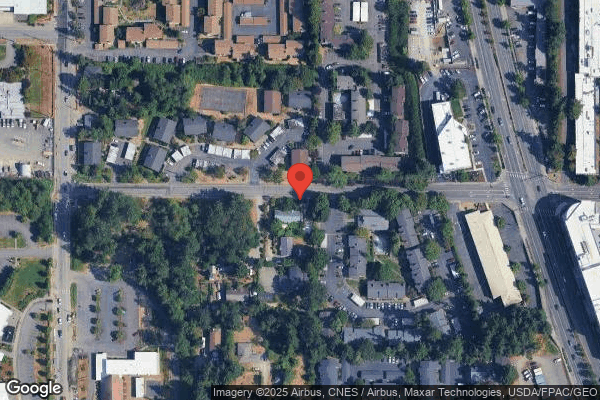
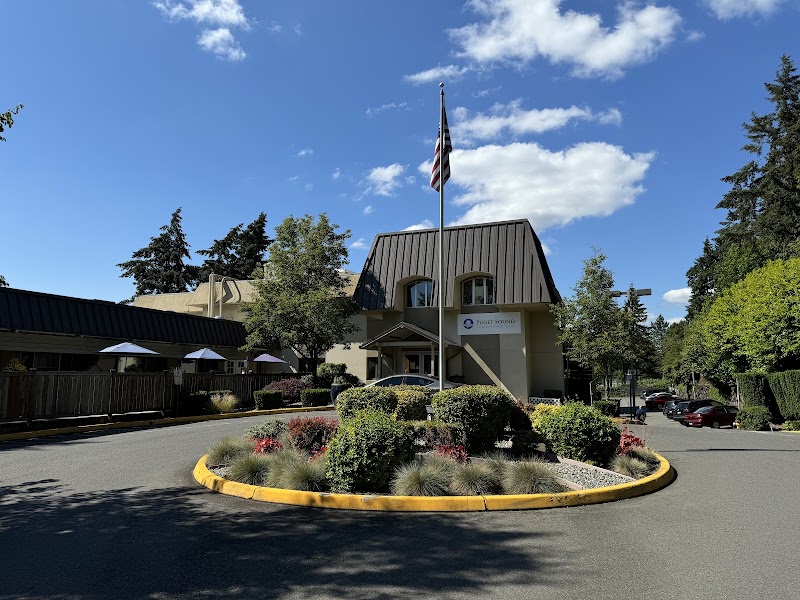
2800 SOUTH 224TH STREET,, DES MOINES, WA 98198 (206) 824-0600
For profit - Corporation 165 Beds THE ENSIGN GROUP Data: November 2025 1 Immediate Jeopardy citation
Trust Grade
48/100
#112 of 190 in WA
Last Inspection: August 2025

Inspected within the last 6 months. Data reflects current conditions.

Overview

Puget Sound Transitional Care has a Trust Grade of D, indicating below-average performance with some concerning issues. They rank #112 out of 190 facilities in Washington, placing them in the bottom half, and #25 out of 46 in King County, meaning there are only a few local options that are better. The facility is worsening, with reported issues increasing from 18 in 2024 to 25 in 2025. Staffing is a relative strength, with a turnover rate of 31%, which is better than the state average of 46%, but the overall staffing rating is only 2 out of 5 stars. Notably, there was a critical incident where staff failed to initiate CPR for a resident, putting multiple other residents at serious risk, and there were concerns about food safety and hygiene practices in the kitchen. Overall, while there are some positive aspects like lower staff turnover and no fines, the facility has significant areas for improvement, particularly in emergency protocols and food safety.

Trust Score
D
48/100
In Washington
#112/190
Bottom 42%
Safety Record
High Risk
Review needed
Inspections
Getting Worse
18 → 25 violations
Staff Stability
○ Average
31% turnover. Near Washington's 48% average. Typical for the industry.
Penalties
✓ Good
No fines on record. Clean compliance history, better than most Washington facilities.
Skilled Nurses
✓ Good
Each resident gets 48 minutes of Registered Nurse (RN) attention daily — more than average for Washington. RNs are trained to catch health problems early.
Violations
⚠ Watch
60 deficiencies on record. Higher than average. Multiple issues found across inspections.
★★★☆☆
3.0
Overall Rating
★★☆☆☆
2.0
Staff Levels
★★★★★
5.0
Care Quality
★★☆☆☆
2.0
Inspection Score
Stable
2024: 18 issues
2025: 25 issues

The Good

  • 5-Star Quality Measures · Strong clinical quality outcomes
  • Full Sprinkler Coverage · Fire safety systems throughout facility
  • No fines on record
  • Staff turnover below average (31%)

    17 points below Washington average of 48%

Facility shows strength in quality measures, fire safety.

The Bad

3-Star Overall Rating

Near Washington average (3.2)

Meets federal standards, typical of most facilities

Staff Turnover: 31%

15pts below Washington avg (46%)

Typical for the industry

Chain: THE ENSIGN GROUP

Part of a multi-facility chain

Ask about local staffing decisions and management

The Ugly 60 deficiencies on record

1 life-threatening
Aug 2025 21 deficiencies
CONCERN (D)

Potential for Harm - no one hurt, but risky conditions existed

Deficiency F0552 (Tag F0552)

Could have caused harm · This affected 1 resident

Based on interview and record review, the facility failed to ensure one (Resident 9) of five sampled residents reviewed for unnecessary medications had completed consents for psychoactive medications....

Read full inspector narrative →
Based on interview and record review, the facility failed to ensure one (Resident 9) of five sampled residents reviewed for unnecessary medications had completed consents for psychoactive medications. Additionally, the facility failed to obtain consents for safety devices including bed against the wall and floor mats both sides of bed for 2 (Resident 2 & 3) of 7 residents reviewed for safety devices. These failures did not ensure residents were notified about their medications, safety devices, and facility policies. Findings included <Resident 9> According to the 07/27/2025 admission Medicare 5 Day Minimum Data Set (MDS- an assessment tool) Resident 9 had clear speech and was able to make themselves understood. The MDS showed Resident 9 had memory issues and demonstrated no behavior of rejection of care during the assessment period. Review of August 2025 Medication Administration Record on 08/26/2025 showed Resident 9 received an antianxiety medication on 08/22/2025, 08/23/2025, 08/24/2025, and on 08/26/2025. Review of Resident 9’s record showed no resident/representative approval for the medication. In an interview on 08/26/2025 at 11:00 AM, Staff F (Resident Care Manager - RCM) reviewed Resident 9’s record and stated the facility did not receive a consent for an administration of an antianxiety medication. Staff F stated they expected staff to obtain consent from the residents/representatives before starting any medications, but they did not. <Resident 2> According to the 05/14/2025 Quarterly MDS Resident 2 had a history of falls with fractures. The MDS showed Resident 2 had memory issues and no rejection of care during the assessment period. Observations on 08/20/2025 at 3:27 PM, on 08/21/2025 at 10:49 AM, and 08/25/2025 at 12:21 PM showed Resident 2 was lying in their bed and had fall mats on the floor both sides of the bed. Review of Resident 2’s record showed no resident/representative approval for the fall mats on the floor as a safety device. In an interview on 08/26/2025 at 11:01 AM, Staff F stated they expected staff to assess the resident for any safety devices, receive a Physician order and obtain a consent from the resident/representative prior to implementing the interventions. Staff F reviewed Resident 2’s record and stated they did not have a consent for the fall mats on the floor for Resident 2. <Resident 3> According to a 05/22/2025 Quarterly MDS Resident 3 had no memory impairment. The MDS showed Resident 3 had no restraints in place. Review of Resident 3’s health records showed a 03/22/2025 Activities of Daily Living Performance Deficit Care Plan with an intervention to have the bed against the wall. Observation on 08/21/2025 at 9:36 AM showed Resident 3’s right side of bed against the wall. In an interview on 08/26/2025 at 9:21 AM Staff J (RCM) stated they did not obtain a signed consent from Resident 3 for the bed against the wall. Staff J stated they were expected to obtain a consent for the bed against the wall because it would be a form of a restraint, and the facility should ensure the resident consented to it. Reference: WAC 388-97-0300(3)(a), -0260, -1020(4) (a-b). .
CONCERN (D)

Potential for Harm - no one hurt, but risky conditions existed

Deficiency F0578 (Tag F0578)

Could have caused harm · This affected 1 resident

**NOTE- TERMS IN BRACKETS HAVE BEEN EDITED TO PROTECT CONFIDENTIALITY** Based on observation, interview, and record review the facility failed to provide information and assistance to formulate an Adv...

Read full inspector narrative →
**NOTE- TERMS IN BRACKETS HAVE BEEN EDITED TO PROTECT CONFIDENTIALITY** Based on observation, interview, and record review the facility failed to provide information and assistance to formulate an Advance Directive (a document describing a resident's wishes for care if they became incapacitated) for 2 of 4 residents (Resident 11 & 8) reviewed for advanced directives. This failure left residents at risk for losing the right to have their preferences and choices honored during emergent and end of life care. Findings included .<Policy>According to a facility policy titled, Advanced Directives and Associated Documentation, date 04/2025, showed the facility would provide written information to formulate an advance directive prior to, upon, or immediately after admission to all residents or their representative. The policy showed staff would document in the resident's record at the time of admission, the resident or representative had been provided written information regarding advance directives. The policy showed if a resident already had an advance directive staff would obtain a copy and place in the resident's records. <Resident 11>According to 08/07/2025 Quarterly Minimum Data Set (MDS - an assessment tool) Resident 11 readmitted to the facility on [DATE] and was rarely/never understood and their memory was severely impaired. The MDS showed Resident 11 was dependent on staff for all care. The MDS showed Resident 11 had dementia related to a stroke, altered mental status, and other disorders of the brain. Review of Resident 11's health records showed a 03/13/2025 I am interested in formulating an Advance Directive Care Plan (CP). Resident 11's records showed a 05/01/2025 Advanced Directives information form documenting Resident 11 did not have an advanced directive formulated but was interested in receiving information and assistance to formulate one. The form showed no information was provided to Resident 11. Observations on 08/22/2025 7:55 AM and 08/25/2025 8:35 AM showed Resident 11 did not verbally respond. In an interview on 08/26/2025 9:21 AM Staff J (Resident Care Manager) stated Resident 11 had a stroke and was unable to verbally communicate or make needs known. Staff J stated Resident 11's needs were anticipated by staff. Staff J stated Resident 11 did not have an advanced directive. <Resident 8>According to 07/22/2025 Quarterly MDS Resident 8 readmitted to the facility on [DATE]. The MDS showed Resident 8 would understand others and make self-understood. The MDS showed Resident 8 had severe memory impairment. The MDS showed Resident 8 had diagnoses of, but not limited to, non-Alzheimer's dementia and a progress neurological condition. Review of Resident 8's health records showed a I have an advance directive: I have a Guardian who is my decision maker CP. Resident 8's records showed an undated advance directive information form uploaded to their records on 04/16/2025 showing Resident 8 reported they had advance directive paperwork completed but also showed Resident 8 requested information on how to formulate an advance directive. In an interview on 08/26/2025 at 11:51 AM Staff H (Social Service) reviewed Resident 11s health records and was unable to provide documentation that Advanced Directive information or assistance was provided to Resident 11 or their family at the time of the 05/01/2025 request. Staff H reviewed Resident 8's records and was unable to provide documentation of an advance directive or that information and/or assistance was provided to Resident 8 to formulate an advance directive if they did not have one. In an interview on 08/27/2025 at 10:48 AM Staff B (Director of Nursing) stated they expected staff to provide information and assistance with formulating advanced directives at the time of the resident's request. Staff B stated if a resident had an advance directive, they expected staff to attempt to obtain a copy and document attempts. Reference: WAC 388-97-0280(3) (c) (i-ii), -0300 (1) (b. (3) (a-c)
CONCERN (D)

Potential for Harm - no one hurt, but risky conditions existed

Comprehensive Assessments (Tag F0636)

Could have caused harm · This affected 1 resident

**NOTE- TERMS IN BRACKETS HAVE BEEN EDITED TO PROTECT CONFIDENTIALITY** Based on interview and record review, the facility failed to complete the comprehensive assessments within the regulatory timefr...

Read full inspector narrative →
**NOTE- TERMS IN BRACKETS HAVE BEEN EDITED TO PROTECT CONFIDENTIALITY** Based on interview and record review, the facility failed to complete the comprehensive assessments within the regulatory timeframes for 1 of 2 (Residents 64) supplemental residents, and 2 of 3 resident (Resident 18 & 93) reviewed as closed records for assessments and timing. The failure to ensure comprehensive admission Minimum Data Set (MDS - an assessment tool) assessments were completed timely hindered the care planning process necessary to provide the appropriate resident care and services, and placed residents at risk for unidentified care needs, delayed services, and a decreased quality of life. Findings included. <Resident Assessment Instrument (RAI - instructional guidelines for MDS completion) Manual>The October 2019 RAI Manual outlined an admission MDS was a comprehensive assessment for a new resident and, under some circumstances, a returning resident that must be completed by the end of day 14, counting the date of admission to the nursing home as day 1. The manual outlined an Annual MDS was a comprehensive assessment for a resident that must be completed on an annual basis and the completion date must be no later than 14 days after the Assessment Reference Date (ARD).<Resident 64>According to the 07/16/2025 admission 5 Day Minimum Data Set (MDS- an assessment tool), Resident 64 was admitted to the facility on [DATE] with multiple medical conditions including heart failure. Review of the MDS with ARD date 07/16/2025 and the completion date by the MDS Coordinator showed 07/31/2025, 15 days past the regulatory time frame as required. <Resident 18>According to the 07/15/2025 admission MDS, Resident 18 was admitted to the facility on [DATE]. Review of the date of MDS completion by the RN Coordinator showed 07/31/2025, five days past the regulatory timeframe as required. <Resident 93>According to the 07/16/2025 admission MDS, Resident 93 was admitted to the facility on [DATE]. Review of the MDS completion date by the RN Coordinator showed 07/31/2025, 15 days past the regulatory timeframe as required. In an interview on 08/26/2025 at 2:20 PM, Staff I (MDS Coordinator) stated it was important for comprehensive assessments to be completed timely for resident care and for the purposes of facility reimbursement. Staff I stated if the MDS was not completed timely, then the residents care plans will not be initiated to provide appropriate care. Staff I stated they started working in this facility for a month and when they started working here, facility had no MDS Coordinator. Staff I stated they were aware the facility was behind with the completion of their residents' MDS assessments. REFERENCE: WAC 388-97-1000(b)(c)(ii), (3)(a)
CONCERN (D)

Potential for Harm - no one hurt, but risky conditions existed

Assessment Accuracy (Tag F0641)

Could have caused harm · This affected 1 resident

Based on observation, interview, and record review the facility failed to ensure the Minimum Data Set (MDS - an assessment tool) accurately reflected the status of the resident for 2 of 19 sampled res...

Read full inspector narrative →
Based on observation, interview, and record review the facility failed to ensure the Minimum Data Set (MDS - an assessment tool) accurately reflected the status of the resident for 2 of 19 sampled residents (Residents 53 and 71). This failure placed the residents at risk for unmet care needs and a diminished quality of life. Findings included .<Resident 53>According to the 05/08/2025 Quarterly MDS Resident 53 had a condition where the bladder muscles and nerves did not function properly due to damage to the nervous system. The MDS showed Resident 53 used an indwelling catheter (tubing to assist with bladder drainage). The MDS showed Resident 53 was always incontinent of bladder.Observation on 08/20/2025 at 9:28 AM showed Resident 53 lying in bed. Resident 53's catheter was attached to the bed frame below the resident.In an interview on 08/27/2025 Staff I (MDS Coordinator) stated it was important for MDS assessments to be accurate as they were the basis for care planning for residents. Staff I stated because Resident 53 used an indwelling catheter, his incontinence status should have been coded as not rated rather than always incontinent.<Resident 71>According to the 07/17/2025 Quarterly MDS, Resident 71 was assessed with a mood score of 16 out of a possible 27 (with higher numbers indicating a worsening mood.) This assessment showed Resident 71 had a poor appetite, felt bad about themselves, and had difficulty concentrating nearly every day of the assessment's two-week lookback period. The MDS showed Resident 71 took an antidepressant medication but showed Resident 71 did not have a diagnosis of depression.Review of the physician's orders showed Resident 71 had a 10/16/2024 order of an antidepressant. The order showed to give 300 milligrams in the morning for depression.In an interview on 08/27/2025 Staff I stated as Resident 71 was actively treated for depression during the MDS assessment, Resident 71 should have been identified with a depression diagnosis on the MDS assessment.REFERENCE: WAC 388-97-1000 (1)(b).
CONCERN (D)

Potential for Harm - no one hurt, but risky conditions existed

PASARR Coordination (Tag F0644)

Could have caused harm · This affected 1 resident

**NOTE- TERMS IN BRACKETS HAVE BEEN EDITED TO PROTECT CONFIDENTIALITY** Based on observation, interview, and record review the facility failed to ensure a Pre-admission Screening and Resident Review (...

Read full inspector narrative →
**NOTE- TERMS IN BRACKETS HAVE BEEN EDITED TO PROTECT CONFIDENTIALITY** Based on observation, interview, and record review the facility failed to ensure a Pre-admission Screening and Resident Review (PASRR) level 2 comprehensive evaluation (a process to determine what mental health services residents required after a level 1 PASRR identified potential indicators of Serious Mental Illness - SMI) were obtained for 2 of 5 residents (Residents 1 & 3) whose PASRRs were reviewed. This failure placed residents at risk for not receiving the necessary mental health care and services they needed, frustration, and unmet mental health needs. Findings included. <Policy>According to the facility's revised 09/2018 PASRR policy, a PASRR would be completed upon admission rather than prior to admission as required. The policy showed based on assessment, residents would be referred to the state PASRR office for evaluation for specialized mental health services. The policy showed the facility's social services office was responsible for communication with the PASRR office.<Resident 1> According to the 06/25/2025 Admission/5-Day Minimum Data Set (MDS – an assessment tool) Resident 1 originally admitted to the facility on [DATE] with a diagnosis of depression. The MDS showed Resident 1 received an antidepressant medication every day of the assessment period. Review of Resident 1’s record showed the facility started a course of antidepressant medication for Resident 1 on 12/31/2024 to treat the resident’s depression. Review of Resident record showed a 04/01/2025 PASRR level 1 with “level 2 evaluation required for serious mental illness” and was completed four months after Resident 1 was diagnosed with depression. Review of Resident 1’s record on 08/26/2025 showed no follow up on the level 2 PASRR. In an interview on 08/26/2025 at 12:07 PM, Staff G (Corporate Social Service Resource) stated they were aware Resident 1 started antidepressant treatment on 12/31/2024 and the facility did not update the level 1 PASRR until 04/01/2025, four months late. Staff G stated the facility needed to update the level 1 PASRR as soon as the resident started the treatment for depression and the facility should request the State PASRR office complete a level 2 PASRR evaluation. Staff G stated the facility’s Social Services Director worked by themselves in the facility and could not follow up on all the PASRRs. <Resident 3> According to the 05/22/2025 Quarterly MDS, Resident 3 had a diagnosis of a psychiatric mood disorder. The MDS showed Resident 3 had no rejection of care. Review of Resident 3’s health records showed a 05/06/2024 PASSR level 1 with “level 2 evaluation required for serious mental illness. Resident 3’s records did not include a level 2 PASRR. In an interview on 08/26/2025 at 9:21 AM Staff J (Resident Care Manager) stated Resident 3 had behaviors often. In an interview on 08/26/2025 at 11:51 AM Staff G stated they sent the referral for a level 2 evaluation on 05/06/2024 and followed up on 08/11/2025, over one year and three months after the referral was initially made. Staff G stated it was the state PASRR office’s fault for not doing the evaluation. When Staff G was asked if the facility should follow up to ensure their residents are receiving necessary mental health services, Staff G stated the regulation only said “timely” and declined to provide a timeframe for what timely meant or say whether a delay of over a year and three months was timely or not. In an interview on 08/27/2025 at 8:44 AM Staff A (Administrator) stated they expected staff to follow up on PASRR level II reviews timely. Staff A stated follow up one year and three months later was not timely. REFERENCE: WAC 388-97 -1915 (4).
CONCERN (D)

Potential for Harm - no one hurt, but risky conditions existed

Deficiency F0658 (Tag F0658)

Could have caused harm · This affected 1 resident

Based on observation, interview, and record review the facility: failed to ensure physician's orders were followed for 3 of 19 (Residents 11, 62, & 5) sampled residents; failed to ensure nurses only s...

Read full inspector narrative →
Based on observation, interview, and record review the facility: failed to ensure physician's orders were followed for 3 of 19 (Residents 11, 62, & 5) sampled residents; failed to ensure nurses only signed for treatment once provided for 1 of 19 (Resident 1) sampled residents; failed to ensure physician's orders were clarified as needed for 1 of 19 (Resident 1) sampled residents; ensure physician's orders were in place prior to care for 2 of 19 (Residents 1 & 53) sampled residents. These failures placed residents at risk for unmet needs, and ineffective and/or delayed treatments. Findings included.<Following Orders> <Resident 11> According to the 08/07/2025 Quarterly Minimum Data Set (MDS – an assessment tool) Resident 11 was at risk of pressure ulcers. The MDS showed Resident 11 had a pressure reducing device for their bed. Review of Resident 11’s 08/19/2025 Pressure Ulcer Development related to Impaired Functional Abilities Care Plan (CP) showed an intervention of a pressure relieving/reducing device for the resident’s bed. The CP also included an intervention of an air mattress with a weight setting of 170-180 pounds for Resident 11. Review of Resident 11’s physician’s orders showed an order for air mattress with a weight setting 160-180 pounds, check function and inflation every shift. Observations on 08/21/2025 at 9:58 AM, 08/22/2025 at 7:55 AM, and 08/25/2025 at 8:35 AM showed Resident 11’s air mattress setting was 300 pounds. Observation on 08/25/2025 at 8:35 AM showed Resident 11 restless, sweaty, agitated, and unable to verbally express discomfort. In an interview on 08/25/2025 at 8:35 AM Staff J (Resident Care Manager - RCM) stated Resident 11’s air mattress settings should not be at 300 pounds. Staff J reviewed Resident 11’s physician orders and stated the air mattress should be set at 160-180 pounds but the air mattress Resident 11 had was unable to accommodate those settings. Staff J stated Resident 11’s air mattress could only be set at 50-pound increments, so the order needed to be clarified with the physician to allow a setting of 150 pounds since Resident 11 weighed 168 pounds. Staff J stated it was important to follow physician’s orders and set the air mattress at an appropriate weight for the residents to relieve pressure and reduce the risk of pressure ulcer development. <Resident 62> According to the 08/1/2025 Quarterly MDS, Resident 62 had multiple medically complex diagnoses including heart failure, high blood pressure (BP), atrial fibrillation (irregular electrical signals of the heart) and used blood thinning medications. Review of Resident 62's physician’s orders showed the resident received a medication to lower their BP with instructions to hold the medication if the resident’s Systolic BP (the pressure in your arteries when your heart beats, the larger BP value) was less than 100. Review of the August 2024 MAR showed this medication was administered on two occasions when Resident 62's SBP was less than 100: on 08/03/2025 at 10:48 AM for a value of 99 and on 08/10/2025 at 9:21 AM for a value of 98. Review of Resident 62's physician’s orders showed the resident received a diuretic medication (used to increase urinary output) with instructions to hold the dose when the resident’s SBP was less than 100 or their pulse less than 60. Review of the August 2024 MAR showed medication was administered on one occasion when Resident 62's SBP was less than 100 on 08/10/2025. In an interview on 08/22/2025 at 1:30 PM, Staff J reviewed Resident 62’s August 2025 MAR and confirmed the blood pressure and diuretic medications were administered outside parameters on 3 occasions. Staff J stated they expected staff to hold medications as ordered. <Resident 5> According to the 06/20/2025 Quarterly MDS Resident 5 had two stage 2 pressure ulcers at the time of their 06/17/2023 admission and was at risk of developing additional pressure ulcers. The MDS showed Resident 5 had a pressure-reducing device for their bed. Review of Resident 5’s record showed a physician’s order for an air mattress to be set to 100-110 lbs. The order showed staff should monitor the mattress for functionality every shift. Review of Resident 5’s August 2025 MAR showed staff documented the air mattress was monitored every shift. Observations on 08/20/2025 at 8:47 AM, 08/21/2025 at 9:32 AM, and 08/22/2025 at 7:55 AM showed Resident 5’s air mattress weight indicator was set at 200 pounds. In an interview on 08/21/2025 at 09:38 AM, Resident 5 stated the bed was not particularly comfortable and explained that was why they asked for so many pillows. In an interview on 08/22/2025 at 8:16 AM Staff Q (Licensed Practical Nurse) confirmed Resident 5’s air mattress was set at 200 pounds and should have been set at 100 pounds per the physician’s orders. Staff Q stated it is important to follow the physician’s orders to provide therapeutic benefit and comfort for the residents. <Signing for Medications Administered> According to the 06/25/2025 admission MDS, Resident 1 had medically complex conditions including a stroke with left arm weakness and difficulty swallowing. The MDS showed Resident 1 received nutrition via a feeding tube during assessment period. In an interview on 08/22/2025 at 9:13 AM, Staff K (Registered Nurse) stated they administered all morning medications to Resident 1 that morning. Staff K opened Resident 1’s August 2024 Medication Administration Record (MAR) and showed none of the morning medications were signed for that day to indicate staff administered morning medications to Resident 1. In an interview on 08/22/2025 at 9:25 AM, Staff K stated they were supposed to sign the MAR as soon as the morning medications were administered to Resident 1, but they did not. <Clarifying Orders> <Resident 1> Observations on 08/20/2025 at 11:50 AM, on 08/21/2025 at 2:01 PM, and on 08/22/2025 at 10:18 AM showed Resident 1 lying in bed with a feeding tube providing artificial nutrition at 45 Milliliter per Hour (ML/hour). Review of Resident 1’s physician’s orders showed a 08/14/2025 order directing staff to administer artificial nutrition at 45 ML/hour via a feeding tube. There was no order showing what type of artificial nutrition to administer for Resident 1. In an interview on 08/22/2025 at 11:10 AM, Staff F (RCM) stated their expectation was for staff to administer medications and artificial nutrition to residents as ordered. Staff F reviewed Resident 1’s physician orders and stated there was no order showing what artificial nutrition to administer for Resident 1. Staff F stated staff should have clarified the orders with a provider but did not. <Obtaining Orders Prior to Care> <Resident 1> Observations on 08/21/2025 at 11:52 AM and on 08/22/2025 at 10:18 AM showed Resident 1 was lying in their bed receiving oxygen on at 2 liter per minute via nasal cannula (tubing providing supplemental oxygen directly to the nostrils). Resident 1 was observed removing the cannula from their nose and throwing it on the floor. Review of Resident 1’s physician’s orders showed no order for oxygen for Resident 1. In an interview on 08/22/2025 at 11:06 AM, Staff F reviewed Resident 1’s physician’s orders and confirmed there was no oxygen order. Staff F stated it was important to have physician’s orders in place prior to providing the resident care. Staff F stated the facility should have obtained an order from the provider to administer Oxygen for Resident 1 but did not. <Resident 53>According to the 05/08/2025 Quarterly MDS, Resident 53 had diagnoses including lower body paralysis, a spinal cord injury, and deep tissue damage at the base of spine caused by pressure. The MDS showed Resident 53 was at risk for pressure injuries and had moisture associated skin damage. The MDS did not show Resident 53 had a pressure-reducing device for their bed. Observation on 08/20/2025 at 2:09 PM showed Resident 53 lying in bed. The mattress on the bed was a low air loss mattress used to reduce pressure when there is a risk of pressure injury. According to a 08/13/2025 physician’s orders, Resident 53 “may have pressure relieving/reducing device on bed.” There were no more specific orders directing staff to use a low-air-loss mattress. In an interview on 08/26/2025 at 12:57 PM, Staff J stated they did not see an order for a low air loss mattress in Resident 53’s record. Staff J stated there should be an order. Staff J stated there was a low air loss mattress order in place prior to Resident 53’s recent hospitalization. In an interview on 08/27/2025 at 9:52 AM, Staff B (Director of Nursing) stated it was important for physician's orders to be clarified when they were not specific. REFERENCE: WAC 388-97-1000 (1)(b).
CONCERN (D)

Potential for Harm - no one hurt, but risky conditions existed

Deficiency F0676 (Tag F0676)

Could have caused harm · This affected 1 resident

**NOTE- TERMS IN BRACKETS HAVE BEEN EDITED TO PROTECT CONFIDENTIALITY** Based on observation, interview, and record review the facility failed to ensure 1 (Resident 1) of 1 sample residents reviewed f...

Read full inspector narrative →
**NOTE- TERMS IN BRACKETS HAVE BEEN EDITED TO PROTECT CONFIDENTIALITY** Based on observation, interview, and record review the facility failed to ensure 1 (Resident 1) of 1 sample residents reviewed for communication was provided with a functional communication system. Failure to identify and provide services to maintain effective communication placed residents at risk for unmet care needs, social isolation, and a diminished sense of well-being. Findings included . <Facility Policy>On 08/25/2025 at 1:13 PM, Staff A (Executive Director) stated they did not have language and communication policy for residents with English as a second language. <Resident 1>According to the 06/25/2025 admission Minimum Data Set (MDS - an assessment tool), Resident 1 admitted to the facility on [DATE] with multiple medical conditions and had no memory issues. The MDS showed Resident 1 was Asian, had clear speech and made self-understood and able to understand others. The MDS showed Resident 1's preferred language was not English and needed interpreter to speak with health care staff. Observations on 08/20/2025 at 2:27 PM, and 08/22/2025 at 9:19 AM showed Resident 1 lying in their bed in their room and mumbling in their language. A note was posted on a wall for a language line phone number in Resident 1's room. In an interview on 08/22/2025 at 9:20 AM, Resident 1 opened their eyes, mumbled, and was unable to make themselves understood to the surveyor. Resident 1 was observed tapping on their right leg multiple times.Observations on 08/22/2025 at 10:33 AM and on 08/25/2025 at 11:23 AM showed staff F (Resident Care Manager) assisting with Resident's feeding tube (a soft, flexible tube inserted in stomach for individual unable to swallow to meet their nutritional needs) and oxygen (the process of adding oxygen to body's tissues to maintain cellular function and life, involving the lungs for gas exchange and circulation). Resident 1 mumbled but Staff F could not understand the resident. Staff F was not observed to use the language line phone number to assist with communication to provide better care to Resident 1.Review of the revised 10/28/2024 Communication Care Plan (CP) showed Resident 1 had a communication problem related to a language barrier. The CP had nursing interventions instructing staff to anticipate and meet Resident 1's needs. The CP showed Resident 1 only understood and spoke preferred language and instructed staff to call the resident's family or to use the language line whenever needed to communicate with the resident. In an interview on 08/25/2025 at 10:52 AM, Resident 1's representative at bed side in Resident 1's room stated Resident 1 did not speak English at all. Resident 1's representative stated they visited the resident this morning and noticed the resident with shortness of breath but the resident was not able to explain that to staff. Resident 1 was observed with oxygen in their nose and lying in their bed comfortably at that time. In an interview on 08/26/2025 at 11:26 AM, Staff F stated Resident 1 could not speak English and communicated with staff by facial expressions. Staff F stated they posted the language line phone number in Resident 1's room for when staff needed an interpreter to communicate with the resident. When asked how facility staff communicated with the resident while providing care during day and night shifts, Staff F stated they should have a communication binder with everyday words and pictures in Resident 1's room for better communication with the resident, but they did not have one. REFERENCE: WAC 388-97-1620 (2)(a)(v).
CONCERN (D)

Potential for Harm - no one hurt, but risky conditions existed

ADL Care (Tag F0677)

Could have caused harm · This affected 1 resident

**NOTE- TERMS IN BRACKETS HAVE BEEN EDITED TO PROTECT CONFIDENTIALITY** Based on observation, interview, and record review the facility failed to provide assistance with Activities of Daily Living (AD...

Read full inspector narrative →
**NOTE- TERMS IN BRACKETS HAVE BEEN EDITED TO PROTECT CONFIDENTIALITY** Based on observation, interview, and record review the facility failed to provide assistance with Activities of Daily Living (ADLs - bathing, grooming, getting up, oral hygiene etc.) to residents dependent on staff assistance for ADL for 4 of 6 (Residents 10, 2, 11, & 13) residents reviewed for ADLs and 1 supplemental resident (Resident 53). The failure to provide assistance with showers, dressing, oral hygiene, and getting out of bed left residents at risk for frustration, poor hygiene, embarrassment, and diminished quality of life. Findings included. <Facility Policy>According to the facility's revised 07/2015 ADL policy, Certified Nursing Assistants (CNAs) would provide ADL assistance to residents according to their individualized Care Plans (CPs). The policy showed CNAs would document the ADL assistance provided in the residents' medical records<Resident 10> According to the 07/22/2025 admission Minimum Data Set (MDS - an assessment tool) Resident 10 admitted to the facility on [DATE] with medically complex conditions including respiratory failure and kidney issues. The MDS showed Resident 10 had no functional limitations in their arms or legs. The MDS showed Resident 10 was dependent on staff for lower body dressing and toileting needs and required one-person assistance from staff with personal hygiene, transfers, and showers. The MDS showed Resident 10 had no behavior of refusing care during the assessment period. According to the revised 08/19/2025 ADL Self-Care Performance Deficit Care CP, Resident 10 required one-to-two-person assistance from staff with toileting, transferring, and personal hygiene including showering and oral care, and dressing. Observations on 08/20/2025 at 10:47 AM, on 08/21/2025 at 11:22 AM, and on 08/22/2025 at 10:34 AM showed Resident 10 lying in bed in a hospital gown, not shaved, with greasy hair, and their teeth not brushed. On each occasion Resident 10’s toothbrush was noted to be dry and placed in a wash basin near their closet In an interview on 08/22/2025 at 12:53 PM, Resident 10 stated no one helped them to brush their teeth. Resident 10 was seated in their wheelchair wearing a hospital gown, with greasy, uncombed hair and unbrushed teeth. In an interview on 08/22/2025 at 1:03 PM, Staff S (Certified Nursing Assistant - CNA) stated Resident 10 was asleep this morning so they only assisted to change them. Staff S stated they did not help the resident to brush their teeth. Staff S looked for Resident 10’s toothbrush in their room and it took a while for the staff to find the toothbrush. Staff S stated they should provide oral care to assigned residents in the morning, dress them, and brush their hair before helping them into their wheelchair, but they did not. In an interview on 08/26/2025 at 10:18 AM, Staff F (Resident Care Manager - RCM) stated they expected staff to check all assigned resident’s preferences related to ADLs and provide the assistance they needed every morning. Staff F stated staff should provide morning care including oral care, hair care, dressing, and assistance to get up per the residents’ preferences. Staff F stated if the resident refused care, staff should document the refusals. Staff F stated staff should provide oral care, hair care, shaving, dressing, and assistance to get up for meals to Resident 10, but they did not. <Resident 2> According to the 05/14/2025 Quarterly MDS, Resident 2 admitted to the facility on [DATE], had impaired memory, and required maximal assistance with personal hygiene, toileting, and transferring. The MDS showed Resident 2 had no behavior of refusing care during the assessment period. According to the 02/07/2025 revised ADL Self-Care Performance Deficit CP, Resident 2 required two-person assistance with a mechanical lift (a machine to assist with transferring) to transfer from their bed to their wheelchair. Review of Resident 2’s Kardex (care instructions for CNAs) on 08/22/2025 showed CNAs should offer and assist the resident to get out of bed every day before lunch and help them back to bed after lunch. Observations on 08/20/2025 at 10:22 AM, on 08/21/2025 at 1:39 PM, and on 08/22/2025 at 12:20 PM showed Resident 2 lying in bed in a hospital gown. Staff were observed assisting the resident with lunch while the resident remained in their bed. In an interview on 08/26/2025 at 11:52 AM, Staff F stated they expected staff to follow the CP and Kardex regarding Resident 2’s daily routine and preferences. Staff F stated if the resident refused, staff should document the refusals. Staff F stated staff should dress the resident per their preferences and get them up for lunch and activities as needed, but they did not. <Resident 11> According to the 08/07/2025 Quarterly MDS Resident 11 was dependent for all cares. The MDS showed Resident 11 had medical conditions including stroke and non-Alzheimer’s Dementia. Review of a 06/08/2025 ADL Self Care Performance Deficit related to impaired functional mobilities CP showed an intervention to get Resident 11 out of bed from 11:00 AM until 3:00 PM. The CP showed Resident 11 required assistance from staff for transfers, bed mobility, and dressing. Review of Resident 11’s health records showed no bathing was offered or provided for June, July, or August of 2025. Observations on 08/21/2025 at 9:58 AM, 11:50 AM, and 12:58 PM, 08/22/2025 at 7:55 AM, 9:38 AM, 11:11 AM, and 1:21 PM, and 08/25/2025 at 8:35 AM, 12:01 PM until 1:12PM, 08/26/2025 at 8:20 AM until 9:16 AM showed Resident 11 lying in bed in a gown. In an interview on 08/26/2025 at 9:21 AM Staff J (RCM) stated Resident 11 was dependent on staff for all mobility and cares. Staff J stated Resident 11 should be offered bed baths every Monday, Friday, and as needed. Staff J was unable to provide documentation that bathing was offered for June, July, or August 2025. Staff J stated bathing was important for good hygiene and good health. Staff J stated the last time Resident 11 was assisted out of bed was for an eye examination in June 2025. Staff J stated Resident 11 should be getting up, dressed, and out of bed daily for quality of life. Staff J stated Resident 11 was nonverbal, so staff had to anticipate all the residents’ needs. <Resident 13> According to the 06/04/2025 Quarterly MDS Resident 13 was dependent on staff for toileting hygiene and bathing. The MDS showed Resident 13 required substantial assistance from staff for dressing. The MDS showed Resident 13 had medical conditions including stroke and non-Alzheimer’s Dementia. Review of Resident 13’s health records showed a 07/29/2023 ADL Self Care Performance Deficit related to weakness and decreased mobility CP with bathing twice weekly, per the resident’s preference, and as needed. The CP showed Resident 13 required staff assistance with bathing and dressing. In an interview on 08/20/2025 at 10:09 AM Resident 13 stated staff always left them in bed and never got them dressed. Resident 13 stated they were incontinent of bowel and bladder, and staff cleaned them up once a day. Observation on 08/22/2025 at 9:31 AM showed Resident 13 received a shower, was placed back into a hospital gown, and returned to bed. In an interview on 08/26/2025 at 8:58 AM Staff W (CNA) stated they were expected to check on Resident 13 at least every two hours and provide incontinent care when needed. Staff W stated they were expected to offer and provide assistance with morning ADL cares to all residents needing help which included washing up, incontinence or toileting assistance, dressing, and oral hygiene. In an interview on 08/26/2025 at 9:21 AM Staff J stated they expected staff to offer Resident 13 bathing twice weekly on Sundays and Fridays per the schedule, and as needed. Staff J reviewed Resident 13’s records and stated Resident 13 was not offered bathing twice weekly for June, July, or August 2025. Staff J stated they expected staff to assist Resident 13 with dressing and getting out of bed daily, but Resident 13 would refuse sometimes. Staff J reviewed Resident 13’s records and was unable to provide documentation of refusals. Staff J stated they expected staff to document refusals to show they were offering the resident cares per CP. <Resident 53> According to the 05/08/2025 Quarterly MDS, Resident 53 had diagnoses including a spinal cord injury, lower body paralysis, and muscle weakness. The MDS showed Resident 53 was dependent on staff for transferring from their bed to a chair and required partial/moderate assistance with bathing themselves. The MDS showed Resident 53 had intact memory. In an interview on 08/20/2025 at 2:05 PM Resident 53 stated they were frustrated because they were supposed to get two showers a week on Mondays and Fridays, but they did not receive showers per the schedule in their CP. Resident 53 stated they felt “cheated.” Resident 53 was in bed at the time. According to the 12/16/2024 ADL CP, Resident 53 required 1-person assistance with showering. This CP showed Resident 53 should receive bathing/showering twice a week and as needed. Review of the CNA shower documentation showed from 07/25/2025 through 08/22/25 Resident 53 showered on only three occasions out of eight scheduled shower days (Resident 53 was out of the facility from 08/09/2025 to 08/13/2025): 07/28/2025, 08/04/2025, and 08/18/2025. There were no documented refusals of bathing assistance. In an interview on 08/26/2025 at 1:05 PM, Staff J (Resident Care Manager) stated they knew showers were important to Resident 53 and felt the resident was provided showers as care planned. Staff J reviewed the CNA shower documentation and stated there could also be showers documented in the unit shower book. Review of the 300 Unit shower book showed documentation Resident 53 was also provided with a shower on 08/22/2025. This meant Resident 53 received a total of four showers out of eight scheduled shower days. In an interview on 08/26/2025 at 1:02 PM, Staff J stated they would provide any additional documentation showing Resident 53 received showering assistance as required. No additional documentation was provided. REFERENCE: WAC 388-97-1060 (2)(c).
CONCERN (D)

Potential for Harm - no one hurt, but risky conditions existed

Deficiency F0679 (Tag F0679)

Could have caused harm · This affected 1 resident

**NOTE- TERMS IN BRACKETS HAVE BEEN EDITED TO PROTECT CONFIDENTIALITY** Based on observation, interview, and record review the facility failed to offer and provide individualized activities plans and ...

Read full inspector narrative →
**NOTE- TERMS IN BRACKETS HAVE BEEN EDITED TO PROTECT CONFIDENTIALITY** Based on observation, interview, and record review the facility failed to offer and provide individualized activities plans and to document the refusals for 2 of 3 residents (Resident 11 & 2) reviewed for activities. Failure to consistently offer and provide meaningful individual activity plans left residents at risk of boredom, frustration, isolation, and a diminished quality of life.Findings included. According to the facility's 04/2025 Activities Programming policy, the facility would ensure activities were available for all residents to meet resident's needs and interest that would support the physical, mental, and psychosocial well being of the resident. The policy showed the facility would conduct an activity evaluation at admission time to determine resident's preferences and interests including cultural preferences and spiritual preferences. The facility staff would make efforts to accommodate resident's preferences according to activity calendar. The policy showed the facility would provide assistance to transfer residents in wheelchair for activities, provide proper seating and positioning and placements of supplies for residents with physical limitations.<Resident 11> According to the 08/07/2025 Quarterly Minimum Data Set (MDS – an assessment tool) Resident 11 was readmitted to the facility on [DATE]. The MDS showed Resident 11’s activity preferences for customary routine were not assessed. Review of the 08/08/2025 Dependent on Staff for Activities Care Plan (CP) showed activities staff would provide 1:1 room visits for music, hand massage, and hair care. The CP showed Resident 11 required escort by staff to group activities and staff would provide assistance during group activities. Observations on 08/21/2025 at 9:58 AM, 11:50 AM, and 12:58 PM, 08/22/2025 at 7:55 AM, 9:38 AM, 11:11 AM, and 1:21 PM, and 08/25/2025 at 8:35 AM, 12:01 PM until 1:12PM, 08/26/2025 at 8:20 AM until 9:16 AM showed Resident 11 lying in bed in a gown. These observations showed no music was playing and Resident 11’s television was turned off. These observations showed Resident 11 was dependent on staff for all mobility and care. During the 08/25/2025 at 8:35 AM Resident 11 was restless, sweaty, and agitated, and unable to verbally express discomfort or utilize call light. In an interview on 08/26/2025 at 9:21 AM Staff J (Resident Care Manager -RCM) stated Resident 11 was dependent on staff for all mobility and care. Staff J stated Resident 11 “really lit up when staff would play music for them and they could tell the resident really enjoyed music.” Staff J stated staff should turn music or the TV on for Resident 11 during the day when they’re in their room. Staff J stated Resident 11 was nonverbal, so staff had to anticipate all the residents’ needs. Staff J stated they expected staff to get Resident out of bed daily per their CP. In an interview on 08/26/2025 at 10:27 Staff Y (Activities Director) stated they have requested staff to get Resident 11 out of bed so they could attend group activities, but it hasn’t happened. Staff Y stated when Resident 11 was sleeping they would document “Not Applicable” in their records for activities offered. Staff Y stated they expected activities offered and refused to be documented in the residents’ records, but they were not. Staff Y was unable to provide documentation for activities offered for Resident 11. Staff Y stated it was important to offer and provide activities to residents for quality of life and because they looked forward to socialization and entertainment. <Resident 2> According to the 05/14/2025 Quarterly MDS, Resident 2 was assessed with medically complex conditions including depression. The MDS showed activity preferences including listening to music, participating in favorite activities, and in religious services were very important to Resident 2. The MDS showed Resident 2 was dependent on staff to get out of bed and had no rejection of care during the assessment period. Record review showed the 02/19/2025 revised Activities CP showed Resident 2 had impaired vision and could not see TV images or read the captions. The CP included goals for Resident 2 to participate in one-to-one visits as much as possible from staff and attend activities of choice. The CP showed Resident 2 required escort by staff to group activities and staff would provide assistance during activities such as; religious services, music/entertainment, exercise, and basic word games. Observations on 08/20/2025 at 10:33 AM and 1:57 PM, on 08/21/2025 at 8:02 AM, 10:45 AM, and 2:32 PM, on 08/22/2025 at 9:20 AM and 2:43 PM, and on 08/25/2025 at 7:53 AM, 9:46 AM, and 1:32 PM showed Resident 2 lying in their bed awake, in hospital gown. These observations showed no music was playing in Resident 2’s room and television was turned off. In an interview on 08/25/2025 at 11:02 AM, Resident 2 stated they could not see the television because their one eye was bad. Resident 2 stated they would like to attend activities such as listening to music and going outside for fresh air and church services but needed assistance from staff for all mobility and care. In an interview on 08/25/2025 at 11:02 AM, Staff F (RCM) stated Resident 2 required assistance from staff with transferring from bed to wheelchair and Resident 2 refused care at times. When asked about activities for Resident 2, Staff F stated Resident 2 would like to stay in their room most of the time. Staff F stated staff should check with the resident and get them up in a wheelchair for activities per Resident 2’s preferences. In an interview on 08/27/2025 at 9:00 AM, Staff Y stated activities were important to help take people's minds off problems, as it gives residents meaning for life, and to give them something to look forward to. Staff Y stated Resident 2 was sleeping in their room most of the time and activity staff would not bother them. Staff Y stated Resident 2 could not see but staff turned the television on at times. When asked Staff Y about Resident’s preferences according to assessment and CP, Staff Y stated they did not have a radio to play music in Resident 2’s room and they would ask Resident 2’s daughter to bring a radio or music player to play music in Resident 2’s room. Staff Y did not provide documentation for activities offered or refusals for Resident 2 including religious services and fresh air outside. Staff Y stated staff should get Resident 2 up in a wheelchair for activities as CP, but they did not. REFERENCE: WAC 388-97- 0940(1).
CONCERN (D)

Potential for Harm - no one hurt, but risky conditions existed

Quality of Care (Tag F0684)

Could have caused harm · This affected 1 resident

Based on observation, interview, and record review the facility: Failed to ensure residents' skin was assessed weekly as ordered, monitored, and treated as required for 2 (Residents 9 & 10) of 4 resid...

Read full inspector narrative →
Based on observation, interview, and record review the facility: Failed to ensure residents' skin was assessed weekly as ordered, monitored, and treated as required for 2 (Residents 9 & 10) of 4 residents reviewed for non-pressure skin. These failures placed all residents at risk for delay in treatment, worsening condition, unmet care needs, and a decreased quality of life. Findings included . <Facility Policy>Review of the facility's 04/2025 Skin and Wound Monitoring and Management revised policy showed the facility would provide care and services to prevent the development of new skin issues. The policy showed staff would perform weekly head-to-toe checks for all residents, document the findings in resident's record, and notify the provider to obtain treatment orders as needed. The policy showed nursing staff would implement the ordered interventions and develop a Care Plan (CP) for staff to consistently implement the care.<Resident 9> According to the 07/27/2025 admission Minimum Data Set (MDS - an assessment tool) Resident 9 had memory impairment, was understood, and able to understand others in conversation. This assessment showed Resident 9 did not have any wounds or skin problems. Observations on 08/20/2025 at 11:45 AM, 08/21/2025 at 9:21 AM, on 08/22/2025 at 2:12 PM, and on 08/26/2025 at 9:00 AM showed Resident 9 had multiple bruises on both their arms. Review of Resident 9’s August 2025 physician’s orders showed no orders directing staff to monitor the bruising on Resident 9’s arms. Review of the 06/23/2025 Skin CP showed instructions to staff to perform weekly head-to-toe skin assessments and notify the nurse supervisor immediately of any skin breakdown including redness, blisters, and bruises. Review of Resident 9’s weekly skin assessments on 08/26/2025 showed staff performed head-to-toe skin assessment for Resident 9 on 08/04/2025 and 08/25/2025. These assessments showed staff did not identify any skin impairments for Resident 9. In an interview on 08/26/2025 at 9:05 AM, Staff F (Resident Care Manager) stated the facility’s process for monitoring skin issues was for staff to perform head-to-toe skin assessments for residents upon admission, weekly, and as needed, and to document any new issues in the resident’s record. Staff F stated if staff noticed any new skin issues for any resident, they should notify the nursing supervisor, to provider and resident’s families. Staff F reviewed Resident 9’s weekly skin assessments and stated staff did not complete weekly skin checks as ordered and did not document any skin problems. On 08/26/2025 at 9:15 AM, Staff F assessed Resident 9’s skin with this surveyor and stated Resident 9 had multiple bruises on both arms that staff did not report to them. Staff F stated the 08/25/2025 weekly skin assessment was not accurate. Staff F stated staff should document all skin issues in the resident’s record and notify the provider, but they did not. <Resident 10> According to the 07/22/2025 admission MDS, Resident 10 had memory impairment, was understood, and able to understand others in conversation. This assessment showed Resident 10 did not have any wounds or skin problems. The MDS showed Resident 10 had no behavior of refusing care during the assessment period. Observations on 08/20/2025 at 10:00 AM, on 08/21/2025 at 11:21 AM, and on 08/22/2025 at 2:12 PM showed Resident 10 had a one-centimeter by one-centimeter scab with light, bloody drainage on their left cheek. Review of Resident 10’s physician’s orders showed a 07/18/2025 order directing staff to perform weekly skin checks. There was no order for treatment of Resident 10’s left cheek scab in the record. Review of Resident 10’s weekly skin assessments on 08/26/2025 showed staff last performed and documented a head-to-toe assessment for Resident 10 on 08/09/2025 and did not identify any skin impairments for Resident 10. There were no weekly skin assessments completed after 08/09/2025. In an interview on 08/26/2025 at 9:45 AM, Staff F reviewed Resident 10’s record and stated the facility staff did not perform weekly skin assessments as ordered and there was no documentation showing Resident 10 had a scab on their left cheek. Staff F stated staff should perform weekly skin assessment as ordered, document any skin impairments in Resident 10’s record, and notify the physician to obtain treatment orders, but did not. In an interview on 08/26/2025 at 9:39 AM, Staff B (Director of Nursing) stated it was their expectation staff follow the facility policy and the physician’s order to complete weekly skin assessments, notify the RCM of any new skin issues, evaluate and document the newly identified skin issue, and notify and obtain orders from the physician. REFERENCE: WAC 388-97-1060(1).
CONCERN (D)

Potential for Harm - no one hurt, but risky conditions existed

Incontinence Care (Tag F0690)

Could have caused harm · This affected 1 resident

**NOTE- TERMS IN BRACKETS HAVE BEEN EDITED TO PROTECT CONFIDENTIALITY** Based on observation, interview, and record review the facility failed to ensure residents admitted with Indwelling Catheters (I...

Read full inspector narrative →
**NOTE- TERMS IN BRACKETS HAVE BEEN EDITED TO PROTECT CONFIDENTIALITY** Based on observation, interview, and record review the facility failed to ensure residents admitted with Indwelling Catheters (I/C - a flexible tube inserted into the bladder) were assessed for the continued need for a I/C, attempted to remove the I/C as soon as possible for 1 (Resident 9) of 3 residents reviewed for the I/C. These failures placed residents at risk for urinary tract infections, decreased bladder tone (muscle strength), urethral erosion (gradual destruction of the tissues), and dignity issues. Findings included .According to the facility's 01/2025 Indwelling Catheter Care policy, Staff would provide catheter care to each resident with an I/C every day and as needed to promote hygiene, comfort and decrease the risk of infection.<Resident 9>According to the 07/27/2025 admission 5-day Minimum Data Set (MDS - an assessment tool), Resident 9 admitted to the facility on [DATE] and was assessed as cognitively impaired and had the indwelling catheter during the assessment period. In an interview on 08/20/2025 at 1:23 PM, Resident 9's representative stated Resident 9 went to the hospital in June 2025 and they inserted this catheter in her bladder. Resident 9 came to this facility on 06/23/2025 from the hospital and no one talk to them about the catheter. Review of the 08/18/2025 bowl and bladder assessment in Resident 9's record showed Resident 9 was incontinent of bowel and bladder. Resident 9's record showed no I/C assessment showing the reason Resident 9 had a catheter in their bladder. Observations on 08/20/2025 at 11:21 AM and 08/22/2025 at 9:02 AM showed Resident was lying in bed and an I/C was hanging on the bed frame. Observation on 08/25/2025 at 10:39 AM showed Resident 9 was up in a wheelchair in their room and I/C bag was resting on the floor under their wheelchair in their room. Review of the 06/24/2025 Physician Order showed Resident 9 had an I/C, and staff were to provide catheter care every shift. Review of the 06/24/2025 Indwelling Catheter Care Plan showed interventions instructing staff to provide I/C care every shift for Resident 9. In an interview on 08/26/2025 at 10:44 AM, Staff F (Resident Care Manager) stated the facility process for I/C care was ; when a resident got admitted to the facility from the hospital with an I/C, staff would complete bowel and bladder assessment, why a resident needed I/C, would consult with a provider and attempt a trial to remove a catheter and would complete post void residual (PVR - amount of urine remaining in bladder after a voluntary urination). If a resident had difficulty voiding independently and had PVR more than 200 milli liters, staff would consult with the provider. Staff F reviewed Resident 9's record and said they did not assess Resident 9 for an I/C. Staff F did not provide documentation about why Resident 9 needed an I/C in bladder. Staff F stated the facility did not attempt a trial to remove the catheter. Staff F stated staff should assess the resident for need of I/C, attempt a trial to remove the catheter and complete PVR, but they did not. REFERENCE: WAC 388-97-1060 (2)(a)(iii).
CONCERN (D)

Potential for Harm - no one hurt, but risky conditions existed

Deficiency F0700 (Tag F0700)

Could have caused harm · This affected 1 resident

**NOTE- TERMS IN BRACKETS HAVE BEEN EDITED TO PROTECT CONFIDENTIALITY** Based on observation, interview, and record review the facility failed to complete safety assessments for a bed against the wall...

Read full inspector narrative →
**NOTE- TERMS IN BRACKETS HAVE BEEN EDITED TO PROTECT CONFIDENTIALITY** Based on observation, interview, and record review the facility failed to complete safety assessments for a bed against the wall and fall mats on the floor for 2 of 7 residents (Residents 3 & 2) and a tilt-in-space wheelchair for 1 of 8 residents (Resident 77) reviewed for accident hazards. This failure placed residents at risk for injury, entrapment, and other negative health outcomes.Findings included.<Facility Policy>According to the facility's revised 03/2016 Physical Restraints policy, placing a resident's bed close enough to the wall to prevent the resident from getting out of bed was considered a restraint. The policy showed when a restraint was assessed to be necessary, a physician's order should be in place and the risks and benefits explained to the resident and/or their representative (the Informed Consent process).<Resident 3> According to a 05/22/2025 Quarterly MDS Resident 3 had no memory impairment. The MDS showed Resident 3 had no restraints in place. Review of Resident 3’s health records showed a 03/22/2025 Activities of Daily Living Performance Deficit Care Plan (CP) with an intervention to have the bed against the wall. Resident 3’s records did not show a safety assessment for the bed against the wall. Observation on 08/21/2025 at 9:36 AM showed Resident 3’s right side of the bed against the wall. In an interview on 08/26/2025 at 9:21 AM Staff J (Resident Care Manager - RCM) stated they expected staff to complete a safety assessment for beds against the wall. Staff J was unable to provide documentation for a safety assessment for Resident 3’s bed against the wall. Staff J stated it was important to do a safety assessment for the bed against the wall because it could be a form of restraint, and they needed to ensure the resident did not get injured. <Resident 2> According to the 05/14/2025 Quarterly MDS, Resident 2 admitted to the facility on [DATE] and had impaired memory. The MDS showed Resident 2 had no falls in the facility and had no restraints in place. Observations on 08/20/2025 at 10:43 AM, on 08/21/2025 at 11:29 AM, and on 08/25/2025 at 2:04 PM showed Resident 2 lying in their bed with fall mats on the floor on both sides of their bed. Review of the 02/05/2025 Fall CP showed Resident 2 was at risk for falls related to a history of falls with fracture. The CP instructed staff to keep Resident 2’s bed in the lower position. Review of Resident 2’s record did not show any physician’s order, informed consent, or safety device assessment for the floor mats. In an interview on 08/26/2025 at 11:02 AM, Staff F (RCM) stated they expected staff to obtain a physician’s order for a safety device, informed consent from the resident or their representative, and a safety device assessment and to document these actions in the resident’s CP. Staff F reviewed Resident 2’s record and stated there was no physician’s order, no informed consent, and no safety device assessment for floor mats for Resident 2, but there should be. <Resident 77> According to the 06/25/2025 Quarterly MDS, Resident 77 had diagnoses including stroke, impaired memory, seizures, anxiety, a history of falls, and an abnormal gait. The MDS showed Resident 77 had one fall with injury since admission and had no restraints in place. Review of the 06/01/2025 Safety Device Evaluation recommended use of a tilt-in-space wheelchair (a specialized wheelchair where the angle of the seat can be adjusted that has the potential to limit the ability of the resident to ambulate) for trunk support and comfort related to impaired cognition, weakness, and seizures. The evaluation stated the tilt-in-space wheelchair would not restrain resident’s movement. Review of the 06/25/2025 Interdisciplinary Team (IDT – a group of senior facility staff representing different disciplines) Care Plan Review showed no safety assessment was reviewed and showed Resident 77 was able to self-propel down the hallway. Observation on 08/20/2025 at 12:53 PM showed Resident 77 placed outside their room with the wall on their right side, tilted 45 degrees backwards with their wheels locked and the lock levers out of reach of the resident. Resident 77 was observed to repeatedly slap their legs with their hands, rock from side to side, and moved consistently with attempting to exit the left side of the wheelchair. Resident 77 requested to return to their room to take a nap. In an observation on 08/21/2025 at 12:02 PM, Resident 77 was placed in the activity room, tilted 45 degrees backwards with their wheels locked. Resident 77 repeatedly slapped their legs with their hands and requested they were returned to their room. Observation on 08/22/2025 8:55 AM showed Resident 77 placed outside their room with the wall on their right side, sitting in an upright position with the wheels locked. Resident 77 was finished with breakfast and repeatedly slapped their legs with their hands and rocked from side to side. In an interview on 08/22/2025 at 11:32 AM, Staff O (Certified Nurse Assistant) stated they provided care for Resident 77 since their hire date in April 2025. Staff O stated the purpose of tilting Resident 77 backwards in their chair was for safety due to the resident’s history of falls. Staff O stated Resident 77 was positioned in the hallway with their wheelchair breaks locked, so staff could monitor them. Staff O stated they observed occasions when Resident 77 appeared frustrated with waiting for staff to unlock their brakes and return them to their room after meals and activities. In an interview on 08/22/2025 at 1:23 PM, Staff R (Therapy Program Manager) reviewed Resident 77’s record and was unable to provide a therapy evaluation to assess the safety and necessity of the tilt-in-space wheelchair. In an interview on 08/27/2025 at 9:59 AM, Staff J stated Resident 77 was able to self-propel in their wheelchair. Staff J stated Resident 77 could not independently unlock the brakes of the tilt-in-space wheelchair, because they were located behind the resident and out of reach. Staff J stated they expected staff to complete a therapy evaluation to ensure devices used by residents provided the least restrictive and highest practicable well-being. Staff J reviewed Resident 77’s record and stated there was no therapy evaluation for the tilt-in-space wheelchair, but there should be. REFERENCE: WAC 388-97-0230.
CONCERN (D)

Potential for Harm - no one hurt, but risky conditions existed

Unnecessary Medications (Tag F0759)

Could have caused harm · This affected 1 resident

Based on observation, interview, and record review the facility failed to ensure a medication error rate of less than 5 percent (%). Failure of 2 of 4 nurses (Staff U & V - Registered Nurses) to prope...

Read full inspector narrative →
Based on observation, interview, and record review the facility failed to ensure a medication error rate of less than 5 percent (%). Failure of 2 of 4 nurses (Staff U & V - Registered Nurses) to properly administer 2 of 32 medications for 1 (Resident 38) of 4 residents observed during medication pass resulted in a medication error rate of 6.25%. This failure placed residents at risk for adverse side effects and/or not receiving prescribed medications as ordered. Findings included . <Facility Policy>According to the facility's revised 01/2025 Medication Administration policy, Medications would be accurately prepared, administered, and documented per physician order. The policy showed staff would check the medication label with the Medication Administration Record (MAR) to verify resident name, medication name, form, dosage, route, and time.<Resident 38>Observations on 08/20/2025 at 8:59 AM showed Staff U administered a blood thinner medication enteric coated (protective coated delays pills dissolution) to Resident 38 related to heart issues. Review of Resident 38's August 2025 Physician Orders showed an 07/22/2025 order for staff to administer a chewable blood thinner for heart issues. In an interview on 08/20/2025 at 10:00 AM, Staff U confirmed they administered the wrong medication to Resident 38. Staff U stated they should check the physician order before administering the medication to the resident, but they did not. In an observation on 08/22/2025 at 8:03 AM, Staff V administered artificial tear eye drops in both eyes to Resident 38 for dry eyes. Review of Resident 38's August 2025 Physician orders showed an 08/14/2025 order for staff to administer medicated eye drops in both eyes for eye irritation. In an interview on 08/22/2025 at 10:02 AM, Staff V stated they thought the physician order was for dry eyes, and they used artificial tears. Staff V stated it was very important to administer the right medications to all residents. Staff V stated they should follow the physician orders, but they did not. In an interview on 08/26/2025 at 12:32 PM, Staff B stated according to the facility process medications were expected to be administered timely as ordered by the physician. Staff should follow the physician orders, but they did not. REFERENCE: WAC 388-97-1060(3)(k)(ii).
CONCERN (D)

Potential for Harm - no one hurt, but risky conditions existed

Deficiency F0761 (Tag F0761)

Could have caused harm · This affected 1 resident

**NOTE- TERMS IN BRACKETS HAVE BEEN EDITED TO PROTECT CONFIDENTIALITY** Based on observation, interview, and record review the facility failed to ensure medications were returned or discarded when exp...

Read full inspector narrative →
**NOTE- TERMS IN BRACKETS HAVE BEEN EDITED TO PROTECT CONFIDENTIALITY** Based on observation, interview, and record review the facility failed to ensure medications were returned or discarded when expired or when residents discharged for 1 of 1 medication rooms (200 Unit Medication Room) and 2 of 2 medication carts (200 North and 300 North medication carts) observed. The failure to ensure unneeded medications were returned to the pharmacy or destroyed upon resident discharge or expiration placed the residents at risk for receiving unauthorized, compromised, and/or ineffective medications. Findings included . <Facility Policy>According to the facility's revised [DATE] Storage and Expiration of Medications and Biologicals policy, the facility would ensure all medications and biologicals were stored in an organized manner in cabinets, drawers, carts, and refrigerators with sufficient space to prevent crowding and inaccessible to visitors and residents. The policy showed medicines and biologicals that exceeded their use by date must be stored separately and returned to the pharmacy or supplier. The policy showed facility staff must follow manufacturer guidelines for opened medication containers.<200 Unit Medication Room>Observation of the 200 Unit medication room on [DATE] at 8:59 AM showed:-A bottle of an antifungal medication for a resident who discharged on [DATE]-A bottle of an oral antibiotic medication and four bags of an intravenous (through the veins) antibiotic for a resident who discharged on [DATE]-An injectable diabetic medication for a resident who discharged on [DATE]-An injectable diabetic medication for a resident who discharged on [DATE]-An injectable diabetic medication for a resident who discharged on [DATE]-Two bottles of medicated eyedrops for a resident who discharged on [DATE]-A box with various medications for a resident who discharged on [DATE]-Four packets of a medicated eyedrop for a resident who discharged on [DATE]-An inhaled respiratory medication for a resident who discharged [DATE]- An intravenous antibiotic medication for a resident who discharged on [DATE] In an interview on [DATE] at 9:26 AM Staff X (Registered Nurse - RN) stated they were one of the staff responsible for destroying or returning medications when required. Staff X explained they did this as needed rather than on a particular schedule. Staff X stated it was important to discard medications no longer needed to avoid medication errors and potential misuse.In an interview on [DATE] at 9:29 AM Staff F (Resident Care Manager) stated they knew the facility had a policy regarding discarding or returning medications but were unsure of the timeframe and said they thought it was 30 days. Staff F stated handling discharged residents' medications appropriately was important.In an interview on [DATE] at 10:25 AM Staff F stated they asked facility management about the timeline for handling discharged residents' medications and was told there was no specific timeframe, but best practice was to return such medications as soon as possible.In an interview on [DATE] at 9:23 AM Staff B (Director of Nursing) stated they expected medications to be returned or destroyed with a couple days of discharge. <200 Unit North Medication Cart>Observation of the 200 Unit North medication cart on [DATE] at 10:18 AM with Staff U (RN) showed the following:-An opened container of an eye medication. This medication had a handwritten label showing it was opened on [DATE] and should be used by [DATE].In an interview at this time Staff U stated the eye medication should have been discarded on [DATE].Further observations of this medication cart on [DATE] at 10:37 AM showed:-Eyedrops with a partially legible open date that read 07/ and a partially legible use by date of 08/.In an interview at this time Staff U stated the eye drops should be discarded. <300 Unit North Medication Cart>Observation on [DATE] from 11:47 AM to 12:09 PM with Staff T (RN) at the 300 north medication cart - north showed:-An opened injectable diabetic medication with no open date and a pharmacy date of [DATE].-An opened injectable diabetic medication which expired on [DATE] and an open date of [DATE].-An opened injectable diabetic medication with no open date and a pharmacy date of [DATE].-An opened injectable diabetic medication with a pharmacy date of [DATE] and no open date.-A bubble pack of Resident 35's narcotic pain medications with six doses remaining. The corresponding page in the cart's narcotic book (a place where nurses document narcotic counts to minimize the risk of drug diversion) showed there were seven doses remaining.In an interview on [DATE] at 12:12 PM Staff T stated they gave the narcotic to Resident 35 at 7:12 AM that morning but did not yet document that in the narcotic book. Staff T stated it was important to document the administration of the narcotic both on the resident's Medication Administration Record and in the narcotic book timely.Review of the [DATE] MAR showed the medication was documented to be provided to Resident 35 that morning as stated by Staff T.In an interview on [DATE] at 2:36 PM Staff B (Director of Nursing) stated they expected medications to be removed from storage areas and either returned to the pharmacy or destroyed promptly after a resident discharged or when a medication was expired. Staff B it was important to remove such medications from the stock, so they did not get used and to decrease the risk of errors or diversion. Staff B stated they expected nurses to document in the narcotic book upon administration of the narcotic.REFERENCE: WAC 388-97-1300 (2).
CONCERN (D)

Potential for Harm - no one hurt, but risky conditions existed

Antibiotic Stewardship (Tag F0881)

Could have caused harm · This affected 1 resident

**NOTE- TERMS IN BRACKETS HAVE BEEN EDITED TO PROTECT CONFIDENTIALITY** Based on interview and record review the facility failed to complete Antibiotic (ABO) Stewardship to promote appropriate use of ...

Read full inspector narrative →
**NOTE- TERMS IN BRACKETS HAVE BEEN EDITED TO PROTECT CONFIDENTIALITY** Based on interview and record review the facility failed to complete Antibiotic (ABO) Stewardship to promote appropriate use of ABOs and reduce the risk of unnecessary ABO use for 2 of 4 residents (Residents 10 & 93) reviewed for unnecessary ABOs. This failure placed residents at risk for potential adverse outcomes associated with the inappropriate/unnecessary use of ABOs.Findings included.<Policy>According to the facility policy titled, Infection Prevention and Control Program - ABO Stewardship, dated 03/2023, the Infection Preventionist (IP) or designee would be responsible for infection surveillance and multidrug resistant organism tracking. The policy showed the IP would collect and review all supporting labs and tests for ABO usage.<Resident 10>Review of Resident 10's health records showed they were admitted to the facility on [DATE] with an ABO prescribed for Sepsis (a life-threatening response to an infection). Review of Resident 10's records showed no supporting labs or test results for the ABO treatment.<Resident 93>Review of Resident 93's health records showed they were admitted to the facility on [DATE] with an ABO prescribed for a bone infection. Review of Resident 93's records showed no supporting labs or test results for the ABO treatment.In an interview on 08/25/2025 at 10:00 AM Staff BB (Resource Infection Preventionist) stated the facility used McGeers criteria (a tool used for infection surveillance activities and management of ABO usage). Staff BB stated when a resident admitted to the facility with an infection, staff were expected to obtain, from the hospital, the appropriate diagnosis for the prescribed ABO, start and stop date of ABOs, lab results, and data to ensure the residents condition met the McGeers criteria. Staff BB stated when a resident acquired an infection in house, staff were expected to ensure the residents symptoms met the McGeers criteria, the prescribed ABO was appropriate and necessary, lab results were communicated to the prescriber to ensure the least invasive ABO was prescribed, and the order was complete with the ABO name, dose, length of course, and had an appropriate diagnosis. Staff BB stated they reviewed resident's orders with new ABOs, indications, doses, labs and supporting tests, and followed up with the prescriber regarding any concerns. Review of Resident 10 and 93's ABO stewardship documentation with Staff BB showed no supporting lab results to support the prescribed ABO treatment in their records.In an interview on 08/25/2025 at 12:27 PM Staff BB stated they completed a thorough review of Resident 10 and 93's records and they were unable to provide documentation to support the ABO treatment. Staff BB stated staff were expected to obtain the lab results at time of admission to the facility but did not.Reference: WAC 388-97-1060(3)(k)(i)
CONCERN (D)

Potential for Harm - no one hurt, but risky conditions existed

Room Equipment (Tag F0908)

Could have caused harm · This affected 1 resident

**NOTE- TERMS IN BRACKETS HAVE BEEN EDITED TO PROTECT CONFIDENTIALITY** Based on observation, interview, and record review the facility failed to ensure toilets were functioning properly on 2 of 3 flo...

Read full inspector narrative →
**NOTE- TERMS IN BRACKETS HAVE BEEN EDITED TO PROTECT CONFIDENTIALITY** Based on observation, interview, and record review the facility failed to ensure toilets were functioning properly on 2 of 3 floors (Second and Third Floor) and failed to ensure call lights were functioning on 1 of 2 floors where residents lived (Third Floor). These failures placed residents at risk for a less-than-homelike environment, skin tears, the inability to call for help when needed, and frustration.Findings included. <Facility Policy>According to the facility's 10/04/2016 Resident Rights policy, residents had the right to a safe, clean, comfortable, and homelike environment.<Second Floor Family Room Bathroom> Observations on 08/25/2025 at 10:30 AM, 08/26/2025 at 11:13 AM, and 08/27/2025 at 9:30 AM showed the second-floor family room bathroom broken and not flushing adequately to clear its contents. <Sensory Room Bathroom> Observations on 08/20/2025 at 8:38 AM, and 11:14 AM showed the toilet in the sensory room broken and not thoroughly flushing adequately to clear its contents. In an interview on 08/20/2025 at 11:14 AM Staff II (Medical Records) stated “the sensory room toilet had always been that way because it was an old building, so the plumbing doesn’t work well.” Staff II stated, “you need to flush the toilet 15-20 times, and it would mostly clear.” Staff II stated maintenance was aware of the sensory room plumbing issue. <room [ROOM NUMBER]/311 Bathroom> In an interview and observation on 08/20/2025 at 10:06 AM Resident 27 stated they reported their broken shared toilet several times and “maintenance came in and did some cosmetic touch ups to their walls but did not repair the toilet.” Resident 27 stated they “used a commode instead of the shared toilet because it was always filled with urine and feces and it was disgusting.” Observation at this time showed room [ROOM NUMBER]/311 shared toilet full of urine and feces. Observation showed the toilet would not flush all the way down after multiple flushes, the urine and feces remained in the toilet bowl. In an interview on 08/27/2025 at 9:11 AM Staff Z (Maintenance Director) stated they were not notified that the 2nd floor family room toilet, the sensory room toilet, or the room [ROOM NUMBER]/311 shared toilet were broken. In a confidential interview on 08/27/2025 at 9:27 AM, an employee that worked with residents on the floor stated “many staff had made multiple notifications of the all the toilets not flushing thoroughly. We have notified Maintenance many, many times and maintenance come to the floor but does not work on toilet. Maintenance did just come up and worked on the toilet for room [ROOM NUMBER]/311 but it still does not flush, it is a bigger plumbing issue that needs to be resolved”. Observation at this time showed room [ROOM NUMBER]/311 shared toilet did not thoroughly flush after several flushes. <200 Unit Bathroom> Observation on 08/21/2025 at 10:06 AM showed an unlocked bathroom in the short hall behind the 200 Unit’s nurse’s station. The hot water faucet on the left side of the sink had a large crack on it, leaving jagged metal on the handle. There was a ring of rust around the sink where the enamel was lifted. An area of laminate over two inches wide was lifted at the edge of the counter. There were brown stains at the bottom of the mirror. In an interview at that time Staff F (Resident Care Manager) stated the restroom was not safe to use because a resident could cut their finger on the jagged metal. Staff F stated residents could cut themselves on the faucet handle and the bathroom should be locked until made safe. <Bathroom Call Light Cords> Observation on 08/20/2023 at 9:23 AM of the call lights in shared bathrooms on the 300 Unit showed in the bathroom shared by rooms [ROOM NUMBERS], the call light cord was hung over the safety rail next to the doorknob and not reachable from the floor if a resident fell. In the bathrooms shared by rooms [ROOM NUMBERS] and by rooms [ROOM NUMBERS], the call light cords were tied/wound shorter and rested on the toilet paper dispenser towards the back wall of the rooms, causing the cord to be out of reach if a resident fell. In the bathroom shared by 308 rooms and 309, the call light cord was missing, giving the residents no way to alert the nurse’s station if they fell or needed assistance. In an interview on 08/22/2025 at 10:20 AM, Staff N (Certified Nurse Assistant) stated the call lights would be out of reach if a resident fell to the floor from the toilet. Staff N stated that if the call light cord needed to be replaced, they used the portable intercom system to report the problem to maintenance staff. Review of the maintenance log from March 2025 to August 2025 showed no repairs initiated for call lights in the shared bathrooms for rooms [ROOM NUMBERS], 302 and 303, 304 and 305, 306 and 307, or 308 and 309. In an interview on 08/22/2025 at 12:22, Staff Z stated the bathroom missing the string should be repaired right away and by not having a string was a safety risk for the residents. No additional documentation was provided regarding repairs to bathroom call lights. REFERENCE: WAC 388-97-2100.
CONCERN (E)

Potential for Harm - no one hurt, but risky conditions existed

Deficiency F0628 (Tag F0628)

Could have caused harm · This affected multiple residents

**NOTE- TERMS IN BRACKETS HAVE BEEN EDITED TO PROTECT CONFIDENTIALITY** Based on interview and record review, the facility failed to ensure a system by which residents received required written notice...

Read full inspector narrative →
**NOTE- TERMS IN BRACKETS HAVE BEEN EDITED TO PROTECT CONFIDENTIALITY** Based on interview and record review, the facility failed to ensure a system by which residents received required written notices and Long Term Care Ombudsman (LTCO) notifications at the time of transfer/discharge for 6 of 7 residents (Residents 1, 7, 9, 3, 11, & 53) and report to receiving hospital for 2 of 7 residents (Residents 3 & 11) reviewed for hospitalization. Failure to ensure a written notification was provided to the resident and/or representative in a language and manner the resident and/or representative understood, notify the LTCO as required of the reasons for the discharge, and give a report to the receiving hospital on resident's condition placed residents at risk for a discharge that was not in alignment with the resident's stated goals for care/preferences, and a break in communication and continuity of care. Findings included . <Facility Policy>According to the facility's revised 04/2025 Criteria for Discharge policy, the facility would provide the resident or their representative with the reason for the discharge in writing and send a copy to the State LTCO office within 30 days. The policy showed this should happen prior to transfer or as soon as practicable and should include the reason for transfer.<Resident 1> According to the 06/17/2025 and 08/10/2025 Discharge Return Anticipated Minimum Data (MDS - an assessment tool) Resident 1 discharged to the hospital on [DATE] and again on 08/10/2025 related to a change in the resident's condition. The MDS showed Resident 1 had medical conditions including stroke (a medical condition prevents the brain from getting enough blood supply) and kidney failure. Record review of Resident 1's clinical record showed no copy of any written transfer notice provided to the resident or their representative describing the reason for transfer for either hospitalization as required scanned into the record. for either hospitalization. <Resident 7> According to the 06/17/2025 and 08/15/2025 Discharge Return Anticipated MDS, Resident 7 discharged to the hospital on [DATE] and again on 08/15/2025 related to a change in the resident's condition. The MDS showed Resident 7 had medical conditions including kidney failure and high blood sugars. Record review of Resident 7’s clinical record showed no copy of any written transfer notice provided to the resident or their representative describing the reason for transfer for either hospitalization as required scanned into the record. <Resident 9> According to the 07/15/2025 Discharge Return Anticipated MDS, Resident 9 discharged to the hospital on [DATE] related to abdominal pain. The MDS showed Resident 9 had medical conditions including high blood sugars and inflammation of the pancreas. Record review of Resident 9’s clinical record showed no copy of any written transfer notice provided to the resident or their representative describing the reason for transfer for either hospitalization as required scanned into the record for either hospitalization as required. In an interview on 08/26/2025 at 10:45 AM, Staff F (Resident Care Manager - RCM) stated they notified residents families by phone about residents’ hospital transfers and sent an “e-interact” (emergency transfer) form to the hospital with residents. Staff F stated they were not aware of the requirement to provide written notifications to residents and/or their representatives for discharge and hospitalizations. In an interview on 08/26/2025 at 10:50 AM, Staff L (Admissions Director) stated they were not responsible for the written notice providing to residents or their representatives during discharge or hospitalizations. In an interview on 08/26/2025 at 12:50 PM, Staff M (Corporate Clinical Consultant) stated they only sent the e-interact form with residents to the hospital. Staff M stated the facility should have, but did not provide Resident 1, Resident 7, and Resident 9 the required written transfer/discharge notice during hospitalizations. <Resident 3> According to the 02/13/2025 Discharge Return Not Anticipated MDS Resident 3 discharged to the hospital on [DATE]. The MDS showed Resident 3 had medical conditions including a terminal illness. Review of Resident 3’s records showed no written transfer notification was provided to Resident 3 for the 02/13/2025 hospitalization. Resident 3’s records showed they stayed in the hospital from [DATE] and returned to the facility on [DATE]. Review of Resident 3’s “Nursing Home to Hospital Transfer Form” showed the report was not communicated to the receiving hospital. In an interview on 08/21/2025 at 9:30 AM Resident 3 stated they “threw up blood and were sent to the hospital on their birthday,” on 02/13/2025. In an interview on 08/26/2025 at 11:51 AM Staff H (Social Services) stated the LTCO was not notified of Resident 3's transfer to the hospital on [DATE]. <Resident 11> According to the 04/01/2025 Discharge Return Anticipated MDS Resident 11 was transferred to an acute care hospital on [DATE]. The MDS showed Resident 11 had medical conditions including a stroke (a medical emergency occurring when blood flow to the brain is interrupted or reduced causing brain cell loss). According to the 04/24/2025 Discharge Return Anticipated MDS Resident 11 was transferred to an acute care hospital on [DATE]. The MDS showed Resident 11 had medical conditions including a stroke. Review of Resident 11’s records showed no written transfer notification was provided to Resident 11 or their representative for the 04/01/2025 or 04/24/2025 hospitalizations. Resident 11’s records showed they stayed at the hospital from [DATE] and returned to the facility on [DATE] and were transferred to the hospital again on 04/24/2025 and returned to the facility on [DATE]. Review of Resident 11’s “Nursing Home to Hospital Transfer Form” showed report was not communicated to the receiving hospital for either transfer. In an interview on 08/26/2025 at 9:21 AM Staff J (RCM) stated they did not provide written transfer notifications to Resident 3 or Resident 11 at the time of the transfers. Staff J stated they were never instructed that nursing was to provide written transfer notifications to residents at time of transfers. Staff J reviewed Resident 3 and Resident 11’s records and stated report was not called to the receiving hospital for Resident 3’s 02/13/2025 transfer or for Resident s 11’s 04/01/2025 and 04/24/2025 transfers. Staff J stated it was important to provide residents with a written transfer notification, so they understood their rights regarding the transfer and report to the receiving facilities for continuity of care. In an interview on 08/26/2025 at 11:51 AM Staff H (Social Services) stated the LTCO was not notified of Resident 11's transfers to the hospital on [DATE] or 04/24/2025. <Resident 53> According to the 08/09/2025 Discharge Return Anticipated MDS, Resident 53 discharged to the hospital on that date. Record review showed no written transfer notification was provided to Resident 53 explaining the reason for their 08/09/2025 hospitalization as required. According to the 07/12/2025 Discharge Return Anticipated MDS, Resident 53 discharged to the hospital on that date. Record review showed no written transfer notification was provided to Resident 53 explaining the reason for their 07/12/2025 hospitalization as required. In an interview on 08/26/2025 at 12:52 PM Staff J stated they did not see in Resident 53’s chart that the resident was provided written notification for the basis of their transfer to the hospital on [DATE] or 07/12/2025. REFERENCE: WAC 388-97-0120 (2)(a-d), -0140 (1)(a)(b)(c)(i-iii).
CONCERN (E)

Potential for Harm - no one hurt, but risky conditions existed

Deficiency F0657 (Tag F0657)

Could have caused harm · This affected multiple residents

Based on observation, interview, and record review the facility failed to ensure Care Plans (CPs) were updated and revised periodically and as needed for 5 of 19 sample residents whose CPs were review...

Read full inspector narrative →
Based on observation, interview, and record review the facility failed to ensure Care Plans (CPs) were updated and revised periodically and as needed for 5 of 19 sample residents whose CPs were reviewed (Residents 57, 28, 2, & 11). This failure placed residents at risk for unmet care needs, unnecessary care, and frustration.Findings included.<Facility Policy>According to the facility's revised 04/2025 Comprehensive Care Planning policy, the facility's Interdisciplinary Team (IDT) would develop a comprehensive, person-centered CP including measurable goals and timeframes. The policy showed CPs would be reviewed and revised quarterly, and as needed to meet the resident's ongoing needs. <Resident 57> According to the 07/18/2025 Quarterly Minimum Data Set (MDS – an assessment tool) Resident 57 used hearing aids. Review of the revised 07/30/2023 “impaired communication…” CP showed Resident 57 required hearing aids. Resident 57’s “alteration in sensory…” CP showed staff should provide Resident 57 with hearing aids daily. Observation on 08/25/2025 at 8:18 AM, 08/22/2025 at 7:52 AM, 08/22/2025 at 7:57 AM, 08/26/2025 at 10:36 AM, and 08/26/2025 on 11:52 AM showed Resident 57 in bed with no hearing aids. In an interview on 08/26/2025 at 1:16 PM Staff J (Resident Care Manager - RCM) stated Resident 57 did not wear the hearing aids for a long time. Staff J stated the CP should be updated to reflect the resident’s preference. <Resident 28> Review of the 06/11/2025 Quarterly MDS showed Resident 28 had a mental health diagnosis. The MDS showed Resident 28 received an antipsychotic medication to treat this condition. Review of the physician’s orders showed a 05/07/2025 order for an antipsychotic medication to treat Resident 28’s mental health condition. Review of Resident 28’s comprehensive CP showed a revised 07/09/2024 psychotropic medication CP was developed. There was no CP developed to address Resident 28’s mental health diagnosis. In an interview on 08/26/2025 at 10:39 AM Staff J reviewed Resident 28’s CP and stated no CP was developed to address Resident 28’s mental health diagnosis, only their medication. Staff J stated a CP should have been developed to address the diagnosis but was not. <Resident 2> According to the 08/14/2025 Quarterly MDS, Resident 2 had multiple medical complex conditions including kidney failure and heart failure. The MDS showed Resident 2 had no impairment in functional range of motion on both arms and legs. The MDS showed Resident 2 had no swallowing issues and had an order for soft food. The MDS showed Resident 2 did not use a feeding tube during the assessment period. Review of the August 2025 Physician Order showed a 03/05/2025 order directed staff to provide regular diet, soft texture with thin liquid to Resident 2 each meal. Observations on 08/20/2025 at 12:02 PM, 08/21/2025 at 8:06 AM, and 08/25/2025 at 12:13 PM showed Resident 2 was eating breakfast and lunch meals with staff assistance without any swallowing problem. In an interview on 08/20/2025 at 3:31 PM, Resident 2’s representative stated Resident 2 had not used a feeding tube for food since May 2025 because they were eating soft food with no difficulty. Review of Resident 2’s 02/07/2025 Nutritional Care Plan showed Resident 2 required a tube feeding and the interventions directed staff to keep Resident 2’s head of bed up. The CP showed Resident 2 was dependent on the feeding tube for nutrition and staff to obtain and monitor labs as ordered. In an interview on 08/26/2025 at 11:52 AM, Staff F (RCM) stated Resident 2 was not using the feeding tube anymore. Staff F stated staff should update the CPs, but they did not. <Resident 11> According to the 08/07/2025 Quarterly MDS Resident 11 had diagnoses of a Stroke (poor blood flow to the brain causing cell death) and non- Alzheimer’s Dementia. The MDS showed Resident 11 was dependent on staff for bathing, dressing, toileting, and all hygiene needs. Review of Resident 11’s health records showed an ADL Self-Performance Deficit CP with an intervention of shower/bathe self twice weekly and as needed, two days a week not specified on the CP. Observation on 08/21/2025 at 11:50 AM showed Resident 11 dependent on staff for all mobility and care. Resident 11 was lying in bed wearing a gown. In an interview on 08/26/2025 at 9:21 AM Staff J stated the CP should show bed baths twice a week on Mondays and Fridays and as needed. Staff J stated it was important to update the CP, so staff knew how to care for and assist Resident 11. Staff J stated physical therapy completed an assessment on Resident 11 and recommended getting them up in their wheelchair daily for mobility purposes with pillows to prop them from falling toward their weak side, but the CP did not reflect positioning or instruct staff to get Resident 11 up daily in their wheelchair. Refer to F677 - ADL Care for Dependent Residents. Reference: WAC 388-97-1020(2)(c)(d).
CONCERN (E)

Potential for Harm - no one hurt, but risky conditions existed

Deficiency F0801 (Tag F0801)

Could have caused harm · This affected multiple residents

Based on interview and record review, the facility failed to ensure the Dietary Manager met the minimum qualifications required in the absence of a full-time Registered Dietician for 1 of 1 facility k...

Read full inspector narrative →
Based on interview and record review, the facility failed to ensure the Dietary Manager met the minimum qualifications required in the absence of a full-time Registered Dietician for 1 of 1 facility kitchens. This failure placed residents at risk for unmet nutritional needs and other negative health outcomes. Findings included.Review of the facility's Key Personnel list showed Staff D was the facility's Dietary Manager for the facility. The list did not identify who worked as the facility's Registered Dietician.In an interview on 08/22/2025 at 9:33 AM Staff A (Interim Administrator) stated they would provide contact information for Staff C (Dietary Manager). Staff A wrote Staff C's phone number and email address on a sticky note and added on the note that Staff C worked three times a week and as needed at the facility, and that Staff D was currently enrolled in a dietary manager certification class.In an interview on 08/26/2025 at 9:42 AM, Staff D stated they worked as dietary manager for thirteen months. Staff D stated Staff C was on site at the facility on Thursdays.In an interview on 08/27/2025 9:41 AM, Staff A stated they did not know if Staff D's experience or qualifications were sufficient to meet the regulatory requirements for a dietary manager as they did not complete their certification. Staff A stated they were unsure if Staff C also worked elsewhere. Staff A stated they would provide any documentation that demonstrated Staff D's experience or qualifications were sufficient. No further information was provided.In an interview on 08/27/2025 at 10:21 AM, Staff C confirmed they were only on site at the facility on Thursdays and remotely two other days. Staff C stated they also provided dietician services at another facility. REFERENCE: WAC 388-97 -1160 (1).
CONCERN (E)

Potential for Harm - no one hurt, but risky conditions existed

Food Safety (Tag F0812)

Could have caused harm · This affected multiple residents

**NOTE- TERMS IN BRACKETS HAVE BEEN EDITED TO PROTECT CONFIDENTIALITY** Based on observation, interview, and record review the facility failed to ensure food was stored under sanitary conditions for 2...

Read full inspector narrative →
**NOTE- TERMS IN BRACKETS HAVE BEEN EDITED TO PROTECT CONFIDENTIALITY** Based on observation, interview, and record review the facility failed to ensure food was stored under sanitary conditions for 2 of 2 unit refrigerators (200 & 300 unit refrigerators), and meal trays were distributed in a way that promoted food safety for 1 of 2 units (300 unit). These failures placed residents at risk for spoiled food, foodborne illness, injury, and infections. Findings included .<Policy>According to the facility's revised July 2014 Food Receiving and Storage Statement, food service or other designated staff would ensure food storage areas were always clean. The policy showed all food items stored in refrigerators on the unit would be kept below 41 degrees Fahrenheit (F) and must be labeled with a use-by date, and all food belonging to residents must be labeled with the resident's name, the name of the item, and a use-by date. The policy did not identify a temperature below which frozen food must be stored.<Unit Snack Fridges> Observation of the 200 Unit snack refrigerator on 08/25/2025 at 8:59 AM showed no temperature log was maintained for the freezer party of the combination refrigerator/freezer. The freezer contained a frozen meal that did not identify to which resident it belonged, a frozen bottle of iced tea that did not identify to whom it belonged, and an open water bottle half full of a brown frozen liquid. There were large orange liquid stains, now dry, splattered inside the refrigerator. A sign posted on the refrigerator door showed no non-resident food should be stored in the refrigerator and all food must have a resident name, room, and date. The sign showed all perishable food could be stored for a maximum of three days. Observation of the 300 Unit snack refrigerator on 08/25/2025 at 9:06 AM showed the refrigerator contained outside food for rooms [ROOM NUMBERS] that were not dated. The log for the freezer dates showed no temperatures documented from 08/01/2025 through 08/14/2025. There was an unopened bottle of a blue fruit beverage that did identify to whom it belonged and an open, half-consumed bottle of green soda. There was a container that once contained store-bought macaroni salad that now contained a brown substance with a texture consistent with cooked ground beef. This container had a label that read “1-31st-2025”. In the bottom right drawer of the refrigerator was a disposable soup bowl container with a lid. This bowl contained a moldy substance and the liquid inside was now spilled over the bottom of the drawer. The container did not indicate when it was brought in, when it should be discarded, to whom it belonged, or what it contained. In an interview at this time Staff JJ (Corporate Resource Nurse) observed the state of the refrigerator and its contents and declined to comment on whether the food inside was stored appropriately. Staff E (Dietary Aide) appeared and stated the nurse’s aides were responsible for maintaining the cleanliness of the snack fridges and the labeling of food brought in for residents. Staff E stated the freezer temperature should be monitored, and the refrigerator was not but should be clean. In an interview on 08/26/2025 at 9:42 AM, Staff D (Dietary Manager) stated the nursing department was responsible for the upkeep of the snack fridges. Staff D stated they expected the unit fridges to be kept clean, and all food stored to be labeled with a name and a use-by date. <300 Unit> Observation on 08/20/2025 at 1:09 PM showed Staff AA (Certified Nursing Assistant) carrying two lunch trays to room [ROOM NUMBER]. Staff AA set a tray in front of the resident in bed A and the other tray in front of the resident in bed B. At this time, both residents in room [ROOM NUMBER] started calling for Staff AA to come back because their lunch trays were swapped. In an interview at this time Staff AA stated they were expected to bring residents their meal trays one at a time. Staff AA stated it was important to bring meal trays one at a time so they wouldn’t give a resident the wrong meal which could present a risk of injury, or incorrect diet. In an interview on 08/27/2025 at 10:47 AM Staff B (Director of Nursing) stated they expected staff to deliver one tray at time to residents to ensure they did not give a resident an incorrect meal. Staff B stated it was important for residents’ safety and infection prevention. REFERENCE: WAC 388-97 -1100 (3), -2980.
CONCERN (E)

Potential for Harm - no one hurt, but risky conditions existed

Deficiency F0887 (Tag F0887)

Could have caused harm · This affected multiple residents

Based on interview and record review the facility failed to educate and offer staff the Covid 19 (C19) vaccination for all staff when reviewed for vaccinations. This failure placed staff and residents...

Read full inspector narrative →
Based on interview and record review the facility failed to educate and offer staff the Covid 19 (C19) vaccination for all staff when reviewed for vaccinations. This failure placed staff and residents at a higher risk of contracting C19 infections.Findings included .<Policy>According to the facility policy titled, Infection Prevention and Control Program - C19 vaccine for staff, dated 01/12/20222, the facility would educate staff on the risks and benefits of the C19 vaccines and offer to administer the vaccine to staff.In an interview on 08/25/2025 at 10:00 AM with Staff BB (Resource Infection Preventionist) and HH (Human Resource), Staff HH stated they do not keep records of staff C19 vaccinations or education of the vaccinations. Staff HH stated they understood that the Infection Preventionist (Staff BB) would keep employee records of the C19 vaccinations. Staff BB reviewed the infection preventionist records and stated they did not educate or offer any staff the C19 vaccine. Staff BB was unable to provide any staff C19 vaccination education or documentation staff were offered the C19 vaccination. Reference: WAC 388-97-1320
Jul 2025 4 deficiencies 1 IJ
CRITICAL (J) 📢 Someone Reported This

A family member, employee, or ombudsman was alarmed enough to file a formal complaint

Immediate Jeopardy (IJ) - the most serious Medicare violation

Deficiency F0678 (Tag F0678)

Someone could have died · This affected 1 resident

**NOTE- TERMS IN BRACKETS HAVE BEEN EDITED TO PROTECT CONFIDENTIALITY** Based on interview and record review, the facility failed to ensure Basic Life Support (BLS) was initiated immediately, as direc...

Read full inspector narrative →
**NOTE- TERMS IN BRACKETS HAVE BEEN EDITED TO PROTECT CONFIDENTIALITY** Based on interview and record review, the facility failed to ensure Basic Life Support (BLS) was initiated immediately, as directed in the facility policy, including Cardio-Pulmonary Resuscitation (CPR - an emergency procedure consisting of chest compressions combined with giving breaths of air) for 1 of 1 resident (Resident 1) reviewed for unexpected death in the facility. This failed practice placed 48 additional residents (Residents 4, 5, 6, 7, 8, 9, 10, 11, 12, 13, 14, 15, 16, 17, 18, 19, 20, 21, 22, 23, 24, 25, 26, 27, 28, 29, 30, 31, 32, 33, 34, 35, 36, 37, 38, 39, 40, 41, 42, 43, 44, 45, 46, 47, 48, 49, 50 & 51), who had current physician orders to receive CPR, at serious risk for adverse outcome including death and constituted an Immediate Jeopardy (IJ). On [DATE] at 2:05 PM, the facility was notified of an IJ in F678. The facility removed the immediacy on [DATE] after they audited the records of all residents, audited the Physician Order for Life Sustaining Treatment (POLST - a form indicating the resident's wishes to have or not have CPR) binders, educated staff on the facility's Medical Emergency Response Policy for CPR, performed CPR drills and staff competency training, and implemented a plan of correction to sustain ongoing compliance. Findings included . <Facility Policy> Review of the facility policy, Cardiopulmonary Resuscitation, revised 04/2025, showed the facility would provide basic life support, including CPR, to any resident requiring such care prior to the arrival of emergency medical personnel. The policy showed when a resident was found unresponsive, not breathing, and no pulse, the staff must activate the Emergency Medical Services (EMS) system, start CPR, and to not stop providing CPR until another trained responder or EMS personnel takes over. The policy showed the facility referred to the American Heart Association for guidelines. Review of the 2020 American Heart Association Advanced Cardiovascular Life Support Provider Manual showed the passage of time drove all aspects of emergency cardiovascular care. The guidance showed the final outcomes were determined by the intervals between collapse or onset of the emergency and the delivery of basic and advanced interventions, and that the probability of survival declined sharply with each passing minute of cardiopulmonary compromise. Review of the facility policy titled, Emergency Procedure - CPR, revised [DATE], showed key clinical staff members, who would direct resuscitative efforts, must obtain and/or maintain their American Red Cross or American Heart Association certification in BLS/CPR, and had completed training on the initiation of BLS/CPR, including the use of an Automated External Defibrillator (AED - a device that analyzes the heart's rhythm and can deliver an electric shock in cases of sudden cardiac arrest). The policy showed the licensed staff member, who was certified in CPR, should initiate CPR unless a Do Not Resuscitate order was in place or there were obvious signs of irreversible death such as rigor mortis (the stiffening of muscles that occurs after death due to chemical changes in the muscle tissue). <Resident 1> According to the [DATE] admission Minimum Data Set (MDS - an assessment tool), Resident 1 admitted to the facility on [DATE] and had medical conditions including heart disease. A [DATE] Death in Facility entry in the MDS showed Resident 1 had expired. Review of Resident 1's POLST showed it was signed by the resident on [DATE] and signed by the Physician's Assistant on [DATE]. The form showed Resident 1 wanted CPR if they were not breathing and had no pulse. The form showed Resident 1 wanted full treatment to prolong life by all medically effective means including transfer to the hospital and intensive care (Full Code). Review of Resident 1's electronic medical record showed Resident 1 was designated as a Full Code under their physician's orders. Review of a [DATE] nursing progress note showed, at 3:20 PM, Staff C (Registered Nurse) found Resident 1 sitting on the wheelchair with their head down, unresponsive without a pulse and was not breathing. The note showed Staff C performed a sternal rub (a technique to test an unconscious person's responsiveness) and when Resident 1 did not respond, Staff C left the resident to call and notify the Director of Nursing (DON). Review of the undated incident timeline provided by Staff B (DON) showed on [DATE] at 3:20 PM, Staff C found Resident 1 unresponsive, without a pulse, and was not breathing. At 3:23 PM, Staff B came to Resident 1's room with the physician assistant and asked Staff C why CPR was not being performed for Resident 1. At 3:25 PM, Resident 1 was pronounced deceased by the physician assistant. Review of Resident 1's medical records showed CPR was not performed and 911/EMS was not called to respond. In an interview on [DATE] at 2:10 PM, Staff B stated Resident 1 elected a Full Code status. Staff B stated CPR should have been initiated for Resident 1 after they were found unresponsive, without a pulse and not breathing by Staff C, who was first on the scene, but did not. In an interview on [DATE] at 2:37 PM, Staff C stated they were the first licensed staff on the scene to find Resident 1 unresponsive, without a pulse, and was not breathing. Staff C stated they did not activate the EMS or assess Resident 1 for obvious signs of irreversible death because they panicked, .I [nurse] got nervous, so I called the DON instead. Staff C stated they should have initiated CPR on Resident 1 when they initially found the resident but did not. Staff C stated Staff's D & E (Certified Nursing Assistants) were with them in Resident 1's room while waiting for the DON to arrive. Review of Staff C's CPR card showed it was renewed on [DATE]. Review of Staff D's CPR card showed it expired last [DATE] and was not current at the time of the incident on [DATE]. Review of Staff E's CPR card showed it expired [DATE] and was not current at the time of the incident on [DATE]. In an interview on [DATE] at 2:27 PM, Staff A (Administrator) stated the facility did not have a process in place that ensured the staff's CPR cards were current or reviewed before they expired. In a joint interview with Staff A and Staff B on [DATE] at 4:57 PM, Staff A stated they expected all licensed staff who were trained in CPR to perform CPR on Full Code residents. Staff A stated performing CPR was a critical element in saving a resident's life during an emergency. A review of the electronic medical records showed 48 residents (Residents 4, 5, 6, 7, 8, 9, 10, 11, 12, 13, 14, 15, 16, 17, 18, 19, 20, 21, 22, 23, 24, 25, 26, 27, 28, 29, 30, 31, 32, 33, 34, 35, 36, 37, 38, 39, 40, 41, 42, 43, 44, 45, 46, 47, 48, 49, 50 & 51) had current physician orders to receive CPR according to the facility policy. These 48 residents all resided in the facility on [DATE]. Refer to F609 - Reporting of Alleged Violations. Refer to F610 - Investigate/Prevent/Correct Alleged Violation. Refer to F726 - Competent Nursing Staff. REFERENCE: WAC 388-97-1060(1). .
CONCERN (D) 📢 Someone Reported This

A family member, employee, or ombudsman was alarmed enough to file a formal complaint

Potential for Harm - no one hurt, but risky conditions existed

Report Alleged Abuse (Tag F0609)

Could have caused harm · This affected 1 resident

**NOTE- TERMS IN BRACKETS HAVE BEEN EDITED TO PROTECT CONFIDENTIALITY** Based on interview and record review, the facility failed to implement their abuse prohibition policy for 1 of 2 residents (Resi...

Read full inspector narrative →
**NOTE- TERMS IN BRACKETS HAVE BEEN EDITED TO PROTECT CONFIDENTIALITY** Based on interview and record review, the facility failed to implement their abuse prohibition policy for 1 of 2 residents (Resident 1) reviewed for abuse and/or neglect. The failure to report to the appropriate agencies as required by State and Federal laws regarding Resident 1's unexpected death placed residents at risk for exposure to potential abuse/neglect, unmet care needs, and a diminished quality of life. Findings included . <Facility Policy> Review of the facility policy titled, Reporting Alleged Violations of Abuse, Neglect, Exploitation or Mistreatment, revised [DATE], showed if there was an allegation or suspicion of abuse, the facility would make a report to the appropriate agencies including the State Survey Agency (SSA). The policy showed if the event(s) that caused the allegation resulted in serious bodily injury, the reporting requirement was to immediately report the incident, no later than two hours from the incident. The policy included the results of the investigation must be reported to the appropriate agencies within five working days of the incident. <Resident 1> According to the [DATE] admission Minimum Data Set (MDS - an assessment tool), Resident 1 admitted to the facility on [DATE] and had medical conditions including heart disease. A [DATE] Death in Facility MDS showed Resident 1 expired. Review of Resident 1's medical records showed a [DATE] physician note indicating the resident was found dead unexpectedly. On [DATE] at 9:12 AM, Resident 1's representative stated the resident was at the facility for short-term rehabilitation and therapy due to generalized weakness and deconditioning after undergoing a heart procedure at the hospital. The representative stated Resident 1's goal was to eventually discharge back home. Review of the facility's [DATE] Incident Log showed Resident 1's unexpected death was not reported to the SSA, or a facility investigation was completed. In an interview on [DATE] at 1:17 PM, Staff A (Administrator) stated they were not aware Resident 1's unexpected death was not reported to the SSA as required because it was Staff B (Director of Nursing) who handled the incident. In an interview on [DATE] at 2:10 PM, Staff B stated they did not report Resident 1's unexpected death to the SSA because they did not know Resident 1's death was considered unexpected. Staff B stated they should have reported Resident 1's death to the SSA, but they did not. In an interview on [DATE] at 3:44 PM, Staff H (Corporate Clinical Resource) stated they referred to the Nursing Home (NH) Guidelines (also known as the Purple Book) in reporting facility incidents. Review of the Appendix D of the NH guidelines provided by Staff H outlined that an unexpected death must be reported to the SSA Hotline, SSA Log (within five days), Police or 911, and the coroner (a public official whose primary duty was to investigate deaths, particularly those that were violent, unexpected, or suspicious, to determine the cause and manner of death) or Medical Examiner. In an interview on [DATE] at 4:20 PM, Staff A stated Resident 1's unexpected death should have, but was not reported to the SSA as required. Refer to F610 - Investigate/Prevent/Correct Alleged Violation. Refer to F678- Cardiopulmonary Resuscitation. REFERENCE: WAC 399-97-0640(5)(a). .
CONCERN (D) 📢 Someone Reported This

A family member, employee, or ombudsman was alarmed enough to file a formal complaint

Potential for Harm - no one hurt, but risky conditions existed

Investigate Abuse (Tag F0610)

Could have caused harm · This affected 1 resident

**NOTE- TERMS IN BRACKETS HAVE BEEN EDITED TO PROTECT CONFIDENTIALITY** Based on interview and record review, the facility failed to implement their abuse prohibition policy for 1 of 2 residents (Resi...

Read full inspector narrative →
**NOTE- TERMS IN BRACKETS HAVE BEEN EDITED TO PROTECT CONFIDENTIALITY** Based on interview and record review, the facility failed to implement their abuse prohibition policy for 1 of 2 residents (Resident 1) reviewed for abuse and/or neglect. The facility failed to completely and thoroughly investigate Resident 1's unexpected death. The failure to initiate, conduct a thorough investigation, and correct actual or potential alleged violations left residents at risk for unidentified and/or repeated incidents of abuse/neglect and a decreased quality of life. Findings included . <Facility Policy> Review of the facility policy titled, Abuse: Prevention of and Prohibition Against, revised [DATE], showed all allegations of abuse, neglect, misappropriation of resident property and exploitation would be promptly and thoroughly investigated by the Administrator or their designee. The policy showed the investigation would include information obtained from interviews with the person(s) reporting the incident, residents, witnesses, and staff across all shifts. The policy showed a review of the resident's medical records and of all circumstances surrounding the incident would be included in the investigation. The policy showed, at the conclusion of the investigation, the facility would attempt to determine if abuse, neglect, misappropriation, or exploitation occurred. The policy showed the investigation, and the results of the investigation, would be documented. <Resident 1> According to the [DATE] admission Minimum Data Set (MDS - an assessment tool), Resident 1 admitted to the facility on [DATE] and had medical conditions including heart disease. A [DATE] Death in Facility MDS showed Resident 1 expired. On [DATE] at 9:12 AM, Resident 1's representative stated the resident was at the facility for short-term rehabilitation and therapy due to generalized weakness and deconditioning after undergoing a heart procedure at the hospital. The representative stated Resident 1's goal was to eventually discharge back home. The [DATE] Discharge care plan showed Resident 's goal was to return/be discharged to their home. Review of Resident 1's medical records showed a [DATE] physician note indicating the resident was found dead unexpectedly. Review of the facility's [DATE] Incident Log showed a facility incident investigation was not completed for Resident 1's unexpected death in the facility. When asked if there was any facility documentation to support Resident 1's unexpected death was investigated to rule out abuse/neglect, the facility provided a one-page, undated timeline of the events surrounding the death of Resident 1. In an interview on [DATE] at 1:17 PM, Staff A (Administrator) stated they were not aware Resident 1's unexpected death was not investigated by their designee. In an interview on [DATE] at 2:10 PM, Staff B (Director of Nursing) stated they did not investigate Resident 1's unexpected death because they did not know the resident's death was considered unexpected. Staff B stated they should have investigated Resident 1's death, but they did not. In an interview on [DATE] at 3:44 PM, Staff H (Corporate Clinical Resource) stated there were staff interviews conducted regarding Resident 1's death, but they were not documented in the resident's medical records. In an interview on [DATE] at 4:20 PM, Staff A stated Resident 1's unexpected death required a complete and thorough investigation to determine if abuse/neglect occurred or was ruled out. Staff A stated it was important to conduct incident investigations to determine failed practice existed and a plan to correct the failed practice was implemented. Refer to F609 - Reporting of Alleged Violations. Refer to F678- Cardiopulmonary Resuscitation. REFERENCE: WAC 399-97-0640(6)(a)(b). .
CONCERN (E) 📢 Someone Reported This

A family member, employee, or ombudsman was alarmed enough to file a formal complaint

Potential for Harm - no one hurt, but risky conditions existed

Deficiency F0726 (Tag F0726)

Could have caused harm · This affected multiple residents

**NOTE- TERMS IN BRACKETS HAVE BEEN EDITED TO PROTECT CONFIDENTIALITY** Based on observation, interview, and record review, the facility failed to ensure 3 of 7 staff (Staff C, D, & E) reviewed and 1 ...

Read full inspector narrative →
**NOTE- TERMS IN BRACKETS HAVE BEEN EDITED TO PROTECT CONFIDENTIALITY** Based on observation, interview, and record review, the facility failed to ensure 3 of 7 staff (Staff C, D, & E) reviewed and 1 supplemental staff (Staff F) had the appropriate knowledge, competencies, and skill sets to provide nursing and related services, including Cardio-Pulmonary Resuscitation (CPR - an emergency procedure consisting of chest compressions combined with giving breaths of air), to assure resident safety and attain or maintain the highest practicable physical, mental and psychosocial well-being of each resident as determined by resident assessments, individual plans of care, and the facility assessment. Failure of the nursing staff to demonstrate a measurable pattern of knowledge, skills, abilities, behaviors, and other characteristics needed to successfully perform work roles or occupational functions resulted in deficiencies related to the competency of nursing staff and placed residents at risk for unmet care needs including not receiving CPR if/when needed, a diminished quality of life, and adverse outcomes including death. Findings included . <Facility Assessment> The 2025 Facility Assessment showed the facility must conduct and document a facility-wide assessment to determine what resources were necessary to care for its residents competently during both day-to-day operations and emergencies. The assessment outlined processes and methods to ensure staff competencies. The assessment showed the facility required all licensed nurses (Registered Nurse - RN/ Licensed Practical Nurse - LPN and Certified Nursing Assistant - CNA) to achieve and maintain a current Healthcare Provider CPR verification. <Staff C> Review of Staff C's Learning Management System (LMS) records showed the staff had no education and/or training regarding the facility's Emergency Response procedures including CPR. In an interview on [DATE] at 2:37 PM, Staff C stated they did not provide CPR to a resident whom they found unresponsive, without a pulse, and was not breathing, as required because they panicked and did not know what to do. In an interview on [DATE] at 4:57 PM, Staff B (Director of Nursing) reviewed the LMS training records list and stated there were no Emergency Response procedures regarding CPR or Code Blue (an emergency code, typically indicating a patient was experiencing a life-threatening cardiac or respiratory arrest) completed by staff, .the training needs to be assigned to them first in the LMS. Staff B stated it was important to ensure the facility provided the staff with education and training in Emergency Response procedures so that they were competent in performing proper CPR during an emergency. <Staff D> Review of Staff D's (CNA) CPR card showed it expired last [DATE]. Review of Staff D's LMS records showed the staff had no education and/or training regarding the facility's Emergency Response procedures including CPR. In an interview on [DATE] at 1:07 PM, Staff D stated they were present with Staff C in the room where a resident was found unresponsive, without a pulse, and was not breathing. Staff D stated they did not perform CPR as required. <Staff E> Review of Staff E's (CNA) CPR card showed it expired last [DATE]. Review of Staff E's LMS records showed the staff had no education and/or training regarding the facility's Emergency Response procedures including CPR. In an interview on [DATE] at 2:28 PM, Staff E stated they were present with Staff C in the room where a resident was found unresponsive, without a pulse, and was not breathing. Staff E stated they did not perform CPR because they expected the nurse to do it [CPR]. <Staff F> Observation on [DATE] at 11:27 AM showed the facility's Automated External Defibrillator (AED - a device that analyzes the heart's rhythm and can deliver an electric shock in cases of sudden cardiac arrest) was located at the second floor nurse's station. Observation on [DATE] at 11:33 AM showed there was no AED located at the third floor nurse's station. In an observation and interview on [DATE] at 4:45 PM, Staff F (LPN), who was observed typing at the third floor nurse's station, was asked where the location on the facility's AED was. Staff F stated they did not know where the AED was located, I need to ask my supervisor where . When Staff F was asked if they should know the AED's location in case of an emergency, Staff F stated, Yes, I should. In an interview on [DATE] at 4:50 PM, Staff G (Resident Care Manager) stated there used to be an AED at the third floor nurse's station, but it broke down and was taken out for repair. Staff G stated the only functioning AED was the one located on the second floor nurse's station. When asked if they expected Staff F to know the AED's location, Staff F stated, Yes, most definitely .I expect everyone [all staff] here in the nursing unit to know where to get it [AED]. Refer to F678 - Cardiopulmonary Resuscitation. REFERENCE: WAC 388-97-1080(1). .
Jun 2024 18 deficiencies
CONCERN (D)

Potential for Harm - no one hurt, but risky conditions existed

Safe Environment (Tag F0584)

Could have caused harm · This affected 1 resident

**NOTE- TERMS IN BRACKETS HAVE BEEN EDITED TO PROTECT CONFIDENTIALITY** <Soiled Garbage Bags> Observation on 06/05/2024 at 10:15 AM showed room [ROOM NUMBER] had two clear plastic bags filled wi...

Read full inspector narrative →
**NOTE- TERMS IN BRACKETS HAVE BEEN EDITED TO PROTECT CONFIDENTIALITY** <Soiled Garbage Bags> Observation on 06/05/2024 at 10:15 AM showed room [ROOM NUMBER] had two clear plastic bags filled with soiled linen and garbage leaning against the wall next to door inside the room. In an interview on 06/05/2024 at 10:23 AM, Staff K (RCM) stated it was important to ensure the residents' environment was clean and homelike because this [facility] is their home. Staff K went to room [ROOM NUMBER] and stated they expected the staff to take soiled garbage bags out and disposed of immediately, not just to ensure the room remained clutter-free, but also for infection prevention. <Urine Smell> Observation and interview on 06/05/2024 at 9:00 AM showed room [ROOM NUMBER] had a strong urine smell; two empty urinals were observed sitting on top the nightstand. Resident 59 stated they were incontinent of urine and would often have leaks and accidents while using the urinals on their own. In an interview on 06/11/2024 at 8:51 AM, Staff R (Housekeeping Manager) confirmed the strong urine smell in room [ROOM NUMBER]. Staff R stated it was important to ensure resident rooms were cleaned, sanitized, and kept odor-free so the residents were comfortable in their environment to promote healing, especially for those residents who were on the short-stay unit (2nd floor). REFERENCE: WAC 388-97-0880. Based on observation, interview, and record review, the facility failed to ensure a safe, clean, and comfortable environment was provided to residents. Facility failure to maintain a homelike and odor-free environment left residents at risk for an unpleasant living situation, infectious diseases, and a decreased quality of life. Findings included . <Resident Rooms> Observations on 06/04/2024 at 9:01 AM showed in room [ROOM NUMBER] A had gouges on the wall at the head of the resident's bed and a deep gouge on the bathroom wall. Observations on 06/04/2024 at 8:55 AM showed room [ROOM NUMBER] A had deep gouges on the wall at the head of the resident's bed. Observations on 06/04/2024 at 9:08 AM showed room [ROOM NUMBER] A had gouges on the wall at the head of the resident's bed and had multiple white paint patches on the wall. Observations on 06/04/2024 at 8:44 AM showed room [ROOM NUMBER] with the lower part of the bathroom door had gouges. Observations on 06/04/2024 at 9:20 AM showed room [ROOM NUMBER] with the lower wall by the bathroom door had gouges and missing paint. Observations on 06/04/2024 at 10:20 AM showed room [ROOM NUMBER] with the lower part of the bathroom door had gouges. Observations on 06/04/2024 at 10:56 AM showed room [ROOM NUMBER] sink had trims with sharp edges. Observations on 06/04/2024 at 10:33 AM showed room [ROOM NUMBER] had a sink with trims, sharp edges and covered with paper tape. The paper tape was observed wet and was coming off. In an interview and observation on 06/06/2024 at 12:19 PM, Staff E (Resident Care Manager - RCM) confirmed the damage to the walls and stated they needed to be fixed. <Incomplete Blinds> Observation on 06/04/2024 at 10:02 AM showed the blinds to the window in room [ROOM NUMBER] was missing slats and did not offer the resident adequate privacy. Observation on 06/05/2024 at 12:05 PM showed the blinds to the window in room [ROOM NUMBER] was missing slats and the curtain dressing was barely hanging from the curtain rod. In an interview on 06/11/2024 at 9:58 AM, Staff Q (Maintenance Director) confirmed all the gauges on the walls in resident's rooms and bathrooms, missing blind slats, and damaged sinks, and stated all these damages should be fixed in resident's rooms. Staff Q stated it was not a homelike environment for these residents. In an interview on 06/11/2024 at 10:02 AM, Staff A (Executive Director) stated their expectation was for residents to have a homelike environment. Staff B stated the damaged walls and sink trims should be fixed. Staff A stated the blinds/curtains in resident rooms should be maintained in good condition and provide full privacy for residents.
CONCERN (D)

Potential for Harm - no one hurt, but risky conditions existed

Transfer Notice (Tag F0623)

Could have caused harm · This affected 1 resident

**NOTE- TERMS IN BRACKETS HAVE BEEN EDITED TO PROTECT CONFIDENTIALITY** <Resident 59> According to the 07/02/2023 Discharge Minimum Data Set (MDS- an assessment tool), Resident 59 was discharged...

Read full inspector narrative →
**NOTE- TERMS IN BRACKETS HAVE BEEN EDITED TO PROTECT CONFIDENTIALITY** <Resident 59> According to the 07/02/2023 Discharge Minimum Data Set (MDS- an assessment tool), Resident 59 was discharged to the hospital on [DATE]. Review of the facility census showed Resident 59 re-admitted back to the facility on [DATE]. On 06/05/2024 at 8:58 AM, Resident 59 stated they remember being sent out to the hospital from the facility but could not exactly recall the reason. A 07/02/2023 nursing progress note showed Resident 59's condition worsened after the resident suffered a seizure (brain activity malfunction causing involuntary muscle movements) attack in the facility. The note showed Resident 59 was sent to the hospital for further evaluation. Review of Resident 59's medical records did not show a written transfer/discharge notice was provided to the resident and/or their representative as required. The facility was not able to provide any documentation to support the LTCO was notified of Resident 59's hospitalization as required. In an interview on 06/10/2024 at 9:13 AM, Staff F stated they were unaware of the process of sending a written notification to the resident and/or their representative of the reason for the resident's transfer/discharge. Staff F stated they should have notified the LTCO, but did not. REFERENCE: WAC 388-97-0120(2)(a-d), -0140(1)(a)(b)(c)(i-iii). Based on interview and record review, the facility failed to ensure a system by which residents and Long-Term Care Ombudsman Office (LTCO) received required written notices at the time of transfer/discharge, or as soon as practicable, for 3 of 4 residents (Residents 48, 64, & 59) reviewed for hospitalization. Failure to ensure a written notification was provided to the resident and/or representative of the reasons for the discharge and in a language and manner the resident and/or representative understood placed residents at risk for a discharge that was not in alignment with the resident's stated goals for care and preferences. Failure to ensure a notification was provided to LTCO of the reason for transfer/discharge prevented the LTCO the opportunity to educate residents and advocate them regarding the discharge process. Findings included . <Facility Policy> The facility policy, Discharge and Transfer/Washington State revised 02/2016, showed staff should notify the resident and/or representative in writing in language the resident understands, the reason for, date of, and destination of the transfer or discharge. This policy also showed staff should provide a copy of the transfer/discharge notice to the Office of the State LTCO. <Resident 48> Resident 48 admitted to the facility on [DATE]. Record review showed Resident 48 was discharged to an acute care hospital on [DATE] Return anticipated and re-admitted to the facility on [DATE]. Record review showed no documentation indicating the facility provided a written notification to the resident, their representative, or the LTCO of the transfer as required for the 02/01/2024 transfer. The facility was unable to provide documentation showing the resident/representative and LTCO were notified of Resident 48's transfer to the hospital on [DATE]. In an interview on 06/10/2024 at 09:13 AM, Staff F (Social Services- SD) stated they were unaware there was a process requiring the facility to send a written notification to Resident 48's representative of the reason for the transfer. Staff F stated they started working in the facility few a weeks back and were unable to locate any records for the LTCO notifications for the transfers/discharges. Staff F reviewed Resident 48's record and was unable to locate any documentation for LTCO notification. Staff E stated they should have sent the written notification to the resident's representative and LTCO for transfers, but they did not. <Resident 64> Resident 64 admitted to the facility on [DATE]. Record review showed Resident 64 was discharged to an acute care hospital on [DATE] Return anticipated and re-admitted to the facility on [DATE]. Record review showed no documentation indicating the facility provided a written notification to the resident/ their representative and the LTCO of the transfer as required for the 02/04/2024 transfer. The facility was unable to provide documentation showing the resident/representative and LTCO were notified of Resident 64's transfer to the hospital on [DATE]. In an interview on 06/10/2024 at 09:13 AM, Staff F stated they were unaware of the process of sending a written notification to the resident/representative of the reason for the transfer. Staff F reviewed Resident 64's record and was unable to locate any documentation for LTCO notification of the transfer. Staff E stated staff should have sent the written notification to the resident's representative and LTCO for transfers, but they did not.
CONCERN (D)

Potential for Harm - no one hurt, but risky conditions existed

MDS Data Transmission (Tag F0640)

Could have caused harm · This affected 1 resident

**NOTE- TERMS IN BRACKETS HAVE BEEN EDITED TO PROTECT CONFIDENTIALITY** Based on interview and record review the facility failed to encode and transmit resident assessment data to the Centers for Medi...

Read full inspector narrative →
**NOTE- TERMS IN BRACKETS HAVE BEEN EDITED TO PROTECT CONFIDENTIALITY** Based on interview and record review the facility failed to encode and transmit resident assessment data to the Centers for Medicare & Medicaid Services (CMS) within the required timeframe, for 2 of 2 residents (Residents 6 & 68) reviewed for timeliness in encoding and transmission of Minimum Data Set (MDS - an assessment tool). This failure affected federal health information data gathering and placed residents at risk for inaccurate monitoring of the residents' decline or progress over time, untimely comprehensive review of residents' health data/information, and a diminished quality of life. Findings included . <Resident Assessment Instrument - RAI> According to the October 2023 Long-Term Care Facility RAI 3.0 User's Manual (a guide directing staff on how to accurately assess the status of residents), a discharge (death) MDS assessment must completed within seven days and submitted within 14 days from the date of discharge or death. The manual showed a discharge return anticipated MDS assessment must be completed within 14 days from the date of discharge and transmitted within 14 days of MDS completion. The manual showed MDS encoding (completion) and transmission requirements applied to all MDS 3.0 records used to meet both federal and state requirements. <Resident 6> Review of the facility census showed Resident 9's status was at stop billing on 02/28/2024. The 02/28/2024 Death in Facility MDS showed it was completed on 05/15/2024, more than two months after the resident's death and was past the seven days of encoding as required. The MDS assessment remained export ready in the facility's software system and was not transmitted timely as required. In an interview on 06/07/2024 at 9:34 AM, Staff D (MDS Coordinator) stated they use and follow the RAI manual for coding guidance. Staff D stated they were responsible for encoding and transmitting MDS assessments. Staff D stated it was important to ensure MDS assessments were encoded and transmitted timely for responsible reporting of MDS data. Staff D confirmed Resident 6's Death in Facility MDS was completed late and was still pending transmission and stated it was an oversight on their part. <Resident 68> Review of the facility census showed Resident 68 was discharged to the hospital on [DATE]. Review of Resident 68's nursing progress notes showed the resident was discharged to the hospital for a scheduled procedure on 05/17/2024 and did not return back to the facility. In an interview on 06/12/2024 at 11:52 AM, Staff P (Business Office Manager) confirmed Resident 68's facility discharge date to the hospital was 05/17/2024 and the date recorded on the facility census was incorrect. Review of Resident 68's MDS schedule showed there was no discharge assessment initiated or completed for Resident 68. The MDS record in the facility software showed Resident 68's discharge MDS was overdue. In an interview on 06/12/2024 at 12:03 PM, Staff B (Director of Nursing) reviewed Resident 68's MDS records and stated the MDS coordinator should have completed and transmitted the resident's discharge MDS as required, but did not. REFERENCE: WAC 388-97-1000 (4)(b), (5)(b). .
CONCERN (D)

Potential for Harm - no one hurt, but risky conditions existed

Assessment Accuracy (Tag F0641)

Could have caused harm · This affected 1 resident

**NOTE- TERMS IN BRACKETS HAVE BEEN EDITED TO PROTECT CONFIDENTIALITY** Based on observation, interview, and record review the facility failed to ensure the Minimum Data Set (MDS - an assessment tool)...

Read full inspector narrative →
**NOTE- TERMS IN BRACKETS HAVE BEEN EDITED TO PROTECT CONFIDENTIALITY** Based on observation, interview, and record review the facility failed to ensure the Minimum Data Set (MDS - an assessment tool) of 3 of 17 residents (Residents 80, 48, & 67) were completed accurately to reflect the resident's condition and overall health status. The facility failed to assess and identify the presence of loose dentures (Resident 80), a fall while in the facility (Resident 48), and a Range of Motion (ROM) limitation (Resident 67). These failures placed residents at risk for aspiration (when food, liquid, or other material enters a person's airway and eventually the lungs by accident), fall triggers, decreased mobility, contractures, unidentified and/or unmet care needs, and a decreased quality of life. Findings included . <Facility Policy> The facility policy, Resident Assessment and Associated Processes, revised December 2023, showed residents would be assessed comprehensively and accurately using the Resident Assessment Instrument (RAI) manual and the findings would be documented in their standardized reproducible assessment. The policy showed the assessment process would include direct observation and communication with residents and the assessment information would be used to develop, review, and revise the resident's comprehensive Care Plan (CP). <Resident 80> According to the 05/16/2024 admission MDS, Resident 80 had clear speech and intact memory. The MDS showed Resident 80 likely had a cavity and broken natural teeth. The MDS did not show Resident 80 had loose upper dentures. Review of the revised 06/02/2024 dental CP showed Resident 80 had oral/dental health problems and instructed staff to monitor, document, and report any signs and symptoms of oral/dental problems needing attention including missing, loose, or broken teeth. Observation and interview on 06/05/2024 at 1:24 PM showed Resident 80's upper dentures were very loose when the resident was talking. Resident 80 confirmed their upper dentures were ill-fitting and stated they would often have issues eating/chewing their food. A 05/23/2024 dental visit note showed the dentist identified Resident 80's loose upper dentures. In an interview on 06/07/2024 at 9:34 AM, Staff D (MDS Coordinator) stated they use and refer to the Resident Assessment Instrument manual for MDS coding guidance. Staff D stated MDS assessments should be accurate so the staff could provide quality nursing care to the residents since CPs were derived from the comprehensive MDS assessments. Staff D confirmed the presence of Resident 80's loose upper dentures and stated they should have captured the dental issue for aspiration risk and nutrition monitoring, but did not. In an interview on 06/10/2024 at 11;22 AM, Staff B (Director of Nursing) stated they expected MDS assessments to be accurate, .so all resident needs are identified in the CP and the daily cares are provided safely. <Resident 48> According to the 02/01/2024 Discharge MDS, Resident 48 was transferred to the hospital on [DATE]. The MDS showed Resident 48 had no fall in the facility during the assessment period. Review of Resident 48's clinical record showed Resident 48 had a fall on 01/31/2024 in their room. The resident was sent out to the hospital for further evaluation. Record review showed Resident 48 readmitted to the facility on [DATE]. In an interview on 06/10/2024 at 10:42 AM, Staff D confirmed Resident 48's fall in the facility on 01/31/2024 was during the MDS assessment period and stated the 02/01/2024 Discharge MDS was inaccurate. Staff D stated the fall should have, but was not captured in the Discharge MDS. <Resident 67> According to the 05/03/2024 Quarterly MDS, Resident 67 had multiple medical diagnoses including weakness to one side of the body sustained from a stroke (brain injury). The MDS showed Resident 67 had no functional limitation in their ROM. Observation and interview on 06/10/2024 at 6:34 AM showed Resident 67's right leg was deformed due to hardening of the muscles/tendons so the resident could not lift their right leg up. In an interview on 06/11/2024 at 9:32 AM, Staff D stated Resident 67's limited ROM should have, but was not captured in the MDS. Staff D stated the 05/03/2024 Quarterly MDS was inaccurate. In an interview on 06/12/2024 at 10:02 AM, Staff B stated staff should have assessed the residents and completed the MDS accurately to reflect residents current status, but they did not. REFERENCE: WAC 388-97- 1000 (1)(b). .
CONCERN (D)

Potential for Harm - no one hurt, but risky conditions existed

Comprehensive Care Plan (Tag F0656)

Could have caused harm · This affected 1 resident

**NOTE- TERMS IN BRACKETS HAVE BEEN EDITED TO PROTECT CONFIDENTIALITY** Based on observation, interview, and record review, the facility failed to develop comprehensive Care Plans (CP) for 2 of 17 res...

Read full inspector narrative →
**NOTE- TERMS IN BRACKETS HAVE BEEN EDITED TO PROTECT CONFIDENTIALITY** Based on observation, interview, and record review, the facility failed to develop comprehensive Care Plans (CP) for 2 of 17 residents (Residents 37 & 65) whose comprehensive CPs were reviewed. Failure to develop and implement a CP to address a resident's pain (Resident 37), provided care instructions regarding leg immobilizer device use (Resident 65), and establish individualized CPs with identified goals that accurately reflected the resident's condition placed residents at risk for unmet care needs. Findings included . <Facility Policy> The facility's Care and Treatment - Comprehensive Person-Centered Care Planning policy, revised August 2017, showed the interdisciplinary team would develop a comprehensive person-centered CP for each resident that included measurable objectives and timeframe's to meet a resident's medical and nursing needs. <Resident 37> According to a 06/10/2024 admission Minimum Data Set (MDS - an assessment tool), Resident 37 received scheduled pain medication during the assessment period and required additional pain medications for breakthrough pain. The assessment showed Resident 37 stated their pain would affect their sleep, interfere with therapy activities and their day to day activities. The MDS showed Resident 37 had a fall acquiring a right hip fracture which required surgical repair. The assessment showed Resident 37 reported they experienced 5/10 pain levels. Review of the revised 05/28/2024 CP showed Resident 37 did not have a pain CP addressing the management of their pain status post fall with right hip fracture which required surgical repair. During an observation and interview on 06/07/2024 at 9:07 AM Resident 37 stated they were having right hip pain and had just received their scheduled pain medication which would help. Resident 37 stated they experienced pain daily to their right hip and leg. In an interview on 6/11/2024 at 10:11 AM Staff B (Director of Nursing) stated Resident 37 did have pain and they should have a pain management CP in place to ensure they were managing the resident's pain well, but they did not. <Resident 65> According to the 05/16/2024 admission MDS, Resident 65 had medical conditions including a left Below the Knee Amputation (BKA - the loss or removal of a part of the leg). The MDS showed Resident 65 suffered an injury fall resulting in a left leg fracture and underwent surgical repair. Observation on 06/05/2024 at 10:00 AM showed Resident 65 was sitting on the wheelchair inside their room. The remaining part of Resident 65's left leg was secured with a long leg immobilizer/brace and their leg was elevated on the wheelchair's footrest padding. Review of Resident 65's revised 06/02/2024 fall CP showed the resident was at risk for falls because of their impaired mobility and left BKA status. The CP did not identify Resident 65's use of an immobilizer or provided instructions for the nursing staff on how and when to put the immobilizer on or when to remove it. There was no CP developed or implemented for Resident 65 that directed staff to check the skin that was directly in contact with the immobilizer and/or monitor for potential skin breakdown. Review of the June 2023 Medication Administration Record (MAR) and Treatment Administration Record (TAR) did not show any order or instruction for staff regarding Resident 65's immobilizer use. Review of Resident 65's 05/10/2024 hospital notes from the vascular physician (a medical provider managing issues with blood flow) showed the plan was to keep the immobilizer on at all times except when the resident was working with therapy or when a staff was performing range of motion exercises on Resident 65's knee. In an interview on 06/07/2024 at 11:39 AM, Staff U (Licensed Practical Nurse) confirmed there was no order or care instructions in the TAR regarding Resident 65's immobilizer use. Staff U stated there should be written instructions for staff to follow, either in the TAR, CP, or [NAME] (an individualized facility's visual bedside report that listed directions for staff on how to provide care), but there was none. In an interview on 06/07/2024 at 11:54 AM, Staff K (Resident Care Manager) stated it was important for the CP to be accurate because it served as the staff's guide in providing for resident care needs. Staff K stated development of the CP was an interdisciplinary collaboration between departments, .it's a group effort . for accountability and continuity of care. Staff K stated it was important to capture Resident 65's immobilizer use after having a left BKA and surgical repair of their fracture for proper wound healing and safety. REFERENCE: WAC 388-97-1020(1), (2)(a)(b). .
CONCERN (D)

Potential for Harm - no one hurt, but risky conditions existed

Deficiency F0679 (Tag F0679)

Could have caused harm · This affected 1 resident

Based on observation, interview, and record review the facility failed to ensure activity programs met the needs of each resident for 1 of 1 resident's (Residents 2) reviewed for activities. Failure t...

Read full inspector narrative →
Based on observation, interview, and record review the facility failed to ensure activity programs met the needs of each resident for 1 of 1 resident's (Residents 2) reviewed for activities. Failure to provide residents with meaningful activities left residents at risk for boredom, frustration, and a diminished quality of life. Findings included . <Resident 2> According to a 05/05/2024 Significant Change Minimum Data Set (MDS - an assessment tool) showed Resident 2 preferred listening to music, attending group activities, and participating in religious activities. The assessment showed Resident 2 had severe cognitive impairment. The MDS showed Resident 2 had diagnoses of dementia, a stroke with left sided paralysis, seizure disorder, depression, psychotic disorder, schizophrenia, a cognitive communication disorder, and a need for assistance with personal care. Review of a revised 05/06/2024 Care Plan (CP) showed Resident 2 was dependent on staff for activities related to their physical limitations. The CP showed Resident 2 would participate in activities five to seven times a week. The CP showed Resident 2 would be invited to all group activities provided. In an interview on 06/05/2024 Resident 2's representative stated they brought a radio in for the resident and staff would unplug it but not assist the resident with turning it on. Resident 2's representative stated that music was so important to the resident, and they had expressed this to the activities department staff when they notified them of the radio. Resident 2's representative stated they brought a computer tablet in for the resident and was told by staff they needed to bring it home because the resident was unable to utilize on their own and staff don't have time to do this with them. Review of a 30 day look back of the activity documentation on 06/06/2024 showed Resident 2 had not been offered to attend any activities. Daily observations on 06/04/2024, 06/05/2024, 06/06/2024, 06/07/2024, 06/10/2024, and 06/11/2024 showed Resident 2 sitting in w/c in room without a TV or radio on, no reading material or any sort of entertainment. In an interview on 06/11/2024 at 10:44 AM Staff O (Activities Supervisor) stated Resident 2 should have activities offered five to seven times a week per their CP. Staff O stated Resident 2 was dependent on staff for all activities due to their mental and physical disabilities. Staff O stated they had not documented any activities and understood they should be offering and documenting activities per CP direction but did not. Staff O stated they understood the importance of activities improving resident's quality of life and overall enjoyment. In an interview on 06/12/2024 at 10:15 AM Staff A (Executive Director) stated they expected staff to offer activities to all residents. Staff A stated they expected activities staff to document when they offered an activity and if a resident accepted, refused, or was unavailable. REFERENCE: WAC 388-97-0940 (1). .
CONCERN (D)

Potential for Harm - no one hurt, but risky conditions existed

Quality of Care (Tag F0684)

Could have caused harm · This affected 1 resident

<Resident 2> According to a 05/05/2024 Significant Change MDS, Resident 2 had severe cognitive impairment with a diagnosis of dementia. The assessment showed Resident 2 was dependent of staff fo...

Read full inspector narrative →
<Resident 2> According to a 05/05/2024 Significant Change MDS, Resident 2 had severe cognitive impairment with a diagnosis of dementia. The assessment showed Resident 2 was dependent of staff for toileting hygiene and required maximal staff assistance for transfers to the toilet. The assessment showed Resident 2 was frequently incontinent of bowels and required maximal staff assistance for incontinence hygiene care. Review of a revised 05/06/2024 CP showed Resident 2 would have a Bowel Movement (BM) every two to three days. The CP showed staff would monitor and document when Resident 2 had a BM every shift. In an interview on 06/05/2024 11:33 AM Resident 2's representative stated family was in to visit with resident and assisted them to the toilet. Resident 2's representative stated the family member heard Resident 2 experiencing pain on 05/22/2024 while trying to have a BM in the bathroom and they notified staff. Review of Resident 2's BM record on 06/06/2024 for the previous 30 days showed Resident 2 had medium a BM on 05/17/2024 and did not have a BM until the night of 05/22/2024. Review of the May 2024 Medication Administration Record showed no laxatives offered or given to Resident 2 when they were showing signs of constipation with no BM for five days (05/17/2024-05/22/2024). In an interview on 06/11/2024 at 9:10 AM Staff B stated the facility policy was if a resident did not have a BM in three days staff would administer an oral laxative by mouth. Staff B stated if there were no results from the oral laxative the next shift would administer a rectal suppository or enema and if there were no results from that, staff were expected to notify the provider for further orders. Staff B stated Resident 2 should have been offered a laxative when they did not have a BM for three days, but they were not. REFERENCE: WAC 388-97-1060 (1). <Resident 59> According to the 03/12/2024 Annual MDS, Resident 59 had clear speech and understood others during communication. The MDS showed Resident 59 was at risk for skin breakdown. The revised 04/23/2024 skin CP showed Resident 59 had fragile and sensitive skin and was potentially at risk for skin integrity impairment. A 08/01/2023 CP intervention instructed staff to observe Resident 59 for any red or open areas, and to report any skin issues identified. Observation and interview on 06/05/2024 at 9:02 AM showed the skin on Resident 59's arms was paper-thin and very dry; their left outer forearm had a diffused, raised, red rash that measured five inches long. Resident 59 stated they did not know how they sustained the skin issue or when it came about. Resident 59 was observed with the same skin issue on their left arm on 06/10/2024 at 12:18 PM and on 06/11/2024 at 8:57 AM. Review of Resident 59's weekly skin assessment on 06/10/2024 showed the skin evaluation had not been completed and was six days overdue. Review of the June 2023 Treatment Administration Record (TAR) did not show Resident 59's left arm rash had been identified or was being monitored by staff as instructed in the resident's CP. In an interview on 06/11/2024 at 9:08 AM, Staff U (Licensed Practical Nurse) stated they were aware of Resident 59's left outer forearm rash and that the skin issue comes and goes. In an interview on 06/12/2024 at 9:10 AM, Staff K (Resident Care Manger) confirmed the presence of the skin rash on Resident 59's left arm, the weekly skin assessment that was overdue in Resident 59's medical records, and the lack of monitoring in the TAR. Staff K stated they expected the nursing staff to assess identified skin issues, notify the provider, document the treatment and update the CP, and to monitor the skin condition. Based on observation, interview, and record review, the facility failed to ensure 2 of 4 residents (Residents 64 & 59) reviewed for non-pressure skin alterations and 1 of 4 residents (Resident 2) reviewed for constipation were provided quality care and services. The failure to ensure resident skin issues were assessed, treated, and/or monitored, and the failure to initiate facility bowel care protocol left residents at risk for unmet care needs, pain/discomfort from constipation, and a decreased quality of life. Findings included . <Facility Policy> The facility's Skin and Wound Monitoring and Management policy, revised December 2023, showed a licensed nurse would assess/evaluate a resident's skin at least weekly and areas identified must be documented in the appropriate weekly assessment form. The policy showed skin monitoring would be captured daily via medication and treatment administration records. <Resident 64> Observations on 06/05/2024 at 11:18 AM, 06/06/2024 at 2:49 PM, and on 06/10/2024 at 10:09 AM showed Resident 64 had multiple scattered dark purple bruises on their right forearm. Resident 64 stated they had bruises on their right forearm for a few days. Resident 64 stated they must have bumped the door or their wheelchair. Review of the weekly skin assessments completed on 06/07/2024 showed Resident 64 had old bruises on both hands and both legs were swollen. There was no documentation showing Resident 64 had multiple bruises on their right forearm. Review of the June 2024 Physician Orders showed there were no orders to monitor the bruises for worsening and to notify the provider as of 06/11/2024. In an interview on 06/11/2024 at 9:04 AM, Staff D (Licensed Nurse covering for RCM) stated the facility process was to do weekly skin check on all residents. For any new bruising, staff had to initiate investigation to rule out abuse and neglect, notify the provider and receive orders to monitor the bruises for worsening. Staff D stated they were not aware of the bruises on Resident 19's right forearm bruising. Staff D observed Resident 64's right forearm with bruising and stated there should be POs to monitor the bruises for worsening. Staff D stated they should have notified the provider regarding Resident 64's bruises and received a PO, but they did not. In an interview on 06/11/2024 at 9:31 AM, Staff B (Director of Nursing) stated staff should have documented the bruising on the weekly skin check. Staff B stated there should be a PO from the provider to monitor Resident 64 for new bruises, but staff did not obtain one.
CONCERN (D)

Potential for Harm - no one hurt, but risky conditions existed

Deficiency F0688 (Tag F0688)

Could have caused harm · This affected 1 resident

Based on observation, interview, and record review the facility failed to ensure 3 of 6 sampled residents (Residents 44, 46, & 67) reviewed for Restorative Nursing Program (RNP) services received the ...

Read full inspector narrative →
Based on observation, interview, and record review the facility failed to ensure 3 of 6 sampled residents (Residents 44, 46, & 67) reviewed for Restorative Nursing Program (RNP) services received the care and services they were assessed to require. These failures placed residents at risk for a decline in Range of Motion (ROM), increased dependence on staff, and a decreased quality of life. Findings included . <Facility Policy> Review of the facility policy titled, Restorative Care, dated 05/2016, showed restorative care would be provided to each resident according to their individual needs and as determined by the interdisciplinary team. The policy showed documentation of RNP would be in each resident's electronic health record when it was offered, if a resident refused, or when a resident was not available to participate in their RNP. <Resident 44> According to a 03/04/2024 Quarterly Minimum Data Set (MDS- an assessment tool), Resident 44 had no memory impairment. The assessment showed Resident 44 had diagnoses of, but not limited to, depression, generalized muscle weakness, and difficulty in walking. Review of a revised 03/10/2024 Care Plan (CP) showed a RNP for ROM to both arms and legs and a RNP for bed mobility to be done three to six times a week. In an interview on 06/06/2024 at 11:33 AM Resident 44 stated they were supposed to be receiving restorative nursing services but were not offered the RNP that many times. Review of RNP documentation on 06/06/2024 showed Resident 44 was only offered their arms and legs ROM RNP 6 of 24 opportunities and their bed mobility RNP 1 of 24 opportunities over the previous 30 days. <Resident 46> According to a 03/20/2024 Quarterly MDS, Resident 46 had no memory impairment. The assessment showed Resident 46 had diagnoses of, but not limited to, depression, generalized muscle weakness, abnormal posture, and a need for assistance with personal care. The MDS showed Resident 46 received zero days/minutes of restorative nursing services during the seven day look back period of this assessment. Review of Resident 46's Physician Orders (POs) showed an order for restorative therapy initiated 03/02/2021. Review of a revised 03/18/2024 CP showed Resident 46 was to receive both arms and legs active ROM RNP three to six times a week and passive ROM RNP to both legs three to six times a week. In an interview on 06/05/2024 at 11:33 AM Resident 46 stated their restorative gal didn't work there anymore so they hadn't been receiving it like they used to. Resident 46 stated they had received RNP to their arms a few times but had not received their RNP to their legs. Review of RNP documentation on 06/06/2024 showed Resident 46 was only offered their RNP to both arms and legs 5 of 24 opportunities and passive ROM to both legs 5 of 24 opportunities over the previous 30 days. In an interview on 06/10/2024 at 5:40 AM Staff I (Restorative Nursing Aide -RNA) stated they were the only RNA and they had to many programs to complete so they could not offer everyone their RNP as ordered. Staff I stated when they were pulled to work as an aide on the floor the facility did not staff restorative so the programs would not get done those days at all. Staff I stated Residents 44 & 46 did not receive their RNP's as ordered because they were unable to get to them. In an interview on 06/10/2024 at 9:46 AM Staff H (Rehab Director) stated RNP's are important for the maintenance of a resident's ability to perform their activities of daily living independently and to prevent a decline in their level of function. Staff H stated they completed the evaluation on the residents and the RNA was already educated on how to provide to the residents. Staff H stated they would follow up on these RNPs as needed. In an interview on 06/11/2024 Staff A (Executive Director) stated they expected RNP to be completed as ordered and documented when it was offered, if a resident refused, or when a resident was unavailable. <Resident 67> According to the 05/03/2024 Quarterly MDS, Resident 67 had multiple medical diagnoses including weakness to one side of the body sustained from a stroke (brain injury). The MDS showed Resident 67 received zero days/minutes of RNP during the assessment period. Review of the 02/01/2024 Self-Care Deficit CP instructed staff to provide Resident 67 Passive ROM exercises to both legs three to six times a week. Review of the RNP documentation for the last 30 days (on 06/10/2024) showed Resident 67 received their RNP passive ROM to both legs only for seven times in 30 days. In an interview on 06/10/2024 at 6:06 AM, Staff I stated they were the only staff to provide RNP to residents and had too many programs to complete. Staff I stated they could not offer and provide the RNP to residents as ordered. Staff I stated Resident 67 did not receive their RNP as ordered. In an interview on 06/10/2024 at 9:46 AM Staff H stated RNP's were important for the maintenance of a resident's ability to perform their daily activities and to prevent a decline in their level of function. Staff H stated they completed the evaluation on the residents and the RNA was already educated on how to provide to the residents. Staff H stated they would follow up on these RNPs as needed. In an interview on 06/11/2024 Staff A (Executive Director) stated they expected RNP to be completed as ordered and documented when it was offered, if a resident refused, or when a resident was unavailable. REFERENCE: WAC 388-97-1060 (3)(d), (j)(ix). .
CONCERN (D)

Potential for Harm - no one hurt, but risky conditions existed

Accident Prevention (Tag F0689)

Could have caused harm · This affected 1 resident

Based on observation, interview, and record review the facility failed to ensure fall prevention interventions were in place for 1 of 4 sampled residents (Resident 37) reviewed for falls. This failure...

Read full inspector narrative →
Based on observation, interview, and record review the facility failed to ensure fall prevention interventions were in place for 1 of 4 sampled residents (Resident 37) reviewed for falls. This failure placed residents at risk for potential injuries that could affect the resident's quality of life and safety. Findings included . <Facility Policy> Review of the facility policy titled, Fall Best Practice Guidelines, dated 03/2016, showed the facility would implement interventions to minimize the potential for injury. This policy showed prevention protocol would be initiated based on each category and individualized plan of care. The policy showed nursing would conduct shift to shift reports with walking safety rounds following report checking on high fall risk residents. <Resident 37> According to a 06/10/2024 admission Minimum Data Set (MDS - an assessment tool), Resident 37 had a history of falls in the last month. The MDS showed Resident 37 had a fall with right hip fracture that required surgical repair. The MDS showed Resident 37 had moderate memory impairment and diagnoses of, but not limited to, heart failure, hip fracture, stroke with one side of body paralysis, depression, unsteadiness on feet, need for assistance with personal care, and epilepsy. Review of a revised 05/28/2024 Care Plan (CP) showed Resident 37 would have their bed in lowest position and have bilateral floor mats by the bed. Observations on 06/04/2024 at 11:17 AM, 06/05/2024 at 9:08 AM, 06/062024 at 9:37 AM and 12:16 PM, 06/07/2024 at 10:32 AM, 06/10/2024 at 6:33 AM, and 06/11/2024 at 10:08 AM showed Resident 37's bed not in the lowest position and no floor mats on the floor by their bed. In an observation and interview on 06/11/2024 at 9:34 AM Staff AA (Registered Nurse) stated Resident 37 should have their bed in the lowest position and bilateral floor mats next to bed but they must have been packed up when the resident went to the hospital after their fall with fracture and the mats were never replaced when the resident returned from the hospital. In an interview on 06/11/2024 at 10:08 AM Staff B (Director of Nursing) stated Resident 37 had fall interventions such as bilateral floor mats next to bed and bed in lowest position while in bed put in place after their fall with fracture. Staff B stated they expected nurses to follow resident 37's CP and have interventions in place. Staff B stated the interventions were important to decrease the risk of injury if Resident 37 had another fall. REFERENCE: WAC 388-97-1060 (3)(g). .
CONCERN (D)

Potential for Harm - no one hurt, but risky conditions existed

Infection Control (Tag F0880)

Could have caused harm · This affected 1 resident

**NOTE- TERMS IN BRACKETS HAVE BEEN EDITED TO PROTECT CONFIDENTIALITY** Based on observation, interview, and record review, the facility failed to establish and maintain an infection prevention and co...

Read full inspector narrative →
**NOTE- TERMS IN BRACKETS HAVE BEEN EDITED TO PROTECT CONFIDENTIALITY** Based on observation, interview, and record review, the facility failed to establish and maintain an infection prevention and control program designed to provide a safe environment to prevent placing residents at risk for facility acquired infections. The facility staff failed to follow Transmission Based Precautions (TBP) recommendations for 2 (room [ROOM NUMBER] & 325) of 2 rooms on contact precautions reviewed, and ensure indwelling catheter (tubing to facilitate urinary drainage) bags were secured. These failures placed residents at risk for facility acquired or healthcare-associated infections and related complications. Findings included . <room [ROOM NUMBER]> Observations on 06/06/2024 at 9:00 AM showed a contact precaution sign outside of room [ROOM NUMBER] that instructed staff to don (apply) Personal Protective Equipment (PPE) as follows; don gown, glove, and mask prior to entering room [ROOM NUMBER]. Observation and interview on 06/06/2024 at 12:33 PM showed Staff Y (receptionist) and Staff D (MDS Coordinator) enter room [ROOM NUMBER] without donning any PPE. Staff Y stated they should have followed the sign and applied gloves, gown, and mask prior to entering the room. Staff D stated they were trained to only apply PPE if they were working with the resident that was on the contact precautions and would follow up with the Infection Preventionist of the building. During the interview two other staff entered the room without donning PPE, Staff Z (Certified Nursing Assistant) and Staff P (Business Office Manager). Staff Z stated they were instructed to only don PPE when working with the resident in the room that had the infection. Staff P stated the sign instructed them to don PPE prior to entering the room, not prior to working with a particular resident, so they should have donned PPE prior to entering room [ROOM NUMBER], but they did not. In an interview on 06/06/2024 at 12:35 PM Staff C stated all staff have received training on contact precautions and they should have followed what the sign directed them to do. Staff C stated this was important to not spread infections and keep the residents safe. <room [ROOM NUMBER]> Observation on 06/06/2024 at 9:12 AM showed a contact precaution sign outside of room [ROOM NUMBER] instructing staff to don PPE as follows; don gown, glove, and mask prior to entering room [ROOM NUMBER]. Observation on 06/06/2024 at 1:02 PM and 1:08 PM showed Staff D enter a contact precaution room (room [ROOM NUMBER]) without donning PPE prior to entering both times. In an interview on 06/06/2024 at 1:10 PM Staff D stated the sign directed them to don PPE (gown, gloves, and mask) prior to entering the room. Staff D did not want to comment further and stated they would talk to the Infection Preventionist for further direction. In an interview on 06/06/2024 at 2:21 PM Staff C stated they would inservice all staff again on following the TBP signs directions. <Resident 61> According to the 03/18/2024 admission Minimum Data Set (MDS - an assessment tool) Resident 61 was unable to move lower part of the body due to spinal cord injury. The MDS showed Resident 61 required an indwelling catheter. Observation on 06/04/2024 at 2:00 PM showed Resident 61 lying in bed and their catheter bag was hanging on the trash can on the floor. Observation on 06/06/2024 at 12:33 PM showed Resident 61 was sitting in their wheelchair (w/c) in the hallway, and their catheter bag was observed on the floor under their w/c with no privacy bag and dragged on floor when Resident 61 moved their w/c towards the nursing station. Observation on 06/10/2024 at 11:35 AM showed Resident 61 was lying in their bed and their catheter bag was hanging on the trash can. In an interview on 06/11/2024 at 8:48 AM Staff C (Infection Preventionist) stated it was important to handle catheter bags appropriately to ensure the bag maintained its integrity and prevent urine from contaminating the facility environment. Staff C stated staff should have Resident 61's catheter bag in a privacy bag and should be secured on the bed frame, not on the trash can. <Resident 62> According to the 05/22/2024 Quarterly MDS, Resident 62 was admitted to the facility on [DATE] with multiple medical complex conditions. The MDS showed Resident 62 required an indwelling catheter. Observation on 06/05/2024 at 9:59 AM showed Resident 62 lying in bed and their catheter bag was hanging on the trash can on the floor. Observation on 06/07/2024 at 9:12 AM showed Resident 62 was sleeping in their bed and their catheter bag was hanging on the trash can. Observation and interview on 06/07/2024 at 11:33 AM, showed Resident 62 was walking to the nursing station in hallway and was holding their catheter bag in their hand. After talked to a staff, Resident 62 went back to their room, sat in their bed and their catheter bag was on the floor. In an interview on 06/11/2024 at 8:48 AM, Staff C confirmed Resident 62's catheter bag was hanging on a trash can. Staff C stated staff should not hang the catheter bag on the trash because it was infection control issue. Staff C stated they would educate the staff. REFERENCE: WAC 388-97-1320 (1)(a)(c), (3). .
CONCERN (E)

Potential for Harm - no one hurt, but risky conditions existed

Deficiency F0578 (Tag F0578)

Could have caused harm · This affected multiple residents

**NOTE- TERMS IN BRACKETS HAVE BEEN EDITED TO PROTECT CONFIDENTIALITY** Based on interview and record review, the facility failed to obtain and/or offer assistance to residents and/or their representa...

Read full inspector narrative →
**NOTE- TERMS IN BRACKETS HAVE BEEN EDITED TO PROTECT CONFIDENTIALITY** Based on interview and record review, the facility failed to obtain and/or offer assistance to residents and/or their representatives to formulate Advance Directives (AD) for 8 of 17 residents (Residents 11, 59, 65, 80, 24, 77, 48, & 62) reviewed for ADs. These failures placed residents at risk of losing their right to have their stated preferences/decisions honored regarding medical treatment and end-of-life care. Findings included . <Facility Policy> The facility policy, Care and Treatment - Advance Directives, revised November 2016, showed the staff should inform and provide residents written information to formulate an AD. The policy showed, prior to, upon, or immediately after admission, the admission Nurse or Social Service staff would ask residents and/or their family members about the existence of any AD and should they indicate that they had one, the facility would require that a copy of such AD be included in the medical record. <Resident 11> According to the 05/09/2024 admission Minimum Data Set (MDS - an assessment tool), Resident 11 had clear speech and understood others during communication. The MDS showed Resident 11 had medical conditions including heart, respiratory, and kidney failure, unstable blood sugar levels, adult failure to thrive, and was dependent on dialysis (a procedure to clean and filter the body's waste products) treatment. On 06/05/2024 at 2:13 PM, Resident 11 stated their family member was in-charge with healthcare decision-making. Review of Resident 11's 05/03/2024 AD Acknowledgement form showed [Family member] working on it and presented with a hand-written note by staff in quotations. Review of Resident 11's progress notes from 05/03/2024 until 06/06/2024 did not show any documentation that staff followed-up regarding the resident's AD status. In a joint interview on 06/06/2024 at 11:39 AM with Staff F (Social Services Director) and Staff G (Resident Advocacy Resource), Staff G stated formulating an AD was important because it informed the facility of the resident's healthcare wishes and provided directions for the staff on the necessary people to call and/or notify for any issues and/or significant resident changes. Staff F added it was important to ensure the facility was aligning their care to their resident's wishes and expected ADs to be accessible to all staff. Staff's G and F confirmed Resident 11's Acknowledgement form was incomplete and stated the facility was unable to establish Resident 11's AD status as required. <Resident 59> According to the 03/12/2024 Annual MDS, Resident 59 admitted to the facility on [DATE], had clear speech and understood others during communication. The MDS showed Resident 59 had medical conditions including kidney failure, chronic respiratory failure, brain activity malfunction causing involuntary muscle movements, anxiety, and Schizophrenia (a mental disorder). On 06/05/2024 at 9:19 AM, Resident 59 stated they were unsure if they had an AD in place, .maybe my brother? and could not recall if AD assistance was offered or provided for them to formulate an AD. Review of Resident 59's medical records on 06/06/2024 did not show an AD or an AD Acknowledgement form was completed for the resident upon admission. Review of Resident 59's progress notes from 07/21/2023 until 06/06/2024 did not show a follow-up was conducted regarding the resident's AD status. The facility was not able to provide any documentation to support education and/or assistance to formulate an AD was provided to Resident 59. In an interview on 06/06/2024 at 11:46 AM, Staff G confirmed Resident 59 did not have any AD paperwork on file and stated they were unable to establish the resident's AD status as required. <Resident 65> According to the 05/16/2024 admission MDS, Resident 65 had clear speech and understood others during communication. The MDS showed Resident 65 had medical conditions including kidney failure and was dependent on dialysis treatment, malnutrition, unstable blood sugar levels, and underwent a left below the knee amputation (the loss or removal of a body part). On 06/05/2024 at 10:14 AM, Resident 65 stated they were unsure if they had an AD, .[family member] does all the paperwork and decision-making for me. Review of Resident 65's 05/10/2024 AD Acknowledgement form showed the resident had no AD in place. The form was incompletely filled out and did not indicate if the facility provided assistance and education to Resident 65 regarding formulating an AD as required. Review of Resident 65's progress notes from 05/10/2024 until 06/06/2024 did not show any documentation that a follow-up was conducted regarding the resident's AD status. In an interview on 06/06/2024 at 11:49 AM, Staff G confirmed Resident 65's AD Acknowledgement form was incomplete and stated they were unable to establish the resident's AD status as required. <Resident 80> According to the 05/16/2024 admission MDS, Resident 80 had clear speech and understood others during communication. The MDS showed Resident 80 had medical conditions including kidney failure, brain damage, malnutrition, and infected wounds. On 06/05/2024 at 1:31 PM, Resident 80 stated they did not have an AD. Review of Resident 80's 05/10/2024 AD Acknowledgement form showed the resident had no AD in place. The form was incompletely filled out and did not indicate if the facility provided assistance and education to Resident 80 regarding formulating an AD as required. Review of Resident 80's progress notes from 05/10/2024 until 06/06/2024 did not show any documentation that a follow-up was conducted regarding the resident's AD status. In an interview on 06/06/2024 at 11:50 AM, Staff G confirmed Resident 80's AD Acknowledgement form was incomplete and stated they were unable to establish the resident's AD status as required. <Resident 24> According to the 05/02/2024 Quarterly MDS, Resident 24 had clear speech and understood others during conversation. The MDS showed Resident 80 had medical conditions including chronic wounds, kidney failure and was dependent on dialysis treatment, malnutrition, and unstable blood sugar levels. On 06/05/2024 at 11:14 AM, Resident 24 stated they did not have an AD. Review of Resident 24's 01/26/2024 AD Acknowledgement form showed the resident had no AD in place. The form was incompletely filled out and did not indicate if the facility provided assistance and education to Resident 24 regarding formulating an AD as required. Review of Resident 24's progress notes from 01/26/2024 until 06/06/2024 did not show any documentation that a follow-up was conducted regarding the resident's AD status. In an interview on 06/06/2024 at 11:51 AM, Staff G confirmed Resident 24's AD Acknowledgement form was incomplete and stated they were unable to establish the resident's AD status as required. <Resident 77> According to the 05/06/2024 admission MDS, Resident 77 had clear speech and understood others during conversation. The MDS showed Resident 77 had medical conditions including a severe lung infection with respiratory failure. On 06/05/2024 at 12:45 PM, Resident 77 stated they did not have an AD. Review of Resident 77's 04/20/2024 AD Acknowledgement form showed the resident had no AD in place. The form was incompletely filled out and did not indicate if the facility provided assistance and education to Resident 77 regarding formulating an AD as required. Review of Resident 77's progress notes from 04/30/2024 until 06/06/2024 did not show any documentation that a follow-up was conducted regarding the resident's AD status. In an interview on 06/06/2024 at 11:51 AM, Staff G confirmed Resident 77's AD Acknowledgement form was incomplete and stated they were unable to establish the resident's AD status as required. Staff G stated the facility's AD process needed improvement. <Resident 48> According to the 05/13/2024 Quarterly MDS, Resident 48 was cognitively intact and able to understand others. The MDS showed Resident 48 had Bipolar disease (a disorder with episodes of mood swings). Review of an AD Acknowledgement form showed a blank form signed by facility staff on 04/30/2024 and did not tell if Resident 48 or their representative was involved in the discussion. In an interview on 06/10/2024 at 10:06 AM, Staff F reviewed the AD form and stated the form should be filled and discussed with the resident or their representative before the staff signed the form, but they did not. Staff F stated staff should have offered assistance to fill an AD paperwork with the resident or their representative, but did not. <Resident 62> According to the 05/22/2024 Quarterly MDS, Resident 62 was cognitively intact and able to understand others. The MDS showed Resident 62 had a memory loss disorder and inability to control blood sugars. On 06/05/2024 at 11:02 AM, Resident 62 stated they were unsure if they had an AD in place. Resident 62 stated they could not recall if they were educated by staff regarding the importance of having an AD and if assistance was offered to formulate one. Review of Resident 62's record showed Resident 62 signed an AD Acknowledgement form on 02/24/2024 upon admission. This form showed Resident 62 had no AD paperwork but they would like to formulate an AD. There was no documentation to show the facility followed up on Resident 62's request to formulate an AD. In an interview on 06/10/2024 at 11:23 AM, Staff B (Director of Nursing) stated ADs were important because the AD determined who would be responsible for a resident if residents was unable to make decisions for themselves. Staff B stated the staff should have followed up on Resident 62's request to formulate an AD, but did not. REFERENCE: WAC 388-97-0280(3)(c)(i-ii). .
CONCERN (E)

Potential for Harm - no one hurt, but risky conditions existed

Deficiency F0657 (Tag F0657)

Could have caused harm · This affected multiple residents

Based on interview and record review the facility failed to ensure residents were provided an opportunity for a Care Conference (CC) for 5 of 17 sampled residents (Resident 44, 46, 2, 37, & 48). Failu...

Read full inspector narrative →
Based on interview and record review the facility failed to ensure residents were provided an opportunity for a Care Conference (CC) for 5 of 17 sampled residents (Resident 44, 46, 2, 37, & 48). Failure to ensure residents were given the opportunity to participate in care conferences left residents at risk for unmet care needs, lessened participation in care planning, and a diminished quality of life. Findings included . <Resident 44> According to a 03/04/2024 Quarterly Minimum Data Set (MDS - an assessment tool), Resident 44 had complex medical conditions including heart failure, end stage kidney disease, and depression. The assessment showed Resident 44 had no memory impairment and could make themselves understood and understand others without difficulty. In an interview on 06/05/2024 at 10:40 AM Resident 44 stated they could not remember ever having a CC. Review of Resident 44's medical records on 06/10/2024 showed no documentation to support staff performed quarterly CC's. <Resident 46> According to a 03/20/2024 Quarterly MDS, Resident 46 had complex medical conditions including heart failure, high blood pressure, bipolar disorder, depression, and need for assistance with personal care. The assessment showed Resident 46 had no memory impairment and could make themselves understood and understand others without difficulty. In an interview on 06/06/2024 at 9:07 AM Resident 46 stated they couldn't remember having any CC's for over a year now. Review of Resident 46's medical records on 06/10/2024 showed no documentation to support staff performed quarterly CC's. <Resident 2> According to a 05/05/2024 Significant Change MDS, Resident 2 had neurological conditions, high blood pressure, unstable blood sugar levels, a stroke, a seizure disorder, depression, a psychotic disorder, and schizophrenia. The assessment showed Resident 2 had severe memory impairment and family assisted with the assessment. According to a revised 05/06/2024 CP, Resident 2 had a Durable Power of Attorney (DPOA) for healthcare and financial needs. In an interview on 06/05/2024 at 1:23 PM Resident 2's representative stated they had not had a CC to discuss the resident's care. Review of Resident 2's medical records on 06/10/2024 showed no documentation to support staff performed quarterly CC's. <Resident 37> According to a 06/10/2024 admission MDS, Resident 37 had diagnoses of, but not limited to, heart failure, high blood pressure, end stage kidney disease, unstable blood sugar levels, and a hip fracture. The assessment showed Resident 37 experienced moderate memory impairment. Review of Resident 37's medical records on 06/10/2024 showed no documentation to support staff performed quarterly CC's. In an interview on 06/11/2024 at 11:22 AM Staff F (Social Services Director) stated Resident 37 had not received a CC in June or Sept of 2023 but they should have had one quarterly. Staff F stated Residents 44, 46, & 2 also had not received their CC's quarterly but should have. Staff F stated it was important for residents and resident representatives to be able to participate in CC's to ensure they were providing the required care for each resident. Staff F stated it was expected residents receive a CC within 72 hours of admission and then quarterly and as needed with any changes or requests. REFERENCE: WAC 388-97-1020(2)(c)(d). .
CONCERN (E)

Potential for Harm - no one hurt, but risky conditions existed

Deficiency F0658 (Tag F0658)

Could have caused harm · This affected multiple residents

<Resident 44> According to a 03/04/2024 Quarterly MDS, Resident 44 had complex medical conditions including end stage renal disease. The assessment showed Resident 44 had no memory impairment. R...

Read full inspector narrative →
<Resident 44> According to a 03/04/2024 Quarterly MDS, Resident 44 had complex medical conditions including end stage renal disease. The assessment showed Resident 44 had no memory impairment. Review of Resident 44's revised 06/03/2024 CP showed the resident had an urinary catheter for obstructive uropathy. The CP showed staff should change the catheter bag and tubing as ordered. Review of Resident 44's PO on 06/06/2024 showed an order to change the catheter and catheter bag as needed. The catheter order did not include what size of catheter to use or the size of the balloon to secure the catheter once inserted into the bladder. In an interview on 06/10/2024 at 9:47 AM Staff B stated Resident 44's catheter order was incomplete and should include the size of the catheter and how much saline to inject into the balloon securing the device to hold the catheter in place, but it did not. Staff B stated it was important to include the size of the catheter and amount of saline to inject the securing balloon device to decrease the risk of injury and infection. <Resident 46> According to the 03/20/2024 Quarterly MDS, Resident 46 had a Continuous Positive Airway Pressure (CPAP- machine to treat a sleep breathing disorder) in use. Review of Resident 46's PO's showed an order for CPAP, with a start date of 07/12/2022, to be on at bedtime and turned off once resident awakens. Review of the revised 7/29/2023 CP, Resident 46 had an alteration in respiratory status which had the potential for respiratory distress. In an interview on 06/08/2024 11:35 AM Resident 46 stated their CPAP was broken for about five to six months. Review of a May 2024 TAR for CPAP, nurses documented not available daily for the CPAP administration. During an interview and record review on 06/10/2024 at 6:33 AM Staff M (Licensed Practical Nurse) stated they wrote in the communication book back in February and even wrote a reminder note that it was broken. Staff M showed this surveyor a communication book with a 02/01/2024 notification of Resident 46's CPAP machine broken and another notification for the same thing on 02/27/2024 with an additional note next to it stating order is in. Staff M stated the nurse manager during the day shift was responsible for ordering Resident 46 a new CPAP. In an interview on 06/10/2024 at 10:15 AM Staff B stated they were recently made aware of Resident 46's broken CPAP as they observed Resident 46's MARs showing NA on residents February 2024 to current (June 2024) MARs. Staff B stated they expected the nurse to notify the nurse manager and the nurse manager would order a new one immediately. Staff B stated it was important to supply the CPAP as ordered by the physician to reduce the risk of Resident 46 having respiratory distress. REFERENCE: WAC 388-97-1620(b)(i)(ii),(6)(b)(i). <Resident 24> According to the 05/02/2024 Quarterly MDS, Resident 24 had clear speech and understood others during communication. The MDS showed Resident had a kidney failure, bone infection, and a chronic wound to their right buttock. The MDS showed Resident 24 had almost constant pain, and was administered narcotic (a strong pain medication) during the assessment period. The revised 01/28/2024 pain CP showed Resident 24 had pain issues and instructed staff to monitor and document the probable cause of Resident 24's pain episodes using the pain severity scale (0-1: no pain; 2-3: mild pain; 4-5: moderate pain; 6-7: severe pain; 8-9: very severe pain; and 10: worst pain possible). A 01/26/2024 CP intervention directed staff to conduct pain assessment every shift. Review of the June 2023 Medication Administration Record (MAR) showed a 04/23/2024 order to administer two tablets of narcotic medication as needed for pain severity of 1-5. The MAR showed on 06/10/2024 at 11:47 AM, Resident 24 rated their pain as 0 (zero) but was administered two tablets of narcotic medication. In an interview on 06/11/2024 at 9:04 AM, Staff K (Resident Care Manager) stated pain management was important to ensure residents remained comfortable for quality of life. Staff K confirmed Resident 24 was administered two tablets of narcotic medication despite having no pain and stated the nurse should not have given the narcotic. In an interview on 06/11/2024 at 11:07 AM, Staff B stated they did not expect nurses to administer narcotic medications to residents who did not verbalize pain because narcotics were high-risk medications that could cause serious adverse effects including excessive sedation and constipation. Staff B stated, narcotic medication should be given with caution. Based on observation, interview, and record review the facility failed to ensure Physician's Orders (POs) for 5 of 17 residents (67, 64, 24. 44, 46) reviewed for acquiring, implementing, and documenting physician orders. These failures left residents at risk for not receiving care they required, potential for new skin issues, and negative health outcomes. Findings included . <Air Mattress> <Resident 67> According to the 05/03/2024 Quarterly Minimum Data Set (MDS- an assessment tool), Resident 67 admitted to the facility with a pressure ulcer and had pressure reduction mattress on their bed. Observations on 06/05/2024 at 8:41 AM, 06/06/2024 at 11:23 AM, and on 06/10/2024 at 9:37 AM showed Resident 67 lying in bed with an air mattress set at patient weight 320 lbs [pounds]. (The resident's weight is one of the parameters staff should enter on the air mattress pump to ensure the air mattress was safely installed for the specific resident and help alleviate pressure to prevent pressure ulcers) Review of Resident 67's Care Plan (CP) revised on 06/03/2024 showed Resident 67 had pressure ulcer on their coccyx area and was at high risk of developing more pressure ulcers. Resident 67's weight records showed they weighed 76.8 lb on 06/11/2024, 77.0 lb on 06/05/2024, and 79.5 lb on 06/01/2024. Review of June 2024 POs showed Resident 67 did not have a PO for the air mattress settings required to manage the air mattress so it benefited the resident. In an interview on 06/10/2024 at 7:43 AM Staff C (Staff Development Coordinator) observed the air mattress pump setting were inaccurate and stated they were inaccurate. In an interview on 06/11/2024 at 8:17 AM Staff B (Director of Nursing) stated air mattresses should have a PO, be monitored every shift for proper setting and function, but staff were not instructed to do so. Staff B stated they should be setting the air mattresses at the resident's current weight. Staff B stated staff should have followed the instructions on the pump for proper setting, but they did not. <Failure to follow POs> <Resident 64> According to the 05/06/2024 Quarterly MDS, Resident 64 had diagnoses including kidney failure and liver failure. This MDS showed Resident 64 received diuretic medications (help the body to get rid of extra fluid) during the assessment period. Observations on 06/05/2024 at 11:18 AM, 06/06/2024 at 2:49 PM, and on 06/10/2024 at 10:09 AM showed Resident 64 had swelling on both lower legs and feet. Review of the June 2024 PO showed an 02/23/2024 order that directed staff to apply an elastic tubular bandage to provide support for managing the swelling to both of the resident's lower legs during the daytime for compression and were to be off at bedtime related to swelling. Observations on 06/05/2024 at 11:18 AM showed Resident 64 with no elastic bandage on their lower legs, on 06/06/2024 at 2:49 PM Resident 64 had the elastic bandage only on the right lower leg, on 06/07/2024 at 9:33 AM Resident 64 was not wearing any elastic bandages on either leg, and on 06/11/2024 at 9:00 AM Resident 64 had only an elastic bandage on the left lower leg. In an interview on 06/11/2024 at 9:04 AM, Staff D (Licensed Nurse) observed Resident 64 with the elastic bandage on only on one leg. Staff D reviewed Resident 64's POs and stated staff should have applied the elastic bandage on both lower legs but they did not. In an interview on 06/11/2024 at 9:38 AM, Staff B (Director of Nursing) stated staff should have follow the doctor's orders to apply the elastic bandages on both lower legs to manage swelling, but they did not. Staff B stated if the resident refused the elastic bandages, staff should have notified the provider and documented the refusal, but they did not.
CONCERN (E)

Potential for Harm - no one hurt, but risky conditions existed

ADL Care (Tag F0677)

Could have caused harm · This affected multiple residents

Based on observation, interview, and record review the facility failed to provide assistance with Activities of Daily Living (ADL), related to cleanliness and grooming for 5 (Residents 15, 44, 2, 80, ...

Read full inspector narrative →
Based on observation, interview, and record review the facility failed to provide assistance with Activities of Daily Living (ADL), related to cleanliness and grooming for 5 (Residents 15, 44, 2, 80, & 24) of 17 sample residents reviewed for ADLs. Facility failure to provide residents who were dependent on staff for assistance with bathing (Residents 15, 44, & 2), shaving (Residents 24 & 80), and nail care (Resident 24), placed the residents at risk for poor hygiene, long facial hair, embarrassment, and diminished quality of life. Findings included . <Bathing Assistance> <Resident 15> According to a 03/22/2024 Quarterly Minimum Data Set (MDS - an assessment tool), it was very important for Resident 15 to choose between a tub bath, shower, bed bath, or sponge bath. Review of a revised 05/15/2024 Care Plan (CP) on 06/11/2024, Resident 15 preferred to have a shower once weekly and required staff assistance with bathing. This CP showed Resident 15 required one staff max assistance with moving in bed/repositioning, they used a wheelchair for locomotion, one staff max assistance with feeding meals, and staff assistance to clean and change resident after incontinent episodes. In an interview on 06/04/2024 at AM Resident 15 stated they were supposed to get cleaned up by staff but had not received a shower or even a bed bath for as long as they could remember. Resident 15 stated they depended on staff to provide bathing assistance because they did not have the strength to shower/bath on their own anymore. Review of Resident 15's Shower schedule on 06/06/2024 showed Resident 15 was not offered or received bathing assistance for the previous 30 days. Review of Resident 15's medical records on 06/07/2024 at 11:43 AM showed no hospice documentation showers were being provided. In an interview on 06/10/2024 at 10:30 AM Staff L (Certified Nursing Assistant - CNA) stated Resident 15 was on hospice so they were not responsible for their bathing any longer and were not providing bathing assistance for Resident 15 since they were on hospice care. In an interview on 06/11/2024 at 9:15 AM Staff B (Director of Nursing) stated their expectation was the shower aide would ensure residents on hospice were receiving bathing as written in the CP. Staff B stated there was no hospice CNA documentation for showers and all hospice care provided was already scanned into the resident's chart. <Resident 44> According to a 03/04/2024 Quarterly MDS, Resident 44 had no cognitive impairment and they required maximum staff assistance with shower/bathing. Review of a revised 03/17/2024 Care Plan (CP), Resident 44 preferred to have a shower twice weekly and as needed. This CP showed Resident 15 required two staff assistance with mechanical lift to get out of bed and one staff max assistance with bathing/showers. Observation's on 06/04/2024 at 10:17 AM, 06/05/2024 at 10:44 AM, 06/06/2024 at 10:01 AM, 06/07/2024 at 10:59 AM, 06/10/2024 11:20 AM, 06/11/2024 at 2:43 PM, showed Resident 44 lying in bed wearing a gown. In an interview on 06/04/2024 at 10:17 AM, Resident 44 stated they did not been receive showers twice a week and they liked to be clean. Review of Resident 44's shower schedule on 06/06/2024 showed Resident 44 received a full body bath six of nine minimal opportunities in the last 30 days. Review of the shower schedule on 06/06/2024 showed Resident 44 had not received a shower/bath since 05/29/2024, eight days prior. In an interview on 06/10/2024 at 10:29 AM Staff L stated they normally staff two shower aides for the third floor, but the other shower aide was on maternity leave so it was only Staff L to give all residents on the third floor a shower and they could not get to all the assigned showers for all residents. Staff L stated management directed them to complete what they could until they could hire another shower aide and Resident 44 was not receiving showers as ordered because of this. Staff L stated Resident 44's medical records were documented incorrectly as they never gave the resident a full body bath and it was probably supposed to be documented as a sponge bath. In an interview on 06/11/2024 at 9:15 AM Staff B stated they expected staff to provide showers/bathing as ordered for each resident and if they were unable or residents refused, staff would notify the nurse manager's so they could ensure a shower/bath was re-attempted or completed. Staff B stated they were not notified of any shower/baths not being completed. <Resident 2> According to a 05/05/2024 Significant Change MDS showed Resident 2 preferred showers or bed baths. The assessment showed Resident 2 was dependent on staff for shower/bathing hygiene. According to a revised 05/06/2024 CP, Resident 2 required extensive assistance from staff for shower needs. The CP showed Resident 2 would receive a shower once weekly. This CP showed Resident 2 had an assigned DPOA. Review of Resident 2's medical records on 06/05/2024 showed Resident 2 had a Durable Power of Attorney (DPOA) for their healthcare and financial needs. In an interview on 06/05/2024 Resident 2's DPOA stated family had reported when they would visit Resident 2 did not appear to be clean and had a bad odor like they needed a shower. In an interview on 06/10/2024 at Staff L stated Resident 2 was on hospice so they were not responsible to ensure they received showers. In an interview on 06/11/2024 at 9:15 AM Staff B stated the shower aides were responsible to ensure Resident 2 received showers. Staff B stated there was no hospice documentation showing they were providing Resident 2 showers and they expected facility staff to make sure the resident was receiving showers/baths as ordered. <Shaving and Nail Care> <Resident 24> According to the 05/02/2024 Quarterly MDS, Resident 24 had clear speech, understood others during communication, and had medical conditions including kidney failure and muscle weakness. The MDS showed Resident 24 was assessed to require one-person assistance with their grooming and personal hygiene. Review of Resident 24's 01/28/2024 ADL CP showed the resident had self-care performance deficits and the CP directed staff to provide Resident 24 with routine ADL cares including personal hygiene. In an interview and observation on 06/05/2024 at 9:40 AM, Resident 24 was observed with matted hair, long facial hair, and their fingernails were long with black residue underneath the nails. Resident 24 stated the staff did not provide them any personal hygiene assistance in weeks and would like staff to help them shave their facial hair and trim and clean their fingernails. In an interview on 06/05/2024 at 9:48 AM, Staff C (Resident Care Manager) stated it was important to provide ADL care for residents who were dependent on staff for dignity and quality of life. Staff C stated they expected staff to follow the CP when providing resident care for safety. Staff C confirmed the condition of Resident 24's grooming needs and stated the staff should have but did not provide personal hygiene assistance to Resident 24. <Resident 80> According to the 05/16/2024 admission MDS, Resident 80 had clear speech, understood others during communication, and had medical conditions including brain damage, kidney failure, and malnutrition. The MDS showed Resident 80 was assessed to require one-person assistance with their grooming and personal hygiene. Review of Resident 80's 05/11/2024 ADL CP showed the resident had self-care performance deficits because of their recent hospitalization, weakness, and deconditioning. The CP directed staff to provide Resident 80 with routine ADL cares including personal hygiene. In an observation and interview on 06/05/2024 at 1:22 PM, Resident 80 was observed with long facial hair. Resident 80 stated they asked the evening shift staff for a razor about a week ago but had not received one. Resident 80 stated they would appreciate staff assistance with shaving their facial hair because it was bothersome. In an interview on 06/05/2024 at 1:58 PM, Staff B stated the facility kept disposable razors in the clean utility room. Staff B stated when residents ask for a razor, they expected staff, not just to hand them one, but to provide the grooming assistance for resident safety, .razors are sharp and it is dangerous to have the resident do it on their own . Staff B stated they expected the nursing staff to provide ADL help to residents who were not capable of doing it themselves to ensure residents' quality of life in the facility. REFERENCE: WAC 388-97-1060(2)(c). .
CONCERN (E)

Potential for Harm - no one hurt, but risky conditions existed

Deficiency F0698 (Tag F0698)

Could have caused harm · This affected multiple residents

Based on observation, interview, and record review the facility failed to implement ongoing communication and care coordination with the dialysis (a procedure to clean and filter the body's waste prod...

Read full inspector narrative →
Based on observation, interview, and record review the facility failed to implement ongoing communication and care coordination with the dialysis (a procedure to clean and filter the body's waste products) facility regarding treatment and services for 2 of 2 residents (Residents 24 & 11) reviewed for dialysis care. This failure placed residents at risk for unmet care needs, unidentified medical complications, adverse health outcomes, and a decreased quality of life. Findings included . <Facility Policy> The facility's 03/2016 Specialty Care - Dialysis Services policy showed a contract and plan would be developed between the dialysis center and the facility in order to coordinate care and services. The policy showed the dialysis center would be asked to provide information with regards to the resident's visit, weights, and other pertinent information and a facility dialysis documentation form would accompany the resident to all appointments. <Resident 24> According to the 05/02/2024 Quarterly Minimum Data Set (MDS - an assessment tool), Resident 24 had clear speech, understood others during communication and had medical conditions including kidney failure. The MDS showed Resident 24 was dependent on dialysis and received dialysis treatment during the assessment period. The 03/27/2024 dialysis Care Plan (CP) showed Resident 24 needed dialysis due to end-stage kidney failure. The CP listed the frequency of Resident 24's dialysis treatment during the week and the name, address, and contact information of the dialysis center. The CP did not show a coordinated CP was developed for Resident 24's dialysis treatment that included directions and/or interventions for nursing staff on how to collaborate with the dialysis facility regarding ongoing resident care. In an observation and interview on 06/05/2024 at 9:46 AM, Resident 24 stated they needed dialysis because their kidneys were no longer functioning. Resident 24's left arm was observed to have the dialysis access site. Resident 24 was observed telling Staff K (Resident Care Manager) they did not feel they could go to their dialysis treatment on that day because of abdominal pain. At 11:28 AM, Resident 24 was observed up in their wheelchair and being transported by staff to the facility's main entrance for dialysis pick-up. Review of Resident 24's medical records showed there was no transfer communication from the facility to the receiving dialysis center that indicated Resident 24's abdominal pain prior to their dialysis treatment. Review of the 06/05/2024 nursing progress notes did not show any documentation to support the nursing staff documented or reported the presence of Resident 24's abdominal pain to the receiving dialysis center. In an interview on 06/11/2024 at 11:34 AM, Staff B (Director of Nursing) stated they expected the nursing staff to complete the facility's transfer communication form for residents going to dialysis treatments for resident safety. Staff B stated dialysis care coordination was important because it ensured continuity of care. <Resident 11> According to the 05/09/2024 admission MDS, Resident 11 had clear speech, understood others during communication, and had medical conditions including heart and kidney failure, respiratory diseases, and adult failure to thrive. The MDS showed Resident 11 was dependent on dialysis and received dialysis treatment during the assessment period. The 05/20/2024 dialysis CP showed Resident 11 needed dialysis due to end-stage kidney failure. The CP listed the frequency of Resident 11's dialysis treatment during the week and the name, address, and contact information of the dialysis center. The CP did not show a coordinated CP was developed for Resident 24's dialysis treatment that included directions and/or interventions for nursing staff on how to collaborate with the dialysis facility regarding ongoing resident care. On 06/05/2024 at 2:02 PM, Resident 11 stated they go for dialysis two times a week on Mondays and Fridays. In an interview on 06/07/2024 at 11:12 AM, Staff K (Resident Care Manager) stated the facility's dialysis care coordination process with the dialysis center involved sending residents a packet including the face sheet, a copy of the resident's medication list, and the facility transfer communication form. Observation on 06/07/2024 at 1:00 PM showed Resident 11 came back from dialysis treatment. Resident 11's dialysis packet was observed without a transfer communication form attached. When asked where the transfer communication form for Resident 11 was to show how the dialysis treatment went and/or if there was any recommendation made by the dialysis facility, Staff K stated there was none. Staff K stated the nurses should have, but did not complete a transfer communication form for Resident 11. REFERENCE: WAC 388-97-1900(1)(6) (a-c). .
CONCERN (E)

Potential for Harm - no one hurt, but risky conditions existed

Unnecessary Medications (Tag F0759)

Could have caused harm · This affected multiple residents

Based on observation, interview, and record review the facility failed to ensure a medication error rate of less than 5 Percent (%). Failure to properly administer 16 of 26 medications for 2 of 4 resi...

Read full inspector narrative →
Based on observation, interview, and record review the facility failed to ensure a medication error rate of less than 5 Percent (%). Failure to properly administer 16 of 26 medications for 2 of 4 residents (Residents 28 & 15) observed during medication pass resulted in a medication error rate of 61.54%. This failure placed residents at risk for not receiving the correct dose or receiving less than the intended therapeutic effects of Physician Ordered (PO) medication. Findings included . <Facility Process> On 06/04/2024 at 8:52 AM Staff B (Director of Nursing) stated the facility's process was medications were expected to be administered within 1 hour prior to scheduled time until one hour after the scheduled time. <Resident 28> Observation of medication pass on 06/10/2024 at 7:01 AM, showed Staff M (Licensed Practical Nurse) enter Resident 28's room and administered the resident's morning medications. Review of resident 28's records on 06/10/2024 showed a PO with an immeasurable dose of one unit into each eye. 7 of the 12 medications administered to Resident 28 were not to be administered until 9:00 AM, or within an hour before or after 9:00 AM. In an interview on 06/10/2024 at 7:10 AM, Staff M stated they should not have administered the medications that were due at 9:00 AM to Resident 28 because they were not in the window to be administered yet. Staff M stated it was important to administer medications on time so they wouldn't end up being administered to close to the resident's last dose. Staff M stated the eye drop order was inaccurate and there was no way of drawing up one unit since they came in an eye drop bottle. Staff M stated they should have clarified with the Physician prior to administering and had assumed the Physician wanted one drop because that's how that medication was normally prescribed. <Resident 15> Observation of medication pass on 06/10/2024 at 7:22 AM, showed Staff M enter Resident 15's room and administered eleven medications to the resident. Review of Resident 15's PO's on 06/10/2024 showed 8 of the 11 administered were not to be administered until 9:00 AM, or within an hour before or after 9:00 AM, and one of the orders for an inhalation medication was inaccurate with an immeasurable dose ordered. In an interview on 06/10/2024 at 7:33 AM Staff M stated they should not have administered the 9 medications that were scheduled at 9:00 because it was too early to give them. Staff M stated the inhalation medication order was inaccurate and there was no way to measure one application as the order read and they should have clarified with the Physician before they administered it, but they did not. In an interview on 06/10/2024 at 9:51 AM Staff B stated they expected staff to administer medications within the allotted time window of one hour before or after the scheduled time. Staff B stated this was important to ensure residents were not receiving medications to close to one another. Staff B stated the 9:00 AM medications should have been administered between 8:00-10:00 AM and if staff was unable to administered within that timeframe they were to notify the provider and update the order. REFERENCE: WAC 388-97-1060(3)(k)(ii). .
CONCERN (E)

Potential for Harm - no one hurt, but risky conditions existed

Deficiency F0847 (Tag F0847)

Could have caused harm · This affected multiple residents

Based on interview and record review, the facility failed to ensure residents and/or their representatives were informed of the nature and implications of entering into a binding Arbitration (a proced...

Read full inspector narrative →
Based on interview and record review, the facility failed to ensure residents and/or their representatives were informed of the nature and implications of entering into a binding Arbitration (a procedure used to settle a dispute using an independent person mutually agreed upon by both parties) Agreement (AA) for 2 of 3 residents (Residents 37 & 67) reviewed for arbitration. The facility failed to explain the AA in a form or manner that the resident and/or their representative understood (Resident 37) and failed to ensure the Durable Power of Attorney for Financial (DPOA-F) was the signatory on the AA (Resident 67) on behalf of the resident as required. These failures placed Residents 37 and 67 and other residents at risk of lacking understanding of the legal document signed, forfeiture (loss or giving up of something) of the right to a jury or court, and a diminished quality of life. Findings included . <Resident 37> Review of Resident 37's AA showed the contract was signed by the resident's DPOA-F on 05/29/2024. In an interview on 06/12/2024 at 11:38 AM, Resident 37's representative confirmed they were the resident's DPOA-F and stated they were not fully educated by the admissions staff regarding the details surrounding AA, .I was told by the staff that it [AA] was a part of the admission process .they [staff] made us sign several documents during [Resident 37's] admission and it was difficult to keep up with all the information being given . When the contract was read and explained to Resident 37's representative, the representative stated they did not want to enter into the binding AA and would like to revoke the contract, .if it meant waiving [Resident 37's] rights to a jury or court, then no, we don't want it. Resident 37's representative stated they would contact the facility's admissions department and take action. <Resident 67> Review of Resident 67's AA showed the contract was signed by the resident's representative on 02/22/2024. Review of Resident 67's medical records did not show an Advance Directive was formulated delegating Resident 67's representative as the resident's DPOA-F. In an interview on 06/12/2024 at 11:46 AM, Staff J (Admissions Director) stated they were responsible for the facility's AA process. Staff J confirmed Resident 67 did not have a delegated DPOA-F and stated the representative should not sign the AA contract on Resident 67's behalf. Staff J stated they could have done a better job explaining the AA to Resident 37's representative before having them sign the contract. In an interview on 06/12/2024 at 2:01 PM, Staff A (Executive Director) stated it was important to educate residents and/or their representatives of the AA process so they know what they were entering into. Staff A stated they expected the admissions department to be knowledgeable of the AA and to ensure residents and/or their representatives understood all the legalities incorporated into the binding AA contract before letting them sign, .we do not want to rush them [resident/representative] because it is the resident's right we are talking about. REFERENCE WAC: 388-97-1620(2)(a)(b)(i), -0180(1-4). .
CONCERN (F)

Potential for Harm - no one hurt, but risky conditions existed

Food Safety (Tag F0812)

Could have caused harm · This affected most or all residents

<Food labeling> Observation and interview on 06/04/2024 at 8:51 AM during a tour led by Staff S showed the walk-in freezer had foods that did not have dates labeled on food containers including ...

Read full inspector narrative →
<Food labeling> Observation and interview on 06/04/2024 at 8:51 AM during a tour led by Staff S showed the walk-in freezer had foods that did not have dates labeled on food containers including two packages of croissants (one opened and one closed), one opened bag of breakfast sausages, two unopened frozen bags of corn, and one unopened frozen broccoli. Staff S confirmed all food items that were observed undated/unlabeled and stated they should all be thrown away. Observation on 06/04/2024 at 9:17 AM showed a shelf in the kitchen next to the entrance to the cook's refrigerator had a container of brown sugar covered with plastic wrap and was undated. <Food Storage> Observation of the dry food storage on 06/04/24 at 9:09 AM showed the following: Two dented cans (one can of cranberry sauce and one can of mild cheddar sauce); two boxes of buttermilk biscuits with a use date of 01/27/24; a half empty box of fudge icing with an expiration date of 10/09/2020; one case of raspberry dessert sauce bottles with an expiration date of 03/16/2024; one box of chocolates with a use by date of 12/20/2023; and one jar of peanut butter with an open date of 08/03/23 and the use-by date of 07/03/2024. According to facility provided food storage guidelines, the peanut butter was seven months past the posted guideline recommendations. In a joint interview on 06/04/24 at 9:11 AM with Staff's T and S, Staff T stated expired foods should be gone and removed. Staff T stated it was important to check foods for expiration dates per guidelines. Staff S stated the staff was frequently checking dried food storage for expiration dates but didn't catch these items. Staff S confirmed the presence of the two dented cans and stated, these cans should not be here . and removed them. Observation on 06/04/24 at 9:17 AM showed cold storage guidelines posted on the cooks' refrigerator. The guideline's showed ham was to be stored for three to five days, cheese for one week after opening, and fresh chicken should be stored for one day. The following items were observed past the food storage guidelines: one ham dated 05/25/2024 was four days past guidelines for ham; one package of opened Parmesan cheese with a preparation date of 05/23/2024 was four days past guidelines; one bag of thawed mixed chicken parts was not dated but had a used by date of 06/06/2024. In an interview on 06/04/24 at 8:51 AM Staff S stated the chicken mixed parts bag was pulled on 06/01/2024 and thawed. Staff S acknowledged the food guidelines posted on the refrigerator that stated fresh (raw) chicken should only be stored for one day. Staff S stated the chicken was not on the menu for today's dinner and would get rid of it. In an interview on 06/11/24 at 10:30 AM Staff A stated expectations for staff were to follow policy and processes to date food as soon as opened and to review expiration and used-by dates. Staff A stated kitchen staff should throw away and discard food items that were thawed more than what was allowed per food safety guidelines. Staff A stated for resident safety, the chicken found thawing past the guidelines for storage should be thrown out immediately because chicken was a high-risk food and was probably contaminated. REFERENCE: WAC 388-97-1100(3). Based on observation and interview, the facility failed to keep the kitchen environment clean and sanitary and failed to ensure food was stored, prepared, and served under sanitary conditions for 1 of 1 kitchen observed. Facility staff failed to: Label and date food; discard damaged/expired/spoiled food (including after thawing); and perform Hand Hygiene (HH) when handling raw eggs during food preparation. These failures contributed to an unsanitary and unsafe storage and preparation of food, and placed residents at risk for life-threatening food-borne illness and a decreased quality of life. Findings included . <Facility Policy> Review of an undated facility provided document, Food Procurement, Storage and Distribution, showed the facility staff would keep track of when to discard perishable foods including covering, labeling, and dating of all food items stored in the refrigerator and/or freezer as indicated. The document showed the facility staff would inspect food items from safe transport and quality upon receipt and would ensure proper storage of food. The facility policy, Egg Storage and Preparation, revised July 2016, showed safe handling instructions of raw eggs for kitchen staff. The policy showed food handlers ensured they washed their hands before and after handling eggs, kept raw eggs separated from ready-to-eat foods, and ensured equipment and food contact surfaces were cleaned and sanitized before and after each use. <Kitchen Environment> Observation and interview on 06/10/2024 at 7:14 AM showed the surface layer of the kitchen floor was peeling; next to the stove was a significant area of exposed, cracked cement with crevices (narrow openings) filled with dirt and debris. Staff T (Dietary Aide) stated it had been in that condition for years. Observation and interview on 06/10/2024 at 8:21 AM showed the kitchen stove tops were dirty and full of grime and burnt debris. Staff S (Dietary Supervisor) stated the stove should be kept clean to prevent cross-contamination and food-borne illnesses especially since the facility was catering to a vulnerable and elderly population. Observation and interview on 06/10/2024 at 8:28 AM showed all the wire racks located inside the walk-in refrigerator holding stored produce (fruits and vegetables) and plated ready-to-eat food were dirty and full of rust underneath. Staff S stated the racks should be replaced because they were uncleanable and unsanitary to be used for food storage. In an interview on 06/10/2024 at 9:27 AM, Staff A (Executive Director) conducted a kitchen walk-through, confirmed all the environmental issues observed, and stated they should be addressed immediately. Staff A stated it was important to ensure the kitchen remained clean and sanitary for resident safety. <Cleaning Solution> Observation and interview on 06/10/2024 at 7:11 AM showed a bucket of sanitizing solution (used to wipe kitchen counters and surfaces) was located on top of the sink next to the tray line service area. Staff S was asked to test the cleaning solution. Staff S was observed dipping the testing strip into the bucket and obtained a test strip reading of 0 (zero) parts per million (indicating that the chemical in the solution could no longer effectively sanitize); the staff performed the testing procedure twice and obtained the same result on both occasions. Staff S stated the test strip reading did not pass chemical testing and the cleaning solution in the bucket would not be effective in sanitizing the kitchen. Staff S stated it was important to ensure the chemicals in the sanitizing solution remained potent (of great effect) to effectively remove harmful bacteria sitting on kitchen counters and surfaces that could cause food-borne illnesses. <Food Preparation> On 06/10/2024 at 7:40 AM during breakfast tray line service observation, Staff T was observed wearing gloves while preparing and plating food. With their gloved hands, Staff T went to the adjacent skillet, got two raw eggs from the container on top of the prep cart, cracked them open, and the raw egg dripped into their gloves. Staff T then returned back to the tray line, got a plate, and grabbed two pieces of bread (ready-to-eat food) from the serving pan without taking off their contaminated gloves and/or performing HH. When asked if they should remove their contaminated gloves first and wash their hands before resuming food service (since their gloves came in contact with raw eggs), Staff T stated, .oh yes, that's right. Staff T stated raw eggs were high-risk for Salmonella (a bacteria related to severe food poisoning) and could cause death. In an interview on 06/10/2024 at 8:21 AM, Staff A stated it was important for kitchen staff to ensure all eggs were pasteurized (gently heated in their shells enough to kill the bacteria at a minimum required temperature for a specified time) and served with caution, [staff] should avoid cross-contamination when handling raw eggs during food preparation and service to prevent food-borne illnesses that could kill.
May 2023 17 deficiencies
CONCERN (D)

Potential for Harm - no one hurt, but risky conditions existed

Deficiency F0567 (Tag F0567)

Could have caused harm · This affected 1 resident

**NOTE- TERMS IN BRACKETS HAVE BEEN EDITED TO PROTECT CONFIDENTIALITY** Based on interview and record review the facility failed to ensure that the transfer of trust funds in a resident trust fund occ...

Read full inspector narrative →
**NOTE- TERMS IN BRACKETS HAVE BEEN EDITED TO PROTECT CONFIDENTIALITY** Based on interview and record review the facility failed to ensure that the transfer of trust funds in a resident trust fund occurred within 30 days following death or discharge for 2 of 5 residents (Residents 117 & 118) reviewed for trust fund. The failure to reconcile resident accounts and provide reimbursement to the resident or the State Office of Financial Recovery (OFR), placed resident's funds at risk of misuse and the state department at risk for loss of funds and the interest accumulated. Findings included . <Resident 117> In an interview and record review on [DATE] at 12:37 PM, Staff S (Business Office Manager) provided the [DATE] Trust Fund Balance Sheet. The balance sheet showed Resident 117 had a current balance of $350.00. Staff S stated Resident 117 discharged over 30 days ago and the balance should have been refunded. Staff S stated a refund was not done. <Resident 118> In an interview and record review on [DATE] at 1:55 PM, Staff S reviewed the [DATE] Trust Fund Balance Sheet. The balance sheet showed Resident 118 had a current balance of $1,659.66. Staff S stated Resident 118 died two years ago. Staff S stated the facility was overpaid by Social Security for Resident 118 and the money should have been refunded to the OFR and/or Resident 118 within 30 days. Staff S stated the trust fund balance was not refunded within the required 30 days. REFERENCE: WAC 388-97-0340(5). .
CONCERN (D)

Potential for Harm - no one hurt, but risky conditions existed

Deficiency F0582 (Tag F0582)

Could have caused harm · This affected 1 resident

Based on interview and record review, the facility failed to provide Skilled Nursing Facility Advance Beneficiary Notices (SNF-ABN) to 2 of 3 residents (Resident 1 & 57) reviewed for beneficiary notif...

Read full inspector narrative →
Based on interview and record review, the facility failed to provide Skilled Nursing Facility Advance Beneficiary Notices (SNF-ABN) to 2 of 3 residents (Resident 1 & 57) reviewed for beneficiary notifications. The failure to provide residents the information regarding changes in their Medicare services, including potential financial liability and appeal rights, deterred residents from exercising their right to decide on continuation of skilled services and costs associated, as required by the Medicare Program. Findings included . On 05/17/2023 at 9:26 AM, the facility provided the Beneficiary Notice worksheet of residents, discharged in the last six months, who had Medicare benefit days remaining. Staff S (Business Office Manager) was asked to provide the SNF-ABN notices for Residents 1 and 57. No documentation was provided. In an interview on 05/18/2023 at 12:37 PM, Staff S stated the SNF-ABN notifications were provided to residents by the social services staff. Staff S stated since there was no social worker, the business office staff was supposed to notify residents when there was a change in their Medicare service coverage. Staff S stated the SNF-ABN is important because it gives residents the right to make choices about their care when their Medicare covered services ended. Staff S stated neither Resident 1 nor Resident 57 had a SNF-ABN notice in their records. Staff S stated Resident 1 and Resident 57 should have, but did not, receive the SNF-ABN notice as required. REFERENCE WAC: 388-97-0300(1)(e). .
CONCERN (D)

Potential for Harm - no one hurt, but risky conditions existed

ADL Care (Tag F0677)

Could have caused harm · This affected 1 resident

Based on observation, interview, and record review, the facility failed to provide assistance with Activities of Daily Living (ADLs) for 2 of 3 (Residents 47 & 54) residents. Failure to provide help w...

Read full inspector narrative →
Based on observation, interview, and record review, the facility failed to provide assistance with Activities of Daily Living (ADLs) for 2 of 3 (Residents 47 & 54) residents. Failure to provide help with bathing to residents who are dependent on staff for assistance, placed residents at risk for poor hygiene, diminished self-image, embarrassment, and decreased quality of life. Findings included . <Resident 47> The 09/01/2022 Quarterly Minimum Data Set (MDS- an assessment tool) showed Resident 47 had medically complex diagnosis including an amputation to the left lower extremity, and was assessed to required physical assistance of one staff in bathing. In an interview on 05/18/2023 at 11:58 AM Resident 47 stated they prefer a bath/shower two times a week. Resident 47 stated they only received a bath/shower once a week since their admission. The resident's last shower was on 05/11/23. Review of Resident 47's 04/15/2022 Care Plan (CP) showed preference of bathing twice a week. In an interview on 05/18/2023 at 12:03 PM, Staff B (Regional Nurse Consultant) stated they were not aware of the resident's request for showers two times per week. Staff B then confirmed Resident 47's CP indicated a preference of two showers per week, Resident 47 was only receiving one shower per week. <Resident 54> The 05/16/2023 Quarterly MDS showed Resident 54 was assessed to require extensive, two-person assistance with bed mobility, dressing, toilet use, personal hygiene, and bathing. Resident 54 was not assessed to be cognitively intact. An observation on 05/16/2023 at 11:29 AM showed Resident 54 had unbrushed and matted hair. In an interview on 05/16/2023 at 11:30 AM, Resident 54 stated they didn't feel clean and wasn't aware of staff coming in and offering assistance with showering. Review of Resident 54's shower documentation for April 2023 & May 2023 showed no shower was provided between 4/21/2023 to 5/11/2023. Resident 54 was scheduled for showers on Thursdays and Sundays. 4/27/2023 & 5/7/2023 facility staff documented Resident 54 refused. Staff documented no alternatives. In an interview on 05/19/2023 at 12:32 PM, Staff B stated they expected residents were provided twice a week. REFERENCE: WAC 388-97-1060. .
CONCERN (D)

Potential for Harm - no one hurt, but risky conditions existed

Quality of Care (Tag F0684)

Could have caused harm · This affected 1 resident

**NOTE- TERMS IN BRACKETS HAVE BEEN EDITED TO PROTECT CONFIDENTIALITY** Based on observation, interview, and record review the facility failed to ensure residents were monitored and received the treat...

Read full inspector narrative →
**NOTE- TERMS IN BRACKETS HAVE BEEN EDITED TO PROTECT CONFIDENTIALITY** Based on observation, interview, and record review the facility failed to ensure residents were monitored and received the treatment they were assessed to require for 2 of 2 (Residents 37 & 54) residents reviewed for constipation and diarrhea and 3 of 4 (Residents 54, 6, & 19) residents reviewed edema (swelling) management. The failure to monitor and implement interventions for bowel and edema management placed residents at risk for pain, decline in medical status, unmet care needs and discomfort. Findings included . <Bowel Monitoring> <Resident 37> The 05/01/2023 Quarterly Minimum Data Set (MDS- an assessment tool) showed Resident 37 admitted to the facility on [DATE] with complex medical diagnosis including stroke, heart failure, kidney failure, and the inability to move one side or the other. The assessment showed Resident 37 required extensive assistance of two people for toileting and bed mobility. Review of the 05/12/2022 Bowel and Bladder Retraining Assessment showed Resident 37 was incontinent of bowel and identified medications and constipation as risk factors to Resident 37's bowel incontinence. Review of the undated bowel monitor showed Resident 37 was experiencing frequent loose stools during 5/1- 05/06/2023. Review of the May 2023 Medication Administration Record (MAR) showed Resident 37 was receiving two different laxatives three times a day. In an interview on 05/19/2023 at 10:38 AM, Staff H (Registered Nurse) stated it was the facility's expectation that staff would hold laxatives for residents experiencing loose stools. <Resident 54> According to the 05/16/2023 Medicare 5-Day MDS, Resident 54 admitted to the facility on [DATE] with complex medical diagnosis including lung failure, heart failure, inflammation in the large intestine, and morbid obesity. The assessment showed Resident 54 required extensive assistance of two people for bed mobility, dressing, transfers, and toileting. Review of the 03/16/2023 Bowel and Bladder Retraining Assessment, showed Resident 54 was incontinent of bowel and was unable to participate in a bowel retraining program. Review of the undated bowel monitor showed Resident 54 did not have a bowel movement on 05/10/2023, 05/11/2023, 05/12/2023 or 05/16/2023, 05/17/2023, 05/18/2023, and 05/19/2023. Review of the 05/4/2023 Physicians Orders (PO) showed Resident 54's bowel protocol was to be initiated on day three if Resident 54 had no bowel movement. There was no documentation to support staff followed the PO for bowel management. In an interview on 05/19/2023 at 12:38 PM Staff B (Regional Nurse Consultant) stated they expected staff to monitor resident bowel patterns daily. Staff B stated staff should have initiated the bowel protocol for Resident 54 <Edema> <Resident 54> Resident 54 stated, in and observation and interview on 05/16/2023 at 1:28 PM, they had pain and edema in their lower extremities. Resident 54's feet were observed to be swollen. Review of the 05/18/2023 nutrition at risk assessment showed Resident 54 was assessed to have edema. According to the 05/05/2023 Care Plan (CP), facility staff were to monitor Resident 54 for swollen feet. There was no documentation to support staff were monitoring Resident 54's swollen feet. <Resident 19> According to the 03/13/2023 Quarterly MDS, Resident 19 admitted to the facility on [DATE] with complex medical diagnosis including heart failure (CHF), and lung disease. Resident 19 had a Brief Interview of Mental Status (BIMS) score of 4 out of 15 which indicated Resident 19 was severely impaired in cognition for daily decision-making. According to the MDS the resident had shortness of breath when lying flat. Observation on 05/17/2023 at 8:49 AM showed, Resident 19 seated upright in bed. The resident was alert but was unable to answer simple questions. Resident 19 was not wearing compression stockings. Observations made on 05/18/2023 9:04 AM showed Resident 19 was not wearing compression stockings. Review of the 10/18/2022 PO showed compression stockings were to be placed at 9:00 AM and removed at 9:00 PM. Review of the May 2023 Treatment Administration Record (TAR) showed nursing staff documented the compression stockings were being applied at 9:00 AM and removed at 9:00 PM daily. Review of the 09/15/2021 CP and [NAME] (provides caregivers instructions on what care to provide) did not show Resident 19 required compression stockings to be applied. In an interview on 05/18/2023 at 9:16 AM, Staff K (Certified Nursing Assistant) was asked why Resident 19 was not wearing compression stockings per the Physician Order. Staff K (Certified Nursing Assistant) stated, I was not aware the resident had compression stockings. When asked how staff were notified of Physician Orders to care for the resident, Staff K stated, The nurses will tell us, or it will be on the [NAME], but mostly they will tell us. In an interview on 05/18/2023 at 9:30 AM, Staff I (Licensed Practical Nurse) was asked about the PO for compression stockings and the failure to list the order on the [NAME] or the CP. Staff I stated, Yes, I am aware they have the stockings. I know the CNAs are aware of it too. They [CNAs] will ask for them if they are not in his room. Staff I stated they only worked On-Call but the aides are here full-time, and I know they are aware of them. In an interview on 05/19/2023 at 8:41 AM, Staff B stated, The compression stockings should be care planned and should have been on the [NAME]. Staff B further stated, I am aware the nurses are charting the stockings are on, but they are not on. Supervision is a big issue. <Resident 6> According to the 04/17/2023 Annual MDS, Resident 6 admitted to the facility on [DATE] with complex medical diagnosis including heart failure, kidney failure, and vascular disease. The MDS showed Resident 6 required extensive assistance of one person with dressing, and behaviorally did not refuse care. In an interview on 05/16/2023 at 10:30 AM, Resident 6 stated they had pain and drainage coming from their lower extremities. Observation on 05/16/2023 at 10:35 AM showed Resident 6 had swelling in the lower aspects of both legs. The right lower leg was red and warm to touch. The 05/08/2023 skin evaluation showed Resident 6 was identified with swelling in the lower extremities. Review of the May 2023 PO's showed Resident 6's edema was not monitored. The 08/06/2022 CP showed Resident 6 was to be monitored for excess fluid and the provider was to be notified. Review of the 05/15/2023 dialysis treatment record showed Resident 6 had pain, swelling, and drainage to the lower extremities resulting in an emergency room visit on 05/12/2023. In an interview on 05/19/2023 at 10:30 AM, Staff B stated they expected edema to be monitored and reported to the doctor. REFERENCE: WAC 388-97-1060(2)(b)(c). .
CONCERN (D)

Potential for Harm - no one hurt, but risky conditions existed

Deficiency F0692 (Tag F0692)

Could have caused harm · This affected 1 resident

Based on observation, interview, and record review, the facility failed to ensure a system by which staff would routinely offer/supply water for 2 of 2 residents (Residents 59 &31). The facility staff...

Read full inspector narrative →
Based on observation, interview, and record review, the facility failed to ensure a system by which staff would routinely offer/supply water for 2 of 2 residents (Residents 59 &31). The facility staff's failure to offer residents water routinely placed residents at risk for dehydration and a decreased quality of life. Findings included . <Resident 59> According to the 05/01/2023 admission/5day Minimum Data Set (MDS, an assessment tool), Resident 59 admitted with complex medical conditions including a primary diagnosis of bladder infection, high blood pressure, blood sugar disorder, traumatic brain injury, and malnutrition. During interviews on 05/16/2023 at 12:49 PM, 05/17/2023 at 1:02 PM, 05/18/2023 at 9:37 AM, and 05/18/2023 at 1:10 PM Resident 59 stated the staff do not provide residents with water. Resident 59 stated they bought their own water but must ask staff for ice, which is difficult to obtain, the staff tell them that's not their job and to go find a Certified Nursing Assistant (CNA). Observation on 05/16/2023 at 12:49 PM, and 05/18/2023 9:37 AM showed Resident 59 did not have fresh water or ice in a pitcher. On 05/17/2023 at 1:05 PM Resident 59 had a water pitcher with ice water in bottom about a quarter full which Resident 59 stated they had to go get the ice themself. On 05/18/2023 at 1:10 PM Resident 59 had a water pitcher full of ice. Resident 59 stated they had to ask staff for the ice. <Resident 31> According to the 03/16/2023 Modified Quarterly MDS, Resident 31 had diagnoses of traumatic spinal cord injury with paralysis from waist down, blood pressure drops when sitting up, indwelling urinary catheter in the bladder, malnutrition, and blood in their urine. Observation on 05/16/2023 at 1:30 PM, 05/17/2023 at 1:41 PM, 05/17/2023 at 3:51 PM, and 05/18/2023 at 09:51 AM showed Resident 31 did not have a water pitcher supplied for hydration in room. In an interview on 05/16/2023 at 1:30 PM Resident 31 stated staff did not bring a water pitcher to them. In an interview on 05/17/2023 at 1:06 PM, Staff D (Resident Care Manager) stated the CNA's were expected to pass a water pitcher twice a shift to all residents. In an interview on 05/18/2023 at 12:23 PM, Staff R (CNA) stated it was expected the CNA's pass ice water pitchers to all their assigned residents twice a shift. Staff R stated they do not automatically bring water to residents, and they wait for the residents to ask for water. When asked what about residents who were unable to ask for water they stated, Ok, I will get them water now. In an interview on 05/18/2023 at 1:29 PM, Staff B (Regional Nurse Consultant) stated the expectation was CNA's make sure all residents water pitchers were full and changed once a day. Staff B stated the CNA's daily assignment found at nurse's station listed assigned tasks of CNA's to include change water pitcher daily and fill water pitchers at least once a shift. Review of the 05/18/2023 CNA's daily assignment sheet showed there was no entry instructing staff to pass water or change the water pitchers. There was no area for staff to document they had completed this task, or which shift this task was expected to be completed on. On 05/18/2023 at 4:04 PM Staff A (Administrator) provided documentation showing the facility expects the CNA's to pass water pitchers every shift for hydration. REFERENCE: WAC 388-97-1060(3)(i). .
CONCERN (D)

Potential for Harm - no one hurt, but risky conditions existed

Deficiency F0740 (Tag F0740)

Could have caused harm · This affected 1 resident

Based on observation, interview, and record review the facility failed to ensure residents with behavioral health needs maintained the highest practicable mental and psychological well-being. The faci...

Read full inspector narrative →
Based on observation, interview, and record review the facility failed to ensure residents with behavioral health needs maintained the highest practicable mental and psychological well-being. The facility's failure to recognize and monitor individualized behavior triggers, implement, assess, and document non-pharmacological (non-medication) interventions to minimize behaviors, develop an individualized behavior Care Plan (CP) based on individual resident needs, and monitor psychotropic medication use with required diagnoses and consent for use, for 2 of 4 residents (Residents 14 & 61) reviewed for behaviors. These failures placed residents, with behavioral needs, at risk for unidentified behavior triggers, unmet behavioral needs, refusal of care, lack of behavioral services and support, and diminished quality of life. Findings included . <Resident 61> The 04/13/2023 admission Minimum Data Set (MDS, an assessment tool) showed Resident 61 had diagnoses including anxiety, depression, post-traumatic stress disorder (PTSD), adjustment disorder, and attention-deficit hyperactivity disorder (ADHD). Resident 61 had a tube in their stomach for nutrition/medication and received antidepressant (AD) medication during the assessment period. Review of Resident 61's medical record showed no social history assessment, no trauma history assessment, no behavior assessment. The medical record showed no documentation of a discussion with Resident 61 or their Representative (RR) regarding their mental health diagnoses on admission or past mental health symptoms/triggers. Review of Resident 61's 04/11/2023 Comprehensive CP showed no CP to address the diagnosis of anxiety, depression, PTSD, adjustment disorder, or ADHD. The CP showed no identified trigger behaviors, no individualized non-pharmacological interventions, and no directions to staff how to manage Resident 61's behaviors and refusals of care. Review of the April 2023 Medication Administration Record (MAR) showed Resident 61 refused to allow nursing to administer artificial nutrition through the feeding tube on 11 of 21 days in April. The April MAR showed daily refusal of administration of a pain patch and a laxative. Review of the May 2023 MAR showed Resident 61 refused to allow nursing staff to administer feeding tube nutrition on one of five days. The May MAR showed continued daily refusal of the pain patch and the laxative for a total of 32 days. Review of Resident 61's progress notes 04/07/2023 to 05/08/2023 showed multiple behaviors of refused meals on 05/05/2023, 05/06/2023 and 05/08/2023, refused wound care on 05/03/2023, refused weight on 04/20/2023 and 05/03/2023, and refused to talk or respond to staff on 05/03/2023, 05/05/2023, 05/08/2023. The progress notes showed no documentation of discussion with the resident why care, nutrition and medications were refused. The progress notes showed no documentation of alternate interventions to meet Resident 61's care needs. The 05/02/2023 provider note showed Resident 61 had insomnia (difficulty sleeping), mild depression with general symptoms, and directed staff to provide non-pharmacological interventions, including therapeutic listening, to promote euthymic mood (state of no mood disturbances). The provider instructed the social worker to continue follow up because Resident 61 was at high risk for development of depressive symptoms and anxiety related to rehabilitative stay in the facility. In an interview on 05/17/2023 at 10:55AM, Resident 61's RR stated the facility was not giving Resident 61 the nutrition formula by feeding tube as ordered by the hospital when they were discharged . The RR was not aware Resident 61 refused feeding tube nutrition frequently. The RR was not aware Resident 61 refused the pain patch or the laxative. The RR stated the communication with the facility was poor. RR stated they were not part of the assessment or CP for Resident 61's care. <Resident 14> The 12/13/2023 admission MDS showed Resident 14 had diagnoses of anxiety, depression, psychoactive substance abuse, alcohol abuse, stimulant abuse, nicotine dependance, and insomnia. Resident 14 was not assessed to have psychosis. Resident 14 was assessed to have verbal behaviors towards others and other behavior symptoms not directed towards others. Resident 14 was administered antidepressant (AD), antianxiety (AA), and antipsychotic (AP) medications during the assessment period. The 12/13/2023 Care Area Assessment (CAA, a tool used to create the care plan) showed Resident 14 had current psychosocial/relationship problems, mood/behavior problems that impacted relationships, and socially isolated. The assessor detailed the description of Resident 14's mood/behavior, Resident uses foul language easily, doesn't seem to be interested in social niceties when focused on her needs and wants, behavior of banging on the table for attention was purposeful, delirium due to waxing and waning mentation over the course of the day and timing of medication. <Target Behaviors / Non-Pharmacological Interventions> Review of the 12/11/2023 CP showed focus areas for Antianxiety: Risk of side effects; Antidepressant: Risk of side effects; Psychotropic: Risk of side effects for AP medication; Psychosocial/mood problem: Alcohol/drug abuse. There was no monitoring for individualized target behaviors for Resident 14 until added on 04/26/2023, four and a half months after starting the medications. The non-pharmacological interventions were not individualized for Resident 14 until 05/17/2023, five months after starting the medications. The CP did not address any of Resident 14's addiction/abuse of substances issues or list interventions staff could implement to support Resident 14. <Consent for Psychotropic Medications> Two PO dated 12/07/2022 showed Resident 14 was prescribed an AA medication. A 12/08/2022 PO showed Resident 14 was prescribed an AD medication. A 12/9/2022 PO showed Resident 14 was prescribed an AP medication. A 12/12/2022 PO showed Resident 14 was prescribed a second an AP medication. This was a total of five psychotropic medications. Review of the 12/2022 Medication Administration Record (MAR) showed Resident 14 was administered the AD starting 12/08/2022, administered the two AA medications on 12/07/20222 and 12/08/2022 and the first AP on 12/09/2022, and the second AP was administered on 12/12/2022. Review of Resident 14's psychotropic medication consent forms (a form that includes condition to be treated, benefits of the medication, side effects of the medication, duration of the medication and resident or representative signature for AP medication) showed no consent forms were signed before the medications were administered to Resident 14. Record review showed consent forms dated 02/08/2023 for one of two AA medications, one of two AP medications and one AD medications. The consent forms were incomplete with various parts of the form left blank. The forms were completed by the nurse indicating telephone consent was provided to a friend, not the RR of Resident 14. Review of the medical record showed no legal authorization for Resident 14's friend to make informed consent on medical decisions regarding care. In an interview on 05/19/2023 at 10:32 AM, Staff B (Regional Nurse Consultant) stated the facility did not have a process or staff designated to oversee and manage the behavioral needs of residents, including identifying behavior triggers, monitoring of behavior patterns, or identify and implement non-pharmacological interventions to minimize behaviors. Staff B stated there was no social worker at the facility to coordinate the aspects of behavioral health services. In an interview on 05/18/2023 at 3:43 PM, Staff A (Administrator) stated the facility was trying to hire a social worker. Staff A acknowledged the facility did not have a process or designated staff to oversee and manage the psychotropic medication and behavioral health needs of residents. Refer to: F641 Accuracy of Assessments F645 PASRR Screening for MD & ID F835 Administration REFERENCE WAC: 388-97-1000(1)(a)(d)(2)(f)(g)(j), -1020(1)(2)(a),(4)(a), -1060(1)(3)(e)(k)(i)(4). .
CONCERN (D)

Potential for Harm - no one hurt, but risky conditions existed

Drug Regimen Review (Tag F0756)

Could have caused harm · This affected 1 resident

Based on interview and record review, the facility failed to implement a system to manage drug regimen reviews by the facility pharmacist for 1 of 5 residents (Resident 14) reviewed for unnecessary me...

Read full inspector narrative →
Based on interview and record review, the facility failed to implement a system to manage drug regimen reviews by the facility pharmacist for 1 of 5 residents (Resident 14) reviewed for unnecessary medications. The failure of the physician to respond timely and implement recommendations by the pharmacist or provide a clinical rationale for not implementing the recommendations, and the failure of the facility to follow up on pharmacist and/or practitioner recommendations, placed residents at risk for unnecessary medications, adverse side effects and diminished quality of life. Findings included . <Diagnosis Clarification> Review of the 12/12/2022 physician order (PO) showed Resident 14 was prescribed an antipsychotic medication for behavioral disturbance. Review of the 12/29/2022 Pharmacist recommendation form showed behavioral disturbance was not a supportive diagnosis and recommended an appropriate diagnosis for the antipsychotic medication. The practitioner signed the recommendation form on 01/11/2023, 13 days later, and commented Please FF to MH [Mental Health] provider. Review of Resident 14's medical record showed no documentation the facility followed up with a MH provider until 03/03/2023 and a supportive diagnosis was not obtained at that time. The POs showed the antipsychotic dose was increased on 01/10/2023, 02/02/2023, 02/27/2023, 03/22/2023, and 04/10/2023. The diagnosis was changed on 04/10/2023 to psychotic disorder and restlessness. The medical record showed no specified diagnosis added to Resident 14's record to support a psychotic disorder. <As Needed (PRN) medication> Review of the 01/18/2023 Pharmacist recommendation form showed the recommendation that PRN psychotropic medication should not be used for more than 14 days according to federal regulation unless it is reviewed and a clinical rationale is documented to extend beyond 14-day usage. The recommendation identified Resident 14 was on duplicate therapy with two medications for anxiety PRN and advised the practitioner to evaluate and provide a clinical rationale for duplicate therapy and continued use of PRN psychotropic medications. The practitioner signed the form on 01/30/2023, 12 days later, checked the box to continue both the PRN medications, checked the box disagree with the recommendation, no clinical rationale was provided, and wrote Patient is hospice and requires continuation of these orders. Review of the 03/28/2023 Pharmacist recommendation form showed the recommendation that PRN psychotropic medication should not be used for more than 14 days according to federal regulation unless it is reviewed and clinical rationale is documented to extend beyond 14-day usage. The form showed Medical indications or Hospice are NOT exempted from the [federal] guidelines The practitioner signed the form on 04/10/2023, 13 days later, continued the antianxiety medication for 14 days, checked the box disagree with the recommendation, no clinical rationale was provided, and wrote persistent agitation. <Pain medication adjustment> Review of the 01/18/2023 Pharmacist recommendation form showed a PRN narcotic medication was used 74 times in the last 30 days since 01/18/2023 and noted unresolved pain can increase mood/behavior issues. The pharmacist advised adjusting the current pain medication regimen. The practitioner signed the recommendation form on 01/30/2023, 12 days later, checked the box disagree with recommendation, no clinical rationale was provided, and wrote ok to keep current regimen d/t [due to] hospice status. Review of the 02/21/2023 Pharmacist recommendation form showed a PRN narcotic medication was used 80 times and an antianxiety medication was used 63 times in the last 30 days as of 02/21/2023. The pharmacist advised adjusting the current pain medication regimen. This was the second recommendation to adjust pain medication for better pain control. The practitioner signed the recommendation form on 03/10/2023, 12 days later, and wrote disagree with recommendation, no clinical rationale and Patient is Hospice. In an interview on 05/19/2023 at 10:32 AM, Staff B (Regional Nurse Consultant) stated the pharmacist recommendations are expected to have timely review, follow up, and ensure a clinical rationale when required. Staff B stated the rationale that Resident 14 was on hospice did not meet the requirement for a clinical rationale and should had additional follow up. Staff B stated the pharmacist recommendations for Resident 14 did not follow the facility expectation. REFERENCE WAC: 388-97-1300(4)(c). .
CONCERN (D)

Potential for Harm - no one hurt, but risky conditions existed

Deficiency F0760 (Tag F0760)

Could have caused harm · This affected 1 resident

Based on observation, interview, record review, the facility failed to ensure that 1 of 2 (Resident 35) sampled residents reviewed for insulin administration was free of a significant medication error...

Read full inspector narrative →
Based on observation, interview, record review, the facility failed to ensure that 1 of 2 (Resident 35) sampled residents reviewed for insulin administration was free of a significant medication error. The failure to follow the manufacturer's instructions and prime the insulin pen is considered a significant error, as it may result in the resident receiving the incorrect dose of insulin, placing the resident at risk for blood glucose complications. Findings included . Review of the (undated) manufacturer's instructions for the insulin pen used to administer this medication showed the needle unit was to be primed (remove air in the needle) with two units of insulin prior to dialing the dose of insulin to be administered to the resident. Priming of the insulin needle is required to ensure an accurate dose of insulin is administered. <Resident 35> Record review showed Resident 35 had a diagnosis of diabetes with a physician order for Lantus insulin, 8 units, to be administered to the resident. Observation on 05/18/2023 at 2:34 PM, showed Staff H (Registered Nurse) cleaned the top of the insulin pen with alcohol, attached a new needle, set the dose to eight units of insulin. Staff H administered insulin through the pen to Resident 35. Staff H did not prime the insulin pen before the insulin was administered to Resident 35. During an interview on 05/18/2023 at 2:34 PM, Staff H and Staff B (Regional Nurse Consultant / Director of Nursing Representative) stated they were unaware of the manufacturer's instruction to prime the insulin pen with two units of insulin prior to administration of insulin. Staff B and Staff H acknowledged the failure to prime the needle prior to administering the ordered dose of insulin may result in the resident not receiving the physician ordered dose of insulin. REFERENCE: WAC 388-97-1060(3)(k)(iii). .
CONCERN (D)

Potential for Harm - no one hurt, but risky conditions existed

Infection Control (Tag F0880)

Could have caused harm · This affected 1 resident

Based on observation and interview, the facility failed to ensure staff performed hand hygiene between glove changes, before, after and during wound care for 1 of 3 (Resident 48) sampled residents rev...

Read full inspector narrative →
Based on observation and interview, the facility failed to ensure staff performed hand hygiene between glove changes, before, after and during wound care for 1 of 3 (Resident 48) sampled residents reviewed for wound care. This failure placed the resident at risk for the spread of infection. Findings included . Review of the 12/10/2022 facility policy Infection Prevention and Control Program, This facility has established and maintains an infection prevention and control program designed to provide a safe, sanitary, and comfortable environment and to help prevent the development and transmission of communicable diseases and infections .Standard Precautions .Hand hygiene shall be performed in accordance with our facility's established hand hygiene procedures. <Resident 48> The 03/16/2023 Annual Minimum Data Set (MDS, an assessment tool) showed Resident 48 had no pressure ulcers or skin issues identified. Record review showed a 05/03/2023 Physician Order (PO) to cleanse left buttock open area with normal saline, apply a foam dressing twice daily, apply an ointment to the right buttock, and monitor for signs and symptoms of infection. Observation of wound care on 05/18/2023 at 9:35 AM showed Staff I (Licensed Practical Nurse) did not wash their hands or use hand sanitizer prior to applying clean gloves to perform wound care. Staff I removed Resident 48's pants, then removed the soiled dressing. Staff I removed soiled gloves, did not perform hand hygiene, then put on clean gloves. Staff I provided a urinal and assisted Resident 48 in holding it while Resident 48 urinated. After Resident 48 finished urinating, Staff I removed the soiled gloves, did not perform hand hygiene, then applied clean gloves. Staff I cleaned the wound and patted the area dry, then removed the soiled gloves, did not perform hand hygiene. Staff I put on clean gloves and applied the clean dressing to the left buttock wound. With the same (soiled) gloves, Staff I applied ointment to the right buttock. Staff I removed the soiled gloves, did not perform hand hygiene, applied clean gloves, and assisted Resident 48 to redress. Staff I adjusted the resident's clothes, emptied the resident's urinal in the bathroom, placed the urinal on the resident's bed side table, removed the soiled gloves and then washed their hands. During an interview on 05/18/2023 at 9:55 AM, Staff I was asked when providing wound care, what was required between glove changes. Staff I stated, To wash your hands or use hand sanitizer. When asked if they washed their hands or used hand sanitizer between glove changes during the observed wound care, Staff I stated, No. When asked when the last time Staff I had attended an in-service or competency training on infection control procedures during wound care, Staff I stated, I don't remember when the last time was. During an interview on 05/18/2023 at 10:00 AM, Staff E (Resident Care Manager) was asked what their expectation was for nursing staff when changing gloves during wound care. Staff E stated, They should be wearing gloves and when they change them [gloves], they [staff] are to use hand sanitizer. In an interview on 05/19/2023 at 8:34 AM, Staff B (Regional Nurse Consultant / Director of Nursing Representative) stated staff should perform hand hygiene between glove changes. REFERENCE: 388-97-1320(1)(c). .
CONCERN (D)

Potential for Harm - no one hurt, but risky conditions existed

Antibiotic Stewardship (Tag F0881)

Could have caused harm · This affected 1 resident

**NOTE- TERMS IN BRACKETS HAVE BEEN EDITED TO PROTECT CONFIDENTIALITY** Based on interview and record review, the facility failed to promote antibiotic stewardship by ensuring the appropriate use of a...

Read full inspector narrative →
**NOTE- TERMS IN BRACKETS HAVE BEEN EDITED TO PROTECT CONFIDENTIALITY** Based on interview and record review, the facility failed to promote antibiotic stewardship by ensuring the appropriate use of antibiotics for 1 of 4 (Resident 315) sampled residents reviewed for urinary tract infections. This failure placed the resident at risk for potentially adverse outcomes. Findings included . According to the 12/2016 facility policy Antibiotic Stewardship, the purpose of their Antibiotic Stewardship Program is to monitor the use of antibiotics in their residents. The admitting nurse reviews discharge and transfer paperwork for the current antibiotic/anti-infective orders when a resident is admitted from an emergency department, acute care facility, or other care facility. The nurse admitting the resident is to check that appropriate indications for use of the antibiotics are included, criteria met for clinical definition of active infection or suspected sepsis, and pathogen susceptibility, based on culture and sensitivity, to antimicrobial (or therapy began while culture is pending). <Resident 315> The 11/09/2022 admission Minimum Data Set (MDS, an assessment tool) showed Resident 315 was admitted to the facility on [DATE] with a neurological disease affecting the motor neurons of the spinal cord which causes progressive weakness. Resident 315 was assessed as moderately impaired with daily decision-making, required extensive assistance from two staff person for toileting, was always incontinent, and had not received antibiotics during the seven-day observation period. Review of a 01/17/2023 at 10:13 AM Nursing Progress Note showed Resident 315 went to the hospital for complaints of generalized pain. Lab work showed Resident 315 had a Urinary Tract Infection (UTI) and an antibiotic was prescribed 3 times daily. Review of the January 2023 Antibiotic Stewardship Tracking and Trending Log Book revealed a Loeb's Minimum Criteria (tracking criteria meant to be a minimum set of signs and symptoms which, when met, indicated the resident likely had an infection and an antibiotic might be indicated), dated 01/18/2023, revealed, that UTI without catheter was checked; no further documentation regarding the minimum criteria for starting antibiotics was indicated. Review of Resident 315's medical records showed no documentation the facility obtained the results of the laboratory urinalysis (shows type of bacterial infection) from the hospital. Without the laboratory urinalysis results, the facility staff was not able to determine the correct antibiotic was used to treat the UTI. There was no documentation in the medical record which showed Resident 315 met the minimum criteria for the use of an antibiotic. During an interview on 05/19/2023 at 8:34 AM, Staff B (Regional Nurse Consultant / Director of Nursing Representative) stated, Our protocol should be that when a resident returns from the hospital with an order for an antibiotic and was diagnosed with a UTI, we should be following the 'Stewardship' program by getting those laboratory results and review them to determine it was a correct antibiotic. Staff B also stated, We should be reviewing with the provider. That is part of the process. After a review of Resident 315's record, Staff B stated the facility did not obtain the lab results from the hospital and failed to follow its protocol. REFERENCE: WAC 388-97-1320(2)(a)(c). .
CONCERN (E) 📢 Someone Reported This

A family member, employee, or ombudsman was alarmed enough to file a formal complaint

Potential for Harm - no one hurt, but risky conditions existed

Deficiency F0553 (Tag F0553)

Could have caused harm · This affected multiple residents

**NOTE- TERMS IN BRACKETS HAVE BEEN EDITED TO PROTECT CONFIDENTIALITY** <Resident 61> Review of Resident 61's Durable Power of Attorney for Health Care (POA-HC) showed it was enacted on 02/13/20...

Read full inspector narrative →
**NOTE- TERMS IN BRACKETS HAVE BEEN EDITED TO PROTECT CONFIDENTIALITY** <Resident 61> Review of Resident 61's Durable Power of Attorney for Health Care (POA-HC) showed it was enacted on 02/13/2023 and Resident 61 had the right to make healthcare decisions for themself for as long as they were capable. Resident 61 designated a Resident Representative (RR) to use the POA-HC to manage affairs if Resident 61 became sick, injured, or could not make decisions. The RR was given the power to make health care decisions, give informed consent, and serve as Resident 61's personal representative. In an interview on 05/17/2023 at 10:55 AM, Resident 61's RR stated Resident 61 had multiple medical issues including skin wounds, a feeding tube in their stomach, inability to move or care for themselves, and received therapy services. The RR stated Resident 61 was at the facility from 04/07/2023 to 05/08/2023. The RR stated Resident 61 never had a CP meeting and was not involved in discussion regarding their person-centered CP. The RR stated they asked the facility multiple times to have a CP meeting and one was scheduled but the nursing care manager did not show up, so it was cancelled. The RR stated there were many issues about Resident 61's care that needed to be discussed and Resident 61 nor the RR were involved in care planning. The RR stated they had to demand medical records from the facility to know what care was being provided to Resident 61. Review of Resident 61's progress notes and assessments from 04/07/2023 to 05/08/2023 showed no documentation of a CP meeting upon admission or during their stay at the facility. The records showed no documentation that the CP was reviewed or provided to Resident 61 or their RR. In an interview on 05/18/2023 at 1:15 PM, Staff A (Administrator) stated CP meetings were not occurring with residents or their representatives on admission or quarterly as required. REFERENCE WAC: 388-97-1020(2)(e-f), (4)(b)(e)(f). <Resident 35> The 03/24/2023 Quarterly MDS showed Resident 35 was admitted on [DATE]. Resident 35 was assessed as cognitively intact and able to make their own decisions. Review of Resident 35's MDS history of completed assessments showed a 09/26/2022 Annual MDS, a 12/27/2022 Quarterly MDS and a 03/24/2023 Quarterly MDS. Review of the entire EMR revealed no correlating documentation of any interdisciplinary CP meetings with the resident or representative to discuss revisions to the care plan or change in resident specific goals of care after each of the MDS assessments. In an interview on 05/19/2023 at 12:23 PM, Staff B (Regional Nurse Consultant) stated the facility interdisciplinary team did not conduct CP discussions after the MDS assessments and CP revisions were made in 09/2022, 12/2022 and 03/2023. Staff B stated Resident 35 was not involved in the updates and changes made to their CP as required. Based on interview and record review, the facility failed to ensure 3 of 6 residents and 1 supplemental resident (Residents 16, 48, 35, and 61) reviewed for Care Plans (CP). The failure to include residents and/or their representatives in development or revising their person-centered CP prevented residents from exercising their right to participate in the development of, being informed of, and request changes in, their individual CP. Findings included . Review of the 02/2021 facility policy titled Resident Participation- Assessment / Care Plans, showed the resident and/or representative had the right to participate in the development and implementation of their person-centered CP. The CP included the assessment of resident strengths and needs and incorporated the personal and cultural preferences of the resident when establishing the goals of care. The facility supported and encouraged resident/representative participation in the CP process by holding CP meetings. The social services staff was responsible for planning and maintaining records of the CP meeting. <Resident 16> Review of the 05/09/2023 Quarterly Minimum Data Set (MDS, an assessment tool) showed Resident 16 was admitted on [DATE] and readmitted on [DATE]. Resident 16 was assessed as able to make their own decisions. In an interview on 05/16/2023 at 11:03 AM, Resident 16 was asked about the quarterly CP meeting. Resident 16 stated, I don't know what that [CP] is. A 09/14/2022 Quarterly CP Conference Summary showed the last care conference took place in September 2022. No other documentation was identified in Resident 16's record about CP discussions. In an interview on 05/17/2023 at 10:40 AM, Staff E (Resident Care Manager- RCM) stated social services staff was responsible for inviting residents/representatives to a CP meeting. Staff E stated the facility no longer had a social worker, and the business office or the ward clerk was arranging CP meetings. In an interview on 05/19/2023 at 8:25 AM, Staff J (Ward Clerk) stated the social worker used to arrange the CP meetings and Staff J used to help the social worker. Staff J stated when the social worker left, Staff J stopped scheduling the CP meetings. Staff J stated now the RCM was supposed to schedule and hold the CP meetings. <Resident 48> Review of the 03/16/2023 MDS showed Resident 48 was assessed with minimal impaired cognition and was able to make their own decisions. In an interview on 05/16/2023 at 10:12 AM, Resident 48 stated that no one talked to them about their CP. A 09/23/2022 Quarterly CP Conference Summary showed the last CP meeting took place in September 2022. No other documentation was identified in Resident 48's record for discussions with Resident 48 for the review and update of their CP.
CONCERN (E)

Potential for Harm - no one hurt, but risky conditions existed

Assessment Accuracy (Tag F0641)

Could have caused harm · This affected multiple residents

**NOTE- TERMS IN BRACKETS HAVE BEEN EDITED TO PROTECT CONFIDENTIALITY** <Antipsychotic Medication Use> Review of the 10/2019 Resident Assessment Instrument (RAI) Manual 3.0 showed to coding Inst...

Read full inspector narrative →
**NOTE- TERMS IN BRACKETS HAVE BEEN EDITED TO PROTECT CONFIDENTIALITY** <Antipsychotic Medication Use> Review of the 10/2019 Resident Assessment Instrument (RAI) Manual 3.0 showed to coding Instructions for section N0410A, Antipsychotic: Record the number of days an antipsychotic medication (for mental disorders) was received by the resident at any time during the 7-day assessment period. The RAI manual showed coding instructions for N0450A o Antipsychotic Medication Review code yes: if antipsychotics were received on a routine basis only. <Resident 14> The 12/13/2022 admission MDS showed Resident 14 was admitted on [DATE] with diagnoses including anxiety and depression. The MDS section N0410 showed antipsychotic medication was administered on two days during the assessment period between 12/07/2022 and 12/13/2022. The MDS section N0450 showed no antipsychotic medications were received by Resident 14 since admission. Review of the 12/2022 Medication Administration Record showed Resident 14 received routine antipsychotic medication on four days during the assessment period including 12/10/2022, 12/11/2022, 12/12/2022, and 12/13/2022. In an interview on 05/17/2023 at 2:39 PM, Staff G stated when antipsychotic medications were administered routinely, the days should be counted and recorded accurately. Staff G stated Resident 14 did not have accurate coding of antipsychotic medication use. During the interview on 05/17/23 at 2:39 PM, Staff G stated they were responsible for completing, signing, and transmitting MDS assessments. Staff G stated the onsite nurses did not have time and would not help gather accurate in-person assessment data of residents. Staff G stated parts of the resident assessment was copied from previous quarterly assessments so they could be transmitted on time. Staff G acknowledged that copying previous assessments may not be accurate to the resident's status during the assessment period. REFERENCE WAC: 388-97-1000(1)(b). Based on observation, interview, and record review the facility failed to ensure the accuracy of Minimum Data Set (MDS, an assessment tool) assessments for 3 of 20 (Residents 2, 19, and 14) sampled residents. The facility failed to accurately assess physical restraints, active diagnoses, and psychotropic medications which placed residents at risk of having unmet care needs and a diminished quality of life. Findings included . <Restraints> Review of the 10/2019 Resident Assessment Instrument (RAI) Manual 3.0 defines Physical Restraints are any manual method, or physical or mechanical device, material or equipment attached or adjacent to the resident's body that the individual cannot remove easily, which restricts freedom of movement or normal access to one's body. <Resident 2> The 04/16/2023 Annual MDS showed Resident 2 was admitted to the facility on [DATE]. The MDS showed Resident 2 was assessed to use a restraint daily when in bed. Resident 2's 01/26/2004 Care Plan (CP) for safety showed Resident 2 used a tilt-in-space wheelchair for positioning. Resident 2's bed was against the wall, in a low position, with a left-side grab bar. The CP showed Resident 2 used a raised toilet seat and wore a soft helmet. During an interview on 05/17/2023 at 2:39 PM, Staff G (MDS Coordinator) stated Resident 2 used the safety interventions listed on the CP for a long time but they were coded as restraints on the MDS assessment for years. Staff G stated they were taught that if there was a consent for a safety device, then it was supposed to be coded under restraints on the MDS. Staff G confirmed that Resident 2's devices were not restraints. In an interview on 05/19/2023 at 8:34 AM, Staff B (Regional Nurse Consultant) stated there were currently no residents in the facility, including Resident 2, that used any type of restraints. Staff B stated Staff G was coding the MDS incorrectly for restraints. <Resident 19> The 03/13/2023 Quarterly MDS showed Resident 19 was assessed with severe impairment for daily decision-making and required extensive assistance from two staff persons for transfers and bed mobility. The MDS showed Resident 19 was assessed to use restraints daily. The 12/27/2019 CP for self-care deficit showed Resident 19 used enabler bars on both sides of the bed to enhance independence in bed mobility. Observation on 05/17/2023 at 8:49 AM showed Resident 19 sitting upright in bed. There were enabler bars on both sides of the bed. The enabler bars were only at the head of the bed and did not extend the full length of the bed. The enabler bars did not prevent Resident 19 from getting out of bed. During an interview on 05/17/2023 at 2:39 PM, Staff G confirmed the enabler bars were not restraints and the MDS was coded incorrectly. <Active Diagnosis> Review of the 10/2019 Resident Assessment Instrument (RAI) Manual 3.0 showed an active diagnosis does not include conditions that have been resolved prior to the seven-day assessment period. <Resident 19> The 03/13/2023 Quarterly MDS showed Resident 19 was coded to have an active diagnosis of pneumonia (lung infection) within the last seven days of the assessment period. A 02/13/2023 Nurse progress note showed Resident 19 had a chest x-ray, was diagnosed with pneumonia, and started treatment with antibiotics. The medical record showed no documentation Resident 19 received active treatment for pneumonia during the seven-day assessment period. During an interview on 05/17/2023 at 2:39 PM, Staff G was asked why they coded Pneumonia as an active diagnosis on the 03/13/2023 quarterly MDS assessment. Staff G acknowledged the MDS was incorrect since the treatment for pneumonia was not within the seven-day assessment period.
CONCERN (E)

Potential for Harm - no one hurt, but risky conditions existed

Deficiency F0645 (Tag F0645)

Could have caused harm · This affected multiple residents

**NOTE- TERMS IN BRACKETS HAVE BEEN EDITED TO PROTECT CONFIDENTIALITY** Based on interview and record review, the facility failed to ensure Pre-admission Screening and Resident Review (PASRR, a screen...

Read full inspector narrative →
**NOTE- TERMS IN BRACKETS HAVE BEEN EDITED TO PROTECT CONFIDENTIALITY** Based on interview and record review, the facility failed to ensure Pre-admission Screening and Resident Review (PASRR, a screening process for residents who have indicators of intellectual disability or serious mental illness) assessments accurately reflected residents' mental health conditions for 3 of 7 residents (Residents 6, 33, & 61) reviewed for PASRR. The failure to review and revise PASRR assessments on admission and with a change of mental health condition placed residents at risk for not receiving the appropriate and timely mental health services, not receiving a Level II evaluation if indicated, potential for inappropriate placement, and diminished quality of life. Findings included . The 11/19/2019 facility policy Resident Assessment-Coordination with PASRR Program, showed all residents to would be screened with a PASRR Level I assessment for Serious Mental Disorders (SMI). A PASRR Level I-initial pre-screening will be completed prior to admission . a PASRR Level II determines whether the individual has a mental disorder, intellectual disability or related condition, to determine the appropriate setting for the individual, and recommends specialized services the individual needs . recommendations from a PASRR Level II determination and/or PASRR evaluation report will be incorporated into the resident's assessment, care planning, and transitions of care . <Resident 6> According to the 08/12/2022 admission Minimum Data Set (MDS, an assessment tool) Resident 6 had multiple medically complex diagnoses including anxiety, bipolar disorder, and schizophrenia. Resident 6 required the use of mood stabilizers, antianxiety, and antipsychotic medication during the assessment period. An 08/12/2022 provider note showed an assessment and plan for Resident 6 to continue the use of mood stabilizers, antianxiety, and antipsychotic medication for the diagnosis of schizoaffective disorder, bipolar disorder, and anxiety. Record review showed an 08/05/2022 admission Level 1 PASRR showed Resident 6 had no Serious Mental Illness (SMI) indicators. There was no revised PASRR after the 08/12/2022 diagnoses by the provider that identified Resident 6 had anxiety, bipolar disorder, or schizophrenia and required the use of mood stabilizers, antianxiety, and antipsychotic medications. In an interview on 05/19/2023 at 12:32 PM, Staff B (Regional Nurse Consultant) stated Resident 6's Level 1 PASRR did not have a SMI indicator marked for schizophrenic disorders, mood disorders, or anxiety disorder. Staff B stated the PASSR evaluation should be accurate and updated as required so resident needs were met. <Resident 61> The 04/13/2023 admission MDS showed Resident 61 was admitted on [DATE] with diagnoses including anxiety, depression, post-traumatic stress disorder, adjustment disorder, attention-deficit hyperactivity disorder, and attention and concentration deficit disorder. Resident 61 received antidepressant medication during the assessment period. The MDS showed Resident 61 was assessed with a PASRR Level 1 for SMI and required a Level II evaluation. The 05/08/2023 Discharge MDS showed Resident 61 was discharged on 05/08/2023, a stay of 32 days in the facility. Review of a 04/07/2023 admission PASRR Level I evaluation showed Resident 61 had SMI indicators for anxiety only- other diagnoses were not addressed. There was no 30-day hospital exemption from a Level II PASRR evaluation. The PASRR assessment was blank/incomplete for the section that determined the required PASRR Level II referral. In an interview on 05/19/2023 at 12:32 PM, Staff B stated the PASSR Level I evaluation should be complete, accurate and updated with resident changes so resident mental health needs were met. Staff B stated Level II referrals should be made timely to assess the resident's SMI needs. REFERENCE WAC: 388-97-1915. <Resident 33> The 01/19/2021 admission MDS showed Resident 33 was admitted to the facility on [DATE] with diagnoses that included bipolar disorder (mental disorder with episodes of mood swings) and major depressive disorder. Resident 33 was assessed as moderately impaired with daily decision-making. The MDS showed Resident 33 did not have a Level II PASARR. Review of the admission [DATE] Level I PASRR showed Resident 33 had SMIs and was to be referred for a Level II PASRR. Review of Resident 33's medical record showed no documentation that a Level II PASARR was completed, as required, since admission. (27 months later) During an interview on 05/17/2023 at 11:10 AM, Staff C (Regional Registered Nurse) confirmed a Level II PASARR evaluation was not obtained for Resident 33 at the time of admission, as required.
CONCERN (E) 📢 Someone Reported This

A family member, employee, or ombudsman was alarmed enough to file a formal complaint

Potential for Harm - no one hurt, but risky conditions existed

Deficiency F0655 (Tag F0655)

Could have caused harm · This affected multiple residents

Based on interview and record review the facility failed to ensure a baseline care plan was completed within 48 hours of admission for 1 of 1 resident (Residents 61) reviewed for care plans and two su...

Read full inspector narrative →
Based on interview and record review the facility failed to ensure a baseline care plan was completed within 48 hours of admission for 1 of 1 resident (Residents 61) reviewed for care plans and two supplemental residents (Residents 14 & 62). The failure to complete a baseline care plan and discuss care goals and interventions with residents on admission placed the residents at risk for being uninformed of care provision, complaints regarding care and unmet care needs. Findings included . Review of the 03/2022 facility policy Care Plans-Baseline, showed the Baseline Care Plan (BCP) was developed for each resident within 48 hours of admission and met the resident's immediate health and safety needs. The BCP included instructions to staff to provide effective, person-centered care and would include the minimum healthcare information to properly care for the resident. The resident and/or their representative were provided a written summary of the BCP that included the stated goals and objectives of the resident's care; a summary of the resident's medications, dietary instructions, services, and treatments to be administered by the facility or personnel acting on behalf of the facility, and any updated information on the comprehensive care plan. Provision of the BCP summary to the resident/representative was to be documented in the medical record. <Resident 61> In an interview on 05/17/2023 at 10:55 AM, Resident 61' Representative (RR) stated they were the Power of Attorney for Resident 61 and they were not involved in goal setting or decision making at admission. RR stated they were not invited to participate in an initial care meeting or any care meeting with the facility staff during Resident 61's 32-day stay in the facility. RR stated they were not provided a copy of the BCP Summary, a medication list, or dietary instructions for Resident 61. Review of the 04/25/2023 BCP Summary showed an admit date of 04/07/2023. The BCP was completed and signed 04/25/2023, 18 days after Resident 61's admission. The BCP Summary showed a copy of the summary was not provided to Resident 61 or their RR. In an interview on 05/19/2023 at 11:14 AM, Staff B (Regional Nurse Consultant) stated residents/representatives should have a discussion at the time of admission to review the care plan. Staff B stated a copy of the BCP should be provided to the resident/representative at the time of discussion. Staff B reviewed Resident 61 record and stated the BCP was not completed within 48 hours of admission. Staff B stated neither Resident 61 nor their RR received a copy of the BCP. <Resident 14> Review of the 12/14/2022 BCP Summary showed an admit date of 12/07/2022. The BCP was completed and signed 12/22/2022, 15 days after Resident 14's admission. The BCP Summary showed a copy of the summary was available on request to Resident 14 or their RR. Review of Resident 14's medical record showed no documentation that Resident 14 or the RR participated in the BCP development within 48 hours of admission. There was no documentation showing the BCP summary was provided to Resident 14 or the RR. In an interview on 05/19/2023 at 11:14 AM, Staff B reviewed Resident 14's records and stated the BCP was not completed within 48 hours of admission and neither Resident 14 nor their RR received a copy of the BCP. <Resident 62> Review of the (undated) face sheet for Resident 62 showed an admission date of 02/16/2023 with the diagnosis of palliative care, chronic obstructive pulmonary disease, and heart failure. Review of the 02/24/2023 comprehensive CP revealed no focus/goal/interventions were developed within the first 48 hours of admission to address the required health and safety needs of Resident 62. During an interview on 05/19/2023 at 9:00 AM, Staff D (Resident Care Manager) stated they had the responsibility to complete the BCP. Staff D stated they did not know the required deadline for completing the BCP after admission and they were trying to get them done within the first seven days. Staff D was asked if she was aware that BCP was required within the first 48 hours of admission, Staff D replied, No, I was not aware. Refer to F553 Right to Participate in Planning Care REFERENCE WAC: 388-97-1020(3). .
CONCERN (E)

Potential for Harm - no one hurt, but risky conditions existed

Social Worker (Tag F0850)

Could have caused harm · This affected multiple residents

Based on interviews, the facility failed to employ a qualified social worker on a full-time basis. This failure placed residents at risk of having unmet psychosocial needs. Findings included . Accordi...

Read full inspector narrative →
Based on interviews, the facility failed to employ a qualified social worker on a full-time basis. This failure placed residents at risk of having unmet psychosocial needs. Findings included . According to federal regulations, any facility with more than 120 beds must employ a qualified social worker (SW) on a full-time basis. A qualified social worker is defined as an individual with a minimum of a bachelor's degree in social work or a bachelor's degree in a human services field and one year of supervised social work experience in a health care setting working directly with individuals. In an interview on 05/18/2023 at 3:43 PM, Staff A (Administrator) stated the facility did not have a social worker for the past few months, and was trying to hire a social worker. Refer to: F645 PASRR Screening for MD & ID F740 Behavioral Health Services F758 Free from Unnecessary Psychotropic Medications REFERENCE WAC: 388-97-0960. .
CONCERN (F)

Potential for Harm - no one hurt, but risky conditions existed

Food Safety (Tag F0812)

Could have caused harm · This affected most or all residents

Based on observation, interview, and record review, the facility failed to ensure staff followed processes designed to prevent contamination in food storage and preparation areas for 3 of 4 staff (Sta...

Read full inspector narrative →
Based on observation, interview, and record review, the facility failed to ensure staff followed processes designed to prevent contamination in food storage and preparation areas for 3 of 4 staff (Staff N- Dishwasher/Tray Prep, Staff M- Dishwasher/Tray Prep and Staff L- Dishwasher/Tray Prep). The failure of staff to 1) always wear a hair restraint, 2) keep personal belongings and personal drinks out of the kitchen, 3) perform hand hygiene, use gloves correctly, dispose soiled paper towels appropriately, 4) use unclean thermometers when checking food temperatures, increased the risk of cross contamination of foodborne pathogens and placed all residents, who consumed food prepared in the facility's kitchen, at risk of food-borne illness and diminished quality of life. Findings included . <Hair Restraint> The 10/17/2019 facility policy Food Safety Requirements showed dietary staff must wear hair restraints (e.g., hairnets, hat, and /or beard restraints) to prevent hair from contacting food. Observation in the facility kitchen on 05/16/2023 at 8:45 AM, Staff N came out of the walk-in refrigerator without a beard restraint on to cover their beard. Staff N was asked if they should be wearing a beard restraint, and they stated, Yes. During an interview on 05/16/2023 at 8:50 AM, Staff F Dietary Supervisor was asked about the requirement of staff with beards to wear a hair/beard restraint. Staff F stated Staff N just started their shift and had not put one on yet. <Personal Items> The 2013 facility policy Food Protection showed, It is important to protect food from contamination. Eating, drinking, smoking, or personal items can contaminate food. Tips to protect food: Eat or drink away from food and food preparation areas. Store personal items, like cell phones or coats away from food preparation areas. In an observation and interview on 05/18/2023 at 9:00 AM, a cell phone with identification cards and an open cup with a dark liquid and a straw on the food prep countertop. Staff M was asked about the phone and identification cards and replied, Those are mine. When asked if it was appropriate to have personal items on the food prep counter, Staff M stated, Probably not. Staff M was also asked about the cup of liquid with the straw next to the phone. Staff M stated, It's mine. I'm going to my office now. During an interview on 05/18/2023 at 9:10 AM, Staff F was asked what the expectations were related to personal items and staff drinks in the food prep area. He stated, Staff should not have their personal items, food, or drink in the kitchen. <Hand Hygiene and Glove Use> Review of the (undated) facility policy Glove Change showed gloves are only effective if they are used correctly. Hands must be thoroughly washed prior to donning gloves because dirty hands will contaminate the gloves when putting them on. Gloves must be changed between tasks to avoid cross contamination . Foodservice gloves are designed to be single use. That means they must be changed when they are damaged, soiled, or when interruptions occur in a task. Observation on 05/18/2023 at 10:55 AM showed Staff M washed their hands, dried their hands, and carried the paper towel into the food prep area. Staff M placed the paper towel in their pocket. Staff M put gloves on, took the paper towel out of their pocket, and placed it on the food prep counter where they were prepping pureed food. Staff M picked up the paper towel with the gloved hands and threw the paper towel in the trash. Observation on 05/18/2023 at 10:58 AM showed Staff L removed their gloves, threw the gloves away lifting the lid of the trash can with bare hands and placing the lid back on the can. Staff L did not perform hand hygiene, put on another pair of gloves, then touched the plastic eating utensils and placed them in a basket. Observation on 05/18/2023 at 11:02 AM showed Staff N touch the handle of the walk-in refrigerator with gloved hands. Staff N pulled out two loaves of bread and went back to making sandwiches without changing their gloves. Observation on 05/18/2023 at 11:05 AM showed Staff M washed their hands and carried the used paper towel to the prep area. Staff M placed the paper towel in their pocket, put on gloves, removed the paper towel from the pocket and placed it in the trash. Staff M wore the gloves to retrieve a clean spoon, then proceeded to stir a pan of chicken with the spoon while wearing the used gloves. Observation on 05/18/2023 at 11:21 AM showed Staff N enter the kitchen wearing gloves on their hands and pushing a cart to the back of the kitchen. Staff N went to the freezer, removed the gloves, touched the handle to open the freezer door, took food items out of the freezer, and placed them on the cart. Staff N did not wash their hands when changing tasks or gloves. Observation on 05/18/2023 at 11:38 AM showed Staff N wearing gloves, open the steamer oven door, placed their gloved hand in the vegetables and stirred them with the gloved hand. The gloves were contaminated when opening the steamer oven door. Observations on 05/18/2023 at 11:50 AM showed Staff M scratch their head with their bare hand. Staff M did not perform hand hygiene, walked to the clean dish area, picked up several clean serving utensils with soiled hands. Staff N was observed wearing gloves, reached into the box of clean gloves, took out a pair of gloves and handed them to Staff M, whose hands were soiled. Staff M set the gloves on the counter, washed their hands, picked up the gloves and put them on. Staff M moved the plate warmer next to the steam table, while wearing gloves. Staff M picked up a notebook, moved it under the counter while wearing the gloves. Then Staff M, wearing the same soiled gloves, started putting food on plates to serve residents. During an interview on 05/18/2023 at 12:25 PM Staff F stated, Everyone should wash their hands when they come into the kitchen or change tasks. The gloves should be worn if they are touching food. Staff F was asked about paper towels being placed in the staff's pockets and then placed in food prep areas. Staff F stated, Paper towels should be thrown away in the trash as soon as hands are dried. Paper towels should not be carried around the kitchen. <Food Thermometers> The undated facility policy, Food Thermometer, showed Food thermometers should be kept in the basket under the steam table, so it is accessible for everyone. Under no circumstance should the thermometer be put in your pocket. During an observation on 05/18/2023 at 11:05 AM, Staff M took a thermometer out of their pocket and checked the temperature of the food. Staff M wiped the probe off with alcohol wipe and placed the thermometer back in their pocket. During an interview on 05/18/2023 at 12:25 PM Staff F stated, The thermometer should not be placed in the pocket. REFERENCE: 388-97-2980(3), -1320(2)(a)(5). .
CONCERN (F)

Potential for Harm - no one hurt, but risky conditions existed

Administration (Tag F0835)

Could have caused harm · This affected most or all residents

Based on observation, interview and record review, the facility administration failed to manage the facility in a way to ensure substantial compliance with federal regulatory requirements. The Adminis...

Read full inspector narrative →
Based on observation, interview and record review, the facility administration failed to manage the facility in a way to ensure substantial compliance with federal regulatory requirements. The Administration failed to ensure there was active and engaged oversight and monitoring of systems related to social services, infection control and prevention, Nutrition/Hydration, Quality of care in showers, edema and bowel management, care planning, resident rights, medication services. 1) The failure to employ a qualified social worker to coordinate and oversee resident rights, mental, psychosocial and behavior needs of residents consistent with the person-centered, individualized care plan and, 2) the failure to supervise and ensure nursing staff identified, assessed, developed a comprehensive person-centered care plan, and implemented the necessary care and services to attain or maintain the highest practicable physical, mental, and psychosocial well-being, consistent with the resident's comprehensive assessment and plan of care, placed residents at risk for errors in care, inaccurate care directives, unmet needs, and diminished quality of life. Findings included . During a review of past facility surveys, the statements of deficiencies issued on 08/22/2022 and 07/22/2021 showed the facility had repeat citations in seven failed practice areas on this annual recertification survey. <Right to Participate in Planning Care. (Refer to F553)> The administration failed to ensure residents or their representatives participated in the resident-centered, individualized care planning process. The failure to include residents and/or their representatives in development or revising their person-centered Care Plan (CP) prevented residents from exercising their right to participate in the development of, being informed of, and request changes in, their individual CP. <PASRR screening for Mental Disorders (MD) & Intellectual Disorders (ID). (Refer to F645)> The administration failed to ensure accurate and updated PASRR Level I assessments were completed and that Level II referrals were initiated when required. This failure placed residents at risk for not receiving the appropriate and timely mental health services, not receiving Level II evaluations, and the potential for inappropriate placement. This is a repeat citation from 07/21/2021. <Behavioral Health Services. (Refer to F740)> The administration failed to ensure residents with behavioral health needs maintained the highest practicable mental and psychological well-being, through identification of behaviors, assessment, development of care plans, implementation of care plans, monitoring effectiveness of interventions, and implementing a process to manage the requirements for psychotropic medications. This failure placed residents at risk for unidentified behavior triggers, unmet behavioral needs, refusal of care, lack of behavioral services and support and diminished quality of life. <Qualifications of Social Worker > 120 beds. (Refer to F850)> The administration failed to ensure the facility employed a qualified social worker. The failure to have a qualified social worker on a full-time basis placed residents at risk for unmet psychosocial needs and deterred the facility from implementing behavior health services to residents. <Accuracy of Assessments. (Refer to F641)> The administration failed to ensure Minimum Data Set assessments were accurate. The failure to provide in-person assessments and interviews with residents deterred the facility's ability to submit accurate assessments and develop individualized care plans. <Baseline Care Plans. (Refer to F655)> The administration failed to ensure baseline care plans were developed within 48 hours of admission. This placed residents at risk for being uninformed of care provision, complaints regarding care and unmet care needs. <Activities of Daily Living (ADL) Care Provided for Dependent Residents. (Refer to F677)> The administration failed to provide showers to dependent residents. This placed residents at risk for poor hygiene, diminished self-image, embarrassment, and decreased quality of life. This is a repeat citation from 07/21/2021. <Quality of Care. (Refer to F684)> The administration failed to ensure facility staff provided care and services the residents were assessed to require for showers, edema, and bowel management. This failure placed residents at risk for adverse outcomes and diminished quality of life. This is a repeat citation from 07/21/2021. <Nutrition/ Hydration Status Maintenance. (Refer to F692)> The administration failed to ensure resident hydration needs were met. The failure to routinely provide and have fresh water available placed residents at risk of dehydration and adverse outcomes. This is a repeat citation from 07/21/2021. <Drug Regimen Review, Report Irregular, Act On. (Refer to F756)> The administration failed to ensure a process for acting on pharmacist recommendations according to federal regulations. The failure to act on pharmacist recommendations placed residents at risk for unnecessary meds and adverse outcomes. <Residents are free of Significant Med Errors. (Refer to F760)> The administration failed to ensure residents were free from significant medication errors. The failure to ensure nurses were trained to use an insulin pen correctly placed residents at risk for medication errors. This is a repeat citation from 08/08/2022. <Infection Prevention & Control. (Refer to F880)> The administration failed to ensure staff followed effective infection control processes. The failure to perform hand hygiene during wound care placed residents at risk for the spread of infection. This is a repeat citation from 07/21/2021. <Antibiotic Stewardship Program. (Refer to F881)> The administration failed to ensure an effective antibiotic stewardship program was implemented. The failure to ensure the appropriate use of antibiotics after checking the pathogen, symptoms, and established stewardship criteria, placed residents at risk for adverse outcomes. This is a repeat citation from 07/21/2021. REFERENCE WAC: 388-97-1620(1)(2)(a)(b)(i-ii)(5)(6)(a)(b)(i-ii). .
Understanding Severity Codes (click to expand)
Life-Threatening (Immediate Jeopardy)
J - Isolated K - Pattern L - Widespread
Actual Harm
G - Isolated H - Pattern I - Widespread
Potential for Harm
D - Isolated E - Pattern F - Widespread
No Harm (Minor)
A - Isolated B - Pattern C - Widespread

Questions to Ask on Your Visit

  • "What changes have you made since the serious inspection findings?"
  • "Can I speak with families of current residents?"
  • "What's your RN coverage like on weekends and overnight?"

Our Honest Assessment

Strengths
  • • No fines on record. Clean compliance history, better than most Washington facilities.
  • • 31% turnover. Below Washington's 48% average. Good staff retention means consistent care.
Concerns
  • • Multiple safety concerns identified: 1 life-threatening violation(s). Review inspection reports carefully.
  • • 60 deficiencies on record, including 1 critical (life-threatening) violation. These warrant careful review before choosing this facility.
  • • Grade D (48/100). Below average facility with significant concerns.
Bottom line: Trust Score of 48/100 indicates significant concerns. Thoroughly evaluate alternatives.

About This Facility

What is Puget Sound Transitional Care's CMS Rating?

CMS assigns PUGET SOUND TRANSITIONAL CARE an overall rating of 3 out of 5 stars, which is considered average nationally. Within Washington, this rating places the facility higher than 0% of the state's 100 nursing homes. This mid-range rating indicates the facility meets federal standards but may have areas for improvement.

How is Puget Sound Transitional Care Staffed?

CMS rates PUGET SOUND TRANSITIONAL CARE's staffing level at 2 out of 5 stars, which is below average compared to other nursing homes. Staff turnover is 31%, compared to the Washington average of 46%. This relatively stable workforce can support continuity of care. RN turnover specifically is 60%, which is notably high. RNs provide skilled clinical oversight, so turnover in this role can affect medical care quality.

What Have Inspectors Found at Puget Sound Transitional Care?

State health inspectors documented 60 deficiencies at PUGET SOUND TRANSITIONAL CARE during 2023 to 2025. These included: 1 Immediate Jeopardy (the most serious level, indicating potential for serious harm or death) and 59 with potential for harm. Immediate Jeopardy findings are rare and represent the most serious regulatory concerns. They require immediate corrective action.

Who Owns and Operates Puget Sound Transitional Care?

PUGET SOUND TRANSITIONAL CARE is owned by a for-profit company. For-profit facilities operate as businesses with obligations to shareholders or private owners. The facility is operated by THE ENSIGN GROUP, a chain that manages multiple nursing homes. With 165 certified beds and approximately 78 residents (about 47% occupancy), it is a mid-sized facility located in DES MOINES, Washington.

How Does Puget Sound Transitional Care Compare to Other Washington Nursing Homes?

Compared to the 100 nursing homes in Washington, PUGET SOUND TRANSITIONAL CARE's overall rating (3 stars) is below the state average of 3.2, staff turnover (31%) is significantly lower than the state average of 46%, and health inspection rating (2 stars) is below the national benchmark.

What Should Families Ask When Visiting Puget Sound Transitional Care?

Based on this facility's data, families visiting should ask: "What changes have been made since the serious inspection findings, and how are you preventing similar issues?" "Can you walk me through typical staffing levels on day, evening, and night shifts?" "Can I visit during a mealtime to observe dining assistance and food quality?" "How do you handle medical emergencies, and what is your hospital transfer rate?" These questions are particularly relevant given the facility's Immediate Jeopardy citations and the below-average staffing rating.

Is Puget Sound Transitional Care Safe?

Based on CMS inspection data, PUGET SOUND TRANSITIONAL CARE has documented safety concerns. Inspectors have issued 1 Immediate Jeopardy citation (the most serious violation level indicating risk of serious injury or death). The facility has a 3-star overall rating and ranks #100 of 100 nursing homes in Washington. Families considering this facility should ask detailed questions about what corrective actions have been taken since these incidents.

Do Nurses at Puget Sound Transitional Care Stick Around?

PUGET SOUND TRANSITIONAL CARE has a staff turnover rate of 31%, which is about average for Washington nursing homes (state average: 46%). Moderate turnover is common in nursing homes, but families should still ask about staff tenure and how the facility maintains care continuity when employees leave.

Was Puget Sound Transitional Care Ever Fined?

PUGET SOUND TRANSITIONAL CARE has no federal fines on record. CMS issues fines when nursing homes fail to meet care standards or don't correct problems found during inspections. The absence of fines suggests the facility has either maintained compliance or corrected any issues before penalties were assessed. This is a positive indicator, though families should still review recent inspection reports for the full picture.

Is Puget Sound Transitional Care on Any Federal Watch List?

PUGET SOUND TRANSITIONAL CARE is not on any federal watch list. The most significant is the Special Focus Facility (SFF) program, which identifies the bottom 1% of nursing homes nationally based on persistent, serious quality problems. Not being on this list means the facility has avoided the pattern of deficiencies that triggers enhanced federal oversight. This is a positive indicator, though families should still review the facility's inspection history directly.