WESLEY HOMES DES MOINES HEALTH CENTER
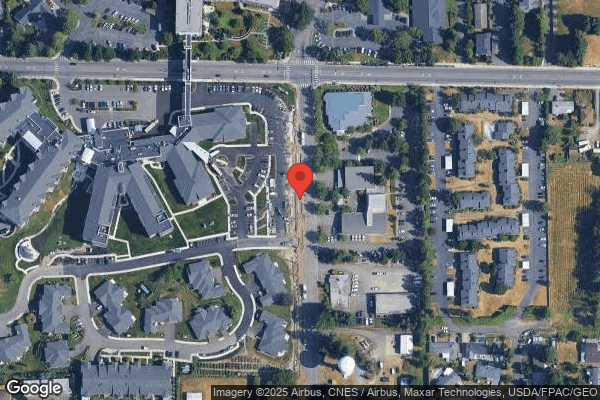

826 SOUTH 218TH STREET, DES MOINES, WA 98198 (206) 824-3663
Non profit - Corporation 148 Beds Independent Data: November 2025
Trust Grade
45/100
#123 of 190 in WA
Last Inspection: October 2024

Within standard 12-15 month inspection cycle. Federal law requires annual inspections.

Overview

Wesley Homes Des Moines Health Center has received a Trust Grade of D, indicating below-average performance with some concerns regarding care quality. It ranks #123 out of 190 facilities in Washington, placing it in the bottom half, and #27 out of 46 in King County, meaning there are better local options available. The facility is improving, having reduced the number of issues from 23 in 2023 to 21 in 2024. Staffing is rated at 3 out of 5 stars with a turnover rate of 40%, which is lower than the state average, suggesting that staff are relatively stable. However, the facility has faced significant fines totaling $33,540, which is concerning for compliance issues. Specific incidents raised by inspectors include a failure to properly assess and treat a resident's hip fracture after a fall, leading to harm and reduced quality of life. Additionally, there were issues with adequate supervision for residents, resulting in a wrist fracture for another resident due to falls. On a positive note, the quality measures rating is excellent at 5 out of 5 stars, indicating that when care is delivered, it meets high standards. Overall, while the facility has strengths in stability and quality measures, the serious incidents and below-average trust grade raise valid concerns for families considering this nursing home.

Trust Score
D
45/100
In Washington
#123/190
Bottom 36%
Safety Record
Moderate
Needs review
Inspections
Getting Better
23 → 21 violations
Staff Stability
○ Average
40% turnover. Near Washington's 48% average. Typical for the industry.
Penalties
⚠ Watch
$33,540 in fines. Higher than 78% of Washington facilities, suggesting repeated compliance issues.
Skilled Nurses
✓ Good
Each resident gets 55 minutes of Registered Nurse (RN) attention daily — more than average for Washington. RNs are trained to catch health problems early.
Violations
⚠ Watch
58 deficiencies on record. Higher than average. Multiple issues found across inspections.
★★★☆☆
3.0
Overall Rating
★★★☆☆
3.0
Staff Levels
★★★★★
5.0
Care Quality
★★☆☆☆
2.0
Inspection Score
Stable
2023: 23 issues
2024: 21 issues

The Good

  • 5-Star Quality Measures · Strong clinical quality outcomes
  • Full Sprinkler Coverage · Fire safety systems throughout facility
  • No fines on record
  • Staff turnover below average (40%)

    8 points below Washington average of 48%

Facility shows strength in quality measures, fire safety.

The Bad

3-Star Overall Rating

Near Washington average (3.2)

Meets federal standards, typical of most facilities

Staff Turnover: 40%

Near Washington avg (46%)

Typical for the industry

Federal Fines: $33,540

Above median ($33,413)

Moderate penalties - review what triggered them

The Ugly 58 deficiencies on record

2 actual harm
Oct 2024 21 deficiencies
CONCERN (D)

Potential for Harm - no one hurt, but risky conditions existed

Deficiency F0552 (Tag F0552)

Could have caused harm · This affected 1 resident

Based on interview and record review the facility failed to ensure informed consent (a process explaining the risks and benefits of a treatment prior to use) was obtained prior to administration of ps...

Read full inspector narrative →
Based on interview and record review the facility failed to ensure informed consent (a process explaining the risks and benefits of a treatment prior to use) was obtained prior to administration of psychotropic (affecting mental state) medications for 3 of 5 residents (Resident 53, 212, & 213) reviewed for unnecessary medications. This placed residents at risk for unwanted treatment. Findings included . <Facility Policy> According to a facility policy titled, Use of Psychotropic Medication, revised 07/02/2024, the facility would develop psychotropic medication regimens in collaboration with residents/resident representatives. The policy showed residents/resident representatives would be educated on the risks and benefits of psychotropic drug use, as well as alternative treatments/nonpharmacological interventions. According to a facility policy titled Promoting/Maintaining Resident Self-Determination, revised 07/29/2024, the facility would ensure each resident had the opportunity to exercise their autonomy. The policy showed the residents rights to determine what, if anything, they would prefer to do or not to do each day would be honored in accordance with physician orders. <Resident 53> Review of Resident 53's records showed a 10/06/2021 Durable Power of Attorney (DPOA) paperwork that designated a Resident Representative (RR) to make decisions for them regarding their healthcare. According to a 09/13/2024 admission Minimum Data Set (MDS - an assessment tool), Resident 53 was severely cognitively impaired. The MDS showed the primary information source was provided by Resident 53's RR. The assessment showed Resident 53 had diagnoses of, but not limited to, anxiety disorder, depression, and age-related cognitive decline. Review of Resident 53's records showed a physician order for an antianxiety medication started on 09/17/2024 and stopped on 10/25/2024. These physician orders showed Resident 53 was ordered another antianxiety medication on 10/28/2024 to be administered twice daily for seven days then double the dose starting on 11/05/2024. Resident 53's records showed no consent was obtained for either medication prior to administration. <Resident 212> Review of Resident 212's physician orders showed a 10/07/2024 antidepressant medication prescribed for sleep, two 10/08/2024 antidepressant medications prescribed for depression and anxiety, and a 10/08/2024 antipsychotic medication prescribed for Parkinson's psychosis. Review of Resident 212's records showed consent forms with no signatures from Resident 212. Resident 212's records had consent forms with verbal consent typed in resident signature area on two separate 10/10/2024 consent forms for the two antidepressants prescribed for depression. Resident 212's records had consent forms with verbal order typed in resident signature area on a 10/10/2024 consent form for an antidepressant prescribed for sleep and an antipsychotic medication prescribed for psychosis. <Resident 213> According to a 09/13/2024 admission MDS, Resident 213 was moderately cognitively impaired. The assessment showed Resident 213 had diagnoses of, but not limited to, anxiety disorder and depression. The MDS showed Resident 213 was receiving antidepressant medications during the assessment period. Review of Resident 213's records showed a 10/02/2024 physician order for a hypnotic medication and a 10/23/2024 antidepressant medication. Review of Resident 213's records showed three consent forms, a 10/03/2024 for an antianxiety medication with resident signature box left blank and a first name with RR, DPOA typed in authorized persons name & relationship box, a 10/03/2024 for a hypnotic medication with verbal consent from RR typed in under the resident signature box, and a 10/03/2024 consent form for an antidepressant medication with the first name and RR, DPOA typed under the RR or DPOA box. The 3 consent forms for Resident 213 were all signed by Staff E without a witness signature for the verbal consents. In an interview on 10/29/2024 at 12:14 PM Staff E (Registered Nurse, Resident Care Manager) stated consent was not obtained for either antianxiety medication for Resident 53 prior to administration but should have been. Staff E stated they were expected to print the consent forms and obtain a signature, then scan the signed consent forms into the resident's records. Staff E stated when they obtained a verbal consent, they were expected to have two staff/witness sign the consent form. REFERENCE: WAC 388-97-0260.
CONCERN (D) 📢 Someone Reported This

A family member, employee, or ombudsman was alarmed enough to file a formal complaint

Potential for Harm - no one hurt, but risky conditions existed

Investigate Abuse (Tag F0610)

Could have caused harm · This affected 1 resident

**NOTE- TERMS IN BRACKETS HAVE BEEN EDITED TO PROTECT CONFIDENTIALITY** Based on interview and record review, the facility failed to thoroughly investigate and rule out abuse/neglect for 1 of 1 sample...

Read full inspector narrative →
**NOTE- TERMS IN BRACKETS HAVE BEEN EDITED TO PROTECT CONFIDENTIALITY** Based on interview and record review, the facility failed to thoroughly investigate and rule out abuse/neglect for 1 of 1 sampled resident (Resident 31) reviewed for abuse investigations. Facility's failure to complete a thorough investigation and provide feedback regarding the resident's concerns placed residents at risk for potential abuse and other negative health outcomes. Findings included . <Facility Policy> Review of the facility policy titled, Abuse, Neglect and Exploitation, revised June 10 2024, showed the facility would implement processes to prevent and prohibit all types of abuse or neglect and establish a safe environment. The facility would rule out abuse and neglect by use of identification, assessments, and care planning for appropriate interventions. The policy showed the facility would monitor residents with needs and behaviors which might lead to conflict, and the facility would provide information to staff and residents on how and to whom concerns would be reported. The policy also showed the facility would provide feedback regarding the concerns that were expressed by the resident. <Resident 31> According to the 09/23/2024 admission Minimum Data Set (MDS - an assessment tool), Resident 31 admitted to the facility on [DATE] with multiple complex conditions that included kidney insufficiency, high blood pressure and heart failure. The MDS showed Resident 31 could communicate needs, be understood by others, had weakness and was dependent on the staff to move and transfer. In an interview on 10/22/2024 at 12:37 PM Resident 31 stated the resident from the room next door opened their door and came into their room at 3:30 am the other morning. Resident 31 stated they told staff, but nothing happened, and no one came and talked to them regarding their concern. In an interview on 10/24/2024 at 9:49 AM Resident 31 stated at 3:30 am yesterday, the other resident came into their room again. The other resident had on underwear and t-shirt, came into their room, turned their room light on and asked for a garbage can. Resident 31 stated they called downstairs at 3:30 to let the facility know that a resident came into their room. Resident 31 stated they left a message for the Administrator, and they still have not come to talk to them about this. Resident 31 stated they heard the staff yelling with each other in the hallway about the other resident wandering into rooms. Resident 31 stated on the first occurrence the same resident went to their room and turned the light on and went through their drawers. Resident 31 stated they were a victim of domestic violence, and this was very scary for them. The staff told Resident 31 the other resident roamed around at night and does not sleep. Resident 31 stated nobody had ever talked to them about either of these events and they feel they don't matter to the staff at all. In an interview on 10/24/2024 at 11:13 AM Staff B (Director of Nursing) and Staff C (Social Services Director) stated all staff should fill out a grievance report when an incident was reported by a resident. Staff B and Staff C stated they did not have any grievance reports for Resident 31. In an interview on 10/24/2024 at 1:38 PM Staff A (Administrator) stated they did not hear about a previous occurrence happening and said staff are now working on a grievance report for the most recent event. Staff A stated the staff should have started the grievance report when the resident first notified staff of the event but did not. REFERENCE: WAC 388-97-0640(6)(a)(b). .
CONCERN (D)

Potential for Harm - no one hurt, but risky conditions existed

Transfer Notice (Tag F0623)

Could have caused harm · This affected 1 resident

**NOTE- TERMS IN BRACKETS HAVE BEEN EDITED TO PROTECT CONFIDENTIALITY** <Resident 46> Review of Resident 46's 08/31/2024 Discharge Return Anticipated MDS showed the resident was transferred to a...

Read full inspector narrative →
**NOTE- TERMS IN BRACKETS HAVE BEEN EDITED TO PROTECT CONFIDENTIALITY** <Resident 46> Review of Resident 46's 08/31/2024 Discharge Return Anticipated MDS showed the resident was transferred to an acute care hospital on [DATE]. Record review showed an unedited, unsigned, and blank Nursing Home Transfer or Discharge Notice form dated 8/31/2024 in Resident 46's record. No documentation in record that staff provided the required written notification to Resident 46 and/or their representative regarding their transfer to the hospital. In an interview on 10/29/2024 at 12:34 PM, Staff B stated it was important to provide a written transfer notification to ensure the resident or resident representative was informed of the reason for transfer and to ensure the transfer was in alignment with the resident's stated goals for care and preferences, but the facility did not follow the facility policy. REFERENCE: WAC 388-97-0120 (2)(a-d). Based on interview and record review, the facility failed to ensure a system by which residents/representatives received required written notices at the time of transfer/discharge, or as soon as practicable for 3 of 4 residents (Residents 16, 35, & 46) reviewed for hospitalizations. Failure to ensure written notification to the resident and/or the resident's representative of the reasons for the discharge in writing and in a language and manner they understood, placed residents at risk for a discharge that was not in alignment with the resident's stated goals for care and preferences. Findings included . <Facility Policy> A facility policy titled, Transfer, and Discharge (including AMA) revised on 08/08/2024, showed a notice of transfer/discharge must be provided to the resident/representative when an emergency transfer to an acute care facility is ordered. The policy showed the notice would include the specific reason and basis for transfer, date of transfer, and name of the hospital to which the resident was transferred or discharged . <Resident 16> Review of Resident 16's 03/31/2024 Discharge Return Anticipated Minimum Data Set (MDS- an assessment tool) showed the resident was transferred to an acute care hospital on [DATE]. Record review on 10/23/2024 showed no documentation staff provided the required written notification to Resident 16 and/or their representative regarding their transfer to the hospital. <Resident 35> Review of Resident 35's 02/12/2024 Discharge Return Anticipated MDS showed Resident 35 discharged to an acute care hospital on [DATE]. Record review on 10/23/2024 showed no documentation staff provided the required written notification to Resident 35 and/or their representative regarding their discharge. In an interview on 10/28/2024 at 12:55 PM, Staff F (Resident Care Manager) stated they did not know about the process for written notification, and they were not being provided to any of the residents transferred to the hospital In an interview on 10/29/2024 at 12:34 PM, Staff B (Director of Nursing) stated it was important to provide a written transfer notification to ensure the resident or resident representative was informed of the reason for transfer and to ensure the transfer was in alignment with the resident's stated goals for care and preferences, but the facility did not follow the facility policy.
CONCERN (D)

Potential for Harm - no one hurt, but risky conditions existed

PASARR Coordination (Tag F0644)

Could have caused harm · This affected 1 resident

**NOTE- TERMS IN BRACKETS HAVE BEEN EDITED TO PROTECT CONFIDENTIALITY** Based on interview and record review, the facility failed to ensure the Preadmission Screening and Resident Review (PASRR) proce...

Read full inspector narrative →
**NOTE- TERMS IN BRACKETS HAVE BEEN EDITED TO PROTECT CONFIDENTIALITY** Based on interview and record review, the facility failed to ensure the Preadmission Screening and Resident Review (PASRR) process (a federal requirement to help ensure that individuals who had a mental disorder or intellectual disabilities were offered the most appropriate setting for their needs [in the community, a nursing facility, or acute care setting]; and received the services they need in those settings), was followed for 1 of 4 residents (Resident 213) sampled for PASRR review. This failure placed residents at risk for not receiving specialized mental health services, unidentified mental health needs and a decreased quality of life. Findings included . <Resident 213> According to the 10/05/2024 admission Minimum Data Set (MDS - an assessment tool), Resident 213 admitted to the facility on [DATE] with multiple complex conditions that included psychiatric mood disorder and confusion. Review of Care Area assessment dated [DATE] showed resident had confusion, behavior and mood disorder. Review of physician orders dated 10/4/2024 showed resident had a diagnosis of depression and anxiety. Review of 10/04/2024 Cognitive Care Plan (CP) showed Resident 213 had impaired cognitive function, and impaired thought processes. Goals listed on the CP was the resident would be free of delirium. Interventions listed on the CP was staff was to report new onset of delirium symptoms such as disorientation, restlessness, agitation and altered sleep cycle and to redirect and reorient to person, place and time as required. Review of the Pre-admission Screening and Resident Review (PASRR) CP dated 10/4/2024 showed Level 1, Level 2 referral not indicated. Goals were to monitor for significant change and update the PASRR as needed, interventions listed was for staff to monitor for significant changes and to update the PASSR. Review of the clinical record on 10/24/2024 showed the admission PASRR was signed by hospital staff on 09/28/2024. Section 1 of the PASRR form did not have any Serious Mental Illness Indicators checked off for mood or anxiety disorders. Section IV of the form was left blank with no boxes marked to designate if a Level II evaluation was needed or not. No updated PASSR was found since. In an interview on 10/29/2024 at 9:59 AM, Staff C (Social Services Director) verified the PASRR I form was not fully completed by the hospital. Staff C stated the resident did have an increase in antidepressant medication and the resident did wander at night, therefore may need a PASRR II. Staff C stated a PASRR I should have been fully completed as PASRR was important for the resident to be properly assessed and to determine if there were any additional services or interventions needed for the resident. REFERENCE: WAC 388-97-1915 (1)(2). .
CONCERN (D)

Potential for Harm - no one hurt, but risky conditions existed

Deficiency F0645 (Tag F0645)

Could have caused harm · This affected 1 resident

**NOTE- TERMS IN BRACKETS HAVE BEEN EDITED TO PROTECT CONFIDENTIALITY** Based on interview and record review, the facility failed to ensure a Pre-admission Screening and Resident Review (PASRR - a pro...

Read full inspector narrative →
**NOTE- TERMS IN BRACKETS HAVE BEEN EDITED TO PROTECT CONFIDENTIALITY** Based on interview and record review, the facility failed to ensure a Pre-admission Screening and Resident Review (PASRR - a process to determine if a potential nursing home resident had mental health/intellectual disability needs which required further assessment/treatment) assessment was accurate to reflect the resident's mental health condition for 1 of 3 (Resident's 14) residents reviewed for PASRR. This failure placed residents at risk for inappropriate nursing home placement and /or not receiving timely and necessary services to meet their mental health needs. Findings included . <Resident 14> According to a 09/19/2024 Quarterly Minimum Data Set (MDS - an assessment tool) Resident 14 admitted to the facility on [DATE]. The assessment showed Resident 14 had diagnoses of, but not limited to, non-Alzheimer's dementia, Seizure disorder, Psychotic disorder, delusional disorders, and unspecified mental disorder due to unknown physiological condition. The MDS showed Resident 14 received antipsychotic medications during the assessment period. Review of Resident 14's records showed a 01/28/2024 physician order for an antipsychotic medication to be administered every morning and a 09/05/2024 antipsychotic medication to be administered in the evening. Records review showed an 08/06/2021 Level I PASRR for Resident 14. This PASRR listed psychotic disorder and delusional disorder as Serious Mental Illness (SMI) indicators. The PASRR I was marked no level II evaluation indicated. In an interview on 10/29/2024 at 9:38 AM Staff C (Social Service Director) stated Resident 14 should have been referred for a Level II PASRR but was not. REFERENCE: WAC 388-97-1915(1)(2)(a-c). .
CONCERN (D)

Potential for Harm - no one hurt, but risky conditions existed

Comprehensive Care Plan (Tag F0656)

Could have caused harm · This affected 1 resident

**NOTE- TERMS IN BRACKETS HAVE BEEN EDITED TO PROTECT CONFIDENTIALITY** Based on observation, interview, and record review, the facility failed to develop and/or implement a comprehensive Care Plan (C...

Read full inspector narrative →
**NOTE- TERMS IN BRACKETS HAVE BEEN EDITED TO PROTECT CONFIDENTIALITY** Based on observation, interview, and record review, the facility failed to develop and/or implement a comprehensive Care Plan (CP) for 2 of 18 sampled residents (Residents 53, 2 ) whose comprehensive CPs were reviewed. The failure to develop comprehensive, individualized CPs with resident-specific goals and/or interventions placed residents at risk for unmet care needs and a decreased quality of life. Findings included . <Resident 53> According to a 09/13/2024 admission Minimum Data Set (MDS - an assessment tool) Resident 53 admitted to the facility on [DATE]. The assessment showed Resident 53 was severely cognitively impaired and had a diagnosis of, but not limited to, pain in right hip and other chronic pain. The MDS showed Resident 53 received scheduled and as needed pain medication and was observed to express symptoms of pain three to four days during the seven-day assessment period. Review of Resident 53's records showed a physician order for scheduled pain medication to be administered routinely In an interview on at Staff F (Registered Nurse - Resident Care manager) stated Resident 53 did not have a pain CP but should. Staff F stated it was important to have individualized CPs to provide necessary cares for each resident. <Resident 2> According to the 07/30/2024 Quarterly MDS, Resident 2 had weakness on right side of the body related to a stroke (when part of the brain does not have enough blood flow). Observations on 10/21/2024 at 11:02 AM, 10/22/2024 at 10:56 AM and 2:50 PM, on 10/23/2024 at 11:23 AM, and on 10/24/2024 at 11:07 AM showed Resident 2 was up in their wheelchair, right hand was contracted and had long fingernails. In an interview on 10/24/2024 at 11:12 AM, Staff O (Registered Nurse) stated Resident 2's right hand was contracted and had long fingernails. Staff O stated to provide nail care on the contracted hand was hard for the nursing assistant staff. In an interview on 10/24/2024 at 11:27 AM, Staff H (Certified Nursing Assistant) stated Resident 2's right hand was very contracted, and they were not sure how to provide care to clip fingernails. In an interview on 10/29/2024 at 9:24 AM, Staff F reviewed Resident 2's record and stated there were no instructions for staff to provide care for Resident 2's right contracted hand. Staff F stated there should be a care plan to instruct staff how to provide care for Resident 2's contracted hand, but there was none. REFERENCE: WAC 388-97-1020(1), (2)(a-b). .
CONCERN (D)

Potential for Harm - no one hurt, but risky conditions existed

Deficiency F0657 (Tag F0657)

Could have caused harm · This affected 1 resident

**NOTE- TERMS IN BRACKETS HAVE BEEN EDITED TO PROTECT CONFIDENTIALITY** <Wandering> <Resident 213> According to the 09/23/2024 admission MDS, Resident 213 admitted to the facility on [DATE...

Read full inspector narrative →
**NOTE- TERMS IN BRACKETS HAVE BEEN EDITED TO PROTECT CONFIDENTIALITY** <Wandering> <Resident 213> According to the 09/23/2024 admission MDS, Resident 213 admitted to the facility on [DATE] with medically complex conditions that included high blood pressure, history of urinary tract infections, and muscle weakness. Review of Functional CP dated 10/03/2024 showed Resident 213 had self-care performance deficit related to memory impairment, confusion, and dementia. Resident 213's CP did not show Resident 213 wandered. Review of the October 2024 care staff task sheet showed the number of times per shift staff were to observe Resident 213 had demonstrated behaviors that caused stress or anxiety to self or other residents. The evening shift staff (2 PM to 10 PM) documented 20 times behavior issues were noted, the night shift (10 PM to 6 AM) documented 43 times behavior was noted. In an interview on 10/24/2024 at 11:24 AM Staff E (Registered Nurse-Resident Care Manager) stated they were aware that Resident 213 was at risk for wandering as they had pictures of the resident in a wander/elopement binder that they kept at the nurse's station. Staff E stated they were only aware that Resident 213 had knocked on another resident's door and was not aware of Resident 213 going into other resident's rooms. In an interview on 10/29/2024 at 1:00 PM, Staff B stated that Resident 213's CP needed to be updated and completed in a timely manner as the CP reflected the care services that were needed for Resident 213. <Transfer Pole> <Resident 212> According to the 10/10/2024 admission MDS, Resident 212 admitted to the facility on [DATE] with medically complex conditions that included muscle weakness, unsteadiness on feet, and a need for assistance with personal care. Review of the Fall CP dated 10/8/2024 showed Resident 212 was at risk for falls. Interventions listed on the CP showed Resident 212 needed to be evaluated and supplied with appropriate adaptive equipment and devices as needed and that Resident 212 needed a safe environment. The CP did not show a transfer pole listed on the CP. Observation on 10/22/2024 at 9:29 AM showed Resident 212 had a transfer pole installed by the right side of the resident's bed. In an interview on 10/28/2024 at 2:13 PM, Staff E stated they could not find a transfer pole assessment for Resident 212 in the medical record or in the CP. In an interview on 10/29/2024 at 1:12 PM Staff B stated a transfer pole assessment and consent was needed and should have been listed in Resident 212's CP but was not. Staff B stated there was a risk of potential harm if the transfer bar was not used properly. Refer to F689 Free of Accident Hazards Reference WAC 388-97-1020(2)(a)(b). Based on observation, interview, and record review, the facility failed to ensure Care Plans (CPs) were accurately reviewed and revised to reflect current resident status and needs as required for 3 (Residents 24, 213, & 212) of 17 residents reviewed for CP's. This failure left residents at risk for unmet care needs and a diminished quality of life. Findings included . <Resident 24> According to the 09/23/2024 Quarterly Minimum Data Set (MDS - an assessment tool), Resident 24 had a Pressure Ulcer (PU) on their sacrum (triangular bone at base of spine, upper buttocks). The MDS showed Resident 24 required maximal assistance with bed mobility and toileting needs. Review of the 08/09/2024 Skin CP showed Resident 24 had a sacrum PU and was at risk for new PU development. Nursing interventions included Resident 24 needed to be repositioned at least every two hours and more often with two staff members. Observations on 10/22/2024 at 8:33 AM and 11:12 AM, on 10/23/2024 at 8:24 AM and 12:33 PM, and on 10/24/2024 at 8:55 AM and 11:07 AM showed Resident 24 was sitting in the dining room for breakfast and after meals, staff moved Resident 24 to the common area in their wheelchair. All these observations showed Resident 24 was sitting in their wheelchair on their buttocks. In an interview on 10/28/2024 at 1:27 PM, Staff F (Resident Care Manager) stated Resident 24 had PU on their sacrum and they expected staff to reposition the resident in their wheelchair every two hours and as needed. Staff F stated they noticed Resident 24 sitting in their wheelchair in the dining room and then in the common area for activities on their buttocks. Staff F stated staff was supposed to lay Resident 24 back in bed after meals. Staff F reviewed Resident 24's CP and stated staff did not revise the CP to instruct staff to transfer Resident 24 to bed after meals to keep pressure off of their buttocks/sacrum. In an interview on 10/29/2024 at 10:02 AM. Staff B (Director of Nursing) stated they knew the facility had a CP issue. Staff B stated staff should have revised to CPs according to resident's current skin issues but they did not.
CONCERN (D) 📢 Someone Reported This

A family member, employee, or ombudsman was alarmed enough to file a formal complaint

Potential for Harm - no one hurt, but risky conditions existed

Accident Prevention (Tag F0689)

Could have caused harm · This affected 1 resident

**NOTE- TERMS IN BRACKETS HAVE BEEN EDITED TO PROTECT CONFIDENTIALITY** Based on observation, interview, and record review the facility failed to ensure the resident environment was free of accident h...

Read full inspector narrative →
**NOTE- TERMS IN BRACKETS HAVE BEEN EDITED TO PROTECT CONFIDENTIALITY** Based on observation, interview, and record review the facility failed to ensure the resident environment was free of accident hazards for 2 of 2 residents sampled for accidents (Resident 213, & 212). The failure to ensure supervision of wandering residents and safety of transfer pole device was accurately assessed for safety placed residents at risk for accidents, injury, and negative health outcomes. Findings included . <Facility Policy> According to a facility policy titled, Elopements and Wandering Residents, revised 07/26/2024, the facility would ensure that residents who exhibit wandering behavior or were at risk for elopement received adequate supervision to prevent accidents in accordance with their person-centered plan of care to address the factors contributing to wandering. The policy showed staff would develop interventions to increase staff awareness of resident's risk, all risks would be added to the resident's Care Plan (CP) and communicated to the staff. The effectiveness of interventions would be evaluated, and changes would be made as needed. <Wandering> <Resident 213> According to the 09/23/2024 admission Minimum Data Set (MDS - an assessment tool), Resident 213 admitted to the facility on [DATE] with medically complex conditions that included high blood pressure, history of urinary tract infections and muscle weakness. Review of a Functional CP, dated 10/03/2024, showed Resident 213 had self-care performance deficit related to memory impairment, confusion, and dementia. The CP for Resident 213 showed they had confusion. Resident 213's CP did not show Resident 213 wandered. Review of the October 2024 care task sheet showed the number of times per shift Resident 213 demonstrated behaviors that caused stress or anxiety to self or other residents. The evening shift staff documented behavior issues were noted 20 times for Resident 213. The night shift documented Resident 213 had behavior issues 43 times. In an interview on 10/22/2024 at 10:13 AM Resident 213 stated they went out of their room and the staff got mad at them. Review of Resident 213's progress notes dated 10/23/2024 showed documentation by Staff Y (Licensed Practical Nurse-Team Leader). Progress notes showed another resident (Resident 31) called to the front desk to report Resident 213 had wandered into their room. Staff Y noted that they had to remind the care staff to watch Resident 213's location every 15 minutes. Resident 213's progress notes showed care staff did not know that the resident was going into other resident's rooms. In an interview on 10/24/2024 at 11:24 AM Staff E (Registered Nurse-Resident Care Manager) stated they were aware that Resident 213 was at risk for wandering as they had pictures of the resident in a wander/elopement binder that they kept at the nurse's station. Staff E stated they were only aware that Resident 213 had knocked on another resident's door and was not aware of Resident 213 going into other resident's rooms. In an interview and observation on 10/25/2024 at 5:01 AM Staff N (Certified Nursing Assistant) stated Resident 213 often gets up during the night. Staff N stated Resident 213 was confused and would try to go to the bathroom on their own without asking for assistance. Staff N stated they had to check Resident 213's location every 15 minutes. Staff N stated they thought Resident 213 was asleep, then went into resident's room and observed Resident 213 standing up without pants on and in need of assistance. In an interview on 10/25/2024 at 5:03 AM with Staff Y stated Resident 213 sometimes doesn't sleep, stands up on their own and sometimes does not have pants on. Staff Y stated the staff had to check Resident 213's location every 15 minutes. In an interview on 10/29/2024 at 1:00 PM, Staff B (Director of Nursing) stated that Resident 213's CP needed to be updated and completed in a timely manner as the CP reflected the care services that were needed. Staff B stated this was important so every person caring for the resident had access to how to care for Resident 213's care needs. <Transfer Pole> <Resident 212> According to the 10/10/2024 admission MDS, Resident 212 admitted to the facility on [DATE] with medically complex conditions that included muscle weakness, unsteadiness on feet, and a need for assistance with personal care. Review of a Fall CP, dated 10/08/2024, showed Resident 212 was at risk for falls. Interventions listed on Resident 212's CP showed the resident needed to be evaluated and supplied with appropriate adaptive equipment and devices as needed and needed a safe environment. The CP did not show a transfer pole was installed in Resident 212's room. Record review of Resident 212's medical record showed a consent for a partial side rail was obtained from resident on 10/10/2024 and did not show a transfer pole consent was obtained. Observations on 10/22/2024 at 9:29 AM showed Resident 212 had a transfer pole by the right side of their bed. In an interview on 10/28/2024 at 2:13 PM, Staff E stated they could not find a transfer pole assessment for Resident 212 in the medical record. Staff E stated an assessment and consent form was very important for Resident 212's safety to make sure there was a safe enough distance between the transfer pole and the bed so resident would not get wedged in between the pole and the bed. Staff E stated, they had a side rails consent form but the order was switched to a transfer pole and the facility did not obtain a consent or assessment at that time. In an interview on 10/29/2024 at 1:12 PM Staff B stated a transfer pole assessment and consent was needed and should have been listed in the CP but was not. Staff B stated there was a risk with potential harm if the transfer bar was not used properly. REFERENCE: WAC 388-97-1060(3)(g). .
CONCERN (D)

Potential for Harm - no one hurt, but risky conditions existed

Incontinence Care (Tag F0690)

Could have caused harm · This affected 1 resident

**NOTE- TERMS IN BRACKETS HAVE BEEN EDITED TO PROTECT CONFIDENTIALITY** Based on observation, interview, and record review the facility failed to ensure 1 of 3 sampled residents (Residents 212) with u...

Read full inspector narrative →
**NOTE- TERMS IN BRACKETS HAVE BEEN EDITED TO PROTECT CONFIDENTIALITY** Based on observation, interview, and record review the facility failed to ensure 1 of 3 sampled residents (Residents 212) with urinary catheters (a flexible tube inserted into the bladder to drain urine) received care and services consistent with professional standards of care. The failure of the facility to ensure physician orders with a supporting diagnosis, routine catheter care and monitoring was provided, placed the residents at risk for infections, skin breakdown, and diminished quality of care. Findings included . <Facility Policy> Review of the facility policy titled, Catheter Care, dated 07/26/2024, showed the purpose of the policy was to ensure that residents with indwelling catheters received appropriate catheter care when indwelling catheters was in use. <Resident 212> Review of the admission Minimum Data Set (an assessment tool) dated 10/10/2024 showed that Resident 212 was admitted to the facility on [DATE] with muscle weakness, Parkinson's disease (movement disorder), lack of coordination,and had a urinary catheter during the assessment period. Review of Resident 212's Care Plan (CP) initiated on 10/18/2024 did not show an indwelling catheter on Resident 212's CP. No interventions or goals were shown to monitor the indwelling catheter or to provide instructions on how to care for the indwelling catheter for Resident 212. CP incorrectly showed the resident had urge and functional bladder incontinence related to activity intolerance and physical limitations. Review of Resident 212's [NAME] (task list for care staff) on 10/23/2024 did not show instructions for catheter care for resident. In an interview on 10/28/2024 at 2:05 PM, Staff E (Registered Nurse - Resident Care Manager) stated they were not aware that Resident 212 had a catheter and it was not on the residents CP, but it should have been. In an interview on 10/29/2024 at 1:00 PM, Staff B (Director of Nursing) stated it was important to address an indwelling catheter on Resident 212's CP and to do so in a timely manner. Staff B stated the CP is a reflection of care services to be provided to the resident and instructions on CP was provided so everyone taking care of the resident had access to the instructions for care. REFERENCE: WAC 388-97-1060 (3)(c). .
CONCERN (D)

Potential for Harm - no one hurt, but risky conditions existed

Deficiency F0697 (Tag F0697)

Could have caused harm · This affected 1 resident

**NOTE- TERMS IN BRACKETS HAVE BEEN EDITED TO PROTECT CONFIDENTIALITY** Based on observation, interview, and record review, the facility failed to ensure 1 of 3 sampled residents (Resident 33) reviewe...

Read full inspector narrative →
**NOTE- TERMS IN BRACKETS HAVE BEEN EDITED TO PROTECT CONFIDENTIALITY** Based on observation, interview, and record review, the facility failed to ensure 1 of 3 sampled residents (Resident 33) reviewed for pain management received the necessary treatment, services, and follow-up care to manage their pain during wound care. This failure placed residents at risk for avoidable pain, refusal of wound treatments and a diminished quality of life. Findings included . <Facility Policy> Review of the facility policy titled, Pressure Injury Prevention and Management, revised 08/09/2024, showed the facility would utilize a systematic approach for pressure injury prevention and management, including using evidence-based treatments with current standards of process for treatment decisions based on condition of the wound, including the presence of pain. Modifications of interventions would be considered for resident's non-compliance to treatment. <Resident 33> According to the 07/26/2024 admission Minimum Data Set (an assessment tool), Resident 33 admitted to the facility on [DATE] with loss of movement to one side of the body, multiple sclerosis (progressive neurological condition), and pressure ulcers to right heel and right and left hip areas. Review of a 08/09/2024 Pain Care Plan (CP) showed Resident 33 had acute/chronic pain related to hip and right heel wounds and contractures. Interventions listed on Resident 33's pain CP was to evaluate pain, evaluate effectiveness of pain-relieving interventions, and administer pain medication per order. Review of Resident 33's physicians orders showed an 08/10/2024 pain medication order to give pain medications one hour prior to wound therapy treatment as needed for pain. Review of the 09/05/2024 skin CP showed Resident 33 had pressure ulcers to the left and right hip areas and to their right heel that was present on admission to the facility. Interventions listed on Resident 33's skin CP was staff would administer pain medications and treatments as ordered and monitor effectiveness. Interventions were provided if Resident 33 refused treatments, staff was to confer with the resident, interdisciplinary team and the family to determine why. The skin CP showed staff would use and document alternative methods to gain compliance for refusals. Review of Resident 33's October 2024 Medication Administration Records showed pain medications were not provided on 10/22/2024, 10/24/2024, 10/25/2024 or 10/26/2024. Review of Resident 33's October 2024 Treatment Administration Record showed they refused wound care on 10/22/2024, 10/25/2024, and 10/26/2024. In an interview on 10/24/2024 at 10:16 AM Resident 33 stated they always had pain during wound treatments. Resident 33 stated the other night when the nurse came to do wound treatment it was so painful. Resident 33 stated that maybe if they came earlier in the day to provide treatment, rather than at night, they could tolerate the pain better. Resident 33 stated no one had talked to them about changing the time of wound care. In an interview on 10/28/2024 at 12:41 PM, Resident 33 stated they refused wound care for only one day this past weekend because it was too late and wound care was so painful and they told the nurse the reason why. In an observation and interview on 10/29/2024 at 10:31 AM Resident 33 complained of pain when Staff W (Registered Nurse -Team Lead) assessed Resident 33's pressure wounds. Resident 33 told Staff W that their pain medication did not always help with the pain. In an interview on 10/28/2024 at 2:33 PM Staff E (Registered Nurse-Resident Care Manager) stated that it was important for the nurses providing wound care to pre-medicate resident prior to providing wound care for resident's comfort. Staff E stated staff should discuss risks and benefits with resident and document reason for refusals for wound care. Staff E stated that it was important to assess for pain for resident's comfort and to assess the effects of pain medications. In an interview on 10/29/2024 at 1:24 PM Staff B (Director of Nursing) stated they would expect treatments and medications to be provided as ordered. Staff B stated they expected staff to document the condition of the wound and if treatment orders were or were not effective,or why treatments were not completed. REFERENCE: WAC 388-97-1060(1). .
CONCERN (D)

Potential for Harm - no one hurt, but risky conditions existed

Deficiency F0728 (Tag F0728)

Could have caused harm · This affected 1 resident

Based on interview and record review, the facility failed to ensure staff with a Nursing Assistant Registered (NAR) certificate completed a Certified Nursing Assistant (CNA) class and passed the state...

Read full inspector narrative →
Based on interview and record review, the facility failed to ensure staff with a Nursing Assistant Registered (NAR) certificate completed a Certified Nursing Assistant (CNA) class and passed the state license exam within four months of hire for 2 of 2 NAR staff (Staff J & L) reviewed for CNA licensure. This failure placed residents at risk to receive care from unlicensed staff. Findings included . The facility staff list provided on 10/21/2024 showed Staff J & L were both hired as NARs on 04/09/2024. Review of the 10/28/2024 the Washington State Provider Credential Search website showed Staff L was currently a NAR, not a CNA. The verification showed Staff L was first credentialed as a NAR on 08/05/2021 with renewal on 01/02/2024. Review of the 10/28/2024 the Washington State Provider Credential Search website showed Staff J was currently a NAR, not a CNA. The website showed Staff J was first credentialed on 08/07/2023 and last renewal was on 01/10/2024. Review of the daily schedules for 10/2024 showed Staff J and Staff L both were scheduled and worked with residents as NARs. In an interview on 10/28/2024 at 1:09 PM, Staff A (Administrator) stated both Staff J and Staff L had worked at the facility for longer than four months as a NAR. Staff A stated neither Staff J or Staff L had a current CNA license. Staff A stated both Staff J and Staff L were scheduled and worked as an NAR since 04/09/2024. REFERENCE: WAC 388-97-1660 (2)(b), (3)(a)(i). .
CONCERN (D)

Potential for Harm - no one hurt, but risky conditions existed

Medication Errors (Tag F0758)

Could have caused harm · This affected 1 resident

**NOTE- TERMS IN BRACKETS HAVE BEEN EDITED TO PROTECT CONFIDENTIALITY** Based on interview and record review, the facility failed to ensure 3 (Residents 3, 35, & 53) of 5 residents reviewed for unnece...

Read full inspector narrative →
**NOTE- TERMS IN BRACKETS HAVE BEEN EDITED TO PROTECT CONFIDENTIALITY** Based on interview and record review, the facility failed to ensure 3 (Residents 3, 35, & 53) of 5 residents reviewed for unnecessary medications, were free from unnecessary psychotropic (medication that affected behavior, mood, thoughts, or perception) medications. This failure left residents at risk for unnecessary medications, adverse side effects, and other negative health outcomes. Findings included . <Facility Policy> Review of the facility's Use of Psychotropic Medication policy revised 07/08/2024, showed the facility would not give psychotropic medications to their residents unless the medication was necessary to treat a specific condition and the indications for use would be documented in resident's medical record. The policy showed supportive documentation included non-pharmacological interventions addressed prior to initiating a psychotropic medication. <Resident 3> According to the 07/11/2024 Quarterly Minimum Data Set (MDS - an assessment tool), Resident 3 had diagnoses of Schizophrenia (disorder affecting a person's ability to think, feel, and behave) and depression. Resident 3 received antidepressant and antipsychotic medications during the assessment period and was assessed with behaviors and daily rejection of care during the assessment period. Review of Resident 3's Medication Administration Record (MAR) showed Resident 3 received antidepressant and antipsychotic medications every day as ordered. Review of Resident 3's record on 10/25/2024 showed no documentation of non-pharmacological interventions attempted prior to initiating and administering psychotropic medications. In an interview on 10/28/2024 at 1:57 PM, Staff F (Resident Care Manager - RCM) reviewed Resident 3's record and stated there was no non-pharmacological interventions attempted. Staff F stated there should be non-pharmacological interventions attempted and documented in resident's record, but it was not done. <Resident 35> According to the 09/28/2024 Quarterly MDS, Resident 35 received antidepressant medication during the assessment period and was assessed with no behavior or rejection of care during the assessment period. Review of Resident 35's MAR showed Resident 35 received antidepressant medications every day as ordered. Review of Resident 35's record on 10/25/2024 showed no documentation of non-pharmacological interventions attempted prior to initiating and administering psychotropic medications. In an interview on 10/28/2024 at 1:57 PM, Staff F reviewed Resident 35's record and stated there was no non-pharmacological interventions attempted. Staff F stated there should be non-pharmacological interventions attempted and documented in Resident 35's record, but it was not done. In an interview on 10/29/2024 at 8:36 AM, Staff C (Social Services Director) stated they reviewed psychotropic medications for all residents every month as a team. Staff C stated they did not attempt non-pharmacological interventions prior to initiating psychotropic medications, but they should have. In an interview on 10/29/2024 at 12:34 PM, Staff B (Director of Nursing) stated non-pharmacological interventions are important to reduce the risk of unnecessary medications for residents. Staff B stated staff should have attempted and documented non-pharmacological interventions prior to initiating and administering psychotropic medications to residents, but they did not. <Resident 53> According to a 09/13/2024 admission MDS Resident 53 admitted [DATE] with diagnoses of, but not limited to, depression and anxiety. The MDS showed Resident 53 received antidepressant medications during the assessment period. Review of Resident 53's records showed physician orders for narcotic pain medication. Resident 53's records showed no non-pharmacological pain interventions ordered. In an interview on 10/29/2024 at 12:14 PM Staff E (Registered Nurse, RCM) stated Resident 53 does not have non-pharmacological pain interventions but should. Staff E stated non-pharmacological pain interventions were important, so they were not administering unnecessary medications. REFERENCE: WAC 388-97-1060(3)(k)(i). .
CONCERN (D)

Potential for Harm - no one hurt, but risky conditions existed

Unnecessary Medications (Tag F0759)

Could have caused harm · This affected 1 resident

Based on observation, interview, and record review the facility failed to ensure a medication error rate of less than 5 Percent (%). Failure to properly administer 28 of 35 medications for 4 of 6 resi...

Read full inspector narrative →
Based on observation, interview, and record review the facility failed to ensure a medication error rate of less than 5 Percent (%). Failure to properly administer 28 of 35 medications for 4 of 6 residents (Resident 54, 6, 44 and 163) observed during medication pass resulted in a medication error rate of 68 %. This failure placed residents at risk for not receiving the correct dose at the correct time or receiving less than the intended therapeutic effects of physician ordered medication. Findings included . <Facility Policy> Review of the 01/2024 facility, Medication Administration policy showed medications should be administered in accordance with written orders of the prescriber. The six rights of medication administration were to be followed that included the right time and right documentation. Staff were to administer medication within 60 minutes prior to or after scheduled time unless otherwise ordered by the physician. Staff were to report and document discrepancies and report to the nurse manager. Observations of medication pass on 10/23/2024 at 1:37 PM, showed Staff G (Registered Nurse) was administering morning medications for residents instead of in the AM as shown on the resident's Medication Administration Record (MAR). <Resident 54> Review of October 2024 MAR showed an order for probiotic (antidiarrhea medication) to be given at 9 AM and 2 PM. An antibiotic was to be given at 8:00 AM, 12:00 PM and 5:00 PM. A blood pressure medication was to be given at 8:00 AM and at 5:00 PM. Observation on 10/23/2024 at 1:37 PM showed Staff G gave Resident 54 the 8:00 AM dose of antidiarrhea medication, blood pressure medication, and antibiotic medication at 1:37 PM. Staff G did not check with the resident's provider before administering medications 4 hours later than the ordered time as shown on the MAR MAR. <Resident 6> Review of October 2024 MAR showed Resident 6 was to be given antidepressant medication, anti-inflammatory/blood thinning medication, dementia medication, allergy medication, and rash cream at 8:00 AM, a vitamin supplement was to be given in the morning. Observation on 10/23/2024 at 1:55 PM Staff G gave Resident 6 the AM dose of antidepressant, anti-inflammatory/blood thinning medication, dementia medication, allergy medication, vitamin supplement and rash cream at 1:55 PM and did not check with the provider before administering medications 4 hours later than the ordered time as shown on the MAR. <Resident 44> Review of October 2024 MAR showed Resident 44 was to be given narcotic pain medication at 9:00 AM. Resident 44's antidepressant medication, nerve pain medication, diabetes medication, and oil mineral supplement were to be given at 8:00 AM. Observation on 10/23/2024 at 2:10 PM, Staff G administered Resident 44's AM narcotic pain medication, antidepressant medication, nerve pain medication, diabetes medication and oil mineral supplement at 2:10 PM. Staff G did not check with the provider before administering medications 4 hours later than medication times listed on the MAR. <Resident 163> Review of October 2024 MAR showed Resident 163 was to be given blood pressure medication, anti-inflammatory medication, antidepressant medication, allergy medication, laxative medication, fiber powder supplement, stool softener and vitamin supplement at 8:00 AM. Narcotic pain medication was to be given at 9:00 AM. Observation on 10/23/2024 at 2:30 PM, Staff G administered Resident 163's AM narcotic pain medication, antidepressant medication, nerve pain medication, diabetes medication, and oil mineral supplement after 2:00 PM. Staff G did not check with the provider before administering medications four hours later than medication times listed on the MAR. In an interview on 10/23/2024 at 2:10 PM, Staff G stated we couldn't get everybody's medication out in time this morning. Staff G stated they just give out the medication as was not sure what the policy was in giving medications past the time shown on the MAR as ordered. In an interview on 10/28/2024 at 02:25 PM, Staff E (RN-Resident Care Manager) stated morning medication pass time was from 7 to 10 AM. Staff E stated they were not sure of the policy on medication management and pass times but that the nurse would need to be counseled. Staff E stated it was important for medications to be administered as ordered and on the MAR so residents could achieve the desired effect of the medication especially for blood pressure, pain, and antibiotic medications. Staff E stated to follow the provider's order was important, so the patient does not have undesired effects. In an interview on 10/29/2024 at 1:08 PM, Staff B (Director of Nursing) stated if a nurse was running late with medications, they should report to management to let them know if the medication administration window time had passed. Staff E stated the nurse needed to call the provider to notify them the resident did not get their medications within the medication administration window of time and then monitor the residents for adverse side effects. Refer to F726 - Competent Nursing Staff REFERENCE: WAC 388-97-1060 (3)(k)(ii). .
CONCERN (D)

Potential for Harm - no one hurt, but risky conditions existed

Deficiency F0805 (Tag F0805)

Could have caused harm · This affected 1 resident

**NOTE- TERMS IN BRACKETS HAVE BEEN EDITED TO PROTECT CONFIDENTIALITY** Based on observation, interview, and record review, the facility failed to ensure dietary orders pertaining to the consistency o...

Read full inspector narrative →
**NOTE- TERMS IN BRACKETS HAVE BEEN EDITED TO PROTECT CONFIDENTIALITY** Based on observation, interview, and record review, the facility failed to ensure dietary orders pertaining to the consistency of foods were implemented for 3 of 6 (Residents 34, 37, & 45) residents whose dietary intake was reviewed. This failure placed residents at risk for choking, poor nutritional intake, and weight loss. Findings included . <Facility Policy> According to a facility policy titled, Resident Food Services - Special Food Needs, Swallowing/Chewing Difficulties, and Food Allergies, revised 01/2024, showed all foods and beverages would be assessed and determined safe for residents with special dietary needs, including those with food allergies, cultural and religious dietary preferences, and/or swallowing/chewing difficulty. The policy showed nursing would communicate diet orders, dietary staff would ensure diet information was transferred to meal ticket identifying residents diet order, food allergies, and special instructions. The policy showed dining staff would follow diet orders, allergies, special instructions, and modified textures per meal tickets/diet orders. According to a facility policy titled, Resident Food Services - Resident Dining Profile and Food Preferences, revised 01/2024, residents on a modified/therapeutic diet were offered similar choices as the main meal in compliance with their diet restrictions. The policy showed a nutrition file was used to maintain accurate records of resident's diets, intolerance's, allergies, assistive devices, and preferences as well as necessary information pertaining to the contents of the meal served. <Resident 34> Review of Resident 34's records showed a 12/02/2023 diagnosis of Oral Phase Dysphagia (a swallowing disorder). According to a 09/29/2024 Annual Minimum Data Set (MDS - an assessment tool) Resident 34 admitted on [DATE] with a diagnosis of, but not limited to, oral phase dysphagia. The MDS showed Resident 34 was on a therapeutic diet with a mechanically altered diet (change in texture of foods) during the assessment period. The assessment showed Resident 34 was dependent on staff for eating. Review of Resident 34's records showed a 10/09/2024 Social Service progress note stating the family requested to not include bread in Resident 34's diet due to their difficulty swallowing. In an observation, interview, and record review on 10/21/2024 at 12:19 PM Staff U (Certified nursing Assistant) was observed to be feeding Resident 34. Resident 34's lunch tray had a sandwich and a dinner roll. Staff U was observed to feed Resident 34 a bite of their sandwich. Review of Resident 34's lunch tray meal ticket showed no bread products such as sandwich or dinner rolls. In an interview at this time Staff U reviewed Resident 34's meal tray ticket and stated they were not to receive any bread products and should not have had a sandwich or a dinner roll served to them. Staff U stated they should have reviewed the meal ticket and meal tray before giving it to Resident 34, but they did not. In an interview on 10/22/2024 at 1:42 PM Staff V (Registered Dietician) stated they had a dietary expediter supervisor that read the meal tray ticket to the dietary server and the server then dished what was allowed for the resident according to their diet orders and preferences. Staff V stated they were unsure of how Resident 34 was served the sandwich and dinner roll but should not have received any bread products and it was a mistake. <Resident 37> Review of the 09/30/2024 Dietary communication form in Resident 37's record showed Resident 37 had regular textures, no bread due to difficulty chewing. Review of the October 2024 physician orders showed Resident 37 had a general diet, regular texture, thin liquid, and no bread per speech therapist ordered on 09/30/2024. Observation on 10/21/2024 at 12:28 PM showed Resident 37 received a lunch tray with two sandwiches. Meal ticket on Resident 37's meal tray showed the instructions for no bread. In an interview on 10/21/2024 at 12:41 PM, Resident 37's representative stated Resident 37 had a hard time with chewing and swallowing the bread. Resident 37 should not have bread on their tray. In an interview on 10/22/2024 at 1:42 PM Staff V stated they had a dietary expediter supervisor that read the meal tray ticket to the dietary server and the server then dished what was allowed for the resident according to their diet orders and preferences. Staff V stated they were unsure of how Resident 37 was served the sandwich but should not have received any bread products and it was a mistake. <Resident 45> According to a 09/06/2024 Quarterly MDS, Resident 45 was on a therapeutic diet with a mechanically altered diet during the assessment period. The assessment showed Resident 45 needed assistance from staff for eating. Observation on 10/21/2024 at 12:45 PM showed Resident 45 received their lunch tray in the dining room, had half a sandwich with chopped meat and lettuce. Review of Resident 45's October 2024 physician order directed staff to provide mechanical soft diet with thin liquids and small portions. Review of the meal ticket on Resident 45's lunch tray showed to provide mechanical soft diet and ground meat on Resident 45's sandwich. In an interview on 10/21/2024 at 12:49 PM in the dining room, Staff X (Registered Nurse) stated Resident 45 should have ground meat in the sandwich, but the kitchen staff did not read the meal ticket. In an interview on 10/22/2024 at 1:42 PM Staff V stated they had a dietary expediter supervisor that read the meal tray ticket to the dietary server and the server then dished what was allowed for the resident according to their diet orders and preferences. Staff V stated it was a mistake. REFERENCE: WAC 388-97-1100(1), -1220. .
CONCERN (D)

Potential for Harm - no one hurt, but risky conditions existed

Food Safety (Tag F0812)

Could have caused harm · This affected 1 resident

Based on observation interview and record review the facility failed to store, prepare and serve food in accordance with food service safety standards. The failure to cover, label and date stored food...

Read full inspector narrative →
Based on observation interview and record review the facility failed to store, prepare and serve food in accordance with food service safety standards. The failure to cover, label and date stored foods, maintain clean ceiling vents, and perform standard hand hygiene and glove use to prevent cross-contamination placed residents at risk of foodborne illness and diminished quality of life. Findings included . <Food Preparation> Observation on 10/25/2024 at 9:31 AM showed Staff AA (Cook) wearing plastic gloves over knitted safety gloves and washing raw chicken at the prep sink. Staff AA left the sink, did not remove the contaminated gloves or wash their hands, then touched a large spoon to stir the soup on the stovetop, left the spoon in the soup, turned and touched the three soup warming pans on a cart by the stove, picked up a plastic bag of frozen corn and placed it in a pan on the prep table, walked to the other side of the kitchen and returned to the sink, still wearing the same contaminated gloves. In an interview on 10/25/2024 at 9:36 AM, Staff AA was still wearing the plastic gloves over the cut gloves and was asked, When washing raw chicken when should gloves be removed? Staff AA stated, I will remove them right now. Staff AA stated they should be removed and hands washed after touching the raw chicken. In an interview on 10/25/2024 at 9:48 AM, Staff S (Executive Chef) stated gloves should be removed and hands should be washed after touching raw chicken and before touching anything in the kitchen. Staff S was informed about the observation of Staff AA and stated Staff AA should not have touched all the other areas of the kitchen with the contaminated gloves. <Food Storage> The facility policy for Food and Supply Storage, revised 01/2024, showed foods must be covered, labeled and dated for unused portions and open packages. Kitchen observations on 10/21/2024 at 8:39 AM showed expired foods in the walk in refrigerator including beef dated to use by 10/17/024, egg salad dated to use by 10/19/204, ham dated to use by 10/20/2024. Dry storage observations showed opened chicken seasoning received 12/21/2023 with no open date or use by date, two bottles of unopened salad dressing showed a manufacturer expiration date of 08/02/2024, and two boxes of powdered cake/pie mix showed an expiration date of 07/17/2024. Walk-in freezer observations showed opened, undated boxes of frozen beef, Beyond meat, and turkey patties. A small refrigerator contained strawberries that were not dated. Another small refrigerator showed two types of cut melons that were not dated. A small freezer showed containers of beef, frozen onions, and carrots that were open and not dated. Observations on 10/21/2024 at 9:29 AM in the lower level walk in freezer showed open containers of frozen waffles, a pan of single hot dogs in a bag, one bag of frozen bread bowls with a use by date 06/05/2024, two other bags of bread bowls were undated, two bags of cake rounds were not dated, butchers block of beef was undated, blueberry bakers were not labeled or dated. In an interview on 10/21/2024 at 8:52 AM, Staff Q (Lead Cook) stated expired food should be thrown out and removed the beef, egg salad, and ham from the walk in refrigerator during the interview. Staff Q stated boxes of food are labeled when received then when box is opened, the label is filled out with open date and use by date and put on the opened box. Staff Q stated if there is no date on the item the facility used the manufacturer dates. Observation on 10/25/2024 at 9:59 AM inside the walk in refrigerator showed uncovered and undated raw sliced mushrooms in a cardboard box on a middle shelf and uncovered, undated raw green onion stalks on the top shelf. In an interview on 10/25/2024 at 10:02 AM, Staff Q (Cook) observed the uncovered and undated sliced mushrooms and the green onions and stated they were supposed to be covered and dated. <Kitchen Sanitation> Kitchen observations on 10/21/2024 at 8:39 and 10/25/2024 at 9:59 AM showed two overhead vents, one above the clean dish area, the other above the food prep and serve area. The vents were observed with thick grey debris stuck to and hanging from the crossed vent cover with air moving through the grey debris. In an interview on 10/29/2024 at 8:45 AM, Staff T (Hospitality Manager) stated the vents in the kitchen should be clean. Staff T stated kitchen staff should identify areas that need cleaning and notify maintenance to have work completed. REFERENCE: WAC 388-97-1100(3), -2980. .
CONCERN (D)

Potential for Harm - no one hurt, but risky conditions existed

Garbage Disposal (Tag F0814)

Could have caused harm · This affected 1 resident

Based on observation and interview the facility failed to ensure 2 of 3 garbage dumpsters and 1 of 2 recycling dumpsters were properly covered, the surrounding areas were kept clean, and free of trash...

Read full inspector narrative →
Based on observation and interview the facility failed to ensure 2 of 3 garbage dumpsters and 1 of 2 recycling dumpsters were properly covered, the surrounding areas were kept clean, and free of trash/debris and food scraps. These failures placed the facility at risk of attracting bugs, rodents, birds, and other disease-carrying germs/bacteria that could reproduce, grow, and place the residents at risk for acquiring these diseases. Findings included . Observations on 10/21/2024, 10/22/2024, 10/23/2024, 10/24/2024, 10/25/2024, 10/28/2024 and 10/29/2024 showed the outside refuse area with uncovered garbage dumpsters and uncovered recycle dumpsters. Observations on these dates showed sea gulls (birds) flying over the dumpsters, opening the garbage bags for food scraps. These observations showed trash such as plastic, paper, gloves, food scraps, and other debris on the concrete surrounding the dumpsters. In an observation and interview on 10/29/2024 at 11:18 AM, Staff P (Director of Environmental Services) observed the refuse area and stated the dumpsters should be covered, the ground around the refuse area should not have debris, food scraps or other items to attract pests. Staff P stated the area needed to be cleaned up right away. REFERENCE: WAC 388-97-1320(4). .
CONCERN (E)

Potential for Harm - no one hurt, but risky conditions existed

ADL Care (Tag F0677)

Could have caused harm · This affected multiple residents

Based on observation, interview, and record review the facility failed to provide assistance with Activities of Daily Living (ADL), related to cleanliness and grooming for 5 (Residents 2, 3, 24, 35, &...

Read full inspector narrative →
Based on observation, interview, and record review the facility failed to provide assistance with Activities of Daily Living (ADL), related to cleanliness and grooming for 5 (Residents 2, 3, 24, 35, & 37) of 17 sample residents reviewed for ADLs. Facility failure to provide residents who were dependent on staff for assistance with showers, shaving, and nail care, placed the residents at risk for poor hygiene, long facial hair, embarrassment, and diminished quality of life. Findings included . <Facility Policy> According to the facility policy titled, Activities of Daily Living, revised 07/26/2024, the facility would provide ADLs in accordance with resident's comprehensive assessment, Care Plan (CP), and resident's needs and choices to ensure a resident's ADL abilities would not deteriorate unless deterioration in function was unavoidable. <Resident 2> According to the 07/30/2024 Quarterly Minimum Data Set (MDS - an assessment tool), Resident 2 had weakness on right side of the body related to a stroke and required maximal assistance with personal hygiene including showers. The MDS showed Resident 2 had no behavior of refusing care during the assessment period. Observations on 10/21/2024 at 11:02 AM, 10/22/2024 at 2:48 PM, and 10/24/2024 at 10:57 AM showed Resident 2 had long facial hair on chin area and long fingernails on right contracted hand. According to the 12/19/2022 ADL self-care performance deficit CP, Resident 2 was dependent on staff for personal hygiene including showers. In an interview on 10/24/2024 at 11:17 AM, Staff O (Registered Nurse) stated they expected staff to check all resident's preferences related to ADLs and provide assistance as needed every morning. Staff O stated staff should have shaved Resident 2's facial hair and clipped fingernails. <Resident 3> Observations on 10/21/2024 at 9:02 AM, 10/22/2024 at 12:25 PM, and 10/25/2024 at 10:01 AM showed Resident 3 was lying in bed, had long fingernails and greasy hair. According to the revised 11/12/2023 ADL self-care performance deficit CP, Resident 3 was dependent on staff for personal hygiene including shower related to poor balance and left side vision blind. The CP included the interventions for the staff showed Resident 3 preferred a shower twice a week and required maximal to total assistance with shower, and one person assistance with nail care. In an interview on 10/29/2024 at 1:00 PM, Staff F (Resident Care Manager) stated Resident 3 refused the care at times. Staff F reviewed Resident 3's record and confirmed no shower was provided and documented for the last 30 days. Staff F Stated staff should have provided showers and nail care on scheduled shower days but they did not. <Resident 24> According to the 09/23/2024 Quarterly MDS, Resident 24 was required total assistance with personal hygiene and showers. The MDS showed Resident 24 had no behavior of refusing care during the assessment period. Observations on 10/22/2024 at 1:20 PM, 10/24/2024 at 11:07 AM, and 10/25/2024 at 9:52 AM showed Resident 24 was up in their wheelchair and had long fingernails and greasy hair. According to the revised 10/30/2023 ADL self-care performance deficit CP showed Resident 24 was dependent on staff for showers and personal hygiene including nailcare. In an interview on 10/28/2024 at 1:18 PM, Staff F stated Resident 24 was scheduled to have a shower once every week. Staff F reviewed Resident 24's record and confirmed no shower was documented for the last 30 days. Staff F stated staff should provide showers and nail care as scheduled, but they did not. <Resident 35> According to the 09/28/2024 Quarterly MDS, Resident 35 had intact memory, weakness on one side of the body, and required one person assistance with showers and personal hygiene. The MDS showed Resident 35 had no behavior of refusing care during the assessment period. In an interview on 10/22/2024 at 10:37 AM, Resident 35 stated they had not received a shower for a month. According to a 12/01/2023 ADL self-care performance deficit CP, Resident 35 needed one person assistance with shower and personal hygiene. In an interview on 10/28/2024 at 12:37 PM, Staff F reviewed Resident 35's record and stated staff should provide showers to Resident 35 as scheduled, but they did not. <Resident 37> According to the 09/17/2024 admission MDS, Resident 37 had an intact memory, and required total assistance with showers and personal hygiene from staff. The MDS showed Resident 37 had no behavior of refusing care during the assessment period. Observations on 10/22/2024 at 12:30 PM, 10/24/2024 at 9:21 AM, and 10/25/2024 at 10:10 AM showed Resident 37 was lying in bed and had greasy hair. According to the 09/16/2024 ADL self-care performance deficit CP, Resident 37 was totally dependent on staff for showers and personal hygiene care needs. In an interview on 10/28/2024 at 1:37 PM, Staff F reviewed Resident 37's record and stated staff should have provided showers to Resident 37 as scheduled, but they did not. In an interview on 10/29/2024 at 12:34 PM, Staff B stated they expected staff to check all resident's preferences related to ADLs and provide assistance as needed every morning including oral care, shaving facial hair, and nail care. Staff B stated they expected staff to provide showers to residents as scheduled. REFERENCE: WAC 388-97-1060(2)(C). .
CONCERN (E)

Potential for Harm - no one hurt, but risky conditions existed

Infection Control (Tag F0880)

Could have caused harm · This affected multiple residents

**NOTE- TERMS IN BRACKETS HAVE BEEN EDITED TO PROTECT CONFIDENTIALITY** <Enhanced Barrier Precautions (EBP)> Review of the facility policy Enhanced Barrier Precautions dated 07/26/2024 showed th...

Read full inspector narrative →
**NOTE- TERMS IN BRACKETS HAVE BEEN EDITED TO PROTECT CONFIDENTIALITY** <Enhanced Barrier Precautions (EBP)> Review of the facility policy Enhanced Barrier Precautions dated 07/26/2024 showed the facility implemented EBP to prevent the transmission of multi-drug resistant organisms (MDRO). The policy showed staff would recognize the need for EBP thorough training of EBP precautions, high risk activities, common organisms that require EBP and staff were expected to comply with all designated EBP signage posted outside the resident room, use designated Personal Protective Equipment (PPE) for direct care, and hand hygiene. The policy showed nurses would implement EBP for residents with certain conditions or devices, obtain physician orders for EBP for residents that have wounds, indwelling medical devices or has a MDRO infection or colonization. <Resident 33> According to the 07/26/2024 admission Minimum Data Set (MDS-an assessment tool), Resident 33 admitted to the facility on [DATE] with open pressure ulcers on their right heel, right hip, and left hip areas and had an indwelling catheter to drain urine. Observations on 10/25/2024 at 9:50 AM showed Resident 33's room did not have a EBP sign posted outside their room or supplies easily available outside the room for staff use. <Resident 212> Review of Resident 212's 10/07/2024 Baseline Care Plan, Resident 212 was admitted to the facility on [DATE] and had an indwelling urinary catheter. Observations on 10/22/2024 at 11:01 AM showed Resident 212 room did not have a EBP sign posted outside their room or supplies easily available outside the room for staff use. In an interview on 10/23/2024 at 10:11 AM, Staff D stated any resident with wounds, indwelling catheter, tube feeding, or an ostomy (opening in abdomen for bowel elimination) should be on EBP precautions.<Personal Protective Equipment (PPE)> Reveiw of the facility policy titled Personal Protective Equipment dated 07/26/204 showed the facility promoted the use of PPE to prevent the transmission of pathrogents to residents, visitors and staff. The policy showed staff would receive traning on why, what, how to use PPE on hire, annually, when new products are introduced and as needed. Review of the facility policy titled Transmission Based Precautions (TBP) dated 07/26/2024 showed there facility would use standard approaches as defined by the CDC (Center for Disease Control) for TBP. Staff would follow CDC guidance for the use of a fit-tested N-95 respirator. Observation on 10/21/2024 at 8:30 AM showed Staff Z (Certified Nursing Assistant) was wearing two masks (an N-95 respirator on top of a surgical mask) over their nose and mouth. Staff Z had gown, gloves, hair cover, and face shield on and went into a room with droplet precaution isolation sign on the door to deliver a breakfast tray. Staff Z came out of the room, removed gloves and gown and sanitized their hands. Staff Z was not observed to clean their face shield. In an interview on 10/21/2024 at 8:38 AM, Staff Z stated they had to wear a surgical mask under the N-95 respirator because they were allergic to N-95 respirator. Staff Z stated they were supposed to clean their face shield when they came out of the isolation room, but they forgot and did not clean the face shield. Observation on 10/22/2024 at 8:31 AM showed Staff Z was delivering the breakfast trays in resident's rooms and was wearing N-95 respirator only. In an interview on 10/22/2024 at 8:40 AM, Staff Z stated they were not wearing two masks, like they were on the day before, because Staff D provided Staff Z with a different N-95 respirator to try. Staff Z stated they did not get any rashes on their face with the new N-95 respirator. Staff Z stated they were not fit tested for the new N-95 respirator. In an interview on 10/29/2024 at 1:45 PM, Staff D stated Staff Z should not wear two masks at the same time. Staff D stated the facility expectation was all staff should be fit tested before using a N-95 respirator. Staff D stated Staff Z should have, but did not, have fit testing done before using the new N-95 respirator. REFERENCE: WAC 388-97-1320(1)(a)(2)(a-c)(5). Based on observation, interview, and record review the facility failed to implement an infection prevention and control program to prevent, identify, report, investigate, and control infections and communicable diseases according to national standards. The failure to implement a system of surveillance designed to identify possible communicable diseases and infections before they could spread to other persons in the facility, implement Enhanced Barrier Precautions (EBP) to prevent the spread of infections for 2 of 5 residents (Residents 33 & 212), and ensure staff used Personal Protective Equipment (PPE) as required placed all residents at risk for facility-acquired or healthcare-associated infections and related complications. Findings included . <Infection Prevention and Control Program (IPCP)> Review of the Facility Assessment, revised 09/08/2024, showed the facility infection prevention and control (IPC) program would effectively prevent, identify, report, investigate, and control infections and communicable diseases. The FA showed the facility used a surveillance system that included tracking infections, monitoring infection rates and trends to detect potential outbreaks and identify the effectiveness of the current IPC measures. Review of the facility policy titled Infection Surveillance dated 07/26/2024 showed a system of infection surveillance served as a core activity of the facility's IPC. The policy showed the facility would maintain documentation of incidents, findings, and corrective actions made by the facility. The policy showed the facility adhered to a nationally recognized surveillance criteria to identify infections. The policy showed all infections for residents, staff, and volunteers would be tracked and outbreaks would be investigated. The policy showed the facility would monitor surveillance activities, collect identified data on infections, staff observations and identify outcomes, trends and patterns. The policy showed data would be captured and reported monthly using charts and data comparisons over time using formulas for calculating infection rates. In an interview on 10/28/2024 at 2:02 PM with Staff B (Director of Nursing) and Staff D (Infection Control Preventionist) records of the facility infection surveillance was requested. Staff B and Staff D were asked to provide the data for infection tracking infections, monitoring infection rates, and any other data analysis or summaries used in the facility IPCP for the months of 07/2024, 08/2024, and 09/2024. Staff B and Staff D stated they would need assistance and time to gather the information requested. In an interview on 10/29/2024 at 9:25 AM, Staff D stated all the information the facility had for infection surveillance was in the antibiotic stewardship binder and no other data was available. Staff D stated the data for the months of 07/2024, 08/2024 and 09/2024 could not be located or provided for review. Staff D reviewed the binder and was not able to find the information requested in the binder. In an interview on 10/29/2024 at 11:02 AM, Staff A (Administrator) stated the requested information for the infection surveillance for 07/2024, 08/2024 and 09/2024 was not completed. Staff A stated the infection control systems were not intact and needed improvement.
CONCERN (E)

Potential for Harm - no one hurt, but risky conditions existed

Deficiency F0947 (Tag F0947)

Could have caused harm · This affected multiple residents

Based on interview and record review, the facility failed to develop, implement and maintain an in-service training program that ensured 4 of 4 Nursing Aides (Staff H, I, J & K) completed the required...

Read full inspector narrative →
Based on interview and record review, the facility failed to develop, implement and maintain an in-service training program that ensured 4 of 4 Nursing Aides (Staff H, I, J & K) completed the required training, including dementia care management and training for special needs of residents, to ensure continued competency when providing resident care. The failure to provide nurse aides the required training on hire, provide no less than 12 hours of continuing education annually, and perform annual performance evaluations to address weak areas for additional training placed residents at risk for less than competent care and services from nurse aide staff. Findings included . The 2024 Facility Assessment (FA), review date 09/08/2024, showed Nurse Aides (NA) would require training/education and competency to provide support and care needed to the resident population. The FA listed the following training/ education needs: basic personal care skills, vital signs monitoring, safety and mobility, communication and empathy, infection control, emergency protocols, and cultural competency. The FA stated required in-service training for NAs must be sufficient to ensure the continuing competence of nurse aides, but must be no less than 12 hours per year, must include dementia management training and resident abuse prevention training, must address areas of weakness as determined in nurse aides' performance reviews and facility assessment and may address the special needs of residents as determined by the facility staff, and for NAs providing services to individuals with cognitive impairments, training must address the care of the cognitively impaired. In an interview and record review on 10/28/2024 at 1:09 PM with Staff M (Human Resources Director) and Staff A (Administrator), Staff A stated NA training was completed in an on-line program and through staff meetings for all staff. Staff A stated there was a checklist NAs completed during orientation and on the floor training with an experienced staff person to verify competency. Staff A stated the checklist was completed by the experienced staff person and returned to the supervisor for the staff records. A request was made for the training checklists, online training and all staff meeting documentation for NA Staff H, I, J and K. In an interview on 10/28/2024 at 2:16 PM, Staff B (Director of Nursing) stated there was not a system in place for annual evaluations of NA skills for competency verification. In an interview on 10/29/2024 at 9:25 AM, Staff D (SDS, Staff Development Specialist) stated NA staff completed a training checklist while training with an experienced NA staff. Staff D did not have any of the completed NA checklists and stated they did not track the completion of the checklists. Staff D was not able to provide any information about the required training for NAs on hire or 12 hours annually. Staff D stated they were new to the SDS role and to check with the Administrator about NA training. In an interview on 10/29/2024 at 11:09 AM, Staff A stated there were no training checklists for NA Staff H, I or J. Staff A stated training documentation requested for Staff H, I, J and K were not able to be located. Staff A stated the NA training program was not developed or implemented and needed work to meet the requirement of required training on hire, 12 hours of continuing education annually, and annual performance evaluations to address weak areas for additional training. Refer to F726 Competent Nursing Staff REFERENCE: WAC 388-97-1680 (2)(a)(b)(i-ii)(c). .
CONCERN (F)

Potential for Harm - no one hurt, but risky conditions existed

Deficiency F0726 (Tag F0726)

Could have caused harm · This affected most or all residents

Based on interview and record review the facility failed to ensure nurse and nurse aide staff had the appropriate competencies and skill sets to provide nursing and related services, to assure residen...

Read full inspector narrative →
Based on interview and record review the facility failed to ensure nurse and nurse aide staff had the appropriate competencies and skill sets to provide nursing and related services, to assure resident safety, and attain or maintain the highest practicable physical, mental and psychosocial well-being of each resident according to the facility assessment, resident-specific assessments and resident plans of care for 7 of 7 staff (Staff H, I, J & K - Nurse Aids and Staff E, G, & R - Licensed Nurses) reviewed for competency. The failure to develop and implement a process to evaluate staff's competency and skills to perform job expectations, including medication pass evaluation of competency, placed residents at risk for medication errors, accidents, injuries, infections, diminished quality of life, and diminished quality of care. Findings included . The 2024 Facility Assessment review date 09/08/2024 showed training/education and competencies of nurses and nurse aides that were necessary to provide support and care to the residents of the facility. Registered Nurse (RN) training and education needs for competency: training in assessments, medication management, emergency response, change in condition, identify medical interventions, care planning, care coordination, supervising and mentoring licensed nurses and nurse aids, regulatory compliance, communication skills, cultural competency, and emergency protocols. Licensed Practical Nurse (LPN) training and education needs for competency: basic clinical skills, nursing tasks, medication administration, vital sign monitoring, care documentation, emergency response, communication, compassionate care, regulatory knowledge, cultural competency, and emergency protocols. Nurse Aide (NA) training and education needs for competency: personal care skills, vital sign monitoring, safety and mobility, communication and empathy, infection control, emergency protocols, and cultural competency. In an interview and record review on 10/28/2024 at 1:09 PM with Staff M (Human Resources Director) and Staff A (Administrator) training and education documents were requested for Staff G, H, I, J, and K. Documents were not found in the staff's records. Staff A was asked how staff is evaluated for competency in the required skills to provide care to residents. Staff A stated the Administrator, Director of Nursing and the Staff Development Specialist were all new in their positions. Staff A stated a system needed to be developed and implemented to evaluate RN, LPN and NA staff competency in the areas identified on the Facility Assessment. Refer to F759 Free of Medication Error Rate 5 Percent or More Refer to F947 Required Inservice Training for Nurse Aides REFERENCE: WAC 388-97-1080(1). .
CONCERN (F)

Potential for Harm - no one hurt, but risky conditions existed

Antibiotic Stewardship (Tag F0881)

Could have caused harm · This affected most or all residents

Based on interview and record review, the facility failed to implement a facility-wide system for Antibiotic (ABO) Stewardship (a program to improve how ABO medications are prescribed, treating bacter...

Read full inspector narrative →
Based on interview and record review, the facility failed to implement a facility-wide system for Antibiotic (ABO) Stewardship (a program to improve how ABO medications are prescribed, treating bacterial infections, and reduce the inappropriate use of ABO medications). The facility failed to implement an accurate surveillance method to track all resident infections, identify the source of infections, collect diagnostic data for organisms and ensure correct ABO treatment, identify residents' symptoms and use nationally recognized assessment criteria for prescribing ABO medications, monitor isolation precaution timelines, identifying trends in types infections or similar organisms, analyze data collected to provide ABO and infection reports to the prescribers of antibiotics. This failure placed residents at risk for potential adverse outcomes associated with the inappropriate/unnecessary use of ABOs and an increased risk for ABO resistant organisms. Findings included . Review of the facility policy Antibiotic Stewardship Program dated 07/10/2024 showed the facility implemented an ABO Stewardship program to optimize the treatment of infection and reduce the adverse events associated with ABO use. The policy showed nurses assess residents, notify the physician for laboratory testing if indicated, nurses would conduct an ABO time out to determine continued ABO use or need for adjustments, the facility used national standard surveillance tools and published criteria to meet the criteria for ABO treatment. The policy showed ABOs would be monitored for indications for use according to lab reports, response to treatment, and review of prescribed ABO outside of the facility for appropriateness. The policy showed monthly antibiotic review would be completed by the pharmacist and monthly measurements of ABO prevalence, tracking infections and ABO use with outcome measures, and ABO resistance. The policy showed the facility would maintain documentation for assessments, ABO use protocols, data collection for ABO use, process and outcome measures, ABO Stewardship meeting minutes, feed back reports, records related to education of physicians, staff, and residents, and annual reports. The policy showed the ABO stewardship monitoring activities were discussed in the Quality Assurance and Process Improvement (QAPI) meetings. In an interview on 10/28/2024 at 2:32 PM, with Staff B (Director of Nursing) and Staff D (Infection Control Preventionist), Staff D stated they were new to the position starting in 08/2024. Staff D provided a binder labeled ABO Stewardship with printed materials for 08/2024, 09/2024, and 10/2024. Staff D stated they did not have a data collection analysis or summary for the resident infections in 08/2024 or 09/2024. Staff D showed where the ABO cases are loaded in an online tracking program. Staff D was not able to print or provide data reports according to the ABO stewardship policy. Staff D stated they did not know how to gather the reports and needed to ask for assistance to obtain the documents. Staff B and Staff D were asked to provide surveillance logs showing the data collection for infections, tracking and trending documentation for infections, documentation of analysis of resident ABO use, and any data reports or summary for the prior four months of infections and ABO use. Review of the facility ABO Stewardship binder for the months of 09/2024 and 10/2024 showed printed physician orders for individual resident's antibiotic use, a copy of the medication administration record for the ABO, and some had laboratory reports. The documents listed in the facility policy were not provided in the binder. In an interview on 10/29/2024 at 9:25 AM, Staff D stated they were told there was a printed surveillance spreadsheet in the ABO stewardship binder provided on 10/28/2024. A review of the spreadsheet for 09/2024 and 10/2024 with Staff D showed incomplete with many blanks in the columns for infection etiology, evaluation of infection, laboratory results, infection type and location, organism, resident symptoms, and whether the infection met the criteria for ABO treatment. In an interview on 10/29/2024 at 11:02 AM, Staff A (Administrator) reviewed the facility infection surveillance spreadsheet. Staff A stated they saw much of the data was not documented. Staff A stated the ABO stewardship program should not have blank areas on the spreadsheet. Staff A stated the spreadsheet should be completed and accurate to include resident's symptoms, identifed organisms causing infection, confirmation of lab cultures, and analysis of the infection to ensure it met the criteria for ABO treatment. Staff A stated the ABO stewardship program was not intact and did not meet the ABO stewardship program policy requirements. REFERENCE: WAC 388-97-1320(1)(a)(2)(a-c). .
Aug 2023 21 deficiencies
CONCERN (D)

Potential for Harm - no one hurt, but risky conditions existed

Deficiency F0569 (Tag F0569)

Could have caused harm · This affected 1 resident

Based on interview and record review the facility failed to ensure funds were reimbursed to the state Office of Financial Recovery (OFR), within 30 days of resident discharge or death, for 2 (Resident...

Read full inspector narrative →
Based on interview and record review the facility failed to ensure funds were reimbursed to the state Office of Financial Recovery (OFR), within 30 days of resident discharge or death, for 2 (Residents 317 & 316) of 4 discharged residents reviewed. This failure caused a delay in reconciling residents' accounts within 30 days as required. Findings included . According to an undated facility, Resident Personal Funds policy, upon the discharge or death of a resident with personal funds deposited with the facility, the facility would, within 30 days, send the resident's funds and a final account of those funds to the resident, or in the case of death, the individual or probate jurisdiction administering the resident's estate, in accordance with State Law. <Resident 317> Record review showed Resident 317 passed away and was discharged from the facility on 11/28/2022. Review of Resident 317's January 2023 trust statement showed the resident's balance of $232.76 was not transferred to the OFR until 01/17/2023, almost two months after discharge. <Resident 316> Record review showed Residents 316 passed away and was discharged from the facility on 04/18/2023. Review of Resident 316's June 2023 trust statement showed the resident's balance of $41.11 was not transferred to the OFR until 06/02/2023, almost two months after discharge. In an interview on 08/04/2023 at 1:06 PM, Staff I (Director of Accounts Payable) stated trust funds should be dispersed to the OFR within 30 days of a resident's discharge. Staff I confirmed the funds for Residents 317 and 316 should have but were not dispersed within 30 days as required. REFERENCE: WAC 388-97-0340(5). .
CONCERN (D)

Potential for Harm - no one hurt, but risky conditions existed

Deficiency F0578 (Tag F0578)

Could have caused harm · This affected 1 resident

**NOTE- TERMS IN BRACKETS HAVE BEEN EDITED TO PROTECT CONFIDENTIALITY** <Resident 7> Review of a 05/15/2023 Quarterly MDS showed Resident 7 admitted to the facility on [DATE] and had diagnoses o...

Read full inspector narrative →
**NOTE- TERMS IN BRACKETS HAVE BEEN EDITED TO PROTECT CONFIDENTIALITY** <Resident 7> Review of a 05/15/2023 Quarterly MDS showed Resident 7 admitted to the facility on [DATE] and had diagnoses of heart failure, a severe respiratory disease, difficulty expressing speech, and depression. Review of a 07/25/2023 nursing progress note showed Resident 7 admitted to hospice (specialized end of life care) services on 07/25/2023. Review of Resident 7's 05/26/2018 admission packet showed no information regarding offering to assist with formulating an AD. The last page of the packet showed a Yes/No section identifying whether Resident 7 completed an AD and if a copy was provided to the facility. Staff left this section blank and did not check Yes/No regarding the resident having or providing AD paperwork to the facility. <Resident 10> Review of a 07/17/2023 Quarterly MDS showed Resident 10 admitted to the facility on [DATE] and had diagnoses of malnutrition and a respiratory disease. This assessment showed Resident 10 had a memory problem and was severely impaired in their ability to make decisions regarding daily tasks. Review of Resident 10's 12/16/2021 admission packet showed a family member was identified as Resident 10's Legal Representative. The packet included a note stating, Legal papers giving the following signers authority to sign and act on behalf of resident must be attached. The sections identifying Resident 10's legal health care and financial authority were left blank. There was no legal documentation attached to the admission packet or in Resident 10's record showing the family member had legal authority as Resident 10's legal representative. Review of a 12/02/2021 Social Services Initial Assessment & Care Conference form included a section for staff to acknowledge ADs. There was a checkbox for Yes, discussed or not interested. This section of the form was left blank by staff. In an interview on 08/04/2023 at 8:35 AM, Staff D stated they could not find documentation showing Resident 7 or Resident 10 were offered assistance to formulate ADs. Staff D stated if a resident had an AD, it would be available in the resident's record. In an interview on 08/04/2023 at 8:55 AM, Staff AA (Admissions Case Manager) stated it was their process to ask residents if they had AD paperwork at the time of admission. Staff AA stated they ask again during care conferences. Staff AA confirmed there were no care conference notes identifying AD discussions for Resident 7 or Resident 10. REFERENCE: WAC 388-97-0280(3)(c)(i-ii). Based on interview and record review, the facility failed to ensure residents were informed and provided written information concerning the right to accept, refuse, or formulate an Advanced Directive (AD - legal documents reflecting a resident's wishes if they became incapacitated) for 4 (Residents 9, 12, 7, & 10) of 19 residents reviewed for ADs. The failure to offer assistance or choose to refuse to formulate an AD placed residents at risk of not having a Power of Attorney (POA - surrogate decision maker) when unable to make their own healthcare or financial decisions. Findings included . <Facility Policy> Review of the revised December 2016 Advance Directives facility policy showed upon admission, residents were provided with written information concerning the right to formulate an AD. The policy stated facility staff would offer assistance with formulating an AD, the resident would be given the option to accept or decline the assistance, and nursing staff would document in the medical record the offer to assist with AD and the resident's decision to accept or decline the assistance. If the resident had an AD in place, this documentation would be available in the record. <Resident 9> According to the 05/16/2023 Quarterly Minimum Data Set (MDS - an assessment tool) Resident 9 was assessed to make their own decisions, was understood and able to understand conversations. Record review showed no ADs were available for Resident 9. In an interview on 08/02/2023 at 9:13 AM, Resident 9 stated no one talked to them about ADs and they were not offered assistance with formulating an AD. In an interview on 08/03/2023 at 1:43 PM, Staff D (Social Services - SS) stated they did not offer AD assistance to Resident 9, and they could not find ADs in Resident 9's record. In an interview on 08/03/2023 at 2:28 PM, Staff B (Director of Nursing) reviewed Resident 9's record and confirmed there was no AD documentation. Staff B stated the facility should have offered to assist Resident 9 with formulating an AD. Staff B stated this should be documented in their record if the resident refused but they did not. <Resident 12> According to the 05/15/2023 Annual MDS Resident 12 was assessed to make their own decisions, was understood and able to understand conversations. Record review showed no AD or Power of Attorney (POA) paperwork were found for Resident 12. A 07/22/2023 nursing note showed Resident 12 requested help from the facility staff about their friend becoming their POA and decision maker. In an interview on 08/02/2023 at 11:18 AM, Resident 12 stated no one in the facility talked to them about ADs. Resident 12 stated they talked to staff about their friend becoming their POA but did not hear anything from the facility staff since. In an interview on 08/03/2023 at 1:28 PM, Staff D provided guardianship paperwork for Resident 12. Review of the guardianship paperwork showed it was for financial purposes only. Staff D stated there was no healthcare POA paperwork in Resident 12's record. In an interview on 08/04/2023 at 11:42 AM, Resident 12's friend stated they discussed with facility staff about being Resident 12's POA for healthcare and facility informed the friend there was a legally appointed guardian for Resident 12. In an interview on 08/08/2023 at 9:02 AM, Staff B stated there was not a good system in place for ADs. Staff B stated staff should have talked to Resident 12 about healthcare POA and ADs, but they did not.
CONCERN (D)

Potential for Harm - no one hurt, but risky conditions existed

Report Alleged Abuse (Tag F0609)

Could have caused harm · This affected 1 resident

Based on observation, interview, and record review the facility failed to notify State Survey Agency (SA) of an unwitnessed fall with injury in an area not generally vulnerable to trauma for 1 of (Res...

Read full inspector narrative →
Based on observation, interview, and record review the facility failed to notify State Survey Agency (SA) of an unwitnessed fall with injury in an area not generally vulnerable to trauma for 1 of (Resident 1) residents reviewed for falls. Failure to notify SA of unwitnessed injury put residents at risk for uninvestigated potential abuse. Findings included . <Abuse Policy> The revised 10/05/2022 facility abuse policy showed possible indicators of abuse included physical injury of a resident with no known cause. The policy showed the facility would report all alleged violations of potential abuse to the SA immediately, but no later than two hours after an event with serious bodily injury. <Resident1> Observation on 08/04/2023 at 8:04 AM showed Resident 1 with a forehead laceration and yellow bruising to corner of left eye. Review of a 07/19/2023 facility incident report showed Resident 1 had an unwitnessed fall and sustained an injury to their face. This report showed the SA was not notified. In an interview on 08/07/2023 at 1:50 PM Staff B (Director of Nursing) stated Resident 1's fall was not reported to the SA, but it should have been. REFERENCE: WAC 388-97-0640 (6)(c). .
CONCERN (D)

Potential for Harm - no one hurt, but risky conditions existed

Transfer Notice (Tag F0623)

Could have caused harm · This affected 1 resident

**NOTE- TERMS IN BRACKETS HAVE BEEN EDITED TO PROTECT CONFIDENTIALITY** Based on interview and record review, the facility failed ensure a system by which the office of the State Long-Term Care Ombuds...

Read full inspector narrative →
**NOTE- TERMS IN BRACKETS HAVE BEEN EDITED TO PROTECT CONFIDENTIALITY** Based on interview and record review, the facility failed ensure a system by which the office of the State Long-Term Care Ombudsman (LTCO) received required resident transfer information for 1 of 1 (Resident 3) residents reviewed for hospitalization. Failure to ensure required notification was completed, prevented the LTCO from educating and advocating for residents regarding their rights. Findings included . In an interview on 08/02/2023 at 9:50 AM, Resident 3 stated they were sent to the hospital about one month ago. Record review showed Resident 3 was sent to the hospital on [DATE]. In an interview on 08/08/2023 at 11:50 AM, Staff A (Administrator) stated social services should be notifying the LTCO monthly of all facility-initiated transfers or discharges. In an interview on 08/08/2023 at 11:58 AM, Staff D (Social Worker) stated they were not notifying the LTCO of any facility-initiated discharges since they started working at the facility in June 2023. REFERENCE: WAC 388-97-0120 (2)(a-d), -1040 (1)(a)(b)(c)(i-iii). .
CONCERN (D)

Potential for Harm - no one hurt, but risky conditions existed

Deficiency F0655 (Tag F0655)

Could have caused harm · This affected 1 resident

**NOTE- TERMS IN BRACKETS HAVE BEEN EDITED TO PROTECT CONFIDENTIALITY** Based on interview and record review, the facility failed to ensure baseline Care Plans (Baseline CP - individualized instructio...

Read full inspector narrative →
**NOTE- TERMS IN BRACKETS HAVE BEEN EDITED TO PROTECT CONFIDENTIALITY** Based on interview and record review, the facility failed to ensure baseline Care Plans (Baseline CP - individualized instructions for resident care nursing homes are required to complete for each resident within 48 hours of admission) were developed for 1 (Resident 65) of 1 residents reviewed for discharge. The failure to develop a baseline CP left the resident at risk for unmet care needs, frustration, and other negative health outcomes. Findings included . <Resident 65> According to the 06/23/2023 Entry Tracking Minimum Data Set (MDS - an assessment tool) Resident 65 admitted to the facility on [DATE]. According to a 06/23/2023 progress note, Resident 65 admitted to the facility on [DATE] at 3:00 PM. According to 06/26/2023 progress note Resident 65 discharged against medical advice that on 06/26/2023 at 3:24 PM. The discharge occurred over 72 hours after admission, and more than 24 hours after the Baseline CP was required to be complete. Resident 65's record included a 06/23/2023 Baseline CP. Review of the 06/23/2023 Baseline CP showed the Initials Goals, Resident Information, Cognition, Communication, Vision, Hearing, Dietary Orders, Dietary Preferences, Dietary Interventions, Safety, Social Services, Alarms and Restraints, Skin Concerns, History/Routine/Cultural Preferences, Physician Orders, Medications, Discharge Plans, and Barriers to Discharge section were all blank. The Completion Dates (including the admit, baseline CP completion, and date reviewed with resident/representative) boxes and Completion Signatures boxes (including spaces for a facility staff, the resident, and their representative to sign) were blank. The Baseline CP included a final line for a signature and was signed by Staff C (Resident Care Manager) on 06/29/2023, 4 days later than required, and 3 days after Resident 65 discharged against medical advice. In an interview on 08/08/2023 at 12:29 PM, Staff B (Director of Nursing) stated should be completed and accurate within 48 hours of admission, as required. REFERENCE: WAC 388-97-1020 (3). .
CONCERN (D)

Potential for Harm - no one hurt, but risky conditions existed

Comprehensive Care Plan (Tag F0656)

Could have caused harm · This affected 1 resident

**NOTE- TERMS IN BRACKETS HAVE BEEN EDITED TO PROTECT CONFIDENTIALITY** <Resident 47> According to the 07/03/2023 admission MDS Resident 47 had multiple medically complex diagnoses including fra...

Read full inspector narrative →
**NOTE- TERMS IN BRACKETS HAVE BEEN EDITED TO PROTECT CONFIDENTIALITY** <Resident 47> According to the 07/03/2023 admission MDS Resident 47 had multiple medically complex diagnoses including fractures, heart failure, and macular degeneration (an eye disease that can cause blurred vision). This MDS showed Resident 47 required the use of a diuretic (medication to reduce fluid retention) and narcotic pain medication during the assessment period. Review of a 07/07/2023 fall Care Area Assessment (CAA), showed staff documented Resident 47 had pain, indicated the overall objective was for improvement of pain, and showed pain would be addressed by staff on the resident's CP. Review of Resident 47's Comprehensive CP on 08/01/2023 revealed there was no CP developed to address the resident's pain objectives or interventions. According to a 07/07/2023 vision CAA, staff documented Resident 47 had macular degeneration, took medications for treatment, and indicated vision would be addressed on the CP to minimize risks to the resident. Review of Resident 47's Comprehensive CP on 08/01/2023 revealed there was no CP developed to address the resident's objectives or interventions for vision. Record review of August 2023 MAR showed Resident 47 had orders for a diuretic and a blood thinning medication for the diagnosis of heart failure. Review of Resident 47's Comprehensive CP on 08/01/2023 revealed there was no CP developed by staff addressing the resident's heart failure, resident goals, or any needed interventions. In an interview on 08/07/2023 at 3:00 PM, Staff J (MDS Coordinator) stated CPs are used to plan the care of the residents and are used by the nurses and aides to know what care to provide. Staff J confirmed a CP should have, but was not developed to address Resident 47's pain, vision, and heart failure conditions. REFERENCE: WAC 388-97-1020(1), (2)(a)(b). Based on observation, interview, and record review the facility failed to ensure comprehensive Care Plans (CPs) were developed for 2 of 19 (Residents 24 & 47) sample residents whose CPs were reviewed. These failures left residents at risk for unmet care needs and other negative health outcomes. Findings included . <Resident 24> According to the 05/09/2023 Quarterly Minimum Data Set (MDS - an assessment tool) Resident 24 admitted to the facility on [DATE]. The MDS showed Resident 24 had diagnoses including heart failure and malnutrition. Review of the April 2017 Medication Administration Record (MAR) showed Resident 24 tested positive for Tuberculosis (TB - a highly infectious respiratory disease) skin test on 04/11/2017. Record review showed the facility obtained a chest x-ray on 04/12/2017 that demonstrated there was no evidence of an active TB infection for Resident 24. The 04/12/2017 TB symptom screener showed Resident 24 did not show any signs or symptoms of an active TB infection. Review of the comprehensive CP showed no CP was developed to address Resident 24's positive TB skin test status. In an interview on 08/07/2023 at 3:05 PM Staff B (Director of Nursing) stated Resident 24's positive skin test status should be reflected on their care plan. Staff B stated this was important to prevent retesting.
CONCERN (D)

Potential for Harm - no one hurt, but risky conditions existed

Deficiency F0657 (Tag F0657)

Could have caused harm · This affected 1 resident

**NOTE- TERMS IN BRACKETS HAVE BEEN EDITED TO PROTECT CONFIDENTIALITY** <Resident 9> According to the 05/16/2023 Quarterly MDS Resident 9 was assessed to make their own decisions, was understood...

Read full inspector narrative →
**NOTE- TERMS IN BRACKETS HAVE BEEN EDITED TO PROTECT CONFIDENTIALITY** <Resident 9> According to the 05/16/2023 Quarterly MDS Resident 9 was assessed to make their own decisions, was understood and able to understand conversation. The MDS showed Resident 9 had no mood or behavior symptoms at the time of the assessment. In an interview on 08/01/2023 at 10:36 AM, Resident 9 stated they did not have a CP meeting with facility staff for over a year. Resident 9 stated their last CP meeting was sometime last year. Record review showed the last CP meeting with Resident 9 was documented on 01/28/2022. In an interview on 08/03/2023 at 1:42 PM, Staff D (Social Services) stated they had CP meetings with residents upon admission, quarterly, and for any change in condition as needed. Staff D confirmed Resident 9's last CP meeting was completed on 01/28/2022. In an interview on 08/03/2023 at 2:33 PM, Staff B (Director of Nursing) stated the facility set up CP meetings with residents or their families at admission and on a quarterly basis. Each resident had the right to participate in choosing treatment options and should be given the opportunity to participate in the development and revision of their CP. Staff B stated the facility should have set up the CP meeting for Resident 9, but they did not. <Resident 12> According to the 05/15/2023 Annual MDS Resident 12 was admitted to the facility on [DATE], was assessed to make their own decisions, was understood, and able to be understood the conversation. The MDS showed Resident 12 had no behaviors or rejection of care at the time of the assessment. In an interview on 08/01/2023 at 2:17 PM and on 08/03/2023 at 11:23 AM, Resident 12 stated they did not have a CP meeting for more than a year. Resident 12 stated facility staff did not explain their current medication status to the resident. Resident 12 stated they did not know what medications they were taking. Record review showed the last CP meeting with Resident 12 was documented on 07/01/2022. No other CP meetings were documented in Resident 12's record. In an interview on 08/03/2023 at 1:42 PM, Staff D stated they set up CP meetings with residents upon admission, quarterly and for any change in condition as needed. Staff D reviewed Resident 12's record and confirmed the last CP meeting was completed on 07/01/2022. In an interview on 08/03/2023 at 2:33 PM, Staff B stated the facility set up CP meetings with residents or their families at admission and on a quarterly basis. Each resident had the right to participate in choosing treatment options and have the opportunity to participate in in the development and revise their CP. Staff B stated the facility should have set up the CP meeting for Resident 12, but they did not. REFERENCE: WAC 388-97-1020(2)(a)(e)(4)(e)(5)(b). Based on observation, interview, and record review the facility failed to ensure care planning meetings were conducted routinely and Care Plans (CP) were maintained, revised, and updated as required for 3 (Residents 47, 9, & 12) of 19 sampled residents. This failure left residents at risk for unmet care needs and a diminished quality of life. Findings included . <Resident 47> According to a 07/03/2023 admission Minimum Data Set (MDS - an assessment tool) Resident 47 had multiple medically complex diagnoses including a history of falling, fractures, and lung disease. This MDS showed staff assessed Resident 47 with falls and a fracture prior to admission and the resident was always incontinent of bladder. In an interview on 08/01/2023 at 11:53 AM, Resident 47 stated they fell at home before admission to the facility. According to a 07/07/2023 Fall Care Area Assessment, staff documented Resident 47 was at risk for falls and this would be addressed on the resident's CP. Review of Resident 47's 07/07/2023 risk for falls CP indicated, The resident is (SPECIFY High, Moderate, Low) risk for falls with FALL RISK (SCORE of). Staff did not identify which level of risk the resident was or indicate what Resident 47's fall risk score was. This CP showed interventions directing staff to monitor vital signs and to (SPECIFY FREQ[UENCY]) Staff did not identify at what frequency staff would assess vital signs. Review of a 07/07/2023 bladder incontinence CP indicated, The resident has (SPECIFY: URGE, STRESS, FUNCTIONAL, MIXED) bladder incontinence related to impaired mobility. Staff did not identify which type of incontinence affected resident 47. Review of a 07/07/2023 altered respiratory status CP showed interventions to staff to elevate Resident 47's head of bed to, (SPECIFY) degrees. Staff did not identify what level of degrees the head of the bed should be raised to for Resident 47. In an interview on 08/07/2023 at 3:00 PM, Staff J (MDS Coordinator) stated CPs were used to provide standard interventions for residents and utilized by the nurses and aides to know what care to provide. Staff J reviewed Resident 47's records and stated the CPs needed to be updated and revised.
CONCERN (D)

Potential for Harm - no one hurt, but risky conditions existed

Deficiency F0658 (Tag F0658)

Could have caused harm · This affected 1 resident

<Resident 9> According to 05/16/2023 Quarterly MDS Resident 9 had diagnosis of heart failure, depression, and Schizophrenia (mental illness affecting a person's ability to think, feel and behave...

Read full inspector narrative →
<Resident 9> According to 05/16/2023 Quarterly MDS Resident 9 had diagnosis of heart failure, depression, and Schizophrenia (mental illness affecting a person's ability to think, feel and behave clearly). The MDS showed Resident 9 was assessed to make their own decisions, was understood and was able to understand conversation. The MDS showed Resident 9 had no mood or behavior symptoms and no rejection of care at the time of the assessment. Observations on 08/02/2023 at 11:17 AM, 08/03/2023 at 1:02 PM, 08/04/2023 at 09:02 AM, 08/07/2023 at 3:08 PM showed Resident 9 in their wheelchair (w/c) and moving in the w/c independently in their room and in the hallways. Review of Resident 9's August 2023 PO summary showed Resident 9 was taking an antipsychotic medication daily for delusional thought content and mood. There were orders to monitor Resident 9's behaviors of paranoia due to the resident accusing others of stealing their belongings, refusing care, staff only paying attention to their roommate. Staff were to monitor delusions related to Resident 9 believing their roommate's husband kidnapped the resident's son, and demons calling the resident on the phone. The order showed these behaviors were to be monitored each shift. Review of the PASRR (Pre- admission Screening and Resident Review) Level 2 invalidation (evaluation) on 08/11/2021 showed no level 2 required. Updated PASRR level 1 was completed on 02/03/2023 with new diagnosis of Schizophrenia showed no level 2 was required. Record review showed Resident 9 was assessed by a mental health consultant on 02/02/2023 who recommended changing the mental health diagnosis from major depressive disorder to schizoaffective disorder. In an interview on 08/07/2023 at 11:20 AM, Staff L (Certified Nursing Assistant - CNA) stated Resident 9 often accused others of stealing their belongings and Resident 9 also refused care at times. In an interview on 08/08/2023 at 9:13 AM, Staff B stated a mental health consultant considered a change in Resident 9's diagnosis to schizoaffective disorder because Resident 9 had behaviors of visual hallucinations. Review of Resident 9's December 2022, January 2023, and February 2023 MARs showed staff were directed to monitor Resident 9's behaviors of paranoia, delusions, and accusations of others stealing their belongings. Review of these MARs showed none of these behaviors occurred over these three months. There was no direction for staff to monitor Resident 9 for visual hallucinations. Resident 9's record showed no nursing or social services notes about Resident 9 complaining of visual hallucination in January or February 2023 when their diagnosis was changed. In an interview on 08/08/2023 at 12:11 PM, Staff FF (Medical Director) stated they changed Resident 9's diagnosis from depression to schizoaffective disorder because the resident had behaviors of hallucinations and stated the resident should have had the schizoaffective diagnosis from the beginning. In an interview on 08/10/2023 at 10:17 AM, Staff EE (Mental Health Consultant) stated they reviewed the diagnosis per the facility's request. Resident 9 had behaviors of visual hallucination, paranoia, and delusions. Based on Resident 9's record review and staff reports of Resident 9's behaviors, Staff EE recommended the change in diagnosis. Staff EE stated they were not the physician and could not prescribe medication or add or remove a diagnosis for the residents. Staff EE could only make recommendations according to the resident's needs. In an interview on 08/10/2023 at 10:28 AM, Staff FF stated they got the recommendations from Staff EE and agreed to change the diagnosis to schizoaffective disorder. In an interview on 08/08/2023 at 10:43 AM, Staff B (Director of Nursing) stated the physician changed the diagnoses according to Resident 9's statements and behaviors of hallucinations. When Staff B was asked if facility should monitor Resident 9 for any hallucination symptoms, Staff B stated they should have monitored the resident for hallucination symptoms and documented them in the MAR, but they did not. <Alteration in skin integrity> <Resident 1> Observation on 08/04/2023 at 8:04 AM showed Resident 1 with a forehead laceration and yellow bruising to corner of left eye. Review of the 07/19/2023 unwitnessed fall with injury investigation showed Resident 1 was assessed to have a laceration to the forehead and a bruise to left eye from this fall. In an interview on 08/07/2023 at 2:07 PM Staff B stated Resident 1 obtained the forehead laceration and bruising from a fall on 07/19/2023. Staff B stated staff should be monitoring the bruise and forehead laceration daily and documenting all old and new skin issues in weekly skin assessments, but they were not. Staff B stated there was no documentation supporting staff monitored the forehead laceration or bruising in Resident 1's medical chart but there should be. <Air Mattress> <Resident 1> Observations on 08/07/2023 at 7:41 AM and 08/08/2023 at 7:41 AM showed Resident 1 lying in bed with the air mattress set at patient weight 200lbs [pounds]. (The resident's weight is one of the parameters staff should enter on the air mattress pump to ensure the air mattress was safely installed for the specific resident.) Review of Resident 1's care plan revised on 07/31/2023 showed Resident 1 had pressure ulcers with a high risk of developing more pressure ulcers. Resident 1's weight record showed they weighed 126.2 lb on 08/04/2023, 125.9 lb on 08/03/2023, and 126.9 lb on 08/02/2023. Resident 1 did not have a PO for the air mattress or settings required to manage the air mattress. Resident 1 was not assessed for air mattress use. <Resident 3> Observation on 08/03/2023 at 3:46 PM showed Resident 3 lying in bed with the air mattress set at patient weight 300lb. Record review showed Resident weight 165lbs on 07/06/2023. Resident 3 did not have a PO for an air mattress or management of the air mattress. Resident 3 was not assessed for the air mattress. <Resident 41> Observation on 08/01/2023 at 9:41 AM, 08/04/2023 at 7:59 AM, and 08/08/2023 at 7:39 AM showed Resident 41 lying in bed with the air mattress set at patient weight 550lb. Record review showed Resident 41 weighed 99.8lbs on 08/01/2023. Resident 41 had a P.O. for the air mattress with management of setting to be monitored every shift. In an interview on 08/07/2023 at 9:43 AM Staff II (CNA) stated they believed maintenance managed the air mattress' and did not have training on the air mattresses use or instructions on how to manage the air mattress. In an interview on 08/07/2023 at 2:07 PM Staff B stated air mattresses should be monitored every shift for proper setting and function, but staff were not instructed to do so. Staff B stated they should be setting the air mattresses at the resident's current weight. Staff B stated there was no documentation supporting staff assessed Resident's 1, 3, and 41 for the air mattresses but there should be. Refer to F609 - Reporting of Alleged Violations. REFERENCE: WAC 388-97-1620(2)(b)(i)(ii). Based on observation, interview, and record review the facility failed to provide services according to professional standards; ensure Physician's Orders (POs) were followed for 2 of 16 sample residents (Residents 47 & 7), or clarified for 1 of 16 sample residents (Resident 47), monitor the behaviors for a new diagnosis for 1 of 16 residents (Resident 9) whose care was reviewed, monitor an alteration in skin integrity for 1 of 4 (Resident 1) residents and ensure proper settings and function of air mattresses for 3 of 4 (Residents 1, 3, and 41) residents. These failures left residents at risk for not receiving the care they required, infection, accidents with potential for injuries, and other negative health outcomes. Findings included . <Clarifying Physician Orders> <Resident 47> According to a 07/03/2023 admission Minimum Data Set (MDS - an assessment tool) Resident 47 had multiple medically complex diagnoses including fractures and required the use of a narcotic pain medication during the assessment period. Review of June 2023 Medication Administration Records (MAR) showed Resident 47 had an order for a non-narcotic pain medication to be given every six hours as needed for pain. Resident 47 had an additional order for a narcotic pain medication to be given every six hours as needed for pain. There were no directions to staff to indicate what parameters should be used when administering the non-narcotic pain medication versus the narcotic pain medication. Review of the June 2023 MAR showed staff documented they gave Resident 47 the narcotic pain medication 12 times with a documented pain level that ranged from 4 up to 7 on a scale of 1-10. No non-narcotic pain medications were administered in June 2023. Review of July 2023 MAR showed staff documented they gave Resident 47 the narcotic pain medication on 41 occasions, seven of the 41 times were given for a pain level of less than 5. Staff documented they gave the resident the non-narcotic pain medication for a pain level of 6 on 07/24/2023. In an interview on 08/08/2023 at 10:50 AM, Staff B (Director of Nursing) stated the standard parameter for the non-narcotic pain medication was to give for mild pain of less than 5. Staff B stated the pain medication orders for Resident 47 should be clarified with the provider with clear directions given to staff on the pain level parameters for each medication. <Following Orders> <Resident 47> Review of August 2023 MAR showed Resident 47 had an order for a pain patch to be applied every 24 hours and gave directions to staff to remove and discard the patch within 12 hours. Observations on 08/07/2023 at 8:14 AM, showed Staff R (Licensed Practical Nurse) preparing to apply the pain patch to Resident 47's lower back. Staff R removed a previously applied patch with the date of 08/06/2023 from the resident's lower back and applied the new patch. In an interview on 08/07/2023 at 8:20 AM, Staff R stated they usually take the patches off in the morning and apply a new one at that time. In an interview on 08/08/2023 at 10:50 AM, Staff B stated the standard nursing protocol was for the pain patch to be applied for only 12 hours as directed in the order. Staff B indicated their expectation was for staff to document placement and removal of the patch, rotate sites, and stated Resident 47's patch should be removed after 12 hours as ordered. <Resident 7> Review of a 05/15/2023 Quarterly MDS showed Resident 7 had diagnoses of heart failure, difficulty expressing speech, and lung disease that blocked airflow to the lungs causing difficulty breathing. This assessment showed Resident 7 required the use of oxygen during the assessment period. Review of Resident 7's Physician Orders (POs) showed an active 04/17/2021 PO for Resident 7 to receive oxygen at 2 Liters (L) via tubing which delivered oxygen through the nose, continuously. This PO identified staff were to check and sign off on the oxygen administration each shift. Observation on 08/01/2023 at 2:23 PM, showed Resident 7 wearing their oxygen. The oxygen machine was set to 3.5 L. In observations on 08/03/2023 at 12:32 PM, 08/04/2023 at 8:04 AM, and 08/07/2023 at 8:36 AM, Resident 7 was wearing their oxygen with the machine set to 2.5 L. Observation and interview on 08/07/2023 at 3:09 PM, showed Resident 7's oxygen was set to 2.5 L. Staff Z (Licensed Practical Nurse) confirmed the oxygen was being delivered at 2.5 L. Staff Z stated they were unsure of Resident 7's current oxygen orders. Review of Resident 7's August 2023 Treatment Administration Record (TAR) showed staff from day, evening, and night shift signed the TAR acknowledging Resident 7 received oxygen at 2 L on 08/01/2023 through 08/07/2023. There were no notes in Resident 7's records indicating a new PO to increase the oxygen above 2 L's. In an interview on 08/08/2023 at 1:14 PM, Staff B stated it was their expectation staff followed POs regarding how much oxygen a resident should receive. Staff B stated it was especially important for residents to receive the ordered amount of oxygen who had the type of lung disease Resident 7 had.
CONCERN (D)

Potential for Harm - no one hurt, but risky conditions existed

ADL Care (Tag F0677)

Could have caused harm · This affected 1 resident

<Resident 41> <Translation and/or Interpretation of Facility Services Policy> An undated facility Translation and/or Interpretation of Facility Services Policy showed residents would have ...

Read full inspector narrative →
<Resident 41> <Translation and/or Interpretation of Facility Services Policy> An undated facility Translation and/or Interpretation of Facility Services Policy showed residents would have access to information and services provided by the facility. This policy showed the facility would conduct an initial language assessment and provide information on interpretive services for the residents, resident representatives, and staff to use, free of charge. Review of revised care plan on 05/24/2023 showed Resident 41's primary language was Vietnamese. An intervention on Resident 41's care plan was to use Vietnamese staff to help translate. Review of an undated admission packet and resident handbook showed there was no information on interpretation services. In an interview and observation on 08/01/2023 at 10:26 AM, Resident 41 stated English not well. No communication system was observed at the bedside for Resident 41. In an interview on 08/04/2023 at 9:25 AM, Staff II (CNA) stated for residents whose primary language was not English, they repeat their questions until the resident's facial expression changes, they say yes, or they shake their head and then they feel like the resident understood them. Staff II stated the facility did not inform them of any alternative communication tools or interpretive services to use for Resident 41 or any non-English speaking residents. In an interview on 08/07/2023 at 12:47 PM, Staff B stated they did not know of any Vietnamese staff to utilize for translation assistance. Staff B stated there was no instruction for Resident 41, resident representatives, or staff of any communication systems for Resident 41, but they should be addressing communication preferences with the residents on admission prior to admitting to the facility and some sort of communication method should be identified in their care plan. REFERENCE: WAC 388-97-1060(2)(c)(v). <Resident 9> According to the 05/16/2023 Quarterly MDS Resident 9 was assessed to make their own decisions, was understood, and was able to understand conversation. The MDS showed Resident 9 required extensive assistance with bed mobility, transfers, toileting, and used a wheelchair for locomotion. The MDS showed choosing a tub bath or shower was very important for Resident 9. This assessment showed Resident 9 demonstrated no rejection of care. Observations on 08/01/2023 at 10:02 AM, 08/02/2023 at 2:34 PM, 08/03/2023 at 11:12 AM, and 08/07/2023 at 3:21 PM showed Resident 9 had greasy hair. Resident 9 stated they preferred to have a shower twice a week, but they did not have a shower or a bath for a month. Review of the 05/02/2022 revised Activities of Daily Living (ADL) Care Plan (CP) showed Resident 9 preferred showers two times per week and as needed. Interventions instructed the staff to report the refusals to the Resident Care Manager (RCM) and Social Services (SS) and document the refusals in Resident 9's record. Record review showed Resident 9 was offered a shower four times (on 07/08/2023, 07/14/2023, 07/18/2023, and 07/28/2023) in the last 30 days. The record showed Resident 9 refused a shower on these days. A 07/21/2023 SS documentation showed Resident 9 continued to refuse showers. There was no documentation showing the SS talked to the resident about their refusals. In an interview on 08/07/2023 at 10:02 AM, Staff L (Certified Nursing Assistant - CNA) stated staff offered Resident 9 shower but they were out of their room most of the time and they sometimes refused showers. Staff L stated they usually reported to the floor nurses for any resident's refusal of care. In an interview on 08/07/2023 at 12:21 PM, Staff D (SS) stated Resident 9 refused care, but they were not aware of Resident 9's refusals of showers. Staff D stated the facility should honor the resident's preferences. In an interview on 08/08/2023 at 9:12 AM, Staff B (Director of Nursing - DON) stated the facility should follow Resident 9's preferences and offer to shower them two times a week. If Resident 9 refused the showers, staff should offer next day and document this in Resident 9's record. Staff should report to SS about refusals. SS should have talked to Resident 9 about the reasons for refusals and documented in Resident 9's, record but they did not. Based on observation, interview, and record review, the facility failed to ensure Activities of Daily Living (ADLs) were provided as residents were assessed to require for 3 of 19 (Residents 33, 9 & 41) dependent residents reviewed for ADLs. Facility failure to provide bathing (Resident 33 & 9) and communication (Resident 41) assistance left residents at risk for poor hygiene, and frustration. Findings included . <Resident 33> According to the 07/07/2023 Annual Minimum Data Set (MDS - an assessment tool) Resident 33 was assessed with severely impaired cognition, and had diagnoses including heart failure, arthritis, Alzheimer's disease, and functional quadriplegia (paralysis of all four limbs). The MDS showed Resident 33 was assessed with unclear speech, and to rarely be understood or to understand others. The MDS showed Resident 33 did not receive bathing assistance during the 7-day lookback period. The revised 10/25/2022 ADL self-care performance deficit . Care Plan (CP) showed Resident 33 preferred showers two times a week, and as needed. The CP directed staff to provide a sponge bath/bed bath when Resident 33 could not tolerate a bath or shower, and to report to the Resident Care Manager and Social Worker when bathing was declined by the resident. Review of the bathing charting from 07/09/2023 through 08/06/2023 showed on each Tuesday (7/11/2023, 07/18/2023, 07/25/2023, and 08/01/2023) Resident 33 received bathing assistance, and on each Sunday (07/09/2023, 07/16/2023, 07/23/2023, 07/30/2023, and 08/06/2023) staff charted not applicable indicating Resident 33 did not receive bathing assistance. There were no progress notes or other documentation to explain why Resident 33's Sunday showers were documented as not applicable. In an interview on 08/07/2023 at 2:03 PM Staff D (Social Services Assistant) stated they were not made aware of Resident 33 declining showers. In an interview on 08/08/2023 at 8:41 AM, Staff B (Director of Nursing) stated the pattern of no showers on a Sundays might be caused by the resident's preference to receive a shower from a particular staff member with whom they were comfortable, but if that were true, there should be documentation to support that that was the case, and a reassessment.
CONCERN (D)

Potential for Harm - no one hurt, but risky conditions existed

Incontinence Care (Tag F0690)

Could have caused harm · This affected 1 resident

**NOTE- TERMS IN BRACKETS HAVE BEEN EDITED TO PROTECT CONFIDENTIALITY** Based on observation, interview, and record review the facility failed to assess for bladder needs to alert and oriented residen...

Read full inspector narrative →
**NOTE- TERMS IN BRACKETS HAVE BEEN EDITED TO PROTECT CONFIDENTIALITY** Based on observation, interview, and record review the facility failed to assess for bladder needs to alert and oriented residents for a toileting program for 1 of 4 (Resident 12) residents. The facility failed to ensure residents with Foley Catheters (FC- a tube placed in the bladder to drain urine) received appropriate care and services for 1 of 5 (Resident 59) residents reviewed for indwelling FCs. The failure to assess the residents for toileting programs and obtain and follow Physician Orders (PO) for FCs care placed residents at risk for infection and diminished quality of life. Findings included . <Resident 12> According to the 05/15/2023 Annual Minimum Data Set (MDS - an assessment tool), Resident 12 admitted to the facility on [DATE], was assessed to make their own decision, was understood, and able to understand the conversation. The MDS showed Resident 12 required two-person extensive assistance from staff for bed mobility, transfers, and toilet use. The MDS showed Resident 12 was always incontinent of bowel and bladder and was not on a toileting program. Observations on 08/01/2023 at 12:01 PM, 08/02/2023 at 8:36 AM, and 12:06 PM lying in bed, listening to music. In an interview on 08/01/2023 at 2:16 PM, Resident 12 stated they always stayed in bed and were incontinent of bowel and bladder. Resident 12 stated they could feel when they had to use the bathroom, but staff were not assisting them out of bed to use the bathroom. Observations on 08/03/2023 at 10:52 AM and 5:54 PM, on 08/04/2023 at 8:58 AM, and 08/07/2023 at 11:02 AM showed Resident 12 lying in bed. Staff offered Resident 12 to use the bathroom before and after meals and observed Resident 12 refuse to use the bathroom each time. Review of the bowel and bladder assessment completed on 07/07/2022 showed Resident 12 had functional urinary incontinence (person recognizes the need to urinate but unable to access a toilet due to medical issues). Staff did not complete the section for a toileting program on this assessment. Based on this assessment, the 07/07/2022 revised bowel and bladder Care Plan (CP) showed Resident 12 had bowel and bladder incontinence, and a history of a bladder infection. The interventions included instructions for staff to offer and assist the resident for toileting upon awakening, before and after meals, at bedtime, and as needed. Review of the 05/15/2023 bowel and bladder re-evaluation showed Resident 12 was alert, legally blind, able to make needs known, and able to follow the directions. The assessment showed Resident 12 was always incontinent of bowel and bladder and instructed staff to provide care after each episode of incontinence. No documentation showed on this assessment whether Resident 12 was a candidate for a toileting program or not. Bowel and bladder records from 07/06/2023 through 08/04/2023 showed Resident 12 was incontinent of bowel and bladder every shift and received total assistance from staff. In an interview on 08/03/2023 at 11:35 AM, Staff L (Certified Nursing Assistant) stated Resident 12 was alert enough to tell staff their toileting needs. Staff L stated they always offered Resident 12 assistance to use the bathroom, but the resident refused. Resident 12 used to walk with restorative staff, and they did not see the restorative staff walking with the resident for a while. In an interview on 08/08/2023 at 8:53 AM, Staff B (Director of Nursing) stated Resident 12 was functionally incontinent, staff should have assessed Resident 12 and started them on a toileting program, but they did not. Staff B stated the facility did not have an appropriate bowel and bladder program in place. <Resident 59> According to the 07/05/2023 admission MDS, Resident 59 had intact memory and was able to communicate and understand effectively. The MDS showed Resident 59 had a diagnosis of urinary retention and was admitted to the facility with a FC. The MDS showed Resident 59 was treated with oral antibiotics for a bladder infection. The 06/30/2023 Urinary CP showed Resident 59 had a FC in place and was monitored for signs and symptoms of a urinary infection. The CP directed staff to document for pain and discomfort related to the FC. On 08/01/2023 at 11:34 AM, observed Resident 59 with a FC in place. Resident 59 stated they could not remember how long they had the FC. Resident 59 stated they were not informed by staff as to when and why they could not remove the FC and stated, I have to go along with it [the plan] . Resident 59 stated they asked the nursing staff when the FC could be taken out, but was told to wait and see. On 08/03/2023 at 11:46 AM, Resident 59 stated the FC was uncomfortable and felt like something was burning from underneath. Resident 59 stated nursing staff were notified and Resident 59 was given pain medication. On 08/03/2023 at 5:20 PM, cloudy sediment was observed in the FC drainage bag. On 08/04/2023 at 9:05 AM, cloudy urine sediment was observed lining the FC tubing. Resident 59 was observed with facial grimacing while rubbing their lower abdominal area and stated they were in some discomfort. The August 2023 treatment administration record showed a 06/29/2023 PO to monitor, record, and report signs and symptoms of urinary infection including pain, burning, and urine cloudiness. This order was discontinued on 08/02/2023 and there was no urinary status monitoring conducted for Resident 59 that identified signs and symptoms of potential urinary infections. Record review showed Resident 59's functional urinary status was not assessed during Resident 59's admission on [DATE]. Nursing staff did not document about Resident 59 having cloudy urine sediments, burning sensation, and abdominal discomfort as signs and symptoms of urinary infection. Staff did not document whether they notified the physician regarding the identified signs and symptoms of urinary infection that were evident with Resident 59's urinary status. In an interview on 08/07/2023 at 2:42 PM, Staff B stated the nursing staff were expected to monitor residents with a FC in place as ordered and that was a fundamental rule. Staff B stated the nurses were expected to call and notify the physician when they observed signs and symptoms of potential urinary infection. Staff B stated they expected the nursing staff to put residents on alert monitoring and document their findings when signs and symptoms of urinary infection were observed for residents with a FC in place. In an interview on 08/08/2023 at 9:03 AM, Staff BB (Licensed Practical Nurse) stated the last nursing documentation in Resident 59's medical records was dated 07/30/2023. Staff BB stated Resident 59's urinary status should have been documented and the physician notified but was not. REFERENCE: WAC 388-97-1060(2)(a)(iii) (3)(c). .
CONCERN (D)

Potential for Harm - no one hurt, but risky conditions existed

Deficiency F0761 (Tag F0761)

Could have caused harm · This affected 1 resident

**NOTE- TERMS IN BRACKETS HAVE BEEN EDITED TO PROTECT CONFIDENTIALITY** <Resident Room> Observation on 08/03/2023 at 5:01 PM in room [ROOM NUMBER] showed Resident 7 had a bottle of liquid pain m...

Read full inspector narrative →
**NOTE- TERMS IN BRACKETS HAVE BEEN EDITED TO PROTECT CONFIDENTIALITY** <Resident Room> Observation on 08/03/2023 at 5:01 PM in room [ROOM NUMBER] showed Resident 7 had a bottle of liquid pain medication on their over-the-bed table. The medication bottle was labeled with Resident 7's name. In an interview on 08/03/2023 at 5:06 PM Staff Z stated they administered a dose to Resident 7 at 4:40 PM. Staff Z stated they should have poured the individual resident dose and not brought the whole bottle in the room. Staff Z stated they should not have left the bottle in the room. Staff Z returned to their unlocked medication cart. Staff Z stated they should lock the cart, lock their computer so resident information was not visible, and cover paper with resident information on it to maintain privacy. In an interview on 08/07/2023 at 1:03 Staff B stated they expected staff to ensure privacy and confidentiality of resident records by locking their computer screens when leaving them and cover paperwork that had resident information on it. Staff B stated they expected staff to lock their medication carts before they walked away from the medication cart. REFERENCE: WAC 388-97-2340(2)(a)(i). Based on observation, interview, and record review, the facility failed to ensure drugs and biologicals were secured, dated when opened, and expired medications and biologicals were disposed of timely for 2 of 4 medication carts, 1 of 2 medication rooms, and 1 of 64 resident rooms reviewed. This failure placed residents at risk for receiving expired medications, medication errors, adverse side effects of medications, or not receiving the full effect of their medications. Findings included . <Facility Policy> According to a revised 11/10/2022 Medication Storage facility policy, all drugs and biologicals would be stored in locked compartments. Medications would be under the direct supervision of the person administering the medications. The policy showed medications for external use would be stored separately from medications administered internally and medications administered by mouth would be stored separately from medications administered by other routes such as eye drops or injectables. All medication rooms would be routinely inspected for discontinued, outdated, or defective medications and these medications would be destroyed appropriately. <200 Hall and 500 Hall Medication Carts> Observation on 08/02/2023 at 12:58 PM of the 200 Hall Medication Cart showed a topical antifungal powder with directions to use until 05/19/2023 stored with oral medications. This observation showed there were rectal suppositories and oral medications stored in the same compartment. A prescription nasal spray and three different oral medications were observed stored in a compartment that contained skin/wound treatment supplies. Another compartment showed alcohol pads stored alongside an oral decongestant. The bottom drawer of the medication cart contained a canister of food-thickening powder and skin treatment wipes stored together. In an interview at this time, Staff BB (Licensed Practical Nurse) confirmed oral medications should not be stored with medications given by other routes or with disinfectant cleaner. Staff BB confirmed oral and nasal medications should not be stored with skin or wound supplies. An observation on 08/02/2023 at 10:38 AM of the 500 Hall Medication Cart showed two small packets of topical pain relief gel with expiration dates of 02/2023. This medication cart contained two different prescription eye drops. Both bottles of the eye drops were opened, the bottles did not have an open date on them. In an interview on 08/02/2023 at 11:05 AM, Staff B (Director of Nursing) confirmed the packets of pain relief gel were expired and should be discarded. Staff B stated it was their expectation bottles of eye drops be labeled with open dates. <500 Hall Medication Room> An observation on 08/01/2023 at 12:35 PM of the 500 Hall Medication Room showed an uncovered sharps container under the sink with an undated, opened liquid desensitizing solution. Observation of the refrigerator in the medication room showed a Tuberculosis (TB - respiratory infection) testing solution. There was no open date on the testing solution vial. In an interview at that time, Staff CC (Registered Nurse) stated staff should date the TB testing solution and desensitizing solution when the vials were opened. Staff CC stated the TB solution was only good for 28 days after opening. Observations showed an uncovered sharps container used as storage, filled with medications. Medications identified inside of the bin included: two blood sugar medication vials, one with an open date of 04/19/2023 and another with an expiration date of 05/25/2023, two blood sugar medication pens: with expiration dates of 04/14/2023 and 05/23/2023, a pain-relieving liquid gel with an expiration date of 08/2022, and prescription eye drops opened 05/20/2023. The sharps container bin contained multiple unlabeled medications with expiration dates of March 2023 and April 2023. In an interview at this time, Staff CC verified the medications were all expired, and/or opened without dates indicated by staff. Staff CC stated they were unsure of the facility's policy on when medications should be discarded or destroyed. In an interview on 08/01/2023 at 12:54 PM, Staff B verified the expired medications, indicated staff should not be using sharps containers for storage, stated medications should be dated when opened, and all expired medications should be disposed of no more than 30 days after their expiration date.
CONCERN (D)

Potential for Harm - no one hurt, but risky conditions existed

Deficiency F0806 (Tag F0806)

Could have caused harm · This affected 1 resident

<Resident 41> According to the 05/23/2023 Quarterly MDS, Resident 41 did not have any problems with mouth or facial pain, discomfort, or difficulty with chewing. Resident 41's 05/24/2023 nutrit...

Read full inspector narrative →
<Resident 41> According to the 05/23/2023 Quarterly MDS, Resident 41 did not have any problems with mouth or facial pain, discomfort, or difficulty with chewing. Resident 41's 05/24/2023 nutrition CP showed Resident 41 had nutritional problems related to history of significant weight loss that occurred in the facility. This care plan instructed staff to honor Resident 41's food preferences within the resident's diet regimen. Review of the 05/24/2023 Quarterly Nutrition Assessment showed Resident 41 ate less than 25% of their meals frequently with supplemental health shake to be offered if 0-25% consumed. This assessment showed Resident 41 ate more when their family brought Vietnamese foods in and assisted Resident 41 with eating. Review of Resident 41's Physician Orders showed diet orders for a general diet, mechanical soft texture, small portions, vegetarian, and fortified foods. Observation and interview on 08/03/2023 at 12:34 PM with Resident 41 showed they were served noodles with sauce, mashed potatoes, a protein shake, apple juice, and coffee. Resident 41 was observed to eat one bite of mashed potatoes, 50% of their protein shake, and then proceeded to cover the utensils with napkin and push meal tray away. Staff II (CNA) asked Resident 41 if they were done and Resident 41 stated yes and continued speaking in Vietnamese. Review of meal intake records showed on 07/23/2023 at 1:20 PM, 08/02/2023 at 12:50 PM, 08/3/2023 at 8:39 AM and 1:59 PM, and on 08/05/2023 at breakfast and lunch Resident 41 ate 0-25% of their meals. This record showed no alternate meal or supplement was offered. In an interview on 08/07/2023 10:55 AM, Staff S (Dietician) stated Resident 41 preferred Vietnamese foods. Staff S stated the facility was offering Resident 41 rice but that was changed to the fortified mashed potatoes. Staff S stated the facility did not have enough cultural food options for three meals a day. REFERENCE: WAC 388-97-1140 (6) Based on observation, interview, and record review the facility failed to ensure resident dietary preferences and food allergies were honored for 2 (Residents 59 and 41) of 19 sample residents. This failure left residents at risk for frustration, allergic reactions to food, and weight loss. Findings included . <Resident 59> According to the 07/05/2023 admission MDS, Resident 59 had intact memory and was able to communicate and understand effectively. The MDS showed Resident 59 did not have any chewing or swallowing difficulty and was on a therapeutic diet (a meal plan that controlled the intake of certain foods or nutrients). The 06/30/2023 Nutrition Care Plan (CP) identified Resident 59 as at risk for altered nutrition and instructed staff to honor Resident 59's food preferences within the resident's diet regimen. The 06/30/2023 Nutrition Assessment showed Resident 59's food preferences were obtained by staff. On 08/01/2023 at 12:57 PM, Resident 59 was observed eating lunch in their room. Resident 59's plate had vegetable salad and pushed on one side were sliced fresh tomatoes. Observation of Resident 59's meal ticket showed they disliked tomatoes. At 12:58 PM, Resident 59 stated they did not care for tomatoes, but they were served with it on multiple occasions. Resident 59 stated, I would usually not eat them, but I guess I have too . In an interview on 08/08/2023 at 9:59 AM, Staff S (Dietician) stated it was important to honor residents' food preferences to ensure residents ate enough and met their nutritional needs. Staff S stated the dietary staff were expected to follow the instructions as written on the meal tickets including food choices. Staff S stated the dietary staff should have taken out the tomatoes from Resident 59's salad but did not.
CONCERN (E)

Potential for Harm - no one hurt, but risky conditions existed

Resident Rights (Tag F0550)

Could have caused harm · This affected multiple residents

Based on observation, interview, and record review the facility failed to provide privacy during personal care for 1 of 19 (Resident 1) residents and to cover Foley Catheter bags (FC- a tube placed in...

Read full inspector narrative →
Based on observation, interview, and record review the facility failed to provide privacy during personal care for 1 of 19 (Resident 1) residents and to cover Foley Catheter bags (FC- a tube placed in the bladder to drain urine into urinary bag), to ensure dignity for 3 of 5 (Resident 3, 1, and 59) residents. Failure to provide personal privacy placed residents at risk of feelings of institutionalization and a diminished quality of life. <Facility Policy> The facility's undated Resident Rights policy showed residents should be treated with dignity and respect and had a right to personal privacy that included their medical treatment. <Catheter Bag Privacy Cover> <Resident 3> Review of the 06/13/2023 Quarterly Minimum Data Set (MDS - an assessment tool) showed Resident 3 had a diagnosis of obstructive uropathy (obstructed urinary flow) and was admitted to the facility with a FC. Observation on 08/03/2023 at 5:28 PM showed Resident 3 had a FC in place and urinary bag hooked on the bed without a privacy bag cover in place. Record review on 08/07/2023 Physician Orders (PO) showed the catheter drainage bag needed to be placed in a privacy bag while the resident was in the bed and while up in a wheelchair every day. <Resident 1> Review of 07/06/2023 admission MDS showed Resident 1 had a diagnosis of a pressure ulcer in the sacral region, an acute bladder infection with hematuria (blood in urine) and was admitted to the facility with a FC. Observations on 08/03/2023 at 5:12 PM, 08/07/2023 7:41 AM, and 08/08/2023 at 7:41 AM showed Resident 1 lying in bed with an uncovered urinary bag attached to the bed. During record review on 08/07/2023 PO showed an order for the catheter drainage bag needed to be placed in a privacy bag while in bed and while up in a wheelchair every shift. In an interview on 08/03/2023 at 5:28 PM, Staff H (Certified Nursing Assistant- CNA) stated catheter bags should always be in a privacy bag. Staff H stated they should have placed Resident 3 and Resident 1's catheter bag in a privacy bag, but they did not. In an interview on 08/03/2023 at 5:34 PM, Staff DD (Licensed Practical Nurse) stated they were expected to keep catheter bags covered and Resident 3 and Resident 1's urinary bag should have been covered but they were not. In an interview on 08/07/2023 at 1:21 PM, Staff B (Director of Nursing) stated they expected staff to keep all urinary catheter bags covered for resident dignity. <Resident 59> Review of the 07/05/2023 admission MDS showed Resident 59 had intact memory and was able to communicate and understand effectively. The MDS showed Resident 59 had a diagnosis of urinary retention and was admitted to the facility with a FC. The MDS showed Resident 59 was treated with oral antibiotics for a bladder infection. On 08/01/2023 at 11:34 AM, observed Resident 59 with a FC in place. The urinary bag was placed inside a clear plastic bag and was visible from the hallway. The same observation was noted on 08/02/2023 at 11:30 AM, 08/03/2023 at 5:16 PM, and 08/04/2023 at 10:03 AM. In an interview on 08/04/2023 at 09:59 AM, Staff X (CNA) stated it was important for FCs to be covered for dignity. Staff X stated all nursing staff were responsible to ensure FCs were covered and not visible to the public. Staff X stated they used to have dignity bags but they did not find one and thought the dignity bags were no longer available and that was why they use the clear plastic bags instead. In an interview on 08/04/2023 at 10:50 AM, Staff Y (Central Supply Coordinator) stated they were responsible for purchasing medical supplies for the facility including the FC dignity bags. Staff Y stated they do not maintain a Periodic Automatic Replacement (PAR - an inventory control system) level for this item, unlike the other medical supplies stocked in the clean utility room on each nursing unit. Staff Y stated the nursing staff would let them know when a resident needed a dignity bag and they will deliver the item. Staff Y showed a 01/24/2023 medical supply invoice that outlined the dignity bags were ordered. In an interview on 08/07/2023 at 2:45 PM, Staff B stated it was important to ensure a resident's FC bag had a covering for dignity. Staff B stated Resident 59's FC bag should be covered but was not. <Personal Care> <Resident 1> Review of 07/06/2023 admission MDS showed Resident 1 had a diagnosis of weakness, chronic pain syndrome, pressure ulcer of sacral region, acute bladder infection with hematuria and was admitted to the facility with a FC. Residents 1's MDS showed they required two or more staff to provide physical assistance with all personal care. Observation on 08/01/2023 at 10:50 AM showed Staff H providing personal hygiene care to Resident 1 without the privacy curtain pulled around resident and the roommate sitting in a wheelchair at Resident 1's foot of bed. In an interview on 08/07/2023 at 9:58 AM, Staff H stated they did not pull privacy curtain around Resident 1, but they should have for privacy. In an interview on 08/07/2023 at 1:50 PM, Staff B stated they expected staff to pull the privacy curtain around resident and close the door when providing hygiene care to ensure privacy for residents. REFERENCE: WAC 388-97-0180(1-4). .
CONCERN (E)

Potential for Harm - no one hurt, but risky conditions existed

Safe Environment (Tag F0584)

Could have caused harm · This affected multiple residents

**NOTE- TERMS IN BRACKETS HAVE BEEN EDITED TO PROTECT CONFIDENTIALITY** Based on observation and interview, the facility failed to ensure resident rooms had access to fresh air, were clean, free of cl...

Read full inspector narrative →
**NOTE- TERMS IN BRACKETS HAVE BEEN EDITED TO PROTECT CONFIDENTIALITY** Based on observation and interview, the facility failed to ensure resident rooms had access to fresh air, were clean, free of clutter, and provided a homelike environment for 2 of 3 units (200 Hall and 500 Hall). These failures left residents at risk for feelings of institutionalization, decreased quality of life, and a less than homelike environment. Findings include . <Windows> Observations on 08/01/2023 at 9:38 AM showed room [ROOM NUMBER] had a torn window screen, and the left window did not latch. On 08/01/2023 at 9:59 AM, observation showed room [ROOM NUMBER], 214, and 216 windows bolted closed, residents were unable to open them for fresh air. <Cleanliness> Observation on 08/01/2023 at 9:38 AM showed light fixtures with globes contained dead bugs in rooms 208, 209, 210, 211, 212, 213, 214, 215, and 216. The sconce lights and florescent lighting on the 200-hall showed they contained dead bugs in every fixture. room [ROOM NUMBER] had brown splats on the ceiling above the residents' beds. <Unorganized/Cluttered Rooms> An observation on 08/01/2023 at 8:40 AM showed boxes of incontinence supplies piled on top of the closet in room [ROOM NUMBER]. There was an uncovered bedpan on bathroom floor in room [ROOM NUMBER], briefs on top of the paper towel dispenser, a cable box hanging from the bottom the of TV. 200 hall had mechanical lifts, shower chairs, and wheelchairs stored in the hallway. room [ROOM NUMBER]-2 had a cable box hanging over the top of the television, in front of the viewing screen. room [ROOM NUMBER]-2 had the call light on the floor, and the thermostat knob was missing. room [ROOM NUMBER]-2 had empty drawers stacked on top of the closet up to ceiling. <Homelike Environment> In an interview on 08/01/2023 at 10:51 AM, Resident 57 stated the staff screwed the windows shut. Observation on 08/01/2023 at 9:42 AM showed 211-1 had signs above the resident's bed instructing staff on the resident's care. The signs showed sensitive resident information regarding resident's diagnosis and diet orders. room [ROOM NUMBER] had signs the directing resident to use the call light. In an interview on 08/07/2023 at 8:59 AM Staff F (Environmental Services Director) stated they do not keep a record of when light fixtures were cleaned. Staff E stated the light fixtures on 200 hall and rooms 208-216 were dirty with dead bugs and they should be cleaned. Staff F stated the cable boxes should be secured and not hanging from the TV's. In an interview on 08/07/2023 at 9:42 AM, Staff II (Certified Nursing Assistant) stated they had noticed the light fixtures with dead bugs before but did not report to maintenance and they should have. An interview on 08/07/2023 at 1:57 PM Staff B (Director of Nursing) stated there should never be signs in resident's rooms that include instructions for staff in providing cares, resident orders, or diagnoses. Staff B stated if a resident wanted a reminder sign on using call light or use of equipment, staff needed to obtain resident authorization and document in resident's medical chart. Staff B stated there was no resident authorization obtained for the signs in rooms 208 or 211 but there should have been. <Wall Scrapes> Observation of room [ROOM NUMBER] on 08/01/2023 at 2:55 PM showed the wall behind bed 2 was scraped where the bed frame rubbed against the wall. Strips of paint were missing, exposing gashes of drywall behind the bedframe. In an interview and observation on 08/08/2023 at 12:07 PM, Staff F noted the scrapes on the wall behind in room [ROOM NUMBER]. Staff F stated the scrapes should be repaired. REFERENCE: WAC 388-97-0880. .
CONCERN (E)

Potential for Harm - no one hurt, but risky conditions existed

Deficiency F0688 (Tag F0688)

Could have caused harm · This affected multiple residents

**NOTE- TERMS IN BRACKETS HAVE BEEN EDITED TO PROTECT CONFIDENTIALITY** Based on observation, interview, and record review the facility failed to ensure 3 of 6 (Residents 59,12 & 33) residents reviewe...

Read full inspector narrative →
**NOTE- TERMS IN BRACKETS HAVE BEEN EDITED TO PROTECT CONFIDENTIALITY** Based on observation, interview, and record review the facility failed to ensure 3 of 6 (Residents 59,12 & 33) residents reviewed for Restorative Nursing Programs (RNP) received the care and services they were assessed to require. These failures placed residents at risks for declines in Range of Motion (ROM) or functional status, and other negative health outcomes. Findings included . <Resident 59> According to the 07/05/2023 admission Minimum Data Set (MDS - an assessment tool), Resident 59 admitted to the facility on [DATE] and had multiple medical diagnoses including weakness and deconditioning from a bladder infection. The MDS showed Resident 59 had intact memory and was able to communicate and understand effectively. Review of Resident 59's rehabilitation documentation showed Resident 59 received skilled Physical Therapy (PT) and Occupational Therapy (OT) services from 06/28/2023 until 07/20/2023. A 07/20/2023 Restorative Program referral form showed Resident 59 was placed on a RNP to maintain their bilateral upper and lower extremities ROM. The RNP indicated the following: (1) Active and Active-assisted ROM and (2) Passive ROM. The form showed the RNPs frequency was six times a week and should be provided at least 15 minutes each session. Review of the Active and Passive ROM RNP documentation from 07/23/2023 until 07/29/2023 showed Resident 59 was only seen four times during the week for each program. The documentation did not show Resident 59 refused the RNP. In an interview on 08/07/2023 at 12:19 PM, Staff N (Restorative Aid, Certified Nursing Assistant) stated the restorative nursing staff were expected to provide the RNPs according to Resident 59's care plan including the program frequency as required. <Resident 12> According to the 05/15/2023 Annual MDS Resident 12 was admitted to the facility on [DATE] with diagnoses of multiple fractures after a fall at home, high blood pressure, and was legally blind. Resident 12 was assessed to be able to make their own decisions, was understood, and able to be understood in conversation. The MDS showed Resident 12 was assessed to require two-person extensive assistance with bed mobility, transfers, toilet use, and one-person extensive assistance with personal hygiene, eating, and walking. This assessment showed Resident 12 participated in a RNP AROM six times and walking three times in the last seven days. Resident 12 demonstrated no behaviors or rejection of care at the time of the assessment. Observations on 08/01/2023 at 12:01 PM, 08/02/2023 at 2:50 PM, 08/03/2023 at 10:52 AM, 5:54 PM, and 08/04/2023 at 2:58 PM showed Resident 12 lying in bed. In an interview on 08/02/2023 at 11:46 AM, Resident 12 stated they did not get out of their bed for more than a month. Resident 12 stated staff used to walk them in their room few times a week and they did not know why no one was walking them anymore. A 09/27/2022 RNP referral form from PT instructed restorative staff to provide AROM for both legs. The RNP instructed staff to walk the resident 30 feet, three times, with their walker, six times per week for 15 minutes each program to maintain Resident 12's level of function. A 10/27/2022 RNP referral form from OT instructed restorative staff to provide AROM and assisted AROM for both arms to maintain and restore arm strength and decrease risk for contractures. Review of the June 2023 AROM RNP showed Resident 12 was seen one to two times per week and the program was discontinued on 06/23/2023. There was no documentation showing Resident 12 refused the RNP. Review of the May 2023 walking RNP showed Resident 12 was assisted to walk 30 feet one to two times a week and the program was discontinued on 06/24/2023. The documentation did not show Resident 12 refused the RNP. Record review showed a 05/23/2023 nursing note stating the walking program was discontinued per Resident 12's request. In an interview on 08/04/2023 at 11:18 AM, Staff N stated Resident 12 was on walking program. Staff N was unable to provide the record showing staff were walking Resident 12. Staff N stated they did not know when and why Resident 12 was discharged from walking and ROM program. In an interview on 08/07/2023 at 12:17 PM, Staff N stated Resident 12 was discharged from the walking program on 05/23/2023 due to refusals but Staff N was unable to provide documentation showing Resident 12 refused the program. In an interview on 08/08/2023 at 8:59 AM, Staff B (Director of Nursing) stated the facility's system to maintain RNP was broken. Staff should have documented Resident 12's refusals for the walking program and communicated with Resident 12 prior to discharging them from the program. Staff B stated they should have reassessed and referred Resident 12 to RNP, but they did not. <Resident 33> According to the 07/07/2023 Annual MDS, Resident 33 was assessed with severe cognitive impairment, and diagnoses including non-traumatic brain dysfunction, Alzheimer's disease, swallowing difficulties and functional quadriplegia (paralysis of all four limbs). The MDS showed Resident 33 required extensive assistance for eating, and received a RNP for eating/swallowing on all seven days of the MDS look-back period. The MDS showed Resident 33 required an altered texture diet. According to the revised 10/25/2022 ADL [Activities of Daily Living] self-care deficit . care plan Resident 33 was on a RNP program for eating/swallowing, and required extensive assistance from one person to eat. Review of the RNP charting showed on 08/01/2023 staff charted Resident 33 received a total of 95 minutes of RNP for eating/swallowing over 4 different meals, and a total of 90 minutes of RNP for eating/swallowing on 08/02/2023. On 08/03/2023 staff charted a total of 45 minutes of RNP for eating/swallowing over 3 meals. Observation from 12:02 PM to 12:45 PM on 08/04/2023, showed Staff N providing eating assistance to Resident 33. Staff N hand fed Resident 33's meal to the resident and held a glass with a straw to Resident 33's lips to encourage the resident to drink. At no point did Staff N offer Resident 33 a utensil to use, or verbally encourage Resident 33 to participate. At 12:46 PM Staff N stated Resident 33 was not able to feed themselves. In an interview on 08/08/2023 at 11:38 AM, Staff N stated the purpose of RNP programs was to assist residents to maintain their current level of function. Staff N stated the eating/swallowing RNP program was to train residents to feed themselves and swallow. Staff N stated normally we sit with [the residents] and help them to self-feed, assure good positioning, and maintain good nutrition. Staff N stated Resident 33 used to be able to hold a glass to drink but as their dementia progressed they could no longer do that. Staff N stated there was no chance Resident 33's self-feeding abilities could be restored, [they are] declining. REFERENCE: WAC 388-97-1060 (3)(d). .
CONCERN (E)

Potential for Harm - no one hurt, but risky conditions existed

Accident Prevention (Tag F0689)

Could have caused harm · This affected multiple residents

**NOTE- TERMS IN BRACKETS HAVE BEEN EDITED TO PROTECT CONFIDENTIALITY** Based on observation and interview the facility failed to ensure the environment was free of accident hazards on 3 (100 Hall, 20...

Read full inspector narrative →
**NOTE- TERMS IN BRACKETS HAVE BEEN EDITED TO PROTECT CONFIDENTIALITY** Based on observation and interview the facility failed to ensure the environment was free of accident hazards on 3 (100 Hall, 200 Hall & 500 Hall) of 3 units. The failure to ensure chemicals and razors were safely secured left residents at risk for accidents with a potential for injuries. Findings included . Observation on the 100 Hall on 08/01/2023 at 1:03 PM showed an unnamed storage room across from room [ROOM NUMBER] had a keypad lock and handle installed. The door freely opened without a code being entered. Inside the storage room [ROOM NUMBER] chlorine wipe dispensers, 8 germicidal wipe dispensers, and a bottle of a solution used to dispose of medications were observed. The medication-disposal solution included a warning that read Ingestion of this product will induce vomiting. In an interview and observation on 08/01/2023 at 1:11 PM, Staff A (Administrator) and Staff B (Director of Nursing) noted the presence of the wipes and the medication-disposal solution, confirmed they represented a potential hazard, and stated the storage room was not locked, but should be. At 1:16 PM Staff B stated the lock mechanism was stuck but now was working properly. Observation on 08/07/2023 at 8:40 AM showed 200 hall shower room with a bottle of disinfectant solution on shelf and razors in an unlocked drawer. There were no residents observed in shower room area, but it was used for residents. In an interview on 08/07/2023 at 9:00 AM Staff JJ (Certified Nursing Assistant/Bath Aide) stated that disinfectant and razors should be stored in locked cabinet in shower room, but they were not. An observation on 08/07/2023 at 10:48 AM showed 500 hall shower rooms lockable cabinet was unlocked with disinfectant bottles in the cabinet. Razors and nail clippers were also observed in a drawer that did not have a lock. There were no residents observed in shower room area, but it was used for residents. In an interview on 08/08/2023 at 10:53 AM Staff BB (Licensed Practical Nurse) stated the lockable cabinet in 500 hall shower room should stay locked with both disinfectant solutions and razors stored behind locked cabinet. In an interview on 08/08/2023 at 12:01 PM Staff A stated razors and disinfectant should be stored behind locked door or locked cabinet. REFERENCE: WAC 388-97-1060 (3)(g). .
CONCERN (E)

Potential for Harm - no one hurt, but risky conditions existed

Antibiotic Stewardship (Tag F0881)

Could have caused harm · This affected multiple residents

**NOTE- TERMS IN BRACKETS HAVE BEEN EDITED TO PROTECT CONFIDENTIALITY** Based on interview and record review, the facility failed to put into practice protocols necessary to optimize the treatment of ...

Read full inspector narrative →
**NOTE- TERMS IN BRACKETS HAVE BEEN EDITED TO PROTECT CONFIDENTIALITY** Based on interview and record review, the facility failed to put into practice protocols necessary to optimize the treatment of infections that ensured Residents 2, 42, & 7, who required the use of an antibiotic (ABO), were prescribed the appropriate ABO. The facility failed to implement a facility-wide system that monitored the use of ABOs. These failures placed residents at risk of adverse events and the development of ABO-resistant organisms from unnecessary or inappropriate ABO use. Findings included . <Facility Policy> According to the facility's 04/2021 ABO Stewardship Program policy, the Infection Preventionist (IP), with oversight from the Director of Nursing (DON), served as the leader of the ABO Stewardship Program and received support from the Administrator and other governing officials of the facility. The policy outlined the use of protocols and systems to monitor ABO use including a communication process for physician notification, laboratory testing in accordance with the current standards of practice, and the use of a minimum assessment criteria that determined whether an infection was appropriate and necessary to treat with ABO or not. <Resident 2> According to the 02/04/2023 admission Minimum Data Set (MDS - an assessment tool), Resident 2 was admitted to the facility on [DATE]. The MDS showed Resident 2 had complex medical diagnoses including uncontrolled blood sugar levels, history of skin infections, and malnutrition. Review of the facility's August 2023 Track and Trend report showed Resident 2 had multiple infections while residing in the facility and was treated with different ABOs as followed: (1) oral ABO for infectious diarrhea (loose and watery stools) on 03/28/2023, 05/09/2023, and 06/28/2023; (2) oral ABO for urinary infection on 04/17/2023 and 05/08/2023; and (3) oral ABO for respiratory infection prophylaxis on 6/20/2023. Review of the March 2023 Medication Administration Record (MAR) showed multiple oral ABOs were administered to Resident 2 as followed: (1) from 03/28/2023 until 04/10/2023, from 05/09/2023 until 05/19/2023, and from 06/29/2023 until 08/08/2023 that was ongoing for their infectious diarrhea, (2) from 04/17/2023 until 04/25/2023 and from 05/08/2023 until 05/11/2023 for their urinary infection, and (3) from 06/20/2023 until 06/24/2023 for their respiratory infection. There was no documentation provided to show the facility utilized protocols to optimize the treatment of the identified infections for Resident 2. There were no infection assessment tools and/or management procedures used to determine if the ABOs prescribed for Resident 2's infections were necessary and appropriate. <Resident 42> According to the 05/16/2023 Discharge MDS, Resident 42 was transferred to the hospital and readmitted back to the facility on [DATE]. The MDS showed Resident 42 had complex medical diagnoses including uncontrolled blood sugar levels and heart failure. Review of the facility's August 2023 Track and Trend report showed Resident 42 was treated with oral ABO for a possible respiratory infection on 07/16/2023. Review of the July 2023 MAR showed an oral ABO was administered to Resident 42 from 07/16/2023 until 07/21/2023. There was no documentation provided to show the facility utilized protocols to optimize the treatment of the identified infection for Resident 42. There were no infection assessment tools and/or management procedures used to determine if the ABO prescribed for Resident 42's infection was necessary and appropriate. <Resident 7> According to the 05/15/2023 Quarterly MDS, Resident 7 admitted to the facility 05/23/2018. The MDS showed Resident 7 had complex medical diagnoses including uncontrolled blood sugar levels, malnutrition, heart failure, and lung disease with respiratory failure. Review of the facility's August 2023 Track and Trend report showed Resident 7 was treated with oral ABO for a possible respiratory infection on 07/17/2023. Review of the July 2023 MAR showed an oral ABO was administered to Resident 7 from 07/16/2023 until 07/21/2023. There was no documentation provided to show the facility utilized protocols to optimize the treatment of the identified infection for Resident 7. There were no infection assessment tools and/or management procedures used to determine if the ABO prescribed for Resident 7's infection was necessary and appropriate. In an interview on 08/03/2023 at 12:36 PM, Staff B (Director of Nursing) stated they found an ABO Stewardship binder from the prior IP who left the facility but they did not find any other supporting documentation and was unsure of how updated the binder was. Record review of the ABO Stewardship binder found by Staff B showed the last ABO monitoring was done by the prior IP on 03/24/2021. In an interview on 08/03/2023 at 4:43 PM, Staff B stated there was no documentation to show protocols and minimum criteria were used in prescribing ABOs to residents identified with infections. Staff B stated they were not able to find any documentation to show an ABO use monitoring system was being periodically reviewed or that there was a facility system in place regarding feedback reports on ABO use, ABO resistance patterns based on laboratory data to support an ABO Stewardship Program was in place. In an interview on 08/04/2023 at 10:24 AM, Staff A (Administrator) stated ABO Stewardship was a vital part of infection prevention and control. Staff A stated the facility needed to be mindful of what ABO their residents used so residents did not develop ABO resistance. Refer to F882 - Infection Preventionist Qualifications/Role. REFERENCE: WAC 388-97-1320 (1)(a). .
CONCERN (F)

Potential for Harm - no one hurt, but risky conditions existed

Food Safety (Tag F0812)

Could have caused harm · This affected most or all residents

Based on observation, interview, and record review the facility failed to ensure food was stored, prepared, and transported in a sanitary manner, and in accordance with professional standards of food ...

Read full inspector narrative →
Based on observation, interview, and record review the facility failed to ensure food was stored, prepared, and transported in a sanitary manner, and in accordance with professional standards of food safety. The failure to ensure food was stored appropriately, discarded when expired, and covered as required left residents at risk of food contamination and food-borne illness. Findings included . <Policy> According to the facility's revised January 2023 Food and Supply Storage Policy, staff should cover, label, and date unused food and open packages of food. The policy directed staff to complete all sections of the label including a use-by date. <Dry Food Storage, 1st Kitchen> During initial kitchen rounds on 08/01/2023 from 8:54 AM until 9:42 AM with Staff GG (Director of Culinary Services) the following was observed: -One open 32-ounce bag of dry roasted peanut topping with no open date, marked as received 08/10/2022. Staff GG stated staff should label open packages with the date the item was opened. -Two cans of chili with beans marked by facility as received 05/29/2022 and a third can marked as received 03/08/2022. All three were labeled with an expiration date of 07/2023. -One package of powdered sugar with good through date of 07/05/2023. Staff GG stated expired products should be discarded immediately. -One dented can of grape jelly on the storage shelf. -One large bag of all-purpose flour was placed in the corner of the room on a crate, wide open with flour visibly uncovered. Staff GG stated the package should be covered and the dented cans removed from the product shelf. <Nutritional Refrigerator> Observation of the nutritional refrigerator on 08/01/2023 at 9:31 AM showed a tray of yogurt and pudding containers were dated 07/24/2023 with labels stating the products were good through 07/31/2023. Staff GG stated they should be discarded. <Dry Food Storage, 2nd Kitchen> Observations of the dry storage area in the second kitchen on 08/01/2023 starting at 9:44 AM with Staff GG showed the following: -One open bag of raw shelled pistachios marked as received 01/2023 with no label showing the date opened. -One half-full open bag of orecchiette pasta with no label showing the date opened. -One dented six pound can of sliced ripe olives placed on the storage shelf and not on the cart where the facility placed dented cans to return to the vendor. -One metal storage bin was half filled with polenta (corn meal) marked with date of 05/29/2023 with label stating the product was good through 06/02/2023. -One open 50-pound bag of Wonder Rose rice was placed in the corner of the storage area with top of the packaging wide open. -One 16-fluid ounce bottle of pure vanilla extract and one 16-ounce bottle of imitation rum extract were labeled as opened 04/23/2023 with use-by dates 06/23/2023. A second, almost empty bottle of pure vanilla extract was open with no indication of the open date. -One covered metal bin of white rice dated 07/25/2023 with a use by 07/29/2023. -One large, covered metal bin of beef gravy with a use-by label dated of 07/31/2023. -Two large clear bags of packaged prepared noodles with no date or label. -One large, uncovered metal bin labeled soup broth dated 07/28/2023 with use by 08/01/2023- -One large, uncovered metal bin of clam soup with expiration date of 08/05/2023. -Two trays of cookies out on the counter in the kitchen, uncovered. Staff GG stated all open items should be labeled with an open date, the dented can removed, and the expired food discarded. Staff GG stated the open bag of rice should be covered. Staff GG verified the bottles of extract were expired and unlabeled, and stated they should be discarded. Staff GG stated all food should be covered. <Refrigerated Storage, 2nd Kitchen> Observations of the refrigerated storage area in the second kitchen on 08/01/2023 starting at 9:50 AM with Staff GG showed the following: -Two buckets of eggplant with dated as opened on 07/26/2023 with a use-by date of 07/30/2023 -One container of mild banana pepper rings dated as opened 05/25 and use by 07/25. -One metal bin with seven pieces of meat, covered with plastic wrap, with no label or date. Staff GG was unable to state when the meat was placed in the refrigerator and stated the bin should be labeled and dated. Staff HH (Cook) stated they forgot to label the bin and stated, it was from last night. <Hall Tray Service> Observations on the Cascade Hall on 08/03/2023 at 1:24 PM showed staff delivering lunch hall trays. All the desserts on the trays were observed to be uncovered as staff distributed lunch trays from the hallway past other residents. In an interview on 08/07/2023 at 9:49 AM, Staff S (Dietician) stated all food needed to be covered when being delivered to resident rooms in the hallways. Staff S confirmed all food should be covered and labeled in facility kitchens, refrigerators, and storage areas. In an interview on 08/08/2023 at 10:05 AM, Staff A (Administrator) stated their expectation was for staff to cover, label, date all foods and discard food when expired. REFERENCE: WAC 388-97-1100 (3), -2980. .
CONCERN (F)

Potential for Harm - no one hurt, but risky conditions existed

Deficiency F0838 (Tag F0838)

Could have caused harm · This affected most or all residents

Based on interview and record review, the facility failed to update the Facility Assessment (FA - a required document that comprehensively assesses the levels and types of care provided, the demograph...

Read full inspector narrative →
Based on interview and record review, the facility failed to update the Facility Assessment (FA - a required document that comprehensively assesses the levels and types of care provided, the demographic profile of the resident population, and the numbers and competencies required of the staff) to accurately reflect the resources the facility determined were necessary for day-to-day and emergency operations. This failure placed the residents at risk for not receiving needed care, services, and resources. Findings included . Review of the updated 09/07/2022 FA provided by the facility during the entrance conference showed the FA included outdated information, including the following: - The FA showed the facility had 5 halls: the 100, 200, 300, 400, and 500 halls, and described the 400 Hall as a secured unit. The FA did not reflect that the 300 and 400 halls were now closed. - The resident demographic information gathered using data from 05/01/2022 to 07/31/2022 showed the only language spoken by the resident population was English and did not reflect the facility had current residents whose primary language was not English, including Vietnamese. - The services and care offered based on resident needs did not include nephrostomy (an opening between the kidney and the skin to allow urinary drainage) and dialysis care when the facility had current residents with those care needs. -The FA identified a previous administrator as the current administrator, showed the social worker position was filled by the prior social worker when the position was vacant, showed the Assistant Director of Nursing was filled when it was vacant, and included a phone number instead of the name of the current Director of Nursing. -The FA identified that the facility contracted with a company named Relias to provide ongoing staff education when they now used a different company that was not identified in the assessment. In an interview on 08/08/2023 at 11:24 AM Staff A (Administrator) stated the FA should be accurate and updated as needed to accurately reflect the facility's resources and current resident needs. Staff A stated the FA was no longer accurate and required revision. Staff A stated it was nearly a year since the last update and that annual revision was not always sufficient. REFERENCE: WAC 388-97-1620(2)(b)(i)(ii). .
CONCERN (F)

Potential for Harm - no one hurt, but risky conditions existed

Infection Control (Tag F0880)

Could have caused harm · This affected most or all residents

Refer to F881 - Antibiotic Stewardship Program. Refer to F882 - Infection Preventionist Qualifications/Role. REFERENCE: WAC 388-97-1320 (1)(a). Based on observations, interview, and record review the ...

Read full inspector narrative →
Refer to F881 - Antibiotic Stewardship Program. Refer to F882 - Infection Preventionist Qualifications/Role. REFERENCE: WAC 388-97-1320 (1)(a). Based on observations, interview, and record review the facility failed to ensure the Infection Prevention and Control Program (IPCP) was implemented as followed: (1) failure to clean/disinfect care equipment (Vital Sign - VS machine) before and after use; and (2) failure to observe Transmission Based Precautions (TBP) and wear the appropriate Personal Protective Equipment (PPE) for a resident on contact precautions. The facility failed to ensure staff practiced standard and consistent Hand Hygiene (HH) before and after resident care/contact, during meal service, and while providing wound care. In addition, the facility failed to assess key environmental risks for Legionella (a severe form of lung inflammation caused by a bacterial infection) and other waterborne pathogens from the facility's water supply, formulate a facility plan, and implement preventative maintenance measures. These failures placed residents at risk for exposure to infections, deadly waterborne illnesses, and death. Findings included . <Facility Policy> According to the revised 09/2021 facility Infection Prevention and Control Program policy, all staff would assume all residents were potentially infected or colonized with an organism that could be transmitted during the course of providing resident care services. All staff would use PPE according to the facility policy. All reusable items and equipment would be cleaned and disinfected in accordance with current procedures. Staff would receive training relevant to their specific roles and responsibilities in relation to the IPCP. The policy showed a water management program would be established and control measures and testing protocols would be in place to address potential hazards associated with the facility's water system. <VS Machine> On 08/01/2023 at 8:50 AM, observed a contact precaution sign posted outside of Resident 2's room. The sign showed doctors and staff must use patient-dedicated or disposable equipment. The sign instructed doctors and staff to clean and disinfect shared equipment that was used. Review of Resident 2's active diagnosis list showed they had infectious diarrhea (loose and watery stools). The August 2023 Medication Administration Record (MAR) showed Resident 2 was on an oral antibiotic regimen for the identified infection. On 08/02/2023 at 2:47 PM, observed Staff G (Certified Nursing Assistant - CNA) use the VS machine for Resident 2 who was on contact precautions for infectious diarrhea. Staff G came out of Resident 2's room, did not disinfect the VS machine, and left it outside of the room. At 2:49 PM, Staff H (CNA) took the uncleaned VS machine, brought it to Resident 24's room and used the machine to take Resident 24's VS. Staff H did not clean the VS machine after use. In an interview on 08/02/2023 at 2:51 PM, Staff H stated the expectation was the VS machine should be disinfected by the last staff who used it. Staff H stated they were not aware Staff G used the VS machine to obtain Resident 2's VS who was on contact precautions. Staff G stated there was a dedicated VS machine for Resident 2 located in the first drawer of the isolation cart outside of the resident's room. Staff H stated it was very important to have the VS machine wiped down and disinfected for infection control. In an interview on 08/02/2023 at 3:09 PM, Staff G stated they were not aware that there was a dedicated VS machine for Resident 2. Staff G stated they should have used the dedicated VS machine to prevent the potential spread of Resident 2's infection to other residents, but did not. In an interview on 08/03/2023 at 12:12 PM, Staff C (Resident Care Manager) stated it was important to clean and disinfect shared equipment such as a VS machine so residents did not get infections. Staff C stated, this is a medical facility, we do not want to spread or get infections or any communicable diseases. Staff C stated they expected staff to clean the VS machine between residents and after each use. <TBP and PPE Use> On 08/01/2023 at 8:50 AM, observed a contact precaution sign posted outside of Resident 2's room. The sign instructed everyone to clean their hands when entering and leaving the room and to wear a gown and gloves as PPE at the door. Review of Resident 2's active diagnosis list showed they had infectious diarrhea. The August 2023 MAR showed Resident 2 was on an oral antibiotic regimen. On 08/01/2023 at 11:44 AM, Resident 2's home caregiver was observed visiting with the resident inside the room. The visitor was sitting across from the resident and their bilateral arms were resting on top of the overbed table during their conversation. The visitor was observed re-arranging furniture and was touching surfaces inside Resident 2's room. The visitor did not wear the appropriate PPE during the visit and no staff intervened. On 08/01/2023 at 12:13 PM, observed Staff S (Dietician) enter Resident 2's room without wearing a gown or gloves. On 08/02/2023 at 9:16 AM, observed Staff T (Activities Assistant) enter Resident 2's room without wearing the appropriate PPE, took the resident's breakfast tray outside of the room, placed the tray inside a meal cart, went back inside the room without performing HH, and handed Resident 2 the activities flyer. Staff T left Resident 2's room, held the handle of their activities cart, pushed and parked the cart outside of Resident 59's room, took another flyer, went inside Resident 59's room and handed it to them. On 08/02/2023 at 2:34 PM, observed Staff G enter Resident 2's room without wearing the appropriate PPE and took the resident's VS. In an interview on 08/02/2023 at 2:40 PM, when asked about the TBP sign posted outside of Resident 2's room, Staff G stated they were not aware of it and they did not know Resident 2's medical history. Staff G stated they should have but did not follow the TBP instructions outlined. <Hand Hygiene> <Facility Policy> According to the facility's 10/01/2022 Hand Hygiene policy, all staff would perform proper HH procedures to prevent the spread of infection to other personnel, residents, and visitors. This policy stated the use of gloves did not replace HH and indicated if a task required gloves, HH was to be performed prior to putting on gloves, and immediately after removing gloves. Observation on 08/01/2023 at 12:42 PM showed the 200 hall meal trays being delivered to residents. Staff U (CNA) setup (placed tray in front of resident, opened containers, and assisted the resident to sit up) Resident 19's meal tray. Staff U exited the room and did not perform HH. Staff U returned to the meal cart, grabbed Resident 31's meal tray, assisted the resident to sit up in the recliner, setup the tray, and exited room without performing HH. Staff U brought Resident 51 their meal tray. Staff H and Staff U put gloves on and proceeded to pull Resident 51 up in the bed. Staff U did not perform HH after removing their gloves and exiting the room. Staff U collected the next meal tray to pass out. Staff U delivered Resident 56 their lunch tray. Resident 56 requested a cup of coffee. Staff U left the room without performing HH, poured a cup of coffee, and delivered the coffee to Resident 56. Staff U left the room without performing HH. In an interview on 08/01/2023 at 12:50 PM Staff U stated they did not perform HH between passing meal trays and assisting residents up to eat but they should have. In an observation on 08/04/2023 at 11:03 AM Staff V (Registered Nurse) was performing wound care to Resident 1. Staff V removed a soiled wound dressing from Resident 1's tailbone area. Staff V removed their gloves but did not perform HH. Staff V put on new gloves and applied clean wound dressing to Resident 1's tailbone. In an interview on 08/07/2023 at 1:03 PM Staff B (Director of Nursing) stated they expected staff to perform HH after each meal tray was delivered to a resident and before passing the next tray. Staff B stated they expected staff to perform HH after removing soiled wound care dressing, before applying clean wound care dressing. Observations on 08/04/2023 at 10:23 AM, showed Staff X (CNA) providing incontinence care for Resident 47 in the resident's shared bathroom. Staff X wore gloves and used a wet, soapy washcloth to assist with cleaning the resident's bottom area. After completing incontinence care, Staff X picked up a new brief and put it on the resident while wearing the same soiled gloves. Staff X continued wearing the same soiled gloves to pull up Resident 47's pants, then touched the door handle to the bathroom to open the door, locked the brakes on the resident's wheelchair, touched the handle of a walker, adjusted the footrests for the wheelchair, and then emptied the basin that was used for the soapy water prior to removing the soiled gloves. Staff X, without performing HH, was observed picking up Resident 47's toothbrush, applied toothpaste and handed it to the resident. Staff X did not perform HH until they went to exit Resident 47's room. In an interview on 08/04/2023 at 10:39 AM, Staff X confirmed they did not perform HH after assisting with incontinence care and stated, I should have. In an interview on 08/08/2023 at 10:50 AM, Staff B stated their expectation was for staff to perform HH before and after incontinence care and with each glove change. <Water Management> According to the facility's undated Legionella Surveillance policy, its purpose was to establish primary and secondary strategies for the prevention and control of Legionella infections. The policy showed one of the primary prevention strategies under physical controls included routine maintenance of cooling towers and potable water systems in the building. In an interview on 08/04/2023 at 8:31 AM, Staff F (Environmental Services Director) stated they used a Legionella test kit when testing and the testing was performed annually. Staff F was unable to provide any documentation to show the facility's annual Legionella testing was conducted. Staff F stated they did not have an outlined flow diagram that described the building's water systems where Legionella or other opportunistic waterborne pathogens could grow and spread. Staff F stated the facility did not have water management control measures or corrective actions in place. On 08/07/2023 at 8:57 AM, an observation showed a water fountain located along the main hallway in front of the housekeeping/fire sprinkler room. The water fountain was not identified in the building's water supply map provided by Staff F. In an interview on 08/07/2023 at 9:12 AM, Staff F stated they were not aware there was a water fountain in the building. Staff F stated they did not have any preventative maintenance measures in place for the identified water fountain. Staff F stated it was important to ensure documentation was in order and to have a system in place regarding the facility's water management, including Legionella surveillance, to show the facility was performing the right infection control measures that ensured residents were safe.
CONCERN (F)

Potential for Harm - no one hurt, but risky conditions existed

Deficiency F0882 (Tag F0882)

Could have caused harm · This affected most or all residents

Based on interview and record review, the facility failed to ensure there was a designated Infection Preventionist (IP) who worked at least part-time at the facility responsible for the facility's eff...

Read full inspector narrative →
Based on interview and record review, the facility failed to ensure there was a designated Infection Preventionist (IP) who worked at least part-time at the facility responsible for the facility's effective Infection Control and Prevention Program (IPCP) including early detection of infections, analysis of evidence-based infection surveillance data, implementation of infection prevention measures, and management of healthcare associated infections such as Antibiotic (ABO) Stewardship and Infection Surveillance including Legionella (a severe form of lung inflammation caused by a bacterial infection). These failures and the lack of leadership without a fully functional IPCP placed residents at risk for unmet care needs and a decreased quality of life. Findings included . In an interview on 08/03/2023 at 12:42 PM, Staff B (Director of Nursing - DON) stated they were hired as the full-time DON. Staff B stated they were also the acting IP in the facility and were responsible for the facility's IPCP as described in their job description to perform other duties assigned by the Corporate Administrator. According to the facility's 09/2021 IPCP policy, the IP was responsible for the oversight of the program and served as a consultant to staff regarding infectious diseases and implementing isolation precautions. On 08/02/2023 at 2:34 PM, observed a contact precaution sign posted outside of Resident 2's room. The sign instructed everyone to clean their hands when entering and leaving the room and to wear Personal Protective Equipment (PPE) which were a gown and gloves at the door. Staff G (Certified Nursing Assistant) was observed entering Resident 2's room without wearing the appropriate PPEs and took Resident 2's vital signs. In an interview on 08/02/2023 at 2:40 PM, when asked about the contact precaution sign posted, Staff G stated they were not aware of Resident 2's medical history or the corresponding Transmission Based Precautions (TBP - precautions to prevent the spread of infection) in place. Staff G stated they should have but did not follow the TBP instructions outlined. According to the facility's 04/2021 ABO Stewardship Program policy, the IP, with oversight from the DON, served as the leader of the ABO Stewardship Program and received support from the Administrator and other governing officials of the facility. Review of the facility's ABO Stewardship Program showed the last ABO monitoring was done by the prior IP on 03/24/2021. There was no documentation provided to show that the IPCP remained in place after this. In an interview on 08/03/2023 at 1:01 PM, Staff A (Administrator) stated after the dedicated IP left the facility, the IP role was assumed by the DON on top of all other nursing functions assigned. Staff A stated the DON at the time was assisted by a nurse manager who was not IP certified. Staff A stated the nurse manager left the facility and the IP role was then passed along from one DON to another. Staff A stated there was no active advertisement for the IP position. In an interview on 08/03/2023 at 1:01 PM, Staff A stated there was no person designated as an IP as required. Staff A stated the IP coverage performed by the DON was not sufficient, and the facility's goal was to have the DON oversee the IP who would perform the responsibilities for infection control management. In an interview on 08/04/2023 at 10:27 AM, Staff A stated it was important to have a designated IP because not managing infection control was a huge safety risk for residents and staff. Staff A stated infection control was a part of the facility's daily operations. Staff A stated IPCP should go beyond tracking infections and community outbreaks, but also to utilize the data gathered effectively. Refer to F880 - Infection Prevention and Control. Refer to F881 - Antibiotic Stewardship Program. REFERENCE: WAC 388-97-1320 (1)(a). .
Mar 2023 2 deficiencies 2 Harm
SERIOUS (G) 📢 Someone Reported This

A family member, employee, or ombudsman was alarmed enough to file a formal complaint

Actual Harm - a resident was hurt due to facility failures

Quality of Care (Tag F0684)

A resident was harmed · This affected 1 resident

. Based on observations, interviews, and record reviews the facility failed to ensure one of two residents (Resident 2) reviewed for falls with fractures, received care and services according to profe...

Read full inspector narrative →
. Based on observations, interviews, and record reviews the facility failed to ensure one of two residents (Resident 2) reviewed for falls with fractures, received care and services according to professional standards. The failure to thoroughly assess and timely identify a hip fracture after a fall including a delay of emergency treatment and the omission of an ordered narcotic pain medication prior to medical transport to the emergency room resulted in harm to Resident 2 and diminished quality of life. Findings included . The undated facility Investigation of Injuries Policy showed all injuries would be assessed and sufficient details of the clinical findings would be documented in the clinical record. In an interview on 03/21/2023 at 9:20 AM, Staff A, Director of Nursing, stated nurses are expected to complete a physical assessment from head to toe and check the resident's movement in arms and legs after a resident fall. The nurse is expected to complete detailed documentation of their assessment. If there is an injury from the fall, Staff A stated the nurse is expected to discuss the assessment with the practitioner, obtain any needed orders for treatment, implement practitioner orders, and initiate monitoring of the resident. <Resident 2> The 03/01/2023 Quarterly Minimum Data Set (MDS, an assessment tool) showed Resident 2 had multiple diagnoses including stroke with left hemiparesis (weakness on one side of the body), and dementia with severe cognitive impairment. The 12/19/2022 Comprehensive Care Plan (CP) showed Resident 2 was a high fall risk related to decreased functional mobility, decrease/poor safety awareness secondary to dementia, diagnosis of stroke with left hemiparesis, and impulsive behavior. The CP directed staff to monitor for presence of pain, including non-verbal signs of pain and administer medications as ordered. A 03/08/2023 4:00 AM fall incident report showed Resident 2 was provided incontinent care at 2:00 AM, and was observed in bed eating a snack at 3:30 AM. At 4:00 AM Resident 2 was yelling from their bed for help and stated they had pain in their left leg (on their stroke side) and reported they fell. The report showed the nurse on duty assessed Resident 2 and did not find visible injury, gave a mild pain medicine, and initiated neuro checks (to identify a head injury in the event the resident hit their head). The report showed the physician was notified at 5:32 AM (an hour and a half after the fall) with no new treatment orders, and the family member was notified at 5:50 AM (two hours after the fall). In an interview on 03/15/2023 at 1:39 PM, Staff D, (Licensed Practical Nurse- Memory Care Nurse), stated they received verbal shift report from the night shift nurse on 03/08/2023 about 6:00 AM, two hours after the incident. The night nurse reported that Resident 2 reported a fall and complained of left leg pain and received pain medication. Staff D stated they went to assess after shift report and noted Resident 2 looked different, their face was pale, and they complained of pain in the left hip. Staff D stated Resident 2's hip was swollen, the resident could not move their leg, and would not allow staff to move the leg because of pain. Staff D stated they thought Resident 2 had a fracture and notified the practitioner. Staff D stated an x-ray was ordered, completed, and showed Resident 2 had a fractured left hip and swollen soft tissues around the hip. Staff D stated the practitioner directed staff to give one dose of a narcotic pain medication and send Resident 2 to the hospital. Review of a 03/08/2023 nurse progress note showed Resident 2 was not administered the narcotic medication prior to discharge to the hospital. The 03/2023 Medication Administration Record (MAR) showed Resident 2 only received regular Tylenol for the pain from their hip fracture. During the onsite visit on 03/13/2023, Resident 2 was still in the hospital and not available for observation or interview. On 03/21/2023 at 8:50 AM, Resident 2 was observed in bed, uncovered, wearing a gown. Resident 2's breakfast tray was in front of them, and their eyes were closed. Upon entrance to the room, Resident 2 stated, I don't know you twice and waived the surveyor out of the room. In an interview on 03/21/2023 at 9:20 AM, Staff B, Resident Care Manager- Memory Care Unit, stated that Staff E, Registered Nurse- Memory Care Unit, stated Resident 2 reported falling and was in so much pain and was yelling, so Staff E did not move the resident and did not assess for a hip fracture. In an interview on 03/21/2023 at 9:25 AM, Staff A, stated the nurse was expected to complete a head-to-toe assessment including range of motion after Resident 2's fall. Staff A stated Staff E either did not do a complete assessment or did not document the assessment on Resident 2 as expected. Staff A stated if the nurse completed an assessment of the hip that specifically included observation of leg length, rotation of the foot, swelling and severity of pain, the practitioner should have been notified that an x-ray was indicated. Staff A acknowledged the incomplete nurse assessment which delayed the emergency care for Resident 2. Staff A acknowledged Resident 2's fall occurred at 4:00 AM, and Resident 2 did not leave for the hospital until 10:30 AM (6.5 hours later). Staff A stated Resident 2 should have received the narcotic pain medication for the fractured hip and significant pain that was ordered by the practitioner. REFERENCE: WAC 388-97-1060 (1) .
SERIOUS (G) 📢 Someone Reported This

A family member, employee, or ombudsman was alarmed enough to file a formal complaint

Actual Harm - a resident was hurt due to facility failures

Accident Prevention (Tag F0689)

A resident was harmed · This affected 1 resident

Based on observations, interviews, and record review the facility failed to provide adequate supervision, implement care interventions, and/or complete a thorough investigation of accidents for 2 of 2...

Read full inspector narrative →
Based on observations, interviews, and record review the facility failed to provide adequate supervision, implement care interventions, and/or complete a thorough investigation of accidents for 2 of 2 residents (Residents 1 & 2) reviewed for falls with fractures. The failure to supervise and implement interventions for care needs resulted in harm to Resident 1 including a wrist fracture, severe pain, emotional distress, and diminished quality of life. The failure to ensure residents receive supervision to prevent accidents placed residents in the memory care unit at risk for falls and injury. The failure to identify the root cause of the resident falls detracted the facility from preventing future falls, placing residents at continued risk for falls and injury. Findings included . <Supervision> The 11/04/2022 facility Fall Prevention Policy showed each resident will receive care and service to minimize the likelihood of falls. The 11/04/2022 facility Accidents and Supervision Policy showed each resident will receive adequate supervision and staff will implement interventions based on the residents' assessed needs to prevent accidents. In an interview on 03/09/2023 at 4:15 PM, Staff A, Director of Nursing, stated residents on the memory care unit required supervision to prevent falls and the facility provided enough staff in memory care to meet the resident's assessed supervision and care needs. In an interview on 03/09/2023 at 3:32 PM, Staff B, Resident Care Manager- Memory Care Unit, stated the staff was expected to supervise the common areas, including the TV sitting area, in the memory care unit at all times. In an interview on 03/15/2023 at 1:39 PM, Staff D, Licensed Practical Nurse-Memory Care Nurse, stated the memory care unit were always supposed to be supervised and the memory care staff rotated responsibility to watch residents in the common areas. An observation on 03/09/2023 at 12:49 PM thru 1:05 PM, showed one resident in the common TV area staring at the TV with a table with lunch in front of them, another resident was walking in the hallway. There was no staff present for 16 minutes of the observation. Observation on 03/21/2023 at 8:50 AM to 9:00 AM in the common TV area of the memory care unit was the same resident sitting in a chair with a table and breakfast in front of them, the same second resident was walking in the hallway. There were no staff present for 10 minutes. On both observations the staff were in the dining room at the end of the hall or behind a closed door of a resident room. Investigation The undated facility Investigation of Injuries Policy showed all injuries would be assessed and sufficient details of the clinical findings would be documented in the clinical record. The facility would ensure that all injuries are investigated and documented with the help of all persons who had contact with the resident during the prior 48 hours. Investigations would follow the process set forward in the Abuse Investigation and Reporting Policy. The 03/2021 facility Abuse Investigation and Reporting Policy showed facility management would complete thorough investigations; the investigator would interview staff and determine events leading up to the incident, document interviews and agencies would be provided a written report of the findings of the investigation within five working days of the incident. In an interview on 03/09/2023 at 4:15 PM, Staff A stated a fall investigation should include a timeline of events, interviews of staff, and a conclusion summary. Staff A stated the investigation should be completed within five days. <Resident 1> The 02/09/2023 Quarterly Minimum Data Set (MDS, an assessment tool) showed Resident 1 had dementia, poor balance, impaired range of motion, and was frequently incontinent of bowels and bladder. Resident 1 was assessed to require extensive physical assistance from staff with walking, bed mobility, transfers (moving from standing or sitting position), toileting, incontinence, and locomotion using a wheelchair (WC). The 02/23/2023 Care Plan (CP) showed Resident 1 required one-to-two-person extensive assistance with use of the toilet, hygiene, and transfers and showed a toileting plan that included toileting upon resident request, upon waking, before or after all meals, before bedtime and every two to three hours as needed. The CP showed Resident 1 required one-person physical assist for transfers and sometimes two-person assistance with transfers to stand for safety during times of increased weakness. The CP showed Resident 1 used a WC for locomotion and required extensive assistance with short and long distances in the WC. The 03/02/2023 8:00 AM fall incident report showed Resident 1 resided in the memory care unit of the facility and was found at 8:00 AM by Staff C, (Certified Nursing Assistant - CNA) sitting on the floor in the common area TV room next to the sofa. Resident 1 was alone, crying and screaming while holding their left hand. There were no residents or staff present around Resident 1. The incident report showed Staff C heard Resident 1 screaming from the hallway while they provided care to another resident in a room with the door closed. The report showed Staff C notified the nurse and the other CNA that Resident 1 was hurt and sitting on the floor crying. In an interview on 03/15/2023 at 1:32 PM, Staff C stated the Resident 1 was dressed by the night shift and was sleeping on the bed during 6:00 AM rounds. Staff C stated they changed Resident 1's brief at about 6:50 AM but did not take Resident 1 to the toilet, as directed in the CP. Resident 1 was tired and planned to stay in their bed until breakfast. Staff C stated at 8:00 AM, Resident 1 was on the floor screaming, there were no staff in the common area, and no one saw what happened to Resident 1. Staff C stated they did not know how Resident 1 got from their bed into the common area or how they fell. Staff C stated they found the nurse in another resident's room down the hall and the second CNA was in a room with a resident on the other side of the hall. Staff C stated Resident 1 was not supervised at the time of their fall. In an interview on 03/09/2023 at 3:32 PM, Staff B, stated Resident 1 had an unwitnessed fall and fractured two bones in their left wrist. Staff B stated they suspected Resident walked from their bed to the sofa, then fell. Staff B stated Resident 1 was found sitting on the floor with a broken wrist and no one witnessed the incident as there was no one around Resident 1 at the time of the incident. Staff B stated the staff was expected to supervise the common areas in memory care at all times. Staff B stated they did not know why there was no staff in the area to help Resident 1 before they fell. In an interview on 03/15/2023 at 1:39 PM, Staff D stated no staff was supervising Resident 1 or the common areas at the time of Resident 1's fall. Staff D stated they were in a room with another resident and both staff were helping residents in other rooms. In an interview on 03/09/2023 at 3:32 PM, Staff B was asked about the investigation of Resident 1's fall. Staff B was not able to answer questions about the incident or the investigation. Staff B stated they did not interview the night shift or the day shift staff and did not complete a lookback timeline for events leading up to the fall. Staff B was not able to determine if Resident 1's care needs were met prior to the fall, including if Resident 1 used the toilet earlier in the shift or if Resident 1 was looking for a person to help them. Staff B stated the incident report showed Resident 1 was incontinent of urine at the time of the fall. Staff B stated the investigation was finished but the report was not complete. Review of the 03/02/2023 Nurse Practitioner (NP) progress note showed Resident 1 was seen for a fall with immediate pain and crying while guarding their left wrist. The NP assessment showed Resident 1 had pain, swelling, bruising, and bleeding from the left wrist, suspecting a left wrist fracture. The note showed no hospitalization would be implemented and Resident 1 was placed on hospice (end-of-life) care with two orders for narcotic medications to manage severe pain. The NP note showed discussion with Resident 1's representative identifying risk for permanent disability and nerve damage to the wrist if no intervention to correct the fracture was implemented. In an interview on 03/09/2023 at 4:15 PM, Staff A stated if Resident 1 was supervised and was assisted with locomotion, they would not have fallen and fractured their wrist. <Resident 2> The 03/01/2023 Quarterly MDS showed Resident 2 had multiple diagnoses including stroke with left hemiparesis (weakness on one side of the body), and dementia. Resident 2 was assessed with frequent incontinence of bladder and was not on a toileting program. Resident 2 had unsteady balance requiring staff assistance when moving from a seated to standing position, when turning around, and with moving on and off the toilet. Resident 2 was assessed to require extensive physical assistance with walking, bed mobility, transfers, toileting, and incontinence. The 12/19/2022 Comprehensive CP showed Resident 2 was a high fall risk related to generalized weakness, unsteady gait/balance, incontinence of bladder/bowel, fatigue, decreased functional mobility, decrease/poor safety awareness secondary to dementia, transfer self, wanders, diagnosis of stroke with left hemiparesis, and impulsive behavior. The CP showed Resident 2 toilets self at times but not consistently and directed staff to provide reminders, cues and extensive 1-person assistance with toileting. The CP showed Resident 2 required variable assistance with transfers including supervision and extensive two-person assistance to boost to stand for safety, gait, and balance. A 03/08/2023 4:00 AM fall incident report showed Resident 2 was provided incontinent care at 2:00 AM and was observed in bed eating a snack at 3:30 AM. At 4:00 AM Resident 2 was yelling from their bed for help and stated they had pain in their left leg (on their stroke side) and reported they fell. Resident 2 was wet from urine incontinence. In an interview on 03/15/2023 at 1:39 PM, Staff D stated an x-ray was ordered, completed, and showed Resident 2 had a fractured left hip and swollen soft tissues around the hip. Staff D stated the practitioner directed staff to give one dose of a narcotic pain medication and send Resident 2 to the hospital. Further review of the fall incident report showed staff statements were dated 03/10/2023, two days after the fall. The investigation summary did not contain a root cause analysis to show when, where, why, or how Resident 2 fell, fractured their hip, and got back into bed independently. In an interview on 03/21/2023 at 9:20 AM, Staff B stated they were the investigator for the fall on Resident 2. Staff B stated they interviewed Staff E, Registered Nurse-Memory Care Unit. Staff B stated the interview information was not, and should have been, in the investigation report. Staff B stated the investigation showed neuro checks were completed but the form was still at the nurse's desk and was not reviewed as part of the investigation. In an interview on 03/21/2023 at 9:25 AM, Staff A stated the timeframe of the fall was narrowed down to 3:30-4:00 AM because of a movement report on the bed sensor. Staff A stated the report was not included in the investigation and should have been noted. Staff A stated the incident investigation was incomplete since the physical assessment was not done, the neuro assessment was not reviewed, the movement report was not declared in the summary, and the staff interview information was not documented or considered in the summary. REFERENCE: WAC 388-97-1060(3)(g).
May 2022 14 deficiencies
CONCERN (D)

Potential for Harm - no one hurt, but risky conditions existed

Abuse Prevention Policies (Tag F0607)

Could have caused harm · This affected 1 resident

Based on interview and record review the facility failed to effectively implement the abuse, neglect, and misappropriation policy for 2 (Residents 31 & 73) of 14 residents reviewed for grievances. Fac...

Read full inspector narrative →
Based on interview and record review the facility failed to effectively implement the abuse, neglect, and misappropriation policy for 2 (Residents 31 & 73) of 14 residents reviewed for grievances. Facility failure to identify resident grievances as potential allegations of abuse or misappropriation left residents at risk for abuse, misappropriation and negative outcomes. Findings included . Facility Policy According to the facility's 02/2020 Abuse Investigation and Reporting policy, alleged mistreatment of a resident and misappropriation of resident must be reported within two hours, or twenty four hours if no abuse or serious bodily injury is alleged. The policy stated the administrator, or designee, would complete the investigation within 5 days of the occurrence. Resident 31 According to the 03/04/2022 Quarterly MDS (Minimum Data Set - an assessment tool) Resident 31 was severely cognitively impaired, usually made themselves understood, and usually understood others. The MDS showed Resident 31 had diagnoses including Brain Dysfunction, Progressive Neurological Conditions, Non-Alzheimer's Dementia, Depression and Lewy Body Dementia. According to the 08/29/2019 reported an allegation of abuse . Care Plan (CP) revised on 01/23/2020, Resident 31 had a history of making abuse allegations at the facility. The CP directed staff to allow the resident time to verbalize their feelings, perceptions, and fears as needed, and directed the facility's Social Services department to provide emotional support. Review of the 03/08/2022 Resident Council Minutes showed Resident 31 stated they were concerned about treatment from Aides and were afraid to say something because an Aide would come back and hit me. The Resident Council minutes indicated Resident 31 was instructed about their right to file a Grievance. Review of the facility's March 2022 Grievance Log showed no entry related to Resident 31's concern. Review of facility's March 2022 Incident Log showed no entry related to Resident 31's concern. In an interview on 05/17/2022 at 1:30 PM Staff S (Activities Coordinator) stated concerns raised in the Resident Council meeting were sent to the appropriate department to get resolved within two weeks. Staff S reviewed the minutes from the 03/08/2022 Resident Council and stated the resident later denied their previous statement and that an investigation should have been conducted and a form completed. Staff S stated all staff are mandated reporters and if they were aware of an allegation of abuse they would report it to the facility's Nursing Department who would handle it from there. Resident 73 According to the 04/13/2022 Quarterly MDS, Resident 73 had adequate hearing, impaired, vision and used corrective lenses. The MDS showed Resident 73 was cognitively intact and experienced hallucinations. The MDS showed Resident 73 had diagnoses including Depression, and Vascular Dementia with Behavioral Disturbance. According to the 02/02/2015 Behavior CP revised 02/14/2022, Resident 73 had a behavior problem related to accusations of theft by facility staff. The Behavior CP did not include any interventions specific to the identified behavior. Review of the facility Grievance Log revealed a 01/10/2022 Grievance submitted by Resident 73. Review of the related 01/10/2022 Grievance/Complaint Form showed Resident 73 complained that people were stealing things out of [their] chest and identified several missing items including two watches, two necklaces, a bracelet, two rings, silver earrings and a DVD player. According to the 01/21/2022 Investigative Findings section of the form, the facility chose to wait until the resident moved rooms to investigate the allegations because it would simplify the process of locating the missing items, and stated the watches, necklaces, bracelet, and silver earrings were found. The Outcome of the Grievance section stated the rings were found. Review of the facility's Incident Report Log showed Resident 73's 01/20/2022 concern was not logged and investigated as an allegation of misappropriation. In an interview on 05/17/2022 at 2:58 PM Staff EE (Social Services) stated if they were aware of an allegation of abuse or misappropriation they would report the concern to the facility's Administrator or Director of Nursing (DON). Staff EE stated they could report the concern directly to the State Hotline but was more comfortable reporting to the Administrator or DON. Staff EE stated when the concern was regarding missing property the facility began investigating immediately. Staff EE stated they were not sure under what circumstances they would investigate missing property as an allegation of misappropriation but that grievances were discussed daily at an inter-departmental meeting. Staff EE stated Resident 73 made similar claims about missing property in the past that were not substantiated, kept their chest locked, and because of these facts staff were less concerned about misappropriation. Staff EE stated they were unsure what the outcome was regarding Resident 73's camera and that if the resident's claims about stolen property were thoroughly investigated they would know whether or not the camera was found or replaced. In an interview on 05/19/2022 at 11:05 AM Staff A (Administrator) stated the facility investigated claims of missing property as Grievances and if there were concerns for theft, the facility would file a police report. Staff A stated they would expect allegations of misappropriation to be added to the facility's Incident Log. In an interview on 05/18/2022 at 1:18 PM Resident 73 stated their camera was found and returned to them. REFERENCE: WAC 388-97-0640(2) .
CONCERN (D)

Potential for Harm - no one hurt, but risky conditions existed

Deficiency F0657 (Tag F0657)

Could have caused harm · This affected 1 resident

**NOTE- TERMS IN BRACKETS HAVE BEEN EDITED TO PROTECT CONFIDENTIALITY** Resident 87 According to the 05/04/2022 admission MDS-an assessment tool, Resident 87 readmitted to the facility on [DATE], was ...

Read full inspector narrative →
**NOTE- TERMS IN BRACKETS HAVE BEEN EDITED TO PROTECT CONFIDENTIALITY** Resident 87 According to the 05/04/2022 admission MDS-an assessment tool, Resident 87 readmitted to the facility on [DATE], was cognitively intact, and had diagnoses including respiratory failure, Chronic Obstructive Pulmonary Disease (COPD), and anxiety. The MDS showed Resident 87 had moderately severe depression, required extensive assistance with bed mobility and transfers, and required oxygen and non-invasive mechanical ventilation during sleep. The MDS showed Resident 87 had no history of falls and no falls since admission. In an interview on 05/16/2022 at 11:00 AM, Resident 87 stated they had depression and anxiety related to PTSD (Post Traumatic Stress Disorder) for many years and prior to going to the hospital they took an anti-depressant (AD) for PTSD which helped manage their symptoms. Resident 87 stated they could tell by their decline in mood they were no longer getting the AD and wanted to see their community mental health provider and restart their AD. Resident 87 stated they also had problems sleeping due to anxiety and breathing problems, and sometimes they was afraid to go to sleep. Resident 87 stated they required a BIPAP (a mechanical ventilation machine) when sleeping and required staff assistance to apply and remove the mask. Resident 87 stated they fell two nights prior because the bed was too small and stated they were frustrated. Resident 87 stated they did not participate in the development of their CP. Mood/Behavior The Care Area Assessment (CAA) for mood stated Resident 87 had a decline in mood and the rest of the assessment tool was blank. The CAA for psychosocial well-being stated Resident 87 had little interest or pleasure in doing thing may be due to diagnosis and the remainder of the CAA was blank. The 05/05/2022 mood CP showed Resident 87 had a mood problem related to admission. The mood CP goal and interventions were not individualized to meet Resident 87's mental and psychosocial needs. There was no CP for psychosocial well-being or depression. Review of the Medication Administration Record (MAR) for 2022 showed a physician's order dated 04/29/2022 for an anti-anxiety (AA) medication to be taken as needed for anxiety for 14 days. According to the MAR the resident did not receive the medication. Neigher the MAR nor the CP had individualized Target Behaviors (TBs) to monitor and no individualized non-drug interventions to attempt to manage resident's anxiety. Resident 87's signed 05/04/2022 Informed Consent for Psychoactive Medication included TBs of restlessness and difficulty breathing. The 04/30/2022 AA medication CP included interventions to administer the medication as ordered by the physician, to monitor for any adverse reactions to the medication, and monitor/record occurrences of TBs per facility protocol. The CP did not specify which TBs to monitor and did not include non-drug interventions for Resident 87's anxiety. In an interview on 05/19/2022 at 10:15 AM, Staff U (Social Worker) stated they were not aware of Resident 87's history of PTSD and decline in mood. Staff U reviewed Resident 87's medical record (including MDS, CAAs and CP) and confirmed the TB's and non-drug interventions were not addressed in the AA CP and there was no psychosocial CP, when there should of been. (Refer to F745) Falls In an observation on 05/16/2022 at 1050 AM, Resident 87 was observed lying in bed, shirtless, with a sheet covering their legs, and both feet placed on top of a pillow that was on the foot board of the bed. Resident 87 had a nasal cannula on that was connected to an oxygen concentrator (oxygen machine). Resident 87's foley catheter bag was observed hanging from the right side of the bed, with no dignity bag (a cloth covering to obscure the contents of the catheter bag), and the resident's bed was in a low position, close to the ground. In an interview on 05/16/2020 at 11:00 AM, Resident 87 stated they fell two nights ago but did not get hurt. Resident 87 stated they told the Nurse on duty they fell because the bed was too small and their feet hung off the end of the bed. The resident stated the bed was not replaced and they were frustrated. At 11:15 AM, during the interview, Staff W (Resident Care Manager - RCM) entered the resident's room and reminded the resident they should have their heel lift boots on. Staff W removed the blue boots from above the resident's closet and went to place them on the resident's feet. When Staff W uncovered Resident's feet they were resting on the top of the footboard of the bed. Resident 87 asked Staff W about the request for a different bed since the current bed was too small and contributed to their fall. Staff W stated they were not aware Resident 87 fell or requested a different bed. Resident 87 appeared frustrated, using an elevated/louder tone during the conversation. Staff W stated to Resident 87 they would look into it. The 05/05/2020 CAA for falls showed Resident 87 had no falls prior to or since admission, but was at risk for falls related to weakness, shortness of breath, limited mobility, opoid use, visual impairment, use of oxygen, and foley catheter tubing. The CAA stated to continue to monitor and provide Activities of Daily living (ADL) support. The 04/20/2022 fall CP included interventions to anticipate the resident's needs, ensure the call light was within reach and answered timely, follow the facility's fall protocol, Physical Therapy evalutaion and treatment, and to ensure a safe environment. A 05/16/2022 revision to the fall CP by Staff W stated 05/15/2022 Self-reported unwitnessed fall and an intervention to offer bigger bed for bed mobility. Observations on 05/16/2022 at 11:00 AM, 05/17/2022 at 1:30 PM, 05/18/2022 at 10:30 AM, and 05/19/2022 at 8:15 AM, Resident 87 was observed in the same bed with their feet extended over the foot board. During these obervations, Resident 87 stated the facility did not change out the bed. In an interview on 05/19/2022 at 2:00 PM, Staff W stated they thought Resident 87 refused the bed exchange. Review of the medical record showed no documentation indicating Resident 87 had refused the bed exchange. Staff W stated they would investigate further. According to the Fall Incident Investigation provided by Staff W on 05/23/2022, the bed was changed on 05/19/2022, 4 days after Resident 87 asked for a bigger bed. REFERENCE: WAC 388-97-1020. Based on observation, interview, and record review the facility failed to ensure Care Plans (CPs) were maintained, revised, and updated as required for 3 (Residents 26, 72, and 87) of 18 sampled residents. This failure left residents at risk for unmet care needs and a diminished quality of care. Findings included . Resident 26 According to the 02/10/2022 Annual Minimum Data Set (MDS - an assessment tool) Resident 26 admitted to the facility on [DATE] and was cognitively intact. This MDS assessed Resident 26 to require extensive physical assistance from staff for bed mobility, transfers, bathing, and nail care. According to 09/09/2020 Activities of Daily Living (ADL) self-care performance deficit CP, Resident 26 preferred a shower two times a week. The CP directed the staff to check nail length, trim, and clean weekly. The CP directed staff to clean Resident 26's upper and lower dentures, and place them in the resident's mouth in the morning and remove them at night. Observations on 5/16/2022 at 8:32 AM, 5/17/2022 at 4:11 PM, and on 5/18/2022 at 8:47 AM, showed Resident 26's nails were long and dirty. Resident 26's bathing record showed the resident received showers once a week on Wednesdays. In an interview on 5/18/2022 at 11:20 AM, Resident 26 stated that they wanted a shower and nail care once a week. Observations on 5/16/2022 at 8:32 AM and 2:58 PM, on 5/17/2022 at 7:36 AM and 4:11 PM, and on 5/18/2022 at 8:47 AM showed Resident 26 had no dentures in their mouth. Resident 26's dentures were noted in the denture cup at bed side table. In an interview on 5/16/2022 at 10:12 am, Resident 26 stated their dentures were loose and did not fit well in their mouth. In an interview on 5/18/2022 at 2:49 PM, Staff P (Registered Nurse- RN) stated the resident wanted a shower once a week. Staff P stated the resident refused nail care and refused to wear their dentures. Staff P stated that the CPs were old and needed to be updated. In an interview on 5/19/2022 at 8:49 AM, Staff B (Director of Nursing) stated the CPs should be updated to reflect the resident's current status but were not. Resident 72 According to a 04/11/2022 Quarterly MDS, Resident 72 had multiple medically complex diagnoses, required hospice services, and was assessed with severe cognitive impairment. This MDS showed Resident 72 had no rejection of care and was assessed to require extensive physical assistance from staff for bed mobility, transfers, dressing, and personal hygiene. According to Resident 72's revised 10/11/2021 physical mobility CP, the resident had interventions that directed staff to provide a range of motion restorative program six times per week and to document minutes in the resident records. Review of Resident 72's May 2022 documentation flowsheet showed staff only provided the restorative program on five of the 12 days they were assessed to require. In an interview on 05/19/2022 at 11:50 AM, Staff B stated since Resident began hospice services, they were no longer receiving the restorative program six times weekly, and the CP should have been revised. According to Resident 72's revised 11/04/2021 transfer to assisted living CP, the resident had interventions that directed staff to make arrangements with required community resources to support independence. In an interview on 05/19/2022 at 11:50 AM, Staff B stated Resident 72 would remain in facility on hospice services and the CP should have been updated. According to Resident 72's revised 10/11/2021 Activities of Daily Living CP, staff were directed to apply padded protective sleeves to both upper extremities and half-finger gloves to both hands and that Resident 72 required set up and assistance by staff for eating. Observations on 05/16/2022 at 9:28 AM and 1:12 PM, 05/17/2022 at 11:32 AM, and 03/18/2022 at 11:35 AM showed Resident 72 without padded protective sleeves or gloves to arms and hands. In an interview on 05/19/2022 at 11:50 AM, Staff B stated Resident 72 refused the padded sleeves and gloves and indicated the CP should have been updated. According to Resident 72's revised 02/04/2022 actual skin impairment CP, staff identified a goal that the resident will have no complications related to shingles (a viral infection that causes a painful rash) and directed staff to monitor and document the location, size, and treatment of skin injuries. In an interview on 05/19/2022 at 11:50 AM, Staff B stated Resident 72's shingles were resolved and the CP should be discontinued. Staff B stated their expectation was that resident CP's should be updated and revised with changes to reflect the current resident conditions.
CONCERN (D)

Potential for Harm - no one hurt, but risky conditions existed

Deficiency F0678 (Tag F0678)

Could have caused harm · This affected 1 resident

**NOTE- TERMS IN BRACKETS HAVE BEEN EDITED TO PROTECT CONFIDENTIALITY** Based on interview, and record review the facility failed to ensure residents had physician orders to reflect their code status ...

Read full inspector narrative →
**NOTE- TERMS IN BRACKETS HAVE BEEN EDITED TO PROTECT CONFIDENTIALITY** Based on interview, and record review the facility failed to ensure residents had physician orders to reflect their code status (choice to receive life-saving care such as chest compressions in the event of a heart stoppage) and the care plan reflected the resident code status for two of nine sampled residents reviewed for advance directives (Resident 62 and 58). The deficient practice had the potential for the facility to provide or withhold cardiopulmonary resuscitation (CPR) treatment inconsistent with residents wishes/desires for life-sustaining treatment. Findings included . Review of facility's Residents Handbook showed . Advance directives [ADs] are written directives followed if a resident is no longer able or competent to make the decision whether to accept or refuse medical treatment .Federal law requires that we note in the resident's medical record whether he or she has issued advance directives .Federal law requires that we inform nursing home residents upon admission of our policy regarding advance directives . Review of facility's 03/2020 AD policy showed .Do not resuscitate orders must be signed by the resident's Attending physician on the physician's order sheet maintained in the resident's medical record .The Interdisciplinary Care Planning Team will review advance directives with the resident during quarterly care planning sessions to determine if resident wishes to make changes in such directives .Information about whether or not the resident has executed an advance directives shall be displayed prominently in the medical record . The plan of care of each resident will be consistent with his or her documented treatment preferences and/or advance directive.Do Not Resuscitate-indicates that, in case of respiratory or cardiac failure, . has directed that no cardiopulmonary resuscitation .or other life-sustaining treatment or methods are to be used . Resident 62 Review of the facility-provided paper documents titled Puget Sound Guardians and GUARDIANSHIP SUMMARY dated [DATE] and signed by Judge/Court Commissioner, showed Resident 62 had a representative for legal guardianship. Review of a white binder located at nurse's desk labeled POLST showed a paper document for Resident 62 titled Physician's Orders for Life Sustaining Treatment [POLST] showed DNAR (Do Not Attempt Resuscitation) dated [DATE] and signed by the physician and Legal Guardian. Review of Resident 62's Admissions Record located under the Profile tab of the electronic medical record (EMR), showed the resident admitted to the facility on [DATE]. Review of the Diagnosis tab of the EMR showed Resident 62 had diagnoses including quadriplegia. Resident 62's admission Record included an Advance Directives section that was not completed. Review of Resident 62's [DATE] Quarterly Minimum Data Set (MDS - an assessment tool) showed Resident 62 had severely impaired cognition. Review of Resident 62's physician's orders under Orders tab revealed no information regarding code status (choice to be resuscitated or not) or ADs. Review of Resident 62's Medication Administration Record (MAR) for the month of [DATE] revealed the heading Advance Directive was blank, indicating no information was entered. Review of Resident 62's Care Plan (CP) tab, revealed no information regarding code status or ADs, indicating an intervention was not included. Review of Resident 62's [DATE] POLST document indicated the option DNAR was selected on [DATE]. The POLST was signed by the physician, and gave direction to .Encourage all advance care planning documents to accompany POLST ., but no document was included titled Advance Directives or Legal Guardianship. In an interview and record review on [DATE] at 1:43 PM, Staff BB (Licensed Practical Nurse - LPN) confirmed Resident 62's code status in the white binder was DNAR and comfort measures. Staff BB confirmed and verified Resident 62's EMR physician order did not contain an order for DNAR. In an interview and record review on [DATE] at 1:56 PM, Staff AA (Assistant Director of Nursing) verified the paper roster for 400 hallway showed Resident 62's code status was DNAR. Staff AA verified Resident 62's EMR did not have a physician's order for their DNAR code status and confirmed Resident 62's EMR should contain a physician's order for DNAR. Staff AA verified Resident 62's EMR did not include information regarding ADs or DNAR code status. In an interview on [DATE] at 7:41 AM, Staff B (Director of Nursing) confirmed the facility acknowledged DNAR and CPR as code status for residents. Staff B confirmed code status should be included with facility's residents care plans. Staff B confirmed resident's physician's orders should include DNAR or CPR (full code) but should not read no code. During an interview on [DATE] at 8:25 AM, Staff U, Social Worker confirmed it was important for Resident 62's CP to include their code status or/and advance directive to ensure the facility provided the care and treatment that was consistent with Resident 62's wishes and desires. Resident 58 Review of a white binder located at nurse's desk labeled POLST showed Resident 58's [DATE] POLST showed DNAR. The POLST was signed by the physician and legal guardian. Review of Resident 58's Admissions Record showed they admitted to the facility on [DATE]. Review of the Diagnosis tab of the EMR showed Resident 58 had multiple diagnoses including congestive heart failure. Resident 58's heading of Advance Directives included an entry of no code. Review of Resident 58's [DATE] Quarterly MDS showed Resident 58 had severely impaired cognition. Review of Resident 58's physician's orders showed a [DATE] order stating .No code ., indicating there was not a physician's order for DNAR. Review of Resident 58's [DATE] MAR showed the AD section was marked No code, indicating DNAR status was not entered as the code status. Review of Resident 58's Care Plan tab revealed no information regarding code status or ADs, indicating an intervention was not included for code status or ADs. Review of Resident 58's [DATE] POLST document indicated the option DNAR was selected. The POLST was signed by the physician, and gave direction to .Encourage all advance care planning documents to accompany POLST . No document was included titled Advance Directives or Medical Power of Attorney. In an interview and record review on [DATE] at 1:27 PM, Staff BB verified Resident 58 had comfort measures listed for ADs and no code, or no CPR. Staff BB confirmed staff accessed the white binder at the nurse's desk to verify any residents code status. Staff BB confirmed all residents at the facility should have a physician's order for their code status per the facility's policy. Staff BB confirmed all residents at the facility should have interventions in their CP reflecting their code status or ADs, according to the facility's policy. Staff BB verified Resident 58's EMR included no physician's order for DNR. Staff BB verified Resident 58's EMR CP tab included no interventions for code status or ADs. In an interview on [DATE] at 2:15 PM, Staff AA stated the facility's options for entry for resident's Code Status: were DNAR or CPR. Staff AA verified Resident 58's code status on the paper document was DNAR. Staff AA verified Resident 58's EMR showed the code status was entered as no code, and was not entered as DNAR. Staff AA confirmed Resident 58's EMR did not include a physician's order for the DNAR status. Staff AA confirmed Resident 58's EMR under the CP tab included no interventions for code status or ADs. Staff AA stated they were unsure whether Resident 58's CP should included a code status or AD information. In an interview on [DATE] at 7:41 AM, Staff B stated the facility acknowledged DNAR and CPR as code status for residents. Staff B confirmed the facility did not use no code as a resident's code status, because the code status should be specific as DNAR or CPR. Staff B confirmed residents code status should be included with facility's residents care plans. Staff B stated residents' physician's orders should include DNAR or CPR (full code) but should not have a physician's order for no code. In an interview on [DATE] at 8:31 AM, Staff U verified Resident 58's EMR CP did not include information regarding their ADs or code status. Staff U confirmed Resident 58's EMR CP should include information regarding code status and or ADs. Staff U confirmed the facility's resident's ADs/code status should be reviewed with the resident periodically. Staff U stated the facility did not review Resident 58's ADs with the resident or medical power of attorney (POA) periodically. Staff U stated the facility had CP meetings regarding Resident 58's plan of care but ADs/code status were not discussed in those meetings. Staff U stated the facility met quarterly to discuss resident's plan of care and these meetings should include discussions of ADs and code status. Reference: WAC 388-97-1060 (1) .
CONCERN (D)

Potential for Harm - no one hurt, but risky conditions existed

Quality of Care (Tag F0684)

Could have caused harm · This affected 1 resident

**NOTE- TERMS IN BRACKETS HAVE BEEN EDITED TO PROTECT CONFIDENTIALITY** Based on interview and record review, the facility failed to provide the necessary care and services in accordance with professi...

Read full inspector narrative →
**NOTE- TERMS IN BRACKETS HAVE BEEN EDITED TO PROTECT CONFIDENTIALITY** Based on interview and record review, the facility failed to provide the necessary care and services in accordance with professional standards of practice for 1 resident (Resident 33) of 1 resident reviewed for edema. Facility failure to monitor the effectiveness of a medication used to treat edema left the resident at risk for unidentified and unmet care needs, and potential negative outcomes. Findings included . Resident 33 According to the 03/04/2022 Quarterly Minimum Data Set (MDS - an assessment tool), Resident 33 admitted to the facility on [DATE] and had diagnoses including hypertension (HT - high blood pressure), Stroke, Diabetes Mellitus (DM), Non-Alzheimer's Dementia, and Edema (swelling from fluids). The MDS showed Resident 33 used a diuretic on all 7 days of the lookback period. According to a 11/22/2021 Provider progress note Resident 33 was noted with edema on both feet. A 11/25/2021 progress note showed Resident 33 was observed with edema on both Lower Extremities (LE - legs) and the physician was notified. The note stated the facility would continue to monitor Resident 33's edema. Review of Resident 33's Physician's Orders revealed a 11/28/2021 order for a diuretic medication 5mg every morning to treat edema. Review of the November and December 2021 Medication Administration Records (MARs) and Treatment Administration Records (TARs) showed no monitoring of Resident 33's edema. In an interview on 05/19/2022 at 12:19 PM, Staff B (Director of Nursing) stated that the facility did not, but should have monitored Resident 33's edema. Staff B stated that the absence of edema monitoring meant the facility could not evaluate the effectiveness of the diuretic ordered to treat the edema. REFERENCE: WAC 388-97-1060 (1) .
CONCERN (D)

Potential for Harm - no one hurt, but risky conditions existed

Incontinence Care (Tag F0690)

Could have caused harm · This affected 1 resident

**NOTE- TERMS IN BRACKETS HAVE BEEN EDITED TO PROTECT CONFIDENTIALITY** Based on observation, interview, and record review the facility failed to ensure 1 (Resident 87) of 1 resident reviewed for inco...

Read full inspector narrative →
**NOTE- TERMS IN BRACKETS HAVE BEEN EDITED TO PROTECT CONFIDENTIALITY** Based on observation, interview, and record review the facility failed to ensure 1 (Resident 87) of 1 resident reviewed for incontinence had a valid medical justification for urinary catheterization, was assessed for removal of the catheter timely, and received appropriate catheter care that met professional standards of practice, and infection prevention protocols. This failure placed the resident at risk for loss of normal bladder function, unmet care needs, and potential for catheter associated urinary tract infection. Findings included . Facility Policy According to the facility's 2018 Catheter Care Policy when caring for a male resident with a foley catheter, caregivers must use a new moistened cloth starting at the urinary opening and wipe outward (away from the body). The policy indicated this was important as starting from the end of the catheter and wiping the tubing toward the body increased the risk of introducing bacteria into the urinary opening and causing infection. The policy indicated staff should ensure the catheter tubing and catheter were secured to prevent discomfort/trauma. Resident 87 The 05/04/2022 admission Minimum Data Set (MDS-an assessment tool) showed Resident 87 readmitted to the facility on [DATE] with diagnoses of respiratory failure, and chronic pain. The resident was cognitively intact, occasionally incontinent of bowel, and had an indwelling urinary foley catheter. The MDS did not include a diagnosis that would medically justify the need for urinary catheterization. The Care Area Assessment (CAA - an assessment tool used to develop a Care Plan [CP]) showed the resident required extensive assistance for toileting and foley catheter care per facility protocol. The CAA did not indicate a referral for follow up was required for Resident 87's catheter. Resident 87's 04/20/2022 foley catheter CP listed three interventions; to monitor and document intake and output per facility policy, monitor for pain caused by the catheter, and monitor for signs of infection. The CP included a 04/20/2022 goal to remain free from catheter-associated urinary tract infection (CAUTI) until 07/19/2022. During an observation and interview on 05/16/2022 at 11:30 AM, Resident 87 stated they did not have a foley catheter prior to admission to the hospital and was unsure why they still had it. The resident stated the facility did not attempt to remove the catheter. Resident 87 stated they had not seen a urologist for follow-up. Resident 87 stated a concern that the catheter was not being cared for appropriately and would like it removed because it got yanked on which caused bleeding and pain. Review of a hospital physician note dated 04/28/2022 showed the resident would benefit from urology follow-up and removal of the foley catheter and noted the foley catheter was in place for 28 days. Review of Physician's Orders and Provider Progress notes for April and May of 2022 showed no medical justification for the foley catheter or any orders to attempt to remove the catheter. During a 05/18/2022 interview at 3:40 PM, Staff P, (Registered Nurse), stated they were unsure why Resident 87 had a foley catheter and was not able to provide a medical justification or diagnosis that would require the catheter. Staff P stated that a medical diagnosis should be in the record but is not. No further information was provided by Staff P. During observation and interview on 05/19/2022 at 9:40 AM of foley catheter care. Staff FF (Certified Nursing Assistant) stated they did not know why Resident 87 had the foley catheter and stated Resident 87 had the catheter since admission. Staff FF stated direct care staff provided foley catheter care every shift. During observation of care, Staff FF took a clean moistened cloth and wiped from the end of the catheter tubing toward the resident's body. In a 05/19/2022 interview at 2:00 PM, Staff W (Resident Care Manager) stated they were unsure why Resident 87 had a foley catheter. After reviewing the resident's record, Staff W stated they were not able to find the medical justification for the foley catheter but a medical justification was required. Staff W stated the facility did not attempt to remove the catheter, and no appointment was scheduled for urology. Staff W stated the facility should have attempted to remove the catheter and schedule a urology appointment. Staff W stated the catheter care provided by Staff FF did not follow the facility policy for catheter care, or professional standards of practice and placed the resident at risk for infection. REFERENCE: WAC 388-97-1060 (3)(c). .
CONCERN (D)

Potential for Harm - no one hurt, but risky conditions existed

Deficiency F0692 (Tag F0692)

Could have caused harm · This affected 1 resident

**NOTE- TERMS IN BRACKETS HAVE BEEN EDITED TO PROTECT CONFIDENTIALITY** Based on observation, interview, and record review the facility failed to provide care and services to identify potential weight...

Read full inspector narrative →
**NOTE- TERMS IN BRACKETS HAVE BEEN EDITED TO PROTECT CONFIDENTIALITY** Based on observation, interview, and record review the facility failed to provide care and services to identify potential weight loss and impaired nutrition for 2 residents (Resident 49 and 77) of 3 sampled residents reviewed for nutrition in a total sample of 25. The facility failed to ensure weekly weights were being done, according to the physician orders. This failure placed the residents at risk for unmet nutritional needs and for unplanned weight loss. Findings included . Facility Policy The facility's 02/2020 Weight Assessment and Intervention, policy showed .The multidisciplinary team will strive to prevent, monitor, and intervene for undesirable weight loss for our residents . Resident 49 According to the Face Sheet located in the Profile tab of the electronic medical record (EMR), Resident 49 was admitted to the facility on [DATE] with diagnoses that included stroke and heart failure. Review of the Order Summary'' located in the Orders tab of the EMR, revealed on 03/29/2022, Resident 49 was to have weekly weights on Tuesdays. The order stated if there was a weight loss or gain of three pounds, a reweight would be required. Review of the 04/01/2022 admission Minimum Data Set (MDS - an assessment tool) showed Resident 49 required extensive assistance of one staff for eating and weighed 100 pounds. A 04/01/2022 Nutritional Care Plan (CP) located in the CP tab of the EMR, showed Resident 49 had a nutritional problem related to a history of cardiac arrest, heart block, heart failure, stroke, and depression. The CP included interventions for nutritional supplements, to allow resident to eat at their own pace, to monitor and document intake every meal, monitor weights per nursing orders, and to provide necessary assistance at mealtime and between meals with food and fluids. Review of the documented Weights located in the Weights/Vitals tab of the EMR revealed the following: On admission [DATE]) Resident 49's weight was documented as 99.4 pounds. On 03/31/2022 (three days later) their weight was documented as 99.8 pounds. No weight was obtained on 04/05/2022. On 04/13/2022, their weight was documented as 84.0 pounds. A reweight was done on 04/14/2022 which showed a weight of 92.8 pounds (down seven pounds from the 03/31/2022 weight). During the week of 04/17, there was no documented weight. Their weight was documented on 04/26/2022 as 91.4 pounds, on 05/03/2022 at 90.4 pounds, and on 05/10/22 their weight was 90.0 pounds. Review of the Weight Committee Meeting notes, located in the Progress Notes tab of the EMR, revealed on 05/10/22, Staff E (Registered Dietician) documented Resident 49 was being followed by the committee related to severe protein-calorie malnutrition. Staff E documented that Resident 49 was on a general diet, mechanical soft texture, thin liquids, small portions, fortified food. They received whole milk and juice with all meals. In addition, they received health shakes two to four times a day. Staff E further documented that Resident 49's meal intake was 34% the previous week, and 30-37% the previous three weeks. In addition, Resident 49 accepted health shakes at least 65% of the time. Their weight was down 9.4% in one month. Staff E documented there were no new recommendations, to continue the current nutritional plan and to monitor weights and intakes weekly. In an observation on 05/16/2022 at 8:30 AM Resident 49 was observed lying in bed. There was no breakfast tray on their table. Resident 49 was observed to be very thin in appearance. In an interview on 05/18/2022 at 9:07 AM, Staff T (Licensed Practical Nurse/Resident Care Manager) was asked who was responsible to ensure weights were being done consistently each week. Staff T stated aides were responsible to obtain the weight, and floor nurses were to assess to determine if a reweight needed to be done. The floor nurses would then inform Staff T of the weights, and Staff T would send an email to the dietician. Staff T was asked if they attended the Weight Committee Meetings. They stated yes. Staff T stated the facility had to use a great deal of agency help and was aware that weights were not being done consistently. In an interview on 05/18/2022 at 10:30 AM, Staff E (Registered Dietitian) stated the missed weights on 04/05/2022 and 04/17/2022 placed the resident at further risk for a potential for a negative outcome due to their medical diagnoses and condition. Staff E stated that Resident 49 was on [their] radar weekly and stated getting weights was a constant problem. Resident 77 According to the Face Sheet located in the Profile tab of the EMR, Resident 77 admitted to the facility on [DATE] with diagnoses that included heart failure and chronic kidney disease. Review of the Order Summary located in the Orders tab of the EMR, showed a 04/18/2022 order to weigh resident every week on Monday. The order indicated if there was a weight loss or gain of three pounds, staff should reweigh the resident, and notify the Resident Care Manager (RCM) and dietary if the reweigh resulted in the three-pound difference from the previous weight. Review of the 04/21/2022 admission MDS showed Resident 77 required supervision for eating, weighed 148 pounds, and had no weight loss. A 04/25/2022 Nutrition CP located in the CP tab of the EMR, showed Resident 77 had inadequate protein intake. The CP included interventions to monitor Resident 77's weight per nursing order. Review of the Weights located in the Weights and Vitals tab of the EMR showed Resident 77 was last weighed on 04/25/2022 which was 149.8 pounds. There were no other documented weekly weights for 05/02/2022, 05/09/2022, and 05/16/2022. In an observation on 05/16/2022 at 8:45 AM, Resident 77 was lying in bed, asleep. Residenty 77's breakfast tray was in front of them, and no food was eaten. On 05/16/2022 at 9:17 AM, Resident 77's tray was observed on the meal cart. The breakfast tray showed that approximately 10% of the meal was consumed. In an interview on 05/18/2022 at 8:52 AM, Staff T stated floor nurses were responsible to ensure the weekly weights were obtained. Staff T stated the physician's order would show the day on which the weight should be obtained. Staff T stated that on occasion, the dietician would flag that a weight was not done and then it would be obtained. Staff T was asked what the negative outcome would be if weights were not done weekly, per the physician's order. Staff T stated that they could find out about unexpected weight loss, which could be bad. In an interview on 05/18/2022 at 10:25 AM, Staff E stated Resident 77 was initially on the radar for weight gain. Staff E stated that the facility was following the resident in the weekly nutrition meetings and requested weekly weights. Staff E stated Resident 77 had diet and bowel issues, and their intakes were becoming more consistent. Staff E was asked what the negative outcome would be for not monitoring Resident 77's weights weekly. Staff T stated the facility would not know if there were significant weight variances that would go undetected. REFERENCE: WAC 388-97-1060(3)(h) .
CONCERN (D)

Potential for Harm - no one hurt, but risky conditions existed

Deficiency F0745 (Tag F0745)

Could have caused harm · This affected 1 resident

**NOTE- TERMS IN BRACKETS HAVE BEEN EDITED TO PROTECT CONFIDENTIALITY** Resident 87 According to the 05/04/2022 MDS Resident 87 readmitted to the facility on [DATE] with diagnoses including respirator...

Read full inspector narrative →
**NOTE- TERMS IN BRACKETS HAVE BEEN EDITED TO PROTECT CONFIDENTIALITY** Resident 87 According to the 05/04/2022 MDS Resident 87 readmitted to the facility on [DATE] with diagnoses including respiratory failure, Chronic Obstructive Pulmonary Disease (COPD), and anxiety. The MDS indicated Resident 87 was cognitively intact, and had no behavior problems or rejection of care. The MDS showed Resident 87 had moderately severe depression including a loss of interest in usual activities, feeling down/hopeless, sleep problems, low energy, and poor appetite. The MDS did not include a diagnosis of, or treatment for depression. The Care Area Assessment (CAA - an assessment tool used to help develop a CP) showed the resident had a decline in mood and was not completed. The 05/05/2022 mood CP showed Resident 87 had a mood problem related to admission. Interventions were to administer medications as ordered, monitor for side effects and effectiveness, and assist the resident/family/caregivers to identify strengths, positive coping skills and reinforce them. The CP interventions were not individualized to help staff meet Resident 87's care needs. The 05/05/2022 CP goal indicated Resident 87 would have improved mood and was not individualized with the depression symptoms that were to be measured for improvement. During a 05/16/2022 interview at 11:00 AM, Resident 87 stated prior to hospitalization they regularly saw a psychiatrist due to a history of depression, anxiety, and PTSD (Post Traumatic Stress Disorder) and noticed a significant decline in their overall mood described as immense. Resident 87 stated they took an antidepressant medication prior to hospitalization that helped improve their mood and anxiety symptoms. They were currently not receiving the antidepressant medication and believed restarting the medication would help improve their mood. Review of Resident 87's medical record on 05/17/2022 showed no formal or informal Trauma Informed Care Assessment, no documented diagnosis of depression or PTSD, and no consultation reports from a mental health provider. On 05/19/2022 at 10:15 AM Staff U (Social Worker) stated activity staff completed the mood section of the MDS and Social Service staff were responsible for completion of the CAA and CP. Staff U did not know why this was the practice of the facility, and was not aware Resident 87 had a decline in mood or history of PTSD and depression. After reviewing Resident 87's medical record, Staff U confirmed there should have been a Trauma Informed Care Assessment, comprehensive CAA and CP for mood with individualized non-drug interventions to meet the residents mental and psychosocial needs, and there was not. During an interview on 05/19/2022 at 9:00 AM, Staff B, Director of Nursing, stated they were unsure why Activity staff completed the mood section of the MDS and Social Services completed the CAA and CP. On 05/19/2022 at 9:15 AM Staff B asked Resident 87 if they would like assistance to set up an appointment with their psychiatrist, and Resident 87 stated they would like to go as early as that afternoon. Staff B told Resident 87 they would ensure that an appointment is made as soon as one is available. REFERENCE: WAC 388-97-0960 (1). Based on interview and record review, the facility failed to ensure care and services were provided to meet the needs of 3 (Residents 66, 51, and 87) of 3 sampled residents of a total sample of 20 who were reviewed for elevated mood scores and/or thoughts of suicidal ideations. This failure placed residents at risk for a diminished quality of life. Findings included . A facility policy titled, Social Services, dated 2018, revealed, .The community, regardless of size, will provide medically-related social services to each resident, to attain or maintain the resident's highest practicable physical, mental, and psychosocial well-being .The social worker, or social service designee, will complete an initial and quarterly assessment of each resident, identifying any need for medically-related social services of the resident. Any need for medically-related social services will be documented in the medical record . A facility policy titled, Suicide Prevention, dated 2021, revealed, .It is the policy of [NAME] Homes Health Center to act quickly and appropriately if a resident expresses thoughts of suicide .All staff members will immediately report any suicidal ideation to the resident's charge nurse and facility social worker .Immediately notify the resident's physician if the resident presents with suicidal ideation, even if he or she isn't specific about a plan or intent .If applicable, notify the resident's responsible party of the resident's suicidal ideation and any orders received from the resident's physician .Objectively and thoroughly document the resident's mood and behaviors, as well as all actions taken, in the medical record . Resident 66 According to the Face Sheet located in the Profile tab of the electronic medical record (EMR), Resident 66 admitted to the facility on [DATE] with diagnoses that included Parkinson's disease and stroke. Review of the 04/13/2022 admission Minimum Data Set (MDS - an assessment tool) showed Resident 66 was cognitively intact for daily decision-making, had an elevated mood score of 17 indicating depression, and had thoughts of being better off dead, or of hurting yourself in some way on two to six days of the previous 14 days. The MDS showed Resident 66 felt down, depressed, and hopeless for 12-14 days, and had little interest or pleasure in doing things for seven to 11 days during the previous 14 days. Review of the 04/11/2022 Care Plan (CP) located in the CP tab of the EMR, showed no problem, goal, or intervention related to mood and/or suicidal ideations. A Health Status Note located in the Progress Notes of the EMR revealed on 04/22/2022 at 2:36 AM, Staff CC, Licensed Practical Nurse documented, Resident noted with bottle with 81 tabs of prescribed zolpidem [hypnotic medication used to treat insomnia]. Resident 66 stated, I can take any time when I can't sleep. Staff CC documented the risks and benefits of the medication were explained to the resident and the medication were taken to the medication cart. According to the Social Service Note, dated 04/27/22 at 1:10 PM, located in the Progress Notes, follow up with resident for first time in she had said she didn't feel like talking much today and just wanted to sleep SW [Social Worker] said she would follow up with her next week. Review of the Social Services Notes from 05/03/2022 to 05/16/2022 did not show documentation of counseling services related to resident's depression and thoughts of harm. There was no documentation in the Social Services Notes addressing the hypnotic medication that was found in the resident's purse. In an interview on 05/18/2022 at 8:15 AM, Staff S (Activities Coordinator) stated the activities department was responsible for the mood section of the MDS assessment. Staff S was asked when they interview for the mood section and the resident verbalized wanting to hurt themselves, what they would do. Staff S stated an email would be sent to Social Services, the MDS coordinator, and the Resident Care Manager (RCM). Staff S stated the supervisor was more involved in the progress notes, and follow-up with the staff and the residents. Staff S was asked if they could provide copies of the email or progress notes that showed follow-up. No emails or progress notes was provided. In an interview on 05/18/2022 at 8:59 AM, Staff T (RCM) stated the activities department was responsible for obtaining the mood score. Staff T had concerns with this process, and stated they were not aware of an an email being sent concerning the resident wanting to hurt themself. Staff T stated they were not informed of the elevated mood score, but they did talk with the resident daily and felt Resident 66 was in denial of their disease process, stating We have tried to get [them] on medication for [their] Parkinson's disease, but [they] will not take it. Staff T further stated they were very aware of the resident's need to take the hypnotic medication, and this was what they were most concerned about. In an interview on 05/18/2022 at 2:40 PM, Staff C, Medical Director, was asked if they were aware of Resident 66's thoughts of hurting themselves when they first admitted to the facility. Staff C stated yes. Staff C stated the resident's Parkinson's disease diagnosis, and their choice not to take medication for it, could play a role in their elevated mood score. Staff C stated they were aware of Resident 66 held on to the hypnotic medication due to it being very important to them. Resident 51 According to the Face Sheet located in the Profile tab of the EMR, Resident 51 admitted to the facility on [DATE] with diagnoses of chronic pain and diabetes. Review of the 04/06/2022 admission MDS showed Resident 51 was cognitively intact for daily decision-making, had a Mood score of 15 indicating depression, and had thoughts of hurting self or better off dead for two to six days during the previous 14 days, and was not administered an antidepressant medication during the seven-day observation period. Review of the 04/11/22 Psychosocial Well-being CP showed Resident 51 had a problem of little interest or pleasure in doing things. Interventions included allowing the resident time to answer questions and verbalize feelings, perceptions, and fears, consult with Pastoral Care, Social Services and Psychological services, initiate referrals as needed or increase social relationships, and provide opportunities for the resident and family to participate in care. There were no documentation in the CP of a problem, interventions, or interventions related to thoughts of hurting themself or being better off dead. In an interview on 05/18/2022 at 8:15 AM, Staff S stated the activities department was responsible for mood section of the MDS. Staff S was asked when they interview for the mood section and a resident verbalized wanting to hurt themselves, what they would do. Staff S stated that an email would be sent to social services, MDS coordinator, and the RCM. Staff S stated the supervisor was more involved in the progress notes and follow-up with the staff and residents. Staff S was asked if they could provide copies of the email or progress notes that demonstrated follow-up. Staff S stated the previous coordinator is no longer employed at the facility. In an interview on 05/18/2022 at 9:12 AM, Staff T stated they were made aware recently that Resident 51 would not be going home as their wife could not care for them. Staff T was asked if they were made aware of the resident's elevated mood score when the resident first admitted . Staff T stated, No, they don't tell me the mood scores and I did not receive an email alerting me. In an interview on 05/18/2022 at 2:40 PM, Staff C was asked if they were aware of Resident 51's elevated mood score and thoughts of being better off dead, or hurting themself when they admitted . Staff C stated yes but did not elaborate. Staff C stated they thought an antidepressant might help the resident. Staff C was told that an antidepressant was prescribed on 04/01/2022 but the resident refused it. Staff C stated that it may need to be readdressed.
CONCERN (D)

Potential for Harm - no one hurt, but risky conditions existed

Medical Records (Tag F0842)

Could have caused harm · This affected 1 resident

**NOTE- TERMS IN BRACKETS HAVE BEEN EDITED TO PROTECT CONFIDENTIALITY** Resident 87 According to the 05/04/2022 Admissions MDS, Resident 87 was cognitively intact, required supervision for eating, and...

Read full inspector narrative →
**NOTE- TERMS IN BRACKETS HAVE BEEN EDITED TO PROTECT CONFIDENTIALITY** Resident 87 According to the 05/04/2022 Admissions MDS, Resident 87 was cognitively intact, required supervision for eating, and used a urinary catheter (a device used to assist with bladder drainage). The MDS showed Resident 87 required oxygen therapy via a BiPap (a device that supplies supplementary oxygen). Intake & Output The 04/20/2022 catheter care CP instructed the CNA (Certified Nursing Assistant) staff to monitor and document the resident's intake and output as per facility policy. According to the 01/10/2016 Output Measuring and Recording Policy, the following information should be documented on the Intake and Output record and/or in the resident's medical record: the date and time the resident's urine output was measured and recorded and by whom; characteristics of the urine output and the volume in mls (milliliters). Review of Resident 87's Intake documentation showed for one shift on 05/12/2022, 200 ml of fluids at 5:00 PM was recorded, and for the other two shifts on 05/12/2022, the output was documented as Not Applicable. On 05/12/2022, 375 ml was documented at 5:27 PM and the other two shifts documented Not applicable. Similar findings were found on 05/06/2022, 05/05/2022, 05/04/2022, 05/03/2022, 05/02/2022. Review of Resident 87's urine output CNA documentation showed entries that were not the same as urine output documentation on the Treatment Administration Record (TAR) documented by the licensed nurses. The CNA documented 750 ml on 05/16/2022 at 5:32 AM, 400 ml at 10:50 AM, and 300 ml at 7: 58 PM for a total of 1450 ml. The TAR documentation for Day shift on 05/16/2022 was 450 ml, Evening shift was 400 ml and Night shift was 500 ml for a total of 1350 ml. Similar findings were noted for 05/01/2022 thru 05/15/2022. In a 05/18/2022 interview at 4:00 PM, Staff P stated the CNA and TAR documentation did not match, and they did not know which documentation was accurate. Staff P stated Resident 87's Intake and Output was monitored due to having a foley catheter. Staff P stated they would expect the documentation to match. In an interview on 05/19/2022 at 09:00 AM, Staff B stated CNA staff should not document Not applicable for intake /output. Staff B stated they expected the NACs to document the volume of urine emptied from the catheter bag as directed in the CP, and if licensed staff are documenting volumes, the volumes should be the same. BiPap According to the 04/2021 CPaP/BiPaP policy, the facility should follow manufacturer instructions for cleaning, and should replace equipment immediately when it was broken, malfunctioned or if visible soiling remained after cleaning. During observations on 05/16/2022 at 11:00 AM, 05/17/2022 at 1:30 PM, 05/18/2022 at 10:30 AM, and 05/19/2022 at 8:15 AM and 9:20 AM, Resident 87's BiPap mask was still connected to the tubing that connects to the machine, the mask was visibly soiled with white specs and had a greasy appearance on the inside of the mask, and was wrapped in a garbage sack sitting on the nightstand. There was 2 pieces of tape connected to the mask which appeared to be blocking a hole or crack. Resident 87 stated on 05/16/2022 at 11:00 AM no one ever cleans that thing, its dirty. Review of the TAR showed that staff should clean the mask with warm soapy water and air dry as needed. It had never been signed as being done. In an interview on 05/19/2022 at 9:10 AM, Staff B confirmed the BiPaP mask to be visibly soiled on the inside with a greasy appearance and scattered white spots and stated that the mask should be cleaned every day with warm soapy water and air dry and if it is broken should be replaced. Staff B confirmed that the TAR should direct the licensed staff to clean the mask every day and air dry and replace the mask if it is broken or visibly soiled after cleaning and did not. REFERENCE: WAC 388-97-1720(1)(a)(-iv)(b). Based on interview, and record review the facility failed to maintain complete and accurate medical records for 2 (Residents 26 and 87) of 18 sampled residents. The facility failed to ensure staff followed and documented the physician's orders and care plans (CPs) accurately. Failure to ensure resident records were complete and accurate placed residents at risk for unmet care needs. Findings included . Resident 26 According to the 2/10/2022 Annual Minimum Data Set (MDS - an assessment tool) Resident 26 admitted to the facility on [DATE], was cognitively intact, and was able to understand conversation. Observations on 05/16/2022 at 8:32 AM and 2:58 PM, 05/17/2022 at 7:36 AM and 4:11 PM, and 05/18/2022 at 8:47 AM showed Resident 26 had no dentures in their mouth. Resident 26's dentures were noted in the denture cup on the bedside table. According to May 2022 Medication Administration Record (MAR), Resident 26 had a physician's order for staff to clean their upper and lower dentures and place them in the resident's mouth in the morning daily. Documentation on the MAR showed Resident 26 had dentures in their mouth every day. According to May 2022 MAR, physician's orders were to give 120 cc of fluid with med pass four times a day. Documentation in the MAR showed the resident received 60 cc fluid four times a day which was half of the amount ordered. In an interview on 5/18/2022 at 2:49 PM, Staff P (Registered Nurse) stated the resident did not want to wear the dentures, and refused to drink 120 cc of fluid four times a day as ordered. Staff P stated they documented inaccurate information, and should have consulted the physician about the orders. In an interview on 5/19/2022 at 8:49 AM, Staff B (Director of Nursing) stated the staff should have consulted with the physician about the orders.
CONCERN (E)

Potential for Harm - no one hurt, but risky conditions existed

Deficiency F0569 (Tag F0569)

Could have caused harm · This affected multiple residents

**NOTE- TERMS IN BRACKETS HAVE BEEN EDITED TO PROTECT CONFIDENTIALITY** Based on interview and record review, the facility failed to ensure funds were reimbursed to the individual, or the state Office...

Read full inspector narrative →
**NOTE- TERMS IN BRACKETS HAVE BEEN EDITED TO PROTECT CONFIDENTIALITY** Based on interview and record review, the facility failed to ensure funds were reimbursed to the individual, or the state Office of Financial Recovery (OFR), within 30 days of resident discharge or death, for 5 (Resident 596, 595, 593, 594, & 193) of 5 discharged residents reviewed. This failure caused delays in reconciling resident accounts, per the required process. Findings included . According to a revised 2009 facility Resident Trust policy, staff were directed that upon the death of a resident with a trust account balance the remaining funds and accounting would be sent to the individual or probate jurisdiction administrating the resident's estate. The check would be made payable to The Estate Of. If the deceased resident was residing in the facility and their care was in whole or part being paid by the State of [NAME], those funds and an accounting of the trust fund would be sent to the OFR. This will be done by the 30th day after the date of the resident's death. Resident 596 According to the facility's Trust-Current Account Balance form dated [DATE], Resident 596 had a current trust balance of $100.09. Record review showed the resident passed away and was discharged from the facility on [DATE]. As of [DATE], seven months after discharge, the facility had not reimbursed the resident's funds. Resident 595 According to the facility's Trust-Current Account Balance form dated [DATE], Resident 595 had a current trust balance of $11.01. Record review showed the resident passed away and was discharged from the facility on [DATE]. As of [DATE], over six months after discharge, the facility had not reimbursed the resident's funds. Resident 593 According to the facility's Trust-Current Account Balance form dated [DATE], Resident 593 had a current trust balance of $95.01. Record review showed the resident passed away and was discharged from the facility on [DATE]. As of [DATE], six months after discharge, the facility had not reimbursed the resident's funds. Resident 594 Record review showed Resident 594 passed away on [DATE]. According to the facility Trust-Current Account Balance form dated [DATE], Resident 594 had a trust account balance of $321.98. As of [DATE], over five months after Resident 594 passed away, the facility had not reimbursed the resident's funds. Resident 193 Resident 193, who passed away on [DATE]. According to the facility trust-Current Account Balance form dated [DATE], Resident 193 had a trust account balance of $280.56. As of [DATE], three months after Resident 193 passed away, the facility had not reimbursed the resident's funds. In an interview on [DATE] at 1:25 PM, Staff DD (Director of Business Office) stated resident trust funds should be returned to the OFR within 30 days after death or discharge. Staff DD stated the last time funds were reimbursed to the OFR was, sometime last year. In an interview on [DATE] at 3:14 PM, Staff DD acknowledged the facility did not reimburse funds per facility policy and stated, they were writing the checks now. REFERENCE: WAC 388-97-0340(4)(5). .
CONCERN (E)

Potential for Harm - no one hurt, but risky conditions existed

Deficiency F0578 (Tag F0578)

Could have caused harm · This affected multiple residents

**NOTE- TERMS IN BRACKETS HAVE BEEN EDITED TO PROTECT CONFIDENTIALITY** Resident 87 According to the 05/04/2022 MDS Resident 87 readmitted to the facility on [DATE] with diagnoses including respirator...

Read full inspector narrative →
**NOTE- TERMS IN BRACKETS HAVE BEEN EDITED TO PROTECT CONFIDENTIALITY** Resident 87 According to the 05/04/2022 MDS Resident 87 readmitted to the facility on [DATE] with diagnoses including respiratory failure, Chronic Obstructive Pulmonary Disease (COPD), anxiety, and was cognitively intact. A POLST (Portable Order for Life Sustaining Treatment) for Full Code/Full Treatment was signed by Resident 87 on 04/19/2022 and on 05/03/2022 Resident 87 chose to change their POLST to Do No Resuscitate/Comfort-Focused Treatment. Review of the resident record on 05/16/2022 showed no AD documentation, no evidence that staff explained to Resident 87 their right to formulate AD, or that assistance was offered to formulate an AD. In an interview on 05/16/2022 at 11:23AM, Resident 87 stated they had chosen a family member as their Healthcare Agent (HCA) & Durable Power of Attorney (DPOA) and they completed the paperwork which was in the possession of the HCA. Resident 87 did not recall the facility explaining their right to formulate AD, requesting AD documentation, or offering assistance with formulating an AD. In an interview on 05/17/2022 at 1:40 PM with Resident 87 and their HCA, Resident 87's HCA stated they completed AD paperwork that still needed to be notarized. The HCA was not aware the facility had a Notary Public on staff. In an interview on 05/19/2022 at 9:58 AM, Staff EE (Social Services) was unable to provide documentation showing Resident 87 was informed of their right to formulate an AD or that AD documentation was requested. Staff EE stated they were waiting for the representative to come in to discuss it with them. Staff EE stated Resident 87 had a POLST and believed the resident's family member was going to take care of DPOA paperwork. Staff EE confirmed there was no documentation in the medical record regarding status of AD or any follow up done with Resident 87 or their HCA. Staff EE stated the facility had a Notary Public and did not routinely share that information during the admission process. In an interview on 05/19/2022 at 10:01 AM, Staff U (Social Worker) stated during the admission process they did not discuss or offer assistance to formaulate an AD as much as they should and stated AD documentation should be present in the medical record, residents should be informed of their right to formulate AD, and a system should be in place to provide assistance as necessary to ensure timely follow up. Staff U stated the facility had a Notary Public and was not aware Resident 87 needed a Notary Public. REFERENCE: WAC 388-97-0280 (3)(C)(i-ii), -0300 (1)(b), (3)(a-c). .Based on interview and record review the facility failed to obtain Advanced Directives (AD) from residents who formulated an AD and/or failed to notify residents of their right to formulate AD for 3 (Residents 72, 26 & 87) of 8 residents reviewed for ADs. This failure detracted from the resident's ability to make an informed decision regarding formulation of an AD, and placed residents at risk for losing the right to have their preferences and choices honored regarding emergent and end-of-life care. Findings included . According to a 3/2020 AD facility policy, upon admission, the facility would provide the resident with written information concerning the right to formulate an AD. This policy directed staff to inquire about the existence of any written AD, offer assistance in establishing an AD if none was established, and directed nursing staff to document in the medical record the offer to assist a resident and the resident's decision to accept or decline assistance. This policy indicated the facility would display ADs prominently in the medical record. Resident 72 Resident 72 admitted to the facility on [DATE]. According to a 04/11/2022 Quarterly Minimum Data Set (MDS - an assessment tool) Resident 72 had multiple medically complex diagnoses, required hospice services, and was assessed with severe cognitive impairment. Review of Resident 72's records showed admission paperwork on page 14 titled Statement of Acknowledgement without a signature from the resident, authorized representative, or facility staff indicating that AD information was provided or reviewed with Resident 72 or their representative. In an interview on 05/19/2022 at 11:50 AM, Staff B, (Director of Nursing) stated ADs were important to know the resident's wishes and preferences and to provide information of who the resident's authorized representative would be when a resident was no longer able to make their own decisions. Staff B stated ADs should be readily available in the resident's record for staff to review and confirmed they were unable to locate any ADs for Resident 72. In an interview on 05/19/2022 at 2:05 PM, Staff DD (Director of the Business Office) reviewed Resident 72's financial file and verified there were no ADs and stated page 14 of the admssion paperwork regarding ADs was left blank by staff. Resident 26 According to the 2/10/2022 Annual MDS Resident 26 admitted to the facility on [DATE], was cognitively intact, and was able to understand conversation. Review of Resident 26's record showed no documentation of an AD or any evidence the facility offered the resident an opportunity to formulate an AD. In an interview on 5/16/2022 at 10:12 AM, Resident 26 and their representative stated they did not remember anyone from the facility talking to them about an AD. In an interview on 5/19/2022 at 8:49 AM, Staff B stated the facility did not, but should have a system in place to offer the opportunity to formulate AD, but they should have.
CONCERN (E)

Potential for Harm - no one hurt, but risky conditions existed

Grievances (Tag F0585)

Could have caused harm · This affected multiple residents

Based on interview and record review, the facility failed to effectively implement their Grievance Policy and Procedures for 1 (Residents 73) of 7 residents who participated in the 05/17/2022 Resident...

Read full inspector narrative →
Based on interview and record review, the facility failed to effectively implement their Grievance Policy and Procedures for 1 (Residents 73) of 7 residents who participated in the 05/17/2022 Resident Council, and 3 supplementary residents (Residents 47, 26 & 65). Failure to adequately resolve grievances and inform residents of the outcome of grievance investigations left residents at risk for missing property, diminished quality of life, and frustration. Findings included . Facility Policy According to the facility's 03/2020 Grievance Policy, residents had the right to file grievances orally or in writing, and the facility's Administrator and staff would make prompt efforts to resolve grievances to the resident's satisfaction. The policy showed residents have the right to file a grievance without fear of discrimination or reprisal and all grievances would be responded to in writing, including a rationale for the response. The policy showed responsibility for the grievance process belonged to the Grievance Officer, and a handwritten line on the form identified Social Services [SS] as the Grievance Officer. The Grievance Policy showed the resident, or person filing the grievance, would be informed of the findings of the investigation and any corrective actions taken within 10 days of filing the grievance. Resident 73 Review of the facility's Grievance Log revealed a 01/10/2022 Grievance/Complaint form that showed Resident 73 was frustrated with staff for not removing dirty laundry and meal trays timely, was missing a shoe, and was frustrated with wearing an incontinence brief during the day. The Outcome of Grievance/Complaint section of the form was completed by hand and stated provided support to resident make sure [they find] items and get tars [sic - (TARs Treatment Administration Records)] fixed. The form did not indicate if/when Resident 73 was notified of the outcome of the investigation, or if the resident was satisfied with the outcome. During a meeting of the facility's Resident Council on 05/17/2022 at 11:09 AM Resident 73 stated I didn't know that I could fill out a [Grievance] Form. In an interview on 05/19/2022 at 11:05 AM Staff A (Administrator) indicated the Outcome of Grievance/Complaint statement on the form did not represent a conclusion of Resident 73's grievance, and confirmed the form should have, but did not have a conclusion. Staff A stated the form did not but should have indicated when Resident 73 was notified of the outcome of the grievance investigation. Staff A stated the SS department was the Grievance Officer rather than an identified individual because the facility did not currently have a SS Director. Resident 47 Similar findings for Resident 47. According to a 01/27/2022 Grievance Form, Resident 47 had reported concerns about their care to their physician who informed the SS department of the concerns. The Outcome of the Grievance/Complaint section showed follow up with the resident was necessary and did not indicate if/when follow up with the resident occurred. Resident 26 Similar findings for Resident 26. According to a 03/11/2022 Grievance/Complaint Form Resident 26 had a concern with their roommate. According to the 03/15/2022 Investigative Findings section, Resident 26 was now the sole occupant of the room and was too tired to discuss the outcome of the facility's grievance investigation. The form stated the Grievance/Complaint was resolved on 03/11/2022. The form did not indicate if staff later informed Resident 26 of the outcome of the investigation and did not indicate if the resident was satisfied with the outcome of the investigation. Resident 65 Similar findings for Resident 65. According to a 04/23/2022 Grievance/Complaint Form, the resident had concerns with their roommate wandering into [Resident 65's] room during the night. The form stated it bothered Resident 65 and was an ongoing problem. The sections on the form that identified when the grievance was investigated and the staff member investigating the concern were not complete. The Outcome of Grievance/Complaint section stated complete and did not indicate how the grievance was completed or whether the resident agreed was satisfied with the outcome. No date was included on the form stating when Resident 65 was informed of the outcome of the process. REFERENCE: WAC 388-97-0460 .
CONCERN (E)

Potential for Harm - no one hurt, but risky conditions existed

ADL Care (Tag F0677)

Could have caused harm · This affected multiple residents

**NOTE- TERMS IN BRACKETS HAVE BEEN EDITED TO PROTECT CONFIDENTIALITY** Based on observation, interview, and record review the facility failed to provide assistance with activities of daily living (AD...

Read full inspector narrative →
**NOTE- TERMS IN BRACKETS HAVE BEEN EDITED TO PROTECT CONFIDENTIALITY** Based on observation, interview, and record review the facility failed to provide assistance with activities of daily living (ADLs) related to bathing for 4 of 6 dependent residents (Residents 72, 77, 49, & 51) reviewed for ADLs. Failure to provide assistance with bathing to residents who were dependent on staff for the provision of such care, placed residents at risk for unmet care needs, poor hygiene, decreased quality of care and diminished quality of life. Findings included . According to a 3/2020 ADLs facility policy, the facility will ensure care and services would be provided for bathing, dressing, grooming and oral care. This policy indicated that a resident who was unable to carry out ADLs would receive the necessary services to maintain good nutrition, grooming, and personal and oral hygiene. Resident 72 According to a 04/11/2022 Quarterly Minimum Data Set, (MDS - an assessment tool), Resident 72 had no rejection of care and was assessed to require extensive physical assistance from staff for bed mobility, transfers, dressing, and personal hygiene. This MDS showed bathing for Resident 72 did not occur during the assessment period. Observations on 05/16/2022 at 9:37 AM showed Resident 72's hair was greasy and matted on the back of their head. Review of a 06/30/2022 Resident Preference Evaluation showed staff documented Resident 72 preferred a sponge bath three times weekly. According to a revised 10/11/2021 ADL Care Plan (CP) staff were directed to provide Resident 72 with extensive assistance for bathing three times weekly. Review of the facility shower schedule provided by staff on 05/17/2022 showed Resident 72 was only scheduled for bathing once weekly, not three times weekly as resident preferred and their CP directed. Review of January 2022 bathing records showed Resident 72 did not receive bathing in January, staff documented the task was NA [Not Applicable] on 01/07/2022, 01/14/2022, 01/21/2022, and 01/28/2022. February 2022 bathing records showed Resident 72 only received bathing twice in 28 days on 02/18/2022 and 02/25/2022 and staff documented NA on 02/04/2022 and 02/11/2022. In March 2022 staff documented via progress notes Resident 72 was provided bathing once per week but only documented on the bathing records that bathing was provided once on 03/18/2022. April 2022 bathing records showed Resident 72 only received bathing once on 04/01/2022 and staff document NA for the remainder of the month. May 2022 bathing records showed Resident 72 was provided bathing on 05/06/2022 and staff documented NA on 05/13/2022, providing Resident 72 with only one bath in 15 days for May. In an interview on 05/19/2022 at 11:50 AM, Staff B (Director of Nursing) stated staff should provide care and services, including bathing to residents that require assistance as needed and directed by the CP. Staff B stated staff should, but did not document bathing three times weekly for Resident 72. Resident 77 According to the admission Record located in the Profile tab of the Electronic Medical Record (EMR), revealed Resident 77 admitted to the facility on [DATE] with diagnoses that included a left lower leg muscle strain, heart failure, and polyneuropathy (a degeneration of peripheral nerves that spreads toward the center of the body). Review of the 04/21/2022 admission MDS showed Resident 77 was assessed with moderately impaired cognition. The MDS showed that Bathing did not occur during the seven-day observation period. Review of the 04/19/2022 ADL [Activities of Daily Living] CP, located in the CP tab of the EMR, revealed Resident 77 had an ADL self-care performance deficit related to limited physical mobility, impaired balance, weakness, and pain in the left lower leg from a recent fall. The 04/19/2022 Bathing/Showering intervention revealed that Resident 77 required extensive assistance by staff and preferred having a shower two times per week with no preference as to time of day. Review of the Documentation Survey Form V2 located in the Reports tab of the EMR, showed for the month of April 2022 there was no documentation that Resident 77 received a shower/bath or refused a shower/bath. A review of the month of May 2022 revealed Resident 77 had one documented shower on 05/03/22. There was no further documentation demonstrating they received a bath/shower and no documented refusals. During an observation on 05/16/2022 at 9:17 AM, Resident 77 was observed in bed with their eyes closed, their hair unkempt, and wearing a hospital gown. In an interview on 05/18/22 at 8:52 AM, Staff T, Licensed Practical Nurse/Resident Care Manager (LPN/RCM) was asked if Resident 77 received their scheduled showers, per their preference. Staff T stated Resident 77 got one today. Staff T stated that Resident 77 received showers once a week, on Wednesday. Staff T stated Staff N, Certified Nurse Assistant (CNA)/Bath Aide was responsible for doing the showers and the floor nurses were responsible to ensure the showers were completed. Staff T stated the facility used a lot of agency staff to fill vacancies and stated that showering/bathing was not getting done. Resident 49 According to the admission Record located in the Profile tab of the EMR, Resident 49 was admitted to the facility 03/29/2022 with diagnoses including Heart Failure and Stroke. Review of the 03/29/2022 admission MDS showed Resident 49's cognition was assessed to be rarely/never understood. The MDS showed Bathing did not occur during the seven-day observation period. Review of the 03/30/2022 ADLs CP showed Resident 49 had a self-care performance deficit and limited physical mobility related to generalized weakness, impaired balance, and right-sided paralysis due to a Stroke. The 03/30/2022 Bathing/Showering intervention showed that Resident 49's bathing preference was for bed baths, one to two times per week. On 05/16/2022 at 8:40 AM, Resident 49 was observed to be awake in bed, lying nearly flat with greasy hair. A review of the Documentation Survey Form V2, for the month of April 2022 showed that the resident received one documented bath on 04/19/2022. There were no other baths documented and no refusals. A review of the month of May 2022 showed that Resident 49 received one documented bath on 05/03/22. There were no other documented baths or refusals. In an interview on 05/17/2022 at 8:41 AM, Staff N stated that Resident 49 received a shower once a week on Tuesdays and would have one that day. Staff N stated when Resident 49 first admitted , they received bed baths as they did not feel well and required extensive assistance. Staff N was asked what Not Applicable meant on the documentation form. Staff N stated it meant that the task (bathing) was not done and there was no evidence of Resident 49 refusing care. In an interview on 05/18/2022 at 9:06 AM, Staff T stated they were sure Resident 49 received a shower/bath but was not certain. Staff T confirmed if the documentation form showed Not Applicable or was left blank, the bath/shower was not done. Resident 51 According to the Face Sheet located in the Profile tab of the EMR, Resident 51 admitted to the facility on [DATE] with diagnoses including chronic pain, history of falls, and Diabetes. Review of the 03/31/2022 ADL CP showed Resident 51 had an ADL self-care performance deficit related to limited physical mobility, generalized weakness, multiple falls, and bilateral knee pain. A 03/31/2022 intervention showed R51 preferred showers, daily in the afternoon, but at least twice weekly. Review of the 04/06/2022 admission MDS showed Resident 51 was assessed to be cognitively intact. The MDS showed that for Bathing did not occur during the seven-day observation period. Review of the Documentation Survey Form V2 for the month of April 2022, revealed the resident received a shower on 04/18/2022 and 04/25/2022 and had no documentation of refusals. For the Month of May 2022, Resident 51 received one shower on 05/12/22 and no documented refusals in May 2022. In an interview on 05/16/2022 at 9:48 AM, Resident 51 was observed to be sitting up in bed, watching television. Resident 51 was wearing a hospital gown and observed to be unkempt. Resident 51 was asked if they received showers per their preference daily. Resident 51 stated they did not, and the provision of showers was very inconsistent. Resident 51 stated getting a shower might happen only one time per week. In an interview on 05/18/2022 at 9:12 AM, Staff T was asked if Resident 51 received their showers per the CP. Staff T stated they were not surprised Resident 51 was not getting their showers. Staff T stated Resident 51 preferred not to get out of bed. Staff T confirmed that if the documentation form showed Not Applicable or was left blank, then the activity did not occur. REFERECNCE WAC: 388-97-1060(2)(c) .
CONCERN (E)

Potential for Harm - no one hurt, but risky conditions existed

Deficiency F0761 (Tag F0761)

Could have caused harm · This affected multiple residents

**NOTE- TERMS IN BRACKETS HAVE BEEN EDITED TO PROTECT CONFIDENTIALITY** Based on observation, interview, and record review the facility failed to ensure expired (outdated) medications were returned to...

Read full inspector narrative →
**NOTE- TERMS IN BRACKETS HAVE BEEN EDITED TO PROTECT CONFIDENTIALITY** Based on observation, interview, and record review the facility failed to ensure expired (outdated) medications were returned to pharmacy or destroyed, expired medical supplies were disposed of, refrigerated medications were stored properly, and the medication refrigerator temperature logs were maintained for one of five medication carts and for one of two medication storage rooms. These failures had the potential to affect any resident who received medications or treatments from the one medication cart and one medication storage room. Findings included . Review of the facility's 03/2020 STORAGE OF MEDICATIONS policy showed .The facility shall store all drugs and biologicals in a safe, secure, and orderly manner . The facility shall not use discontinued, outdated drugs All such drugs shall be returned to the dispensing pharmacy or destroyed . Review of the facility's 03/2020 Medication Storage policy showed .Narcotics and Controlled Substances . Controlled medications are to be stored within separately locked, permanently affixed compartments when other medications are stored in the same area, such as refrigerator .Temperatures are maintained within 36-46 degrees F. Charts are kept on each refrigerator and temperature levels are recorded daily by the charge nurse or other designee .outdated .medications .are destroyed . 1. An observation and interview were conducted on 05/18/22 at 10:19 AM with Staff Z (Licensed Practical Nurse - LPN) of the facility's medication storage room between 400/500 hallway which showed: multiple expired medical supplies were stored on the shelf with unexpired resident medical supplies; the facility's medication refrigerator log was incomplete (missing entries) and the locked box inside the refrigerator containing controlled substances (Lorazepam oral concentrate) [a Schedule IV controlled substance] was not affixed to the interior of the refrigerator. Staff Z verified multiple expired medical supplies were stored on the shelf with unexpired resident medical supplies, and the facility's medication refrigerator log was incomplete (missing entries), and contained resident medication (including four unopened boxes of a tuberculosis skin test and one opened box), and the locked box inside the refrigerator containing controlled substance was not affixed to the interior of the refrigerator. The expired supplies were as follows: a. 19 unopened E swab collection and transport expired 06/06/2021 b. 9 unopened E swab collection and transport expired 12/31/2022 c. 32 unopened E swab collection and transport expired 09/30/2021 d. 14 unopened E swab collection and transport expired 02/28/2022 e. one unopened urine complete cup kit expired 04/2022 f. one unopened [NAME] safety needed 25 G [gauge] X [by] 1-inch expired 2018 g. 5 unopened Coban red caps for intravenous tubing h. 3 unopened hypodermic 20 G X 1 1/2 needles expired 04/2021 i. one unopened infusion set [intravenous] set with expiration date of 03/31/2022 In an interview on 05/18/2022 at 11:32 AM, Staff T (LPN) verified the expired lab supplies should not be stored in the medication supply room. Staff T verified the clear lock box in the refrigerator containing narcotics was not securely attached to the interior of the refrigerator, and was removable from inside the refrigerator. Staff T verified the refrigerator temperature log from March through May 2022 had missing entries for temperature and was not monitored adequately. Staff T stated staff should have monitored the medication refrigerator temperatures, and logged the temperature. Review of the facility-provided documents titled Unit 500/400 .Refrigerator temperature Monitor twice daily if vaccines are present . [refrigerator temperature logs] for months of March through May 2022 showed missing entries for temperatures, verified with Staff Z. The missing temperatures were as follows: A. March 2022 no entries for 03/01/2022-03/31/2022 heading DAY and no entries for 03/14/2022, 03/20/2022 heading NIGHT. B. April 2022 no entries for 04/01/2022-04/30/2022 heading DAY and no entries for 04/09/2022, 04/11/2022 heading NIGHT. C. May 2022 no entries for 05/01/2022-05/18/2022 heading DAY and no entries for 05/01/2022, 05/02/2022, 05/16/2022 heading NIGHT. A brief interview was conducted on 05/18/22 at 1:59 PM with Staff CC (LPN) who stated the medication storage refrigerator on the units 400/500 contained bottles of the tuberculosis skin test, and the facility's staff should log the temperature twice a day to ensure it was stored at adequate manufacturer's recommended temperature. Review of the 04/2016 Tuberculosis Skin Test policy showed the skin tests should be stored at 2 [degrees] to 8 [degrees] C[Celsius] (35 to 46) [degrees] F [Fahrenheit] . 2. An observation of the Medication Cart Hall 400, and interview were conducted on 05/18/2022 at12:57 PM with Staff P (Registered Nurse - RN) showed two expired resident's medication were stored in a drawer on the medication cart, and not destroyed or returned to the pharmacy. Staff P verified the two medications were expired and stored on the medication cart, and not destroyed or returned to the pharmacy. The expired medications were as follows: a. One opened bottle of a pain-relieving gel - 3 ounces, with an expiration date of 01/2022 b. One unopened diabetic Emergency Kit [used in emergent situations for critically low blood sugar levels] for injection with an expiration date of 04/2021. 3. An observation was conducted on 05/18/2022 at 1:21 PM with Staff X (RN) of the facility's medication storage room between 100/200 hallway revealed multiple expired medical supplies were stored on the shelf with unexpired resident medical supplies, an expired medication was in the refrigerator, the facility's medication refrigerator log was incomplete (missing entries), and the locked box inside the refrigerator containing controlled substances was not affixed to the interior of the refrigerator. Staff X verified multiple expired medical supplies were stored on the shelf with unexpired resident's medical supplies, the facility's medication refrigerator log was incomplete (missing entries), the room contained resident medications including one expired Phenergan [medication used to treat nausea] suppository (see information below), and the locked box inside the refrigerator containing a controlled substance (Lorazepam oral concentrate) [Schedule IV controlled substance] was not affixed to the interior of the refrigerator. The expired supplies and medications were as follows: a. Phenergan 25 mg suppository expired 03/2022 [in medication refrigerator] b. 12 unopened universal viral transport containers (viral swabs) with expiration date of 01/31/2022 c. 5 IV syringe flushes 10 cc, expired 04/30/2022 A second observation and interview was conducted on 05/18/2022 at 1:32 PM with Staff W (LPN/RCM) who verified the IV syringe flushes 10 cc expired on 04/30/2022, were stored in the medication supply room and not destroyed or returned to the pharmacy, and the deficient practice was unsafe for the facility's resident. Review of the facility's Medication Storage Refrigerator Temperature Logs for the months of March through May 2022 revealed missing entries for temperatures verified by Staff Z. The missing temperatures were as follows: A. March 2022 no entries for 03/01/2022-03/31/2022 heading DAY. B. April 2022 no entries for 04/01/2022-04/30/2022 heading DAY. C. May 2022 no entries for 05/01/2022-05/18/2022 heading DAY. An interview was conducted on 05/19/2022 at 7:41 AM with Staff B (Director of Nursing) who confirmed no expired medications should be stored on the medication carts. Staff B stated the facility's nurses should check for expired medications in the medication cart. Staff B confirmed the diabetic Emergency Kit were used for the facility's residents with low blood sugar. Staff B stated storing expired medication in the medication was not safe for residents because the medication may not be effective if administered. Staff B confirmed expired medications should not be stored in the medication storage rooms. Staff B confirmed expired medications and supplies should be disposed of, and not stored in the medication storage room. Staff B confirmed expired medication supplies should not be stored in the medication storage room. Staff B confirmed the facility's IV (intravenous) supplies were stored in the Omnicell (a pharmacy-provided medication storage unit). Staff B confirmed expired IV supplies should not be stored in the Medication Storage Rooms. Staff B confirmed storing expired lab supplies or medical supplies in the medication storage rooms presented a hazard for the residents. Staff B confirmed the staff should log the refrigerator temperature twice a day to ensure the temperature was maintained according to the medication manufacturer's guidance. Staff B confirmed the refrigerator temperature should be logged twice a day by the staff on the facility's document. Staff B confirmed the facility's failure to maintain the record/log for refrigerator temperatures could allow the medication to be stored at incorrect temperature and allow unusable medications to go unnoticed, and administered to residents. Staff B confirmed and verified the Medication Refrigerator in the Medication Storage Room contained five boxes of the tuberculosis skin test. Staff B stated the medication refrigerators should have an accurate, complete refrigerator temperature log with entries twice a day to ensure the medication was stored at the correct manufacture-recommended temperature. A brief interview was conducted on 05/19/2022 at 1:35 PM with Staff CC (LPN) who confirmed the medication refrigerator temperature should be checked twice a day and documented on the refrigerator log, especially the medication that contained the tuberculosis skin test because it was a biological. Review of the facility's Temperature Monitoring . Document showed the tuberculosis skin test was not a vaccine but [was] considered a biological. It should be stored in the same manner as vaccines . and was signed by the Pharmacist Consultant on 05/19/22 at 1:32 PM. REFERENCE: WAC 388-97-1300 (1)(b)(iii), (c)(ii-iv). .
CONCERN (F)

Potential for Harm - no one hurt, but risky conditions existed

Food Safety (Tag F0812)

Could have caused harm · This affected most or all residents

Based on observations, interviews, and review of facility policy, the facility failed to store, prepare, distribute, and serve food in accordance with professional standards for food service safety fo...

Read full inspector narrative →
Based on observations, interviews, and review of facility policy, the facility failed to store, prepare, distribute, and serve food in accordance with professional standards for food service safety for one of one kitchen; one of one activity Tea room (visitor/resident/staff classroom) and one of one pantry refrigerator observed. These failures placed all residents of the facility at risk for contaminated food and foodborne illness. Findings include: 1. Review of the facility's 01/2017 Refrigerated Storage Life of Foods policy directed staff to use the manufacturer's expiration date for products before they are opened, and stated to use cottage cheese within 3 days of opening, and sour cream within 6 days. Review of the 01/2017 Dry Storage Life of Foods policy indicated Packaged products may be stored for the time listed in the Room Temperature Storage column, or until the manufacturer's date, whichever is sooner. The Room Tempreature Storage Column showed: cake icing should be discarded after six months if unopened, and refrigerated after opening and discarded after one month; vinegar, cooking wines, and corn syrup could be stored for up to one year. During an observation of the main kitchen on 05/16/2022 at 7:51 AM, the walk-in refrigerator revealed one five-pound container of sour cream, one-fourth full, with a discard date of 05/11/22; and one five-pound container of cottage cheese with a discard date of 05/15/22. The dry storage area had one gallon container of red wine vinegar, one fourth full dated as good through 04/08/2022; and one gallon container of cooking wine, dated as good through 11/17/2021. During an observation of the main kitchen on 05/18/2022 at 8:24 AM, the walk-in refrigerator showed a one-quart container of low-fat buttermilk, dated 05/13/2022. There were two trays of nutritional shakes, undated as to when they were opened. The tall refrigerator contained over 10 nutritional shakes, undated as to when they were opened. During an observation of the opened, unlocked Tea room on 05/18/2022 at 8:45 AM, the refrigerator revealed a small container of lobster bisque, one-fourth full, undated as to when it was opened. There were two cans of whipped topping, with a best-by date of 03/15/2022. During an observation of the opened, unlocked Tea room on 05/18/2022 at 8:52 AM, the dry storage revealed two 16-ounce containers of white frosting with a best-if-used by date of 05/04/2021. One of the containers was opened and not refrigerated. There was one 32-ounce container of light corn syrup with a best-if-used-by date of 10/16/2020; two 10-ounce containers of chocolate fudge icing with a best-if-used-by dated of 04/17/21; one eight ounce container of Better Than Bouillon vegetable base with a best-if-used-by date 01/02/2020; one 16-ounce container of dark corn syrup with a best-by date of 09/23/2019; one 25.4 fluid ounce container of hazelnut syrup with a best-by date of 11/04/2019; one 25.4 fluid ounce container of root beer syrup with a best-by date of 08/25/2019. During an observation of the 400-500 hall pantry on 05/18/2022 at 9:13 AM, the refrigerator revealed 13 nutritional shakes, undated as to when they expired. One of the shakes had a label displayed with a date of 05/02/2022, exceeding the 14 days. There were two containers of prune juice, undated as to when they were opened. There was one bottle of salad dressing, with a best-by date of 12/03/2021. During an interview on 05/19/2022 at 8:04 AM; Staff E (Registered Dietitian), Staff H (Dietary Supervisor), and Staff I (Dietary Supervisor) stated everyone oversaw disposing of expired foods. Staff E and Staff H stated they were not in charge of the Tea room, but they did oversee the pantries on the floors. Staff I stated the nutritional shakes had a shelf life of 14 days and should have been dated when they were taken out of the freezer. The person who pulled the shakes from the freezer should have dated them. During an interview on 05/19/2022 at 8:26 AM, Staff M, Activity Coordinator stated they were the acting activity supervisor with the Activity Director away from the facility. Staff M stated the Tea room was used for family visitation and staff potlucks, and stated dietary and nursing oversaw monitoring the pantry areas. Staff M was not sure who oversaw monitoring the Tea room, and at 9:31 AM, stated the activities department oversaw monitoring the Tea room. During an interview on 05/19/2022 at 1:00 PM, Staff D (Executive Chef) stated after the survey completed the tour of the kitchen, he completed a walk through and confirmed the expired items discovered by the surveyor. Staff D also stated they had someone who came once or twice a week and rotated the food items. He stated everyone was supposed to keep an eye out for expired foods. He stated they should have been doing daily inspections as well. Staff D stated there was a breakdown in the process for dating the nutritional shakes. He stated the shakes needed to be dated and then anything that left the kitchen should not come back into the kitchen. Staff D stated they needed to come up with a game plan for the Tea room. 2. Review of the facility's 01/2017 Sanitation and Infection Prevention/ Control policy indicated Do not install insect electrocution devices in close proximity to exposed food and/or food contact surfaces, to avoid the possibility that dead insects or insect parts can drop or be blown from the device onto food and/or food contact surfaces. On 05/16/2022 at 7:51 AM, an electronic bug zapper was observed hanging from the ceiling above the food transport area from the steam table to the food carts. The electronic zapper was not enclosed. During an observation of the main kitchen on 05/18/2022 at 8:24 AM the bug zapper was revealed to be in the same position. There were approximately five dead insects/ flies on the floor below the zapper. Meal service was observed with open food items transported from the steam table to the food carts, underneath the electronic bug zapper. During an interview on 05/19/2022 at 8:04 AM; Staff E, Staff H, and Staff I stated maintenance installed the bug zapper and they informed maintenance it was probably not the best location. Staff I did not recall when it was installed. During an interview on 05/19/2022 at 9:37 AM, Staff K (Director of Environmental Services) stated they were not aware of the bug zapper placement and stated they did not go into the kitchen very often. Staff K stated they needed to read the policy about the proper placement of the bug zapper. During an interview on 05/19/2022 at 10:01 AM, Staff K stated a contract company started with dietary services recently, and that dietary services had a different pest policy than they had in the maintenance department. During an interview on 05/19/2022 at 1:00 PM, Staff F (Director of Culinary Services) stated the bug zapper was at that location for approximately two months or so and replaced the fly paper previously used. Staff D stated they would find a better system that was rated for food service. REFERENCE: WAC 388-97-1100 (3), -2980 .
Understanding Severity Codes (click to expand)
Life-Threatening (Immediate Jeopardy)
J - Isolated K - Pattern L - Widespread
Actual Harm
G - Isolated H - Pattern I - Widespread
Potential for Harm
D - Isolated E - Pattern F - Widespread
No Harm (Minor)
A - Isolated B - Pattern C - Widespread

Questions to Ask on Your Visit

  • "Can I speak with families of current residents?"
  • "What's your RN coverage like on weekends and overnight?"

Our Honest Assessment

Strengths
  • • 40% turnover. Below Washington's 48% average. Good staff retention means consistent care.
Concerns
  • • 58 deficiencies on record, including 2 serious (caused harm) violations. Ask about corrective actions taken.
  • • $33,540 in fines. Higher than 94% of Washington facilities, suggesting repeated compliance issues.
  • • Grade D (45/100). Below average facility with significant concerns.
Bottom line: Trust Score of 45/100 indicates significant concerns. Thoroughly evaluate alternatives.

About This Facility

What is Wesley Homes Des Moines's CMS Rating?

CMS assigns WESLEY HOMES DES MOINES HEALTH CENTER an overall rating of 3 out of 5 stars, which is considered average nationally. Within Washington, this rating places the facility higher than 0% of the state's 100 nursing homes. This mid-range rating indicates the facility meets federal standards but may have areas for improvement.

How is Wesley Homes Des Moines Staffed?

CMS rates WESLEY HOMES DES MOINES HEALTH CENTER's staffing level at 3 out of 5 stars, which is average compared to other nursing homes. Staff turnover is 40%, compared to the Washington average of 46%. This relatively stable workforce can support continuity of care.

What Have Inspectors Found at Wesley Homes Des Moines?

State health inspectors documented 58 deficiencies at WESLEY HOMES DES MOINES HEALTH CENTER during 2022 to 2024. These included: 2 that caused actual resident harm and 56 with potential for harm. Deficiencies causing actual harm indicate documented cases where residents experienced negative health consequences.
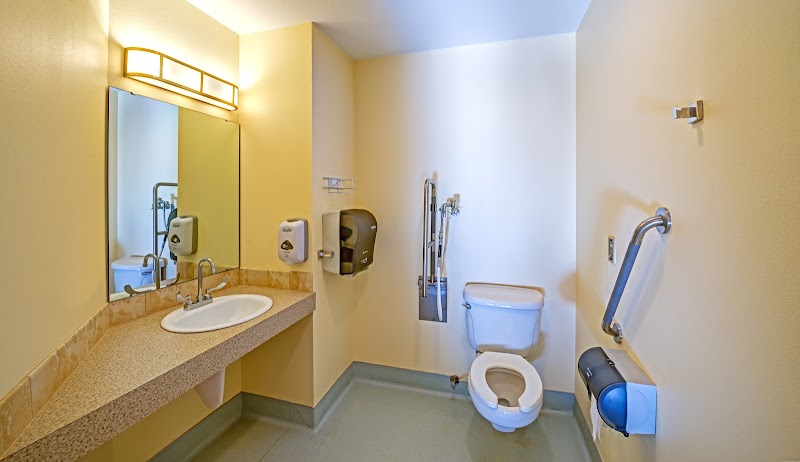
Who Owns and Operates Wesley Homes Des Moines?

WESLEY HOMES DES MOINES HEALTH CENTER is owned by a non-profit organization. Non-profit facilities reinvest revenue into operations rather than distributing to shareholders. The facility operates independently rather than as part of a larger chain. With 148 certified beds and approximately 67 residents (about 45% occupancy), it is a mid-sized facility located in DES MOINES, Washington.
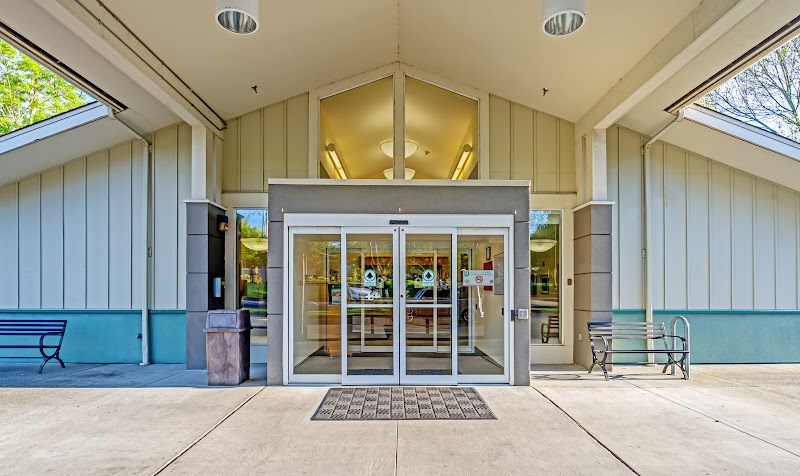
How Does Wesley Homes Des Moines Compare to Other Washington Nursing Homes?

Compared to the 100 nursing homes in Washington, WESLEY HOMES DES MOINES HEALTH CENTER's overall rating (3 stars) is below the state average of 3.2, staff turnover (40%) is near the state average of 46%, and health inspection rating (2 stars) is below the national benchmark.

What Should Families Ask When Visiting Wesley Homes Des Moines?

Based on this facility's data, families visiting should ask: "Can I visit during a mealtime to observe dining assistance and food quality?" "How do you handle medical emergencies, and what is your hospital transfer rate?" "Can I speak with family members of current residents about their experience?"

Is Wesley Homes Des Moines Safe?

Based on CMS inspection data, WESLEY HOMES DES MOINES HEALTH CENTER has a clean safety record: no substantiated abuse findings (meaning no confirmed cases of resident harm), no Immediate Jeopardy citations (the most serious violation level indicating risk of serious injury or death), and is not on the Special Focus Facility watch list (a federal program monitoring the lowest-performing 1% of nursing homes). The facility has a 3-star overall rating and ranks #100 of 100 nursing homes in Washington. While no facility is perfect, families should still ask about staff-to-resident ratios and recent inspection results during their visit.

Do Nurses at Wesley Homes Des Moines Stick Around?

WESLEY HOMES DES MOINES HEALTH CENTER has a staff turnover rate of 40%, which is about average for Washington nursing homes (state average: 46%). Moderate turnover is common in nursing homes, but families should still ask about staff tenure and how the facility maintains care continuity when employees leave.

Was Wesley Homes Des Moines Ever Fined?

WESLEY HOMES DES MOINES HEALTH CENTER has been fined $33,540 across 1 penalty action. The Washington average is $33,414. While any fine indicates a compliance issue, fines under $50,000 are relatively common and typically reflect isolated problems that were subsequently corrected. Families should ask what specific issues led to these fines and confirm they've been resolved.

Is Wesley Homes Des Moines on Any Federal Watch List?

WESLEY HOMES DES MOINES HEALTH CENTER is not on any federal watch list. The most significant is the Special Focus Facility (SFF) program, which identifies the bottom 1% of nursing homes nationally based on persistent, serious quality problems. Not being on this list means the facility has avoided the pattern of deficiencies that triggers enhanced federal oversight. This is a positive indicator, though families should still review the facility's inspection history directly.