PINE RIDGE POST ACUTE
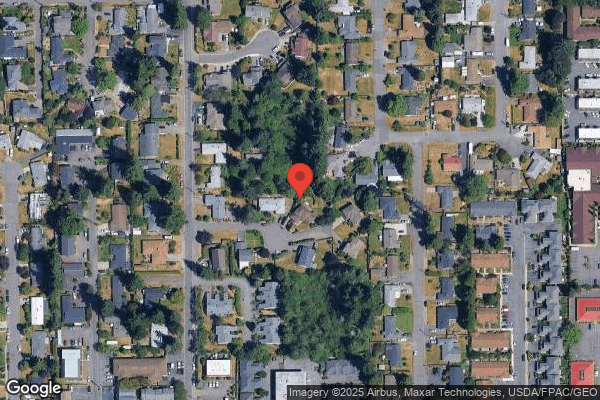
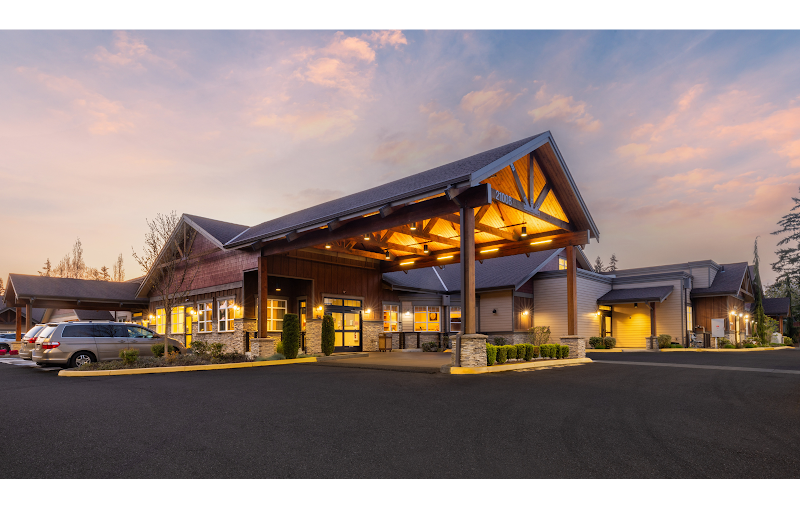
21008 76TH AVENUE WEST, EDMONDS, WA 98026 (425) 778-0107
For profit - Limited Liability company 80 Beds PRESTIGE CARE Data: November 2025
Trust Grade
53/100
#111 of 190 in WA
Last Inspection: December 2024

Within standard 12-15 month inspection cycle. Federal law requires annual inspections.

Overview

Pine Ridge Post Acute has a Trust Grade of C, which means it is average and sits in the middle of the pack among nursing homes. It ranks #111 out of 190 facilities in Washington, placing it in the bottom half, and #12 out of 16 in Snohomish County, indicating that there are only a few better options nearby. The facility is improving, as it has reduced the number of issues from 19 in 2024 to only 3 in 2025. Staffing is a strength, with a rating of 4 out of 5 stars and a turnover rate of 36%, which is below the state average, suggesting that staff are familiar with the residents. However, there are some concerning incidents; for example, a staff member misappropriated funds from a resident, and there were issues with food safety and medication monitoring, putting residents at risk for health complications. Overall, while there are positive aspects, families should weigh these concerns carefully.

Trust Score
C
53/100
In Washington
#111/190
Bottom 42%
Safety Record
Moderate
Needs review
Inspections
Getting Better
19 → 3 violations
Staff Stability
○ Average
36% turnover. Near Washington's 48% average. Typical for the industry.
Penalties
⚠ Watch
$16,445 in fines. Higher than 93% of Washington facilities. Major compliance failures.
Skilled Nurses
✓ Good
Each resident gets 43 minutes of Registered Nurse (RN) attention daily — more than average for Washington. RNs are trained to catch health problems early.
Violations
⚠ Watch
39 deficiencies on record. Higher than average. Multiple issues found across inspections.
★★★☆☆
3.0
Overall Rating
★★★★☆
4.0
Staff Levels
★★★☆☆
3.0
Care Quality
★★★☆☆
3.0
Inspection Score
Stable
2024: 19 issues
2025: 3 issues

The Good

  • 4-Star Staffing Rating · Above-average nurse staffing levels
  • Full Sprinkler Coverage · Fire safety systems throughout facility
  • No fines on record
  • Staff turnover below average (36%)

    12 points below Washington average of 48%

Facility shows strength in staffing levels, fire safety.

The Bad

3-Star Overall Rating

Near Washington average (3.2)

Meets federal standards, typical of most facilities

Staff Turnover: 36%

Near Washington avg (46%)

Typical for the industry

Federal Fines: $16,445

Below median ($33,413)

Minor penalties assessed

Chain: PRESTIGE CARE

Part of a multi-facility chain

Ask about local staffing decisions and management

The Ugly 39 deficiencies on record

1 actual harm
May 2025 1 deficiency
CONCERN (D) 📢 Someone Reported This

A family member, employee, or ombudsman was alarmed enough to file a formal complaint

Potential for Harm - no one hurt, but risky conditions existed

Investigate Abuse (Tag F0610)

Could have caused harm · This affected 1 resident

Based on interview and record review, the facility failed to ensure a fall incident was thoroughly investigated for 1 of 3 residents (Resident 1), reviewed for abuse investigations. This failure place...

Read full inspector narrative →
Based on interview and record review, the facility failed to ensure a fall incident was thoroughly investigated for 1 of 3 residents (Resident 1), reviewed for abuse investigations. This failure placed the residents at risk for repeated incidents, unidentified abuse, and inappropriate corrective actions. Findings included . Review of the facility policy titled, Abuse, Neglect, Exploitation or Misappropriation-Reporting and Investigating, revised in September 2022, showed, All reports of resident abuse (including injuries of unknown origin), neglect, exploitation, or theft/misappropriation of resident property are reported to local, state and federal agencies (as required by current regulations) and thoroughly investigated by facility management. Findings of all investigations are documented and reported. The policy further showed, The individual conducting the investigation as a minimum: .d. interviews the person(s) reporting the incident; . f. interviews the resident (as medically appropriate) or the resident's representative; . h. interviews staff members (on all shifts) who have had contact with the resident during the period of the alleged incident; i. interviews the resident's roommate, family members, and visitors; . l. documents the investigation completely and thoroughly. Review of Resident 1's face sheet printed on 05/13/2025, showed they admitted to the facility with diagnoses that included, Alzheimer's Disease (a brain disorder that gradually impairs memory, thinking, and other cognitive abilities) and vascular dementia (a form of memory loss caused by decreased blood flow to the brain, leading to damage and loss of brain cells). Review of Resident 1's admission Minimum Data Set (an assessment tool) dated 12/22/2024, showed Resident 1 had severe cognitive impairment. Review of Resident 1's Cognitive Impairment care plan initiated on 01/01/2025, showed Resident exhibits cognitive loss related to dementia. Review of Resident 1's Order Summary Report printed on 05/13/2025, showed an order dated 01/14/2025 to, OK [okay] to send to ER [Emergency Room] to eval [evaluate] for head injury, bleed r/t [related to] recent fall, hematoma [a localized collection of blood outside of blood vessels, typically caused by injury], skull fracture per [Collateral Contact 1 (CC1)] request. Review of Resident 1's hospital ER note dated 01/14/2025, showed, patient [resident] had a fall yesterday and he was on Eliquis [blood thinner medication] and was brought to the ER today for evaluation. The [CC1] states that he was with the patient yesterday around noon time and states that he had to leave the room to take care of something and he was only away for 8 minutes however states that when he returned back, patient was facedown on the ground. He states that he tried to help the patient up and the patient could not stand by himself and states that he could not, had to ask staff around to help him assist him back to the bed. He states that the swelling around the patient's face and forehead have gotten worse and he asked the facility to send the patient to the ER to be evaluated. Patient currently states that he has no complaints or symptoms but states that when he touches the front of his head, hurts . He cannot remember how he fell. An additional hospital ER note dated 01/14/2025 showed, In regards to today's visit, due to fall yesterday and concern for inadequate care, patient's [CC1] wanted him [to be] brought in for a CT [Computed Tomography scan- a medical imaging test that uses X-rays and a computer to create detailed images of the body] . The note showed, [CC1] was [trying] to get the patient back up on his own into the bed for about 10 minutes and reports that he had no assistance from staff at the facility. The note further showed Resident 1 had a mild nasal fracture (break in one of the bones of the nose) and frontal (forehead) scalp hematoma. Review of Resident 1's hospital ER provider note dated 01/14/2025, showed, Moderate sized hematoma to right side of forehead w/ [with] tenderness to palpation [touch] over affected area, supraorbital [a bony elongated opening located above the orbit (eye socket) and under the forehead] ecchymosis [a discoloration of the skin resulting from bleeding underneath, typically caused by bruising] present around bilateral eyes, slight swelling over bridge of the nose. Review of Resident 1's investigation report dated 01/13/2025, showed the following: -SSD [Social Service Director] reported to this nurse [resident] fell. This nurse immediately assessed [resident]. [The resident] was found in bed with right forehead hematoma and pain. -Resident 1 stated, I turned on my right side, and fell out of bed. -Under section, Injuries Observed at Time of Incident, there was a hematoma to the top of scalp. -Under section, Mental Status, a check mark indicated Resident 1 was orientated to person and place. An additional note under mental status at time of incident indicated the resident was, alert to self, forgetful of time place and situation. -Under section, Injuries Report Post Incident, a bruise to Resident 1's face and localized tissue edema (swelling) to the top of their scalp was noted. -Resident 1 had dementia, was alert, and had decreased cognition. The investigation conclusion further showed Resident 1 was alert to self, sometimes place time and situation but forgetful, and that Resident 1 was at risk for falls related weakness, unsteady gait and decreased mobility. -The root cause of the fall was determined to be the resident repositioning to the right side of bed and falling out. The investigation further showed Resident 1, was sent out to ER per [CC1] request to eval [evaluate] for injuries, and Right forehead hematoma swelling increased and bruising noted on nose area, provider and [CC1] updated and was sent to ER [on] 1/14/25 [01/14/2025]. Res not yet returned from ER visit, no update from [resident's CC1]. [Resident] was last toileted [at] 10:35 [am] and last seen 12:30 [pm] lying in bed. Floor was dry, not cluttered . [Resident] mood/behavior was monitored while working with staff, no changes noted, plan of care was being followed by staff, thus abuse and neglect ruled out. -a witness statement dated 01/13/2025 from a Certified Nursing Assistant stated they last saw Resident 1 around 10:45 AM in their room sleeping. The statement showed that Resident 1 was last toileted at 10:35 AM and Lay down, at 12:30 PM. The statement showed that Staff C was the nurse that checked Resident 1. The statement further showed under the question, What did you do to help the resident? Assist back to bed obtain VS [vital signs- reflect essential body functions, including heartrate, breathing rate, temperature, and blood pressure]. Further review of Resident 1's Investigation Report dated 01/13/2025 did not show an interview from the social services director that reported that Resident 1 had a fall or how they knew that Resident 1 had a fall. The report did not show an interview from CC1 who was at the facility [visiting] on 01/13/2025. The report did not show how Resident 1 was found by the staff that assisted them back into their bed after the fall. The report showed conflicting statements regarding Resident 1's cognition, and did not include other staff interviews that encountered Resident 1 on 01/13/2025. On 05/05/2025 at 11:33 AM, Staff D, Registered Nurse (RN), stated that if a resident had a fall, they would check on the resident, their positioning, complete a nursing assessment, check for major injuries, and if safe to do so assist them back into their bed. On 05/05/2025 at 12:10 PM, CC1 stated that on 01/13/2025 they had been visiting Resident 1. CC1 stated that they stepped away from Resident 1's room for less than ten minutes, and when they returned, they could hear someone calling out for help. CC1 stated that they turned the resident to their side and were unable to physically assist Resident 1 back into bed, so they asked an [unknown] staff in a nearby room to assist Resident 1 back to bed. CC1 stated that they asked [unknown] staff to send Resident 1 to the hospital on the same day. CC1 stated that Resident 1 had three huge lumps, on their head. CC1 further stated that an [unknown] charge nurse came to assess the resident 20 minutes later. On 05/13/2025 at 12:48 PM, Staff C, RN, stated that the social worker reported to them that Resident 1 had a fall. Staff C stated that when they went to assess the resident he was already in bed with a hematoma on their forehead. Staff C stated that Resident 1 stated they had fallen when they turned to their side. Staff C stated that CC1 knew first about Resident 1's fall and had informed the social worker. On 05/13/2025 at 5:14 PM, Staff A, Director of Nursing, stated that based on the investigation, the social worker reported that Resident 1 had a fall to Staff C. When asked if they would expect there to be an interview included from the social worker, Staff A stated, not necessarily, as they notified nursing right away and there would have been additional information. Staff A further stated that if CC1 was in the room and stated they got the resident back into bed then they would expect to interview CC1. On 05/14/2025 at 3:44 PM, Staff C stated that they would expect an investigation to be thoroughly investigated. Staff C stated that they completed the investigation for Resident 1's fall and that they did not recall which social worker reported the fall. Staff C stated that they did not know how the social worker became informed of Resident 1's fall [which was a different statement from Staff C's interview on 05/13/2025 at 12:48 PM]. When asked how abuse and neglect could be ruled out if the reporter was not interviewed, Staff C stated, you can ask the social worker, and that they did their assessment and checked on Resident 1 when they were notified. On 05/14/2025 at 4:34 PM, Staff B, Assistant Director of Nursing, stated they would expect an investigation to be thoroughly investigated. When asked how the social worker became informed of Resident 1's fall, Staff B stated, I cannot really answer that question. I would have to ask her. Staff B further stated that they assumed someone must have informed them most likely the resident or the family. On 05/14/2025 at 5:03 PM, Staff A stated that they would be ruling out abuse and neglect when interviewing the residents. When asked if they would expect to follow their abuse and neglect policy and interview the resident's representative, Staff A stated, sure, and that it really depends on the nature of the incident for abuse and neglect. Staff A further stated that they did not suspect abuse with Resident 1's fall and that they thought CC1 placed Resident 1 back into bed. Reference: (WAC) 388-97-0640 (6)(a) .
Mar 2025 2 deficiencies
CONCERN (D) 📢 Someone Reported This

A family member, employee, or ombudsman was alarmed enough to file a formal complaint

Potential for Harm - no one hurt, but risky conditions existed

Deficiency F0657 (Tag F0657)

Could have caused harm · This affected 1 resident

**NOTE- TERMS IN BRACKETS HAVE BEEN EDITED TO PROTECT CONFIDENTIALITY** Based on observation, interview, and record review, the facility failed to revise an elopement care plan for 1 of 1 resident (Re...

Read full inspector narrative →
**NOTE- TERMS IN BRACKETS HAVE BEEN EDITED TO PROTECT CONFIDENTIALITY** Based on observation, interview, and record review, the facility failed to revise an elopement care plan for 1 of 1 resident (Residents 1), reviewed for care plan revision. This failure placed the resident at risk for additional elopements, unmet care needs, and a diminished quality of life. Findings included . Review of the quarterly Minimum Data Set assessment (MDS-a required assessment) dated 01/16/2025 showed Resident 1 admitted to the facility on [DATE]. The MDS assessment further showed the resident had moderately impaired thinking and used a wheelchair for mobility. Review of the admission elopement risk assessment dated [DATE] showed the resident was at risk of elopement. Review of the facility's investigative report dated 02/24/2025 showed that on 02/24/2025 at 3:00 AM, the local law enforcement called the facility and informed the nurse on shift that Resident 1 was found at a store approximately 1½ miles away from the facility in a gown and with a wheelchair that had the name of the facility on it. Resident 1 was returned to the facility at 3:30 AM by the local law enforcement. A device (wander alarm) was then placed on Resident 1 to alert staff when Resident 1 approached the monitored doors that exit the facility. Review of the care plan initiated on 02/24/2025 showed, Check placement of the wander alarm every shift. Location: Left Ankle. Observation and interview on 03/10/2025 at 4:17 PM with Staff D, Licensed Practical Nurse, showed the wander alarm was not on the left ankle of Resident 1, the wander alarm was observed fastened to the left arm of the wheelchair that Resident 1 sat on. Interview with Staff D at this time stated the wander alarm was checked every shift to make sure it was still in place and worked properly. Staff D then stated that the wander alarm had been moved from the left ankle to the arm of the wheelchair because Resident 1 did not want it on their ankle anymore. Staff D further stated that the care plan should have been updated when the wander alarm was moved from Resident 1's left ankle to the arm of their wheelchair. In an interview on 03/10/2025 at 4:28 PM, Staff E, Resident Care Manager, stated the care plan should have been updated when the wander alarm was moved from Resident 1's left ankle to the arm of Resident 1's wheelchair. In an interview on 03/10/2025 at 4:45 PM, Staff B, Assistant Director of Nursing Services, stated the care plan and the location of the wander alarm should be the same, the care plan should have been updated when the wander alarm was removed from Resident's 1 left ankle. Reference (WAC): 388-97-1020 (5)(b) .
CONCERN (D) 📢 Someone Reported This

A family member, employee, or ombudsman was alarmed enough to file a formal complaint

Potential for Harm - no one hurt, but risky conditions existed

Accident Prevention (Tag F0689)

Could have caused harm · This affected 1 resident

**NOTE- TERMS IN BRACKETS HAVE BEEN EDITED TO PROTECT CONFIDENTIALITY** Based on interview and record review, the facility failed to provide the necessary supervision resulting to an elopement for 1 o...

Read full inspector narrative →
**NOTE- TERMS IN BRACKETS HAVE BEEN EDITED TO PROTECT CONFIDENTIALITY** Based on interview and record review, the facility failed to provide the necessary supervision resulting to an elopement for 1 of 1 resident (Resident 1), reviewed for accident hazards. This failure placed the resident at risk for additional elopements, injuries and pain. Findings included . Review of the quarterly Minimum Data Set assessment (MDS-an assessment tool), dated 01/16/2025 showed Resident 1 admitted to the facility on [DATE]. The MDS assessment further showed the resident had moderately impaired thinking and used a wheelchair for mobility. Review of the admission elopement risk assessment dated [DATE] showed the resident was at risk of elopement. Review of the care plan dated 10/15/2024 showed Resident 1 was at risk of elopement/exit seeking/wandering related to mild thinking impairment, a history of elopement attempts, mood or behavior disorders and noncompliance. Review of the facility's investigative report dated 02/24/2025 showed that on 02/24/2025 at 3:00 AM, the local law enforcement called the facility and informed the nurse on shift that Resident 1 was found at a store approximately 1½ miles away from the facility in a gown and with a wheelchair that had the name of the facility on it. Resident 1 was returned to the facility at 3:30 AM by the local law enforcement. The investigative report documented that Resident 1 reported that they used their wheelchair to go to a local store, went down a curb near the store, fell and was helped up by a couple that wheeled them to the store, the local law enforcement was notified. Resident 1 was assessed for injuries when they returned to the facility and a bruise/scratch was noted on their left knee, pain medication (Tylenol) was administered for pain relief. A device (wander guard) was then placed on Resident 1 to alert staff when Resident 1 approached the monitored doors that exit the facility. In an interview on 03/10/2025 at 3:09 PM Resident 1 stated they left the facility alone and went to the store. Resident 1 stated that they tried to roll their wheelchair over a curb next to the store, fell over the curb, out of their wheelchair and a man and a woman that they did not know helped them to get back into their wheelchair and then pushed them in their wheelchair the rest of the way to the store, then the local law enforcement was called who brought them back to the facility. Resident 1 further stated they hurt their knee when they fell out of their wheelchair, and the nurse gave them pain medication to stop the pain. In an interview on 03/14/2025 at 1:01 PM, Staff C, Certified Nursing Assistant, stated they thought Resident 1 was at risk for elopement because they would sit by the door of the facility, and it looked like they wanted to leave the facility. In an interview on 03/14/2025 at 4:17 PM, Staff D, Licensed Practical Nurse, stated Resident 1 was at risk for elopement and that they had recently eloped from the facility, a wander guard had been placed on Resident 1 to notify the staff when Resident 1 got close to the doors that exit the facility. In an interview on 03/14/2025 at 3:39 PM, Staff E, Resident Care Manager, stated Resident 1 was at risk for elopement and was not safe to leave the facility unsupervised. In an interview on 03/14/2025 at 3:41 PM, Staff B, Assistant Director of Nursing Services, stated that Resident 1 had a decline in their thinking ability but was able to enter the code that opened the door and left the facility. Staff B stated that the investigation dated 02/24/2025 showed when the staff reviewed the facility's surveillance camera Resident 1 was seen leaving the facility at 12:47AM unsupervised, and that they were not safe to be out in the community unsupervised. In an interview on 03/14/2025 at 4:04 PM, Staff A, Administrator stated that Resident 1 was not safe to leave the facility unsupervised, especially at 1:00 AM. Reference: (WAC) 388-97-1060 (3)(g) .
Dec 2024 15 deficiencies
CONCERN (D)

Potential for Harm - no one hurt, but risky conditions existed

Deficiency F0552 (Tag F0552)

Could have caused harm · This affected 1 resident

**NOTE- TERMS IN BRACKETS HAVE BEEN EDITED TO PROTECT CONFIDENTIALITY** Based on interview and record review, the facility failed to inform the resident and/or their representative before administerin...

Read full inspector narrative →
**NOTE- TERMS IN BRACKETS HAVE BEEN EDITED TO PROTECT CONFIDENTIALITY** Based on interview and record review, the facility failed to inform the resident and/or their representative before administering psychotropic (mind altering) medications for 1 of 5 residents (Resident 10), reviewed for unnecessary medications. This failure placed the resident and/or their representative at risk of not being fully informed of the risks and benefits before making decisions about their medications. Findings included . Review of the facility policy titled, Psychotropic Medication Use, revised in July 2022, showed: Residents will not receive medications that are not clinically indicated to treat a specific condition . The policy further showed that when determining whether to initiate, modify, or discontinue medication therapy, the IDT [Interdisciplinary Team] conducts an evaluation of the resident. The evaluation will attempt to clarify whether: other causes for symptoms (including symptoms that mimic a psychiatric disorder [disturb thinking and altered mood and behavior]) have been ruled out; signs and symptoms are clinically significant enough to warrant medication therapy; medication is clinically indicated to manage the symptoms or condition; and the actual or intended benefit of the medication is understood by the resident/representative. Residents (and/or representatives) have the right to decline treatment with psychotropic medications. The staff and physician will review with the resident/representative the risks related to not taking the medication as well as appropriate alternatives. Resident 10 admitted to the facility on [DATE] with diagnoses that included depression (constant feeling of sadness), insomnia (trouble sleeping), and anxiety (excessive, persistent and uncontrollable worry and fear about everyday situations). Review of the November 2024 Medication Administration Record (MAR) showed Resident 10 was taking the following psychotropic medications: - Trazodone (an antidepressant) 100 milligrams (mg- unit of measurement) tablet every 12 hours as needed for insomnia that started on 11/04/2024. - Sertraline (an antidepressant) 50 mg tablet once a day for depression that started on 11/05/2024. - Buspirone (an antianxiety) 5 mg tablet three times a day for anxiety that started on 11/10/2024. Review of the clinical records in the evaluations tab did not show that risks and benefit were provided to the resident or their representative for Resident 10's sertraline, trazodone, and/or buspirone use. On 12/16/2024 at 3:20 PM, Staff D, Resident Care Manager, stated they expected that resident on psychotropic medications had a consent and side effect monitoring. Staff D further stated that psychotropic medication consents were obtained prior to administering psychotropic medications to the residents. Staff D stated that psychotropic consents were under the evaluation tab with the name of Informed Consent - Psychotropic Medication and that the facility obtained verbal consents for each psychotropic medication. A joint record review and interview on 12/16/2024 at 3:30 PM with Staff D and Staff F, Regional Clinical Nurse, showed the evaluation tab did not have records that Resident 10 or their representative were informed prior to providing or giving Resident 10 their psychotropic medications. Staff F stated that the inform consent for psychotropic medications evaluation/form had the medications risks and benefits in it. Staff F stated there were no initial psychotropic medication informed consents for Resident 10's trazodone, sertraline, and buspirone, and that they should have been completed before Resident 10 started taking their psychotropic medications. On 12/16/2024 at 3:45 PM, Staff B, Assistant Director of Nursing, stated that residents on psychotropic medications required to have an informed consent for each psychotropic medication before they started taking psychotropic medications. Staff B further stated they expected staff to provide information related to risks and benefits to the residents and/or their representative before starting a psychotropic medication. Joint record review and interview with Staff B showed Resident 10 had orders for trazadone, sertraline, and buspirone. Further record review showed no documentation that Resident 10 or their representative were informed and/or provided risk and benefits about the use of psychotropic medications. Staff B stated that there were no informed consents provided for Resident 10 prior to buspirone, trazodone, and sertraline use. Reference: (WAC) 388-97-0260 (2) (a-d) (3)(c) .
CONCERN (D)

Potential for Harm - no one hurt, but risky conditions existed

Deficiency F0558 (Tag F0558)

Could have caused harm · This affected 1 resident

**NOTE- TERMS IN BRACKETS HAVE BEEN EDITED TO PROTECT CONFIDENTIALITY** Based on observation, interview, and record review, the facility failed to ensure a comfortable bed sheet was provided for 1 of ...

Read full inspector narrative →
**NOTE- TERMS IN BRACKETS HAVE BEEN EDITED TO PROTECT CONFIDENTIALITY** Based on observation, interview, and record review, the facility failed to ensure a comfortable bed sheet was provided for 1 of 1 resident (Resident 10), reviewed for accommodation of needs. This failure placed the resident at risk for unmet care needs, insufficient sleep or discomfort, and a diminished quality of life. Findings included . Review of the facility policy titled, Activities of Daily Living (ADL), Supporting, revised in March 2018, showed that appropriate care and services would be provided for resident who were unable to carry out ADLs independently. Review of the admission Minimum Data Set (an assessment tool) dated 11/10/2024 showed Resident 10 required maximum physical assist for bed mobility and total assist for transfers. On 12/12/2024 at 10:16 AM, Resident 10 stated, they [the facility] do not have fitted sheets, that they wake up at night sweaty with their back lying on the cold [mattress] vinyl [water proof synthetic material], the flat sheet slips behind my back, it is uncomfortable, I can't sleep, I wake up in the middle of the night because my back is cold from being on the cold vinyl without a bed sheet. Resident 10 stated that they had mentioned to staff about wanting a fitted sheet for their mattress and that they were informed that [it] is against regulation to have fitted sheets on this type of mattress [air mattress - an inflatable mattress designed to prevent and treat pressure wounds/bedsores that occur due to prolonged pressure on the skin]. On 12/13/2024 at 11:23 AM, Resident 10 stated that their pillows, blankets, and flat sheets would slide down and that they had to push themselves backwards [against the mattress] to not fall on the floor. Resident 10 further stated that they have asked staff many times about fitted sheet for their air mattress and was informed that they cannot have fitted sheets, because it is not safe. Observations on 12/13/2024 at 11:30 AM, showed the clean utility room between room [ROOM NUMBER] and room [ROOM NUMBER] had two clean fitted sheets. Observations on 12/16/2024 at 10:12 AM, showed the linen room in the 500 unit had clean fitted sheets. In another observation at 10:16 AM, showed the linen room between rooms [ROOM NUMBERS] had clean fitted sheets. Observation on 12/16/2024 at 10:59 AM, showed Resident 10 did not have fitted sheets on their mattress and the upper part of the air mattress was uncovered showing the blue vinyl. On 12/16/2024 at 10:22 AM, Staff V, Laundry, stated that the facility had fitted sheets and that fitted sheets fit everything because it stretches. Staff V further stated that the fitted sheet fits all mattress size. In an interview and joint observation on 12/17/2024 at 1:33 PM, Staff W, Certified Nursing Assistant, stated they do not use fitted sheet, only flat sheet when they make beds for air mattress. A joint observation with Staff W showed the air mattress in Resident 119's room had a fitted sheet. Staff V stated that they can only use the flat sheet on air mattress beds for safety. In a joint observation and interview on 12/17/2024 at 1:42 PM with Staff M, Licensed Practical Nurse, showed Resident 119 had a fitted sheet on their mattress. Staff M stated that Resident 119 had an air mattress. Another joint observation showed that Resident 10 had a flat sheet on their air mattress. Resident 10 stated that their flat sheet would slide off the bed and that they would be awake all night. Resident 10 further stated that staff mentioned to them that it was illegal to use fitted sheets on their air mattress. Staff M stated they were not aware Resident 10 had concerns about their bed sheets. On 12/17/2024 at 2:11 PM, Staff B, Assistant Director of Nursing, stated the facility used flat sheets on air mattresses. Staff B further stated that staff should have checked with Resident 10 about their bed sheet preferences to accommodate their needs. Reference: WAC 388-97 0860 (2) .
CONCERN (D)

Potential for Harm - no one hurt, but risky conditions existed

Deficiency F0578 (Tag F0578)

Could have caused harm · This affected 1 resident

Based on interview and record review, the facility failed to ensure an advance directive (a written instruction, such as a living will or Durable Power of Attorney [DPOA] for health care-a document de...

Read full inspector narrative →
Based on interview and record review, the facility failed to ensure an advance directive (a written instruction, such as a living will or Durable Power of Attorney [DPOA] for health care-a document delegating to an agent the authority to make health care decisions in case the individual delegating the authority subsequently becomes incapable to do so) was obtained and completed for 1 of 10 residents (Resident 4), reviewed for advance directives. This failure placed the resident and their representative at risk for losing their right to have their preferences honored to receive or refuse/discontinue care according to their choice. Findings included . Review of the facility policy titled, Advance directives, revised in September 2022, showed that prior to or upon admission of a resident, the social services director or designee inquires of the resident, his/her family members and /or his or her legal representative, about the existence of any written advance directives. The policy further showed that if the resident or representative indicated that they had not established an advance directive, the facility staff would offer assistance in establishing advance directives. Review of Resident 4's Electronic Health Records (EHR-documents) showed a DPOA form had been signed and dated 10/16/2019 by Resident 4. In an interview and joint record review on 12/16/2024 at 3:03 PM with Staff G, Social Services Director, stated that they provide information to residents and their representatives about advance directive and if they have it [advance directives], should be in their medical records. Staff G stated that they reviewed and discussed advance directives during their care conferences. A joint record review of Resident 4's EHR showed a DPOA form that had been signed and dated 10/16/2019 by Resident 4. The DPOA form showed that, Washington State requires this directive to be notarized or witnessed by two different witnesses. Staff G stated that Resident 4's DPOA form had not been notarized or had no signature from two witnesses. Staff G further stated, [Resident 4] has a guardian. I will look into it. In an interview on 12/18/2024 at 10:07 AM, Staff A, Administrator, stated that they expected staff to have reviewed Resident 4's advance directives and made sure it was completed. Reference: (WAC) 388-97-0280 (3)(a)(d) .
CONCERN (D)

Potential for Harm - no one hurt, but risky conditions existed

Transfer Notice (Tag F0623)

Could have caused harm · This affected 1 resident

**NOTE- TERMS IN BRACKETS HAVE BEEN EDITED TO PROTECT CONFIDENTIALITY** Based on interview and record review, the facility failed to provide a written transfer/discharge notice to the resident and/or ...

Read full inspector narrative →
**NOTE- TERMS IN BRACKETS HAVE BEEN EDITED TO PROTECT CONFIDENTIALITY** Based on interview and record review, the facility failed to provide a written transfer/discharge notice to the resident and/or their representative for 1 of 1 resident (Residents 27), reviewed for hospitalization. This failure placed the resident and/or their representative at risk for not having an opportunity to make informed decisions about transfers/discharges. Findings included . Review of the facility policy, titled, Notice of Transfer or Discharge, reviewed in April 2020, showed, It is the policy of this center to provide written notice of transfer/discharge in accordance with state and federal regulations. Review of Resident 27's discharge Minimum Data Set (an assessment tool) dated 10/03/2024 and 11/06/2024, showed Resident 27 was discharged to an acute hospital on [DATE] and on 11/06/2024. Review of the nursing progress notes dated 10/03/2024 and 11/06/2024, showed Resident 27 had a change in condition and was transferred to an acute hospital. Review of Resident 27's Electronic Health Record (EHR-under evaluations, nursing progress notes and documents) did not show documentation that a written notice of transfer/discharge was provided to Resident 27 and/or their representative. In a joint record review and interview on 12/17/2024 at 10:48 AM with Staff F, Regional Nurse, showed Resident 27's EHR did not show documentation that a written notice of transfer/discharge was provided to Resident 27 and/or their representative. Staff F stated, We did not do it [written notice of transfer]. In an interview on 12/17/2024 at 1:32 PM, Staff B, Assistant Director of Nursing, stated that no written notice of transfer/discharge was provided to Resident 27 and/or their representative. In an interview on 12/18/2024 at 10:07 AM, Staff A, Administrator, stated that they expected staff to provide a written notice of transfer/discharge to the resident and/or their representative. Reference: (WAC) 388-97-0120 (1)(b), (2) (a-d) .
CONCERN (D)

Potential for Harm - no one hurt, but risky conditions existed

Deficiency F0625 (Tag F0625)

Could have caused harm · This affected 1 resident

**NOTE- TERMS IN BRACKETS HAVE BEEN EDITED TO PROTECT CONFIDENTIALITY** Based on interview and record review, the facility failed to ensure bed hold (the opportunity to reserve a resident's current oc...

Read full inspector narrative →
**NOTE- TERMS IN BRACKETS HAVE BEEN EDITED TO PROTECT CONFIDENTIALITY** Based on interview and record review, the facility failed to ensure bed hold (the opportunity to reserve a resident's current occupied bed while out of the facility to ensure their room was available when ready to return) notice was offered/provided for 1 of 1 resident (Resident 27), reviewed for hospitalization. This failure placed the resident or their representative at risk for lack of knowledge regarding the right to hold their bed while in the hospital. Findings included . Review of the facility policy, titled, Bed Hold, revised on 04/07/2023, showed, It is the policy of this facility that upon transfer to offer the resident and/or resident representative the option to hold the bed. The policy further showed, Upon transfer or discharge the nursing department will provide the resident and/or resident representative a copy of the bed hold policy. Review of Resident 27's discharge Minimum Data Set (an assessment tool) dated 10/03/2024, showed Resident 27 was discharged to an acute hospital on [DATE]. Review of the nursing progress notes dated 10/03/2024, showed Resident 27 had changes in condition and was transferred to an acute hospital. Review of Resident 27's Electronic Health Record (EHR-under evaluations, nursing progress notes and documents) did not show documentation that a notice of bed hold was offered or provided to Resident 27 and/or their representative. In a joint record review and interview on 12/17/2024 at 10:48 AM with Staff F, Regional Nurse, showed Resident 27's EHR did not show documentation that a notice of bed hold was offered or provided to Resident 27 and/or their representative. Staff F stated Resident 27 and/or their representative was not offered or provided a bed hold notice. In an interview on 12/17/2024 at 1:32 PM, Staff B, Assistant Director of Nursing, stated that Resident 27 and/or their representative had not been offered or provided a bed hold notice when Resident 27 was transferred/discharged to the hospital on [DATE]. In an interview on 12/18/2024 at 10:07 AM, Staff A, Administrator, stated that a bed hold notice should have been offered or provided to the resident and/or their representative. Reference: (WAC) 388-97-0120 (1)(b), (4) (a-c) .
CONCERN (D)

Potential for Harm - no one hurt, but risky conditions existed

Assessment Accuracy (Tag F0641)

Could have caused harm · This affected 1 resident

**NOTE- TERMS IN BRACKETS HAVE BEEN EDITED TO PROTECT CONFIDENTIALITY** Based on interview and record review, the facility failed to accurately assess 2 of 21 residents (Residents 10 & 11), reviewed f...

Read full inspector narrative →
**NOTE- TERMS IN BRACKETS HAVE BEEN EDITED TO PROTECT CONFIDENTIALITY** Based on interview and record review, the facility failed to accurately assess 2 of 21 residents (Residents 10 & 11), reviewed for Minimum Data Set (MDS-an assessment tool). The failure to ensure accurate assessments regarding antibiotic (medication to treat infection) use and surgical wound care treatment placed the residents at risk for unidentified and/or unmet care needs, and a diminished quality of life. Findings included . According to the Long-Term Care Resident Assessment Instrument (RAI) 3.0 User's Manual, (a guide directing staff on how to accurately assess the status of residents) Version 1.19.1, dated October 2024, showed, .an accurate assessment requires collecting information from multiple sources, some of which are mandated by regulations. Those sources must include the resident and direct care staff on all shifts, and should also include the resident's medical record, physician, and family, guardian and/or other legally authorized representative, or significant other as appropriate or acceptable. It is important to note here that information obtained should cover the same observation period as specified by the MDS items on the assessment and should be validated for accuracy (what the resident's actual status was during that observation period) by the IDT [Interdisciplinary Team] completing the assessment. As such, nursing homes are responsible for ensuring that all participants in the assessment process have the requisite knowledge to complete an accurate assessment. The MDS manual further showed to mark/code medications given to the resident by any route. The Observation Period (also known as the Look-back period) is the time-period over which the resident's condition or status is captured by the MDS and ends at 11:59 PM on the day of the Assessment Reference Date (ARD or assessment period). RESIDENT 10 Review of the November 2024 Medication Administration Record (MAR) and Treatment Administration Record (TAR) showed Resident 10 received bacitracin (a topical [applied on the skin] antibiotic) ointment twice a day from 11/04/2024 to 11/08/2024, a total of five days. Review of Resident 10's admission MDS dated [DATE] showed antibiotic use was not marked in Section N (Medications). In an interview on 12/18/2024 at 9:15 AM, Staff J, MDS Coordinator, stated they follow the RAI manual for completion of MDSs. Joint record review of Resident 10's admission MDS with Staff J, showed use of antibiotic was not marked in Section N. Joint record review of the November 2024 MAR showed Resident 10 received bacitracin ointment from 11/04/2024 to 11/08/2024. Staff J stated that bacitracin antibiotic was a superficial ointment and that they would look for information about it. In another interview on 12/18/2024 at 9:49 AM, Staff J stated that bacitracin should have been included in Resident 10's MDS and that it was inaccurate. RESIDENT 11 Review of Resident 11's admission MDS dated [DATE] showed it was marked for surgical wound care in Section M (Skin Conditions). Review of the November 2024 MAR and TAR showed Resident 11 did not have a surgical wound care treatment order during the look back period (from 11/25/2024 to 12/01/2024). A joint record review and interview on 12/18/2024 at 9:23 PM with Staff J, showed Resident 11 had orders in the November 2024 TAR to flush their drain (tubes placed near surgical incisions in the post-operative patient [resident], to remove pus, blood or other fluid, preventing it from accumulating in the body). Staff J stated that flushing the drain was not a skin treatment and that Resident 11's MDS was inaccurate. Reference: (WAC) 388-97-1000 (1)(b) .
CONCERN (D)

Potential for Harm - no one hurt, but risky conditions existed

Deficiency F0645 (Tag F0645)

Could have caused harm · This affected 1 resident

**NOTE- TERMS IN BRACKETS HAVE BEEN EDITED TO PROTECT CONFIDENTIALITY** Based on interview and record review, the facility failed to ensure the Preadmission Screening and Resident Reviews (PASARR-an a...

Read full inspector narrative →
**NOTE- TERMS IN BRACKETS HAVE BEEN EDITED TO PROTECT CONFIDENTIALITY** Based on interview and record review, the facility failed to ensure the Preadmission Screening and Resident Reviews (PASARR-an assessment to ensure individuals with Serious Mental Illness [SMI] or Intellectual/Developmental Disabilities [ID/DD] are not inappropriately placed in nursing homes for long term care) Level I was completed for 1 of 7 residents (Resident 11), reviewed for PASARR screening. This failure placed the resident at risk for not receiving the care and services appropriate for their needs. Findings included . Review of the facility's policy titled, PASRR Process, reviewed in March 2019, showed that upon admission to the facility the Admissions Coordinator, Medical Records Director or designee will ensure that a PASRR Level I was included in the admission paperwork . If there is no PASRR Level I, the Medical Records Director or designee will contact the hospital to obtain a Level I PASRR . If a Level II Evaluation is indicated the Social Worker will ensure within a timely period that a LMHP [Licensed Mental Health Provider] is scheduled to evaluate. Resident 11 admitted to the facility on [DATE] with a diagnosis of major depressive disorder (constant feeling of sadness). Review of Resident 11's Level I PASARR dated 11/22/2024 showed, under Section 1A. SMI Indicators, none was marked for mood disorder. Review of the November 2024 Medication Administration Record showed Resident 11 had an order for an antidepressant medication dated 11/25/2024. In an interview on 12/17/2024 at 12:53 PM, Staff H, Social Services Director (SSD), stated that social services reviewed PASARR forms for accuracy, update them and sent it to the PASARR coordinator for evaluation. Joint record review and interview on 12/17/2024 at 1:07 PM with Staff H, showed Resident 11 had diagnosis of depression. Resident 11's Level I PASARR dated 11/22/2024 did not have depression marked under SMI Section I and that it was marked that no level II PASARR evaluation was required. Staff H stated that Staff G, SSD, made a progress note related to Resident 11's PASARR and that they would ask Staff G about Resident 11's updated Level I PASARR form. On 12/17/2024 at 3:07 PM, Staff G stated that they could not find Resident 11's updated Level I PASARR. Staff G stated that they completed a new Level I PASARR and had sent it to the PASARR evaluator for a Level II evaluation today [12/17/2024], 22 days after Resident 11 admitted to the facility. Staff G further stated that Resident 11's PASARR should have been updated and sent it to the PASARR evaluator when the resident was admitted . On 12/18/2024 at 10:19 AM, Staff A, Administrator, stated they expected Level I PASARR forms were reviewed for accuracy, updated, and sent for Level II evaluation if needed. Reference: (WAC) 388-97-1915 (1)(2) (a-c) (4), 1975(1)(4) .
CONCERN (D)

Potential for Harm - no one hurt, but risky conditions existed

Deficiency F0646 (Tag F0646)

Could have caused harm · This affected 1 resident

**NOTE- TERMS IN BRACKETS HAVE BEEN EDITED TO PROTECT CONFIDENTIALITY** Based on interview and record review, the facility failed to notify the State PASARR (Pre-admission Screening and Resident Revie...

Read full inspector narrative →
**NOTE- TERMS IN BRACKETS HAVE BEEN EDITED TO PROTECT CONFIDENTIALITY** Based on interview and record review, the facility failed to notify the State PASARR (Pre-admission Screening and Resident Review-an assessment used to identify people [resident] referred to nursing facilities with Serious Mental Illness [SMI], intellectual disabilities, or related conditions are not inappropriately placed in nursing facility for long term care) Coordinator after a significant change in status occurred for 1 of 7 residents (Resident 27), reviewed for PASARR. This failure placed the resident at risk for unmet care needs and a diminished quality of life. Findings included . A review of the facility's policy titled, PASRR Process, reviewed on March 2019, showed, If there is a significant change in condition that could affect their diagnosed need for a PASARR II, staff should refer for a NEW PASRR Level II. The policy showed, The Level I evaluator will determine if the resident's current care needs are able to be met at the NF [nursing facility]. The policy further showed to follow-up as needed per Federal PASRR rules. Resident 27 admitted to the facility on [DATE] with diagnoses that included bipolar disorder (a mental health condition that causes extreme mood swings), anxiety disorder (a mental health condition that involves intense feeling of fear and worry), major depressive disorder (a mental health condition that involves intense feeling of sadness). A review of Level I PASARR dated 01/13/2023 showed Resident 27 had SMI and had been referred for a Level II PASARR evaluation (a comprehensive evaluation for a positive Level I screening). A review of Level II PASARR evaluation summary dated 01/24/2023 showed Resident 27 had completed a psychiatric/mental evaluation. A review of the Notification of Nursing Home Room and Board Coordination with Hospice (medical care for people who are expected to live six months or less) form showed Resident 27 had elected to receive hospice services effective 11/22/2024. A review of the Certification of Terminal Illness dated 11/26/2024, showed Resident 27 had a terminal illness with a life expectancy of six months or less. A review of the Minimum Data Set (an assessment tool) look up page, showed Resident 27 had a significant change in status assessment dated [DATE]. In an interview on 12/16/2024 at 3:29 PM, Staff G, Social Services Director, stated that Resident 27 had a Level II PASARR related to SMI. Staff G stated that they did not notify the state mental health authority or the PASARR Coordinator about Resident 27's significant change in status. In an interview on 12/18/2024 at 10:07 AM, Staff A, Administrator, stated that they expected staff to notify the State PASARR Coordinator when Resident 27 had a significant change in status. Reference: (WAC) 388-97-1975 (7) .
CONCERN (D)

Potential for Harm - no one hurt, but risky conditions existed

Comprehensive Care Plan (Tag F0656)

Could have caused harm · This affected 1 resident

**NOTE- TERMS IN BRACKETS HAVE BEEN EDITED TO PROTECT CONFIDENTIALITY** RESIDENT 20 Review of the facility's policy titled, Activities of Daily Living [ADL], Supporting, revised in March 2018, showed ...

Read full inspector narrative →
**NOTE- TERMS IN BRACKETS HAVE BEEN EDITED TO PROTECT CONFIDENTIALITY** RESIDENT 20 Review of the facility's policy titled, Activities of Daily Living [ADL], Supporting, revised in March 2018, showed that appropriate care and services would be provided for resident who were unable to carry out ADLs independently, with the consent of the resident and in accordance with the plan of care, including appropriate support and assistance with hygiene (bathing, dressing, grooming, oral care). Resident 20 admitted to the facility on [DATE] with diagnoses that included type 2 diabetes mellitus (or diabetes- a disease that occurs when the body cannot properly regulate blood sugar levels) and legal blindness (loss of vision). Review of the admission MDS dated [DATE], showed Resident 20 had severe vision loss and required set-up assistance with personal hygiene. An observation and interview on 12/11/2024 at 10:42 AM, showed Resident 20 had long and untrimmed fingernails with brown debris underneath their nails. Resident 20 stated that their fingernails were long and had not been trimmed. Resident 20 stated that their fingernails were bothering them and that an aide said [they] will come back to cut my nails. In another observation and interview on 12/13/2024 at 8:29 AM, showed Resident 20 had long and untrimmed fingernails with brown debris underneath their nails. Resident 20 stated that they had a shower yesterday [12/12/2024] and [they were] supposed to cut my nails but [it] did not happen. In an interview on 12/13/2024 at 1:56 PM, Staff N, Certified Nursing Assistant, stated that shower aides cut and trimmed residents' fingernails. Staff N further stated that if residents had diabetes, the nurse will do [cut/trim] their nails. In an interview and joint observation on 12/13/2024 at 2:01 PM, Staff O, Licensed Practical Nurse, stated that Resident 20 had diabetes and that nurses were responsible to cut or trim their nails. A joint observation with Staff O showed Resident 20 had long and untrimmed fingernails with brown debris underneath their nails. Staff O stated, I will cut your nails to which Resident 20 responded, that would make me comfortable. A joint record review of Resident 20's ADL care plan initiated on 11/27/2024 showed, Nurse to trim nails. Staff O stated that they should follow and implement Resident 20's plan of care. In an interview and joint record review on 12/13/2024 at 2:55 PM, Staff E stated that Resident 20 had diabetes. A joint record review of Resident 20's ADL care plan initiated on 11/27/2024, showed, Nurse to trim nails. Staff E stated that Resident 20's plan of care regarding their nails should have been followed and implemented. In an interview on 12/13/2024 at 4:00 PM, Staff B stated that they expected staff to have followed and implemented Resident 20's plan of care regarding nail care. References: (WAC) 388-97-1020 (1)(2)(a)(c)(3)(5)(a) . Based on observation, interview, and record review, the facility failed to develop and/or implement care plans for 2 of 19 residents (Residents 11 & 20), reviewed for care planning. The failure to develop person-centered care plans for skin impairment, antibiotic (medication that treats infection) use, urostomy (a surgical procedure that creates an [ostomy-artificial opening] to drain urine), vision, pain, and nail care placed the residents at risk for unmet care needs and a diminished quality of life. Findings included . Review of the facility's policy titled, Care Planning - Interdisciplinary Team, revised in March 2022, showed that the interdisciplinary team was responsible for the development of resident care plans. Comprehensive, person-centered care plans were based on resident assessments and developed by an interdisciplinary team. RESIDENT 11 Resident 11 admitted to the facility on [DATE]. Review of Resident 11's admission Minimum Data Set (MDS- an assessment tool) dated 12/01/2024 showed ostomy, antibiotics, and opioids (controlled pain medication) were marked/coded on the MDS. Review of the care plan printed on 12/12/2024 showed the following care plans for Resident 11 were incomplete and/or not person-centered for skin, pain/opioid use, vision, antibiotic use and urostomy. A joint record review and interview on 12/18/2024 at 2:05 PM with Staff E, Resident Care Manager, showed Resident 11's care plans for skin, pain/opioid use, vision, antibiotic use, and urostomy were incomplete. Staff E stated that Resident 11's care plans were incomplete and that Resident 11's care plans should have had goals and interventions. On 12/18/2024 at 2:22, Staff B, Assistant Director of Nursing, stated that each residents' care plans should have a focus topic, goals, and interventions. Joint record review and interview with Staff B showed Resident 11 care plans for skin, pain/opioid use, antibiotic use, and urostomy were incomplete. Staff B stated that Resident 11's care plans were incomplete, and they should have had included goals and interventions.
CONCERN (D)

Potential for Harm - no one hurt, but risky conditions existed

ADL Care (Tag F0677)

Could have caused harm · This affected 1 resident

**NOTE- TERMS IN BRACKETS HAVE BEEN EDITED TO PROTECT CONFIDENTIALITY** Based on observation, interview, and record review, the facility failed to provide necessary assistance with nail care for 1 of ...

Read full inspector narrative →
**NOTE- TERMS IN BRACKETS HAVE BEEN EDITED TO PROTECT CONFIDENTIALITY** Based on observation, interview, and record review, the facility failed to provide necessary assistance with nail care for 1 of 1 resident (Resident 20), reviewed for Activities of Daily Living (ADL) care. This failure placed the resident at risk for poor hygiene, decreased self-esteem, and a diminished quality of life. Findings included . Review of the facility policy titled, Activities of Daily Living, Supporting, revised in March 2018, showed, Residents will be provided with care, treatment and services as appropriate to maintain or improve their ability to carry out activities of daily living. Residents who are unable to carry out activities of daily living independently will receive the services necessary to maintain good nutrition, grooming, and personal and oral hygiene. Resident 20 admitted to the facility on [DATE] with diagnoses that included type 2 diabetes mellitus (a disease that occurs when the body cannot properly regulate blood sugar levels) and legal blindness (loss of vision). Review of the admission Minimum Data set (an assessment) dated 12/03/2204, showed Resident 20 had severe vision impairment and required set-up assistance with personal hygiene. Observation and interview on 12/11/2024 at 10:42 AM, showed Resident 20 had long and untrimmed fingernails with brown debris underneath their nails. Resident 20 stated that their fingernails were long and had not been trimmed. Resident 20 further stated that their fingernails were bothering them and that an aide said [they] will come back to cut my nails. In another observation and interview on 12/13/2024 at 8:29 AM, showed Resident 20 had long and untrimmed fingernails with brown debris underneath their nails. Resident 20 stated that they had a shower yesterday [12/12/2024] and that an aide was supposed to cut my nails but did not happen. In an interview on 12/13/2024 at 1:56 PM, Staff N, Certified Nursing Assistant, stated that shower aides cut and trimmed residents' fingernails. Staff N further stated that if residents had diabetes, the nurse will do [cut/trim] their nails. In an interview and joint observation on 12/13/2024 at 2:01 PM, Staff O, Licensed Practical Nurse, stated that Resident 20 had diabetes. A joint observation showed Resident 20 had long and untrimmed fingernails with brown debris underneath them. Staff O stated, I will cut your [referring to Resident 20] nails' to which Resident 20 responded, that would make me comfortable. In an interview and joint record review on 12/13/2024 at 2:55 PM, Staff E, Resident Care Manager, stated that Resident 20 had diabetes and should have an order [from a physician] for a nail trim. A joint record review showed Resident 20 did not have a physician order for nail trim. Staff E stated that Resident 20 should have had a physician order for a nail trim and had their fingernails trimmed. In an interview on 12/13/2024 at 4:00 PM, Staff B, Assistant Director of Nursing, stated that nurses provided nail care for residents with diabetes and I expect the CNAs to coordinate with the nurses to have nails cut for the residents [with diabetes] and not wait for weeks. Staff B further stated that Resident 20 should have had their fingernails trimmed. Reference: (WAC) 388-97-1060 (1)(2)(c)
CONCERN (D)

Potential for Harm - no one hurt, but risky conditions existed

Quality of Care (Tag F0684)

Could have caused harm · This affected 1 resident

**NOTE- TERMS IN BRACKETS HAVE BEEN EDITED TO PROTECT CONFIDENTIALITY** Based on interview and record review, the facility failed to ensure physician orders were implemented and followed in accordance...

Read full inspector narrative →
**NOTE- TERMS IN BRACKETS HAVE BEEN EDITED TO PROTECT CONFIDENTIALITY** Based on interview and record review, the facility failed to ensure physician orders were implemented and followed in accordance with professional standards of practice for 1 of 1 resident (Resident 11), reviewed for quality of care. This failure placed the resident at risk for not receiving necessary care services, unmet care needs, and a diminished quality of life. Findings included . Review of the facility's policy titled, Medication Orders, revised in November 2014, showed that the facility established uniform guidelines in the receiving and recording of medication orders. Orders must be written and maintained in chronological order. When recording treatment orders, specify the treatment, frequency and duration of the treatment. Review of the face sheet printed on 12/12/2024 showed Resident 11 admitted to the facility on [DATE]. Review of the hospital discharge orders dated 11/25/2024 showed Resident 11 discharged with abdominal (stomach area) drains (tubes placed near surgical incisions to remove pus, blood or other fluid, preventing it from accumulating in the body). Further review of the hospital discharge orders showed orders to empty and record output for drain separately, at least once a day and bring this record when you return to clinic, and to call the clinic to schedule a nurse visit for drain removal when the following criteria were met: less than 30 cc (cubic centimeter - unit of measurement) [of body fluid drain from their abdomen] per 24 hours for two days in a row. Review of the November 2024 and December 2024 Medication Administration Record and Treatment Administration Record showed no orders or documentation to show that Resident 11's drain was emptied and/or that drainage output was documented at least daily (until 12/13/2024), 19 days after Resident 11 admitted to the facility. A joint record review and interview on 12/18/2024 at 1:58 PM with Staff E, Resident Care Manager, showed that Resident 11 had orders to empty, and document drain output at least daily from hospital discharge orders dated 11/05/2024. Staff E stated that the orders were started on 12/13/2024 and should have been started since Resident 11's admission to the facility. A joint record review and interview on 12/18/2024 at 2:24 PM with Staff B, Assistant Director of Nursing, showed no orders and/or documentation that Resident 11's drain output had been documented at least daily prior to 12/13/2024. Staff B stated, they [staff] should have followed the order, whatever the doctor's orders are. Reference: (WAC) 388-97-1060 (1)(3)(b) .
CONCERN (D)

Potential for Harm - no one hurt, but risky conditions existed

Respiratory Care (Tag F0695)

Could have caused harm · This affected 1 resident

**NOTE- TERMS IN BRACKETS HAVE BEEN EDITED TO PROTECT CONFIDENTIALITY** Based on observation, interview, and record review, the facility failed to maintain, label/date, and properly store oxygen tubin...

Read full inspector narrative →
**NOTE- TERMS IN BRACKETS HAVE BEEN EDITED TO PROTECT CONFIDENTIALITY** Based on observation, interview, and record review, the facility failed to maintain, label/date, and properly store oxygen tubing, nasal cannula (flexible tubing that sits inside the nose and delivers oxygen), and nebulizer (device used to administer medication in the form of a mist that is inhaled into the lungs) mask for 3 of 7 residents (Residents 5, 32 & 120), reviewed for respiratory care. In addition, the facility failed to follow Resident 120's physician orders for oxygen use. These failures placed the residents at risk for unmet care needs, respiratory infections, and related complications. Findings included . A review of the facility's policy titled, Respiratory Treatment, revised in 08/21/2024, showed residents received respiratory treatments and monitoring per their physician orders, standard of practice and care plan. It showed that oxygen cannula and tubing would be changed as needed if soiled or damaged. It showed that when the nasal cannula and/or the nebulizer mask were not in use, they would be stored in a bag. The policy further showed that residents who received respiratory treatments were monitored per physician orders; and that the amount, method, and duration of oxygen usage and diagnosis were identified on the resident's treatment record per the physician orders (ex. continuous oxygen at 2 liters per nasal cannula. RESIDENT 5 A review of Resident 5's face sheet showed they admitted to the facility on [DATE]. A review of Resident 5's November 2024 Medication Administration Record (MAR) showed Resident 5 had an order for oxygen 2 liters (unit of measurement) via nasal cannula at bedtime for sleep apnea (a disorder that causes you to stop breathing while asleep) and an order to change oxygen tubing as needed for damage, soiling and non-function. There were no nurse's initials or documentation to indicate that the tubing was changed in the month of November 2024. A review of Resident 5's December 2024 MAR showed there were no nurse's initials/documentation to indicate Resident 5's oxygen tubing had been changed for December. In an observation on 12/11/2024 at 9:15 AM, a nasal cannula was hanging on the cork board in Resident 5's room. There was a thumb tack on the cork board where the prongs of the nasal cannula were hanging from. Resident 5's nasal cannula tubing was connected to a concentrator and was not labeled or dated. In an observation on 12/13/2024 at 10:13 AM, a nasal cannula was observed hanging on the cork board by the nasal prongs. Resident 5's unlabeled/undated nasal cannula was connected to the oxygen concentrator and was not properly stored. In an interview on 12/13/2024 at 10:13 AM, Resident 5 stated their oxygen tubing had not been changed since they admitted to the facility. In a joint observation and interview on 12/13/2024 at 11:38 AM with Staff P, Licensed Practical Nurse (LPN), Resident 5's nasal cannula was observed hanging on the corkboard on the wall by its nasal prongs. Staff P stated that the nasal cannula/oxygen tubing was not dated and that it should have been in a bag. In an interview and joint record review on 12/13/2024 at 11:47 AM, Staff D, Resident Care Manager (RCM), stated that staff would change oxygen tubing when the tubing was dirty, damage, and not functioning properly. Staff D stated that when the oxygen tubing was changed, it would be signed off in the MAR. Joint record review of the November 2024 and December 2024 MAR did not show documentation that the oxygen tubing had been changed. Staff D stated that Resident 5's oxygen had not been changed because there had not been any issues. In an interview on 12/13/2024 at 4:38 PM, Staff B, Assistant Director of Nursing, stated that they expected staff to follow the physician order for oxygen tubing management, the nasal cannula would be stored in a bag when not in use, and that the nasal cannula would be changed as needed, not routinely. RESIDENT 32 A review of Resident 32's face sheet showed they admitted to the facility on [DATE]. A review of the December 2024 MAR showed Resident 32 had an order for oxygen at 2 liters per minute via nasal cannula. In an interview on 12/13/2024 at 10:03 AM, Resident 32 stated that they did not know when their oxygen tubing was last changed. In an observation on 12/13/2024 at 10:03 AM, Resident 32 was receiving oxygen via their nasal cannula. Resident 32's nasal cannula was unlabeled or undated and their oxygen concentrator had an undated bottle of distilled water attached that was halfway full. In a joint observation and interview on 12/13/2024 at 11:30 AM with Staff P, showed Resident 32's nasal cannula was undated. Staff P stated that Resident 32's nasal cannula should have been dated and that the facility had orange stickers that they used to label the oxygen tubing. In an interview and joint record review on 12/13/2024 at 11:47 AM, Staff D stated that staff would change tubing per physician orders and when soiled or damaged. Staff D stated that staff did not date the oxygen tubing when they change it because they mark if off in the MAR. A joint record review of Resident 32's December 2024 MAR did not show an order to change the oxygen tubing. Staff D stated that they would get that [the order] fixed. In an interview on 12/13/2024 at 4:38 PM, Staff B stated that they expected the staff to follow the physician order for changing oxygen tubing for residents. Staff B further stated that they did not expect oxygen tubing to be changed routinely but as needed. NEBULIZER USE RESIDENT 120 Resident 120 admitted to the facility on [DATE] with diagnoses that included chronic respiratory failure with hypoxia (insufficient oxygen in the blood). Review of the physician orders printed on 12/12/2024 showed Resident 120 had an order for an inhalation medication via nebulizer four times a day. Observation on 12/13/2024 at 11:34 AM, showed Resident 120's nebulizer mask was inside their nightstand drawer and was not properly stored. Joint observation and interview on 12/13/2024 at 12:33 PM with Staff P, showed Resident 120's undated nebulizer mask was inside their nightstand drawer and not properly stored. Staff P stated that Resident 120's nebulizer mask should have been dated and stored in a bag when not in use. OXYGEN ORDERS RESIDENT 120 Review of the physician orders printed on 12/12/2024, showed Resident 120 had orders for oxygen at 2 liters per minute via nasal cannula continuously. Observation on 12/11/2024 at 4:19 PM, showed Resident 120 was receiving oxygen via nasal cannula at a rate of 2 ½ (two and one half) liters per minute from an oxygen concentrator. Resident 120's oxygen and nasal cannula were not dated or labeled. Resident 120 stated that their oxygen tubing and cannula were not dated. On 12/13/2024 at 11:34 AM, Resident 120's oxygen tubing and nasal cannula were undated. Further observation showed Resident 120 in sitting in their wheelchair in their room. Resident 120 was receiving 4 liters of oxygen from their oxygen tank. Resident 120 stated that their oxygen tubing and nasal cannula were not dated. Joint observation and interview on 12/13/2024 at 12:25 PM with Staff P, showed Resident 120's oxygen tubing and nasal cannula were undated and that Resident 120's oxygen tank was at 4 liters per minute. Resident 120 stated, Probably the guy from PT [Physical Therapy] turned it [the oxygen] up when I was doing activity. Staff P stated that the oxygen tubing and nasal cannula should have been dated. Staff P further stated that it was the first time that they saw Resident 120 getting 4 liters of oxygen per minute and that Resident 120 had an order for oxygen at 2 liters per minute. Joint record review and interview on 12/13/2024 at 12:41 PM with Staff E, RCM, showed Resident 120 had oxygen orders at 2 liters per minute continuously. Staff E stated that that Resident 120's physician orders did not show an order to increase their oxygen to 4 liters per minute during activity and it should have been. On 12/13/2024 at 12:54 PM, Staff B stated that they expected oxygen orders were in place and that they were carried out correctly. Staff B stated that there should have been an order to increase Resident 120's oxygen when they were doing therapy. Staff B further stated that Resident 120's nebulizer mask should have been stored in a plastic bag when not in use and that they did not expect residents' oxygen tubing, oxygen cannula, and/or nebulizer tube/mask were label/dated. Reference: (WAC) 388-97-1060 (3)(j)(vi) .
CONCERN (E)

Potential for Harm - no one hurt, but risky conditions existed

Deficiency F0757 (Tag F0757)

Could have caused harm · This affected multiple residents

**NOTE- TERMS IN BRACKETS HAVE BEEN EDITED TO PROTECT CONFIDENTIALITY** Based on interview and record review, the facility failed to ensure adequate monitoring were conducted for use of diuretics (med...

Read full inspector narrative →
**NOTE- TERMS IN BRACKETS HAVE BEEN EDITED TO PROTECT CONFIDENTIALITY** Based on interview and record review, the facility failed to ensure adequate monitoring were conducted for use of diuretics (medications that help move extra fluid and salt out of the body) for 2 of 7 residents (Residents 3 & 26), anticoagulants (medication that prevent blood clot) for 3 of 7 residents (Residents 26, 28 & 10), and antibiotic (medication that treats infections) for 1 of 7 residents (Resident 11), reviewed for unnecessary medications. These failures placed the residents at risk for receiving unnecessary medications, adverse side effects, and related complications. Findings included . A review of the facility's policy titled, Medication Administration General Guidelines, revised in January 2023, showed the last step in the process was to observe residents for medication actions/reaction and record in the nurse's notes as appropriate. The policy further showed that any noted adverse consequence should be reported to the prescriber and/or attending physician. A review of the facility's policy titled, Medication Therapy, revised in April 2007, showed that all medication orders will be supported by appropriate care processes and practices. The policy further stated that the medical director and consultant pharmacist shall collaborate to address issues of medication prescribing and monitoring with the practitioners and staff. RESIDENT 3 A review of Resident 3's face sheet showed they admitted to the facility on [DATE]. A review of the December 2024 Medication Administration Record (MAR) and Treatment Administration Record (TAR) showed Resident 3 had an order for furosemide (a diuretic medication) 20 milligrams (mg-a unit of measurement) to treat congestive heart failure (CHF-when the heart is unable to pump blood efficiently to the body). The MAR did not show Resident 3 was adequately monitored for diuretic use. A review of the nursing progress notes from 11/16/2024 to 12/16/2024 did not show Resident 3 was not adequately monitored related to diuretic use. In a joint record review and interview on 12/17/2024 at 2:26 PM with Staff P, Licensed Practical Nurse (LPN), showed the December 2024 MAR did not show Resident 3 was monitored for diuretic use. Staff P stated that residents on diuretics were monitored for adverse side effects for three days after initiating the medication. In an interview on 12/17/2024 at 2:35 PM with Staff D, Resident Care Manager (RCM) and Staff C, RCM, Staff C stated that residents taking diuretics were placed on alert charting at the start of the medication. Staff D stated that for residents with CHF, they would monitor their weight if it were included with the physician order. In an interview on 12/17/2024 at 2:40 PM, Staff B, Assistant Director of Nursing, stated that they did not feel monitoring of diuretic use should be included in the MAR/TAR. Staff B stated that they expected diuretics to be monitored at the initiation of the medication and would be on alert for 72 hours. RESIDENT 26 A review of the Resident 26's face sheet showed they admitted to the facility on [DATE]. In a joint record review and interview on 12/17/2024 at 2:04 PM with Staff Q, Registered Nurse, showed Resident 26's December 2024 MAR had an order for furosemide 20mg to be given once daily and apixaban (an anticoagulant) 5 mg to be given twice a day. Staff Q stated that Resident 26's diuretic use was not monitored and that monitoring side effects for anticoagulants were not charted in the MAR/TAR. Staff Q stated that apixaban was included in the care plan and not in the MAR/TAR for everyday monitoring. A review of the nursing progress notes from 11/16/2024 to 12/16/2024 did not show Resident 26 was being monitored for anticoagulant use and/or diuretic use. In an interview on 12/17/2024 at 2:35 PM, Staff C stated that monitoring for anticoagulant use was included in the comprehensive care plan. Staff C stated that when residents start diuretic medications, they would be placed on alert charting for 72 hours. Staff C further stated that they would monitor a resident's weight if the physician ordered it. In an interview on 12/17/2024 at 2:40 PM, Staff B stated that they did not feel adverse side effect monitoring for diuretics and anticoagulants should be on the MAR/TAR. Staff B stated that diuretic use and anticoagulant use were included in the comprehensive care plan. Staff B further stated that when residents receive an order for a diuretic or anticoagulant medication, the resident would be placed on alert charting for 72 hours. RESIDENT 28 A review of Resident 28's face sheet showed they admitted to the facility on [DATE]. A review of the December 2024 MAR showed Resident 28 had an order for apixaban to be given twice a day to treat atrial fibrillation (an irregular and often very rapid heart rhythm). Resident 28's MAR/TAR had no documentation to show monitoring for anticoagulant use was conducted. A review of the nursing progress notes from 11/16/2024 to 12/15/2024 did not show Resident 28 was monitored related to anticoagulant use. In a joint record review and interview on 12/17/2024 at 2:04 PM with Staff Q, showed Resident 28's December 2024 MAR had a written order for apixaban (an anticoagulant) to be given twice a day to treat atrial fibrillation (an irregular and often very rapid heart rhythm). Further review of the MAR revealed no documentation to show monitoring was conducted related to anticoagulant use. Staff Q stated they did not find charting specifically for anticoagulant use. In an interview on 12/17/2024 at 2:19 PM, Staff Q stated that they had just spoken to their RCM and was told apixaban was not added in the MAR/TAR for everyday monitoring. Staff Q further stated that the apixaban was added in the care plans. In an interview on 12/17/2024 at 2:35 PM, Staff C stated that anticoagulant use was usually care planned and would not be in the MAR/TAR. Staff C further stated that Resident 28 was alert and was able to report any bleeding or excessive bruising. In an interview on 12/17/2024 at 2:40 PM, Staff B stated that they did not expect monitoring for anticoagulant side effects would be included in the MAR/TAR because it was in the care plan. Staff B further stated that when they receive a new order for apixaban, they would place the resident on alert charting for three days. RESIDENT 10 Resident 10 admitted to the facility on [DATE]. Review of the November 2024 and December 2024 MAR/TAR showed Resident 10 had an order for apixaban to be given twice a day for atrial fibrillation. The MAR/TAR did not show Resident 10 was being monitored related to anticoagulant use. Review of the nursing progress notes from 11/04/2024 to 12/12/2024 showed no documentation that Resident 10 was adequately being monitored related to anticoagulant use. On 12/16/2024 at 3:06PM, Staff T, LPN, stated that anticoagulant medications needed to be monitored for bleeding and bruising every shift and were placed on alert for 72 hours when the anticoagulant was started. Staff T stated that there were no orders to monitor for adverse side effects of anticoagulant use. In a joint interview on 12/16/2024 at 3:22 PM with Staff D and Staff F, Regional Clinical Nurse, Staff D stated that staff monitors for side effects of bleeding for anticoagulants through residents' care plans, not in the MAR or TAR. Staff F stated that staff documented side effects of anticoagulant use by exception and that the facility did not require adverse side effects monitoring were documented every shift. In an interview on 12/16/2024 at 4:09 PM, Staff B was asked for documentation to show that Resident 10 was being adequately monitored related to the anticoagulant use. Staff B stated, nurses know to monitor for signs and symptoms of bleeding, and that the facility monitors anticoagulant side effects in residents' care plans. RESIDENT 11 Resident 11 admitted to the facility on [DATE]. Review of the November 2024 and December 2024 MAR/TAR showed Resident 11 was on doxycycline (an antibiotic) 100 mg twice a day since 11/25/2024 without a stop date. Review of the nursing progress notes from 11/25/2024 to 12/18/2024 showed no documentation that Resident 11 was adequately monitored related to antibiotic medication use. On 12/18/2024 at 9:27 AM, Staff T stated they monitor for side effects of antibiotic use and that if there were no side effects, they were not documented. Staff T further stated that antibiotic side effects were monitored through the duration of the antibiotic treatment. On 12/18/2024 at 2:03 PM, Staff E, RCM, stated that Resident 11 was on antibiotics since admission. Staff E stated that there was no active monitoring for adverse side effects for the antibiotic use. Staff E further stated that residents on antibiotics had a care plan for antibiotic use and for monitoring of side effects. Joint record review and interview with Staff E showed Resident 11 did not have a care plan for antibiotic use. Staff E stated that there should have been a care plan for Resident 11's antibiotic use with interventions of monitoring adverse side effects. On 12/18/2024 at 2:22 PM, Staff B stated that side effects to antibiotic use were documented by exception and the monitoring of the side effects were included in the residents' care plans. Joint record review and interview with Staff B showed Resident 11 did not have a care plan for antibiotic use and/or to monitor for side effects to anticoagulant use before 12/18/2024. Staff B stated that Resident 11 should have had a care plan for monitoring side effects of antibiotic medication. Reference: (WAC) 388-97-1060 (3)(k)(i) (4) .
CONCERN (E)

Potential for Harm - no one hurt, but risky conditions existed

Food Safety (Tag F0812)

Could have caused harm · This affected multiple residents

Based on observation, interview, and record review, the facility failed to ensure the dishwasher temperature was checked and the sanitizing solution was tested routinely in accordance with professiona...

Read full inspector narrative →
Based on observation, interview, and record review, the facility failed to ensure the dishwasher temperature was checked and the sanitizing solution was tested routinely in accordance with professional standard for food service safety for 1 of 1 kitchen, reviewed for food services. These failures placed the residents at risk for food borne illness and a diminished quality of life. Findings included . Review of the facility policy titled, Dishwashing, adopted on 08/01/2024, showed, It is the policy of this center that dishes and other multi-use eating, preparation and serving items are cleaned and sanitized properly after each use. The policy further showed to log and check for proper temperatures. In an interview and joint observation on 12/16/2024 at 10:39 AM with Staff I, Dietary Director and Staff K, Dietary Aide, stated that they checked the dishwasher temperature and the sanitizer ppm [or PPM- parts per million - unit of measure for concentration] three times a day [breakfast, lunch and dinner]. Staff K stated that they logged daily the dishwasher temperature and the sanitizer ppm in separate columns using one form for each month. Joint observation showed the December 2024 Dishwasher Temperature/Sanitizer Log form was blank for 12/15/2024. Joint observation of the form showed the dinner columns for the dishwasher temperature and sanitizer ppm were blank on 12/14/2024. Staff K stated that the dishwasher temperatures were not logged. Staff K further stated that they ran out of test strips and were not able to test the sanitizing solution. In an interview on 12/16/2024 at 10:50 AM, Staff I stated that they had a low-temperature dishwasher which used chemicals to sanitize dishware. Staff I stated that they expected the staff to check the dishwasher temperature and conduct testing of the sanitizer three times a day and to log the information on the form. In an interview on 12/18/2024 at 10:07 AM, Staff A, Administrator, stated that they expected staff to check the dishwasher temperature and to test the sanitizing solution per the facility process. Reference: (WAC) 388-97-1100 (3) .
CONCERN (E)

Potential for Harm - no one hurt, but risky conditions existed

Infection Control (Tag F0880)

Could have caused harm · This affected multiple residents

**NOTE- TERMS IN BRACKETS HAVE BEEN EDITED TO PROTECT CONFIDENTIALITY** CARRYING CLEAN LINEN room [ROOM NUMBER] Review of the facility policy titled, Infection Control Policies and Practices, adopted ...

Read full inspector narrative →
**NOTE- TERMS IN BRACKETS HAVE BEEN EDITED TO PROTECT CONFIDENTIALITY** CARRYING CLEAN LINEN room [ROOM NUMBER] Review of the facility policy titled, Infection Control Policies and Practices, adopted on 08/01/2024, showed, The Administrator .and the Infection Control Committees, have adopted our infection control policies and practices, as outlined herein, to reflect the Center's needs and operational requirements for preventing transmission of infections and communicable diseases as set forth in current .CDC [Centers for Disease Control] guidelines and recommendations. An observation on 12/13/2024 at 9:04 AM, Staff N, Certified Nurse Assistant, showed they took several clean white towels and some linens from a cart parked in front of room [ROOM NUMBER]. Staff N placed the clean towels/linens on their left arm, carried them close to their chest [touching their body] and then entered room [ROOM NUMBER]. In an interview on 12/13/2024 at 9:18 AM, Staff N stated that they were assigned to provide showers to the residents. When asked, Staff N stated that they did not realize that they carried the towels and linen close to their body. Staff N stated, I should have carried them this way [gestured both arms away from the body]. In an interview on 12/13/2024 at 10:02 AM, Staff Q, Registered Nurse, stated that clean linens must be carried away from the body and should not touch their [staff] clothes. In an interview on 12/13/2024 at 11:23 AM, Staff C, RCM, stated that staff was expected to carry clean linens away from their body or clothes. In an interview on 12/13/2024 at 4:14 PM, Staff B stated that they expected staff to follow infection control guidelines, which included carrying clean linens away from their body and clothes. DISINFECTION OF GLUCOMETER MACHINE RESIDENT 121 Review of the facility's undated document titled, General Practice\3.05 Glucose [blood sugar] Monitor Cleaning-Disinfection, showed, CMS [Centers for Medicare & Medicaid Services- a government agency that provides healthcare insurance) guidelines read that blood glucose meters need to be cleaned and disinfected after each use. Observation on 12/16/2024 at 6:53 AM, showed Staff L, LPN, went in Resident 121's room and checked Resident 121's blood sugar level using a glucometer. Staff L went out of Resident 121's room and placed the glucometer on top of their medication cart. Staff L proceeded to continue their medication pass to the other side of the unit. Staff L did not disinfect the glucometer after they used it with Resident 121. In an interview on 12/16/2024 at 7:50 AM, Staff L stated that the glucometer should be sanitized after use with patients [residents]. Staff L stated that they did not disinfect/sanitize the glucometer after using it with Resident 121. RESIDENT 114 Observation and interview on 12/16/2024 at 7:57 AM, showed Staff M, LPN, went in Resident 114's room and checked their blood sugar level using a glucometer. Staff M went out of Resident 114's room, opened their medication cart and placed the glucometer inside the top drawer. Staff M then closed the drawer and did not disinfect the glucometer machine used with Resident 114. When asked, Staff M stated that they placed the glucometer back in the drawer [medication cart] and did not disinfect the glucometer machine. DISINFECTION OF VITAL SIGNS EQUIPMENT RESIDENT 211 Review of the facility policy titled, Infection Control Policies and Practices, adopted on 08/01/2024, showed, This Center's infection control policies and practices are intended to facilitate maintaining a safe, sanitary, and comfortable environment and to help prevent and manage transmission of diseases and infections. The policy further showed, The objectives of our infection control policies and practices are to .provide guidelines for the safe cleaning and reprocessing of reusable resident-care equipment. Observation on 12/16/2024 at 7:25 AM, showed Staff L, took a portable vital sign (a measurement of the body's most basic functions [blood pressure (amount of force your blood uses to get through blood vessels), pulse rate and temperature]) equipment from a hallway and brought it to Resident 211's room. Staff L took Resident 211's vital signs and then placed the vital sign equipment back in the hallway. Staff L did not disinfect the vital sign equipment after it was used with Resident 211. In an interview on 12/16/2024 at 7:50 AM, Staff L stated that they did not disinfect the vital sign equipment after resident use. Staff L stated, Today is my first day and I don't know where the [disinfecting] wipes are. RESIDENT 3 Observation on 12/16/2024 at 8:11 AM, showed Staff M, brought in a portable vital sign equipment to Resident 3's room and took Resident 3's blood pressure. Staff M then took the vital sign equipment and plugged it in the hallway's outlet. Staff M did not disinfect the vital sign equipment after it was used with Resident 3. In an interview on 12/16/2024 at 8:22 AM, Staff M stated that they did not disinfect the vital sign equipment after it was used with Resident 3. In an interview on 12/16/2024 at 11:01 AM, Staff B, stated that they expected staff to have disinfected the glucometer and the vital signs equipment in between and after residents' use. Reference: (WAC) 388-97-1320 (1)(a)(3)(5)(c) Based on observation, interview, and record review, the facility failed to ensure Enhanced Barrier Precautions (EBP- precaution to protect residents from Multidrug-Resistant Organism [MDRO-a germ that is resistant to medications that treat infections]) was followed for Resident 119 and failed to ensure clean linen were handled properly for room [ROOM NUMBER]. In addition, the facility failed to properly disinfect glucometers (a device to measure how much sugar is in the blood) for 2 of 2 residents (Residents 121 & 114) and sanitize medical equipment for 2 of 2 residents (Residents 211 & 3), reviewed for infection control. These failures placed the residents, visitors, and staff at an increased risk for infection and related complications. Findings included . Review of the facility policy titled, Enhanced Barrier Precautions, revised in March 2024, showed EBPs were used to reduce the transmission of MDRO to residents. EBPs required gown and glove use during high contact resident care activities dressing such as: bathing/showering, transferring, providing hygiene, changing linens, changing briefs or assisting with toileting; and for device care or use that included feeding tube (flexible tube that delivers nutrients directly to the stomach). The policy further showed that signs were posted on the door or wall outside the resident room indicating the type of precautions and PPE required and that PPE would be available outside of the resident rooms. Review of the undated facility provided signage titled, Enhanced Barrier Precautions, showed that providers and staff must wear gloves and a gown for high contact resident care activities that included feeding tube care. ENHANCED BARRIER PRECAUTIONS RESIDENT 119 Review of the face sheet printed on 12/13/2024 showed that Resident 119 admitted to the facility on [DATE] with diagnosis that included dysphagia (difficulty swallowing). Review of the December 2024 Medication Administration Record (MAR) printed on 12/13/2024 showed Resident 119 had orders for nutritional supplements and medications to be given via enteral feeding tube dated 12/02/2024. Further review of the MAR did not show Resident 119 was placed on EBP precautions. Observations on 12/11/2024 at 9:05 AM and at 3:16 pm, on 12/12/2024 at 9:28 AM, and on 12/13/2024 at 9:53 AM, showed no EBP signage was posted and/or no PPE cart outside Resident 119's room. Observation on 12/11/2024 at 3:16 pm, showed Resident 119 was receiving a nutritional supplement via feeding tube. Resident 119 stated that they have had feeding tube since October 2024. Observation and interview on 12/13/2024 at 3:17 PM, showed Staff P, Licensed Practical Nurse (LPN), was observed entering Resident 119's room and was not wearing a gown. Staff P stated they went in Resident 119's room to replace the feeding tube nutritional supplement. Staff P further stated that they did not wear a gown and that they used gloves because the resident is not on enhanced precautions [EBP]. On 12/13/2024 at 3:45 PM, Staff T, LPN, stated that EBP precautions were for residents who had wound care and urinary catheters (flexible tube that drains urine from the bladder). Staff T stated that Resident 119 had a feeding tube and that they received their supplements and medications via feeding tube. Joint record review of an undated EBP signage showed that residents on feeding tube required EBP with use of gloves and gown prior to providing care. Staff T stated that they worked with Resident 119 in two occasions prior to today [12/13/2024] and that they did not wear a gown due to Resident 119 was not on EBP. Staff T further stated that Resident 119 should have been on EBP precautions since admission. On 12/13/2024 at 4:02 PM, Staff E, Resident Care Manager (RCM), stated that EBP precautions were required for residents who had wounds, unhealed incisions, and urinary catheters. Joint record review of an undated EBP signage showed that gloves and gowns were required for residents on feeding tube. Staff E stated that Resident 119 was not placed on EBP precautions and should have been. Staff E further stated that there should have been an EBP signage and PPE cart outside Resident 119's room. On 12/13/2024 at 4:37 PM, Staff B, Assistant Director of Nursing/Infection Preventionist, stated that Resident 119 should have had an EBP in place with EBP signage and PPE cart with gowns outside their room since admission to the facility.
Apr 2024 1 deficiency
CONCERN (D) 📢 Someone Reported This

A family member, employee, or ombudsman was alarmed enough to file a formal complaint

Potential for Harm - no one hurt, but risky conditions existed

Accident Prevention (Tag F0689)

Could have caused harm · This affected 1 resident

**NOTE- TERMS IN BRACKETS HAVE BEEN EDITED TO PROTECT CONFIDENTIALITY** Based on interview and record review, the facility failed to ensure a required assistive device (use of gait belt) and hands on ...

Read full inspector narrative →
**NOTE- TERMS IN BRACKETS HAVE BEEN EDITED TO PROTECT CONFIDENTIALITY** Based on interview and record review, the facility failed to ensure a required assistive device (use of gait belt) and hands on contact were provided during therapy for 1 of 3 residents (Resident 1), reviewed for falls. This failure placed the resident at risk for fall with injury, unmet care needs, and a diminished quality of life. Findings included . Review of a nursing progress notes dated 03/20/2024, showed Resident 1 was admitted to the facility on [DATE] with diagnoses that included osteoporosis (weak and brittle bones), a hyperextension injury (disruption of the spinal column) of the back that was surgically repaired, and history of falls. Further review of the nursing progress notes showed Resident 1 was able to make needs known and required assist of one person for activities of daily living. Review of a nursing progress note dated 03/22/2024, showed Staff B, Assistant Director of Nursing, was notified of a witnessed fall while Resident 1 was in the therapy gym and worked with a therapist. The nursing progress notes showed when Resident 1 was interviewed about the fall, Resident 1 stated their right knee gave out, had a history of their right knee giving out, and that they fell on their right hip and back. The nursing progress notes further showed Resident 1 complained of pain and was not able to move, the physician was notified and ordered to transfer Resident 1 to the hospital. Review of the hospital records dated 03/22/2024, showed Resident 1 was admitted to the hospital on [DATE] for a right leg fracture after losing their balance and fell. During an interview on 04/23/2024 at 2:43 PM with Staff C, Director of Rehabilitation, stated that it was the policy and procedure of the therapy company for their staff to use a gait belt when they worked with the residents on the exercise equipment. Staff C further stated it was expected that the therapist would have used a gait belt when they worked with Resident 1 on the parallel bars (exercise equipment) and should have used contact guard assistance, which meant the therapist should have always had their hands on the gait belt and Resident 1 while they worked with them on the exercise equipment. On 04/23/2024 at 2:57 PM, Staff D, Physical Therapy Assistant, stated that it was a part of the therapy department's policy to use a gait belt while they were working with residents on the exercise equipment. Staff D further stated that a gait belt should be used to help stabilize residents that used the parallel bars. On 04/23/2024 at 3:30 PM, Staff B stated that the therapy department should follow their policy and use gait belts while working with the residents on their exercises in the therapy room. Reference: (WAC) 388-97-1060(3)(g) .
Feb 2024 3 deficiencies 1 Harm
SERIOUS (G) 📢 Someone Reported This

A family member, employee, or ombudsman was alarmed enough to file a formal complaint

Actual Harm - a resident was hurt due to facility failures

Deficiency F0602 (Tag F0602)

A resident was harmed · This affected 1 resident

**NOTE- TERMS IN BRACKETS HAVE BEEN EDITED TO PROTECT CONFIDENTIALITY** Based on interview and record review, the facility failed to ensure 1 of 3 residents (Resident 1) reviewed for abuse investigati...

Read full inspector narrative →
**NOTE- TERMS IN BRACKETS HAVE BEEN EDITED TO PROTECT CONFIDENTIALITY** Based on interview and record review, the facility failed to ensure 1 of 3 residents (Resident 1) reviewed for abuse investigations was free from misappropriation of property. Resident 1, who had impaired thinking and lacked the ability of a reasonable person to provide informed consent for either purchases made by staff member or designations to bank accounts, experienced harm when they suffered a substantial loss of monetary funds after staff accessed their financial accounts for personal gain without permission and placed other residents at risk for financial exploitation. Findings included . Review of the facility policy titled, Abuse-Screening, Training, Identification, Investigation, Reporting and Protection, dated 01/2023 showed, it is the policy of this center to prevent and prohibit all types of abuse and misappropriation of property, protect our residents from abuse. Further review of the facility policy showed, Misappropriation of residents property is defined as the illegal or deliberate use of resident's resources for the personal profit or gain of another person; or spending resident funds without the resident's consent, or if the resident is not capable of consenting, spending resident funds for items or services from which the resident cannot benefit or appreciate, or spending resident funds to acquire items for use in common areas when such purchase is not initiated by the resident. Review of the quarterly Minimum Data Set assessment (MDS-an assessment tool) dated 01/25/2024, showed Resident 1 readmitted to the facility on [DATE] with a diagnosis list that included dementia (loss of memory and intellectual functioning [mental ability that included reasoning, planning, and understanding complex ideas]). Further review of the 01/25/2024 MDS assessment showed a Brief Interview for Mental Status (BIMS [an assessment that measured orientation and thinking ability]) was conducted. The BIMS assessment used a points system that ranged from 0 to 15 points; 0 to 7 points suggested severely impaired thinking. Resident 1 scored 00 on the BIMS assessment. Review of the electronic record showed Resident 1 started Hospice Services (specialized care that provides comfort and support for residents that were near the end of life) on 10/14/2023 for multiple diagnoses that included poor nutrition. Review of an investigation summary dated 01/03/2024 showed, Staff C, Activity Director, informed the Administrator [Staff A], that they were asked by Staff D, Social Service Assistant (SSA) to reconcile bank statements for Resident 1. Staff C then reported that they felt uncomfortable because Staff D did not provide supporting documentation for the charges on the bank statements. Further review of the investigation summary showed Resident 1 was interviewed on 01/03/2024 and on 01/04/2024 and was not able to elaborate or respond to questions asked about their bank statements. On 01/04/2024 during the interview, Resident 1 drifted in and out of awareness. Review of the investigation summary dated 01/03/2024, showed Staff D was interviewed about Resident 1's bank statements and charges on their account/debit card. Staff D stated, they had access to Resident 1's card off and on, but 100% of the time since the end of November 2023 and has had access to Resident 1's account since the beginning but can't remember the exact date, maybe March of 2023. Staff D stated they had no idea how their name got added to Resident 1's bank account as Payable on Death. Staff D was asked to provide receipts from all transactions from Resident 1's financial account from 08/25/2023 that included cash withdrawals from automatic cash machines and other transactions made from Resident 1's financial account. Staff D was unable to provide receipts for all the transactions that were made. Additional review of the investigative summary dated 01/03/2024 showed Staff C was asked by Staff D to be a witness and to initial the bank statements because a state authority/service would review Resident 1's case. Staff C then stated that the statements dated back to July 2023 and noted there was some strange and out of character orders for a patient on Hospice. Staff C noted the bank statements had Payable on Death and Staff D's first and last name was listed on it. Staff C informed Staff A, and Staff A requested Staff E, Business Office Manager (BOM) be informed. Staff C and Staff E reviewed Resident1's financial statements and noticed several rides share transactions, cash withdrawals and department store purchases. A facility investigation was initiated, and law enforcement was notified. Review of a law enforcement report dated 02/01/2024 showed a spreadsheet for all purchased items made on Resident 1's account from 08/25/2023 to12/21/2023: the total charged/withdrawals included an online purchase for $891.15, automatic cash machine withdrawal for $600.00; food for $261; online food delivery for $39.96; food for $66.63; a department store purchase for $138.07, online food delivery for $484.85. Eight of these orders were delivered to the home of Staff D. The report documented other verified charges made from Resident 1's financial account and that the case was ongoing. Observation on 01/25/2024 at 2:42 PM, showed Resident 1 was in bed, eyes open and nonresponsive to name or questions asked. Observation on 02/08/2024 at 12:02 PM, showed Resident 1 was in bed, eyes closed. Opened eyes when name was called, unresponsive to questions asked. In an interview on 02/08/2024 at 12:22 PM with Staff C, stated that Resident 1 did not take any ridesharing [ride share - a way for multiple riders to get to anywhere they are going by sharing only one car] and was not capable of taking ride share rides. Staff C stated that Staff D spent a lot of time with Resident 1 and kept their name and phone number on the dry erase board in Resident 1's room as a contact person. An interview on 02/08/2024 at 1:53 PM with Staff F, Social Worker (SW), stated that Staff D spent a lot of time with Resident 1, Staff F stated that Staff D did a lot of hands-on care that they did not do for other residents. An Interview on 02/08/2024 at 2:15 PM with Staff G, SW, stated that receipts should have been brought back and kept each time something was purchased for Resident 1. Staff G stated Resident 1 would have been furious and would not have consented to all the purchases made if they had the ability to know what happened to their financial accounts. An interview on 02/08/2024 at 3:46 PM with Staff H, Assistant Director of Nursing, stated that they did think Resident 1 was able to give consent for Staff D to make the purchases from their bank account. An Interview on 02/08/2024 at 3:54 PM with Staff A, stated that a receipt should have been kept for each purchase made for Resident 1. Staff A stated misappropriation of Resident 1's funds by Staff D was substantiated by the facility. Further review of the investigation summary dated 01/03/2024, showed misappropriation of Resident 1's financial accounts by Staff D was substantiated. Reference: (WAC) 388-97-0640 (3)(d)
CONCERN (D) 📢 Someone Reported This

A family member, employee, or ombudsman was alarmed enough to file a formal complaint

Potential for Harm - no one hurt, but risky conditions existed

Abuse Prevention Policies (Tag F0607)

Could have caused harm · This affected 1 resident

Based on interview and record review, the facility failed to implement written abuse policies and procedures related to misappropriation of resident property for 1 of 3 residents (Residents 1), review...

Read full inspector narrative →
Based on interview and record review, the facility failed to implement written abuse policies and procedures related to misappropriation of resident property for 1 of 3 residents (Residents 1), reviewed for abuse investigations. This failure caused Resident 1 to lose a substantial amount of money when staff used their financial accounts for personal gain and placed other residents at risk for misappropriation of property. Findings included . Review of the facility policy titled, Abuse-Screening, Training, Identification, Investigation, Reporting and Protection, dated 01/2023 showed, it is the policy of this center to prevent and prohibit all types of abuse and misappropriation of property, protect our residents from abuse. Further review of the facility policy showed, Misappropriation of residents property is defined as the illegal or deliberate use of resident's resources for the personal profit or gain of another person; or spending resident funds without the resident's consent, or if the resident is not capable of consenting, spending resident funds for items or services from which the resident cannot benefit or appreciate, or spending resident funds to acquire items for use in common areas when such purchase is not initiated by the resident. Review of the Abuse and Misappropriation training dated 07/13/2023, showed Staff D, Social Service Assistant, attended the training. In an interview on 02/08/2024 at 3:46 PM Staff H, Assistant Director of Nursing, stated that all staff received training on Abuse and Misappropriation of resident's property when they were hired and at least yearly after that. Staff H confirmed that the policy was not implemented when Staff D, used Resident 1's financial account for personal gain. Reference: (WAC) 388-97-0640 (2)(a) .
CONCERN (E) 📢 Someone Reported This

A family member, employee, or ombudsman was alarmed enough to file a formal complaint

Potential for Harm - no one hurt, but risky conditions existed

Investigate Abuse (Tag F0610)

Could have caused harm · This affected multiple residents

**NOTE- TERMS IN BRACKETS HAVE BEEN EDITED TO PROTECT CONFIDENTIALITY** Based on interview and record review, the facility failed to ensure allegations of abuse were thoroughly investigated for 4 of 4...

Read full inspector narrative →
**NOTE- TERMS IN BRACKETS HAVE BEEN EDITED TO PROTECT CONFIDENTIALITY** Based on interview and record review, the facility failed to ensure allegations of abuse were thoroughly investigated for 4 of 4 residents (Residents 4, 5, 6 and 7), reviewed for abuse investigations for misappropriation of property. Residents 4, 5, 6, and 7 who had impaired thinking and lacked the ability to provide information about their bank accounts or purchases made using their accounts, had representatives responsible for their finances were not included in the facility's abuse investigations. This failure placed the residents at risk for financial exploitation. Findings included . Review of the facility policy titled, Abuse-Screening, Training, Identification, Investigation, Reporting and Protection, dated 01/2023, showed it is the policy of this center to prevent and prohibit all types of abuse and misappropriation of property, protect our residents from abuse. RESIDENT 4 Review of the 5-day admission Minimum Data Set assessment (MDS-an assessment tool) dated 12/07/2023, showed Resident 4 was readmitted to the facility on [DATE] with a diagnosis list that included dementia (loss of memory and intellectual functioning [mental ability that included reasoning, planning, and understanding complex ideas]). Further review of the MDS assessment dated [DATE], showed a Brief Interview for Mental Status (BIMS [an assessment that measured orientation and thinking ability]) was conducted. The BIMS assessment used points system that ranged from 0 to 15 points; 0 to 7 points suggested severely impaired thinking. Resident 4 scored 00 on the BIMS assessment. Review of the admission record showed Resident 4 had a representative for finances. RESIDENT 5 Review of the annual MDS dated [DATE], showed Resident 5 was admitted to the facility on [DATE] with a diagnosis list that included dementia. Further review of the MDS assessment dated [DATE], showed Resident 4 scored 00 on the BIMS assessment. Review of the admission record showed Resident 5 had a representative for finances. RESIDENT 6 Review of the 5-day admission MDS dated [DATE], showed Resident 6 was admitted to the facility on [DATE] with a diagnosis list that included dementia. Further review of the MDS assessment dated [DATE], showed Resident 6 scored 00 on the BIMS assessment. Review of the admission record showed Resident 6 had a representative for finances. RESIDENT 7 Review of the quarterly MDS dated [DATE], showed Resident 7 was readmitted to the facility on [DATE] with a diagnosis list that included dementia. Further review of the MDS assessment dated [DATE], showed Resident 7 scored 00 on the BIMS assessment. Review of the admission record showed Resident 7 had a representative for finances. Review of the investigation summary report dated 01/03/2024, showed Residents 4, 5, 6 and 7 were interviewed. The investigation did not show that their financial representatives were interviewed for possible misappropriation of financial accounts. In an interview on 02/08/2024 at 3:46 PM with Staff H, Assistant Director of Nursing, stated that the resident representatives should have been interviewed for a complete investigation. Reference: (WAC) 388-97-0640 (5) .
Aug 2023 8 deficiencies
CONCERN (D)

Potential for Harm - no one hurt, but risky conditions existed

Report Alleged Abuse (Tag F0609)

Could have caused harm · This affected 1 resident

**NOTE- TERMS IN BRACKETS HAVE BEEN EDITED TO PROTECT CONFIDENTIALITY** Based on interview and record review, the facility failed to ensure allegation of abuse was reported to the State Agency within ...

Read full inspector narrative →
**NOTE- TERMS IN BRACKETS HAVE BEEN EDITED TO PROTECT CONFIDENTIALITY** Based on interview and record review, the facility failed to ensure allegation of abuse was reported to the State Agency within the required timeframe for 1 of 3 residents (Resident 35) reviewed for abuse. This failure placed the resident at risk for potential unidentified mistreatment and lack of protection due to unrecognized abuse. Findings included . According to the Nursing Home Guidelines, The Purple Book, dated October 2015 (sixth edition), a nursing home employee (or other mandated reporter) is required to make a report if they had reasonable cause to believe abuse, neglect, abandonment, mistreatment, personal and/or financial exploitation, or misappropriation of resident property has occurred. It also showed, Federal law requires the facility to report all allegations of abuse or neglect. This would include taking seriously any allegation from residents or others with a history of making allegations. Review of the facility's policy titled, Abuse-Screening, Training, Identification, Investigation, Reporting and Protection, revised in January 2023, showed that it is the policy of the facility to prevent and prohibit all types of abuse, neglect, misappropriation of property and exploitation. It also showed, All staff members are considered mandatory reporters and as such are obligated to report using the state reporting mechanism. Resident 35 admitted to the facility on [DATE]. Review of the admission Minimum Data Set (an assessment tool) dated 07/23/2023, showed Resident 35 had moderately impaired cognition and required extensive assist with activities of daily living. On 08/21/2023 at 10:40 AM, Resident 35 stated that an aide was rough with care and that it made them want to cry. Resident 35 did not want to expand further on details but reported that it was one aide being rough. Resident 35 was informed that their concern had to be reported to the management team. They stated that if it was reported, they were concerned that they would get back at them and that they thought they needed to deal with it. Resident 35's collateral contact was present during the interview and stated that Resident 35 had voiced the same concern to them. On 08/21/2023 at 11:20 AM, Staff A, Administrator, was notified by the surveyor of Resident 35's allegation of rough care and that Resident 35 did not want their concerns to be reported because they did not want it to get back at them. Staff A was notified that Resident 35 was informed that their concern had to be reported to the management team. Additionally, it was also reported to Staff A that Resident 35 did not want to give details of the incident, or the staff involved. On 08/21/2023 at 12:28 PM, Staff A and Staff K, Assistant Director of Nursing Services, stated that they started the investigation and interviewed Resident 35. Staff K stated that they considered it as a grievance. Review of the progress note dated 08/21/2023 at 12:43 PM documented by Staff R, Social Services, showed Resident 35 stated it was not abuse but they felt the aide could be friendlier when they talked with the resident and that a grievance was completed. On 08/24/2023 at 8:29 AM, Resident 35 stated they did not work with any staff that was rough with them. When asked if the one aide was rough verbally, Resident 35 stated, they make you feel bad, and continued to state that most of the staff were nice. Review of the incident report log for August 2023 on 08/28/2023 at 9:47 AM, showed no documentation that the allegation of rough care was reported or investigated. Review of the grievance log for August 2023, showed that Resident 35 was logged for grievance with description, survey interview 'rough' with date of grievance and resolution date of 08/21/2023. On 08/28/2023 at 1:30 PM, Staff B, Director of Nursing Services, stated they reported, and investigated allegations of abuse. Staff B stated Resident 35 was interviewed after they received information that resident reported rough with care. Staff B stated they were not aware that Resident 35 stated they did not want to report it because they felt it would get back at them. Staff B stated if they knew this information, they would have reported it, but they did not get this information, and investigated it as a grievance. Staff B further stated that after interviewing Resident 35, there was no reason for them to report it. Reference: (WAC) 388-97-0640 (5)(a) .
CONCERN (D)

Potential for Harm - no one hurt, but risky conditions existed

Investigate Abuse (Tag F0610)

Could have caused harm · This affected 1 resident

**NOTE- TERMS IN BRACKETS HAVE BEEN EDITED TO PROTECT CONFIDENTIALITY** Based on interview and record review, the facility failed to identify abuse allegation and failed to ensure the abuse allegation...

Read full inspector narrative →
**NOTE- TERMS IN BRACKETS HAVE BEEN EDITED TO PROTECT CONFIDENTIALITY** Based on interview and record review, the facility failed to identify abuse allegation and failed to ensure the abuse allegation was thoroughly investigated for 1 of 3 residents (Resident 35) reviewed for abuse investigation. This failure placed the resident at risk for repeated incidents, unidentified abuse, and inappropriate corrective actions. Findings included . Review of the facility's policy titled, Abuse-Screening, Training, Identification, Investigation, Reporting and Protection, revised in January 2023, showed that it is the policy of the facility to prevent and prohibit all types of abuse, neglect, misappropriation of property and exploitation. It also showed that they would investigate allegations of abuse. Resident 35 admitted to the facility on [DATE]. Review of the admission Minimum Data Set (an assessment tool) dated 07/23/2023, showed Resident 35 had moderately impaired cognition and required extensive assist with activities of daily living. On 08/21/2023 at 10:40 AM, Resident 35 stated that an aide was rough with care and that it made them want to cry. Resident 35 did not want to expand further on details but reported that it was one aide being rough. Resident 35 was informed that their concern had to be reported to the management team. They stated that if it was reported, they were concerned that they would get back at them and that they thought they needed to deal with it. Resident 35's collateral contact was present during the interview and stated that Resident 35 had voiced the same concern to them. On 08/21/2023 at 11:20 AM, Staff A, Administrator, was notified of Resident 35's allegation of rough care and that Resident 35 did not want their concerns to be reported because they did not want it to get back at them. Staff A was notified that Resident 35 was informed that their concern had to be reported to the management team. Additionally, it was also reported to Staff A that Resident 35 did not want to give details of the incident, or the staff involved. On 08/21/2023 at 12:28 PM, Staff A and Staff K, Assistant Director of Nursing Services, stated they started the investigation, and interviewed Resident 35. Staff K stated they considered it as a grievance. Review of the progress note dated 08/21/2023 at 12:43 PM documented by Staff R, Social Services, showed Resident 35 stated it was not abuse but they felt the aide could be friendlier when they talked with the resident and that a grievance was completed. On 08/24/2023 at 8:29 AM, Resident 35 stated they did not work with any staff that was rough with them. When asked if the one aide was rough verbally, Resident 35 stated, they make you feel bad, and continued to state that most of the staff were nice. Review of the incident report log for August 2023, showed no documentation that the allegation of rough care was reported or investigated. Review of the grievance log for August 2023, showed Resident 35 was logged for grievance with description, survey interview 'rough' with date of grievance and resolution date of 08/21/2023. Review of the grievance investigation document dated 08/21/2023, showed Resident 35 described that staff was female .was in a bad mood and their personality was rough. Resident 35 denied any physical, rough interaction and that they felt safe to work with staff again. There was no documentation that staff or Resident 35's representative was interviewed. On 08/28/2023 at 1:30 PM, Staff B, Director of Nursing Services, stated they reported, and investigated the allegation of abuse. Staff B stated that Resident 35 was interviewed after they received information that resident reported rough with care. Staff B stated they were not aware that Resident 35 stated they did not want to report it because they felt it would get back at them. Staff B stated if they knew this information, they would have reported it, but they did not get this information, and investigated it as a grievance. Staff B further stated that after interviewing Resident 35, there was no reason for them to report it. Reference: (WAC) 388-97-0640 (6)(a)(b)(c) .
CONCERN (D)

Potential for Harm - no one hurt, but risky conditions existed

Assessment Accuracy (Tag F0641)

Could have caused harm · This affected 1 resident

**NOTE- TERMS IN BRACKETS HAVE BEEN EDITED TO PROTECT CONFIDENTIALITY** Based on interview and record review, the facility failed to accurately assess 2 of 6 residents (Resident 40 and 4) reviewed for...

Read full inspector narrative →
**NOTE- TERMS IN BRACKETS HAVE BEEN EDITED TO PROTECT CONFIDENTIALITY** Based on interview and record review, the facility failed to accurately assess 2 of 6 residents (Resident 40 and 4) reviewed for Minimum Data Set (MDS- an assessment tool). The failure to ensure accurate assessments regarding vision and discharge status placed the residents at risk for unidentified and/or unmet care needs and a diminished quality of life. Findings included . According to the Long-Term Care Resident Assessment Instrument (RAI) 3.0 User's Manual, Version 1.17.1, dated October 2019 showed, accuracy of assessment means that the appropriate, qualified health professionals correctly document the resident's medical, functional, and psychosocial problems and identify resident strengths to maintain or improve medical status, functional abilities, and psychosocial status using the appropriate RAI (i.e., comprehensive, Quarterly, Annual, Significant Change in status). The RAI manual also states that the observation period (also known as the Look-back period) is the time-period over which the resident's condition or status is captured by the MDS assessment and ends at 11:59 PM on the day of the Assessment Reference Date (ARD). Different items on the MDS have different Observation Periods. When the MDS is completed, only those occurrences during the observation period will be captured on the assessment. In other words, if it did not occur during the observation period, it is not coded on the MDS. RESIDENT 40 Resident 40 was admitted to the facility on [DATE]. Review of Resident 40's admission MDS dated [DATE], showed Section B1000 (vision- ability to see in adequate light) was coded as adequate. Review of a care conference note dated 06/13/2023, documented that Resident 40 stated their visual deficits are worsening. A review of the SNF (Skilled Nursing Facility) admission Nursing Database 24-hour form, dated 06/07/2023, showed the resident's vision was assessed as impaired. Additional review of the form showed the facility planned to arrange a consultation with an eye care practitioner. Review of Resident 40's care plan initiated on 06/21/2023, showed the ''resident has impaired visual function and an intervention to arrange a consultation with an eye care practitioner as required. On 08/22/2023 at 10:12 AM, Resident 40 stated that their vision was blurry and that they used glasses before they were admitted to the facility. On 08/25/2023 at 11:38 AM, during a joint record review and interview with Staff B, Director of Nursing Services, showed the MDS was marked inaccurately, Staff B acknowledged that Resident 40's MDS was not coded accurately to reflect the resident's present condition. RESIDENT 4 Resident 4 admitted to the facility on [DATE]. Review of Resident 4's clinical record showed the resident discharged to the hospital on [DATE]. Review of Resident 4's discharge MDS dated [DATE], showed Section 2100 (Discharge Status) was coded as discharge to the community. On 08/28/2023 at 12:41 PM, Staff B stated that Resident 4's discharge MDS should have been coded as discharge to acute hospital and that they would modify it. Reference: (WAC) 388-97-1000 (1)(b) .
CONCERN (D)

Potential for Harm - no one hurt, but risky conditions existed

Comprehensive Care Plan (Tag F0656)

Could have caused harm · This affected 1 resident

**NOTE- TERMS IN BRACKETS HAVE BEEN EDITED TO PROTECT CONFIDENTIALITY** Based on interview and record review, the facility failed to develop and implement comprehensive care plans for 2 of 11 resident...

Read full inspector narrative →
**NOTE- TERMS IN BRACKETS HAVE BEEN EDITED TO PROTECT CONFIDENTIALITY** Based on interview and record review, the facility failed to develop and implement comprehensive care plans for 2 of 11 residents (Residents 2 & 308) reviewed for comprehensive care plans. The failure to develop and implement comprehensive care plans placed the residents at risk for unmet care needs and a diminished quality of life. Findings included . RESIDENT 2 Resident 2 admitted to the facility on [DATE] with a diagnosis of legal blindness (vison is significantly impaired). Review of Resident 2's admission Minimum Data Set (MDS-an assessment tool), dated 08/11/2023, showed Resident 2's vision was severely impaired. On 08/23/2023 at 12:25 PM, Resident 2 stated they were legally blind and that they can only see outlines. Resident 2 stated that staff provided orientation of their meal using the clock position and that if there were new staff, they would need to be informed to orient Resident 2 with their meals. Review of Resident 2's care plan, printed on 08/24/2023 at 12:23 PM, showed there was no care plan developed to care for Resident 2's vision impairment. On 08/25/2023 at 11:10 AM, Staff H, Certified Nursing Assistant, stated they would look at the resident's care plan before caring for a resident. Staff H stated if the resident was newly admitted , and if no care plan was developed, then they would ask the nurse. On 08/25/2023 at 11:18 AM, a joint record review and interview with Staff D, Resident Care Manager (RCM), showed Resident 2 did not have a care plan to manage their vision impairment. Staff D stated there was no vision impairment care plan and that they would care plan it. RESIDENT 308 Resident 308 admitted to the facility on [DATE] with a diagnosis of insomnia (difficulty falling asleep). Review of Resident 308's July 2023 and August 2023 medication administration record, showed an order for Trazodone (medication to treat depression) 25 milligrams by mouth at bedtime for insomnia. Additionally, it showed that Resident 308 received Trazodone from 07/19/2023 to 08/08/2023 and from 08/18/2023 to 08/25/2023. Review of Resident 308's care plan, printed on 08/25/2023 at 1:25 PM, showed no care plan was developed to manage Resident 308's insomnia. On 08/25/2023 at 1:40 PM, a joint interview and record review with Staff E, RCM, and Staff C, RCM, showed no care plan was developed for alteration in sleep. Staff E stated that they usually have a care plan for residents with sleep alteration. Staff C stated that Resident 308 should have had a sleep alteration care plan. On 08/25/2023 at 3:59 PM, Staff B, Director of Nursing Services, stated they expected their staff to care plan residents with vision impairments and sleep alteration. Reference: (WAC) 388-97-1020 (1)(2)(a)(c) .
CONCERN (D)

Potential for Harm - no one hurt, but risky conditions existed

Deficiency F0658 (Tag F0658)

Could have caused harm · This affected 1 resident

Based on observation, interview, and record review, the facility failed to ensure services provided met professional standards of practice for Lidocaine 4% patch (pain medication) administration for 1...

Read full inspector narrative →
Based on observation, interview, and record review, the facility failed to ensure services provided met professional standards of practice for Lidocaine 4% patch (pain medication) administration for 1 of 3 residents (Resident 3) observed for medication administration. This failure placed the resident at risk for medication errors and adverse outcomes. Findings included . Review of the facility's policy titled, Medication Administration General Guidelines, dated January 2023, showed, Medications are to be administered at the time they are prepared. Observation and interview on 08/25/2023 at 8:23 AM, showed Staff F, Registered Nurse, prepared medications for Resident 3. Staff F took one Lidocaine patch that was already open and dated from the medication cart. Further observation showed a Lidocaine box filled with opened patches dated 8/25. Staff F stated that they prepared the Lidocaine patches ahead of time and that a lot of residents used Lidocaine patches in the morning. Staff F stated that they opened all the packages in the box, dated them, placed them back in the box and that the patches that were not used would be thrown away. On 08/25/2023 at 9:39 AM, Staff B, Director of Nursing Services, stated that it was not the facility's practice to prepare medications ahead of time. Reference: (WAC) 388-97-1620 (2)(b)(i)(ii) .
CONCERN (D)

Potential for Harm - no one hurt, but risky conditions existed

Deficiency F0757 (Tag F0757)

Could have caused harm · This affected 1 resident

**NOTE- TERMS IN BRACKETS HAVE BEEN EDITED TO PROTECT CONFIDENTIALITY** Based on interview and record review, the facility failed to ensure physician orders (POs) were checked for drug allergies/contr...

Read full inspector narrative →
**NOTE- TERMS IN BRACKETS HAVE BEEN EDITED TO PROTECT CONFIDENTIALITY** Based on interview and record review, the facility failed to ensure physician orders (POs) were checked for drug allergies/contraindications prior to medication administration for 1 of 5 residents (Resident 7) reviewed for unnecessary medications. This failure placed the resident at risk for allergic reactions, adverse side effects, and a diminished quality of life. Findings included . Review of the facility's policy titled, Medication Administration General Guidelines, dated January 2023, showed, Note any allergies or contraindications the resident may have prior to medication administration. Resident 7 admitted to the facility on [DATE]. Review of Resident 7's electronic health record under the Allergy tab, dated 06/16/2023, showed the resident had an allergy to Acetaminophen (or Tylenol, medication that treats minor aches and pains) that could cause rash of body [rashes]. Review of Resident 7's August 2023 Medication Administration Record (MAR), showed an order dated 08/11/2023 for Acetaminophen oral tablet, give 650 milligrams (mg) every 6 hours as needed for pain. There was no documentation that showed Resident 7 and/or their representative had been provided risks and/or benefits of receiving Acetaminophen. Further review of Resident 7's August 2023 MAR showed, the resident received Acetaminophen on 08/11/2023, 08/13/2023, 08/22/2023 and 08/23/2023. The MAR also showed the Acetaminophen was discontinued on 08/23/2023, and a new order was placed on 08/24/2023 for Loratadine (a medication to treat allergies) 10 mg oral tablet, give 10 mg by mouth one time a day for rash/allergy related to Tylenol for three days. A joint interview and record review of the August 2023 MAR on 08/25/2023 at 9:39 AM, with Staff D, Resident Care Manager, showed Resident 7 was given Tylenol on 08/11/2023, 08/13/2023, 08/22/2023 and 08/23/2023, and was prescribed Loratadine on 08/24/2023 related to rashes/allergies to Tylenol. Staff D stated Resident 7 had an allergy to Acetaminophen but unable to find documentation as to why the resident was prescribed the Tylenol despite being allergic to that medication. On 08/25/2023 at 10:20 AM, Resident 7 stated, they gave me Tylenol a couple nights ago, itching ever since and the itching is more than the pain. On 08/25/2023 at 10:30 AM, Staff M, Licensed Practical Nurse, stated that if a resident was allergic to a medication, they would stop giving the medication and let their supervisor know and get in touch with the doctor. A joint interview and record review on 08/25/2023 at 10:45 AM, with Staff B, Director of Nursing Services, stated staff were expected to contact the provider (doctor) if a resident had an allergy to a medication and they would expect the provider to have clear documentation, and discuss the risks and benefits with the resident and/or their representative. Staff B reviewed Resident 7's clinical record and stated, based on the note, I can't find the reason why Acetaminophen was prescribed. Staff B stated they would put in an incident report for the error. On 08/25/2023 at 12:01 PM, Staff L, Physician Assistant, stated there was no documentation that Resident 7 and/or their representative had been provided the risks and benefits of using Acetaminophen despite the allergy and that they would do this moving forward. Reference: (WAC) 388-97-1060 (3)(k)(i) .
CONCERN (D)

Potential for Harm - no one hurt, but risky conditions existed

Infection Control (Tag F0880)

Could have caused harm · This affected 1 resident

**NOTE- TERMS IN BRACKETS HAVE BEEN EDITED TO PROTECT CONFIDENTIALITY** HAND HYGIENE Review of the facility's policy titled, Handwashing, last reviewed in June 2016 showed, Hand washing will be regard...

Read full inspector narrative →
**NOTE- TERMS IN BRACKETS HAVE BEEN EDITED TO PROTECT CONFIDENTIALITY** HAND HYGIENE Review of the facility's policy titled, Handwashing, last reviewed in June 2016 showed, Hand washing will be regarded as the single most important means of preventing the spread of infections. Review of the Centers for Disease Control and Prevention website, dated 01/08/2021 showed, Gloves are not a substitute for hand hygiene. If your task requires gloves, perform hand hygiene prior to donning gloves, before touching the patient or the patient environment. It also showed to Perform hand hygiene immediately after removing gloves. RESIDENT 309 Resident 309 admitted to the facility on [DATE]. Review of a physician order dated 08/14/2023, showed a wound treatment order for Resident 309's coccyx (tailbone) pressure ulcer, cleanse with wound cleaner, apply skin prep (forms a barrier between the skin to preserve skin integrity) to the periwound (surrounding area of the wound edge) and allow to dry. Apply Hydrogel (helps provide the optimal environment for natural wound healing) to wound bed and secure with bordered foam dressing daily and as needed. Observation on 08/24/2023 at 1:45 PM showed, Staff C, Resident Care Manager, cleansed the coccyx wound with a wound cleanser. Staff C removed their gloves, threw them in the trash and applied new gloves without performing hand hygiene. Staff C then observed complete the dressing change, remove their gloves, and perform hand hygiene. On 08/24/2023 at 1:56 PM, Staff C stated their policy was to wash their hands before glove use and in-between glove changes. Staff C stated they should have washed their hands between glove changes. On 08/24/2023 at 3:31 PM, Staff G stated they would expect staff to perform hand hygiene between glove changes. On 08/25/2023 at 9:34 AM, Staff B stated they expect staff to wash their hands in-between glove changes. Reference: (WAC) 388-97-1320 (1)(a)(c) Based on observation, interview, and record review, the facility failed to ensure standard infection prevention and control precautions were implemented to prevent the transmission of a highly transmissible disease, Methicillin-Resistant Staphylococcus Aureus (MRSA, a bacteria resistant to many of the antibiotics [used to treat infections]) by not implementing appropriate Transmission Based Precautions (TBP, safe guards put in place to help prevent the spread of disease) for 1 of 1 resident (Resident 27) reviewed for infection control. Additionally, the facility failed to ensure proper hand hygiene practices were followed during pressure ulcer dressing change for 1 of 1 resident (Resident 309) reviewed for pressure ulcers. These failures placed the residents, visitors, and staff at an increased risk for infection, related complications, exposure to a highly transmissible disease, and a diminished quality of life. Findings included . Review of the facility's policy titled, Transmission Based Precautions, revised in May 2023, showed that, It is the policy of this facility to implement Transmission-Based Precautions .for residents known to be, or suspected of being, infected with infectious agents. TRANSMISSION BASED PRECAUTIONS RESIDENT 27 Resident 27 admitted to the facility on [DATE], following an above the knee amputation (AKA -surgically cutting off a limb). Review of a provider (Staff Q, Nurse Practitioner) note dated 08/18/2023 showed, drainage noted around one staple .will obtain wound culture [a test to find germs]. Additional review of Staff Q's note dated 08/23/2023 showed, heavy growth of MRSA. Will place patient on contact precaution [to prevent spread of infection]. Start Clindamycin [a medication to treat infection] 300 milligrams (mg) 4 times daily x 10 days. A joint observation and interview with Staff O, Registered Nurse, on 08/23/2023 at 2:24 PM of Resident 27's left AKA surgical dressing change, showed some redness around the incision/sutures (used to close cuts and wounds in skin). Staff O described the wound incision as having some drainage and some redness. Review of the laboratory report for Resident 27's wound culture, showed a preliminary results of MRSA on 08/22/2023, and the [final] results of MRSA on 08/24/2023 at 10:00 AM. Review of Resident 27's August 2023 Medication Administration Record (MAR) showed a new order for Clindamycin 300 mg by mouth four times a day for wound infection related to MRSA infection, dated 08/24/2023 at 9:00 AM. The MAR showed that Resident 27 received two doses (on 08/24/2023 at 9:00 AM and at 12:00 PM) of Clindamycin prior to being placed on TBP. Observation on 08/24/2023 at 3:40 PM, showed no TBP signage or personal protective equipment (PPE - use of gown and gloves) outside Resident 27's room, and Staff D, Resident Care Manager, and Staff P, Physician Assistant Certified/Wound Care Staff were observed leaving the Resident 27's room without any PPE. Staff P continued to visit other residents' rooms after leaving Resident 27's room. On 08/24/2023 at 3:46 PM, Staff G, Infection Preventionist, stated that as soon as it was known that there was a positive culture for MRSA, it was a priority to place residents on TBP. Staff G also stated they would expect Staff Q to notify staff via written communication tool or verbally. Joint record review of the communication tool written by Staff Q dated 08/23/2023, and provided to the nurses, did not show information that Resident 27 should be placed on TBP. On 08/28/2023 at 3:50 PM, Staff B, Director of Nursing Services, stated that Staff Q did not communicate to staff that Resident 27 was positive for MRSA, and should be placed on TBP. Staff B stated that Resident 27 should have been placed on TBP as soon as it was known they were found to be positive for MRSA.
CONCERN (F)

Potential for Harm - no one hurt, but risky conditions existed

Food Safety (Tag F0812)

Could have caused harm · This affected most or all residents

Based on observation, interview, and record review, the facility failed to ensure food items in the refrigerator were labeled and dated. Additionally, the facility failed to ensure the kitchen thermom...

Read full inspector narrative →
Based on observation, interview, and record review, the facility failed to ensure food items in the refrigerator were labeled and dated. Additionally, the facility failed to ensure the kitchen thermometer was properly sanitized between use for 1 of 1 kitchen. These failures placed the residents at risk for cross contamination, food borne illness (caused by the ingestion of contaminated food or beverages), and a diminished quality of life. Findings included . Review of the facility's policy titled, Discard date, reviewed in February 2019, showed food will be dated and prepared for storage to prevent deterioration, dehydration [lack of total body water, which could cause physical and mental deterioration] or food borne illness. All leftover food will be labeled with the discard date to include month and day. Review of the facility's policy titled, Thermometer-Cleaning and Sanitizing, reviewed in February 2019 stated, Sanitize thermometer before and in between each food item being temped. Sanitize using an approved food-contact surface sanitizing solution, such as alcohol swabs, chlorine, or quaternary ammonia [a type of disinfectant] sanitizer. SALAD COOLER (MINI REFRIGERATOR) On 08/21/2023 at 8:31 AM, a joint observation and interview with Staff J, Cook, showed three unlabeled and undated covered plastic pitchers inside the salad cooler. Staff J stated that each of those three pitchers were prefilled by kitchen staff with salad dressings. 08/24/2023 at 8:42 AM, another joint observation and interview with Staff J showed, three unlabeled and undated covered plastic pitchers inside the salad cooler. Staff J stated that each of those three pitchers were prefilled by kitchen staff with salad dressings (Thousand Island, Italian, and Ranch). Staff J further stated that they did not label or put dates on those pitchers. On 08/24/2023 at 9:01 AM, a joint observation and interview with Staff I, Food and Nutrition Services Manager, showed the same three unlabeled and undated covered plastic pitchers pre-filled with salad dressings. Staff I proceeded to take out these three pitchers and placed them on the counter sink. Staff I stated they expected the kitchen staff to label and date all food items placed in the refrigerator and if items were not dated or labeled, they must be thrown out. SANITIZING KITCHEN THERMOMETER Observation on 08/24/2023 at 11:25 AM, showed Staff J used a digital thermometer and tested food (fish fillet, steamed zucchini, mashed potatoes, beef stew, and gravy) temperature placed on the steam table. Staff J was observed wiping the digital thermometer with a small white cloth material. Staff J stated they did not have available alcohol swabs in the kitchen. On 08/24/2023 at 11:57 AM, Staff I stated they used alcohol swabs to sanitize the digital food thermometer after each use and that they expected staff to use alcohol swab to sanitize food thermometers after each use. On 08/25/2023 at 10:35 AM, Staff A, Administrator, stated that the staff did not follow the facility's policy and that staff were expected to follow their policy on food storage and equipment sanitation. Reference: (WAC) 388-97-1100 (3)
Mar 2022 9 deficiencies
CONCERN (D)

Potential for Harm - no one hurt, but risky conditions existed

Resident Rights (Tag F0550)

Could have caused harm · This affected 1 resident

Based on observation, interview, and record review, the facility failed to treat residents with respect and dignity by not obtaining permission to enter resident rooms for 3 of 4 residents (Residents ...

Read full inspector narrative →
Based on observation, interview, and record review, the facility failed to treat residents with respect and dignity by not obtaining permission to enter resident rooms for 3 of 4 residents (Residents 344, 20, and 10) observed during morning care. This failure placed the residents at risk for diminished self-worth, self-esteem, and overall well-being. Findings included . On 03/25/2022 at 7:01 AM, Staff W, Nursing Assistant Certified (NAC) entered Resident 344's room without knocking on the door or stating resident's name. On 03/25/2022 at 7:04 AM, Staff W entered Resident 20's room without knocking on the door or stating the resident's name. On 03/25/2022 at 7:07 AM, Staff W entered Resident 10's room without knocking on the door or stating the resident's name. Staff W came out of the room to drop off soiled washcloths across the hall in the soiled utility room. Staff W then returned to Resident 10's room and entered again without knocking on the door. On 03/25/2022 at 7:13 AM, Staff W returned to the room of Resident 20 and entered again without knocking on the door. On 03/25/2022 at 7:35 AM, Staff W was asked what the expectation of staff before entering a resident's room, Staff W stated that she would knock on the door, announce herself and wait for a response/permission to enter from the resident. When asked if she knocked on the door before entering Resident 344's room, Resident 20's room, and Resident 10's room, Staff W said No. Staff W said that she did not follow facility process to knock before entering. Reference: (WAC) 388-97-0860 (1)(a) .
CONCERN (D)

Potential for Harm - no one hurt, but risky conditions existed

Deficiency F0657 (Tag F0657)

Could have caused harm · This affected 1 resident

**NOTE- TERMS IN BRACKETS HAVE BEEN EDITED TO PROTECT CONFIDENTIALITY** Reference: (WAC) 388-97-1020 (2)(d) Based on interview and record review, the facility failed to ensure resident care plans were...

Read full inspector narrative →
**NOTE- TERMS IN BRACKETS HAVE BEEN EDITED TO PROTECT CONFIDENTIALITY** Reference: (WAC) 388-97-1020 (2)(d) Based on interview and record review, the facility failed to ensure resident care plans were accurate, updated and/or revised for 1 of 2 residents (Resident 34) reviewed for anticoagulant (blood thinner medication) side effects, and 1 of 2 residents (Resident 144) reviewed for dialysis (a blood purifying treatment given when kidney function is not optimum). These failures created an increased risk for the residents to receive care and services not appropriate for their current clinical condition. Findings included . RESIDENT 34 Resident 34 was admitted to the facility on [DATE] with multiple diagnoses including aftercare following surgery for fracture of the bone on the right upper arm. Review of Resident 34's clinical records showed a care plan for at risk for injury R/T [related to] anticoagulant therapy which was created on 03/03/2022 by Staff I, Registered Nurse (RN), Resident Care Manager (RCM) in-training. Further review of the clinical records showed there was no order for the anticoagulant medication. Resident 34 had an order for Aspirin (a drug that reduces pain, fever, inflammation, and blood clotting. Aspirin belongs to the family of drugs called nonsteroidal anti-inflammatory agents). On 03/29/2022 at 9:09 AM, Staff D, Registered Nurse, Minimum Data Set Coordinator was asked to review Resident 34's March 2022 Medication Administration Records (MAR). Following a review of the MAR, Staff D was asked if Resident 34 was receiving an anticoagulant medication, Staff D stated the resident was not on anticoagulant medication. On 03/29/2022 at 12:34 PM, Staff I was asked to review the March 2022 medication orders for Resident 34. When asked if Resident 34 was on anticoagulant medication, Staff I stated, Not really, the only one possible is Aspirin. Staff I stated that Resident 34 was on anticoagulant medication before admission to the facility and as part of her training as an admission nurse, she was shown what care plan should be created for a resident on anticoagulant medication. Staff I stated the care plan should have been updated for Resident 34 who no longer on anticoagulant. RESIDENT 144 Resident 144 admitted to the facility on [DATE] for multiple care needs including end stage kidney disease (gradual loss of kidney function). The resident was receiving dialysis at an offsite facility. Review of Resident 144's care plan showed an entry for dialysis, but the care plan did not include for staff to monitor the bruit (loud swishing noise of blood moving through the fistula) and thrill (the feeling of a vibration of blood moving through the fistula) or which where the resident's fistula (a surgically created connection between an artery and a vein) was located. On 03/30/2022 at 2:46 PM, Staff B, Director of Nursing, stated that the above were not on the resident's care plan as they should have been.
CONCERN (D)

Potential for Harm - no one hurt, but risky conditions existed

Respiratory Care (Tag F0695)

Could have caused harm · This affected 1 resident

**NOTE- TERMS IN BRACKETS HAVE BEEN EDITED TO PROTECT CONFIDENTIALITY** OXYGEN TUBING RESIDENT 294 Resident 294 was admitted to the facility on [DATE] with diagnoses that includes chronic Obstructive ...

Read full inspector narrative →
**NOTE- TERMS IN BRACKETS HAVE BEEN EDITED TO PROTECT CONFIDENTIALITY** OXYGEN TUBING RESIDENT 294 Resident 294 was admitted to the facility on [DATE] with diagnoses that includes chronic Obstructive pulmonary disease (group of lung diseases that make it hard to breathe and get worse over time) and pneumonitis (inflamation of lungs). Observations on 03/22/2022 at 1:24 PM, 03/23/2022 at 8:28 AM, and 03/23/2022 at 1:10 PM showed the resident was receiving 2-3L (Litres) oxygen via nasal cannula which was connected via a long tube to an oxygen concentrator placed in the resident's bathroom. The oxygen tubing was not labelled with a date and staff initals on when the change occured. On 03/23/2022 at 2:06 PM, Staff Z, Registered nurse agreed that the oxygen tubing did not have label or staff initials. Staff Z, said they are required to date and initial the oxygen tubing when change occurs. Reference: WAC 388-97-1060 (3) (j) (vi) Based on observation, interview, and record review, the facility failed to ensure appropriate care and services were provided for 3 of 5 residents (Resident 34, 2 and 294) reviewed for use of respiratory equipment. Failure to have an order in place for care and management related to use of BIPAP (Bilevel Positive Airway Pressure) machine and oral suction, to monitor and/or change oxygen (O2) tubing and use of O2 concentrator per professional standards of practice placed the residents at increased risk of respiratory infection and/or related complications. Addionally, failure to post a precaution sign outside the room during BIPAP machine use placed the staff at risk for respiratory infection and/or related complications related to lack of information what personal protective equipment (PPE) to use. Findings included . BIPAP MACHINE USE RESIDENT 34 Resident was admitted on [DATE] with multiple diagnoses including obstructive sleep apnea (or OSA, is a disorder in which a person frequently stops breathing during his or her sleep). On 03/22/2022 at 10:33 AM and 2:05 PM, on 03/23/2022 at 8:04 AM and 2:12 PM, Resident 34's room was observed to have a BIPAP machine in the room, on top of the nightstand by the bedside, with the face mask not covered, the tubing not dated and no Aerosol Generating Procedure (or AGP, is an activity that can result to the release of small airborne particles (aerosols) or droplets) precaution sign posted outside of the room. On 03/22/2022 at 10:30 AM, a sign was posted outside the room of Resident 34 (shared with Resident 1) which stated, Stop. Please read before entering the room and one of the sheets stated, contact precaution. Staff I, Registered Nurse (RN)/Resident Care Manager (RCM) in training, was asked about the transmission-based precaution (TBP) sign posted outside the room and what PPE to use. Staff I stated the TBP sign was for contact precaution, for the roommate only and not for Resident 34. Reviewed the sign posted outside the room with Staff I which stated contact precaution with a start date of 03/10/2022 and what PPE to use. On 03/23/2022 at 2:58 PM, Staff I was asked their process for a resident using a BIPAP machine. Staff I stated that there should be an order for use, to check for the setting and water and to clean weekly. Staff I was asked if use of BIPAP machine would be considered an AGP and stated BIPAP use was an AGP, and Resident 34 should be on AGP precaution. Staff I was reminded the TBP posted on 03/22/2022 was not for Resident 34 and Staff I stated she would post a sign if there was none. Staff I stated the AGP sign should have a time on the AGP precaution sign when the BIPAP machine is in use to protect the staff. On 03/23/2022 at 3:06 PM, Staff I was asked to check if the BIPAP mask at the bedside was covered, and Staff I stated the bag was not covered. Staff I stated she would put the BIPAP mask in the bag to protect it and for infection control. On 03/23/2022 at 3:38 PM, Staff I stated that according to Staff C, RN/Infection Preventionist (IP) the AGP precaution sign would be posted during the hours of BIPAP use and would be taken down after the window time, which would be in the morning for Resident 34 as he used the BIPAP at night. And for cleaning the BIPAP, Staff I stated it was done weekly, mostly on Sundays and documented on the task list. Review of the task list did not show documentation regarding BIPAP cleaning or care. Further review of Resident 34's March 2022 MAR, TAR, progress notes and care plan did not show documentation including order for use of BIPAP machine, monitoring, cleaning and/or changing the BIPAP mask and tubing. There was no order or documentation related to AGP protection. On 03/24/22 at 8:00AM, an AGP sign was observed to be posted outside Resident 34's door. The sign had no label which bed and had no time indicated (blank) for AGP started, AGP completed and precautions End at. The sign was left posted even if the resident was no longer using the BIPAP. On 03/28/2022 at 1:43 PM, Staff H, RN/RCM stated that there should be an order and care plan for use of BIPAP machine. When asked when the care plan for use of BIPAP was done, Staff H stated the care plan was created on 03/23/2022. When asked if an order was in place for care and management related to use of BIPAP, Staff H stated the order as updated on 03/23/2022. Staff H stated there was an order on 03/10/2022 to assist resident with BIPAP set-up. When asked regarding the order for AGP precaution, Staff H stated the most current order showed 03/24/2022. USE OF ORAL SUCTION RESIDENT 2 Resident 2 was admitted to the facility on [DATE] for multiple care needs. On 03/22/2022 at 9:06 AM, Resident 2 was observed to have a suction machine on top of his nightstand. There were 2 connector tubing in used and both were not labeled with date and initial, the suction drainage canister (container) was labeled with a date or initial and was 1/3 filled with thin light-yellow liquid. Review of Resident 2's progress notes showed Staff L, RN had suctioned resident on 01/20/2022 at 3:05 PM. Review of the March 2022 orders, MAR and TARs did not show an order to suction resident and when to replace the suction, drainage canister and tubing. There was no care plan in place for need of oral suctioning. On 03/24/2022 at 10:06 AM, the connector tubing between the machine and the drainage canister was observed to be labeled and dated for 03/21/2022. The connector tubing between the drainage canister and the suction tip was not labeled or dated. The drainage canister was not labeled with date and there was 100 ml of thin whitish liquid on it. On 03/28/2022 at 8:35 AM, a follow-up observation was made. The tubing that connected the machine and the drainage canister was labeled for 03/21/2022. The tubing that connected the drainage canister and the suction was not labeled or dated. The whole suction tube was not covered, except for the tip that was put inside of the canister cap. On 03/28/2022 at 8:44 AM, Staff C, RN/IP was asked regarding their process for suctioning a resident. Staff C stated that there should be an order in place before suctioning, unless it was an emergency like a code that suction was needed. Staff C stated that there should be an order in place, even if it was only use for as needed basis. And for emergency, Staff C stated an order should be taken and written as soon as possible. When asked about the care of the tubing, Staff C stated that the tubing, the canister, and the suction should be change weekly, if not in use and immediately after use. Staff C stated the documentation should be in the TAR or the nurses point of care (POC). Staff C stated the items used for suctioning should be labeled with date to know when it was change or if it needed to be change and for infection control purposes. On 03/28/2022 at 8:58 AM, following a joint observation of the suction set-up in Resident 2's room, Staff C stated the sticker was changed on 03/21/2022 and only of the connector tubing was dated. Staff C stated he saw the infection control issue for the whole suction tube was not covered. Staff C was informed to look at the TAR for Staff L, RN had signed that the tubing, canister, and suction was replaced on 03/23/2022. On 03/28/2022 at 1:51 PM, Staff H, RN/RCM was asked about their process for suctioning and to review Resident 34's progress notes, care plan, orders and March 2022 MARs and TARs. Staff H stated that there should be an order in place before suctioning, unless in an emergency, for suctioning was an invasive procedure. Staff H stated tubing should be changed weekly and documented in the orders or TARs. Staff H stated that the order for suctioning was obtained on 03/23/2022 for resident had complained of oral secretions. Following review of the progress note documentation for 01/20/22 suctioning, Staff H agreed that resident was suctioned before the order was received. Staff H stated he did not see any care plan for suctioning for Resident 2.
CONCERN (D)

Potential for Harm - no one hurt, but risky conditions existed

Deficiency F0757 (Tag F0757)

Could have caused harm · This affected 1 resident

**NOTE- TERMS IN BRACKETS HAVE BEEN EDITED TO PROTECT CONFIDENTIALITY** Based on interview and record review the facility failed to ensure resident's medication regimes were free of unnecessary medica...

Read full inspector narrative →
**NOTE- TERMS IN BRACKETS HAVE BEEN EDITED TO PROTECT CONFIDENTIALITY** Based on interview and record review the facility failed to ensure resident's medication regimes were free of unnecessary medication for one of five residents (Resident 2) reviewed for unnecessary medications. This failure placed resident at risk for inaccurate analysis of the need for opioid (also known as narcotics, a substance used to treat moderate to severe pain) pain medications due to lack of documentation of attempts and effectiveness of non-med interventions. Additionally, failure to accurately assess and document the pain level for use of PRN (as needed) opioid medication placed the resident at risk of receiving unnecessary medications and/or adverse side effects. Findings included . RESIDENT 2 Resident 2 was admitted to the facility on [DATE] with multiple diagnosis including spinal stenosis (narrowing of the spaces within the spine which can put pressure on the nerves that travel through the spine) and neuralgia (pain in the nerve pathway). Review of Resident 2's clinical records showed a physician order for Oxycodone Hydrochloride (an opioid/narcotic medication) 5 milligrams 1 tablet every 8 hours as needed for pain, with a start date of 12/24/2021 and an order for pain management: to assess if pain was exhibited during the shift, to enter the number of non-pharmaceutical intervention(s) attempted, if non-pharmaceutical interventions were effective and what the pain intensity was. The non- pharmaceutical interventions were listed and numbered as: 1. Warm packs 2. Cold packs 3. Breathing and relaxation 4. Distraction 5. Repositioning 6. Exercise 7. Massage 8. Rest 9. Other (Describe) 10. Resident Refused non-pharm [pharmaceutical] interventions. Review of Resident 2's March 2022 Medication Administration Records (MAR) showed Resident 2 had received the PRN Oxycodone on 03/05/2022 at 11:24 PM for a pain level of 0/10 and on 03/10/2022 at 12:27 AM for a pain level of 0/10. Both medications were administered by Staff L, Registered Nurse. Review of Resident 2's March 2022 Treatment Administration Record (TAR) showed for pain management that Resident 2 did not receive any non-pharmaceutical intervention and had 0/10 pain level (no pain) on the evening shift (2:00 -10:00 PM) and on the night shift (10:00 AM-6:00 AM) on 03/05/2022 and 03/10/2022. Review of Resident 2's progress notes between the dates of 03/04/2022 - 03/06/2022 and 03/09/2022 - 03/11/2022 showed no documentation of any non-pharmaceutical intervention provided for pain or signs and symptoms of pain. The only documentation related to pain were for the administration of PRN Oxycodone on 03/05/2022 and 03/10/2022. On 03/30/2022 at 4:31 PM, Staff B, Director of Nursing Services was asked regarding their process for pain management including providing non-pharmaceutical interventions and use of narcotic pain medications. Staff B stated the expectation was to provide non-pharmaceutical interventions for pain and before giving PRN narcotics. Review of the MAR, TAR and progress notes with Staff B did not include documentation of non-pharmacological pain interventions and did not show the resident was experiencing pain or where the pain was located for 03/05/2022 and 03/10/2022. Reference: WAC 388-97-1060 (3)(k)(i) .
CONCERN (D)

Potential for Harm - no one hurt, but risky conditions existed

Menu Adequacy (Tag F0803)

Could have caused harm · This affected 1 resident

**NOTE- TERMS IN BRACKETS HAVE BEEN EDITED TO PROTECT CONFIDENTIALITY** Based on observation, interview, and record review the facility failed to honor the resident's food or dietary preferences in 1 ...

Read full inspector narrative →
**NOTE- TERMS IN BRACKETS HAVE BEEN EDITED TO PROTECT CONFIDENTIALITY** Based on observation, interview, and record review the facility failed to honor the resident's food or dietary preferences in 1 of 4 residents (Resident 2) to meet his nutritional dietary needs. This failure placed the resident at risk for unmet nutritional needs, dissatisfaction with food served, weight loss and decreased quality of life and overall well-being. Findings included . RESIDENT 2 Resident 2 was admitted to the facility on [DATE] with multiple diagnoses including Vitamin D deficiency and anxiety. Review of Resident 2's latest quarterly Minimum Data Set, with Assessment reference Date of 03/20/2022, showed a BIMS (Brief Interview for Mental Status) score of 13, meaning intact cognitive response. Review of Resident 2's care plan, under refusal to eat or refuse feeding and created on 08/11/2021, showed an intervention to Empower the resident by allowing choices in mealtime, meal selection and dining location. On 03/22/2022 at 12:30 PM, Resident was observed getting his lunch tray in the room and delivered by Staff P, Nursing Assistant Certified. The food that were in the tray were chicken, red beans, corn bread, potato salad, yogurt, and pudding with beverages of [NAME] and juice. Resident 2 was observed reading the menu for lunch, which had beans, and asking Staff P if there were beans on the plate. Staff P informed Resident 2 that his plate had beans on it. Resident 2 was observed to get upset and was swearing. Resident 2 stated that the kitchen had been told that he did not want beans, but the kitchen staff kept sending him beans. Staff P removed the plate and informed Resident 2 that he would take the plate, with the beans, back to the kitchen. A review of the menu that resident had filled out for 03/22/2022 showed that he had written no for the beans on the lunch menu, but the kitchen staff prepared his lunch plate with beans on it. Reference: WAC 388-97-1160 (1)(a)(b) .
CONCERN (E)

Potential for Harm - no one hurt, but risky conditions existed

Assessment Accuracy (Tag F0641)

Could have caused harm · This affected multiple residents

**NOTE- TERMS IN BRACKETS HAVE BEEN EDITED TO PROTECT CONFIDENTIALITY** RESIDENT 39 The resident was admitted to the facility on [DATE] with a diagnosis of anxiety. On 03/29/2022 at 9:07 AM, a record ...

Read full inspector narrative →
**NOTE- TERMS IN BRACKETS HAVE BEEN EDITED TO PROTECT CONFIDENTIALITY** RESIDENT 39 The resident was admitted to the facility on [DATE] with a diagnosis of anxiety. On 03/29/2022 at 9:07 AM, a record review of the Quarterly MDS dated [DATE] and 03/12/2022, showed the resident was coded as having received a hypnotic (a medication used to improve the quality of sleep) medication for 7 days during the look back period for both MDS. Review of the March 2022 MAR showed the resident was taking a Benzodiazepine (a psychoactive medication). The resident was not prescribed a hypnotic medication. On 03/29/22 at 9:19 AM, Staff D stated that Clonazepam (an antianxiety medication) was a hypnotic and that was what she coded. A joint record search for the drug classification of the Clonazepam, and Resident 39's physician orders with Staff D showed that Clonazepam was classified as a Benzodiazepine (and not a hypnotic), and that a hypnotic medication was not prescribed. RESIDENT 3 Resident 3 was admitted to the facility on [DATE] with diagnosis including diabetes. Review of the Quarterly MDS dated [DATE] showed Section L Dental/ Oral status was coded as none of the above and/or no concerns with oral/dental status were present. The resident had reported that he had no natural teeth and used upper and lower dentures, so edentulous should have been coded on the MDS Section L0200B. Review of the care plan dated 10/04/2021 showed the resident had upper and lower dentures. On 03/30/2022 at 2:14 PM, Staff D RN MDS Coordinator stated that section L was miscoded on the MDS and edentulous should be coded. Staff D stated that she would modify the MDS to correct the coding error. Reference: (WAC) 388-97-1000 (1)(b) Based on observation, interview, and record review, the facility failed to accurately assess 4 of 24 residents (Residents 36, 34, 39, and 3) for whom Minimum Data Set (MDS) assessments were reviewed. Failure to ensure accurate assessments for range of motion (ROM), type of medications received, and dental status placed the residents at risk for unidentified or unmet care needs and diminished quality of life. Findings included . Accuracy of Assessment means that the appropriate, qualified health professionals correctly document the resident's medical, functional, and psychosocial problems and identify resident strengths to maintain or improve medical status, functional abilities, and psychosocial status using the appropriate Resident Assessment Instrument (i.e., comprehensive, quarterly, annual, significant change in status). The Observation Period (also known as the Look-back period) is the time-period over which the resident's condition or status is captured by the MDS assessment and ends at 11:59 p.m. on the day of the Assessment Reference Date (ARD). Be aware that different items on the MDS have different Observation Periods. When the MDS is completed, only those occurrences during the observation period will be captured on the assessment. In other words, if it did not occur during the observation period, it is not coded on the MDS. RESIDENT 36 Resident 36 was admitted to the facility on [DATE] for aftercare following below the knee amputation (surgical removal) of the right lower leg. On 03/22/2022 at 1:12 PM, Resident 36 was observed in bed with his right upper extremity (RUE -shoulder, arm, wrist, and hand) flaccid (soft, weak and lack muscle tone) and the right hand clenched on a fist. Review of Resident 36's admission MDS, with an ARD date of 03/11/2022, showed section G0400A (Functional Limitation in ROM of Upper Extremity) was coded a 0 (zero - meaning no limitation in ROM). Review of the hospital Physical Therapist (PT) notes dated 03/02/2022, showed that Resident 36 had right hemiparesis (a slight weakness such as mild loss of strength) from a stroke. Further review of the Occupational Therapist (OT) notes dated 03/06/2022, showed Resident 36 had a medical history of CVA [Cerebrovascular accident or stroke] with R [right] hemi [one side or half of the body was affected]. On 03/30/2022 at 4:19 PM, Staff D, MDS Coordinator stated yes when asked if reviewing the OT notes was part of the process in determining how to code the MDS for impairment or limitation with ROM. Following record review of the OT notes dated 03/06/2022, Staff D stated that Resident 36 had a history of CVA with right hemi. When asked if Resident had impairment to one side [right side]. Staff D stated she would change the coding in Section G0400A from 0 (zero - no limitation) to 1 (limitation on one side to RUE). RESIDENT 34 Resident 34 was admitted to the facility on [DATE] with multiple diagnoses including aftercare following surgery for fracture of the bone on the right upper arm. Review of Resident 34's admission MDS with ARD of 03/09/2022 showed Section N0410 (Medications Received) was coded a 6 (six) for E. Anticoagulant [blood thinner] and 0 (zero) for F. Antibiotic [medication that fights infections caused by bacteria]. Review of Resident 34's Medication Administration Records (MAR) for March 2022 showed Resident 36 had received Cephalexin (a type of antibiotic) for 6 days from 03/04/2022 to 03/09/2022, and was not on anticoagulant. On 03/29/2022 at 9:09 AM, Staff D was asked to review Resident 34's March 2022 MAR. Following a review of Resident 34's March 2022 MAR, Staff D stated that Resident 34 was on antibiotic and not on anticoagulant. Staff D was asked to review Resident 34's admission MDS with the ARD date of 03/09/2022 and stated that Resident 34 was coded for use of anticoagulant. When asked if section N of the admission MDS was coded accurately, Staff D stated she committed an error of coding for anticoagulant instead of coding for antibiotic.
CONCERN (E)

Potential for Harm - no one hurt, but risky conditions existed

Deficiency F0658 (Tag F0658)

Could have caused harm · This affected multiple residents

**NOTE- TERMS IN BRACKETS HAVE BEEN EDITED TO PROTECT CONFIDENTIALITY** RESIDENT 38 Resident 38 was admitted to the facility on [DATE] for multiple diagnoses and care needs including dementia (memory ...

Read full inspector narrative →
**NOTE- TERMS IN BRACKETS HAVE BEEN EDITED TO PROTECT CONFIDENTIALITY** RESIDENT 38 Resident 38 was admitted to the facility on [DATE] for multiple diagnoses and care needs including dementia (memory loss), depression, and anxiety. Review of Resident 38 March 2022 MAR showed an order dated 03/06/2022 for Miralax Powder (Polyethylene Glycol 3350) Give 17 grams by mouth one time a day for bowel health. Review of the March 2022 MAR showed the medication was being administered daily in the morning hours. The manufacturer's instructions for MiraLax showed to mix it with 4 to 8 ounces of water. On 03/25/2022 at 2:34 PM, Staff K, Registered Nurse, stated that the Miralax order was incomplete without the inclusion of the amount of water or apple juice to mix with the powdered medication. RESIDENT 38 Resident 38 was admitted to the facility on [DATE] for multiple diagnoses and care needs including dementia (memory loss), depression, and anxiety. On 03/22/2022 at 2:36 PM, A collateral contact said the resident was missing teeth and had only 4 teeth in the front. During an observation on 03/24/2022 at 11:33 AM with staff Z, Registered Nurse, showed resident had a total of four teeth in the front, two on the top and two on the bottom. Staff Z, was asked if resident had natural teeth intact and Staff Z said, only the four teeth are intact. Staff Z was asked where would they document missing teeth and she said the admission nurse would write a nurse note to document that the resident was missing some natural teeth. Staff Z was not able to find any documentation to show resident did not have all nutal teeth intact. Review of March 2022 progerss notes, showed resident had natural teeth intact and there was no documentation to show that resident did not have all natural teeth. On 03/29/2022 at 12:14 PM staff J, Corporate nurse was asked where would they document on admission if the resident did not have some natural teeth. Staff J could not find any documentation to support that the resident was missing some teeth. Staff J, said it was her expectation that their would be a nursing assessment note to show that the resident didn't have all her natural teeth. Staff J agreed the assessment was imcomplete. Reference: (WAC) 388-97-1620 (2)(b)(i)(ii) RESIDENT 36 Resident 36 was admitted to the facility on [DATE] for aftercare following below the knee amputation (surgical removal) of the right lower leg. On 03/25/2022 at 9:00 AM, an observation of Resident 34's skin condition was conducted with Staff O, Nursing Assistant Certified. Resident 36 had a foam dressing on his lower back, over the tailbone area. The foam dressing was observed with no date as to when it was applied and no initial as to who had applied it. Staff O was asked to check if the foam dressing had a date and time, Staff O stated there was no date or time. On 03/25/2022 at 9:10 AM, Staff M, LPN, was asked regarding their process for dressing changes. Staff O stated their process for dressing changes would include putting an initial, date and time on the dressing. Staff O was asked in front of Staff M, LPN if the foam dressing on Resident 36 had an initial or date and Staff O stated the dressing did not have an initial, date or time on it. Based on observation, interview and record review, the facility failed to ensure services provided met professional standards of practice for 4 of 24 residents (Residents 10, 42, 36 and 38) reviewed for physician orders, incomplete assessment, and skin treatment. The failure of nursing staff to follow or clarify physicians' orders and/or ensure wound treatment protocol was followed and accurately complete asssessment placed the residents at risk for medication errors, delay in treatment, and adverse outcomes. RESIDENT 10 Resident 10 readmitted to the facility on [DATE] for multiple care needs including osteoarthritis (degenerative joint disease). Review of Resident 10's March 2022 Medication Administration Record (MAR) and Treatment Administration Record (TAR) showed the resident had an order that started on 02/24/2022 for a topical pain patch. The order stated, Lidocaine Patch 4% Apply to affected area topically one time a day for Pain . Place 1 patch on skin daily. Apply for 12 hours, then remove for 12 hours. The above order did not include where the pain patch was applied to nor was there an order for the nurses to document that the pain patch had been removed. On 03/24/2022 at 3:01 PM, Staff N, Licensed Practical Nurse (LPN), was asked where the affected area for the pain patch was located? Staff N replied to the right knee. When asked if he removed the pain patch, he replied yes, and when asked if he documented that he removed the pain patch, he said no. Staff N stated that the above order was incomplete. Further review of Resident 10's March 2022 MAR and TAR showed an order that started on 09/21/2021 for Polyethylene Glycol 3350 Powder Give 17 Gram by mouth every 24 hours as needed for constipation On 03/24/2022 at 3:01 PM, Staff Y, LPN, was asked how he was to administer the above powdered medication, Staff Y said it was to be mixed with 4-8 ounces of fluid. Staff N stated that the above order was incomplete. RESIDENT 42 Resident 42 admitted to the facility on [DATE] for multiple care needs including diabetic (high blood sugar) management. Review of Resident 42's March 2022 MAR and TAR showed the resident had an order on 03/08/2022 that stated, Finger glucose checks before meals and at bedtime, notify provider if < [less than] 70 or > [greater than] 350 . Further review of the March 2022 MAR and TAR showed an order on 03/07/2022, which stated Hypo [low blood sugar]/Hyperglycemia [high blood sugar] CBG [blood glucose monitoring] Protocol: <70 or >400 Was MD [medical doctor] notified if CBG outside parameter .? On 03/30/2022 at 2:20 PM, Staff B, Director of Nursing, stated that the above orders were conflicting and that they needed to be clarified as to when the provider wanted to be notified of a high blood sugar level for Resident 42.
CONCERN (E)

Potential for Harm - no one hurt, but risky conditions existed

Quality of Care (Tag F0684)

Could have caused harm · This affected multiple residents

**NOTE- TERMS IN BRACKETS HAVE BEEN EDITED TO PROTECT CONFIDENTIALITY** Referece: (WAC) 388-97-1060(1)(3)(b) , NON-PRESSURE RELATED SKIN ISSUES RESIDENT 2 Resident 2 was admitted to the facility on [...

Read full inspector narrative →
**NOTE- TERMS IN BRACKETS HAVE BEEN EDITED TO PROTECT CONFIDENTIALITY** Referece: (WAC) 388-97-1060(1)(3)(b) , NON-PRESSURE RELATED SKIN ISSUES RESIDENT 2 Resident 2 was admitted to the facility on [DATE] for multiple care needs. On 03/22/2022 at 12:20 PM, Resident 2's skin was observed during incontinence care. The resident's peri-area and buttocks were clear and there was no dressing over the coccyx (tailbone) area, sacrum (large triangular bone on the lower back) and buttocks. The resident's bilateral (both) anterior (front) lower legs had pink areas with scratched marks and scabs were noted on the anterior left lower and a band-aid on the mid part area of anterior right lower leg. Review of Resident 2's clinical records showed an order for protective foam dressing to the sacrum every shift with a start date of 08/04/2021. On 03/29/2022 at 2:29 PM, Resident 2's skin was observed with Staff K, Registered Nurse (RN). The sacrum and buttocks area had no foam dressing in place and had no redness or skin issue. The resident still had the red areas that look like rashes and/or scratched marks and multiple scabs on his bilateral anterior lower legs. A band-aid dressing was observed on the anterior right lower leg. On 03/29/2022 at 2:30 PM, Staff K stated the redness on the legs were monitored and did not respond when asked where to find the documentation for the monitoring of the redness. Staff K stated there was no skin issue for sacrum, coccyx and buttocks and the foam dressing was only for prophylaxis. Staff K stated the foam dressing was not needed and nobody had discontinued it [the order for the foam dressing to sacrum]. On 03/29/2022 at 2:46 PM, a joint record review of the March 2022 Treatment Administration Record (TAR) was conducted with Staff K. Staff K stated he would call the skin issue on the legs as scabs and stated that there was nothing on the right leg when he took of the dressing or band-aid (he's saying he did not see redness or rashes on the right leg but receiving treatment? ). Staff K stated there was no monitoring for the skin issue on the lower legs. On 03/29/2022 at 2:49 PM, Staff K stated the TAR [for 03/29/2022] was marked that the foam dressing, used as prophylaxis, was checked. Staff K stated he would apply a new foam dressing. On 03/30/2022 at 3:49 PM, Staff B was asked regarding the expectation if a resident had rashes and scabs on the legs. Staff B stated that if it developed here and if anything that is not the normal skin, the facility would initiate treatment, assess the skin issue, notify the provider, and place the resident on alert (or monitoring) charting. Staff B was asked if there was monitoring for the redness, rashes or scabs for resident, she stated she would check if these were new skin issues. Staff B was informed that redness, rashes, and scabs to the lower legs had been noted since 03/22/2022 and the shower sheet for 03/11/2022 showed that the right lower leg had a bandage in place. Review of Resident 2's shower sheet for 03/11/2022 showed documentation by the shower aide that the right lower leg had a bandage in place. Review of the progress notes from 03/01/2022 to 03/29/2022 and the March 2022 weekly skin check did not show any documentation related to skin issues on the lower legs or why a bandage was used for the right lower l. The TAR did not show any monitoring or treatment for the lower legs and the care plan was not updated to reflect the skin issues noted on the bilateral lower legs. There was no assessment, monitoring, treatment, documentation, and care plan for the skin issues (redness/rash/scabs) noted on the anterior lower legs. RESIDENT 34 Resident 34 was admitted to the facility on [DATE] for multiple care needs. On 03/22/2022 at 2:11 PM, Resident 34 stated he had skin issues on his groin area, which can be itchy at times. A collateral contact stated that Resident 34 had skin issues from delay with incontinence care. Review of the March 2022 progress notes showed a documentation by Staff I, RN, Resident Care Manager (RCM) in training on 03/03/2022 at 5:11 PM, that Resident 34 was admitted with bilateral groin redness. There were no other documentation on the progress notes regarding the redness to the groin until 03/08/2022 at 1:35 PM where it was charted that treatment was given for groin redness. Further review of the progress notes showed Staff V, Licensed Practical Nurse documented on 03/22/2022 at 9:52 PM that the redness had not improved, barrier cream was applied, and the provider was notified. On 03/29/2022 at 10:25 AM, Resident 34 was observed getting a shower from Staff R, Bath aide, Nursing Assistant Certified (NAC). The resident's skin was observed together with Staff R and was observed to have redness to the head of the penis and the skin next to it (about 1 inch to the distal [lower] end of the penile shaft). A thick red rash area was noted to the bilateral groin, the left groin was more red than the right groin and redness to the left buttock area. An interview with the resident was conducted, and he stated that at times he felt burning sensation on his groin area when sitting down but not always. On 03/30/2022 at 3:38 PM, Staff B was asked regarding the expectation if resident had redness to the groin area. Staff B stated that the redness would be documented, had a physician order, and depending on the skin issue, they may refer it to the wound nurse consultant and would care plan the skin issue. Staff B stated that she would expect monitoring for the redness on the TAR. When asked how often the monitoring would be, Staff B stated the monitoring would be each time the treatment was applied and if there was an open wound, it would be on the progress note and on the weekly wound form. On 03/30/2022 at 3:40 PM, Staff B was asked if there was monitoring for the redness on the groin that was noted during Resident 34's admission and Staff B stated the monitoring would be with the treatment application, if there was a treatment order. When asked if there was a treatment order for the redness, Staff B stated for redness such as redness from incontinence, barrier cream was used as part of the incontinence care. When asked if there was monitoring on the TAR to see if the redness was improving with the use of the barrier cream, Staff B had no answer and stated she would follow-up on it. When asked how the skin redness was monitored for there was no monitoring documentation in place, Staff B stated the NACs would look at the skin daily when they do the care, the skin would be checked or looked at during shower and when nurses do the weekly skin check. When asked if it was an expectation for the nurses to describe the type of redness such as blanchable or a rash so an appropriate treatment can be obtained, Staff B stated the charted redness for Resident 34 was not fungal or excoriation for the staff were trained to document if it was like a fungal rash or excoriation. When asked about charting for redness related to MASD (Moisture Associated Skin Dermatitis - is inflammation and erosion of the skin caused by prolonged exposure to various sources of moisture, including urine/stool), Staff B stated it was redness related to incontinence and would be treated with barrier cream. When asked if MASD was care planned, Staff B stated it was documented on the incontinence care on 03/24/22. When asked how the groin redness would be communicated to other NACs and nurses since it was not care planned on admission, Staff B stated that since Resident 34 was a new admission, there would be charting every shift where the nurses would monitor everything about the resident. When asked if there was documentation regarding the skin redness on the daily charting on the progress notes, Staff B stated that nurses would monitor the skin, if open. Review of the March 2022 MAR, TAR, progress notes and care plan showed no thorough assessment, monitoring, treatment, documentation, and plan of care for management of the redness to the groin. The redness that was noted to the bilateral groin during admission had spread to some part of the penis and the left buttock and was identified and treated as MASD on 03/23/2022. Based on observation, interview, and record review, the facility failed to ensure treatment and care was provided in accordance with professional standards of practice for 3 of 5 residents (Residents 16, 2 and 34) reviewed for non-pressure related skin issues, for 1 of 8 residents (Resident 42) reviewed for diabetic management, and for 1 of 6 residents (Resident 42) reviewed for bowel management. The failure to thoroughly assess, monitor, treat and document skin issues, and ensure appropriate monitoring and documentation of high blood sugar levels and bowel medications placed the residents at risk for unmet care needs, adverse consequences and/or related complications. Findings included . NON-PRESSURE RELATED SKIN ISSUES RESIDENT 16 Resident 16 admitted to the facility on [DATE] for multiple care needs including skin breakdown. Review of the resident's record showed a United Wound Healing note, dated 02/24/2022, which stated New wound to Left AKA [above the knee amputation]. The left AKA wound was documented as an abrasion measuring 3.2 centimeters (cm) by 3.6 cm by 0.00 cm. Review of the February 2022 Medication Administration Record (MAR) and Treatment Administration Record (TAR) showed an order started on 02/25/2022 for Abrasion to Left AKA: Cover with foam drsg [dressing] QD [every day] and PRN [as needed] for protection and prevention of skin breakdown. Review of the resident's progress notes did not include documentation about the abrasion or that a new order was put into place for the abrasion. Review of the weekly skin checks did not identify the above abrasion until 03/10/2022. This was three weeks after it was identified by United Wound Healing and since the treatment was put into place. On 03/29/2022 at 1:35 PM, Staff B, Director of Nursing, stated there should have been more documentation about how and when the abrasion was identified, including that a new order had been put into place. Staff B also stated that the abrasion should have been identified on a skin check at the same time a treatment was put into place. RESIDENT 42 DIABETIC MANAGEMENT Resident 42 admitted to the facility on [DATE] for multiple care needs including diabetic (high blood sugar) management. Review of Resident 42's March 2022 MAR and TAR showed the resident had an order dated 03/07/2022 for Hypo [low blood sugar]/Hyperglycemia [high blood sugar] CBG [blood sugar checks] Protocol: < [less than] 70 or > [greater than] 400 Was MD [medical doctor] notified if CBG outside of parameter . Review of the above order showed licensed nurses documented either a Y (yes) or N (no) depending on the result of the blood sugar check. Review of another order that documented the blood sugar results showed that Resident 42 had a blood sugar of 448 at 4:30 PM and a blood sugar of 467 on 03/13/2022 at 11:30 AM. Review of the resident's progress notes did not include documentation that the MD had been notified of either of the above elevated blood sugar readings. A blood sugar level of 526 on 03/14/2022 at 8:00 PM was documented as 526. A progress note documented by a licensed nurse at 12:17 AM on 03/15/2022 showed .bs [blood sugar] at bedtime was 526mg [milligram]/dl [deciliter] .S-bar (SBAR -situation, background, assessment, recommendation - a communication tool between the members of the health care team about a resident's condition) was written on Provider's folder to review and adjust resident's insulin [medication that lowers the blood sugar level]. There was no documentation the provider was notified at the time of the elevated blood sugar reading. Further review of Resident 42's finger glucose monitoring showed the resident had a blood sugar reading of 410 on 03/15/2022 at 7:30 AM and a reading of 490 at 11:30 AM. There were no progress notes that documented the provider had been notified of these elevated blood sugar levels. On 03/15/2022 at 8:00 PM, the resident had a blood sugar level of 497. The progress notes show a licensed nurse documented that an SBAR note had been written and left in the providers folder to review. But there was no documentation that the provider was notified of the elevated blood sugar reading at the time it was obtained. On 03/30/2022 at 2:20 PM, Staff B, the Director of Nursing stated that even though staff documented that they notified the provider on the order in the MAR, there was no documentation in the progress notes that stated what the resident's condition was or what the providers response was for the above dates and times. Staff B also stated that that leaving a note for the provider was not notifying the provider timely of an elevated blood sugar level. BOWEL INTERVENTIONS Review of Resident 42's March 2022 MAR and TAR showed the resident had received a Dulcolax Suppository (medication for bowel management/constipation) on 03/16/2022. Review of the physician order dated 03/07/2022 showed to Insert 1 suppository rectally as needed for No BM [bowel movement] on shift following Milk of Magnesia (medication for bowel management/constipation) dose Review of the Milk of Magnesia order did not show documentation that they resident had received a dose prior to being given a dose of Dulcolax. Review of the progress notes did not provide documentation as to why the resident received the Dulcolax before or instead of the Milk of Magnesia. On 03/30/2022 at 2:20 PM, Staff B stated there was no documentation to support why the bowel medications were given out of order from the documented physician orders.
CONCERN (E)

Potential for Harm - no one hurt, but risky conditions existed

Infection Control (Tag F0880)

Could have caused harm · This affected multiple residents

**NOTE- TERMS IN BRACKETS HAVE BEEN EDITED TO PROTECT CONFIDENTIALITY** AGP PROCEDURE RESIDENT 24 Resident 24 was admitted to the facility on [DATE] with multiple diagnosis including Sleep Apnea (slee...

Read full inspector narrative →
**NOTE- TERMS IN BRACKETS HAVE BEEN EDITED TO PROTECT CONFIDENTIALITY** AGP PROCEDURE RESIDENT 24 Resident 24 was admitted to the facility on [DATE] with multiple diagnosis including Sleep Apnea (sleep disorder in which there are pauses in breathing). On 03/24/2022 at 8:52 AM, an observation showed an Aerosol Generating Procedure (AGP) sign on Resident 24's room door. Observation of the sign showed there was no defined start time, end time, or safe time to enter, when the AGP ended. Further observation showed Resident 24 was sleeping, the CPAP was in place, and the room door was open. On 03/24/2022 at 8:53 AM, In a joint observation with Staff B showed there was no end time or safe time to enter written on the posted sign. Staff B agreed that the times were not written on the sign. Staff B was asked if it was safe to enter Resident 24's room at this time. The DNS stated that it was ok, and the signs were being updated. On 03/24/2022 at 8:58 AM, Staff H, Resident Care Manager (RCM) was asked if it was safe to enter this room, without knowing when the AGP started and stopped. Staff H stated it was not safe to enter the room without extra PPE if you did not know the start and stop times of the AGP. On 03/24/2022 at 9:08 AM, observation showed Resident 24's door was shut, the AGP sign was now in place, and a start time of 8:40 AM was written on the sign. Observation showed there was not an end time or a safe time to enter the room without additional personal protective equipment (PPE), written on the sign. HANDLING OF SOILED LINEN RESIDENT 10 Resident 10 was admitted to facility on 08/03/2021 with a diagnoses to include COPD (a lung disorder). Review of the Quarterly Minimum Data Set (an assessment tool) dated 02/04/2022 showed a BIMS of 05, which indicates severe cognitive impairment. Observation on 03/25/2022 at 7:07 AM, Staff W, NAC went into Resident 10's room, then came out of the room with soiled washcloths not contained in a bag and walked across hallway to drop off the soiled washcloths in the soiled utility room. On 03/25/2022 at 7:35 AM Staff W was asked how she should transport dirty linens to dirty utility room or dirty linen room. She stated, They need to be in bags, and I should wear gloves, and wash hands after. On 03/28/2022 at 10:47 AM, Staff C was asked about the expectation when bringing soiled items from resident rooms. Staff C stated that soiled linens must be bagged upon exiting the resident's room to carry them to the soiled linen or soiled utility room. DISINFECTION OF VITAL SIGNS EQUIPMENT RESIDENT 20 On 03/25/2022 at 7:16 AM Staff W, NAC, went into Resident 10 and Resident 20's room to take their vital signs but did not sanitize the vital signs cart in between use. On 03/25/2022 at 7:35 AM Staff W was asked when the vital sign equipment should be disinfected. She stated after each resident use, especially if they were on precautions like Resident 20. On 03/28/2022 at 10:47 AM, Staff C was asked about the disinfection process for equipment on mobile vital signs cart, Staff C stated when staff go into an isolation room with vital signs mobile cart, equipment must be disinfected when staff come out and all equipment must be disinfected after each resident use. Reference: (WAC) 388-97-1320 (1)(a)(c) Based on observation, and interview, the facility failed to ensure staff consistently maintained infection control practices to prevent the spread of infection and/or disease with regards to performing hand hygiene for 20 seconds using soap and water after care for 1 of 1 resident (Resident 245), during incontinence care for 1 of 3 residents (Resident 2), ensure proper use of personal protective equipment (PPE- use of eye protection/goggles) when entering the room for 1 of 24 residents (Resident 245), ensure proper procedure for Aerosol Generating Procedure (AGP) was followed for 1 of 1 resident (Resident 24), ensure linens were handled for 1 of 1 resident (Resident 10), and ensure disinfection of vital signs equipment/cart was done after resident use for 2 of 2 residents (Resident 10 and 20). These failures placed the residents at risk for facility acquired or healthcare-associated infections, and related complications. Findings included . HAND HYGIENE ISSUES RESIDENT 245 Resident 245 was admitted to the facility on [DATE] for multiple care needs. On 03/25/2022 at 6:07 AM, Staff N, Licensed Practical Nurse (LPN), was observed going to Resident 245's bedside to assess the resident's needs. Staff N was observed and timed performing hand washing using soap and water for 5 seconds before leaving Resident 245's room. On 03/25/2022 at 6:15 AM, in an interview, Staff N stated, 20 seconds, when asked what the expectation was for hand hygiene. Staff N stated he had used gel [ABHR - alcohol based hand rub] when asked if he had performed hand hygiene after leaving Resident 245's room. Staff N was informed that he was observed perform handwashing using soap and water and was timed for 5 seconds, less than 20 seconds required minimum time. When asked if the observation was correct, Staff N stated that he was in and out of the room and the observation was correct, that he used soap and water for handwashing and for less than 20 seconds. RESIDENT 2 Resident 2 was admitted on [DATE] with multiple care needs including needs for assistance with incontinence care. On 03/22/2022 at 12:10 PM, Staff P, Nursing Assistant Certified (NAC) was observed providing incontinence care to Resident 2 who was in bed. Staff P removed the resident's gown using gloves and stated he needed more linens. Staff P removed his gloves and went to the linen room without performing hand hygiene. Staff P then put on new gloves, removed the resident's soiled brief, cleaned the resident, applied barrier cream, put on a new brief, gown, and sheets, and grabbed a towel to use as clothing protector. Staff P did all these tasks without changing his gloves in between and/or from dirty to a clean task. On 03/22/2022 at 12:25 PM, Staff P was asked when he would do hand hygiene or hand washing. Staff P stated he would perform hand hygiene or hand washing when he goes in and out of the resident's room, when he changed his gloves, and between clean to dirty tasks. Staff P stated that he did not perform hand hygiene in between task (after removing soiled gloves and before getting clean linen, after providing peri care, before applying barrier cream and/or putting on clean briefs, before putting on new gown/sheets/towel on the resident). On 03/25/2022 at 11:37 AM, Staff C, Registered Nurse, Infection Preventionist was asked about standards of practice with hand hygiene. Staff C stated that staff were expected to wash their hands for at least 20 seconds when using soap and water [and/or ABHR] and in between changing of gloves and/or task. Staff C was informed that Staff N washed his hands for 5 seconds and did not do hand hygiene in between changing his gloves and between dirty to clean task during incontinence care. IMPROPER USE OF PPE - GOGGLES RESIDENT 245 Resident 245 was admitted to the facility on [DATE] for multiple care needs. On 03/25/2022 at 6:07 AM, Staff N was observed going inside Resident 245's room with the goggles on top of his head, talked to the resident and then left the room with his goggles still on top of his head. Staff N was observed going into Resident 245's room for the second time, to bring pain medication, with the goggles on top of his head. Staff N started to talk to Resident 245 and was observed lowering his goggles to cover his eyes. On 03/25/2022 at 6:14 AM, Staff N was asked about the expectation for using goggles and he stated that he would put his goggles over his eyes before entering the resident's room. When asked if he had put on his goggles when he entered the room, he stated he did for he usually had his goggles on top of his head. Staff N was informed that he was observed not putting his goggles over his eyes when he entered Resident 245's room for two times and Staff N stated, Oh did I? Sorry about that. ON 03/25/2022 at 11:35 AM, Staff C stated the expectation for use of goggles or face shields would be for staff to use it when they were providing direct care to the resident. Staff C was informed that Staff N entered the room of Resident 245 twice with the goggles on top of his head and had only placed the goggles on his face, on his second visit, after he was already at the bedside talking to the resident.
Understanding Severity Codes (click to expand)
Life-Threatening (Immediate Jeopardy)
J - Isolated K - Pattern L - Widespread
Actual Harm
G - Isolated H - Pattern I - Widespread
Potential for Harm
D - Isolated E - Pattern F - Widespread
No Harm (Minor)
A - Isolated B - Pattern C - Widespread

Questions to Ask on Your Visit

  • "Can I speak with families of current residents?"
  • "What's your RN coverage like on weekends and overnight?"

Our Honest Assessment

Strengths
  • • 36% turnover. Below Washington's 48% average. Good staff retention means consistent care.
Concerns
  • • 39 deficiencies on record, including 1 serious (caused harm) violation. Ask about corrective actions taken.
  • • $16,445 in fines. Above average for Washington. Some compliance problems on record.
  • • Grade C (53/100). Below average facility with significant concerns.
Bottom line: Mixed indicators with Trust Score of 53/100. Visit in person and ask pointed questions.

About This Facility

What is Pine Ridge Post Acute's CMS Rating?

CMS assigns PINE RIDGE POST ACUTE an overall rating of 3 out of 5 stars, which is considered average nationally. Within Washington, this rating places the facility higher than 0% of the state's 100 nursing homes. This mid-range rating indicates the facility meets federal standards but may have areas for improvement.

How is Pine Ridge Post Acute Staffed?

CMS rates PINE RIDGE POST ACUTE's staffing level at 4 out of 5 stars, which is above average compared to other nursing homes. Staff turnover is 36%, compared to the Washington average of 46%. This relatively stable workforce can support continuity of care.

What Have Inspectors Found at Pine Ridge Post Acute?

State health inspectors documented 39 deficiencies at PINE RIDGE POST ACUTE during 2022 to 2025. These included: 1 that caused actual resident harm and 38 with potential for harm. Deficiencies causing actual harm indicate documented cases where residents experienced negative health consequences.

Who Owns and Operates Pine Ridge Post Acute?

PINE RIDGE POST ACUTE is owned by a for-profit company. For-profit facilities operate as businesses with obligations to shareholders or private owners. The facility is operated by PRESTIGE CARE, a chain that manages multiple nursing homes. With 80 certified beds and approximately 75 residents (about 94% occupancy), it is a smaller facility located in EDMONDS, Washington.
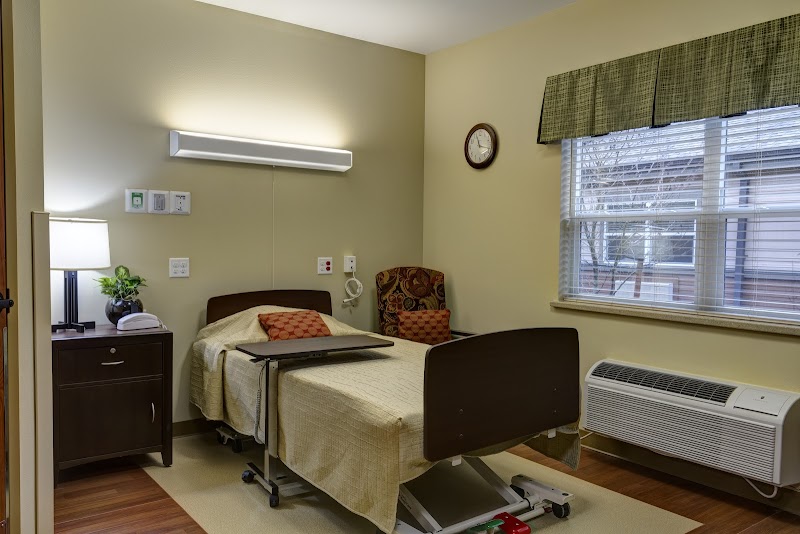
How Does Pine Ridge Post Acute Compare to Other Washington Nursing Homes?

Compared to the 100 nursing homes in Washington, PINE RIDGE POST ACUTE's overall rating (3 stars) is below the state average of 3.2, staff turnover (36%) is near the state average of 46%, and health inspection rating (3 stars) is at the national benchmark.

What Should Families Ask When Visiting Pine Ridge Post Acute?

Based on this facility's data, families visiting should ask: "Can I visit during a mealtime to observe dining assistance and food quality?" "How do you handle medical emergencies, and what is your hospital transfer rate?" "Can I speak with family members of current residents about their experience?"

Is Pine Ridge Post Acute Safe?

Based on CMS inspection data, PINE RIDGE POST ACUTE has a clean safety record: no substantiated abuse findings (meaning no confirmed cases of resident harm), no Immediate Jeopardy citations (the most serious violation level indicating risk of serious injury or death), and is not on the Special Focus Facility watch list (a federal program monitoring the lowest-performing 1% of nursing homes). The facility has a 3-star overall rating and ranks #100 of 100 nursing homes in Washington. While no facility is perfect, families should still ask about staff-to-resident ratios and recent inspection results during their visit.

Do Nurses at Pine Ridge Post Acute Stick Around?

PINE RIDGE POST ACUTE has a staff turnover rate of 36%, which is about average for Washington nursing homes (state average: 46%). Moderate turnover is common in nursing homes, but families should still ask about staff tenure and how the facility maintains care continuity when employees leave.

Was Pine Ridge Post Acute Ever Fined?

PINE RIDGE POST ACUTE has been fined $16,445 across 1 penalty action. This is below the Washington average of $33,243. While any fine indicates a compliance issue, fines under $50,000 are relatively common and typically reflect isolated problems that were subsequently corrected. Families should ask what specific issues led to these fines and confirm they've been resolved.

Is Pine Ridge Post Acute on Any Federal Watch List?

PINE RIDGE POST ACUTE is not on any federal watch list. The most significant is the Special Focus Facility (SFF) program, which identifies the bottom 1% of nursing homes nationally based on persistent, serious quality problems. Not being on this list means the facility has avoided the pattern of deficiencies that triggers enhanced federal oversight. This is a positive indicator, though families should still review the facility's inspection history directly.