ENUMCLAW HEALTH & REHAB CENTER
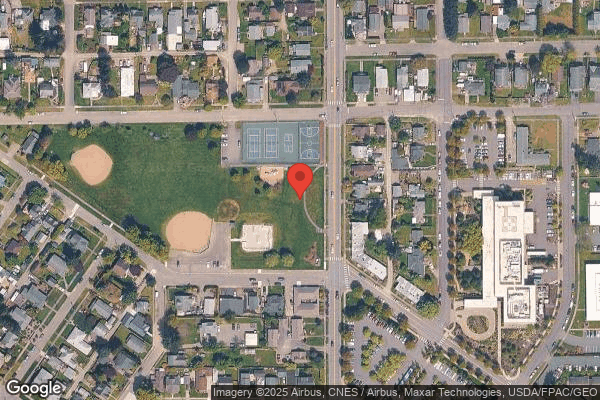
2323 JENSEN STREET, ENUMCLAW, WA 98022 (360) 825-2541
For profit - Limited Liability company 92 Beds EMPRES OPERATED BY EVERGREEN Data: November 2025
Trust Grade
43/100
#140 of 190 in WA
Last Inspection: June 2025

Inspected within the last 6 months. Data reflects current conditions.

Overview

Enumclaw Health & Rehab Center has received a Trust Grade of D, indicating below-average performance with some concerns about care quality. It ranks #140 out of 190 facilities in Washington, placing it in the bottom half of all nursing homes in the state, and #35 out of 46 in King County, suggesting that only a few local options are better. The facility is worsening, with issues increasing from 21 in 2024 to 23 in 2025. While staffing is average with a turnover rate of 68%, which is concerning compared to the state average of 46%, the center does have adequate RN coverage. However, there are significant issues, including a failure to store food safely, risking potential food-borne illnesses, and inadequate therapeutic services for residents, which could lead to declines in their physical condition and quality of life.

Trust Score
D
43/100
In Washington
#140/190
Bottom 27%
Safety Record
Low Risk
No red flags
Inspections
Getting Worse
21 → 23 violations
Staff Stability
⚠ Watch
68% turnover. Above average. Higher turnover means staff may not know residents' routines.
Penalties
○ Average
$8,018 in fines. Higher than 62% of Washington facilities. Some compliance issues.
Skilled Nurses
○ Average
Each resident gets 40 minutes of Registered Nurse (RN) attention daily — about average for Washington. RNs are the most trained staff who monitor for health changes.
Violations
⚠ Watch
65 deficiencies on record. Higher than average. Multiple issues found across inspections.
★★☆☆☆
2.0
Overall Rating
★★★☆☆
3.0
Staff Levels
★★★☆☆
3.0
Care Quality
★★☆☆☆
2.0
Inspection Score
Stable
2024: 21 issues
2025: 23 issues

The Good

  • Full Sprinkler Coverage · Fire safety systems throughout facility
  • No fines on record

Facility shows strength in fire safety.

The Bad

2-Star Overall Rating

Below Washington average (3.2)

Below average - review inspection findings carefully

Staff Turnover: 68%

22pts above Washington avg (46%)

Frequent staff changes - ask about care continuity

Federal Fines: $8,018

Below median ($33,413)

Minor penalties assessed

Chain: EMPRES OPERATED BY EVERGREEN

Part of a multi-facility chain

Ask about local staffing decisions and management

Staff turnover is elevated (68%)

20 points above Washington average of 48%

The Ugly 65 deficiencies on record

Sept 2025 3 deficiencies
CONCERN (D) 📢 Someone Reported This

A family member, employee, or ombudsman was alarmed enough to file a formal complaint

Potential for Harm - no one hurt, but risky conditions existed

ADL Care (Tag F0677)

Could have caused harm · This affected 1 resident

Based on observation, interview, and record review the facility failed to ensure residents who were dependent on staff for assistance with Activities of Daily Living (ADLs - i.e. grooming, bathing, ea...

Read full inspector narrative →
Based on observation, interview, and record review the facility failed to ensure residents who were dependent on staff for assistance with Activities of Daily Living (ADLs - i.e. grooming, bathing, eating, etc.) received the assistance they required for 1 of 4 sample residents (Resident 1) reviewed for ADLs. The failure to provide ADL assistance to dependent residents as required left residents at risk for poor hygiene, diminished feelings of self-worth, and other negative health outcomes.According to a 07/25/2025 Quarterly MDS, Resident 1 had clear speech, was able to understand, and be understood by others. This MDS showed Resident 1 was dependent on staff for bathing and required partial/moderate assistance from staff for personal hygiene, showers, transfers and mobility.Review of a revised 08/11/2025 Baseline Plan of Care (CP) showed directions to staff for Resident 1 to have a shower twice weekly and the resident required substantial maximum support from staff for bathing and dependent on 1 person assist with hair care and personal hygiene.During observations and interviews on 08/22/205 at 08:50 AM, 09/03/2025 at 4:50 PM, and 09/11/205 at 11:05 AM, Resident 1 was seen lying in bed, on their back, with unkempt hair. Resident 1 stated they requested 2 showers a week, they were supposed to happen on Mondays and Thursdays, but they do not they seem to be random. Resident stated their hair was so matted in the beginning a staff member had to cut it out. During an interview on 09/03/2025 at 2:10 PM Staff C stated they would expect the staff to follow the CP and give the two showers a week as written.During an interview on 09/11/2025 at 11:17 AM Staff A stated the shower aides are pulled to the floor occasionally, we try to get the shifts covered.During an interview on 09/11/2025 at 12:30 PM Staff D, Certified Nursing Assistant/Shower Aide (CNA) stated they get pulled from showers to work the floor on occasion.Review of Task Shower Sheets dated 08/18/2025-09/04/25 showed 2 bed bathes given, and 3 Resident Refusals over 18 days. Additional shower sheets for the remainder of the 30 days requested, none provided. No other refusals of showers documented.Reference: WAC 388-97-1060(2)(c).
CONCERN (D) 📢 Someone Reported This

A family member, employee, or ombudsman was alarmed enough to file a formal complaint

Potential for Harm - no one hurt, but risky conditions existed

Deficiency F0825 (Tag F0825)

Could have caused harm · This affected 1 resident

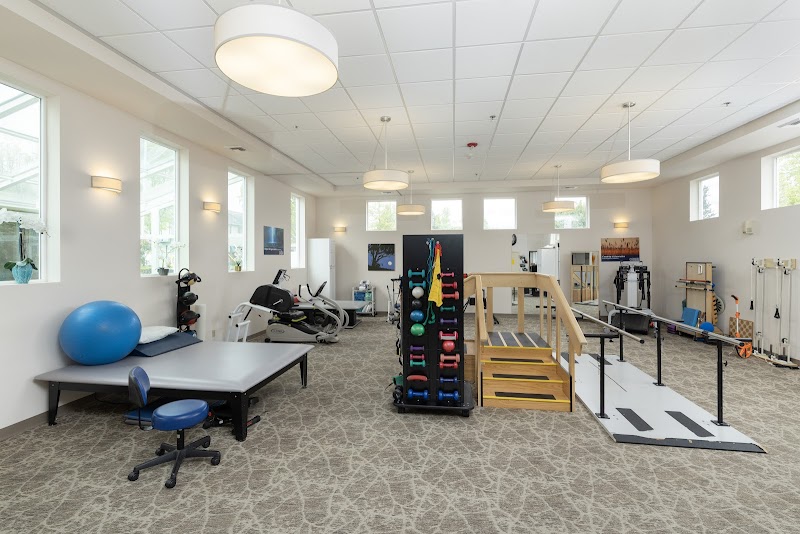
Based on observation, interview, and record review the facility failed to ensure specialized rehabilitative services were provided as determined by the physician's orders for 1 (Resident 53) of 2 resi...

Read full inspector narrative →
Based on observation, interview, and record review the facility failed to ensure specialized rehabilitative services were provided as determined by the physician's orders for 1 (Resident 53) of 2 residents who were reviewed for position/mobility. This failure placed residents at risk for decline in physical and functional mobility, and a diminished quality of life.According to 07/25/2025 Quarterly MDS, Resident 1 had multiple diagnoses considered Medically Complex Conditions. This MDS showed Resident 1 required substantial/maximal assistance with upper and lower body dressing, rolling from side to side, sitting to lying, lying to sitting, toilet transfers, and wheelchair mobility. The MDS showed Resident 1 did not attempt to walk due to medical conditions or safety concerns.Review of a revised 08/11/2025 Baseline Plan of Care (CP) showed Resident 1 to ambulate with therapy only, dependent on 2 person staff for all mobility.During observations and interviews on 08/22/205 at 08:50 AM, 09/03/2025 at 4:50 PM, and 09/11/205 at 11:05 AM, Resident 1 was seen lying in bed, on their back, working on leg exercises while lying in bed. Resident 1 stated they missed some therapy sessions related to dialysis appointments in beginning of stay but did not understand why sometimes the therapists just didn't show up.During an interview on 09/11/2025 at 11:35 AM Staff A stated they would expect the therapy staff to treat as ordered and can't answer if therapy was short or not.During an interview on 09/11/2025 at 12:40 PM Staff E, Therapy Director stated they missed therapy sessions, they should have been documented why they were missed or refused but they did not see those entries. Staff E stated therapy provided 5 treatments weekly. When asked for the additional documented refusals of treatments, none were provided.Review of Occupational Therapy (OT) Evaluation and Plan of Treatment dated 06/06/2025 showed OT was ordered 5 times a week.Review of the Physical Therapy (PT) Evaluation and Plan of Treatment dated 06/06/2025 showed PT was ordered 3 times a week.Review of a therapy calendar provided by Staff A showed Resident 1 received PT 2x/week and OT 3xweek for week of 06/23/2025-06/27/2025. OT 4xweek and PT 2xweek for week of 07/07/2025-07/11/2025, OT 3xweek for week 07/28/2025-08/01/2025, OT 3xweek for week of 08/11/2025-08/15/2025, OT 4xweek for week of 08/25/2025-08/29/2025 REFERENCE: WAC 388-97-1280 (1)(a-b), (3)(a-b).
CONCERN (E) 📢 Someone Reported This

A family member, employee, or ombudsman was alarmed enough to file a formal complaint

Potential for Harm - no one hurt, but risky conditions existed

Grievances (Tag F0585)

Could have caused harm · This affected multiple residents

Based on observation, interview, and record review the facility failed to initiate, investigate, and resolve grievances for 6 of 12 sampled residents (Residents 2, 3, 4, 5, 6, 7, 8 ) reviewed for grie...

Read full inspector narrative →
Based on observation, interview, and record review the facility failed to initiate, investigate, and resolve grievances for 6 of 12 sampled residents (Residents 2, 3, 4, 5, 6, 7, 8 ) reviewed for grievances. This failure placed residents at risk for emotional distress, unresolved frustration, and a diminished quality of life.Findings included .According to the facility's revised 03/2025 Grievance Procedure Policy, the Administrator oversees the grievance procedure and coordinates the center system for collecting, tracking, and responding to grievances. The Administrator is designated as the Grievance Official for the center. The policy showed grievances are resolved immediately, when possible, by the individual receiving the grievance. When immediate resolution is not possible, the grievance is routed to the Grievance Official promptly. If the grievance involves abuse, neglect, exploitation, or misappropriation of resident property, the Administrator is notified immediately, and an investigation begins. The policy showed the Administrator logs Grievances on the Grievance log.<Resident 2> According to the 06/19/2025 Annual Minimum Data Set (MDS-an assessment tool) Resident 2 had clear speech, was understood and understands others. Resident 2 has impairment on both sides of lower body, is dependent on staff for toileting, bathing, repositioning in bed, and transfers from bed to chair, chair to bed.According to the Self Care Deficit Care Plan, updated 07/02/2025, Resident 2 required the use of a mechanical lift, with 2 person assist, to transfer from bed to chair, and chair to bed.In an interview on 08/22/2025 at 1:45 PM Resident 2 stated the mechanical lift malfunctioned, dropped Resident approximately 6 inches, and caused pain to their left knee. Resident 2 stated they submitted 2 separate grievances that took over 2 weeks to get a response.In an interview on 08/22/2025 at 11:00 AM, when asked for a copy of the August Grievance Log, Staff A, Administrator stated the grievance log had not been updated in a couple weeks, believed the grievances were completed and documented on. The Grievance Log provided by Staff A was completely void of data entries. Staff A provided grievances filed in August 2025, 6 showed incomplete grievances. Staff A stated they have 5 days to resolve the issue but attempt to complete them in 2 days.In an interview on 09/03/2025 at 2:14 PM Staff A stated August's Grievance Log was not current, that it was important to track and manage resolutions, to follow up, and ensure Resident's need are met. In an interview on 09/03/2025 at 2:50 PM Staff B (Maintenance Director) stated they do not have a log for mechanical lift inspections.Review of August 2025 Grievance Log showed no entry for a grievance filed by Resident 2 on 08/14/2025 related to a faulty mechanical lift, that dropped Resident 2 into their wheelchair and caused increased pain after the incident.Review of 08/14/2025 Grievance form filed by Resident 2 showed incomplete resolution, actions, recommendations, or notification to Resident 2. <Resident 8> According to the 08/25/2025 Quarterly MDS Resident 8 had clear speech, understood, understands others, and is alert and oriented. Resident has diagnoses of anxiety and depression among others. Resident 8 able to provide all cares for self.According to the updated 06/06/2025 Behavior monitoring care plan, Resident 8 has a history of anxiousness that is triggered by the feeling of being unsafe and the approach of staff or others. In an interview on 09/03/2025 at 3:05 PM, Resident 8 stated they have not received feedback regarding the grievance they submitted a couple weeks prior.Review of August 2025 Grievance Log showed no entry for a grievance filed by Resident 8 on 08/18/2025 related to a staff member constantly standing outside their door, creeping them out, and attempted to remove Resident 8's comforter to take their vital signs.Review of 08/18/2025 Grievance form filed by Resident 8 showed incomplete resolution, actions, recommendations, or notification to Resident.Resident <4> According to the 07/09/2025 admission MDS Resident 4 had clear speech, understood, understands others, and is alert and oriented. Resident 4 requires partial/moderate assistance for toileting, transfers and required substantial/maximal assistance with perineal hygiene.According to the 07/03/2025 Baseline Plan of Care CP showed assistance needed with toileting and hygiene.In an interview on 09/03/2025 at 11:55 AM Resident 4 stated the grievance had not been discussed with them yet and they are worried about getting a rash or infection in the groin area.Review of August 2025 Grievance Log showed no entry for a grievance filed by Resident 4 on 08/18/2025 related to a staff member who does not clean them properly.Review of 08/18/2025 Grievance form filed by Resident 4 showed incomplete resolution, actions, recommendations, or notification to Resident.Similar findings of grievance not entered on log, no resolution, recommendations, or notification to Residents 5, 6, 7.REFERENCE: WAC 388-97-0460.
Jun 2025 20 deficiencies
CONCERN (D)

Potential for Harm - no one hurt, but risky conditions existed

Resident Rights (Tag F0550)

Could have caused harm · This affected 1 resident

Based on observation, interview, and record review the facility failed to provide care in a manner that promoted dignity for 2 (Resident 13 & 18) of 17 sample residents reviewed. The facility failed t...

Read full inspector narrative →
Based on observation, interview, and record review the facility failed to provide care in a manner that promoted dignity for 2 (Resident 13 & 18) of 17 sample residents reviewed. The facility failed to provide privacy during medication pass for Resident 13 and have washcloths available for staff and residents to use for personal care for Resident 18. These failures placed residents at risk for feelings of diminished self-worth and embarrassment. Findings included . <Resident 13> Observations during medication pass on 06/12/2025 at 9:45 AM showed Staff Q (Licensed Practical Nurse) prepare medications for Resident 13. Another staff member from the activities department went into Resident 13's room and brought the resident out in a wheelchair to join an activity. Staff Q stopped the staff member and let them know they needed to administer Resident 13's medications first, and stated, you can leave [them] here. Staff Q put on gloves, administered the medications, and handed the resident an inhaler to use. Staff Q then administered eye drops while Resident 13 remained in the hallway and other residents were walking by. In an interview on 06/12/2025 at 10:42 AM, Staff B (Director of Nursing) stated it was their expectation staff not administer medications in the hallway and that staff should offer the medication administration to be conducted in private to promote dignity for a resident. <Resident 18> In an interview on 06/08/2025 at 1:43 PM, Resident 18 stated they were frustrated the facility was often out of washcloths and reported they had to be, cleaned with a pillowcase. Resident 18 stated they were embarrassed that a pillowcase had to be used for their toileting hygiene care. Observations on 06/10/2025 at 8:47 AM showed the linen closet on the 100 and 500 units had no washcloths available. In an interview on 06/10/2025 at 1:35 PM, Resident 18 stated there were still no washcloths available the night before. Observations on 06/11/2025 at 5:00 AM revealed no washcloths were available in the laundry department. In an interview at this time, Staff Y (Housekeeping Supervisor) stated they did not have any washcloths currently available and stated, they are gone. Staff Y stated they put out 300 washcloths originally, but the linen closets were empty when they go to restock them. Staff Y stated they would be ordering linen this month but with the budget, they were not able to order as often. Staff Y stated the washcloths started slowly disappearing and have had a minimal amount for a few weeks. Staff Y stated they kept a log with outgoing linen counts which showed only 44-49 washcloths were going out to be used by the whole facility. Staff Y stated they had no washcloths to put out for the day, but would be washing some loads to have some back out on the floor within a couple hours. Observations on 06/11/2025 at 5:20 AM showed no washcloths for residents or staff were available in the 500-unit linen closet. In an interview on 06/11/2025 at 5:23 AM, Staff Z (Certified Nursing Assistant - CNA) stated they do not usually have washcloths available and stated, we have a tiny stack for the whole building. When asked how long they have been out of washcloths, Staff Z stated, at least a couple weeks. Observations on 06/11/2025 at 5:49 AM showed no washcloths were available for residents or staff in the 100-unit linen closet. Staff Y was observed restocking the 100-unit linen closet but had no washcloths. In an interview at this time, Staff Y stated, the director is going to buy them today to tide us over. In an interview on 06/11/2025 at 10:55 AM, Resident 18 stated there were no washcloths available, so staff had to use a towel for their toileting hygiene care and stated, at least it wasn't a pillowcase this time. In an interview on 06/11/2025 at 11:01 AM, Staff AA (CNA) stated they were frustrated with the lack of washcloths and stated, I don't know where they are going. Staff AA stated they only had five washcloths to start the day providing showers to residents and stated the supply was low, off and on for a while. In an interview on 06/12/2025 at 10:36 AM, Staff BB (CNA) stated the facility had finally ordered some washcloths but stated, we had zero for at least the past three weeks. Staff BB stated there were a couple of residents that expressed concerns regarding not having washcloths available for use. In an interview on 06/12/2025 at 3:28 PM, Staff CC (CNA) stated they struggled not having washcloths and it was hard explaining to residents when they asked why there are none. Staff CC stated they would often have to use towels, and at times, pillowcases, if they did not have the supplies they needed for resident care. In an interview on 06/13/2025 at 11:34 AM, Staff B stated it was their expectation towels and washcloths be readily available for use by staff and residents. Staff B stated not having the supplies needed for care was a dignity issue and stated this was the resident's home, they should be treated the way we would want to be treated. REFERENCE: WAC 388-97-0180(1-4). .
CONCERN (D)

Potential for Harm - no one hurt, but risky conditions existed

Deficiency F0569 (Tag F0569)

Could have caused harm · This affected 1 resident

**NOTE- TERMS IN BRACKETS HAVE BEEN EDITED TO PROTECT CONFIDENTIALITY** Based on interview and record review the facility failed to ensure funds were reimbursed to the state Office of Financial Recove...

Read full inspector narrative →
**NOTE- TERMS IN BRACKETS HAVE BEEN EDITED TO PROTECT CONFIDENTIALITY** Based on interview and record review the facility failed to ensure funds were reimbursed to the state Office of Financial Recovery (OFR), within 30 days of resident discharge or death, for 2 (Residents 73 & 74) of 3 discharged residents reviewed. This failure caused a delay in reconciling residents' accounts within 30 days as required. Findings included . <Facility Policy> According to a revised facility [DATE] Resident Trust Fund policy, the facility would maintain resident trust fund accounts in accordance with state and federal regulations. This policy showed when a resident discharged or expired, the balance of the resident's personal funds would be returned to the resident, responsible party, or as directed by state regulation. <Resident 73> Record review showed Resident 73 discharged from the facility on [DATE]. Review of the facility's trust records showed the resident had a balance of $229.61 which was not transferred to the OFR until [DATE], over three months after Resident 73's discharge from the facility. <Resident 74> Record review showed Resident 74 discharged from the facility on [DATE]. Review of the facility's trust records showed the resident had a balance of $55.84 which was not transferred to the OFR until [DATE], four days after the 30 day timeframe. In an interview on [DATE] at 2:32 PM, Staff E (Business Office Manager) reviewed the accounts and confirmed the trust balances were not transferred within the 30 day timeframe from the residents' discharges, as required. REFERENCE: WAC 388-97-0340(4)(5). .
CONCERN (D)

Potential for Harm - no one hurt, but risky conditions existed

Assessment Accuracy (Tag F0641)

Could have caused harm · This affected 1 resident

**NOTE- TERMS IN BRACKETS HAVE BEEN EDITED TO PROTECT CONFIDENTIALITY** <Resident 24> According to a 02/10/2025 Annual MDS, Resident 24 had no areas of concern for their dental status. In an int...

Read full inspector narrative →
**NOTE- TERMS IN BRACKETS HAVE BEEN EDITED TO PROTECT CONFIDENTIALITY** <Resident 24> According to a 02/10/2025 Annual MDS, Resident 24 had no areas of concern for their dental status. In an interview on 06/08/2025 at 12:06 PM, Resident 24 stated they had some broken teeth that needed to be fixed for a while. Review of Resident 24's revised 02/29/2024 dental health CP showed tooth decay was found on an oral assessment and gave instructions to staff to coordinate arrangements for dental care, transportation as needed. Record review showed Resident 24 was seen by dental on 05/05/2025 with documentation showing the resident had several decayed and broken teeth and required a referral for evaluation and extractions. In an interview on 06/13/2025 at 10:31 AM, Staff D stated it was important to have an accurate MDS to provide a proper picture of the resident and to CP appropriately. Staff D reviewed Resident 24's 02/10/2025 Annual MDS and stated the dental status section was coded inaccurately and needed to be modified. <Resident 26> According to a 04/16/2025 Significant Change MDS, Resident 26 had multiple medically complex diagnoses including heart failure and a psychotic disorder (a severe mental illness that causes abnormal thinking) and required the use of an antipsychotic medication during the assessment period. This MDS showed staff did not mark Resident 26 was receiving a diuretic (water pill) medication and in a different section, staff marked No antipsychotics were received. Review of the April 2025 medication administration record showed Resident 26 was receiving diuretic medication daily and an antipsychotic medication twice daily. In an interview on 06/13/2025 at 10:31 AM, Staff D reviewed Resident 26's 04/16/2025 Significant Change MDS and stated the resident was receiving a diuretic and an antipsychotic medication during the assessment period and the MDS was coded inaccurately. <Resident 46> According to a 05/22/2025 Significant Change MDS, Resident 46 had multiple medically complex diagnoses including anxiety, depression, a mental illness characterized by extreme mood swings, and a mental health condition that developed after experiencing or witnessing a traumatic event. This MDS showed Resident 46 required the use of antipsychotic and antianxiety medications during the assessment period. This MDS showed staff indicated Resident 46 was not currently considered to have a serious mental illness. Review of a 04/16/2025 behavioral health notice of determination form showed Resident 46 had an evaluation and was determined to have a mental health diagnosis and may benefit from specialized behavioral health services. In an interview on 06/13/2025 at 10:31 AM, Staff D reviewed the 05/22/2025 Significant Change MDS and stated Resident 46 was identified with a serious mental illness and the MDS was coded inaccurately. REFERENCE: WAC 388-97-1000 (1)(b). Based on interview and record review, the facility failed to ensure the Minimum Data Set (MDS - an assessment tool) accurately reflected the status for 5 (Resident 6, 70, 24, 26, & 46) of 17 sample residents reviewed for accuracy of assessments. This failure placed the residents at risk for unmet care needs and a diminished quality of life. Findings included . <Facility Policy> According to the facility's Resident Assessment Instrument (RAI) policy, revised 03/2019, showed the facility would complete MDS assessments per the RAI manual. <Resident 6> Review of Resident 6's 01/08/2024 alteration in gastrointestinal (bodily system involved in digestion and absorption of food) status . Care Plan (CP) showed the resident had a colostomy (surgical procedure creating an opening in the abdomen that collects bowel movements into an external pouch). The CP directed staff to care for the colostomy each shift and instructed nursing aides to empty the pouch every shift. Review of Resident 6's 03/26/2025 Quarterly MDS showed staff coded the resident as being occasionally incontinent of bowel instead of Not Rated, resident had an ostomy . In an interview on 06/12/2025 at 10:16 AM, Staff D (MDS Coordinator) reviewed Resident 6's record and confirmed the MDS was coded inaccurately. Staff D stated the 03/26/2025 MDS required modification. <Resident 70> According to Resident 70's 04/14/2025 Comprehensive MDS, the resident discharged from the facility with their return not anticipated. The MDS showed Resident 70 discharged to a short-term hospital on [DATE]. Review of Resident 70's nursing progress notes showed a 04/14/2025 progress note stating the resident discharged from the facility against medical advice. Staff explained the risks of leaving against medical advice. The resident left the facility at 4:45 PM that day. In an interview on 06/25/2025 at 10:15 AM, Staff D reviewed Resident 70's records and confirmed the 04/14/2025 MDS was coded incorrectly and required modification.
CONCERN (D)

Potential for Harm - no one hurt, but risky conditions existed

PASARR Coordination (Tag F0644)

Could have caused harm · This affected 1 resident

Based on interview and record review, the facility failed to ensure the recommendation of a Level II Preadmission Screen and Resident Review (PASRR) evaluation was incorporated into the Care Plan (CP)...

Read full inspector narrative →
Based on interview and record review, the facility failed to ensure the recommendation of a Level II Preadmission Screen and Resident Review (PASRR) evaluation was incorporated into the Care Plan (CP) upon receiving recommendations for 2 (Resident 46 & 32) of 5 sampled residents reviewed for coordination of PASRR and assessments. This failure placed residents at risk for unmet mental health care needs and a diminished quality of life. Findings included . <Facility Policy> Review of a revised 01/01/2025 PASRR Process Policy and Procedures, showed once the Level II evaluation was complete, the Social Services Director (SSD) would give the evaluation to medical records to be placed in the resident's records. This policy showed the SSD would additionally expand the CP to include recommended approaches noted on the Level II PASRR evaluation. <Resident 46> According to a Quarterly 05/22/2025 Minimum Data Set (MDS - an assessment tool), Resident 46 had multiple medically complex diagnoses including anxiety, depression, a mental illness characterized by extreme mood swings, and a mental health condition that developed after experiencing or witnessing a traumatic event. This MDS showed Resident 46 required the use of antipsychotic and antianxiety medications during the assessment period. Review of Resident 46's records showed facility staff completed a 10/21/2024 Level 1 PASRR indicating the resident had Serious Mental Health Indicators (SMI) and required a Level II evaluation referral. On 04/16/2025 a PASRR Notice of Determination (NOD) was completed and provided to the facility. This NOD showed Resident 46's screening identified the need for a Level II PASRR evaluation due to an existing/suspected behavioral health diagnosis and the resident could benefit from specialized behavioral health services. No Level II evaluation was found in Resident 46's records. In an interview on 06/13/2025 at 9:26 AM, Staff C (SSD) stated the PASRR process was important to make sure residents had proper placement and their mental health needs were met. Staff C stated it was their expectation a Level II PASRR was integrated into the resident's CP once completed and obtained. Staff C reviewed Resident 46's records and was unable to locate the Level II PASRR, only the NOD. Staff C reviewed their computer emails from the PASRR evaluator and found an email from 05/01/2025, over a month previously, with Resident 46's Level II PASRR recommendations. Staff C stated these recommendations should have, but were not implemented into the Resident 46's CP and records. <Resident 32> According to a 05/20/2025 Significant Change MDS, Resident 32 had multiple medically complex diagnoses including dementia (loss of memory or other thinking abilities) and depression. This MDS showed Resident 32 required the use of an antipsychotic, antianxiety, and an antidepressant during the assessment period. Review of a 05/29/2024 Level 1 PASRR showed facility staff identified Resident 32 had an SMI and required a Level II evaluation referral. Record review showed no Level II PASRR evaluation was found for Resident 32. In an interview on 06/13/2025 at 9:26 AM, Staff C stated if a resident was determined to have an SMI, they would expect an evaluation to be obtained and be included in the resident's records. REFERENCE: WAC 388-97-1915(4). .
CONCERN (D)

Potential for Harm - no one hurt, but risky conditions existed

Deficiency F0658 (Tag F0658)

Could have caused harm · This affected 1 resident

**NOTE- TERMS IN BRACKETS HAVE BEEN EDITED TO PROTECT CONFIDENTIALITY** <Medications Given Outside of Parameters> <Resident 45> According to a 05/27/2025 Significant Change Minimum Data Se...

Read full inspector narrative →
**NOTE- TERMS IN BRACKETS HAVE BEEN EDITED TO PROTECT CONFIDENTIALITY** <Medications Given Outside of Parameters> <Resident 45> According to a 05/27/2025 Significant Change Minimum Data Set (MDS- an assessment tool), Resident 45 had multiple medically complex diagnoses including high Blood Pressure (BP). Review of Resident 45's May 2025 Medication Administration Records (MAR) showed the resident was receiving two different medications for high BP with directions to staff to hold doses if the Systolic BP (SBP - a measure of the pressure in your arteries when your heart beats) was less than 110. This MAR showed staff gave the medications outside of these parameters on three occasions. Review of Resident 45's June 2025 MAR showed staff administered these medications outside of parameters on two occasions. <Resident 26> According to a 04/16/2025 Significant Change MDS, Resident 26 had multiple medically complex diagnoses including high BP. Review of Resident 26's April 2025 MAR showed the resident was receiving three different medications for high BP with directions to hold doses if the heart rate was less than 60 and/or SBP was less than 110. This MAR showed staff gave the medications outside of these parameters on four occasions. Review of Resident 26's May 2025 MAR showed staff administered these medications outside of parameters on six occasions. In an interview on 06/13/2025 at 11:34 AM, Staff B (Director of Nursing) stated it was their expectation staff administer medications to residents as directed and hold doses outside of parameters as directed. <Medication Pass Observation> During medication pass observations on 06/12/2025 at 9:41 AM, Staff Q was observed preparing medications for a resident. Staff Q went to a resident's room with the medications, called out their first name, and asked them to sit up to take their medications. Staff Q did not ask the resident their name to confirm or follow the facility's policy for checking resident identifiers, prior to administering the resident's medications. In an interview on 06/12/2025 at 9:50 AM, Staff Q stated they were agency staff, and it was their first time working in the facility. In an interview on 06/12/2025 at 10:42 AM, Staff B stated it was the facility policy and expectation for nurses to verify the right resident prior to administering any medications. Staff B stated those safety checks were important to verify staff were giving the right medication to the right residents. During observations of medication pass on 06/12/2025 at 10:18 AM, Staff Q opened the top drawer of the medication cart and picked up one of two unlabeled medication cups filled with different pills. Staff Q then took the cup of pills and delivered them to a resident in room [ROOM NUMBER]. In an interview on 06/12/2025 at 10:20 AM, Staff Q stated the resident was busy earlier so they placed the medication cup of pills in the top drawer for later use. When asked what medications were in the other unlabeled cup in the top drawer, Staff Q stated they were unsure as the cup of pills was there since their shift started. In an interview on 06/13/2025 at 11:34 AM, Staff B stated it was their expectation a medication cup would be labeled if it had to be placed in the drawer and stated having medications pre-poured and unlabeled increased the risk for medication errors. REFERENCE: WAC 388-97-1620(2)(b)(i)(ii), (6)(b)(i). Based on observation, interview, and record review the facility failed to ensure: physician's orders were followed and/or clarified for 2 (Resident 31 & 9) of 6 sample residents, medications were not administered outside of ordered parameters for 2 (Resident 45 & 26) of 6 sample residents, and ensure 1 (Staff Q - Licensed Practical Nurse) of 4 staff reviewed, followed professional standards of practice during medication pass. These failures left residents at risk for unmet care needs, unnecessary treatments, and other negative health outcomes. Findings included . <Facility Policy> Review of a 01/2023 facility Medication Administration General Guidelines policy showed the following: medications would be administered in accordance with written orders of the prescriber; medications were to be administered at the time they were prepared; privacy would be provided as appropriate; residents were to be identified before medication was administered using at least two resident identifiers, and noting the resident's room number or physical location was not used as an identifier. <Following/Clarifying Physician Orders> <Resident 31> Review of Resident 31's physician orders showed a 09/13/2024 order directing staff to obtain the resident's weight every 4 weeks. Review of Resident 31's weight report showed no weights were obtained for the month of February 2025 or March 2025. Resident 31's February 2025 Treatment Administration Record (TAR) directed staff to obtain the resident's weight on 02/03/2025. Staff documented other/see progress notes but did not document a weight. Review of progress notes showed no documentation indicating why staff did not obtain the weight as ordered. Review of Resident 31's March 2025 TAR directed staff to obtain the resident's weight on 03/03/2025. Staff documented the weight was not obtained because the resident was sleeping. Resident 31's record showed staff did not attempt to obtain the weight later, when the resident was awake. In an interview on 06/12/2025 at 11:13 AM, Staff R (Resident Care Manager) stated it was their expectation staff followed physician orders and obtained residents weights as ordered. <Resident 9> Review of Resident 9's physician orders showed a 04/01/2025 order directing staff to administer an over-the-counter pain-relieving medication to the resident every six hours as needed for a pain level of 1 - 2/10. The physician orders showed a 04/03/2025 order directing staff to administer a narcotic pain relieving medication every 12 hours as needed for a pain level of 1 - 2/10. These orders did not specify which medication should be administered first since both medications were for the same level of pain. Review of Resident 9's bowel protocol orders showed a 01/26/2024 physician order directing staff to administer a suppository to the resident if they did not have a bowel movement after receiving a liquid laxative. Further review of the resident's physician's orders showed their was no order for a liquid laxative to be administered. Resident 9's bowel protocol orders showed a 02/22/2024 for a powder laxative to be administered to the resident every 24 hours as needed for constipation. Resident 9 had a 02/22/2024 order for a tablet laxative to be administered every 24 hours as needed for constipation. There were no instructions directing staff on which stool softener should be administered before the other. In an interview on 06/13/2025 at 11:34 AM, Staff R confirmed the as needed pain medication ordered required clarification. Staff R reviewed Resident 6's bowel protocol orders and confirmed the orders should be clarified so staff knew which medications to administer.
CONCERN (D)

Potential for Harm - no one hurt, but risky conditions existed

Deficiency F0685 (Tag F0685)

Could have caused harm · This affected 1 resident

Based on observation, interview, and record review the facility failed to ensure residents received proper assistive devices to maintain vision and hearing abilities for 1 (Resident 46) of 2 residents...

Read full inspector narrative →
Based on observation, interview, and record review the facility failed to ensure residents received proper assistive devices to maintain vision and hearing abilities for 1 (Resident 46) of 2 residents reviewed for hearing services. Failure to ensure Resident 46 received assistance in obtaining hearing devices placed this resident at risk for a decline in hearing abilities and frustration. Findings included . <Facility Policy> Review of an updated July 2015 Clinical and Support Services policy showed the social services department would assist residents in obtaining needed clinical and support services. This policy showed social services would coordinate services with the nursing department and maintain a list of individuals requiring hearing services. <Resident 46> According to a 07/05/2024 admission Minimum Data Set (an assessment tool) Resident 46 had adequate hearing with the use of a hearing aid. Review of a 05/30/2024 baseline care plan showed instructions to staff that Resident 46 was hard of hearing in both ears and had hearing aids for both ears. In an interview on 06/09/2025 at 9:54 AM, Resident 46 stated they used to wear hearing aids in both ears but indicated their right one broke after it fell out and they accidentally stepped on it. Resident 46 stated it happened last year and staff were going to set them up for an appointment to get it fixed. Resident 46 stated, I never heard another word about it. Observation on 06/12/2025 at 9:28 AM showed Resident 46 wearing a hearing aid in their left ear only. Review of a 07/17/2024 social services progress note showed staff documented Resident 46 reported they found their right hearing aid on the floor near their bed broken in two pieces. Staff documented the resident care manager and director of nursing were advised. Record review showed no further information regarding setting up an appointment or assisting Resident 46 with obtaining a replacement for their broken hearing aid. In an interview on 06/13/2025 at 9:26 AM, Staff C (Social Services Director) stated they were unaware of any residents that had broken hearing aids and required a referral. Staff C stated they did not believe Resident 46 wore hearing aids. In an interview on 06/13/2025 at 2:54 PM, Staff R (Resident Care Manager) stated they thought Resident 46 had hearing aids but would not wear them. Staff R stated they were unaware of any referrals for Resident 46's hearing aids. In an interview on 06/13/2025 at 11:34 AM, Staff G (Regional Director of Clinical Operations) stated it was their expectation appointment referrals be followed up on by staff. REFERENCE: WAC 388-97-1060(3)(a). .
CONCERN (D)

Potential for Harm - no one hurt, but risky conditions existed

Accident Prevention (Tag F0689)

Could have caused harm · This affected 1 resident

**NOTE- TERMS IN BRACKETS HAVE BEEN EDITED TO PROTECT CONFIDENTIALITY** <Resident 3> According to an 04/25/2025 Quarterly MDS, Resident 3 had multiple medically complex diagnoses, was dependent ...

Read full inspector narrative →
**NOTE- TERMS IN BRACKETS HAVE BEEN EDITED TO PROTECT CONFIDENTIALITY** <Resident 3> According to an 04/25/2025 Quarterly MDS, Resident 3 had multiple medically complex diagnoses, was dependent on staff for wheelchair mobility, and had a history of falling. In an interview on 06/09/2025 at 10:18 AM, Resident 3's family stated they were concerned about the resident having recent falls. Observations on 06/09/2025 at 12:38 PM, showed Resident 3 lying in bed with their call light in reach. Review of a 01/05/2025 12:00 PM facility incident report showed Resident 3 had a fall in their room. This report showed staff were educated not to leave Resident 3 in their room alone and an intervention was added to their CP to place the resident in a wheelchair near the nurse's station and to encourage them to participate in activities of choice. On 01/20/2025 at 6:30 PM, Resident 3 had another fall and was found on the floor in their room with their wheelchair behind them. This report showed staff were again educated that if Resident 3 was sitting in their wheelchair they, were to remain in the hallway or by the nurse's station, a new intervention was added to place the resident on assisted dining for assistance with meals. In an interview on 06/13/2025 at 11:34 AM, Staff B stated it was their expectation staff follow fall interventions in order to decrease the risk for further falls and indicated the fall interventions for Resident 3 needed to be clarified and updated. <Resident 26> According to an 04/16/2025 Significant Change MDS, Resident 26 had a history of repeated falls, had a fall with injury since the previous assessment, and required substantial assistance with transfers. Observations on 06/08/2025 at 12:21 PM, 06/10/2025 at 1:04 PM, and 06/12/2025 at 9:23 PM showed Resident 26's bed positioned away from the wall. Review of Resident 26's functional abilities CP showed safety directions to staff for the resident's bed to be against the wall for safety and to maximize living space. In an interview on 06/13/2025 at 11:34 AM, Staff B stated Resident 26's safety CP interventions needed to be updated and revised to reflect the current interventions. Refer to F610 - Investigate/Prevent/Correct Alleged Violation. REFERENCE: WAC 388-97-1060(3)(g). Based on interview, and record review, the facility failed to initiate interventions to prevent continued falls for 4 of 7 residents (Resident 28, 42, 3, & 26) reviewed for falls. This failure placed residents at risk of continued falls, potential neglect, and other negative health outcomes. Findings included . <Facility Policy> According to a facility policy titled, Resident Falls Management, when a resident had a fall the facility would develop an appropriate plan to minimize recurrence. The policy showed the facility would evaluate and modify plans to prevent the recurrence of falls. <Resident 28> According to a 05/28/2025 admission Minimum Data Set (MDS - an assessment tool) Resident 28 admitted to the facility on [DATE] with no memory impairment. The MDS showed Resident 28 had a history of falls. Review of a 05/21/2025 Resident is Moderate Risk for Falls related to Deconditioning Care Plan (CP) showed staff would ensure Resident 28 was wearing appropriate footwear. Review of a 05/29/2025 resident had an actual fall CP showed an intervention continue interventions on the at risk plan with no new added interventions related to this fall to prevent future falls. In an observation and interview on 06/09/2025 at 9:28 AM Resident 28 had a dressing on their left knee. Resident 28 stated their feet got caught up when walking back from closing their window blinds and they fell. Resident 28 stated they did call for staff but nobody came so they got out of bed on their own to close the blinds. <Resident 42> According to an 11/18/2024 admission MDS Resident 42 was dependent on staff for bed to chair transfers. The MDS showed Resident 42 had a diagnosis of, but not limited to, paralysis of the lower half of the body. Review of Resident 42's 12/26/2024 High Risk for Falls related to Paralysis CP, staff would anticipate and meet the needs of the resident. Review of Resident 42's 05/22/2025 .had an actual fall with no injury CP showed continue interventions on the at risk plan with no new interventions related to the 05/22/2025 fall added. In an observation and interview on 06/09/2025 at 10:23 AM Resident 42 was lying in bed with bilateral above the knee amputations. Res 42 stated they fell after staff placed them in their wheelchair crooked and they attempted to reposition themselves. Resident 42 stated the wheelchair tipped over backward and they hit their head so hard on the corner of the wall. In an interview on 06/13/2025 at 1:32 PM Staff B (Director of Nursing) stated no new interventions were documented for prevention of future falls for Residents 28 and 42 but should have been. Staff B stated it was important after a resident had a fall to evaluate and add new interventions to prevent similar future falls for resident safety.
CONCERN (D)

Potential for Harm - no one hurt, but risky conditions existed

Deficiency F0825 (Tag F0825)

Could have caused harm · This affected 1 resident

**NOTE- TERMS IN BRACKETS HAVE BEEN EDITED TO PROTECT CONFIDENTIALITY** Based on observation, interview, and record review the facility failed to ensure specialized rehabilitative services were provid...

Read full inspector narrative →
**NOTE- TERMS IN BRACKETS HAVE BEEN EDITED TO PROTECT CONFIDENTIALITY** Based on observation, interview, and record review the facility failed to ensure specialized rehabilitative services were provided as determined by the physician's orders for 1 (Resident 53) of 2 residents who were reviewed for position/mobility. This failure placed residents at risk for decline in physical and functional mobility, and a diminished quality of life. Findings included . <Facility Policy> Review of the facility's, Therapy Evaluation Time Line policy dated 06/2010, showed upon receiving the physician's order for a therapy evaluation, the resident would be seen and evaluated by the therapy department in a timely manner (within 48 hours .). <Resident 53> According to the 05/12/2025 admission Minimum Data Set (MDS - an assessment tool), Resident 53 admitted to the facility from another long term care facility and had moderate cognitive impairment indicating some difficulties with thinking and processing. The MDS showed Resident 53 had a diagnosis of a brain bleed with severe weakness to the right side of their body. The MDS showed the resident did not receive restorative nursing services or any skilled therapy services including physical, occupational, or speech therapy during the assessment period. In an observation and interview on 06/09/2025 at 8:22 AM, Resident 53 was lying in bed awake. Resident 53's right arm and leg were resting loosely on the bed. Resident 53 stated they were sitting there wasting away and their right arm and leg did not work. Resident 53 stated they were not doing therapy or an exercise program with staff. Resident 53 stated if they had ways of getting around, I would be much better. Similar observations were made on 06/11/2025 at 10:48 AM and on 06/12/2025 at 1:43 PM. Review of Resident 53's 05/07/025 baseline care plan showed the resident required assistance from two staff members for activities of daily living including bathing, changing position from lying down to sitting up, rolling side to side, and with toileting assistance. The care plan directed staff to turn and reposition Resident 53 routinely. Review of Resident 53's physician orders showed a 05/09/2025 order for physical therapy, occupational therapy, and speech therapy to evaluate and treat the resident as indicated. Review of Resident 53's comprehensive record on 06/12/2025 showed no documentation indicating the resident was evaluated or treated by the therapy department as ordered. In an interview on 06/12/2025 at 12:17 PM, Staff F (Therapy Director) stated the facility attempted to get pre-authorization from Resident 53's insurance company on admission in order to evaluate the resident, but Staff D believed the authorization did not go through and stated they needed to follow up. In an interview on 06/12/2025 at 12:47 PM, Staff E (Business Office Manager) reviewed Resident 53's records and insurance information. Staff E stated Resident 53's insurance did not require a pre-authorization in order for the therapy department to evaluate the resident and stated the resident was eligible for evaluation by the therapy department since their admission to the facility on [DATE], more than a month prior. Staff E provided email documentation dated 05/10/2025 that was sent to Staff F, indicating Resident 53 was able to be evaluated by therapy. In an interview on 06/12/2025 at 3:01 PM, Staff F stated it was their expectation resident's were seen by the therapy department within 24 - 48 hours of receiving a physician's order for evaluation. Staff F stated we missed that one regarding evaluating Resident 53 as ordered by the physician. Staff F stated it was important to be prompt with therapy evaluations so the resident did not experience a delay in cares or further deficit. REFERENCE: WAC 388-97-1280 (1)(a-b), (3)(a-b). .
CONCERN (D)

Potential for Harm - no one hurt, but risky conditions existed

Medical Records (Tag F0842)

Could have caused harm · This affected 1 resident

<Unit 500> Observation on 06/12/2025 at 9:50 AM showed a unit 500 nurse run sheet left unattended in view on the unit 500 medication cart. The unit 500 nurse run sheet included resident's names,...

Read full inspector narrative →
<Unit 500> Observation on 06/12/2025 at 9:50 AM showed a unit 500 nurse run sheet left unattended in view on the unit 500 medication cart. The unit 500 nurse run sheet included resident's names, room number, and diagnoses on it. In an interview on 06/12/2025 at 9:52 AM Staff W (Licensed Practical Nurse) stated the nurse run sheet should be protected and not visible for all. Staff W stated it was important to protect PHI for resident rights. In an interview on 06/13/2025 at 11:02 AM Staff A (Administrator), Staff B (Director of Nursing), and Staff G (Regional Director of Clinical Operations) stated they expected staff to protect residents PHI for residents rights to privacy. Reference: WAC 388-97-1720(1)(c), -0360(1-3). Based on observation, interview, and record review the facility failed to keep all Protected Health Information (PHI) out of view from unauthorized individuals for 2 of 3 units (Units 200/300 and 500). This failure placed residents at risk for a violation of their right to privacy. Findings included . <Facility Policy> Review of the facility's admission agreement, dated 09/2023, showed the facility would implement appropriate measures to protect and maintain confidentiality of all residents' PHI. <Unit 200/300> Observation on 06/10/2025 at 10:29 AM showed a printed document titled 200 & 300 & 501-506 Hall Nurse Run Sheet was left unattended on the medication cart with viewable PHI including full names, room numbers, and diagnoses of 15 residents from Units 200 and 300. Nursing staff were not observed near the medication cart or in the hallway. In an interview on 06/10/2025 at 10:32 AM, Staff I (Registered Nurse) confirmed they left the unit roster unattended on the medication cart with PHI visible. Staff I stated PHI should not be visible to unauthorized individuals. Staff I stated all residents had a right to privacy and PHI protection.
CONCERN (D)

Potential for Harm - no one hurt, but risky conditions existed

Infection Control (Tag F0880)

Could have caused harm · This affected 1 resident

**NOTE- TERMS IN BRACKETS HAVE BEEN EDITED TO PROTECT CONFIDENTIALITY** <Hand Hygiene> <Dining> Observations of meal tray pass on 06/08/2025 at 12:53 PM, showed Staff V delivering a lunch ...

Read full inspector narrative →
**NOTE- TERMS IN BRACKETS HAVE BEEN EDITED TO PROTECT CONFIDENTIALITY** <Hand Hygiene> <Dining> Observations of meal tray pass on 06/08/2025 at 12:53 PM, showed Staff V delivering a lunch tray to a resident in room [ROOM NUMBER]. While in the room, Staff V touched items on the bedside table and exited the room without performing HH. Staff V then wiped their face with their hand, picked up another tray, delivered the tray to a resident in room [ROOM NUMBER], and exited the room without performing HH. At that time, Staff V approached a resident in a wheelchair and pushed them to room [ROOM NUMBER]. At 12:59 PM, Staff V picked up another tray to deliver to a resident in a room with TBP. Staff V did not perform HH since observations started at 12:53 PM. In an interview on 06/13/2025 at 10:42 AM, Staff H stated it was their expectation staff complete HH before entering resident rooms, after touching items in a resident's room, and after exiting rooms. Staff H stated HH was important in reducing the risk of spreading diseases. <Medication Pass> Continuous observations during a medication pass on 06/12/2025 between 9:41 AM and 10:31 AM showed Staff Q pull out a medication bingo card from the cart and pop one of the pills into their bare hands. Staff Q then put the pill into a cup, went into the resident's room and administered it to the resident. While in the room, Staff Q touched items and surface areas, then without performing HH, exited the room to return to the medication cart. Staff Q began preparing medications for another resident, including an inhaler, and eye drops. Staff Q put on a pair of gloves, approached the resident, handed them the inhaler to self-administer, administered the resident's eye drops, and removed their gloves without performing HH. Staff Q retrieved the inhaler from the resident, put it into their shirt pocket, and walked into another resident's room prior to returning to the medication cart. Staff Q took the inhaler out of their pocket, returned it to the cart, and did not perform HH. Staff Q began preparing another resident's medications by popping the pills from bingo cards into their soiled hands, which were not sanitized since the start of the medication pass observation. Staff Q went into a different resident's room, administered the medications, exited the room without performing HH, and returned to the cart. Staff Q was observed wiping their nose with a tissue, and without performing HH afterwards, applied a medication patch on a resident. Staff Q returned to the cart, used their cell phone, and did not perform HH before popping pills from medication bingo cards into their still soiled, bare hands. In an interview on 06/12/2025 at 10:42 AM, Staff B stated there should be no direct handling of medications by staff and stated it was their expectation staff placed medications directly into a cup during preparations. REFERENCE: WAC 388-97-1320(1)(c)(2)(b). Based on observation, interview, and record review the facility failed to ensure staff followed Contact Precautions (a type of isolation used to prevent spread of infections) for 3 of 4 residents (Residents 52, 47, & 32) reviewed for Transmission Based Precautions (TBP), ensure proper Hand Hygiene (HH) was performed by 3 staff (Staff L - Certified Nursing Assistant - CNA, Staff Q - Licensend Practical Nurse & Staff V - CNA), ensure staff used appropriate Personal Protective Equipment (PPE) (Staff H - Infection Preventionist), and ensure staff used appropriate infection prevention measures during medication pass (Staff Q). These failures placed residents at risk for exposure to and development of facility-acquired or healthcare-associated infections and related complications. Findings included . <Facility Policy> Review of the facility policy titled, Transmission Based Precautions (Isolation), dated March 2025, showed determination for the type of TBP used was based on how the infectious agent was transmitted. The policy showed communication of TBP was accomplished with pertinent signage and verbal report to personnel and visitors. The policy showed indirect transmission of infectious agents could occur through contact with resident care equipment, so personal care items would be dedicated for use only for the infected resident. The policy showed Contact Precautions were the most significant mode of transmission of infectious agents and could occur through direct contact with the residents or the residents' environment. The policy showed when entering a Contact Precautions room, personnel would wear gowns and gloves, remove the PPE prior to exiting the room, and perform HH. According to a revised 2018 Handwashing/Hand Hygiene policy, the facility considered HH to be the primary means to prevent the spread of infections. This policy showed staff would follow the handwashing/HH procedures to help prevent the spread of infections to others, which included the following: before and after direct contact with residents; before preparing or handling medications; before putting on gloves, after contact with objects in the immediate area of the resident; after removing gloves; before and after entering isolation precaution settings; and after conducting their own personal hygiene. <TBP> <Resident 52> According to a 05/20/2025 admission Minimum Data Set (MDS - an assessment tool) Resident 52 admitted to the facility on TBP for an active infectious disease. Review of Resident 52's 05/15/2025 Care Plan (CP) showed an intervention for family/visitors/caregivers to wear disposable gown and gloves during physical contact with the resident. <Resident 47> According to the 04/29/2025 Significant Change MDS, Resident 47 admitted to the facility on TBP for an active infectious disease. Review of Resident 47's 04/17/2025 Baseline CP showed an intervention for isolation precautions for an infection. In an observation and interview on 06/09/2025 at 9:25 AM Staff T (CNA) and Staff U (Activities Director) entered room [ROOM NUMBER] occupied by Residents 52 & 47. Observation showed a TBP sign for Contact Precautions posted on the outside of the room instructing all who entered room [ROOM NUMBER] were to put on a disposable gown and gloves provided in a cart outside of the room. Staff T and Staff U entered room [ROOM NUMBER] without putting on the appropriate PPE. Staff T stated they were instructed they only needed to wear PPE when providing direct care to the residents. Staff T and Staff U reviewed the sign instructions and stated they saw all who entered were to wear a gown and gloves prior to entering the room. In an interview on 06/10/2025 at 10:06 AM Staff H and Staff B (Director of Nursing) stated they expected staff to read and follow TBP signs posted outside of the rooms. Staff H stated it was important for prevention of spreading infections to other residents.<Resident 32> Observations on 06/08/2025 at 12:59 PM showed Staff V putting on PPE prior to entering Resident 32's room with a posted sign at the door stating: Special Droplet/Contact Precautions. The sign directed staff to wear a gown, eye protection, mask, and gloves prior to entering the room. Staff were to perform HH when entering and exiting the room. Staff V did not put on eye protection prior to entering the resident's room. Observations on 06/12/2025 at 9:01 AM showed Staff L and Staff X (CNA) standing outside Resident 32's room. Staff L and Staff X were observed putting on gowns, face masks, goggles, and gloves. Staff L did not perform HH prior to putting on gloves. After entering the room, Staff X and Staff L performed incontinence care and linen changes for Resident 32's roommate. During incontinence care for the roommate, Staff L was observed to be wearing a damaged glove exposing one of their fingers. Staff L continued to provide resident care, linen change, and the disposal of soiled linen and garbage wearing the damaged glove. Staff L placed bags of soiled linen and garbage near the door, removed their gloves, and put on new gloves without performing HH. Observations on 06/12/2025 at 9:22 AM showed Staff L assisting Staff X in providing incontinence care and linen changes for Resident 32. Staff L removed their PPE in the room, did not perform HH, and exited the room to dispose of soiled linen and garbage. In an interview on 06/12/2025 at 9:34 AM, Staff L stated they were not aware of their lack of HH practices and confirmed they received HH training during their recent hire to the facility. Staff L acknowledged their lack of HH demonstrated cross contamination and placed residents at risk for infection. In an interview on 06/13/2025 at 10:42 AM, Staff H stated their expectation was for staff to follow the directions posted on the signs at the door and for staff to wear the appropriate PPE based on the precautions a resident was on. Staff H stated for Resident 32, staff were expected to wear a face shield or goggles prior to entering the room.
CONCERN (E)

Potential for Harm - no one hurt, but risky conditions existed

Safe Environment (Tag F0584)

Could have caused harm · This affected multiple residents

**NOTE- TERMS IN BRACKETS HAVE BEEN EDITED TO PROTECT CONFIDENTIALITY** <Carpet> Observations on 06/08/2025 at 8:52 AM, 06/11/2025 at 5:54 AM, and 06/13/2025 at 11:29 AM showed a large carpet st...

Read full inspector narrative →
**NOTE- TERMS IN BRACKETS HAVE BEEN EDITED TO PROTECT CONFIDENTIALITY** <Carpet> Observations on 06/08/2025 at 8:52 AM, 06/11/2025 at 5:54 AM, and 06/13/2025 at 11:29 AM showed a large carpet stain in the hallway across from room [ROOM NUMBER]. In an observation and interview on 06/13/2025 at 11:29 AM, Staff K stated it was their expectation housekeeping staff would address carpet stains promptly. <Blinds> Observations on 06/08/2025 at 8:52 AM, 06/11/2025 at 5:54 AM, and 06/13/2025 at 11:29 AM showed there were missing and broken window blinds to the windows at the end of the 100-hall and the 200-hall. An observation of the 200-hall window with Staff K on 06/13/2025 at 11:29 AM showed Staff K pick up a broken blind lying on the floor under the window. In an interview at this time, Staff K stated the broken blinds needed to be fixed and the missing blinds replaced. Staff K stated it was important for the facility to be clean and in good repair, so it felt like home for the residents and to keep everything functional. REFERENCE: WAC 388-97-0880. Based on observation, interview, and record review, the facility failed to provide necessary maintenance and housekeeping for 3 of 3 units and the main dining room. The facility failed to ensure residents' living environment was free from broken and/or missing window blinds, stained carpets, and air vents with debris accumulation. The failure to maintain window blinds, carpets, and ceiling vents in good repair and sanitary condition placed the residents at risk for diminished quality of life. Findings included . <Facility Policy> Review of the facility's Notice Of Resident Rights Under Federal Law, updated 11/2016, showed the facility would provide residents with a safe, clean, comfortable, and homelike environment. Review of the facility's admission Agreement and Resident Handbook, updated December 2023, showed the facility would provide daily housekeeping services and the maintenance department would regularly review the facility to identify and perform needed improvements. <Air Vents> Observation on 06/08/2025 at 12:25 PM, 06/10/2025 at 10:32 AM, and 06/13/2025 at 1:50 PM showed a buildup of debris on two ceiling air vents in the main dining room. Observations on 06/13/2025 at 1:49 PM showed a buildup of debris on the bathroom ceiling air vents in rooms 102, 309, 501, and 502. The air vent for the wall-mounted heater in the 100 unit hallway showed a buildup of debris. In an interview on 06/13/2025 at 1:53 PM, Staff K (Maintenance Supervisor) stated the air vents in the facility needed to be cleaned and would be taken care of the following weekend. Staff K stated a clean and homelike environment was important for residents to be able to feel comfortable, as the facility was their home. Staff K was unaware of the availability of records documenting regular facility reviews. The facility was unable to provide further documention.
CONCERN (E)

Potential for Harm - no one hurt, but risky conditions existed

Investigate Abuse (Tag F0610)

Could have caused harm · This affected multiple residents

**NOTE- TERMS IN BRACKETS HAVE BEEN EDITED TO PROTECT CONFIDENTIALITY** <Resident 3> According to a 04/25/2025 Quarterly MDS, Resident 3 had multiple medically complex diagnoses including a hist...

Read full inspector narrative →
**NOTE- TERMS IN BRACKETS HAVE BEEN EDITED TO PROTECT CONFIDENTIALITY** <Resident 3> According to a 04/25/2025 Quarterly MDS, Resident 3 had multiple medically complex diagnoses including a history of falling, required substantial assistance with transfers, and was dependent on staff for toileting hygiene. In an interview on 06/09/2025 at 10:18 AM, Resident 3's family stated they were concerned about the resident having recent falls. Observations on 06/09/2025 at 12:38 PM, showed Resident 3 lying in bed with their call light in reach. Review of a revised 08/16/2024 risk for falls CP showed Resident 3 had a history of frequent falls and gave directions to staff to anticipate resident needs, ensure the resident's call light was within reach, and keep the room free of clutter due to poor eyesight. Review of a revised 05/18/2024 actual fall CP showed an intervention to assist Resident 3 with the bathroom upon awakening, before/after meals, and at bedtime. Review of a 01/05/2025 12:00 PM facility incident report showed Resident 3 was found in their room, lying on the floor face down, with their wheelchair nearby. The investigation was blank under the Predisposing Environmental Factors assessment section showing staff did not indicate if Resident 3's room was cluttered, if wheelchair locks were working, or if the resident had what they needed within reach. There was no information included in the report to show if Resident 3 needed assistance with toileting or other care needs and/or when the last time any assistance was provided to the resident prior to the fall. Review of a 01/20/2025 6:30 PM facility incident report showed Resident 3 was found on the floor by their bed with their wheelchair behind them. The investigation was blank under the Predisposing Environmental Factors assessment section of the incident report showing staff did not indicate if Resident 3's room was cluttered, if wheelchair locks were working, or if the resident had what they needed within reach. There was no information included in the report to show if Resident 3 needed assistance with toileting or other care needs and/or when the last time any assistance was provided to the resident prior to the fall. <Resident 26> According to an 04/16/2025 Significant Change MDS, Resident 26 had multiple medically complex diagnoses including diabetes (a disease that affects how your body regulates blood sugar) and a history of repeated falls. This MDS showed Resident 26 had a fall with injury since the previous assessment and required substantial assistance with transfers and toileting hygiene. Review of a revised 05/24/2024 fall CP showed Resident 26 had low blood sugars, confusion, poor balance, impulsive behavior, and received high-risk medications. Observations on 06/08/2025 at 12:21 PM showed Resident 26 sitting on their bed with their walker nearby. In an interview at this time, Resident 26 stated they had recent falls. Review of a 01/11/2025 4:04 AM facility incident report showed Resident 26 was found standing staring at the wall, and began lowering themselves to the floor. The staff in the room assisted Resident 26 to their knees. There was no information included in the report to show if staff assessed Resident 26's blood sugar, needed assistance with toileting or other care needs, and/or when the last time any assistance was provided to the resident prior to the fall. Review of a 03/24/2025 12:08 AM facility incident report showed Resident 26 was found on the floor in the hallway with injuries to their face. The investigation records showed Resident 26's call light was on at the time of the fall. There was no information included in the report to indicate how long the resident's light was on or how long it was since they received toileting assistance from staff, prior to the fall. There was no information to show if staff assessed Resident 26's blood sugar after the fall. Review of a 05/01/2025 10:00 PM facility incident report showed Resident 26 was found on the floor by their bed with a broken walker next to them and injuries to their finger. The investigation records showed Resident 26's call light was on at the time of the fall. There was no information included in the report to indicate how long the resident's light was on at the time of the fall or if staff assessed Resident 26's blood sugar after the fall. In a joint interview on 06/13/2025 at 11:34 AM with Staff B and Staff G (Regional Director of Clinical Operations), Staff G stated it was important to try and figure out the root cause of a fall so staff would know how to formulate the interventions to prevent further falls and decrease the risk for injuries. Staff B stated the incident reports for Residents 3 and 26 were not thorough and should have, but did not include more information and assessments. Refer to F689 - Free of Accidents Hazards. REFERENCE: WAC 388-97-0640(6)(a)(b). Based on observation, interview, and record review, the facility failed to ensure thorough and complete investigations for 4 of 7 residents (Resident 28, 42, 3, & 26) reviewed for falls. Failure to conduct a thorough investigation placed residents at risk for further injuries, potential abuse/neglect, and other negative health outcomes. Findings included . <Policy> According to a facility policy titled, Freedom from Abuse, Neglect, Corporal Punishment, Involuntary Seclusion, Mistreatment, Misappropriation of Resident Property, and Exploitation, dated March 2025, an example of neglect was failure to implement and monitor care planned interventions. The policy showed the facility would conduct a thorough investigation of potential neglect/abuse in accordance with state and federal regulations. According to a facility policy titled, Abuse Investigation, dated October 2022, the facility would determine if abuse/neglect had occurred and determine the extent and cause. The policy showed the facility would maintain complete and thorough documentation of the investigation. According to a facility policy titled, Resident Falls Management. Dated November 2016, the facility would assess and decrease clutter in the room, assess footwear and guarantee the resident's footwear fit appropriately, and evaluate lighting in the room and adjust as needed. <Resident 28> According to a 05/28/2025 admission Minimum Data Set (MDS - an assessment tool) Resident 28 admitted to the facility on [DATE] with no memory impairment. The MDS showed Resident 28 had a history of falls. In an observation and interview on 06/09/2025 at 9:28 AM, Resident 28 was lying in bed with a bandage to their left knee and elbow. Resident 28 stated they had a fall the other day causing an abrasion to their left knee and elbow. Review of a 05/24/2025 investigation for a fall, showed the nurse answered Resident 28's call light and found the resident sitting on their bed and reported they fell, with skin injuries to their left knee and elbow. The incident report showed a Neurological Assessment (an assessment of the resident's level of consciousness, vital signs, mental status, motor response, and strength initiated and conducted over a minimum of 24 hours after a resident had the possibility of hitting their head or actually hit their head) was initiated with no documentation of the assessment being done. The investigation was blank under the Predisposing Environmental Factors assessment section of the incident report showing the environment was not assessed for causative factors such as clutter, wet floor, or appropriate footwear for Resident 28's fall on 05/24/2025. The investigation did not include a skin assessment of the left knee skin injury documenting the appearance, measurements of the injury, or any noted drainage. <Resident 42> According to an 11/18/2024 admission MDS, Resident 42 was dependent on staff for bed to chair transfers. The MDS showed Resident 42 had a diagnosis of, but not limited to, paralysis of the lower half of the body. Review of Resident 42's 12/26/2024 High Risk for Falls related to Paralysis Care Plan (CP), staff would anticipate and meet the needs of the resident. Resident 42's .had an actual fall with no injury CP showed neurological checks would be completed for the 05/22/2025 fall. In an observation and interview on 06/09/2025 at 10:23 AM Resident 42 was lying in bed with bilateral above the knee amputations. Res 42 stated they fell after staff placed them in their wheelchair crooked and they attempted to reposition themselves. Resident 42 stated the wheelchair tipped over backward and they hit their head so hard on the corner of the wall. Review of the investigation documents showed the incident report for Resident 42 identified they hit their head during a fall on 05/22/2025. The report showed Resident 42 was transferred by two staff with a mechanical lift to their wheelchair and Resident 42 attempted to self-adjust after the staff placed them in their wheelchair causing the wheelchair to tip over backwards with staff still present in the room. The report showed Resident 42 hit their head on the corner of the wall when their wheelchair tipped over backward. The investigation of Resident 42's fall showed neurological assessment initiated. Review of the 05/22/2025 investigation and Resident 42's records showed no neurological assessment was done. Resident 42's incident report showed there was no predisposing situation factors for the fall including whether the resident was uncomfortable in their wheelchair after the transfer. The investigation did not include statements from the two staff members that transferred Resident 42 investigating if they ensured the residents comfort after placing them in their wheelchair. In an interview on 06/13/2025 at 1:32 PM Staff B (Director of Nursing) stated they did not have documentation of a completed neurological assessment as part of the investigation file or in Resident 28 or 42's health records but should. Staff B stated a skin assessment documenting measurements and appearance of Resident 28's skin tear should have be done but was not. Staff B stated it was important to complete these assessments as part of the investigation to ensure the residents did not have further injuries or other negative health outcomes. Staff B stated they expected staff to complete all sections of the incident report as part of the investigation to include assessment of the environmental factors and predisposing situation factors, but staff did not for Resident 28 and 42's falls.
CONCERN (E)

Potential for Harm - no one hurt, but risky conditions existed

Deficiency F0628 (Tag F0628)

Could have caused harm · This affected multiple residents

**NOTE- TERMS IN BRACKETS HAVE BEEN EDITED TO PROTECT CONFIDENTIALITY** <Resident 24> Review of Resident 24's 07/15/2024 and 10/15/2024 Discharge MDS showed the resident was transferred to an ac...

Read full inspector narrative →
**NOTE- TERMS IN BRACKETS HAVE BEEN EDITED TO PROTECT CONFIDENTIALITY** <Resident 24> Review of Resident 24's 07/15/2024 and 10/15/2024 Discharge MDS showed the resident was transferred to an acute care hospital on [DATE] and 10/15/2024, with their return anticipated. <Report to Receiving Facility> Review of Resident 24's records showed staff did not document the hospital was given report of the resident's condition at the time of transfer and no e-interact form was completed by staff for the resident's 10/15/2024 transfer. <Written Notice> Record review showed no documentation staff provided written notification to Resident 24 and/or the resident's representative regarding their discharge on [DATE] or 10/15/2024 as required. <LTCO Notification> Record review showed no documentation indicating the LTCO was notified of Resident 24's 07/15/2024 or 10/15/2024 transfer as required. <Resident 46> Review of Resident 46's 05/12/2025 Discharge MDS showed the resident was transferred to an acute care hospital on [DATE], with their return anticipated. <Report to Receiving Facility> Review of Resident 46's records showed staff did not document the hospital was given report of the resident's condition at the time of transfer and no e-interact form was completed by staff for the resident's 05/12/2025 transfer. <Written Notice> Record review showed no documentation staff provided written notification to Resident 46 and/or the resident's representative regarding their discharge on [DATE] as required. <LTCO Notification> Record review showed no documentation indicating the LTCO was notified of Resident 46's 05/12/2025 transfer as required. In an interview on 06/13/2025 at 9:26 AM, Staff C stated the nursing department was responsible for notifying the LTCO of hospital transfers. In a joint interview with Staff R and Staff J (RCM) on 06/13/2025 at 1:03 PM, Staff R stated the nursing department does not notify LTCO with hospital transfers and indicated the social services department was supposed to do that. Staff R stated it was their expectation staff call and provide a report to the hospital with all transfers and stated they would expect documentation of that in the resident's records. Staff J reviewed Resident 24's records and was unable to locate staff gave report to the hospital for the 10/15/2024 transfer, or provided written notice of discharge to the resident and/or representative for the 07/15/2024 or 10/15/2024 transfers as required. In an interview on 06/13/2025 at 2:54 PM, Staff R stated it was their expectation the notification to LTCO, hospital report from facility, and discharge notice be documented in Resident 46's records, no documentation was found.Based on interview and record review, the facility failed to offer bed holds upon transfer to the hospital for 1 of 5 residents (Resident 6), call report to the hospital regarding the resident's status for 4 of 5 residents (Residents 6, 24, 46, & 42), provide a written transfer notice to 4 of 5 residents (Residents 6, 24, 46, & 42), and notify the Office of the State Long Term Care Ombudsman (LTCO) for 4 of 5 residents (Resident 6, 24, 46, & 42) who were reviewed for hospitalization and notify the Office of the LTCO for 1 of 3 residents (Resident 71) reviewed for discharge process. Failure to offer bed holds placed residents and their representatives at risk of not being informed of their right to, and the cost of, holding the resident's bed while hospitalized . Failure to call report to the receiving hospital placed residents at risk of a break in communication and continuity of care. Failure to notify the LTCO and ensure written notification was provided to the resident/resident representative, in a language and manner they understood, placed residents at risk for not having an opportunity to make informed decisions about their transfer/discharge rights. Findings included . <Facility Policy> According to the facility's Transfer and Discharge policy, updated 04/2025, when a resident was transferred outside of the facility, the facility would document the transfer in the resident's record and communicate with the receiving institution. The policy showed staff would provide a written notice to the resident/representative that included contact information for the LTCO. This policy showed a copy of the notice would be sent to the LTCO. According to the facility's Bed Hold policy, updated 05/2025, the facility would offer the resident/representative the option to hold the resident's bed upon transfer from the facility. <Resident 6> <Bed Hold> Review of the 08/31/2024 Discharge Minimum Data Set (MDS - an assessment tool) showed Resident 6 was transferred to a short-term hospital on [DATE] with their return anticipated. Review of Resident 6's records on 06/11/2025 showed no documentation a bed hold was offered to Resident 6. In an interview on 06/11/2025 at 10:34 AM, Staff S (Director of Admissions) stated bed holds were offered to residents/representatives within 24 hours of the resident's transfer. Staff S stated the document was done electronically and kept in the resident's record. At that time, Staff S was unable to provide documentation showing Resident 6 was offered a bed hold as required. <Report to Receiving Facility> Review of Resident 6's records on 06/11/2025 showed staff did not that the short-term general hospital was given report of the resident's condition. Resident 6's record did not include an e-interact form (document completed by staff that includes documentation showing staff gave report to receiving facility) completed by the staff for the resident's 08/31/2024 hospital transfer. In an interview on 06/13/2025 at 11:01 AM, Staff R (Resident Care Manager - RCM) stated it was their expectation staff called and gave report to the receiving hospital when a resident was transferred out. Staff R confirmed there was no documentation in Resident 6's record showing staff gave report to the hospital. <Written Notice> Review of Resident 6's record on 06/11/2025 did not show a written notice was completed and provided to the resident. In an interview on 06/12/2025 at 1:45 PM, Staff B (Director of Nursing) stated they expected staff to fill out the written notice, provide one copy to the resident and one copy for the residents' record. Staff B was unable to provide documentation that a written notice was completed for Resident 6's 08/31/2024 hospital transfer. <LTCO Notification> In an interview on 06/11/2025 at 9:21 AM, Staff C (Social Services Director) stated they did not notify the LTCO when residents were transferred to the hospital. Staff C stated the nursing staff was supposed to fax a copy of the written notice to the LTCO when they completed the form. In an interview on 06/12/2025 at 1:45 PM, Staff B stated it was their expectation social services department notified the LTCO of resident transfers to the hospital. <Resident 71> <LTCO Notification> Review of the 03/10/2025 Comprehensive MDS showed Resident 71 discharged from the facility on 03/10/2025 to home/community with their return not anticipated. In an interview on 06/13/2025 at 1:33 PM, Staff C reviewed their records and stated they did not notify the LTCO of Resident 71's discharge. Staff C stated if they did not receive a discharge packet from nursing staff, then they did not notify the LTCO. <Resident 42> According to a 12/18/2024 Discharge Return Anticipated MDS Resident 42 was transferred to an acute care hospital on [DATE]. The MDS showed Resident 42 presented with an acute change in mental status from their baseline. <Report to Receiving Facility> Review of Resident 42's records showed staff did not document the hospital was given report of the resident's condition at the time of transfer and no e-interact form was completed by staff for the resident's 12/18/2024 transfer. <Written Notice> Record review showed no documentation staff provided written notification to Resident 42 and/or the resident's representative regarding their discharge on [DATE] as required. <LTCO Notification> Record review showed no documentation indicating the LTCO was notified of Resident 42's 12/18/2024 transfer as required. In an interview on 06/13/2025 at 11:08 AM Staff B, Staff G (Regional Director of Clinical Operations), and Staff A (Administrator) reviewed Resident 42's records and stated a report was not called to the receiving hospital, notification of the LTCO was not done, and a written transfer notification was not provided to the resident or their representative for the 12/18/2024 transfer, but should have been. Staff B stated it was important to call report to the receiving hospital for continuity of care. REFERENCE: WAC 388-97-0120(2)(a-d)(3)(a)(4), -0140(1)(a)(b)(c)(i-iii). .
CONCERN (E)

Potential for Harm - no one hurt, but risky conditions existed

Deficiency F0657 (Tag F0657)

Could have caused harm · This affected multiple residents

**NOTE- TERMS IN BRACKETS HAVE BEEN EDITED TO PROTECT CONFIDENTIALITY** <Resident 24> According to a 05/09/2025 Quarterly MDS, Resident 24 had clear speech, understands, and was understood by ot...

Read full inspector narrative →
**NOTE- TERMS IN BRACKETS HAVE BEEN EDITED TO PROTECT CONFIDENTIALITY** <Resident 24> According to a 05/09/2025 Quarterly MDS, Resident 24 had clear speech, understands, and was understood by others. In an interview on 06/08/2025 at 12:09 PM, Resident 24 stated they felt staff did not include them in their plan of care and did not have any recent care conference meetings with the different departments to discuss their care. Review of Resident 24's records showed a 04/04/2025 care conference was held with the only IDT members in attendance listed were Staff R (RCM) and Staff DD (Social Services Assistant - SSA). Staff documented, none for the other categories of: MDS, Executive Director, CNA (Certified Nursing Assistant) responsible; DNS (Director of Nursing), Therapy, FANS (Dietary department); and activities. Similar observations were noted of only the RCM and SSA attending care conferences with Resident 24 on 01/09/2025 and 09/11/2024. In an interview on 06/13/2025 at 9:26 AM, Staff DD stated they were involved in the care conference scheduling and sent out notice to the IDT members. Staff DD stated the only staff that attended with them was the RCM. In an interview on 06/13/2025 at 1:03 PM, Staff R stated the IDT members do not attend care conferences with the resident, only themselves and the SSA. REFERENCE: WAC 388-97-1020(2)(d-e), (4)(c)(i-ii). <Resident 53> According to the 05/12/2025 admission MDS, Resident 53 admitted to the facility on [DATE]. The MDS showed Resident 53 had minimal difficulty with hearing, was sometimes understood, and could sometimes understand others. Resident 53 had diagnoses including a brain bleed and limited mobility to one side of their body. The MDS showed Resident 53 received 51 percent or more of their nutrition via tube feeding (artificial nutrition delivered directly to the digestive system via a surgically placed tube). Review of Resident 53's 05/12/2025 Care Conference Evaluation form showed the only IDT members in attendance were Staff C and Staff J. The form showed Staff C completed the discharge planning section on 05/16/2025 and Staff J completed the care conference details, nursing, nutrition, social services, and activities sections on 05/21/2025. The care conference evaluation was not completed together by the IDT or within 72 hours of the resident's admission as required. In an interview on 06/13/2025 at 10:43 AM, Staff C confirmed the care conference only consisted of Staff J and Staff C and that the care conference was not done with the IDT. Based on interview and record review, the facility failed to conduct care conferences for residents with their resident representative and the applicable Interdisciplinary Team (IDT) members for 4 of 6 residents (Residents 28, 222, 53, & 24) and offer timely care conferences for 2 of 6 residents (Resident 28 & 53) reviewed for care planning. This failure placed residents at risk for unmet care needs, unnecessary care, frustration, and other negative health outcomes. Findings included . <admission Agreement> According to the facility's admission agreement, the resident and /or resident representative would be included in their plan of care during their care conference with their team. The admission agreement showed the facility would encourage the residents and representatives to attend the care conference for discussion with the resident care team about their plan of care. <Resident 28> According to the 05/28/2025 admission Minimum Data Set (MDS - an assessment tool), Resident 28 admitted to the facility on [DATE]. The MDS showed Resident 28 could make themselves understood and understood others. Resident 28 had diagnoses of, but not limited to, a long-term degenerative neurological disorder and a life-threatening response to an infection. The MDS showed Resident 28 was receiving physical and occupational therapy services at the facility. The MDS showed it was very important to have their family or close friends involved in discussions about their care. Review of Resident 28's 05/27/2025 Care Conference Evaluation form showed the only IDT members in attendance were Staff C (Social Services Director) and Staff J (Resident Care Manager -RCM). The form showed Staff C completed the social services section on 05/27/2025, the discharge planning section on 05/29/2025, and the nutrition section on 05/30/2025. The Care Conference Evaluation form showed Staff EE (Activity Assistant) completed the activities section on 05/28/2025 but were not in attendance at the 05/27/2025 care conference. The Care Conference Evaluation form showed Staff J completed the care conference details and nursing sections on 05/28/2025. The care conference was not completed together with Resident 28's vital IDT members, the resident representative was not invited to the care conference, and it was not completed within 72 hours of the resident's admission as required. In an observation and interview on 06/09/2025 at 8:50 AM Resident 28 stated they had not had a care conference that included nursing, therapy, social services, dietary, and activities department. Resident 28 stated they were not included in their plan of care, had not received a copy of their care plan, and were visibly frustrated. Resident 28 stated they had an assigned power of attorney that should be involved in their care. Record review of Resident 28's health records showed demographic information obtained on admission with three resident representatives listed. <Resident 222> According to the 06/10/2025 admission MDS Resident 222 admitted to the facility on [DATE]. The MDS showed Resident 222 could make themselves understood and understood others. Resident 222 had diagnoses of, but not limited to, a stroke and a restrictive lung disease. The MDS showed Resident 222 was receiving physical and occupational therapy services at the facility. The MDS showed it was somewhat important to attend group activities. The MDS showed it was very important to have their family or close friends involved in discussions about their care. Review of Resident 222's 06/04/2025 Care Conference Evaluation form showed the only IDT members in attendance were Staff C and Staff J. The form showed Staff C completed the social services and discharge planning section on 06/09/2025. The Care Conference Evaluation form showed Staff U (Activities Director) completed the activities section on 06/05/2025 but were not in attendance at the 06/04/2025 care conference. The Care Conference Evaluation form showed Staff J completed the care conference details, nursing, and nutrition sections on 06/10/2025. The care conference was not completed together with Resident 222's vital IDT members and the resident representative was not invited to the care conference as required. In an observation and interview on 06/08/2025 at 12:23 PM Resident 222 stated they had not had a care conference that included nursing, therapy, social services, dietary, and activities department. Resident 222 stated they were not included in their plan of care, had not received a copy of their care plan, and were visibly frustrated. Resident 222 stated they had a representative that should be involved in their care. Record review of Resident 222's health records showed demographic information obtained on admission included a resident representative with their contact information listed. In an interview on 06/13/2025 at 12:42 PM, Staff C confirmed Resident 28 and 222's care conferences only consisted of Staff J and Staff C and that the care conferences were not done with the vital IDT members for the residents. Staff C stated all departments received invitations to the residents care conferences but did not attend the meetings with the residents. Staff C confirmed therapy, nutrition, and activities were a vital part of Resident 28 and 222's IDT but were not in attendance at their care conferences.
CONCERN (E) 📢 Someone Reported This

A family member, employee, or ombudsman was alarmed enough to file a formal complaint

Potential for Harm - no one hurt, but risky conditions existed

ADL Care (Tag F0677)

Could have caused harm · This affected multiple residents

**NOTE- TERMS IN BRACKETS HAVE BEEN EDITED TO PROTECT CONFIDENTIALITY** <Resident 24> According to a 05/09/2025 Quarterly MDS, Resident 24 had clear speech, was able to understand, and be unders...

Read full inspector narrative →
**NOTE- TERMS IN BRACKETS HAVE BEEN EDITED TO PROTECT CONFIDENTIALITY** <Resident 24> According to a 05/09/2025 Quarterly MDS, Resident 24 had clear speech, was able to understand, and be understood by others. This MDS showed Resident 24 was dependent on staff for bathing, required substantial assistance from staff for personal hygiene, and had no rejection of care. Review of a revised 02/29/2024 functional abilities Care Plan (CP) showed directions to staff for Resident 24 to have a shower twice weekly and the resident required assistance from staff for personal hygiene. Observations on 06/08/2025 at 12:03 PM showed Resident 24 with facial hair on their chin and fingernails that extended past their fingertips with debris underneath. In an interview at this time, Resident 24 stated they preferred to be clean shaven and stated it was a couple of weeks since staff assisted them with shaving. Resident 24 stated they preferred their fingernails to be a lot shorter and stated, I have asked for help and I don't get it. Resident 24 stated they were only getting a bed bath once a week and preferred bathing more often. Similar observations of being unshaven with long dirty nails was noted on 06/10/2025 at 1:31 PM and 06/11/2025 at 10:44 AM. Review of Resident 24's May 2025 ADL documentation showed staff documented the resident only received three out of the eight opportunities scheduled for bathing. Review of Resident 24's June 2025 ADL documentation showed staff documented the resident only received one out of the three opportunities scheduled for bathing. In an observation with Staff H (Infection Preventionist) on 06/13/2025 at 11:01 AM, Staff H confirmed Resident 24 had untrimmed facial hair and fingernails. In an interview at this time, Staff H stated they expected staff to assist resident's as needed. In an interview on 06/13/2025 at 1:03 PM, Staff R (Resident Care Manager) stated it was their expectation staff provide assistance with shaving, nail care, and bathing as needed and/or document if a resident refuses.<Resident 9> According to the 04/18/2025 Quarterly MDS, Resident 9 had severe cognitive impairment with a diagnosis of a progressive memory loss disorder. The MDS showed Resident 9 required substantial/maximal assistance from staff with personal hygiene including shaving. Review of Resident 9's 03/07/2024 revised .Baseline Plan of Care CP directed staff to assist the resident with showers three times per week. The CP showed Resident 9 required substantial/maximal assistance with showering. Observation on 06/09/2025 at 11:09 AM showed Resident 9 self-propelling in their wheelchair around the nurse's station. Resident 9 had several long, black chin hairs. Similar observations were made on 06/10/2025 at 1:56 PM, 06/11/2025 at 8:35 AM, 06/12/2025 at 9:41 AM, and on 06/13/2025 at 10:57 AM. Review of Resident 9's June 2025 shower documentation showed the resident was only offered showers once per week and received a shower on 06/06/2025 and 06/13/2025. In an interview on 06/13/2025 at 11:27 AM, Staff R stated they expected staff to offer shaving to residents during their showers and as needed. Staff R stated they expected staff to document any refusals. <Resident 53> According to the 05/12/2025 admission MDS, Resident 53 had mild cognitive impairment and diagnoses including a brain bleed and weakness to one side of their body. The MDS showed Resident 53 required substantial/maximal assistance from staff for personal hygiene and that the resident did not receive showering/bathing assistance during the look back period. Review of Resident 59's .Baseline Plan of Care CP showed two staff were to assist the resident with bathing once per week, on Wednesdays. Observation on 06/09/2025 at 8:27 AM showed Resident 59 lying in bed. Their fingernails and toenails on their left side had dark debris underneath the nails. In an observation and interview on 06/11/2025 at 10:48 AM, Resident 59 had dark debris under their finger and toenails on the left side. In an interview at that time, Staff P (Registered Nurse) confirmed the nails were dirty and needed to be cleaned. Review of Resident 59's May 2025 bathing documentation showed the resident received two showers for the month of May, one on 05/10/2025 and the other on 05/20/2025. Review of Resident 59's June 2025 bathing documentation on 06/12/2025 showed staff documented the resident received one shower on 06/04/2025, 15 days after their last shower on 05/20/2025. In an interview on 06/13/2025 at 11:05 AM, Staff R stated it was their expectation staff follow the resident's CP and provide showers/bathing as care planned. Staff R stated they expected refusals to be documented if a resident refused the bathing assistance. <Resident 31> According to the 05/14/2025 Quarterly MDS, Resident 31 did not have cognitive impairment and had diagnoses including brain damage. The MDS showed Resident 31 had impairment to both arms and legs and was totally dependent on staff for bathing and personal hygiene. Review of Resident 31's 04/26/2024 Functional Mobility Plan of Care CP showed staff were to assist the resident with showers twice weekly in the evening time. In an interview on 06/09/2025 at 9:08 AM, Resident 31 stated they would love two or three showers per week, I get one if I am lucky. Review of Resident 31's March 2025 bathing documentation showed staff were to provide the resident with showers on Monday and Friday evenings. Staff documented Not Applicable on seven of nine opportunities. Two of nine opportunities were left blank and staff did not document. Resident 31's March 2025 Bathing As needed order showed staff provided Resident 31 one shower for the month of March. Review of Resident 31's April 2025 bathing documentation showed staff were to provide the resident showers on Monday and Friday evenings. On five of eight opportunities, staff documented Not Applicable. On one of eight opportunities, staff documented Resident 31 refused to have a shower. Staff documented Resident 31 received one shower for the month of April. Review of Resident 31's May 2025 bathing documentation showed staff were to provide showers to the resident on Monday and Friday evenings. Staff documented Not Applicable on four of nine opportunities. Staff documented Resident 31 refused showers on two of nine opportunities, staff left two of nine shower opportunities blank and did not document. On one of nine opportunities, staff documented Resident 31 received a bed bath. In an interview on 06/13/2025 at 11:05 AM, Staff R stated when staff documented Not Applicable it indicated staff did not offer the resident a shower and did not follow the plan of care for the resident. Staff R stated when a resident refused a shower, staff were supposed to approach the resident three times, if the resident continued to refuse, a refusal form was filled out and staff were supposed to report the refusal to management. <Resident 42> According to a 05/16/2025 Modified Quarterly MDS Resident 42 admitted to the facility on [DATE]. The MDS showed it was very important for Resident 42 to be able to choose between tub bath, bed bath, or showers. The MDS showed the functional ability and goals section dashed (-) on the assistance required for bathing assessment. The MDS showed Resident 42 required moderate assistance with hygiene. Review of Resident 42's 11/12/2024 Baseline Plan of Care CP showed the resident preferred showers or bed baths one time a week on Sundays. The CP showed Resident 42 required moderate assistance with bathing. Review of Resident 42's May and June 2025 bathing records showed no documentation of bathing offered. In an interview on 06/08/2025 at 9:38 AM Resident 42 stated they did not receive a shower since admission to the facility. Resident 42 stated they requested several times for weekend showers and even spoke to the administrator, and they agreed to accommodate Sunday showers, but they were still not offered or received a shower. <Resident 222> According to a 06/10/2025 admission MDS, Resident 222 admitted to the facility on [DATE]. The MDS showed it was very important for Resident 222 to be able to choose between tub bath, bed bath, or showers. The MDS showed Resident 222 required moderate assistance with hygiene. Review of Resident 222's 06/04/2025 Baseline CP showed they required staff assistance for bathing. Review of Resident 222's June 2025 bathing records showed no documentation of bathing offered since admission. In an interview on 06/08/2025 at 12:28 PM Resident 222 stated they were not offered a shower since admission. Resident 222 stated staff gave them baby wipes and informed them they could clean themselves up with them. In an interview on 06/13/2025 at 11:00 AM Staff B (Director of Nursing) stated they expected staff to offer bathing per the CP or residents request and document in the resident's records if they accepted, what type of bathing, or if the resident refused. Staff B stated residents records should not be left blank or documented NA. Staff B stated they expected staff to offer and assist residents per the CP with bathing. Staff B stated it was important to offer residents bathing for hygiene, skin breakdown, and infection prevention. REFERENCE: WAC 388-97-1060(2)(c). Based on observation, interview, and record review the facility failed to provide assistance with Activities of Daily Living (ADLs) related to bathing, shaving, nail care, and grooming for 7 of 7 dependent residents (Residents 64, 24, 9, 31, 53, 42, & 222) reviewed for ADLs. Failure to provide assistance with bathing, shaving, nail care, and grooming to residents who were dependent on staff for the provision of such care, placed residents at risk for unmet care needs, poor hygiene, decreased quality of care, and a diminished quality of life. Findings included . <Personal Hygiene> <Resident 64> According to the 05/06/2025 admission Minimum Data Set (MDS - an assessment tool), Resident 64 was cognitively intact with clear speech, had no rejection of care behaviors and was dependent on staff for personal care including combing hair. In an interview on 06/09/2025 at 2:05 PM, Resident 64 complained they did not have their hair combed since their admission to the facility. Observations on 06/10/2025 at 10:23 AM showed Resident 64 had uncombed, greasy hair twisted into a bun on the top of their head. Resident 64's hair was matted in the back where their head touched the pillow. Observations on 06/13/2025 at 11:12 AM showed Resident 64's hair was unbrushed. In an interview at this time, Resident 64 stated staff only brushed their hair on dialysis days, and they would not brush it thoroughly to remove mats from their hair. Review of Resident 64's May and June 2025 ADL documentation showed no refusals of care for personal hygiene. Review of nursing assistant morning documentation for 05/02/2025, 05/04/2025, 05/09/2025, 05/13/2025, 05/15/2025, 05/19/2025, 05/23/2025, 05/24/2025, 05/26/2025, and 06/01/2025 showed staff did not provide assistance with personal hygiene to Resident 64. Review of nursing assistant evening documentation for 05/04/2025, 05/06/2025, 05/11/2025, 05/23/2025, 05/25/2025, and 06/01/2025 showed staff did not provide assistance with personal hygiene to Resident 64. In an interview on 06/13/2025 at 11:23 AM, Staff M (Licensed Practical Nurse) confirmed Resident 64's hair remained uncombed. Staff M stated they expected staff to assist dependent residents with ADLs daily upon waking in the morning and prior to residents' bedtime. Staff M stated residents had a right to care. In an interview on 06/13/2025 at 12:52 AM, Staff J (Resident Care Manager) stated their expectation was that nursing assistants should receive report in the morning to better understand residents care needs for ADLs and then providing the care. Staff J stated Resident 64 had rejection of care behaviors. Staff J stated rejection of care behaviors should be reported to the nurse for further intervention and documented in the residents' record.
CONCERN (E)

Potential for Harm - no one hurt, but risky conditions existed

Quality of Care (Tag F0684)

Could have caused harm · This affected multiple residents

Based on observation, record review, and interview, the facility failed to ensure treatments were done as ordered and documented by staff for 2 of 2 residents (Residents 52 & 28) reviewed for antibiot...

Read full inspector narrative →
Based on observation, record review, and interview, the facility failed to ensure treatments were done as ordered and documented by staff for 2 of 2 residents (Residents 52 & 28) reviewed for antibiotic use and 1 supplemental resident (Resident 47). Failure to change Intravenous (IV) dressings as ordered by the physician and as documented placed residents at risk for infection, skin impairment, and other negative health outcomes. Findings included . <Facility Policy> According to a facility policy titled, Dressing Change for Vascular Access Devices, dated 08/2021, central venous access device dressings would be changed every seven days and as needed. <Resident 52> According to a 05/20/2025 admission Minimum Data Set (MDS - an assessment tool) Resident 52 had a central IV access and was receiving IV antibiotic therapy. The MDS showed Resident 52 had a diagnosis of, but not limited to, an infection in their bone. Review of Resident 52's health records showed a 05/18/2025 physician order to change IV dressing every seven days and as needed. Review of Resident 52's Treatment Administration Records (TAR) showed the IV site dressing was signed as done on 06/01/2025 and 06/08/2025. Observation on 06/09/2025 at 9:36 AM showed Resident 52's IV dressing with a last changed date of 05/31/2025. <Resident 28> According to a 05/28/2025 admission MDS Resident 28 had a central IV access and was receiving IV antibiotic therapy. The MDS showed Resident 28 had a diagnosis of, but not limited to, Sepsis (a life-threatening condition that arises when the body's response to an infection causes injury to its own tissues and organs). Review of Resident 28's health records showed a 05/22/2025 physician order to change IV dressing every seven days and as needed. Review of Resident 28's TAR showed the IV site dressing was signed as done on 06/01/2025 and 06/08/2025. Observation on 06/09/2025 at 9:36 AM showed Resident 28's IV dressing with a last changed date of 05/31/2025. <Resident 47> According to a 05/28/2025 admission MDS Resident 47 had a central IV access and was receiving IV antibiotic therapy. The MDS showed Resident 47 had a diagnosis of, but not limited to, infection of the heart chambers and valves. The MDS showed Resident 47 had a central IV line which was inserted directly into the heart valve for treatment of the heart infection. Review of Resident 47's health records showed a 04/21/2025 physician order to change IV dressing every seven days and as needed. Review of Resident 47's TAR showed the IV site dressing was signed as done on 06/01/2025. Observation on 06/09/2025 at 9:36 AM showed Resident 47's IV dressing with a last changed date of 05/31/2025. In an interview on 06/09/2025 at 10:01 AM Staff G (Regional Director of Clinical Operations) observed the IV dressings for Residents 52, 28, & 47 and confirmed the last changed date of 05/31/2025. Staff G stated they expected staff to change central IV dressings weekly and as needed. Staff G stated it was important to change central IV dressings weekly and when staff signed the residents TAR that they had changed the dressing to decrease the risk of skin complications, infections, and ensure residents were receiving appropriate care. Reference: WAC 388-97-1060 (1). .
CONCERN (E)

Potential for Harm - no one hurt, but risky conditions existed

Pharmacy Services (Tag F0755)

Could have caused harm · This affected multiple residents

Based on observation, interview, and record review the facility failed to ensure Narcotic Ledgers were accurate for 2 of 2 Narcotic Ledgers (500 cart & 200/300 cart) reviewed for accuracy. Failure to ...

Read full inspector narrative →
Based on observation, interview, and record review the facility failed to ensure Narcotic Ledgers were accurate for 2 of 2 Narcotic Ledgers (500 cart & 200/300 cart) reviewed for accuracy. Failure to ensure accurate account of resident narcotic medications placed residents at risk for uncontrolled pain, decreased quality of life, and possible diversion of controlled substances. Findings included . <Facility Policy> According to the facility policy titled, Controlled Substances, dated 01/2023, the facility would establish a system of records to ensure accurate reconciliation to account for all controlled drugs. The policy showed at each shift change, a physical inventory of controlled medications would be conducted by two licensed staff and documented on the record. The policy showed any discrepancies in controlled substances would immediately be reported to Staff B (Director of Nursing). The policy showed controlled medications removed from a Narcotic Ledger would include the signatures of the nurse releasing the medication and the nurse or resident receiving the card of medication. <500 cart> Observation and record review on 06/11/2025 at 5:19 AM showed page 60 of the Narcotic Ledger for 500 cart with 21 tablets remaining but no card of the medication on the cart. In an interview at this time Staff O (Registered Nurse) stated they had not caught this missing card when they counted the controlled medications with the day shift. Staff O stated they are expected to go page by page throughout the Narcotic Ledger to ensure accuracy but only counted the physical cards in the lock box. Staff O stated it was important to account for every page in the Narcotic Ledger to ensure no cards of medication were missing. <200/300 cart> Observation and record review of 200/300 cart Narcotic Ledger on 06/12/2025 at 10:20 AM showed the following discrepancies: Page 1 - 63 tablets with one nurse initials transferred to another unit, not the required releasing and receiving nurse. Page 2 - 60 tablets with one nurse initials transferred to another unit, not the required releasing and receiving nurse. Page 3 - 36 tablets with one nurse initials transferred to another unit, not the required releasing and receiving nurse. Page 4 - 4 Milliliters (ml) with one nurse initials transferred to another unit, not the required releasing and receiving nurse. Page 5 - 79 tablets with one nurse initials transferred to another unit, not the required releasing and receiving nurse. Page 6 - 18 tablets with one nurse initials transferred to another unit, not the required releasing and receiving nurse. Page 8 - no name of medication or Prescription (rx) #, 84 ml with one nurse initials transferred to another unit, not the required releasing and receiving nurse. Page 9 - no name of medication or rx #, 240 ml with one nurse initials transferred to another unit not the required releasing and receiving nurse. Page 12 - no rx #, 30 tablets with a line crossed through the whole page, no nurse signature for medication card transfer. Page 16 - 68 tablets with one nurse initials transferred to another unit not the required releasing and receiving nurse. Page 21 - 13 tablets with one nurse initials transferred to another unit not the required releasing and receiving nurse. Page 22 - 39 tablets with one nurse initials transferred to another unit not the required releasing and receiving nurse. Page 23 - no rx #, 14 tablets with one nurse initials transferred to another unit not the required releasing and receiving nurse. Page 24 - no rx #, 8 remaining (form unidentified) with one nurse initials transferred to another unit not the required releasing and receiving nurse. Page 26 - 26 tablets with one nurse initials transferred to another unit not the required releasing and receiving nurse. Page 27 - 12 tablets with one nurse initials transferred to another unit not the required releasing and receiving nurse. Page 31 - 60 tablets with one nurse initials transferred to another unit not the required releasing and receiving nurse. Page 32 - 30 tablets with one nurse initials transferred to another unit not the required releasing and receiving nurse. Page 33 - 60 tablets with one nurse initials transferred to another unit not the required releasing and receiving nurse. Page 34 - 30 tablets with one nurse initials transferred to another unit not the required releasing and receiving nurse. Page 35 - 10 tablets with one nurse initials transferred to another unit not the required releasing and receiving nurse. Page 36 - 8 tablets with one nurse initials transferred to another unit not the required releasing and receiving nurse. Page 40 - 20 tablets with one nurse initials transferred to another unit not the required releasing and receiving nurse. Page 41 - 20 tablets with one nurse initials transferred to another unit not the required releasing and receiving nurse. Page 43 - no rx #, 32 tablets with one nurse initials transferred to another unit not the required releasing and receiving nurse. Page 44 - no rx #, 10 bottles with one nurse initials transferred to another unit not the required releasing and receiving nurse. Page 45 - no rx #, 23 remaining (form unidentified) with one nurse initials transferred to another unit not the required releasing and receiving nurse. In an interview on 06/12/2025 at 10:20 AM Staff N (Licensed Practical Nurse) stated there was no cards for these pages. Staff N stated both the releasing and receiving nurse should have signed the Narcotic Ledger but they did not. Staff N they were expected to go page by page in the Narcotic Ledger to ensure all controlled medications were accounted for but did not. Staff N stated it was important to go page by page to catch any missing cards of medications. In an interview on 06/13/2025 at 11:03 AM Staff B stated they expected staff to go page by page in the Narcotic Ledger when counting controlled substances to ensure no cards were missing. Staff B stated when a medication was transferred to another cart or sent home with a resident they expected both the releasing medication nurse and the receiving nurse or resident to sign the amount transferred in the Narcotic Ledger. Staff B stated this was important in prevention of Narcotic diversion and accounting for controlled medications. Reference: WAC 300-97-1300(1)(b)(i-ii). .
CONCERN (E)

Potential for Harm - no one hurt, but risky conditions existed

Unnecessary Medications (Tag F0759)

Could have caused harm · This affected multiple residents

Based on observation, interview, and record review the facility failed to ensure a medication error rate of less than 5 Percent (%). Failure to properly administer 5 of 28 medications for 2 of 5 resid...

Read full inspector narrative →
Based on observation, interview, and record review the facility failed to ensure a medication error rate of less than 5 Percent (%). Failure to properly administer 5 of 28 medications for 2 of 5 residents (Resident 43 & 13) observed during medication pass resulted in a medication error rate of 17.86%. This failure placed residents at risk for not receiving the correct dose or receiving less than the intended therapeutic effects of physician ordered medication. Findings included . <Facility Policy> Review of a 01/2023 facility Medication Administration General Guidelines policy showed the following: medications were to be administered in accordance with written orders of the prescriber; If necessary, the nurse contacts the prescriber for clarification. This policy showed prior to medication administration, the nurse would review and confirm medication orders for each individual resident on the Medication Administration Record (MAR) with the medication label, if different, the prescriber's orders would be checked for the correct dosage schedule and labeled. <Resident 43> Observation of medication pass on 06/11/2025 at 8:53 AM showed Staff P (Registered Nurse) prepare and administer multiple medications to Resident 43, including a pain medication patch to their left hip. At the time of administration, Resident 43 requested the patch to be applied to their left hip. Review of a June 2025 MAR revealed directions to staff to administer the pain medication patch to Resident 43's right shoulder, rather than to the left hip as administered. In an interview on 06/11/2025 at 9:05 AM, Staff P stated they should have clarified the physician's order prior to administering the patch to a location different than directed in the order. <Resident 13> Observation of medication pass on 06/12/2025 at 9:45 AM showed Staff Q (Licensed Practical Nurse) prepare and administer multiple medications to Resident 13, including a low dose chewable medication used to prevent heart attacks, 25 milligrams (mg) of a blood pressure medication, and 30 mg of an antidepressant. Staff Q did not apply a pain medication gel during the observation. Review of a June 2025 MAR revealed directions to staff to administer an enteric (special coating to slow the release of a medication) coated low dose medication used to prevent heart attacks, rather than the chewable form that was administered by staff. The blood pressure medication showed directions to administer 75 mg, rather than the 25 mg that was administered. The antidepressant medication showed directions to administer 60 mg, rather than the 30 mg administered by staff. This MAR showed staff documented they administered a pain medication gel to Resident 13's shoulder, however no gel was administered during the med pass observations. In an interview on 06/12/2025 at 10:42 AM, Staff B (Director of Nursing) stated it was their expectation nursing staff complete the seven rights of medication administration, which included assuring the right medication, the right dose, and the right route were followed prior to administration. Staff B stated physician orders should be followed and administered as prescribed. REFERENCE: WAC 388-97-1060(3)(k)(ii). .
CONCERN (E)

Potential for Harm - no one hurt, but risky conditions existed

Deficiency F0761 (Tag F0761)

Could have caused harm · This affected multiple residents

**NOTE- TERMS IN BRACKETS HAVE BEEN EDITED TO PROTECT CONFIDENTIALITY** <100 Unit> <Resident 44> Review of Resident 44's 06/09/2025 physician orders showed the resident did not have an ord...

Read full inspector narrative →
**NOTE- TERMS IN BRACKETS HAVE BEEN EDITED TO PROTECT CONFIDENTIALITY** <100 Unit> <Resident 44> Review of Resident 44's 06/09/2025 physician orders showed the resident did not have an order directing staff to keep medications at the resident's bedside. Observation on 06/08/2025 at 8:33 AM showed a topical pain-relieving patch on Resident 44's nightstand. Observation on 06/13/2025 at 10:32 AM showed the topical pain-relieving patch remained on Resident 44's nightstand. In an interview at that time, Staff P (Registered Nurse) stated the topical pain-relieving patch should not be left on the resident's nightstand. Staff P removed the unsecured patch from the resident's room. Reference: WAC 388-97-1300(2), -2340. Based on observation, interview, and record review, the facility failed to ensure proper storage and labeling of medications in 2 of 2 medication carts (Medication carts 200/300 & 500), 1 of 1 medication rooms (Medication room [ROOM NUMBER]), and 3 of 3 units (Units 500, 200/300, & 100), 3 of 3 residents (Resident 11, 32 & 44) observed for medication storage. This failure placed residents at risk for receiving expired medications, ineffective treatment, accidental ingestion of medication, and a diminished quality of life. Findings included . <Facility Policy> According to a facility policy titled, Medication Storage, dated 01/2023, the facility would store medications properly, following manufacturer or provider pharmacy recommendations, to maintain their integrity and effectiveness. The policy showed staff would date insulin products and nasal sprays upon opening for initial use and discard medications with shortened dates. The policy showed medication and supplies would be stored in a locked medication cart or room only licensed nurses would have access to. According to a facility policy titled, Enteral Feeding Tube, dated 05/2025, containers of tube feeding formula opened and not used in their entirety were to be labeled with the time and date, covered, and kept in the refrigerator when not in use. <200/300 Medication Cart> In an observation, record review and interview on 06/12/2025 at 10:20 AM, medication cart 200/300 showed one nasal spray opened on 04/21/2025, three opened nasal sprays without documentation of the open date on them, and one insulin pen opened without documentation of the open date on it. Staff N (Licensed Practical Nurse) stated the 04/21/2025 nasal spray should be discarded after 30 days of opening, the three bottles of nasal spray opened and being used should have an open date documented on them to ensure not administering past the 30 day limit for nasal sprays, and the one insulin pen should also have an open date documented on it to ensure it was discarded after 28 days of opening. Staff N stated it was important to discard nasal sprays after 30 days of opening and insulin after 28 days of opening to ensure effective treatment for these types of medications. <500 Medication Cart> In an observation, record review, and interview on 06/11/2025 at 5:19 AM, 500 medication cart showed a card of 30 tablets of a medication used to treat high blood pressure with an expiration date of 06/01/2025, another card of 75 tablets for high blood pressure expired on 05/21/2025, and nine bottles of medicated creams that are to be applied to the skin stored next to medications that are to be inhaled into the lungs. Staff O (Registered Nurse) stated the expired medications should not be destroyed to ensure staff were not administering them. Staff O stated skin creams should be separated from inhaled medications and stored on the treatment cart for infection prevention. <500 Medication Room> In an observation, record review, and interview on 06/11/2025 at 5:09 AM, 500 medication room showed two bottles of vitamins expired on 05/20/25, 32 syringes expired on 04/06/2024, 23 needles expired on 03/09/2023, and an intravenous device stabilizer expired on 02/28/2024. Staff O stated these medications and supplies should be discarded by the expiration date and not stored in the medication room. Staff O stated it was important to discard expired medications and supplies to ensure that residents were not receiving expired medications or treatments. In an interview on 06/13/2025 at 11:03 AM Staff B (Director of Nursing) and Staff G (Regional Director of Clinical Operations) stated their expectations of staff were to remove and destroy expired medications and supplies upon expiration. Staff B stated they expected staff to date nasal sprays upon opening and discard in 30 days of opening and date insulin upon opening and discard in 28 days after opening. <500 unit> In an observation, record review, and interview on 06/11/2025 at 10:22 AM, room [ROOM NUMBER] had multiple wound care supplies stored on their nightstand to include wound cleanser sprays and medicated skin protectant sprays. In an interview on 06/13/2025 at 9:32 AM Staff H (Infection Preventionist) stated they stored the wound care supplies in the residents room to prevent infection and to ensure all staff had access to the supplies. Staff H stated the nurses that required access to the supplies did have access to the locked treatment supply cart and there wasn't a concern of contamination of the supplies in the treatment cart. Staff H stated it was important to store wound care supplies in the locked treatment cart to prevent infection and for the safety of other residents. In an interview on 06/13/2025 at 11:06 AM Staff B stated they expected staff to store wound care supplies in the locked treatment cart and not in resident rooms. Staff B stated it was important to prevent contamination of the supplies and for resident safety. <Medications At Bedside> <Resident 11> Observation on 06/11/2025 at 7:33 AM showed a container of topical anti-fungal cream and a container of anti-fungal powder on Resident 11's bedside cabinet. Resident 11's name was on the label. Review of Resident 11's 06/10/2025 physician orders showed the resident did not have an order directing staff to keep medications at bedside. <Resident 32> Observations on 06/11/2025 at 7:35 AM showed a half-full container of tube feeding formula on Resident 32's bedside cabinet. The container was not labeled with Resident 32's name, date opened or timed. Review of Resident 32's health records showed a 05/07/2025 physician order to administer 300 ml of tube feeding formula two times a day at 8:00 AM and 8:00 PM. In an interview on 06/11/2025 at 7:35 AM, Staff I (Registered Nurse) stated that medications and opened containers of tube feeding formula should not be left in the residents' rooms. Staff I stated that topical medications should be dispensed into disposable cups prior to entering the resident's room and bottles should remain in the medication cart.
CONCERN (F)

Potential for Harm - no one hurt, but risky conditions existed

Food Safety (Tag F0812)

Could have caused harm · This affected most or all residents

Based on observation, interview, and record review the facility failed to store, prepare, and serve food under sanitary conditions. Failure to ensure food items in the dietary department were properly...

Read full inspector narrative →
Based on observation, interview, and record review the facility failed to store, prepare, and serve food under sanitary conditions. Failure to ensure food items in the dietary department were properly stored, labeled, and out-of-date foods were identified and discarded, staff used appropriate hand washing and sanitation, placed residents at risk for consuming expired/contaminated foods, and potential exposure to food-borne illness. Findings included . <Facility Policy> According to the facility's updated October 2017 Food Storage policy, food storage areas would be kept clean at all times. The policy showed all food received by the facility would be dated with the month and year, except for perishable food with use-by dates of 30 days or less. The policy showed cold foods must be held at 41 degrees Fahrenheit (F) or less. The policy showed opened food packages must have a use-by date. The facility's updated October 2017 Food Temperature policy showed dietary staff should measure and record the temperature of all potentially hazardous foods served and ensure hot foods remained above 140 F and cold foods remained at 41 F or less. <Initial Rounds> During initial observations of the kitchen on 06/08/2025 at 8:15 AM the following was observed in the facility's walk-in refrigerator: -a bag of cut carrots with a use-by date of 05/18/2025, sixteen days prior. -an unsealed storage bag with sliced cheese inside, dated to be used by 08/02/2025. -an unsealed storage bag of cooked chicken, dated to be used by 06/20/2025. -two opened packages of pork without a date indicating when they were opened or when they should be used by. -an open package of a ham loaf without a date indicating when it was opened or when it should be used by. -two opened packages of boiled eggs without a date indicating when they were opened or when they should be used by. -two sealed packages of sliced roast beef with a received date of 4/25 without a use by date. In an interview on 06/08/2025 at 8:15 AM, Staff FF (Dietary Cook) stated the bag of carrots needed to be removed and all the food should be sealed for storage. Staff FF stated they were unable to tell how long the unlabeled food packages were in the refrigerator and stated they should be dated when opened and include the use by date. During initial observations of the kitchen on 06/08/2025 at 8:15 AM the following were observed stored on the same shelf next to each other: A bottle of sink and surface sanitizer with a label that said, keep out of reach of children sitting next to a bottle of powdered protein powder and a bottle of a lemon-flavored dietary supplement. Observation on 06/08/2025 at 8:41 AM showed Staff JJ (Registered Nurse) walk into the kitchen, pass the yellow tape marked on the floor, went to a counter with a toaster to prepare food, and then over towards some dry food product storage bins. Staff JJ was not wearing a hair net. Observations on 06/11/2025 at 9:20 AM with Staff GG (Dietary Manager) showed the same unsealed storage bag with sliced cheese previously observed on 06/08/2025 and a new unsealed bag of turkey breast. In an interview at this time, Staff GG stated it was their expectation food was sealed and labeled with the use by and open dates for food safety and so staff knew which items to use first. <Food Preparation> Observations at 06/11/2025 at 9:42 AM showed an open container filled with mushrooms soaking in water being set on a counter next to a bucket of sanitizer by Staff GG. Staff GG was observed washing their hands. While Staff GG dried their hands with a paper towel, their hands passed over and dripped above the open container of mushrooms when they went to throw the paper towels away in a garbage can. Staff GG then moved the container of mushrooms to another counter next to dirty containers of raw egg residue. In an interview on 06/11/2025 at 10:15 AM, Staff GG stated their expectation was for dirty items to be kept on the left side of the sink bins and indicated food should not be stored with dirty items on the counter to the left side. Observation on 06/11/2025 at 9:54 AM showed Staff II (Dietary Aide) scraping broccoli into a rinsing bin from a large produce box. Staff II removed their glasses, wiped their mouth with the back of their hand and returned the broccoli box to the walk-in refrigerator before washing their hands. Observation on 06/11/2025 at 10:04 AM showed Staff HH (Dietary Cook) patting and molding raw ground meat on a sheet pan right next to an open cart of clean trays. Pieces of raw meat were observed splattering out on to the nearby surfaces. This was observed at the same time by Staff GG who told staff to rewash the entire cart of clean trays. Observation on 06/11/2025 at 10:07 AM showed Staff HH place the sheet pan of raw meat on top of a lid and shelf of the steam table. Staff HH then placed the pan in the oven and did not sanitize the steam table counter after coming in contact with the sheet pan used for the raw meat. Staff HH removed their gloves, at the same level as the the food rinsing bin and counter area, raw meat was observed to splatter off of the gloves when staff removed them. Observation on 06/11/2025 at 10:08 AM showed Staff II wipe their nose with the back of their gloved hand before picking up a carton of milk to use in a can of cream of mushroom soup. Staff II lifted the lid of the pot of soup before adding the milk. <Food Service> Observation of lunch service on 06/11/2025 at 11:32 AM showed Staff HH measuring the temperature of the chilled drinks and dishes prepared for the lunch. Staff HH measured the temperature of the glasses of milk as 49 F, eight degrees F higher than the facility's policy stated was a safe holding temperature. The glasses of juice were at 45 F, and two desserts were at 44 F, all over 41 F. A plate of salad was measured at 55 F, 14 F higher than the policy showed was safe. Observation on 06/12/2025 at 11:50 AM showed the green handle of a ladle, previously touched with soiled hands, submerged in the brussel sprout pan it was placed in. Kitchen staff did not replace the dish At this time Staff GG was observed to measure more temperatures. Desserts were measured at 43 F and a second at 45.5 F. After measuring a glass of milk at 42 F, Staff GG wiped the thermometer with a dry rag before measuring a glass of juice at 42 F. Staff GG then recorded the temperature of a dessert at 55 F and a juice at 45 F, without sanitizing the thermometer between use. The dietary staff then began placing the drinks and desserts on to trays to distribute to residents, and placing the trays in carts to send out to the units. The lunch cart doors were closed and was heading to the unit to be delivered when the surveyor stopped to request a temperature check of one of the loaded trays for a resident. Staff GG tested the cold dessert from the tray which measured at 45 F, four degrees F higher than the policy showed was safe. At this time Staff GG confirmed cold food should be held at 41 F or lower and started pulling all of the drinks, desserts, and salads and placed the items in the freezer to cool. Observation on 06/12/2025 at 12:22 PM showed Staff GG re-enter the kitchen and head directly to the walk-in refrigerator. Staff GG did not wash their hands when they entered. Observation on 06/12/2025 12:55 PM showed a member of the nursing staff enter the kitchen and take several steps past the yellow tape placed just inside the door before putting on a hairnet. The tape was placed on the floor to indicate the point beyond which staff entering the kitchen must wear a hairnet. Observation on 06/12/2025 12:57 PM showed Staff GG preparing food on a counter with dirty trays placed on the same work surface. Observation on 06/12/2025 at 1:34 PM of the tray service showed Staff HH resting their elbows on the steam table counter in between preparing food plates, then placed tongs being used for food service on the steam table, without sanitizing the counter. In an interview on 06/13/2025 at 9:09 AM, Staff GG stated it was important for all staff who entered the kitchen beyond the yellow taped area by the door, to secure their hair in hair net, and that food was not left by dirty dishes to minimize the risk of food contamination. Staff GG stated dietary staff should wash their hands before preparing food and after any contact with potential food contaminants, including after touching their faces, using the bathroom, re-entering the kitchen, touching doors, and any other high contact surfaces in order to minimize the risk of food borne illness. Staff GG stated staff should not remove gloves contaminated with raw meat in the immediate proximity of food preparation areas such as the food rinsing bin and counter area, as raw meat was observed to splatter when staff removed their gloves. Staff GG stated the tray with raw meat should not be placed on the steam table counter without proper sanitation afterwards. Staff GG stated staff should not wipe their noses on the back of their gloved hands and then touch a milk container. Staff GG stated when serving food, staff should not touch residents' plates with their thumbs, place tongs on the soiled counter, or let scoops fall into the bins and come in contact with the food after being handled with bare, soiled hands. Staff GG stated cold foods must be held at a temperature of 41 F or lower. Staff GG stated when monitoring the temperature of food, staff should use an alcohol wipe to sanitize the thermometer between dishes, not a cloth or paper towel. REFERENCE: WAC 388-97-1100 (3). .
May 2024 21 deficiencies
CONCERN (D)

Potential for Harm - no one hurt, but risky conditions existed

Resident Rights (Tag F0550)

Could have caused harm · This affected 1 resident

Based on observation, interview, and record review the facility failed to provide care and services in a manner that maintained and promoted dignity while assisting with meals for 3 of 18 residents (R...

Read full inspector narrative →
Based on observation, interview, and record review the facility failed to provide care and services in a manner that maintained and promoted dignity while assisting with meals for 3 of 18 residents (Resident 29, 5, & 12) reviewed for dining observations. This failure placed the resident at risk for a diminished self-worth and over-all well-being. Findings included . <Resident 29> According to a 04/11/2024 Quarterly MDS, Resident 29 had multiple medically complex diagnoses including cancer, anxiety, depression, and weakness. This MDS showed staff assessed Resident 29 to require substantial assistance from staff for eating and to roll from side to side in bed. Observations during meal services on 05/10/2024 starting at 8:29 AM showed staff delivered a breakfast tray to Resident 29 and placed it on their overbed table, out of the resident's reach, on the left side of the bed. At 8:33 AM, staff sat down to assist Resident 29's roommate to eat their breakfast. At 8:35 AM, Resident 29 was lying in bed watching staff feed their roommate, it was not until 8:54 AM, 25 minutes later, when staff came to assist Resident 29 to eat their breakfast. Observations during meal services on 05/10/2024 at 12:25 PM showed staff entered Resident 29's room and sat down to assist the roommate with their lunch meal. Resident 29 watched staff feeding the roommate. It was not until 12:55 PM, 30 minutes later, that staff delivered Resident 29's lunch tray. Observations during meal services on 05/13/2024 at 1:31 PM showed staff delivered a lunch tray to Resident 29 and placed it on their overbed table, out of the resident's reach. At 1:37 PM, Resident 29 put their call light on to request assistance with lunch. Staff responded to the call light, turned it off, and stated, oh, you are waiting for someone to feed you? We are coming to help after we pass all the trays. At 1:41 PM Resident 29 placed their call light on to again request assistance with lunch. At 1:48 PM, 17 minutes after Resident 29 had their lunch tray delivered. In an interview on 05/16/2024 at 12:23 PM, Staff G (Resident Care Manager) stated their expectation was for staff to assist residents with feeding at the time the tray was delivered. Staff G stated residents having to watch others eat did not promote dignity for the resident. Staff G stated a resident should receive assistance with meals within five to ten minutes at the most and indicated meal tray service needed to be adjusted. <Resident 5> According to a 02/14/2024 Quarterly Minimum Data Set (MDS - an assessment tool) Resident 5 had multiple medically complex diagnoses including the loss of ability to move their arms and legs. This MDS showed staff assessed Resident 5 to be dependent on staff for eating. Observations during meal services on 05/14/2024 at 7:54 AM showed Staff EE (Certified Nursing Assistant - CNA) in the dining room standing, wearing a protective gown and gloves, while they were feeding Resident 5 at a table. <Resident 12> According to a 04/02/2024 Significant Change MDS, Resident 12 had multiple medically complex diagnoses including cancer and was assessed to require setup help with eating. Observations during meal services on 05/08/2024 at 8:45 AM showed Staff Y (CNA) in Resident 12's room standing at their bedside while feeding the resident. In an interview on 05/16/2024 at 3:17 PM, Staff B (Director of Nursing) stated their expectation was for staff to be sitting next to a resident while assisting with feeding. REFERENCE: WAC 38-977-0180(1-4). .
CONCERN (D)

Potential for Harm - no one hurt, but risky conditions existed

Deficiency F0558 (Tag F0558)

Could have caused harm · This affected 1 resident

Based on observation, interview, and record review the facility failed to provide a comfortable, appropriately sized bed for 1 of 1 resident (Resident 15) reviewed for accommodation of needs. This fai...

Read full inspector narrative →
Based on observation, interview, and record review the facility failed to provide a comfortable, appropriately sized bed for 1 of 1 resident (Resident 15) reviewed for accommodation of needs. This failed practice placed the resident at risk for discomfort and skin issues. Findings included . <Resident 15> According to a 05/03/2024 Quarterly Minimum Data Set (MDS - an assessment tool), Resident 15 had multiple medically complex diagnoses including a hip fracture and dementia. This MDS showed staff assessed Resident 15 to have a functional limitation in their range of motion to both their arms and legs, and required substantial assistance from staff to roll from side to side or sit up in bed. Observations on 05/08/2024 at 12:36 PM showed Resident 15 lying in bed, with both feet pushed up against the footboard of the bed. Similar observations were made on 05/09/2024 at 10:19 AM, 12:06 PM, and 2:49 PM. In an interview on 05/10/2024 at 8:20 AM, Resident 15 stated their knees were sore. In an observation at this time, Resident 15's feet were pressed against the footboard, and they were unable to straighten their legs out. Observations on 05/16/2024 at 8:09 AM showed staff providing care to Resident 15. Staff completed the care and assisted the resident to be repositioned higher in their bed. After being repositioned, both of Resident 15's feet were pressed firmly against the footboard with their knees bent, unable to straighten their legs. In an interview and observation on 05/16/2024 at 1:02 PM, Staff G (Resident Care Manager) confirmed Resident 15's bed was not long enough for the resident to straighten their legs and stated they would have maintenance change beds. REFERENCE: WAC 388-97-0860(2). .
CONCERN (D)

Potential for Harm - no one hurt, but risky conditions existed

Transfer Notice (Tag F0623)

Could have caused harm · This affected 1 resident

<Resident 28> Review of Resident 28's census information showed Resident 28 was transferred to the hospital for low blood pressure and low blood-oxygen levels on 03/19/2024. Review of Resident ...

Read full inspector narrative →
<Resident 28> Review of Resident 28's census information showed Resident 28 was transferred to the hospital for low blood pressure and low blood-oxygen levels on 03/19/2024. Review of Resident 28's records showed staff did not provide Resident 28 or their representative with a written notification explaining the reason for their transfer, LTCO contact information, or an explanation of the resident's rights regarding the transfer. In an interview on 05/16/2024 at 11:52 AM, Staff B confirmed staff did not provide a written notice to Resident 28 and stated the facility did not have a process for providing written notices to residents at that time. REFERENCE: WAC 388-97-0120(2)(a-d). Based on interview and record review, the facility failed to ensure a system by which residents received required written notices at the time of transfer/discharge for 2 (Residents 23 & 28) of 2 residents reviewed for hospitalizations. Failure to ensure written notification to the resident and/or the resident's representative of the reasons for the discharge, in writing and in a language and manner they understood, placed residents at risk for a discharge that was not in alignment with the resident's stated goals for care and preferences. Findings included . <Facility Policy> Review of the facility's policy titled Transfer and Discharge updated October 2022, showed when a resident transfer of discharge was initiated, the resident would receive a written notice that included the reason for the transfer/discharge, where the resident was moving to, contact information for the State Long-Term Care Ombudsman (LTCO), and explanations of the resident's right to appeal the transfer/discharge. <Resident 23> According to the 04/30/2024 Quarterly Minimum Data Set (MDS - an assessment tool) Resident 23 had severely impaired memory and exhibited signs of inattentiveness and disorganized thinking. The MDS showed Resident 23 was dependent on staff for bathing, hygiene, toileting, and transfers. The MDS showed Resident 23 had diagnoses including a fungal infection of the brain and a seizure disorder. The MDS showed Resident 23 had a history of falling in the facility. Record review showed Resident discharged to the hospital on three occasions since admission: on 09/24/2023 following a seizure, on 12/30/2023 following a seizure, and on 03/15/2024 for a urinary tract infection. Record review showed no indication Resident 23 was provided the required, written transfer notice for any of the three hospitalizations. In an interview on 05/14/2024 at 2:14 PM Staff B (Director of Nursing) stated they could not locate a transfer notice for any of Resident 23's three hospitalizations. Staff B stated the facility should have but did not provide Resident 23's transfer notices as required.
CONCERN (D)

Potential for Harm - no one hurt, but risky conditions existed

Deficiency F0637 (Tag F0637)

Could have caused harm · This affected 1 resident

Based on interview and record review, the facility failed to ensure a Significant Change in Status Assessment (SCSA), including Care Area Assessments (CAAs), was completed within 14 days for 1 of 1 re...

Read full inspector narrative →
Based on interview and record review, the facility failed to ensure a Significant Change in Status Assessment (SCSA), including Care Area Assessments (CAAs), was completed within 14 days for 1 of 1 resident (Resident 57) reviewed for a decline in nutritional intake and a change in skin integrity. Failure to identify Resident 57's change in status and complete a SCSA placed the resident at risk for unidentified and/or unmet care needs. Findings included . According to the October 2023 Resident Assessment Instrument Manual (a manual that directed staff on how to accurately assess the status of residents) a SCSA was a comprehensive assessment that must be completed when the interdisciplinary team determined that a resident met the significant change guidelines for either major improvement or decline. Review of the guidelines showed, a SCSA was appropriate if there was a significant change in a resident's condition from their baseline that occurred, and the resident's condition was not expected to return to baseline within two weeks. <Resident 57> According to a 02/14/2024 admission Minimum Data Set (MDS - an assessment tool), Resident 57 had multiple medically complex diagnoses including cancer, heart failure, and kidney failure. This MDS identified Resident 57 had no weight loss of 5 Percent (%) or more in the last month, or 10 % or more in the last six months, and did not have any pressure ulcers/injuries. In an interview on 05/08/2024 at 11:55 AM, Resident 57 stated they experienced some recent weight loss and had a wound on their foot. Observation at this time showed Resident 57 wore a protective boot on their left foot. Review of the weight documentation showed on 02/24/2024, Resident 57 weighed 156 Pounds (Lbs). On 03/27/2024, staff documented Resident 57 weighed 145.5 Lbs, a loss of 6.79 %. Review of a 03/27/2024 weekly skin evaluation form showed staff identified Resident 57 had a new deep tissue injury on their left heel. According to a 03/29/2024 Nutrition Hydration Skin Committee (NHSC) review form, staff documented Resident 57 was reviewed by the NHSC related to a significant weight loss and a new pressure injury to their left heel. Review of a 04/01/2024 wound care consult progress note showed Resident 57 was evaluated and assessed to have a new, deteriorating pressure injury on their left heel. The evaluation determined wound healing potential was poor, Resident 57 was at high risk for complications, and future wounds may be unavoidable due to the resident's health condition. In an interview on 05/16/2024 at 11:10 AM, Staff CC (MDS Coordinator) stated a SCSA was important to identify changes needed in a resident's care, make care plan revisions, and notify staff. Staff CC stated their expectation was for staff to complete a SCSA within 14 days of staff identifying a resident experienced a change in condition. Staff CC reviewed Resident 57's records and stated staff should have but did not complete a SCSA as required for Resident 57. REFERENCE: WAC 388-97-1000 (3)(b). .
CONCERN (D)

Potential for Harm - no one hurt, but risky conditions existed

Deficiency F0645 (Tag F0645)

Could have caused harm · This affected 1 resident

**NOTE- TERMS IN BRACKETS HAVE BEEN EDITED TO PROTECT CONFIDENTIALITY** Based on interview and record review, the facility failed to ensure a Pre-admission Screening and Resident Review (PASRR - a pro...

Read full inspector narrative →
**NOTE- TERMS IN BRACKETS HAVE BEEN EDITED TO PROTECT CONFIDENTIALITY** Based on interview and record review, the facility failed to ensure a Pre-admission Screening and Resident Review (PASRR - a process to determine if a potential nursing home resident had mental health/intellectual disability needs which required further assessment/treatment) assessment was obtained, accurate, and/or available in the resident's records to reflect the residents' mental health conditions for 2 of 6 (Resident 61 & 29) residents reviewed for PASRR. This failure placed residents at risk for inappropriate nursing home placement and/or not receiving timely and necessary services to meet their mental health needs. Findings included . <Resident 61> According to a 03/08/2024 admission Minimum Data Set (MDS - an assessment tool), Resident 61 was admitted on [DATE] with multiple medically complex diagnoses and required the use of an antidepressant medication. Review of Resident 61's records showed no PASRR Level 1 was available in the resident's records. In an interview on 05/14/2024 at 11:51 AM, Staff M (Medical Records) confirmed there was no PASRR Level 1 in Resident 61's records or overflow papers to be scanned and stated staff should have obtained a PASSR on admission. On 05/15/2024 at 9:47 AM, Staff M stated they located a 04/10/2024 PASRR Level 1 and scanned it into the resident's records. This form was not completed by the facility until over a month after Resident 61's admission and not added to the resident's records until two months after admission. In an interview on 05/15/2024 at 12:26 PM, Staff O (Divisional Director of Social Services) stated their expectation was for a PASRR Level 1 to be obtained prior to admission to the facility. <Resident 29> According to a 04/11/2024 Quarterly MDS, Resident 29 had multiple medically complex diagnoses including psychosis, anxiety, and depression and required the use of antipsychotic, antianxiety, and antidepressant medications during the assessment period. Review of a 04/26/2024 provider progress note showed Resident 29 had a follow up visit due to advancing dementia and gradual decline. On 10/13/2023 a psychiatry progress note showed documentation Resident 29 had a history of advanced dementia. Review of a 03/04/2024 PASRR Level 1 showed staff identified Resident 29's only Serious Mental Illness (SMI) indicator was anxiety and depression. Staff did not identify Resident 29 had dementia or a psychotic disorder and required the use of medications. On 05/14/2024 at 11:39 AM, Staff M located a 04/11/2024 PASRR Level 1 in their office and stated they received the form about a week ago. Review of the 04/11/2024 PASRR Level 1 showed staff added the SMI indicator of a psychotic disorder along with the anxiety and depression indicators previously identified on the 03/04/2024 form. Staff did not identify the diagnosis of dementia, as indicated by the providers in Resident 29's records, in Section C on the PASRR Level 1 form. In an interview on 05/16/2024 at 11:35 AM, Staff R (Social Services Director) stated PASRR Level 1 forms should be updated and accurate to reflect the resident's current condition and should be readily available in the resident's records. In an interview on 05/16/2024 at 2:28 PM, Staff R stated staff did not, but should have identified Resident 29's diagnosis of dementia on the PASRR Level 1 form and indicated the form needed to be updated. REFERENCE: WAC 388-97-1915 (1)(2)(a-c). .
CONCERN (D)

Potential for Harm - no one hurt, but risky conditions existed

Comprehensive Care Plan (Tag F0656)

Could have caused harm · This affected 1 resident

<Resident 8> According to the 02/26/2024 admission MDS, Resident 8 was understood and could understand by others in conversation. This MDS showed Resident 8 had no memory impairment and particip...

Read full inspector narrative →
<Resident 8> According to the 02/26/2024 admission MDS, Resident 8 was understood and could understand by others in conversation. This MDS showed Resident 8 had no memory impairment and participated in occupational and physical therapy. Review of a 03/17/2024 occupational therapy discharge summary showed Resident 8 was being discharged from occupational therapy and the therapist recommended a restorative nursing program for Resident 8. The program recommended range of motion exercises for staff to perform on Resident 8's shoulder, elbow, and wrist. Review of Resident 8's 02/20/2024 comprehensive CP showed staff did not develop a CP for Resident 8 regarding their restorative nursing program. The comprehensive CP showed staff did not identify Resident 8 required assistance from staff with range of motion exercises. REFERENCE: WAC 388-97-1020(1), (2)(a)(b). . Based on observation, interview, and record review the facility failed to develop comprehensive Care Plans (CP) for 3 (Residents 5, 34, & 8) of 18 sampled residents whose comprehensive CPs were reviewed. Failure to establish individualized CPs with identified goals that accurately reflected the resident's condition, placed residents at risk for unmet care needs. Findings included . <Facility Policy> The facility used Centers for Medicare & Medicaid Services' (CMS's) October 2012 Resident Assessment Instrument Manual's Chapter 4: Care Are Assessment (CAA) Process and Care Planning, Table 2: Clinical Problem Solving and Decision Making Process Steps and Objectives to guide the care planning process. This manual showed CPs should reflect the resident or their representative's input and goals for health care, include measurable goals. <Resident 5> According to the 02/14/2024 Annual Minimum Data Set (MDS - an assessment tool) Resident 5 had intact memory, diagnoses including a traumatic spinal cord injury, paralysis from the neck down, and was totally dependent on staff for all self-care and mobility needs. According to the revised 08/28/2020 Alterations in Smoking . CP Resident 5's goal was to smoke safely in the facility's designated smoking area at the scheduled times with no injuries (i.e. burns) from smoking. The CP included an intervention for staff to ensure a smoking safety evaluation was completed quarterly and as needed. Record review showed the last smoking safety evaluation for Resident 5 was completed on 10/18/2023. This evaluation showed Resident 5 required assistance to smoke. In an interview on 05/16/2024 at 11:00 AM Staff G (Resident Care Manager - RCM) stated they would find out if staff completed a more recent smoking safety evaluation for Resident 5. No further information was provided. In an interview on 05/16/2024 at 3:17 PM Staff B (Director of Nursing) stated it was important for CP interventions to be implemented. <Resident 34> According to the 03/10/2024 Quarterly MDS Resident 34 had diagnoses including anxiety and depression. The MDS showed Resident 34 exhibited physical behavior towards others during the assessment's seven-day lookback period, and their behavior worsened. The MDS showed Resident 34 used an antipsychotic medication. According to the May 2024 Medication Administration Record (MAR) Resident 34 had an 11/22/2023 order for an antipsychotic medication. The 05/10/2024 antipsychotic medications CP showed Resident 34's goal was to be free of negative side effects from the medication. The CP did not identify which medication Resident 34 received or what symptoms the medication was ordered to treat. The CP had interventions to administer anti-psychotic medications as ordered and monitor for effectiveness and side effects, and to educate the resident/family about the risks, benefits, and side effects of treatment. In an interview on 05/16/2024 12:23 PM Staff B stated Resident 34's antipsychotic medication CP did not include resident-specific goals as required, including the symptoms or behaviors it was prescribed to treat, or other potential benefits of the medication. Staff B acknowledged the CP was developed over five and a half months after the medication was first prescribed, rather than at the time of first administration.
CONCERN (D)

Potential for Harm - no one hurt, but risky conditions existed

Deficiency F0657 (Tag F0657)

Could have caused harm · This affected 1 resident

<Resident 53> Review of the 03/25/2024 Quarterly MDS, showed Resident 53 had no memory impairment and had diagnoses of a stroke with limited mobility to one side of their body. This assessment s...

Read full inspector narrative →
<Resident 53> Review of the 03/25/2024 Quarterly MDS, showed Resident 53 had no memory impairment and had diagnoses of a stroke with limited mobility to one side of their body. This assessment showed Resident 53 required staff assistance with set up and clean up of the resident's meal. Resident 53 did not require assistance from staff to feed themself. Review of Resident 53's 02/28/2024 revised Baseline CP, showed Resident 53 required moderate assistance and was dependent on staff to eat their meals. Observation on 05/09/2024 at 8:40 AM showed Resident 53 sitting up in bed feeding themself breakfast. Similar observations were made on 05/13/2024 at 1:45 PM and 05/14/2024 at 1:08 PM. In an interview on 05/16/2024 at 11:27 AM, Staff B stated Resident 53 was independent with eating and confirmed staff needed to updated Resident 53's CP but did not. <Resident 9> Review of the 02/09/2024 Quarterly MDS showed Resident 9 had moderate memory loss and did not participate in a restorative nursing program during the lookback period. Review of a 04/05/2024 nursing progress note showed staff discontinued Resident 9's restorative nursing program due to the resident pattern of refusing to participate in the program. Review of Resident 9's 11/18/2022 Impaired Mobility CP showed a goal that staff would assist Resident 9 to walk 300 feet three to four times per week. Interventions for this CP directed staff to provide and active range of motion to Resident 9's legs three to six times per week and provide assistance to use a exercise bike three times per week. Review of Resident 9's revised 02/21/2024 activities of daily living CP showed staff were to encourage Resident 9 to be in their wheelchair for meals. This CP instructed staff not to give Resident 9 meals in bed. Observation on 05/15/2024 at 8:35 AM showed Resident 9 sitting up in bed eating breakfast. In an interview on 05/15/2024 at 12:58 PM, Staff B reviewed Resident 9's CP and confirmed staff discontinued the resident's restorative program. Staff B confirmed Resident 9 was able to eat in bed and stated the CP was not updated but should be. Staff B stated it was important to keep residents' CPs updated so staff could provide care in accordance with a resident's specific plan of care. <Resident 28> Review of Resident 28's Baseline CP included a revised 04/12/2024 intervention directing staff to provide substantial/maximal assistance to Resident 28 with their meals. A 04/20/2024 nurse progress note showed staff documented Resident 28 was able to feed themselves. In an interview on 05/16/2024 at 11:15 AM Staff N (Certified Nursing Assistant) stated when Resident 28 came back from the hospital a few weeks ago, staff needed to help the resident eat. Staff N stated now Resident 28 was able to feed themselves and the staff would check on the resident throughout the meal. In an interview on 05/16/2024 at 11:27 AM, Staff B stated baseline CPs were created upon the resident's admission and staff modified the CP as they learned about the resident. Staff B stated it was important to keep the CP updated so staff were aware of the current plan of care for the residents. REFERENCE: WAC 388-97-1020(5)(b). Based on observation, interview, and record review the facility failed to ensure Care Plans (CPs) were updated and/or revised as needed to reflect person-centered care for 4 (Residents 34, 53, 9, & 28) of 18 sample residents whose CPs were reviewed. This failure left residents at risk for unmet care needs, inappropriate care, and other negative health outcomes. Findings included . <Facility Policy> The facility used Centers for Medicare & Medicaid Services' (CMS's) October 2012 Resident Assessment Instrument Manual's Chapter 4: Care Are Assessment (CAA) Process and Care Planning, Table 2: Clinical Problem Solving and Decision Making Process Steps and Objectives to guide the care planning process. This manual showed CPs should reflect the resident or their representative's input and goals for health care, include measurable goals. <Resident 34> According to the 03/10/2024 Quarterly Minimum Data Set (MDS - an assessment tool) Resident 34 had a severe memory impairment. The MDS showed Resident 34 had diagnoses including dementia. According to the revised 10/18/2022 . impaired thought processes [related to] dementia . CP nurses would administer medications as ordered to treat Resident 34's dementia. The CP showed nursing staff would monitor for the effectiveness of the medication and side effects. Review of the May 2024 Medication Administration Record showed no medications ordered to treat dementia, and no monitoring of dementia medications for efficacy or side effects. In an interview on 05/16/2024 at 12:22 PM, Staff B (Director of Nursing) stated Resident 34 no longer took a medication to treat their dementia. Staff B stated the CP needed to be revised.
CONCERN (D)

Potential for Harm - no one hurt, but risky conditions existed

Deficiency F0658 (Tag F0658)

Could have caused harm · This affected 1 resident

<Resident 29> Review of Resident 29's May 2024 MAR showed the resident had a 10/24/2023 order for a cough relieving medication to be administered every four hours as needed for cough. A second o...

Read full inspector narrative →
<Resident 29> Review of Resident 29's May 2024 MAR showed the resident had a 10/24/2023 order for a cough relieving medication to be administered every four hours as needed for cough. A second order from 01/27/2024 gave directions for a different cough medication to be administered every four hours as needed for cough. There were no instructions directing staff which cough medication should be administered to Resident 29 for cough symptoms. Review of Resident 29's May 2024 MAR showed the resident had two separate 05/08/2024 POs for a non-narcotic pain suppository to be administered as needed every six hours for pain or fever. These orders did not specify what dose of the medication nursing staff should administer. In addition, Resident 29 had two other orders for the same non-narcotic pain medication to be administered by mouth every four hours as needed for pain or fever. There was no instruction to staff which medication should be administered. In an interview on 05/16/2024 at 12:23 PM, Staff G (Resident Care Manager) stated the medications should include a dose to be administered, instructions on what medication to administer, and duplicate orders clarified by staff. <Signing For Tasks Not Completed> <Resident 57> Review of Resident 57's POs showed a 04/02/2024 order for the resident to wear a moon boot to their right foot while in bed to prevent pressure to their foot. Observations on 05/08/2024 at 11:55 AM, 05/09/2024 at 9:09 AM, 05/10/2024 at 1:59 PM, and 05/14/2024 at 1:51 PM showed Resident 57 with no moon boot to their right foot while in bed as ordered. Review of Resident 57's May 2024 TAR showed staff documented Resident 57 was wearing a moon boot to their right foot on 05/08/2024, 05/09/2024, 05/10/2024, and on 05/14/2024. In an interview on 05/16/2024 at 12:23 PM, Staff G stated their expectation was for staff to follow the POs and not sign for tasks not completed. <Resident 29> Review of Resident 29's PO's showed a 04/08/2024 order for staff to monitor skin under knee splint daily and to report if splint missing, worn out, or not fitting anymore. Observations on 05/08/2024 at 9:56 AM, 05/09/2024 at 10:26 AM, 05/10/2024 at 12:55 PM, and 05/16/2024 at 8:02 AM showed Resident 29 with no splint to their knee as ordered. Review of Resident 29's May 2024 TAR showed staff documented the skin under the knee splint was monitored and would be reported if the splint was missing, worn out, or not fitting anymore. No documentation by staff identified concerns with the knee splint. In an interview on 05/16/2024 at 8:02 AM, Resident 29 stated they did not wear the knee splint for, a long time. In an interview and observation on 05/16/2024 at 1:02 PM, Staff G confirmed Resident 29 was not wearing the knee splint and stated staff should not sign for tasks not completed. REFERENCE: WAC 388-97-1620(b)(i)(ii),(6)(b)(i). .Based on observation, interview, and record review the facility failed to ensure: Physician's Orders (POs) were followed and/or clarified for 4 (Residents 50, 19, 29, & 57) and nurses signed only for tasks completed for 2 (Residents 57 & 29) of 18 sample residents. These failures left residents at risk for unmet care needs, unnecessary treatment, and other negative health outcomes. Findings included . <Following and/or Clarifying POs> <Resident 50> According to the 04/05/2024 Quarterly Minimum Data Set (MDS - an assessment tool) Resident 50 had diagnoses including muscle spasms, an abdominal hernia, and back pain. The MDS showed Resident 50 received regularly scheduled and as-needed pain medications, including narcotic pain medications. The May 2024 Medication Administration Record (MAR) included a 02/20/2024 order for an as-needed narcotic pain medication, give 5 Milligrams (MG) as needed for severe back pain of seven or more on a scale of 1-10. The MAR showed on 05/03/2024 at 6:13 PM, and on 05/04/2024 at 6:58 AM Resident 50 was given the narcotic pain medication for a pain of six, outside of the ordered parameters. The April 2024 MAR showed on 04/03/2024 at 6:57 AM, on 04/05/2024 at 8:32 AM, on 05/14/2024 at 7:02 AM, on 05/15/2024 at 8:00 AM, on 04/20/2024 at 9:25 AM, and on 04/30/2024 at 6:38 PM Resident 50 was given the narcotic pain medication for a pain of six. The April 2024 MAR showed on 04/10/2024 at 7:36 AM, on 04/11/2024 at 7:52 AM, on 04/19/2024 at 10:25 AM, and on 04/20 at 8:03 AM Resident 50 was given the narcotic pain medication for a pain of five. The April 2024 MAR showed on 04/11/2024 at 7:17 PM, and on 04/24/2024 at 12:25 PM for a pain of zero. In an interview on 05/09/2024 at 8:43 AM Staff B (Director of Nursing) stated it was important to follow ordered parameters for medications, Staff B reviewed the April and May 2024 MARs and stated the medication was provided outside of the ordered parameters. <Resident 19> According to the 03/08/2024 Quarterly MDS, Resident 19 had no memory impairment, could understand others, and was understood in conversation. This assessment showed Resident 19 had end stage kidney failure. Review of Resident 19's Functional Abilities Care Plan (CP) showed an 11/16/2023 intervention directing staff to apply a specialty compression stocking to Resident 19's left lower leg in the AM and remove the stocking at bedtime. Review of the April 2024 Treatment Administration Record (TAR) showed staff documented on 28 occasions they assisted Resident 19 with donning and doffing their specialty compression stocking. On two occasions, staff documented Resident 19 refused to wear their compression stocking. Observation on 05/09/2024 at 9:43 AM showed Resident 19 in their room sitting in their wheelchair. Resident 19 had an ace bandage wrap in place on their left lower leg. At that time, Resident 19 stated it was for their edema and staff applied the wrap to the resident's left leg as needed. In an interview on 05/15/2024 at 2:38 PM, Staff Q (Licensed Practical Nurse) stated they never saw Resident 19 with their compression stocking on. In an interview at 2:42 PM, Staff P (Registered Nurse) stated Resident 19 preferred to wear the ace wrap instead of the compression stocking and stated Resident 19 sometimes refused to wear the stocking. In an interview on 05/16/2024 at 11:42 AM, Staff B stated they expected staff to clarify the order for the compression stocking or get a new order from the provider if Resident 19 was only using the compression stocking as needed.
CONCERN (D)

Potential for Harm - no one hurt, but risky conditions existed

ADL Care (Tag F0677)

Could have caused harm · This affected 1 resident

Based on observation, interview, and record review the facility failed to provide assistance with Activities of Daily Living (ADLs) for 3 (Residents 25, 15, & 218) of 3 residents who were assessed to ...

Read full inspector narrative →
Based on observation, interview, and record review the facility failed to provide assistance with Activities of Daily Living (ADLs) for 3 (Residents 25, 15, & 218) of 3 residents who were assessed to be dependent on staff for ADLs. The failure to provide ADL assistance as required left residents at risk for poor hygiene, diminished feelings of self-worth, and other negative health outcomes. Findings included . <Resident 25> According to a 04/18/2024 Annual Minimum Data Set (MDS - an assessment tool), Resident 25 had multiple medically complex diagnoses including kidney failure, Alzheimer's disease, and required hospice services. This MDS showed Resident 25 was dependent on staff for personal hygiene. Review of a revised 04/25/2024 skin integrity Care Plan (CP) showed directions to staff to keep Resident 25's fingernails short. Review of Resident 25's Physician Orders (POs) showed staff were to perform fingernail care every week. Observations on 05/08/2024 at 10:13 AM and 05/13/2024 at 11:14 AM showed Resident 25 with long jagged nails that extended beyond the fingertips on both hands. In an interview and observation on 05/16/2024 at 12:23 PM, Staff G (Resident Care Manager) stated their expectation was for staff to provide weekly nailcare. Staff G confirmed Resident 25's fingernails were not trimmed as ordered. <Resident 15> According to a 05/03/2024 Quarterly MDS, Resident 15 had multiple medically complex diagnoses including a hip fracture and dementia and had a functional limitation in range of motion to both arms and legs. This MDS showed Resident 15 was assessed to require substantial assistance for personal hygiene, dressing, rolling from side to side in bed, and sitting up in bed. Review of Resident 15's 02/08/2024 revised baseline CP showed Resident 15 required assistance from one staff member to dress Resident 15. This CP showed Resident 15 required the assistance of one staff member to set up their meals. A revised 02/22/2024 skin integrity CP directed to staff to keep Resident 15's fingernails short. In an interview on 05/09/2024 at 10:43 AM, Resident 15's representative stated they wished Resident 15 would get out of bed more. <Dressing > Observations on 05/08/2024 at 12:00 PM showed Resident 15 lying in bed awake, wearing a hospital gown. Observations on 05/09/2024 at 10:19 AM showed Resident 15 lying in bed sleeping with a hospital gown on. On 05/09/2024 at 12:06 PM, Resident 15 was sleeping and wearing a hospital gown. On 05/10/2024 at 12:27 PM, Resident 15 was in bed wearing a hospital gown. In an interview on 05/16/2024 at 12:23 PM, Staff G stated staff should assist Resident 15 to get dressed every day and encourage the resident to eat meals in the dining room. In an interview and observation on 05/16/2024 at 1:02 PM, Staff G confirmed Resident 15 was in a hospital gown and stated staff should have assisted them to get dressed. Staff G looked in Resident 15's closet and dresser and only found clothes that belonged to another resident. Staff G stated staff should have located clothes for Resident 15. <Nailcare> Review of Resident 15's POs showed staff were to perform fingernail care every week. Observations on 05/08/2024 at 12:00 PM showed Resident 15's fingernails were jagged and long extending past the fingertips of both hands. On 05/13/2024 at 9:12 AM, Resident 15's fingernails remained untrimmed. In an interview and observation on 05/16/2024 at 1:02 PM, Staff G confirmed Resident 15's fingernails were not trimmed as ordered. <Meal Assistance> Observations on 05/10/2024 at 1:19 PM showed staff delivering Resident 15's lunch tray to the resident. Staff placed the tray on the overbed table positioned off to the left side of the bed. The table was not positioned in front of the resident. Resident 15 was observed with a fork in their right hand and tried to reach across to the left side of the bed to obtain food. Observations on 05/15/2024 at 8:55 AM showed Resident 15's breakfast tray sitting on the overbed table off to the left side of the bed. Resident 15 was trying to reach across with their fork in their right hand and struggled getting food on the fork to bring back to their mouth. In an interview on 05/16/2024 at 12:23 PM, Staff G stated their expectation was for staff to set up and position a resident's meal tray in front of them to encourage the resident's ability to eat. <Resident 218> According to the 04/29/2024 admission MDS, Resident 218's memory was impaired and they had medical diagnoses including facial paralysis, heart failure, repeated falls, and a recent right knee fracture. The MDS showed Resident 218 was assessed to require substantial/maximum assistance from staff with dressing. Review of the 04/24/2024 functional mobility CP showed Resident 218 had weight bearing restrictions and directed staff to provide one-person staff assistance with their ADLs including dressing. In an interview on 05/09/2024 at 9:35 AM, Resident 218's representative stated the resident was not being provided dressing assistance by staff and indicated Resident 218 was wearing the same gown for the past two days. Resident 218's representative stated there was a time when they helped the resident change into a new shirt and then noticed Resident 218 was still wearing the same shirt the following day. Observation on 05/10/24 at 9:20 AM showed Resident 218 wearing a button-up shirt top and an incontinent brief. Resident 218 pointed to their incontinent brief and stated, I would like this [brief] changed, are they [nursing aide] going to change me? I don't feel dressed . At 1:12 PM, Resident 218's representative was observed telling the nursing staff Resident 218 did not change clothes since yesterday. Observation on 05/13/2024 at 12:47 PM showed Resident 218 wearing a blue and green colored gown with a soil stain in the front. Resident 218 was observed wearing the same gown on 05/14/2024 at 8:08 AM and on 05/15/2024 at 1:28 PM. In an interview on 05/16/2024 at 11:14 AM Staff B (Director of Nursing) stated the nursing staff were expected to assist Resident 218 with dressing because the resident had limited weight bearing and functional mobility. Refer to F842- Resident Records. REFERENCE: WAC 388-97-1060 (2)(c). .
CONCERN (D)

Potential for Harm - no one hurt, but risky conditions existed

Quality of Care (Tag F0684)

Could have caused harm · This affected 1 resident

Based on observation, interview, and record review the facility failed to ensure residents with Diabetes Mellitus (DM - a condition making the regulation of Blood Glucose [BG] more difficult) received...

Read full inspector narrative →
Based on observation, interview, and record review the facility failed to ensure residents with Diabetes Mellitus (DM - a condition making the regulation of Blood Glucose [BG] more difficult) received the care and services needed to manage their blood sugar for 1 of 1 residents (Resident 50) reviewed for administration of a BG lowering medication. The failure to notify the physician when the resident's BG fell below 80 milligrams per deciliter (mg/dl) left the resident at risk for blurred vision, fatigue, confusion, delirium, loss of consciousness, and other negative health outcomes. Findings included . <Facility Policy> The facility's October 2017 BG Monitoring protocol showed BG levels should be monitored per the Physician's Orders (POs). The policy showed the physician should be notified if the resident's BG dropped below 80 mg/dl or rose above 350 mg/dl unless otherwise specified by the physician. The policy showed if a resident's BG was measured below 80 mg/dl insulin should be held (not administered). <Resident 50> According to the 04/05/2024 Quarterly Minimum Data Set (MDS - an assessment tool) Resident 50 had intact memory and diagnoses including heart failure, DM, high cholesterol, and a heart blockage. The MDS showed Resident 50 received daily insulin injections. Record review showed the following POs related to Resident 50's DM diagnosis: a 09/30/2023 PO to check Resident 50's BG before meals; a 04/16/2024 PO for fast-acting insulin 100 units/Milliliter (ML), inject 5 units with meals; a 04/16/2024 PO for long-lasting insulin 100 Unit/ML, inject 20 units two times day. The revised 11/29/2023 DM Care Plan (CP) included a goal for Resident 50 to experience no complications related to their DM diagnosis. This CP included directions to nurses to administer diabetes medications as ordered. Review of the May 2024 Medication Administration Record (MAR) showed on 05/10/2024 at 11 AM Resident 50's BG was documented to be 70 mg/dl. The MAR showed at 12 PM on 05/10/2024 Resident 50 was given their fast-acting insulin. The insulin was not her per the facility's protocol. Record review showed there was no indication nurses notified the physician of Resident 50's low blood sugar as required. A 05/10/2024 progress note showed Resident 50 took a leave of absence from the facility starting at 3 PM on 05/10/2024 with a scheduled return at 12 PM on 05/13/2024. This meant four hours after nurses documented Resident 50's BG was 70 mg/dl, and three hours after the administration of the fast-acting insulin, the facility was unable to monitor Resident 50 and intervene or provide necessary care for three days. The May 2024 MAR showed on 05/07/2024 at 4 PM Resident's BG was documented to be 91 mg/dl. The May 2024 MAR showed Resident 50's fast-acting insulin was held on 05/08/2024 at 5 PM. In an interview on 05/16/2024 at 1:02 PM Staff B (Director of Nursing) reviewed Resident 50's records and stated nurses should have notified Resident 50's physician about the low BG of 70 on 05/10/2024 but did not. Staff B stated Resident 50's insulin should have been held but was not. Staff B stated Resident 50 was placed at risk during their leave of absence. In an interview on 05/16/2024 at 3:17PM Staff B stated it was important for parameters for medication administration to be followed. REFERENCE: WAC 388-97-1060 (1). .
CONCERN (D)

Potential for Harm - no one hurt, but risky conditions existed

Deficiency F0685 (Tag F0685)

Could have caused harm · This affected 1 resident

Based on observation, interview, and record review the facility failed to ensure residents with hearing deficits were provided the assistance they were assessed to require for 1 of 1 residents (Reside...

Read full inspector narrative →
Based on observation, interview, and record review the facility failed to ensure residents with hearing deficits were provided the assistance they were assessed to require for 1 of 1 residents (Resident 218) reviewed for hearing needs. These failures placed Resident 218 and other residents at risk for ineffective communication, unmet care needs, and a decreased quality of life. Findings included . <Facility Policy> The facility's Resident's Right policy, updated July 2015, showed residents should receive reasonable accommodation of individual needs and preferences. The policy showed residents had rights to a dignified existence, self-determination, and communication with and access to persons and services inside and outside the center. <Resident 218> According to the 04/29/2024 Minimum Data Set (MDS - an assessment tool), Resident 218 had a hearing impairment and used a hearing aid. Review of the 05/01/2024 Care Area Assessment (CAA) showed Resident 218 used the hearing aids for communication and staff should ensure the resident used them. The CAA showed Resident 218 had an impaired ability to understand others but was able to hear if the hearing aids were used. The 04/24/2024 communication problem Care Plan (CP) showed Resident 218 had visual and hearing impairments that could impact the resident's ability to process information. This CP did not identify Resident 218's need for hearing aids or direct staff to ensure the use of hearing aids. Observations on 05/13/2024 at 8:37AM, 12:29 PM, and 2:13 PM, and on 05/14/2024 at 10:26 AM showed Resident 218 did not have hearing aids in their ears. On 05/13/2024 at 12:33 PM, Staff U (Certified Nursing Assistant - CNA) was observed asking Resident 218, who was not wearing their hearing aids, a question. Resident 218 could not understand and stated, I don't know. Staff U continued to talk to Resident 218, but the resident did not respond any further. Observation on 5/15/2024 at 8:48 AM showed Resident 218 wore their hearing aids while communicating with Staff K (CNA). Resident 218 tapped their hearing aids and stated, I don't think these are working ., and asked Staff K if they were saying something. Staff K told Resident 218 they checked the hearing aids that morning and confirmed the hearing aids were not charged when they checked. Staff K looked around for Resident 218's hearing aid case and charger and eventually found them on the floor under Resident 218's bed. In an interview on 05/16/2024 at 1:14 PM, Staff B (Director of Nursing) stated care staff should assist the Resident 218 to use their hearing aids when providing assistance with dressing and grooming in the morning. REFERENCE: WAC 388-97-1060(3)(a). .
CONCERN (D)

Potential for Harm - no one hurt, but risky conditions existed

Deficiency F0688 (Tag F0688)

Could have caused harm · This affected 1 resident

<Resident 8> Review of the 02/26/2024 admission MDS showed Resident 8 did not have any memory impairment, was understood, and could understand others in conversation. Review of a 03/18/2024 Res...

Read full inspector narrative →
<Resident 8> Review of the 02/26/2024 admission MDS showed Resident 8 did not have any memory impairment, was understood, and could understand others in conversation. Review of a 03/18/2024 Restorative Program Referral form showed skilled therapy referred Resident 8 for a restorative therapy program. This form showed skilled therapy recommended staff assist Resident 8 with shoulder exercises five times per week. Review of Resident 8's April 2024 restorative documentation showed staff assisted Resident 8 with their RNP on 14 of 22 opportunities. There was no documentation indicating Resident 8 was offered their program or refused to participate on the dates when no RNP was provided. In an interview on 05/16/2024 at 12:21 PM, Staff AA (Restorative Aide) stated they were the only staff currently providing restorative programs to residents. Staff AA stated if they were off shift, the restorative programs were not completed. Staff AA stated if a resident refused their restorative program, Staff AA documented the refusal and the reason in the restorative binder. Staff AA confirmed Resident 8's program was scheduled for five times weekly. Staff AA stated they were unable to complete the program five times per week because of how many resident programs Staff AA was responsible for. <Resident 29> According to a 04/11/2024 Quarterly MDS, Resident 29 had multiple medically complex diagnoses including weakness. This MDS showed staff assessed Resident 29 to require substantial assistance from staff for upper body dressing and to roll from side to side in bed. Review of Resident 29's POs showed an 03/06/2024 order for an OT evaluation. According to a 03/12/2024 OT evaluation and plan of treatment form, Resident 29 was assessed to gain benefit from an RNP for active ROM and strengthening to maintain their ability to self-feed and reposition themselves in bed to relieve pressure to decrease the risk of skin breakdown. Review of a 03/12/2024 restorative program referral form showed OT recommended the RNP for arms to be provided three to five times per week. Review of a Resident 29's revised 02/10/2023 impaired mobility CP showed instructions to staff to provide passive ROM to the resident's knees and apply knee splints afterwards for four hours a day as tolerated. There was no update to Resident 29's CP reflecting the new RNP recommended by OT on 03/12/2024, two months prior. Review of the May 2024 paper record for Resident 29's restorative program showed only a RNP program for the resident's lower legs and splints. No program was established for Resident 29's arm RNP program as recommended by therapy. In an interview on 05/16/2024 at 12:23 PM, Staff G stated staff should have initiated Resident 29's RNP per OT recommendations. Staff G stated their expectation was for staff to provide restorative services to residents to assist with maintaining their strength and function. REFERENCE: WAC 388-97-1060(3)(d), (j)(ix). Based on observation, interview, and record review the facility failed to ensure a restorative program was provided for 4 of 5 (1, 29, 22, & 8) sample residents identified by staff with mobility limitations and reviewed for Range of Motion (ROM). These failures placed residents at risk for declines in ROM, reduction in mobility, increased dependence on staff, and a decreased quality of life. Findings included . <Facility Policy> Review of the facility's revised March 2019 Restorative Program policy showed the facility provided restorative programs to promote the resident's ability to adapt and adjust to living as independently and safely as possible. This policy showed the restorative referral form would be filled out by the skilled therapist and should include the recommended frequency the restorative program should be provided to the resident. <Resident 1> According to 03/22/2024 Quarterly Minimum Data Set (MDS - an assessment tool), Resident 1 had multiple medically complex diagnoses including a progressive neurological condition and was assessed with a functional limitation in ROM to both legs. This MDS showed staff assessed Resident 1 to require substantial assistance from staff to roll from side to side in bed and was dependent on staff for bed-to-chair transfers. Review of Resident 1's revised 02/18/2024 impaired mobility Care Plan (CP) showed instructions to staff for the resident to complete lower extremity ROM exercises three days a week per the resident's preference. Review of the April 2024 restorative documentation showed Resident 1 was only provided their restorative program on 5 of 10 opportunities. There was no documentation indicating Resident 1 was offered their program and/or refused. In an interview on 05/16/2024 at 12:23 PM, Staff G (Resident Care Manager) stated their expectation was for staff to provide the restorative program as directed. <Resident 22> According to a 04/26/2024 Quarterly MDS, Resident 22 had multiple medically complex diagnoses including lymphedema, severe obesity, low back pain, and arthritis. This MDS showed Resident 22 had a functional limitation in ROM to both legs, had no Restorative Nursing Program (RNP) and was assessed to require moderate assistance to roll from side to side in bed and was dependent on staff for bed-to-chair transfers. In an interview on 05/08/2024 at 2:44 PM, Resident 22 stated they had concerns regarding their RNP. Resident 22 stated they were assessed by therapy but did not start a program yet. Resident 22 stated the restorative aide had too many residents to manage and stated, they do not have enough of a crew yet. Resident 22 stated they requested therapy as they had goals to get back in the wheelchair and be mobile again. Review of Resident 22's Physician's Orders (PO) showed a 04/16/2024 order for a Physical Therapy (PT) and Occupational Therapy (OT) evaluation and treatment. A 04/17/2024 progress note by Staff B (Director of Nursing) showed Resident 22 reported being seen by therapy and agreed to participate with the restorative aide for strengthening. On 04/23/2024 Resident 22 was evaluated by PT and according to the encounter note, the resident was agreeable to an RNP and would like to be offered to get up into their chair daily for meals. Review of Resident 22's CP on 05/08/2024 showed no RNP interventions were established. Review of Resident 22's restorative records showed a handwritten restorative sheet for lower extremity active ROM starting on 05/03/2024, over two weeks after the RNP recommendations were made. In an interview on 05/15/2024 at 1:22 PM, Staff DD (Therapy Director) stated it was important to continue an RNP to maintain residents at the level of function they reached with therapy. Staff DD stated it was their expectation an RNP would be initiated within one to two weeks hopefully and stated they did not want to lose too much ground if possible. Staff DD stated their process is to provide a copy of the RNP to the Director of Nursing, restorative nurse, and the restorative aide within one to three days after the therapy evaluation was completed. In an interview on 05/16/2024 at 12:23 PM, Staff G stated a restorative program was important for residents' flexibility and strength. Staff G stated their expectation was for an RNP to be initiated within a couple days after therapy provided their recommendations. Staff G stated restorative programs should be completed as directed and documented in the resident's records. Staff G stated the restorative program should be identified on a resident's CP and refusals followed up with and evaluated by staff.
CONCERN (D)

Potential for Harm - no one hurt, but risky conditions existed

Medication Errors (Tag F0758)

Could have caused harm · This affected 1 resident

Based on interview and record review the facility failed to ensure 2 (Residents 9 & 118) of 5 residents reviewed for unnecessary medications were free from unnecessary psychotropic drugs. Failure to d...

Read full inspector narrative →
Based on interview and record review the facility failed to ensure 2 (Residents 9 & 118) of 5 residents reviewed for unnecessary medications were free from unnecessary psychotropic drugs. Failure to document rationale and identify a failed Gradual Dose Reduction (GDR) for Resident 9 and ensure informed consent was obtained prior to administration (Resident 118) placed residents at risk to receive unnecessary medications and/or adverse side effects. Findings included . <Facility Policy> Review of the facility's October 2022 revised Psychotropic Drug policy showed a Gradual Dose Reduction (GDR) consisted of tapering a resident's dose of a psychotropic medication to determine if the resident's symptoms could be managed by a lower dose or determine if the dose could be eliminated altogether. This policy showed if the GDR had an adverse effect on the resident and the GDR attempt was discontinued, staff would document this decision and indications of the decision in the medical record. The policy showed the resident's physician would include justification in the medical record why the continued use of the psychotropic was clinically appropriate. <Resident 9> According to Resident 9's 02/09/2024 Quarterly Minimum Data Set (MDS - an assessment tool), Resident 9 had moderate cognitive impairment and diagnoses of anxiety and depression. Review of Resident 9's 05/09/2024 Physician's Orders (POs) showed Resident 9 received 15 milligrams (mg) of an antianxiety medication two times daily. Review of Resident 9's June 2023 Medication Administration Record (MAR) showed on 06/13/2023, Resident 9 received a GDR of the antianxiety medication. This MAR showed staff administered 10 mg of the antianxiety medication in the morning and 15 mg of the antianxiety medication in the evening. This MAR showed a 07/27/2021 PO directing staff to document anxious behaviors displayed by Resident 9. Staff documented Resident 9 did not have any anxious behaviors in June 2023. Review of Resident 9's Care Plan (CP) showed a 02/21/2024 Antianxiety CP directing staff to monitor Resident 9 for behaviors related to their anxiety diagnosis. This CP showed Resident 9 had behaviors of pacing/wandering, maladaptive behaviors, accusatory behavior, and attention seeking. Review of the July 2023 behavior monitoring showed staff documented Resident 9 did not have anxious behaviors for the month of July. Review of the August 2023 behavior monitoring showed staff documented Resident 9 did not have anxious behaviors for the month of August. Review of Resident 9's September 2023 MAR showed the GDR was discontinued on 09/01/2023. On 09/01/2023 the MAR showed a new PO for staff to administer 15 mg of the antianxiety medication twice daily. Review of Resident 9's progress notes showed no documentation of the failed GDR. Staff did not document if Resident 9 had anxious behaviors related to the GDR of the antianxiety medication. There was no justification from the physician to increase the antianxiety medication back to the original dose or documentation indicating the rationale of the failed GDR. In an interview on 05/15/2024 at 2:56 PM, Staff O (Divisional Director of Social Services) confirmed there was no documentation indicating specifically that the GDR failed. Staff O stated they expected staff to document the behaviors the resident was experiencing to justify the failed GDR and the reason for increasing the medication back to the original dose. In an interview on 05/16/2024 at 11:41 AM, Staff B (Director of Nursing) stated it was their expectation staff document behaviors when residents were experiencing the behaviors. <Resident 118> According to the 04/30/2024 admission Evaluation, Resident 118 admitted to the facility on that date. This evaluation showed Resident 118 was oriented to their person, place, time, and environment and had intact memory. Review of the POS showed a 05/03/2024 PO for an Antidepressant medication. The PO showed Resident 118 should receive 5 mg by mouth once a day for depression. Record review showed no evidence the risks and benefits of the medication were discussed with Resident 118 prior to the administration of the antidepressant. There was no documentation Resident 118 was provided informed consent prior to administration of the medication. Review of the May 2024 MAR showed no monitoring of target behaviors (behaviors the medication was ordered to treat) was in place at the time the antidepressant treatment began. In an interview on 05/15/2024 at 1:13 PM Staff B reviewed Resident 118's record and stated the facility failed to obtain informed consent prior to administration of Resident 118's antidepressant medication. Staff B stated the facility should have but did not obtain consent. Staff B stated the facility failed to establish target behavior monitoring for the AD medication. REFERENCE: WAC 388-97-1060 (3)(k)(i). .
CONCERN (D)

Potential for Harm - no one hurt, but risky conditions existed

Deficiency F0761 (Tag F0761)

Could have caused harm · This affected 1 resident

Based on observation and interview, the facility failed to ensure expired medications were disposed of timely for 2 of 2 medication carts and 1 of 1 central supply room and medications were stored sec...

Read full inspector narrative →
Based on observation and interview, the facility failed to ensure expired medications were disposed of timely for 2 of 2 medication carts and 1 of 1 central supply room and medications were stored securely in accordance with professional standards for one supplementary treatment cart. This failure placed residents at risk for receiving expired medications and at risk for medication errors. Findings included . <Facility Policy> Review of a 01/2023 facility Medication Storage policy showed medication rooms, cabinets, and medication supplies should remain locked when not in use or attended by persons with authorized access. This policy stated outdated medications were to be immediately removed from stock and disposed of according to procedures for medication disposal. <Medication Carts> <100 Hall> Observations on 05/08/2024 at 1:50 PM showed the 100 Hall medication cart with one opened bottle of a non-narcotic pain medication with an expiration date of 04/2024. In an interview at this time, Staff S (Licensed Practical Nurse - LPN) stated the bottle expired the previous month and should be removed from the cart. <500 Hall> Observations on 05/13/2024 at 10:52 AM showed the 500 Hall medication cart with one bottle of liquid calcium that expired 11/2023, two bottles of Vitamin E that expired 04/2024, and two bottles of a non-narcotic pain medication which expired 04/2024. In an interview on 05/13/2024 at 10:52 AM, Staff T (LPN) stated the medications were expired and should be removed from the medication cart. <Central Supply> Observations on 05/13/2024 at 10:02 AM showed the following expired medications in the central supply room: five bottles of an iron medication that expired 02/2024; eight bottles of a non-narcotic pain medication that expired 02/2024; eight bottles of a non-steroidal anti-inflammatory medication that expired 03/2024; one bottle of Vitamin E that expired 04/2024; one bottle of a digestion enzyme supplement that expired 12/2023; three bottles of a liquid calcium that expired 11/2023; two bottles of calcium tablets that expired 04/2024; six bottles of fiber liquid that expired 04/10/2024; and 48 packets of a protein powder that expired 01/27/2023. In an interview on 05/13/2024 at 10:31 AM, Staff A (Executive Director) stated the expired medications should not be on the shelves in central supply. In an interview on 05/16/2024 at 3:17 PM, Staff B (Director of Nursing) stated their expectation was to have no expired medications on the medication carts or in central supply and stated expired medications should be removed and disposed timely.<500 Hall Treatment Cart> Observation on 05/15/2024 at 8:47 AM showed the treatment cart on 500 hall was unlocked while the nurse prepared a medication at the medication cart across the hallway. The unlocked treatment cart's contents included dressings, hydrocortisone cream, a bottle of iodine, and an antiseptic solution. At 8:53 AM the nurse locked their medication cart and entered a resident room to provide a medication. The treatment cart remained unlocked. In an interview on 05/15/2024 at 8:53 AM Staff D (Staff Development Coordinator) stated the treatment cart should be but was not locked. Staff D stated nurses were responsible for ensuring treatment carts were secured. REFERENCE: WAC 388-97-1300 (1)(b)(ii),(2). .
CONCERN (D)

Potential for Harm - no one hurt, but risky conditions existed

Dental Services (Tag F0791)

Could have caused harm · This affected 1 resident

<Resident 35> Review of Resident 35's 04/11/2024 admission MDS showed Resident 35 had severe cognitive impairment, could understand others, and was understood in conversation. This MDS showed Re...

Read full inspector narrative →
<Resident 35> Review of Resident 35's 04/11/2024 admission MDS showed Resident 35 had severe cognitive impairment, could understand others, and was understood in conversation. This MDS showed Resident 35 had no natural teeth. Review of a 04/12/2024 .oral health problem . CP showed Resident 35 had missing teeth and chose not to wear their dentures. This CP had a 04/12/2024 intervention showing Resident 35 had missing dentures. This CP showed Resident 35 was independent with their oral hygiene. In an observation and interview on 05/08/2024 at 12:51 PM, Resident 35 was observed without teeth. Resident 35 stated they were waiting to get dentures. In an interview on 05/10/2024 at 11:29 AM, Staff P (Registered Nurse) stated they thought Resident 35 had dentures in the past but could not recall what happened to them. Review of an outside dental provider document showed Resident 35 received upper and lower dentures on 09/01/2022. Review of a 09/06/2023 in house dental provider report showed Resident 35 was evaluated by the dentist. The report showed Resident 35 was without their dentures. A handwritten note on the report showed Resident 35 reported they did not know where their dentures were. The note showed the dentures were made by another provider in 2022, one year earlier. Review of a 12/04/2023 in house dental provider report showed Resident 35 was evaluated by the dentist. The report showed Resident 35 was without their dentures. A handwritten note on the report showed staff searched Resident 35's room and were unable to locate the dentures. The note showed Resident 35 would like new dentures. Review of a 05/06/2024 in house dental provider report showed Resident 35 was evaluated by the dentist. A handwritten note on the report showed dentures lost. Review of Resident 35's progress notes from September 2022 to May 2024 showed staff did not document Resident 35's missing dentures for over 19 months. The progress notes showed staff did not follow up on the dental provider's recommendations for new dentures. In an interview on 05/14/2024 at 1:59 PM, Staff O (Divisional Director of Social Services) stated they expected staff to fill out a grievance form for Resident 35 when the dentures were first noted to be missing. Staff O stated they expected staff to follow up on dental recommendations within one week of receiving them. Staff O stated staff should document in the resident's record when dentures are received and add them to the resident's inventory list, but staff did not. In an interview on 05/15/2024 at 10:47 AM, Staff O and Staff R (Social Services Director) confirmed staff did not follow up or provide timely assistance to obtain new dentures for Resident 35. Staff O and Staff R stated staff did not complete a referral for Resident 35 to obtain new dentures within three days as required. REFERENCE: WAC 388-97-1060(1), (3)(j)(vii). Based on observation, interview, and record review the facility failed to ensure prompt dental services were provided for 2 (Resident 45 & 35) of 6 sample residents reviewed for dental services. This failure placed the residents at risk for unmet dental needs and a diminished quality of life. Findings included . <Policy> According to the facility's October 2017 Dental Services - Dentures policy, the facility would assist residents as necessary upon notification of lost or damaged dentures. The facility would refer a resident within three days of being notified and confirming lost or damaged dentures for dental services. This referral would be documented in the medical record. This policy showed staff would assist residents with arranging transportation to and from dental service locations. <Resident 45> According to a 03/06/2024 Quarterly Minimum Data Set (MDS - an assessment tool), Resident 45 had no memory impairment, had clear speech, was understood, and able to understand others. In an interview on 05/08/2024 at 3:20 PM, Resident 45 stated they had their teeth cleaned today, but reported they had not seen a dentist in many years. Resident 45 stated they had broken rotting teeth to the top left and bottom right side of their mouth. On 05/09/2024 at 9:16 AM, Resident 45 stated they would have liked to have seen a dentist previously, and indicated they were not aware the facility had in-house dental consultations. Review of physician orders showed a 12/01/2022 order that Resident 45 may have a dental consult with treatment as indicated. Review of a 12/07/2022 admission MDS showed staff assessed Resident 45 with obvious or likely cavities or broken natural teeth and mouth or facial pain, discomfort, or difficulty with chewing. According to a 12/14/2022 dental Care Area Assessment (CAA), staff documented Resident 45 had a history of bleeding gums and sometimes chewing difficulty. Resident 45 stated they wanted to go to the dentist but was unable to afford it. Staff identified Resident 45 was at risk for poor oral intake, weight loss, and difficulty with chewing and swallowing. Staff documented on the CAA a referral to another discipline was warranted. Staff documented they spoke with social services and Resident 45 was to schedule their own dental appointments. Review of a 12/08/2023 Annual MDS showed staff assessed Resident 45 with obvious or likely cavities or broken natural teeth. According to a 12/21/2023 dental CAA, staff documented Resident 45 had oral/dental health problems related to a history of bleeding gums, cavities, and occasional difficulty with chewing. This CAA identified Resident 45 was at risk for poor intake, weight gain/loss, altered mood, anxiety, poor participation in therapies, and activities of interest. Staff documented the Care Plan (CP) would address cares, needs, preferences, and preventative measures. Review of a revised 03/07/2024 dental CP showed directions to staff to monitor/document/report, as needed, any signs or symptoms of oral/dental problems needing attention, which included: pain; teeth missing; loose, broken, eroded, or decayed teeth. Review of Resident 45's podiatry/dental/hearing/vision recommendations section on the care conference forms showed staff did not address Resident 45's dental needs during care conferences held on 12/02/2022, 01/10/2023, 03/22/2023, and 03/18/2024. Staff did not address Resident 45's concerns regarding dental and wanting to see a dentist until 05/08/2024, almost a year and a half after staff identified Resident 45 with obvious or likely cavities or broken natural teeth. Resident had a dental consult on 05/08/2024 which indicated Resident 45 had concerns regarding an occasional dull ache to a tooth and had visible decay and roots observed. On the consult was a handwritten note that Resident 45 had advanced decay and the resident's plan was for extractions and dentures. In an interview on 05/16/2024 at 12:23 PM, Staff G (Resident Care Manager) stated it was their expectation staff obtained a dental consultation for a resident within a week or two once a concern was identified by staff. Staff G stated staff add residents to a list to see the in-house dentist on admission, or at any time, when dental concerns were identified. Staff G reviewed Resident 45's records and was unable to locate documentation staff assisted the resident to be seen by dental services and stated Resident 45 should have, but was not seen by a dentist prior to 05/08/2024.
CONCERN (D)

Potential for Harm - no one hurt, but risky conditions existed

Deficiency F0806 (Tag F0806)

Could have caused harm · This affected 1 resident

**NOTE- TERMS IN BRACKETS HAVE BEEN EDITED TO PROTECT CONFIDENTIALITY** Based on observation, interview and record review, the facility failed to provide meals that accommodated resident food preferen...

Read full inspector narrative →
**NOTE- TERMS IN BRACKETS HAVE BEEN EDITED TO PROTECT CONFIDENTIALITY** Based on observation, interview and record review, the facility failed to provide meals that accommodated resident food preferences for 2 (Resident 8 & 45) of 6 sample residents reviewed for preferences, and one supplementary resident (Resident 55). This failure placed residents at risk for weight loss, frustration, and a diminished quality of life. Findings included . <Facility Policy> According to the updated March 2016 Food Preference Record policy, the dietary manager should interview all residents regarding their food preferences (including likes and dislikes) and documents the resident's stated preferences, including cultural/religious food preferences, specialized diets, and foods frequently eaten/special requests. The dietary manager should then sign and date the form. The form should then be added to and remain in the resident's record. If a resident's food preferences changed significantly, a new form could be completed. <Resident 8> Review of the 02/26/2024 admission Minimum Data Set (MDS - an assessment tool) showed Resident 8 admitted to the facility on [DATE]. Resident 8 had no memory impairment, was understood and could understand others in conversation. Review of a 03/05/2024 Food Preferences form obtained by Staff F (Dietary Manager) showed Resident 8 did not have any beverage preferences. The dislikes section of the form was blank indicating Resident 8 did not have any food dislikes. This form was completed with the resident 14 days after the resident was admitted to the facility. Review of a 04/17/2024 Grievance form filed by Resident 8 showed Resident 8 needed to speak with someone in the dietary department about their dietary needs. The form showed Resident 8 had bad teeth and could not chew all the foods. Resident 8 stated they did not like meat or seafood and could not chew potatoes with skin. In an in interview on 05/08/2024 at 10:41 AM, Resident 8 stated they could not eat the food at the facility. Resident 8 stated they needed softer food to chew. In an observation and interview on 05/08/2024 at 12:50 PM, Resident 8 was in their room with their lunch tray containing Chinese beef broccoli, fried rice, a mini egg roll, and strawberries. Resident 8 stated they were not a big eater. The resident stated they could eat some rice but [staff] smothered it with all the [broccoli]. The meal ticket on Resident 8's tray showed Resident 8 did not have any dislikes or preferences. In an interview on 05/15/2024 at 10:59 AM, Staff F stated resident preferences were obtained during the first three days of a resident's admission to the facility. Staff F stated they followed up with residents a week after the initial food preference was completed to check in with the resident and see how the resident's meals were going. Staff F reviewed Resident 8's 03/05/2024 Food Preference form and confirmed it was not filled out within the first three days of the resident's admission. Staff F stated they followed up with Resident 8 more frequently than usual but could not provide documentation to show the follow ups occurred. <Resident 45> According to a 03/06/2024 Quarterly MDS, Resident 45 had no memory loss, was understood, and able to understand others. In an interview on 05/08/2024 at 3:20 PM, Resident 45 stated they were unhappy with the food and staff did not follow their requests or preferences. Resident 45 stated each week they filled out a menu, gave it to staff, and kept a copy to make sure they got what they ordered. Observations on 05/10/2024 at 9:02 AM showed Staff F delivering a breakfast tray to Resident 45. Upon delivery, Resident 45 looked at their tray, became upset, and asked staff why they were given fried eggs instead of the scrambled eggs listed on the menu for Friday. Resident 45 asked, can't they read the menu? Staff F stated they would check with the kitchen staff. Review of the tray ticket showed Resident 45 should receive poached eggs on Fridays. In an interview at this time, Resident 45 stated they never told facility staff they wanted poached eggs. Review of Resident 45's 12/02/2022 and 05/15/2023 food preference forms showed staff did not document the resident had a preference for poached eggs on Fridays. In an interview and observation on 05/14/2024 at 1:43 PM, Resident 45 stated staff did not bring them what they requested for lunch. Resident 45 indicated they ordered cottage cheese only and stated, I got the main meal and no cottage cheese. Resident 45 stated they had to ask staff to bring the correct food to them. Review of Resident 45's copy of the ordered menu showed the resident crossed out the main meal choice and wrote cottage cheese underneath. In an interview on 05/14/2024 at 1:59 PM, Staff J (Certified Nursing Assistant - CNA) confirmed Resident 45 did not receive cottage cheese as requested and stated, I went to get it right away. In an interview on 05/16/2024 at 12:23 PM, Staff G (Resident Care Manager) stated it was their expectation a resident's food preferences be followed. <Resident 55> According to a 02/04/2024 admission MDS, Resident 55 had no memory loss, and was understood, and able to understand others. Observations during kitchen rounds on 05/13/2024 at 12:07 PM showed Resident 55's lunch tray card with a dislike of zucchini identified. Staff prepared Resident 55's tray and placed zucchini on the plate. The tray was sent out of the kitchen in a tray cart for delivery. Observations of dining services on 05/13/2024 at 12:23 PM showed staff delivering hall trays to resident rooms. Staff BB (CNA) pulled a tray from the tray cart and handed it to another CNA entering Resident 55's room. On the tray was a tray ticket that identified Resident 55's dislikes were vegetables, beets, broccoli, cauliflower, carrots, and zucchini. The word zucchini was highlighted in yellow. In an interview at this time, Staff BB confirmed Resident 55's dislikes were being served to the resident and stated, I will send it back to the kitchen. In an interview on 05/15/2024 at 10:24 AM, Staff F stated their expectation was for dietary staff to follow the information on a resident's tray card. REFERENCE: WAC 388-97-1120 (2)(a). .
CONCERN (D)

Potential for Harm - no one hurt, but risky conditions existed

Medical Records (Tag F0842)

Could have caused harm · This affected 1 resident

<Resident 25> According to a 04/18/2024 Annual MDS, Resident 25 was assessed to require hospice services. Review of Resident 25's records showed hospice notes from February, March, and April 20...

Read full inspector narrative →
<Resident 25> According to a 04/18/2024 Annual MDS, Resident 25 was assessed to require hospice services. Review of Resident 25's records showed hospice notes from February, March, and April 2024 were not scanned into the resident's records by staff until May 2024. Review of a hospice binder located at the nurse's station on 05/10/2024 at 12:18 PM showed no hospice notes for Resident 25 after 11/08/2023. In an interview on 05/14/2024 at 11:39 AM, Staff M (Medical Records) stated they had some hospice notes that needed to be scanned for Resident 25 that were, put in my box within the last week. Staff M stated they expected the hospice records to be readily available in the resident records and stated hospice leaves their notes with the resident care manager. <Resident 29> According to a 04/11/2024 Quarterly MDS, Resident 29 had multiple medically complex diagnoses including psychosis, anxiety, and depression and required the use of antipsychotic, antianxiety, and antidepressant medications during the assessment period. Review of Resident 29's records revealed no pharmacy recommendation was found for February 2024. In an interview on 05/14/2024 at 11:39 AM, Staff M reviewed a stack of papers that needed to be uploaded into Resident 29's records. Resident 29's February 2024 pharmacy recommendation was found in the stack of papers. In an interview on 05/16/2024 at 3:17 PM, Staff B (Director of Nursing) stated their expectation was for resident records to be complete, accurate, updated, and readily available within 24 hours of receiving. REFERENCE: WAC 388-97 -1720 (1)(a)(i-iv)(b). Based on interview and record review, the facility failed to ensure resident record were maintained comprehensively for 3 of 18 sample residents whose records were reviewed (Residents 50, 25, & 29). The failure to ensure health records were added to the chart timely left residents at risk for incomplete medical records, delays in treatment, and other negative health outcomes. Findings included . <Facility Policy> According to the facility's updated October 2021 Electronic Health Record - Scanning Documents policy, facility staff would ensure documents were uploaded to residents' health records timely. The policy showed documentation should be left at collection bins where the Health Information Manager (HIM) would collect the documentation and add it to the appropriate resident record. <Resident 50> According to the 05/05/2024 Quarterly Minimum Data Set (MDS - an assessment tool) Resident 50 had diagnoses including heart failure, shortness of breath, and a rapid pulse. Review of Resident 50's record showed on 01/29/2024 recommendation to the physician from the facility's consultant pharmacist to consider a medication change as Resident 50 received two beta blockers (medications to treat a variety of heart conditions). On 02/09/2024 the physician annotated the pharmacy recommendation to indicate they agreed with the pharmacist. Review of the record showed this document was added to Resident 50's medical record on 05/02/2024, over three months after the pharmacist made the recommendation.
CONCERN (D)

Potential for Harm - no one hurt, but risky conditions existed

Infection Control (Tag F0880)

Could have caused harm · This affected 1 resident

Based on observation, interview, and record review the facility failed to maintain infection control practices that provided a safe and sanitary environment to help prevent the transmission of communi...

Read full inspector narrative →
Based on observation, interview, and record review the facility failed to maintain infection control practices that provided a safe and sanitary environment to help prevent the transmission of communicable diseases. The facility failed to ensure staff followed the instructions as written on signs posted on resident doors requiring staff to wear Personal Protective Equipment (PPE) for 1 (Residents 36) of 4 residents reviewed and 1 supplemental (Resident 16) resident reviewed, properly store resident urinals for 2 (Residents 46 & 57) of 3 residents reviewed, and maintain clean resident equipment for 1 (Resident 29). These failures placed residents at risk for the development and transmission of communicable disease and infections. Findings included . <Facility Policy> Review of the facility's May 2015 Transmission-Based Precautions (Isolation) policy showed Transmission-Based Precautions (TBP) were used for caring for residents who were documented or suspected to have communicable diseases or infections that could be transmitted to others. This policy showed contact precautions were implemented with residents who had known or suspected infections with microorganisms that could be transmitted by direct contact with the resident or indirect contact with the resident's environment. The policy showed gloves and a disposable gown were to be worn prior to entering a resident's room who was under contact precautions. <TBP> <Resident 36> According to the 03/05/2024 Functional Mobility Care Plan (CP), Resident 36 was on contact precautions for wounds to their right lower extremity that was infected with a type of bacteria that was resistant to several antibiotics and spread via skin-to-skin contact. The CP directed staff to follow the directions of the posted contact precautions sign. Observation on 05/08/2024 at 8:45 AM showed Resident 36 had a Contact Precautions sign posted on their door with a supply cart that contained gowns, gloves, face masks, and goggles. The sign on the door instructed the staff to don a gown, gloves, mask, and goggles, prior to entering Resident 36's room. Observation on 05/10/2024 at 8:28 AM showed staff passing breakfast trays on the 100 hall. Staff V (Housekeeping Supervisor) removed Resident 36's breakfast tray from the meal cart and took it inside Resident 36's room. Staff V did not don PPE as directed by the sign posted outside of Resident 36's room. In an interview on that same date at 8:39 AM, Staff V stated they should have donned PPE prior to entering Resident 36's room but stated they forgot. Observation and interview on 05/10/2024 at 1:10 PM showed Staff W (Certified Nursing Assistant - CNA) deliver Resident 36's breakfast tray to their room without donning PPE. Staff W stated they did not gown up because they did not have any contact with the resident. Staff W stated they only donned PPE if/when they touched the resident. Observation on 05/10/2024 at 1:23 PM showed Staff X (CNA) knock on and open Resident 36's door. Staff X started to enter Resident 36's room when Staff G (Resident Care Manager) stopped Staff X and directed them to don PPE prior to entering the resident's room. Observation on 05/13/2024 at 1:39 PM showed Staff Y (CNA) remove Resident 36's lunch tray from the meal cart to deliver to Resident 36. Staff Y started to open Resident 36's door when another CNA (Staff Z) stopped Staff Y and directed them to don PPE prior to delivering Resident 36 their lunch meal. <Resident 16> According to the 04/17/2024 Baseline CP, Resident 16 was on contact precautions for a severe infection of their intestines. Observations on 05/09/2024 at 10:35 AM showed a provider in Resident 16's room. The provider was not wearing a gown or gloves while in Resident 16's room. In an interview on 05/15/2024 at 9:42 AM, Staff D (Infection Control Preventionist) stated it was their expectation staff donned PPE prior to entering any resident room with contact precautions. Staff D stated it was important for staff to don PPE for TBP rooms because it protected the residents and staff from transmitting infections to each other. Staff D stated education was consistently being provided to staff regarding TBP and PPE. Staff D stated there was a huddle before each shift during which Staff D discussed with staff working that shift, what TBP was and what PPE to don for each type of TBP. <Urinals> <Resident 46> Observations on 05/08/2024 at 10:18 AM, showed Resident 46 in bed with a urinal next to their breakfast tray on their overbed table while they were eating. <Resident 57> Observations on 05/10/2024 at 1:21 PM showed staff delivering a lunch tray to Resident 57. Staff placed the lunch tray on the overbed table next to a urinal with urine in it. At 1:59 PM, Resident 57 was observed sitting up eating the lunch with a bag of snacks sitting on the table next to the urinal. Observations on 05/13/2024 at 12:36 PM showed Staff G at Resident 57's bedside during wound rounds. Staff G was observed picking up Resident 57's urinal off the overbed table, emptied it, and placed it on a side table without objection from the resident. Observations on 05/14/2024 at 1:51 PM showed Resident 57 sitting up eating with their urinal next to the lunch tray on the overbed table. In an interview on 05/16/2024 at 12:23 PM, Staff G stated food should not be placed next to urinals as it was an infection control risk. <Resident Equipment> <Resident 29> Observations on 05/09/2024 at 10:26 AM showed Resident 29 with a floor mat next to their bed. The floor mat was cracked and peeling over the entire top layer of the floor mat material, exposing the underneath material. Similar observations were made on 05/10/2024 at 8:53 AM, and 05/15/2024 at 8:38 AM. In an interview on 05/16/2024 at 10:55 AM, Staff G stated the floor mats were not cleanable and should be replaced. REFERENCE: WAC 388-97-1320(1)(a)(c). .
CONCERN (E)

Potential for Harm - no one hurt, but risky conditions existed

Deficiency F0692 (Tag F0692)

Could have caused harm · This affected multiple residents

**NOTE- TERMS IN BRACKETS HAVE BEEN EDITED TO PROTECT CONFIDENTIALITY** Based on observation, interview, and record review the facility failed to ensure 2 of 6 residents (Residents 218 & 15) reviewed ...

Read full inspector narrative →
**NOTE- TERMS IN BRACKETS HAVE BEEN EDITED TO PROTECT CONFIDENTIALITY** Based on observation, interview, and record review the facility failed to ensure 2 of 6 residents (Residents 218 & 15) reviewed for nutrition and hydration, and one supplemental resident (Resident 57) maintained acceptable parameters of nutritional status. The failure to ensure residents were consistently provided required eating assistance, and ordered weights were obtained and analyzed to determine the need for new interventions as ordered placed residents at risk for unwanted weight loss, and other negative health outcomes. Findings included . <Facility Policy> According to the facility's 06/10/2021 Weights policy, residents should be weighed on the day of admission. The policy defined a significant weight loss as 5 % or more in 30 days, 7.5 % or more in 90 days, or 10 % or more in 180 days. The policy showed if a resident was identified with five pounds (lbs) or more weight loss since the last weight, the resident should be reweighed. <Resident 218> According to the 04/29/2024 admission Minimum Data Set (MDS - an assessment tool) Resident 218 admitted to the facility on [DATE]. The MDS showed Resident 218 had severe memory impairment and no rejection of care. The MDS showed Resident 218 had diagnoses including heart failure, high cholesterol, a right knee fracture, Bell's palsy (a condition where the face is partially paralyzed) and a history of falls. The MDS showed Resident 218 required an altered-textured diet, had no natural teeth, and required verbal cues and/or touching/steadying while eating. The MDS showed Resident 218 had moderate vision impairment and minimal difficulty hearing. The 04/29/2024 Care Area Assessment (CAA - a care planning tool) showed Resident 218 was at risk for a nutritional deficit related to abnormal lab values, chewing difficulties, memory issues, functional decline, limited physical mobility, and other factors. Resident 218's Physician's Orders (PO) included a 05/07/2024 PO for a pureed texture meal. Resident 218's POs did not include any diuretic medications (medications to treat excess fluid caused by heart failure that can lead to rapid weight loss). The revised 05/01/2024 .at risk for Nutrition and Hydration deficit . Care Plan (CP), included goals for Resident 218 to experience no unplanned significant weight loss and to consume at least 75 % of their meals. The CP showed Resident 218 ate in their room and directed staff to encourage the resident to eat at least 50 % of their meal and offer a substitute if Resident 218 did not eat 50 % or more. Record review showed a nutritional evaluation was completed for Resident 218 on 05/07/2024, 14 days after admission. This evaluation showed Resident 218 required staff supervision to eat in their room. This evaluation noted Resident 218 had fluctuating dietary intake, and sometimes ate less than 25 % of their meals. Record review showed Resident 218's weight on 04/24/2024, the day after admission, was 102.2 lbs. Resident 218 was weighed on 04/30/2024 for a weight of 101.6 Lbs. No weight was obtained on 05/07/2024. The next weight was obtained on 05/14/2024 when Resident 218 weighed 91.2 lbs, representing a 10.76% weight loss in 21 days. Resident 218 was reweighed on 05/16/2024 at 90.4 lbs, representing a weight loss of 11.74%, more than double the threshold for significant weight loss in a month. Review of Resident 218's meal monitor showed on 04/25/2024 there was no intake documented of a meal after lunch at 12 PM, and no intake documented of any meals on 04/26/2024. The next meal intake documented per the meal monitor was at 5:34 PM on 04/27/2024, over 48 hours later. The meal monitor did not have an entry for Resident 218's lunch on 04/29/2024, or dinner on 05/01/2024. There were no meal intakes documented on the monitor on 05/02/2024 or 05/06/2024. On 05/07/2024 the only meal intake documented was dinner at 5:00 PM, meaning there was no evidence Resident 218 was provided a meal being from 05/05/2024 at 5:00 PM through 5:00 PM on 05/07/2024. The meal monitor showed the only documented meal intake for Resident 218 on 05/08/2024 was dinner at 5:00 PM. There were no meals intakes documented per the meal monitor on 05/09/2024. On 05/12/2024 the only meal intake documented was dinner at 5:50 PM. There were no documented refusals of meals by Resident 218 between 04/25/2024 and 05/12/2024. Observations on 05/10/2024 at 12:53 PM Resident 218's lunch tray was observed to be covered and out of reach of the resident on a table away from the bed. The tray was not placed where Resident 218's could reach their food. The meal items were not set up to facilitate Resident 218's ability to feed themselves. Observations on 05/10/2024 at 1:12 PM showed Resident 218's lunch tray still remained out of the resident's reach, preventing the resident from eating. At this time a visitor arrived and set up the tray for Resident 218, who then fed themselves. Observations on 05/15/2024 at 8:45 AM, Staff K (Certified Nursing Assistant - CNA) was overheard in the hallway stating they did not know Resident 218 required mealtime assistance. Staff K asked the nurse what assistance Resident 218 required. In an interview on 05/15/2024 at 8:54 AM, Staff K stated Resident 218's CP showed the resident required set up assistance only. On 05/15/2024 at 9:21 AM Resident 218 was observed to eat only 25% of their breakfast meal. Resident 218's meal monitor showed staff documented on 5/15/2024 the resident ate 50% of their breakfast. On 05/15/2024 at 1:38 PM Resident 218 was observed to eat only 10% of their lunch. Review of Resident 218's meal monitor showed staff documented on 5/15/2024 Resident 218 ate 100% of their lunch. In an interview on 05/16/2024 at 10:34 AM Staff E (Registered Dietician) stated Resident 218 required supervision when eating. Staff E stated Resident 218 was added to the list of residents with nutritional concerns. Staff E stated Resident 218's intake was monitored. Staff E stated If the facility identified weight loss, the process was to collect weights weekly for four weeks and implement nutritional interventions. Staff E stated if staff identified weight loss, they should report the weight loss to nursing. Staff E confirmed Resident 218 had an unplanned, significant weight loss. In an interview on 05/16/2024 at 10:56 AM Staff B (Director of Nursing) stated weights should be checked weekly for 1 month, care staff should weigh residents and report concerns to the nurse. Staff B stated no weight was collected on 05/07/2024, the facility policy was not implemented, a reweight was not obtained, and notification of the weight loss to the nurse did not occur. Staff B stated there was no re-weight of resident after the 05/14/2024 weight check and staff should have notified the nurse of the weight loss but did not. Staff B confirmed Resident 218 had an unplanned, significant weight loss.<Resident 15> According to a 05/03/2024 Quarterly MDS, Resident 15 had multiple medically complex diagnoses including diabetes (difficulty controlling blood sugar), dementia, and malnutrition. This MDS identified Resident 15 was independent with eating, required substantial assistance with rolling from side to side in bed and moving from lying to sitting, and had no weight loss/gain of five % or more in the last month, or 10 % or more in the last six months. The 02/08/2024 nutritional status CAA showed staff identified Resident 15 was at risk for a nutritional deficit related to a history of abnormal labs, acute infection, a change in their ability to feed themselves, functional decline, a medical condition, pain, and weight loss. According to a revised 05/08/2024 nutrition at risk CP, staff documented Resident 15's goal was to have no unplanned significant weight loss or gain. This CP showed staff identified interventions to monitor meal intake, offer a substitute or supplement if intake 50 % or less, refer to the dietician as appropriate, and weigh the resident per facility protocol. Review of Resident 15's records showed the resident admitted to the facility on [DATE] and according to the resident's weight record was not weighed until 01/30/2024, four days after admission. The weight documented by staff on 01/30/2024 was 173.8 lbs with the most recent weight of 163.4 lbs on 05/07/2024, a 10-pound loss since admission. Observations on 05/10/2024 at 1:19 PM showed staff delivered Resident 15's lunch tray to their room and placed it on the overbed table off to the left side of the resident's bed. Staff did not position the tray in front of the resident to promote eating. On 05/10/2024 at 1:22 PM Resident 15 was observed reaching across the bed to try to access the food with their right hand. Resident 15 dropped food from their fork as they tried to bring the fork to their mouth. Observations on 05/14/2024 at 1:05 PM showed Resident 15 sleeping. At 1:53 PM, Resident 15's lunch tray was still untouched to the side of their bed and the resident was still sleeping. On 05/14/2024 at 2:12 PM, observations showed Staff J (CNA) picking up Resident 15's untouched lunch tray. Staff J stated Resident 15 slept through lunch. Observations on 05/15/2024 at 8:47 AM showed Resident 15's breakfast tray was on the overbed table, to the left of the bed. Resident 15 tried to reach over with their right hand to eat. Resident 15 made several attempts to pick up a whole waffle with their fork but was unable to get the food to their mouth. Review of Resident 15's May 2024 meal monitor showed staff did not document any meal intake for the resident on 7 of 15 meal occasions. No meal documentation occurred after dinner on 05/04/2024 until dinner on 05/05/2024, missing two full meals in a row. No meal documentation by staff occurred after dinner on 05/11/2024 until dinner on 05/12/2024, missing two full meals in a row. <Resident 57> According to a 02/14/2024 admission MDS, Resident 57 had multiple complex diagnoses including cancer, heart failure, and diabetes. This MDS identified Resident 57 required setup assistance for eating and moderate assistance to roll from side to side in bed and had no weight loss/gain of five % or more in the last month, or 10 % or more in the last six months. Review of a 02/19/2024 nutritional status CAA showed staff identified Resident 57 was at risk for a nutritional deficit related to their current health status and trending weight loss and would address needs, preferences, preventative measures on the resident's care plan. Review of Resident 57's nutrition at risk CP showed Resident 57's goal was to have no unplanned significant weight loss or gain. This CP showed staff identified interventions to monitor meal intake, offer a substitute or supplement if intake 50 % or less, refer to the dietician as appropriate, and weigh the resident per facility protocol. Review of a 04/25/2024 Nutrition/Hydration skin committee review form showed staff documented Resident 57's most recent weight was 141 lbs on 04/25/2024 and 150 lbs on 03/23/2004, a loss of 6.38 % in one month, and 159.2 lbs on 02/13/2024, a loss of 12.91 % since the 04/25/2024 weight was obtained. Review of Resident 57's weight records showed the last weight obtained by staff was on 04/27/2024 at which time the resident's weight was 138.8 lbs, a loss of an additional 2.2 lbs. Review of Resident 57's April 2024 meal intake records showed staff failed to document any meal intake for the resident on 25 of 90 occasions for meals provided. Review of May 2024 meal intake records showed staff failed to document any meal intake on 4 of 45 occasions for meals provided to Resident 57. Observations on 05/10/2024 at 1:26 PM showed Resident 57 with their untouched lunch tray out of reach in their room on the overbed table. In an interview at this time, Resident 57 stated, I'm not hungry. In an interview on 05/16/2024 at 12:23 PM, Staff G (Resident Care Manager) stated their expectation was for staff to obtain weekly weights if a resident was experiencing weight loss or gain. Staff G stated they expected staff to document a residents meal intake and weights and indicated it was needed in order to evaluate a resident's full nutritional status. Staff G confirmed staff should have but did not obtain weekly weights for Resident 57 since 04/27/2024 due to weight loss. REFERENCE: WAC 388-97-1060 (3)(h). .
CONCERN (E)

Potential for Harm - no one hurt, but risky conditions existed

Deficiency F0809 (Tag F0809)

Could have caused harm · This affected multiple residents

Based on observation, interview, and record review the facility failed to consistently serve meals within the posted timeframe's for 2 of 3 hallways (100/200 Hall Dining Cart) for meals served to resi...

Read full inspector narrative →
Based on observation, interview, and record review the facility failed to consistently serve meals within the posted timeframe's for 2 of 3 hallways (100/200 Hall Dining Cart) for meals served to residents who ate in their rooms. Failure to serve meals in a timely manner placed residents at risk of nutritional concerns, food temperatures served outside the of the desired temperature range, and a decreased quality of life. Findings included . Review of the facilities posted dining times showed the 100/200 Hall Dining cart served breakfast at 8:00 AM, lunch at 12:30 PM, and dinner was served at 6:00 PM. <200 Hall Dining Cart> Observation on 05/10/2024 at 8:53 AM showed the 200 hall cart containing breakfast trays waiting to be delivered to the residents. Observation on 05/10/2024 at 9:14 AM showed Resident 57 receiving their breakfast tray, 74 minutes after the posted meal service time. <100 Hall Dining Cart> Observation on 05/10/2024 at 12:56 PM showed the 100 hall cart arrived to the hall, 26 minutes after the posted service time. Observation on 05/13/2024 at 12:57 PM showed the 100 hall cart full of resident lunch trays that were not delivered. At that time, Staff A (Administrator) took the 100 hall cart, moved it away from the 100 hall and parked it by the kitchen. Observation on 05/13/2024 at 1:06 PM showed Resident 53 lying in bed. Resident 53 was asking where their lunch was. At that time, Resident 53 stated their lunch usually came between 12:00 and 12:30 PM. At that same time, Staff N (Certified Nursing Assistant - CNA) was observed walking down the hallway, talking to themselves stating no trays yet?. Observation on 05/13/2024 at 1:14 PM showed kitchen staff take the 100 hall cart and bring it back into the kitchen. In an observation and interview on 05/13/2024 at 1:22 PM, the 100 hall lunch cart was still not delivered to the residents. Staff Y (CNA) stated they did not have a process to follow when hall trays were late. Staff Y stated they did not inquire with the kitchen about where the resident's lunches were because Staff Y trusted the kitchen and knew they were working on getting the trays out to the residents. In an interview on 05/13/2024 at 1:27 PM, Staff Y stated they found out the 100 hall cart was delivered but someone moved the cart back to the kitchen. Staff Y stated the kitchen was now working on reheating all of the 100 hall meals. In an interview on 05/13/2024 at 1:28 PM, Resident 56 stated lunch usually arrived between 1:00 and 1:30 nothing out of the ordinary. In an interview on 05/13/2024 at 1:31 PM, Resident 13 stated they did not like lunch arriving this late. Resident 13 stated late lunch made for a late dinner and difficulty digesting food. Resident 13 stated dinner arrived close to 7:00 PM the other night . In an interview on 0/13/2024 at 1:33 PM, Resident 58 stated they were hungry waiting for lunch. Resident 58 stated the other night it was almost 7:00 PM before they got dinner. Observation on 05/13/2024 at 1:33 PM showed the 100 hall cart was delivered, 63 minutes after the posted service time. Observation on 05/15/2024 at 12:53 PM showed the 100 hall cart was delivered, 23 minutes after the posted service time. In an interview on 05/16/2024 at 1:13 PM, Staff F (Dietary Manager) stated it was their expectation meals were served at the same time as the posted meal service times. Staff F stated they expected staff to start passing out meal trays within five minutes of the meal carts arriving on the hall. Staff F stated it was important for trays to be delivered timely so the meal did not get cold and so residents did not get hungry. REFERENCE: WAC 388-97-1120(1). .
CONCERN (E)

Potential for Harm - no one hurt, but risky conditions existed

Food Safety (Tag F0812)

Could have caused harm · This affected multiple residents

**NOTE- TERMS IN BRACKETS HAVE BEEN EDITED TO PROTECT CONFIDENTIALITY** <Uncovered Food> Observations of 200 Hall dining services on 05/10/2024 at 1:11 PM showed staff delivering lunch trays. Th...

Read full inspector narrative →
**NOTE- TERMS IN BRACKETS HAVE BEEN EDITED TO PROTECT CONFIDENTIALITY** <Uncovered Food> Observations of 200 Hall dining services on 05/10/2024 at 1:11 PM showed staff delivering lunch trays. The staff were carrying the trays with uncovered desserts through the hallways, past other residents, to deliver to resident rooms. Observations of the 100 Hall dining services on 05/13/2024 at 1:34 PM showed staff delivering the lunch trays to residents with uncovered desserts. The 100 hall lunch cart was parked outside room [ROOM NUMBER]. Staff were observed to carry lunch trays from the cart to the opposite end of the hall passing five resident rooms. In an interview on 05/13/2024 at 1:51 PM, Staff F stated staff should not be carrying the lunch trays past other resident rooms with uncovered food. Staff F stated it was their expectation staff moved the lunch cart down the hall close to the rooms that were receiving trays. Staff F stated it was important for staff to bring the meal cart down the hall as trays were delivered because it reduced the risk of the food becoming contaminated. REFERENCE: WAC 388-97-1100 (3). Based on observation and interview, the facility failed to ensure resident meals were prepared or stored in accordance with professional standards of food safety for 1 of 1 facility kitchens, and 1 of 2 unit refrigerators. The failure to ensure staff hair was secured in food preparation areas, that all refrigerated food was dated and labeled as required, and food was covered when in the hall left residents at risk for food contamination, food borne illnesses, and spoiled food. Findings included . <Facility Policies> According to the facility's October 2017 Food Storage policy showed all food should be labeled with the month and year of receipt unless the item had an expiration date of 30 days or less. The policy showed all open containers should have a use by date. The facility's June 2021 Personal Hygiene Standards (for Dietary Staff) policy showed all dietary staff must secure their hair with provided hairnets. The policy showed if staff wore a hat to secure their hair, any remaining exposed hair must still be covered with a hairnet. <Initial Kitchen Observations> Observation on 05/08/2024 at 8:37 AM showed Staff F (Dietary Manager) and Staff I (Cook) working in the main kitchen area. Neither staff wore a hairnet. In an interview at this time, Staff F stated it was the facility's policy and a requirement that dietary staff wore hairnets in the kitchen. Staff F stated they and Staff I should have worn but did not wear hairnets in the kitchen. Observation of a kitchen freezer on 05/08/2024 at 8:47 AM showed five bowls of servings of white ice cream. These bowls were left in the freezer uncovered and there was no date indicating when they were placed there. Observation of a kitchen refrigerator at 05/08/2024 at 8:49 AM showed two opened jugs of whole milk. These jugs were not marked with a date to indicate when they were opened or by when they should be used. In an interview at this time Staff F stated dietary staff should have but did not date the milk jugs, and there was no no way to tell when they were opened or if the milk was still safe. Staff F stated the bowls of ice cream were stored incorrectly, not dated as required, and now needed to be discarded. <Unit Refrigerators> Observation on 05/16/2024 at 11:34 AM showed the 500 Hall resident snack refrigerator had two thermometers, one in the main compartment, and one in the ice tray area in the top right-hand corner of the refrigerator. The refrigerator had multiple sticky stains of spilled liquid. On the door of the refrigerator was a temperature log where staff documented the temperature of both the main area and the ice tray area in two rows. The row with the main refrigerator temperature was last completed on 05/12/2024, meaning on 05/13/2024, 05/14/2024, and 05/15/2024 staff did not monitor the temperature. In an interview at this time Staff H (Resident Care Manager) stated the temperature was not but should be completed. Staff H declined to comment on the cleanliness of the refrigerator. On 05/16/2024 at 11:39 AM observations showed the 100 Hall resident snack refrigerator had stains on the shelves and the inside of the door. Inside the refrigerator was a container of food brought by a visitor for a resident. This container was not dated to indicate when it was brought in or when it should be used by. In an interview at this time, Staff F stated it was important to handle food brought by visitors appropriately. Staff F stated this container of food now needed to be disposed. Staff F stated it was important to monitor the snack refrigerator temperatures to ensure food was stored at a safe temperature and expressed frustration that the 500 Unit snack refrigerator log was not complete.
Nov 2023 6 deficiencies
CONCERN (E) 📢 Someone Reported This

A family member, employee, or ombudsman was alarmed enough to file a formal complaint

Potential for Harm - no one hurt, but risky conditions existed

Comprehensive Care Plan (Tag F0656)

Could have caused harm · This affected multiple residents

Based on observation, interview, and record review the facility failed to develop comprehensive person-centered Care Plans (CP) for 6 (Residents 10, 13, 19, 39, 45 & 32) of 16 residents reviewed for C...

Read full inspector narrative →
Based on observation, interview, and record review the facility failed to develop comprehensive person-centered Care Plans (CP) for 6 (Residents 10, 13, 19, 39, 45 & 32) of 16 residents reviewed for COVID-19 Care Plans. Failure to develop comprehensive CPs for refusal to comply with infection control procedures (Resident 10, 13, 19, 39 & 45), or potential psychological adjustment to restrictions (Resident 13) left residents at risk for unmet care needs, and negative health outcomes. Findings included . During an interview on 10/27/2023 at 10:47 AM, Staff C, Registered Nurse (RN), Infection Preventionist (IP) stated that as a nurse, they never used PCC (Point Click Care), the facility's electronic medical records system before, so Staff B, Interim Director of Nursing entered the COVID-19 care plans. During an interview on 10/27/2023 at 12:14 PM, Staff B, stated the residents had COVID-19 care plans. <Resident 10> During an interview on 10/27/2023 at 9:55 AM, Staff B, stated that Resident 10 refused to be tested for COVID-19, but was in a COVID-19 positive room. Review of Resident 10's record showed the resident did not receive the COVID-19 vaccinations, with documented refusals of immunizations. Review of progress notes showed on 10/19/2023 Resident 10 refused COVID-19 outbreak testing despite education and risks vs. benefits discussion. Review of progress notes showed Resident 10 refused COVID-19 testing on 10/21/2023 and 10/23/2023. A 10/23/2023 4:12 PM Progress Notes showed the resident was informed that they would be treated as positive for isolation precautions as their roommate tested positive. Resident would quarantine in room related to refusal to test. Review of Resident 10's 09/18/2023 CP showed a Respiratory risk for decreased oxygen levels related to being a current smoker with the risk for increased weakness and shortness of breath. The CP did not address Resident 10's increased risk of COVID-19 related to an unvaccinated status. The CP did not address the resident's refusal to be tested for COVID-19 and actions to take in the event of an outbreak in the facility. <Resident 13> On 10/27/2023 at 10:29 AM, a staff member was observed rolling Resident 13 down the hall in a shower chair, from the shower room, into the Resident's room. Resident 13 was not wearing a mask. Resident 13's room was posted with Transmission Based Precautions. Review of the Case List showed Resident 13 tested positive for COVID-19 on 10/24/2023. In an interview at that time, Staff C stated that the resident needed to be gowned and have a mask on. Staff C stated they had two residents who were demanding showers, and they were usually the last shower of the day so no one was showered after a resident with COVID-19. Record review showed the resident left the facility to go out to dialysis three days a week. Review of the residents record showed a 10/27/2023 progress note that the resident was anxious being on isolation, and at times refused to wear Personal Protective Equipment (PPE). Review of the Residents 10/24/2023 CP showed Resident 13 had a respiratory infection related to a COVID-19 positive test obtained during facility outbreak testing. The resident was asymptomatic at the time of the test, but at risk for the infection related to End Stage Kidney Disease. The CP did not address precautions needed when the resident was in the common area, showered, or when they went to the dialysis center. The CP did not address the resident's refusal to wear PPE. The CP did not address the resident's psychosocial well-being related to being on isolation. <Resident 19> During an interview on 10/27/2023 at 9:55 AM, Staff B, stated that Resident 19 refused to be tested for COVID-19 but they were on Transmission Based Precautions. Staff B, stated that Resident 19 refused to stay in their room. When staff tried to redirect the resident the resident got upset at the staff. The staff were to redirect the resident and offer them a mask to wear. On 10/27/2023 Resident 19 was observed wandering throughout the facility without a mask. Resident 19's room was not observed with posted Transmission Based Precautions. Review of Progress Notes showed Resident 19 refused COVID-19 outbreak testing on 10/21/2023 and 10/23/2023. A 10/23/2023 4:23 PM Progress Notes showed Resident 19 refused a lung and respiratory assessment, was placed on precautions related to refusal to test. Resident was encouraged to wear mask when out of room. Care plan reviewed and updated. Review of Resident 19's CP revised 12/09/2022 showed Resident 19 was an elopement risk and wanderer, exhibited impaired safety awareness and wandered aimlessly. A 03/03/2023 Risk for respiratory infection related to COVID-19 did not address the resident's refusal to participate in outbreak testing or to wear PPE. <Resident 39> During IC Rounds on 10/27/2023 at 10:19 AM, Resident 39 was observed on posted precautions which directed staff to Keep Door Closed. The resident's room door was observed open. In an interview on 10/27/2023 at 10:07 AM, Staff C, stated Resident 39 tested positive for COVID-19 and refused to close the door as directed. Review of the Case List showed Resident 39 tested positive for COVID-19 on 10/23/2023. Review of Resident's comprehensive CP, initiated 04/11/2023 showed no COVID-19 CP. <Resident 45> During Infection Control Rounds on 10/27/2023 at 10:19 AM, Resident 45 was observed on posted precautions which directed staff to Keep Door Closed. The resident's room door was observed open. Staff C, Registered Nurse (RN), Infection Preventionist (IP) stated Resident 45 was positive for COVID-19, but refused to close the door. Review of facility records showed Resident 45 was previously roommates with Resident 18 who tested positive for COVID-19 on 10/21/2023. Review of the Case List showed Resident 45 tested positive for COVID-19 on 10/26/2023. Review of Resident 45's CP initiated 09/15/2023 showed no COVID-19 CP. <Resident 32> During Infection Control Rounds on 10/27/2023 at 10:07 AM, Resident 32's room was observed on Enhanced Barrier Precautions (intervention designed to reduce transmission of multidrug resistant organisms, consisting of gown and glove use during high contact activities. Does not include use of respirator required to reduce transmission of COVID-19.). Review of the Case List (list of all staff and residents who tested positive for COVID-19) showed Resident 32 tested positive for COVID-19 on 10/26/2023. Review of the resident's CP initiated 08/22/2023 showed the resident had oxygen therapy via CPAP/BiPap (airway pressure machine that helps user breath) which required Aerosol-Generating Procedure Precautions, which were not posted. There was no COVID-19 CP. Refer to F-880 Infection Prevention & Contol. REFERENCE: WAC 388-97-1020(1)(2)(b) .
CONCERN (E) 📢 Someone Reported This

A family member, employee, or ombudsman was alarmed enough to file a formal complaint

Potential for Harm - no one hurt, but risky conditions existed

Staffing Information (Tag F0732)

Could have caused harm · This affected multiple residents

Based on observation, interview, and record review the facility failed to post the daily nurse staffing information including the total number of and actual hours worked by licensed and unlicensed nur...

Read full inspector narrative →
Based on observation, interview, and record review the facility failed to post the daily nurse staffing information including the total number of and actual hours worked by licensed and unlicensed nursing staff directly responsible for resident care per shift and the number of current residents residing in the facility. The failure to post required nurse staffing information daily and failure to retain the daily posted documents for a minimum of 18 months. This failure prevented the residents, family members, and visitors from exercising their rights to know the actual numbers of available nursing staff in the facility. Findings included . Upon entering the facility on 10/27/2023 at 9:30 AM, and 11/03/2023 at 10:20 AM, the investigators were unable to located the posted Nurse Staffing information. During an interview on 10/27/2023 at 10:12 AM, Staff B, Director of Nursing, stated they had not posted the nursing staffing levels. During an interview on 10/27/2023 at 3:28 PM, Staff A, Administrator, stated they did not post the staffing levels. During an interview on 11/03/2023 at 12:50 PM, Staff A stated they did not post the nurse staffing levels, and it had been about six weeks since it had been posted. We will get that fixed immediately. During at interview on 11/03/2023 at 2:18 PM, Staff S, Staffing Coordinator, stated they did not differentiate between Registered Nurses (RN) and Licensed Practical Nurses (LPN) on the daily assignment sheets. When asked about the required posting of Nurse Staffing information they stated they were not aware the staffing information had to be posted separately and made visible to residents, family members, and visitors. REFERENCE: No associated WAC
CONCERN (E) 📢 Someone Reported This

A family member, employee, or ombudsman was alarmed enough to file a formal complaint

Potential for Harm - no one hurt, but risky conditions existed

Deficiency F0865 (Tag F0865)

Could have caused harm · This affected multiple residents

**NOTE- TERMS IN BRACKETS HAVE BEEN EDITED TO PROTECT CONFIDENTIALITY** Based on interview and record review, the facility failed to maintain a Quality Assurance and Performance Improvement program (Q...

Read full inspector narrative →
**NOTE- TERMS IN BRACKETS HAVE BEEN EDITED TO PROTECT CONFIDENTIALITY** Based on interview and record review, the facility failed to maintain a Quality Assurance and Performance Improvement program (QAPI) that identified deficiencies and implemented appropriate preventative or corrective actions. The facility's QAPI program failed to timely recognize noncompliance with facility systems that resulted in deficiencies in Rehabilitation Services, placing residents at risk of unmet care needs. Findings included . Review of the Facility Assessment August 2023, showed the facility had a QAPI program to ensure continuous quality review/improvement as needed related to multiple areas, including staffing, competencies and services provided. Areas for improvement or needed action are identified through grievance refuse, quality outcomes data tracking and review. The facility partners with contracted rehab for their rehabilitation servcies which provide adequate staffing levels to meet the needs of those needing therapy services in the facility. During an interview on 11/03/2023 at 1:39 PM., Staff A, Administrator stated the last QAPI meeting was held on 09/22/2023. Staff A reviewed the minutes from that meeting and noted that Social Services staff attended and reviewed greivances, and Admissions staff attended. Staff A confirmed rehabilitation staff did not attend. Staff A stated the Rehabilitation Director attends the weekly Utilization Review meeting for residents on skilled care under Medicare A and Insurance. The facility also holds a monthly [NAME] Check meeting on the third bussiness day of the month with the Rehabilitation Directors, Business Office Manager, Medical Records, MDS Coordinator and Administrator. During an interview on 10/27/2023 at 1:50 PM, Staff M, Business Office Manager, stated they had received insurance denials due to residents not receiving Physical Therapy and they had to serve the residents Notice of Medicare Non-Coverage (NOMNCs). GRIEVANCES REGARDING PHYSICAL THERAPY During an interview on 10/27/2023 at 2:46 PM, Staff P, Social Services Director, stated they received two grievances regarding the lack of Physical Therapy. One on 09/07/2023 from Resident 67 and on 10/07/2023 from Resident 45. <Resident 45> Review of a Grievance Form dated 10/07/2023 showed Resident 45 was not getting five days of physical therapy, only got one day of physical therapy. The investigation and action taken was not completed. There were no documented findings, actions or recommendations documented. The grievance was not resolved. Review of a progress note dated 10/09/2023 showed Resident 45 was not happy with Therapy, saying they were not getting the amount of therapy they should. The staff documented leaving a note for Social Services to talk to the resident. Review of a Grievance Form for Resident 45 dated 10/10/2023 showed the resident arrived 09/15/2023, was supposed to have five days a week of Physical Therapy, and had only four times since the 15th. I'm not getting the therapy I'm supposed to get In addition, Resident 45 wrote that since they could not get what they needed they did not want to stay at the facility. The investigation and action taken were not completed. There were no documented findings, actions or recommendations documented. The grievance was not resolved. Review of Social Services Note dated 10/10/2023 showed Staff P spoke to Resident 45 regarding their request for continued therapy. Resident 45 said that therapy was not discussed and they were confused as to why they had only recevied limited sessions since their admission. Staff P advised Resident 45 that their concerns would be escalated. Staff P documented they sent emails to the Rehab Director and Administrator for follow up. The next documented note regarding therapy was written on 10/24/2023 by Staff Q, Social Services Assistant who noted the resident was not compliant with therapy, the resident verbally agreed to participate in rehab three times a week. A therapy log book was used to show the resident their own participation in therapy. During an interview on 10/27/2023 at 2:46 PM, when asked if they had initiated discharge planning, Staff P stated no as Resident 45 was appealing their insurance denial multiple times until they could obtain home caregivers. When asked regarding the resolution of the grievances, Staff P, stated they forwarded Resident 45's Grievances to Staff A to resolve. A 10/26/2023 Untilization Review Note showed that Resident 45 had not had PT services since admit due to poor prior level of function and consistent refusals and self-limiting behaviors with other therapy services (or in house and PT/OT in hospital). Resident had been in center and with OT services since 9/15. Resident 45 was issued several NOMNCs and appealed several times, all with technical overturns based on no safe DC (discharge) plan or no PT services. During an interview on 10/27/2023 at 3:22 PM, Staff A stated they spoke to Resident 45 with the Rehabilitation Director and the resident did not recall the attempts the rehab staff had made to provide therapy. Staff A stated the conversation occured maybe two weeks ago. When asked if the investigative actions and resolution were documented, Staff A stated they probably had a copy that needed to be turned into Social Services. The documentation was requested but not provided. On 10/27/2023 Staff A provided a Perfomance Improvement Plan dated 10/04/2023 which identified the facility non compliance with F826 Specialized Rehabilitative services. According to the PIP, due to an ownership transition, contracted therapy services were changed to a different provider. In this change, on 08/30/2023 the facility expereinced a shortage of physical therapists and physical therapist assistants. PT services provided last on 09/01/2023. This put some residents that admitted with PT orders at risk for not receiving services as ordered. The facility identified the issue, was working diligently with the contracted therapy services to staff the facility with the appropriate qualified personnel. The facility had the following plan of correction in place as of 10/03/2023. A MDS (Minimum Data Set - an assessment tool) audit conducted to ensure no PT minutes coded correctly. Skilled resident audit was completed to ensure residents who had any concerns regarding therapy get addressed with all options including discharge to a different facility, or outpatient therapy if available provided. Residents with concerns of decline will be re-evaluated by therapy as necessary. For other residents that may be affected, Admissions is notifying Hospitals and Discharge planners of the staffing shortage of PT availablity and the options to the families prior to admission. Facility let them know that they had very limited PT services available and can't say that we would provide PT services at this time. We would provide intermittent PT services as available. We have ample OT and ST services available. Weekly audits of PT therapy and Programs/minutes completed will be done and the Director of Rehab will communicate all updates to DNS and Administrator to ensure IDT team is aware of availability. Any changes will be communicated to residents and families. Audits will be completed weekly until therapy is stable and PTA is onboarded. During an interview at 10/27/2023 at 3:22 PM, Staff A stated two weeks prior an audit was conducted, all resident's with physician ordered PT were identified and informed of changes. None of the residents wanted to move to another facility where they could receive PT services. During an interview on 11/03/2023 at 1:39 PM, when asked why it took so long for the facility to identify the lack of PT staffing and implement a plan, Staff A stated they thought they could borrow PT staff from other buildings, and the contracted rehab company told them they were bringing on staff. But the staff brought on were PRN (as needed) staff and not able to provide the level of support they needed. During an interview on 11/03/2023 at 11:40 AM, Staff T, Medical Director, stated they were not notified by facility management of the lack of a Physical Therapist and the facility would only provide very limited PT to residents. Staff T was notified by a resident, in early October 2023, who expressed concerns about the lack of therapy, and that information was passed onto management. Staff T stated when they notified management they were informed it had only affected one resident. COVID Review of the Centers for Disease Control and Prevention (CDC) Infection Prevention and Control Recommendations for Healthcare Personnel with SARS-CoV-2 Infection or Exposure to SARS-CoV-2, showed that Healthcare facilities should have a plan for how SARS-CoV-2 exposures in a healthcare facility will be investigated and how contract tracing will be performed. Review of the facility Prevention and Managment of COVID-19 in Long Term Care pollicy revised 09/06/2023 showed no investigative plan. Review of the Tool Kit sent to the facility by the Local Health Jourisdiction on 10/18/2023 showed directions to conduct an outbreak investigation. During an interview on 10/27/2023 at 10:31 AM, when asked if they conducted an investigations, Staff C, Infection Preventionist, stated, No, I haven't. During an interview on 10/27/2023 at 12:14 PM, Staff B stated the facility did not perform a Root Cause Analysis, or conduct an investigation, but did complete contact tracing. The documentation of contract tracing was requested and none provided. POSTED STAFFING Review of the Facility Assessment August 2023, showed the facility had a QAPI program with system reviews within the facility that included validation of staffing posted in facility. On 11/03/2023 the staffing was not observed posted. Requests for past dailiy posted was requested and not provided. See F732 Posted Nurse Staffing Information. During an interview on 11/03/2023, Staff A stated staffing was not posted in the facility for the previous six weeks. REFERENCE: WAC 388-97-1760(2).
CONCERN (F) 📢 Someone Reported This

A family member, employee, or ombudsman was alarmed enough to file a formal complaint

Potential for Harm - no one hurt, but risky conditions existed

Deficiency F0825 (Tag F0825)

Could have caused harm · This affected most or all residents

**NOTE- TERMS IN BRACKETS HAVE BEEN EDITED TO PROTECT CONFIDENTIALITY** Based on interview and record review the facility failed to provide the Specialized Rehabilitative Services of Physical Therapy,...

Read full inspector narrative →
**NOTE- TERMS IN BRACKETS HAVE BEEN EDITED TO PROTECT CONFIDENTIALITY** Based on interview and record review the facility failed to provide the Specialized Rehabilitative Services of Physical Therapy, (PT) , that 14 ( Residents 53, 15, 59, 7, 26, 12, 51, 45, 43, 35, 1, 36, 63, 10, ) of 22 residents reviewed for therapy services were assessed to require. Failure to provide PT placed residents at risk for decline in physical and functional mobility, deterioration of muscle strength, delay of discharge, non payment of Skilled Nursing Facility stay by their insurance companies, and diminished quality of life. Findings included Resident 53 Resident 53 was admitted [DATE] for skilled services. Review of 09/19/2023 Hospital Therapy Notes showed Resident 53 required mobility/transfer training, strengthening, and adaptive equipment. Prior functional status showed Resident 53 was independent with ADL and mobility, used a cane to go outside, and a recent fall. Review of Physician Orders (PO) dated 09/19/2023 showed PT orders for evaluation and treatment. Review of 09/24/2023 admission MDS showed Resident 53 had multiple complex conditions that required substantial/maximal assistance with toileting, showers, dressing, mobility, and transfers. Review of the Therapy Service Log Matrix for October 2023 showed PT evaluation was completed on 10/11/2023 but therapy was not provided 09/19-10/10/2023. Review of Notice of Medicare Provider Non-Coverage Form (NOMNC-a form issues to residents of their discharge when their Medicare covered services are ending) showed Skilled Part A services to end 10/16/2023. The appeal to continue PT was denied due to lack of skilled services and Medicaid pending. Resident 15 Resident 15 was admitted on [DATE] for skilled services. Review of 09/07/2023 Hospital admission Orders showed admission was related to hip fracture and frequent falls. Review of 9/14/2023 admission MDS showed fractures and other multiple trauma with substantial/maximal assistance needed for bed mobility. Transfers were not attempted due to medical condition or safety concerns. Review of PO dated 09/07/2023 showed PT orders for evaluation and treatment. Review of ADL Self Care Deficit Care Plan (CP) related to hip fracture, and repeated falls showed PT evaluation and treatment as per MD orders. Review of an Ortho Clinic note dated 09/28/2023, the recommendation was to continue with physical therapy, and increase weightbearing as tolerated. Review of Notice of Medicare Provider Non-Coverage Form (NOMNC) showed Skilled Part A services to end 10/13/2023. Based on information provided, Resident 15 was not receiving physical therapy On 10/30/2023 at 1:20 PM, a request for PT evaluation and therapy notes was requested which showed PT evaluation and PT minutes was not provided 09/07-10/30/2023. During interview on 10/27/2023 at 11:25 AM, Resident 15 stated I'm just here (in the facility), I don't know why, I thought I was going home but now I'm not. Resident 59 Resident 59 was admitted on [DATE] for skilled level of care. Review of Hospital Therapy Notes showed the resident would benefit from 1-2 hours of multidisciplinary therapy per day to assist with returning to prior level of functioning. PT was ordered on admit and discontinued on 10/03/2023, reason unknown. Review of 10/07/2023 progress note showed Resident 59 had a fall in their room. Review of 10/172023 IDT Fall Review note showed resident had a second fall in their room, resident stated they were trying to get up to use the bathroom when they fell. Review of 10/09/2023 Osteoarthrits CP showed PT evaluation and treatment as per MD orders. Review of Notice of Medicare Provider Non-Coverage Form (NOMNC) showed Skilled Part A services were to end 10/08/2023. Based on information provided, Resident 15 was not receiving physical therapy as part of skilled services. Resident 7 Review of the 10/13/2023 admission MDS showed Resident 7 was admitted with dementia and encephalopathy (a brain disease that alters brain function or structure). Review of the 10/06/2023 Hospital admission Orders showed Resident 7 was admitted to the facility on [DATE] with hospital orders to receive PT related to patient would benefit from 1-2 hours of multidisciplinary therapy per day related to safety concerns, high risk for fall, and prior living situation. Review of the PO dated 10/06/2023 showed order for PT evaluation and treatment. Review of High Risk for Falls CP dated 10/11/2023 showed PT as ordered for intervention related to recent fall. Review of admitting Inpatient Physical Therapy Treatment note dated 10/05/2023 showed Resident 7 lives alone in apartment that required climbing stairs to enter. The recommendations showed assistance was needed for self-care, assistance needed for safe mobility, and decreased safety awareness. The resident would benefit from 1-2 hours of multidisciplinary therapy per day upon discharge from hospital setting to assist with returning to prior level of functioning. Review of the Therapy Service Log Matrix for October 2023 showed PT was not provided for October 2023. On 10/30/2023 at 1:20 PM, a request for PT evaluation and therapy notes was requested which showed PT evaluation was not provided 10/06-10/30/2023. During an interview on 11/03/2023 at 11:12 AM, a family member stated that they were not notified at the hospital, prior to admit, that PT would be very limited at facility. Resident 26 Review of the 10/16/2023 admission MDS showed Resident 26 was admitted for skilled level of care for weakness. Resident 26 was admitted to the facility on [DATE], with orders from the hospital, for PT evaluation and treatment, with goals of improved transfers, ambulation and standing from a sitting position. Review of PO dated 10/09/2023, showed admit orders for PT evaluation and treatment, and were discontinued on 10/25/2023 with no PT therapy provided to Resident 26. Review of October 2023 Monthly Investigation Log showed Resident 26 had a fall on 10/21/2023 related to weakness in both legs and arms. Review of 10/201/2023 Actual Fall CP related to assisted transfer with a sit-to-stand lift, (mechanical device to assist with transferring a resident) showed a PT consult for strength and mobility as an intervention. Review of therapies Service Log Matrix for October showed PT was not provided until 10/28/2023. During an interview on 11/03/2023 at 11:36 AM, Resident 26 stated their goal was to get stronger and return home. When asked how PT was going, Resident 26 stated it had been a little slow. On 10/30/2023 at 1:20 PM, a request, for PT evaluation and treatment notes, was requested which showed PT was not provided 10/01-10/28/2023. Resident 12 Resident 12 was admitted to the facility on [DATE], with orders from the hospital for Physical Therapy (PT) evaluation and treatment. Review of 10/02/2023 Hospital Discharge Summary showed resident will need PT/OT evaluation as ultimate goal is to get resident home with spouse. Review of the 10/04/2023 Interim Payment Minimum Data Set (MDS-an assessment tool) showed Resident 12 was admitted for hemiplegia (paralysis of their dominant side of the body) following a stroke. During an interview on 10/27/2023 at 10:05 AM Staff A, Administrator, stated the facility still had very limited PT coverage available and were still admitting residents that needed PT services. During an interview on 10/27/2023 at 10:10 AM, Resident 12 stated, they had signed up for therapy but were not sure if they had received any. Record review of resident 10/01/2023 CP for High Risk of Falls, gait/balance problems, recent stroke with weakness showed a intervention listed as PT evaluate and treat as ordered or as needed. Record review of October 2023 Monthly Investigation Log showed Resident 12 had a fall on 10/20/2023. Record review of resident CP for an Actual Fall on 10/20/2023, showed an intervention to assess resident's needs, meet them, and continue interventions on the at-risk care plan Review of therapies Service Log Matrix for October showed PT was not provided for the month of October. On 10/30/2023 at 1:20 PM, a request for PT evaluation and treatment notes, was requested, none provided. Resident 51 Review of 10/06/2023 admission MDS showed Resident 51 was admitted with assistance needed for ADL's including a walker to assist in ambulation and mobility. Resident 51 was admitted to the facility on [DATE] for skilled services, with orders for PT. Review of Physician orders dated 09/30/2023 showed order for PT evaluation and treatment. Review of admitting Inpatient Physical Therapy Treatment note dated 09/28/2023 showed Resident 51 lives alone and prior to admission to acute care was independent with transfers, ambulation, stairs, all without a device. Review of Actual Fall CP dated 10/17/2023 showed Resident 51 had a fall and PT consult for strength and mobility, as an intervention. On 10/30/2023 at 1:20 PM, a request for PT evaluation and therapy notes was requested which showed PT evaluation was not provided 10/06-10/30/2023. During an interview on 10/27/2023 at 11:37 AM, Resident 51 stated, They dropped me off therapy, I don't know why. I'm waiting to hear the plan. Resident 45 Resident 45 was admitted on [DATE] for skilled services. Review of the 09/15/2023 Hospital admission Orders showed PT orders. Review of the 09/22/2023 admission MDS showed Resident 45 was admitted with Medically Complex Conditions with substantial/maximal assistance needed for bed mobility, and transfers from bed to chair not attempted due to medical condition or safety concerns. Review of the Hospital PT notes dated 09/12/2023 showed daily PT following discharge to further improve functional mobility/decrease level of assist. Review of the Admit PO dated 09/15/2023, showed PT evaluation and treat orders. The order was discontinued on 09/26/2023. New Physician orders for Occupational Therapy (OT) ordered on 10/11/2023. Review of the 09/26/2023 High Risk for falls CP, related to deconditioning, gait/balance problem and limited mobility showed PT evaluation and treatment as ordered. Review of 10/11/2023 Social Services Note showed Resident 45 had expressed frustration to their family member regarding room change and therapy. Review of Notice of Medicare Provider Non-Coverage Form (NOMNC) showed Skilled Part A services to end 09/29/2023. Resident 45 received a total of six NOMNC notices with five appeals submitted on the resident's behalf between Resident 43 Review of 08/28/2023 admission MDS showed Resident 43 was admitted with cellulitis (bacterial skin infection) of the lower leg. Review of the 08/21/2023 Hospital admission Orders showed Resident 43 was admitted to the facility on [DATE], with orders from the hospital, to receive PT with recommendations that resident needs assistance with all mobility and activities of daily living (ADLs), resident requires more than one person assist, and ongoing skilled therapy needs. Review of PO dated 08/28/2023, showed admit orders for PT evaluation and treatment. Review of Limited Physical Mobility CP dated 8/26/2023 showed PT as ordered for an intervention. Review of the Therapy Service Log Matrix for September and October 2023 showed PT had not been provided 9/01-10/28/2023. On 10/30/2023 at 1:20 PM, a request for PT evaluation and therapy notes was requested which showed PT evaluation had been completed on 08/30/2023 with no subsequent PT provided. Resident 35 Resident 35 was admitted [DATE]. Review of 10/24/2023 Hospital Provider notes resident was admitted related to a fall with fractures. Review of 10/31/2023 admission MDS showed resident admitted for fractures and other multiple trauma,to both legs. Review of Physician orders dated 10/25/2023 showed orders for PT evaluation and treatment. Review of CarePort messages between hospital and facility showed there was not a discussion regarding limited PT availability at the facility. During interview on 10/27/2023 at 10:28 AM, Resident 35 stated they were just been admitted ,did not received a PT evaluation, but it was only day two. When asked if they were notified, prior to admission, of the limited availability at facility, they stated no, they were not notified. On 10/30/2023 at 1:20 PM, a request for PT evaluation and therapy notes was requested which showed PT evaluation was not provided 10/25-10/30/2023. Resident 1 Review of the 10/31/2023 admission MDS, Resident 1 was admitted [DATE] related to Medically Complex Conditions with the need for partial to moderate assistance with toileting, upper and lower body dressing, and substantial/maximal assistance for transfer from bed to chair. Review of admitting Inpatient Physical Therapy Treatment notes dated 10/24/2023 showed Resident 1's prior functional status as independent with all ADL's and was able to ambulate without a device. The treatment plan showed transfer training, stair training,strengthening, and balance training. The discharge recommendations showed Patient would benefit from 1-2 hrs of multidisciplinary therapy per day upon discharge from acute care setting to assist with returning to prior level of functioning. Review of PO dated 10/25/2023 showed orders for PT evaluation and treatment. During interview on 11/03/2023 at 11:22 AM, resident stated I am here because I can hardly get in/out of bed. I think I've only had therapy three days, that is not enough, it needs to be everyday. My goal is to go home when I can climb 21 stairs. On 10/30/2023 at 1:20 PM, a request for PT evaluation and therapy notes was requested which showed PT evaluation was not provided 10/25-10/30/2023. Resident 36 Resident 36 was admitted [DATE] for skilled services. Review of 10/04/2023 Hospital admission Order showed admission was related to a leg fracture. Review of the 10/10/2023 admission MDS showed fractures and other Multiple Trauma with substantial/maximal assistance needed for toileting, dressing, bed mobility, and transfers from bed to chair, Review of Physician Order dated 10/04/2023 showed PT orders for evaluation and treatment. Review of admitting Inpatient Therapy Treatment notes dated 10/03/2023 showed PT needed for impaired endurance, impaired strength, and impaired transfers. Resident will need skilled PT to improve mobility. During interview on 10/27/2023 at 11:00 AM, Resident 36 stated I don't know why I'm here, I haven't received any therapy, I just don't know. On 10/30/2023 at 1:20 PM, a request for PT evaluation and therapy notes was requested which showed PT evaluation and PT minutes was not provided 10/04-10/30/2023. Resident 63 Resident 63 was admitted [DATE] for skilled services. Review of 10/16/2023 Hospital admission Orders showed admission was related to multiple leg fractures, with PT ordered. Review of 10/22/2023 admission MDS showed Fractures and other multiple trauma with partial/moderate assistance needed for sit to stand, and substantial/maximal assistance for chair/bed to chair/bed transfers. Review of PO dated 10/16/2023 showed PT orders for evaluation and treatment. Review of 10/26/2023 Actual Fall CP showed PT evaluation and treatment as ordered. On 10/30/2023 at 1:20 PM, a request for PT evaluation and therapy notes was requested which showed PT evaluation and PT minutes was not provided 10/16-10/30/2023. Resident 10 Resident 10 was admitted on [DATE] for skilled services. Review of 09/18/2023 Hospital admission Orders showed admission was related to hemiplegia (paralysis on one side of the body) and hemiparesis (weakness) on one side of the body. Review of the 09/23/2023 admission MDS showed substantial/maximal assistance needed for bed mobility, sit to stand, and chair/bed to chair/bed transfers related to the paralysis and weakness. Review of PO dated 09/18/2023 showed PT orders for evaluation and treatment. Review of At Risk for Falls CP dated 09/18/2023 showed PT evaluation and treatment as intervention for impaired balance, weakness, and fall risk. On 10/30/2023 at 1:20 PM, a request for PT evaluation and therapy notes was requested which showed PT evaluation and PT minutes was not provided 09/18-10/30/2023. Review of the Facility Assessment August 2023, showed the facility is a 91-bed skilled nursing facility serving long term as well as post-acute care skilled residents, with an average census of 60. Required services to provide/offer included physical therapy. Staff/personnel required includes Physical therapists. Services provided were not limited to therapy which provided special rehabilitation services such as physical, occupational and speech language services to address physical and functional declines, assist residents to regain and/or improve functioning necessary to return to the community consistent with the residents' discharge plan. Review of the Facility Assessment August 2023 showed from May 27, 2022 to May 26, 2023, the facility Resident Population included 96.5% post-acute admissions, a high percentage of the facility's admissions received Physical Therapy ( 83.9% ), and a high to very high percentage of residents had Musculoskeletal diagnoses including fractures. During an interview on 10/27/2023 at 11:21 AM, Staff J, Director of Rehabilitation, stated the facility Specialized Rehabilitative Services were provided by a contracted company. Staff J stated since the change in ownership, September 1, 2023, they did not have a full time Physical Therapist (PT) or Physical Therapy Assistant (PTA) but did have two PT's and four PTAs on a PRN (as needed) basis. Staff J stated they could sustain both a PT and a PTA on a full-time basis. Staff J stated as of two weeks ago the PRN physical therapy staff were in the facility five days a week. When asked how they were able to meet the resident's mobility needs without PT staff, Staff J, Director of Rehabilitation, stated OT picked up mobility goals, walking the residents to the bathroom/shower, car transfers, ramps, caregiver training, etc. During an interview on 10/27/2023 at 11:53 AM, Staff K, Admissions, stated when the facility underwent a change of ownership (09/01/2023) they lost their PT. Staff K stated they had conversations with families and residents and informed them they didn't have PT, that OT could do a lot. Staff K stated they let the insurance companies know as well. Staff K stated they continued to admit residents to the facility as they were not informed by corporate staff to stop admitting. Staff K stated the facility goal was a census of 79-80 and the current census was 64. During an interview on 10/27/2023 at 1:28 PM, Staff L, Medical Records, stated that they provided the clinical updates to the insurance companies. Staff L stated that they sent what they had, and when questioned, Staff L stated they explained on the phone that they did not have a Physical Therapist PT. Staff L stated they were only aware of two insurance companies that questioned the lack of PT; Premera and Etna. Staff L stated that they were told if the facility did not provide PT in a period of time then the insurance company wanted the resident transferred, so the facility had a PT in the facility to see the residents and conduct an evaluation. Staff L stated they lost the PT about the same time as the change in ownership (09/01/2023). During an interview on 10/27/2023 at 1:50 PM, Staff M, Business Office Manager, stated the insurance Keppro asked for daily skilled notes and have called when they did not receive PT notes. Staff M stated they told them they don't have a Physical Therapist. Staff M stated the insurance companies made it abundantly clear what they needed to see in order to skill the resident, and if the facility was not providing those needs, they understood they would receive a denial letter. Staff M, stated they had received insurance denials due to residents not receiving Physical Therapy and they had to serve the residents Notice of Medicare Non Coverage (NOMNC's). The residents could and had appealed, but the facility was unable to provide daily skilled therapy notes, so they have overturned the appeal due to insufficient medical records. Staff M stated they tried to revert the resident to Medicaid. Residents who were Medicaid Pending as a result of insurance non coverage included Residents 15, 53, 59. During an interview on 10/27/2023 at 3:13 PM, Staff B, Director of Nursing, stated they understood that the hospitals and patients (potential residents) were told the facility's services were limited prior to admission. Staff B, stated they reviewed pending admissions every morning. Staff B stated, We need to make sure we can meet their needs when they get here. During an interview at 10/27/2023 at 3:22 PM, Staff A, Administrator, stated losing the PT was not a result of the change of ownership. Staff A stated the PT went to work at the hospital in the beginning of September. Staff A stated they thought they could get someone in quickly and couldn't. When they realized it was a bigger issue then they thought, Admissions was instructed to notify people starting 10/04/2023. Since then they made sure they didn't admit to the facility with PT orders. Sometimes they had blanket PT/OT orders at discharge from the hospital, but the facility was asking discharging facilities to be deliberate, because if a resident required PT they should go to another facility. Staff A stated, There shouldn't be anybody coming in with PT orders. During an interview at 10/27/2023 at 3:22 PM, when asked about the residents who were previously admitted and receiving PT at the time of the loss, Staff A stated they continued to treat the residents with OT and SLP (Speech-Language Pathologist). Staff A stated, I'm sure they did what they could. Staff A stated a lot of skilled residents discharged home or to a community setting. For the remaining residents, they went around and asked them how they felt about the situation and none of the residents wanted to move to another facility. Staff A stated they continued to admit residents to the facility because they thought they would be able to borrow a PT, which did not come through, it was not enough. When they realized that they changed their whole thought process. Staff A stated they currently had PRN PT staff trying to fill positions and piecing it together. When asked if they had sufficient PT staff to treat residents five days a week, Staff A stated, not at this moment, and until resolved it would be difficult to admit residents with high PT needs. REFERENCE: WAC 388-97-1280(1)(a)(B). .
CONCERN (F) 📢 Someone Reported This

A family member, employee, or ombudsman was alarmed enough to file a formal complaint

Potential for Harm - no one hurt, but risky conditions existed

Administration (Tag F0835)

Could have caused harm · This affected most or all residents

**NOTE- TERMS IN BRACKETS HAVE BEEN EDITED TO PROTECT CONFIDENTIALITY** Based on interview and record review the facility administration failed to obtain and use resources to manage the facility effec...

Read full inspector narrative →
**NOTE- TERMS IN BRACKETS HAVE BEEN EDITED TO PROTECT CONFIDENTIALITY** Based on interview and record review the facility administration failed to obtain and use resources to manage the facility effectively and efficiently to maintain substantial compliance with federal regulatory requirements. The Administration failed to ensure residents received the Specialized Rehabilitation Services they were assessed to require, failed to ensure the facility could meet the needs of the resident population by not admitting residents with Specialized Rehabilitation Services needs and/or retaining residents whose needs the facility could not meet. In addition, the Administration failed to provide administrative oversight and monitoring of facility personnel, systems, practices, and policies related to infection control. These failures of Administration placed residents at risk of unmet needs, decline in function, diminished quality of life/quality of care, isolation and infections. Findings included . FACILITY ASSESSMENT Review of the Facility Assessment August 2023, showed the facility is a 91-bed skilled nursing facility serving long term as well as post-acute care skilled residents, with an average census of 60. Required services to provide/offer that included physical therapy. Staff/personnel required included Physical therapists. Services provided not limited to therapy which provided special rehabilitation services such as physical, occupational and speech language services to address physical and functional declines, assist residents to regain and/or improve functioning necessary to return to the community consistent with the residents' discharge plan. Review of the Facility Assessment August 2023 showed from May 27, 2022 to May 26, 2023, the facility Resident Population included 96.5% post-acute admissions, a high percentage of the facility's admissions received Physical Therapy ( 83.9% ), and a high to very high percentage of residents had Musculoskeletal diagnoses including fractures. During an interview on 10/27/2023 at 11:21 AM, Staff J, Director of Rehabilitation, stated the facility Specialized Rehabilitative Services were provided by a contracted company. Staff J stated since the change in ownership, September 1, 2023, they did not have a full time Physical Therapist (PT) or Physical Therapy Assistant (PTA) but did have two PTs and four PTAs on a PRN (as needed) basis. Staff J stated they could sustain both a PT and a PTA on a full-time basis. Staff J stated as of two weeks ago the PRN physical therapy staff were in the facility five days a week. When asked how they were able to meet the resident's mobility needs without PT staff, Staff J, Director of Rehabilitation, stated Occupational Therapy (OT) picked up mobility goals, walking the residents to the bathroom/shower, car transfers, ramps, caregiver training, etc. During an interview on 10/27/2023 at 11:53 AM, Staff K, Admissions, stated when the facility underwent a change of ownership (09/01/2023) they lost their PT. Staff K stated they had conversations with families and residents and informed them they didn't have PT, that OT could do a lot. Staff K stated they let the insurance companies know as well. Staff K stated they continued to admit residents to the facility as they were not informed by corporate staff to stop admitting. Staff K stated the facility goal was a census of 79-80 and the current census was 64. During an interview on 10/27/2023 at 1:28 PM, Staff L, Medical Records, stated that they provided the clinical updates to the insurance companies. Staff L stated that they sent what they had, and when questioned, Staff L stated they explained on the phone that they did not have a Physical Therapist PT. Staff L stated they were only aware of two insurance companies that questioned the lack of PT; Insurance Company A and B. Staff L stated that they were told if the facility did not provide PT in a period of time then the insurance company wanted the resident transferred, so the facility had a PT in the facility to see the residents and conduct an evaluation. Staff L stated they lost the PT about the same time as the change in ownership (09/01/2023). During an interview on 10/27/2023 at 1:50 PM, Staff M, Business Office Manager, stated the Insurance Company C asked for daily skilled notes and have called when they did not receive PT notes. Staff M stated they told them they don't have a Physical Therapist. Staff M stated the insurance companies made it abundantly clear what they needed to see in order to skill the resident, and if the facility was not providing those needs, they understood they would receive a denial letter. Staff M, stated they received insurance denials due to residents not receiving Physical Therapy and they had to serve the residents Notice of Medicare Non Coverage (NOMNCs). The residents could and had appealed, but the facility was unable to provide daily skilled therapy notes, so they have overturned the appeal due to insufficient medical records. Staff M stated they tried to revert the resident to Medicaid. Residents who were Medicaid Pending as a result of insurance non coverage included Residents 15, 53, 59. During an interview on 10/27/2023 at 3:13 PM, Staff B, Director of Nursing, stated they understood that the hospitals and patients (potential residents) were told the facility's services were limited prior to admission. Staff B, stated they reviewed pending admissions every morning. Staff B stated, We need to make sure we can meet their needs when they get here. During an interview at 10/27/2023 at 3:22 PM, Staff A, Administrator, stated losing the PT was not a result of the change of ownership. Staff A stated the PT went to work at the hospital in the beginning of September. Staff A stated they thought they could get someone in quickly and couldn't. When they realized it was a bigger issue then they thought, Admissions was instructed to notify people starting 10/04/2023 that there was no PT. Since then they made sure they didn't admit to the facility with PT orders. Sometimes they had blanket PT/OT orders at discharge from the hospital, but the facility was asking discharging facilities to be deliberate, because if a resident required PT they should go to another facility. Staff A stated, There shouldn't be anybody coming in with PT orders. During an interview at 10/27/2023 at 3:22 PM, when asked about the residents who were previously admitted and receiving PT at the time of the loss, Staff A stated they continued to treat the residents with OT and SLP (Speech-Language Pathologist). Staff A stated, I'm sure they did what they could. Staff A stated a lot of skilled residents discharged home or to a community setting. For the remaining residents, they went around and asked them how they felt about the situation and none of the residents wanted to move to another facility. Staff A stated they continued to admit residents to the facility because they thought they would be able to borrow a PT, which did not come through, it was not enough. When they realized that they would't hire a PT timely, they changed their whole thought process. Staff A stated they currently had PRN PT staff trying to fill positions and piecing it together. When asked if they had sufficient PT staff to treat residents five days a week, Staff A stated, not at this moment, and until resolved it would be difficult to admit residents with high PT needs. COVID-19 During an interview on 10/27/2023 at 11:53 AM, Staff K, Admissions, stated they notified the hospitals the facility was in a COVID-19 outbreak. They also let the hospitals and patients (potential admissions) that they would not be admitted into a COVID-19 positive room. When asked if they were still admitting residents into the facility, Staff K stated they were. Staff K stated the facility notified the Department of Health (DOH) and they did not tell them to stop admitting and said the facility could continue admitting as long as they were following the proper infection control protocols. <Resident 65> Resident 65 admitted to the facility on [DATE]. On 10/27/2023 Resident 65 was observed to share a room with Resident 43, who was exposed to COVID-19 by Resident 57 on 10/21/2023. Record review showed Resident 65's daughter took the resident home on [DATE], Against Medical Advice due to concerns with Resident 65's health status and the risks they would face staying at the facility during a COVID-19 outbreak. During an interview at 10/27/2023 at 3:22 PM, Staff A, Administrator, said the decision to not admit residents was discussed. They made efforts to cohort and move to segregated hallways, sector off the areas with COVID-19. Refer to F-825 Provide/obtain Specialized Rehab Services Refer to F-880 Infection Prevention & Contol. REFERENCE: WAC 388-97-1620(1)(5)(6) .
CONCERN (F) 📢 Someone Reported This

A family member, employee, or ombudsman was alarmed enough to file a formal complaint

Potential for Harm - no one hurt, but risky conditions existed

Infection Control (Tag F0880)

Could have caused harm · This affected most or all residents

**NOTE- TERMS IN BRACKETS HAVE BEEN EDITED TO PROTECT CONFIDENTIALITY** Based on observation, interview and record review, the facility failed to establish and maintain an infection prevention and con...

Read full inspector narrative →
**NOTE- TERMS IN BRACKETS HAVE BEEN EDITED TO PROTECT CONFIDENTIALITY** Based on observation, interview and record review, the facility failed to establish and maintain an infection prevention and control program designed to provide a safe and sanitary environment to help prevent the transmission of communicable diseases, including COVID-19 and infections. COVID-19 is an infectious disease by a new virus causing respiratory illness with symptoms including cough, fever, new or worsening malaise, headache, or new dizziness, nausea, vomiting, diarrhea, loss of taste or smell, and in severe cases difficulty breathing that could result in severe impairment or death. The facility failed to ensure infection control interventions, intended to mitigate the risk of COVID-19 were consistently implemented for 32 (Residents 31, 10, 26, 29, 32, 52, 62, 56, 24, 9, 54, 28, 37, 57, 18, 53, 60, 2, 3, 45, 42, 47, 6, 39, 11, 48, 13, 61, 49, 17, 44 & 43) of 36 sampled residents. The facility failed ensure timely implementation of transmission based precautions. The facility failed to ensure N95 Fit Testing was completed and/or that staff wore the N95 Respirators they were fit tested for, for 31 (Staff C, D, S, T, U, V, W, X, Y, Z, AA, BB, CC, DD, EE, FF, GG, HH, II, JJ, KK, LL, NN, OO, PP, QQ, RR, SS, TT, UU, VV ) of 48 staff reviewed. These failures placed all residents and staff at risk for contracting COVID-19, Findings included . Review of the facility COVID-19 Testing policy and procedure, revised 03/20/2023 showed the facility must document the center's procedures for addressing residents and staff that refuse testing or are unable to be tested and document any staff or residents who refused or were unable to be tested and how the center addressed those cases. Residents may exercise their right to decline COVID-19 testing, but if they have symptoms of COVID-19 and refuse testing, the resident must be placed in transmission-based precautions until criteria for discontinuation of such precautions is met. Residents who test positive for COVID-19 must be immediately placed in transmission-based isolation and wear a source control mask if they have a roommate. Centers should explore cohorting with other positive residents, if possible. Caution needs to be applied to actions after a new confirmed test in a resident, so it does not trigger unnecessary moving of the resident out of their existing room where exposure has already occurred. Review of the facility Prevention and Management of COVID-19 in Long Term Care policy, revised 09/06/2023 showed Residents who may be considered for Transmission Based Precautions following close contact include residents who are unable to be tested or wear a mask as recommended for the 10 days following exposure, Resident is moderately to severely immunocompromised, Resident residing on a unit experiencing ongoing COVID-19 transmission that is not controlled with initial interventions. According to this policy the facility would monitor and track all staff for respiratory illnesses. Any staff member who had signs/symptoms of respiratory illness would not be allowed to work. Staff with signs or symptoms must be tested when experiencing symptoms (day 1) and then on day 3 and day 5. Review of the Department of Health COVID-19 Preparedness and Outbreak Control Checklist for Long Term Care Facilities dated September 2023 directed staff to place residents who tested positive for COVID-19 in aerosol contact precautions and post an Aerosol Contact Precaution sign on the door. Consult with your Local Health Jurisdiction (LHJ) regarding any restrictions or limitations on communal dining or activities. Follow guidance from your LHJ regarding placing a hold on admissions to the facility until you can clarify the extent of transmission and implement appropriate interventions. Upon entering the facility on 10/27/2023 at 9:30 AM, the investigators were informed the facility was in an active COVID-19 outbreak, with 30 COVID-19 positive residents. The census was 64. During an interview on 10/27/2023 at 9:55 AM, Staff B, Interim Director of Nursing, stated that the first COVID-19 positive resident was on 10/19/2023. The facility was conducting outbreak testing with the most recent COVID-19 positive resident test was 10/26/2023 and staff 10/27/2023. Staff B stated communal dining was shut down on 10/23/2023 at the recommendation of the Department of Health (DOH). During an interview on 10/27/2023 at 12:14 PM, Staff B stated staff who called in sick were referred to Staff C for evaluation. During an interview on 10/27/2023 at 10:47 AM, Staff C, Registered Nurse (RN), Infection Preventionist (IP), stated one staff, a Nursing Assistant who worked throughout the facility worked for a week with cold symptoms. When asked regarding staff working while sick, Staff C stated they were supposed to notify the IP, but the facility did not have one at that time. Review of the facility's Case List for COVID-19 Positive Individuals modified on 10/27/2023 showed that 32 Residents and 9 Staff tested positive for Coronavirus disease (COVID-19). <INFECTION CONTROL ROUNDS> On 10/27/2023 at 10:07 AM Infection Control Rounds were conducted with Staff C. During IC Rounds, Resident 31 and Resident 10's room was observed with posted Enhanced Barrier Precautions (EBPs). Staff C stated Resident 31 was on precautions for an open wound. Review of the facility Case List showed Resident 31 tested positive for COVID-19 on 10/23/2023 and Resident 10 was COVID-19 positive on 10/25/2023. The room did not have an Aerosol Contact Precaution sign posted on the room, directing staff to wear a NIOSH respirator (N95 or above). Resident 26 and Resident 29's room was observed with posted EBP. Staff C stated that Resident 29 was positive for COVID-19 and the sign was missing. When asked which of the residents was on EBPs, Staff C stated it was usually written on the top of the sign indicating which bed number the posting applied to. Review of the facility Case List showed Resident 26 tested positive for COVID-19 on 10/21/2023 and Resident 29 tested positive on 10/23/2023. Resident 32 and Resident 52's room was posted with EBP for Resident 32. When asked why, Staff C stated they would have to look in the resident's medical record. Review of the facility Case List showed Resident 32 tested positive for COVID-19 on 10/26/2023 and Resident 52 tested positive on 10/23/2023. The room did not have an Aerosol Contact Precaution sign posted on the room. Resident 62's room was observed with posted Droplet Precautions in addition to Standard Precautions. Droplet precautions do not direct staff to wear a higher level protection mask or respirator (N95) unless performing an Aerosol Generating Procedure (AGP). Review of the facility Case List showed Resident 62 tested positive for COVID-19 on 10/21/2023. The room did not have an Aerosol Contact Precaution sign posted on the room. Resident 56's room was posted with Droplet Precautions which did not include the use of a N95 respirator. Staff C stated Resident 56 was COVID-19 positive. Review of the Case List showed Resident 56 tested positive on 10/21/2023. Similar findings were observed for Resident 24 (tested positive 10/23/2023), Resident 9 (tested positive 10/19/2023), Resident 54 (tested positive 10/21/2023), Resident 28 (tested positive 10/19/2023), Resident 37 (tested positive 10/19/2023), Resident 57 (tested positive 10/21/2023), Resident 18 (tested positive 10/21/2023), Resident 53 (tested positive 10/19/2023), Resident 60 (tested positive 10/21/2023), and Resident 2 (tested positive 10/19/2023) whose rooms were posted with Droplet Precautions. Review of the Special Droplet Contact Precautions (SDCP) posted sign showed instructions to staff that prior to entering the room everyone must clean hands, wear a face mask, wear eye protection, gown and glove at the door. The sign further instructed staff that when doing aerosolizing procedures fit tested N-95 with eye protection or higher was required. Resident 3's room was posted with SDCPs. Staff C stated Resident 3 was symptomatic and tested positive for COVID-19 in the early morning of 10/26/2023. In addition, Resident 3's room was on posted EBP, which Staff C was because of a wound. The Resident was also on posted AGP in Progress. Staff C stated that was what they were told to post as COVID-19 is an aerosol disease. Further review of Resident 3's 01/20/2023 Care Plan showed the resident was on an AGP which required the posting of AGP in Progress sign. Resident 45 and Resident 42's room was observed on posted SDCP. Staff C stated Resident 45 was COVID-19 positive and Resident 42 was negative. Review of the Case List showed Resident 45 tested positive on 10/26/2023. Similar findings were observed for Resident 47 (tested positive 10/23/2023), Resident 6 (tested positive 10/25/2023), Resident 39 (tested positive 10/23/2023), Resident 11 (Tested positive 10/23/2023), Resident 48 (tested positive 10/26/2023), and Resident 13 (tested positive 10/24/2023) who had SDCP signs posted on their rooms. Resident 61 and Resident 49's room had SCDP, AGP, Contact Precautions and Hazardous Drug Precautions signs posted. None of the signs noted which resident which precaution applied to. Review of the Case List showed Resident 61 tested positive for COVID-19 on 10/21/2023 and Resident 49 tested positive for COVID-19 on 10/19/2023. room [ROOM NUMBER] was posted with EBP, and SDCP. There was no resident name listed on the name plate. At 10:11 AM, Staff C stated they had just moved a resident out of that room and there was nobody in that room. Resident 17's room was posted with AGP in Progress. Staff C said Resident 17 was positive for COVID-19, then looked at the Case Listing and said no, the resident was not positive. Staff C stated they just moved someone out of the room. When asked who, Staff C said, We've made quite a few room changes. <ROOM MOVES> During IC Rounds with Staff C on 10/27/2023 at 10:22 AM, Resident 44's room was observed with SDCP. Staff C stated Resident 44 tested negative, removed the posting and stated it had been up because their prior roommate, Resident 6 was positive. Staff C stated in the beginning of the outbreak, when one roommate tested positive they would move the roommate that tested negative into a room with another resident who tested negative. Then they noted that the exposed resident would test positive three days later, so they stopped moving the residents. When asked if they discussed cohorting with DOH, Staff C stated yes, afterwards, on 10/23/2023. Review of daily census', medical records, and the Case List showed the following: Resident 6 was in a room alone, tested negative for COVID-19 on 10/19 and 10/21/2023. On 10/21/2023 Resident 6 was moved into a room with Resident 44. On 10/24/2023 Resident 6 was congested and complained of fatigue, but tested negative. On 10/25/2023 Resident 6 had a cough, nasal congestion, complained of feeling week, tested positive for COVID-19 and was moved to a room alone. Resident 18 was roommates with Resident 45. Resident 18 tested positive for COVID-19 on 10/21/2023 and was moved out of the room. Resident 57 was roommates with Resident 43 when Resident 57 tested positive for COVID-19 on 10/21/2023 and was moved. Resident 18 was moved on 10/21/2023 into a Room with Resident 57, both positive residents. Resident 42 tested negative on 10/23/2023 and was moved on 10/25/2023 to a room with Resident 45 who was previously exposed by Resident 18. Review of Resident 42's record showed a social services note informing Resident 42's representative that due to COVID concerns they needed to move Resident 42 to a room with another COVID-19 negative resident. Resident 45 tested positive for COVID-19 on 10/26/2023. Resident 42 tested positive for COVID-19 on 10/27/2023. Resident 26 was in a room alone when they tested positive for COVID-19 on 10/21/2023. Resident 29 was in a room with Resident 3 when Resident 29 tested positive for COVID-19 on 10/23/2023. On 10/25/2023 Resident 26 and Resident 29 were were put in a room together as they were both COVID-19 positive. Resident 3, previously exposed by Resident 29, tested positive for COVID-19 on 10/26/2023. Review of the resident's record showed transmission based precautions were not implemented until Resident 3 tested positive. During an interview on 10/27/2023 at 10:47 AM, Staff C stated that residents who were exposed, but tested negative should have been on precautions. Staff C stated they did not put the residents on posted precautions. BREAKS IN INFECTION CONTROL On 10/27/2023 at 10:29 AM, a staff member was observed rolling Resident 13 down the hall, from the shower room, into the Resident's room. Resident 13 was not wearing a mask. Resident 13's room was posted with SDCPs. Review of the Case List showed Resident 13 tested positive for COVID-19 on 10/24/2023. In an interview at that time, Staff C stated that the resident needed to be gowned and have a mask on. Staff C stated they have to residents who were demanding showers, and they are usually the last shower of the day so no one is showered after the resident with COVID-19. During an interview on 10/27/2023 at 11:01 AM, Staff C stated they did staff training during the outbreak regarding personal protective equipment (PPE), posted precautions, and other infection control topics. Staff C the training was not documented as done. During an interview on 10/27/2023 at 12:14 PM, Staff B stated they had provided infection control education to staff, but did not document the education provided. FIT TESTING Review of the facility Prevention and Management of COVID-19 in Long Term Care policy, revised 09/06/2023 showed staff who enter the room of a patient with suspected or confirmed COVID-19 infection shall wear NIOSH approved N95. N95 respirators used in accordance to OSHA fit testing standard. Refer to the Respiratory Protection Program. All staff who use an N95 should be screened and fit tested with the respirator they will be wearing. Review of the Department of Health COVID-19 Preparedness and Outbreak Control Checklist for Long Term Care Facilities dated September 2023 Source control for healthcare providers can be a NIOSH-approved N95 respirator or a well-fitting face mask. For N95s to be effective, fit testing and training are needed. During an interview on 10/27/2023 at 10:31 AM Staff C stated they had not yet been able to audit who is and who isn't fit tested, and they were not left a master list. Staff C stated they were creating a binder from documents in the employee files. Staff C stated they were able to conduct fit testing. During an interview on 10/27/2023 at 1:36 PM Staff C stated they have been requesting FIT testing verification from the agencies they use, but no verifications had been obtained. During an interview on 10/27/2023 at 2:30 PM, Staff E, District Director of Clinical Operations, stated they were not aware that several managers were not up to date on FIT testing and that they had attempted to find the previous FIT testing records. During an interview on 10/27/2023 at 2:39 PM, Staff D, Human Resources, stated they had their last FIT testing done sometime last spring. When asked if they could provide any FIT testing verifications for 19 other staff members ( S, T,U, V, W, X, Y, X, Y, Z, AA, BB, CC, DD, EE, FF, GG, HH, II) working 10/27/2023, they stated no, they were not able to find any. During an interview on 10/27/2023 at 2:40 PM, Staff I, Dietary Cook, stated they did not know how often they have to be FIT tested or when they were last tested. During an interview on 10/27/2023 at 2:45 PM Staff H, Registered Nurse, stated they know they were FIT tested through their agency but they did not carry a FIT test card, and did not know how often they needed to be tested. During an interview on 10/27/2023 at 3:55 PM, Staff G, Maintenance Director, stated they did not know when they were last FIT tested and did not know how often they needed to be tested. During an interview on 11/03/2023 at 2:10 PM Staff U, Licensed Practical Nurse (LPN) stated they were FIT tested with their agency but they do not have proof readily available. REFERENCE: WAC 388-97-1320(1)(a)(2)(a). .
Feb 2023 15 deficiencies
CONCERN (D)

Potential for Harm - no one hurt, but risky conditions existed

Deficiency F0569 (Tag F0569)

Could have caused harm · This affected 1 resident

Based on interview and record review the facility to notify 3 (Residents 3, 24, & 26) of 4 residents reviewed, who were Medicaid recipients, when their personal fund account balances reached $1800 (i....

Read full inspector narrative →
Based on interview and record review the facility to notify 3 (Residents 3, 24, & 26) of 4 residents reviewed, who were Medicaid recipients, when their personal fund account balances reached $1800 (i.e. within $200 of the $2,000 resource limit beneficiaries could possess, without their Medicaid coverage being impacted). This failure placed residents at risk for personal financial liability for their care. Findings included . Record review of the facility's Trust - Current Account Balance report showed, as of 02/01/2023, the following trust account balances: Resident 3 was $85,754.36; Resident 24 was $5,853.96; and Resident 26 was $2,843.59. These were over the resource limit beneficiaries could possess. In an interview on 02/06/2023 at 1:40 PM, Staff BB (Business office manager) stated they were unable to recall if they gave notification to Resident 3 or Resident 26 and stated they did not give notification to Resident 24 when their balances reached or exceeded the resource limit. Documentation of notification was requested for the identified residents, nothing further was provided by the facility. REFERENCE: WAC 388-97-0340(4). .
CONCERN (D)

Potential for Harm - no one hurt, but risky conditions existed

Deficiency F0578 (Tag F0578)

Could have caused harm · This affected 1 resident

**NOTE- TERMS IN BRACKETS HAVE BEEN EDITED TO PROTECT CONFIDENTIALITY** Resident 36 Review of the 12/15/2022 Quarterly MDS showed Resident 36 had multiple medically complex diagnoses. This MDS showed ...

Read full inspector narrative →
**NOTE- TERMS IN BRACKETS HAVE BEEN EDITED TO PROTECT CONFIDENTIALITY** Resident 36 Review of the 12/15/2022 Quarterly MDS showed Resident 36 had multiple medically complex diagnoses. This MDS showed Resident 36 with severely impaired cognitive skills for daily decision making, never/rarely made decisions, was rarely/never understood, and had an altered level of consciousness. Review of the 04/22/2022 admission Record showed Resident 36 was responsible for themselves. Review of Physician Orders reviewed 01/28/2023 showed Resident 36 did not have the capacity to understand choices or to make healthcare decisions. Record review of Resident 36's 06/02/2022 Care Plan showed staff needed to communicate with the resident/family/caregivers regarding residents' capabilities and needs. Review of Resident 36's Face Sheet showed for Advanced Directives and Code Status, see Disaster Recovery binder at nursing station.Record review showed there was no Durable Power Of Attorney (DPOA) documentation available in Resident 36's medical records, or the Disaster Recovery binder. Record review of a 04/22/2022 Portable Order for Life-Sustaining Treatment (POLST) form showed the signature of the Legal Medical Decision Maker listed as Resident 36's spouse. Record review revealed no DPOA paperwork or documentation demonstrating Resident 36 was offered assistance to formulate an AD. In an interview on 02/06/2023 at 1:06 PM, Resident 36's spouse stated they signed all paperwork and made decisions for Resident 36. The spouse stated there was no DPOA paperwork on file at the facility, but there probably should be. The spouse stated the facility staff did not offer assistance with formulation of an AD before. In an interview on 02/06/2023 at 10:40 AM, Staff Y stated they could not find an AD for Resident 36 in the chart or in medical records. They stated they would get one started when the spouse came in, and they would expect there to be one based on Resident 36's MDS assessment so that proper decisions/wishes were made for end-of-life care. REFERENCE: WAC 388-97-0280(3)(a-c),(i-ii). Based on interview and record review the facility failed to ensure residents were informed and provided written information concerning their rights to accept, refuse, or formulate an Advance Directive (AD) for 2 (Residents 37 and 36) of 16 residents reviewed for ADs. This failure placed residents at risk for not having a surrogate decision maker when unable to make their own healthcare decisions. This failure placed the residents at risk of losing their rights to have their stated preferences/decisions regarding end-of-life care followed. Findings included . Resident 37 According to the 11/23/2022 admission Minimum Data Set (MDS - an assessment tool) Resident 37 admitted to the facility on [DATE], was cognitively intact, and able to make themselves understood and understood others. Review of Resident 37's record showed no AD documentation. In an interview on 02/02/2023 at 9:17 AM, Resident 37 stated no one from the facility spoke with them about formulating an AD. In an interview on 02/06/2023 at 11:12 AM, Staff Y (Social Services Director) stated ADs should be done at admission time or during the care conference, but it was not. In an interview on 02/06/2023 at 11:12 AM, Staff B (Director of Nursing) stated the facility documented ADs in the resident's record. If AD documentation was not in the resident's record, then it was not done.
CONCERN (D)

Potential for Harm - no one hurt, but risky conditions existed

Deficiency F0582 (Tag F0582)

Could have caused harm · This affected 1 resident

**NOTE- TERMS IN BRACKETS HAVE BEEN EDITED TO PROTECT CONFIDENTIALITY** Based on interview and record review, the facility failed to provide Skilled Nursing Facility Advanced Beneficiary Notices (SNF ...

Read full inspector narrative →
**NOTE- TERMS IN BRACKETS HAVE BEEN EDITED TO PROTECT CONFIDENTIALITY** Based on interview and record review, the facility failed to provide Skilled Nursing Facility Advanced Beneficiary Notices (SNF ABN: a notification that provides an estimated cost of continuing services which may no longer be covered by Medicare. Beneficiaries may choose to continue the services but may be financially liable.) as required for 1 (Resident 450) of 3 residents, reviewed for SNF ABN, whose Medicare stay ended. This failure placed residents at risk for not having adequate information to make care and financial decisions during their continued stay. Findings included . According to the 09/13/2022 Significant Change Minimum Data Set (MDS - and assessment tool) Resident 450 admitted to the facility on [DATE] with Medicare Part A as the payment source. Record review showed Resident 450's last covered day on Medicaid Part A was 08/27/2022, and they received a Notice of Medicare Non-Coverage (NOMNC) on 08/24/2022. Review of the resident's record showed no documentation to demonstrate Resident 450 was provided a SNF ABN prior to discharging from Medicare Part A as required. In an interview on 02/06/2023 at 10:10 AM, Staff BB (Business Office Manager) confirmed Resident 450 continued to receive care as a resident at the facility after 08/27/2022. Staff BB stated the facility should have provided Resident 450 a SNF ABN prior to the last covered day but did not. REFERENCE: WAC 388-97-0300(1)(e), (5), (6). .
CONCERN (D)

Potential for Harm - no one hurt, but risky conditions existed

Comprehensive Care Plan (Tag F0656)

Could have caused harm · This affected 1 resident

**NOTE- TERMS IN BRACKETS HAVE BEEN EDITED TO PROTECT CONFIDENTIALITY** Resident 3 On 02/01/2023 at 8:42 AM, Resident 3 was observed wearing compression stockings to both legs. Resident 3 stated they ...

Read full inspector narrative →
**NOTE- TERMS IN BRACKETS HAVE BEEN EDITED TO PROTECT CONFIDENTIALITY** Resident 3 On 02/01/2023 at 8:42 AM, Resident 3 was observed wearing compression stockings to both legs. Resident 3 stated they had a heart condition which caused accumulation of fluids to their lower extremities. Resident 3 stated both legs hurt once in a while due to the swelling. According to the 12/13/2022 Significant Change in Status Assessment MDS, Resident 3 was cognitively intact and had multiple medically complex diagnoses including abnormal blood sugar levels, high blood pressure, and low sodium (a chemical element in the body that regulated fluid balance) levels. The assessment showed Resident 3 received a water pill (medication to help the body eliminate excess fluid) and medication for blood sugar control during the assessment period. Review of Resident 3's POs showed Resident 3 was prescribed two injectable medications to control blood sugar levels. The short-acting injection was ordered on 01/17/2022 and the long-acting injection was ordered on 03/24/2022. The PO showed compression stockings were initiated on 10/24/2021. A 04/28/2022 PO instructed nursing staff to monitor the swelling on Resident 3's bilateral lower extremities. The PO showed Resident 3 started the water pill on 08/02/2022 along with a potassium (an essential body mineral) supplement. Review of the 12/15/2022 revised CP did not show monitoring for signs and symptoms of either high or low blood sugar level. The CP did not capture Resident 3's use of a water pill. The CP did not indicate the need to monitor laboratory values and results when a water pill was administered. The CP did not show any nursing interventions to manage pain and discomfort related to Resident 3's swollen lower extremities. In an interview on 02/06/2023 at 2:17 PM, Staff C stated high-risk medications, including blood sugar medications, should be care planned to monitor for any adverse outcome and to have appropriate nursing interventions in place. In a joint interview with Staff C and Staff N (Staff Development) on 02/06/2023 at 2:37 PM, Staff N stated a water pill was considered a high-risk medication since it was being administered to manage a heart-related medical condition. Staff C acknowledged Staff N's statement and stated a CP should have, but was not developed and implemented to capture the signs and symptoms of Resident 3's abnormal sugar levels and use of a water pill. Based on observation, interview and record review the facility failed to develop comprehensive Care Plans (CP) for 3 (Resident 41, 3 and 37) of 17 sampled residents whose comprehensive CPs were reviewed. Failure to establish individualized CPs with identified goals that accurately reflected the resident's condition, placed residents at risk for unmet care needs. Findings included . Resident 41 According to a 01/02/2023 Comprehensive Minimum Data Set (MDS - an assessment tool), Resident 41 received anticoagulant (blood thinner) injections. Resident 41 was assessed to have no memory impairment. Review of a 12/27/2022 Physician Order (PO) showed Resident 41 received an anticoagulant injection twice daily. Review of Resident 41's 01/31/2023 revised CP showed Resident 41 did not have a CP for anticoagulant medication, interventions, or goals associated with the medication, and possible complications related to use of the anticoagulant. During an interview on 01/31/2023 at 10:45 AM, Resident 41 stated they thought they were on a blood thinner, but they were not sure. During an interview on 01/31/2023 at 2:15 PM Staff W (Regional Director of Clinical Operations) stated they would expect to see a CP for residents on an anticoagulant. During an interview on 02/01/2023 at 11:30 AM Staff C (Resident Care Manager) stated a CP should be in the clinical record for anyone on an anticoagulant, so staff could identify complications related to bleeding or bruising. During an interview on 02/01/2023 at 11:45 AM Staff B (Director of Nursing) stated they would expect a CP to be in the clinical record if a resident was on an anticoagulant. Resident 37 According to the 11/23/2022 admission MDS, Resident 37 was admitted to the facility on [DATE]. Resident 37 had multiple medically complex diagnoses and was impairment on one side of their body. Observations on 02/02/2023 at 9:42 AM, 02/03/2023 at 11:23 AM, and on 02/06/2023 at 9:17 AM showed Resident 37 lying in bed, unable to move their left side, and their left hand with a contracture (fixed tightening of muscle, tendon or ligaments preventing normal movement of the body part). Resident 37 was unable to open their left hand. Resident 37 stated their hand was contracted for a few months. In an interview on 02/06/2023 at 9:02 AM, Staff L (Certified Nurse Assistant) stated Resident 37 was unable to open their left hand and therapy was providing a brace program for their left hand. Review of Resident 37's record showed Resident 37's CP did not include a CP addressing their left-hand contracture and did not direct staff to what type of care to provide for Resident 37's contracted hand. In an interview on 02/06/2023 at 11:06 AM, Staff B stated they were behind in updating the CPs. Staff B stated Resident 37's CP should have been individualized and updated because the CP directed the care staff on the type of care Resident 37 required. REFERENCE: WAC 388-97-1020(1), (2)(a)(b). .
CONCERN (D)

Potential for Harm - no one hurt, but risky conditions existed

Deficiency F0657 (Tag F0657)

Could have caused harm · This affected 1 resident

**NOTE- TERMS IN BRACKETS HAVE BEEN EDITED TO PROTECT CONFIDENTIALITY** Resident 7 According to a 01/16/2023 Annual MDS, Resident 7 did not transfer in or out of their bed or use the toilet during the...

Read full inspector narrative →
**NOTE- TERMS IN BRACKETS HAVE BEEN EDITED TO PROTECT CONFIDENTIALITY** Resident 7 According to a 01/16/2023 Annual MDS, Resident 7 did not transfer in or out of their bed or use the toilet during the look back period. Review of a revised 12/20/2022 fall CP showed Resident 7 had interventions to keep their wheelchair at bedside with breaks locked as the resident frequently self-transferred from the bed to their wheelchair. The CP indicated staff should offer to assist Resident 7 with toileting often as the resident was impulsive and would transfer themselves to the toilet. This CP showed Resident 7 was a priority lay down after meals to reduce the chance they would transfer themselves back to bed from their wheelchair. Observations on 01/31/2023 at 2:45 PM, 02/02/2023 at 11:35 AM, and 02/02/2023 at 10:07 AM, showed Resident 7 lying in bed. Their wheelchair was not at the bedside or within reach of Resident 7. In observations on 02/03/2023 at 8:15 AM and 02/06/2023 at 12:52 PM, Resident 7 was in bed receiving assistance with their meal. Resident 7 was not in their wheelchair for meals as the CP indicated. In an interview on 02/07/2023 at 8:30 AM, Staff B stated it was important to keep the CP updated because the CP directed the care staff on the type of care a resident required. Staff B stated Resident 7's CP needed to be updated. REFERENCE: WAC 388-97-1020(5)(b). Resident 15 According to the 01/20/2023 Significant change Minimum Data Set (MDS - an assessment tool), Resident 15 admitted to the facility on [DATE] and was able to understand conversation. This assessment indicated Resident 15 required one-person physical assistance with eating their meals. According to a 02/11/2022 activities of daily living CP staff interventions indicated Resident 15 was able to feed themselves with set up help. Review of Resident 15's record showed they lost weight over 30 days and over 120 days. Observations on 02/01/2023 at 8:22 AM, 02/02/2023 at 2:31 PM, and on 02/03/2023 at 8:13 AM showed Resident 15 was lying in bed with their meal tray sitting on the bed side table. No staff were observed to assist Resident 15 with their meal. In an interview on 02/03/2023 at 9:16 AM, Resident 15 stated they need assistance with feeding, and they were unable to eat by themselves. In an interview on 02/03/2023 at 10:02 AM, Staff J (CNA) stated Resident 15 used to feed themselves independently after staff set up the meal tray, but now Resident 15 required assistance with feeding. In an interview on 02/03/2023 at 10:24 AM, Staff T (Licensed Practical Nurse) stated Resident 15 needed assistance with feeding. Staff T stated the CP was inaccurate and needed to be updated since Resident 15 required assistance with meals. In an interview on 02/06/2023 at 11:49 AM, Staff B stated the CP was not updated but they should be updated on time.Based on observation, interview, and record review, the facility failed to ensure Care Plans (CP) were reviewed and revised for 4 (Resident 5, 30, 15, & 7) of 17 residents whose CPs were reviewed. This failure placed residents at risk for unmet care needs. Findings included . Resident 5 In an interview on 01/31/2023 at 12:26 PM, Staff O (Certified Nursing Assistant - CNA) stated they obtained information regarding Resident 5's care from the resident's CPs. Review of a self-care performance CP showed a revised 07/14/2020 intervention directing staff to place a palm guard to Resident 5's left hand contracture (fixed tightening of muscle, tendon or ligaments preventing normal movement of the body part) every morning and to take off at night as the resident allowed. Observations on 01/31/2023 at 10:23 AM, 02/02/2023 at 11:23 AM, and 02/03/2023 at 12:41 PM showed Resident 5 did not have a palm guard on their left hand. In an interview on 02/06/2023 at 2:40 PM, Staff C (Resident Care Manager) stated Resident 5 no longer used the palm guard and the CP needed to be revised. Review of Resident 5's revised 01/10/2022 fall with fracture CP showed interventions indicating staff may leave the resident in bed until the fracture was resolved as Resident 5 was unable to follow hip precautions. Observations on 01/31/2023 at 10:23 AM, 02/02/2023 at 8:40 AM and 02/06/2023 at 8:40 AM showed Resident 5 was in their room, sitting up in wheelchair. In an interview on 02/06/2023 at 2:40 PM, Staff C stated Resident 5 no longer used the boot as their fracture healed a long time ago and the CP should have been updated. Review of a skin integrity CP showed a 02/02/2022 intervention for Resident 5 to wear a boot to their left foot to prevent further skin breakdown. Observations on 01/31/2023 at 10:23 AM and 02/02/2023 at 11:23 AM showed Resident 5 did not have a boot on their left foot. In an interview on 02/06/2023 at 2:40 PM, Staff C stated the CP for Resident 5 should have, but was not updated and revised. Review of Resident 5's activities CP showed a revised 12/21/2022 intervention indicating Resident 5 ate all meals in the Olympic dining room and engaged in pre-dining activities. Observations on 01/31/2023 at 12:29 PM and 02/02/2023 at 8:40 AM showed Resident 5 was not in the dining room for meals, but had meals delivered to their room. In an interview on 02/06/2023 at 2:40 PM, Staff C stated Resident 5 was eating in their room due to preference and confirmed the CP should have been revised. Review of a 01/18/2023 risk for infection CP showed an intervention that directed staff Resident 5 was on Enhanced Barrier Precautions (EBP - an approach of targeted gown and glove use during high contact resident care activities to reduce transmission of infections). Observations on 01/31/2023 at 10:23 AM showed Resident 5 had no EBP sign outside of their room. In an interview on 02/06/2023 at 2:40 PM, Staff N (Staff Development) stated Resident 5 was not on EBP and the CP needed to be revised. Resident 30 Review of a 06/01/2022 baseline CP showed an intervention that instructed staff Resident 30 had meals in their room due to being on droplet precautions. Observations on 01/31/2023 at 12:50 PM, 02/02/2023 at 8:40 AM, and 02/06/2023 at 8:48 AM showed Resident 30 had no droplet precaution sign outside of their room. In an interview on 02/06/2023 at 2:40 PM, Staff N stated Resident 30 was not currently on droplet precautions and the CP needed to be revised. In an interview on 02/07/2023 at 9:03 AM, Staff B (Director of Nursing) stated an accurate CP was important as it gave directions to staff on how to care for a resident. Staff B stated it was their expectation resident CPs were updated and revised to accurately reflect the current condition of a resident.
CONCERN (D)

Potential for Harm - no one hurt, but risky conditions existed

Deficiency F0688 (Tag F0688)

Could have caused harm · This affected 1 resident

**NOTE- TERMS IN BRACKETS HAVE BEEN EDITED TO PROTECT CONFIDENTIALITY** Based on observation, interview, and record review the facility failed to ensure a restorative program was developed and initiat...

Read full inspector narrative →
**NOTE- TERMS IN BRACKETS HAVE BEEN EDITED TO PROTECT CONFIDENTIALITY** Based on observation, interview, and record review the facility failed to ensure a restorative program was developed and initiated for 2 of 5 residents (Resident 3 & 18) identified by staff with mobility limitation and reviewed for Range of Motion (ROM). These failures placed residents at risk for decline in ROM, a reduction in mobility, increased dependence on staff, and decreased quality of life. Findings included . Facility Policy The updated March 2019 Restorative Program policy showed the facility provided restorative programs that promoted a resident's ability to adapt and adjust to living as independently and safely as possible. The policy showed residents identified and evaluated with needs and limitations upon admission appropriate for a restorative program were provided a restorative Care Plan (CP) with individualized, measurable goals and interventions. The policy identified the Director of Nursing (DNS) had the overall responsibility for the restorative program. Resident 3 In an interview on 02/01/2023 at 8:47 AM, Resident 3 stated they injured their right shoulder prior to admission while living in the community. Resident 3 mentioned a steel plate was placed for bone stability and resulted in joint stiffness and limited ROM. Resident 3 stated there was no restorative program in place for their right shoulder. An observation on 02/01/2023 at 8:47 AM, showed Resident 3 was unable to raise their right arm above chest level. Review of the 06/18/2021 admission Nursing Evaluation assessment identified Resident 3 had limited ROM to their bilateral shoulders. The 12/13/2022 Significant Change in Status Assessment (SCSA) Minimum Data Set (MDS- an assessment tool) showed Resident 3 had functional limitation in ROM to their bilateral upper extremities. Review of Resident 3's Comprehensive CP showed a restorative program was not initiated for Resident 3 addressing their limited ROM to their bilateral shoulders identified on the 06/18/2021 admission Nursing Evaluation or on the 12/13/2022 SCSA MDS. In an interview on 02/06/2023 at 12:57 PM, Staff B (DNS) stated it was important to develop and initiate a restorative program for residents to maintain, and if possible, improve their mobility and function. Staff B stated a restorative program should have been, but was not, developed and initiated for Resident 3's bilateral shoulder limited ROM. Resident 18 According to the 11/10/2022 SCSA MDS, Resident 18 readmitted to the facility on [DATE] and had a diagnosis of a right, above the knee amputation. The assessment showed Resident 18 had one-sided alteration in ROM to their lower extremity. Observation and interview on 01/31/2023 at 11:20 AM showed Resident 18 lying in bed, their right leg amputated above their knee. Resident 18 stated their left leg was feeling weak but they were not receiving therapy services or restorative program at this time. Review of Resident 18's records and CP showed Resident 18 was not receiving a restorative program. Resident 18's CP did not address their left leg weakness. Review of January 2023 Restorative documentation showed Resident 18's program was discontinue and February 2023 Restorative documentation showed Resident 18's program was placed on hold. In an interview on 02/06/2023 at 12:25 PM, Staff U (Director of Rehabilitation) provided documentation showing Resident 18 was discharged from therapy and rehabilitation services on 12/02/2022 with a restorative program referral for left lower extremity and right hip ROM. Staff U was unable to provide any documentation to show the referral form was communicated to the nursing staff. In an interview on 02/06/2023 at 12:35 PM, Staff C (Resident Care Manager) stated they did not receive any referral to initiate a restorative program for Resident 18 from the Rehabilitation department. In an interview on 02/07/2023 at 10:30 AM, Staff S (Restorative aide) stated there was no referral for a restorative program for Resident 18 since their right leg was amputated in November 2022. Staff S verified Resident 18's restorative program status remained on hold from the February 2023 restorative program flow sheet. Staff S opened electronic device (Point of Care - i pad) and showed Resident 18 was not on any restorative program. In an interview on 02/07/2023 at 10:36 AM, Staff B stated it was important to initiate restorative programs for residents to maintain their ROM. Staff B stated a restorative program should have been, but was not initiated for Resident 18. REFERENCE: WAC 388-97-1060 (3)(d). .
CONCERN (D)

Potential for Harm - no one hurt, but risky conditions existed

Deficiency F0761 (Tag F0761)

Could have caused harm · This affected 1 resident

Based on observation and interview, the facility failed to ensure expired medications, liquid feeding supplement, medical supplies, and intravenous (IV) solution were disposed of timely for 1 of 1 cen...

Read full inspector narrative →
Based on observation and interview, the facility failed to ensure expired medications, liquid feeding supplement, medical supplies, and intravenous (IV) solution were disposed of timely for 1 of 1 central supply/medication room, 2 of 4 medication carts, and 1 of 1 Automated Medication Dispensing (AMD) system reviewed for medication storage. The facility failed to secure resident medications safely for 2 residents (Resident 20 & 37) and failed to label multi-dose medications with the open date for 3 residents (Resident 6, 37 & 299) in accordance with current accepted professional standards of practice. These failures placed residents at risk for accidental ingestion of medications, receiving medications with decreased or no potency, and use of medical supplies with compromised integrity. Findings included . Facility Policies The undated Medication Storage policy directed staff to write the date on the label for diabetic medication vials and pens (a medication that regulates the body's blood sugar level) when first used. The policy showed outdated medications were immediately removed from stock and disposed of according to procedures for medication disposal. The undated Medication Administration General Guidelines policy showed nurses were instructed to place a date opened sticker on the medication if one was not provided by the dispensing pharmacy and write the date the medication was opened. Central Supply/ Medication Room Observation of the central supply room on 02/03/2023 at 8:55 AM with Staff G (Staff Coordinator) showed the following: one bottle of liquid bowel medication that expired 11/2022; three containers of liquid feeding supplement that expired 03/04/2022; three boxes of pain medications that expired 01/2023; three bottles of combination pain and caffeine medication containing 100 tablets each that expired 08/2022; three bottles of vision supplement containing 60 soft gels each; and 38 urinary catheter (tube that drains urine from the bladder) tray kits that expired 10/2022. Staff G stated, that is weird, [the medical supplies vendor] just delivered those [urinary catheter tray kits]. Observation of the medication room on 02/01/2023 at 2:39 PM with Staff E (Registered Nurse) showed seven artificial feeding kits that expired 12/08/2022 and one IV tubing that expired 06/30/2022. In an interview on 02/01/2023 at 2:51 PM, Staff E verified the expiration date of all items found. Staff E stated expired medications and supplies should not be kept in the medication room for resident safety. Hall 100 Medication Cart Observation of the medication cart in Hall 100 on 01/31/2023 at 1:34 PM with Staff D (Licensed Practical Nurse-LPN) showed Resident 6's diabetic medication multi-dose injection pen did not have an open date. There were 19 pills of a digestive supplement that expired 11/2022. In an interview on 01/31/2023 at 1:37 PM, Staff D did not know the protocol for discovering medications in the medication cart without an open date and asked, So, am I supposed to throw it away? Staff D stated they will ask the nurse manager on how to address the situation. Hall 500 Medication Cart Observation of the medication cart in Hall 500 on 02/01/2023 at 2:19 PM with Staff F (LPN) showed Resident 37 and Resident 299's multi-dose inhalers both did not have an open date. In an interview on 02/01/2023 at 2:31 PM, Staff F stated the facility protocol was to write the open date for medications including multi-dose inhalers. Staff F acknowledged the two multi-dose inhalers observed inside the Hall 500 medication cart should have been dated but were not. AMD system Observation of the AMD system on 02/01/2023 at 3:01 PM with Staff C (Resident Care Manager) showed a one liter bag of IV solution that expired 11/2022. In an interview on 02/01/2023 at 3:09 PM, Staff C validated the IV solution's expiration date. Staff C stated they are not aware of who does the inventory of the AMD system, I believe the pharmacy does the audit, but I am not sure. Staff C stated it was important to ensure medications and supplies kept in the AMD system were not expired for resident safety. Unsecured Medications Facility Policies The undated Medication Storage policy showed medication supply shall be accessible only to licensed nursing personnel, pharmacy personnel, or staff members lawfully authorized to administer medications. Resident 20 Observations on 02/02/2023 at 12:19 PM showed oral medications in a clear medicine cup sitting on top of the tissue box at Resident 20's bedside. Resident 20 was not in the room and the medications were left unattended. Staff L (Certified Nursing Assistant) was observed wheeling Resident 20 into the room and stated Resident 20 had a shower. Review of Resident 20's February 2023 Physician Orders (PO) did not show an order for medication self-administration. There was no documentation a self-administration assessment was conducted for Resident 20 to assess for safety. There was no self-administration directions initiated in Resident 20's care plan. In an interview on 02/02/2023 at 12:37 PM, Staff H (LPN) stated the medications in the medicine cup consisted of two blood pressure pills, one water pill, one pill for acid reflux (a condition where stomach acid backs up into the throat), one pill for dry mouth, one pill for constipation, and one vision supplement. Staff H stated Resident 20 told them to leave the medications and would take them with lunch. Staff H stated, After lunch, I am going to check Resident 20 and sign them off [in the Medication Administration Record]. Resident 37 On 01/31/2023 at 9:38 AM pain medication cream and wound cleanser were observed sitting on top of Resident 37's bedside table. At that same time, Staff K (LPN) confirmed the medication and wound supply were left unattended. Hall 500 Hallway On 02/01/2023 at 8:28 AM, two loose pills were observed on the floor underneath the medication cart. At that same time, Staff F verified one of the pills was an antidepressant and the other pill was a blood pressure medication. In an interview on 02/07/2023 at 8:45 AM, Staff B (Director of Nursing) stated nursing staff should not leave medications in resident rooms unattended unless the resident had a PO for self-administration of medications and a self-administration of medication assessment completed. Staff B stated nursing staff should be vigilant and check around the vicinity of their areas such as underneath the medication carts for loose pills during medication pass. REFERENCE: WAC 388-97-1300(1)(b)(ii),(2). .
CONCERN (D)

Potential for Harm - no one hurt, but risky conditions existed

Deficiency F0806 (Tag F0806)

Could have caused harm · This affected 1 resident

Resident 16 Review of a 10/03/2022 Food Preference record showed Resident 16 disliked rice and casseroles. An observation on 02/03/2023 at 12:58 showed Resident 16 was finished with lunch and was con...

Read full inspector narrative →
Resident 16 Review of a 10/03/2022 Food Preference record showed Resident 16 disliked rice and casseroles. An observation on 02/03/2023 at 12:58 showed Resident 16 was finished with lunch and was conversing with Staff AA (Resident Care Manager). Resident 16's plate was on the table in front of them and contained an untouched scoop of rice. An observation of the tray ticket at that time showed rice was listed under dislikes. In an interview on 02/03/2023 at 1:04 PM, Staff AA confirmed Resident 16 did not like rice and stated residents should not be served food on their dislikes list. In an interview on 02/07/2023 at 8:45 AM Staff EE stated it was important to follow food preferences so residents could have a meal they enjoyed. Staff EE verified food preferences listed on meal tickets should be followed. Resident 3 According to the 06/18/2021 Food Preferences Record, Resident 3 listed mixed vegetables as their dislikes. An observation on 02/03/2023 at 12:27 PM showed mixed vegetables on Resident 3's plate. Review of the 02/03/2023 Friday Lunch Menu showed Capri Blend vegetables were being served. Resident 3 stated they would try them, but they do not normally like mixed vegetables. In an interview on 02/03/2023 at 1:04 PM, Staff AA stated residents should not be served food items listed under their dislikes. REFERENCE: WAC 388-97-1120(3)(a), -1100(1), -1140 (6). Based on observation, interview, and record review, the facility failed to provide food that accommodated resident's identified food preferences and/or intolerances for 2 of 7 sampled residents (Residents 5 & 3) and 2 supplemental residents (Resident 20 & 16) reviewed for food preferences. The failure to provide food that met the resident's individual needs and preferences, placed residents at risk for weight loss and diminished quality of life. Findings included . Resident 5 Observations on 01/31/2023 at 12:29 PM showed Resident 5 was served a lunch tray by Staff FF (Certified Nursing Assistant). Staff FF described what food was on the tray to the resident. Resident 5 told staff they were not crazy about spaghetti, peas, or carrots, and stated, I'll eat it because I'm hungry. Staff FF started assisting Resident 5 to eat the spaghetti. Review of Resident 5's meal tray ticket showed Resident 5 had dislikes including spaghetti. Resident 20 Observations on 02/03/2023 at 12:53 PM showed staff coming out of Resident 20's room with an untouched lunch tray. On the tray was chicken, steamed rice, and mixed vegetables with beans. In an interview on 02/03/2023 at 12:58 PM, Resident 20 stated they did not like rice or green beans and were frustrated they kept getting served food they did not like. Resident 20 stated, it's the same thing over and over, they do that a lot. The resident stated the same thing happened to them the day before and indicated when Staff EE (Dietary Manager) was not in the building, staff would just throw everything on the plate. Review of Resident 20's meal tray ticket showed Resident 20 had dislikes including green beans, all beans, and rice.
CONCERN (D)

Potential for Harm - no one hurt, but risky conditions existed

Deficiency F0849 (Tag F0849)

Could have caused harm · This affected 1 resident

**NOTE- TERMS IN BRACKETS HAVE BEEN EDITED TO PROTECT CONFIDENTIALITY** Based on interview and record review, the facility failed to obtain a Physician Order (PO) for hospice care, and to ensure the d...

Read full inspector narrative →
**NOTE- TERMS IN BRACKETS HAVE BEEN EDITED TO PROTECT CONFIDENTIALITY** Based on interview and record review, the facility failed to obtain a Physician Order (PO) for hospice care, and to ensure the development of a coordinated Care Plan (CP) for 1 of 2 residents (Resident 15) reviewed for hospice care services. These failures placed the resident at risk for not receiving necessary hospice services, lack of continuity of care, and unmet care needs. Findings included . Facility Policy The September 2017 Hospice - Provision of Care by Outside Providers policy showed the facility collaborated with outside providers to coordinate the provision of hospice care services as directed by the resident's physician. The hospice and the facility should communicate, establish, and agree upon a coordinated CP based on the evaluation of the resident's individual needs. The policy showed hospice services should establish the CP that pertained to the resident's terminal illness, related conditions, directives for management of pain, and other uncomfortable symptoms. The policy stated the facility maintained a CP that was consistent with the hospice CP, and was reviewed and updated as needed and quarterly. Resident 15 According to the 01/20/2023 Significant Change in Assessment Minimum Data Set (MDS - an assessment tool), Resident 15 admitted to the facility on [DATE] and was able to understand and engage in a conversation. This assessment showed Resident 15 received hospice services. According to the 01/19/2023 Hospice Notice of Election of Benefit/Consent Form, Resident 15's hospice start of care date was 01/15/2023. Review of Resident 15's records did not show a PO for hospice care. The data provided by the facility did not support that a coordination of care was established by the facility and hospice care services. In an interview on 02/03/2023 at 09:12 AM, Staff T (Licensed Practical Nurse) stated Resident 37 needed more assistance with personal needs but was not aware Resident 37 received hospice services. In an interview on 02/03/2023 at 2:01 PM, Staff Y (Social Services Director) stated the nursing staff were responsible for obtaining the physician order for hospice care and the Unit Manager was responsible in initiating and updating the coordinated CP. In an interview on 02/03/2023 at 2:11 PM, Staff AA (Resident Care Manager) stated Resident 15's hospice care was initiated at the Kidney Center by a physician. Staff AA indicated the Kidney Center met with hospice services and the facility was notified after the meeting via phone. When hospice visit documentation was requested, Staff AA was unable to provide documentation related to Resident 15's hospice service visits. Staff AA stated Resident 15's hospice visit record should be in the hospice binder at the nurse's station but was not. Staff AA stated they should have obtained a PO for Resident 15's hospice care and a coordinated CP should have been completed for Resident 15 but was not. In an interview on 02/03/2023 at 2:35 PM, Staff DD (Medical Records) stated they were behind in scanning resident records in the electronic software. When asked for the hospice service records for Resident 15, Staff DD provided a copy of a Chaplain visit on 01/21/2023 with Resident 15. Staff DD was unable to locate any hospice documentation for Resident 15's coordinated CP or hospice visits with Resident 15. In an interview on 02/06/203 at 9:13 AM, Staff B (Director of Nursing) verified Resident 15 was admitted to hospice care on 01/15/2023 and expected nursing staff to obtain the PO. Staff B validated the review of Resident 15's records did not show a PO for hospice care and there was no coordinated CP developed between the facility and hospice services. REFERENCE: WAC 388-97-1020 (1) (2)(a)(4)(a). .
CONCERN (D)

Potential for Harm - no one hurt, but risky conditions existed

Deficiency F0883 (Tag F0883)

Could have caused harm · This affected 1 resident

**NOTE- TERMS IN BRACKETS HAVE BEEN EDITED TO PROTECT CONFIDENTIALITY** Resident 10 According to a 12/28/2022 Annual MDS, Resident 10 was assessed to have multiple medically complex diagnoses includin...

Read full inspector narrative →
**NOTE- TERMS IN BRACKETS HAVE BEEN EDITED TO PROTECT CONFIDENTIALITY** Resident 10 According to a 12/28/2022 Annual MDS, Resident 10 was assessed to have multiple medically complex diagnoses including heart failure, End Stage Renal Disease requiring dialysis treatment, Type II Diabetes, and a history of alcoholism. Resident 10 was less than [AGE] years old. Review of Resident 10's immunization record showed Resident 10 received a PCV13 (the PCV given prior to the development of PCV15) on 11/15/2018. Resident 10's immunization record showed they received the PPSV23 on 04/16/2016. Review of Resident 10's medical record on 02/06/2023 showed no documentation the resident was offered an updated pneumococcal vaccination, as recommended by the CDC. In an interview on 02/06/2023 at 12:44 PM Staff N stated it was important for residents to be up to date on pneumonia vaccinations because there were many residents at the facility with serious diseases who could be greatly affected by a pneumonia infection. Staff N stated they expected Resident 10 to be offered an updated pneumonia vaccination to help prevent infection from the disease. REFERENCE: WAC 388-97-1340(1),(2),(3). Based on interview and record review, the facility failed to ensure 2 (Residents 37 & 10) of 5 residents reviewed for vaccinations, were offered the recommended Pneumonia vaccinations in accordance with the Centers for Disease Control (CDC) guidelines. This failure placed residents at risk for contracting pneumonia, with the associated complications of infection. Findings included . Review of the CDC Recommended Adult Immunization Schedule showed a person 65 or older should receive one dose of the Pneumococcal Polysaccharide 23 (PPSV23). If the PPSV23 was administered prior to age [AGE], administer one dose of PPSV23 at least five years after the previous dose. A person 65 years or older should receive one dose of the Pneumococcal conjugate 13 (PCV13) if previously not administered. The CDC recommended PCV15 or PCV20 for adults 19 through [AGE] years old with certain medical conditions or risk factors and should be given at least one year after the most recent PPSV23. Resident 37 Resident 37 admitted to the facility on [DATE] and according to the 11/23/2023 admission Minimum Data Set (MDS - an assessment tool) Resident 37 was not offered or provided a pneumococcal vaccination. Resident 37 was greater than [AGE] years old. Record review showed a Pneumonia Vaccine Consent form signed by Resident 37 on 11/16/2022 and again on 12/06/2022 to have the pneumonia vaccine. Record review showed no indication the pneumonia vaccine was administered by the facility. In an interview on 02/07/2023 at 8:50 AM, Staff B (Director of Nursing) and Staff N (Staff Development) reviewed Resident 37's record and confirmed Resident 37 had requested, but was not provided the Pneumococcal vaccines. Staff B stated facility staff should have provided the pneumococcal vaccine to Resident 37 according to CDC guidelines.
CONCERN (E)

Potential for Harm - no one hurt, but risky conditions existed

Notification of Changes (Tag F0580)

Could have caused harm · This affected multiple residents

**NOTE- TERMS IN BRACKETS HAVE BEEN EDITED TO PROTECT CONFIDENTIALITY** Based on interview and record review, the facility failed to ensure notification of room change was consistently provided prior ...

Read full inspector narrative →
**NOTE- TERMS IN BRACKETS HAVE BEEN EDITED TO PROTECT CONFIDENTIALITY** Based on interview and record review, the facility failed to ensure notification of room change was consistently provided prior to room changes for 4 of 4 residents (Resident 26, 17, 3 & 35) reviewed. This failure created confusion and anxiety and placed residents at risk for a diminished quality of life when decisions were made without their input. Findings included . Resident 26 According to the 08/28/2020 admission Minimum Data Set (MDS- an assessment tool), Resident 26 was admitted to the facility on [DATE] and had complex medical diagnoses including a brain condition evidenced by confusion and dysfunction. The assessment showed Resident 26 had moderate cognitive impairment. In an interview on 01/31/2023 at 9:55 AM, Resident 26 stated, I started in room [ROOM NUMBER] and have been moved to this room [room [ROOM NUMBER]] and I don't know why they moved me . while shaking their head in disbelief. Resident 26 stated they had multiple room changes since their admission. Resident 26 was worried about receiving their mail and stated the multiple room changes initially aggravated their confusion. Review of Resident 26's facility census information from admission date 08/21/2020 until 02/01/2023 showed Resident 26 changed rooms 10 times on 09/11/2020, 02/24/2021, twice on 03/03/2021, 03/18/2021, 03/25/2021, 05/26/2022, 06/06/2022, 06/21/2022, and 07/06/2022. Review of Resident 26's medical records showed on five of 10 opportunities, Resident 26 was not notified of a room change prior to the move. Three of five of the Room Change Notification forms did not indicate a reason for the room change. In an interview on 02/06/2023 at 8:29 AM, Staff Z (Social Services Assistant) validated Resident 26's three notification forms were incomplete and stated should have, but did not, indicate the reason for the room change. Staff Z stated the notification of room change for Resident 26 was inconsistent. Resident 17 According to the 12/15/2022 Quarterly MDS, Resident 17 was admitted to the facility on [DATE] and had complex medical diagnoses including a mood disorder. Review of Resident 17's facility census information from admission date 04/21/2021 until 02/01/2023 showed Resident 17 changed rooms nine times on 05/09/2021, 05/13/2021, 05/27/2021, 05/31/2022, 06/13/2022, twice on 06/21/2022, 07/11/2022, and 09/09/2022. Review of the medical records showed five of nine opportunities Resident 17 was not notified of a room change prior to the move. In an interview on 02/06/2023 at 8:29 AM, Staff Z stated the notification of room change for Resident 17 was inconsistent. Resident 3 According to the 12/13/2022 Significant Change in Status Assessment (SCSA) MDS, Resident 3 was admitted to the facility on [DATE] and had complex medical diagnoses including anxiety and psychiatric mood disorder. Review of Resident 3's facility census information from admission date 06/18/2021 until 02/01/2023 showed Resident 3 changed rooms 11 times on 07/02/2021, 10/18/2021, 10/28/2021, 11/13/2021, 12/10/2021, 05/18/2022, 05/20/2022, 05/31/2022, 06/21/2022, 07/07/2022, and 11/09/2022. Review of the medical records showed eight of 11 opportunities Resident 3 was not notified of a room change prior to the move. In an interview on 02/06/2023 at 8:29 AM, Staff Z stated the notification of room change for Resident 3 was inconsistent. Resident 35 According to the 11/16/2022 SCSA MDS, Resident 35 was admitted to the facility on [DATE] and had complex medical diagnoses including brain damage and mood disorder. Review of Resident 35's facility census information from admission date 08/04/2022 until 02/01/2023 showed Resident 35 changed rooms five times on 08/16/2022, 08/18/2022, 08/30/2022, 09/02/2022, and 12/01/2022. Review of the medical records showed one of five opportunities Resident 35 was not notified of a room change prior to the move. In an interview on 02/06/2023 at 8:29 AM, Staff Z stated the notification of a room change was important to honor resident rights. Staff Z stated the notification of room change for Resident 35 was inconsistent. REFERENCE: WAC 388-97-0320. .
CONCERN (E)

Potential for Harm - no one hurt, but risky conditions existed

Deficiency F0625 (Tag F0625)

Could have caused harm · This affected multiple residents

**NOTE- TERMS IN BRACKETS HAVE BEEN EDITED TO PROTECT CONFIDENTIALITY** Based on interview and record review, the facility failed to establish a system that ensured residents who were transferred to t...

Read full inspector narrative →
**NOTE- TERMS IN BRACKETS HAVE BEEN EDITED TO PROTECT CONFIDENTIALITY** Based on interview and record review, the facility failed to establish a system that ensured residents who were transferred to the hospital or went on therapeutic leave were provided a written notice of bed hold that specified the duration of the bed-hold policy upon transfer or attempted to contact the resident and/or resident representative within 24 hours from an emergency transfer for 5 of 7 sampled residents (Resident 35, 37, 41, 18 & 5) reviewed for hospital transfers. This failure placed the residents at risk for lack of knowledge regarding their right to hold their bed while in the hospital. Findings included . Facility Policy The updated October 2019 Bed Hold policy outlined whether or not the resident or responsible party chose to secure a bed hold, the information on the Bed Hold Agreement (BHA) is filled out and signed. The policy showed if nursing staff were unable to provide notification at the time of resident transfer or discharge, the Social Services Director or designee should contact the resident and/or resident representative and notify them of the bed hold policy and obtain a decision. This notification should be documented on the BHA. Resident 35 In an interview on 01/31/2023 at 11:45 AM, Resident 35 stated they were hospitalized a few times within the last three months due to their complex medical condition. Review of Resident 35's Minimum Data Set (MDS - an assessment tool) schedule showed two hospital discharge assessments were completed, an 11/02/2022 Discharge Return Anticipated MDS and a 12/05/2022 Discharge Return Anticipated MDS. Review of Resident 35's records and progress notes from 08/04/2022 until 02/06/2023 did not show any documentation Resident 35 and/or their representative were provided a notice of bed hold or a BHA form during their hospital discharges on 11/02/2022 or 12/05/2022. Resident 37 Review of Resident 37's facility census information showed Resident 37 had two hospital leaves on 12/20/2022 and 01/03/2023. Review of Resident 37's records and progress notes from 12/11/2022 until 02/06/2023 did not show any documentation Resident 37 and/or their representative were provided a notice of bed hold or a BHA form during their hospital leaves on 12/20/2022 or 01/03/2023. Resident 41 Review of Resident 41's MDS schedule showed a hospital Discharge Return Anticipated MDS assessment was completed on 12/13/2022 . Review of Resident 41's facility census information showed Resident 41 was discharged to the hospital on [DATE]. Review of Resident 41's records and progress notes from 12/09/2022 until 02/06/2023 did not show any documentation Resident 41 and/or their representative were provided a notice of bed hold or a BHA form during their hospital discharges on 12/13/2022 or 01/05/2023. Resident 18 Review of Resident 18's MDS schedule showed a hospital Discharge Return Anticipated MDS assessment was completed on 10/31/2022 . Review of Resident 18's records and progress notes from 10/19/2022 until 02/06/2023 did not show any documentation Resident 18 and/or their representative were provided a notice of bed hold or a BHA form during their hospital discharge on [DATE]. Resident 5 Review of Resident 5's MDS schedule showed a hospital Discharge Return Anticipated MDS assessment was completed on 01/06/2022. Review of Resident 5's facility census information showed Resident 5 was discharged to the hospital on [DATE]. Review of Resident 5's records and progress notes from 01/04/2022 until 02/06/2023 did not show any documentation Resident 5 and/or their resident representative were provided a notice of bed hold or a BHA form during their hospital discharges on 01/06/2022 or 01/19/2022. In an interview on 02/06/2023 at 9:42 AM, Staff Z (Social Services Assistant - SSA) stated they have not completed a BHA form for any resident since they have started in their role as the SSA in August 2021. Staff Z stated the bed hold policy notification for residents and resident representatives was initiated by the admissions department, but the admissions coordinator left. Staff Z stated the responsibility was shared by administrative staff including the medical records department. Staff Z did not know the facility expectation of who was in-charge of completing the BHA form when a resident was discharged to the hospital or went on a therapeutic leave. In an interview on 02/06/2023 at 10:07 AM, Staff Y (Social Services Director) stated, we have not really dealt with bed holds because our census had been pretty low. Staff Y verified there were no BHA forms found in the resident's records. In a joint interview with Staff Y, Staff Z and Staff BB (Business Office Manager) on 02/06/2023 at 10:30 AM, Staff BB validated the difference between the bed hold policy provided to residents and/or resident representatives upon admission and when hospitalization or a therapeutic leave occurred. Staff Z stated the bed hold policy was important to ensure residents understand they have the option to hold their bed, including the payment details, should residents choose to do so. REFERENCE: WAC 388-97-0120 (4). .
CONCERN (E)

Potential for Harm - no one hurt, but risky conditions existed

Deficiency F0658 (Tag F0658)

Could have caused harm · This affected multiple residents

**NOTE- TERMS IN BRACKETS HAVE BEEN EDITED TO PROTECT CONFIDENTIALITY** Provider Notification Outside Parameters Resident 35 According 11/16/2022 Significant Change in Status Assessment MDS, Resident ...

Read full inspector narrative →
**NOTE- TERMS IN BRACKETS HAVE BEEN EDITED TO PROTECT CONFIDENTIALITY** Provider Notification Outside Parameters Resident 35 According 11/16/2022 Significant Change in Status Assessment MDS, Resident 35 had multiple medically complex diagnoses including abnormal blood sugar level. The assessment showed Resident 35 received a medication for blood sugar control during the assessment period. Review of the POs showed Resident 35 was prescribed two injectable medications to control blood sugar levels. The long-acting injection was ordered on 11/10/2022. The short-acting injection was ordered on 11/09/2022 and came as a sliding scale (a guide that dictated the amount of medication to be administered based on the blood sugar level). This PO outlined a parameter for nursing staff to notify the provider for blood sugar levels above 451 milligrams/deciliter (mg/dL). The November 2022 MAR showed Resident 35's blood sugar level on 11/30/2022 at 8:00 PM was 530mg/dL and the nurse administered 12 units of the short-acting injection per the PO. Review of Resident 35's progress notes from 11/14/2022 until 12/14/2022 showed an 11/29/2022 physician progress note that stated Resident 35 suffered from occasional elevated blood sugar levels. An 11/30/2022 nursing progress note completed during day shift showed Resident 35's blood sugar level at 7:00 AM was 341mg/dL and listed the interventions performed by the nursing staff for Resident 35 including re-evaluation and continued monitoring. Further review of the progress notes did not show any documentation the provider was notified on the evening of 11/30/2022 when Resident 35's blood sugar level at 8:00 PM was outside the parameter and warranted provider notification as specified in the PO. In an interview on 02/07/2023 at 9:03 AM, Staff B verified there was no documentation found in Resident 35's progress notes showing the provider was notified on 11/30/2022 of the elevated blood sugar level. Staff B stated the nursing staff were expected to follow POs including necessary provider notifications as ordered. REFERENCE: WAC 388-97-1620(2)(b)(i)(ii),(6)(b)(i). Clarify Physician Orders Resident 37 The 11/23/2022 admission Minimum Data Set (MDS, an assessment tool) showed Resident 37 was cognitively intact. Resident 37 had left shoulder pain and received medications to treat their pain. Observations on 02/01/2023 at 8:42 AM, on 02/02/2023 at 11:23 AM, and on 02/06/2023 at 3:07 PM showed Resident 37 lying in bed and no pain noted from facial expressions. In an interview on 02/03/2023 at 10:04 AM, Resident 37 stated they had pain at times in their shoulder and they received pain medications to relieve the pain. Review of the POs showed 11/17/2022 order for a pain medication. The orders showed Resident 37 could take one tablet every 6 hours for moderate pain on scale 5 to 7 out of 10 or two tablets for severe pain on scale 8 to 10 out of 10 as needed. Review of November 2022 MAR showed Resident 37 received two tablets of the pain medication on 11/24/2022, 11/25/2022, and on 11/29/2022 when pain scale was documented 6-7 out of 10. December 2022 MAR showed Resident 37 received two tablets of the pain medication on 12/28/2022 at 5:34 PM when pain was 7 out of 10 on the pain scale. January 2023 MAR showed Resident 37 received two tablets of the medication on 01/13/2023 and 01/28/2023 when pain was 6-7 out of 10 on pain scale. In an interview on 02/06/2023 at 11:06 AM, Staff B reviewed the MARs and confirmed staff did not follow the POs but they should have. Resident 15 According to the 01/20/2023 Significant change MDS, Resident 15 admitted to the facility on [DATE] and was able to understand and engage in a conversation. This MDS showed Resident 15 received hospice care and was required two-person extensive assistance with personal care. Observations on 01/31/2023 at 3:07 PM, 02/01/2023 at 10:24 AM and on 02/03/2023 at 9:03 AM showed Resident 15 had multiple scattered bruises on both arms. Review of Resident 15's records showed no documentation for these bruises. In an interview on 02/02/2023 at 11:02 AM, Resident 18 stated they did not know how they got the bruises. In an interview on 02/06/2023 at 11:02 AM, Staff B stated staff missed the weekly skin assessment and documentation for the bruises. Staff B stated they should have reported to the physician and documented to monitor these bruises, but they did not. Based on observation, interview, and record review the facility failed to ensure nursing services were provided within professional standards of nursing for 6 of 17 (Residents 28, 5, 30, 37, 15 & 35) residents reviewed. Nursing staff failed to follow physician orders (Residents 28), signed for tasks not performed (Residents 5 & 30), clarify physician orders (Residents 37 & 15), and notify a physician of elevated blood sugar levels according to order parameters (Resident 35). These failures placed the residents at risk for medication and treatment errors, and adverse outcomes. Findings included . According to a 01/2021 facility Medication Administration General Guidelines policy staff were directed to review and confirm medication orders for each individual resident prior to administration of medications. This policy stated medications were to be administered in accordance with written orders of the prescriber and if necessary, the nurse contacts the prescriber for clarification. Follow Physician Orders Resident 28 According to the 01/13/2023 Quarterly Minimum Data Set (MDS - an assessment tool) Resident 28 had multiple medically complex diagnoses including high Blood Pressure (BP) and diabetes and required the use of a diabetic medication during the assessment period. Diabetic Medications Review of Resident 28's November 2022 Medication Administration Record (MAR) showed the resident had a 03/16/2022 order for diabetic medication to be given three times daily and directed staff to hold the medication if blood sugars were less than 100. According to this MAR, nursing staff failed to hold the diabetic medication for Resident 28 on 11/11/2022 and 11/12/2022 when their blood sugar was below the ordered parameters. Review of the January 2023 MAR showed nursing staff failed to hold the diabetic medication when outside of the blood sugar parameter on 01/09/2023 and 01/30/2023. BP Medications Review of Resident 28's Physician Orders (PO) showed a 06/07/2022 order for a high BP medication to be given twice daily and a second order for a different high BP medication from 06/08/2022 to be given once daily. These orders instructed staff to hold these medications if the resident's heart rate was less than 60 and/or the Systolic (a measure of the pressure in your arteries when your heart beats) Blood Pressure was less than 100. According to the November and December 2022 MARs nursing staff failed to hold both medications when pulse was less than 60 and outside of ordered parameters on 11/16/2022, 12/08/2022, and 12/11/2022. Bowel Medications According to Resident 28's January 2023 MAR the resident had an order for a liquid laxative to be given as needed for constipation if no Bowel Movement (BM) for three days and directed staff to administer the medication on day four. There was an additional order for a laxative suppository to be given as needed for constipation on the next shift during waking hours only if no results from the liquid laxative. This MAR showed staff did not administer either of these medications in January 2023. Review of January 2023 BM records showed Resident 28 did not have a BM on 01/06/2023 and did not have another BM until 01/11/2023, five days later. In an interview on 02/07/2023 at 9:03 AM, Staff B (Director of Nursing) stated it was their expectation nursing staff follow physician orders and to hold medications when outside of the ordered parameters as directed. Signing for Tasks Not Performed Resident 5 According to a 12/20/2022 Annual MDS, Resident 5 was assessed to require extensive physical assistance from staff for bed mobility and personal hygiene and was totally dependent on staff for transfers and bathing. Review of Resident 5's 07/06/2022 resident preferences Care Plan (CP) showed Resident 5 preferred to have staff do nail care. Review of Resident 5's January and February 2023 Treatment Administration Records (TAR) showed the resident had 01/15/2022 orders that directed staff to perform fingernail and toenail care every week on Saturday. These TARs showed nursing staff signed the treatment orders as being completed on 01/28/2023 and 02/04/2023. Observations on 01/31/2023 at 10:26 AM and 02/02/2023 at 11:23 AM showed nails on right and left hand were long and extending past Resident 5's fingertips with the third fingernail on right hand jagged and broken. On 02/06/2023 at 8:46 AM Staff H (Licensed Practical Nurse) observed and confirmed Resident 5's fingernails remained long with the broken and jagged nail to the right third fingernail. Staff H asked Resident 5 if they wanted their nails trimmed and the resident stated, yes that would be nice. Resident 30 According to a 12/28/2022 Quarterly MDS, Resident 30 was assessed to require physical assistance from staff for bed mobility, transfers, and personal hygiene. Review of Resident 30's 06/06/2022 skin integrity CP gave directions to staff to keep fingernails short. Record review of Resident 30's January 2023 TARs showed the resident had 06/07/2022 orders that directed staff to perform fingernail and toenail care every week on Tuesday. This TAR showed nursing staff signed the treatment orders as being completed on 01/31/2023. Observations on 01/31/2023 at 12:50 PM, showed Resident 30 with long fingernails that extended past the resident's fingertips and toenails that extended past the resident's toes. On 02/06/2023 at 8:48 AM Staff H observed and confirmed Resident 30's fingernails and toenails remained untrimmed. Staff H offered to assist with nail care, Resident 30 declined, and stated they would do it on their own. In an interview on 02/07/2023 at 9:03 AM, Staff B stated their expectation was nursing staff should only sign for tasks they completed and if a resident refused, they should document as refused and refer to social services as needed.
CONCERN (E)

Potential for Harm - no one hurt, but risky conditions existed

Medication Errors (Tag F0758)

Could have caused harm · This affected multiple residents

**NOTE- TERMS IN BRACKETS HAVE BEEN EDITED TO PROTECT CONFIDENTIALITY** Resident 10 According to a 12/28/2022 Annual MDS, Resident 10 had no cognitive impairment and had diagnoses including anxiety, d...

Read full inspector narrative →
**NOTE- TERMS IN BRACKETS HAVE BEEN EDITED TO PROTECT CONFIDENTIALITY** Resident 10 According to a 12/28/2022 Annual MDS, Resident 10 had no cognitive impairment and had diagnoses including anxiety, depression, and a psychotic disorder. The assessment showed Resident 10 required the use of an antipsychotic, antidepressant, and antianxiety medication during the assessment period. This assessment showed Resident 10 was not experiencing any symptoms of depression, behaviors, or rejection of care during the assessment period. Review of Resident 10's POs showed a 12/20/2021 order for an antipsychotic, 01/06/2022 order for an antianxiety, a 01/27/2022 order for an antidepressant, and a 04/05/2022 for an additional antidepressant used for sleep. Review of Resident 10's progress notes from January 2022 to January 2023 showed Resident 10 was evaluated by a psychiatrist on four occasions. A 04/29/2022 psychiatry note showed the psychiatrist recommended the antidepressant medication used for sleep, be discontinued. Handwritten at the bottom of the note showed a 05/10/2022 date and read no changes for now, continue to monitor with an unidentified signature. No additional progress notes with a rational for keeping the medication were identified. Review of a 01/13/2022 pharmacy recommendation document, showed the pharmacist recommended Resident 10's antipsychotic medication be considered for GDR related to major risks prolonged use of the medication could cause. The physician declined the recommended GDR. A 09/23/2022 Consultant Pharmacist's Medication Regimen Review (MRR) identified Resident 10's four psychotropic drugs. This MRR recommended the physician/staff consider a GDR on any of the psychotropic drugs. This form indicated it was a duplicate notification from a July 2022 MRR stating no response was in the record from the July recommendation to do a GDR on any of the psychotropic drugs. Record review showed on 12/30/2022, Resident 10's antipsychotic medication was reduced, more than one year after it was originally started. No changes were made to the antidepressants or antianxiety medications since their original order dates. In an interview on 02/07/2023 at 8:15 AM Staff B stated GDRs were important to attempt because the GDR could determine whether a resident continued to require the psychotropic medication. Staff B stated residents would be monitored for increased behaviors during a GDR and if the resident did not have increased behaviors, the psychotropic could be decreased or discontinued. Staff B reviewed Resident 10's record and stated Resident 10 should have had a GDR on the two antidepressant medications and the antianxiety medication. REFERENCE: WAC 388-97-1060 (3)(k)(i). Resident 3 According to the 12/13/2022 Significant Change in Status Assessment MDS, Resident 3 had multiple medically complex diagnoses including anxiety and a psychiatric mood disorder. The assessment showed Resident 3 received an antianxiety medication during the assessment period. The assessment showed Resident 3 did not exhibit any behavioral symptoms and their behavior status was the same compared to the prior MDS assessment. Review of Resident 3's February 2023 PO showed an antianxiety medication was initiated on 10/29/2021 to manage Resident 3's diagnosis of anxiety. The 06/23/2022 psychotropic review showed a GDR was not recommended for Resident 3's antianxiety use at the time. The 09/21/2022 psychotropic review instructed nursing staff not to change the dose of Resident 3's antianxiety medication. Review of Resident 3's records and progress notes from 10/29/2021 until 02/03/2023 showed no documentation that a GDR was attempted for Resident 3's antianxiety use from the date the psychotropic medication was initiated on 10/29/2021 until 06/23/2022. In an interview on 02/06/2023 at 11:27 AM, Staff B stated a GDR should be done twice during the first year, every year thereafter, and as needed according to the psychotropic medication use guidelines. Staff B stated they were aware many residents needed to have their GDRs reviewed and/or done. Based on interview and record review the facility failed to ensure 3 (Residents 28, 3, & 10) of 5 residents reviewed for unnecessary medications were free from unnecessary psychotropic drugs. Failure to attempt Gradual Dose Reductions (GDRs) for the administration of psychotropic medications. placed residents at risk to receive unnecessary medications and/or adverse side effects. Findings included . According to a revised October 2022 Psychotropic Drugs facility policy, residents with orders for psychotropic medications (any drug affecting brain activity associated with mental processes and behaviors) were evaluated and appropriate interventions implemented. This policy stated a Gradual Dose Reduction (GDR) consisted of tapering a resident's daily dose of a psychotropic drug to determine if the resident's symptoms could be controlled by a lower dose or to determine if the medication could be eliminated altogether. A GDR was attempted in two separate quarters with at least one month between attempts within the first year of the prescription. If the GDR caused an adverse effect on the resident, documentation of the failed GDR would be documented in the record along with a detailed note from the physician indicating why the drug/dose was clinically appropriate. Resident 28 According to a 01/13/2023 Quarterly Minimum Data Set (MDS - an assessment tool), Resident 28 had multiple medically complex diagnoses including an anxiety disorder, dementia, and depression, and required the use of psychotropic medications during the assessment period. This MDS showed Resident 28 had no psychosis, behavioral symptoms, or symptoms of depression during the assessment period. Record review showed Resident 28 was on the same dose of the antidepressant medication since admission to the facility on [DATE], over two years earlier. The Physician Orders (POs) showed Resident 28 was on the same dose of an antianxiety medication since 01/19/2021, over two years earlier, and was on the same dose of an antipsychotic medication from 01/15/2021 to 12/30/2022, without a GDR being attempted. Review of a 04/19/2021 facility Psychotropic Drug and Behavior Form (PDBF) showed staff documented Resident 28 had no new Target Behaviors (TB) and gave recommendations to lower the antipsychotic medication. Record review revealed Resident 28's antipsychotic medication was not decreased as recommended. According to the 07/20/2021 and 10/12/2021 PDBFs, staff assessed the resident demonstrated no behaviors and did not experience worry or paranoia in the previous six months. While staff identified the resident was stable and happy, they failed to identify a clinical rationale which contraindicated a dose reduction in the absence of symptoms. The 10/12/2021 PDBF gave recommendations to split the antipsychotic medication dose to 5mg twice daily. Record review revealed staff failed to implement this recommendation. According to the 01/28/2022, 04/28/2022, and 07/29/2022 PDBFs staff again assessed the resident demonstrated no TBs in the past nine months. The subsequent PDBF dated 10/19/2022 showed Resident 28 had no behavioral issues. Staff documented recommendations of No GDR changes and to obtain an Electrocardiogram (EKG - a test to monitor heart function related to potential side effects of the antipsychotic medication). Record review revealed no EKG was obtained as recommended and no clinical rationale was provided to continue the use of the antipsychotic medications in the absence, for over a year, of symptoms. A 10/13/2021 pharmacy recommendation to the attending physician, identified Resident 28 was taking psychotropic medications and provided the guidelines for recommended dose reductions. This form requested the physician either attempt a dose reduction or indicate why a dose reduction was clinically contraindicated. This form was signed by the provider with documentation that stated the resident was currently stable and had failed a GDR in the past. Record review showed no indication Resident 28 received a GDR of the psychotropic medications prior to the 10/13/2021 pharmacy recommendation. Staff were asked to provide evidence of a GDR for the psychotropic medications prior to this recommendation. No information was provided. A 10/24/2022 pharmacy recommendation again requested the physician either attempt a dose reduction or indicate why a dose reduction was clinically contraindicated. The provider responded without providing a clinical indication of why the recommended GDR was contraindicated and documented, refer to psych. Record review revealed no telephone order for, or indication Resident 28 received the psychiatric referral as directed. In an interview on 02/06/2023 at 2:40 PM, Staff B (Director of Nursing) stated it was their expectation GDRs were attempted per guidelines and stated, we have not done GDRs for a while. In an interview on 02/07/2023 at 8:50 AM, Staff DD (Medical Records) stated the facility psychiatric providers had access and documented in the resident's electronic records. Staff DD confirmed they did not have any resident psychiatric progress notes or consults waiting to be scanned into resident records. In an interview on 02/07/2023 at 9:03 AM, Staff B stated Resident 28 should have been seen by the psychiatrist, recommendations followed up on, and had GDRs attempted.
CONCERN (E)

Potential for Harm - no one hurt, but risky conditions existed

Infection Control (Tag F0880)

Could have caused harm · This affected multiple residents

**NOTE- TERMS IN BRACKETS HAVE BEEN EDITED TO PROTECT CONFIDENTIALITY** REFERENCE WAC: 388-97-1320(1)(a)(c). Glucometer Facility Policy Review of the updated February 2017 Disinfecting Glucometer poli...

Read full inspector narrative →
**NOTE- TERMS IN BRACKETS HAVE BEEN EDITED TO PROTECT CONFIDENTIALITY** REFERENCE WAC: 388-97-1320(1)(a)(c). Glucometer Facility Policy Review of the updated February 2017 Disinfecting Glucometer policy showed the facility should disinfect the multiuse glucometer utilizing a Centers for Disease Control (CDC) approved sterilizing agent between each resident use. Residents 17 & 3 On 02/23/2023 at 11:48 AM, Staff H (Licensed Practical Nurse- LPN) was observed preparing supplies for blood sugar checks including the glucometer. Staff H approached Resident 17 and asked to check their blood sugar. Staff H obtained Resident 17's blood sugar. Staff H approached Resident 3 and asked to check their blood sugar. Staff H obtained Resident 3's blood sugar. Staff H did not disinfect the glucometer after using the equipment on Resident 17 nor did Staff H disinfect the glucometer prior to checking the blood sugar of Resident 3. In an interview on 02/02/2023 at 12:47 PM, Staff H stated the medication cart for Hall 100 only had one available glucometer in it, and therefore used it for both Resident 17 and Resident 3 who were both in the dining room. Staff H acknowledged the glucometer should have been disinfected using the CDC recommended bleach wipes located at the bottom drawer of their medication cart but did not do so in between resident use. In a joint interview on 02/06/2023 at 10:48 AM, Staff B (Director of Nursing) and Staff N stated the training on glucometer disinfection was covered during the annual competency training for in-house staff, but agency nurses were only given basic orientation and provided with a packet that included training modules which were forwarded to Human Resources after completion. Staff B and Staff N stated the facility expectation for all nursing staff was to clean and disinfect the equipment in between resident use. Hand Hygiene Facility Policy Review of the updated March 2018 Handwashing/Hand Hygiene policy instructed staff to use an Alcohol-Based Hand Rub (ABHR) or alternatively, soap and water for the following situations: -Before and after direct contact with residents. -After contact with objects in the immediate vicinity of the resident. -Before and after handling an invasive device including a urinary catheter (a flexible tube that drains urine). Residents 9 & 35 On 01/31/2023 at 9:09 AM, observed Staff D (LPN) was holding a couple of drinking straws on their hand walking along 100 hallway. Staff D stopped, held and rubbed the head and nape area of Resident 9 who was on their way to the shower room. Staff D then proceeded to enter Resident 35's room, place a straw on a drinking cup, and assist Resident 35 with a sip of the drink. Staff D did not use hand sanitizer or wash their hands between resident contacts. Resident 25 On 01/31/2023 at 11:23 AM, Staff D responded to Resident 25's call light. Observed Resident 25 needing assistance with the malfunctioning television (TV) remote control. Staff D told Resident 25 the remote might need a new set of batteries. Staff D took the remote control out of the room and worked on the equipment at the medication cart. Staff D then came back to Resident 25's room, handed back the remote control and left the room. Staff D did not use an ABHR nor washed their hands after handling an object (TV remote control) in the immediate vicinity and that was frequently touched by Resident 25. Resident 35 On 02/02/2023 at 9:13 AM, observed Staff I and Staff J (Noncertified Aide) providing toileting care in bed for Resident 35, who had a urinary catheter in place. Staff J put on gloves and drained the urinary catheter bag into a urinal. Staff J then proceeded to discard the urine in Resident 35's toilet. Resident 35 asked Staff J to get a can of soda from the box across the bed. Staff J, still wearing the dirty gloves, proceeded to get the drink, popped the lid open, poured the drink and placed a drinking straw into Resident 35's cup. In an interview on 02/03/2023 at 9:29 AM, Staff J stated the dirty gloves should have been removed after handling Resident 35's urinary catheter bag but were not. In an interview on 02/06/2023 at 11:00 AM, Staff B stated staff should use the hand sanitizer or wash their hands every time they enter and leave a resident's room and during high-contact resident care activities, especially direct care tasks including handling of bodily fluids and assistance with toileting needs. Resident 36 According to a 12/19/2022 Annual MDS, Resident 36 was assessed to have a feeding tube (a flexible feeding tube placed through the abdominal wall and into the stomach, bypassing the mouth and esophagus). Resident 36 had diagnoses including a swallowing disorder. Resident 36 was on EBP related to their tube feeding. Review of Resident 36's 01/18/2023 revised Care Plan (CP) showed Resident 36 was on EBP related to their feeding tube. The CP indicated staff were to use a gown and gloves when providing high-contact care. In an observation on 01/31/2023 at 10:00 AM, an isolation cart was outside Resident 36's door and contained PPE, including gloves, disposable gowns, face masks, and face shields. An EBP sign was located on the wall above the cart. Observation on 02/02/23 at 12:30 PM showed Staff R (CNA) and Staff I (CNA) entering Resident 36's room with a mechanical lift (machine used to transfer the resident). No gowns or gloves were observed being worn by Staff R or Staff I during the transfer of Resident 36 from their bed to the chair During an interview on 01/31/2023 at 11:02 AM, Staff N stated they expected proper PPE to be worn in a room with an EBP sign. Staff N stated that included gloves, and a gown when providing care or transferring the resident, as those are considered high contact activities. During an interview on 02/03/2023 at 9:56 AM, Staff N stated EBPs pertained to whomever had any wound. Staff N would expect the staff to wear a gown and gloves with their mask and goggles when positioning the resident. During an interview on 2/02/2023 at 11:00 AM, a family member of Resident 36 stated they visit almost every day about the same time. The family member stated they had not seen staff wearing gowns to transfer Resident 36 but sometimes the staff wore gloves. During an interview on 02/02/2023 at 12:44 PM Staff C (Resident Care Manager), stated the EBP sign for Resident 36 was due to their feeding tube. Staff C stated they expected staff to wear a gown and gloves when transferring Resident 36 to prevent spread of infection. During interview on 02/02/2023 at 12:45 PM Staff R stated they did not wear gloves or a gown when transferring Resident 36 but they should have, to help prevent the spread of an infection. Based on observation, interview, and record review the facility failed to establish and maintain infection control practices that provided a safe and sanitary environment to help prevent the transmission of communicable diseases. The facility failed to ensure staff: followed the instructions as written on signs posted on resident doors requiring staff to wear Personal Protective Equipment (PPE) for 3 (Residents 37, 10, & 36) of 7 residents in accordance with the Centers for Disease Control (CDC) recommendations, cleaned equipment used for 2 (Resident 17 & 3) of 5 residents, and performed hand hygiene and changed gloves while providing care for 3 (Residents 9, 25, & 35) of 16 residents. These failures placed residents at risk for the development and transmission of communicable disease and infections. Findings included . The facility's revised January 2023 Infection Control Policies and Practices [ICPP] policy showed the ICPP was established to maintain and provide a safe, sanitary, and comfortable environment and to prevent the development and transmission of communicable disease and infections. This policy showed the facility would implement isolation precautions, including Standard and Transmission Based Precautions (TBP), and PPE would be readily available to staff. The facility was recommending the CDC guidelines in observance of TBP for their staff to follow. Transmission Based Precautions According to 2021Centers of Disease control (CDC) guidelines Enhanced Barrier Precautions (EBP) is an approach of targeted gown and glove use during high contact resident care activities to reduce transmission of infections. EBP may be applied to residents with open wounds, indwelling foley catheters, Tube feeding, and tracheostomy. High contact resident care activities include dressing, bathing, transferring, providing hygiene, changing linens, and wound care. The EBP sign indicated everyone must clean hands including before entering and when leaving the room. Providers and staff must also wear gloves and a gown for the high contact resident care activities. Resident 37 The 11/23/2022 admission Minimum Data Set (MDS - an assessment tool) showed Resident 37 was admitted to the facility on [DATE] and was cognitively intact. The Assessment showed Resident 37 had surgical wound. Observations on 01/31/2023 at 9:38 AM showed a Enhanced Barrier Precautions (EBP) sign taped to the outside wall of Resident 37's room. The PPE cart outside Resident 37's room contained hand sanitizer, gowns, masks, and gloves. In an observation and interview on 02/01/2023 at 8:47 AM, Resident 37 was lying in bed, had a dry dressing to the right upper abdominal area, and Staff L (Certified Nursing Assistant - CNA) brought a breakfast tray and stated they had to wear PPE because Resident 37 had an open wound. In an observation on 02/02/2023 at 12:15 PM, Resident 37 was in their wheelchair (WC) in their room and asked staff to help them back to bed. Staff V (Divisional Director of Clinical Operations) and Staff W (Divisional Director of Clinical Operations) were observed going into Resident 37's room and then leaving to get more equipment without gowning. At 12:30 PM, Staff V came out of the room, grabbed two gowns from the PPE cart outside the room and went back to Resident 37's room. At 12:31 PM, Resident 37 was lying in bed. Staff W was adjusting Resident 37's bed linens and Staff V was putting on an isolation gown. In an interview on 02/02/2023 at 12:35 PM, Staff W stated they did not see the EBP sign prior to entering Resident 37's room to provide care. When asked why they grabbed the gowns after transferring Resident 37, Staff V stated they were going to touch Resident 37's bed linens. Staff V stated Resident 37 did not need the EBP sign because the resident did not have any open wounds. On 02/06/2023 at 9:42 AM with Staff L, Resident 37 was observed with a partially scabbed over surgical wound on right upper abdominal area. In an interview on 02/06/2023 at 11:00 AM, Staff N (Staff Development) stated Resident 37 was on EBP. Staff N stated all staff were required to follow the precaution instructions on the sign outside the door. Resident 10 According to a 12/28/2022 Annual MDS, Resident 10 was assessed to have a urinary blockage and required a suprapubic catheter (a flexible tube surgically placed in the bladder allowing urine to drain into an external bag). Resident 10 had a diagnoses of kidney disease and required dialysis treatment (a process which filtered waste and water from the blood) three times per week. Resident 10 was assessed to have no memory impairment. In an observation and interview on 01/31/2023 at 10:13 AM, an isolation cart was outside Resident 10's room and contained PPE including gloves, disposable gowns, face masks, and face shields. There was an EBP sign on the wall above the cart. At this time Staff M (CNA) was observed in Resident 10's room adjusting the bed linens after they assisted Resident 10 out of bed. Staff M wore gloves but did not wear a gown while assisting Resident 10 to their wheelchair. Staff M did not wash hands or use hand sanitizer upon exiting Resident 10's room. In an interview at that time, Staff M stated they only need to wear gloves when transferring Resident 10 to and from the bed and when adjusting bed linens. In an interview on 02/01/2023 at 8:32 AM, Resident 10 stated some staff wear gowns when providing care to them, but most do not. In an observation on 02/02/2023 at 11:11 AM, the isolation cart was outside Resident 10's room and the EBP sign was posted on the door. Staff X (Certified Occupational Therapy Assistant) was observed assisting Resident 10 transferring from the bed to their wheelchair. Staff X was wearing gloves but not wearing a gown . In an interview on 02/03/2023 at 9:56 AM, Staff N stated they expected staff to use EBP, including gowns, when performing high contact resident care such as transferring a resident to and from the bed.
Understanding Severity Codes (click to expand)
Life-Threatening (Immediate Jeopardy)
J - Isolated K - Pattern L - Widespread
Actual Harm
G - Isolated H - Pattern I - Widespread
Potential for Harm
D - Isolated E - Pattern F - Widespread
No Harm (Minor)
A - Isolated B - Pattern C - Widespread

Questions to Ask on Your Visit

  • "Why is there high staff turnover? How do you retain staff?"
  • "Can I speak with families of current residents?"
  • "What's your RN coverage like on weekends and overnight?"

Our Honest Assessment

Strengths
  • • No major safety red flags. No abuse findings, life-threatening violations, or SFF status.
Concerns
  • • 65 deficiencies on record. Higher than average. Multiple issues found across inspections.
  • • Grade D (43/100). Below average facility with significant concerns.
  • • 68% turnover. Above average. Higher turnover means staff may not know residents' routines.
Bottom line: Trust Score of 43/100 indicates significant concerns. Thoroughly evaluate alternatives.

About This Facility

What is Enumclaw Health & Rehab Center's CMS Rating?

CMS assigns ENUMCLAW HEALTH & REHAB CENTER an overall rating of 2 out of 5 stars, which is considered below average nationally. Within Washington, this rating places the facility higher than 0% of the state's 100 nursing homes. A rating at this level reflects concerns identified through health inspections, staffing assessments, or quality measures that families should carefully consider.
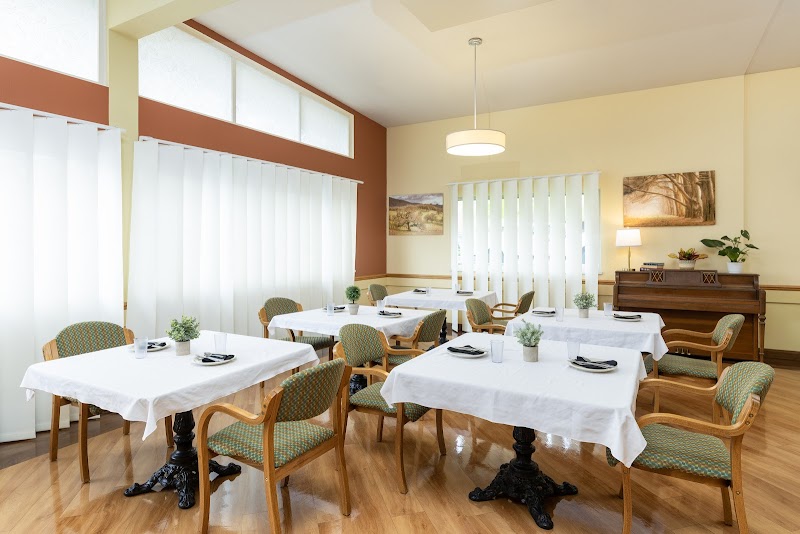
How is Enumclaw Health & Rehab Center Staffed?

CMS rates ENUMCLAW HEALTH & REHAB CENTER's staffing level at 3 out of 5 stars, which is average compared to other nursing homes. Staff turnover is 68%, which is 22 percentage points above the Washington average of 46%. High turnover can affect care consistency as new staff learn residents' individual needs. RN turnover specifically is 71%, which is notably high. RNs provide skilled clinical oversight, so turnover in this role can affect medical care quality.

What Have Inspectors Found at Enumclaw Health & Rehab Center?

State health inspectors documented 65 deficiencies at ENUMCLAW HEALTH & REHAB CENTER during 2023 to 2025. These included: 65 with potential for harm. While no single deficiency reached the most serious levels, the total volume warrants attention from prospective families.
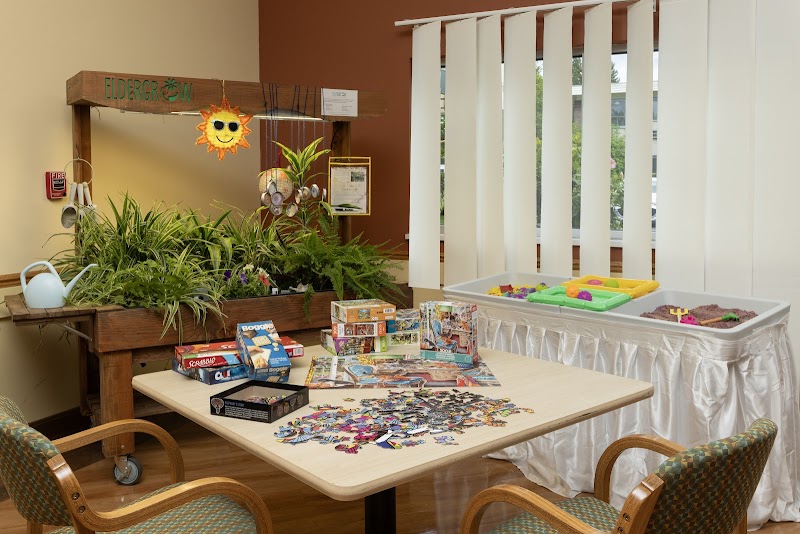
Who Owns and Operates Enumclaw Health & Rehab Center?

ENUMCLAW HEALTH & REHAB CENTER is owned by a for-profit company. For-profit facilities operate as businesses with obligations to shareholders or private owners. The facility is operated by EMPRES OPERATED BY EVERGREEN, a chain that manages multiple nursing homes. With 92 certified beds and approximately 67 residents (about 73% occupancy), it is a smaller facility located in ENUMCLAW, Washington.
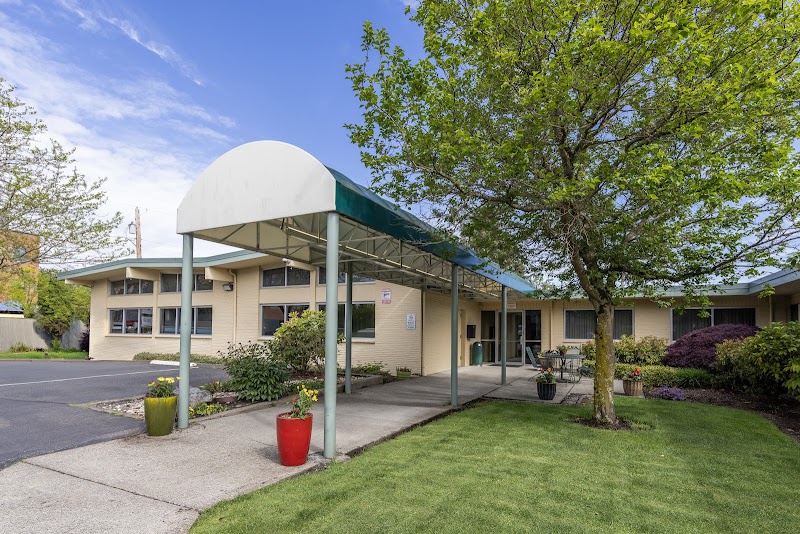
How Does Enumclaw Health & Rehab Center Compare to Other Washington Nursing Homes?

Compared to the 100 nursing homes in Washington, ENUMCLAW HEALTH & REHAB CENTER's overall rating (2 stars) is below the state average of 3.2, staff turnover (68%) is significantly higher than the state average of 46%, and health inspection rating (2 stars) is below the national benchmark.

What Should Families Ask When Visiting Enumclaw Health & Rehab Center?

Based on this facility's data, families visiting should ask: "How do you ensure continuity of care given staff turnover, and what is your staff retention strategy?" "Can I visit during a mealtime to observe dining assistance and food quality?" "How do you handle medical emergencies, and what is your hospital transfer rate?" "Can I speak with family members of current residents about their experience?" These questions are particularly relevant given the facility's high staff turnover rate.

Is Enumclaw Health & Rehab Center Safe?

Based on CMS inspection data, ENUMCLAW HEALTH & REHAB CENTER has a clean safety record: no substantiated abuse findings (meaning no confirmed cases of resident harm), no Immediate Jeopardy citations (the most serious violation level indicating risk of serious injury or death), and is not on the Special Focus Facility watch list (a federal program monitoring the lowest-performing 1% of nursing homes). The facility has a 2-star overall rating and ranks #100 of 100 nursing homes in Washington. While no facility is perfect, families should still ask about staff-to-resident ratios and recent inspection results during their visit.

Do Nurses at Enumclaw Health & Rehab Center Stick Around?

Staff turnover at ENUMCLAW HEALTH & REHAB CENTER is high. At 68%, the facility is 22 percentage points above the Washington average of 46%. Registered Nurse turnover is particularly concerning at 71%. RNs handle complex medical decisions and coordinate care — frequent RN changes can directly impact care quality. High turnover means new staff may not know residents' individual needs, medications, or preferences. It can also be disorienting for residents, especially those with dementia who rely on familiar faces. Families should ask: What is causing the turnover? What retention programs are in place? How do you ensure care continuity during staff transitions?

Was Enumclaw Health & Rehab Center Ever Fined?

ENUMCLAW HEALTH & REHAB CENTER has been fined $8,018 across 1 penalty action. This is below the Washington average of $33,159. While any fine indicates a compliance issue, fines under $50,000 are relatively common and typically reflect isolated problems that were subsequently corrected. Families should ask what specific issues led to these fines and confirm they've been resolved.

Is Enumclaw Health & Rehab Center on Any Federal Watch List?

ENUMCLAW HEALTH & REHAB CENTER is not on any federal watch list. The most significant is the Special Focus Facility (SFF) program, which identifies the bottom 1% of nursing homes nationally based on persistent, serious quality problems. Not being on this list means the facility has avoided the pattern of deficiencies that triggers enhanced federal oversight. This is a positive indicator, though families should still review the facility's inspection history directly.