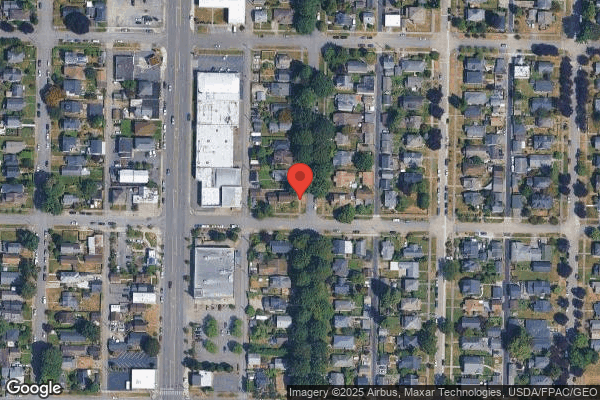
BETHANY AT PACIFIC

916 PACIFIC AVENUE 3RD-5TH FLOORS, EVERETT, WA 98201 (425) 259-5508
Non profit - Church related 80 Beds Independent Data: November 2025
Trust Grade
50/100
#58 of 190 in WA
Last Inspection: April 2025

Within standard 12-15 month inspection cycle. Federal law requires annual inspections.

Overview

Bethany at Pacific has received a Trust Grade of C, which means it is average and sits in the middle of the pack among nursing homes. It ranks #58 out of 190 facilities in Washington, placing it in the top half overall, and #5 out of 16 in Snohomish County, indicating there are only a few better options nearby. The facility is improving, with issues decreasing from 25 in 2024 to 18 in 2025. Staffing is rated average with a turnover rate of 47%, which is on par with the state average, while RN coverage is also average, meaning they have a reasonable number of registered nurses, although it could be better. However, the facility has concerning fines totaling $71,971, indicating potential compliance issues that are higher than 75% of similar facilities in Washington. Specific incidents found during inspections include a serious failure to monitor a resident's nutritional intake, which led to a significant weight loss of 11.8% in just over a month, placing that resident at nutritional risk. Another serious incident involved staff not using the correct transfer technique, resulting in harm to a resident who sustained an injury and infection during the transfer. Additionally, there were concerns about staff not performing hand hygiene between delivering meals, which raises infection control issues. Overall, while the facility has strengths in some areas, these serious incidents and compliance challenges are important considerations for families.

Trust Score
C
50/100
In Washington
#58/190
Top 30%
Safety Record
High Risk
Review needed
Inspections
Getting Better
25 → 18 violations
Staff Stability
⚠ Watch
47% turnover. Above average. Higher turnover means staff may not know residents' routines.
Penalties
○ Average
$71,971 in fines. Higher than 63% of Washington facilities. Some compliance issues.
Skilled Nurses
✓ Good
Each resident gets 67 minutes of Registered Nurse (RN) attention daily — more than 97% of Washington nursing homes. RNs are the most trained staff who catch health problems before they become serious.
Violations
⚠ Watch
51 deficiencies on record. Higher than average. Multiple issues found across inspections.
★★★★☆
4.0
Overall Rating
★★★☆☆
3.0
Staff Levels
★★★★★
5.0
Care Quality
★★★☆☆
3.0
Inspection Score
Stable
2024: 25 issues
2025: 18 issues

The Good

  • 5-Star Quality Measures · Strong clinical quality outcomes
  • Full Sprinkler Coverage · Fire safety systems throughout facility
  • No fines on record

Facility shows strength in quality measures, fire safety.

The Bad

Staff Turnover: 47%

Near Washington avg (46%)

Higher turnover may affect care consistency

Federal Fines: $71,971

Well above median ($33,413)

Moderate penalties - review what triggered them

The Ugly 51 deficiencies on record

2 actual harm
Jun 2025 1 deficiency
CONCERN (D) 📢 Someone Reported This

A family member, employee, or ombudsman was alarmed enough to file a formal complaint

Potential for Harm - no one hurt, but risky conditions existed

Deficiency F0628 (Tag F0628)

Could have caused harm · This affected 1 resident

**NOTE- TERMS IN BRACKETS HAVE BEEN EDITED TO PROTECT CONFIDENTIALITY** Based on interview and record review the facility failed to coordinate Home Health (HH) services, provide a medication list, and...

Read full inspector narrative →
**NOTE- TERMS IN BRACKETS HAVE BEEN EDITED TO PROTECT CONFIDENTIALITY** Based on interview and record review the facility failed to coordinate Home Health (HH) services, provide a medication list, and complete discharge instructions for 1 of 3 sampled residents (Resident 1) reviewed for discharges. Failure to arrange HH services and provide a medication list placed residents at risk of unmet care needs, and diminished quality of life. Findings included . Review of a facility policy titled DISCHARGE OF A RESIDENT, last reviewed on January 25th, 2025, showed: Discharge to lesser level of care (home/ALF/AFH) 3. Nurse manager and social services will complete Discharge Instruction Form in PCC to include: any follow up appointments, pharmacy to pick up prescriptions, DME ordered, HH services ordered, any special instructions for the patient after discharge and a summary of their stay. Additionally, a complete list of their medications will be provided. -On the day of the patient's discharge: a. Discharge Instruction Form and completed medication list will be reviewed by a licensed nurse with the patient and family representative (if present) and signed by patient or representative accompanying the patient. c. A copy of the signed discharge instruction and medication list is kept with their medical record. <RESIDENT 1> Resident 1 admitted to the facility on [DATE] with diagnoses including subluxation (partial dislocation) of left shoulder, history of falling, difficulty walking, and chronic pain. Review of Resident 1's medical record showed they required set up for showers and supervision for walking. Review of the medical provider Discharge summary dated [DATE], documented Resident 1 would discharge home with HH services for physical and occupational therapies and Registered Nurse (RN) services. Review of an assessment titled Discharge Instructions Form dated 04/25/2025, documented Resident 1 would have HH services for physical therapy and nursing but did not include any HH agency or contact information. Review of Resident 1's medical record did not show a physician signed medication list. In an interview on 06/09/2025 at 12:55 PM, Staff C, RN, stated Social Services (SS) was responsible for arranging HH services. Staff C stated that the floor nurse on duty will review the discharge instruction form and ensure that the HH information is documented to include name of the HH company, phone number, and what services were ordered and if that information is missing SS would be notified. Staff C stated the nurse would review medications with the resident or resident representative at the time of discharge and send the medication list with the resident, and copies would be scanned into the resident's medical record. In an interview and record review on 06/09/2025 at 1:27 PM, Staff D, Licensed Practical Nurse, nurse manager, stated SS arranges HH services. Staff D stated the day before a resident is scheduled to discharge, they would review the discharge form and make sure it was completed and on the day of discharge the floor nurse would review the discharge form to make sure it was complete. Staff D stated that there was no documentation of an HH company or contact information listed for Resident 1's discharge. In an interview on 06/09/2025 at 1:39 PM, Staff E, SS Assistant, stated SS would send information to the HH company to coordinate care after discharge. Staff E stated HH information would be documented on the Discharge Instruction Form. Staff E stated they were not working at the facility at the time of Resident 1's discharge. In an interview and record review on 06/09/2025 at 2:50 PM, Staff B, RN, Director of Nursing, stated when a resident discharges from the facility, the Discharge Instruction Form would be completed. Staff B acknowledged the Discharge Instruction Form for Resident 1 was incomplete, and the HH agency information was not documented. Staff B stated they would attempt to find documentation of a signed medication list and documentation that HH services had been arranged for Resident 1. Staff B was unable to provide any further information or documentation. Reference WAC 388-97-0120(3)(a)
Apr 2025 17 deficiencies
CONCERN (D)

Potential for Harm - no one hurt, but risky conditions existed

Deficiency F0553 (Tag F0553)

Could have caused harm · This affected 1 resident

**NOTE- TERMS IN BRACKETS HAVE BEEN EDITED TO PROTECT CONFIDENTIALITY** Based on interview and record review, the facility failed to ensure residents and/or their representatives were offered the oppo...

Read full inspector narrative →
**NOTE- TERMS IN BRACKETS HAVE BEEN EDITED TO PROTECT CONFIDENTIALITY** Based on interview and record review, the facility failed to ensure residents and/or their representatives were offered the opportunity to participate in care conferences (a collaborative care plan meeting where a resident's care is discussed and coordinated by a team of health care providers, family members and residents) for 2 of 6 sampled residents (Residents 325 and 329) reviewed for participation in care planning. This failure placed residents at risk of not being allowed to be involved and informed about care and services and a diminished quality of life. Findings included . Review of the facility policy titled, Care Planning-Resident Participation, revised date January 2025, documented the facility will encourage and assist the resident and/or resident representative to participate in choosing care and treatment options including initial decisions about treatment .The facility will honor the resident's right to participate in establishing the expected goals and outcome of care, the type, amount, frequency, and duration of care, and any other factors related to the effectiveness of the plan of care. <RESIDENT 325> Resident 325 was admitted to the facility on [DATE]. According to the admission Minimum Data Set (MDS-an assessment tool) assessment dated [DATE], the resident had minimal cognitive impairment. In an interview on 04/15/2025 at 12:10 PM, Resident 325 stated they were not sure about their discharge planning. The resident stated they were not told of a care plan meeting and were not involved in discussions regarding their person-centered care and unsure what the goal was for their care. Review of Resident 325's Electronic Medical Record (EMR) since admission to 04/20/2025, documented no correlating documentation of any interdisciplinary care plan meeting with the resident or representative to discuss the initial comprehensive admission care plan or to establish resident specific goals of care or initiate discharge planning. Review of Resident 325's care plan, dated 04/20/2025, documented no focus area addressing discharge planning. <RESIDENT 329> Resident 329 was admitted to the facility on [DATE]. According to the admission nursing assessment dated [DATE], the resident was alert and oriented. In an interview on 04/15/2025 at 11:31 AM, Resident 329 stated during admission, no one explained to them about their medications, treatment or care. The residenrt stated they were not told of a care plan meeting and were not involved in discussions regarding the goals of their person-centered care and not sure about their discharge planning. Review of Resident 329's EMR since admission to 04/17/2025, documented no correlating documentation of any interdisciplinary care plan meeting with the resident or representative to discuss the initial comprehensive admission care plan or establishing resident specific goals of care or initiating a discharge planning. Review of Resident 329's care plan, dated 04/20/2025, revealed no focus area addressing discharge planning. In an interview on 04/18/2025 at 9:35 AM, Staff E, Licensed Practical Nurse/Resident Care Manager, stated social service was responsible for arranging the initial care plan meetings for newly admitted residents and the initial care plan meeting was supposed to be conducted with the resident and/or their resident representatives and multidisciplinary team during the first 72 hours. Staff E stated the initial care plan meeting should be documented under assessments in EMR and they were not sure why there was no documentation of the initial care plan meeting for Resident 329. In a record review and interview on 04/22/2025 at 10:24 AM, Staff B, Director of Nursing, stated they reach out to residents and/or their representatives to set up the initial admission care plan meeting within the first three days. Staff B stated the initial care plan meeting included discussing the resident and family's needs, the baseline functional level, the goals of care and discharge planning. Staff B stated they could not see the documentation of the initial care plan meetings for Resident 325 or Resident 329 during the first three days of admission. Reference WAC 388-97-1020 (2)(f)(4)(d)(e)
CONCERN (D)

Potential for Harm - no one hurt, but risky conditions existed

Deficiency F0578 (Tag F0578)

Could have caused harm · This affected 1 resident

**NOTE- TERMS IN BRACKETS HAVE BEEN EDITED TO PROTECT CONFIDENTIALITY** Based on interview and record review, the facility failed to ensure an advance directive (a written instruction, such as a livin...

Read full inspector narrative →
**NOTE- TERMS IN BRACKETS HAVE BEEN EDITED TO PROTECT CONFIDENTIALITY** Based on interview and record review, the facility failed to ensure an advance directive (a written instruction, such as a living will or Durable Power of Attorney [DPOA] for health care [a document delegating to an agent the authority to make health care decisions in case the individual delegating the authority subsequently becomes incapable to do so]) was obtained and completed for 3 of 24 residents (Residents 325, 329 and 55), reviewed for advance directives. This failure placed the residents and/or their representatives at risk for losing their right to have their preferences honored to receive or refuse/discontinue care according to their choice. Findings included . Review of the facility policy titled, Advance Directive Policy and Procedure, dated 2017, showed the Social Services, at the time of admission, will ask if there are any current Advance Directives. If so, copies will be obtained and placed in the resident's chart under the admission tab and scanned into PC documents. <RESIDENT 325> Resident 325 was admitted to the facility on [DATE]. According to the admission Minimum Data Set (MDS-an assessment tool) assessment dated [DATE], the resident had minimal cognitive impairment. Review of Resident 325's medical record document titled Advance Directive Receipt of Information in admission package dated 04/16/2025 documented Resident 325 was unsure if they had a living will or directive to physician. Review of Resident 325's electronic health record (EHR) showed no AD documentation or Resident 325 had been provided with assistance to formulate an AD. Review of Resident 325's care plan, print date 04/20/2025 did not document a focus area addressing an AD. <Resident 329> Resident 329 admitted to the facility on [DATE]. According to the admission nursing assessment dated [DATE], Resident 329 was alert and oriented. Review of Resident 329's medical record document titled Advance Directive Receipt of Information in admission package dated 04/15/2025 documented Resident 329 had no Durable Power of Attorney and was unsure if they had a living will or directive to physician. Review of Resident 329's electronic health record (EHR) showed no AD documentation or that the resident had been provided with assistance to formulate an AD. Review of Resident 329's care plan, print date 04/20/2025 did not document a focus area addressing an AD. In an interview on 04/16/2025 at 11:23 AM, Staff K, Medical Records stated they could not locate any AD documentation in Resident 329's EHR. <RESIDENT 55> Resident 55 was admitted to the facility on [DATE]. According to the quarterly MDS assessment dated [DATE], the resident had moderate cognitive impairment. Review of Resident 55's medical record document titled Advance Directive Receipt of Information in the admission packet dated 10/03/2024, showed that the resident had a DPOA. Review of Resident 55's EHR showed no copy of the DPOA form. Review of Resident 55's care conference notes dated 10/08/2024 showed no mention of AD or DPOA. In an interview on 4/17/2025 at 3:10 PM, Staff C, Assistant Director of Nursing Services stated that they were not able to find any documentation regarding resident's DPOA. They stated that Social Services were supposed to follow up on AD. In an interview on 04/18/2025 at 9:35 AM, Staff E, Licensed Practical Nurse/Resident Care Manager, stated the admission staff asked resident and/or family to bring in the AD during admission and the AD would be uploaded into EHR once the facility received it. Staff E stated if there was no AD, the social service would follow up during the first initial care conference which happened the first 72 hours after admission. Staff E stated they were not sure why no AD documentation. In a record review and interview on 04/22/2025 at 10:24 AM, Staff B, Director of Nursing, stated they could not find copy of AD copy or information/documentation that an AD was reviewed or residents were assisted in formulating an AD for Resident 325 and Resident 329 in their EHRs. Staff B stated they expected the admission nurse to request a copy of AD and upload it into EHR once received and social services would follow up during the first initial care conference within the first three days of admission. This is a repeat deficiency from 06/12/2024. Reference WAC 388-97-0280 (1) (3)(a)(c)(ii)
CONCERN (D)

Potential for Harm - no one hurt, but risky conditions existed

Deficiency F0582 (Tag F0582)

Could have caused harm · This affected 1 resident

Based on interview and record review, the facility failed to ensure residents were informed in writing of their potential liability for payment related to Medicare services ending for 1 of 3 sampled r...

Read full inspector narrative →
Based on interview and record review, the facility failed to ensure residents were informed in writing of their potential liability for payment related to Medicare services ending for 1 of 3 sampled residents (Resident 45) reviewed for Skilled Nursing Facility Advance Beneficiary Notice (SNF ABN). This failure placed the residents at risk of not having adequate information to make care and financial decisions during their continued stay. Findings included . Resident 45 was admitted to the facility and was receiving skilled services under their Medicare Part A benefit. Review of the most recent Minimum Data Set assessment (a required assessment tool) dated 03/09/2025 (end of Med A stay) showed the resident had mild cognitive impairment. The resident record showed they had an Advance Directive in place designating Collateral Contact 5 (CC5) as their representative. Review of Resident 45's record documented a Notice of Medicare Non-Coverage (NOMNC) was communicated by phone to CC5 on 03/07/2025, which informed the resident and the representative that skilled nursing services would end on 03/09/2025. The notice informed the resident Medicare would probably no longer cover skilled services, and they may have to pay for any services occurring after 03/09/2025. Further review of the record documented the SNF/ABN was not issued to the resident or representative as required. This form would have explained the amount the resident would be liable to pay if they remained in the facility for long-term care after 03/09/2025. In an interview on 04/18/2025 at 12:21 PM, CC5 was in Resident 45's room visiting, and stated the facility had called them and stated the resident was done with therapy and would be transitioning off of Medicare. CC5 stated they were not told about the right to appeal that decision, and they were not told about any other specific costs or asked to sign any forms. CC5 stated they came to visit every week and would have been available. Resident 45 confirmed that they prefer CC5 to be the one to sign forms for them. In an interview on 04/18/2025 01:56 PM, Staff A, Administrator, stated the forms should be provided to the resident or representative in person when possible, and if they were communicated by phone, the facility should still provide a copy by mail or email, and obtain a physical signature as soon as possible. Staff A stated Resident 45 should have been provided with both the notice of non-coverage and the ABN notice. Reference WAC 388-97-0300 (1)(e)(5)(6)
CONCERN (D)

Potential for Harm - no one hurt, but risky conditions existed

Grievances (Tag F0585)

Could have caused harm · This affected 1 resident

**NOTE- TERMS IN BRACKETS HAVE BEEN EDITED TO PROTECT CONFIDENTIALITY** Based on interview and record review the facility failed to have a system in place that ensured grievances were addressed and re...

Read full inspector narrative →
**NOTE- TERMS IN BRACKETS HAVE BEEN EDITED TO PROTECT CONFIDENTIALITY** Based on interview and record review the facility failed to have a system in place that ensured grievances were addressed and resolved in response to residents' verbal conveyance of concerns for 2 of 3 resident council's (February and March 2025), who verbalized complaints during a Resident Council (RC) meeting and failed to follow the grievance process for 2 of 2 residents (Resident 12 and 35) who voiced grievances. These failures led to residents repeatedly reporting the same care issues without resolution and placed them at risk of feeling frustrated, unimportant, with diminished self-worth and decreased quality of life. Findings Included . Review of the facility policy titled Resident and Family Grievances dated October 2024 showed the social services director was designated as the Grievance Official and was responsible for overseeing the grievance process. The grievance procedure showed staff members who received the grievance would record the nature and specifics of the grievance on the designated grievance form and a written decision regarding the grievance would be provided at the conclusion of the investigation. All staff involved in the grievance investigation or resolution should make prompt efforts to resolve the grievance. Prompt efforts include acknowledgment of complaint/grievances and actively working toward a resolution of that complaint/grievance. <RESIDENT COUNCIL> Review of resident council minutes for February and March 2025 showed there were complaints of the garbage not being routinely emptied in their rooms. There was no documented resolution to this grievance. Review of resident council minutes for March 2025 showed there were several residents who inquired as to the time frame of the refresh (painting) of resident rooms. There was no documented resolution to the question. There were other residents who voiced concern/request to have their rooms picked up and clothing put away by the nursing assistant staff. There was no documented resolution. In an interview on 04/16/2025 at 2:41 PM Staff S, Activity Director, stated if there is a grievance or an issue that is brought up in Resident Council then they would do a grievance but if it was something for like maintenance, they would write a note and give it to maintenance. Staff S stated they discuss grievances in the morning meetings. <RESIDENT 35> Resident 35 admitted to the facility on [DATE] with diagnoses to include depressive disorder and high blood pressure, and atrial fibrillation (rapid/irregular heartbeat). In an interview on 04/16/2025 at 10:02 AM Resident 35 stated their [NAME] blanket had been missing almost a year and was given to them by their family member. Resident 35 stated they had told their nursing aide (NAC) at the time, Collateral Contact 3 (CC3) and they looked everywhere for the blanket and were not able to find it. Resident 35 stated the blanket had not ever been returned to them and they had not been reimbursed or replaced. In a review of the grievance logs from October 2024 through March 2024 showed no entries related to Resident 35. In an interview on 04/17/2025 at 11:30 AM Staff A, Administrator, stated they were unable to find any grievances related to Resident 35 and would initiate one for their missing blanket. In an interview on 04/21/2025 at 10:25 AM CC3, Resident 35's previously assigned NAC, stated they recalled Resident 35 missing two blankets: a gray one and a blue one. CC3 stated they were able to locate the gray blanket but not the blue blanket. CC3 stated they informed the nurse manager at the time. CC3 stated they did not fill out a grievance form related to the missing blue blanket and would have only done so if the resident needed the item replaced right away or was upset over it. <RESIDENT 12> Resident 12 readmitted to the facility on [DATE] with diagnoses to include bilateral osteoarthritis of hips (a degenerative joint disease affects both side of hips) and morbid obesity with alveolar hypoventilation (a severe form of obesity leads to chronic inadequate breathing). According to the annual Minimum Data Set (MDS - an assessment tool) assessment, dated 03/18/2025, the resident had moderate cognitive impairment, both upper and lower extremities impairment and was dependent on shower and bathe. Review of resident council meeting minutes, date 02/26/2025, documented Resident 12 complained they had not received a shower for four weeks. The meeting minutes also documented the grievance form was completed and sent to social services. Review of Resident 12's grievance form date 02/26/2025, documented the resident had not had a shower for four weeks for a variety of reasons which included no staff available and no shower chair available. Under grievance resolution, it documented shower to be given on 02/27/2025 and if Resident 12 missed a shower in the morning would be reoffered for the evening shift or other day by different staff. The date of resolution was 02/27/2025. Review of the electronic health record (EHR) showed Resident 12 had no documentation the resident had received a shower on 02/27/2025. In an interview on 04/21/2025 at 9:07 AM, Resident 12 stated they did not have a shower on the following day but waited for a couple of weeks after they complained during the resident council meeting. Resident 12 stated they were told the facility had no shower aide and no shower bench available. In a record review and interview on 04/21/2025 at 10:24 AM, Staff B, Director of Nursing, stated the expectation of grievance resolution should occur within 24 to 48 hours if it occurs on a weekend. Staff B stated the shower record showed Resident 12 did not receive a shower until 03/04/2025 (7 days after the grievance occurred). Staff B stated the resident should not have had to wait that long to receive a shower. Reference WAC 388-97-0460(2)
CONCERN (D)

Potential for Harm - no one hurt, but risky conditions existed

Deficiency F0604 (Tag F0604)

Could have caused harm · This affected 1 resident

**NOTE- TERMS IN BRACKETS HAVE BEEN EDITED TO PROTECT CONFIDENTIALITY** Based on observation, interview, and record review the facility failed to ensure that potential restraints were appropriately as...

Read full inspector narrative →
**NOTE- TERMS IN BRACKETS HAVE BEEN EDITED TO PROTECT CONFIDENTIALITY** Based on observation, interview, and record review the facility failed to ensure that potential restraints were appropriately assessed for safety, consented, and care planned for 1 of 2 residents (Resident 28) reviewed for physical restraints. This failure placed residents at risk for unidentified risks and care needs, and for a diminished quality of life. Findings included . Review of the facility policy titled, Restraint Free Environment, reviewed 04/2025 a physical restraint refers to any manual methods of physical or mechanical device, mater, or equipment attach or adjacent to the the residents body that the individual cannot remove which restricts freedom of movement .facility was responsible for the appropriateness of the physical restraint . medical symptoms warranting the use of restraints should be documented in the medical record . care plan updated accordingly to include development and implementation of interventions. Resident 28 admitted to the facility on [DATE], they have diagnoses that include Parkinson's, Alzheimer's, and cognitive communication deficit. The quarterly Minimum Data Set (MDS- an assessment tool) dated 01/21/2025 showed the resident had sever impaired cognition, and was fully dependent on staff for transfers, mobility, and toileting. The MDS stated the resident had no known physical restraints. Review of Resident 28's physician orders on 04/15/2024, there were no orders for a recliner to elevate the residents' legs. Review of Resident 28's medical record there was no documentation of an evaluation for safety, assessment and consent, that addressed the residents use of a recliner that restricted their movement. In an observation and interview on 04/15/2025 at 11:26 AM, Resident 28 was observed to be sitting in a recliner with the feet of the recliner in the up position, and the over-the-bed table across their lap. There were no controls visible to regulate the legs of the recliner. Resident 28 was asked if they could control the chair, the resident appeared confused and did not understand the question. In an observation on 04/15/2025 at 1:28 PM, Resident 28 was observed with legs elevated in the recliner, and the over-the-bed table across their lap. The resident was asked to demonstrate how they put their legs down in the chair, they picked up the television remote and started to press buttons. In observations on 04/16/2025 from 1:25 PM - 1:33 PM, Resident 28's call light was triggered, each time the staff entered the resident was unaware of their actions. In observation on 04/17/2025 at 12:43 PM, Resident 28 was observed to be sitting in a recliner with the feet of the recliner in the up position, and the over-the-bed table across their lap. In an interview on 04/18/2025 at 9:28 AM, Staff G, Nursing Assistant Certified (NAC) stated they have worked on and off at the facility for about two years. Staff G stated that Resident 28 required full assistance from staff for almost all their activities of daily living (ADLs). Staff G stated Resident 28 will sit in their recliner often throughout the day. Staff G stated there are no controls for the chair and the staff manually must pull the legs of the chair up, the resident does not control. In an interview on 04/18/2025 at 10:22 AM, Staff H, NAC stated they have worked on and off at the facility for over five years. Staff H stated Resident 28 will sit in their recliner often. Staff H confirmed staff manually must pull the legs of the recliner out and up, as the residents were not able to manage on their own. In an interview on 04/18/2025 at 12:14 PM, Staff D, Licensed Practical Nurse (LPN)/Staff Development Coordinator (SDC) stated they had been helping with the nurse management task for Unit 3 South since around February 9th, 2025. Staff D stated when a resident required the use of equipment or device that could hinder their movement the facility was required to have therapy assess that device for safety, complete an evaluation of the use of the device, obtain consent from the resident or responsible party, and update the plan of care. Staff D stated they were familiar with Resident 28, and that they did sit in their recliner often. Staff D was asked if there was an assessment, evaluation, and consent for the use of the recliner in Resident 28's medical record. Staff D was unable to locate one, and confirmed there should be. In an interview on 04/19/2025 at 9:04 AM, Staff B, Director of Nursing Services stated that Resident 28 required two staff to assist with transfers and used a mechanical lift. Staff B stated that if a resident required any device or equipment that could be a restraint they were required to obtain a therapy assessment for safety, complete and evaluation, and consent for the use of the device/equipment. Staff B was asked if that was complete for Resident 28's use of the recliner, and that the staff manually pull the leg of the chair out, so that the resident's movement from the chair re restricted. Staff B confirmed there was no assessment for safety, evaluation or consent for the recliner. Staff B confirmed that Resident 28 was not able to get out of the chair and that their cognition was poor. Reference WAC 388-97-0620(4)(a)(b)(c)
CONCERN (D)

Potential for Harm - no one hurt, but risky conditions existed

Report Alleged Abuse (Tag F0609)

Could have caused harm · This affected 1 resident

**NOTE- TERMS IN BRACKETS HAVE BEEN EDITED TO PROTECT CONFIDENTIALITY** Based on interviews and record review the facility failed to identify and report an allegation of abuse and/or neglect for 3 of ...

Read full inspector narrative →
**NOTE- TERMS IN BRACKETS HAVE BEEN EDITED TO PROTECT CONFIDENTIALITY** Based on interviews and record review the facility failed to identify and report an allegation of abuse and/or neglect for 3 of 5 sampled residents (Residents 28, 54, and 276) when reviewed for abuse/neglect. This failure placed the residents at risk of further abuse, psychological distress, and diminished quality of life. Findings included . Review of the facility policy titled, Abuse, Neglect, and Exploitation, reviewed 05/01/2024 stated will develop and implement policies and procedures that prohibit and prevent abuse, neglect, exploitation and misappropriation of resident's property staff will be able to identify different types of abuse an immediate investigation will be completed when there is suspicion of any type of abuse and or neglect all allegations will be reported immediately, but not later than two hours. <RESIDENT 28> Resident 28 admitted to the facility on [DATE], diagnoses that include Alzheimer's, and cognitive communication deficit. The quarterly Minimum Data Set (MDS- an assessment tool) dated 01/21/2025, showed the resident had sever impaired cognition. In a phone interview on 04/15/2025 at 2:13 PM, Collateral Contact (CC) 1 stated they wrote up a concern form a couple months ago, as Resident 28's roommate had been overly touchy with their family member to the point that one day they had kissed their family member on the lips in front of them. CC1 stated the day they wrote the concern form; the previous social worker called them on the phone about an hour afterwards to say they had investigated their concerns and were not able to substantiate the claim. In a review of a facility grievance form dated 02/19/2025, CC1 wrote that on frequent visits to see Resident 28, the roommate (Resident 51) has caressed their family member as well they had witnessed them kissing their family member on the lips. The grievance expressed concerns related to the roommates' behaviors. The form documented under resolution that the social worker had interviewed Resident 28 who stated their roommate was just wonderful and the resident showed no signs of psycho-social distress. Other residents were interviewed with no findings, a room change was offered and declined. Review of the facility state reporting log dated February 2025 showed no report for Resident 28 and their roommate that was reported on 02/19/2025. In an interview on 04/18/2025 at 9:28 AM, Staff G, Nursing Assistant Certified (NAC) stated that all facility staff are considered mandated reporters and must report allegations of potential abuse and/or neglect. Staff G stated if they witnessed a resident kiss another resident that would be something they would need to report. In an interview on 04/18/2025 at 10:22 AM, Staff H, NAC stated they were a mandated reporter and must report allegations of potential abuse and/or neglect to the Abuse Officer (Administrator), their direct supervisor, and the state. Staff G stated if they witnessed a resident kiss another resident that would be something they would need to report. In an interview on 04/18/2025 at 12:14 PM, Staff D, Licensed Practical Nurse (LPN)/Staff Development Coordinator (SDC) stated that the expectation was all staff were reporting and protecting residents right away from abuse and/or neglect allegations. All staff are responsible for reporting to the state. Staff D was not aware of the grievance from a family member for Resident 28 that was written on 02/19/2025 and agreed that it should have been reported to the state. In an interview on 04/18/2025 at 2:18 PM, Staff A, Administrator, confirmed that the grievance dated 02/19/2025 for Resident 28, should have been escalated to an allegation of abuse, and reported to the state. In an interview on 04/19/2025 at 9:04 AM, Staff B, Director of Nursing Services stated that the facility should have ruled out any psychological harm for Resident 28 related to the grievance written on 02/19/2025. The facility should have ruled out abuse and neglect and reported the incident. <RESIDENT 276> Resident 276 was admitted to the facility on [DATE]. The resident was alert, oriented and able to make needs known. In an interview on 04/15/2025 at 10:12 AM, Resident 276 stated that they waited 30 minutes for their call light to be answered last night. They needed to use the bathroom and they were scared to lose their bladder control and urinate on the bed. The resident stated it was distressing to wait that long to use the bathroom. Review of the facility investigation on 04/21/2025 showed that it was documented on a grievance form. The investigation documented that abuse and neglect were ruled out. It was determined that the NAC went on a break and did not inform the nurse, and the nurse was in another room/station when Resident 276's call light was on. In an interview on 04/21/2025 Staff D, LPN/SDC, who completed the investigation stated they did not call the state and was not sure why it was on a grievance form. Staff D stated it was handed to them to investigate, and they just did that. They stated this was an allegation of neglect but was ruled out. In an interview on 04/21/2025 at 2:40 PM, Staff A, Administrator, stated that they were not sure that the allegation was reported to the state and that they want to review the investigation file again and get back with me. On 04/21/2025 at 3:10 PM Staff A, Administrator, provided a copy of the Online Incident Report that was submitted on 04/21/2025 at 3:00 PM. <RESIDENT 54> Resident 54 admitted to the facility on [DATE] and discharged on 03/07/2025, with diagnoses to include contusion and laceration of cerebrum (bruises and tears of brain tissue caused by blunt force trauma to the head). According to the discharge MDS assessment dated [DATE], the resident had moderate cognitive impairment and required moderate assistance with toilet transfer. Review of the resident council meeting minutes dated 02/26/2025, documented Resident 54 complained they had a call light waiting for more than 30 minutes at around 4:00 AM on 02/26/2025 for going to bathroom. The minutes revealed Resident 54 self-transferred to the toilet eventually and an aide responded to the call light after Resident 54 self-transferred and scolded Resident 54. Review of the facility state reporting log for February 2025 showed no report for Resident 54 was reported on 02/26/2025. Review of Resident 54's electronic health record (EHR) from 02/24/2025 to 03/07/2025, showed no documentation of this allegation. In an interview on 04/21/2025 at 9:12 AM, Staff N, NAC, stated if a resident complained about waiting for more than 30 minutes call light and staff scolded the resident, they would consider as a verbal abuse and report to the floor manager. In an interview on 04/21/2025 at 9:22 AM, Staff M, NAC, stated all staff must immediately report allegations of potential abuse and/or neglect to the supervisor and state. Staff M stated they would report if a resident was scolded by staff, and it could be an abuse or neglect. In an interview on 04/22/2025 at 9:30 AM, Staff J, Registered Nurse, stated they were mandatory reporters and must report all types of abuse and/or neglect. Staff J stated if a resident waited for more than 30 minutes for their call light to be answered and was scolded by a staff member, they must report to the supervisor or the state. In a joint interview on 04/22/2025 at 10:24 AM, Staff B stated it would be an allegation if a resident had to wait for more than 30 minutes for a call light and was scolded by a staff. Staff O, Director of Clinical Operation, stated Resident 54's complaint should be escalated into an allegation and reported to the state immediately. Reference WAC 388-97- 0640(3)(a)(5)(a)(7)(a)(b)(i)
CONCERN (D)

Potential for Harm - no one hurt, but risky conditions existed

Investigate Abuse (Tag F0610)

Could have caused harm · This affected 1 resident

**NOTE- TERMS IN BRACKETS HAVE BEEN EDITED TO PROTECT CONFIDENTIALITY** <RESIDENT 28> Resident 28 admitted to the facility on [DATE], diagnoses that include Alzheimer's, and cognitive communicat...

Read full inspector narrative →
**NOTE- TERMS IN BRACKETS HAVE BEEN EDITED TO PROTECT CONFIDENTIALITY** <RESIDENT 28> Resident 28 admitted to the facility on [DATE], diagnoses that include Alzheimer's, and cognitive communication deficit. The quarterly Minimum Data Set (MDS- an assessment tool) dated 01/21/2025, showed the resident had sever impaired cognition. In a review of a facility grievance form on 04/16/2025, dated 02/19/2025, the grievance stated that there were concerns that Resident 28's roommate (Resident 51) has caressed and kissed the resident. In a review of the facility investigations on 04/16/2025, completed in February 2025, there was no investigation for Resident 28 and their roommate. In an interview on 04/18/2025 at 12:14 PM, Staff D, Licensed Practical Nurse (LPN)/Staff De-velopment Coordinator (SDC) stated they were assisting with nurse management duties for Unit 3 South (where Residents 28 and 51 reside). Staff D stated all allegations of abuse and/or ne-glect are to be thoroughly investigated. Staff D was unaware of the grievance made on 02/19/2025 for inappropriate touching that involved Resident 28 and their roommate. Staff D stated that the grievance should have been converted into an allegation and investigated [NAME]-oughly. In an interview on 04/19/2025 at 9:04 AM, Staff B, Director of Nursing Services stated the fa-cility should have escalated the grievance into an allegation and completed a thorough investi-gation. Refer to WAC 388-97-0640(6)(a)(b)(c) Based on observation, interview and record review, the facility failed to conduct a thorough investigation for 3 of 5 resident investigations (Resident 28, 44 and 54) reviewed for accidents and allegations of potential abuse and/or neglect. The facility failed to identify the root cause, and all contributing factors related to allegations of abuse and/or neglect placed residents at risk for injury, and additional abuse/neglect. Findings included . Review of the facility policy titled, Abuse, Neglect, and Exploitation, reviewed 05/01/2024, stated the facility will investigate and interview all involved persons, including the alleged victim, alleged perpetrator, witnesses, and others who might have knowledge of the allegations .provide complete and thorough documentation of the investigations .provide emotional support and counselling to the resident during and after the investigation. <RESIDENT 44> Resident 44 admitted to the facility on [DATE] with diagnoses to include fracture of surgical neck of left humerus (broken bone of left upper arm). According to the quarterly MDS assessment dated [DATE], Resident 44 had moderate cognitive impairment. During the resident council meeting on 04/17/2025 at 2:27 PM, Resident 44 stated they had to wait for two hours for staff to answer call lights and it happened in daytime often and any other time during the day as well. This surveyor immediately reported the allegation to Staff A, administrator, and Staff B, Director of Nursing. Review of updated facility state reporting log on 04/21/2025 at 10:00 AM, showed no log for Resident 44's allegation on 04/17/2025. Review of Resident 44's electronic health record (EHR) from 04/17/2025 to 04/21/2025, showed no documentation about this allegation. Received Resident 44's investigation report right after exit. The investigation only included documentation of the state online incident report and other residents' interviews. The incident report documented Resident 44 referred to the night shift for the delaying response of call light but unable to recall on exact date and time on when it happened. On the state online incident report, the actions taken to prevent recurrence indicated staff education and call light audit. However, there was no correlating documentation found. On the state online incident report, under who was notified indicated family and facility provider. However, there was no correlating documentation found. The investigation did not include Resident 44's physical or psychosocial assessment and monitoring, or any social service support during or after investigation. The investigation did not include any documentation of night shift staff statements or interviews. There was no additional information to clarify the other concerns in the allegation. The facility failed to provide a thorough investigation at the time frame required. <RESIDENT 54> Resident 54 admitted to the facility on [DATE] and discharged on 03/07/2025, with diagnoses to include contusion and laceration of cerebrum (bruises and tears of brain tissue caused by blunt force trauma to the head). According to the discharge MDS assessment dated [DATE], Resident 54 had moderate cognitive impairment and required moderate assistance with toilet transfer. Review of a facility grievance form dated 02/26/2025, the grievance documented there were concerns that at 4:00 AM, Resident 54 needed to go to bathroom and waited for a call light more than 30 minutes. Resident 54 could not wait any longer and self-transferred to the bathroom and was scolded by a NAC (Nursing Assistant Certified) after Resident 54 self-transferred. Review of the facility state reporting log for February 2025 showed no log for Resident 54 was reported on 02/26/2025. Review of Resident 54's electronic health record (EHR) from 02/24/2025 to 03/07/2025, showed no documentation of this allegation. Review of the facility investigations on a grievance form dated 02/26/2025, completed on 02/28/2025, documented actions done included call light audit and staff education and counselling. There were only two call light audits done on 02/28/2025 day shift and 02/27/2025 evening shift, but no documentation about call light audit on night shift as Resident 54 reported the incident happened at 4:00 AM during night shift. The was call light education to one day shift NAC and one evening shift NAC. There was no documentation about education or training conducted on any night shift NAC. The investigation did not include Resident 54's ongoing physical or psychosocial assessment, care planning revision for appropriate interventions, any social service support during or after investigation, or monitoring Resident 54 with needs and behaviors which might be caused by the allegation. There was no documentation about any other resident' interview. The investigation did not include any documentation of interviews conducted with the staff that worked with Resident 54 at the time of the incident. There were no staff statements about the allegations of their call light not being answered during that shift. There was no staff statement about Resident 54 being scolded. There was no documentation about staff identification or suspension. The investigation included only one Registered Nurse (RN) counselling record. The counseling record was about the RN clocked in and out late and missing from work unit resulting in delayed administration of pain medications. There was no additional information to clarify the other concerns in the allegation. The facility failed to provide a thorough investigation at the time frame required. In an interview on 04/21/2025 at 9:47 AM, Staff S, Activity Director, stated Resident 54's concern was an allegation and should be investigated thoroughly. In a joint interview on 04/22/2025 at 10:24 AM, Staff B, Director of Nursing, stated all allegations must be investigated immediately including resident and/or family interview, other residents' interview, staff interview, suspending any staff related to the allegation to ensure residents safe. Staff O, Director of Clinical Operation, stated Resident 54's concern should be investigated thoroughly as an abuse or neglect allegation, not grievance.
CONCERN (D)

Potential for Harm - no one hurt, but risky conditions existed

Deficiency F0645 (Tag F0645)

Could have caused harm · This affected 1 resident

**NOTE- TERMS IN BRACKETS HAVE BEEN EDITED TO PROTECT CONFIDENTIALITY** Based on interview and record review, the facility failed to ensure the Preadmission Screening and Resident Reviews (PASARR-an a...

Read full inspector narrative →
**NOTE- TERMS IN BRACKETS HAVE BEEN EDITED TO PROTECT CONFIDENTIALITY** Based on interview and record review, the facility failed to ensure the Preadmission Screening and Resident Reviews (PASARR-an assessment to ensure individuals with Serious Mental Illness [SMI] or Intellectual/Developmental Disabilities [ID/DD] are not inappropriately placed in nursing homes for long term care) Level I was completed for 1 of 5 residents (Resident 324), reviewed for PASARR screening. This failure placed the resident at risk for not receiving the care and services appropriate for their needs. Findings included . Review of the facility's policy titled, Resident assessment-Coordination with PASARR program, reviewed in October 2024, showed that all applicants to this facility will be screened for serious mental disorders or intellectual disabilities and related conditions in accordance with the State's Medicaid rules for screening. PASARR level I-initial pre-screening that is completed prior to admission .The facility will only admit individuals with a mental disorder or intellectual disability who the State mental health or intellectual disability authority has determined as appropriate for admission. Resident 324 admitted to the facility on [DATE] with a diagnosis of recurrent and unspecified major depressive disorder (constant feeling of sadness). Review of Resident 324's Minimum Data Set (MDS) assessments on 04/08/2025, documented Resident 324 had a diagnosis of depression and was receiving an antidepressant. Review of April 2025 Medication Administration Record showed Resident 324 had been receiving an antidepressant medication daily that was started on 04/03/2025. Review of Resident 324's Level I PASARR dated 04/01/2025 documented, under section 1A. SMI Indicators, none was marked for mood disorder-depressive or bipolar. Under section IV, it documented no level II evaluation indicated because of no SMI indicator. In an interview on 04/18/2025 at 9:35 AM, Staff E, Licensed Practice Nurse/Resident Care Manager, stated the PASRR should be obtained prior to admission and social services should reviewed PASARR forms for accuracy and update if necessary. In an interview on 04/22/2025 at 10:24 AM, Staff B, Director of Nursing, stated Resident 324's level I PASRR was not accurate and should have been reviewed, updated and sent for level II evaluation prior to admission. This is a repeat deficiency from 06/12/2024. Reference WAC 388-97-1915 (1)(2)
CONCERN (D)

Potential for Harm - no one hurt, but risky conditions existed

Deficiency F0646 (Tag F0646)

Could have caused harm · This affected 1 resident

**NOTE- TERMS IN BRACKETS HAVE BEEN EDITED TO PROTECT CONFIDENTIALITY** Based on interview and record review, the facility failed to ensure Preadmission Screening and Resident Review (PASRR) assessmen...

Read full inspector narrative →
**NOTE- TERMS IN BRACKETS HAVE BEEN EDITED TO PROTECT CONFIDENTIALITY** Based on interview and record review, the facility failed to ensure Preadmission Screening and Resident Review (PASRR) assessments were completed for residents following significant change in status or with newly evident or possible serious mental disorders for 1 of 5 residents (Resident 55) reviewed. This failure resulted in a potential delay in access to level 2 PASSR services and decreased quality of life. Findings include . PASSR - a federally required screening of all individuals who has both an intellectual disability or related condition and a serious mental illness prior to admission to a Medicaid-certified nursing facility or a significant change of condition. According to the facility policy titled Resident Assessment- Coordination with PASSR Program review date 10/2024 documented: Any resident who exhibits a newly evident or possible serious mental disorder will be referred promptly to the state mental health or a level II resident review. Examples include: A resident who exhibits behavioral, psychiatric, or mood related symptoms suggesting presence of mental disorder . Resident 55 was initially admitted to the facility on [DATE] then re-admitted on [DATE] with admitting diagnoses to include depression, psychotic disorder with delusions and dementia. Quarterly Minimum Data Set (MDS - an assessment tool) assessment dated [DATE] showed the resident had moderate cognitive impairment and received antidepressant and antipsychotic medications. Review of Resident 55's PASSR dated 04/25/2024 showed the resident was not on any antidepressant or antipsychotic medications and no Level II recommendation was checked. There were no other PASSR seen in residents' electronic health record (EHR). Review of Resident 55's physician orders showed the resident was taking an antidepressant medication, Sertraline Hydrochloride, order date 11/13/2024 and an antipsychotic medication, Quetiapine Fumarate, order date was 10/23/2024. In an interview on 04/17/2025 at 3:18 PM, Staff Q, Licensed Practical Nurse (LPN) stated that they do admissions for the facility and if they see a psychotropic medication (drugs that affect a person's mental state by altering brain chemistry) ordered, they ensure a consent form is signed and discussed with resident the risk and benefits of taking the medication, then they place a behavior and adverse side effect monitoring in the MAR. The MDS nurse will review it as well. In an interview on 04/18/2025 at 9:50 AM, Staff E, LPN/Resident Care Manager (RCM) stated they review psychotropic medications monthly with the other managers, Director of Nursing, MDS nurse, Social Services and the pharmacy to ensure that the medications were appropriate and has appropriate diagnosis or indications. Social Services would be the ones that look at the PASSR. In an interview on 04/21/2025 at 10:24 AM, Staff B, DNS stated that the Social Services Department were the ones that review the PASSR prior to admission. However, since they don't have a Social Worker at this time, they would be the ones that will be following up on PASSRs. Staff B stated that if a resident started on a psychotropic medication after they got admitted , the nurse should notify the nurse manager so they can review if the resident needs a new PASSR. They were not sure why Resident 55 did not have an updated PASSR. Reference WAC 388-97-1975 .
CONCERN (D)

Potential for Harm - no one hurt, but risky conditions existed

Deficiency F0658 (Tag F0658)

Could have caused harm · This affected 1 resident

**NOTE- TERMS IN BRACKETS HAVE BEEN EDITED TO PROTECT CONFIDENTIALITY** Based on observation, interview and record review, the facility failed to ensure professional standards of practice were impleme...

Read full inspector narrative →
**NOTE- TERMS IN BRACKETS HAVE BEEN EDITED TO PROTECT CONFIDENTIALITY** Based on observation, interview and record review, the facility failed to ensure professional standards of practice were implemented for 3 or 3 residents (Residents 278, 328, and 329) reviewed for oxygen therapy. Failure to obtain a doctor's order prior to administering oxygen placed residents at risk for potential adverse outcomes. Findings include . Review of the facility policy titled Oxygen Administration, review date 10/2024 documented: Oxygen is administered under orders of a physician, change oxygen tubing and mask/cannula weekly and as needed. <RESIDENT 278> Resident 278 was admitted to the facility on [DATE] with admitting diagnoses to include Chronic Obstructive Pulmonary Disease (COPD - a type of progressive lung disease). According to the admission Minimum Date Set (MDS - an assessment tool) assessment dated [DATE], the resident had moderately impaired cognition and was on oxygen therapy. In an observation on 04/15/2025 at 2:05 PM, Resident 278's oxygen tubing was on the floor under the left side of their bed. In an observation on 04/16/2025 at 1:50 PM, Resident 278's oxygen tubing was on the floor under the left side of their bed. In an observation and interview on 04/17/2025 at 12:50 PM, Resident 278 was in bed and had oxygen on via nasal cannula at 1 liter per minute (lpm). The resident stated they were short of breath, that's why they were on oxygen. Review of Resident 278's doctor's order documented: Apply oxygen (per nasal cannula) 1-2 lpm continuous to keep sats >or equal to 90% every night shift. Start date 03/24/2025. In an interview on 04/17/2025 at 12:58 PM, Staff N, Nursing Assistant Certified (NAC) stated that when they see oxygen tubing on the floor, they pick it up and put it on the bedside table or nightstand. In an interview on 04/17/2025 at 3:18 PM, Staff Q, Licensed Practical Nurse (LPN) stated that they were not sure how often they were supposed to change the oxygen tubing but if they see oxygen tubing on the floor, they will dispose of it and get a new one. In an interview on 04/18/2025 at 8:50 AM, Staff R, NAC, stated that if they see oxygen tubing on the floor, they pick it up, clean it and place it back at the bedside table or nightstand. In an interview on 4/18/2025 at 10:50 AM, Staff E, LPN/Resident Care Manager (RCM) stated that oxygen tubing was changed every 2 weeks on Sunday evening, there's usually a doctor's order and a date should be placed on the tubing. Staff E stated that if oxygen tubing is found on the floor it should be disposed of and replaced with a new one. Staff E stated that staff just had an in-service training about that. Requested Staff E to review Resident 278's oxygen order and after they read it, they stated that the oxygen order was saying the resident was only supposed to use oxygen at nighttime. Staff E also stated that there should be a and PRN on the order as well and they would clarify the order. In a joint interview on 04/21/2024 at 12:24 AM, Staff O, Director of Clinical Operation and Staff B, Director of Nursing Services (DNS), Staff B, stated they were unsure of when the oxygen tubing needs to be changed, it's in their oxygen policy. Staff do not need to date the tubing, their signature in the MAR is proof that they have changed the tubing. Storage of oxygen tubing should be in a clear plastic bag dedicated to oxygen tubing when the tubing is not in use. Requested both Staff O and Staff B review the oxygen order for Resident 278, and they stated that the order was not correct. Staff B stated that the provider sometimes puts in their own orders and it's not usually the right way. The order was not put in right and should be revised. They stated the order stated the resident will only have oxygen at night and not as needed. <RESIDENT 328> Resident 328 was admitted to the facility on [DATE], with diagnoses to include COPD and chronic respiratory failure with hypoxia (a condition where the lungs are unable to effectively exchange oxygen and carbon dioxide resulting in chronically low oxygen levels in the blood). According to the admission MDS assessment dated [DATE], the resident had moderate cognitive impairment and required oxygen therapy. In an interview and observation on 04/15/2025 at 11:58 AM, Resident 328 stated they had been using a nasal cannula and oxygen every night and the oxygen tube had not been changed since admission. Observed the oxygen flow meter that was set at 2.5 lpm and there was no date on the oxygen tubing. In an interview and observation on 04/17/2025 at 9:37 AM, Resident 328 stated they had been using oxygen every night at 1.5 lpm. Observed the oxygen flow meter was 3 lpm and no date on the oxygen tube. Review of Resident 328's Medication Administration Record (MAR), copy date 04/17/2025 at 11:00 AM, documented an order of applying oxygen (per nasal cannula) 1 liter/min as needed to keep saturation more or equal to 89% started on 03/27/2025. Another order showed to change and date oxygen tube twice a month every night shift every Sunday started on 03/30/2025. Review of Resident 328's MAR, copy date 04/18/2025, the order was revised to change oxygen tubing on night shift every 14 days started on 04/17/2025. Review of Resident 328's care plan, copy date 04/17/2025 at 11:20 AM, showed PRN (when necessary) orders for oxygen 1L via nasal cannula during bedtime to keep saturation above 89%. In an observation, interview and record review on 04/17/2025 at 1:07 PM, with Staff Y, Registered Nurse, Resident 328's oxygen flow meter was observed to be set at 2.5 lpm. Staff Y reviewed the MAR and stated the provider order was for oxygen 1 lpm. Staff Y stated they changed the oxygen tube once a week and they were supposed to put a date on the new oxygen tube as per order. In an interview and record review on 04/17/2025 at 1:25 PM, Staff V, Registered Nurse/Resident Care Manager, stated Resident 328's oxygen order was 1lpm and nurse supposed to change the oxygen tube every two weeks and date the new tube as per order. Staff V stated they would have to check the facility policy. No further information provided. In an interview on 04/17/2025 at 3:21 PM, Staff B, Director of Nursing, stated they expected all oxygen administration and oxygen tube changing to have orders in the MAR and expected all nurses to follow the order. Staff B stated the oxygen tube was supposed to be changed once a week. Staff B stated it was standard practice to put a date on the new tube but if the nurse signed the MAR, it meant the nurse changed the tube. <RESIDENT 329> Resident 329 admitted to the facility on [DATE] with diagnoses to include aftercare respiratory system surgery, asthma (long-term inflammatory disease of the airways in the lungs), acute respiratory failure with hypoxia (a condition where a person does not have enough oxygen or too much carbon dioxide in the body). According to the admission nursing assessment dated [DATE], Resident 329 was alert and oriented. In an observation and interview on 04/15/2025 at 11:16 AM, observed Resident 329 was using oxygen via nasal cannula at 2lpm. There was no date on the oxygen tube. Resident 329 stated they did not know when the tube was changed. In an observation and interview on 04/17/2025 at 8:57 AM, observed Resident 329 was using oxygen via nasal cannula at 2lpm. Resident 329 stated they were using oxygen all the time because of their short breath due to their asthma and lung biopsy. Review of Resident 329's Medication Administration Record (MAR), copy date 04/17/2025 at 11:00 AM, showed orders of oxygen administration 1lpm and changing of oxygen tube were discontinued on 04/10/2025. There were no oxygen orders after that. Review of Resident 329's care plan, copy date 04/17/2025 at 11:20 AM, showed no focus area addressing oxygen use. In an interview and record review on 04/17/2025 at 11:44 AM, Staff Z, NAC, stated NACs followed instruction from Kardex (a tool used to provide direction on how to care for a resident) to take care of residents. Staff Z reviewed Resident 329's Kardex and stated there was no information about oxygen use. In an interview and record review on 04/17/2025 at 11:49 AM, Staff Y stated Resident 329 was using oxygen this morning but there was no order in the MAR. In a following interview on 04/17/2025 at 12:58 PM, Staff Y stated Resident 329 told Staff Y that Resident 329 needed oxygen for 24 hours. Staff Y stated they were not sure why there were no orders in the MAR, and they told RCM to add the order. Staff Y stated that since there was no oxygen tube changing order in the MAR nor a date on the oxygen tube, they had no idea when the oxygen tube was changed. In an interview on 04/17/2025 at 1:25 PM, Staff V, RN/RCM, stated Resident 329 had been using oxygen and there should be orders of oxygen administration and tube changing in the MAR. Staff V stated the care plan should be updated to include oxygen therapy. In an interview on 04/17/2025 at 3:21PM, Staff B stated all oxygen administration needed orders in the MAR and all nurses needed to follow the order. Staff B stated the oxygen therapy needed to be included in the care plan. Reference WAC 388-97-1620 (2)(b)(i)(ii)
CONCERN (D)

Potential for Harm - no one hurt, but risky conditions existed

Quality of Care (Tag F0684)

Could have caused harm · This affected 1 resident

**NOTE- TERMS IN BRACKETS HAVE BEEN EDITED TO PROTECT CONFIDENTIALITY** Based on interview and record review, the facility failed to ensure treatment and care was provided in accordance with professio...

Read full inspector narrative →
**NOTE- TERMS IN BRACKETS HAVE BEEN EDITED TO PROTECT CONFIDENTIALITY** Based on interview and record review, the facility failed to ensure treatment and care was provided in accordance with professional standards of practice for 1 of 1 resident (Resident 20) reviewed for mood and behavior. The facility failed to ensure a psychiatric evaluation was reviewed, and implementation of mental health recommendations for treatment of depression. These failures placed the residents at risk for declining their mental health and diminished quality of life. Findings included . Resident 20 admitted to the facility on [DATE] with diagnoses that included depression, and insomnia. The admission Minimum Data Set (MDS- an assessment tool) dated 03/04/2025 showed the resident had moderately impaired cognition, with moderate depression. Review of Resident 20's care plan showed a focus area dated 03/04/2025 that the resident had a behavior problem of refusal of care related to their depression and anxiety. Interventions included administering medications as ordered and documenting effectiveness. Review of Resident 20's progress notes, on 03/28/2025 the resident had been seen for a psychological evaluation. The evaluation documented that the resident presented with persistent depressive disorder (longstanding depression with medical stressors), psychophysiological insomnia (difficulty sleeping with current treatment), and cognitive disorder. The evaluation recommended the resident start on an anti-depression, discontinue the current sleep medication, further psychological testing, with follow up in two weeks or sooner if no change. In an observation and interview on 04/15/2025 at 10:19 AM, Resident 20 was observed lying in their bed. The resident stated they had a rough night, and they felt very grumpy. The resident then became tearful, stated today was their brother's birthday, but they passed away 20 years ago but it still made them sad. Resident 20 stated it's hard, they have no visitors, their family was not speaking to them, they continued to be tearful and sad. Review of Resident 20's medical record on 04/18/2025 (21 days since the recommendations were made) showed none of the recommendations made by the mental health provider had been implemented into the plan of care for Resident 20. In an interview on 04/18/2025 at 12:14 PM, Staff D, Licensed Practical Nurse (LPN)/Staff Development Coordinator (SDC) stated they had been helping with the nurse management task for Unit 3 South since around February 9th, 2025. Staff D stated when a resident had a consultation any documentation would be passed to nursing to review of updated orders or other recommendations. Staff D was not aware that Resident 20 had been seen by a mental health provider and was unaware of any recommendations that had been made for Resident 20. Staff D stated the mental health providers were documenting directly into the medical record, and that was a new process. In an interview on 04/19/2025 at 9:04 AM, Staff B, Director of Nursing Services stated they discuss visits and appointments for residents in their clinical meeting every day. After an appointment the documentation was to be reviewed, implement any recommendations, and pass on to medical records for uploading. Their expectation was that the nurse on the cart as well as the nurse manager would be reviewing that information. Staff B stated their expectation was that the nurse manager should have reviewed the documentation for Resident 20, and that the mental health providers are now entering information directly into the medical record, it was a new process. Staff B confirmed that Resident 20's recommendations were missed and not reviewed. Refer to WAC 388-97-1060(1)(3)(e)(k)
CONCERN (D)

Potential for Harm - no one hurt, but risky conditions existed

Deficiency F0688 (Tag F0688)

Could have caused harm · This affected 1 resident

**NOTE- TERMS IN BRACKETS HAVE BEEN EDITED TO PROTECT CONFIDENTIALITY** Based on interview and record review, the facility failed to ensure restorative therapy services (a personalized training progra...

Read full inspector narrative →
**NOTE- TERMS IN BRACKETS HAVE BEEN EDITED TO PROTECT CONFIDENTIALITY** Based on interview and record review, the facility failed to ensure restorative therapy services (a personalized training program to help people maintain or regain their ability to do everyday tasks, like walking, dressing, and eating) were implemented to prevent avoidable reduction of range of motion (ROM, how far you can move a joint in any direction) for 1 of 1 residents (Resident 35), reviewed for restorative therapy and limited ROM. This failure placed residents at risk for loss of ROM, deconditioning, and loss of independence. Findings included . Review of the facility policy titled, Restorative Nursing Programs dated 07/01/2024 showed the interdisciplinary team, with the support and guidance from the physician, would assure ongoing review, evaluation, and decision making regarding the services needed to maintain or improve a resident's abilities in accordance with the resident's comprehensive assessment, goals, and preferences. Resident 35 admitted to the facility on [DATE] with diagnoses to include peripheral vascular disease (circulatory condition involving narrowing of the blood vessels), high blood pressure, and atrial fibrillation (rapid/irregular heartbeat). In an interview on 04/16/2025 at 9:54 AM Resident 35 stated they had not had any therapy since moving from the 6th floor to the 3rd floor, about a year ago. Resident 35 stated they were able to use their walker, sit on the toilet, and get around more. Resident 35 stated it was explained to them that their insurance no longer covered therapy, and they were moved to the 3rd floor. Resident 35 stated they had spoken to a lady about restarting therapy. In a review of the admission Minimum Data Set (MDS-an assessment tool) dated 05/02/2023 showed Resident 35 required two-person physical assistance for transfers and bed mobility and required one-person physical assistance to walk in their room. Review of the Annual MDS dated [DATE], documented Resident 35 was dependent for transfers and did not walk in their room. There was no significant change MDS completed for Resident 35 from their admission on [DATE] to 03/24/2025 even though they had a change in their abilities and an increase in their need for assistance from care staff. Review of Resident 35's care plan dated 04/26/2023 documented they had a deficit in activities of daily living (ADL's) self-care performance deficit related to activity intolerance, recent acute urinary tract infection, impaired balance, and obesity. There were several resolved interventions for restorative nursing services starting 6/28/2024 and resolved 07/02/2024 for upper and lower extremity exercises, bed mobility, and walking in the hallway. Review of Resident 35's progress notes dated 03/15/2024 to 04/15/2025 showed no documentation regarding restorative nursing services when implemented or resolved as identified on the care plan. In an interview on 04/17/2025 at 10:23 AM Staff M, Nursing Assistant Certified (NAC) stated Resident 35 was dependent on staff for all care except for things they could do for themselves with their upper extremities. Staff M was unable to state if Resident 35 received therapy or restorative services and deferred to the nurse. In an interview on 04/17/2025 at 2:05 PM Staff L, Registered Nurse-MDS/Restorative Nurse stated Resident 35 had refused their Restorative Nursing Programs (RNP) and were removed from the program in July 2024 and was not currently receiving the services on the program. When asked how residents who are taken off the RNP were reassessed and reapproached, they stated it would be a good idea to implement a system to do so. In an interview on 04/21/2025 at 12:00 PM Staff B, Director of Nurses Services, stated they had a performance improvement plan related to restorative nursing services; however it was not currently active and did not address reassessment of resident's who had been on the program. No other information was provided. This is a repeat deficiency from 06/12/2024. Reference WAC 388-97-1060(2)(b)
CONCERN (D)

Potential for Harm - no one hurt, but risky conditions existed

Accident Prevention (Tag F0689)

Could have caused harm · This affected 1 resident

**NOTE- TERMS IN BRACKETS HAVE BEEN EDITED TO PROTECT CONFIDENTIALITY** Based on observation, interview, and record review, the facility failed to ensure appropriate safety interventions were develope...

Read full inspector narrative →
**NOTE- TERMS IN BRACKETS HAVE BEEN EDITED TO PROTECT CONFIDENTIALITY** Based on observation, interview, and record review, the facility failed to ensure appropriate safety interventions were developed and implemented for 2 of 3 residents (Resident 234 and 328) who had dysphasia (difficulty swallowing) and were at risk for aspiration (inhalation of food). This failure placed residents at risk for aspiration, increased health complications and a diminished quality of life. Findings Included . Review of the facility policy titled, Refusal of Medications, and Treatment Refusal or Non-compliance with Care, dated 08/22/2011, showed: Documentation pertaining to a resident's refusal of treatment shall include each time the resident refused his or her treatment and resident's condition and any adverse effects due to such refusal. The date and time the physician was notified as well as the physician's response. All pertinent observations and the signature and title of the person recording data. Resident's legal representative must be notified of the resident's refusal. Referral must also be made to social services to rule out underlying issues, i.e. depression, etc. Resident's plan of care must address refusal or non-compliance if it remains an issue. <RESIDENT 234> Resident 234 admitted to the facility on [DATE] with diagnoses to include stroke, heart failure, and facial weakness. On 04/16/2025 at 8:07 AM observed Resident 234's room number written on a white board in the nurse's station, which read 647 feed assist. Observed Resident 234 in their room eating breakfast with no assistance. On 04/16/2025 at 1:09 PM observed Resident 234 in their room, their overbed table in front of them, with the lunch meal tray. Resident 234 was eating without assistance. Observed Staff T, Nursing Assistant Certified (NAC), pick of Resident 234's meal tray from their room, checked the nutritional shake by shaking it, and placed the meal tray in tray cart. In a review of Resident 234's care plan dated 03/26/2025 showed they were on aspiration precautions with the directive for nursing and nursing assistants to check for oral pocketing after meals. In a review of Resident 234's Treatment Administration Record (TAR) showed a physician order dated 03/26/2025 that they were on aspiration precautions and to check for oral pocketing after meals and at bedtime. In a review of Speech and Language Pathologist (SLP) therapy notes dated 03/13/2025 showed a recommendation Resident 234 be placed on aspiration precautions with an assessment of dysphasia and cognition issues. Review of the SLP notes on 03/26/2025 showed Resident 234 presented with prolonged mastication (increased chewing time) and oral pocketing with signs and symptoms of aspiration and their diet was downgraded. In an interview on 04/17/2025 at 8:00 AM Staff T, NAC, stated the residents on their hall, including Resident 234 had not required any assistance with eating their meal and required only set up for meals. When asked what the notation on the whiteboard meant for Resident 234, Staff T, deferred to Staff U, NAC stating they were the assigned NAC for Resident 234. In an interview on 04/17/2025 at 8:01 AM Staff W, NAC stated the whiteboard located in the nurse's station was used for the staff to communicate with each other. In an interview on 04/17/2025 at 8:09 AM Staff U, NAC stated Resident 234 was provided supervision with eating because they did not like to be assisted. Staff U stated they had informed the Resident Care Manager of Resident 234 was being supervised with eating their meals. In an interview on 04/17/2025 at 8:17 AM Staff X, Registered Nurse stated the residents on their hall, including Resident 234 were set up assistance with eating, did not require assistance with feeding, and had no swallow issues. Staff X stated Resident 234 ate by themselves and did not have any issues with swallowing their pills. Staff X stated they relied on the Medication Administration Record (MAR) and (TAR) as well as information found in the electronic medical record to know how to take care of residents. In an interview on 04/17/2025 at 9:27 AM Staff V, RN-Resident Care Manager stated Resident 234 was able to eat by themselves. When asked what the care plan showed, Staff V stated it showed Resident 234 required substantial maximum assistance. Staff V stated they expected the staff to follow the care plan for each resident. In an interview on 04/17/2025 at 1:03 PM Collateral Contact 4 (CC4), Speech Language Pathologist stated Resident 234 had a stroke and was having difficulty with swallowing and chewing textures. CC4 stated they had NAC's checking Resident 234 to see if they were pocketing their food after meals. CC4 stated they communicated recommendations and changes for residents with resident care managers through a communication form. <RESIDENT 328> Resident 328 admitted to the facility on [DATE], with diagnoses to include dysphagia (difficult swallowing). According to the admission MDS assessment dated [DATE], the resident had moderate cognitive impairment and required feeding tube and no oral diet. In an interview and observation on 04/15/2025 at 11:48 AM, Resident 328 stated the facility did not give them meals since 04/12/2025 and they had to order their own food from outside restaurants. Observed Resident 328 was eating peaches brought from their spouses. In an interview on 04/16/2025 at 9:23 AM, Resident 328 stated the facility did not offer them any food yesterday and this morning. Resident 328 stated they ordered their own spaghetti from restaurant last night and delivered it to their rooms. In an interview on 04/17/2025 at 9:29 AM, Resident 328 stated the facility offered them breakfast but no liquid. Resident 328 stated their spouses brought him watermelon yesterday and they got water with the watermelon. Resident 328 stated they already signed a waiver on 04/11/2025 from SLP and did not understand why the facility did not offer them any meal until 04/17/2025. Review of diet order on 04/16/2025 at 11:30 AM, showed Resident 328's was NPO (Nothing by Mouth) and TF (tube feeding). Review of a risk and benefit form dated 04/11/2025, showed Resident 328 understood the risk and did not want to follow SLP's recommendation of NPO. There was no signature from the family/legal representative. Review of a SLP's progress report dated 04/17/2025 at 1:27 PM, showed Resident 328 had coughing and choking during meals or when swallowing medication, and coughing involuntarily before, during, or after swallowing solid. Review of a SLP's treatment encounter note dated 04/15/2025, showed Resident 328 reported they ordered spaghetti and observed moderate sign and symptoms of aspiration coughing post swallow and occasional coughing during conversation suspected poor salvia management. The note showed SLP recommended no thin liquid but extremely thick consistency. Review of a SLP's treatment encounter note dated 04/11/2025, showed Resident 328 continued to intake regular texture food outside of the facility and brought back grapes and banana. The note showed SLP communicated with Resident 328 and delivered the risk and benefit paper to RCM and administrator and attempted to call the spouse however spouse did not answer the phone. Review of a SLP's treatment encounter note dated 04/10/2025, showed Resident 328 reported they planned to eat cheeseburger after their appointment. Review of a SLP's treatment encounter note dated 04/09/2025, showed Resident 328 did report they ate a slide of pepperoni pizza while they were out of the facility. Review of care plan dated 04/16/2025, showed Resident 328 receives enteral nutrition to meet 100% nutrition needs while diet status remained as NPO. There was no focus of area addressing Resident 328's refusal or non-compliance of being NPO. Review of progress notes from 04/11/2025 to 04/16/2025, showed no documentation about Resident 328's refusal of being NPO or had been taking their own home food and outside food. There was no documentation for any monitoring of swallowing or risk of aspiration. There was no alert charting about Resident 328 had been taking regular diet. There was no documentation of whether the physician was notified. There was no documentation of whether the family/legal representative was notified. There was no documentation of whether the social service was referred to. In an interview on 04/16/2025 at 11:29 AM, Staff J, RN, stated Resident 328 was a tube feeder and they were not aware Resident 328 had been eating regular home food or outside ordered food. In an interview on 04/16/2025 at 11:41 AM, Staff Z, NAC, stated they were not aware Resident 328 had been eating home and delivered outside food. In an interview on 04/17/2025 at 10:30 AM, Staff AA, Dietary Manager, stated Resident was strict tube feeder until yesterday they updated their diet order to regular texture diet with no thin liquid. Staff AA stated Resident 328 did voice out they wanted to have liquid but they told them no since that was what the SLP recommended. Staff AA stated Resident 328 asked for gravy but the kitchen did not apply because the diet order indicated extremely thick liquid. Staff AA stated they were aware Resident 328 signed the risk and benefit form and they were sure Resident 328 ate outside food. In an interview and record review on 04/17/25 at 1:13 PM, Staff Y, RN, stated Resident 328 always mentioned they wanted to order outside food. Staff Y stated nurse and NAC obtained care instructions from the care plan and Kardex (a tool used to provide direction on how to care for a resident) but both care plan and Kardex showed Resident 328 was totally dependent on staff for tube feeding and nothing else by mouth except ice chips. Staff Y stated the care plan and Kardex needed to be updated. Staff Y stated they did not have monitoring order or any alert charting of swallowing for safety documented in progress notes. In an interview on 04/17/2025 at 1:25 PM, Staff V, RN/RCM, stated they were aware Resident 328 had been eating home food and the facility had offered Resident 328 whatever snacks on the snack list since Resident 328 signed the waiver on 04/11/2025. Staff V stated they did not update the diet order until 04/16/2025 afternoon. Staff V stated they could not see any documentation about Resident 328 refusal of treatment or the facility offered snacks or meals. Staff V stated they could not see any alert charting of swallowing/aspiration and choking risk in progress notes. Staff V stated there was no monitoring to make sure Resident 328 was safe. Staff V stated the care plan and Kardex did not reflect the diet change and did not include Resident 328's refusal of recommendation. Staff V stated Resident 328 should be monitored and the care plan needed to be updated. In an interview on 04/17/2025 at 1:43 PM, CC4 stated Resident 328 had high aspiration risk based on the assessment. CC4 stated they tried to contact the spouse when Resident 328 signed the risk and benefit form but did not get chance to talk to the spouse. CC4 stated they witnessed Resident 328 having been eating outside food including banana and grapes and Resident 328 was telling everyone including nurses they ordered spaghetti and ate pizza and watermelon. CC4 stated Resident 328 needed to be monitored by nursing to make sure they were safe as the aspiration and choking risk was high. In an interview and record review on 04/17/2025 at 3:21 PM, Staff B, Director of Nursing, stated they expected nurse should know Resident 328 had been eating outside food and nurse needed to monitor the risk of aspiration and choking and to start alert charting to make sure Resident 328 was safe. Staff B stated they did not see any documentation about the risk of aspiration and choking monitoring. Staff B stated the diet order was not changed in the electronic medical record until yesterday afternoon so the meals were not delivered. Staff B stated Resident 328's care plan and Kardex needed to be updated to reflect the diet change and alert and monitoring and refusal of treatment. Refer to WAC 388-97-1060 (3)(g)
CONCERN (D)

Potential for Harm - no one hurt, but risky conditions existed

Incontinence Care (Tag F0690)

Could have caused harm · This affected 1 resident

**NOTE- TERMS IN BRACKETS HAVE BEEN EDITED TO PROTECT CONFIDENTIALITY** Based on interviews and record reviews, the facility failed to ensure that 1 of 1 residents (Resident 35) who were incontinent o...

Read full inspector narrative →
**NOTE- TERMS IN BRACKETS HAVE BEEN EDITED TO PROTECT CONFIDENTIALITY** Based on interviews and record reviews, the facility failed to ensure that 1 of 1 residents (Resident 35) who were incontinent of bladder and continent of bowel received appropriate treatment and services to restore continence to the extent possible. This failure placed residents at an increased risk of urinary tract infections, discomfort, loss of dignity, and decreased quality of life. Findings included . Resident 35 admitted to the facility on [DATE] with diagnoses to include peripheral vascular disease (circulatory condition involving narrowing of the blood vessels), high blood pressure, and atrial fibrillation (rapid/irregular heartbeat). In an interview on 04/16/2025 at 9:54 AM Resident 35 stated they had been getting therapy and was able to use the toilet to have bowel movements, but was told the insurance would not cover anymore therapy and was moved to the third floor, at which time they were told there was no bathroom, and they would need to use their brief to urinate and defecate. In a review of Resident 35's initial minimum data set (MDS-an assessment tool) dated 05/9/2023 showed they were frequently incontinent of bowel and bladder and required extensive assistance of two staff to use the toilet. In a review of Resident 35's most recent annual MDS assessment dated [DATE] showed they were dependent on staff for their toileting hygiene and transfers to the toilet did not occur. In a review of Resident 35's electronic medical record there was no significant change MDS completed to explain their progression from extensive assistance of 2 staff for toileting to dependent. In a review of Resident 35's completed bowel and bladder assessments showed on 3/31/2025 a quarterly assessment was completed with a score of 12 indicating they were a possible candidate for bowel and bladder retraining. Bowel and bladder quarterly assessment dated [DATE], 4/12/2024, 01/07/2024, and 10/03/2023 showed a score of 17 indicating they were not a candidate for bowel and bladder retraining. On 08/02/2023 there were two assessments with conflicting scores of 17 and 8. Their admission assessment showed a score of 8 indicating they were a likely candidate for bowel and bladder retraining. In review of Resident 35's progress notes dated 03/15/2023 through 04/16/2025 showed no documentation of them being assessed for a bowel/bladder retraining program. In a review of Resident 35's physical therapy (PT) discharge summary note dated 05/19/2023 showed they had progressed slowly, had been independent with basic activities of daily living prior to hospitalization and nursing home placement, and was able to ambulate, transfer and required moderate assistance to go from lying to sitting in bed. The discharge summary noted Resident 35 would benefit from restorative nursing services. Resident 35 had not received any additional PT services since 05/19/2023. In a review of Resident 35's occupational therapy discharge therapy note dated 05/22/2023 showed they were using a raised toilet seat, required maximum assistance with toilet hygiene and transfers, and used a front wheeled walker to get to and from the bathroom. Resident 35 had not received any additional OT services since 05/22/2023. In a review of Resident 35's care plan dated 04/27/2023 showed they were incontinent and directed staff to check for incontinence and change their brief as needed every two to three hours. In an interview on 04/17/2025 at 12:51 PM Staff E, Licensed Practical Nurse (LPN)/Resident Care Manager (RCM) stated residents are assessed for bowel and training programs through quarterly, annual, and as needed. Staff E stated Resident 35 was not a bowel and bladder training program as they were incontinent. When asked about the most recent bowel and bladder assessment, which showed Resident 35 was continent, Staff E stated they had not completed the assessment, and it was likely an error. Staff E stated Resident 35 had been incontinent since their admission to the facility. Staff E stated they had not recently spoken to Resident 35 about toilet use. In an interview on 04/17/2025 at 1:50 PM Staff C, Assistant Director of Nurses (ADON)/Registered Nurse (RN) stated they completed the most recent bowel and bladder assessment for Resident 35 and gathered the information for the assessment from interviews with staff and review of the electronic medical record. Staff C stated they did not interview Resident 35. Staff C stated they are filling in for the RCM role and with the information from the assessment Resident 35 should have had a toileting program set up. In an interview on 04/17/2025 at 10:23 AM Staff M, Nursing Assistant Certified (NAC) stated Resident 35 was dependent apart from their upper extremity. When asked if Resident 35 requested to use the bathroom, Staff M stated they could not use the bathroom and they are incontinent. Staff M stated Resident 35 uses a Hoyer lift (a medical device used to transfer individuals with limited mobility). Staff M stated they care for Resident 35 based on their care plan and check and change them every two to three hours. In an interview joint interview on 04/21/2025 at 12:00 PM Staff B stated Hoyer lifts do not fit in the bathrooms on the third floor and they would refer Resident 35 for therapy to evaluate for a different medical device. Staff O, Director of Clinical Operations stated if a resident had the urge to urinate/defecate then a toileting program would be indicated. Refer to WAC 388-97-1060(3)(c)
CONCERN (D)

Potential for Harm - no one hurt, but risky conditions existed

Medication Errors (Tag F0758)

Could have caused harm · This affected 1 resident

**NOTE- TERMS IN BRACKETS HAVE BEEN EDITED TO PROTECT CONFIDENTIALITY** Based on interview and record review, the facility failed to ensure 1 of 5 residents (Resident 55) reviewed for unnecessary medi...

Read full inspector narrative →
**NOTE- TERMS IN BRACKETS HAVE BEEN EDITED TO PROTECT CONFIDENTIALITY** Based on interview and record review, the facility failed to ensure 1 of 5 residents (Resident 55) reviewed for unnecessary medication were free from unnecessary psychotropic medications (drugs that affect mental processes, emotions and behaviors). The facility failed to ensure valid diagnosis for the use of psychotropic medication, they failed to obtain consent for the antidepressant medication and failed to monitor for any adverse side effects (ASE) for the psychotropic medications. These failures placed residents at risk for receiving unnecessary psychotropic medications, for adverse side effects and diminished quality of life. Findings include . According to the FDA Boxed Warning: Elderly patients with dementia (a term used to describe a group of symptoms affecting memory, thinking and social abilities)-related psychosis (symptoms that happen when a person is disconnected from reality) are at an increased risk of death. Seroquel or Quetiapine Fumarate is not approved for elderly with dementia related psychosis. According to the facility policy titled: Use of Psychotropic Medication, review date 11/2024 documented: The indications for use of any psychotropic drug will be documented in the medical record. For psychotropic drugs that are initiated after admission to the facility, documentation shall include the specific condition as diagnosed by the physician. Resident 55 was admitted to the facility on [DATE] with diagnoses to include depression, psychotic disorder with delusions and dementia. According to the quarterly Minimum Data Set (MDS- an assessment tool) assessment dated [DATE] resident had moderate cognitive impairment, no delusions or hallucinations, and received antidepressant and antipsychotic medications. Review of Resident 55's doctor's order with a print date of 04/16/2025 showed that resident was taking Sertraline Hydrochloride 150 mg daily for anti-depressant and agitation, order date was 11/13/2024 and Quetiapine Fumarate (Seroquel) 25 mg, 0.5 tablet every evening and 1 tablet every morning for antidepressant and agitation order date was 10/03/2024. Indication for the Quetiapine Fumarate use did not show an appropriate diagnosis. Further review of Resident 55's electronic chart did not show a copy of a consent from resident regarding antidepressant medication. Review of Resident 55's Medication Administration Record (MAR)/Treatment Administration Record (TAR) for February, March and April 2025 did not show adverse side effect monitoring for the psychotropic medications. In an interview on 04/17/2025 at 3:18 PM, Staff Q, Licensed Practical Nurse (LPN) stated that when they admit residents on psychotropic medications, they obtain a consent form signed by the resident or family member and discuss the risk and benefits of taking the medications. Then they place a behavior and side effects monitoring in the MAR. The MDS nurse also reviews the psychotropic medications to ensure they were done correctly. Staff Q stated that an appropriate diagnosis must be included as well when they start a resident on a psychotropic medication. In an interview on 04/18/2025 at 9:50 AM, Staff E, LPN/Resident Care Manager (RCM) stated that they do monthly meetings for psychotropic medication review. They review the medications and ensure appropriate diagnoses were used. They added that the MDS nurse also will do a review to ensure an appropriate diagnosis was used for the psychotropic medications. Staff E looked at Resident 55's diagnosis for the Quetiapine Fumarate and it showed that they changed it to Alzheimer's dementia with combative behaviors. They stated they reviewed it and changed the diagnosis yesterday. The diagnosis was still not appropriate for the use of antipsychotic medication. When asked where the staff document ASE monitoring for psychotropic medications, Staff E stated in the MAR. They looked at Resident 55's MAR and stated they were not able to find it. Requested Staff E to look for Resident 55's consent for the antidepressant and they were not able to find it as well. They later found that the consent was under antianxiety, the other RCM, put Sertraline as antianxiety that's why the consent was not done. They will work on obtaining the correct consent for the antidepressant medication and will add ASE monitoring in the MAR. In an interview on 04/21/2025 at 10:24 AM, Staff B, Director of Nursing Services stated that they do monthly psychotropic medication reviews. They have pharmacist in attendance as well. The pharmacist and the behavioral provider review the indications or diagnoses for the psychotropic medications. Staff B stated that adverse side effects monitoring was documented in the MAR. Refer to WAC 388-97-1060(k)(i)
CONCERN (D)

Potential for Harm - no one hurt, but risky conditions existed

Deficiency F0761 (Tag F0761)

Could have caused harm · This affected 1 resident

Based on observation, interview and record review, the facility failed to ensure a treatment cart (containing prescribed topicals, ointments, and wound cleaning agents) was secured in a locked storage...

Read full inspector narrative →
Based on observation, interview and record review, the facility failed to ensure a treatment cart (containing prescribed topicals, ointments, and wound cleaning agents) was secured in a locked storage area and inaccessible to unauthorized staff and residents for 1 of 4 treatment carts (3 South Unit) observed for medication cart review. These failures placed residents at risk for unauthorized access to medications and treatments that should be securely stored. Findings included . Review of the facility policy titled, Storage of Medications, dated 01/2023, medications, and other biologicals are stored properly the supply shall be only accessible to licensed nursing personnel supplies should remain locked when not in use or unattended. In an observation on 04/18/2025 at 10:38 AM, the treatment cart on unit 3 South was observed to be unlocked, and no licensed staff around. The drawers were accessible to anyone that walked by, observed in some of the drawers was a tube of topical pain gel (that must be prescribed by a doctor), three 16 ounce bottles of Dakin's solution (a prescribed chemical solution used to clean wounds), multiple tubes of Medi honey (prescribed wound ointment), several iodine swabs, five bottles of nystatin powder (prescribed anti-fungal powder), several hypodermic needles, and miscellaneous wound bandages. In an observation on 04/18/2025 at 10:54 AM, residents were observed ambulating and moving past unlocked cart that was accessible to anyone with no licensed staff around. In an observation and interview on 04/18/2025 at 11:00 AM, Staff J, Registered Nurse was observed to be stationed on the other side of the unit, unlocked treatment cart was not visible to them. Staff J was asked to assess the treatment cart. Staff J was shown that all drawers were accessible to anyone, and reviewed items in drawers with Staff. Staff J stated the cart was supposed to be always locked. In an interview on 04/18/2025 at 12:56 PM, Staff C, Assistant Director of Nursing Services (DNS)/Infection Preventionist stated that the treatment carts should always be locked. In an interview on 04/21/2025 at 12:00 PM Staff B, DNS stated the expectation was that the treatment cart should be locked when not in use. Staff B was not aware the treatment cart on Unit 3 South was left unlocked and unattended for 22 minutes. Reference WAC 388-97-1300(2)
CONCERN (E)

Potential for Harm - no one hurt, but risky conditions existed

Deficiency F0745 (Tag F0745)

Could have caused harm · This affected multiple residents

**NOTE- TERMS IN BRACKETS HAVE BEEN EDITED TO PROTECT CONFIDENTIALITY** Based on interviews and record review, the facility failed to ensure medically related social services were provided for 8 of 8 ...

Read full inspector narrative →
**NOTE- TERMS IN BRACKETS HAVE BEEN EDITED TO PROTECT CONFIDENTIALITY** Based on interviews and record review, the facility failed to ensure medically related social services were provided for 8 of 8 residents (Residents 20, 28, 39, 277, 278, 324, 325, and 329) reviewed for social services. The facility failed to ensure residents received support with care planning process (Residents 28, 39, 325, and 329), failed to ensure residents were provided support to formulate their advanced directive options (Residents 325, and 329), failed to ensure residents received support with discharge planning (Residents 277, and 278), and failed to ensure referrals and recommendations for appropriate mental health services were completed (Residents 20 and 324). This failure placed residents at risk of unmet social service needs, unsafe care, psychosocial decline, and a diminished quality of life. Findings included . <RESIDENT 20> Resident 20 admitted to the facility on [DATE] with diagnoses that included depression, and insomnia. The admission Minimum Data Set (MDS- an assessment tool) dated 03/04/2025 showed the resident had moderately impaired cognition, with moderate depression. Review of Resident 20's progress notes, on 03/28/2025 the resident had been seen for a psychological evaluation and recommendations of treatment and follow-up care. Review of Resident 20's medical record on 04/15/2025 no update to the plan of care had been completed by social services related to the resident mental health recommendations and approaches. <RESIDENT 28> Resident 28 admitted to the facility on [DATE], diagnoses that include Alzheimer's, and cognitive communication deficit. The quarterly MDS dated [DATE], showed the resident had sever impaired cognition. In a phone interview on 04/15/2025 at 2:13 PM, Collateral Contact (CC) 1 stated they were the power of attorney for Resident 28. CC1 stated in the past, they had received regular communication with the facility on updates, and plan of care for Resident 28, lately they have not had any. CC1 stated they had requested a care conference and updates with the previous social services and were told that unless something was wrong, they would not be able to provide regular updates to them. CC1 stated Resident 28 has been declining, losing weight and they were really worried about them. Review of Resident 28's medical record on 04/15/2025, the resident had a care conference document dated 10/21/2024, the form was blank and not completed. The last documented care conference for Resident 28 was dated 06/26/2024. Review of Resident 28's care plan on 04/15/2025 showed a focus area revised on 06/20/2024 that the resident and family wished the resident to remain at the facility with an intervention that staff will offer care meetings and reviews as the family desires in addition to quarterly, annually and any change in conditions. <RESIDENT 39> Resident 39 admitted to the facility 05/15/2024 with diagnoses that included major depression, cognitive communication disorder (difficulty communicating), and osteoarthritis (inflammation and pain to joints) in both hands. The quarterly MDS dated [DATE] documented that the resident had intact cognition, with moderate depression In an interview on 04/15/2025 at 1:49 PM, Resident 39 stated they have been trying to get assistance from social services regarding a letter that they received from Medicaid. Resident 39 stated they have tried to write back to them, but the pain in their hands just will not allow them to write anymore. Resident 39 expressed they were frustrated and worried. Resident 39 was asked if they had told anyone they needed to speak with social services, they stated they tell the nurse all the time, I don't think we even have one anymore. The resident stated they had not had a care conference for a long time. Review of Resident 39's medical record on 04/15/2025, there were no care conferences documented in the last 6 months. Review of the facility assessment dated [DATE] documented that the facility average census was 72 residents. The average weekly admissions and discharges were six to eight. The facility requires a social services director and assistant to manage the resident case load and requirements to meet their needs. In an interview on 04/17/2025 at 11:38 AM, Staff B, Director of Nursing Services (DNS) stated the social service director and assistant were no longer employed at the facility and they were currently interviewing for new candidates. They are receiving some support from another facility for social services tasks. In an interview on 04/17/2025 at 2:15 PM, CC 2 stated they were from another facility and were assisting with social work tasks. CC2 stated they were doing there best to assist and help cover things. <RESIDENT 277> Resident 277 was admitted to the facility on [DATE]. According to the quarterly MDS, dated [DATE], resident had moderate cognitive impairment. In an interview on 04/15/2025 at 3:39 PM. Resident 277 stated that they had a care conference once but nobody from the facility had updated them regarding their discharge (dc) plan. Review of Resident 277's Electronic Health Record (EHR), under progress notes for Social Services showed on 04/02/2025, it stated that resident's payor changed to Medicaid effective 04/05/2025 and that niece was notified. The other note from Social Services dated 03/27/2025 stated, referral was made to Case Worker for an Adult Family Home (AFH) Assessment. There were no other notes regarding resident's dc plan. In an interview on 04/18/2025 at 10:50 AM, Staff E, Licensed Practical Nurse (LPN)/Resident Care Manager (RCM) stated that they were not assigned to the 3rd floor as the RCM but was only there to orient a newly hired RCM. They added that one Social Worker (SW) no longer works at the facility and the other SW was on emergency leave so the SW's from another facility were helping them. Staff E stated that Resident 277's discharge plan was to go to an AFH, but they were waiting on the assessment from DSHS. Staff E was not sure why resident was not updated regarding the dc plan. They will go and talk to the resident to update them. <RESIDENT 278> Resident 278 was admitted to the facility on [DATE]. According to the admission MDS, dated [DATE], resident had moderate cognitive impairment. In an interview on 04/15/2025, Resident 278 stated they were worried about when the facility will start taking money from her. They had not been updated about their discharge plan. Review of Resident 278's EHR under progress note for Social Services dated 04/07/2025, documented: Discharge 04/10/2025. Daughter is figuring out who will pick up. Also called Case Worker about Caregivers. Daughter will call too. No other notes from Social Services after this. In an interview on 04/21/2025 at 10:24 AM Staff B, DNS stated that dc planning process was challenging at this time due to changes in the Social Services Department. Every Wednesday, their team review residents and determine who will be able to dc back to the community, they review the therapy notes and if a resident plateau, and no nursing needs they initiate dc plan. Staff B stated, SW from another facility were helping them with the dc process. Staff B stated they will investigate Resident 278's dc plan. <RESIDENT 324> Resident 324 admitted to the facility on [DATE] with a diagnosis of recurrent and unspecified major depressive disorder (constant feeling of sadness). According to the MDS assessment dated [DATE], Resident 324 had a diagnosis of depression and was using antidepressant. Review of April 2025 Medication Administration Record showed Resident 324 had been taking an antidepressant medication daily started from 04/03/2025. Review of Resident 324's Level I PASARR (Preadmission Screening and Resident Reviews -an assessment to ensure individuals with Serious Mental Illness [SMI] or intellectual/Developmental Disabilities [ID/DD]) dated 04/01/2025, showed no level II evaluation referral because of no depression marked under SMI indicator. In an interview on 04/18/2025 at 09:35 AM, Staff E, Licensed Practice Nurse/Resident Care Manager, social services reviewed PASARR forms for accuracy and update if necessary. In an interview on 04/22/2025 at 10:24 AM, Staff B, Director of Nursing, stated Resident 324's level I PASRR was not accurate and should be reviewed, updated and sent for level II evaluation prior to admission. <RESIDENT 325> Resident 325 admitted to the facility on [DATE]. According to the admission Minimum Data Set (MDS-an assessment tool) assessment dated [DATE], Resident 325 had minimal cognitive impairment. In an interview on 04/15/2025 at 12:10 AM, Resident 325 stated they were not sure about their discharge planning. Resident 325 stated they were not told of a care plan meeting. Review of Resident 325's electronic health record (EHR) showed no documentation about the initial care planning conference. Review of Resident 325's electronic health record (EHR) showed no AD documentation or Resident 325 had been provided with assistance to formulate an AD. Review of Resident 325's care plan, print date 04/20/2025 did not document a focus area addressing an AD or discharge planning. <RESIDENT 329> Resident 329 admitted to the facility on [DATE]. According to the admission nursing assessment dated [DATE], Resident 329 was alert and oriented. In an interview on 04/15/2025 at 11:31 AM, Resident 329 stated they were not told of a care plan meeting and were not involved in discussions regarding the goals of their person-centered care and not sure about their discharge planning. Review of Resident 329's EMR since admission to 04/17/2025, revealed no correlating documentation of any interdisciplinary care plan meeting with the resident. Review of Resident 329's electronic health record (EHR) showed no AD documentation or Resident 329 had been provided with assistance to formulate an AD. Review of Resident 329's care plan, dated 04/20/2025, revealed no focus area of addressing discharge planning or AD. In an interview on 04/18/2025 at 9:35 AM, Staff E, Licensed Practical Nurse/Resident Care Manager, stated social service was responsible for arranging initial care plan meetings for newly admitted residents during the first 72 hours. Staff E stated the social service would follow up on AD during the first initial care conference as well. Staff E stated the social service should document the initial care plan meeting in electronic health record. In a record review and interview on 04/22/2025 at 10:24 AM, Staff B, Director of Nursing, stated they expected social service to set up the first initial care plan meeting within three days of admission and to follow up on AD during the first initial care conference. Reference WAC 388-97-0960(1) This is a repeat deficiency from 06/12/2024.
Jun 2024 16 deficiencies 1 Harm
SERIOUS (G)

Actual Harm - a resident was hurt due to facility failures

Deficiency F0692 (Tag F0692)

A resident was harmed · This affected 1 resident

**NOTE- TERMS IN BRACKETS HAVE BEEN EDITED TO PROTECT CONFIDENTIALITY** Based on observation, interview, and record review, the facility failed to assess dietary preferences, maintain accurate documen...

Read full inspector narrative →
**NOTE- TERMS IN BRACKETS HAVE BEEN EDITED TO PROTECT CONFIDENTIALITY** Based on observation, interview, and record review, the facility failed to assess dietary preferences, maintain accurate documentation of nutritional intake of meals and supplements, consistently offer substitutes or replacement meals when residents ate less than 50% of a meal, notify the physician of significant weight loss, perform consistent and accurate weights, assess and offer culturally appropriate meals, and follow and update care plans as needed, for 1 of 2 sampled residents (Resident 46) reviewed for nutrition/weight loss. Resident 46 experienced severe weight loss of 11.8% weight loss in 34 days. This failed practice placed residents at nutritional risk and diminished quality of life. Findings included . Review of the State Operations Manual, Appendix PP - Guidance to Surveyors for Long Term Care Facilities, dated 02/03/2023, defined severe weight loss greater than five percent in one month, and greater than 7.5% in three months. Review of the facility policy titled, Weight Monitoring, dated 05/01/2024, showed, facility to accurately assess weight on admission, create a care plan to include resident's goals and preferences, monitor and modify interventions appropriately according to resident's preferences and goals, and professional standards in nutritional status, communicate care instructions to staff and notify physician for any significant weight changes. Significant weight changes defined as: five percent change in weight in one month, 7.5 percent change in weight in three months and ten percent change in weight in six months. Review of the facility policy titled, Nutrition/(Impaired)/Unplanned Weight Loss-Clinical Protocol, dated September 2017, showed the staff to report to the physician any significant weight loss, the nursing staff to monitor and document weight and dietary intake of residents in a format that shows comparison over time, staff and physician to identify resident's risk for impaired nutrition, and identify interventions based on causes and overall condition, prognosis and wishes of the resident. Resident 46 admitted to the facility on [DATE] with diagnosis to include sepsis (life threatening complications of an infection), urinary tract infection, diabetes, muscle wasting, and atrophy (partial or complete wasting away of a part of the body). According to the admission Minimum Data Set (an assessment tool) assessment, dated 05/05/2024, the resident had no cognitive impairment, and could feed themselves after setup assistance. Review of the physician's History and Physical, dated 04/30/2024, showed Resident 46's weight was 200.2 (no units given) on 04/30/2024. The review of Resident 46's weights (a mechanical lift was used to obtain the resident's weight) showed: - On 04/29/2024, there was no admission weight documented. - On 05/01/2024 at 1:24 PM, the resident weighed 193.1 lbs. - On 05/13/2024 at 7:32 AM, the resident weighed 182.0 lbs., a weight loss of 11.1 lbs. in 12 days. - On 05/29/2024 at 1:41 PM, the resident weighed 174.0 lbs., a significant weight loss of 19.1 lbs. or 9.9% in four weeks. - On 06/04/2024 at 7:53 AM, the resident weighed 170.2 lbs., a significant weight loss of 22.9 lbs. or 11.9% in about five weeks. Review of a dietician's weight change note, dated 06/06/2024, showed: -Resident 46's current weight was 170.2 lbs. -The resident's weight continued to trend down in the past week from 173 lbs. (05/30/2024), and an overall weight loss from 193.1 lbs. (05/01/2024). -Recommended to notify the physician of the significant weight loss of 12% in one month. -The resident's weight changes likely due to scale differences with moves to different units, weight methods and measurement differences and variable meal intakes. Review of the resident's weight record, dated 04/29/2024 to 06/04/2024, showed 13 out of 16 weights, Resident 46 was weighed using a mechanical lift. Reviewed of Resident 46's care plan for nutrition, dated 06/06/2024, showed an intervention to notify the physician for weight loss of more than three lbs. in one week, more than five percent of their body weight in one month, and to weigh the resident at the same time of day. The care plan did not identify any food preferences for the resident. In an interview on 06/05/2024 at 2:59 PM, Resident 46 stated they received the same food all the time and they felt they had lost weight. Resident 46 stated they had experienced weight loss from 215 lbs. (pounds) to 170 lbs. in three weeks. In an observation and interview on 06/07/2024 at 1:03 PM, Resident 46 in bed with their lunch tray in front of them and untouched, there was an unopen carton of chocolate health shake observed next to their plate. They stated their weight loss was making them lose their strength. The resident stated they were from another country and had specific food preferences that they were not receiving at the facility. In an interview on 06/07/2024 at 2:29 PM, Resident 46 was asked about why they did not drink the chocolate shake, they stated it was too sweet and they preferred vanilla. Resident 46 stated that staff had not asked them about their food preferences. Review of the Medication Administration Record, dated 06/07/2024, showed the licensed nurse had documented Resident 46 consumed 100% of their health shake for lunch on 06/07/2024. In an interview on 06/07/2024 at 2:24 PM, Staff P, Licensed Practical Nurse (LPN), was asked about the health shake documentation that was on Resident 46's lunch tray and was observed unopened. Staff P stated that they gave Resident 46 a health shake that morning and resident drank 237 milliliters and counted that for lunch. Staff P stated they would go give the resident the health shake right now. In an interview on 06/10/2024 at 9:03 AM, Staff Q, Dietary Manager, was asked how they assessed residents' food preferences. Staff Q stated the nurse aides were good about informing them of residents' food preferences. In an interview on 06/10/2024 at 9:06 AM, Staff R, Dietician, stated the Resident Care Manager (RCM) were the ones that notified the physician regarding any weight loss and if they notice weight loss, they will start the resident on a health shake which comes on the resident's tray. In an interview on 06/10/2024 at 9:20 AM, Staff M, LPN/RCM, stated they had not notified Resident 46's physician regarding their weight loss. They have interdisciplinary meetings every Thursdays, where they review residents' weights, attendees were RCM, Dietician, and the Director of Nursing Services (DNS). In an observation/interview on 06/11/2024 at 8:50 AM, Resident 46 stated they only ate a small amount of their breakfast because they did not like the food. The resident stated they liked black beans. Resident 46 stated they ate one piece of bacon and one of the three pancakes. The pancake syrup, butter, salsa, and chocolate health shake were observed unopened on the tray. When asked about the health shake, the resident stated they did not like chocolate, so they told the staff to not even open it as they preferred vanilla. In an observation and interview on 06/11/2024 at 9:05 AM, Staff L, Nursing Assistant Certified (NAC), was observed to pick up Resident 46's breakfast tray and did not offer the resident any alternate/replacement food when they had not eaten more than 50% of their meal. Staff L was asked about not offering the resident an alternate or a meal replacement when they had eaten less than 50% of their breakfast, Staff L stated they felt the resident had eaten enough so they did not ask them. Review of Resident 46's breakfast meal intake in electronic chart, dated 06/11/2024, showed staff documented the resident consumed 75-100% of their meal. In an interview on 06/11/2024 at 9:46 AM, Staff M stated the dietician was responsible for monitoring weight trends, and if there were weight fluctuations, the resident would be put on alert charting (residents' chart is tagged to indicate that special charting procedures/precautions need to be initiated and followed for a specified time). Nursing assistants were supposed to weigh residents between 6:00 AM to 10:00 AM, if there were more than three lbs. of weight loss, the nursing assistant should re-weigh the resident the next day. Staff M did not know why Resident 46 was not re-weighed for four days when they had an 11 lbs. weight loss on 05/13/2024 nor why the nursing assistant did not notify the nurse for Resident 46 of the weight loss. Staff M stated that room changes should not affect the weights because maintenance was supposed to calibrate the scales so there's no differences of the weights on all the scales. If there was a big difference on the weight, around three lbs., then they notify the maintenance staff to re-calibrate the scale. Staff M stated that if a resident does not like the meal, the staff can call the kitchen to get something different, staff don't document if residents were offered snack or replacement. In an observation on 06/11/2024 at 12:23 PM, Resident 46's was observed in bed, their lunch tray was set in front of them, and was uneaten. In an interview on 06/11/2024 at 12:38 PM, Staff S, NAC, stated Resident 46 had eaten less than 50% of their lunch. When asked what they do if a resident ate less than 50%, they stated they offered a snack, provided food choices to the resident, and offered a health shake. Staff S stated the resident does not like chocolate so they would offer Resident 46 vanilla shake. When asked what Staff S does if a resident does not like a certain food or flavor, Staff S stated they would notify the Dietary Manager so it could be put on the tray slip (piece of paper placed on residents' tray with their diet information, allergies, food dislikes) so the resident would no longer get that food/flavor on their meal trays. In an interview 06/11/2024 at 12:43, Staff S stated they had forgotten to go back to Resident 46's room to offer them a food replacement. In an interview on 06/11/2024 at 1:51 PM, Staff B, Registered Nurse/DNS, stated the doctor needed to be notified no matter what for residents with a weight loss of three to five lbs., and placed on alert charting for weight loss. Staff B could not find if Resident 46's had been placed on alert charting for their weight loss. Staff B stated staff were supposed to weigh residents before breakfast, and if a resident ate less than 50% the staff were supposed to offer an alternate meal or food. Staff B stated the dietician were supposed to assess residents for their food preferences. In a phone interview on 06/11/2024 at 2:25 PM, Collateral Contact 1, Advance Registered Nurse Practitioner, on call, reviewed Resident 46 medical record. CC1 was asked about Resident 46's weight loss from 193 lbs. on 05/01/2024 to 170.2 lbs. on 06/04/2024. CC1 stated that was a lot of weight loss and was not able to locate if the resident's provider had been notified. Refer to WAC 388-97-1060 (3)(h) .
CONCERN (D)

Potential for Harm - no one hurt, but risky conditions existed

Deficiency F0554 (Tag F0554)

Could have caused harm · This affected 1 resident

**NOTE- TERMS IN BRACKETS HAVE BEEN EDITED TO PROTECT CONFIDENTIALITY** Based on observation, interview, and record review the facility failed to ensure the resident was evaluated, assessed and a phys...

Read full inspector narrative →
**NOTE- TERMS IN BRACKETS HAVE BEEN EDITED TO PROTECT CONFIDENTIALITY** Based on observation, interview, and record review the facility failed to ensure the resident was evaluated, assessed and a physician order was obtained for safe administration of medications for 1 of 1 resident (Resident 46) reviewed for clinically appropriate self-administration of medications. This failed practice placed the resident at risk for adverse medication interactions, complications, and a diminished quality of life. Findings included . Review of the facility policy titled Medication Administration Self-Administration by Resident: Self-Administration by Resident, dated 11/2017, showed: Residents who desire to self-administer medications are permitted to do so with a prescriber's order and if the nursing care center's interdisciplinary team has determined that the practice would be safe, and the medications are appropriate and safe for self-administration. Resident 46 admitted on [DATE]. According to the admission Minimum Data Set Assessment (an assessment tool) dated 05/05/2024, the resident had no cognitive impairment. In an observation and interview on 06/07/2024 at 1:03 PM, a bottle of Pedialyte (used to replace fluids and minerals) and a box of 10 NeuroBion B12 Forte (a vitamin B12 supplement) were observed on the bedside table. There were four of the 10 NeuroBion's left. Resident 46 stated they had been taking one dose of the NeuroBion a day. In an interview on 06/07/2024 at 1:34 PM, Staff P, Licensed Practical Nurse (LPN), stated they saw a container at bedside but were not aware that it was Pedialyte. Staff P did not see the Neurobion container. Staff P stated they did not know if Resident 46 was on a self-medication program. Reviewed of Resident 46's care plan, dated 06/06/2024, showed they were not care planned to be on a self-medication program. Review of a nursing progress note, dated 06/07/2024 at 8:03 PM, showed Resident 46's physician did not agree with them taking the NeuroBion medication because it could cause them problems and they were allowed to take a limited quantity of the Pedialyte each day. Refer to WAC 388-97-0440 .
CONCERN (D)

Potential for Harm - no one hurt, but risky conditions existed

Assessment Accuracy (Tag F0641)

Could have caused harm · This affected 1 resident

**NOTE- TERMS IN BRACKETS HAVE BEEN EDITED TO PROTECT CONFIDENTIALITY** <PASRR> RESIDENT 6 Resident 6 admitted to the facility on [DATE] with diagnoses including depression and dementia. Review ...

Read full inspector narrative →
**NOTE- TERMS IN BRACKETS HAVE BEEN EDITED TO PROTECT CONFIDENTIALITY** <PASRR> RESIDENT 6 Resident 6 admitted to the facility on [DATE] with diagnoses including depression and dementia. Review of Resident 6's current medical record showed the Level I (pre-screen to determine if a resident may have a SMI, ID, or related condition and is typically completed by the referring entity) PASRR completed on 05/15/2024, was positive requiring a Level II (an in-depth evaluation to determine if a resident has a SMI, ID, or related condition and is completed by a representative from the state intellectual disability authority or a representative from the state mental illness authority) PASRR. Review of the PASRR Level II section of the MDS assessment, dated 05/28/2024, showed Resident 6 had not been evaluated as having an SMI. In an interview on 06/11/2024 at 1:21 PM Staff E, Social Services Assistant, confirmed Resident 6 had a positive Level I PASRR requiring a Level II PASRR, and the MDS was not coded correctly. RESIDENT 32 Resident 32 admitted to the facility on [DATE] with diagnoses including depression and anxiety disorder. Review of Resident 32's current medical record showed the Level I PASSR completed on 05/10/2024, was positive, requiring a Level II PASRR. Review of the PASRR Level II section of the MDS assessment, dated 05/20/2024, showed the resident had not been evaluated as having a serious mental illness. In an interview on 06/10/2024 at 12:47 PM Staff E, Social Services Assistant, confirmed the resident had a positive Level I PASRR requiring a Level II PASRR, and the MDS was not coded correctly. Refer to WAC 388-97-1000 (1)(b)(2)(g)(k) Based on observation, interview, and record review, the facility failed to complete accurate assessments for 1 of 3 sampled residents (Resident 58) reviewed for dental concerns, and 2 of 8 sampled residents (Resident 6 and 32 ), reviewed for Pre-admission Screening and Resident Review (PASRR - a federally required screening of all individuals who has both an Intellectual Disability [ID] or Related Condition [RC] and a serious mental illness [SMI] prior to admission to a Medicaid-certified nursing facility or a significant change of condition). These failures placed residents at risk for unmet care needs. Findings included . <DENTAL> Resident 58 admitted to the facility on [DATE] with diagnoses that included kidney failure, urinary tract infection, and atrial fibrillation (an irregular heart rate). Review of Resident 58's Minimum Data Set (MDS-an assessment tool) assessment, dated 05/02/2024, showed they did not have any missing or broken teeth, abnormal mouth tissue, obvious or likely cavities, no teeth, inflamed or bleeding gums, mouth/facial pain or discomfort, and their teeth were able to be examined. Review of Resident 58's care plan, dated 04/26/2024, showed Resident 58 required maximum assistance for oral care and hygiene. Review of Resident 58's progress note, dated 04/29/2024, showed they had a computed Tomography (CAT scan-detailed imaging technique) done on 04/15/2024 which showed they had dental hardware. On 06/05/2024 at 1:48 PM, Resident 58 was observed with visibly missing teeth on their upper jaw. In an interview and observation on 06/07/2024 at 2:10 PM, Resident 58 stated they brush their own teeth and doesn't have any dental pain. Resident 58's teeth were observed to be a dark gray color at the gumline. In an interview on 06/10/2024 at 12:19 PM, Staff M, Licensed Practical Nurse (LPN), stated Resident 58 would not allow an examination of their mouth. Staff M stated they thought Resident 58 had a partial plate, did not know how it was cleaned, and believed Resident 58 completed their oral care independently. In an interview on 06/10/2024 at 1:21 PM, Staff N, Nursing Assistant Certified (NAC), stated Resident 58 had their own teeth and oral care was provided by their spouse. In an interview on 06/11/2024 at 9:05 AM, Staff O, Registered Nurse (RN)/MDS Nurse, stated the process for completing the MDS included a review of the medical records and an in-person interview with the resident being assessed. Staff O stated they assessed their oral cavity by asking questions and having the resident open their mouth. Staff O stated if a resident would not allow an assessment of the oral cavity the MDS would be coded as unable to examine. Staff O stated they were recently hired and did not complete Resident 58's MDS assessment.
CONCERN (D)

Potential for Harm - no one hurt, but risky conditions existed

Deficiency F0645 (Tag F0645)

Could have caused harm · This affected 1 resident

**NOTE- TERMS IN BRACKETS HAVE BEEN EDITED TO PROTECT CONFIDENTIALITY** <RESIDENT 6> Resident 6 admitted to the facility on [DATE] with diagnoses to include depression and dementia. Resident 6 ...

Read full inspector narrative →
**NOTE- TERMS IN BRACKETS HAVE BEEN EDITED TO PROTECT CONFIDENTIALITY** <RESIDENT 6> Resident 6 admitted to the facility on [DATE] with diagnoses to include depression and dementia. Resident 6 admitted to the facility on an anti-depressant medication. Review of a Level I PASRR dated 05/15/2024, located in the clinical records, showed mood disorder and anxiety were checked as a mental illness indicator category. Resident 6 was referred for Level II PASRR assessment. Review of Resident 6's current clinical record showed no evidence of Level 2 PASRR evaluation was completed. In a joint interview on 06/11/2024 at 1:21 PM, Staff E and Staff D, Social Services Director, Staff D stated social services was responsible for reviewing PASRR's. Staff E stated Resident 6's PASRR showed a Level II evaluation was required. Staff E stated Resident 6 did not have a Level II evaluation or invalidation. Staff D stated they would follow up with the PASRR coordinator. <RESIDENT 32> Resident 32 admitted to the facility on [DATE] with diagnoses to include depression and anxiety disorder. A Level 1 PASRR, dated 05/15/2024, located in the clinical record, showed mood disorder and anxiety were checked as a mental illness indicator category. Resident 32 was referred for Level II PASRR assessment. Review of Resident 32's clinical record showed no evidence of Level II PASRR evaluation completed. In an interview on 06/10/2024 at 12:47 PM, Staff E, stated Resident 32's PASRR had a Level II evaluation referral required for SMI. Staff E stated they did not see a Level II evaluation or invalidation in Resident 32's clinical record. Staff E stated they would look for documentation of PASRR Level II assessment and provide the documentation if found. There was no further information provided. Refer to WAC 388-97-1915 (1)(2)(a-c) Based on interview and record review the facility failed to ensure the Pre-admission Screening and Resident Review (PASRR - a federally required screening of all individuals identified with an Intellectual Disability [ID] or Related Condition [RC] or a serious mental illness [SMI] prior to admission to a Medicaid-certified nursing facility or a significant change of condition) form was completed according to the guidelines specified for 3 of 8 sampled residents (Residents 2, 6 and 32) reviewed for unnecessary medications. Incomplete or inaccurate PASRRs placed residents at risk for inappropriate placement and/or lack of access to specialized services for residents with identified serious mental health indicators or intellectual disability. Findings included . Review of Washington State's exempted hospital requirement (42 CFR 483.106(b)(2)(ii)), showed if an individual who entered a nursing facility as an exception (an exempted hospital discharge) was later found to require more than 30 days of nursing facility care, the State mental health or intellectual disability authority must conduct a Level II resident review within 40 calendar days of admission. <RESIDENT 2> Resident 2 admitted on [DATE] from an acute care hospital. Review of Resident 2's Level I PASSR (pre-screen to determine if a resident may have a SMI, ID, or related condition and is typically completed by the referring entity), dated 04/26/2024 showed Resident 2 was assessed as having indicators of Serious Mental Illness. The Level I PASSR further showed that a referral for level II (specialized services or specialized rehabilitative services that the PASRR Evaluator has determined are required to be provided by either the Nursing Facility or the designated state entity as appropriate) services was deferred, with a box selection stating the resident was exempted from a level 2 referral related to the expectation they would discharge from the facility within 30 days. Review of Resident 2's record on 06/10/2024 showed the resident had not discharged from the facility within 30 days and their stay had exceeded 40 calendar days with no Level II PASSR referral. In an interview on 06/10/2024 at 11:19 AM, Staff E, Social Services Assistant, referred to Resident 2's record from 05/21/2024 (approaching 30 days) that showed Resident 2 no longer met skilled Medicare criteria, which was discussed with the resident and family on that day. The notes discussed discharge planning and stated the resident would remain in the facility until they were able to determine an appropriate discharge plan. Staff E stated there were no notes that addressed a referral for PASSR Level II if the resident would not discharge within 30 days. Staff E stated there would have been a note stating they had made a referral if one had been done.
CONCERN (D)

Potential for Harm - no one hurt, but risky conditions existed

Pressure Ulcer Prevention (Tag F0686)

Could have caused harm · This affected 1 resident

**NOTE- TERMS IN BRACKETS HAVE BEEN EDITED TO PROTECT CONFIDENTIALITY** Based on observation, interview, and record review the facility failed to ensure 1 of 2 sampled residents (Resident 30) reviewed...

Read full inspector narrative →
**NOTE- TERMS IN BRACKETS HAVE BEEN EDITED TO PROTECT CONFIDENTIALITY** Based on observation, interview, and record review the facility failed to ensure 1 of 2 sampled residents (Resident 30) reviewed for Pressure Ulcers (PU) were provided care planned interventions they required for the prevention or worsening of PU. This failure to implement pressure reducing devices in accordance with physician's orders placed residents at risk for PU development, worsening of PU, pain, and a diminished quality of life. Findings included . Resident 30 admitted to the facility on [DATE] with diagnoses that included stroke, high blood pressure, spinal stenosis (the spaces inside the backbones of the spine get too small), and right rotator cuff tear (injury to the group of muscles and tendons that hold the shoulder joint in place). In a review of Resident 30's Care Area Assessment (CAA- a systematic process to interpret the triggered information from the Minimum Data Set assessment to assess the potential problem and determine if the area should be care planned), dated 11/10/2023, showed they were at risk for skin breakdown related incontinence and required assistance with bed mobility and positioning. Interventions included pressure redistributing wheelchair cushion and an air mattress. Review of Resident 30's care plan, dated 05/16/2024, showed they had a focus area of risk related to PU development as they had a history of PU's, were immobile, were incontinent, and preferred to spend their time in bed. The goal was Resident 30 would have intact skin, free from redness, blisters, or discoloration of their skin. Interventions included low air loss mattress and pressure reduction cushion for chair/wheelchair. In an additional care plan focus of Resident 30's skin integrity showed an intervention of using foam boots. In a review of Resident 30's skin assessment, dated 06/03/2024, showed Resident 30 had blanchable erythema (skin redness) to their coccyx and heels. In a review of Resident 30's skin assessment, dated 06/11/2024, showed Resident 30 had blanchable red areas on their coccyx and heels. Review of Resident 30's [NAME] (a nursing worksheet that includes a summary of patient information and includes daily care schedules/patient specific care needs) directed nursing assistants to use foam boots for protection. On 06/10/2024 at 9:38 AM, Resident 30 was observed in their bed with no foam boots. In an observation and interview on 06/11/2024 at 8:55 AM, Resident 30 was observed in their bed with no foam boots. Resident 30 stated they had not worn any foam boots. In an interview on 06/11/2024 at 9:31 AM Staff M, Licensed Practical Nurse (LPN)/Resident Care Manager (RCM), stated the nurses on the care completed weekly skin checks and any concerns were reported to the RCM. Staff M stated the nursing aides report skin issues/concerns to the nurse and then the RCM was notified. Staff M stated once an issue/concern has been identified they would see the resident and complete an assessment. Staff M stated nursing assistants rely on the care plan and [NAME] to know how to care for a resident. Staff M stated they were not aware of Resident 30's need for foam boots, there was no order for foam boots and did not think they wore them. Refer to WAC 388-97-1060(3)(b) .
CONCERN (D)

Potential for Harm - no one hurt, but risky conditions existed

Deficiency F0688 (Tag F0688)

Could have caused harm · This affected 1 resident

**NOTE- TERMS IN BRACKETS HAVE BEEN EDITED TO PROTECT CONFIDENTIALITY** <RESIDENT 26> Resident 26 was admitted to the facility on [DATE] with diagnoses that included peripheral vascular disease ...

Read full inspector narrative →
**NOTE- TERMS IN BRACKETS HAVE BEEN EDITED TO PROTECT CONFIDENTIALITY** <RESIDENT 26> Resident 26 was admitted to the facility on [DATE] with diagnoses that included peripheral vascular disease (slow and progressive circulation disorder caused by narrowing, blockage or spasms in a blood vessel), depression, and cancer. Review of Resident 26's care plan, dated 01/03/2024, showed no care plan for a restorative program or any refusals of care and/or services. Review of Resident 26 MDS assessment, dated 04/23/2024, showed they were not on a restorative program and received 97 minutes of physical therapy three times in the prior seven days to the assessment. Review of Resident 26's physical therapy Discharge summary, dated [DATE], showed they were a fall risk, weight bearing as tolerated with less than 10 percent assistance of one person to walk and a plan for restorative follow up. Review of Resident 26's restorative program, dated 02/13/2024, showed they were to have the restorative program five to six times a week to improve/maintain their strength and flexibility in their both their legs. The program consisted of seated marches, seated quadriceps exercises, hip exercises, and ambulated (walk) to the gym using a walker with one person contact guard assistance and to follow the resident with their wheelchair. Review of Resident 26's restorative flow sheet, dated 02/13/2024 to 02/29/2024, showed they received their restorative program four times on 02/18/2024, 02/19/2024, 02/20/2024, and 02/26/2024. Review of Resident 26's March 2024 restorative flow sheets, showed Resident 26 received their restorative program 10 times, on 03/01/2024, 03/02/2024, 03/13/2024, 03/14/2024, 03/17/2024, 03/19/2024, 03/20/2024, 03/24/2024, 03/26/2024, and 03/27/2024. Review of Resident 26's April 2024 restorative flow sheet, showed they received their restorative program seven times (on04/03/2024, 04/04/2024, 04/05/2024, 04/06/2024, 04/08/2024, 04/09/2024 and 04/13/2024). Review of Resident 26's May 2024 restorative flow sheet, showed Resident 26 received a part of their restorative program five times (on05/20/2024, 05/21/2024, 05/23/2024, 05/24/2024 and 05/29/2024). Review of Resident 26's restorative flow sheet, dated 06/01/2024 through 06/07/2024, showed they had refused the restorative program. Review of Resident 26's progress notes, dated 01/02/2024 through 06/05/2024, showed no documentation of refusals of care/services. In an interview on 06/10/2024 at 10:28 AM, Resident 26 stated they sat in their chair all day and they don't think this was good for them. Resident 26 stated they were e losing their strength by not utilizing their muscles. Resident 26 stated they wanted more therapy. When asked about a restorative program, Resident 26 stated they did not have one, that they had seen staff helping other residents walk. In an interview on 06/07/2024 at 10:53 AM, Staff A stated Resident 26 had been refusing their restorative program. In an interview on 06/10/2024 at 12:05 PM, Staff M, Licensed Practical Nurse (LPN)/Resident Care Manager (RCM), stated they had recently been given information about Resident 26's restorative program and the goal was to provide them with more ambulation. Staff M stated Resident 26 had been doing the sitting exercises and physical therapy had recently added the walking component to their restorative program as of 06/01/2024. Staff M stated Resident 26 prefers one restorative aide over the other. In an interview on 06/10/2024 at 12:26 PM, Staff Z stated Resident 26 was unreliable with their ability to walk and they felt unsafe completing the walking portion of the program. Staff Z stated they code refusals on the restorative program flow sheets for instances in which the program could not be completed, if a resident refused, and when they did not administer the program in situations where the staff felt it was unsafe. Staff Z stated they were taught to do this, and they were just doing what they were told. Staff Z stated they would prefer to use N/A rather than refused, because it would be a more accurate representation rather than it appeared the resident refused. Staff Z stated they had reported to the nurse their concerns about Resident 26 and their ambulation program. Refer to WAC 388-97-1060 (3)(d) Based on interview and record review, the facility failed to ensure residents with limited range of motion (ROM) received the necessary services to maintain their level of functioning and/or prevent decline for 2 of 2 sample residents (Residents 14 and 26) reviewed for limited range of motion. This failure placed the residents at risk for decreased ROM and diminished quality of life. Findings included . Review of the facility policy titled, Restorative Nursing Programs, dated 05/01/2024, showed the interdisciplinary team would assure the ongoing review, evaluation, and decision-making regarding the services needed to maintain or improve the residents' abilities in accordance with their comprehensive assessment, goals and preferences. The policy also indicated the restorative nursing plan would include the frequency of the restorative activities. The policy indicated the restorative nurse would provide oversight of the restorative aide activities, review the documentation at least weekly, and evaluate the effectiveness of the plan monthly. <RESIDENT 14> Resident 14 admitted to the facility 12/12/2013 with diagnoses to include a stroke affecting the right side of their body, and dementia. According to the Quarterly Minimum Data Set (MDS - an assessment tool) assessment, dated 05/19/2024, the resident had severe cognitive impairment and had limited ROM on one side of their upper and lower extremities. In an interview on 06/06/2024 at 8:40 AM, Resident 14 stated they did not receive any ROM services. Review of Resident 14's care plan, print date 06/06/2024, showed the resident was to receive active and passive restorative ROM services. The care plan did not indicate the frequency of the resident's ROM services. Review of Resident 14's electronic health record, showed the latest Restorative Evaluation was done 07/02/2021, it indicated the facility would review and adjust the resident's program through the quarter or as indicated. Review of a Restorative Program note, dated 12/02/2022, showed Resident 14 would benefit from continuing their restorative program because it enabled them to maintain their gains and highest level of physical function within their ability, and it may slow down further impairment. The note did not indicate the frequency Resident 14 was to receive their ROM services. Review of Resident 14's restorative participation documentation for their right upper extremity passive ROM program, dated 05/08/2024 - 06/06/2024, showed they had ROM services eight times, 10 refusals, and N/A (not applicable) was documented eight times. The documentation did not indicate how frequently the resident was to receive ROM services. Review of Resident 14's restorative participation documentation for their right lower extremity passive ROM program, dated 05/08/2024 - 06/06/2024, showed they had ROM services 15 times, and they had refused 10 times. The documentation did not indicate how frequently the resident was to receive ROM services. Review of Resident 14's restorative participation documentation for their left upper extremity active ROM program, dated 05/12/2024 - 06/10/2024, showed they had ROM services 14 times, they had refused eight times, and N/A was documented four times. The documentation did not indicate how frequently the resident received ROM services. Review of Resident 14's restorative participation documentation for their left lower extremity active ROM program, dated 05/12/2024 - 06/10/2024, showed they had ROM services eight times, eight refusals, and N/A was documented 10 times. The documentation did not indicate how frequently the resident received ROM services. Review of Resident 14's Quarterly Minimum Data Set (MDS - an assessment tool) assessment, dated 05/19/2024, showed for restorative nursing, there was no days documented that programs services were done. In an interview on 06/10/2024 at 2:20 PM, Staff A, Administrator, and Staff Z, Restorative Aide/Nursing Assistant Certified (NAC), were jointly interviewed. Staff A stated the last restorative evaluation was done in 2021 by a nurse that was no longer employed by the facility. Staff Z stated they documented Resident 14 refused even if they (Staff Z) weren't there and didn't offer restorative, as that was how they were trained. In an interview on 06/11/2024 at 12:07 PM, Staff O, Registered Nurse/MDS Nurse, stated they had not coded the MDS (dated 05/19/2024) that Resident 14 had participated in a restorative program, because there was no current restorative assessment, so the program didn't meet the requirements there actually was a restorative program. Staff O stated it was in the works to get a restorative assessment done by a nurse.
CONCERN (D)

Potential for Harm - no one hurt, but risky conditions existed

Deficiency F0745 (Tag F0745)

Could have caused harm · This affected 1 resident

**NOTE- TERMS IN BRACKETS HAVE BEEN EDITED TO PROTECT CONFIDENTIALITY** Based on interviews and record review, the facility failed to obtain needed services from an outside entity for 1 of 2 sampled r...

Read full inspector narrative →
**NOTE- TERMS IN BRACKETS HAVE BEEN EDITED TO PROTECT CONFIDENTIALITY** Based on interviews and record review, the facility failed to obtain needed services from an outside entity for 1 of 2 sampled resident's (Resident 26) reviewed for medically related social services. The facility failed to coordinate and schedule a dermatology appointment after a referral was made for Resident 26 which placed residents at risk for unmet care needs and decrease in their mental, physical, and psychosocial wellbeing. Findings included . Resident 26 was admitted to the facility on [DATE] with diagnoses that included peripheral vascular disease (slow and progressive circulation disorder caused by narrowing, blockage or spasms in a blood vessel), depression, and cancer. In an interview on 06/05/2024 at 10:28 AM, Resident 26 stated they wanted a second opinion about the rash on his legs. Resident 26 stated the rash on their legs itched and the nurse practitioner had told them that they could not be seen by a skin specialist. In a review of Resident 26's progress note, dated 01/18/2024, showed they had a leg rash and orders for a dermatology recommendation was given. There were no other notes found in Resident 26's progress notes regarding the dermatology appointment/consult. In a review of Resident 26's provider progress note, dated 05/13/2024, showed they had a rash, it was distressing to them because of the itchiness and a dermatology consult was being sought; however, their insurance was making it difficult to find a provider. There were no other provider notes that addressed a dermatology appointment/consult. In an interview on 06/10/2024 at 12:05 PM, Staff M, Licensed Practical Nurse/Resident Care Manager (RCM), stated Resident 26 had a scheduled appointment with a dermatologist, but it had been canceled at the resident's request. Staff M stated medical records would have coordinated and scheduled the appointment. Review of Resident 26's electronic health record showed no other information about a needed or scheduled dermatology appointment. In an interview on 06/11/2024 at 1:17 PM, Staff W, Health Unit Coordinator, stated they were not aware of any referrals for Resident 26 to see the dermatologist. Staff W stated medical records were electronic except for some lab results. Staff W stated when a resident required an appointment, they coordinate the scheduling and if needed the transportation. Staff W stated if Resident 26 was scheduled a dermatology appointment it would be documented in their electronic medical record in progress notes. Staff W stated there was no documentation in Resident 26's the electronic medical record about a dermatology appointment. Staff W contacted their supervisor and stated they would provide additional information if located. No additional information was provided. Refer to WAC: 388-97-0960 (1) .
CONCERN (E)

Potential for Harm - no one hurt, but risky conditions existed

Deficiency F0578 (Tag F0578)

Could have caused harm · This affected multiple residents

**NOTE- TERMS IN BRACKETS HAVE BEEN EDITED TO PROTECT CONFIDENTIALITY** Based on interview and record review, the facility failed to obtain, provide, and/or assist with completing Advance Directives f...

Read full inspector narrative →
**NOTE- TERMS IN BRACKETS HAVE BEEN EDITED TO PROTECT CONFIDENTIALITY** Based on interview and record review, the facility failed to obtain, provide, and/or assist with completing Advance Directives for 4 of 5 sampled residents (Residents 22, 32, 62, and 65) reviewed for Advance Directives. This failure placed residents at risk for losing their right to have their healthcare preferences and/or decisions honored. Findings included . <RESIDENT 32> Resident 32 was admitted to the facility on [DATE] with diagnoses including fall at home resulting in left tibia fracture, and infection at left tibia surgical site. Resident 32's profile information records showed they were self-responsible in making their own decisions. Review of Resident 32's current medical record on 06/05/2024 and 06/10/2024, showed no Advance Directives had been formulated. Review of the resident's medical record did not show documentation that the resident had been informed of their right to formulate an Advance Directive. In a joint interview on 06/07/2024 at 12:15 PM, with Staff A, Administrator, and Staff V, Unit Coordinator, Staff V stated Advance Directive documentation was included in the admission agreement and during the admission agreement process the Advance Directive document would be signed by the resident or resident representative for acknowledgement. Staff V stated if a resident had Advance Directives, it would be scanned into the resident's medical record and if a resident needed assistance formulating an Advance Directive the facility would assist them. Staff V stated a new administrative assistant had recently been hired and stated they are behind on completing admission agreements. Staff A stated the goal was for admission paperwork to be completed within 24 to 72 hours from admission. Staff A could not confirm whether Resident 32 had a signed Advance Directive document and stated they would provide the information. On 06/07/2024 at 2:40 PM Staff A provided a copy of Resident 32's Advance Directives that was dated 06/05/2024. No further information was provided. <RESIDENT 65> Resident 65 was admitted to the facility on [DATE] with diagnosis including fall at home resulting in multiple pelvic fractures, sacral (bottom of the spine) fracture, and left radial (wrist) fracture. Resident 65's profile information record showed they were self-responsible in making their own decisions. Review of Resident 65's current medical record on 06/05/2024 and 06/10/2024, showed no Advance Directives had been formulated. Review of the resident's medical record did not show documentation that the resident had been informed of their right to formulate an Advance Directive. In an interview on 06/07/2024 at 12:15 PM, Staff A, could not confirm whether Resident 65 had Advance Directives and stated they would provide the information. On 06/07/2024 at 2:40 PM Staff A provided a copy of Resident 65's Advance Directives that was dated 06/07/2024. No further information was provided. <RESIDENT 62> Resident 62 admitted to the facility on [DATE] with diagnoses including aftercare treatment for open heart surgery, and heart disease. The admission Minimum Data Set (MDS) assessment dated [DATE] showed the resident had intact cognition, and no legal authorized representative. Review of Resident 62's medical record on 06/05/2024 showed no advanced directive had been formulated. The medical record had no documentation that the resident had been informed of their right to formulate an advance directive. On 06/07/2024 at 2:46 PM, Staff A, Administrator provided Resident 62's admission paperwork, that included information that the resident was offered information on how to formulate an advance directive. The paperwork was signed by the resident on 06/05/2024, 23 days after the resident admitted to the facility. In an interview on 06/10/2024 at 10:27 AM, Staff F, Registered Nurse (RN)/Resident Care Manager stated social services was responsible for handling the advanced directives for residents. In an interview on 06/10/2024 at 10:43 AM, Staff E, Social Services Assistant stated the administrative assistant was responsible for reviewing that paperwork with the resident on admission. Staff E stated the facility just recently hired someone for that role and was aware they were behind with the admission agreements. Staff E stated they do not verify if the resident was offered the opportunity to formulate an advanced directive during the initial care conference. Refer to WAC 388-97-0280 (3)(a-c) (i-ii) <RESIDENT 22> Resident 22 admitted in 2022 and was a long term care resident. Review of Resident 22's medical record on 06/06/2024 showed no Advance Directives had been formulated. Review of the resident's medical record did not show documentation that the resident had been informed of their right to formulate an Advance Directive. In an interview on 06/05/2024 at 11:25 AM, Resident 22 stated they had not been asked about an Advance Directive that they were aware of and they did not have anything official set up if something happened to them.
CONCERN (E)

Potential for Harm - no one hurt, but risky conditions existed

Safe Environment (Tag F0584)

Could have caused harm · This affected multiple residents

**NOTE- TERMS IN BRACKETS HAVE BEEN EDITED TO PROTECT CONFIDENTIALITY** <room [ROOM NUMBER]-B> Observation on 06/06/2024 at 9:09 AM, a small round debris (the size of a pea), brown in color and ...

Read full inspector narrative →
**NOTE- TERMS IN BRACKETS HAVE BEEN EDITED TO PROTECT CONFIDENTIALITY** <room [ROOM NUMBER]-B> Observation on 06/06/2024 at 9:09 AM, a small round debris (the size of a pea), brown in color and dry on the floor next to the bedside table near a pair of shoes and an oxygen (O2) concentrator (a medical device that provides pure O2). The green O2 tubing was laying on the floor around and on touching the debris. The floor had not been swept. On 06/07/2024 at 9:47 AM, a small round debris, as above, was observed on the floor next to the bedside table and O2 concentrator. The green O2 tubing was laying on the floor around and touching the debris. The floor had not been swept. Observation on 06/10/2024 at 1:28 PM, as above, observed the same round debris from the prior week on the floor next to the bedside table near a pair of shoes and oxygen concentrator. The green oxygen tubing was laying on the floor around and touching the debris. The floor had not been swept. In an interview and observation on 06/10/2024 at 1:28 PM, Staff J, Licensed Practical Nurse (LPN), stated housekeeping came in daily and cleaned room [ROOM NUMBER]-B's floor. Staff J picked up their feet, one at a time from the floor, each time there was a noise that showed their feet were sticking to the floor. Staff J stated the flooring was not cleaned. When asked what the multiple pieces of debris were on the floor, Staff J stated they did not know. Staff J picked the green oxygen tubing off the floor and placed all the tubing in the bed side table drawer. Refer to WAC 388-97-0880(1)(2) Based on observation, interview, and record review, the facility failed to ensure a safe, clean, comfortable, and homelike environment for 1 of 2 floors (3rd floor). The failure to ensure resident's floors were clean and free of debris, and utility and housekeeping rooms were secured left residents at risk for a diminished quality of life, and a less than homelike environment. Findings included . <UNSECURED MAINTENANCE AND HOUSEKEEPING EQUIPMENT> In an observation on 06/05/2024 at 11:01 AM, the maintenance room door and the housekeeping room doors near room [ROOM NUMBER] were unlocked and unsecured. The maintenance room had paint, caulk, tools, various equipment, television (TV) screens and other clutter were stored all over the room and floor. The housekeeping room had chemicals to include Aromazyne drain and grease trap maintenance odor eliminator that was labeled to keep out of reach of children. In an interview on 06/05/2024 at 11:14 AM, Staff U, Maintenance Assistant, stated those rooms were supposed to be locked. In an interview on 06/05/2024 at 11:33 AM, Staff A, Administrator, stated those doors were supposed to be locked. In an observation on 06/07/2024 at 11:10 AM, the maintenance room door and the housekeeping room doors near room [ROOM NUMBER] were unlocked and unsecured. The room contained paint, caulk, tools, various equipment, TV screens and other clutter, and the housekeeping room had the Aromazyne drain and grease trap maintenance odor eliminator. In an interview on 06/07/2024 at 1:40 PM, Staff A was unable to provide any information why those maintenance room and housekeeping rooms were unlocked. <RESIDENT ROOMS> room [ROOM NUMBER]-B In an observation on 06/05/2024 at 2:09 PM, the wall close to the foot of the bed in room [ROOM NUMBER]-B had stains and patches of different colors, the picture on the wall was not centered and there was paint underneath and around it that was a different shade then the rest of the wall, and there were many unused picture hanging devices of various types. In an observation on 06/07/2024 at 11:09 AM, the wall facing the bed in room [ROOM NUMBER]-B had surfaces that were in poor repair, there was many patches of the wall of various sizes that had not been painted and there were several colors to the surface. There were many picture hanging devices of various types located in various places on the wall, and there was a large picture that was hanging crooked. In an interview on 06/10/2024 at 11:09 AM, Staff A stated they were going to be fixing the wall in room [ROOM NUMBER]-B.
CONCERN (E)

Potential for Harm - no one hurt, but risky conditions existed

PASARR Coordination (Tag F0644)

Could have caused harm · This affected multiple residents

**NOTE- TERMS IN BRACKETS HAVE BEEN EDITED TO PROTECT CONFIDENTIALITY** <RESIDENT 21> Resident 21 admitted to the facility on [DATE] with diagnoses that included major depressive disorder, psych...

Read full inspector narrative →
**NOTE- TERMS IN BRACKETS HAVE BEEN EDITED TO PROTECT CONFIDENTIALITY** <RESIDENT 21> Resident 21 admitted to the facility on [DATE] with diagnoses that included major depressive disorder, psychotic disorder (severe mental disorder that causes abnormal thinking and perceptions) with hallucinations (seeing, feeling, or hearing things that others do not), and Alzheimer's disease (progressive disease that destroys memory and other mental functions). Review of Resident 21's most recent PASRR, dated 8/31/2022, showed they had a SMI which was identified as a mood disorder, anxiety disorder, and had shown indicators within the last two years. Review of the service needs and assessor data it was determined a Level II evaluation was not indicated as the person did not show indicators of SMI. Review of Resident 21's provider progress note, dated 04/08/2024, showed they had a history of psychosis in the setting of their Alzheimer dementia and had paranoia and hallucinations in the past. Review of Resident 21's clinical physician orders showed they had antipsychotic medication prescribed since 10/27/2021. There was no other information found in Resident 21's clinical record related to them being referred for a Level II evaluation. In an interview on 06/11/2024 at 12:28 PM, Staff D stated they reviewed residents PASRR's quarterly, annually, and with any significant change. Staff D stated they were not aware Resident 21's PASRR was inaccurate. <RESIDENT 26> Resident 26 was admitted to the facility on [DATE] with diagnoses that included depression and cancer. Review of Resident 26's PASRR, dated 12/30/2023, completed in the hospital, showed they had a SMI, which was identified as a mood and anxiety disorders, and had shown indicators within the last two years. Review of the service needs and assessor data it was determined that a Level II evaluation was not indicated as the person did not show indicators of SMI. Review of Resident 26's Care Area Assessment (CAA- a systematic process to interpret the triggered information from the Minimum Data Set assessment to assess the potential problem and determine if the area should be care planned), dated 01/15/2024, showed they had depression symptoms secondary to impaired health and fading independence. Review of Resident 26's care plan, dated 01/03/2024, showed no focus on their depressive symptoms, goals or interventions identified on the CAA. There was no other information found in Resident 26's clinical record related to them being referred for a Level II evaluation. In an interview on 06/11/2024 at 12:28 PM, Staff D stated they were not aware Resident 26's PASRR was inaccurate. Refer to WAC 388-97-1975 Based on interview and record review, the facility failed to ensure the Preadmission Screening and Resident Review (PASRR - a federal requirement to help ensure that individuals who had a mental disorder or intellectual disabilities were offered the most appropriate setting for their needs [in the community, a nursing facility, or acute care setting]; and receive the services they need in those settings), was followed for 4 of 8 sampled residents (Resident 7, 42, 21 and 26). Failure to coordinate Resident 7, 42, 21, and 26 for Level II (an in-depth evaluation to determine whether the resident requires specialized rehabilitation services) services as indicated placed residents at risk for not receiving care and services in the most integrated setting appropriate to their needs. Findings included . <RESIDENT 7> Resident 7 admitted to the facility on [DATE] with diagnoses including anxiety, depression, and bi-polar disorder (a mental illness that causes unusual shifts in a person's mood, energy, activity levels, and concentration). Review of Resident 7's PASRR, dated 04/12/2024, completed at the hospital, showed they had a serious mental illness (SMI) which was identified as a mood disorder and anxiety. Review of the service needs and assessor data showed the resident was determined that a Level II evaluation was indicated. Additional comments showed the resident had a positive PASRR and was awaiting validation or not. Review of Resident 7's medical record on 06/05/2024, showed no documentation the PASRR had been validated or invalidated. The medical record showed no documentation there was any communication with the PASRR validator. <RESIDENT 42> Resident 42 admitted to the facility on [DATE] with diagnoses including post-traumatic stress disorder (PTSD - a psychiatric disorder that may occur in people who have experienced or witness a traumatic event), major depressive disorder (a mental health disorder where a person has a persistent depressed mood), panic disorder, and anxiety disorder. Review of Resident 42's hospital record, dated 05/02/2024, showed the resident had a history of anxiety, depression, panic disorder with agoraphobia (fear of leaving their known environment), personality disorder, PTSD, and schizotypal personality disorder (mental health condition marked by a consistent pattern of intense discomfort with relationships and social interactions). Review of Resident 42's PASRR, dated 05/14/2024, completed at the hospital, showed they had a SMI which was identified as a mood disorder and anxiety. There was no documentation for the resident's personality disorders or PTSD. Review of the service needs and assessor data showed the resident was determined that a Level II evaluation was indicated. Additional comments showed the resident had a positive PASRR and was awaiting validation or not. Review of Resident 42's medical record on 06/05/2024, showed no documentation the PASRR had been validated or invalidated. The medical record showed no documentation there was any communication with the PASRR validator. In an interview on 06/10/2024 at 10:43 AM, Staff D, Social Services Director, stated at this time they did not have an audit system in place to follow up on PASRR's that need further assessments or validations. Staff D stated they were not aware Resident 7 and Resident 42 had a positive Level 1 PASRR's and needed Level II evaluations.
CONCERN (E)

Potential for Harm - no one hurt, but risky conditions existed

Comprehensive Care Plan (Tag F0656)

Could have caused harm · This affected multiple residents

**NOTE- TERMS IN BRACKETS HAVE BEEN EDITED TO PROTECT CONFIDENTIALITY** Based on observation, interview and record review the facility failed to develop and implement comprehensive, person-centered ca...

Read full inspector narrative →
**NOTE- TERMS IN BRACKETS HAVE BEEN EDITED TO PROTECT CONFIDENTIALITY** Based on observation, interview and record review the facility failed to develop and implement comprehensive, person-centered care plans to meet the needs and preferences for 2 of 8 sample residents (Resident 32 and 6) reviewed for Level II PASRR (an in-depth evaluation to determine if a resident has a serious mental illness [SMI], Intellectual Disability [ID] or Related Condition [RC]and is completed by a representative from the state intellectual disability authority), 1 of 3 sampled residents (Resident 65) reviewed for discharge planning, 1 of 3 sampled residents (Resident 42) reviewed for emotion/behaviors, 1 of 3 sampled residents (Resident 26) reviewed for dental, and 1 of 3 sample residents (Resident 422) reviewed for accidents care plans. This failure placed residents at risk for not receiving needed and preferred care and services and a decreased quality of life. Findings include . <LEVEL II PASRR> RESIDENT 32 Resident 32 admitted to the facility on [DATE] with diagnoses to include depression and anxiety disorder. Review of Resident 32's current medical record showed a positive Level 1 PASRR, dated 05/10/2024. The Level I PASRR showed mood and anxiety disorders checked as a mental illness indicator category with a Level II PASRR. Review of Resident 32's current clinical record showed no care plan for a Level II PASRR. In an interview on 06/10/2024 at 2:40 PM, Staff E, Social Services Assistant (SSA), stated Resident 6 did not have a Level II PASRR care plan. Staff E stated they were not sure who was responsible for completing the Level II PASRR care plan. In an interview on 06/11/2024 at 1:21 PM, Staff D, Social Services Director (SSD), stated social services was responsible for the Level II PASRR care plan. RESIDENT 6 Resident 6 admitted to the facility on [DATE] with diagnoses to include depression and dementia. Resident 6 admitted to the facility on an anti-depressant medication. Review of Resident 6's current clinical record showed a positive Level 1 PASRR, dated 05/15/2024. The Level I PASRR showed mood and anxiety disorders checked as a mental illness indicator category with a Level II PASRR. Review of resident 6's current medical record showed no care plan for Level II PASRR. In an interview on 06/11/2024 at 1:21 PM, Staff D stated social services is responsible for care planning PASRR recommendations. Staff D stated Resident 6 did not have a Level II PASRR care plan. <DISCHARGE PLANING> Resident 65 admitted to the facility on [DATE] with diagnoses to include pelvic fracture and left radial (wrist) fracture. In an interview on 06/05/2024 at 10:06 AM, Resident 65 stated they planned to discharge home with their spouse at the end of the week and was concerned about how to order a hospital bed for delivery prior to discharge from the facility. Resident 65 stated they would need a hospital bed on the main level of their house until they could safely go upstairs because of their wrist fracture. Resident 65 stated no one from the facility had talked to them about discharge planning or their upcoming discharge. In an interview on 06/06/2024 at 2:40 PM, Resident 65 stated nobody had talked with them about discharging home. Review of Resident 65's current clinical record showed no care plan for discharge from the facility. In a joint interview on 06/10/2024 at 12:46 PM, Staff E stated discharge planning started when a resident admitted to the facility and was ongoing throughout their stay. Staff D stated social services was responsible for initiating the discharge care plan. Staff D stated Resident 65 did not have a discharge care plan.<DENTAL> Resident 26 was admitted to the facility on [DATE] with diagnoses that included depression and cancer. Review of Resident 26's MDS assessment, dated 01/09/2024, showed they had likely cavities and broken teeth. Review of Resident 26's Care Area Assessment, (CAA- a systematic process to interpret the triggered information from the Minimum Data Set assessment to assess the potential problem and determine if the area should be care planned), dated 01/15/2024, showed they had potential cavities and a few broken teeth. The CAA showed Resident 26's dental care would be addressed in the care plan with the goal of avoiding dental complications, maintaining their current level of function, and symptom relief. Review of Resident 26's care plan, dated 01/03/2024, showed no dental care plan focus, goals, or interventions. In an interview on 06/06/2024 at 3:05 PM, Resident 26 stated they have not seen a dentist in many years and does not have dental insurance. Resident 26 stated their teeth have been falling out a little at a time and they were able to brush their teeth. Resident 26 stated staff do not inquire about their teeth or their condition. In an interview on 06/11/2024 at 1:17 PM, Staff L, NAC, stated they rely on the care plan and [NAME] (a nursing worksheet that includes a summary of patient information and includes daily care schedules/patient specific care needs) to know how to care for a specific resident. <TRAMUA INFORMED CARE> Resident 42 admitted to the facility on [DATE] with diagnoses including post-traumatic stress disorder (PTSD - a psychiatric disorder that may occur in people who have experienced or witness a traumatic event), major depressive disorder (a mental health disorder where a person has a persistent depressed mood), panic disorder, and anxiety disorder. Review of Resident 42's admission Minimum Date Set (MDS - an assessment tool) assessment, dated 05/20/2024, showed the resident had moderate depression, mental health diagnoses of anxiety, depression, PTSD, and was taking a psychotropic (medications that affect a person's mental health) medication. The MDS showed the resident was not receiving any mental health therapies. Review of Resident 42's hospital record, dated 05/02/2024, showed the resident had a history of anxiety, depression, panic disorder with agoraphobia (fear of leaving their known environment), personality disorder, PTSD, and schizotypal personality disorder (mental health condition marked by a consistent pattern of intense discomfort with relationships and social interactions). Review of Resident 42's care plan showed no plan of care to address the residents PTSD. In an interview on 06/10/2024 at 9:30 AM, Staff X, Nursing Assistant Certified (NAC), stated they use the care plan to determine if a resident had history or trauma, and it would direct how to provide care to that resident. Staff X was unaware Resident 42 had a diagnosis of PTSD. In an interview on 06/10/2024 at 9:36 AM, Staff Y, Registered Nurse (RN), stated if a resident had a history of trauma or PTSD that would be reflected in the care plan. Staff Y was unaware that Resident 42 had a diagnosis of PTSD. In an interview on 06/10/2024 at 10:27 AM, Staff F, RN/Resident Care Manager (RCM), stated if a resident had history or diagnosis of PTSD that should be part of the care plan. Staff F stated the social services department would be responsible for conducting the psycho-social assessment which would include their history of trauma. In an interview on 06/10/2024 at 10:43 AM, Staff E stated when the resident admitted to the facility they conducted a psycho-social assessment, and the results of that assessment were incorporated into the resident's care plan. Review of Resident 42's medical record on 06/10/2024, showed no psycho-social assessment had been completed for the resident. In an interview on 06/10/2024 at 12:39 PM, Staff E stated they never completed a psycho-social assessment for Resident 42, and that was why there was no plan of care for the residents PTSD diagnosis. <ACCIDENTS> Resident 422 admitted to the facility on [DATE]. According to the 5- day Medicare MDS assessment, dated 03/20/2024, the resident was rarely/never understood, and they had highly impaired vision. The resident was not interviewable. Review of Resident 422's care plan, dated 06/05/2024, showed an intervention to ensure the resident's call light was within reach and encourage them to use it for assistance as needed. In an observation on 06/07/2024 at 7:35 AM, Resident 422 was asleep in bed and their call light was clipped to the wall and not within their reach. In an observation on 06/10/2024 at 8:00 AM, Resident 422 was asleep in bed and the call light was behind the mattress at the head of the bed and not within their reach. In an interview on 06/10/2024 at 8:02 AM, Staff T, NAC, stated Resident 422 was not able to use their call light. Refer to WAC 388-97-1020 (1)(2)(a)(b) .
CONCERN (E)

Potential for Harm - no one hurt, but risky conditions existed

Deficiency F0657 (Tag F0657)

Could have caused harm · This affected multiple residents

**NOTE- TERMS IN BRACKETS HAVE BEEN EDITED TO PROTECT CONFIDENTIALITY** Based on observation, interview, and record review, the facility failed to revise comprehensive care plans for 4 of 18 sampled r...

Read full inspector narrative →
**NOTE- TERMS IN BRACKETS HAVE BEEN EDITED TO PROTECT CONFIDENTIALITY** Based on observation, interview, and record review, the facility failed to revise comprehensive care plans for 4 of 18 sampled residents (Residents 8, 21, 26 and 58), reviewed for care plan revision. The failure to revise care plans for hospice services, resident caregiver preference, edema management, and use of psychotropic medication placed the residents at risk for unmet care needs and a diminished quality of life. Findings included . <RESIDENT 8> Resident 8 admitted to the facility on [DATE] with diagnoses that included stroke, anxiety disorder and high blood pressure. Review of Resident 8's electronic medical record showed they were admitted to hospice services on 03/14/2024. Observation on 06/06/2024 at 9:09 AM, an oxygen (O2) concentrator (a medical device that provides pure O2) was located next Resident 8's bedside table. There was green O2 tubing laying on the floor. Review of hospice binder, located at the nurse's station, on 06/11/2024 at 8:40 AM, showed a facility/hospice care coordination- delineation of responsibilities document. The document contained facility responsibilities to include: - Coordination with hospice aide. Hospice aide visits 2 times weekly. - Notification to Hospice of any changes in drugs or treatments or supply needs. - Notification to Hospice of any changes in resident's condition. - Therapies and activities unrelated to the resident's terminal illness. - Treatments contained in the plan. - Dates and times of Facility meetings for the resident's plan of care. - Help with all needed Activities of Daily Living. - Information to Hospice staff that supplies were low and what supplies were needed. - Weigh resident per Hospice request, as needed. - Facility to administer the resident's medication. Review of additional contents of the binder, showed Hospice team members, their contact information, and a plan of care update report, dated 03/26/2024. None of the documents located in the binder were found in Resident 8's electronic medical record. The hospice care plan update report, dated 03/26/2024, showed Resident 8 had a home health aide service for assistance with personal care and their medication list included O2 use. Review of Resident 8's care plan, dated 03/14/2024, showed they were on hospice care with an intervention to work cooperatively with the hospice team to ensure the resident's spiritual, emotional, intellectual, physical, and social needs were met. There were no specific interventions found in the care plan related to the use of a hospice aide, changes to Resident 8's medications, or use/supply of an O2 concentrator. In an interview on 06/10/2024 1:28 PM Staff J, Licensed Practical Nurse (LPN), stated they did not know why Resident 8 had a O2 concentrator in their room. Staff J stated Resident 8 must have used O2 in the past. When asked about coordination between hospice and the facility, Staff J stated they provided care and medications as they normally do. Staff J stated the same hospice nurse and bath aid comes to see Resident 8. When asked how the staff know to contact hospice, Staff J stated a hospice folder was located at the nurse's station for communication purposes. Staff J stated the facility does not keep a hospice care plan. In an interview on 06/11/2024 at 9:37 AM Staff M, LPN/Resident Care Manager (RCM), stated the hospice care plan was integrated with the facility's care plan. Staff M stated nursing staff rely on the care plan to care for Resident 8. <RESIDENT 21> Resident 21 admitted to the facility on [DATE] with diagnoses that included major depressive disorder (a mental health disorder where a person has a persistent depressed mood), psychotic disorder (severe mental disorder that causes abnormal thinking and perceptions) with hallucinations (seeing, feeling, or hearing things that others do not), Alzheimer's disease (progressive disease that destroys memory and other mental functions). Review of Resident 21's Medication Administration Record for June 2024, showed they were prescribed Seroquel (an antipsychotic medication) 75 milligrams (mg) at bedtime for psychotic disorder, lorazepam (an anti-anxiety medication) 1 mg every morning and bedtime for anxiety and Mirtazapine (an anti-depressant medication) 15 mg at bedtime for depression. Review of Resident 21's pharmacy review, dated 02/28/2024, showed Sertraline (an antidepressant) was discontinued. Review of Resident 21's electronic medical record, showed Fluoxetine was started 12/06/2019 and discontinued 01/08/2024 and started Sertraline 02/18/2024 and discontinued 02/26/2024. Review of Resident 21's progress note, dated 02/26/2024, showed the resident's representative refused to allow the resident to have the medication Sertraline due to increased lethargy (a lack of energy) and it was discontinued. Review of the progress note, dated 01/12/2024, showed Resident 21's use of Fluoxetine was discontinued after review by the pharmacist citing risk of falls and resident feeling tired and sleepy. Review of Resident 21's care plan, dated 12/04/2020, showed they used antidepressant medications mirtazapine and fluoxetine (an antidepressant medication) related to depression with a goal to be free from discomfort and adverse reactions with an intervention to monitor for side effects. The care plan did not reflect the changes in Resident 21's antidepressant use, potential impact it may have on Resident 21, or the resident or their representative input. In an interview on 06/11/2024 at 12:28 PM Staff D, Social Services Director (SSD), stated there had not been a routine meeting to discuss residents taking psychotropic medication. Staff D stated it was an interdisciplinary approach to updating care plans between nursing and social services. Staff D stated they were unaware of the discrepancies in Resident 21's care plan with regarding the use of antidepressant medication. <RESIDENT 26> Resident 26 was admitted to the facility on [DATE] with diagnoses that included peripheral vascular disease (slow and progressive circulation disorder caused by narrowing, blockage or spasms in a blood vessel), depression, and cancer. In an observation and interview on 06/05/2024 at 10:28 AM, Resident 26 was observed with gauze wrapped around their left lower leg, was swollen and was larger in size as compared to their right. Resident 26 stated their left leg had been oozing fluid and the nurse wrapped their leg in gauze. In an observation and interview on 06/06/2024 at 3:05 PM, Resident 26 was observed wearing nonskid socks. When asked about their compression socks, Resident 26 stated they only had one pair and they should probably have worn them. In an interview on 06/10/2024 at 12:05 PM, Staff M stated there were multiple interventions in place for Resident 26's edema management which included use of medications, encouragement to elevate their legs, recliner chair in their room, a walking program, and application of a kerlix (a type of gauze bandage) when their legs are weeping (fluid that leaks directly from the skin). Staff M stated they did not know why the above interventions were not part of Resident 26's care plan. Review of Resident 26's progress notes, dated 04/08/2024 and 05/23/2024, showed Resident 26 had diuretic use and edema (swelling). Review of Resident 26's care plan, dated 01/03/2024, showed they had cellulitis (an infection) and actual impairment to their skin integrity) of their left lower leg. Interventions included applied lotion on dry skin, used caution during transfers and bed mobility, and encouraged good nutrition and hydration. There were no focus, goals, or interventions related to Resident 26's edema. <RESIDENT 58> Resident 58 admitted to the facility on [DATE] with diagnoses that included kidney failure, urinary tract infection, and atrial fibrillation (an irregular heart rate). Review of an incident report, dated 04/30/2024, showed Resident 58 had a fall in their room and they had stated they were trying to get to the bathroom. Resident 58's nursing assistant at the time of the fall was a male aide. Resident 58's care plan was changed to address toileting with the specific interventions of scheduled toileting. The incident report contained a note by therapy which showed Resident 58 requested female therapists only. The incident report did not contain any additional investigation, interventions, or review of Resident 58's preferences suggestive of female care only. In an interview on 06/10/2024 at 10:58 AM, Collateral Contact 2 (CC 2), Resident 58's family member, stated Resident 58 preferred female care only with peri care. In an interview on 06/10/2024 at 12:00 PM, Staff M stated Resident 58 moved from the sixth floor to the third floor to accommodate their preference of having female caregivers. In a review of Resident 58's care plan, dated 04/26/2024, showed there was no focus, goal, intervention to address their preference of having female only caregivers. Refer to WAC 388-97-1020(2)(a)(5)(b) .
CONCERN (E)

Potential for Harm - no one hurt, but risky conditions existed

Drug Regimen Review (Tag F0756)

Could have caused harm · This affected multiple residents

**NOTE- TERMS IN BRACKETS HAVE BEEN EDITED TO PROTECT CONFIDENTIALITY** <RESIDENT 21> Resident 21 admitted to the facility on [DATE] with diagnoses that included major depressive disorder (a men...

Read full inspector narrative →
**NOTE- TERMS IN BRACKETS HAVE BEEN EDITED TO PROTECT CONFIDENTIALITY** <RESIDENT 21> Resident 21 admitted to the facility on [DATE] with diagnoses that included major depressive disorder (a mental health disorder where a person has a persistent depressed mood), psychotic disorder (severe mental disorder that causes abnormal thinking and perceptions) with hallucinations (seeing, feeling, or hearing things that others do not), Alzheimer's disease (progressive disease that destroys memory and other mental functions). Review of Resident 21's June 2024 physician orders showed polypharmacy (simultaneous use of multiple medicines by a patient for their conditions). The medications ordered were one diuretic (treatment for excessive fluid accumulation), two medications to regulate blood sugar levels, three medications to regulate mental health, and one medication to thin the blood. Review of Resident 26's medical record showed no documentation that a pharmacist had reviewed the resident's medication regimen since February 2024. <RESIDENT 26> Resident 26 was admitted to the facility on [DATE] with diagnoses that included peripheral vascular disease (slow and progressive circulation disorder caused by narrowing, blockage or spasms in a blood vessel), depression, and cancer. Review of Resident 26's June 2024 physician orders showed polypharmacy (simultaneous use of multiple medicines by a patient for their conditions). The medications ordered were one diuretic, one medication to regulate mental health, one medication to regulate pain. Review of Resident 26's medical record showed no documentation that a pharmacist had reviewed the resident's monthly medication regimen. Refer to WAC 388-97-1300 (4)(c) <RESIDENT 18> Resident 18 admitted to the facility on [DATE] with diagnoses including chronic pain syndrome, diabetes with insulin (medication injected into the body to regulate blood sugar) dependence, high blood pressure, anxiety, post-traumatic stress disorder (PTSD), depression, and history of blood clots. Review of Resident 18's June 2024 physician orders showed polypharmacy (simultaneous use of multiple medicines by a patient for their conditions). The medications ordered were four medications for cardiac use, two medications to regulate blood sugar levels, four medications to regulate pain, three medications to regulate mental health, and three medications to regulate bowel movements. Review of Resident 18's medical record showed no documentation that a pharmacist had reviewed the resident's monthly medication regimen. Based on interview and record review, the facility failed to ensure the consultant pharmacist conducted thorough monthly medication regimen reviews (MRRs), identified and reported medication-related irregularities for 3 of 5 sampled residents (Resident 18, 21 and 26) reviewed. The failure to act on irregularities identified by the consulting pharmacist placed residents at risk for medication-related adverse consequences and for receiving unnecessary psychotropic medications. Findings included . Six months of the prior pharmacy consultant reviews were requested from the facility on 06/07/2024. The facility provided consultant pharmacy reviews for December 2023, January 2024, February 2024, and May of 2024. In an interview on 06/07/24 at 1:22 PM, Staff B, Registered Nurse (RN)/Director of Nursing Services, stated they did not have March 2024 or April 2024 pharmacy reviews. Staff B stated the consultant pharmacist changed and no pharmacy reviews had been done for March or April. On 06/12/2024 at 10:00 AM, Staff B provided copies of pharmacy consultant visit summaries from the months of March 2024 and April 2024 which had previously been stated to be missing. Staff B stated they had been done but did not know where the reports had gone and did not have documentation that all recommendations had been reviewed and acted upon.
CONCERN (E)

Potential for Harm - no one hurt, but risky conditions existed

Deficiency F0947 (Tag F0947)

Could have caused harm · This affected multiple residents

Based on record review, and interview, the facility failed to ensure 3 of 3 Certified Nursing Assistants (NACs) (Staff G, H and I) reviewed for training, had the required 12 hours per year of in-servi...

Read full inspector narrative →
Based on record review, and interview, the facility failed to ensure 3 of 3 Certified Nursing Assistants (NACs) (Staff G, H and I) reviewed for training, had the required 12 hours per year of in-services. This failure placed residents at risk of less than competent care and services from staff. Findings included . Review of Staff G, NAC's, employee file showed their date of hire was 05/19/2019. Review of the in-service education provided did not show evidence of the required 12 hours of in-service education for the prior year. Review of Staff H, NAC's, employee file showed their date of hire was 03/10/2020. Review of the in-service education provided did not show evidence of the required 12 hours of in-service education for the prior year. Review of Staff I, NAC's, employee file showed their date of hire was 12/03/2022. Review of the in-service education provided did not show evidence of the required 12 hours of in-service education for the prior year. In an interview on 06/10/2024 at 8:02 AM, Staff B, Director of Nursing Services stated the education logs from their computer program were mostly from 2022 but other education had taken place recently. Staff B was asked to provide logs for the requested staff showing evidence of the required 12 hours based on hire date and no further information was provided. Refer to WAC 388-97-1680 (2)(a-c)
CONCERN (F) 📢 Someone Reported This

A family member, employee, or ombudsman was alarmed enough to file a formal complaint

Potential for Harm - no one hurt, but risky conditions existed

Infection Control (Tag F0880)

Could have caused harm · This affected most or all residents

**NOTE- TERMS IN BRACKETS HAVE BEEN EDITED TO PROTECT CONFIDENTIALITY** TRAY DELIVERY On 06/05/2024 at 12:18 PM, Staff N was observed to enter resident rooms on hall three-south with lunchroom trays. ...

Read full inspector narrative →
**NOTE- TERMS IN BRACKETS HAVE BEEN EDITED TO PROTECT CONFIDENTIALITY** TRAY DELIVERY On 06/05/2024 at 12:18 PM, Staff N was observed to enter resident rooms on hall three-south with lunchroom trays. Staff N entered room [ROOM NUMBER] without performing hand hygiene, provided the meal tray to the resident, left the room without performing hand hygiene, and removed another resident's meal tray from the meal deliver cart. d Staff N entered room [ROOM NUMBER], 304 and 305 without using hand hygiene in between or after leaving these rooms. In an interview on 06/05/2024 at 12:30 PM Staff N stated they should have completed hand hygiene between entering/exiting rooms and between delivery of the meal trays. Staff N stated they were trying to provide meals to the residents as quickly as possible. Staff N stated they used hand hygiene when required to prevent spread of germs. In an interview on 06/11/2024 at 12:47 PM, Staff C, Registered Nurse (RN)/Infection Preventionist (IP), stated their date of hire was 05/06/2024. Staff C stated they had been made aware that the facility would enter the antibiotics residents had been prescribed into a computer data base. Staff C stated they had not done any surveillance analysis or review of infections yet and was waiting to learn that process. Staff C stated their expectation was all staff followed the CDC guidance for donning and doffing of PPE. Staff C stated they were not aware of who had been managing the RPP at the facility. Staff C stated they will oversee the RPP after they were trained on the process. In an interview on 06/11/2024 at 2:11 PM, Staff B stated their hire date was 05/01/2024. Staff B confirmed the facility had not conducted any infection surveillance other than the reports they submitted. Staff B confirmed there was no analysis done with the data they had submitted. Staff B stated that the IP role would ultimately be responsible for the RPP, at this time the IP (Staff C) had not had any training on the RPP. Staff B stated they were told an outside vendor had provided the service for fit testing in the past. WAC Reference 38-97-1320(1)(a)(c)(2)(a)(c) , Based on observation, interview, and record review, the facility failed to ensure staff were compliant with Infection Prevention and Control Guidelines and national standards of practice for 1 of 1 resident (Resident 14) reviewed for transmission-based precautions (TBP) of a resident that had tested positive for Coronavirus Disease 2019 (COVID-19 -an infectious disease-causing respiratory illness with symptoms including cough, fever, new or worsening malaise [a general feeling of discomfort/uneasiness], headache, dizziness, nausea, vomiting, diarrhea, loss of taste or smell, and in severe cases difficulty breathing that could result in severe impairment or death). The facility failed to implement a respiratory protection plan (RPP) for 41 of 119 employed staff (Staff R, Staff U, Staff AA, Staff BB, Staff CC, Staff DD, Staff GG, Staff JJ, Staff NN, Staff PP, Staff QQ, Staff RR, Staff SS, Staff T, Staff EE, Staff FF, Staff HH, Staff II, Staff KK, Staff LL, Staff MM, Staff OO, Staff TT, Staff UU, Staff VV, Staff WW, Staff XX, Staff YY, Staff ZZ, Staff AAA, Staff BBB, Staff CCC, Staff DDD, Staff EEE, Staff FFF, Staff GGG, Staff HHH, Staff III, Staff JJJ, Staff KKK and Staff LLL), and failed to establish an infection surveillance plan for the facility that ensured tracking, analysis, and monitoring for all the facilities infections. The facility's failed to ensure the staff were compliant with appropriate hand hygiene practices during 1 of 2 (Resident 422) observed during wound care, and on 1 of 2 floors (3rd Floor) during meal service. These failures placed all residents and staff at risk for potential infections. Findings included . Review of the facility policy titled, Transmission-Based (Isolation) Precautions, undated, stated residents with COVID-19 infections required a fit-tested Niosha 95 (N95 - type of respirator), gown, face shield/goggles, and gloves for all care. The facility followed all Center for Disease and Control (CDC) guidelines. Review of the facility policy titled, Infection Surveillance, revised 05/29/2024, stated a system of infection surveillance serves as a core activity of the facility's infection prevention and control program. The facility will document infection incidents, monitor facility-wide infections, conduct analysis, interpret the data, and evaluate outcomes and results to ensure all infection prevention and control practices are being followed. Review of the facility policy titled, Respiratory Protection Program, undated, stated that proper respiratory protection is provided and used, when necessary, to protect the health of all employees from respiratory hazards. The program administrator will be the Infection Preventionist, and they are responsible for implementation, management, and support . included duties fit testing, proper use of respirators, training employees on proper use of respirators, and ensuring facial hair does not interfere with proper use of respirators. Review of the facility policy titled, Hand Hygiene, revised 05/01/2024, stated all staff will perform proper hand hygiene procedures to prevent the spread of infection, examples when are but not limited to before and after application of personal protective equipment (PPE) such as gloves, and before and after performing any resident care activities. Review of the CDC (Centers for Disease Control) document titled, Interim Infection Prevention and Control Recommendations for Healthcare Personnel During the COVID-19 Pandemic, revised March 18, 2024, stated all healthcare workers who enter the room of a resident with suspected or confirmed COVID-19 should wear a National Institute for Occupational Safety and Health (NIOSH) respirator (N95), gown, gloves, and eye protection . When a NIOSH approved respirator such as a N95 respirator was used to provide care for a COVID-19 positive resident they should be removed and discarded after the patient care encounter and a new one should be donned . Facial hair that lies along the sealing area of a respirator, such as beards, sideburns, or some mustaches, will interfere with respirators that rely on a tight facepiece seal to achieve protection. The Occupational Safety and Health Administration (OSHA) regulation was reviewed on 02/07/2024. The guidance for employees of a nursing home states if a respirator was required, employers must implement a written respiratory protection plan that included medical evaluations, fit testing, and training. <TRANSMISSION BASED PRECAUTIONS> RESIDENT 14 Resident 14 admitted to the facility on [DATE] with diagnoses including heart disease, and history of a stroke. The Quarterly Minimum Data Set (MDS- an assessment tool) assessment, dated 05/19/2024, showed the resident had intact cognition, had no active infections, and did not require supplemental oxygen (O2) to assist with breathing. In an interview on 06/10/2024 at 2:03 PM, Staff B, Registered Nurse (RN)/Director of Nursing Services (DNS), stated Resident 14 had tested positive for COVID-19. Review of Resident 14's progress note, dated 06/10/2024 at 10:24 AM, showed the resident reported not feeling well, had nasal congestions, and watery eyes. The resident was tested for COVID-19, and the results were positive. The resident was to be on isolation for 10 days. In a review of Resident 14's physician order, dated 06/11/2024, showed supplemental O2 was ordered for the resident. Review of Resident 14's progress note, dated 06/12/2024, showed the resident required supplemental O2 through a tube to nose at a rate of two liters per minute. In an observation on 06/10/2024 at 2:26 PM, room [ROOM NUMBER] had a sign on door that read aerosol-contact precautions, the resident's door was closed. Outside of the room there was a plastic bin with three drawers, on top was a box of gloves. The top drawer had a box with one N95 respirator (Brand 3M 8200), the second drawer was empty, and the third drawer was full of blue isolation gowns. There was no eye protection in the bin or in the vicinity of the room. In an observation and interview on 06/11/2024 at 9:22 AM, Staff L, Nursing Assistant Certified (NAC), was observed wearing a baseball hat, and a N95 respirator with the straps on the outside of the hat. Staff L was observed to remove the N95 with their bare hands (no hand hygiene was performed) and place the used N95 on top of the plastic bin outside of room [ROOM NUMBER]. Staff L was observed to remove a new N95 from the top drawer and place it on their face, both straps were visible around the back of their neck. Staff L removed the baseball hat and placed a face shield on their head, placed a pair of gloves on their hands, and then placed on an isolation gown (no hand hygiene was performed). Staff L entered room [ROOM NUMBER] where Resident 14 resided on TBP. Staff L left the door open to the room, Staff L was observed to take a urinal to the restroom inside the room, the toilet was heard flushing, and then returned with an empty urinal. Staff L was observed to grab the resident's food tray, step outside of the room with one leg, place food tray into the food cart, and shut door with a gloved hand. Staff L then removed their gown and gloves in the room, stepped outside of the room, with bare hands removed their face shield, placed it into the trash can inside of the resident's room, and then shut the resident's door. Staff L was observed with bare hands to remove their N95 and set it on top of the plastic bin next to their baseball hat. Staff L, with their bare hands, placed their previous N95 back on (one that was removed prior to entering the room), placed their baseball hat on their head, and performed hand hygiene with hand gel. Staff L was observed to walked down the hall into a closet and retrieved a small trash can, with their bare hands placed their used N95, that was worn in positive COVID-19 room, into the trash can then perform hand hygiene with hand gel. Staff L stated they had worked at the facility for a year and a half. Staff L stated the last time they were educated on the proper donning/doffing (place on/remove) was when they were hired. Staff L was not aware that they had reused a N95, and they were not aware of what proper placement of the N95 straps should be. <INFECTION SURVEILLANCE> On 06/06/2024 at 10:16 AM, a request for the infection surveillance logs, and analysis of the facility infections for the last 90 days was made. On 06/07/2024 at 12:38 PM, the facility provided an infection log of antibiotics prescribed for March 2024 and April of 2024, there was no documentation provided for May 2024. The list included the resident name, room number, onset of their infection, type of infection, and the treatment ordered. The list did not include interpretation or analysis of the data, how the facility had monitored the infection, if there was any epi-linkage (overlap on the same unit or ward, or other patient care location, or having the potential to have been cared for by common healthcare worker within a 7-day time period of each other) to other infections in the facility, or evaluation of outcomes. On 06/07/2024 at 2:34 PM, a second request for the May 2024 infection surveillance log was made. On 06/11/2024 at 2:11 PM, a third request for May 2024 infection surveillance log was made, and nothing was received from the facilty. <RPP> On 06/07/2024 at 2:25 PM, a review of the facility provided document untitled showed a list of employees for the facility, their department they worked and the respirator they were fit tested for and when. Of the 119 employee names that were listed, 13 (Staff R, Staff U, Staff AA, Staff BB, Staff CC, Staff DD, Staff GG, Staff JJ, Staff NN, Staff PP, Staff QQ, Staff RR, and Staff SS) had not been fit tested for over a year, and 28 (Staff T, Staff EE, Staff FF, Staff HH, Staff II, Staff KK, Staff LL, Staff MM, Staff OO, Staff TT, Staff UU, Staff VV, Staff WW, Staff XX, Staff YY, Staff ZZ, Staff AAA, Staff BBB, Staff CCC, Staff DDD, Staff EEE, Staff FFF, Staff GGG, Staff HHH, Staff III, Staff JJJ, Staff KKK and Staff LLL) employees had never been fit tested. In an observation and interview on 06/10/2024 at 2:28 PM, Staff K, NAC, stated they had worked at the facility for about three years. Staff K was observed to have a black leather baseball hat on their head, facing backwards. Staff K was wearing a N95 respirator, the straps of the respirator were sitting on top of the baseball cap. Staff K was observed to have a full beard with a mustache, the respirator was observed to not touch their skin, and was lying on top of their facial hair. Staff K stated when they were fit tested for a N95 they were clean shaven, so they would be chancing it if they went into room [ROOM NUMBER] to care for Resident 14. Review of the untitled list for employee's who had been fit tested, showed Staff K had been fit tested on [DATE]. In an observation and interview on 06/11/2024 at 9:22 AM, Staff L was observed to continuously touch the front of their N95 during the interview, stated the N95 they were wearing was uncomfortable and painful, and they stated they had requested a different type of a N95 mask, but was told they could not switch. Staff L was not sure who they spoke with about the improper fitting of their N95. In a review of the untitled list for employee's who had been fit tested, showed Staff L was not listed on the employee list. <HAND HYGIENE> RESIDENT 422 Resident 422 admitted to the facility on [DATE]. In an observation/interview on 06/07/2024 at 7:43 AM, Staff M, Licensed Practical Nurse/Resident Care Manager, was observed performing wound care on Resident 422's left heel pressure injury and did not perform hand hygiene after removing their gloves and donning a new pair of gloves during the procedure. In an interview Staff M was unable to provide any information about their lack of hand hygiene.
CONCERN (F)

Potential for Harm - no one hurt, but risky conditions existed

Deficiency F0882 (Tag F0882)

Could have caused harm · This affected most or all residents

Based on interview and record review, the facility failed to ensure the designated Infection Preventionist (IP) met the qualifications for experience, education, and training or certification for the ...

Read full inspector narrative →
Based on interview and record review, the facility failed to ensure the designated Infection Preventionist (IP) met the qualifications for experience, education, and training or certification for the role to assume responsibility for the facility's Infection Prevention Control Program (IPCP). This failure placed residents, family members, and staff at risk for unmet infection control issues and lack of oversite of the facility staff's infection control practices. Findings included . Review of the facility policy titled, Infection Surveillance, revised 05/29/2024, The Infection Preventionist serves as the leader in surveillance activities, maintains documentation of incidents, findings, and any corrective actions made by the facility and reports surveillance findings to the facility's Quality Assessment and Assurance Committee, and public health authorities when required. Review of the facility's Staff Key Personnel document, updated 06/05/2024, showed Staff C, Registered Nurse (RN), was designated Infection Preventionist (IP) with a date of hire as 05/06/2024. On 06/05/2024 at 9:14 AM, during the entrance conference with Staff A, Administrator, Staff C was named as the facility IP. A request for their credentials was made at that time. On 06/07/2024 at 8:30 AM, Staff B, RN/Director of Nursing Services, provided Staff C's infection credentials. The document showed Staff C completed their credentials on 06/06/2024. Review of the facilities infection surveillance logs on 06/07/2024, showed in March 2024 and April 2024 there was no interpretation or analysis of the data collected on the infections in the facility. The review showed there was not infection surveillance completed for the month of May. In an interview on 06/11/2024 at 12:47 PM, Staff C stated they had been in the role as the IP since they were hired at the facility. Staff C stated they were responsible for all infection control related processes, and education to staff at the facility. Staff C was not aware of when the last time education had been done with staff on infection control policies and procedures. Staff C stated they had not learned what the infection surveillance process for Quality Assurance Improvement Process was for this facility. Staff C stated, there is a lot of training that I still need to learn. In a joint interview on 06/11/2024 at 2:11 PM, Staff A and Staff B were not aware the IP role needed to be occupied by a staff member with experience and credentials that displayed they had completed some specialized training in infection prevention and control. Staff A and Staff B confirmed that Staff C had been the IP since 05/06/2024. Refer to WAC 388-97-1320(1)(a) .
May 2024 3 deficiencies
CONCERN (D) 📢 Someone Reported This

A family member, employee, or ombudsman was alarmed enough to file a formal complaint

Potential for Harm - no one hurt, but risky conditions existed

MDS Data Transmission (Tag F0640)

Could have caused harm · This affected 1 resident

**NOTE- TERMS IN BRACKETS HAVE BEEN EDITED TO PROTECT CONFIDENTIALITY** Based on record review, and interview, the facility failed to complete and transmit resident assessment data to the Centers for ...

Read full inspector narrative →
**NOTE- TERMS IN BRACKETS HAVE BEEN EDITED TO PROTECT CONFIDENTIALITY** Based on record review, and interview, the facility failed to complete and transmit resident assessment data to the Centers for Medicare & Medicaid Services (CMS) within the required timeframes for 1 of 5 residents (Resident 1) whose Minimum Data Set (MDS - an assessment tool) assessments were reviewed for timeliness in transmission/submission. The facility's lack of an effective system in ensuring the MDS assessments and tracking records are completed and transmitted timely as required placed all residents of the facility at risk for unmet care needs and diminished quality of life. Findings included . Resident 1 admitted to the facility on [DATE] with diagnoses that included altered mental status, dementia, anxiety, and Chronic Obstructive Pulmonary Disease (lung disease). Review of the MDS tracking record on 05/15/2024 at 12:45 PM, showed an Entry or Discharge MDS assessment had not been completed for Resident 1. In an interview on 05/15/2024 at 2:35 PM, Staff D, Licensed Practical Nurse (LPN)/admission Nurse, stated the day Resident 1 was transferred to the facility Was an awful day, if I am being honest. Staff D stated they would have never accepted this resident for admission after receiving report from the hospital that the resident had an altered mental status. Staff D stated after a few hours of being in the facility, having provided care to the resident and food, He was too out of it, try to escape, trying to pull out catheter. Staff D stated they spoke with Staff A, Administrator, and the decision was made to send the resident back to the Emergency Room. In a joint interview and record review on 05/16/2024 at 1:50 PM, Staff A stated Resident 1 was not activated into the computer system, so an entry or discharge MDS were not completed. Refer to WAC 388-97-1000 (5)(a)(e)(iii)
CONCERN (E) 📢 Someone Reported This

A family member, employee, or ombudsman was alarmed enough to file a formal complaint

Potential for Harm - no one hurt, but risky conditions existed

Transfer Notice (Tag F0623)

Could have caused harm · This affected multiple residents

**NOTE- TERMS IN BRACKETS HAVE BEEN EDITED TO PROTECT CONFIDENTIALITY** Based on interview, and record review, the facility failed to provide a written notice to the resident, resident's representativ...

Read full inspector narrative →
**NOTE- TERMS IN BRACKETS HAVE BEEN EDITED TO PROTECT CONFIDENTIALITY** Based on interview, and record review, the facility failed to provide a written notice to the resident, resident's representative(s), and representative of the Office of the State Long-Term Care Ombudsman of an emergency transfer for 3 of 5 residents' (Resident's1, 2, and 3) reviewed for hospitalizations. This failure did not afford residents and/or their representatives to make informed decisions about transfers and prohibited access to an advocate who could inform the resident/representative of their options and rights. Findings included . Review of facility policy titled, Transfer and Discharge, revised on 05/01/2024, showed It is the policy of this facility to permit each resident to remain in the facility, and not initiated transfer or discharge for the resident from the facility, except in limited circumstances. The policy showed Emergency Transfers/Discharges are initiated by the facility for medical reasons to an acute care setting such as hospital, for the immediate safety and welfare of a resident. Provide a notice of transfer and the facility's bed hold policy to the resident and representative as indicated. Social services or designee, will provide copies of notices for emergency transfers to Ombudsman, but may send when practicable. The resident will be permitted to return to the facility upon discharge from the acute care setting. In situations where the facility decides to discharge the resident while the resident is still hospitalized , the facility will send a notice of discharge to the resident and representative before the discharge and must also send a copy of the discharge notice to the Ombudsman at the same time. <RESIDENT 1> Resident 1 was transferred to the hospital on [DATE]. A review of the resident's clinical records showed no evidence of documentation regarding completion of a transfer/discharge form or any notification to the resident and/or the resident's representative or the Office of the State Long-Term Care Ombudsman for the facility-initiated discharge/hospitalization. <RESIDENT 2> Resident 2 was transferred to the hospital on [DATE]. A review of the resident's clinical records showed no evidence of documentation regarding completion of a transfer/discharge form or any notification to the resident and/or the resident's representative or the Office of the State Long-Term Care Ombudsman for the facility-initiated discharge/hospitalization. <RESIDENT 3> Resident 3 was transferred to the hospital on [DATE]. A review of the resident's clinical records showed no evidence of documentation regarding completion of a transfer/discharge form or any notification to the resident and/or their representative or the Office of the State Long-Term Care Ombudsman for the facility-initiated discharge/hospitalization. During a joint interview/record review on 05/16/2024 at 1:50 PM, Staff A, Administrator, stated Resident 1 had not been activated into the system and there were no transfer/discharge notices completed for Resident 1, 2 or 3, when they went out to the hospital after a facility-initiate discharge. Refer to WAC 388-97-0120 (2)(a-d) .
CONCERN (E) 📢 Someone Reported This

A family member, employee, or ombudsman was alarmed enough to file a formal complaint

Potential for Harm - no one hurt, but risky conditions existed

Deficiency F0625 (Tag F0625)

Could have caused harm · This affected multiple residents

**NOTE- TERMS IN BRACKETS HAVE BEEN EDITED TO PROTECT CONFIDENTIALITY** Based on interview, and record review, the facility failed to provide a bed hold notice in writing at the time of a resident tra...

Read full inspector narrative →
**NOTE- TERMS IN BRACKETS HAVE BEEN EDITED TO PROTECT CONFIDENTIALITY** Based on interview, and record review, the facility failed to provide a bed hold notice in writing at the time of a resident transfer to the hospital or within 24 hours of transfer to the hospital for 3 of 5 residents (Residents 1, 2, and 3) reviewed for hospitalizations. This failed practice placed residents or their representative at risk for lack of knowledge regarding the right to hold their bed while they were at the hospital. Findings included . Review of the facility's policy titled, Bed Hold Policy, dated 05/01/2024, stated the facility will provide written information to the resident and/or representative regarding bed hold policies prior to transferring a resident to the hospital or the resident goes on therapeutic leave. <RESIDENT 1> A review of Resident 1's hospital admission information showed the resident discharged from facility to the hospital on [DATE]. <RESIDENT 2> A review of Resident 2's current nursing progress notes and admission/discharge history, showed the resident discharged from facility to the hospital with a return anticipated on 04/15/2024. <RESIDENT 3> A review of Resident 3's current nursing progress notes and admission/discharge history, showed the resident discharged from facility to the hospital with a return anticipated on 02/22/2024. Review of the medical records for Resident's 1, 2 and 3, showed no documentation the residents' or the resident's representative had been provided with a written bed hold notification at time of their discharge or within 24 hours of discharge. During a joint interview/record review on 05/16/2024 at 1:50 PM, Staff A, Administrator, was unable to provide any information regarding bed holds for Resident 1, 2 or 3. Refer to WAC 388-97-0120 (4)(a-c) .
Apr 2024 6 deficiencies
CONCERN (D) 📢 Someone Reported This

A family member, employee, or ombudsman was alarmed enough to file a formal complaint

Potential for Harm - no one hurt, but risky conditions existed

Safe Environment (Tag F0584)

Could have caused harm · This affected 1 resident

**NOTE- TERMS IN BRACKETS HAVE BEEN EDITED TO PROTECT CONFIDENTIALITY** Based on observation, interview, and record review, the facility failed to maintain a homelike environment in resident rooms for...

Read full inspector narrative →
**NOTE- TERMS IN BRACKETS HAVE BEEN EDITED TO PROTECT CONFIDENTIALITY** Based on observation, interview, and record review, the facility failed to maintain a homelike environment in resident rooms for 2 of 3 sampled residents (Resident 4, and 7) reviewed. The failure to have functioning lights over the sinks in resident rooms and to ensure the soap dispenser had soap placed residents at risk for diminished quality of life. Findings included . <RESIDENT 4> Resident 4 admitted to the facility on [DATE]. In a phone interview on 04/16/2024 at 2:43 PM, Resident 4 stated the room they had stayed in at the facility was not maintained in a clean condition and there were lights in the room that did not work. <RESIDENT 7> Resident 7 admitted to the facility on [DATE]. In an observation/interview on 04/17/2024 at 11:50 AM, Resident 7 stated the light over the sink was not working and they had notified staff who had not responded yet. Resident 7 stated the soap dispenser by the sink was empty and it had been like that, and they had notified staff, but they never refilled it. In an observation of the room, the light over the sink was inoperable and the soap dispenser was empty. In an interview on 04/17/2024 at 11:55 AM, Staff G, Nursing Assistant Certified, was unable to provide any information about Resident 7's soap dispenser being empty, or the inoperable light over the sink, they stated they would notify housekeeping and maintenance. In a joint observation on 04/17/2024 at 11:58 AM, with Staff G, the next room up from Resident 7's was observed, the light over the sink in that room was inoperable. In a phone interview on 04/18/2024 at 4:07 PM, Staff A, Administrator, stated maintenance had repaired the room lights they had been notified about. Refer to WAC 388-97-0880(1)(2) .
CONCERN (D) 📢 Someone Reported This

A family member, employee, or ombudsman was alarmed enough to file a formal complaint

Potential for Harm - no one hurt, but risky conditions existed

Grievances (Tag F0585)

Could have caused harm · This affected 1 resident

**NOTE- TERMS IN BRACKETS HAVE BEEN EDITED TO PROTECT CONFIDENTIALITY** Based on observation, interview, and record review, the facility failed to resolve resident grievances for 1 of 2 sampled reside...

Read full inspector narrative →
**NOTE- TERMS IN BRACKETS HAVE BEEN EDITED TO PROTECT CONFIDENTIALITY** Based on observation, interview, and record review, the facility failed to resolve resident grievances for 1 of 2 sampled residents (Resident 2) reviewed for grievances. The failure to resolve resident grievances placed residents at risk for ongoing unmet care needs, missed activities, and unresolved missing property. Findings included . Review of the facility policy titled, Resident and Family Grievances, dated 07/01/2023, showed: -Prompt efforts to resolve include facility acknowledgement of a complaint/grievance and actively working toward resolution of that complaint/grievance. -A resident or family member may voice grievances with respect to care and treatment which has been furnished as well as that which has not been furnished . -Grievances may be voiced verbally, written, by telephone by the Ombudsman programs, and by verbal complaint of the resident. -The staff member receiving the grievance will record the nature and specifics of the grievance on the designated grievance form or assist the resident or family member to complete the form, and they will take any immediate actions needed to prevent further potential violations of any resident right. -The Grievance Official will take steps to resolve the grievance, and record information about the grievance, and those actions, on the grievance form. All staff involved in the grievance investigation or resolution should make prompt efforts to resolve the grievance and return the grievance form to the Grievance Official. Prompt efforts include acknowledgement of complaint/grievances and actively working toward a resolution of that complaint/grievance. -The Grievance Official, or designee, will keep the resident appropriately apprised of progress towards resolution of the grievance. <RESIDENT 2> Resident 2 admitted to the facility on [DATE]. According to the Annual Minimum Data Set (an assessment tool) assessment, dated 03/11/2024, the resident had no cognitive impairment. Review of an email, dated 02/13/2024 at 2:04 PM, showed Collateral Contact 1 (CC1), a resident advocate, had emailed Staff A, Administrator, Staff B, Registered Nurse (RN)/Director of Nursing Services, and Staff H, Social Services, with concerns staff had not been listening to Resident 2 when they were asking to be changed, staff had told the resident they did not have time and that they would have to wait, and the day prior the resident had notified CC1 they had not been changed from 4:30 AM - 11:30 AM. CC1 notified those three staff that Resident 2 felt like they had no say when they were changed. CC1 had a concern and notified the facility that missing clothes may be an issue again, and the resident was missing a pair of pants. Review of an email, dated 02/13/2024 at 3:25 PM, showed Staff H had emailed CC1 they had looked into Resident 2's missing property concerns the facility had been notified about in the 02/13/2024 at 2:04 PM email. There was nothing at all listed about the resident's concerns staff had not been listening to Resident 2 when they were asking to be changed, that staff had told them they did not have time, that Resident 2 would have to wait, and nothing there was about the resident's allegation they had not been changed for seven hours, from 4:30 AM - 11:30 AM. Review of the February and March 2024 grievance logs showed none of the issues had been logged regarding Resident 2's concerns communicated to Staff A, Staff B, and Staff H in the email to them from CC1 on 02/13/2024. In an interview on 04/10/2024 at 11:27 AM, Resident 2 stated they would like to be up out of bed earlier in the day so they could attend the exercise class activity, but they frequently missed the activity because they needed two staff to get them out of bed, and they had to wait in bed until the facility had two staff to transfer them. Resident 2 stated they had to wait all morning to get out of bed because they had to wait for a second staff member, and they didn't want to come until they were done caring for their residents. The resident stated by the time they were able to get up out of bed, their day was over before it even got started. The resident stated the staff don't listen to them about how they wanted their sling on the Hoyer (a type of transfer/hoist equipment) to be positioned for transfers. Resident 2 stated there was an ongoing problem with their clothes because they didn't all come back from laundry. Resident 2 stated the facility had replaced some of their missing clothing, but not all, and it just continued to happen. In an interview on 04/10/2024 at 1:24 PM, Resident 2 stated they had issues with being left on the bedpan for a good hour before staff could help them off it, because they had to wait for the facility to get a second staff member to help them off the bedpan. The resident stated this had been happening at least three times a week. In an interview on 04/10/2024 at 2:10 PM, Staff A, and Staff B stated they had no knowledge of any toileting concerns Resident 2 may have. Staff B stated the resident tended to want to stay in bed until 11:00 AM. In a phone interview on 04/11/2024 at 8:56 AM, CC1 stated there had been care issues and communication issues regarding Resident 2, and they had a care conference on 03/08/2024. CC1 indicated they'd had multiple meetings with the facility and the issues just continued to keep happening without resolution. In an interview on 04/12/2024 at 8:35 AM, Resident 2 stated they had a care conference with CC1, Staff H, and Staff D, RN/Resident Care Manager (RCM), and they discussed the missing clothing, problems being left on the bedpan, waiting too long for toileting assistance, and other issues. In a review on 04/12/2024, no documentation could be found in Resident 2's clinical record of a care conference being done regarding the resident's multiple issues. In an interview on 04/12/2024 at 10:35 AM, Staff D stated they were in a care conference for Resident 2 on 03/08/2024. Staff D was asked about there being no documentation made in the resident's clinical record regarding the care conference and what had been discussed, Staff D stated it might have been because it was on a Friday, but usually they would have done a progress note after a care conference. Staff D denied any knowledge of Resident 2's toileting concerns. In an interview on 04/12/2024 at 12:11 PM, Staff I, Social Services Director, was asked for any documentation Staff H made regarding Resident 2's care conference held on 03/08/2024, Staff I stated Staff H was old school, and they did paper documentation, but they were supposed to have updated care conference documentation into the electronic health record. Staff I stated they assumed that Staff H had not updated the resident's electronic health records because they were no longer there. Staff I stated they could not find Staff H's paper documentation. In an interview on 04/17/2024 at 10:32 AM, Staff A was asked how they had resolved the issues they were notified about in the email on 02/13/2024 from CC1. Staff A was unable to provide any information, they stated they would talk to Staff B. Staff A stated they thought there should be some documentation somewhere. Staff A stated they thought the issue of no care in seven hours was an allegation that should have been logged on the incident reporting log. Refer to WAC 388-97-0460(1)(2) .
CONCERN (D) 📢 Someone Reported This

A family member, employee, or ombudsman was alarmed enough to file a formal complaint

Potential for Harm - no one hurt, but risky conditions existed

Quality of Care (Tag F0684)

Could have caused harm · This affected 1 resident

**NOTE- TERMS IN BRACKETS HAVE BEEN EDITED TO PROTECT CONFIDENTIALITY** Based on observation, interview, and record review, the facility failed to provide necessary care and services in accordance wit...

Read full inspector narrative →
**NOTE- TERMS IN BRACKETS HAVE BEEN EDITED TO PROTECT CONFIDENTIALITY** Based on observation, interview, and record review, the facility failed to provide necessary care and services in accordance with professional standards of practice for 2 of 4 sampled residents (Residents 1 and 2) reviewed. The failure to obtain necessary physician progress notes and orders, and to revise the resident's medications accordingly, and to provide necessary transfer assistance placed residents at risk for unmet care needs, adverse medication-related outcomes, missed activities, and for diminished quality of life. Findings included . <RESIDENT 1> Resident 1 resided in the facility from [DATE] - 02/26/2024. The resident had diagnoses to include a stroke, heart failure, pneumonia, and breathing difficulties. Review of a nursing progress note, dated 02/21/2024, showed Resident 1 had an appointment with their physician that day. On 04/17/2024 a review of Resident 1's clinical record showed there were no physician progress notes found for their 02/21/2024 doctor appointment. In an interview on 04/17/2024 at 2:47 PM, Staff C, Licensed Practical Nurse (LPN)/Assistant Director of Nursing Services, and Staff J, Medical Records Director, stated they did not have the progress notes from Resident 1's doctor appointment on 02/21/2024. Staff J stated they would call and get those notes. In an interview on 04/17/2024 at 3:50 PM, Staff C stated they had just obtained the physician's notes from Resident 1's doctor appointment on 02/21/2024. A joint review of the progress notes showed there were medication orders that did not get implemented. Staff C contacted Staff F, LPN/Resident Care Manager, who stated they had never seen those doctor notes with the medication order changes. Neither Staff C nor Staff F could provide any information what had happened regarding the medication order changes. Staff C stated they thought the new orders may have needed to have been clarified. Review of Resident 1's physician After Visit Summary, dated 02/21/2024, showed: -An order for Mirabegron (medication to treat an overactive bladder) to be stopped, review of the February 2024 Medication Administration Records (MAR)/Treatment Administration Records (TAR), showed the medication was continued until 02/26/2024. -An order for Amlodipine (medication to treat high blood pressure) 10 milligrams (mg) to be taken once daily, review of the February 2024 MARs/TARs, showed the facility continued to administer the resident Amlodipine 5 mg twice daily, -An order for Tamsulosin (medication to treat an enlarged prostate/urinary retention) to be stopped, review of the February 2024 MARs/TARs showed the facility continued to administer the resident Tamsulosin until 02/23/2024. <RESIDENT 2> Resident 2 admitted to the facility on [DATE]. According to the Annual Minimum Data Set (an assessment tool) assessment, dated 03/11/2024, the resident had no cognitive impairment. In an observation on 04/10/2024 at 11:27 AM, Resident 2 was observed being transferred out of bed into their wheelchair by Staff K, Nursing Assistant Certified (NAC), and Staff L, NAC/Shower Aide. During the transfer, Resident 2 stated they had to miss the morning activity because they were not able to get out of bed because they had to wait for two staff to get them out of bed. Staff K stated they place the resident on the bedpan at 10:00 AM, and then they get the resident up at 11:00 AM, Staff K stated they were not this resident's usual staff. Staff L stated they mostly do showers, so they weren't this resident's usual staff either. The resident stated they need two staff to transfer them, so they had to wait all morning because other staff have their own work to do, and they only come later to be the second person for them, and they have their own work to do. The resident stated by the time staff get them up, their day was over before it even started. Refer to WAC 388-97-1060 (1) .
CONCERN (D) 📢 Someone Reported This

A family member, employee, or ombudsman was alarmed enough to file a formal complaint

Potential for Harm - no one hurt, but risky conditions existed

Deficiency F0775 (Tag F0775)

Could have caused harm · This affected 1 resident

**NOTE- TERMS IN BRACKETS HAVE BEEN EDITED TO PROTECT CONFIDENTIALITY** Based on interview, and record review, the facility failed to obtain and file clinical laboratory reports for 1 of 1 sampled res...

Read full inspector narrative →
**NOTE- TERMS IN BRACKETS HAVE BEEN EDITED TO PROTECT CONFIDENTIALITY** Based on interview, and record review, the facility failed to obtain and file clinical laboratory reports for 1 of 1 sampled resident (Resident 1) reviewed for lab results. The failure to ensure resident's laboratory results were filed in the resident's clinical record placed them at risk for unmet care needs. Findings included . Resident 1 resided in the facility from [DATE] - 02/26/2024. Review of Resident 1's nursing progress note, dated 02/21/2024 at 7:29 PM, showed Staff F, Licensed Practical Nurse (LPN)/Resident Care Manager, authored a note that indicated the resident had a doctor appointment that day and two lab tests were done. On 04/17/2024, Resident 1's clinical record was reviewed. There were no laboratory results filed in the resident's clinical record from their doctor appointment on 02/21/2024. In an interview on 04/17/2024 at 3:50 PM, Staff F and Staff C, LPN/Assistant Director of Nursing Services, were unable to provide any information about the lack of documentation in Resident 1's clinical record from their 02/21/2024 doctor appointment. In a phone interview on 04/18/2024 at 2:04 PM, Staff A, Administrator, was unable to provide any information why the facility had not obtained and filed the lab results from Resident 1's doctor appointment on 02/21/2024. Refer to WAC 388-97-1720 (1)(a)(i)(iii)(2)(l) .
CONCERN (D) 📢 Someone Reported This

A family member, employee, or ombudsman was alarmed enough to file a formal complaint

Potential for Harm - no one hurt, but risky conditions existed

Deficiency F0779 (Tag F0779)

Could have caused harm · This affected 1 resident

**NOTE- TERMS IN BRACKETS HAVE BEEN EDITED TO PROTECT CONFIDENTIALITY** Based on interview, and record review, the facility failed to obtain and file a radiology report for 1 of 1 sampled resident (Re...

Read full inspector narrative →
**NOTE- TERMS IN BRACKETS HAVE BEEN EDITED TO PROTECT CONFIDENTIALITY** Based on interview, and record review, the facility failed to obtain and file a radiology report for 1 of 1 sampled resident (Resident 1) reviewed for radiology results. The failure to ensure residents radiology results were filed in their clinical record placed them at risk for unmet care needs. Findings included . Resident 1 resided in the facility from [DATE] - 02/26/2024. Review of Resident 1's nursing progress note, dated 02/21/2024 at 7:29 PM, showed Staff F, Licensed Practical Nurse (LPN)/Resident Care Manager, authored a note that indicated the resident had a doctor appointment that day and a chest X-Ray was done. A review of Resident 1's clinical record on 04/17/2024, showed no chest X-Ray report was filed in the resident's clinical record from their doctor appointment on 02/21/2024. In an interview on 04/17/2024 at 3:50 PM, Staff F and Staff C, LPN/Assistant Director of Nursing Services, were unable to provide any information about the lack of the results of the chest X-ray in the resident's clinical record from their 02/21/2024 doctor appointment. In a phone interview on 04/18/2024 at 2:04 PM, Staff A, Administrator, was unable to provide any information why the facility had not obtained and filed the chest X-Ray results from Resident 1's doctor appointment on 02/21/2024. Refer to WAC 388-97-1720 (1)(a)(2)(l) .
CONCERN (D) 📢 Someone Reported This

A family member, employee, or ombudsman was alarmed enough to file a formal complaint

Potential for Harm - no one hurt, but risky conditions existed

Medical Records (Tag F0842)

Could have caused harm · This affected 1 resident

**NOTE- TERMS IN BRACKETS HAVE BEEN EDITED TO PROTECT CONFIDENTIALITY** Based on interview, and record review, the facility failed to maintain complete, accurate, and accessible clinical records for 3...

Read full inspector narrative →
**NOTE- TERMS IN BRACKETS HAVE BEEN EDITED TO PROTECT CONFIDENTIALITY** Based on interview, and record review, the facility failed to maintain complete, accurate, and accessible clinical records for 3 of 4 sampled residents (Resident 1, 2, and 4) reviewed for care and services. The failure to maintain clinical records in accordance with professional standards of practice placed residents at risk for unmet care needs and diminished quality of life. Findings included . <RESIDENT 1> Resident 1 resided in the facility from [DATE] - 02/26/2024. The resident had diagnoses to include a stroke, heart failure, pneumonia, and breathing difficulties. A review of Resident 1's clinical record on 04/17/2024, showed there were no physician progress notes found for their doctor appointment on 02/21/2024. In an interview on 04/17/2024 at 2:47 PM, Staff C, Licensed Practical Nurse (LPN)/Assistant Director of Nursing Services (ADNS), and Staff J, Medical Records Director, stated they did not have the progress notes from Resident 1's doctor appointment on 02/21/2024. Staff J stated they would call and get those notes. In a joint interview/record review on 04/17/2024 at 3:50 PM, Staff C stated they had just obtained the physician's notes from the resident's doctor appointment on 02/21/2024. A joint review of the progress notes showed there were medication orders that did not get implemented. <RESIDENT 2> Resident 2 admitted to the facility on [DATE]. According to the Annual Minimum Data Set (an assessment tool) assessment, dated 03/11/2024, the resident had no cognitive impairment. In a phone interview on 04/11/2024 at 8:56 AM, Collateral Contact 1 (CC1), a resident advocate, stated there had been care and communication issues regarding Resident 2. CC1 stated there was a care conference regarding these concerns with facility staff on 03/08/2024. In an interview on 04/12/2024 at 8:35 AM, Resident 2 stated they had a care conference with CC1, Staff H, Social Services, and Staff D, Registered Nurse (RN)/Resident Care Manager (RCM), and they discussed the missing clothing, problems being left on the bedpan, waiting too long for toileting assistance, and other issues. A review on 04/12/2024, no documentation could be found in Resident 2's clinical record regarding the care conference done on 03/08/2024. In an interview on 04/12/2024 at 10:35 AM, Staff D stated they were in a care conference for Resident 2 on 03/08/2024. Staff D was asked about there being no documentation made in the resident's clinical record regarding the care conference and what had been discussed, Staff D stated usually they would have done a progress note after a care conference. Staff D denied any knowledge regarding the resident's toileting concerns. In an interview on 04/12/2024 at 12:11 PM, Staff I, Social Services Director, was asked for any documentation Staff H, Social Services, made regarding Resident 2's 03/08/2024 care conference. Staff I stated Staff H did paper documentation, but they were supposed to have updated care conference documentation into the electronic health record. Staff I stated they could not find Staff H's paper documentation of the care conference. In an interview on 04/17/2024 at 10:32 AM, Staff A, Administrator, was unable to provide any information why there was no documentation done by Staff D, or Staff H for the care conference held on 03/08/2024 with Resident 2 and CC1. <RESIDENT 4> The resident resided in the facility from [DATE] - 04/06/2024. Review of Resident 4's Medication Administration Records/Treatment Administration Records, dated 04/01/2024 through 04/06/2024, showed when Resident 4 discharged from the facility, they had current orders for four different topical (medication relating to being applied directly to the body) treatment medications. Review of Resident 4's discharge instructions, dated [DATE], showed a form titled Medications discharged With Resident, the form did not include any of the resident's four topical treatment medications. In a phone interview on 04/16/2024 at 2:43 PM, Resident 4 stated they did not discharge with all their necessary treatment medications. In an interview on 04/17/2024 at 12:29 PM, Staff C stated they normally send resident medications home with them, and they document how many medications they send, but they don't document treatment medications sent on the form, but they still send them home with the resident. Staff C stated for Resident 4 they couldn't say for sure which medications were sent home with them. Staff C stated treatment medications were individualized, not house stock, and they were labeled with the resident's name. In a phone interview on 04/18/2024 at 9:56 AM, Resident 4 stated they did not discharge with all their necessary treatment medications. Refer to WAC 388-97-1720 (1)(a)(i)(ii)(iii)(iv)(b)(2)(c )(h) .
Aug 2023 5 deficiencies
CONCERN (D)

Potential for Harm - no one hurt, but risky conditions existed

Notification of Changes (Tag F0580)

Could have caused harm · This affected 1 resident

**NOTE- TERMS IN BRACKETS HAVE BEEN EDITED TO PROTECT CONFIDENTIALITY** Based on interview and record review, the facility failed to provide notification to the resident's representative of a medicati...

Read full inspector narrative →
**NOTE- TERMS IN BRACKETS HAVE BEEN EDITED TO PROTECT CONFIDENTIALITY** Based on interview and record review, the facility failed to provide notification to the resident's representative of a medication error for 1 of 2 residents (Resident 325) reviewed for notification of change. This failure prevented the resident's representative from being informed of a medication error which resulted in resident being under dosed and participating in care decisions. Findings included . Resident 325 admitted to the facility on [DATE] with diagnosis that included sepsis (a life-threatening complication of an infection), infection and inflammatory reaction due to indwelling urethral catheter (flexible tube inserted into the bladder), vascular dementia (brain damage caused by multiple strokes) and bacteremia (the presence of bacteria in the blood). In an interview on 8/01/2023 at 11:58 AM, Collateral Contact 2 (CC2), the resident's family member, stated Resident 325 had been residing in an Adult Family Home (AFH). CC2 stated since the resident had completed their antibiotics (medication used to treat an infection), they wanted the resident to discharge back to the AFH. CC2 stated Resident 325 needed a blood test before returning and felt that this could be done at the AFH. CC2 stated they were told by Staff F, Licensed Practical Nurse (LPN)/Nurse Manager, Resident 325 needed to be at facility an additional week related to the pending blood tests ordered. In an interview on 08/04/2023 at 9:55 AM, CC2 explained there was an error in Resident 325's antibiotic medication administration which was not explained to them during their meeting with Staff F. CC2 stated Resident 325's infectious disease physician told them this was the reason for the blood test. CC2 stated this was a huge piece of information the facility did not share with them and should have. In a joint interview on 08/04/2023 at 11:58 AM, Staff F and Staff G, LPN/Nurse Manager, stated CC2 had been notified by Resident 325's physician of the medication error involving the antibiotic. Staff F and Staff G stated Resident 325's had orders for blood tests despite the medication error and did not impact their discharge plan. In a record review of the incident report, dated 07/29/2023 1:08 PM, showed Resident 325 had received 50% less than what was prescribed for an antibiotic since their admission on [DATE]. The incident report noted that family was notified by provider. In a review of physician progress note, dated 07/31/2023, showed Resident 325 was reviewed and the infectious disease physician consulted regarding the antibiotic medication error. There was no notation that Resident 325's family were notified of the medication error. Reference WAC 388-98-0320 (1)(a)(b)(c) .
CONCERN (D)

Potential for Harm - no one hurt, but risky conditions existed

Deficiency F0645 (Tag F0645)

Could have caused harm · This affected 1 resident

**NOTE- TERMS IN BRACKETS HAVE BEEN EDITED TO PROTECT CONFIDENTIALITY** Based on interview and record review, the facility failed to make a referral for the Pre-admission Screening and Resident Review...

Read full inspector narrative →
**NOTE- TERMS IN BRACKETS HAVE BEEN EDITED TO PROTECT CONFIDENTIALITY** Based on interview and record review, the facility failed to make a referral for the Pre-admission Screening and Resident Review (PASRR) II evaluation (screening assessment for possible serious mental health disorders or intellectual disabilities) for 1 of 5 sampled residents (Resident 19). This failure placed the resident at risk for unidentified mental health care needs, lack of mental health services and a diminished quality of life. Findings included . Resident 19 admitted to the facility on [DATE] with diagnoses including post-traumatic stress disorder (PTSD), anxiety, personality disorder, and depression. The Annual Minimum Data Set (MDS - an assessment tool) assessment, dated 05/02/2023, showed the resident had mild cognition impairment. Review of Resident 19's admissions and discharges showed the following: - discharged to hospital 08/30/2017 then readmitted [DATE], - discharged to hospital 09/30/2017 then readmitted [DATE], - discharged to hospital 05/19/2018 then readmitted [DATE], - discharged to hospital 06/19/2018 then readmitted [DATE], and - discharged to hospital 03/23/2019 then readmitted [DATE]. Review of Resident 19's medical record, showed a Level II PASARR assessment was completed on 01/23/2017. Review of Resident 19's medical record showed, a Level 1 PASARR, dated 05/16/2019, under section four services needs and assessor date (required section to be completed) was left blank. Review of Resident 19's medical record showed a Level 1 PASARR dated 12/04/2020, that showed under section four a Level II evaluation referral was required due to the resident had a serious mental illness and a mood disorder. In the additional comments section, the note read level 2 was already in place. Review of Resident 19's medical record on 08/03/2023, showed there was no new Level II referral made in reference to the PASARR Level 1 recommendation, dated 12/04/2020. In an interview on 08/04/2023 at 11:02 AM, Staff C, Social Services, stated the facility process to identify residents with a possible mood disorder, or a related condition was they would have a Level 1 PASARR completed on admission. Staff C stated if the resident qualified for a Level II, a referral was sent to the appropriate authority. Staff C stated when a resident was discharged to the hospital the expectation was a new PASARR would be completed when they readmitted to the facility. Staff C stated Resident 19 would have qualified for a Level II evaluation as the resident had a diagnosis of PTSD. Staff C acknowledged the PASARR form, dated 05/16/2019, was incomplete. Staff C acknowledged the PASARR form dated 12/04/2020 that recommended a Level II assessment should have been referred to the appropriate authorities. Staff C stated the referral was required to be made again for Resident 19 after every readmission, due to the change in condition and the resident's diagnoses. Reference WAC 388-97-1975(1)(7) .
CONCERN (D)

Potential for Harm - no one hurt, but risky conditions existed

Comprehensive Care Plan (Tag F0656)

Could have caused harm · This affected 1 resident

**NOTE- TERMS IN BRACKETS HAVE BEEN EDITED TO PROTECT CONFIDENTIALITY** <RESIDENT 28> Resident 28 admitted to the facility on [DATE] with diagnosis including history of falling. Review of Resid...

Read full inspector narrative →
**NOTE- TERMS IN BRACKETS HAVE BEEN EDITED TO PROTECT CONFIDENTIALITY** <RESIDENT 28> Resident 28 admitted to the facility on [DATE] with diagnosis including history of falling. Review of Resident 28's care plan, dated 07/07/2023, revealed Resident 28 was a high fall risk, had a history of a fall with a hip fracture, history of falls when attempting to get out of bed, and had unwitnessed falls on 03/11/2023 and 05/17/2023. Interventions included a floor mat (a safety feature that was placed on the floor along the side of the bed) to right and left side of bed for safety. In an observation on 08/02/2023 at 1:58 PM, Resident 28 was observed lying in bed with a fall mat to the left side of bed and no fall mat to the right side of the bed. A fall mat was observed folded against the wall. In an observation on 08/03/2023 at 10:56 AM, Resident 28 was observed lying in bed with a fall mat on the floor on the left side of the resident's bed and no fall mat on the right side of the bed. A fall mat was observed folded against the wall. In an observation on 08/03/2023 at 2:16 PM, Resident 28 was observed lying in bed with a fall mat on the floor on the left side of the resident's bed and no fall mat on the right side of the bed. A fall mat was observed folded against the wall. In an observation on 08/04/2023 at 9:11 AM, 10:12 AM, and 12:14 PM, Resident 28 was observed lying in bed with a fall mat on the floor on the left side of the resident's bed and no fall mat on the right side of the bed. A fall mat was observed folded against the wall. In an interview on 08/04/2023 at 1:38 PM, Staff E stated that fall interventions were on the care plan and [NAME]. Resident 28's fall interventions on the care plan were reviewed with Staff E. Staff E confirmed there was a care plan intervention for fall mats on both the left and right side of the bed. In an observation and interview with Staff E on 08/04/2023 at 1:44 PM, Resident 28 was observed lying in bed with a fall mat to the left side of the bed and no fall mat to the right side of bed. A mat was observed folded against the wall. Staff E stated the right fall mat must not have been put back after the resident was finished eating. Staff E placed the right side floor mat before exiting the room and stated they would review Resident 28's care plan. Reference (WAC) 388-97-1020 (1)(2)(a)(3) <RESIDENT 26> Resident 26 was admitted to the facility on [DATE] with diagnosis included polymyalgia rheumatica (an inflammatory disorder causing muscle pain and stiffness around the shoulders and hips), unspecified dementia (progressive and persistent loss of intellectual functioning), and unspecified dysphagia (swallowing difficulties). Review of Resident 26's care plan, updated 08/01/2023, showed the resident had swallowing interventions/precautions as they were noted to be a high risk for aspiration (when food, drink, or foreign objects are breathed into the lungs). Interventions included, the resident must be upright at 90 degrees when eating and/or drinking, have small bites alternating with sips of liquid, and must sit upright for 30 minutes after eating. In an interview and observation on 08/03/2023 at 9:09 AM, Resident 26 was in their bed. The resident was in a reclining position with their meal tray in front of them on the over the bed table. There was no staff in the resident's room assisting them with their meal. There was a handwritten swallowing/aspiration precautions sign, to the left of the resident's bed. In observations on 08/03/2023 at 1:01 PM and 08/04/2023 at 8:54 AM, Resident 26 was in their room, in their bed which was not elevated at a 90-degree angle, their meal tray in front of them, and no assistance from staff or staff supervision was observed. In an interview on 08/04/2023 at 9:00 AM, Staff E, Nurse Manager, stated Resident 26 required supervision for eating their meals. Staff E stated supervision with meals entailed setting up the meals, putting food on the utensil and/or placing the utensil in the food, and putting condiments on the food. Staff E stated Resident 26 does not like staff to assist them with their meals. Staff E stated Resident 26 was on aspiration is precautions, does not need staff there the entire meal, and staff checked on the resident occasionally. Staff E did not provide an explanation as to how nursing staff ensured that Resident 26 was having small bites of food, alternating with sips of liquid, and was upright for 30 minutes after eating. Based on observation, interview, and record review the facility failed to develop and/or implement a comprehensive person-centered care plan for 3 of 18 residents (Resident 221, 26, and 28) reviewed for care planning. Failure to develop and/or implement wound prevention interventions, safe swallow interventions and fall prevention interventions placed residents at risk for acute medical complications and unmet care needs. Findings included . <RESIDENT 221> Resident 221 was admitted to the facility on [DATE] with diagnoses to include left knee pyogenic arthritis, (painful infection in a joint), morbid obesity, and heart failure. Review of Resident 221's care plan showed they had a pressure ulcer (PU) to their left heel and was at risk for further PU development related to impaired mobility, obesity, and incontinence, initiated on 07/21/2023. Review of Resident 221's [NAME] (direction for resident care for nursing aides), dated 08/01/2023, showed the resident was to have both of their heels floated while in bed, required two-person extensive assist for bed mobility, and required assistance to turn and reposition every two hours. Review of Resident 221's provider (physician) order, initiated on 07/27/2023, showed the facility was to ensure bilateral (both) heels were off-loaded (to reduce the pressure felt at the heel or near the back of the foot) when in bed every shift. In an observation on 08/03/2023 at 11:30 AM, Resident 221 was in bed with bot of their lower legs on pillows and both of their heels were resting on the mattress. In an observation on 08/03/2023 at 1:37 PM, Resident 221 was sitting up in bed with both of their lower legs on a flattened pillow and bot of their heels were resting on the mattress. In an observation on 08/04/2023 at 9:32 AM, Resident 221 was sitting up in bed with both of their lower legs on a pillow and their heels were resting on the mattress. In an interview and observation on 08/04/2023 at 9:59 AM, Resident 221 stated both of their heels were resident on the bed and there were two pillows under their legs from their knees to their calf. Resident 221 stated they had just been repositioned by staff. In an interview on 08/04/2023 at 10:25 AM, Staff I, Occupational Therapist/Director of Rehab, confirmed Resident 221's heels were lying directly on the mattress. In an interview and observation on 08/07/2023 at 10:29 AM, Staff H, Registered Nurse (RN), stated Resident 221's heels were maybe floated (off-loaded), then Staff H removed a towel from around the resident's feet and repositioned the pillows to ensure their heels were floated. In an interview on 08/07/2023 at 10:25 AM with Staff F, License Practical Nurse (LPN)/Nurse Manager (NM), confirmed Resident 221's heels should be floated while in bed. Staff F stated they do daily rounds to make sure care planned interventions were being followed. Staff F stated they would request an order for foam boots for Resident 221.
CONCERN (D)

Potential for Harm - no one hurt, but risky conditions existed

Quality of Care (Tag F0684)

Could have caused harm · This affected 1 resident

**NOTE- TERMS IN BRACKETS HAVE BEEN EDITED TO PROTECT CONFIDENTIALITY** Based on observation, interviews, and record review, the facility failed to ensure of 1 of 2 residents (Resident 315) reviewed r...

Read full inspector narrative →
**NOTE- TERMS IN BRACKETS HAVE BEEN EDITED TO PROTECT CONFIDENTIALITY** Based on observation, interviews, and record review, the facility failed to ensure of 1 of 2 residents (Resident 315) reviewed received care and treatment in accordance with professional standards of practice which included following physician orders to apply medicated lotion and leg wraps to both legs. This placed the resident at increased risk of unmet care needs, pain, and medical complications. Findings included . Resident 315 admitted to the facility on [DATE] with diagnoses to include cellulitis (a common and potentially serious bacterial infection) of the right lower limb, atrial fibrillation (irregular heart rate which causes poor blood flow), and weakness. In an observation on 08/01/2023 at 9:27 AM, Resident 315 asked Staff G, Licensed Practical Nurse (LPN)/Nurse Manager (NM), to wash, apply cream and wrap their legs. Staff G stated to Resident 325 they would send the nurse's aide in right away. In observations on 08/01/2023 at 12:56 PM, 08/03/2023 at 8:46 AM and 08/03/2023 at 2:36 PM, Resident 315 did not have their legs wrapped. Review of Resident 315's July 2023 and August 2023 Medication Administration Record and Treatment Administration Records, showed they had a physician order to apply medicated lotion to their lower extremities and apply ace wraps afterward, starting on 07/27/2023. In a joint interview with Staff F, LPN/NM, and Staff G stated Resident 315 did not have admission orders to apply the medicated lotion and ace wraps to their lower extremities. Staff G stated Resident 315 had medicated lotion and ace wraps due to venous stasis (a condition in which veins have problems moving blood back to the heart). Staff G stated Resident 315 had the same treatment at home to keep their skin softened and encourage blood flow. Reference (WAC) 388-97-1060 (1) .
CONCERN (D)

Potential for Harm - no one hurt, but risky conditions existed

Deficiency F0692 (Tag F0692)

Could have caused harm · This affected 1 resident

**NOTE- TERMS IN BRACKETS HAVE BEEN EDITED TO PROTECT CONFIDENTIALITY** Based on observation, interview, and record review, the facility failed to ensure weight measurements were obtained as ordered a...

Read full inspector narrative →
**NOTE- TERMS IN BRACKETS HAVE BEEN EDITED TO PROTECT CONFIDENTIALITY** Based on observation, interview, and record review, the facility failed to ensure weight measurements were obtained as ordered and aspiration precautions were implemented for 1 of 4 sampled residents (Resident 26) reviewed for nutritional management. This failure placed residents at risk for a delay in care to prevent significant weight loss and at risk for health complications of aspiration and a diminished quality of life. Findings included . In a review of the facilities policy titled, Nutritional Management, dated 04/03/2023, stated the facility provided care and services to each resident to ensure the resident maintained acceptable parameters of nutritional status in the context of the resident's overall condition. Resident 26 was admitted to the facility on [DATE] with diagnoses to include polymyalgia rheumatica (an inflammatory disorder causing muscle pain and stiffness around the shoulders and hips), chronic congestive heart failure (long term condition when the heart can't pump blood well enough), unspecified dementia (progressive and persistent loss of intellectual functioning), chronic obstructive pulmonary disease (a group of lung diseases that block airflow and make it difficult to breath), and unspecified dysphagia (swallowing difficulties). In an interview on 08/01/23 at 1:46 PM, Collateral Contact 1 (CC1), Resident 26's family member, stated the resident needed help with feeding themselves. CC1 stated the resident could occasionally take some bites on their own, but really needed to be supervised and fed. CC1 stated they do not think the staff help Resident 26 when the family was not at the facility. CC1 stated Resident 26 would sit in bed, sleep through meals or was not able to reach their food and/or fluids. In an observation on 08/02/2023 at 8:40 AM, Resident 26 was lying in bed awake eating breakfast (eggs). The milk and juice were not within reach and had not been opened. In an interview and observation on 08/03/2023 at 9:09 AM, Resident 26 was in their bed. Resident 26 was in a reclining position with the head of the bed elevated. There was no staff in the resident's room assisting them with eating. There was a handwritten swallowing/aspiration (food or liquid goes into the airway instead of the stomach) precautions sign to the left of the resident's bed. Resident 26 stated they had their milk, had eaten most of their eggs and yogurt, but could not eat the potatoes due to their shape and consistency. In a review of Resident 26's care plan, most recently updated 08/01/2023, showed the resident was at risk for decline related to their nutrition. Interventions noted in the care plan included Resident 26 was a high risk for aspiration, must be sitting at a 90-degree angle for all food and fluid intake, monitor for signs of difficulty swallowing, coughing, choking, holding food in their mouth, the resident should eat small bites of food with alternating sips of liquid, and must sit upright for 30 minutes after eating if they were in bed. In additional observations on 08/03/2023 at 1:01 PM and 08/04/2023 at 8:54 AM, Resident 26 was in their room, their bed was not elevated at a 90-degree angle. Resident 26 was observed alone with no assistance from staff and no supervision. In an interview on 08/04/2023 9:15 AM, Staff D, Licensed Practical Nurse, stated Resident 26 mostly had their meals in their room, required set up assistance for their meals, and they eat very well if everything was accessible to them. Staff D stated the resident does not need any physical assistance for eating and ate 50-75% of their meals. Staff D stated when Resident 26 was sleepy, the staff tried to wake the resident up. Staff D stated the resident would eat anything if there was ketchup on the food and had coffee. Staff D stated Resident 26 does not have any swallowing precautions and did not take any supplements. Staff D stated Resident 26's weight had been consistent between the high 140 pounds and low 150 pounds. Staff D stated Resident 26 weighed 142.6 pounds on 07/17/2023. Staff D stated Resident 26 had orders to be weighed weekly on Tuesdays. Staff D stated the resident had not been weighed weekly as ordered by the physician. In an interview on 08/04/2023 9:00 AM, Staff E, Nurse Manager, stated Resident 26 required supervision for eating their meals which entailed setting them up for their meal, putting food on the spoon and/or place their spoon in the food, and assist with any condiments the resident requested. Staff E stated Resident 26 does not like to be assisted with their meals. Staff E stated the resident did not need staff present with there the entire meal and staff checked on them occasionally. Staff E stated Resident 26 was on aspiration precautions and that staff kept an eye on the resident when they were eating. Staff E stated the resident does not want to go to the dining room for their meals and preferred to eat in their room. Staff E stated Resident 26 was at risk for impaired nutritional status because they did not want to have assistance in feeding themselves, does not want to get fat, does not like to eat a lot, and takes a diuretic (a medication that help reduced fluid buildup in the body). Staff E stated they had thought the resident lost weight because they did not eat that much. Initially, Staff E stated that Resident 26 had been eating 50-75% of their meals, upon review of the meal monitor, located in the electronic medical record (EMR), Staff E stated the resident had been eating 25-50% of their meals. Staff E stated long term care residents were usually weighed monthly and there was no weight for Resident 26 yet for August. Upon reviewing Resident 26's EMR, Staff E stated the resident was to have weekly weights and was last weight on 07/17/2023. In reviewing Resident 26's care plan with Staff E, they did not provide an answer when asked how staff ensured the resident ate small bites with alternating sips of liquid. In a review of Resident 26's physician orders showed the resident was to be weight every Tuesday, starting 05/30/2023. The resident was weight on 07/17/2023 which was 142.6 pounds. There were no other weights noted in Resident 26's EMR until 08/04/2023, which was 130 pounds. On 8/07/2023, Resident 26 weighed 140 pounds. The entry on 08/04/2023 was crossed out and was noted as a technical error. On 03/06/2023, the resident weighed 150.8 lbs. On 08/07/2023, the resident weighed 140 pounds which was a 7.16 % weight loss in five months. (WAC) 388-97-1060 (2)(c)(3)(h)(i) .
Jun 2023 2 deficiencies
CONCERN (D) 📢 Someone Reported This

A family member, employee, or ombudsman was alarmed enough to file a formal complaint

Potential for Harm - no one hurt, but risky conditions existed

Deficiency F0660 (Tag F0660)

Could have caused harm · This affected 1 resident

**NOTE- TERMS IN BRACKETS HAVE BEEN EDITED TO PROTECT CONFIDENTIALITY** Based on interview and record review the facility failed to ensure a safe discharge plan was implemented and communicated effect...

Read full inspector narrative →
**NOTE- TERMS IN BRACKETS HAVE BEEN EDITED TO PROTECT CONFIDENTIALITY** Based on interview and record review the facility failed to ensure a safe discharge plan was implemented and communicated effectively to the receiving facility and families/representatives for 1 of 3 residents (1), reviewed for discharge planning. These failures placed resident at risk for medical complications, hospitalizations, failed discharge, and financial hardships. Findings included . Review of facility policy titled, Discharge Planning Process, dated 12/30/2022, stated it is the policy of the facility to develop and implement an effective discharge planning process that focuses on the resident's discharge goals, the preparation of residents to be active partners and effectively transition them to post-discharge care, and the reduction of factors leading to preventable re-admissions. The procedure included, if a discharge to the community is a goal, an active discharge plan will be implemented and will involve the interdisciplinary team, including the resident and/or resident representative. The plan shall be documented on (list facility-specific form, comprehensive care plan, etc.). The evaluation of the resident's discharge needs, and discharge plan will be completely documented on a timely basis in the clinical record. Resident 1 admitted to the facility on [DATE] with diagnoses that included fall with a skull fracture (broken bone) and laceration, stable fracture of T7-T8 vertebra, muscle weakness and need for assistance with personal care. Resident 1 discharge to an assisted living facility (ALF) on 04/14/2023. Review of the admission Minimum Data Set (Assessment tool) assessment, dated 03/18/2023, indicated Resident 1 had moderately impaired cognition, and required extensive assistance of two staff members for bed mobility and transfers. Extensive assistance of one staff member for toileting, dressing, and walking. Review of Resident 1's Weekly Skilled Review forms, dated 03/22/2023 and 03/29/2023, showed the following: - The resident's discharge plan was the Resident lived at an independent living, unsure if they would be able to go back. - The resident's expected length of stay at the facility would be reviewed next week. - The resident's barriers to discharge included: cognitive impairment (safety/adaptive goals were not met), impaired balance (goals were not met), stair training was needed, weakness/deconditioned (strengthening goals were not met) and needed a medication assessment. Review of Resident 1's Weekly Skilled Review forms, dated 04/05/2023 and 04/12/2023, showed the following: - The resident's discharge plan was to go to a named an ALF. - The resident's expected length of stay was to discharge from the facility on 04/13/2023. - The resident's barriers to discharge included: cognitive impairment (safety/adaptive goals were not met), weakness/deconditioned (strengthening goals were not met), and needed a medication assessment, all three of these goals were identified and had not changed on from the prior reviews. In an interview on 06/07/2023 at 11:00 AM, Staff A, Social Services (SS) Director, stated the weekly skilled reviews were completed for residents who received skilled services and that social services, nursing, and therapy were present. Staff A stated that following those meetings they would communicate the discharge plan information to the resident and/or their representative and that information would be documented in the progress notes, typically by SS. Review of Resident 1's progress notes, dated 03/12/2023 through 04/14/2023, did not show the resident, their family/representative or the receiving facility (the identified ALF) had received any of the information documented on the Weekly Skilled Review form for discharge planning, including a potential discharge date and barriers to discharge. In an interview on 06/07/2023 at 11:40 AM, Collateral Contact 1 (CC1), Resident 1's Power of Attorney (POA), stated they received a telephone call on 04/13/2023 from Staff B, SS assistant, to inform them that Resident 1 would be discharging that day. CC1 immediately drove to the facility and contacted CC2, Admission's Coordinator at the named ALF (the resident's prior living facility). CC1 stated during this conversation, CC2 confirmed they were unaware of the plan to discharge the Resident 1 back to the ALF on 04/13/2023, and they were unable to accept them that day as they hadn't received any of the required paperwork for re-admission to the ALF. CC1 stated Due to the facilities poor planning for discharge, they are trying to charge my mom $500.00 to stay an extra night, why should we have to pay that when they didn't do their part? Further review of the clinical record showed Resident 1's Advanced Beneficiary Notice (ABNs, a notification that lists services that Medicare was not expected to pay for, along with estimated costs of those services, so beneficiaries could decide if they wished to continue receiving the services and assume financial liability) showed it was incomplete. Box D (services Medicare doesn't pay for) stated Self-pay. Boxes E and G were left blank. Box F indicated a cost of 500 dollars a day. The absence or lack of information on the ABN form did not provide the resident and/or their representative adequate information to make an informed decision, regarding the cost of future services and the appeal process. This form showed it was verbally reviewed with CC1 on 04/13/2023, the date the facility was attempting to discharge the resident back to the ALF. In an interview on 06/08/2023 at 12:04 PM, CC2 confirmed receiving a telephone call from CC1 on 04/13/2023, with Staff B present in the room, stating that the facility was planning to discharge Resident 1 back to their facility that day. CC2 stated they were in the facility on 04/07/2023 to complete the assessment needed to proceed with re-admission to the ALF and left required paperwork with staff to be completed and returned to ALF. CC2 stated they never received any communication or required paperwork from the facility regarding the discharge plan. When the CC1 had called on 04/13/2023, stating they were wanting to discharge Resident 1 back to the ALF on that day, CC2 state, Absolutely not, they can't come today, we haven't received any of the required paperwork that I left with the facility two weeks ago, there are no physician orders, medications etc. CC2 stated they had re-sent the necessary paperwork to Staff B as it was misplaced, and the ALF did not receive completed paperwork until the following day when the resident was leaving the facility. CC2 further stated, This was a poorly planned, unsafe discharge, as I didn't receive any paperwork until the resident was leaving the facility at 3:00 PM in the afternoon on a Friday, that's just unacceptable. Luckily, I was able to get their medications ordered and delivered from our pharmacy before the weekend. In a joint interview/record review on 06/07/2023 at 2:00 PM, Staff B reviewed a progress note, dated 03/31/2023, that documented they had contacted the ALF to schedule an assessment, stating Facilities will usually just call and tell us what they need for discharge, and we get that to them. Staff B stated they had spoken to CC2 when they were in the facility doing an assessment, but couldn't recall what day and that CC2 told them to let them know when the facility came up with a discharge date , but was unable to provide any documentation of this information or any discharge communication in the clinical record. Reference WAC 388-97-0080 (4)(b)(6)
CONCERN (E) 📢 Someone Reported This

A family member, employee, or ombudsman was alarmed enough to file a formal complaint

Potential for Harm - no one hurt, but risky conditions existed

Deficiency F0582 (Tag F0582)

Could have caused harm · This affected multiple residents

Based on interview and record review, the facility failed to accurately complete and provide Advanced Beneficiary Notices (ABNs, a notification that lists services that Medicare was not expected to pa...

Read full inspector narrative →
Based on interview and record review, the facility failed to accurately complete and provide Advanced Beneficiary Notices (ABNs, a notification that lists services that Medicare was not expected to pay for, along with estimated costs of those services, so beneficiaries could decide if they wished to continue receiving the services and assume financial liability) to residents prior to their last day of Medicare coverage, for 4 of 4 residents (Resident 1, 2, 3, and 4) reviewed for financial liability notices. These failures precluded residents from exercising their right to appeal and/or placed the residents at risk for not having adequate information to make financial decisions related to their continued stay in the facility. Findings included . According to the website for Centers for Medicare & Medicaid Services (CMS) (https://www.cms.gov/Medicare/Medicare-General-Information/BNI/ABN), the Advance Beneficiary Notice of Noncoverage (ABN), Form CMS-R-131, was issued by providers to Original Medicare (fee for service - FFS) beneficiaries in situations where Medicare payment was expected to be denied. The form must be, Provided far enough in advance of delivering potentially noncovered items or services, to allow sufficient time for the beneficiary to consider all available options. Directions for completing the CMS ABN form included: - The notifier must list the specific names of the items or services believed to be non-covered in the column directly under the header of Blank (D). Please note that there are a total of 7 Blank (D) fields that the notifier must complete on the ABN. All Blank (D) fields must be completed on the ABN for the notice to be considered valid. - Blank (E) Reason Medicare May Not Pay: Notifiers must explain, in beneficiary friendly language, why they believe the items or services listed in the column under Box D may not be covered by Medicare. To be a valid ABN, there must be at least one reason applicable to each item or service listed in the column under Box D. - The beneficiary or his or her representative must choose only one of the three options listed in Blank (G). If the beneficiary cannot or will not make a choice, the notice should be annotated, for example: beneficiary refused to choose an option. <RESIDENT 1> Review of the clinical record showed Resident 1 admitted to the facility for skilled nursing services on 03/12/2023, skilled nursing services ended on 04/12/2023, and Resident 1 discharged on 04/14/2023. Review of the Notice of Medicare Non-Coverage (NOMNC) form signed by Resident 1 on 04/10/2023, indicated that skilled nursing services would end on 04/12/2023. The form also showed that the nursing facility had determined that Medicare probably would not pay for the current skilled nursing services after 04/12/2023, and the resident may have to pay for any services received after that date. Review of Resident 1's ABN form dated 04/13/2023, showed that Box D (Service Medicare doesn't pay for) stated Self-Pay. Boxes E and G were blank. The absence of this information did not provide the resident and/or representative adequate information to make an informed decision, regarding the cost of future services and the appeal process. During an interview on 06/07/2023 at 11:40 AM, Collateral Contact 1 (CC1), resident 1's son (Power of Attorney, POA), stated that the NOMNC form was not reviewed with them and that with his mom's cognition being poor they would not have understood what they were signing. CC1 further stated that Resident 1 would not have understood their right to appeal this decision, and the facility had not explained these rights to them either as their POA. <RESIDENT 2> Review of the clinical record showed Resident 2 admitted to the facility for skilled nursing services on 01/21/2023, skilled nursing services ended on 03/03/2023, they went private pay on 03/04/2023 and discharged from facility on 03/16/2023. Review of the NOMNC form signed by Resident 2 on 03/01/2023, indicated that skilled nursing services would end on 03/03/2023. The form also showed that the nursing facility had determined that Medicare probably would not pay for the current skilled nursing services and the resident may be financially responsible for costs incurred after 03/03/2023. Review of Resident 2's ABN form dated 03/03/2023, showed that the form was not completed in its entirety, Boxes D, E and G were all blank. The form did indicate an estimated cost of $500.00/day and the resident remained in the facility for 12 days prior to discharging. <RESIDENT 3> Review of the clinical record showed Resident 3 admitted to the facility for skilled nursing services on 01/03/2023, skilled nursing services ended on 01/23/2023, they went private pay on 01/24/2023 and discharged from facility on 01/30/2023. Review of the NOMNC form showed it was verbally reviewed/signed by Resident 3's daughter on 01/20/2023 and indicated that skilled nursing services would end on 01/23/2023. The form also showed that the nursing facility had determined that Medicare probably would not pay for the current skilled nursing services and the resident may be financially responsible for costs incurred after 01/23/2023. Review of Resident 3's ABN form dated 01/24/2023, showed that the form was not completed in its entirety, Boxes D, E and G were all blank. The form did indicate an estimated cost of $445.00/day and the resident remained in the facility for six days prior to discharging. <RESIDENT 4> Review of the clinical record showed Resident 4 admitted to the facility for skilled nursing services on 04/03/2023, skilled nursing services ended on 04/23/2023, they went private pay on 04/24/2023 and discharged from facility on 05/02/2023. Review of the NOMNC form signed by Resident 4 on 04/21/2023, indicated that skilled nursing services would end on 04/23/2023. The form also showed that the nursing facility had determined that Medicare probably would not pay for the current skilled nursing services and the resident may be financially responsible for costs incurred after 04/23/2023. During a joint interview/record review on 06/07/2023 at 2:00 PM, Staff B, Social Service Assistant, confirmed that Resident 1, 2, 3, and 4's ABN forms were not filled in completely. When asked why the forms were incomplete, Staff B stated, I am not sure, that's how I was shown to complete them and how I have always done them. Staff B also acknowledged that the ABN forms provide residents and/or representatives the right to appeal these decisions but had not been completed accurately. Reference: (WAC) 388-97-0300 (1)(e)(5) .
Dec 2022 1 deficiency 1 Harm
SERIOUS (G) 📢 Someone Reported This

A family member, employee, or ombudsman was alarmed enough to file a formal complaint

Actual Harm - a resident was hurt due to facility failures

Accident Prevention (Tag F0689)

A resident was harmed · This affected 1 resident

**NOTE- TERMS IN BRACKETS HAVE BEEN EDITED TO PROTECT CONFIDENTIALITY** Based on observation, interview, and record review, the facility failed to ensure staff used the planned/safe transfer technique...

Read full inspector narrative →
**NOTE- TERMS IN BRACKETS HAVE BEEN EDITED TO PROTECT CONFIDENTIALITY** Based on observation, interview, and record review, the facility failed to ensure staff used the planned/safe transfer technique for one of three residents (1) reviewed for injuries. This failure caused harm to Resident 1 who was transferred using the wrong method, injured their leg during the transfer, sustained an infection and fractures, and experienced emotional distress. This failure additionally placed other residents at risk for potential harm and injury. Findings included . Resident 1 admitted to the facility on [DATE] with diagnoses to include osteoarthritis of right knee and morbid obesity. Review of the resident's admission Minimum Data Set assessment (an assessment tool) dated 07/03/2022, showed the resident had mild cognitive impairment. Review of Resident 1's care plan for transfer status, revised 07/08/2022, showed the resident required limited assist of one staff to transfer between surfaces with a slide board (a board used for a person to slide across to transfer from one surface to another) transfer. Review of the facility investigation dated 07/21/2022, showed Resident 1 was oriented to person, place, time, and situation. The investigation revealed that while Resident 1 was being transferred from the recliner to a wheelchair (w/c) by two nursing assistants (NAs), their right foot slipped, and their leg hit the bedside table/nightstand. The NA's were able to hold the resident up and transfer the resident with a stand-pivot (transfer in which NA's hold each side of gait belt and pivot the resident) transfer to the w/c. The incident resulted in a reddened area which progressed to bruising to the resident's right lower leg. Review of witness statement dated 07/21/2022, signed by Staff A, NA, showed during a transfer from the recliner to the w/c the resident struggled to stand on their right leg but with staff support was able to stand. In the process, their right foot slipped and bumped into their bedside table. Review of a witness statement dated 07/21/2022, signed by Staff B, NA, revealed they helped Resident 1 stand and the resident's foot slipped. Review of a statement dated 07/21/2022 signed by Staff C, NA, showed Resident 1 stated during the transfer their foot slipped out from under them and their right leg hit the nightstand causing a bruise. Review of skin check form dated 07/21/2022 showed Resident 1 had a nine centimeter (cm) by seven cm bruise to their right lower leg. Review of facility provider (P1), a medical doctor, note dated 07/23/2022, revealed the resident had worsening knee and ankle pain the last few days and had hit their shin against a piece of furniture. The assessment showed the resident had a moderate size bruise on their right shin. Review of Physiatrist (P2) (doctor who specializes in physical medicine and rehabilitation) note dated the morning of 07/25/2022, showed the resident had a large, reddened patch with mild swelling at the right shin, consistent with cellulitis (bacterial skin infection). Due to the cellulitis, the provider deferred the planned knee steroid injections until the cellulitis resolved. Review of facility provider (P3), a medical doctor, note dated the afternoon of 07/25/2022, showed the resident hit their right shin and had bruising extending to the back of their leg with redness and warmth on almost the entire leg, and was reported by the resident to be painful. P2 diagnosed cellulitis and started the resident on an antibiotic and diuretic (water pill for the swelling). Review of facility investigation summary dated 08/15/2022, revealed Resident 1 was sent to the hospital on [DATE], two weeks after the initial injury, for an unrelated issue. Upon the facility staff review of the resident hospital records when they returned from the hospital, it was noted that due to right leg injury which was not healing, the resident had an MRI (magnetic resonance imaging-scan that produces detailed images of the inside of the body) which showed right tibia (shin bone) and fibula (calf bone) fractures related to the injury on 07/21/2022. Review of Resident 1's right knee x-ray results dated 08/07/2022, showed comminuted (break in at least two places) and a displaced (pieces of bone moved leaving a gap around the fracture) tibia fracture and fibular neck fracture. In an interview on 10/27/2022 at 2:05 PM, Resident 1 stated on 07/21/2022 they requested assistance to transfer from their recliner. When asked about how they were transferred, Resident 1 stated as on many prior occasions, the NA's assisted them to stand, moved the recliner or whatever they were currently sitting on, and then would slide the commode (or whatever they were transferring to) behind them and assisted them to sit. Resident 1 stated on this occasion their right foot slipped due to gripper sock being on sideways, and they bumped their shin against the corner of the nightstand causing discomfort. Resident 1 was visibly upset and stated that this happened due to no fault of theirs and was very upsetting to them. They stated had it not happened, the original plan of steroid injections and a brace to their right knee would have been completed and they would have been home by the end of August 2022. The resident stated they ended up using their Medicare days because of the injury and stated now was using all their money and were very concerned. On 11/03/2022 at 1:55 PM, Staff A, NA stated they did not recall details about Resident 1's incident on 07/21/2022, however stated the process for transferring Resident 1 was that the resident would direct the NA's. They would assist the resident to stand then one of them would move the recliner away and slide the w/c or commode behind the resident and assist the resident to sit. On 11/03/2022 at 2:30 PM, Anonymous Staff-1 (AS-1), stated some NA staff had not consistently followed the rules or the care plan for transfers. AS-1 stated for example some NA's had not always had two staff for Hoyer (a type of mechanical lift) transfers and had taken other short-cuts. On 11/29/2022 at 12:02 PM, Resident 1 was observed lying in bed. The resident stated since diagnosis of their right lower leg fractures, they had limited weight-bearing on their right leg. Resident 1 was asked again about their transfer process on 07/21/2022, the date they injured their right leg. Resident 1 repeated the same thing as on their initial interview on 10/27/2022. When asked if they were sure they had not been using a slide board for transfers, the resident became visibly emotional, and appeared upset and angry. The resident stated they had used slide board for transfer practice with therapies only, however when the NA's transferred them, they had not used the slide board to transfer them. When this investigator explained their care plan showed they were to have been using a slide board for transfers, Resident 1 appeared very upset (elevated tone of voice, facial flushing, eyes watered). Resident 1 stated they were not aware they were supposed to transfer with staff and use a slide board. On 11/29/2022 at 12:25 PM, Staff D, NA, stated when assigned to resident care, the NA's used Point of Care (an electronic charting system) to view how to transfer and provide care for each individual resident. When asked what they were to do if they were asked to do something different than the care plan, or if other NA's were not following the care plan, Staff D stated they would stop and clarify with the nurse to ensure proper care. On 11/29/2022 at 12:45 PM, when the Director of Nursing Services (DNS) and the Administrator were informed of the failed practice due to failure of NAs to perform a slide board transfer on 07/21/2022, the DNS stated they wanted to review and attempt to find records to support the resident was transferred per the care plan. They were unable to provide documents to disprove resident reports of the transfer and the staff witness statements written immediately following the incident. (WAC) Reference: 388-97-1060(3)(g)
Understanding Severity Codes (click to expand)
Life-Threatening (Immediate Jeopardy)
J - Isolated K - Pattern L - Widespread
Actual Harm
G - Isolated H - Pattern I - Widespread
Potential for Harm
D - Isolated E - Pattern F - Widespread
No Harm (Minor)
A - Isolated B - Pattern C - Widespread

Questions to Ask on Your Visit

  • "Can I speak with families of current residents?"
  • "What's your RN coverage like on weekends and overnight?"

Our Honest Assessment

Strengths
  • • Licensed and certified facility. Meets minimum state requirements.
Concerns
  • • Multiple safety concerns identified: 2 harm violation(s), $71,971 in fines. Review inspection reports carefully.
  • • 51 deficiencies on record, including 2 serious (caused harm) violations. Ask about corrective actions taken.
  • • $71,971 in fines. Extremely high, among the most fined facilities in Washington. Major compliance failures.
  • • Grade C (50/100). Below average facility with significant concerns.
Bottom line: Mixed indicators with Trust Score of 50/100. Visit in person and ask pointed questions.

About This Facility

What is Bethany At Pacific's CMS Rating?

CMS assigns BETHANY AT PACIFIC an overall rating of 4 out of 5 stars, which is considered above average nationally. Within Washington, this rating places the facility higher than 99% of the state's 100 nursing homes. This rating reflects solid performance across the metrics CMS uses to evaluate nursing home quality.

How is Bethany At Pacific Staffed?

CMS rates BETHANY AT PACIFIC's staffing level at 3 out of 5 stars, which is average compared to other nursing homes. Staff turnover is 47%, compared to the Washington average of 46%.

What Have Inspectors Found at Bethany At Pacific?

State health inspectors documented 51 deficiencies at BETHANY AT PACIFIC during 2022 to 2025. These included: 2 that caused actual resident harm and 49 with potential for harm. Deficiencies causing actual harm indicate documented cases where residents experienced negative health consequences.

Who Owns and Operates Bethany At Pacific?

BETHANY AT PACIFIC is owned by a non-profit organization. Non-profit facilities reinvest revenue into operations rather than distributing to shareholders. The facility operates independently rather than as part of a larger chain. With 80 certified beds and approximately 73 residents (about 91% occupancy), it is a smaller facility located in EVERETT, Washington.

How Does Bethany At Pacific Compare to Other Washington Nursing Homes?

Compared to the 100 nursing homes in Washington, BETHANY AT PACIFIC's overall rating (4 stars) is above the state average of 3.2, staff turnover (47%) is near the state average of 46%, and health inspection rating (3 stars) is at the national benchmark.

What Should Families Ask When Visiting Bethany At Pacific?

Based on this facility's data, families visiting should ask: "Can I visit during a mealtime to observe dining assistance and food quality?" "How do you handle medical emergencies, and what is your hospital transfer rate?" "Can I speak with family members of current residents about their experience?"

Is Bethany At Pacific Safe?

Based on CMS inspection data, BETHANY AT PACIFIC has a clean safety record: no substantiated abuse findings (meaning no confirmed cases of resident harm), no Immediate Jeopardy citations (the most serious violation level indicating risk of serious injury or death), and is not on the Special Focus Facility watch list (a federal program monitoring the lowest-performing 1% of nursing homes). The facility has a 4-star overall rating and ranks #1 of 100 nursing homes in Washington. While no facility is perfect, families should still ask about staff-to-resident ratios and recent inspection results during their visit.

Do Nurses at Bethany At Pacific Stick Around?

BETHANY AT PACIFIC has a staff turnover rate of 47%, which is about average for Washington nursing homes (state average: 46%). Moderate turnover is common in nursing homes, but families should still ask about staff tenure and how the facility maintains care continuity when employees leave.

Was Bethany At Pacific Ever Fined?

BETHANY AT PACIFIC has been fined $71,971 across 2 penalty actions. This is above the Washington average of $33,799. Fines in this range indicate compliance issues significant enough for CMS to impose meaningful financial consequences. Common causes include delayed correction of deficiencies, repeat violations, or care failures affecting resident safety. Families should ask facility leadership what changes have been made since these penalties.

Is Bethany At Pacific on Any Federal Watch List?

BETHANY AT PACIFIC is not on any federal watch list. The most significant is the Special Focus Facility (SFF) program, which identifies the bottom 1% of nursing homes nationally based on persistent, serious quality problems. Not being on this list means the facility has avoided the pattern of deficiencies that triggers enhanced federal oversight. This is a positive indicator, though families should still review the facility's inspection history directly.