LIFE CARE CENTER OF FEDERAL WAY
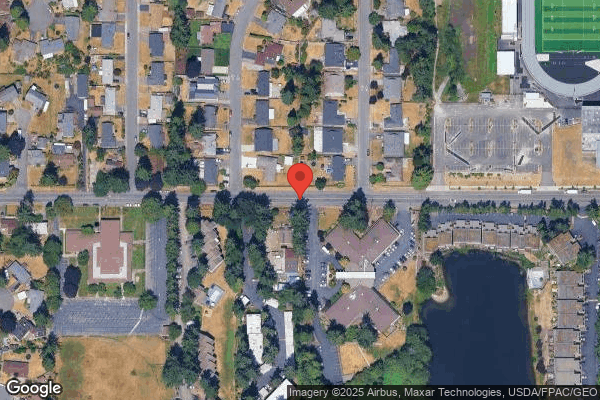
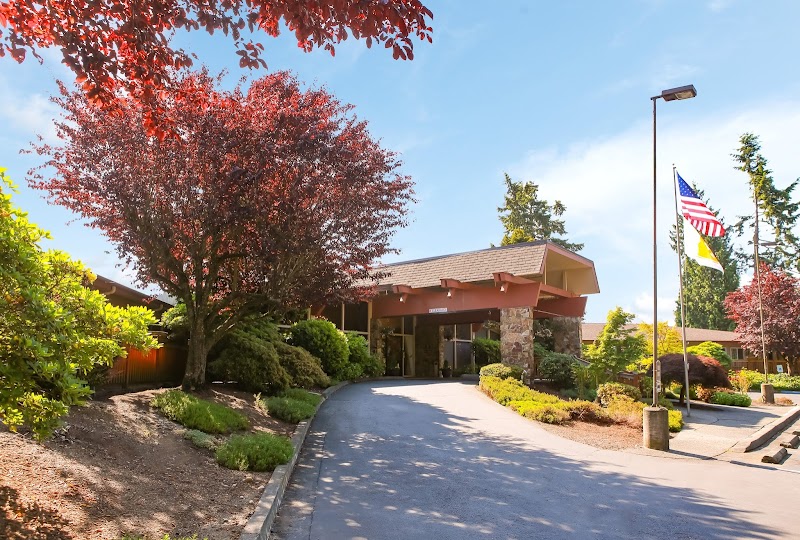
1045 SOUTH 308TH STREET, FEDERAL WAY, WA 98003 (253) 946-2273
For profit - Limited Liability company 157 Beds LIFE CARE CENTERS OF AMERICA Data: November 2025
Trust Grade
5/100
#176 of 190 in WA
Last Inspection: March 2025

Within standard 12-15 month inspection cycle. Federal law requires annual inspections.

Overview

Life Care Center of Federal Way has received a Trust Grade of F, which indicates significant concerns about the quality of care provided. They rank #176 out of 190 nursing homes in Washington, placing them in the bottom half of facilities in the state, and #43 out of 46 in King County, suggesting that there are only a few local options that are better. The facility is currently improving, having reduced their issues from 36 in 2024 to 29 in 2025, but they still reported 81 deficiencies, including serious incidents where residents suffered significant harm due to a failure to follow care plans. Staffing rates are average, with a turnover rate of 49%, but they do maintain an average level of RN coverage, which is crucial for monitoring residents’ health. However, the facility has incurred fines totaling $98,970, which is concerning and may indicate ongoing compliance problems. Specific incidents include a resident rolling off an air mattress and sustaining a serious leg fracture, as well as another resident developing a stage 4 pressure ulcer due to inadequate care. Overall, while there are some positive trends, families should be cautious and consider these serious issues when evaluating this nursing home.

Trust Score
F
5/100
In Washington
#176/190
Bottom 8%
Safety Record
High Risk
Review needed
Inspections
Getting Better
36 → 29 violations
Staff Stability
⚠ Watch
49% turnover. Above average. Higher turnover means staff may not know residents' routines.
Penalties
✓ Good
$98,970 in fines. Lower than most Washington facilities. Relatively clean record.
Skilled Nurses
✓ Good
Each resident gets 45 minutes of Registered Nurse (RN) attention daily — more than average for Washington. RNs are trained to catch health problems early.
Violations
⚠ Watch
81 deficiencies on record. Higher than average. Multiple issues found across inspections.
★☆☆☆☆
1.0
Overall Rating
★★★☆☆
3.0
Staff Levels
★★★☆☆
3.0
Care Quality
★☆☆☆☆
1.0
Inspection Score
Stable
2024: 36 issues
2025: 29 issues

The Good

  • Full Sprinkler Coverage · Fire safety systems throughout facility
  • No fines on record

Facility shows strength in fire safety.

The Bad

1-Star Overall Rating

Below Washington average (3.2)

Significant quality concerns identified by CMS

Staff Turnover: 49%

Near Washington avg (46%)

Higher turnover may affect care consistency

Federal Fines: $98,970

Well above median ($33,413)

Moderate penalties - review what triggered them

Chain: LIFE CARE CENTERS OF AMERICA

Part of a multi-facility chain

Ask about local staffing decisions and management

The Ugly 81 deficiencies on record

5 actual harm
Mar 2025 29 deficiencies
CONCERN (D)

Potential for Harm - no one hurt, but risky conditions existed

Resident Rights (Tag F0550)

Could have caused harm · This affected 1 resident

<Resident 16> According to the 01/21/2025 admission MDS, Resident 16 had intact hearing and vision and was able to be understood and understand others in conversation. The MDS showed Resident 16...

Read full inspector narrative →
<Resident 16> According to the 01/21/2025 admission MDS, Resident 16 had intact hearing and vision and was able to be understood and understand others in conversation. The MDS showed Resident 16 had intact memory and exhibited no behaviors. According to a 01/14/2025 Admission/readmission Note the facility's former Social Services Director documented Resident 16's family member was their support person and was interested in her being present for the care conference. According to a 01/30/2025 progress note Staff E wrote that Resident 16's collateral contact called and expressed frustration at not being in attendance at Resident 16's care conference. Resident 16's collateral contact stated they should be given ample warning about attendance and stated Resident 16 told them they would have liked to at least brush her hair and wash [their] face . The note showed Staff T spoke with Resident 16 about the situation and the resident stated they would like the facility to be more cognizant of [the resident's] space and her hygienic dignity moving forward . In an interview on 03/12/2025 at 9:28 AM Resident 16 expressed frustration regarding not being prepared for their care conference. When asked if they had any concerns with their care at the facility, Resident 16 addressed this lack of preparation. Resident 16 stated they were awoken without warning by the former Social Services Director and four other staff who announced it was time from a care conference without providing time for Resident 16 to dress and do their hair for the conference. Resident 16 stated it was undignified to not be given the opportunity to wash, dress, and do their hair prior to the care conference. In an interview on 03/18/2025 at 11:47 AM Staff E stated the former Social Services Director forgot to call Resident 16's collateral contact. Staff E stated they attended the care conference and when they entered Resident 16's room, the resident was not showered or groomed and was uncomfortable. Staff E stated, we should not have done it that way. REFERENCE: WAC 388-97-0180(1-4). Based on interview and record review, the facility failed to provide adequate care in a manner that promoted dignity for 1 of 2 (Resident 31) residents reviewed for dignity, and 1 supplemental resident (Resident 16) reviewed for care conference choices. The failure to provide adequate notice prior to a care conference and honor resident's preferences left residents at risk for feelings of diminished self-worth and embarrassment. Findings included . <Facility Policy> According to the facility's revised 09/26/2024 Dignity policy, each resident had the right to be treated with dignity and respect. Interactions and activities with residents by staff would focus on maintaining and enhancing the resident's self-esteem, and self-worth and incorporate the resident's goals preferences and choices. Staff must respect the resident's individuality as well as honor the value of their input. <Resident 31> According to a 02/18/2025 admission Minimum Data Set (MDS-an assessment tool), Resident 31 could make themselves understood and understood others in conversation. Resident 31 had a cognitive communication deficit and needed assistance with personal care due to muscle weakness and chronic pain. Review of the 02/13/2025 Mood Care Plan (CP) showed Resident 31 was at risk for changes in mood or behavior due to their medical conditions. The goals listed on the CP showed Resident 31 desired to be consulted with decisions and with participation in their care. Staff were to consult with the resident regarding their preferences for daily routines. In an interview on 03/11/25 at 9:22 AM Resident 31 stated they were furious with the staff because staff woke them up at 3 AM in the morning to take their vitals and again at 5 AM to ask if they had a wet diaper. Resident 31 stated they asked staff to stop waking them me up during the night, but they did not. Resident 31 stated they felt like they only had a couple nights of decent sleep since their admission to the facility, because staff kept waking them up during the night. Resident 31 stated when they asked the evening nurse for their as-needed sleep medicine so they could sleep more, the nurse on duty told them it was too late for them to receive their sleep medicine and told them they could not have it. Resident 31 stated the staff made them feel they were not respected when they asked for their medication to sleep through the night and was told they could not have it. In an interview on 03/13/2025 at 10:25 AM Resident 31 stated they put up a handwritten note on their door to stop the caregivers from waking them up. Resident 31 stated they again asked for their sleep medicine because they needed it, but the nurse would not give it to them because it was after 8 PM. In an interview on 03/17/2025 at 9:19 AM Resident 31 stated they did not like that care staff called them mama and hated when they woke them up at 5 AM in the morning and stated, mama we need to change your diaper. Resident 31 stated they felt very disrespected when the staff talked to them in this way. In an interview on 03/17/2025 at 9:30 AM Resident 31 stated they told staff on the evening shift the hallway was very loud during bedtime. Resident 31 stated they asked the staff to turn down the television volume from another resident's room however staff stated they could not make the other resident turn the volume down on their TV. Resident 31 stated they did not think this was fair to keep another resident's TV volume up during the night as other residents had a right to have quiet time during the night so they could sleep. In an interview on 03/18/2025 at 10:12 Staff E (Social Services Assistant) stated the facility was aware of the loud televisions and asked the nursing staff to help educate other residents about turning down the volume of their televisions at night, but they also had their rights. Staff E stated they could offer headphones to Resident 31 to help decrease noise but did not yet. In an interview on 03/18/2025 at 11:03 AM Staff H (Unit Care Coordinator) stated there should be designated quiet times at night for residents to sleep better and expected noise levels should go down at 10 PM. Staff H stated they needed to educate other residents and staff about honoring quiet times but did not complete this education yet. Staff H stated they expected staff to anticipate residents' needs ahead of time so they would not have to wake residents up for vitals and toileting during the night. Staff H stated the staff should respect residents and not use terms such as mama if this was not their preferred name. Staff H stated the as-needed sleep medicine did not have a designated time when it must be given, and staff should have checked with the provider first to clarify when the medicine should not be given but did not. Staff H stated the staff should have honored Resident 31's preferences for as-needed medication and to not wake Resident 31 during the night but did not. In an interview on 03/18/2025 at 12:31 PM Staff B (Director of Nursing) stated they would like staff to check on residents during the night to complete toileting rounds if residents were incontinent. For residents that do not want to be waken up during the night, Staff B stated staff should honor their preferences and remind the resident to call staff if they needed assistance. Staff B stated the facility should have assessed Resident 31 and completed a risk versus benefit agreement regarding the risk for skin breakdown if the staff did not wake them up during the night. Staff B stated Resident 31's preferences and risk vs benefit's agreement should have been listed on the CP but were not.
CONCERN (D)

Potential for Harm - no one hurt, but risky conditions existed

Deficiency F0552 (Tag F0552)

Could have caused harm · This affected 1 resident

**NOTE- TERMS IN BRACKETS HAVE BEEN EDITED TO PROTECT CONFIDENTIALITY** <Tilt-in-Space Wheelchair Consent> <Resident 63> According to the 01/22/25 Annual Minimum Data Set (MDS - an assessm...

Read full inspector narrative →
**NOTE- TERMS IN BRACKETS HAVE BEEN EDITED TO PROTECT CONFIDENTIALITY** <Tilt-in-Space Wheelchair Consent> <Resident 63> According to the 01/22/25 Annual Minimum Data Set (MDS - an assessment tool) Resident 63 was cognitively intact and used a wheelchair. In an interview on 03/11/2025 at 10:55 AM Resident 63 expressed concerns about awaiting training for their wheelchair facility staff told them they would receive. Observation at that time showed Resident 63 in a tilt-in-space wheelchair (a specialized wheelchair that can adjust the positioning of a resident from upright to tilted back and cannot be adjusted by the user of the chair). Record review showed no evidence the facility obtained Resident 63's consent prior to providing the wheelchair. In an interview on 03/18/2025 at 10:36 AM 03/18/2025 at 10:30 AM Staff B stated they expected consent to be obtained prior to use of a tilt-in-space wheelchair. Staff B stated the facility should have but did not contain Resident 63's consent. REFERENCE: WAC 388-97-0260, -0200(2), -0300(3)(a). Based on observation, interview, and record review the facility failed to obtain resident consent for the Covid-19 (C19) vaccination for 4 of 5 sampled residents (Residents 8, 14, 13, & 64) reviewed for vaccinations, obtain resident consent prior to administration of psychotropic medication for 1 of 5 residents (Resident 14) reviewed for unnecessary medications, and obtain consent prior to utilization of a tilt-in-space wheelchair for 1 of 9 residents (Resident 63) reviewed for positioning and mobility. This failure placed residents at risk for loss of autonomy, entrapment, injury, and loss of the opportunity for alternative treatment options. Findings included . <Policy> According to the facility's 09/10/2024 Resident Rights policy, residents had the right to be informed in advance of the care of the care to be furnished. The policy showed residents had the right to refuse treatment. According to the facility's 09/06/2024 Physical Restraint Use policy defined a physical restraint as any device that was attached to the resident, could not easily be removed by the resident and restricted the resident's freedom of movement. The policy indicated informed consent must be obtained from the resident or their representative prior to use. According to facility policy titled, Covid-19 (SARS-CoV-2) Vaccination Program Policy for Residents, revised 11/27/2024, showed the facility would offer all residents the C19 vaccine. The policy showed the facility would educate residents or their representatives regarding the benefits and potential side effects associated with the C19 vaccine. The policy showed the resident records would include documentation that the resident was provided education regarding the benefits and potential risks associated with the C19 vaccine and documentation of the resident's consent or declination. The policy showed the facility would offer and educate all residents on the C19 vaccine each time the C19 vaccine supplies were available to the facility. According to facility policy titled, Psychotropic Medication Informed Consent, revised 09/16/2024 showed the facility would obtain consent or refusal for the use of psychotropic medications. The policy showed psychotropic medication would not be started until after approved by the resident and, if appropriate, their family and/or representative(s). <C19 vaccination consent> <Resident 8> Review of Resident 8's health records showed a 10/14/2025 Infection progress note the resident received the C19 vaccination. Resident 8's health records did not show consent was obtained for the C19 vaccine prior to administration. <Resident 14> Review of Resident 14's health records showed a 10/14/2025 Infection progress note the resident received the C19 vaccination. Resident 14's health records did not show consent was obtained for the C19 vaccine prior to administration. <Resident 13> Review of Resident 13's health records showed a 10/14/2025 Infection progress note the resident received the C19 vaccination. Resident 13's health records did not show consent was obtained for the C19 vaccine prior to administration. <Resident 64> Review of Resident 64's health records did not show they were offered the C19 vaccine for the 2024-2025 C19 booster vaccine. Resident 64's health records did not show consent was obtained for the C19 vaccination for the 2024-2025 vaccine booster. <Psychotropic Medication Consent> <Resident 14> According to a 01/23/2025 Annual Minimum Data Set (MDS - an assessment tool) Resident 14 admitted to the facility on [DATE]. The MDS showed Resident 14 had diagnoses of, but not limited to, anxiety disorder, depression, bipolar, and psychotic disorder. The MDS showed resident 14 received an antipsychotic medication during the assessment period. Review of a 12/13/2023 use of psychotropic medications Care Plan (CP) showed the facility was to administer psychotropic medications per physician orders. Review of Resident 14's health records showed a physician order on 05/24/2024 for an antipsychotic medication to be administered daily. Resident 14's health records showed consent for the antipsychotic medication was not obtained until 01/10/2025, 7.5 months after the medication was started. In an interview on 03/14/2025 at 11:05 AM Staff I (Infection Preventionist) reviewed Residents 8, 14, 13, and 64 health records for the 2024-2025 C19 vaccination consent and was unable to provide. Staff I stated they did not have documentation of consent for the C19 vaccine for Residents 8, 13, 14, or 64 but understood it should be in the resident's records. In an interview on 03/17/2025 at 8:28 AM Staff F (Unit Care Coordinator) reviewed Resident 14's health records and stated they did not obtain Resident 14's consent for the psychotropic medication prior to initiating but should have. Staff F stated it was important to obtain consent for psychotropic medications prior to administration to ensure the resident had a say in their care and for their rights. In an interview on 03/17/2025 at 11:50 AM Staff B (Director of Nursing) stated they expected Staff I to obtain consent prior to administration of the C19 vaccine. In an interview on 03/18/2025 at 8:57 AM Staff B stated they expected staff to obtain consent for psychotropic medications prior to administering as part of the residents right to be informed.
CONCERN (D)

Potential for Harm - no one hurt, but risky conditions existed

Deficiency F0578 (Tag F0578)

Could have caused harm · This affected 1 resident

Base on record review, and interview, the facility failed to implement a system to ensure Advanced Directives (AD) were in place for 3 (Residents 63, 14, & 77) of 7 residents reviewed for ADs. The fac...

Read full inspector narrative →
Base on record review, and interview, the facility failed to implement a system to ensure Advanced Directives (AD) were in place for 3 (Residents 63, 14, & 77) of 7 residents reviewed for ADs. The facility failed to provide information indicating residents were informed, educated, or offered assistance to formulate an AD. This failure placed residents at risk of losing their right to have their stated preferences/decisions honored regarding medical treatment and end-of-life care. Findings included . <Facility Policy> According to the facility's 09/26/2024 AD Policy showed residents or their representatives would receive materials explaining their right to formulate an AD upon admission. The policy showed if a resident already had an AD, the facility's social worker would request a copy and and add it to the resident's record. <Resident 63> According to the 01/22/25 Annual Minimum Data Set (MDS - an assessment tool) Resident 63 had intact cognition and diagnoses including heart failure and a kidney condition. According to the Resident is [their] own decision maker . Care Plan (CP) Resident 63 had a goal for their AD to be honored. Record review showed no AD documentation on file for Resident 63. There was no documentation indicating Resident 63 received materials explaining their right to formulate an AD. In an interview on 03/18/2025 at 11:24 AM Staff E (Social Services Assistant) stated they did not see an AD on file for Resident 63. Staff E stated either an AD should be in place for Resident 63 or there should be evidence the resident's right to formulate an AD was explained to them. <Resident 14> According to a 01/23/2025 Annual MDS Resident 14 had moderate memory impairment. The MDS showed Resident 14 had diagnoses of, but not limited to, a drop in blood pressure with change in position and high cholesterol. In an interview on 03/12/2025 at 9:37 AM Resident 14 stated they did not have an advanced directive, and the facility did not offer to assist them in obtaining one. Review of Resident 14's health records showed no AD documentation. Resident 14's records showed no documentation indicating they received materials explaining their right to formulate an AD. <Resident 77> According to a 11/05/2024 admission MDS Resident 77 had moderate memory impairment. The MDS showed Resident 77 had diagnoses of, but not limited to, Diabetes (unstable blood sugar levels) and Parkinson's (a degenerative neurological disorder). Review of Resident 77's health records showed no AD documentation. Resident 77's records showed no documentation indicating they received materials explaining their right to formulate an AD. In an interview on 03/17/2025 at 1:52 PM Staff E stated Resident 14 and 77 did not have documentation in their records indicating their right to formulate an AD was ever discussed or reviewed with them. Staff E stated it was important to help all residents in formulating an AD so their wishes could be carried out if/when they were unable to speak for themselves. In an interview on 03/18/2025 at 8:57 AM Staff B (Director of Nursing) stated they expected staff to discuss and provide assistance in formulating an AD with all residents upon admission and review quarterly with each care conference. REFERENCE: WAC 388-97-0280(3)(c)(i-ii), -0300(1)(b)(3)(a-c). .
CONCERN (D)

Potential for Harm - no one hurt, but risky conditions existed

Safe Environment (Tag F0584)

Could have caused harm · This affected 1 resident

**NOTE- TERMS IN BRACKETS HAVE BEEN EDITED TO PROTECT CONFIDENTIALITY** <room [ROOM NUMBER]-1> Observation on 03/18/2025 at 12:43 PM showed gouges on the wall at the head of the bed and on the r...

Read full inspector narrative →
**NOTE- TERMS IN BRACKETS HAVE BEEN EDITED TO PROTECT CONFIDENTIALITY** <room [ROOM NUMBER]-1> Observation on 03/18/2025 at 12:43 PM showed gouges on the wall at the head of the bed and on the right side of the bed. <room [ROOM NUMBER]-2> Observation on 03/18/2025 at 12:43 PM showed the nightstand with trim across the front ripped off with exposed rough wood. <room [ROOM NUMBER]-2> Observation on 03/18/2025 at 12:43 PM showed gouges on the wall at the head of the bed. In an interview on 03/18/2025 at 12:43 PM Staff Y stated it was their job to maintain a homelike environment for the residents. Staff Y stated they were unaware of the repairs needed to rooms 410, 412, 106, and 110. Staff Y stated they depended on floor staff to notify maintenance in their communication book when repairs were needed but these issues had not been bought to the attention of the maintenance department. REFERENCE: WAC 388-97-0880. Based on observation, interview, and record review the facility failed to ensure a safe, clean, and comfortable environment was provided to residents. Facility failure to keep rooms free of wall gouges, room furniture in good repair, and hot water at a comfortable temperature for 2 of 4 units (Units 400 & 100) left residents at risk for a less-than-homelike environment. Findings included . <Policy> According to a facility policy titled, Resident Belongings and Home Like Environment, revised 06/12/2024, the facility would provide a safe, clean, comfortable, and homelike environment. <room [ROOM NUMBER]> Observations on 3/11/2025 at 1:54 PM showed room [ROOM NUMBER] had deep gouges and exposed drywall on the wall behind the head of the resident bed. <room [ROOM NUMBER]> Observations on 03/17/2025 at 9:40 AM showed room [ROOM NUMBER] had deep gouges and exposed drywall on the wall behind the head of the resident bed. <room [ROOM NUMBER]> In an interview on 03/18/2025 at 10:00 AM Resident 43 stated they told the facility the water in their bathroom sink was always too cold and they had to wait at least 5 minutes for the water to get warm. In an interview on 03/18/25 at 12:43 PM Staff Y (Maintenance Director) stated staff were to notify maintenance staff on all issues in the rooms and their job was to keep the facilities homelike for residents.
CONCERN (D)

Potential for Harm - no one hurt, but risky conditions existed

Transfer Notice (Tag F0623)

Could have caused harm · This affected 1 resident

**NOTE- TERMS IN BRACKETS HAVE BEEN EDITED TO PROTECT CONFIDENTIALITY** Based on interview and record review, the facility failed to ensure a system by which residents/representatives received require...

Read full inspector narrative →
**NOTE- TERMS IN BRACKETS HAVE BEEN EDITED TO PROTECT CONFIDENTIALITY** Based on interview and record review, the facility failed to ensure a system by which residents/representatives received required written notice at time of transfer/discharge, or as soon as soon as practicable and ensure a system by which the office of the State Long-Term Care Ombudsman (LTCO - an advocacy group for individuals residing in nursing homes) received required resident transfer/discharge information for 2 of 3 residents (Residents 8 & 69) reviewed for hospitalizations. Failure to ensure written transfer notifications were provided to residents and/or their representatives, in a language and manner they understood, placed residents at risk for not having an opportunity to make an informed decision about the transfer/discharge. The failure to ensure required notifications were completed, prevented the LTCO office the opportunity to educate residents and advocate for them regarding the discharge process. Findings included . <Policy> According to a facility policy titled, Notice of Transfers and Discharges, revised 10/29/2024, the facility would notify the resident and/or representative of the reason for transfer as soon as practicable before transfer or discharge. The policy showed the reason for transfer or discharge, the date of transfer/discharge, the location to which the resident was transferred, and a statement of the residents appeal rights including the contact information and information on how to obtain an appeal form and assistance in completing the form would be included within the notice form. The policy showed a copy of the notice form would be sent to the LTCO. <Resident 8> According to a 12/24/2024 Annual Minimum Data Set (MDS - an assessment tool) Resident 8 had no memory impairment. The MDS showed Resident 8's most recent reentry into the facility was on 08/08/2024. Review of Resident 8's health records showed they were hospitalized on [DATE]. Resident 8's health records did not contain documentation of written transfer notifications being provided to the resident. In an interview on 03/12/2025 at 1:44 PM Resident 8 stated they went to hospital on [DATE] for respiratory symptoms. Resident 8 stated they did not receive written transfer notification for the transfer. <Resident 69> According to a 02/11/2025 admission MDS Resident 69 had moderate memory impairment. The MDS showed Resident 69's representative participated and assisted in the assessment. Review of Resident 69's health records showed they were hospitalized on [DATE]. Resident 69's health records did not contain documentation of written transfer notifications being provided to the resident. In an interview on 03/11/2025 at 10:09 AM Resident 69's family member stated Resident 69 went back to hospital on [DATE]. Resident 69's representative stated they did not receive written transfer notification for the transfer. In an interview on 03/17/2025 at 1:52 PM Staff E (Social Service Assistant) stated the social service department did not provide the required written transfer notice to residents or notify the LTCO of resident transfers. In an interview on 03/17/2025 at 2:00 PM Staff F (Unit Care Coordinator) stated they did not have residents or representatives sign that they received a copy of the written transfer notification form for the transfer. Staff F stated they understood the form should be provided to the resident/representative, so they knew their rights related to the transfer/discharge. In an interview on 03/17/2025 at 2:31 PM Staff A (Regional [NAME] President) stated it was the social service departments responsibility to provide written notice of transfer to the resident and/or representative and notify the LTCO about the transfer/discharge. REFERENCE: WAC 388-97-0140(1)(a-c)(i-iii). .
CONCERN (D)

Potential for Harm - no one hurt, but risky conditions existed

Deficiency F0625 (Tag F0625)

Could have caused harm · This affected 1 resident

**NOTE- TERMS IN BRACKETS HAVE BEEN EDITED TO PROTECT CONFIDENTIALITY** Based on record review and interview, the facility failed to provide the resident and/or the representative a written notice of ...

Read full inspector narrative →
**NOTE- TERMS IN BRACKETS HAVE BEEN EDITED TO PROTECT CONFIDENTIALITY** Based on record review and interview, the facility failed to provide the resident and/or the representative a written notice of the facility's bed hold policy, at the time of transfer or within 24 hours, for 3 of 3 residents (Residents 8, 69, & 64) reviewed for hospitalizations. This failure placed residents and their representatives at risk of not being informed of their right to, and the cost of, holding the residents bed while hospitalized that was necessary for decision making. Findings included . <Policy> According to a facility policy titled, Bed-Hold, revised 09/05/2024, the facility would give the resident a copy of the facilities bed hold policy upon transfer or within 24 hours of transfer. The policy showed documentation of providing the bed hold policy would be in the residents records for each transfer/discharge. <Resident 8> According to a 12/24/2024 Annual Minimum Data Set (MDS - an assessment tool) Resident 8 had no memory impairment. The MDS showed Resident 8's most recent reentry into the facility was on 08/08/2024. Review of Resident 8's health records showed they were hospitalized on [DATE]. Resident 8's health records did not contain documentation of written notification of the facility's bed hold policy being provided to the resident for this transfer. In an interview on 03/12/2025 at 1:44 PM Resident 8 stated they went to hospital on [DATE] for respiratory symptoms. Resident 8 stated they did not receive written notification of the facility's bed hold policy for the transfer. <Resident 69> According to a 02/11/2025 admission MDS Resident 69 had moderate memory impairment. The MDS showed Resident 69's representative participated and assisted in the assessment. Review of Resident 69's health records showed they were hospitalized on [DATE]. Resident 69's health records did not contain documentation of written notification of the facility's bed hold policy being provided to the resident. In an interview on 03/11/2025 at 10:09 AM Resident 69's family member stated Resident 69 went back to hospital on [DATE]. Resident 69's representative stated they did not receive written notification of the facility's bed hold policy for the transfer. <Resident 64> According to a 12/13/2024 Annual MDS Resident 64 had no memory impairment. The MDS showed Resident 64 had an indwelling urinary catheter. Review of Resident 64's health records showed they were hospitalized on [DATE]. Resident 64's health records did not contain documentation of written notification of the facility's bed hold policy provided to Resident 64 and/or their representative a time of the transfer. In an interview on 03/12/2025 at 10:30 AM Resident 64 stated they went back to hospital on [DATE] for their urinary catheter. Resident 64 stated they did not receive written notification of the facility's bed hold policy for the transfer. In an interview on 03/17/2025 at 1:52 PM Staff E (Social Service Assistant) stated the social service department did not provide the required written notice of the facility's bed hold policy to residents and/or their representative at the time of transfers. In an interview on 03/17/2025 at 2:00 PM Staff F (Unit Care Coordinator) stated they did not have Resident's 8, 69, or 64, or their representatives sign that they received a copy of the facility's bed hold policy at time of transfers. Staff F stated it was important to ensure the residents were notified of the bed hold policy with each transfer so the facility would hold their bed until they returned if they so wished, and the resident was aware of the associated costs to hold their bed. In an interview on 03/17/2025 at 2:31 PM Staff B (Director of Nursing) stated they expected nurses to provide a copy of the facility's bed hold policy to the resident and/or representative at time of transfer and retain documentation of doing so in the resident's records as required. Staff B stated it was important to ensure the resident was notified of their rights to hold the bed and the cost of holding the bed. REFERENCE: WAC 388-97-0120(4). .
CONCERN (D)

Potential for Harm - no one hurt, but risky conditions existed

PASARR Coordination (Tag F0644)

Could have caused harm · This affected 1 resident

Based on interview and record review, the facility failed to ensure a Level II Preadmission Screening and Resident Review (PASRR - a mental health screening required prior to nursing home admission) e...

Read full inspector narrative →
Based on interview and record review, the facility failed to ensure a Level II Preadmission Screening and Resident Review (PASRR - a mental health screening required prior to nursing home admission) evaluation was completed and/or incorporated into the Care Plan (CP) for 2 of 8 residents (Residents 26, 43) reviewed for PASRR. This failure placed residents at risk for unmet mental health care needs, and other negative health outcomes. Findings included . <Facility Policy> According to the facility's revised 09/24/2024 PASRR policy the facility would ensure potential admissions were screened for possible Serious Mental Illness (SMI) or Intellectual Disabilities (ID). A positive Level I screening required an in-depth evaluation by the state authority, known as a PASRR Level II. The PASRR process required the facility to notify the appropriate state mental health authority when a resident with a mental disorder or intellectual disability had a significant change in their physical or mental condition. The policy showed recommendations from the PASRR Level II determination and PASARR evaluation report would be incorporated into the person-centered CP as well as in transitions of care. <Resident 26> According to the 09/06/2024 Quarterly Minimum Data Set (MDS - an assessment tool) Resident 26 had non-Alzheimer's dementia, depression, and history of a stroke. Review of the revised 10/20/2024 Behavior CP showed Resident 26 had behavior problems towards staff and staff were to provide care in pairs, monitor for behavior and interference with care, and approach carefully. Review of the 04/14/2021 Mood CP showed Resident 26 had the potential to be verbally aggressive related to mental and emotional illness related to having a stroke. Staff were to intervene before agitation escalated and if Resident 26 was aggressive, staff were to calmly walk away. Review of progress notes from 09/16/2024, 10/13/2024, and 11/08/2024 showed Resident 26 dug their fingernails into the nursing aide's arms during care, made racial slurs, and scratched or called staff names. Review of a 01/22/2025 progress note showed Resident 26 had behaviors that included verbal and physical aggression, resistance to care, and inappropriate communication with male staff. Record review showed a 04/02/2021 Level I PASRR screening on file showing Level II services were not required. Review of an 11/03/2024 progress note showed the Social Services Director documented they sent for Level II PASRR review. There was no documentation found in the medical record that showed a Level II referral was made to address Resident 26's changes in condition. <Resident 43> According to the 12/3/2024 Annual MDS, Resident 43 had non-Alzheimer's dementia, anxiety, depression and Post-Traumatic Stress Disorder (PTSD). Review of the 01/24/2024 psychosocial CP showed Resident 43 had a psychosocial wellbeing problem related to depression, anxiety, and PTSD. Staff were to provide behavioral health consults as needed and administer medications as ordered. Record review showed an 08/24/2024 Level I PASRR screening on file that showed a Level II evaluation referral was required for Resident 43. Documentation in the record did not show a Level II referral was made for Resident 43. In an interview on 03/18/2025 at 10:02 AM Staff E (Social Services Assistant) stated they were aware that PASSRs needed to be reviewed, but because the social services department was understaffed, they were not able to review and complete PASSR II screenings. Staff E stated they knew the importance of PASSR Level II referrals and stated these were needed so mental health needs could be attended to. Staff E stated the facility was not currently working on PASSR Level II referrals and did not have a process in place to update PASSR screenings for residents with changes of condition. In an interview on 03/18/2025 at 12:47 PM Staff A (Regional [NAME] President) stated it was important that PASSR screenings be completed and updated to help screen for appropriate levels of care and appropriate mental health resources. Staff A stated PASSR screenings for changes of condition should be done and PASRR Level II referrals should be made but was not. REFERENCE: WAC 388-97-1915(2)(4). .
CONCERN (D)

Potential for Harm - no one hurt, but risky conditions existed

Deficiency F0645 (Tag F0645)

Could have caused harm · This affected 1 resident

**NOTE- TERMS IN BRACKETS HAVE BEEN EDITED TO PROTECT CONFIDENTIALITY** Based on interview and record review, the facility failed to ensure Pre-admission Screening and Resident Review (PASRR) assessme...

Read full inspector narrative →
**NOTE- TERMS IN BRACKETS HAVE BEEN EDITED TO PROTECT CONFIDENTIALITY** Based on interview and record review, the facility failed to ensure Pre-admission Screening and Resident Review (PASRR) assessments were completed for 2 of 6 residents (Resident 64 & 69) reviewed for PASRR screening. The failure to ensure PASRR screening was complete and accurate left residents at risk for inappropriate placement and/or not receiving timely and necessary services to meet their mental health care needs. Findings included . <Policy> According to a facility policy titled, Pre-admission Screening and Resident Review, revised 09/26/2024, showed if a level I PASRR indicated Serious Mental Illness (SMI), a level II PASSR referral to the state designated authority would be made prior to admission to the facility. <Resident 64> According to a 12/13/2024 Annual Minimum Data Set (MDS- an assessment tool) Resident 64 admitted to the facility on [DATE]. The MDS showed Resident 64 had diagnoses of, but not limited to, anxiety disorder and depression. Review of Resident 64's health records showed they had SMI indicators of mood and anxiety disorders on the 01/12/2024 PASRR level I but no level II evaluation was indicated because the person does not show indicators of SMI. <Resident 69> According to a 02/11/2025 admission MDS Resident 69 admitted to the facility on [DATE]. The MDS showed Resident 69 had diagnoses of, but not limited to, dementia, depression, and bipolar. Review of Resident 69's health records showed a 05/09/2024 PASRR level I with SMI indicators and a PASRR level II referral was required for the SMI indicators. The 05/09/2024 PASRR level I was completed at a sister facility before Resident 69 was transferred to the current facility on 02/05/2025. Resident 69's health records showed no PASRR level II or referral for the level II. In an interview on 03/17/2025 at 1:52 PM Staff E (Social Service Assistant) stated Resident's 64 was not referred for a level II PASRR but should have been since they had SMI indicators on the level I PASRR. Staff E stated Resident 69's PASRR I from the sister facility should have been reviewed for accuracy and completion at time of transfer but it was not. Staff E stated they did not have a PASRR level II referral for Resident 69. Staff E stated it was important to complete the PASRR process on all residents accurately to ensure the residents received the mental health services they needed or would benefit from. In an interview on 03/18/2025 at 11:14 AM A (Regional [NAME] President) stated if a resident had a SMI or SMI was marked on the PASRR level I, they expected social services to submit a PASRR level II referral and retain documentation of doing so in the resident's records, to ensure residents received necessary mental health services and care. REFERENCE: WAC 388-97-1915(1)(2)(a-c)(4). .
CONCERN (D)

Potential for Harm - no one hurt, but risky conditions existed

Deficiency F0676 (Tag F0676)

Could have caused harm · This affected 1 resident

**NOTE- TERMS IN BRACKETS HAVE BEEN EDITED TO PROTECT CONFIDENTIALITY** Based on observation, interview, and record review the facility failed to provide necessary care and services for 1 of 1 residen...

Read full inspector narrative →
**NOTE- TERMS IN BRACKETS HAVE BEEN EDITED TO PROTECT CONFIDENTIALITY** Based on observation, interview, and record review the facility failed to provide necessary care and services for 1 of 1 resident (Resident 77) reviewed for communication. Failure to provide communication assistance for residents where English was a second language placed residents at risk of miscommunication, unmet care needs, and quality of care. Findings included . <Policy> According to a facility policy titled, Language Access Services and Effective Communication, revised 01/07/2025, the facility would ensure residents, where English was not their primary language, would have access to interpreters/translators and other aides needed without cost. <Resident 77> According to an 11/05/2024 admission Minimum Data Set (MDS - an assessment tool) Resident 77 admitted to the facility on [DATE]. The MDS showed Resident 77's preferred language was their primary language. The assessment showed Resident 77 needed an interpreter to communicate with the doctor and health care staff. Review of an 11/08/2024 communication problem related to language barrier . Care Plan (CP) Resident 77 spoke limited English, and their primary language was birth language. The CP showed staff would observe for effectiveness of assistive devices for communication. The CP showed the translators phone number would be posted in Resident 77's room. The CP showed staff were to provide translation services to communicate with Resident 77 so the resident would be able to make their basic needs known. Observation and interview on 03/11/2025 at 1:53 PM Resident 77 stated their primary language was not English. Resident 77 stated they would ask staff for help sometimes and when the staff didn't understand them, they would walk away and not respond to their request. Resident 77 stated they were unaware of translation assistance or devices to assist them in communication with staff. Observation at this time showed no communication assistive devices in Resident 77's room and no translator services phone number posted for the resident. Resident 77 opened all drawers in room to show they had not received any communication assistive devices. In an interview on 03/17/2025 at 8:28 AM Staff F (Unit Care Coordinator) stated they had not provided Resident 77 with communication boards or the translators phone number as the CP instructed but should have. Staff F stated it was important to provide residents communication assistive devices when English was a second language to ensure they could make themselves understood and understand others. In an interview on 03/18/2025 at 8:57 AM Staff B (Director of Nursing) stated they expected staff to provide communication boards with pictures related to basic needs to residents when English was not their primary language. Staff B stated they expected staff to provide the translation services phone number to residents that needed those services for communication. Staff B stated it was important to ensure good communication between the resident and staff to guide their care and ensure they're meeting the residents needs. REFERENCE: WAC 388-97-1060(2)(a)(v). .
CONCERN (D)

Potential for Harm - no one hurt, but risky conditions existed

ADL Care (Tag F0677)

Could have caused harm · This affected 1 resident

**NOTE- TERMS IN BRACKETS HAVE BEEN EDITED TO PROTECT CONFIDENTIALITY** Based on observation, interview, and record review the facility failed to provide assistance with Activities of Daily Living (AD...

Read full inspector narrative →
**NOTE- TERMS IN BRACKETS HAVE BEEN EDITED TO PROTECT CONFIDENTIALITY** Based on observation, interview, and record review the facility failed to provide assistance with Activities of Daily Living (ADL - bathing etc.) to residents dependent on staff assistance for 1 (Resident 139) of 5 residents reviewed for ADL. The failure to provide bathing assistance to residents placed residents at risk for poor hygiene, skin breakdown, and feelings of diminished self-worth. <Facility Policy> According to the facility's 09/10/2024 ADL policy showed residents unable to perform their own ADL would receive the necessary assistance to maintain good grooming, and personal hygiene. <Resident 139> According to the 03/04/2025 admission Minimum Data Set (MDS - an assessment tool) Resident 139 required substantial/maximal assistance with bathing and had a moderate memory impairment. The MDS showed Resident 139 admitted to the facility on [DATE]. The MDS showed Resident 139 had a highly transmissible gastrointestinal infection that required isolation. According to the 02/27/2025 bathing preferences form Resident 139 preferred a bed bath in the morning twice a week. The form indicated Resident 139 required maximal assistance with bathing. Review of the 02/27/2025 ADL Assistance . Care Plan (CP) included a goal for Resident 139 to return to their former level of comfort. This CP included no directions addressing Resident 139's bathing needs. There was no other CP addressing Resident 139's need for bathing assistance. Review of the bathing records showed from the date of admission, 02/27/2025 through 03/17/2025 (18 days) Resident 139 received only one bed bath on 03/08/2025 with only one documented refusal of bathing on 03/07/2025. In an interview on 03/12/2025 at 10:29 AM Resident 139 stated they wanted assistance with bathing. Resident 139 showed their fingernails were long and soiled and stated they needed help to trim them. In an interview on 03/17/2025 at 2:23 PM Staff X (LPN) stated it was important to provide bathing assistance to residents who needed assistance. Staff X reviewed the bathing records and stated Resident 139 did not receive the bathing assistance they required but should have. REFERENCE: WAC 388-97-1060 (2)(c). .
CONCERN (D) 📢 Someone Reported This

A family member, employee, or ombudsman was alarmed enough to file a formal complaint

Potential for Harm - no one hurt, but risky conditions existed

Deficiency F0678 (Tag F0678)

Could have caused harm · This affected 1 resident

**NOTE- TERMS IN BRACKETS HAVE BEEN EDITED TO PROTECT CONFIDENTIALITY** Based on observation, interview, and record review the facility failed to implement a system to ensure Physician's Orders for Li...

Read full inspector narrative →
**NOTE- TERMS IN BRACKETS HAVE BEEN EDITED TO PROTECT CONFIDENTIALITY** Based on observation, interview, and record review the facility failed to implement a system to ensure Physician's Orders for Life Saving Treatments (POLSTs) were implemented for 2 of 22 sample residents (Residents 32 & 16) and one supplemental resident (Resident 60), related to lifesaving treatment orders. The failure to follow the POLST instructions for Cardiopulmonary Resuscitation (CPR) (Resident 32) or ensure the POLST was readily available (Residents 16 & 60) placed residents at risk for receiving unwanted CPR, avoidable trauma, and other negative health outcomes. Findings included . <Facility Policy> According to the facility's [DATE] CPR policy, when a resident admitted to the facility, staff would verify if the resident had any Advanced Directives (legal documents that provide instructions for medical care when a resident cannot communicate their own wishes) and if not, verify if the resident did not wish to receive CPR. The policy showed if the resident did not want CPR, a physician's order would be obtained (this information would be documented on a POLST form). According to the facility's [DATE] Advanced Directives and Advanced Care Planning policy, all residents would receive lifesaving treatment unless they had Do Not Resuscitate (DNR) documentation in place, in which case the DNR directive would be honored. The policy showed a physician's order would be obtained reflecting the DNR status. The policy showed the Director of Nursing (DON) would establish a system to inform all direct care staff of residents' DNR status. <Resident 32> According to the [DATE] Significant Change Minimum Data Set (MDS - an assessment tool) Resident 32 had diagnoses including cancer, multiple heart conditions, high blood pressure, stage-3 kidney disease, diabetes mellitus (a condition making blood sugar regulation more difficult), high cholesterol, and Chronic Obstructive Pulmonary Disease (lung disease). The MDS showed Resident 32 experienced shortness of breath when lying down. Observation on [DATE] at 1:49 PM showed a staff member announced a Code Blue (medical emergency) for room [ROOM NUMBER] (Resident 32's room). At that time at the 100-200 Unit nurse station Staff I (Infection Preventionist) was observed calling out from the nurse station toward room [ROOM NUMBER] to attempt resuscitation. At 01:50 PM a voice carried from room [ROOM NUMBER] stating it is bed 3. At that point Staff I yelled Gosh you guys, no CPR for bed 3 - selective treatment for BED 3! You have got to say which bed! At 1:58 PM the paramedics arrived at the facility and took over treatment. In an interview on [DATE] at 1:48 PM Staff I stated they heard the housekeeper make the Code Blue alert for Resident 32. Staff I stated they heard the housekeeper say it was for room [ROOM NUMBER], bed 1. Staff I stated they looked at the POLST book (a binder held at the nurse station which was to include the POLST forms of every resident for the 100 and 200 units) and called out 207, bed 1 - full code, selective treatment. Staff I stated shortly thereafter they overhead Code Blue 207-3 at which point Staff I provided the correct information for Resident 32. Staff I stated by that point CPR was already initiated which meant it was necessary to continue until the paramedics took over treatment. In an interview on [DATE] at 8:46 AM with Staff B (Interim Director of Nursing) and Staff C (Regional Director of Clinical Services) Staff B explained Resident 32 was found unresponsive by a facility volunteer who alerted Staff K (Licensed Practical Nurse) who immediately went to Staff I's office for help. Staff B stated Staff I reviewed the POLST and said full code which was not correct for Resident 32. Staff B confirmed three other nurses went to room [ROOM NUMBER] and started CPR and continued until the paramedics arrived. Staff B stated staff should have properly identified the resident and referred to the correct POLST but did not. Staff C stated the facility identified the root cause of the miscommunication was the fact the POLST book was organized by room, rather than by resident name. <Resident 16> According to the [DATE] admission MDS Resident 16 had intact memory. The MDS showed Resident 16 had diagnoses including anemia and a right femur (thigh bone) fracture. Review of the POLST book on [DATE] at 10:03 AM showed no POLST available for Resident 16. There was also no POLST in Resident 16's chart. In an interview at that time Staff C confirmed there was no POLST in the book and stated it may be in Resident 16's chart or with the medical records department. In an interview on [DATE] at 10:05 AM Staff L confirmed they did not have a POLST for Resident 16's POLST. In an interview on [DATE] at 11:22 AM Staff B stated they were unable to find Resident 16's POLST and it was necessary for Resident 16 to complete a new POLST form. Staff B confirmed the POLST book was the first place nurses would look for a POLST. <Resident 60> Review of the POLST book on [DATE] at 11:18 AM showed there was no POLST for Resident 60 in the POLST book. In an interview at that time Staff B took note that the POLST was not in the POLST book. REFERENCE: WAC 388-97-1060 (1). .
CONCERN (D)

Potential for Harm - no one hurt, but risky conditions existed

Quality of Care (Tag F0684)

Could have caused harm · This affected 1 resident

**NOTE- TERMS IN BRACKETS HAVE BEEN EDITED TO PROTECT CONFIDENTIALITY** Based on record review and interview the facility failed to ensure 3 of 3 residents (Resident 8, 13, & 64) reviewed for Edema (f...

Read full inspector narrative →
**NOTE- TERMS IN BRACKETS HAVE BEEN EDITED TO PROTECT CONFIDENTIALITY** Based on record review and interview the facility failed to ensure 3 of 3 residents (Resident 8, 13, & 64) reviewed for Edema (fluid retention in the body) received the necessary care and services they required in accordance with professional standards of practice. The facility failure to assess and monitor residents with edema placed residents at risk for complications, worsening conditions, and a diminished quality of life. Findings included . <Resident 8> According to a 12/24/2024 Annual Minimum Data Set (MDS - an assessment tool) Resident 8 reentered the facility on 08/08/2024. The MDS showed Resident 8 had diagnoses of, but not limited to, heart failure with edema. The MDS showed Resident 8 received diuretic medication during the assessment period. Review of an 11/02/2023 diuretic therapy Care Plan (CP) showed Resident 8 received diuretic medication for edema. Review of Resident 8's health records showed a 08/08/2024 physician's order for a diuretic medication given daily for edema. Resident 8's health records showed no physician's order to assess and monitor edema. In an interview on 03/17/2025 at 8:28 AM Staff F (Unit Care Coordinator) reviewed Resident 8's health records and stated they did not have documentation of monitoring the resident's edema, but it should be monitored every shift. Staff F stated it was important to monitor edema every shift to best manage heart failure with edema and prevent them from fluid overload. <Resident 13> According to a 10/18/2024 Annual MDS Resident 13 reentered the facility on 05/17/2022. The MDS showed Resident 13 had diagnoses of, but not limited to, heart failure with edema and kidney failure. The MDS showed Resident 13 received diuretic medication during the assessment period. Review of an 09/13/2022 hypertension (high blood pressure) CP showed the facility would notify the doctor of edema. Review of Resident 13's health records showed a 10/21/2024 physician order for a diuretic medication given daily for edema. Resident 13's health records showed a 01/11/2023 physician order to monitor the resident's weight monthly. These records showed the facility only weighed Resident 13 10 times out of 27 opportunities since the 01/11/2023 monthly weight order. Resident 13's health records showed no physician order to assess and monitor their edema. In an interview on 03/17/2025 at 8:28 AM Staff F reviewed Resident 13's health records and stated they did not have documentation of monitoring the resident's edema, but it should be monitored every shift. Staff F reviewed Resident 13's weight monitoring and stated they were not monitoring the resident's weight per physician orders but should have. Staff F stated it was important to monitor edema every shift to best manage heart failure with edema and prevent them from fluid overload. Staff F stated it was important to monitor a resident weight more frequently with weight changes and while taking diuretic medications to ensure the edema is getting better also that they are not diuresing (removing fluid from the body) too much fluid from the resident causing them to become dehydrated. <Resident 64> According to a 12/13/2024 Annual MDS Resident 64 admitted to the facility on [DATE]. The MDS showed Resident 64 had no memory impairment. Observation and interview on 03/12/2025 at 10:18 AM Showed Resident 64 with bilateral lower extremity edema. At this time Resident 64 stated their weight has been slowly increasing since they admitted to the facility due to retaining water. Review of Resident 64's health records showed a 02/14/2025 physician order for a diuretic medication given daily for edema. Resident 64's health records showed no physician order to assess and monitor their edema. In an interview on 03/17/2025 at 8:28 AM Staff F reviewed Resident 64's health records and stated they did not have documentation of monitoring the resident's edema, but it should be monitored every shift. Staff F stated it was important to monitor edema every shift to best manage the edema and prevent them from fluid overload. In an interview on 03/18/2025 at 8:57 AM Staff B (Director of Nursing) stated they expected staff to monitor and document edema every shift. Staff B stated they expected staff to monitor weight for residents with edema more frequently and/or as per physician orders. Staff F stated if a resident refused to have their weight monitored, they expected staff to document the refusal. REFERENCE: WAC 388-97-1060(1). .
CONCERN (D)

Potential for Harm - no one hurt, but risky conditions existed

Deficiency F0692 (Tag F0692)

Could have caused harm · This affected 1 resident

**NOTE- TERMS IN BRACKETS HAVE BEEN EDITED TO PROTECT CONFIDENTIALITY** Based on observation and interview the facility failed to ensure fresh water was offered for 5 of 5 residents (Residents 8, 14, ...

Read full inspector narrative →
**NOTE- TERMS IN BRACKETS HAVE BEEN EDITED TO PROTECT CONFIDENTIALITY** Based on observation and interview the facility failed to ensure fresh water was offered for 5 of 5 residents (Residents 8, 14, 13, 69, & 64) reviewed for hydration. Failure to offer fresh water daily placed residents at risk of dehydration, potential risk for medical complications, and decreased quality of life. Findings included <Policy> According to a facility policy titled, Hydration and Nutrition, revised 09/10/2024, each resident would be offered fluids to maintain proper hydration. The policy showed fluids would always be available to residents and a hydration cart may be utilized. <Resident 8> According to a 12/24/2024 Annual Minimum Data Set (MDS - an assessment tool) Resident 8 reentered the facility on 08/08/2024. The MDS showed Resident 8 had no memory impairment. In an observation and interview on 03/12/2025 at 1:30 PM Resident 8's water pitcher was empty. At this time Resident 8 stated the staff do not offer fresh water and they only get it if they ask. Observations on 03/13/2025 at 10:16 AM, 03/14/2025 at 2:17 PM, 03/17/2025 at 8:28 AM, and 03/18/2025 at 8:39 AM showed Resident 8 without fresh water available. <Resident 14> According to a 01/23/2025 Annual MDS Resident 14 admitted to the facility on [DATE]. The MDS showed Resident 14 had moderate memory impairment. In an observation and interview on 03/12/2025 at 9:18 AM Resident 14's water pitcher was empty. At this time Resident 14 stated the staff do not offer fresh water and they only get it if they ask. Observations on 03/13/2025 at 10:40 AM, 03/14/2025 at 9:02 AM, and 03/18/2025 at 8:40 AM showed Resident 14 without fresh water available at bedside. <Resident 13> According to a 10/18/2024 Annual MDS Resident 13 reentered the facility on 05/17/2022. The MDS showed Resident 13 had diagnoses of, but not limited to, heart failure with edema and kidney failure. In an observation and interview on 03/12/2025 at 12:56 PM Resident 13's water pitcher was empty. Resident 13 stated the staff do not offer fresh water and they only get it if they ask. Observations on 03/13/2025 at 9:26 AM, 03/14/2025 at 1:25 PM, and 03/18/2025 at 8:47 AM showed Resident 13 without fresh water available. <Resident 69> According to a 02/11/2025 admission MDS Resident 69 admitted to the facility on [DATE]. The MDS showed Resident 69 had moderate memory impairment. The MDS showed Resident 69's representative participated in the assessment. In an observation and interview on 03/11/2025 at 10:02 AM Resident 69's water pitcher was empty. Resident 69's family member stated the resident was on thickened fluids and staff do not offer fresh water. Resident 69's representative stated they only get fluids on meal their trays. Observations on 03/12/2025 at 9:27 AM, 03/13/2025 at 1:12 PM, 03/14/2025 at 9:07 AM, and 03/18/2025 at 8:42 AM showed Resident 69 without fresh water available. <Resident 64> According to a 12/13/2024 Annual MDS Resident 64 admitted to the facility on [DATE]. The MDS showed Resident 64 had no memory impairment. In an observation and interview on 03/12/2025 at 9:29 AM Resident 64's water pitcher was empty. At this time Resident 64 stated the staff do not offer fresh water and they only get something to drink if they ask. Observations on 03/13/2025 at 10:30 AM, 03/14/2025 at 1:45 PM, and 03/18/2025 at 8:45 AM showed Resident 64 without fresh water available. In an interview on 03/11/2025 at 12:07 Staff M (Certified Nursing Assistant) stated they would bring residents fresh water if they asked otherwise, they received fluids on their meal trays. In an interview on 03/17/2025 at 8:28 AM Staff F (Unit Care Coordinator) stated they expected staff to offer and provide fresh water pitchers every shift. Staff F stated resident should not have to ask for fluids and staff should automatically offer at the beginning of their shift or per resident preference. Staff F stated it was important for staff to automatically offer fluids to residents because some residents could not ask or may forget to ask for fresh water. Staff F stated it was important to offer and provide fluids to residents to ensure they stay hydrated. In an interview on 03/18/2025 at 8:57 AM Staff B (Director of Nursing) stated they expected staff to offer fresh water to residents as part of their care each shift. Staff B stated it was important to offer and provide fluids to residents to ensure they are staying hydrated. REFERENCE: WAC 388-97-1060(3)(i). .
CONCERN (D)

Potential for Harm - no one hurt, but risky conditions existed

Respiratory Care (Tag F0695)

Could have caused harm · This affected 1 resident

Based on observation, interview, and record review, the facility failed to ensure 1 of 4 residents (Resident 43) reviewed for respiratory care, were provided the care they required, consistent with pr...

Read full inspector narrative →
Based on observation, interview, and record review, the facility failed to ensure 1 of 4 residents (Resident 43) reviewed for respiratory care, were provided the care they required, consistent with professional standards of practice. Failure to ensure oxygen delivery was provided according to physician ordered flow rates and failure to monitor oxygen equipment, placed residents at risk of respiratory discomfort, oxygen-related accidents, and a decreased quality of life. Findings Included . <Facility Policy> According to the revised 10/11/2024 Oxygen Administration Policy, the facility must ensure that a resident who needs respiratory care was provided such care, consistent with professional standards of practice and the person-centered care plan. Oxygen orders should be written for a specific flow rate required by the resident. <Resident 43> According to the 12/03/2024 Annual Minimum data set (MDS - an assessment tool) Resident 43 had a diagnosis of chronic obstructive pulmonary disease (COPD) and required oxygen therapy. According to the 12/03/2024 COPD care plan (CP), staff were directed to administer oxygen at a setting of 2 Liters Per Minute (LPM) continuously. Record review showed 08/20/2024 physician's order for oxygen at 2 LPM continuously through nasal cannula (NC). Observations on 03/11/2025 at 10:55 AM, 03/11/2025 at 2:23 PM, 03/13/2025 at 10:53 AM and 03/14/2025 at 9:23 AM, showed Resident 43's oxygen flow rate set at 3 LPM via NC. Observation and interview on 03/13/2025 at 10:53 AM showed the other end of the oxygen tubing placed in Resident 43's nose was lying on the floor and not connected to the oxygen concentrator. Observation showed the oxygen flow rate was set to 3 LPM instead of 2 LPM. Staff G (Licensed Practical Nurse) verified the tubing was on the floor and not connected to the concentrator and stated it should be connected. In an observation and interview on 03/14/2025 at 10:35 AM Staff G verified the oxygen was set at 3 LPM instead of 2 LPM. Staff G was unsure of the oxygen order and stated they thought the order showed the oxygen should be set between 2 to 3 LPM and needed to check the medication orders. Staff G stated it was important for residents to get the right amount of oxygen so they could breathe better. In an interview on 03/18/2025 at 10:50 AM Staff H (Unit Care Coordinator) stated staff should check oxygen levels, check to see oxygen tubing was connected, and check oxygen settings to determine if the correct rate was administered. Staff H stated it was important for residents to receive the right amount of oxygen. In an interview on 03/18/2025 at 12:24 PM Staff B (Director of Nursing) stated oxygen should be administered according to the orders and nurses should round every shift for residents with oxygen to check for oxygen needs. Staff B stated it was important to follow the physician's orders for the resident's specific rate determined by their health conditions. REFERENCE: WAC 388-97-1060 (3)(j)(vi). .
CONCERN (D)

Potential for Harm - no one hurt, but risky conditions existed

Deficiency F0700 (Tag F0700)

Could have caused harm · This affected 1 resident

**NOTE- TERMS IN BRACKETS HAVE BEEN EDITED TO PROTECT CONFIDENTIALITY** Based on observation, interview, and record review the facility failed to obtain consent prior to implementing bed rails/bed aga...

Read full inspector narrative →
**NOTE- TERMS IN BRACKETS HAVE BEEN EDITED TO PROTECT CONFIDENTIALITY** Based on observation, interview, and record review the facility failed to obtain consent prior to implementing bed rails/bed against the wall for 2 of 3 residents (Resident 8 & 69) and complete a safety assessment for the bed against the wall for 1 of 3 residents (Resident 69) reviewed for accident hazards. The failure to obtain consent and complete a safety assessment prior to implementing bed rails/bed against the wall placed residents at risk for injury, entrapment, and other negative health outcomes. Findings included . <Policy> According to facility policy titled, Bed Rails - Safe and Effective Use of Bed Rails, revised 09/06/2024, the facility would review the risks and benefits of bed rail use with the resident/representative prior to installation, complete a safety assessment, and obtain the resident/representatives consent. The policy showed a comprehensive care plan would be developed for the use of bed rails within 48 hours of installation. <Resident 8> According to a 12/24/2024 Annual Minimum Data Set (MDS - an assessment tool) Resident 8 admitted to the facility on [DATE]. The MDS showed Resident 8 had no bed rails in use on their bed. Review of Resident 8's health records showed a 01/23/2023 evaluation for the use of bilateral quarter bed rails to Resident 8's bed. Resident 8's health records showed no consent for the bilateral quarter bed rails. An observation on 03/12/2025 at 2:08 PM showed bilateral quarter bed rails to Resident 8's bed. In an interview on 03/17/2025 at 8:28 AM Staff F (Unit Care Coordinator) reviewed Resident 8's health records and stated Resident 8 had bed rails but consent was not obtained prior to them being installed to their bed. Staff F stated it was important to obtain consent from the resident prior to installing bed rails to their bed to ensure the resident wants the bed rails. <Resident 69> According to a 02/11/2025 admission MDS Resident 69 admitted to the facility on [DATE]. The MDS showed Resident 69 had no restraints in use on their bed. Observation on 03/11/2025 at 10:20 AM showed Resident 77's left side of bed against the wall. Review of Resident 69's health records on 03/17/2025 showed no safety assessment or consent for the bed against the wall. In an interview on 03/17/2025 at 8:28 AM Staff F reviewed Resident 77's health records and stated staff were expected to obtain consent and complete a safety assessment prior to placing a resident's bed against the wall but they did not. Staff F stated it was important to obtain consent and complete a safety assessment for the bed against the wall to ensure injuries or entrapment would not happen to the resident. In an interview on 03/18/2025 at 8:57 AM Staff B (Director of Nursing) stated they expected staff to obtain consent and complete a safety assessment prior to installation of bed rails or placing a bed against the wall. Refer to F656 - Implement Care Plan. Refer to F658 - Services Provided Meet Professional Standards. REFERENCE: WAC 388-97-1060(3)(g), -0260. .
CONCERN (D)

Potential for Harm - no one hurt, but risky conditions existed

Deficiency F0742 (Tag F0742)

Could have caused harm · This affected 1 resident

Based on observation, interview, and record review, the facility failed to ensure 1 of 4 sampled residents (Resident 80) reviewed for mood and behavior was evaluated for potential mental health servic...

Read full inspector narrative →
Based on observation, interview, and record review, the facility failed to ensure 1 of 4 sampled residents (Resident 80) reviewed for mood and behavior was evaluated for potential mental health services to address demonstrated ongoing behaviors and failed to notify the provider of changes in behavior. This failure placed Resident 80 at risk for untreated mental health issues and other negative health issues. Findings included . <Resident 80> According to the 01/28/2025 admission Minimum Data Set (MDS - an assessment tool) Resident 80 had diagnoses including depression, a cognitive communication deficit, and failure to thrive and received an antidepressant medication. Review of the 02/04/2025 Antidepressant Care Plan (CP) showed staff were to report changes in behavior and mood. Review of a 01/24/2025 physician order showed staff were to monitor Resident 80's exhibited behavior including verbal abuse. Staff were to redirect the resident and provide one-on-one services and chart in the progress notes. Review of the progress notes showed nursing staff documented on 03/04/2025, 03/09/2025 and 03/11/2025 that Resident 80 demonstrated refusals of care. Review of March 2025 care staff task sheet showed on 03/09/2025, 03/11/2025, 03/12/2025, 03/15/2025 Resident 80 was agitated. On 03/01/2025, 03/04/2025, 03/08/2025, 03/09/2025, 03/10/2025, 03/11/2025, 03/12/2025, 03/14/2025 and 03/15/2025, staff documented Resident 80 refused to eat. Record reviewed showed no evidence the facility assessed Resident 80's refusals of care, agitation, and refusals to eat, or notified the provider of behavior changes. In an interview on 03/11/2025 at 2:40 PM Resident 80 stated the facility would not let their dog visit anymore and stated they were upset with the facility. Resident 80 stated even though they were hungry they did not want to eat. Observation on 03/13/2025 at 10:39 AM showed Resident 80 lying in their bed, the room was dark, and the lights were off. Resident 80 stated I am not doing very good but declined to say what was bothering them. In an interview on 03/18/2025 at 10:02 AM, Staff E (Social Services Assistant) stated if they knew about Resident 80's refusals they would have called the family to report the refusals of care and work on a plan to correct the behaviors. In an interview on 03/18/25 at 10:53 AM Staff H (Unit Care Manager) stated Resident 80 could become aggressive and would refuse to eat. Staff H stated Resident 80 often refused care and stated they could not force services on residents. Staff H stated they expected staff to report refusals of care and after that, the Director of Nursing and the social worker would meet to discuss refusals. Staff H stated staff should notify the provider and if applicable, should make a referral for hospice care, but this did not happen. In an interview on 03/18/2025 at 12:19 PM Staff B (Director of Nursing) stated for Resident 80's refusals of care, staff should reapproach and help to change the resident's mind. Staff B stated staff should document refusals. Staff B stated the facility should have notified the doctor that Resident 80 refused medications, treatments, and care. Staff B stated Resident 80 had the right to refuse care, but their doctor needed to be notified as it could impact their overall care. REFERENCE: WAC 388-97-1060(3)(e). .
CONCERN (D)

Potential for Harm - no one hurt, but risky conditions existed

Deficiency F0761 (Tag F0761)

Could have caused harm · This affected 1 resident

**NOTE- TERMS IN BRACKETS HAVE BEEN EDITED TO PROTECT CONFIDENTIALITY** Based on observation, interview, and record review the facility failed to: ensure medication refrigerator temperatures were moni...

Read full inspector narrative →
**NOTE- TERMS IN BRACKETS HAVE BEEN EDITED TO PROTECT CONFIDENTIALITY** Based on observation, interview, and record review the facility failed to: ensure medication refrigerator temperatures were monitored for 1 of 2 medication rooms (100/200 Unit); ensure expired medications and biologicals were disposed of appropriately for 1 of 2 medication rooms (300/400 Unit); and ensure medications and biologicals were secured for 1 of 6 Residents (Resident 31) reviewed for medication storage. These failures placed residents at risk for receiving the wrong medications, expired medications, and other negative health outcomes. Findings included . <Facility policy> According to the revised 09/13/2024 Medication Storage in Refrigerator/Freezer policy the facility would ensure all medications and biological were stored in the appropriate temperatures. Safe temperatures for refrigeration were between the range of 36 degrees to 46 degrees Fahrenheit. <Medication room [ROOM NUMBER]/200> Observation on 03/13/2025 at 2:33 PM of 100/200-unit medication room showed the medication refrigerator temperature was at 49 degrees, above the recommended temperature range. There was no refrigerator temperature log to show staff monitored the refrigerator temperatures routinely. In an interview on 03/13/2025 at 2:35 PM Staff I (Infection Preventionist) observed the medication refrigerator and stated it was used to store staff vaccinations. Staff I stated the temperature of 49 degrees was too high to store medications effectively. Staff I was not sure who was responsible for checking the temperatures of the medication refrigerator. In an in interview on 03/18/2025 at 12:35 PM Staff B (Director of Nursing) stated they did not know who checked the medication room refrigerator temperatures but should be checked for optimal efficiencies of medications. In an interview on 03/18/2025 at 12:56 PM Staff A (Regional VP) stated they did not know who checked the medication refrigerator temperatures but expected the nurses to check this daily since they are the only ones who had the keys. Staff A stated this was important as medications could go bad quickly and would be unsafe. <Medication room [ROOM NUMBER]/400 unit> Observation on 03/13/2025 at 12:14 PM of the medication room for the 300/400 units showed an expired antibiotic medication was found in the medication refrigerator with a use-by date of 03/06/2025. Also observed was a bottle of a suspension powder used to treat high levels of potassium which expired in 2023 for a resident who discharged in May 2023. In an interview on 03/13/2025 at 12:20 PM Staff H (Unit Care Coordinator) stated there should not be any expired medications in the medication room. Staff H stated they were responsible for getting rid of expired medications but did not. <Resident 31> According to a 02/18/2025 admission Minimum Data Set (MDS - an assessment tool) Resident 31 could make themselves understood and understood others in conversation. The MDS showed Resident 31 had a cognitive communication deficit and a diagnosis of non-Alzheimer's dementia. Observation on 03/11/2025 at 9:09 AM showed a bottle of medicated power used for skin rashes with another resident's name placed on Resident 31's nightstand. In an interview on 3/11/2025 at 9:42 AM Staff X (Licensed Practical Nurse) stated they did not know why the bottle of powdered medication was in Resident 31's room and stated it should not be there for Resident 31's safety. In an interview on 03/18/2025 at 10:38 AM Staff H stated the staff should not leave medications in any resident's room. Staff H stated Resident 31 had confusion and it was not safe to leave medications in their room for any reason. REFERENCE: WAC 388-97-1300(2). .
CONCERN (D)

Potential for Harm - no one hurt, but risky conditions existed

Medical Records (Tag F0842)

Could have caused harm · This affected 1 resident

Based on observation, interview, and record review the facility failed to ensure confidentiality of resident records was maintained for 1 of 4 medication carts (100 hall medication cart) reviewed. Thi...

Read full inspector narrative →
Based on observation, interview, and record review the facility failed to ensure confidentiality of resident records was maintained for 1 of 4 medication carts (100 hall medication cart) reviewed. This failure placed residents at risk for a violation of their rights to privacy. Findings included . <Policy> According to a facility policy titled, Resident Rights, revised 09/10/2024, the facility must protect and promote the rights of the residents. The policy showed residents had the right to privacy and confidentiality of their medical information. <100 hall medication cart> In an observation and interview on 03/11/2025 at 12:33 PM Staff O (Licensed Practical Nurse) walked away from their medication cart with a list of all residents on 100 hall with their health information unsecured and in view. Staff O stated they were expected to maintain confidentiality of all resident information but did not. Staff O stated it was important to maintain confidentiality of resident information for their rights. In an observation and interview on 03/12/2025 at 12:33 PM Staff P (Registered Nurse) walked away from their medication cart with a list of all residents on 100 hall with their health information unsecured and in view. Staff P stated they were expected to protect resident information and not leave in sight for others to view but they forgot. Staff P stated it was important to protect resident information for their rights. In an interview on 03/17/2025 at 11:50 AM Staff B (Director of Nursing) stated they expected staff to secure all resident information before walking away from it. Staff B stated it was important to maintain confidentiality of resident information for their right to privacy. REFERENCE: WAC 388-97-1720(1)(c), -0360(1-3). .
CONCERN (D)

Potential for Harm - no one hurt, but risky conditions existed

Deficiency F0849 (Tag F0849)

Could have caused harm · This affected 1 resident

**NOTE- TERMS IN BRACKETS HAVE BEEN EDITED TO PROTECT CONFIDENTIALITY** Based on observation, interview, and record review the facility failed to ensure effective coordination of care between the faci...

Read full inspector narrative →
**NOTE- TERMS IN BRACKETS HAVE BEEN EDITED TO PROTECT CONFIDENTIALITY** Based on observation, interview, and record review the facility failed to ensure effective coordination of care between the facility and hospice staff and failed to implement and develop a coordinated Care Plan (CP) for 1 of 2 residents (Resident 25) reviewed for hospice services. The failure to implement a system by which consistent communication between the facility and hospice staff occurred placed residents at risk for not for receiving necessary care and services, avoidable discomfort, and other negative health outcomes. Findings included . <Facility Policy> According to facility's revised 11/19/2024 Hospice policy, the facility would ensure the resident's CP included the most recent hospice plan of care and a description of services provided by the facility to attain or maintain the residents highest practicable physical, mental, and psychosocial wellbeing. The facility must designate a member of the team to ensure the resident received quality care in collaboration with the facility staff and the hospice staff. <Resident 25> According to a 02/19/2025 Quarterly Minimum Data Set (MDS - an assessment tool), Resident 25 had diagnoses including Multiple Sclerosis (MS - a chronic neurological condition) and muscle weakness and received hospice care services. Record review showed the 12/05/2024 Hospice CP include a goal for a facility representative to coordinate care with the hospice services. The CP included interventions for staff to adjust the provision of Activities of Daily Living (ADL - dressing, grooming, bathing, eating etc.) to compensate for Resident 25's changing abilities, and to encourage participation to the extent the resident wished. The CP did not show how staff were to work with the hospice services team to coordinate care or to report changes in care regarding Resident 25' wellbeing. Review of Resident 25's [NAME] (nursing aides' instruction sheet) did not show what care was to be provided by the facility and what care by hospice services. Review of Resident 25's medical record did not show documentation of the hospice plan of care and did not include documentation or notes from hospice visits to Resident 25. Review of the hospice binder at the nurse's station on 03/11/2025 at 10:50 AM showed the binder contained the demographics page of Resident 25's hospice admission. The binder did not contain a coordinated CP, instructions for care, or visit notes from the hospice team. In an interview on 03/14/2025 at 10:24 AM Staff G (Licensed Practical Nurse) stated the facility nurses provided wound treatment to Resident 25 when the hospice nurse did not come in to provide wound treatments. Staff G was not able to recall what time and when the hospice nurse usually came to the facility so they could know whether to provide treatment or not. In an interview on 03/17/2025 at 9:53 AM Staff AA (Registered Nurse) stated they could not give Resident 25 too much pain medication because Resident 25 was on hospice, and hospice managed Resident 25's pain instead of the facility. In an interview on 03/18/2025 at 10:19 AM Staff S (Certified Nursing Assistant) stated did not receive training on hospice care. Staff S stated they referred to the hospice book at the nurse's station and the [NAME] regarding hospice care needed for Resident 25 but was unsure where the hospice binder was at that time. In an interview on 03/14/2025 at 1:20 PM, Staff H (Unit Care Coordinator) stated it was important to integrate hospice services into Resident 25's CP. Staff H stated it was important that hospice services placed documentation in the hospice binder, but they did not. Staff H stated they always asked the hospice nurse for a verbal report but was not sure if hospice coordinated with floor nurses when Staff H was not in the facility. Staff H stated Resident 25's hospice service did not document directly into Resident 25's medical record and the facility had to access the hospice services medical record system, but that system was not currently accessible to the facility. In an interview on 03/18/2025 at 12:02 PM Staff B (Director of Nursing - DON) stated it was important to coordinate care with hospice care, to review the care plans, and to determine the resident's preferences. Staff B stated the DON, and the unit care coordinators should coordinate services with the hospice team and hospice should provide the facility with visit notes. Staff B stated they were unsure where the hospice notes were kept but if notes were left by hospice services, they should be scanned into the resident's medical record but were not. REFERENCE: WAC 388-97-1060(1). .
CONCERN (D)

Potential for Harm - no one hurt, but risky conditions existed

Infection Control (Tag F0880)

Could have caused harm · This affected 1 resident

**NOTE- TERMS IN BRACKETS HAVE BEEN EDITED TO PROTECT CONFIDENTIALITY** <TBP Implementation> <Resident 84> According to the 02/21/2025 admission MDS Resident 84 had a Multidrug-resistant O...

Read full inspector narrative →
**NOTE- TERMS IN BRACKETS HAVE BEEN EDITED TO PROTECT CONFIDENTIALITY** <TBP Implementation> <Resident 84> According to the 02/21/2025 admission MDS Resident 84 had a Multidrug-resistant Organism (MDRO - a difficult to treat infectious organism) infection and surgical wounds. The MDS showed Resident 84 used an antibiotic medication. According to a 02/17/2025 physician's order Resident 84 required contact precautions (a type of TBP requiring anyone who entered the room to utilize specified Person Protective Equipment (PPE) before entry) related to their MDRO infection. Observation on 03/12/25 at 12:28 PM showed Enhanced Barrier Precautions (a system of PPE usage required for certain conditions that only required facility staff to use PPE when close contact with the resident was anticipated) were in place instead of the contact precautions ordered. In an interview on 03/18/2025 at 1:07 PM Staff B stated the sign on the door should reflect the order but did not.Based on observation, interview, and record review the facility failed to appropriately store resident respiratory equipment for 1 of 3 sampled resident (Resident 69) reviewed for respiratory care, follow physician orders for Transmission Based Precautions (TBP) for 1 of 2 residents (Resident 84) reviewed for antibiotic use, and appropriately use Personal Protective Equipment (PPE) in accordance with Enhanced Barrier Precautions (EBP - infection control measures used to reduce the spread of multidrug-resistant organisms) for 1 of 3 residents (Residents 25) reviewed for infection control and one facility staff. These failures placed residents at risk for the development and transmission of communicable diseases and an unclean environment. Findings included . <Policy> According to the facility's 06/13/2024 Infection Prevention and Control Program policy the facility must establish and maintain an effective infection control program. The policy showed the facility would implement appropriate TBP and PPE use when required. <Respiratory Equipment> <Resident 69> According to a 02/11/2025 admission Minimum Data Set (MDS - an assessment tool) Resident 69 admitted to the facility on [DATE]. The MDS showed Resident 69 had no respiratory infections. Review of Resident 69's health records showed they were transferred to an acute care hospital for a respiratory illness on 02/24/2025. Resident 69's health records showed a 02/28/2025 physician order for a respiratory medication to be administered via Small Volume Nebulizer (SVN - a machine that creates as mist out of liquid medication for inhalation) machine. In an observation and interview on 03/11/2025 at 10:07 AM Resident 69's representative stated the staff stored the residents SVN machine on their roommate's nightstand. Observation at this time and on 03/12/2025 at 10:15 AM, 03/13/2025 at 9:23 AM, 03/14/2025 at 10:05 AM, and 03/17/2025 at 10:41 AM showed Resident 69's SVN machine on the roommate's nightstand. In an interview on 03/17/2025 at 8:28 AM Staff F (Unit Care Coordinator) reviewed Resident 69's health records and stated the SVN machine was for Resident 69 and the SVN machine should be stored in Resident 69's area of the room, not in the roommates' side. Staff F stated it was important to keep each resident's equipment in their own area of the room for infection prevention. In an interview on 03/18/2025 at 8:57 am Staff B (Director of Nursing) stated they expected the SVN machine be stored in Resident 69's area of the room. Staff B stated this was important for infection control and residents' rights to their space.<Enhanced Barrier Precautions> <Resident 25> According to the 02/19/2025 Quarterly Minimum Data Set (MDS - an assessment tool), Resident 25 had a neurological condition that affected their muscles and had skin pressure injuries on their lower back. Review of the revised 10/29/2024 Moisture Acquired Skin Damage (MASD) CP, Resident 25 had pressure wound areas to their lower back and right hip. Staff were directed to use EBP when providing care that included the use of gowns, gloves, and masks. Observation on 03/12/2025 at 10:12 AM showed no EBP signage on the door to Resident 25's room to direct staff to use EBP while providing care. Staff R (CNA) and Staff S (CNA) were observed assisting Resident 25 to turn and provided incontinence care. Neither Staff R or Staff S wore protective gowns while providing care to the wound areas. The pressure area on Resident 25's lower back had broken red skin and bled. The other two wounds on the lower hip areas had intact skin and was red and white in appearance. Staff R left the room with their gloves still on and walked down the hallway to call the nurse. Observation on 03/12/2025 at 10:23 AM showed Staff R provided incontinence care to Resident 25 who was in bed 3. Staff R left Resident 25 to get more incontinent supplies from their closet located in the front of the room while passing residents in bed 1 and bed 2 to obtain supplies.Staff R did not remove their soiled gloves or sanitize their hands before obtaining new supplies. In an interview on 03/12/2025 at 10:33 AM Staff R stated the room was not labeled as an EBP room and they only needed to wear gloves while providing care. <Housekeeping > In an observation on 03/13/2025 at 10:42 AM, room [ROOM NUMBER] had signage on the door that showed EBP precautions for the room. Staff T (Housekeeping Assistant) was observed to finish cleaning room [ROOM NUMBER]. Staff T removed their EBP gown outside of the room and placed the gown on the bottom of their housekeeping cart instead of disposing of the gown inside the room in the designated soiled garbage bin. In an observation on 03/14/2025 at 11:26 AM Staff T stepped out of room [ROOM NUMBER] and removed their soiled gown outside of the room instead of inside of the room where the garbage bin was located. In an interview on 03/14/2025 at 2:08 PM Staff I (Infection Preventionist) stated staff were to sanitize their hands before going in and going out of EBP rooms. Staff I stated all residents with indwelling devices, wounds, or requiring dressing changes should have EBP signage on the door to notify staff to use EBP. Staff I stated this was important to prevent the spread of infection. Staff I stated Resident 25 should have EBP signage because of their pressure wounds but did not. Staff I stated staff should remove gowns and gloves before coming out of the room. Staff I stated staff were trained on this but needed additional training. In an interview on 03/18/2025 at 9:52 AM Staff T stated they knew to wear a gown and mask while in an EBP room and should have taken gown off in the room and not in the hallway. In an interview on 03/18/2025 at 12:14 PM Staff H (RN Unit Care Manager) stated staff were expected to use PPE when they saw bodily fluids or blood. Staff H stated the EBP sign should specify what staff need to wear and when it was needed and should be posted on the Resident 25's door but was not. In an interview on 03/18/25 at 12:14 PM, Staff B (Director of Nursing) stated they would expect EBP signage on the door to direct staff when to use PPE and staff should know when to use personal protective equipment (PPE-gloves, masks, gowns) during care. REFERENCE: WAC 388-97-1320 (1)(a)(c), (2)(a)(c), (4),(5)(b)(c). .
CONCERN (D)

Potential for Harm - no one hurt, but risky conditions existed

Deficiency F0940 (Tag F0940)

Could have caused harm · This affected 1 resident

Based on observation, interview, and record review the facility failed to ensure qualified nursing staff were provided training and specialized training for 4 of 5 staff members (Staff I [Infection Pr...

Read full inspector narrative →
Based on observation, interview, and record review the facility failed to ensure qualified nursing staff were provided training and specialized training for 4 of 5 staff members (Staff I [Infection Preventionist], Staff K [Licensed Practical Nurse], Staff CC [Certified Nursing Assistant - CNA] and Staff S [CNA] sampled for staff training. These failures placed residents at risk for unmet care needs and a diminished quality of life. Findings included . Review of the undated Facility Assessment showed staff were to be trained upon hire, annually, and as needed in the areas of communication, resident rights-ensuring staff were educated on residents rights and to properly care for its residents, abuse and neglect, infection control, person centered care, resident changes in condition, cultural competency, and quality assurance and performance improvement. Review of staff training records did not show documentation (Staff I, Staff K & Staff CC) received training upon hire or annual training of facility assessment trainings. In an interview on 03/17/2025 at 12:18 PM Staff DD (Staffing Coordinator) stated the facility did not have a Staff Development Coordinator to keep track of staff trainings. Staff DD stated they relied on staff to come to them when they needed to do their trainings. Staff DD stated the trainings were made available to the staff through their online health training site and provided the general curriculum of the table of contents of the facility's online trainings. Staff DD stated they thought the Director of Nursing kept copies of the training records but was not sure. Review of the facility's Annual General Curriculum table of contents from their online health training vendor showed there were no specialized training curriculum available for dementia care, behavioral health, or hospice care. In an interview on 03/17/2025 at 1:42 PM Staff C (Regional Director of Clinical Services) stated the facility should have completed all the required trainings for Staff I, Staff K, and Staff CC but did not. <Specialized Training> In an interview on 03/18/2025 at 10:19 AM Staff S (CNA) stated they did not receive training on hospice care. In an interview on 03/18/2025 at 10:38 AM Staff H (Unit Care Coordinator) stated they did not know if staff were trained on hospice care and did not have any proof that this training was provided by the facility. Staff H stated training on hospice was important as the facility had many residents receiving hospice care. In an interview on 03/18/2025 at 12:16 PM Staff B (Director of Nursing) stated they did not know about specialized training on hospice care and did not think the facility provided this. REFERENCE: WAC 388-97-1680(1)(2)(a)(b)(ii)(c). .
CONCERN (E)

Potential for Harm - no one hurt, but risky conditions existed

Comprehensive Care Plan (Tag F0656)

Could have caused harm · This affected multiple residents

**NOTE- TERMS IN BRACKETS HAVE BEEN EDITED TO PROTECT CONFIDENTIALITY** Based on observation, interview, and record review the facility failed to ensure residents' Care Plans (CPs) were comprehensive ...

Read full inspector narrative →
**NOTE- TERMS IN BRACKETS HAVE BEEN EDITED TO PROTECT CONFIDENTIALITY** Based on observation, interview, and record review the facility failed to ensure residents' Care Plans (CPs) were comprehensive and implemented for 6 of 18 (Residents 139, 63, 6, 8, 69, & 14) sample residents whose CPs were reviewed. This failure placed residents at risk for unmet care needs, frustration, and other negative health outcomes. Findings included . <Facility Policy> According to the facility's 09/11/2024 Comprehensive Care Plans and Revisions policy, the facility would develop a comprehensive CP for each resident within seven days of completion of a comprehensive assessment. <Resident 139> According to the 03/04/2025 admission Minimum Data Set (MDS - an assessment tool) Resident 139 required substantial/maximal assistance with bathing and had a moderate memory impairment. The MDS showed Resident 139 admitted to the facility on [DATE]. The MDS showed Resident 139 had a highly transmissible gastrointestinal infection that required isolation. Review of the 02/27/2025 ADL Assistance . CP included a goal for Resident 139 to return to their former level of comfort. This CP included no directions addressing Resident 139's bathing needs. No other CP was developed to address Resident 139's needs related to bathing. In an interview on 03/17/2025 at 2:23 PM Staff H (Unit Care Coordinator) reviewed Resident 139's CP. Staff H stated the CP did not but should address Resident 63's needs and preferences related to bathing type and frequency but did not. <Resident 63> According to the 01/22/2025 Annual MDS Resident 63 had intact memory and diagnoses including heart failure, weakness, and a history of a traumatic fracture. The MDS showed Resident 63 used a manual wheelchair. Observation on 03/11/2025 at 10:55 AM showed Resident 63 sitting on a tilt-in-space wheelchair (a specialized wheelchair that can adjust the positioning of a resident from upright to tilted back and cannot be adjusted by the user of the chair.) Record review showed the 02/21/2024 Resident at risk for falls . Care Plan (CP) Resident 63 included a 02/26/2024 intervention for a DEVICE: TILT-N-SPACE [wheelchair] while out of bed to assist with proper positioning, pressure relief and comfort. There were no other directions in Resident 63's CP regarding the purpose or proper use of the tilt-in-space wheelchair. There were no other CPs developed showing how and when to use the chair, or how much if at all, and for how long to tilt Resident 63 when seated in the chair. In an interview on 03/18/2025 08:51 AM Staff B (Director of Nursing) stated it was important for CPs to comprehensively address each resident's care needs. <Resident 6> According to the 12/31/2024 Quarterly MDS Resident 6 had diagnoses including an obstructive breathing condition and heart failure. The MDS showed Resident 6 used oxygen therapy. Record review showed a 02/14/2024 physician's order for oxygen at two liters per minute via nasal cannula (tubing that delivers supplemental oxygen directly to the nostrils) to keep Resident 6's oxygen saturation (the amount of oxygen in the blood) above 90%. The order showed if Resident 6 was in respiratory distress the oxygen rate could be increased to 3 liters per minute. According to the 09/16/2024 resident has heart failure CP staff should provide oxygen via nasal prongs at two liters per minute. This CP did not reflect the 02/14/2024 order's direction to provide oxygen at three liters when needed. According to the 12/01/2022 resident has oxygen therapy . CP directed staff to observe for signs and symptoms if respiratory distress and provide reassurance and allay anxiety . and stay with the resident during episodes of respiratory distress. This CP did not direct staff to provide oxygen at three liters per minute when the resident had respiratory distress. In an interview on 03/18/2025 08:51 AM Staff B stated it was important for the CP to reflect the physician's orders and for the CP to be comprehensive. <Resident 8> According to a 12/24/2024 Annual MDS Resident 8 had no memory impairment. The MDS showed Resident 8 had no bed rails used with their bed. Review of Resident 8's records showed a 01/23/2023 evaluation for use of bed rails indicating quarter bed rails were recommended for Resident 8. Resident 8's health records showed no CP developed for the quarter bed rails. Observation on 03/12/2025 at 2:08 PM showed bilateral quarter bed rails to Resident 8's bed. In an interview on 03/17/2025 at 8:28 AM Staff F (Unit Care Coordinator) stated Resident 8 did not have a CP for the bilateral quarter bed rails used to their bed. Staff F stated it was important to have a bed rail CP so staff would know to monitor for safety concerns related to the bed rail use. <Resident 69> According to a 02/11/2025 admission MDS Resident 69 had moderate memory impairment. The MDS showed Resident 69 had no restraints used on their bed. Observation and record review on 03/11/2025 at 10:20 AM showed 69's left side of bed against the wall. Review of Resident 69's records showed no CP for the left side of their bed against the wall. In an interview on 03/17/2025 at 8:28 AM Staff F stated Resident 69 did not have a CP for their left side of bed against the wall but should. Staff F stated it was important to have a CP for Resident 69's bed against the wall, so staff knew to monitor for safety concerns such as entrapment. In an interview on 03/18/2025 at 8:57 AM Staff B stated they expected staff to develop and implement a CP for the use of bed rails and bed against the wall. Staff B stated it was important to develop a CP if bed rails or a bed against the wall was a part of their care, so staff were aware for safety measures. <Resident 14> According to a 01/23/2025 Annual MDS Resident 14 had moderate memory impairment. The MDS showed Resident 14 had diagnoses of but not limited to, neuropathy and blindness in one eye. Review of Resident 14's health records showed a 02/26/2025 physician order for an Antidiabetic medication. Resident 14's health records showed no CP for Diabetes. In an interview on 03/17/2025 at 8:28 AM Staff F stated Resident 14 was being treated for prediabetes and should have a Diabetes CP but did not. Staff F stated it was important to include the Diabetes in Resident 14's CP, so staff knew how to care for the resident. In an interview on 03/18/2025 at 11:21 AM Staff C (Regional Director of Clinical Services) stated they expected staff to develop and implement a CP for Residents with Prediabetes. Refer to F658 Services Meet Professional Standards. Refer to F700 Bedrails. REFERENCE: WAC 388-97-1020(1)(2)(a)(b). .
CONCERN (E)

Potential for Harm - no one hurt, but risky conditions existed

Deficiency F0657 (Tag F0657)

Could have caused harm · This affected multiple residents

**NOTE- TERMS IN BRACKETS HAVE BEEN EDITED TO PROTECT CONFIDENTIALITY** Based on observation, interview, and record review the facility failed to facilitate quarterly care conferences for 5 of 8 resid...

Read full inspector narrative →
**NOTE- TERMS IN BRACKETS HAVE BEEN EDITED TO PROTECT CONFIDENTIALITY** Based on observation, interview, and record review the facility failed to facilitate quarterly care conferences for 5 of 8 residents (Resident 63, 77, 8, 14, & 64) reviewed for care planning, and failed to ensure Care Plans (CPs) were revised as required for 1 of 19 samples residents (Resident 80). Theses failures placed residents at risk for unmet care needs, unnecessary care, frustration, and other negative health outcomes. Findings included . <Facility Policy> According to the facility's 09/05/2024 Comprehensive Care Plans and Conferences policy, the facility would ensure each resident, and their representative if applicable, would be involved in developing the CP. The policy showed the facility had a responsibility to assist residents to engage in the care planning process by holding the care conference at the time of day when the resident functioned best, and to encourage the resident's representative to participate in the care planning and attend the care conference. The policy showed CPs should be reviewed and revised after each MDS assessment (MDS assessments occur at a minimum on a quarterly basis). <Care Conferences> <Resident 63> According to the 01/22/2025 Annual Minimum Data Set (MDS - an assessment tool) Resident 63 had intact memory. The MDS showed it was very important to Resident 62 to be able to take care of their personal belongings, choose their bedtime, have books, newspapers, and magazines to read, and keep up with the news. In an interview on 03/12/2025 at 1:38 PM Resident 63 stated they did not recall attending any recent care conferences. Resident 63 stated they would like to participate. Record review showed an 11/13/2024 progress note showing a former Social Services Director invited Resident 63 to a care conference. The note showed Resident 63's physician, and a Resident Care Manager also attended. There was no evidence Resident 63 participated in a more recent care conference. In an interview on 03/18/2025 at 11:27 AM Staff E (Social Services Assistant) stated the reason Resident 63 did not attend a more recent care conference was the facility was currently without a Social Services Director. Staff T stated Resident 63 should have been but was not provided the opportunity to participate in their care planning. <Resident 77> According to a 11/05/2025 admission MDS Resident 77 had a moderate memory impairment. The MDS showed it was very important to Resident 77 to choose bathing preferences, have family involved in discussions about their care, and do things with groups of people. Review of Resident 77's health records showed a baseline CP was completed on 10/31/2024 with no further documentation of care conferences being held. In an interview on 03/11/2025 at 1:32 PM Resident 77 stated they had not had a care conference while at the facility. <Resident 8> According to a 12/24/2024 Annual MDS Resident 8 had no memory impairment. The MDS showed Resident 8 admitted to the facility on [DATE]. The MDS showed it was very important to Resident 8 to choose bathing preferences, choose own bedtime, have family involved in discussions about their care, and do their favorite activities. Review of Resident 8's health records showed a baseline CP was conducted on 01/24/2023 with no further documentation of care conferences being held. In an interview on 03/12/2025 at 1:25 PM Resident 8 stated they couldn't remember the last time they had a care conference. <Resident 14> According to a 01/23/2025 Annual MDS Resident 14 had moderate memory impairment. The MDS showed Resident 14 admitted to the facility on [DATE]. Review of Resident 14's health records showed a baseline CP was conducted on 06/17/2022 with no further documentation of care conferences being held. In an interview on 03/12/2025 at 9:12 AM Resident 14 stated they had not had a care conference since being in the facility. <Resident 64> According to a 12/13/2024 Annual MDS Resident 64 had no memory impairment. The MDS showed Resident 64 admitted to the facility on [DATE]. Review of Resident 64's health records showed a baseline CP was conducted on 01/13/2024 with no further documentation of care conferences being held. In an interview on 03/12/2025 at 10:16 AM Resident 14 stated they had not had a care conference since being in the facility. In an interview on 03/17/2025 at 1:52 PM Staff E reviewed Resident 77, 8, 14, and 64's health records stating they had not had care conferences per policy and regulations. Staff E stated they were expected to conduct a care conference within 48 hours of admission and then quarterly and as requested by the resident or representative. Staff E stated a care conference included the resident and their representative, social services, nurse manager, rehab director if the resident was receiving therapy services, activities department, and dietary manager. Staff E stated it was important to conduct care conferences per regulation to ensure the resident and care team were all on the same page regarding the resident's care and the residents' goals were included in their plan of care. In an interview on 03/18/2025 at 8:57 AM Staff B (Director of Nursing) stated they expected staff to hold care conferences with residents within 48 hours of admission, quarterly, and upon resident/representative request. <Care Plan Revision> <Resident 80> According to the 01/28/2025 admission MDS Resident 80 had diagnoses including depression, muscle weakness, and a cognitive communication deficit. The MDS showed Resident 80 was dependent on staff for eating. Review of 02/04/2025 Eating CP showed staff were to provide Resident 80 with one-on-one assistance with eating. Interview on 03/11/2025 at 2:37 PM Resident 80 stated they lost weight, and they had a hard time of keeping food down when they ate. Interview on 03/18/2025 at 9:26 AM Resident 80 stated they ate their breakfast and fed themselves during meals. Resident 80 stated staff did not help them to eat. In an interview on 03/18/2025 at 9:44 AM Staff EE (Certified Nursing Assistant) stated staff assisted Resident 80 with eating, but it depended on Resident 80's mood. In an interview on 03/18/2025 at 10:53 AM Staff H (Unit Care Coordinator) stated Resident 80 often refused to eat but could feed themselves and did not need assistance. In an interview on 03/18/2025 at 12:28 PM Staff B stated the CP needed to be updated once Resident 80's one-on-one eating assistance needs changed, but was not. REFERENCE: WAC 388-97-1020(2)(c)(d), (4)(c)(i-ii). .
CONCERN (E)

Potential for Harm - no one hurt, but risky conditions existed

Deficiency F0658 (Tag F0658)

Could have caused harm · This affected multiple residents

**NOTE- TERMS IN BRACKETS HAVE BEEN EDITED TO PROTECT CONFIDENTIALITY** Based on observation, interview, and record review the facility failed to ensure physician orders were clarified for 3 of 5 samp...

Read full inspector narrative →
**NOTE- TERMS IN BRACKETS HAVE BEEN EDITED TO PROTECT CONFIDENTIALITY** Based on observation, interview, and record review the facility failed to ensure physician orders were clarified for 3 of 5 sampled residents (Residents 8, 14, & 13) reviewed for unnecessary medications, and failed to ensure residents with multiple as-needed (PRN) pain medications had parameters to their orders for 3 of 5 residents (Residents 13, 14, & 8) reviewed for pain. These failures placed residents at risk for ineffective treatments, unmet pain management needs, overmedication, medications errors, and delayed treatment. Findings included . <Clarifying Orders> <Resident 8> According to a 12/24/2024 Annual Minimum Data Set (MDS - an assessment tool) showed Resident 8 had no memory impairment. The MDS showed Resident 8 admitted to the facility on [DATE]. The MDS showed Resident 8 had no bed rails in use on their bed. Review of Resident 8's health records showed a 01/23/2023 evaluation for use of bed rails documenting the use of bilateral quarter bed rails to Resident 8's bed. Resident 8's health records showed no physician order for the bilateral quarter bed rails. An observation on 03/12/2025 at 2:08 PM showed bilateral quarter bed rails to Resident 8's bed. In an interview on 03/17/2025 at 8:28 AM Staff F (Unit Care Coordinator) stated Resident 8 did not have a physician order for the bilateral bed rails but should. In an interview on 03/18/2025 at 8:57 AM Staff B (Director of Nursing) stated they expected staff to obtain a physician order for the use of bed rails. <Resident 14> According to a 01/23/2025 Annual MDS Resident 14 had moderate memory impairment. The MDS showed Resident 14 admitted to the facility on [DATE]. Review of Resident 14's health records showed a 01/30/2025 lab value indicative of Prediabetes (blood sugar levels above normal). Resident 14's health records showed a 02/27/2025 physician order for an antidiabetic medication. Resident 14's health records showed no physician order to monitor for signs and symptoms of low or high blood sugar levels. In an interview on 03/17/2025 at 8:28 AM Staff F reviewed Resident 14's health records and stated they should have a physician order to monitor for signs and symptoms of a low or high blood sugar level for the prediabetes but did not. Staff F stated it was important to monitor for signs and symptoms of low or high blood sugar levels when someone is prediabetic to ensure safe blood sugar levels are maintained for the resident. <Resident 13> According to a 10/18/2024 Annual MDS Resident 13 reentered the facility on 05/17/2022. The MDS showed Resident 13 had diagnoses of, but not limited to, Diabetes (unstable blood sugar), chronic pain syndrome, and hyperlipidemia (elevated blood cholesterol levels). The MDS showed Resident 13 experienced severe pain frequently that affected their sleep and their day-to-day activities. The MDS showed Resident 13 experienced severe pain frequently that affected their sleep and their day-to-day activities. Review of Resident 13's health records showed an 11/11/2024 physician order for a medication that lowered cholesterol levels and a 10/25/2024 physician order for a high dose supplement to be administered weekly. Residents 13's health records showed no physician order to monitor the resident for signs and symptoms of low/high blood sugar levels for their diabetes diagnosis. Resident 13's health records showed no documentation of blood levels for the two medications that affected the resident's blood sugar or lipid levels. In an interview on 03/17/2025 at 8:28 AM Staff F reviewed Resident 13's health records and stated they should have a physician order to monitor for signs and symptoms of a low or high blood sugar level, have lab results showing the blood levels for the two medications that affected their blood sugar and lipid levels but did not. Staff F stated it was important to monitor for signs and symptoms of low or high blood sugar levels when someone is diabetic to ensure safe blood sugar levels are maintained for the resident. Staff F stated it was important when starting a medication that affected the blood levels, to know what the residents blood levels were to ensure they needed the medication, and they were receiving the appropriate dose if they did need it. In an interview on 03/18/2024 at 11:21 AM Staff C (Regional Director of Clinical Services) stated they expected staff to obtain a physician order for blood sugar notification parameters of low/high blood sugar levels and to monitor for signs and symptoms of a low or high blood sugar level in residents receiving antidiabetic medications or with a diagnosis of prediabetes/diabetes. Staff C stated they expected staff to implement a Care Plan (CP) when a resident had a diagnosis of prediabetes/diabetes. Staff C stated if a resident received a medication that affected blood levels that a lab would be obtained documenting the residents initial blood level to support administration of the medication. <Pain Medication Parameters> <Resident 13> Review of Resident 13's health records showed an 11/08/2024 Pain CP with a goal the resident would not have interruptions in normal activities. Resident 13's health records showed orders for two different pain medications as needed without any parameters for administration in place. In an interview on 03/17/2025 at 8:28 AM Staff F stated Resident 13's pain medication orders did not have parameters in place for administration but should. Staff F stated it was important to include parameters to ensure staff were not overmedicating or under-medicating a resident for their pain level and implement nonpharmacologic pain interventions. <Resident 14> According to a 01/23/2025 Annual MDS Resident 14 received scheduled pain medication but did not receive nonpharmacological pain interventions or as needed pain medications. The MDS showed Resident 14 experienced a 10 out 10 pain level on the Numeric Pain Scale almost constantly. The MDS showed the pain Resident 14 experienced frequently affected their sleep and their day-to-day activities. The MDS showed Resident 14 had diagnoses of, but not limited to, a disease of muscle or muscle tissue and peripheral nerve damage with nerve pain. Review of Resident 14's health records showed a 06/05/2024 Pain CP with a goal the resident would not have interruptions in normal activities. Resident 14's health records showed orders for a narcotic pain medication as needed without any parameters in place or implementation of nonpharmacologic interventions. In an interview on 03/17/2025 at 8:28 AM Staff F stated Resident 14 did not have pain medication parameters for their as needed narcotic pain medications but should. Staff F stated it was important to have parameters in place for Resident 14's narcotic pain medication to ensure they weren't overmedicating the resident when narcotic medication wasn't needed. Staff F stated it was important to try nonpharmacologic interventions for pain relief. <Resident 8> According to a 12/24/2024 Annual MDS Resident 8 received scheduled and as needed pain medication but did not receive nonpharmacological pain. The MDS showed Resident 8 experienced a 6 out of 10 pain level on the numeric pain scale frequently. The MDS showed the pain Resident 8 experienced occasionally affected their sleep and their day-to-day activities. The MDS showed Resident 8 had diagnoses of, but not limited to, restless leg syndrome. Review of Resident 8's health records showed an 07/08/2024 at risk for pain CP with intervention to evaluate the effectiveness of pain interventions. Resident 8's health records showed orders an order that an acceptable level of pain for the resident was a 4 out 10. Resident 8's records included orders for three different pain medications as needed without any parameters in place. Resident 8's records showed no orders for nonpharmacological pain interventions. In an interview on 03/17/2025 at 8:28 AM Staff F stated Resident 8's pain medications did not have parameters in place, and they did not have orders for nonpharmacological pain interventions but should. Staff F stated it was important to have the pain medication parameters in place for Resident 8's pain medication so staff would administer the mild, non-narcotic pain medications for pain levels 1-5 out of 10 and the stronger narcotic pain medications for pain levels 6-10. Staff F stated it was important to have nonpharmacological pain interventions in place because sometimes repositioning or other nonpharmacological interventions may help for the resident's discomfort and medications would not be necessary. In an interview on 03/18/2025 at 8:57 AM Staff B (Director of Nursing) stated they expected pain medication orders to include parameters and nonpharmacological pain interventions. Staff B stated it was important to ensure staff were medicating residents pain levels appropriately. Refer to F656 - Implement Care Plan. Refer to F700 - Bedrails. REFERENCE: WAC 388-97-1620(2)(b)(ii). .
CONCERN (E)

Potential for Harm - no one hurt, but risky conditions existed

Accident Prevention (Tag F0689)

Could have caused harm · This affected multiple residents

**NOTE- TERMS IN BRACKETS HAVE BEEN EDITED TO PROTECT CONFIDENTIALITY** Based on observation, interview, and record review the facility failed to provide an environment free of accident hazards for 2 ...

Read full inspector narrative →
**NOTE- TERMS IN BRACKETS HAVE BEEN EDITED TO PROTECT CONFIDENTIALITY** Based on observation, interview, and record review the facility failed to provide an environment free of accident hazards for 2 of 4 units (Units 100 & 200), ensure wheelchairs were assessed for safety prior to use for 1 of 9 residents (Resident 63) reviewed for positioning/mobility, and failed to ensure sharps and chemicals were stored safely for 1 of 4 shower rooms (100 Hall Shower Room) reviewed. The failure to ensure hot water was maintained within safe limits, wheelchairs were assessed for safety prior to use, and shower rooms were free of hazards placed residents at risk for burns, exposure to sharps and chemicals, wheelchair accidents, and other negative health outcomes. Findings included . <Facility Policy> According to the facility's 01/21/2025 Hot Water Temperature Inspection Policy, the facility would monitor temperatures weekly. The policy showed hot water temperatures could reach hazardous temperatures in hand sinks, showers, and tubs accessible to residents, and many residents in long-term care facilities had conditions that increased risk for burns. The policy showed a hot water temperature of 120 degrees Fahrenheit (F) could cause a third-degree burn with five minutes of exposure, a temperature of 124 F could cause a third degree burn with three minutes of exposure, and a temperature of 127 F could cause a third degree burn with one minute of exposure. According to a facility policy titled, Storage of Chemicals, revised 06/17/2024, the residents environment would remain free of accident hazards. The policy showed each resident would receive supervision around chemicals to prevent accidents. The policy showed chemicals not in use would be stored out of reach of residents. <Hot Water Temperatures> Observation of hot water temperatures on the 200 unit on 03/11/2025 showed: at 10:09 AM the hot water temperature in room [ROOM NUMBER] was measured at 124.1 F; at 10:11 AM the hot water temperature in room [ROOM NUMBER] was measured at 120 F; at 11:08 AM the hot water temperature in room [ROOM NUMBER] was measured at 121.7 F; at 11:13 AM the hot water temperature in room [ROOM NUMBER] was measured at 120.7 F; at 12:29 PM the sink in the 100/200 Unit shower room's hot water temperature was measured at 125.1 F. Observation of the 100 unit on 03/11/2025 between 11:00 AM and 11:15 AM showed: the temperature in room [ROOM NUMBER] was measured at 122.7 F; the temperature in room [ROOM NUMBER] was measured at 122.3 F; the temperature in room [ROOM NUMBER] was measured at 122.5 F; the temperature in room [ROOM NUMBER] was measured at 117.3 F; the temperature in room [ROOM NUMBER] was measured at 118.9 F; the temperature in room [ROOM NUMBER] was measured at 115.3 F. In an interview on 03/11/2025 at 11:25 AM Staff Y (Maintenance Director) stated they monitored water temperatures weekly. Staff Y said the facility aimed to maintain water temperatures below 120 F for resident safety. In an interview on 03/12/2025 at 11:10 AM Staff Z (Maintenance Assistant) stated this morning the facility identified a failed component in the hot water line that caused temperatures to rise above the safe limit and required repair. <Wheelchair Assessment> <Resident 63> According to the 01/22/25 Annual Minimum Data Set (MDS - an assessment tool) Resident 63 had intact memory and diagnoses including heart failure, weakness, and a history of traumatic fracture. The MDS showed Resident 63 used a manual wheelchair. In an interview on 03/11/2025 at 10:55 AM Resident 63 stated they were awaiting training for their new wheelchair. Resident 63 was observed to be in a tilt-in-space wheelchair (a specialized wheelchair that could adjust the positioning of a resident from upright to tilted back and could not be adjusted by the user of the chair.) Record review showed the 02/21/2024 Resident at risk for falls . Care Plan (CP) Resident 63 included a 02/26/2024 intervention for a DEVICE: TILT-N-SPACE [wheelchair] while out of bed to assist with proper positioning, pressure relief and comfort. There were no other directions in Resident 63's CP regarding the purpose or proper use of the tilt-in-space wheelchair. Record showed no evidence the Resident 63's tilt-in-space wheelchair use was assessed for safe use by the resident. In an interview on 03/14/2025 at 2:13 PM Staff BB (Senior Director of Rehab Services) stated the therapy department completed wheelchair safety assessments for residents. Staff BB stated wheelchairs were reassessed by the therapy department on a quarterly basis. In an interview on 03/18/2025 at 10:17 AM Staff BB stated Resident 63 was provided the tilt-in-space wheelchair from the facility's pool of wheelchairs because it was the wheelchair that best suited the resident's longer frame. Staff BB stated because the chair was not provided for the purposes of tilting the resident, they did not complete a safety assessment for Resident 63. At that time Staff BB produced a therapy discharge summary showing Resident 63 was provided the tilt-in-space wheelchair as a placeholder. The discharge summary showed the wheelchair just happens to be tilt-in-space . and was signed as completed on 03/14/2025 at 3:34 PM. In an interview on 03/18/2025 at 10:30 AM Staff B (Director of Nursing) stated their expectation was that any wheelchair, including a tilt-in-space wheelchair, should be assessed for safety periodically. <Chemicals and Sharps> <100 Hall Shower Room> Observation and interview on 03/11/2025 at 12:07 PM showed Staff M (Certified Nursing Assistant) exit the shower room leaving a resident unattended in the shower room. Observation at this time showed a cabinet in the shower room wide open with razors accessible and a bottle of disinfectant cleaner sitting on the half wall of the shower within reach of the resident. Staff M returned to the shower room at 12:09 PM and stated they were not supposed to leave residents unattended in the shower room. Staff M stated the chemical cleaner, and razors should have been locked up and not accessible to residents for their safety. Staff M stated they were never given a key to the cabinet and were never informed of where one was to ensure it was kept locked. In an interview on 03/17/2025 at 11:50 AM Staff B (Director of Nursing) stated they expected disinfectants and razors to be stored behind locked doors, out of reach to residents. Staff B stated it was important that chemicals and sharps were stored properly behind locked doors for resident safety. REFERENCE WAC: 388-97-1060 (3)(g), -3320. .
CONCERN (E)

Potential for Harm - no one hurt, but risky conditions existed

Deficiency F0801 (Tag F0801)

Could have caused harm · This affected multiple residents

Based on interview and record review, the facility failed to ensure the Dietary Manager (Staff J) had the required qualifications to perform their duties for 1 of 1 facility kitchens. The failure to e...

Read full inspector narrative →
Based on interview and record review, the facility failed to ensure the Dietary Manager (Staff J) had the required qualifications to perform their duties for 1 of 1 facility kitchens. The failure to ensure a Dietary Manager without the required certification had fulltime support from a Registered Dietician (RD) placed all residents at risk of receiving a menu prepared by staff without the required competencies and skills to provide food and nutrition services. Findings included . During kitchen rounds on 03/11/25 Staff J at 8:35 AM (Incoming Dietary Director) provided access to the kitchen and stated they were in charge. In an interview on 03/18/2025 at 11:14 AM Staff J stated they did not complete the required dietary manager training. Staff J stated the previous Dietary Director left sooner than anticipated. Staff J stated the facility's Registered Dietician (RD) did not work a fulltime schedule at the facility. In an interview on 03/18/2025 at 12:01 PM Staff Q (RD) stated they were also the dietician for a sister facility. Staff Q stated they worked at the facility on Tuesdays and Thursdays, indicating they did not work in the facility fulltime as required when the dietary manager did not have the necessary certification. REFERENCE: WAC 388-97-1160 (1). .
CONCERN (E)

Potential for Harm - no one hurt, but risky conditions existed

Deficiency F0883 (Tag F0883)

Could have caused harm · This affected multiple residents

Based on interview and record review, the facility failed to provide education for the influenza vaccination and administer a pneumococcal (pneumonia) vaccination within the recommended timeframe for ...

Read full inspector narrative →
Based on interview and record review, the facility failed to provide education for the influenza vaccination and administer a pneumococcal (pneumonia) vaccination within the recommended timeframe for 4 (Residents 8,14, 13, & 64) of 5 residents reviewed for vaccinations. This failure placed residents at risk of experiencing complications, not being able to make an informed decision, and contracting pneumonia, with its associated complications. Findings included . <Policy> According to a facility policy titled, Pneumococcal Vaccine Policy for Residents, revised 01/28/2025, each resident would be offered the pneumococcal vaccine. The policy showed there would be documentation in resident health records of historical pneumococcal vaccination. The policy showed the facility would readdress refusals annually and show documentation of doing so. The policy showed education would be provided to the residents regarding the benefits and potential side effects and consent would be obtained. According to the facility policy titled, Influenza Vaccine Policy for Residents, revised 01/28/2025, the facility would provide education regarding the risks and potential benefits of the Influenza vaccine prior to administration. The policy showed each resident would be offered the vaccine annually between October 31st through March 31st. The policy showed resident records would have documentation supporting the resident received education regarding the risks and benefits of the vaccine, consent or declination, and administration of the vaccine. <Resident 8> Review of Resident 8's health records showed they received the influenza vaccination on 10/14/2024. Resident 8's health records showed no documentation that education was provided for the influenza vaccine prior to administration. Resident 8's health records showed no documentation of the pneumococcal vaccination being offered or their historical immunization status. <Resident 14> Review of Resident 14's health records showed they received the influenza vaccination on 10/14/2024. Resident 14's health records showed no documentation that education was provided for the influenza vaccine prior to administration. Resident 14's health records showed no documentation of the pneumococcal vaccination being offered or their historical immunization status. <Resident 13> Review of Resident 13's health records showed they received the influenza vaccination on 10/14/2024. Resident 13's health records showed no documentation that education was provided for the influenza vaccine prior to administration. Resident 13's health records showed no documentation of the pneumococcal vaccination being offered or their historical immunization status. <Resident 64> Review of Resident 64's health records showed no documentation of the influenza or pneumococcal vaccine being offered for the 2024-2025 season. Resident 64's health records showed no documentation of historical immunization status. In an interview on 03/14/2025 at 11:05 AM Staff I (Infection Preventionist) stated they did not have documentation of education or consent for the influenza vaccines for Residents 8, 14, 13, or 64 for the 2024-2025 season. Staff I stated they were expected to obtain a copy of each resident's immunization records from the department of health and scan into the residents health records but did not for Residents 8, 14, 13, or 64. Staff I stated it was important to educate residents and obtain consent prior to administration of vaccines to ensure they were aware of the risks and benefits of the vaccine. Staff I stated it was important to obtain residents vaccination status from the department of health upon admit to the facility to ensure they were up to date with the recommended vaccinations and decrease the chances of them acquiring a communicable disease. REFERENCE: WAC 388-97-1340(2). .
CONCERN (E)

Potential for Harm - no one hurt, but risky conditions existed

Deficiency F0887 (Tag F0887)

Could have caused harm · This affected multiple residents

Based on record review and interview, the facility failed to provide education on the benefits and potential side effects of the Covid-19 (C19) vaccination for 4 of 5 sampled residents (Resident 8, 14...

Read full inspector narrative →
Based on record review and interview, the facility failed to provide education on the benefits and potential side effects of the Covid-19 (C19) vaccination for 4 of 5 sampled residents (Resident 8, 14, 13, & 64) and provide education on the benefits and potential side effects of the C19 vaccination for 1 of 1 sampled staff (Staff U - Restorative Aide) reviewed for vaccinations. This failure placed residents, their representatives, and staff at risk of not being given the opportunity to make an informed decision regarding their medical care, potential complications of a communicable disease, and a decreased quality of life. Findings included . <Policy> According to a facility policy titled, Covid-19 (SARS-CoV-2) Vaccination Program Policy for Associates, revised 11/27/2024, showed the facility would provide education regarding the benefits and potential side effects associated with the C19 vaccine and offer the vaccine unless it was medically contraindicated, or staff member had already been immunized. The policy showed the facility would maintain a copy of the education material provided to each staff member. According to facility policy titled, Covid-19 (SARS-CoV-2) Vaccination Program Policy for Residents, revised 11/27/2024, showed the facility would offer all residents the C19 vaccine. The policy showed the facility would educate residents or their representatives regarding the benefits and potential side effects associated with the C19 vaccine. The policy showed the resident records would include documentation that the resident was provided education regarding the benefits and potential risks associated with the C19 vaccine and documentation of the resident's consent or declination. The policy showed the facility would offer and educate all residents on the C19 vaccine each time the C19 vaccine supplies were available to the facility. <Resident 8> Review of Resident 8's health records showed a 10/14/2025 Infection progress note the resident received the C19 vaccination. Resident 8's health records did not show education was provided on the benefits and potential side effects of the C19 vaccination. <Resident 14> Review of Resident 14's health records showed a 10/14/2025 Infection progress note the resident received the C19 vaccination. Resident 14's health records did not show education was provided on the benefits and potential side effects of the C19 vaccination. <Resident 13> Review of Resident 13's health records showed a 10/14/2025 Infection progress note the resident received the C19 vaccination. Resident 13's health records did not show education was provided on the benefits and potential side effects of the C19 vaccination. <Resident 64> Review of Resident 64's health records did not show they were offered the C19 vaccine for the 2024-2025 C19 booster vaccine. Resident 64's health records did not show education was provided on the benefits and potential side effects of the C19 vaccination for the 2024-2025 vaccine booster. <Staff U> In an interview on 03/14/2025 at 11:05 AM Staff I (Infection Preventionist) stated they did not educate Staff U or any staff on the C19 vaccination risks and benefits. Staff I stated they did not know they were required to educate all staff and residents on the C19 vaccine and retain documentation of doing so. Staff I stated they were expected to pull all residents immunization records from the health department and save in the resident's records to document which vaccinations the resident received but they did not. Staff I reviewed Residents 8, 14, 13, and 64's health records for the 2024-2025 C19 vaccination education of the benefits and potential side effects of the vaccine. Staff I stated they did not have documentation of education for the C19 vaccine for Residents 8, 13, 14, or 64 but understood the importance of having it in the resident's records. In an interview on 03/17/2025 at 11:50 AM Staff B (Director of Nursing) stated they expected Staff I to educate all staff and residents on the risks and benefits for the C19 vaccination. Staff B stated they expected Staff I to retain documentation of the education for all employees and residents. REFERENCE: WAC 388-97-0200(2), -0300(3)(a). .
CONCERN (E)

Potential for Harm - no one hurt, but risky conditions existed

Deficiency F0947 (Tag F0947)

Could have caused harm · This affected multiple residents

Based on interview and record review, the facility failed to implement a system to ensure 1 of 1 (Staff CC) nursing aides reviewed for training received the required training for continued competency ...

Read full inspector narrative →
Based on interview and record review, the facility failed to implement a system to ensure 1 of 1 (Staff CC) nursing aides reviewed for training received the required training for continued competency of no less than 12 hours per year. The failure to implement a system to provide mandatory training on dementia management, abuse prevention, and other specialized resident needs placed residents at risk for abuse, neglect, emotional distress, and physical injury. Findings included . In an interview and record review on 03/17/2025 at 1:42 PM, Staff C (Regional Director of Clinical Services) reviewed the personnel file for Staff CC and found no training documents related to abuse, neglect, exploitation, infection control, communication, resident rights, or cultural competency after Staff CC's hire date of 08/05/2024. Staff C stated the facility currently had no staff development coordinator who tracked nursing assistants continuing education and annual training requirements for mandatory topics or the topics related to resident population's special needs. REFERENCE: WAC 388-97-1680(2)(a-c). .
Dec 2024 3 deficiencies 1 Harm
SERIOUS (G) 📢 Someone Reported This

A family member, employee, or ombudsman was alarmed enough to file a formal complaint

Actual Harm - a resident was hurt due to facility failures

Accident Prevention (Tag F0689)

A resident was harmed · This affected 1 resident

**NOTE- TERMS IN BRACKETS HAVE BEEN EDITED TO PROTECT CONFIDENTIALITY** Based on interview and record review the facility failed to ensure staff provided care according to the resident's care plan to ...

Read full inspector narrative →
**NOTE- TERMS IN BRACKETS HAVE BEEN EDITED TO PROTECT CONFIDENTIALITY** Based on interview and record review the facility failed to ensure staff provided care according to the resident's care plan to prevent accidents for 1 of 3 residents (Resident 1) reviewed for falls. Resident 1 experienced harm when facility staff did not use two caregivers as planned when providing incontinence care, they rolled off an air mattress bed and sustained an inoperable leg fracture. Failure to follow resident's care plans placed all residents at risk for injury, falls, and diminished quality of life. Findings included Review of the 11/05/2024 Quarterly Minimum Data Set (MDS, an assessment tool) showed Resident 1 was on hospice services, was dependent on staff to move in bed, was always incontinent of bowels and bladder, and had functional limitations and poor range of motion in both of their arms. Review of Resident 1's physician and nursing orders showed a 10/29/2024 order for a low-air-loss mattress (a mattress filled with air to reduce pressure on a person's skin) to promote Resident 1's skin integrity. The order directed staff to monitor Resident 1's position in bed and the function and safety of the air mattress. The comprehensive care plan (CP) revised on 11/15/2024 showed Resident 1 required two caregivers to assist with bed mobility. The CP showed Resident 1 wore incontinence briefs and required two caregivers to assist with incontinence care. The care plan did not show Resident 1 used an air mattress until the CP was revised on 12/02/2024. Review of the 11/15/2024 [NAME] (care instructions to the caregivers) showed two caregivers were required for Resident 1's bed mobility and incontinence care. The [NAME] showed no information that Resident 1 used an air mattress. The [NAME] showed no instructions to the staff for Resident 1's safety while moving them on the air mattress. Review of a 11/22/2024 nurse progress note showed Resident 1 fell on the floor during care at 4:30 AM. The note showed Resident 1 was bleeding from the back of their head, had pain, and limited movement in their right knee. The note showed Resident 1 was sent to the emergency room for further assessment of injuries. Review of the 11/22/2024 facility investigation of Resident 1's fall showed the caregiver raised the bed to waist height and started to provide incontinence care to Resident 1. The caregiver did not have a second person to assist with care which was required according to the instructions on Resident 1's CP. The caregiver rolled Resident 1 to their side, out of the bed, and Resident 1 fell on the floor. The facility investigation concluded the fall occurred because the caregiver did not follow Resident 1's CP. The facility investigation did not identify that Resident 1 was lying on an air mattress at the time of the fall. Review of Resident 1's 11/2024 daily documentation by the caregivers on the evening shift showed 11 shifts where staff provided only one caregiver, instead of two caregivers, for bed mobility. The caregiver documentation for the night shift showed 14 shifts provided one caregiver, instead of two caregivers, for bed mobility. In an interview on 12/19/2024 at 6:04 PM, Staff D (Licensed Practical Nurse) stated they were working on the shift when Resident 1 fell. Staff D stated the caregiver was in the room yelling help when Staff D responded. Staff D stated the caregiver was performing incontinence care by themselves and Resident 1 rolled out of the bed, away from the caregiver, and landed on the floor. Staff D stated Resident 1 required two staff for care in bed because Resident 1 could not move by themself. Staff D stated there were enough staff on duty on 11/22/2024 night shift. Staff D stated the caregiver should have asked for help before providing incontinence care. Staff D stated the caregiver did not follow the care plan and Resident 1 fell out of bed, sustained an injury on their head which was bleeding, and had to be transferred to the emergency room where a leg fracture was diagnosed. In an interview on 12/19/2024 at 6:41 PM, Staff B (Float Director of Nursing) stated staff was expected to follow the resident's CP. Staff B was not aware of Resident 1 using an air mattress at the time of the fall. Staff B stated according to the facility investigation on Resident 1's 11/22/2024 fall the staff did not follow Resident 1's CP and Resident 1 fell out of bed. Refer to F684 Quality of Care. REFERENCE: WAC 388-97-1060(3)(g).
CONCERN (E) 📢 Someone Reported This

A family member, employee, or ombudsman was alarmed enough to file a formal complaint

Potential for Harm - no one hurt, but risky conditions existed

Deficiency F0559 (Tag F0559)

Could have caused harm · This affected multiple residents

Based on interview and record review, the facility failed to provide a written explanation to residents and/or their representative for a facility initiated room change for 4 of 7 residents (Residents...

Read full inspector narrative →
Based on interview and record review, the facility failed to provide a written explanation to residents and/or their representative for a facility initiated room change for 4 of 7 residents (Residents 14, 13, 12, & 11) reviewed for room moves. The failure to discuss reasons for a room move, provide written notification, provide an opportunity for the resident to see the new location and meet the new roommate, or inform roommates of a new person moving into the room placed residents at risk for feeling frustrated, powerless, and a diminished quality of life. Findings included . <Policy> Review of the facility policy Resident Room Relocation revised 09/05/2024 showed when a resident was moved at the request of the facility, the resident and/or their representative would receive an explanation in writing of why the move was required. The policy showed the resident should be provided the opportunity to see the new location, meet the new roommate and ask questions about the move. The policy showed a resident receiving a new roommate should be given as much advanced notice as possible <Resident 14> Review of the 10/21/2024 admission Minimum Data Set (MDS, an assessment tool) showed Resident 14 was cognitively intact and required therapy services at the facility. Review of Resident 14's medical record showed a room change occurred on 11/20/2024 from the 300 hall private room to the 200 hall shared room. Review of the 11/2024 progress notes showed no documentation of a discussion with Resident 14 about the need to move or a reason for moving to another room. Review of Resident 14's scanned records showed no written explanation staff notified Resident 14 why the room move was required. Review of the 11/21/2024 nurse progress notes showed Resident 14 was on monitoring for a room change and on 1:1 supervision all night shift for verbalizing suicidal ideations. The note showed Resident 14 stated I was annoyed because no one was explaining to me why I was leaving my room, I am human and explaining ahead of time is very important not being tossed. The progress nurse showed Resident 14 discharged themself from the facility against medical advice on the same day. <Resident 13> Review of the 10/07/2024 admission MDS showed Resident 13 was cognitively intact and required therapy services at the facility. Review of Resident 13's medical record showed a room change occurred on 12/20/2024. Review of the 12/2024 progress notes showed no documentation staff discussed a room move with Resident 13. Review of Resident 13's scanned records showed no written explanation to that Resident 13 was notified about the reason the room move was required. In an interview on 12/31/2024 at 10:15 AM, Resident 13 stated they were not given advanced notice when they had to move rooms because their insurance changed. Resident 13 stated they were in a private room and were told they had to move to a room with two other people without any advanced notice. Resident 13 stated staff just came in and moved their belongings and took them to the new room. Resident 13 stated they did not receive a written notice of why the room change was required. In an interview on 12/31/2024 at 10:28 AM, Resident 13's roommate was Resident 4. Resident 4 stated no one talked to them or the other roommate before Resident 13 moved into the room. Resident 4 stated they did not even get to meet the new person; the staff just moved them in and left. <Resident 11> Review of the 10/27/2024 admission MDS showed Resident 11 was cognitively intact and required therapy services at the facility. Review of Resident 11's medical record showed a room change occurred on 11/20/2024. Review of the 11/2024 progress notes showed no documentation staff discussed a room move with Resident 11. Review of Resident 11's scanned records showed no written explanation staff notified Resident 11 or their representative why the room move was required. In an interview on 12/31/2024 at 9:47 AM, Resident 11 stated they did not want to change rooms but they were not given a choice. Resident 11 stated they were not given notice and were just told they needed to move because the hall they were in was for sicker people. Resident 11 stated they did not receive a written notice of why the room change was required. <Resident 12> Review of the 11/08/2024 admission MDS showed Resident 12 was cognitively intact and required therapy services at the facility. Review of Resident 12's medical record showed a room change occurred on 12/17/2024. Review of the 12/2024 progress notes showed no documentation staff discussed a room move with Resident 12. Review of Resident 12's scanned records showed no written explanation staff notified Resident 12 why the move was required. In an interview on 12/31/2024 at 10:02 AM, Resident 12 stated they were moved from the 300 hall private room to the current shared room in the 200 hall. Resident 12 stated they were not given a choice to move or given any notice to move. Resident 12 stated the staff just moved me. Resident 12 stated they did not receive any written notice of why the room change was required. In an interview on 12/31/2024 at 10:35 AM, Staff L (Social Services Director) stated the facility completed a Room Change Notification form when moving a resident from one room to another room. The form showed the reason for the move, notification of resident, representative and roommates. Staff L stated residents were given three days of notice before moving, a copy of the form was provided to the resident, and another copy was scanned into the resident's record. In an interview on 12/31/2024 at 10:50 AM, Staff M (Medical Records Coordinator) stated all documents should be scanned into the resident's record. Staff M was asked to provide the Room Change Notification form for Resident's 14, 13, 12 and 11. Staff M looked for the requested information and stated the forms could not be located. In an interview on 12/31/2024 at 10:55 AM, Staff K (Regional Director of Clinical Services) stated there were no Room Change Notification forms for Residents 14, 13, 12 and 11. Staff K stated the staff did not know the requirements for moving residents to different rooms and did not follow the facility policy. REFERENCE: WAC 388-97-0580. .
CONCERN (E) 📢 Someone Reported This

A family member, employee, or ombudsman was alarmed enough to file a formal complaint

Potential for Harm - no one hurt, but risky conditions existed

Quality of Care (Tag F0684)

Could have caused harm · This affected multiple residents

**NOTE- TERMS IN BRACKETS HAVE BEEN EDITED TO PROTECT CONFIDENTIALITY** Based on observation, interview, and record review, the facility failed to develop and implement a system to assess resident's n...

Read full inspector narrative →
**NOTE- TERMS IN BRACKETS HAVE BEEN EDITED TO PROTECT CONFIDENTIALITY** Based on observation, interview, and record review, the facility failed to develop and implement a system to assess resident's need for the use of an air mattress, determine required settings of the air mattress, recognize or assess risk factors of the use of an air mattress, inform and educate residents or their representatives of the risks of using an air mattress including falls and/or injury, obtain informed consent from the resident or their representative for the use of an air mattress, implement a resident-directed care plan for the use of an air mattress, monitor the mattress function, condition, and individualized pump settings, re-evaluate the ongoing use of air mattresses for each resident to ensure necessity of use, and train staff to use the air mattress and assessed settings during care to ensure resident safety for 7 of 7 residents (Residents 1, 2, 3, 4, 5, 6, & 7) reviewed for accidents and hazards. This failure placed 11 current residents observed using air mattresses at risk of falls, injury, hospitalization, unable to make informed choices about their care, and unable to maintain their highest practicable physical, mental and psychosocial well-being. Findings included . <Resident 1> Review of the 11/05/2024 Quarterly Minimum Data Set (MDS, an assessment tool) showed Resident 1 was on hospice services, was dependent on staff to move in bed, was always incontinent of bowels and bladder, had functional mobility limitations, poor range of motion in both of their arms, did not have any pressure ulcers, and had a pressure reducing device for their bed. Review of a 10/29/2024 Physician Order showed Resident 1 used a device called a LAL mattress (Low-Air-Loss mattress, an air filled mattress that had a pump on the end of the bed with varied settings how to move the air in the mattress for medical treatments). The order instructed nurses to monitor Resident 1's position in the bed and function of the mattress for safety every shift. There were no settings listed on the order for the nurse to monitor the type of therapy settings. Review of the 11/15/2024 comprehensive care plan (CP) with revisions showed Resident 1 was at risk for skin impairment and had a history of a pressure ulcer. The CP showed a discontinued intervention for a LAL pressure reducing mattress initiated on 07/03/2024 and discontinued on 10/21/2024. The CP was not updated to show the LAL mattress was restarted by the physician order written on 10/29/2024. Review of Resident 1's scanned records showed no documents that risks were reviewed or consent was given by Resident 1 or the RR to use an air mattress. Review of the 11/2024 [NAME] (care instructions to the caregivers) showed Resident 1 required two person assistance with bed mobility and incontinence care. The [NAME] did not show Resident 1 used a specialized air mattress. Review of a 11/22/2024 facility investigation showed Resident 1 had a fall out of bed during incontinence care and sustained a leg fracture and head injury. The investigation concluded the fall occurred because the caregiver did not follow Resident 1's CP and did not use two people to provide care in bed. The facility investigation did not identify that Resident 1 was lying on an air mattress at the time of the fall. In an interview on 12/19/2024 at 4:50 PM, Staff F (Registered Nursing Assistant) stated they worked with Resident 1 prior to their fall and Staff F was familiar with Resident 1's care needs. Staff F stated Resident 1 was supposed to have two people for care because Resident 1 had an air mattress. In an interview on 12/19/2024 at 4:52 PM, Staff G (Registered Nurse) stated the nurses monitor the mattress and caregivers do not touch the pump for the air mattress, if it alarms then they can tell the nurse. Staff G stated the caregivers are expected to know each resident's CP and follow the CP. Staff G stated Resident 1 was a two person assist for all care because they had an air mattress and that placed them at risk for falls out of bed. In an interview on 12/19/2024 at 5:14 PM, Staff B (Float Director of Nursing) reviewed Resident 1's MDS and stated Resident 1 required two person assistance for bed mobility and depended on staff for all care. Staff B reviewed Resident 1's CP and stated they did not see anything on the CP about an air mattress. Staff B was asked to provide a policy, procedure, protocol or process how the facility assessed, care planned, implemented monitoring for resident use of medical devices including an air mattress. Staff B stated they would need to check with someone from the corporation for the policy. In an interview on 12/19/2024 at 5:22 PM with Staff B, Staff C (Assistant Director of Nursing), and Staff E (Resident Care Manager), Staff E stated Resident 1 had an air mattress a long time ago but was not sure Resident 1 had an air mattress at the time of the fall. Staff E reviewed records on their laptop and stated Resident 1 did not have any pressure ulcers, did not have a consent form for an air mattress and it was not on the CP. Staff E stated without that information, Staff E did not think Resident 1 had an air mattress. Staff C reviewed records on their laptop and stated Resident 1 had an order for a LAL mattress dated 10/29/2024. Staff E verified in the records Resident 1 did not have a consent form. Staff C stated a consent form should have been completed for residents using an air mattress and one was not in the record for Resident 1. In an interview on 12/19/2024 at 5:41 PM, Staff H (Central Supply Coordinator) joined the conversation with Staff B, C, and E. Staff H stated Resident 1 used to have a LAL mattress provided by hospice on 07/12/2024. Staff H stated Resident 1 was changed to a new brand of air mattress on 10/18/2024. Staff H stated they personally coordinated maintenance staff, housekeeping staff, and caregivers to remove the LAL mattress and replace with the new air mattress. Staff H stated the facility was directed by the corporate entity that the new brand of air mattresses were the only air mattresses to be used in the facility. Staff H provided two manufacturer booklets for the new brand air mattresses. Staff H stated there was no training of staff how to use the new brand mattresses or the air pumps for the mattresses since the corporate entity directed the use of the new brand air mattress. Staff B, C, E and H stated they did not know who assessed the residents to use the new brand of air mattresses. Review of the undated owner's manual for the new brand of air mattress showed a description of the control pump functions. There was a button to choose the therapy mode: Float (air filled tubes with equal pressure) and Alternating (air filled tubes with air pressure increasing and decreasing in alternating tubes). There were two buttons to adjust the comfort level from level one, soft, to level five, firm. There was an audible alarm button to turn alarm sound off and on. There was an auto firm button that would provide uniform support and added firmness for transfer in/out of bed and providing care. In an interview on 12/19/2024 at 6:04 PM, Staff I (Certified Nursing Assistant) stated caregivers are not to touch the air mattress pump settings. Staff I stated they have not received any training to modify care provided to a resident on an air mattress or how to change settings on the air pump. In an interview on 12/19/2024 at 6:05 PM, Staff J (Certified Nursing Assistant) stated caregivers do not change the settings on the pump. Staff J stated they have not received any training to modify care provided to a resident on an air mattress or how to change settings on the air pump. Staff J stated if a resident was using an air mattress the staff are always to use two caregivers when care was provided. In an interview on 12/19/2024 at 6:20 PM, Staff D (Licensed Practical Nurse) stated they were the nurse in charge on the night Resident 1 fell. Staff D stated the caregiver was by themselves and rolled Resident 1 in bed to provide incontinence care and Resident 1 fell out of bed onto the floor. Staff D stated the caregiver did not follow the CP and did not have a second person to help with care. Staff D stated Resident 1 was using an air mattress at the time of the fall and should have two caregivers when a resident was using an air mattress. Staff D stated there were settings on the air pump that allowed the mattress to be firm during care. Staff D stated they worked for the facility for four years and in that time, there was no training provided to nursing staff to modify care to residents using an air mattress, assessment of air pump settings, or when to change pump settings. In an interview on 12/19/2024 at 6:34 PM, Staff B stated they checked with the corporate entity and there was no corporate policy or process for the use of an air mattress. Staff B stated the facility did not get consent from the resident or RR to use an air mattress because it was not a restraint. Staff B stated an air mattress was a specialty device. Staff B stated there should be a physician order and the use of the air mattress should be on the CP. Staff B stated there could be risks for using an air mattress and falling out of bed could be a risk. Staff B stated they did not know if the air pump settings should be adjusted when staff provided care to residents using an air mattress. Staff B reviewed the manuals for the brand mattress the facility used. Staff B stated they read in the manual that there was an auto firm feature on the pump that could be used for added stability of the mattress during care. Staff B stated they needed to call the vendor for more information and the staff needed additional training how to use the air mattresses. <Resident 2> In an interview on 12/31/2024 at 9:38 AM, Resident 2 was observed in bed, awake, and the room was dark. Resident 2 was lying on an air mattress that had an air pump on the foot board. The settings on the pump were set to comfort level three and therapy level was float. Resident 2 stated they did not know why they had an air mattress. Resident 2 stated they did not know there was a risk of falling out of bed and did not recall signing any consent form agreeing to the use of the air mattress. Review of the 11/08/2024 revised CP showed Resident 2 required one person substantial assistance for repositioning and turning in bed and two person assistance with pulling Resident 2 up in bed. The CP showed a 09/27/2024 intervention that Resident 2 should have a pressure reducing mattress. There was no information on the CP that Resident 2 used an air mattress. Review of the 12/2024 [NAME] did not show Resident 2 used a specialized air mattress. Review of Resident 2's scanned records showed no signed forms that risks were reviewed or consent was given by Resident 2 or their RR to use an air mattress. Review of the 12/2024 physician orders showed no order for why Resident 2 had an air mattress or direction to nurse staff to monitor the functions of the air mattress. <Resident 3> In an interview and observation on 12/31/2024 at 10:12 AM, Resident 3 was sitting in bed with the head of bed elevated. Resident 3 had an extra wide bed, enabler bars, and an air mattress. The pump was set at comfort level 3 and therapy setting was alternating. Resident 3 stated they did not know why they had an air mattress or that there was a risk of falling off the air mattress. Review of the 12/17/2024 revised CP showed Resident 3 required two person assistance for bed mobility. The CP showed a 02/23/2024 intervention that Resident 3 should have a pressure reducing mattress. The CP showed a 01/24/2024 intervention that Resident 3 should have an extra wide bed with enabler bars to assist with bed mobility, positioning and promote safety and comfort. There was no information on the CP that Resident 3 used an air mattress. Review of the 12/2024 [NAME] did not show Resident 3 used a specialized air mattress. Review of Resident 2's scanned records showed no documentation that risks were reviewed or consent was given by Resident 2 or their RR to use an air mattress. Review of the 12/2024 physician orders showed no order for why Resident 3 had an air mattress or direction to nurse staff to monitor the functions of the air mattress. <Resident 4> In an observation and interview on 12/31/2024 at 10:28 AM, Resident 4 was sitting in bed with the head of the bed elevated. Resident 4 was awake watching TV and lying on an air mattress. The pump was set at comfort level 5 and therapy setting was alternating. Resident 4 stated they had an air mattress because they were bed bound and could not move. Resident 4 said a couple times they were close to the edge of the bed and felt like they may fall off the bed. Resident 4 stated they were not informed of the risk of injury or falls using an air mattress. Review of the 12/11/2024 revised CP showed Resident 4 required two person assistance with bed mobility. The CP showed a 02/23/2024 intervention that Resident 4 should have a pressure reducing mattress. There was no information on the CP that Resident 4 used an air mattress. Review of the 12/2024 [NAME] did not show Resident 4 used a specialized air mattress. Review of the 12/2024 physician orders showed no order for why Resident 4 had an air mattress or direction to nurse staff to monitor the functions of the air mattress. <Resident 5> In an observation on 12/31/2024 at 10:12 AM, Resident 5 was sleeping in bed, the bed was flat. Resident 5 was lying on an air mattress. The pump was set at comfort level 3 and therapy setting was alternating. Review of the 12/26/2024 CP showed Resident 5 required one person maximum assistance with bed mobility to turn and reposition in bed but preferred two people for repositioning with the bed flat. The CP showed a 10/17/2024 intervention that Resident 5 should have an air mattress, monitor function every shift and comfort level 3. The CP showed a 02/25/2024 intervention that Resident 5 should have a pressure reducing mattress. Review of the 12/2024 [NAME] did not show Resident 5 used a specialized air mattress which did not match the CP. <Resident 6> Observation on 12/31/2024 at 9:32 AM showed Resident 6 in bed sleeping. Resident 6 was lying on an air mattress. The pump was set to comfort level three and therapy mode float. Review of the 11/18/2024 revised CP showed Resident 6 used an air mattress for wound healing and pressure relief. The CP showed Resident 6 required one person extensive assistance, instead of two person assistance, with bed mobility and incontinence care in bed. <Resident 7> Observation on 12/31/2024 at 9:32 AM showed Resident 7 in bed sleeping. Resident 7 was lying flat on an air mattress. The pump was set to comfort level three and therapy mode float. Review of the 11/08/2024 revised CP showed Resident 7 used an air mattress for wound healing and pressure relief, may adjust for comfort, nurse to check for proper functioning every shift. The CP showed Resident 7 required two person extensive assistance with turning and repositioning in bed. Review of the 12/2024 [NAME] did not show Resident 7 used a specialized air mattress which did not match the CP. In an interview on 12/31/2024 at 10:55AM, Staff B stated the facility did not have an assessment process for air mattresses or pump settings. Staff B stated the pump settings should be identified so nurses could monitor for the correct therapy setting on the air pump. Staff B stated staff needed training to assess and monitor the air mattresses and pumps. In an interview on 12/31/2024 at 10:55 AM, Staff K (Regional Director of Clinical Services) stated the facility and corporate entity did not have a policy or procedure for the use of air mattresses. Staff K stated air mattresses should be assessed, have a documented reason for use, have interventions on the CP, risks and benefits reviewed with the resident or RR, obtain consent, staff should monitor the mattress function and the pump settings to document on the treatment record, and staff should be trained how to safely use an air mattress during resident care. Staff K stated the staff needed training how to use the air mattresses and pumps. Refer to F689 Free from Accident Hazards / Supervision / Devices REFERENCE: WAC 388-97-1060(1)
Nov 2024 1 deficiency
CONCERN (E) 📢 Someone Reported This

A family member, employee, or ombudsman was alarmed enough to file a formal complaint

Potential for Harm - no one hurt, but risky conditions existed

Investigate Abuse (Tag F0610)

Could have caused harm · This affected multiple residents

Based on observation, interview, and record review, the facility failed to ensure incident reports were completely and thoroughly investigated for 2 of 3 residents (Residents 4 & 7) whose facility inv...

Read full inspector narrative →
Based on observation, interview, and record review, the facility failed to ensure incident reports were completely and thoroughly investigated for 2 of 3 residents (Residents 4 & 7) whose facility investigation reports were reviewed for injuries of unknown origin. The failure to initiate, conduct a thorough investigation, and correct alleged violations left residents at risk for unidentified abuse and/or neglect, repeated incidents, and a decreased quality of life. Findings included . <Facility Policy> Review of the Abuse - Conducting an Investigation facility policy, revised 06/17/2024, showed allegations of abuse, including injuries of unknown source, were promptly and thoroughly investigated so the facility could take appropriate corrective action as a result of the investigation findings. The policy showed the facility must have evidence to support that all alleged violations were thoroughly investigated within five working days of the incident occurring. The policy showed the written summary of the investigation should include a review of all circumstances surrounding the incident. <Resident 4> According to the 08/23/2024 Quarterly Minimum Data Set (MDS - an assessment tool), Resident 4 had clear speech, could respond adequately to simple, direct communication only, and had difficulty communicating some words or finishing their thoughts. The MDS showed Resident 4 had medical conditions including Alzheimer's dementia (progressive memory deficit), heart, kidney, and respiratory failure, and malnutrition. The MDS showed Resident 4 had serious mental illness including anxiety and depression, and exhibited negative behaviors during the assessment period that placed Resident 4 at significant risk for physical injury. The revised 06/06/2024 mood and behavior Care Plan (CP) showed Resident 4 had episodes of hallucinations (perception of something not present) and delusions (fixed false beliefs) because of their dementia with behaviors. The 04/24/2024 CP intervention instructed staff to explain procedures, give Resident 4 time to process, and to leave the room and re-approach when Resident 4 was combative during cares. In an observation and interview on 11/07/2024 at 2:06 PM, Resident 4 was observed lying in bed; a long and faded, yellowish bruise was observed on the left side of their face close to their eye. Resident 4 stated the bruise did not hurt and they could not recall how they sustained it. A 10/24/2024 event progress noted showed the nursing staff discovered a 6 centimeters (cm) x 6 cm bruise on Resident 4's left upper face during care. The note showed notifications were done, Resident 4 was placed on alert monitoring, and mobility side rails were removed. Review of the October 2024 facility incident report log showed the documentation of facility incident events were incompletely recorded from 10/21/2024 until 10/31/2024. Review of the facility provided event investigation folder for Resident 4 showed a 10/28/2024 state event reporting print out regarding the resident's facial bruise of unknown origin. The folder contained several other paperwork for different facility residents. The facility was not able to provide any documentation to support Resident 4's facial bruise of unknown origin was investigated to rule out abuse and/or neglect. In a phone interview on 11/07/2024 at 3:14 PM, Staff A (Regional Director of Clinical Services) stated the Director of Nursing (DON) was responsible for keeping the facility incident report log complete and accurate. Staff A stated they presented all of the facility incident report investigations they have. In a joint interview with Staff B (Interim DON) and Staff C (Assistant DON) on 11/07/2024 at 3:44 PM, Staff B stated it was important to conduct a complete and thorough event investigation to ensure the facility identify and/or rule out resident abuse/neglect. Staff C stated a complete and accurate investigation report would help the facility in putting safety interventions in place right away to prevent reoccurrence. Staff B reviewed the facility incident report log and stated it was not completely and accurately filled out. Staff B stated Resident 4's facial bruise was reported late to the State Agency, .it [facial bruise] should have been reported when it was discovered on 10/24/2024 and not 4 days later. Staff B stated Resident 4's facial bruise should have, but was not investigated as required. <Resident 7> According to the 08/14/2024 Significant Change MDS, Resident 7 had clear speech, memory impairment, disorganized thinking, and worsening behavioral symptoms including rejection of care. The MDS showed Resident 7 had medical conditions including heart disease, dementia, and anxiety. The MDS showed Resident 7 was administered an antiplatelet (a blood thinning medication) during the assessment period. Review of the 10/30/2024 facility provided investigation report showed the nursing staff discovered a 1.5 cm x 0.5 cm bruise on Resident 7's left eye during morning medication pass. The report showed Resident 7 did not know how they sustained the bruise. The report showed the staff conducting the investigation concluded it was reasonably related to Resident 7's confusion and combativeness with cares, coupled with the resident's antiplatelet use and frail skin. The report showed the facility was unable to substantiate any abuse or neglect based on the completion of the investigation. In an interview on 11/07/2024 at 3:44 PM, Staff B reviewed Resident 7's incident report and stated the investigation was lacking vital and necessary information surrounding the incident in order for the facility to rule out resident abuse and/or neglect. Staff B stated the facility report should have identified safety interventions to put in place in Resident 7's CP to prevent reoccurrence as part of the investigation summary, but did not. REFERENCE: WAC 399-97-0640(6)(a)(b). .
Sept 2024 1 deficiency 1 Harm
SERIOUS (G) 📢 Someone Reported This

A family member, employee, or ombudsman was alarmed enough to file a formal complaint

Actual Harm - a resident was hurt due to facility failures

Pressure Ulcer Prevention (Tag F0686)

A resident was harmed · This affected 1 resident

**NOTE- TERMS IN BRACKETS HAVE BEEN EDITED TO PROTECT CONFIDENTIALITY** Based on interview and record review, the facility failed to ensure 2 of 5 residents (Residents 1 & 2) reviewed for Pressure Ulc...

Read full inspector narrative →
**NOTE- TERMS IN BRACKETS HAVE BEEN EDITED TO PROTECT CONFIDENTIALITY** Based on interview and record review, the facility failed to ensure 2 of 5 residents (Residents 1 & 2) reviewed for Pressure Ulcer/Pressure Injury (PU/PI) were provided the necessary treatment and services consistent with professional standards of practice, to promote healing and prevent the occurrence of a PU/PI. Resident 1 experienced harm when their Moisture Associated Skin Damage (MASD) developed into a Stage 4 PU (a full thickness wound with tissue loss and exposed bone, tendon, or muscle) on their buttock and acquired Osteomyelitis (a bone infection). This failed practice placed other residents at risk for skin breakdown and a diminished quality of life. Findings included . <Facility Policy> Review of the facility policy titled, Skin Integrity & Pressure Ulcer/Injury Prevention and Management, revised 07/09/2024, showed the facility would provide the necessary treatment and services, consistent with professional standards of practice, to a resident with PU/PI to promote healing, prevent infection, and prevent new ulcers from developing. The policy showed preventative measures identified to maintain and improve the resident's skin condition were implemented in the Care Plan (CP) including repositioning at least every 2-4 hours as consistent with the resident's overall goal and medical condition and the use of a pressure redistribution mattress. <Resident 1> According to the 04/16/2024 admission Minimum Data Set (MDS - an assessment tool), Resident 1 admitted to the facility on [DATE] for skilled rehabilitation needs after hospitalization due to an alteration in their mental status. The MDS showed Resident 1 had medical diagnoses including urinary infection, left hip pain, respiratory failure, and generalized muscle weakness. The MDS showed Resident 1 was always incontinent of their bowel and bladder and had MASD. The MDS showed Resident 1 was dependent on staff for their daily cares and was assessed to require total assistance with bed mobility (rolling from left to right when in bed), transfers, and toileting. The MDS showed Resident 1 was not turned/repositioned during the assessment period. Review of the 04/10/2024 Nursing Admission/readmission Collection Tool showed Resident 1's skin condition upon admission and listed the presence of MASD on their buttocks area. Review of the 04/10/2024 skin CP showed Resident 1 had a break in their skin integrity and an intervention directed the nursing staff to provide treatment as ordered. Resident 1's CP did not show preventative pressure-relieving instructions for staff to perform including turning/repositioning or off-loading (to not bear any weight). The CP did not show the facility addressed Resident 1's refusal with off-loading. Review of Resident 1's physician orders from April 2024 to July 2024 did not show a treatment was put in place to manage the identified MASD on Resident 1's buttocks during admission. On 09/26/2024 at 1:52 PM, Resident 1's representative stated the resident's PU was not adequately cared for while Resident 1 was in the facility, .[Resident 1] was always on their back when we come in to visit .we stay for long periods during the day and visited at least 3-4 times in a week .staff never came to reposition [Resident 1] or at least attempt or mention turning [Resident 1]. Resident 1's representative stated the facility notified them when an open area was first observed on Resident 1's buttocks but were not told the PU was worsening. Resident 1's representative stated a nurse told them Resident 1's PU was so big that they could put their fist in it. Review of the 05/23/2024 incident report investigation showed the facility identified a PU measuring 4 centimeters (cm) long x 3 cm wide, but no depth was listed, to Resident 1's buttocks. The facility attributed the cause of the injury to Resident 1's altered mental status and limited mobility. Review of the 05/28/2024 wound care note showed Resident 1 had an unstageable PU (a full-thickness skin and tissue loss where the extent of the tissue damage could not be seen) on their buttocks measuring 4 cm x 2 cm x 0 cm and an antifungal cream was initiated. Review of the 06/04/2024 wound care note showed Resident 1's unstageable PU measured 2.5 cm x 3 cm x 0 cm and Iodosorb (an antimicrobial gel) was added to the resident's wound treatment. The note showed Resident 1 remained fully dependent on nursing staff for off-loading. Review of the 06/11/2024 wound care note showed Resident 1's unstageable PU developed depth and measured 3cm x 3 cm x 0.2 cm. The note showed the Iodosorb was changed to Santyl (an ointment used to breakdown and remove dead tissue from wounds). Review of the 06/25/2024 wound care note showed the PU was assessed to be a Stage 4 PU after the wound nurse performed surgical debridement (removal of the top layer of skin tissue covering the wound opening) that measured 5 cm x 4.5 cm x 0.6 cm deep; the subcutaneous (layer of the skin made up of fat and connective tissue), tendon (a fibrous connective tissue attaching the muscle to the bone), and ligament (a fibrous connective tissue attaching bone to bone) were exposed. The note showed Resident 1's PU was deteriorating and that healing was compromised by Resident 1's incontinence and poor participation/refusal with off-loading. The note showed a wound culture was taken for suspected wound infection and the treatment was changed back to Iodosorb. Review of the 07/02/2024 wound care note showed Resident 1's Stage 4 PU was bigger and measured 5.5 cm x 3.5 cm x 1.5 cm deep, with newly identified 1 cm undermining (a type of complication where the wound's edges separate from the health tissue around it and create a dead space/pocket beneath); the wound culture showed the presence of multiple bacteria (germs) and indicated Resident 1 was at risk for osteomyelitis. The note showed the wound nurse recommended to discontinue the daily treatment using Iodosorb and changed it back to Santyl ointment and was to be performed every other day. Review of the July 2024 Treatment Administration Record (TAR) showed the staff did not discontinue the Iodosorb and was continuously applied on Resident 1's PU daily from 07/01/2024 until 07/10/2024. The TAR showed a 06/12/2024 order for Santyl ointment that was continuously applied on Resident 1 daily (as opposed to every other day as ordered). The TAR showed that from 07/01/2024 until 07/15/2024, both the Iodosorb gel and the Santyl ointment were simultaneously applied on Resident 1's PU. In a joint interview on 09/26/2024 at 4:54 PM with Staff A (Administrator) and Staff B (Director of Nursing), Staff B reviewed Resident 1's medical records and stated there should be orders and preventative interventions put in place early on when the nursing staff identified Resident 1's MASD during admission, but there were none. Staff B stated that Resident 1's CP did not include information directing staff to provide turning/repositioning. Staff B stated it was important to follow the treatment recommended/ordered by the wound care provider so the resident's PU would receive the proper treatment and heal/resolve and not deteriorate, .[we] should be monitoring the PU to ensure they do not get worse. When asked if they expected nursing staff to carry out and implement the PU treatment as ordered, Staff A stated, Absolutely. <Resident 2> According to the 05/06/2024 admission MDS, Resident 2 admitted to the facility on [DATE], had clear speech, intact memory, and medical conditions including heart and kidney failure, malnutrition, and cancer. The MDS showed Resident 2 had cancer lesion(s) and MASD during the assessment period. The MDS showed Resident 2 was dependent on staff for their daily cares and was assessed to require substantial/maximum assistance with bed mobility (rolling from left to right when in bed), transfers, and toileting. Review of the 05/28/2024 Discharge Return Anticipated MDS showed Resident 2 had one unstageable PU that was not present on admission. Review of the 04/29/2024 Nursing Admission/readmission Collection Tool showed Resident 2's skin condition upon admission and listed the presence of three open wounds: Sacrum wound measuring 2.5 cm x 1 cm x 0.1 cm; right buttock wound measuring 3 cm x 0.2 cm; and left buttock wound measuring 3 cm x 0.1 cm. Review of the 04/29/2024 skin CP showed Resident 2 was at risk for skin impairment and CP interventions directed nursing staff to provide treatment as ordered. Review of the 05/07/2024 wound care note showed Resident 2's cancer lesion (from their anal cancer radiation treatment) on their coccyx (tail bone) measured 3.5 cm x 4 cm x 0 cm and the wound base was all covered in slough (dead skin tissues). The wound nurse ordered treatment with Santyl and the use of an air mattress for pressure redistribution. Review of Resident 2's medical records did not show an air mattress was put in place. The facility was not able to provide any documentation to support Resident 2 was provided an air mattress as ordered by the wound nurse. A 05/15/52024 nursing progress note showed staff observed a left hip abrasion on Resident 2 during daily cares measuring 4 cm x 2 cm. The note showed Resident 2 told staff it was probably due to them sitting up for an extended period during transport when they went out for surgery the day prior. Review of the 05/21/2024 wound care note showed Resident 2's left hip abrasion was classified as an unstageable PU and measured 4 cm x 1.5 cm x 0.1 cm. The wound nurse recommended aggressive off-loading and treatment with Santyl ointment daily and as needed. Review of the May 2024 TAR did not show the treatment order for Santyl ointment recommended by the wound care provider on 05/21/2024 to treat Resident 2's left hip PU was implemented by the nursing staff. The facility was not able to provide any documentation to support Resident 2 was provided the treatment they were assessed to require to help heal their left hip PU. In an interview on 09/26/2024 at 4:08 PM, Staff B reviewed Resident 2's medical records and stated the facility did not implement the treatment for the resident's left hip PU as ordered. Staff B stated they do not have any documentation to support an air mattress was put in place for Resident 2 as ordered by the wound nurse. Staff B stated that Resident 2's CP did not include any instructions for staff to provide aggressive off-loading measures. Staff B stated they expected the nursing staff to provide PU treatment and care to residents who were assessed to need them. REFERENCE: WAC 388-97-1060(3)(b). .
Sept 2024 1 deficiency 1 Harm
SERIOUS (G) 📢 Someone Reported This

A family member, employee, or ombudsman was alarmed enough to file a formal complaint

Actual Harm - a resident was hurt due to facility failures

Quality of Care (Tag F0684)

A resident was harmed · This affected 1 resident

**NOTE- TERMS IN BRACKETS HAVE BEEN EDITED TO PROTECT CONFIDENTIALITY** Based on interview and record review, the facility failed to provide resident focused care through consistent monitoring, assess...

Read full inspector narrative →
**NOTE- TERMS IN BRACKETS HAVE BEEN EDITED TO PROTECT CONFIDENTIALITY** Based on interview and record review, the facility failed to provide resident focused care through consistent monitoring, assessment, evaluation of the resident's condition, and to implement physician orders timely to identify a change in condition for a suspected urinary tract infection (UTI) for 1 of 5 residents (Resident 1) reviewed for quality of care. Resident 1 experienced harmed when they were hospitalized in the intensive care unit for a bladder and kidney infection which accelerated into a systemic blood infection. This failed practice placed other residents at risk for unmet needs, hospitalization, and diminished quality of life. Findings included . The 06/21/2024 admission Minimum Data Set (MDS, an assessment tool) showed Resident 1 admitted to the facility on [DATE] with a spinal fracture. Resident 1 was assessed as always incontinent of urine and required incontinence care from staff. Resident 1 was assessed to have cognitive impairment and refused care one to three days during the assessment period. The 06/27/2024 Care Plan (CP) showed Resident 1 required moderate assistance from staff to use the toilet, had impaired cognitive ability, impaired thought processes, short term memory loss, and communication deficits. The CP showed Resident 1 needed cueing, reorientation and supervision for all personal care. Review of a 07/09/2024 handwritten note from Resident 1's Representative (RR) showed a request to the facility to check Resident 1 for a urinary tract infection (UTI). Attached to the handwritten note was a communication document from nursing to the practitioner, dated 07/09/2024, which showed a request for a lab test to check Resident 1's urine for a UTI related to inappropriate behaviors. A 07/09/2024 11:07 PM nursing progress notes (PN) showed the practitioner ordered the urine lab test. The PN showed staff placed a urine collection device in Resident 1's toilet. (The MDS showed Resident 1 was assessed as always incontinent.) Review of the nursing PN from 07/09/2024 to 07/15/2024 showed Resident 1 had multiple refusals of care, refusals of medications, refusing therapy, grabbing and hitting at staff, using in appropriate sexual language toward staff, hallucinating and having delusional thoughts about going to work, was a high fall risk and was standing without assistance, wandering in the halls, and sleeping in the wheelchair refusing to lie down in bed. The PNs showed Resident 1 required staff to anticipate their needs, one person to assist with personal care, and two staff to assist with transfers in/out of bed and on/off the toilet. The PNs showed Resident 1 was incontinent of bladder and bowels and used an incontinent pad. The practitioner was informed of behaviors but no new interventions were implemented. An attempt of collecting a urine sample was done on 07/11/2024 and was not successful. No other attempts to collect a urine sample were documented. A 07/15/2024 6:55 AM nursing PN showed Resident 1 was incoherent, would not drink fluids, had a change of skin color to slightly blue color, and had a change in level of consciousness. No vital signs were recorded. The staff called 911 for transport to the hospital. After Resident 1 was discharged on 07/15/2024 (Monday) a communication document from nursing to the practitioner was scanned into Resident 1's medical record. The document was completed on 07/12/2024 (Friday) by a nurse, informing the practitioner that staff was unable to collect a urine sample due to Resident 1's refusals and incontinence. The practitioner did not review the document until 07/15/2024 (Monday, six days after the order was given to collect a urine sample and send to the lab) when it was signed, dated and the practitioner wrote Resident 1 was in ED (Emergency Department). The 07/15/2024 hospital history and physical notes showed Resident 1 was admitted to the hospital with a high temperature of 103.1 degrees Fahrenheit (F), low blood pressure 85/63, high heart rate 113, high respirations 26. (Normal range for temperature is 98.6 F, normal blood pressure is 120/70, normal heart rate is 70, normal respirations are 16-18.) Resident 1 was admitted to the intensive care unit (ICU) for severe sepsis (systemic blood infection), cystitis (bladder infection), kidney infection, and acute kidney injury. Resident 1 required intravenous antibiotics, fluids, and was not able to eat or drink given a poor mental state. In an interview on 08/06/2024 at 12:52 PM, Resident 1's RR stated they asked the nurse on 07/09/2024 if a urine test could be completed to see if Resident 1's behaviors were related to a UTI. The RR stated they were informed on 07/10/2024 that an order was received to send a urine sample to the lab. The RR stated they did not hear anything from the nurses until 07/14/2024 when they asked for an update about what the lab test showed. The RR stated the nurse said a urine sample was not collected because Resident 1 could not urinate in the collection device. The RR stated they were going to help get the urine sample, but they were not strong enough to lift Resident 1. The RR stated early the next morning they received a call from the nurse stating Resident 1 had erratic breathing and was being sent to the hospital. The RR stated at the hospital Resident 1 had a very low blood pressure and a kidney infection that turned to sepsis from the UTI. The RR stated the facility never checked the urine for an infection, Resident 1 never got antibiotics or treatment for an infection so Resident 1 ended up in the ICU. An interview on 08/12/2024 at 4:39 PM, Staff B (Director of Nursing) stated staff should monitor a resident for urinary signs and symptoms when a UTI was suspected. Staff B stated when a practitioner orders a urine sample the nurse should collect the urine and send to the lab within two days. Staff B stated when a resident refuses, or the sample was not collected, the nurse should document, report to the practitioner, and obtain further instructions. In an interview on 08/12/2024 at 4:46 PM, Staff A (Administrator) and Staff B reviewed Resident 1's medical record and were not able to locate documentation: that nursing staff monitored Resident 1 for a suspected UTI, attempted to collect any urine samples after 07/11/2024, notified the RR, asked the RR for assistance with sample collection, or notified the practitioner when urine was not collected after two days. Staff B stated there was only one attempt to collect urine on 07/11/2024, no other attempts were made. Staff A stated the order for the urine sample collection dropped out of the electronic medical record on 07/12/2024. Staff A explained when an order drops out of the system the staff is no longer prompted to collect a urine sample. Staff B confirmed Resident 1 went to the hospital for a change in their level of consciousness and decline in medical condition. REFERENCE: WAC 388-97-1060(1).
Apr 2024 3 deficiencies 1 Harm
SERIOUS (G) 📢 Someone Reported This

A family member, employee, or ombudsman was alarmed enough to file a formal complaint

Actual Harm - a resident was hurt due to facility failures

Free from Abuse/Neglect (Tag F0600)

A resident was harmed · This affected 1 resident

Based on observation, interviews and record review, the facility failed to protect 1 of 6 (Resident 2) sample residents' right to be free from physical abuse. The facility failed to protect Resident 2...

Read full inspector narrative →
Based on observation, interviews and record review, the facility failed to protect 1 of 6 (Resident 2) sample residents' right to be free from physical abuse. The facility failed to protect Resident 2 from physical abuse when Resident 1 punched Resident 2 twice on the shoulder. The facility failed to supervise Resident 1, who had a history of verbal and physical aggressive behaviors towards residents, and failed to mitigate known triggers for Resident 1. Resident 2 experienced psychological harm, using the reasonable person concept, as a result of the physical abuse as there is an expectation that the resident would not be punched while in the facility. Theses failures placed all residents at risk for the potential of abuse, psychological harm, and diminished quality of life. Findings included . Review of the 02/02/2024 Quarterly Minimum Data Set (MDS - an assessment tool) for Resident 1 showed the resident had diagnoses to include dementia and psychotic disorder. Resident 1 was assessed as alert and oriented. Review of a 02/12/2022 Behavior Care Plan showed the goal that Resident 1 would not experience behaviors that were harmful to self and others. Interventions included directions to staff to anticipate and meet the resident's needs, assist the resident to develop more appropriate methods of coping and interacting, encourage the resident to express feelings appropriately and to intervene as necessary to protect the rights and safety of others. Review of a 03/13/2024 facility Investigative Report showed on 03/08/2024 Staff D (Social Services Director) heard yelling from their office. When Staff D stepped out of the office, they observed Resident 1 hitting Resident 2 on the shoulder. After the resident's were separated, Resident 1 was interviewed and stated they were irritated with Resident 2 because Resident 2 was too noisy and woke them up early in the morning. The 03/13/2024 investigative document showed Resident 2 was known to call out frequently and was often very vocal. Review of the 03/13/2024 facility documented conclusion showed the root cause of the incident was determined to be reasonably related to Resident 2's behaviors and Resident 1 being emotionally affected by those behaviors. Review of a 03/08/2024 4:38 PM Event Note, showed Resident 2 was highly confused, could be disruptive to others, and Resident 2's mood frequently changed. Staff received a report that Resident 2 was hit on the shoulder. During an interview on 04/03/2024 at 12:04 PM, Staff F (Registered Nurse, Resident Care Manager), stated that Resident 2 was confused, repeated things over and over again, and would not recall the incident if asked. During an interview on 04/03/2024 at 12:33 PM, Staff E (Social Services Assistant) stated that Resident 2 repeated the same words, sentences over and over again. Resident 1 did not like hearing the repetitive words and patted Resident 2 on the shoulder. During an interview on 04/03/2024 at 12:39 PM, Staff D (Social Services Director) stated that they saw Resident 2 in the middle of the hallway facing the wall and Resident 1 standing over and behind Resident 2. Resident 1 extended their arm up, fists clenched and punched Resident 2 twice. Staff D stated that Resident 1 did not like noises. Staff D stated at the time of the abuse, Resident 2 looked fearful. Staff D stated that when Resident 2 saw a taller nursing assistant standing over them, Resident 2 asked, Hey, are you the aid that hit me? Resident 1 was observed on 04/03/2024 at 11:22 AM to open their bedroom door, walk out independently with a walker and sit in a chair outside their doorway in the hallway. In an interview at that time, Resident 1 denied any problems with any other residents. Resident 2 was observed on 04/03/2024 at 12:09 PM in the dining room. Resident 2 was talkative and interacted with the investigator but was unable to answer specific questions. Review of the facility investigation showed during Resident interviews conducted by Staff D on 03/08/2024, Residents were asked if they felt safe around Resident 1 and three of four unnamed residents responded no. During an interview on 04/03/2024 at 2:44 PM, Staff D stated two of the resident's interviewed did not feel safe when Resident 1 yelled. When Resident 1 got upset they had a loud deep voice. When asked what the facility was doing to ensure Residents felt safe in the facility, Staff D stated they were working on moving Resident 1 out of the facility. During an interview on 04/03/2024 at 2:27 PM, Staff C (Administrator in Training) stated that Resident 2 could be very talkative, based on what others said, Resident 1 liked things quiet and if there's any disruption Resident 1 got upset. When asked since these were known behaviors, what were the preventative expectations of staff, Staff C stated they were working on a discharge plan for Resident 1. Interviews and record reviews showed no interim plan to protect residents from abuse while working on Resident 1's discharge from the facility. REFER TO WAC 388-97-0640(1) .
CONCERN (D) 📢 Someone Reported This

A family member, employee, or ombudsman was alarmed enough to file a formal complaint

Potential for Harm - no one hurt, but risky conditions existed

Report Alleged Abuse (Tag F0609)

Could have caused harm · This affected 1 resident

Based on interview and record review the facility failed to ensure one of four abuse allegations reviewed were identified as such and reported to the State Survey Agency as required. The facility fail...

Read full inspector narrative →
Based on interview and record review the facility failed to ensure one of four abuse allegations reviewed were identified as such and reported to the State Survey Agency as required. The facility failed to report an allegation of abuse by Resident 4 towards Resident 3. Failure of the facility to report allegations of abuse placed residents at risk for additional abuse. Findings included . Review of the facility Abuse - Reporting and Response policy, revised 10/13/2023 showed the facility would report alleged violations related to abuse and report the results of all investigations to the proper authories within prescribed timeframes. The facility would ensure that all alleged violations involving abuse, and/or neglect were reported immediately, or not later than 24 hours if the events that caused the allegation did not involve abuse and did not result in serious bodily injury to the facility administrator and other officials, including to the State Survey Agency in accordance with state law through established procedures. During an interview on 04/03/2024 at 11:42 AM Resident 3 stated the other night they were lying in bed and Resident 4 threw a plate and it hit me in the eye. Resident 3 stated they were hit on the toe the same time they were hit on the eye. Review of Resident 3's record showed a Care Management note dated 03/20/2024 at 1:39 PM which showed Resident 3 alleged their roommate (Resident 4) threw a tray on them. Resident 3 stated when they grabbed their walker, Resident 4 pushed the tray which fell on Resident 3's big toe. Resident 4 denied the allegation. The Certified Nursing Assistant stead they saw Resident 3 in Resident 4's space and the television remote was on the floor, but they did not know about the tray. Review of a 03/20/2024 3:24 PM Behavior Note showed Resident 3 was upset because her roommate threw things at her. Review of the March 2024 Reporting Log showed no Resident to Resident altercation entered for Resident 3 or Resident 4. During an interview on 04/03/2024 at 2:50 PM, Staff B (Director of Nursing) stated, The incident did not occur. During an interview on 04/03/2024 at 3:07 PM Staff A (Administrator) stated the allegation should have been on the log. REFER TO WAC 388-97-0640(2)(b)(5)(a) .
CONCERN (D) 📢 Someone Reported This

A family member, employee, or ombudsman was alarmed enough to file a formal complaint

Potential for Harm - no one hurt, but risky conditions existed

Investigate Abuse (Tag F0610)

Could have caused harm · This affected 1 resident

Based on interview and record review the facility failed to ensure allegations of abuse were thoroughly investigated for two of four abuse allegations reviewed. The facility failed to investigate an a...

Read full inspector narrative →
Based on interview and record review the facility failed to ensure allegations of abuse were thoroughly investigated for two of four abuse allegations reviewed. The facility failed to investigate an allegation of abuse by Resident 4 towards Resident 3, failed to conduct a thorough investigation of abuse of Resident 2 by Resident 1 and failed to identify or implement preventative measures. Failure of the facility placed residents at risk of continued abuse and a diminished quality of life. Findings included . <Residents 3 & 4> During an interview on 04/03/2024 at 11:42 AM Resident 3 stated the other night they were lying in bed and Resident 4 threw a plate and it hit them in the eye. Resident 3 stated they were hit on the toe the same time they were hit on the eye. Resident 3 stated if Resident 4 wanted something and did not get it they threw stuff, which hit them. Resident 3 stated one night Resident 4 threw a whole tray with food, silverware, etc. Resident 3 stated they try to get out of the way, they usually just get up and leave the room. Resident 3 stated they were afraid to close their eyes. When asked what staff do in response, Resident 3 stated when Resident 4 screams and throw things the staff go in the room and attend to Resident 4, some come and act like its funny. Resident 3 stated, I guess it's ok for her to throw things at me, and They're not doing anything to protect me. Resident 4 was observed in bed on 04/03/2024 at 11:52 AM. Resident 4 was heard calling out, Please, Please . When asked what they needed, Resident 4 stated, I don't know .please, please. In an interview at that time, Resident 4 denied throwing things when they became upset. Review of Resident 3's record showed a Care Management note dated 03/20/2024 at 1:39 PM which showed Resident 3 alleged their roommate (Resident 4) threw a tray on them. Resident 3 stated when they grabbed their walker, Resident 4 pushed the tray which fell on Resident 3's big toe. Resident 4 denied the allegation. The Certified Nursing Assistant said they saw Resident 3 in Resident 4's space and the television remote was on the floor, but they did not know about the tray. Review of a 03/20/2024 3:24 PM Behavior Note showed Resident 3 was upset because their roommate threw things at them. Review of Resident 4's record showed a Behavior Note dated 03/20/2024 at 3:29 PM which showed Resident 4 denied their roommate's allegation. Resident with history of behaviors and not getting along with other roommates. Further review of Resident 4's record showed an 11/30/2023 Behavioral Health Note that Resident 4 had a diagnosis that meant they experienced word retrieval difficulty which caused them a lot of frustration. Resident was exhibiting some behaviors like getting easily agitated and recently threw a shoe at one of the staff members. Resident 4 was not able to keep a roommate because of their behavior. During an interview on 04/03/2024 at 11:56 AM, Staff F (Registered Nurse, Resident Care Manager) stated Resident 4 had issues in the past with previous roommates and wanted to be in a private room. Staff F stated Resident 4 threw things at people in the past. Staff F stated Resident 4 had a recent decline in condition and was not currently able to be interviewed regarding specific instances. Staff F stated they did not hear of any issues in the last couple of weeks when the roommates were arguing over Resident 4's space. Staff F stated they were not familiar with the alleged incident, and after reading the 03/20/2024 notes in the Residents' records, Staff F stated they would expect to find an incident report and facility investigation, but one was not completed. During an interview on 04/03/2024 at 12:22 PM Staff E (Social Services Assistant) stated that Resident 3 complained their roommate, Resident 4, allegedly threw a tray and it hit Resident 3's toe. Staff E stated they had the nurse check on the toe but there was no injury to the Resident's toe. Staff E stated Resident 3's story changed to the tray hit their head. Staff E stated they were not sure if Resident 4 threw a tray, it landed on the floor, or what happened, but there was no injury. Staff E stated that according to a nursing assistant, Resident 3 was in Resident 4's personal space. Staff E stated Resident 4 denied throwing anything. Staff E stated Resident 4 did not have a history of physical or verbal behaviors towards others. Staff E stated they did not initiate an incident report, but did report the incident to individuals who should have. During an interview on 04/03/2024 at 2:50 PM, Staff B (Director of Nursing) stated that Staff E notified them and together with Staff C (Administrator in Training) they went down to the residents' room. The meal tray was in front of Resident 4 and a nursing assistant picked up trays, so there were not any trays out of place. Staff B stated the Residents had a disagreement, Resident 4 was fussing at Resident 3 because they don't want a roommate. Resident 3 was at the privacy curtain separating the beds when an aid went into the room. Staff B stated Resident 4 could not have hit Resident 3's foot because Resident 3 was seen walking down the hall fine and went back into the room to see why they were going in. When asked why an incident report and investigation was not conducted, Staff B stated, The incident did not occur. During an interview on 04/03/2024 at 3:00 PM Staff C stated Resident 4 had the plate, meal tray and the privacy curtain was drawn. Staff C stated both residents denied the incident occurred. During an interview on 04/03/2024 at 3:07 PM Staff A (Administrator) stated the facility should have completed an incident report and investigation. <Residents 1 & 2> Review of a 03/13/2024 facility Investigative Report showed on 03/08/2024 Staff D (Social Services Director) heard yelling from their office. When Staff D stepped out of the office, they observed Resident 1 hitting Resident 2 on the shoulder. After the resident's were separated, Resident 1 was interviewed and stated they were irritated with Resident 2 because Resident 2 was too noisy and woke them up early in the morning. Review of the facility investigation showed during Resident interviews conducted by Staff D on 03/08/2024, Residents were asked if they felt safe around Resident 1 and three of four unnamed residents responded no. Two of the three with negative responses had when he yells documented next to the Resident's room numbers. There was no documention to show additional investigative actions were taken in response. Review of the 03/13/2024 facility Investigative Report showed no interviews were conducted with the staff on duty to determine the events leading up to the 03/08/2024 abuse incident, or if there were any other witnesses. During an interview on 04/03/2024 at 2:27 PM, Staff B did not know if Resident 2 exhibited early morning behaviors. Staff B stated that the nurse on duty at the time said they did not hear anything, only that Staff D came yelling at them. When asked, Staff B did not know which staff were on duty at the time of the abuse incident. During an interview on 04/03/2024 at 2:27 PM, Staff C stated Resident 1 was in their room, Resident 2 was in the hallway, the nurses were at the nurses' station, and the nurses did not see the incident. Staff C stated they needed to obtain more interviews from staff. Refer to F600 - Free from Abuse and Neglect. Refer to F609- Reporting of Alleged Violations. REFER TO WAC 388-97-0640(6)(a) .
Jan 2024 27 deficiencies 1 Harm
SERIOUS (G)

Actual Harm - a resident was hurt due to facility failures

Dental Services (Tag F0791)

A resident was harmed · This affected 1 resident

**NOTE- TERMS IN BRACKETS HAVE BEEN EDITED TO PROTECT CONFIDENTIALITY** Based on observation, interview, and record review the facility failed to ensure proper daily oral hygiene and failed to assist ...

Read full inspector narrative →
**NOTE- TERMS IN BRACKETS HAVE BEEN EDITED TO PROTECT CONFIDENTIALITY** Based on observation, interview, and record review the facility failed to ensure proper daily oral hygiene and failed to assist residents to obtain prompt dental services for 2 of 3 residents (Resident 34 & 10) reviewed for dental care. Resident 34 experienced harm when they had sharp pain and pressure with eating due to a lack of consistent oral hygiene assistance (severe heavy plaque build up over time, severe gum disease, and bleeding gums) prompt dental care services were not obtained when recommended. This failed practice placed other residents at risk for unmet dental needs and diminished quality of life. Findings included . <Facility Policy> Review of the facility policy, Dental Services, dated 08/23/2023 showed the facility is responsible for assisting the patient in obtaining needed dental services, to include routine dental services. The facility will provide or obtain an outside resource for routine and emergency dental services to meet the needs of each patient. Arrangements will be made promptly (three days) for routine and emergency dental services. <Resident 34> According to the 10/10/2023 Quarterly Minimum Data Set (MDS- an assessment tool) showed Resident 34 was able to make themselves understood and understood others during communication. Resident 34 had medically complex diagnosis which included diabetes (difficulty controlling blood sugar), multiple sclerosis (a progressive neuromuscular disease), and a need for assistance with personal care. Resident 34 had no functional use of their right arm and hand and limited control of the left arm resulting in the use of specialized equipment for eating and drinking. These limited functions resulted in Resident 34 requiring assistance with oral hygiene. Review of the 02/07/2022 oral/dental Care Plan (CP) showed staff were to refer Resident 34 to the dentist if necessary for signs and symptoms of pain or discomfort, abscess, debris in the mouth, teeth decayed, and ulcer or lesions in the mouth. Review of an 11/06/2023 dental care note showed Resident 34 presented with an active gum infection, had observable food debris, a large amount of plaque buildup, and a lot of calculus (a hardened bacteria) resulting in bleeding gums. The provider recommended daily staff assistance with brushing and to see a dentist for an evaluation for suspected oral lesions, exposed root tips, pain, and declining oral tissue health. Review of the Resident 34's medical record showed a referral to see a dentist was not made. An interview and observation on 01/03/2024 at 9:45 AM showed Resident 34 sitting upright in their bed. Resident 34 stated their teeth were decaying in their mouth causing frequent oral pain. An abundant amount of food debris and plaque (a collection of bacteria) buildup coating each observed tooth. Resident 34 stated that they don't receive oral care assistance from staff. Resident 34 stated that they experience sharp pain and pressure with eating their meals. In an interview on 01/10/2024 at 9:30 AM Staff E (Care Manager) stated dental appointments should be made the same day or within a day of discovery of tooth pain and decay. Staff E stated that it was the responsibility of the RCM to ensure progress notes by the dental provider were followed. Staff E stated that an appointment was not made for Resident 34. In an interview on 01/10/2024 at 10:15 AM Staff B (Director of Nursing) stated that they expected dentist appointments to be made promptly to minimize poor resident outcomes. Staff B reviewed the 11/06/2023 dental note and stated it appeared the note was uploaded into the record without being reviewed by nursing staff. They stated that Resident 34's dental needs should have been followed promptly but were not. <Resident 10> According to the 10/23/2023 Quarterly MDS, Resident 10 was assessed to have clear speech and understood others during communication. The MDS showed Resident 10 did not have any oral health issues. The 02/15/2021 Nursing admission Evaluation form conducted by the admission nurse showed Resident 10 had missing natural teeth. Review of Resident 10's CP showed a nursing problem initiated on 02/16/2021 regarding Resident 10's oral/dental health. The CP showed, Resident 10 is at risk for oral discomfort related to possible broken teeth. A nursing intervention listed on the same date directed staff to coordinate arrangements for Resident 10's dental care. On 01/03/2024 at 10:14 AM, Resident 10 was observed to have broken teeth; an upper tooth was heavily discolored, chipped, and jagged on the edge. Resident 10 stated their gums hurt when they ate because they did not have enough teeth left to chew their food. Resident 10 stated they had not seen a dentist since they admitted to the facility on [DATE]. Review of Resident 10's January 2023 MAR showed a 07/13/2023 physicians order indicating Resident 10 may have dental care as needed. In an interview on 01/08/2024 at 11:36 AM, Staff D (Unit Care Coordinator) stated oral/dental health was important to assess because the presence of cavities, broken teeth, and bleeding or sore gums could bring residents pain and discomfort. Staff D stated if residents could not eat enough because of chewing difficulties, it could lead to nutrition and hydration problems. Staff D stated social services department coordinated the ancillary services needed by residents including dental care. In an interview on 01/08/2024 at 2:58 PM, Staff F (Social Services Assistant) stated they were responsible for coordinating in-house dental appointments for routine services including examination, cleaning, and denture needs. Staff F provided a 07/13/2021 progress note that showed Resident 10 declined dental services. When asked if there were any dental care follow-up made after to address the possible broken teeth identified in Resident 10's CP, Staff F stated, Well, the resident [Resident 10] refused, so of course none. Staff F stated they had no involvement with out-of-facility consults and denied assisting Resident 10 with the dental appointment. Refer to F677 - ADL Care Provided for Dependent Residents. REFERENCE WAC: 388-97-1060(2)(c)(3)(vii). .
CONCERN (D)

Potential for Harm - no one hurt, but risky conditions existed

Deficiency F0552 (Tag F0552)

Could have caused harm · This affected 1 resident

Based on interview and record review, the facility failed to inform residents of the risks and benefits associated with psychotropic medication therapy (medications that affected the mind, emotions, a...

Read full inspector narrative →
Based on interview and record review, the facility failed to inform residents of the risks and benefits associated with psychotropic medication therapy (medications that affected the mind, emotions, and behavior), and obtain their consent for prescribed psychotropic medications for 2 of 7 residents (Residents 69 & 75) reviewed for psychotropic medications. These failures detracted from the residents' ability to exercise their right to make informed treatment decisions and their right to decline treatment. Findings included . <Resident 69 > According to an 11/02/2023 Significant Change Minimum Data Set (MDS - an assessment tool), Resident 69 had no memory impairment and was taking an Antidepressant (AD) medication since admission to the facility. Review of Resident 69's order summary showed a 08/16/2023 order for an AD medication to be administered daily to Resident 69. Review of Resident 69's August 2023, September 2023, October 2023, November 2023, December 2023, and January 2024 medication administration records showed Resident 69 received the AD medication as ordered. Review of Resident 69's record showed no risks and benefits were discussed with Resident 69 and no consent was obtained for the AD medication. These records showed Resident 69 was responsible for making their own healthcare decisions. <Resident 75> According to an 12/07/2023 admission MDS Resident 75 had severe memory impairment and was taking an Antianxiety (AA) and Antidepressant (AD) medication since admission to the facility. Review of Resident 75's order summary showed a 12/01/2023 order for an AA medication to be administered daily as needed, and a 01/05/2024 order for an AD to be administered daily to Resident 75. Review of Resident 75's November 2023, December 2023, and January 2024 medication administration records showed Resident 75 received the AA, and AD medications as ordered. Review of Resident 75's record showed no risks and benefits were discussed with Resident 75 or their representative and no consent was obtained for the AA or the AD medication. In an interview on 01/10/2024 at 8:29 AM Staff E (Care Manager) stated there was no consent obtained for Resident 69's AD and no consent obtained for Resident 75's AA, or AD. Staff E stated they were expected to obtain consent prior to starting any psychotropic medication, but they did not and should have for Resident's 69 and 75. REFERENCE: WAC 388-97-0260(1)(a)(b)(i)(ii)(iii). .
CONCERN (D)

Potential for Harm - no one hurt, but risky conditions existed

Deficiency F0557 (Tag F0557)

Could have caused harm · This affected 1 resident

**NOTE- TERMS IN BRACKETS HAVE BEEN EDITED TO PROTECT CONFIDENTIALITY** Based on observation, interview, and record review, the facility failed to ensure residents received care which upheld their rig...

Read full inspector narrative →
**NOTE- TERMS IN BRACKETS HAVE BEEN EDITED TO PROTECT CONFIDENTIALITY** Based on observation, interview, and record review, the facility failed to ensure residents received care which upheld their right to dignity. Facility staff failed to provide a dignified existence for 2 of 20 residents (Resident 75 & 51) reviewed for dignity. These failures placed residents at risk for invasion of privacy and had the potential to negatively impact the residents' quality of life. Findings included . <Resident 75> According to a 12/07/2023 admission Minimum Data Set (MDS - an assessment tool) Resident 75 admitted to the facility on [DATE] and had severe memory impairment. This assessment showed Resident 75 had a urinary catheter (tubing to assist voiding urine) during the assessment period. Record review showed Resident 75 had an order for the catheter since admission to the facility on [DATE]. The 11/29/2023 catheter order directed staff to provide catheter care every shift. Observations on 01/03/2024 at 9:54 AM, 01/04/2024 at 11:12 AM, and 01/05/2024 at 7:26 AM showed Resident 75 with their urinary catheter bag uncovered and in view for anyone within sight of the resident. An interview on 01/09/24 at 9:36 AM Staff D (Unit Care Coordinator) stated urinary catheter bags should always be covered for privacy but Resident 75's was not. <Resident 51> According to the 11/22/2023 Quarterly MDS, Resident 51 had moderately impaired hearing, highly impaired vision, did not use glasses, and was assessed to have severely impaired memory/problem solving. The MDS showed Resident 51 had diagnoses including Alzheimer's dementia, dementia with psychotic disturbance, anxiety, and psychotic disorder, and was dependent on staff for most care. Observation on 01/09/2024 at 8:15 AM showed Resident 51 sitting up in bed. The door to the room was open and Resident 51's privacy curtain was not drawn. Resident 51 was dressed in a gown. The gown was not adequately fastened, and Resident 51's right breast was exposed and clearly visible from the hallway. In an interview on 01/09/2024 at 12:41 PM Staff D stated it was their expectation that nursing staff ensure residents were provided adequate privacy and dignity. Staff D stated it was facility staff's responsibility to provide a dignified existence to all residents. REFERENCE: WAC 388-97-0860(1)(a)(b). .
CONCERN (D)

Potential for Harm - no one hurt, but risky conditions existed

Deficiency F0561 (Tag F0561)

Could have caused harm · This affected 1 resident

**NOTE- TERMS IN BRACKETS HAVE BEEN EDITED TO PROTECT CONFIDENTIALITY** Based on observation, interview, and record review the facility failed to honor residents' rights to make choices of bathing for...

Read full inspector narrative →
**NOTE- TERMS IN BRACKETS HAVE BEEN EDITED TO PROTECT CONFIDENTIALITY** Based on observation, interview, and record review the facility failed to honor residents' rights to make choices of bathing for 3 of 4 residents (Resident's 75, 18, & 57), and choices of hair length for 1 of 4 residents (Resident 75) reviewed for choices. Failure to honor resident choices placed residents at risk for impaired hygiene, lack of choice, and a diminished quality of life. Findings included . <Facility Policy> According to the facility's 09/25/2023 Resident Rights policy, all residents had the right to make choices about their schedule and health care. The policy showed residents had the right to self-determination. The policy directed staff to ensure each resident was treated in a manner that promoted maintenance or enhancement of their quality of life. <Bathing> <Resident 75> According to the 12/07/2023 admission Minimum Data Set (MDS - an assessment tool) Resident 75 had severe memory impairment and required maximal assistance with bed mobility, transfers, and personal hygiene. Review of Resident 75's Care Plan (CP) on 01/03/2024 showed an incomplete Activities of Daily Living CP showing PERSONAL HYGIENE ROUTINE: The resident prefers (SPECIFY) (FREQ). In an interview on 01/03/2024 at 2:39 PM Resident 75's Representative stated they requested Resident 75 got showers instead of bed baths. Review of Resident 75's records showed they received a bed bath on 12/12/2023, 12/19/2023, and 12/21/2023. This record showed no bathing offered or provided from 12/22/2023 to 01/10/2024, 20 days after Resident 75 last received a bed bath. Resident 75's records showed they preferred one shower a week which was scheduled every Tuesday. In an interview on 01/10/2024 at 8:29 AM Staff E (Care Manager) stated staff should implement the resident's preference for showers. Staff E stated Resident 75 received bed baths and was not offered and did not receive any bathing hygiene since 12/21/2023. Staff E stated Resident 75 should have been offered a shower on 12/26/2023, 01/02/2024, and 01/09/2024 but they were not offered any bathing. Staff E stated the resident should have received showers since admit per their preference, not bed baths. In an interview on 01/10/2024 at 9:12 AM Staff B (Director of Nursing) stated they expected staff to offer and provide bathing hygiene per resident's preferences. Staff B stated they expected staff to document refusals and reasons for not providing care as ordered. <Resident 57> According to the 11/24/2023 Quarterly MDS, Resident 57 was cognitively intact and presented with clear speech during communication. The MDS showed Resident 57 was dependent on staff for bathing. The 06/18/2023 Activities of Daily Living (ADL) CP showed Resident 57 required ADL assistance with bathing and instructed the staff to provide one-person assistance with the shower chair. Review of Resident 57's [NAME] showed the resident preferred one bed bath/shower a week. On 01/03/2024 at 1:37 PM, Resident 57 was observed lying in bed. Resident 57's hair was oily and matted. Resident 57 stated they were provided with a bed bath once a week but preferred to have a shower. Resident 57 stated they were capable of transferring to a shower chair and added . they [staff] only give me a sponge [bed] bath and I don't know why . Review of Resident 57's bath schedule from 11/27/2023 until 01/07/2024 showed the resident was not provided with a shower. Review of the resident bath schedule on 01/09/2024 at 1:28 PM in the unit binder showed Resident 57's bathing preference was a bed bath, not a shower. At the same date and time, Staff EE (Certified Nursing Assistant - CNA, Shower Aid) stated the CNAs providing baths should refer to the CP when determining a resident's bathing preferences and/or ask the resident directly if the resident was alert and oriented. In an interview on 01/10/2024 at 8:56 AM, Staff D stated staff should honor resident choices and preferences because [residents had] the right to choose what they want and residents would feel respected which was important for residents' quality of life. <Hair> <Resident 75> Observation on 01/03/2024 at 3:04 PM showed Resident 75 with short hair. In an interview on 01/03/2024 at 2:39 PM Resident 75's Representative stated they were upset when they visited and saw Resident 75 with their hair cut off. Resident 75's Representative stated the facility did not contact them to discuss cutting off Resident 75's hair. The Representative stated they knew Resident 75 would not approve of this as they always kept their hair long. The Representative stated Resident 75 was unable to express any of their preferences at the time because the resident was very sick and out of it. In an interview on 01/08/2024 at 11:05 AM Staff B stated cutting Resident 75's hair should be discussed with their representative. Staff B stated they expected staff to discuss with Resident 75's representative before they cut the resident's hair. Staff B stated there was no documentation in Resident 75's records showing approval or discussion of cutting Resident 75's hair but there should have been prior to cutting their hair. REFERENCE: WAC 388-97-0900(1)(3). <Resident 18> According to a 12/04/2023 Quarterly MDS, Resident 18 admitted to the facility on [DATE], was assessed with intact memory/decision making, had clear speech, was understood and able to understand others. This MDS showed staff identified it was somewhat important to Resident 18 to choose between a tub bath, shower, bed bath, or sponge bath, and required moderate assistance from staff with bathing. In an interview on 01/08/2024 at 2:58 PM, Resident 18 stated they preferred having showers and stated, that's what I like. Resident 18 stated staff provided a bed bath recently due to, the staff's preference. Review of Resident 18's [NAME] (directions to staff regarding how to provide care) showed the resident preferred one bed bath a week. According to bathing documentation for December 2023, staff documented they provided showers to Resident 18 on bathing days. Review of January 2024 showed staff documented they provided a sponge bath on 01/07/2024. In an interview on 01/08/2024 at 2:17 PM, Staff D (Unit Care Coordinator) stated staff should follow the resident's preferences for bathing and indicated staff complete a preference form on admission which identified bathing preferences. Staff D stated they were unsure where the forms go after admission and was unable to locate a bathing preference form for Resident 18. Staff D stated Resident 18's records should be clarified to identify the resident's individual preferences.
CONCERN (D)

Potential for Harm - no one hurt, but risky conditions existed

Deficiency F0578 (Tag F0578)

Could have caused harm · This affected 1 resident

**NOTE- TERMS IN BRACKETS HAVE BEEN EDITED TO PROTECT CONFIDENTIALITY** <Resident 14> According to the [DATE] Annual MDS, Resident 14's Brief Interview of Mental Status (BIMS - a 0-15 point scal...

Read full inspector narrative →
**NOTE- TERMS IN BRACKETS HAVE BEEN EDITED TO PROTECT CONFIDENTIALITY** <Resident 14> According to the [DATE] Annual MDS, Resident 14's Brief Interview of Mental Status (BIMS - a 0-15 point scale cognitive evaluation tool) score was 01 that indicated severe memory/thinking impairment. The MDS showed Resident 14 had complex medical diagnoses including dementia (progressive memory loss), heart failure, respiratory failure, difficulty swallowing, a mental disorder, and depression. The MDS showed Resident 14 had moderate hearing difficulty and could miss parts of a conversation because of their comprehension deficit. Review of the prior [DATE] Annual MDS showed Resident 14's BIMS score was 06; the resident's short-term recall was intact and were able to tell the correct month at the time of assessment. The undated Resident admission Agreement Acknowledgement form in the admission packet showed Resident 10 had an AD and a copy would be provided to the facility. Review of Resident 14's medical records on [DATE] at 7:40 AM did not show an AD was in place. The revised [DATE] AD CP showed Resident 14 declined the facility's assistance in formulating an AD. A [DATE] progress note showed Resident 14's representative stated they were not ready to arrange for Power of Attorney [POA] or AD at the time and that the social services would continue to support Resident 14 and their representative with this need. A [DATE] note showed Resident 14's representative requested a stop of guardianship and was followed by a [DATE] SS note that showed the court attorney requested Resident 14's guardianship needs to be reassessed in three months. A [DATE] note showed Resident 14 was their own healthcare decision maker despite Resident 14's severe cognitive impairment. Review of social work progress notes from [DATE] to [DATE] did not show that staff discussed Resident 14's AD or followed up regarding Resident 14's guardianship needs. In an interview on [DATE] at 1:06 PM, Staff Q (Social Services Director) stated it was extremely important for residents to have an AD in place because this document would make the staff aware of the resident's choice if the resident became incapacitated (unable to understand or communicate with others). In an interview on [DATE] at 2:30 PM, Staff F stated the AD acknowledgement form found in Resident 14's admission packet was inaccurate. Staff F stated Resident 14 did not have an AD because the resident lacked the capacity to designate a POA or complete directives. Staff F stated there was no documentation found in Resident 14's medical records to support a follow-up was made to Resident 14's representative regarding guardianship or AD determination. Refer to F637 - Comprehensive Assessment After Significant Change. Refer to F842 - Resident Records. REFERENCE: WAC 388-97-0280 (3)(c)(i-ii). Based on interview and record review the facility failed to obtain, renew as needed, and/or failed to provide assistance in the formulation of an Advanced Directive (AD - a document describing a resident's wishes for care if they became incapacitated) for 3 of 10 residents (Residents 19, 47, & 14) reviewed for ADs. This failure left residents at risk for losing the right to have their preferences and choices honored during emergent and end-of-life care. Findings included . <Facility Policy> According to the facility's [DATE] Advance Directives and Advance Care Planning policy residents had the right to execute an AD. The policy showed residents would be educated on their right to formulate an AD, which was the responsibility of the facility's Social Services department. The policy showed residents' decisions on whether to formulate an AD should be documented in the record. The policy did not address how to manage an expired guardianship (a document granting legal responsibility to another party when a person was assessed to be incapacitated; a type of AD) documentation. <Resident 19> According to a [DATE] Quarterly Minimum Data Set (MDS - an assessment tool), Resident 19 had severe memory impairment and multiple medically complex diagnoses including heart failure, dementia (a progressive impairment of memory and abstract thinking) and a mental illness that affects how a person thinks, feels, and behaves. Review of Resident 19's revised [DATE] Advance Directives Care Plan (CP) showed the resident had a guardian and gave directions to staff to contact the guardian for healthcare decisions. Record review revealed [DATE] Letters of Guardianship court papers which indicated the letters were only effective until [DATE]. No further guardianship paperwork was located in either Resident 19's electronic or paper medical records. <Resident 47> According to a [DATE] Annual MDS, Resident 47 had moderate impairment and multiple medically complex diagnoses including stroke, seizures, dementia, and a severe mental condition causing abnormal thoughts and perceptions. Review of Resident 47's revised [DATE] Advance Directives CP showed the resident had a guardian and gave directions to staff to contact the guardian for all healthcare decisions. Record review revealed [DATE] guardianship papers which indicate the guardianship letters would expire on [DATE]. No further guardianship paperwork was located in either Resident 47's electronic or paper medical records. In an interview on [DATE] at 9:24 AM, Staff F (Social Services Assistant) reviewed Resident 19 and Resident 47's guardianship papers and confirmed they were expired. Staff F stated staff should have reached out to the guardians to obtain current paperwork. Staff F stated advance directives were important in case a resident was unable to make decisions and needed someone else to make decisions on their behalf. Staff F stated ADs should be completed on admission, reviewed, updated during care conferences, and readily available in the resident records.
CONCERN (D)

Potential for Harm - no one hurt, but risky conditions existed

Grievances (Tag F0585)

Could have caused harm · This affected 1 resident

Based on observation, interview, and record review the facility failed to timely complete, thoroughly investigate, and provide prompt resolutions for complaints brought forth by residents and their re...

Read full inspector narrative →
Based on observation, interview, and record review the facility failed to timely complete, thoroughly investigate, and provide prompt resolutions for complaints brought forth by residents and their representatives for 3 of 19 sample residents (Residents 34, 57, & 14) reviewed for grievances. Failure to ensure concerns about missing property (Resident 34), room noise (Resident 57), and incontinent care (Resident 14) were addressed and resolved placed residents at risk for misappropriation, frustration, neglect, and a diminished quality of life. Findings included . <Facility Policy> The facility's 09/25/2023 Grievance Program showed the facility would ensure prompt resolution of all grievances regarding resident rights within a reasonable expected timeframe. The policy showed any associate could assist in the completion of a Concern & Comment Form if a resident, family member, or guest expressed a concern or comment. The policy showed recordkeeping was maintained for grievances including the date of the grievance, a summary statement, steps taken to investigate, a conclusion to show whether the grievance was confirmed or not confirmed, and the date the written decision was issued. <Resident 34> According to the 10/10/2023 Quarterly Minimum Data Set (MDS- an assessment tool), Resident 34 was assessed with clear speech and was able to communicate. The MDS showed it was very important for Resident 34 to take of their things and to have a place to lock their belongings to keep them safe. In an interview on 01/03/2023 at 9:30 AM, Resident 34 stated they had a white gold necklace that had gone missing. Resident 34 stated their collateral contact assisted them with completing a grievance however, it was not resolved. Review of an inventory of personal effects dated 04/28/2023 showed Resident 34 had a silver and gold necklace. In an interview on 01/09/2023 at 10:00 AM, Staff B (Director of Nursing) stated the administrator and social services were responsible for resolving grievances. Staff B stated they understood the expectation was to resolve grievances within five days. In an interview on 01/09/2023 at 12:00 PM Staff Q (Social Services Director) stated a grievance had been initiated on 12/23/2023 and as of 01/09/2023, the grievance was not resolved. Staff Q stated Resident 34's grievance should have been resolved but was not. <Resident 57> According to the 11/24/2023 Quarterly MDS, Resident 57 was assessed with clear speech was able to communicate. The MDS showed Resident 57 did not exhibit any physical or verbal behaviors towards others during the assessment period. In an observation and interview on 01/03/2024 at 9:17 AM, Resident 57 stated their roommate was very loud especially when talking during video calls with their family. Resident 57 stated they had reported their complaint to multiple staff but could not remember to whom specifically. was not offered any remediation. Resident 57 acknowledged their roommate was developmentally delayed and hard of hearing. At 9:38 AM during resident interview, Resident 57's roommate video called their family and was observed to be loud and excited in their conversation. Resident 57 stated, .there, do you [surveyor] see what I mean . Review of the facility's grievance logs from July 2023 to December 2023 did not show a grievance was made for Resident 57. In an interview on 01/05/2024 at 12:28 PM, Staff Z (Certified Nursing Assistant) stated they observed how Resident 57's roommate talked loud during their conversations with their family but was not aware Resident 57 was bothered by it. In an interview on 01/05/2024 at 12:54 PM, Staff G (Registered Nurse) stated Resident 57 had verbalized to them their complaint regarding the noise level in the room because of their loud roommate. Staff G stated they notified social services about Resident 57's grievance. When asked if they completed a grievance form on Resident 57's behalf, Staff G stated, No, I did not. In an interview on 01/08/2024 at 2:41 PM, Staff F (Social Services Assistant) stated they had no awareness of Resident 57's complaint and could not recall the encounter mentioned by Staff G. In an interview on 01/08/2024 at 3:17 PM, Staff B stated their grievance process involved filling out a grievance form or reporting the concern to one of the administrative staff. Staff G stated they expected all staff including the nurses to fill out a grievance form when resident concerns were raised. <Resident 14> According to the 12/01/2023 Annual MDS, Resident 14 had medical diagnoses including dementia (a progressive memory impairment). The MDS showed Resident 14 was assessed to require total dependence on staff for their toileting needs. The revised 03/07/2022 ADL Care Plan (CP) showed Resident 14 had ADL self-care performance and mobility deficit related to their dementia, limited mobility, and weakness. A 02/10/2022 CP intervention labeled toileting schedule directed the staff to check and change Resident 14 because of their urinary and bowel incontinence but there was no frequency indicated. Observation and interview on 01/03/2024 at 12:13 PM showed Resident 14 was lying in bed and Staff Z was providing toileting care. Resident 14 was observed with limited strength and bed mobility when they were turning from side to side. Staff Z stated Resident 14 was incontinent and dependent on staff with brief (incontinent underwear) changes. A 10/23/2023 grievance form showed Resident 14's representative indicated the staff were not changing the resident's brief as frequently as needed. The form included a brief audit form conducted by staff on 10/26/2023, 10/30/2023, and 10/31/2023. The form did not show the steps taken by the facility to investigate the complaint/grievance and rule out abuse and/or neglect. The form did not have any information regarding the facility's findings/conclusion or whether the corrective action taken resolved the issue. The Customer Grievance Resolution page was not signed by the facility staff including the Executive Director to show a final resolution was achieved or customer feedback was obtained. In an interview on 01/09/2024 at 8:53 AM, Staff B stated the grievance process was important and the complaints brought forward should be given to the appropriate department concerned. Staff B stated the facility should resolve issues and complete grievance investigations in a timely manner and that there were no exceptions. In an interview on 01/09/2024 at 9:00 AM, Staff Q stated they review grievances forwarded to their department but had no involvement with the grievance made by Resident 14's representative. In an interview on 01/09/2024 at 9:05 AM, Staff A (Administrator, Regional [NAME] President) stated grievances should be resolved in a timely manner. Staff A reviewed Resident 14's grievance form and stated, they would follow-up. At 3:40 PM, Staff A stated the facility missed out in investigating Resident 14's grievance. REFERENCE WAC: 388-97-0460. .
CONCERN (D)

Potential for Harm - no one hurt, but risky conditions existed

Report Alleged Abuse (Tag F0609)

Could have caused harm · This affected 1 resident

**NOTE- TERMS IN BRACKETS HAVE BEEN EDITED TO PROTECT CONFIDENTIALITY** Based on observation, interview and record review the facility failed to report allegations of abuse and/or neglect, including i...

Read full inspector narrative →
**NOTE- TERMS IN BRACKETS HAVE BEEN EDITED TO PROTECT CONFIDENTIALITY** Based on observation, interview and record review the facility failed to report allegations of abuse and/or neglect, including injury of unknown origin, within five working days of the incident for 1 of 1 closed records (Resident 93) reviewed for death in the facility. This failure placed residents at risk for repeated incidents and unidentified abuse and/or neglect. Findings included . <Facility Policy> The facility's [DATE] Incident and Reportable Event Management policy showed the facility would ensure all alleged violations involving abuse and neglect including injuries of unknown source were reported immediately no later than two hours after an event/allegation happened and/or was made. The policy, under the heading External Notifications, showed the facility should immediately report injuries of unknown origin to officials in accordance with state law including state survey and certification agencies. The policy showed the final investigation report was due to state licensing and certification agencies within five working days of the event. <Resident 93> According to [DATE] admission Minimum Data Set (MDS - an assessment tool), Resident 93 was [AGE] years old, alert and oriented, and had clear speech during communication. The MDS showed Resident 93 had medical diagnoses including traumatic brain injury with a complicated brain surgery, renal failure with dependence on dialysis (a procedure used to remove the body's waste products and excess fluid when the kidneys stop working properly), anxiety, and muscle weakness. The MDS showed Resident 93 was administered an antianxiety and narcotic pain medications during the assessment period. The MDS showed Resident 93 had a history of falls within the last six months prior to admission. Review of Resident 93's [DATE] hospital discharge summary showed the resident's treatment plan was to go to a rehabilitation facility locally with dialysis support and to eventually move back where their family were located once a dialysis bed opens up there. The [DATE] nursing admission progress note showed Resident 93 was admitted to the facility for skilled rehabilitation services related to fall. The [DATE] Death in Facility MDS showed Resident 93 died on [DATE], five days from the resident's admission to the facility on [DATE]. Review of Resident 93's medical records showed a [DATE] nursing progress note that indicated the resident was found on the floor unresponsive and with their feet still on the bed. The note showed the staff called 911 and initiated life-sustaining efforts to revive Resident 93 but both the staff and paramedics were unsuccessful. Review of a [DATE] incident report provided by the facility showed Staff B (Director of Nursing - DON) concluded Resident 93's death resulted from metabolic processes beyond our [facility] control. The Incident Investigation Summary page was not signed by the DON and/or Executive Director to show the alleged violation was substantiated or unsubstantiated or a final resolution was made. The facility did not provide any documentation to support the state agency, the coroner (an official tasked to investigate sudden deaths), or the medical examiner were notified by the facility regarding Resident 93's unexpected death as required. In an interview on [DATE] at 11:33 AM, Staff B stated it was important to ensure incident reporting and investigations were complete and thorough to rule out resident abuse and neglect. Refer to F610- Investigate/prevent/correct Alleged Violation. REFERENCE: WAC 388-97-0640(5)(a). .
CONCERN (D)

Potential for Harm - no one hurt, but risky conditions existed

Investigate Abuse (Tag F0610)

Could have caused harm · This affected 1 resident

**NOTE- TERMS IN BRACKETS HAVE BEEN EDITED TO PROTECT CONFIDENTIALITY** <Resident 25> <Facility Policy> Review of the facility's [DATE] Fall Management policy showed the facility would ass...

Read full inspector narrative →
**NOTE- TERMS IN BRACKETS HAVE BEEN EDITED TO PROTECT CONFIDENTIALITY** <Resident 25> <Facility Policy> Review of the facility's [DATE] Fall Management policy showed the facility would assess residents for fall indicators with any fall event and for any fall risks and would identify appropriate interventions to minimize the risk of injury related to falls. According to the [DATE] Quarterly MDS, Resident 25 had diagnoses of a progressive memory loss disease and repeated falls. This MDS showed Resident 25 experienced two or more falls since their readmission to the facility in [DATE]. This MDS showed Resident 25 was receiving hospice (end-of-life) services. An [DATE] fall investigation showed Resident 25 experienced a fall on [DATE] in the hallway. This investigation did not show documentation indicating Resident 25's hospice was notified of the fall. Review of Resident 25's nursing progress notes did not show documentation hospice was made aware of Resident 25's fall. Review of a [DATE] fall investigation showed Resident 25 experienced a fall in the hallway by the nurse's cart. This investigation did not include documentation showing hospice was made aware of the fall. Review of nursing progress notes did not show the hospice team was notified of Resident 25's fall. Review of a [DATE] fall investigation showed Resident 25 experienced a fall in the hallway. This investigation did not have documentation showing hospice was notified of the fall. Nursing progress notes did not show hospice was notified of the fall. This investigation did not include a fall assessment to identify any new risk factors or a change in condition for Resident 25. Review of Resident 25's record showed no fall assessments were completed under the assessments tab of the resident's record. In an interview on [DATE] at 1:18 PM, Staff B confirmed there was no documentation indicating hospice was notified of the falls. Staff B stated they expected hospice to be notified because there could be a further decline in the resident's status of which hospice should be notified. Staff B confirmed a fall assessment should be completed with each fall event and confirmed there was no fall assessment completed for the [DATE] fall but there should be. Refer to F609- Reporting of Alleged Violations. REFERENCE: WAC 399-97-0640(6)(a)(b). Based on interviews and record review, the facility failed to initiate and thoroughly investigate the occurrences of events for 1 of 1 closed records (Resident 93) reviewed for death in the facility and for 1 of 4 residents (Resident 25) reviewed for falls. The failure to initiate, conduct a thorough investigation, and correct alleged violations left residents at risk for unidentified abuse and/or neglect, repeated incidents, and a decreased quality of life. Findings included . <Facility Policy> The facility's [DATE] Incident and Reportable Event Management policy showed the facility defined an accident as any unexpected or unintentional incident which resulted or could result in injury to a resident including a fall. The policy showed unless there was evidence suggesting otherwise, when a resident was found on the floor, a fall was considered to have occurred and the licensed nurse should perform an investigation to determine the most likely cause of the event. The policy showed the Director of Nursing (DON) and/or Executive Director (ED) was responsible for the final resolution of an event. <Resident 93> According to [DATE] admission Minimum Data Set (MDS - an assessment tool), Resident 93 was [AGE] years old, alert and oriented, and had clear speech during communication. The MDS showed Resident 93 had medical diagnoses including traumatic brain injury with a complicated brain surgery, renal failure with dependence on dialysis (a procedure used to remove the body's waste products and excess fluid when the kidneys stop working properly), anxiety, and muscle weakness. The MDS showed Resident 93 was administered an antianxiety and narcotic pain medications during the assessment period. The MDS showed Resident 93 had a history of falls within the last six months prior to admission. The [DATE] nursing admission progress note showed Resident 93 was admitted to the facility for skilled rehabilitation services related to fall. The [DATE] physician's initial evaluation note showed Resident 93 was admitted to the facility for acute rehab and did not have any significant medical complaints/concerns at the time of the evaluation besides discomfort to their bilateral legs. The [DATE] baseline fall care plan showed Resident 93 was at risk for falls related to their weakness and required staff assistance with their activities of daily living. The [DATE] Death in Facility MDS showed Resident 93 died on [DATE], five days from the resident's admission to the facility on [DATE]. Review of Resident 93's medical records showed a [DATE] nursing progress note that indicated the resident was found on the floor unresponsive and with their feet still on the bed. The note showed the staff called 911 and initiated life-sustaining efforts to revive Resident 93 but both the staff and paramedics were unsuccessful. Review of the facility's [DATE] Incident Reporting Log Form on [DATE] showed Resident 93's death with an associated fall was not listed in the log. On [DATE] at 8:44 AM, Staff A (Administrator, Regional [NAME] President) stated they expected nursing leadership to investigate every fall especially if a death occurred that involved a fall. Staff A stated they would follow-up with the DON for the investigation details involving Resident 93's incident if any. Review of a [DATE] incident report provided by the facility showed Staff B (DON) concluded Resident 93's death resulted from metabolic processes beyond our [facility] control. The incident report did not show Resident 93's fall on the day of their death was thoroughly investigated to determine causality and its relation, if any, to Resident 93's death. The Incident Investigation Summary page was not signed by the DON and/or ED to show the alleged violation was substantiated or not, or a final resolution was made. In an interview on [DATE] at 11:33 AM, Staff B stated it was important to ensure incident reporting and investigations were compete and thorough to rule out abuse and neglect. Staff B stated they were responsible for the facility's incident investigations. Staff B stated they did not have a copy of Resident 93's death certificate at the time. When asked how the facility established Resident 93's cause of death, Staff B stated, .we have not established the exact cause of death but the resident [Resident 93] was severely sick and with multiple morbidities [unhealthy diseases or conditions].
CONCERN (D)

Potential for Harm - no one hurt, but risky conditions existed

Deficiency F0637 (Tag F0637)

Could have caused harm · This affected 1 resident

**NOTE- TERMS IN BRACKETS HAVE BEEN EDITED TO PROTECT CONFIDENTIALITY** Based on observation, interview, and record review, the facility failed to ensure residents were comprehensively assessed using ...

Read full inspector narrative →
**NOTE- TERMS IN BRACKETS HAVE BEEN EDITED TO PROTECT CONFIDENTIALITY** Based on observation, interview, and record review, the facility failed to ensure residents were comprehensively assessed using the Centers for Medicare and Medicaid (CMS) specified Resident Assessment Instrument (RAI - a guide directing staff on how to accurately assess the status of residents) process and/or complete a Significant Change Minimum Data Set (MDS - an assessment tool) for 1 of 1 residents (Resident 14) who experienced a significant change in their health status. Failure to identify a significant cognitive decline and an increased need for Activities of Daily Living (ADL) assistance placed Resident 14 and other residents at risk for delayed care planning, further ADL decline, unmet care needs, and a decreased quality of life. Findings included . <RAI process> The October 2023 RAI manual defined a significant change as a major decline in a resident's status that would not normally resolve itself or was not self-limiting; impacted more than one area of the resident's health status; and required Interdisciplinary Team (IDT) review and/or revision of the Care Plan. The manual indicated a Significant Change MDS assessment must be completed when the IDT had determined that a resident met the significant change guidelines. <Resident 14> According to the 12/01/2023 Annual MDS, Resident 14 had complex medical diagnoses including dementia (a progressive memory impairment) with a Brief Interview of Mental Status (BIMS - a 0-15 point scale cognitive evaluation tool) score of 01, indicating Resident 14 had severe cognitive impairment. The MDS showed Resident 14 had no responses when the mood interview was conducted. The MDS showed Resident 14 was assessed to require one-person assistance with eating and total dependence on two staff for transfers and their toileting needs. The revised 03/07/2022 ADL CP showed Resident 14 had ADL self-care performance and mobility deficit related to their dementia, limited mobility, and weakness. A 11/23 2022 CP intervention directed the nursing staff to provide Resident 14 one-on-one feeding assistance with their meals. On 01/04/2024 at 8:58 AM, Resident 14 was observed lying in bed with their breakfast tray sitting on top of the overbed table in front of them and there were no staff in the room. Resident 14 was staring at the tray and the food was left untouched. In an observation and interview on 01/04/2024 at 9:03 AM, Staff Z (Certified Nursing Assistant) came in the room and stated Resident 14 initially declined to eat their breakfast. Staff Z started to cue Resident 14 to eat but the resident gave Staff Z a blank stare. Staff Z stated Resident 14's memory deteriorated and that the resident was incapable of feeding themselves effectively. Staff Z stated they had observed Resident 14's decline for about a year now. Review of the prior 12/14/2022 Annual MDS showed Resident 14's BIMS score was 06; their short-term recall was intact and was able to tell the correct month during the time of assessment. This MDS showed Resident 14 actively participated and with appropriate responses during their mood assessment. This MDS showed Resident 14 was provided with limited to extensive assistance with their ADLs and was not totally dependent on staff. A 11/07/2022 Situation-Background-Assessment-Recommendation [SBAR] Communication Form completed by the nursing staff when Resident 14 was sent to the hospital on [DATE] showed the resident had altered mental status with neurological signs and symptoms of a stroke (a brain injury). The SBAR form outlined a change from Resident 14's baseline function including increased weakness, decreased mobility, and the need for more assistance with their ADLs. In an interview on 01/09/2024 at 8:02 AM, Staff G (Registered Nurse - RN) stated Resident 14 was mostly bed bound because the resident would decline to be transferred to their wheelchair due to discomfort when being moved. In an interview on 01/09/2024 at 8:13 AM, Staff J (RN, MDS Coordinator) stated they referred to the RAI manual when determining the need to complete a Significant Change MDS. Staff J stated the facility should have but did not capture Resident 14's significant cognitive and functional decline during their clinical stand-up meetings and/or IDT reviews. In an interview on 01/09/2024 at 2:18 PM, Staff B (Director of Nursing) stated they expected the MDS nurse to complete a Significant Change MDS when the resident's condition met the RAI requirement. Refer to F657- Care Plan Timing and Revision. REFERENCE: WAC 388-97-1000(3)(b). .
CONCERN (D)

Potential for Harm - no one hurt, but risky conditions existed

Deficiency F0645 (Tag F0645)

Could have caused harm · This affected 1 resident

<Resident 25> Review of the instructions of the Level 1 PASRR form showed staff were to complete a new PASRR Level 1 in the event the resident experienced a significant change (a major physical,...

Read full inspector narrative →
<Resident 25> Review of the instructions of the Level 1 PASRR form showed staff were to complete a new PASRR Level 1 in the event the resident experienced a significant change (a major physical, mental decline, or improvement in the resident's status) in condition. Review of Resident 25's 08/11/2023 Change in Condition MDS showed Resident 25 had diagnoses of anxiety, depression, and a progressive memory loss disease. The assessment showed Resident 25 did not have any potential indicators of psychosis and did not display behavioral symptoms. This assessment showed Resident 25 received AP medications and started Hospice (end of life) care. Review of Resident 25's order history showed an 08/09/2023 order for an AP medication. This history showed the AP medication was updated on 10/19/2023 and the diagnosis indicated the medication was used for depression as evidenced by anxiety related to dementia . Review of Resident 25's 04/17/2023 Level 1 PASRR assessment showed the resident was assessed to have a mood disorder and an anxiety disorder. There were no other PASRR forms in Resident 25's record to indicate staff updated the PASRR when Resident 25 experienced a change in condition and was placed on a new AP medication. In an interview on 01/08/2024 at 2:03 PM, Staff F stated PASRRs were updated and resubmitted if a resident exhibited a change in behavior, change in condition, or a serious mental illness was suspected. Staff F reviewed Resident 25's record and stated that because Resident 25 did not exhibit major changes in behavior, the PASRR was not updated when the AP medication was started. Staff F did not know why the AP medication was started given Resident 25 did not display any changes in behavior. REFERENCE: WAC 388-97-1915 (1)(2)(a-c). Based on interview and record review, the facility failed to ensure Pre-admission Screening and Resident Review (PASRR) assessments accurately reflected residents' mental health conditions at the time of admission or were revised to reflect mental health changes for 2 of 5 sample residents (Residents 73 & 25) whose PASRRs were reviewed. These failures placed residents at risk for inappropriate placement and/or not receiving timely and necessary services to meet their mental health care needs. Findings included . <Facility Policy> According to the facility's 09/25/2023 PASRR policy, all residents would be screened for serious mental illness, intellectual disability, and related conditions prior to admission. The policy showed all residents with newly evident or possible serious mental disorders . or intellectual disabilities would be referred back to the state PASRR agency for review. <Resident 73> According to the 12/12/2023 Quarterly Minimum Data Set (MDS - an assessment tool) Resident had intact memory and demonstrated no alteration of mood or behaviors. The MDS showed Resident 73 had diagnoses including dementia and a mental health disorder. A 03/30/2023 progress note showed Resident 73 was ordered to receive an Antipsychotic (AP) medication after staff noted the resident was walking up and down the hallway and banging the walls intermittently. The 03/30/2023 order showed the AP medication was needed for for dementia with behavioral disturbance; psychosis. Review of the 03/17/2023 Level 1 PASRR showed the PASRR assessment did not reflect Resident 73's dementia diagnosis that was present upon admission. The PASRR did not include a diagnosis of dementia with behavioral disturbance or psychosis. There were no other PASRR forms in Resident 73's record. In an interview on 01/08/2024 at 10:45 AM Staff F (Social Services Assistant) stated when a resident was due to admit, Social Services (SS) staff review the PASSR and compared it with other documentation to ensure accuracy. Staff F stated if unexpected behaviors or new mental health concerns were identified for a resident SS staff updated the PASRR and resubmitted it to the State PASRR office. Staff F reviewed Resident 73's 03/17/2023 PASRR and stated the form should have, but did not, accurately reflect Resident 73's dementia or mental health disorder diagnoses.
CONCERN (D)

Potential for Harm - no one hurt, but risky conditions existed

Deficiency F0658 (Tag F0658)

Could have caused harm · This affected 1 resident

**NOTE- TERMS IN BRACKETS HAVE BEEN EDITED TO PROTECT CONFIDENTIALITY** <Resident 16> According to the 11/07/2023 Annual MDS Resident 16 admitted to the facility on [DATE]. The MDS showed Resid...

Read full inspector narrative →
**NOTE- TERMS IN BRACKETS HAVE BEEN EDITED TO PROTECT CONFIDENTIALITY** <Resident 16> According to the 11/07/2023 Annual MDS Resident 16 admitted to the facility on [DATE]. The MDS showed Resident 16 made their own decisions and was understood in conversation. The MDS showed Resident 16 had medically complex diagnosis including significant heart disease, kidney disease, diabetes (difficulty controlling blood sugar), and an above-the-knee amputation on their left leg. Review of the 06/23/2023 PO showed Resident 16 took a medication for nausea and vomiting that had a black box warning (indicating the potential for side effects or risks) associated with it due to the risk of developing an involuntary movement disorder that was often irreversible. Review of the 07/28/2023 psychiatric provider note showed staff were to be monitoring for a serious movement disorder. Similar recommendations were made on 08/13/2023 and 11/16/2023. In an interview on 01/10/2024 at 8:30 AM Staff E (Care Manager) stated medications with the potential to cause involuntary movement disorder should be assessed using an AIMS every 6 months to ensure an involuntary movement disorder didn't develop. Review of the resident record showed the last AIMS was completed on 01/23/2023, over 11 months prior. In an interview on 01/10/2023 at 10:00 AM Staff B stated Resident 16 should have had an AIMS assessment completed every 6 months. Based on observation, interview, and record review the facility failed to ensure: Physician's Orders (POs) were clarified for 2 (Residents 75 & 18) of 19 sample residents; Abnormal Involuntary Movement Scale (AIMS) assessments were completed as required for 1 (Resident 16) of 7 residents reviewed for behavior. These failures left residents at risk for unmet care needs, inappropriate treatment, abnormal movements, and other negative health outcomes. Findings included . <Clarifying Physician Orders> <Resident 75> According to a 12/07/2023 admission Minimum Data Set (an assessment tool - MDS) Resident 75 admitted to the facility on [DATE] and had severe memory impairment. This MDS showed Resident 75 had a catheter (tubing to assist the passing of urine) during the assessment period. The 11/29/2023 catheter Care Plan (CP) showed Resident 75 had a catheter. The CP did not show the type of catheter (indwelling - connected at the urethra, or suprapubic - connected directly to the bladder through a surgical hole), the size of the catheter, or the size of the catheter bulb required. Review of Resident 75's PO showed an incomplete 11/29/2023 PO for an indwelling catheter. The PO showed no catheter size and no bulb size to instruct staff on the correct size needed for Resident 75. In an interview on 01/09/2024 at 9:36 AM Staff D (Unit Care Coordinator) stated they did not have the size of the catheter, or the size of the catheter bulb needed for Resident 75 listed in the medical records. Staff D stated they should have clarified the catheter and bulb requirements on the PO, and CP so staff knew what size to use for Resident 75. <Resident 18> According to a 12/04/2023 Quarterly MDS, Resident 18 had multiple medically complex diagnoses including a Urinary Tract Infection (UTI) in the last 30 days and required the use of an antibiotic medications. Review of the January 2024 Medication Administration Records (MAR) showed Resident 18 had a 07/14/2023 PO for a supplement medication with directions to staff to administer one capsule daily one hour before or after antibiotic administration for stomach protection. There was no PO for an antibiotic medication to be administered on the January 2024 MAR. Record review showed Resident 18 last received an antibiotic medication for a UTI that was completed on 12/02/2023. In an interview on 01/10/2024 at 10:00 AM, Staff B (Director of Nursing) stated their expectation was the supplement medication order should be followed up and clarified by staff after the antibiotic was completed. REFERENCE: WAC 388-97-1620(2)(b)(i)(ii), (6)(b)(i). .
CONCERN (D)

Potential for Harm - no one hurt, but risky conditions existed

ADL Care (Tag F0677)

Could have caused harm · This affected 1 resident

<Bathing Assistance> <Resident 47> According to an 11/21/2023 Annual MDS, Resident 47 had clear speech, was understood and able to understand others, and had multiple medically complex di...

Read full inspector narrative →
<Bathing Assistance> <Resident 47> According to an 11/21/2023 Annual MDS, Resident 47 had clear speech, was understood and able to understand others, and had multiple medically complex diagnosis including stroke, seizures, and loss of muscle function of one side of their body. This MDS showed staff documented Resident 47 was dependent on staff for bathing. In an interview on 01/03/2024 at 10:19 AM, Resident 47 stated they were only scheduled for bathing once a week. Resident 47 stated they wished they received showers more often, and revealed staff frequently missed providing their showers. Review of the November and December 2023 bathing documentation showed Resident 47 went two weeks without bathing between 11/9/2023 to 11/23/2023, two weeks without bathing between 11/23/2023 to 12/07/2023, and another two weeks without bathing between 12/14/2023 to 12/28/2023, rather than every week as scheduled. In an interview on 01/08/2024 at 2:17 PM, Staff D (Unit Care Coordinator) stated their expectation was for staff to provide bathing per the resident's schedule and document with a follow-up if the resident refused. <Resident 34> According to the 10/10/2023 Quarterly MDS, Resident 34 was able to make themselves understood and understood others during communication. Resident 34 had medically complex diagnosis including difficulty controlling blood sugar, a progressive neuromuscular disease, and required assistance with personal care. In an interview on 01/03/2024 at 9:45 AM Resident 34 stated they were scheduled once a week to receive assistance with showers. Resident 34 stated they were not offered assistance with showering weekly. Review of the shower documentation in Resident 34's record showed staff did not provide Resident 34 with the required assistance to shower on 11/07/2023, 11/16/2023, 11/23/2023, 11/28/2023, 12/7/2023, and 12/28/2023. Review of the 12/12/2023 Nursing Monthly Summary (NSM- a monthly assessment) showed Resident 34 required assistance with hygiene. In an interview on 01/09/2024 at 9:30 AM Staff B stated they expected staff responsible for providing showers, to provide assistance per the shower schedule. Staff B stated if a resident refused to shower or the shower did not occur, shower staff were expected to offer alternatives to meet the resident's needs. <Oral Care> <Resident 34> Review of a 05/01/2023 dental care note showed the dental provider recommended staff to provide daily assistance with brushing Resident 34's teeth. Additional recommendations were made on 08/22/2023, and 11/06/2023. Review of a 05/09/2023 NSM showed Resident 34 required total staff care for oral hygiene. Additional NSMs dated 06/09/2023, 07/08/2023, 08/08/2023, 09/08/2023, 10/12/2023, 11/12/2023, and 12/12/2023 showed Resident 34 required assistance from staff with oral hygiene. Review of the 10/24/2023 oral/dental CP showed staff were to refer Resident 34 to the dentist for signs and symptoms of pain, discomfort, abscess, debris in the mouth, tooth decay, and ulcers or lesions in the mouth. The CP did not instruct the staff to provide Resident 34 assistance with oral care. In an interview and observation on 01/03/2024 at 9:45 AM, Resident 34 stated their teeth were decaying and caused frequent mouth pain. Copious amounts of food debris and plaque buildup was observed in Resident 34's mouth. Resident 34 stated staff did not provide assistance with oral care. In an interview on 01/09/2024 at 9:30 AM Staff B stated they expected oral hygiene to be provided by care staff during routine care interactions. Staff B stated not providing oral hygiene could lead to infections, tooth decay, and a diminished quality of life. Based on observation, interview, and record review the facility failed to ensure assistance for Activities of Daily Living (ADL - personal care such as bathing/showering, dressing, getting in and out of bed or a chair) were provided for 4 (Residents 87, 47, 34, & 19) of 14 sample residents assessed to require ADL assistance. The failure to ensure dressing and shaving (Resident 87), bathing (Resident 47 & 34), oral care (Resident 34), and nail care (Resident 19) was provided as needed left residents at risk for unmet ADL needs, odors, tooth decay, and other negative health outcomes. Findings included . <Facility Policy> The facility's 08/23/2023 ADL policy showed residents would receive assistance as needed to complete ADLs. The policy showed the facility staff must provide ADL care and services when needed. <Dressing and Shaving> <Resident 87> According to the 11/07/2023 admission Minimum Data Set (MDS - an assessment tool), Resident 87 was assessed with memory impairment. This MDS showed Resident 87 had weakness on one side of their body and required one to two-person assistance with personal hygiene and transfers. Review of the 11/03/2023 ADL assistance Care Plan (CP) showed Resident 87 needed one to two person assistance with personal hygiene needs including getting dressed. Observations on 01/04/2024 at 9:52 AM and 12:41 PM showed Resident 87 was up in their wheelchair (w/c) in the hall, wearing a hospital gown and no pants. Resident 87 had long facial hair. Observations on 01/05/2024 at 8:07 AM, 11:06 AM, and 1:08 PM showed Resident 87 was up in their w/c, sitting in the hall and still had facial hair. In an interview on 01/04/2024 at 12:41 PM, Staff W (Certified Nursing Assistant) stated Resident 87 liked to be in their w/c every day. Staff W stated Resident 87 wanted to be dressed daily but the resident did not have pants to wear. In an interview on 01/05/2024 at 11:37 AM, Resident 87 stated they wanted to be dressed every day and up in their w/c. Resident 87 stated they did not like having facial hair. Observations on 01/08/2024 at 10:05 AM and 12:50 PM showed Resident 87 was in bed and wearing a hospital gown. In an interview on 01/08/2024 at 12:53 PM, Staff W stated Resident 87 had a shower that morning and the staff left Resident 87 in their bed in a hospital gown. In an interview on 01/08/2024 at 1:26 PM, Staff B (Director Of Nursing) stated it was their expectation staff followed the CPs, dressed residents every morning according to the resident's preferences, provided assistance to get out of bed, and reposition them in their w/c or beds every two to three hours and as needed. Staff B stated staff should have provided assistance with shaving Resident 87's facial hair but they did not. <Nail Care> <Resident 19> According to a 10/02/2023 Quarterly MDS, Resident 19 had impaired memory with diagnoses including heart failure and a progressive memory loss disease. This MDS showed staff documented Resident 19 had a functional limitation in range of motion and required substantial assistance from staff for personal hygiene. Resident 19 did not reject care during the assessment period. Observations on 01/05/2023 at 9:27 AM showed Resident 19 had long fingernails to both hands that extended beyond the tips of the fingers. Resident 19's toenails were thick, long, and extended past the tips of the toes. Review of a revised 10/09/2023 skin at risk CP showed directions to staff to keep Resident 19's fingernails trimmed as short as the resident allowed, on shower days. Review of the January 2024 bathing documentation showed Resident 19 received a bed bath on 01/02/2024. In an interview on 01/09/2024 at 2:45 PM, Staff D stated their expectation was for staff to provide nail care at least weekly. REFERENCE WAC: 388-97-1060(2)( c). .
CONCERN (D)

Potential for Harm - no one hurt, but risky conditions existed

Deficiency F0679 (Tag F0679)

Could have caused harm · This affected 1 resident

**NOTE- TERMS IN BRACKETS HAVE BEEN EDITED TO PROTECT CONFIDENTIALITY** <Resident 75> According to the 12/07/2023 admission MDS, Resident 75 admitted to the facility on [DATE] with severe memory...

Read full inspector narrative →
**NOTE- TERMS IN BRACKETS HAVE BEEN EDITED TO PROTECT CONFIDENTIALITY** <Resident 75> According to the 12/07/2023 admission MDS, Resident 75 admitted to the facility on [DATE] with severe memory/ impairment and required maximal assistance with bed mobility, and transfers. Review of the 12/04/2023 CP showed Resident 75 preferred activities were keeping up with current events and the news, watching sports (Seahawks and Mariners fan), and listening to rock or country music. Observations on 01/03/2024 at 8:21 AM, 01/04/2024 at 9:50 AM, 01/05/2024 at 7:20 AM, 01/08/2024 at 1:49 PM, 01/09/2024 at 10:59 AM, and 01/10/2024 at 8:08 AM and 12:21 PM showed Resident 75 lying in bed facing the door with the TV located where the resident could not comfortably view it. The TV was not turned on and the room was quiet with the door closed, dim lights, and without music on during these observations. During an interview on 01/08/2024 at 1:29 PM Staff S stated Resident 75's TV was off, and no music was provided because all the staff in the activities department were on vacation or sick. Staff S stated we don't have a backup plan to provide assistance with activities when activity staff are gone.Staff S stated activities were not provided to Resident 75. <Resident 244> According to the 12/22/2023 admission MDS Resident 244 often felt lonely or isolated, had little interest or pleasure in doing things, and felt down, depressed, or hopeless. The MDS showed having reading material available, being around animals, keeping up on the news, participating in group activities, getting fresh air, and participating in religious services were identified as very important to Resident 244. In an interview and observation on 01/03/2024 at 11:27 AM Resident 244 stated they were isolated in their room since being diagnosed with COVID-19 (a respiratory infection) on 12/27/2023 and were not offered any in-room activities since. The December 2023 Activities Calendar was posted on the wall of Resident 244's room. The 12/27/2023 Activities CP showed Resident 244 was independent for meeting their emotional, intellectual, and social needs, and was dependent on staff due to physical/limited mobility. The CP included a 12/27/2023 intervention for Resident 244 to maintain involvement in cognitive (brain) stimulation and social activities as desired. In an interview and observation on 01/05/2024 at 08:18 AM Resident 244 stated they did not recall talking to anyone from the activities department since admission on [DATE]. Resident 244 stated they felt sad when family can't visit (due to COVID) and became tearful. Resident 244 stated having activities such as a jigsaw puzzle available while on isolation would help. Resident 244 pointed to the December 2023 Activities Calendar on the wall, indicating it was not replaced with the changing month. In an interview on 01/05/2024 at 08:40 AM with Staff CC (Certified Nursing Assistant - CNA) stated most of the residents on the 300 Hall were there for rehabilitation and they did not see any in-room activities provided on that hall. Staff CC stated they started working at the facility in September 2023. In an interview on 01/05/2024 at 09:37 AM Staff DD stated they interviewed all residents for their daily preferences. Staff DD stated during outbreaks they provided in-room activities for residents who were isolated in their rooms. Staff DD stated they provided each resident in the facility with an Activities Calendar at the beginning of the month and that everyone received a Daily Chronicle (a daily news sheet) every day. In an interview on 01/08/2024 at 8:39 AM Resident 244 stated they did not know what to ask staff about activities because they didn't know what was available. Resident 244 stated they still did not have a January 2023 Activities Calendar and never received a Daily Chronicle from activities staff. In an interview on 01/09/2024 at 12:05 PM with Staff S (Activities Director) and Staff DD, Staff S stated they provided the Daily Chronicle packet to residents on isolation, by donning the necessary Personal Protective Equipment (gowns, n-95 respirators, eye protection etc.) if required. Staff S stated they provided activities to residents on every hall in the facility including the 300 Hall. When asked if activities were provided for Resident 244, Staff S and Staff DD stated they did not spend any time with Resident 244 due to the resident's COVID-19 infection. In an interview on 01/10/24 at 09:46 AM Staff B (Director of Nursing) stated they expected activities to be provided for residents on isolation. Staff B stated activities staff should gown up and provide in-room activities to residents on isolation. Based on observation, interview, and record review the facility failed to ensure residents were provided with a program of individualized activities for 3 of 5 sampled residents (Residents 19, 244, & 75) and 1 supplemental resident (Resident 51). The failure to consistently implement meaningful, individualized activity programs left residents at risk for boredom, frustration, isolation, and a diminished quality of life. Findings included . <Facility Policy> According to the facility's 09/21/2023 Activity Policy, the facility should implement an ongoing program of resident-centered activities that incorporated resident's interests, hobbies, and cultural preferences. The policy showed activities were integral to maintain and/or improving a resident's physical, mental and psychosocial well-being, and independence. The policy directed staff to create opportunities for each resident to have a meaningful life by supporting their needs including security, autonomy, growth, and connectedness. <Resident 19> According to a 10/02/2023 Quarterly Minimum Data Set (MDS - an assessment tool), Resident 19 had diagnoses including dementia (a progressive intellectual condition) with severe memory impairment. This MDS showed staff documented Resident 19 preferred the activity of listening to music and had no rejection of care. Review of a revised 06/01/2022 Emotional, Intellectual, Physical, and Social Needs Care Plan (CP) showed a goal was identified by staff to provide activity visits for social and leisure needs. This CP listed interventions to staff for activities to read to Resident 19 each morning and provide chaplain visits on Sundays when able. A second intervention to staff indicated Resident 19 spent most days in bed and staff should offer activities such as reading, coloring, or talking about Resident 19s child. Review of Resident 19's activity one-to-one records showed on 11/01/2023, Staff DD (Activities Assistant) documented they read to Resident 19, turned on their TV to music, and the resident stated, that's nice. Review of a 11/09/2023 provider progress note showed documentation to encourage activity. Observations on 01/03/2024 at 10:13 AM showed Resident 19 lying in bed during the shift with no activities occurring. The room was dark, with no Television (TV) or music on. Similar observations were noted on 01/04/2024 at 9:22 AM, on 01/05/2024 at 12:43 PM, 01/08/2024 at 8:27 AM and 12:00 PM, and on 01/09/2024 at 8:02 AM, with no TV or music playing for Resident 19. Review of Resident 19's November 2023 activity participation records showed staff provided the following activities: Music on two out of 30 days; one-to-one reading on eight out of 30 days; religious studies on four out of 30 days; and TV on 12 out of 30 days. Review of Resident 19's December 2023 activity participation records showed staff did not provide any music activities; only provided one-to-one reading on four of 31 days; religious studies on four out of 31 days; and TV on 18 out of 31 days. For January 2024 the activity participation records showed staff documented they provided the TV on January 1, 2, 3, and 4th 2024. In an interview on 01/09/2024 at 2:16 PM, Staff DD stated activities were important because, it's for our residents, they get excited, and it gives them something to look forward to. Staff DD stated a resident should be offered activities. Refusals should be documented on the participation records. Staff DD stated they were on vacation since 12/29/2023 and Staff S (Activities Director) was out sick. Staff DD stated activities did not occur while they were gone. Staff DD stated the documentation for Resident 19 for January 2024 activities would be inaccurate since they were not there to provide them.<Resident 51> According to the 11/22/2023 Quarterly MDS Resident 51 had moderate hearing impairment and highly impaired vision. The MDS showed Resident had highly impaired memory and thinking, moderate depression, and behaviors including hallucinations, delusions, and physical and verbal behaviors directed towards others. The MDS showed staff identified Resident 51 liked to listen to music for an activity preference. The 09/14/2020 little or activity involvement CP included goals for Resident 51 to socialize with staff, and for activity staff to encourage discussion and activity participation involvement. The CP identified interventions showing Resident 51 would enjoy animal visits, weekly one-to-one (1:1) visits with Activity staff and provide a program of activities that is of interest and empowers the resident by encouraging/allowing choice, self-expression and responsibility. A 12/15/2023 activities note showed the facility hosted a holiday party that day. The note showed Resident 51's representative planned to attend but did not. The note did not indicate whether Resident 51 attended the party. Review of the activities charting showed the following: - from 12/16/2023 through 01/04/2024 showed there was no documentation staff provided an activities program to Resident 51 over that interval. - there was no documentation from 11/2/2023 through 01/04/2024 that staff provided music to listen to. Music was identified as a preference in the 11/22/2023 MDS, and the December charting had a smiley face icon next to the music row, indicating Resident 51 liked to listen to music. In an interview on 01/09/2024 at 2:16 PM, Staff DD stated the provision of activities was important because it provided something for residents to look forward to. Staff DD stated residents should be offered activities they were known to enjoy. REFERENCE: WAC 399-97-0940 (1). .
CONCERN (D)

Potential for Harm - no one hurt, but risky conditions existed

Deficiency F0685 (Tag F0685)

Could have caused harm · This affected 1 resident

**NOTE- TERMS IN BRACKETS HAVE BEEN EDITED TO PROTECT CONFIDENTIALITY** Based on observation, interview, and record review the facility failed to ensure 2 of 4 residents (Residents 10 & 14) reviewed f...

Read full inspector narrative →
**NOTE- TERMS IN BRACKETS HAVE BEEN EDITED TO PROTECT CONFIDENTIALITY** Based on observation, interview, and record review the facility failed to ensure 2 of 4 residents (Residents 10 & 14) reviewed for communication and sensory needs received treatment and assistive devices (ADs) to maintain their vision and hearing abilities. Failure to ensure vision devices were repaired and out-of-facility eye consultations were obtained (Resident 10) placed residents at risk for unmet care needs. Failure to determine the presence of hearing aids (HAs) placed residents at risk for impaired communication and a decreased quality of life. Findings included . <Facility Policy> The facility's 09/08/2023 Vision and Hearing Assistive Devices showed the staff assessed the resident's use of assistive devices to maintain their vision and/or hearing upon admission. The policy showed the facility would assist as needed with making appointments and arranging transportation to obtain needed services. The policy outlined that in situations where the resident lost their AD, the facility would assist residents and their representatives in locating resources to replace the lost device. <Resident 10> According to the 10/23/2023 Quarterly Minimum Data Set (MDS - an assessment tool), Resident 10 was assessed to have intact memory and clear speech during communication. The MDS showed Resident 10 used eyeglasses as an AD. A 02/15/2021 Nursing admission Collection Tool evaluation form showed Resident 10 had impaired vision and their ability to see in adequate light was deficient even with their eyeglasses on. The revised 02/13/2023 vision Care Plan (CP) showed Resident 10 had impaired visual function related to multiple eye-related medical diagnoses including cataracts (clouding of the normally clear lens of the eyes). A 02/13/2023 CP intervention instructed the staff to arrange consultations with the eye care practitioner as required and to report any damage to Resident 10's eyeglasses to the nurse. In an observation and interview on 01/03/2024 at 10:12 AM, both the metal prongs attached to Resident 10's eyeglasses were observed wrapped in tape. The skin area where the prongs rested on Resident 10's nose was red and indented. Resident 10 stated the rubber portion that held their eyeglasses in place fell off and the metal part exposed was very sharp and was digging into the skin of their nose. Resident 10 stated their eyeglasses were broken for a while now and the staff sees it [eyeglasses] everyday but did not do anything. Resident 10 stated they needed new prescriptions but had not seen an eye doctor since they were admitted to the facility on [DATE]. Resident 10 stated they were supposed to get their cataracts evaluated outside the facility by an eye specialist but it did not happen. Resident 10 stated, they [staff] told me I could not go because I could not walk or transfer to the wheelchair which is totally b**l s**t . Review of Resident 10's medical records showed a 02/21/2023 progress note that indicated Resident 10's cataract surgery appointment was canceled per the resident's request. An 11/15/2023 progress note showed Resident 10's cataract evaluation was set for 12/11/2023. The facility was not able to provide any documentation to show the eye appointment occurred. In an interview on 01/09/2024 at 11:40 AM, Staff G (Registered Nurse) stated they did not notice Resident 10's eyeglasses were broken. Staff G proceeded to Resident 10's room, saw the resident's broken eyeglasses, and stated Resident 10 should be referred to social services to get their eyeglasses fixed before they acquire pressure wounds to their nose bridge. In an interview on 01/09/2024 at 11:47 AM, Staff D (Unit Care Coordinator) stated it was important for the staff to monitor the status/condition of residents' eyeglasses because this AD helped residents in performing their Activities of Daily Living (ADL) safely and effectively, .so the resident can see things appropriately like when they are eating, watching television .and so they can see who they are talking to or be able to read the staff's name tag during cares . Staff D stated it was important for residents diagnosed with cataracts to get a full assessment of their vision status from an eye specialist. Staff D stated they could not find any documentation to identify the reason why Resident 10 missed their cataract evaluation appointment on 12/11/2023 or that a follow-up was conducted by staff. <Resident 14> According to 12/01/2023 Annual MDS, Resident 14 had memory impairment and moderate difficulty with hearing. The MDS showed Resident 14 used HAs as an AD. The 10/13/2020 Property Inventory List showed Resident 14 had bilateral HAs. The 05/11/2020 hearing CP showed Resident 14 had communication problems related to their cognitive and hearing deficits. An 08/05/2020 CP intervention directed the staff to assist Resident 14 with wearing their bilateral HAs. On 01/04/2024 at 9:05 AM, Resident 14 was observed having difficulty hearing and was not wearing any HAs. During lunch observation at 1:20 PM, Staff Z (Certified Nursing Assistant) was observed communicating with Resident 14 and was asking the resident to eat their food. Staff Z was wearing a mask that covered their nose and mouth because Resident 14 had a communicable respiratory infection. Resident 14 was not reacting or responding to Staff Z's instructions and gave Staff Z a blank stare. Staff Z came close to Resident 14's ear, increased the tone of their voice, and gestured with the spoon as they repeated their instructions for Resident 14 to eat. Staff Z repeated themselves multiple times before Resident 14 shook their head. Staff Z opened the top drawer of Resident 14's nightstand, pulled out a pocket talker (a headset with a sound amplifying system), and put it on Resident 14. Staff Z talked using the device but Resident 14 remained non-responsive. Staff Z realized the pocket talker was malfunctioning. In an interview 01/04/2024 at 1:28 PM, Staff Z stated it was important to ensure residents hear adequately especially when staff were providing ADL care so the residents could understand their instructions and follow appropriately and safely. Staff Z stated it was important for Resident 14, who was cognitively impaired, to be able to hear their surroundings to prevent the resident from being more confused. Staff Z stated they had not seen Resident 14's HAs for about a year. In an interview on 01/09/2024 at 11:59 AM, Staff D stated it was important for the staff to ensure the residents used their HAs and/or hearing ADs for effective communication. Staff D stated a resident could be cognitively impaired but it did not mean they could not hear. In an interview on 01/10/2024 at 9:04 AM, Staff E (Care Manager) stated they did not know for sure if Resident 14 did or did not have HAs. Staff E stated that all they know was Resident 14's CP showed the resident had bilateral HAs. Staff E stated they did not know the staff were using a pocket talker as an AD for Resident 14, otherwise they would have captured it in the CP. At 10:36 AM, Staff E stated they called Resident 14's representative and the representative validated Resident 14 had bilateral HAs but that they [representative] had not seen them [HAs] being worn by Resident 14 for the past few months. Refer to F657- Care Plan Timing and Revision. REFERENCE: WAC 388-97-1060(3)(a). .
CONCERN (D)

Potential for Harm - no one hurt, but risky conditions existed

Deficiency F0688 (Tag F0688)

Could have caused harm · This affected 1 resident

<Resident 69> According to the 11/02/2023 Significant Change MDS Resident 69 had no memory impairment and required moderate assistance with rolling side to side in bed, and maximal assistance wi...

Read full inspector narrative →
<Resident 69> According to the 11/02/2023 Significant Change MDS Resident 69 had no memory impairment and required moderate assistance with rolling side to side in bed, and maximal assistance with dressing and hygiene of their lower body. This assessment showed Resident 69 had diagnoses including Parkinson's disease (a progressive disorder that affects the nervous system and the parts of the body controlled by the nerves), cerebral palsy (a brain disorder marked by muscle impairment with a loss or deficiency of motor control), heart failure with edema (swelling from fluid retention), generalized muscle weakness, malnutrition, and chronic peripheral venous insufficiency (poor blood circulation to lower extremities). The 10/23/2023 functional goal CP showed Resident 69 would receive restorative nursing services for both arms' and legs' ROM and an ambulation program three times a week. Review of Resident 69's RNP documentation showed Resident 69 only received RNP services three times for the two-week period starting on 12/03/2023 and ending on 12/16/2023, instead of the six times required over the two-week period. In an interview on 01/10/2024 at 8:13 AM Staff AA (Restorative Nursing Aide) stated they were often reassigned from the restorative program to assist residents with outside appointments and needed to try to reschedule resident's restorative programs. Staff AA stated Resident 69 refused their ambulation program throughout December 2023 and January 2024. Staff AA stated they reported the refusals to Staff E for reassessment of Resident 69's restorative program but were not sure why nothing been changed. During an interview on 01/09/24 at 9:19 AM Staff D (Unit Care Coordinator) stated Resident 69 was not offered their RNP services as ordered but should have been. Staff D stated they expected the RNP aides to offer services as directed per the CP, to document when the resident refused and notify the Unit Care Coordinator of any refusals for reevaluation of the residents RNP plan. REFERENCE: WAX 388-97-1060 (3)(d), (j)(ix). Based on observation, interview, and record review the facility failed to ensure 1 of 3 residents (Resident 69) reviewed for rehab and restorative nursing (interventions/exercises to maintain resident's function) and 2 supplemental residents (Residents 47 & 19) received restorative services as ordered. This failure placed residents at risk of further decline in Range of Motion (ROM), loss of function, and/or permanent immobility. Findings included . <Facility Policy> According to the facility's 09/11/2023 Restorative Nursing policy, to maintain optimum function, residents may be placed on a Restorative Nursing Program (RNP) after discharge from therapy. The policy showed the program must have clear, measurable goals and be documented in the resident's Care Plan (CP). The policy showed residents' RNP should be evaluated periodically, and licensed nurse must oversee the program. <Resident 47> According to an 11/21/2023 Annual Minimum Data Set (MDS - an assessment tool) Resident 47 had clear speech, was understood and able to understand others and had multiple medically complex diagnoses including stroke with loss of muscle function of one side of their body and muscle weakness. This MDS showed staff documented Resident 47 was dependent on staff for rolling left and right in bed and had no rejection of care. Review of a revised 06/16/2023 self-care performance CP showed directions to staff to apply a splint to Resident 47's left upper extremity (UE - arm/hand) after ROM and directed staff to apply the splint in the morning after the ROM program and to remove at night. Review of a 12/07/2023 provider progress note showed directions to staff to continue restorative care as needed. Observations on 01/03/2024 at 10:19 AM and at 2:38 pm showed Resident 47 without a splint on their left hand. Observations of Resident 47 without their splint were made on 01/05/2024 at 10:54 AM and at 1:35 PM. In an interview on 01/05/2024 at 1:38 PM, Resident 47 stated they did not have the splint on their left hand on due to restorative staff not being available. In an interview on 01/05/2024 at 1:46 PM, Staff FF (Certified Nursing Assistant) stated they were unable to recall when Resident 47 last had their hand splint on. Review of November 2023 restorative documentation showed staff only applied the splint to the left upper extremity five days a week rather than seven days a week directed in Resident 47's CP. Review of December 2023 restorative documentation showed staff only applied the splint to the left hand 16 days out of 31 as directed. In January 2024 there was no documentation staff applied Resident 47's left hand splint on 01/03/2024, 01/05/2024, and 01/06/2024. In an interview on 01/10/2024 at 9:17 AM, Staff E (Care Manager) stated they were in charge of the restorative program for the last couple of years. Staff E stated their expectation was for splints to be applied daily in the morning by staff. Staff E stated staff should provide the restorative program as scheduled, document when the program was completed, and/or refused by a resident. <Resident 19> According to a 10/02/2023 Quarterly MDS, Resident 19 had multiple medically complex diagnoses including difficulty in walking and improper development of the spine. This MDS showed staff documented Resident 19 had a functional limitation in ROM and required substantial assistance from staff for rolling left and right in bed and had no rejection of care. Review of a revised 10/05/2020 functional goal CP showed Resident 19 had limited physical mobility and identified interventions for staff to provide a restorative program which included active ROM to Resident 19's arms and legs three to six times a week. Review of a 11/10/2023 provider progress note showed directions to staff to continue restorative care as needed. Review of the December 2023 restorative documentation showed staff only provided the restorative program four times in the two-week period starting 12/13/2023 and ending on 12/26/2023, rather than the minimum of six times ordered. In an interview on 01/10/2024 at 10:00 AM, Staff B (Director of Nursing) stated splints were important to help prevent contractures (a shortening or hardening of muscles, tendons, or other tissue, often leading to deformity) and should be applied by staff as directed. Staff B stated it was their expectation a restorative program be followed as directed and any refusals be documented for follow-up.
CONCERN (D)

Potential for Harm - no one hurt, but risky conditions existed

Accident Prevention (Tag F0689)

Could have caused harm · This affected 1 resident

**NOTE- TERMS IN BRACKETS HAVE BEEN EDITED TO PROTECT CONFIDENTIALITY** <Resident 6> Review of the 11/20/2023 Quarterly MDS showed Resident 6 had impaired mobility on one side of their body and ...

Read full inspector narrative →
**NOTE- TERMS IN BRACKETS HAVE BEEN EDITED TO PROTECT CONFIDENTIALITY** <Resident 6> Review of the 11/20/2023 Quarterly MDS showed Resident 6 had impaired mobility on one side of their body and diagnoses included stroke and difficulty expressing speech. This assessment showed Resident 6 was receiving end of life care. Review of Resident 6's 09/08/2022 Activities of Daily Living CP showed Resident 6 required the assistance of two staff members for bed mobility. Review of Resident 6's 01/03/2024 [NAME] (directions to care staff) showed Resident 6 required two staff to provide bed mobility and two staff to assist Resident 6 with incontinence care. In an observation on 01/05/2023 at 10:21 AM, Staff O (Nursing Assistant Registered) was providing incontinence care to Resident 6. Staff O assisted Resident 6 to turn in the bed by grabbing the resident's hand. Resident 6 was observed struggling to stay balanced on their right side while Staff O provided care. There were no devices in place for Resident 6 to steady themselves; the resident was holding onto the mattress to try and keep themselves from rolling to their back. In an interview on 01/09/2024 at 10:27 AM, Staff O stated Resident 6 required two staff to provide care. Staff O stated they did not use another staff member to help them because the facility was short staffed that day. In an interview on 01/09/2024 at 1:36 PM, Staff B (Director of Nursing) stated it was their expectation all staff checked the [NAME] each shift to know the type of care a resident required. Staff B stated it was their expectation all staff followed the CP. REFERENCE: WAC 388-97-1060(3)(g). Based on observation, interview, and record review the facility failed to ensure 2 of 7 (Resident 10 & 6) residents reviewed were free from potential accidents and hazards. This failure placed residents at risk for accidents, injury, and other negative health outcomes. Findings included . <Resident Bed> <Facility Policy> The facility's revised 01/02/2024 Bed Inspection & Maintenance and Bed Rail Installation policy showed the facility would ensure the mattress was appropriately sized for the bed frame. The policy outlined that beds found with broken or missing parts, or were in need of repair would be taken out of use immediately and reported to the maintenance department for repair. <Resident 10> According to the 10/23/2023 Quarterly Minimum Data Set (MDS - an assessment tool), Resident 10 readmitted to the facility on [DATE] after hospitalization. The MDS showed Resident 10 was six feet tall, weighed 240 pounds, assessed to have an intact memory, and communicated with clear speech. The MDS outlined Resident 10's diagnoses including adult failure to thrive and generalized muscle weakness. The MDS showed Resident 10 had a functional limitation with their range of motion to one side of their lower extremities, had Moisture-Associated Skin Damage (MASD) that was present during the assessment period, and required substantial to maximum assistance with their bed mobility. Review of the revised 03/22/2023 skin Care Plan (CP) showed Resident 10 was at risk for pressure ulcer/injury and had numerous areas of skin impairment. A 03/23/2023 CP intervention directed the nursing staff to monitor Resident 10's MASD until resolved. A 03/24/2023 intervention showed Resident 10 was provided with a bariatric (extra wide) bed and an air mattress. In an interview and observation on 01/03/2024 at 10:30 AM, Resident 10 stated they had buttock wounds while they were in the hospital and the wounds were still present. Resident 10 stated the facility initially provided them with an air mattress but the mattress was uncomfortable so they had the facility remove it and the resident was left with the bariatric mattress. Resident 10 stated they told staff a dozen times to change or replace their bed so they could sit at the edge to relieve the pressure from their back and alleviate the pain coming from their buttocks MASD but nothing was being done. Resident 10 stated, .it is difficult for me to move and navigate in this big bed .I turn/roll on my left side to urinate in the urinal and I feel like I will fall anytime because nothing is supporting the mattress from underneath me. Observation of Resident 10's bed showed the bed frame appeared smaller than the mattress; the left side of the mattress extended six inches past the edge of the bed frame. In an interview on 01/03/2024 at 2:08 PM, Staff D (Unit Care Manager) stated the facility used their own bed equipment if and when available in the facility. Staff D stated in-house bed mattresses and frames were brought into residents' rooms and assembled by the maintenance department. Staff D stated if the facility did not have available bed equipment, they put in a request to central supply staff who would order from an outside vendor. Staff D stated the personnel from the vendor would assemble the bed themselves and let the nursing staff know when completed. Staff D stated they expected the mattress to fit the bed frame, .if it [mattress] is too small for the resident, it would be uncomfortable .and if too big, it could promote falls . At 2:13 PM, Staff D observed the ill-fitting mattress and bed frame, and stated it was unsafe, posed as a safety risk, and that Resident 10 could fall from the unsupported mattress. In an observation and interview on 01/03/2024 at 2:27 PM, Staff K (Central Supply) stated they were responsible for ordering bariatric beds from the outside vendor. Staff K proceeded to Resident 10's room and validated the resident's mattress and bed frame were facility-owned equipment. Staff K stated it was important for residents to have a well-fitting mattress and bed frame for comfort and safety. Staff K stated Resident 10's bed set-up was unsafe. In an observation and interview on 01/03/2023 at 2:33 PM, Staff L (Assistance Maintenance Director) observed Resident 10's bariatric mattress was bigger than the bed frame and extended beyond the bed frame. Staff L stated the mattress shifted because the right side of the adjustable bariatric bed frame was not pulled out all the way to extend the width of the bed. When Staff L attempted to pull and extend the lowest portion of the bed frame, the safety mechanism was not locking and was observed retracting back when pressure was applied against it.
CONCERN (D)

Potential for Harm - no one hurt, but risky conditions existed

Tube Feeding (Tag F0693)

Could have caused harm · This affected 1 resident

Based on observation, interview, and record review the facility failed to ensure 1 of 2 residents (Residents 295) reviewed for Tube Feeding (TF- tube to provide nutrition directly into stomach for peo...

Read full inspector narrative →
Based on observation, interview, and record review the facility failed to ensure 1 of 2 residents (Residents 295) reviewed for Tube Feeding (TF- tube to provide nutrition directly into stomach for people who cannot swallow safely) care during medication administration were provided with care according to the Physician Orders (POs) and the facility policy. The facility's failure to follow the directions to administer medications via TF, amount of water for flushing the TF, amount of water provided with medications, and the techniques to administer medications via syringe too fast, placed Resident 295 and other residents at risk for dehydration, discomfort, and a decreased quality of life. Findings included . <Facility Policy> According to the facility's revised 09/22/2021 Medication Administration via Enteral (tube placed in stomach to provide nutrition and medications) Access Device Policy, staff would follow the POs and professional standards of practice. The policy instructed the facility to dilute the crushed medications with 30-60 milliliter (ml) of water unless otherwise specified. The policy instructed staff to flush the TF with 15 ml of water before and after administration of each medication and refer to Lippincott procedure. According to 2021 Lippincott procedure (Nursing primary evidence-based procedure reference) the staff should crush a pill and mix with 30-50 ml of warm water, add to the syringe, and let it flow by gravity. The procedure instructed staff to provide 15 ml water in the syringe and let it flow by the gravity to flush the TF before and after medication administration. <Resident 295> According to the 12/21/2023 admission Minimum Data Set (MDS- an assessment tool), Resident 295 had no memory impairment. Resident 295 had diagnoses of dysphagia (difficulty swallowing). Resident 295 had a TF for nutritional needs. The MDS showed Resident 295 received 51% or more of their nutritional intake through TF. A 12/23/2023 PO instructed staff to flush the TF with 15 ml of water before and after administration of medication every shift for patency. Observation on 01/08/2024 at 11:00 AM showed Staff V (Licensed Practical Nurse) administer Resident 295's morning medications. Staff V crushed all medications and kept them in separate small medication cups on a tray. Staff V started administering medications via TF. Staff V had one cup of water measured 110 ml on the tray. Staff V poured an unmeasured amount of water in a separate small cup with the crushed medication, causing it to overflow spilling medication out of the cup on the tray. Staff V stirred the medication with the tip of a syringe, drew the solution into the syringe and pushed the solution into the TF with the plunger of the syringe. Staff V repeated the same process to administer other medications and ran out of water. Staff V got more water from the bathroom faucet and administered nine other medications in the same manner. The surveyor asked Staff V about the medications left in the bottom of the cups and the medications that spilled in the tray. Staff V stated, Well the crushed medication in the tray is not clean anymore and I would not use that. Staff V poured water in small cups again and dissolved the medications with the tip of the syringe and administered all the medications at once. Staff V did not flush the TF before and after administered the medications as ordered. In an interview on 01/08/2024 at 11:50 AM, Staff V was asked about flushing the TF process. Staff V stated they diluted the medication with 40 ml of water and forgot to flush the tube feeding in between and after the medication administration. When Staff V was asked about the process for administering the medication with the syringe or by gravity, Staff V stated they should have administered the medications by gravity, but they did not. In an interview on 01/08/2024 at 1:42 PM, Staff B (Director of Nursing) stated they expected the staff to follow the POs and facility policy. Staff B stated the staff should flush the tube feeding with 15 ml of water before, in between, and after the medication administration as ordered by the physician. Staff B stated the staff should administer the medication in TF by gravity and not use the syringe plunger to force the medications into Resident 295's stomach. Staff B stated the staff should dissolve the medications one at a time with water in medicine cups with a spoon and then administer the medications by gravity, but Staff V did not. Staff B stated the Staff V needed more education. REFERENCE: WAC 388-97-1060 (3)(f) .
CONCERN (D)

Potential for Harm - no one hurt, but risky conditions existed

Deficiency F0699 (Tag F0699)

Could have caused harm · This affected 1 resident

Based on observation, interview, and record review the facility failed to ensure residents who were trauma survivors and diagnosed with Post Traumatic Stress Disorder (PTSD - a mental health condition...

Read full inspector narrative →
Based on observation, interview, and record review the facility failed to ensure residents who were trauma survivors and diagnosed with Post Traumatic Stress Disorder (PTSD - a mental health condition triggered by a terrifying event that was either experienced or witnessed) received culturally competent, trauma-informed care and services in accordance with professional standards of practice for 1 of 7 residents (Resident 14) reviewed for mood/behavior. The facility's failure to assess or involve collateral contacts to obtain trauma history placed Resident 14 and other residents at risk for unidentified triggers, re-traumatization, and a decreased quality of life. Findings included . <Facility Policy> The facility's 08/22/2023 Trauma-Informed Care policy showed the facility would use a multi-pronged approach in identifying a resident's PTSD or history of trauma utilizing the facility's Trauma-Informed Care Assessment. The policy outlined that the facility should collaborate with the resident trauma survivors, and as applicable, the resident's family/representative to develop and implement an individualized care plan with the appropriate interventions. <Resident 14> According to the 12/01/2023 Annual MDS, Resident 14 had complex medical diagnoses including dementia (a progressive memory impairment), depression, and PTSD. The MDS showed Resident 14 exhibited behaviors during the assessment period which significantly disrupted care or the living environment. The revised 12/04/2023 dementia Care Plan (CP) showed Resident 14 at times yelled and screamed due to their dementia diagnosis and that the resident was at risk for psychosocial, behavior/mood problems related to their medical diagnoses of depression along with the medical diagnosis of PTSD. On 01/04/2024 at 9:30 AM, Resident 14 was observed lying in bed with a blank stare; their eyes were teary and their face presented a flat affect (lack of display of facial expression or emotion). When Staff Z (Certified Nursing Assistant) attempted to help the resident with their breakfast, Resident 14 stated, I don't like to eat . An 11/29/2023 nursing alert progress note showed Resident 14 exhibited behavior-disruptive sounds. Review of Resident 14's medical records showed a 12/01/2022 Trauma Informed Care Assessment form and indicated Resident 14 was not assessed because the resident had cognitive deficit. The form did not show the staff performing the assessment collaborated with Resident 14's representative to identify resident-specific trauma triggers which could re-traumatize Resident 14. In an interview on 01/09/2024 at 12:32 PM, Staff F (Social Services Assistant) stated it was important to appropriately assess residents identified with PTSD for trauma-informed care so the staff could address their [residents] triggers. Staff F stated there was no documentation found in Resident 14's medical records to support a follow-up communication with the resident's representative was done after the 12/01/2022 Trauma Informed Care Assessment form was initiated. In an interview on 01/10/2024 at 8:53 AM, Staff D (Unit Care Coordinator) stated the identification of resident-specific trauma triggers was important to assure trauma survivor residents they were in a safe place. Staff D stated the assessment of trauma triggers would allow for a more person-centered care planning especially since Resident 14's PTSD diagnosis was complicated with dementia and other behavior/mood disorders. REFERENCE: WAC 388-97-1060(e). .
CONCERN (D)

Potential for Harm - no one hurt, but risky conditions existed

Deficiency F0740 (Tag F0740)

Could have caused harm · This affected 1 resident

**NOTE- TERMS IN BRACKETS HAVE BEEN EDITED TO PROTECT CONFIDENTIALITY** Based on observation, interview, and record review, the facility failed to provide behavioral health services for 1 of 7 (Reside...

Read full inspector narrative →
**NOTE- TERMS IN BRACKETS HAVE BEEN EDITED TO PROTECT CONFIDENTIALITY** Based on observation, interview, and record review, the facility failed to provide behavioral health services for 1 of 7 (Resident 34) residents reviewed for behavioral-emotional health. The failure to provide intervention to Resident 34s behavioral health concerns placed Resident 34 and other residents at risk for not receiving necessary services to meet their mental health needs and a diminished quality of life. Findings included . <Resident 34> According to the 10/10/2023 Quarterly Minimum Data Set (MDS- an assessment tool) showed Resident 34 admitted to the facility on [DATE]. Resident 34 was able to make themselves understood and understood others during communication. Resident 34 had diagnoses including diabetes (difficulty controlling blood sugar), multiple sclerosis (a progressive neuromuscular disease), and depression. In an interview on 01/03/2024 at 9:30 AM Resident 34 stated that they were depressed and had feelings of missing out on connecting with other people. Resident 34 stated that they used to get into their electric wheelchair to socialize with other residents but doesn't feel like it anymore. Review of the 05/01/2023 behavior care plan showed staff were to monitor Resident 34 for episodes of sadness and loss of interest in activities such as attending group activities. Staff were to initiate a behavioral health consult. Review of a 05/24/2023 physician's order showed licensed nursing staff were to monitor Resident 34 for self-isolation. Review of a 10/10/2023 PHQ-9 (an assessment tool for depression) showed Resident 34 scored a 12 out of 27 indicating they were depressed. A repeat PHQ-9 was completed again on 01/05/2024 that showed Resident 34 reported feeling down and isolated weekly. In an interview on 01/09/2024 at 1:00 PM Staff Q (Social Services Director) stated that the expectation was to place a referral to behavioral health services for indications of depression. Staff Q reviewed Resident 34's record and stated a referral for behavioral health services should have been initiated but was not. In an interview on 01/10/2024 at 9:30 AM Staff B (Director of Nursing) stated that they expected behavioral health consults to be provided to residents who were identified as being positive on the PHQ-9. Staff B stated not doing so could result in worsening mental health outcomes for their resident population. REFERENCE WAC: 388-97-1060(1)(3)( e). .
CONCERN (D)

Potential for Harm - no one hurt, but risky conditions existed

Deficiency F0761 (Tag F0761)

Could have caused harm · This affected 1 resident

Based on observation, interview, and record review the facility failed to ensure storage of drugs and biologicals on 2 (200 Wing and 400 Wing Cart) of 4 medication carts, and failed to ensure resident...

Read full inspector narrative →
Based on observation, interview, and record review the facility failed to ensure storage of drugs and biologicals on 2 (200 Wing and 400 Wing Cart) of 4 medication carts, and failed to ensure resident rooms were free of medications and treatments for 1 of 20 sample residents (Resident 73) reviewed. These failures placed residents at risk for receiving expired medications and non-assessed, self-administration of medications by residents, and other negative health outcomes. Findings included . <Facility Policy> Review of the 08/07/2023 revised Pharmacy Services and Procedures Manual showed medications with expired dates would be stored separately from other medications until the medication could be destroyed or returned to the pharmacy. This policy showed eye drop medications should have the open date and the date the medication expired once opened written on the container. The policy showed the facility would not provide bedside medications without a physician's order or approval by the facility. Medications stored at bedside would be locked in a compartment inside the resident's room. <200 Wing Medication Cart> Observation on 01/04/2024 at 1:03 PM of the 200 Wing Medication Cart showed two bubble packs of an anti-diarrheal medication. One pack showed an expiration date of 05/2023 and the other showed an expiration date of 07/2023. This cart had two bubble packs of an anti-nausea medication which were expired on 10/31/2023 and 11/30/2023. There was one tablet left in a bubble pack containing an anti-hypertensive medication showing an expiration date of 09/20/2023. A bubble pack containing a supplement showed an expiration date of 12/2023 and a bubble pack containing a narcotic showed an expiration date of 12/30/2023. In an interview at that time, Staff G (Registered Nurse) confirmed the bubble packs were expired. <400 Wing Medication Cart> Observation on 01/04/2024 at 1:59 PM of the 400 Wing Medication Cart showed prescription ear drops with an open date of 11/07/2022. A bottle of prescription eye drops showed an open date of 08/2023, and two bottles of dry eye relief were observed with open dates of 07/28/2023 and 08/06/2023. A bottle of antibiotic ear drops was empty and did not contain an open date. In an interview at that time, Staff H (Licensed Practical Nurse) confirmed the medications should have open dates and should be discarded after 30 days of opening. In an interview on 01/10/2024 at 9:06 AM Staff B (Director of Nursing) confirmed expired medications should not be kept on medication carts. Staff B confirmed eye drops should be discarded after 30 days of opening. <Resident 73> According to the 12/12/2023 Quarterly Minimum Data Set (MDS - an assessment tool) Resident 73 had diagnoses including dementia, malnutrition, a psychotic disorder, difficulty with speech, unsteadiness on their feet, muscle weakness, and a need for assistance with personal care. The MDS showed Resident 73 was always continent and did not experience constipation. In an interview on 01/03/2024 at 11:44 AM Resident 73 stated sometimes they experienced constipation. At that time, Resident 73 reached under a folding chair by their bed and showed a large orange can of powdered laxative medication the resident stated they used to treat their constipation as needed. The orange can of laxative medication remained underneath Resident 73's bed on 01/09/2024 at 9:35 AM. In an interview on 01/09/2024 at 10:23 AM Staff D (Unit Care Manager) stated the facility had a process to assess resident's suitability to self-administer medications if a resident wished to do so. Staff D stated Resident 73 was not a suitable candidate for a self-medication program. Staff D stated they discussed the possibility of Resident 73 self-medicating with the Social Services department and it was concluded the resident was not a candidate. Staff D stated Resident 73 should not have the laxative medication. Observation on 01/10/2024 at 9:20 AM showed the orange can of laxative medication was still placed under Resident 73's bed. REFERENCE: WAC 388-97-1300 (2). .
CONCERN (D)

Potential for Harm - no one hurt, but risky conditions existed

Medical Records (Tag F0842)

Could have caused harm · This affected 1 resident

**NOTE- TERMS IN BRACKETS HAVE BEEN EDITED TO PROTECT CONFIDENTIALITY** <Resident 10> According to the 10/23/2023 Quarterly MDS, Resident 10 had an intact memory and was capable of communication...

Read full inspector narrative →
**NOTE- TERMS IN BRACKETS HAVE BEEN EDITED TO PROTECT CONFIDENTIALITY** <Resident 10> According to the 10/23/2023 Quarterly MDS, Resident 10 had an intact memory and was capable of communication with clear speech. The MDS showed Resident 10 had diagnoses including unstable blood sugar levels, adult failure to thrive, and generalized muscle weakness. The 02/15/2021 Resident admission Agreement Acknowledgement form showed Resident 10 had executed an Advance Directive (AD) and that a copy would be provided to the facility. A 09/01/2022 Social Services (SS) progress note showed Resident 10 had no family or Power of Attorney (POA) in place. The 09/05/2023 AD Care Plan (CP) showed Resident 10 declined the facility's assistance in formulating an AD and was inconsistent with the facility's signed admission Agreement AD acknowledgement form. In an interview on 01/08/2024 at 11:43 AM, Staff F (Social Services Assistant) stated the AD acknowledgement form found in Resident 10's admission agreement packet was inaccurate. <Resident 14> According to 12/01/2023 Annual MDS, Resident 14 had diagnoses including memory impairment, heart failure, and a mental disorder with depression. The MDS showed Resident 14 usually was able to communicate. The undated Resident admission Agreement Acknowledgement form showed Resident 10 had executed an AD and that a copy would be provided to the facility. Review of Resident 14's SS progress notes showed: A 09/26/2022 note that indicated Resident 14 did not have an AD in place; and a 10/04/2022 note showed Resident 14 was their own decision-maker. The 09/05/2023 AD CP showed Resident 14 declined the facility's assistance in formulating an AD and was inconsistent with the facility's admission Agreement form. In an interview on 01/08/2024 at 1:20 PM, Staff C (Admissions Director) stated they were responsible for the completion of the facility's admission packet including the AD acknowledgement form. Staff C stated there was no collaboration between them and the SS department regarding a resident's AD status. In an interview on 01/08/2024 at 2:30 PM, Staff F stated the AD acknowledgement form found in Resident 14's admission agreement packet was inaccurate. Staff F stated there was no collaboration between them and the admissions department regarding a resident's AD status. In an interview on 01/09/2024 at 12:12 PM, Staff A (Administrator, Regional [NAME] President) stated they expected both the admissions and SS department to collaborate when determining the accuracy of a resident's AD status for consistency in their medical records. <Resident 84> According to the 12/15/2023 Quarterly MDS, Resident 84 admitted to the facility on [DATE] and readmitted to the facility on [DATE] following a hospitalization. This assessment showed Resident 84 had no memory impairment and was able to make their own decisions. Observations on 01/03/2024 at 10:42 AM and on 01/04/2024 at 1:22 PM showed Resident 84 had multiple broken and missing teeth. Resident 84 stated they had broken teeth for a long time, and followed up with their dentist. Review of the 11/02/2023 Dental CP showed Resident 84 had many missing teeth. Review of 12/14/2023 readmission dental assessment showed Resident 84 had no missing teeth or broken teeth. In an interview on 01/08/2024 at 12:23 PM, Staff J (MDS Coordinator) reviewed the readmission assessment and stated the dental assessment was not accurate. In an interview on 01/08/2024 at 1:49 PM, Staff B (Director of Nursing) stated the admission assessment was not accurate. Staff B stated staff should have assessed Resident 84's dental status and documented an accurate assessment in Resident 84's record but they did not. Staff B stated the nursing staff needed more education. REFERENCE: WAC 388-97-1720 (1)(a)(i-iv). Based on observation, interview and record review, the facility failed to ensure residents' medical records were complete, accurate, and readily accessible for 4 of 20 sample residents (Residents 73, 10, 14 & 84) whose resident records were reviewed. The failure to maintain complete, accurate, readily accessible records left residents at risk for incomplete medical records, unmet care needs, and other negative health outcomes. Findings included . <Facility Policy> The facility's 03/10/2023 Filing policy showed paper copy documents regarding resident care were filed/uploaded into the medical record to ensure the information was readily accessible. The policy outlined resident records including diagnostic test results must be filed at least weekly. <Resident 73> According to the 12/12/2023 Quarterly Minimum Data Set (MDS - an assessment tool) Resident 73 had diagnoses including unsteadiness on their feet and a need for assistance with personal care. The MDS showed Resident 73 did not receive therapy services at the time of the assessment and had no functional limitation to their range of motion (ROM). In an interview on 01/03/2024 Resident 73 stated they could not form a fist with their right hand, Resident 73 demonstrated with both hands that their left fist could make a fist, but their right hand could not. According to a 07/20/2023 progress note the facility ordered an Xray of the right hand & wrist for pain, one time only for subacute pain for 2 Days Start Date: 7/24/2023 End Date: 7/26/2023 . The note showed the order was faxed to the radiology provider. Record review showed no corresponding X-Ray result located in Resident 73's chart. The X-Ray result was requested from the facility's Medical Records department. In an interview on 01/09/2024 at 9:13 AM Staff I (Medical Records) stated they could not locate the X-Ray, so they asked Staff D (Unit Care Coordinator) to request a copy from the X-Ray provider. Staff I stated Staff D successfully acquired the X-Ray result. Staff I stated it was important for residents' records to be complete. Staff I stated the facility should have but did not obtain the X-Ray result.
CONCERN (D)

Potential for Harm - no one hurt, but risky conditions existed

Deficiency F0883 (Tag F0883)

Could have caused harm · This affected 1 resident

**NOTE- TERMS IN BRACKETS HAVE BEEN EDITED TO PROTECT CONFIDENTIALITY** Based on interview and record review, the facility failed to administer Influenza (Flu) and Pneumococcal (PNA) vaccinations with...

Read full inspector narrative →
**NOTE- TERMS IN BRACKETS HAVE BEEN EDITED TO PROTECT CONFIDENTIALITY** Based on interview and record review, the facility failed to administer Influenza (Flu) and Pneumococcal (PNA) vaccinations within the recommended timeframe for 5 of 7 residents (Residents 69, 75, 18, 51 & 25) reviewed for immunization status. This failure placed residents at risk for contracting influenza or pneumonia, with its associated complications. Findings included . <Centers for Disease Control (CDC) Guidance> Review of the CDC's Pneumococcal Vaccination: Summary of Who and When to Vaccinate, website, last revised on 09/21/2023, indicated . CDC recommends pneumococcal vaccination for all adults 65 years or older. The tables below provide detailed information . For adults 65 years or older who have only received a PPSV23 [Pneumococcal polysaccharide vaccine], CDC recommends you . may give 1 dose of PCV15 or PCV20 [Pneumococcal conjugate vaccine] . The PCV15 or PCV20 dose should be administered at least one year after the most recent PPSV23 vaccination . The CDC guidelines went into effect on 10/21/2021 per recommendations from the Advisory Committee on Immunization Practices (ACIP). <Facility Policy> The revised 09/13/2023 facility policy titled Influenza Vaccine and Pneumococcal Vaccine Policy for Residents showed the facility required, at a minimum, staff would document in the resident's medical records when the resident or resident representative was educated on the benefits or potential side effects of the immunizations, and there would be documentation in the resident's records that the resident received or did not receive the vaccines. This policy showed the facility expected staff to document the Flu and PNA vaccine status in each resident's medical records whether they had offered, received, or refused the vaccines. <Resident 69> According to a 11/02/2023 Significant Change Minimum Data Set (MDS - an assessment tool) Resident 69 admitted to the facility on [DATE] and had no memory impairment. This assessment showed Resident 69 that Resident 75 did not receive a PNA vaccine, and the facility had not offered one to them. Review of Resident 69's electronic medical records showed no PNA vaccine was administered to Resident 69. These records showed there was no documentation of Resident 69 receiving education of the benefits and possible side effects of the PNA vaccine or of the PNA vaccine ever being offered to the resident. <Resident 75> According to a 12/07/2023 admission MDS Resident 75 was admitted to the facility on [DATE] and had severe memory impairment. This assessment showed Resident 75 had not received the Flu or PNA vaccine in the facility with the reason for not receiving not documented. Review of Resident 75's electronic medical records showed no Flu or PNA vaccine was administered to Resident 75. These records showed there was no documentation Resident 75 received education of the benefits and possible side effects of the Flu or PNA vaccine. Resident 75's records had no documentation of the Flu or PNA vaccine ever being offered to the resident. In an interview on 01/09/2024 at 2:32 PM Staff BB (Infection Preventionist - IP) stated Resident 69 did not receive and was not offered the PNA vaccine. Staff BB stated Resident 75 did not receive and was not offered the Flu or PNA vaccine. At time of interview Staff BB checked Resident 69 and 75's records with the Department of Health and found Resident 69 was not up to date on the PNA vaccine, Resident 75 was not up to date on the Flu or PNA vaccine. Staff BB stated they should offer Resident 69 the PNA vaccine and Resident 75 a Flu and PNA vaccine upon admit to the facility, but they did not.<Resident 25> Review of the 11/08/2023 Quarterly MDS showed Resident 25 was receiving end of life care and did not receive the annual flu vaccine at the time of this assessment. Record review on 01/09/2024 of Resident 25's electronic and paper medical records showed no consent was obtained for Resident 25 to obtain the flu vaccination for the current flu season. The immunizations tab in the electronic medical record showed no flu vaccination was given or refused by Resident 25. Review of an 11/21/2023 nursing progress note showed Resident 25 did not receive the annual flu vaccine in September 2023 due to lack of insurance coverage. This note showed Resident 25's representative gave consent for Resident 25 to receive the flu vaccination by facility staff. Review of Resident 25's November 2023 MAR and Treatment Administration Record (TAR) showed from 11/21/2023 to 11/24/2023 Resident 25's temperature was monitored after the resident received their annual flu vaccine. There was no documentation on the MAR or TAR demonstrating Resident 25 received the vaccination. There were no nursing progress notes documenting the flu vaccine was administered to Resident 25. Review of Resident 25's order audit report showed an 11/21/2023 order for the annual flu vaccine. This audit showed the vaccination order was entered under the order type no [documentation] required. In an interview on 01/09/2024 at 9:10 AM, Staff B pulled out a paper stack of flu vaccine consents for the current flu season. Review of the documentation showed Resident 25's representative gave consent for Resident 25 to receive the flu vaccine. At that time, Staff B confirmed documentation of the administration of the flu vaccine was not on the immunization tab or in the MAR or TAR but stated the flu vaccine should be documented. REFERENCE: WAC 388-97-1340(1)(2). <Resident 18> According to a 12/04/2023 Quarterly MDS, Resident 18 admitted to the facility on [DATE], was cognitively intact, had clear speech, was understood and able to understand others. This MDS showed staff documented Resident 18 was not up to date with their PNA vaccine due to it not being offered by staff. Record review of Resident 18's immunization records showed staff documented the resident had historically received a, Pneumovax [a vaccine to prevent a serious lung infection] Dose 1 on 02/20/2021. There was no indication which pneumococcal vaccine Resident 18 received. In an interview on 01/08/2024 at 2:17 PM, Staff D (Unit Care Coordinator) stated they were unable to identify which PNA vaccine Resident 18 received prior to admission and stated the resident records should indicate what type they received in order to stay up to date with vaccination status. Review of a 06/17/2022 PNA informed consent for Resident 18 showed, under the section for the vaccine information statement was provided to the resident, the resident wrote they were not sure, but did get a PNA shot In an interview on 01/09/2024 at 10:20 AM, Staff BB stated PNA vaccines should be offered to residents and updated per guidelines and stated, we want to ward off as many infections as we can. Staff BB stated it was their expectation more information would be obtained if staff were unsure about a resident's vaccination history to determine what vaccinations were currently due. On 01/10/2024 at 10:05 AM Staff B (Director of Nursing) logged in to the State Department of Health's Patient Vaccination Records and obtained a copy of Resident 18's vaccination records. These records showed Resident 18 only received the PPSV23 previously on 02/20/2021. <Resident 51> According to the 11/22/2023 Quarterly MDS Resident 51 had severely impaired memory and thinking. The MDS showed Resident 51 most recently received a flu vaccine on 09/27/2023. Record review showed a 09/12/2023 Informed Consent for Flu Vaccine form in Resident 51's chart. The form was signed by Resident 51's representative and gave consent to receive the vaccination. The Immunizations section of Resident 51's record showed Resident 51 received the 2023 flu vaccine on 09/27/2023. Review of the September 2023 Medication Administration Record (MAR) showed Staff monitored Resident 51's temperature each shift for three days from 09/27/2023 through 09/30/2023. The September 2023 MAR did not include a section to indicate whether or not the flu vaccine was administered as ordered. In an interview on 01/09/2024 at 12:05 PM Staff B stated Resident 51's representative gave consent for the 2023 flu vaccine on 09/12/2023. Staff B stated they would look for concrete proof the vaccine was administered as ordered On 01/09/2024 at 2:45 PM Staff B provided a copy of Resident 51's 2023 flu vaccine consent and a copy of the State Department of Health's Patient Vaccination Record. The Patient Vaccination Record showed a date of 10/19/2023 for administration of a flu vaccine. Review of the October 2023 MAR showed no indication the 2023 flu vaccine was provided. In an interview on 01/10/2024 at 11:34 AM, Staff B stated they provided all documentation regarding Resident 51's 2023 flu shot and could answer no further questions about if or when the resident received the vaccination as ordered.
CONCERN (E)

Potential for Harm - no one hurt, but risky conditions existed

Deficiency F0657 (Tag F0657)

Could have caused harm · This affected multiple residents

**NOTE- TERMS IN BRACKETS HAVE BEEN EDITED TO PROTECT CONFIDENTIALITY** <Resident 34> According to the 10/10/2023 Quarterly MDS, Resident 34 was able to make themselves understood and understoo...

Read full inspector narrative →
**NOTE- TERMS IN BRACKETS HAVE BEEN EDITED TO PROTECT CONFIDENTIALITY** <Resident 34> According to the 10/10/2023 Quarterly MDS, Resident 34 was able to make themselves understood and understood others during communication. The MDS showed Resident 34 had medically complex diagnoses including difficulty controlling blood sugar, a progressive neuromuscular disease, and a need for assistance with personal care. Review of the 10/12/2023 Nursing Monthly Assessment showed Resident 34 required staff assistance with oral hygiene. Additional nursing monthly assessments showed Resident 34 required assistance with oral hygiene on 11/13/2023, and 12/12/2023. Review of the 11/06/2023 dental provider note showed staff were to provide assistance with brushing daily. Review of the 10/25/2023 oral health CP provided no instruction to staff to provide assistance with oral hygiene. In an interview on 01/10/2023 at 9:30 AM Staff E (Care Manager) stated Resident 34's CP should reflect the resident required assistance with oral hygiene but did not. In an interview on 01/10/2023 at 10:15 AM Staff B (Director of Nursing) stated they expected Resident 34's CP to show they required assistance with oral hygiene. Staff B stated not providing oral care to Resident 34 could result in tooth decay, oral infection, and unnecessary pain. <Resident 75> According to the 12/07/2023 admission MDS, Resident 75 admitted to the facility on [DATE] with severe memory/decision making impairment, and required maximal assistance with bed mobility and transfers. This assessment showed Resident 75 had no falls since admission. Review of a 12/08/2023 nursing progress note showed Resident 75 had a fall on 12/08/2023. Observations on 01/03/2024 at 9:54 AM, 01/04/2024 at 11:12 AM, 01/05/2024 at 7:26 AM, 01/08/2024 at 10:55 AM, and 01/10/2024 at 8:47 AM showed a fall mat on the floor next to the right side of Resident 75's bed. Review of the 12/08/2023 fall investigative summary showed no recommendation for fall mat implementation. Review of Resident 75's records showed no POs, no consent, and no documentation the fall mat observed in Resident 75's room was required. Resident 75's CP included no documentation a fall mat was implemented on the right side of the bed. In an interview on 01/03/2024 at 2:39 PM, Resident 75's representative stated Resident 75 managed to get themselves out of bed and fell about a week ago. In an interview on 01/09/2024 at 1:58 PM, Staff D stated there was no consent obtained, no PO in place, and no inclusion of a fall mat on Resident 75's CP. Staff D stated a PO, consent, and a CP should be in place prior to implementation of the fall mat. REFERENCE: WAC 388-97-1020(5)(b). <Resident 14> According to 12/01/2023 Annual MDS, Resident 14 had memory impairment, moderate difficulty with hearing, and used hearing aids. The MDS showed Resident 14 was assessed to require one-person assistance with eating. In an observation and interview on 01/04/2024 at 9:03 AM, Staff Z (CNA) provided Resident 14 one-on-one assistance while eating their breakfast. Resident 14 was observed to be hard of hearing and when Staff Z was asked if Resident 14 had any hearing aids, Staff Z stated, .they [Resident 14] had hearing aids before but I [Staff Z] have not seen them for a while. Staff Z stated they were using a pocket talker (a headset with a sound amplification system) to help Resident 14 hear better and Staff Z presented one from Resident 14's nightstand drawer. Review of Resident 14's 05/11/2020 communication CP showed an 08/05/2020 intervention instructing the staff to assist the resident with wearing their bilateral hearing aids. The communication CP did not list the use of a pocket talker as an intervention for Resident 14's hearing deficit. The revised 03/07/2022 ADL CP showed Resident 14 had an ADL self-care performance and mobility deficit related to their memory impairment, limited mobility, and weakness. This ADL CP listed two different interventions for Resident 14's eating assistance needs: A 10/12/2022 intervention for one person set-up help; and an 11/23/2022 intervention for one-on-one feeding assistance during meals. In an interview on 01/09/2024 at 8:13 AM, Staff J (MDS Coordinator) stated Resident 14 required one-on-one eating assistance from staff as assessed in the MDS for safety because of the resident's swallowing issues. Staff J stated the CP was confusing because it showed two different levels of assistance and needed revision. In an interview on 01/09/2024 at 11:59 AM, Staff D stated it was important for CPs to be accurate and revised accordingly to reflect the resident's current health status. Staff D stated staff followed the CP when providing ADL assistance to residents. In an interview on 01/09/2024 at 2:18 PM, Staff B stated they expected the nursing leadership to ensure resident CPs were reviewed regularly and revised accordingly, and to educate the nursing staff regarding any CP changes made for resident safety. <Resident 84> According to the 12/15/2023 Quarterly MDS Resident 84 admitted to the facility on [DATE] and readmitted to the facility on [DATE] following a hospitalization. This assessment showed Resident 84 had no memory impairment and was able to make their own decisions. Review of a 09/12/2023 Skin CP showed Resident 84 readmitted with a scab to their great toe and included interventions directing staff to provide a foot cradle to Resident 84. Review of Resident 84's Physician's Orders (PO) showed a 12/15/2023 order for a foot cradle due to the scab on their left great toe. Observations on 01/03/2024 at 9:23 AM and 3:00 PM, 01/04/2024 at 11:33 AM, 01/05/2024 at 10:00 AM and 2:22 PM, and 01/08/2024 at 11:21 AM showed Resident 84 sitting in bed with socks on both feet and no foot cradle. Review of Resident 84's weekly skin assessments completed on 01/04/2024 and 01/08/2024 showed no documentation related to a scab on their left great toe. In an interview on 01/08/2023 at 11:21 AM, Resident 84 stated they never had a foot cradle, and they did not need a foot cradle. In an interview on 01/08/2024 at 1:38 PM, Staff B stated Resident 84's CP was not revised, and they expected the CP to be revised upon the resident's readmission from the hospital.<Resident 244> According to the 12/22/2023 admission MDS, Resident 244 was able to make themselves understood and could understand others in communication. The MDS showed Resident 244 was assessed to have intact memory/decision making. The MDS showed Resident 244 had fractures and other multiple traumas, received Physical Therapy, and had a need for assistance with self-care. According to a 12/26/2023 Initial Evaluation progress note Resident 244 required a transfer board to transfer from their bed to their commode chair. The note showed two staff were required to assist Resident 244 to transfer. Review of Resident 244's 12/20/2023 ADL self-care performance deficit CP showed instructions to transfer Resident 244 using a mechanical lift and two-person assist with all transfers. The 01/03/2024 [NAME] instructed staff to use a mechanical lift. In an interview on 01/03/2024 at 11:51 AM Resident 244 stated they needed a mechanical lift to transfer from the bed when they first admitted but now needed a transfer board. Resident 244 stated some of the CNAs did not use the transfer board. In an observation on 01/05/2024 at 7:56 AM Resident 244 was in bed. A transfer board was noted to be placed on Resident 244's wheelchair. In an interview on 01/05/2023 at 8:40 AM Staff CC (CNA) stated they used a transfer board to help Resident 244 transfer to their commode. Staff CC stated they were instructed by Resident 244 to use the transfer board to transfer the resident from the bed to the commode. In an interview on 01/08/2024 at 2:17 PM, Staff D stated a CP was important to make sure care was implemented. Staff D stated CPs should be accurate and updated with any changes in care. In an interview on 01/10/2024 at 10:00 AM, Staff B stated CPs should be developed for resident conditions, followed, and updated and revised with changes within a week of the changes. <Resident 19> According to a 10/02/2023 Quarterly MDS, Resident 19 had highly impaired vision with no corrective lenses and moderate difficulty with hearing and used hearing aids. Review of a 07/18/2023 visual function Care Area Assessment (CAA) showed staff documented Resident 19 had severely impaired vision, was blind in one eye, and would be care planned for decreased vision. The 07/18/2023 communication CAA showed staff documented Resident 19 had hearing loss, required hearing aids to participate in conversation, and staff would develop a CP for hearing and communication deficit. Review of revised 09/07/2022 communication CP showed staff identified a goal for Resident 19 to maintain their current level of communication function by using appropriate gestures, responding to yes/no questions appropriately, using a communication board, and writing messages. Staff provided interventions which included observing for the effectiveness of the communication strategies and assistive devices. Observations on 01/03/2024 at 10:15 AM, 01/04/2024 at 9:22 AM, and 01/05/2024 at 9:27 AM showed no communication board available in Resident 19's room for staff to utilize for communication. In an interview on 01/05/2024 at 8:17 AM, Staff FF (Certified Nursing Assistant - CNA) stated they worked on the unit for several months and did not see a communication board utilized. Review of revised 10/09/2023 skin at risk CP showed staff identified interventions directing staff to use a heel and foot cradle (a metal frame installed on the bed to keep blankets/bedding away from a skin-impaired foot) at the end of Resident 19's bed. Observations on 01/03/2024 at 10:15 AM, 01/04/2024 at 9:22 AM, and 01/05/2024 at 9:27 AM showed no heel and foot cradle at end of Resident 19's bed. In an interview on 01/09/2024 at 2:45 PM, Staff D stated Resident 19 did not use a heel and foot cradle and the CP needed to be updated and revised to reflect the resident's current condition. <Resident 47> According to an 11/21/2023 Annual MDS, Resident 47 had multiple medically complex diagnoses including a progressive memory loss disease, and a psychotic disorder. This MDS showed staff documented Resident 47 was dependent on staff for personal hygiene and toileting, had no physical behavioral symptoms directed toward others, and no rejection of care. Review of a revised 03/30/2023 history of abusive/physical behaviors CP showed directions to staff to offer and encourage Resident 47 to wear gloves during care to prevent scratching staff. A revised 06/16/2023 self-care performance deficit CP directed staff to offer black leather/cloth gloves and encourage the resident to wear them during care to prevent scratching staff. Observations 01/05/2023 at 9:17 AM showed Staff GG (CNA) and Staff D enter Resident 47's room to provide care. Staff GG and Staff D did not offer gloves to Resident 47 to wear. On 01/05/2024 at 10:58 AM, Staff FF and Staff GG entered Resident 47's room to provide incontinence care and did not offer gloves to the resident to wear while care was provided. In an interview on 01/10/2024 at 8:50 AM, Staff FF stated they did not offer gloves to Resident 47 and stated the resident did not want them anymore. In an interview on 01/10/2024 at 8:39 AM, Staff D indicated Resident 47 was not that aggressive anymore and stated the CP should have been but was not updated and revised to reflect the change in care to be provided. Based on observation, interview, and record review the facility failed to ensure Care Plans (CPs) were implemented and revised as needed for 8 of 19 sample residents (Residents 73, 34, 19, 47, 244, 84, 14, & 75) whose CPs were reviewed. The failure to ensure CPs were implemented or revised when necessary left residents at risk for unmet care needs, frustration, and other negative health outcomes. Findings included . <Facility Policy> According to the facility's 08/22/2023 Comprehensive Care Plans and Revisions policy, the facility would ensure all residents' CPs were comprehensive, reviewed and revised periodically, and completed timely. The policy showed each resident and/or their representative was involved in CP development as applicable. <Resident 73> According to the 12/12/2023 Quarterly Minimum Data Set (MDS - an assessment tool) Resident 7 had intact memory and thinking, and had diagnoses including heart failure, muscle weakness, and a need for assistance with personal care. The MDS showed Resident 73 had no functional limitations to their Range of Motion (ROM). In an interview on 01/03/2024 11:43 AM Resident 73 stated their right hand could not form a fist. Resident 73 demonstrated their right hand only closed halfway. Resident 73 stated they needed assistance to trim the nails on their left due to their right hand's lack of function. Review of the 03/18/2023 ADLs (Activities of Daily Living) CP showed Resident 73 had an ADL self-care performance deficit related to limited mobility and stroke history. The CP included a goal for Resident 73 to improve their current level of function in ADLs. The CP did not include Resident 73's right hand discomfort/ROM concerns. The CP did not show Resident 73 needed assistance with nail care. Review of the 01/03/2024 [NAME] (instructions to Nurse's Aides) showed staff should assist with ADLs as needed but did not identify nail care assistance. There were no care instructions related to Resident 73's right hand. In an interview on 01/09/2024 at 9:50 AM Staff D (Unit Care Coordinator) stated Resident 73's issues with right hand ROM and pain were not addressed on the CP and [NAME], including assistance with nail care as needed. Staff D stated the right hand pain/ROM should have been added to the CP but wasn't.
CONCERN (E)

Potential for Harm - no one hurt, but risky conditions existed

Quality of Care (Tag F0684)

Could have caused harm · This affected multiple residents

**NOTE- TERMS IN BRACKETS HAVE BEEN EDITED TO PROTECT CONFIDENTIALITY** Based on observation, interview, and record review the facility failed to ensure 5 of 20 sample residents (Residents 16, 20, 69,...

Read full inspector narrative →
**NOTE- TERMS IN BRACKETS HAVE BEEN EDITED TO PROTECT CONFIDENTIALITY** Based on observation, interview, and record review the facility failed to ensure 5 of 20 sample residents (Residents 16, 20, 69, 10, & 73) received the necessary care and services in accordance with their comprehensive person-centered plan of care. The failure to follow physicians' orders (Residents 16, & 20), provide treatment to non-pressure skin (Residents 69), provide less frequent blood sugar checks (Resident 10), assess Range of Motion (ROM) issues (Resident 73) left residents at risk for unfollowed physician orders, unmanaged skin impairment, discomfort, ongoing infection, high blood sugar, reduced hand ROM function, and other negative health outcomes. Findings included . <Facility Policy> The facility's 03/31/2023 Skin Integrity & Pressure Ulcer/Injury Prevention Management policy showed decreased mobility, heart failure, malnutrition, and peripheral venous insufficiency with edema increased a resident's susceptibility to develop pressure injuries. This policy showed all residents upon admission were at risk for pressure injury development due to medical issues requiring nursing care related to disease process and illness or need for rehabilitation services. This policy showed staff were to implement pressure reduction methods such as turn and reposition every 2-4hours, and heel protectors or heel suspension. The facility's 09/25/2023 Resident Rights policy showed the facility must care for each resident in a manner and in an environment that promoted the maintenance or enhancement of their quality of life. The policy showed the resident had the right to participate in establishing the expected goals and outcomes of their care, the type, amount, frequency, and duration of care, and any other factors related to their care plan's effectiveness. <Physicians Orders (POs)> <Resident 16> According to the 11/07/2023 Annual Minimumn Data Set (MDS - an assessment tool) Resident 16 admitted to the facility on [DATE]. Resident 16 makes their own decisions and can be understood during conversation. Resident 16's diagnosis included heart disease, kidney disease, and diabetes (difficulty controlling blood sugar). Review of the 12/18/2023 PO showed staff were to collect a urine sample to determine if Resident 16 had a Urinary Tract Infection (UTI). A second PO to collect a urine sample to diagnose a UTI was placed on 12/28/2023. A third PO to collect a urine sample to diagnose a UTI again on 01/03/2024. Review of the resident record did not show the facility did obtained a urine specimen or the test to determine if Resident 16 had a UTI. In an interview on 01/03/2024 at 9:34 AM Resident 16 stated they were having abdominal pain and burning on urination. Resident 16 stated they provided several urine samples. The first sample collected didn't have Resident 16's name written on it and the second sample collected wasn't processed correctly. In an interview on 01/08/2024 at 2:12 PM Staff H (Licensed practical Nurse - LPN) stated the urine was not collected or sent to the lab for processing. In an interview on 01/10/2024 at 9:30 AM Staff B (Director of Nursing) stated they expected labs to be collected promptly to ensure residents don't experience symptoms of a blood infection. Staff B stated staff should have collected the lab and sent it in for processing, but they did not. <Resident 20> According to the 11/17/2023 quarterly MDS showed Resident 20 made their own decisions and understood conversation. Resident 20 had diagnoses including chronic heart failure, kidney disease, dementia, and chronic lung disease. In an interview on 01/03/2024 at 8:35 AM Resident 20 stated they had some problems with constipation lately, resulting in abdominal pain and cramping. Review of the 03/01/2023 Care Plan (CP) showed staff were to provide assistance with toileting as needed. No additional instruction to staff was provided by the facility. Review of the 07/14/2023 PO showed staff were to administer a laxative medication after 3 days of no Bowel Movement (BM). An additional laxative medication was to be administered if the previous medication did not provide results. Review of Resident 20's BM documentation showed no bowel movement from 12/09/2023 to 12/14/2023, 5 days. An interview on 01/08/2023 at 2:15 PM Staff P (LPN) stated that the nurse was to administer laxative medication after 3 days if Resident 20 had no bowel movement. The resident record system tracked the resident's BMs so the nurse needed to check Resident 20's bowel record daily and follow the PO as needed. Review of resident 20s record showed staff did not administer the prescribed PO on day 3 or day 4. In an interview on 01/10/2024 at 9:30 AM Staff B stated that they expected the facility bowel protocol to be followed. Not following the facility bowel protocol could result in unmet care needs. Staff B should have been offered laxative medication after 3 days of no BM but did not. <Non-pressure Skin> <Resident 69> According to a 11/02/2023 Significant Change MDS Resident 69 had no memory impairment, required moderate assistance with rolling side to side in bed, and maximal assistance with dressing and hygiene of lower body. This assessment showed Resident 69 had diagnoses of Parkinson's Disease (a progressive disorder that affects the nervous system and the parts of the body controlled by the nerves), Cerebral Palsy (brain disorder marked by muscle impairment with a loss or deficiency of motor control), Heart Failure with edema of both feet, Generalized Muscle Weakness, Malnutrition, and Chronic Peripheral Venous Insufficiency (poor blood circulation to lower extremities). Review of a 08/17/2023 Physical Therapy note, Resident 69 was assessed to have poor bed mobility and required 1-person assistance with rolling side to side in bed. Review of Resident 69's records showed an 08/20/2023 admission skin assessment with no pressure ulcers present. These records showed fifteen days later, a skin assessment completed on 09/05/2023 with new open area/wounds and blisters to both heels. In an interview on 01/03/2024 at 8:09 AM Resident 69 stated they developed pressure ulcers to both heels. Review of Resident 69's records showed no preventative pressure reduction POs were in place for Resident 69 from 08/16/2023 to 09/05/2023. In an interview on 01/09/2024 at 9:19 AM Staff D (Unit Care Manager) stated they should have implemented pressure reducing blue boots to be worn by resident or an order to elevate and float heels while in bed since Resident 69 was unable to move their lower extremities on their own and Resident 69 was at increased risk for pressure ulcer development. Staff D stated Resident 69 did not have any preventative measures in place prior to development of pressure injuries to both heels, but they should have. <Blood Sugar Monitoring> <Resident 10> According to the 10/23/2023 Quarterly MDS, Resident 10 had clear speech, understood and was able to understand others during communication. The MDS showed Resident 10 had multiple diagnoses including diabetes (unstable Blood Sugar [BS] levels in the body) that was treated with insulin (an injectable medication used for high BS levels) to manage their condition. On 01/03/2024 at 10:24 AM, Resident 10 stated they told staff on numerous occasions they did not want to be poked four times a day for their BS check and would rather die, than continue to be poked in the fingers. Observation of Resident 10's fingertips showed multiple skin pokes with varying degrees of healing, some were scabbed while others were still red. Resident 10 stated their fingertips were very painful and tender to touch, .it is very hard for me to even touch them [fingertips] myself or hold on to things . and Resident 10 stated they asked the staff to check and determine if an alternative BS monitoring device could be obtained for them instead of being poked repetitively because it would rid them of pain and discomfort but nothing happened. Review of the January 2023 MAR showed a 11/16/2023 PO directing the nursing staff to check Resident 10's BS at 8:00 AM, 11:00 AM, 5:00 PM, and 8:00 PM before administering insulin. Another PO dated 11/17/2023 under the order category-Other was initiated by nursing staff and indicated Resident 10's preference to have their BS checked twice only. The PO was not placed correctly in the MAR for the nurses to implement. The prior 11/16/2023 PO to check BS four times daily remained in effect. The 02/16/2021 diabetes CP showed an intervention dated 11/17/2023 indicating Patient preference: 2 BS checks maximum daily preferred due to discomfort .history of refusals of care and blood glucose [sugar] monitoring . In an interview on 01/08/2024 at 10:48 AM, Staff G (Registered Nurse - RN) stated BS monitoring was important for residents with diabetes so we [nurses] would know how much insulin to give them [Resident 10] based on the PO parameters. Staff G stated they knew Resident 10 requested a blood sugar monitoring device and notified Staff D and the physician. In an interview on 01/08/2024 at 11:07 AM, Staff D stated it was important to validate and address Resident 10's concern regarding their BS checks because it impacted their quality of life in the facility. Staff D stated that from their recollection, Resident 10 requested for a BS monitoring device after learning about it from their roommate who discharged and came back for a visit. Staff D stated they would review Resident 10's medical records for any follow-up. At 12:45 PM, Staff D stated they were not able to find any documentation to support care collaboration was initiated and/or conducted with Resident 10's physician or that any communication was sent to Resident 10's insurance provider. Staff D stated, they should have but did not address Resident 10's concern regarding their BS checks timely. <Range of Motion> <Resident 73> According to the 12/12/2023 Quarterly MDS Resident 73 had intact memory and diagnoses including Stage 2 kidney disease, a history of stroke, muscle weakness, and unsteadiness on their feet. The MDS showed Resident 73 was assessed with no functional limitations to the ROM of their upper body. Review of the therapy notes showed Resident 73 discharged from Occupational Therapy (OT) on 03/29/2023. The OT discharge assessment showed Resident 73's Upper Extremities (arms) were not affecting the resident's ability to perform activities of daily living. The discharge summary did not recommend a restorative nursing program to maintain current function, idicatng no concerns with ROM at that time. A 07/20/2023 progress note showed an PO for an X-Ray for Resident 73's right hand and wrist. The PO showed the X-ray was required related to Resident 73 experiencing hand/wrist pain for two days. A 07/21/2023 progress note showed the facility reached out to the X-ray provider to establish when the X-Ray would be completed. There were no further notes regarding the X-Ray, it's findings, or other follow up to Resident 73's hand and wrist pain concerns. Review of the 07/22/2023 X-Ray result showed the imaging taken was two views of Resident 73's right wrist. The X-Ray result did not indicate Resident 73's hand itself was reviewed. The X-Ray indicated no fracture, soft tissue or other concerns were identified. Results of the X-Ray were not found in Resident 73's record. A copy was requested from the facility's Medical Records department. In an interview on 01/09/2024 at 9:13 AM Staff I (Medical Records) stated the facility never received results from the X-Ray, so they asked Staff D to request a copy from the X-Ray provider. Staff I stated Staff D successfully acquired the X-Ray result. Review of the 12/20/2023 POs showed Resident 73 was to receive a Physical Therapy (PT) and OT evaluation and treatment related to right hand/wrist discomfort. There was no additional documentation showing why Resident 73 required therapy evaluation and treatment for their right wrist ROM or showing if Resident 73 attended therapy as ordered. In an interview on 01/03/2024 at 11:43 AM Resident 73 stated their right hand was painful and not functioning as it should. Resident 73 demonstrated they could not currently form their right hand into a fist but could with their left hand. Resident 73 expressed frustration, stating they had told everyone about their hand function, but nothing was done. In an interview on 01/08/2024 at 9:52 AM Staff N (RN) stated nursing staff worked with Resident 73's right hand ROM. Staff N stated Resident 73's hand was X-Rayed and the resident didn't complain about it anymore. Staff N stated they were unsure of the origin of the pain and ROM issues. In an interview on 01/08/2024 at 2:04 PM Staff I stated Resident 73 was not seen by therapy following the 12/20/2023 POs. Staff I stated they thought Resident 73 may have been on a leave of absence when the POs were active. Staff I stated Resident 73 had an arthritic flare up at the time of the order. Staff I stated they did not have documentation of the flare up but did speak with the nurse. Staff I stated that conversation was a couple of months ago. In an interview on 01/09/2024 at 12:35 PM Staff D stated they were unsure what prevented Resident 73 from being seen by therapy related to the 12/202/2023 OT/PT orders. Staff D stated they were not sure of the cause of Resident 73's right hand ROM issues. Staff D stated Resident 73's right hand ROM and pain issues were not but should be addressed on a care plan so all staff assisting Resident 73 knew how to assist the resident. Staff D stated Resident 73 was not on a leave of absence at the time of the POs. In an interview on 01/09/2024 at 1:22 PM Staff I stated the therapy department depended on nursing staff to communicate when a resident had therapy POs. Staff I stated they were unsure why Resident 73 was not evaluated when ordered. Staff I stated they evaluated Resident 73 the previous day after POs were rewritten. Staff I stated the result of their evaluation was Resident 73 had an arthritic flare up that required a medical intervention rather than treatment by OT or PT. REFERENCE: WAC 388-97-1060 (1). .
CONCERN (E)

Potential for Harm - no one hurt, but risky conditions existed

Respiratory Care (Tag F0695)

Could have caused harm · This affected multiple residents

<Resident 20> According to the 11/17/2023 Quarterly MDS, Resident 20 was able to make themself understand and understood others during communication. The MDS showed Resident 20 had diagnoses in...

Read full inspector narrative →
<Resident 20> According to the 11/17/2023 Quarterly MDS, Resident 20 was able to make themself understand and understood others during communication. The MDS showed Resident 20 had diagnoses including heart failure, chronic obstructive pulmonary disease, and pulmonary fibrosis (hardening lung tissue). An observation on 01/03/2024 at 9:30 AM showed Resident 20 receiving oxygen by nasal canula. A piece of tape was attached to the tubing with the date 12/14/2023. An interview on 01/03/2024 at 9:42 AM Staff H (LPN) stated the date on the tape indicated when the last time the oxygen tubing was changed. Staff H stated the tubing should be changed weekly by night shift staff. Review of a 07/16/2023 PO showed staff were to change the oxygen tubing on Sundays during night shift. An observation on 01/04/2023 at 1:50 PM showed the oxygen tubing date on the tape had changed to 01/03/2024 indicating it had been changed. Review of the December 2023 Treatment Administration Record (TAR) showed staff were indicating by signature the oxygen tubing was changed on 12/24/2023 and 12/31/2023 but did not. An interview on 01/10/2024 at 10:00 AM Staff B (Director of Nursing) stated the exchange of oxygen tubing was well understood to be changed weekly. Staff B stated there was a PO directing the staff on when to change the oxygen tubing. Staff B stated the oxygen tubing dated 12/14/2023 would indicate it was not changed for two weeks. <Resident 41> According to a 09/26/2023 admission MDS, Resident 41had a diagnosis of respiratory failure and was dependent on supplemental oxygen. This MDS showed Resident 41 used oxygen while in the facility. An 11/16/2023 PO instructed staff to change Resident 41's oxygen and nebulizer tubing every Sunday. In an observation on 01/03/2024 at 9:11 AM showed Resident 41 lying in bed with their oxygen on. Observation of the oxygen tubing showed it was dated 12/14/2023. Observation of the tubing connecting the nebulizer to the oxygen machine showed a date of 12/14/2023 indicating the two tubes were last changed nearly three weeks prior, not weekly as ordered. Based on observation, interview, and record review the facility failed to ensure 4 of 5 sample residents (Residents 10, 41, 20, & 84) and 2 supplemental residents (Residents 13 & 12) reviewed for respiratory care were provided care and services consistent with professional standards of practice. The facility's failure to deliver oxygen therapy according to physician ordered flow rates (Resident 10 & 84), monitor respiratory status while receiving supplemental oxygen (Resident 10 & 84), and maintain oxygen equipment (Residents 10, 84, 41, 20, 13, & 12) placed residents at risk for potential negative outcomes such as over or under oxygenation, respiratory discomfort, infections, and a decreased quality of life. Findings included . <Facility Policy> The facility's 09/26/2023 Oxygen Administration/Safety/Storage/Maintenance policy showed oxygen would be administered in accordance with the PO and current standards of practice. The policy outlined for the purpose of infection control, the staff would change oxygen supplies weekly and when visibly soiled; equipment should be dated when set-up or changed out. <Resident 10> According to the 10/23/2023 Quarterly Minimum Data Set (MDS - an assessment tool), Resident 10 was cognitively intact and had clear speech during communication. The MDS showed Resident 10 had complex medical diagnoses including heart failure and was administered supplemental oxygen therapy during the assessment period. The MDS showed Resident 10 had shortness of breath (SOB) on exertion and when lying flat. The revised 04/28/2021 respiratory Care Plan (CP) showed Resident 10 was at risk for respiratory infections related to their history of Covid-19 (a viral respiratory infection that could cause death in older people with underlying health conditions) and outlined a nursing intervention directing staff to administer oxygen as ordered. In an observation and interview on 01/03/2024 at 10:07 AM, Resident 10 was observed receiving supplemental oxygen via a nasal cannula (a device used to deliver extra oxygen through a tube and into the nose); the oxygen tubing was dated 12/14/2023 and was running at 1.5 Liters Per Minute (LPM). The same observation was noted on 01/04/2024 at 12:15 PM and 01/05/2024 at 12:25 PM. Resident 10 stated they had bad lungs after acquiring the Covid-19 infection. Resident 10 stated their blood oxygen saturation reading (SPO2) remained below 90 percent (%) and could only expand their lungs halfway when they inhale. Resident 10 stated they kept their supplemental oxygen on at all times except when they eat. Review of Resident 10's January 2023 Medication Administration Record (MAR) and Treatment Administration Record (TAR) showed a 07/13/2023 PO directing the nursing staff to administer oxygen at 2LPM via nasal cannula as needed (PRN) to keep Resident 10's SPO2 above 92% and to prevent the resident from having SOB. The MAR did not show an order for Resident 10 to receive routine/continuous supplemental oxygen. Both the MAR and TAR did not show Resident 10's SPO2 was being monitored that would necessitate the PRN administration of oxygen. The PO was not signed off and/or accounted for by the nursing staff when the oxygen was administered on 01/03/2024, 01/04/2024, and 01/05/2024 as observed. The staff did not have a standing PO for when to change the oxygen tubing and how often. Review of Resident 10's vital signs log in the electronic health record showed the last recorded SPO2 documented by the nursing staff was dated 09/10/2023. In an observation on 01/05/2024 at 12:40 PM, Resident 10 told Staff G (Registered Nurse) they were using the supplemental oxygen continuously because when they take it off, their SPO2 would drop below 86% and they would experience SOB. When Staff G responded the PO was only ordered as PRN and not continuous, Resident 10 became defensive and stated, No, I need to keep it [supplemental oxygen] on. In an interview on 01/05/2023 at 12:45 PM, Staff G stated it was important to administer supplemental oxygen to residents who were respiratory compromised to help avoid labored breathing and discomfort. Staff G stated they were expected to read and ensure the amount of supplemental oxygen being administered to Resident 10 match the PO. Staff G stated when a PRN order was administered, they were expected to sign the MAR and/or TAR accordingly. Staff G stated provider notification should have but was not done to assess Resident 10's need for continuous supplemental oxygen. In an interview on 01/08/2024 at 11:33 AM, Staff D (Unit Care Coordinator) stated according to the facility's standing PO protocol, the oxygen tubing should be changed weekly every Sunday. Staff D stated they expected the nurses to follow the MAR and administer the prescribed amount of supplemental oxygen ordered to ensure the residents receive the appropriate interventions necessary to support their respiratory health. <Resident 84> According to the 12/15/2023 Quarterly MDS, Resident 84 had multiple diagnoses including shortness of breath from narrowing of the airway and anxiety. The MDS showed Resident 84 received oxygen therapy during the assessment period. Review of the 11/02/2023 oxygen therapy CP showed the nursing staff should maintain Resident 84's supplemental oxygen setting at 2LPM and should monitor for any signs and symptoms of respiratory distress. Review of Resident 84's January 2024 POs showed a 12/14/2023 order to administer oxygen at 0-2LPM for their shortness of breath via a nasal cannula to keep their SPO2 above 90% and to document Resident 84's oxygen level. Review of a 12/14/2023 PO showed for night shift staff to change Resident 84's oxygen tubing every week on Sundays. Observations on 01/03/2024 at 10:09 AM and 1:04 PM, and on 01/04/2024 at 10:25 AM and 12:21 PM showed Resident 84 was in bed, an oxygen concentrator (device used to increase the strength of oxygen) was next to their bed and was running at 3LPM. Resident 84's oxygen tubing was dated 12/21/2024, more than one week since the tubing was last changed. Review of Resident 84's January 2024 MAR showed the nursing staff did not document the administration of oxygen on 01/03/2024 and 01/04/2024. There was no documentation Resident 84's SPO2 level was checked as ordered. In an interview on 01/04/2024 at 1:32 PM, Staff T (Unit Care Coordinator) stated the oxygen concentrator should be set at 2LPM as ordered. Staff T stated administering 3LPM was more than what was ordered for Resident 84. Staff T stated the staff failed to carry out the order for Resident 84's oxygen administration, check Resident 84's SPO2, and document on the MAR as ordered. Staff T stated Resident 84's oxygen tubing should have but was not changed every week as ordered. In an interview on 01/08/2024 at 1:37 PM, Staff B (Director of Nursing) stated they expected the nursing staff to follow the POs and the staff did not. <Resident 13> According to a 12/11/2023 Quarterly MDS, Resident 13 had multiple diagnoses including heart and lung failure and required the use of oxygen during the assessment period. Review of a 09/13/203 PO showed directions to staff to change Resident 13's oxygen tubing every week on Sunday. Observations on 01/03/2024 at 9:13 AM showed Resident 13's oxygen tubing was dated 12/14/2023, almost three weeks since last changed by staff. <Resident 12> According to a 12/08/2023 Quarterly MDS, Resident 12 had multiple medically complex diagnoses including heart and lung failure and required the use of oxygen during the assessment period. Review of a 04/03/2023 PO showed directions to staff to change Resident 12's oxygen tubing every week on Sunday. Observations on 01/03/2024 at 9:22 AM showed Resident 12 in their room wearing oxygen. The oxygen tubing was dated 12/14/2023, almost three weeks since last changed by staff. REFERENCE: WAC 388-97-1060 (3)(j)(vi). .
CONCERN (E)

Potential for Harm - no one hurt, but risky conditions existed

Medication Errors (Tag F0758)

Could have caused harm · This affected multiple residents

**NOTE- TERMS IN BRACKETS HAVE BEEN EDITED TO PROTECT CONFIDENTIALITY** <Resident 75> According to the 12/07/2023 admission MDS, Resident 75 had severe memory impairment and took an AA medicatio...

Read full inspector narrative →
**NOTE- TERMS IN BRACKETS HAVE BEEN EDITED TO PROTECT CONFIDENTIALITY** <Resident 75> According to the 12/07/2023 admission MDS, Resident 75 had severe memory impairment and took an AA medication since admission to the facility on [DATE]. Review of Resident 75's POs showed a 12/20/2023 PO for an AA medication to be administered PRN for 90 days. In an interview on 01/08/2024 at 11:05 AM Staff B stated there was inadequate documentation to justify the extended duration of Resident 75's AA medication. Staff B stated they expected the psychiatric provider to thoroughly document the rationale justifying the excessive duration for the PRN AA, but there was not. REFERENCE: WAC 388-97-1060(3)(k)(i). <Resident 25> Review of the 11/08/2023 Quarterly MDS showed Resident 25 had a diagnosis of an anxiety disorder and used an AA medication during the assessment period. This assessment showed Resident 25 received end-of-life care. Review of Resident 25's order summary showed a 10/20/2023 order for an AA medication to be administered every hour PRN for anxiety or restlessness. Review of the October 2023 MAR showed Resident 25 received the AA medication on 13 occasions. Review of the October 2023 Treatment Administration Record (TAR) showed an order for staff to document Resident 25's target behaviors including verbalizations of repetitive anxious concerns, increased agitation, restlessness, and shortness of breath. Review of the TAR showed staff documented 0 indicating Resident 25 did not display behaviors. Review of Resident 25's October 2023 progress notes showed nursing staff did not document the rationale for administering the PRN AA medication for 12 of 13 administrations. Review of the November 2023 MAR showed Resident 25 received the AA medication on 14 occasions. Review of Resident 25's November 2023 TAR showed staff documented 0 for target behaviors indicating Resident 25 did not display anxious behaviors. Review of Resident 25's November 2023 progress notes showed nursing staff did not document the rationale for administering the PRN AA medication for 13 of 14 administrations. Review of the December 2023 MAR showed Resident 25 received the AA medication on 11 occasions. Review of Resident 25's December 2023 TAR showed staff documented 0 for target behaviors indicating Resident 25 did not display anxious behaviors in December 2023. Review of Resident 25's December progress notes showed nursing staff did not document the rational for administering the PRN AA medication for six of 11 administrations. In an interview on 01/09/2024 at 1:34 PM Staff B confirmed the missing documentation and stated it was their expectation staff documented the rationale for administering a PRN medication. Staff B stated the documentation was important so staff knew if the resident's CP and interventions were effective. <Resident 84> According to the 12/15/2023 Quarterly MDS Resident 84 had diagnoses of depression and anxiety. Resident 84 received an AD medication during the assessment period and did not have behaviors or rejection of care during the assessment period. Resident 84's 11/02/2023 depression Care Plan (CP) instructed staff to observe and report any symptoms of depression. Review of Resident 84's January 2024 order summary showed a 12/14/2023 PO for an AD medication to be taken daily for depression. Review of Resident 84's January MAR showed no documentation staff monitored Resident 84 for behaviors related to depression. In an interview on 01/08/2024 at 1:46 PM, Staff B stated when residents were prescribed AD medications, behaviors should be monitored daily to ensure the medications were effective. Staff B stated if the facility did not monitor and document Resident 84's behaviors, the provider would not be able to adjust the medications. Staff B stated there should be orders for staff to monitor Resident 84's behaviors every shift and document in the resident's record but there was not. <Resident 18> <Order Implementation> According to a 12/04/2023 Quarterly MDS, Resident 18 had diagnoses including dementia, anxiety disorder, depression, and bipolar disorder (a mental illness characterized by extreme mood swings) and required the use of AP, Antianxiety (AA), and Antidepressant (AD) medications during the assessment period. Review of October and November 2023 Medication Administration Record (MAR) showed Resident 18 received 10 milligrams (mg) of an AP medication daily at bedtime for bipolar disorder. Review of a 10/12/2023 psychiatric provider progress note gave directions to staff to decrease Resident 18's AP medication at bedtime to 7.5 mg for one week and then decrease further to 5 mg at bedtime. This order was not implemented by staff. On 11/09/2023 the psychiatric provider wrote a progress note again directing to staff to decrease Resident 18's AP medication. This order was not implemented by staff. The psychiatric provider wrote a follow-up note on 11/20/2023 which showed documentation to decrease the AP medication as recommended on the previous visit. Review of a 12/07/2023 psychiatric provider progress note showed a fourth request to decrease the AP medication. These recommendations were not implemented by staff until 12/14/2023, over two months after the original recommendation to decrease the AP medication was made. In an interview on 01/10/2024 at 10:00 AM, Staff B stated it was their expectation psychiatric provider recommendations were implemented by staff within two weeks or document why a recommendation was not implemented. Staff B stated they got a weekly report of the recommendations which Staff B kept in a binder. Staff B stated they were unsure why the recommendations to decrease the AP medication were not implemented. <Gradual Dose Reductions (GDR)> Review of Resident 18's POs showed the resident received the same dose of two AD medications since admission on [DATE]. Review of a 06/16/2023 progress note showed staff documented the team had a GDR meeting and indicated Resident 18 was stable, anxious at times, and with no changes at that time. The note showed to review in three months. Review of a 09/14/2023 provider progress note showed recommendations for the psychiatric team to follow up for dose management for Resident 18. On 09/15/2023 a SS progress note showed documentation a GDR meeting occurred, Resident 18 had recent room changes, and still appeared anxious. Staff documented no GDR recommended at that time and to review in three months to consider simplification of the antidepressant medications if possible. Review of a 10/12/2023 psychiatric provider progress note showed Resident 18 appeared to be in a positive mood and denied symptoms of depression. This note showed documentation of any changes in depression would be monitored and would adjust/reduce medication as needed. An 11/09/2023 psychiatric provider progress note showed Resident 18 denied symptoms of depression. An 11/20/2023 psychiatric provider progress note showed Resident 18 appeared to be in a positive mood and denied symptoms of depression. This note showed documentation any changes in depression would be monitored and would adjust/reduce medication as needed. A 12/04/2023 SS progress note showed staff documented Resident 18 denied feeling depressed or isolated. A 12/21/2023 psychiatric provider progress note showed staff reported Resident 18's affect and behavior was at baseline. The note showed Resident 18 had no additional clinically significant behaviors or issues reported. No behavior monitoring for depression was located in the administration records for October 2023, November 2023, until 12/13/2023 at which time behavior monitoring was added and staff documented Resident 18 had no tearful, withdrawn, or irritable behaviors. In an interview on 01/10/2024 at 10:00 AM, Staff B stated a GDR should be attempted per regulations, within six months of admission or the start of a medication, unless documentation in the resident records provided a rationale of why a GDR was contraindicated. Staff B stated there should be documentation of behaviors in order to support not initiating a GDR. Based on interview and record review, the facility failed to ensure 3 (Residents 73, 18, & 25) of 5 residents whose medication regimens were reviewed, and 2 supplemental residents (Residents 84 & 75) were free of unnecessary psychotropic medications. This failure left residents at risk for receiving unnecessary psychotropic medications, adverse side effects, and other negative health outcomes. Findings included . <Facility Policy> According to the facility's October 2022 Psychotropic Medication Use policy, psychotropic medications must be prescribed for a diagnosed condition. The policy showed the facility should not use psychotropic medications to address behaviors without first determining if there was a medical, physical, functional, psychological, social, or environmental cause. The policy showed psychotropic medications should only be used in non-pharmaceutical approaches and if interventions were unsuccessful. The policy showed psychotropic medications should only be prescribed as-needed (PRN) for 14 days. The policy showed if PRN psychotropic medications were used for more than 14 days, the attending physician must document the rationale for the extended use in the resident's record. The policy showed all medications used to treat behaviors should be monitored for efficacy, risks, benefits, and adverse side effects. <Resident 73> According to the 12/12/2023 Minimum Data Set (MDS - an assessment tool) Resident 73 had intact memory and demonstrated no signs of mood impairment or behavior during the assessment period. The assessment showed Resident 73 had diagnoses including dementia and psychotic disorder. Review of Resident 73's Physician's Orders (POs) showed an 08/08/2023 PO for an anticonvulsive (anti-seizure) medication to be used as a mood stabilizer related to unspecified psychosis . The POs also included a 03/30/2023 PO for an Antipsychotic (AP) medication for dementia with behavioral disturbance; psychosis. This PO was discontinued on 11/27/2023. Review of the 03/17/2023 hospital discharge orders showed Resident 73 had no known behavioral or mood problems. The discharge orders included no psychotropic medications. The 03/20/2023 Admission/readmission Tool showed no behavioral or mood problems were exhibited by Resident 73 at the time of admission on [DATE]. Review of the progress notes showed the following: - a 03/19/2023 nursing note showed Resident 73 had no behavioral issues noted this shift and pleasant and compliant with care. - a 03/20/2023 Social Services (SS) note showed Resident 73 had no psych diagnosis or meds. - a 03/20/2023 skilled note showed No overt [signs and symptoms] of distress noted. This note showed Resident 73 was noted to walk behind the [wheelchair] today in the hallway . [Resident 73] noted to wear gloves and cleaned bathroom for 30 mins . and showed the Unit Care Manager was aware of the behaviors. The note did not specify any other behaviors. - skilled notes on 03/20/2023 and 03/21/2023 showed Resident 73 was pleasant and compliant with cares and medications. - a 03/22/2023 note showed Resident 73 had a pleasant, calm demeanor and was cooperative with care. - a 03/23/2023 skilled note showed Resident 73 was cooperative with care. - skilled notes on 03/24/2023,03/25/2023, and 03/26/2023 showed Resident 73 was pleasant and cooperative with care . - a 03/27/2023 provider note showed Resident 73 was assessed with a new diagnosis of dementia without behavioral disturbance. - a 03/29/2023 note showed Resident 73 was on alert for elopement but not indicate why. Review of the 03/30/2023 provider note showed Resident 73 was noted to be walking up and down the hallway and banging the walls intermittently [ .] Patient will be started on [AP medication] this evening . In an interview on 01/09/2024 at 10:23 AM Staff D (Unit Care Manager) stated one instance of a resident banging on the walls and yelling was not adequate rationale for a new psychotic disorder and treatment with an AP Medication. Staff D stated the behaviors demonstrated could represent frustration. If I am mad, I might bang something and that is not psychosis. Staff D stated the provider who ordered the AP medication no longer worked at the facility and could not provide further explanation of the 03/30/2023 AP order. Review of progress notes showed no documentation of increased behavior concerns in July and August 2023. The July 2023 and August 2023 MARs showed no behaviors were documented and no non-pharmacological interventions were provided prior to the 08/08/2023 anticonvulsive medication PO. In an interview on 01/09/2024 at 12:29 PM Staff D stated they did not see a rationale for the 08/08/2023 anticonvulsive PO. In an interview on 01/09/2024 at 2:49 PM Staff B (Director of Nursing) stated the 08/08/2023 anticonvulsive PO was necessary due to increased behavior. Staff B stated facility nursing staff's documentation of behaviors left a lot to be desired. Staff B stated documentation of resident behavior was important as documented behavior provided data demonstrating whether or nor psychotropic medications were justified/necessary.
CONCERN (F)

Potential for Harm - no one hurt, but risky conditions existed

Infection Control (Tag F0880)

Could have caused harm · This affected most or all residents

**NOTE- TERMS IN BRACKETS HAVE BEEN EDITED TO PROTECT CONFIDENTIALITY** Based on observation, interview, and record review the facility failed to implement an effective infection control program with ...

Read full inspector narrative →
**NOTE- TERMS IN BRACKETS HAVE BEEN EDITED TO PROTECT CONFIDENTIALITY** Based on observation, interview, and record review the facility failed to implement an effective infection control program with monitoring to demonstrate ongoing analysis and trending of infectious organisms resulting in staffs inability to identify trends and implement interventions, placing residents at risk for facility acquired infections.1) The facility failed to ensure: Accurate notification was provided to the Department of Health (DOH) for 2 of 9 (Residents 74 & 244). 2) Ensure residents were monitored for symptoms of infection for 3 of 9 (Residents 48, 494, & 11). 3) Ensure Personal Protective Equipment (PPE) was utilized correctly for 1 of 9 (Resident 14). 4) Ensure Transmission Based Precaution (TBP) recommendations were followed (Resident 14). 5) Ensure Hand Hygiene (HH) principles were followed for 3 of 9 (Residents 19, 47, & 6). 6) Ensure areas for cross contamination were identified and corrected for 1 of 9 (Resident 10). 7) Ensure noncleanable surfaces were identified and removed from patient care areas in 2 of 4 residential care units. These failures placed residents at risk for facility acquired or healthcare-associated infections and related complication. Findings included . <Facility Policy> Review of the facility's 05/19/2023 Infection Prevention and Control Program (IPCP) and Plan showed written standards, policies, and procedures including TBPs that should be followed by staff to prevent or control the spread of infections. Review of the facility's 05/19/2023 Surveillance (systematic collection, analysis, and interpretation of data) of Infections policy showed the facility would use an established routine, ongoing, and systematic collection, analysis, interpretation, and dissemination of surveillance data to identify infections, infection risk, and disease outbreaks. All outbreaks are to be reported to the local DOH. Review of the facility's 05/24/2023 Reportable Conditions and Diseases policy showed during an outbreak investigation the facility would rapidly identify and isolate new cases to stop further viral transmission. <DOH Reporting> Review of the 12/2023 facility line list (a table containing key information about each case in an outbreak) showed Resident 74 and Resident 244 were not included. Resident 74 tested positive for influenza A on 12/22/2023 and Resident 244 tested positive for Covid-19 on 12/27/2023 according to Resident 74 and 244 medical records. Review of the 12/2023 and 01/2024 facility staff sick call log showed Staff OO (Licensed Practical Nurse - LPN) called in sick to the facility 12/20/2023 to 12/28/2023 due to Covid. Staff E (Resident Care Manager- RCM) called in sick to the facility 01/01/2024 to 01/08/2024 due to covid. Neither staff were listed on the facility line listing. In an interview on 01/04/2024 at 12:30 PM Staff BB (Infection Preventionist - IP) stated that they were required to notify the DOH of the outbreak and communicated the extent of the outbreak using the line listing. Staff BB stated the facility line list was used to report outbreaks to the DOH. Staff BB stated having an inaccurate line list would result in inaccurate reporting and notification to the DOH. In an interview on 01/09/2024 at 10:00 AM staff B (Director of Nursing) stated they expected the line list to be accurate to ensure reporting to the DOH was accurate. <Symptom Management> <Resident 48> Review of Resident 48's progress note dated 01/04/2024 at 10:29 PM showed a temperature of 100.4. Resident 48 was not isolated or monitored in response to the active covid and influenza outbreak according to Resident 48's medical record. <Resident 494> Review of Resident 494's temperature summary, dated 01/04/2024 at 5:42 PM showed Resident 494 had a temperature of 103.0. Resident 494 was not isolated or monitored in response to the active covid and influenza outbreak according to Resident 494's medical record. <Resident 11> Review of Resident 11's progress note dated 12/29/2023 at 9:31 PM showed Resident 11 was symptomatic of flu. Resident 11 refused to be tested for influenza. Resident 11's medical record did not indicate they were isolated per facility outbreak protocol. An observation on 01/04/2024 at 4:00 PM Resident 11 was observed putting together a puzzle, with their mask down below their chin, communicating with another resident. Resident 11 was noted to have an active cough and was four feet away from the other resident. In an interview on 01/06/2024 at 12:00 PM Staff BB stated they expected staff to isolate residents and communicate with the provider once staff identify a symptom consistent with influenza or covid. <PPE> In an interview on 01/04/2023 at 12:30 PM Staff BB stated facility staff were to wear surgical masks while on each unit unless going into an isolation room. Staff are to follow the PPE requirements based on the type of isolation is required. An observation and interview on 01/04/2024 at 2:32 PM showed staff on hall 100 and 200 were wearing surgical masks. Staff NN (Registered Nurse- RN) stated they received a text message providing instruction to wear a surgical mask unless going into an isolation room where staff would change into the correct PPE based on the isolation requirement. An observation and interview on 01/04/2024 at 2:40 PM showed staff on hall 300 and 400 were wearing surgical masks. Staff LL (Certified Nursing Assistant- CNA) while on 300 hall, donned (placed on) an N95 and instructed Staff MM (CNA) to change into an N95 as well. Staff LL and MM stated they were unsure of what PPE to use. An interview on 01/04/2024 at 2:45 PM Staff KK (Occupational Therapy Assistant - OTA) stated they were unsure of what PPE to use. <TBP> <Resident 14> According to 12/01/2023 Annual Minimum Data Set (MDS-an assessment tool), Resident 14 had memory impairment with diagnoses including heart and respiratory failure. The MDS showed the Influenza (a highly contagious viral infection of the lungs) vaccine (an injectable medication used to stimulate the body's immune system) was offered and declined. Review of Resident 14's medical records showed a 12/28/2023 physician note stating the resident tested positive for Influenza A infection on 12/26/2023. Resident 14's medical record showed a 12/26/2023 PO placing the resident on droplet isolation precaution. Observations on 01/03/2024 at 8:41 AM and 01/04/2024 at 12:13 PM showed room [ROOM NUMBER]'s door was cracked open; a TBP sign was posted on the door outside of the room that read Special droplet/contact Precaution and instructed the staff to keep the door closed. In an interview on 01/03/2024 at 8:43 AM, Staff G (RN) stated Resident 14 tested positive for Influenza A. Staff G looked at the TBP sign posted on the door and stated all the staff were expected to keep the door closed at all times for infection control. In an interview on 01/04/2024 at 12/31 PM, Staff D (Unit Care Coordinator) stated it was important for all staff to observe infection control practices including TBPs to prevent infections and the spread of diseases. In an interview on 01/06/2024 at 12:00 PM Staff BB stated the expectation was for staff to follow the instruction provided by the isolation sign posted on the wall outside the room. Staff BB stated not doing so could result in cross-contamination to other adjacent resident rooms. <Hand Hygiene> <Resident 19> Observations on 01/05/2024 at 9:27 AM showed Staff FF (CNA) providing incontinence care to Resident 19. Staff FF put on gloves, removed a soiled brief, and provided incontinence care. With the same soiled gloves, Staff FF put on a new brief on the resident, changed Resident 19's gown, and put heel protectors on the resident's feet. Staff FF then touched Resident 19's bedside table, the resident's hands, and the resident's chin before removing the soiled gloves. Staff FF then removed the contaminated gloves, and without performing HH, put on a new pair of gloves to finish providing care. <Resident 47> Observations on 01/05/2024 at 10:58 AM showed Staff FF and Staff GG (CNA) providing incontinence care to Resident 47. Both staff put on gloves and removed the residents soiled brief. After completing incontinence care Staff FF and Staff GG put a clean brief on the resident and put clean sheets on the bed while wearing contaminated gloves. <Resident 6> Observation on 01/05/2024 at 10:21 AM showed Staff O (Nursing Assistant Registered - NAR) providing incontinence care to Resident 6. Staff O performed HH upon entering Resident 6's room and donned gloves. Staff O opened Resident 6's brief and cleaned the resident using a washcloth. Without removing their gloves, Staff O grabbed Resident 6's bare hand and assisted the resident to turn on their side. Staff O walked to the other side of the bed, while continuing to wear their soiled gloves, touched Resident 6's stuffed animal on their over-the-bed table, moved the over-the-bed table, pulled on the drawsheet under Resident 6 to reposition the resident. Staff O completed incontinence care. Staff O applied a clean brief to Resident 6 and covered the resident with their blankets while wearing contaminated gloves. In an interview on 01/05/2024 at 10:38 AM, Staff O stated it was sometimes difficult to perform HH between dirty and clean tasks because they did not want to leave Resident 6 lying in their bed exposed while the staff washed their hands. Staff O stated they should have taken off their gloves and performed HH before applying a clean brief but did not. <Dining Observation> Observations of lunch service on 01/03/2024 showed at 12:33 PM an unidentified Nurse's Aide (NA) left room [ROOM NUMBER], collected a new tray, and took the tray to room [ROOM NUMBER] without performing HH between rooms. At 1:08 PM the same NA placed a used tray on the cart then without performing HH entered room [ROOM NUMBER]. The NA collected another used tray, placed that tray on the cart and without performing HH entered room [ROOM NUMBER], collected a used tray, left room [ROOM NUMBER] and placed it on the cart without performing HH. Observations on 01/03/2024 at 12:31 PM showed Staff FF delivered a lunch tray to room [ROOM NUMBER]. Inside the room, Staff FF touched Resident 47's television remote control and the bedside table. Staff FF exited room [ROOM NUMBER] without performing HH and proceeded to go back to the lunch cart and pick up another resident's tray. Staff FF continued to deliver trays, with soiled hands, to room [ROOM NUMBER] and room [ROOM NUMBER]. Observations on 01/05/2024 at 7:21 AM, showed Staff FF and Staff GG delivering breakfast trays, touching resident items, without performing HH prior to delivering trays to other residents. <Cross-Contamination> <Resident 10> According to the 10/23/2023 Quarterly MDS, Resident 10 was cognitively intact and with clear speech during communication. The MDS showed Resident 10 had diagnoses including muscle weakness and adult failure to thrive and needed assistance with their personal care. The MDS showed Resident 10 was occasionally incontinent and required assistance with toileting. In an observation on 01/03/2024 at 10:08 AM, two urinals (a container/receptacle used to collect urine) were observed in Resident 10's room, one was on top of their nightstand and was empty; the other one was hanging on the edge of the nightstand's top drawer and the inside of the urinal was lined with dry, crusted, yellowish-brown streaks. At the same date and time, Resident 10 hacked, coughed, and spat into the urinal hanging from the nightstand drawer during conversation. On 01/04/2023 at 12:21 PM, the urinal on top of the nightstand was observed three-fourths full of urine to the rim. Resident 10 stated the staff did not rinse both their urinals because they could still smell the urine when they spit on it. Resident 10 stated they use both urinals interchangeably for their urine and saliva. In an interview on 01/04/2024 at 12:28 PM, Staff R (CNA) stated they thought the streaks on Resident 10's urinal was dried urine and did not know the resident was using it as container for their saliva. Staff R stated it was unsafe and unsanitary for Resident 10 to use their urinal for both their urine and respiratory secretions. Staff R stated if Resident 10 preferred a urinal for their saliva that it must be labelled to avoid cross-contamination. In an interview on 01/04/2024 at 12:31 PM, Staff D stated it was important for staff to identify and timely correct any observed infection control malpractices that were happening in the unit. Staff D stated infection control practices prevent the spread of diseases. Staff D stated it was not acceptable for Resident 10 to use the urinal for both their urine and saliva because it was not hygienic and was detrimental to Resident 10's health and well-being. <Resident 90> According to the 12/18/2023 admission assessment Resident 90 was admitted for a right foot infection. An observation on 01/03/2024 at 11:30 AM showed Resident 90 received an intravenous (IV - directly into a vein using a needle) medication to their left upper arm. Review of the 12/17/2024 Physicians Order (PO) showed Resident 90 received IV medication daily. An observation on 01/05/2024 at 11:00 AM, Staff U (RN) was observed administering IV medication to Resident 90. Staff U had the IV medication bag, alcohol swabs, and a saline flush syringe in their pocket. Staff U removed the medication bag and syringe from their pocket and the alcohol swabs fell to the floor. Staff U picked up the alcohol swab from the floor, opened the alcohol swab and cleaned the tube connecter. Staff U then connected the IV medication to the tubing on the resident's arm. In an interview on 01/05/2024 at 11:28 AM, Staff U stated the alcohol swab packet was closed and when they opened the packet, it cleaned their gloves. Staff U stated they knew the floor was dirty but not bad. Staff U stated that they should have changed their gloves prior to connecting the IV tubing to Resident 90's arm but did not. In an interview on 01/08/2024 at 1:46 PM, Staff B stated they expected their staff to follow the infection control policy. Staff B stated the staff should have, but did not, take off their gloves and perform HH prior to donning new gloves and connecting the IV medication to Resident 90. Staff B stated the staff needed more education. <Noncleanable Surfaces> Observations made between 8:50 AM to 9:00 AM on 01/10/2024 showed the Over-The-Bed (OTB) tables in room [ROOM NUMBER] - bed 1, room [ROOM NUMBER] - bed 1, and room [ROOM NUMBER] - bed 2 and one in the hallway between rooms [ROOM NUMBERS] were peeling at the edge, and exposed particle board (an engineered wood product susceptible to moisture) underneath. In an interview on 01/10/2024 at 9:33 AM, Staff L (Assistant Maintenance Director) stated the tables with peeling laminate needed to be replaced. Staff L stated once laminated furniture began to peel, it could no longer be effectively disinfected. REFERENCE WAC: 388-97-1320(1)(a)( c)(2)(c). .
Sept 2022 16 deficiencies
CONCERN (D)

Potential for Harm - no one hurt, but risky conditions existed

Deficiency F0657 (Tag F0657)

Could have caused harm · This affected 1 resident

**NOTE- TERMS IN BRACKETS HAVE BEEN EDITED TO PROTECT CONFIDENTIALITY** Based on observation, interview, and record review the facility failed to ensure Care Plans (CP) were maintained, revised, and u...

Read full inspector narrative →
**NOTE- TERMS IN BRACKETS HAVE BEEN EDITED TO PROTECT CONFIDENTIALITY** Based on observation, interview, and record review the facility failed to ensure Care Plans (CP) were maintained, revised, and updated for 7 of 18 residents (Residents 30, 40, 62, 72, 3, 376, & 35) whose CPs were reviewed. This failure left residents at risk for unmet needs and a diminished quality of life. Findings included . Resident 30 According to the 06/24/2022 Quarterly Minimum Data Set (MDS - an assessment tool) Resident 30 admitted to the facility on [DATE] with impaired mobility following a stroke. The MDS showed it was very important for Resident 30 to go outside to get fresh air when the weather was good. On 09/07/2022 at 1:07 PM, Resident 30's family member stated Resident 30 liked to go outside to enjoy the sunny weather, but staff were not assisting them to go outside. Review of Resident 30's revised 09/06/2022 activities CP, showed no intervention for staff to offer and provide interventions for the resident to go outside. Review of Resident 30's August 2022 activities record showed Resident 30 went outside on two occasions, both times with their family member. On 09/13/2022 at 11:05 AM, Staff F (Activities Director) stated Resident 30's activity preference to go outside as indicated in the 06/24/2022 Quarterly MDS was not captured on the CP. Resident 40 According to the 07/05/2022 Quarterly MDS Resident 40 admitted to the facility on [DATE] following a stroke. The MDS showed Resident 40 was assessed with a Brief Interview for Mental Status (BIMS - a cognitive assessment) score of 11, indicating moderate cognitive impairment. Review of Resident 40's CP revised on 09/06/2022, showed a BIMS score of 6, indicating severe cognitive impairment, from September 2021. On 09/13/2022 at 12:44 PM, Staff E (Registered Nurse - RN/MDS Coordinator) said CP revisions were made after completion of the MDS assessment. Staff E stated Resident 40's CP was not revised to reflect the most recent BIMS score. Resident 62 According to 08/03/2022 Quarterly MDS, Resident 62 was assessed to have unhealed pressure injuries with current treatments provided for Resident 62. Review of Resident 62's revised 09/06/2022 CP, showed the presence of a wound vac (a medical device for wound healing) included in the interventions. Observation on 09/09/2022 at 8:21 AM, showed Resident 62 had dressings on their left inner ankle and the upper quadrant of their left buttock and no wound vac was observed. Resident 62's record included a 07/21/2022 progress note showing Resident 62's pressure injuries were improved and the use of the wound vac was discontinued. On 09/13/2022 at 2:41 PM, Staff C (Interim Resident Care Manager) stated Resident 62's CP was not revised to accurately reflect the resdients current condition. Resident 72 According to the 08/15/2022 Quarterly MDS Resident 72 admitted to the facility on [DATE] with diagnoses including kidney failure, cancer, heart failure, and abnormal heart rate. In an interview on 09/09/2022 at 9:59 AM, Resident 72 stated they had a pacemaker and staff did not check it since they admitted to the facility. Review of Resident 72's record showed no CP was developed for their pacemaker. During an interview on 09/13/2022 at 11:15 AM, Staff C stated a resident with a pacemaker should have a CP and acknowledged Resident 72 had no pacemaker CP. Resident 3 According to the 08/30/2022 Quarterly MDS Resident 3 admitted to the facility on [DATE] and readmitted to the facility on [DATE] following a hospitalization. Review of the resident's 05/27/2022 baseline CP showed after readmission staff did not revise the baseline CP to reflect the Resident 3's IV catheter (intravenous catheter - a small tube inserted into the vein to receive fluids) placed by the hospital. In an interview on 09/13/2022 at 11:15 AM, Staff C stated Resident 3's CP was not revised and they would expect it to be revised upon the resident's readmission from the hospital. Review of Resident 3's July 2022 Treatment Administration Record showed the resident refused wound treatments seven times in the month. Review of the Resident 3's CP showed no indication the resident had behaviors of refusals. In an interview on 09/13/2022 at 11:15 AM, Staff C stated there should be documentation of the refusals and a CP in place. Resident 376 According to the 08/29/2022 admission MDS Resident 376 was cognitively intact and admitted to the facility on [DATE] with diagnoses including paraplegia (loss of muscle function in the lower body) due to a birth defect, neurogenic bladder (lack of control due to a spinal cord problem), pressure ulcer, wound infection, and osteomyelitis (infection of the bone). Review of the Resident 376's comprehensive CP showed it was initiated on 09/02/2022, nine days after the resident admitted to the facility. The CP did not include or address the resident's needs related to their pressure ulcer, wound vac, wound infection, paraplegia, or neurogenic bladder. In an interview on 09/13/2022 at 11:15 AM, Staff C stated the CP was not initiated timely and did not comprehensively address all of Resident 376's care needs. Resident 35 The 05/10/2022 Annual MDS assessed Resident 35 to have severe cognitive impairment and neurological disorders. Review of a revised 06/11/2019 activities CP, showed Resident 35 relied on staff for meeting their emotional, intellectual, physical, and social needs related to cognitive impairment. The CP stated the resident should maintain involvement in cognitive stimulation and should receive one-on-one visits, two to three times per week from activities staff. Record review of progress notes from June 2022 through August 2022, showed no one-on-one activities were documented for Resident 35 during that time. In an interview on 09/13/2022 at 11:53 AM, Staff F (Activity Director) stated Resident 35 did not receive one-on-one visits as care planned. Staff F stated the CP should have been updated to reflect Resident 35's current activity plan. REFERENCE: WAC 388-97-1020(5)(b). .
CONCERN (D)

Potential for Harm - no one hurt, but risky conditions existed

Deficiency F0658 (Tag F0658)

Could have caused harm · This affected 1 resident

Resident 4 Review of a 07/16/2021 PO showed Resident 4 was prescribed a steriod inhaler (a medication used to open the airway for people with chronic obstructive pulmonary disease-COPD). The diagnosis...

Read full inspector narrative →
Resident 4 Review of a 07/16/2021 PO showed Resident 4 was prescribed a steriod inhaler (a medication used to open the airway for people with chronic obstructive pulmonary disease-COPD). The diagnosis listed for the use of the inhaler was congestive heart disease (CHF). In an interview on 09/13/2022 at 12:48 PM, Staff D (Resident Care Manager) reviewed the order and confirmed the inhaler was a steroid and required instructions for rinsing the mouth after each use. Staff D also confirmed the diagnosis for the inhaler stated CHF, but the inhaler was supposed to be used for COPD. Staff D confirmed Resident 4 did not have a diagnosis of COPD on the diagnosis list. Staff D stated the order should be clarified and revised. Resident 376 Intravenous (IV) Fluids Resident 376's 09/08/2022 PO directed staff to infuse Normal Saline (NS) at 100 milliliter (ml) per hour intravenously (IV, into the vein) for 24 hours and to infuse a total of two liters. Observation on 09/09/2022 at 8:34 AM showed an IV in Resident 376's left forearm and the IV fluids being infused were D5 (Dextrose 5%) 0.9% NS at 100ml per hour. In an observation and interview on 09/09/2022 at 12:02 PM, an IV solution was infusing into the Resident's IV. The fluid bag showed D5 0.9% NS was the fluid being infused. At this time Staff C (Interim Resident Care Manager) confirmed the IV fluid was D5 0.9% NS. During an interview on 09/09/2022 at 12:15 PM, Staff C stated if the PO says NS staff should administer NS. Staff C stated the wrong IV solution was administered. Blood Pressure (BP) Medications According to a 08/24/2022 PO staff must hold Resident 376's BP medication if the resident's BP was 100/60 or below. Review of the September 2022 MAR showed on 09/05/2022 the Resident's BP was 100/60 and staff documented they administered the BP medication. On 09/08/2022 the Resident's BP was 87/57 and staff documented the BP medication was given. In an interview on 09/13/2022 at 11:15 AM, Staff C stated the BP medications were given outside of the parameters and they would expect staff to follow the PO and hold the medication. REFERENCE: WAC 388-97-1620(2)(b)(i)(ii), (6)(b)(i). Based on observation, interview, and record review the facility failed to ensure nursing services were provided within professional standards of nursing for 4 of 18 (Residents 44, 26, 4 & 376) sample residents. Failure to clarify Physician's Orders (POs) (Resident 4) or administer medications as ordered (Residents 44, 376 & 26) left residents at risk for unmet care needs and diminished quality of life. Findings included . Resident 44 According to the 07/29/2022 Medicare - 5 Day Minimum Data Set (MDS - an assessment tool), Resident 44 had multiple medically complex diagnoses including heart failure and hypertension (high blood pressure). Review of Resident 44's July 2022 Medication Administration Records (MARs) showed a 07/22/2022 order that instructed staff to administer a medication for hypertension three times daily and to hold if the resident's Blood Pressure (BP) was less than 100/60. According to the July 2022 MAR nursing staff administered the medication outside of parameters on seven of 15 occasions when it should have been held. The August 2022 MAR showed nursing staff administered this medication on 24 of 31 occasions when it should have been held. The September 2022 MAR showed nursing staff administered this medication on five of the 11 occasions when it should have been held. Resident 44 had a second medication for hypertension identified on the July 2022 MAR that directed staff to administer twice daily and to hold if systolic BP was less than 100 or heart rate was less than 60. On 07/04/2022 and 07/09/2022 staff administered the medication despite being outside the parameters of the order. Resident 26 According to the 06/14/2022 Quarterly MDS, Resident 26 had multiple medically complex diagnoses including heart failure and hypertension. Review of Resident 26's July 2022 MARs revealed an 08/20/2021 order for a hypertension medication that directed staff to administer once daily and to hold if BP was less than 100/60. Nursing staff administered this medication despite being outside the parameters on five of seven occasions when it should have been held. The August and September 2022 MARs revealed nursing staff also failed to hold the medication when the BP was outside of parameters on 08/01/2022, 08/26/2022, 08/27/2022, 09/02/2022, and 09/03/2022. In an interview on 09/15/2022 at 9:45 AM, Staff B (Director of Nursing) indicated nursing staff should have followed the POs and held the medications when the BP was outside ordered parameters for Resident 44 and Resident 26.
CONCERN (D)

Potential for Harm - no one hurt, but risky conditions existed

Quality of Care (Tag F0684)

Could have caused harm · This affected 1 resident

**NOTE- TERMS IN BRACKETS HAVE BEEN EDITED TO PROTECT CONFIDENTIALITY** Based on observation, interview, and record review the facility failed to ensure quality of care through the provision of treatm...

Read full inspector narrative →
**NOTE- TERMS IN BRACKETS HAVE BEEN EDITED TO PROTECT CONFIDENTIALITY** Based on observation, interview, and record review the facility failed to ensure quality of care through the provision of treatment and care to residents in accordance with professional standards of practice for 4 of 13 (Residents 14, 3, 376, & 72) residents reviewed for positioning, pain, skin conditions, pacemaker (a medical device that generates electrical impulses to the heart) maintenance, and bladder care. These failures placed residents at risk for impaired mobility, unmanaged pain, skin and/or bladder infections, worsening medical conditions, and decreased quality of life. Findings included . Positioning Resident 14 The 08/27/2022 Quarterly Minimum Data Set (MDS - an assessment tool) showed Resident 14 was assessed with diagnoses including arthritis (pain in joints), osteoporosis (loss of bone density), sciatica (nerve pain in legs), scoliosis (curve in spine), dementia, and cognitive communication deficit (unable to communicate needs). This MDS showed Resident 14 had impaired range of motion in both legs, required the use of a wheelchair (WC), was assessed to require extensive assistance with mobility, transferring, and toileting, and total assistance with locomotion (moving place to place). The 06/13/2021 mobility Care Plan (CP) showed Resident 14 required a tilt-in-space WC when out of bed and to return to bed for rest periods between meals and activities. The CP directed staff to assist resident to shift weight for pressure relief and comfort while up in the WC. The 08/11/2021 pain CP showed Resident 14 had pain in lower back, both shoulders and left hip, staff was directed to avoid prolonged laying in one position, reposition resident and provide rest. The CP did not provide directions to staff how and when to position Resident 14 in the tilt-in-space WC. Observation on 09/07/2022 at 2:18 PM, showed Resident 14 sitting in a WC in the hallway. The WC was tilted fully back with the resident seated in a V position with a pillow placed behind the upper back. Resident 14's head was not supported with a pillow or headrest and their lower legs and feet were not supported with footrests. In an interview on 09/07/2022 at 2:54 PM, Resident 14's roommate (Resident 25) stated I stay in bed all day, every day. Resident 25 (who was alert, oriented, and able to accurately answer interview questions) stated Resident 14 was never in the room before bedtime, and they never saw Resident 14 during the day. Observation on 09/08/2022 at 9:01 AM showed Resident 14 in the hallway with their WC tilted back halfway and their feet dangling with no footrests. A pillow was observed behind the upper back. The WC headrest was not supporting the resident's head. Resident 14 attempted to sit forward and moved their arms and legs repetitively to support their position. In an interview on 09/08/2022 at 9:06 AM, Staff JJ (CNA - Certified Nursing Assistant) stated Resident 14's WC was placed in the sitting position when Resident 14 ate. Staff JJ stated the WC should be reclined back when the resident was not eating. Staff JJ stated they did not receive any instructions how far back to tilt Resident 14's WC. Observation on 09/09/2022 at 1:30 PM showed Resident 14 in their WC eating lunch at a rolling table in the hallway. At 1:52 PM, an unidentified staff member removed the lunch tray and moved the table from the hallway. The staff member tilted the WC backwards so Resident 14 was in a V-shape. After the staff member left, Resident 14 tried to lean forward to sit in their WC and placed their left leg over the side of the WC between the left armrest and the footrest. Resident 14 turned in the chair and placed their right foot on the left footrest. Staff D (Resident Care Manager - RCM) waved at and greeted Resident 14 by name as Staff D entered the elevator. Resident 14 waved back, pulled the blanket off their feet, and leaned over the left side of the WC reaching for the floor. No other staff were present in the hall. On 09/09/2022 at 1:57 PM, Resident 14 was observed in the hallway in their WC tilted in the V position, their head was not supported by a pillow or headrest. Resident 14's neck strained as they tried to lean forward. Both Resident 14's right and left legs were over the left armrest and the resident fidgeted as they tried to get comfortable. Resident 14 asked a passing staff member Do you have the baby? The staff member did not attempt to correct Resident 14's positioning or find someone else who could. Observation on 09/09/2022 at 2:01 PM showed Staff FF (RN - Registered Nurse) approached Resident 14 and moved the resident's right leg to the footrest. Resident 14 grimaced and stated Ow loudly. Staff FF moved the resident's left leg to the footrest and covered the resident's lap and feet with a blanket. After Staff FF left, Resident 14 moved both legs back over the left armrest. Observation on 09/09/2022 at 2:25 PM showed Staff D talking to Resident 14. Staff D did not adjust the resident's position and left the resident with their legs still over the armrest and their WC tilted back. Observation and interview on 09/09/2022 at 3:03 PM, showed Resident 14 sitting in their tilted WC with both legs dangling and unsupported, with their right sock on the floor. Staff FF stated Resident 14 had not laid down in bed, and no incontinence care was provided since lunch. Staff FF stated Resident 14's CP directed staff to provide incontinence care as needed before and after meals and to lie down between meals. Staff FF stated Resident 14 was not checked for incontinence care since finishing lunch. Staff FF stated they did not receive any training on correct positioning of Resident 14's tilt-in-space WC. In an interview on 09/09/2022 at 3:06 PM, Staff GG (CNA) stated Resident 14 was not provided incontinence care or laid down since their shift started at 2:00 PM, and the day shift staff should have done it. Staff GG stated day shift did not report if Resident 14 was changed or laid down after lunch. Staff FF directed Staff GG to check Resident 14 and assist them to bed. In an interview on 09/13/2022 at 12:07 PM, Staff HH (CNA) reviewed the [NAME] (care instructions for CNAs) and stated there were no instructions to staff regarding positioning Resident 14 in their tilt-in-space WC. In an interview on 09/13/2022 at 11:30 AM, Staff CC (Director of Rehab Services) stated Resident 14 recently received a new, custom, tilt-in-space WC and provided a 05/27/2022 Physical Therapy (PT) evaluation showing the resident was referred to PT for a new custom WC. The evaluation showed: a WC vendor would evaluate a new custom WC with tilt-in-space features, elevating leg rests with calf support, and a low seat height to allow the resident to use their legs for ambulation in the WC; a message was left for the WC vendor; staff would be able to demonstrate appropriate use of the tilt-in-space WC, including attaching/removing leg rests, and positioning; staff would consistently demonstrate how to extend both knees with the leg rests to prevent knee contractures (tightening of muscles and tendons that causes joints to become stiff, preventing normal movement). Staff CC stated Resident 14 received their custom WC after discharge from PT services on 08/23/2022. In an observation and interview on 09/13/2022 at 11:40 AM with Staff CC, Resident 14 was in the hallway with their WC fully tilted backwards. Resident 14 tried to sit forward, their back and head were unsupported, both legs and feet were dangling and not on the footrests. Staff CC stated Resident 14 did not look comfortable and was not correctly positioned. Staff CC stated the WC was not customized for Resident 14, did not provide back or head support, and the headrest was not correctly placed for Resident 14. Staff CC began positioning Resident 14's feet to the footrests. Resident 14 tightened their face, groaned, and resisted Staff CC from moving their legs. Staff CC stated Resident 14's pain was from contractures, which the tilt-in-space WC was ordered to address. On 09/13/2022 at 11:44 AM, Staff II (Licensed Practical Nurse - LPN) placed a pillow behind Resident 14 and stated, they need it for positioning, it is uncomfortable for them to sit up. Resident 14 leaned back, sighed, and stated, Thank you so much. Staff II stated they worked at the facility for three weeks, worked with Resident 14, and did not receive any training or instruction on Resident 14's positioning in the tilt-in-space WC. In an interview on 09/13/2022 at 11:52 AM, Staff KK (CNA) stated they worked at the facility for two years, worked with Resident 14, and did not receive any training on how to position the WC for Resident 14. In an interview and observation on 09/09/2022 at 11:53 AM with Staff CC, Staff Q (Physical Therapist - PT) and a WC Vendor, Resident 14 was sitting in the tilt-in-space WC which showed a tag reading property of LCCFW and Resident 14's name. Staff CC confirmed the WC was not customized for Resident 14. Staff CC stated there was a miscommunication about the chair that needed to be investigated. Staff CC stated the PT who did the 05/27/2022 PT assessment no longer worked at the facility and should have reported the status on obtaining the custom WC before they left the position. Staff CC stated they did not know the status of the custom WC for Resident 14. In an interview on 09/13/2022 at 1:06 PM, Staff D confirmed there were no tilt-in-space WC positioning instructions on Resident 14's CP. Staff D stated they were not aware of any staff training on positioning the WC for Resident 14. Staff D confirmed the CP showed Resident 14 should receive incontinence care and bed rest between meals as indicated in the CP. In an interview on 09/13/2022 at 3:01 PM, Staff CC after investigating stated there was not a custom WC evaluation, and no custom WC ordered for Resident 14. Staff CC confirmed almost four months passed since the PT evaluation and vendor contact on 05/27/2022. Staff CC stated Resident 14 should have already received a custom WC and stated the facility did not obtain the custom chair for Resident 14. Pain Monitoring Physician's Orders (PO) Resident 3 Review of Resident 3 POs showed a 05/27/2022 PO for Acceptable Level of Pain: Numeric Scale___/10. The PO did not indicate or identify the resident's acceptable level of pain for pain level monitoring. Resident 376 Review of Resident 376 POs showed a 08/24/2022 PO for Acceptable Level of Pain: Numeric Scale___/10. The PO did not indicate or identify the resident's acceptable level of pain for pain level monitoring. Resident 72 Review of Resident 72 POs showed a 06/15/2022 PO for Acceptable Level of Pain: Numeric Scale___/10. The PO did not indicate or identify the resident's acceptable level of pain for pain level monitoring. In an interview on 09/13/2022 at 11:15 AM Staff C stated there should be an acceptable pain level documented on the PO. Resident 376 Skin Rash In an interview on 09/08/2022 at 9:21 AM, Resident 376 stated they had redness in their groin area and the nurses know about it. It just looks like a skin build up or an allergic reaction to something. Review of the resident's record showed no nursing progress notes discussing the rash or showing if the Physician was notified. No PO or documentation regarding weekly skin checks were found in the resident's record. In an interview on 09/13/2022 at 11:15 AM, Staff C stated they expected staff to assess the resident's skin and follow up with the Physician. Bladder Care According to the 08/29/2022 admission MDS Resident 376 admitted on [DATE], was cognitively intact and had diagnoses including paraplegia (loss of muscle function in the lower half of the body) due to a birth defect, neurogenic bladder (lack of bladder control), wound infection, and one unhealed stage four (deep wound exposing muscle, tendon and bone) pressure ulcer. An 08/24/2022 Evaluation for Bowel and Bladder Training showed staff assessed the resident to be a good candidate for timed and scheduled voiding (urination). An 08/24/2022 Urinary Incontinence Tool showed Resident 376 was paralyzed and cannot recognize the urge to void. The tool included a question to establish if the resident had a Post Void Residual (PVR - urine left in the bladder after voiding), was catheterized, or had a Bladder Scan (used to determine if any urine remained in the bladder after voiding), and staff responded no. The tool showed the resident was referred to PT/OT (Occupational Therapy). Record review showed the 09/02/2022 Resident has paraplegia CP included a bowel/bladder program to improve or maintain continence PRN (as needed) and directions to refer to the incontinence CP if applicable. Review of the Resident 376's record showed no Bladder CP was developed. In an interview on 09/08/2022 at 9:22 AM, Resident 376 stated they had more bladder incontinence. Resident 376 stated when at home or in the hospital they were able to use a straight catheter (a soft thin tube used to pass urine from the body) on themself three times daily to assist with voiding. During an interview on 09/09/2022 at 9:37 AM, Staff EE (OT) stated Resident 376 asked for straight catheter supplies because they ran out and were able to do the straight catheter independently. In an interview on 09/09/2022 at 9:54 AM, Resident 376 stated they used all their straight catheter supplies while at the hospital and the hospital told me the nursing home would have the supplies but I haven't had any supplies to straight cath myself .I feel like I am retaining urine. I was on an IV [Intravenous] in the hospital but didn't have any problems because I was self cathing at the time. During an interview on 09/09/2022 at 12:42 PM, Staff C stated staff assessed the resident's bladder by palpation (examination by touch) and checking for distention. Staff C stated they would get a PO, ensure Resident 376 was sufficiently educated, and watch the resident perform self cathing to ensure they did it correctly. Review of the record showed on 09/09/2022 a PO was obtained for the resident to self cath every four hours PRN, 16 days after Resident 376 admitted to the facility. Pacemaker Care Resident 72 Review of Resident 72's 06/16/2022 Inventory of Personal Effects form showed staff identified the resident had a machine for checking pacemaker. on admission. During an interview on 09/09/2022 at 9:59 AM, Resident 72 stated they had a pacemaker and stated staff never checked it, not sure if they know how, or how often it needs to be checked. Review of Resident 72's record showed no indication a PO or CP was in place regarding the resident's pacemaker and any required services related to the pacemaker. In an interview on 09/13/2022 at 11:15 AM, Staff C stated when a resident had a pacemaker, staff would monitor the pacemaker and develop a CP. During an interview on 09/13/2022 at 3:11 PM, Staff C stated Resident 72 had a pacemaker, there were no records regarding the pacemaker, and follow up with the resident's cardiologist was required. REFERENCE: WAC 388-97-1060(1). .
CONCERN (D)

Potential for Harm - no one hurt, but risky conditions existed

Pressure Ulcer Prevention (Tag F0686)

Could have caused harm · This affected 1 resident

**NOTE- TERMS IN BRACKETS HAVE BEEN EDITED TO PROTECT CONFIDENTIALITY** Based on observation, interview, and record review the facility failed to ensure 1 (Resident 3) of 4 residents reviewed for pres...

Read full inspector narrative →
**NOTE- TERMS IN BRACKETS HAVE BEEN EDITED TO PROTECT CONFIDENTIALITY** Based on observation, interview, and record review the facility failed to ensure 1 (Resident 3) of 4 residents reviewed for pressure ulcers (PUs) received the necessary treatment and services, consistent with professional standards of practice, to promote healing, prevent infection, and prevent new ulcers from developing. Failure to thoroughly assess, consistently monitor, and/or ensure consistent & timely provision of treatments placed the resident at risk for deterioration in skin condition, extended healing duration, and discomfort. Findings included . According to the facility's revised 08/25/2021 Skin Integrity & Pressure Ulcer/Injury Prevention and Management policy, a comprehensive skin inspection/assessment should be completed on admission and readmission, a Braden Risk Assessment (a tool) should be used to determine the resident's risk for pressure injury development, and a skin assessment/inspection should be performed weekly by a licensed nurse. The policy showed a resident with PUs should receive necessary treatment and services, consistent with professional standards of practice, to promote healing, prevent infection, and prevent new ulcers from developing. According to the undated National Pressure Injury Advisory Panel (NPIAP) PU/PI staging definitions include: a Stage 4 PU was a wound with full thickness skin and tissue loss with exposed fascia (connective tissue), muscle, tendon, ligaments, cartilage, or bone; an Unstageable PU was defined as a full thickness skin and tissue loss where the base of the wound was obscured by slough (dead skin cells) and/or eschar (dead tissue) where until sufficient slough and/or eschar could be removed to expose the base of the wound, the true depth, and therefore stage, cannot be determined. Resident 3 According to the 08/30/2022 Quarterly Minimum Data Set (MDS - an assessment tool) Resident 3 readmitted to the facility on [DATE] after a hospitalization. The MDS assessed the resident with severe cognitive impairment and diagnoses including osteomyelitis (infection of the bone), renal (kidney) insufficiency, wound infection, diabetes, hip fracture, risk for malnutrition, and a stage 4 PU to the sacral region (the area between the lower back and tailbone). The MDS showed the resident had a PU, was at risk for developing PUs, and had four unhealed stage 4 PUs. The MDS assessed the resident to require clinical assessment, and treatments including a nutritional intervention, PU care, and application of a dressing. Review of the 05/28/2022 Resident has actual impairment to skin integrity of the coccyx [tailbone], sacral, ischium [lower and back region of the hip bone], and gluteal areas [buttocks] the Care Plan (CP) showed staff were directed to assess the location, size and treatment of skin injuries, and report abnormalities, failures to heal, and signs and symptoms of infection. The CP directed staff to complete treatment documentation weekly including measurement of each skin area's width, length, depth, type of tissue and presence of drainage, and any notable changes or observations. The CP was updated on 09/07/2022 to include a newly developed non-pressure discoloration to the right medial (middle) heel, with the appearance of a DTI (deep tissue injury - an injury where the stage cannot be determined due to intact skin obscuring damage to the underlying tissue). Review of the July 2022 Treatment Administration Record (TAR) showed Resident 3 refused wound treatment for their sacral wound on 07/04/2022, 07/13/2022, 07/14/2022, 07/16/2022, 07/18/2022, 07/19/2022, 07/25/2022, and 07/26/2022. Review of nursing progress notes showed on 07/04/2022 staff documented the resident refused their dressing change but did not indicate why. For 07/13/2022 no documentation was found regarding refusal of wound care. On 07/14/2022 staff documented Resident 3 refused their dressing change and requested it be done the following morning. No documentation was found for 07/16/2022's refusal, and on 07/18/2022, 07/19/2022, 07/25/2022, and 07/26/2022 staff documented the resident refused the dressing change but did not indicate why. In an interview on 09/13/2022 at 11:15 AM, Staff C (Resident Care Manager) stated Resident 3 tended to refuse care and was uncomfortable and in pain due to the large PU on their coccyx. Staff C stated there was no documentation indicating why the resident refused the wound treatments. Staff C stated they expected staff to document the reason for refusals. Review of a 07/29/2022 Wound Observation Tool (WOT) showed Resident 3's wounds were improving. A 07/30/2022 nursing progress note showed Resident 3's wounds worsened with pus (formed at a site of infection) observed in the wound. The note indicated the family requested Resident 3 to be sent to the hospital. In an interview on 09/13/2022 at 11:15 AM, Staff C stated the wound improved in terms of size as it was smaller. Staff C stated the nurse who completed the documentation was an agency nurse who did not work on Resident 3's unit. Resident 3's 08/24/2022 Hospital Discharge Summary included Physicians Orders (POs) for dressing changes for the resident's left buttock, left ischium, and coccyx wounds including the use of a wound vac (wound vacuum - a type of dressing that promotes healing by increasing blood flow with negative pressure), and for the right ischium and both legs, for a total of six wounds with orders for dressing. Review of the 08/24/2022 re-admission assessment showed Resident 3 was assessed with multiple open areas including a coccyx, back of the left thigh, and left buttocks wounds. Review of a 08/31/2022 Braden Assessment showed the Resident was at high risk for developing a PU. Review of Resident 3's 08/24/2022 readmission WOT showed three of the six PUs were not measured or assessed until seven days after admission. Review of Resident 3's WOTs from 08/24/2022 to 09/07/2022 showed wounds were inconsistently documented including the following: Coccyx Wound Review of a 08/24/2022 WOT showed Resident 3 had a surgical wound to the coccyx measuring 5 centimeters (cm) in length by 4 cm in width and 1.1 cm in depth. Review of a 09/08/2022 WOT showed Resident 3 had a Stage 3 PU to the coccyx that was present on readmission on [DATE]. The assessment showed the coccyx wound measured 2.5 cm in length by 4 cm in width and 0.5 cm in depth, with tunneling (tunnel-like formations underneath the surface of the skin) to 1.5 cm. Back of Left Thigh Wound Review of a 08/24/2022 WOT showed a Stage 2 PU to the back of the Resident's left thigh measuring 1 cm in length by 1.5 cm in width and 0.3 cm in depth. Left Buttocks Wound Review of an 08/25/2022 WOT showed Resident 3 had a surgical wound on their left buttock measuring 12 cm in length by 20 cm in width and 2.1 cm in depth. Review of an 08/31/2022 WOT showed the resident's left buttock wound was identified as a PU but the WOT did not identify the stage of PU and showed it measured 18 cm in length by 9.8 cm in width and 2.7 cm in depth and included new tunneling of the wound. Review of a 09/08/2022 WOT showed the resident's left buttock wound was identified as a Stage 4 PU that measured 8.3 cm in length by 17 cm in width and 1 cm in depth, and included tunneling that now measured 4.8 cm. Right Thigh/Buttocks Wound Review of a 09/01/2022 WOT showed Resident 3 had a right thigh/buttock PU on admission on [DATE]. The WOT did not identify the stage of the PU. The WOT showed the wound was 3.1 cm in length by 4 cm in width and 0.1 cm in depth. Review of a 09/08/2022 WOT showed Resident 3 had a Stage 3 PU on admission on [DATE]. The WOT showed the wound measured 1.2 cm in length by 3.2 cm in width and 0.2 cm in depth. Sacral Wound Review of a 09/01/2022 WOT showed Resident 3 had a sacral PU on admission on [DATE]. The 09/01/2022 WOT did not identify the stage of PU. The WOT showed the wound was 4 cm in length by 4.8 cm in width and 1.5 cm in depth. Rectal Area Wound Review of a 09/01/2022 WOT showed the resident had a rectal area PU present on admission on [DATE]. The 09/01/2022 WOT did not identify the stage of the PU. The WOT showed the wound was 2.7 cm in length by 0.5 cm in width and 1.7 cm in depth. Ankle Wound Review of a 09/07/2022 WOT showed Resident 3 had a DTI to the right inner ankle/heel area that was 3 cm in length by 3 cm in width, with no depth. In an interview on 09/13/2022 at 11:15 AM, Staff C stated an outside wound provider evaluated and staged the wounds and facility nursing staff were responsible for weekly measurements. Staff C stated all wounds should be assessed weekly and documented in the resident's record. Review of Resident 3's paper and electronic record showed no wound documentation from the outside wound provider. REFERENCE: WAC 388-97-1060(3)(b). .
CONCERN (D)

Potential for Harm - no one hurt, but risky conditions existed

Deficiency F0688 (Tag F0688)

Could have caused harm · This affected 1 resident

**NOTE- TERMS IN BRACKETS HAVE BEEN EDITED TO PROTECT CONFIDENTIALITY** Resident 35 Review of the 05/10/2022 Annual MDS showed Resident 35 had severe cognitive impairment and neurological disorders. T...

Read full inspector narrative →
**NOTE- TERMS IN BRACKETS HAVE BEEN EDITED TO PROTECT CONFIDENTIALITY** Resident 35 Review of the 05/10/2022 Annual MDS showed Resident 35 had severe cognitive impairment and neurological disorders. The MDS showed Resident 35 required assistance from staff for Activities of Daily Living (ADLs), eating, and used a wheelchair. Observation on 09/08/2022 at 8:53 AM showed Resident 35 lying in bed, with both hands contracted (a permanent tightening of muscles, tendons and other tissues that cause joints to become stiff, preventing normal movement). According to the 07/14/2022 ADL self-care performance CP, Resident 35 had a self-care deficit and limited physical mobility. The CP stated Resident 35 required two different ROM programs. Program one was to be completed five times per week and program two, seven times per week to maintain their current level of function. The CP stated these programs were to help Resident 35 remain free of immobility complications. Resident 35's July 2022 restorative charting showed Resident 35 received program one on eight of 12 opportunities and program two on 14 of 31 opportunities. Review of the August 2022 restorative charting showed Resident 35 received program one on 15 of 23 opportunities and program two on 15 of 31 opportunities. In an interview on 09/09/2022 at 12:06 PM, Staff BB stated Resident 35 rarely refused their ROM program. Resident 55 Review of a Quarterly MDS dated [DATE], assessed Resident 55 to have moderate cognitive impairment and a diagnosis of Multiple Sclerosis (MS - a chronic disease affecting the brain and spinal cord). The MDS showed Resident 55 required assistance from staff for most ADLs and used a wheelchair. According to the 06/07/2022 Functional Goal CP Resident 55 had limited physical mobility related to MS and received two ROM programs. Program one was to occur five times per week and program two was to occur three times per week. The CP stated the goal was for Resident 55 to remain free from complications related to immobility. Record review of the July 2022 restorative charting showed Resident 55 received their ROM program one on eight of 21 opportunities. They received program two on nine of 15 opportunities. Review of the August 2022 report showed Resident 55 received program one on eight of 21 opportunities and program two on eight of 15 opportunities. In an interview on 09/13/2022 at 2:45 PM, Staff B stated they expected residents to receive the ROM programs they were assessed to require as care planned. REFERENCE: WAC 388-97-1060(3)(d). .Based on observation, interview, and record review the facility failed to ensure 3 (Residents 12, 35, & 55) of 8 residents reviewed for Restorative Nursing Services received the services they were assessed to require. These failures placed residents at risk for decline in Range of Motion (ROM), a reduction in mobility, increased dependence on staff, and decreased quality of life. Findings included . According to the facility's revised 08/07/2021 Restorative Nursing policy, the facility was responsible for providing maintenance and restorative programs as indicated by the residents' comprehensive assessments to achieve and maintain the highest practicable outcome. The policy showed the Restorative Nursing Program (RNP) referred to nursing interventions that promote residents' ability to adapt and adjust to living as independently and safely as possible. The policy stated a licensed nurse would evaluate residents on a routine basis, document progress towards the resident's goals, and document any changes to the program in the medical record. Resident 12 According to the 08/18/2022 Quarterly Minimum Data Set (MDS - an assessment tool), Resident 12 had diagnoses including hemiplegia (paralysis of one side of the body), obesity, and was cognitively impaired. The MDS showed Resident 12 had functional limitations in ROM of one arm and both legs, and required two-person extensive assistance with bed mobility. The MDS showed Resident 12 did not receive any RNP during the assessment period. Observations on 09/07/2022 at 2:43 PM, 09/09/2022 at 9:16 AM, and on 09/09/2022 at 12:02 PM showed Resident 12 lying in bed. Resident 12 complained of pain when staff was providing care and moved their left arm. Review of Resident 12's September 2022 physician orders showed no orders for a RNP to prevent a decrease in ROM. Resident 12's mobility Care Plan (CP) revised on 06/20/2021, included a 02/28/2021 intervention that showed Resident 12 used a splint on their left hand. The splint was discontinued due to resident refusals. In an interview on 09/13/2022 at 10:01 AM, Staff BB (Certified Nursing Assistant- Restorative aid) stated Resident 12 was on a restorative program for left hand splinting and the program was stopped due to the resident's refusals. In an interview on 09/13/2022 at 11:00 AM, Staff D (Resident Care Manager) stated they were not aware Resident 12 was no longer on any restorative programs. When asked if a program or interventions to maintain, improve or prevent decline in ROM were attempted, Staff D stated they were not aware Resident 12 was not on a RNP. In an interview on 09/13/2022 at 3:04 PM, Staff CC (Director of Rehab Services) stated Resident 12 discharged from therapy on 07/08/2021 with recommendations for a RNP established. Resident 12 was last referred to therapy on 12/03/2021 for a Physical Therapy (PT) evaluation and was screened same day with no new recommendations. Staff CC stated they were not aware Resident 12 was not on any RNP. Staff CC stated they were not aware of any referral from the nursing staff for a contracture assessment. In an interview on 09/14/2022 at 11:15 AM, Staff B (Director of Nursing) stated Resident 12 should be assessed to be on a RNP and were not aware the resident was not on a RNP.
CONCERN (D)

Potential for Harm - no one hurt, but risky conditions existed

Deficiency F0692 (Tag F0692)

Could have caused harm · This affected 1 resident

**NOTE- TERMS IN BRACKETS HAVE BEEN EDITED TO PROTECT CONFIDENTIALITY** Based on observation, interview, and record review the facility failed to ensure 2 (Residents 72 & 3) of 4 residents reviewed fo...

Read full inspector narrative →
**NOTE- TERMS IN BRACKETS HAVE BEEN EDITED TO PROTECT CONFIDENTIALITY** Based on observation, interview, and record review the facility failed to ensure 2 (Residents 72 & 3) of 4 residents reviewed for nutrition maintained acceptable parameters of nutritional status. Failure to ensure consistent and timely weights, notify physicians of changes, and implement identified interventions placed residents at risk for delayed identification of interventions for continued weight loss. Findings included . Facility Policy According to the facility's revised 12/16/2021 Resident At Risk Policy, a significant weight loss was defined as 5% loss in 30 days, 7.5 % loss in 90 days, and 10% in 180 days. Resident 72 According to the 08/15/2022 Quarterly Minimum Data Set (MDS - an assessment tool) Resident 72 was cognitively intact, had medically complex conditions including cancer, diabetes, heart failure, and kidney failure, and required dialysis services. The MDS showed the Resident had a weight loss of 5% or more in the last month and was not on a physician-prescribed weight loss program. Review of the 06/28/2022 Risk for dehydration Care Plan (CP) showed the resident was at risk for dehydration due to dialysis three times a week and took a diuretic (a mediation to treat fluid retention). The CP directed staff to obtain weights as ordered. Review of Resident 72's record showed no nutrition CP was developed for Resident 72. Review of the Physician's Orders (PO) showed an 08/08/2022 PO directing staff to weigh Resident 72 three times weekly after dialysis. An 08/09/2022 PO directed staff to monitor Resident 72's weight according to the facility Cardiac/CHF (Congestive Heart Failure - a condition causing decreased blood flow from the heart) Protocol. The PO directed staff to obtain the resident's weight daily before breakfast and to report a three pound (lb) weight gain in one day or a 5 lb. weight gain in one week to the physician. Review of the August 2022 Treatment Administration Record (TAR) showed staff documented Resident 72's weight on two out of 11 opportunities, and on dates when a weight was not obtained staff documented NA (not applicable) or left the documentation blank. This TAR showed no weights were obtained on 08/08/2022, 08/10/2022, 08/12/2022, 08/15/2022, 08/17/2022, 08/22/2022, 08/26/2022, 08/29/2022, and 08/31/2022. Seven weights were documented as NA and two weight opportunities were blank. Review of the associated progress notes on 08/08/2022, 08/10/2022, 08/12/2022, 08/15/2022, 08/17/2022, 08/22/2022, 08/26/2022, 08/29/2022, and 08/31/2022 showed no documentation explaining why weights were not obtained. Review of the September 2022 TAR showed one weight documented and one other documented as NA. The 08/08/2022 PO to weigh resident three times weekly was discontinued on 09/06/2022. No other POs were found regarding weighing Resident 72 after dialysis. A 09/01/2022 Registered Dietician (RD) progress note showed Resident 72 had a weight loss of 7% or 16.6 lbs. in 30 days. The RD recommended clarifying the weight monitoring orders and for the Dietary Manager to follow up with the resident to update their food preferences due to inadequate dietary intake. Review of Resident 72's record showed no indication the Dietary Manager updated the resident's food preferences as recommended by the RD or that the physician was informed of the resident's significant weight loss. In an interview on 09/13/2022 at 11:15 AM, Staff C (Resident Care Manager) stated food preferences were not updated as the RD recommended. Staff C stated they expected staff to follow the POs and obtain weights as ordered. Staff C stated without completing weights the facility could not accurately assess weight loss and was not sure if the physician was notified of the significant weight loss. No further information was provided. Resident 3 According to the 08/30/2022 Quarterly MDS Resident 3 admitted to the facility on [DATE] and readmitted on [DATE] after a hospitalization. The MDS assessed Resident 3 with cognitive deficits and medically complex conditions including acute osteomyelitis (infection of the bone), wound infection, diabetes, hip fracture, and a history of gastric bypass surgery. The MDS showed Resident 3 was at risk for malnutrition, and had a stage 4 pressure ulcer. The MDS showed the resident weighed 128 pounds (lbs.), had no weight loss, and required a mechanically altered diet. Review of a 06/03/2022 Nutritional Problem CP showed Resident 3 had significant weight loss and directed staff to weigh the resident at the same time of day and record their weight weekly. The CP directed the RD to evaluate and make changes to Resident 3's recommendations as needed. Review of the July and August 2022 TARs showed no weekly weight monitoring and documentation. Review of the September 2022 TAR showed on 09/04/2022 staff documented Resident 3 refused to be weighed, and on 09/12/2022 staff documented other/see progress note. Review of eMAR (electronic Medication Administration Record) progress notes showed no documentation explaining why the resident was not weighed. Review of Resident 3's weights showed on 05/28/2022 the resident weighed 133.8 lbs, on 06/02/2022 was 130 lbs, on 07/28/2022 weighed 119.4 lbs, and on 08/24/2022 weighed 128.4 lbs. These weights reflected a monthly weight schedule rather than weekly as care planned. A 08/29/2022 RD Nutritional Assessment showed the RD recommended increasing Resident 3's nutritional house shake (a dietary supplement) from twice a day to three times a day, to increase another nutritional supplement from once daily to twice daily, and to obtain weights weekly. Review of the August 2022 and September 2022 Medication Administration Record (MAR) showed the facility did not implement the RD recommendations until 09/03/2022, five days later. In an interview on 09/13/2022 at 11:15 AM, Staff C stated they would expect staff to follow the POs and obtain the weights as ordered and for RD recommendations to be carried out timely. REFERENCE: WAC 388-97-1060(3)(h) .
CONCERN (D)

Potential for Harm - no one hurt, but risky conditions existed

Deficiency F0698 (Tag F0698)

Could have caused harm · This affected 1 resident

Based on interview and record review, the facility failed to ensure dialysis policies and procedures were implemented to ensure consistent monitoring after dialysis treatments according to professiona...

Read full inspector narrative →
Based on interview and record review, the facility failed to ensure dialysis policies and procedures were implemented to ensure consistent monitoring after dialysis treatments according to professional standards of practice for 1 (Resident 72) of 1 resident reviewed for dialysis services (a mechanical process of filtering the blood when the kidneys are not functioning). Failure to initiate and complete the facility Pre/Post Dialysis Communication Form and retain it in the residents medical record, failure to obtain a physician's order (PO) for access site dressing change, failure to weigh resident consistently after dialysis, and failure to monitor and document the resident's condition after dialysis placed the resident at risk for delayed identification of serious complications. Findings included . According to the undated facility Area of Focus: Dialysis policy showed on the day of dialysis nursing staff would: assess the access site for signs of clotting every eight hours; would initiate the Pre/Post Dialysis Communication Form to be sent to the dialysis clinic with the resident; upon return from dialysis staff would obtain vital signs of resident and complete the Pre/Post Dialysis Communication Form; monitor the vascular site on a routine basis; would notify the physician of any unusual problems; and maintain the Dialysis Transfer form in the resident's medical record. Resident 72 According to the 08/15/2022 Quarterly Minimum Data Set (MDS - an assessment tool) Resident 72 was cognitively intact, had medically complex conditions including cancer, diabetes, renal failure and required dialysis services. Review of a 06/15/2022 Dialysis care plan directed staff to observe the dialysis access site for bleeding and assess the site for bruit (a rumbling sound heard at access site) and thrill (a rumbling sensation felt at the access site). Review of POs showed a 08/08/2022 order that directed staff to assess dialysis site for bruit/thrill and bleeding twice daily on day and night shift, not every eight hours as the dialysis policy directed. An observation on 09/08/2022 at 12:58 PM showed Resident 72 with a dialysis fistula (abnormal connection between an artery and a vein) to the upper left arm. During an interview on 09/09/2022 at 9:59 AM, when asked what staff did after the resident returned from dialysis, Resident 72 stated, I remove the dressing the next morning, sometimes I ask the nurse to do it. When asked if the staff checked their vital signs or blood sugar upon return from dialysis, the resident stated, no. Review of Resident 72's record showed no PO that directed staff to remove the access site dressing after dialysis. In an interview on 09/13/2022 at 11:15 AM, Staff C (Resident Care Manager) stated when a resident comes back from dialysis staff looks at the dressing to ensure it is intact, if not, the staff will do the dressing change. There is a PO to monitor the access site for bruit and thrill but no dressing change orders. Review of the resident's record showed a 08/08/2022 PO to weigh the resident three times weekly after dialysis on Monday, Wednesday, and Friday. Review of the August 2022 Treatment Administration Record (TAR) showed staff documented the Resident 72's weight two out of 11 opportunities, seven weights were documented as NA (not applicable) and two weight opportunities were left blank. The August 2022 TAR showed no weights were obtained on 08/08/2022, 08/10/2022, 08/12/2022, 08/15/2022, 08/17/2022, 08/22/2022, 08/26/2022, 08/29/2022, and 08/31/2022. Review of eMAR (electronic medication administration record) progress notes on 08/08/2022, 08/10/2022, 08/12/2022, 08/15/2022, 08/17/2022, 08/22/2022, 08/26/2022, 08/29/2022, and 08/31/2022 showed no documentation on why the weights were not obtained. Review of the September 2022 TAR showed one weight documented, and one other was documented by staff as NA. The 08/08/2022 PO to weigh resident three times weekly was discontinued on 09/06/2022. No other PO was found to weigh resident after receiving dialysis. During an interview on 09/13/2022 at 11:15 AM, Staff C acknowledged the resident's weights were not completed as ordered and would expect the nurses to follow the POs. Review of Resident 72's record showed no Pre/Post Dialysis Communication Forms found in the residents record. In an interview on 09/13/2022 at 11:15 AM, Staff C stated the Pre/Post Dialysis Communication Form returned with the resident in their dialysis binder, this included the dialysis run sheets (information about dialysis), and the nurses were responsible for checking that the forms are completed. Review of Resident 72's dialysis binder revealed staff had not initiated their Pre-Dialysis portion of the Pre/Post Dialysis Communication Form to include vital signs, lung sounds, condition of the access site, any medications given to the resident to bring to the dialysis center on 08/22/2022, 08/24/2022, 08/26/2022, 08/29/2022, and 09/02/2022. Review of Resident 72's dialysis binder revealed staff did not complete the Post Dialysis portion of the Pre/Post Dialysis Communication Form to include post dialysis vital signs, weight, condition of access site, and signature and date upon the resident's return from dialysis on 08/17/2022, 08/19/2022, 08/22/2022, 08/24/2022, 08/26/2022, 08/29/2022, 08/31/2022, 09/02/2022, 09/05/2022, 09/07/2022, 09/09/2022, and 09/14/2022. In an interview on 09/15/2022 at 11:00 AM, Staff B (Director of Nursing) stated they expect staff to check and complete the Pre/Post Dialysis Form every time the resident goes and returns from dialysis. REFERENCE: WAC 388-97-1900(1),(6)(a-c) .
CONCERN (D)

Potential for Harm - no one hurt, but risky conditions existed

Deficiency F0740 (Tag F0740)

Could have caused harm · This affected 1 resident

Based on observation, interview, and record review the facility failed to provide services to ensure mental, emotional, and psychosocial health needs of residents were met for 1 of 5 (Residents 20) re...

Read full inspector narrative →
Based on observation, interview, and record review the facility failed to provide services to ensure mental, emotional, and psychosocial health needs of residents were met for 1 of 5 (Residents 20) reviewed for mood and behaviors. Failure to identify significant mental health needs and prevent behavior triggers and/or address resident behaviors through staff training, placed the residents at risk for unmet needs, decreased mood, unwanted behaviors, and decreased quality of life. Findings included . The facility reached out to The State Department for a behavioral assessments (BA) for recommendations for Resident 20 that had difficult behaviors. The facilty wide behavioral health assessment occured on 12/21/2021. The BA with recommendations was provided to Staff H (SSD, Social Services Director) in January 2022. The BA provided the facility with information about Resident 20's social and health history, preferences, routines, and beliefs to assist the facility on the prevention of negative behaviors. The BA findings showed Resident 20's behaviors required training of staff regarding 1) setting resident boundaries and personal boundaries, 2) addressing racist behaviors, 3) responding to physical and verbal behaviors, 4) recognizing the why behind behaviors, 5) using a resident's past experiences to help with behaviors, 6) documenting behaviors, and 7) communication/conversation techniques with residents. Resident 20 Review of the 06/09/2022 Quarterly Minimum Data Set (MDS - an assessment tool) showed Resident 20 had diagnoses including a stroke (interruption of blood supply to the brain), depression, dementia and problems related to life management difficulty. Resident 20 was assessed as cognitively intact, with clear speech, able to make self understood and able to understand others. The mood assessment showed no mood symptoms present. The MDS behavior assessment showed both verbal and physical behaviors directed towards others for 1-3 days of the assessment period which interfered with care, placed others at risk for significant physical injury, and significantly disrupted the care and environment of other residents. The 09/01/2022 revised behavior Care Plan (CP) showed Resident 20 had a history of making allegations against staff with repeated racist behaviors, allegations of mistreatment and sexual abuse, and history of verbal altercations with other residents. The CP showed Resident 20's behaviors included physically striking out during care, yelling out, and banging the call light on the table. The CP instructed staff how to respond to the resident's behaviors including: stop care; redirect resident; reapproach; try a different caregiver; and assess for pain and unmet needs, but the CP did not provide information to the staff about prevention of behaviors or behavior triggers. On 09/07/2022 at 3:12 PM Resident 20 was observed with behaviors of a raised voice heard out in the hall. The resident was impatient, agitated, speaking negatively and accusing staff, while waiting for staff to provide incontinence care and reposition in bed. One staff responded to the call light and left to get another person to assist. Upon return of the two staff, Resident 20 continued with the loud voice heard in the hallway. In an observation and interview of Resident 20 on 09/08/2022 at 9:58 AM, Resident 20 stated they wanted to get out of the bed, I am going to die in this bed, and they will not know until my body is rotting and they smell me. The Resident put on the call light at 10:14 AM and at 10:17 AM, one staff responded to the call light and asked the resident what was needed. Resident 20 told staff they wanted water and to be pulled up in bed. The staff person left, did not turn off the call light, and another staff person came in and asked what Resident 20 needed. Resident 20 tensed their face, raised arms, and hit fists to their head while they stated I am not crazy, everything is fine up here [while hitting their head], no more questions, just pull me up in bed. The staff left to get a second person to assist and when two staff returned, Resident 20 was impatient from waiting, yelled at both staff who tried to assist with positioning resident in the bed. In an observation and interview on 09/13/2022 at 12:40 PM, Resident 20 explained they wanted to discharge to another location and did not belong in the facility. Resident 20 put on the call light, two staff responded and the resident stated they needed incontinence care. The two staff left to get supplies to assist the resident and when staff returned, Resident 20 yelled at them for leaving and insisted on care immediately. Resident 20 showed behaviors of being impatient with an agitated raised voice, negative speech while accusing staff, and banging their hands on the side table. In an interview on 09/13/2022 at 12:58 PM, Staff A (Administrator) stated Resident 20 was one of the residents in the facility with a lot of behaviors and complaints, and the facility was trying to look for alternate placement so Resident 20 could be happier. The places they contacted would not accept Resident 20 because of their negative behaviors. Staff A was not aware of the BA completed and received in January 2022, prior to Staff A's employment. In an interview on 09/14/2022 at 5:02 PM, the BA assessor stated the facility assessments and recommendations were provided to the SSD in January 2022. The assessor and Staff H arranged staff training but no staff showed up to the training. In March 2022, the facility requested another assessment for Resident 20's behaviors, and the original assessment was sent to the Administrator (at the time) and Staff H with the repeated recommendation to complete staff training on prevention and intervention of negative behaviors. The facility did not complete any training with the BA team. There was another request for consultation made by the facility on 09/07/2022 for another resident. The original assessment recommending staff training was sent to the current Staff A and Staff H on 09/14/2022 by the BA team. In an interview on 09/15/2022 at 10:41 AM, Staff H stated they received the BA in January 2022 and attempted to set up training a few times but COVID was in the building twice, which prevented staff training [by the BA team]. Staff H acknowledged eight months had passed since receiving the BA documents. Staff H stated a few things from the assessment had been placed on Resident 20's CP but confirmed most of the information about social history, past routines, and personal beliefs with prevention of behaviors was not provided to staff on the CP. Staff H stated there was no training provided to staff (as recommended by the BA) on how to prevent triggered behaviors, or how to communicate during racist, physical, verbal or accusatory behaviors. Staff H stated all behaviors should be documented in the progress notes and have follow up. Staff H stated, mostly what [Resident 20] needs is the training of staff. Staff H confirmed the training should have been done and would have helped staff provide behavior management to all residents. Staff H confirmed Resident 20, and other residents, would benefit from the training and techniques provided by the BA in January 2022. REFERENCE: WAC 388-97-1060(1). .
CONCERN (D)

Potential for Harm - no one hurt, but risky conditions existed

Deficiency F0745 (Tag F0745)

Could have caused harm · This affected 1 resident

**NOTE- TERMS IN BRACKETS HAVE BEEN EDITED TO PROTECT CONFIDENTIALITY** Based on observation, interview, and record review the facility failed to provide residents required medically related social se...

Read full inspector narrative →
**NOTE- TERMS IN BRACKETS HAVE BEEN EDITED TO PROTECT CONFIDENTIALITY** Based on observation, interview, and record review the facility failed to provide residents required medically related social services to attain or maintain the highest practicable physical, mental, and psychosocial wellbeing for 2 of 20 sampled residents (Residents 25 & 3). The failure to identify the frequency and reasons for residents' refusals of care and follow up on essential care needs placed residents at risk for poor hygiene, skin issues, infection, and decreased quality of life. Findings included . Resident 25 The 06/13/2022 Quarterly Minimum Data Set (MDS - an assessment tool) showed Resident 25 was assessed to be totally dependent on staff assistance for bathing, require total assistance with transfers, and to require extensive assistance from two staff for bed mobility and incontinence care. The MDS showed Resident 25 resisted care and had physical and verbal behaviors that impacted their care. The 02/23/2022 Activities of Daily Living (ADL) Care Plan (CP) showed Resident 25 preferred a bed bath in the afternoon and preferred two female caregivers. The CP showed Resident 25 often declined assistance and needed to be reapproached often. The CP directed staff to report to the nurse when the resident refused care. A 09/07/2022 CP intervention directed staff to be consistent providing care including timing, caregivers, and routine to promote comfort with ADLs. Review of Resident 25's electronic bathing records from 08/15/2022 to 09/05/2022 showed Staff LL (Shower Aide) documented seven refusals of a shower/bed bath. The 08/01/2022 to 09/08/2022 paper weekly shower log showed 13 refused showers/bed baths. There was no indication on either log that Resident 25 was bathed from 08/01/2022 to 09/08/2022. Resident 25 had one documented shower/bath on 09/12/2022 by a different caregiver than the usually assigned shower aide. Review of the facility's Refusal Book from 08/01/2022 through 09/06/2022 showed Resident 25 refused a shower or bed bath on seven occasions, with the space to document the nurse was notified left blank on each occasion. The book included an opportunity to chart notification of change in condition (e-interact) and was left blank for all seven refusals. There was no notation of what staff member documented the refusals on the log. The 08/2022 and 09/2022 progress notes included an 08/18/2022 note showing Resident 25 refused a shower/bed bath, was reapproached three times which was not effective, and a note was placed in the refusal book. There were no follow up progress notes to address the shower/bed bath refusal. In an interview on 09/07/2022 at 2:54 PM, Resident 25 stated ninety percent of the time I do not take a shower It is too cold, and you freeze in the hallway and shower room. I take a spit bath once in a blue moon. Bed baths are for the birds. Resident 25 stated staff did not ask them why they did not want to use the shower room. In an interview on 09/13/2022 at 1:06 PM, Staff D (Resident Care Manager) stated they were aware Resident 25 refused showers in the past but was not notified about shower refusals recently. Staff D stated they were not aware there were seven shower refusals in the last 30 days. Staff D stated they did not ask and were not aware of the reasons Resident 25 refused showers, but knew the resident refused most care, and knew the CP directed staff to go back and reoffer care. Staff D stated they did not identify the trend showing one shower aide generating the refusals and did not clarify/accommodate Resident 25's preference. Staff D stated they did not monitor the refusal book for Resident 25 and stated Social Services (SS) monitored the book and addressed refusals. Staff D stated the facility needed to determine Resident 25's reasons for refusals and adjust care to prevent future refusals. In an interview on 09/13/2022 at 1:31 PM, Staff H (Social Services Director) stated the process when residents refuse care was for nursing to notify SS who would address the refusal with the resident, discuss the pros and cons of refusing care, address any barriers, and assist the resident to make an informed decision. Staff H stated there were no recent reports of Resident 25 refusing bathing or showers. Staff H stated they did not monitor the refusals book because a past administrator stopped that process. Staff H stated SS staff did not talk to Resident 25 about the reasons for refusal of bathing and were not aware of any trends of refusals with one staff, or aware of Resident 25 feeling cold in the hallway and shower room. Staff H stated SS staff should interview the resident, make accommodations, and document results in the record. Resident 3 According to the 08/30/2022 Quarterly MDS Resident 3 admitted to the facility on [DATE], had severe cognitive impairment and complex medical diagnoses including diabetes, hip fracture, depression, pressure ulcer, and osteomyelitis (infection of the bone). The MDS showed Resident 3 had verbal behavioral symptoms directed towards others but no rejection of care. Review of the Resident 3's comprehensive CP showed no CP in place for the resident's behaviors of refusing care. Review of a 06/14/2022 SS progress note showed Resident 3 had barriers to their progress related to noncompliance with treatment. The note did not indicate why the resident was noncompliant or what the facility did about it. Review of a 07/13/2022 SS progress note showed Resident 3 risked discontinuing therapy if their participation and cooperation with therapy services did not improve. The note did not indicate why the resident did not cooperate or participate. Review of the July 2022 Treatment Administration Record showed Resident 3 refused wound treatments eight times on 07/04/2022, 07/13/2022, 07/14/2022, 07/16/2022, 07/18/2022, 07/19/2022, 07/25/2022, and 07/26/2022. Review of nursing progress notes showed on 07/04/2022, 07/14/2022, 07/18/2022, 07/25/2022, and 07/26/2022 staff documented the resident refused the dressing change but did not indicate why the resident refused. On 07/13/2022, 07/16/2022, and 07/19/2022 no documentation was found regarding refusals. Review of an 08/31/2022 nursing progress note showed Resident 3 refused to eat lunch and take two medications. A second 08/31/2022 progress note showed the resident refused an afternoon medication. The note did not indicate if SS was made aware or what was done to determine Resident 3's reason for refusals. A 09/01/2022 nursing progress note showed Resident 3 refused an afternoon medication. The note did not indicate if SS was informed or what was done to determine the resident's reason for refusals. In an interview on 09/13/2022 at 11:15 AM, Staff C (Resident Care Manager) stated Resident 3 became agitated and yelled during care, and tended to refuse care, sometimes due to pain. Staff C stated the behavior should be monitored to determine why the resident was refusing. REFERENCE: WAC 388-97-0960(1). .
CONCERN (D)

Potential for Harm - no one hurt, but risky conditions existed

Drug Regimen Review (Tag F0756)

Could have caused harm · This affected 1 resident

Based on interview and record review, the facility failed to ensure a licensed pharmacist's monthly Medication Regimen Reviews (MRRs) were added to resident records and that recommendations were revie...

Read full inspector narrative →
Based on interview and record review, the facility failed to ensure a licensed pharmacist's monthly Medication Regimen Reviews (MRRs) were added to resident records and that recommendations were reviewed and incorporated for 4 (Residents 4, 26, 44, & 42) of 5 residents whose medication regimens were reviewed. This failure placed residents at risk for delays in necessary medication changes, at risk for adverse side effects and at risk of receiving medications without required pharmacist oversight. Findings included . Resident 4 The 08/22/2022 Quarterly Minimum Data Set (MDS- an assessment tool) showed Resident 4 had diagnoses including heart failure and hyperlipidemia (increased fatty substance in blood). A 02/15/2021 Physician Order (PO) showed Resident 4 was prescribed a cholesterol medication daily for hyperlipidemia. Review of the facility's Pharmacist Recommendation binder showed a recommendation on 06/17/2022 for Resident 4 to have a fasting lipid panel (a blood test) related to use of the cholesterol medication. A second recommendation for the lipid panel was provided on 07/31/2022. Review of Resident 4's record showed no lipid panel was completed in 06/2022 or 07/2022. The record review also showed no indication the pharmacist reviewed Resident 4's medication regimen. Review of the 06/17/2022 recommendation showed a signed PO for the lab test dated 07/21/2022, 34 days later. The nurse noted the PO on 08/03/2022, 13 days after the physician ordered the lab test. The blood test was completed on 08/09/2022, 53 days after the pharmacist recommendation. In an interview on 09/12/2022 at 3:24 PM, Staff B (Director of Nursing) stated the pharmacist sent the monthly recommendations to the Resident Care Manager to process with the physician and follow up on changes. The nursing team meets two weeks later to review changes. Staff B stated the recommendation should be followed up in a week or two at the most and indicated the 06/17/2022 recommendation for Resident 4 was not done timely. Resident 26 According to the 06/14/2022 Quarterly MDS, Resident 26 had multiple medically complex diagnoses including heart failure, stroke (brain bleed), and hyperlipidemia. Review of Resident 26's PO showed a 03/24/2020 order for a cholesterol medication to be given daily for stroke prevention. A 06/15/2022 pharmacy consultation report revealed recommendations to facility to monitor Resident 26's fasting lipid panel. This report indicated periodic lipid monitoring was recommended to evaluate effectiveness and to assist in adjusting medication therapy to the individual treatment plan. On 07/18/2022, over four weeks later, a second recommendation by the pharmacist was given to obtain the lipid panel. Facility staff failed to obtain the recommended lipid panel until 08/08/2022, almost eight weeks after the original recommendation was made. Similar findings were noted for a 05/18/2022 pharmacist recommendation to change Resident 26's blood pressure medication that was not implemented by staff until 06/16/2022, over four weeks later. In an interview on 09/15/2022 at 9:45 AM, Staff B stated MRRs should be completed by the pharmacist monthly and identified recommendations implemented within two weeks. Resident 44 According to the 07/29/2022 Medicare - 5 Day MDS Resident 44 had multiple medically complex diagnoses including heart failure, an anxiety disorder, and depression which required the use of antianxiety and antidepressant medications. Review of Resident 44's records showed no indication a licensed pharmacist reviewed the resident's medication regimen in April 2022. Review of the list provided by the facility for those residents with no recommendations who were seen in April 2022, showed Resident 44 was not listed. In an interview on 09/15/2022 at 9:45 AM, Staff B stated MRRs should be completed by the pharmacist monthly and identified recommendations implemented within two weeks. Resident 42 According to the 07/15/2022 Quarterly MDS Resident 42 had mild cognitive impairment and diagnoses including dementia with behavioral disturbance, depression and psychotic disorder. The MDS showed Resident 42 received antipsychotic (AP), antidepressant, and anticoagulant medications daily. Review of the facility's Pharmacist Recommendation binder showed the pharmacist recommended a Gradual Dose Reduction to Resident 42's AP medication in August 2022. The binder showed the pharmacist completed MRRs for Resident 42 in June 2022 and July 2022 but made no new recommendations. Resident 42's record showed no documenation that the resident's medicaitons were reviewed by the pharmacist in June 2022 or July 2022. In an interview on 09/12/2022 at 3:42 PM, Staff B stated when the pharmacist conducted an MRR and had no recommendation, that information was maintained on a list and kept in the binder and not in individual residents' records. Staff B stated there was no system in place to note in residents' records when an MRR occurred and the pharmacist made no recommendation, as required. REFERENCE: WAC 388-97-1300(4)(c). .
CONCERN (E)

Potential for Harm - no one hurt, but risky conditions existed

Assessment Accuracy (Tag F0641)

Could have caused harm · This affected multiple residents

**NOTE- TERMS IN BRACKETS HAVE BEEN EDITED TO PROTECT CONFIDENTIALITY** Resident 35 According to a 06/15/2022 Significant Change MDS, Resident 35 received hospice services. Review of Resident 35's re...

Read full inspector narrative →
**NOTE- TERMS IN BRACKETS HAVE BEEN EDITED TO PROTECT CONFIDENTIALITY** Resident 35 According to a 06/15/2022 Significant Change MDS, Resident 35 received hospice services. Review of Resident 35's records showed the resident discharged from hospice on 06/01/2022. In an interview on 09/13/2022 at 12:44 PM, Staff E stated Resident 35 did not receive hospice services during the assessment period and confirmed the hospice coding was inaccurate. Resident 40 According to the 07/05/2022 Quarterly MDS, Resident 40 had a diagnosis of a hip fracture. Review of Resident 40's record showed a 09/08/2022 diagnosis list that did not show a hip fracture. Resident 40's progress notes from 10/15/2019 to 09/06/2022 did not show any care provided for a hip fracture. Observation on 09/07/2022 at 2:05 PM showed Resident 40 lying in bed with their right leg fully extended, elevated on a pillow, and secured with a long, black, knee immobilizer (a removable device that maintains stability of the knee) from the mid-thigh to the lower shin. Resident 40 indicated they sustained a right knee fracture following a fall while in the facility. Record review showed Resident 40's physician's orders included 06/30/2022 and 07/14/2022 orders to treat the resident's right knee fracture. The revised 09/06/2022 falls Care Plan (CP) indicated Resident 40 had a fall resulting in injury to their right knee. On 09/13/2022 at 12:44 PM, Staff E stated Resident 40 had a knee fracture not a hip fracture. Staff E reviewed Resident 40's diagnosis list and indicated the 07/05/2022 MDS was inaccurate. Resident 62 According to the 08/03/2022 Quarterly MDS, Resident 62's diagnoses included Neurogenic bladder (bladder dysfunction due to a nerve problem) and a Colostomy (an opening from the large intestine through the abdomen for bowel movement). Resident 62 was assessed to be occasionally incontinent of bladder and always continent of bowel. On 09/08/2022 at 10:01 AM, while staff L (Certified Nursing Assistant) provided care, Resident 62 was observed with a urinary catheter (tubing that drains urine from the bladder) hanging by the bedside and a colostomy bag attached to their abdomen. Review of Resident 62's CP, revised on 09/06/2022, indicated the presence of a urinary catheter and a colostomy. Treatment records from 07/28/2022 to 08/03/2022 showed ongoing monitoring by nursing staff. According to the Resident Assessment Instrument Manual (RAI Manual - a tool with instructions on how to complete the MDS), residents with urinary catheters and colostomies throughout the look back period should not be assessed for bladder and bowel continence. On 09/13/2022 at 12:44 PM, after reviewing the RAI Manual, Staff E stated the 08/03/2022 Quarterly MDS was inaccurate. Resident 73 The 08/10/2022 Discharge Return Anticipated MDS showed Resident 73 was discharged to the community and was anticipated to return to the facility. A 08/10/2022 nursing progress note showed Resident 73 was transported to the hospital. This was the last progress note in Resident 73's record. Resident 73 did not return to the facility. In an interview on 09/15/2022 at 10:29 AM, Staff E stated Resident 73 went to the hospital and the MDS was not correct based on the nursing progress notes. REFERENCE: WAC 388-97-1000(1)(b). Resident 3 According to the 07/30/2022 Discharge MDS, Resident 3 had diagnoses including Diabetes Mellitus and chronic kidney disease, and had a Stage 4 (full thickness) Pressure Ulcer (an open wound caused by pressure). The MDS showed Resident 3 demonstrated no refusals of care during the assessment's seven-day lookback period. Review of Resident 3's July 2022 Treatment Administration Record showed Resident 3 refused wound treatments on two of the seven days during the MDS lookback period. In an interview on 09/13/2022 at 11:15 AM, Staff C (Resident Care Manager) acknowledged Resident 3's refusals and should have, but was not captured on the MDS. Resident 44 According to the 07/29/2022 Medicare - 5 Day MDS, Resident 44 had clear speech, was able to understand and be understood in conversation. This MDS indicated Resident 44 was not up to date on the pneumococcal vaccination and was offered and declined the vaccination. Review of Resident 44's records showed a 09/20/2021 immunization record which documented Resident 44 had received pneumococcal vaccinations on 01/07/2010 and 10/04/2019 and was up to date. In an interview on 09/15/2022 at 10:29 AM, Staff E confirmed the MDS was not correct based on the immunization record. Resident 26 According to the 06/14/2022 Quarterly MDS, Resident 26 had clear speech, was able to understand and be understood in conversation. This MDS indicated Resident 26 was not up to date on the pneumococcal vaccination and was offered and declined the vaccination. Review of Resident 26's records showed a 09/20/2021 immunization record which documented Resident 26 had received pneumococcal vaccinations on 07/06/2016 and 07/25/2017 and was up to date. In an interview on 09/15/2022 at 10:29 AM, Staff E confirmed the MDS was not correct based on the immunization record. Resident 4 The 08/22/2022 Quarterly MDS showed Resident 4 was not up to date on the pneumococcal vaccine and it was offered to the resident and declined. A review of Resident 4's records showed a 08/21/2020 immunization record which documented Resident 4 had received pneumococcal vaccinations on 05/11/2016 and 08/06/2018. This document confirmed Resident 4 was up to date on their pneumococcal vaccinations. In an interview on 09/15/2022 at 10:29 AM, Staff E confirmed the MDS was not correct based on the immunization record.Based on observation, interview, and record review the facility failed to ensure Minimum Data Set (MDS - an assessment tool) were complete and accurate for 9 (Residents 42, 69, 44, 26, 4, 3, 40, 62, 35) of 20 sample residents, and 1 closed record (Resident 73). The failure to ensure the accuracy of assessments provides inaccurate information to the Centers for Medicare and Medicaid Services (CMS) for facility quality ratings and leaves residents at risk for unidentified and/or unmet needs. Findings included . Resident 42 According to the 04/15/2022 Admissions MDS Resident 42 admitted to the facility on [DATE], had moderate cognitive impairment, and had diagnoses including arthritis (pain in joints), osteoporosis (decreased bone density) and a hip fracture. The MDS included a pain assessment interview section that showed Resident 42 experienced pain frequently over the past five days and the pain limited Resident 42's day-to-day activities. The MDS showed Resident 42 was not able to describe the severity of their pain on a 1-10 scale. Review of the 07/15/2022 Quarterly MDS showed Resident 42 was assessed with moderate cognitive impairment. According to the 07/15/2022 MDS, a pain assessment interview should be completed for Resident 42 but no pain assessment interview was completed. In an interview on 09/13/2022 at 11:25 AM, Staff E (Registered Nurse - RN/MDS Coordinator) stated the pain assessment was not completed on the 07/15/2022 Quarterly MDS but should have been. Resident 69 According to the 08/10/2022 Significant Change MDS, Resident 69 had moderate cognitive impairment and diagnoses including heart failure, non-Alzheimer's dementia, and breathing difficulties. The MDS showed Resident 69 received hospice services and had a prognosis of of less than six months. The MDS did not include a resident/resident representative interview capturing Resident 69's preferences for their daily routine and activities and did not indicate whether or not an interview should be conducted. Instead, staff answered on behalf of Resident 69 preventing an opportunity for Resident 69 or their representative to indicate the importance of acitvities. In an interview on 09/14/2022 at 11:32 AM, Staff F (Activities Director) stated the activities department completed the section of the MDS capturing the resident preferences for daily routines and activities, and stated the purpose of the process was to ensure both short-term and long-term residents were provided with meaningful activities. Staff F stated a resident representative completed the preferences section of Resident 69's 04/15/2022 Admissions MDS. Staff F stated the activities staff completed the preferences section of their 05/22/2022 Admissions MDS, and stated they [could] see how staff assessment of the resident's preferences denied the resident or their representative the opportunity to identify their own preferences.
CONCERN (E)

Potential for Harm - no one hurt, but risky conditions existed

Deficiency F0645 (Tag F0645)

Could have caused harm · This affected multiple residents

**NOTE- TERMS IN BRACKETS HAVE BEEN EDITED TO PROTECT CONFIDENTIALITY** Based on interview and record review, the facility failed to ensure Pre-admission Screening and Resident Review (PASRR) assessme...

Read full inspector narrative →
**NOTE- TERMS IN BRACKETS HAVE BEEN EDITED TO PROTECT CONFIDENTIALITY** Based on interview and record review, the facility failed to ensure Pre-admission Screening and Resident Review (PASRR) assessments were completed as required for 6 of 7 residents (Residents 42, 44, 26, 20, 30 & 40) reviewed for PASRR screening. The failure to ensure PASRR assessments were accurate (Residents 42, 44, 26 & 20) and completed timely (Residents 30 & 40) placed residents at risk for inappropriate placement and/or not receiving timely and necessary services to meet their mental health care needs. Findings included . Resident 42 According to the 07/15/2022 Quarterly Minimum Data Set (MDS - an assessment tool) Resident 42 admitted to the facility on [DATE] and had diagnoses including depression and a psychotic disorder. The MDS showed Resident 42 had moderate cognitive impairment and demonstrated no behaviors during the assessment period. Record review showed Resident 42's admission Record included a 04/08/2022 Other Psychotic Disorder . diagnosis and a depression. According to the 04/08/2022 Level I PASRR, Resident 42 had a depression diagnosis but no psychotic diagnosis. In an interview on 09/09/2022 at 1:30 PM, Staff H (Social Services Director) stated Resident 42 had a psychotic disorder diagnosis and used antipsychotic medications. Staff H stated the Level 1 PASRR was inaccurate and it should have been corrected to accurately reflect Resident 42's mental health diagnoses. Resident 44 According to the 07/29/2022 Medicare - 5 Day re-admission MDS Resident 44 had multiple medically complex diagnoses including an anxiety disorder and depression which required the use of antianxiety and antidepressant medications. Review of an undated Level 1 PASRR for Resident 44 showed staff indicated the resident had a date of admission of 07/27/2022. The Level 1 PASRR showed Resident 44's only mental illness indicator was a mood disorder. Staff did not identify Resident 44 had an anxiety disorder requiring the use of antianxiety medications. In an interview on 09/15/2022 at 10:29 AM, Staff H stated the current PASRR for Resident 44 was not accurate. Resident 26 According to the 06/14/2022 Quarterly MDS, Resident 26 had multiple medically complex diagnoses including Non-Alzheimer's dementia and depression which required the use of antipsychotic and antidepressant medications. Review of a 02/05/2020 Level 1 PASRR showed Resident 26's only mental illness indicator was a mood disorder. According to a 11/18/2021 psychosocial progress note, Resident 26 was taking an antipsychotic medication for vascular dementia with psychosis. A 07/01/2022 psychiatric practitioner progress note showed Resident 26 was prescribed an antipsychotic medication and had diagnoses that included vascular dementia with psychosis and depression. In an interview on 09/15/2022 at 10:29 AM, Staff H stated Resident 26's PASRR should have, but did not include psychosis, and indicated the current PASRR for Resident 26 was not correct. Staff H stated accurate PASRR's were important because they ensured residents received the proper mental health services. Resident 20 The 06/09/2022 Quarterly MDS showed Resident 20 admitted to the facility on [DATE] and had diagnoses including non-traumatic brain dysfunction, dementia, and depression. Resident 20 was assessed to have physical and verbal behaviors directed towards others which interfered with care and placed others at significant risk for physical injury and disrupted the care and living environment of other residents. Review of Resident 20's record showed the most current PASRR was completed by the facility social worker and dated 07/02/2021. The PASRR showed Resident 20 had a serious mental illness (SMI) diagnosis with no serious functional limitations, including no substantial difficulty interacting appropriately and communicating effectively with other people. In an interview on 09/14/2022 at 2:41 PM, Staff H stated the 06/23/2021 PASRR was the most current available in Resident 20's record. Staff H stated the PASRR did not accurately reflect Resident 20's functional limitations related to their SMI and the PASRR was not updated for a level two referral for SMI as required. Resident 30 According to the 06/24/2022 Quarterly MDS, Resident 30 readmitted to the facility on [DATE] and had diagnoses including vascular dementia with behaviors, depression, and a psychotic disorder. Review of Resident 30's Level 1 PASRR for the readmission on [DATE] showed the PASRR was completed on 07/13/2021, a year after admission. On 09/13/2022 at 2:12 PM, Staff H stated the Level 1 PASRR should be completed within 24 hours of admission and it was important for the PASRR to be accurate. Staff H stated Resident 30's Level 1 PASRR was not completed timely as required. Resident 40 According to the 07/05/2022 Quarterly MDS, Resident 40 admitted to the facility on [DATE] and had diagnoses including depression. Review of Resident 40's Level 1 PASRR showed a 04/02/2021 date of completion, over five months after the resident admitted . On 09/13/2022 at 2:12 PM, Staff H stated Resident 40's Level 1 PASRR was not completed timely. REFERENCE: WAC 388-97-1915(1)(2)(a-c). .
CONCERN (E)

Potential for Harm - no one hurt, but risky conditions existed

Infection Control (Tag F0880)

Could have caused harm · This affected multiple residents

Based on observation, interview, and record review the facility failed to establish and maintain an infection prevention and control program designed to provide a safe and sanitary environment to help...

Read full inspector narrative →
Based on observation, interview, and record review the facility failed to establish and maintain an infection prevention and control program designed to provide a safe and sanitary environment to help prevent the transmission of communicable diseases, including Covid-19 (a highly transmissible infectious virus that causes respiratory illness and in severe cases can cause difficulty breathing and could result in impairment or death) and other infections during a global pandemic. The facility failed to implement and adhere to Aerosol Generating Procedures (AGP) for 4 of 4 Residents (27, 15, 18 & 50) reviewed, adhere to Transmission Based Precautions (TBP) in accordance of the Local Health Jurisdiction (LHJ) or Centers for Disease Control (CDC) recommendations, and ensure staff used Personal Protective Equipment (PPE) and performed hand hygiene (HH) as required to prevent the spread of infection for 3 of 4 (Residents 21, 376 & 3) reviewed for TBP. These failures placed residents, staff, and visitors at risk for the development and transmission of infections, including Covid-19. Findings included . The facility's 09/02/2020 Infection Prevention and Control Program (IPCP) and Plan showed the goals of the IPCP program were to reduce the risk of acquiring and transmission or healthcare-associated infections, monitor for any occurrences of infection and implement appropriate control measures, and identify and correct problems relating to infection prevention and control practices. Aerosol Generating Procedures (AGP) The revised 02/16/2022 facility policy Aerosol Generating Procedures (AGP) during Covid-19 Pandemic showed: an APG was a medical procedure that generated aerosols that could be infectious and were inhalable in size; non-invasive ventilation with a Continuous Positive Airway Pressure (CPAP) or a BiPAP (Bi-level Positive Airway Pressure) machine was considered an AGP; if an AGP procedure was performed on a resident in the facility when substantial to high community COVID transmission occurred, HCP (Health Care Personnel) in the room would wear an approved N-95 (a respirator) or higher-level respirator, eye protection, gloves, and a gown; the door to the room where the AGP was performed would remain closed during the procedure. Resident 27 The 06/15/2022 Quarterly Minimum Data Set (MDS - an assessment tool) showed Resident 27 utilized a CPAP machine for Obstructive Sleep Apnea (OSA). Review of Resident 27's 05/25/2021 Respiratory Care Plan (CP) showed staff were directed to use Aerosol Precautions when the machine was in use and for three hours after and to keep the door to the room closed while the CPAP was being used. An observation on 09/08/2022 at 1:15 PM showed an isolation cart and a sign on Resident 27's door that showed Aerosol Generating Procedure in Progress- AGP Started on 09/06/2022 at 9 PM, AGP Completed at 09/07/2022 at 7 AM, and Precautions End 09/07/2022 at 8 AM. The end date was one day prior to the observation date. During an interview and observation on 09/08/2022 at 1:17 PM Resident 27 was observed in their bed and stated they put on the CPAP machine by themselves and removed the CPAP mask around 5 AM. On 09/09/2022 at 8:21 AM Resident 27's door was observed to be open and a sign on the door showed Aerosol Generating Procedure in Progress- AGP Started on 09/06/2022 at 9 PM, AGP Completed at 09/07/2022 at 7 AM, and Precautions End 09/07/2022 at 8 AM. The end date on the sign was two days prior to the observation. Resident 15 According to the 09/05/2022 Quarterly MDS Resident 15 utilized a CPAP machine for Obstructive Sleep Apnea (OSA). On 09/08/2022 at 1:20 PM an isolation cart was observed outside the Resident's doorway with an AGP sign placed on top of the isolation cart covered with two boxes of gloves. The AGP sign showed Aerosol Generating Procedure in Progress- AGP Started on 09/06/2022 at 9 PM, AGP Completed at 09/07/2022 at 7 AM, and Precautions End 09/07/2022 at 8 AM. During an observation and interview on 09/08/2022 at 1:21 PM Resident 15 stated they received a CPAP a couple of months ago but do not use it because they still need to see the Doctor for the CPAP settings. Resident 15 stated I keep taking the sign of the wall because I am not using the CPAP. It is ridiculous to have that sign up when I do not even use the machine. I'll get up every two hours to take the sign off the door if I have to. The resident's CPAP machine was observed in a bag placed on a chair in the Resident's room. An observation on 09/09/2022 at 8:22 AM showed the AGP sign, and isolation cart had been removed from the Resident's door. In an interview on 09/15/2022 at 11:04 AM, Staff W (Infection Control Preventionist) stated Resident 15 did not use their CPAP machine. Staff W stated the resident often removed the sign from the door and AGP precautions were discontinued on 09/09/2022. Resident 18 According to the 08/26/2022 Quarterly MDS Resident 18 utilized a BiPAP machine for Obstructive Sleep Apnea (OSA). Review of a 02/08/2022 Respiratory CP showed staff were directed to use Aerosol Precautions while the BiPAP was in use, and for three hours after the device is removed. An observation on 09/08/2022 at 1:27 PM showed an isolation cart and a sign on Resident 18's open door that showed Aerosol Generating Procedure in Progress- AGP Started on 09/07/2022 at 11 PM, AGP Completed at 09/07/2022 at 8 AM, and Precautions End 09/07/2022 at 9 AM. In an interview on 09/08/2022 at 1:29 PM Resident 18 stated I try to take the CPAP off by 7:30 or 8 AM, and sometimes the nurse helps me. This morning I took it off at 7:15 AM. On 09/09/2022 at 8:17 AM Resident 18's AGP sign on the door showed Aerosol Generating Procedure in Progress - AGP Started on 09/07/2022 at 11 PM, AGP Completed at 09/07/2022 at 8 AM, and Precautions End 09/07/2022 at 9 AM. In an interview on 09/09/2022 at 8:19 AM Staff J (Registered Nurse) stated the night shift nurse was responsible to update and was not sure why it had not been updated. Staff J stated Resident 18 finished the CPAP at 8 AM and staff would need to wear full PPE (Personal Protective Equipment) to enter the room until 11 AM, three hours after the AGP had been completed. Resident 50 According to the 09/06/2022 Quarterly MDS Resident 50 had diagnoses including chronic lung disease and chronic respiratory failure, and utilized a BiPAP machine. Review of a 06/10/2022 Acute Respiratory CP showed staff were directed to use Aerosol Precautions when the machine was in use and for three hours after, keep door to the room closed while the BiPAP was in use, and clean the BiPAP per facility protocol. Observations on 09/06/2022 at 10:06 AM showed Resident 50 with an isolation cart and AGP sign that showed Aerosol Generating Procedure in Progress- AGP Started on 09/06/2022 at 11 PM, AGP Completed at 09/07/2022 at 8 AM, and Precautions End 09/07/2022 at 9 AM. Observations on 09/09/2022 at 8:25 AM showed an isolation cart outside of the Resident's open door with an AGP sign that showed Aerosol Generating Procedure in Progress- AGP Started on 09/07/2022 at 11 PM, AGP Completed at 09/08/2022 at 8 AM, and Precautions End 09/08/2022 at 9 AM. On 09/09/2022 at 8:27 AM Staff M (Certified Nursing Assistant) was observed entering Resident 50's room wearing a surgical mask and eyewear. Staff M then quickly exited the room without sanitizing or cleaning their hands. During an interview on 09/09/2022 at 9:01 AM Staff E (Registered Nurse/MDS Coordinator) stated when residents used a CPAP or BiPAP device the AGP signs should be updated daily with the time the AGP started, when the device was removed, and for three hours after to inform staff of what PPE to use when entering the room. Staff E acknowledged the signs on the residents' doors were not updated to reflect the current date or time, nor were the doors closed during the three hour timeframe after the AGP. Transmission Based Precautions (TBP), Personal Protective Equipment (PPE) & Handwashing According to the 01/07/2016 Centers for Disease and Control (CDC) TBP are used for residents/patients who may be infected or colonized with certain infectious organisms that require additional precautions to prevent infection transmission. TBP include Contact Precautions used for residents with known or suspected infections that are transmitted by contact with infectious material or contact with contaminated surfaces. Resident 21 On 09/09/2022 at 1:15 PM Resident 21 was observed readmitting to their room, after returning from the hospital. Three isolation signs were observed on the door that showed two Enteric Precautions (to prevent infections that are transmitted by direct and indirect contact with fecal matter) signs that directed everyone to put on gown and gloves when entering the room and handwashing with soap and water only. A third sign showed Quarantine Precautions and directed everyone to wear a respirator (fit tested N-95), eye protection, gown, and gloves. Staff N (Licensed Practical Nurse) was observed entering the room wearing a surgical mask, eyewear, gown, and gloves. Observations on 09/09/2022 at 1:15 PM showed Staff O (Housekeeping) and Staff P (Housekeeping) enter Resident 21's room wearing only a surgical mask and a face shield At 1:20 PM both Staff O and P were observed washing their hands before exiting the room, holding a bag of soiled washcloths in a plastic bag. On 09/09/2022 at 1:18 PM Staff X (Dietary Manager) was observed entering Resident 21's room wearing only a surgical mask and eyewear. At 1:22 PM Staff X was observed exiting the room and used the hand sanitizer dispenser by the door. On 09/14/2022 at 12:57 PM Resident 21 was observed in the hallway without a surgical mask, talking with Staff B (Director of Nursing). No isolation precaution signs were observed on the door, and two isolation barrels used for gowns and waste were observed in Resident 21's room. On 09/15/2022 at 6:58 AM Resident 21's door was observed to have 4 precautions signs: a contact precautions sign related to a gastrointestinal infection, a quarantine sign, an enhanced barrier sign, and AGP precautions sign. In an interview on 09/15/2022 at 11:00 AM Staff B stated they did not observe whether or not precaution signs were in place when they spoke with Resident 21 at 12:57 PM on 09/14/2022 but stated precautions should have been in place and stated there was a 09/09/2022 physician's order (PO) for Resident 21 to quarantine. Staff B stated Resident 21 was non-compliant with PPE usage and should have been wearing a surgical mask in the hallway. Resident 376 Observations on 09/07/2022 at 1:11 PM showed Resident 376's door with an isolation cart and an Enhanced Barrier Precautions (EBP) sign that directed staff to remove gloves and gown after care. The sign directed staff to remove masks and eye protection using the stems of the eyewear or ear loops of the mask without touching the front of the mask, and to then perform hand hygiene. At this time Staff Y (Licensed Practical Nurse) was observed exiting the room and proceeding to the medication cart without changing their mask and eyewear or performing hand hygiene. In an interview on 09/07/2022 at 1:17 PM Staff Z (Admissions Nurse) stated Resident 376 was on extended precautions because they had an infected wound, although it was not MRSA (Methicillin Resistant Staph Aureus - a contagious organism) and staff should wear a gown when giving personal care. Review of Resident 376's record showed no PO or CP in place indicating the reason for EBP. In an interview on 09/15/2022 at 11:04 AM Staff W stated staff should know when to perform hand hygiene, staff should use alcohol hand gel or wash their hands before entering a resident's room, when soiled, after giving care, and when removing their gloves. Staff W stated when a resident is on EBP staff must also wear a gown and gloves, in addition to the mask and eye protection when providing direct patient care. Staff W stated EBP was new, and the facility needed to enforce the PPE changes for EBP. Resident 3 Observations on 09/06/2022 at 9:37 AM showed Resident 3's door with an isolation station and an EBP sign that directed staff to remove gloves and gown after care. The sign directed staff to remove masks and eye protection using the stems of the eyewear or ear loops of the mask without touching the front of the mask, and to then perform hand hygiene. During an interview on 09/07/2022 at 2:11 PM Staff Y stated Resident 3 was on EBP due to their recent hospitalization. In an interview and observation on 09/08/2022 at 1:07 PM Resident 3 was observed with an IV (intravenous - into the vein) antibiotic infusing and stated, I'm not sure why I am on an antibiotic. During an interview on 09/09/2022 at 12:42 PM Staff C (Licensed Practical Nurse/Resident Care Manager) stated the resident was on EBP for their large wounds and not for any specific organism. Review a 08/24/2022 Hospital discharge summary showed Resident 3 had a wound culture (a test to determine the type of organism to guide antibiotic prescribing) that grew four organisms, one of which was a MDR (Multi-Drug Resistant) e.coli (an organism) for which the resident was prescribed IV antibiotics for 6 weeks to treat the infection. Review of the resident's record and facility infection logs showed no indication the facility was aware the Resident had a MDRO (Multi-Drug Resistant Organism). In an interview on 09/13/2022 at 11:15 AM Staff C when asked if staff were aware of the MDR e.coli responded they were not aware and stated the resident should be on contact precautions. REFERENCE: WAC 388-97--1320 (1)(a), -1320 (2)(b), -1320 (1)(c) .
CONCERN (E)

Potential for Harm - no one hurt, but risky conditions existed

Antibiotic Stewardship (Tag F0881)

Could have caused harm · This affected multiple residents

**NOTE- TERMS IN BRACKETS HAVE BEEN EDITED TO PROTECT CONFIDENTIALITY** Based on interview and record review the facility failed to establish an Infection Prevention and Control Program (IPCP) includi...

Read full inspector narrative →
**NOTE- TERMS IN BRACKETS HAVE BEEN EDITED TO PROTECT CONFIDENTIALITY** Based on interview and record review the facility failed to establish an Infection Prevention and Control Program (IPCP) including developing an antibiotic (ABO) stewardship program to promote appropriate use of ABOs, conduct monthly surveillance, and analyze ABO use. Failure to complete monthly surveillance effectively for 4 of 6 months (March, 2022, April 2022, June and July 2022) reviewed, and failure to reduce the risk of unnecessary ABO use for 3 of 3 residents (Residents 37, 3 & 21) reviewed for unnecessary ABOs, and failure to have an effective Infection Control Committee that met regularly to analyze/review ABO usage in the facility placed residents at risk for potential adverse outcomes associated with the inappropriate/unnecessary use of ABOs and an increased risk for multi-drug resistant organisms (MDRO - microscopic organisms that are resistant to many ABOs). Findings included . According to the facility's revised 08/22/2022 Antibiotic Stewardship policy ABO stewardship was a set of commitments and activities designed to optimize the treatment of infections while decreasing the adverse events associated with ABO use and included ABO use protocols and a system to monitor ABO use. The ABO Stewardship Team would demonstrate support and commitment to safe and appropriate ABO use. Actions included: assessment of residents suspected having an infection using McGeer's criteria (surveillance definitions of infections in long term care); a 72-hour ABO timeout to reassess the need for an ABO; identification of residents with MDRO (Multi-Drug Resistant Organism); inclusion of a system of reports related to monitoring ABO usage and resistance data; a summary of ABO use from pharmacy data records such as the number of days of ABO treatment per 1000 resident days. Monthly Surveillance of Infections The facility was asked to provide the last 6 months of infection control (IC) surveillance logs and maps. Facility staff were able to provide logs for May, June, July and August 2022 and were unable to provide facility IC maps for June and July 2022. The facility provided March and April 2022 line listings but did not provide the facility surveillance logs, monthly map or summary for March and April 2022. In an interview on 09/12/2022 at 1:45 PM Staff W (Infection Preventionist - IP) stated they just got the ABO reports from the pharmacy last week for May, June, July and August 2022. Staff W stated they were not sure who or if it [infection control surveillance] was being done before August when they took over the role. According to the facility provided McGeer's Criteria, for a UTI (Urinary Tract Infection) the resident must meet Criteria one and two. For criteria one; have at least one of the following; dysuria (painful urination) or fever or leukocytosis (elevated white blood cells) and at least one urinary tract sub-criteria and in the absence of fever or leukocytosis, then two or more of the following sub-criteria must be met. For criteria two a urine specimen must show specific thresholds with clear directions on how to collect a specimen. Resident 37 Review of the July 2022 IC Log showed Resident 37 was not identified on the monthly IC log but was identified on the line listing Report. The IC line listing report showed Resident 37 had a HAI (Healthcare-acquired) UTI (urinary tract infection) that started on 07/30/2022 and was treated with ABOs. The line listing showed the UTI did not meet McGeer's Criteria. Review of 07/30/2022 nursing progress note (NPN) showed the resident had increased confusion. Staff contacted the Physician who directed staff to collect a UA (urinalysis - a test to analyze the urine). A 07/30/2022 Physicians Order (PO) directed staff to obtain a UA/C&S (Culture and Sensitivity - used to determine the right ABO) for the increase in confusion. A 08/03/2022 NPN showed the preliminary lab results were positive for e.coli (a bacteria commonly found in the intestines) and the resident began ABO treatment. Review of NPNs from 08/01/2022 to 08/13/2022 showed no documentation of signs or symptoms of a UTI. In an interview on 09/15/2022 at 11:04 AM Staff W stated Resident 37 had some symptoms and was part of a cluster of UTIs on their hallway. Staff W stated only one resident had traditional symptoms, with the other residents experiencing changes in mentation (mental status). Staff W stated Resident 37's UTI did not meet McGeer's criteria and the physician should have been informed. Review of the resident's record showed no indication staff informed the Physician that Resident 37's UTI did not meet McGeer's criteria or that the resident had no UTI symptoms. Resident 3 Review of July 2022 IC Log showed Resident 3 had an infected sacral (the area of the spine between the lower back and tailbone) wound and began IV (intravenous - into the vein) ABOs on 07/20/2022. Review of the July 2022 line listing showed on 07/20/2022 Resident 3 began an IV ABO for osteomyelitis (a bone infection) which was an HAI and did not meet McGeer's criteria. Review of the July 2022 Medication Administration Record (MAR) showed on 06/30/2022 Resident 3 began a 10-day treatment with an oral ABO for infected sacral wounds and possible osteomyelitis through 07/10/2022. A 06/29/2022 NPN showed Resident 3's left thigh and coccyx (end of tailbone) wounds worsened with large amounts of drainage. The Physician was contacted and wrote an order to obtain a wound culture of both sites and to obtain an x-ray (internal imaging). The NPN did not include any wound descriptions indicative of an infection. A 06/30/2022 NPN showed the x-ray results were read to the Physician who could not rule out osteomyelitis and prescribed two oral ABOs for 10 days. Review of Resident 3's 07/01/2022 wound culture report showed the results were faxed to the facility on [DATE] and the wound (the report did not indicate if it was the coccyx or the thigh wound) had heavy bacterial growth. A 07/14/2022 NPN showed the Physician was notified eight days after the facility received the 07/06/2022 wound culture results when Resident 3 already received ABOs that ended on 07/10/2022. The NPN showed the Physician was awaiting consultation from the wound clinic. A 07/20/2022 NPN showed the resident started IV ABOs for the culture of the coccyx wound with heavy growth of an organism. This NPN did not indicate what wound infection symptoms the resident was experiencing, did not include information from the wound clinic consult, and/or where this order was obtained. A 07/24/2022 NPN showed the Resident's wounds continued to worsen with current wound treatments and staff requested the Physician observe the wounds and make new recommendations. Review of a 07/29/2022 NPN showed Resident 3 was placed on alert charting for their sacral wound infection and IV ABO use, nine days after the resident started the IV ABO. The note did not indicate if the Physician was notified the wound did not meet McGeer's criteria. A 07/30/2022 NPN showed the Resident was lethargic (sleepy, hard to arouse) the wounds were much worse with pus (indicative of an infection) and a family member requested the resident be hospitalized . An 08/24/2022 Hospital Discharge (DC) Summary showed Resident 3 was hospitalized from [DATE] - 08/24/2022 for sacral wound necrosis (dead tissue) and underlying osteomyelitis. According to the DC summary wound cultures grew a MDRO (multi-drug resistant organism) bacteria, along with three other bacteria. The resident discharged from hospital with an order for an IV ABO for 25 days. During an interview on 09/13/2022 at 11:15 AM Staff C (Resident Care Manager) stated staff were not aware of the wound cultures with a MDRO and the resident was not but should be on contact isolation precautions. Resident 21 Review of the July 2022 IC log showed Resident 21 had a 07/07/2022 wound infection and Review of the July 2022 IC line listing showed Resident 21 had a wound infection that began on 07/29/2022, was HAI, and met McGeer's criteria because the wound had redness at the site, serous drainage (slightly yellow, thin drainage), swelling at the site, tenderness/pain at the site, and heat at the site of infection. A 07/08/2022 NPN showed an ABO order for the infection of the left leg due to a bacteria. The order stated the ABO was to be administered through 07/19/2022. A second 07/08/2022 NPN showed multiple drug-to-drug interactions with the new ABO order. A third 07/08/2022 NPN showed a second ABO order was placed for the Resident's leg wounds to be administered through 07/19/2022. This note showed the system has identified a possible drug allergy with the ABO. There were no notes found informing the Physician of possible drug-to-drug interactions or a possible drug allergy. Review of a 07/08/2022 NPN showed Resident 21 was observed with yellow drainage from their leg wounds, a culture was obtained and sent to the lab, and the resident began two ABOs for this wound infection. The NPN did not include any signs or symptoms of infection. Review of a 07/15/2022 NPN showed the resident had yellow drainage from the leg wound and a culture was obtained, one week after the order was received. A 07/15/2022 NPN showed Resident 21 complained of increased pain to their lower legs and requested more pain medication. In an interview on 09/15/2022 at 11:04 AM Staff W stated the wound culture was complete for Resident 21 due to pain, redness and weeping wounds. Review of the 07/19/2022 left leg wound culture showed the culture was collected on 07/15/2022 and was positive for heavy growth of a MDRO. The culture report showed staff faxed to ID (Infectious Disease) on 07/21/2022, two days after receiving the culture results. A 07/26/2022 NPN showed staff faxed the culture results to the ID Physician and were awaiting a call back. This follow up occurred five days after the culture results were faxed. During an interview on 09/15/2022 at 11:04 AM when asked why the wound culture results were not faxed to the ID Physician until 7/21/2022, Staff W stated they did not know why and needed to look at the chart and the book. When asked about staff following up with the ID Physician on 07/26/2022, five days after the culture was faxed, Staff W stated the admission Nurse received the the lab reports and informed the Physician, resident, and POA (Power of Attorney). Staff W stated I go back and double check and ask questions, review labs and orders, notify the provider and initiate a CP (Care Plan). It seems like a big delay in treatment. It is hard to do the job when others are doing it as well. Staff W stated they did not know if the organism on the wound culture report was considered a MDRO and needed to look it up. No additional information was provided regarding the organism's MDRO status. A 07/27/2022 NPN showed the ID Physician was called and per the Physician's LN (Licensed Nurse) at the office no treatment needed the organism is colonized (organism is present but does not show symptoms) and continue the ABO ordered. The NPN showed the ARNP (Advanced Registered Nurse Practitioner) was aware and would review the ID orders tomorrow. Review of a 07/28/2022 Nurse Practitioner progress note showed the ARNP clarified with the ID Physician regarding restarting ABO treatment related to the wound culture. The ID Physician agreed, and Resident 21 was resumed ABO treatment for 14 days. The same two ABOs were ordered and again showed multiple interactions and possible drug allergy warnings in the NPN. No documentation was found indicating the staff informed the Physician of the possible interactions or documentation on the signs and symptoms for restarting both ABOs. A 07/29/2022 ARNP progress note showed the left shin culture returned showing the presence of an organism, results were faxed on 07/19/2022, and no follow up was received until 07/27/2022. The note showed at that time, the resident did not take ABOs since 07/19/2022. The note indicated the ARNP spoke with the ID Physician and new ABO orders were obtained to treat the wound infection. Review of NPNs showed two signs or symptoms of infection documented to include yellow drainage (serous drainage) and increased pain to the left leg, no other symptoms were found in the documentation to demonstrate the infection met McGeer's criteria or evidence the facility was aware and developed a plan in to treat the left leg wound culture positive for a MDRO. Monthly Summary Review of facility-provided IC documents showed the facility provided monthly Infection Summary Reports which included the percentage of infections meeting McGeer's criteria, HAI rate per 1000 total resident days, infection rate per unit and organism rate per 1000 total resident days for March-August 2022. The monthly summary reports showed staff analyzed the IC data but did not show how staff acted on the data to improve ABO stewardship or infection efforts, identified education needs regarding IC practices, or compare data from previous months to determine the effectiveness of improvements. Antibiotic Stewardship Committee The facility was asked to provide evidence of ABO Stewardship Meetings. The faciltiy was not able to provide any documentation. In an interview on 09/15/2022 at 11:05 AM Staff W stated they presented IC information at the June 2022 QAPI (Quality Assurance Performance Improvement) meeting but otherwise they did not have a separate committee that met regularly to review the facility's IC data. No further documentation was provided. REFERENCE: WAC 388-97-1060(3)(k)(i). .
CONCERN (E)

Potential for Harm - no one hurt, but risky conditions existed

Deficiency F0886 (Tag F0886)

Could have caused harm · This affected multiple residents

Based on interview and record review the facility failed to have a system for accurate tracking of the frequency of staff testing for COVID-19 (Coronavirus, a highly transmissible infectious respirato...

Read full inspector narrative →
Based on interview and record review the facility failed to have a system for accurate tracking of the frequency of staff testing for COVID-19 (Coronavirus, a highly transmissible infectious respiratory disease) during an infectious disease pandemic. The failure to ensure staff performed COVID-19 testing as required for 4 of 4 staff (Staff B, Q, R, and S) placed all residents, visitors, and staff at risk of COVID-19 and detracted from the facility's ability to mitigate the transmission and spread of COVID-19 to residents. Findings included . In an interview on 09/09/2022 at 12:10 PM, Staff W (ICP - Infection Control Preventionist) stated we follow the CDC (Centers for Disease Control) recommendations for Covid testing and all staff are tested twice weekly and non-vaccinated, exempt staff were tested three times per week. Staff W stated the testing was not supervised and staff completed the test independently, filled out the testing result sheet, then left it for the ICP to log. Review of the weekly COVID-19 testing logs for 08/07/2022 to 09/03/2022 (four weeks) showed Staff B, Q, R, and S were not tested as required. Staff B Review of the 08/28/2022 through 09/03/2022 Point-of-care (POC) test results for Staff B (Director of Nursing) showed only two of the required three days of testing was completed, on 08/29/2022 and 09/03/2022. Staff Q Review of the 08/07/2022 through 09/03/2022 POC test results for Staff Q (Physical Therapist) showed only one of 12 POC tests were completed in four weeks, on 08/26/2022. Staff R Review of the 08/07/2022 through 09/03/2022 POC test results for Staff R (Licensed Practical Nurse) showed only three of 12 POC tests were completed in four weeks, on 08/18/2022, 08/20/2022, and 08/25/2022. Staff S Review of the 08/07/2022 through 09/03/2022 POC test results for Staff S (Business Office Manager) showed only five of 12 POC tests were completed in four weeks on 08/15/2022, 08/19/2022, 08/22/2022, 08/24/2022, and 08/26/2022. On 09/09/2022 at 12:30 PM, Staff W confirmed that Staff B, Q, R and S were not tested per the requirements. Staff W stated all tests completed were on the log and if the test was not logged, it was not done. Staff W provided the POC test result records for Staff B, Q, R, and S which showed testing was not completed three times a week. REFERENCE: WAC 388-97-1320(1)(a)(2)(a-c).
CONCERN (E)

Potential for Harm - no one hurt, but risky conditions existed

Deficiency F0888 (Tag F0888)

Could have caused harm · This affected multiple residents

Based on record review and interview the facility failed to implement an accurate system to track staff COVID-19 (a highly transmissible infectious virus that causes respiratory illness and in severe ...

Read full inspector narrative →
Based on record review and interview the facility failed to implement an accurate system to track staff COVID-19 (a highly transmissible infectious virus that causes respiratory illness and in severe cases can cause difficulty breathing and could result in impairment or death) vaccination status. The failure to track staff vaccination status led to inaccurate reporting to the NHSN (National Health Safety Network) and placed residents at risk for exposure and illness related to COVID-19. Findings included . A review of the 09/06/2022 employee list provided by the facility showed 106 employees. Review of the 09/06/2022 employee vaccination list provided by the facility showed 102 employees. Comparison of the two lists showed 15 staff on the employee list that were not listed on the vaccination list and 10 staff listed on the vaccination list were not on the employee list. The 09/02/2022 NHSN report, provided by the facility, from week ending 09/04/2022 showed the facility's total number of staff was 102 with 93 fully vaccinated staff and nine exempt staff. In an interview on 09/09/2022 at 10:30 AM, Staff AA (Payroll/Human Resources) verified eight of 10 staff on the vaccination list no longer worked at the facility. This left 94 staff on the vaccination list with verified vaccination or exemption. In an interview on 09/09/2022 at 11:30 AM, Staff W (Infection Control Preventionist) stated the staff vaccination list provided on 09/06/2022 was the list used to report to the NHSN. Staff W stated the facility did not have a vaccination status for all staff on the original staff list provided on 09/06/2022. Staff W stated they would retrieve the information from the staff not on the vaccination list and from another community in which the staff worked. Staff W acknowledged all vaccination and/or exemption documentation should be reviewed and accurate before staff worked in the facility. On 09/13/2022 at 3:10 PM, Staff A (Administrator) provided the employee vaccine matrix seven days after the initial request for the document. The matrix showed a total of 95 staff with 88 staff vaccinated and seven staff with vaccination exemptions. The matrix provided did not match the vaccination list provided on 09/06/2022. Staff A confirmed the previous vaccination list was not correct. On 09/13/2022 at 3:15 PM, Staff A stated the form provided on 09/13/2022 at 3:10 PM was the accurate staff vaccination form. Staff A acknowledged the discrepancy between the staff list and the staff vaccination list on 09/06/2022 and stated the system for tracking was not intact between multiple staff people doing tracking and a new infection control preventionist in the position. REFERENCE: WAC 388-97-1320(1)(b)(2)(a-c). .
Understanding Severity Codes (click to expand)
Life-Threatening (Immediate Jeopardy)
J - Isolated K - Pattern L - Widespread
Actual Harm
G - Isolated H - Pattern I - Widespread
Potential for Harm
D - Isolated E - Pattern F - Widespread
No Harm (Minor)
A - Isolated B - Pattern C - Widespread

Questions to Ask on Your Visit

  • "Can I speak with families of current residents?"
  • "What's your RN coverage like on weekends and overnight?"

Our Honest Assessment

Strengths
  • • Licensed and certified facility. Meets minimum state requirements.
Concerns
  • • Multiple safety concerns identified: 5 harm violation(s), $98,970 in fines. Review inspection reports carefully.
  • • 81 deficiencies on record, including 5 serious (caused harm) violations. Ask about corrective actions taken.
  • • $98,970 in fines. Extremely high, among the most fined facilities in Washington. Major compliance failures.
  • • Grade F (5/100). Below average facility with significant concerns.
Bottom line: Trust Score of 5/100 indicates significant concerns. Thoroughly evaluate alternatives.

About This Facility

What is Life Of Federal Way's CMS Rating?

CMS assigns LIFE CARE CENTER OF FEDERAL WAY an overall rating of 1 out of 5 stars, which is considered much below average nationally. Within Washington, this rating places the facility higher than 0% of the state's 100 nursing homes. A rating at this level reflects concerns identified through health inspections, staffing assessments, or quality measures that families should carefully consider.
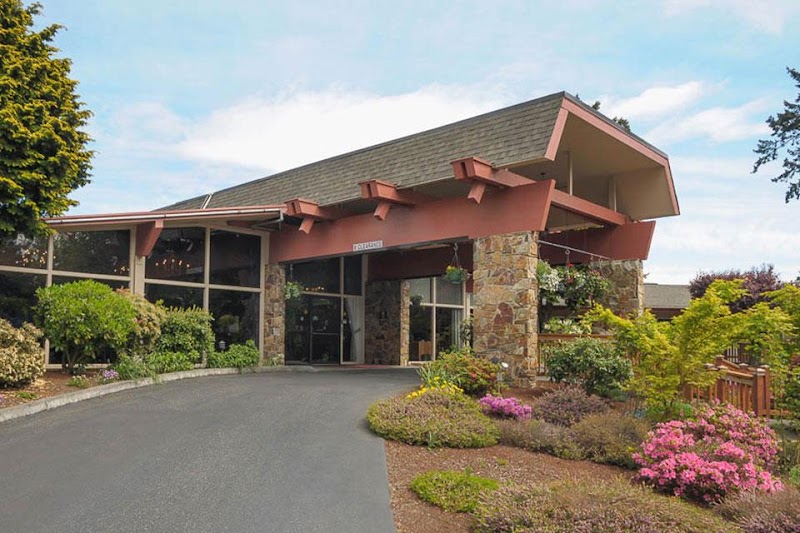
How is Life Of Federal Way Staffed?

CMS rates LIFE CARE CENTER OF FEDERAL WAY's staffing level at 3 out of 5 stars, which is average compared to other nursing homes. Staff turnover is 49%, compared to the Washington average of 46%. RN turnover specifically is 82%, which is notably high. RNs provide skilled clinical oversight, so turnover in this role can affect medical care quality.

What Have Inspectors Found at Life Of Federal Way?

State health inspectors documented 81 deficiencies at LIFE CARE CENTER OF FEDERAL WAY during 2022 to 2025. These included: 5 that caused actual resident harm and 76 with potential for harm. Deficiencies causing actual harm indicate documented cases where residents experienced negative health consequences.
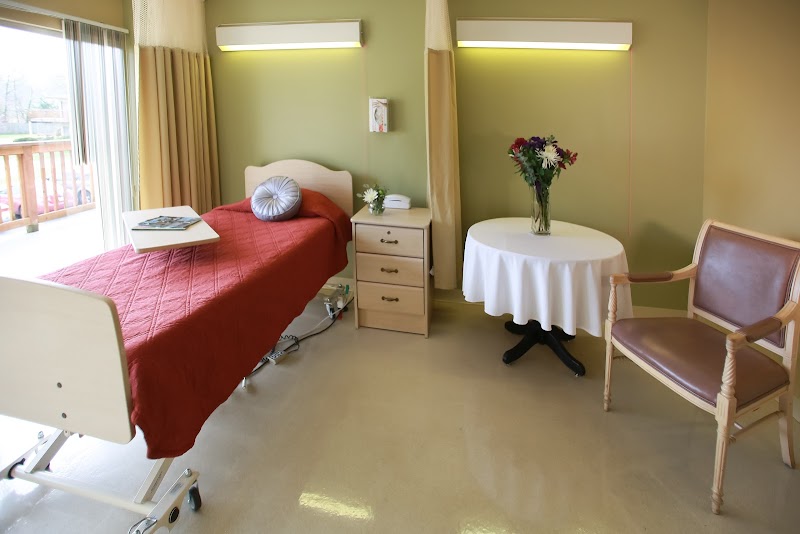
Who Owns and Operates Life Of Federal Way?

LIFE CARE CENTER OF FEDERAL WAY is owned by a for-profit company. For-profit facilities operate as businesses with obligations to shareholders or private owners. The facility is operated by LIFE CARE CENTERS OF AMERICA, a chain that manages multiple nursing homes. With 157 certified beds and approximately 87 residents (about 55% occupancy), it is a mid-sized facility located in FEDERAL WAY, Washington.
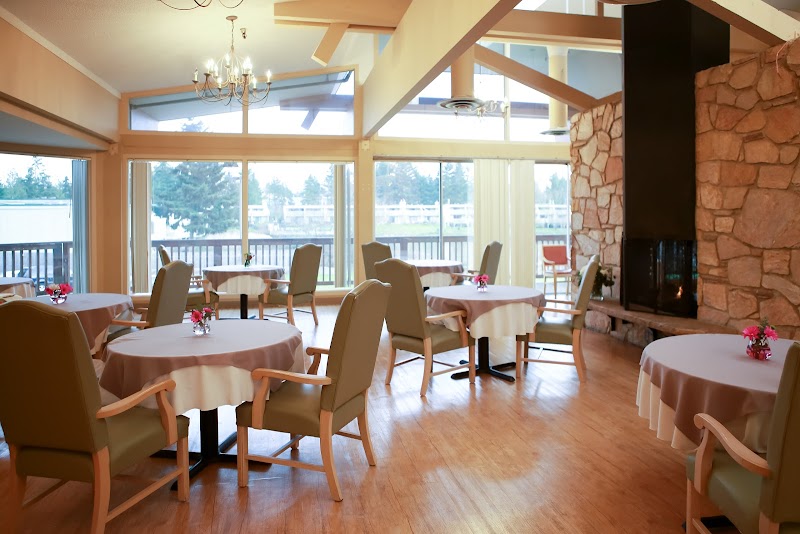
How Does Life Of Federal Way Compare to Other Washington Nursing Homes?

Compared to the 100 nursing homes in Washington, LIFE CARE CENTER OF FEDERAL WAY's overall rating (1 stars) is below the state average of 3.2, staff turnover (49%) is near the state average of 46%, and health inspection rating (1 stars) is much below the national benchmark.

What Should Families Ask When Visiting Life Of Federal Way?

Based on this facility's data, families visiting should ask: "Can I visit during a mealtime to observe dining assistance and food quality?" "How do you handle medical emergencies, and what is your hospital transfer rate?" "Can I speak with family members of current residents about their experience?"

Is Life Of Federal Way Safe?

Based on CMS inspection data, LIFE CARE CENTER OF FEDERAL WAY has a clean safety record: no substantiated abuse findings (meaning no confirmed cases of resident harm), no Immediate Jeopardy citations (the most serious violation level indicating risk of serious injury or death), and is not on the Special Focus Facility watch list (a federal program monitoring the lowest-performing 1% of nursing homes). The facility has a 1-star overall rating and ranks #100 of 100 nursing homes in Washington. While no facility is perfect, families should still ask about staff-to-resident ratios and recent inspection results during their visit.

Do Nurses at Life Of Federal Way Stick Around?

LIFE CARE CENTER OF FEDERAL WAY has a staff turnover rate of 49%, which is about average for Washington nursing homes (state average: 46%). Moderate turnover is common in nursing homes, but families should still ask about staff tenure and how the facility maintains care continuity when employees leave.

Was Life Of Federal Way Ever Fined?

LIFE CARE CENTER OF FEDERAL WAY has been fined $98,970 across 2 penalty actions. This is above the Washington average of $34,069. Fines in this range indicate compliance issues significant enough for CMS to impose meaningful financial consequences. Common causes include delayed correction of deficiencies, repeat violations, or care failures affecting resident safety. Families should ask facility leadership what changes have been made since these penalties.

Is Life Of Federal Way on Any Federal Watch List?

LIFE CARE CENTER OF FEDERAL WAY is not on any federal watch list. The most significant is the Special Focus Facility (SFF) program, which identifies the bottom 1% of nursing homes nationally based on persistent, serious quality problems. Not being on this list means the facility has avoided the pattern of deficiencies that triggers enhanced federal oversight. This is a positive indicator, though families should still review the facility's inspection history directly.