PACIFIC CARE AND REHABILITATION
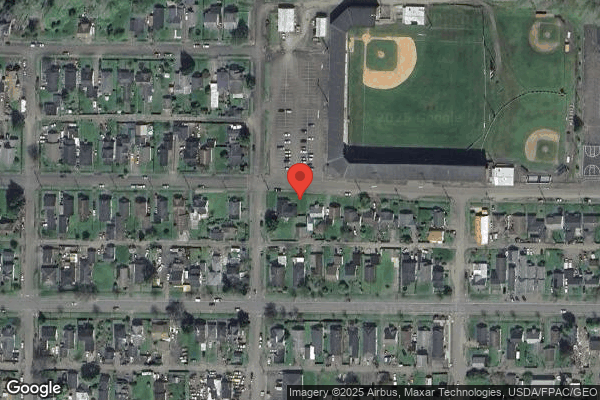
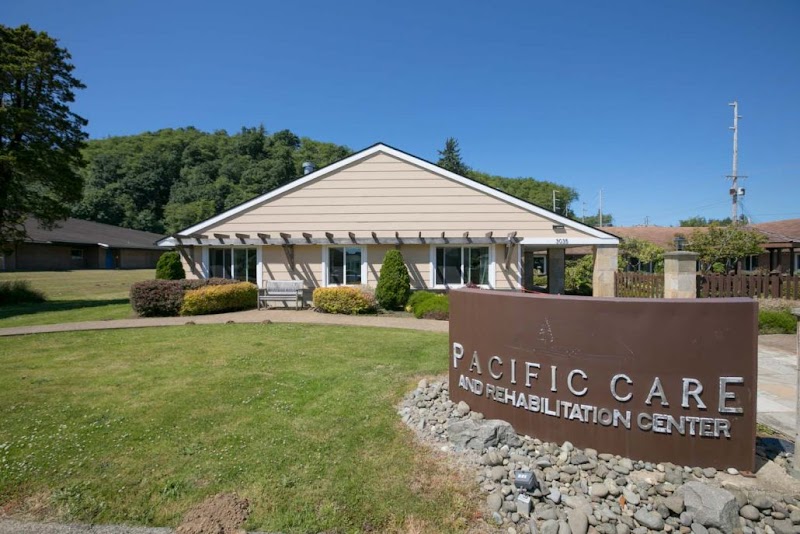
3035 CHERRY STREET, HOQUIAM, WA 98550 (360) 532-7882
For profit - Corporation 72 Beds THE ENSIGN GROUP Data: November 2025
Trust Grade
90/100
#28 of 190 in WA
Last Inspection: May 2025

Inspected within the last 6 months. Data reflects current conditions.

Overview

Pacific Care and Rehabilitation in Hoquiam, Washington, has received a Trust Grade of A, indicating it is an excellent facility that is highly recommended for care. It ranks #28 out of 190 nursing homes in Washington, placing it in the top half, and #2 out of 2 in Grays Harbor County, suggesting there is only one other local option available. However, the facility is experiencing a worsening trend, with issues increasing from 3 in 2024 to 4 in 2025. Staffing is relatively strong with a 4 out of 5-star rating and a turnover rate of 31%, which is below the state average of 46%, meaning staff tend to stay long-term and develop good relationships with residents. There have been no fines reported, which is a positive sign, but RN coverage is only average, and recent inspections revealed concerns such as staff failing to maintain the dignity of residents during meals and inaccuracies in care assessments, indicating that while there are strengths, there are also areas that need improvement.

Trust Score
A
90/100
In Washington
#28/190
Top 14%
Safety Record
Low Risk
No red flags
Inspections
Getting Worse
3 → 4 violations
Staff Stability
○ Average
31% turnover. Near Washington's 48% average. Typical for the industry.
Penalties
✓ Good
No fines on record. Clean compliance history, better than most Washington facilities.
Skilled Nurses
✓ Good
Each resident gets 48 minutes of Registered Nurse (RN) attention daily — more than average for Washington. RNs are trained to catch health problems early.
Violations
⚠ Watch
12 deficiencies on record. Higher than average. Multiple issues found across inspections.
★★★★★
5.0
Overall Rating
★★★★☆
4.0
Staff Levels
★★★★★
5.0
Care Quality
★★★★★
5.0
Inspection Score
Stable
2024: 3 issues
2025: 4 issues

The Good

  • 4-Star Staffing Rating · Above-average nurse staffing levels
  • 5-Star Quality Measures · Strong clinical quality outcomes
  • Full Sprinkler Coverage · Fire safety systems throughout facility
  • No fines on record
  • Staff turnover below average (31%)

    17 points below Washington average of 48%

Facility shows strength in staffing levels, quality measures, fire safety.

The Bad

Staff Turnover: 31%

15pts below Washington avg (46%)

Typical for the industry

Chain: THE ENSIGN GROUP

Part of a multi-facility chain

Ask about local staffing decisions and management

The Ugly 12 deficiencies on record

May 2025 4 deficiencies
CONCERN (D)

Potential for Harm - no one hurt, but risky conditions existed

Resident Rights (Tag F0550)

Could have caused harm · This affected 1 resident

**NOTE- TERMS IN BRACKETS HAVE BEEN EDITED TO PROTECT CONFIDENTIALITY** . Based on observation and interview, the facility failed to provide care and services in a manner that maintained and promoted ...

Read full inspector narrative →
**NOTE- TERMS IN BRACKETS HAVE BEEN EDITED TO PROTECT CONFIDENTIALITY** . Based on observation and interview, the facility failed to provide care and services in a manner that maintained and promoted dignity for 1 of 15 sampled residents (32) when staff stood next to her while assisting with eating her meal. This failure placed residents at risk for diminished self-worth, self-esteem, and feelings of embarrassment. Finding included . Resident 32 was admitted to the facility on [DATE]. The Quarterly Minimum Data Set, a required assessment tool, dated 02/06/2025, showed Resident 32 was severely cognitively impaired. On 05/19/2025 at 12:43 PM, Staff F, Nursing Assistant (NA), was standing up next to Resident 32 while assisting the resident with eating. At 12:44 PM, Staff F walked away and returned moments later. Staff F stood in front of Resident 32 and assisted her with eating. At 12:48 PM, an unidentified NA brought a chair into the dining room and placed it next to Staff F. Staff F sat down in the chair. On 05/22/2025 at 8:19 AM, Staff F said they were supposed to be sitting next to the resident when assisting a resident with their meals. When asked why she was standing when she assisted Resident 32, Staff F said there were not enough chairs in the dining room that day. Staff F said she tried to get assistance from someone by radio to bring her a chair. At 8:59 AM, Staff B, Director of Nursing and Registered Nurse, stated staff should be ideally at eye level when assisting residents. Reference WAC 388-97-0180 (2) .
CONCERN (D)

Potential for Harm - no one hurt, but risky conditions existed

Assessment Accuracy (Tag F0641)

Could have caused harm · This affected 1 resident

**NOTE- TERMS IN BRACKETS HAVE BEEN EDITED TO PROTECT CONFIDENTIALITY** . Based on interview and record review, the facility failed to ensure the Minimum Data Set (MDS) assessment was completed accura...

Read full inspector narrative →
**NOTE- TERMS IN BRACKETS HAVE BEEN EDITED TO PROTECT CONFIDENTIALITY** . Based on interview and record review, the facility failed to ensure the Minimum Data Set (MDS) assessment was completed accurately to reflect a resident's health status and/or care needs for 1 of 5 sampled residents (31) reviewed for unnecessary medications. This failure placed residents at risk for inaccurate and/or unmet care needs and a diminished quality of life. Findings included . Resident 31 was admitted to the facility on [DATE]. The Annual MDS assessment, dated 04/10/2025, documented Resident 31 was severely cognitively impaired and was taking an antipsychotic (used to manage the symptoms of psychosis, where individuals experience a loss of contact with reality) medication. Record review of Resident 31's Electronic Health Record (EHR) physician orders and medication administration record did not show Resident 31 was prescribed or taking an antipsychotic medication. On 05/22/2025 09:37 AM, Staff C, MDS Nurse and Registered Nurse (RN), said when she completed the MDS, she coded medications in the MDS a resident was taking per the classification of the drug. After looking at Resident 31's Annual MDS, dated [DATE], Staff C said it was coded Resident 31 was taking an antipsychotic medication. After looking at Resident 31's EHR, Staff C said she did not see an antipsychotic medication prescribed or taken by Resident 31. Staff C said the MDS was miscoded. At 10:06 AM, Staff B, Director of Nursing and RN, said it was her expectation the MDS was completed to accurately reflect the resident and medications taken by the residents. Reference WAC 388-97-1000 (2)(n) .
CONCERN (D)

Potential for Harm - no one hurt, but risky conditions existed

Deficiency F0657 (Tag F0657)

Could have caused harm · This affected 1 resident

**NOTE- TERMS IN BRACKETS HAVE BEEN EDITED TO PROTECT CONFIDENTIALITY** . Based on observation, interview and record review, the facility failed to develop a person-centered care plan addressing medic...

Read full inspector narrative →
**NOTE- TERMS IN BRACKETS HAVE BEEN EDITED TO PROTECT CONFIDENTIALITY** . Based on observation, interview and record review, the facility failed to develop a person-centered care plan addressing medication self-administration for 1 of 3 residents (21) reviewed for medication administration. This failure placed residents at risk of un-met care needs and a diminished quality of life. Findings Included . Facility policy entitled, Self Administration of Medications, revised on 05/2016, documented .9. Appropriate notation of these determinations will be placed in the residents care plan. Resident 21 was admitted to the facility on [DATE]. The admission /Medicare - 5 Day Minimum Data Set assessment, dated 04/10/2025, documented Resident 21 was alert and oriented. Review of Resident 21's care plan did not show documentation of self-administration of medications focus and/or interventions. On 05/20/2025 at 8:36 AM, Resident 21 was observed to have a pill organizer container with four compartments with medication in each compartment. Resident 21 said the medications in the pill organizer were his Parkinson's medications. On 05/21/2025 at 9:57 AM, Staff G, Resident Care Manager and Licensed Practical Nurse, said Resident 21 was evaluated for medication self-administration and was deemed appropriate to self-administer his Parkinson's medications. When asked if a care plan was in place for medication self- administration, Staff G said there was no care plan and she had just put in a new care plan addressing medication self- administration. At 2:50 PM, Staff B, Director of Nursing and Registered Nurse, said it was the expectation that there would be a care plan initiated when Resident 21 was assessed and deemed appropriate for medication self-administration. Reference WAC 388-97-1020 (1)(2)(d) .
CONCERN (D)

Potential for Harm - no one hurt, but risky conditions existed

Respiratory Care (Tag F0695)

Could have caused harm · This affected 1 resident

**NOTE- TERMS IN BRACKETS HAVE BEEN EDITED TO PROTECT CONFIDENTIALITY** . Based on observation, interview and record review, the facility failed to ensure oxygen and/or nebulizer (a medical device tha...

Read full inspector narrative →
**NOTE- TERMS IN BRACKETS HAVE BEEN EDITED TO PROTECT CONFIDENTIALITY** . Based on observation, interview and record review, the facility failed to ensure oxygen and/or nebulizer (a medical device that turns liquid medication into a fine mist that can be inhaled through a mouthpiece or mask) tubing was changed and/or bagged for 1 of 3 residents (14) reviewed for respiratory care. This failure placed residents at risk of respiratory infections, worsening health complications, and a decreased quality of life. Findings Included . Record review of the facility's policy entitled, Oxygen Administration, revised 04/2016, documented .INSTRUCTIONS FOR TUBING AND HUMIDIFIER CHANGES: . 2. Oxygen tubing is to be replaced every seven (7) days or when visible soiled . Resident 14 was admitted to the facility on [DATE] with multiple diagnosis to include chronic obstructive pulmonary disease (COPD, a progressive lung disease that makes it difficult to breathe) and acute and chronic respiratory failure with hypoxia (a low level of oxygen in the blood). The Quarterly Minimum Data Set assessment, dated 02/14/2025, documented Resident 14 was alert and oriented and was on oxygen therapy. A physician's order, dated 08/10/2024, documented Resident 14 was prescribed, CHANGE O2 [oxygen] TUBING WEEKLY every night shift every Wed [Wednesday]. A physician's order, dated 08/10/2024, documented Resident 14 was prescribed, CHANGE O2 AND SVN [small volume nebulizer] TUBING Q [every] WEEK - DATE ALL TUBING AND PLACE IN ZIPLOCK BAG WHEN NOT IN USE every night shift every Wed. Record review of Resident 14's respiratory status care plan, dated 08/23/2024, documented an intervention, NEBULIZER TO BE RINSED WITH COOL WATER AFTER EACH USE & STORED IN A BAG ON NIGHT STAND. On 05/19/2025 at 3:24 PM, Resident 14 was observed lying in bed with oxygen running at 2 lpm (liters per minute) per nc (nasal cannula). The oxygen tubing was observed with tape on it, dated, 5/7, 12 days ago. A nebulizer machine was observed on the nightstand with the nebulizer tubing and mouthpiece propped up against the mattress on the right side of the bed. The nebulizer tubing and mouthpiece were undated and uncovered with no bag observed. Resident 14 said the nebulizer mouthpiece just stayed there. On 05/20/2025 at 10:59 AM, Resident 14 was observed lying in bed with oxygen running at 2 lpm per nc. The oxygen tubing was observed with tape on it, dated, 5/7, 13 days ago. A nebulizer machine was observed on the nightstand with the nebulizer tubing and mouthpiece undated and uncovered with no bag observed. On 05/21/2025 at 10:19 AM, Resident 14 was observed lying in bed with oxygen running per nc. The oxygen tubing was observed with tape on it, dated, 5/7, 14 days ago. A nebulizer machine was observed on the nightstand with the nebulizer tubing and mouthpiece undated and uncovered with no bag observed. At 10:22 AM, Staff D, Licensed Practical Nurse (LPN), said oxygen and nebulizer tubing was changed by night shift once a month and as needed. Staff D said the tubing was labeled and dated when it was changed. At 10:30 AM, Staff E, Resident Care Manager and LPN, said oxygen and nebulizer tubing was changed weekly and should be labelled and dated when changed. Staff E said nebulizer tubing was kept in a bag when not in use. Staff E went to Resident 14's room to observe the oxygen and nebulizer tubing. Staff E said the oxygen tubing should have been changed last Wednesday (seven days prior) and it was not. Staff E said the nebulizer tubing should have been dated and kept in a bag, and it was not. At 1:45 PM, Staff B, Director of Nursing Services and Registered Nurse, said it was her expectation oxygen and nebulizer tubing was dated and changed weekly, and kept in a bag when not in use. Reference WAC 388-97-1060 (1)(3)(vi) .
Aug 2024 1 deficiency
CONCERN (D) 📢 Someone Reported This

A family member, employee, or ombudsman was alarmed enough to file a formal complaint

Potential for Harm - no one hurt, but risky conditions existed

Deficiency F0561 (Tag F0561)

Could have caused harm · This affected 1 resident

**NOTE- TERMS IN BRACKETS HAVE BEEN EDITED TO PROTECT CONFIDENTIALITY** . Based on interview and record review, the facility failed to ensure residents had the ability to exercise self-determination r...

Read full inspector narrative →
**NOTE- TERMS IN BRACKETS HAVE BEEN EDITED TO PROTECT CONFIDENTIALITY** . Based on interview and record review, the facility failed to ensure residents had the ability to exercise self-determination related to aspects of life in the facility that were significant to the resident, including health care decisions and accessing outside providers of health care services consistent with their interests, for 1 of 5 sampled residents (Resident 1) reviewed for self determination. This failure placed residents at risk for not being able to choose treatment options outside the facility, decreased autonomy, powerlessness, and a diminished quality of life. Findings included . Resident 1 was admitted to the facility on [DATE]. The 5-day admission Minimum Data Set assessment, dated 05/14/2024, documented the resident was moderately cognitively impaired. A discharge planning note, dated 07/19/2024, documented, ALF LN [Assisted Living Facility Licensed Nurse] in to see [Resident 1] today, though did not complete an eval as [Resident 1] was not feeling well. ALF LN will attempt again next week. On 08/14/2024 at 1:28 PM, Family Member 1 (FM1) said on 07/19/2024 he had a meeting with Resident 1 and Collateral Contact 1 (CC1, Registered Nurse), a nurse from an assisted living facility, in the resident's room. FM1 said Resident 1 had vomiting and diarrhea. FM1 said CC1 told him she thought Resident 1 needed to go to the ER (emergency room). FM1 said he agreed Resident 1 should go to the hospital. FM1 said the nurse on duty, Staff C, Registered Nurse, asked if he wanted Resident 1 to go to the hospital and FM1 told Staff C yes. FM1 said Staff C asked Resident 1 if she wanted to go to the hospital and the resident said yes. At 2:55 PM, Staff C said she contacted the provider on 07/18/2024 to relay Resident 1's complaints of nausea and GI (gastrointestinal) pain. Staff C said the provider told her to give ibuprofen, a pain medication, three times a day for the pain, and send the resident to the ER if the pain persists. Staff C said on 07/19/2024, FM1 was visiting with Resident 1 and she told the resident and FM1 about gallstones that were seen on Resident 1's recent imaging. Staff C said FM1 and Resident 1 talked about treatment options and decided to wait until a provider saw her on Monday, 07/22/2024. Resident 1's electronic medical record did not show documentation of the discussion between Staff C and Resident 1 or FM1. On 08/15/2024 at 9:10 AM, CC1 said she went to the facility on [DATE] to perform an assessment for placing Resident 1 in an assisted living facility. CC1 said Resident 1 was in her room, in a wheelchair, and told CC1 she did not feel well. CC1 said during her assessment Resident 1 could not keep her eyes open. CC1 asked FM1 if this was normal behavior for her and FM1 said it was not. CC1 said she told FM1 that she thought the resident should go to the hospital and FM1 agreed. CC1 said she informed Staff D, Social Services Director, that she could not complete her assessment as Resident 1 was not feeling well. CC1 said at that time she told the facility she thought the resident needed to go to the hospital. Resident 1's electronic medical record did not show documentation of a transfer to the hospital on [DATE]. On 08/28/2024 at 11:25 AM, Collateral Contact 2 (CC2), an on-call provider service staff member, said there was a call made from the facility to their on-call provider on 07/19/2024. CC2 said the provider was informed the resident wanted to go to the hospital. CC2 said the provider told the nurse to send the Resident 1 to the hospital. At 11:49 AM, Staff D, Social Services Director, said she recalled the conversation with CC1 regarding Resident 1. Staff D said CC1 told her Resident 1 was not feeling good and CC1 thought Resident 1 needed to go to the hospital. Staff D said she informed either the Resident Care Manager or the floor nurse, but could not remember which one. At 11:52 AM, Staff E, Infection Preventionist and Registered Nurse (RN), said she was the manager of the day as Staff A, Administrator and Staff B, Director of Nursing Services and RN, were out of the facility for the week. Staff E said if there was a change in condition the nurse would assess the resident, call the provider and obtain orders, and tell the resident what they said, then ask the resident if they wanted to go to the hospital. Staff E said the facility could not force a resident to go to the hospital, and the opposite was true, that if the resident wanted to go to the hospital they could go. After reviewing Resident 1's electronic medical record, Staff E could not find documentation the resident was transferred to the hospital on [DATE]. Staff E said there should be a progress note if a resident transferred out of the facility. Staff E said the expectation if a resident wished to go to the hospital was to notify the provider and start facilitating the resident transfer. On 08/29/2024, an undated written response provided by the facility, showed the provider on call on 07/19/2024 documented, This letter is in response to an on-call response on the night of 07/19/2024 for patient [Resident 1] at Pacific Care and Rehabilitation facility. Call was received at [12:22 PM] on the secure app from nurse . stating, family is asking to send patient to ER. I responded to the call at [12:35 PM] with instructions but was not recorded on the sign-out for unknown reasons. I always capture responses on the signed out for documentation that will require further follow-up/evaluations, but I cannot recall why it was not captured for this phone call. For this type of call, I would have triaged the patient based on vital signs and current condition, give my recommendations to proceed with family wishes. At the time of this letter, I cannot recall the details of the response to this call. Reference WAC 388-97-0900 (1)-(4) .
Apr 2024 2 deficiencies
CONCERN (D)

Potential for Harm - no one hurt, but risky conditions existed

Deficiency F0685 (Tag F0685)

Could have caused harm · This affected 1 resident

**NOTE- TERMS IN BRACKETS HAVE BEEN EDITED TO PROTECT CONFIDENTIALITY** . Based on interview and record review, the facility failed to ensure residents received timely hearing services to maintain the...

Read full inspector narrative →
**NOTE- TERMS IN BRACKETS HAVE BEEN EDITED TO PROTECT CONFIDENTIALITY** . Based on interview and record review, the facility failed to ensure residents received timely hearing services to maintain their ability to hear adequately and effectively for 1 of 2 sampled residents (5) reviewed for hearing treatment and services. This failure placed residents at risk for frustrations, decline in communication, and a diminished quality of life. Findings included . Resident 5 was admitted to the facility on [DATE]. The quarterly Minimum Data Set, an assessment tool, dated 01/23/2024, documented the resident was cognitively intact, had moderate difficulty hearing, and had no hearing aids. A nursing note, dated 10/19/2023, documented, [Resident 5] is congenial, a little hard of hearing, but loves to visit. A social services summary, dated 10/23/2023, documented, Hearing: none, no devices, denies issues, son would like apt [appointment], will schedule. A social services summary, dated 01/23/2024, documented, Hearing: none, no devices, denies issues, son would like apt, will schedule. On 04/01/2024 at 1:35 PM, Collateral Contact 1, family member, said Resident 5 required hearing aids for communication. On 04/03/2024 at 1:08 PM, Staff D, Social Services Director, said Staff G, Social Services Assistant, usually scheduled resident hearing appointments. Staff D said residents were asked upon admission and quarterly about needing hearing-related services. Staff D said she discussed Resident 5's hearing appointment with Staff G, but Staff D did not see a hearing appointment scheduled on the calendar. Staff D said she expected Staff G to make an appointment for hearing services within a day or two of hearing about the need. At 1:54 PM, Staff G said she was responsible for scheduling resident hearing appointments in the facility. Staff G said she would hear about hearing needs from nurses on the floor or from reviewing care conference notes. Staff G said residents were offered hearing services upon admission and she would fill out a form and call local hearing places to schedule an appointment. Staff G said Resident 5's hearing appointment was put in today (04/03/2024, 163 days after the 10/23/2023 note indicating the facility was scheduling a hearing appointment). Staff G said the 10/23/2023 appointment was on her follow-up list, but she was not able to follow-up on the appointment. Staff G said she would not consider Resident 5's hearing appointment to be made timely. At 2:06 PM, Staff A, Administrator, said the social services department was responsible for scheduling hearing appointments in the facility. Staff A said hearing needs were assessed upon admission and quarterly thereafter. Staff A said his expectation was for hearing appointments to be scheduled as soon as possible. Staff A said he did not think Resident 5's hearing appointment was made in a timely manner. Reference WAC 388-97-1060 (3)(a) .
CONCERN (D)

Potential for Harm - no one hurt, but risky conditions existed

Dental Services (Tag F0791)

Could have caused harm · This affected 1 resident

**NOTE- TERMS IN BRACKETS HAVE BEEN EDITED TO PROTECT CONFIDENTIALITY** . Based on observation, interview, and record review, the facility failed to provide prompt dental services for 1 of 2 sampled r...

Read full inspector narrative →
**NOTE- TERMS IN BRACKETS HAVE BEEN EDITED TO PROTECT CONFIDENTIALITY** . Based on observation, interview, and record review, the facility failed to provide prompt dental services for 1 of 2 sampled residents (51) reviewed for dental services. This failure places residents at risk for continued dental problems and a diminished quality of life. Findings included . Resident 51 was admitted to the facility on [DATE]. The quarterly Minimum Data Set assessment, dated 02/25/2024, showed the resident was cognitively intact. The Dental Assessment, dated 02/08/2024, documented Resident 51 had top and bottom partials. The assessment showed the bottom partials were ill fitting. The assessment's findings indicated Resident 51 would like to see dentist regarding bottom partial. On 04/01/2024 at 11:37 AM, Resident 51 was observed to have some missing teeth. Resident 51 said her bridge was loose. Resident 51 said she thought the facility was working to get her into seeing someone, but was not sure. On 04/03/2024 at 10:43 AM, Staff G, Social Services Assistant, said she received a list of what residents' needed from nursing staff. Staff G said she was not aware Resident 51 needed to have partials looked at because it had not been communicated to her. Staff G said she did not a get a copy Resident 51's Dental Assessment so could only rely on what was provided to her from a list. Reference WAC 388-97-1060 (3)(j)(vii) .
May 2023 5 deficiencies
CONCERN (D)

Potential for Harm - no one hurt, but risky conditions existed

ADL Care (Tag F0677)

Could have caused harm · This affected 1 resident

**NOTE- TERMS IN BRACKETS HAVE BEEN EDITED TO PROTECT CONFIDENTIALITY** . Based on observation, interview and record review, the facility failed to ensure activities of daily living (ADLs) were provid...

Read full inspector narrative →
**NOTE- TERMS IN BRACKETS HAVE BEEN EDITED TO PROTECT CONFIDENTIALITY** . Based on observation, interview and record review, the facility failed to ensure activities of daily living (ADLs) were provided for dependent residents including bathing for 1 of 3 sampled residents (212) reviewed for ADL care. This failure placed residents at risk for poor hygiene, health complications and a diminished quality of life. Findings included . Resident 212 was admitted to the facility on [DATE]. The 5-Day Minimum Data Set, an assessment tool, dated 12/03/2022, documented Resident 212 was cognitively intact and required extensive assistance with ADLs. Resident 212's bathing record, dated 05/03/2023 to 05/08/2023, documented one shower was provided on 05/03/2023 and one sponge bath was provided on 05/05/2023, seven days after being admitted . Resident 212's progress notes, dated 04/26/2023 to 05/08/2023, did not document a shower refusal or a reason for a shower not being offered. On 05/01/2023 at 11:12 AM, Resident 212 said she would like to shower, and had not received a shower since her admission on [DATE]. Resident 212 said she preferred to shower at home every two to three days. On 05/05/2023 at 11:02 AM, Staff C, Certified Nursing Assistant, said residents were offered a shower twice a week. Staff C said she would look for documentation of Resident 212's showers. At 1:34 PM, Staff B, Director of Nursing Services and Registered Nurse, said residents were offered showers twice per week, unless residents requested a different schedule. Staff B stated, We go by room numbers. [Resident 212] is on the schedule for Tuesdays and Fridays. Staff B was unable to provide documentation Resident 212 received a bath prior to 05/03/2023. On 05/08/2023 at 11:18 AM, Staff B said new residents are offered showers upon arrival. Staff B was unable to provide documentation Resident 212 was offered a shower upon arrival. An email from Staff A, Administrator, dated 05/10/2023, documented the Administrator was not able to find documentation of Resident 212 receiving a bath or a shower prior to 05/03/2023. Reference WAC 388-97-1060 (2)(c) .
CONCERN (D)

Potential for Harm - no one hurt, but risky conditions existed

Quality of Care (Tag F0684)

Could have caused harm · This affected 1 resident

**NOTE- TERMS IN BRACKETS HAVE BEEN EDITED TO PROTECT CONFIDENTIALITY** . Based on interview and record review, the facility failed to ensure laboratory testing was completed following physician's ord...

Read full inspector narrative →
**NOTE- TERMS IN BRACKETS HAVE BEEN EDITED TO PROTECT CONFIDENTIALITY** . Based on interview and record review, the facility failed to ensure laboratory testing was completed following physician's orders for 1 of 5 sampled residents (33) reviewed for quality of care regarding unnecessary medications. This failure placed residents at risk for an inaccurate physician treatment plan and a diminished quality of life. Findings included . Resident 33 was admitted to the facility on [DATE] with diagnoses including hyperlipidemia (high cholesterol). The quarterly Minimum Data Set, an assessment tool, dated 03/10/2023, showed the resident was severely cognitively impaired. The Electronic Health Record (EHR) documented Resident 33 had physician orders, dated 12/13/2021, for BMP [Basic Metabolic Panel, a blood test for a general metabolism overview] Q6 [every 6] Months, December/June. Physician's orders, dated 12/13/2021, documented, TSH [Thyroid Stimulating Hormone, a blood test to measure the thyroid hormone] Q12 [every 12] Months (December); CMP [Comprehensive Metabolic Panel, a blood test to measure 14 different substances in your blood including liver and kidney health] Q12 [every 12] Months (December); and LIPIDS [a blood test used to monitor risk of cardiovascular disease] Q12 Months (December). Resident 33's EHR showed no documentation of a BMP or a Lipid blood test. Resident 33's EHR showed the last CMP blood test was completed on 01/31/2022, one month and two weeks past due as ordered by the physician every 12 months. On 05/08/2023 at 9:57 AM, Staff E, Resident Care Manager and Registered Nurse (RN), said the process for laboratory testing, was the order shows up on the MAR (Medication Administration Record) for three days in the month they were due. Staff E said the facility drew their own labs. Staff E said there should have been a CMP and Lipids test done in December 2022. Staff E said she did not see any recent BMP, CMP, or Lipids lab tests done and no refusals documented. Staff E stated, He didn't have lipids. We missed the lipids. [Resident 33] has not had a BMP drawn either. At 11:11 AM, when asked about Resident 33's ordered labs, Staff B, Director of Nursing Services and RN, stated, Yes. We missed them. Reference WAC 388-97-1060 (4) .
CONCERN (D)

Potential for Harm - no one hurt, but risky conditions existed

Respiratory Care (Tag F0695)

Could have caused harm · This affected 1 resident

**NOTE- TERMS IN BRACKETS HAVE BEEN EDITED TO PROTECT CONFIDENTIALITY** . Based on observation, interview and record review, the facility failed to ensure respiratory care and services were provided i...

Read full inspector narrative →
**NOTE- TERMS IN BRACKETS HAVE BEEN EDITED TO PROTECT CONFIDENTIALITY** . Based on observation, interview and record review, the facility failed to ensure respiratory care and services were provided in accordance with professional standards of practice when oxygen (O2) was ordered without a dosage, route, or parameters for titration for 2 of 3 sampled residents (34 & 56) reviewed for respiratory care. This failure placed residents at risk for receiving care and services that were not physician ordered, unmet care needs and a diminished quality of life. Finding included . The facility policy entitled Oxygen Administration, revised 04/2016, noted, It is the policy of this facility that oxygen therapy is administered, as ordered by the physician or as an emergency measure until the order can be obtained. 1) Resident 34 was admitted to the facility on [DATE] with diagnoses including chronic respiratory failure with hypoxemia (a condition where you do not have enough oxygen in the tissues of the body and can develop over time). On 05/01/2023 at 4:10 PM, Resident 34 was observed receiving 2-liters per minute (LPM) of oxygen via a nasal canula (NC - flexible tubing that sits inside the nostrils and delivers O2). Resident 34's Electronic Health Record (EHR) showed an order written on 03/31/2023 for oxygen with out the amount of LPM and route to receive it. The order noted, may titrate to keep O2 sats [saturation] above 90% every shift. The order did not indicate parameters for titration. On 05/04/2023 at 2:21 PM, Staff F, Licensed Practical Nurse (LPN), said an oxygen order should tell you how many liters to give. When asked what to do if the order did not specify how much to give, Staff F stated, You need to call the doctor to get clarification. When asked what they would do if a resident's O2 saturation went below 90% when on oxygen, Staff F stated, I would say you bring up the O2 sats to above 90% and call the doctor. At 2:47 PM, Staff H, LPN, said the order would say two liters, three liters, four liters. It depends on the diagnosis. When asked what to do if the order did not specify how much to give, Staff H said you need to call the doctor to get clarification. When asked what they would do if the resident's O2 sats go down below 90% while on oxygen, Staff H said they would keep monitoring to make sure the resident was not in distress. If it was still low, they would notify the doctor. On 05/05/2023 at 8:45 AM, when asked how much oxygen to give based on an order, Staff E, Registered Nurse (RN) and Resident Care Manager (RCM), said if the order was specific, it would say. If the order was not specific and was to keep saturation above 90, they would start at 2-LPM. If the order did not specify how much to give, they would start at 2-LPM and check again in 20 to 30 minutes. When asked what they would do if a resident's O2 saturation went below 90% while on oxygen, Staff E stated, It depends. Most of the time we will bump up the oxygen and then check their symptoms to see what's going on. At 9:34 AM, when asked about the expectations when an oxygen order did not have specific parameters and starting dose, Staff B, Director of Nursing Services and RN, stated, We don't make that decision. That's the doctor's order. When asked about if a resident was on oxygen and was not at 90 percent, Staff B said increase oxygen if they have an order to increase the oxygen. If not, monitor their symptoms and call the doctor. After reviewing Resident 34's order, Staff B stated, That's not good.2) Resident 56 was admitted to the facility on [DATE] with diagnoses including idiopathic pulmonary fibrosis (condition in which the lungs become scarred and breathing becomes increasingly difficult) and chronic obstructive pulmonary disorder (condition that blocks airflow and make it difficult to breathe). The quarterly Minimum Data Set, an assessment tool, dated 04/26/2023, documented the resident was cognitively intact and required oxygen. Resident 56's physician's orders, dated 01/10/2023, documented, Titrate oxygen to keep sats >90% as needed for shortness of breath related to pneumonia, acute and chronic respiratory failure, chronic obstructive pulmonary disease, and dependence on supplemental oxygen. No liters per minute, route of oxygen delivery, or parameters for titration were ordered. On 05/02/2023 at 9:59 AM, Resident 56 was observed receiving oxygen by a nasal canula, (tube that runs from the oxygen concentrator to the resident's nose). The concentrator was set to deliver oxygen at 3-liters per minute. On 05/03/2023 at 9:11 AM, Resident 56 was observed receiving oxygen by nasal canula at 3-liters per minute. On 05/04/2023 at 9:04 AM, Resident 56 was observed receiving oxygen by nasal canula at 3-liters per minute. On 05/05/2023 at 9:00 AM, Resident 56 was observed receiving oxygen by nasal canula at 3-liters per minute. At 9:07 AM, Staff E, RN and RCM, said Resident 56 did not have specific orders because O2 saturations tended to fluctuate and O2 needed to go between 2 and 4 liters per minute. Staff E said documentation of liters per minute should be in progress notes or where O2 saturations were documented. Record review of progress notes and O2 saturations rates documentation did not show liters of oxygen delivered per minute. Oxygen orders were rewritten, dated 05/05/2023, showed oxygen @ 2-5 LPM via NC/Mask continuous/PRN [as needed] may titrate to keep O2 sats above 90% as needed for shortness of breath related to pneumonia, acute and chronic respiratory failure, chronic obstructive pulmonary disease and dependence on supplemental oxygen. Reference WAC 388-97-1060 (3)(j)(iv) .
CONCERN (D)

Potential for Harm - no one hurt, but risky conditions existed

Deficiency F0761 (Tag F0761)

Could have caused harm · This affected 1 resident

**NOTE- TERMS IN BRACKETS HAVE BEEN EDITED TO PROTECT CONFIDENTIALITY** . Based on observation and interview, the facility failed to ensure medications were kept secure in 1 of 2 sampled medication ca...

Read full inspector narrative →
**NOTE- TERMS IN BRACKETS HAVE BEEN EDITED TO PROTECT CONFIDENTIALITY** . Based on observation and interview, the facility failed to ensure medications were kept secure in 1 of 2 sampled medication carts (F-Hall) reviewed for medication storage. This failure placed residents at risk of misappropriation of medication and a diminished quality of life. Findings included . On 05/03/2023 at 1:57 PM, the F Hall medication cart, located across the hall from room [ROOM NUMBER], was observed to be unlocked. No nursing staff were within view of the medication cart. Staff D, Resident Care Manager and Registered Nurse (RN), was shown the unlocked medication cart and immediately locked the cart. Staff D said the cart should have been locked. Staff D said she expected the medication carts to be locked when the nurse was away from the cart. At 2:14 PM, Staff D said the cart was reported to have a problem locking. At 2:46 PM, Staff D said if a medication cart was having troubles locking, it was supposed to stay in a location where it could be seen by the nurse, or kept within view of the nurse's station, at all times. On 05/04/2023 at 2:05 PM, Staff D said the cart was brought to their attention to be having problems locking on 05/02/2023. At 4:13 PM, Staff B, Director of Nursing Services and RN, indicated a medication cart should be kept within sight of the nurse at all times if staff knew it was having a problem locking. Reference WAC 388-97-1300 (2) .
CONCERN (D)

Potential for Harm - no one hurt, but risky conditions existed

Safe Environment (Tag F0921)

Could have caused harm · This affected 1 resident

. Based on observation and interview, the facility failed to ensure residents had a safe environment when unlocked razors, nail clippers and other toiletries were kept in an unlocked cabinet behind an...

Read full inspector narrative →
. Based on observation and interview, the facility failed to ensure residents had a safe environment when unlocked razors, nail clippers and other toiletries were kept in an unlocked cabinet behind an unlocked door for 1 of 1 clean utility rooms reviewed for safe, comfortable, homelike environment. This failure placed residents at risk for accidents, injuries and a diminished quality of life. Findings included . On 05/01/23 at 9:46 AM, clean utility door was observed to be unlocked. Toiletry items (razors, nail clippers, shaving cream, shampoo, hand sanitizer, lotion, deodorant, denture supplies) were in an unlocked cabinet within reach of residents. 19 razors were counted. On 05/02/2023 at 10:00 AM, razors, nail clippers and toiletries were observed in the same unlocked cabinet. On 05/03/2023 at 8:14 AM, razors, nail clippers and toiletries were observed in the same unlocked cabinet. On 05/05/2023 at 9:20 AM, after seeing the unlocked clean linen room and the unlocked cabinet with the toiletry items, Staff E, Registered Nurse and Resident Care Manager, said most residents would not be able to get to the razors, but they still needed to be locked up. At 9:25 AM, after notifying maintenance, Staff E was told they would be putting a lock on the cabinet. Reference WAC 388-97-3220 (1) .
Understanding Severity Codes (click to expand)
Life-Threatening (Immediate Jeopardy)
J - Isolated K - Pattern L - Widespread
Actual Harm
G - Isolated H - Pattern I - Widespread
Potential for Harm
D - Isolated E - Pattern F - Widespread
No Harm (Minor)
A - Isolated B - Pattern C - Widespread

Questions to Ask on Your Visit

  • "Can I speak with families of current residents?"
  • "What's your RN coverage like on weekends and overnight?"

Our Honest Assessment

Strengths
  • • Grade A (90/100). Above average facility, better than most options in Washington.
  • • No major safety red flags. No abuse findings, life-threatening violations, or SFF status.
  • • No fines on record. Clean compliance history, better than most Washington facilities.
  • • 31% turnover. Below Washington's 48% average. Good staff retention means consistent care.
Concerns
  • • 12 deficiencies on record. Higher than average. Multiple issues found across inspections.
Bottom line: Generally positive indicators. Standard due diligence and a personal visit recommended.

About This Facility

What is Pacific Care And Rehabilitation's CMS Rating?

CMS assigns PACIFIC CARE AND REHABILITATION an overall rating of 5 out of 5 stars, which is considered much above average nationally. Within Washington, this rating places the facility higher than 99% of the state's 100 nursing homes. This rating reflects solid performance across the metrics CMS uses to evaluate nursing home quality.
How is Pacific Care And Rehabilitation Staffed?

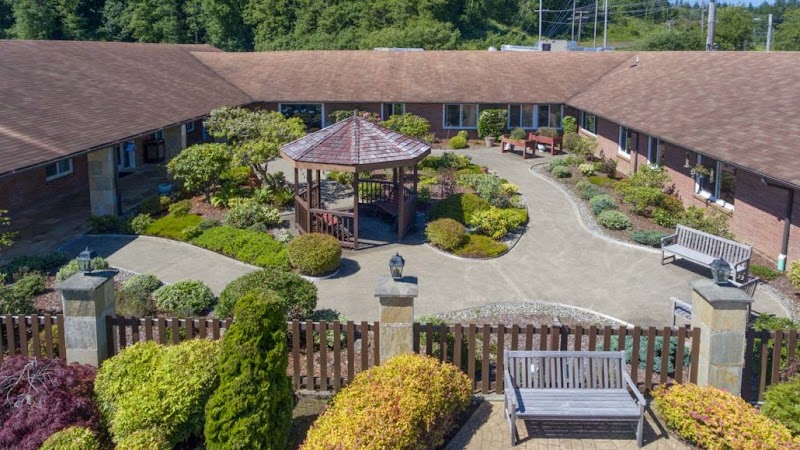
CMS rates PACIFIC CARE AND REHABILITATION's staffing level at 4 out of 5 stars, which is above average compared to other nursing homes. Staff turnover is 31%, compared to the Washington average of 46%. This relatively stable workforce can support continuity of care.

What Have Inspectors Found at Pacific Care And Rehabilitation?

State health inspectors documented 12 deficiencies at PACIFIC CARE AND REHABILITATION during 2023 to 2025. These included: 12 with potential for harm.
Who Owns and Operates Pacific Care And Rehabilitation?

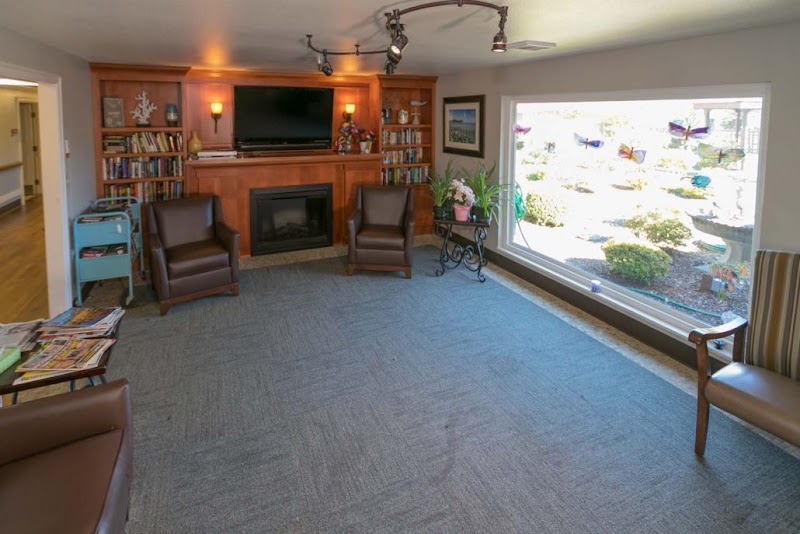
PACIFIC CARE AND REHABILITATION is owned by a for-profit company. For-profit facilities operate as businesses with obligations to shareholders or private owners. The facility is operated by THE ENSIGN GROUP, a chain that manages multiple nursing homes. With 72 certified beds and approximately 64 residents (about 89% occupancy), it is a smaller facility located in HOQUIAM, Washington.

How Does Pacific Care And Rehabilitation Compare to Other Washington Nursing Homes?

Compared to the 100 nursing homes in Washington, PACIFIC CARE AND REHABILITATION's overall rating (5 stars) is above the state average of 3.2, staff turnover (31%) is significantly lower than the state average of 46%, and health inspection rating (5 stars) is much above the national benchmark.

What Should Families Ask When Visiting Pacific Care And Rehabilitation?

Based on this facility's data, families visiting should ask: "Can I visit during a mealtime to observe dining assistance and food quality?" "How do you handle medical emergencies, and what is your hospital transfer rate?" "Can I speak with family members of current residents about their experience?"

Is Pacific Care And Rehabilitation Safe?

Based on CMS inspection data, PACIFIC CARE AND REHABILITATION has a clean safety record: no substantiated abuse findings (meaning no confirmed cases of resident harm), no Immediate Jeopardy citations (the most serious violation level indicating risk of serious injury or death), and is not on the Special Focus Facility watch list (a federal program monitoring the lowest-performing 1% of nursing homes). The facility has a 5-star overall rating and ranks #1 of 100 nursing homes in Washington. While no facility is perfect, families should still ask about staff-to-resident ratios and recent inspection results during their visit.

Do Nurses at Pacific Care And Rehabilitation Stick Around?

PACIFIC CARE AND REHABILITATION has a staff turnover rate of 31%, which is about average for Washington nursing homes (state average: 46%). Moderate turnover is common in nursing homes, but families should still ask about staff tenure and how the facility maintains care continuity when employees leave.

Was Pacific Care And Rehabilitation Ever Fined?

PACIFIC CARE AND REHABILITATION has no federal fines on record. CMS issues fines when nursing homes fail to meet care standards or don't correct problems found during inspections. The absence of fines suggests the facility has either maintained compliance or corrected any issues before penalties were assessed. This is a positive indicator, though families should still review recent inspection reports for the full picture.

Is Pacific Care And Rehabilitation on Any Federal Watch List?

PACIFIC CARE AND REHABILITATION is not on any federal watch list. The most significant is the Special Focus Facility (SFF) program, which identifies the bottom 1% of nursing homes nationally based on persistent, serious quality problems. Not being on this list means the facility has avoided the pattern of deficiencies that triggers enhanced federal oversight. This is a positive indicator, though families should still review the facility's inspection history directly.