LIFE CARE CENTER OF KENNEWICK
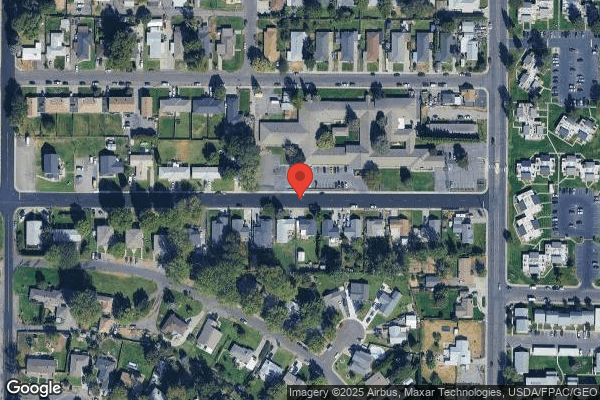
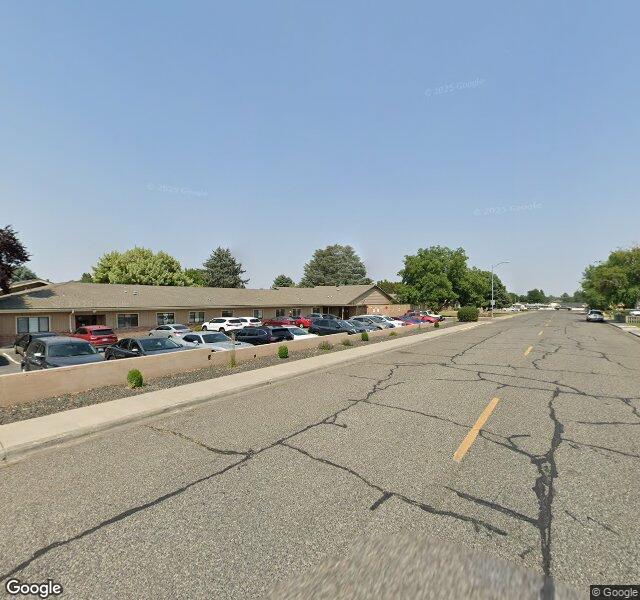
1508 WEST SEVENTH AVENUE, KENNEWICK, WA 99336 (509) 586-9185
For profit - Corporation 136 Beds LIFE CARE CENTERS OF AMERICA Data: November 2025 2 Immediate Jeopardy citations
Trust Grade
16/100
#103 of 190 in WA
Last Inspection: August 2024

Within standard 12-15 month inspection cycle. Federal law requires annual inspections.

Overview

Life Care Center of Kennewick has received a Trust Grade of F, indicating significant concerns about the facility's care and practices. Their state rank is #103 out of 190 in Washington, placing them in the bottom half of nursing homes, although they rank #2 out of 4 in Benton County, meaning only one local option is rated higher. The facility is showing signs of improvement, having reduced the number of issues from 12 in 2024 to 6 in 2025. Staffing remains a relative strength with a 3/5 rating and a 44% turnover rate, which is slightly below the state average. However, the facility has faced critical incidents, including two serious risks involving improper use of restraints and food served at unsafe temperatures, which have raised significant concerns about resident safety.

Trust Score
F
16/100
In Washington
#103/190
Bottom 46%
Safety Record
High Risk
Review needed
Inspections
Getting Better
12 → 6 violations
Staff Stability
○ Average
44% turnover. Near Washington's 48% average. Typical for the industry.
Penalties
✓ Good
$67,689 in fines. Lower than most Washington facilities. Relatively clean record.
Skilled Nurses
✓ Good
Each resident gets 60 minutes of Registered Nurse (RN) attention daily — more than 97% of Washington nursing homes. RNs are the most trained staff who catch health problems before they become serious.
Violations
⚠ Watch
30 deficiencies on record. Higher than average. Multiple issues found across inspections.
★★★☆☆
3.0
Overall Rating
★★★☆☆
3.0
Staff Levels
★★★★★
5.0
Care Quality
★★☆☆☆
2.0
Inspection Score
Stable
2024: 12 issues
2025: 6 issues

The Good

  • 5-Star Quality Measures · Strong clinical quality outcomes
  • Full Sprinkler Coverage · Fire safety systems throughout facility
  • No fines on record
  • Staff turnover below average (44%)

    4 points below Washington average of 48%

Facility shows strength in quality measures, fire safety.

The Bad

3-Star Overall Rating

Near Washington average (3.2)

Meets federal standards, typical of most facilities

Staff Turnover: 44%

Near Washington avg (46%)

Typical for the industry

Federal Fines: $67,689

Well above median ($33,413)

Moderate penalties - review what triggered them

Chain: LIFE CARE CENTERS OF AMERICA

Part of a multi-facility chain

Ask about local staffing decisions and management

The Ugly 30 deficiencies on record

2 life-threatening 2 actual harm
Sept 2025 1 deficiency
CONCERN (D) 📢 Someone Reported This

A family member, employee, or ombudsman was alarmed enough to file a formal complaint

Potential for Harm - no one hurt, but risky conditions existed

Notification of Changes (Tag F0580)

Could have caused harm · This affected 1 resident

**NOTE- TERMS IN BRACKETS HAVE BEEN EDITED TO PROTECT CONFIDENTIALITY** Based on interview and record review, the facility failed to provide notification of discharge to the Resident's Representative ...

Read full inspector narrative →
**NOTE- TERMS IN BRACKETS HAVE BEEN EDITED TO PROTECT CONFIDENTIALITY** Based on interview and record review, the facility failed to provide notification of discharge to the Resident's Representative (RR) for 1 of 3 residents (Resident 1) reviewed for notifications. This failure placed the residents at risk of not having their representatives involved in their health care decisions, and a delay in care and services. Resident 1 Review of the medical record showed Resident 1 was admitted to the facility on [DATE] with diagnoses including follow-up care for a surgical procedure, heart failure and dementia (a progressive disease that destroys memory and other important mental functions). The cognitive assessment dated [DATE] showed Resident 1 had a severely impaired cognition. Record review of a discharge summary progress note dated 08/31/2025, showed Resident 1 was discharged to another facility. During an interview on 09/11/2025 at 2:45 PM, Staff A, Licensed Practical Nurse, stated they had Resident 1 sign the discharge/transfer documentation for their transfer. Staff A stated Resident 1 was then picked up by the transfer van and taken to another facility. Staff A stated later in the day the RR arrived at the facility and inquired where Resident 1 was. Staff A stated they told the RR they were transferred to another facility. Staff A stated the RR became upset and stated they had not been notified Resident 1's discharge. Staff A stated they assumed they had been notified. During an interview on 09/11/2025 at 3:00 PM, Staff B, Director of Nursing Services, stated when a resident has an altered mental status the facility was to discuss and/or inform the residents' representatives of transfers or discharges, and for Resident 1 the process was not followed. During a telephone interview on 09/12/2025 at 9:19 AM, the RR verified they had not been notified of Resident 1's transfer to another facility. Reference WAC: 388-97-0320(1)(d)
Aug 2025 1 deficiency
CONCERN (D) 📢 Someone Reported This

A family member, employee, or ombudsman was alarmed enough to file a formal complaint

Potential for Harm - no one hurt, but risky conditions existed

Comprehensive Care Plan (Tag F0656)

Could have caused harm · This affected 1 resident

Based on interview and record review, the facility failed to ensure staff implemented fall prevention interventions identified on the resident's care plan for 1 of 3 residents (Resident 1) reviewed fo...

Read full inspector narrative →
Based on interview and record review, the facility failed to ensure staff implemented fall prevention interventions identified on the resident's care plan for 1 of 3 residents (Resident 1) reviewed for falls. This failure placed the residents at risk for repeated falls and injuries.Findings included. Review of a policy titled, Person Centered Care Planning, dated 09/05/2024, showed each resident would have a person-centered comprehensive care plan developed and implemented to meet their preferences and goals, that addresses the resident's medical, physical, mental, and psychosocial needs. The care plan would be developed and implemented to ensure consistency with implementation across all shifts. <Resident 1>Review of the medical record showed Resident 1 was admitted to the facility with diagnoses including a brain injury with loss of consciousness, stroke (damage to the brain from an interruption of blood flow), and history of falling. The 06/30/2025 comprehensive assessment showed Resident 1 required substantial assistance of one staff member for activities of daily living. The assessment also showed Resident 1 had a memory problem and had a severely impaired cognition. Record review of a Fall Risk Evaluation dated 03/25/2025 showed Resident 1 was identified as high fall risk. Record review of Resident 1's care plan dated 03/25/2025, showed they were at risk for falls, with interventions including anticipating the resident's needs, placing the call light within reach, using a mechanical lift for transfers, and continuing to work with therapy for strength and balance. A care plan revision dated 06/13/2025 showed the nursing assistants (NA) would ensure the resident was kept in supervised areas while they were up in their wheelchair. Record review of a facility investigation dated 06/20/2025, showed a NA found Resident 1 on the floor in their room. The investigation showed the root cause of the fall was due to Staff B, a newly hired NA, that had left Resident 1 up in their wheelchair, unsupervised. During an interview on 08/14/2025 at 1:14 PM, Staff A, Director of Nursing, stated all NAs were trained to review the Kardex (a quick reference tool used by nursing staff to access vital patient information) for directives and updates to resident care. Staff A stated Staff B was newly hired and had just completed their orientation. They stated all new nursing staff received training towards reviewing the care plan and Kardex during their orientation and while training on the floor with other NAs. Staff A stated Staff B should have reviewed Resident 1's Kardex prior to providing care. Reference: WAC 388-97-1020(3)
Jun 2025 1 deficiency
CONCERN (D) 📢 Someone Reported This

A family member, employee, or ombudsman was alarmed enough to file a formal complaint

Potential for Harm - no one hurt, but risky conditions existed

Free from Abuse/Neglect (Tag F0600)

Could have caused harm · This affected 1 resident

Based on interview and record review, the facility failed to protect the resident's right to be free from verbal abuse for 1 of 3 residents (Resident 1) reviewed for abuse/neglect. This failure placed...

Read full inspector narrative →
Based on interview and record review, the facility failed to protect the resident's right to be free from verbal abuse for 1 of 3 residents (Resident 1) reviewed for abuse/neglect. This failure placed the residents at risk of experiencing fear, intimidation, mental anguish, and emotional distress. Findings included . Review of the Washington State guidance titled, Nursing Home Guidelines - The Purple Book, dated October 2015, showed verbal abuse was the use of oral, written or gestured language that willfully includes threats .within hearing distance of any resident regardless of their age, ability to comprehend, or disability; threats of harm; saying things to frighten a resident. Review of a policy titled, Abuse - Identification of Types, reviewed 05/06/2025, showed verbal abuse included the use of oral, written, or gestured communication or sounds, to residents within hearing distance, regardless of age, ability to comprehend, or disability. Examples of verbal abuse included threatening residents, depriving a resident of care or withholding a resident from contact with family and friends. <Resident 1> Review of the medical record showed Resident 1 was admitted to the facility with diagnoses including Fragile X syndrome (a genetic condition that causes intellectual disability, developmental delays, and characteristic physical features), bipolar disorder (a mental health condition characterized by shifts in mood, energy, and activity levels), and anxiety disorder. The 06/21/2025 comprehensive assessment showed Resident 1 required partial assistance of one staff member for dressing, independent with eating, toileting, and personal hygiene. The assessment also showed Resident 1 had a memory problem and had some difficulty with daily decision making. Record review of an investigation dated 05/25/2025, showed Resident 1 had requested their medication from Staff B, Licensed Practical Nurse. Staff B told Resident 1 they would have to wait because another resident was having a medical emergency. Resident 1 obtained a partial bottle of soda from their room, returned to the medication cart, and threw it at Staff B's head. Staff B told Resident 1 they committed assault and were going to jail. Resident 1 went outside after the incident to get some air and ultimately eloped from the facility. The investigation showed Resident 1 stated I just started focusing on Staff B saying I assaulted them and could go to jail, and I just left. During an interview on 06/24/2025 at 12:30 PM, Resident 1's Representative (RR) stated there was a nurse at the facility that had upset Resident 1. They stated Resident 1 had called them after they left the facility and was frantic. The RR stated Resident 1 was afraid of going to jail. During an interview on 06/25/2025 at 11:23 AM, Staff A, Administrator, stated at the time of the investigation, and with the information they had, they did not feel there was enough evidence to substantiate verbal abuse. Staff A stated with the additional information presented to them, they now recognized the incident as verbal abuse. Reference: WAC 388-97-0640(1)
May 2025 2 deficiencies
CONCERN (D) 📢 Someone Reported This

A family member, employee, or ombudsman was alarmed enough to file a formal complaint

Potential for Harm - no one hurt, but risky conditions existed

Deficiency F0563 (Tag F0563)

Could have caused harm · This affected 1 resident

**NOTE- TERMS IN BRACKETS HAVE BEEN EDITED TO PROTECT CONFIDENTIALITY** Based on observation, interview and record review, the facility failed to ensure visitation rights were protected for 1 of 1 res...

Read full inspector narrative →
**NOTE- TERMS IN BRACKETS HAVE BEEN EDITED TO PROTECT CONFIDENTIALITY** Based on observation, interview and record review, the facility failed to ensure visitation rights were protected for 1 of 1 resident (Resident 2) when an immediate family member was limited to specific visitation hours indefinitely. This failure placed residents at risk of isolation, depression, and a diminished quality of life. Findings included . <Resident 2> Review of the resident's medical record showed they admitted to the facility with diagnoses of a stroke (when something prevents your brain from getting enough blood flow) with a deficit to their left side and heart failure. The 04/16/2025 comprehensive assessment showed Resident 2's cognition was intact, and they were dependent on staff assistance for their activities of daily living (essential tasks that individuals perform regularly to care for their bodies and maintain overall well-being). A concurrent observation and interview on 05/21/2025 at 1:26 PM, showed Resident 2 and their Resident Representative (RR) were both visibly upset. Resident 2 had tears filled up in their eyes and when talking, their voice would become shaky. Resident 2 stated there had been an incident that involved a Nursing Assistant (NA, later identified as Staff E) at the beginning of May 2025. Resident 2 stated their RR had visited them daily since their admission on [DATE], at least twice daily, and would eat dinner with them often. Resident 2 stated a week prior to the early May 2025 incident that their RR had voiced a concern while in the dining room (D/R) about dinner being late more than once that week. Resident 2 stated when the RR left for the evening, they were approached by Staff E, NA, and told if your [RR] doesn't quit complaining so much, they won't be able to come and see you anymore. Resident 2 stated the following morning they relayed that information to the RR and stated they really liked the NA and the care they provided, so to just let it go. The RR stated they had gone to Staff A, Administrator (AD), and talked to them about Staff E's comment and that it had upset Resident 2. The RR stated they were assured by Staff A that they were not in any trouble and their visitation was not in jeopardy. Resident 2 stated that no one had talked to them regarding Staff E's statement that upset them. Then, on 05/05/2025, as Resident 2 and the RR were on their way into the building from being on a walk, the RR seen Staff E in the hallway. The RR stated they were going to talk to Staff E and thank them for taking good care of Resident 2, as a way to let them know things were good between them. The RR stated as soon as they said Staff E's name, they went crazy as if they were scared of me, and started yelling in the hallway, 'HELP, I need witnesses, I am going to need to file a report against you and you will never see [Resident 2] again! ' The RR stated Staff E had been up against the wall as if the RR was attacking them, then other staff showed up (later identified as Staff F, NA, and Staff G, Registered Nurse) and Staff E was asked to walk away, and then the RR was asked to calm down and go to the resident's room. The following morning, on 05/06/2025, the RR stated they came to visit as per their usual routine and was approached by Staff A very aggressively and had made accusations about the RR and said, I was intimidating, I cornered [Staff E] and threatened them. The RR stated they were not given a chance to tell their side of the story and had been cut off by Staff A and then told that they were no longer allowed to come and go for visits. Resident 2, while crying and voice shaking, stated their visitation was restricted to visiting Monday through Friday from 8:00 AM until 5:00 PM and not at all on the weekends. Resident 2 stated they had never been apart from each other and with the [RR] being [AGE] years old, they did not have much time left to spend with each other for their time together to be restricted. Resident 2 stated they had not felt safe, they increased my fear, sense of security, or that anyone gives a d**n or actually even cares about me since this incident. Resident 2 stated they did not feel like they could voice concerns for fear of retaliation and restricting the RR's visitation all together. Resident 2 stated there was another resident's RR who witnessed the incident, but the facility had failed to talk to them. During an interview on 05/21/2025 at 3:20 PM, showed the Collateral Contact (CC) stated they had witnessed the event that transpired between Staff E, Resident 2, and the RR on 05/05/2025. The CC stated they heard yelling, so they went to the door of the resident they had visited at the facility. The CC seen the RR, Resident 2, and Staff E in the hallway, the RR was standing behind Resident 2's wheelchair, and Staff E was standing against the wall. The CC stated Staff E was yelling I don't appreciate you talking to me, I am going to write you up, and you will never see [Resident 2] again! The CC stated the RR told Staff E what are you talking about, I am just trying to talk to you. The CC stated the RR had not raised their voice until Staff E told the RR they would never see their [Resident 2] again and then the RR became very upset and yelled you're going to keep me from my [Resident 2], who do you think you are? The CC stated another staff member, Staff G, came down the hallway and told Staff E to go and take a break. The CC stated they were upset because they felt Staff E should have walked away and not engaged with the RR the way they did and this was supposed to be a calm home for the residents. The CC stated they reported the witnessed incident on 05/06/2025 or 05/07/2025 to Staff C, Resident Care Manager, who told the CC it was above their head and would let the AD know. The CC informed Staff C they would be available for a statement but never heard from the facility. The CC stated they called Staff C again that morning, 05/21/2025, to inquire why they had not received a call from the AD and was told by Staff C they must not have needed your statement but would let the AD know they called. The CC stated the incident did not affect the resident they were visiting, they just continued to watch the television. During an interview on 05/21/2025 at 3:39 PM, Staff C stated they received a report from the CC and told the CC they would pass it on to the AD. Staff C stated they passed the information given to them by the CC on the same day it was reported to them, on to the AD and the AD replied with okay. Staff C stated they were told of the incident by Resident 2 the following day, 05/06/2025 and told Resident 2 they were not present for the incident and I don't take sides. Staff C stated they did not implement any interventions for Resident 2 for the visitation restrictions placed on the RR because, it's not my business, it was just another hand in the pot [someone else involved] and at the time it was an active investigation and there was nothing that I could do. Staff C stated they monitored Resident 2 for any psychosocial harm related to the incident and placed them on alert charting when they had returned from their time off on 05/15/2025 (ten days after the incident took place). Staff C stated they did not follow-up on Resident 2 to see how they were doing because I was not instructed to by upper administration and Resident 2 had already had a lot of anxiety and tearful episodes prior to this happening. During an interview on 05/21/2025 at 3:58 PM, Staff D, Social Services Director, stated they were directed by Staff A to check in on the resident and when they seen the resident in the hallway, they would stop and say hello. Staff D stated Resident 2 appeared unaffected. Staff D stated they had heard in their morning meeting that a NA had reported that the incident had shaken up Resident 2 and that the resident was upset. Staff D stated they had checked on Resident 2 only once, on that Thursday following the incident, as Staff D was on their way out of the facility for the day. Staff D stated Resident 2 was upset about the visitation not the incident itself. During an interview on 05/22/2025 at 10:19 AM, showed the Collateral Contact 2 (CC2) stated Staff A had reached out to them on 05/12/2025 (seven days after the incident) to inquire about the guidelines around limiting the RRs visitation to only while supervisory staff were in the facility. The CC2 stated they relayed to Staff A that the visitation could be limited only if there was threat to the staff. The CC2 stated after their visit with Resident 2, who was tearful and upset, they did not feel there was a threat to staff. The CC2 stated they were not given the details of the incident at the time they were asked that question and since the employee involved was no longer employed there, there was no reason to keep this resident in distress. During an interview on 05/22/2025 at 3:35 PM, Staff F stated on 05/05/2025 they heard an argument in the hallway. Staff F stated they heard Staff E yell out they needed a witness, so they walked towards Staff E and the RR. Staff F stated the RR was standing behind Resident 2's wheelchair, about two and a half feet away from Staff E who was standing against the wall. Staff F stated it did not appear like Staff E was in any danger of being hit or hurt by the RR. Staff F stated they heard Staff E tell the RR they would report this incident, and the RR would not be able to visit Resident 2, and the RR yelled back at Staff E. Staff F stated Staff E could have walked away from engaging with the RR, but [Staff E] did not do that. Staff F stated they had not had any issues with the RR or Resident 2, and they had not heard of any issues with other staff. Staff F stated they did not get any reports or issues from other residents after the incident was over. Staff F stated they did not feel comfortable mediating the situation so summoned Staff G for their help. Staff F stated they were not present from the beginning to the end of the incident so could not tell how or why the argument started. During an interview on 05/23/2025 at 12:58 PM, Staff G stated they were sitting at the nurse's station and heard yelling out in the hallway. Staff G stated they heard Staff E yell stay away from me as the RR was standing in front of Staff E, leaning forward, towards Staff E, yelling back. Staff G stated they did not know what the argument was about, but the RR stated, you guys are tag teaming me and all against me, and Staff G stated they told the RR if they had concerns, they needed to talk to the AD the following day. Staff G stated the RR had been known to be aggressive by the way they talked to the NAs when the RR did not think they were doing their jobs with Resident 2. Staff G stated they had not reported the issues with the RR or the RR's care concerns to administrative staff. During a telephone interview on 05/29/2025 at 4:53 PM, Staff E stated after the incident on 05/05/2025 they were not afraid or scared of the RR. Staff E stated they were removed from the care of Resident 2 and was told to avoid the RR when they came to visit. Staff E stated they were not approached by the administrative staff regarding the incident and was told by the staffing coordinator to email a statement of the incident that occurred and that was the witness statement dated 05/06/2025 at 6:22 PM. Staff E stated they only knew about the restricted visitation from an in-service that was put out for the staff to read and sign. Staff E denied making comments to Resident 2 or to the RR regarding their visitation with each other prior to the incident on 05/05/2025 or during the incident on 05/05/2025. Staff E stated if they had known about the comments, they supposedly had made to Resident 2 the week prior to this incident, that would explain why the RR was so upset with them, it all makes sense now. Staff E stated prior to this incident they had never had any issues with Resident 2 or the RR and was shocked that the RR acted the way they did. Staff E stated they last worked at the facility on 05/12/2025 and was no longer an employee due to the facility's lack of leadership. Review of a statement written on 05/06/2025 by Staff A after interviewing the RR showed, the RR approached Staff E in the hallway to let them know that Resident 2 and the RR were happy with the care they provided. Staff A stated when the RR approached Staff E, they put their hands up and asked them not to approach them. Staff A stated the RR admitted to raising their voice and questioning Staff E as to why they told lies about them, but the RR did not advance on Staff E or corner them. During an interview on 05/22/2025 at 4:12 PM, Staff A stated it was reported to them that the RR of Resident 2 sought out [Staff E] and cornered [Staff E] and had a verbal argument in the hallway. Staff A stated the RR told them they did seek Staff E out, they did yell at Staff E, and that they argued. Staff A stated the week prior to this incident, the RR stopped the Director of Nursing Services (DNS) in the hallway, upset and agitated, and informed the DNS that Staff E had told Resident 2 something about the RRs visitation with Resident 2 and it upset Resident 2. Staff A stated during this conversation between the DNS and the RR, Staff A approached the situation, calmed the RR down and explained to them that there were no issues with their visitation with Resident 2. Staff A stated they thought everything had been resolved and then the incident on 05/05/2025 took place. Staff A stated they did not follow-up with the RR's concern about Staff E's statement upsetting Resident 2 (the week prior to the 05/05/2025 incident). Staff A stated the RR approached Staff E on 05/05/2025 to tell them they had no problems, and it escalated from there. Staff A stated they did not treat the incident between the RR and Staff E as a formal investigation because it involved a [RR] and not the resident. Staff A stated they did get a statement from Resident 2 but could not provide documentation to show that because they had cleaned their office and could not find it. Staff A stated they had asked the SSD and the RCM to follow-up with Resident 2 to ensure they were okay with the limitations on their visitation with the RR, and they had not reported any issues. Staff A stated they did not call the CC because why would I call someone who was going to give me the same information I already had. Staff A stated they were not aware the CC had differing statements regarding the incident on 05/05/2025. Staff A stated they had other issues brought forward by other staff besides this incident that involved the RR in the past but could not provide any documentation to show that. Staff A confirmed Resident 2's visitation with the RR had been restricted to Monday through Friday 8:00 AM to 5:00 PM, and no visitation on the weekends, in order to protect the staff involved. Staff A confirmed that Staff E was no longer an employee there and that they left because they were afraid of the RR. Staff A stated the Resident could always go home for a visit with the RR if they wanted additional time together. Reference WAC: 388-97-0520 (1)(g)
CONCERN (D) 📢 Someone Reported This

A family member, employee, or ombudsman was alarmed enough to file a formal complaint

Potential for Harm - no one hurt, but risky conditions existed

Report Alleged Abuse (Tag F0609)

Could have caused harm · This affected 1 resident

Based on observation, interview, and record review the facility failed to report allegations of abuse and/or neglect to the State Agency for 2 of 4 residents (Residents 3 and 4) reviewed for grievance...

Read full inspector narrative →
Based on observation, interview, and record review the facility failed to report allegations of abuse and/or neglect to the State Agency for 2 of 4 residents (Residents 3 and 4) reviewed for grievances. This failed practice placed residents at risk for not receiving care and services and unidentified and on-going abuse and/or neglect. Findings included . Review of the policy dated 11/19/2024, titled Abuse and Neglect, showed the facility would report alleged violations of abuse, neglect, exploitation, or mistreatment no later than two hours if there was abuse or serious bodily injury and no later than 24 hours if the allegation did not involve abuse and did not result in bodily injury. The policy showed the report was to be made to .the administrator of the facility and .to the state agency. <Resident 3> Review of the resident's medical records showed they admitted with diagnoses to include bipolar disorder (a mental health condition characterized by extreme mood swings that include emotional highs and lows) and epilepsy (a brain condition that causes recurring seizures [sudden surge of electrical activity in the brain]). The 05/16/2025 comprehensive assessment showed Resident 3's cognition was moderately impaired, experienced verbal behaviors directed at others which significantly interfered with Resident 3's participation in activities or social interactions, significantly intruded on other's privacy or activities, and significantly disrupted other resident's care or living environment. During review of an incident witness statement, dated 05/06/2025 at 6:22 PM, titled Incident report 5/5/2025 [name of facility] showed Staff E, Nursing Assistant (NA), had been approached in the breakroom on 05/05/2025 at approximately 7:30 pm by Resident 3 and told that a Resident Representative (RR) of another resident in the facility had lost their balance and started to lean all the way onto Resident 3 while they sat in their wheelchair. Staff E wrote that Resident 3 continued to look concerned with their facial expressions and when asked, Resident 3 stated they had felt the RR had fallen on them intentionally and on purpose. Staff E stated they asked Resident 3 if they felt the [RR] assaulted you .you have the right to call the police. Resident 3 then replied that they had talked to their RR and decided they would call the police. Staff E wrote they told the police that Resident 3 not only felt like they were assaulted but felt like it was retaliation from a past incident that had occurred between the RR and Resident 3. Staff E did not report the assault to the State Agency. Review of the Reporting Log dated May 2025, showed on 05/09/2025 an incident was logged for Resident 3, the date and time of the incident was 05/05/2025 at 7:00 PM, and the nature of the occurrence was documented as a skin issue. The log showed no incident for Resident 3 for their allegation of assault. During an interview on 05/23/2025 at 3:21 PM, Staff A, Administrator, along with Staff B, Assistant Director of Nursing Services, stated they did not know Resident 3 had stated they were assaulted. Staff A and Staff B stated during their interview with Resident 3 the following day, Resident 3 stated the RR accidentally fell on them while walking down the hallway. Staff A stated they read Staff E's incident witness statement and must have missed the part where Resident 3 felt they were assaulted. Staff A stated they would have expected Staff E not to wait on the administration staff to come in the following day to report a resident being assaulted. <Resident 4> Review of the resident's medical records showed they admitted with diagnoses to include a fracture to their right hip and bipolar disorder. The 05/07/2025 comprehensive assessment showed Resident 4's cognition was moderately impaired and required substantial to maximum staff assistance for toileting hygiene, dressing of their lower body, and chair to bed transfers. Review of Staff I, Nursing Assistant (NA), personnel file showed a grievance that was dated 05/16/2025. The grievance showed Staff I was snappy, rude, and didn't want to help the resident. The grievance showed Staff I had made Resident 4 cry because their memory was not good anymore and told Resident 4 I thought you could do this by yourself. The grievance showed Resident 4 stated Staff I made me feel helpless and depressed. The grievance was written by Staff K, Assistant Rehab Director. Review of the grievances requested for May 2025 showed no grievance for Resident 4 and Staff I. Review of the Reporting Log for May 2025 showed no incident had been logged for Resident 4 and Staff I. During an interview on 05/23/2025 at 2:48 PM, Staff K stated they walked with Resident 4 down the hallway and passed Staff I, after passing Staff I, Resident 4 stated that Staff I is not nice to me. Staff K stated they asked Resident 4 what they meant by that and when they got back to the resident's room the resident told them when they would turn their call light on, they felt like Staff I did not want to help them. Resident 4 stated Staff I would stand at the door and tell them I thought you could do this yourself; do you need anything else, is there anything else I can do for you in a rude, snappy manner and just stand there at the door. Staff K stated Resident 4 started crying while telling them about Staff I and stated to Staff K they felt helpless and depressed. Staff K stated this incident took place approximately three days prior to Resident 4 reporting to Staff K. During an interview on 05/29/2025 at 5:07 PM, Staff I stated they had answered Resident 4's call light and stated they had to use the restroom. Staff I stated Resident 4 made very minimal effort to help themselves, so they encouraged Resident 4 to do some stuff for themselves. Staff I stated they had instructed Resident 4 to move their legs on their own and stated that Resident 4 had responded with minimal effort, was emotional, didn't want to do anything, and wasn't even trying to help. Staff I stated these were things the resident had previously been able to do on their own and did not know why they were acting as if they could not do them. Staff I stated they did not report the change in Resident 4 to anyone because I did not genuinely feel like there was a change in their condition nor did they report that Resident 4 was emotional. Staff I stated Resident 4 told the therapist Staff I was rude to them and another NA reported that information to Staff I. Staff I stated when they heard this, they went to Resident 4 and apologized. During an interview on 05/23/2025 at 3:21 PM, Staff A, also present was Staff B, stated they had no knowledge of the grievance regarding Resident 4 and Staff I. Staff A stated after reviewing the grievance, that the grievance should have been elevated to an investigation to rule out abuse and neglect. Staff B stated they were aware of the grievance but did not recognize the grievance as an allegation of abuse and/or neglect, therefore it was not reported. Reference WAC: 388-97-0640 (5)(a)
Jan 2025 1 deficiency
CONCERN (D) 📢 Someone Reported This

A family member, employee, or ombudsman was alarmed enough to file a formal complaint

Potential for Harm - no one hurt, but risky conditions existed

Deficiency F0658 (Tag F0658)

Could have caused harm · This affected 1 resident

Based on observations, interviews and record review, the facility failed to ensure staff followed acceptable standards of practice regarding medication administration for 1 of 3 residents (Resident 1)...

Read full inspector narrative →
Based on observations, interviews and record review, the facility failed to ensure staff followed acceptable standards of practice regarding medication administration for 1 of 3 residents (Resident 1), reviewed for narcotic pain medication. Resident 1's narcotic pain medication was not available to administer to the resident as it was not ordered timely by staff when the supply became low. In addition, scheduled agency staff and newly hired staff did not have authorization codes to use the Omnicell (emergency dispensing machine for medications). Administrative staff made no attempt to call the pharmacy to determine an action plan based on scheduled staff not having access to the Omnicell, nor did any LNs come to the facility to obtain the narcotic medication for the resident. As a result, the same narcotic pain medication belonging to different residents, was administered twice to Resident 1 and the resident was transferred to the emergency room (ER) for pain management. This placed the resident at risk for increased pain due to a delay in the administration of their narcotic pain medication. Findings included: Review of the facility policy titled, Medication Shortages/Unavailable Medications, revised on 01/01/2022, showed: 1) Upon discovery of an inadequate supply of a medication or medication shortage is discovered at the time of medication administration, staff should immediately take action to notify the pharmacy. 2) If the medication has not been ordered staff should place the order or reorder for the next scheduled delivery. 3) If the next available delivery causes delay staff should obtain the medication from the Omnicell. 4) If the medication is not available in the Omnicell staff should call the pharmacy emergency answering services to arrange for an emergency delivery, if medically necessary. <Resident 1> Review of the medical record showed Resident 1 had diagnoses of heart and lung problems and diabetes. Review of Resident 1's comprehensive assessment, dated 12/10/2024, showed the resident had no cognitive impairments. Review of the resident's plan of care, dated 02/08/2022, showed they required one staff to assist with turning in bed, dressing, toileting and transfers. Review of the resident's plan of care, dated 01/26/2024, showed they were on narcotic pain medication for pain to their right foot. Review of physician's orders, dated 11/29/2024, showed Oxycodone (narcotic pain medication) 10 milligrams (mgs) was ordered to be given every four hours as needed for pain. Review of the facility Narcotic Log showed the last dose of Oxycodone, ordered for Resident 1, was administered to them on 12/25/2024 at 7:21 PM by Staff A, Agency Licensed Practical Nurse. The next supply of Oxycodone for Resident 1 did not arrive to the facility from the pharmacy until the late evening hours of 12/27/2024 (over two days later). Review of Resident 1's December 2024 Medication Administration Record (MAR) showed Staff A administered Oxycodone 10 mgs on 12/26/2024 at 2:08 AM and 12/27/2024 at 12:46 AM despite no Oxycodone being available in Resident 1's medication supply. Review of Progress Notes, dated 12/28/2024 at 2:56 AM, documented by Staff C, Registered Nurse (RN), showed Resident 1 was taken to the ER by ambulance at 11:00 PM on 12/27/2024 per their request due to complaints of excruciating pain in various body parts and their Oxycodone supply not being in the facility as the pharmacy had not made their delivery yet. Observation of Resident 1 on 01/13/2025 at 1:05 PM, showed they were having respiratory distress and were not responding to questions. An oxygen mask was applied by staff due to low oxygen readings using a nasal cannula. Staff were unable to get the resident out of bed due to their change of condition. On 01/13/2025 at 5:30 PM, Staff A, stated they had called Staff B, Director of Nursing, on 12/26/2024 during the night shift as there was no Oxycodone to administer to Resident 1 and they did not have an authorization code to use the Omnicell as they were agency staff. Staff B instructed Staff A to determine if there were any other residents in the facility with a supply of Oxycodone 10 mgs. Staff A could then borrow that medication and administer it to Resident 1. Staff A stated they were not comfortable with those instructions but did borrow from another resident. During the night shift on 12/27/2024 Staff A stated they again borrowed Oxycodone from another resident to administer to Resident 1. Staff A stated they reordered Oxycodone from the pharmacy on the night shift of 12/27/2024. On 01/13/2025 at 9:00 AM, Staff B, stated Staff A had called them during the early morning hours of 12/26/2024 asking what to do regarding Resident 1's Oxycodone as there was no supply. Staff B stated they authorized Staff A to borrow Oxycodone from other residents and they would ensure it was replaced. Staff B verified Resident 1 was transferred to the ER on the evening shift of 12/27/2024 as the pharmacy had not yet delivered the Oxycodone supply for the resident. Resident 1 wanted to go to the ER rather than wait for the Oxycodone to be delivered to the facility. Staff A did not have an authorization code for the Omnicell and Staff C also did not have a code as they were new to the facility (date of hire was 11/20/2024). On 01/16/2025 at 1:50 PM, Staff C, stated Resident 1's pain level was 10 out of 10 (pain scale with 0 being no pain and 10 being excruciating pain) and they were crying at the time they were transferred to the ER the evening of 12/27/2024. The resident requested to be transferred to the ER rather than wait for the Oxycodone supply to be delivered by the pharmacy. Staff C stated at the time of Resident 1's transfer to the ER they had not received an authorization code to utilize the facility Omnicell. Twenty minutes after the resident was transferred to the ER their supply of Oxycodone was delivered to the facility. On 01/13/2025 at 11:56 AM, the supervisor at the consulting pharmacy, stated due to the holiday schedule the pharmacy was closed on 12/25/2024 and no medication deliveries were made. They stated when staff did not have an authorization code to utilize the Omnicell Staff B could have called the pharmacy and they would have provided a temporary code for agency licensed nurses (LNs). Also Staff B or another LN with authorization codes could have come to the facility and obtained the narcotic from the Omnicell rather than borrowing from another resident or transferring them to the ER. In addition, management staff, in reviewing staff schedules, should have realized they had agency staff working during the holidays so they could have called the pharmacy and obtained a three day temporary code to enable them to access the Omnicell. On 01/13/2025 at 12:50 PM, a consulting pharmacy staff member, stated staff could call and reorder narcotic medications when seventy-five percent of the medication quantity had been used. Pharmacy holiday notices were sent out to facilities regarding their schedule prior to the Thanksgiving day holiday and then weekly thereafter in the delivery packets, and daily during the week of Christmas. Reference (WAC) 388-97-1620(2)(b)(ii)
Oct 2024 2 deficiencies 1 Harm
SERIOUS (G) 📢 Someone Reported This

A family member, employee, or ombudsman was alarmed enough to file a formal complaint

Actual Harm - a resident was hurt due to facility failures

Accident Prevention (Tag F0689)

A resident was harmed · This affected 1 resident

**NOTE- TERMS IN BRACKETS HAVE BEEN EDITED TO PROTECT CONFIDENTIALITY** Based on observation, interview, and record review, the facility failed to identify avoidable accident hazards during a mechanic...

Read full inspector narrative →
**NOTE- TERMS IN BRACKETS HAVE BEEN EDITED TO PROTECT CONFIDENTIALITY** Based on observation, interview, and record review, the facility failed to identify avoidable accident hazards during a mechanical lift transfer for 1 of 3 residents (Resident 1) reviewed for falls. Resident 1 experienced harm when they fell to the floor from the mechanical lift and sustained a hematoma (a collection of blood that forms outside of blood vessels, usually caused by an injury or trauma) and an abrasion to the forehead, requiring a transfer to the emergency room. Findings included . Review of a policy titled, Limited Lift Program (Safe Patient Handling), revised 09/19/2024, showed the facility would provide education upon hire and annually to staff on proper use of mechanical lifts in accordance with the manufacturer's guidelines. The education would also include the need to have two staff members present during the transfer. Additionally, manufacturer guidelines would be used to determine the type and size of sling that should be utilized when a lifting device was required. Review of the facility provided manufacturer's instructions for use for a Vive Healthcare Patient Lift Sling (the sling used with Resident 1 on 09/19/2024), received by the facility via email on 09/20/2024 at 2:06 PM, showed the sling was compatible with most floor lift models. Review of the Joerns Hoyer Lift (Hoyer HPL700 - used with Resident 1 on 09/19/2024) manufacturer's user instruction manual, dated 2024, showed the Hoyer HPL700 lift .is designed to be used in conjunction with the Hoyer range of slings. Additionally, there were several warnings regarding sling use, including: Hoyer recommends the use of genuine Hoyer parts. Hoyer slings and lifts are not designed to be interchangeable with other manufacturer's products. Using other manufacturer's products on Hoyer products is potentially unsafe and could result in serious injury to patient and/or caregiver. <Resident 1> Review of the medical record showed Resident 1 was admitted to the facility with diagnoses of a stroke with left arm paralysis (loss of muscle function), muscle weakness, and heart failure. The 07/24/2024 comprehensive assessment showed Resident 1 was dependent on two staff members for bed mobility (the ability to move in bed) and transfers between surfaces. The assessment also showed Resident 1 had an intact cognition. Review of Resident 1's care plan, dated 07/31/2024, showed the resident required two-person assistance for transfers with a Hoyer Lift (a mechanical lift used to transfer a resident between two surfaces) and bed mobility. Review of a facility investigation report showed on 09/19/2024 at 7:04 AM, Resident 1 was transferred from their bed to their wheelchair using the Hoyer Lift. The investigation showed the interdisciplinary team (a group healthcare professionals from different disciplines to help people receive the care they need) had established the mechanical lift sling had not been hooked appropriately to the Hoyer Lift which caused the strap to slide off, causing Resident 1 to fall out of the sling onto the floor. Resident 1's head hit the floor, and their right shin hit the edge of the Hoyer Lift. Resident 1 was moved from a face down position to a seated position on the floor. The resident was noted to have a hematoma to the head and complained of leg pain. Review of hospital records, dated 09/19/2024, showed Resident 1 had arrived at the emergency room for evaluation of injuries after falling out of a Hoyer Lift and hitting their head on the floor. Resident 1 was noted to have a large forehead contusion (a type of hematoma of tissue, damaged by trauma, causing localized bleeding that spreads into surrounding tissues) and was taking a blood thinner. Review of a written statement by Staff B, Nursing Assistant (NA), dated 09/19/2024 at 7:15 AM, showed Staff B hooked up (attached the sling loops to the Hoyer Lift hooks) Resident 1 to the Hoyer Lift and was in control of the Hoyer Lift. Staff C, NA, guided the resident to position them into their wheelchair. Staff B proceeded to lower Resident 1 into the wheelchair; next thing we knew, client (Resident 1) is on the floor. Review of a written statement by Staff C, dated 09/19/2024, showed Staff C had answered a call on their radio requesting assistance with a transfer. When Staff C entered Resident 1's room, the resident was already hooked up to the Hoyer Lift. Staff B and Staff C lifted the resident with the Hoyer Lift, while Staff C guided the resident's feet, Staff B opened the legs to the Hoyer Lift. Staff C placed Resident 1's wheelchair in place, and just as doing so, one of the sling straps slipped and the resident fell out of the sling onto their face. Review of a written statement by Staff D, NA, dated 09/19/2024, showed Staff D had responded to a call on the radio that there was a fall in Resident 1's room. They ran to the room and saw Resident 1 face down on the Hoyer Lift legs and floor. One strap of the sling was hanging on the lift, not connected. A concurrent observation and interview on 10/01/2024 at 3:47 PM, showed Resident 1 sitting in their room in their wheelchair. They had a large hematoma measuring 5.2 centimeters [(cm) a unit of measurement) by 6.1 cm on their forehead with a pea sized scab in the center of the hematoma. Resident 1 had significant faded purple/yellow facial bruising surrounding each eye, along the left cheek bone, and deep purple bruising measuring 5.1 cm by 11.0 cm on their neck. When asked if they felt they had a significant injury due to the fall, Resident 1 stated yes, I face planted out of the lift and had a CT scan [computed tomography (CT) - an imaging technique used to obtain detailed internal images of the body]. Resident 1 stated they were unable to remember if the sling had been attached to the lift correctly. During an interview on 10/01/2024 at 4:26 PM, Staff C stated Resident 1 was already hooked up to the Hoyer Lift when they went into their room to assist with the transfer. Staff C stated just as they went to grab onto Resident 1 to position them in their wheelchair, one of the sling straps (the leg strap) had slipped off the Hoyer Lift and Resident 1 fell off the sling. Staff C stated Staff B had strapped the resident to the Hoyer Lift before they entered the room; they were just assisting with the transfer. Staff C stated they had received safe Hoyer Lift training upon hire and right after the fall. Staff C stated they were instructed on how to hook up the sling and safely transfer a resident. They stated they were also trained to make sure the sling they were using matched the mechanical, but I don't know exactly which lift goes with which sling. During a follow-up interview on 10/03/2024 at 1:02 PM, Staff C stated they did not double check the straps on the sling prior to lifting Resident 1. Staff C stated they had not used the flat sling prior to using it to transfer Resident 1 and had not received any training on the use of that sling. Staff C stated they were hurrying that morning and did not double check the hooks for safety and I should have. During an interview on 10/01/2024 at 4:45 PM, Staff E, Licensed Practical Nurse, stated they had performed an assessment on Resident 1 after the fall on 09/19/2024. They stated when they entered the room, the sling was still hanging from the mechanical lift with three points of contact, not four points of contact. Staff E stated it looked like the sling had not been hooked up properly. They stated the sling they used was different than the normal slings. Staff E stated they had questioned the use of the sling but was told it was ok to use. Staff E stated they did not know where that particular sling came from and were unsure why staff had chosen to use that sling. During a concurrent observation and interview on 10/01/2024 at 5:20 PM, Staff A obtained a mechanical lift sling from a locked closet and stated that was the sling that was in use when Resident 1 fell on [DATE]. Observation of the sling showed a flat sling with four straps; each strap had four loops for attaching to the mechanical lift. There was no manufacturer identification on the sling. Staff A stated the sling had been donated by a family and going forward, the facility would use the sling for smaller residents because the sling was too small for the resident it was used on. Staff A provided the package insert/documentation that was in the bag with the sling. During an interview on 10/03/2024 at 12:11 PM, Staff B stated their normal process for using the Hoyer Lift was to call for a second person to help with the transfer. They stated they normally wait for the second person before hooking up the sling to the Hoyer Lift. Staff B stated the morning of 09/19/2024, they asked for assistance with the transfer over the radio. Staff B stated they made a mistake by hooking up Resident 1 prior to the second staff member coming into the room. Staff B stated Resident 1 asked if they were secure on the Hoyer Lift prior to lifting them, and both Staff B and Staff C assured Resident 1 they were secure. Staff B stated they remembered attaching all four straps to the Hoyer Lift and checking them to make sure they were on correctly. Staff B stated they proceeded to lift Resident 1 with the Hoyer Lift, and the strap came off the hook. Resident 1 had fallen on their front side and had a little cut on their forehead. Staff B stated they were very confused as they remember checking the straps before lifting the resident. They stated the sling they used that morning to transfer Resident 1 was the sling that had been assigned to the resident on the day they were admitted . Staff B stated they had not seen or used that sling prior to using it with Resident 1. They stated the sling was a full body, flat sling that did not have the cross straps for the legs. Staff B stated they had not been trained on the use of that type of sling. Staff B stated after the incident, they were pulled from the floor and sent home pending an investigation and had to demonstrate proper use of the sling prior to returning to work. Staff B stated after the fall, Resident 1 complained of a headache and was sent to the emergency room. During an interview on 10/03/2024 at 10:28 AM, Staff A, Director of Nursing Services, stated they had read the manufacturer's guidelines for use of the sling prior to putting it into service. During a follow-up interview that same day at 1:39 PM, Staff A stated the nursing assistants received mechanical lift training during their orientation and annual competency's. They stated Staff B needed more training, a refresher, because they only worked as needed and Staff B was just moving too fast that morning. Staff A stated the process for transferring a resident with a Hoyer Lift included two staff members, and they should always check the straps prior to lifting the resident. Staff A stated they did not provide training on that particular sling before putting it into use. They stated they felt staff would know how to use the sling and would not require additional training on the proper use of the flat sling. Staff A stated during the transfer of Resident 1 on 09/19/2024, one strap of the sling fell off during the resident's transfer and they were not sure why it fell off. Staff A further stated they checked the manufacturer's guidelines for the sling but did not check the manufacturer's guidelines for the Hoyer Lift to ensure they were safe to use together. Reference (WAC) 388-97-1060(3)(g)
CONCERN (D) 📢 Someone Reported This

A family member, employee, or ombudsman was alarmed enough to file a formal complaint

Potential for Harm - no one hurt, but risky conditions existed

Report Alleged Abuse (Tag F0609)

Could have caused harm · This affected 1 resident

Based on interview and record review, the facility failed to report a fall with significant injury to the State Agency as required, experienced by 1 of 3 residents (Resident 1), reviewed for falls. Th...

Read full inspector narrative →
Based on interview and record review, the facility failed to report a fall with significant injury to the State Agency as required, experienced by 1 of 3 residents (Resident 1), reviewed for falls. This failed practice placed the residents at risk for harm and diminished protection and oversight from the State Agency. Findings included . Review of a policy titled, Abuse - Reporting and Response - No Crime Suspected, reviewed 06/17/2024, showed the facility would report alleged violations to the State Agency, if the incident that caused the allegation resulted in serious bodily injury. Additionally, the report should be made immediately but not later than two hours after the allegation was made. <Resident 1> Review of the medical record showed Resident 1 was admitted to the facility with diagnoses including a stroke with left arm paralysis (loss of muscle function), muscle weakness, and heart failure. The 07/24/2024 comprehensive assessment showed Resident 1 was dependent on two staff members for bed mobility (the ability to move in bed) and transfers between surfaces. The assessment also showed Resident 1 had an intact cognition. Review of a facility investigation report dated 09/19/2024 at 7:04 AM, showed Resident 1 had fallen out of a sling while being transferred on a mechanical lift. The investigation showed staff did not appropriately secure the sling to the mechanical lift prior to lifting the resident. The investigation showed Resident 1 had injuries to their face that included a hematoma (a collection of blood that forms outside of blood vessels, usually caused by an injury or trauma) to their left forehead, extending to their eye and lower face. The left eye was almost swollen shut. The investigation showed Staff B, Nursing Assistant (NA), was sent home until proper training could be completed on Hoyer (mechanical lift) transfers. During an interview on 10/03/2024 at 10:28 AM, Staff A, Director of Nursing Services, stated they did not report the incident because there was no significant injury, no fractures, and no head trauma, despite the investigation showing Resident 1 had injuries to their forehead, face, and neck. Staff A stated they did eventually report the incident on 10/01/2024 due to the resident's family having concerns about not reporting the incident. Reference: WAC 388-97-0640(6)(a)(c)
Aug 2024 6 deficiencies 2 IJ
CRITICAL (J)

Immediate Jeopardy (IJ) - the most serious Medicare violation

Deficiency F0604 (Tag F0604)

Someone could have died · This affected 1 resident

**NOTE- TERMS IN BRACKETS HAVE BEEN EDITED TO PROTECT CONFIDENTIALITY** Based on observation, interview, and record review, the facility failed to ensure that four-point restraints (a device used to s...

Read full inspector narrative →
**NOTE- TERMS IN BRACKETS HAVE BEEN EDITED TO PROTECT CONFIDENTIALITY** Based on observation, interview, and record review, the facility failed to ensure that four-point restraints (a device used to support impaired posture that restricts a resident's freedom of movement) were applied in a safe manner, and failed to establish the medical need for the restraint, implement assessments, care planning, and supervision that focused on the specific restraint use for 2 of 2 residents (Residents 1 and 5), reviewed for physical restraints. This failed practice placed Resident 1 at serious risk of entrapment, strangulation, and death, and placed both Resident 1 and Resident 5 at risk for a decline in physical function, restriction of free movement, risk of injury, loss of dignity, and was determined to be an immediate jeopardy. On 08/23/2024 at 1:45 PM the facility was notified of an Immediate Jeopardy (IJ) at, F604 42 CFR §483.12(a)(2) Free from physical restraints, when a resident was observed with an improperly placed four-point chest restraint. It was determined that the IJ began on 08/23/2024 and the immediacy was removed on 08/23/2024 with an onsite verification from investigators. The facility removed the immediacy by implementing education with return demonstration for nursing staff on the proper use and placement of the four-point restraint, prior to their next scheduled shift. The facility initiated a supervisory plan to ensure Resident 1 would be observed and repositioned as needed and would not be left in an unsupervised area when up in their wheelchair (w/c) while the four-point restraint was on. The measures put in place by the facility ensured that the four-point restraint would be applied correctly. Findings included . Record review of a facility policy titled Physical Restraint Use, dated 12/29/2023, showed the following: An assessment must be completed and show that: A Least restrictive alternatives was used and not effective, type of device, frequency/duration and medical reason, A physician's order must be in place to include type, condition/medical symptoms. Where and how to apply and the time and frequency the device should be released. Care plan must include and be revised quarterly and as needed: Type, medical symptoms that warrant use, length of time to be used, time and frequency it should be released. Monitoring and supervision during use Documentation must include: Type, Medical symptoms being treated, reason for use, effectiveness in treating medical condition. An active plan to decrease usage or for the eventual removal, Interventions, including less restrictive alternatives that were attempted but ineffective, must be reevaluated Quarterly, and education to be provided when consent is obtained and PRN <Resident 1> Review of the medical record showed that the resident was admitted to the facility with diagnoses including severe intellectual disabilities (a condition that limits a person's mental functioning and skills, such as communication, self-care and social skills), and encephalitis (a serious condition that causes inflammation of the brain, which can lead to swelling and changes in neurological function). The most recent assessment dated [DATE] showed the resident required extensive assist of two staff members for activities of daily living (ADL's) and had severe cognitive impairment. The assessment further showed no restraint was used during the assessment period. Record review of a physician's order dated 06/26/2024 showed, tilt in space w/c with harness to aid in positioning. There was no justification to show the medical symptoms for use or directions for applying the restraint or the time and frequency the restraint should be worn. Record review of Resident 1's comprehensive care plan, dated 07/25/2024, showed there were no interventions for a specific type of restraint, medical symptoms to treat and to justify the use, length of time to be used, who was able to apply and release, where and how it was to be applied and used, and the time and frequency it should be released. Review of the medical record showed no initial assessment or ongoing reassessments had been completed for the four-point restraint. An observation on 08/20/2024 at 7:35 PM, showed Resident 1 in their room, behind a closed curtain not visible from the hallway. Resident 1 was seated in their w/c; the w/c was tilted back with a four-point restraint in the shape of an X placed across the torso (the central part of the body that includes the chest and abdomen) of the resident. The top of the restraint extended into two straps, one across each shoulder. Each strap was secured to the bars on the back of the w/c. The bottom of the restraint extended into two straps, one to each side of the hip area secured to the bottom of the wheelchair midway under the seat cushion. The restraint was loose with four inches of space between the resident's chest and restraint whuch incresed the risk of strangulation without proper placement. An observation on 08/22/2024 at 11:17 AM, showed Resident 1 in their room, behind a closed curtain not visible from the hallway. Resident 1 was seated in their w/c, tilted back, brakes unlocked with a four-point restraint to the chest attached by four black straps to the w/c. Resident 1's arms and legs were involuntarily moving which caused Resident 1 to slide down in their w/c with their bottom no longer at the back of the w/c seat cushion. The top portion of the four-point restraint was observed to be at the collar bone level and not at the chest level. The four- point restraint was loose with four inches of space between the resident's chest and restraint, placing the resident at risk for the restraint to slip up under their neck. An observation on 08/23/2024 at 9:05 AM, showed Resident 1 in their room, behind a closed curtain not visible from the hallway. Resident 1 was seated in their w/c, tilted back with a four-point restraint to the chest. The right bottom strap was not applied correctly and was over the resident's right arm (not under it) and was secured to the wheelchair. The four-point restraint was loose with five inches of space between Resident 1's chest and restraint which placed the resident at risk for the four-point restraint to slide upward under their neck. During an interview on 08/23/2024 at 9:11 AM, Staff P, Licensed Practical Nurse, (LPN)/ Unit Care Coordinator, observed Resident 1's four-point restraint and stated it was not applied correctly. Staff P released the right bottom strap and placed it under Resident 1's arm and tightened all four straps close to Resident 1's chest. Staff P stated that they had not had any training on the use or application of the four-point restraint and they should do some education with staff. Staff P further stated they had not done any ongoing assessments or tried any least restrictive devices, nor did they have a check and release schedule for Resident 1' s four-point restraint, Staff P stated, No one told me that I was supposed to. During an interview on 08/23/2024 at 9:18 AM, Staff N, Nursing Assistant (NA), stated they had not had any training on the application or use for Resident 1's four-point restraint. During an interview on 08/23/2024 at 9:31 AM, Staff M, NA, stated they had placed the four-point restraint on Resident 1 and was sure they had put the right strap under the resident's right arm and not over their arm. Staff M stated Resident 1 must have slid down in their w/c, the resident slides down a lot. Staff M stated the restraint slid up under Resident 1's chin and they had to pull the resident up. During a follow-up interview with Staff M on 08/23/2024 at 10:09 AM, Staff M stated when Resident 1 slid down and the restraint moved to the middle of Resident 1's neck, Staff M pointed to the mid windpipe area on their neck. During an interview on 08/23/2024 at 2:47 PM, Staff O, LPN, stated they were trained years ago on the four-point restraint with Resident 1's previous w/c but had no training on the new w/c and four-point restraint since it was ordered. Record review of a receipt showed Resident 1's current w/c was ordered and recieved in 2021. <Resident 5> Review of the medical record showed the resident was admitted to the facility with diagnoses of cerebral palsy (a group of neurological disorders that affect a person's movement and muscle coordination), epilepsy (a chronic brain condition that causes seizures, which are brief episodes of involuntary movements), and lack of expected normal physiological development (developmentally delay in psychological development or severe developmental delay). The assessment, dated 07/17/2024, showed the resident required extensive assistance of two staff members for ADLs and had severe cognitive impairment. The assessment further showed no trunk restraint was used during the assessment period. An observation on 08/25/2024 at 12:31 PM, showed Resident 5 sitting in their w/c in the dining room. Resident 5 had a four-point restraint on with four black straps attached to their w/c. The four- point restraint was loosely placed, the top two straps which were supposed to be applied over the shoulders and attach at the top of the w/c were lying across Resident 5's upper arms. Record review of a physician's order, dated 01/15/2024 showed, tilt in space w/c with harness to aid in positioning. The order did not include included the specific type of physical restraint to be used based upon the identified for the medical use to establishthe need for the restraint. Record review of Resident 5's care plan dated 05/02/2023, showed, the resident's care plan did not reflect requirements for the restraint or have direction for use for staff to follow. Review of Resident 5's medical record showed that the required initial and ongoing assessment had not been completed for the four-point restraint. During an interview on 08/24/2024 at 1:01 PM, Staff A, Administrator, stated their expectations for any restraint would be for the least restrictive alternative to have been tried first and the four-point restraint should have been the very last resort. Staff A stated they would expect the restraint to be care planned to include interventions, placement and safety precautions. Staff A stated they would expect ongoing evaluations, trainings and assessments quarterly, as needed and with any change in condition for the four-point restraint, including a medical diagnosis/symptoms support the use of the restraint. Staff A further stated their process was not at all followed correctly for Resident 1 and 5. Reference: WAC 388-97-0620(2)(d),(4)(a)(c),(5)(a)
CRITICAL (J)

Immediate Jeopardy (IJ) - the most serious Medicare violation

Accident Prevention (Tag F0689)

Someone could have died · This affected 1 resident

**NOTE- TERMS IN BRACKETS HAVE BEEN EDITED TO PROTECT CONFIDENTIALITY** Based on observation, interview and record review the facility failed to ensure food was served at a safe temperature for 1 of 3...

Read full inspector narrative →
**NOTE- TERMS IN BRACKETS HAVE BEEN EDITED TO PROTECT CONFIDENTIALITY** Based on observation, interview and record review the facility failed to ensure food was served at a safe temperature for 1 of 3 resident's (Resident 48) reviewed for avoidable accidents. This failure resulted in injury and pain to Resident 48 and placed other residents at risk for serious harm and injury related to the unsafe temperatures of reheated food in microwaves. Additionally, the facility failed to ensure resident safety was maintained for 2 of 3 shower rooms in the transitional care unit (TCU and 300 hall) and 8 of 8 personal protection equipment (PPE) carts reviewed for accidents and hazards by securing potentially hazardous cleaning agents. These failures placed resident's at risk for harm in the event the cleaning agents were ingested or skin/eye exposure. The lack of a system to ensure safe food temperatures to prevent injuries from reheated food represented an immediate jeopardy. On 08/21/2024 at 3:38 PM the facility was notified of an Immediate Jeopardy (IJ) at, F689 42 CFR §483.25(d)(1), Free from accidents, when a cook and nursing assistant failed to ensure food was at a safe temperature after being reheated in a microwave. It was determined that the IJ began on 08/21/2024 and the immediacy was removed on 08/22/2024 with an onsite verification from investigators. The facility removed the immediacy by implementing education with return demonstration for dietary aides and cooks on the proper reheating process of food in a microwave. Nursing staff was educated to not reheat food or serve food that looks or feels hot. The education was to be completed prior to their next scheduled shift. The facility initiated a plan to remove all microwaves until staff education and return demonstration was completed for kitchen staff. The measures put in place by the facility ensured that no reheated food would be served until all kitchen and nursing staff were trained with return demonstration. Findings included . Record review of a facility policy titled Food Temperature Control, revised 06/28/2024, showed that food reheated in the microwave should not be served to the resident's above 150 degrees Fahrenheit (a unit of measure). <Resident 48> Review of the medical record showed that the resident was admitted to the facility with diagnoses of stroke (a loss of blood flow to part of the brain, which damages brain tissue) and aphasia (a language disorder that makes it difficult for people to communicate effectively with others). The comprehensive assessment dated [DATE] showed the resident required extensive assistance of one to two staff members for activities of daily living and required partial to moderate assistance with eating. Record review of Resident 48's care plan, dated 04/22/2024, showed that Resident 48 required assistance with meals. During an observation on 08/21/2024 at 12:43 PM, Resident 48 was in their wheelchair, assisted to the dining room table by their significant other. Resident 48 stated to Staff R, Nursing Assistant, (NA), they were hungry and would like their lunch. Staff R went to the kitchen and came back with a tray that had milk, juice, and a plate warmer (a hard plastic insulated cover that was placed under the plate with a lid on it to maintain the temperature.) There was steam coming from under the lid. Staff R set the tray on the table in front of Resident 48 and attempted to remove the plate from the plate warmer using their bare fingers. Staff R quickly dropped the plate back into the warmer. Staff R then again removed the hot plate from the warmer with their bare hands and placed it in front of Resident 48. Staff R did not alert Resident 48 that the food and plate were hot and walked away without assisting Resident 48 with eating. Resident 48 quickly grabbed their spoon and placed a bite of mashed potatoes and gravy in their mouth. Resident 48 immediately started flailing their arms and legs, reached for their juice and water, yelled to their significant other its, hot, its hot. Resident 48's significant other provided the resident with water and juice eight seconds after Resident 48 had placed the mashed potatoes in their mouth. Resident 48 continued to grimace in pain stating, that was hot, it burned my mouth. During an interview on 08/21/2024 at 12:48 PM, Staff S, Cook, stated they put Resident 48's plate of food in the microwave for a minute or more. Staff S stated they checked the temperature of the meat, vegetables, and mashed potatoes and all foods had a temperature of 165 degrees Fahrenheit. Staff S stated they did not log temperatures for reheated foods. Staff S further stated they did not have a process to follow for reheated food using the microwave. During an interview on 08/21/2024 at 12:52 PM, Staff R, NA, stated Did you see me burn my fingers on that plate? It was hot. Staff R stated there was no process for reheated foods coming out of the kitchen they just assume it was the right temperature. Staff R stated that the plate was pretty hot, it burned my fingers. Staff R further stated they should have taken the tray back to the kitchen and not served a plate that was that hot to the resident. A concurrent observation and interview on 08/21/2024 at 1:27 PM, showed the Advanced Registered Nurse Practitioner (ARNP) performed an examination on Resident 48's mouth. Resident 48 stated to the ARNP they felt a burning sensation in their mouth. The facility provider examined Resident 48's mouth and stated, I see a little area that had contact. There will be some sensitivity over the next two-three meals, and I will order you some mouthwash. A concurrent observation and interview on 08/22/2024 at 10:07 AM, showed a slight reddened, raised area to the right side of Resident 48's tongue. Resident 48 stated their sensitivity and pain was located on the right side of their tongue. Resident 48 stated their pain level was at a 1 out of 10 (a score of 0 means no pain, and 10 means the worst pain you have ever felt.) Resident 48 further stated they had to use milk in their oatmeal at breakfast to cool it off because their mouth was still sensitive. Record review of a provider visit dated 08/22/2024, showed Resident 48 was examined by [NAME] Basin Denture Care to follow up on the 08/21/2024 incident. The provider note showed Patient stated (their)denture does not hurt at all, (they) said (they) burnt (their) tongue when trying to eat (their) mashed potatoes. Facility scheduled the appointment to have them have (their) denture checked, gums look within normal limits. During an interview on 08/25/2024 at 12:22 PM, Staff A, Administrator, stated there were missed steps in their process, and it would be good to fix it. <Shower Rooms> During an observation on 08/20/2024 at 7:45 PM, the TCU shower room showed the door was unlocked and open to the resident hallway. In the shower room were cleaning agents (Oxivir TB - a cleaning agent that is hazardous if consumed or has contact with the eyes) solution in a spray bottle in an unsecured cupboard. On the floor in the shower room was also a container of Oxivir TB wipes. During an observation on 08/20/2024 at 8:10 PM, the shower room in the 300 hall showed an unlocked door. In the shower room was an unsecured bottle of Oxivir tb solution and a container of Oxivir tb wipes on the floor. Multiple follow up observations of the shower room in the 300 hall on 08/21/2024 at 8:30 AM, at 2:45 PM, at 4:55 PM, and on 08/22/2024 at 10:28 AM, showed the shower room door was unlocked with the Oxivir TB cleaning solution and wipes unsecured. <PPE Carts> An observation on 08/20/2024 at 7:55 PM, showed eight of eight PPE carts in the resident halls with Sani-Cloth Bleach Germicidal Disposable wipes (a hazardous cleaning agent) stored unsecured on the tops of the carts. Record review of the safety data sheet for the wipes showed the wipes posed a risk of injury to the eyes or skin if they came into contact with these areas. During multiple follow up observations of the PPE carts showed on 08/21/2024 at 10:19 AM, 08/22/2024 at 3:10 PM, 08/23/2024 at 10:46 AM, and 08/24/2024 at 4:30 PM, eight of eight PPE carts had unsecured Sani-Cloth Bleach Germicidal wipes stored on top of the carts in the resident halls. During an interview on 08/24/2024 at 4:45 PM, Staff B, Director of Nursing, stated all the cleaning agents should be stored in a secured manner such as in locked areas so that the residents were not able to get into contact with them. Reference: (WAC) 388-97-1060(3)(g)
CONCERN (D)

Potential for Harm - no one hurt, but risky conditions existed

Deficiency F0698 (Tag F0698)

Could have caused harm · This affected 1 resident

**NOTE- TERMS IN BRACKETS HAVE BEEN EDITED TO PROTECT CONFIDENTIALITY** Based on interview and record review, the facility failed to ensure dialysis services met professional standards of care for 2 o...

Read full inspector narrative →
**NOTE- TERMS IN BRACKETS HAVE BEEN EDITED TO PROTECT CONFIDENTIALITY** Based on interview and record review, the facility failed to ensure dialysis services met professional standards of care for 2 of 2 residents (Residents 9 and 44) reviewed for dialysis (the kidneys no longer function and require a process to remove waste and excess fluids from the blood stream). The facility did not have an effective or coordinated process for communication between the facility and the offsite dialysis center for continuity of care. This failure placed residents receiving dialysis at risk for complications and unmet care needs. Findings included . Review of a facility policy titled, Hemodialysis Offsite, dated 08/2023, showed The care of the resident receiving dialysis services must reflect ongoing communication, coordination and collaboration between the facility and the dialysis staff. The communication process and responses will be documented in the medical record. <Resident 9> Review of the resident's medical record showed they were re-admitted to the facility on [DATE] with diagnoses including end stage renal disease (ESRD-the kidneys no longer work) with dialysis and diabetes (a disease which decreases the bodies ability to breakdown blood sugar). Record review of Resident 9's physicians orders dated August 2024, showed the resident received dialysis three times weekly at an offsite dialysis center. Review of the facility's pre/post dialysis communication forms for July and August 2024 showed the resident had five incomplete dialysis communication forms dated, 07/06/2024, 07/11/2024, 07/27/2024, 08/06/2024, and 08/13/2024. The forms showed no documentation about the resident's condition while at the dialysis center or their weight after treatment. During an interview on 08/22/2024 at 12:18 PM, Staff T, Licensed Practical Nurse (LPN), stated the pre/post dialysis communication form was started at the facility with the pre-dialysis assessment and sent to the dialysis center with the resident. When the resident returned, if the form was not completed by the dialysis center, the nurses call the center for any orders and the residents weight, which is documented in the resident's record. Record review of the Resident 9's progress notes from 07/01/2024 to 08/23/2024, showed that no documented attempts had been made by the nurses to contact the dialysis center and obtain the missing information related to the treatment the resident had received at the dialysis center. <Resident 44> Review of Resident 44's medical record showed they were admitted to the facility on [DATE] with diagnoses including ESRD with dialysis and congestive heart failure (a condition in which the heart cannot keep up with the demands of the body). Review of the most recent comprehensive assessment, dated 08/05/2024, showed the resident had mild cognitive impairment. Record review of Resident 44's physician orders for August 2024, showed the resident received dialysis from an offsite center three times a week until 08/16/2024 when the resident's dialysis treatments were discontinued. Resident 44 transitioned to end of life care (care is focused on providing comfort during the end stages of life). Review of the pre/post dialysis communication forms dated 07/01/2024 to 08/14/2024, showed the resident had an incomplete dialysis communication form on 08/10/2024. Review of the resident's PN showed no documentation of contact with the dialysis center to obtain the missing information from the 08/10/2024 treatment while at the center. Additionally, two forms dated 07/17/2024 and 07/22/2024 were sent with the resident to the dialysis center without the facility completing a pre-assessment to communicate the resident's condition prior to their dialysis treatment. During an interview on 08/24/2024 at 10:28 AM, Staff O, LPN, stated the process for the dialysis pre/post communication form was to complete an assessment at the facility to communicate the resident's condition and send it with them. If the form comes back from dialysis blank, then we call them and document the information in their chart. During an interview on 08/24/2024 at 3:10 PM, Staff B, Director of Nursing, stated their expectation was that the pre/post dialysis communication form should be started at the facility by the nursing staff and sent with the resident to the dialysis center. Staff B further stated if the form was returned and incomplete, their expectation was that the unit nurse contacted the dialysis center, obtain the information, and document it in the resident's record to ensure continuity of care. Reference: WAC 388-97-1900(1)(6)(a-c)
CONCERN (D)

Potential for Harm - no one hurt, but risky conditions existed

Dental Services (Tag F0791)

Could have caused harm · This affected 1 resident

The facility failed to coordinate a referral for denture services for 1 of 1 resident (Resident 33), reviewed for dental services. This failure placed the resident at risk for altered self-image and w...

Read full inspector narrative →
The facility failed to coordinate a referral for denture services for 1 of 1 resident (Resident 33), reviewed for dental services. This failure placed the resident at risk for altered self-image and weight loss. Findings included . <Resident 33> Review of the medical record showed Resident 33 was admitted to the facility with diagnoses including a stroke (loss of blood flow to part of the brain, which damages brain tissue), malnutrition (lack of sufficient nutrients in the body), and depression. The 07/19/2024 comprehensive assessment showed Resident 33 required setup/cleanup assistance of one staff member for oral care and had an intact cognition. Record review of the care plan dated 10/21/2022, showed Resident 33 was edentulous (lacking teeth), with interventions that included coordinating arrangements for dental care, transportation as needed/as ordered. During an interview on 08/21/2024 at 11:36 AM, Resident 33 stated they wanted dentures and had not seen a dentist since their admission to the facility. Resident 33 stated it kind of bums you out when you don't have teeth. During a follow-up interview on 08/22/2024 at 1:23 PM, Resident 33 stated they had told the staff they would like teeth, having teeth would make it easier to eat. During an interview on 08/22/2024 at 1:35 PM, Staff Q, Social Services Assistant, stated Resident 33 had been seen on 04/04/2024 by the dentist and had received a referral to a denturist. Staff Q stated they had not scheduled that referral appointment. Staff Q further stated the process for appointment referrals was to complete the scheduling within one month of receiving the referral. During an interview on 08/24/2024 at 1:18 PM, Staff A, Administrator, stated they expected a dental referral to be completed sooner than four months. Reference: WAC 388-97-1060(3)(vii)
CONCERN (D)

Potential for Harm - no one hurt, but risky conditions existed

Room Equipment (Tag F0908)

Could have caused harm · This affected 1 resident

Based on observation, interview, and record review, the facility failed to maintain essential equipment in working condition, including 1 of 1 washing machine (Washer 2) and 1 of 1 kitchen exhaust fan...

Read full inspector narrative →
Based on observation, interview, and record review, the facility failed to maintain essential equipment in working condition, including 1 of 1 washing machine (Washer 2) and 1 of 1 kitchen exhaust fan (janitor closet fan), reviewed for functional essential equipment. The failure to ensure Washer 2 was in working condition placed the residents at risk for ineffective cleaning of laundry, lack of clean laundry, and cross contamination of infectious disease. Additionally, the failure to ensure the janitor closet fan was in working condition placed residents and staff at risk for inhalation of chemical fumes that could cause illness or breathing issues. Findings included . <Washer 2> A concurrent observation and interview on 08/25/2024 at 9:59 AM, showed Staff D, Laundry Assistant in the soiled laundry area in the laundry room. There were two yellow bins of laundry that were filled to the top. Staff D stated the laundry was soiled resident laundry. The observation and interview continued to the main washing area. There were three large commercial size washing machines. There was a piece of yellow paper taped to the center washing machine (Washer 2) that showed it was out of service. Staff D stated Washer 2 had been broken for maybe a month. They stated it would not drain the water and if they used it, they would have to repeat the rinse and spin cycle several times before it would drain. Staff D stated they had reported the broken washing machine to Staff C, Maintenance Director, about a month ago but had not heard back. Staff D stated they had the two other machines to wash clothes and linens but had to run all day to get the laundry done. During an interview on 08/25/2024 at 10:33 AM, Staff C stated Washer 2 had been out of service for about a month. They stated the part to repair Washer 2 was on order. During a follow-up interview, Staff C stated the part for Washer 2 had not been ordered, they were waiting for approval from administration to order the part. At 11:02 AM, Staff C stated they had called an outside vendor to make repairs to Washer 2 on 06/20/2024. They stated the outside vendor assessed the washer on 06/24/2024 and recommended replacement parts. Staff C stated the outside vendor came to the facility again on 08/06/2024 for a separate issue with a dryer, and Staff C had asked the outside vendor about the necessary repairs for Washer 2. Staff C stated the outside vendor failed to send the facility order for approval and that caused the delay in repairs. They stated their normal process for following up on repair concerns with outside vendors would have been to follow-up with the outside vendor within a week or two of their initial assessment of the repair needs. They stated they had not heard from the outside vendor from 06/24/2024 until they saw the outside vendor on 08/06/2024. Staff C stated they were unable to say why their process was not followed. They stated they had written the need for repairs on their calendar but did not follow up on it. During an interview on 08/26/2024 at 7:59 AM, Staff E, Nursing Assistant, stated the residents were always short on clothing; yesterday a resident didn't have pants, not because they don't have enough clothing, but because the washer was broken. Staff E stated they were always short of towels and linens. Record review showed the facility had received a quote for repair parts for Washer 2 dated 08/09/2024, with a shipping date to be determined and noted sign and email or fax back with your approval signature and parts will be ordered. During an interview on 08/25/2024 at 12:50 PM, Staff A, Administrator, stated they had received the quote about a week ago. They stated they had put the request for parts purchase into the system for corporate approval, as it was considered a capital expense. Staff A stated the process for repairs included Staff C calling an outside vendor for repairs, obtain a quote for the repairs, and present the quote to Staff A in a timely manner so the quote could be presented to corporate for approval. <Kitchen> During an observation and concurrent interview on 08/21/2024 at 8:25 AM, Staff F, Food Service Director, showed the janitor's closet located in the kitchen, which had stored chemicals for disinfection and cleaning, mops and a mop bucket. During the inspection of the janitor's closet there was an odor of chemical fumes. When the testing for the exhaust vent for the janitor's closet was done (used a paper towel to see if the exhaust vent had suction/venting to remove chemical vapors) there was no suction and the motor was not working. Staff F stated they were unaware of the exhaust fan not working and was unaware when it stopped working. Staff F stated that the kitchen staff were not responsible for periodic inspection of the kitchen's janitor's closet functioning exhaust fan. Staff F stated if they were aware of the non-functioning fan they would report it to the maintenance department. During an interview on 08/21/2024 at 12:51 PM, Staff C, Maintenance Director, stated that they did not know the motor was out in the kitchen's janitor's closet and there was no exhaust venting in the closet. Additionally, they did not regularly inspect the exhaust fan in the kitchen's janitor's closet to ensure the exhaust fan was functioning. During an interview on 08/25/2024 at 2:00 PM, Staff A, Administrator stated that not having a functional exhaust fan could cause fumes from the cleaning and disinfecting chemicals stored in the kitchen's janitor closet. Additionally, Staff A stated that a non-functioning exhaust fan could potentially cause problems with inhalation of chemical fumes due to build up of potential gases; it could cause illness or breathing issues. Reference: WAC 38-97-2100(1)
CONCERN (E)

Potential for Harm - no one hurt, but risky conditions existed

Deficiency F0688 (Tag F0688)

Could have caused harm · This affected multiple residents

Based on observation, interview, and record review, the facility failed to ensure restorative nursing services programs including the consistent use of braces/splints were implemented for 2 of 3 resid...

Read full inspector narrative →
Based on observation, interview, and record review, the facility failed to ensure restorative nursing services programs including the consistent use of braces/splints were implemented for 2 of 3 residents (Resident 22 and 31), reviewed for restorative nursing and limited range of motion [(ROM) the extent the joint can move within the expected (normal) range of values]. This failure placed the residents at risk for loss of ROM, deconditioning, and contractures (a permanent tightening of the muscles, tendons, skin, and surrounding tissues that causes the joints to shorten and stiffen). Findings included . Review of a policy titled, Restorative Nursing, revised 08/20/2024 showed the goal of the Restorative Program was to maintain or improve functioning, . Restorative program to include but not limited to ROM (Active and Passive), applying, and removing splint or braces . <Resident 22> Review of the resident's medical record showed Resident 22 admitted to the facility with diagnoses including muscle weakness and need for assistance with personal care. The 06/13/2024 comprehensive assessment showed the resident required extensive assistance of two staff members for activities of daily living (ADLs) and had impairment to both their upper and lower extremities. The assessment further showed Resident 22 had intact cognition and no restorative nursing programs in place. Record review of Resident 22's care plan, dated 08/12/2020, showed Resident 22's focus area stated that they required therapy services to maintain or attain their highest level of function however, showed no restorative nursing programs were in place. Further review showed Restorative services were discontinued on 10/25/2023. Record review of a Physical Therapy [(PT) a health professional trained to evaluate and treat people who have conditions or injuries that limit their ability to move and do physical activities] evaluation and plan of treatment dated 05/24/2024, showed Resident 22 was not evaluated or placed on restorative nursing services. During an observation and concurrent interview on 08/21/2024 at 9:04 AM, Resident 22 was lying in bed and was able to fully bend their left knee and could only wiggle the right leg back and forth, unable to bend it at the knee. Resident 22 stated they did not have anyone to assist them with exercises and tried to do them by themselves. During a follow up interview on 08/24/2024 at 9:39 AM, Resident 22 stated they would like to try and have exercises and see what that would be like. <Resident 31> Review of the resident's medical record showed Resident 31 admitted to the facility with diagnoses including rhabdomyolysis (a condition that causes your muscles to break down), muscle weakness and Parkinson's disease (a chronic, progressive brain disorder that affects a person's movement and coordination). The assessment further showed Resident 31 had an intact cognition and no restorative nursing programs in place. Record review of Resident 31's care plan, dated 11/30/2023, showed Resident 31's focus area stated that they required therapy services to maintain or attain their highest level of function and showed no restorative nursing programs were in place. Further review showed an intervention dated 01/03/2024 for staff to encourage resident to wear their resting right-hand splint (a device that supports your hand and wrist in a position that is good for resting and can help reduce pain and swelling) at night. During an observation and concurrent interview on 08/24/2024 at 9:28 AM, Resident 31 was sitting on their bed with their right fingers bent at the knuckle, Resident 31 was unable to straighten their fingers or make a fist. Resident 31 stated they had a glove for the swelling and a splint that helped keep their fingers straight but did not wear it any longer due to them not being able to find the splint or the glove. Resident 31 further stated they would like to work with therapy some more, but it was stopped, and they were unsure why. During an interview on 08/25/2024 at 2:42 PM, Staff O, Licensed Practical Nurse, stated Resident 31 had not had their right-hand splint on in forever and were unsure why. During an interview on 08/25/2024 at 3:56PM, Staff A, Administrator, stated they only had one restorative nursing assistant and that would only allow up to ten residents to be on a restorative nursing program. Staff A further stated they identified during their monthly meeting whether a resident needed to be placed on a restorative program. If there were already ten residents on restorative programs, other residents that also needed that service would have to be placed on a waiting list. During an interview on 8/26/2024 at 9:00 AM, Staff U, PT stated their process for residents to be placed on a restorative nursing program was after skilled therapies ended, they wrote a restorative program for each resident to maintain their level of functioning. Long term residents were referred to therapy by nursing staff for restorative nursing programs to be written. Staff U stated all residents should be on a restorative nursing program to maintain their mobility. Staff U was not aware there were only ten restorative nursing program positions available. Staff U further stated as a therapist they felt that was not appropriate. During an interview on 08/26/2024 at 9:29 AM, Staff V, Occupational Therapist (a health care professional who helps people improve their ability to perform daily tasks), stated it was their expectation that all residents were to be on a restorative nursing program, and it is rare that a resident would not be on a maintenance restorative nursing program unless it was medically unsafe. Staff V stated they were not aware only ten residents could be on a restorative nursing program at a time. Staff V stated they would expect staff to assist and monitor for proper use of Resident 31's compression glove and resting right-hand splint. Staff V further stated they were unaware the compression glove and right hand-splint were missing and had not been being used. Reference: WAC 338-97-1060 (3)(d)
May 2024 1 deficiency
CONCERN (D) 📢 Someone Reported This

A family member, employee, or ombudsman was alarmed enough to file a formal complaint

Potential for Harm - no one hurt, but risky conditions existed

Accident Prevention (Tag F0689)

Could have caused harm · This affected 1 resident

**NOTE- TERMS IN BRACKETS HAVE BEEN EDITED TO PROTECT CONFIDENTIALITY** Based on observation, interview, and record review, the facility failed to provide adequate supervision and ensure appropriate i...

Read full inspector narrative →
**NOTE- TERMS IN BRACKETS HAVE BEEN EDITED TO PROTECT CONFIDENTIALITY** Based on observation, interview, and record review, the facility failed to provide adequate supervision and ensure appropriate interventions were thoroughly implemented to prevent avoidable accidents for 1 of 3 residents (Resident 1) reviewed for accidents. Resident 1 experienced leg wounds while using their motorized wheelchair (w/c). This failure placed Resident 1 at risk for medical complications from the repeated leg wounds. Findings included . <Resident 1> Review of Resident 1's medical record showed they were admitted to the facility on [DATE] with diagnoses of cervical disc displacement (an injury to a disc [cushion] between the spinal bones, that resulted in pain, loss of sensation in arms and hands, and stiffness of the neck), rheumatoid arthritis (a chronic disorder that could cause pain, swelling, stiffness and loss of function in the joints of the body), anxiety, and muscle weakness. The 04/05/2024 comprehensive assessment showed the resident was independent using their motorized w/c and had an intact cognition. Review of Resident 1's medical record showed they experienced accidents on 02/04/2024, 04/24/2024, and 05/20/2024 while using their motorized w/c that caused injury to their legs. Review of the facility progress notes (PN) dated 02/04/2024, showed Resident 1 caught their arm on the motorized w/c, drove into their bed and caught their right lower leg which caused bleeding. The PN also showed Resident 1 was sent to the hospital. Review of a wound PN dated 02/06/2024, showed Resident 1 had a skin tear that measured 9.0 centimeters (cm - a unit of measure) by 4.5 cm and bruising on their right lower leg. Review of Resident 1's PN dated 04/24/2024, showed the resident was in their motorized w/c and bumped their left leg on their bed frame. Resident 1 experienced a 10.0 cm skin tear on their left lower leg and a bump on their right lower leg and they were sent to the emergency room. Review of Resident 1's PN dated 05/20/2024, showed Resident 1 had slit their leg open on their bed again, while they used their motorized w/c. A significant amount of bleeding was present, and the laceration (a deep cut or tear to skin) was unable to be measured due to the bleeding of the injury. The PN showed the resident was transferred to the hospital ER for evaluation. Further review of the PN showed Resident 1 required 19 sutures to the right lower leg laceration. During an interview and review of Resident 1's care plan on 05/23/2024 at 10:12 AM, Staff A, Director of Nursing, stated the change to the care plan was the bed rails were padded. The 02/07/2024 care plan showed the resident had actual impairment to skin integrity of their right lower extremity related to a motorized w/c incident. The care plan intervention dated 05/21/2024, showed pad bed rails, or any other source of potential injury if possible. During an interview and observation on 05/21/2024 at 4:34 PM, Resident 1 stated they experienced a right lower leg injury from hitting their leg on their bed frame, that required them to receive 19 sutures. Resident 1 stated they were using their motorized w/c when they pushed the joystick (controller) forward and drove into their bed frame. Resident 1 stated this happened before when they used their motorized w/c and caused leg injuries. Resident 1 exposed their right leg to show their recent injury. Their lower right leg showed a white dressing with a reddish-brown fluid that seeped through the dressing. The white gauze that was to have been wrapped around the wound was loosely down on their ankle area. Resident 1's bed frame, that faced the entrance to their room, showed there was pink padding that was secured with clear tape on a 12-inch section and a second 10-inch section covered with black tape. There was eight inches of bed frame with two bolt heads exposed without padding. On the opposite side of Resident 1's bed frame that faced their room window, showed the same padding. Resident 1's motorized w/c had been removed from their room and stated they had remained in their bed during the day and were not planning to get out of bed. An observation on 05/23/2024 at 1:04 PM, showed the previous exposed eight inches of Resident 1's bed frame with exposed bolt heads was covered with padding. During an interview on 05/21/2024 at 4:36 PM, Resident 2, Resident 1's roommate, stated they had witnessed Resident 1 injure their legs before when they used their motorized w/c and drove into their bed. Resident 2 stated the facility put some padding on only a small part of Resident 1's bed frame on one side after the first accident. Resident 2 stated after the April 2024 accident the facility put additional padding on the opposite side of the bed frame near the window and another small section on the previous padded section, however they left part of the bed frame still uncovered that exposed bolt heads where Resident 1 cut their leg. During an interview on 05/23/2024 at 11:07 AM, Staff B, Occupational Therapist, stated Resident 1 had experienced other accidents when they drove their motorized w/c into their bed. Staff B stated Resident 1 had been assessed prior to using the motorized w/c and was approved to use it. Staff B stated after the accident on 02/04/2024, they reassessed Resident 1, and they passed their assessment to utilize the motorized w/c. Staff B stated after the next accident in April (04/24/2024), they performed a visual screening on how the resident used their motorized w/c in the puzzle room, not in their own room, because Resident 1 had signed a document they were to request assistance from staff and not use their motorized w/c in their room. During a concurrent interview on 05/23/2024 at 1:04 PM, Resident 1 stated they did not remember if staff told them not to use their motorized w/c in their room. Resident 1 stated their hand would get stuck on the joystick for the motorized w/c and caused them to drive into their bed frame and panic. Resident 2 stated staff did not assist Resident 1 with their motorized w/c in their room and Resident 1 would use their motorized w/c by themselves. During an interview on 05/23/2024 at 1:13 PM, Staff C, Nursing Assistant (NA), stated Resident 1 was able to move around the facility in their motorized w/c and they typically went to the puzzle room and main dining room for activities. Staff C stated they were not aware Resident 1 was not to use their motorized w/c in their room or out of their room without assistance from staff. Staff C stated they had not received any education or instruction regarding Resident 1's w/c use. During an interview on 05/23/2024 at 1:18 PM, Staff D, NA, stated Resident 1 would use their motorized w/c in and out of their room and they were independent. Staff D stated staff had not been driving or controlling the w/c. Staff D further stated they had not been provided any education or any new instruction for Resident 1's use of their motorized w/c. During an interview on 05/23/2024 at 1:22 PM, Staff E, NA, stated they were the primary NA for Resident 1 and were aware they had accidents when they used their motorized w/c that caused them injuries. Staff E stated they would stand by as the resident drove their motorized w/c from their room to the hallway and back into their room if they were aware the resident was returning. Staff E stated they did not operate the motorized w/c. Staff E stated there were many times Resident 1 returned to their room by themselves. Staff E further stated they were not provided any education about Resident 1 not able to utilize their motorized w/c in their room alone and was not instructed to assist them in/out of their room. During an interview on 05/23/2024 at 1:28 PM, Staff F, Maintenance Director, stated they placed some padding on Resident 1's bed frame after the first accident in February (02/04/2024) and they placed a second piece of padding after the next accident about a month ago (second accident, 04/24/2024). Staff F stated they placed the padding where the injuries they believed occurred on the bed frame. They did not place padding on all the exposed bed frame. Staff F stated they placed a smaller piece of padding on the bed frame that was still exposed after the 05/20/2024 accident, on 05/22/2024. During an interview on 05/23/2024 at 1:38 PM, Staff G, NA, stated they were aware that Resident 1 had accidents when they used their motorized w/c. Staff G stated Resident 1 told them they sometimes lost control of the joystick because their hand would slip. Staff G stated they would occasionally watch Resident 1 use their motorized w/c in the hall or puzzle room. Staff G stated they were not provided any education or instruction about Resident 1 not able to use their motorized w/c in their room without assistance. Staff G continued to state they would not be able to watch Resident 1 all day because they had other residents to care for. During an interview on 05/23/2024 at 1:50 PM, Staff A, stated after Resident 1's first accident in February, they padded the entire bottom of the bed frame that faced the resident's door. Staff A stated after the second accident in April, Resident 1 was instructed not to use their motorized w/c in their room without assistance and they were to request assistance from their doorway to their bed. Staff A stated staff were to be next to the resident when they were in their room and only provide cueing. Staff A stated they expected Resident 1 to be compliant with the use of their motorized w/c. Reference WAC: 388-97-1060(3)(g)
Mar 2024 1 deficiency
CONCERN (D) 📢 Someone Reported This

A family member, employee, or ombudsman was alarmed enough to file a formal complaint

Potential for Harm - no one hurt, but risky conditions existed

Quality of Care (Tag F0684)

Could have caused harm · This affected 1 resident

**NOTE- TERMS IN BRACKETS HAVE BEEN EDITED TO PROTECT CONFIDENTIALITY** Based on interview and record review, the facility failed to obtain and monitor blood glucose levels [a measurement of the amoun...

Read full inspector narrative →
**NOTE- TERMS IN BRACKETS HAVE BEEN EDITED TO PROTECT CONFIDENTIALITY** Based on interview and record review, the facility failed to obtain and monitor blood glucose levels [a measurement of the amount of glucose (sugar) in the blood] for 1 of 3 residents (Resident 1) reviewed for quality of care. This failure placed the resident at risk for worsening of their diabetes mellitus [(DM) a disease that occurs when the amount of sugar in the blood is too high], unidentified care needs, and poor clinical outcomes. Findings included . Review of the medical record showed Resident 1 was admitted to the facility on [DATE] with diagnoses including DM and heart failure. Review of the 03/13/2024 comprehensive assessment showed Resident 1 required moderate to substantial assistance of one staff member for activities of daily living. The assessment also showed the resident had an intact cognition. Resident 1's diagnosis of DM was documented on the comprehensive assessment. Record review of Resident 1's hospital discharge orders dated 03/11/2024 at 1:33 PM, showed the resident had physician's orders to continue two oral DM medications. There was a physician order for insulin (an injectable medication used to control blood glucose levels) to be discontinued upon discharge from the hospital. Record review of Resident 1's hospital medication administration record (MAR), dated 03/11/2024 at 12:58 PM, showed the resident was administered insulin for a blood glucose level of 290 milligram/deciliter [(mg/dL) a unit of measurement - normal blood glucose level for a person with DM is less than 140 mg/dL], prior to leaving the hospital. Record review of a document titled Interact Nursing Home to Hospital Transfer Form, dated 03/13/2024, showed the resident had an episode of unresponsiveness. The form showed the resident had DM and a full set of vital signs (measurements of the body's basic functions) had been obtained. The document did not show a measurement for a blood glucose level. Emergency medical services (EMS) was called to transport Resident 1 to the hospital emergency department. During an interview on 03/20/2024 at 7:38 AM, Collateral Contact 1 stated upon EMS arrival, the EMS team completed a full set of vital signs, including obtaining a blood glucose level of 327mg/dL. They stated Resident 1 was alert and orientated at that time. The EMS team transported Resident 1 to the hospital for evaluation and treatment. Review of a nursing progress note dated 03/14/2024 at 6:15 AM, showed a notification to Resident 1's provider to inform them that the resident returned from the hospital emergency department the previous day with a diagnosis of hyperglycemia (too much glucose in the blood). A second progress note at 6:25 AM showed a notification to Resident 1's provider that a blood glucose measurement of 332 mg/dL was obtained that morning and that the resident has only oral diabetic medication. There were no responses to the physician notification in the medical record. During an interview on 03/20/2024 at 11:51 AM, Staff C, Registered Nurse, stated Resident 1 did not have orders to check their blood glucose levels. They stated they were told that their insulin was discontinued at the hospital, so they did not need to check the resident's blood glucose levels. Staff C stated they informed Resident 1's provider of the hospital emergency department's diagnosis of hyperglycemia but did not receive a reply, so they assumed the provider did not want any changes to the current orders. During an interview on 03/20/2024, Staff D, Facility Provider, stated when a resident had a recent past history of insulin use, they should have their blood glucose levels monitored; with the diagnosis of hyperglycemia after the emergency department visit, of course they should have been monitored. Staff D stated over the last few weeks there had been difficulty identified with the electronic process of provider notification. Staff D stated they had recent conversations with the facility staff to hand deliver paper notifications or call their personal cell phone when they had a resident concern. Staff D stated if the facility staff did not receive a response, they should have reached out to them. Staff D stated they absolutely would have recommended monitoring Resident 1's blood glucose levels. During an interview on 03/20/2024 at 2:04 PM, Staff B, Director of Nursing Services, stated they expected that nursing staff would have contacted the provider to see if there was a need to monitor Resident 1's blood sugars. They stated the nurses should not have made assumptions if they did not hear back from the provider; the expectation was for the nurses to follow up with the provider. During an interview on 03/21/2024 at 2:11 PM, Staff A, Administrator, stated if the nursing staff did not receive a response from the provider, they should have followed up. Reference: WAC 388-97-1060(1)
Feb 2024 2 deficiencies
CONCERN (D) 📢 Someone Reported This

A family member, employee, or ombudsman was alarmed enough to file a formal complaint

Potential for Harm - no one hurt, but risky conditions existed

Notification of Changes (Tag F0580)

Could have caused harm · This affected 1 resident

**NOTE- TERMS IN BRACKETS HAVE BEEN EDITED TO PROTECT CONFIDENTIALITY** Based on interviews and record review the facility failed to notify the resident's responsible party of significant changes in c...

Read full inspector narrative →
**NOTE- TERMS IN BRACKETS HAVE BEEN EDITED TO PROTECT CONFIDENTIALITY** Based on interviews and record review the facility failed to notify the resident's responsible party of significant changes in condition in a timely manner for 1 of 3 residents (Resident 1) reviewed for notification of changes. The failure to notify the responsible party placed the resident at risk of not having them involved in the heatlh care decision making process for timely care and services. Findings included . <Resident 1> Review of the medical record showed Resident 1 was admitted to the facility on [DATE] with diagnoses which included heart problems and pneumonia (infection that affects one or both lungs). Review of Resident 1's comprehensive assessment, dated 01/29/2024, showed they had moderately impaired cognition. Progress Notes (PNs), dated 02/02/2024 at 7:54 AM, showed at 5:55 AM it was reported to Staff A, Director of Nursing, Resident 1 had a bloody nose. Despite interventions of squeezing the bridge of Resident 1's nose, gauze dressing to the nose and ice pack to the back of their neck and bridge of nose, the nose bleed continued. Resident 1 was transported to the emergency room (ER) at approximately 7:50 AM on 02/02/2024. Progress Notes, dated 02/02/2024 at 3:31 PM, showed Resident 1 returned from the ER at approximately 1:00 PM with no further problems with bleeding from the nose. During an interview on 02/09/2024 at 10:45 AM with the resident's collateral contact (responsible family member), they stated they had no knowledge of Resident 1's nose bleed or transfer to the ER on [DATE] until the following day when they were called by facility staff. They stated by that time Resident 1 was already back from the ER. Staff A stated on 02/12/2024 at 3:20 PM they were administering medications to residents that morning (02/02/2024) and had forgotten to notify the resident's collateral contact. Reference (WAC) 388-97-0320(1)(b)
CONCERN (D) 📢 Someone Reported This

A family member, employee, or ombudsman was alarmed enough to file a formal complaint

Potential for Harm - no one hurt, but risky conditions existed

Medical Records (Tag F0842)

Could have caused harm · This affected 1 resident

**NOTE- TERMS IN BRACKETS HAVE BEEN EDITED TO PROTECT CONFIDENTIALITY** Based on interviews and record review the facility failed to ensure the medical records were accurate for 1 of 5 residents (Resi...

Read full inspector narrative →
**NOTE- TERMS IN BRACKETS HAVE BEEN EDITED TO PROTECT CONFIDENTIALITY** Based on interviews and record review the facility failed to ensure the medical records were accurate for 1 of 5 residents (Resident 1) reviewed for complete medical records. This failure placed Resident 1 at risk for not having accurate information and possible harm if inaccurate information was used to make medical decisions. Findings included . <Resident 1> Review of the medical record showed Resident 1 was admitted to the facility on [DATE] with diagnoses which included heart problems and pneumonia (infection that affects one or both lungs). Review of Resident 1's comprehensive assessment, dated 01/29/2024, showed they had moderately impaired cognition. Review of physician orders for Resident 1 showed Plavix (a blood thinner that increased the risk for bleeding and bruising) was ordered on 01/25/2024 to be administered to the resident on a daily basis. Review of Progress Notes (PNs), dated 02/02/2024, showed Resident 1 developed a nose bleed at 5:55 AM. Despite several interventions staff was unable to stop the bleeding, thus the resident was transferred to the emergency room (ER) at approximately 7:50 AM on 02/02/2024. The resident returned to the facility from the ER at approximately 1:00 PM that same day with no further nose bleeds. Review of a provider (Nurse Practitioner) assessment, dated 02/05/2024, showed a nasal spray was ordered to be administered for bleeding for three days and the Plavix was held for three days. Further review of PNs on 02/06/2024 at 12:11 AM and 02/07/2024 at 1:35 AM, documented by Staff B, Agency Registered Nurse, (RN); and 02/08/2024 at 2:43 AM and 02/09/2024 at 1:29 AM, documented by Staff C, Licensed Practical Nurse (LPN), showed the exact same paragraph was written on all four days. The paragraph stated Resident 1 was suffering from frequent nose bleeds over the past few days Staff C stated during a telephone interview on 02/12/2024 at 7:35 PM, Resident 1 had been sent to the ER on [DATE] for nose bleeds. When Staff C was informed by the State investigator Resident 1 had gone to the ER on [DATE] and not 02/07/2024 they stated they were not aware of that. Staff C was unable to state when Resident 1 was having the frequent nose bleeds as they had documented in the PNs on 02/08/2024 and 02/09/2024. Staff B stated during a telephone interview on 02/13/2024 at 1:10 PM, they had copied their PN written on 02/06/2024 at 12:11 AM and put that same information into the PN written on 02/07/2024 at 1:35 AM. Staff B stated there had not been any nose bleeds reported to them regarding Resident 1 despite their written statement of suffering from frequent nose bleeds over the past few days Reference (WAC) 388-97-1720(1)(a)(i)(ii)
Jun 2023 4 deficiencies 1 Harm
SERIOUS (G)

Actual Harm - a resident was hurt due to facility failures

Resident Rights (Tag F0550)

A resident was harmed · This affected 1 resident

**NOTE- TERMS IN BRACKETS HAVE BEEN EDITED TO PROTECT CONFIDENTIALITY** Based on observation, interview and record review, the facility failed to ensure a resident was treated with dignity/respect in ...

Read full inspector narrative →
**NOTE- TERMS IN BRACKETS HAVE BEEN EDITED TO PROTECT CONFIDENTIALITY** Based on observation, interview and record review, the facility failed to ensure a resident was treated with dignity/respect in a manner that promoted the resident's choice to smoke independently without fear of intimidation or reprisal (an act of retaliation) for 1 of 2 residents (Resident 33), reviewed for the resident right to smoke cigarettes independently. Additionally, the facility failed to protect Resident 33 from ongoing staff reproach (the expression of disapproval or disappointment) when Resident 33 exercised their right to smoke cigarettes outside facility grounds. This failed practice of the violation of Resident 33's right to a respectful and dignified existence resulted in psychosocial harm to the resident who described they experienced feelings of humiliation, distress, frustration, harassment, anger, increased sadness, and were at risk for a diminishment of self-worth when choosing to smoke. Findings included . Review of the facility's policy titled, Non-Smoking Facility, revised 08/09/2022, showed the purpose of the policy was, To protect the public health and welfare by prohibiting smoking in the enclosed areas that make up the Nursing Home and on the other grounds of the Nursing Home. The policy further showed, Smoking is not allowed, at any time, inside or outside the building or on the property by residents, staff, or visitors ., that all staff would be provided education on the facility's smoking policy, and .upon identification of smoking non-compliance by resident family or visitors, staff will intervene immediately, providing instruction on the facility's non-smoking policy . Review of the facility's admissions documents (paperwork reviewed with the resident on admission to the facility) titled, Smoking Policy Communication, undated, showed The facility strives to provide a safe environment for resident who smoke tobacco products . Additionally, the communication stated that residents were not permitted to have any smoking paraphernalia (i.e. cigarettes, e-cigarette, vaping devices, lighters, matches, etc.) in their possession at any time during their stay. Furthermore, the facility's smoking policy communications stated that if the resident was non-compliant (not following the smoking rules) with the facility's smoking policy that it may result in the resident being involuntary discharged . Resident 33. Review of Resident 33's electronic medical records (EMR) showed they were admitted on [DATE] from the hospital after they had a fall with a diagnosis of long-term lower right and left leg wounds, anxiety (the mind and body's reaction to stressful, dangerous, or unfamiliar situations), depression, and nicotine dependence. Review of Resident 33's comprehensive assessment, dated 06/01/2023, showed the resident was alert, cognitively intact, able to make their needs known, was easily understood by staff, needed extensive assistance with transferring, needed supervision with moving around in a wheelchair, and was a current user of tobacco products, and was currently still smoking off the property. The assessment further showed the resident was not taking any medications for their anxiety or depression. Review of Resident 33's history and physical from their hospitalization, dated 05/16/2023, showed that the resident was currently smoking cigarettes and had been smoking for the past 43 years. Record review of a smoking safety evaluation completed by the facility the day after Resident 33's admission, dated 05/26/2023 at 8:44 AM, showed Resident 33 had not attempted to keep smoking paraphernalia on their person or in their room, was following the smoking regulations of the facility and had demonstrated the ability to safely smoke with supervision. It was also noted that Resident 33 declined different alternatives offered by the facility, to quit smoking (such as a nicotine patch - a product that can help residents to quit smoking). Review of Resident 33's plan of care, dated 06/04/2023, showed the resident was an active smoker and the facility's goal for the resident was .will have no complication related to desire to smoke. During a concurrent observation and interview on 06/21/2023 at 4:08 PM, showed Resident 33 seated slumped over, reddened face, darkenned and sunken area of skin under their eyes with tears swelling up in their eyes and the corners of their mouth were turned downwards (frowning) when they talked about what they believed to be the continuous beratement (to be spoken to angril about something that was done wrong) that had occurred by facility staff for their choice to continue to smoke since the day of admission. The resident stated that they went from going just outside of the nursing home (since admission) to now smoking cigarettes off of the facility's property on the sidewalk, but felt they were constantly getting reprimanded (to tell someone officially that they had done something wrong) and harassed (subject to abusive pressure or intimidation) by facility staff. The resident stated that Staff F, Maintenance Director, and Staff C, Social Service Director (SSD), met with the resident on 06/19/2023 about their smoking even though they were smoking on the sidewalk (which is considered public property and off of the facility's property). The resident stated that both Staff F and Staff C came to their room and accused the resident of hiding smoking paraphernalia within their room, I told them that I had not been hiding the cigarettes in my room, that I had been smoking on the sidewalk and that I stashed (to store something safely and secretly in a specific place) my cigarettes and lighter in the bushes by the sidewalk. When Resident 33 was asked why they stashed their cigarettes/lighter in a bush, they explained it was because facility staff took their smoking paraphernalia the day they were admitted , and again a week ago after the facility staff saw the resident smoking outside on the sidewalk. The resident explained they did not have any other way to store their smoking paraphernalia since the facility staff would not give them their cigarettes/lighter when they went outside to smoke and facility staff informed the resident they could not have their smoking paraphernalia back until they were discharged from the facility. Resident 33 pointed from their room window to a spot across the parking lot 50 feet (measured by heel-to-toe steps with the Surveyors 12 inch foot) away next to the public sidewalk, where they stashed their cigarettes and lighter in a bush that was no longer there. The resident continued to explain her perception of the facility's recent actions. I mean (Staff F) tore out a bush to get back at me for smoking! Who does that? (tears rolling down Resident 33's cheek, lips trembling, with a confused look on their face). Review of Resident 33's Social Service Assessment, completed 06/05/2023, showed the resident's mood and behavior status as anxious, the resident would become upset quickly, and they wre upset about the smoking regulations. The policy had been discussed with the resident. Review of Resident 33's progress notes for May and June 2023 showed: • 05/25/2023 at 3:35 PM, Staff C documented the resident was on the sidewalk smoking and Staff C discussed with the resident as the facility was non-smoking. Resident 33 was offered a nicotine patch, and they declined wanting the nicotine patch. • 05/25/2023 at 5:11 PM, Staff D, Social Service Assistant (SSA), .confiscated (to take away as punishment or to enforce the law or rules) cigarettes and lighter and stored them away until resident is ready to leave facility. • 05/31/2023 at 9:01 AM, Staff D documented that SSA was pulled out to the parking lot due to Resident 33 smoking a cigarette. Resident 33 stated they were out on the sidewalk (off the facility property) and could smoke. SSA stated as long as Resident 33 was at this facility they were not allowed to smoke. Resident 33 seemed annoyed and stated they would be calling their family. SSA explained again that as long as Resident 33 was a resident at the facility, there were not allowed to smoke. • 05/31/2023 at 12:46 PM, Staff C documented, Resident very teary during initial discharge planning evaluation assessment .has not adjusted well due to not being able to smoke .smoking policy discussed with resident as (Resident 33) continues to want to smoke. Policy reviewed with resident and Social Services Director asked resident to sign smoking policy communication. Resident refused. • 06/01/2023 at 1:32 PM, care management note showed Resident 33's goal to discharge home with home health. • 06/08/2023 at 1:06 PM, care management note showed Resident 33 reported that they were homeless. • 06/13/2023 at 5:14 PM, Staff C and Staff E, Licensed Practical Nurse (LPN), showed that both staff discussed with Resident 33 that they could not smoke on facility grounds and needed to turn in their cigarettes. Resident 33 informed both staff that they were smoking on the sidewalk. Staff asked the resident to turn in their cigarettes, and two packs of cigarettes and a lighter were turned in to the Director of Nursing Services (DNS). • 06/19/2023 at 3:45 PM, Staff C documented they met with the resident in order to discuss concerns with smoking within facility grounds over the weekend. The resident denied the allegations and stated they did not have cigarettes in their room. Resident 33 stated they had cigarettes stashed outside of the facility grounds. The resident was reminded of the facility's non smoking policy. During a concurrent observation and interview on 06/22/2023 at 4:04 PM, Resident 33 stated that since the bush was torn out, they stashed their cigarettes andlighter with a neighbor that had a house right next to the nursing facility. Resident 33 stated that staff confiscated all the other cigarettes they had. The resident stated that even this morning when they signed out to go smoke outside they were told by Staff B, DNS, that the facility was a non-smoking facility, of course I know that, we all know that, it's just constant (tears coming down the resident face, grinding their teeth together, with a clenched fist in frustration), they are always questioning me, hounding me and shaming me for smoking every day. During a concurrent observation and interview on 06/23/2023 at 6:50 AM, outside the facility grounds where Resident 33 pointed out the bush where they stashed their cigarettes and lighter was previously located. Staff F stated that the bush was 10 ft wide by four ft deep and six ft high and was taken out on 06/21/2023. Staff F further stated that the bush was taken out due to it being overgrowing onto the public sidewalk and that another reason was that sometimes homeless would stash things in the bushes. An orange lighter and broken cigarettes were observed in the dirt spot where the bush had been. Additionally, Staff F stated that some staff in the facility smoke but have to go out to the sidewalk to smoke and that they had seen Resident 33 smoking out by the bush. During an interview on 06/23/2023 at 7:17 AM, Staff O, LPN, stated that when they smoked during their shift, they must go off of the facility's property to the sidewalk. Staff O stated that residents were not allowed to have smoking paraphernalia at all in the facility and that it was a non-smoking facility. During an interview on 06/23/2023 at 7:38 AM, Staff P, Medical Records, stated that they smoked during their shift but were not allowed to smoke on the facility's property and must go outside to the sidewalk, which was public property. Staff P further stated that facility residents were not allowed to smoke while they were a current resident at the facility. During an interview on 06/23/2023 at 8:40 AM, Staff R, Admissions, stated that all the admission documents like the smoking policy communication were reviewed and signed by residents after they arrived at the facility. Staff R stated that the smoking policy communication form was not given to Resident 33 before they entered the facility. Additionally, Staff R stated that all the admission forms (including the smoking policy communication form) were reviewed and electronically signed by the resident on 05/26/2023 (the day after Resident 33 was admitted ). Observations on 06/23/2023 at 9:17 AM showed Resident 33 outside on the sidewalk smoking with their Resident Representative (RR). Staff E, LPN Admissions Nurse, was observed to walk up to the resident and RR. • Staff E stated, you know this is a non smoking facility. • Resident 33 stated that they were not on the facility's property and were allowed to smoke on the sidewalk because it was public property. • Staff E stated, Well I am a nurse and residents are not supposed to have cigarettes on them. • Resident 33 stated, I don't have any, my (RR) does. • Staff E stated (leaned forward and yelled in an accusatory manner), You're smoking one right now! • Resident 33's RR then stated, We are not on the facility's property and on public property, what is wrong with you people, why do you keep doing this? • Staff E stated Okay, fine! and proceeded to get into their car and drove off. During a concurrent observation and interview on 06/23/2023 at 9:24 AM, Resident 33 stared at Staff E (during their conversation and after the staff had left) crying. Why, why does this keep happening? This is ridiculous. Resident 33 and their RR stated that staff were continuously shaming and harassing the resident when they chose to smoke, even when they were following the rules and smoking off the facility's property. The resident stated that they were never informed prior to arrival at the facility that it was non-smoking and on 05/25/2023 they wanted to leave but they needed help with their medical care, so they signed the admission packet with the smoking policy communication form. If I wanted to be admitted I had to sign, or I was going to be pushed to the curb. Additionally, Resident 33 and their RR stated that they had seen multiple facility staff (from Resident 33's window, that faces the parking lot to sidewalk side of the facility) smoking on the sidewalk (the resident's mouth was wide open with a shocked look on their face, as they pointed at where they had seen staff smoking on the sidewalk). During an interview on 06/23/2023 at 10:32 AM, Staff F, stated that they remembered having a conversation with Resident 33 about smoking. Staff F stated that they went to the resident room after they had come back in from outside smoking and made sure that the resident did not have any smoking paraphernalia on them. Staff F stated that Resident 33 was off the premises (not on facility property) when they were smoking and did not have any smoking paraphernalia on them. Staff F stated that the resident had informed them that they were leaving their cigarettes and lighter in a bush outside and that after they had that conversation the bush was removed on 06/21/2023. I could see how (Resident 33) would think the bush got removed because (they) had stashed their cigarettes there. During a concurrent observation and interview on 06/23/2023 at 12:16 PM, Staff C and Staff D, stated they both discussed with Resident 33 concerns about their smoking while a resident in the facility, and that even on the resident's first day at the facility. Resident 33 was observed smoking outside. Staff C stated that the resident was anxious over a lot of stressors (death of their daughter, spouse and the loss of their home) in their life, they had a diagnosis of anxiety and smoked cigarettes as a coping strategy. Staff C stated that on the resident's first day at the facility (05/25/2023), they were informed about the non-smoking policy in the facility and Resident 33 wanted to leave (to not be admitted to the nursing home) because they were not going to be able to smoke. The resident decided to stay, and their cigarettes and lighter were confiscated and the resident was informed that they would get the cigarettes and lighter back when they discharged . Both Staff C and D stated that they constantly reminded Resident 33 every time they saw the resident coming in from smoking that the facility had a non-smoking policy and that residents could not have smoking paraphernalia on their person. Staff C stated yes Resident 33 did have the right to smoke and also to have their cigarettes if outside off of the facility's property, but that their process/policy was that residents were not allowed to have smoking paraphernalia on them or in their room. During an interview on 06/26/2023 at 11:22 AM, Staff E, stated that Resident 33 was not aware of the facility's non-smoking policy prior to their admission. Staff E stated that when Resident 33 was admitted , they denied wanting the nicotine patch so then review of the non-smoking policy was performed with the resident, which they were very upset about, and Resident 33 wanted to leave because they wanted to be able to smoke. Staff E stated that the normal process, for a resident that refused the nicotine patch and still wanted to smoke, would be to reapproach the resident about the nicotine patch and to inform the resident's medical provider, neither of which Staff E performed. Staff E stated that they had discussed the non-smoking policy on admission with the resident and on 06/23/2023 at 9:17 AM when they proceeded to yell at Resident 33 about smoking a cigarette on the sidewalk (outside of facility property). Staff E stated, Yes, I got a little upset (with Resident 33), I shouldn't have yelled at (Resident 33) or got upset. Staff stated that Resident 33 appeared distressed and upset about Staff E's conversation and that it was not the correct process, and that they should have remained calm. During an interview on 06/26/2023 at 1:31 PM, Staff M, Advanced Registered Nurse Practitioner, stated that they were not aware that Resident 33 had refused the nicotine patch, and that they were still smoking cigarettes. Staff M stated that if the resident had refused the nicotine patch and wanted to continue to smoke then they would have that right and Resident 33 was anxious so smoking would have been a coping strategy for their stress. During an interview on 06/27/2023 at 10:10 AM, Staff B, DNS, stated that they did not allow Resident 33 to check out their smoking paraphernalia when they go out to smoke and that the resident was allowed to smoke outside on the sidewalk. When progress notes from Social Services read and reviewed by Staff B, yeah, that would be very upsetting, and that they were not aware that Staff C and Staff D were constantly reminding the resident of the non-smoking policy after they would come in from smoking. Staff B stated that Resident 33 should have the right to their smoking paraphernalia, but that was against the facility's non-smoking policy. Staff B stated the process for smoking was not working for Resident 33 and that they have the right to smoke, and that Resident 33 should have access to their cigarettes and lighter. Review of Resident 33's medication administration record (MAR) for May and June 2023 showed that supplemental oxygen was ordered at two liters per minute (a unit of measurement for oxygen) on 05/29/2023, as needed, but had not been administered to the resident in May or June of 2023. During an interview on 06/27/2023 at 11:10 AM, Staff A, Administrator, stated that the policy did not specifically state to confiscate residents' smoking materials. Staff A stated that in Resident 33's case, they had received direction from their regional office to confiscate Resident 33's smoking paraphernalia and hold onto them until the resident discharged due to the resident having an as needed oxygen concentrator (supplies oxygen to the resident) in their room. Staff A stated that Resident 33 did not smoke in their room and did not bring the oxygen concentrator outside to smoke (as the resident had never used the oxygen while in the facility) but staff were not allowed to let Resident 33 have their cigarettes and lighter when they went out to smoke. Staff A stated that Resident 33 should not be continuously talked with about smoking every time the resident was noted to be smoking off of the facility's property. Staff A stated that Staff E's yelling at the resident and RR when smoking on public property was not the correct process and that the resident had the right to smoke on public property. Reference: WAC 388-97-0180(1-4)
CONCERN (D)

Potential for Harm - no one hurt, but risky conditions existed

Deficiency F0658 (Tag F0658)

Could have caused harm · This affected 1 resident

**NOTE- TERMS IN BRACKETS HAVE BEEN EDITED TO PROTECT CONFIDENTIALITY** Based on observation, interview, and record review, the facility failed to ensure services provided met professional standards o...

Read full inspector narrative →
**NOTE- TERMS IN BRACKETS HAVE BEEN EDITED TO PROTECT CONFIDENTIALITY** Based on observation, interview, and record review, the facility failed to ensure services provided met professional standards of practice to ensure that physician ordered parameters for narcotic pain medications were followed and documented accurately by licensed nurses (LNs) for 5 of 6 residents (202, 207, 208, 209, and 210) reviewed for following physician orders. This failed practice placed residents at risk for medication errors, a delay in treatment, and adverse outcomes. Findings included . Review of the facility's policy, titled Administration of Medications, dated 02/13/2023 (revised), showed during medication administration the Licensed Nurses (LN's) will follow the .10 Rights of Medication Administration.3. Right Dose .6. Right Documentation. Resident 202. Review of Resident 202's admission record showed the resident admitted to the facility on [DATE] with diagnoses to include a fracture of their left leg. The record further showed the resident's cognition was intact. Review of the resident's May 2023 electronic Medication Administration Record (EMAR) showed: An order on 06/06/2023 to 06/16/2023 for Hydrocodone-Acetaminophen (a type of pain medication) 5/325 milligrams (mg), give two tablets every 4 hours as needed for severe pain of 7-10 (on a numerical pain scale of 0 being no pain and 10 being the worst pain ever felt). The EMAR documentation showed: • on 06/06/2023 at 8:32 PM, two tablets were administered for a pain level of 7 (the narcotic logbook showed only one tablet was documented as given). • on 06/07/2023 at 9:24 PM, two tablets were administered for a pain level of 8 (the narcotic logbook showed only one tablet was documented as given). An order on 06/16/2023 to 06/26/2023 for Hydrocodone-Acetaminophen (a pain medication) 5/325 milligrams (mg), give two tablets every 4 hours as needed for severe pain of 7-10. Documentation showed: • on 06/22/2023 at 7:08 PM, two tablets were administered for a pain level of 6 (pain level was outside of parameters ordered). • on 06/23/2023 at 5:25 AM, two tablets were administered for a pain level of 6 (pain level was outside of parameters ordered). An order on 06/16/2023 for Tramadol ( a brand of pain medication) 100 mg, give one tablet by mouth every 6 hours as needed for a pain level of 4-6. Documentation showed: • on 06/20/2023 at 12:19 AM, one tablet was administered for a pain level of 7 (pain level was outside of parameters ordered). • on 06/26/2023 at 7:35 AM, one tablet was administered for a pain level of 7 (pain level was outside of parameters ordered). Review of the 06/06/2023 Narcotic Logbook (a book for documenting the administration of narcotic pain medications) showed, on 06/06/2023 at 8:30 PM and 06/07/2023 at 9:30 PM, one tablet was documented as administered (The EMAR documentation showed two tablets were administered). Resident 207. Review of Resident 207's medical record showed the resident admitted to the facility on [DATE], with diagnoses to include amputation of their right leg. The record further showed the resident's cognition was intact. Review of the resident's May 2023 EMAR showed an order on 05/09/2023 to 05/23/2023 for Oxycodone (a brand of pain medication) 5 mg, give one tablet every 4 hours as needed for a pain level less than 6. Documentation showed: • on 05/17/2023 at 10:06 AM, one tablet was given for a pain level of 7 (pain level was outside of parameters ordered). • on 05/17/2023 at 5:48 PM, one tablet was given for a pain level of 8 (pain level was outside of parameters ordered). An order on 05/09/2023 to 05/23/2023 for Oxycodone 5 mg, give two tablets every 4 hours as needed for a pain level greater than 6. Documentation showed: • on 05/17/2023 at 9:54 PM, two tablets were administered for a pain level of 7 (the narcotic logbook showed only one tablet was administered). Review of the 05/17/2023 Narcotic Logbook showed, on 05/17/2023 at 9:55 PM, one tablet was administered (The EMAR documentation showed two tablets were administered). Resident 208. Review of Resident 208's medical record showed the resident admitted to the facility on [DATE], with diagnoses to include a fracture to their right leg. The record further showed the resident's cognition was intact. Review of the resident's May 2023 EMAR showed an order on 05/09/2023 to 05/25/2023 for Oxycodone 5 mg, give two tablets every six hours as needed for right leg pain. Documentation showed: • on 05/23/2023 at 8:03 AM and 05/24/2023 at 7:41 AM, two tablets were administered (the narcotic logbook showed one tablet was administered). Review of the 05/13/2023 Narcotic Logbook showed, on 05/23/2023 at 8:00 AM and 05/24/2023 at 7:40 AM, one tablet was documented as administered (the EMAR showed two tablets were administered). Resident 209. Review of Resident 209's medical record showed the resident admitted to the facility on [DATE], with diagnoses to include a condition that causes pressure to the spinal cord and the nerves. The record further showed the resident's cognition was intact. Review of the resident's May 2023 EMAR showed an order on 05/25/2023 to 06/03/2023 for Oxycodone 5 mg, give two tablets every 4 hours as needed for a pain level greater than 6. Documentation showed: • on 05/28/2023 at 4:51 AM, and at 10:09 PM, two tablets were administered for a pain level of 7. (the narcotic logbook showed one tablet was administered for each entry). Review of the 05/26/2023 Narcotic Logbook showed, on 05/28/2023 at 4:52 AM and 10:11 PM, one tablet was administered (the EMAR showed two tablets were administered). In addition, on 05/29/2023 at 2:39 PM there was one tablet documented as administered but was not documented on the EMAR. Resident 210. Review of Resident 210's medical record showed the resident admitted to the facility on [DATE], with diagnoses to include a fracture of the right leg. The record further showed the resident's cognition was intact. Review of the resident's May 2023 EMAR showed an order on 05/06/2023 to 05/19/2023 for Oxycodone 5mg's, two tablets every 8 hours as needed for pain greater than 7. Documentation showed: • on 05/08/2023 at 9:15 PM, and 05/09/2023 at 9:48 PM, two tablets were administered for a pain level of 6 (pain level was outside the parameters ordered). • on 05/12/2023 at 10:45 AM and again at 8:33 PM, two tablets were administered for a pain level of 7 (the narcotic logbook showed one tablet was administered). An order on 05/06/2023 to 05/19/2023 for Oxycodone 5 mg, one tablet every 8 hours as needed for pain (no pain level was indicated). Documentation showed: • on 05/09/2023 at 11:59 AM, one tablet was administered for a pain level of 5 (the narcotic logbook showed one tablet was administerd at 11:59 AM and again at 12:00 PM [one minute after the previous dose, which would be outside of the every 8 hour parameter]). Additionally, The 12:00 PM dose was not documented on the EMAR. An order on 03/15/2023 to 05/19/2023 for Oxycodone 5 mg, one tablet every 4 hours as needed for pain. Documentation showed: • on 05/14/2023 at 4:34 PM, one tablet was administered for a pain level of zero (0, which indicates no pain. The medication order was to be used for pain). Review of the 05/06/2023 Narcotic Logbook showed: • on 05/12/2023 at 10:45 AM, and 05/12/2023 at 8:35 PM, showed one tablet was administered (EMAR showed two tablets were administered). • on 05/09/2023 at 11:59 AM and 12:00 PM, showed one tablet was administered (the EMAR showed 11:59 AM dose was documented, but did not show the 12:00 PM dose. Additionally, the order specified every 8 hours and these two doses were administered within one minute apart). • on 05/14/2023 at 4:32 PM, two tablets were administered (the EMAR showed one tablet was administered). • on 05/15/2023 at 8:50 PM, two tablets were administered (This dose was not documented on the EMAR). Additionally, the narcotic log showed a total of 30 tablets had been received on 05/06/2023. The log further showed, between 05/08/2023 at 9:39 AM (first dose given) and 05/17/2023 at 11:10 AM (last dose given) 28 of the 30 tablets were documented as given. The supply showed it had been depleted. During an interview on 06/27/2023 at 8:27 AM, Staff T, Licensed Practical Nurse (LPN), stated they verified counts by what the pill card (a bingo card type system, that showed each pill numbered and when removed, displayed the count of what was remaining) showed after a narcotic had been administered. Staff T further stated if the nurse before them documented they gave one tablet but they actually removed two, they wouldn't know it was an error because their count would still match. During an interview on 06/29/2023 at 9:52 AM, Staff N, Registered Nurse, stated they understood that pain medication should have been given per the order and the administration needed to be documented in both the EMAR and the Narcotic logbook, but if the resident stated their pain level was at a 4 out of 10 and their order was for only one tablet but they still wanted two tablets, I would have to give them the two tablets because I have to do what they say. Staff N further stated they would not need to do any additional assessment to administer the two tablets versus the one. During an interview on 06/29/2023 at 11:27 AM Staff B, Directof of Nursing Services (DNS), stated they would expect the LNs to follow what the order read and administer pain medications per the resident stated pain level. Staff B stated at times the resident's would request two tablets even though their pain level and order indicated one tablet should be given. At this point, Staff B would expect the LNs to reassess the pain at a higher level so the two tablets could be given. Staff B further stated if they administered the two tablets without re-assessment, that would be a medication error. Staff B further stated, pain medications should be accurately documented in both the EMAR and the Narcotic logbook. WAC Reference: 388-97-1620 (2)(b)(ii)
CONCERN (D)

Potential for Harm - no one hurt, but risky conditions existed

Deficiency F0699 (Tag F0699)

Could have caused harm · This affected 1 resident

**NOTE- TERMS IN BRACKETS HAVE BEEN EDITED TO PROTECT CONFIDENTIALITY** Based on observation, interview and record review, the facility failed to ensure that resident's who were trauma survivors recei...

Read full inspector narrative →
**NOTE- TERMS IN BRACKETS HAVE BEEN EDITED TO PROTECT CONFIDENTIALITY** Based on observation, interview and record review, the facility failed to ensure that resident's who were trauma survivors received culturally competent, trauma-informed care in accordance with professional standards of practice by not assessing, monitoring, or treating past experiences of post traumatic stress disorder (PTSD, a disorder that develops when a person has experienced or witnessed a scary, shocking, terrifying, or dangerous event) and sexual assault for 2 of 3 residents (Residents 7 and 202), reviewed for mood and behavior. This placed the residents at risk for unidentified triggers, re-traumatization, and a decreased quality of life. Findings included . Review of the facility's policy, titled Trauma-Informed Care, revised on10/04/2022, showed upon admission and with a change of condition, the facility would have completed an assessment to identify residents with PTSD or a history of trauma. If a resident was identified to have had past trauma history or PTSD the assessment would have been reviewed by the interdisciplinary team to determine appropriate person-centered interventions to eliminate or mitigate triggers that may lead to re-traumatization. Resident 7. Review of the medical record showed the resident was admitted to the facility on [DATE] with diagnoses including depression and PTSD. The 06/10/2023 comprehensive assessment showed the resident required extensive assistance of one to two staff for activities of daily living (ADLs). The assessment also showed the resident had a moderately impaired cognition. During an interview on 06/21/2023 at 12:08 PM, the resident stated that they were very concerned about their brother and never wanted to see or hear them in the building. Resident 7 stated their brother had been there to see them, and it upset them very much and they were verbally abusive and gross. During an observation and concurrent interview on 06/22/2023 at 3:04 PM, the resident was lying in their bed with the room dimmed and the blinds closed. They stated they did not want to get out of bed and wanted out of the facility. During and observation and concurrent interview on 06/23/2023 at 8:24 AM, the resident was lying in their bed with the room dimmed and the blinds closed, their head was moving side to side and their lips were pursed together. The resident stated they wanted out of the facility and that they did not want their brother to ever come into the facility. The resident stated they would kill him and go to jail. During and observation and concurrent interview on 06/26/2023 at 11:33 AM the resident was lying in their bed with the room dimmed and a lunch tray on their bedside table. Resident 7 stated they were not sure if they were going to eat and repeated to not allow their brother into the facility and he was a terrible person. During a concurrent interview on 06/26/2023 at 12:23 PM, Staff C, Social Services Director (SSD), and Staff D Social Services Assistant (SSA), Staff D stated that they were training Staff C. Staff D stated the resident has yelled at staff, name called, been angry and inpatient. Staff D stated that Resident 7 was on an antidepressant medication for their behavior. Staff D stated that their diagnoses were cognitive communication deficit, depression, and PTSD. Staff D further stated that when residents were admitted to the facility, they performed a trauma based care assessment (an assessment to evaluate exposure to traumatic events and psychological impact), a questionnaire to screen for the presence and severity of depression, and a BIMS (a brief interview for mental status). Additionally, Staff D stated that the trauma based care assessments were done on admission and yearly. Staff D stated the resident had a trauma based care assessment completed in March 2023 and referred to the medical record and stated that it was marked as incomplete and had not been performed. Staff D further stated that there was not a trauma based care assessment completed when they were admitted . Staff D also stated they had failed and did not complete one for this resident. During an interview on 06/27/2023 at 12:26 PM, Staff C stated during the trauma assessment the resident spoke about their brother many times and they had been abused by them. Staff C stated the information obtained from the assessment would allow the resident to be evaluated for additional services. During an interview on 06/27/2023 at 12:59 PM, Staff G, Licensed Practical Nurse (LPN), stated when Resident 7 had behaviors such as yelling or crying, they would let them calm down and let them speak. Staff G further stated the interventions they had provided were asking their mother to come and visit and medication administration. During an interview on 06/28/2023 at 1:06 PM, Staff I, Nursing Assistant (NA), stated Resident 7 was moody and wanted their needs met quickly. Staff I stated they had not been informed of any trauma history or any tasks to implement when providing care. Staff I further stated that the nursing assistants performed their tasks and left the resident's room when the resident was in a mood. During an interview on 06/28/2023 at 1:08 PM, Staff J, NA stated Resident 7 was grouchy and they were unsure why. Staff J stated they addressed their needs quickly and the nursing staff had told them to be patient. Staff J stated that the resident had told them they hated their brother and not to allow them into the facility. Staff J further stated they had told the nurses before but did not see anything was done about their concern. Resident 202. Review of Resident 202's medical record showed the resident was admitted to the facility on [DATE], with diagnoses to include left leg fracture, and urinary retention (Inability to voluntarily pass urine completely or partially), which required the use of an indwelling catheter (a flexible tube thats inserted into the bladder to drain urine and remains in place). Review of the comprehensive assessment, dated 06/13/2023, showed Resident 202 was alert and their cognition was intact. The assessment further showed the resident had an indwelling catheter and there had been two attempts at removing the catheter on 06/06/2023 and 06/15/2023, but they were unsuccessful. During an interview on 06/21/2023 at 11:01 AM, Resident 202 stated there was a nurse who removed their indwelling catheter to attempt a voiding trial (to assess the ability of the bladder to empty without the tube) and during the procedure, the resident stated it caused them immense (extremely large or great) pain, the worse pain I have ever had. The resident then reflected on the description of their pain and stated it took me back to a time when I was younger and had been gang raped by a bunch of teenagers. Review of the assessment titled, Trauma Informed Care, dated 06/12/2023, showed Resident 202 had communicated past trauma experiences of being in a car accident 25 years ago, being physically and sexually assaulted 46 years ago by teenagers and as a young child, by their father. During an interview on 06/29/2023 at 10:44 AM, Staff C, stated when a trauma assessment was completed, if the resident was identified to have PTSD or a history of trauma but didn't identify any triggers for that trauma, we were taught not to care plan the trauma. When asked how they would monitor the resident for any re-traumatization or possible triggers that could arise from a specific event, Staff C stated they would keep an eye on them, and go in and keep in contact with them from time to time. When asked how other staff would know if the resident had a trigger to a traumatic event or a history of trauma, Staff C stated they would share the information in their medical meeting but would not share that information with the direct care staff. Additionally, Staff C was not aware/informed of the situation regarding Resident 202's re-traumatization related to their catheter procedure. During this interview, Staff D entered the room at 10:56 AM. Staff C conferred with Staff D about the trauma assessment, and Staff D confirmed that they were taught to not do anything with the assessment if the resident identified no triggers. During an interview on 06/29/2023 at 11:02 AM, Staff B, Director of Nursing Services (DNS), stated they were unaware that Resident 202 had a past history of physical/sexual assault. Staff B further stated they would have expected Staff C to bring the identified trauma assessment to the morning clinical meeting to determine a plan to identify triggers that might cause the resident re-traumatization. During an interview on 06/29/2023 at 11:48 AM, Staff A, Administrator, stated they were unaware Resident 202 had a past history of physical/sexual assault. Staff A further stated they would have expected monitoring and interventions to have taken place even if the assessment didn't identify triggers. WAC Reference: 388-97-1060 (3)(e)
CONCERN (E)

Potential for Harm - no one hurt, but risky conditions existed

Deficiency F0761 (Tag F0761)

Could have caused harm · This affected multiple residents

**NOTE- TERMS IN BRACKETS HAVE BEEN EDITED TO PROTECT CONFIDENTIALITY** Based on observation, interview, and record review, the facility failed to ensure medications, biologicals, and testing supplies...

Read full inspector narrative →
**NOTE- TERMS IN BRACKETS HAVE BEEN EDITED TO PROTECT CONFIDENTIALITY** Based on observation, interview, and record review, the facility failed to ensure medications, biologicals, and testing supplies were stored, labeled, dated, or discarded when expired for 2 of 3 medication rooms (Team 2 and Team 3), and 1 of 3 (Transitional Care Unit, cart B - TCU B) medication/treatment carts reviewed. Additionally, the facility failed to consistently monitor temperatures for the storage of vaccines (A preparation that is used to stimulate the body's immune response against diseases) for 2 of 2 medication refrigerators (Team 2 and Team 3) reviewed. These failures placed residents at risk of receiving compromised or ineffective medications. Findings included . Review of the [DATE] facility policy, titled Storage and Expiration Dating of Medications, Bioligicals, showed, .medications with an expired date on the label are stored separate from other medications until destroyed or returned to the pharmacy, or supplier .medications that were missing labels or cautionary instructions should be reordered or destroyed .facility should monitor cold storage containing vaccines two times a day per Centers for Disease Control and Prevention (CDC) guidelines. Medication Rooms An observation on [DATE] at 2:33 PM, showed the Team 3 medication refrigerator had a [DATE] through [DATE] temperature log posted on the door that showed no temperatures of the refrigerator had been logged since 7:00 AM on [DATE]. An observation on [DATE] at 2:39 PM, while accompanied by Staff K, Registered Nurse/Resident Unit Coordinator (RN/RCM), of the medication room on Team 3, showed . • in a cupboard labeled Pharmacy Return books there were four boxes of medicated eye drops that belonged to a discharged resident • 1 box of Latanoprost (a brand of eye medication used to treat pressure in the eyeball.) • 3 boxes of Timolol Maleate (a brand of eyedrop medication that treats elevated pressure in the eyeball) In a cupboard labeled New Narc (narcotic) books (used to log out narcotic medications)/Otoscope (tool used for assessing ears), the following was observed: • 5 empty clear blood collection glass tubes that expired on [DATE]. • 2 empty orange cap blood collection glass tubes that expired on [DATE]. • 2 empty green cap blood collection glass tubes that expired on [DATE]. • 1 opened box of 50 specimen collection swabs with expiration date of [DATE] In the medication refrigerator, located in the medication storage room, there were: • 3 boxes of 0.5 milliliter (ml), single dose vials of pnueomococcal (a disease that is caused by bacteria that can attack different parts of the body) vaccine that expired on [DATE]. An observation and concurrent interview, on [DATE] at 3:25 PM, showed the Team 2 medication refrigerator had a temperature log posted on the door, dated [DATE] through [DATE], that showed no temperatures had been logged for 19 of 51 opportunities. Staff K stated the refrigerators should be monitored twice a day by the night nurse. An observation on [DATE] at 3:28 PM, with Staff K in attendance, of the medication room on Team 2 showed: • 1 partially full, 1.5 ounce (oz) tube, of Medihoney (a brand of a gel used to treat wounds and burns) that expired on [DATE]. • 14 unopened, 10 ml syringes of normal saline (a mixture of sodium chloride and water used to help prevent intravenous catheters [a thin plastic tube inserted into a vein using a needle] from becoming blocked and also to help remove any medication that may be left at the catheter site) that expired on [DATE]. • 22 Hemoccult (a type of test that checks for hidden blood in the stool) tests that expired on [DATE]. • 2 full bottles of Hemocult developer (a brand of solution used to test for internal bleeding during physical examinations) that expired on [DATE]. • 25 nasal specimen collection swabs that expired on [DATE]. • 2 pre-filled, 3 ml Heparin (a medication used to decrease the clotting ability of the blood and help prevent harmful clots from forming in blood vessels) syringes that expired on [DATE]. • 2 empty blue cap blood collection glass tubes that expired on [DATE]. • 2 empty orange cap blood collection glass tubes that expired on [DATE]. • 3 Molecular Medium Transport (a brand of vials, used for the collection and transport of specimens to be tested for viruses) vials that expired on [DATE] During the same observation in the medication refrigerator, located in the medication storage room, there were: • 2 full 5 ml, single dose vials of Influenza (a contagious respiratory illness) vaccine that expired on [DATE]. • 1 full 0.5 ml, single dose vial of Pneomococcal vaccine that expired on [DATE]. • 1 less than half-full multi-dose vial (10 doses) of Tubersol (a protein used for a skin test to help diagnose tuberculosis [TB, a disease caused by germs that are spread from person to person through the air]) infection that expired on 04/2023. During an interview on [DATE] at 4:08 PM, Staff B, Director of Nursing Services, stated the night shift was responsible for monitoring the temperatures of the refrigerators, once at the beginning of the shift and once at the end of their shift. Staff B stated the unit coordinators were responsible for weekly audits of the medications and supplies and when medications/supplies expired, they should be discarded. Staff B further stated the weekly audits were not documented. Medication Cart A concurrent observation and interview on [DATE] at 12:02 PM, showed the medication cart on Unit TCU-B, showed the following: • an unlabeled/unpackaged brown bottle of 0.4 milligram (mg) Nitroglycerin (a medication that prevents and treats chest pain by relaxing the blood vessels) tablets. • 5 unlabeled/unpackaged foiled single dose tablets of 4 mg Zofran (a medication to prevent nausea and vomiting) lying loose in the top drawer. • Additionally, in the bottom drawer, there was a 10 oz tube of Bacitracin (a brand of medicated ointment used to treat bacterial skin infections or to prevent infection of minor burns, cuts, or scrapes) ointment that belonged to a discharged resident. During the same observation and interview, Staff N, RN, stated medications should be labeled and packaged, and when a resident discharged the medication should be discarded if non-returnable or returned to the pharmacy. WAC Reference: 388-97-1300(2)
Jan 2023 2 deficiencies
CONCERN (D) 📢 Someone Reported This

A family member, employee, or ombudsman was alarmed enough to file a formal complaint

Potential for Harm - no one hurt, but risky conditions existed

Resident Rights (Tag F0550)

Could have caused harm · This affected 1 resident

**NOTE- TERMS IN BRACKETS HAVE BEEN EDITED TO PROTECT CONFIDENTIALITY** Based on observation, interviews and record review, the facility failed to allow 1 of 3 residents (Resident 1), reviewed for hos...

Read full inspector narrative →
**NOTE- TERMS IN BRACKETS HAVE BEEN EDITED TO PROTECT CONFIDENTIALITY** Based on observation, interviews and record review, the facility failed to allow 1 of 3 residents (Resident 1), reviewed for hospital transfers, to exercise their right to be transferred to the hospital for treatment due to changes in their condition. This failed practice resulted in the resident expressing anger and frustration due to staff not honoring their request to be transported to the hospital. Findings included . Resident 1. Review of the resident's medical record showed they had diagnoses which included gastroesophageal reflux disease (occurs when stomach acid repeatedly flows back into the esophagus); and a past history in 2020 of a bowel perforation (hole in the wall of small intestine or colon) which resulted in a colostomy (a surgical procedure that created an opening into the colon or large intestine through the abdomen), and a non-bleeding gastric ulcer (opens sores that develop on the lining of the stomach). Review of the 12/09/2022 quarterly assessment showed the resident had no cognitive impairments; required extensive assistance by two staff for turning in bed and dressing; extensive assistance by one staff for personal hygiene; total dependence with two staff for toilet use; and was independent with set up assistance with eating. Review of the following Progress Notes on 01/08/2023, documented by Staff A, Licensed Practical Nurse, showed changes in the resident's condition with provider notification and orders received: A. 1:26 PM - The resident had been vomiting with nausea since 5:00 AM that morning, not relieved with oral Zofran (medication used to treat nausea). The Nurse Practitioner (NP) ordered abdominal x-rays, lab tests and two different medications used to treat stomach and esophagus problems. B. 5:33 PM - The resident continued to vomit. The NP ordered for the resident to receive no fluids or foods between 6:00 PM on 01/08/2023 to 6:00 AM on 01/09/2023, intravenous (IV) fluids (administered into a vein) to be started on the morning of 01/09/2023, and two antibiotics to treat a urinary tract infection. Progress Notes on 01/09/2023 at 2:21 AM by Staff B, Registered Nurse, showed the resident was not accepting of physician's orders and stated they wanted to be transferred to the hospital. Staff B documented the provider was notified and they denied the resident's request. The resident and family members were made aware the resident's insurance would not pay for any transfer or hospital issues relating to [resident's] current issues on this shift, and they would have to pay out of pocket if resident was transferred. Progress Notes on 01/09/2023 at 6:46 AM showed the resident continued to have dark brown vomit and wanted to be transferred to the hospital for evaluation. The resident was transported by ambulance to the hospital on [DATE] at 6:46 AM. The resident stated during an interview on 01/24/2023 at 1:25 PM, that they had asked and asked on 01/07/2023 and 01/08/2023 to be sent to the hospital. The resident stated they had gotten their family members involved and were told by Staff B if they called 911 they would have to pay for the transport to the hospital. They stated they had begged to go to the hospital as they had not slept for two days, were nauseated and had been vomiting. The resident stated they were very sick through the night prior to the transport to the hospital. Staff B had informed them they were following physician's orders. The resident's representative stated during a telephone interview on 01/24/2023 at 11:26 AM, that the resident communicated with them by sending text messages through their cell phone. They stated the resident was sick and nauseated. The representative stated they felt the resident needed to go to the hospital but facility staff did not think they did. Staff B had told the representative the resident's insurance denied their request to be transported to the hospital, and it would cost them thousands of dollars out of pocket if they decided to have them transported. The representative had instructed the resident to call 911 if they wanted to be transported. They stated the resident was always on top of their medical needs. Review of text messages on 01/08/2023 between the resident and their representative showed the following: A. 01/08/2023 at 8:25 PM the resident texted that Staff B had stated the physician would do the IV tomorrow and in the meantime the resident felt sicker. The resident texted that was not right and wanted to go to the hospital if the facility would not take care of them. The resident was unable to sleep and got restless with spasms. B. On 01/08/2023 at 9:49 PM the resident texted requesting their legal representative to call the facility and tell Staff B they wanted to go to the hospital. C. The representative replied on 01/08/2023 at 10:39 PM that they had talked with Staff B and was told the resident's insurance denied them transport to the hospital. If the resident went it would be thousands of dollars out of pocket. Staff B informed the representative they had done all kinds of testing and the resident would be getting the IV at 6:00 AM on 01/09/2023. Staff B, worked between 6:00 PM on 01/08/2023 to 6:00 AM on 01/09/2023, stated during a telephone interview on 01/25/2023 at 8:53 PM, that they were told by Staff A the resident's provider refused to transport the resident to the hospital and their insurance would not pay for it. The resident was upset about not being able to have fluids/food for 12 hours. Staff B stated if they had transported the resident to the hospital they would have sent the resident right back. They stated they talked with family members regarding the resident's insurance and if they had been sent to the hospital the insurance would not have paid for the transport. Staff C, Nursing Assistant (NA), worked the evening shift on 01/08/2023, stated during a telephone interview on 01/24/2023 at 2:20 PM, that the resident was vomiting small amounts of saliva and was not feeling good. The resident had stated they wanted to go to the hospital and also informed their family of their request. Staff C stated Staff B had called the resident's family and explained they would have to pay out of pocket if the resident was transported to the hospital. During an interview on 01/26/2023 at 11:54 AM with an Emergency Medical Services staff, they stated when they arrived to the facility the morning of 01/09/2023 the resident was very uncomfortable and very upset, regarding staff not transferring them to the hospital earlier. The resident stated they and their family had been trying to get them transported to the hospital as nothing was being done. Review of documented interviews on 01/08/2023 between Staff A and the resident's providers did not show any statements the resident wanted to go to the hospital and their insurance would not cover the cost of the transport. Reference (WAC)388-97-0180(1)(2)(3)
CONCERN (D) 📢 Someone Reported This

A family member, employee, or ombudsman was alarmed enough to file a formal complaint

Potential for Harm - no one hurt, but risky conditions existed

Quality of Care (Tag F0684)

Could have caused harm · This affected 1 resident

**NOTE- TERMS IN BRACKETS HAVE BEEN EDITED TO PROTECT CONFIDENTIALITY** Based on observation, interviews and record review, the facility failed to perform thorough, timely assessments for 1 of 3 resid...

Read full inspector narrative →
**NOTE- TERMS IN BRACKETS HAVE BEEN EDITED TO PROTECT CONFIDENTIALITY** Based on observation, interviews and record review, the facility failed to perform thorough, timely assessments for 1 of 3 residents (Resident 1), reviewed for hospitalizations. This failed practice resulted in a potential delay for the resident to receive the necessary medical care and treatment. Findings included . Resident 1. Review of the resident's medical record showed they had diagnoses which included gastroesophageal reflux disease (occurs when stomach acid repeatedly flows back into the esophagus); and a past history in 2020 of a bowel perforation (hole in the wall of small intestine or colon) which resulted in a colostomy (a surgical procedure that created an opening into the colon or large intestine through the abdomen), and a non-bleeding gastric ulcer (opens sores that develop on the lining of the stomach). Review of physician's orders showed the resident received an anticoagulant (blood thinner medication) twice daily. Review of the 12/09/2022 quarterly assessment showed the resident had no cognitive impairments; required extensive assistance by two staff for turning in bed and dressing; extensive assistance by one staff for personal hygiene; total dependence with two staff for toilet use; and was independent with set up assistance with eating. Progress Notes on 01/08/2023 at 1:26 PM, showed the provider was notified as the resident had been vomiting with complaints of nausea since 5:00 AM that morning, not relieved with the administration of oral Zofran (medication to treat nausea). The Nurse Practitioner (NP) ordered an x-ray to assess the abdominal area, laboratory tests, two different medications to treat stomach and esophagus problems, and Zofran to be administered intramuscularly (injected directly into the muscle) as needed if the other medications did not relieve the resident's symptoms. Progress Notes on 01/08/2023 at 2:01 PM, showed the provider was notified as the resident's vomit appeared to be coffee ground (dark brown or black in color with a lumpy texture - indication of internal bleeding in esophagus, stomach or first part of small intestine). Progress Notes on 01/08/2023 at 5:33 PM, showed the resident continued to vomit. At 6:00 PM on 01/08/2023 the NP ordered no fluids/food for 12 hours, intravenous (IV) fluids (administered into a vein) to be started at 6:00 AM on 01/09/2023, Zofran IV every eight hours if vomiting still occurred, and antibiotic therapy to treat the resident's urinary tract infection. The results of the 01/08/2023 abdominal x-ray showed a small bowel ileus (bowel does not work correctly) or less likely an early or partial small bowel obstruction. Despite the changes in the resident's condition there was no further nursing assessment (such as abdominal pain, nausea or vomiting, appearance of abdomen, bowel tones) of the resident until 01/09/2023 at 6:46 AM (13 hours and 13 minutes later). At that time the assessment stated the resident continued to have dark brown emesis. The provider was notified and orders were received to transport to the hospital. In addition, there was no documentation vital signs had been taken on the resident during that time. The last set of recorded vital signs was on 01/08/2023 at 5:17 PM. Review of hospital records showed the resident arrived at the hospital on [DATE] at 7:14 AM. They were hospitalized for seven days for inflammation of the esophagus, medium size hiatal hernia (part of the stomach pushes into the chest cavity - symptoms may be associated with heartburn or abdominal discomfort) and multiple stomach polyps (extra pieces of tissue found on the lining of the stomach). Staff A (worked between 6:00 AM to 6:00 PM on 01/08/2023) stated during a telephone interview on 01/24/2023 at 1:55 PM, that the resident was pretty darn sick on their shift. The resident was vomiting and not feeling well. The resident had vomited coffee ground material and for a while their vomit smelled like bile (fluid made and released by the liver - helps with digestion). The resident refused the breakfast and lunch meals on 01/08/2023. Staff B (worked between 6:00 PM on 01/08/2023 to 6:00 AM on 01/09/2023) stated during a telephone interview on 01/25/2023 at 8:53 PM, the resident was taken off fluids/food at 6:00 PM on 01/08/2023 and they were nauseated. The resident was upset about not being able to have fluids/food for 12 hours. Staff D, Nursing Assistant (worked between 10:00 PM on 01/08/2023 to 6:00 AM on 01/09/2023), stated during a telephone interview on 01/26/2023 at 4:10 AM, that the resident stated she was nauseated that night. The resident was awake all night. The Emergency Medical Staff (EMS) stated during a telephone interview on 01/26/2023 at 11:54 AM, that when they arrived to the facility the morning of 01/09/2023 to transport the resident to the hospital the only vital signs they were given by staff had been taken the evening before on 01/08/2023 at 5:17 PM. They were significantly lower than the vital signs taken during transport, but could not recall the exact vitals. The resident had stated they were very uncomfortable and very upset. They had felt miserable for over a day and did not feel anything was being done. The resident stated they had been vomiting a small amount every few hours for the past 24 hours, and were nauseated the entire time. The assessment, performed by the EMS staff, showed pain across the resident's lower abdomen, which was firm. Reference (WAC) 388-97-1060(1)
Jan 2023 2 deficiencies
CONCERN (D) 📢 Someone Reported This

A family member, employee, or ombudsman was alarmed enough to file a formal complaint

Potential for Harm - no one hurt, but risky conditions existed

Deficiency F0887 (Tag F0887)

Could have caused harm · This affected 1 resident

**NOTE- TERMS IN BRACKETS HAVE BEEN EDITED TO PROTECT CONFIDENTIALITY** Based on interview and record review, the facility failed to ensure that each dose of the COVID-19 (an infectious disease causin...

Read full inspector narrative →
**NOTE- TERMS IN BRACKETS HAVE BEEN EDITED TO PROTECT CONFIDENTIALITY** Based on interview and record review, the facility failed to ensure that each dose of the COVID-19 (an infectious disease causing respiratory illness with symptoms including cough, fever, new or worsening malaise, headache, dizzines, nausea, vomiting, diarrhea, loss of taste or smell, and in severe cases, difficulty breathing that could result in severe impairment or death) vaccination was administered as requested for two of six sampled residents (1, 2) reviewed for immunization status. This failure placed the residents at risk for contracting COVID-19. Findings included . Review of the 12/08/2022 Centers for Disease Control and Prevention (CDC's) COVID-19 Vaccine Immunization Schedule for Persons 6 Months of Age and Older showed the Moderna monovalent (a vaccine with one strain or component of a virus) vaccine should be administered in two doses, with four weeks between the doses. Resident 2. Review of the medical record showed the resident was admitted to the facility on [DATE] with diagnoses including heart disease and depression. The 12/12/2022 comprehensive assessment showed the resident required extensive assistance of two staff for Activities of Daily Living, set up only for eating. The assessment also showed the resident had an impaired cognition. Review of the resident's immunization record showed the resident initially refused the COVID-19 vaccination. A consent for vaccination was signed on 09/20/2022 for the resident to receive the primary series (two-dose) Moderna vaccine. The resident's immunization record showed they received the first Moderna vaccine on 09/27/2022 with no second vaccination given. During an interview on 01/03/2022 at 1:30 PM, Staff B, Administrator, stated that after review of the residents record, it was determined that they only received the first vaccination and that the series was not completed. Resident 1. Review of the resident's medical record showed they were initially admitted to the facility on [DATE], and readmitted on [DATE] following a hospitalization between 12/09/2022 to 12/22/2022. The five day Medicare assessment, dated 12/26/2022, showed the resident had moderate impairment of their cognition. On 12/28/2022 at 8:40 AM the resident stated they had asked and asked to have their COVID-19 vaccine booster and have not gotten it yet. They stated they had been asking for it since being admitted to the facility. The resident had been told by staff they would inform the infection disease nurse of their request. Staff A, Registered Nurse/Infection Control Preventionist, stated on 12/28/2022 at 9:05 AM, that the facility got a shipment of the COVID-19 vaccine booster last week. They stated the vaccine was time sensitive so there had to be enough residents/staff that wanted the vaccine booster as there were 10 doses in each vial. Staff A stated the resident had not received the booster yet, however they were on the list. Staff B, Administrator, stated on 01/03/2023 at 1:20 PM, that after the facility placed an order for the COVID-19 vaccine booster it did not take long to receive that shipment. Review of the Resident COVID-19 Immunization Screening and Consent form, dated 11/23/2022 and 12/22/2022 with the resident's signature, showed they had requested the COVID-19 vaccination booster to be given. Reference WAC: 388-97-1320(2)(a)
CONCERN (F) 📢 Someone Reported This

A family member, employee, or ombudsman was alarmed enough to file a formal complaint

Potential for Harm - no one hurt, but risky conditions existed

Deficiency F0886 (Tag F0886)

Could have caused harm · This affected most or all residents

**NOTE- TERMS IN BRACKETS HAVE BEEN EDITED TO PROTECT CONFIDENTIALITY** Based on interview and record review, the facility failed to complete testing for COVID-19 (an infectious disease-causing respir...

Read full inspector narrative →
**NOTE- TERMS IN BRACKETS HAVE BEEN EDITED TO PROTECT CONFIDENTIALITY** Based on interview and record review, the facility failed to complete testing for COVID-19 (an infectious disease-causing respiratory illness with symptoms including cough, fever, new or worsening malaise, headache, dizziness, nausea, vomiting, diarrhea, loss of taste or smell, and in severe cases, difficulty breathing that could result in severe impairment or death) per federal guidelines for 48 of 66 residents and 86 of 102 staff during a COVID-19 outbreak (a single new case of COVID-19 among residents or staff). This failure increased the likelihood for delayed identification, diagnosis, and treatment of COVID-19. Findings included . Review of the 09/23/2022 Centers for Disease Control and Prevention (CDC's) Interim Infection Prevention and Control Recommendations for Healthcare Personnel During the Coronavirus Diseases 2019 (COVID-19) Pandemic showed that when performing outbreak response to a known case (of COVID-19) .testing was recommended immediately, if negative, again 48 hours after the first negative test and, if negative, again 48 hours after the second negative test (days one, three, and five). If additional cases were identified, the facility should have implemented quarantine precautions for residents in affected areas of the facility, and testing should have continued every three to seven days until there were no new cases for 14 days. During an interview on 12/27/2022 at 9:49 AM, Staff A, Registered Nurse/Infection Control Preventionist (RN/ICP), stated that all residents and staff were tested on days one (12/05/2022), three (12/07/2022), and five (12/09/2022), and there was no need to continue testing after day five unless the resident or staff member had an exposure to or had signs and/or symptoms of COVID-19. When asked why they were not completing outbreak testing past day five, Staff A stated that they didn't need to because all staff were wearing N95 masks (a respiratory protective device designed to achieve a very close facial fit and very efficient filtration of airborne particles, regulated by the National Institute of Occupation Safety and Health [NIOSH]) and that the purpose of the N95 mask was to prevent transmission of COVID-19. During an interview on 12/29/2022 at 9:39 AM, Staff C, Collateral Contact Local Health Jurisdiction, stated that an outbreak was declared over when unit wide testing occurred every three to seven days until there were no new cases for 14 days. Staff C further stated that the facility should have continued outbreak testing during that time. Record review of the facility's Resident Testing Log, dated December 2022, showed that all residents were tested on [DATE] and/or 12/06/2022, again on 12/07/2022, and again on 12/09/2022. The record showed that the only additional resident testing occurred when a resident stated they had an exposure to or complained of symptoms consistent with COVID-19. The testing log showed from 12/10/2022 through 12/28/2022, 11 residents were tested due to exposure and/or symptoms of COVID-19 and had positive results. The remaining 37 residents were not tested. Record review of the facility's Associate (staff) Testing Log, dated December 2022, showed that all staff were tested on [DATE], 12/07/2022, and again on 12/09/2022. The record showed that the only additional staff testing occurred when a staff member reported an exposure to or symptoms consistent with COVID-19. Review of the testing log from 12/10/2022 through 12/28/2022 showed four staff members were tested due to symptoms of COVID-19 and had positive results. The remaining 82 staff members were not tested. During an interview on 01/03/2022 at 1:30 PM, Staff B, Administrator, stated that all staff and residents were tested on [DATE] and they identified one positive resident (Resident 29). They further stated that Staff A had been educated on the testing guidelines and the facility was continuing with outbreak testing every three to seven days until there were no new positive cases for 14 days. Reference WAC: 388-97-1320(1)(2)(a)
Apr 2022 4 deficiencies
CONCERN (D)

Potential for Harm - no one hurt, but risky conditions existed

Respiratory Care (Tag F0695)

Could have caused harm · This affected 1 resident

**NOTE- TERMS IN BRACKETS HAVE BEEN EDITED TO PROTECT CONFIDENTIALITY** Based on observations, interviews, and record review, the facility failed to provide oxygen services that included cleaning of t...

Read full inspector narrative →
**NOTE- TERMS IN BRACKETS HAVE BEEN EDITED TO PROTECT CONFIDENTIALITY** Based on observations, interviews, and record review, the facility failed to provide oxygen services that included cleaning of the oxygen concentrator for one of two residents (28) reviewed for oxygen therapy. This failure placed the resident at risk for respiratory complications and a diminished quality of life. Findings included . Review of the facility policy titled Oxygen/Administration/Safety/Storage/Maintenance, dated 08/02/2021, showed: . Change oxygen supplies weekly and when visibly soiled . Equipment should be labeled with patient name and dated when changed . Clean exterior of concentrators weekly with a registered hospital disinfectant . External filter should be checked daily, and all dust should be removed. Filters should be washed with soap and water once each week. Resident 28. Review of the medical record showed the resident was admitted to the facility on [DATE]. The admission Record located in the electronic medical record (EMR) showed diagnoses that included chronic obstructive pulmonary disease (COPD, a chronic lung disease that causes shortness of breath), acute and chronic respiratory failure, and dependence on supplemental oxygen. Located in the EMR under the Orders tab was an order for oxygen at 2 liters per minute (LPM) continuously via nasal cannula; view external filter and clean if soiled every shift. Review of Residents 28's 02/16/2022 quarterly assessment showed Resident 8 was cognitively intact. On 04/05/2022 at 8:53AM, observation of Resident 28's oxygen concentrator located in their room showed the unit to be covered in dust. The filter located on the back of the machine was dirty and covered in thick dust. During an interview on 04/05/2022 at 9:06 AM, Staff F, Licensed Practical Nurse, stated the tubing was to be changed every Friday. Staff F looked at the filter and stated, this is filthy. Staff F took the filter off and washed the filter with soap and water and then replaced it back on the back of the machine. Staff F wiped off the machine with a paper towel. During an interview on 04/05/22 at 9:08 AM, Resident 28 stated this was the only oxygen concentrator they had since admittance to the facility. Resident 28 stated, the tubing is changed every Friday, but the filter has not been changed for a very long time. During an Interview on 04/05/2022 at 10:10 AM Staff I, Central Supply Director, stated that they were responsible for changing the tubing and filters every Friday. Staff I stated, there is no documentation of when this occurs, and they have no idea when the filter was last changed. Staff I stated they do not clean the outside of the concentrator and does not know how they missed changing the filter. During an nterview on 04/07/2022 at 4:16 PM, Staff B, Director of Nursing, stated that Staff I was to bring the supplies to the resident rooms for nursing staff to replace the supplies. Staff B had no idea why Staff I was replacing the equipment. Staff B stated her expectation was that Staff I delivered the supplies to the residents' rooms and the nurses would change out and clean the equipment weekly. Reference: WAC 388-97-1060(3)(j)(vi)
CONCERN (E)

Potential for Harm - no one hurt, but risky conditions existed

Deficiency F0578 (Tag F0578)

Could have caused harm · This affected multiple residents

**NOTE- TERMS IN BRACKETS HAVE BEEN EDITED TO PROTECT CONFIDENTIALITY** Based on interview and record review the facility failed to ensure each resident's right to form an advanced directive for four ...

Read full inspector narrative →
**NOTE- TERMS IN BRACKETS HAVE BEEN EDITED TO PROTECT CONFIDENTIALITY** Based on interview and record review the facility failed to ensure each resident's right to form an advanced directive for four of 26 residents (34, 49, 50 and 62) sampled. This failure placed residents at risk for not having choices about their medical care followed. Findings included . Record review of the facility policy titled Advanced Directives, Advanced Care Planning revised 03/22/2022, in chapter 15 page 2, showed that the resident had the right to formulate an Advanced Directive. Resident 34. Review of Resident 34's medical record showed the resident was admitted to the facility on [DATE]. Review of a 02/03/2022 comprehensive assessment showed the resident's cognition was moderately impaired and had a diagnosis of dementia. Review of a business office admission Document, page 2 section A, dated 11/24/2021, showed Resident 34 had not completed the form by selecting either of the boxes: I will provide a copy later or I have not executed an Advanced Directive and have received information regarding an Advanced Directive. Review of the paper medical record showed a Portable Orders for Life Sustaining Treatment (POLST), dated 10/24/2021, was located under the Advanced Directive tab. An Advanced Directive was not located under the Advanced Directive tab or any where else in the paper chart or electronic medical record (EMR). Resident 49. Review of Resident 49's medical record showed the resident was admitted on [DATE] and had no impaired cognition. Review of a business office admission Document, page 2 section A, dated 11/24/2021, showed Resident 49 checked the box prior to admission, I have executed an Advanced Directive and will provide the facility a copy. Review of the paper medical record under the Advanced Directive tab showed a completed POLST dated 03/01/2022. An Advanced Directive was not located in the paper medical record or the EMR. Resident 62. Review of Resident 62's medical record showed the resident was admitted on [DATE] and had no impaired cognition. Review of a business office admission document,page 2 section A, dated 11/24/2021, showed Resident 62 checked the box prior to admission, I have executed an Advanced Directive and will provide the facility a copy. Review of the paper medical record under the Advanced Directive tab showed a completed POLST dated 03/14/2022. An Advanced Directive was not located in the paper chart or EMR. Resident 50. Review of Resident 50's medical record showed the resident was admitted on [DATE] and had no impaired cognition. Review of the bushiness office admission Document, page 2 section A, dated 11/24/2021, showed Resident 50 checked the box prior to admission, I have executed an Advanced Directive and will provide the facility a copy. Review of the paper medical record under the Advance Directive tab showed a completed POLST dated 03/02/2022. An Advanced Directive was not located in the paper chart or EMR. During an interview on 04/07/2022 at 12:00 PM, Staff B, Director of Nursing, stated that her nursing unit managers handled new admissions. Staff B stated the nurse manager started a paper medical record with a POLST under the Advanced Directive tab and completed it for each new admission. No additional Advanced Directive paperwork was provided by the facility or requested from residents. Two nurse managers (Staff G and Staff N) were present during the interview and confirmed the process. During an interview on 04/07/2022 at 2:55 PM, Staff J, Business Office Manager, stated that once the admission documents were passed thorough the family or resident for completion the documents were forwarded in final version to the bushiness office. This process was verified by Staff C, Social Services Designee, and Staff K, Admissions Director, at the time of the interview. Staff J indicated through business record review that Resident's 49, 50, and 62 had signed a completed admission document either stating that they have an Advanced Directive or would provide later or that they had received information regarding Advanced Directives. There were no Advanced Directives in the EMR or paper medical record or business office records; or documentation that Advanced Directives were provided for those requested. During an interview on 04/07/2022 at 3:00 PM, Staff A, Administrator, stated they felt most of the changes necessary to this problem had been corrected and acknowledged the error in completing the POLST only instead of the full Advanced Directives. Reference: WAC 388-97-0280
CONCERN (E)

Potential for Harm - no one hurt, but risky conditions existed

Deficiency F0657 (Tag F0657)

Could have caused harm · This affected multiple residents

**NOTE- TERMS IN BRACKETS HAVE BEEN EDITED TO PROTECT CONFIDENTIALITY** Based on interview and record review the facility failed to ensure that catheter and colostomy care plans were reviewed and revi...

Read full inspector narrative →
**NOTE- TERMS IN BRACKETS HAVE BEEN EDITED TO PROTECT CONFIDENTIALITY** Based on interview and record review the facility failed to ensure that catheter and colostomy care plans were reviewed and revised for one of 26 sampled residents (8) reviewed for care plans. Additionally, the facility failed to ensure residents, the attending physician and nursing assistants participated in the development or revision of the care plan for three of 26 sampled residents (11, 29, 38) sampled reviewed for care plans. These failures placed the residents at risk for lack of consistent interventions, unmet care needs, adverse health effects, and a diminished quality of life. Findings included . Record review of the facility's policy titled Preservation of Resident's Rights revised 08/07/2021 stated .Rights to be informed of and participate in treatment, including the right to participate in the development and implementation of his or her person-centered plan of care . Record review of the facility's policy titled Baseline Care Plan, revised 05/19/2021, showed A comprehensive care plan is developed that incorporates the resident's services that are to be furnished to maintain the highest practicable physical well-being . Provide an initial set of instructions needed to provide effective and person-centered care of the resident that meet professional standards of care. Record review of the facility's policy titled Comprehensive Care Plans and Revisions, dated 03/22/2022, stated .A comprehensive care plan must be .completed by an interdisciplinary team that includes but is not limited to-a. The attending physician. b. A registered nurse with responsibility for the resident. c. A nurse aide with responsibility for the resident. d. A member of food and nutrition services staff. e. To the extent practicable the participation of the resident and the resident's representative (s). An explanation must be included in the resident's medical record if the participation of the resident or their representative is determined not practicable for the development of the resident's care plan . Resident 8. Review of Resident 8's admission Record located in the electronic medical record (EMR) showed the resident was admitted on [DATE]. Review of the resident's diagnoses in the EMR under the Diagnosis tab showed diagnoses of colostomy (a piece of the colon is diverted to an opening outside of the stomach called a stoma) and a Stage 3 pressure ulcer (a deep crater that is over a bony prominence involving muscle and tendon), and 0steomyelitis (infection in the bone). Review of Resident 8's Order Summary Report located in the EMR under the Order tab showed the following physician's order for colostomy care created 08/12/2020: * Assess skin around the stoma site for signs of irritation or breakdown with each wafer change every 3 days and as needed. * Clean colostomy; clean skin around stoma with normal saline apply skin prep to around stoma then apply wafer every 3 days and as needed. Review of Resident 8's Order Summary Report located in the EMR under the Order tab showed the following physician's order for Foley catheter (a tube that is inserted into the bladder to drain it) dated 08/12/2020: * Catheter care every shift bag below the level of the bladder; * Change catheter only if not able to flush, or if not draining, or if leaking. Review of Resident 8's care plan located in the EMR under the Care Plan tab showed that the colostomy care plan, dated 08/12/2020, stated to educate the resident and family regarding colostomy and colostomy care as needed. The Foley catheter care plan, dated 08/12/2020, only stated catheter care every shift. During an interview on 04/07/2022 at 3:22 PM, Staff B, Director of Nursing (DON), stated the colostomy care plan is very simple, too simple. What should have been included in the care plan was the type of colostomy, size of supplies needed, emptying the colostomy bag, monitor skin, monitor side effects, monitor for bowel and colostomy cleaned as ordered. The Foley catheter care plan needed to be more detailed, it needed to state the size of the catheter, the balloon size, monitor for pain, signs and symptoms of complications and change catheter per physician's order. Resident 11. Review of Resident 11's admission Record located in the EMR indicated they were originally admitted on [DATE] with a primary diagnosis of atrial fibrillation (an irregular and often very rapid heart rhythm). Review of Resident 11's 01/23/2022 quarterly comprehensive assessment showed the resident was moderately cognitively impaired. Record review of Resident 11's document Care Management, located in the EMR under the Progress Notes tab, showed Staff C , Social Services Director (SDD), met with the Director of Rehabilitation (DOR) on 05/12/2021 with notation including DOR and SSD met to discuss resident's care management. Physical Therapy (PT) stated; Resident 11 is a 17 out of 28 on their fall risk assessment indicating high fall risk, stable at transfers at stand by assist and walking up to 200 feet, close to meeting max potential. D/C (discharge) plan will remain in LTC (long term care) in facility. During an interview on 04/04/2022 at 12:31 PM, Resident 11 stated they were not sure if they had been invited to or had attended care conference meetings but would like to. During an interview on 04/07/2022 at 10:18 AM, Staff C confirmed that Resident 11 should have had a care conference held around the time of their quarterly assessment had been completed on 01/23/2022. Staff C did not have documentation available to show a care conference had been held. Additionally, Staff C stated the physician and or nurse practitioners were only invited to attend if the family requested that they be there. Staff C also stated the nurse aides were not invited and they were unaware of this requirement. During an interview on 04/06/2022 at 7:01 PM, Staff B stated Resident 11's most recent care conference was due in January 2022 and the prior SSD who no longer worked at the facility, did not know whether the care conference notifications were sent, if the meeting had occurred, or who attended. Resident 29. Record review of Resident 29's admission Record located in the EMR under the Resident tab indicated they were originally admitted on [DATE] with a diagnosis of COVID-19 (an infectious disease-causing respiratory illness with symptoms including cough, fever, new or worsening malaise, headache, dizziness, nausea, vomiting, diarrhea, loss of taste or smell, and in severe cases difficulty breathing that could result in severe impairment or death). Review of Resident 29's 02/12/2022 quarterly assessment showed the resident was cognitively intact. Review of Resident 29's social services Progress Notes located in the EMR showed there were no records of care conferences being held since admission. Review of the resident's paper chart under the Social Services tab did not show any documentation that care conferences had been held since 11/05/2021. During an interview on 04/05/2022 at 8:47 AM, Resident 29 stated they were not sure if they had been invited to or attended a care conference but would like to participate. During an interview on 04/07/2022 at 9:55 AM, Staff C, confirmed Resident 29's EMR or paper chart did not show any documentation of care conferences since 11/12/2021. Resident 38. Record review of Resident 38's admission Record located in the EMR under the Resident tab indicated they were originally admitted on [DATE] with a primary diagnosis of diabetes mellitus (a chronic condition in which abnormally high amounts of glucose is found in the blood). Review of Resident 38's 02/28/2022 quarterly assessment showed the resident had was moderately cognitively impaired. Review of Resident 38's document titled Care Plan Conference located in the paper chart under the Social Services tab showed a care conference was held on 01/18/2022 with the family, resident, SSD, and therapy department in attendance. During an interview on 04/04/2022 at 1:23 PM, Resident 38 stated they did not recall any meeting being held when they were admitted to the facility back in January. During an interview on 04/07/2022 at 10:16 AM, Staff C confirmed a care conference was held on 01/18/2022 however, the physician, nursing care manager or nursing assistant did not attend. During an interview on 04/05/2022 at 1:31 PM, Staff C stated it was the facility policy to conduct care conferences on admission, quarterly, annually and with any significant changes. Staff C stated residents were asked if they would like to attend care conference meetings with activities, food services, social services and inuring department. Staff C further stated when a care conference was held it was documented on a care conference record and the hard copy was placed in the resident's paper chart under the Social Services tab. Staff C stated they tried to make an entry in the EMR under the Progress Notes tab. Staff C stated currently nursing aides and the physician were not invited to attend unless the resident had questions that the Resident Care Manager (RCM) could not answer. Family members were encouraged to attend in person or by phone. During an interview on 04/07/2022 at 9:55 AM, Staff L, Administrator in Training, stated that care conferences should include the residents, family members, social services, dietary and the RCM. The physician or nurse practioner were invited to attend only if the family requested them to be there. Staff L further stated the physician would only need to attend to provide additional information that was considered beyond the nurses scope of practice. During an interview on 04/07/2022 at 4:57 PM, Staff A stated My expectations for care plans is that they should be reviewed and updated quarterly. The RCM's and DON are responsible for the care plans. Reference: WAC 388-97-1020(1),(5),(b)
CONCERN (E)

Potential for Harm - no one hurt, but risky conditions existed

Social Worker (Tag F0850)

Could have caused harm · This affected multiple residents

Based on interview and record review, the facility failed to employ a qualified social worker that met the educational requirements and the supervisedsocial work experience for one year in a health ca...

Read full inspector narrative →
Based on interview and record review, the facility failed to employ a qualified social worker that met the educational requirements and the supervisedsocial work experience for one year in a health care setting working directly with residents. The deficient practice allowed the potential for residents social services needs to go unmet. Findings included . The 01/17/2022 Facility Assessment documented, the facility is licensed to provide care for 136 residents. The facility currently had a census of 69 residents. During an interview on 04/06/2022 at 5:36 PM, Staff C, Social Services Director, stated they had been in the position since February 2022. Staff C further stated, I started as a social services assistant in July 2021. I do not have a college degree. An assistant is in the process of being hired and will have a degree in social work. On 04/07/22 at 7:28 AM, Staff A, Administrator, stated that the Social Services Director did not have a degree to meet the requirements of the regulation. Staff A stated, We've had an Administrator in Training (AIT) in the facility for two years and since she does a rotation through Social Services, we thought this would qualify. Reference: WAC 388-97-0960(2)(a)(b)
Understanding Severity Codes (click to expand)
Life-Threatening (Immediate Jeopardy)
J - Isolated K - Pattern L - Widespread
Actual Harm
G - Isolated H - Pattern I - Widespread
Potential for Harm
D - Isolated E - Pattern F - Widespread
No Harm (Minor)
A - Isolated B - Pattern C - Widespread

Questions to Ask on Your Visit

  • "What changes have you made since the serious inspection findings?"
  • "Can I speak with families of current residents?"
  • "What's your RN coverage like on weekends and overnight?"

Our Honest Assessment

Strengths
  • • 44% turnover. Below Washington's 48% average. Good staff retention means consistent care.
Concerns
  • • Multiple safety concerns identified: 2 life-threatening violation(s), 2 harm violation(s), $67,689 in fines. Review inspection reports carefully.
  • • 30 deficiencies on record, including 2 critical (life-threatening) violations. These warrant careful review before choosing this facility.
  • • $67,689 in fines. Extremely high, among the most fined facilities in Washington. Major compliance failures.
  • • Grade F (16/100). Below average facility with significant concerns.
Bottom line: Trust Score of 16/100 indicates significant concerns. Thoroughly evaluate alternatives.

About This Facility

What is Life Of Kennewick's CMS Rating?

CMS assigns LIFE CARE CENTER OF KENNEWICK an overall rating of 3 out of 5 stars, which is considered average nationally. Within Washington, this rating places the facility higher than 0% of the state's 100 nursing homes. This mid-range rating indicates the facility meets federal standards but may have areas for improvement.

How is Life Of Kennewick Staffed?

CMS rates LIFE CARE CENTER OF KENNEWICK's staffing level at 3 out of 5 stars, which is average compared to other nursing homes. Staff turnover is 44%, compared to the Washington average of 46%. This relatively stable workforce can support continuity of care.

What Have Inspectors Found at Life Of Kennewick?

State health inspectors documented 30 deficiencies at LIFE CARE CENTER OF KENNEWICK during 2022 to 2025. These included: 2 Immediate Jeopardy (the most serious level, indicating potential for serious harm or death), 2 that caused actual resident harm, and 26 with potential for harm. Immediate Jeopardy findings are rare and represent the most serious regulatory concerns. They require immediate corrective action.

Who Owns and Operates Life Of Kennewick?

LIFE CARE CENTER OF KENNEWICK is owned by a for-profit company. For-profit facilities operate as businesses with obligations to shareholders or private owners. The facility is operated by LIFE CARE CENTERS OF AMERICA, a chain that manages multiple nursing homes. With 136 certified beds and approximately 69 residents (about 51% occupancy), it is a mid-sized facility located in KENNEWICK, Washington.

How Does Life Of Kennewick Compare to Other Washington Nursing Homes?

Compared to the 100 nursing homes in Washington, LIFE CARE CENTER OF KENNEWICK's overall rating (3 stars) is below the state average of 3.2, staff turnover (44%) is near the state average of 46%, and health inspection rating (2 stars) is below the national benchmark.

What Should Families Ask When Visiting Life Of Kennewick?

Based on this facility's data, families visiting should ask: "What changes have been made since the serious inspection findings, and how are you preventing similar issues?" "Can I visit during a mealtime to observe dining assistance and food quality?" "How do you handle medical emergencies, and what is your hospital transfer rate?" "Can I speak with family members of current residents about their experience?" These questions are particularly relevant given the facility's Immediate Jeopardy citations.

Is Life Of Kennewick Safe?

Based on CMS inspection data, LIFE CARE CENTER OF KENNEWICK has documented safety concerns. Inspectors have issued 2 Immediate Jeopardy citations (the most serious violation level indicating risk of serious injury or death). The facility has a 3-star overall rating and ranks #100 of 100 nursing homes in Washington. Families considering this facility should ask detailed questions about what corrective actions have been taken since these incidents.

Do Nurses at Life Of Kennewick Stick Around?

LIFE CARE CENTER OF KENNEWICK has a staff turnover rate of 44%, which is about average for Washington nursing homes (state average: 46%). Moderate turnover is common in nursing homes, but families should still ask about staff tenure and how the facility maintains care continuity when employees leave.

Was Life Of Kennewick Ever Fined?

LIFE CARE CENTER OF KENNEWICK has been fined $67,689 across 3 penalty actions. This is above the Washington average of $33,756. Fines in this range indicate compliance issues significant enough for CMS to impose meaningful financial consequences. Common causes include delayed correction of deficiencies, repeat violations, or care failures affecting resident safety. Families should ask facility leadership what changes have been made since these penalties.

Is Life Of Kennewick on Any Federal Watch List?

LIFE CARE CENTER OF KENNEWICK is not on any federal watch list. The most significant is the Special Focus Facility (SFF) program, which identifies the bottom 1% of nursing homes nationally based on persistent, serious quality problems. Not being on this list means the facility has avoided the pattern of deficiencies that triggers enhanced federal oversight. This is a positive indicator, though families should still review the facility's inspection history directly.