LIFE CARE CENTER OF RICHLAND
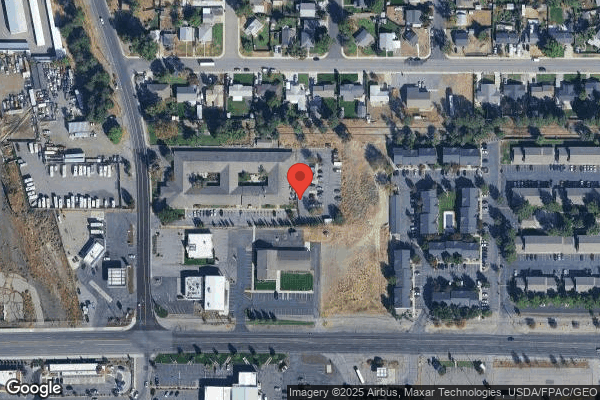
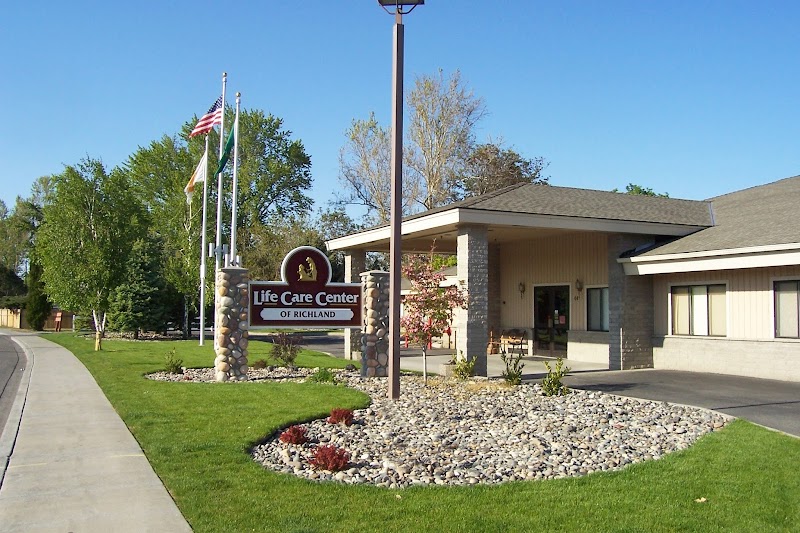
44 GOETHALS DRIVE, RICHLAND, WA 99352 (509) 943-1117
For profit - Corporation 104 Beds LIFE CARE CENTERS OF AMERICA Data: November 2025
Trust Grade
0/100
#145 of 190 in WA
Last Inspection: July 2025

Inspected within the last 6 months. Data reflects current conditions.

Overview

Life Care Center of Richland has received a Trust Grade of F, indicating significant concerns about the quality of care provided. With a state ranking of #145 out of 190 facilities in Washington, they are in the bottom half, and they rank last in Benton County among four local options. While the facility shows an improving trend, reducing issues from 33 in 2024 to 18 in 2025, there are still serious staffing challenges, evidenced by a 59% turnover rate, which is significantly higher than the state average. Additionally, the facility has incurred $115,310 in fines, which is higher than 80% of Washington facilities, raising concerns about compliance with regulations. Although there is average RN coverage, the inspector findings reveal serious incidents, including failures to recognize changes in residents' conditions, such as delays in treatment after a fall that resulted in a fractured hip, and inadequate wound care that led to worsening pressure injuries. Overall, while there are some improvements, families should weigh these serious concerns against the facility's efforts to enhance care.

Trust Score
F
0/100
In Washington
#145/190
Bottom 24%
Safety Record
High Risk
Review needed
Inspections
Getting Better
33 → 18 violations
Staff Stability
⚠ Watch
59% turnover. Above average. Higher turnover means staff may not know residents' routines.
Penalties
✓ Good
$115,310 in fines. Lower than most Washington facilities. Relatively clean record.
Skilled Nurses
✓ Good
Each resident gets 43 minutes of Registered Nurse (RN) attention daily — more than average for Washington. RNs are trained to catch health problems early.
Violations
⚠ Watch
73 deficiencies on record. Higher than average. Multiple issues found across inspections.
★★☆☆☆
2.0
Overall Rating
★★☆☆☆
2.0
Staff Levels
★★★★☆
4.0
Care Quality
★★☆☆☆
2.0
Inspection Score
Stable
2024: 33 issues
2025: 18 issues

The Good

  • 4-Star Quality Measures · Strong clinical quality outcomes
  • Full Sprinkler Coverage · Fire safety systems throughout facility
  • No fines on record

Facility shows strength in quality measures, fire safety.

The Bad

2-Star Overall Rating

Below Washington average (3.2)

Below average - review inspection findings carefully

Staff Turnover: 59%

13pts above Washington avg (46%)

Frequent staff changes - ask about care continuity

Federal Fines: $115,310

Well above median ($33,413)

Significant penalties indicating serious issues

Chain: LIFE CARE CENTERS OF AMERICA

Part of a multi-facility chain

Ask about local staffing decisions and management

Staff turnover is elevated (59%)

11 points above Washington average of 48%

The Ugly 73 deficiencies on record

6 actual harm
Aug 2025 1 deficiency
CONCERN (D) 📢 Someone Reported This

A family member, employee, or ombudsman was alarmed enough to file a formal complaint

Potential for Harm - no one hurt, but risky conditions existed

Accident Prevention (Tag F0689)

Could have caused harm · This affected 1 resident

Based on observation, interview, and record review, the facility failed to provide adequate supervision to prevent elopement (a resident leaving the facility unsupervised and undetected) for 1 of 2 re...

Read full inspector narrative →
Based on observation, interview, and record review, the facility failed to provide adequate supervision to prevent elopement (a resident leaving the facility unsupervised and undetected) for 1 of 2 residents (Resident 1) reviewed for avoidable accidents. This failure placed the residents at risk for exposure to extreme weather temperatures, serious injury, and/or death. Findings included . Review of a policy titled, Incident and Reportable Event Management, revised 08/15/2023, showed an avoidable accident was an accident that occurred when the facility failed to implement interventions, including adequate supervision consistent with the resident's needs, goals, care plan, and current professional standards of practice to eliminate and/or reduce the risk of an accident. <Resident 1>Review of the medical record showed Resident 1 was admitted to the facility with diagnoses including broken pelvic bones, Alzheimer's disease (a progressive brain disorder that gradually impairs memory, thinking, and the ability to carry out simple tasks), and difficulty walking with a history of falls. The 06/04/2025 comprehensive assessment showed Resident 1 required partial/moderate assistance of one staff member for transfers and walking and used a walker and/or wheelchair for mobility. The assessment also showed Resident 1 had a severely impaired cognition. An observation on 08/11/2025 at 2:30 PM showed Resident 1's room, the day of the elopement, was located across from the nurse's station, next to the exit door. The exit led to the parking lot of the facility with access to the neighboring parking lots and main road. Record review of a nursing evaluation titled, Elopement Risk Evaluation, dated 06/03/2025, showed Resident 1 had been identified as an elopement risk due to their cognitive impairment, ability to walk independently, and wandering behaviors. Record review of Resident 1's care plan dated 06/03/2025, revised on 07/14/2025, showed a focus area identifying Resident 1's risk for elopement and interventions that included adding their information to the elopement binder (a book located at the nurses stations that contained a photo and identifying information for resident's identified at risk for elopement), monitoring and documenting wandering behaviors, participation in activities to divert exit seeking behaviors, hourly safety checks, and providing structured activities such as toileting, walking inside/outside, and reorientation strategies that included signage, pictures, and memory boxes. Record review of a facility investigation dated 08/07/2025, showed on 08/02/2025 at 3:05 PM, Resident 1 was returned to the facility by Staff C, Activities Assistant. Resident 1 had been found walking on the sidewalk in the opposite direction of the facility, 0.8 miles away. The investigation showed a newly employed licensed nurse had opened the door for Resident 1 when they approached the door and stated, I'm just going out for my walk. Resident 1 had been let out of the facility at 2:15 PM and returned at 3:05 PM. The investigation showed the new employee was not aware that Resident 1 was an elopement risk. During an interview on 08/11/2025 at 2:15 PM, Staff D, Licensed Practical Nurse, stated they were new to the facility and had been working there for about two weeks. Staff D stated on their first day working with residents, Resident 1 had approached them at the exit door near the resident's room. They stated Resident 1 wanted to go outside for a walk. Staff D stated they put the code in to disarm the alarm and opened the door for Resident 1. They stated Resident 1 had no identification such as a wrist band that indicated they were a resident. Staff D stated they were unfamiliar with the residents since it was their first day working with them. Staff D stated they received elopement training during their orientation on the two days prior to Resident 1's elopement. Staff D stated, this was all on me, I let Resident 1 out, I didn't know my residents. During an interview on 08/12/2025 at 1:03 PM, Staff E, Registered Nurse, stated they were training Staff D the day Resident 1 eloped. They stated when Resident 1 was returned to the facility by a staff member and observed them being sweaty. Staff E stated Resident 1 had been identified as exit seeking and staff were aware of those behaviors. Staff E stated Staff D was a new employee and had stated they did not know Resident 1 was a resident and had let them out the door. Staff E was unaware that Resident 1 had left the facility until they had been returned by Staff C. During an interview on 08/11/2025 at 2:27 PM, Staff C stated they were driving home after leaving work at 3:00 PM on 08/02/2025 and saw Resident 1 walking on the sidewalk. They stated Resident 1 was hot, breathing heavy, and sweating. Staff C stated they opened their car door and Resident 1 got in and asked, are we going to Seattle? Staff C returned Resident 1 to the facility, took them to their room, and provided cool water. They stated they informed Staff E, Registered Nurse, who was unaware that Resident 1 had left the facility. During an interview on 08/12/2025 at 1:17 PM, Staff B, Director of Nursing, stated Resident 1 had been assessed and identified as an elopement risk on admission. There were care plan interventions in place to prevent elopement. They stated Staff D, who was a new employee, had seen Resident 1 at the exit door, checked on them, and was told they wanted to go for a walk. Staff D opened the door for Resident 1. Staff B stated the protocol would have been for Staff D to assess the situation, not enter the key code to disarm the door alarm, check the elopement binder and with their trainer before allowing any resident to exit the facility. During an interview on 08/12/2025 at 1:42 PM, Staff A, Administrator, stated all employees needed to be aware of who the elopement risks were, including the new hires. They stated they expected the new hires to shadow their trainer and were unsure why Staff D was not with their trainer at the time of the elopement. Staff A stated the prevention of elopements included improving staff education and awareness. Reference: WAC 388-97-1060(3)(g) This is a repeat deficiency from the Statement of Deficiencies dated 12/05/2024 and 03/12/2025.
Jul 2025 17 deficiencies 1 Harm
SERIOUS (G)

Actual Harm - a resident was hurt due to facility failures

Quality of Care (Tag F0684)

A resident was harmed · This affected 1 resident

**NOTE- TERMS IN BRACKETS HAVE BEEN EDITED TO PROTECT CONFIDENTIALITY** Based on observation, interview, and record review the facility failed to 1) recognize a change in condition for 3 of 6 resident...

Read full inspector narrative →
**NOTE- TERMS IN BRACKETS HAVE BEEN EDITED TO PROTECT CONFIDENTIALITY** Based on observation, interview, and record review the facility failed to 1) recognize a change in condition for 3 of 6 residents (Residents 39, 9 and 35) reviewed for quality of care, and 2) ensure residents received treatment and care in accordance with professional standards of practice and physician orders for 2 of 5 residents (Resident 8 and 71) reviewed for unnecessary medications. This failure placed residents at risk for a delay in treatment, unmet care needs, and negative health outcomes. Resident 39 experienced harm when the facility failed to recognize the immediacy of a change of condition and did not notify the physician with a resident who exhibited signs and symptoms of change in orientation, oxygen level, blood pressure and pulse which resulted in hospitalization. Resident 9 experienced harm when their nephrostomy tube (a flexible tube inserted through the skin into the kidney to drain urine externally when normal drainage is blocked) became obstructed, resulting in hospitalization intervention. Findings included . Review of a policy titled Changes in Resident's Condition or Status, dated 09/05/2024, showed the facility would notify the resident's Primary Care Provider and the resident or Resident's Representative (RR), the resident would be thoroughly assessed, and the facility would monitor the resident for changes. The policy showed the Licensed Nurses (LNs) would communicate with other team members for continuity of care and were to document their assessments and monitoring.<Resident 39> Review of the medical record showed Resident 39 initially admitted to the facility on [DATE] then readmitted to the facility from the hospital on [DATE] with diagnoses including a Urinary Tract Infection (UTI) with Septic Shock (life threatening infection which arises when the body responds to infection causes injury to the body), respiratory issues with use of continuous oxygen, and heart disease. Resident 39 previously sustained a fracture of the upper back and sternum (breastbone or flat T-shaped bone in the middle of the chest), and wore a hard plastic neck collar for stability. The 06/30/2025 comprehensive assessment showed the resident was alert and oriented and able to make their needs known and required substantial assistance with toileting and hygiene and was dependent on staff with dressing. During an interview on 07/15/2025 at 10:15 AM, Resident 39 was seated on their recliner in their room. The resident had a house coat on with a large plastic neck collar around their neck. The resident stated they had an episode of confusion and severe pain at the facility on 07/03/2025 when they had not been feeling well for a few days and ended up in the hospital with an infection and stayed in the hospital for 12 days. Resident 39 stated they were admitted back to the facility for physical therapy before they could discharge home. Review of the 07/02/2025 nurses progress notes showed that the physician had ordered laboratory testing for Resident 39 which showed an elevation in the resident’s white blood cell count (which is used to measure the amount of these cells in the blood which may determine infection) and other laboratory results. Additionally, the physician ordered a chest x-ray and increased Resident 39’s pain medication. Review of the 07/03/2025 progress notes showed the following changes were charted for Resident 39 which showed at 8:58 AM the resident who was on continuous oxygen, had an oxygen level of 79% (normal is 90% to 100%), at 9:53 AM the resident had an increase of severe pain, at 12:38 PM the resident’s pulse was 117 (normal is 60-100 beats per minute). Review of the 07/03/2025 at 2:55 PM nurses progress notes showed Resident 39 was sent to the emergency room (ER) due to abnormal vital signs (blood pressure and pulse), increased lethargy (lack of energy), and oxygen level drop despite increases of oxygen administered. Resident 39's blood pressure was 62/48 (120/80 normal range). The resident was clammy and speech was slurred/difficult to understand. The paramedics (emergency medical service) were called, while the resident was on the phone with Resident Representative (RR) at that time. RR asked Staff H and then the paramedics to take Resident 39 to the ER as the resident was not themselves for the last three days. There was no change of condition assessment completed by the licensed nurse. During an interview on 07/16/2025 at 11:20 AM, Resident 39 stated they had not experienced that type of infection before and had no recollection about being asked to go to the hospital or any memory about that day. Resident 39 stated they did not recall speaking with their RR at that time. The resident stated they woke up in the hospital in the Intensive Care Unit (ICU) and were there for two weeks. Review of the hospital 07/03/2025 emergency room intake encounter notes stated the resident was not able to answer questions and resident’s representative stated the resident had not been eating and had changes over the last two to three days at the facility. The resident was admitted to ICU for management. Review of the 07/13/2025 hospital discharge summary showed the resident was admitted to the hospital on [DATE] through 07/13/2025 and readmitted to the facility on [DATE]. Admitting diagnoses to the hospital were Septic shock due to bacterial urinary tract infection, heart failure, lung issues and diabetes (chronic condition where the body cannot regulate blood sugar levels). The summary showed that resident was admitted to ICU with significant low blood pressure that required medication with intravenous (IV) fluids. Additionally, the resident received four different antibiotics IV for their bladder infection. During an interview on 07/17/2025 at 10:30 AM, Staff H, Registered Nurse, (RN) stated Resident 39 started having issues around 9:00 AM on 07/03/2025 where they had so much pain that it would not respond to the pain medication given to them. Staff H stated that Resident 39’s oxygen level dropped to 79%. Staff H stated turned the oxygen up and the oxygen level was okay then dropped down again. Staff H stated the resident did not want to go to the hospital. Staff H stated the resident was in and out of falling asleep and Staff H did not want to disturb the resident. Staff H stated this change of condition continued and the resident who was a full code did not want to go to the hospital. Staff H stated Resident 39 called their RR and decided to go to the hospital around 2:45 PM. Staff H stated they felt they could not make the resident go to the hospital even though they had significant changes. Resident 39 was on the phone with their RR and the RR asked Staff H that Resident 39 be sent to the hospital due to the resident’s decrease in orientation and increased pain. Staff H called the paramedics around 2:55 PM and documented they notified the nurse practitioner. During an interview on 07/17/2025 at 1:08 PM, Resident 39’s RR stated they had concerns with the resident on 07/01/2025 when people visited the resident, they noticed a change in the resident’s memory and felt they were confused. Resident 39 complained of not feeling well. On Tuesday 07/01/2025 the resident had a change in condition the resident was pale and looked bad.” On Wednesday 07/02/2025 the resident was not coherent, and the nurse did not think anything was wrong. Resident 39 did not know what time of day it was and was confused. While the RR was talking to Resident 39 on the phone and Staff M, Medical Director (MD), who was in the resident’s room ordered a chest X-ray and blood work on 07/02/2025 and increased the residents pain medication. The RR stated they had spoken to on 07/02/2025 that afternoon to Staff F, RN, who was informed of Resident 39’s change in their ability to think clearly and not being themself when expressing our concerns. Staff F stated they attributed Resident 39’s complaints to participation in physical therapy and medication. During an interview on 07/17/2025 at 1:55 PM, Staff M stated if they had known about those changes in vital signs on 07/03/2025 and Resident 39’s change in condition they would immediately have had the resident transferred to the hospital. During an interview on 07/18/2025 at 11:44 AM, Staff N, Advanced Registered Nurse Practitioner (ARNP) stated they did not receive a call from the facility concerning Resident 39’s change of condition or decreased on oxygen level. If that information was communicated to them, they would immediately have admitted the resident to the hospital. During an interview on 07/21/2025 at10:18 AM, Staff I, RN, stated after the morning meeting on 07/03/2025 at 10:00 AM they saw that Resident 39 had a 79% oxygen level on their computer. Staff I went to Resident 39’s room with a pulse oximeter to check the resident’s oxygen level. Staff H stated to Staff I that they increased the resident’s oxygen from 1 liters (unit of measure) to 4 liters and the oxygen level improved to 90% at that time. Staff I asked Staff H to notify the physician about the change made by increased oxygen from 1 liter to 4 liters of oxygen to Resident 39. <Resident 9> Review of Resident 9’s medical record showed they were admitted to the facility on [DATE] with diagnoses to include epilepsy (a brain disease where nerves cells do not signal properly, which causes seizures), neuromuscular dysfunction of the bladder (condition where the bladder cannot properly store or release urine due to nerve damage) and pyelonephritis (a bacterial infection causing inflammation of the kidneys). Review of the resident’s comprehensive assessment dated [DATE] showed Resident 9’s cognition was intact and able to make their needs known. Resident 9 required assistance from two staff members for mobility and activities of daily living. During an observation and concurrent interview on 07/15/2025 at 3:07 PM, Resident 9 stated they had a nephrostomy tube (a flexible tube inserted through the skin into the kidney to drain urine externally when normal drainage is blocked) to help with their kidneys. The nephrostomy drainage bag had a yellow-colored liquid within the bag. Review of Resident 9’s physician orders showed the resident had a nephrostomy tube that required monitoring for signs infection and the monitoring of the resident’s output into the bag twice a day. During an observation and a concurrent interview on 07/18/2025 at 9:27 AM, Resident 9 was lying in bed, the nephrostomy tube laid to their left side empty on the bed. The resident stated their bag was emptied during the night shift and was unsure how often the staff emptied the bag and that the tube hurt when it was moved too much. During an observation and concurrent interview on 07/22/2025 at 10:05 AM, Resident 9 was fully dressed, with a blanket on their lap, sitting in their wheelchair at the front desk stated they were going for a scheduled appointment and would be back that afternoon. During an observation and concurrent interview on 07/22/2025 at 3:26 PM, Resident 9 was lying in their bed speaking to paramedics in their room. The resident’s representative (RR) also in the room, stated “I'm making this happen. The RR stated the resident had texted them the night before, about their pain. The RR stated the pain was in their abdomen and were also complaining of some burning with their urine. The RR stated the last time Resident 9 went through that type of pain and burning, was a few months ago and the resident had to stay in the hospital intensive care for three days, as they had sepsis (a serious condition in which the body responds improperly to an infection) which cause them to have grand-mal seizures (a type of seizure that causes a sudden loss of consciousness, stiffening of the body, and jerking movements). Review of the nursing treatment administration record (TAR) dated July 2025 showed the licensed nurses were to document nephrostomy tube output twice a day. On 07/13/2025 there had been no output documented for the evening shift. Further review of the documentation showed on 07/18/2025 with zero output documented for the day shift. On 07/19/2025 zero output was documented for the evening shift. On 07/20/2025 through 07/22/2025, zero output had been documented for both shifts. During an interview on 07/23/2025 at 8:40 AM, Staff O, Licensed Practical Nurse (LPN), stated Resident 9 had been admitted to the local hospital with sepsis. Staff O stated they had received that in a report from the prior shift nurse but had not followed up with the hospital. During an interview on 07/23/2025 at 9:02 AM, Staff C, LPN, stated Resident 9 had refused to go to their appointment. Staff C stated the resident became nauseated and vomited, so they gave the resident an antinausea medication and went back to their med cart. Staff C stated the next thing they saw were Paramedics, RR, and the Resident Care Manager (RCM) in Resident 9’s room, and the resident being sent out to the local hospital to be evaluated. During an interview on 07/23/2025 at 9:10 AM, Staff E, LPN/RCM, stated Resident 9 had pain to the abdomen that radiated to their back, and that they had talked with their primary physician who told Resident 9 to get to the hospital. Staff E then stated the RR was also in the room and verified the information from the resident. Staff E stated Resident 9 had been admitted to the local hospital but unsure why they had been admitted , and they would need to call for an update. Staff E stated they did not document the conversation they had with the resident or RR. In an interview on 07/23/2025 at 10:42 AM, Resident 9’s RR stated that the resident was admitted to the local hospital on [DATE], due to their nephrostomy tube being blocked, a UTI and abnormal labs. The RR stated the resident had requested pain medication but, the nurse stated could only administer a small dose due to the blood pressure being low, The RR stated, “I kept watching the blood pressure waiting for it to drop, I was scared”. The RR stated, it was the third time that the resident had to be seen by the local hospital. The RR stated on 07/20/2025 the resident had contacted them about significant pain; staff did not seem to listen to Resident 9’s concerns. Review of the local hospital admission note dated 07/22/2025, showed Resident 9 was admitted to the hospital with the diagnoses of a complicated urinary tract infection and sepsis. In an interview on 07/23/2025 at 11:21AM, Staff O, LPN, stated the nurses documented in the TAR for Resident 9’s nephrostomy drain output. Staff O stated if the drain did not put anything out, they would call the doctor. Staff O stated the prior shift report would let them know how much output the resident had from the nephrostomy drain. Staff O stated they had not informed the physician for the resident’s zero output. In an interview on 07/23/2025 at 11:32 AM, Staff E, LPN/RCM, stated the expectation of the nurses on the floor was for the nurse to call the doctor for any signs of infection and when there was zero output from Resident 9’s nephrostomy drainage bag. Staff E stated that the nurses did not follow the orders to monitor the output and did not contact the doctor about the lack of output. During an interview on 07/23/2025 at 1:17 PM, Staff B, DNS stated the expectation was for nursing to document and follow doctor orders. Staff B stated they had reviewed the documentation of Resident 9’s nephrostomy tube output and acknowledged that the doctor had not been notified of the zero output from the resident’s nephrostomy. <Resident 35> Review of the resident’s medical records showed they were admitted to the facility with diagnoses to include a stroke (blood flow to the brain is blocked or a blood vessel bursts) with right side deficits and brain aneurysms (a bulge in a blood vessel). The 06/20/2025 comprehensive assessment showed Resident 35 was cognitively intact and their vision was not impaired. During an interview and concurrent observation on 07/15/2025 at 4:18 PM, Resident 35 stated they had trouble seeing, their vision was blurry, and they experienced dizziness. Resident 35 stated they informed the staff and asked to speak to the provider. Resident 35 stated the provider, a Contracted Nurse Practitioner (CNP), had seen them on 07/14/2025 and the resident informed the CNP of their vision issues. Resident 35 stated they informed the CNP that they had a history of having three brain aneurysms, and these were some of the symptoms they had experienced and requested imaging to ensure that was not the issue. Resident 35 stated they were told by the CNP that they did not feel that was the issue and would have to discuss with the facility whether imaging was appropriate or not and asked them if they “really wanted to put your body through that…are you even going to be here next year.” Resident 35 stated they had not heard anymore about it. Resident 35 was observed squinting at the television, with the left eye smaller than the right (this was normal per the resident), and complained of head pain over the left eye and some dizziness. During an interview on 07/16/2025 at 12:08 PM, Resident 35 was lying in bed and stated they felt like their vision was “better today but not much.” Resident 35 stated they had not talked to the nurse regarding their vision changes, only the CNP and had not heard anything about the imaging being ordered. During an interview on 07/18/2025 at 3:42 PM, Resident 35 stated they had not heard anything regarding the imaging. Resident 35 stated they felt like their vision symptoms were coming and going and had “nauseous waves going over me [feelings of being sick to your stomach that come and go].” Resident 35 stated when they would lay flat, they would feel pressure in their head but if they elevated the head of their bed, the pressure seemed to relieve. Resident 35 stated they informed Staff F, RCM, about the pressure when lying flat and vision changes. Resident 35 stated Staff F informed them they had received an order from the CNP for a Computed Tomography (CT, a type of imaging that can visualize details inside the body) scan and they would get that scheduled. Review of the July 2025 Physician orders showed an order on 07/14/2025 for Resident 35 to be scheduled for a CT scan. The order showed a reason for the CT scan was for “visual changes and dizziness.” The order showed it was discontinued on 07/17/2025. Review of Resident 35’s progress notes showed no documentation from the CNP for the 07/14/2025 visit, no LN documentation as to who ordered the CT scan or why it was ordered, and no documentation that showed Resident 35’s current vision changes, dizziness, nausea, or increased pressure to their head had been monitored or assessed. The review also showed no notification to the provider regarding the increased pressure to Resident 35’s head when lying flat. During an interview on 07/22/2025 at 3:28 PM, Staff E, RCM, stated they knew about Resident 35’s concerns with their vision changes and dizziness and knew the CNP had ordered a CT scan for the resident. Staff E stated they were unaware Resident 35 had experienced feeling pressure to their head while lying flat and had not seen any nursing documentation regarding those concerns. Staff E stated Resident 35 should have been put on alert charting so they could monitor the symptoms they were having but they did not do that. Staff E stated they did not see the CNP’s progress note from their visit on 07/14/2025 in Resident 35’s medical record and would call to request them. Staff E stated they “assumed” the order was discontinued because “maybe it had been scheduled.” Review of the CNP’s progress note provided by Staff E, dated for 07/21/2025 at 4:16 PM, showed Resident 35 reported they had “vague vision/dizziness” complaints and had experienced “waves” of lightheadedness and dizziness that would last seconds before resolving. The note showed the television appeared “more blurry” and was concerned their symptoms were related to their history of brain aneurysms. The note further showed the CNP educated and reassured Resident 35 that their symptoms were “unlikely related” to the aneurysms because of the intermittent dizziness. The note showed a CT scan had been ordered and the RCM had been notified. The note was signed and dated 07/22/2025 at 4:16 PM. During an interview on 07/23/2025 at 12:48 PM, Staff F stated they had received an order from the CNP through an electronic mail (email) on 07/14/2025. Staff F stated they had processed the order on 07/14/2025 and faxed the order over but the order was not completed correctly so needed to amend the order and resend it. Staff F stated they had been “busy” and had not done that yet “I will probably get to that today.” Staff F further stated when they received the email they should have placed Resident 35 on alert charting to monitor for any worsening of their symptoms, and they did not do that. Staff F stated they did speak to the resident regarding their symptoms but were unaware they had pressure in their head when lying flat. Staff F stated the order they received was not an emergent order. Review of a note that was emailed on 07/14/2025 at 4:33 PM, sent to Staff F by the CNP, showed they had seen Resident 35 and would be ordering a CT scan. The note showed Resident 35 had complained of on and off dizziness and “brain zaps [brief electric shock-like sensations in the head],” and worsening vision symptoms that were related to their brain aneurysms. The note showed since symptoms were improving the CNP assured Resident 35 that it was unlikely related to the brain aneurysms, and even if it was, they would most likely not be a candidate for surgery, “so what’s the point of doing imaging,” but Resident 35 insisted. During an interview on 07/23/2025 at 1:54 PM, Staff B, DNS, stated when a resident experienced a change in their health condition, the LNs should assess the resident, notify the provider, notify the family, update the care plan as needed, and put the resident on alert charting. Staff B stated the alert charting would have remained in place until the resolve of symptoms or as ordered. Staff B stated Staff E and Staff F should have placed the resident on alert charting when they became knowledgeable Resident 35 had vision changes, dizziness, or increased pressure to their head. <Resident 8> Review of the resident’s medical records showed they were admitted to the facility with diagnoses to include lumbar spondylopathy (wear and tear to the lower back region) and nerve pain. The 07/01/2025 comprehensive assessment showed the resident’s cognition was intact and they received routine and as needed pain medication. Review of the 05/19/2025 through 05/31/2025 Medication Administration Records (MAR), showed an order dated 05/19/2025 for Oxycodone (a brand of medication used for pain) five milligrams (mg, a unit of measure), give one tablet every four hours as needed (PRN) for a pain level of six or seven (a pain scale of 0-10 with zero meaning no pain at all and 10 meaning the most excruciating pain ever felt). The record showed an order dated 05/19/2025 for Oxycodone five mg, give two tablets for a pain level of eight, nine, or ten. Both orders showed pain location and non-pharmacological (does not involve medication) interventions were to be documented in a progress note. The order for one tablet was administered three times with one administration given outside of the parameters ordered (pain level of ten). The order for two tablets was administered 12 times with one administration given outside of the parameters ordered (pain level of seven). Review of the June 2025 MARs showed the same Oxycodone orders (05/19/2025) as the May 2025 MAR did. The records showed the order for one tablet of Oxycodone was administered seven times, with five of those administrations given outside of the ordered parameters (greater than a pain level of seven). The record showed the order for the two tablets of Oxycodone was administered 38 times, with 22 of those administrations given outside of the ordered parameters (for pain levels of five to seven). Review of the 07/01/2025 through 07/21/2025 MAR showed the same Oxycodone orders (05/19/2025) as the May 2025 MAR. The record showed the order for one tablet was administered three times with one of those administrations given outside of the ordered parameters (pain level of eight). The record showed the order for two tablets was administered 23 times and 15 of those administrations were given outside of the ordered parameters (pain levels of four to seven). Review of the nursing progress notes from 05/19/2025 through 07/21/2025 showed no non-pharmacological interventions had been documented prior to administering the PRN Oxycodone and two notes on 05/25/2025 and 05/26/2025 that showed the location of Resident 8’s pain. During an interview on 07/23/2025 at 10:03 AM, Staff K, LPN, stated their process for administering PRN medication was to assess the resident’s pain level and location, attempt to see if a non-pharmacological intervention would help, and then administer the pain medication if that was not effective. Staff K stated they then would document in a progress note. During an interview on 07/23/2025 at 10:14 AM, Staff O, LPN, stated they would ask the resident what their pain level was and give them their pain medication. Staff O stated the residents “know what they want and just tell me what to give them.” Staff O stated they would document where their pain location was in the progress notes. During an interview on 07/23/2025 at 1:54 PM, Staff B stated they would expect the LNs to follow physician orders as they were written. Staff B stated if the pain medications were not effective, they would expect the LNs to notify the provider for additional directions or to lower or increase the pain levels ordered or change the medication. Staff B stated the LNs should have documented their location assessment and the non-pharmacological interventions they attempted prior to administering the PRN pain medication. <Resident 71> Review of the resident medical record showed they were admitted to the facility on [DATE] with diagnosis including heart complications, dementia (a progressive disease that destroys the memory and other important mental functions) pancreatic (an organ inside the body that aid in digestion and introducing hormones need for the body’s daily function) cancer and placed on comfort measures (provider orders to assist with a resident’s suffering during their end of life). The 07/09/2025 comprehensive assessment showed the resident had cognitive impairments but was awake/alert to themselves, was talking with staff and understood where they were at. Review of Resident 71’s provider orders showed Lorazepam (a specific antianxiety medication belonging to a group of drugs that affect brain activities associated with mental processes, emotions and behavior. The common side effects include drowsiness, confusion, loss of balance and memory problems) could be administered every two hours as needed for anxiety and terminal agitation (a set of behaviors characterized by sudden agitation, anxiety, anger or confusion). Review of Resident 71’s care plan dated 07/02/2025 showed the resident was at risk for rehospitalization that timely communication to the provider was needed regarding any change in the resident’s condition. Additionally, Resident 71 was at risk for falls, and the goal was for the resident to not have an injury that would require them to be hospitalized . Review of a progress note on 07/09/2025 showed that on 07/08/2025 at 8:30 PM Resident 71 was found after a fall on the floor of their room with blood where the resident’s head was resting. Staff L, LPN, noted Resident 71 was weak, unable to sit up on their own and their range of motion was “ .limited due to weakness.” Staff L documented that neurological checks (a comprehensive evaluation of a person’s nervous system, to assess brain/nerve function to help diagnose potential neurological disorders that may require emergency treatment and would be needed following a head injury, increased confusion or change in behavior) were started and that the facility’s provider was notified. No documentation showed that the Resident 71’s representative was notified after the fall. Review of the facility’s investigation into Resident 71’s 07/08/2025 unwitnessed fall, showed the resident was bleeding from a head injury after being found on the floor of their room. The neurological checks showed no evaluation was conducted until 07/09/2025 at 8:00 AM (11 and a half hours after Resident 71’s fall) and Lorazepam was administered due to Resident 71 becoming “ .very restless and was trying to get out of bed .” The investigation showed the cognitive assessment of the resident on 07/09/2025 was “ .nonverbal and very hard to arouse (to wake up) .” Additionally, Resident 71’s resident representative was notified of the unwitnessed fall on 07/11/2025 (three days after the residents fall). Review of Resident 71’s MAR for July 2025, showed Lorazepam was administered on 07/08/2025 at 9:40 PM and 07/09/2025 at 12:00 AM, 5:00 AM, 7:20 AM, 3:33 PM and 8:30 PM. Observation on 07/16/2025 at 10:08 AM showed Resident 71 in their bed, unable to wake or open eyes. During an interview on 07/18/2025 at 12:40 PM, Staff F, RCM, stated the process for a resident having an unwitnessed fall and hitting their head would be to start neurological checks to assess for complications that may require emergency treatment and to notify the provider and Resident 71’s representative. Staff F stated that neurological checks were to be started right after a resident had been found and performed every 15 minutes (min) for one hour, then every 30 min for two hours, then every hour for four hours, and then every four hours for the next 24 hours. Staff F stated that Resident 71 was unable to make care decisions due to their cognitive ability and the resident’s representative would need to be notified after Resident 71s fall. Staff F stated they would be unable to assess changes in the Resident 71’s mentation nor accurately evaluate neurological checks since the resident was being administered their Lorazepam medication. Staff F stated that neurological checks should have been completed per the facility process, and they were not per Resident 71’s neurological assessment documentation and the provider/resident representative would have needed to be involved in a discussion on continued care interventions with the residents unwitnessed fall, head injury, and Lorazepam administration. During an interview on 07/18/2025 at 3:21 PM, Staff L, LPN, stated they had notified the on-call provider about Resident 71’s fall, but did not communicate that it was an unwitnessed fall, that the resident had hit their head, or clarify orders with completion of neurological checks versus Lorazepam medication administration. Staff L stated they did not notify Resident 71’s representative of the fal
CONCERN (D)

Potential for Harm - no one hurt, but risky conditions existed

Deficiency F0552 (Tag F0552)

Could have caused harm · This affected 1 resident

**NOTE- TERMS IN BRACKETS HAVE BEEN EDITED TO PROTECT CONFIDENTIALITY** Based on observation, interview and record review the facility failed to inform the Resident Representative (RR) of changes in t...

Read full inspector narrative →
**NOTE- TERMS IN BRACKETS HAVE BEEN EDITED TO PROTECT CONFIDENTIALITY** Based on observation, interview and record review the facility failed to inform the Resident Representative (RR) of changes in the resident's pain medication regimen for 1 of 2 residents (Resident 57) reviewed for an order change for pain medication. This failure disallowed the RR to make an informed decision concerning the resident's care needs.Findings Included .<Resident 57> Review of the medical record showed the resident was admitted on [DATE] with diagnoses of a right hip fracture, muscle weakness, seizures and dementia (cognitive impairment). The 07/01/2025 nursing assessment/ care plan showed Resident 57 was totally dependent on staff for all activities of daily living to include bed mobility and transfers to a wheelchair. Resident 57's pain medication orders included a narcotic pain reliever which was discontinued on 07/10/2025. Tylenol (a non-narcotic pain reliever) was started on 07/10/2025 as needed. A 07/12/2025 order was initiated for Robaxin (a muscle relaxant) initiated three times a day on a routine basis. During an observation on 07/15/2025 at 3:02 PM, Resident 57 was up in their wheelchair with metal leg extenders connected to the resident's wheelchair where both legs rested on and extended legs forward. Resident 57 was alert but non-verbal and did not respond verbally or non-verbally when spoken to. The RR stated that they were concerned about not being notified of the new order on 07/12/2025 Robaxin order for Resident 57. The RR stated they were at the facility most of the day with Resident 57 and was not notified of the change in their Robaxin medication and felt that the Robaxin had made the resident drowsier where they could not participate in their physical therapy. During an interview on 07/15/2025 at 3:30 PM, Staff K, Licensed Practical Nurse (LPN), stated that Staff N, Advanced Registered Nurse Practitioner (ARNP) wrote the order, and it was on the Medication Administrative Record as ordered. During an interview on 07/17/2025 at 11:46 AM, Staff N stated that they wrote the order for the Robaxin and did not inform Resident 57's RR about the change. Reference: WAC 388-97-0300(3)(a)
CONCERN (D)

Potential for Harm - no one hurt, but risky conditions existed

Deficiency F0554 (Tag F0554)

Could have caused harm · This affected 1 resident

**NOTE- TERMS IN BRACKETS HAVE BEEN EDITED TO PROTECT CONFIDENTIALITY** Based on observation, interview, and record review, the facility failed to ensure clinical appropriateness for safe self-adminis...

Read full inspector narrative →
**NOTE- TERMS IN BRACKETS HAVE BEEN EDITED TO PROTECT CONFIDENTIALITY** Based on observation, interview, and record review, the facility failed to ensure clinical appropriateness for safe self-administration of medication, leaving medications at bedside for 1 of 2 residents (Resident 82), reviewed for medication administration. This failure placed the residents at risk for medication errors and adverse medication interactions. Findings included .Review of the facility's policy titled, Administration of Medications, dated 09/16/2024, showed, the facility would ensure medications were administered safely and appropriately per physician order to address residents' diagnoses and signs and symptoms.<Resident 82> Review of the resident's medical record showed Resident 82 was admitted to the facility on [DATE] with diagnoses to include heart failure, diabetes (a disease in which the body does not control glucose [a type of sugar] in the blood), and dysphagia (difficulty swallowing). Review of Resident 82's comprehensive assessment dated [DATE], showed the resident's cognition was moderately impaired and required setup assistance with eating. During an observation on 07/15/2025 at 10:27 AM, Resident 82 was lying asleep, and next to the resident was a bedside table with a pitcher of water, a tube of Vaseline, and a medication cup. The medication cup contained three medications: one elongated white pill and two beige and green capsules. In an observation and concurrent interview on 07/15/2025 at 2:06 PM, Resident 82 was awake lying in bed, the bedside table had a medication cup with three medications: one elongated white pill and two beige and green capsules. The resident stated they were not aware if the medications were theirs or when they were brought into their room. During an observation on 07/16/2025 at 8:45 AM, Resident 82 was lying in bed sleeping, the resident's bedside table with a water pitcher, butter package and a medication cup with three medications. The medication cup contained three medications: one elongated white pill and two beige and green capsules. During an interview on 07/17/2025 at 12:53 PM, Staff S, Registered Nurse, stated their process for completing a medication pass depended on the resident and how they preferred to take their meds. Staff S stated they looked at the medications because physician orders get changed so quickly and then mark off the medication in computer. Staff S stated for Resident 82, they gave their medications with apple sauce. Staff S stated they could not verify the medications observed at Resident 82's bedside. Staff S stated, it would have not been me because I give their medications with apple sauce. Staff S stated they were not sure how long the medications were on the bedside table, and they did not see the medications when they were in Resident 82's room during their night shift. Staff S stated they did not usually look around the room when delivering medications but, maybe they should start doing a scan of the room with their medication pass. During an observation and concurrent interview on 07/16/2025 at 10:17 AM, Staff B Director of Nursing Services, stated the expectation was for the nurse to follow the rights during medication administration, such as the right med, the right resident, the right route etc., give medication and hand wash when done.Leaving the medications at the bedside was not the expectation. Reference: WAC 388-97-1060 (3)(k)
CONCERN (D)

Potential for Harm - no one hurt, but risky conditions existed

Deficiency F0568 (Tag F0568)

Could have caused harm · This affected 1 resident

**NOTE- TERMS IN BRACKETS HAVE BEEN EDITED TO PROTECT CONFIDENTIALITY** Based on interview and record review, the facility failed to ensure quarterly financial statements for resident trust accounts w...

Read full inspector narrative →
**NOTE- TERMS IN BRACKETS HAVE BEEN EDITED TO PROTECT CONFIDENTIALITY** Based on interview and record review, the facility failed to ensure quarterly financial statements for resident trust accounts were provided in accordance with generally accepted standards of accounting practice for 1 of 3 residents (Resident 6), reviewed for trust accounts. Failure to provide resident /resident representative's quarterly financial statements for the months of January, March, November and October 2024, placed the resident at risk for loss of personal funds. Findings included . <Resident 6> Review of the resident's medical record showed Resident 6 was admitted on [DATE] with diagnoses to include bipolar disorder (a brain disorder that causes changes in a person's mood, energy, or ability to function), dementia [the loss of thinking, remembering, and reasoning- to the extent that in interferes with Activities of Daily Living (ADLs)] and muscle weakness. The comprehensive assessment dated [DATE] showed the resident's cognition was severely impaired and required the assistance of two staff members with all care. In an interview on 07/16/2025 at 2:14 PM, Resident 6's Resident Representative (RR) stated the resident has a trust account with the facility. The RR stated the account did not hold much but had not received financial statements from the facility to verify if Resident 6 still had money in their account. The RR stated the facility had gone through a change in the financial department, but that they had not received a quarterly statement for the first quarter of the year 2024. In an interview on 07/22/2025 at 1:04 PM, Staff J, Business Office Manager, stated the resident had not received financial statements for the months of January, March, October and November of 2024. Staff J stated they had started as the BOM in October 2024 they realized residents had not received their financial statements, so they started a new process of sending out monthly statements. Reference: WAC 388-97-0340 (3)(a)(b)(c)
CONCERN (D)

Potential for Harm - no one hurt, but risky conditions existed

Deficiency F0576 (Tag F0576)

Could have caused harm · This affected 1 resident

Based on observation, interview and record review, the facility failed to ensure a resident received their mail for 1 of 1 resident (Resident 8) reviewed for resident rights. This failed practice put ...

Read full inspector narrative →
Based on observation, interview and record review, the facility failed to ensure a resident received their mail for 1 of 1 resident (Resident 8) reviewed for resident rights. This failed practice put the resident at risk of not being able to make independent choices regarding their mail preferences. Findings included. <Resident 8> Review of the resident's medical records showed they admitted to the facility with diagnoses to include bipolar disorder (a mental health disorder that causes extreme mood swings) and diabetes (how the body regulates blood sugar levels). The 07/01/2025 comprehensive assessment showed the resident was cognitively intact and able to make their own decisions. During an interview on 07/16/2025 at 10:15 AM, Resident 8 stated they had not received packages they had ordered from Amazon (an online shopping retailer). Resident 8 stated they had several packages that showed as delivered but they had not received them yet. During an interview and concurrent observation on 07/17/2025 at 4:14 PM, Resident 8 stated they had still not received their packages and asked to speak to the Activities Director (AD), but they were in a meeting and were told they would come to see them after their meeting. Resident 8 stated they also called the AD's voicemail and left a message. Resident 8 stated they then called the front desk and was told by the front desk receptionist that Resident 8 did not have any packages delivered. Resident 8 then provided the confirmations of delivery for three packages that showed they were delivered to the facility's address; one had been signed by a staff member. Resident 8 provided confirmation that four additional packages had attempted to be delivered at 2:44 PM to the facility but the courier was unable to gain access to the front door. During an interview on 07/18/2025 at 9:50 AM, Staff P, Payroll, stated they were currently in charge of the front desk and had not received any packages for Resident 8. Staff P stated the routine front desk staff had started their vacation at the end of the day on 07/17/2025 so they may have talked with Resident 8 about delivered packages prior to them leaving. During an interview on 07/18/2025 at 9:56 AM, Staff Q, AD, stated they had not been able to talk with Resident 8 about missing packages and had not listened to their voice mails. Staff Q stated the Activities Assistant (AA) was who delivered mail and packages to the residents. Staff R, AA, walked in during the interview and stated they were responsible for delivering mail to the residents two to three times a week. Staff R stated they were directed by management if any packages came for Resident 8 from Amazon, they were not to accept them and return them. Staff R stated they were told Resident 8's Representative told the facility Resident 8 spent too much money and needed to quit ordering from Amazon. Staff Q did not know if Resident 8 was aware of their packages being returned. During an interview on 07/18/2025 at 10:58 AM, Staff A, Administrator, stated the Resident's Representative (RR) gave the facility the direction to return or retain Resident 8's packages from Amazon. Staff A stated the resident owed the facility money and did not have good spending habits, so the RR wanted to have the packages returned. Staff A stated they assumed the RR discussed this decision with Resident 8 but did not know for sure. Staff A stated Resident 8 gave permission to the business office to discuss Resident 8's financial situation with the RR. During an interview on 07/18/2025 at 11:06 AM, Staff J, Business Manager, stated they were told by the RR that they had talked to Resident 8 regarding the Amazon packages being returned but they did not witness that conversation nor did they talk to Resident 8 to confirm their wishes. During an interview on 07/18/2025 at 11:42 AM, Resident 8 stated they had given permission for their RR to discuss their financial situation with the business office but did not give consent for their mail or packages to be withheld from them. During this interview, the RR came to visit Resident 8, and the resident inquired about the direction to have their packages withheld. The RR stated they did give the direction to the facility to return the packages because they were spending too much money. The resident expressed to the RR that they were staying within the allotted amount the RR told them they had to spend and directed them to inform the facility to stop withholding their packages or mail. During an interview on 07/23/2025 at 9:55 AM, Staff P stated the RR informed them they were to stop holding Resident 8's packages or returning them. Reference WAC: 388-97-0180 (2)
CONCERN (D)

Potential for Harm - no one hurt, but risky conditions existed

Grievances (Tag F0585)

Could have caused harm · This affected 1 resident

**NOTE- TERMS IN BRACKETS HAVE BEEN EDITED TO PROTECT CONFIDENTIALITY** Based on interview and record review, the facility failed to ensure grievances (resident and/or resident representative concerns...

Read full inspector narrative →
**NOTE- TERMS IN BRACKETS HAVE BEEN EDITED TO PROTECT CONFIDENTIALITY** Based on interview and record review, the facility failed to ensure grievances (resident and/or resident representative concerns that can be voiced or written) conveyed during resident council meetings (a meeting of the facility's residents to communicate concerns, request improvements and keep up to date of the facility's activities/events) and individually, underwent prompt resolution through to their conclusion nor were residents appropriately updated on the voiced grievance progress/conclusion for 2 of 5 residents (Resident 77 and 69) reviewed for the grievances process. This failure placed residents at risk for unresolved concerns and unmet care needs.Findings included.Review of the facility policy titled, Grievances Program (concern and Comment), revised 01/07/2025, showed the facility would have a process in place for identification, investigation and follow-up of resident grievance/concern in a timely manner. Residents could convey grievances verbally or in writing. The policy showed that grievances would be documented on the grievance logbook, have a summary statement of the resident's grievance, the steps taken to investigate the grievance, a summary of the finding or conclusions and that follow-up with the resident would be completed to communicate a resolution.Review of the resident council meeting on 07/01/2025 showed residents expressed concerns around nursing assistants (NA) taking too long to respond to call lights, a door that needed to be repaired in room [ROOM NUMBER] and complications with receiving behavioral health counseling services. Additionally, Resident 77 and 69 attended the meeting.Review of the grievance log for July 2025 showed that no grievance had been documented regarding the resident council concerns with call light response times, the door that needed to be repaired nor that residents were having complications receiving behavioral health counseling services.<Resident 77> Review of the medical record showed the resident was admitted on [DATE] with diagnosis including anxiety, depression, and other complex mental health disorders. The 04/30/2025 comprehensive assessment showed the resident was cognitively intact and able to make their needs known.During an interview on 07/16/2025 at 10:39 AM, Resident 77 stated they had not received their scheduled behavioral health counseling services for the past two weeks. Resident 77 stated they had traumatic events that had taken place during the two weeks without the counseling services and the facility staff were aware of the concern.<Resident 69> Review of the medical records showed the resident was admitted on [DATE] with diagnoses including anxiety, depression, and other complex mental health disorders. The 06/11/2025 comprehensive assessment showed the resident was cognitively intact and able to make their needs known.During a resident council meeting on 07/17/2025 at 10:29 AM, Resident 69 stated they had concerns that scheduled behavioral health counseling appointments were not being completed and had been unable to meet with behavioral health staff.During an interview on 07/22/2025 at 10:06 AM, Staff G, Social Service Director, stated that Residents 77 and 69 had both expressed concerns about behavioral health counseling appointments being made but then the staff were not showing up to the appointments. Staff G stated they had not logged either of the resident's voiced concerns on the grievance log form. Staff G stated they should have implemented/documented the facility's grievance process regarding Resident 77 and 69's concerns.During a continued interview on 07/23/2025 at 8:47 AM Staff G stated they were the Grievance Officer and were to be notified of grievances noted in the resident council meetings by the Activities Director but was not informed of any resident council grievance for July 2025.Reference: WAC 388-97-0460(2)
CONCERN (D)

Potential for Harm - no one hurt, but risky conditions existed

Deficiency F0605 (Tag F0605)

Could have caused harm · This affected 1 resident

**NOTE- TERMS IN BRACKETS HAVE BEEN EDITED TO PROTECT CONFIDENTIALITY** Based on interview and record review, the facility failed to ensure residents on psychotropic medications (drugs that affect bra...

Read full inspector narrative →
**NOTE- TERMS IN BRACKETS HAVE BEEN EDITED TO PROTECT CONFIDENTIALITY** Based on interview and record review, the facility failed to ensure residents on psychotropic medications (drugs that affect brain activities associated with mental processes, emotions and behavior) had non-pharmacological interventions (alternative treatment of a resident's symptoms that are directed toward understanding, preventing and relieving a resident's distress or loss of abilities and do not involve the use of medications) consistently attempted and were being monitored for individualized behaviors prior to psychotropic administration to reflect adequate need of the medication for 2 of 5 residents (Residents 11 and 71) reviewed for unnecessary medications. This failure placed residents at an increased risk for experiencing medication-related adverse side effects, and unmet care needs. Finding included .<Resident 11> Review of theresidents’medical records showed theywere admitted to the facility with diagnoses to include anxiety(an intense,excessiveand persistent worry and fear about everyday situations)and depression(a persistent feeling of sadness and loss of interest). The diagnoses listshowed nodiagnosis for insomnia (theinability to sleep)or sleep disturbance.The 06/26/2025comprehensive assessment showed Resident 11’s cognition was severely impaired and receivedanti-depressant medication. Review ofResident 11’s July2025 Medication Administration Record (MAR), showed Resident 11 receivedan order on 07/09/2025forTrazodone (a brand of anti-depressant medication, also used for insomnia) 25 milligrams (mg, a unit of measure) at bedtime for sleep disturbance for five days, then after fivedays the Trazodone wasincreased to 50mg at bedtime.The MAR showed another anti-depressant medication on 05/02/2025 for Celexa (a brand of anti-depression medication) 10mgdaily for depression. TheMay 2025, June 2025, andJuly 2025MAR showed monitoring for adverse side effects but showed no monitoring for person-centered behaviorsrelated toinsomnia/sleeppatterns ordepression,tosee if the medication was effective or ineffective. An observation on 07/21/2025 at4:22 PM,showedResident 11wasobservedsitting up in their recliner, with their headrested on the wing of the back of the recliner, sleeping. During an interview on07/23/2025 at1:54 PM, Staff B, Director of Nursing Services (DNS),statedthe Resident Care Managers (RCM)were responsible forensuring residents had person-centered behaviors beingmonitoredat the time a psychotropic medication was started.Staff Bstatedthe processwas not followed. <Resident 71> Review of the resident medical record showed they were admitted to the facility on [DATE] with diagnosis including heart complications, dementia (a progressive disease that destroys the memory and other important mental functions) pancreatic (an organ inside the body that aid in digestion and introducing hormones need for the body’s daily function) cancer and placed on comfort measures (provider orders to assist with a resident’s suffering during their end of life). The 07/09/2025 comprehensive assessment showed the resident had cognitive impairments but was awake/alert to themselves, was talking with staff and understood where they were at. Additionally, no documentation showed the resident was diagnosed with an anxiety disorder. Review of Resident 71’s provider orders showed the psychotropic Lorazepam (a specific antianxiety medication which common side effects included drowsiness, confusion, loss of balance and memory problems) could be administered every two hours as needed for anxiety and terminal agitation (a set of behaviors characterized by sudden agitation, anxiety, anger or confusion). Review of Resident 71’s care plan dated 07/05/2025 showed the resident used antianxiety medication related to an anxiety disorder, terminal agitation and to monitor for adverse reactions (undesirable or harmful response to a medication) to antianxiety medications. There was no documentation of individual behaviors to monitor or non-pharmacological interventions regarding Resident 71’s psychotropic medication. Review of Resident 71’s MAR and treatment administration record (TAR) for July 2025, showed orders for Lorazepam were given for a total of 30 administrations from 07/07/2025 to 07/16/2025. The TAR showed that nursing staff were to monitor Resident 71’s behaviors for a “loss of interest” from 07/02/2025 to 07/11/2025 and “feelings of fear” from 07/11/2025 and what non-pharmacological intervention were implemented. Nursing staff were to assess every shift and document the number of the resident’s behaviors and if they improved, worsened or were unchanged from the intervention code. No behaviors or intervention codes were assessed or implemented on the day or night shifts. Observation on 07/16/2025 at 10:08 AM showed Resident 71 in their bed, unable to wake or open eyes. During an interview on 07/18/2025 at 11:48 AM, Staff DD, Registered Nurse (RN), stated that Resident 71 had Lorazepam for agitation and anxiety with the resident’s comfort care measures in place. Staff DD stated the resident was awake, alert, confused and times but was interacting/conversing with nursing staff upon admission. Staff DD stated behaviors and non-pharmacological interventions regarding Resident 71’s agitation/anxiety from their fear of dying was to be documented on the MAR/TAR along with the administration of the Lorazepam medication or in the nursing progress notes. Staff DD stated they did not document Resident 71’s agitation/anxiety behaviors and there were no attempts at non-pharmacological interventions. Staff DD stated they should have documented behaviors the resident was experiencing to show why they continued to administer the psychotropic medication. During an interview on 07/18/2025 at 12:40 PM, Staff F, RCM, stated they did not see documentation in the medical record on what types of behaviors that nursing staff were observing regarding Resident 71’s terminal agitation/anxiety nor that non-pharmacological interventions were implemented prior to the administration of the resident Lorazepam medication. Staff F stated the correct process was not followed regarding the monitoring of the resident’s individualized behaviors or consistently attempting non-pharmacological interventions. During an interview on 07/21/2025 at 1:42 PM, Staff B, DNS, stated they would have expected nursing staff to monitor, complete assessment, document individual behaviors regarding Resident 71’s agitation/anxiety and implement non-pharmacological intervention. Staff B stated the correct process was not followed regarding the monitoring of Resident 71’s individualized behaviors or consistently attempting non-pharmacological interventions. Reference: WAC 388-97-1060(3)(k)(i)
CONCERN (D)

Potential for Harm - no one hurt, but risky conditions existed

Deficiency F0627 (Tag F0627)

Could have caused harm · This affected 1 resident

**NOTE- TERMS IN BRACKETS HAVE BEEN EDITED TO PROTECT CONFIDENTIALITY** Based on interview and record review, the facility failed to develop a patient-centered discharge plan by the interdisciplinary ...

Read full inspector narrative →
**NOTE- TERMS IN BRACKETS HAVE BEEN EDITED TO PROTECT CONFIDENTIALITY** Based on interview and record review, the facility failed to develop a patient-centered discharge plan by the interdisciplinary team and document required discharge information for 1 of 4 residents (Resident 45) reviewed for discharge planning. This failure placed residents at risk for unmet care needs, worsening of wounds, psychological distress, and rehospitalization. Findings included. Review of the policy titled Transfers and Discharges, dated 04/22/2025, showed the facility would document in the resident's record the appropriate information was communicated to the receiving health care provider. The policy showed the documentation would show the reasons for discharge, infection status, functional status, and risks such as fall risk. <Resident 45> Review of the resident's medical records showed they were admitted to the facility with diagnoses of left superficial femoral artery endarterectomy with bovine patch angioplasty (when plaque builds up in the artery, then gets removed and a patch is used to restore blood flow) surgery aftercare and multiple sclerosis (MS, a disease that causes breakdown of the protective covering of the nerves). Review of the 06/25/2025 comprehensive assessment showed Resident 45 was cognitively intact, had impairments to both upper/lower extremities, was dependent upon staff for lower body dressing, showering, toileting, and transfers. During a Resident Council meeting on 07/17/2025 at 10:20 AM, Resident 45 stated they were not happy about being discharged to home on [DATE]. Resident 45 stated they did not feel like they were ready and would go home, lose all of the progress they had made with their function, end up back in the hospital, and then back to the facility. Resident 45 stated this would have been their fourth time to this facility and they would not have to return if they had not discharged them so soon before. Resident 45 stated they were not able to transfer from their bed to their wheelchair unassisted or without help and they could not dress their lower part of their body without assistance. Resident 45 stated the insurance company denied the coverage to continue with skilled nursing services (services provided by insurance companies for a period of time) and appealed that denial and lost. Resident 45 stated the facility had offered them to stay but a portion of the costs would be their responsibility, and the resident stated they could not afford to do that. Review of Resident 45's Discharge summary, dated [DATE] (closed and locked on 07/17/2025), showed Resident 45's reason for discharge was has met max goals in therapy. The summary showed the physical and mental status of the resident on discharge was independent in [Resident 45's] electric w/c [wheelchair]. The summary showed not applicable (n/a) for special treatments and procedures. The summary showed Resident 45's skin conditions were a wound to their left lower extremity (LLE), redness to their buttocks with detailed dressing change instructions, and that the wound consultant would f/u [follow up]. The summary showed no physical limitations in the resident's transferring/dressing status, nor did it show on 07/15/2025 Resident 45 was diagnosed with a new infection to their wound on their LLE and was prescribed an antibiotic (a medication that fights infections) for 20 doses. During an interview on 07/17/2025 at 3:41 PM, Staff U, Physical Therapist (PT, a healthcare provider who helps you improve how your body performs physical movements), stated they felt the insurance company had discontinued services too soon on Resident 45s last admission to the facility and they did it again. Staff U stated they did not feel the resident was ready to go home because they could not transfer without assistance from a bed to their wheelchair, nor could they dress the lower half of their body on their own, it's not safe functionally. Staff U stated they did not complete any of the discharge documentation on the discharge summary for Resident 45. Staff U stated the Director of Rehab was on vacation, so they doubted any of the discharge documentation was completed by the therapy department. Review of a provider discharge visit dated 07/15/2025, showed Staff M, Medical Director, wrote Resident 45 needed to have a PT and Occupational Therapy (OT, licensed health care professional who helps individuals improve their ability to perform daily tasks and activities they need or want to do) evaluation and treatment for physical debility [physical weakness, especially as a result of illness]. strengthening, conditioning, and gait safety training (none of this information was in the discharge summary). During an interview on 07/23/2025 at 10:07 AM, Staff K, Licensed Practical Nurse (LPN), stated the medication cart LNs were the ones that went over discharge information with a resident upon discharge. Staff K stated they would review the information on the discharge summary with the residents and review the medications. Staff K stated they did not have input on the discharge summary and those were completed by the Resident Care Managers (RCMs) and Social Services Department (SSD). During an interview on 07/23/2025 at 10:16 AM, Staff E, RCM, stated the discharge summaries were to be completed by each department, Activities, SSD, Therapy, and the RCMs. Staff E stated they did not complete the discharge summary for Resident 45. During an interview on 07/23/2025 at 1:54 PM, Staff B, Director of Nursing Services, stated each department should have completed the discharge summary for Resident 45 and it did not look like that had been done. Staff B stated at times the RCMs would be in a hurry and become complacent [self-satisfaction especially when accompanied by unawareness of actual dangers or deficiencies] with completing them without ensuring every department had done their own documentation to ensure the provider received all the information they needed to provide care to the resident. Reference WAC: 388-97-0080 (7)(a-b)
CONCERN (D)

Potential for Harm - no one hurt, but risky conditions existed

Deficiency F0628 (Tag F0628)

Could have caused harm · This affected 1 resident

**NOTE- TERMS IN BRACKETS HAVE BEEN EDITED TO PROTECT CONFIDENTIALITY** Based on interview and record review, the facility failed to follow up on written notices of bed holds (holding or reserving a r...

Read full inspector narrative →
**NOTE- TERMS IN BRACKETS HAVE BEEN EDITED TO PROTECT CONFIDENTIALITY** Based on interview and record review, the facility failed to follow up on written notices of bed holds (holding or reserving a resident's bed while the resident was absent from the facility) given at the time of hospital transfers, and/or failed to send a copy of the notice of transfers to the representative for 2 of 4 residents (Residents 26 and 1) reviewed for discharge process. This failure placed residents at risk of not being informed of their rights regarding a bed hold and the lack of advocacy. Findings Included . Review of the facility policy dated 04/22/2025, titled Bed-Hold policy, showed the facility would provide written information to the resident or resident representative the nursing facility policy on bed-hold periods and the residents returned to the facility to ensure that residents would be made aware of a facility’s bed-hold and reserve bed payment policy before and upon transfer to a hospital or when taking a therapeutic leave of absence from the facility. <Resident 26> Review of the medical record showed the resident was admitted to the facility 05/29/2025 with diagnoses of an infectious germ which caused inflammation of the colon (large intestine) and diarrhea, end stage renal disease with dialysis (treatment that filters waste and fluid from your blood when your kidneys are failing) and diabetes (condition where your blood sugar levels are too high because your body either does not produce enough hormone insulin or can not use insulin properly). Review of the 06/02/2025 comprehensive assessment showed the resident was alert and oriented and required substantial assistance with Activities of Daily Living (ADL). Resident 26 discharged to the hospital on [DATE] and did not return to the facility. Review of Resident 26's medical record showed they were transferred to the hospital on [DATE]. There was no documentation of a bed hold policy or notice of transfer for Resident 26. During an interview on 07/21/2025 at 2: 55 PM, Staff J, Business Office Manager (BOM) stated they were recently designated to notify the family about the bed hold policy. Staff J stated they did not notify the Resident 26 or the Resident Representative (RR) about the bed hold policy. During an interview on 07/21/2025 at 3:00 PM, Staff B, Director of Nursing Services (DNS), stated they would expect the Licensed Nurse (LN) who sent the resident to the hospital to document a bed hold notification and notice of transfer. Staff B also stated the notice of transfer, and the bed hold policy were not in the documentation in the resident's chart. During an interview on 07/21/2025 at 3:13 PM, Staff E, Registered Nurse (RN), stated that there was no discharge transfer summation notification or a bed hold notification documented in the resident's record. <Resident 1> Review of the resident’s medical record showed Resident 1 had been admitted to the facility on [DATE] with diagnoses to include emphysema (a chronic lung condition that causes the destruction of the air sacs in the lungs), anxiety (a feeling of worry, nervousness, or unease), bipolar disorder (a brain disorder that causes changes in a person’s mood, energy, or ability to function), and dependent on oxygen. Review of the comprehensive assessment dated [DATE] showed the resident’s cognition was intact, and they were independent with care. During an interview on 07/15/2025 at 4:17 PM, Resident 1 stated that they had been transferred from the facility to the local hospital four-or five-times since they were admitted due to their breathing. Resident 1 stated they were unsure of what a bed hold was and could not recall if they had been offered a bed hold. Review of Resident 1’s medical record showed they were transferred to the local hospital for complaints of shortness of breath on 06/11/2025. There was no documentation of a bed hold or notice of transfer for Resident 1. Review of Resident 1’s medical record showed they were transferred to the local hospital on [DATE]: there was no documentation of a bed hold or notice of transfer for the resident. Review of Resident 1’s medical record showed they were transferred to the local hospital on [DATE]: there was no documentation of a bed hold or notice of transfer for the resident. During an interview on 07/22/2025 at 11:47 AM, Staff G, Social Services Director, stated they did not offer bed holds. Staff G stated that Resident Care Managers (RCMs) or the nurses on the floor would offer the bed holds before transferring of the resident. During an interview on 07/22/2025 at 12:43 PM, Staff E, RCM, stated Resident 1, has been calling 911, for shortness of breath or back pain. Staff E stated the process was whoever transferred a resident out of the facility should offer the bed hold before transferring the resident or contact their representative. During an interview on 07/22/2025 at 12:55 PM, Staff J, BOM, stated that staff worked together to offer a bed hold to a resident/resident representative before transferring out of the facility. Staff J stated that after hours the nurses on the floor would offer a bed hold to the resident and the Admissions Director would follow up with the resident/resident representative. During an interview on 07/22/2025 at 1:39 PM, Staff Z, Admissions Director, stated that they completed the initial notification and education on the bed hold policy during a resident’s admission to the facility.Staff Z stated they did inform the resident. Staff Z stated the bed policy was a way of reserving the resident’s bed while they were in the hospital and let them know that the nurse or the BOM would reach out to them. Reference: WAC 388-97-0120 (4)
CONCERN (D)

Potential for Harm - no one hurt, but risky conditions existed

Assessment Accuracy (Tag F0641)

Could have caused harm · This affected 1 resident

**NOTE- TERMS IN BRACKETS HAVE BEEN EDITED TO PROTECT CONFIDENTIALITY** Based on interview and record review, the facility failed to ensure the minimum data set assessment (MDS- a comprehensive assess...

Read full inspector narrative →
**NOTE- TERMS IN BRACKETS HAVE BEEN EDITED TO PROTECT CONFIDENTIALITY** Based on interview and record review, the facility failed to ensure the minimum data set assessment (MDS- a comprehensive assessment tool) accurately reflected the status for 2 of 10 sampled residents (Resident 10 and 35) reviewed for accuracy of assessments. This failure placed the resident at risk for unidentified care needs. Findings included . <Resident 10> Review of the resident medical record showed they were admitted to the facility on [DATE] with diagnoses including heart complications and stroke (blood flow to the brain is blocked or a blood vessel bursts). The 06/30/2025 comprehensive assessment showed the resident was taking an anticoagulant (a type of drug that prevents the blood from clotting as quickly or as effectively as normal) medication. Review of Resident 10's provider orders for June 2025 showed no medication that would meet the criteria for an anticoagulant. <Resident 35> Review of the resident medical record showed they were admitted to the facility on [DATE] with diagnoses including a stroke with right side deficits and brain aneurysms (a bulge in a blood vessel around the brain). The 06/20/2025 comprehensive assessment showed resident was taking an anticoagulant medication. Review of Resident 35's provider orders for June 2025 showed no medication that would meet the criteria for an anticoagulant. During an interview on 07/21/2025 at 3:34 PM, Staff I, Registered Nurse/MDS Coordinator, stated they completed the June 2025 comprehensive assessments for Residents 10 and 35. Staff I stated that both residents were marked as having an anticoagulant medication. When reviewing both resident comprehensive MDS assessments for June 2025 and providers orders, Staff I stated the correct process was not followed and that both residents were on clopidogrel (a medication used to prevent heart attacks/stokes) which was not an anticoagulant medication, so it had been marked it in error. Reference: WAC 388-97-1000(1)(a)
CONCERN (D)

Potential for Harm - no one hurt, but risky conditions existed

Deficiency F0688 (Tag F0688)

Could have caused harm · This affected 1 resident

Based on observation, interview, and record review, the facility failed to ensure restorative therapy services, including the use of an orthotic (a device designed to support, align, or correct functi...

Read full inspector narrative →
Based on observation, interview, and record review, the facility failed to ensure restorative therapy services, including the use of an orthotic (a device designed to support, align, or correct function of movable parts of the body) were consistently implemented for 2 of 3 residents (Residents 8 and 35) reviewed for restorative therapy. This failure placed the residents at risk for loss of range of motion (ROM, the amount of movement that a joint can achieve in a specific direction), deconditioning (a decline in physical health from prolonged inactivity or illness), and contractures (a permanent tightening of the muscles, tendons, skin, and surrounding tissues that causes the joints to shorten and stiffen). Findings included. Review of the policy dated 11/19/2024, titled Restorative Nursing, showed the Restorative Nursing program was to promote a resident's ability to adjust and adapt to live as independent and safe as they possibly could. The policy showed .measurable objective and interventions must be documented in the care plan and medical record and the trained Nursing Assistant (NA) would document the techniques used.<Resident 8> Review of the resident's' medical records showed they admitted with diagnoses to include a surgery procedure to their lower back due to wear and tear, nerve pain, and muscle weakness. The 07/01/2025 comprehensive assessment showed Resident 8 was cognitively intact and received three days of the seven days reviewed for their Restorative therapy program. During an interview on 07/15/2025 at 11:40 AM, Resident 8 stated they had Physical (therapy that improves mobility and function) and Occupational (therapy that improves performing daily tasks) Therapy when they admitted and had been changed to some program provided by the nursing assistant. Resident 8 stated the program was not consistent because the NA would be pulled to the floor to cover when other NAs called in or they were short staffed (not enough staff to provide care). Resident 8 stated they were supposed to have exercises six times a week but would receive it maybe two to three times a week. Review of Resident 8's 06/04/2025 Care Plan (CP), showed Resident 8 had limitations with their physical mobility due to weakness. The CP showed Resident 8 was to receive an active range of motion (AROM, exercises performed without assistance/help) program to both of their upper extremities for 15 minutes six times a week. The CP also showed bed mobility exercises that included sitting to lying and lying to sitting for 15 minutes six times a week. During an interview on 07/21/2025 at 11:18 AM, Resident 8 stated they had received their exercises one-time last week (since 07/15/2025). Resident 8 stated Staff Y, Restorative Nursing Assistant (RNA), was too busy covering the floor and was not able to get them done. <Resident 35> Review of the residents' medical records showed they admitted with diagnoses to include a stroke (blood flow to the brain is blocked or a blood vessel bursts) with deficits to their right side. The 06/20/2025 comprehensive assessment showed Resident 35 was cognitively intact and required staff assistance for activities of daily living (ADLs, basic self-care tasks that individuals perform daily to maintain their personal care and overall well-being). The assessment showed Resident 35 received their Restorative program on four of the seven days reviewed and did not require splint/brace assistance. During an interview on 07/15/2025 at 10:45 AM, Resident 35 stated they had recently been on a program with OT but were no longer doing that. Resident 35 stated they were on a Restorative program but that had not been consistent. Resident 35's roommate spoke up during the interview and stated [Staff Y] gets pulled to the floor a lot, and Resident 35 agreed. Resident 35 stated they wore a brace to their right hand but had not had that put on in some time. Resident 35's right hand appeared turned inward at the wrist in a fixed position. Review of Resident 35's CP showed Resident 35 was on an AROM program for hand exercises 15 minutes a day, six days a week, an AROM program for an orthotic to their right hand six times a week, and an out of bed activity program to be out of bed and in their wheelchair two to three times a week (Resident 35 resumed their Restorative programs after the end of OT on 06/19/2025 per progress notes). During an interview on 07/22/2025 at 10:59 AM, Staff Y stated their work schedule was Tuesday through Saturday day shift and they had Restorative programs for approximately15 residents at a time and that could vary. Staff Y stated they had residents that were scheduled for six times a week but there were no other NAs scheduled for the Restorative programs for that sixth day when they were not working. Staff Y stated the facility hired and trained someone to help them but then they moved them to cover NAs on the floor, because they were short staffed. Staff Y stated they often were not able to complete the Restorative programs because they too were pulled to cover the floor at the least three times a week. Staff Y also stated on Tuesdays they would assist with wound rounds before starting the Restorative programs and that would take away time from the program. Staff Y stated they were only able to complete the Restorative programs for Resident 8 once since 07/15/2025 and not at all for Resident 35's programs. Review of Resident 8's AROM program tasks from 06/21/2025 through 07/21/2025 showed Resident 8 received their Restorative program 14 times out of 26 opportunities scheduled. The task also showed documentation by Staff Y that Resident 8 received their Restorative program four times since 07/15/2025, three of those documentations were at 23:44 [11:44 PM], when Staff Y did not work at that time. Review of Resident 35's AROM program tasks from 06/22/2025 through 07/22/2025 showed the AROM program for their hand exercises had not been completed, the AROM program for the orthotic showed it was completed 15 times out of 25 opportunities (six of those times were documented at 11:44 PM), and the out of bed activity was completed five times out of nine opportunities (three of those were documented at 11:44 PM). During a follow up interview on 07/22/2025 at 1:19 PM, Staff Y stated they did not work at the time of 23:44 [11:44 PM) and the latest they would work would be 4:00 PM to 4:30 PM. Staff Y stated they did not complete the documentation on the tasks that showed documentation at 23:44 PM and did not provide those exercises for neither Resident 8 or 35. Staff Y stated they did not know how those programs got documented with their name. Staff Y stated they completed the exercise program for the wearing of the orthotic for Resident 35 and the program is only for an hour a day for their contracture daily even though it was not documented as completed daily. During an interview on 07/23/2025 at 2:02 PM, Staff B, Director of Nursing Services, stated if Staff Y was getting pulled to the floor, they would expect the programs not to be completed because [Staff Y] does not get replaced with someone else. Staff B stated they hired an NA to help fill in for the shower NAs days off and the restorative NAs extra day of programs so did not know why the programs were not being completed. Staff B stated they seen Resident 35 used an orthotic to their right hand but were not aware if they had a contracture or not. Staff B stated they did not know documentation showed Staff Y documenting at 11:44 PM and clarified they did not work that late. Staff B stated on 06/24/2025 they lost their Restorative Nurse Director who monitored that the programs were being completed. Staff B stated they would be filling that position themselves until they filled that position. Reference WAC: 388-97-1060(1), (2(a)(i-ii)(b), (3)(d)
CONCERN (D)

Potential for Harm - no one hurt, but risky conditions existed

Deficiency F0692 (Tag F0692)

Could have caused harm · This affected 1 resident

**NOTE- TERMS IN BRACKETS HAVE BEEN EDITED TO PROTECT CONFIDENTIALITY** Based on observation, interview and record review, the facility failed to ensure 1 of 2 residents (Resident 97) reviewed for hyd...

Read full inspector narrative →
**NOTE- TERMS IN BRACKETS HAVE BEEN EDITED TO PROTECT CONFIDENTIALITY** Based on observation, interview and record review, the facility failed to ensure 1 of 2 residents (Resident 97) reviewed for hydration were consistently monitored and received adequate hydration fluids as per physician orders. This failure placed residents at risk for dehydration, constipation, urinary tract infections (UTI), and other health complications including worsening cognitive impairment and behavioral changes. Findings included . Review of the facility's policy, titled Infusion Therapy-Hypodermoclysis (Subcutaneous Fluids), dated 09/16/2024, showed the facility assures that each resident receive care and services consistent with professional standards of practice. Provide safe administration of infusion fluids by qualified staff, including monitoring the resident status. Review of the Lippincott's journal of nursing titled, Hypodermoclysis (HDC) in Home and Long-term Care Settings dated January 2009, showed Lippincott's standards of practice in nursing were as follows: (1) monitoring the infusion site for complications for signs of infection every shift or more frequently during infusion. (2) monitoring patient fluid intake and output, weight changes, and vital signs to assess hydration status and detect fluid overload. (3) assessing the patient's response to the therapy, including comfort levels and any changes in mental status. (4) Documentation, thorough documentation of the procedure, including site location, type of dressing, infusion type and rate, complications, interventions taken, and patient response. <Resident 97> Review of the medical record showed Resident 97 was admitted to the facility on [DATE] with diagnoses to include heart disease, kidney disease, dementia (the loss of thinking, remembering, and reasoning- to the extent that in interferes with daily living) and anxiety (a feeling of worry, nervousness, or unease). The comprehensive assessment dated [DATE] showed Resident 97's cognition was severely impaired and required assistance from one staff member for care and transfers. During an observation and concurrent interview on 07/16/2025 at 12:05 PM, Resident 97 was lying in bed covered with a blanket, had an indwelling catheter (a thin flexible tube inserted into the bladder to drain urine) and the drainage bag with dark red urine in it.Resident 97 stated they had it placed due to not being able to urinate. Further observation showed the resident had an infusion bag of fluids connected to them, no pump to indicate the infusion rate. The infusion bag had no label to indicate when it was started, what rate was to be infused, when the fluids were to stop and who started the infusion. Review of Resident 97's physician's order on 07/15/2025 showed sodium chloride Intravenous Solution 0.9 % (Sodium Chloride),inject two liters subcutaneously (layer underneath the skin) one time only for dehydration, for one day via hypodermoclysis (a method of fluid administered where fluids are injected into the layer just underneath the skin). During an observation on 07/17/2025 at 3:06 PM, Resident 97 was lying in bed and had an infusion bag that was being infused. The infusion bag had no date, time or initials on the infusion bag. Review of the resident's progress note dated 07/15/2025 showed a verbal order for hypodermoclysis for two liters of sodium chloride to run at 70 milliliters ([ml] a measure of volume) /per hour. During an observation and concurrent interview on 07/17/2025 at 3:18 PM Staff FF, Licensed Practical Nurse (LPN), stated they had received a report from the night shift nurse that Resident 97's infusion was subcutaneous and located in their left lower abdomen. Observation of the resident's abdomen showed a needle underneath the skin with a clear dressing holding it in place. There was no date, time or initials on the dressing or infusion bag. Staff FF stated without the information they were unable to verify when the infusion was started. In an interview on 07/17/2025 at 3:33 PM, Staff FF, stated the night shift nurse had reported the dial flow (a medical device that is used when regulating the flow of a fluid for an infusion) was set at 70 ml/hr for Resident 97's infusion. Staff FF showed the dial flow was set between 50 ml and 70 ml/hr. Staff FF stated they needed to assess the rate to ensure the resident was receiving the proper rate by counting the drops. Staff FF then stated the rate was 10 drops per minute, Staff FF double checked the resident physician orders and stated that the infusion was ordered at the rate of 70ml/hr. Staff FF stated would speak to the Resident Care Manager (RCM) because the infusion was not running per physician orders at that time. In an interview on 07/17/2025 at 3:44 PM, Staff F, RCM, stated they were aware of Resident 97's infusion, and would have to read the physician orders. Staff F read the order dated 07/15/2025 and verified Resident 97 was to receive two liters at 70 ml/hr for one day. Staff F stated there was no nursing documentation in the progress note to show there had been a problem with the resident's infusion nor a physician's order for the infusion to go slower. Staff F acknowledged Resident 97 continued the infusion at a lower rate for two days without a physician's order. In an interview on 07/23/2025 at 1:17PM, Staff B, Director of Nursing Services, stated their expectation was for all nursing to do their documentation and follow physician orders. Reference: WAC 388-97-1060 (3)(i)
CONCERN (D)

Potential for Harm - no one hurt, but risky conditions existed

Deficiency F0825 (Tag F0825)

Could have caused harm · This affected 1 resident

**NOTE- TERMS IN BRACKETS HAVE BEEN EDITED TO PROTECT CONFIDENTIALITY** Based on observation, interview, and record review, the facility failed to ensure physician ordered Occupational (OT, specialize...

Read full inspector narrative →
**NOTE- TERMS IN BRACKETS HAVE BEEN EDITED TO PROTECT CONFIDENTIALITY** Based on observation, interview, and record review, the facility failed to ensure physician ordered Occupational (OT, specialized therapy that improves performing daily tasks) or Physical therapy (PT, specialized therapy that improves mobility and function) was received for 2 of 4 residents (Residents 13 and 18) reviewed for therapy services. This failure placed the residents at risk for decline in function, decreased independence, and the worsening or development of contractures (a permanent tightening of the muscles, tendons, skin, and surrounding tissues that causes the joints to shorten and stiffen). Findings included. Based on observation, interview, and record review, the facility failed to ensure physician ordered Occupational (OT, specialized therapy that improves performing daily tasks) or Physical therapy (PT, specialized therapy that improves mobility and function) was received for 2 of 4 residents (Residents 13 and 18) reviewed for therapy services. This failure placed the residents at risk for decline in function, decreased independence, and the development or worsening of contractures (a permanent tightening of the muscles, tendons, skin, and surrounding tissues that causes the joints to shorten and stiffen). Findings included… <Resident 13> Review of Resident 13’s medical records showed the resident was admitted to the facility on [DATE] with diagnoses to include multiple sclerosis (a chronic autoimmune [a condition where the body attacks itself] disease of the nervous system), neuralgia (a sharp, shocking pain that is due to irritation or damaged nerve) and depression (a mood disorder that causes a persistent feeling of sadness and loss of interest). The comprehensive assessment dated [DATE] showed Resident 13’s cognition was intact and required assistance from two staff members for dressing of their lower body and transfers. During an interview and concurrent observation on 07/16/2025 at 9:19 AM, Resident 13 was lying in bed with a t-shirt and brief. The resident stated they had been in the facility for sixteen days and had not had any therapy. Review of the facility’s admission assessment dated [DATE] showed the reason for admission was therapy services (PT, OT, and speech therapy [ST/specialized therapy that helps with communication and swallowing difficulties]), and all three were all checked on the assessment form. Review of Resident 13’s transfer orders dated 07/01/2025 showed orders for OT three times a week for four weeks and PT three times a week for up to 45 days. Review of Resident 13’s physician orders dated 07/03/2025, showed the resident had an order for ST. There were no orders for OT or PT for the resident. During an interview on 07/17/2025 at 4:34 PM, Staff G, Social Services Director, stated they were able to access therapy notes and print them if needed. Staff G stated they were unable to obtain therapy notes for Resident 13 and stated the resident did not have any notes from therapy within the facility’s system. During an interview on 07/18/2025 at 12:55 PM, Staff E, Resident Care Manager (RCM), stated when a new resident was admitted to the facility, the nursing department would enter the standard orders in the system. Staff E stated two nurses reviewed the medication orders and entered the orders in the computer. Staff E stated that would include PT, OT and ST. Staff E stated the process would be the same with transfer orders. Staff E stated they were unsure of Resident 13’s therapy orders. During an interview on 07/18/2025 at 1:55 PM, Staff E stated they received clarification on Resident 13’s therapy insurance coverage, that the resident had exhausted their therapy covered days at the prior facility and that was the reason the resident had not received the therapy. Staff E stated there was no documentation to show the resident had been evaluated by therapy in the facility. During an interview on 07/18/2025 at 2:09 PM, Staff B, Director of Nursing Services, stated the expectation of the staff were to clarify orders, especially when staff were confused about an order. Staff B stated the resident should be discussed in their interdisciplinary team (IDT/ a group of healthcare professionals from different disciplines to help people receive the care they need) meeting to ensure staff had the right plan for the resident. <Resident 18> Review of the resident’s medical record showed the resident admitted to the facility on [DATE] with diagnoses to include repeated falls and peripheral neuropathy (when the nerves that are located outside of the brain and spinal cord (peripheral nerves) are damaged). The 04/11/2025 comprehensive assessment showed Resident 18 was cognitively intact and required partial to moderate staff assistance for toileting and transfers. The assessment also showed Resident 18 did not receive OT/PT services. During an interview on 07/16/2025 at 12:24 PM, Resident 18 stated they had been at the facility since April 2025 and had requested side rails be placed on their bed to help reposition themselves and still had not received them. Resident 18 stated they had purchased their own slide board (a flat board that is used to transfer from one surface to another) but needed the side rails to assist them. Resident 18 stated they asked to use a transfer pole (a long, sturdy pole with a grip on one end and a flat surface on the other that is used to assist someone with limited mobility) but was told they needed to be evaluated by PT. Resident 18 stated they asked PT, and they told them they needed to have a referral from a provider. Resident 18 then stated they asked the provider for PT, and they told them that it was up to therapy, and they would put in an order for the evaluation. Resident 18 stated they were currently working with Staff Y, Restorative Nursing Assistant, who provided them exercises “here and there.” Review of Resident 18’s 04/07/2025 hospital transfer orders showed an order for Resident 18 to be evaluated by PT and OT. During an interview on 07/21/2025 at 4:12 PM, Resident 18 stated they were told by the facility (unknown who they talked to) that “long term patients [residents who are going to stay longer than expected or permanently]” did not receive specialized therapy services. Resident 18 stated they talked with their Licensed Nurse (LN), and they told them they needed a referral from the provider. Resident 18 stated they wanted to be able to transfer independently without using a sit-to-stand (a mobility aid designed to assist individuals who have some weight-bearing ability but need support when transitioning from a seated to a standing position) but without the therapy to increase their strength in their legs and feet, they would not be able to do it. Review of provider notes showed: 04/14/2025, Resident 18 had “significant” bilateral (both hands) peripheral neuropathy in their hands and had some “contracture developing.” 04/21/2025, Resident 18 admitted with orders for PT/OT and when asked the provider when they would be evaluated, the provider told them “that would be a question for therapy.” 05/27/2025, Resident 18 requested a transfer pole and bed rails 06/02/2025, Resident 18 requested PT to work on transfers with a transfer pole and slide board and for side rails on their bed. Review of physician orders showed on 04/09/2025 an order for an OT evaluation and treatment that was discontinued seven days later. Review of a 06/02/2025 order showed an order for a PT/OT evaluation for the use of durable medical equipment (transfer pole, slide board, and side rails for their bed) Review of OT therapy notes showed on 04/23/2025, Resident 18 was referred to OT for a “power wheelchair assessment.” Review of another therapy note on 04/23/2025 showed Resident 18 was placed on a Restorative nursing program (a program to assist with maintaining current functional abilities) to “maintain current level of function.” The note showed Resident 18 would have an active range of motion (AROM, exercises performed without assistance/help) program for their upper extremities and “hand exercises, theraputty (a resistive material, much like silly putty, that has a range of resistances depending on the color of the putty).” The notes showed no exercises to maintain lower body mobility. The notes showed no other evaluations had been completed as ordered on admission. Review of PT notes from 04/09/2025 to 07/22/2025 showed no evaluations had been completed as ordered on admission or on 06/02/2025. During an interview on 07/22/2025 at 10:10 AM, Staff V, Director of Rehab (DOR), stated Resident 18 had talked to them regarding wanting therapy services but stated they had issues with obtaining therapy staff. Staff V stated they had one therapy staff out of the country and another that had been injured. Staff V stated they did not know Resident 18 had PT/OT orders on admission and would have to check to see what their coverage would allow, then get it approved. Staff V stated they informed Resident 18 “I’ll try to squeeze you in.” Staff V stated Resident 18 was not on a Restorative program. Staff V stated they were not aware that Resident 18 had a contracture. Review of Resident 18’s 04/24/2025 care plan (CP) showed Resident 18 had a Restorative program and received AROM three times a week, and hand exercises six times a week. The CP showed no specialized therapy services for PT or OT or identified the contracture that was identified by the provider. During an interview on 07/22/2025 at 3:19 PM, Staff E, RCM, stated they entered PT/OT orders when Resident 18 was admitted and they were discontinued on 04/11/2025 by Staff B, Director of Nursing Services. The discontinued order showed the reason for the order being discontinued was “Medicaid (a government program that provides health insurance for adults and children with limited income and resources). Resident E stated it was “common practice to not give therapy to residents on Medicaid so they get put on a Restorative program instead.” Staff E stated they were present on 06/02/2025 when the resident asked for the therapy referral from the provider and processed the order themselves. Staff E stated they informed the DOR, and they took it from there. Staff E stated they were not aware Resident 18 never received those services on admission or on 06/02/2025 as ordered. Staff E stated they were not aware of the contracture to Resident 18’s right hand. During an interview on 07/23/2025 at 2:02 PM, Staff B stated Medicaid residents received the same treatment as any other newly admitted resident, regardless of their insurance status. Staff B stated they discontinued the admission PT/OT orders because once the orders were communicated in the daily team meeting (which included the therapy staff), the evaluations should have been done. Staff B stated they were aware of the therapy staff shortage but “assumed” and expected the evaluations to be completed as ordered and were not told otherwise. Staff B stated they were not aware of Resident 18’s contracture to their right hand and the RCMs were responsible for reading the provider’s visit notes and following up on them. Reference WAC: 388-97-1280 (1) (a)(b)
CONCERN (D)

Potential for Harm - no one hurt, but risky conditions existed

Antibiotic Stewardship (Tag F0881)

Could have caused harm · This affected 1 resident

**NOTE- TERMS IN BRACKETS HAVE BEEN EDITED TO PROTECT CONFIDENTIALITY** Based on interview and record review, the facility failed to implement effective measures of their infection prevention and cont...

Read full inspector narrative →
**NOTE- TERMS IN BRACKETS HAVE BEEN EDITED TO PROTECT CONFIDENTIALITY** Based on interview and record review, the facility failed to implement effective measures of their infection prevention and control antibiotic stewardship program (ASP) regarding monitoring of residents prescribed antibiotics to ensure appropriate antibiotic use for 1 of 2 residents (Resident 33) reviewed for antibiotic stewardship. This failure increased the risk for development of multidrug-resistant organisms (MDRO/a bacteria that are resistant to many antibiotics), and unmet care needs related to infections. Findings included .Review of the facility's policy titled, ASP, dated May 2019, showed that the facility was to .implement a system for monitoring and reviewing antibiotic orders and antibiotic usage to aide in the responsible use of antibiotics . and that the Infection Preventionist (IP) would be responsible for oversight on the ASP. The policy stated that the IP would, verify that antibiotic orders were in compliance with the Loeb Criteria (a checklist that evaluates the resident's signs and symptoms to see if they indicate the need for an antibiotic), review cultures/sensitivity (C/S, a test to diagnose a bacterial infection and what antibiotics would be best to treat the infection) completed on residents' infections, and conduct an antibiotic time-out checklist (An assessment of an antibiotic medication that occurs 48 to 72 hours after the first administration, taking into account C/S testing results, residents response to therapy, and resident condition). Review of the facility's policy titled, Infection Control Program, dated April 2019, showed the facility would monitor and investigate causes of infection and how they might have spread. The policy showed that it would maintain records of resident infections which included each resident with an infection, the date of the infection, the causative agent (the organism that caused the infection), the site of infection and the intervention that were taken to control the spread of infection. Review of the facility's policy titled, Antibiotic Stewardship, revised 05/16/2024, showed that the Infection Preventionist (IP) would be responsible for oversight on the ASP. The policy showed that tracking/monitoring of antibiotics included communication with the facility's provider following initiation of an antibiotic for a change in a resident's condition and feedback regarding antibiotic resistance/laboratory (also known as lab) tests ordered/resulted. The policy showed that after 72 hours after a resident's antibiotic was initiated, or after the first dose was administered in the facility, an antibiotic time-out would be completed. Review of the facility's policy titled, Antibiotic Stewardship (ABX Timeouts), revised 11/20/2024, showed the ASP was a set of commitments and activities designed to optimize the treatment of infections with antibiotic use. The policy showed the antibiotic time-out was a reassessment of the consideration of the antibiotic need for a resident and included a review of the lab results, the resident's response to the antibiotic therapy and the resident's condition. <Resident 33>Review of the medical record showed the resident was admitted on [DATE] with diagnoses including multiple heart complications, kidney disease (a condition where the kidneys are damaged and unable to filter blood effectively) and a history of Urinary Tract Infections (UTI, (a condition where pathogens like bacteria can enter through the urinary meatus [a passage or opening leading to the interior of the body] and cause an infection in the kidneys or bladder) with an indwelling urinary catheter (IUC, a tube placed in the bladder which drains urine out into a collection bag). The 05/04/2025 comprehensive assessment showed the resident had moderate cognitive impairments, was able to make their needs known and had an indwelling urinary catheter (IUC, a tube placed in the bladder which drains urine out into a collection bag). Review of a progress note on 07/01/2025 showed the facility's provider ordered a urinalysis (a sample of urine that is tested in a lab) and it had been completed and sent out to be tested. Review of the facility's provider progress note and orders for Resident 71, dated 07/05/2025, showed Cephalexin (a specific antibiotic) medication was ordered due to possible UTI for seven days. The provider noted the residents UA preliminary finding showed a UTI with unknown organism (bacteria, viruses or other disease-causing organisms). The provider stated that due to the final culture (the lab testing of a resident urine sample that identifies the organism causing the infection and then a sensitivity that shows which antibiotic should be used to treat the identified organism) results from Resident 33's UA not being back yet they were going to start the resident on an antibiotic. Review of a progress note on 07/16/2025 at 3:00 PM, showed the resident was becoming lethargic (feeling unusually tired, sluggish, lacking in energy and can be a sign of an infection in the body). Review of a progress note on 07/21/2025 at 7:03 PM showed Resident 33's urine was cloudy (a sign that can indicate a UTI) and a UA was collected and sent to the lab for testing. During an interview on 07/22/2025 at 1:51 PM, Staff D, Infection Preventionist (IP), and Staff C Resident Care Manager/IP, stated the process for when a resident was suspected of having a UTI would be for nursing staff to ensure a UA with C/S was collected from the resident and sent to the lab for testing. Then the facility's provider would either wait for the culture to result or place orders to have an antibiotic started while waiting for the results of the UA with culture/sensitivity to come back. Staff D and Staff C stated that once a C/S resulted the IP would communicate with the provider on what antibiotic would work against the identified organism. Staff C stated that after 72 hours an antibiotic time-out would be performed to assess a resident's lab results and the resident's response/condition after antibiotic therapy was started. During a continued interview on 07/22/2025 at 1:55 PM, Staff D and Staff C stated that Resident 33's UA was collected on 07/01/2025 and preliminary findings were received on 07/03/2025. Staff D and Staff C stated they had never received Resident 33's final C/S, nor had they notified the facility's provider of the lab results not being completed and a antibiotic time out was never completed for Resident 33. Staff D stated they should have contacted the lab to inquire on why Resident 33's results for the culture and sensitivity were not completed and then communicated that with the provider to obtain the next course of action. Staff C stated that Resident 33's had additional symptoms of a UTI on 07/21/2025 and another UA with C/S was collected. Both staff stated the correct process was not followed regarding Resident 33's antibiotic monitoring. During an interview on 07/22/2025 at 4:03 PM, Staff B, Director of Nursing Services, stated the right process for monitoring and communication of Resident 33's antibiotic was not followed. Staff B stated they would have expected the IP to have completed the antibiotic time out, then inquired about the UA culture/sensitivity determination and follow up with the provider so that a decision could have been made on what would have been done next for Resident 33. Reference: WAC 388-97-1320(2)(a)(c)
CONCERN (E)

Potential for Harm - no one hurt, but risky conditions existed

ADL Care (Tag F0677)

Could have caused harm · This affected multiple residents

**NOTE- TERMS IN BRACKETS HAVE BEEN EDITED TO PROTECT CONFIDENTIALITY** Based on observation, interview and record review, the facility failed to ensure that residents requiring assistance with shower...

Read full inspector narrative →
**NOTE- TERMS IN BRACKETS HAVE BEEN EDITED TO PROTECT CONFIDENTIALITY** Based on observation, interview and record review, the facility failed to ensure that residents requiring assistance with showers, oral care, and nail care, were provided timely assistance according to their needs and preference for 6 of 10 sampled residents (Residents 11, 35, 13, 82, 9, and 26) reviewed for activities of daily living (ADLs). This failed practice placed residents at risk of infection, decreased dignity, and a decreased quality of life. Findings Included . <Resident 11> Review of the resident’s medical records showed they were admitted to the facility with diagnoses to include Alzheimer disease (a brain disorder that slowly destroys a person’s memory and thinking skills). The 06/26/2025 comprehensive assessment showed Resident 11’s cognition was severely impaired and was dependent upon staff for bathing and personal hygiene. During an interview on 07/16/2025 at 9:13 AM, the Resident Representative (RR) of Resident 11 stated they would arrive to the facility between 6:30 AM and 7:00 AM daily and remain there all day until 3:00 PM to 4:30 PM. The RR stated they did not see Resident 11 provided with oral care and wondered if “they left it up to me to do.” Resident 11 had white substance buildup in between their teeth, and the RR was going to provide them with oral care. The RR stated they would prefer Resident 11 to shower every other day, but oral care provided twice a week was fine, if it was completed. During an observation and concurrent interview on 07/18/2025 at 11:50 AM, the RR of Resident 11 wandered the hall looking for staff. The RR stated they had been with the resident since close to 6:45 AM and Resident 11 had not been checked or changed and smelled of bowel movement and urine (five hours after RR arrived). The RR walked to the Nurse’s station and informed them Resident 11 needed to be changed. During an interview on 07/18/2025 at 12:19 PM, Staff T, Nursing Assistant (NA), stated there were a lot of showers scheduled, and it had been “stressful” and needed to take a break from them. Staff T stated there were many mechanical lift (machines used to transfer residents unable to stand or have limited mobility and required minimum of two staff) transfers that took up most of their time. Staff T stated they would no longer be the shower aide after the month of July 2025. Staff T said residents had showers scheduled for Sundays but there were no shower aides that worked on Sundays. Staff T stated they would try to review the shower list and if a resident had a shower the previous week on Saturday, they would try to fit one of the Sunday scheduled residents in their place but then would leave that resident short a shower for the week, “but I still can’t get to everyone like that.” During an interview on 07/21/2025 at 11:11 AM, the RR of Resident 11 stated they arrived at the facility at 7:00 AM and Resident 11 had not been checked or changed since their arrival. The RR stated Resident 11 had not been provided with oral care before or after breakfast. The RR stated Resident 11 did not receive a shower during the weekend and did not receive showers regularly. The RR stated at one time, Resident 11’s hair had been so oily and dirty looking they paid $28 dollars to take them to the beauty shop to have it done. During an interview on 07/21/2025 at 12:36 PM, Staff AA, NA, stated they provided care to residents at the beginning of their shift (6:00AM), would complete ADL care, and then by the time they completed that, it would be time for breakfast. Staff AA stated after breakfast they would make another round to ensure residents were dry. Staff AA stated they checked again before residents went to the dining room for lunch. Staff AA stated they checked residents for wetness every 30 minutes, but Resident 11 was not a “heavy wetter [not having wet briefs as often as others]” so they did not get checked that often. Staff AA stated Resident 11’s RR would “accuse” them of not providing the resident care so they would bring another NA in when providing care. Staff AA stated they checked the documentation, and at 9:22 AM they checked the resident, and they were dry. Staff AA stated they did not have another NA with them when they “just checked on the resident,” only when they changed the resident. Resident 11’s hair was not groomed and appeared oily and lay flat on their face. During an observation of care for Resident 11 on 07/21/2025 at 1:23 PM, Staff AA and Staff BB, NA, assisted Resident 11 to the bathroom and removed their soiled brief. The brief and purple liner inside the brief appeared saturated with yellow and brown (indicating old urine) urine. When Resident 11 was wiped clean on their bottom and perineal-area (the region located between the anus and the genitals), the wipes had brown on them and Resident 11 did not have a bowel movement. Review of Resident 11’s bathing task for 06/21/2025 through 07/21/2025 showed Resident 11 received three showers in 30 days (out of 10 showers scheduled), 06/26/2025, 07/10/2025, and 07/18/2025. The bathing task showed Resident 11 was to receive showers on Thursdays and Sundays. During an interview on 07/21/2025 at 1:23 PM, Staff EE, NA, stated Resident 11’s showers were on Thursday and Sunday. Staff EE stated Resident 11 did not receive their shower on Sunday 07/20/2025 because there was no shower staff scheduled for Sundays. Staff EE stated there had not been shower staff scheduled on Sundays for “quite some time.” An observation on 07/22/2025 at 10:42 AM, showed Resident 11 sitting in their wheelchair, their hair was uncombed, and appeared oily. Review of Resident 11’s Care Plan (CP), showed a CP dated 12/20/2024 for toileting before and after meals and at bedtime and required the assistance of one staff. The CP showed no person-centered bathing/showering care plan or preferences. Review of the shower schedule provided by Staff EE, showed Resident 11 had Wednesday and Sundays as their scheduled shower days. The shower schedule also showed there were 20 showers scheduled on Sundays when there were no shower aides. During an interview on 01/23/2025 at 1:54 PM, Staff B, Director of Nursing Services (DNS), stated the showers that were scheduled for Sundays were to be split amongst the staff on the floor. Staff B stated they recently hired a new shower aide and had another NA on the floor to help out with showers and did not know why residents were not getting their showers. Staff B stated if residents wanted showers more often, “we would try to accommodate them as best as we can.” <Resident 35> Review of the resident’s medical records showed they admitted with diagnoses to include a stroke (blood flow to the brain is blocked or a blood vessel bursts) with deficits to their right side. Review of the 06/20/2025 comprehensive assessment showed Resident 11 was cognitively intact and required staff assistance with bathing and oral care. An observation and concurrent interview on 07/15/2025 at 4:33PM, showed Resident 35 lying in bed in their night clothes. Resident 35’s hair was uncombed, their teeth were yellow and had a white substance built up in between their teeth. An observation on 07/21/2025 at 3:42 PM showed Resident 35 in bed, with their RR at their bedside visiting. Resident 35 had white and yellow build up substance in between their teeth. Resident 35 stated they did not ask the NAs for help, and they did not offer help, “they are so busy.” During an observation and concurrent interview on 07/22/2025 at 2:35 PM, Resident 35 was lying in bed, with their robe on. Resident 35 stated they had not had their teeth brushed or oral care provided in “quite some time.” Resident 35 stated “only my [RR]” would brush their teeth. Resident 35’s teeth continued with white and yellow substance build up in between the teeth. Review of Resident 35’s CP showed on 10/25/2022 Resident 35 had missing teeth and needed assistance with their dental care. An intervention for the CP goal was to “assist [Resident 35] with oral care” with no schedule or when or how often oral care should have been provided. <Resident 13> Review of Resident 13 medical records showed the resident was admitted to the facility on [DATE] with diagnoses to include multiple sclerosis (a chronic autoimmune [a condition where the body attacks itself] disease of the nervous system), dysfunction of the bladder (difficulty passing urine), and depression (a mood disorder that causes a persistent feeling of sadness and loss of interest). The comprehensive assessment dated [DATE] showed Resident 13’s cognition was intact and required assistance from two staff members for dressing of their lower body transfers, and showering. During an interview and concurrent observation on 07/15/2025 at 10:42 AM Resident 13 stated it was mid-morning, and they had not been changed or cleaned up for the day. Resident 13 was lying in bed, their hair greasy, uncombed, dressed in a T-shirt and adult brief. The resident stated they had their T-shirt on from the day before. In an interview on 07/16/2025 at 8:48 AM, Resident 13 stated they arrived at the facility 13 days prior. Resident 13 stated they had only one shower since they arrived and that their hair felt greasy and looked it. The resident stated, “I'm not used to that”. Review of the undated facility shower schedule showed Resident 13’s shower days were on Tuesday and Fridays. Review of the Nursing task report dated July 2025, showed bathing/showering documentation on July 4th and July 11th, “that the activity did not occur”. There were no other documented bathing/showering for Resident 13 (12 days without bathing/showering). <Resident 82> Review of the medical records showed Resident 82 had been admitted to the facility on [DATE] with diagnoses to include diabetes (a disease in which the body does not control sugar in the blood), heart failure, and presence of an artificial left hip joint. The comprehensive assessment dated [DATE] showed the resident’s cognition was moderately impaired and required substantial assistance of one staff member for transfers, dressing and showering. In an observation on 07/15/2025 at 2:06 PM, Resident 82 was lying in bed resting their hands on their chest and their fingernails long (extended over the finger), with a dark substance underneath the fingernails on both hands. During an interview and concurrent observation on07/18/2025 at 10:34 AM, Resident 82 was lying in bed, covered with a blanket with their hands grasping the blanket. Resident 82 stated their nails were long, and that they did not like to have their nails that long. Resident 82 stated “these are women nails”, “too long”. Resident 82 stated, but they did not have a nail clipper to take care of them. In an observation on 07/18/2025 at 4:33 PM Resident 82 was sleeping, both of their hands outside of blankets and their fingernail extended over their fingers on both hands with dark substance underneath the fingernails on both hands. Review of the resident’s medical record showed the resident was to receive diabetic nail care weekly. Review of the 06/09/2025 physician orders for Resident 82, showed the resident was to receive diabetic nail care weekly every dayshift, every Monday. Review of Resident 82’s July 2025 medication administration record showed nursing documentation on 07/14/2025 that the resident had received diabetic nail care. <Resident 9> Review of the medical records showed Resident 9 had been admitted to the facility on [DATE] with diagnoses to include muscle weakness, quadriplegia (a condition where there’s a partial or complete loss of function in arms, legs and torso), and epilepsy (a neurological condition characterized by recurrent, unprovoked seizures). The comprehensive assessment dated [DATE], showed the resident required assistance of two staff members for transfers, dressing, and showering. During an observation and concurrent interview on 07/15/2025 at 3:07 PM, showed Resident 9 lying in bed reading, the resident’s hair greasy, they were wearing a left wrist splint wrapped with an ace bandage. The resident stated it had been a while since their last shower, that sometimes staff will get pulled off their duties if they are short staffed. Resident 9 stated they were scheduled to have showers on Thursdays and Sundays. Review of the June 2025 Nursing task report showed there were no bathing/showering documented for Resident 9. The Nursing task report for July 2025, there was no documentation of bathing/showering from July 10th through July 16th, (six days without bathing/showering). During an interview on 07/23/2025 at 1:17PM, Staff B, DNS, stated the expectation was for nursing staff to document all cares and follow orders. Staff B stated they were a new team and could see they had some education to do for sure. <Resident 26> Review of the medical record showed the resident was admitted to the facility 05/29/2025 with diagnoses including an infectious germ which caused inflammation of the colon (large intestine) and diarrhea, end stage renal disease with dialysis (treatment that filters waste and fluid from your blood when your kidneys are failing) and diabetes (condition where your blood sugar levels are too high because your body either does not produce enough hormone insulin or can not use insulin properly). Review of the 06/02/2025 comprehensive assessment showed the resident was alert and oriented and dependent on staff for bathing, toileting, transfers and personal care. The 05/29/2025 bath schedule showed Resident 26 had been on Sundays and Wednesdays. Resident 26 discharged to the hospital on [DATE]. During an interview on 07/10/2025 at 2:45 PM, Resident 26's RR stated the resident did not receive their baths and had been unclean. The RR stated Resident 26 had experienced diarrhea and was nauseated and vomiting while there and was sent to the hospital. Review of Resident 26's documented baths showed they received baths on 06/01/2025 and 06/04/2025 only. There were no other documented baths for Resident 26 (16 days without a bath). During an interview on 07/18/2025 at 1:05 PM, Staff T, NA stated they were part of the bath team and that Resident 26 was scheduled for baths on Wednesdays and Sundays. Staff T stated they stopped giving baths on Sundays since the second week in June 2025. During an interview on 07/21/2025 at 11:45 AM Staff E, Registered Nurse, stated we do not do baths on Sundays and have not for a while. Reference: WAC 388-97-1060(2)(c)
CONCERN (E)

Potential for Harm - no one hurt, but risky conditions existed

Deficiency F0725 (Tag F0725)

Could have caused harm · This affected multiple residents

**NOTE- TERMS IN BRACKETS HAVE BEEN EDITED TO PROTECT CONFIDENTIALITY** Based on observation, interview, and record review, the facility failed to ensure adequate staffing levels in order to provide c...

Read full inspector narrative →
**NOTE- TERMS IN BRACKETS HAVE BEEN EDITED TO PROTECT CONFIDENTIALITY** Based on observation, interview, and record review, the facility failed to ensure adequate staffing levels in order to provide care and services needed for 8 of 10 residents (Residents 11, 35, 13, 82, 9, 26, 8, and 18) reviewed for activities of daily living (ADLs), restorative therapy, and specialized therapy services (therapy that improves performing daily tasks, mobility and function). This failed practice placed residents at risk for an undignified existence and unmet care and service's needs. Findings included.<ADLs><Resident 11>Review of the resident's medical records showed they were admitted to the facility with diagnoses to include Alzheimer's disease (a brain disorder that slowly destroys a person's memory and thinking skills). During an interview and concurrent observation on 07/16/2025 at 9:13 AM, showed Resident 11 had a build up of a white substance between their teeth and the Resident Representative (RR) stated they wanted the resident to receive showers more than twice a week. The RR stated they felt the staff left it up to them to provide the resident their daily oral care. During an interview and concurrent observation on 07/18/2025 at 11:50 AM, the RR was observed wandering the halls looking for assistance before they took Resident 11 to the dining room for lunch. The RR stated the resident smelled of bowel movement and had not been checked or changed since the RR arrived at 6:45 AM (more than five hours later). During an interview on 07/21/2025 at 11:11 AM, the RR stated they arrived to the facility at 7:00 AM and Resident 11 had not been checked or changed (more than four hours later), no oral care had been provided before or after breakfast, and Resident 11 did not receive their shower over the weekend. <Resident 35>Review of the resident's medical records showed they were admitted to the facility with diagnoses to include a stroke (blood flow to the brain is blocked or a blood vessel bursts) with weakness to their right side. An observation on 07/15/2025 at 4:33 PM and 07/22/2025 at 2:35 PM, showed Resident 35's hair was uncombed, and their teeth were yellow with a buildup of a white substance in between their teeth. During an interview on 07/15/2025 at 10:45 AM, Resident 35 stated the facility needed to hire more help. Resident 35 stated they each had 15-20 rooms each and they would have to wait up to an hour to get up and ready and would have to sit in their wet urine and bed. During an interview and concurrent observation on 07/21/2025 at 3:42 PM, showed Resident 35's had not been provided oral care and stated they did not ask the Nursing Assistants (NAs) for help, nor did the NAs offer help they are so busy. <Resident 13>Review of the resident's medical records showed they were admitted to the facility with diagnoses to include multiple sclerosis (a chronic autoimmune [a condition where the body attacks itself] disease of the nervous system). During an interview and concurrent observation on 07/15/2025 at 10:42 AM, Resident 13 stated they had not been provided with ADL care. Resident 13 had greasy, uncombed hair. During an interview on 07/16/2025 at 8:48 AM, Resident 13 stated they had been at the facility for 13 days and had only received one shower I am not used to that. <Resident 82>Review of Resident 82's medical records showed they admitted to the facility with diagnoses to include diabetes (a disease in which the body does not control sugar in the blood). During an observation on 07/15/2025 at 2:06 PM, showed Resident 82's fingernails were long and had a dark substance underneath the nails. During an interview and concurrent observation on 07/18/2025 at 10:34 AM, Resident 82 stated they had women nails, and they were too long, and they did not like having nails that long. Resident 82's nails extended over their fingers on both hands. <Resident 9>Review of Resident 9's medical records showed they admitted to the facility with diagnoses to include muscle weakness. During an interview and concurrent observation on 07/15/2025 at 3:07 PM, showed Resident 9 had greasy hair and stated they had not had a shower in a while. Resident 9 stated staff get pulled from their duties when they are short of staff. Review of Resident 9's shower task records showed in June 2025 they received no showers, and from 07/10/2025 through 07/16/2025 showed Resident had not received a shower. <Resident 26>Review of Resident 26's medical records showed they admitted to the facility with diagnoses to include end stage kidney failure with dialysis (treatment that filters waste and fluid from your blood when your kidneys are failing). During an interview on 07/10/2025 at 2:45 PM, the RR stated Resident 26 had not received their baths and they were unclean. Review of Resident 26's shower tasks from 06/01/2025 through discharge date of 06/25/2025 showed Resident 26 received a bath/shower on 06/01/2025 and 06/04/2025 (16 days without a bath/shower). During an interview on 07/17/2025 at 2:23 PM, Staff HH, Nursing Assistant (NA), stated they had just started working at this facility. Staff HH stated they worked at the sister facility in Kennewick and were asked to come to this facility and help out until the end of the month. Staff HH stated there were two other NAs from the sister facility helping out as well. During an interview on 07/18/2025 at 12:19 PM, showed Staff T, NA, stated there were a lot of resident showers and they had been stressful. Staff T stated there were a lot of residents that required two persons to transfer so they took up a lot of their time. Staff T stated they did not have shower staff scheduled for Sundays. Staff T stated they requested to be moved out of the showers and moved to the floor because they needed a break. During an interview on 07/21/2025 at 11:45 AM, showed Staff EE stated they did not do baths on Sundays and had not for a while. Review of the shower schedule provided by Staff EE, NA, showed there were 20 showers scheduled for Sundays when there was no shower staff scheduled. <Restorative Therapy><Resident 8>Review of Resident 8's medical records showed they admitted to the facility with diagnoses to include muscle weakness and nerve pain. During an interview on 07/15/2025 at 11:40 AM, Resident 8 stated they were supposed to receive exercise therapy six times a week but had not received them consistently. During an interview on 07/21/2025 at 11:18 AM, Resident 8 stated Staff Y, Restorative Nursing Assistant (RNA), was too busy covering the floor and did not receive their exercise program. <Resident 35>During an interview on 07/15/2025 at 10:45 AM, Resident 35 stated they were to receive Restorative therapy but had not been consistent. Resident 35's roommate intervened and stated Staff Y gets pulled to work the floor a lot and Resident 35 agreed. Resident 35 stated they would wear a brace (none observed) to their right hand but had not had that done. Resident 35's right hand appeared turned inward at the wrist in a fixed position. During review of Resident 35's Restorative program tasks from 06/22/2025 through 07/22/2025 showed the resident received their active range of motion (AROM, exercises provided without assistance/help) program on 15 days out of 25 days and an out of bed activity was completed five days out of nine days. Nine of the tasks completed were documented by Staff Y during hours they did not work (11:44 PM). During an interview on 07/22/2025 at 10:59 AM, Staff Y stated they worked Tuesday through Saturdays and there were no other staff scheduled to pick up the 6th day of the Restorative programs. Staff Y stated the facility hired someone to assist them but needed to move them to the floor because they were short of staff. Staff Y stated they would have to be re-assigned to cover shifts on the floor at the least three times a week. During an interview on 07/23/2025 at 2:02 PM, Staff B, Director of Nursing Services, stated they hired an NA to help Staff Y, Staff T, and Staff EE with showers and the Restorative programs and did not know why the tasks were not being completed. Staff B stated if Staff Y was pulled to work the floor, then the Restorative programs would not be completed because Staff Y was not replaced with anyone else. <Specialized Therapy Services><Resident 13>During a Resident Council meeting on 07/17/2025 at 10:27 AM, Resident 13 stated they had been at the facility since the beginning of July 2025 and had not had therapy evaluations completed because they were behind on assessments. <Resident 18>Review of Resident 18's medical records showed they admitted to the facility with diagnoses to include peripheral neuropathy (when the nerves that are located outside of the brain and spinal cord (peripheral nerves) are damaged). During an interview on 07/16/2025 at 12:24 PM, Resident 18 stated they had been at the facility since April and had not received their evaluations for PT/OT as they were ordered on admission [DATE]. Resident 18 stated they requested to have equipment that would assist them to be more independent and needed to have those evaluations in order to get the equipment. Review of physician orders from 04/09/2025 through 06/02/2025 showed an order on 04/09/2025 for PT and OT services, and then again on 06/02/2025 an order for PT and OT services. Review of provider visit notes showed on 04/14/2025 Resident 18 was developing a contracture. A note on 04/21/2025 showed Resident 18 requested therapy evaluations, and a note on 06/02/2025 showed Resident 18 requested therapy so they could work on transferring. During an interview on 07/22/2025 at 10:10 AM, Staff V, Director of Rehab (DOR) stated they had issues with obtaining therapy staff (therapists) coverage because one was out of the country and the other one was out with an injury. Staff V stated they informed Resident 18 I'll try to squeeze you in. During an interview on 07/23/2025 at 2:02 PM, Staff B, Director of Nursing Services, stated they were aware of the therapist staff shortage but expected the evaluations to be completed as ordered. <Additional Resident Concerns>During an interview on 07/15/2025 at 11:40 AM, Resident 8 stated staff shortage is my frustration. Resident 8 stated they had to wait for an hour before receiving help at times and would be left lying in their urine it's disturbing. During a Resident Council meeting on 07/17/2025 at 10:01 AM, Resident 16 stated lack of staffing was a big issue. Resident 16 stated the NAs would have up to 25 residents to care for and that was too many for one person. Resident 16 stated these same concerns at the last meeting and the NAs were provided with some education. Resident 16 stated the call lights had improved, but not much. During a Resident Council meeting on 07/17/2025 at 11:09 AM, Resident 19 stated they were not receiving their showers consistently and seven other residents that were present during this meeting agreed. Resident 19 stated they were concerned because Staff T were too overwhelmed with showers and would no longer be doing the showers anymore at the end of the month. Reference WAC: 388-97-1080 (1)
CONCERN (E)

Potential for Harm - no one hurt, but risky conditions existed

Deficiency F0761 (Tag F0761)

Could have caused harm · This affected multiple residents

Based on observation, interview, and record review, the facility failed to ensure drugs and biologicals were labeled in accordance with currently accepted professional principles and discard medicatio...

Read full inspector narrative →
Based on observation, interview, and record review, the facility failed to ensure drugs and biologicals were labeled in accordance with currently accepted professional principles and discard medications when medications were not in use and when medications have expired on 2 of 2 medication carts (Team 1 and 2 medication carts) and 1 of 2 medication rooms (Team 2), reviewed for medication storage. This failure placed the residents at risk for receiving compromised or ineffective medication. Findings included. Review of the facility's policy titled, Storage and Expiration Dating of Medications and Biologicals dated 12/01/2007, showed the facility should ensure medications and biologicals: (1) have an expired date on the label, (2) have been retained longer than recommended by manufacturer or supplier guidelines, and (3) have been contaminated or deteriorated, are stored separate from other medications until destroyed or returned to the pharmacy or supplier. <Team 1> An observation of the Team 1 medication cart on 07/22/2025 at 11:00 AM, with Staff D Licensed Practical Nurse (LPN), showed as follows: one Rezvoglar insulin (a brand of medication used to control sugar in the blood) Kwik pen, had no label to identify who the medication was for, no dosage, or an open date to ensure efficacy (effectiveness) of the medication. one Tresiba insulin Flex touch pen had no label identifiers, no dosage, or an open date. one Novolin insulin Flex pen had no label identifiers, no dosage, no open date. one Lyumjev insulin Kwik pen had no label identifiers, no dosage, but had an open date 5/20/25. (38 days past manufacturer recommended for medication storage at room temperature) one vial of Humulin R had no label identifiers, no dosage for administration, and1 had an opened date of 6/4/25 (17 days past manufacturer recommended medication storage at room temperature) one bottle Potassium tablets 99 milligrams (mg) that expired on 05/2025. (60 days past expiration date) Further review of the medication cart showed a locked narcotic (a drug or substance that affects mood or behavior, relieves pain, induces drowsiness, and insensibility) drawer, within the narcotic drawer were medications of residents that had been discharged from facility and residents whose medications orders had changed: one opened bottle of liquid morphine sulfate had 12 milliliters (ml) in bottle, one unopened bottle of liquid morphine, and one unopened bottle of lorazepam. Staff D stated Resident 71 had passed away. one card of oxycodone 5 mg tablets that had 8 tablets. Staff D stated Resident 97 had been discharged from the facility. one card of oxycodone 5 mg tablets that had 27 tablets. Staff D stated Resident 83 was in the facility, but the resident's order had changed. one card of oxycodone 10 mg tablets that had 16 tabs left in the card. Staff D stated Resident 45 was in the facility, but the resident's order had changed. During an interview on 07/22/2025 at 11:10 AM, Staff D stated they were unsure who the insulin pens belonged to, and they were aware of medications within their cart that needed to be destroyed or sent back to the pharmacy. Staff D stated they usually destroyed the medications with a Registered Nurse or the Director of Nursing Services. <Team 2> An observation of the Team 2 medication cart on 07/22/2025 11:29 AM, with Staff C, LPN, showed as follows: one Lantus insulin Kwik pen for Resident 86 showed the pen had no open date to ensure efficacy of the medication. one Lantus insulin Kwik pen for Resident 20 showed the pen had no open date to ensure efficacy of the medication. one Lantus insulin Kwik pen for Resident 74 showed the pen had no open date to ensure efficacy of the medication. one Lantus insulin Kwik pen for Resident 3 showed the pen had no open date to ensure efficacy of the medication. one Lispro insulin Kwik pen for Resident 20 showed the pen had no open date to ensure efficacy of the medication. one Lispro insulin Kwik pen for Resident 87 had no open date to ensure efficacy of the medication. During an interview on 07/22/2025 at 11:41 AM Staff C, LPN stated they believed the insulin pens were kept at room temperature for 30 days per pharmacy recommendations but would need to verify the information. <Team 2 Medication Room> A concurrent observation and interview on 07/22/2025 at 10:13 AM, with Staff E, Resident Care Manager, they stated the Team 2 medication room had been cleaned up by pharmacy recently. The Team 2 med room had one bottle of Potassium that expired 05/2025 (60 days ago). Staff E stated the night shift nurses were responsible for cleaning the medication room, rotating (rotate to be used before expiration) the medications and returning medications to the pharmacy if a resident had been discharged or orders had changed. Staff E acknowledged expired medications in the medication carts and in the medication room. Staff E stated they needed to educate the nurses in the storage of medications. WAC Reference: 388-97-1300(2)
Dec 2024 2 deficiencies
CONCERN (D) 📢 Someone Reported This

A family member, employee, or ombudsman was alarmed enough to file a formal complaint

Potential for Harm - no one hurt, but risky conditions existed

Accident Prevention (Tag F0689)

Could have caused harm · This affected 1 resident

**NOTE- TERMS IN BRACKETS HAVE BEEN EDITED TO PROTECT CONFIDENTIALITY** Based on observations, interviews and record review, the facility failed to supervise to ensure the physician's diet order for 1...

Read full inspector narrative →
**NOTE- TERMS IN BRACKETS HAVE BEEN EDITED TO PROTECT CONFIDENTIALITY** Based on observations, interviews and record review, the facility failed to supervise to ensure the physician's diet order for 1 of 3 residents (Resident 1) was followed as ordered. This failed practice placed Resident 1 at risk for medical complications due to a choking incident. Findings included . <Resident 1> Review of the medical record showed Resident 1 had diagnoses which included difficulty swallowing following a stroke with left sided weakness. Review of Resident 1's comprehensive assessment, dated 09/25/2024, showed they had moderate impairment with cognition. Review of the resident's plan of care, dated 10/09/2024, showed they required assistance with one staff for toileting, turning in bed, dressing and eating to cut up the food items; and two staff for transfers utilizing a sit to stand mechanical device (designed to help those with limited mobility transfer from a seated position to an upright posture, and vice-versa). Review of Resident 1's prescribed diet order, dated 04/25/2023, showed regular diet with easy to chew texture (given to residents that might have difficulty chewing hard, tough, stringy or crunchy foods), and no side breads. Review of the Quarterly Nutrition Data Collection form, dated 10/28/2024, completed by the Registered Dietician, showed no side breads were to be given to Resident 1 due to their history of choking, chewing/swallowing and aspiration (breathing in a foreign object into the lungs, could occur during choking incidents and lead to complications such as pneumonia). Review of Resident 1's Progress Notes (PNs) showed the following: 12/12/2021 at 2:35 PM - It was reported a Nursing Assistant (NA) did the Heimlich (first-aid method for choking, known as abdominal thrusts because the method involved thrusting into the abdominal area) when Resident 1 was choking in the dining room. A small bolus of bread was coughed up from the resident's throat or lungs after two abdominal thrusts and a large bolus of bread after an additional four thrusts. 12/22/2022 at 9:37 PM - A Licensed Nurse performed the Heimlich on Resident 1 after they had choked on a piece of pizza. Several abdominal thrusts and oral suctioning were performed prior to the resident being able to dislodge the pizza. Resident 1 was transported to the hospital on [DATE] and was readmitted to the facility on [DATE] following a diagnosis of aspiration pneumonia. 11/23/2024 at 4:29 PM - Resident 1 was served the wrong diet texture and they choked. Staff performed the Heimlich successfully. Chest x-rays were performed with normal findings. Review of the facility investigation report, dated 11/23/2024 at 12:30 PM, showed Resident 1 stated they had swallowed wrong and choked on a dinner roll on their food tray. The resident's diet order was not followed by staff as they were not to have any side breads. Observation of Resident 1 on 12/04/2024 at 12:30 PM, showed them seated in a wheelchair in the main dining room. Their diet card was next to the meal tray and showed they were not to receive any side breads. There were no bread items on the meal tray. On 12/04/2024 at 11:32 AM, Staff F, NA, stated at the time of the incident on 11/23/2024, Resident 1 had a soft roll on their meal tray which was not cut up. Staff F had not checked the resident's tray card prior to serving them the meal. On 12/04/2024 at 11:37 AM, Staff G, Food Service Manager, stated they were aware of Resident 1's history of choking. They stated a former Speech Therapist did not want the resident to have bread items as they would put the entire piece into their mouth. On 12/04/2024 at 12:05 PM, Staff H, Cook, stated they had recently been hired to work in the kitchen. They became flustered due to several staff coming into the kitchen during meal time with different requests. Staff H stated they just did not see the no side breads on the resident's dietary card, thus the roll was placed on the food tray. Reference (WAC) 388-97-1060(3)(g) This is a repeat deficiency from the Statement of Deficiencies dated 09/27/2023.
CONCERN (E) 📢 Someone Reported This

A family member, employee, or ombudsman was alarmed enough to file a formal complaint

Potential for Harm - no one hurt, but risky conditions existed

Deficiency F0730 (Tag F0730)

Could have caused harm · This affected multiple residents

Based on interviews and record review the facility failed to ensure annual Nurse Aide Certified (NAC) performance reviews were completed for 4 of 4 NACs (Staff A, B, C, D) reviewed who had been employ...

Read full inspector narrative →
Based on interviews and record review the facility failed to ensure annual Nurse Aide Certified (NAC) performance reviews were completed for 4 of 4 NACs (Staff A, B, C, D) reviewed who had been employed longer than one year. This failed practice had the potential to negatively affect the competency of those NACs and the quality of care provided to residents. Findings included . <Staff A> Review of Staff A's personnel file showed they were hired by the facility on 10/12/1993. The last performance review was on 10/30/2019 (over five years ago). <Staff B> Review of Staff B's personnel file showed they were hired by the facility on 06/14/2022. There had been no performance reviews completed on Staff B (over two years). <Staff C> Review of Staff C's personnel file showed they were hired by the facility on 12/27/2021. The last performance review was on 03/24/2023 (over one year). <Staff D> Review of Staff D's personnel file showed they were hired by the facility on 02/22/2023. There had been no performance reviews completed on Staff D (over one year). On 12/05/2024 at 11:30 AM, Staff E, Administrator, stated the former Director of Nursing had not been doing the performance reviews as required. A performance improvement plan was in place to get them done. (WAC) 388-97-1680(2)(b)(i)
Oct 2024 4 deficiencies 2 Harm
SERIOUS (G) 📢 Someone Reported This

A family member, employee, or ombudsman was alarmed enough to file a formal complaint

Actual Harm - a resident was hurt due to facility failures

Quality of Care (Tag F0684)

A resident was harmed · This affected 1 resident

**NOTE- TERMS IN BRACKETS HAVE BEEN EDITED TO PROTECT CONFIDENTIALITY** Based on interviews and record review, the facility failed to identify and take timely action when a change of condition after a...

Read full inspector narrative →
**NOTE- TERMS IN BRACKETS HAVE BEEN EDITED TO PROTECT CONFIDENTIALITY** Based on interviews and record review, the facility failed to identify and take timely action when a change of condition after a fall occurred for 1 of 3 residents (Resident 1) reviewed for changes in condition. Resident 1 experienced harm due to right hip pain and a delay in medical treatment for a fractured right hip. Findings included . <Resident 1> Review of the medical record showed Resident 1 was admitted to the facility on [DATE] with diagnoses which included heart problems. Review of the resident's comprehensive assessment, dated 09/10/2024, showed they had moderately impaired cognition. Review of the resident's plan of care, dated 09/04/2024, showed they required two staff to turn and reposition in bed, toileting and transfers; and one staff to assist with dressing and personal hygiene. Review of a facility investigation form, dated 09/11/2024 at 9:30 PM, showed Resident 1 was found by staff lying on the floor. Resident 1 stated they were trying to go to the bathroom and lost their balance upon standing. The resident was transferred by three staff using a mechanical lift from the floor to their bed. No injuries were observed and the resident denied pain. Review of a facility investigation form, dated 09/13/2024 at 9:45 PM, documented by Staff A, Registered Nurse (RN), three days later on 09/16/2024 at 6:02 PM, showed Staff A heard Resident 1 yelling out. Staff A found the resident with both feet on the floor trying to walk. The resident's back was leaning on the bed so Staff A assisted them to sit on the floor. Staff B, Nursing Assistant (NA), assisted Staff A to lift the resident back to bed. There were no identified injuries, range of motion was within normal limits and the resident denied pain. Resident 1 stated they were trying to walk. Review of a written statement by Staff B showed that sometime after dinner on 09/13/2024 Staff A came to find them to report Resident 1 was on the floor and had slid out of bed. Staff A requested assistance to place the resident back in bed. An hour later, Staff B wrote that Staff A told them not to tell anyone as the other nurses and aides would give Staff A a hard time if they knew Resident 1 was on the floor. Staff A stated they did not want to call the family or document the fall and to keep it a secret. Staff B stated they were not comfortable in not reporting the fall so they informed Staff C, RN. Review of a written statement by Staff D, NA, showed the incident occurred after dinner on 09/13/2024. Staff D passed by Resident 1's room and observed Staff A and B in the room. Staff B told Resident 1 that they could not be transferring on their own and needed to use the call light. Staff A asked Resident 1 if anything hurt and they needed to stay in bed. Staff D stated Staff B informed them on 09/13/2024 that the resident fell. Review of Resident 1's Progress Notes (PNs), dated 09/13/2024 at 3:06 PM, showed swelling and pain were observed to the left hip area (documented following the resident's fall on 09/11/2024 at 9:30 PM). The physician was notified and orders received for an x-ray of the resident's left hip. The order was placed with the portable x-ray company, who stated they would be at the facility on 09/14/2024 to take the x-ray. Review of Resident 1's PNs, dated 09/13/2024 at 10:00 PM, but not documented by Staff A until 09/16/2024 at 6:02 PM (approximately three days following the fall), showed Resident 1 sustained no injuries following the fall on 09/13/2024. Staff A documented Resident 1 already had an order for an x-ray to be obtained due to swelling from a previous fall on 09/11/2024. Review of PNs, dated 09/13/2024 at 11:15 PM, documented by Staff C, RN, showed ongoing follow up for fall showed no signs or symptoms of a latent injury. Resident 1 continued with impulsive behaviors and was a significant fall risk. There were no further assessments documented by Staff C of the resident. Review of PNs, dated 09/14/2024 at 7:00 AM, documented by Staff E, Licensed Practical Nurse, showed they received report from Staff C that Resident 1 did not sleep at all that night. The resident was alert and oriented to self only. Swelling was observed to the right and left thighs with skin tight and hard to the right thigh. The resident complained of pain to their right thigh at times and stated they were unable to move their right leg as it was too painful. The physician was notified and orders received to transport the resident to the emergency room for possible blood clots. Review of the resident's Medication Administration Record for September 2024, showed Tylenol was administered by Staff A at bedtime on 09/13/2024. There was no further pain medication administered to the resident, and no documentation of the resident refusing Tylenol. Review of hospital records, dated 09/14/2024, showed Resident 1 had a fractured right hip and surgery was planned for 09/15/2024. The resident was readmitted to the facility on [DATE]. During an interview on 09/26/2024 at 3:20 PM, Staff E, stated when they received shift report from Staff C the morning of 09/14/2024, they reported Resident 1 did not sleep well, but there was no report of the resident having a fall the evening of 09/13/2024. Staff E stated they did not find out the resident had fallen the evening of 09/13/2024 until 5:00 PM on 09/14/2024. Staff E stated they wondered why the resident was complaining of their right leg hurting. Staff E stated their assessment of the resident the morning of 09/14/2024 was that they could not turn as they were in so much pain. The resident yelled out they had not slept all night. It was very different from the day before as Staff E had assisted the resident off the toilet without difficulty. During an interview on 09/26/2024 at 12:50 PM, Staff F, Physical Therapist/Director of Rehab, stated during the day on 09/13/2024 Resident 1 had physical and occupational therapy. In addition to a group exercise program they walked 75 feet with one person assist and a walker. During an interview on 09/26/2024 at 3:40 PM, Staff C, stated they were aware of Resident 1's left hip problem on 09/11/2024 but did not know they had fallen the evening of 09/13/2024 (despite being informed of the fall by Staff B on 09/13/2024). Staff C stated they took over the care of Resident 1 at 10:00 PM on 09/13/2024 from Staff A and continued until 6:00 AM on 09/14/2024. The resident was restless and moving around in bed. Staff C stated they offered the resident Tylenol but they refused it. They did not find out Resident 1 fell on [DATE] until the next day. During an interview on 09/26/2024 at 4:05 PM, Staff B, stated that Staff A asked them for assistance in getting Resident 1 off the floor. In observing the resident they could definitely tell [Resident 1] was in pain and [Staff A] wasn't doing anything, heavy to get into bed, [Staff A] only grabbed [Resident 1's] feet. The resident's face was really red and they were grimacing in pain. An hour later, Staff B stated that Staff A told them not to tell anyone Resident 1 had fallen as they did not want to do the paperwork. Staff A stated they had witnessed the fall so they did not need to fill out paperwork. Staff B then reported to Staff C regarding Resident 1's fall and that Staff A did not want to tell anyone about it. Staff C responded the resident was already on the fall list so there wasn't much they could do. Staff B stated they wrote their statement regarding the resident's fall on 09/13/2024, three days later on 09/16/2024. During an interview on 09/30/2024 at 9:48 AM, Staff G, NA, stated they received shift report at 10:00 PM from Staff B that Resident 1 fell earlier that evening on 09/13/2024. Not too long after that, the resident told Staff G they were aware they had a fall and complained of pain in their right leg. The resident was not able to move their right leg. Staff G stated usually they could turn the resident without assistance but they had to get help that night due to the resident's pain and inability to move their right leg. Staff G obtained assistance from Staff H, NA, to change the resident as they were incontinent. After changing the resident Staff G reported to Staff C at approximately 11:30 PM on 09/13/2024 that the resident was in a lot of pain. Staff C stated they would give the resident something for pain. The resident was not sleeping much and stated they were in pain. Staff G turned the resident with assistance every two hours. Staff G stated they informed the day shift NA on 09/14/2024 that the resident fell the previous evening and was getting an x-ray that morning. During an interview on 09/30/2024 at 12:19 PM, Staff H, stated they and Staff G tried to change Resident 1's brief and noticed they were in a lot of pain in their right hip. Staff H stated they had informed Staff C the resident was having pain in their right hip. The resident was restless but different that night as they were not trying to get out of bed due to not being able to move their right leg. During an interview on 09/30/2024 at 12:26 PM, Staff D, stated they were walking by Resident 1's room after dinner and could hear Staff A and B in the room. Staff B was telling the resident to stay in bed and Staff A was asking the resident if anything hurt. The resident was in bed at the time of the observation. Later, Staff B came to the nursing station and stated the resident fell again. Either on on 09/14/2024 or 09/15/2024 Staff D stated they were asked to write a statement as nothing had been reported regarding the resident's fall. Staff D stated they did not report it to the night shift NAs as they thought it would be reported in shift report by the Licensed Nurses. Staff E did not know the resident fell until later in the day. Reference (WAC) 388-97-1060(1) This is a repeat deficiency from the Statement of Deficiencies dated 07/17/2024, 04/16/2024, 01/09/2024, and 09/13/2023.
SERIOUS (G) 📢 Someone Reported This

A family member, employee, or ombudsman was alarmed enough to file a formal complaint

Actual Harm - a resident was hurt due to facility failures

Pressure Ulcer Prevention (Tag F0686)

A resident was harmed · This affected 1 resident

**NOTE- TERMS IN BRACKETS HAVE BEEN EDITED TO PROTECT CONFIDENTIALITY** Based on interview and record review, the facility failed to consistently assess, perform dressing changes as ordered, and imple...

Read full inspector narrative →
**NOTE- TERMS IN BRACKETS HAVE BEEN EDITED TO PROTECT CONFIDENTIALITY** Based on interview and record review, the facility failed to consistently assess, perform dressing changes as ordered, and implement wound provider recommendations timely for application of a wound treatment device for 1 of 3 residents (Resident 2), reviewed for pressure injuries (PIs - injury to the skin and underlying tissue due to prolonged pressure). The facility failed to timely monitor, assess, implement wound provider recommendations, and perform dressing changes as ordered. This failed practice resulted in harm to Resident 2, when they experienced worsening/deterioration of the PI to the sacrum (the triangular bone at the base of the spine that connects the lower back to the pelvis). Findings included . Review of the National PI Advisory Panel's (NPIAP, the leading expert in PIs/wounds) guidelines and definitions, dated September 2016, defined PI stages as follows: Stage 1 PI had intact skin with a localized area of non-blanchable erythema (redness). Stage 2 PI was a partial thickness skin loss with exposed dermis (the top inner layers of skin). Stage 3 PI was a full thickness loss of skin, in which adipose (fat) tissue was visible in the ulcer. Slough (dead tissue) and or eschar (dried blood and tissue) might be visible, granulation tissue and epibole (rolled or curled under edges) might include with undermining (a pocket of dead space under the visible wound edges) and tunneling (a passageway under the wounds surface which might be shallow or deep and impaired wound closure). Stage 4 PI was a full-thickness skin and tissue loss with exposed or directly palpable fascia (connective tissue), muscle, tendon, ligament, cartilage or bone in the ulcer. Slough and/or eschar might be visible. If slough or eschar hides the extent of tissue loss that was an unstageable PI. <Resident 2> Review of the medical record showed Resident 2 was admitted to the facility on [DATE] with diagnoses which included PIs, cellulitis of right lower leg (infection that could cause pain, swelling, redness and tenderness), heart problems and Parkinsons (chronic, progressive and degenerative brain condition that affected the central nervous system). Review of the resident's comprehensive assessment, dated 08/15/2024, showed severely impaired cognitive function and was dependent on staff for activities of daily living. Review of the resident's plan of care, dated 08/27/2024, showed they had an unstageable PI to the right and left buttocks due to immobility. Interventions included weekly treatment documentation to include measurements of skin breakdown's width, length, depth, type of tissue and exudate (fluid that leaked out of blood vessels into nearby tissues). Review of Resident 2's Wound Observation Tool, dated 08/15/2024 (day of admission), showed an unstageable PI to the sacrum which measured 5.0 by 8.0 centimeters (cm), eschar to areas, moisture-associated skin damage (MASD - inflammation caused by prolonged exposure to moisture such as urine, stool, wound drainage), and epithelial tissue (type of body tissue that covered the inside and outside of the body, including the skin) present with necrosis (death of body tissue). Review of Resident 2's Wound Observation Tool, dated 08/24/2024, showed an unstageable PI to the sacrum that had worsened with measurements of 4.5 by 6.0 with 0.7 cm of depth. There was a moderate amount of serosanguinous drainage (thin, watery fluid that leaked from the wound) present with necrotic tissue. The consulting wound provider (Nurse Practitioner - NP) performed debridement to the wound (procedure that removed unhealthy or dead tissue from a wound to help it heal). New treatments orders were obtained. Review of a wound assessment of Resident 2, dated 08/24/2024, by the consulting wound provider (NP), showed a Stage IV PI measuring 4.5 by 6.0 by 0.7 cm. The wound bed was covered in slough and eschar with minimal granulation tissue (new connective tissue that formed during the healing process) in the wound bed. Wound edges were rolled and there was a large amount of serous exudate (the drainage that seeps out of wounds). There was no redness or thickening/hardness of the skin surrounding the wound. Review of Resident 2's Wound Observation Tool, dated 08/30/2024, showed an unstageable PI to the sacrum that had not changed since the previous assessment dated [DATE]. Review of a wound assessment of Resident 2, dated 08/30/2024, by the consulting wound provider, Nurse Practitioner (NP), showed a Stage 4 PI to the sacrum measuring 4.5 by 6.0 by 0.7 cm. There was a large amount of foul smelling purulent drainage (pus that indicated an infection). There was no redness or thickening/hardness of the skin surrounding the wound. The area was debrided by the NP. A wound culture was recommended due to the increased drainage. The assessment stated the necrotic tissue was likely the source of the drainage rather than an infection. The NP recommended a wound vac (treatment that used suction to help wound healing) to be placed after the wound culture results were received and treated if needed. Review of physician's orders showed a wound vac was ordered for Resident 2 on 09/04/2024 with dressing change to be performed three times weekly and as needed. Review of the facility delivery receipt showed the wound vac for Resident 2 was delivered on 09/05/2024. Review of Resident 2's Progress Notes, dated 09/09/2024 at 5:54 PM, showed the wound vac was applied to the sacral area (five days after it was ordered). Resident 2's plan of care, dated 08/24/2024, showed treatment assessments were to be performed weekly. Review of assessments, for the time period between 08/30/2024 through 09/18/2024 showed there was no documentation of an assessment of the sacrum by nursing or providers until 09/18/2024 (19 days later). Review of the 09/18/2024 assessment, performed by the consulting wound physician, showed the Stage 4 PI to the sacrum had worsened as shown by measurements of 4.9 by 3.5 by 2.5 cm (extended depth). The wound bed was covered with brown/gray, necrotic smelling and slough. The wound edges were rolled. The fascia was exposed across the base and the wound physician was able to probe to the bone, although it was not visualized. The physician recommended immediate evaluation and treatment at the hospital. Review of hospital records, dated 09/18/2024, showed imaging would be performed on Resident 2 to evaluate for an underlying abscess (painful, pus-filled lump that developed in the body and usually caused by an infection) and possible osteomyelitis (serious bone infection). Intravenous (via the vein) antibiotic therapy was initiated and a surgical consult was obtained. Review of Resident 2's Treatment Administration Record (TAR) for August 2024, showed daily wound care to the sacrum was not documented on 08/27/2024, 08/28/2024, and 08/29/2024. Review of Resident 2's TAR for September 2024, showed daily wound care to the sacrum was not documented on 09/03/2024 and 09/12/2024. During an interview on 09/26/2024 at 3:42 PM, Staff K, Licensed Practical Nurse (LPN)/Resident Care Manager (RCM), stated they remembered measuring Resident 2's wound when the wound vac was applied on 09/09/2024. The measurements were written on a paper towel and Staff K did not recall where that was located as it was never documented in the resident's medical record. Staff K stated the wound vac was ordered but it was not placed on the wound for an entire week. Resident 2's family was very upset due to the wound vac sitting in the resident's room that long. The resident's sacrum had 100% necrotic tissue, thus it had to be surgically debrided at the hospital. During an interview on 09/27/2024 at 9:00 AM, the consulting wound provider (NP), stated they had planned to see Resident 2 following their visit on 08/30/2024, however Staff I, Administrator, told them they could no longer see residents in the facility as they did not have all the credentialing information on them that they needed. Resident 2 had granulation tissue and eschar to the sacral wound so they were a candidate for the wound vac. On their visit on 08/30/2024 the resident did not need any surgical debridement. The wound was bad, but they did not need to go to the hospital at that time. During an interview on 09/30/2024 at 9:00 AM, the consulting physician, stated they assumed the NP was covering for them while they were on vacation. On 09/18/2024 observation of Resident 2's sacral wound showed it stunk, and it was soft and boggy (sign of a deep tissue injury which was damage to the soft tissue caused by pressure). In probing the sacral wound with a Q-tip it went right to the bottom (indicative of increased wound depth). The consulting wound provider stated it was unacceptable for the PI to get to that point as the smell alone was so bad. They stated that Staff J, Director of Nursing, was present during the observation and stated they had no idea. There was necrosis all over the wound and that was why the resident needed to be hospitalized . During an interview on 09/30/2024 at 10:29 AM, Resident 2's representative, stated instead of the resident's wound to the bottom getting better it got worse. Dressing changes were not done as ordered. The wound vac should have been applied to the wound on 09/05/2024, but it was not done until 09/09/2024. It took a long time for the consulting wound physician to see the resident. When the wound physician did see the resident they stated there was nothing they could do at the facility thus the resident was sent to the hospital so fast. During an interview on 10/11/2024 at 2:30 PM, Staff K, stated they had taken over performing wound assessments on all residents when the consulting wound physician made their weekly visits at 6:00 AM. The second week of September 2024, they informed Staff J that one nurse could not do all the wound assessments and it was not working. Additional help was obtained for one week from administrative nursing staff, but it still was not working. Reference (WAC) 388-97-1060(3)(b) This is a repeat deficiency from the Statement of Deficiencies dated 07/17/2024.
CONCERN (D) 📢 Someone Reported This

A family member, employee, or ombudsman was alarmed enough to file a formal complaint

Potential for Harm - no one hurt, but risky conditions existed

Report Alleged Abuse (Tag F0609)

Could have caused harm · This affected 1 resident

**NOTE- TERMS IN BRACKETS HAVE BEEN EDITED TO PROTECT CONFIDENTIALITY** Based on interviews and record review, the facility failed to report an incident of neglect regarding a fall with significant in...

Read full inspector narrative →
**NOTE- TERMS IN BRACKETS HAVE BEEN EDITED TO PROTECT CONFIDENTIALITY** Based on interviews and record review, the facility failed to report an incident of neglect regarding a fall with significant injury to the State agency as required, involving 1 of 3 residents (Resident 1), reviewed for falls. This failed practice placed residents at risk for harm and diminished protection and oversight from the State agency. Findings included . Review of the facility policy titled, Abuse - Reporting and Response - No Crime Suspected, reviewed on 06/17/2024, showed the facility would ensure that all alleged violations involving neglect were reported immediately to the State Survey Agency if the events that caused the allegation involved abuse or resulted in serious bodily injury. <Resident 1> Review of the medical record showed Resident 1 was admitted to the facility on [DATE] with diagnoses which included heart problems. Review of the resident's comprehensive assessment, dated 09/10/2024, showed they had moderately impaired cognition. Review of the resident's plan of care, dated 09/04/2024, showed they required two staff to turn and reposition in bed, toileting and transfers; and one staff to assist with dressing and personal hygiene. Review of a facility investigation form, dated 09/13/2024 at 9:45 PM, documented by Staff A, Registered Nurse (RN), three days later on 09/16/2024 at 6:02 PM, showed they found found Resident 1 out of bed with their back leaning on the bed. Staff A assisted them to the floor. Staff B, Nursing Assistant (NA), assisted Staff A to lift the resident back to bed. There were no identified injuries, range of motion was within normal limits and the resident denied pain. Review of a written statement by Staff B showed that sometime after dinner on 09/13/2024 Staff A came to find them to report Resident 1 was on the floor and had slid out of bed. Staff A requested assistance to place the resident back in bed. An hour later Staff A stated they did not want to call the family or document the fall and to keep it a secret. Staff B stated they were not comfortable in not reporting the fall so they informed Staff C, RN. Review of Resident 1's medical record showed Staff A did not document the resident's fall on 09/13/2024 at 9:45 PM until 09/16/2024 at 6:02 PM (three days later). During an interview with Staff G, NA on 09/30/2024 at 9:48 AM and Staff H, NA on 09/30/2024 at 12:19 PM, showed Resident 1 was unable to move their right leg and complained of pain to the right leg when caring for the resident on their shift which started at 10:00 PM on 09/13/2024 and ended at 6:00 AM on 09/14/2024. Staff G and H reported their concerns regarding the resident's pain to Staff C at approximately 11:30 PM on 09/13/2024. Despite Staff C being informed by Staff B of Resident 1's fall the evening of 09/13/2024 and Staff G and H informing them of the resident's pain to their right leg, the only documented assessment by Staff C was on 09/13/2024 at 11:15 PM (Staff C worked until 6:00 AM on 09/14/2024) The assessment showed ongoing follow up for the fall showed no signs or symptoms of a latent injury. There was no assessment of the resident's right leg, no pain medication administered and no attempt to seek medical intervention. Review of Progress Notes, dated 09/14/2024 at 7:00 AM, documented by Staff E, Licensed Practical Nurse, showed the resident complained of pain to their right thigh and was unable to move their right leg due to the pain. The physician was notified and orders received to transport the resident to the Emergency Room. Review of hospital records, dated 09/14/2024, showed Resident 1 had a fractured right hip and surgery was planned for 09/15/2024. During an interview on 09/26/2024 at 3:20 PM, Staff E, stated when they received shift report from Staff C the morning of 09/14/2024 they reported Resident 1 did not sleep well, but there was no report of the resident having a fall the evening of 09/13/2024 or report of the resident having pain issues. During an interviw on 10/11/2024 at 2:15 PM Staff I, Administrator, stated they did not report the fall incident involving Resident 1 to the State agency as the investigation was more focused on Staff A, who did not report or document the fall. The investigation did not focus on the lack of timely assessments and delay in obtainng medical services for the resident. Refer to F684, Quality of Care (WAC) 388-97-0640(6)(c) This is a repeat deficiency from the Statement of Deficiencies dated 07/17/2024 and 04/16/2024.
CONCERN (D) 📢 Someone Reported This

A family member, employee, or ombudsman was alarmed enough to file a formal complaint

Potential for Harm - no one hurt, but risky conditions existed

Investigate Abuse (Tag F0610)

Could have caused harm · This affected 1 resident

**NOTE- TERMS IN BRACKETS HAVE BEEN EDITED TO PROTECT CONFIDENTIALITY** Based on interviews and record review, the facility failed to thoroughly investigate an incident of neglect, due to a fracture f...

Read full inspector narrative →
**NOTE- TERMS IN BRACKETS HAVE BEEN EDITED TO PROTECT CONFIDENTIALITY** Based on interviews and record review, the facility failed to thoroughly investigate an incident of neglect, due to a fracture from a fall, for 1 of 4 residents (Resident 1), reviewed for investigations. Despite the significant changes in Resident 1's condition resulting in a hip fracture, and lack of staff assessments and timely medical care, the investigation did not include any statements by Staff C, G, and H. There was no investigation regarding the lack of timely assessments regarding significant changes in the resident's condition, pain medication and lack of obtaining the necessary medical evaluation and treatment. This failed practice placed residents at risk for unrecognized neglect, lack of monitoring, corrective action, and/or a diminished quality of life. Findings included . Review of the facility policy titled, Abuse - Conducting an Investigation, reviewed on 06/17/2024, showed that allegations of neglect were promptly and thoroughly investigated. The facility would prevent further neglect from occurring while the nvestigation was in progress, and take appropriate, corrective action, as a result of the investigation findings. <Resident 1> Review of the medical record showed Resident 1 was admitted to the facility on [DATE] with diagnoses which included heart problems. Review of the resident's comprehensive assessment, dated 09/10/2024, showed they had moderately impaired cognition. Review of the resident's plan of care, dated 09/04/2024, showed they required two staff to turn and reposition in bed, toileting and transfers; and one staff to assist with dressing and personal hygiene. Review of a facility investigation form, dated 09/13/2024 at 9:45 PM, documented by Staff A, Registered Nurse (RN) three days later on 09/16/2024 at 6:02 PM, showed Staff A found the resident with both feet on the floor trying to walk. The resident's back was leaning on the bed so Staff A assisted them to sit on the floor. Staff B, Nursing Assistant (NA), assisted Staff A to lift the resident back to bed. There were no identified injuries, range of motion was within normal limits and the resident denied pain. Review of a written statement by Staff B showed that sometime after dinner on 09/13/2024 Staff A came to find them to report Resident 1 was on the floor and had slid out of bed. Staff A requested assistance to place the resident back in bed. An hour later Staff A stated they did not want to call the family or document the fall and to keep it a secret. Staff B stated they were not comfortable in not reporting the fall so they informed Staff C, RN. Despite Staff C being informed by Staff B of Resident 1's fall the evening of 09/13/2024 the only documented assessment by Staff C was on 09/13/2024 at 11:15 PM. The assessment showed ongoing follow up for the fall revealed no signs or symptoms of a latent injury. Review of Progress Notes, dated 09/14/2024 at 7:00 AM, documented by Staff E, Licensed Practical Nurse, showed they received shift report from Staff C that Resident 1 did not sleep at all that night. Upon assessment the resident complained of pain to their right thigh at times and stated they were unable to move their right leg as it was too painful. The physician was notified and orders received to transport the resident to the Emergency Room. Review of hospital records, dated 09/14/2024, showed Resident 1 had a fractured right hip and surgery was planned for 09/15/2024. During an interview on 09/26/2024 at 3:40 PM, Staff C, stated they were aware of the resident's fall on 09/11/2024, but did not know they had fallen the evening of 09/13/2024 until the next day. Staff C stated they took over the care of the resident from Staff A at 10:00 PM on 09/13/2024 until 6:00 AM on 09/14/2024. Staff C stated they offered the resident Tylenol but they refused it. During an interview on 09/26/2024 at 4:05 PM, Staff B stated they reported Resident 1's fall to Staff C the evening of 09/13/2024. Staff C stated the resident was already on the fall list (due to a fall on 09/11/2024) so there wasn't much they could do. Staff B stated upon observation of the resident following their fall they could definitely tell the resident was in pain as their face was really red and they were grimacing in pain. During interviews with Staff G, NA on 09/30/2024 at 9:48 AM and Staff H, NA on 09/30/2024 at 12:19 PM showed Resident 1 was unable to move their right leg and complained of pain to the right leg when caring for the resident on their shift which started at 10:00 PN on 09/13/2024 and ended at 6:00 AM on 09/14/2024. Staff G and H reported their concerns regarding the resident's pain to Staff C at approximately 11:30 PM on 09/13/2024. Review of the resident's Medication Administration Record for September 2024, showed Tylenol was administered by Staff A at bedtime on 09/13/2024. There was no further pain medication administered by staff, and no documentation of the resident refusing Tylenol. Refer to F684, Quality of Care Reference (WAC) 388-97-0640(6)(a)(b) This is a repeat deficiency from the Statement of Deficiencies dated 07/17/2024.
Jul 2024 21 deficiencies
CONCERN (D)

Potential for Harm - no one hurt, but risky conditions existed

Deficiency F0569 (Tag F0569)

Could have caused harm · This affected 1 resident

**NOTE- TERMS IN BRACKETS HAVE BEEN EDITED TO PROTECT CONFIDENTIALITY** Based on interview and record review, the facility failed to ensure the transfer of funds, from a resident trust account, were c...

Read full inspector narrative →
**NOTE- TERMS IN BRACKETS HAVE BEEN EDITED TO PROTECT CONFIDENTIALITY** Based on interview and record review, the facility failed to ensure the transfer of funds, from a resident trust account, were completed within 30 days following their discharge for 1 of 4 residents (Resident 316) reviewed for resident trust. This failure placed the resident and/or their representatives at risk for loss of funds and the interest accumulated. Findings included . <Resident 316> Review of the resident's medical records showed they were admitted on [DATE] with lung complications and lower back pain. Additionally, the resident was discharged [DATE]. Review of facility trust fund account reports, dated 06/21/2024, showed the remaining balances of monies ($165.01), in the form of a check, was sent to Resident 316 (37 days after the resident had discharged ) through the mail. During an interview on 07/09/2024 at 8:20 AM, Staff DD, Business Office Manager, stated that resident funds were to be transferred to the resident within 30 days of discharging from the facility. Staff DD stated, missed it in this case (referring to Resident 316 transfer of remaining funds). Reference WAC: 388-97-0340 (4)(5)
CONCERN (D)

Potential for Harm - no one hurt, but risky conditions existed

Safe Environment (Tag F0584)

Could have caused harm · This affected 1 resident

**NOTE- TERMS IN BRACKETS HAVE BEEN EDITED TO PROTECT CONFIDENTIALITY** Based on observation and interview the facility failed to maintain a quiet, comfortable and homelike environment for 1 of 1 resi...

Read full inspector narrative →
**NOTE- TERMS IN BRACKETS HAVE BEEN EDITED TO PROTECT CONFIDENTIALITY** Based on observation and interview the facility failed to maintain a quiet, comfortable and homelike environment for 1 of 1 resident (Resident 218) reviewed for homelike environment. This failure placed the residents at risk for fatigue, unwanted noise at night, and a non-homelike environment. Findings included . <Noise Level> An observation on 07/12/2024 at 3:49 AM, night shift, in the 100-hallway showed there were loud noises from TV's and music playing while the facility residents were trying to sleep. An observation on 07/12/2024 at 4:18 AM showed Resident 218 asked Staff Y, Nursing Assistant (NA)to please ask their neighbor in the next room to turn down their television. Resident 218 stated it has been on like that all night. Staff Y stated that they would try to have their neighbor turn down their TV. Staff Y went into the next room and asked the neighbor if they would turn down their TV. The neighbor did turn down their TV, but the TV continued to be loud enough to be heard from the hallway. In an interview on 07/16/2024 at 2:59 PM, Resident 218 stated their neighbors always have their tv's on very loud every night, it's hard to sleep.That's why I'm taking a nap in my chair, I can't sleep at night. The resident stated that they don't even watch their own tv because they can hear the neighbor's tv. <Environment> An observation on 07/16/2024 at 8:44 AM, of the Team 1 Nursing station desk had a large area [4 feet, (ft, a unit of measure) by 4 ft] of paneling missing and exposed sharp edges to the front of the desk. An observation on 07/16/2024 at 1:53 PM showed Resident 55 was sitting in their wheelchair and the wall behind the resident had one-inch by one-inch gouges of drywall missing that had been painted over. An observation on 07/16/2024 at 11:45 AM, in room [ROOM NUMBER] showed a white panel board placed along the lower part of the wall of three and a half feet to four feet in height, to the left of the bathroom door that was not attached to the wall. Further observation showed there were boxes and clothes pushed up against the paneling that was keeping it in place. Along a section towards the closet there was another white panel board that had a [three centimeters (cm, a unit of measure) by four cm] broken chunk of paneling hanging off the wall with sharp edges. An observation and concurrent interview on 07/16/2024 at 4:30 PM, accompanied with Staff Z, Maintenance Director, in room [ROOM NUMBER], there were broken and detached panels near the bathroom door, gouges in the closet doors and red sediment on the wall to the right of the sink, and the overall cleanliness of the room. Missing/broken partial brown panel that covered the front of Team 1 nurses' station was pointed out to. Staff Z stated their process for assessing rooms for repairs was that when a resident discharged , they would go in repair and/or paint the room as needed. Staff Z further stated that staff should document needed repairs in the maintenance log that were aware of at each nurse's station and the maintenance office. Staff Z stated that they reviewed the maintenance logs daily. During an interview on 07/17/2024 at 12:05 PM, Staff A, Administrator, and present Staff B, Director of Nursing Services, acknowledged there were unacceptable noise levels during night shift and thought that it had been resolved. Reference WAC 388-97-0880(1)(4)(b)
CONCERN (D) 📢 Someone Reported This

A family member, employee, or ombudsman was alarmed enough to file a formal complaint

Potential for Harm - no one hurt, but risky conditions existed

Abuse Prevention Policies (Tag F0607)

Could have caused harm · This affected 1 resident

**NOTE- TERMS IN BRACKETS HAVE BEEN EDITED TO PROTECT CONFIDENTIALITY** Based on interview and record review, the facility failed to implement 5 of 8 components (identify, protect, report, investigate...

Read full inspector narrative →
**NOTE- TERMS IN BRACKETS HAVE BEEN EDITED TO PROTECT CONFIDENTIALITY** Based on interview and record review, the facility failed to implement 5 of 8 components (identify, protect, report, investigate, and coordinate with quality assurance performance improvement [QAPI] of their abuse/neglect policy/procedure for 4 of 7 residents (Residents 22, 53, 45, and 54) reviewed for allegations of abuse/neglect. Additionally, the facility failed to ensure the development of their abuse/neglect policy/procedure by not including Coordination with QAPI component. This failure placed the residents at risk for unrecognized abuse, and unmet care needs. Findings included . Review of the abuse policies dated 06/17/2024, showed no policy or procedures for communicating and coordinating allegations of abuse, neglect, misappropriation of resident property, and exploitation with the QAPI program. Review of a policy titled Abuse-Protection of Residents dated 06/17/2024, showed the facility would prevent further abuse, neglect, or mistreatment while the allegation was being investigated. The policy additionally showed the alleged perpetrator (AP) should be removed from the alleged victim and other residents (if applicable) to provide safety and protection. Additionally, the policy showed the facility would have evidence that a thorough investigation had been completed for all alleged violations. <Resident 22> Review of the resident's medical record showed they had diagnoses to include a stroke (a medical emergency, when blood flow to the brain is blocked or reduced) affecting their left side and diabetes (a group of diseases that affect how the body uses blood sugar). During an interview on 07/08/2024 at 3:02 PM, Resident 22 stated a few weeks back they reported an incident against a Nursing Assistant, (NA) to the facility when the NA refused to help the resident get untangled from a cord that was around their neck until they threatened to phone the police. This allegation was not reported to the administration or the state agency, the AP was not identified or removed from further access to the resident, and an investigation was not completed. <Resident 52> Review of the resident's medical record showed they had diagnoses to include the use of a retention catheter (R/C, a tube inserted into the bladder that carries urine out of the bladder and into a urine drainage bag). The 05/06/2024 comprehensive assessment, showed the resident's cognition was intact. During an interview on 07/09/2024 at 9:10 AM, Resident 52 stated they had reported awhile back issues of negligent care with a night shift NA, that was identified to be African American with a strong accent. Resident 52 stated they reported the issues to a female staff member who they thought was a nurse manager, who stated they would follow up with administrative staff and had never heard anything more. During an interview on 07/10/2024 at 3:41 PM, Staff A, Administrator, was made aware of the allegations reported to the surveyor by Residents 22 and 52 and stated their staff had not reported those incidents to them and they had no knowledge of the allegations. <Resident 45> Review of the resident's medical record showed the resident admitted to the facility on [DATE] with diagnoses to include a urine infection. The 06/28/2024 comprehensive assessment, showed the resident's cognition was intact. During an interview on 07/15/2024 at 2:33 PM, Resident 45 stated they had reported an incident of rough handling, in 03/2024 or 04/2024, by an African American male NA, identified as Staff R, NA. Resident stated they reported the incident to Staff M, Licensed Practical Nurse. This incident was not reported by Staff M to the administrative staff or the State agency, the AP was not removed from further access to the resident, and an investigation had not been completed. During an interview on 07/17/2024 at 10:40 AM, Staff A, also present was Staff B, Director of Nursing Services, stated they had not reported or investigated the allegations the surveyor reported to them on 07/10/2024 for Residents 22 or 52 (seven days after they were reported). Staff A further stated Staff M did not report an allegation made by Residents 45 and had no knowledge of the incident. <Resident 54> Review of the resident's medical record showed the resident admitted to the facility on [DATE] for aftercare related to a lower left arm fracture. The 06/19/2024 comprehensive assessment, showed Resident 54's cognition was intact. During an interview on 07/08/2024 at 10:45 AM, Resident 54 stated they had reported an incident regarding a short black [African American] man that was a NA and worked night shift, who threw wipes at them when the resident asked for assistance after using a bed pan (a receptacle used by a bedridden patient as a toilet). Resident 54 stated they reported the incident to Staff M. This incident was not reported by Staff M to the administrative staff or the state agency, the AP was not identified and removed from further access to the resident, and the incident was not investigated. During an interview on 07/15/2024 at 1:29 PM, Staff A stated, Staff M did not report an allegation made by Resident 54 to them and had no knowledge of the incident. During an interview on 07/17/2024 at 10:14 AM, Staff B stated they would expect their staff to report, remove, and protect the residents when allegations are reported to them. Staff B stated their staff did not follow the correct process for Residents 22, 45, 52, and 54. Reference WAC: 388-97-0640 (2)
CONCERN (D)

Potential for Harm - no one hurt, but risky conditions existed

Transfer Notice (Tag F0623)

Could have caused harm · This affected 1 resident

**NOTE- TERMS IN BRACKETS HAVE BEEN EDITED TO PROTECT CONFIDENTIALITY** Based on interview and record review the facility failed to provide a written notice to the resident and/or their representative...

Read full inspector narrative →
**NOTE- TERMS IN BRACKETS HAVE BEEN EDITED TO PROTECT CONFIDENTIALITY** Based on interview and record review the facility failed to provide a written notice to the resident and/or their representative of the discharge for 2 of 2 residents (Residents 14 and 51) reviewed for hospitalization. In addition, the facility failed to properly notify the Office of the State Long-Term Care (LTC) Ombudsman (a person who advocates for residents in nursing homes). This failure placed the residents at risk for unmet discharge needs. Findings included . Review of the policy titled Transfers and Discharges dated 06/28/2024, showed the facility would provide a transfer and/or discharge notice to the resident or the resident's responsible party. The policy did not show the notice needed to be sent to the Office of the State LTC Ombudsman as well. <Resident 14> Review of the resident's medical record showed the resident was readmitted to the facility on [DATE] with diagnoses of a recent heart attack, diabetes and cardiac disease. Resident 14's most recent comprehensive assessment dated [DATE] showed they required substantial assistance with all activities of daily living (ADLs) and was cognitively intact. Further review of Resident 14's medical record showed the resident was transferred to the hospital on [DATE] with shortness of breath, nausea and vomiting. There was no notice of transfer/discharge issued to the resident and/or their representative in the medical record. Further review showed no notice of transfer/discharge to the LTC Ombudsman. <Resident 51> Review of the resident's medical record showed the resident admitted to the facility on [DATE] with diagnoses to include heart failure, end stage kidney failure, and respiratory failure. The 02/08/2024 comprehensive assessment, showed the resident's cognition was intact. Review of a 02/08/2024 nursing progress note, showed the resident returned from an outside appointment with complaints of feeling dizzy and nauseous and their heart rate was at 32 beats per minute (normal heart rate is 60-100 beats per minute). The provider was contacted and wanted the resident to be sent to the hospital for an evaluation, but the resident refused. A short while later, the resident became increasingly uncomfortable and began yelling out that they wanted to go to the hospital. The resident was then sent to the hospital. Further review of Resident 51's medical record showed there had been no transfer and/or discharge notification given to Resident 51, their representative, or the Office of the State LTC Ombudsman for Resident 51's facility-initiated transfer to the hospital. During an interview on 07/12/2024 at 11:16 AM, Staff G, Social Services Director, stated they were informed by the Office of the State LTC Ombudsman (the agency the copy of transfer/discharge gets sent to) informed them they did not have to report hospital transfers, so they had not been reporting facility-initiated transfers to the hospital to the State LTC Ombudsman's Office. During an interview on 07/17/2024 at 11:06 AM, Staff A, Administrator, stated they were unsure of the regulation to report hospital transfers to the Office of the State LTC Ombudsman and would have to review the regulation. Reference WAC: 388-97-0120 (2)(a-c)
CONCERN (D)

Potential for Harm - no one hurt, but risky conditions existed

Deficiency F0625 (Tag F0625)

Could have caused harm · This affected 1 resident

**NOTE- TERMS IN BRACKETS HAVE BEEN EDITED TO PROTECT CONFIDENTIALITY** Based on interview and record review, the facility failed to issue a written notice of bed hold (holding or reserving a resident...

Read full inspector narrative →
**NOTE- TERMS IN BRACKETS HAVE BEEN EDITED TO PROTECT CONFIDENTIALITY** Based on interview and record review, the facility failed to issue a written notice of bed hold (holding or reserving a resident's bed while the resident was absent from the facility) at the time of a hospital transfer for 3 of 3 residents (Residents 14, 19 and 51) reviewed for hospital transfers. This failure placed the residents at risk for lack of knowledge regarding their right to hold their bed and any monetary charges associated with the bed hold while in the hospital. Findings included . Review of the policy titled Bed-Hold Policy dated 08/09/2023, showed the facility would provide the bed-hold policy to the resident upon admission, transfer to a hospital, or if the resident goes on therapeutic leave. <Resident 14> Review of the medical record showed Resident 14 was readmitted to the facility on [DATE] with diagnoses including cardiac disease, diabetes and depression. The Resident's comprehensive assessment dated [DATE] showed Resident 14 required substantial assistance of one to two staff members for all activities of daily living (ADL's) and was cognitively intact. Review of the medical record showed Resident 14 was transferred to the hospital on [DATE]. There was no documentation to show a notice of a bed hold was offered in the medical record. <Resident 19> Review of the medical record showed Resident 19 was readmitted to the facility on [DATE] with diagnoses including a right hip replacement, diabetes and cardiac disease. The resident's comprehensive assessment dated [DATE] showed Resident 19 required substantial assistance for bed mobility and transfers and was cognitively intact. Review of the medical record showed Resident 19 was transferred to the hospital on [DATE]. There was no documentation to show a notice of a bed hold was offered in the medical record. <Resident 51> Review of the resident's medical record showed the resident admitted to the facility on [DATE] with diagnoses to include end stage kidney failure and respiratory failure. The 02/08/2024 comprehensive assessment showed the resident's cognition was intact. Review of a 02/08/2024 nursing progress note showed the resident returned from an outside appointment not feeling well and was later transferred to the hospital for evaluation and treatment. Review of the medical record showed no documentation that Resident 51 nor the Resident's Representative (RR) were offered a bed hold. During an interview on 07/11/2024 at 12:46 PM, Staff C, Licensed Practical Nurse/Unit Coordinator, stated it was the nurse's responsibility to offer the bed hold policy to the resident prior to being discharged to the hospital, unless it was emergent. then they would attempt to get it to them by the next day. Staff C stated they did not locate a bed-hold policy for Resident 51. During an interview on 07/16/2024 at 3:25 PM, Staff B, Director of Nursing Services, stated they could not locate a bed-hold policy for the Residents 14, 19, and 51 and the nursing staff did not follow the correct process. Reference WAC: 388-97-0120 (4)
CONCERN (D)

Potential for Harm - no one hurt, but risky conditions existed

Deficiency F0645 (Tag F0645)

Could have caused harm · This affected 1 resident

**NOTE- TERMS IN BRACKETS HAVE BEEN EDITED TO PROTECT CONFIDENTIALITY** Based on interview and record review the facility failed to review and validate the Preadmission Screening and Resident Reviews ...

Read full inspector narrative →
**NOTE- TERMS IN BRACKETS HAVE BEEN EDITED TO PROTECT CONFIDENTIALITY** Based on interview and record review the facility failed to review and validate the Preadmission Screening and Resident Reviews ([PASARR], an assessment to ensure individuals with serious mental illness [SMI] or intellectual/developmental disabilities [ID/DD] are not inappropriately placed in nursing homes for long term care) were correct on admission and corrected/updated as needed for 3 of 5 residents (Resident 19, 30 and 46) reviewed for unnecessary medications. This failure placed the residents at risk for not receiving the care and services appropriate for their needs. Findings included . Review of the facility policy dated 09/25/2023, titled Pre-admission Screening and Resident Review (PASARR) showed the facilities procedure was to ensure PASARR Level I screening had been completed on potential admissions prior to admission. <Resident 19> Review of Residents 19's medical record showed the resident admitted to the facility on [DATE] with diagnoses to include depression (a mood disorder that causes a persistent feeling of sadness and loss of interest). Review of the comprehensive assessment dated [DATE], showed the resident was independent in decision making. Review of Resident 19's 05/21/2024 PASARR Level I, showed on admission under section I, SMI/ID all diagnosis were marked as no and the diagnosis of depression was not included. The Level I PASARR reviewed by the facility was incorrect on admission and had not been corrected and any new diagnosis that were added after admission had not been updated with a new PASARR level 1 screening to see if additional services were needed. <Resident 30> Review of Resident 30's medical records showed the resident admitted to the facility on [DATE] with diagnoses to include bi-polar disorder (a brain disorder that causes changes in a person's mood, energy, or ability to function), depression (a mood disorder that causes a persistent feeling of sadness and loss of interest), insomnia (a sleep disorder that makes it hard to fall asleep, stay asleep, or get quality sleep), cognitive communication deficit and dementia (the loss of thinking, remembering, and reasoning- to the extent that in interferes with ADLs). Review of the comprehensive assessment dated [DATE], showed the resident's cognition was moderately impaired. Review of Resident 30's 09/13/2023 PASARR Level I, showed on admission under section I, SMI/ID all diagnosis were marked as no and the diagnosis of anxiety disorder (a feeling of worry, nervousness, or unease) was not included. The Level I PASARR reviewed by the facility was incorrect on admission had not been corrected and any new diagnosis that were added after admission had not been updated with a new PASARR Level 1 screening to see if additional services were needed. <Resident 46> Review of Resident 46's medical records showed the resident admitted to the facility on [DATE] with diagnoses to include bipolar II disorder (a brain disorder that causes changes in a person's mood, energy, or ability to function), depression (a mood disorder that causes a persistent feeling of sadness and loss of interest), and anxiety disorder (a feeling of worry, nervousness, or unease). Review of the comprehensive assessment, dated 4/09/2024, showed the resident's cognition was moderately impaired and was independent for bed mobility, transfers, and walking. Review of Resident 46's 09/13/2023 PASARR Level I, showed on admission under section I, SMI/ID the diagnosis of anxiety disorder had not been included. The PASARR Level I reviewed by the facility was incorrect on admission, had not been corrected and any new diagnosis that were added after admission had not been updated with a new PASARR Level 1 screening to determine if additional services were needed. In an interview 07/12/2024 at 11:04 AM, Staff C, Licensed Practical Nurse/Unit Coordinator, stated the admissions staff reviewed the PASARRs. Staff C stated they reviewed them after admission and if they noticed a further screening was required, they notified Social Services to review and contact the required individuals. In an interview on 07/17/2024 at 11:09 AM, Staff A, Administrator, stated their expectation was for the Social Services to review the PASARR for accuracy and if incorrect, they would contact the PASARR Coordinator and get them corrected, or complete a new one that was corrected. Reference: WAC 388-97-1915 (1)(2)(a-c)
CONCERN (D)

Potential for Harm - no one hurt, but risky conditions existed

Deficiency F0660 (Tag F0660)

Could have caused harm · This affected 1 resident

**NOTE- TERMS IN BRACKETS HAVE BEEN EDITED TO PROTECT CONFIDENTIALITY** Based on interview and record review the facility failed to assist ensure an effective, resident-centered discharge plan was in ...

Read full inspector narrative →
**NOTE- TERMS IN BRACKETS HAVE BEEN EDITED TO PROTECT CONFIDENTIALITY** Based on interview and record review the facility failed to assist ensure an effective, resident-centered discharge plan was in place for 1 of 1 resident (Resident 46), reviewed for discharge planning. The failure to initiate a discharge plan consistent with the resident's needs and/or the resident representative's expressed discharge goals, placed the resident at risk for unmet care needs, decreased self-worth, and a diminished quality of life. Findings included . Review of the facility's policy titled Transfers and Discharges dated 06/28/2024 showed, the facility may initiate transfer or discharge of a resident, the documentation that must be included in the medical record, and who was responsible for making the documentation. Additionally, the facility would ensure the information that must be conveyed to the receiving provider for residents being transferred or discharged to another healthcare setting was provided. <Resident 46> Review of Resident 46's medical record showed the resident was admitted to the facility on [DATE] with diagnoses to include a history of falls, bipolar II disorder (a brain disorder that causes changes in a person's mood, energy, or ability to function), depression (a mood disorder that causes a persistent feeling of sadness and loss of interest), need for assistance with personal care, muscle weakness, heart disease, anxiety (a feeling of worry, nervousness, or unease). Review of the comprehensive assessment dated [DATE] showed the resident's cognition was moderately impaired and was independent for bed mobility, transfers and walking. Review of Resident 46's care plan dated 06/05/2024 showed the resident discharge plan was to remain in the facility for long term care until family could secure a bed in a facility located closer to them. The care plan focus was initiated on 09/13/2023 and revised on 04/09/2024 by social services. Review of Resident 46's progress notes dated 05/11/2024 to 07/15/2024 did not show any transfer/discharge information to reflect that the facility had ongoing conversations with the resident and/or resident representatives regarding a discharge plan. In an interview on 07/09/2024 at 9:14 AM, Resident representative (RR), stated they have asked the facility to assist them in getting Resident 46 closer to the family as they were the only family the resident had. RR stated they still did not know where they were with the discharge or if the facility had made any referrals. Additionally, they had a conversation about discharge possibilities at the last care conference in January of 2024. In an interview on 07/16/2024 at 3:59 PM, Staff H, Social Services Assistant, stated that Resident 46 was a long-term resident and that family lived out of town. Resident 46's Representative stated they could not find another facility down there for the resident. Staff H stated no, I have not sent out any referrals. In an interview on 07/17/2024 at 11:17 AM, Staff G, Social Services Director, stated when Resident 46 first admitted to the facility the plan was long-term stay. Staff G stated they had conversation with the Representative about discharging closer to family. Additionally, that they had discussed for the family look for facilities due to Staff G being unfamiliar with the area the resident wanted to discharge to. Staff G stated they had not sent out any referrals. Reference WAC: 388-97-0080
CONCERN (D)

Potential for Harm - no one hurt, but risky conditions existed

Quality of Care (Tag F0684)

Could have caused harm · This affected 1 resident

**NOTE- TERMS IN BRACKETS HAVE BEEN EDITED TO PROTECT CONFIDENTIALITY** Based on observation, interview, and record review the facility failed to ensure residents received medications or supplements t...

Read full inspector narrative →
**NOTE- TERMS IN BRACKETS HAVE BEEN EDITED TO PROTECT CONFIDENTIALITY** Based on observation, interview, and record review the facility failed to ensure residents received medications or supplements that were physician prescribed and monitored as ordered for 1 of 1 resident (Resident 21) reviewed for insulin. This failed practice had the potential to cause the resident to experience adverse side effects and ineffective medication needs. Findings included . <Resident 21> Review of the resident's medical record showed they admitted to the facility on [DATE] with diagnoses to include diabetes (a disorder in which the body has high sugar levels for prolonged periods of time) and morbid obesity. The 04/12/2024 comprehensive assessment showed the resident's cognition was intact and required one to two staff assistance for activities of daily living. A concurrent observation and interview on 07/08/2024 at 11:42 AM, Staff L, Licensed Practical Nurse (LPN) was checking Resident 21's blood sugar levels prior to lunch being served. Staff L stated to Resident 21 that their blood sugar had recently been running lower than normal and today it was at 74 milligrams per deciliter (mg/dL, a unit of measure) normal blood sugar levels for people with diabetes are between 80-130 mg/dL before meals. Review of a 07/08/2024 nursing progress note, showed Staff L documented the resident's blood sugar levels had been very low for about a week. Staff L documented when questioning the resident if their eating habits had changed and the resident stated they had been taking a supplement called sugar defender [a dietary supplement that supports and balances blood sugar in the body). The note additionally showed the provider had been notified but no other follow up was documented. Resident 21 stated they would normally receive insulin but had not needed any in a few days because their blood sugars had been running low. During an interview on 07/10/2024 at 10:21 AM, Resident 21 stated they had been taking a dietary supplement to help them lose weight. Resident 21 stated they had been using the supplement for a month already. Resident 21 retrieved the supplement from their bedside drawer, it was a brown 60 milliliter (a type of measurement) bottle of liquid with a dropper and the directions showed the dose was two full droppers daily. The bottle was labeled Sugar Defender blood sugar support formula. Resident 21 stated they were only taking two drops out of one full dropper. Review of Resident 21's Nursing blood sugar task report (vital signs portion of the medical record) dated 05/10/2024 to 06/9/2024, showed the resident's blood sugars fell below 100 mg/dL on three out of 117 opportunities. Review of blood sugars from 06/10/2024 to 07/09/2024 (the approximate time frame the resident had been taking the dietary supplement) showed the resident's blood sugars fell below 100 mg/dL twenty eight out of 101 opportunities, with some of those 28 as low as 64 mg/dl (07/08/2024), 74 (07/07/2024), and 56 (07/01/2024). During an interview on 07/17/2024 at 9:18 AM, Staff L stated they did not remove the supplement from the resident's room when they discovered it but probably should have. Staff L stated the provider did not give them any new orders when they informed them of the low blood sugars or the supplement the resident had been taking and had assumed the provider seen them on rounds and talked to them because their blood sugars had come back up. During review of the provider's notes from 07/08/2024 to 07/16/2024, showed there was no note from the provider that they had seen or spoken to the resident regarding their use of the dietary supplement. During an interview on 07/17/2024 at 10:14 AM, Staff B, Director of Nursing Services, stated they would have expected Staff L to retrieve the dietary supplement until the provider reviewed that it was safe for the resident to take and obtain orders for it. Staff B stated Staff L did not follow the correct process. Reference WAC: 388-97-1060 (3)(k)
CONCERN (D)

Potential for Harm - no one hurt, but risky conditions existed

Deficiency F0685 (Tag F0685)

Could have caused harm · This affected 1 resident

**NOTE- TERMS IN BRACKETS HAVE BEEN EDITED TO PROTECT CONFIDENTIALITY** Based on observation, interview, and record review, the facility failed to provide outside vision services for 1 of 1 resident (...

Read full inspector narrative →
**NOTE- TERMS IN BRACKETS HAVE BEEN EDITED TO PROTECT CONFIDENTIALITY** Based on observation, interview, and record review, the facility failed to provide outside vision services for 1 of 1 resident (Resident 52), reviewed for experienced changes to their vision. This failed practice put the resident at risk for unmet vision needs and the ability to maintain their independence. Findings included . <Resident 52> Review of the resident's medical record showed the resident admitted to the facility on [DATE] with diagnoses to include diabetes (a disorder in which the body has high sugar levels for prolonged periods of time) and heart failure. The 05/06/2024 comprehensive assessment showed the resident's cognition was intact and required substantial to maximum staff assistance for bed mobility and was independent on staff for their transfers. The assessment further showed the resident wore glasses. During an interview on 07/09/2024 at 1:11 PM, Resident 52 stated they had experienced seeing double vision for the past month or longer and reported it to a nurse manager. The resident stated they were told that they were unable to see an eye doctor until they were no longer on Medicare (a U.S. government health insurance program for people 65 or older, younger people with disabilities, and patients with end-stage renal disease). Resident 52 stated they worried if they went too long without getting their vision assessed, they would lose their vision. During an interview on 07/17/2024 at 9:23 AM, Staff C, Licensed Practical Nurse/Unit Coordinator, stated residents were given a choice to see their own outside providers when they requested to do so. Staff C stated, a good month to six weeks ago, Resident 52 reported to them they had some blurryness or it could have been double vision and wanted to see an eye doctor. Staff C stated they wrote themselves a reminder note and passed the note on to Staff G, Social Services Director, who was responsible for arranging vision appointments. During an interview on 07/17/2024 at 11:27 AM, Staff G stated they did not receive a note from Staff C regarding arranging a vision appointment for Resident 52 and no vision appointment had been made. During an interview on 07/17/2024 at 10:14 AM, Staff B, Director of Nursing Services, stated they would have expected a vision appointment to have been scheduled right away, no matter what the resident's payer source was and that the correct process was not followed. Reference WAC: 388-97-1060 (3)(a)
CONCERN (D)

Potential for Harm - no one hurt, but risky conditions existed

Pressure Ulcer Prevention (Tag F0686)

Could have caused harm · This affected 1 resident

**NOTE- TERMS IN BRACKETS HAVE BEEN EDITED TO PROTECT CONFIDENTIALITY** Based on observation, interviews, and record review the facility failed to complete skin assessments or obtain treatment orders ...

Read full inspector narrative →
**NOTE- TERMS IN BRACKETS HAVE BEEN EDITED TO PROTECT CONFIDENTIALITY** Based on observation, interviews, and record review the facility failed to complete skin assessments or obtain treatment orders to manage pressure ulcers to prevent the development and/or worsening of pressure ulcers for 1 of 1 (Resident 52) reviewed for pressure ulcers. This failure placed the resident at risk for developing and/or worsening of pressure ulcers and increased pain. Findings included . Review of the National Pressure Injury Advisory Panel's (NPIAP, the leading expert in PIs/wounds) guidelines and definitions, dated September 2016, defined pressure injury stages as follows: • Stage 1 PI has intact skin with a localized area of non-blanchable erythema (redness). • Stage 2 PI is a partial thickness skin loss with exposed dermis (the top inner layers of skin). • Stage 3 PI is a full thickness loss of skin, in which adipose (fat) tissue is visible in the ulcer. Slough (dead tissue) and or eschar (dried blood and tissue) may be visible, granulation tissue and epibole (rolled or curled under edges) may include with undermining (a pocket of dead space under the visible wound edges) and tunneling (a passageway under the wounds surface which may be shallow or deep and impairs wound closure). <Resident 52> Review of the resident's medical record showed the resident admitted to the facility on [DATE] with diagnoses to include diabetes (a disorder in which the body has high sugar levels for prolonged periods of time) and post Laminectomy (a surgical procedure that removes a portion of a vertebra [small bones forming the backbone]) . The 05/06/2024 comprehensive assessment showed the resident's cognition was intact, required one to two staff assistance with activities of daily living, had functional impairments to both of their lower legs, and was at risk for developing pressure ulcers. During an interview on 07/09/2024 at 9:39 AM, Resident 52 stated they had a sore on their bottom that the staff had applied cream to for the past three weeks and a sore in the crease of their buttocks. Resident 52 stated they were told by staff they had been referred to the wound care doctor and would be seeing them on Wednesday, 07/10/2024. A concurrent wound observation and interview on 07/11/2024 at 2:46 PM, showed the resident had a dime sized opened area to their right buttock that had the top layers of skin missing, the outer edges were moist, white, and stringy. In the crease of Resident 52's buttocks there were four, 0.5 centimeters (cm, a type of measurement) by 0.5 cm opened areas that were missing the top layers of skin, were red in color, and moist, and at the bottom of the laminectomy surgical incision to the spine, there was an opened area, the size of the tip of a pen in depth, with hard brownish green edges. Staff T, Restorative Director, and Staff U, Nursing Assistant, both stated the wounds on the bottom had been there for awhile and the nursing staff were aware they were there. Staff T stated when new skin issues are observed, they were to report them to the nurses right away so they could assess them. Resident 52 stated the wound care physician did not see the resident on 07/10/2024. Review of a nursing progress note on 07/14/2024, showed Resident 52 reported open skin on their right buttock and between their buttocks. The note showed there was an open area slightly larger than a dime and was oval shaped to the right buttock that measured 1.5 cm by one cm and had no depth, weeping, or bleeding. Between the buttocks there was an open wound that was 2.5 cm in length with serosanguineous (normal drainage of fluid from a wound or incision site) drainage. The note additionally showed the provider was notified and a risk assessment was initiated. Review of the resident's Medication Administration Records (MARs) dated 07/01/2024 to 07/15/2024, showed an order dated 05/02/2024 for weekly skin assessments to be obtained on Saturdays during the night shift and were to be completed on the user defined assessment (UDA) form. The last two assessments showed nursing had signed the skin assessments were completed on 07/06/2024 and 07/13/2024. Review of Resident 52's UDA skin assessments, showed the resident had not had a skin assessment completed since 06/15/2024, even though nursing staff had signed they had been completed. (The resident should have had four skin assessments completed from 06/15/2024 to 07/15/2024). Review of Resident 52's wound observation assessments showed the last wound assessment completed was 06/01/2024 for a wound to their groin area. During an interview on 07/15/2024 at 2:43 PM, Resident 52 stated a female nurse looked at all their skin issues over the weekend and they had also found a new sore to their penis believed to be from the urinary retention catheter (a tube inserted into the bladder that carries urine outside of the body to a drainage bag) tubing. Review of the resident's Treatment Administration Records (TARs) dated 07/01/2024 to 07/15/2024, showed the resident did not receive any treatment to their skin nor did they have skin issues that were being monitored or treated. During an interview on 07/16/2024 at 4:04 PM, Staff B, Director of Nursing Services stated they were notified by a weekend nurse that Resident 52 had skin issues on their right buttock, their crease of their buttock and a risk management had been started. Staff B stated the resident would be seen during wound rounds. Staff B further stated they would have expected there to be treatment orders and monitoring initiated, but after reviewing the record, stated that process had not been followed. Staff B additionally stated their expectation would be for the nurses to follow the skin assessment orders and complete their skin assessments as the order directed them to do. Staff B stated that process was not followed. Reference WAC: 388-97-1060 (3)(b)
CONCERN (D)

Potential for Harm - no one hurt, but risky conditions existed

Medication Errors (Tag F0758)

Could have caused harm · This affected 1 resident

**NOTE- TERMS IN BRACKETS HAVE BEEN EDITED TO PROTECT CONFIDENTIALITY** Based on observation, interview and record review, the facility failed to ensure residents were free of unnecessary psychotropic...

Read full inspector narrative →
**NOTE- TERMS IN BRACKETS HAVE BEEN EDITED TO PROTECT CONFIDENTIALITY** Based on observation, interview and record review, the facility failed to ensure residents were free of unnecessary psychotropic (medications capable of affecting the mind, emotions, and behavior) medications for 1 of 5 residents (Resident 30) reviewed for unnecessary medications. The facility failed to ensure psychotropic medications had a gradual dose reduction (GDR, is the stepwise tapering of a dose to determine if symptoms, conditions, or risks can be managed by a lower dose or if the dose or medication can be discontinued) to determine continued need and use of a medication, nor were person-centered behaviors being monitored to reflect adequate need of the medication. These failures placed the resident at an increased risk for receiving medications they no longer needed and/or increased behaviors due to inadequate dosing of medication. Findings included . <Resident 30> Review of the resident's medical record showed the resident admitted to the facility on [DATE] with diagnoses to include bi-polar (serious mental illness characterized by extreme mood swings), depression (persistent feelings of sadness and loss of interest) and no GDR had been attempted since admission. A concurrent observation and interview on 07/12/2024 at 10:22 AM, showed Resident 30 in their wheelchair self-propelling up and down the hallway. The resident was clean, dressed, groomed, smiling, and able to conversate. Resident 30 would attempt but was unable to answer questions appropriately and mid-sentence, would change the subject often. Resident 30 would stop talking if the Surveyor attempted to acknowledge their answers, and their eyebrows would turn down, scrunch their eyes, and take deep breaths as if they were annoyed. Review of Resident 30's July 2024 Medication Administration Record showed as follows: • On 04/16/2024 - do not taper Seroquel [a brand of antipsychotic [treat psychosis, a collection of symptoms that affect your ability to tell what's real and what isn't] medications] order for delusional (fixed, false conviction in something that is not real or shared by other people) disorder. • On 03/19/2024, give Seroquel 50 milligrams (a type of measurement) by mouth daily at bedtime for bi-polar disorder. (This order had no changes to the dose, route, or frequency since admission on [DATE]). • On 04/24/2024, an order to monitor for delusions- with no behaviors documented in April 2024, one shift of delusions in May 2024, no behaviors in June 2024, and no behaviors from 07/01/2024 to 07/11/2024. Review of a Pharmacist review dated 04/08/2024, showed a recommendation to attempt a GDR for the Seroquel and the provider's response was the [patient] pt. needs to continue [Seroquel] due to [their] delusional disorder. Review of Resident 30's 01/01/2024 to 07/14/2024 Treatment Administration Record showed an order on 11/24/2023 to monitor for extreme highs or lows, as evidenced by sadness or mania (abnormally elevated, extreme changes in your mood or emotions, energy level or activity level). The documentation showed as follows: • January 2024 - no behaviors and three shifts of missing documentation. • February 2024 - no behaviors and five shifts of missing documentation. • March 2024 - no behaviors and five shifts of missing documentation. • April 2024 - one shift of delusional behaviors, and no other behaviors. • May 2024 - no behaviors and three shifts of missing documentation. • June 2024 - six shifts of behaviors, and two shifts no documentation. • 07/01/2024 to 07/11/2024- no behaviors. During an interview on 07/12/2024 at 10:33 AM, Staff C, Licensed Practical Nurse/Unit Coordinator, stated Resident 30 had behaviors that consisted of them talking to themselves out loud or yelling out oooh or ahhhh while in the presence of other residents. The resident would not be directing their yelling out to other residents, but the other residents were not aware of that, and it would startle them causing them to become irritated with Resident 30, at times, causing altercations between them. Staff C stated Resident 30 would also bang on the walls or the sides of the medication carts and become annoyed if they were interrupted while talking. Resident 30's behaviors would be distressing to other residents, not themselves so the medications kept them safe. Staff C further stated they did not believe the behaviors that were being monitored were individualized to Resident 30 and they should be more specific so the nursing staff could document appropriately to show the medications were needed, if needed. Staff C stated if the resident was not showing behaviors, then a GDR should have been completed. During an interview on 07/17/2024 at 10:14 AM, Staff B, Director of Nursing Services, stated their expectation would be to monitor the behaviors the residents were currently experiencing and updating them as needed. Staff B stated they reviewed resident behaviors in the psych meeting once a month and with the team's input, it was determined whether the resident would be appropriate for a GDR or not. Staff B stated the team did not feel Resident 30 was appropriate for a GDR due to behaviors that were not being documented. Reference WAC: 388-97-1060 (3)(k)(i)
CONCERN (D)

Potential for Harm - no one hurt, but risky conditions existed

Deficiency F0761 (Tag F0761)

Could have caused harm · This affected 1 resident

Based on observation, interview and record review, the facility failed to ensure expired medications were destroyed in 1 of 1 medication room (Team 1 med room) and 1 of 2 medication carts (Team 2 med ...

Read full inspector narrative →
Based on observation, interview and record review, the facility failed to ensure expired medications were destroyed in 1 of 1 medication room (Team 1 med room) and 1 of 2 medication carts (Team 2 med cart). These failures placed residents at risk for receiving expired medications and negative health outcomes. Findings included . <Team 1 Med Room> A concurrent observation and interview of the Team 1 medication room on 07/11/2024 at 11:00 AM with Staff C, Licensed Practical Nurse Unit/Coordinator showed the following expired medications and medical supplies: • A bottle of Megestrol Acetate (an oral medication used to stimulate the appetite) with an expiration date of 04/01/2024. • A Wixela inhaler (a medication used to control and prevent wheezing and shortness of breath caused by lung disease such as asthma and chronic obstructive lung disease (COPD) with an expiration date of 12/01/2024. • A Spiriva Respimat inhaler (a medication used for maintenance treatment of long-term lung disease such as asthma and COPD) with an expiration date of 01/23/2024. • A Fluticasone-Salmeterol inhaler (a medication used to prevent asthma attacks and to treat COPD with an expiration date of 01/09/2024. • 1 vial of Lispro insulin (an injectable medication used to lower levels of sugar in the blood of persons with diabetes) with an opened date of 01/30/2024 and expiration date of 28 days after opening. • Six bottles of Piperacillin/Tazobactam (an injectable penicillin antibiotic used to treat bacterial infections in the body) unmixed vials with expiration dates of 04/2024. • 1 pen of Basaglar insulin (an injectable long-acting insulin that helps lower high blood sugar levels in persons with diabetes) with an opened date of 02/11/2024 and an expiration date of 28 days after opening. • 1 glucagon tablets with an expiration date of 05/23/2023. Question? What type of glucagon tablets and how much? a bottle? Research of glucagon tablets says glucagon is not active when taken orally only in a nasal spray or injectable so don't know how to define. Did you mean Glucose tablets? (a medication used to treat low blood sugar levels) • An intravenous bag of Ceftriaxone (an antibiotic used to treat bacterial infections) with an expiration date of 03/12/2024. • 1 Nasopharyngeal influenza swab (a cotton swab used to collect a specimen from the nose or throat) with expiration date of 07/21/2023. Staff C stated that the Team 1 med room did not get cleaned as often as it should, and they were responsible for the organization of the medication room, we need a better system. <Team 2 med cart> A concurrent observation and interview of the Team 2 med cart on 07/16/2024 at 10:18 AM with Staff II, Licensed Practical Nurse (LPN), showed the following expired medication: • Lorazepam 0.5mg tablets (a medication used for short term relief of anxiety) discontinued date of 07/01/2023 there were 12 tablets left in the card, (twelve months after discontinuation). Staff II, LPN, stated the medication (lorazepam) needed to be destroyed. Staff II explained that the managers do the destroying. During an interview on 07/16/2024 at 1:36 PM, Staff B, Director of Nursing Services, stated if medications were discontinued, they were removed. Staff B stated that medications should have been destroyed weekly and the medication (lorazepam) came from a different place, and it was overlooked. Reference WAC: 388-97-1300 (1)(b)(ii), (c)(ii-iv)
CONCERN (D)

Potential for Harm - no one hurt, but risky conditions existed

Food Safety (Tag F0812)

Could have caused harm · This affected 1 resident

Based on observation, interview, and record review, the facility failed to ensure foods were labeled and dated, expired foods were removed, and proper temperatures were consistently monitored for 2 of...

Read full inspector narrative →
Based on observation, interview, and record review, the facility failed to ensure foods were labeled and dated, expired foods were removed, and proper temperatures were consistently monitored for 2 of 2 snack/nourishment refrigerators (Teams 1 and 2) reviewed for infection control. This failed practice placed residents at risk for food borne illness. Findings included . Review of the policy titled .Sanitation and Food safety dated 05/01/2024, showed a temperature monitoring log will be maintained, and a designated staff member will document refrigerator temperatures daily. The facility staff will check individual food items for expiration dates and discard outdated food. All food will be labeled and dated to monitor for food safety. All food items should be consumed or discarded after three days. All food items unmarked or unlabeled containers should be labeled with contents, and the date the food item was stored. Any food suspected to be contaminated or with visible signs of contamination should be discarded immediately. During an interview on 07/12/2024 at 9:14 AM, Staff JJ, Licensed Practical Nurse (LPN), stated the nurses checked the temperatures of the medication and nutrition room refrigerators. Staff JJ stated the nurse's documented temperatures on the logs posted to the front of the refrigerators. During an interview on 07/12/2024 at 8:26 AM, Staff KK, Housekeeping Director, stated that the facility nurses were responsible for documenting temperatures of the unit refrigerators, but not for the cleaning of the refrigerators. Staff KK stated that housekeeping will do the cleaning of the breakroom refrigerator but do not clean the medication room refrigerator. The Kitchen staff were responsible for the cleaning the unit refrigerators. During an observation on 07/15/2024 at 9:11 AM, the Team 2 snack/nourishment refrigerator had two large undated/unmarked gray grocery bags filled with perishable food items, an undated/unmarked pizza box sitting on top of the gray grocery bags. Staff II, LPN, stated they were unsure who the grocery bags belonged to or where they came from. An observation of Team 2's nourishment/snack refrigerator-freezer temperature logs, dated June 2024, showed there were three dayshifts, and six evening shifts without temperature readings. The July 2024 refrigerator-freezer temperature log showed two dayshifts, and two evening shifts without temperature readings. An observation of the Team 1's nourishment/snack refrigerator-freezer temperature logs, dated June 2024, showed three dayshifts and four evening shifts without temperature readings. The July 2024 refrigerator-freezer temperature log showed three dayshifts without temperature readings. During an interview on 07/16/2024 at 10:58 AM, Staff J, Dietary Manager, stated they stocked the nutrition rooms with snacks twice a day. Staff J stated they wiped out the inside of the refrigerators in the nutrition rooms and checked the food supply and expiration dates every Tuesday. The nurses were responsible for the temperature logs and ensuring the temperatures were appropriate. Reference WAC: 388-97-1100 (3)
CONCERN (E)

Potential for Harm - no one hurt, but risky conditions existed

Deficiency F0578 (Tag F0578)

Could have caused harm · This affected multiple residents

**NOTE- TERMS IN BRACKETS HAVE BEEN EDITED TO PROTECT CONFIDENTIALITY** Based on interview and record review, the facility failed to address required documentation for Advanced Directives (AD), a lega...

Read full inspector narrative →
**NOTE- TERMS IN BRACKETS HAVE BEEN EDITED TO PROTECT CONFIDENTIALITY** Based on interview and record review, the facility failed to address required documentation for Advanced Directives (AD), a legal document in which a person specifies what actions should be taken for their health if they are no longer able to make decisions for themselves because of illness or incapacity) including incorporating ADs into the care planning process for 2 of 3 residents (Residents 22 and 35) reviewed for ADs. These failures placed the residents at risk of losing their right of having their preferences and/or decisions followed regarding their end-of-life care. Findings included . <Resident 22> Review of the resident's medical record showed the resident admitted to the facility on [DATE] with diagnoses to include a stroke (a medical emergency that occurs when blood flow to the brain is blocked or reduced) with left sided deficits and acute respiratory failure. The 06/06/2024 comprehensive assessment, showed the resident's cognition was intact. Additionally, the medical record showed Resident 22 did not have an AD. Review of the 06/04/2024 care plan, showed Resident 22 had no AD care plan to reflect their wishes. During an interview on 07/08/2024 at 3:35 PM, Resident 22 stated they thought they had an AD, but did not remember if they did or not and did not have a copy of one. Resident 22 stated the facility did not offer to assist them in formulating an AD, but they would like their son to be their legal representative. During an interview on 07/12/2024 at 11:16 AM, Staff G, Social Services Director, stated on admission residents were asked about ADs and if they had one, they would request a copy. If the resident did not have an AD, they would assist them in formulating one but did not document that. Staff G stated nursing was responsible for care planning the ADs. Staff G did not have a process for periodically following up to ensure the facility received a copy of the resident's ADs. Review of a document titled Social Service Assessment, dated 06/04/2024, showed the resident had a living will (a written, legal document that provides instructions for your medical care, or for the termination of medical support, in certain circumstances), no living will was found in the record. <Resident 35> Review of the resident's medical record showed the resident admitted to the facility on [DATE] with diagnoses to include COVID-19 (an infectious disease-causing respiratory illness with symptoms including cough, fever, new or worsening malaise, headache, dizziness, nausea, vomiting, diarrhea, loss of taste or smell, and in severe cases difficulty breathing that could result in severe impairment or death) and end stage kidney failure. The 06/24/2024 comprehensive assessment, showed Resident 35's cognition was intact and required staff supervision assistance for most activities of daily living (ADL). Additionally, the record showed the resident did not have an AD. Review of the 06/21/2024 care plan, showed Resident 35 had no AD care plan to reflect their wishes. During an interview on 07/10/2024 at 2:14 PM, Resident 35 stated they did not have an AD and were not offered by staff to formulate one on admission. Review of a document titled Social Service Assessment, dated 06/21/2024, showed Resident 35 did not have an AD. During an interview on 07/17/2024 at 11:11 AM, Staff A, Administrator, stated the Social Services department was responsible for the ADs on admission and if they had one, the facility would request a copy. If the resident did not have an AD, the expectation would be that one was offered and assisted with if needed. Staff A further stated they would expect the AD to be care planned if they had one or not. Reference WAC: 388-97-0280 (3)(c)(i-ii)
CONCERN (E) 📢 Someone Reported This

A family member, employee, or ombudsman was alarmed enough to file a formal complaint

Potential for Harm - no one hurt, but risky conditions existed

Free from Abuse/Neglect (Tag F0600)

Could have caused harm · This affected multiple residents

<Resident 54> Review of the resident's medical record showed the resident had diagnoses to include a fracture to their left lower arm, COPD, and generalized muscle weakness. The 06/19/2024 compr...

Read full inspector narrative →
<Resident 54> Review of the resident's medical record showed the resident had diagnoses to include a fracture to their left lower arm, COPD, and generalized muscle weakness. The 06/19/2024 comprehensive assessment, showed the resident's cognition was intact, required substantial to maximum staff assistance with toileting hygiene, and was independent for lower body dressing. During an interview on 07/08/2024 at 10:45 AM, Resident 54 stated they had reported an allegation to Staff M a few weeks ago regarding a short black [African American] guy NA that threw a package of wipes at them when Resident 54 requested assistance after using a bed pan (a receptacle used by a bedridden patient as a toilet). Resident 54 stated Staff M told them You don't have to put up with that. During an interview on 07/15/2024 at 11:43 AM, Staff M stated Resident 54 had reported an issue regarding Staff R's care provided to them. Staff M stated the issue was regarding Staff R taking a long time answering their call light and nothing about a package of wipes being thrown at them. Staff M did not report Resident 45 or 54's allegations to the administrative staff or the state agency. During an interview on 07/17/2024 at 10:14 AM, Staff B, Director of Nursing Services, stated the alleged perpetrator identified in the allegations should have been removed from the facility immediately, either Staff A or Staff B should have been notified, an investigation should have been started, and a report made to the state agency. Staff B stated their staff did not follow the correct process for those reported allegations. Staff B stated, had we known that these allegations were reported to nursing staff, we could have noticed a pattern sooner than later. During an interview, on 07/17/2024 at 10:40 AM, Staff A stated they had received a statement from Staff Q and Staff R, and thought the issues were just between the two employees and had no knowledge a resident was involved in the situation. Staff A then stated after reviewing the statements, they could not decipher between what is and what isn't an allegation. Staff A stated they would provide the statements for the Surveyor to review, but never received them after two separate requests. Staff A stated they never received reports regarding Resident 45 or 54's allegations from Staff M. Reference WAC: 388-97-0640(1) Based on observation, interview, and record review, the facility failed to ensure the identification of physical and verbal abuse, and the protection of residents from their Alleged Perpetrator/Alleged Perpetrators (AP/APs), after allegations of abuse were reported to the facility for 4 of 7 residents (Residents 22, 52, 45, and 54) reviewed for abuse/neglect. This failure placed the residents at risk for further abuse, fear, and unmet care and services. Findings included . <Resident 22> Review of the resident's medical record showed the resident had diagnoses to include a stroke (a medical emergency that occurs when blood flow to the brain is blocked or reduced) affecting their left side, heart failure, and acute respiratory failure. The 06/06/2024 comprehensive assessment, showed the resident's cognition was intact and required one to two staff assistance for bed mobility, transfers, and toileting. During an interview on 07/08/2024 at 3:02 PM, Resident 22 stated a few weeks ago they had gotten tangled up in their call light cord and the cord had wrapped around their neck. The resident stated they could not get the cord off their neck, and the more they tried, the tighter the cord got. Resident 22 stated they were able to push the call button on the cord and a male, described by the resident as an African American Nursing Assistant (NA), that worked night shift, entered the room. The resident told the NA what happened and asked for help, and the NA refused to help the resident because they didn't believe me when I told them the cord was wrapped around my neck and left the room. Resident 22 stated as the NA was leaving the room, the resident yelled out and threatened I will call the cops if you don't come back in here and help me and the NA then turned around and came back in to help get the cord unwrapped from their neck. Resident 22 described the NA as being male with black skin color and mostly worked the late-night shift. Resident 22 stated they reported it to the facility, and they were told they did not have to worry about it anymore. Resident 22 could not recall who they reported the allegation to but had received care from this staff member since this allegation. <Resident 52> Review of the resident's medical record showed they had diagnoses to include diabetes (a disorder in which the body has high sugar levels for prolonged periods of time), heart failure, and a urine infection related to the use of a retention catheter (R/C, a tube inserted into the bladder that carries urine out of the bladder and drains it into a drainage bag). The 05/06/2024 comprehensive assessment, showed the resident's cognition was intact, had functional impairments to their legs, and required one to two staff assistance for bed mobility, transfers, and toileting needs. During an interview on 07/09/2024 at 9:10 AM, Resident 52 reported an allegation that occurred a while ago regarding a NA that worked on the night shift that was consistently negligent in providing the care they required. Resident 52 stated when the NA worked, they would not come and empty their urine drainage bag, which would cause the urine to back up into their bladder and caused them pain and discomfort. Resident 52 stated one night they had dropped their earphone charger and when they asked for assistance the same NA refused to pick it up and told the resident it was nighttime and when it was time to turn the lights back on, they would pick it up, and exited the room without assisting the resident or allowing the resident to respond. Resident 52 identified the NA as an African American male with a very strong accent. Resident 52 reported the issues to a female staff member who they believed to be a nurse manager and the staff member stated they would follow up with administration. Resident 52 stated no one from administration had talked to them about their allegations and they had been assigned this NA since this allegation. During an interview with Staff C, Licensed Practical Nurse (LPN)/Unit Coordinator, stated they had no knowledge of the allegations involving Resident 22 or 52. Staff C stated they had been made aware of other residents not wanting care by, who they believed to be Staff R, NA, but not by these two residents. Staff C stated there were at least one to two residents on each hall that Staff R was not allowed to provide care to, and that Staff R was the only African American male NA that mostly worked the night shift. During an interview with Staff D, LPN/Unit Coordinator, stated they had no knowledge of the allegations involving Resident 22 or 52. During an interview on 07/10/2024 at 3:41 PM, Staff A, Administrator, stated staff had not reported Resident 22 or 52's allegations to administration and they had no knowledge of the allegations made by Resident 22 and Resident 52. <Resident 45> Review of the resident's medical record showed the resident had diagnoses to include a urine infection and Chronic Obstructive Pulmonary Disease (a lung condition characterized by persistent respiratory symptoms like progressive breathlessness and cough). The 06/28/2024 comprehensive assessment showed the resident's cognition was intact, had functional impairments to both lower extremities, required the assistance of two staff for bed mobility and transfers, and was dependent on staff for their toileting needs. During an interview on 07/15/2024 at 12:54 PM, Staff Q, NA, stated they had reported concerns regarding Staff R, NA, to their immediate supervisor whom they identified as Staff A , Administrator. Staff Q stated in 03/2024 or 04/2024, they needed to provide care to a resident and asked Staff R for assistance. Staff Q stated Staff R was angry that there were no other NAs that could assist so Staff R hesitantly followed Staff Q to Resident 45's room. Upon entering Resident 45's room, Staff Q stood on the left side of the bed while Staff R grabbed the bottom of the resident's bed and jerked the bed out, away from the wall, hitting Staff Q in their legs. Staff R then grabbed Resident 45 on their left side and pulled them roughly to their right side, causing Resident 45 to grab the wall for fear they would fall. Staff Q stated Resident 45 reported the rough handling to Staff M, LPN, and Staff Q reported it to Staff A. During an interview on 07/16/2024 at 10:57 PM , Staff M stated Resident 45 reported an allegation to them regarding rough handling by Staff R while they were being provided care. Staff M could not recall how long ago that was. Staff M stated when they talked with Staff R about the care, Staff R stated Resident 45 misunderstood the care they provided and denied the allegation and Staff M escorted Staff R back into the resident's room to apologize. Staff M stated their normal process when a resident made an allegation of rough handling, they would report to their supervisor, protect the resident by removing the staff member, and make a report to the state, but they did not do that in this case. Staff M stated they figured they were all grown men and since they escorted Staff R back into the room, it wasn't like they were left alone. During an interview on 07/15/2024 at 2:33 PM, Resident 45 stated they reported an allegation of rough handling during care a few months ago with a NA on night shift that the resident identified as Staff R. Resident 45 stated they needed to be provided care and Staff Q was assigned to them that night. Staff Q brought in Staff R to assist them. Staff Q stood on the left side of the bed, closest to the door, when Staff R abruptly pulled the bed outwards, away from the wall/window, towards Staff Q, so they could get in between the bed and the wall on the right side. Resident 45 stated Staff R then reached across the resident, grabbed the draw sheet (a bedding aid that helps with patient repositioning and transferring) on the side Staff Q was standing on, and abruptly yanked (to pull on something with a quick vigorous movement) Resident 45's left side of their body towards them. The resident stated they thought Staff R was trying to throw them out of the bed over a previous unreported incident they had with them, so Resident 45 took their left arm as they were being pulled to their right side and braced themselves by pushing their hand against the wall. Resident 45 stated Staff R took their hand and pulled down on the resident's arm that was braced on the wall and told the resident they did not need to do that. Resident 45 stated they told Staff R I wouldn't have had to do that If you didn't yank me out of the bed. Resident 45 stated they reported the allegation to the night nurse and identified the nurse as Staff M. Resident 45 stated Staff R had been assigned to provide them care since this allegation
CONCERN (E) 📢 Someone Reported This

A family member, employee, or ombudsman was alarmed enough to file a formal complaint

Potential for Harm - no one hurt, but risky conditions existed

Report Alleged Abuse (Tag F0609)

Could have caused harm · This affected multiple residents

**NOTE- TERMS IN BRACKETS HAVE BEEN EDITED TO PROTECT CONFIDENTIALITY** <Resident 54> Review of the resident's medical record showed the resident admitted to the facility on [DATE] with diagnose...

Read full inspector narrative →
**NOTE- TERMS IN BRACKETS HAVE BEEN EDITED TO PROTECT CONFIDENTIALITY** <Resident 54> Review of the resident's medical record showed the resident admitted to the facility on [DATE] with diagnoses to include a fracture to their lower left arm and COPD. The 06/19/2024 comprehensive assessment showed the resident's cognition was intact and required partial/moderate assistance for bed mobility and substantial/maximum assistance with toileting needs. During an interview on 07/08/2024 at 10:45 AM, Resident 54 stated they had reported an allegation regarding a NA that was a short black [African American] guy who was busy and in a hurry. Resident 54 stated they felt guilty for asking for assistance but needed supplies to clean themselves up. Resident 45 stated the NA entered the room and threw a bag of wipes at me to clean themselves up after using a bed pan (a receptacle used by a bedridden patient as a toilet). Resident 54 stated they reported the allegation to Staff M who stated to the resident you don't have to put up with that. During an interview on 07/15/2024 at 11:43 AM, Staff M stated they did not report Resident 54's allegation to the administrative staff or the state agency because the resident reported the allegation as the NA took too long to answer their call light. Staff M further identified that staff member as Staff R. During an interview on 07/15/2024 at 1:29 PM, Staff A stated they were unaware of an allegation reported to Staff M regarding Resident 54, nor did Staff M report the allegation. Review of the reporting incident log, dated for the months of 02/01/2024 through 07/14/2024, showed there were no allegations for Resident 22, 45, 52, or 54 logged or reported by the facility. Reference WAC: 388-97-0640 (5)(a) Based on interview and record review, the facility failed to report allegations of abuse/neglect for 4 of 7 residents (Residents 22, 52, 45, and 54) reviewed for abuse and neglect. This failure placed the residents at risk for further and unrecognized abuse/neglect and unmet care needs. Findings included . Review of the policy titled Abuse-Reporting and Response dated 06/17/2024, showed the facility would report alleged violations of mistreatment .neglect, or abuse . The allegations were to be reported immediately, and no later than 2 hours if the allegation involved abuse and no later than 24 hours if the allegation did not involve abuse. The facility would report to the Administrator and the state agency. <Resident 22> Review of the resident's medical record showed the resident admitted to the facility on [DATE] with a stroke (a medical emergency, when blood flow to the brain is blocked or reduced) that affected their left side. The 06/06/2024 showed the resident's cognition was intact and required maximum/substantial assistance for toileting needs and bed mobility. During an interview, on 07/08/2024 at 3:02 PM, Resident 22 stated a few weeks back they reported to facility staff an allegation involving a male, African American Nursing Assistant, (NA), who worked the night shift, who refused to help them when their call light became tangled around their neck and the more they tried to remove it themselves, the tighter the cord became. Resident 22 stated the NA left the room after not believing what the resident was telling them, and they had to yell and threaten to call the police if they didn't help them. <Resident 52> Review of the resident's medical record showed they admitted to the facility on [DATE] with diagnoses to include a urine infection related to the use of an indwelling catheter (a tube inserted into the bladder that carries urine out of the bladder and drains into an external bag). The 05/06/2024 comprehensive assessment showed the resident's cognition was intact and required one to two staff assistance for bed mobility, During an interview on 07/09/2024 at 9:10 AM, Resident 52 reported allegations regarding a NA that worked on the night shift that was consistently negligent in providing the care they required. Resident 52 identified the NA as an African American with a very strong accent they reported the issues to a female I think she was a nurse manager and they stated they would follow up with administration. Resident 52 stated no one from administration had talked to them about their issues. <Resident 45> Review of the resident's medical record showed the resident admitted to the facility on [DATE] with diagnoses to include a urine infection and Chronic Obstructive Pulmonary Disease (COPD, a lung condition characterized by persistent respiratory symptoms like progressive breathlessness and cough). The 06/28/2024 comprehensive assessment showed the resident's cognition was intact, and required the assistance of two staff for bed mobility. During an interview on 07/15/2024 at 2:33 PM, Resident 45 stated they had reported an allegation a while back with a NA on night shift that Resident 45 identified by first name, as Staff R, NA. Resident 45 stated Staff R handled them roughly while assisting another NA with cares and felt like Staff R was trying to throw them off the bed in retaliation to a previous incident the resident and Staff R had. Resident 45 stated they reported the allegation to the night nurse and identified the nurse by first name as Staff M, Licensed Practical Nurse. During an interview on 07/16/2024 at 10:57 PM, Staff M stated they did not report Resident 45's allegation to the administrative staff or the state agency because the resident misunderstood the care being provided by Staff R and the NA apologized to the resident. During an interview on 07/10/2024 at 3:41 PM, Staff A, Administrator, stated they were unaware of the allegations reported to staff by Residents 22 and 52. Additionally, on 07/17/2024 at 10:14 AM, Staff A, also present, Staff B, Director of Nursing Services, stated they were unaware of Resident 45's allegation and had not been reported to them by Staff M. Staff A stated they had not reported or started the investigations into Resident 22 and 52's allegations.
CONCERN (E) 📢 Someone Reported This

A family member, employee, or ombudsman was alarmed enough to file a formal complaint

Potential for Harm - no one hurt, but risky conditions existed

Investigate Abuse (Tag F0610)

Could have caused harm · This affected multiple residents

Review of the resident's medical record showed the resident had a diagnosis of a fracture to their lower left arm. The 06/19/2024 comprehensive assessment, showed the resident's cognition was intact a...

Read full inspector narrative →
Review of the resident's medical record showed the resident had a diagnosis of a fracture to their lower left arm. The 06/19/2024 comprehensive assessment, showed the resident's cognition was intact and required substantial to maximum staff assistance for toileting hygiene. During an interview on 07/08/2024 at 10:45 AM, Resident 54 stated they reported an allegation that occurred since they had been there regarding a short black [African American] guy, a NA, that worked the night shift. Resident 54 stated they had used the bed pan (a receptacle used by a bedridden patient as a toilet) and needed assistance and the NA who was busy and hurried, threw a package of wipes at me so that I could clean myself and then left. Resident 45 reported the allegation to Staff M who stated to the resident that they don't have to put up with that. During an interview on 07/15/2024 at 12:54 PM, Staff M stated Resident 54 had reported a few weeks back a NA that had been assigned to them had taken too long to answer their call light but nothing regarding a package of wipes being thrown at them. Staff M identified that NA as Staff R. Staff M did not remove the staff involved nor did they start an investigation. During an interview on 07/17/2024 at 10:14 AM, Staff B, Director of Nursing Services, stated they would have expected staff to immediately remove the staff member from the facility, call Staff B or Staff A so they could start an investigation, and report to the State agency. Staff B stated their staff did not follow the correct process for the allegations that were reported. Reference WAC: 388-97-0640 (6)(a)(b) Based on interview and record review, the facility failed to ensure a complete and thorough investigation had been completed, nor did they ensure the residents were protected from their alleged perpetrator (AP) by not removing the AP from having any further contact with those residents during the investigation phase of the reported allegations of abuse/neglect for 4 of 7 residents (Residents 22, 52, 45, and 54) reviewed for abuse and neglect. The failure to conduct a thorough investigation to rule out root cause, contributing factors, and identifying preventative measures of the abuse/neglect allegations placed the residents at risk for further unmet care needs and psychosocial harm. Review of a policy titled Abuse-Protection of Residents dated 06/17/2024, showed the facility would Prevent further potential abuse, neglect ., or mistreatment while the investigation is in process. The policy further showed the resident should be examined for injury and the AP should be removed from the alleged victim and other residents for ongoing safety and protection. Review of a policy titled Abuse-Conducting an Investigation dated 06/17/2024, showed the facility would promptly and thoroughly investigate allegations of abuse, neglect, and mistreatment. The policy showed the results of the investigation would be reported to the State agency within five working days of the allegations. <Resident 22> Review of Resident 22's medical record showed the resident had diagnoses to include a stroke (when the blood supply to part of the brain is blocked or reduced ) affecting their left side. The 06/06/2024 comprehensive assessment showed the resident's cognition was intact and required substantial to maximum staff assistance with bed mobility. During an interview on 07/08/2024 at 3:02 PM, Resident 22 stated they had reported an allegation of abuse/neglect to the facility a few weeks back regarding an African American male Nursing Assistant (NA) that worked the late-night shift. <Resident 52> Review of the resident's medical record showed the resident had diagnoses to include diabetes. The 05/06/2024 comprehensive assessment , showed the resident's cognition was intact. During an interview on 07/09/2024 at 9:10 AM, Resident 52 stated they had made a report to the facility a female nurse manager regarding consistently negligent care received by a NA that was an African American male with a very strong accent that worked the night shift. During a telephone interview on 07/10/2024 at 3:41 PM, Staff A, Administrator, stated they were not made aware of the allegations reported to their staff by Residents 22 and 52. Upon follow-up with Staff A on 07/17/2024 at 10:35 AM, no investigations had been started (seven days after allegations were reported by the surveyor). <Resident 45> Review of the resident's medical record showed the resident diagnoses to include diabetes. The 06/28/2024 comprehensive assessment, showed the resident's cognition was intact and required substantial to maximum staff assistance with bed mobility and transfers. During an interview on 07/15/2024 at 2:33 PM, Resident 45 stated they reported to the facility an allegation regarding an NA that worked the late-night shift, identified as Staff R, NA. Resident 45 stated Staff R, while assisting Staff Q, NA, with care, was rough handling them and Resident 45 thought Staff R was going to throw them out of the bed in retaliation over a previous incident they had. Resident 45 stated they reported the allegation to Staff M, Licensed Practical Nurse. During a telephone interview on 07/16/2024 at 10:57 PM, Staff M stated they recalled the allegation with Resident 45 and the resident reported Staff R had been rough with them when assisting to turn them. Staff M stated they did not remove the staff member from care of this resident, allowed further access to this resident, and would normally report to their supervisor and protect the resident but did not in this case. Staff M further stated they did not ask the resident if it was okay for Staff R to come in to apologize and figured we are all grown men, and I was in there with them so it wasn't like they were left alone. Staff M did not remove the staff member from resident care, nor did they start an investigation. During an interview on 07/17/2024 at 10:40 AM, Staff A stated the allegation had not been reported to them by Staff M. Therefore, no investigation had been completed nor was the AP removed to protect the resident.
CONCERN (E)

Potential for Harm - no one hurt, but risky conditions existed

Comprehensive Assessments (Tag F0636)

Could have caused harm · This affected multiple residents

**NOTE- TERMS IN BRACKETS HAVE BEEN EDITED TO PROTECT CONFIDENTIALITY** Based on interview and record review, the facility failed to complete the Minimum Data Set (MDS, a standardized, comprehensive a...

Read full inspector narrative →
**NOTE- TERMS IN BRACKETS HAVE BEEN EDITED TO PROTECT CONFIDENTIALITY** Based on interview and record review, the facility failed to complete the Minimum Data Set (MDS, a standardized, comprehensive assessment of an adult's functional, medical, psychosocial, and cognitive status) discharge assessment upon discharge, within the required 14-day time period, for 5 of 5 residents (Residents 1, 15, 33, 49, and 51). This failed practice placed residents at risk for not having their needs met upon discharge. Findings included . <Resident 1> Review of the resident's medical record showed the resident admitted to the facility on [DATE] with diagnoses to include diabetes (a disorder in which the body has high sugar levels for prolonged periods of time) and pneumonia (An infection of the air sacs in one or both the lungs). The record showed the resident discharged from the facility on 04/30/2024 and a comprehensive discharge assessment had not been completed. <Resident 15> Review of the resident's medical record showed they admitted to the facility on [DATE] with diagnoses to include a stroke (when the blood supply to part of the brain is blocked or reduced) affecting their left side and anxiety (a feeling of worry, nervousness, or unease, typically about an imminent event or something with an uncertain outcome). The record showed Resident 14 discharged from the facility on 04/24/2024 and a comprehensive discharge assessment had not been completed. <Resident 33> Review of the resident's medical record showed they admitted to the facility on [DATE] with diagnoses to include diabetes and kidney disease. The record showed the resident discharged from the facility on 02/04/2024 and a comprehensive discharge assessment had not been completed. <Resident 49> Review of the resident's medical record showed the resident admitted to the facility on [DATE] with diagnoses to include a urine infection and a right knee replacement. The record showed the resident discharged from the facility on 03/27/2024 and a comprehensive discharge assessment had not been completed. <Resident 51> Review of the resident's medical record showed the resident admitted to the facility on [DATE] with diagnoses to include end stage kidney and heart failure. The record showed the resident discharged on 02/12/2024 and a comprehensive discharge assessment had not been completed. During an interview on 07/11/2024 at 3:51 PM, Staff E, Registered Nurse/MDS Coordinator, stated a discharge assessment should be done within 14 days after the resident discharges. Staff E stated they remembered to complete the resident's end of therapy assessments and missed the discharge assessments for Residents 1, 15, 33, 49, and 51. During an interview on 07/17/2024 at 10:40 AM, Staff A, Administrator, stated they would have expected the MDS discharge assessments to be completed and timely. Reference WAC: 388-97-1000 (5)(a)(e)(iii)
CONCERN (E)

Potential for Harm - no one hurt, but risky conditions existed

Deficiency F0655 (Tag F0655)

Could have caused harm · This affected multiple residents

**NOTE- TERMS IN BRACKETS HAVE BEEN EDITED TO PROTECT CONFIDENTIALITY** Based on interview and record review, the facility failed to develop a baseline care plan within 48 hours of admission that had ...

Read full inspector narrative →
**NOTE- TERMS IN BRACKETS HAVE BEEN EDITED TO PROTECT CONFIDENTIALITY** Based on interview and record review, the facility failed to develop a baseline care plan within 48 hours of admission that had the minimum requirements documented for dietary orders, physician orders, and treatment plans for 3 of 4 residents (Residents 19, 35, and 50) reviewed for recent admissions. The failed practice placed the resident at risk of not receiving continuity of care and resident centered care needs. Findings included . <Resident 19> Review of the medical record showed Resident 19 was readmitted to the facility on [DATE] with diagnoses including a right hip replacement, diabetes and cardiac disease. The resident's comprehensive assessment dated [DATE], showed Resident 19 required substantial assistance for bed mobility and transfers and was cognitively intact. During an interview with Resident 19 on 07/09/2024 at 11:23 AM, they stated they were discharged from the facility on 02/28/2024 and returned on 03/07/2024 following a scheduled hip replacement. Resident 19 stated they could not recall a care conference within 48 hours of them returning to the facility or the discussion of plans going forward . Review of Resident 19's medical record showed no documentation that a 48-hour care plan was completed when Resident 19 returned from the hospital with updated orders. During an interview with the Staff G, the Social Services Director (SSD), on 07/11/2024 at 11:05 AM, they stated either the Resident Care Managers (RCM) or the admission Nurse were responsible for completion of the 48-hour care plans and provide written summaries to the residents or their representatives when they admit or readmit to the facility. Staff G further stated, If Resident 19 doesn't have one, we must have missed it. <Resident 35> Review of the resident's medical record showed that the resident admitted to the facility on [DATE] with diagnoses to include COVID-19 (an infectious disease-causing respiratory illness with symptoms including cough, fever, new or worsening malaise, headache, dizziness, nausea, vomiting, diarrhea, loss of taste or smell, and in severe cases difficulty breathing that could result in severe impairment or death) and end stage kidney failure with dialysis (a treatment that helps your body remove extra fluid and waste products from your blood when the kidneys are not able to). The 06/24/2024 comprehensive assessment showed Resident 35's cognition was intact, required supervision or touching assistance of one staff for toileting and transfers. Review of a 06/21/2024 baseline care plan, showed the care plan was missing physician orders, did not identify what days the resident received dialysis, where they received dialysis, or how they were to be transported to dialysis, and no diet orders specific to the resident. During an interview on 07/16/2024 at 2:04 PM, Staff E, Registered Nurse, stated they did not always document the diet orders or treatment orders in the baseline care plan, but they should have. Staff E stated they reviewed the baseline care plan and a copy to the resident and/or the Resident Representative (RR) during their initial care conference which was normally scheduled for 72 hours after admission. During an interview on 07/16/2024 at 2:12 PM, Staff D, Licensed Practical Nurse /Unit Coordinator, stated if the baseline care plan was not reviewed with the resident on admission, they would review it with them during the initial care conference that was within 72 hours of admission. Staff D stated they reviewed home medication and physician orders with the resident using the Home Medication assessment. Review of a 06/21/2024 home medication document, showed no physician orders or home medications were listed, only documentation that the medication list is consistent with home list. During an interview on 07/17/2024 at 10:14 AM, Staff B, Director of Nursing Services (DNS), stated the admissions nurse should be completing the baseline care plans and was not aware the baseline care plan did not have the least minimum required components. Staff B stated they should reconcile physician orders with home medication orders by completing the home medication list and the lists should be filled out and not left blank. <Resident 50> Review of Resident 50's medical record showed that the resident was admitted to the facility on [DATE] with the diagnoses include malignant neoplasm of maxillary sinus (benign or cancerous tumors that occur in the nose or sinuses), anxiety (a feeling of worry, nervousness, or unease), muscle weakness, nausea with vomiting, difficulty walking, and dysphagia (difficulty swallowing). The 06/10/2024 comprehensive assessment showed that Resident 50's cognition was intact and required supervision or touching assistance for bed mobility, transfers and was dependent for eating. Review of a 06/25/2024 baseline care plan, showed the care plan did not contain physician orders, diet orders and did not identify the resident was dependent on staff for eating, In an interview on 07/08/2024 at 2:47 PM, Resident 50 stated they received their tube feedings three times a day. In an interview on 07/16/2024 at 11:53 AM, Staff K, Dietician, stated they were notified of residents admitting with tube feedings, before the resident arrived at the facility. Staff K stated they entered the tube feeding orders prior to the resident arriving but not in the baseline care plan. Reference WAC: 388-97-1020 (3)
CONCERN (E)

Potential for Harm - no one hurt, but risky conditions existed

ADL Care (Tag F0677)

Could have caused harm · This affected multiple residents

**NOTE- TERMS IN BRACKETS HAVE BEEN EDITED TO PROTECT CONFIDENTIALITY** <Resident 6> Review of Resident 6's medical record showed the resident was admitted to the facility on [DATE] with diagnos...

Read full inspector narrative →
**NOTE- TERMS IN BRACKETS HAVE BEEN EDITED TO PROTECT CONFIDENTIALITY** <Resident 6> Review of Resident 6's medical record showed the resident was admitted to the facility on [DATE] with diagnoses to include heart failure, muscle weakness, history of falling and a need for assistance with personal care. Review of the resident's comprehensive assessment dated [DATE] showed the resident had not been exhibited rejection of care. Review of the Resident 6's care plan dated 6/10/2024 showed the Resident had an ADL self-care performance deficit related to their activity intolerance. Additionally, the resident required assistance of one staff member for bathing, bed mobility, dressing, personal hygiene, and transfers. Review of Resident 6's NA task sheets showed the resident preferred to have showers on Tuesdays and Fridays. Further review of the NA task sheets dated 06/26 /2024 to 07/04/2024 showed the resident went nine days without a shower. During an interview on 07/15/2024 at 10:08 AM, Staff HH, NA, stated Resident 6 required one staff member to assist them and the use of a sit to stand to transfer them from bed to chair, and the resident never refused care. <Resident 13> Review of Resident 13's medical record showed the resident was admitted to the facility on [DATE] with diagnoses to include myoneural disorder (a condition that causes muscles to become weaker than normal due to improper communication between nerves and muscles), depression (a mood disorder that causes a persistent feeling of sadness and loss of interest), anxiety (a feeling of worry, nervousness, or unease), and need for assistance with personal care. Review of Resident 13's comprehensive assessment dated [DATE], showed the resident had not been exhibited rejection of care. Review of Resident 13's care plan dated 06/24/2024, showed the Resident had an ADL self-care performance deficit related to their activity intolerance. Further showed the resident required assistance of one staff member for showering, assistance of one to two staff members for bed mobility, dressing, and transfers. Review of Resident 13's NA task sheets showed the resident preferred to have showers on Mondays and Thursdays. • The NA task sheets dated 05/07/2024 to 05/31/2024 showed the resident went twenty-four days without a shower. • The NA task sheet for 06/07/2024 to 06/19/2024 showed the resident went thirteen days without a shower, and from 06/21/2024 to 06/30/2024 ten days without a shower. • The NA task sheets dated 07/01/2024 to 07/16/2024, showed the resident had not received a shower for fifteen days. During an interview on 07/11/2024 at 1:12 PM, Staff FF, Nursing Assistant (NA) stated they wrote out a list of showers for the day from the computer list. Staff FF stated if a resident refused a shower, they would fill out a refusal form, give the form to a nurse for a signature. The refusal forms were then placed in the shower book for the unit nurse to reference and document in the computer. During an interview on 07/11/2024 at 1:46 PM, Staff GG, NA stated we only have one shower aide. Staff GG stated they don't have many shower refusals maybe one or two at the most. Staff GG stated they also fill out a form, have the resident and the nurse sign so the unit nurse is aware the shower was attempted. During an interview on 07/16/2024 at 9:54 AM Staff T, Restorative Nursing Assistant (RNA), stated Resident 13 required one staff member for bed mobility and required two staff members to transfer. Staff T stated they encouraged Resident 13 to do their own grooming and set up the resident for those tasks. Staff T stated Resident 13 had not refused any care, never had any trouble with the resident, or heard of any refusals. During an interview on 07/17/2024 at 11:35 AM Staff C, LPN/Unit Coordinator (LPN/UC), stated their expectation were that the residents were dressed appropriately and that they were clean and look good, Staff C stated the showers were an issue and they were working on a plan. Staff C also stated they expected the showers to be done on the resident's preferred day. <Resident 22> Review of the resident's medical record showed the resident admitted to the facility on [DATE] with diagnoses to include a stroke (occurs when blood flow to the brain is blocked or reduced) affecting their left side of their body and diabetes (a disorder in which the body has high sugar levels for prolonged periods of time). The 06/06/2024 comprehensive assessment showed the resident's cognition was intact and required one to two staff assistance for ADLs. A concurrent observation and interview on 07/08/2024 at 10:34 AM, Resident 22 stated they were unlucky with showers and today was the day they were scheduled to receive a shower but was not going to get one. The resident stated they missed their showers often because the shower aide called in sick, or the hot water was not working. Resident 22 pointed to an organizer on their sink that displayed a sign to show their shower days were on Mondays and Thursdays. Today was a Monday. Review of a shower schedule document, undated, showed Resident 22 received showers on Mondays and Thursdays. During an interview on 07/15/2024 at 3:07 PM, Resident 22 stated I am mad, I didn't get a shower again today [Monday]. Resident 22 stated they were told they would get their shower later this afternoon, but it was already later this afternoon and still had not received one. Resident 22 was lying in bed, still in their night gown, and stated they had been in bed all day waiting for their shower. The resident had a purple customer concern card (grievance) that had been given to them by a staff member and was going to fill it out and turn it into administration. An observation on 07/15/2024 at 3:31 PM, Staff A, Administrator, entered Resident 22's room to discuss their room being too warm. Resident 22 preceded to tell Staff A that they were really upset which was probably making them warmer than normal. Staff A continued to discuss the air conditioning in the room without asking the resident why they were upset then exited the room. Resident 22 had the purple customer concern form sitting in front of them on the bedside table. During an interview on 07/16/2024 at 10:55 AM, Staff T, RNA, stated a shower aide had called in for this morning shift, so they only had one shower aide. Staff T stated the NAs who were currently working tried to get the missed residents their showers but only if they had the time while someone else monitored their halls. A concurrent observation and interview on 07/16/2024 at 10:57 AM, showed Resident 22 lying in bed, in a hospital gown, hair unkempt, and stated they never received their shower on 07/15/2024. Resident 22 stated they were told they would receive one in the evening last night (07/15/2024) and again this morning, but never did. Resident 22 stated they had turned in the purple customer concern (grievance) form. During an interview on 07/16/2024 at 11:40 AM, Staff W, NA, stated they had just reported to their nurse manager that they had a resident that wanted a shower, and they could have assisted them with one but needed someone to watch their hall. Staff W stated both shower aides had called in for 07/16/2024 and they only had one shower aide for the afternoon of 07/15/2024 due to call ins. Staff W stated the shower aides would call in often, so the Director of Nursing Services (DNS) scheduled different aides to rotate them out and not always use the same ones, but it seemed like it continued to happen often. During an interview on 07/16/2024 at 1:14 PM, Staff D, LPN/UC, stated they had plenty of staff to provide showers to the residents but if one did not show up, it threw the whole schedule off. The normal process would be for other NAs to jump in and try to get the showers completed or the nursing staff would group together to assist the NAs to ensure the residents got their showers. Staff D stated the NAs needed to communicate those needs so others could help. During an interview on 07/16/2024 at 2:36 PM, Resident 22 stated they still had not received their shower and that no staff had talked with them concerning their written customer concern. During an interview on 07/17/2024 at 10:28 AM, Staff B, DNS, stated they were in the process of fixing the shower aide schedules because what was currently in place was not working. Staff B stated they did have a shower room that had not been working on Monday, 07/15/2024, and stated they were down to one shower room while the other one was being repaired. Staff B stated the plumber was called out and the second shower room opened back up on Tuesday morning and they were playing catch-up with the resident showers. Reference WAC: 388-97-1060 (2)(c) Based on observation, interview, and record review, the facility failed to ensure 5 of 5 residents (Residents 5, 6, 13, 14, and 22) reviewed for activities of daily living (ADLs), received adequate showers, grooming, and oral care according to the residents' care plans. This failure placed the residents at risk for unmet hygiene needs. Findings included . Review of the facility's policy titled Activities of Daily Living (ADLs) dated 02/12/2024 showed, the resident would receive assistance as needed to complete ADLs). Any change in the ability to perform ADLs would be reported to the nurse. <Resident #5> Review of the resident's medical record showed they were admitted to the facility on [DATE] with diagnoses including a stroke with right sided weakness, cardiac disease and depression. Resident 5's most recent comprehensive assessment dated [DATE] showed they required substantial assistance of one to two caregivers with bed mobility, transfers, dressing and personal hygiene and their cognition was intact. During an interview with Resident 5 on 07/08/2024 at 11:22 AM they stated they had difficulty brushing their teeth because of their limited mobility with their right arm. They stated they needed help with both set up and assistance in brushing their teeth, but it never happened. Resident 5 stated I cannot do it myself, so it just doesn't get done. Review of Resident 5's care plan last revised on 11/07/2023, showed Resident 5 required extensive assist of one staff member with personal hygiene and routine oral in the morning, after meals, and before bed. The interventions showed the staff were to brush teeth, clean gums, and rinse mouth. <Resident 14> Review of the resident's medical record showed they were readmitted to the facility on [DATE] with diagnoses including cardiac disease, diabetes, a right below the knee amputation and depression. Resident 14's most recent comprehensive assessment dated [DATE] showed they required substantial assistance of one to two caregivers with all ADLs and was cognitively intact. During an interview with Resident 14 on 07/09/2024 at 9:13 AM, they stated they were supposed to get a shower twice a week but had only been getting one once a week for the past several months. They stated when they returned from the hospital on [DATE] they did not receive a shower for over two weeks. Review of Resident 14's care plan showed they were to receive a shower every Monday and Thursday and required total assistance of one staff member. Review of Resident 14's Nursing Assistant (NA) flow sheets from 06/01/2024 through 06/15/2024 showed no shower was documented as given.
CONCERN (E)

Potential for Harm - no one hurt, but risky conditions existed

Infection Control (Tag F0880)

Could have caused harm · This affected multiple residents

Based on observation, interview and record review the facility failed to ensure staff maintained components of an infection prevention control program to prevent the development and transmission of in...

Read full inspector narrative →
Based on observation, interview and record review the facility failed to ensure staff maintained components of an infection prevention control program to prevent the development and transmission of infections with, 1) hand hygiene and glove change for 6 of 6 staff (Staff F, T, U, V, LL, and OO) reviewed during resident cares, and isolation precautions requiring hand washing, 2) improper use of Personal Protective Equipment (PPE) in infection isolation rooms (rooms that require the use of PPE), when sorting facility residents laundry, and with self-testing of infectious diseases for 6 of 6 staff (Staff F, T, N, HH, KK, and PP) reviewed for standard precautions with PPE, 3) cleaning and disinfecting of the facility's isolation precaution room (a process used to reduce the transmission of infectious bacteria and organisms in the healthcare setting) without an Environmental Protection Agency (EPA) registered disinfectant for 1 of 2 staff (Staff QQ) reviewed for environmental cleaning and disinfecting. These failures placed residents at an increased risk for exposure to cross contamination (harmful spread of diseases) and transmission of infectious diseases. Findings included . Review of Centers for Disease Control and Prevention (CDC) recommendations titled, Clinical Safety: Hand Hygiene for Healthcare Workers, dated 02/27/2024 showed that hand hygiene was to be implemented to reduce the harmful spread of infections in the healthcare setting. Common situations that required staff to perform hand hygiene were before/after contact with a resident, before handling clean or soiled dressings, before moving from a contaminated body site to a clean body site during resident care, after touching a resident or their surroundings, and immediately after glove removal. Review of the undated facility guidelines titled, Enhanced Barrier Precautions [(EBP) an isolation room that requires the use of PPE], showed that all staff were to perform hand hygiene before entering and when leaving a room. Staff were to .wear gloves and a gown for the following high-contact resident care activities. Dressing, bathing/showering, transferring, changing linens, providing hygiene, changing briefs or assisting with toileting, device care or use . Review of the facility guidelines titled, Contact Enteric (related to or occurring in the intestines of the body) Precautions, dated 05/30/2019, showed anyone that entered the enteric, also known as Clostridium Difficile (C. Diff, a type of bacterium that causes an infection of the colon, the longest part of the large intestine) must clean hands with sanitizer when entering room .wash with soap and water upon leaving room . and that a gown and gloves need to be worn when entering the precaution room. Review of the facility policy titled, Laundry Services, updated 06/04/2024 showed that facility staff would handle all used laundry as potentially contaminated and use standard precautions with appropriate PPE. Further the policy showed that when separating/sorting laundry staff were to don (to put on) a gown, gloves and when it was possible to have splashing of resident fluids then a face mask and eye protection would be worn. Review of Centers for Disease Control and Prevention (CDC) recommendations titled, Guidelines for Environmental infection control in Health-Care Facilities, updated July 2019, showed that cleaning and disinfecting environmental surfaces is fundamental in reducing their potential for transmission of diseases. Environmental surfaces can be medical equipment surfaces or .housekeeping surfaces (e.g., floors, walls, and tabletops), and need to go through a cleaning and disinfecting process. Environmental surface disinfectants are regulated by the EPA and labeled with an EPA registration number. <Hand Hygiene, PPE> During a concurrent observation and interview on 07/08/2024 at 2:29 PM, showed the soiled linen area of the laundry room had unlabeled and/or designated soiled bins used when sorting resident laundry. Staff PP, Housekeeping Assistant (HA), stated they sorted all the facility's linen/resident laundry into separate bins three times a day and would don gloves and mask. Staff PP stated that no other precautions were implemented when handling the current COVID-19 positive or C. Diff positive residents' linen. An observation on 07/09/2024 at 12:28 PM, Staff HH, Nursing Assistant (NA), entered Resident 43's room who had EBP sign up without putting on the appropriate PPE. Staff HH stated they should have donned their PPE before going into the room, they just forgot what they were doing. During a concurrent observation and interview on 07/10/2024 at 9:08 AM showed Staff QQ, HA, cleaning an isolation precaution room. Staff QQ stated they were starting with the C. Diff positive isolation room first and then would move on to clean the other resident rooms after. During cleaning, staff QQ touched multiple soiled surfaces in the room (bathroom toilet/sink, bedside table, nightstand) and made three trips back and forth (from their housekeeping cart in the hallway outside of the room) with the same soiled gloves that were donned when they first entered the resident room to begin cleaning and never changed them. Staff QQ touched items on the housekeeping cart (locked door that was opened/closed when grabbing chemicals, broom/dustpan) which were not disinfected afterwards. Staff QQ wore a wrist band with their housekeeping cart keys (used to open and close the lock door on their cart) on the outside of their gown when cleaning the isolation precaution room which scraped across surfaces as Staff QQ was cleaning. During the cleaning process staff QQ proceeded to touch the back of their shirt (not covered by their gown) and hair (that was in a ponytail) with soiled gloves as they cleaned the isolation precaution room. Staff QQ used the neutral floor cleaner, to clean the C. Diff isolation room floor. Additionally, Staff QQ did not wash their hands with soap and water after exiting/doffing (to take off) their soiled gloves when they had finished cleaning the C. Diff isolation room. A concurrent observation and interview on 07/10/2024 at 9:13 AM, showed Staff F, Registered Nurse, walking down the 300 hallway holding a used COVID-19 (an infectious disease-causing respiratory illness with symptoms including cough, fever, new or worsening malaise, headache, dizziness, nausea, vomiting, diarrhea, loss of taste or smell, and in severe cases difficulty breathing that could result in severe impairment or death) testing nasal swab folded in a testing solution card (the process that is used after self-testing for COVID-19) without the proper PPE on. Staff F stated their normal process was to test themselves in their office, without any PPE, and then place the tests in a designated area for the Infection Preventionist (IP) to read. During a concurrent observation and interview on 07/10/2024 at 9:42 AM showed Staff PP, HA, in the laundry room sorting resident linens. Staff PP donned gloves and a mask before starting the task of sorting the linen. Staff PP was observed grabbing, opening plastic linen bags and placing the linen into the soiled bins. Staff PP was unable to identify which bag of linen came from the COVID-19 or the C. Diff positive isolation rooms. During an interview on 07/10/2024 at 11:27 AM, Staff KK, Housekeeping Director (HD), stated they should have a system to identify if the bags of resident linen came from a COVID-19 or C. Diff positive isolation room so they can be washed separately. Staff KK stated that Staff PP did not follow the correct process and should have donned a gown and face shield in addition to their gloves and mask. During an interview on 07/10/2024 at 2:31 PM, Staff I, IP, stated all laundry staff should be wearing a gown, gloves, face mask, and face shield when sorting residents' linen. Staff I stated that Staff PP did not follow the correct process and that C. Diff/COVID-19 linen should be placed in a biohazard bag (a red or yellow bag that indicates a biological or chemical substance that is dangerous to humans is inside of it) and sorted into a different soiled bin so they can be washed separately. An observation and interview on 07/10/2024 at 2:28 PM, showed Staff T, Restorative Nursing Assistant, entered Resident 365's room, with EBP in place, without PPE on. Staff T helped Resident 365 with drinking fluids and repositioned them in bed, including positioning their legs and removing soiled linen. Staff T did not perform hand hygiene prior to or after providing care, nor did they wear gloves. Additionally, at 2:30 PM. Staff T stated they would put on all PPE if they were going to be emptying Resident 365's urinary catheter (a tube inserted into the bladder and carries urine outside of the bladder into a drainage bag) or working with their wound. Staff T stated they should have performed hand hygiene prior to and after care and should have worn gloves. An observation on 07/10/2024 at 2:49 PM, Staff V, NA, was observed entering in and out of resident rooms on the 300 hall, obtaining their soiled water cups, bringing them out in to the hall, using an ice scooper to scoop ice out of an ice chest, resting the ice scooper on the rim of the soiled cup, and then filling the cup with a pitcher of water. This process continued for all residents on the 300 hall without Staff V wearing gloves or performing hand hygiene in between residents or resident rooms. During an observation on 07/10/2024 at 3:56 PM, Staff NN, Housekeeping Assistant, exited an isolation room that contained C. Diff. with soiled gloves removed a bag from their cart and removed their gloves without performing hand hygiene with soap and water. Staff NN replaced their gloves, reached into their pocket, and grabbed the cart keys. An observation on 07/11/2024 at 12:26 PM, during dining, Staff LL, NA, removed the plate warmer from the plate, opened the resident soda, and walked down the hall with the tray uncovered, without performing hand hygiene. Staff LL stated they did not realize they had not performed hand hygiene. An observation and concurrent interview on 07/11/2024 at 12:35 PM, Staff MM, Physical Therapy Assistant, exited an isolation room stated they removed their PPE and came out to perform hand hygiene with hand sanitizer instead of soap and water. Staff MM stated that they did not know they had to use soap and water in a C-Diff isolation room. An observation on 07/11/2024 at 2:46 PM, Staff U, NA, was observed providing incontinent care to Resident 52. Staff U cleansed Resident 52's bowel movement with wipes, removed soiled gloves and donned (put on) new gloves without performing hand hygiene. Resident 52 had opened wounds on their buttocks. An observation on 07/12/2024 at 4:08 AM, Staff OO, NA, donned gloves and provided incontinent care to Resident 9. Staff OO cleansed Resident 9 with wipes then with the same gloves, applied a clean brief, pulled up the resident's pajamas, repositioned them in bed with pillows, pulled their blankets up over them, removed their gloves, and performed hand hygiene. Staff OO then grabbed Resident 9's soiled water cup, carried it out to the hallway, filled it with ice, resting the ice scoop on the lip of the cup, filled the cup with a pitcher of water, replaced the ice scoop, and returned the cup to Resident 9 without wearing gloves or performing hand hygiene. Staff OO completed this same process with Resident 309's water cup. An observation on 07/12/2024 at 4:15 AM, Staff OO provided incontinent care to Resident 366, Staff OO donned gloves, cleansed the resident's bottom and genitals, applied a clean brief, removed the soiled gloves, and no hand hygiene was performed. Staff OO donned new gloves, changed the resident's urine-soaked linens, replaced with clean linens, removed gloves, and performed hand hygiene for less than six seconds. An observation and concurrent interview on 07/12/2024 at 5:39 AM, Staff N, LPN, entered an EBP isolation room without donning PPE. Staff N stated they entered Resident 55's room to reposition the resident in bed. Staff N stated, I know, I should have had my PPE on. An observation on 07/12/2024 at 9:30 AM, Staff HH entered Resident 43's room that was an EBP room, without donning PPE. Staff HH laid Resident 43 down in bed and used the bed control to adjust the resident in bed. Staff HH stated they did not realize they were in an isolation room. During an interview on 07/16/2024 at 4:16 PM, Staff I, IP, stated they had trained staff with return demonstration on the proper self-testing process and Staff F did not follow the correct process. Staff I stated they would expect staff to be washing their hands between dirty and clean tasks, when providing care in any isolation room, or anytime they have physical contact with a resident, their belongings, or entering/exiting rooms. Staff I further stated staff should not bring resident cups out into the hallway to fill them up, and if they did, they should have followed the correct hand hygiene process. Staff I stated if staff forgot which PPE to don for isolation rooms all they had to do was read the sign posted. Staff I stated staff did not follow the correct process. < Environment/Isolation Precautions> During an interview on 07/08/2024 at 3:04 PM, Staff QQ, HA, stated they did not clean resident rooms in any specific order, and did not have a process to clean/disinfect COVID-19 or C. Diff positive isolation rooms after all other resident rooms were cleaned. Additionally, the chemical used to clean all the floors in resident rooms, regardless of isolation precautions was a neutral all-purpose cleaner or the defend disinfectant (a specific chemical) for regular surfaces in a resident room or Virex tuberculosis (Virex TB, a specific chemical that can kill TB) for highly touched surfaces. Staff QQ was not aware of the need to have an EPA registered disinfectant to kill C. Diff. Concurrent observations and interviews on 07/08/2024 at 3:16 PM showed Staff KK, HD, showed a bottle of Neutral All-Purpose Cleaner/Degreaser, that was utilized when cleaning all the floors of the facility. The neutral all-purpose cleaner/degreaser did not have an EPA number that registered it as a disinfectant for COVID-19 or C. Diff. Staff KK showed a bottle of Defend disinfectant, EPA registered number 1839-95. Staff KK stated it was used on regular surfaces in resident rooms and Virex TB, EPA 70627-2 used on high touched surface areas in the resident environments. Review of Centers for Disease Control and Prevention (CDC) recommendations titled, EPA's Registered Antimicrobial Products Effective Against C. diff Spores [List K], updated 06/03/2024 showed neutral all-purpose cleaner/degreaser, defend disinfectant nor the Virex were an EPA registered disinfectant that would kill C. Diff. During an interview on 07/08/2024 at 3:20 PM Staff NN, HA, stated they used the neutral all-purpose clean on all the floors in the facility, regardless of the resident's isolation precautions status. When asked their process with the order of cleaning resident rooms, Staff NN stated they had already cleaned the one COVID-19 positive resident room and still had six more rooms to clean for their shift. Staff NN confirmed they used the same chemicals when cleaning resident rooms as Staff QQ. Staff NN was not aware of the need to have an EPA registered disinfectant to kill C. Diff. During an interview on 07/10/2024 at 11:27 AM, Staff KK, HD, stated that Staff QQ should have used bleach when cleaning all the surfaces in the C. Diff isolation room. Staff QQ stated they were unaware that an EPA registered disinfectant like bleach (a chemical used to kill C. Diff) was to be used in an isolation precaution room and they should have been using it. Staff KK stated they were using the defend disinfectant or the Virex TB which were not effective in killing C. Diff. Staff KK stated that Staff QQ did not follow the correct process when cleaning the isolation precautions room and should have washed their hands with soap and water. Staff KK stated the COVID-19 positive resident room had been taken off isolation precautions on 07/10/2024 at 12:00 AM, but they were unaware that an enhanced terminal clean was to be completed after a resident had come of isolation precautions/transferred out of an isolation room. During an interview on 07/10/2024 at 2:31 PM, Staff I, IP, stated that Staff QQ did not follow the correct process for cleaning/disinfecting an isolation precaution room and they should have been using an EPA registered disinfectant to kill C. Diff. Staff I stated Staff QQ should have washed their hands with soap and water when exiting the room and should have wiped disinfected their housekeeping cart after touching it with soiled gloves. Staff I further stated that all isolation precaution rooms should have an enhanced terminal cleaning completed after the resident leaves the room or when isolation precautions were stopped. Reference WAC: 388-97-1320 (1)(c), (2)(a)
Jun 2024 1 deficiency
CONCERN (D) 📢 Someone Reported This

A family member, employee, or ombudsman was alarmed enough to file a formal complaint

Potential for Harm - no one hurt, but risky conditions existed

Notification of Changes (Tag F0580)

Could have caused harm · This affected 1 resident

**NOTE- TERMS IN BRACKETS HAVE BEEN EDITED TO PROTECT CONFIDENTIALITY** Based on interviews and record review, the facility failed to notify the resident's representative (RR) of significant changes i...

Read full inspector narrative →
**NOTE- TERMS IN BRACKETS HAVE BEEN EDITED TO PROTECT CONFIDENTIALITY** Based on interviews and record review, the facility failed to notify the resident's representative (RR) of significant changes in condition resulting in hospitalization for 1 of 3 residents (Resident 1) reviewed for notification. The failure to notify the RR placed the resident at risk of not having them involved in the health care decision making process for timely care and services. Findings included . <Resident 1> Review of the medical record showed Resident 1 was admitted to the facility on [DATE] with diagnoses which included heart disease and diabetes. Review of Resident 1's comprehensive assessment, dated 06/03/2024, showed the resident had no cognitive impairments. Review of a Nursing Progress Note (NPN) documented by Staff A, Registered Nurse (RN), dated 05/29/2024 at 6:22 AM, showed Resident 1 was complaining of nausea and shortness of breath. The resident requested to be sent to the hospital. Emergency services was called at 5:45 AM on 05/29/2024 to transport the resident to the emergency room (ER). Review of a Change in Condition Evaluation form, signed by Staff A on 05/30/2024, showed Resident 1 was having nausea/vomiting which started the morning of 05/29/2024. Resident 1 complained it was difficult to catch their breath while dry heaving, (going through the motions and sensation of vomiting without producing any vomit). The evaluation showed the resident had labored or rapid breathing, which was a change from their usual pattern. The evaluation stated the resident complained of nausea at approximately 1:00 AM on 05/29/2024 and vital signs were stable. At 4:30 AM the resident began vomiting and at 5:30 AM began dry heaving. The question on the evalution form as to the date and time of family notification was left blank by Staff A. Review of a NPN, documented by Staff A on 06/02/2024 at 6:15 AM (four days after Resident 1 was transported to the ER), showed the RR was called and a voice message was left. Review of the hospital Discharge summary, dated [DATE], Resident 1 was treated in the hospital for a heart attack. A coronary angiogram (test that used x-rays to look at the heart's blood vessels) was performed with stent placement (small tube inserted into the artery of the heart to keep it open). On 06/05/2024 at 12:15 PM, the RR, stated they were unaware Resident 1 was transported to the hospital on [DATE] until they received a telephone call from hospital staff on 05/31/2024. Hospital staff stated they were ready to discharge Resident 1 from the hospital following their heart attack and heart procedures that were performed. The RR stated they were so upset they had not been notified by facility staff the resident was in the hospital. On 06/05/2024 at 12:55 PM, Staff A, stated they had attempted to call the RR on 05/29/2024 between 5:30 AM to 5:45 AM asking them to call the facility regarding Resident 1. There was no answer so a voice message was left. Staff A stated they left the facility at approximately 6:45 AM on 05/29/2024 and had not yet received a return phone call from the RR. Staff A stated they informed Staff B, RN, on 05/29/2024 during the morning shift report, and also Staff C, Licensed Practical Nurse (LPN), prior to leaving the facility that they had left a voice message for the RR regarding Resident 1. When Staff A was informed by the investigator the RR had never received notification from the facility regarding Resident 1, they stated, maybe I did dial the wrong phone number. On 06/05/2024 at 2:00 PM Staff D, Director of Nursing, stated Staff C was never informed by Staff A regarding notification of the RR and no return call from them. On 06/05/2024 at 3:07 PM, Staff B, stated all they received in the morning shift report on 05/29/2024 from Staff A was Resident 1 was transported to the hospital as they were nauseated and short of breath. Staff B stated there was no mention of the RR being called and a voice message left. On 06/05/2024 at 3:45 PM, Resident 1, stated they had wondered what happened to their [representative] as they had not visited them in the hospital. Reference (WAC) 388-97-0320(1)(a) This is a repeat deficiency from the Statement of Deficiencies dated 04/16/2024 and 04/24/2023.
Apr 2024 3 deficiencies
CONCERN (D) 📢 Someone Reported This

A family member, employee, or ombudsman was alarmed enough to file a formal complaint

Potential for Harm - no one hurt, but risky conditions existed

Notification of Changes (Tag F0580)

Could have caused harm · This affected 1 resident

Based on interviews and record review the facility failed to notify the resident's responsible party of significant changes in condition in a timely manner for 1 of 3 residents (Resident 1) reviewed f...

Read full inspector narrative →
Based on interviews and record review the facility failed to notify the resident's responsible party of significant changes in condition in a timely manner for 1 of 3 residents (Resident 1) reviewed for notification of changes. The failure to notify the responsible party placed the resident at risk of not having them involved in the health care decision making process for timely care and services. Findings included . <Resident 1> Review of the medical record showed Resident 1 was admitted to the facility from the hospital with diagnoses which included fractures of both arms and dementia. Review of Resident 1's comprehensive assessment, dated 03/22/2024, showed the resident had severe cognitive impairment. Review of Resident 1's plan of care, dated 03/12/2024, showed the resident required one to two staff for assistance with activities of daily living. Review of Progress Notes (PNs), dated 04/02/2024 at 11:53 PM, showed Resident 1 had a fall on the day shift and sustained a skin tear. Documentation showed there were no further concerns at that time. Seven days later on 04/09/2024 at 4:05 PM, PNs showed the resident complained of pain to their right side. The physician was notified and orders were obtained for an x-ray to be performed. Later that day PNs at 11:36 PM, showed Resident 1 had fractures of the right sixth and seventh ribs. On 04/16/2024 at 2:40 PM, Resident 1's responsible party stated that they had not been notified of the resident's rib fractures until they visited the resident at the facility on either 04/11/2024 or 04/12/2024 (two to three days following the fractures). At that time they were approached by a Licensed Nurse who informed them about the fractures. The responsible party stated they were not happy that they had not been notified by staff prior to their visit to the facility a few days later. Reference (WAC) 388-97-0320(1)(a)(b) This is a repeat deficiency from the Statement of Deficiencies dated 04/24/2023.
CONCERN (D) 📢 Someone Reported This

A family member, employee, or ombudsman was alarmed enough to file a formal complaint

Potential for Harm - no one hurt, but risky conditions existed

Report Alleged Abuse (Tag F0609)

Could have caused harm · This affected 1 resident

Based on interview and record review the facility failed to provide a completed State Reporting Log (documentation used by facilities to report incidents of possible abuse, neglect, abandonment, mistr...

Read full inspector narrative →
Based on interview and record review the facility failed to provide a completed State Reporting Log (documentation used by facilities to report incidents of possible abuse, neglect, abandonment, mistreatment, injuries of unknown source, exploitation, major disasters/outbreaks, unexpected death/suicide, evacuation, or misappropriation of resident property in nursing homes) available to State Investigators upon their request. The failure to provide a completed State Reporting Log placed all residents at risk of unidentified abuse and neglect. Findings included . Review of the Nursing Home Guidelines, The Purple Book, sixth edition, dated October 2015, showed the facility must maintain a state Reporting Log and always readily accessible to the state licensing and certification staff, and others according to their authority. The Reporting Log at a minimum must contain the information and codes provided from The Purple Book. During an interview on 04/16/2024 at 8:45 AM, Staff A, Administrator, stated the facility did not have a complete Reporting Log to provide to the State investigators. Staff A stated they kept one version of the Reporting Log for themselves, and the Director of Nursing Services (DNS) kept their own version of facility incidents and was in the process of combining them. Staff A did not have a completed state Reporting Log. Record review of Staff A's version of their Reporting Log showed they documented what was reported to the State Agency and did not include all the reportable facility incidents. The DNS's version did not contain the information and codes from The Purple Book, to include type of injury, facility findings and the action taken by the facility. Reference WAC 388-97-0640(6)(c)
CONCERN (D) 📢 Someone Reported This

A family member, employee, or ombudsman was alarmed enough to file a formal complaint

Potential for Harm - no one hurt, but risky conditions existed

Quality of Care (Tag F0684)

Could have caused harm · This affected 1 resident

Based on interviews and record review the facility failed to ensure a resident was adequately assessed/monitored after an unwitnessed fall which resulted in a lack of timely diagnosis for 1 of 3 resid...

Read full inspector narrative →
Based on interviews and record review the facility failed to ensure a resident was adequately assessed/monitored after an unwitnessed fall which resulted in a lack of timely diagnosis for 1 of 3 residents (Resident 1), reviewed for significant changes in condition. Failure to assess/monitor Resident 1 following a fall placed them at risk for delay in treatment. Findings included . Review of the facility policy titled, Alert Charting Guidelines, undated, showed residents who have sustained falls were to be placed on alert charting by staff every shift for 72 hours. <Resident 1> Review of the medical record showed Resident 1 was admitted to the facility from the hospital with diagnoses which included fractures of both arms and dementia. Review of Resident 1's comprehensive assessment, dated 03/22/2024, showed the resident had severe cognitive impairment. Review of Resident 1's plan of care, dated 03/12/2024, showed the resident required one to two staff for assistance with activities of daily living. Review of the facility investigation report, dated 04/02/2024 at 3:30 PM, showed Resident 1 had an unwitnessed fall in their bathroom. Staff found Resident 1 sitting upright leaning against the shower wall. The resident sustained a small skin tear to their left elbow. Review of Progress Notes (PNs), dated 04/02/2024 at 11:53 PM, showed Resident 1 had a fall on the day shift and sustained a skin tear. Resident 1 expressed no complaints of pain, and there were no further concerns at that time. Review of a late entry PN, documented on 04/10/2024 at 9:03 AM for an observation that was made on 04/03/2024 at 9:01 AM, showed Resident 1 wanted the Licensed Nurse (LN) to observe their skin to the rib area on the right lower back to see what was there. Upon exam by the LN Resident 1 stated there was pain upon palpation (examination by pressing on the surface of the body to feel the organs or tissues underneath) in that area. No redness or bruising was observed by the LN. Resident 1 informed the LN they had fallen in the bathroom the day before (04/02/2024). The next assessment of Resident 1 relative to their fall was a PN on 04/09/2024 at 4:05 PM (six days later), which showed the resident complained of pain to their right side. The physician was notified and orders were received for an x-ray to be performed. Later that evening at 11:36 PM, PNs showed Resident 1 had acute (sudden in onset) fractures of the right sixth and seventh ribs. Review of Resident 1's April 2024 Medication Administration Record, showed they had received narcotic medication for pain levels of eight (on a pain scale of zero to 10 with zero being no pain and 10 being severe pain). The narcotic medication was given by Staff D, Licensed Practical Nurse (LPN), on 04/07/2024 at 12:37 PM, and on 04/08/2024 at 12:26 PM by Staff E, LPN. The physician's order for the narcotic pain medication was written on 02/27/2024 to be given every four hours as needed for hip pain. On 04/16/2024 at 4:00 PM, Staff F, Nursing Assistant (NA), stated on 04/06/2024 they had asked Resident 1 if they wanted to get up for breakfast which they declined. Resident 1 was frowning and stated they were having back pain. Staff F stated they were going to tell the LN the resident was having back pain. On the morning of 04/07/2024 Resident 1 was already in their chair when they complained of back pain. On 04/08/2024 Staff F stated they asked Resident 1 if they wanted to get up for breakfast. The resident did not want to get up so they had breakfast in their room. Before lunch Resident 1 complained of back pain when they stood up to transfer so Staff F reported the resident's pain to Staff E. Staff F stated they did not observe the resident's back as the resident often did their own dressing and took themselves to the bathroom. On 04/16/2024 at 2:25 PM, Staff D verified they had given Resident 1 narcotic pain medication on 04/07/2024 but were unable to recall where the pain was located (despite the physician's order being for hip pain). They did not observe the resident's skin for redness or bruising. On 04/16/2024 at 3:40 PM, Staff G, NA, stated they had cared for Resident 1 on the night shift of 04/07/2024 and 04/08/2024 and both nights the resident complained of pain. When Staff G assisted the resident to their bed from the bathroom they were grimacing in pain and wanted pain medication. They stated Staff H, LPN, administered pain medication to the resident. On 04/18/2024 at 8:25 AM, Staff E stated they were told by a staff member Resident 1 was having pain, thus they administered a narcotic medication to them on 04/08/2024. Despite the physician's order for hip pain Staff E was unable to recall the location of Resident 1's pain. Staff E stated they did not observe the resident's skin for redness or bruising. During an interview during the exit conference on 04/16/2024 at 4:35 PM with Staff C, LPN/Resident Care Manager, they stated the alert charting process for Resident 1 had not taken place following the resident's fall as evident by the lack of assessments. Reference (WAC) 388-97-1060(1) This is a repeat deficiency from the Statement of Deficiencies dated 01/09/2024, 09/13/2023, and 04/24/2023.
Jan 2024 2 deficiencies 1 Harm
SERIOUS (G) 📢 Someone Reported This

A family member, employee, or ombudsman was alarmed enough to file a formal complaint

Actual Harm - a resident was hurt due to facility failures

Quality of Care (Tag F0684)

A resident was harmed · This affected 1 resident

**NOTE- TERMS IN BRACKETS HAVE BEEN EDITED TO PROTECT CONFIDENTIALITY** Based on interviews and record review the facility failed to consistently monitor and develop planned interventions for edema (s...

Read full inspector narrative →
**NOTE- TERMS IN BRACKETS HAVE BEEN EDITED TO PROTECT CONFIDENTIALITY** Based on interviews and record review the facility failed to consistently monitor and develop planned interventions for edema (swelling caused by too much fluid in the tissues), monitor weight gain and effectiveness of diuretic therapy (medications that help reduce fluid buildup in the body) for 1 of 3 residents (Resident 1) reviewed for changes in condition. Resident 1 experienced harm due to a decline in their mobility and delay in receiving medical treatment. Findings included . <Resident 1> Review of the medical record showed Resident 1 was admitted to the facility on [DATE] from the hospital with diagnoses which included congestive heart failure (CHF - a weakened heart that causes fluid buildup in feet, arms and lungs), heart and lung disease. Review of the 11/20/2023 comprehensive assessment showed Resident 1 had moderate impairment in their cognition; required supervision or touching assistance with upper body dressing, personal hygiene, walking 10 feet, chair/bed to chair transfers and sit to stand position; partial/moderate assistance with lower body dressing and toilet transfers. Review of Resident 1's hospital records, dated 11/17/2023, showed Lasix 20 milligrams (mgs) - (a diuretic medication used to treat edema and swelling) was ordered to be given daily as needed for edema or shortness of breath. The resident's weight at the hospital on [DATE] was 193.5 pounds. Review of Resident 1's complete weight history between 11/18/2023 to 12/19/2023 showed the following increase of 34.6 pounds: 11/18/2023 - 192.8 pounds 11/20/2023 - 197.8 pounds 11/21/2023 - 200.6 pounds 12/05/2023 - 220.2 pounds 12/19/2023 - 227.4 pounds Review of the 11/21/2023 assessment by the Registered Dietician showed Resident 1's weight was trending upward and might be fluid, had pitting edema (type of swelling often in the legs that causes enough fluid retention to leave an indentation when pressing on the affected area) The pitting edema scale of 1+ showed trace of edema; 2+ showed mild edema; 3+ showed moderate edema and 4+ showed severe edema. The resident's ideal body weight range was 160-196 pounds. Review of Resident 1's December Medication Administration Record (MAR) showed the resident received the as needed Lasix 20 mgs on 12/02/2023, 12/03/2023, 12/07/2023 and 12/11/2023. On 12/11/2023 the physician ordered the Lasix 20 mgs to be given daily for seven days through 12/18/2023 which was done. There was no documentation Lasix was administered to Resident 1 on 12/19/2023, even though the resident continued to experience edema. Review of Resident 1's plan of care, dated 11/20/2023, showed a problem addressing Resident 1 being at risk for weight fluctuation due to multiple diagnoses which included CHF. There were no planned interventions for edema. Review of the following Progress Notes between 12/10/2023 to 12/19/2023 showed Resident 1's change in condition and lack of a thorough assessment/monitoring for edema and a delay in obtaining medical treatment: 12/10/2023 at 11:10 PM - no assessment for edema 12/13/2023 at 11:37 AM - no SOB, no assessment for edema despite new physician's orders to administer Lasix daily for seven days 12/15/2023 at 2:41 PM - only vital signs documented, no other assessments 12/16/2023 at 5:20 PM - no SOB, no assessment for edema 12/17/2023 at 3:09 PM - no SOB, no assessment for edema 12/19/2023 at 3:31 PM - resident tested positive for COVID-19 (infectious disease by a new virus causing respiratory illness with symptoms including cough, fever, new or worsening malaise, headache, or new dizziness, nausea, vomiting, diarrhea, loss of taste or smell, and in severe cases difficulty breathing that could result in severe impairment or death), labored breathing, physician and family notified 12/19/2023 at 7:49 PM - resident continued to display increased labored respirations and lethargy (a state of weariness that involves diminished energy, mental capacity and motivation), resident continued to remove the oxygen and began to reach out in the air for things not there, slow to respond and increased sleepiness, did not eat any meals that day, urinated on the floor which was not their normal behavior; physician did see the resident late in the afternoon, resident's family member voiced concern over the resident's condition and increased edema with weeping to the lower legs, 3+ pitting edema to their knees, physician gave orders to transport the resident to the emergency room (ER). Review of the 12/19/2023 and 12/26/2023 hospital records showed Resident 1 was admitted to the hospital with increased SOB and increased lower leg edema of 3+. The hospital assessment showed they had diagnoses which included chronic respiratory failure secondary to chronic CHF, lung disease and COVID-19. Resident 1 received Lasix 80 mgs intravenously (IV-administered through a vein) in the ER and 40 mgs of Lasix IV twice daily in the hospital, daily weights, and fluid and salt restrictions. Resident 1 was hospitalized for seven days. Review of Resident 1's PT sessions between 12/12/2023 to 12/19/2023 showed the following: 12/11/2023 - resident with noticeable decreased level of alertness and required long rest breaks due to SOB and over fatigue, required increased level of assistance for functional mobility, increased noticeable edema, fatigue and difficulty staying alert unless provided with constant verbal stimulation 12/12/2023 - resident with increased fatigue, swelling in both legs and abdomen and decreased alertness - all reported to nursing 12/14/2023 - therapist communicated with nursing due to resident's most recent decline in overall alertness and functional mobility and level of assistance required for all functional performance, resident with increased edema and swelling 12/15/2023 - noticeable increased edema and overall increased respirations, increased fatigue and needed extra time for mobility and tasks, safety concerns with mobility training 12/17/2023 - recent decline in medical status including increased edema in lower legs and reduced alertness, nursing aware of the change in condition, resident had been sleeping in their chair at night which was likely contributing to their increased edema 12/18/2023 - most recent decline with overall health due to fragile medical condition and history of heart concerns with increased fluid retention, nursing will address resident's family concerns along with therapy regarding the amount of swelling in both legs and abdomen 12/19/2023 - resident required two staff to assist in turning in bed, noted increased swelling and overall increased respirations with complaints of SOB, therapist notified nursing staff immediately to assess resident's medical condition due to noted increased swelling to lower legs and abdomen In an interview on 01/09/2024 at 9:30 AM with Staff G, PT Assistant, they stated Resident 1 had been walking well when admitted . They began having a functional decline due to the swelling in their lower legs. Staff G stated on 12/19/2023 they were not appropriate for therapy due to the weeping of their lower legs so therapy was not performed. On 12/18/2023 Staff G requested a care conference with Resident 1's family due to their decline in function. They had fluid overload and were doing minimal range of motion to get the fluid moving. Their stomach was also distended (swollen due to pressure inside). Resident 1 needed a recliner chair and refused to use leg rests as they self propelled and they placed additional pressure on their stomach. In an interview on 01/09/2024 at 2:51 PM with Staff H, Registered Nurse, they had notified the physician the morning of 12/19/2023 as Resident 1 was gasping for air while lying down. The physician increased the dosage of Lasix from 20 mgs to 40 mgs at that time. Staff H was unable to accurately recall if any Lasix had been administered to Resident 1 that day as there was no documentation on the MAR of the medication being given on 12/19/2023. Staff H stated staff should have been doing daily weights on residents with CHF and checking their legs for edema. Staff I, LPN, stated on 01/08/2024 at 11:45 AM, Resident 1's family member had come to them on 12/19/2023 asking them to observe the resident's legs. Upon observation of the resident's legs Staff I replied the resident's Lasix needed to be increased thus they instructed Staff H to notify the physician. The family member also wanted the resident's legs elevated so a recliner was found and placed in the resident's room. Staff E, Director of Nursing, stated on 01/08/2024 at 8:40 AM, the physician did not see Resident 1 until late evening on 12/19/2023. The physician also did not recall ever seeing the electronic fax sent to them by Staff F on 12/17/2023 regarding Resident 1's leg edema and family concerns. Staff E also stated there was no facility policy on monitoring of edema but per corporate staff they were to use best practice which was checking for pitting edema every shift or doing daily weights. Collateral Contact 1 (Resident 1's representative) stated on 01/05/2024 at 12:11 PM, that all the resident did all day was sit in their wheelchair with their legs down until they got the recliner. Their edema had not been a consistent problem since their admission to the facility, but had worsened when they visited on 12/15/2023. Collateral Contact 2 (family member of Resident 1) stated on 01/05/2024 at 11:45 AM, that staff was aware of their edema on 12/14/2023 but nothing was being done. On 12/18/2023 Resident 1's legs had ballooned, and the excuse staff gave was that they were waiting for the physician to give orders for medications. Reference (WAC) 388-97-1060(1) This is a repeat deficiency from the Statement of Deficiencies dated 09/13/2023 and 04/24/2023.
CONCERN (D) 📢 Someone Reported This

A family member, employee, or ombudsman was alarmed enough to file a formal complaint

Potential for Harm - no one hurt, but risky conditions existed

Deficiency F0678 (Tag F0678)

Could have caused harm · This affected 1 resident

**NOTE- TERMS IN BRACKETS HAVE BEEN EDITED TO PROTECT CONFIDENTIALITY** Based on interviews and record review the facility failed to ensure staff responsible for providing cardiopulmonary resuscitatio...

Read full inspector narrative →
**NOTE- TERMS IN BRACKETS HAVE BEEN EDITED TO PROTECT CONFIDENTIALITY** Based on interviews and record review the facility failed to ensure staff responsible for providing cardiopulmonary resuscitation (CPR - an emergency procedure consisting of chest compressions combined with giving breaths of air) had current CPR certification for 4 of 16 licensed nursing staff (Staff A, B, C, D) reviewed for CPR certification status. This failure had the potential risk of the facility having a lack of staff who were properly trained in CPR readily available to respond in an emergency. Findings included . Record review of the facility's policy titled, Cardiopulmonary Resuscitation (CPR) Policy, reviewed on [DATE], showed the facility should ensure that properly trained personnel and certified in CPR for Healthcare Providers are available immediately 24 hours per day to provide basic life support (level of medical care which is used for victims of life-threatening illnesses or injuries until they can be given full medical care at a hospital), including CPR to residents requiring emergency care prior to the arrival of emergency medical personnel, and subject to accepted professional guidelines, the residents' advance directives, and physician orders. These associates must maintain current CPR certification for Healthcare Providers through a CPR provider whose training includes hand-on practice and in-person skills assessment. <Staff A, Registered Nurse (RN)> Review of Staff A's personnel file showed their CPR certification expired on [DATE]. <Staff B, Licensed Practical Nurse (LPN)> Review of Staff B's personnel file showed they had no record of CPR certification. <Staff C, LPN> Review of Staff C's personnel file showed their CPR certification expired on 04/2023. <Staff D, RN> Review of Staff D's personel file showed their CPR certification expired on 12/2023. During an interview on [DATE] at 3:30 PM with Staff E, Director of Nursing, they stated they were unaware of the expired and absent CPR certifications for licensed nursing staff as they had been recently hired by the facility and had not yet reviewed that system. Reference (WAC) 388-97-1060(1)
Sept 2023 3 deficiencies 1 Harm
SERIOUS (G) 📢 Someone Reported This

A family member, employee, or ombudsman was alarmed enough to file a formal complaint

Actual Harm - a resident was hurt due to facility failures

Accident Prevention (Tag F0689)

A resident was harmed · This affected 1 resident

**NOTE- TERMS IN BRACKETS HAVE BEEN EDITED TO PROTECT CONFIDENTIALITY** Based on observation, interview, and record review, the facility failed to provide a safe transfer utilizing the sit-to-stand li...

Read full inspector narrative →
**NOTE- TERMS IN BRACKETS HAVE BEEN EDITED TO PROTECT CONFIDENTIALITY** Based on observation, interview, and record review, the facility failed to provide a safe transfer utilizing the sit-to-stand lift (a mechanical lift used to assist residents that have difficulty standing up on their own) for 2 of 2 residents (Residents 1 and 2), reviewed for resident's that used a sit-to-stand transfer device. Resident 1 experienced a left arm fracture when they slipped out of the mechanical lift device during the transfer from their bed to the wheelchair when the waist support strap was not tightly secured. This failure placed other residents at risk for injury, falls, and a diminished quality of life. Findings included . The facility policy titled Transfer using a Sit to Stand Mechanical Lift, last reviewed on 09/15/2023, showed the facility will ensure two staff members are present during the transfer of residents that required a mechanical lift. The policy also showed when staff utilized the support slings, they must be snug, and comfortable or the resident could slide out of the sling. Additionally, staff were to ensure the resident's knees were secured against the knee pads and their feet were positioned on the foot plate. Review of the [NAME] II Sit-to-Stand (the mechanical lift utilized in the transfers involving Residents 1 and 2) lift instructions for use, showed the calf support straps may be used for residents that needed to have their weakened legs secured or as a reminder not to step off the footrest. <Resident 1> Review of the Resident 1's medical record showed they were admitted to the facility on [DATE] with diagnoses which included stroke with left sided weakness and arthritis. The 07/19/2023 comprehensive assessment showed Resident 1 had severe cognitive impairment (trouble remembering, learning new things, concentrating, or making decisions that affect everyday life) and required extensive assistance of two staff to assist with transfers. Review of the post fall nursing documentation, dated 09/21/2023 at 3:53 PM, showed Resident 1 was lowered to the floor when staff attempted to transfer them from the bed to the wheelchair. At 3:54 PM documentation showed the fall happened at 8:15 AM on 09/21/2023 and the physician was notified at 12:00 PM, when the resident complained of left arm pain and refused to move it. On 09/21/2023 at 5:54 PM, the resident had an x-ray of their left shoulder, elbow and wrist which showed an acute left humeral neck fracture (a broken bone in the upper part of the arm near the shoulder). The resident was then transferred to the local emergency room (ER) for an evaluation. Review of hospital records, dated 09/21/2023, showed Resident 1 was discharged from the ER with their left arm in a sling and they were to follow up with an orthopedic physician (specializes in conditions involving the musculoskeletal system). During an interview on 09/27/2023 at 9:11 AM, Resident 1 stated they had injured their left arm during a transfer when staff had gotten them out of bed using a sit-to-stand lift device, which caused them to fall to the floor. Resident 1 stated their left arm began to hurt immediately. During an interview on 09/28/2023 at 2:08 PM, Staff D, Nursing Assistant (NA), stated they were assisting Resident 1 with Staff E, NA, from their bed to the wheelchair using a sit-to-stand lift. During the transfer Staff D stated Resident 1 would not keep their right foot on the foot plate. Staff D stated they placed the support strap around the resident's waist when the resident was sitting on the bed. When they stood the resident up the support strap became loose and they were unable to tighten or adjust it during the transfer. Staff D stated when the resident raised their arms above their head they became dead weight during the transfer and slipped out of the mechanical lift. Staff D and Staff E assisted the resident to the floor. Staff D and Staff E stated there were no calf support straps on any of the sit-to-stand lift devices in the facility, and they had not been trained on how to use them. Staff D stated the sit-to-stand lift device was required to be performed with two staff members. During an interview on 09/27/2023 at 3:43 PM, Staff A, Licensed Practical Nurse/Resident Care Manager, stated the sit-to-stand was not used correctly, and calf support straps should have been used. <Resident 2> Review of Resident 2's medical record showed they were admitted to the facility on [DATE] with diagnoses which included stroke with paralysis on the right side of their body and history of falls. The 08/23/2023 comprehensive assessment showed the resident had severly impaired cognition and required limited assistance with two staff with transfers. Review of the Resident 2's plan of care, dated 08/18/2023, showed they required a sit-to-stand lift by two staff to transfer between surfaces and they were at risk for falls. An observation on 09/27/2023 at 4:09 PM showed Resident 2 was being transferred from their bed to the wheelchair by one staff member. The resident had their left hand resting on the sit-to-stand sling support bar and their right arm was hanging down. The upper body support strap was around their upper chest which raised the resident's shoulders upwards, suspending them by the upper body chest support. The calf support straps were not utilized during the transfer despite the resident's paralysis/weakness to their right side. During an interview on 09/27/2023 at 4:14 PM, Staff F, NA, stated they had multiple trainings on the usage of the sit-to-stand lift. Staff F stated they had never used the calf support straps, and had not seen them in the facility. Staff F stated Resident 2 had no strength on their right side. Reference WAC: 388-97-1060(3)(g) This is a repeat deficiency from the Statement of Deficiencies dated 06/14/2023 and 12/06/2022.
CONCERN (D) 📢 Someone Reported This

A family member, employee, or ombudsman was alarmed enough to file a formal complaint

Potential for Harm - no one hurt, but risky conditions existed

Infection Control (Tag F0880)

Could have caused harm · This affected 1 resident

**NOTE- TERMS IN BRACKETS HAVE BEEN EDITED TO PROTECT CONFIDENTIALITY** Based on observation, interview, and record review, the facility failed to ensure personal protective equipment (PPE) was used a...

Read full inspector narrative →
**NOTE- TERMS IN BRACKETS HAVE BEEN EDITED TO PROTECT CONFIDENTIALITY** Based on observation, interview, and record review, the facility failed to ensure personal protective equipment (PPE) was used and resident testing for COVID-19 (infectious disease by a new virus causing respiratory illness with symptoms including cough, fever, new or worsening malaise, headache, or new dizziness, nausea, vomiting, diarrhea, loss of taste or smell, and in severe cases difficulty breathing that could result in severe impairment or death) was performed in accordance with Centers for Disease Control and Prevention (CDC) guidelines by 2 of 5 staff (Staff A, G) observed for infection control practices. This failure placed residents and staff at risk for contracting COVID-19. Findings included . <PPE> Review of the Washington State Department of Health COVID-19 guidelines, dated June 2023, showed staff need to wear full PPE (gown, gloves, N-95 respirator mask and eye protection) upon entering COVID-19 resident rooms for one resident encounter, then PPE was to be discarded. Staff don (put on) new PPE prior to entering the next resident room. Staff A, Licensed Practical Nurse/former Infection Control Preventionist, stated on 09/27/2023 at 3:40 PM, the facility expectation was for staff to wear full PPE (gown, gloves, N-95 respirator mask, and eye protection) upon entering a COVID-19 resident room. When completed with their tasks staff were to dispose of their PPE in the proper isolation container in the room, hand sanitize, exit the room and obtain new N-95 masks and eye protection from the isolation cart outside the resident's room. On 09/27/2023 at 2:45 PM Staff G, Nursing Assistant (NA), was observed wearing a disposable gown, N-95 mask and eye protection after leaving room [ROOM NUMBER] (COVID-19 positive room). Staff G, wearing the same PPE as they had worn in room [ROOM NUMBER], and no gloves then entered room [ROOM NUMBER] (COVID-19 positive room with two residents). Staff G exited room [ROOM NUMBER], again with the same PPE and no gloves, with one of the resident's water pitchers. Without gloves and no hand sanitizing they used the scoop from the common use ice cart to put ice in the resident's water pitcher. Staff G then proceeded to re-enter room [ROOM NUMBER] when the state investigator stopped them. Staff G stated they had not used hand sanitizer or gloves upon entering or exiting rooms [ROOM NUMBERS]. Thirty minutes later on 09/27/2023 at 3:15 PM Staff G was observed exiting room [ROOM NUMBER] (COVID-19 positive room) with the same N-95 mask and eye protection they had on in the resident's room. Staff G used hand sanitizer and then proceeded to walk the entire length of hall to the nursing station. Staff G stated they were not aware they needed to dispose of all their PPE prior to exiting the COVID-19 positive room. <Resident Testing> Review of the Centers for Disease Control and Prevention (CDC) guidance titled, Interim Guidelines for Collecting and Handling of Clinical Specimens for COVID-19 Testing, dated 07/15/2022, showed when performing a respiratory specimen collection .healthcare professionals should maintain proper infection control, including standard precautions, and wear an N95 mask or equivalent, eye protection, gloves, and a gown. During an observation and subsequent interview on 09/27/2023 at 4:44 PM, Staff A placed a bedside table with COVID-19 testing supplies in the hallway next to room [ROOM NUMBER]. The cart contained a bin of unopened swabs for testing and a bin of COVID-19 test kits. There was a garbage bag hanging off the left side of the bedside table. Staff Awas in room [ROOM NUMBER] with an N95 mask and gloves on, however they were not wearing a gown. Staff A swabbed the resident's nares, exited the room, and placed the used swab into the COVID-19 test kit. Staff A removed their gloves and wheeled the bedside table across the hallway to room [ROOM NUMBER] without performing hand hygiene. Staff A proceeded to don a gown and gloves, obtain a new swab, and enter room [ROOM NUMBER] (a COVID-19 positive room). Staff A exited room [ROOM NUMBER] following the disposal of their gown. However, Staff A, wearing gloves had the used swab in their hand. Staff A placed the used swab into the COVID-19 test kit. They removed their gloves and moved the bedside table across the hall to room [ROOM NUMBER], without performing hand hygiene or removing their N95 mask. Staff A, proceeded to don a gown and glove, obtain a new swab, and enter room [ROOM NUMBER]. After swabbing the resident's nares Staff A exited the room in their PPE and placed the used swab into the COVID-19 test kit. Staff A stated they should not have COVID tested the resident in room [ROOM NUMBER] as they had already tested positive for COVID-19 four days prior, were in quarantine, and still had symptoms of COVID-19. Reference (WAC) 388-97-1320(2)(a) This is a repeat deficiency from the Statement of Deficiencies dated 04/24/2023 and 09/19/2022.
CONCERN (D) 📢 Someone Reported This

A family member, employee, or ombudsman was alarmed enough to file a formal complaint

Potential for Harm - no one hurt, but risky conditions existed

Deficiency F0883 (Tag F0883)

Could have caused harm · This affected 1 resident

**NOTE- TERMS IN BRACKETS HAVE BEEN EDITED TO PROTECT CONFIDENTIALITY** Based on interview and record review the facility failed to ensure pneumococcal vaccines (a vaccine that protects against pneumo...

Read full inspector narrative →
**NOTE- TERMS IN BRACKETS HAVE BEEN EDITED TO PROTECT CONFIDENTIALITY** Based on interview and record review the facility failed to ensure pneumococcal vaccines (a vaccine that protects against pneumococcal infections that can lead to serious infections such as pneumonia and blood infections) were offered to 3 of 5 residents (Resident 3, 4, 5) reviewed for immunizations and infection control. This failed practice placed the residents at risk for illness, spread of a communicable disease and a diminished quality of life. Findings included . Review of the facility policy titled, Area of Focus: Resident Vaccines, reviewed on 12/01/2022, showed for Influenza and Pneumococcal immunizations: 1) Before offering the vaccine, each resident or the resident's representative receives education regarding the benefits and potential side effects of the vaccine. 2) Each resident is offered an influenza/pneumococcal immunization, unless the immunization is medically contraindicated, or the resident has already been immunized during this time period. Influenza immunizations are offered annually between October 1 through March 31. 3) The resident or resident's representative has the opportunity to refuse immunization. 4) The resident's medical record includes documentation that indicates, at a minimum, the education provided to the resident or resident's representative; and the resident either received or did not receive the immunization due to medical contraindications or refusal. <Resident 4> Review of Resident 4's medical record showed they were admitted to the facility on [DATE]. Review of their immunization records showed they had not received the pneumococcal vaccine. Review of the Informed Consent for Pneumococcal Vaccine form, dated 08/21/2023, showed the resident consented to have the pneumococcal vaccine and had received education regarding the risks and benefits of receiving the vaccine. Further review of their medical record showed the vaccine had not been administered. Staff B, Licensed Practical Nurse (LPN)/Resident Care Manager (RCM), stated on 09/27/2023 at 4:20 PM, if residents consented to have the pneumococcal vaccine, the physician had to evaluate if they could receive it prior to the administration of the vaccine. That process did not occur with Resident 4, thus they had not received the vaccine. <Resident 3> Review of Resident 3's medical record showed they were admitted to the facility on [DATE]. Review of their immunization records showed they had not received the pneumococcal vaccine. There was no documentation that showed the resident either consented or declined to have the vaccine, nor was there documentation of education provided regarding the risks and benefit of the vaccine. <Resident 5> Review of Resident 5's medical record showed they were admitted to the facility on [DATE]. Review of their immunization records showed they had not received the pneumococcal vaccine. There was no documentation that showed the resident either consented or declined to have the vaccine, nor was there documentation of education provided regarding the risks and benefit of the vaccine. Staff A, LPN/RCM, stated on 09/27/2023 at 4:15 PM, they were unable to locate any immunization records for the pneumococcal vaccine for Residents 3 and 5. Reference (WAC) 388-97-1340(1)(2)(3)
Sept 2023 1 deficiency
CONCERN (D) 📢 Someone Reported This

A family member, employee, or ombudsman was alarmed enough to file a formal complaint

Potential for Harm - no one hurt, but risky conditions existed

Quality of Care (Tag F0684)

Could have caused harm · This affected 1 resident

**NOTE- TERMS IN BRACKETS HAVE BEEN EDITED TO PROTECT CONFIDENTIALITY** Based on interviews and record review the facility failed to provide the necessary care and services for 1 of 2 residents (Resid...

Read full inspector narrative →
**NOTE- TERMS IN BRACKETS HAVE BEEN EDITED TO PROTECT CONFIDENTIALITY** Based on interviews and record review the facility failed to provide the necessary care and services for 1 of 2 residents (Resident 1) with diabetic ulcers (open wound that can occur in residents with diabetes) a) to obtain treatment orders and perform timely, accurate, and thorough assessments; and b) failed to evaluate and monitor regarding a change of condition for 1 of 3 residents (Resident 1) reviewed for assessments. These failures placed Resident 1 at risk for medical complications and a diminished quality of life. Findings included . Review of the facility's policy titled, Treatment Orders, reviewed 03/31/2023, showed treatment orders were written per physician's orders. Following observation/evaluation of the affected skin area, the physician is notified. Review of the facility's policy titled, Documentation & Assessment of Wounds, reviewed on 03/31/2023, showed a wound assessment/documentation is required to occur at a minimum of weekly. If a resident refuses staff would obtain wound assessment/documentation prior to if able or within the calendar week to maintain assessment and documentation compliance. Review of Resident 1's medical record showed they were admitted to the facility on [DATE] for an acute infection of the great toe on the right foot, kidney disease, and diabetes. The resident also had two amputated toes, one on each foot. Resident 1 discharged home on [DATE]. Review of Resident 1's comprehensive assessment, dated 07/28/2023, showed they had no cognitive impairments; required extensive assistance with one staff for transfers, turning in bed, toilet use, dressing, walking and personal hygiene; and were independent in eating with set-up assistance by staff. <Diabetic Ulcer> Review of Resident 1's hospital transfer orders, dated 07/27/2023, showed follow current recommendations of the wound team for treatments. There was no specific treatment order prescribed for the right great toe on admission. Review of Resident 1's Skin Observation Tool, dated 07/28/2023, documented by Staff A, Resident Care Manager, showed there was 100% necrosis (death of cells or tissue) to the great toe of the right foot, which measured 3.0 by 3.5 centimeters (cm). Depth was unable to be determined. The assessment stated the current treatment order was for Betadine (used for wound healing) and leave open to air. Review of Resident 1's Skin Observation Tool, dated 08/09/2023, showed an assessment was not performed due to the resident's refusal. There were no further documented assessments of the right great toe until 8/18/2023 (21 days following the assessment on 07/28/2023), which showed Resident 1's right great toe was unchanged despite documented measurements of 6.0 by 4.0 cm, showing a significant increase in size. Four days later an assessment performed on 08/22/2023 by the consulting wound specialist, showed the area to the great toe on the right foot measured 3.5 by 3.5 cm with black eschar ( type of necrotic tissue that is typically dry, black and adheres to the wound bed and edges). Review of Resident 1's Treatment Administation Record (TAR) and Physician's Orders showed a treatment was not initiated for the right great toe until 08/09/2023 (12 days later), which showed Betadine to be applied every shift. Staff A, stated during a telephone interview on 09/13/2023 at 4:00 PM, they thought a Betadine order for the right great toe was in place on the day of Resident 1's admission to the facility (07/27/2023). They stated Staff B, primary care physician, would have been the prescribing physician. Staff B stated during a telephone interview on 09/13/2023 at 3:35 PM, they were never consulted by staff regarding a treatment order for Resident 1's right great toe. They stated they usually continued the treatment from the hospital. Staff C, Director of Nurses, stated during a telephone interview on 09/19/2023 at 10:06 AM, staff was unable to find a signed physician's order for the Betadine treatment to Resident 1's right great toe, which was documented on the TAR on 08/09/2023. <Change of Condition> During a telephone interview on 09/11/2023 at 2:50 PM with Resident 1's representative, they stated they had placed a sensor device on the resident to enable them to monitor their blood sugars (BS's). The device would alarm if the BS was either too low or too high. They stated on 07/28/2023 at 12:05 AM the resident's BS was low at 55 (normal was above 70). During a telephone interview with Resident 1 on 09/13/2023 at 9:35 AM, they stated their blood sugar (BS) was 55 the first night in the facility. The resident stated their cell phone alerted them as they had a device attached to their body to measure their blood sugar which would alarm if it was too low or too high. Resident 1 stated they put on their call light and when the male staff member responded they asked for orange juice. The resident stated they received the orange juice but a Licensed Nurse (LN) never followed up on the low BS. In addition, the resident stated that following their low BS they refused to take the long acting insulin again in the facility. They stated they never took it at home and never had a conversation in the facility with the physician about it. Staff D, Nursing Assistant, stated during a telephone interview on 09/13/2023 at 10:42 AM, they responded to Resident 1's call light during the night and recalled them asking for orange juice and to have their BS checked by a LN. Staff D stated they gave Resident 1 the juice and then informed Staff E, Registered Nurse, of Resident 1's request to have their BS checked. Staff E stated during a telephone interview on 09/13/2023 at 10:40 AM, they did not recall being told by Staff D of Resident 1's request to have them check the resident's BS. Staff E stated they were probably Resident 1's assigned LN and Staff D was on top of stuff. Review of Resident 1's medical record showed there was no documentation of the resident having a low BS of 55. Resident 1 had not been assessed or monitored by Staff E following the low BS. Review of Resident 1's Medication Administration Record (MAR) showed they received the physician ordered long acting insulin at 8:00 PM on 07/27/2023 and the physician ordered short acting insulin, one unit based on a BS of 156, at 9:00 PM on 07/27/2023. Further review of the MARs between 07/28/2023 to 08/30/2023 showed the resident refused to take any additional doses of the long acting insulin after 07/27/2023. Staff B stated on 09/13/2023 at 3:35 PM, they were unaware of Resident 1's BS of 55 the morning of 07/28/2023 and their refusals to take the long acting insulin since that time. Reference (WAC) 388-97-1060(1) This is a repeat deficiency from Statement of Deficiencies dated 04/24/2023.
Jun 2023 8 deficiencies
CONCERN (D)

Potential for Harm - no one hurt, but risky conditions existed

Deficiency F0558 (Tag F0558)

Could have caused harm · This affected 1 resident

**NOTE- TERMS IN BRACKETS HAVE BEEN EDITED TO PROTECT CONFIDENTIALITY** Based on observation, interview and record review, the facility failed to provide an environment that reflected the physical nee...

Read full inspector narrative →
**NOTE- TERMS IN BRACKETS HAVE BEEN EDITED TO PROTECT CONFIDENTIALITY** Based on observation, interview and record review, the facility failed to provide an environment that reflected the physical needs and preferences for 1 of 1 resident (Resident 17) reviewed for choices. The facility failed to ensure that the resident's living environment was conducive to their physical limitations, which placed the resident at risk for an increased dependence on staff and a diminished quality of life. Findings included . Resident 17. Review of the medical record showed the resident was admitted to the facility on [DATE] with diagnoses including stroke (an interruption of blood flow to the brain), diabetes (a condition where the body does not use insulin properly), and kidney disease (kidneys cannot filter blood the way they should). The 04/17/2023 comprehensive assessment showed the resident required extensive assistance of one to two staff members for activities of daily living (ADLs). The assessment showed Resident 17 used an electric wheelchair for locomotion and had an intact cognition. A concurrent observation and interview on 06/11/2023 at 3:27 PM, showed two electric wheelchairs stored in the resident's room. Resident 17 stated that the two electric wheelchairs belonged to their previous roommate and staff stored the wheelchairs in their room. Resident 17 further stated that they were unable to get to the sink and could not use their bathroom because the bathroom door did not open far enough with the extra wheelchairs in the room. They stated that they had asked the nursing assistants (NA's) to remove them from the room but was told that there was no other place in the building to park them, so the electric wheelchairs had to stay there. An observation on 06/12/2023 at 8:40 AM, showed an electric wheelchair and an oxygen concentrator (that belonged to the previous roommate) that blocked the sink and the restroom door from fully opening, that prevented Resident 17 from utilizing them. An observation on 06/12/2023 at 2:33 PM, showed Resident 17 demonstrated how they were unable to steer their electric wheelchair through the opening of the bathroom door that was blocked by the roommate's oxygen concentrator and electric wheelchair. The resident was unable to independently move the oxygen concentrator due to its weight. The battery for the electric wheelchair was not charged and the resident was not able to move the wheelchair to allow the door to fully open. A concurrent observation and interview on 06/13/2023 at 8:06 AM, showed that there was an electric wheelchair and an oxygen concentrator (that belonged to the previous roommate) that prevented the bathroom door from opening and preventing the resident from using the sink. Resident 17 further stated that they would like to use their sink and go into the bathroom when they wanted to. During an interview on 06/13/2023 at 2:10 PM, Staff H, Social Service Director, stated that the process for room changes included notifying housekeeping prior to the planned room change, then move all of the residents' belongings to the new room. When asked if there was a reason the roommates belongings were still being stored in Resident 17's room, they stated that the roommate was supposed to go back to that room, and they had not yet transferred their belongings to their new room. Staff H further stated that the previous roommate did not use the electric wheelchair. They stated that they were going to see if there was a place to store the wheelchair because the roommate did not have enough space in their current room to store all of their belongings. During an interview on 06/14/2023 at 11:15 AM, Staff D, Housekeeping Assistant, stated that the process for removing items from a resident room when a resident discharged or changed rooms included notification of the room change, then removal of their belongings including any equipment. Staff D stated that there was a break down in the process, as they were not notified of the room change and the normal process was not followed. Reference: WAC 388-97-0860(2)
CONCERN (D)

Potential for Harm - no one hurt, but risky conditions existed

Transfer Notice (Tag F0623)

Could have caused harm · This affected 1 resident

**NOTE- TERMS IN BRACKETS HAVE BEEN EDITED TO PROTECT CONFIDENTIALITY** Based on interview and record review, the facility failed to ensure written transfers/discharge notices were provided to residen...

Read full inspector narrative →
**NOTE- TERMS IN BRACKETS HAVE BEEN EDITED TO PROTECT CONFIDENTIALITY** Based on interview and record review, the facility failed to ensure written transfers/discharge notices were provided to residents and/or their representatives, and to the Office of the State Long Term Care Ombudsman for 2 of 2 residents (Residents 18 and 3), reviewed for facility initiated hospital transfers. These failures disallowed the residents and/or their representatives and the Long Term Care Ombudsman the opportunity to have the knowledge of where and why the resident was transferred, and/or how to appeal the transfer if desired. Findings included . Review of the 08/16/2022 facility policy, Notices of Transfers and Discharges, showed, .the facility will provide notice to the resident and/or resident representative in situations where the facility initiates a transfer or discharge, including discharges that occur while the resident remains in the hospital after emergency transfer .Before a facility transfers or discharges a resident, the facility must - (i). Notify the resident and the resident's representative(s) of the transfer or discharge and the reasons for the move in writing and in a language and manner they understand. The facility must send a copy of the notice to a representative of the office of the State Long Term Care Ombudsman . Resident 18. Review of the medical record showed the resident was admitted to the facility on [DATE] with diagnoses including acute posthemorrhagic anemia (a condition where a person loses a large amount of blood) and gastrointestinal hemorrhage (bleeding in the stomach or intestines). The 04/27/2023 comprehensive assessment showed the resident required limited assistance of one staff member for activities of daily living (ADLs). The assessment also showed the resident was cognitively intact. Record review of a nursing progress note, dated 05/23/2023 at 7:05 AM, showed .CNA (certified nursing assistant) states resident would like this RN (registered nurse) to call Dial-a-Ride (public transportation) and cancel their appointment to dialysis and they would like to go to the hospital. RN went to assess resident and they were having increased difficulty breathing .RN left room to call (transport to the emergency room) for further evaluation and treatment . Review of the medical record showed the resident had been hospitalized and re-admitted to the facility on [DATE]. Further review of the medical record showed there was no documentation that a written notice of transfer was provided to the resident or their representative at the time of transfer to the hospital. During an interview on 06/13/2023 at 10:33 AM, Staff H, Social Services Director (SSD), stated that the nurses were responsible for doing transfer notices. During an interview on 06/14/2023 at 9:19 AM, Staff J, Staff Development Coordinator (SDC), stated that the nurses were responsible for transfer notifications. They stated that when a resident went to the hospital, a transfer form and change of condition form would be completed. Staff J stated that the transfer form was not being completed and staff needed education on the process. Record review showed the resident did not have a transfer notice for their hospitalization on 05/23/2023. Resident 3. Review of the medical showed the resident was admitted to the facility on [DATE] with a diagnosis of heart failure (a disease that results in a weak heart that has difficulty pumping blood throughout the body). The 04/19/2023 comprehensive assessment showed the resident required extensive assistance of one to two staff members for ADLs. The assessment also showed the resident had an intact cognition. During an interview on 06/12/2023 at 8:49 AM, Resident 3 stated that they had gone to the hospital a few months ago for a high potassium level. They stated that they did not remember receiving a transfer notice. Record review of a Communication with Physician note, dated 03/13/2023, showed that the resident had severe nausea and vomiting that was not responding to medication. The resident had a current diagnosis of a urinary tract infection and had been treated with an antibiotic for two days. The physician recommended to send the resident to the emergency room for evaluation for a change in condition. Record review of a 03/20/2023 nursing Alert Note, showed the resident returned to the facility on that day. A written request was made on 06/12/2023 for the transfer documentation that was given to Resident 3 for the hospital transfer dated 03/13/2023. No documentation of a written notice of hospital transfer was provided as of the survey exit. During an interview on 06/13/2023 at 8:08 AM, Staff H stated that they were not involved in issuing discharge notices for residents that were sent to the hospital. During an interview on 06/14/2023 at 8:02 AM, Staff W, Registered Nurse (RN), stated that they had not been giving discharge notices to residents when they were emergently transferred to the hospital. During an interview on 06/14/2023 at 10:56 AM, the Regional Long Term Care Ombudsman stated that they had never received any notification regarding transfers and discharges from the facility. They expected to receive a monthly list with that information. They further stated that they had just received a phone call that very morning from the facility to discuss the process, as the facility was requesting clarification on how to implement notification to the Ombudsman. The Regional Ombudsman stated that they had provided explanation of the process to the facility in the past, and again that morning. During an interview on 06/14/2023 at 12:48 PM, Staff C, Acting Director of Nursing Services, stated that they were aware of the requirement to provide written discharge notices when residents were transferred to the hospital; they were not aware of how and if the facility was currently doing that. Reference: WAC 388-97-0120(2)(a-d)
CONCERN (D)

Potential for Harm - no one hurt, but risky conditions existed

Deficiency F0625 (Tag F0625)

Could have caused harm · This affected 1 resident

**NOTE- TERMS IN BRACKETS HAVE BEEN EDITED TO PROTECT CONFIDENTIALITY** Based on interview and record review, the facility failed to notify the resident and/or their representative of the facility's b...

Read full inspector narrative →
**NOTE- TERMS IN BRACKETS HAVE BEEN EDITED TO PROTECT CONFIDENTIALITY** Based on interview and record review, the facility failed to notify the resident and/or their representative of the facility's bed hold policy at the time of hospital transfer for 3 of 3 residents (Residents 18, 3, and 23) reviewed for hospitalization. This failure disallowed the residents and/or their representative's access to the information needed to safeguard their return to the facility. Findings included . Review of the revised 11/17/2022 facility policy titled, Bed-Hold Policy, showed The facility will provide written information to the resident or resident representative, the nursing facility policy on bed-hold periods and the resident return to the facility to ensure that residents are made aware of a facility's bed-hold and reserve bed payment policy before an upon transfer to a hospital or when taking a therapeutic leave of absence from the facility. Additionally, the policy showed that a second notice must be provided to the resident and/or their representative at the time of transfer, or in cases of emergent transfer, within 24 hours. Resident 18. Review of the medical record showed the resident was admitted to the facility on [DATE] with diagnoses including acute posthemorrhagic anemia (a condition where a person loses a large amount of blood) and gastrointestinal hemorrhage (bleeding in the stomach or intestines). The 04/27/2023 comprehensive assessment showed the resident required limited assistance of one staff member for activities of daily living (ADL's). The assessment also showed the resident was cognitively intact. During an interview on 06/14/2023 at 11:06 AM, the resident stated that on 05/23/2023, they were having problems breathing and needed to the hospital. They stated that they notified the nurse and told them that they needed to go to the hospital. Review of the medical record nursing progress notes dated 05/23/2023 at 7:05 AM, showed that the Registered Nurse (RN) went to assess the resident and was found having increased difficulty breathing. The RN then left the room to call for transport to the emergency for further evaluation and treatment. Review of the resident's admission record showed the resident was readmitted to the facility after hospitalization on 05/30/2023. Review of the resident's medical record showed that there was no documentation of bed-hold notification. During an interview on 06/13/2023 at 10:33 AM, Staff H, Social Services Director (SSD) stated that nursing staff were responsible for the bed-hold notification. During an interview on 06/14/2023 at 9:19 AM, Staff J, Staff Development Coordinator (SDC), stated that when a resident was transferred, a bed-hold notice was supposed to be sent with them, but there were times that the nurses were rushed, and they forget to send it. They further stated that most of the time, the bed-hold did not get completed. Resident 3. Review of the medical showed the resident was admitted to the facility on [DATE] with a diagnosis of heart failure. The 04/19/2023 comprehensive assessment showed the resident required extensive assistance of one to two staff members for ADL's. The assessment also showed the resident had an intact cognition. During an interview on 06/12/2023 at 8:49 AM, Resident 3 stated that they went to the hospital a few months ago with a high potassium level (in their blood). They stated that they did not remember receiving a bed-hold notice when they were hospitalized . Review of a nursing progress note titled, Alert Note, dated 03/13/2023 at 5:25 AM, showed Resident left facility per stretcher (ambulance) approximately 0200 (2:00AM) for evaluation at ER (emergency room) per MD (medical doctor) orders. Review of a nursing progress note titled, Alert Note, dated 03/20/2023 showed the resident returned to the facility on that date. Review of the resident's medical record showed no documentation that a bed-hold notice had been given to the resident or their representative for their emergency transfer to the hospital on [DATE]. A written request was made to the facility on [DATE] for evidence of the bed-hold notice documentation provided to Resident 3 for their transfer to the hospital dated 03/13/2023. No evidence was provided as of the survey exit. During an interview on 06/13/2023 at 8:08 AM, Staff H stated that they were not involved in issuing bed-hold notices to residents that were sent to the hospital. During an interview on 06/13/2023 at 8:20 AM, Staff B verified that the resident had been hospitalized within the past few months. Staff B stated that the facility's policy was to give the resident the bed-hold notice when they were hospitalized . Resident 23. Review of the medical record showed the resident was admitted to the facility on [DATE] with diagnoses including heart and kidney disease. The 05/19/2023 comprehensive assessment showed the resident required assistance of one staff member for ADLs. The assessment also showed the resident had an intact cognition. During an interview on 06/14/2023 at 11:10 AM, Resident 23 stated that on 06/07/2023, they were having trouble breathing and had asked the nurse to send them to the hospital. They stated that they did not receive a bed-hold notice and had discharged to home from the hospital. Review of the resident's medical record nursing progress notes, dated 06/07/2023 at 6:47 AM, showed that on 06/06/2023 at 11:30 PM, the resident complained of shortness of breath and was anxious. The resident was medicated and was in stable condition. At 3:30 AM, the resident told the night shift nursing assistant that they had shortness of breath, left shoulder pain, and wanted to go to the hospital. Emergency transport was called, and the resident was transferred to the hospital at 4:00 AM. There was no documentation that the resident and/or representative was provided with a notice of bed-hold at that time. During an interview on 06/14/2023 at 8:02 AM, Staff W, Registered Nurse, stated that they had not given bed-hold notices to residents when they had transferred them to the hospital for emergent conditions. During an interview on 06/14/2023 at 10:45 AM, Staff E, Senior Executive Director, stated that they were unable to locate a bed-hold for Resident 23. During an interview on 06/14/2023 at 12:48 PM, Staff C, Acting Director of Nursing Services, stated that they were aware of the requirement to provide bed-hold notices when residents were transferred to the hospital; they were not aware of how the facility was currently doing that. Reference: WAC 388-97-0120(4)
CONCERN (D)

Potential for Harm - no one hurt, but risky conditions existed

Deficiency F0688 (Tag F0688)

Could have caused harm · This affected 1 resident

**NOTE- TERMS IN BRACKETS HAVE BEEN EDITED TO PROTECT CONFIDENTIALITY** Based on interview and record review, the facility failed to provide restorative nursing services to 1 of 3 residents (Resident ...

Read full inspector narrative →
**NOTE- TERMS IN BRACKETS HAVE BEEN EDITED TO PROTECT CONFIDENTIALITY** Based on interview and record review, the facility failed to provide restorative nursing services to 1 of 3 residents (Resident 31) reviewed for restorative nursing and range of motion (ROM). Restorative nursing services were not provided for eight weeks starting in April 2023. This failure placed the residents at risk for pain, muscle contractures (shortening or hardening of muscles and tendons and stiffening of joints), and a diminished quality of life. Findings included . Review of the 09/19/2022 facility policy titled, Restorative Nursing, showed that the purpose was to promote the resident's highest level of functioning. The policy further showed that the restorative program could be initiated by nursing and/or therapy staff, based on the resident's comprehensive assessment. Nursing Assistants (NAs) must be trained in techniques that promoted resident involvement in the restorative activities. Additionally, the policy showed the facility must provide the necessary care and services to ensure that a resident's abilities in activities of daily living (ADLs) did not diminish, unless circumstances of their clinical condition demonstrated that it was unavoidable. Resident 31. Review of the medical record showed the resident was admitted to the facility on [DATE] with diagnoses including muscle weakness, fracture of the left leg (broken leg), and artificial knee joints in both knees (knee replacements). The 03/17/2023 comprehensive assessment showed that the resident had an intact cognition, required extensive assistance of two staff members with ADLs, and had impaired ROM to one side of their lower extremities (legs). Record review of the resident's 04/05/2023 Order Summary Report showed that the resident had reached their maximum functional potential at that time and was planned to discharge from physical therapy (PT) services. Record review of Resident 31's 04/05/2023 Restorative Nursing Communication Tool, signed by the physical therapist, showed a restorative nursing program would be provided twice a week on Tuesday and Thursday for 30 minutes per day, which would include upper extremity (UE) active ROM, bed mobility, sit to lying, and lying to sitting exercises. Record review of the Documentation Survey Report for April 2023 through June 2023, provided by the facility, showed that there was a failure to provide restorative services twice a week in accordance with the resident's restorative plan. Further review showed that no restorative services were provided from 04/18/2023 to 05/24/2023 (10 missed restorative sessions). Restorative services were provided on 05/25/2023, 05/30/2023, 06/06/2023, and 06/08/2023. Resident 31 received restorative services four times in the previous eight-week period. Review of the resident's care plan, revised on 05/24/2023, showed a focus area of ADL self-care performance deficit related to activity intolerance, impaired balance, limited mobility, and musculoskeletal (muscle and bone body system) impairment after their left hip replacement. One of the listed interventions included nursing rehabilitation/restorative bed mobility program (roll left to right, sit on edge of bed to lie down, and lying to sitting on edge of bed). Review of the resident's care plan, dated 04/05/2023, showed a focus area Functional Goal Care Plan: (the resident) has limited physical mobility related to weakness . (the resident) will maintain current level of mobility through the review date .Nursing Rehabilitation/restorative: Active ROM Program Bilateral lower extremities. During an interview on 06/11/2023 at 2:15 PM, Resident 31 stated that they were currently on a restorative nursing program. They stated that there was a delay initially when their program was set up. They stated that when they received services, it included exercises on their legs and arms, and when they finished their recent course of therapy, they were able to lift three-pound weights and do 15 repetitions with them. They stated that they were now unable to lift the three-pound weights. During an interview on 06/13/2023 at 8:48 AM, Staff B, Interim Director of Nursing Services, stated that there was a period of a couple months (Starting in April 2023) when restorative services were not provided. Staff B stated the facility had one restorative aide and they implemented the restorative program that was set up by the therapy department (PT or occupational therapy). Staff B further explained that there were staffing issues that prevented the implementation of the program. During an interview on 06/13/2023 at 9:06 AM, Staff V, Restorative Aide, stated that they did not provide services for a couple of months (April and May 2023). Staff V stated that they worked as a nursing assistant during that time and a medication technician had filled in with restorative a few days, but otherwise, it had not been provided. Reference: WAC 388-97-1060(3)(d)
CONCERN (D)

Potential for Harm - no one hurt, but risky conditions existed

Accident Prevention (Tag F0689)

Could have caused harm · This affected 1 resident

**NOTE- TERMS IN BRACKETS HAVE BEEN EDITED TO PROTECT CONFIDENTIALITY** Based on observation, interview and record review, the facility failed to ensure 2 of 5 residents (Residents 3 and 8) reviewed f...

Read full inspector narrative →
**NOTE- TERMS IN BRACKETS HAVE BEEN EDITED TO PROTECT CONFIDENTIALITY** Based on observation, interview and record review, the facility failed to ensure 2 of 5 residents (Residents 3 and 8) reviewed for accident hazards, received adequate supervision and appropriate use of assistive devices to prevent accidents. Resident 3 rolled out of bed onto the floor while receiving peri-care (cleansing of a resident's private areas) from Staff Q, Nursing Assistant (NA). Resident 8 reportedly was transferred with a Hoyer (mechanical lift) lift by one staff member instead of the required two staff members as directed by the facility policy and the resident's care plan. These failures placed the residents at risk for preventable accidents and a diminished quality of life. Findings included . Review of the 09/29/2022 facility policy titled Fall Management Policy, showed that the facility would assess the resident upon admission/readmission, quarterly, with a change in condition, and with any fall event, for any fall risks and would identify appropriate interventions to minimize the risk of injury related to falls. Further review showed that the policy defined an avoidable accident as an accident that occurred because the facility failed to identify hazards, and/or assess the resident risk of an accident including the need for supervision and/or assistive devices. The facility would implement interventions, including adequate supervision and assistive devices consistent with a resident's needs, goals, care plan, and current professional standards of practice in order to eliminate the risk, if possible, and if not, reduce the risk of an accident. Adequate supervision was determined by assessing the appropriate level and number of staff required, the competency and training of the staff, and the frequency of supervision needed. Resident 3. Review of the medical record showed the resident was admitted to the facility on [DATE] with diagnoses including muscle weakness, heart failure, above knee amputations of the right and left legs, and anxiety. The 04/19/2023 comprehensive assessment showed that the resident required extensive assistance of one staff member for activities of daily living (ADLs), with the exception of two or more staff members with bed mobility. The assessment showed the resident had an intact cognition. During an interview on 06/12/2023 at 8:49 AM, Resident 3 stated they were rolled out of bed last week while a nursing assistant changed their incontinent brief. The resident stated they were too far over on the edge of the bed when they rolled over during the brief change, they rolled off the edge of the bed, and landed on their left side on the floor. They stated that the bed was in the high position at the time of the fall. Resident 3 stated that the left side of their body was still painful from where they landed on the floor. Resident 3 stated that one staff member, the nursing assistant, was in the room at the time of the fall. During a concurrent observation and interview on 06/14/2023 at 11:16 AM, the distance from the resident's mattress to the floor was measured at 27 inches. The resident was lying in bed and stated that was the normal height of the bed and was the same height that they fell from on 06/08/2023. The resident's mattress was wider than the standard mattress and was later confirmed to be a bariatric mattress. Review of a nursing Alert Note dated 06/08/2023 at 10:43 AM, showed that Staff Q, NA, reported to the Registered Nurse (RN) that they were doing peri-care on Resident 3 when they slid off the side of the bed and landed on the floor. The resident was a double amputee (a person who is missing both legs) and was rolled over onto their side, both stumps up towards their abdomen. When they rolled to their left side, the momentum of the roll caused them to continue rolling off of the bed. The NA was on the right side of the bed and laid across the bed to help assist the resident to the floor, while the resident was holding onto the bed rail on the left side of the bed. When the RN entered the room, the resident was on the floor on the left side of the bed, in a seated position. The NA and resident both stated that the resident did not hit their head. The resident had minimal complaints of pain located in their shoulder and neck area, from holding themself with the bedside rail. The resident was assisted back onto the bed and a complete head to toe assessment was completed. Record review of the 01/18/2023 care plan, showed the resident required two-person extensive assistance with transfers, toileting, and bed mobility. The same care plan also showed that the resident required assistance of one staff member to turn and reposition in bed and as necessary. Record review of the revised care plan, dated 06/12/2023, showed and intervention that included the resident required two persons to provide care during the initial turning to the side to ensure they did not fall out of bed. During an interview on 06/13/2023 at 8:13 AM, Staff B, Interim Director of Nursing Services, stated that the interdisciplinary team ([IDT] a group of healthcare professionals that work together to form a plan of care for a resident) had completed the investigation related to Resident 3's fall, and determined that the resident had lifted their legs while rolling over in bed, went too far over, and ended up rolling out of bed. Staff B stated that the resident had a strong upper body and was holding onto the quarter rails at the time they rolled out of bed. Staff B stated that Staff Q had not received any education or counseling yet and had continued to work with residents after the fall occurred. Staff B stated they were going to talk to Staff Q and do training with her as a follow up to the fall. The fall investigation did not include an evaluation of where Resident 3 was located on the mattress when Staff Q asked them to roll over. During an interview on 06/14/2023 at 1:43 PM, Staff Q stated that they were getting Resident 3 ready to go to an activity. They stated that they instructed the resident to roll over to the side, and then roll back. Staff Q stated that they were getting the Hoyer sling ready to place under the resident. Staff Q stated the resident grabbed the grab bar, pushed up with their legs, and started to fall out of bed. Staff Q stated they jumped onto the bed, grabbed the resident, and lowered them to the floor. They stated that they received education today, that the resident was to be transferred with two staff. Staff Q verified that they worked two days after the incident (on 08/09/2023 and 08/10/2023), prior to being notified a two-person assist was needed when working with Resident 3. Review of the facility's 08/22/2022 policy titled Limited Lift Program (Safe Patient Handling), showed the purpose was to establish protocols that will provide the safest possible methods to lift, transfer, or reposition patients .the facility will assess residents for the need for assistance with transfer activities, mobility or reposition, utilizing a validated mobility assessment .associated will be responsible for utilizing mechanical lifting devices, transferring devices, proper body mechanics to lift, transfer, and/or pivot non-ambulatory (unable to walk) patients as indicated .the facility will provide education to associates on the proper use of lifts in accordance with the manufacturer guidelines. The education will include the need to have two associates present during the transfer . Resident 8. Review of the medical showed the resident was admitted to the facility on [DATE] with diagnoses including a right below the knee amputation (BKA) and muscle weakness. The 02/27/2023 comprehensive assessment showed the resident required extensive assistance of two or more staff members for transfers and bed mobility. The assessment also showed the resident had an intact cognition. Review of the resident's care plan, dated 10/08/2021, showed the resident had self-care performance deficit related to right above knee amputation. The care plan goal was the resident will maintain current levels of function in basic activities of daily living through the review date. An intervention was Transfer: (Resident 8) requires Hoyer Mechanical Lift Total with 2 staff extensive assistance for transfers. Record review of a facility investigation, dated 10/03/2022, showed that the resident's toe was injured during a transfer with the Hoyer lift. The report showed that the lift became off balance when the nursing assistants moved the resident over the bed and most likely bumped their left great toe on the metal frame. The resident sustained a skin tear to their left toe, measuring 0.5 centimeters (cm) by 0.5 cm. During an interview on 06/11/2023 at 2:07 PM, Resident 8 stated that they were frequently transferred by one staff member using the Hoyer mechanical lift, if the staff member was experienced with transfers. The resident stated that if staff were not experienced, two staff would transfer them. During an interview on 06/12/2023 at 2:45 PM, Staff R, NA, stated that a Hoyer lift was used to transfer Resident 8. Staff R stated that there should be two staff when using the Hoyer lift for safety purposes. They stated that a second person was not always available to assist so they had transferred Resident 8 by themself, using the Hoyer lift. Staff R stated that they were not supposed to do transfers with the Hoyer without a second person, but it happens pretty often. During an interview on 06/13/2023 at 8:32 AM, Staff B, stated there should be two aides present for Hoyer lifts. Staff B stated that was important because Hoyer lifts could fail and leave a resident hanging. Staff B stated one staff needed to work the controls and the second assisted with maneuvering and ensuring body parts did not hit something. Reference: WAC 388-97-1060(3)(g)
CONCERN (D)

Potential for Harm - no one hurt, but risky conditions existed

Deficiency F0698 (Tag F0698)

Could have caused harm · This affected 1 resident

**NOTE- TERMS IN BRACKETS HAVE BEEN EDITED TO PROTECT CONFIDENTIALITY** Based on observation, interview and record review, the facility failed to ensure that an assessment was performed before and aft...

Read full inspector narrative →
**NOTE- TERMS IN BRACKETS HAVE BEEN EDITED TO PROTECT CONFIDENTIALITY** Based on observation, interview and record review, the facility failed to ensure that an assessment was performed before and after receiving dialysis (a procedure to remove waste products and excess fluid from the blood when the kidneys stop working properly) services for 2 of 2 residents (Residents 20 and 18), reviewed for dialysis. These failures placed the residents at risk for unnoticed change in medical condition, delay in treatment, and a diminished quality of life. Findings included . Review of the 08/18/2022 facility policy titled Dialysis Policy and Procedures, showed that the resident receiving dialysis would receive consistent care before (pre) and after (post) dialysis. The vascular (blood vessels) access site would be checked daily with physician notification for any known or suspected problem. Additionally, the Pre/Post Dialysis Communication Form would be sent with the resident to the dialysis center. Post dialysis instructions included obtaining a set of vital signs (measurements of the body's most basic functions including temperature, blood pressure, heart and respiratory rate, and oxygen saturation in the blood), and recording the information on the Pre/Post Dialysis Communication form. Resident 20. Review of the medical record showed the resident was admitted to the facility on [DATE] with diagnoses including a history of atrophy (wasting) of the kidneys and dependence on renal (kidney) dialysis. The 12/23/2023 comprehensive assessment showed that resident required extensive assistance of one to two staff members for activities of daily living (ADLs). The assessment also showed the resident had a moderately impaired cognition. Record review of the 05/24/2023 care plan showed a focus area for dialysis related to end stage renal disease ([ESRD] the kidneys no longer function to filter waste from the body). Interventions included assessment of the access site for bruit (sound of blood moving through the vessels) and thrill (vibration felt when touching the vessel site), dialysis treatment as ordered on Monday, Wednesday, and Friday. Further review showed interventions of observation for bleeding at the dialysis access site, observation, and reporting of changes in mental status, tiredness, fatigue tremors, and seizures (sudden, temporary, bursts of electrical activity in the brain that change or disrupt the way messages are sent between brain cells.) Observe for signs and symptoms of hypovolemia (a condition in which the liquid portion of the blood is too low [increased pulse, increased respirations, sweating, anxiousness]), or hypervolemia (a condition in which there is too much fluid in the body [increased blood pressure, headache, shortness of breath, and swelling]). Review of the residents Pre/Post Dialysis Communication forms dated 12/26/2023 through 06/02/2023, showed incomplete documentation of post treatment assessments. There was no additional documentation of post assessments in the resident's medical record. During an interview on 06/12/2023 at 3:39 PM, Staff F, Licensed Practical Nurse (LPN), stated that the communications book for the dialysis center was located in the bag that the resident takes with them to their dialysis appointments. Staff F further stated that they did not complete the communication form because the dialysis center did not take the communication book out of the resident's bag. Staff F stated that when the resident returned from dialysis, the bandage over the access site stayed in place until the next day. They stated that no assessment was done when the resident returned from the dialysis center; an assessment of vital signs was done before they left for their appointment and were charted in the resident's medical record. They further stated that the communication book did not get pulled from the resident's bag when they returned to the facility. During an interview on 06/12/2023 at 3:45 PM, Staff K, Registered Nurse, stated that when a resident returned to the facility from the dialysis center, the nursing staff were required to check the resident's vital signs and assess the access site for any bleeding, bruit, and thrills. During a concurrent observation and interview on 06/14/2023 at 9:56 AM, Resident 20 stated that their blood pressure was taken before breakfast, but they did not receive any paperwork to take to the dialysis center. The resident was in their wheelchair waiting for transport to the dialysis center. Resident 20 stated that the facility staff did not check their access site when they returned from the dialysis center. Resident 18. Review of the medical record showed that the resident was admitted to the facility on [DATE] with diagnoses including dependence on renal dialysis and ESRD. The 04/27/2023 comprehensive assessment showed the resident required supervision of one staff member for ADLs. The assessment also showed the resident had an intact cognition. Record review of the 04/25/2023 care plan, showed that the resident received dialysis on Tuesdays, Thursdays, and Saturdays, and that nursing staff would assess the access site for bruit and thrill. Record review of Resident 18's Dialysis Assessment worksheet, showed that they received dialysis services three days a week since admission to the facility. Further review showed that of the last seven appointments, six were missing post assessment documentation to be completed by the facility nursing staff. There was no documentation in the resident's medical record that showed a post assessment had been completed. During a concurrent observation and interview on 06/11/2023 at 11:10 AM, Resident 18 stated that the facility weighed them before and after their dialysis appointment, but not each time. They stated that the dialysis center did their blood work, but the facility had poor communication with the dialysis center. Resident 18 stated that the facility nursing staff did not check their access site all of the time. They stated that they had a dialysis treatment yesterday (06/10/2023) and observation of their access site showed it was swollen and bruised. There was no documentation in the resident's medical record that showed an assessment of the access site. During an interview on 06/14/2023 at 9:57 AM, Staff J, Staff Development Coordinator, stated that they reviewed Resident 20's Dialysis Assessments and was embarrassed by the lack of documentation. Staff J stated, although there are times when they do not get them (Dialysis Assessment forms) back from dialysis, they (nursing staff) should still be documenting the assessments either in progress notes or somewhere until they get written down on the sheet from dialysis. During an interview on 06/14/23 11:52 AM, Staff C, Acting Director of Nursing, stated that they expected pre and post assessments to be done for residents receiving dialysis treatment. Reference: WAC 388-97-1900(1)
CONCERN (E)

Potential for Harm - no one hurt, but risky conditions existed

Pharmacy Services (Tag F0755)

Could have caused harm · This affected multiple residents

Based on observation, interview and record review, the facility failed to maintain a system of records for accurate accounting, reconciliation, and destruction of controlled substance medications (a g...

Read full inspector narrative →
Based on observation, interview and record review, the facility failed to maintain a system of records for accurate accounting, reconciliation, and destruction of controlled substance medications (a group of medications that have the potential for abuse and/or physical or psychological dependence) for 2 of 3 medication carts (Halls 100 and 200) and 2 of 3 controlled substance logbooks (Halls 100 and 200), reviewed for medication storage. Failure to accurately verify the inventory of controlled medications through change of shift reconciliation and assure appropriate destruction procedures were maintained, placed residents at risk of financial loss, inadequate pain management, and the potential for drug diversion (the abuse of prescription drugs used for purposes other than intended by the prescriber). Review of the 04/10/2020 facility policy titled, Controlled Substance Destruction Process, showed that the facility would destroy Schedule II-V (categories of controlled substance medications based on the drugs abuse or dependency potential) in the presence of a Registered Nurse (RN), Director of Nursing Services (DNS), or Assistant Director of Nursing Services (ADNS), along with another licensed member of nursing administration. The policy further stated that the destruction of controlled medications would be documented on the controlled medication count sheet and signed by two nurses, to include the quantity destroyed and date of destruction. All records would be kept in a drug destruction logbook. Record review of a logbook titled Controlled Substance Inventory on 06/13/2023 at 1:04 PM, showed there were no entries that narcotic destruction occurred between 03/31/2023 and 06/13/2023. During an interview on 06/12/2023 at 3:40 PM, Staff B, Interim Director of Nursing Services (IDNS), stated that two nurses, an RN, and sometimes a Licensed Practical Nurse (LPN), were to destroy narcotics (controlled substances). Staff B further stated that they did not know where the destruction logs were kept. During an interview on 06/13/2023 at 8:30 AM, Staff C, Acting Director of Nursing Services (ADNS), stated that the proper process for the destruction of controlled medications included two nursing staff signing the destruction log and placement of the controlled medications into the drug buster (a container that holds a chemical that was used to destroy medications). Staff C further stated that they were responsible for reviewing the narcotic destruction process, and it was the expectation that the nurses print the destruction log and place it in the appropriate binder. During an interview on 06/13/2023 at 12:43 PM, Staff B, stated that they were not aware that they were responsible for the destruction of narcotics. Staff B further stated that they did not monitor the destruction and logging of the destruction of narcotics. During an interview on 06/13/2023 at 2:21 PM, Staff A, Administrator, stated that they did not know the process for the destruction of narcotics. Staff A further stated that the expectation was that there was a process for narcotic destruction, and that they were responsible for the managing and monitoring of the process. Controlled Substances Verification Record review of a controlled medications logbook for the 100-hall medication cart, showed between March of 2023 and June of 2023, out of 225 nursing shift change opportunities to reconcile the correct narcotic medication count, only 122 shifts had the required two nurse verification signatures, indicating a correct narcotic count. Additionally, 34 of those shifts had no nursing signatures that verified the counts were reconciled for accuracy. Record review of a controlled medications logbook for the 200-hall medication cart, showed between March of 2023 and June of 2023, out of 225 nursing shift change opportunities to reconcile the correct narcotic medication count, only 94 shifts had the required two nurse verification signatures, indicating a correct narcotic count. Additionally, 60 of those shifts had no nursing signatures that verified the counts were reconciled for accuracy. During an interview on 06/12/2023 at 3:46 PM, Staff I, Licensed Practical Nurse, stated that the process for controlled substance verification was to count all the controlled substances with the oncoming shift nurse before leaving. They stated that they did not follow the process and did not sign the logbook when coming onto shift. During an interview on 06/13/2023 at 8:30 AM, Staff C stated that the expectation for nursing staff included a controlled substances verification count every shift between the nurse coming on shift and the nurse leaving their shift. Staff C further stated that they had reviewed the controlled medication logbook on the 100-Hall medication cart and verified missing signatures. Staff C stated that they were responsible to ensure compliance with controlled substance verification. REFERENCE: WAC 388-97-1300(1)(b)(ii)
CONCERN (F)

Potential for Harm - no one hurt, but risky conditions existed

Food Safety (Tag F0812)

Could have caused harm · This affected most or all residents

Based on observation, interview and record review, the facility failed to ensure 1 of 1 kitchen was maintained in a sanitary and organized manner in accordance with professional standards for food ser...

Read full inspector narrative →
Based on observation, interview and record review, the facility failed to ensure 1 of 1 kitchen was maintained in a sanitary and organized manner in accordance with professional standards for food service safety. The kitchen was in a state of disrepair; surfaces lacked deep cleaning, and bulk foods were not labeled. This failure placed all residents, staff, and visitors that ate food from the kitchen at risk for food borne illnesses and a diminished quality of life. Findings included . Review of the Sanitation and Maintenance policy, dated 04/26/2023, showed The Director of Food and Nutrition Services is responsible for ensuring that the department is maintained according to the standards of sanitation and in compliance with federal, state and local requirements . There is a facility process that includes reporting and follow up for all maintenance issues . Physical facilities are cleaned as often as necessary to keep them clean. Cleaning is done during periods when the least amount of food is exposed. Review of the 12/19/2022 facility policy titled, Work Request System showed The Work Request System was designed to provide an established and effective means of requesting, coordinating, and completing maintenance of a corrective nature . Corrective maintenance can be defined as those actions required to restore equipment, buildings, and grounds to normal condition and to operate as designed . During a concurrent observation and interview on 06/11/2023 at 8:29 AM through 9:13 AM showed the following concerns: • The interior walls and ceiling of the microwave oven were covered with extensive, accumulated food splatters. • The bulk bins of sugar and breadcrumbs were unlabeled. At 8:40 AM, Staff G, Dietary Manager (DM), verified the bins were unlabeled and stated that the bins should be labeled with the names of the foods stored in them. • There were food particles on the counter of the clean side of the dish machine. • There was a rag hanging on a shelf with clean plates. • There was grime along the tile floor trim in the dish room. • The white wall, above the counter on the clean side of the dish machine, had black and grey speckles across the surface. • The wall behind the dishwasher showed signs of deterioration with a hole, 8.0 inches by 10.0 inches in the sheetrock, and the pipes from the disposal were visible. Staff G stated that dietary staff had asked for repairs and for a new wall behind the dish machine but was unsure if the repair had been approved. Staff G further stated that work orders should be filled out for the areas in need of repair. Staff S, Dietary Aide (DA), stated, We try to get the wall clean. When we wipe and wash the wall, paint falls off . staff painted over it and the 'black mold' did not come off. Staff S further explained We scrub the wall, and it makes no difference, while taking a rag and scrubbed the blackened area of the wall. The dark area remained. • There was a plunger on the floor underneath the dish machine. Staff G stated that the floor drain filled up and overflowed, and the plunger was used for that. • There was a lot of paper debris, food crumbs, and straw on the floor along the wall behind the booster. During a second observation of the kitchen with Staff G on 06/13/2023 at 1:01 PM, the following concerns were noted: • There continued to be garbage on the floor under the counter of the dish machine (straw, paper, food crumbs). • The hole in the wall behind the dish machine was in the same condition (8.0 inches by 10.0 inches). Staff G stated work orders should be filled out for the areas in need of repair. • The grey/green speckles on the wall on the clean side of the dish machine remained. • The plunger remained on the floor under the dish machine. • There continued to be black grime on the ceramic tile trim along the floor of the dish room. • Staff M, Cook, stated that there was a hole in the wall behind the ice machine. An observation of the wall behind the ice machine showed seven tile trim pieces had broken off and were lying on the floor and there was a 6.0 inch by 6.0-inch hole in the wall. Debris on the floor behind the ice machine included a plastic scoop, plastic cups, and assorted garbage. • There were eight pieces of tile missing from the tile back splash under coffee machine. • The inside of the microwave was continued to have food splatters on the ceiling and walls. Staff G stated that it needed to be cleaned. • The floor drain in the area near the microwave and steamer had accumulated black grease. Staff G verified that the floor drain needed cleaning and stated that extra cleaning, such as the floor drains, was usually completed on Sundays. • There was a pink plastic basin on a shelf directly underneath the steamer. Staff G stated the basin was used to catch drips from the steamer. The basin and the stainless-steel shelf it was on had an accumulation of beige and white residue as was the stainless-steel shelf. Staff G verified the basin and shelf were not clean. During a concurrent follow up observation and interview on 06/13/2023 at 1:24 PM, Staff N, Maintenance Director, and Staff O, Maintenance Assistant, accompanied the surveyor on a tour of the kitchen. Staff N stated that they were aware of the holes in the walls in the kitchen; however, they had been instructed to work on different areas in the building. Staff N explained that the white paneling behind the dish machine had been painted by the previous maintenance staff but was not an effective solution. Staff N stated the hole behind the dish machine looked like the insulation was exposed and the sheet rock would need to be replaced. Staff N stated that the same solution was needed on the wall behind the ice machine. Staff N explained the facility had an electronic work order system, and maintenance staff had a whiteboard in their office for repairs and/or issues that needed attention. Review of the white board showed documentation of the concern with the wall behind the ice machine, but not the wall behind the dish machine. During an interview on 06/13/2023 at 3:31 PM, Staff E, Senior Executive Director, stated that there were no work orders in the electronic system for the walls behind the dish machine or the ice machine. During an interview on 06/14/2023 at 9:42 AM, Staff E explained that only Staff A, Administrator, and Staff N had access to enter work order requests into the electronic system. Staff E further explained there were notebooks available for staff to enter maintenance requests. Staff E confirmed they were aware of the needed attention in the kitchen, but the recent focus had been on more critical areas. During an interview on 06/14/2023 at 9:51 AM, Staff E confirmed there were no work orders for the kitchen recorded in the maintenance notebooks. Reference: WAC 388-97-1100(3)
Apr 2023 4 deficiencies 1 Harm
SERIOUS (G) 📢 Someone Reported This

A family member, employee, or ombudsman was alarmed enough to file a formal complaint

Actual Harm - a resident was hurt due to facility failures

Quality of Care (Tag F0684)

A resident was harmed · This affected 1 resident

**NOTE- TERMS IN BRACKETS HAVE BEEN EDITED TO PROTECT CONFIDENTIALITY** Based on observation, interview and record review, the facility failed to respond timely to a visibly swollen and painful ankle ...

Read full inspector narrative →
**NOTE- TERMS IN BRACKETS HAVE BEEN EDITED TO PROTECT CONFIDENTIALITY** Based on observation, interview and record review, the facility failed to respond timely to a visibly swollen and painful ankle for one of three residents (Resident 1) reviewed for quality of care. This deficient practice of delay in treatment and services, and lack of pain control caused actual harm to Resident 1, when the facility took over 48 hours to identify that their change in condition required a transfer to a higher level of care facility for evaluation and treatment, and during that time failed to adequately assess and treat pain. Findings included . Review of the facility policy titled Changes in Resident's Condition or Status, updated on 08/18/2022, stated .any change from baseline in a resident's status must be identified and addressed ., and .notable changes include decline in functional status, new or increasing confusion, (new) onset of pain, falls, deteriorating mobility . Further review of the policy showed the procedure to include .identify a suspected change .complete a physical assessment focusing on identified change .communicate the change to the appropriate practitioner, notify the resident's family .document the procedure . Resident 1. Review of the medical record showed the resident admitted to the facility on [DATE] with diagnoses of generalized muscle weakness, history of falling, and alcoholic cirrhosis of the liver (a condition in which the liver is scarred and permanently damaged from drinking excessive alcohol). Review of the comprehensive assessment completed on 03/31/2023 showed the resident had moderately impaired cognition, required extensive assistance of one person for transfers, bed mobility, dressing, toileting, personal hygiene and used a wheelchair for mobility. During an interview on 04/21/2023 at 11:00 AM, Staff L, Nursing Assistant (NA), stated they were able to get the resident out of bed to the bathroom the morning of 04/10/2023 but they were not able to put weight on the left leg due to pain. Staff L explained they observed the left ankle to be swollen and notified Staff P, Registered Nurse (RN), and Staff N, Physical Therapist (PT) of the change on 04/10/2023 at 10:00 AM. Staff L stated the resident was always confused. During an interview on 04/24/2023 at 11:34 AM, Staff N confirmed they were notified by Staff L the morning of 04/10/2023 that the resident complained of left ankle pain. Staff N explained they assessed the left ankle to be red, swollen, and tender to touch. Due to the significant changes in the resident's ankle Staff N stated therapy was held on that day and confirmed the presentation of the left ankle was new compared to their last therapy session on 04/05/2023. Staff N stated that Staff L had informed them they had already notified the nurse in charge, Staff P of the changes in the resident's ankle. The following day (04/11/2023) Staff N stated they went to Staff O, Agency Licensed Practical Nurse (LPN), (Licensed Nurse in charge of the resident's care that day), to check on the status of the resident's left ankle. Despite significant changes in the resident's ankle on 04/10/2023 Staff O was unaware of those changes and did not have an update. Staff N further explained they requested Staff Q, Medical Director (MD), to evaluate the resident's left ankle as they were in the facility that day (04/11/2023). Despite Staff L stating they had notified Staff P on 04/10/2023 of the changes to the resident's left ankle, Staff P stated on 04/21/2023 at 12:54 PM they were unable to recall the notification. They stated they did not observe or assess the resident's feet or ankles on that day (04/10/2023). Review of Staff Q's Progress Note (PN), dated 04/11/2023 at 9:00 AM, showed the resident had a painful left ankle and complained they could not walk, which had developed in the last few days and had not occurred before. The MD assessment showed the left ankle was firm with swelling, thus questionable dislocation or lesion. The stated plan was to obtain an x-ray Stat (immediately). During an interview on 04/24/2023 at 10:37 AM, Staff Q stated they were notified of a concern with the resident's left ankle by Staff N on the morning of 04/11/2023. Staff Q explained their evaluation of the left ankle showed redness and a bony prominence to the lateral (outer) side of the (left) ankle indicating the bones were not aligned. Staff Q explained they gave a verbal order to the nursing staff for an x-ray of the left ankle to be done right away. Review of the above physician's orders in the Electronic Health Record (EHR) showed Staff O placed an order for x-ray two views of left ankle for tenderness/swollen ankle on 04/11/2023 at 9:26 AM to a mobile x-ray company. When staff processed/transcribed the physician's verbal order, it showed no indication it needed to be completed urgently as originally requested by the physician. During an interview on 04/24/2023 at 9:40 AM, Staff O, Agency Licensed Practical Nurse, stated they could not recall details from the xray order they verbally received for Resident 1. During an interview on 04/24/2023 at 12:01 PM, Staff R, Collateral Contact, confirmed the mobile x-ray company electronically received an order for a left ankle x-ray for the resident on 04/11/2023 at 11:42 AM. Staff R explained the order was placed as routine which allowed the x-ray technician to determine the x-ray's priority based on their current workload. Staff R further explained the technician was dispatched at 11:48 AM, arrived at the facility at 6:46 PM, and completed the x-ray at 7:00 PM (9.5 hours after Staff Q gave verbal orders for the x-ray to be done right away). Staff R confirmed the mobile x-ray company made the maximum number of attempts to fax the completed x-ray report to the facility but was not successful. Staff S, NA, (caregiver for the resident on the evening shifts of 04/10/2023 and 04/11/2023) stated on 04/21/2023 at 2:30 PM that they were aware the resident's foot was sore but did not notice that the resident was in pain. The resident was restless in bed and frequently throwing their blankets on the floor. The resident was different in that they were not trying to get up on their own like they usually did. Review of the PN, dated 04/12/2023 at 7:15 AM, showed the resident had an unwitnessed fall at 4:10 AM on 04/12/2023 and was found lying on their back between the bed and window of their room. Staff M, LPN, assessed the resident's range of motion to all limbs and noted .diminished flexibility with swollen ankle . to the left lower extremity, and the results from the x-ray performed earlier were still pending. Despite noted changes in the resident's left ankle (pain, redness, swelling and difficulty walking) the morning of 04/10/2023 an interview with Staff M on 04/24/2023 at 3:16 PM, showed no information was given to them during shift report on 04/10/2023 at 6:00 PM regarding the resident's left ankle. On 04/11/2023 they were informed by the previous shift that an x-ray had been ordered by the physician, which was performed by a mobile x-ray company between 7:00 to 8:00 PM on 04/11/2023. Following the x-ray the technician left a CD (compact disc) with the images of the x-ray at the nursing station. When Staff M observed the resident's ankle during medication administration on 04/11/2023 it was twisted outward and not straight. Tylenol was administered for resident complaints of pain in their neck and lower back following their fall the morning of 04/12/2023. Staff M stated they did not attempt to locate the x-ray results when there was a delay in receiving the results, or notify the physician that a CD was made available following the x-ray. Review of the resident's Medication Administration Record showed Tylenol was administered on 04/12/2023 at 5:08 AM and the medication was ineffective. During an interview on 04/24/2023 at 1:10 PM, Staff H, RN/Minimum Data Set Coordinator, stated the facility never received a faxed copy of the resident's x-ray report. Staff H explained they were looking up x-ray reports for another resident and observed the resident's x-ray report was available. They printed the report from the mobile x-ray company's EHR system on 04/12/2023 at 9:50 AM (over 24 hours after the x-ray was first ordered and over 14 hours after the x-ray was completed) and documented the results of an .unstable ankle fracture . in a PN. Review of the PN dated 04/12/2023 at 11:16 AM, showed the MD was notified of the x-ray results and gave orders to send the resident to the emergency department for evaluation and treatment (one and a half hours after receiving the x-ray report and 26 hours after the x-ray was completed). Review of the ambulance report, dated 04/12/2023 showed the emergency call for transport to the hospital was received on 04/12/2023 at 11:50 AM and the resident arrived at the hospital at 12:28 PM. Review of the hospital records, dated 04/12/2023, showed the resident arrived at the hospital with main complaints of left ankle closed displaced fracture (broken bones with a gap between the pieces) and increased confusion. Further review showed the resident was admitted to the hospital for a surgical fusion (connecting bones together using hardware such as pins and screws) procedure of the left ankle. The resident had swelling and pain to the left ankle and increased confusion secondary to their liver disease. During an interview on 04/21/2023 at 12:00 PM, Staff K, Director of Nursing Services (DNS), stated the resident's ankle should have been assessed on 04/10/2023 when the change was initially identified by staff. Staff K stated they understood STAT meant be done right away and the time it took to complete the x-ray and receive the report seemed slow. Further interview with Staff Q on 04/24/2023 at 10:37 AM, showed that Staff Q stated the amount of time it took from ordering the x-ray to being notified of the x-ray results (25 hours and 50 minutes) was not acceptable. Staff Q explained pain could have been the cause of the resident's confusion. Staff T, Emergency Medical Technician (EMT), stated during a telephone interview on 04/19/2023 at 11:02 AM, that the resident's foot was very swollen, damaged, with a possible dislocation upon arrival to the facility on [DATE]. Staff T stated, they did not attempt to stablize it, ice it or elevate the foot, nothing was being done. The resident had an altered level of consciousness and was not registering pain. Staff U, EMT, stated during a telephone interview on 04/18/2023 at 6:57 PM, that the resident complained of pain when a splint was applied to the left ankle prior to transport to the hospital on [DATE]. They stated staff had only given one dose of Tylenol to the resident despite the left ankle being an obvious fracture. Despite the observations of pain, and/or swelling and tenderness to the resident's left ankle between the morning of 04/10/2023 to 04/12/2023 at 12:00 PM, review of their medical record during that time showed there were no nursing assessments regarding the change of condition (with the exception of the resident's fall on 04/12/2023). Despite the resident's complaints of ankle pain and changes in behavior, the only pain medication administered to the resident during that time was Tylenol (given for mild pain) which was administered for complaints of neck and back pain following the fall on 04/12/2023. Staff did not reach out to the physician when pain measures were ineffective. There were no other pain medications ordered by the physician for the resident. In addition, despite Resident 1's known fracture on 04/12/2023 at 9:50 AM, staff failed to provide non-pharmacological interventions to decrease swelling and pain regarding a fracture such as ice, elevation, and splinting. Reference (WAC) 388-97-1060(1) This is a repeat deficiency from the statement of deficiencies dated 02/25/2022.
CONCERN (D) 📢 Someone Reported This

A family member, employee, or ombudsman was alarmed enough to file a formal complaint

Potential for Harm - no one hurt, but risky conditions existed

Notification of Changes (Tag F0580)

Could have caused harm · This affected 1 resident

**NOTE- TERMS IN BRACKETS HAVE BEEN EDITED TO PROTECT CONFIDENTIALITY** Based on interview and record review, the facility failed to notify the physician and resident representative in a timely manner...

Read full inspector narrative →
**NOTE- TERMS IN BRACKETS HAVE BEEN EDITED TO PROTECT CONFIDENTIALITY** Based on interview and record review, the facility failed to notify the physician and resident representative in a timely manner, relative to a change in condition that resulted in an injury of unknown source for one of three residents (1), reviewed for a change in condition. This failed practice resulted in a delay of medical treatment to the resident, and possible health complications. Findings included . Review of the facility policy titled Changes in Resident's Condition or Status, updated on 08/18/2022, showed the procedure for addressing change in condition to include .identify a suspected change .complete a physical assessment focusing on identified change .communicate the change to the appropriate practitioner, notify the resident's family .document the procedure . Resident 1. Review of the medical record showed the resident admitted to the facility on [DATE] with diagnoses of generalized muscle weakness, history of falling, and alcoholic cirrhosis of the liver (a condition in which the liver is scarred and permanently damaged from drinking excessive alcohol). Review of the comprehensive assessment, completed on 03/31/2023, showed the resident had moderately impaired cognition. Review of the facility's investigation report for an injury of unknown source dated 04/11/2023 at 10:00 AM, showed the resident complained of pain to their left ankle. Staff L, Nursing Assistant (NA), observed redness and swelling to the area on the morning of 04/10/2023. Additionally, the investigation report showed that Staff L notified Staff P, Registered Nurse (RN), of that change in the late morning of 04/10/2023. During an interview on 04/21/2023 at 12:54 PM, Staff P stated they did not observe or assess the resident's feet or ankles on 04/10/2023. Staff P confirmed they did not notify the provider or the family of a change in condition in the resident on 04/10/2023. Review of the physician progress note (PN), dated 04/11/2023 at 9:00 AM, showed Staff Q, Medical Director (MD), evaluated the resident's left ankle after being informed by therapy staff of a concern. The PN showed the assessment of the left ankle to be firm and with edema indicating possible dislocation or lesion, and new orders to check an x-ray STAT (immediately). Review of the PN showed no documentation of the resident's representative being notified of the change in condition or the new order for an x-ray on 04/11/2023. Review of the PN dated 04/12/2023 at 9:50 AM showed the facility received the x-ray report and documented the results as an .unstable ankle fracture . Review of the PN dated 04/12/2023 at 11:16 AM showed the MD was notified of the x-ray results (14 hours after ordering the x-ray and one and a half hours after staff received the x-ray report). During an interview on 04/21/2023 at 12:00 PM, Staff K, Director of Nursing Services (DNS), stated the resident's ankle should have been assessed on 04/10/2023 when the change was first identified by Staff L with notification to the provider and the resident representative. During an interview on 04/24/2023 at 10:37 AM, Staff Q stated the amount of time it took from ordering the x-ray to being notified of the x-ray results (over 24 hours) was not acceptable. Reference (WAC) 388-97-0320(1)(b) This is a repeat deficiency from the statement of deficiencies dated 12/06/2022.
CONCERN (D) 📢 Someone Reported This

A family member, employee, or ombudsman was alarmed enough to file a formal complaint

Potential for Harm - no one hurt, but risky conditions existed

Deficiency F0886 (Tag F0886)

Could have caused harm · This affected 1 resident

Based on observation, interview and record review, the facility failed to conduct testing for COVID-19 (infectious disease by a new virus causing respiratory illness with symptoms including cough, fev...

Read full inspector narrative →
Based on observation, interview and record review, the facility failed to conduct testing for COVID-19 (infectious disease by a new virus causing respiratory illness with symptoms including cough, fever, new or worsening malaise, headache, or new dizziness, nausea, vomiting, diarrhea, loss of taste or smell, and in severe cases difficulty breathing that could result in severe impairment or death) in a manner that was consistent with current standards of practice for one of two staff (Staff H) observed for COVID-19 testing. This failure placed residents and staff at risk for transmission of COVID-19. A COVID-19 outbreak began in the facility on 04/16/2023 with five residents testing positive. At the end of the investigation on 04/24/2023 there were nine residents and three staff who tested positive for COVID-19. Findings included . Review of the facility's policy titled, COVID (SARS-CoV-2) HCP [Healthcare Personnel] Testing, revised on 03/13/2023, showed during specimen collection, facilities must maintain proper infection control and use recommended personal protective equipment (PPE), which includes an N95 or higher respirator, eye protection, gloves and a gown when collecting specimens. Review of the Center for Disease Control and Prevention (CDC) guidance titled, Performing Broad-Based Testing for SARS-CoV-2 in Congregate Setting, dated 03/29/2021, showed a gown, N95 or higher-level respirator mask, gloves and eye protection are needed for staff collecting specimens or working within six feet of the person being tested. For indoor specimen collection activities, designate separate spaces for each specimen collection testing station, either rooms with doors that close fully or protected spaces removed from other stations by distance and physical barrier, such as privacy curtains and plexiglass. Avoid collecting specimens in open-style housing spaces with current residents or in multi-use areas where other activities are occurring. Review of the CDC guidance titled, Interim Laboratory Biosafety Guidelines for Handling and Processing Specimens Associated with Coronavirus Disease 2019 (COVID-19), dated 12/31/2021, showed that waste generated during processing and testing should be discarded as biohazardous waste. On 04/21/2023 at 8:30 AM seven contaminated swabs, utilized in the COVID-19 testing procedure upon which staff placed the swab into both nares, were observed inside individual test kits. Each test kit was lying on a paper with corresponding staff information. The papers were lying, without a barrier, on the outside counter of the nursing station on the 100 unit. When Staff H, Registered Nurse (RN), who was seated at the nursing station, was questioned by the investigator as to who the swabs belonged to they stated the night shift and early day shift staff. Those seven COVID tests were performed at the nursing station, which had no doors or protected spaces. Staff I, Licensed Practical Nurse/Infection Preventionist, stated during a telephone interview on 04/25/2023 at 2:40 PM, that the used testing kits were disposed of in a regular trash bag, not labeled biohazardous. The potentially contaminated accompanying papers regarding the COVID test was to be placed in their box after the tests had been read to enable them to document testing results. On 04/21/2023 at 10:24 AM Staff H was observed assisting Staff J, Director of Rehab, with COVID-19 testing in an office. Staff J, after swabbing both nares, handed their contaminated swab to Staff H, who was not wearing gloves or a gown. No hand hygiene was performed by either staff member before or after the COVID test. Despite the instructions for the testing kit stating the results had to be read promptly at 15 minutes and not before, Staff J left the office immediately after the test was conducted and prior to their test results, potentially exposing residents and staff to COVID-19 if the test results were positive. Reference (WAC) 388-97-1320(1)(a)(2)(a)
CONCERN (E) 📢 Someone Reported This

A family member, employee, or ombudsman was alarmed enough to file a formal complaint

Potential for Harm - no one hurt, but risky conditions existed

Infection Control (Tag F0880)

Could have caused harm · This affected multiple residents

Based on interviews and record review the facility failed to implement their respiratory protection program for fit testing procedures (a medical evaluation, fit testing, training on the use and weari...

Read full inspector narrative →
Based on interviews and record review the facility failed to implement their respiratory protection program for fit testing procedures (a medical evaluation, fit testing, training on the use and wearing of the respiratory mask) of the N95 respiratory mask (respiratory protective device designed to achieve a very close facial fit and very efficient filtration of airborne particles) for staff. Six of seven staff (A, B, C, D, E, F) had not been fit tested (a 20 to 30 minute procedure to ensure a proper seal between the respirator face piece and the staff member's face) initially upon date of hire or transfer, and then every year within 12 months of the date of the last fit test. A COVID-19 (infectious disease by a new virus causing respiratory illness with symptoms including cough, fever, new or worsening malaise, headache, or new dizziness, nausea, vomiting, diarrhea, loss of taste or smell, and in severe cases difficulty breathing that could result in severe impairment or death) outbreak began in the facility on 04/16/2023 with five residents testing positive. At the end of the investigation on 04/24/2023 there were nine residents and three staff who tested positive for COVID-19. This failed practice potentially resulted in the transmission of the COVID-19 virus. Findings included . Review of the facility's policy titled, Respiratory Protection Program for COVID-19, revised on 06/14/2022, showed all healthcare personnel should wear N95 or higher level respirator for the care of residents with confirmed or suspected COVID-19, and evidence of widespread COVID infections among residents or healthcare personnel in the facility. Staff who are required to wear N95 respirator masks will be fit tested annually, prior to being allowed to wear any N95 respirator and when there are changes in the staff member's physical condition that could affect the fit of the respirator. All staff shall receive medical clearance before fit testing is performed or the respirator is worn. Staff will be trained prior to using a respirator in the workplace. Review of the Washington State Department of Health guidance titled, Respiratory Protection Program for Long-Term Care Facilities, showed the respiratory protection program is the facility's plan on how to provide respiratory protection for the staff. A respirator medical evaluation is required to determine whether it is safe for staff to use respirators. After staff receive their written recommendation stating they can use a respirator, they must complete the facility's respirator training before their first use of the respirator. The training needs to be done every 12 months. Respirator fit testing is done initially (upon hire or transfer) and then every year, within 12 months of the date of the last fit test. Review of the facility Respiratory Protection Program records showed the following: 1) Staff A, Maintenance Director, hired on 02/22/2023 - no medical evaluation, fit testing or training had been done 2) Staff B, Transport Driver, hired on 01/26/2023 - no medical evaluation, fit testing or training had been done 3) Staff C, Housekeeping Assistant, hired on 01/17/2023 - no medical evaluation, fit testing or training had been done 4) Staff D, Dietary Aide, hired on 01/17/2023 - no medical evaluation, fit testing or training had been done 5) Staff E, [NAME] - no medical evaluation, fit testing or training had been done since 02/2022 6) Staff F, Laundry Assistant - no medical evaluation, fit testing or training had been done since 02/2022 Staff G, Regional Nurse, verified on 04/24/2023 at 1:30 PM, the above staff had not completed the respiratory protection program as required. Only the nursing staff had completed the program due to not having a consistent Infection Control Preventionist for several months. Reference (WAC) 388-97-1320(1)(a)(2)(a) This is a repeat deficiency from the Statement of Deficiencies dated 09/19/2022 and 01/13/2022.
Mar 2023 2 deficiencies
CONCERN (D) 📢 Someone Reported This

A family member, employee, or ombudsman was alarmed enough to file a formal complaint

Potential for Harm - no one hurt, but risky conditions existed

Deficiency F0699 (Tag F0699)

Could have caused harm · This affected 1 resident

**NOTE- TERMS IN BRACKETS HAVE BEEN EDITED TO PROTECT CONFIDENTIALITY** Based on observation, interview and record review, the facility failed to ensure that a resident who was a trauma survivor recei...

Read full inspector narrative →
**NOTE- TERMS IN BRACKETS HAVE BEEN EDITED TO PROTECT CONFIDENTIALITY** Based on observation, interview and record review, the facility failed to ensure that a resident who was a trauma survivor received culturally competent, trauma-informed care in accordance with professional standards of practice for one of two residents (2) reviewed for trauma informed care. The facility failed ongoing assessments and monitoring, and account for Resident 2's past experiences/preferences regarding their history of Post-Traumatic Stress Disorder (PTSD, a mental health condition that is triggered by a terrifying event) and physical assault while investigating allegations Resident 2 voiced, about an identified staff member being rough while providing personal cares. This placed the resident at risk for unidentified triggers, re-traumatization, and a decreased quality of life. Findings included . Review of facility's policy titled, Trauma-informed Care, revised 10/04/2022, showed that the facility utilized a trauma informed care assessment to evaluate residents' experiences through 17 possible negative life events that would help to identify possible interventions. Review of the policy further showed, The facility should identify triggers (a stimulus that could prompt a recall of a previous traumatic event even if the stimulus itself is not traumatic or frightening) which may re-traumatize residents with a history of trauma .some common triggers may include .exposure to loud noises, or bright/flashing lights .certain sights, such as objects that are associated with those that used to abuse .sounds, smells, and even physical touch. Resident 2. Review of the medical records showed that they were admitted on [DATE], with diagnosis which included PTSD, depression, anxiety, and insomnia (a sleep disorder in which a resident may have trouble falling asleep, staying asleep or getting good quality sleep). Review of the comprehensive assessment dated [DATE], showed that Resident 2's brief interview for mental status score (BIMS, a tool used to screen and identify the thinking, reasoning, remembering, imagining, learning of words, and use of language conditions of a residents) evaluated Resident 2 to be cognitively intact. Review of a trauma informed care assessment, dated 03/05/2021 showed that 17 questions were presented to Resident 2, which identified .several difficult or stressful things that sometimes happened to people .be sure to consider your entire life (growing up as well as adulthood) as you go through this list of events. Further review of the assessment showed that Resident 2 had responded to seven out of the 17 historical traumatic events as event happened to me personally, with one of the triggered (a stimulus that could prompt a recall of a previous traumatic event) events being Physical assault (for example, being attacked, hit, slapped, kicked, beaten up). Review of a trauma informed care assessment dated [DATE] showed that six of the seven historical traumatic events that were documented in the 03/05/2021 trauma assessment were no longer documented. Review of the assessment further showed that Resident 2's physical assault event that was triggered was no longer documented as a traumatic event in their history and that only combat or exposure to a war-zone was noted in the resident's trauma history. Review of Resident 2's care plan for PTSD, last revised 12/10/2021 showed that no triggers that may re-traumatize the resident were identified nor had individualized interventions been implemented regarding the resident diagnosis of PTSD. Review of Resident 2's visual/bedside [NAME] report (a document showing resident directives used as a communication tool to Nursing Assistant (NA) staff about the resident), dated 03/08/2023 showed no information on Resident 2's history of trauma, PTSD, or triggers to monitor for. Review of the facility's incident investigation, dated 02/14/2023 showed that Resident 2 reported that a NA was sometimes rough with them during cares .seems to always be in a hurry (referring to the NA). The investigation further showed the resident reported the NA would not knock at the door to enter the room, then flip on the lights (personal cares were delivered at night), not introduce themselves and then immediately start with personal cares on the resident. Additionally, the investigation did not show that Resident 2's history of trauma/PTSD was considered during the investigation and no assessment was completed regarding the resident past experiences/preferences around their historical traumatic events. During a concurrent observation and interview on 03/03/2023 at 2:28 PM, Resident 2 was observed with a dazed/confused look on their faces after having stated that the night shift facility NA just barges in and states, 'alright I'm here!' Then flips on the lights and starts cleaning me (performing personal cares). Resident 2 further stated that it reminded them of when their former spouse would barge into the bedroom and flip on the lights to wake them and then proceeded to physically assault them. Resident 2 stated, it's starting to disturb my sleep because (the Staff NA) comes in a wakes me up and then I envision when my former spouse came in and hit me repeatedly. During an interview on 03/07/2023 at 4:18 PM, Staff D, NA, stated that they were not aware of Resident 2's trauma history or of any interventions or tasks that NA's should have been implementing regarding the resident's care for traumatic events in their history. During an interview on 03/08/2023 at 1:49 PM, Staff E, Registered Nurse (RN), stated that they were not aware of any cares/interventions that were implemented regarding Resident 2's PTSD diagnosis. Staff E further stated they were not aware the resident had any history of trauma and more specifically that the resident had a history of being physically assaulted. During an interview on 03/09/2023 at 9:24 AM, Staff F, NA, stated they were not aware that the resident had a history of traumatic events nor any interventions or tasks that NA's should have been implementing/monitoring for Resident 2. During an interview on 03/09/2023 at 11:03 AM, Staff G, Social Service Director (SSD), stated that a trauma informed care assessment was conducted by Social Services on all residents when they were admitted to the facility. Staff G stated that they were not aware of Resident 2 having traumatic events in their history other than the resident being exposed to a war-zone. Staff G further stated that they would not expect the resident's traumatic history of events to have changed on the trauma informed care assessment and was not aware that it had happened with Resident 2. Additionally, Staff G confirmed that resident care plan for PTSD/trauma informed care was not updated since 12/10/2021 and did not identify resident specific triggers or include and individualized care plan for Resident 2. During an interview on 03/10/2023 at 9:55 AM, Staff A, Administrator in Training (AIT), stated they were responsible for interviewing Resident 2 during the investigation of the rough handling allegation. Staff A stated they were not aware of the resident's traumatic history or a PTSD diagnosis and did not review Resident 2's care plan or trauma informed care assessment. During an interview on 03/10/2023 at 10:45 AM, Staff B, Acting Director of Nursing Services (DNS), stated that they were unaware of the 03/05/2021 trauma informed care assessment completed on Resident 2 or that the traumatic history portion of the 03/05/2021 trauma informed care assessment (which included Resident 2's history of being physically assaulted along with six other traumatic events) was not reflected on the 06/05/2022 trauma informed care assessment. Staff B further stated that the resident's physical assault trauma history and other identified triggers/events should have been considered when interviewing the resident on the 02/14/2023 incident investigation. Additionally, Staff B stated they would have expected Resident 2's original care plan for their PTSD to have included the trauma informed care assessment information and individualized interventions around monitoring identified triggers. Reference: WAC 388-97-1060(e)
CONCERN (E) 📢 Someone Reported This

A family member, employee, or ombudsman was alarmed enough to file a formal complaint

Potential for Harm - no one hurt, but risky conditions existed

Medical Records (Tag F0842)

Could have caused harm · This affected multiple residents

**NOTE- TERMS IN BRACKETS HAVE BEEN EDITED TO PROTECT CONFIDENTIALITY** Based on interview and record review the facility failed to maintain medical records in accordance with accepted professional st...

Read full inspector narrative →
**NOTE- TERMS IN BRACKETS HAVE BEEN EDITED TO PROTECT CONFIDENTIALITY** Based on interview and record review the facility failed to maintain medical records in accordance with accepted professional standards and practices for four of nine residents (1, 2, 3, 4) reviewed for accuracy and completeness of medical records. This failure placed residents at risk to not receive care and services consistent with professional standards of care. Findings included . Resident 1. Review of the medical records showed they were admitted on [DATE] with a diagnosis of a blood clot to the lungs and right leg. Resident 1 was transferred to a hospital and discharged from the facility on 02/11/2023. Record review conducted on 03/03/2023 to 03/10/2023 of Resident 1's medical records showed: • Skilled nursing progress notes/assessments (information recorded by nursing staff during their shift which provided a picture of the resident's condition, including their response to treatments and/or services, changes in their condition, vital signs, and communications with the care team/medical provider) documented by Staff E, Registered Nurse (RN), contained inaccurate information on 02/07/2023, 02/08/2023, and 02/09/2023. • A skilled nursing change in condition assessment was not documented by Staff C, Licensed Practical Nurse (LPN) or Staff J, RN, on 02/10/2023 or 02/11/2023. • Skilled nursing progress notes/assessments were not documented by Staff J, RN, during their night shift on 02/10/2023 to 02/11/2023. • Skilled nursing progress notes/assessments documented by Staff C, LPN, were not complete or accurate on 02/10/2023 or 02/11/2023. • Staff I, Nursing Assistant (NA), shift documentation regarding Resident 1's activities of daily living (which included resident's movements, toilet use, eating/drinking) were not complete or accurate on 02/09/2023, 02/10/2023 or 02/11/2023. During an interview on 03/03/2023 at 4:04 PM and 03/10/2023 at 10:10 AM, Staff C, Licensed Practical Nurse (LPN), stated that they did not document a change in condition assessment for Resident 1 after they had assessed it on 02/10/2023 and that they should have documented one. Staff C further stated that more information was conveyed to the medical provider than what had been documented on their 02/10/2023 and 02/11/2023 skilled nursing progress notes/assessment but was unable to recall what additional information they had communicated to the physician. Additionally, when the skilled nursing progress note/assessment documentation was reviewed with Staff C, they agreed that the information documented was not complete/accurate and had not provided a picture of the resident's progress regarding condition changes nor accurate communication with the physician. During an interview on 03/08/2023 at 1:43 PM, Staff E, Registered Nurse (RN), stated they were not sure why Resident 1's vital signs documented on 02/06/2023 in skilled nursing progress notes/assessments were the same vital signs on 02/07/2023, 02/08/2023, and 02/09/2023. Staff E further stated that they could not remember if vital signs were taken for Resident 1 on 02/07/2023, 02/08/2023, or 02/09/2023, not sure if they were documented. During an interview on 03/09/2023 at 12:20 PM, Staff I, NA, stated that their documentation in Resident 1's medical records for 02/09/2023, 02/10/2023 and 02/11/2023 was not accurate or complete. Staff I stated that on 02/09/2023, 02/10/2023 and 02/11/2023 they did not have access to put in information into Resident 1's electronic medical record. During an interview on 03/09/2023 at 2:47 PM, Staff J, RN, stated that an assessment was performed on 02/10/2023 and 02/11/2023 during their night shift but that the information was not documented in Resident 1's medical record. Staff J further stated that the resident vital signs were also taken but was unable to state why they were not documented in Resident 1's medical records. Resident 2. Review of the medical records showed that they were admitted on [DATE], with diagnosis which included Post-Traumatic Stress Disorder (PTSD, a mental health condition that is triggered by a terrifying event), depression, anxiety, and insomnia (a sleep disorder in which a resident may have trouble falling asleep, staying asleep or getting good quality sleep). Record review conducted on 03/03/2023 to 03/10/2023 of Resident 2's medical records showed: • A 06/05/2022 trauma informed care assessment (used to identify traumatic events that a resident might have been involved in throughout their life) was not complete or accurate and did not include six of the seven historical traumatic events previously documented as event happened to me personally on a 03/05/2021 trauma informed care assessment. Resident 3. Review of the medical records showed that they were admitted on [DATE], with diagnosis which included PTSD, depression, anxiety, and dementia (an impaired ability to remember, think, or make decisions that interferes with doing everyday activities). Record review conducted on 03/03/2023 to 03/10/2023 of Resident 3's medical records showed: • A 12/12/2019 trauma informed care assessment showed that the resident responded to four out of the 17 historical traumatic events questions as event happened to me personally. • A 02/21/2023 trauma informed care assessment was not complete or accurate and the historical traumatic events that were previously documented on the 12/12/2019 trauma informed care assessment were all removed and None of the events listed above have been experienced by the resident, was documented. During an interview on 03/09/2023 at 11:03 AM, Staff G, Social Services Director (SSD), stated that a trauma informed care assessment was conducted by social services on all residents when they were admitted to the facility. Staff G further stated that they would not expect any residents' documented trauma informed care assessment to be changed with additional information obtained from reevaluations (regarding the historical portion of the assessment). Resident 4. Review of the medical records showed that they were admitted on [DATE] with diagnosis which included stroke and a bloodstream infection and transferred/discharged to the hospital on [DATE]. Record review conducted on 03/03/2023 to 03/10/2023 of Resident 4's medical records showed: • A skilled nursing change in condition assessment was not documented by Staff K, RN on 02/16/2023. • A skilled nursing progress notes/assessments was not documented by Staff K, RN on 02/16/2023. During an interview on 03/10/2023 at 10:45 AM, Staff B, Acting Director of Nursing Services (DNS), and Staff A, Administrator in Training, stated that if a resident's initial trauma informed care assessment event question was previously documented as event happened to me personally, that it was part of the resident's traumatic history and should not have been removed/changed from Resident 2 and Resident 3's trauma informed care assessments. Staff B stated that they would have expected a change in condition assessment to have been documented on Resident 1 by Staff C or Staff J after the resident's change in condition was known on 02/10/2023. Staff B further stated that the night shift nurses skilled nursing progress notes/assessments by Staff J, RN, on 02/10/2023 was not complete on Resident 1 and they would have expected it to include more information/documentation. During the same interview on 03/10/2023 at 10:45 AM, Staff B stated that if a change in condition assessment was not documented for a resident, then a progress note would be documented that included the same information and everything that was communicated to the medical provider. Staff B further stated they were unaware that a skilled nursing progress note/assessment was not documented on Resident 4 by Staff K, RN on 02/16/2023. During an interview on 03/10/2023 at 1:30 PM, Staff K, RN, stated they had assessed a change in Resident 4's condition and thought that they had documented the assessment in the resident's medical records on 02/16/2023. Staff K further stated that they and Staff B, DNS, had looked for the documentation but had been unable to find it in the resident's records. Reference: WAC 388-97-1720(1)(a)(i-iv)
Jan 2023 2 deficiencies
CONCERN (D) 📢 Someone Reported This

A family member, employee, or ombudsman was alarmed enough to file a formal complaint

Potential for Harm - no one hurt, but risky conditions existed

Deficiency F0655 (Tag F0655)

Could have caused harm · This affected 1 resident

**NOTE- TERMS IN BRACKETS HAVE BEEN EDITED TO PROTECT CONFIDENTIALITY** Based on interview and record review the facility failed to develop a baseline care plan for two of three residents (1 and 2), r...

Read full inspector narrative →
**NOTE- TERMS IN BRACKETS HAVE BEEN EDITED TO PROTECT CONFIDENTIALITY** Based on interview and record review the facility failed to develop a baseline care plan for two of three residents (1 and 2), reviewed for baseline care plans. Failure to develop and provide a written summary of the care plan to residents and/or their representatives within 48 hours of admission placed them at risk for not receiving continuity of care. Findings included . Record review of the facility's policy titled, admission Policy, dated 08/17/2022, showed, Upon admission or within 48 hours Social Service staff will review information .with the resident and or legal representative and interested family member .care planning process. Resident 1. Review of the resident's electronic health record (EHR) showed the resident was admitted to the facility on [DATE], diagnoses which included diabetes (a disease which damages the cells that respond to insulin causing higher than normal blood sugar) and injury to the right hip. Record review of the resident's care plan, dated 10/26/2022, did not show all the required components of a baseline care plan. The missing components included physician's orders, dietary orders, therapy orders, and the resident's discharge plan. Furthermore there was no evidence that the care plan had been given to the resident or their representative in a written format within 48 hours of admission or anytime thereafter. Resident 2. Review of the resident's EHR showed the resident was admitted to the facility on [DATE] with diagnoses which included chronic stage four kidney disease (the kidney's do not function at an optimal level) and acute respiratory failure (sudden onset of difficulty breathing). Review of the resident's care plan, dated 01/13/2023, did not show all the required components for a baseline care plan. Missing information included physician orders, and dietary orders. Additionally, there was no evidence that the care plan had been given in a written format to the resident or their representative within 48 hours of admission. During an interview on 01/09/2023 at 3:00 PM, Staff C, Resident Care Manager (RCM), stated we try to review with the resident or their family a care plan within 72 hours or within the first five days but it is not done within the first 48 hours. Staff C stated they were unaware of the requirement for the components of the baseline care plan or that it was to be given in a written format to the resident and/or their representative within 48 hours of admission. Staff C stated they understood the importance of reviewing the components of the baseline care plan timely to ensure the residents safety. During an interview on 01/09/2023 at 3:15 PM, Staff D, RCM, stated they developed a care plan for the residents on admission however it was not given to the resident within 48 hours and did not include all the required components of a baseline care plan as they were not aware of the requirement. During an interview on 01/09/2023 at 3:25 PM, Staff B, Director of Nursing, acknowledged that there was no process to ensure that a baseline care plan with the required components was developed and given in a written format to the resident and/or representative within 48 hours after admission. Staff B stated they understood the importance of developing and reviewing the baseline are plan with the resident and/or representative to decrease the risks for adverse events. Reference WAC 388-97-1020(3)
CONCERN (F) 📢 Someone Reported This

A family member, employee, or ombudsman was alarmed enough to file a formal complaint

Potential for Harm - no one hurt, but risky conditions existed

Safe Environment (Tag F0921)

Could have caused harm · This affected most or all residents

Based on observation and interview the facility failed to ensure a sanitary and homelike environment for all residents related to carpet on three of three halls (100, 200, and 300) extending throughou...

Read full inspector narrative →
Based on observation and interview the facility failed to ensure a sanitary and homelike environment for all residents related to carpet on three of three halls (100, 200, and 300) extending throughout the facility that had come apart at the seam. This failure placed residents at risk for a tripping hazard and/or comfort in their home, related to exposed flooring beneath the carpet. Additionally, the residents were at risk for a diminished quality of life as the facility did not maintain a functional and comfortable environment. Findings included . During an observation on 01/09/2023 at 12:10 PM showed an open seam in the carpet extending throughout the facility in all three resident halls. Closer observation of the seam showed frayed edges of carpet with exposed flooring underneath. During an interview on 01/09/2023 at 12:45 PM, Staff E, Maintenance Director, stated they were aware of the frayed carpet throughout the facility and were waiting for the authorization to replace the carpet with the flooring that had been purchased several years ago. During an observation and interview on 01/09/2023 at 1:10 PM, Staff A, Administrator, acknowledged they were aware of the frayed seam in the carpet that extended throughout the building and it had been there for a while. Staff A stated the seam had separated more since the carpet had been recently cleaned. Reference WAC: 388-97-3220(1)
Dec 2022 2 deficiencies
CONCERN (D) 📢 Someone Reported This

A family member, employee, or ombudsman was alarmed enough to file a formal complaint

Potential for Harm - no one hurt, but risky conditions existed

Notification of Changes (Tag F0580)

Could have caused harm · This affected 1 resident

**NOTE- TERMS IN BRACKETS HAVE BEEN EDITED TO PROTECT CONFIDENTIALITY** Based on interviews and record review the faciity failed to notify the resident's representative when there was an accident resu...

Read full inspector narrative →
**NOTE- TERMS IN BRACKETS HAVE BEEN EDITED TO PROTECT CONFIDENTIALITY** Based on interviews and record review the faciity failed to notify the resident's representative when there was an accident resulting in injury for 1 of 3 residents (Resident 1) reviewed for notification. This failure placed residents at risk of not having their representatives involved in any treatment plan and/or participate in care decisions. Findings included . Resident 1. Review of the resident's medical record showed they were admitted to the facility with diagnoses which included stroke, diabetes, heart disease and kidney disease. Review of the resident's quarterly comprehensive assessment, dated 7/16/2022, showed the resident had severe cognitive impairment; required extensive assistance with one staff for turning in bed, transfers, dressing, toilet use and personal hygiene; and was independent with meals with set up assistance. Progress Notes (PNs) dated 09/30/22 at 2:28 AM, showed at approximately 1:10 AM the resident was found by the Nursing Assistant on the floor next to their bed. The resident stated they had some pain on the left side of their chest and part of their back, thus Tylenol was administered. Progress Notes dated 09/30/2022 at 12:16 PM, showed the physician was updated on the resident's complaint of pain to the left ribs for which they ordered an x-ray. At 4:28 PM on 09/30/2022 PNs showed the resident complained of pain to the left side. They stayed in bed all day and was nauseated that morning. X-rays were completed on 09/30/2022 with results of no acute findings. Progress Notes dated 10/01/2022 at 3:52 PM and 10/02/2022 at 5:37 PM, showed the resident continued to have left rib pain with deep breaths. Progress Notes dated 10/12/2022 at 4:50 PM, showed the resident had been transferred to the emergency room on [DATE] to rule out a bowel obstruction and x-rays performed at that time showed a closed fracture of one rib on the left side resulting from the fall on 09/30/2022. Staff A, Licensed Practical Nurse, stated during a telephone interview on 11/14/2022 at 2:43 PM, that the resident had fallen on the floor on 09/30/2022 on the night shift and was experiencing pain down the left side of their chest for which pain medication was administered. Staff A stated they did not call the resident's representative regarding the fall. During a telephone interview on 11/15/2022 at 12:45 PM with the resident's representative, they stated the facility had not notified them of the resident's fall with complaints of left rib pain. They stated they were informed later by the resident during a visit. Reference (WAC) 388-97-0320(1)(a)
CONCERN (D) 📢 Someone Reported This

A family member, employee, or ombudsman was alarmed enough to file a formal complaint

Potential for Harm - no one hurt, but risky conditions existed

Accident Prevention (Tag F0689)

Could have caused harm · This affected 1 resident

Based on intereviews and record review the facility failed to implement planned interventions to prevent falls for 1 of 3 residents (Resident 1) reviewed for falls. This failed practice placed the res...

Read full inspector narrative →
Based on intereviews and record review the facility failed to implement planned interventions to prevent falls for 1 of 3 residents (Resident 1) reviewed for falls. This failed practice placed the resident at risk for significant injuries from falls. Findings included . Resident 1. Review of the resident's medical record showed they were admitted to the facility with diagnoses which included stroke, diabetes, heart disease and kidney disease. Review of the resident's quarterly comprehensive assessment, dated 7/16/2022, showed the resident had severe cognitive impairment; required extensive assistance with one staff for turning in bed, transfers, dressing, toilet use and personal hygiene; and was independent with meals with set up assistance. Review of a facility investigation report, dated 10/12/2022, showed on 09/30/2022 at approximately 1:10 AM the resident used their call light to summon help. The Nursing Assistant entered their room and found the resident on the floor next to their bed. The resident stated they were attempting to place the urinal on a hook, and when they were unable to do so they positioned themselves at the very edge of their mattress with their feet on the floor. The mattress flattened due to their weight causing them to slide to the floor. The resident complained of pain to to the left side of their chest and part of their back, thus Tylenol was administered. A physician's order was obtained for x-rays later that day due to the resident's complaint of pain to the left ribs. The chest x-rays obtained on 09/30/2022 showed no acute findings. The facility investigation continued to show that on 10/11/2022 the resident was sent to the emergency room to rule out a bowel obstruction and returned with a diagnosis of left rib fracture which they sustained during the fall on 09/30/2022. The investigation also showed that the resident had a care plan intervention for non slip strips by their bed, however they were not in place at the time of the fall on 09/30/2022 due to several room moves. Review of the resident's care plan, dated 12/14/2021, showed they were at high risk for falls due to a history of falls, stroke, poor balance and safety awareness. On 01/06/2022 an intervention of placing anti slip strips by the bedside was initiated to prevent falls. Review of a facility investigation, dated 01/02/2022, which preceded the intervention of placing anti slip strips by the bedside, showed the resident had gotten out of bed to get their urinal. The resident stated that they fell as their brief went down to their ankles. Staff A, Licensed Practical Nurse, stated during a telephone interview on 11/14/2022 at 2:43 PM, that they were unaware that anti slip strips were care planned to be in place at the resident's bedside. Staff A stated the resident had a recent room move and the strips were probably not moved with the resident. Reference (WAC) 388-97-1060(3)(g)
Understanding Severity Codes (click to expand)
Life-Threatening (Immediate Jeopardy)
J - Isolated K - Pattern L - Widespread
Actual Harm
G - Isolated H - Pattern I - Widespread
Potential for Harm
D - Isolated E - Pattern F - Widespread
No Harm (Minor)
A - Isolated B - Pattern C - Widespread

Questions to Ask on Your Visit

  • "Why is there high staff turnover? How do you retain staff?"
  • "Can I speak with families of current residents?"
  • "What's your RN coverage like on weekends and overnight?"

Our Honest Assessment

Strengths
  • • Licensed and certified facility. Meets minimum state requirements.
Concerns
  • • Multiple safety concerns identified: 6 harm violation(s), $115,310 in fines. Review inspection reports carefully.
  • • 73 deficiencies on record, including 6 serious (caused harm) violations. Ask about corrective actions taken.
  • • $115,310 in fines. Extremely high, among the most fined facilities in Washington. Major compliance failures.
  • • Grade F (0/100). Below average facility with significant concerns.
Bottom line: Trust Score of 0/100 indicates significant concerns. Thoroughly evaluate alternatives.

About This Facility

What is Life Of Richland's CMS Rating?

CMS assigns LIFE CARE CENTER OF RICHLAND an overall rating of 2 out of 5 stars, which is considered below average nationally. Within Washington, this rating places the facility higher than 0% of the state's 100 nursing homes. A rating at this level reflects concerns identified through health inspections, staffing assessments, or quality measures that families should carefully consider.
How is Life Of Richland Staffed?

CMS rates LIFE CARE CENTER OF RICHLAND's staffing level at 2 out of 5 stars, which is below average compared to other nursing homes. Staff turnover is 59%, which is 13 percentage points above the Washington average of 46%. High turnover can affect care consistency as new staff learn residents' individual needs. RN turnover specifically is 75%, which is notably high. RNs provide skilled clinical oversight, so turnover in this role can affect medical care quality.

What Have Inspectors Found at Life Of Richland?

State health inspectors documented 73 deficiencies at LIFE CARE CENTER OF RICHLAND during 2022 to 2025. These included: 6 that caused actual resident harm and 67 with potential for harm. Deficiencies causing actual harm indicate documented cases where residents experienced negative health consequences.
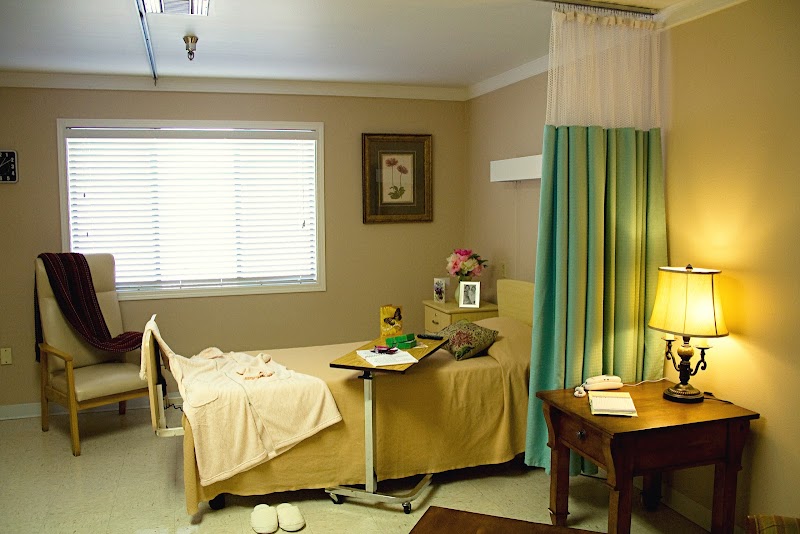
Who Owns and Operates Life Of Richland?

LIFE CARE CENTER OF RICHLAND is owned by a for-profit company. For-profit facilities operate as businesses with obligations to shareholders or private owners. The facility is operated by LIFE CARE CENTERS OF AMERICA, a chain that manages multiple nursing homes. With 104 certified beds and approximately 67 residents (about 64% occupancy), it is a mid-sized facility located in RICHLAND, Washington.
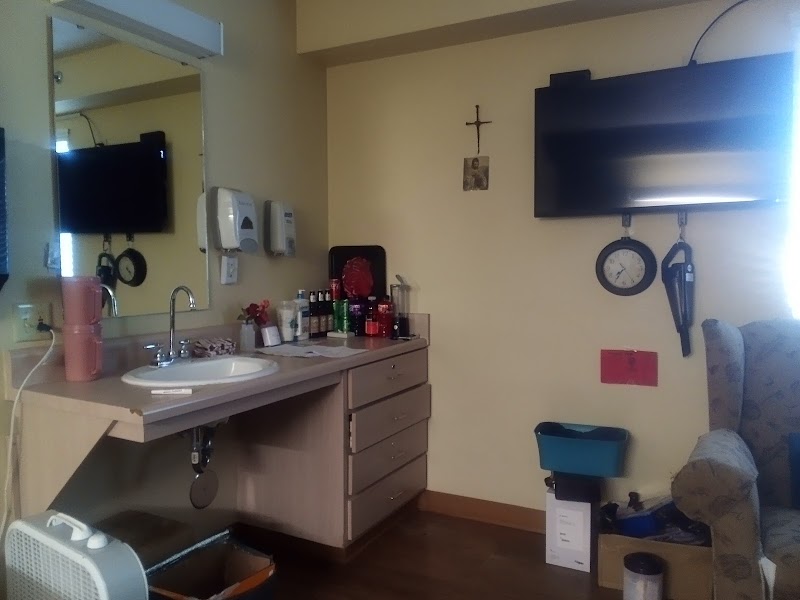
How Does Life Of Richland Compare to Other Washington Nursing Homes?

Compared to the 100 nursing homes in Washington, LIFE CARE CENTER OF RICHLAND's overall rating (2 stars) is below the state average of 3.2, staff turnover (59%) is significantly higher than the state average of 46%, and health inspection rating (2 stars) is below the national benchmark.

What Should Families Ask When Visiting Life Of Richland?

Based on this facility's data, families visiting should ask: "How do you ensure continuity of care given staff turnover, and what is your staff retention strategy?" "Can you walk me through typical staffing levels on day, evening, and night shifts?" "Can I visit during a mealtime to observe dining assistance and food quality?" "How do you handle medical emergencies, and what is your hospital transfer rate?" These questions are particularly relevant given the facility's high staff turnover rate and the below-average staffing rating.

Is Life Of Richland Safe?

Based on CMS inspection data, LIFE CARE CENTER OF RICHLAND has a clean safety record: no substantiated abuse findings (meaning no confirmed cases of resident harm), no Immediate Jeopardy citations (the most serious violation level indicating risk of serious injury or death), and is not on the Special Focus Facility watch list (a federal program monitoring the lowest-performing 1% of nursing homes). The facility has a 2-star overall rating and ranks #100 of 100 nursing homes in Washington. While no facility is perfect, families should still ask about staff-to-resident ratios and recent inspection results during their visit.

Do Nurses at Life Of Richland Stick Around?

Staff turnover at LIFE CARE CENTER OF RICHLAND is high. At 59%, the facility is 13 percentage points above the Washington average of 46%. Registered Nurse turnover is particularly concerning at 75%. RNs handle complex medical decisions and coordinate care — frequent RN changes can directly impact care quality. High turnover means new staff may not know residents' individual needs, medications, or preferences. It can also be disorienting for residents, especially those with dementia who rely on familiar faces. Families should ask: What is causing the turnover? What retention programs are in place? How do you ensure care continuity during staff transitions?

Was Life Of Richland Ever Fined?

LIFE CARE CENTER OF RICHLAND has been fined $115,310 across 2 penalty actions. This is 3.4x the Washington average of $34,232. Fines at this level are uncommon and typically indicate a pattern of serious deficiencies, repeated violations, or failure to correct problems promptly. CMS reserves penalties of this magnitude for facilities that pose significant, documented risk to resident health or safety. Families should request specific documentation of what issues led to these fines and what systemic changes have been implemented.

Is Life Of Richland on Any Federal Watch List?

LIFE CARE CENTER OF RICHLAND is not on any federal watch list. The most significant is the Special Focus Facility (SFF) program, which identifies the bottom 1% of nursing homes nationally based on persistent, serious quality problems. Not being on this list means the facility has avoided the pattern of deficiencies that triggers enhanced federal oversight. This is a positive indicator, though families should still review the facility's inspection history directly.