LIFE CARE CENTER OF KIRKLAND
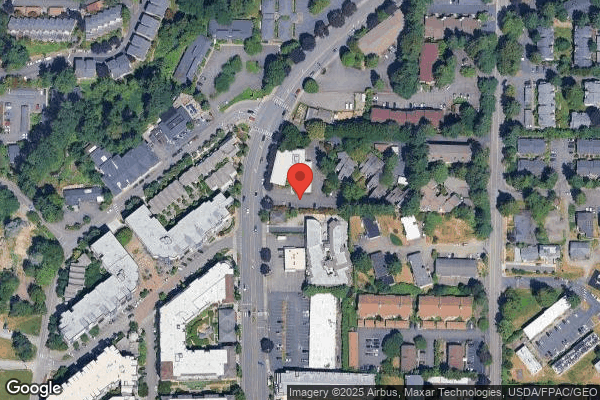
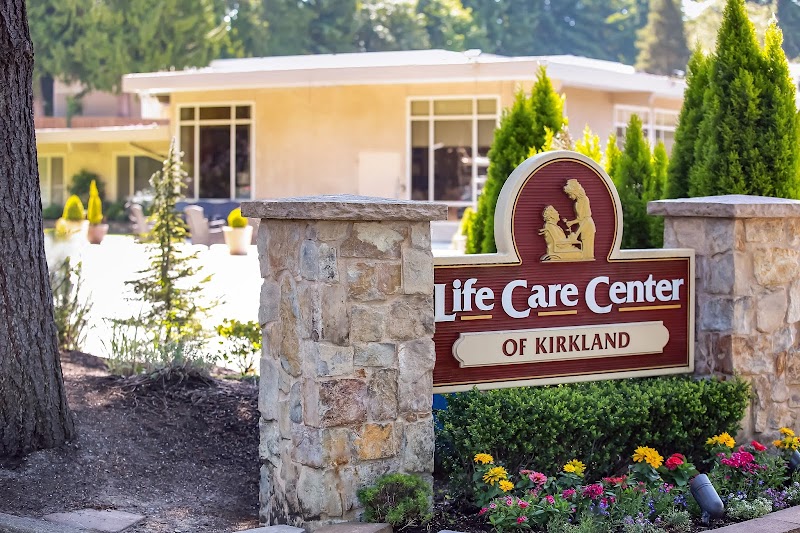
10101 NORTHEAST 120TH STREET, KIRKLAND, WA 98034 (425) 823-2323
For profit - Limited Liability company 190 Beds LIFE CARE CENTERS OF AMERICA Data: November 2025
Trust Grade
15/100
#143 of 190 in WA
Last Inspection: September 2024

Within standard 12-15 month inspection cycle. Federal law requires annual inspections.

Overview

The Life Care Center of Kirkland has received a Trust Grade of F, indicating significant concerns about the care provided, which is poor compared to other facilities. It ranks #143 out of 190 nursing homes in Washington, placing it in the bottom half, and #36 out of 46 in King County, meaning there are many better options nearby. While the facility shows an improving trend, going from 26 issues in 2024 to 7 in 2025, it still has serious problems, including three incidents of serious harm related to inadequate skin care for residents. Staffing is rated average with a turnover rate of 56%, but the facility benefits from better RN coverage than 86% of Washington facilities, which is a positive aspect. However, the facility has incurred fines totaling $103,155, which is concerning as it indicates ongoing compliance issues. Specific incidents have included a resident developing an unstageable pressure injury due to inadequate skin assessments and treatment, and another resident experiencing a serious infection due to delayed antibiotic treatment for pressure ulcers, highlighting the need for improved care practices.

Trust Score
F
15/100
In Washington
#143/190
Bottom 25%
Safety Record
High Risk
Review needed
Inspections
Getting Better
26 → 7 violations
Staff Stability
⚠ Watch
56% turnover. Above average. Higher turnover means staff may not know residents' routines.
Penalties
✓ Good
$103,155 in fines. Lower than most Washington facilities. Relatively clean record.
Skilled Nurses
✓ Good
Each resident gets 71 minutes of Registered Nurse (RN) attention daily — more than 97% of Washington nursing homes. RNs are the most trained staff who catch health problems before they become serious.
Violations
⚠ Watch
54 deficiencies on record. Higher than average. Multiple issues found across inspections.
★★☆☆☆
2.0
Overall Rating
★★★☆☆
3.0
Staff Levels
★★★★☆
4.0
Care Quality
★★☆☆☆
2.0
Inspection Score
Stable
2024: 26 issues
2025: 7 issues

The Good

  • 4-Star Quality Measures · Strong clinical quality outcomes
  • Full Sprinkler Coverage · Fire safety systems throughout facility
  • No fines on record

Facility shows strength in quality measures, fire safety.

The Bad

2-Star Overall Rating

Below Washington average (3.2)

Below average - review inspection findings carefully

Staff Turnover: 56%

10pts above Washington avg (46%)

Frequent staff changes - ask about care continuity

Federal Fines: $103,155

Well above median ($33,413)

Significant penalties indicating serious issues

Chain: LIFE CARE CENTERS OF AMERICA

Part of a multi-facility chain

Ask about local staffing decisions and management

Staff turnover is elevated (56%)

8 points above Washington average of 48%

The Ugly 54 deficiencies on record

3 actual harm
Aug 2025 3 deficiencies 1 Harm
SERIOUS (G) 📢 Someone Reported This

A family member, employee, or ombudsman was alarmed enough to file a formal complaint

Actual Harm - a resident was hurt due to facility failures

Pressure Ulcer Prevention (Tag F0686)

A resident was harmed · This affected 1 resident

**NOTE- TERMS IN BRACKETS HAVE BEEN EDITED TO PROTECT CONFIDENTIALITY** Based on observation, interview, and record review, the facility failed to accurately assess, provide timely treatment, and impl...

Read full inspector narrative →
**NOTE- TERMS IN BRACKETS HAVE BEEN EDITED TO PROTECT CONFIDENTIALITY** Based on observation, interview, and record review, the facility failed to accurately assess, provide timely treatment, and implement pressure relieving interventions to prevent worsening of skin condition for 1 of 3 residents (Resident 1), reviewed for pressure injury (localized damage to the skin and/or underlying tissue that occurs due to prolonged pressure on the skin). Resident 1, who was at an increased risk of skin breakdown, experienced harm when a wound on their sacrum (triangular-shaped bone in the lower back located between the hip bones) had not been identified on their admission skin assessment, developed into an avoidable unstageable pressure injury (obscured full-thickness skin and tissue loss) that worsened requiring debridement (surgical removal of dead or infected tissue from a wound to promote healing), was diagnosed as a Stage 3 pressure injury (full thickness loss of skin) requiring application of a Wound Vac [vacuum-machine to assist with wound healing). This failure placed the resident at risk for further skin breakdown, pain, infection, and a diminished quality of life. Findings included .Review of the National Pressure Injury Advisory Panel (NPIAP - leading expert in pressure injuries/wounds), dated February 2025, defined pressure injury stages as follows:-Stage 2 Pressure Injury is a partial thickness skin loss with exposed dermis (the top inner layers of skin) and may be present as an open ulcer with a red or pink wound bed or as an intact or ruptured blister. Adipose (fat) is not visible and deeper tissues are not visible. Granulation (newly formed) tissue, slough (dead tissue) and eschar (dried blood and tissue) are not present.-Stage 3 Pressure Injury is a full thickness loss of skin, in which adipose tissue is visible in the ulcer and granulation tissue and epibole (rolled or curled wound edges) are often present. Slough and/or eschar may be visible.-Stage 4 Pressure Injury is a full-thickness loss of skin and tissue with exposed or directly palpable fascia (layer of tissue covering the muscle), muscle, tendon (a cord or band of dense, tough, inelastic, white, fibrous tissue, serving to connect a muscle with a bone or part), ligament (a tough fibrous band of connective tissue that supports internal organs and holds bones together at the joints. It connects bones to other bones and helps hold organs in place), cartilage (a strong, flexible connective tissue that protects the joints and bones acting as a shock absorber throughout the body) or bone in the ulcer. Slough and/or eschar may be visible. Epibole, undermining and/or tunneling often occur. Depth varies by anatomical location.-Unstageable Pressure Injury is an obscured full-thickness skin and tissue loss. Full-thickness skin and tissue loss in which the extent of tissue damage within the ulcer cannot be confirmed because it is obscured by slough or eschar.Review of the facility's policy titled, Skin Integrity & Pressure Ulcer/Injury Prevention, last reviewed on 06/11/2025, showed that the facility staff was provided with procedures to manage skin integrity, prevent pressure ulcer/injury, complete wound assessment/documentation, and provide treatment and care of skin and wounds utilizing professional standards of the NPIAP and WONC (Wound, Ostomy [a surgical procedure creating an opening in the body for the discharge of body waste into a collection bag], Continent Nurses Society - the largest and most recognized professional nursing community dedicated to advancing the practice and delivery of expert healthcare to individuals with wound, ostomy, and continence care needs). A comprehensive skin inspection/assessment is completed on admission and readmission to the center.Review of a face sheet showed Resident 1 was admitted to the facility on [DATE] with diagnoses that included fracture (break in the bone) to left lower leg, morbid obesity (severe level of obesity that can lead to serious health issues), and moderate protein calorie malnutrition (when not enough protein and calories are consumed and/or metabolized, resulting in muscle loss).Review of Resident 1's admission Minimum Data Set (an assessment tool) dated 08/14/2025 showed Resident 1 had no pressure injury on their sacrum and was cognitively intact. The MDS showed Resident 1 required maximum assistance (helper lifts or holds trunk or limbs) with bed mobility and total assistance (resident does none of the effort to complete the activity) with toileting and transfers. It further showed that Resident 1 was always incontinent of bladder and bowel.Review of Resident 1's BRADEN scale (an assessment tool that measures risk for pressure injury) dated 08/06/2025 showed a score of 15, indicating mild risk for pressure ulcer/injury development. Review of a BRADEN scale dated 08/20/2025 showed Resident 1 scored 12, indicating high risk for pressure ulcer/injury development. Review of the most current BRADEN scale dated 08/27/2025 showed Resident 1 scored 13, indicating moderate risk for pressure ulcer/injury development.Review of Resident 1's Admission/readmission Collection Tool, dated 08/06/2025 showed bruises on their right lower leg and a surgical wound on their left leg related to left ankle fracture surgery. Review of the Weekly Skin Integrity Data Collection, dated 08/13/2025 showed bruises on their right lower leg and a surgical wound on their left leg related to left ankle fracture surgery. There was no documentation that Resident 1 had other skin concern [Moisture-Associated Skin Damage (MASD - inflammation and erosion of the skin caused by prolonged exposure to moisture and its contents, including urine, stool, perspiration and/or wound fluid] or pressure ulcer on their sacrum dated 08/06/2025 and 08/13/2025. Review of the Weekly Skin Integrity Data Collection, dated 08/15/2025 showed Resident 1 had an open wound on their sacrum measuring 5.0 centimeters (cm-unit of measurement) x 8.0 cm with red-pink wound bed and slough on the edges, nine days after admission. The document indicated that the wound was new.Review of the August 2025 Treatment Administration Record (TAR) showed an order dated 08/06/2025 to Assist [Resident 1] with repositioning 3-4 (three to four) times every shift to help prevent skin breakdown. Review of the TAR did not show Resident 1 was repositioned 3-4 times every shift, as it was signed once every shift. The TAR further showed a treatment for coccyx (tail bone)/perianal MASD, to clean it with soap and water, pat dry, and apply moisture barrier cream every shift. The TAR did not show documentation that the coccyx wound treatment was done from 08/06/2025 to 08/17/2025.Review of the facility's incident investigation dated 08/15/2025 showed a hospital note indicating that on 08/02/2025 [while Resident 1 was in the hospital, prior to admission to the facility on [DATE]], Resident 1 had an [unidentified] wound on their sacrum.Review of a progress notes dated 08/15/2025 showed a skin breakdown was found above Resident 1's sacrum/coccyx during incontinent care.Review of a Wound Observation Tool, dated 08/18/2025 showed Resident 1 had an acquired [a new wound was discovered while in the facility] unstageable pressure injury on their sacrum measuring 5.5 cm long, 4.5 cm wide and 0.1 cm deep. It further showed that the pressure injury had slough tissue present. Review of the Physician's Assistant-Certified (PA-C) wound care notes dated 08/19/2025 showed Resident 1 had an unstageable pressure injury on their sacrum measuring 9.5 cm x 6.0 cm x 0.0 cm with 76% to 100% slough before debridement, and 9.5 cm x 6.0 cm x 3.0 cm after this first debridement. The document further showed that due to Resident 1's habitus [body] area is difficult to assess and possibly that wound may have begun while hospitalized .Review of another PA-C wound care notes dated 08/26/2025 showed Resident 1 had an unstageable pressure injury on their sacrum measuring 9.0 cm x 5.0 cm x 3.6 cm with 51% to 75% granulation and 11% to 25% slough and was diagnosed as Stage 3 pressure injury after wound debridement measuring 9.0 cm x 5.0 cm x 3.8 cm with recommendation for wound treatment, and start Negative Pressure Wound Therapy (NPWT or wound vac- treatment that uses suction to promote healing in acute or chronic wounds) on 08/29/2025. Review of the Wound Observation Tool, dated 08/26/2025 showed Resident 1 had a [facility] acquired Stage 3 pressure injury on their sacrum measuring 9.5 cm x 5.0 cm x 3.6 cm. The document further showed that Resident 1 was to transition to Wound Vac on 08/29/2025.In an interview on 08/21/2025 at 9:03 AM, Resident 1 stated they needed staff assistance with repositioning in bed, cleaning, dressing, toileting, bathing, and with transfers in and out of bed using a Hoyer lift (mechanical lifting device). Resident 1 was observed lying in bed with head of bed elevated and had a cast on their left lower leg. Resident 1 stated that they were not aware they had a pressure injury when they were admitted to the facility. Resident 1 further stated that they were made aware they had a pressure injury at the end of last week or the start of this week.In an interview on 08/21/2025 at 9:14 AM, Collateral Contact 1 (CC1), stated that the facility reviewed Resident 1's basic care plan with them on admission. CC1 showed a copy of Resident 1's facility provided baseline care plan dated 08/06/2025, and it did not show a skin concern or pressure injury. CC1 stated that the document noted that Resident 1 was at risk for skin breakdown and that it did not mention a pressure injury. CC1 further stated, no one told me [they] had a wound.A joint observation and interview on 08/21/2025 at 9:47 AM with Staff C, Registered Nurse, and Staff D, Resident Care Manager, showed Resident 1 had a pressure injury on their sacrum. Staff C stated that Resident 1's unstageable sacral pressure wound measured 3.0 inches [7.62 cm] long by 2.5 inches [6.35 cm] wide by 1.0 inch [2.54 cm] deep, and that it was 50% granulation and less than 50% slough. While Staff D was cleaning Resident 1's pressure injury with a gauze, a red colored fluid oozed from the wound and Resident 1 shouted, ouch. Staff D stated, there is a little bit of blood coming out of the wound.In an interview on 08/28/2025 at 12:41 PM, Staff E, Certified Nursing Assistant, stated that they have been working with Resident 1 since they were admitted and that they did not have skin issues. Staff E stated that they found Resident 1 had a wound on their bottom when a piece of skin fell off from the sacral area while they were providing incontinent care on 08/15/2025 and that they reported it to the nurse. Staff E stated that Resident 1 required mostly total care of two staff with toileting, repositioning, and transfers to bed/chair using a Hoyer lift. Staff E further stated that Resident 1 was incontinent with bladder and bowel. A joint record review and interview on 08/28/2025 at 1:24 PM with Staff C, showed Resident 1's weekly skin check dated 08/13/2025 revealed Resident 1 did not have a pressure wound on their sacrum. Staff C stated that they conducted Resident 1's skin check on 08/13/2025 and they did not see a pressure injury at that time. Staff C stated they had worked with Resident 1 since they were admitted and that Resident 1 had developed a Stage 3 pressure wound on their sacrum. A joint record review of the August 2025 TAR showed that Resident 1's coccyx/perianal MASD treatment was not signed (blank - no documentation to show that the wound treatment was provided) from 08/06/2025 through 08/17/2025. Staff C stated, it looks like they [their treatment] were not done until 08/18/2025. A joint record review of the physician's order dated 08/06/2025 revealed Resident 1's coccyx/perianal MASD treatment was created on 08/18/2025. Staff C stated, it looks like the order was not entered until 08/18/2025 but for some reason they entered it as if it was started on 08/06/2025.A joint record review and interview on 08/29/2025 at 10:14 AM with Staff D, showed Resident 1's Admission/readmission Collection Tool dated 08/06/2025 did not indicate Resident 1 had [MASD] or pressure wound on their sacrum. Staff D stated that there was no documentation that Resident 1 had a [MASD or] pressure wound when they were admitted . A joint record review of the wound observation tool dated 08/26/2025 showed Resident 1 had a Stage 3 pressure injury. Staff D stated that Resident 1 was getting wound care for their pressure injury and would start having a wound vac.In an interview and joint record review on 08/29/2025 at 11:14 AM, Staff B, Director of Nursing, stated they expected staff to do a thorough and detailed skin check from head to toe on newly admitted residents, then weekly, and as needed. Staff B stated that the Admission/readmission Collection Tool dated 08/06/2025 had no documentation that Resident 1 had a sacral wound. Staff B stated that Resident 1's pressure injury was discovered on 08/15/2025, and they saw Resident 1's unstageable pressure injury on 08/18/2025, and it was full of slough. Staff B stated that Resident 1's sacral pressure injury was debrided on 08/26/2025 and was staged then as Stage 3 pressure after debridement and that Resident 1 would be getting a wound vac. A joint record review of Resident 1's August 2025 TAR showed the coccyx/perianal MASD treatment were not signed from 08/06/2025 through 08/17/2025. Staff B stated, it looks like it was not done until 08/18/2025. Staff B stated, the order was created on 08/18/2025 with a start date of 08/06/2025 because that was the date [Resident 1] was admitted to the facility. Staff B stated that Resident 1's wound was missed on admission. Staff B stated that if the wound had been identified on admission, wound care and services would have been started at that time. Staff B stated that when they investigated Resident 1's wound incident, they found out that Resident 1's hospital records noted that Resident 1 had wound on their sacral area dated 08/02/2025. When asked if the hospital records mentioned the type of wound and wound size for Resident 1, Staff B stated, no, it did not mention any of that, only that there was a wound on the sacrum. Staff B further stated that Resident 1‘s sacral wound was missed and/or not identified on their admission skin assessment.Reference: (WAC) 388-97-1060(3)(b).
CONCERN (D) 📢 Someone Reported This

A family member, employee, or ombudsman was alarmed enough to file a formal complaint

Potential for Harm - no one hurt, but risky conditions existed

Investigate Abuse (Tag F0610)

Could have caused harm · This affected 1 resident

Based on interview and record review, the facility failed to conduct a thorough investigation for 1 of 3 residents (Resident 3), reviewed for abuse investigations. This failure placed the resident at ...

Read full inspector narrative →
Based on interview and record review, the facility failed to conduct a thorough investigation for 1 of 3 residents (Resident 3), reviewed for abuse investigations. This failure placed the resident at risk for repeated incidents, unidentified abuse, and inappropriate corrective actions.Findings included.Review of the Nursing Home Guidelines, The Purple Book, Sixth Edition, dated October 2015, showed, All alleged incidents of abuse, neglect.and/or financial exploitation, or misappropriation of resident property must be thoroughly investigated. It further showed, A thorough investigation is a systematic collection and review of evidence/information that describes and explains an event or a series of events. It seeks to determine if abuse, neglect, abandonment personal and/or financial exploitation or misappropriation of resident property occurred, and how to prevent further occurrences.Review of the facility's policy titled, Abuse-Protection of Residents, reviewed on 05/07/2025, showed, Have evidence that all alleged violations are thoroughly investigated.Review of the quarterly Minimum Data Set (an assessment tool) dated 08/15/2025, showed Resident 3's cognition was moderately impaired.Review of the facility's investigation report dated 07/31/2025 showed Collateral Contact 1 (CC1) reported that the thousand dollars ($1000) they brought in three months ago was missing from Resident 3's wallet. The investigation report showed that CC1 alleged that today [07/31/2025] is the first day that they and Resident 3 had looked in Resident 3's wallet since the money was placed three months ago. Review of the investigation report showed: Immediate Action Taken:-Investigation initiated-Police called-Room was searched for possible misplacement of the money-Belonging list was reviewed with no mention of money-Reported to State Agency.Further review of the investigation report showed that interviews with other residents and staff members were not conducted.In an interview on 08/28/2025 at 12:33 PM, Staff J, Certified Nursing Assistant, stated that they had been assigned to Resident 3 and were not aware of Resident 3's alleged missing money. Staff J stated that they were not interviewed about Resident 3's report of missing money.In an interview on 08/28/2025 at 1:17 PM, Staff K, Registered Nurse (RN), stated that they were assigned to Resident 3 on 07/31/2025 and did not receive a report about Resident 3's alleged missing money. Staff K stated that they were not interviewed about Resident 3's report of missing money.In an interview on 08/28/2025 at 1:22 PM, Staff L, RN, stated that they had been assigned to Resident 3 and did not receive or heard a report about Resident 3's alleged missing money and that they were not interviewed about it.In an interview and joint record review on 08/29/2025 at 10:16 AM, Staff I, Assistant Director of Nursing, stated that they reported and investigated Resident 3's allegation of missing money and that they followed the Purple Book in their investigation process. Staff I stated that they would interview staff members and other residents as part of their investigation process. A joint record review of the investigation report dated 07/31/2025 did not show documentation that other residents and staff were interviewed. Staff I stated that they did not conduct interview of staff and other residents about Resident 3's allegation of missing money.In an interview on 08/29/2025 at 11:01 AM, Staff B, Director of Nursing, stated that they reviewed Resident 3's investigation report and did not see documentation that other residents and staff were interviewed. Staff B stated, I checked [Staff I]'s paper, and I did not see staff interviews or [other] residents' interviews. When asked if the investigation was completed thoroughly Staff B stated, I expected that the investigation should have been thoroughly done and that would include interviews with staff and residents. No, it was not [thoroughly investigated].Reference: (WAC) 388-97-0640 (6)(a).
CONCERN (D) 📢 Someone Reported This

A family member, employee, or ombudsman was alarmed enough to file a formal complaint

Potential for Harm - no one hurt, but risky conditions existed

Infection Control (Tag F0880)

Could have caused harm · This affected 1 resident

Based on observation, interview, and record review, the facility failed to ensure hand hygiene practices and/or proper use of personal protective equipment (PPE-glove/gown use) were followed for 2 of ...

Read full inspector narrative →
Based on observation, interview, and record review, the facility failed to ensure hand hygiene practices and/or proper use of personal protective equipment (PPE-glove/gown use) were followed for 2 of 3 residents (Residents 1 & 2), reviewed for infection control. These failures placed the residents, visitors, and staff at an increased risk for infection and related complications.Findings included .Review of the facility's policy titled, Enhanced Barrier Precautions [EBP-precaution to protect residents from multidrug-resistant organism [MDRO - a germ that is resistant to medications that treat infections]), revised on 08/19/2025, showed that the facility would use EBP for MDRO mitigation as a strategy for residents during high contact care activities that included wounds even if the resident was not known to be infected or colonized with a MDRO. It also showed that EBP would be done for chronic wounds such as pressure ulcers (injury to skin and underlying tissue resulting from prolonged pressure), diabetic foot ulcers (skin injury with full thickness skin loss on the foot in patients with diabetes [high levels of sugar in the blood]), unhealed surgical wounds, and venous stasis ulcers (skin injury on lower legs due to poor blood circulation). The policy further showed that EBP required the use of gowns and gloves during high-contact resident care activities.Review of the facility's policy titled, Hand Hygiene, reviewed on 07/07/2025, showed that staff would perform hand hygiene even if gloves were used before and after contact with the resident, after contact with blood, body fluids, or visibly contaminated surfaces.Review of the undated signage/posting titled, Enhanced Barrier Precautions, showed it instructed staff to wear gown and gloves for high-contact resident care activities that included wound care with any skin opening requiring a dressing.GLOVE USE AND HAND HYGIENERESIDENT 1Review of the wound care notes dated 08/19/2025 showed Resident 1 had an unstageable pressure injury (obscured full-thickness skin and tissue loss in which the extent of tissue damage within the pressure injury that cannot be confirmed because it is obscured by slough [soft yellow or white dead tissue] or eschar [hardened, dry, black or brown dead tissue]) on their sacrum (triangular-shaped bone in the lower back located between the hip bones).During an observation and interview on 08/21/2025 at 9:46 AM, Staff C, Registered Nurse, and Staff D, Resident Care Manager (RCM), showed they provided wound care to Resident 1. Staff D had gloves on and touched Resident 1's soiled disposable brief and proceeded to clean Resident 1's sacral (or sacrum) wound with gauze soaked with normal saline (sterile solution composed of water and sodium [salt]). With the same soiled gloves Staff D touched Resident 1's soiled brief, continued to clean Resident 1's pressure injury wound with a gauze, and a red colored fluid oozed from the wound. Staff D stated, there is a little bit of blood coming out of the wound. Staff D was observed holding the resident's hip while Staff C measured Resident 1's sacral pressure injury. Staff D covered Resident 1's pressure injury with a clean silicone dressing to cover the wound. Staff C and Staff D removed Resident 1's soiled brief, replaced it with a clean brief, repositioned Resident 1 in their bed, and covered Resident 1 with their blanket. Staff D touched and moved Resident 1's bedside table closer to them. Staff C touched and handed their bed control and their call light to Resident 1. Staff D removed their soiled gloves and adjusted Resident 1's pillow without doing hand hygiene. When asked about when to change their soiled gloves, Staff C and Staff D stated that they did not touch Resident 1's wound directly when they provided wound care and/or when measuring Resident 1's pressure wound. Staff D further stated they forgot to use the gel [hand sanitizer] after they removed their gloves before adjusting Resident 1's pillow.In an interview on 08/29/2025 at 11:15 AM, Staff B, Director of Nursing, stated they expected staff to follow infection control policies and to do hand hygiene before putting on clean gloves, between glove use, when doing wound care between tasks from dirty to clean. Staff B stated that Staff C and Staff D should have done hand hygiene and changed their gloves between tasks when providing wound care to Resident 1. Staff B further stated that Staff C and Staff D should not have touched Resident 1's environment with their soiled gloves.USE OF GOWNRESIDENT 2Observation on 08/20/2025 at 4:42 PM showed an EBP signage outside Resident 2's room that instructed staff to wear gown and gloves for high-contact resident care activities that included wound care.During an observation and interview on 08/21/2025 at 10:31 AM with Staff G, Licensed Practical Nurse, showed Staff G provided wound care to Resident 2's left lower leg without wearing a gown. A joint record review of the EBP signage outside Resident 2's room showed that staff were required to wear gown and gloves for high-contact care activities that included wound care. Staff G stated, I should have worn a gown prior to the dressing change [wound care].In an interview on 08/29/2025 at 10:09 AM, Staff H, RCM, stated that EBP was done for residents with wounds and that staff were expected to wear gown and gloves. Staff H further stated that Staff G should have worn a gown when they provided wound care to Resident 2.In an interview on 08/29/2025 at 11:21 AM, Staff B stated that staff were expected to wear gown and gloves for residents on EBP. Staff B further stated that Staff G should have worn a gown when they provided wound care to Resident 2.Reference: (WAC) 388-97-1320(1)(a)(c).
May 2025 1 deficiency
CONCERN (E) 📢 Someone Reported This

A family member, employee, or ombudsman was alarmed enough to file a formal complaint

Potential for Harm - no one hurt, but risky conditions existed

Deficiency F0655 (Tag F0655)

Could have caused harm · This affected multiple residents

**NOTE- TERMS IN BRACKETS HAVE BEEN EDITED TO PROTECT CONFIDENTIALITY** Based on interview and record review, the facility failed to provide a written summary of the baseline care plan to the resident...

Read full inspector narrative →
**NOTE- TERMS IN BRACKETS HAVE BEEN EDITED TO PROTECT CONFIDENTIALITY** Based on interview and record review, the facility failed to provide a written summary of the baseline care plan to the residents and/or their representatives for 4 of 4 residents (Residents 1, 2, 3 & 4), reviewed for baseline care plan. This failure placed the residents at risk for unmet care needs, and a diminished quality of life. Findings included . Review of the facility's policy titled, Baseline Care Plan, reviewed on 09/05/2024, showed staff would 4. Review the baseline care plan and physician orders with the resident and/or representative. 5. Provide the resident[s]and/or representative with copies of the baseline care plan and physician orders. 6. Have all care plan conference attendees sign the last page of the Baseline Care Plan form. RESIDENT 1 In a phone interview on 04/24/2025 at 9:51 AM, Collateral Contact 1 (CC1), stated they did not recall receiving a written summary of Resident 1's baseline care plan. Review of Resident 1's assessment titled, Baseline Care Plan 2, dated 03/10/2025, did not show that Resident 1 or their representative received a written summary of their baseline care plan. Review of Resident 1's nursing progress notes did not show that Resident 1 or their representative received a written summary of their baseline care plan. RESIDENT 2 Resident 2 was admitted to the facility on [DATE]. On 04/24/2025 at 1:48 PM, Resident 2 stated that they did not remember if they received a written summary of their baseline care plan. Review of Resident 2's assessment titled, Baseline Care Plan 2, dated 03/04/2025, did not show that Resident 2 or their representative received a written summary of their baseline care plan. Review of Resident 2's nursing progress notes did not show that Resident 2 or their representative received a written summary of their baseline care plan. RESIDENT 3 Resident 3 admitted to the facility on [DATE]. Review of Resident 3's assessment titled, Baseline Care Plan 2, dated 04/09/2025, did not show that Resident 3 or their representative received a written summary of their baseline care plan. Review of Resident 3's nursing progress notes did not show that Resident 3 or their representative received a written summary of their baseline care plan. RESIDENT 4 Review of Resident 4's assessment titled, Baseline Care Plan 2, dated 03/21/2025, did not show that Resident 4 or their representative received a written summary of their baseline care plan. Review of Resident 4's nursing progress notes did not show that Resident 4 or their representative received a written summary of their baseline care plan. On 05/09/2025 at 12:29 PM, Staff C, Assistant Director of Nursing, stated they would expect a resident and/or their representative to receive a written summary of their baseline care plan. Staff C stated that they could not find documentation that Resident 1, 2, 3, and 4 and/or their representatives had received a written summary of their baseline care plan. Staff C stated that they would have expected the baseline care plan to be signed and uploaded into their Electronic Health Record (EHR) and that there would be a progress note. Staff C further stated the baseline care plan was important because it let the staff know how to take care of the residents and what their needs were and included the resident and/or representative input. On 05/09/2025 at 1:02 PM, Staff B, Director of Nursing, stated that they would expect there to be documentation that a written summary of the baseline care plan was provided to the resident or representative. On 05/09/2025 at 1:42 PM, Staff A, Interim Executive Director, stated that they had Resident 1, 2, 3, and 4's baseline care plan completed and that it was not signed by the resident and/or representative. On 05/09/2025 at 1:48 PM, Staff D, Social Services Director, stated their expectation was to discuss the baseline care plan with the resident and/or representative during the resident's initial care conference and that they would be provided with a written summary of the baseline care plan. Staff D stated that it would be uploaded into the resident's EHR with the resident and/or representative's signature on the signature page and documented in a progress note. Staff D stated that there was no documentation that Resident 1, 2, 3, and 4 had been provided with a written summary of their baseline care plan. Staff D further stated a baseline care plan was important to provide for the residents or representatives because it informed them of the services that would be provided at the facility. Reference: (WAC) 388-97-1020(3) .
Apr 2025 2 deficiencies
CONCERN (D) 📢 Someone Reported This

A family member, employee, or ombudsman was alarmed enough to file a formal complaint

Potential for Harm - no one hurt, but risky conditions existed

ADL Care (Tag F0677)

Could have caused harm · This affected 1 resident

**NOTE- TERMS IN BRACKETS HAVE BEEN EDITED TO PROTECT CONFIDENTIALITY** Based on interview and record review, the facility failed to provide necessary assistance with Activities of Daily Living (ADL) ...

Read full inspector narrative →
**NOTE- TERMS IN BRACKETS HAVE BEEN EDITED TO PROTECT CONFIDENTIALITY** Based on interview and record review, the facility failed to provide necessary assistance with Activities of Daily Living (ADL) for 1 of 4 residents (Resident 1), reviewed for ADLs. The failure to provide the resident who was dependent on staff for assistance with toileting placed the resident at risk for unmet care needs and a diminished quality of life. Findings included . Review of the facility's policy titled, ADL, reviewed on 09/10/2024, showed, The resident will receive assistance as needed to complete activities of daily living (ADLs). Review of the face sheet printed on 04/08/2025, showed that Resident 1 admitted to the facility on [DATE] with diagnoses that included dementia (loss of memory, language, problem-solving and other thinking abilities that are severe enough to interfere with daily life), muscle weakness, and need for assistance with personal care. Review of the 5-day Minimum Data Set (an assessment tool) dated 03/14/2025, showed Resident 1 was frequently incontinent of urine, dependent on toileting hygiene and toilet transfer. Review of Resident 1's urinary incontinence care plan initiated on 03/10/2025, showed an intervention to assist with toileting as needed. Review of the investigation report dated 03/14/2025 showed that Resident 1's representative stated that since Resident 1 admitted to the facility there was one time that Resident 1 had been changed once in an eight hour period and that urine had soaked through their briefs. Review of the Task: ADL- Toilet use dated 03/10/2025 through 03/16/2025, showed ACTIVITY DID NOT OCCUR or family and/or non-facility staff provided care 100% [percent] of the time for that activity was documented for the following dates: 03/10/2025-Evening shift. 03/11/2025-Evening shift. 03/12/2025-Night and Evening shift. 03/14/2025-Night shift. 03/16/2025-Day shift. Further review showed no documentations that toileting assistance was provided on 03/13/2025 (Day shift) and 03/15/2025 (Night and Evening shift). In an interview on 04/08/2025 at 11:19 AM, Staff I, Certified Nursing Assistant (CNA), stated that each time they checked on the residents, they would provide and offer toileting assistance each time they went to their rooms two hours max. In a follow-up interview at 12:21 PM, Staff I stated that Resident 1 needed two person extensive assist and would document it in their electric charting system. When asked when they would document activity did not occur when charting toileting assistance, Staff I stated when assistance was not provided and if the resident did not use the bathroom. In an interview and joint record review on 04/08/2025 at 1:36 PM, Staff J, Unit Care Coordinator, stated that they expected CNAs to follow what was in the residents' care plan. Staff J stated that residents were provided toileting assistance every two to three hours or when they would call for help and that it would be documented in their electric charting system at least once a shift. When asked what it meant when a CNA documented activity did not occur, Staff J stated, Maybe it didn't happen. Joint record review of Resident 1's urinary incontinence care plan showed an intervention to assist with toileting as needed. In a joint record review of the Task: ADL- Toilet use dated 03/10/2025 through 03/16/2025, showed that activity did not occur was documented on 03/10/2025, 03/11/2025, 03/12/2025, 03/14/2025 and 03/16/2025. Further review showed no documentation that toileting assistance was provided on 03/13/2025 (day shift) and 03/15/2025 (night and evening shift). Staff J stated that they expected the CNAs to provide toileting assistance and to document at least every shift or every occurrence when assistance was provided. In an interview and joint record review on 04/08/2025 at 2:49 PM, Staff B, Director of Nursing, stated that residents should be offered toileting assistance at least every two hours and as needed. Staff B stated that they expected staff to document assistance provided before they leave for the day and expected them to document in real time if they could. If they cannot, they expect staff to document at least every shift. When asked what it meant when staff documented activity did not occur, Staff B stated, It didn't happen. Joint record review of the Task: ADL- Toilet use dated 03/10/2025 through 03/16/2025, showed that activity did not occur was documented on 03/10/2025, 03/11/2025, 03/12/2025, 03/14/2025 and 03/16/2025. Further review showed no documentation that toileting assistance was provided on 03/13/2025 (day shift) and 03/15/2025 (night and evening shift). Staff B stated they expected the CNA to go to the Unit Care Coordinator and let them know that the resident did not urinate and expected the Unit Care Coordinator to follow up. If the resident's representatives were in the room, they expected the staff to ask the resident's representative if they assisted the resident to the bathroom and notify the Unit Care Coordinator to document it. Staff B stated that they expected the CNAs to go to Resident 1's room and ask if they needed toileting assistance even when Resident 1's representatives were in the room. Staff B further that stated they expected the CNA to offer toileting assistance at least every two hours and expected them to document it. Reference: (WAC) 388-97-1060 (1)(3)(c) .
CONCERN (E) 📢 Someone Reported This

A family member, employee, or ombudsman was alarmed enough to file a formal complaint

Potential for Harm - no one hurt, but risky conditions existed

Infection Control (Tag F0880)

Could have caused harm · This affected multiple residents

Based on observation, interview, and record review, the facility failed to ensure staff used N95 masks (a device designed to protect the wearer against particles and help prevent the spread of germs) ...

Read full inspector narrative →
Based on observation, interview, and record review, the facility failed to ensure staff used N95 masks (a device designed to protect the wearer against particles and help prevent the spread of germs) correctly for 4 of 4 staff (Staff G, F, E & H), and were fit-tested (a test protocol conducted to verify that a respirator provides the wearer with the expected protection) timely for 2 of 4 staff (Staff F & G), reviewed for infection control. In addition, the facility failed to ensure Enhanced Barrier Precautions (EBP- precaution to protect residents from Multidrug-Resistant Organism (a germ that is resistant to medications that treat infections) practices were followed for 1 of 3 residents (Resident 2), reviewed for infection control. These failures placed the residents, staff, and visitors at risk for facility acquired or healthcare-associated infections and related complications. Findings included . Review of the Centers for Disease Control and Prevention online document titled, How to Use Your N95 Respirator, dated 05/16/2023, showed, Always inspect the N95 respirator for damage before use. If it appears damaged, dirty, or damp, do not use it. It further showed, Pull the top strap over your head, placing it near the crown. Then, pull the bottom strap over and place it at the back of your neck, below your ears. Do not crisscross the straps. Make sure the straps lay flaps and are not twisted. Review of the facility's policy titled, Area of Focus: Fit testing, reviewed on 11/20/2024, showed, Fit testing confirms the correct fit of any respirator that forms a tight seal on the user's face. This ensures that users are receiving the expected level of protection by minimizing contaminant leakage into the facepiece. It further showed, fit testing must be performed initially (before the employee is required to wear the respirator in the workplace) and must be repeated at least annually. Review of the facility's policy titled, Enhanced Barrier Precautions, reviewed on 06/03/2024, showed, The facility should develop a process to communicate which residents require the use of EBP for all high-contact resident care activities. The facility may choose to post signage on the door or wall outside of the resident room indicating the resident is on Enhanced Barrier Precautions. Examples of high-contact resident care activities requiring gown and glove use include .transferring. N95 MASK USE STAFF G Observation on 04/07/2025 at 2:38 PM, showed Staff G, Agency Occupational Therapist, wearing an N95 mask in the therapy gym working with Resident 3. Staff G had both straps of their N95 mask below their ears. In another observation at 3:08 PM, Staff G continued to have both straps of their N95 mask below their ears. In an interview and observation on 04/07/2025 at 3:19 PM, Staff G stated that they were not fit-tested for an N95 mask at the facility and that they were fit-tested at a previous facility. Observation showed that Staff G had both of their N95 straps below their ears. When asked if they were using their N95 mask properly, Staff G stated that they sometimes place one strap over their head and one strap below their head. When asked if the facility trained them on how to properly apply an N95 mask, Staff G stated, we haven't had training for them. STAFF F AND STAFF E Observation on 04/07/2025 at 11:39 AM, showed Staff F, Physical Therapy Intern, walking down the hallway with the top and bottom straps of their N95 mask above their head with the straps twisted. At 2:57 PM, Staff F and Staff E, Occupational Therapist, were in the therapy gym working with Resident 4. Staff F continued to have the top and bottom straps of their N95 straps above their head. Staff E had the top strap of their N95 mask above their head and with no bottom strap. In an interview on 04/07/2025 at 3:25 PM, Staff F stated that they were not fit-tested for an N95 mask. They were told that they needed to wear an N95 mask and that they wore the N95 mask that was available in the Personal Protective Equipment (PPE - equipment used to prevent or minimize exposure to hazards) cart. Staff F stated, I was never given instructions on how to wear it and that they just placed the straps over their head. In an interview on 04/07/2025 at 3:28 PM, Staff E stated that when applying an N95 mask they would place the top strap over the top of their head and the bottom strap below their head. When asked why they had one strap when they were using their N95 mask, Staff E stated that the bottom strap of their N95 mask broke and that they forgot about it. STAFF H Observation on 04/07/2025 at 10:29 AM and at 3:45 PM, showed Staff H, Central Supply, walking down the hallway using an N95 mask with the top strap on top of their hair bun and the bottom strap at the back of their neck, below their ear. In an interview on 04/07/2025 at 3:57 PM, Staff H stated that they were trained to place the top strap of their N95 mask on the top of their head and the bottom strap on the bottom of their head. When asked why the top strap of their N95 mask was on top of their hair bun, Staff H stated that it was the tightest fit when they placed it on top of their hair bun and that if it was not placed there, it would get loose. N95 FIT TESTING FOR STAFF F AND STAFF G In an interview on 04/08/2025 at 1:30 PM, Staff A, Interim Executive Director, stated that the fit testing for Staff F and Staff G was missed and that they did not have fit testing completed. In an interview on 04/08/2025 at 2:22 PM, Staff C, Infection Preventionist, stated that they had a recent COVID-19 (contagious respiratory disease) outbreak and that 35 residents and seven staff tested positive. Staff C stated that staff fit-tested for an N95 mask upon hire and annually. When asked if they would require agency contracts and interns to get fit-tested prior to using an N95 mask, Staff C stated, Yes, if they are going to work with residents, which most of them do. Staff C stated that the proper way to use an N95 mask was to have the top strap above the ear on top of the head and the lower strap should be secured at the base of the upper neck below the ears. Staff C stated that they expected staff to wear their N95 mask properly, staff to get fit-tested and trained prior to using an N95 mask. Staff C further stated that Staff F and Staff G should have been fit-tested for N95. In an interview on 04/08/2025 at 3:25 PM, Staff A stated that they expected all staff to be fit-tested for an N95 mask prior to use and expected staff to wear N95 masks properly. EBP PRECAUTION Review of Resident 2's April 2025 Medication Administration Record (MAR) showed an order for EBP related to Peripherally Inserted Central Catheter (PICC - a long flexible tube inserted through a vein in your arm used to deliver medications and other treatments) during care with a start date of 03/24/2025. In an observation on 04/07/2025 at 11:41 AM, it showed no EBP signage and PPE cart by Resident 2's room. In an observation on 04/07/2025 at 11:55 AM, Staff D, Certified Nursing Assistant, assisted Resident 2 to pivot transfer from their wheelchair to their bed without wearing a gown and gloves. Staff D's clothing touched Resident 2's gown during the transfer. Staff C then touched and repositioned Resident 2's wound vacuum-assisted closure (a treatment that applies gentle suction to a wound to help it heal) tubing with their bare hands. In an interview on 04/07/2025 at 12:19 PM, Staff D stated that they would wear a gown and gloves when assisting residents during high contact care activities for residents on EBP. When asked if Resident 2 was on EBP, Staff D stated, I remember when I was working with him before, he wasn't on EBP and that I might have missed it. Staff D further stated that they did not wear PPE when caring for Resident 2 and that Staff J, Unit Care Coordinator, reminded them to wear PPE just now. Staff D further stated that they should have used PPE when they assisted Resident 2 to transfer to bed. In an interview and joint record review on 04/08/2025 at 1:58 PM, Staff J stated that their process for EBP was that an EBP signage and PPE cart would be placed outside the residents' room and that staff were supposed to follow the signage for high contact care activities like transfers. Staff J stated that staff were to wear a gown and gloves during high contact care activities. Joint record review of Resident 2's April 2025 MAR showed an order for EBP with a start date of 03/24/2025. Staff J stated that Resident 2 was on EBP for their PICC line and wounds. Staff J further stated that they expected Staff D to have used gown and gloves when providing high contact care to Resident 2. In an interview and joint record review on 04/08/2025 at 2:39 PM, Staff C stated that residents who admitted to the facility with invasive lines like a PICC or chronic wounds would have an EBP signage and PPE cart next to their room and that nursing staff had to use gown and gloves during high contact care. A joint record review of Resident 2's April 2025 MAR showed an order for EBP. Staff C stated that Staff D should have used a gown and gloves when transferring residents because that was a high-contact care activity. In an interview on 04/08/2025 at 2:49 PM, Staff B, Director of Nursing, stated that there should have been an EBP signage outside Resident 2's room and expected Staff D to have used gown and gloves when they assisted Resident 2 with transfers. Reference: (WAC) 388-97-1320 (1)(a) .
Mar 2025 1 deficiency
CONCERN (D) 📢 Someone Reported This

A family member, employee, or ombudsman was alarmed enough to file a formal complaint

Potential for Harm - no one hurt, but risky conditions existed

Deficiency F0660 (Tag F0660)

Could have caused harm · This affected 1 resident

**NOTE- TERMS IN BRACKETS HAVE BEEN EDITED TO PROTECT CONFIDENTIALITY** Based on interview and record review, the facility failed to ensure a resident centered discharge plan was in place for 1 of 5 r...

Read full inspector narrative →
**NOTE- TERMS IN BRACKETS HAVE BEEN EDITED TO PROTECT CONFIDENTIALITY** Based on interview and record review, the facility failed to ensure a resident centered discharge plan was in place for 1 of 5 residents (Resident 1), reviewed for discharge planning. The failure to begin the discharge planning process at admission placed the resident at risk for unmet care needs and a diminished quality of life. Findings included . Review of the facility's policy titled, Discharge Plan, reviewed on 09/05/2024, showed that the discharge planning process included to identify the patient's needs and goals regarding discharge upon or as soon as practicable after admission. It showed that Social Services or Care management associates will complete the initial discharge plan evaluation form within 48 hours of admission. It further showed that The Discharge Plan .originates on the baseline care plan and will be included on the patient's [resident's] comprehensive care plan, once developed. Resident 1 admitted to the facility on [DATE]. Review of Resident 1's baseline care plan, dated 02/08/2025, showed the box for Discharge Plan was not marked. Review of the facility's document titled, Initial Discharge Planning Evaluation, dated 02/07/2025, showed that it had not been filled out and was blank. In an interview on 03/05/2025 at 2:37 PM, Staff C, Licensed Practical Nurse (LPN)/Unit Care Coordinator, stated that the discharge process was started on admission. In an interview on 03/05/2025 at 2:50 PM, Staff D, Social Services, stated that the discharge process started right when a resident gets here. In an interview and joint record review on 03/17/2025 at 11:07 AM, Staff D stated that when Resident 1 admitted to the facility I didn't fill out the initial discharge planning evaluation. Joint record review of the Initial Discharge Planning Evaluation, dated 02/07/2025, showed that it had not been filled out. Staff D stated, it was opened and not filled out and I wasn't able to get to it, it should have been filled out. In an interview on 03/17/2025 at 1:51 PM, Staff E, LPN/Unit Care Coordinator, stated that once a resident was admitted [to the facility] the discharge process gets started. In an interview on 03/17/2025 at 2:48 PM, Staff B, Assistant Director of Nursing, stated that discharge planning started on the day of admission. Staff B further stated that they expected there to be a discharge plan for all residents. In an interview on 03/17/2025 at 3:24 PM, Staff A, Interim Executive Director, stated that Social Services and nursing were responsible for the discharge process and that they expected it to be started for residents at admission. Reference: (WAC) 388-97-0080 (2)(a)(d)(e)(i)(ii) .
Nov 2024 2 deficiencies
CONCERN (D) 📢 Someone Reported This

A family member, employee, or ombudsman was alarmed enough to file a formal complaint

Potential for Harm - no one hurt, but risky conditions existed

Report Alleged Abuse (Tag F0609)

Could have caused harm · This affected 1 resident

**NOTE- TERMS IN BRACKETS HAVE BEEN EDITED TO PROTECT CONFIDENTIALITY** Based on interview and record review, the facility failed to ensure timely reporting of an allegation of neglect to the State Ag...

Read full inspector narrative →
**NOTE- TERMS IN BRACKETS HAVE BEEN EDITED TO PROTECT CONFIDENTIALITY** Based on interview and record review, the facility failed to ensure timely reporting of an allegation of neglect to the State Agency for 1 of 3 resident (Resident 1), reviewed for abuse/neglect reporting. This failure placed the resident at risk for potential unidentified and ongoing abuse/neglect and lack of protection from abuse/neglect. Findings included . Review of the facility's policy titled, Abuse- Reporting and Response- No Crime Suspected, reviewed on 06/17/2024, showed an individual (e.g., a resident, visitor, facility associate) who reports an alleged violation to facility staff does not have to explicitly characterize the situation as abuse or neglect to trigger the facility to investigate. The policy further showed alleged violations of neglect that do not result in serious bodily injury, must be reported by the facility no later than 24 hours. Review of Resident 1's admission Minimum Data Set (an assessment tool) dated 10/15/2024, showed Resident 1 admitted to the facility on [DATE] with intact cognition. Review of the facility's October 2024 Reporting Log showed an allegation of neglect was logged on 10/20/2024, with a date and time of incident on 10/15/2024 at 1616 (4:16 PM). Review of Resident 1's investigation showed that on 10/12/2024 during day shift, the facility staff including the resident's nurse were notified of an allegation that the resident was not changed for a long period of time. The investigation further showed that Resident 1 stated that staff came in at 8:30 AM to change them, and did not come back until 2:30 PM, and that they felt neglected when the incident had occurred. On 10/23/204 at 1:30 PM, Resident 1 stated that they could not remember how it got that bad, and that nobody came in their room. Resident 1 stated that CC1 came in to see how they were doing and found them that way. Resident 1 stated that they were not used to wearing briefs. Resident 1 stated that it was dripping on the floor when [CC1] came in. Resident 1 further stated that they typically use their call light but sometimes the staff forget to give them the call button. On 10/23/2024 at 3:46 PM, Collateral Contact (CC1), stated that they came into the facility on [DATE] to visit Resident 1 around 2:30 PM, and that Resident 1 was found crying, and stated that Resident 1 stated they were scared and that they had gone to the bathroom and had not been changed since around 8:30 AM that day. CC1 stated that there was urine and feces everywhere. CC1 further stated that they reported this immediately to Staff C, Registered Nurse (RN) and questioned why the resident had not been changed. CC1 stated that two shower aides came in to help the resident get cleaned up and get into the shower, and that another staff member assisted with wiping down Resident 1's soiled mattress. On 10/30/2024 at 1:15 PM, Staff C stated everyone was a mandatory reporter. Staff C stated that an example of neglect was if a resident was left incontinent or not providing the care services that were needed for that resident. Staff C stated that on 10/12/2024, CC1 had approached them and stated that the resident was soiled and had a lot of bowel movement (BM). Staff C further stated that they did not report this because it did not sound like an allegation. On 10/30/2024 at 2:52 PM, Staff D, Certified Nursing Assistant (CNA), stated that on 10/12/2024, in company with another staff member, had gone in to get Resident 1 ready for a shower. Staff D stated that Resident 1 stated that they had not been changed since the morning, and that they were crying and looked visibly upset about the situation. Staff D stated that they reported this to Staff C. Staff D further stated that the mattress had been soaked through in urine, including the resident's brief with BM in it. Staff D further stated that this would be considered an allegation of neglect, and stated that everyone was a mandatory reporter and that they should have probably reported it, but thought it would have been dealt with when they told Staff C. On 11/06/2024 at 12:25 PM, Staff E, CNA, stated that any staff member at the facility was a mandatory reporter. Staff E stated that an allegation of neglect could be when a resident was not changed timely or was left soaked for a long period of time. Staff E stated that allegations of neglect should be reported to the State Agency immediately. Staff E stated that Staff C reported to them that Resident 1 had reported that they had not been changed and were soaked/wet for a long period of time. Staff E further stated that they were not sure if they should call the state. Joint record review of Resident 1's investigation on 11/06/2024 at 4:13 PM with Staff B, RN Unit Care Coordinator, showed two Suspension Pending Investigation Reports, one for Staff C and one for Staff E. Staff B stated that according to these forms both staff involved were notified of the allegation on 10/12/2024. Staff B stated that the staff should have reported this within two hours on 10/12/2024. On 11/07/2024 at 2:40 PM, Staff A, Executive Director, stated everyone was a mandatory reporter and that they had two hours to report an allegation of neglect into the State Agency. Staff A stated that the facility staff did not notify them on 10/12/2024 of the allegation and thought that no other staff member reported it into the state until they did on 10/15/2024, and that it could have been reported on 10/12/2024 if they had been notified by their staff. Reference: (WAC) 388-97-0640 (5)(a) .
CONCERN (D) 📢 Someone Reported This

A family member, employee, or ombudsman was alarmed enough to file a formal complaint

Potential for Harm - no one hurt, but risky conditions existed

Investigate Abuse (Tag F0610)

Could have caused harm · This affected 1 resident

**NOTE- TERMS IN BRACKETS HAVE BEEN EDITED TO PROTECT CONFIDENTIALITY** Based on interview and record review, the facility failed to ensure allegation of neglect was thoroughly investigated for 1 of 3...

Read full inspector narrative →
**NOTE- TERMS IN BRACKETS HAVE BEEN EDITED TO PROTECT CONFIDENTIALITY** Based on interview and record review, the facility failed to ensure allegation of neglect was thoroughly investigated for 1 of 3 resident (Resident 1), reviewed for abuse/neglect investigations. This failure placed the resident at risk for unidentified abuse and/or neglect, and a diminished quality of life. Findings included . Review of the facility's policy titled, Abuse- Conducting an Investigation, reviewed on 06/17/2024, showed allegations of neglect would be promptly and thoroughly investigated by the facility. The policy showed that when an incident or suspected incident of resident neglect occurred the administrator/designee would investigate the occurrence and provide protection to the alleged victim and other residents, such as changing staff to protect the residents from the alleged perpetrator. The policy showed that the facility must thoroughly collect evidence to determine what actions are necessary (if any) for protection of the residents. It showed that it would be expected, but not limited to include interviews with the alleged victim and representative, alleged perpetrator, witnesses, and other staff. The policy further stated that if the accused individual was an employee, the alleged perpetrator would be removed from resident care areas immediately and placed on suspension pending the results of the investigation. Review of Resident 1's admission Minimum Data Set (an assessment tool) dated 10/15/2024, showed Resident 1 admitted to the facility on [DATE] and was cognitively intact. Review of the facility's October 2024 Reporting Log showed an allegation of neglect was logged on 10/20/2024, with a date and time of incident on 10/15/2024 at 1616 (4:16 PM). Review of Resident 1's investigation showed that on 10/12/2024 during day shift, the facility staff including the resident's nurse were notified of an allegation that the resident was not changed for a long period of time. The investigation showed that Resident 1 stated that staff came in at 8:30 AM to change them, and did not come back until 2:30 PM, and that they felt neglected when the incident had occurred. Further review of the investigation showed no statements from staff [Staff D, Certified Nursing Assistant (CNA) who changed and showered Resident 1 after it was reported that they were not changed for a long period of time and no documentation how the resident was found after the allegation was reported. Review of the facility's October 2024 nursing schedule showed Staff C, Registered Nurse (RN), continued to work with Resident one after the allegation was reported on 10/12/2024, and continued working with them on 10/13/2024, 10/14/2024 and 10/15/2024. Review of the Grievance Form dated 10/19/2024, showed a CC1 reported to Staff A [Executive Director] that they no longer wanted Staff C to work with Resident 1. On 10/23/204 at 1:30 PM, Resident 1 stated that they could not remember how it got that bad, and that nobody came in their room. Resident 1 stated that Collateral Contact 1 (CC1) came in to see how they were doing and found them that way [soaked in urine and had a BM]. Resident 1 stated that they were not used to wearing briefs. Resident 1 stated that it was dripping on the floor when [CC1] came in. Resident 1 further stated that they typically use their call light but sometimes the staff forget to give them the call button. On 10/30/2024 at 1:15 PM, Staff C stated that on 10/12/2024, CC1 had approached them and stated that the resident was soiled and had a lot of BM. Staff C stated they did not see if the resident had a BM because two shower aides came in to take Resident 1 for a shower. Staff C further stated they asked staff to ensure Resident 1's linen was changed. On 10/30/2024 at 2:52 PM, Staff D stated that on 10/12/2024, in company with another staff member, had gone in to get Resident 1 ready for a shower. Staff D stated that Resident 1 stated that they had not been changed since the morning that day, and that they were crying and looked visibly upset about the situation. Staff D stated they notified Staff C that the resident was soaked in urine. Staff D stated that everything was soaked through, and that they got their pants wet from leaning against Resident 1's mattress while moving them in bed. Staff D stated that they found Resident 1's mattress wet and that their brief was heavily wet with BM and once they rolled the resident over the brief was sopping wet, almost disintegrating. Staff D further stated that they could not find Staff E [CNA], at first, so another staff member took Resident 1 to initiate their shower and they stayed behind to wipe down the mattress with bleach wipes and then Staff E took over the cleaning of the mattress. On 11/06/2024 at 12:25 PM, Staff E stated that Resident 1 was changed in the morning, and they had been checking on them several times and the resident did not mention that they were wet. Staff E stated that Resident 1 had a BM around 2:00 PM, and that two of their colleagues had changed and showered Resident 1. Staff E further stated they assisted with cleaning the bed because there was BM on it, and they had to disinfect it and change the linen. On 11/06/2024 at 4:13 PM, Staff B, RN/Unit Care Coordinator, stated that while investigating an allegation of neglect, the staff directly working with the resident should be interviewed. Staff B stated that the alleged staff should be suspended while the investigation was pending for the safety of the residents. Staff B further stated that it was the staff responsibility to check on the residents to ensure their care needs were met. Joint record review and interview on 11/06/2024 at 5:00 PM with Staff B, showed Resident 1's investigation included that the resident was changed and showered after the allegation was reported, but did not include a statement of the staff who had arrived first on scene to change or give the resident a shower. Staff B further stated that it should have been included. Joint record review and interview on 11/06/2024 at 5:12 PM with Staff B, showed the shower documentation revealed Resident 1 received a shower on 10/12/2024 with a two person assist. Staff B stated they did not know who the other staff involved was and that it would have been vital to get a statement from the staff that assisted the resident with a shower. On 11/07/2024 at 2:40 PM, Staff A stated that there was no history of allegations from the resident prior to 10/12/2024 as the investigation stated. Staff A stated that they interviewed the two alleged perpetrators, and they denied the allegations as well as other residents and did not have any concerns, and that aided in ruling out neglect. Staff A stated that they did not have documentation that the resident was being checked on every two hours other than Staff E's statement. When Staff A was notified of Staff D and Staff E's additional interviews, they stated those details would have been important to include in the investigation. Reference: (WAC) 388-97-0640 (6)(a) .
Sept 2024 17 deficiencies
CONCERN (D)

Potential for Harm - no one hurt, but risky conditions existed

Deficiency F0558 (Tag F0558)

Could have caused harm · This affected 1 resident

**NOTE- TERMS IN BRACKETS HAVE BEEN EDITED TO PROTECT CONFIDENTIALITY** Based on observation, interview, and record review, the facility failed to ensure a call light (an alerting device for staff to ...

Read full inspector narrative →
**NOTE- TERMS IN BRACKETS HAVE BEEN EDITED TO PROTECT CONFIDENTIALITY** Based on observation, interview, and record review, the facility failed to ensure a call light (an alerting device for staff to assist residents in need) was within reach for 1 of 6 residents (Resident 3), reviewed for accommodation of needs. This failure placed the resident at risk for delayed care, accidents/falls, and a diminished quality of life. Findings included . Review of the facility's policy titled, Resident Call System, revised on 01/15/2024, showed the facility must be adequately equipped to allow residents to call for assistance through a communication system, which relays the call directly to a staff member or to a centralized staff work area from each resident's bedside. The policy further showed associates should answer call lights whether they are assigned to provide care to that resident and the call light should be positioned within reach of the resident. Resident 3 readmitted to the facility on [DATE] with diagnoses that included aphasia (a language disorder that makes it difficult for people to communicate effectively), vascular dementia with psychotic disturbance (a condition that affects the brain, causing problems with memory, thinking, and behavior), unsteadiness on feet, and need for assistance with personal care. Review of the annual Minimum Data Set (an assessment tool) dated 06/10/2024 showed Resident 3 was dependent on staff assistance for eating, toileting hygiene, shower/bathing, upper and lower body dressing, and personal hygiene. Review of Resident 3's activities of daily living (ADL) care plan initiated on 05/18/2020, showed to encourage resident to use soft touch call light for assistance. Further review of the care plan showed Resident 3 frequently yells for help. Review of Resident 3's fall care plan revised on 03/09/2024 showed to remind [Resident 3] to use call light for assistance and to make sure the call light was within reach on their unaffected side (left side). Further review of the care plan showed to place the soft touch call light where it can easily be used. Observation on 08/27/2024 at 10:21 AM, showed Resident 3 was lying in bed. Further observation showed Resident 3's call light was not visible and not within reach. Joint observation and interview on 08/27/2024 at 10:24 AM with Staff P, Activities Director, showed Resident 3 did not have a call light in place. Staff P stated they were unable to locate Resident 3's call light. Joint observation and interview on 08/27/2024 at 10:29 AM with Staff D, Registered Nurse Unit Care Coordinator, showed Resident call light was not visible. Staff D stated they were unable to locate Resident 3's call light. Staff D further stated, Maintenance is getting [Resident 3] a call light now, [Resident 3] has been here a long time, and [Resident 3] had one, but I don't know what happened to it. In an interview on 08/28/2024 at 10:44 AM, Staff A, Administrator, stated that Resident 3 will be on every 15 minutes check until the soft call light is successfully installed. Observations on 08/28/2024 at 2:36 PM and at 3:09 PM, showed Resident 3 was lying in bed and their soft touch call light was not within their reach. Further observation of the soft touch call light showed it was clipped to the right side of Resident 3's bed, out of reach, and hanging off the right side of the bed. Observation on 08/30/2024 at 10:24 AM, showed Resident 3 was heard calling out from the hallway and the door to their room was closed. Resident 3 was observed lying in bed, both of their feet were over the mattress edge, their bed covers were on the floor, and their soft touch call light was clipped to the head of the bed. Further observation showed the soft touch pad of the call light was hanging off the right side of the bed. Observation on 08/30/2024 at 10:33 AM, showed Resident 3 was yelling out and Staff W, Certified Nursing Assistant (CNA), passed by Resident 3's room to request assistance from Staff X, Restorative CNA (RCNA). Both Staff W and Staff X were observed to pass by Resident 3's room. Observation on 08/30/2024 at 10:38 AM, showed Resident 3 was yelling out and Staff A passed by Resident 3's room. Further observation showed several staff were present in the hallway including Staff Y, Business Office Manager. Joint observation and interview on 08/30/2024 at 10:46 AM, with Staff K, RCNA and Staff X, showed Resident 3's call light was not within reach. Staff X stated, No, that call light should be over here (pointed to where resident's right hand was resting). I'll call maintenance to fix it. Joint record review and interview on 09/04/2024 at 11:14 AM with Staff B, Director of Nursing, showed a care plan intervention to Encourage Resident to use soft touch call light for assistance. Staff B stated their facility policy for residents to have a call light or if they are unable to use it, they should have a soft touch call light as an alternative. Staff B stated they were aware of Resident 3 not having a call light installed at their bedside and should have had a soft touch call light. Reference: (WAC) 388-97-0860 (2) .
CONCERN (D)

Potential for Harm - no one hurt, but risky conditions existed

Report Alleged Abuse (Tag F0609)

Could have caused harm · This affected 1 resident

**NOTE- TERMS IN BRACKETS HAVE BEEN EDITED TO PROTECT CONFIDENTIALITY** Based on interview, and record review, the facility failed to report suspected allegations of abuse and/or neglect to the State ...

Read full inspector narrative →
**NOTE- TERMS IN BRACKETS HAVE BEEN EDITED TO PROTECT CONFIDENTIALITY** Based on interview, and record review, the facility failed to report suspected allegations of abuse and/or neglect to the State Agency for 1 of 4 residents (Resident 75), reviewed for abuse/neglect reporting. This failure placed the residents at risk for potential unidentified and ongoing abuse/neglect and lack of protection from abuse. Findings included . Review of the facility's policy titled, Abuse - Reporting and response - No Crime Suspected, reviewed on 06/17/2024, showed that the facility will report alleged violations related to mistreatment, exploitation, neglect, or abuse, including injuries of unknown sources and misappropriation of resident property and report the result of all investigations to the proper authorities within prescribed time frame. The facility will ensure that all staff are aware of reporting requirements and to support an environment in which staff and others report all alleged violations. Review of the Nursing Home Guidelines, The Purple Book, revised in 2015, showed that facilities are to report all staff to resident allegations of abuse, neglect, mistreatment, sexual and/or physical abuse/assault to the State hotline, report to law enforcement and to log on the State reporting line within five days. Resident 75 admitted to the facility on [DATE]. Review of Resident 75's admission Minimum Data Set (an assessment tool) dated 06/13/2024 showed Resident 75 had moderately impaired cognition. During an interview on 08/28/2024 at 8:32 AM, Resident 75 stated that Staff O, Registered Nurse, was stealing their medication for about three weeks. Resident 75 further stated that Staff O was trying to poison them, and they informed facility staff about the incident with their written statement. Review of the undated handwritten statement provided by Resident 75 showed an allegation that Staff O did not give Resident 75's medication. The statement further showed an allegation that Staff O had a plan to poison Resident 75. Review of Resident 75's nursing progress notes dated 07/23/2024, showed Resident 75 reported an allegation to the police department that the facility had been poisoning them with medications. Review of the facility's incident reporting log for July 2024 and August 2024, showed no allegation of abuse/neglect was reported about Resident 75's allegation. On 08/30/2024 at 1:56 PM, Resident 75 stated that they gave their undated handwritten statement to Staff P, Activities Director. On 08/30/2024 at 2:53 PM, Staff Q, Registered Nurse Unit Care Coordinator, stated Resident 75 had called 911 on 07/23/2024 and reported that Staff O was trying to poison them. Staff Q stated they had notified Resident 75's representative about the incident. On 08/30/2024 at 3:05 PM Staff P stated that they gave Resident 75's handwritten statement to Staff A, Executive Director. Staff P further stated the allegations on Resident 75's statement was reportable, and they would have reported it to the State. On 08/30/2024 at 3:27 PM, Staff E, Director of Social Services, stated that they were aware that Resident 75 called 911 and reported that Staff O was trying to poison them with medications. Staff E stated they had reported the allegation to Staff A. Staff E stated Resident 75's allegation was a reportable allegation and should have been reported. On 09/03/2024 at 3:20 PM, Staff B, Director of Nursing, stated they were unaware of Resident 75's allegation, and it should have been reported to the State Agency immediately. On 09/04/2024 at 2:09 PM, Staff A stated other than a report of refusal of medications, they were unaware of Resident 75's allegation. Staff A stated Resident 75's allegation should have been reported and investigated. Staff A further stated they expected staff to report the allegation to them and to the State Agency. Reference: (WAC) 388-97-0640 (5)(a) .
CONCERN (D)

Potential for Harm - no one hurt, but risky conditions existed

Investigate Abuse (Tag F0610)

Could have caused harm · This affected 1 resident

**NOTE- TERMS IN BRACKETS HAVE BEEN EDITED TO PROTECT CONFIDENTIALITY** Based on interview and record review the facility failed to ensure allegations of abuse and/or neglect was thoroughly investigat...

Read full inspector narrative →
**NOTE- TERMS IN BRACKETS HAVE BEEN EDITED TO PROTECT CONFIDENTIALITY** Based on interview and record review the facility failed to ensure allegations of abuse and/or neglect was thoroughly investigated for 1 of 4 residents (Residents 75), reviewed for abuse/neglect investigations. This failure placed the resident at risk for unidentified abuse and/or neglect, and a diminished quality of life. Findings included . Review of the facility's policy titled, Abuse - Reporting and response - No Crime Suspected, reviewed on 06/17/2024, showed that within five working days of the incident, the facility must provide in its report sufficient information to describe the results of the investigation, and indicate any corrective actions taken, if the allegation was verified. Review of the Nursing Home Guidelines, The Purple Book, revised in 2015, showed that all alleged incidents of abuse, neglect, abandonment, mistreatment, injuries of unknown source, personal and/or financial exploitation, or misappropriation of resident property must be thoroughly investigated. Resident 75 admitted to the facility on [DATE]. Review of Resident 75's admission Minimum Data Set (an assessment tool) dated 06/13/2024 showed Resident 75 was moderately impaired cognition. During an interview on 08/28/2024 at 8:32 AM, Resident 75 stated that Staff O, Registered Nurse, was stealing their medication for about three weeks. Resident 75 further stated that Staff O was trying to poison them, and they informed facility staff about the incident with their written statement. Review of the undated handwritten statement provided by Resident 75 showed an allegation that Staff O did not give Resident 75's medication. The statement further showed an allegation that Staff O had a plan to poison Resident 75. Review of Resident 75's nursing progress notes dated 07/23/2024, showed Resident 75 reported an allegation to the police department that the facility had been poisoning them with medications. Review of the facility's incident reporting log for July 2024 and August 2024, showed no investigation were done about Resident 75's abuse/neglect allegation. On 08/30/2024 at 1:56 PM, Resident 75 stated that they gave their undated handwritten statement to Staff P, Activities Director. On 08/30/2024 at 3:05 PM, Staff P stated that they gave Resident 75's handwritten statement to Staff A, Executive Director. On 08/30/2024 at 3:27 PM, Staff E, Director of Social Services, stated that they were aware that Resident 75 called 911 and reported an allegation that Staff O was trying to poison them with medications. Staff E stated they reported the allegation to Staff A. On 09/03/2024 at 3:09 PM, Staff Q, Registered Nurse Unit Care Coordinator, stated there was no incident investigation completed for Resident 75's allegation. On 09/03/2024 at 3:20 PM, Staff B, Director of Nursing, stated they were unaware of Resident 75's allegation. Staff B stated the allegation should have been investigated. On 09/04/2024 at 2:09 PM, Staff A stated that other than a report of refusal of medications, they were unaware of Resident 75' allegation. Staff A further stated Resident 75's allegation should have been investigated. Reference: (WAC) 388-97-0640 (6)(a) .
CONCERN (D)

Potential for Harm - no one hurt, but risky conditions existed

Transfer Notice (Tag F0623)

Could have caused harm · This affected 1 resident

**NOTE- TERMS IN BRACKETS HAVE BEEN EDITED TO PROTECT CONFIDENTIALITY** Based on interview and record review, the facility failed to provide a written transfer/discharge notice to the resident and/or ...

Read full inspector narrative →
**NOTE- TERMS IN BRACKETS HAVE BEEN EDITED TO PROTECT CONFIDENTIALITY** Based on interview and record review, the facility failed to provide a written transfer/discharge notice to the resident and/or their representative describing the reason for transfer for 1 of 1 resident (Resident 65), reviewed for hospitalization. This failure placed the resident at risk of not having the opportunity to make informed decisions about transfers/discharges. Findings included . Review of the facility's policy titled, Notice of Transfers and Discharges, revised on 08/13/2024, showed that the facility will notify the resident and the resident's representative(s) of the transfer or discharge and the reasons for the move in writing and in a language and manner they understand. Review of the discharge Minimum Data Set (an assessment tool) dated 07/03/2024, showed Resident 65 readmitted to the facility on [DATE], and discharged to an acute hospital on [DATE]. Review of the nursing progress notes dated 07/03/2023, showed Resident 65 was transferred to the emergency room. Review of Resident 65's electronic health record (under assessments, nursing progress notes, and documents) did not show documentation that a written notice of transfer/discharge was provided to Resident 65 and/or their representative. In an interview on 09/04/2024 at 2:26 PM, Staff E, Director of Social Services, stated that their process would be to fill out a transfer/discharge notice form and mail it to the resident address. In a follow up interview on 09/05/2024 at 8:45 AM, Staff E stated that they were not able to find documentation that a copy of the transfer/discharge notice was provided to Resident 65 and/or their representative. In an interview on 09/05/2024 at 2:19 PM, Staff A, Executive Director, stated that residents should be provided with a copy of the written notice of transfer/discharge. Reference: (WAC) 388-97-0120 (2)(a)(b)(c)(d) .
CONCERN (D)

Potential for Harm - no one hurt, but risky conditions existed

Deficiency F0637 (Tag F0637)

Could have caused harm · This affected 1 resident

**NOTE- TERMS IN BRACKETS HAVE BEEN EDITED TO PROTECT CONFIDENTIALITY** Based on interview and record review, the facility failed to ensure a Significant Change in Status Assessment (SCSA) Minimum Dat...

Read full inspector narrative →
**NOTE- TERMS IN BRACKETS HAVE BEEN EDITED TO PROTECT CONFIDENTIALITY** Based on interview and record review, the facility failed to ensure a Significant Change in Status Assessment (SCSA) Minimum Data Set (MDS - an assessment tool) was completed for 1 of 3 residents (Resident 9), reviewed for SCSA. This failure placed the resident at risk for delayed care planning, unmet care needs, and a diminished quality of life. Findings included . Review of the Long-Term Care Resident Assessment Instrument (RAI) 3.0 User's Manual, (a guide directing staff on how to accurately assess the status of residents) Version 1.18.11, dated October 2023, showed that a SCSA is a comprehensive assessment for a resident that must be completed when determined that a resident meets the significant change guidelines for either major improvement or decline. The RAI manual showed a significant change is a major decline or improvement in a resident's status that impacts more than one area of the resident's health status. The RAI manual further showed emergence of unplanned weight loss problem (5% change in 30 days or 10% change in 180 days) and a new Deep Tissue Injury (DTI-a type of pressure ulcer [bed sore] that occurs when prolonged pressure and shear forces damage soft tissue beneath the skin) or worsening in pressure ulcer status are two areas of decline that required the completion of SCSA. The RAI manual defines DTI as a purple or maroon area of discolored intact skin due to damage of underlying soft tissue. Resident 9 admitted to the facility on [DATE]. Review of the admission MDS dated [DATE], showed Resident 9 had no significant weight loss or pressure ulcer during the assessment. Review of the July 2024 and August 2024 weight record showed Resident 9's weight was 152.2 pounds on 07/17/2024 and was 141.8 pounds on 08/16/2024 (a 6.83 percent weight loss in less than 30 days). Review of the wound observation tool dated 08/13/2024 showed Resident 9 had a new facility acquired DTI to their left buttock area. Review of the MDS look up page for Resident 9's electronic health record showed there was no SCSA MDS completed for Resident 9. In an interview and joint record review on 09/04/2024 at 12:59 PM, Staff G, MDS Coordinator, stated that the facility followed the RAI manual. Staff G stated that SCSA MDS would be completed within 14 days of the significant change in status. A joint record review of Resident 9's July 2024 and August 2024 weight record showed Resident 9 had a significant weight loss. A joint record review of the wound observation tool dated 08/13/2024 showed Resident 9 had a new facility acquired DTI. Staff G stated Resident 9 had two areas of decline and an SCSA MDS should have been completed. On 09/05/2024 at 11:41 AM, Staff B, Director of Nursing, stated they expected an SCSA MDS to be completed per the RAI manual. Reference: (WAC) 388-97-1000 (3)(b) .
CONCERN (D)

Potential for Harm - no one hurt, but risky conditions existed

Deficiency F0638 (Tag F0638)

Could have caused harm · This affected 1 resident

**NOTE- TERMS IN BRACKETS HAVE BEEN EDITED TO PROTECT CONFIDENTIALITY** Based on interview and record review, the facility failed to complete quarterly Minimum Data Set (MDS- an assessment tool) timel...

Read full inspector narrative →
**NOTE- TERMS IN BRACKETS HAVE BEEN EDITED TO PROTECT CONFIDENTIALITY** Based on interview and record review, the facility failed to complete quarterly Minimum Data Set (MDS- an assessment tool) timely within 14 days from the Assessment Reference Date (ARD or assessment period) for 1 of 7 residents (Resident 32), reviewed for Resident Assessments. This failure placed the resident at risk for delayed and/or unidentified care needs. Findings included . Review of the Resident Assessment Instrument (RAI) 3.0 User's Manual (a guide directing staff on how to accurately assess the status of residents) Version 1.18.11, dated October 2023, showed a quarterly assessment was considered timely if the MDS completion date (Item Z0500B) must be no later than 14 days after the ARD (ARD + [plus] 14 days). Review of an admission record printed on 08/27/2024, showed Resident 32 admitted to the facility on [DATE]. Review of Resident 32's quarterly MDS with an ARD of 10/08/2023, showed it was completed on 11/01/2023 (10 days late). In an interview and joint record review on 09/05/2024 at 3:22 PM, Staff G, MDS Coordinator, stated they followed the RAI manual for MDS completion. A joint record review showed that Resident 32's quarterly MDS was completed on 11/01/2023. Staff G stated that Resident 32's quarterly MDS was late and that it should ave been completed within 14 days from the ARD. In an interview on 09/05/2024 at 3:35 PM, Staff B, Director of Nursing, stated that they expected the quarterly MDS to be completed timely. Reference: (WAC) 388-97-1000 (4)(a) .
CONCERN (D)

Potential for Harm - no one hurt, but risky conditions existed

Assessment Accuracy (Tag F0641)

Could have caused harm · This affected 1 resident

**NOTE- TERMS IN BRACKETS HAVE BEEN EDITED TO PROTECT CONFIDENTIALITY** RESIDENT 3 Resident 3 readmitted to the facility on [DATE] with diagnoses that included aphasia (a language disorder that makes ...

Read full inspector narrative →
**NOTE- TERMS IN BRACKETS HAVE BEEN EDITED TO PROTECT CONFIDENTIALITY** RESIDENT 3 Resident 3 readmitted to the facility on [DATE] with diagnoses that included aphasia (a language disorder that makes it difficult for people to communicate effectively), vascular dementia with psychotic disturbance (a condition that affects the brain, causing problems with memory, thinking, and behavior), and need for assistance with personal care. Review of the quarterly MDS dated [DATE], showed under Section H (bladder and bowel), Resident 3's was marked always incontinent (involuntary leakage of urine or bowel) of bladder and bowel. Review of the annual MDS dated [DATE], showed under Section H, Resident 3 was marked to be frequently incontinent (7 or more episodes of urinary incontinence, but at least one episode of continent voiding) of urinary continence and frequently incontinent (2 or more episodes of bowel incontinence, but at least one continent bowel movement) of bowel continence. Further review of the annual MDS, showed under Section V, Care Area Assessment (CAA), the resident was identified to have an actual urinary incontinence problem and need. The assessment of the nature of the problem/condition showed Resident 3 was always incontinent of bladder and bowel. Joint record review and interview on 09/03/2024 at 3:30 PM with Staff G, showed Resident 3's annual MDS dated [DATE], Section H was marked frequently incontinent of bladder and bowel. When asked if the MDS assessment accurately reflected Resident 3's bladder and bowel status, Staff G stated, No, [they were] dependent on everything. Joint record review and interview on 09/06/2024 at 9:45 AM with Staff B, showed Resident 3's annual MDS dated [DATE], Section H was marked frequently incontinent of bladder and bowel. When asked if the annual MDS accurately reflected Resident 3's bladder and bowel status, Staff B stated No, [they were] dependent and incontinent. Based on interview and record review, the facility failed to accurately assess 4 of 21 residents (Residents 11, 3, 95 & 8), reviewed for Minimum Data Set (MDS-an assessment tool). The failure to ensure accurate assessments regarding change in behavior, bladder/bowel continence status, discharge status, and use of insulin (medication/hormone that regulates blood sugar levels) injections placed the residents at risk for unidentified and/or unmet care needs, and a diminished quality of life. Findings included . According to the Long-Term Care Resident Assessment Instrument (RAI) 3.0 User's Manual, (a guide directing staff on how to accurately assess the status of residents) Version 1.18.11, dated October 2023, showed, .an accurate assessment requires collecting information from multiple sources, some of which are mandated by regulations. Those sources must include the resident and direct care staff on all shifts, and should also include the resident's medical record, physician, and family, guardian and/or other legally authorized representative, or significant other as appropriate or acceptable. It is important to note here that information obtained should cover the same observation period as specified by the MDS items on the assessment and should be validated for accuracy (what the resident's actual status was during that observation period) by the IDT [Interdisciplinary Team] completing the assessment. As such, nursing homes are responsible for ensuring that all participants in the assessment process have the requisite knowledge to complete an accurate assessment. The Observation Period (also known as the Look-back period) is the time-period over which the resident's condition or status is captured by the MDS and ends at 11:59 PM on the day of the Assessment Reference Date (ARD or assessment period). RESIDENT 11 Resident 11 readmitted to the facility on [DATE]. Review of Resident 11's significant change of status MDS dated [DATE], showed a change in behavior was marked N/A (because of no prior MDS assessment). Further review of the MDS assessment look up page showed Resident 11 had a prior MDS assessment done, which was an admission MDS dated [DATE]. A joint record review and interview on 09/03/2024 at 2:28 PM with Staff G, MDS Coordinator, showed Resident 11's significant change MDS was coded N/A. Staff G stated that it was an item coding error. Section E1100 [Change in Behavior or Other Symptoms] should have been coded as 2 [ two] or worse [for a change in behavior]. There was a prior MDS assessment completed for [the resident]. On 09/04/2024 at 1:11 PM, Staff B, Director of Nursing, stated that they expected the staff to accurately code Resident 11's significant change MDS. RESIDENT 8 Review of Resident 8's admission record printed on 08/27/2024, showed they admitted to the facility on [DATE] with diagnoses that included type two diabetes mellitus without complications (long-term condition in which your body has trouble controlling blood sugar and using it for energy). Review of Resident 8's July 2024 Medication Administration Record (MAR) showed an order for insulin once a day, dated 09/12/2023. Further review of the MAR showed Resident 8 received insulin daily. Review of Resident 8's annual MDS dated [DATE], showed Section N0350A (the number of days during the 7-day look-back period [or since admission/entry or reentry if less than 7 days] that insulin injections were received) was marked a zero. In an interview and joint record review on 09/04/2024 at 1:43 PM, Staff G stated they followed the RAI manual for MDS completion. Joint record review of Resident 8's annual MDS dated [DATE], showed insulin injection was coded a zero. Staff G stated that the annual MDS was inaccurate and should have been marked a seven (7) for insulin injection. On 09/05/2024 at 1:39 PM, Staff B stated they expected the MDS to be coded accurately. Reference: (WAC) 388-97-1000 (1)(b) RESIDENT 95 Review of a nursing progress notes dated 05/31/2024 showed Resident 95 was discharged to home with home health services. Review of the discharge MDS dated [DATE] showed Resident 95's discharge status was marked as discharged to short-term general hospital. A joint record review and interview on 09/04/2024 at 1:16 PM with Staff G, showed the nursing progress notes dated 05/31/2024 stated that Resident 95 was discharged home. Staff G stated Resident 95's discharge MDS dated [DATE] was marked incorrectly for the discharge status. On 09/05/2024 at 11:46 AM, Staff B stated they expected staff to complete MDS assessments accurately.
CONCERN (D)

Potential for Harm - no one hurt, but risky conditions existed

Deficiency F0645 (Tag F0645)

Could have caused harm · This affected 1 resident

**NOTE- TERMS IN BRACKETS HAVE BEEN EDITED TO PROTECT CONFIDENTIALITY** Based on interview and record review, the facility failed to ensure the Level I Pre-admission Screening and Resident Review (PAS...

Read full inspector narrative →
**NOTE- TERMS IN BRACKETS HAVE BEEN EDITED TO PROTECT CONFIDENTIALITY** Based on interview and record review, the facility failed to ensure the Level I Pre-admission Screening and Resident Review (PASRR- an assessment used to identify people [resident] referred to nursing facilities with Serious Mental Illness [SMI], intellectual disabilities, or related conditions are not inappropriately placed in nursing facility for long term care) had the required referral for PASRR Level II evaluation (a comprehensive evaluation required as a result of a positive Level I screening. A Level II is necessary to confirm the indicated diagnosis noted in the Level I screening and to determine whether placement or continued stay in a nursing facility is appropriate) for 1 of 5 residents (Resident 11), reviewed for PASRR. In addition, the facility failed to ensure a new PASRR Level I was completed when Resident 11 had a significant change in condition. These failures placed the resident at risk for inappropriate placement and/or not receiving timely and necessary services to meet their behavioral health care needs. Findings included . Resident 11 admitted to the facility on [DATE] with diagnoses that included generalized anxiety disorder (feeling anxious). Review of Resident 11's Level I PASRR dated 05/17/2024, showed an anxiety disorder was marked. Further review of the Level I PASRR showed the referral for Level II evaluation was not marked. Review of the Electronic Health Records (EHR) under the census tab, showed Resident 11 was discharged to the hospital on [DATE] and was readmitted to the facility on [DATE]. Review of the face sheet dated 08/14/2024 showed Resident 11 had diagnoses that included depression (feeling of sadness) and anxiety and received medications for these. Further review of the EHR, under the Minimum Data Set (MDS- an assessment tool) tab, showed Resident 11 had a significant change in status MDS dated [DATE]. A joint record review and interview on 09/03/2024 at 11:53 AM with Staff E, Director of Social Services, showed Resident 11 had no referral for PASRR Level II evaluation and no new PASRR Level I was completed when Resident 11 had a significant change in condition. Staff E stated that a referral for Level II evaluation and a new PASRR Level I should have been completed. On 09/05/2024 at 2:16 PM, Staff A, Executive Director, stated that they expected a new PASRR Level I and a referral for Level II evaluation should have been completed for Resident 11. Reference: (WAC) 388-97-1975(7) .
CONCERN (D)

Potential for Harm - no one hurt, but risky conditions existed

Deficiency F0658 (Tag F0658)

Could have caused harm · This affected 1 resident

**NOTE- TERMS IN BRACKETS HAVE BEEN EDITED TO PROTECT CONFIDENTIALITY** RESIDENT 3 Resident 3 readmitted to the facility on [DATE] with a diagnosis of type 2 diabetes mellitus without complications (a...

Read full inspector narrative →
**NOTE- TERMS IN BRACKETS HAVE BEEN EDITED TO PROTECT CONFIDENTIALITY** RESIDENT 3 Resident 3 readmitted to the facility on [DATE] with a diagnosis of type 2 diabetes mellitus without complications (a chronic condition that occurs when the body is unable to properly use insulin or produce enough insulin to control blood sugar levels). Review of the physician order dated 03/29/2023, showed Resident 3 received 6 units subcutaneously (the injection is given in the fatty tissue, just under the skin) of insulin one time a day. Review of the Centers for Disease Control and Prevention online document titled, Four Ways to Take Insulin, dated 05/15/2024, showed that if you inject insulin near the same place each time, hard lumps or fatty deposits can develop. It further showed that both problems can be unsightly and make insulin less reliable. In an interview and joint record review on 09/04/2024 at 9:56 AM, Staff AA stated that staff documented the site of subcutaneous injection after administration. A joint record review of Resident 3's September 2024 MAR showed no documentation of insulin injection sites. Staff AA stated Resident 3's September 2024 MAR had the blood sugar documentation, but not the [insulin injection] site location. A joint record review of Resident 3's May 2024 to August 2024 MAR and interview on 09/04/2024 at 10:08 AM with Staff D, RN Unit Care Coordinator, showed there was no documentation for insulin injection site. Staff D stated Resident 3 had no documentation for their insulin injection sites for the month of August 2024. In an interview on 09/04/2024 at 11:07 AM, Staff B, stated they expected staff to follow best practice and that there should have been an insulin injection site documentation on Resident 3's MAR. Reference: (WAC) 388-97-1620 (2)(b)(i)(ii) Based on observation, interview, and record review, the facility failed to clarify a physician's order for 1 of 4 residents (Resident 55) and failed to ensure staff documented medications in accordance with professional standards for 1 of 4 residents (Resident 2), reviewed for medication administration. In addition, the facility failed to ensure insulin (a hormone that regulates blood sugar level) administration was documented for 1 of 3 residents (Resident 3), reviewed for insulin administration. These failures placed the residents at risk for medication errors, negative outcomes, and a diminished quality of life. Findings included . Review of the facility's policy titled, General Dose Preparation and Medication Administration, revised on 01/01/2022, showed, prior to administration of medications .facility staff should: verify each time a medication is administered that it is the correct medication, at the correct dose, at the correct route, at the correct rate, at the correct time for the correct resident. It showed to follow manufacturer medication administration guidelines [e.g., rotating injection sites]. The policy further showed after medication administration, facility staff should take all measures required by facility policy and applicable law, including document necessary medication administration/treatment information [e.g., injection site of a medication]. PHYSICIAN'S ORDER RESIDENT 55 Review of the annual Minimum Data Set (an assessment tool) dated 07/10/2024, showed Resident 55 had a feeding tube (the delivery of nutrients through a tube directly into the stomach to provide nutrition for those who cannot obtain nutrition by mouth, are unable to safely swallow, or need nutritional supplementation). Review of the comprehensive care plan printed on 09/04/2024, showed Resident 55 receives supplemental nutrition via g-tube [a type of feeding tube]. Review of the September 2024 Medication Administration Record (MAR) printed on 09/04/2024, showed an order for levothyroxine (medication to treat low thyroid [makes hormones that control the way the body uses energy] hormone), give one tablet by mouth one time a day. Observation on 09/04/2024 at 9:27 AM, showed Staff AA, Licensed Practical Nurse (LPN), crushed the levothyroxine tablet and dissolved it in water. Staff AA then gave the levothyroxine via g-tube and not by mouth as the order stated. In an interview and joint record review on 09/04/2024 at 9:45 AM, Staff AA, stated that if an order showed to give by mouth, how can I not give it by mouth? Staff AA stated if a resident had a g-tube, they would expect the order to say to give via g-tube. Joint review of Resident 55's September 2024 MAR showed that the levothyroxine order said to give by mouth. Staff AA stated that they should have clarified the order for the route. In an interview on 09/05/2024 at 2:05 PM, Staff CC, LPN Unit Care Coordinator, stated they expected staff to follow the five rights, which included checking that a medication was given by the right route. Staff CC stated that if an order said a medication should be given by mouth, then it should be given by mouth. Staff CC further stated if a resident also had a g-tube and was getting some medications that way, it should be clarified with the provider and the order should be changed. MEDICATION ADMINISTRATION DOCUMENTATION RESIDENT 2 Observation on 08/30/2024 at 11:46 AM, showed Staff EE, LPN, prepared and signed off medications in the MAR prior to medication administration for Resident 2. In an interview on 08/30/2024 at 1:36 PM, Staff EE stated they signed the MAR after they prepared the medications and prior to giving the medications. Staff EE further stated that they should have signed the MAR after Resident 2 took their medications. In an interview on 09/05/2024 at 2:05 PM, Staff CC, stated that they expected staff to sign the MAR as they give the medication and would not expect staff to sign the MAR prior to giving medications. In an interview on 09/06/2024 at 8:05 AM, Staff B, Director of Nursing, stated they expected staff to check the route a medication should be given prior to giving a medication. Staff B stated that if an order showed a medication should be given by mouth, it should be given by mouth. Staff B stated that if a resident had a feeding tube and there was an order to give a medication by mouth, the route should be clarified with the provider. Staff B stated the levothyroxine order for Resident 55 should have been clarified with the provider. Staff B further stated that they expected staff to sign off medications as they give them and should not be signing off medications prior to giving them.
CONCERN (D)

Potential for Harm - no one hurt, but risky conditions existed

ADL Care (Tag F0677)

Could have caused harm · This affected 1 resident

**NOTE- TERMS IN BRACKETS HAVE BEEN EDITED TO PROTECT CONFIDENTIALITY** Based on observation, interview, and record review, the facility failed to ensure bathing/shower and personal hygiene were consi...

Read full inspector narrative →
**NOTE- TERMS IN BRACKETS HAVE BEEN EDITED TO PROTECT CONFIDENTIALITY** Based on observation, interview, and record review, the facility failed to ensure bathing/shower and personal hygiene were consistently provided according to plan of care for 1 of 4 residents (Resident 9), reviewed for Activities of Daily Living (ADL). This failure placed the resident at risk for poor hygiene, decreased self-esteem, and a diminished quality of life. Findings included . Review of the facility's policy titled, Activities of Daily Living (ADL's), revised on 02/12/2024, showed, The resident will receive assistance as needed to complete activities of daily living (ADLs). Any change in the ability to perform ADLs will be reported to the nurse. Resident 9 admitted to the facility on [DATE] with diagnosis that included muscle weakness and required assistance with personal care. Review of the admission Minimum Data Set (an assessment tool) dated 07/19/2024, showed Resident 9 had severe impairment in cognition and required substantial/maximal assistance (Helper [staff] does more than half the effort/lifts or holds trunk or limbs and provides more than half the effort) with personal hygiene. The assessment further showed that it was important for Resident 9 to choose between a tub bath, shower, bed bath, or sponge bath. Observation on 08/28/2024 at 10:05 AM, showed Resident 9's fingernails were long and had brown debris underneath their nails. Further observations on 08/29/2024 at 9:33 AM, 08/30/2024 at 8:12 AM, 09/03/2024 at 12:23 PM, and 09/04/2024 at 8:35 AM showed Resident 9's fingernails were long, untrimmed and had brown debris underneath them. Review of the ADL care plan initiated/revised on 07/29/2024, showed Resident 9 had a care plan to have a sponge bath when a full bath or shower cannot be tolerated. The care plan further showed Resident 9 required one staff extensive assistance with personal hygiene. Review of Resident 9's [NAME] (summary of resident's care plan) as of 09/04/2024 showed Resident 9 was scheduled for bathing/showers twice a week. Review of the ADL documentation for July 2024 showed Resident 9 was scheduled for bathing/shower on 07/19/2024, 07/22/2024, 07/26/2024 and 07/29/2024. Further review of the ADL documentation showed Resident 9 received bathing once on 07/29/2024. There was no documentation that the resident refused any bathing in July 2024. Review of the ADL documentation for August 2024 showed Resident 9 was scheduled for bathing/shower twice a week. Further review of the ADL documentation showed Resident 9's shower/bathing was not documented or documented as, Activity did not occur. There was no documentation that the resident refused any bathing/shower in August 2024. On 09/04/2024 at 10:40 AM, Staff R, Certified Nursing Assistant, stated fingernail care and shower would be provided by the shower aid. Staff R stated that when a resident refused a shower or fingernail care, it would be reported to the nurse manager and documented. Joint observation and interview on 09/04/2024 at 10:48 AM with Staff R, showed Resident 9's fingernails were long and had brown debris underneath them. Staff R stated that the resident's fingernails should have been trimmed. During an interview and joint record review on 09/04/2024 at 11:51 AM, Staff Q, Registered Nurse Unit Care Coordinator, stated shower aides would provide shower and fingernail care unless residents have diabetes (a group of diseases that affect how the body uses glucose [or blood sugar]). Staff Q further stated they were unaware of Resident 9's refusal of shower and fingernail care other than the one-time documentation of refusal. Joint record review of Resident 9's July 2024 and August 2024 ADL documentation showed that shower was documented as, Activity did not occur. Staff Q stated shower should have not been documented as activity did not occur. On 09/05/2024 at 11:35 AM, Staff B, Director of Nursing, stated they expected shower/bathing and fingernail care to be provided according to the resident's care plan. Staff B stated refusal of care should be reported to the nurse manager and the resident should be offered a bed bath. Staff B further stated Resident 9's fingernails should be kept short and clean, and refusal of care should be documented, and care planned. Reference: (WAC) 388-97-1060 (1)(2)(c) .
CONCERN (D)

Potential for Harm - no one hurt, but risky conditions existed

Tube Feeding (Tag F0693)

Could have caused harm · This affected 1 resident

**NOTE- TERMS IN BRACKETS HAVE BEEN EDITED TO PROTECT CONFIDENTIALITY** Based on observation, interview, and record review, the facility failed to ensure appropriate treatment and services related to ...

Read full inspector narrative →
**NOTE- TERMS IN BRACKETS HAVE BEEN EDITED TO PROTECT CONFIDENTIALITY** Based on observation, interview, and record review, the facility failed to ensure appropriate treatment and services related to enteral tube feeding (a medical device used to provide nutrients through a tube directly into the stomach) were followed for 1 of 1 resident (Resident 55), reviewed for tube feeding management. The failure to label/date and discard tube feeding syringes placed the resident at risk for infection and related complications. Findings included . Review of the facility's policy titled, Enteral tube feeding, gastric [stomach], revised on 12/11/2023, showed to clean and dry the enteral syringe used for flush administration. It further showed to store clean equipment away from potential sources of contamination. Review of the annual Minimum Data Set (MDS - an assessment tool) dated 07/10/2024, showed Resident 55 readmitted to the facility on [DATE] with diagnoses that included dysphagia (difficulty swallowing) and gastrostomy status (the presence of a surgical opening in the stomach). Further review of the MDS showed Resident 55 received 51 percent or more of their nutritional intake through tube feeding. Review of the August 2024 and September 2024 Treatment Administration Record did not show documentation that Resident 55's tube feeding syringe was changed daily. Observation on 09/03/2024 at 2:53 PM, showed an opened syringe (syringe barrel and plunger) inside its original packaging dated 08/30/2024 on top of Resident 55's bedside table. Further observation showed an undated syringe barrel inside a plastic container filled with water. A joint observation and interview on 09/03/2024 at 3:39 PM with Staff L, Registered Nurse (RN), showed one opened syringe plunger inside its original packaging that was dated 08/29/2024, one opened syringe (syringe barrel and plunger) inside its original packaging dated 08/30/2024 and one undated syringe barrel inside a plastic container filled with water. Additional observation showed an undated opened syringe (syringe barrel and plunger) inside its original packaging inside the top drawer of Resident 55's bedside table. Staff L stated that they would want the syringes to be dated to know how old it was and that they would want the syringes to be stored in a clean manner. Staff L further stated that the syringes looked used and that their process was to use a new syringe daily and to label/date the syringe when opened. In an interview on 09/04/2024 at 10:53 AM with Staff D, RN Unit Care Coordinator, stated that their process was to change the syringe every 24 hours and to date the syringe when opened. Staff D further stated that the night shift should have discarded the used syringes and should have dated the new syringes when opened. On 09/05/2024 at 1:32 PM, Staff B, Director of Nursing, stated that they expected staff to replace the old syringe with a new one and to date it. Reference: (WAC) 388-97-1060 (3)(f) .
CONCERN (D)

Potential for Harm - no one hurt, but risky conditions existed

Deficiency F0740 (Tag F0740)

Could have caused harm · This affected 1 resident

**NOTE- TERMS IN BRACKETS HAVE BEEN EDITED TO PROTECT CONFIDENTIALITY** Based on observation, interview and record review, the facility failed to provide the necessary behavioral care and services for...

Read full inspector narrative →
**NOTE- TERMS IN BRACKETS HAVE BEEN EDITED TO PROTECT CONFIDENTIALITY** Based on observation, interview and record review, the facility failed to provide the necessary behavioral care and services for 1 of 1 resident (Resident 11), reviewed for behavioral health services. This failure placed the resident at risk for unmet care needs and a diminished quality of life. Findings included . According to the facility's policy titled, Behavioral Health Services, reviewed on 08/22/2023, showed the facility will provide behavioral health care and services that create an environment that promotes emotional and psychosocial well-being, meets each resident's needs, and includes individualized approaches to care. It further stated, Complete the nursing assessment and Social Services assessment upon admission/readmission, quarterly, and as needed with change in condition. Through this assessment the facility should identify residents who develop decreased social interaction and/or increased withdrawn, angry, or depressive (persistent feeling of sadness and loss of interest) behaviors and may have made verbalizations indicating these. Resident 11 readmitted to the facility on [DATE] with diagnoses that included generalized anxiety disorder (feeling anxious), depression, and opioid dependence (tolerance to narcotic [drug or substance that affects mood or behavior]). Review of the significant change in status Minimum Data Set (MDS- an assessment tool) dated 08/15/2024 showed Resident 11 had a decline in cognition and over-all medical condition including activities of daily living. Review of Resident 11's Electronic Health Records (EHR) under assessments tab, showed no social services assessment completed for Resident 11's change in condition. Review of the Care Area Assessment (CAA-a summary of MDS triggered care areas) dated 08/19/2024, showed Resident 11 had inattention with disorganized thinking and confusion with occasional agitation. Further review of the CAA summary showed Resident 11 had little interest or pleasure in doing things and verbal behavioral symptoms directed towards others. Review of the August 2024 Medication Administration Record (MAR) showed Resident 11 was monitored for behaviors including crying, isolation, and/or stated that [they] feel low and having anxious behavior. Further review of the August MAR from 08/01/2024 to 08/08/2024 showed Resident 11 was documented as having behavioral episodes for six out of eight days. Review of Resident 11's physician progress notes dated 08/22/2024, showed, to increase [medication for depression], was crying with the staff. Observations on 08/27/2024 at 9:34 AM, 08/29/2024 at 10:47 AM, and 08/30/2024 at 9:20 AM, showed Resident 11 was lying in bed with their window blinds closed, all room lights were off, and the TV was on. Observation and interview on 08/30/2024 at 1:52 PM, showed Resident 11 was crying and stated they wanted to go home to just rest and sleep. Resident 11 further stated they did not want to be bothered and to leave them alone. In an interview on 09/03/2024 at 10:08 AM, Staff P, Activity Director, stated Resident 11 had long history of disinterests and displeasure and had refused everything we tried and offered to [them]. In an interview on 09/03/2024 at 10:43 AM, Staff BB, Registered Nurse Unit Care Coordinator, stated Resident 11 had exhibited behavioral symptoms related to anxiety and depression. Staff BB further stated they were not aware if Resident 11 had been referred to or provided behavioral health services. In an interview on 09/03/2024 at 11:32 AM, Staff E, Director of Social Services, stated that when they talked to Resident 11 and observed [their] blinds closed, likes no light. Staff E stated, That could be a symptom of depression or [Resident 11's] preference, but [they] could have been referred [for further evaluation]. Staff E further stated Resident 11 had not been referred to or provided behavioral health services. A joint record review and interview on 09/06/2024 at 8:46 AM with Staff B, Director of Nursing, showed no referral for behavioral health services to further assess or evaluate Resident 11. Staff B stated they expected Resident 11 to have been referred for a psychological consultation or provided counseling. On 09/06/2024 at 8:55 AM, Staff A, Executive Director stated they expected Resident 11 to have been provided behavioral health services including mental health consult or evaluation. Reference: (WAC) 388-97-1280(3)(a)(b) .
CONCERN (D)

Potential for Harm - no one hurt, but risky conditions existed

Unnecessary Medications (Tag F0759)

Could have caused harm · This affected 1 resident

Based on observation, interview, and record review, the facility failed to ensure a medication error rate of less than 5 Percent (%). The failure to properly administer 2 of 31 medications for 2 of 4 ...

Read full inspector narrative →
Based on observation, interview, and record review, the facility failed to ensure a medication error rate of less than 5 Percent (%). The failure to properly administer 2 of 31 medications for 2 of 4 residents (Residents 2 & 55), observed during medication pass resulted in a medication error rate of 6.45%. This failure placed the residents at risk for not receiving the correct dose or receiving less than the intended therapeutic effects of physician ordered medication. Findings included . Review of the facility's policy titled, General Dose Preparation and Medication Administration, revised on 01/01/2022, showed, prior to administration of medications .facility staff should: verify each time a medication is administered that it is the correct medication, at the correct dose, at the correct route, at the correct rate, at the correct time for the correct resident. RESIDENT 2 Review of the September 2024 Medication Administration Record (MAR) showed Resident 2 had an order for aspirin 81 milligrams (mg-a unit of measurement) chewable tablet. Observation on 08/30/2024 at 1:18 PM, showed Staff EE, Licensed Practical Nurse (LPN), took out a medication bottle from the medication cart that contained aspirin 81 mg enteric coated (serves as a barrier to prevent acids in the stomach from degrading the medication) tablets and gave the medication to Resident 2, which the resident swallowed. In an interview and joint record review on 08/30/2024 at 1:36 PM, Staff EE stated that if a medication order did not match the floor stock bottle, I would put that aside and research more into it. A joint record review of the September 2024 MAR showed an order for chewable aspirin, not enteric coated. Staff EE stated, I should have given the chewable form of the medication. In an interview and joint record review on 09/05/2024 at 2:05 PM, Staff CC, LPN Unit Care Coordinator, stated they expected medication orders to match what was given to a resident. A joint record review of Resident 2's September 2024 MAR showed an order for chewable aspirin, not enteric coated. Staff CC stated they expected Resident 2 to get the chewable kind of aspirin. RESIDENT 55 Review of the annual Minimum Data Set (an assessment tool) dated 07/10/2024, showed Resident 55 had a feeding tube (or G[gastrostomy]-tube, the delivery of nutrients through a tube directly into the stomach to provide nutrition for those who cannot obtain nutrition by mouth, are unable to safely swallow, or need nutritional supplementation). Review of the September 2024 MAR printed on 09/04/2024, showed an order for levothyroxine (medication to treat low thyroid [makes hormones that control the way the body uses energy] hormone), give one tablet by mouth once time a day. Observation on 09/04/2024 at 9:27 AM, showed Staff AA, LPN, crushed the levothyroxine tablet and dissolved it in water. Staff AA then gave the levothyroxine via g-tube and not by mouth as the order stated. In an interview and joint record review on 09/04/2024 at 9:45 AM, Staff AA, stated that if an order stated to give by mouth, how can I not give it by mouth? Staff AA stated if a resident had a g-tube, they expect the order to say to give via g-tube. A joint record review of Resident 55's September 2024 MAR showed that the levothyroxine order said to give by mouth. Staff AA stated that they should have clarified the order for the route. In an interview on 09/05/2024 at 2:05 PM, Staff CC, LPN Unit Care Coordinator, stated they expected staff to follow the five rights, which included checking that a medication was given by the right route. Staff CC stated that if an order said a medication should be given by mouth, then it should be given by mouth. In an interview on 09/06/2024 at 8:05 AM, Staff B, Director of Nursing, stated that if an order showed, chewable aspirin, then the staff should give the chewable form and not the enteric coated one. Staff B stated they expected staff to check the route that a medication should be given prior to giving a medication. Staff B further stated that if an order showed a medication should be given by mouth, it should be given by mouth. Reference: (WAC) 388-97-1060 (3)(k)(ii) .
CONCERN (D)

Potential for Harm - no one hurt, but risky conditions existed

Infection Control (Tag F0880)

Could have caused harm · This affected 1 resident

**NOTE- TERMS IN BRACKETS HAVE BEEN EDITED TO PROTECT CONFIDENTIALITY** Observation on 09/04/2024 at 5:56 AM, showed Staff M, Certified Nursing Assistant, placed a new trash bag liner inside the [NAME...

Read full inspector narrative →
**NOTE- TERMS IN BRACKETS HAVE BEEN EDITED TO PROTECT CONFIDENTIALITY** Observation on 09/04/2024 at 5:56 AM, showed Staff M, Certified Nursing Assistant, placed a new trash bag liner inside the [NAME] Unit medication cart with gloves on. When Staff M was done, they took the trash bag that was on the ground with their gloved hands and walked through the hallway to the soiled utility room, opened the door with their gloved hand and entered the soiled utility room. Staff M did not remove their gloves while transporting the trash bag in the hallway. In an interview on 09/04/2024 at 6:05 AM, Staff M stated that they performed hand hygiene before and after glove use. Staff M stated that they used new gloves to pick up the trash in the [NAME] Nursing Station and that they used their gloves in the hallway because they did not want their hands to get dirty from touching the doorknob of the soiled utility room. On 09/05/2024 at 1:40 PM, Staff B stated that they expected staff to not use gloves in the hallways and that they were expected to remove their gloves when transporting trash bags to the soiled utility room. Reference: (WAC) 388-97-1320 (1)(a)(c) Based on observation, interview, and record review, the facility failed to ensure Enhanced Barrier Precautions (EBP - precaution to protect residents from multidrug-resistant organism [a germ that is resistant to medications that treat infections]) practices were followed for 1 of 7 residents (Resident 55), reviewed for infection control. In addition, the facility failed to ensure hand hygiene practices and/or proper use of gloves were followed before, during, and after resident care and medication administration for 2 of 12 staff (Staff EE & Staff M), reviewed for infection control. These failures placed the residents, visitors, and staff at an increased risk for infection and related complications. Findings included . Review of the facility's policy titled, Hand Hygiene, reviewed on 06/03/2024, showed staff should perform hand hygiene (even if gloves are used) in the following situations: before and after contact with the resident and after removing Personal Protective Equipment (PPE-gloves, gown and mask). Review of the facility's policy titled, Enhanced Barrier Precautions, reviewed on 06/03/2024, showed that the facility should use EBP for residents that meet certain criteria, during high-contact resident care activities. It showed that EBP was indicated for residents with wounds and/or indwelling medical devices. It further showed that indwelling medical device examples included feeding tubes (the delivery of nutrients through a tube directly into the stomach to provide nutrition for those who cannot obtain nutrition by mouth, are unable to safely swallow, or need nutritional supplementation). ENHANCED BARRIER PRECAUTIONS Review of Resident 55's face sheet printed on 09/06/2024, showed Resident 55 admitted to the facility on [DATE]. Review of the annual Minimum Data Set (an assessment tool) dated 07/10/2024, showed Resident 55 had a feeding tube. Observation on 09/04/2024 at 9:27 AM, showed Resident 55 was on EBP and had a feeding tube. Staff AA, Licensed Practical Nurse (LPN), wore gloves while they gave Resident 55 their medications via their feeding tube. Staff AA did not wear any other PPE while giving Resident 55's medications via feeding tube. In an interview on 09/04/2024 at 9:45 AM, Staff AA stated they should wear PPE for a resident on EBP when providing high contact resident care. Staff AA stated that Resident 55 was on EBP, and they should have worn a gown and mask too, in addition to gloves while giving Resident 55 their medications via feeding tube. In an interview and joint observation on 09/05/2024 at 12:07 PM with Staff F, Assistant Director of Nursing/Infection Preventionist, stated they expected staff to wear PPE when doing high contact care with residents who have an indwelling medical device which included a feeding tube. A joint observation of the EBP signage, showed PPE should be worn for device use. Staff F stated that gloves and a gown should be worn while giving medication via feeding tubes. HAND HYGIENE/GLOVE USE Observation on 08/30/2024 at 12:17 PM, showed Staff EE, LPN, prepared to perform a blood sugar check for Resident 65 and put on gloves prior to entering Resident 65's room (an EBP room). No hand hygiene was performed prior to putting on gloves or entering the room. Staff EE performed Resident 65's blood sugar check, took off their gloves and left the room without performing hand hygiene. Observation on 08/30/2024 at 1:22 PM, showed Staff EE entered Resident 2's room to give the resident their medications. No hand hygiene was performed prior to entering the resident's room. In an interview on 08/30/2024 at 1:36 PM, Staff EE stated they should perform hand hygiene before and after going into a resident's room and before and after glove use. In an interview on 09/05/2024 at 2:05 PM, Staff CC, LPN Unit Care Coordinator, stated they expected staff to use the hand sanitizer when entering and leaving resident rooms. Staff CC stated staff should perform hand hygiene before and after glove use. In an interview on 09/05/2024 at 12:07 PM, Staff F, stated they expected staff to perform hand hygiene between resident care and when entering and leaving resident rooms. Staff F stated that staff should perform hand hygiene before and after glove use. In an interview on 09/06/2024 at 8:05 AM, Staff B, Director of Nursing, stated they expected staff to use hand sanitizer before and after going into resident rooms, including EBP rooms. Staff B further stated they expected staff to perform hand hygiene before and after glove use.
CONCERN (E)

Potential for Harm - no one hurt, but risky conditions existed

Comprehensive Care Plan (Tag F0656)

Could have caused harm · This affected multiple residents

**NOTE- TERMS IN BRACKETS HAVE BEEN EDITED TO PROTECT CONFIDENTIALITY** RESIDENT 3 Resident 3 readmitted to the facility on [DATE] with diagnoses that included aphasia (a language disorder that makes ...

Read full inspector narrative →
**NOTE- TERMS IN BRACKETS HAVE BEEN EDITED TO PROTECT CONFIDENTIALITY** RESIDENT 3 Resident 3 readmitted to the facility on [DATE] with diagnoses that included aphasia (a language disorder that makes it difficult for people to communicate effectively) and vascular dementia with psychotic disturbance (a condition that affects the brain, causing problems with memory, thinking and behavior). Review of the annual MDS assessment dated [DATE], the CAA summary showed Resident 3 was identified to have an actual communication problem and need. The care plan consideration was marked yes to indicate communication problem will be addressed in the care plan. Review of Resident 3's communication care plan initiated 04/30/2020, showed staff to use simple, brief, consistent words/cues, use alternative communication tools as needed. The care plan further showed Resident 3 preferred to communicate in Russian through use of staff and telephone interpretation services. Observations on 08/27/2024 at 10:33 AM and on 08/28/2024 at 3:09 PM, showed there was no posted information for the staff on how to access telephone interpretation services or alternative communication tools in Resident 3's room. On 08/28/2024 at 2:42 PM, Staff G stated they used resident representative or a telephone translation service for Resident 3 interviews. Staff G further stated there was a phone number posted in Resident 3's room for a telephone interpretation service to be accessed by staff. Observation on 08/29/2024 at 8:06 AM, showed Resident 3 was calling out and Staff D approached Resident 3 and spoke in English. Staff D did not offer or provide interpretation services to the resident. In an interview on 08/29/2024 at 8:22 AM with Staff X, Restorative Certified Nursing Assistant (CNA), stated Resident 3 was Russian speaking. Staff X further stated they did not know where the interpretation service information was in Resident 3's room. Observation on 08/29/2024 at 9:40 AM, showed a communication tool (a catalog of laminated pages containing Russian words with pictures showing activities of daily living) was posted on Resident 3's corkboard over the head of their bed. Staff Z, CNA, was providing care to Resident 3 and spoke to them in English. Staff Z did not utilize the communication tool. In an Interview on 08/29/2024 at 2:48 PM, Staff Z stated they did not use the communication tool when they provided care to Resident 3. Staff Z further stated that the telephone interpretation service information was not in Resident 3's room. In an interview and joint record review on 08/29/2024 at 2:52 PM, Staff O, RN, stated that they used their personal phone for interpretation purposes and that there was no phone available in Resident 3's room. Review of Resident 3's care plan showed, Resident prefers to communicate in Russian through use of staff and telephone interpretation services. Staff O further stated, The phone number [interpretation services] should be posted in the room next to [their] bed. Observation on 09/05/2024 at 8:53 AM, Staff Y, Business Office Manager, entered Resident 3's room to answer to their calling out. Staff Y greeted them in English and did not attempt to use telephone interpretation services or the communication tool at bedside. In an interview on 09/05/2024 at 2:18 PM, Staff B stated the facility used telephone interpretation services for residents who primarily spoke another language other than English. Staff B further stated they expected a phone and telephone interpretation services information in Resident 3's room for the implementation of the communication care plan. RESIDENT 54 Resident 54 readmitted to the facility on [DATE] with diagnoses that included unspecified asthma (a chronic lung disease that makes it hard to breath because the airways in the lungs become inflamed and narrowed) and obstructive sleep apnea (a common sleep disorder where the throat relaxes and narrows during sleep, interrupting breathing). Review of the annual MDS dated [DATE] showed Resident 54 received oxygen therapy. Review of Resident 54's physician orders dated 04/19/2023, showed an order for oxygen at 1 to 3 Liters (a unit of measurement) per minute per nasal cannula (a flexible tubing that delivers oxygen through the nose). Observation on 08/27/2024 at 3:07 PM, showed Resident 54 had an oxygen concentrator and oxygen nasal canula tubing beside their bed. In an interview on 09/04/2024 at 12:33 PM, Resident 54 stated they used the oxygen therapy in their room sometimes and needed staff assistance to use it. In an interview on 09/05/2024 at 8:34 AM, Staff U, CNA stated they have observed Resident 54 using their oxygen therapy. In an interview on 09/05/2024 at 9:36 AM, Staff V, RN, stated they were unsure if Resident 54 was using oxygen. Further interview and a joint observation at 10:02 AM with Staff V, showed Resident 54 had oxygen concentrator and a portable oxygen tank in their room. Staff V stated that the oxygen equipment in the room was for Resident 54. In an interview and joint record review on 09/05/2024 at 9:48 AM, Staff Q stated they expected a care plan to be created for a resident who had a physician's order for oxygen therapy. Joint record review of Resident 54's comprehensive care plan showed no care plan for oxygen therapy. Staff Q stated there was no oxygen therapy care plan and they stated that there should have been a care plan for oxygen therapy. In an interview on 09/06/2024 at 9:51 AM, Staff B stated they expected Resident 54 to have a care plan for oxygen therapy. Reference: (WAC) 388-97-1020 (1)(2)(a) RESIDENT 68 Resident 68 admitted to the facility on [DATE]. Review of Resident 68's admission MDS dated [DATE] showed under Section N0415 (High-Risk Drug Classes: Use and Indication), an antiplatelet drug was marked. Review of the pharmacy consultation report dated 07/09/2024 showed Resident 68 had a recommendation to include monitoring for signs and symptoms of bleeding in Resident 68's Medication Administration Record (MAR) and in their care plan. A joint record review and interview on 09/05/2024 at 1:25 PM with Staff Q, showed they included in Resident 68's MAR, a monitoring for signs and symptoms of bleeding. There was no care plan for monitoring for signs and symptoms of bleeding. Staff Q stated Resident 68 did not have a care plan for antiplatelet use which included monitoring for bleeding. A joint record review and interview on 09/05/2024 at 1:59 PM with Staff B, showed a pharmacy consultation report dated 07/09/2024 had a recommendation to include monitoring for signs and symptoms of bleeding in Resident 68's MAR and their care plan. Staff B stated Resident 68 should have had a care plan for use of antiplatelet. Review of the facility's policy titled, BiPAP [Biphasic Positive Airway Pressure- a therapy that delivers pressurized air into the airways that helps you breathe)]/CPAP Administration Policy, revised on 09/03/2024, showed that the facility must ensure that a resident who needs respiratory care .was provided such care, consistent with professional standards of practice, the comprehensive person-centered care plan, and the residents' goals and preferences. RESIDENT 65 Review of Resident 65's admission record printed on 09/02/2024, showed that they admitted to the facility on [DATE] with diagnoses that included obstructive sleep apnea (blockage in the airway that keeps air from moving through the windpipe while asleep). Review of the August 2024 and September 2024 Treatment Administration Record showed Resident 65 used a CPAP every night. Observation and interview on 08/30/2024 at 3:41 PM, showed a CPAP mask on top of Resident 65's bed. Resident 65 stated that they used a CPAP every night. Review of Resident 65's comprehensive care plan printed on 08/30/2024 did not show a care plan for CPAP use. In an interview and joint record review on 09/04/2024 at 10:48 AM with Staff D, RN Unit Care Coordinator, stated they expected residents who used a CPAP to have a care plan. Joint record review of Resident 65's comprehensive care plan did not show a care plan for CPAP use. Staff D stated they expected Resident 65 to have a care plan for CPAP use. In an interview on 09/05/2024 at 1:37 PM, Staff B stated that Resident 65 should have had a care plan for CPAP use. Based on observation, interview, and record review, the facility failed to develop comprehensive care plans for 5 of 21 residents (Residents 9, 65, 68, 3 and 54), reviewed for care plans. The failure to develop care plans for nutrition, pressure ulcer (bed sore), Continuous Positive Airway Pressure (CPAP - a therapy that pumps air into the lungs through the nose or nose and mouth that keeps the airway open), antiplatelet (a medications that prevent blood clots), communication, and oxygen placed the residents at risk for unmet care needs, related complications, and a diminished quality of life. Findings included . Review of the facility's policy titled, Person Centered Care Planning, reviewed on 08/22/2023, showed that each resident will have a person-centered care plan developed and implemented to meet residents' preferences and goals, and address the residents medical, physical, mental and psychological needs. RESIDENT 9 Resident 9 admitted to the facility on [DATE]. Review of the admission Minimum Data Set (MDS-an assessment tool)'s nutritional status Care Area Assessment (CAA) dated 07/26/2024 showed Resident 9 was triggered for nutritional status. Further review of the CAA's showed Resident 9's potential risk for alteration in nutrition would be addressed in the Resident 9's care plan. Review of the wound observation tool dated 08/13/2024 showed Resident 9 had a new facility acquired deep tissue injury (a type of pressure ulcer that occurs when prolonged pressure and shear forces damage soft tissue beneath the skin) to their left buttock area. Review of the comprehensive care plan printed on 08/30/2024 showed there was no care plan for nutrition or Resident 9's pressure wound. A joint record review and interview on 09/04/2024 at 12:00 PM with Staff Q, Registered Nurse (RN) Unit Care Coordinator, showed Resident 9's wound comprehensive care plan initiated on 07/18/2024 did not have a care plan for a pressure ulcer. Staff Q stated there should have been a care plan initiated for Resident 9's pressure ulcer. A joint record review on 09/04/2024 at 12:59 PM with Staff G, MDS Coordinator, showed the nutritional status CAA dated 07/26/2024 would be addressed in the Resident 9's care plan. Joint record review of Resident 9's comprehensive care plan initiated on 07/18/2024 and printed on 09/04/2024 showed no nutrition care plan. On 09/04/2024 at 2:36 PM, Staff S, MDS nurse, stated that Resident 9's nutrition care plan was not initiated as it was indicated on the nutrition CAA, and it would be added to the resident's comprehensive care plan. On 09/05/2024 at 11:40 AM, Staff B, Director of Nursing, stated Resident 9's nutrition and pressure wound care plan should have been initiated.
CONCERN (E)

Potential for Harm - no one hurt, but risky conditions existed

Deficiency F0761 (Tag F0761)

Could have caused harm · This affected multiple residents

Based on observation, interview, and record review, the facility failed to appropriately label and store drugs and/or biologicals for 2 of 2 medication carts (Cascade medication cart & [NAME] medicati...

Read full inspector narrative →
Based on observation, interview, and record review, the facility failed to appropriately label and store drugs and/or biologicals for 2 of 2 medication carts (Cascade medication cart & [NAME] medication cart), reviewed for medication storage. This failure placed the residents at risk for receiving compromised, incorrect, and/or ineffective medications. Findings included . Review of the facility's policy titled, Storage and Expiration Dating of Medications, Biologicals revised on 08/07/2023, showed, the Facility should ensure that medications and biologicals that have an expired date on the label .are store separate from other medication until destroyed. It further showed, Facility should destroy and reorder medications and biologicals with soiled, illegible, worn, makeshift, incomplete, damaged or missing labels Review of the facility's policy titled, Insulin (medication for diabetes [a condition in which the body has high blood sugar levels for prolonged periods of time]) Pen Administration revised on 8/30/2023, showed, to verify the pen with name of the patient and other patient identifiers to ensure the correct pen is used on the correct patient. It further showed, each insulin pen is labeled with specific patient information. If the label is illegible or missing, the insulin pen should be discarded and a new insulin pen for the patient should be utilized. CASCADE MEDICATION CART On 09/03/2024 at 11:51 AM, during a joint observation of the Cascade medication cart with Staff FF, Registered Nurse (RN), showed the following: - One opened insulin lispro (a short-acting insulin) pen, not labeled with a resident's name and in a plastic bag with Resident 68's name on it. In an interview on 09/03/2024 at 11:51 AM, Staff FF stated that insulin pens usually has the name on the pen. Staff FF stated that Resident 68's insulin should have had a label with the resident's name on it. BAKER MEDICATION CART On 09/03/2024 at 2:47 PM, during a joint observation of the [NAME] medication cart with Staff L, RN, showed the following: - One opened insulin lispro pen, not labeled with a resident's name and in a plastic bag with Resident 65's name on it. - Two heparin (to prevent clots in blood vessels) syringes, expired on 01/31/2024. - One opened saline (salt water) nasal spray, not labeled with a resident's name on it. In an interview on 09/03/2024 at 2:47 PM, Staff L stated Resident 65's insulin pen should have their name on it and it should be thrown away now. Staff L stated that the expired heparin syringes should be thrown away and I don't want any medications expired in the med cart. Staff L further stated that it was an infection risk to have a nasal spray that was not patient specific and was not labeled with a resident's name. In an interview on 09/03/2024 at 3:38 PM, Staff CC, Licensed Practical Nurse Unit Care Coordinator, stated that they expected opened insulin pens to be labeled with resident's names. In an interview on 09/06/2024 at 8:05 AM, Staff B, Director of Nursing, stated they expected opened insulin pens to be labeled with resident's names and if staff find one unlabeled, they should not use it. Staff B stated they expected that nasal sprays were not for multiple resident use and if opened it should be labeled with a resident's name. Staff B further stated they expected expired medications to be taken off the medication carts. Reference: (WAC) 388-97-1300 (2) .
CONCERN (E)

Potential for Harm - no one hurt, but risky conditions existed

Food Safety (Tag F0812)

Could have caused harm · This affected multiple residents

Based on observation, interview, and record review, the facility failed to ensure foods were handled appropriately in accordance with professional standards of food safety for 1 of 1 kitchen, and for ...

Read full inspector narrative →
Based on observation, interview, and record review, the facility failed to ensure foods were handled appropriately in accordance with professional standards of food safety for 1 of 1 kitchen, and for 1 of 1 dining room (Baker Dining Room), reviewed for food services. The failure to label and date food items, perform hand hygiene between glove use, and use appropriate food handling when assisting residents placed the residents at risk for food borne illness (caused by the ingestion of contaminated food or beverages), cross contamination, and a diminished quality of life. Findings included . Review of the facility's undated document titled, Proper use of Gloves to Handle Food, showed, We know that we should not touch ready-to-eat food with our bare hands, but it is also important not to use contaminated gloves when handling ready-to-eat food. It further showed to change gloves after touching any unsanitary or unclean item or surface such as an oven door, refrigerator handle, scoop handle, the bottom of a plate or pan, or the outside of a bread bag. Additionally, it showed, Wash your hands each time you change into new gloves. FOOD LABELING IN THE KITCHEN DRY STORAGE ROOM Joint observation of the dry storage room and interview on 08/27/2024 at 8:56 AM with Staff C, Dietary Manager, showed five unlabeled unopened bags of round cookies dated Aug1324 [08/13/2024] in a plastic bin labeled Cheerios [brand of cereal]. Staff C stated that the five unopened bags were not Cheerios but were vanilla wafers. Staff C further stated that the five unopened bags should have been labeled with the name of the item and date received. FOOD LABELING IN THE KITCHEN WALK-IN REFRGERATOR Joint observation of the walk-in refrigerator and interview on 09/03/2024 at 9:03 AM with Staff C, showed three trays of unlabeled/undated unknown food item in small individual bowls stored in a mobile pan rack. Staff C stated it was banana pudding dessert for lunch. Staff N, Dietary Aide, stated that they placed the three trays of banana pudding in the walk-in refrigerator at 8:30 AM, and that they would label it with the use by date before they serve it. Staff H, Cook, stated that they dated the dessert as it goes out. Staff H further stated that usually they would have a use by sticker/paper that was placed on the mobile pan rack. Joint observation showed no use by sticker/paper on the mobile pan rack. Staff C stated that they would put one on right now. On 09/03/2024 at 1:31 PM, Staff C stated that they expected food items stored in the walk-in refrigerator and dry storage room to be labeled and dated. HAND HYGIENE BETWEEN GLOVE USE IN THE KITCHEN Observation on 09/03/2024 at 9:56 AM, showed Staff I, Cook, poured a metal tray of carrots in a container that was attached to the puree machine, removed their gloves and applied new gloves. When they were done using the puree machine with their gloved hands, they poured the pureed carrots into a metal tray. Staff I took the empty used container and washed it with their gloves on in the sink. When Staff I was done, they placed the clean container back onto the puree machine, removed their gloves and applied new gloves without performing hand hygiene. Staff I then took one metal tray of chicken from the oven and poured the chicken into the container that was on the puree machine. Staff I opened a container of mustard dressing and poured two scoops in the container and then added some hot water. When Staff I was done pureeing the chicken, Staff I poured the pureed chicken into a metal container and placed the empty containers in the sink. Staff I covered the metal trays of pureed carrots and pureed chicken with foil and placed it in the oven. Staff I went to the sink and washed the used containers with their gloves on. Staff I then placed the clean container back onto the puree machine, removed their gloves, and perform hand hygiene. Staff I did not change their gloves when performing a different task and did not perform hand hygiene between glove use. On 09/03/2024 at 10:10 AM, Staff I stated that they performed hand hygiene when they entered the kitchen, after smoking, after they used the bathroom, after they touch anything dirty and after they removed their gloves. Staff I further stated that they should have performed hand hygiene after they removed their used gloves. Observation on 09/03/2024 at 12:16 PM, showed Staff J, Cook, was in the tray line preparing residents' lunch tray with gloves on. Staff J removed their gloves, threw it in the trash, and applied new gloves. Staff J then went back to the tray line and continued to assist in preparing residents' lunch tray by placing carrots onto the plates. At 12:37 PM, Staff J removed their gloves, applied new gloves and returned to the tray line. Staff J did not perform hand hygiene between glove use. On 09/03/2024 at 1:26 PM, Staff J stated that their process was to perform hand hygiene before touching food and before/after glove use. Staff J further stated that they should have performed hand hygiene after they removed their used gloves. On 09/03/2024 at 1:31 PM, Staff C stated that they expected staff to perform hand hygiene before/after they do their task, after using the bathroom and after things that contaminate the food. Staff C further stated that staff should perform hand hygiene between glove use. FOOD HANDLING IN THE BAKER DINING ROOM Observation on 08/27/2024 at 12:34 PM, showed Staff K, Restorative Certified Nursing Assistant, was assisting an unknown resident with their lunch meal in the [NAME] Dining Room. Staff K took the bread from the resident's plate with bare hands and gave it to the resident. When the resident was done taking a bite, Staff K placed the bread back on their plate, took a fork of spaghetti and gave it to the resident. Staff K touched their eyeglasses and readjusted it. Staff K touched the unknown resident's bread two more times with bare hands during the lunch meal. On 08/27/2024 at 1:00 PM, Staff K confirmed that they touched the resident's bread with their bare hands. Staff K stated that they were not supposed to touch food with bare hands but that they washed their hands before assisting the resident and before touching the resident's bread. On 09/05/2024 at 10:43 AM, Staff F, Infection Preventionist, stated that they used utensils when assisting residents with their meals if it was appropriate and if staff were to touch the resident's food, they should wear gloves. Staff F further stated that Staff K should have used utensils or gloves when touching the resident's food. On 09/05/2024 at 1:40 PM, Staff B, Director of Nursing, stated that they expected staff to not use their bare hands to pick up resident's food. Staff B stated they expected staff to cut up the bread into pieces for the resident to pick up and if the resident was unable to pick up the food, they would expect them to use utensils or gloves when picking up residents' food. On 09/05/2024 at 2:24 PM, Staff A, Executive Director, stated that they do not expect staff to touch resident's food with their bare hands and that there should have been a barrier. Staff A stated that they expected staff to label food items correctly and to label with use by date. Staff A further stated that staff were expected to perform hand hygiene between glove use. Reference: (WAC) 388-97-1100 (3) .
Apr 2024 5 deficiencies
CONCERN (D) 📢 Someone Reported This

A family member, employee, or ombudsman was alarmed enough to file a formal complaint

Potential for Harm - no one hurt, but risky conditions existed

Resident Rights (Tag F0550)

Could have caused harm · This affected 1 resident

**NOTE- TERMS IN BRACKETS HAVE BEEN EDITED TO PROTECT CONFIDENTIALITY** Based on observation, interview, and record review, the facility failed to provide care and services in a manner that maintained...

Read full inspector narrative →
**NOTE- TERMS IN BRACKETS HAVE BEEN EDITED TO PROTECT CONFIDENTIALITY** Based on observation, interview, and record review, the facility failed to provide care and services in a manner that maintained and promoted residents' dignity related to use of urinary catheter (a flexible tube inserted into the bladder, which drains urine into a collection/drainage bag outside the body) for 3 of 4 residents (Residents 4, 5 & 6), reviewed for resident rights. This failure placed the residents at risk for embarrassment, decreased self-worth, and a diminished quality of life. Findings included . RESIDENT 4 Resident 4 admitted to the facility on [DATE]. Review of Resident 4's physician's order with a start date of 04/08/2024, showed catheter care every shift. Observation on 04/23/2024 at 12:40 PM, showed Resident 4's urinary catheter drainage bag had amber colored urine, and it was visible from the hallway. Further observation showed Resident 4's urinary catheter drainage bag was not covered with a privacy bag. During a joint observation and interview on 04/23/2024 at 12:42 PM with Staff C, Registered Nurse, showed Resident 4's drainage bag did not have a privacy bag. Staff C stated that the drainage bag should be covered. RESIDENT 5 Resident 5 admitted to the facility on [DATE]. Review of Resident 5's physician's order with a start date of 04/09/2024, showed catheter care every shift. Observation on 04/23/2024 at 12:55 PM, showed Resident 5's urinary catheter drainage bag had amber colored urine, and it was visible from Resident 5's roommate and their visitor. Further observation showed the urinary drainage bag was visible upon entering Resident 5's room, and it had no privacy bag covering the drainage bag. Joint observation and interview on 04/23/2024 at 12:58 PM with Staff D, Licensed Practical Nurse, showed Resident 5's drainage bag did not have a privacy bag. Staff D stated that Resident 5's catheter drainage bag does not need to be covered. RESIDENT 6 Resident 6 admitted to the facility on [DATE]. Review of Resident 6's physician's order with a start date of 03/13/2024, showed catheter care every shift. Observation and interview on 04/23/2024 at 1:37 PM, showed Resident 6's urinary catheter drainage bag had amber colored urine. Further observation showed Resident 6's catheter bag was visible from the hallway and it was not covered with a privacy bag. Resident 6 stated that their catheter bag was not covered when they were out of their room on a wheelchair. On 04/23/2024 at 2:00 PM, Staff G, Unit Care Coordinator, stated that catheter drainage bags should be covered for dignity. On 04/23/2024 at 3:15 PM, Staff B, Director of Nursing, stated they expected catheter drainage bags to be covered with a privacy bag. Reference: (WAC) 388-97-0180 (1)(2) .
CONCERN (D) 📢 Someone Reported This

A family member, employee, or ombudsman was alarmed enough to file a formal complaint

Potential for Harm - no one hurt, but risky conditions existed

Report Alleged Abuse (Tag F0609)

Could have caused harm · This affected 1 resident

**NOTE- TERMS IN BRACKETS HAVE BEEN EDITED TO PROTECT CONFIDENTIALITY** Based on observation, interview, and record review, the facility failed to ensure allegation of abuse was reported to the State ...

Read full inspector narrative →
**NOTE- TERMS IN BRACKETS HAVE BEEN EDITED TO PROTECT CONFIDENTIALITY** Based on observation, interview, and record review, the facility failed to ensure allegation of abuse was reported to the State Agency and/or law enforcement for 1 of 3 residents (Resident 1), reviewed for abuse allegations. This failure placed the resident at risk for potential unidentified abuse and lack of protection from abuse. Findings included . Review of the facility's policy titled, Abuse-Reporting and Response-No Crime Suspected, revised on 10/13/2023, showed, The facility will report alleged violations related to mistreatment, exploitation, neglect, or abuse, including injuries of unknown source and misappropriation of resident property and report the results of all investigations to the proper authorities within the prescribed timeframes. Further review of the policy showed, The facility will ensure that all staff are aware of reporting requirements and to support an environment in which staff and others report all alleged violations of mistreatment, exploitation, neglect, or abuse, including injuries of unknown source, and misappropriation of resident property. Staff will be made aware of their rights to report without fear of retaliation. Resident 1 admitted to the facility on [DATE]. Review of Resident 1's admission Minimum Data Set (MDS - an assessment tool) dated 03/25/2024, showed Resident 1 was usually understood with moderately impaired cognition. Review of Resident 1's nursing progress notes dated 04/06/2024, showed discovered a skin tear [traumatic wounds that may result from a variety of mechanical forces such as shearing or frictional forces, including blunt trauma, falls, poor handling, equipment injury or removal of adherent dressings] on their right forearm with a measurement of approximately 8 [eight, 8.0] cm (centimeter-a unit of measurement) in length and 6 [six, 6.0] cm in width. Review of Resident 1's investigative report dated 04/10/2024, showed no documentation that it was reported to the State Agency or Law enforcement. During an interview and observation on 04/18/2024 at 9:35 AM, Resident 1 stated that a guy grabbed my arm, it hurt. He's a big man and he squeezed my arm. I've never had someone squeeze me like that in my life. Observation showed Resident 1 demonstrated to the surveyor how their right arm was grabbed by the big guy. During an interview on 04/18/2024 at 11:13 AM with Resident 1's Representative (RR1), stated that they sent an email first to the DNS [Director of Nursing Services] to request a copy of the incident report dated 04/08/2024, and a follow-up call on 04/09/2024 with no response. RR1 stated that when they came to visit, Resident 1 had a bandage to their right forearm and that Resident 1 told them about a large man twisted their arm. RR1 stated that they mentioned Resident 1's statement to Staff B, DNS. During an interview on 04/23/2024 at 9:56 AM with Staff C, Registered Nurse (RN), stated that they received a report from Staff H, RN, about Resident 1's right forearm skin tear and that Resident 1 mentioned to Staff H that a big guy grabbed their arm and would not let go causing a skin tear. Staff C stated that Staff I, Certified Nurse Assistant, was assigned to Resident 1 that night [on 04/05/2024] and Staff I fits the physical description of a big guy. Staff C further stated that they informed Staff B about the report they received from Staff H and that Staff B responded, I will take care of it and will investigate it. On 04/23/2024 at 3:38 PM, Staff B stated they received a report from Staff H regarding Resident 1's skin tear incident and that Staff H implied that it was the staff member that did it in a harmful way. Staff B stated that they did not consider the incident as an alleged violation or abuse because of the location of the wound. Staff B further stated that they did not report the abuse allegation/incident to the State. On 04/24/2024 at 11:13 AM, Staff A, Administrator, stated that the incident should have been reported to appropriate agencies. Reference: (WAC) 388-97-0640 (5)(a) .
CONCERN (D) 📢 Someone Reported This

A family member, employee, or ombudsman was alarmed enough to file a formal complaint

Potential for Harm - no one hurt, but risky conditions existed

Investigate Abuse (Tag F0610)

Could have caused harm · This affected 1 resident

**NOTE- TERMS IN BRACKETS HAVE BEEN EDITED TO PROTECT CONFIDENTIALITY** Based on observation, interview, and record review, the facility failed to ensure allegation of abuse was thoroughly investigate...

Read full inspector narrative →
**NOTE- TERMS IN BRACKETS HAVE BEEN EDITED TO PROTECT CONFIDENTIALITY** Based on observation, interview, and record review, the facility failed to ensure allegation of abuse was thoroughly investigated for 1 of 3 residents (Resident 1), reviewed for abuse investigations. This failure placed the resident at risk for repeated incidents, unidentified abuse, and a diminished quality of life. Findings included . According to the Washington State Reporting Guidelines for Nursing Homes (The Purple Book), dated October 2015, All alleged incidents of abuse, neglect, abandonment, mistreatment, injuries of unknown source, personal and/or financial exploitation, or misappropriation of resident property must be thoroughly investigated. Review of the facility's policy titled, Abuse-Reporting and Response-No Crime Suspected, revised on 10/13/2023, showed An individual who reports an alleged violation to the facility staff does not have to explicitly characterize the situation as abuse, neglect, mistreatment, or exploitation in order to trigger the facility to investigate. Rather, if the facility staff could reasonably conclude that the potential exists related to mistreatment, exploitation, neglect, or abuse, including injuries of unknown source, and misappropriation of resident property, then it would be reportable and require action. Resident 1 admitted to the facility on [DATE]. Review of Resident 1's admission Minimum Data Set (MDS - an assessment tool) dated 03/25/2024, showed Resident 1 was usually understood with moderately impaired cognition. Review of the April 2024 incident reporting log documented that Resident 1 had a type of injury as surface layers of skin [skin tear - traumatic wounds that may result from a variety of mechanical forces such as shearing or frictional forces, including blunt trauma, falls, poor handling, equipment injury or removal of adherent dressings]. Review of Resident 1's nursing progress notes dated 04/06/2024, showed discovered a skin tear [traumatic wounds that may result from a variety of mechanical forces such as shearing or frictional forces, including blunt trauma, falls, poor handling, equipment injury or removal of adherent dressings] on their right forearm with a measurement of approximately 8 [eight, 8.0] cm (centimeter-a unit of measurement) in length and 6 [six, 6.0] cm in width. Review of Resident 1's investigative report dated 04/10/2024, showed the facility's conclusion was unable to substantiate abuse and neglect per the investigation findings. It's likely that the skin tear occurred during transfer from wheelchair to bed. Staff have been educated on proper transfers when a dementia [memory loss] resident is exhibiting behaviors. Further review of the investigative report showed no documentation that Staff C, Registered Nurse (RN), Staff H, RN, Resident 1's Representative (RR1) were interviewed regarding the alleged incident. In addition, no documentation that staff training was conducted. During an interview and observation on 04/18/2024 at 9:35 AM, Resident 1 stated that a guy grabbed my arm, it hurt. He's a big man and he squeezed my arm. I've never had someone squeeze me like that in my life. Observation showed Resident 1 demonstrated to the surveyor how their right arm [with foam dressing] was grabbed by the big guy. During an interview on 04/18/2024 at 11:13 AM with RR1, stated that they sent an email first to the DNS [Director of Nursing Services] to request a copy of the incident report dated 04/08/2024, and a follow-up call on 04/09/2024 with no response. RR1 stated that when they came to visit [on Wednesday 04/10/2024], Resident 1 had a bandage to their right forearm and that Resident 1 told them about a large man twisted their arm. RR1 stated that they mentioned Resident 1's statement to Staff B, DNS. During an interview on 04/23/2024 at 9:56 AM with Staff C, stated that they received a report from Staff H about Resident 1's right forearm skin tear and that Resident 1 mentioned to Staff H that a big guy grabbed their arm and would not let go causing a skin tear. Staff C stated that Staff I was assigned to Resident 1 that night [on 04/05/2024] and Staff I fits the physical description of a big guy. Staff C further stated that they informed Staff B about the report they received from Staff H and that Staff B responded, I will take care of it and will investigate it. On 04/23/2024 at 3:38 PM, Staff B stated they received a report from Staff H regarding Resident 1's skin tear incident and that Staff H implied that it was the staff member that did it in a harmful way. Staff B stated that they did not consider the incident as an alleged violation or abuse because of the location of the wound. Staff B stated that they did not report the abuse allegation to the State and did not conduct a thorough investigation. When asked if Staff C and Staff H reported to them about Resident 1's allegation that a big guy grabbed their arm, Staff B stated that Staff C and Staff H did not mention about a big guy grabbing Resident 1's arm. When asked about staff training for proper transfer as indicated on the investigative report, Staff B stated that they did not do staff education on proper transfer and that there was no documentation for it. On 04/24/2024 at 11:13 AM, Staff A, Administrator, stated that the incident should have been reported to the state and investigated by the facility. Reference: (WAC) 388-97-0640 (6)a .
CONCERN (D) 📢 Someone Reported This

A family member, employee, or ombudsman was alarmed enough to file a formal complaint

Potential for Harm - no one hurt, but risky conditions existed

Quality of Care (Tag F0684)

Could have caused harm · This affected 1 resident

**NOTE- TERMS IN BRACKETS HAVE BEEN EDITED TO PROTECT CONFIDENTIALITY** RESIDENT 2 Resident 2 admitted to the facility on [DATE]. Review of a skin assessment dated [DATE], showed Resident 2 had a skin...

Read full inspector narrative →
**NOTE- TERMS IN BRACKETS HAVE BEEN EDITED TO PROTECT CONFIDENTIALITY** RESIDENT 2 Resident 2 admitted to the facility on [DATE]. Review of a skin assessment dated [DATE], showed Resident 2 had a skin tear on their right knee, cleansed with NS [Normal Saline - wound irrigation solution], apply skin prep [liquid film-forming dressing that served as a protective barrier] and dressing [on it]. Review of the physician's order printed on 04/24/2024 did not show Resident 2 had a treatment order for the right knee skin tear. During a joint record review and interview on 04/24/2024 at 2:08 PM with Staff E, showed a skin tear on Resident 2's right knee that was documented in the skin assessment dated [DATE]. Review of the April 2024 physician's order showed no treatment order written for the right skin tear. When asked about the right knee skin tear treatment order, Staff E stated Resident 2's right knee skin tear was resolved but the treatment should have been in place [when the treatment was first initiated]. RESIDENT 3 Resident 3 admitted to the facility on [DATE]. Review of Resident 3's skin assessment dated [DATE], showed a skin tear on left buttock, dressing was applied. Review of the physician's order printed on 04/24/2024 did not show a physician order treatment for Resident 3's left buttock skin tear. During a joint observation and interview on 04/24/2024 at 3:23 PM with Staff F, Registered Nurse, showed Resident 3 had a dressing on their right buttock dated 4/20/24 [04/20/2024]. Staff F removed Resident 3's right buttock dressing, the right buttock had intact skin. Further observation showed Resident 3's skin tear on the left buttock was not covered with a dressing. Staff F stated that the dressing should have been placed on the left buttock and not on the right buttock. Staff F further stated that there was no physician order written for the left buttock skin tear. During a joint record review and interview on 04/24/2024 at 2:08 PM with Staff E, showed a skin tear on Resident 3's left buttock was documented in the skin assessment dated [DATE]. Review of the April 2024 physician's order showed no treatment order written for Resident 3's left buttock skin tear. Staff E stated that there should have been a written physician's order for it. On 04/24/2024 at 3:48 PM, Staff B, Director of Nursing (DNS), stated that when a resident was found to have new skin issues, staff were expected to notify the provider, the DNS, and the resident's representative, complete a thorough skin assessment, which includes the location, measurements, as well as to obtain treatment orders. Staff B further stated that there should have been daily treatment order for Resident 1's right forearm skin tear, Resident 2's right knee skin tear, and an order treatment for Resident 3's skin tear to their left buttock. Reference: WAC 388-97-1060 (3)(b) Based on observation, interview, and record review, the facility failed to ensure residents received skin care and treatments in accordance with professional standards of practice for 3 of 4 residents (Residents 1, 2 & 3), reviewed for skin conditions. This failure placed the residents at risk for not receiving the necessary skin care treatment, unmet care needs, and a diminished quality of life. Findings included . Review of the facility's policy titled, Documentation & Assessment of Wounds, reviewed on 03/31/2023, showed that the facility must ensure that residents receive treatment and care in accordance with professional standards of practice, the comprehensive person-centered care plan, and the residents' choices. RESIDENT 1 Resident 1 admitted to the facility on [DATE]. Review of Resident 1's skin assessment dated [DATE], showed right forearm skin tear [traumatic wounds that may result from a variety of mechanical forces such as shearing or frictional forces, including blunt trauma, falls, poor handling, equipment injury or removal of adherent dressings] covered with dressing CDI (Clean, Dry, Intact). Review of Resident 1's nursing progress notes dated 04/06/2024, showed discovered a skin tear on their right forearm with a measurement of approximately 8 [eight, 8.0] cm (centimeter-a unit of measurement) in length and 6 [six, 6.0] cm in width. Review of the physician's order printed on 04/18/2024 did not show treatment for the right forearm skin tear. Observation and interview on 04/23/2024 at 9:56 AM, showed Resident 1 had a pink foam dressing on their right forearm. Resident 1 stated that their dressing was just changed by a girl [unknown licensed nurse]. Resident 1 further stated, It doesn't hurt anymore when touching their right forearm dressing. During a joint record review and interview on 04/24/2024 at 2:08 PM with Staff E, Unit Care Coordinator, showed a skin tear on Resident 1's right forearm that was documented in the skin assessment dated [DATE]. Review of the April 2024 physician's order showed no treatment order written for the right forearm skin tear. Staff E stated that Resident 1's right forearm skin tear should have had measurements on the skin assessment and have had physician's treatment orders.
CONCERN (D) 📢 Someone Reported This

A family member, employee, or ombudsman was alarmed enough to file a formal complaint

Potential for Harm - no one hurt, but risky conditions existed

Incontinence Care (Tag F0690)

Could have caused harm · This affected 1 resident

**NOTE- TERMS IN BRACKETS HAVE BEEN EDITED TO PROTECT CONFIDENTIALITY** Based on observation, interview, and record review, the facility failed to ensure urinary catheters (a flexible tube inserted in...

Read full inspector narrative →
**NOTE- TERMS IN BRACKETS HAVE BEEN EDITED TO PROTECT CONFIDENTIALITY** Based on observation, interview, and record review, the facility failed to ensure urinary catheters (a flexible tube inserted into the bladder, which drains urine into a collection/drainage bag outside the body) were positioned off the floor for 2 of 4 residents (Resident 1 & 2), reviewed for urinary catheter use. This failure placed the residents at risk for urinary tract/bladder infections and related complications. Findings included . Review of the facility's policy titled, Indwelling Urinary Catheter (Foley) Management, reviewed on 08/24/2023, showed the general urinary catheter maintenance guidelines were to always keep the collecting bag below the level of the bladder and do not rest the bag on the floor. RESIDENT 4 Resident 4 admitted to the facility on [DATE]. Review of Resident 4's physician's order with a start date of 04/08/2024, showed urinary catheter care every shift. Observation on 04/23/2024 at 12:40 PM, showed Resident 4 was sitting on the edge of their bed with their urinary drainage bag lying flat on the floor. During a joint observation and interview on 04/23/2024 at 12:42 PM with Staff C, Registered Nurse, showed Resident 4's catheter bag was lying flat on the floor. Staff C stated that Resident 4's drainage bag should be hooked on the bed frame and off the floor. RESIDENT 5 Resident 5 admitted to the facility on [DATE]. Review of Resident 5's physician's order with a start date of 04/09/2024, showed urinary catheter care every shift. Observation on 04/23/2024 at 12:55 PM, showed Resident 5 was in bed with their drainage bag lying flat on the floor. A joint observation and interview on 04/23/2024 at 12:58 PM with Staff D, Licensed Practical Nurse, showed Resident 5's urinary drainage bag was lying flat on the floor. Staff D stated that Resident 5's drainage bag should be off the floor. On 04/23/2024 at 2:00 PM, Staff G, Unit Care Coordinator, stated that urinary catheter drainage bag should be hooked on the resident's bed frame and off the floor. On 04/23/2024 at 3:20 PM, Staff B, Director of Nursing Services, stated that urinary catheter drainage bags should be off the floor. Reference: (WAC) 388-97-1060 (3)(c) .
Mar 2024 1 deficiency
CONCERN (D) 📢 Someone Reported This

A family member, employee, or ombudsman was alarmed enough to file a formal complaint

Potential for Harm - no one hurt, but risky conditions existed

Deficiency F0692 (Tag F0692)

Could have caused harm · This affected 1 resident

**NOTE- TERMS IN BRACKETS HAVE BEEN EDITED TO PROTECT CONFIDENTIALITY** Based on interview and record review, the facility failed to provide adequate nutritional care and services including assessment...

Read full inspector narrative →
**NOTE- TERMS IN BRACKETS HAVE BEEN EDITED TO PROTECT CONFIDENTIALITY** Based on interview and record review, the facility failed to provide adequate nutritional care and services including assessments and interventions to address significant weight loss for 1 of 3 residents (Resident 1), reviewed for nutrition/hydration. This failure placed the resident at risk for decline in nutritional status, nutrition related complications, and a diminished quality of life. Findings included . Review of the facility's policy titled, Resident at Risk (RAR), revised on 04/25/2023, showed the facility conducts weekly resident at risk meeting to review residents identified with problems or concerns related to their nutritional status or have an unidentified risk factor that may lead to nutrition and hydration issues. Ensure the physician, resident and/or responsible party have been notified of any significant changes. Make recommendations to the resident's physician including but not be limited to frequency of monitoring weights, initiation and/or changes regarding food portions and meal fortification, liberalization of the diet order, initiation and/or changes in snacks or nutritional supplements. Resident 1 readmitted to the facility on [DATE]. Review of the admission Minimum Data Set (MDS - an assessment tool) dated 02/05/2024, showed Resident 1 had no weight loss in the last month or in the last 6 months. The MDS showed Resident 1 was on a mechanically altered (food altered to facilitate easy chewing and swallowing) and therapeutic (food prescribed for treatment of health condition or illness) diet. Review of Resident 1's hospital record dated 02/01/2024, showed Resident 1's most recent weight was 175 pounds (lbs. - unit for measuring weight). Review of the nutrition assessment dated [DATE], showed Resident 1 was at risk for malnutrition (a condition that results from lack of nutrients in the body) related to inadequate oral intake due to dysphagia (swallowing problem). The assessment showed Resident 1 accepted current diet and texture and had been averaging meal intakes to 76-100% (percent). Resident 1's nutritional needs included 2,250 to 2,700 kilo calories per unit of kilogram per day (kcal/day - unit of energy to measure the amount of energy in food and protein needs of 25-30 kcal/kg. Interventions included vitamins/minerals, liberalizing diet, encourage protein intake and monitor nutritional status. Review of Resident 1's physician orders dated 02/08/2024, showed an order for Weekly weights (every Thursdays) and a diet order of sodium restricted (limits high salt in foods and beverages) diet, easy to chew texture, thin consistency, dated 02/14/2024. Further review of the physician order showed no orders for nutritional supplements (products to complement a resident's dietary needs) for Resident 1. Review of the care plan revised on 02/13/2024, showed Resident 1 was at risk for weight fluctuation related to current health status and their goal was to maintain current weight. The care plan showed interventions including diet order to liberalized to regular, regular thin [liquids] with no salt packet for optimal oral intake. Review of Resident 1's Weight Summary report showed the following weights: 02/01/2024=166.3 lbs. 03/07/2024=166.0 lbs. 03/09/2024=149.8 lbs. 03/11/2024=146.2 lbs. Review of the February 2024 and March 2024 Medication Administration Record showed the following weights: 02/01/2024=166.3 lbs. 02/02/2024=166.3 lbs. 02/03/2024=166.3 lbs. 02/15/2024=166.3 lbs. 02/22/2024=166.3 lbs. 02/29/2024=166.3 lbs. 03/13/2024=149.0 lbs. Resident 1's weight on 02/01/2024 was 166.3 lbs. and on 03/09/2024 it was 149.8 lbs., which totaled a significant weight loss of 16.5 lbs. (9.9%) within a month. On 03/05/2024 at 4:59 PM, Resident 1's Collateral Contact stated that Resident 1 was very thin and was nothing but skin and bones. On 03/13/2024 at 9:58 AM, Staff C, Registered Dietician (RD), stated that Resident 1's last nutritional review was on 02/16/2024, and that they were not informed of Resident 1's weight loss. Staff C stated that based on the last recorded weight of 149.8 lbs., Resident 1 had lost 9.9% within a month. Staff C further stated that Resident 1's weight loss was not discussed in their weekly RAR meetings and had no nutritional supplements order. In a joint record review and interview on 03/13/2024 at 10:38 AM with Staff D, Resident Care Manager, showed Resident 1's diet was sodium restricted diet, easy to chew texture, thin consistency. The weight summary showed Resident 1's weight dropped from 166.3 lbs. on 03/07/2024 to 149.8 lbs. on 03/09/2024. Staff D stated that Resident 1 was weighed today [03/13/2024], and their weight was 149.0 lbs. Staff D further stated that Resident 1's weight loss was not communicated to the medical provider, to the resident and/or their representative. On 03/13/2024 at 11:31 AM, Staff A, Administrator, stated that the facility's process was that weights were taken by nursing aides and documented on the resident's health record. Staff A stated that they were not aware of Resident 1's weight loss. Staff A further stated there should have been an accurate weekly weight monitoring, updated nutritional assessments, interventions, notification to the RD, to the resident and/or their representative and the medical provider. Reference: (WAC) 388-97-1060 (3)(h) .
Feb 2024 1 deficiency 1 Harm
SERIOUS (G) 📢 Someone Reported This

A family member, employee, or ombudsman was alarmed enough to file a formal complaint

Actual Harm - a resident was hurt due to facility failures

Pressure Ulcer Prevention (Tag F0686)

A resident was harmed · This affected 1 resident

**NOTE- TERMS IN BRACKETS HAVE BEEN EDITED TO PROTECT CONFIDENTIALITY** Based on interview and record review, the facility failed to provide necessary care and services timely to treat and prevent fur...

Read full inspector narrative →
**NOTE- TERMS IN BRACKETS HAVE BEEN EDITED TO PROTECT CONFIDENTIALITY** Based on interview and record review, the facility failed to provide necessary care and services timely to treat and prevent further skin breakdown from a pressure ulcer/pressure injury (PU/PI - an injury to skin and underlying tissue resulting from prolonged pressure on the skin) and failed to initiate timely antibiotic medication to treat PU/PI wound infection for 1 of 2 residents (Resident 1), reviewed for PU/PI. Resident 1 experienced harm when they had a rapid deterioration of multiple PU/PIs that became infected and required hospitalization related to bacteremia (presence of bacteria in the blood), and placed other residents at risk for wound infection, delayed wound healing, and a diminished quality of life. Finding included . The [DATE] Resident Assessment Instrument (RAI) User's Manual defines PU/PI as a localized injury to the skin and/or underlying tissue, usually over a bony prominence, as a result of intense and/or prolonged pressure or pressure in combination with shear. The PU/PI can present as intact skin or an open ulcer and may be painful. The RAI manual defines the Stage 2 PU/PI as partial thickness loss of dermis presenting as a shallow open ulcer with a red-pink wound bed, without slough (dead tissue, yellow/white material in the wound bed) or bruising. Granulation (beefy-looking tissue that form on the surfaces of a wound during the healing process), tissue, slough, and eschar (dead tissue) are not present in Stage 2 pressure ulcers. Review of the facility's policy titled, Skin Integrity & Pressure Ulcer/Injury Prevention and Management, reviewed on [DATE], showed that it is the facility's policy to provide associates and licensed nurses with procedures to manage skin integrity, prevent PU/PI, complete wound assessment/documentation, and provide treatment and care of skin and wound utilizing professional standards of the NPIAP (National Pressure Injury Advisory Panel) and WOCN (Wound, Ostomy [An operation to create an opening from an area inside the body to the outside], Continent Nurse Society). The policy also showed that it is the facility's procedure to complete a risk assessment tool, Braden Scale (an assessment tool used for early identification of patients at risk for forming pressure sores) upon admission, weekly for the first four weeks after admission, then monthly. Resident 1 was admitted to the facility on [DATE]. Review of the quarterly Minimum Data Set (MDS- an assessment tool), dated [DATE], showed Resident 1 required substantial/maximal assistance for bed mobility. The MDS assessment showed Resident 1 did not have a condition or chronic disease that may result in terminal illness or a life expectancy of less than six months. The MDS assessment identified Resident 1 at risk for developing PU/PI and had no PU/PI during the MDS assessment period. Review of Resident 1's care plan initiated on [DATE], showed Resident 1 was at risk for skin breakdown due to weakness/impaired mobility requiring assistance with repositioning, transfers, toileting, bed mobility, bowel/urinary incontinence, and a Braden scale assessment score of 15 (medium risk for PU/PI). Further review of the care plan showed an intervention that Resident 1 would be on pressure redistribution mattress and have a wheelchair cushion in place. Review of the Braden scale assessment dated [DATE], showed Resident 1 scored 11, indicating a high risk for PU. Review of the nursing progress notes from [DATE] to [DATE], showed Resident 1 refused a full body skin check once on [DATE]. There was no other documentation to show Resident 1 refused skin checks. Review of the weekly skin integrity data collection dated on [DATE], showed Resident 1 had intact skin. Review of the physician notes dated [DATE] and created on [DATE], showed Resident 1 had a right gluteal (buttock area) wound consistent with a Kennedy ulcer (an unavoidable skin breakdown, which occurs in some patients [residents] as part of the dying process) with infection. The physician notes showed that the wound infection would be treated with an antibiotic (medication to treat infection caused by bacteria) and the wound would be tested for culture and sensitivity (a laboratory test to find germs that causes infection). Further review of the physician notes and Resident 1's medical record showed no diagnoses or care plan for terminal illness. Review of the [DATE] Medication Administration Record (MAR) showed Resident 1 had an order for clindamycin (an antibiotic) one capsule three times a day for infection for 14 days, started on [DATE] at 6:00 PM [two days after the resident was found with signs and symptoms of wound infection on [DATE]]. Further review of the MAR showed Resident 1's wound culture sample was collected on [DATE], [three days after the resident was found with signs and symptoms of wound infection]. Review of the nursing progress notes dated [DATE], showed Resident 1 was found with open wound on their left ischial area (bony area, also called as sit bones, which the body rests when sitting). Review of a document titled, Nursing Wound Observation Tool, dated [DATE] (signed on [DATE]), showed Resident 1 was found with a Stage 2 PU on their right ischial tuberosity [area] with granulation tissue [granulation tissue does not present in Stage 2 PU/PI]). The assessment showed that the right ischial tuberosity wound had drainage with signs and symptoms of infection. Review of the facility's document titled, Weekly Skin Integrity Data Collection, dated [DATE] (signed on [DATE]), showed Resident 1 had an open area/wound on their right buttock measuring 5.0 centimeters (cm - unit of measurement) x 5.0 cm x 0.1 cm with surrounding redness and moisture associated skin damage (MASD). Review of the facility's document titled, Weekly Skin Integrity Data Collection, dated and signed on [DATE], showed Resident 1 was found with new multiple open wounds on the following areas: 1) Coccyx (tailbone) area measuring 3.0 cm x 3.0 cm. 2) Right trochanter (hip) area 18.0 cm x 8.0 cm and the wound was open and leaking. 3) Right thigh (rear) dry scabbed wound measuring 1.5 cm x 1.0 cm. Review of the nursing progress note dated [DATE], showed Resident 1 was sent to the hospital for evaluation and treatment. Review of the hospital Emergency Department (ED) note dated [DATE], showed Resident 1 was transferred to the ED due to worsening decubitus ulcers [PU/PIs]. The note also showed Resident 1 had some altered mentation at the time of transfer and leukocytosis (high white blood cell count, which indicates infection). Review of the facility's document titled, Incident summary [Skin Related Injury], dated [DATE], showed Resident 1's right ischial tuberosity skin injury was related to the resident's incontinence, abnormal posture, wheelchair dependence, restlessness, and agitation. The investigation showed Resident 1 was refusing wound dressing changes as well as antibiotic medication. Further review of the [DATE] MAR showed no documentation to support Resident 1 refused their antibiotic medication. Review of Resident 1's [DATE] Treatment Administration Record, and progress notes from [DATE] to [DATE], showed no documentation to support wound dressing changes were refused other than refused brief changes. Review of the hospital record dated [DATE], showed Resident 1 had significant right buttock PU wound that had tunneling (or a tunnel from the wound edge or deep within the fat tissue, which happens when the wound remains inflamed or the wound is not healing well) with purulent drainage (liquid discharges coming from wound), cellulitis (bacterial infection of the skin), Methicillin-Susceptible Staphylococcus Aureus (MSSA - an infection caused by a type of bacteria commonly found on the skin) and bacteremia. On [DATE] at 1:30 PM, Resident 1's collateral contact (CC1) stated that they were notified about the resident's buttock wound on [DATE] and that the resident never had a skin issue on their buttocks. CC1 also stated that the facility did not notify them that Resident 1 was refusing skin assessment. Review of a death certificate issued on [DATE], showed Resident 1 died on [DATE] and the cause of death was Methicillin Resistant Staphylococcus Aureus (an infection caused by a type of bacteria commonly found on the skin) bacteremia and infected PI of the deep tissue of right buttocks. In an interview on [DATE] at 10:07 AM, Staff D, Registered Nurse, stated the Resident Care Managers (RCMs) were responsible for doing skin assessments. When asked if Resident 1 has had PU, Staff D stated that the resident had no PU. During an interview and joint record review on [DATE] at 11:10 AM, Staff C, RCM, stated that nurses were responsible for weekly skin assessment. Staff C stated that when they assessed Resident 1's skin on [DATE], they observed that the resident had Stage 2 PU on their left side buttock. The joint record review of Resident 1's medical record with Staff C showed the following: - Scored 11 on Braden scale assessment on [DATE]. - Had intact skin on [DATE]. - With wound infection noted on [DATE] [48 hours after the previous skin assessment]. - Stage 2 pressure ulcer measuring 5.0 cm X 5.0 cm X 0.1 cm with drainage and sign and symptom of infection on [DATE] [24 hours after previous skin assessment]. - An antibiotic treatment started on [DATE] [48 hours after Resident 1 was noted with wound infection]. - Additional multiple wounds noted with a right trochanter wound measuring 18.0 cm X 8.0 cm on [DATE] [48 hours after the previous wound assessment]. Staff C stated that Resident 1's wound worsened within a few days. When asked why Resident 1 was not started on antibiotic treatment for wound infections when it was identified on [DATE], Staff C stated that the physician's note date was incorrect. When asked about Resident 1's high risk for PU, Staff C stated that when a resident was assessed as high risk for PU with Braden assessment, turning/repositioning, frequent brief change, nutritional assessment, and nutritional support would be implemented. Staff C further stated that air mattress would be implemented only for residents with history of pressure ulcer or if they had pressure ulcer. When asked if Resident 1 had a diagnosis and/or care plan for terminal illness, Staff C stated that Resident 1 did not have a diagnosis of terminal illness other than the resident's advance directive was comfort measures only. On [DATE] at 1:05 PM, Staff B, Director of Nursing, stated that they would expect nurses to complete a full body assessment and if a resident identified as a high risk for skin breakdown, the resident would be placed on frequent brief changes, on air mattress and therapy referral would be sent. When asked about air mattress use for Resident 1, Staff B was unable to provide documentation to support an air mattress was provided for Resident 1. Staff B also stated that they believed Resident 1's skin assessment on [DATE] was accurate and that Resident 1 acquired all the wounds within 72 hours period. Staff B further stated that when a resident was assessed with wound infection, antibiotic treatment would start right away. When asked why Resident 1's antibiotic treatment did not start on [DATE], Staff B stated that the date of the physician note was wrong and acknowledged that the antibiotic treatment for wound infection was started on [DATE]. Reference: (WAC) 388-97-1060 (3)(b) .
Dec 2023 1 deficiency
CONCERN (D) 📢 Someone Reported This

A family member, employee, or ombudsman was alarmed enough to file a formal complaint

Potential for Harm - no one hurt, but risky conditions existed

Free from Abuse/Neglect (Tag F0600)

Could have caused harm · This affected 1 resident

**NOTE- TERMS IN BRACKETS HAVE BEEN EDITED TO PROTECT CONFIDENTIALITY** Based on observation, interview, and record review, the facility failed to ensure resident was free from physical abuse for 1 of...

Read full inspector narrative →
**NOTE- TERMS IN BRACKETS HAVE BEEN EDITED TO PROTECT CONFIDENTIALITY** Based on observation, interview, and record review, the facility failed to ensure resident was free from physical abuse for 1 of 3 residents (Resident 1), reviewed for abuse investigations. This failure placed the resident at risk for serious harm and injury and a diminished quality of life. Findings included . According to the Washington State Reporting Guidelines for Nursing Homes (Purple Book) dated October 2015, Abuse is the willful action or inaction that inflicts injury, unreasonable confinement, intimidation, or punishment on a vulnerable adult. Additionally, the term 'willful' describes the deliberate or non-accidental action or inaction that resulted in the abuse of the resident. Review of the facility's policy titled, Abuse-Prevention, reviewed on 07/18/2023, showed it is the policy of this facility to prevent and prohibit all types of abuse and identify, correct, and intervene in situations in which abuse, neglect, exploitation and/or misappropriation of resident property is more likely to occur. RESIDENT 2 Resident 2 admitted to the facility on [DATE]. The quarterly Minimum Data Set (MDS - an assessment tool) dated 10/15/2023 showed Resident 2 had moderate cognitive impairment (confusion and/or memory loss). Review of the facility's August 2023 Reporting Log, showed that Resident 2 had an incident of physical aggression to Staff D (Registered Nurse) on 08/11/2023. Review of Resident 2's nursing progress note dated 08/11/2023, showed Staff D documented that Resident 2 struck me in my right forearm with w/c [wheelchair] foot pedal. Pt [patient/resident] kept coming after me swinging the foot pedal. 911 was called immediately. Pt was in view the whole time. Pt began opening doors of other rooms and going inside. I could not approach him without him swinging. Review of the facility's September 2023 Reporting Log, showed that Resident 2 had a verbal altercation with a resident (Resident 3) on 09/13/2023. Review of the facility's investigation report of the incident on 09/13/2023, showed Resident 2 became agitated and aggressive, went to his roommate [Resident 3], and began yelling at him while hovering over his bed. Resident [2] was separated from his roommate [Resident 3] and moved back to his previous room. Review of the facility's November 2023 Reporting Log, showed that on 11/05/2023, Resident 2 was involved in another altercation with another resident (Resident 1) that resulted in physical injuries. RESIDENT 1 Resident 1 admitted to the facility on [DATE]. The significant change in status MDS dated [DATE], showed that Resident 1 had intact cognition and needed extensive assistance with locomotion on unit (moving in between locations in room) and with bed mobility (how the resident moves in bed). Review of an assessment titled, Skin Integrity Data Collection, signed and dated on 11/05/2023, showed Resident 1 had new findings [bruise/skin tears] on the front right lower leg that was described as a bump with a light bruise measuring 1.5 centimeters (cm - a unit of measurement) x 1.0 cm. It also showed two skin tears measuring 1.0 cm x 1.5 cm on the front of Resident 1's left lower leg. On 11/29/2023 at 9:12 AM, Resident 1 described the incident on 11/05/2023, and stated that they had been watching TV and Resident 2 was talking out loud, and I told him to shut up. Resident 1 stated that Resident 2 took out his wheelchair's footrest and he started to hit my wheelchair. I was lying on my bed, and he hit my legs. Resident 1 stated that they then called out for help and an aide came into the room and stopped Resident 2. Additionally, Resident 1 stated that they sustained injuries, which included a bruise on my right leg and open wounds to my left leg below the knee. In another interview on 12/05/2023 at 1:35 PM, Resident 1 stated that after the incident on 11/05/2023 they were angry at first because I couldn't defend myself. Additionally, Resident 1 stated that they still have a little pain when they push on their legs where the injuries had been but not enough to require pain medications. On 12/05/2023 at 2:43 PM, Staff B, Director of Nursing Services, stated that if a resident had a history of aggression and it's a repeated behavior and other residents aren't safe, I'd expect them to be in a room by themselves. On 12/05/2023 at 2:55 PM, Staff A, Executive Director, confirmed and stated that Resident 2 had a previous altercation on 08/11/2023 when they struck a nurse with a wheelchair footrest. Staff A stated that Resident 2 also used a wheelchair footrest to strike Resident 1 on 11/05/2023. After the verbal altercation with their roommate on 09/13/2023, Staff A stated that Resident 2 was moved to a different room with no roommate, until they moved in with Resident 1 on 10/05/2023. Additionally, when asked if the revised interventions after the incident on 09/13/2023 provided protection for Resident 1 on 11/05/2023, Staff A stated, I believe it did and I don't believe it would have happened if [Resident 1] hadn't said shut up to [Resident 2] and that Resident 2 had cognitive impairment and dementia [memory loss]. Reference: (WAC) 388-97-0640 (1) .
May 2023 9 deficiencies 1 Harm
SERIOUS (G) 📢 Someone Reported This

A family member, employee, or ombudsman was alarmed enough to file a formal complaint

Actual Harm - a resident was hurt due to facility failures

Quality of Care (Tag F0684)

A resident was harmed · This affected 1 resident

**NOTE- TERMS IN BRACKETS HAVE BEEN EDITED TO PROTECT CONFIDENTIALITY** RESIDENT 146 SKIN ASSESSMENT Review of the facility's policy titled, Documentation & Assessment of Wounds, revised in March 2023...

Read full inspector narrative →
**NOTE- TERMS IN BRACKETS HAVE BEEN EDITED TO PROTECT CONFIDENTIALITY** RESIDENT 146 SKIN ASSESSMENT Review of the facility's policy titled, Documentation & Assessment of Wounds, revised in March 2023, showed the facility must ensure residents received treatment and care in accordance with professional standards of practice. Resident 146 admitted to the facility on [DATE] with a diagnosis that included heart disease. Review of Resident 146's physician's orders showed the following: - Rivaroxaban (an anticoagulant) 15 mg in the evening. Start date 04/07/2023. - Anticoagulant side effects: Monitor for side effects such as, but not limited to, large areas of bruising, prolonged bleeding, even in small cuts; nosebleeds, headache . Start date 04/08/2023. - Multiple dark bruises on arms/hands with largest (about 6-centimeter (cm) x 4 cm) on left forearm - Monitor until resolved. Start date 04/08/2023. Review of Resident 146's skin assessment at the time of admission dated 04/07/2023 showed, Multiple dark bruises on her arms/hands with largest (about 6 cm x 4 cm) on left forearm. Review of Resident 146's shower report form, completed by the shower aide on 04/17/2023, showed the resident had bruises all over the body-tiny spots and greenish bruise marked behind the resident's neck. Review of Resident 146's progress notes, dated 04/17/2023, and the physician's order summary, dated 05/03/2023, showed that nursing had not been notified of the identification of bruises, no monitoring or assessment of the new identified bruise behind the resident's neck and/or bruises all over the resident's body documented by the shower aid on 04/17/2023. Review of Resident 146's weekly skin assessment showed no skin assessment was completed during the week of 04/09/2023 to 04/15/2023. Further review showed that the next weekly skin assessment completed on 04/21/2023, showed, large, scattered bruises to bilateral [both] upper extremities, bilateral lower extremities. Small, scattered bruises to abdomen and back. Further review of Resident 146's progress note, dated 04/21/2023 at 11:34 PM showed, the resident had scattered bruising to bilateral lower extremities, bilateral lower extremities, chest and back. Review of the Reporting Log for April 2023 showed, Resident 146 had two falls on 04/17/2023 with type of injury indicated as none, one fall on 04/21/2023 with type of injury indicated as none, and one allegation of neglect on 4/22/2023. According to the Reporting log Resident 146 had no injury related to skin. On 05/03/2023 at 11:44 AM, Staff E, Unit Care Coordinator (UCC), stated that nursing completed the weekly skin checks and when they identified a new bruise, nursing would measure it, document in the progress notes and the UCC would follow up for treatment and monitoring. When asked about skin assessment, Staff E stated they should have done a skin assessment during Resident 146's second week at the facility and that there was no measurement or description of color for the new identified bruises. On 05/03/2023 at 1:15 PM, Staff B, Director of Nursing, stated that the shower aids gave the shower report form to the administrator and then the administrator notified nursing. Staff B stated that there was no follow up from nursing for Resident 146's newly identified bruises. NEURO CHECKS Review of Resident 146's unwitnessed fall incident report, dated 04/21/2023, showed the aide helped resident to the bathroom and then left to help another resident . resident lying on the floor with her right arm resting on arm of chair. Bathroom call button on. Pain in her right arm and difficulty raising it up. Further review showed that vital signs and the speech assessment, used for neuro checks, were not completed as required for the first 15 minutes, second 15 minutes, third 15 minutes and first 30 minutes. On 05/03/2023 at 12:09 PM, Staff E stated that they expected nursing to fill out all the requirements for the neuro checks such as vital sign and/or the required assessments. Staff E stated that Resident 146's vital signs and speech assessment were not completed for the first 15 minutes, second 15 minutes, third 15 minutes and first 30 minutes. Reference: (WAC) 388-97-1060 (1) Based on record review and interview, the facility failed to ensure professional standards of practice were followed for 2 of 9 residents (Resident 39 & 146) reviewed for removal of Coban dressing (self-adherent elastic wrap, used to secure dressings, compress, or protect wound sites), weekly skin assessment, and conducting neurological/neuro checks (an assessment to monitor level of consciousness, movement of the eye, facial symmetry, motor assessment of the arms/legs) after an unwitnessed fall. These failures caused harm to Resident 39 who was sent to the hospital due to a laceration/skin tear that was profusely bleeding after a staff used sharp scissors to cut the Coban dressing from the resident's left leg resulting in five sutures to close the lacerations, and the failure to complete a thorough/complete skin assessment placed the other resident at risk for delayed identification of skin issues/treatments, harm, and a diminished quality of life. Findings included . RESIDENT 39 Review of Resident 39's face sheet, located in the electronic medical record, showed Resident 39 admitted to the facility on [DATE] with diagnoses that included heart failure, atrial fibrillation (A-fib, irregular heartbeat that increases risk of blood clots), diabetes, and lymphedema (tissue swelling caused by an accumulation of protein-rich fluid that is usually drains through the body's lymphatic system). Review of Resident 39's physician's orders showed the following: -Eliquis (an anticoagulant-a blood thinner medicine that reduces blood clotting) 5 milligrams (mg), start date 02/05/2023, two times a day for A-fib. -Coban dressing, start date 12/28/2022, applied to both lower legs for lymphedema. Review of Resident 39's care plan, initiated on 06/01/2021, showed Resident 39 has potential to skin integrity of [lower extremities related to] fragile skin due to lymphedema. Review of Resident 39's progress notes showed the following: -On 03/24/2023 at 11:40 AM, Resident 39 was preparing for a shower when Staff G, Registered Nurse, was asked to remove a Coban dressing from the left inner lower leg. Staff G used sharp scissors to remove the dressing instead of bandage scissors (scissors designed with a blunt tip to protect the skin from injury) and cut Resident 39's leg. After active and profuse bleeding due to the resident taking Eliquis, Resident 39 had to be taken to the hospital where five sutures were used to close the laceration. -On 03/27/2023, the dressing was intact, dry, and resident had no pain. There was increased edema present due to the Coban dressing on hold. An interview with Staff B, the Director of Nursing, on 05/02/2023 at 4:29 PM, showed Staff G used regular scissors, not bandage scissors to remove a Coban dressing. Staff B stated, I do not know how you use sharp scissors to remove a bandage. [Staff G] told me that she was in a hurry accidentally caused a skin tear. A verbal reprimand was given to [Staff G] along with and educational training. In an interview on 05/04/2023 at 12:29 PM, Staff G stated, I was asked to remove [R39's] Coban dressing so the aide could shower the resident. [R39] would not go back to bed, and I had to cut the bandage off while she was in her wheelchair. I used regular scissors that I had in my pocket, and I have used them several times to remove a bandage. The cut was superficial and started to bleed immediately. I bandaged it several times, but it would not stop bleeding. That evening when it continued to bleed, the resident went out to the hospital. When asked why she did not use bandage scissors, she replied, I did not have any with me. I think it was just the position of her leg not being out straight that caused the scissors to tear the skin. [R39's] skin is thin due to the edema. In an Interview on 05/04/2023 at 1:22 PM, Staff A, Administrator stated, Corrective action was taken, education provided, and a skill check was completed for [Staff G]. She knows better.
CONCERN (D) 📢 Someone Reported This

A family member, employee, or ombudsman was alarmed enough to file a formal complaint

Potential for Harm - no one hurt, but risky conditions existed

Report Alleged Abuse (Tag F0609)

Could have caused harm · This affected 1 resident

**NOTE- TERMS IN BRACKETS HAVE BEEN EDITED TO PROTECT CONFIDENTIALITY** Based on interview and record review, the facility failed to recognize and ensure that injuries of unknown source were reported ...

Read full inspector narrative →
**NOTE- TERMS IN BRACKETS HAVE BEEN EDITED TO PROTECT CONFIDENTIALITY** Based on interview and record review, the facility failed to recognize and ensure that injuries of unknown source were reported to the state agency for 1 of 4 residents (Resident 146) reviewed for closed record review. This failure placed the resident at risk for abuse and neglect. Findings included . Review of facility's policy titled, Incident and Reportable Event Management, revised in January 2023, showed, injuries of unknown source . are reported immediately . Injuries of unknown source is classified when both of the following criteria are met: the source of the injury was not observed by any person or the source of the injury could not be explained by the resident; and the injury is suspicious because of the extent of the injury or the location of the injury . event management includes, but is not limited to, the following types of events: . skin related injuries, bruise. Resident 146 admitted to the facility on [DATE] with a diagnosis that included heart disease. Review of Resident 146's physician's orders showed the following: - Rivaroxaban (an anticoagulant) 15 mg in the evening. Start date 04/07/2023. - Anticoagulant side effects: Monitor for side effects such as, but not limited to, large areas of bruising, prolonged bleeding, even in small cuts; nosebleeds, headache . Start date 04/08/2023. - Multiple dark bruises on arms/hands with largest (about 6-centimeter (cm) x 4 cm) on left forearm - Monitor until resolved. Start date 04/08/2023. Review of Resident 146's skin assessment at the time of admission dated 04/07/2023 showed, Multiple dark bruises on her arms/hands with largest (about 6 cm x 4 cm) on left forearm. Review of Resident 146's shower report form, completed by the shower aide on 04/17/2023, showed the resident had bruises all over the body-tiny spots and greenish bruise marked behind the resident's neck. Review of Resident 146's progress notes, dated 04/17/2023, and the physician's order summary, dated 05/03/2023, showed that nursing had not been notified of the identification of bruises, no monitoring or assessment of the new identified bruise behind the resident's neck and/or bruises all over the resident's body documented by the shower aid on 04/17/2023. Review of Resident 146's weekly skin assessment showed no skin assessment was completed during the week of 04/09/2023 to 04/15/2023. Further review showed that the next weekly skin assessment completed on 04/21/2023, showed, large, scattered bruises to bilateral [both] upper extremities, bilateral lower extremities. Small, scattered bruises to abdomen and back. Further review of Resident 146's progress note, dated 04/21/2023 at 11:34 PM showed, the resident had scattered bruising to bilateral lower extremities, bilateral lower extremities, chest and back. Review of the Reporting Log for April 2023 showed Resident 146 had two falls on 04/17/2023 with type of injury indicated as none, one fall on 04/21/2023 with type of injury indicated as none, and one allegation of neglect on 4/22/2023. According to the Reporting log Resident 146 had no injury related to skin. On 05/04/2023 at 12:55 PM, Staff B, Director of Nursing, stated that issues reported to the state agency included incidents with unknown injury, significant injury, fall with significant injury, abuse, neglect, and others. Staff B stated that bruises of unknown origin would be reported depending on where it was located, such as breast, genitals, thigh, face, abdomen area and above. Staff B stated that they would report large new bruises for Resident 146 if they did not know how it happened. Reference: (WAC) 388-97-0640 (5)(a) .
CONCERN (D) 📢 Someone Reported This

A family member, employee, or ombudsman was alarmed enough to file a formal complaint

Potential for Harm - no one hurt, but risky conditions existed

Investigate Abuse (Tag F0610)

Could have caused harm · This affected 1 resident

**NOTE- TERMS IN BRACKETS HAVE BEEN EDITED TO PROTECT CONFIDENTIALITY** Based on interview and record review, the facility failed to investigate multiple bruises of unknown origin to determine the cau...

Read full inspector narrative →
**NOTE- TERMS IN BRACKETS HAVE BEEN EDITED TO PROTECT CONFIDENTIALITY** Based on interview and record review, the facility failed to investigate multiple bruises of unknown origin to determine the cause, rule out abuse, and implement interventions to prevent reoccurrence of incidents reported for 1 of 4 residents (Resident 146) reviewed for closed record review. The failure to initiate and/or conduct a thorough investigation placed the resident at risk for delayed identification of potential injury/harm, abuse and neglect, and a diminished quality of life. Findings included . Review of the facility policy titled, Protection of Residents: Reducing The Threat of Abuse & Neglect, revised August 2021 showed, . identifying and understanding the different types of abuse and possible indicators . Examples of injuries that could indicate abuse include, Injuries that are non-accidental or unexplained; Bruises, including those found in unusual locations such as the head, neck, lateral (side) locations on the arms, or posterior (back) torso and trunk, or bruises in shapes. It is the policy of this facility that reports of abuse (abuse, neglect, mistreatment, including injuries of unknown source, .) are promptly and thoroughly investigated. The administrator/designee will complete an Incident Report. The administrator/designee will review the incident report for completeness and assure that the physician and resident representatives have been notified of the circumstance. Resident 146 admitted to the facility on [DATE] with a diagnosis that included heart disease. Review of Resident 146's physician's orders showed the following: - Rivaroxaban (an anticoagulant) 15 mg in the evening. Start date 04/07/2023. - Anticoagulant side effects: Monitor for side effects such as, but not limited to, large areas of bruising, prolonged bleeding, even in small cuts; nosebleeds, headache . Start date 04/08/2023. - Multiple dark bruises on arms/hands with largest (about 6-centimeter (cm) x 4 cm) on left forearm - Monitor until resolved. Start date 04/08/2023. Review of Resident 146's skin assessment at the time of admission dated 04/07/2023 showed, Multiple dark bruises on her arms/hands with largest (about 6 cm x 4 cm) on left forearm. Review of Resident 146's shower report form, completed by the shower aide on 04/17/2023, showed the resident had bruises all over the body-tiny spots and greenish bruise marked behind the resident's neck. Review of Resident 146's progress notes, dated 04/17/2023, and the physician's order summary, dated 05/03/2023, showed that nursing had not been notified of the identification of bruises, no monitoring or assessment of the new identified bruise behind the resident's neck and/or bruises all over the resident's body documented by the shower aid on 04/17/2023. Review of Resident 146's weekly skin assessment showed no skin assessment was completed during the week of 04/09/2023 to 04/15/2023. Further review showed that the next weekly skin assessment completed on 04/21/2023, showed, large, scattered bruises to bilateral [both] upper extremities, bilateral lower extremities. Small, scattered bruises to abdomen and back. Further review of Resident 146's progress note, dated 04/21/2023 at 11:34 PM showed, the resident had scattered bruising to bilateral lower extremities, bilateral lower extremities, chest and back. Review of the Reporting Log for April 2023 showed, Resident 146 had two falls on 04/17/2023 with type of injury indicated as none, one fall on 04/21/2023 with type of injury indicated as none, and one allegation of neglect on 4/22/2023. According to the Reporting log Resident 146 had no injury related to skin. Further review of the reporting log showed the facility did not provide documentation to indicate Resident 146's multiple new bruises were investigated to determine the cause, rule out abuse and/or implement interventions for the resident. On 05/03/2023 at 1:15 PM, Staff B, Director of Nursing, stated there was no follow up from nursing about Resident 146's bruising. Staff B stated that bruising should have been identified and monitored, and an investigation report should have been initiated. Reference: (WAC) 388-97-0640 (6)(a)(b)(c) .
CONCERN (D)

Potential for Harm - no one hurt, but risky conditions existed

Deficiency F0645 (Tag F0645)

Could have caused harm · This affected 1 resident

**NOTE- TERMS IN BRACKETS HAVE BEEN EDITED TO PROTECT CONFIDENTIALITY** Based on record review, interview, and policy review, the facility failed to conduct a Level II Pre-admission Screening and Resi...

Read full inspector narrative →
**NOTE- TERMS IN BRACKETS HAVE BEEN EDITED TO PROTECT CONFIDENTIALITY** Based on record review, interview, and policy review, the facility failed to conduct a Level II Pre-admission Screening and Resident Review (PASARR) for 1 of 3 residents (Resident 29) reviewed for PASARR. This failure placed the resident at risk for not receiving timely specialized health services, unmet care needs, and a diminished quality of life. Findings included . Review of the policy provided by the facility titled, Pre-admission Screening and Resident Review (PASARR), dated 10/06/2022, showed The facility will ensure that potential admissions are to be screened for possible serious mental disorders or intellectual disabilities and related conditions. This initial pre-screening is referred to as PASARR Level I, and is completed prior to admission to a nursing facility . A positive Level I screen necessitates an in-depth evaluation of the individual by the state-designated authority, known as PASARR Level II, which must be conducted prior to admission to a nursing facility . When a Level II PASARR screening is warranted, it must be obtained as well as determination letter prior to admission. The Level II PASARR cannot be conducted by the nursing facility. The Level II PASARR determination and the evaluation report specify services to be provided by the facility and/or specialized services defined by the State. Review of the face sheet in the electronic medical record (EMR), showed Resident 29 admitted to the facility on [DATE], with diagnoses that included autistic disorder (a developmental disorder with symptoms that appear within the first three years of life), limitation of activities due to disability, and depression. Review of the EMR under the documents tab, showed a Level I PASARR was completed on 10/18/2022 by a hospital licensed social worker. The Level I PASARR indicated a Level II evaluation referral was required for an Intellectual Disability or Related Condition (ID/RC). The facility provided a Level I PASARR that was completed by the facility on 10/30/2022 by the Administrator. The Level I PASARR indicated no Level II evaluation was indicated. Review of the Minimum Data Set (an assessment tool) dated 02/11/2023, showed a Brief Interview for Mental Status score of 0 out of 15, indicating severe cognitive impairment. On 05/04/2023 at 1:09 PM, Staff A, Administrator, stated, The facility did not have a social worker at the time Resident 29 was admitted to the facility and I thought the Level I from the hospital was wrong. I completed a second Level I and found that a Level II was not indicated. My background is not in social work. Reference: (WAC) 388-97-1915 (1)(2) (a-c) .
CONCERN (D)

Potential for Harm - no one hurt, but risky conditions existed

Tube Feeding (Tag F0693)

Could have caused harm · This affected 1 resident

**NOTE- TERMS IN BRACKETS HAVE BEEN EDITED TO PROTECT CONFIDENTIALITY** Based on observation, interview, record review, the facility failed to provide appropriate services for administering medication...

Read full inspector narrative →
**NOTE- TERMS IN BRACKETS HAVE BEEN EDITED TO PROTECT CONFIDENTIALITY** Based on observation, interview, record review, the facility failed to provide appropriate services for administering medications via gastrostomy tube (G-tube, tube inserted through the belly that brings nutrition directly to the stomach) for 1 of 2 residents (Residents 69) reviewed for administration of G-tube medications. This failure placed the resident at risk for drug interactions and complications. Findings included . Review of an online document from the National Institute of Medicine titled, Medication administration through enteral feeding tubes, dated 12/15/2008, showed, . Incorrect administration methods may result in clogged feeding tubes, decreased drug efficacy, increased adverse effect, or drug-formula incompatibilities. Review of the facility policy titled, Medication Administered through an Enteral Tube, dated 12/11/2019 showed, . Medications are administered as prescribed in accordance with standard nursing principles and practices . Facility should prepare one medication at a time . Facility should administer each medication separately and flush the tubing between each medication administered . Flush with at least 15 ml [milliliters] of water after each individual medication is given. Review of the administration record located in the profile tab of the electronic medical record (EMR), showed Resident 69 admitted to the facility on [DATE] with a diagnosis that included difficulty swallowing following a stroke. Further review of the header section at the top of the EMR, showed Resident 69 was on aspiration [when food or liquid goes into the airway instead of the esophagus] precautions with medications to be administered via G-tube. Review of the quarterly Minimum Data Set (an assessment tool) dated 04/04/2023, showed Resident 69 had a Brief Interview of Mental Status score of 15 out of 15, indicating the resident was cognitively intact for daily decision-making, and had a feeding tube. On 05/03/2023 at 7:42 AM, Staff H, Licensed Practical Nurse, was observed at the medication cart. On top of the medication cart was a paper drinking cup with a spoon inside, Staff H was observed stirring the mixture. Staff H was asked if they were going to administer any medications via a G-tube that morning. Staff H stated they already placed all the medications into the cup and was preparing to enter Resident 69's room to administer them via G-tube. Staff H was asked if Resident 69 had a physician order to administer all the medications at one time, instead of individually. Staff H stated, No, she doesn't. Staff H was asked if they were aware of the regulation to administer medications via G-tube individually and flush with water between each medication. Staff H stated, I am aware of the regulation to administer each medication individually, but she has so many medications. Review of the order summary located in the orders tab of the EMR, showed the following medications that were administered to Resident 69 that morning: 1. Apixaban (an anticoagulant - blood thinner) 5 milligrams (mgs) two times daily ordered on 12/05/2022. 2. Esomeprazole (medication to treat gastric reflux) 20 mgs one packet daily ordered on 04/07/23. 3. Ferrous Sulfate (iron supplement) 325 mg give 7.5 milliliters daily ordered on 03/28/2023. 4. Metoprolol (a blood pressure medication) 12.5 mgs daily ordered on 01/18/2023. 5. Probiotic (health supplement) 250 mgs two times daily ordered on 12/05/2022. 6. Thiamine (vitamin) 100 mgs one time daily ordered on 12/05/2022. 7. Trihexyphenidyl (medication used to treat muscle spasms) 2 mgs two times daily ordered on 12/05/2022. 8. Vitamin C 250 mgs one time daily ordered on 12/05/2022. 9. Vitamin D-3 one time daily ordered on 12/05/2022. In addition to the above medication orders, the order summary on 12/05/2022 showed, Enteral Feed Order every shift At least 15 ml free water flush before and after medication administration. During an interview on 05/03/2023 at 9:27 AM, Staff B, Director of Nursing, was informed about the observation and interview with Staff H. Staff B was asked to confirm the medications, which were signed out by Staff H, in the EMR. Staff B confirmed that the above medications were administered to the resident. Staff B was asked what their expectation regarding administering medications via G-tube was. Staff B stated, They are to separate the medications, and flush between each medication. Reference: (WAC) 688-97-1060 (3)(f) .
CONCERN (D)

Potential for Harm - no one hurt, but risky conditions existed

Deficiency F0744 (Tag F0744)

Could have caused harm · This affected 1 resident

**NOTE- TERMS IN BRACKETS HAVE BEEN EDITED TO PROTECT CONFIDENTIALITY** Based on observation, interview, and record review, the facility failed to ensure appropriate treatment and services were provid...

Read full inspector narrative →
**NOTE- TERMS IN BRACKETS HAVE BEEN EDITED TO PROTECT CONFIDENTIALITY** Based on observation, interview, and record review, the facility failed to ensure appropriate treatment and services were provided to 1 of 1 resident (Resident 5) reviewed for dementia care. This failure placed the resident at risk for unmet care needs and a diminished quality of life. Findings included . Review of the facility policy titled, Care of the Cognitively Impaired (Dementia Care), dated 08/29/2022 showed, The facility will provide dementia treatment and services which may include, but are not limited to: Ensuring adequate medical care, diagnosis, and supports based on diagnosis; Ensuring that the necessary care and services are person-centered and reflect the resident's goals, while maximizing the resident's dignity, autonomy, privacy, socialization, independence, choice, and safety . Identify, address, and/or obtain necessary services for the dementia care needs of residents. Review of the electronic medical record under the face sheet tab, showed Resident 5 admitted to the facility on [DATE] with diagnoses that included heart failure, dementia (memory loss) with severe agitation, cerebral infarction (stroke), and depression. Review of Resident 5's Minimum Data Set (an assessment tool), dated 03/13/2023, showed a Brief Interview for Mental Status of 0 out of 15, indicating severe cognitive impairment. Review of the care plan, showed Resident 5 had the following behavior and/or preferences: 1. Yelling when needed something or did not understand. 2. History of hitting/striking with arms and legs. 3. Did not like any cords/call button on their bed. 4. Did not like the lights on, the blinds open, or the TV turned on. 5. Speaks Russian, but no longer understands when Russian speaking family representative visited the resident. 6. Interventions to calm the resident included food, drinks, changing the bed, and repositioning. Observation on 05/01/2023 at 8:20 AM, showed Resident 5's door was shut, and the resident was screaming. Observation on 05/02/2023 at 8:47 AM, showed Resident 5 was in their room, screaming with the door shut. Resident 5 had just been assisted with their breakfast. Observation on 05/02/2023 at 11:15 AM, Resident 5 was heard screaming, their pillow and sheets were on the floor, and Resident 5 was pulling on the blinds. When an unknown nursing staff came into the room to change their bedding and brief, Resident 5 stopped screaming. On 05/03/2023 at 7:50 AM, observation was made of Resident 5 in bed yelling, and their sheets were on the floor. An interview on 05/03/2023 at 10:19 AM with Staff D, Unit Care Coordinator, stated that Resident 5's family representative did not think Resident 5 understood Russian any longer. Staff D stated, We have tried to change medications and it is very challenging. The only thing that calms her down is food and drink. We have tried to put her in a wheelchair, and it only makes her scream worse. [Resident 5] tears at her clothes and brief, throws her pillow and bedding on the floor. When asked if Resident 5 had ever had a psychiatric/mental health evaluation since the facility had psychiatric services, Staff D stated that Resident 5 had not been evaluated for psychiatric staff. When asked how they would know if Resident 5 were in pain, Staff D replied, We do not know unless she would grimace or not be able to move a body part upon assessment. An interview on 05/04/2023 at 12:13 PM with Staff B, Director of Nursing, stated, The facility tries to manage [Resident 5's] care and we should have psychiatry on board to help manage her care. An interview on 05/04/2023 at 1:13 PM with Staff A, Administrator, stated, We try to calm [Resident 5] down and the screaming does not stop. We have tried our best. Reference: (WAC) 688-97-1040 (1) (a-c) .
CONCERN (D)

Potential for Harm - no one hurt, but risky conditions existed

Medication Errors (Tag F0758)

Could have caused harm · This affected 1 resident

**NOTE- TERMS IN BRACKETS HAVE BEEN EDITED TO PROTECT CONFIDENTIALITY** Based on interview and record review, the facility failed to complete an Abnormal Involuntary Movement Scale (AIMS - a test that...

Read full inspector narrative →
**NOTE- TERMS IN BRACKETS HAVE BEEN EDITED TO PROTECT CONFIDENTIALITY** Based on interview and record review, the facility failed to complete an Abnormal Involuntary Movement Scale (AIMS - a test that rates involuntary muscle movements on residents who are administered antipsychotic [mind-altering] medications) assessment, upon admission for 1 of 5 residents (Residents 298) reviewed for unnecessary medications. This failure placed the resident at risk for unrecognized side effects and a diminished quality of life. Findings included . Review of the facility policy titled, Psychotropic Medication Use, dated 10/24/2022, revealed, . All medication used to treat behaviors must have a clinical indication and be used in the lowest possible dose to achieve the desired therapeutic effect. All medications used to treat behaviors should be monitored for: Efficacy, Risks, Benefits, and Harm or adverse consequences . Review of the admission record located in the profile tab of the electronic medical record (EMR) revealed, Resident 298 admitted to the facility on [DATE] with diagnoses that included vascular dementia (memory loss) with psychotic (mental health problem that causes people to perceive or interpret things differently from those around them) features and depression. Review of the admission Minimum Data Set (an assessment tool) dated 04/09/2023 showed, Resident 298 was severely impaired in cognition for daily decision-making, wandered daily, and was administered an antipsychotic medication daily during the seven-day observation period. Review of the medication administration record located in the orders tab of the EMR showed, Resident 298 admitted to the facility with the following antipsychotic medication orders: 1. Zyprexa 10 milligrams (mgs) at bedtime. 2. Seroquel 100 mgs at bedtime. Review of the assessments tab located in the EMR, did not reveal an AIMS assessment had been completed upon admission, as required. During an interview on 05/03/2023 at 3:27 PM, Staff E, Unit Care Coordinator (UCC), was asked if the AIMS assessment had been obtained at the time of admission for Resident 298. Staff E stated that when Resident 298 was admitted to the facility, they were on a different unit and that the UCC no longer worked at the facility. Staff E stated the AIMS assessments should be done upon admission and quarterly for all residents on antipsychotic medications. Staff E further confirmed after review of Resident 298's EMR, that the AIMS assessment had not been completed. Reference: (WAC) 688-97-1060 (30(k)(i) .
CONCERN (E)

Potential for Harm - no one hurt, but risky conditions existed

MDS Data Transmission (Tag F0640)

Could have caused harm · This affected multiple residents

**NOTE- TERMS IN BRACKETS HAVE BEEN EDITED TO PROTECT CONFIDENTIALITY** Based on interview and record review, the facility failed to electronically transmit Minimum Data Set (MDS) data to the CMS [Cen...

Read full inspector narrative →
**NOTE- TERMS IN BRACKETS HAVE BEEN EDITED TO PROTECT CONFIDENTIALITY** Based on interview and record review, the facility failed to electronically transmit Minimum Data Set (MDS) data to the CMS [Center for Medicare and Medicaid] system within the required time frames for 4 of 24 residents (Residents 74, 15, 35 and 7) reviewed for timeliness in transmitting 5 day and/or discharge MDS assessments. This failure placed the residents at risk for unmet care needs and a diminished quality of life. Findings included . According to the Resident Assessment Instrument, dated October 2019 showed, Submission files are transmitted to the QIES ASAP [Quality Improvement Evaluation System Assessment Submission and Processing System] system using the CMS wide area network. Providers must transmit all sections of the MDS 3.0 required for their State-specific instrument, including the Care Area Assessment (CAA) Summary (Section V) and all tracking or correction information. Transmission requirements apply to all MDS 3.0 records used to meet both federal and state requirements . All other MDS assessments must be submitted within 14 days of the MDS Completion Date (Z0500B + 14 days). Resident 74 Review of the admission record located in the profile tab of the electronic medical record (EMR) showed, Resident 74 admitted to the facility on [DATE], and discharged on 01/18/2023. Review of the MDS log page, located in the MDS tab of the EMR showed, a 5-day PPS assessment was completed but not accepted. During an interview on 05/04/2023 at 10:12 AM, Staff L, Business Office Manager, was asked if Resident 74 had Medicare Advantage or Straight Medicare A (national insurance program). Stall L stated, He was straight Medicare A. During an interview on 05/04/2023 at 12:36 PM, Staff F, MDS Nurse, was asked why the 5-day PPS Assessment was not transmitted since Resident 74 was on Medicare A. Staff F stated, The facility does a lot of case management and we thought he was on an Advantage plan, but he was straight Medicare, and it should have been transmitted. RESIDENT 15 Review of the admission record showed, Resident 15 admitted to the facility on [DATE] and discharged on 12/29/2022. Review of the MDS log page, showed a discharge-return not anticipated (DRNA or discharge MDS) assessment was completed but not accepted. During an interview on 05/04/2023 at 12:38 PM, Staff F confirmed the DRNA assessment had not been transmitted for Resident 15 and should have. RESIDENT 35 Review of the admission record showed, Resident 35 admitted to the facility on [DATE] and discharged on 12/15/2022. Review of the MDS log page, showed a DRNA assessment was completed but not accepted. During an interview on 05/04/2023 at 12:40 PM, Staff F confirmed the DRNA assessment had not been transmitted for Resident 35. RESIDENT 7 Review of the admission record showed, Resident 7 admitted to the facility on [DATE] and discharged on 11/25/2022. Review of the MDS log page, showed a DRNA assessment was completed but not accepted. During an interview on 05/04/2023 at 12:41 PM, Staff F confirmed the DRNA assessment had not been transmitted for Resident 7. Reference: (WAC) 388-97-1000 (5)(a)(e)(ii)(iii) .
CONCERN (F)

Potential for Harm - no one hurt, but risky conditions existed

Food Safety (Tag F0812)

Could have caused harm · This affected most or all residents

Based on observation, interview, and record review, the facility failed to air dry drinking glasses before stacking and a fan was blowing over food being prepared on the tray line. These failures plac...

Read full inspector narrative →
Based on observation, interview, and record review, the facility failed to air dry drinking glasses before stacking and a fan was blowing over food being prepared on the tray line. These failures placed all the residents at risk for developing food borne illness (caused by ingestion of contaminated food and beverages). Findings included . Review of the facility's policy titled, Sanitation and Food Safety, dated 11/04/2022, stated, . All dishes, pots and pans must be air dried after sanitizing and should not be stored wet to prevent wet nesting. On 05/03/2023 at 11:45 AM, the following observations in the kitchen were made with and verified by Staff C, the Food Service Director: 1. A stand fan was blowing on the tray line and on clean dishes as staff were starting to set food on the tray line for lunch. 2. Eighty plastic drinking glasses ready for use on the tray line were stacked wet and had not been allowed to air dry. An interview on 05/03/2023 at 4:13 PM with Staff C stated, All kitchen employees need to follow the policies of the kitchen. A new employee also unloaded the plastic glasses and stacked them before they were air dried. They have to learn the processes. On 05/04/2023 at 1:04 PM, Staff A, Administrator, stated, We had new employees in the kitchen, and this was a learning experience. Reference: (WAC) 688-97-1100 (3) & 2980 (3) .
Mar 2022 11 deficiencies
CONCERN (D)

Potential for Harm - no one hurt, but risky conditions existed

Deficiency F0552 (Tag F0552)

Could have caused harm · This affected 1 resident

**NOTE- TERMS IN BRACKETS HAVE BEEN EDITED TO PROTECT CONFIDENTIALITY** Based on interview, record review, and review of facility policy, the facility failed to ensure 1 of 1 residents (Resident 20) w...

Read full inspector narrative →
**NOTE- TERMS IN BRACKETS HAVE BEEN EDITED TO PROTECT CONFIDENTIALITY** Based on interview, record review, and review of facility policy, the facility failed to ensure 1 of 1 residents (Resident 20) was informed of his medications and treatment plan in a manner that he could understand and remember. This failure placed the resident at risk for increased frustration and a diminished quality of life. Findings included . Review of a facility policy titled, Resident Rights, dated 05/08/2021, revealed that at the time of admission and periodically throughout their stay, the facility will inform each resident, orally and in writing, of their rights .The resident has the right to be informed of, and participate in, his or her treatment, including the right to be fully informed in language that he or she can understand of his or her total health status, including but not limited to, his or her medical condition. Review of the electronic medical record (EMR) revealed Resident 20 was admitted to the facility on [DATE] with diagnoses that included intracardiac thrombosis (blood clot formation in the heart), diabetes, and anxiety. Review of Resident 20's quarterly Minimum Data Set (MDS) with an Assessment Reference Date (ARD) of 12/31/2021 revealed a Brief Interview for Mental Status (BIMS) which indicated that Resident 20 was cognitively intact for daily decision-making. In addition, the MDS assessment documented Resident 20 was administered insulin and an anticoagulant medication for seven out of seven days during the assessment period. On 03/08/2022 at 10:09 AM, Resident 20 was asked if he took insulin (diabetes medication to keep the sugar level in the blood under control) or a blood thinning medication. He stated,Yes. Resident 20 further stated that he was unhappy right now, as the facility was switching around his insulin and giving it to him at a different time than he was used to. In addition, Resident 20 stated that he took Coumadin (an anticoagulant/blood thinning medication) due to a blood clot in his heart, but that recent tests showed that clot was no longer there. Resident 20 stated that he did not know why he was still on the blood thinning medication as, They don't tell me what is going on. Review of the nursing progress notes located in the EMR revealed a lack of resident notification regarding medication issues including the following: -On 01/26/2022 the INR (International Normalized Ratio-a blood test used to measure blood coagulation) was 2.1 (normal range is 2.0-3.0). The physician was notified, and staff were to continue the current does of Coumadin and recheck the INR on 02/02/2022. The progress note documented, Informed the son. -On 02/02/2022, the INR was 1.4. The physician was notified, and the Coumadin dose was increased to 3.5 milligrams (mg) and staff were to recheck the INR on 02/07/2022. The progress note documented, Informed the son. -On 02/07/2022, the INR was 2.3. The physician was notified, and staff were to continue with current Coumadin dosing and to recheck the INR on 02/14/2022. The progress note documented, Informed the son. -On 02/15/2022, the physician reviewed Resident 20's recent blood sugar results and wrote an order to decrease his insulin dose to 10 units twice daily related to having low blood sugar levels. The record did not show any evidence that the resident was informed. On 03/09/2022 at 9:15 AM, Staff G, Registered Nurse stated that there had been several times Resident 20 has had questions regarding his medications and care; however, Staff G said the resident does not understand or remember. Staff G stated that in the past, she had printed out his medication list for Resident 20, but he was forgetful and he also did not see well. Staff G confirmed that there was a miscommunication with Resident 20 regarding his medications and care. Staff G further stated that Resident 20 had moved rooms several times, in the last few months, and she felt that the information that was previously given to him did not get moved with him. WAC: ( Reference) 388-97-0260 (1)(a)(3)(a) .
CONCERN (D)

Potential for Harm - no one hurt, but risky conditions existed

Deficiency F0553 (Tag F0553)

Could have caused harm · This affected 1 resident

**NOTE- TERMS IN BRACKETS HAVE BEEN EDITED TO PROTECT CONFIDENTIALITY** Based on interview and record review, the facility failed to honor a resident's right to be involved in their own person-centere...

Read full inspector narrative →
**NOTE- TERMS IN BRACKETS HAVE BEEN EDITED TO PROTECT CONFIDENTIALITY** Based on interview and record review, the facility failed to honor a resident's right to be involved in their own person-centered care planning for 1 of 1 residents (Resident 20). The resident was not invited to his initial care conference, and the facility failed to ensure ongoing care conferences were held on a regular basis with the resident, which placed the resident at risk for unmet care needs. Findings included . A facility policy titled, Resident Rights, dated 05/06/2021, revealed, The resident has the right to participate in the planning process, including the right to request meetings and the right to request revisions to the person-centered plan of care. Review of the Face Sheet located in the Profile tab of the electronic medical record (EMR), revealed Resident 20 was admitted to the facility on [DATE] with diagnoses that included a kidney transplant, diabetes, and adult failure to thrive. Review of Resident 20's most recent Minimum Data Set (MDS), a quarterly assessment with an Assessment Reference Date (ARD) of 12/31/2021, revealed the resident had a Brief Interview for Mental Status (BIMS) score of 14/15 which indicated that Resident 20 was cognitively intact for daily decision-making. Further review of records showed: a. A 09/23/2021 Plan of Care Note located in the Progress Notes tab of the EMR revealed a care conference was held with the resident's representative, therapy, nursing, and social services. There was no documentation that the resident was invited or attended this meeting. b. Review of the nursing and social services Progress Notes in the EMR did not show any further documentation of a care conference having been held since 09/2021 for Resident 20. Review of Resident 20's record revealed a required quarterly MDS with an ARD of 12/31/2021 was completed; however, there was no evidence of a care conference in response to this MDS assessment. On 03/08/2022 at 10:18 AM, Resident 20 was asked if he attended his care conference meetings. Resident 20 stated, I haven't had anything. During the interview, Resident 20 indicated care areas in which he had concerns, stating he was unhappy right now about timing of one medication and had questions about receipt of another medication. Resident 20 stated, They don't tell me what is going on. (Refer to F552) On 03/09/2022 at 8:58 AM, the Social Services Director (Staff K) was asked why Resident 20 was not involved with his initial care conference back in September 2021. Staff K stated she was not working at the facility at that time and could not answer to that. Staff K was also asked if she had scheduled a care conference with Resident 20 since September, and she confirmed, I have not. On 03/09/2022 at 1:40 PM, the Administrator (Staff A) stated that the facility had identified there was a problem with care conferences not being done and going forward, they should be started back up again this month. Reference: (WAC) 388-97-1000 (1)(a) .
CONCERN (D)

Potential for Harm - no one hurt, but risky conditions existed

Deficiency F0578 (Tag F0578)

Could have caused harm · This affected 1 resident

**NOTE- TERMS IN BRACKETS HAVE BEEN EDITED TO PROTECT CONFIDENTIALITY** Based on interview, record review, the facility failed to ensure the process to obtain documentation for legal representation wa...

Read full inspector narrative →
**NOTE- TERMS IN BRACKETS HAVE BEEN EDITED TO PROTECT CONFIDENTIALITY** Based on interview, record review, the facility failed to ensure the process to obtain documentation for legal representation was followed for 1 of 10 residents (Resident 77) reviewed for Advanced Directives. The facility failed to ensure that a person signing multiple forms, including Advanced Directive information, was the resident representative entitled to make these decisions for the resident. Findings included . Review of the facility's Advance Directives and Advance Care Planning Policy, dated 01/20/2021, revealed that residents had the right to self-determination regarding their medical care. This included the right of an individual to direct his or her own medical treatment, including the right to execute or refuse to execute an advance directive. The policy indicated that if the resident had an advance directive, the social worker would request a copy of the directive so that it may become a permanent part of the medical record. Documentation of such directives were to be placed in the Social Services Progress Notes. The policy further noted that the advance directive copy should always remain in the resident's record, protected in a plastic cover, even if the chart was thinned. Review of the electronic medical record (EMR) revealed Resident 77 was admitted to the facility on [DATE] with diagnoses including a right femur fracture and dementia. Review of the Minimum Data Set (MDS) with an Assessment Reference Date (ARD) of 02/23/2022, revealed the resident was severely cognitively impaired, based on a Brief Interview for Mental Status (BIMS). Review of Resident 77's Appointed Representative Form, dated 02/17/2022, showed, I (resident) am authorizing the person named below to sign (medical documents) on my behalf. The form indicated the name of the resident's relative in the blank after the statement. The form was not signed by the resident and indicated, Patient is unable to sign documents due to cognitive or physical limitations. Resident 77's Informed Decision Regarding Nursing Facility admission and Acknowledgement of admission Agreement Document, dated 02/17/2022 indicated Resident 77 formulated an Advance Directive prior to admission to the facility and the facility would be provided with a copy of the document. Review of Resident 77's clinical record revealed no evidence or documentation to indicate the facility had obtained a copy of all advance directive documentation, including designation of a Responsible Party (RP)/Medical Decision-Maker. The facility provided a copy of Resident 77's General Durable Power of Attorney Document, signed by the resident, and dated 01/20/2021. The document, however, did not include a provision to designate the resident's medical related decision-making. Review of Resident 77's clinical record indicated multiple documents, including the resident's POLST (Physician Orders for Life Sustaining Treatment) Form, revealed the forms were signed by the resident's relative. On 03/09/2022 at 3:20 PM, Staff K, Social Services Director stated the Admissions Team was responsible for gathering data related to a newly admitted resident's Advance Directives and for obtaining the appropriate paperwork from the resident or family. On 03/09/2022 at 3:39 PM, Staff V, admission Director stated that Advanced Directives information included the resident's POLST, Living Will, and POA [Power of Attorney] documents. He stated, If a resident doesn't have POLST form or copies of these [the Living Will or POA] documents, we go over [the documents] and provide documents on how to provide POA. Staff V indicated Resident 77 had a Medical Power of Attorney; however, he provided a form that was a copy of the resident's General (non-medical) Power of Attorney Form. Staff V was unable to locate a Medical POA document for Resident 77 in the resident's record. A copy of Resident 77's Medical Power of Attorney (MDPOA) Form was brought to the facility by the resident's relative on 03/10/2022 at 11:15 AM. Review of the document revealed the resident's relative was the resident's legal Medical Power of Attorney. On 03/10/2022 at 11:15 AM, Staff V confirmed the Medical POA document had not requested by the facility until after it was identified the medical DPOA form was not in the resident's record. Reference: (WAC) 388-97-0280(3)(c)(i)(ii)(d) .
CONCERN (D)

Potential for Harm - no one hurt, but risky conditions existed

Notification of Changes (Tag F0580)

Could have caused harm · This affected 1 resident

**NOTE- TERMS IN BRACKETS HAVE BEEN EDITED TO PROTECT CONFIDENTIALITY** Based on interview and record review, the facility failed to immediately notify the physician when a change in condition was ide...

Read full inspector narrative →
**NOTE- TERMS IN BRACKETS HAVE BEEN EDITED TO PROTECT CONFIDENTIALITY** Based on interview and record review, the facility failed to immediately notify the physician when a change in condition was identified for 1 of 1 resident (Resident 17) . The failure to not immediately notify the physician of a change in skin condition placed the resident at risk for a delay in needed treatment. Findings included . Review of the facility's policy titled, Changes in Resident's Condition or Status, dated 04/02/2021, revealed that the facility would notify the resident, his/her primary care provider, and resident/resident representative of changes in the resident's condition or status. Review of the electronic medical record (EMR) revealed Resident 17 was readmitted to the facility on [DATE] with diagnoses including end stage renal disease (ESRD), diabetes, and cutaneious abscess of left axilla (localized collection of pus in the skin of the left armpit). Review of Resident 17's annual Minimum Data Set (MDS) with an Assessment Reference Date (ARD) of 12/28/2021 revealed a Brief Interview for Mental Status (BIMS) which indicated Resident 17 was cognitively intact. The MDS revealed Resident 17 did not have a pressure ulcer/injury, other ulcers, wounds, or skin problems at the time of the assessment. Review of Resident 17's Nurse's Notes, dated 03/03/2022, revealed documentation that lump with red skin noted to L [left] armpit area, left note to RCM [Resident Care Manager]. Review of Resident 17's clinical record revealed no evidence that the physician was notified until 03/08/2022, five days after the change in resident condition was first identified. A Nurse's Note, dated 03/08/2022, showed that a specimen for wound culture was collected from L underarm boil. Boil was cleansed with NS [normal saline] and covered with dry dressing. An additional Nurse's Note, dated 03/08/2022, showed, MD [physician] ordered ABX [antibiotic] for boil like lesions to bilat [bilateral] under arms and res [resident] left eye is red, swollen with yellow drainage. On 03/10/2022 at 4:30 PM, Resident 17 stated the nurse saw the boils under both arms on 03/03/2022, but the staff did not do anything about it for five days. On 03/11/2022 at 8:19 AM, Staff W, Licensed Practical Nurse (LPN) stated he cared for Resident 17 on 03/03/2022. Staff W stated that he charted in the progress notes that Resident 17 had a lump under his left arm and referred the skin issue to the RCM by leaving a note in the RCM's binder for follow-up. Staff W stated he did not notify Resident 17's physician because the skin issue did not need urgent treatment as Resident 17's vital signs were within normal limits and Resident 17 had no signs or symptoms of infection. On 03/11/2022 at 8:32 AM, Staff F, LPN, Staff Development Coordinator stated the floor nurses were expected to report a skin issue to the oncoming nurses and the RCM when identified, and then chart on the skin issues daily. Staff F stated the floor nurse should have reported the skin issue to Resident 17's Physician when it was first identified on 03/03/2022. On 03/11/2022 at 10:21 AM, Staff B, Director of Nursing stated that he expected the nurse that identified the skin issue to pass the information on to the oncoming nurse during report and notify the RCM and Resident 17's Physician about the change in skin condition. On 03/11/2022 at 10:37 AM, Staff X, Physician confirmed that he was not notified of Resident 17's skin issues until 03/08/2022. Staff X stated he expected staff to inform him of non-urgent medical conditions within 24 hours of identification. On 03/11/2022 at 10:44 AM, Staff D stated that Staff W left him a note regarding Resident 17's skin concerns on 03/03/2022; however, he did not receive the note until 03/07/2022. Staff D stated that he then notified Resident 17's physician of the skin issues and the physician saw Resident 17 on 03/08/2022. Reference: (WAC) 388-97-0320 (1)(b) .
CONCERN (D)

Potential for Harm - no one hurt, but risky conditions existed

ADL Care (Tag F0677)

Could have caused harm · This affected 1 resident

**NOTE- TERMS IN BRACKETS HAVE BEEN EDITED TO PROTECT CONFIDENTIALITY** Based on observation, interview, and record review, the facility failed to ensure 2 of 3 residents (Residents 71 and 78) reviewe...

Read full inspector narrative →
**NOTE- TERMS IN BRACKETS HAVE BEEN EDITED TO PROTECT CONFIDENTIALITY** Based on observation, interview, and record review, the facility failed to ensure 2 of 3 residents (Residents 71 and 78) reviewed for Activities of Daily Living (ADLs) received bathing and grooming services consistently per their plan of care. The facility failed to ensure Resident 71 received showers per her wishes and per her plan of care and failed to ensure that Resident 78 received grooming services for the removal of facial hair. These failures placed the residents at risk for unmet care needs and a diminished quality of life. Findings included . The facility's Activities of Daily Living [ADLs] Policy, dated 07/17/2021 showed that the purpose was to ensure facilities identify and provided needed care and services that were resident centered, in accordance with the resident's preferences, goals for care and professional standards of practice that will meet each resident's physical, mental, and psychosocial needs. It also showed the policy that the resident would receive assistance as needed to complete activities of daily living [ADLs]. Any change in the ability to perform ADLs would be documented and reported to the licensed nurse. RESIDENT 71 Review of the electronic medical record (EMR) revealed Resident 71 was admitted to the facility on [DATE] with diagnoses including a compression fracture of T11-T12 vertebra. Review of the admission Minimum Data Set (MDS) with an Assessment Reference Date (ARD) of 02/16/2022, revealed the resident was cognitively intact, based on a Brief Interview for Mental Status (BIMS). The assessment indicated Resident 71 required assistance and supervision from one staff member with bathing. Per the MDS, the resident had no refusals of care, and it was important for the resident to make choices regarding bathing. Review of Resident 71's ADL Care Plan dated 02/10/2022 indicated Resident 71 required assistance to complete all her ADLs and maintain her highest level of function. Approaches included one-person limited assistance for bathing with the use of a shower chair. Review of the Documentation Survey Report, dated 02/10/2022 through 03/10/2022 indicated Resident 71 required one-person physical assist for showers. The document indicated Resident 71 received had only two showers in the 29 days between her admission date of 02/10/2022 and 03/10/2022 (one shower on 02/22/22 and one on 03/06/22). Review of the facility's undated Shower Schedule revealed showers were scheduled by room number. The document indicated Resident 71 was to be showered weekly on Tuesday evenings. Observation on 03/09/2022 at 10:17 AM showed Resident 71 was in her bed in her room. The resident was attempting to comb her hair, which appeared to be moderately oily. Resident 71 stated she had received two showers since her admission to the facility. She stated she would love to have showers routinely but was not getting them. She stated, This [not receiving showers] is not working for me. Resident 71 stated she did not know what her shower schedule was. On 03/11/2022 at 10:47 AM, Staff Y, Certified Nursing Assistant stated showers were provided for residents according to the schedule in the facility shower book. Staff Y stated showers were supposed to be offered to residents on the day assigned to their room number in the shower book. He stated showers were supposed to be done once per week and if a resident refused a shower, he would try to compromise with a sponge bath. He stated showers were to be documented in the EMR. Staff Y was not sure why Resident 71 had only been given two baths since her admission on [DATE]. On 03/09/2022 at 1:31 PM, Staff B, Director of Nursing Services (DON) stated all residents were to be showered per their preference and was unaware that Resident 71 did not receive showers as scheduled. Staff B stated that if a resident refused a shower, the resident should be reapproached and then offered an alternate time for showering. He stated all completed showers, as well as refusals to shower, were supposed to be documented in each resident's medical record. RESIDENT 78 Review of the EMR revealed Resident 78 was admitted to the facility on [DATE] with diagnoses including cellulitis of the right upper limb. Review of the MDS with an ARD of 02/23/2022, showed a BIMS had been done, which indicated the resident was cognitively intact. The MDS assessment indicated Resident 78 required extensive assistance by one staff member to complete her daily grooming and had no refusals of care. Review of Resident 78's ADL Care Plan dated 02/17/2022 indicated Resident 78 required assistance to complete all her ADLs and maintain her highest level of function. Approaches included one-person extensive assistance for personal hygiene. Review of the Documentation Survey Report dated 02/17/2022 through 03/10/2022 indicated Resident 78 required one-person physical assist for hygiene. The document indicated Resident 78 was receiving daily hygiene assistance from staff. Observations made on 03/08/2022 at 9:59 AM, 03/09/2022 at 8:46 AM, and 03/09/2022 at 11:08 AM showed Resident 78 in her room seated on her bed. Resident 78 had a large amount of facial hair on her right upper lip, as well as a large amount of facial hair across her middle and right upper chin. The hair was approximately ½ inch long in both areas. On 03/09/2022 at 1:31 PM, an interview was conducted with Staff B, who stated he was unaware Resident 78 had the facial hair. He stated, This [facial grooming] should be taken care of for residents. I will have the CNA [Certified Nursing Assistant] check in [with Resident 78]. During an interview with Resident 78 on 03/10/2022 at 8:09 AM, observation showed the facial hair was gone. Resident 78 stated, A lady came in to give me a shave. It was great. At home I have a little electric razor because I have a mole and hair grows. It was really good. I am happy I got the hair shaved. Reference: (WAC) 388-97-1060(2)(a)(i) .
CONCERN (D)

Potential for Harm - no one hurt, but risky conditions existed

Deficiency F0679 (Tag F0679)

Could have caused harm · This affected 1 resident

**NOTE- TERMS IN BRACKETS HAVE BEEN EDITED TO PROTECT CONFIDENTIALITY** Based on observation, interview, record review, the facility failed to ensure 1 of 1 resident (Resident 77) reviewed for activit...

Read full inspector narrative →
**NOTE- TERMS IN BRACKETS HAVE BEEN EDITED TO PROTECT CONFIDENTIALITY** Based on observation, interview, record review, the facility failed to ensure 1 of 1 resident (Resident 77) reviewed for activities was provided with a program of activities to meet her needs. Failure to ensure Resident 77 was routinely provided activities in accordance with the resident's assessed interests and preferences placed the resident at risk for boredom and unmet psychosocial needs. Findings included . Review of the facility's Therapeutic Activities Program Policy, dated 11/02/2021, revealed that the facility should implement an ongoing resident centered activities program that incorporates the resident's interests, hobbies, and cultural preferences which is integral to maintaining and/or improving a resident's physical, mental, and psychosocial well-being, and independence. Review of the electronic medical record (EMR) revealed Resident 77 was admitted to the facility on [DATE] with diagnoses including a right femur (thigh bone) fracture and dementia (memory loss). Review of the Minimum Data Set (MDS) with an Assessment Reference Date (ARD) of 02/23/2022 revealed the resident was severely cognitively impaired, based on a Brief Interview for Mental Status (BIMS). The assessment indicated participation in group activities, music, animals, books, and magazines, religious activities, going outside, and keeping up with the news were activities that were somewhat or very important to Resident 77. Per the MDS, Resident 77 required two-person extensive assistance for transfers from the bed, and extensive assistance of one staff for locomotion on and off the unit. Review of Resident 77 Initial Activities Evaluation dated 02/17/2022 revealed the resident's activities interests included church activities, family/friend visits, animals, and pets, one to one visits, music (classical, county, and jazz), reading, television, and walking. All these activities were indicated as very important to Resident 77. The assessment indicated Resident 77 was interested in life activities, was cooperative, and needed encouragement to try and participate in activities Review of Resident 77's Activity Care Plan, dated 02/17/2022 indicated Resident 77 could potentially experience a decline in activities related to her decreased mobility, decreased endurance, dementia, fall risk, and pain. Interventions included providing television programming including the news, the music channel, the Hallmark station, and Retro Sitcoms, providing reading material including the newspaper, providing pet therapy, and family visits. Review of an Activities Progress Note, dated 02/21/2022 showed that Resident 77, is appropriate for group activities at Life Care. Review of Resident 77's February and March 2022 Individual Resident Daily Participation Record revealed that the records documented refusals for activities including animals/pets, arts/crafts, bingo, current events/news, dominoes, educational programs, exercise, gardening, group discussion, movies, music, reading, religious services, socials/parties, and activity cart. The document revealed acceptance of eight total family/friend visits, one music activity, twenty provided activity sheets, three reading activities, one social/party, and daily television. Observation on 03/08/2022 at 9:05 AM showed Resident 77 was lying in bed alone in her room. The resident was awake and looking at the ceiling. The resident's television was off, and no music was playing in the room. Resident 77 did not reply to attempts to communicate with the resident. Observation on 03/08/2022 at 2:16 PM showed Resident 77 in her room in bed and awake. The resident remained alone in her room and her television was off and no music was playing. Observation on 03/09/2022 at 12:04 PM and 2:00 PM showed Resident 77 in her room in bed and awake. The resident's television was on and tuned to the Hallmark channel. The resident was staring at the ceiling and was not paying attention to the television. Observation on 03/09/2022 at 2:52 PM showed Resident 77 in her room in bed and awake. A music activity was occurring in the facility's main dining room at the time of the observation. The resident did not attend the activity. On 03/10/2022 at 1:07 PM, Staff T, Activities Director stated Resident 77 was not able to provide information related to her leisure interests to her dementia, so the resident's family member/responsible party was called and provided information about the resident's leisure interests. Staff T stated the daily activities paper was left for Resident 77 as a courtesy, but she didn't think the resident could read or understand the paper, which included information about the day's scheduled activities. Staff T stated all residents were invited to group activities. She stated the refusals documented on Resident 77's Individual Resident Daily Participation Record meant she might have been told in the morning, about a group activity that was going to occur that day but did not show up to the activity. When asked if Resident 77 was capable or remembering the group activity schedule for the day if talked about it in the morning, Staff T stated, Probably not. When asked if Resident 77 was able to get herself to group activities on her own, Staff T stated, Probably not. Staff T stated, Music and pet therapy (staff/volunteers) come in and do one to one (with residents in each resident's room). We could add her (Resident 77) to the 1:1 activities program. Staff T confirmed Resident 77 was not participating in activities she enjoyed, as indicated in her activities assessment. On 03/10/2022 at 1:29 PM, Staff U, Activities Assistant stated, We [activities staff] normally make a sheet with activities going on for the day and pass it out in the morning to all residents. Then we go room to room before group activities to ask people if they want to come to an activity. If someone is not able to cognitively tell me they want to go to an activity and they are in their room, I ask the nurse if I can take them. Staff U stated he worked with [Resident 77] a little. He indicated Resident 77 had not been participating in group activities much but was unable to indicate if the resident had been invited/encouraged to attend activities immediately prior to each activity. When asked if Resident 77 was invited to each activity at the time of the activity, Staff U stated the activity calendar for the day was distributed in the morning. Staff U stated if Resident 77 was not present in a group activity, he indicated this as a refusal on the Individual Resident Daily Participation Record. Staff U stated he dropped off the newspaper a couple of times in Resident 77's room to see if she would read it, but she had not read it. He indicated the facility had a Current Events Group and the news was verbally reported to residents by staff in that group, but Resident 77 had not been present in that group. When asked what activities Resident 77 was interested in, Staff U stated that information was in each resident's care plan. He stated, It [activity interest] goes on the care plan and then the care plan is available for us to try to get the resident to those types of activities. Staff U, however, was unable to indicate the activities in which Resident 77 was interested. Reference: (WAC) 388-97-0940 (1)(2) .
CONCERN (D)

Potential for Harm - no one hurt, but risky conditions existed

Deficiency F0688 (Tag F0688)

Could have caused harm · This affected 1 resident

**NOTE- TERMS IN BRACKETS HAVE BEEN EDITED TO PROTECT CONFIDENTIALITY** Based on observation, interview, record review, the facility failed to ensure 1 of 3 residents (Resident 23) reviewed for positi...

Read full inspector narrative →
**NOTE- TERMS IN BRACKETS HAVE BEEN EDITED TO PROTECT CONFIDENTIALITY** Based on observation, interview, record review, the facility failed to ensure 1 of 3 residents (Resident 23) reviewed for positioning and mobility received services to prevent further decline in range of motion (ROM). The failure to provide Resident 23 a splint per physician orders and their plan of care placed the resident at risk for further loss of movement/motion. Findings included . Review of the facility's Nursing Rehabilitation/Restorative Nursing Policy, dated 08/07/2021, revealed that the facility was responsible for providing maintenance and restorative programs as indicated by the resident's comprehensive assessment to achieve and maintain the highest practicable outcome .Restorative nursing functions can be within the following categories which include splint or brace assistance. Review of the Electronic Medical Record (EMR) revealed Resident 23 was admitted to the facility on [DATE] and had diagnoses including a history of hemiplegia (paralysis of one side of the body) and hemiparesis (weakness or the inability to move on one side of the body) and contractures (chronic loss of joint mobility) of the left hand and shoulder. Review of Resident 23's Occupational Therapy [OT] Discharge Summary, for service between 09/29/2020 and 11/23/2020, revealed that at the time of discharge, Resident 23 could wear a resting hand splint on her left hand for up to six hours with minimal redness, swelling, discomfort or pain. Discharge recommendations were for nursing to follow the left-hand splint wearing schedule. Review of the annual Minimum Data Set (MDS), with an Assessment Reference Date (ARD) of 01/06/2022, revealed Resident 23 was assessed as moderately cognitively impaired, based on a Brief Interview for Mental Status (BIMS). Per the MDS, the resident required total care with Activities of Daily Living (ADLs) and had no refusals of care. Review of Resident 23's Activities of Daily Living [ADL] Care Plan, dated 02/21/2022 indicated the resident had an ADL self-care performance deficit related to a cerebral infarction with left hemiplegia/hemiparesis and left-hand contracture. Per the care plan, assistive devices included a left splint and left-hand grip alternating every two hours with palm protector/splint. Review of Resident 23's current Order Listing Report, revealed that since 01/09/2020, the resident had orders to wear a left dorsiflexion splint and left-hand grip on for two hours and then replace palm protector for two hours. Alternate every two hours, every day and evening shift. Left palm protector is to be on when splint is off. Left dorsiflexion splint and handgrip are to be off at bedtime and throughout the night. Check sign for signs of skin breakdown and notify doctor accordingly. Observation on 03/08/2022 at 2:05 PM showed Resident 23 was in her bed. The resident's left hand was severely contracted, with the hand not opened and her fingertips not visible. No splinting device was observed on the resident's left arm or hand. No palm guard was in use. Observation on 03/09/2022 at 10:28 AM and 1:54 PM showed the resident was in bed in her room. The resident was not wearing any type of splinting device to her left hand or arm. No palm guard was in use. Observation on 03/10/2022 at 8:32 AM showed Resident 23 was in her bed. The resident was not wearing a splint on her left hand or arm. No palm guard was in use. Observation on 03/11/2022 at 8:49 AM showed Resident 23 was in her bed. The resident was not wearing splints on her left arm or hand. No palm guard was in use. During an observation and interview on 03/10/2022 at 10:20 AM, Licensed Practical Nurse, Resident Care Manager (Staff I) confirmed Resident 23 was not wearing splints on her left hand or arm, and no palm guard was in use. Staff I then went to the Registered Nurse (RN), Unit Nurse (Staff J) who was taking care of Resident 23, to ask about the splint. Staff J found the splint in the resident's closet and proceeded to put the splint on the resident's left arm. During an additional interview on 03/10/2022 at 11:13 AM, Staff J stated that she usually put the splint on after the morning medications were given. Staff J stated that she leaves the splint on for two hours and then takes it off. When asked if the resident had a hand grip, she stated she would have to look at the orders. On 03/10/2022 at 1:37 PM, Staff O, Occupational Therapist indicated that a re-evaluation for contracture management was completed on Resident 23 on 03/10/2022 [after surveyor intervention]. Staff O stated a left hand and elbow splint were still required. When the resident was discharged from therapy and nursing took over the daily splint care, Resident 23 could tolerate the splints for up to six hours. Staff O stated, The resident only tolerated the splints for one hour today and they had to be removed. Staff O stated, There probably was limited daily splinting with nursing and I think there may have been confusion with the orders. On 03/10/2022 at 2:22 PM, Staff P, RN stated that she usually put Resident 23's splint on around 4:00 PM and leaves it on for two hours. Staff P said she then removes the splint and puts a pillow under the resident's arm. When asked if there was anything else (other devices) that the resident required, she stated that there was not. On 03/11/2022 at 9:21 AM, in an interview with the Director of Nursing (Staff B), Regional Clinical Nurse (Staff Q) and the Administrator (Staff A), Staff B indicated that his expectations for his nursing staff was to follow all orders. He stated that he thought, There was a communication issue between nursing and the therapy department. Staff Q stated that she thought Certified Nursing Assistants (CNAs) were responsible for administering the splints and would have to look into that. Staff A indicated that the expectation was for splints to be applied for resident's as ordered and per their plan of care. Reference: (WAC) 388-97-1060 (3)(d) .
CONCERN (D)

Potential for Harm - no one hurt, but risky conditions existed

Infection Control (Tag F0880)

Could have caused harm · This affected 1 resident

**NOTE- TERMS IN BRACKETS HAVE BEEN EDITED TO PROTECT CONFIDENTIALITY** RESIDENT 60 Review of Resident 60's Care Plan, dated 01/21/2022, revealed that Resident 60 was readmitted from the hospital to t...

Read full inspector narrative →
**NOTE- TERMS IN BRACKETS HAVE BEEN EDITED TO PROTECT CONFIDENTIALITY** RESIDENT 60 Review of Resident 60's Care Plan, dated 01/21/2022, revealed that Resident 60 was readmitted from the hospital to the facility with a Stage II pressure injury (are shallow with a reddish base, adipose (fat) and deeper tissues are not visible, granulation tissue) to his sacral/coccyx (tailbone) area. Per the care plan, the facility was to provide wound care per current treatment orders and monitor for signs of infection. Review of Resident 60's Physician Order Summary Report, dated 01/23/2022, revealed the resident had a sacral wound with orders for it to be cleansed with normal saline, apply skin prep, apply Medi honey, cover with dressing, and monitor for signs of infection. Observation on 03/10/2022 at 9:31 AM showed Staff J, Registered Nurse, Unit Nurse provide wound care to Resident 60. Staff J placed wound supplies on the over bed table without first cleaning the table or putting a protective barrier in place. The resident's brief, which contained fecal material, was removed. Staff J changed her gloves and used hand sanitizer. She then proceeded to put Medi honey (ointment) on the new dressing that was to be applied. While cleaning the wound with normal saline, Staff J first used a piece of gauze to clean around and over the wound. Staff J then used the same soiled piece of gauze to clean around and over the wound two additional times. She then applied the skin prep and placed the dressing on top of the wound and changed her gloves. On 03/10/2022 at 9:37 AM, Staff J was asked about the observation of repeatedly using the same soiled gauze to clean the wound. Staff J stated that she had a wad of gauze, and I should have used one at a time and [changed the gauze] each time I went over the wound. On 03/10/2022 at 10:28 AM, Staff B stated that his expectation was that Staff J should have used clean gauze each time she went over the wound. On 03/11/2022 at 9:44 AM, an interview was conducted with Staff A who confirmed Staff J did not do appropriate infection control care while performing the daily wound care. Reference: (WAC) 388-97-1320 (1)(a) Based on observation, interview, record review, the facility failed to ensure staff followed infection control practices for 2 of 3 residents (Residents 186 & 60). The facility's failure to don (put on) appropriate personal protective equipment (PPE) when caring for a resident on Transmission-Based Precautions (TBP), and provide wound care in a sanitary manner designed to prevent the spread of infection. These failures placed the residents at risk for facility acquired or healthcare-associated infections, and related complications. Findings included . Review of the facility's policy titled Aerosol Generating Procedures (AGPs - an activity that can result to the release of small airborne particles) during COVID-19 (a contagious disease caused by severe acute respiratory syndrome coronavirus 2 [SARS-COV-2]) Pandemic - Washington State, revised 02/16/2022, showed the Purpose to provide guidance on preventing transmission of SARS-CoV-2, the virus that causes COVID-19, during AGP's and following AGPs when potentially infectious particles remain suspended in the air .Procedure Infection Prevention during Aerosol Generating Procedures to protect the health and safety of healthcare workers, if an AGP or procedure that creates uncontrolled respiratory secretions is performed on a resident in a facility with substantial to high community transmission, regardless of COVID-19 status, the following should occur: HCP [health care personnel]in the room (or patient care area) should wear a NOISH approved N95 or equivalent or higher-level respirator, eye protection, gloves, and a gown .The door to the room where the AGP was performed should remain closed unless exemption criteria as detailed below are met: The facility should place Aerosol Generating Procedure In Program Sign on the outside of the door, during and after the AGP for the time during described below .If the air changes per hour are unknown, the door to the room should stay closed and anyone entering the room must wear a NIOSH approved N95 or equivalent or higher-level respirator for a minimum of 3 hours following the procedure. Non-HCP (patients, residents, visitor, etc.) should not enter following the AGP until the clearance time per above has passed, if possible. RESIDENT 186 Resident 186 was admitted to the facility on [DATE], according to the electronic medical record (EMR), the resident was not known to be infected with COVID-19 and was not immunized for COVID-19 vaccine at the time of his admission to the facility. Review of Physician's Orders, dated 03/03/2022, revealed an order for TBP for 14 days after admission due to the resident's COVID-19 unvaccinated status. The resident was to be isolated in his room and staff and visitors were to don full Personal Protective Equipment (PPE) when entering the resident's room for any reason. Required PPE included an N-95 face mask, face shield, gloves, and gown. Observation on 03/08/2022 at 12:57 PM showed Staff R, Agency Certified Nursing Assistant was delivering Resident 186's room tray for the afternoon meal. Staff R was wearing an N-95 mask and a face shield when she entered Resident 186's room, however she did not don the required gown or gloves prior to entering the resident's room and serving and preparing his meal tray. Staff R was in Resident 186's room for approximately five minutes while she assisted the resident with setting up his meal tray. She then exited the resident's room, sanitized her hands with facility-provided hand sanitizer, and continued to serve room trays to other residents on the unit. On 03/10/2022 at 1:09 PM, Staff A, Administrator and Staff Q, Regional Clinical Nurse both stated their expectation was that staff were not to enter the room of any resident on TBP without donning appropriate PPE prior to entrance. Staff A confirmed Resident 186 was still on TBP as of 03/08/2022, based on admission to the facility on [DATE] without being immunized for COVID-19. Staff A stated, Gown and gloves are required for residents who are on TBP after admitting without having their COVID-19 vaccinations. On 03/11/2022 at 8:25 AM, Staff C, Registered Nurse (RN), Infection Preventionist (IP) stated Staff R was an agency staff member, however Staff R was required to follow all the same infection-related precautions that facility staff were to follow. She stated, If a [TBP] sign is up [on a resident's door] we [all staff] need to don all PPE. The [TBP] sign was up [on Resident 186's door] so she [Staff R] was expected to follow the proper precautions. Staff C stated the proper TBP for residents on TBP due to admission without being vaccinated for COVID-19 was a gown, gloves, an N95 mask, and a face shield.
CONCERN (D)

Potential for Harm - no one hurt, but risky conditions existed

Deficiency F0943 (Tag F0943)

Could have caused harm · This affected 1 resident

Based on interview and record review, the facility failed to complete dementia (memory loss) training upon hire or annually for 2 for 7 staff (Staff Z and Staff AA) reviewed for staff education. This ...

Read full inspector narrative →
Based on interview and record review, the facility failed to complete dementia (memory loss) training upon hire or annually for 2 for 7 staff (Staff Z and Staff AA) reviewed for staff education. This failure placed residents with dementia at risk for unmet care need and a diminished quality of life. Findings included . STAFF Z Review of the training records for Staff Z, Transport Coordinator/Driver did not include documentation of dementia training. On 03/11/2022 at 10:23 AM, Staff F, Staff Development Coordinator (SDC) was asked if Staff Z had completed dementia training upon hire or since hire. Staff F replied,No. STAFF AA Review of the training records for Staff AA, Nursing Assistant Certified did not include dementia training in the last year. The last date of completion for dementia training was in 2020. On 03/11/2022 at 10:23 AM, Staff F was asked if Staff AA had completed dementia training within the last year. Staff F replied, No. Reference: (WAC) 388-97-0640 (2)(a)(b) .
CONCERN (E)

Potential for Harm - no one hurt, but risky conditions existed

Deficiency F0657 (Tag F0657)

Could have caused harm · This affected multiple residents

**NOTE- TERMS IN BRACKETS HAVE BEEN EDITED TO PROTECT CONFIDENTIALITY** RESIDENT 331 Resident 331 was admitted to the facility on [DATE] with multiple diagnoses including memory loss with behavioral d...

Read full inspector narrative →
**NOTE- TERMS IN BRACKETS HAVE BEEN EDITED TO PROTECT CONFIDENTIALITY** RESIDENT 331 Resident 331 was admitted to the facility on [DATE] with multiple diagnoses including memory loss with behavioral disturbances, muscle weakness and unsteadiness to feet. Review of Resident 331's clinical records showed a progress notes documentation on 02/06/2022 at 11:45 PM that Resident 331 had a fall with injury at about 23:30 [11:30 PM]. Review of the facility's February 2022 incident report log showed Resident 331 had a fall on 02/06/2022 at 11:30 PM. For the type of injury, S1 was entered, which was a code for substantial injury and fracture. Review of Resident 331's risk for fall care plan, revised on 02/07/2022, showed under the focus section, an information update which stated, 2-7-22 NIF [non injury fall] self-attempted ambulate and found on the floor with head and right thumb bleeding. The care plan update did not include information about the resident having a fracture. On 03/11/2022 at 8:54 AM and following a record review of the progress notes, Staff B stated Resident 331 had a fall on 02/06/2022 at 11:30 PM. Following a record review of the care plan for risk for fall, Staff A stated he had accidentally put 02/07/2022 NIF. Staff A stated the care plan should be injury fall for 02/06/2022 and not 02/07/2022 NIF. Reference: (WAC) 388-97-1020 (2)(c)(d) Based on observation, interview, record review, the facility failed to ensure resident care plans were updated/revised for 5 of 31 residents (Residents 74, 35, 71, 32, and 331) whose care plans were reviewed. This failure created an increased risk for the residents to receive care and services not appropriate for their current clinical condition. Findings included . A facility policy titled, Resident Assessment Instrument and Care Plan, dated 05/10/21, revealed, The Comprehensive Care Plan is reviewed and revised by the interdisciplinary team after each assessment, including both the comprehensive and quarterly review assessments. RESIDENT 74 Review of the Face Sheet located in the Profile tab of the electronic medical record (EMR) revealed Resident 74 was admitted to the facility on [DATE] with diagnoses that included major depressive disorder and Alzheimer's disease (a type of brain disorder that causes problems with memory, thinking and behavior). A 02/17/2022 Care Management Note located in the Progress Notes tab of the EMR revealed, Res [resident] with dementia [memory loss] with behavior. Res agitated, verbally aggressive, and resistive to care. MD [physician] gave order for Seroquel [an antipsychotic medication] 25 mg [milligrams] twice daily for seven days. Review of the 02/2022 Medication Administration Record (MAR) revealed that Resident 74 was administered Seroquel for seven days between 02/17/2022 and 02/24/2022. The MAR did not show the medication was administered after 02/24/2022. Review of the 03/2022 MAR showed the resident was not administered Seroquel. Review of the Care Plan located in the Care Plan tab of the EMR revealed that on 02/25/2022, a focus problem was developed related to Resident 74's use of Seroquel r/t [related to] Behavior Management. A revision to the care plan was documented as having occurred on 03/04/2022 without any changes; however, Resident 74 was not administered the antipsychotic medication after 02/24/2022 and the care plan was not updated to reflect this change. On 03/09/2022 at 3:29 PM, Staff G, Registered Nurse (RN)/Unit Manager (RCM - Resident Care Manager), confirmed the resident was not currently being administered Seroquel. Staff G further stated that not updating the care plan due to the change in medication was her mistake as she should have caught this. RESIDENT 35 Review of the Face Sheet located in the Profile tab of the EMR, revealed that Resident 35 was admitted to the facility on [DATE] with multiple diagnoses. A Physician Order located in the Orders tab of the EMR revealed an order to insert an indwelling urinary catheter on 09/20/2021 for leakage and/or obstruction. Review of Resident 35's quarterly Minimum Data Set (MDS) with an Assessment Reference Date (ARD) of 01/17/2022 revealed a Brief Interview for Mental Status (BIMS) score of 12/15 which indicated Resident 35 was moderately impaired in cognition for daily decision-making. The assessment further showed that Resident 35 had an indwelling urinary catheter. According to the 02/24/2022 Care Plan, Resident 35 had an indwelling catheter due to a Terminal condition and unwillingness to do any physical activity. Per a 03/02/2022 Care Management Progress Note located in the Progress Notes tab of the EMR, Patient's cath [catheter] came out, per MD ordered bladder scan if >350ml [milliliters] insert Cath. Review of the Physician Orders revealed that on 03/06/2022 there was an order to discontinue the indwelling urinary catheter. Review of the Care Plan revealed it was not updated/revised to reflect this change. Observation on 03/08/2022 at 9:38 AM, Resident 35 was in bed with her eyes closed. There was no indwelling urinary catheter in use. On 03/08/2022 at 2:17 PM, Resident 35 was awake in bed. She was asked if she had an indwelling catheter. Resident 35 stated that she no longer had the catheter and did not want it put back in. On 03/09/2022 at 3:39 PM, Staff G was asked if Resident 35 currently had an indwelling urinary catheter. She stated, No, it was removed. Staff G confirmed that the care plan was not updated to reflect this change in the resident's condition. RESIDENT 71 Review of the Face Sheet located in the Profile tab of the EMR revealed Resident 71 was admitted to the facility on [DATE] with diagnoses that included cancer and chronic pain. Review of Resident 71's admission MDS with an ARD of 02/16/2022 revealed a BIMS score of 15/15, which indicated that Resident 71 was cognitively intact for daily decision-making. In addition, the assessment showed that Resident 71 was administered an opioid medication for six out of seven days during the assessment period. Review of the 02/23/2022 Care Plan revealed that Resident 71 was on pain medication therapy, Oxycodone, related to a surgical procedure. Review of the Immunizations tab in the EMR showed that on 03/01/2022 an allergy to Oxycodone was noted, and Oxycontin (a different pain medication) was added. The pain therapy Care Plan revealed it did not show an update or revision to reflect the changes in pain management. On 03/10/2022 at 9:06 AM, the Administrator (Staff A) stated that Resident 71 had not been taking the pain medication due to hallucination and restlessness while on the medication. Staff A further stated the care plan should have been updated to reflect the change. RESIDENT 32 Review of the Face Sheet located in the Profile tab of the EMR, revealed Resident 32 was admitted to the facility on [DATE] with multiple diagnoses that included spastic hemiplegia (a type of spastic cerebral palsy, where the part of the brain controlling movement is damaged) and contractures. A 06/05/2021 Care Plan showed that Resident 32 was at risk for break in skin integrity due to weakness/impaired mobility requiring assistance with activities of daily living. The Care Plan further showed an update on 01/26/2022 which indicated that Resident 32 had an open area on her coccyx (tail bone area). A 03/04/2022 Wound Care Note located in the Assessments tab of the EMR showed the coccyx wound was healed. Review of the Care Plan revealed it was not revised to reflect this change. On 03/10/2022 at 9:04 AM, the Director of Nursing (Staff B) stated that his expectation was that the care plan be updated to reflect healed pressure ulcers.
CONCERN (E)

Potential for Harm - no one hurt, but risky conditions existed

Quality of Care (Tag F0684)

Could have caused harm · This affected multiple residents

**NOTE- TERMS IN BRACKETS HAVE BEEN EDITED TO PROTECT CONFIDENTIALITY** RESIDENT 27 Resident 27 was admitted to the facility on [DATE] with multiple diagnoses including schizophrenia (a serious mental...

Read full inspector narrative →
**NOTE- TERMS IN BRACKETS HAVE BEEN EDITED TO PROTECT CONFIDENTIALITY** RESIDENT 27 Resident 27 was admitted to the facility on [DATE] with multiple diagnoses including schizophrenia (a serious mental disorder in which people interpret reality abnormally). Review of the facility's February 2022 incident report log showed Resident 27 had an allegation of abuse on 02/14/2022 and an allegation of neglect on 02/17/2022. Review of Resident 27's February 2022 progress notes showed there was no documentation on 02/14/2022 regarding the initial event (allegation of abuse). The progress notes showed daily charting on 02/15/2022, 02/16/2022 and 02/17/2022 for monitoring for psychological harm. These daily charting were late entries made by Staff DD, Social Services Assistant on 02/22/2022. Further review of Resident 27's February 2022 progress notes showed there was no documentation on 02/17/2022 regarding the initial event related to the (allegation of neglect). There was no charting on 02/18/2022, 02/19/2022 and 02/20/2022 for monitoring following the allegation of neglect. On 03/10/2022 at 4:47 PM, Staff A, Administrator and Staff B was asked regarding their documentation process when there was an incident. Both Staff A and Staff B stated there should be charting for the initial event, and there should be an alert charting for 72 hours after the initial event to monitor the resident for changes including injury or psychological harm. Staff A and Staff B stated the documentation could be done by either the nursing department staff or the social services department staff. Following a record review of Resident 27's February 2022 progress notes, Staff B stated that following the incident on 02/14/2022, there should be an alert charting every shift for 02/15/2022, 02/16/2022 and 02/17/2022. Staff B stated that the charting documentation were only for day shifts and they were late entries on 02/22/2022. On 03/11/2022 at 8:03 AM, following a record review of Resident 27's February 2022 progress notes, Staff A stated there was a charting (documentation) on 02/17/2022 related to the event (allegation of neglect) but stated that there was no alert charting for monitoring on 02/18/2022, 02/19/2022 and 02/20/2022. SIMILAR FINDINGS: RESIDENT 331 Resident 331 was admitted to the facility on [DATE] with multiple diagnoses including memory loss with behavioral disturbance, muscle weakness and unsteadiness to feet. Review of the facility's February 2022 incident report log showed Resident 331 had a non-injury fall (NIF) on 02/02/2022 at 4:14 PM and a NIF on 02/05/2022 at 10:50 AM. Review of Resident 331's February 2022 progress notes showed there was no alert charting by the night shift nurse on 02/03/2022, which included the hours from 10:00 PM of 02/03/2022 through 6:00 AM of 02/04/2022, that showed monitoring of the resident following the 02/02/2022 NIF. Further review of the progress notes showed there was no charting by the evening shift nurse on 02/05/2022, which included the hours from 2:00 PM through 10:00 PM of 02/05/2022, that showed monitoring of the resident following the 02/05/2022 NIF. On 03/11/2022 at 8:44 AM an interview with Staff A and Staff B was conducted. Staff A stated the evening shift hours were from 2:00 PM to 10:00 PM and the night shift hours were from 2200 (10:00 PM) to 0600 (6:00 AM) of the next day. Following a record review of Resident 331's February 2022 progress notes, Staff B stated there was no alert charting for the night shift of 02/03/2022 and for the evening shift of 02/05/2022 to show monitoring of the resident's status for any changes including any injury or bruising following the 2 fall incidents. Reference: (WAC) 388-97-1060 (1) RESIDENT 24 Review of an undated facility policy titled, Basic Skin Management, revealed, that nursing administration should monitor the wound care program daily .A review of the Medication Administration Record was utilized to review if treatment/wound care omissions have occurred. Review of the EMR revealed Resident 24 was admitted to the facility on [DATE] with diagnoses that included Parkinson's disease (a progressive disease of the nervous system marked by tremor, muscular rigidity, and slow, imprecise movements), long-term use of anticoagulant (blood thinner) medications and a history of falls. Review of Resident 24's quarterly MDS with an ARD of 01/07/2022 revealed a Brief Interview for Mental Status which indicated that Resident 24 was cognitively intact for daily decision-making. In addition, the assessment showed the resident had not sustained a fall since the previous assessment, had no skin issues, and was administered an anticoagulant medication for seven out of seven days during the assessment period. Review of the Nursing Progress Notes revealed an Event Note, dated 03/02/2022 at 4:00 PM which showed, Staff found the patient lying on his right side on the floor next to his bed .Three small skin issues noted: 1 (one) laceration to his right temple (2.5 cm [centimeter]), and 2 (two) other skin tears to his right forearm (2.5 x 0.5 cm and 2 x 0.5 cm) .Continue to monitor for latent injury or further changes r/t [related to] fall. Observation on 03/08/2022 at 9:13 AM showed Resident 24 walking in the hallway outside his room using a four-wheeled walker. The entire right side of his face from mid-forehead to below the right cheekbone was a dark purple bruise. There were steri-strips (wound closure strips/tape) located on the right eyebrow. On 03/08/2022 at 9:32 AM, Resident 24 was asked about the bruise to his face. He stated that he had fallen twice in the last few weeks. He was unable to continue the interview due to shortness of breath and a whisper-soft voice. Review of the Medication Administration Record (MAR) for 03/2022 revealed a 10/23/2022 Physician Order for, Anticoagulant Side Effects: Monitor for side effects such as, but not limited to, large areas of bruising .every shift .Document + if noted - if not noted. Review of the 03/2022 MAR revealed that from 03/02/2022 to 03/09/2022, there was (-) documentation checked on each shift, and no evidence that the large bruise was observed and or monitored. On 03/10/2022 at 11:32 AM, Staff B, Director of Nursing was asked about the negative (-) charting on the MAR, which indicated a lack of monitoring regarding the bruise. Staff B stated, after reviewing the MAR, that by staff putting in a (-) sign, it meant that staff were not monitoring or documenting the bruise to determine if the bruise was healing or getting better. Staff B further stated that it was his expectation that the bruises should be monitored and documented on the MAR, as directed, or that a progress note be written to show that monitoring of the bruise had occurred. Staff B was unable to provide any evidence that staff were monitoring the resident's bruise prior to 03/11/2022. Based on observation, interview, record review, the facility failed to ensure 4 of 4 residents (Residents 17, 24, 27, and 331) received care and treatment in accordance with professional standards of practice. The facility failed to monitor, assess, and/or accurately report resident condition after Resident 24 and Resident 331 sustained falls with injury. The facility failed to monitor and complete alert charting (every shift documentation) for psychosocial harm related to an abuse allegation for Resident 27 and failed to assess and monitor for skin lesions for Resident 17. These failures placed the residents at risk for unmet care needs and a diminished quality of life. Findings included . Review of the facility's policy titled, Skin Integrity & Pressure Ulcer/Injury Prevention and Management, revised 08/25/2021, revealed the Intent: Provide associates and licensed nurse (LN) with procedures to manage skin integrity, prevent pressure ulcer/injury, complete wound assessment/documentation, and provide treatment and care of skin and wounds utilizing professional standards of the NPIAP [National Pressure Injury Advisory Panel] and WOCN [Wound, Ostomy, Continent Nurses Society]. RESIDENT 17 Review of the electronic medical record (EMR) revealed Resident 17 was readmitted to the facility on [DATE] with diagnoses including end stage kidney disease, diabetes, and abscess of left axilla (localized collection of pus in the skin of the left armpit). Review of Resident 17's Annual Minimum Data Set (MDS) with an Assessment Reference Date (ARD) of 12/28/2021 revealed a Brief Interview for Mental Status (BIMS), which indicated Resident 17 was cognitively intact. The MDS revealed Resident 17 did not have any ulcers, wounds, or skin problems at the time of the assessment. Review of Resident 17's Nurse's Notes, dated 03/03/2022, revealed the resident had a lump with red skin noted to L [left] armpit area, left note to RCM [Resident Care Manager]. Review of Resident 17's complete clinical record revealed that after the discovery of the change in condition (new lump with red skin) on 03/03/2022, there was no evidence that the resident's skin was monitored until 03/08/2022. Review of 03/08/2022 Nurse's Notes revealed, VSS [Vital signs stable] and afebrile [no fever]. Res [Resident] laying in bed with eyes closed when this LN entered the room. He woke easily, answers questions appropriately. MD [physician] ordered abo [antibiotic] for boil like lesions to bilat [bilateral] under arms and res [resident] left eye is red, swollen with yellow drainage. Review of Resident 17's Physician's Orders, dated 03/08/2022, revealed an order for an antibiotic medication, Augmentin Tablet 500-125 MG [milligrams] (Amoxicillin-Pot Clavulanate) [antibiotic used to treat bacterial infections] for Skin abscess for 14 Days, cultures boil on left chest, Erythromycin Ointment [antibiotic used to treat eye infection)for infection of left eye for 7 Days, and Hibiclens Liquid [skin cleanser used to rid of bacterial infections] weekly for frequent skin infections until resolved. Additionally, the Physician's Orders included an order for a Dressing change to left chest of abscess until resolved every day shift for abscess on 03/09/2022. A Nurse's Note, dated 03/09/2022, revealed, Res [Resident] continue on oral abo [antibiotic] for boil like lesions to bilat underarms and ointment obo for his left eye. He has a white fluid filled lesion to the bottom eyelash area and the lids are swollen. His conjunctiva is dark pink to red, and he has yellow and white drainage. During an interview on 03/10/2022 at 4:30 PM, Resident 17 stated that he had boils last year while he was in the facility. Resident 17 added that the nurse saw the boils under both arms on 03/03/2022, but the staff did not do anything about it until 03/08/2022, five days later. On 03/11/2022 at 08:19 AM, Staff W, Licensed Practical Nurse (LPN) stated that they had cared for Resident 17 on 03/03/2022, and charted in the progress notes that Resident 17 had a lump under his left arm and referred the skin issue to the RCM by leaving a note in the RCM's binder for follow-up. On 03/11/2022 at 8:32 AM, Staff F, LPN, Staff Development Coordinator stated the floor nurses were expected to complete weekly skin assessments and when a skin issue was identified, and they were expected to monitor it by documenting about it in the progress notes daily. On 03/11/2022 at 10:21 AM, Staff B, Director of Nursing Services stated he expected the nurse that identified the skin issue to pass the information to the oncoming nurse during report and notify the RCM. Staff B stated he expected the nursing staff to monitor the skin issue and document the status of the skin issue, either in the nurse's progress notes or on the Medication Administration record (MAR). On 03/11/2022 at 10:37 AM, Resident 17's Physician (Staff X) stated that they had seen Resident 17 on 03/08/2022. Staff X stated that the resident had redness and yellow discharge to the left eye and had left axilla (armpit) cellulitis that was not infected. Staff X stated that Resident 17 had skin issues in the past and the plan was to monitor the axillary area and treat it with antibiotics and wound care if it got worse. On 03/11/2022 at 10:44 AM, Staff D, RCM stated that Staff W left him a note regarding resident 17's skin concerns on 03/03/2022; however, Staff D stated that he did not receive the note until when he returned to work on 03/07/2022. Staff D stated he expected the nurses to monitor/document the progress of the skin issues daily, which was not done for Resident 17.
Understanding Severity Codes (click to expand)
Life-Threatening (Immediate Jeopardy)
J - Isolated K - Pattern L - Widespread
Actual Harm
G - Isolated H - Pattern I - Widespread
Potential for Harm
D - Isolated E - Pattern F - Widespread
No Harm (Minor)
A - Isolated B - Pattern C - Widespread

Questions to Ask on Your Visit

  • "Why is there high staff turnover? How do you retain staff?"
  • "Can I speak with families of current residents?"
  • "What's your RN coverage like on weekends and overnight?"

Our Honest Assessment

Strengths
  • • Licensed and certified facility. Meets minimum state requirements.
Concerns
  • • Multiple safety concerns identified: 3 harm violation(s), $103,155 in fines. Review inspection reports carefully.
  • • 54 deficiencies on record, including 3 serious (caused harm) violations. Ask about corrective actions taken.
  • • $103,155 in fines. Extremely high, among the most fined facilities in Washington. Major compliance failures.
  • • Grade F (15/100). Below average facility with significant concerns.
Bottom line: Trust Score of 15/100 indicates significant concerns. Thoroughly evaluate alternatives.

About This Facility

What is Life Of Kirkland's CMS Rating?

CMS assigns LIFE CARE CENTER OF KIRKLAND an overall rating of 2 out of 5 stars, which is considered below average nationally. Within Washington, this rating places the facility higher than 0% of the state's 100 nursing homes. A rating at this level reflects concerns identified through health inspections, staffing assessments, or quality measures that families should carefully consider.

How is Life Of Kirkland Staffed?

CMS rates LIFE CARE CENTER OF KIRKLAND's staffing level at 3 out of 5 stars, which is average compared to other nursing homes. Staff turnover is 56%, which is 10 percentage points above the Washington average of 46%. High turnover can affect care consistency as new staff learn residents' individual needs. RN turnover specifically is 65%, which is notably high. RNs provide skilled clinical oversight, so turnover in this role can affect medical care quality.

What Have Inspectors Found at Life Of Kirkland?

State health inspectors documented 54 deficiencies at LIFE CARE CENTER OF KIRKLAND during 2022 to 2025. These included: 3 that caused actual resident harm and 51 with potential for harm. Deficiencies causing actual harm indicate documented cases where residents experienced negative health consequences.
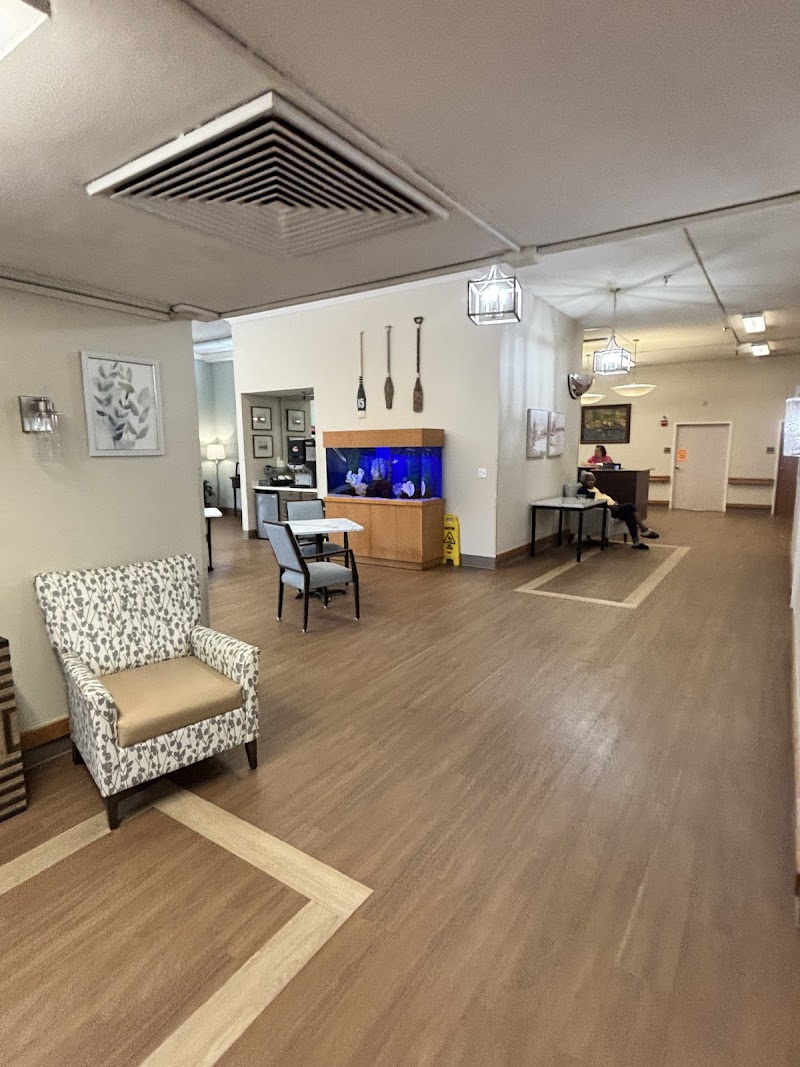
Who Owns and Operates Life Of Kirkland?

LIFE CARE CENTER OF KIRKLAND is owned by a for-profit company. For-profit facilities operate as businesses with obligations to shareholders or private owners. The facility is operated by LIFE CARE CENTERS OF AMERICA, a chain that manages multiple nursing homes. With 190 certified beds and approximately 89 residents (about 47% occupancy), it is a mid-sized facility located in KIRKLAND, Washington.

How Does Life Of Kirkland Compare to Other Washington Nursing Homes?

Compared to the 100 nursing homes in Washington, LIFE CARE CENTER OF KIRKLAND's overall rating (2 stars) is below the state average of 3.2, staff turnover (56%) is significantly higher than the state average of 46%, and health inspection rating (2 stars) is below the national benchmark.

What Should Families Ask When Visiting Life Of Kirkland?

Based on this facility's data, families visiting should ask: "How do you ensure continuity of care given staff turnover, and what is your staff retention strategy?" "Can I visit during a mealtime to observe dining assistance and food quality?" "How do you handle medical emergencies, and what is your hospital transfer rate?" "Can I speak with family members of current residents about their experience?" These questions are particularly relevant given the facility's high staff turnover rate.

Is Life Of Kirkland Safe?

Based on CMS inspection data, LIFE CARE CENTER OF KIRKLAND has a clean safety record: no substantiated abuse findings (meaning no confirmed cases of resident harm), no Immediate Jeopardy citations (the most serious violation level indicating risk of serious injury or death), and is not on the Special Focus Facility watch list (a federal program monitoring the lowest-performing 1% of nursing homes). The facility has a 2-star overall rating and ranks #100 of 100 nursing homes in Washington. While no facility is perfect, families should still ask about staff-to-resident ratios and recent inspection results during their visit.

Do Nurses at Life Of Kirkland Stick Around?

Staff turnover at LIFE CARE CENTER OF KIRKLAND is high. At 56%, the facility is 10 percentage points above the Washington average of 46%. Registered Nurse turnover is particularly concerning at 65%. RNs handle complex medical decisions and coordinate care — frequent RN changes can directly impact care quality. High turnover means new staff may not know residents' individual needs, medications, or preferences. It can also be disorienting for residents, especially those with dementia who rely on familiar faces. Families should ask: What is causing the turnover? What retention programs are in place? How do you ensure care continuity during staff transitions?

Was Life Of Kirkland Ever Fined?

LIFE CARE CENTER OF KIRKLAND has been fined $103,155 across 2 penalty actions. This is 3.0x the Washington average of $34,110. Fines at this level are uncommon and typically indicate a pattern of serious deficiencies, repeated violations, or failure to correct problems promptly. CMS reserves penalties of this magnitude for facilities that pose significant, documented risk to resident health or safety. Families should request specific documentation of what issues led to these fines and what systemic changes have been implemented.

Is Life Of Kirkland on Any Federal Watch List?

LIFE CARE CENTER OF KIRKLAND is not on any federal watch list. The most significant is the Special Focus Facility (SFF) program, which identifies the bottom 1% of nursing homes nationally based on persistent, serious quality problems. Not being on this list means the facility has avoided the pattern of deficiencies that triggers enhanced federal oversight. This is a positive indicator, though families should still review the facility's inspection history directly.