PANORAMA CITY CONV & REHAB CTR

1600 SLEATER KINNEY ROAD SE, LACEY, WA 98503 (360) 456-0111
Non profit - Corporation 155 Beds Independent Data: November 2025
Trust Grade
81/100
#29 of 190 in WA
Last Inspection: October 2024

Within standard 12-15 month inspection cycle. Federal law requires annual inspections.

Overview

Panorama City Conv & Rehab Center has received a Trust Grade of B+, indicating it is above average and recommended for families considering nursing home options. It ranks #29 out of 190 facilities in Washington, placing it in the top half, and #2 out of 7 in Thurston County, showing that only one local facility is rated higher. The facility is improving its performance, having reduced issues from 7 in 2024 to just 2 in 2025. Staffing is a strength, rated 5 out of 5 stars with a turnover rate of 28%, significantly lower than the state average, which suggests that staff members are experienced and familiar with the residents' needs. However, there are some concerns, including $18,633 in fines, which is average compared to other facilities, and specific incidents like a resident sustaining a fracture due to improper transfer procedures and inadequate monitoring of psychotropic medication effects for several residents, which could lead to unnecessary medication and side effects. Overall, while there are notable strengths in staffing and improvements in care quality, families should be aware of the incidents that highlight areas needing attention.

Trust Score
B+
81/100
In Washington
#29/190
Top 15%
Safety Record
Moderate
Needs review
Inspections
Getting Better
7 → 2 violations
Staff Stability
✓ Good
28% annual turnover. Excellent stability, 20 points below Washington's 48% average. Staff who stay learn residents' needs.
Penalties
✓ Good
$18,633 in fines. Lower than most Washington facilities. Relatively clean record.
Skilled Nurses
✓ Good
Each resident gets 51 minutes of Registered Nurse (RN) attention daily — more than average for Washington. RNs are trained to catch health problems early.
Violations
⚠ Watch
18 deficiencies on record. Higher than average. Multiple issues found across inspections.
★★★★★
5.0
Overall Rating
★★★★★
5.0
Staff Levels
★★★★★
5.0
Care Quality
★★★★☆
4.0
Inspection Score
Stable
2024: 7 issues
2025: 2 issues

The Good

  • 5-Star Staffing Rating · Excellent nurse staffing levels
  • 5-Star Quality Measures · Strong clinical quality outcomes
  • Low Staff Turnover (28%) · Staff stability means consistent care
  • Full Sprinkler Coverage · Fire safety systems throughout facility
  • No fines on record
  • Staff turnover is low (28%)

    20 points below Washington average of 48%

Facility shows strength in staffing levels, quality measures, staff retention, fire safety.

The Bad

Federal Fines: $18,633

Below median ($33,413)

Minor penalties assessed

The Ugly 18 deficiencies on record

1 actual harm
Jan 2025 2 deficiencies
CONCERN (D) 📢 Someone Reported This

A family member, employee, or ombudsman was alarmed enough to file a formal complaint

Potential for Harm - no one hurt, but risky conditions existed

Assessment Accuracy (Tag F0641)

Could have caused harm · This affected 1 resident

**NOTE- TERMS IN BRACKETS HAVE BEEN EDITED TO PROTECT CONFIDENTIALITY** . Based on interview and record review, the facility failed to ensure resident assessments accurately reflected their health sta...

Read full inspector narrative →
**NOTE- TERMS IN BRACKETS HAVE BEEN EDITED TO PROTECT CONFIDENTIALITY** . Based on interview and record review, the facility failed to ensure resident assessments accurately reflected their health status and/or care needs for 1 of 7 sampled residents (Residents 1) whose Minimum Data Sets (MDS, an assessment tool) were reviewed. The failure to accurately assess residents with a pressure ulcer (PU, a wound which develops due to prolonged pressure to the body) placed residents at risk for pain and discomfort, diminished quality of life and unidentified and/or unmet care needs. Findings included . Resident 1 admitted to the facility on [DATE] with a left hip fracture. The admission MDS, dated [DATE], showed Resident 1 was admitted without a PU. Hospital Discharge notes, dated 09/19/2024, documented Resident 1 sustained a PU to the hip from a wrap dressing applied to the resident's hips while hospitalized . Skin Evaluation form, dated 09/19/2024, documented Resident 1 had a PU to the hip. On 01/17/2025 at 3:31 PM, Staff C, licensed practical nurse and MDS coordinator, said Resident 1 was admitted with a PU. Staff C said this was coded incorrectly on the MDS and would require a correction of the coding. Staff C said she was unsure why this was missed since it was clearly documented the resident had a PU. At 3:44 PM, Staff B, Registered Nurse and Director of Nursing, said the MDS should reflect the resident's status. Reference WAC 388-97-1000 (1)(b) .
CONCERN (D) 📢 Someone Reported This

A family member, employee, or ombudsman was alarmed enough to file a formal complaint

Potential for Harm - no one hurt, but risky conditions existed

Comprehensive Care Plan (Tag F0656)

Could have caused harm · This affected 1 resident

**NOTE- TERMS IN BRACKETS HAVE BEEN EDITED TO PROTECT CONFIDENTIALITY** . Based on interview and record review, the facility failed to review, revise and implement a comprehensive plan of care to incl...

Read full inspector narrative →
**NOTE- TERMS IN BRACKETS HAVE BEEN EDITED TO PROTECT CONFIDENTIALITY** . Based on interview and record review, the facility failed to review, revise and implement a comprehensive plan of care to include resident specific information for 1 of 7 sampled residents (Residents 1) reviewed for care plans. The failure to establish care plans that were individualized, accurately reflected assessed care needs and provided direction to staff, placed residents at risk to receive inappropriate and inadequate care to meet their individualized needs. Findings included . Resident 1 admitted to the facility on [DATE] with a left hip fracture. The admission Minimum Data Set (MDS, an assessment tool), dated 09/25/2024, showed Resident 1 was dependent on staff with some activities of daily living. Skin Evaluation form, dated 09/19/2024, documented an assessment of Resident 1's skin, identifying the resident with a pressure ulcer (PU) to the hip. According to Skin Evaluation Forms on 09/24/2024 and 10/03/2024, Resident 1 continued to have a PU to the hip. The care plan, dated 09/19/2024, document Resident 1 had fragile skin with redness to the hip and no open areas. The care plan showed staff would apply barrier cream with each incontinent episode. No revisions to the care plan were made to reflect a PU during the resident's stay. At 3:44 PM, Staff B, Registered Nurse and Director of Nursing, said Resident 1 had a PU. Staff B said there were some interventions implemented to help prevent the skin breakdown, but these interventions were not specific to residents with PUs. Staff B said the care plan did not reflect the status of Resident 1's skin. Staff B said appropriate interventions related to a PU should have been included on the care plan. Reference WAC 388-97-1020(1), (2)(a)(b) .
Oct 2024 5 deficiencies
CONCERN (D)

Potential for Harm - no one hurt, but risky conditions existed

Deficiency F0658 (Tag F0658)

Could have caused harm · This affected 1 resident

**NOTE- TERMS IN BRACKETS HAVE BEEN EDITED TO PROTECT CONFIDENTIALITY** . Based on interview, and record review, the facility failed to ensure services provided met professional standards of practice ...

Read full inspector narrative →
**NOTE- TERMS IN BRACKETS HAVE BEEN EDITED TO PROTECT CONFIDENTIALITY** . Based on interview, and record review, the facility failed to ensure services provided met professional standards of practice when physician orders were not followed and the provider was not notified when medications were held for 1 of 5 sampled residents (Resident 40) reviewed for unnecessary medications. This failure placed residents at risk for medication errors, adverse side effects, delayed review of their medication regimen and unmet care needs. Findings included . Resident 40 was admitted to the facility on [DATE]. Review of their physician orders showed an 08/26/2023 order for Metoprolol (a blood pressure medication) twice daily for high blood pressure, with direction to hold the medication for a systolic blood pressure (SBP) less than 110 or a pulse (P) less than 60. Review of the September 2024 Medication Administration Record (MAR) showed facility nurses administered Resident 40's Metoprolol outside of the physician's ordered parameters on the following occasions: a) 09/22/2024 at 8:00 AM- P=50; medication was administered. b) 09/05/2024 at 8:00 AM- P=55; medication was administered. c) 09/10/2024 at 8:00 AM- P=59; medication was administered. d) 09/20/2024 at 8:00 PM- SBP=109; medication was administered. On 10/16/2024 at 2:12 PM, Staff L, Unit Manager, said facility nurses administered Resident 40's Metoprolol outside of the physician ordered parameters, and it was the expectation that nurses administered medication in accordance with physician's orders. The September 2024 MAR showed Resident 40's Metoprolol was held eight times for a SBP less than 110 or a P less than 60. The September 2024 MAR showed the resident had a 03/07/2022 order for Imdur (an antianginal medication, treats chest pain by relaxing/widening blood vessels), twice daily, with direction to hold for a SBP less than 110. The MAR showed facility nurses held the medication eight times in September 2024. Review of Resident 40's electronic health record did not show documentation the provider was informed of the held medications. On 10/16/2024 at 2:17 PM, Staff L said nurses should notify the provider when they hold medications. Documentation was requested showing the 16 above referenced occasions, in which the resident's Imdur and Metoprolol were each held on eight occasions in September 2024. No further documentation was provided. Reference WAC 388-97-1620(2)(b)(i)(ii) .
CONCERN (D)

Potential for Harm - no one hurt, but risky conditions existed

Deficiency F0694 (Tag F0694)

Could have caused harm · This affected 1 resident

**NOTE- TERMS IN BRACKETS HAVE BEEN EDITED TO PROTECT CONFIDENTIALITY** . Based on observation, interview and record review, the facility failed to ensure intravenous (IV) access devices were assessed...

Read full inspector narrative →
**NOTE- TERMS IN BRACKETS HAVE BEEN EDITED TO PROTECT CONFIDENTIALITY** . Based on observation, interview and record review, the facility failed to ensure intravenous (IV) access devices were assessed, maintained and monitored in accordance with professional standards of practice when IV orders did not include routine monitoring of IV insertion sites, weekly changes of IV dressings and needleless injection caps and an initial and then weekly measurements of IV catheters external length and the resident's arm circumferences for 1 of 1 sampled residents (Resident 74) reviewed for IV therapy. This failure placed residents at risk for loss of vascular access, infection, and other potential negative health outcomes. Findings included . The facility policy entitled Midline Catheter Dressing Change, revised June 2024, documented Guidance 1. Sterile dressing change using transparent dressing is performed: 1.1 Upon admission 1.1.1 If transparent dressing is dated, clean dry and intact the admission dressing change may be omitted and scheduled for 7 days from the dated on the dressing label 1.1.1.1 Upper arm circumference and external catheter length measurements must still be completed as part of the initial assessment. 1.2 At least weekly 2 1.3 If the integrity of the dressing has been compromised (wet, loose, or soiled). Resident 74 was admitted to the facility on [DATE]. The Quarterly Minimum Data Set (MDS, an assessment tool) documented Resident 74 was cognitively intact. The Midline Insertion Record, dated 10/03/2024, documented the Int (Internal) length (tubing) 10 centimeters (cm) and no external length. Resident 74's Comprehensive Care Plan showed no documentation pertaining to the Midline IV including maintenance and/or monitoring of the IV access site. On 10/10/2024 at 10:21 AM, Resident 74 said the Midline IV had been placed in the right arm after determining they were positive for an infection and required IV antibiotics. Resident 74 said the IV (transparent) bandage had not been changed since it was inserted. Observation of the transparent bandage showed no date for when the bandage was received. Dried blood was observed at the insertion site and along both sides of the IV tubing, under the transparent dressing. The October 2024 Medication and Treatment Administration Records (MAR/TAR) showed there was no documentation the facility staff had: a) Monitored the IV insertion site for signs and symptoms of infection or infiltration. b) Performed weekly midline dressing changes. c) Measured the midline external length weekly. d) Measured the resident's right arm circumference weekly. On 10/15/2024 at 2:19 PM, Staff D, Unit Manager, said care and maintenance of a Midline IV included every shift, looking at the insertion site and the dressing, making sure there were no signs or symptoms of infection, and looking at the skin for damage or bruising. Every shift should be flushing the IV with saline as per ordered. When asked about measurements, Staff D said staff should be measuring the external length of the tubing to assure the tubing is not being pulled out. After reviewing the Midline Insertion Record, dated 10/03/2024, in the electronic health record (EHR), Staff D said there was no external length on the report, therefore staff would not know what to measure. Staff D said the missing length should have been caught and she could not show where staff had been documenting the external length. Staff D said needleless injection caps were changed on any blood draw and when the tubing was changed. When asked about the observation of the soiled bandage, Staff D said Resident 74 was having issues with bleeding and the bandage should have been changed. At 2:53 PM, Staff B, Director of Nursing Services, said the expectation for maintenance and monitoring for Midline IV's was for staff to be following doctor's order (flushes), checking the site for signs and symptoms of infection, and changing dressings as required. Staff B said this should be done daily. After reviewing Resident 74's EHR, Staff B said he could not locate where the external measurement documentation was. Staff B said the external measurements should be documented. Staff B said he could not locate information regarding if the needleless injection caps had been changed. When asked about the observation of the soiled bandage, Staff B said if the integrity of the bandage was compromised, then the bandage should have been changed. Reference WAC 338-97-1060 (3)(j)(ii) .
CONCERN (D)

Potential for Harm - no one hurt, but risky conditions existed

Infection Control (Tag F0880)

Could have caused harm · This affected 1 resident

**NOTE- TERMS IN BRACKETS HAVE BEEN EDITED TO PROTECT CONFIDENTIALITY** . Based on observation and interview, the facility failed to ensure appropriate hand hygiene was used during dining tray pass fo...

Read full inspector narrative →
**NOTE- TERMS IN BRACKETS HAVE BEEN EDITED TO PROTECT CONFIDENTIALITY** . Based on observation and interview, the facility failed to ensure appropriate hand hygiene was used during dining tray pass for 1 of 3 sampled rooms (room [ROOM NUMBER]) reviewed for dining and 1 of 2 sampled residents (Resident 74) reviewed for transmission based precautions. This failure placed residents at risk for facility acquired or healthcare associated infections and related complications and a diminished quality of life. Findings included . <Dining> On 10/09/2024 at 11:46 AM, Staff H, Certified Nursing Assistant (CNA), was observed passing a food tray to an unknown Resident in room [ROOM NUMBER]. Staff H knocked on the door of room [ROOM NUMBER] and put the food tray down on the bedside table, then assisted placing a shirt saver (garment to protect clothing from food spills) on an unknown resident, touching resident clothing in the process. No hand hygiene was observed after placement of shirt saver and before exiting room and getting a new tray for the next resident. At 11:50 AM, Staff H said she washed her hands at the beginning of tray pass and if she got a resident out of bed, but not when setting up trays. At 12:30 PM, Staff B, Director of Nursing Services, said if staff were touching residents or their food, they should be performing hand hygiene after contact. Staff should wash their hands with soap and water. <Transmission Based Precautions> On 10/16/2024 at 11:27 AM, Staff G, CNA, was observed providing care to Resident 74. Staff G was wearing gloves during care and once gloves became soiled, she removed soiled gloves and took new gloves out of a box of gloves and put them on. No hand hygiene was observed between glove changes. At 11:45 AM, after providing additional care to Resident 74, Staff G removed soiled gloves and took new gloves out of a box of gloves and put them on. No hand hygiene was observed between glove changes. At 12:00 PM, Staff D, Unit Manager, said when gloves were soiled, staff should take off soiled gloves and perform hand hygiene before putting clean gloves on. Reference WAC 388-97-1320 (1)(c) .
CONCERN (E)

Potential for Harm - no one hurt, but risky conditions existed

Medication Errors (Tag F0758)

Could have caused harm · This affected multiple residents

**NOTE- TERMS IN BRACKETS HAVE BEEN EDITED TO PROTECT CONFIDENTIALITY** 3) Resident 46 was admitted to the facility 05/27/2024 with diagnoses including depression and anxiety disorder (a mental health...

Read full inspector narrative →
**NOTE- TERMS IN BRACKETS HAVE BEEN EDITED TO PROTECT CONFIDENTIALITY** 3) Resident 46 was admitted to the facility 05/27/2024 with diagnoses including depression and anxiety disorder (a mental health disorder characterized by feelings of worry, anxiety, and fear). The Quarterly MDS, dated [DATE], documented Resident 46 was cognitively intact and was prescribed an anti-depressant. Resident 46's EHR documented Resident 46 did not have person-centered target behavior monitoring for the anti-depressant Based on interview and record review, the facility failed to ensure person centered side effect and target behavior monitoring was identified for psychotropic medications (drug taken to exert an effect on the chemical makeup of the brain and nervous system) for 4 of 5 sampled residents (Resident 74, 46, 42 & 3) reviewed for unnecessary psychotropic medications. This failure placed residents at risk for receiving unnecessary medications, adverse side effects, falls, injury and a diminished quality of life. Findings included . The facility policy entitled Psychoactive Medication, revised 04/07/2024, documented, POLICY: Specific behaviors are identified for each resident that affect the resident's quality of life. 9. Side effects must be listed on the Medication Treatment Record (TAR) for each group of medications. Side effects are documented daily on the MAR . 10. Care Pal must be developed around the behaviors the resident is currently exhibiting. Identify only the behaviors that can realistically be changed and includes possible causes for these behaviors. Interventions should be specific for each behavior. 15. The Monthly Behavior Monitoring POC [Point of Care] must be instituted for each resident receiving anti-psychotic or anti-anxiety. POC should identify the specific behaviors the psychoactive medication is prescribed for. 1) Resident 74 was admitted to the facility on [DATE] with diagnoses including depression (a mental health condition that involves a prolonged low mood or loss of interest in activities). The Quarterly Minimum Data Set (MDS, an assessment tool) documented Resident 74 was cognitively intact and prescribed an anti-depressant medication. Resident 74's electronic health record (EHR) did not show Resident 74 had person-centered side effect or target behavior monitoring for the anti-depressant medication. On 10/15/2024 at 2:19 PM, Staff D, Unit Manager, said before administering any psychotropic medication, a physician's order, consent, an assessment (completed by Social Services), and side effect and target behavior monitoring were required. When asked about the side effect and target behavior monitoring for Resident 74, Staff D said she could not find any. Staff D said Resident 74 should have side effect and target behavior monitoring. At 2:53 PM, Staff B, Director of Nursing Services, said consent, diagnosis, an assessment, non pharmological interventions and orders should all be in place before administering a psychotropic medication. When asked about side effect and target behavior monitoring for Resident 74, Staff B said Resident 74 should have had side effect and target behavior monitoring. On 10/16/2024 at 12:21 PM, Staff E, Social Services, said the facility had a tracking system for all residents on a psychotropic medication. After opening Resident 74's electronic health record (EHR) and showing a list of Patient Health Questionnaire-9 (PHQ-9, a multipurpose instrument for screening, diagnosing, monitoring and measuring the severity of depression) questions, Staff E said all resident have this questionnaire. When asked where this document generated from, Staff E stated, I don't know. After opening the mood tracking tab, Staff E said all residents have mood tracking too. When asked where the questions were pulled from, Staff E said the MDS. When asked to provide Resident 74's person centered side effect and target behavior monitoring for the anti-depressant, Staff E stated, I don't know if I would have any additional behavioral tracking for her. We don't have any for her. When asked if there should have been individualized side effect and target behavior monitoring for Resident 74's anti-depressant medication, Staff E said yes. 2) Resident 42 was admitted to the facility on [DATE] with diagnoses including Major Depressive Disorder (a serious mood disorder that can affect how people feel, think, and behave) and dementia (a chronic condition that causes a decline in mental functioning, such as thinking, remembering, and reasoning, to the point that it interferes with daily life). The Quarterly MDS, dated [DATE], documented Resident 42 was severely cognitively impaired. Resident 42's physician orders listed orders for Venlafaxine (antidepressant) 75 mg[milligrams] by mouth Daily for Depression and Seroquel (antipsychotic) 25 mg by mouth at bedtime for distressing delusions [a belief that is clearly false and that indicates an abnormality in the affected person's content of thought] and aggressive behaviors toward others. Resident 42's Care plan listed a Behavior Category with specific behaviors exhibited yelling, agitation, and delusions/hallucinations. Resident 42's Daily Charting listed Mood - staff observations of Hallucinations (seeing, hearing, smelling, feeling something that is not there). On 10/16/2024 at 1:19 PM, Staff B said they expected there to be more specifics in the daily tracking, such as what was disturbing them and how it was affecting them. 4) Resident 3 was admitted to the facility on [DATE]. Review of the Annual MDS, dated [DATE], showed the resident was moderately cognitively impaired, had diagnoses of non-Alzheimer's dementia and depression disorder, demonstrated verbal and physical behavioral symptoms towards others (e.g., hitting, kicking, scratching etc.) on one to three days during the assessment period, and received antipsychotic medication. Resident 3 physician's orders documented a 07/17/2024 order for Seroquel (an antipsychotic) three times a day for dementia with behavioral disturbances. A dementia with behaviors care plan, revised 07/28/2024, identified the target behaviors for the use of Seroquel as hallucinations, delusions or withdrawals. Review of Resident 3's EHR did not show documentation of Resident 3 experiencing hallucination, delusions or withdrawals. On 10/16/2024 at 10:34 AM, when asked if Resident 3 had ever had hallucination, delusions or withdrawals Staff M, Unit Manager, stated, No, not hallucinations or withdrawals; but the delusion would be her misguided belief that she can walk. When asked whether a dementia diagnosis with behaviors, with an identified target behavior of having a misguided belief they could walk was an adequate indication for use of an antipsychotic medication, Staff M said the reason Resident 3 was started on Seroquel was due to the resident demonstrating verbal and physical behaviors towards others, but said those were not identified as the targeted behaviors for the use of Seroquel. The October 2024 Treatment Administration Record (TAR) showed the target behaviors for the use of Seroquel were identified as: a) Declining staff care/medications; b) Being argumentative and making false statements towards staff when redirected regarding declining care. c) Being tearful and argumentative with husband; d) Fixed beliefs regarding her mobility capabilities. No non-pharmacological behavioral interventions were identified. The targeted behaviors were also resident rights (e.g. declining care and/or medications, filing complaints or allegations against staff, being argumentative with husband etc.). The TAR behavior monitoring did not identify verbal and physical behaviors towards others as a targeted behavior for the use of Seroquel. On 10/16//2024 at 10:41 AM, when asked if a resident had a right to decline care and/or medications, to file complaints, to make allegations against staff, or to be argumentative with their husband, Staff M stated, Yes. When asked if those were appropriate targeted behaviors for the use of an antipsychotic medication, Staff M said the reason the Seroquel was initiated was for verbal and physical behaviors towards others. Staff M said the care planned targeted behaviors for the use of Seroquel did not match the TAR targeted behaviors for the use of Seroquel; and neither included verbal/physical behaviors towards others as a targeted behavior. Review of the October 2024 TAR showed on 10/02/2024 and 10/03/2024 staff documented a + to indicate Resident 3 had demonstrated a targeted behavior for the use of Seroquel, but there was no indication which targeted behavior was demonstrated. On 10/16//2024 at 10:41 AM, when asked what targeted behavior Resident 3 demonstrated on 10/02/2024 and 10/03/2024, Staff M said they did not know because the charting did not identify what targeted behavior was demonstrated. Staff M indicated it was important to identify a resident's specific targeted behaviors that a psychotropic medication was initiated to treat, because staff monitor for increases or decreases in the frequency of the targeted behaviors to evaluate the effectiveness of the medication and need for continued use. Staff B said having different targeted behaviors identified on the care plan and TAR for the use of Seroquel, and neither one identifying verbal/physical behaviors towards others as the targeted behaviors detracted from the ability to effectively monitor the effectiveness of the medication and need for continued use. Reference WAC 388-97-1060 (3)(k)(i) .
CONCERN (E)

Potential for Harm - no one hurt, but risky conditions existed

Food Safety (Tag F0812)

Could have caused harm · This affected multiple residents

<1st Floor Dining Room Steam Table> On 10/09/2024 at 11:43 AM, Staff F, Dietary Aide, was observed touching food (beef pot pie) with gloves on, then proceeded to move around the kitchen area tou...

Read full inspector narrative →
<1st Floor Dining Room Steam Table> On 10/09/2024 at 11:43 AM, Staff F, Dietary Aide, was observed touching food (beef pot pie) with gloves on, then proceeded to move around the kitchen area touching environmental surfaces (cupboards handles, countertop and food carts), looking for cookies. Staff F did not change his gloves before moving onto the next plate. At 11:45 AM, Staff F was observed touching food (beef pot pie) with gloves on. Staff F did not change the gloves before moving onto the next plate. At 11:46 AM, Staff F was observed touching food (beef pot pie) with gloves on. Staff F did not change the gloves before moving onto the next plate. At 11:47 AM, Staff F was observed touching food (beef pot pie) with gloves on Staff F did not change the gloves before moving onto the next plate. At 11:49 AM, Staff F was observed touching food (crab patty) with gloves on. Staff F did not change the gloves before moving onto the next plate. At 11:50 AM, Staff F was observed touching food (beef pot pie) with gloves on. Staff F did not change the gloves before moving onto the next plate. At 11:52 AM, Staff F was observed touching food (crab patty) with gloves on. Staff F did not change the gloves before moving onto the next plate. At 11:54 AM, Staff F was observed touching food (crab patty) with gloves on. Staff F did not change the gloves before moving onto the next plate. At 11:55 AM, Staff F was observed touching food (crab patty) with gloves on. Staff F did not change the gloves before moving onto the next plate. At 11:55 AM, Staff F was observed touching food (crab patty) with gloves on. Staff F did not change the gloves before moving onto the next plate. At 11:56 AM, Staff F was observed touching food (crab patty) with gloves on. Staff F did not change the gloves before moving onto the next plate. At 11:57 AM, Staff F was observed leaving the dining room with a food cart and gloves on. At 12:00 PM, Staff F was observed returning to the kitchen no longer wearing gloves. Staff F donned new gloves without washing hands. At 12:03 PM, Staff F was observed touching food (crab patty) with gloves on. Staff F did not change the gloves before moving onto the next plate. At 12:05 PM, Staff F was observed touching food (beef pot pie) with gloves on. Staff F did not change the gloves before moving onto the next plate. At 12:06 PM, Staff F was observed touching food (crab patty) with gloves on. Staff F did not change the gloves before moving onto the next plate. At 12:06 PM, Staff F was observed touching food (crab patty) with gloves on. Staff F did not change the gloves before moving onto the next plate. At 12:08 PM, Staff F was observed touching food (crab patty) with gloves on. Staff F did not change the gloves before moving onto the next plate. At 12:08 PM, Staff F was observed touching food (crab patty) with gloves on. Staff F did not change the gloves before moving onto the next plate. At 12:09 PM, Staff F was observed touching food (crab patty) with gloves on. Staff F did not change the gloves before moving onto the next plate. At 12:10 PM, Staff F was observed wiping his gloves on his apron. At 12:11 PM, Staff F was observed changing his gloves and did not complete hand hygiene. At 12:25 PM, when asked when should hand hygiene/changing gloves be completed, Staff F said before temping food and taking off your gloves. When asked what measures were in place to prevent cross contamination of food, Staff F said using different utensils and checking the food tickets for allergies. When asked if touching food was acceptable, Staff F said no. After reviewing the documented times Staff F had touched the food, Staff F stated, I didn't realize I was touching the food. It must have been subconsciously. When asked if he should have been touching the food, Staff F said no. Reference WAC 388-97-1100(3); -2980 Based on observation, interview and record review, the facility failed to ensure food products were labeled with a prepared or use by date, staff performed hand hygiene and glove changes during meal preparation and service, and that the high temperature (Hi-temp.) dishwasher washer met the minimum wash and rinse temperatures required for proper cleaning and sanitization of resident dishware and utensils. This failure placed residents at risk for food borne illnesses. Findings included . <Hi-Temperature Dishwasher Temperature Log> Observation of the facility's Hi-temp. dishwasher on 10/15/2024 at 7:39 AM, showed there was a laminated sign and a dishwasher temperature log where staff were to record the wash and rinse cycle temperatures of the dishwasher three times a day. The October 2024 dishwasher temperature log showed for proper sanitization of dishware/ utensils, the wash cycle must reach 150 - 160 degrees, and the rinse cycle needed to reach 180 degrees Fahrenheit (df). The log contained instruction to staff to PLEASE report temperatures out of the required range to your supervisor immediately. Review of the laminated instruction sheet attached to the front of the dishwasher, showed it provided staff the following direction !!!!!!PLEASE READ!!!!!! Read wash temp and rinse temp and record, with initials, every day. This is extremely important in complying with health code standards. Review of the facility's Hi-temp. dishwasher testing log on 10/15/2024 at 7:53 AM, showed staff recorded dishwasher rinse cycle temperatures that failed to meet the minimum required temperature of 180 df on the following dates: Breakfast Rinse Temperatures - 10/01/2024= 175 - 10/02/2024= 178 - 10/03/2024= 177 - 10/08/2024= 178 - 10/09/2024= 179 - 10/10/2024= 177 - 10/12/2024= 178 Lunch Rinse Temperatures - 10/01/2024= 178 On 10/15/2024 at 7:39 AM, Staff P, Dietary, said on the above referenced occasions, dietary staff recorded dishwasher rinse cycle temperatures below the minimum required rinse temperature of 180 degrees. Staff P said if the dishwasher wash or rinse cycles failed to meet the minimum required temperature, staff were to report it immediately to their supervisor, who in turn would inform the Sous Chef. Staff P said the Sous Chef was who contacted the vendor about any dishwasher issues/concerns. When asked if contact with the vendor was documented somewhere, Staff P said the vendor provided the facility with documentation of their communication. At 10:47 AM, when asked if there was any documentation showing staff notified their supervisor of the eight rinse cycle temperatures that failed to reach the minimum temperature of 180 degrees or otherwise took any action to address the issue, Staff P stated, No, I don't think so. No further documentation was provided. <100 Hall Oxygen Room Refrigerator> Observation of the resident refrigerator in the 100-hall oxygen room on 10/14/2024 at 11:26 AM, showed there was four undated and unlabeled containers filled with a red gelatin-like substance. On 10/15/2024 at 10:10 AM, Staff O, Dietary Manager, stated, Food prepared by the facility needs to be labeled with the date it was prepared, or a use by date.
Jun 2024 2 deficiencies 1 Harm
SERIOUS (G) 📢 Someone Reported This

A family member, employee, or ombudsman was alarmed enough to file a formal complaint

Actual Harm - a resident was hurt due to facility failures

Accident Prevention (Tag F0689)

A resident was harmed · This affected 1 resident

**NOTE- TERMS IN BRACKETS HAVE BEEN EDITED TO PROTECT CONFIDENTIALITY** . Based on observation, interview, and record review, the facility failed to ensure residents were free from avoidable accidents...

Read full inspector narrative →
**NOTE- TERMS IN BRACKETS HAVE BEEN EDITED TO PROTECT CONFIDENTIALITY** . Based on observation, interview, and record review, the facility failed to ensure residents were free from avoidable accidents during a resident transfer for 1 of 3 residents (Resident 1) reviewed for accidents. Resident 1 experienced harm when facility staff did not follow the resident's individualized care plan fpr safe transfers and the resident sustained a fracture requiring hospitalization. This failure placed residents at risk for injury and a diminished quality of life. Findings included . <Facility Policy> Review of the facility's policy Mechanical Lift Usage, revised 05/08/2017, showed residents that require maximum to total assistance with transfers were not to be lifted without the aid of a mechanical lift. Those residents who did not bear weight or were unable to hold on to the lift bar were to be lifted with Hoyer lifts (lifts that utilize a sling and lift the resident's entire body). The specific lift used by the resident would be written on the resident's care plan and nursing care directives. <Resident 1> Resident 1 was admitted to the facility on [DATE] with diagnoses including multiple sclerosis (the body attacks protective covering of nerves), hemiplegia (weakness to one side of the body) and hemiparesis (abnormal feeling on one side of the body) following a stroke. The admission Minimum Data Set (MDS), an assessment tool, dated 03/10/2024, showed Resident 1 had cognitive impairment, was dependent on staff for toileting and bathing and used a wheelchair (w/c) for mobility. Resident 1's care plan, dated 04/25/2024, showed Resident 1 required two-person dependent (fully dependent on two people) assistance with a Hoyer lift for all transfers from w/c to bed and bed to w/c. The care plan documented, do not attempt two-person dependent assist for toileting. Due to Hoyer lift status, resident will use bedpan for toileting. Investigation/follow-up documentation for an incident regarding Resident 1 on 05/06/2024, dated 05/09/2024, showed Collateral Contact (CC) 1, resident's family member, reported that a staff member had transferred Resident 1 onto the toilet resulting in left shoulder pain. The investigation documented, at the time of the event, the care plan read to use a mechanical lift for toileting. Staff C, Nursing Assistant, brought the sit-to-stand machine [lift device that requires some weight bearing by the resident) into room to see if that would work for Resident 1 and it became clear this would not work because Resident 1 was unable to participate with transfers and could not bear weight. Resident 1 was unable to grip the handles with her left hand and Resident 1 was then helped to bed. The investigation showed, fracture appears to have occurred while on the sit-to-stand lift. Resident 1 reported increased pain while on the sit-to-stand. Resident 1's radiology report, dated 05/07/2024, showed an acute fracture (result of traumatic injury that causes a clean break) at the proximal left humeral neck (near the arm/shoulder joint). Resident 1's interdisciplinary note, dated 05/08/2024 at 8:42 PM, showed the resident returned to the facility from the hospital via stretcher with a sling to their left arm. Resident 1's hospital record, dated 05/08/2024, showed Resident 1 was seen in the emergency department for fracture of the left upper arm and was discharged back to the facility with pain medication and instructions to follow up with an orthopedic surgeon. On 05/22/2024 at 11:20 AM, during an interview, CC 1 said Resident 1 had used a bedpan for toileting as the resident's left arm and leg were non-functional and there had always been two staff to assist Resident 1 with toileting prior to the incident. CC 1 said they were present during the transfer with Resident 1. Resident 1 was in a w/c and wanted to go to the toilet so CC 1 asked Staff C to find another staff member to help toilet the resident and Staff C said they would get a lift because the other staff were busy. Staff C came into Resident 1's room with a different lift [the sit-to-stand] and attempted to put the resident in the lift. CC 1 said Resident 1 complained this was hurting and Staff C placed Resident 1 back in the w/c, left the room and then returned with another staff member. Staff C lifted Resident 1 up from the w/c without a gait belt and placed her on the toilet. After Resident 1 was finished toileting, Staff C, again, lifted Resident 1 without a gait belt and placed the resident back in the w/c. CC 1 said they reported the incident to a staff member and the facility ordered an x-ray and found there was a fracture. Resident 1 was sent to the hospital and returned to the facility with a sling to their left arm. CC 1 said the facility used ice and pain medication to relieve the resident's pain. On 06/06/2024 at 12:05 PM, during an interview, Staff C said on 05/06/2024 they had transferred Resident 1 to the bathroom and back to the resident's w/c and did not use the mechanical lift as directed on the resident's care plan. Staff C said it was not the appropriate way to transfer the resident, as the care plan had indicated the resident required a Hoyer lift with two staff members. Staff C said Resident 1 did tell CC 1 their arm hurt after the transfer. On 06/11/2024 at 4:10 PM, Director of Nursing, Registered Nurse, Staff B said when transferring a resident that required the use of Hoyer lift, two staff were required to be present. Staff B said staff could retrieve resident information from the care directive in the resident's room or from the care plan. Staff B said Resident 1 required a Hoyer lift for transfer and Staff C did not use the correct lift to transfer the resident and Resident 1 sustained a fracture, was transferred to the hospital for medical care but did not require surgical intervention. Reference WAC 388-97-1060(3)(g)
CONCERN (E) 📢 Someone Reported This

A family member, employee, or ombudsman was alarmed enough to file a formal complaint

Potential for Harm - no one hurt, but risky conditions existed

Deficiency F0658 (Tag F0658)

Could have caused harm · This affected multiple residents

**NOTE- TERMS IN BRACKETS HAVE BEEN EDITED TO PROTECT CONFIDENTIALITY** . Based on interview and record review the facility failed to follow professional standards of practice during medication admini...

Read full inspector narrative →
**NOTE- TERMS IN BRACKETS HAVE BEEN EDITED TO PROTECT CONFIDENTIALITY** . Based on interview and record review the facility failed to follow professional standards of practice during medication administration for 3 of 6 residents (Residents 5, 6 & 7) reviewed for medication administration. This failure to ensure services provided met professional standards of practice placed residents at risk for diversion of medication, medication errors and adverse outcomes. Findings included . <Policy> Review of the facility's policy, Medication Assessment and Documentation, dated 09/10/2015, showed medications were listed on the Medication Administration Record (MAR) and the licensed nurse would initial the MAR after the medication had been administered. <Resident 5> Resident 5 was admitted to the facility on [DATE] with diagnoses including an infection related to an orthopedic prosthetic and arthritis. Resident 5's MAR, dated 05/03/2024, showed the following medications were prepared, administered and signed by Licensed Practical Nurse (LPN), Staff F: 1. CoQ-10 100 mg (milligrams)(vitamin like substance) capsule by mouth 2. Florastor 250 mg (probiotic) capsule by mouth 3. PreserVision AREDS-2 250 mg-90 mg-40 mg-1mg (supplement for eyes), one capsule by mouth 4. Famotidine 10 mg (medication to treat acid reflux) tablet by mouth 5. Miralax 17 gram (laxative) oral powder. Mix with 8 ounces of preferred beverage by mouth 6. Metoprolol Succinate ER 50 mg (medication to treat high blood pressure) tablet extended release (take with 25 mg/ total 75 mg) by mouth 7. Metoprolol Succinate ER 25 mg tablet extended release (take with 50 mg/ total 75 mg) 8. Calcium Carbonate (mineral supplement) 600 mg (1,500 mg)-vitamin D3 200-units tablet by mouth 9. Lisinopril 10 mg (medication to treat high blood pressure) tablet by mouth <Resident 6> Resident 6 was admitted to the facility on [DATE] with diagnoses including diabetes (inability to control blood sugar), hypertension (high blood pressure) and narcolepsy (disruption of sleep/wake cycles). Resident 6's MAR, dated 5/3/2024, showed the following medications were prepared, administered, and signed by LPN, Staff F: 1. Glimepiride 1 mg (medication to treat diabetes) tablet by mouth 2. Jardiance 25 mg (medication to treat diabetes) tablet by mouth 3. Folic Acid 400 mcg (vitamin) tablet by mouth. 4. Acetaminophen 500 mg (pain medication) 2 tablets by mouth 5. Vitamin B-12 1,000 mcg tablet by mouth 6. Ferrous Bisglycinate 25 mg (iron supplement) 2 capsules by mouth 7. Furosemide 80 mg (medication for excess fluid) tablet by mouth 8. Potassium Chloride 99 mg (supplement) 1 capsule by mouth 9. Carvedilol 3.125 mg tablet (medication to treat high blood pressure) by mouth 10. Modafinil 200 mg (stimulant) tablet by mouth (give with 100 mg for total of 300 mg) 11. Modafinil 100 mg tablet by mouth (give with 200 mg for total of 300 mg) 12. Famotidine 20 mg (medication for stomach issues) tablet by mouth 13. Biotin 8,000 mcg (vitamin) 1 capsule by mouth 14. Senna 8.6 mg (laxative) tablet by mouth 15. Florastor 250 mg capsule by mouth 16. Venlafaxine ER 75 mg capsule, extended release (give with 150 mg dose to total 225 mg) 17. Venlafaxine ER 150 mg (antidepressant) capsule, extended release (give with 75 mg dose to total 225 mg) <Resident 7> Resident 7 was admitted to the facility on [DATE] with diagnoses including diabetes and anemia (reduction in red blood cells or iron) Resident 7's MAR, dated 5/3/2024, showed the following medications were prepared, administered, and signed by LPN, Staff F: 1. Miralax 17 gram (laxative) oral powder packet mixed with 6-8 ounces of juice or water by mouth. 2. Senna 8.6 mg tablet by mouth 3. Ferrous Sulfate 325 mg (iron supplement) tablet by mouth 4. Finasteride 5 mg (medication for enlarged prostrate) by mouth 5. Mometasone inhaler 2 puffs (steroid) into lungs 6. PreserVision AREDS 4,296 mcg-226 mg-90 mg capsule by mouth 7. Singular 10 mg (medications to treat allergies) by mouth 8. Glimepiride 1 mg (medication to treat diabetes) tablet by mouth 9. Men's Multi Plus Prostate Support Vitamin 1 tablet by mouth 10. Buprenorphine HCL 8 mg (narcotic medication) by mouth or sublingual 11. Sodium Chloride 1,000 mg by mouth 12. Hydrochlorothiazide 50 mg (medication to treat excessive fluid) by mouth 13. Prosource 1 pack by mouth On 05/16/2024 at 2:58 PM, by telephone interview, Staff F, LPN said they were assigned to administer medications to residents for A wing. Staff F said Staff D, LPN/Unit Manager would ask for certain residents' medications. Staff F would prepare and sign for the medications and Staff D would take the medications to the residents for administration. On 06/07/2024 at 1:15 PM, Staff E, LPN said they were assigned to administer medications on Unit A and Staff D/Unit Manager would come to the medication cart and ask for the medication for certain residents. Staff E said they would prepare the medication themselves and then Staff D would take the medications to the resident's room. [Staff D] means well, but I don't like it. I am assigned to the cart. On 06/11/2024 at 12:25 PM, Staff J, Registered Nurse, Unit Manager said, the general approach is the same nurse will prepare and administer the medication to the resident. Staff J became aware it was happening on A wing and discussed with Staff B, Director of Nursing/Registered Nurse about revising the medication administration policy. Staff J said it had only happened in a pinch when they were short staffed, I have done it myself a handful of times. On 06/11/2024 at 1:05 PM, Staff I, Registered Nurse, Unit Manager said the nurse that prepared the medication should administer the medication to the resident. On 06/11/2024 at 2:30 PM, Staff D said it had been their regular practice to help nurses on A wing who were behind on the medication pass. Staff D said the nurse assigned to the medication cart would prepare the medications for certain residents and Staff D would take the medications to that resident for administration. Staff D said it had occurred with Staff E, F, G and H. Staff D said on 05/03/2024 in the AM, Staff F/LPN prepared the medications and signed the eMAR for medications for Residents 5, 6 and 7 and Staff D administered the medications to the residents. Staff D said they did not follow the 5 rights of medication administration as the medications were prepared by Staff F and administered by Staff D and the right resident, drug, dose, time and route were not verified by the nurse preparing the medications. On 06/11/2024 at 4:00 PM, Staff B said they had become aware Staff D was administering medications to residents that had been prepared by other nurses on A Wing. Staff B said they were unable to provide a policy related to that practice. Staff B said they had sent an email to all licensed nurses to stop the practice. Reference WAC 388-97-1620(2)(b)(i)(ii) .
Nov 2023 8 deficiencies
CONCERN (D)

Potential for Harm - no one hurt, but risky conditions existed

Deficiency F0558 (Tag F0558)

Could have caused harm · This affected 1 resident

**NOTE- TERMS IN BRACKETS HAVE BEEN EDITED TO PROTECT CONFIDENTIALITY** . Based on observation, interview, and record review, the facility failed to ensure residents had access to their call lights fo...

Read full inspector narrative →
**NOTE- TERMS IN BRACKETS HAVE BEEN EDITED TO PROTECT CONFIDENTIALITY** . Based on observation, interview, and record review, the facility failed to ensure residents had access to their call lights for 1 of 1 sampled residents (Resident 18) reviewed for environment. This failure placed residents at risk of unmet care needs and diminished quality of life. Findings included . Resident 18 admitted to the facility on [DATE]. The annual Minimum Data Set, an assessment tool, dated 09/06/2023, documented Resident 18 was moderately cognitively impaired. Resident 18 is blind in her right eye. On 11/06/2023 at 12:34 PM, during an interview, Resident 18 said she was blind in her right eye and could not see the call light when it was clipped to the curtain on her right side. The call light was observed clipped on the curtain, at eye level and on the right side of Resident 18's bed. On 11/09/2023 at 9:29 AM, Resident 18's call light was observed clipped on the curtain, at eye level and on the right side of Resident 18's bed. At 3:41 PM, Resident 18's call light was observed clipped on the curtain, at eye level and on the right side of Resident 18's bed. On 11/13/2023 at 9:04 AM, Resident 18's call light was observed clipped on the curtain, at eye level and on the right side of Resident 18's bed. The curtain was observed pulled back and the call light was positioned between the folds of the curtain. At 9:14 AM, Staff C, Licensed Practical Nurse (LPN), said staff try to anticipate the needs of residents with visual impairments. Staff C said they would normally clip call lights to the left side of the resident or to their bed, so they have easy access to the call light. Staff C was observed searching Resident 18's area, including in and under the bed and between the blankets but was unable to locate the call light. Resident 18 was observed sitting in her wheelchair when Staff C asked them where the call light was. Resident 18 stated, I never know where that thing is. Staff C continued to search and located the call light hidden between the folds of the curtain on the right side of Resident 18's bed. When asked about Resident 18's right-sided blindness, cognitive impairment and the location of the call light, Staff C said the location was inappropriate and the call light would be moved. Staff C asked Resident 18 where she wanted the call light. Resident 18 said the left side. At 12:15 PM Staff B, Director of Nursing Services, said he expects staff to accommodate resident choices and preferences for residents with visual impairments to the best of their abilities. After the incident with the hidden call light was explained, Staff B said the call light should have been moved, it was not a good spot. Reference: (WAC) 387-97-0860 (2) .
CONCERN (D)

Potential for Harm - no one hurt, but risky conditions existed

Deficiency F0582 (Tag F0582)

Could have caused harm · This affected 1 resident

**NOTE- TERMS IN BRACKETS HAVE BEEN EDITED TO PROTECT CONFIDENTIALITY** . Based on interview and record review, the facility failed to issue the required liability notice for 1 of 3 residents (Residen...

Read full inspector narrative →
**NOTE- TERMS IN BRACKETS HAVE BEEN EDITED TO PROTECT CONFIDENTIALITY** . Based on interview and record review, the facility failed to issue the required liability notice for 1 of 3 residents (Resident 65) reviewed for liability and appeal notices. This failure placed residents at risk of not being informed of their appeal rights prior to the end of Medicare covered services and did not uphold the right to make informed choices about further treatment or services as required by the Medicare Program. Findings included . Resident 65 was admitted to the facility on [DATE]. Resident 65's electronic health record showed the last covered day by Medicare part A service was on 06/02/2023. The required Skilled Nursing Facility Advanced Beneficiary Notice of Non-Coverage (SNF ABN) form was not issued to Resident 65 or the resident's representative. On 11/08/2023 at 3:00 PM, Staff F, Social Service Advisor, said it is Social Services' responsibility to issue the SNF ABN form to the resident and/or their representative. Staff F said she was unsure why the form had not been issued to Resident 65 and could provide no further information. On 11/13/2023 at 10:49 AM, Staff B, Director of Nursing Services, said the SNF ABN form was not provided to Resident 65 prior to discharge. Reference WAC 388-97 0300 (1)(e)(5)(6) .
CONCERN (D)

Potential for Harm - no one hurt, but risky conditions existed

Deficiency F0645 (Tag F0645)

Could have caused harm · This affected 1 resident

. Based on interview and record review, the facility failed to ensure a Pre-admission Screening and Resident Review (PASRR) assessment accurately reflected the resident's mental health diagnoses for 1...

Read full inspector narrative →
. Based on interview and record review, the facility failed to ensure a Pre-admission Screening and Resident Review (PASRR) assessment accurately reflected the resident's mental health diagnoses for 1 of 5 sampled residents (Resident 8) reviewed for unnecessary medications. This failure placed residents at risk for inappropriate placement and/or not receiving timely and necessary mental health services to meet their mental healthcare needs. Findings included . Resident 8's quarterly Minimum Data Set (an assessment tool), dated 09/17/2023, showed the resident was severely cognitively impaired, had a diagnosis of depression, and received antidepressant and antipsychotic medications during the assessment period. Resident 8's physician orders showed the resident had a 07/15/2022 order for an antidepressant daily for major depressive disorder and a 09/13/2023 order for an antipsychotic daily for anxiety and agitation. Review of Resident 8's Level I PASRR, dated 07/05/2022, showed the resident had a diagnosis of depressive disorder. The assessment did not identify Resident 8 had a diagnosis of anxiety. On 11/13/2023 at 9:05 AM, Staff F, Social Services Director, said Resident 8's Level I PASRR did not accurately reflect the resident's mental health diagnoses and a new Level I PASRR needed to be completed. Reference: WAC 388-97-1915 (1)(2)(a-c) .
CONCERN (D)

Potential for Harm - no one hurt, but risky conditions existed

Deficiency F0657 (Tag F0657)

Could have caused harm · This affected 1 resident

**NOTE- TERMS IN BRACKETS HAVE BEEN EDITED TO PROTECT CONFIDENTIALITY** . Based on observation, interview and record review, the facility failed to ensure resident care plans were revised and accurate...

Read full inspector narrative →
**NOTE- TERMS IN BRACKETS HAVE BEEN EDITED TO PROTECT CONFIDENTIALITY** . Based on observation, interview and record review, the facility failed to ensure resident care plans were revised and accurately reflected resident care needs for 2 of 21 residents (Resident 19 and 8) reviewed for care plans. This failure placed residents at risk for unidentified and unmet care needs and a diminished quality of life. Findings included . Review of the facility policy titled, Care Plans-Documentation on Admission, revised 11/25/2016 showed .The care plan will be reviewed and updated at least every 90 days or more often if resident condition changes . 1) Resident 19 was admitted to the facility on [DATE] with diagnoses including Parkinson's Disease (a brain disorder that causes unintended or uncontrolled movements, such as shaking, stiffness and difficulty with balance and coordination) and Dementia (a condition that affects the way a person's brain is working). Resident 19's care plan, dated 9/13/2023, showed Resident 19 had a DTI (Deep tissue injury/discolored intact skin or blood filled blister) to the right heel and moisture related to dermatitis/shearing (skin damage associated with moisture) on the coccyx (tailbone area). Resident 19's hospice wound report, dated 11/07/2023, showed Resident 19 had a stage 2 pressure ulcer (a shallow open ulcer) to the coccyx and a stage 4 pressure ulcer (pressure sore that may affect muscles or ligaments) to the right heel. On 11/13/2023 at 8:30 AM, Staff E, Nurse Manager, Licensed Practical Nurse (LPN) said Resident 19's care plan showed on 08/17/2023 that Resident 19 had a DTI to his coccyx. Staff E said the last skin assessment completed by hospice on 11/7/2023, indicated the resident had a stage 2 pressure ulcer to the coccyx and a stage 4 pressure ulcer to the right heel and the care plan was not revised. Staff E said it was her responsibility to revise residents' care plans. At 10:36 AM, Staff B, Director of Nursing Services, said Resident 19's care plan was not revised to show the stage 4 pressure ulcer to the resident's right heel and a stage 2 pressure ulcer to the resident's coccyx. 2) Resident 8 had a 09/13/2023 order for an antipsychotic medication (medication primarily used to manage psychosis, principally in schizophrenia but also in a range of other psychotic disorders) daily for anxiety and agitation. A psychotropic medication care plan, with a goal date of 12/31/2023, showed Resident 8 received antidepressant medication. The care plan did not identify Resident 8 received antipsychotic medication or the target behaviors the medication was initiated to treat. On 11/13/2023 at 9:05 AM, Staff F, Social Services Director, said Resident 8's psychotropic medication care plan was inaccurate and needed to be revised. Reference WAC 388-97-1020(2)(c)(d) .
CONCERN (D)

Potential for Harm - no one hurt, but risky conditions existed

Quality of Care (Tag F0684)

Could have caused harm · This affected 1 resident

. Based on interview and record review, the facility failed to ensure residents received the bowel care they were assessed to require for 3 of 7 residents (Residents 8, 48 and 5) reviewed for bowel ma...

Read full inspector narrative →
. Based on interview and record review, the facility failed to ensure residents received the bowel care they were assessed to require for 3 of 7 residents (Residents 8, 48 and 5) reviewed for bowel management. The failure to administer bowel medications in accordance with physician orders (POs) and facility bowel protocol, placed residents at risk for pain/discomfort, nausea, decreased appetite, and diminished quality of life. Findings included . Review of the facility's Nursing Bowel Care Protocol policy, reviewed 04/07/2022, showed licensed staff were required to print bowel flowsheets at the beginning of their shift to identify any need for bowel care and would implement the following: a) If no bowel movement (BM) for three days (nine shifts) administer senna (vegetable laxative) on the 10th shift. b) If no BM on the 11th shift, administer a bisacodyl (a laxative) suppository per rectum. c) If no results from the suppository, administer a Fleets enema and notify the physician. 1) On 11/07/2023 at 10:45 AM, Resident 8 said constipation had been an ongoing problem for him. Review of Resident 8's physician's orders showed the following as needed bowel care orders: A 06/20/2023 order for bisacodyl tablets, administer by mouth, as needed, if no BM after nine shifts for constipation; A 06/20/2023 order for a bisacodyl suppository, administer per rectum, as needed, if no BM after nine shifts for constipation; and a 07/01/2022 order for a Fleets enema, if no BM after 11 shifts, administer per rectum on the 12th shift. Review of Resident 8's September, October and November 2023 bowel flowsheets showed the resident went the following periods without a BM: 09/02/2023 - 09/07/2023 (15 shifts); 09/22/2023 - 09/27/2023 (16 shifts); 09/29/2023 - 10/02/2023 (12 shifts); 10/06/2023 - 10/09/2023 (10 shifts); 10/14/2023 - 10/17/2023 (12 shifts); 11/03/2023 - 11/06/2023 (10 shifts); and 11/07/2023 - 11/11/2023 (13 shifts). Review of Resident 8's September, October, and November 2023 Medication Administration Records (MARs) showed facility nurses failed to initiate bowel care on the 10th shift without a BM as ordered. On 11/13/2023 at 9:56 AM, Staff J, Nurse Manager, said on the above referenced occasions facility nurses failed to administer Resident 8's as needed bowel medications as ordered. 2) On 11/07/2023 at 11:20 AM, Resident 48 said they had trouble with constipation due to the use of opioid pain medication. Review of Resident 48's physician's orders showed the following as needed bowel care orders: a 08/17/2023 order for senna, if no BM after nine shifts administer on the 10th shift; a 08/17/2023 order for a bisacodyl suppository, if no BM after 10 shifts administer on the 11th shift for constipation; and a 07/12/2023 order for a Fleets enema, if no BM after 11 shifts, administer per rectum on the 12th shift; and a 07/12/2023 order to notify the physician if the has no BM after 12 shifts and the as needed medications were administered without effect. Review of Resident 48's September, October 2023 bowel flowsheets showed the resident went the following periods without a BM: 9/8/2023 - 9/10/2023 (10 shifts); 10/04/2023- 10/06/2023 (10 shifts); and 10/23/2023- 10/25/2023 (11 shifts). Review of Resident 48's September and October 2023 MARs showed facility nurses failed to initiate bowel care on the 10th shift without a BM as ordered. On 11/13/2023 at 9:58 AM, Staff J, Nurse Manager, said on the above referenced occasions facility nurses failed to administer Resident 48's as needed bowel medications as ordered. 3) On 11/06/2023 at 12:33 PM, Resident 5 complained of left sided abdominal pain and indicated they had a history of constipation. Review of Resident 5's physician's orders showed the following as needed bowel care orders: a 05/02/2023 order for senna, if no BM after nine shifts administer on the 10th shift; a 08/17/2023 order for a bisacodyl suppository, if no BM after 10 shifts administer on the 11th shift for constipation; a 05/02/2023 order for a Fleets enema, if no BM after 11 shifts, administer per rectum on the 12th shift; and a 05/02/2023 order to notify the physician if the has no BM after 12 shifts and the as needed medications were administered without effect. Review of Resident 5's September and November 2023 bowel flowsheets showed the resident went the following periods without a BM: 09/13/2023 - 09/16/2023 (10 shifts); 09/17/2023 - 09/21/2023 (11 shifts); and 11/04/2023 - 11/07/2023 (10 shifts) Review of Resident 5's September and November 2023 MARs showed facility nurses failed to initiate bowel care on the 10th shift without a BM as ordered. On 11/13/2023 at 10:06 AM, Staff J, Nurse Manager, said on the above referenced occasions facility nurses failed to administer Resident 5's as needed bowel medications as ordered. Reference WAC 388-97-1060 (1) .
CONCERN (D)

Potential for Harm - no one hurt, but risky conditions existed

Medication Errors (Tag F0758)

Could have caused harm · This affected 1 resident

. Based on interview and record review, the facility failed to ensure 1 of 5 residents (Residents 8) reviewed for unnecessary medications, was free from unnecessary psychotropic drugs (drug taken to e...

Read full inspector narrative →
. Based on interview and record review, the facility failed to ensure 1 of 5 residents (Residents 8) reviewed for unnecessary medications, was free from unnecessary psychotropic drugs (drug taken to exert an effect on the chemical makeup of the brain and nervous system). The failure to identify the target behaviors each psychotropic medication was intended to treat, to ensure behavior monitoring accurately reflected residents' identified target behaviors, and to perform gradual dose reductions when indicated, placed residents at risk for receiving unnecessary medications and associated adverse side effects, falls, injury and a diminished quality of life. Findings included . Resident 8's quarterly Minimum Data Set (an assessment tool), dated 09/17/2023, showed the resident was severely cognitively impaired, had a diagnosis of depression, and received antidepressant and antipsychotic medication during the assessment period. Resident 8's physician's orders showed the resident had a 07/15/2022 order for escitalopram (an antidepressant) daily for major depressive disorder and a 09/13/2023 order for an antipsychotic daily for anxiety and agitation. A mood/depression care plan, with a goal date of 12/31/2023, showed if Resident 8 was displaying a sad affect or was tearful, staff should allow the resident to express feelings, validate same, engage in diversional activities like talking about the Seahawks, and to turn negative self-talk into positive reminiscing. A psychotropic medication care plan, with a goal date of 12/31/2023, showed Resident 8 received antidepressant medication and identified the target behaviors for use as sad and withdrawn. Staff were directed to assess for and report any deterioration in mood, and to attempt gradual dose reductions (GDRs) as recommended by the pharmacist and as ordered by the physician. The care plan did not show Resident 8 received antipsychotic medication or the target behaviors the medication was initiated to treat. On 11/13/2023 at 9:05 AM, when asked why Resident 8 was started on an antipsychotic and what the target behaviors were that the medication was initiated to treat, Staff F, Social Services Director (SSD), stated, I don't know the answer to that, because it [care plan] does not specifically identify target behaviors for it's [antipsychotic medication] use. At 9:07 AM, when asked to compare the target behaviors for Resident 8's antidepressant use identified as sad and withdrawn on the psychotropic care plan, with Resident 8's behavior monitoring flowsheet Staff F, SSD, stated, In the behavior tracking, we have yelling out and striking out at staff. Staff F then acknowledged the target behaviors identified on the psychotropic care plan and behavior monitor did not match. A pharmacy Consultation Report, dated 07/07/2023, showed Resident 8 had received the antidepressant escitalopram 10 milligrams (mg) daily since July of 2022. The report said GDRs of psychotropic medications were required to be attempted in two separate quarters, with at least one month in between attempts, within the first year in which an individual was admitted with a psychotropic medication or after a prescriber initiated such medication. The pharmacist recommended the facility perform a GDR of Resident 8's escitalopram unless clinically contraindicated. If the provider was to decline the recommendation for a GDR, they were instructed to select: option one- Continued use is in accordance with the current standard of practice and a GDR attempt at this time is likely to impair the individuals function or cause psychiatric instability by exacerbating and underlying medical condition or psychiatric disorder and then document a resident specific rationale; or option two The resident's target symptoms returned or worsened after the most recent GDR attempt within the facility and a GDR attempt at this time is likely to impair the individuals function or cause psychiatric instability by exacerbating and underlying medical condition or psychiatric disorder and then document a resident specific rationale. Review of the 07/07/2023 pharmacy Consultation Report showed the provider failed to select option 1 or 2 as directed. In the space provided for the practitioner to document a CMS REQUIRED patient-specific rationale describing why a GDR attempt was likely to impair function or cause psychiatric instability, the practitioner documented Resident 8 continued to have episodic signs and symptoms of depression. On 10/11/2023 at 9:47 AM, Staff J, Nurse Manager, confirmed the practitioner failed to select option 1 or 2 as directed or to document a resident specific clinical rationale indicating why a GDR was contraindicated. Reference WAC 388-97-1060 (3)(k)(i) .
CONCERN (E)

Potential for Harm - no one hurt, but risky conditions existed

Food Safety (Tag F0812)

Could have caused harm · This affected multiple residents

. Based on observation, interview, and record review, the facility failed to ensure refrigerator temperatures were maintained within acceptable ranges for 3 of 6 unit refrigerators (A, E, & F-Wing Sna...

Read full inspector narrative →
. Based on observation, interview, and record review, the facility failed to ensure refrigerator temperatures were maintained within acceptable ranges for 3 of 6 unit refrigerators (A, E, & F-Wing Snack Rooms) reviewed for food service. This failure placed residents at risk of food-borne illness and a diminished quality of life. Findings included . Review of the record log titled, Food Services Department Daily Refrigerator/Freezer Temperature Checks, showed refrigerator temperatures must stay between 35 and 39 degrees Fahrenheit and staff were to report temperatures outside of the required range to their supervisor immediately. Review of the September 2023, October 2023, and November 2023 temperature logs showed refrigerator temperatures were recorded at over 41 degrees Fahrenheit (F) on the following dates: 1) A-Wing Snack Room September 2023: 7th 43 degrees F. October 2023: 5th 43 degrees F, 10th 42 degrees F, 13th 42 degrees F, 16th 45 degrees F, 17th 42 degrees F, 20th 43 degrees F, 24th 43 degrees F, 27th 43 degrees F, 29th 42 degrees F. November 2023: 1st 45 degrees F, 2nd 45 degrees F, 3rd 42 degrees F, 5th 44 degrees F. 2) E-Wing Snack Room September 2023: 1st 42 degrees F, 7th 44 degrees F, 14th 46 degrees F, 15th 44 degrees F, 22nd 44 degrees F, 28th 44 degrees F, 29th 44 degrees F. October 2023: 2nd 42 degrees F, 4th 42 degrees F, 5th 42 degrees F, 12th 46 degrees F, 20th 42 degrees F, 21st 42 degrees F, 22nd 42 degrees F, 23rd 42 degrees F, 26th 44 degrees F, 27th 48 degrees F, 28th 44 degrees F, 29th 42 degrees F. November 2023: 3rd 44 degrees F, 4th 42 degrees F, 5th 42 degrees F. 3) F-Wing Snack Room September 2023: 1st 42 degrees F, 3rd 42 degrees F, 6th 42 degrees F, 8th 42 degrees F, 10th 42 degrees F, 14th 42 degrees F, 15th 42 degrees F, 17th 42 degrees F, 20th 42 degrees F, 22nd 42 degrees F, 24th 42 degrees F, 27th 42 degrees F, 29th 42 degrees F. October 2023: 1st 42 degrees F, 6th 42 degrees F, 8th 42 degrees F, 10th 42 degrees F, 12th 43 degrees F, 14th 42 degrees F, 19th 42 degrees F, 21st 42 degrees F, 23rd 42 degrees F, 26th 42 degrees F, 29th 42 degrees F. November 2023: 2nd 42 degrees F, 5th 42 degrees F. On 11/08/2023 at 10:07 AM, Staff H, Dietician, said housekeeping checked the unit snack refrigerator temperatures daily and reported to their supervisor at that time if the temperature was out of range. Staff H said she would audit the temperatures monthly to make sure they had correct temperatures and would follow up if needed. At 1:31 PM, Staff I, Housekeeper, said she checked the temperatures on the unit snack refrigerators every day and wrote the result on the log. When asked who she reported the results to if the temperature was out of range, Staff I said she didn't tell anyone the results. Staff I said the kitchen checked the logs. At 1:35 PM, Staff G, Dietary Services Manager, said housekeeping checked the temperatures on the unit refrigerators daily when they cleaned them. Staff G said if the temperature was out of range, housekeeping would tell the nurses or him, and he would tell the Environmental Services Supervisor. Staff G said he was not notified of any temperatures greater than 41 degrees this month. At 2:08 PM, when asked if there was a process for follow up documentation for the same day a fridge was out of range, Staff H stated, No, not really. At 4:32 PM, Staff A, Administrator, said it was his expectation refrigerator temperatures out of range were reported and addressed. On 11/09/2023 at 11:04 AM, Staff G said they needed to have an in-service with housekeeping staff on how to read refrigerator temperatures and what to do when the temperature was out of range. Staff G said they needed to find a better process. Reference WAC 388-97-2980 (1) .
CONCERN (E)

Potential for Harm - no one hurt, but risky conditions existed

Deficiency F0849 (Tag F0849)

Could have caused harm · This affected multiple residents

**NOTE- TERMS IN BRACKETS HAVE BEEN EDITED TO PROTECT CONFIDENTIALITY** 2) Resident 19 was admitted to the facility on [DATE] with diagnoses including parkinson's disease (a brain disorder that causes...

Read full inspector narrative →
**NOTE- TERMS IN BRACKETS HAVE BEEN EDITED TO PROTECT CONFIDENTIALITY** 2) Resident 19 was admitted to the facility on [DATE] with diagnoses including parkinson's disease (a brain disorder that causes unintended or uncontrolled movements, such as shaking, stiffness and difficulty with balance and coordination) and dementia (a condition that affects the way a person's brain is working). Review of Resident 19's hospice order, dated 10/04/2023, showed a stage 2 pressure ulcer with wound treatment to the coccyx (tailbone area). Apply a light layer of prescription cream after each episode of incontinence. The hospice nurse was to assess at each visit. (visit frequencies two times per week). Review of Resident 19's EHR showed no hospice documentation of Resident 19's pressure ulcer/wound assessments from 10/04/2023 through 11/06/2023. On 11/08/2023 at 11:26 AM, Staff E, Nurse Manager/ Licensed Practical Nurse, said hospice had completed the wound assessments and wound treatments two times a week on Resident 19's pressure ulcers. Staff E said she was not aware wound reports were not sent by hospice and were not incorporated in Resident 19's EHR. No associated WAC Based on observation, interview and record review, the facility failed to have a system in place that ensured effective communication, collaboration, and coordination of care occurred between the facility and the hospice provider for 2 of 2 residents (Resident 8 & 19) reviewed for hospice services. The facility's failure: to designate a member of their inter-disciplinary team (IDT) to be responsible for communication and collaboration with hospice staff; to obtain and maintain a current copy of residents' hospice plans of care; to identify and communicate what services/disciplines (registered nurse, chaplain, certified nursing assistant, massage therapist etc.) hospice would provide each resident and at what frequency; and to obtain hospice staffs' visit notes, detracted from the effective coordination of care and placed residents at risk for not receiving necessary care and services. Findings included . Review of the facility's Nursing Facility Services Agreement contract, reviewed 05/04/2022, showed hospice was responsible for providing services related to a resident's terminal illness, as specified in the resident's individualized plan of care. Hospice shall coordinate with the facility to develop a plan of care for each hospice patient and furnish a copy of the plan of care, including services to be provided and anticipated frequency of visits. Review of the facility's Coordination of Hospice Services policy, dated 09/01/2023, showed the facility and hospice provider would coordinate a plan of care that would identify the care and services each entity would provide. The facility would coordinate with hospice, and identify, communicate, follow and document all interventions put into place by hospice and the facility. The facility would maintain communication with hospice as it related to residents' plans of care and services. 1) Resident 8 admitted to the facility on [DATE]. Review of the significant change Minimum Data Set (MDS, an assessment tool), dated 06/22/2023, showed the resident had a terminal diagnosis and received hospice services. A 06/21/2023 hospice intake document showed Resident 8 started on Hospice services on 06/21/2023. On 11/07/2023 at 10:39 AM, Resident 8's significant other said there had been some miscommunications between hospice and the facility. She indicated the facility and hospice had different ideas about how to manage and treat Resident 8's wounds and stated, I was kind of getting caught in the middle, so I kind of said you two [facility staff and hospice staff] get together and figure it out. Review of Resident 8's electronic health record (EHR) showed no copy of the resident's initial hospice plan of care was present. A 07/26/2023 hospice plan of care update, dated 07/26/2023, was received by the facility via fax on 07/28/2023 at 4:47 PM. Review of the plan of care showed for the 06/21/2023 -09/18/2023 certification period, hospice would provide Resident 8 with: one Chaplain visit every 30 days for 90 days and one as needed visit; one Medical Social Worker visit every 30 days for 90 days and four as needed visits; a skilled nursing visit every week for 12 weeks; and a hospice aide to provide the best personal hygiene throughout the course of Resident 8's changing condition as evidenced by the Resident and/or family verbalizing satisfaction with hospice aide services during aide supervision every 14 days.The anticipated frequency of hospice aide visits was not identified. No current hospice plan of care or visit notes from any hospice discipline, other than skilled nursing, was found in Resident 8's EHR. On 11/13/2023 at 9:52 AM, when informed about the miscommunication between the facility and hospice related to Resident 8's wound care, Staff J, Nurse Manager, confirmed that the facility wanted to change Resident 8's treatment orders to better manage odor and drainage and that hospice initially was not in agreement. Staff J indicated they agreed to have the resident seen by a third party wound care service and subsequently agreed on treatment orders. At 9:53 AM, when asked what services/disciplines hospice was providing Resident 8, the anticipated frequency of those visits, if the visits had occurred and whether the facility had documentation of them Staff J, Nurse Manager, said they did not know if Resident 8 had received visits from the hospice Chaplain, Medical Social Worker, or hospice aide as outlined in the coordinated hospice plan of care, Staff J stated, [Hospice representatives] do not check in with me all of the time. When asked if there was a current hospice plan of care or documentation (e.g., hospice sign-in log, visit notes etc.) from hospice disciplines, other than skilled nursing, in Resident 8's EHR, Staff J said they could not find any. On 11/13/2023 at 9:36 AM, when asked if the facility had designated a member of their inter-disciplinary team (IDT) to be responsible for communication and collaboration with hospice staff, Staff B, Director of Nursing, indicated that they had not.
Oct 2022 1 deficiency
CONCERN (D)

Potential for Harm - no one hurt, but risky conditions existed

Food Safety (Tag F0812)

Could have caused harm · This affected 1 resident

. Based on observation and interview, the facility failed to ensure staff used proper hand hygiene during meal assistance for four of ten residents (22, 72, 81 and 3) reviewed for dining assistance. T...

Read full inspector narrative →
. Based on observation and interview, the facility failed to ensure staff used proper hand hygiene during meal assistance for four of ten residents (22, 72, 81 and 3) reviewed for dining assistance. This failure to perform proper hand hygiene place residents at risk for cross contamination and food borne illness. Findings included . On 10/06/22 at 8:28 AM, Staff C, Nursing Assistant, picked up Resident 72's napkin with her right hand and wiped his mouth. Staff C did not wash or sanitize her hands afterwards. At 8:29 AM, Staff C turned to Resident 81, who was sitting next to her, and asked her if she would like her mouth wiped. Staff C picked up Resident 81's napkin and wiped her mouth. Staff C did not wash or sanitize her hands afterwards. At 8:30 AM, Staff C walked over to Resident 22 and asked if she wanted a bite. Staff C used her right hand to grab Resident 22's fork and feed the resident. Staff C did not wash or sanitize her hand afterwards. At 8:31 AM, Staff C walked over to Resident 72 and rubbed his left shoulder with her left hand. Staff C did not wash or sanitize her hands afterwards. At 8:35 AM, Staff C went over to sink area and got some gloves. Staff C the put the gloves on and asked Resident 81 if it was ok to remove some food stuck in her mouth. Resident 81 opened her mouth. Staff C reach into the resident's mouth and pulled something out of her mouth. Staff C walked over to the sink and washed her hands. At 8:46 AM, Staff C moved a chair from one-side of the table to the other. While moving the chair Staff C touched the back of another resident's wheelchair with her left hand. Staff C went to Resident 72 using her right hand began to assist her with eating. On 10/07/2022 at 8:15 AM, Staff C was assisting Resident 22 with eating. After Assisting Resident 22, Staff C did not wash or sanitize her hands. At 8:16 AM, Staff C walked over to Resident 72 to assist him with eating. Staff C picked up his napkin and wiped his mouth. Staff C did not wash or sanitize her hands afterwards. At 8:19 AM, Staff C used her right hand to pick up a cup that had a straw in it and put it to Resident 81's mouth. She did not wash or sanitize her hands afterwards. At 8:20 AM Staff C went back over to Resident 72 and assisted him. Staff C did not wash or sanitize her hands afterwards. Staff C turned to Resident 81 and wiped her nose with a napkin. Staff C did not wash or sanitize her hands afterwards. At 8:21 AM, Staff C grabbed Resident 22's utensil and asked if she wanted a bite, and gave Resident 22 a portion of food. Staff C did not wash or sanitize afterwards. At 8:22 AM, Staff C put on gloves went over to Resident 3 and wiped her hands. At 8:29 AM, Staff C, said when touching food or assisting residents she was supposed to wash her hands. Staff C said when wiping the mouth or face of a resident she should sanitize or wash her hands afterwards. Staff C said she realized she didn't wash or sanitize her hands between residents. At 1:17 PM, Staff B, Director of Nursing, said staff were to wash their hands before they assist a resident or if the hands become soiled. Staff B said staff should wash their hand when they assist different residents. Reference WAC 388-97-1100 (3) .
Understanding Severity Codes (click to expand)
Life-Threatening (Immediate Jeopardy)
J - Isolated K - Pattern L - Widespread
Actual Harm
G - Isolated H - Pattern I - Widespread
Potential for Harm
D - Isolated E - Pattern F - Widespread
No Harm (Minor)
A - Isolated B - Pattern C - Widespread

Questions to Ask on Your Visit

  • "Can I speak with families of current residents?"
  • "What's your RN coverage like on weekends and overnight?"

Our Honest Assessment

Strengths
  • • Grade B+ (81/100). Above average facility, better than most options in Washington.
  • • 28% annual turnover. Excellent stability, 20 points below Washington's 48% average. Staff who stay learn residents' needs.
Concerns
  • • 18 deficiencies on record, including 1 serious (caused harm) violation. Ask about corrective actions taken.
  • • $18,633 in fines. Above average for Washington. Some compliance problems on record.
Bottom line: Generally positive indicators. Standard due diligence and a personal visit recommended.

About This Facility

What is Panorama City Conv & Rehab Ctr's CMS Rating?

CMS assigns PANORAMA CITY CONV & REHAB CTR an overall rating of 5 out of 5 stars, which is considered much above average nationally. Within Washington, this rating places the facility higher than 99% of the state's 100 nursing homes. This rating reflects solid performance across the metrics CMS uses to evaluate nursing home quality.
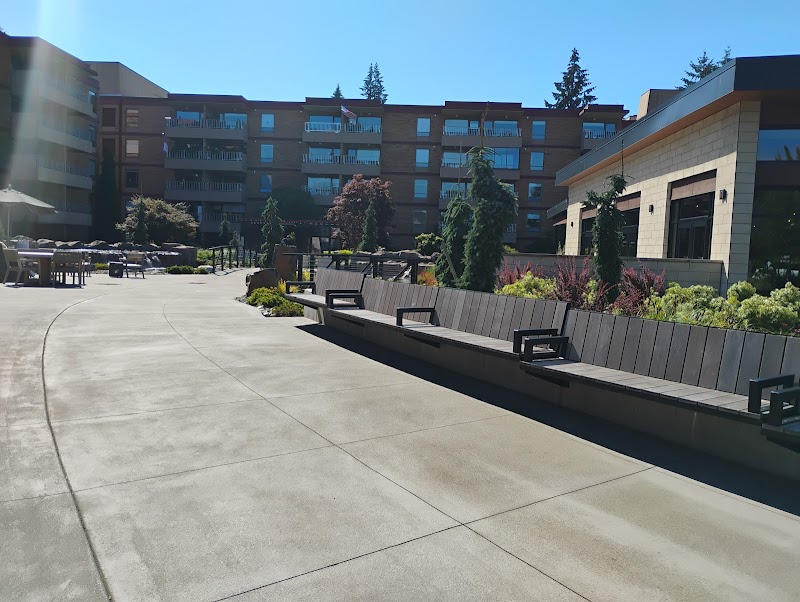
How is Panorama City Conv & Rehab Ctr Staffed?

CMS rates PANORAMA CITY CONV & REHAB CTR's staffing level at 5 out of 5 stars, which is much above average compared to other nursing homes. Staff turnover is 28%, compared to the Washington average of 46%. This relatively stable workforce can support continuity of care.

What Have Inspectors Found at Panorama City Conv & Rehab Ctr?

State health inspectors documented 18 deficiencies at PANORAMA CITY CONV & REHAB CTR during 2022 to 2025. These included: 1 that caused actual resident harm and 17 with potential for harm. Deficiencies causing actual harm indicate documented cases where residents experienced negative health consequences.

Who Owns and Operates Panorama City Conv & Rehab Ctr?

PANORAMA CITY CONV & REHAB CTR is owned by a non-profit organization. Non-profit facilities reinvest revenue into operations rather than distributing to shareholders. The facility operates independently rather than as part of a larger chain. With 155 certified beds and approximately 117 residents (about 75% occupancy), it is a mid-sized facility located in LACEY, Washington.

How Does Panorama City Conv & Rehab Ctr Compare to Other Washington Nursing Homes?

Compared to the 100 nursing homes in Washington, PANORAMA CITY CONV & REHAB CTR's overall rating (5 stars) is above the state average of 3.2, staff turnover (28%) is significantly lower than the state average of 46%, and health inspection rating (4 stars) is above the national benchmark.

What Should Families Ask When Visiting Panorama City Conv & Rehab Ctr?

Based on this facility's data, families visiting should ask: "Can I visit during a mealtime to observe dining assistance and food quality?" "How do you handle medical emergencies, and what is your hospital transfer rate?" "Can I speak with family members of current residents about their experience?"

Is Panorama City Conv & Rehab Ctr Safe?

Based on CMS inspection data, PANORAMA CITY CONV & REHAB CTR has a clean safety record: no substantiated abuse findings (meaning no confirmed cases of resident harm), no Immediate Jeopardy citations (the most serious violation level indicating risk of serious injury or death), and is not on the Special Focus Facility watch list (a federal program monitoring the lowest-performing 1% of nursing homes). The facility has a 5-star overall rating and ranks #1 of 100 nursing homes in Washington. While no facility is perfect, families should still ask about staff-to-resident ratios and recent inspection results during their visit.

Do Nurses at Panorama City Conv & Rehab Ctr Stick Around?

Staff at PANORAMA CITY CONV & REHAB CTR tend to stick around. With a turnover rate of 28%, the facility is 18 percentage points below the Washington average of 46%. Low turnover is a positive sign. It means caregivers have time to learn each resident's needs, medications, and personal preferences. Consistent staff also notice subtle changes in a resident's condition more quickly. Registered Nurse turnover is also low at 5%, meaning experienced RNs are available to handle complex medical needs.

Was Panorama City Conv & Rehab Ctr Ever Fined?

PANORAMA CITY CONV & REHAB CTR has been fined $18,633 across 2 penalty actions. This is below the Washington average of $33,265. While any fine indicates a compliance issue, fines under $50,000 are relatively common and typically reflect isolated problems that were subsequently corrected. Families should ask what specific issues led to these fines and confirm they've been resolved.

Is Panorama City Conv & Rehab Ctr on Any Federal Watch List?

PANORAMA CITY CONV & REHAB CTR is not on any federal watch list. The most significant is the Special Focus Facility (SFF) program, which identifies the bottom 1% of nursing homes nationally based on persistent, serious quality problems. Not being on this list means the facility has avoided the pattern of deficiencies that triggers enhanced federal oversight. This is a positive indicator, though families should still review the facility's inspection history directly.