ROO LAN HEALTH & REHAB


1505 CARPENTER ROAD SE, LACEY, WA 98503 (360) 491-1765
For profit - Corporation 96 Beds Independent Data: November 2025 2 Immediate Jeopardy citations
Trust Grade
0/100
#185 of 190 in WA
Last Inspection: February 2025

Within standard 12-15 month inspection cycle. Federal law requires annual inspections.

Overview

Roo Lan Health & Rehab in Lacey, Washington, has received a Trust Grade of F, indicating significant concerns about the quality of care provided. Ranking #185 out of 190 in the state means it is in the bottom tier of facilities, and #6 out of 7 in Thurston County suggests only one other local option is worse. The facility's condition is worsening, as issues increased from 40 in 2024 to 56 in 2025, raising alarms for families considering this home. Staffing is a concern, with a 70% turnover rate and only a 2-star rating, which is below average, while RN coverage is less than 80% of state facilities, potentially affecting the quality of care. Recent inspector findings included critical failures, such as not performing CPR in emergencies and delays in addressing serious health changes, which resulted in harm to residents. While there are some staff members who are dedicated, the overall environment presents many risks that families should carefully consider.

Trust Score
F
0/100
In Washington
#185/190
Bottom 3%
Safety Record
High Risk
Review needed
Inspections
Getting Worse
40 → 56 violations
Staff Stability
⚠ Watch
70% turnover. Above average. Higher turnover means staff may not know residents' routines.
Penalties
✓ Good
$110,686 in fines. Lower than most Washington facilities. Relatively clean record.
Skilled Nurses
○ Average
Each resident gets 30 minutes of Registered Nurse (RN) attention daily — about average for Washington. RNs are the most trained staff who monitor for health changes.
Violations
⚠ Watch
125 deficiencies on record. Higher than average. Multiple issues found across inspections.
★☆☆☆☆
1.0
Overall Rating
★★☆☆☆
2.0
Staff Levels
★★☆☆☆
2.0
Care Quality
★☆☆☆☆
1.0
Inspection Score
Stable
2024: 40 issues
2025: 56 issues

The Good

  • Full Sprinkler Coverage · Fire safety systems throughout facility
  • No fines on record

Facility shows strength in fire safety.

The Bad

1-Star Overall Rating

Below Washington average (3.2)

Significant quality concerns identified by CMS

Staff Turnover: 70%

24pts above Washington avg (46%)

Frequent staff changes - ask about care continuity

Federal Fines: $110,686

Well above median ($33,413)

Significant penalties indicating serious issues

Staff turnover is elevated (70%)

22 points above Washington average of 48%

The Ugly 125 deficiencies on record

2 life-threatening 4 actual harm
Aug 2025 6 deficiencies
CONCERN (D) 📢 Someone Reported This

A family member, employee, or ombudsman was alarmed enough to file a formal complaint

Potential for Harm - no one hurt, but risky conditions existed

Pressure Ulcer Prevention (Tag F0686)

Could have caused harm · This affected 1 resident

**NOTE- TERMS IN BRACKETS HAVE BEEN EDITED TO PROTECT CONFIDENTIALITY** Based on observation, interview and record review the facility failed to ensure adequate care and services were provided to prom...

Read full inspector narrative →
**NOTE- TERMS IN BRACKETS HAVE BEEN EDITED TO PROTECT CONFIDENTIALITY** Based on observation, interview and record review the facility failed to ensure adequate care and services were provided to promote wound healing and prevent pressure ulcers from developing or worsening by assessing wounds timely, and following physicians' s orders timely for 2 of 3 sampled residents (Resident 1 and 4) reviewed for pressure ulcers. This failure placed residents at risk for worsening pressure ulcers, infections and medical complications.Findings included .Facility PolicyReview of facility policy, titled Skin Assessment, effective 03/03/2025 showed A full body, or head-to-toe assessment, will be conducted upon admission/readmission, weekly, and with any change of condition or after any newly identified pressure injuryReview of facility policy, titled Wound Treatment Management, undated, showed, Wound treatments will be provided in accordance with physician orders, including the cleansing method, type of dressing, and frequency of dressing change. Treatments will be documented on the Treatment Administration Record or in the electronic health record . The effectiveness of treatments will be monitored through ongoing assessment of the wound.Resident 4Resident 4 was admitted to the facility on [DATE] with diagnoses including Diabetes, Peripheral Vascular Disease (poor circulation of extremities), and End Stage Renal Disease (advanced disease of kidneys). The admission Minimum Data Set (MDS), an assessment tool, dated 07/29/2025, documented Resident 1 was cognitively intact, required partial staff assist for dressing, repositioning, had two unstageable pressure ulcers (damage to skin and underlying structures without ability to determine severity because unable to visualize wound bed) and two venous/arterial ulcers, a diabetic ulcer and a skin tear on admission to the facility.Review of Resident 4's admission assessment, dated 07/25/2025, showed the following: Left heel pressure - Suspected deep tissue injury (SDTI) (localized area discolored intact skin or blood-filled blister that indicates underlying soft tissue damage). Left Toe - SDTI Left Antecubital space (front side of elbow) - Skin tear Bilateral Lower Extremities - Discolored due to poor circulationThe assessment did not show documentation regarding a pressure ulcer to the buttocksReview of Resident 4's Skin Assessment, dated 07/27/2025, showed the following: Left heel SDTI Left great (big) toe with diabetic ulcer.The assessment did not include wound measurements or descriptions of the wound.Review of Resident 4's wound consultant report, dated 07/30/2025 (5 days after admission), showed the following: Left Heel - DTPI (deep tissue pressure injury/persistent non-blanchable deep red, purple or maroon areas of intact skin of blood-filled blisters) - 3 centimeters (cm) x 4 cm x 0 Wound 2 Buttocks - DTPI - 6 cm x 8.5 cm x 0 intact with signs of infection. Wound 3 Left great toe - Diabetic foot ulcer - 1 cm x 1.5 cm x 0Review of Resident 4's Physician Order, dated 08/02/2025, showed the following: Wound 2, buttocks - reinforce off loading, if skin breaks down, border foam dressing every three days. Discontinued 08/09/2025.Review of Resident 4's electronic medication administration record (EMAR) dated 08/2025 showed the following: Wound 2, Buttock Pressure DTPI Treatment Recommendations: reinforce offloading. If skin begins to break down, may place bordered foam every 3 days and as needed once daily. No documentation was found that treatments were completed on 08/02/2025 and 08/04/2025.During an interview on 08/09/2025 at 9:30 AM, Resident 4 was inquiring about how often staff were to provide wound care to wounds and said they did not believe they were getting wound care being completed per provider order. Resident 4 stated, It's only done by the wound group every week.During an interview and review of documents on 08/18/2025 at 2:15 PM, Staff G, Resident Care Manager (RCM) acknowledged Resident 4 was admitted to the facility on [DATE] and the facility did not complete a wound assessment to include wound measurements and wound description until the wound consultants completed a wound assessment on 07/30/2025 (5 days) after admission. She acknowledged the wound assessments should be completed on admission and weekly. The RCM acknowledged the wound consultants recommended the resident should be referred to the resident's vascular surgeon and the facility had not made the referral.Resident 1Resident 1 was admitted to the facility on [DATE] with diagnoses including Multiple Sclerosis (neurological disorder), Cellulitis (skin infection) and a pressure ulcer to the left buttocks. The admission MDS, dated [DATE], documented Resident 1 was cognitively intact, had impairment to their lower extremities and required staff assistance for activities of daily living.Review of Resident 1's EMAR, dated 08/2025, showed the following: 06/27/2025 - Wound care right knee: 1. Skin prep (liquid skin protectant). daily one time a day for wound care. Not signed as completed 08/01/2025 and 08/02/2025. 06/27/2025 - Wound care left knee: 1. Skin prep daily one time a day for wound care. Not signed as completed 08/01/2025 and 08/02/2025. 07/19/2025 - Wound 2 Right Foot Abrasion. Cleanse wound to patient tolerance with house wound cleanser and gauze. Normal Saline (NS) may be substituted if a wound cleanser is not available. Treat peri wound (around wound) with skin prep. Apply oil emulsion to the wound bed. Cover with rolled gauze. One time a day for wound care. Not signed as completed 08/01/2025 and 08/02/2025. 07/19/2025 - Wound 3: Left Buttock Surgical Treatment Recommendations: Cleanse wound to patient tolerance with house wound cleanser and gauze. NS may be substituted if a wound cleanser is not available. Treat peri wound with skin prep (liquid skin protectant). Apply 1/4 Dakins (topical antiseptic for wounds) soaked gauze to the wound bed. Cover with superabsorbent dressing one time a day for wound care. Not signed as completed 08/02/2025. 07/19/2025 - Wound 4: Right foot: for toes: 1. Keep eschar (hard black layer of dead tissue) as dry as possible. Ok to get in shower but pat dry thoroughly afterwards. 2. Apply betadine (antiseptic) daily to eschar only 3. Let dry completely and leave open to the air or wrap loosely with kerlix (cling wrap) one time a day for wound care. Not signed as completed 08/01/2025 and 08/02/2025. 08/02/2025 - Wound 3: Left Buttock Surgical Treatment Recommendations: Cleanse wound to patient tolerance with house wound cleanser and gauze. NS may be substituted if a wound cleanser is not available. Treat peri wound with skin prep. Apply 1/4 th Dakins soaked gauze to the wound bed. Cover with superabsorbent dressing two times a day for wound care. Not signed as completed am on 08/02/2025.During an interview on 08/05/2025 at 2:10 PM, Resident 1 said they provided wound care sporadically and that it was not completed on 08/01/2025 (Friday) or 08/02/2025 (Saturday) but they did provide wound care on 08/03/2025 (Sunday).During an interview on 08/21/2025 at 3:08 M, Staff G, Resident Care Manger (RCM) acknowledged Resident 1's wound treatments were not signed by the nurse as completed on 08/01/2025 and 08/02/2025.During an interview on 08/22/2025 at 4:55 PM, Staff B, Director of Nursing, acknowledged resident's wound/skin assessments were to be completed weekly by nursing or by the wound consultants and physician orders were to be followed and documented in the medical record.Reference WAC 388-97-1060 (3)(b)
CONCERN (D) 📢 Someone Reported This

A family member, employee, or ombudsman was alarmed enough to file a formal complaint

Potential for Harm - no one hurt, but risky conditions existed

Menu Adequacy (Tag F0803)

Could have caused harm · This affected 1 resident

**NOTE- TERMS IN BRACKETS HAVE BEEN EDITED TO PROTECT CONFIDENTIALITY** Based on observation, interview and record review, the facility failed to provide prescribed nutritional supplements with meals ...

Read full inspector narrative →
**NOTE- TERMS IN BRACKETS HAVE BEEN EDITED TO PROTECT CONFIDENTIALITY** Based on observation, interview and record review, the facility failed to provide prescribed nutritional supplements with meals for 2 of 2 residents (Resident 1 and 5) reviewed for nutrition. This failure placed residents at risk for decreased quality of life and weight loss. Findings included.Resident 1Resident 1 was admitted to the facility on [DATE] with diagnoses including multiple sclerosis (neurological condition), cellulitis (skin infection) and a pressure ulcer to the left buttocks. The admission Minimum Data Set (MDS), an assessment dated [DATE], documented Resident 1 was cognitively intact and required supervision to eat. Review of Resident 1's physician's order, dated 06/25/2025, showed an order for regular diet, regular texture and thin consistency.Review of Resident 1's physician's order, dated 06/30/2025, showed an order for mighty shakes (high calorie, high protein nutritional supplement) for wounds with lunch and dinner.During observation on 08/06/2025 at 9:10 AM, showed Resident 1 with his breakfast tray. The meal ticket on the tray showed breakfast should include two hardboiled eggs, sausage, biscuit, and milk. The breakfast tray had one egg, a waffle, rice cereal and a drink with no condiments.During observation on 08/06/2025 at 6:20 PM, showed Resident 1's dinner tray with chicken, macaroni and cheese, vegetables, corn bread and fruit. The menu indicated the resident would receive baked ham for the meat. Resident was agitated and said, I'm not eating that! An unidentified nursing assistant offered Resident 1 the alternative meal and resident refused and stated, I'm not special, I don't need a special meal, I want what everybody else is having.During an interview on 08/06/2025 at 6:00 PM with Staff E, Interim Dietary Manager, she stated we ran out of the ham about four trays before the end of the run so I gave the resident the alternative meat (chicken).During observation on 08/07/2025 at 10:15 AM, showed Resident 1's breakfast tray which included scrambled eggs, yogurt, and a fruit cup. The menu indicated the resident was to receive coffee cake and no coffee cake was provided.During observation and interview on 08/07/2025 at 10:15 AM, Resident 1's breakfast meal showed the meal ticket indicated the resident was to have coffee cake with his breakfast. Resident 1 did not have coffee cake or any cake or pastry on the breakfast tray. Resident 1 said he was always missing something off of his tray.Resident 5Resident 5 was admitted to the facility on [DATE] with diagnoses including Alzheimer's Disease and Dementia. The significant change MDS, dated [DATE], documented Resident 1 was cognitively impaired, and required staff assistance for eating.Resident 5's physicians' orders showed the following:01/10/2024 - Regular diet, regular texture, thin consistency07/08/2025 - Magic Cup (nutritional supplement) three times per day. Order discontinued08/21/2025 - Mighty shakes three times per day.During observation on 8/21/2025 at 1:49 PM, Resident 5's lunch meal showed no magic cup or mighty shake on the lunch tray.During an interview on 08/20/2025 at 10:50 AM, Staff F, Dietary Manager 2, stated she started this position seven days prior. Staff F said she has had little training. She said she was given the facility policies the other day and has had no interaction with the consultant Dietician.During a telephone interview on 08/21/2025 at 1:26 PM, Staff I, Dietician said magic cup was a high protein and high calorie supplement that she specifically will order for residents. She stated the previous Dietary Manager kept them in stock and was unsure why the facility did not have any in stock. During an interview on 08/22/2025 at 1:58 PM, with Staff F, Dietary Manager 2 she was asked why Resident 5 did not have a magic cup on their lunch tray. She stated they ran out of the magic cups and mighty shakes yesterday and no residents received them with their breakfast and lunch.During an interview on 08/22/2025 at 4:55 PM with Staff B, Director of Nursing, he acknowledged four residents did not receive the prescribed supplements of magic cup and 12 residents did not receive their might shakes on 8/22/2025 for breakfast and lunch meals. Reference WAC 388-97-1160 (1)(a)(b)
CONCERN (D) 📢 Someone Reported This

A family member, employee, or ombudsman was alarmed enough to file a formal complaint

Potential for Harm - no one hurt, but risky conditions existed

Infection Control (Tag F0880)

Could have caused harm · This affected 1 resident

**NOTE- TERMS IN BRACKETS HAVE BEEN EDITED TO PROTECT CONFIDENTIALITY** Based on review of observation, interview and record review the facility failed to follow infection control practices for transm...

Read full inspector narrative →
**NOTE- TERMS IN BRACKETS HAVE BEEN EDITED TO PROTECT CONFIDENTIALITY** Based on review of observation, interview and record review the facility failed to follow infection control practices for transmission-based precautions for 1 of 1 resident (Resident 6) reviewed for infection control. This failure placed residents at risk for spread of infection, health complications, and a diminished quality of life. Findings included .Facility PolicyReview of the facility policy, titled Transmission-based Precautions undated showed, Signage that includes instructions for use of specific PPE [personal protective equipment] will be placed in a conspicuous location outside the resident's room, wing, or facility-wide. Additionally, either the CDC category of transmission-based precautions (e.g., contact, droplet, or airborne) or instructions to see the nurse before entering will be included in the signage. Contact Precautions: The facility will have PPE readily available near the entrance of the resident's room and will don appropriate PPE before or upon entry into the environment of a resident on transmission-based precautions. Intended to prevent transmission of pathogens that are spread by direct or indirect contact with the resident or the resident's environment. Healthcare personnel caring for residents on Contact Precautions wear a gown and gloves for all interactions that may involve contact with the resident or potentially contaminated areas in the resident's environment. Donning personal protective equipment (PPE) upon room entry and discarding before exiting the room is done to contain pathogens, especially those that have been implicated in transmission through environmental contamination. Review of facility policy, titled Infection Reporting, undated, showed, Transmission-based precautions will be noted with a sign on the resident's door for the duration the resident is on transmission-based precautions.Review of the Center for Disease Control (CDC) website documented Carbapenem-resistant Acinetobacter baumannii (CRAB) is a species of bacteria that is an opportunistic pathogen. It can cause a variety of different types of infections. Infections caused by (CRAB) are resistant to all available antibiotics. CRAB spreads through direct and indirect contact with patients infected or colonized with CRAB or contaminated environmental surfaces. Wear Gown & Gloves when caring for patients with CRAB. Carbapenemases identified in U.S. CRAB.Less Common.OXA- 235-like.Resident 6 was admitted to the facility on [DATE] with diagnoses including quadriplegia (loss of motor and/or sensory function to trunk and limbs). The quarterly Minimum Data Set (MDS), an assessment tool, dated 07/30/2025, documented Resident 6 was cognitively intact, and required staff assistance for activities of daily living.Resident 6's lab result (rectal swab) dated 07/31/2025 documented OXA-235 like detected. Hand written note on lab result showed, Contact precautions.Resident 6's care plan, dated 7/29/2025, showed the resident was on enhanced barrier precautions related to a suprapubic catheter (flexible tube into bladder to drain urine).During an observation and interview on 08/20/2025 at 12:45 PM, Resident 6's room did not have signage on the resident's door to indicate the resident was on contact precautions. Further observation showed Staff D, Certified Nursing Assistant (CNA) in the room at the bedside of Resident 6, assisting the resident with the tv remote. Staff D did not wear a gown or gloves. Staff D exited the resident's room. Staff D was asked if they were aware Resident 6 was on contact precautions. Staff D said they were aware but did not realize they needed to wear PPE.During an interview on 08/20/2025 at 4:19 PM, Staff B, Director of Nursing (DNS) said usually if a resident is on contact precautions they would just use PPE for the resident in the room who was on precautions but stated they contacted people today and they are going to use PPE for all residents in the room who are on contact precautions.During an interview on 08/22/2025 at 3:00 PM, Staff C, Infection Preventionist, acknowledged Resident 6 had a positive wound culture and they implemented contact precautions. Staff C said she was unsure why there was no signage on the resident's door. Staff C acknowledged staff were to don a gown and gloves prior to entering a resident's room on contact precautions.Reference WAC 388-97-1320 (2)(b)
CONCERN (E) 📢 Someone Reported This

A family member, employee, or ombudsman was alarmed enough to file a formal complaint

Potential for Harm - no one hurt, but risky conditions existed

Administration (Tag F0835)

Could have caused harm · This affected multiple residents

Based on observation, interview and record review the facility Administration failed to ensure there was active and engaged oversight and a monitoring system in place to correct findings from an inter...

Read full inspector narrative →
Based on observation, interview and record review the facility Administration failed to ensure there was active and engaged oversight and a monitoring system in place to correct findings from an internal audit related to treatment and service to prevent/heal pressure ulcers, food procurement, sufficient dietary support personnel and a sanitary kitchen. This failure placed residents at risk for development or worsening pressure ulcers, food borne illness and a diminished quality of life. Findings included .Review of a facility document titled Mock Survey, dated 07/28/2025 and 07/29/2025 included the following:The facility failed to ensure a resident receives care consistent with professional standards of practice, to prevent pressure injuries and does not does not develop pressure injuries.skin checks not completed every 7 days.no measurements of this wound were taken other than the measurements taken upon admission.Infection Prevention/Control.follow enhanced barrier precautions for residents.standing/pooled water on the floor between the walk-in fridge and freezer.Towels on the floor under food racks.[Staff L, Dietary Aid 2] observed performing chemical testing of water to ensure product disbursement. Recommend staff training on proper chemical testing procedures.Kitchen hood dirty with dust and debris.During complaint investigation observation, interview and record review showed the facility was aware and had not taken actions to correct the above findings.Refer to F 686 - Pressure Ulcers. The Administration failed to ensure a system was in place to ensure skin assessments and wound treatments were completed to treat and prevent pressure injuries for Resident 1 and Resident 5.Refer to F 802 - Sufficient Dietary Personnel. The Administration failed to ensure sufficient dietary staff were trained and competent in recognizing and documenting appropriate food temperatures, appropriate chemical sanitation of the dishwasher, sanitizer bucket and three compartment sink, and providing meals at the established mealtimes for 1 of 1 kitchen. This failure placed residents at risk of food born illness and decreased quality of life.Refer to F 812 - Food Safety Requirements. The Administration failed to ensure food temperatures were taken and documented, failed to ensure foods were cooked and served at the appropriate temperatures, failed to ensure food was stored and prepared in a sanitary manner, failed to ensure chemical solutions and water temperatures in the kitchen were maintained and documented and failed to ensure staff utilized proper handwashing during meal preparation and serving. This failure placed all residents at risk for food borne illness.Refer to F 880 - Infection Control. The Administration failed to ensure staff were properly trained in transmission based precautions for a antibiotic resistant bacteria.During an interview on 08/22/2025 at 4:40 PM, Staff A, Administrator, acknowledged the facility had staff turnover with kitchen staff and Dietary Managers within the previous several months. Staff A acknowledged staff were new to the facility and still in training. The Administrator acknowledged the facility had an internal audit with findings. Staff A acknowledged he was responsible for ensuring oversight in the kitchen. Staff A said the facility has a Dietician Consultant that comes to the facility weekly and he was aware the Dietician Consultant did not oversee the kitchen. Reference WAC 388-97-1620.
CONCERN (F) 📢 Someone Reported This

A family member, employee, or ombudsman was alarmed enough to file a formal complaint

Potential for Harm - no one hurt, but risky conditions existed

Deficiency F0802 (Tag F0802)

Could have caused harm · This affected most or all residents

Based on observation, interview and record review the facility failed to ensure sufficient dietary staff were trained and competent in recognizing and documenting appropriate food temperatures, approp...

Read full inspector narrative →
Based on observation, interview and record review the facility failed to ensure sufficient dietary staff were trained and competent in recognizing and documenting appropriate food temperatures, appropriate chemical sanitation of the dishwasher, sanitizer bucket and three compartment sink, and providing meals at the established mealtimes for 1 of 1 kitchen. This failure placed residents at risk of food born illness and decreased quality of life.Findings included.Food TemperaturesFacility Policy Review of facility policy, titled, Food Safety Requirements undated showed, staff shall monitor food temperatures while holding for delivery to ensure proper hot and cold holding temperatures are maintained. Staff shall refer to the current FDA Food Code and facility policy for food temperatures as needed. Reheating - food that is cooked and cooled must be reheated so that all parts of the food reach an internal temperature of 165 FReview of facility policy titled Record of Food Temperatures, undated, included the following, Food temperatures will be checked on all items prepared in the dietary department. Hot foods will be held at 135 degrees Fahrenheit or greater. Measure and record the temperatures for each food product and milk at all meals. Record temperature on temperature log. No food will be served that does not meet the food code standard temperatures. Food temperatures will be verified using a thermometer which is both clean, sanitized and calibrated to ensure accuracy.Review of weekly food temperature logs, dated 06/08/2025-08/22/2025, showed missing temperatures for the following dates:06/20/2025 - Breakfast and lunch meals.06/21/2025 - Breakfast, lunch and dinner meals.07/03/2025 -Dinner meal.07/04/2025 - Lunch and Dinner meals.07/05/2025 - Breakfast, lunch and dinner meals.07/06/2025- 07/19/2025 - Breakfast, lunch and dinner meals.07/27/2025 - 08/05/2025 - Breakfast, lunch and dinner meals.08/06/2025 - Breakfast and lunch.08/07/2025 - Lunch meal.08/08/2025 - 08/10/2025 - Breakfast, lunch and dinner meals.08/11/2025 - 08/13/2025 - Breakfast, lunch and dinner meals.During an observation and interview in the kitchen on 08/05/2025 at 11:45 AM, with Staff H - [NAME] 1 and Staff L - Dietary Aid 2. Observation of Staff H showed they took the food temperatures with a thermometer. Staff H pointed at a purple thermometer and stated that one is broken so I bring my own from home. Staff H said she was new and had very little training and had taken food temperatures once before.On 08/05/2025 at 1:15 PM, Staff L removed chicken from the oven and took the temperature of the chicken with the purple thermometer. The chicken appeared undercooked. The temperature of the chicken was 117 degrees F. Staff L took the chicken to the food chopper to be chopped. Staff H was asked to stop Staff L from chopping the chicken. Staff H told Staff L we can't serve raw chicken and instructed Staff L to place the chicken back in the oven.On 08/05/2025 at 1:50 PM, Staff H took a cheeseburger to Resident 9's room. Staff H was asked to take the temperature of the cheeseburger. The temperature was 126 degrees F. Staff H was asked what the temperature should be and Staff H responded it should be 165 degrees F but he wanted it. Staff H left the lunch meal with Resident 9.During an observation and interview in the kitchen on 08/06/2025 at 12:15 PM, Staff L was observed taking the temperature of a hamburger patty with a purple thermometer. The temperature of the meat was 112 degrees F. Staff L could not verbalize what the food temperature should be and acknowledged the thermometer was broken and there was no other working thermometer in the kitchen. Staff A, Administrator entered the kitchen and was advised there was not a functioning thermometer. Staff A left the kitchen and returned with a functioning thermometer.DishwasherDuring an observation of the kitchen on 08/20/2025 at 9:55 AM, Staff L was asked to complete a chemical test for the dishwasher. The chemical strip did not show adequate chemical concentration.During an observation on 08/20/2025 at 10:05 AM, Staff F, Dietary Manager 2, stated she would call the company who maintained the dishwasher to assess the dishwasher. Staff F filled the sanitation bucket for silverware with water and added the chemical. Staff F said the strip was 10 and should be 200 - 275. Staff F acknowledged they use the 3 compartments sink daily and there was no documentation of monitoring the temperature or chemical testing.During an interview on 08/20/2025 at 11:58 AM, with the Echo lab technician he stated he came to assess the dishwasher as requested by facility. He stated the dishwasher is testing at 100 ppm which is adequate. He stated the facility ran out of the correct sink and surface product to use so the facility hooked it up to a chorine-based product, so they were checking the chemical using the wrong chemical strips. He said they needed to use chlorine strips to check ppm. He said he counseled staff to increase the product until it comes up to an appropriate level and order the correct sanitizer. During an observation and interview on 08/21/2025 at 12:51 PM, Staff K, Dietary Aid 1, was asked if he could demonstrate the chemical testing for the dishwasher and the sanitary bucket. Staff K was unable to demonstrate how to complete the testing. Staff K said not sure if I did strips. Staff K was unable to show documentation of current dishwasher temperatures and chemical testing documentation for the dishwasher, 3 compartment sink or sanitary bucket.During an interview on 08/20/2025 at 10:50 AM, Staff F, stated she started this position seven prior. Staff F said she has had little training. Staff F said she was given the facility policies the other day and had no interaction with the consultant Dietician.During an interview on 08/21/2025 at 1:00 PM, with Staff F, Dietary Manager 2, she said the cook walked out so she had to take over cooking and had a new cook that she was responsible for training.During a telephone interview on 08/21/2025 at 1:14 PM, with Staff I, Dietician Consultant, she said she works at the facility one day per week. She said she is a consultant and does not have any kitchen involvement and does not oversee the kitchen. Staff I said she has clinical duties only.During an interview on 08/22/2025 at 4:40 PM, Staff A, Administrator, acknowledged the facility has had staff turnover with kitchen staff and Dietary Managers within the last several months. He acknowledged staff were new to the facility and were still in training. The Administrator acknowledged he is responsible for ensuring oversight in the kitchen.See F812Reference WAC 388-97-1160
CONCERN (F) 📢 Someone Reported This

A family member, employee, or ombudsman was alarmed enough to file a formal complaint

Potential for Harm - no one hurt, but risky conditions existed

Food Safety (Tag F0812)

Could have caused harm · This affected most or all residents

Based on observations, interviews and record reviews, the facility failed to ensure food temperatures were taken and documented, failed to ensure foods were cooked and served at the appropriate temper...

Read full inspector narrative →
Based on observations, interviews and record reviews, the facility failed to ensure food temperatures were taken and documented, failed to ensure foods were cooked and served at the appropriate temperatures, failed to ensure food was stored and prepared in a sanitary manner, failed to ensure chemical solutions and water temperatures were maintained and documented and failed to ensure staff utilized proper handwashing during meal preparation and serving in 1 of 1 kitchen. This failure placed residents at risk for food borne illness.Findings included.Food TemperaturesFacility Policy Review of facility policy, titled, Food Safety Requirements undated showed, staff shall monitor food temperatures while holding for delivery to ensure proper hot and cold holding temperatures are maintained. Staff shall refer to the current FDA Food Code and facility policy for food temperatures as needed. Reheating - food that is cooked and cooled must be reheated so that all parts of the food reach an internal temperature of 165 FReview of facility policy titled Record of Food Temperatures, undated, included the following, Food temperatures will be checked on all items prepared in the dietary department. Hot foods will be held at 135 degrees Fahrenheit or greater. Measure and record the temperatures for each food product and milk at all meals. Record temperature on temperature log. No food will be served that does not meet the food code standard temperatures. Food temperatures will be verified using a thermometer which is both clean, sanitized and calibrated to ensure accuracy.Review of weekly food temperature logs, dated 06/08/2025-08/22/2025, showed missing temperatures for the following dates:06/20/2025 - Breakfast and lunch meals.06/21/2025 - Breakfast, lunch and dinner meals.07/03/2025 -Dinner meal.07/04/2025 - Lunch and Dinner meals.07/05/2025 - Breakfast, lunch and dinner meals.07/06/2025- 07/19/2025 - Breakfast, lunch and dinner meals.07/27/2025 - 08/05/2025 - Breakfast, lunch and dinner meals.08/06/2025 - Breakfast and lunch.08/07/2025 - Lunch meal.08/08/2025 - 08/10/2025 - Breakfast, lunch and dinner meals.08/11/2025 - 08/13/2025 - Breakfast, lunch and dinner meals.During an observation and interview in the kitchen on 08/05/2025 at 11:45 AM, with Staff H - [NAME] 1 and Staff L - Dietary Aid 2. Observation of Staff H showed they took the food temperatures with a thermometer. Staff H pointed at a purple thermometer and stated that one is broken so I bring my own from home. Staff H said she was new and had very little training and had taken food temperatures once before.On 08/05/2025 at 1:15 PM, Staff L removed chicken from the oven and took the temperature of the chicken with the purple thermometer. The chicken appeared undercooked. The temperature of the chicken was 117 degrees F. Staff L took the chicken to the food chopper to be chopped. Staff H was asked to stop Staff L from chopping the chicken. Staff H told Staff L we can't serve raw chicken and instructed Staff L to place the chicken back in the oven.On 08/05/2025 at 1:50 PM, Staff H took a cheeseburger to Resident 9's room. Staff H was asked to take the temperature of the cheeseburger. The temperature was 126 degrees F. Staff H was asked what the temperature should be and Staff H responded it should be 165 degrees F but he wanted it. Staff H left the lunch meal with Resident 9.During an observation and interview in the kitchen on 08/06/2025 at 12:15 PM, Staff L was observed taking the temperature of a hamburger patty with a purple thermometer. The temperature of the meat was 112 degrees F. Staff L could not verbalize what the food temperature should be and acknowledged the thermometer was broken and there was no other working thermometer in the kitchen. Staff A, Administrator entered the kitchen and was advised there was not a functioning thermometer. Staff A left the kitchen and returned with a functioning thermometer.During an observation of lunch meal service on 08/18/2025 at 1:00 PM with Staff F, Dietary Manager 2 showed a requested temperature check of a lunch tray for Resident 8. Food temperatures were as follows:Mashed potatoes 133 degrees Fahrenheit (F), pot roast 127 degrees F. When asked if food was at an adequate temperature to serve to the resident, Staff F said meat should be 135 degrees. Staff F directed delivery of lunch tray to Resident 8.During an interview with Resident 8 on 08/18/2025 at 1:05 PM, the resident was asked if her lunch was served at a warm temperature. Resident stated it .no it is lukewarm.Its usually just lukewarm.Food StorageObservation of the kitchen on 08/07/2025 at 3:35 PM, with Staff E, Interim Dietary Manager showed a 16 oz bag of marshmallows dated 7/28/2025 open to air and not sealed, with one eighth of the bag remaining, a 2 pound (lb) 5 ounce (oz) bag of frosted flake cereal, with one eighth of the bag remaining, opened to air, dated 08/11/2025, one plastic bag with macaroni, undated and open to the air, and two unlabeled clear plastic bins containing white powdered substance.DishwasherFacility PolicyReview of the facility policy, titled Dishwasher Temperatures undated, showed It is the policy of this facility to ensure dishes and utensils are cleaned under sanitary conditions through adequate dishwasher temperatures. For low temperature dishwashers (chemical sanitization):a. The wash temperature shall be 120 F.b. The sanitizing solution shall be 50ppm (parts per million) hypochlorite (chlorine) on dish surface in final rinse.2. Chemical solutions shall be maintained at the correct concentration, based on periodic testing, at least once per shift, and for the effective contact time according to manufacturer's guidelines. Results of concentration checks shall be recorded.3. Water temperatures shall be measured and recorded prior to each meal and/or after the dishwasher has been emptied or re-filled for cleaning purposes.Review of the facility policy, titled, Manual Ware washing 3 Compartment Sink undated showed The facility utilizes a 3 compartment sink to wash, rinse and sanitize pots, pans and other utensils to prevent the spread of bacteria that may cause food borne illness.A 3-step process is used to manually wash, rinse and sanitize dishware correctly: First step: Thorough washing using hot water and detergent after food particles have been scraped off. Second step: Rinsing with hot water to remove all soap residues. Third step: Sanitizing with either hot water (at least 171 degrees F) for 30 seconds or a chemical sanitizing solution used according to manufacturer's instructions. A temperature measuring device shall be provided by the facility and readily accessible for frequent measuring of the washing and sanitizing temperatures. Sanitizing solutions shall be tested by a test kit or other device that accurately measures the concentration in MG/L. Testing will occur periodically but not limited to:a. When sink is initially filled,b. At least once per shift,c. With extended use, andd. As neededReview of a Dietary Aide Checklist showed Prepare a sanitation bucket and record PPMReview of the facility sanitizer dish machine logs showed logs completed01/2025-05/2025, 08/01/2025- 08/19/2025 showed documentation of ppms documented six times per day with all ppms documented at 200.Review of facility dishwasher temperature logs dated 01/2025 only.During an observation of the kitchen on 08/20/2025 at 9:55 AM, Staff L was asked to complete a chemical test for the dishwasher. The chemical strip did not show adequate chemical concentration.During an observation on 08/20/2025 at 10:05 AM, Staff F, Dietary Manager 2, stated she would call the company who maintained the dishwasher to assess the dishwasher. Staff F filled the sanitation bucket for silverware with water and added the chemical. Staff F said the strip was 10 and should be 200 - 275. Staff F acknowledged they use the 3 compartment sink daily and there was no documentation of monitoring the temperature or chemical testing.During an interview on 08/20/2025 at 11:58 AM, with the Echo lab technician he stated he came to assess the dishwasher as requested by facility. He stated the dishwasher is testing at 100 ppm which is adequate. He stated the facility ran out of the correct sink and surface product to use so the facility hooked it up to a chorine-based product, so they were checking the chemical using the wrong chemical strips. He said they needed to use chlorine strips to check ppm. He said he counseled staff to increase the product until it comes up to an appropriate level and order the correct sanitizer. During an observation and interview on 08/21/2025 at 12:51 PM, Staff K, Dietary Aid 1, was asked if he could demonstrate the chemical testing for the dishwasher and the sanitary bucket. Staff K was unable to demonstrate how to complete the testing. Staff K said not sure if I did strips. Staff K was unable to show documentation of current dishwasher temperatures and chemical testing documentation for the dishwasher, 3 compartment sink or sanitary bucket.During an interview on 08/20/2025 at 10:50 AM, Staff F, stated she started this position seven prior. Staff F said she has had little training. Staff F said she was given the facility policies the other day and had no interaction with the consultant Dietician.Hand washingDuring an observation in the kitchen on 08/05/2025, Staff L opened a bag of frozen chicken with gloved hands, placed the chicken on a sheet pan with gloved hands, left the station and returned to the station with the same gloves on. Staff L removed the gloves and donned new gloves without sanitizing the hands.During an observation in the kitchen on 08/18/2025 at 12:25 PM, Staff M, [NAME] 2 with gloved hands plated food, left the station and picked up a slice of tomato and onion with the gloved hands, picked up a hamburger bun with the same gloved hands, picked up a cooked hamburger patty and placed it on the bun, removed the gloves and donned new gloves and did not sanitize the hands.At 12:30 PM Staff O, Dietary Aid 4, came from the other side of the kitchen to the food prep station with gloved hands picked up lettuce and sliced onion and placed it on bread, finished making the sandwich, removed the gloves and left the kitchen without sanitizing the hands.Sanitary Kitchen Review of a Cooks Daily Cleaning Schedule dated 07/24/2025 showed no documentation tasks were completed.Review of a Dietary Aide Daily Cleaning/Prep Schedule, undated showed no documentation tasks were completed.During an observation of the kitchen and interview on 08/07/2025 at 12:35 PM, with Staff N, Dietary Aid 3, the stove and oven was observed with caked on brown debris, a thick brown substance on the floor under the stove and grill doors, black liquid on the outside of the grill beneath the grease trap, and the walk in refrigerator with wet blankets soaking up water on the floor of the refrigerator. Staff N was asked how long the walk-in refrigerator had been leaking? He said it has been leaking as long as he had worked there, approximately 2 weeks.During an interview on 08/21/2025 at 1:00 PM, with Staff F, Dietary Manager 2, she said the cook walked out so she had to take over cooking and had a new cook that she was responsible for training. Staff F acknowledged the kitchen cleaning tasks have not been completed regularly.During a telephone interview on 08/21/2025 at 1:14 PM, with Staff I, Dietician Consultant, she said she works at the facility one day per week. She said she is a consultant and does not have any kitchen involvement and does not oversee the kitchen. Staff I said she has clinical duties only.During an interview on 08/22/2025 at 4:40 PM, Staff A, Administrator, acknowledged the facility has had staff turnover with kitchen staff and Dietary Managers within the last several months. He acknowledged staff are new to the facility and are still in training. The Administrator acknowledged he is responsible for ensuring oversight in the kitchen.Reference WAC 388-97-1100 (3)
Jul 2025 1 deficiency
CONCERN (D) 📢 Someone Reported This

A family member, employee, or ombudsman was alarmed enough to file a formal complaint

Potential for Harm - no one hurt, but risky conditions existed

Deficiency F0692 (Tag F0692)

Could have caused harm · This affected 1 resident

**NOTE- TERMS IN BRACKETS HAVE BEEN EDITED TO PROTECT CONFIDENTIALITY** Based on interview and record review the facility failed to obtain weights and failed to provide a recommended nutritional suppl...

Read full inspector narrative →
**NOTE- TERMS IN BRACKETS HAVE BEEN EDITED TO PROTECT CONFIDENTIALITY** Based on interview and record review the facility failed to obtain weights and failed to provide a recommended nutritional supplement for 1 of 3 (Resident 1) residents reviewed for nutrition. The facility's failure placed residents at risk for weight loss and decreased quality of life.Findings included.Review of the facility's policy, titled, Nutritional Management, undated, showed nutritional recommendations may be made by the dietician based on the resident's preferences, goals, clinical condition and other factors and followed up with the physician/practitioner for orders as per facility policy.Resident 1 was admitted to the facility on [DATE] with diagnoses including non-traumatic subarachnoid hemorrhage (bleeding in the space between the brain and the tissue covering the brain), cerebral aneurysm (weakness in the blood vessel in the brain that balloons and fills with blood), hemiplegia/hemiparesis (muscle weakness or partial paralysis on one side of the body) and dysphagia (difficulty in swallowing). The Minimum Data Set (MDS), an assessment tool, dated 05/13/2025, documented Resident 1 was cognitively intact, was on a mechanically altered diet and required staff supervision to eat.Review of a Physician's Orders for Resident 1, dated 05/09/2025, showed an order for admission weights (wt) for three days.Resident 1's weight, documented on 05/12/2025, was 138.3 pounds (lbs). No other weights were documented until 07/11/2025.Resident 1's Nutrition evaluation, dated 05/12/2025, showed Resident 1's weight was 144 lbs, ideal wt was 161 lbs, eating 50% of the previous nine meals, pureed diet, pudding thick, and to add Benecalorie (nutritional supplement designed to combat unintended weight loss) three times per day.Review of Resident 1's care plan, dated 06/07/2025, showed a potential/nutritional problem related to dysphagia (difficulty swallowing) with interventions including weekly weights.Review of Resident 1's Nutrition at risk (NAR) documentation, dated 06/24/2025, showed to obtain updated weight to confirm adequacy of intake (requested from nursing).Review of Resident 1's Nutrition at risk (NAR) documentation, dated 07/01/2025, showed to obtain updated weight to confirm adequacy of intake (requested from nursing).In an interview on 07/11/2025 at 1:10 PM, Staff B, Director of Nursing, acknowledged Resident 1 was at risk for weight loss and the resident did not have admission weights for the first three days and was not weighed weekly thereafter. Staff B acknowledged the Dietician recommended benicalorie (a nutritional supplement), the Dietician recommendation was not forwarded to the physician and Resident 1 did not receive the recommended dietary supplement. Reference WAC 388-97-1060(3)(h)
Jun 2025 1 deficiency
CONCERN (D) 📢 Someone Reported This

A family member, employee, or ombudsman was alarmed enough to file a formal complaint

Potential for Harm - no one hurt, but risky conditions existed

Pharmacy Services (Tag F0755)

Could have caused harm · This affected 1 resident

**NOTE- TERMS IN BRACKETS HAVE BEEN EDITED TO PROTECT CONFIDENTIALITY** . Based on interview and record review the facility failed to ensure accurate acquiring and receiving of all drugs and biologic...

Read full inspector narrative →
**NOTE- TERMS IN BRACKETS HAVE BEEN EDITED TO PROTECT CONFIDENTIALITY** . Based on interview and record review the facility failed to ensure accurate acquiring and receiving of all drugs and biologicals to meet the needs of 2 of 4 residents (6 and 9) reviewed. Failure to ensure ordered medications were received from pharmacy placed residents at risk for experiencing increased pain and a decreased quality of life. Findings included . <Resident 6> Resident 6 was admitted to the facility on [DATE]. According to the admission Minimum Data Set (MDS), an assessment tool, Resident 6 was cognitively intact, assessed with medically complex conditions including spinal stenosis and fractures of the thoracic vertebrae, received scheduled pain medication and was assessed with pain frequently. Review of the May 2025 Medication Administration Records (MARs) showed an order for Morphine Extended Release (ER), (narcotic pain medication) 30 milligrams to be administered every 12 hours for pain. Resident 6 did not receive three consecutive doses on 05/06/2025 at 8:00 PM, 05/07/2025 at 8:00 AM and 05/07/2025 at 8:00 PM. Progress notes, dated 05/07/2025 at 8:12 AM, showed med pending delivery. Progress notes, dated 05/07/2025 at 7:19 PM, showed Awaiting pharmacy delivery. In a telephone interview with Resident 6 on 06/13/2025, he stated he had chronic back pain and was prescribed Morphine twice a day. The resident acknowledged the facility ran out of my pain meds. <Resident 9> Resident 9 was admitted to the facility on [DATE]. According to the admission MDS, Resident 6 was cognitively intact, assessed with medically complex conditions including lumbar stenosis (narrowing of the open spaces in the lower lumbar spine) and back pain and received scheduled pain medication and was assessed to have pain occasionally. Review of June 2025 MARs showed an order for Norco (narcotic pain medication) 5-325 milligrams to be administered three times per day for pain. Resident 9 did not receive 4 consecutive doses scheduled to be administered 06/03/2025 at bedtime and on 06/04/2025 in AM, lunch and bedtime. Progress notes dated 06/03/2025 at 11:50 PM, showed Norco 5-325 mg. Give 1 tablet three times a day for chronic pain. pharmacy to supply. Progress notes dated 06/04/2025 at 8:00 AM, showed Norco 5-325 mg. Give 1 tablet three times a day for chronic pain. medication awaiting delivery. In an interview with Staff C, Licensed Practical Nurse (LPN) on 06/18/2025 at 9:45 AM, she stated Resident 9 received scheduled narcotic medication. The LPN acknowledged Resident 9 missed several doses of her scheduled narcotic pain medication and was unsure what happened. In an interview with Resident 9 on 06/18/2025 at 1:08 PM, Resident 9 said the facility ran out of my pain medication a while ago and missed a few doses. Resident 9 said she took pain medication regularly for back pain. In an interview with Staff B, Director of Nursing Services (DNS) on 06/27/2025 at 2:05 PM, he acknowledged Resident 6 missed three consecutive doses of his regular scheduled narcotic pain medication on 05/06/2025 and 05/07/2025 due to the medication was not received from the pharmacy timely. The DNS acknowledged Resident 9 missed 4 consecutive doses of their regular scheduled pain medication on 06/03/2025 and 06/04/2025. Reference WAC 388-97-1300 (1) (a) .
Mar 2025 1 deficiency 1 IJ
CRITICAL (J) 📢 Someone Reported This

A family member, employee, or ombudsman was alarmed enough to file a formal complaint

Immediate Jeopardy (IJ) - the most serious Medicare violation

Deficiency F0678 (Tag F0678)

Someone could have died · This affected 1 resident

**NOTE- TERMS IN BRACKETS HAVE BEEN EDITED TO PROTECT CONFIDENTIALITY** Based on interview and record review the facility failed to ensure staff performed Cardio-Pulmonary Resuscitation (CPR/an emerge...

Read full inspector narrative →
**NOTE- TERMS IN BRACKETS HAVE BEEN EDITED TO PROTECT CONFIDENTIALITY** Based on interview and record review the facility failed to ensure staff performed Cardio-Pulmonary Resuscitation (CPR/an emergency procedure consisting of chest compressions combined with giving breaths of air) and failed to assure required staff had unexpired CPR certifications for 1 of 1 resident (Resident 1) who was found unresponsive and had a physician's order for CPR. The failure of facility staff to initiate CPR placed all residents who chose to have CPR initiated at risk for serious injury, harm, impairment or death and represented an Immediate Jeopardy (IJ) situation. On [DATE] at 2:45 PM, the facility was notified of an IJ at CRF 483.24 (a)(3), F678 CPR, the IJ was determined to have begun on [DATE] when the facility failed to perform CPR. The facility's failure placed residents at risk for serious injury, harm, impairment or death. The facility removed the immediacy on [DATE] with an onsite verification by the investigator by review of staff education, verification staff obtained active CPR certifications, conducting staff interviews related to staff re-education regarding CPR policies and procedures which ensured an effective system was in place to safeguard, protect and prevent residents who require CPR. Findings included . Review of the facility's policy, titled Medical Emergency Response, undated showed the following: 1. The employee who first witnesses or is first on site of a medical emergency, that are trained, will initiate immediate action, including CPR as appropriate, basic first aid and summon for assistance. 2. CPR will continue unless: a. There is a DNR [Do Not Resuscitate] in place b. There is obvious signs of clinical death c. Initiating CPR could cause injury or peril to the rescuer. 3. A licensed nurse will: a. Assess the situation and determine the severity of the emergency. b. Stay with the resident. c. Designate a staff member to announce a Code Blue, if necessary, notify the physician and call 911 as needed . 8. If the resident experiences cardiac arrest, the facility must provide basic life support, including CPR, prior to the arrival of emergency medical services, and: a. In accordance with the resident's advanced directives, or b. In absence of advanced directives or a Do Not Resuscitate order, and c. If the resident does not show obvious signs of clinical death . Resident 1 was admitted to the facility [DATE] with diagnoses including bladder cancer and diabetes. The quarterly Minimum Data Set (MDS), an assessment tool, dated [DATE], showed the resident was alert and oriented and required staff assistance for activities of daily living. Resident 1's POLST (Physicians Order for Life Sustaining Treatment) form, dated [DATE], showed to attempt resuscitation/CPR, full treatment, use intubation, advanced airway interventions, mechanical ventilation, cardioversion (medical procedure used to restore a normal heart rhythm by delivering electrical shock) as indicated, transfer to hospital if indicated, including intensive care treatment. Resident 1's nurse's note, dated [DATE] at 7:02 AM, showed at around 11:50 PM a Certified Nursing Assistant (CNA) checked on Resident 1 and noted the resident would not respond back to her. The CNA reported Resident 1 was not breathing. Staff C, Licensed Practical Nurse (LPN) assessed the resident and noted the resident had no chest movement and no pulse. Staff C called Staff E, Registered Nurse (RN), (who's CPR certification was not on file and could not be verifed as Staff E would not return calls from facility or state surveyor) to assess Resident 1. Staff E auscultated (listened with a stethoscope) to Resident 1 for a full minute and concluded Resident 1 had passed. Review of the facility investigation included the following statement, dated [DATE], by Staff D, CNA, showed I went to check on [Resident 1] and asked him to wake up. I went to find the nurse and ask her to check on [Resident 1] and she realized he had passed away. Review of the facility investigation showed the following statement by telephone on [DATE] by Staff C: [Staff C] stated at 10:30 PM she was called to [Resident 1's] room by a CNA who said [Resident 1] was not responding to verbal or tactile stimuli. [Staff C] said she went to [Resident 1's] room and found the resident unresponsive. [Staff C] stated she went to get [Staff E]. [Staff E] came to [Resident 1's] bedside and observed [Resident 1] had no signs of life. [Staff C] said [Resident 1] was cool to touch and his jaw was stiff. [Staff C] said there had been a conversation earlier in the day regarding a change of code status but was unsure if that had been completed. In an interview on [DATE] at 4:02 PM, Staff A, Administrator and Staff B, Director of Nursing (DNS)/Registered Nurse said Resident 1 had a POLST which indicated full CPR. They said Resident 1 was found unresponsive by Staff D who left the resident to find a nurse and did not initiate CPR. Staff A and B said Staff C came to Resident 1's bedside, found the resident unresponsive and did not initiate CPR or activate emergency response, and left Resident 1's bedside to find a nurse (Staff E). They said CPR was not initiated and 911 was not notified and the facility did not follow their emergency response protocol and Resident 1 expired in the facility. Staff A and B said during the investigation they noted numerous staff did not have current CPR certification. In an interview on [DATE] at 1:43 PM, Staff C said she was the nurse responsible for Resident 1 on the night he expired. Staff C said she finished passing medications and a CNA reported they thought the resident wasn't breathing. Staff C said she went to Resident 1's room and watched for chest movement and saw no chest movement. Staff C said she called Staff B and they didn't answer. Staff C said she left Resident 1's room to find another nurse to check the resident. Staff C said Staff E, Registered Nurse came to Resident 1's room and agreed Resident 1 had expired. Staff C was asked why they didn't initiate CPR. Staff C said I thought they changed his [Resident 1]'s code status. Reference WAC 388-97-1060 (1) .
Feb 2025 2 deficiencies 1 Harm
SERIOUS (G) 📢 Someone Reported This

A family member, employee, or ombudsman was alarmed enough to file a formal complaint

Actual Harm - a resident was hurt due to facility failures

Pressure Ulcer Prevention (Tag F0686)

A resident was harmed · This affected 1 resident

**NOTE- TERMS IN BRACKETS HAVE BEEN EDITED TO PROTECT CONFIDENTIALITY** . Based on observation, interview and record review, the facility failed to ensure adequate care and services were provided to p...

Read full inspector narrative →
**NOTE- TERMS IN BRACKETS HAVE BEEN EDITED TO PROTECT CONFIDENTIALITY** . Based on observation, interview and record review, the facility failed to ensure adequate care and services were provided to promote wound healing and prevent pressure ulcers from developing or worsening by implementing and following care interventions timely for 4 of 7 sampled residents (Residents 1, 2, 5 and 6) reviewed for pressure ulcers. Resident 1 experienced harm when the resident's skin was not assessed, and they developed an unstageable pressure ulcer to the left heel with no treatment initiated for 12 days. These failures placed residents at risk for worsening pressure ulcers, infection, medical complications and diminished quality of life. Findings included . <Facility Policy> Review of the facility policy, titled, Skin Assessment, undated showed a full body, or head to toe, skin assessment will be conducted by a licensed or registered nurse upon admission/re-admission, daily for three days, and weekly thereafter. The assessment may also be performed after a change of condition or after any newly identified pressure injury. The policy showed documentation of the skin assessment would show the type of wound, describing the wound's measurements, color, type of tissue in the wound bed, and presence of drainage, odor and pain. <Resident 1> Resident 1 was admitted to the facility on [DATE] with diagnoses including palliative care (specialized medical care for people living with serious illness), dementia, malnutrition and a pressure ulcer to the sacrum (pelvis area). The admission Minimum Data Set (MDS), an assessment tool, dated 12/09/2024, documented Resident 1 was cognitively impaired, had impairment to their upper and lower extremities and was frequently incontinent of bladder and bowel. The admission Assessment, dated 12/04/2024, showed coccyx [tailbone] pressure. The assessment did not indicate the size or description of the pressure injury/wound. A Skin Assessment, dated 12/06/2024, documented a deep tissue injury (DTI/damage is below the skin's surface, the extend of damage is unknown, these injuries are often caused by sustained pressure or trauma) to the sacral/coccyx with description of deep purple red. Resident 1's medical record showed no skin assessments were documented from 12/07/2024-01/15/2025 (39 days). Review of hospice documentation, dated 01/15/2025, noted the following: -Sacrum initial assessment 12/02/2024, pressure injury, Stage 3. -Bilateral Buttocks Stage 2 wounds -Left heel Stage 2, scabbed heel, apply betadine (antiseptic) and leave open to the air and float heels. New pressure injury noted. Reviewed skin care and updated skin care orders for nursing. An Administration note, dated 01/18/2025, documented blue boots to relieve pressure to bilateral heels. On at all times while in bed. Resident 1's Skin Assessment, dated 01/24/2025, documented an unstageable pressure injury to the sacrum which measured 2 centimeters (cm) length x 2 cm width x 2 cm depth. Resident 1's Electronic Medication Administration Record (EMAR) dated 01/2025 showed a Physician's order, dated 01/27/2025, for betadine [used to dry out the wound] to the left heel and to leave open to the air. Hospice noted a pressure injury to the left heel on 01/15/2025 and no treatment was initiated until 01/27/2025 (12 days later). On 02/03/2025 at 1:21 PM, Resident 1 was observed lying in bed on his right side. The resident did not have protective boots on his feet at the time. The boots were observed on the floor beside the bed. On 02/03/2025 at 2:30 PM, Resident 1's room was observed with Staff C, Licensed Practical Nurse (LPN). The resident did not have protective boots on his feet at the time. Resident 1's left heel was observed with as an unstageable pressure ulcer. Staff C applied the heel protector boots to Resident 1's feet. On 02/04/2025 at 9:35 AM, Resident 1 was observed sleeping in bed. The resident did not have protective boots on his feet at that time. Resident 1 was observed lying on his right side. Resident 1's heels were not floated on pillows. At 10:24 AM, Resident 1 was observed sleeping in bed. The resident did not have protective boots on his feet at the time. Resident 1 was lying on his right side. Resident 1's heels were not floated on pillows. <Resident 2> Resident 2 was admitted to the facility on [DATE] with diagnoses including paraplegia (partial or complete paralysis of the lower half of the body with involvement of both legs) and fracture to the right femur. The admission MDS, dated [DATE], documented Resident 2 was cognitively intact, had impairment to bilateral lower extremities. Resident 2's care plan, dated 11/14/2024, showed a stage 2 pressure injury (wound caused by pressure that has broken through the top layer of the skin and part of the layer below) to the coccyx. Interventions included to monitor and document location, size and treatment of skin injury. Weekly treatment documentation to include measurement of each area of skin breakdowns and width, length, depth, type of tissue and exudate (drainage). Review of a provider note, dated 11/24/2024, documented to use enabler bars and air mattresses and refer to wound consultant if worsens. Review of Resident 2 skin assessments showed the following: Skin assessment, dated 11/14/2024, showed a Stage 2 pressure ulcer to the spine 1.5 cm length x 0.6 cm width. Skin assessment, dated 11/21/2024, showed a Stage 2 pressure ulcer to the spine 1.7 cm x 0.2 cm. Skin assessment, dated 11/27/2024, showed a Stage 2 pressure ulcer measured 0.3 width x 6.1 cm length. No skin assessments documented from 11/28/2024-12/16/2024 (18 days). Skin assessment, dated 12/17/2024, showed a Stage 1 wound on sacrum. There was no description or measurement of wound. No skin assessments documented from 12/18/24 - 01/07/2025 (21 days). On 01/03/2025 at 12:54 PM, during a telephone interview Resident 2 said she had been a paraplegic for 36 years and the facility was supposed to supply an air mattress, and the resident said she did not have one yet. On 01/06/2025 at 1:45 PM, observation of Resident 2's pressure ulcer with Staff C, showed an intact dressing, dated 01/05/2024, and with a pressure ulcer to the left buttocks with slough (dying cells/debris that hinders wound healing and can increase risk of infection) in the wound bed. Staff C acknowledged she was not aware of what stage the resident's pressure ulcer was and there was not an air mattress on Resident 2's bed at that time. Skin assessment, dated 01/08/2025, showed a Stage 2 pressure ulcer to the spine and measured 0.9 cm length x 0.6 width x 0.3 depth. Review of a Wound Consultant's assessment, dated 01/08/2025, showed a healing Stage 3 pressure ulcer (wound under second layer of skin and into the fat tissue) that measured 0.9 x 0.5 x 0.3. Wound debridement (removal of dead or infected tissue to promote healing) was completed. Review of a Physician's Order dated 01/10/2025 (59 days after admission to the facility) documented, Wound # 3 sacrum pressure with treatment recommendations. -Cleanse wound vigorously to patient tolerance with house wound cleanser and gauze -Treat periwound with emollient to dry skin areas daily. -Pack with calcium alginate (wound dressing) -Cover with bordered dressing -Change: Every other day and as needed for accidental removal, saturation and/or soiling. <Resident 5> Resident 5 was admitted to the facility on [DATE] with diagnoses including Cerebral Infarction (blood flow to brain was interrupted, causing brain cells to die), Hemiplegia and Hemiparesis (muscle weakness or partial paralysis to one side of the body), Chronic Pain and Failure to Thrive. The Significant Change MDS, dated [DATE], documented Resident 5 was cognitively intact, was at risk for developing pressure ulcers and was frequently incontinent of bladder and bowel. Resident 5's Care Plan, revised 11/29/2024, showed the resident was at risk for pressure injury and had a lesion to the spine which was resolved. No skin assessments documented from 11/29/2024 - 01/01/2025 (34 days). Skin assessments, dated 01/06/2025 - 01/13/2025 showed a healing scar to the vertebrae. Skin assessments, dated 01/21/2025, showed a skin tear to the upper back. On 01/23/2025 at 1:09 PM, observation of Resident 5's wound on her back with Staff F, Certified Nursing Assistant (CNA), and Staff G, Registered Nurse (RN), showed a dressing covered the wound. Staff G, RN, said the wound was from a skin tear. Staff F, CNA, said the wound was from a few weeks prior from tucking a sling under the resident and a fingernail snagged her back. The resident's wound had drainage on the dressing and the site appeared to be reddened. On 01/29/2025 at 10:15 AM, observation of Resident 5's wound with Staff E, LPN showed an undated wound dressing was intact to the resident's spine. Staff E removed the dressing and noted a small wound with yellow slough to the wound bed. Staff C, RCM, said she was unsure if there were orders for Resident 5's wound and would review the orders and notify the provider. Staff C said the wound measured 0.6 cm width x 1 cm length. Review of wound consultation documentation and subsequent physicians order, dated 01/29/2025 after discussion with Staff C, showed Resident 5 had an unstageable pressure ulcer to the thoracic spine that measured 0.9 cm by 0.7 cm by 0 cm with orders to clean the wound with wound cleanser, apply Medi honey (a wound treatment) to wound base and apply a bordered dressing every other day. On 01/29/2025 at 10:50 AM, Staff C, RCM, acknowledged there were incomplete skin assessments for Resident 5 in December 2024 and skin assessments were to be completed weekly. Staff C said she was notified yesterday that the wound had opened up again and there were no current treatment orders for this wound. <Resident 6> Resident 6 was admitted to the facility on [DATE] with diagnoses including Cerebral Palsy (group of neurological disorders that appear in early life and permanently affect body movement and muscle coordination) and Polyneuropathy (peripheral nerve disorder). The Quarterly MDS, dated [DATE], documented Resident 6 was at risk for developing pressure ulcers and was frequently incontinent of bladder and bowel. Resident 6's admission Assessment, dated 09/10/2024, showed a skin tear to the groin, and MASD to the sacrum. Resident 6's care plan, dated 09/10/2024, showed the resident had an alteration in skin integrity related to skin tears to the testicles and a closed blister to the right buttocks. Resident 6's progress note, dated 01/16/2025, showed the resident was discharged from the facility. Resident 6's record showed no skin assessments were completed after the initial assessment throughout the resident's admission (128 days). On 02/06/2025 at 3:15 PM Staff B, Director of Nursing and Registered Nurse, acknowledged skin assessments were not completed weekly for Residents 1, 2, 5 and 6 and should have been completed weekly by nursing. Staff B said the facility did have a wound nurse that was coming into the facility to assess wounds and also worked remotely. The wound nurse stopped working at the facility in December 2024 and skin assessments were not being completed after that time. Staff B acknowledged Resident 1 developed second pressure ulcer after admission, skin assessments were not completed weekly and there was a delay in treatment of the pressure ulcer for Resident 1. Reference WAC 388-97-1060 (3)(b) .
CONCERN (D) 📢 Someone Reported This

A family member, employee, or ombudsman was alarmed enough to file a formal complaint

Potential for Harm - no one hurt, but risky conditions existed

Tube Feeding (Tag F0693)

Could have caused harm · This affected 1 resident

**NOTE- TERMS IN BRACKETS HAVE BEEN EDITED TO PROTECT CONFIDENTIALITY** . Based on observation, interview and record review, the facility failed to assess gastrostomy tube (surgically placed tube thro...

Read full inspector narrative →
**NOTE- TERMS IN BRACKETS HAVE BEEN EDITED TO PROTECT CONFIDENTIALITY** . Based on observation, interview and record review, the facility failed to assess gastrostomy tube (surgically placed tube through the abdominal wall into the stomach to provide nutrition) placement prior to initiating an enteral feeding (feeding through tube) and failed to follow the prescribed orders for hydration for 1 of 2 residents (Resident 7) reviewed for tube feeding management. This failure placed residents at risk for alteration in nutrition and decreased quality of life. Findings included . Review of the facility policy, titled, Verifying Placement of Feeding Tube, undated, showed before beginning a feeding, flushing the tube, or administering a medication via the feeding tube, proper placement and functioning will be verified. The policy then went on to describe the various methods of confirming proper placement. <Resident 7> Resident 7 was admitted to the facility on [DATE] with diagnoses including cerebral infarction (serious condition that occurs when blood flow to the brain is disrupted), hemiplegia (muscle weakness or partial paralysis on one side of the body), dysphagia (swallowing difficulties) and severe protein malnutrition. The admission Minimum Data Set, an assessment tool, dated 12/09/2024, documented Resident 7 had a feeding tube on admission to the facility. Resident 7's admission summary, dated [DATE], showed a gastrostomy tube to the resident's mid abdomen was in place. A physician's order, dated 12/26/2024, showed enteral feeding every six hours related to dysphagia following cerebral infarction. Bolus (large amount at once) Iso source 1.5, give 250 milliliters (ml) via G-tube (gastrostomy tube) every six hours. Flush with 100 ml of water before and after feeding. On 01/21/2025 at 12:30 PM, Staff E, Licensed Practical Nurse was observed completing the enteral feeding for Resident 7 in the resident's room. Staff E did not check for placement of the gastrostomy tube prior to instilling 50 ml of water into the tube. Staff E instilled 250 ml of the prescribed enteral feeding through the gastrostomy tube. Staff E flushed the tube with 50 mls of water after the enteral feeding was completed. At 12:45 PM, Staff E acknowledged she did not check the position or placement of the gastrostomy tube prior to the enteral feeding for Resident 7 and acknowledged she flushed the gastrostomy tube with 50 mls of water and not the prescribed 100 mls of water. Reference WAC 388-97-1060 (3)(f) .
Feb 2025 45 deficiencies 1 Harm
SERIOUS (G)

Actual Harm - a resident was hurt due to facility failures

Deficiency F0692 (Tag F0692)

A resident was harmed · This affected 1 resident

**NOTE- TERMS IN BRACKETS HAVE BEEN EDITED TO PROTECT CONFIDENTIALITY** <Resident 12> Resident 12 admitted to the facility on [DATE]. A 01/01/2025 physician's order showed the resident was plac...

Read full inspector narrative →
**NOTE- TERMS IN BRACKETS HAVE BEEN EDITED TO PROTECT CONFIDENTIALITY** <Resident 12> Resident 12 admitted to the facility on [DATE]. A 01/01/2025 physician's order showed the resident was placed on a two liter per day fluid restriction. The dietary department was to provide 1500 ML per day with meals, and nursing was to provide a total of 500 ML per day, or 250 ML per shift. On 01/22/2025 at 1:43 PM, Staff D, Resident Care Manager (RCM), said the facility placed stickers next to resident names outside their door to communicate specific care needs to staff. A sticker key was provided and showed a cactus was used to show a resident was on a fluid restriction. On 01/24/2025 at 1:13 PM and 01/28/2025 at 3:01 PM, observation showed a cactus sticker was not placed next to Resident 12's name outside their door. A nutrition problem care plan, initiated 01/01/2025, showed Resident 12 was on two liter per day fluid restriction, the kitchen provided 1500 MLs per day and nursing provided 500 ML per day for a total of two liters per day. Resident 12's EHR showed staff documented the resident's fluid intake in three separate locations. NA's charted: 1. In Point of Care, under 'meal monitor' for fluid intake with meals 2. In Point of Care, under 'additional fluids' Facility nurses charted: 3. under the MAR for fluids provided with medications The January 2025 meal monitor showed there was incomplete documentation of the resident's fluid intake with meals. Staff failed to document Resident 12's fluid intake for 21 of 93 meals. The second fluid intake with meals question asked staff is the resident on a Fluid restriction? Review of the documentation showed facility staff documented No or Not Applicable on 31 of 31 days. The January 2025 MAR showed each nurse recorded the amount of fluid they provided Resident 12 each shift, but there was no direction to, or place provided for nursing to reconcile the fluid intake recorded on the meal monitor, and under additional fluids, with the amount of fluids provided by nursing to calculate/evaluate the resident's 24-hour fluid intake. Resident 12's EHR showed no documentation was present to show facility nurses had calculated the resident's 24 hour fluid intake since admission to the facility. On 01/28/2025 at 3:08 PM, Staff D validated a cactus sticker was not placed next to Resident 12's name outside their door to alert staff the resident was on a fluid restriction. Staff D, RCM, explained that facility nurses were expected to assess/evaluate the resident's 24-hour fluid intake to determine if they were adherent or non-adherent with the fluid restriction. If Resident 12 was non-adherent, they would be educated about the risks/benefits of the non-adherence, and the physician would be notified. When asked if facility staff could determine if the resident was adherent with the fluid restriction without calculating the resident's 24-hour total fluid intake, Staff D stated, No. On 02/04/2025 at 3:12 PM, Staff D said Resident 12's fluid intake documentation on the meal monitor was incomplete; staff had erroneously documented on 31 of 31 days in January that the resident was not on a fluid restriction; staff failed to place a cactus sticker outside the resident's door next to their name to alert staff of the fluid restriction; and that facility nurses failed to reconcile the fluids provided by dietary with the fluids provided by nurses to calculate the resident's 24 hour fluid intake. Reference WAC 388-97-1060 (3)(i) <Resident 65> Resident 65 was admitted to the facility on [DATE] with a diagnosis of severe protein-calorie malnutrition (a condition where the body doesn't get enough protein and energy) and muscle wasting and atrophy (loss of muscle mass and strength, typically caused by a lack of physical activity, injury, malnutrition, or certain medical conditions). The quarterly MDS, dated [DATE], showed Resident 65 was moderately cognitively impaired and had a loss of five percent or more in the previous month or loss of ten percent or more in the previous six months and was not on a doctors' prescribed weight loss plan. <Weight Loss> A review of the electronic health record (EHR) documented Resident 65 weighed 129.8 pounds on 09/27/2024 and weighed 109.5 pounds on 01/18/2025 which was a 15.64 percent loss in 113 days. On 01/27/2025 at 8:37 AM Observations of Resident 65 showed she has eaten the hot cereal but did not eat the other items on her breakfast tray. On 01/27/2025 at 12:48 PM Observations of Resident 65's lunch plate appears mostly full with 1-3 bites off her plate. Resident 65 did not touch her corn bread, pineapple and ate some of the roast beef and potatoes. On 01/28/2025 at 8:02 AM Observations of Resident 65 sitting in the dining room in her wheelchair eating her breakfast. Resident 65 ate all of her hot cereal and fruit, but did not eat the eggs, ham and toast. A review of the eating and meal intake sheet for 30 days from 12/31/2024 through 1/28/2025 showed on: 01/01/2025 at 6:35 PM, Resident 65 ate 0-25% and it was documented no alternative needed ate >50% 01/04/2025 at 2:10 PM, Resident 65 ate 0-25% and it was documented no alternative needed ate >50% 01/05/2025 at 9:53 AM and 1:11 PM, Resident 65 ate 25-50% and it was documented no alternative needed ate >50% 01/06/2025 - Resident 65 ate 25-50% for all three meals and it was documented no alternative needed ate >50% 01/21/2025 at 12:12 PM and 6:39 PM, Resident 65 ate 0-25% and it was documented no alternative needed ate >50% 01/22/2025 at 11:32 AM and 1:59 PM, Resident 65 ate 25-50% and it was documented no alternative needed ate >50% On 01/30/2025 at 12:42 PM, Staff B said while looking at the eating and meal intake sheet, the staff should have offered an alternative or supplement to Resident 65 when eating 0-25 percent and for 25-50 percent of their meals. Staff B said the resident was still losing weight and the interventions didn't seem to be effective from looking at the trending. <Interventions> A review of the EHR showed an order dated 11/05/2024 for a liquid nutritional supplement 120 milliliters (MLs - a measure of volume in the metric system) three times a day. A review of the medication administration record (MAR) showed blanks or a lack of documentation for 11/21/2024 and 12/22/2024 at bedtime. On 01/30/2025 at 12:42 PM, Staff B, DNS said while looking at the MAR there should not have been blanks and her expectation was for the nurse to document if the resident took it or refused it. A review of the January 2025 MAR showed the amount of total 120 MLs (approximately 4 ounces) of liquid nutritional supplement consumed was 30 MLs, 60 MLs or refused as follows: Morning: Refused 10 of 27 times 30 MLs was consumed 5 of 27 times 60 MLs was consumed 12 of 27 times Midday: Refused 11 of 25 times 30 MLs was consumed 3 of 25 times 60 MLs was consumed 11 of 25 times At bedtime: Refused 5 of 27 times 30 MLs was consumed 7 of 27 times 60 MLs was consumed 13 of 27 times On 01/30/2025 at 12:42 PM, while looking at the MAR, Staff B said Resident 65 was not drinking the full amount of the liquid nutritional supplement and her expectation would be for this to be in the Nutrition at Risk meeting and look at other interventions. <Resident 1> Resident 1 was admitted to the facility on [DATE] with a diagnosis of heart failure (a condition where the heart cannot pump blood effectively enough to meet the body's needs) and chronic kidney disease (a long-term condition where the kidneys gradually lose their ability to filter waste products from the blood). The quarterly MDS, dated [DATE], documented Resident 1 was cognitively intact. A review of the EHR showed an order, dated 01/13/2023, for a fluid restriction of two liters (a measure of volume in the metric system) per day to include 1600 MLs to be consumed with meals and 100 MLs for each med pass (for total of 400 MLs with medications per day) for hyponatremia (a condition where the sodium level in the blood is lower than normal). On 02/03/2025 at 2:15 PM, when asked if Resident 1 was on a fluid restriction, Staff F, CNA said, I will check with the nurse today. At 2:32 PM, when asked how the CNAs knew when a resident was on a fluid restriction, Staff E, Licensed Practical Nurse (LPN), said, the nurse should tell them to make sure they know. A review of the task documentation for 01/05/2025 - 02/03/2025 showed staff documented no for all entries when asked is resident on a fluid restriction? except on 01/15/2025, it was documented resident refused and on 01/21/2025 it was documented not applicable. A review of the task documentation for 01/05/2025 - 02/03/2025 showed the amount of fluid taken field on the document was left blank on the following dates: 1/14/2025, 1/19/2025, 1/20/2025, 1/23/2025, 1/24/2025, 1/25/2025, 1/28/2025, 1/30/2025, and 1/31/2025. On 02/04/2025 at 10:32 AM, Staff B said she would provide education to the CNAs and make sure they knew how to document when a resident was on a fluid restriction. A review of the MAR for January 2025 showed on 01/17/2025 at night and 01/23/2025 in the evening there were blanks with no documentation for MLs for each medication pass. On 02/04/2025 at 10:32 AM, Staff B, DNS said she would expect the nursing staff to document something there even if it was a refusal. When how they'd know when Resident 1 had reached their fluid restriction of two liters, Staff B said they would have to find out what dietary was documenting and what nursing was documenting and if the CNAs were also documenting and that she wasn't seeing any total amounts. Based on observation, interview and record review the facility failed to ensure their systems were in place to address and monitor weight loss experienced by 2 of 4 residents (Resident 71 and 65) reviewed for nutrition and failed to monitor and implement accurate fluid restrictions for 3 of 4 sampled residents (Residents 1, 6, and 12) reviewed for fluid restrictions. Resident 71 experienced harm when the facility failed to obtain weekly weights per their care plan, update the physician with the registered dietician's recommendations to add an appetite stimulant and calorie supplement and failed to offer supplemental food when the resident consumed less that fifty percent of their meal that resulted in a significant weight loss of 14.41 percent in 55 days. Resident 65 experienced harm when the facility failed to ensure adequate supplement intake or modify dietary interventions, that resulted in a significant weight loss of 16.64 percent in 113 days. These failures placed residents at risk of fluid imbalances, weight loss, medical complications and a decreased quality of life. Findings included . <Weight Loss> The facility policy titled, Weight Monitoring, undated, showed Residents with weight loss should have weekly monitoring of weight and defined a significant change in weight as a five percent change in weight in one month (30 days), 7.5 percent change in weight in three months (90 days), and a 10 percent change in weight in six months (180 days). The policy directed staff to inform the physician when residents had a significant change in weight. <Resident 71> Resident 71 admitted to the facility on [DATE]. According to the admission Minimum Data Set (MDS, an assessment tool), dated 12/09/2024, Resident 71 was severely cognitively impaired with diagnoses of heart failure, cerebrovascular accident (stroke), and malnutrition or was at risk for malnutrition. Resident 71 had a mechanically altered diet (a change to food texture for individuals with difficulty chewing or swallowing), a feeding tube (a small tube that delivers nutrition, fluids, and medicine directly into the stomach) and did not have weight loss of five percent or more in the previous month or loss of ten percent or more in the previous six months. >Weights< Review of Resident 71's weight record showed: On 12/05/2024, upon admission to the facility, Resident weighed 118 pounds On 01/29/2025 (55 days later) Resident 71 weighed 101 pounds. This demonstrates a significant weight loss of 14.41%. On 02/04/2025 (6 days later and 61 days since admission), Resident 71 weighed 99.2 pounds, a 15.93% total weight loss in 61 days since admission. Review of Resident 71's care plans, showed weight monitoring interventions of: 1. weigh on admission, daily and as indicated, revised on 12/06/2024 2. weekly weights, initiated on 12/05/2024 Review of Resident 71's weight record showed no weights were taken from 12/23/2024 to 01/14/2025, a period of 21 days. Although it was care planned, review of Resident 71's orders showed no orders for weekly weights. During an interview on 1/30/2025 at 11:57 AM, Staff C, Resident Care Manager (RCM), said residents who were at risk for malnutrition or were experiencing significant weight loss should be weighed weekly. When asked if Resident 71 had weekly weights ordered since they were experiencing significant weight loss, Staff C said no and that weekly weight orders should have been put in. Staff C said it was not acceptable that Resident 71 did not have a weight taken for 21 days while experiencing significant weight loss. >Dietician Recommendations< Review of a Significant Weight Loss Nutrition Progress Note, dated 12/16/2024, documented [Resident 71] had significant weight loss x7 days .Recommend consulting MD about need for an appetite stimulant. Recommend adding Benecalorie [supplement to add calories to food] to oatmeal or yogurt at breakfast. Review of a nutrition/dietary progress note, dated 01/25/2025, showed it took over five weeks after the significant weight loss was identified, before the facility documented provider notification and provider ordered interventions, provider updated and agrees with recommendations. Provider gave new order Mirtazapine [appetite stimulant], start Benecal [Benecalorie] daily via Gtube [feeding tube]. During an interview on 1/30/2025 at 1:27 PM, when asked if she could provide documentation that the physician was updated prior to documentation on 01/25/2025, based on the 12/16/2025 nutrition recommendations, Staff C could not provide documentation. Staff C said it was not acceptable that the provider was not updated for over five weeks on the recommendations. During an interview on 01/31/2025 at 11:38 AM, when asked about the Registered Dietician's 12/16/2024 recommendations for Resident 71 not being conveyed to the provider until over five weeks later, Staff B, Director of Nursing Services (DNS), said it did not meet expectations, it should have happened sooner. Staff B said there should have been weekly weights in place for Resident 71 while they were experiencing significant weight loss, that orders should have been put in for this, and it did not meet expectations that a weight had not been obtained for 21 days. During a phone interview on 02/06/2025 at 9:44 AM, when asked about her recommendation from 12/16/2024 for an appetite stimulant and Benecalorie supplement, Staff P, Registered Dietician said the provider not being notified of the recommendations until 01/25/2025 did not meet expectations. >Meal Monitoring and Alternative Food/Supplement< Certified Nursing Assistants (CNAs) were tasked in Point of Care, a computer program used mostly by NA to document resident care, to document and record percentage of each meal eaten for breakfast, lunch, and dinner, and if the resident ate 50 percent or less they were to offer an alternative food (alternative options included Boost (a supplemental drink), house shake, Mighty shake, sandwich, cottage cheese, yogurt, other), and to document what percentage of the alternative was eaten. During a 30-day lookback review, between 01/01/2025 to 01/30/2025, the following date/times were found to have not offered Resident 71 an alternative although they met the threshold, ate between 0% to 50% of their meal: 01/01/2025 at 10:16 AM, 25-50% of meal eaten - No alternative needed ate > 50% 01/03/2025 at 2:06 PM, 25-50% of meal eaten - No alternative needed ate > 50% 01/04/2025 at 10:19 AM, 25-50% of meal eaten - No alternative needed ate > 50% 01/04/2025 at 1:22 PM, 25-50% of meal eaten - No alternative needed ate > 50% 01/05/2025 at 1:52 PM, 25-50% of meal eaten - No alternative needed ate > 50% 01/06/2025 at 11:59 AM, 0-25% of meal eaten - Not applicable 01/12/2025 at 7:45 AM, 25-50% of meal eaten - Not applicable 01/12/2025 at 11:30 AM, 25-50% of meal eaten - Not applicable 01/13/2025 at 6:39 PM, 25-50% of meal eaten - No alternative needed ate > 50% 01/16/2025 at 10:26 AM, 0-25% of meal eaten - Not applicable 01/25/2025 at 2:23 PM, 25-50% of meal eaten - No alternative needed ate > 50% 01/28/2025 at 2:13 PM, 25-50% of meal eaten - Not applicable During an interview on 01/31/2025 at 11:38 AM, when asked about CNA documentation that Resident 71 ate 0% to 50% of meals and then documenting Resident 71 ate greater than 50% of meals resulting in no supplemental food being offered, Staff B said it did not meet expectations, and a supplement should have been offered. <Resident 6> Resident 6 was admitted to the facility on [DATE] and had diagnoses including kidney disease that required dialysis (treatment to filter blood and remove excess fluid and waste buildup). Resident 6 had an order for a fluid restriction, initiated on 11/21/2023, for one liter per day. Resident 6's care plan also documented the resident was on a one liter fluid restriction. Further review of the EHR showed the CNA had a task that documented the fluid restriction as 1.5 liters. Review of the January 2025 records by licensed nurses (LNs) and task records inputted by CNAs showed: 01/03/2025: 500 MLs recorded by LN plus 735 MLs recorded by CNA for total of 1,235 MLs 01/11/2025: 440 MLs recorded by LN plus 840 MLs recorded by CNA for total of 1,280 MLs 01/24/2025: 600 MLs recorded by LN plus 960 MLs recorded by CNA for total of 1,560 MLs. The active order was for one liter which is 1,000 ML. The three sampled dates reviewed for all had totals exceeding 1000 MLs or one liter. During an interview on 01/31/2025 at 11:52 AM, Staff C, Resident Care Manager (RCM), after reviewing the above three days, said it did not meet expectations that Resident 6's fluid intake went over one liter. After the above interview, documentation was provided of a progress note from 04/19/2024, which showed the registered dietician documented Resident 6 was on a 1.5 liter per day fluid restriction. This was not consistent with the order and the order was not updated. The dietician noted that during their review of the past 30 days, the intake ranged from 270 ml to 1440 ml and requested to ensure staff is documenting all fluids accepted by residents (for meals and meds). During a follow up interview on 02/03/2025 at 11:51 AM, Staff C, RCM, said the point of a fluid restriction was to prevent fluid overload (when there is too much fluid in the body, causing increase in blood pressure, swelling, and possibly impact organ function) when kidneys were not functioning at full capacity. Staff C acknowledged that totaling the daily fluid intake was not occurring and was an issue. When asked about the conflicting fluid restriction information in the EHR, Staff C said they would contact the provider to clarify. After the above interview, Resident 6 had an updated fluid restriction order, initiated on 02/03/2025 at 12:18 PM, for a fluid restriction of 1.2 Liters per day. During an interview on 02/04/2025 at 11:18 AM, Staff B, Director of Nursing Services (DNS), said their expectation regarding fluid restrictions was that the orders, care plan, and everything else in the EHR would say the same thing and match. Staff B said it did not meet expectations staff were not totaling fluid intake, and that Resident 6 went over the one liter fluid restriction when it was the active order.
CONCERN (D)

Potential for Harm - no one hurt, but risky conditions existed

Resident Rights (Tag F0550)

Could have caused harm · This affected 1 resident

**NOTE- TERMS IN BRACKETS HAVE BEEN EDITED TO PROTECT CONFIDENTIALITY** . Based on observation, interview and record review, the facility failed to provide privacy for 1 of 3 sampled residents (Reside...

Read full inspector narrative →
**NOTE- TERMS IN BRACKETS HAVE BEEN EDITED TO PROTECT CONFIDENTIALITY** . Based on observation, interview and record review, the facility failed to provide privacy for 1 of 3 sampled residents (Resident 1) reviewed for dignity. This failure placed residents at risk for feelings of embarrassment, diminished self-worth, and a diminished quality of life. Findings included . Resident 1 was admitted to the facility on [DATE]. The quarterly minimum data set, an assessment tool, dated 01/2/2025 documented the resident was cognitively intact and needed substantial to maximal assistance with showers and bathing. On 01/23/2025 at 10:23 AM, Resident 1 was observed being transported down the hallway in a shower chair with blankets draped over their abdomen only, exposing their left side and buttocks. On 01/23/2025 at 10:45 AM, Staff X, Certified Nursing Assistant, was asked about transporting Resident 1 down the hallway after their shower and Staff X said she did not see their bottom exposed. On 01/30/2025 at 12:32 PM, Staff B, Director of Nursing said her expectation was that residents be covered, when they were not clothed, to promote dignity when being transported down the hallway after a shower. Reference WAC 388-97 -0180(1-4) .
CONCERN (D)

Potential for Harm - no one hurt, but risky conditions existed

Deficiency F0561 (Tag F0561)

Could have caused harm · This affected 1 resident

**NOTE- TERMS IN BRACKETS HAVE BEEN EDITED TO PROTECT CONFIDENTIALITY** . Based on interview and record review, the facility failed to offer and/or honor bathing choices for 3 of 8 residents (Resident...

Read full inspector narrative →
**NOTE- TERMS IN BRACKETS HAVE BEEN EDITED TO PROTECT CONFIDENTIALITY** . Based on interview and record review, the facility failed to offer and/or honor bathing choices for 3 of 8 residents (Residents 124, 42 and 51) reviewed for choices. The failure to promote and facilitate resident choice related to type and frequency of bathing, placed residents at risk for poor hygiene, feelings of powerlessness, and diminished quality of life. Findings included . 1) Resident 124 admitted to the facility on [DATE]. In an interview on 02/05/2025 at 1:08 PM, the resident said staff had informed them that their shower days were Wednesdays and Saturdays, but reported staff didn't always show up. Resident 12 said they had only been provided one shower since admission. An activities of daily living (ADL) care plan, initiated 01/24/2025, documented Resident 124 required extensive assistance bathing, and would be showered on Wednesdays and Saturdays on evening shift. Review of the January and February 2025 bathing records showed there was no documentation to show the resident had been offered /provided bathing since admission. Resident 124 reported they were showered once in 13 days since admitting on 02/01/2025. The January 2025 Treatment Administration Record, directed nursing to shower resident on weekly shower days. Review of the documentation showed showers were not provided on Saturday 01/25/2025 or Wednesday 01/29/2025 as scheduled. 2) Resident 42 admitted to the facility on [DATE]. Review of the 01/12/2025 Quarterly Minimum Data Set (MDS, an assessment tool), showed the resident was cognitively intact, required substantial to maximal assistance with bathing and choices related to bathing were Somewhat Important. On 01/23/2025 at 10:11 AM, Resident 51 reported they were supposed to be bathed twice a week on Mondays and Thursdays but indicated they usually only get one a week on Monday. An ADL care plan, initiated 12/02/2024, directed staff to provide bathing once a week on Monday evening. Review of the electronic health record showed a 01/13/2025 order directing staff to shower the resident on their scheduled shower days of Monday and Thursday evening shift. Resident 42's bathing records showed since their shower frequency was increased from once a week to twice a week on 01/13/2025, staff failed to offer/provide bathing on the following scheduled shower days: -01/16/2025 -01/23/2025 -01/30/2025 3) Resident 51 admitted to the facility on [DATE]. Review of the 11/29/2024 Quarterly MDS showed the resident was cognitively intact, and choices related to bathing were Very Important. On 01/23/2025 at 10:11 AM, Resident 51 reported they were told they could have two showers a week, but staff seldom came. The resident stated, They say I am independent, but I need someone to do my colostomy [A colostomy is a surgical procedure in which a portion of the large intestine, or colon, is brought through the abdominal wall to carry feces out of the body]. An ADL care plan, revised 08/04/2024, documented Resident 51 preferred showers on Thursdays, and was independent with bathing tasks after set-up, but still required oversight for safety. Resident 51's bathing schedule showed they were scheduled for showers twice a week on Mondays and Thursdays on day shift. Review of the December 2024 bathing record showed Resident 51 was offered/provided assistance with bathing on two of their residents eight scheduled days (12/05/2024 and 12/12/2024). No documentation was present to show staff offered/provided a shower from 12/13/2024 - 12/31/2024 (18 days). The January 2025 bathing record showed no documentation was present to show staff offered/assisted with bathing at all during the month. On 01/02/2025, 01/09/2025, 01/16/2025 and 01/20/2025, staff documented N/A (Not applicable). On 02/03/2025 at 9:27 AM, Resident 51 said they did not go several weeks without showering but confirmed staff did not offer bathing, assist with set up, and/or provide supervision unless they initiated it. On 02/05/2025 at 1:08 PM, Staff C, Resident Care Manager, said it was the expectation that residents be offered/assisted with bathing per their identified shower schedule. When asked if the above referenced residents were consistently offered/provided showers per their shower schedule Staff C stated, No. Reference WAC 388-97-0900(1)-(4) .
CONCERN (D)

Potential for Harm - no one hurt, but risky conditions existed

Deficiency F0569 (Tag F0569)

Could have caused harm · This affected 1 resident

**NOTE- TERMS IN BRACKETS HAVE BEEN EDITED TO PROTECT CONFIDENTIALITY** . Based on interview and record review, the facility failed to ensure the transfer of funds, from a resident trust account, was ...

Read full inspector narrative →
**NOTE- TERMS IN BRACKETS HAVE BEEN EDITED TO PROTECT CONFIDENTIALITY** . Based on interview and record review, the facility failed to ensure the transfer of funds, from a resident trust account, was completed within 30 days following their discharge for 1 of 4 residents (Resident 177) reviewed for resident trust. This failure placed the resident and/or their representatives at risk for loss of funds and the interest accumulated. Findings included . A review of the electronic medical record showed Resident 177 deceased on [DATE] and a review of their account showed it contained a balance of $314.35. On [DATE] at 12:24 PM, Staff K, Business Office Manager confirmed Resident 177's account had not been closed within 30 days. On [DATE] at 12:43 PM, Staff A, Administrator said she was aware that Resident 177's account had not been closed and they had contacted the Department of Social and Health Services to close out the account properly. She said the expectation was that the accounts be closed within 30 days moving forward. Reference WAC 388-97-0340 .
CONCERN (D)

Potential for Harm - no one hurt, but risky conditions existed

Deficiency F0583 (Tag F0583)

Could have caused harm · This affected 1 resident

. Based on observation and interview, the facility failed to ensure residents' medical information was maintained in a manner to ensure privacy and confidentiality when staff failed to properly secure...

Read full inspector narrative →
. Based on observation and interview, the facility failed to ensure residents' medical information was maintained in a manner to ensure privacy and confidentiality when staff failed to properly secure medical records for 1 of 1 sampled resident (Resident 60) reviewed for privacy and confidentiality. These failures placed residents at risk for loss of confidential medical information and a diminished quality of life. Finding included . On 01/29/2025 at 2:03 PM, D Wing Medication cart had a laptop open and unsecured, displaying Resident 60's personal medical information. Seven feet away stood Staff L, Infection Preventionist, who was talking to contractor staff. Staff L then walked away a minute later. At 2:05 PM, Staff D, Resident Care Manager (RCM), walked past the open computer. At 2:07 PM, Staff M, Lead Restorative Nursing Assistant (RNA) walked past the open compute with a resident. At 2:08 PM, Staff N, Certified Nursing Assistant (CNA), walked past open computer. At 2:09 PM, Staff M, Lead RNA and Staff N, CNA walked by open computer. At 2:14 PM, Staff D, RCM, observed the open computer as they passed by, walked up to computer and locked it. When asked what should staff do when they walk away from the cart, Staff D said, lock the computer. Staff D said the computer should have been locked. On 02/04/2025 at 11:09 AM, in a joint interview with Staff A, Administrator and Staff B, Director of Nursing Services, Staff B said the expectation of staff was to lock the computer when they step away from the cart. Staff A and Staff B said the computer should have been locked. Reference WAC 388-97-0360 .
CONCERN (D)

Potential for Harm - no one hurt, but risky conditions existed

Transfer Requirements (Tag F0622)

Could have caused harm · This affected 1 resident

**NOTE- TERMS IN BRACKETS HAVE BEEN EDITED TO PROTECT CONFIDENTIALITY** . Based on interview and record review, the facility failed to ensure the documentation during transfer or discharge of the resi...

Read full inspector narrative →
**NOTE- TERMS IN BRACKETS HAVE BEEN EDITED TO PROTECT CONFIDENTIALITY** . Based on interview and record review, the facility failed to ensure the documentation during transfer or discharge of the residents was complete with appropriate information provided to the receiving health care institution or provider, for 1 of 2 residents reviewed (Resident 11) for closed records. This failure placed residents at risk of unidentified and unmet medical needs, and a diminished qualify of life. Findings included . Resident 11 was admitted to the facility on [DATE] with diagnoses of post-traumatic stress disorder (PTSD, a mental health condition triggered by an extremely stressful or terrifying event), depression, and anxiety. Review of the Electronic Health Record (EHR) showed Resident 11 was transferred and discharged to the hospital on [DATE]. The EHR showed it was a facility initiated discharge, as the facility called the police to transfer Resident 11 to the hospital for inappropriate behaviors. Review of the EHR showed the facility was missing documentation. The facility did not have documentation of the information provided to the receiving provider, to at a minimum have included: contact information of the practitioner responsible for the care of the resident, resident representative information including contact information, Advance Directive information, all special instructions or precautions for ongoing care, as appropriate, or comprehensive care plan goals. During an interview on 02/05/2025 at 2:08 PM, Staff B, DNS, when asked for documentation of any communication with the hospital, Staff B said the admissions coordinator had contacted the hospital, and they would look into this. When asked for documentation of what was provided to the hospital, Staff B said they would look into this. During a follow up interview on 02/06/2025 at 10:50 AM, Staff B said they had followed up with the admission coordinator, the communication was minimal, and that the staff member had not documented anything. Staff B said they were unable to locate any documentation of what information was provided to the hospital. Reference F623 and F625 Reference WAC 388-97-0120 .
CONCERN (D)

Potential for Harm - no one hurt, but risky conditions existed

Deficiency F0645 (Tag F0645)

Could have caused harm · This affected 1 resident

**NOTE- TERMS IN BRACKETS HAVE BEEN EDITED TO PROTECT CONFIDENTIALITY** 2) Resident 12 admitted to the facility on [DATE] with orders for: venlafaxine (an antidepressant) for depression, mirtazapine (...

Read full inspector narrative →
**NOTE- TERMS IN BRACKETS HAVE BEEN EDITED TO PROTECT CONFIDENTIALITY** 2) Resident 12 admitted to the facility on [DATE] with orders for: venlafaxine (an antidepressant) for depression, mirtazapine (an antidepressant) for depression with decreased appetite and buspirone (antianxiety medication) for anxiety. A Level I PASSR, dated 12/31/2024, showed the resident had a diagnosis of depressive disorder, but did not have a diagnosis of anxiety disorder. The assessment determined a Level II evaluation was required for indicators of serious mental illness. Review of the 12/30/2024 Psychotropic Medication Therapy consent form for the use of buspirone showed the reason for use was anxiety. The expected benefits were documented as Decrease Anxiety Symptoms. On 01/28/2025 at 3:09 PM, Staff DD, SSD, said the Level I PASRR was inaccurate and needed to be updated to reflect Resident 12's anxiety disorder. Reference WAC 388-97-1915 (1)(2)(a-c) Based on interview and record review, the facility failed to ensure the Level I Preadmission Screening and Resident Reviews (PASRR) were complete and accurate for 2 of 7 sampled residents (Residents 11 & 12) reviewed for PASRR. This failure placed the residents at risk of unmet and unidentified care needs, and a diminished quality of life. Findings included . 1) Resident 11 was admitted to the facility on [DATE] with diagnoses of post-traumatic stress disorder (PTSD, a mental health condition triggered by an extremely stressful or terrifying event), depression, and anxiety. Review of the Electronic Health Record (EHR) showed Resident 11 had a Level II PASRR uploaded in their record, dated 03/03/2023, and a Level I PASRR, dated 05/02/2024. Resident 11's Level II PASRR was completed in 2023 and only addressed their diagnosis of PTSD. Resident 11's Level I PASRR, completed 05/02/2024 prior to their admission, only had PTSD selected. Resident 11's diagnosis list was updated on admission, 05/02/2024, with the addition of depression and anxiety. The EHR showed no additional Level I PASRRs were completed to account for the new diagnoses in Resident 11's chart. During an interview on 02/05/2025 at 1:51 PM, Staff DD, Social Services Director (SSD), said Resident 11's current Level II PASRR was uploaded on 02/24/2023. When asked if the referral needed to be redone due to Resident 11's mood management medications that were added since the Level II PASRR was completed, Staff DD said they had only been advised to redo a PASRR if diagnosis change, not medications. During an interview on 02/05/2025 at 2:08 PM, Staff B, Director of Nursing Services (DNS), when asked about Resident 11 only having a diagnosis of PTSD with the 2023 Level II PASRR, and with the most recent admission on [DATE] now having additional diagnoses of anxiety and depression, if the Level I PASRR completed on 05/02/2024 was accurate, said they would look into this. During a follow up in interview on 02/06/2025 at 10:50 AM, Staff B, DNS, said they had looked into Resident 11's PASRRs and the Level II PASRR should have been redone.
CONCERN (D)

Potential for Harm - no one hurt, but risky conditions existed

Deficiency F0679 (Tag F0679)

Could have caused harm · This affected 1 resident

**NOTE- TERMS IN BRACKETS HAVE BEEN EDITED TO PROTECT CONFIDENTIALITY** 2) Resident 61 admitted to the facility on [DATE]. Review of the 11/24/2024 Quarterly MDS showed the resident was cognitively in...

Read full inspector narrative →
**NOTE- TERMS IN BRACKETS HAVE BEEN EDITED TO PROTECT CONFIDENTIALITY** 2) Resident 61 admitted to the facility on [DATE]. Review of the 11/24/2024 Quarterly MDS showed the resident was cognitively intact, and identified that being around animals such as pets, keeping up on the news, and getting fresh air when the weather was nice were somewhat important to them, while listening to music they liked was Very important. On 01/22/2025 at 9:40 AM, 01/23/2025 at 10:19 AM, 01/27/2025 at 02/03/2025 at 9:57 AM and 10:26 AM, and 02/05/2025 at 10:57 AM, Resident 61 was observed lying in bed without their television on or music playing. An activity care plan, revised 11/12/2024, documented the following goals: will have opportunities to watch TV or listen to music and will socialize in a one-to-one setting with a volunteer/visitor/activity staff two to three times a week. The care plan did not address getting fresh air or being around animals. Review of the Kardex showed under Activities it was documented one to one visits with family, one to one visits with staff and watching television. Review of the activities documentation for January 2025 showed on 01/01/2025 the resident passively participated in an activity one to one visit. There was no further documentation that activity staff offered or provided any further one to one visits. On 02/02/2025 at 4:17 PM, when asked why activity staff had not been providing one to one activity visits two to three times a week as care planned Staff VV, Activities Director, said the resident preferred to direct her own activities but acknowledged staff should have attempted one to one interaction two to three times a week in accordance with the plan of care. When asked why Resident 61 did not have music playing or their television on Staff VV indicated they had been out sick and explained that someone should have assisted the resident with their TV or to put music on Based on observation, interview and record review, the facility failed to implement individualized activities for 3 of 3 sampled resident (Residents 69, 61 & 27) reviewed for activities. The failure to implement an activity plan of care that incorporated resident's stated interests, hobbies and preferences, placed the residents at risk for boredom, isolation, and a diminished quality of life. Findings included . 1) Resident 69 was admitted to the facility on [DATE]. The admission Minimum Data Set (MDS, an assessment tool), dated 11/26/2024, documented Resident 69 had a Brief Mental Interview score of 00. Resident 69 does not speak English but was able to understand some English. Resident 69's communication and activities care plan documented Resident does not use call light, ask for assistant, but is able to make hand gestures and point to items to communicate. Resident 69 will need to be assisted to and from activities. Resident 69 enjoys music, watching TV, one on one visits from staff and being outdoors. An order, dated 01/14/2025, documented, Daily Skilled note required. Please enter detailed chart note on services provided i.e. PT [physical therapy]/OT [occupational therapy] participation, ADLs [activities of daily living], transfer status, new orders, and any concerns. everyday shift. No documentation found in electronic health record (EHR) related to the listed tasks above. An activities assessment, dated 11/30/2024, documented Resident 69 likes watching tv, scrolling online, listening to Christian & Marshallese music. Resident 69 also likes Bingo and Painting. The question Activities should be modified to address communication deficit? was marked yes. The question Does resident like independent activities (i.e. reading, puzzles etc.)? was marked yes. The EHR marked no documentation of activities provided to Resident 69. The Activities task documented Resident 69: Listened to music on 12/31/2024 and 01/20/2025. Watched TV on 12/31/2024, 01/01/2025, 01/04/2025, 01/06/2025, 01/11/2025, 01/20/2025 & 01/21/2025. Did I socialize during the 1:1 visit? On 12/31/2024, 01/01/2025 & 01/20/2025. Observations on 01/27/2025 at 8:39 AM until 10:54 AM, showed Resident 69 laid in bed in the dark, with no music, no TV, no games or individual activities. During this time, fifteen staff members entered the room and no one offered any activities to Resident 69. At 10:54 AM Staff CC, Certified Nursing Assistant (CNA) and Staff Y, CNA, entered the room and closed the door behind them. At 11: 02 AM Staff Y, CNA, brought in the hoyer (mechanical lift) and told Resident 69, they were getting her up for lunch. Observations on 01/28/2025 at 9:01 AM until 11:22 AM, showed resident 69 sat in their wheelchair in the dark, with no music, no TV, no games or individual activities. During this time, twenty staff members entered the room and no one offered activities to Resident 69. At 12:48 PM, Resident 69 was brought their lunch meal tray. On 01/29/2025 at 10:12 AM, Staff DD, Social Services Director, said the activities assistant quit two weeks prior and the Activities Director was currently out sick. Staff AA said they had not had activities for the past week. On 01/30/2025 at 12:55 PM, Staff VV, Activities Director, said for dependent residents, activities included bringing the activities to them, things like, playdough (good for sensory), music, talking about family, conversations and busy book (open interactive book). Staff VV said the facility has two stuffed animal cats with brushes, playing with baby dolls and painting their fingernails. Staff VV said some residents don't care for some activities, but she makes a point to just sit with them. Staff VV said she will do spiritual readings/versus. Staff VV said there was also the independent cart; things like movies and popcorn, beading, coloring pages and coloring supplies, box puzzles and magnetic eraser writing tablets. When observations explained of Resident 69 sitting in the dark with no social interactions or activities offered, Staff VV said that was not accepted and staff should have offered/provided Resident 69 with individual activities.3) Resident 27 was admitted to the facility on [DATE] and had diagnoses of dementia and anxiety. Review of the Quarterly MDS, dated [DATE], showed Resident 27 had severe cognitive impairment and was receiving hospice services (end of life care). The MDS showed Resident 27 found it very important that they had books, newspapers, and magazines to read, and that they had music to listen to. They found it somewhat important to do things with groups of people, to do favorite activities, to go outside to get fresh air when the weather was good, and to participate in religious services. Review of Resident 27's activities focus care plan, listed: -1:1 visits -Exercise -Family visits -Food activity -Grooming -Radio/television (TV) -Reading activities -Sensory Stim(ulation) -Staff will encourage Resident 27 to attend group activity, be provided with reading material, to receive two 1:1 visits a week to make sure she's happy with her routine -Sunshine therapy -Walking group Review of the care plan intervention of radio/TV showed it was initiated on 04/14/2021. During an observation on 01/27/2025 at 9:07 AM, Resident 27 was in bed, eyes closed. Resident 27 opened their eyes, answered a question, then closed them again. No activities were seen in their room, and no TV was on their side of the room. At 2:22 PM, Resident 27 was in bed, supine, eyes closed. No activities seen in room. During an observation on 01/29/2025 at 3:16 PM, Resident 27 was in bed, supine, eyes closed, and mouth opened. During an observation on 01/30/2025 at 9:40 AM, Resident 27 was in bed, head of bed elevated, bedside table in front of them, eyes closed, mouth opened. No stimulation observed in the room. Blinds were shut. 02/03/25 01:34 PM Resident 27 was seen staring at roommate's TV. Resident 27's roommate had their sound off, as they were on the phone. At 1:44 PM, Resident 27 was seen staring in direction of roommate's TV. At 2:00 PM, Resident 27 continued to stare at roommates TV without sound. During an interview on 01/30/2025 12:10 PM, Staff KK, CNA, when asked what activities Resident 27 liked, said they liked watching TV, resident activities, and showering. During an interview on 01/30/2025 at 9:53 AM, Staff EE, Licensed Practical Nurse, when asked what activities Resident 27 liked, said they were unsure, then said bingo. During an interview on 01/31/2025 at 9:58 AM, Staff VV, Activities Director, said Resident 27 liked TV. When asked why they did not have their own TV, Staff VV said Resident 27 liked to watch their roommates. When asked if the curtain is pulled, if Resident 27 could still watch TV, Staff VV said, I see the issue. During an interview on 02/04/2025 at 11:26 AM, Staff B, DNS, when told about Resident 27 not having a TV, said yes, Resident 27 definitely should have their own entertainment. Reference WAC 388-97-0940 (1) .
CONCERN (D)

Potential for Harm - no one hurt, but risky conditions existed

Deficiency F0687 (Tag F0687)

Could have caused harm · This affected 1 resident

**NOTE- TERMS IN BRACKETS HAVE BEEN EDITED TO PROTECT CONFIDENTIALITY** . Based on observation, interview, and record review, the facility failed to ensure Podiatry (the treatment of feet and their ai...

Read full inspector narrative →
**NOTE- TERMS IN BRACKETS HAVE BEEN EDITED TO PROTECT CONFIDENTIALITY** . Based on observation, interview, and record review, the facility failed to ensure Podiatry (the treatment of feet and their ailments) care and services were provided for 1 of 1 resident (Resident 27) reviewed for foot care. This failure placed the resident at risk for further skin impairment, discomfort, and a diminished quality of life. Findings included . Resident 61 admitted to the facility on [DATE]. Review of the 11/24/2024 Quarterly Minimum Data Set (MDS, an assessment tool), showed the resident was cognitively intact, and required substantial to maximal assistance with hygiene and lower body care. On 01/23/2025 at 9:40 AM, Resident 61's toenails were observed to long, yellow, thick and untrimmed. The second through fourth digits on the right foot and first, third and fifth digits on the left foot were starting to curve around the end of the resident's toes. At 10:35 AM, Resident 61 said that staff had not offered or provided toenail care since admission. The resident indicated they went to a podiatrist prior to hospitalization and placement at the facility. Review of the December 2024 and January 2025 Treatment Administration Records (TAR) showed nurses were directed to provide nail care weekly on Resident 61'a shower day. Review of the documentation showed the following: 12/04/2024 - Not provided 01/01/2025 - Not provided. 12/11/2024 - Blank 01/08/2025 - Not provided. 12/18/2024 - Blank 01/15/2025 - Not provided. 12/26/2024 - Not provided 01/22/2025 - Not provided. 01/29/2025 - Not provided. On 02/05/2025 at 10:57 AM, Staff C, Resident Care Manager (RCM), Resident 61's toenails were long, thick, yellow and untrimmed, with several on each foot beginning to curve around the end of the resident's toes. Staff C said they wouldn't feel comfortable trimming the resident's toenails and indicated the resident required a podiatry referral. Review of the facility's podiatry visits showed the podiatrist had been in the facility twice since the resident admitted . The podiatrist came on 11/12/2024 and 01/07/2025. Review of the podiatry referral list showed Resident 61 had not been referred or seen. On 02/05/2025 at 2:14 PM, Staff C, RCM, confirmed Resident 61 was not referred or seen by the podiatry on 11/12/2024 or 01/07/2025. Staff C said Resident 61 should have already been referred/seen by the podiatrist. Reference WAC 388-97-1060 (3)(j)(viii) .
CONCERN (D)

Potential for Harm - no one hurt, but risky conditions existed

Accident Prevention (Tag F0689)

Could have caused harm · This affected 1 resident

**NOTE- TERMS IN BRACKETS HAVE BEEN EDITED TO PROTECT CONFIDENTIALITY** . Based on observation, interview, and record review the facility failed to consistently implement fall prevention interventions...

Read full inspector narrative →
**NOTE- TERMS IN BRACKETS HAVE BEEN EDITED TO PROTECT CONFIDENTIALITY** . Based on observation, interview, and record review the facility failed to consistently implement fall prevention interventions for 1 of 3 residents (Resident 27) reviewed for falls. This failure placed residents at risk of falling, injury, and a diminished quality of life. Findings included . Resident 27 was admitted to the facility on [DATE] with diagnoses of dementia and anxiety. Review of the Quarterly Minimum Data Set Assessment, dated 01/11/2025, showed Resident 27 had severe cognitive impairment, was receiving psychotropic medication (used for treating mental health conditions, can increase risk of falls), required staff assistance for using the restroom, and had a history of falls. Review of the Electronic Health Record showed that Resident 27's most recent fall was on 10/11/2024, which resulted in a broken nose. Review of Resident 27's fall and nutrition care plans, listed interventions that included: -Fall mat to the right side of bed to prevent injury -Keep call-light and things of interest within reach -Set-up assistance with all meals During an observation on 01/24/2025 at 2:10 PM, Resident 27's call light was draped over the head of the bed, outside of the resident's reach. It went above the pillow and went down over the headboard, and was touching the floor behind the bed. At 2:13 PM, Staff NN, Certified Nursing Assistant (CNA), was seen assisting Resident 27. At 2:15 PM, Staff NN left room. Resident 27, when asked if they were able to reach their call light, said I don't know. The call light was not adjusted since the 2:10 PM observation. During an observation on 01/27/2025 at 9:07 AM, Resident 27's call light was behind their mattress, went under their bed, and was observed on floor. During an observation on 01/30/2025 at 9:40 AM, Resident 27's call light went around the mattress, looped over the right upper mattress, and looped under the head of the bed, went under the bed on the left side, and was dangling just above the ground. The fall mat was seen on the ground, not lined up next to Resident 27. Resident 27 was sitting in bed with the head of the bed elevated, with a bedside table in front of them. The fall matt did not line up with the bed until the resident's shins and was angled to the wall (not in line with the resident). Resident 27 had their eyes closed, their mouth open, and there was no stimulation in room and the blinds were shut. During an interview and observation on 01/30/2025 at 12:23 PM, Staff KK, Certified Nursing Assistnt (CNA), when asked where Resident 27's call light was, went into the room and confirmed the call light was behind Resident 27 and said they had forgotten to put it back on Resident 27 after cares. During an interview on 01/31/2025 at 10:53 AM, Staff C, Resident Care Manager, said it did not meet expectations a CNA had forgotten to put the call light back within reach for Resident 27, or that there were multiple observations of the call light being out of reach. During an observation on 02/03/2025 at 1:27 PM, Resident 27's fall mat was folded up, against a cabinet, not on the ground next to the right side of Resident 27's bed. Their call light was draped over their bed, dangling. Resident 27 had a food container at bedside, unopened. The door was slightly cracked, with no visibility to the resident. When asked if they knew where their call light was, Resident 27 replied no. During an observation at 2:06 PM, Staff KK, CNA, entered Resident 27's room, and removed the unopened meal. Staff KK left the room without adjusting the fall mat or call light. During an observation at 2:16 PM, Staff TT, CNA, said the call light was not in an obvious spot for Resident 27 and their matt was not put back down. Staff TT was observed to put the fall matt back down on the right side of Resident 27's bed. During an interview on 02/04/2025 at 11:26 AM, Staff B, Director of Nursing Services, when asked about Resident 27 having a history of falls and having interventions listed on the care plan, said it did not meet expectations that Resident 27 did not have their fall mat next to them on two observations or that their call light was not within reach. Staff B said when staff brought the meal in for Resident 27, they should have lifted the container lid since they required set up assistance with food. Reference F758 Reference WAC 388-97-1060 (3)(g) .
CONCERN (D)

Potential for Harm - no one hurt, but risky conditions existed

Incontinence Care (Tag F0690)

Could have caused harm · This affected 1 resident

**NOTE- TERMS IN BRACKETS HAVE BEEN EDITED TO PROTECT CONFIDENTIALITY** . Based on observation, interview and record review, the facility failed to ensure residents with indwelling catheters (a flexib...

Read full inspector narrative →
**NOTE- TERMS IN BRACKETS HAVE BEEN EDITED TO PROTECT CONFIDENTIALITY** . Based on observation, interview and record review, the facility failed to ensure residents with indwelling catheters (a flexible tube inserted into the bladder through the urethra to drain urine) without a documented justification for use, were assessed for catheter removal as soon as possible, that catheter tubing properly positioned and secured to prevent trauma, and urology referrals were made when ordered for 1 of 3 residents (Resident 42) reviewed for urinary catheters. These failures placed residents at risk for unnecessary catheterization, urinary tract infections, decreased bladder tone, urethral erosion and a decreased quality of life. Findings included . Resident 42 admitted to the facility on [DATE]. Review of the Quarterly Minimum Data Set (MDS, an assessment tool), showed the resident was cognitively intact, had an indwelling urinary catheter but no diagnoses of neurogenic bladder, obstructive uropathy, urinary retention or kidney disease. An alteration in elimination related to indwelling catheter care plan, initiated 08/24/2024, failed to identify a diagnosis or condition to justify the need for continued catheterization. A 02/15/2024 provider documented Resident 42 had a prolonged hospitalization related to Fournier's gangrene (a severe and rapidly progressing form of necrotizing fasciitis affecting the genital, perineal, and abdominal regions, characterized by tissue death due to a polymicrobial infection), which required penile grafting. The note documented Resident 42's genital wounds were well healed at that time and use of a condom catheter would be appropriate to use per patients request to avoid skin breakdown. A 06/19/2024 nurse's note documented during removal of Resident 42's condom catheter large open sore was observed on the side of the penis. Resident 42 voided using a urinal while awaiting a response from the provider. A 06/20/2024 3:46 PM nurses note documented Resident 42 had an open sore on his penis related to condom catheter use and the resident refused it to be put back and said he wanted to use his urinal. A 06/20/2024 5:31 PM nurses note documented the provider was in house to see the resident and gave an order for an indwelling catheter to keep urine out of the wound. A 07/31/2024 nurses note documented the penile wound was resolved. A 08/29/2024 nurses note documented Resident 42 was to be referred to urology for follow up related to the indwelling catheter use. A 09/12/2024 nurses note documented that a call was made to a urology office to schedule Resident 42's urology appointment, but were informed the urology office was not contracted with Resident 42's insurance, so the facility would need to call another urologist. Review of the urology referral packet, dated 09/12/2024, showed a green sticky note was attached that read, Resident needs new referral to a different clinic. Review of the EHR showed no further documentation to show the facility made any further attempts to schedule Resident 42's urology appointment. On 02/03/2025 at 10:08 AM, Resident 42 said they could feel tugging on their catheter. When asked if they had a leg strap in place to secure the tubing Resident 42 stated, No, I need one put back on. I just worry about it. On 02/03/2025 at 11:03 AM, Staff C, Resident Care Manager, confirmed Resident 42's catheter tubing was not secured and said staff should have identified it when performing routine catheter care. On 02/03/2025 at 11:12 AM, when asked what the clinical justification for Resident 42's indwelling catheter was Staff C said Resident 42 did not have an appropriate diagnosis/clinical justification and explained the resident was supposed to be referred to urology but the office they were referred to didn't accept the resident's insurance. Staff C was uncertain if attempts were made to set up a urology appointment with other urology offices. Documentation of attempts to schedule the resident's urology appointment after the initial attempt on 09/12/2024 were requested. No further documentation was provided. Reference WAC 388-97--1060 (3)(c) .
CONCERN (D)

Potential for Harm - no one hurt, but risky conditions existed

Respiratory Care (Tag F0695)

Could have caused harm · This affected 1 resident

**NOTE- TERMS IN BRACKETS HAVE BEEN EDITED TO PROTECT CONFIDENTIALITY** 2) Resident 42 admitted to the facility on [DATE]. Review of the 01/12/2025 Quarterly MDS showed the resident was cognitively in...

Read full inspector narrative →
**NOTE- TERMS IN BRACKETS HAVE BEEN EDITED TO PROTECT CONFIDENTIALITY** 2) Resident 42 admitted to the facility on [DATE]. Review of the 01/12/2025 Quarterly MDS showed the resident was cognitively intact, had a diagnosis of lung disease and required supplemental oxygen during the assessment period. Review of Resident 42's orders showed a 01/05/2025 order for O2 at 2 Liters/minute (how much oxygen flowed in per minute) via NC to maintain O2 saturation (SpO2) above 90%. On 01/22/2025 at 10:05 AM, Resident 42 was lying in bed receiving 02 at 1.5L/min via NC. The O2 tubing and humidifier bottle were undated, and the humidifier bottle was empty. On 01/23/2025 at 10:36 AM, Resident 42 was in bed receiving O2 via NC at 4L/min. The humidifier bottle and O2 tubing had been replaced and were dated 01/22/2025. 01/23/2025 at 11:40 AM, Staff L, Infection Preventionist, observed Resident 42 and confirmed they were receiving O2 via NC at 4L/min. Review of the January 2025 Medication Administration Record (MAR) showed the nurse signed that they administered Resident 42 O2 at 2L/min as ordered. A 01/23/2025 provider note showed they gave an order to continue O2 via NC to maintain SpO2 90-94%. Review of the MAR showed the O2 order was still O2 at 2L/min to maintain SpO2 greater than 90%, not 90-94% as ordered. On 01/27/2025 at 11:16 AM, Resident 42 was in bed receiving O2 via NC at 4L/min, which was confirmed by Staff D, Resident Care Manager. Review of the MAR again showed the nurse signed they administered O2 at 2L/min as ordered. On 01/27/2025 at 12:36 PM, Staff B, Director of Nursing Services, confirmed Resident 42's O2 order was for 2L/min via NC to maintain SpO2 greater than 90%. When asked if facility nurses were administering the O2 in accordance with the physician's order Staff B stated, No. Staff B also confirmed that facility nurses on both days erroneously signed that they administered the resident O2 at 2L/min via NC as ordered and failed to transcribe the 01/23/2025 provider order that changed the O2 order from maintain SpO2 greater than 90% to maintain SpO2 90-94%. On 02/03/2025 at 10:02 AM, Resident 42's humidifier and O2 tubing was still dated 01/22/2025. Review of the January 2025 MAR showed a 12/10/2024 order directing nursing to change and date O2 tubing weekly. Further review showed Staff S, Registered Nurse, signed off they completed the task on 01/28/2025. On 02/03/2025 at 2:32 PM, Staff C, Resident Care Manager, observed Resident 42's O2 tubing was dated 01/22/2025. When asked if the tubing had been changed on 01/28/2025 as Staff S had documented Staff C stated, No. Staff C confirmed Staff S had signed for a task they had not completed Based on observation, interview, and record review, the facility failed to ensure oxygen and nebulizer (a fine mist) medication therapy was administered in accordance with physician's orders, and respiratory equipment was monitored, routinely replaced and properly stored for 4 of 5 sampled residents (Resident 3, 42, 29 & 57 ) reviewed for respiratory care. Failure to follow provider's orders and properly store oxygen (O2) and nebulizer equipment placed residents at risk for unmet needs and potential negative outcomes. Findings included . Resident 3 was admitted to the facility on [DATE]. The Quarterly Minimum Data Set (MDS, an assessment tool), dated 11/03/2024, documented Resident 3 was cognitively intact. An order documented Resident 3 was to receive oxygen to maintain oxygen level above 90%. Resident 3 said she used the oxygen at night, but not during the day. On 01/27/2025 at 11:23 AM, Resident 3's oxygen tubing was laying on the ground, next to the bed, with a shoe on top of the nasal cannula (NC), the portion that inserts into the nose. When asked where she normally stores the oxygen tubing, Resident 3 said the staff have her hang it off her bed. At 11:30 AM, Staff S, Registered Nuse, was asked where the residents' store oxygen equipment like NC, when it was not in use. Staff S said residents store their oxygen equipment on the bedside table. Staff S was asked to observe Resident 3's NC. When shown Resident 3's NC laying on the floor and asked if that was an acceptable location for a NC, Staff S did not answer question, but questioned Resident 3, why she was not wearing the NC. Resident 3 said she did not wear it all the time, only at night. When asked again about the NC being on the floor, Staff S said it was not acceptable because it was on the floor under Resident 3's shoe. On 01/29/2025 at 11:09 AM, in a joint interview with Staff A, Administrator and Staff B, Director of Nursing Services, Staff B said oxygen equipment should be stored at the bedside, in plastic bag or on top of the oxygen concentrator. When the observation of the NC on the floor was explained, Staff B said it was not acceptable that the NC was on the floor and should have been exchanged. 3) Resident 29 admitted to the facility on [DATE]. Review of the Quarterly MDS, dated [DATE], showed that Resident 29 did not use a Continuous Positive Airway Pressure device (CPAP device, a machine that uses mild air pressure to keep breathing airways open while you sleep). Review of Resident 29's active orders showed no order for CPAP. Review of Resident 29's care plan, showed no care plan for CPAP. On 02/03/2025 at 10:42 AM, an observation showed that Resident 29 had a CPAP machine on their bedside table. At 11:07 AM, Resident 29 said, I use my CPAP machine at night, every night. At 11:11 AM, when asked where in the Electronic Health Record (EHR) she would find the information that a resident uses a CPAP machine, Staff LL, Registered Nurse (RN) said it would be in their orders. When asked if Resident 29 used a CPAP machine, Staff LL said, yes. When asked if Resident 29 had orders for CPAP, Staff LL looked in the EHR and said, no, she did not see an order for CPAP. When asked if Resident 29 had CPAP on their care plan, Staff LL looked at the care plan and said she did not see it there. At 11:20 AM, when asked if Resident 29 used a CPAP machine, Staff N, Certified Nursing Assistant said, he does, I have seen him. At 11:26 AM, Staff LL was observed exiting the Resident Care Manager's (RCM) office, and said, Resident 29's orders for CPAP should be in now. At 11:36 AM, when asked what things should be in place for a Resident that uses a CPAP, Staff C, RCM, said orders for every night use, orders for settings, orders to clean the CPAP, orders to apply the CPAP at night and remove in the morning, orders to add distilled or sterile water if needed, instructions how to clean the CPAP on Wednesdays and how to clean the mask daily, cleaning schedule for the filters weekly, that should all be in the orders. When asked why orders were not in place for Resident 29 prior to that day, Staff C said, I would have to look back to see when [Resident 29] got their CPAP, it should have been put in right when he got it. At 12:05 AM, Staff C, RCM, said that for CPAP use, it should also be on Resident 29's care plan. At 1:03 PM, when asked how long they have used their CPAP machine, Resident 29 said, I have been using my CPAP machine for quite a while, a long time. At 1:08 PM, when asked if she had determined when Resident 29 had started using their CPAP, Staff C showed a referral document she found in the EHR and said, Resident 29 had gone to a neurology appointment and was diagnosed with sleep apnea on 05/20/2024 so Staff C was guessing that was when the neurologist gave the order for CPAP. When asked if the MDS, which did not code for CPAP, was accurately coded, Staff C said, probably not, most likely something got missed. On 02/04/2025 at 10:15 AM, when it was explained that Resident 29 and staff reported Resident 29 used CPAP therapy nightly, and Staff C, RCM, estimated that Resident 29 had been using CPAP since a neurology appointment in May 2024, that there were no orders in place for CPAP, no diagnosis on the diagnosis list for Sleep Apnea, CPAP was not indicated on the MDS, and there was no respiratory/CPAP care plan, Staff B DNS said it did not meet her expectations and it should have been in all of those areas. 4) Resident 57 admitted to the facility on [DATE] with a diagnoses including chronic respiratory failure. The admission MDS, dated [DATE], showed Resident 57 was cognitively intact and needed substantial assistance with most activities of daily living. Review of the Nebulizer Policy, dated 2023, showed the following instructions: 13. Keep nebulizer vertical during teatrnent. 14. Observe resident during the procedure for any change in condition. 15. When medication delivery wascomplete, turn the machine off. Treatment may be considered complete with the onset of nebulizer sputtering. 16. Disassemble and rinse the nebulizer with sterile or distilled water and allow to air dry. Care of Equipment: 1. Clean after each use. 2. Wash hands before handling equipment. 3. Disassemble parts after every teatnent. 4. Rinse the nebulizer cup and mouthpiece with sterile or distilled water. 5. Shake off excess water. The Oxygen Policy, dated 2024, stated the following in regards to nebulizer equipment: e. Keep delivery devices covered in plastic bag when not in use. On 01/22/2025 at 10:30 AM, Resident 57 was observed lying in bed. A humming noise was heard and was found to be coming from a nebulizer machine (medical device used to deliver certain respiratory medications). The breathing treatment delivery set was lying on the right side of the bed, still delivering medication. The tubing was dated 01/08/2025. An oxygen concentrator was against the window with tubing that was also dated 01/08/2025. At 12:42 PM, the breathing treatment delivery set was observed intact and lying on the window seal. Staff BB, Registered Nurse, said the set should have been rinsed out after the treatment was completed and stored in a manner that would keep it clean. Staff BB said they worked as an agency nurse and was not sure what the facility policy was. The care plan, dated 1/24/2025, did not have oxygen therapy nor breathing treatments via nebulizer. There were no instructions regarding replacing tubing or maintenance/cleaning of equipment. On 1/27/2025 at 2:33 PM, Staff C, RCM, said the expectation would be that any respiratory tubing would be changed every week and would be documented on the MAR. The nebulizer equipment should have been rinsed, laid out to dry on a paper towel, and then stored in plastic bag. Both the oxygen and the breathing treatments should have been on the care plan. Refrence WAC 388-97-483.25(i) .
CONCERN (D)

Potential for Harm - no one hurt, but risky conditions existed

Deficiency F0698 (Tag F0698)

Could have caused harm · This affected 1 resident

**NOTE- TERMS IN BRACKETS HAVE BEEN EDITED TO PROTECT CONFIDENTIALITY** . Based on interview and record review, the facility failed to identify, plan, and implement interventions for the individual ne...

Read full inspector narrative →
**NOTE- TERMS IN BRACKETS HAVE BEEN EDITED TO PROTECT CONFIDENTIALITY** . Based on interview and record review, the facility failed to identify, plan, and implement interventions for the individual needs of 1 of 2 residents (Resident 57) reviewed for dialysis. This failure placed residents at risk for unmet care needs, rehospitalizations, and further medical complications. Findings included . The facility's Dialysis Policy, undated, stated the following, Residents receiving hemodialysis have a Plan of Care (POC) specific to meet their needs, which is developed by [facility] in conjunction with the dialysis center providing hemodialysis. It said the facility was responsible for completing/sending; and receiving back, the Dialysis Transfer Form which contained information about vitals, weights, medications, psychosocial changes/needs, and labs. In addition, the policy said the facility would provide ongoing monitoring and as needed interventions for the dialysis access site. Resident 57 initially admitted to the facility on [DATE], was hospitalized on [DATE], and was readmitted on [DATE]. They were hospitalized on [DATE] and readmitted on [DATE]. They were again hospitalized on [DATE]. Resident 57 had a diagnosis of end stage renal failure which required dialysis (a treatment that filters the blood when the kidneys aren't working properly) at an outside facility. The admission Minimum Data Set (MDS, an assessment tool), dated 12/14/2024, showed Resident 57 was cognitively intact and needed substantial assistance for most activities of daily living. <Care Planning> Review of the care plan, dated 12/11/2024, showed Resident 57 was receiving dialysis. It did not specify what type, length of treatments, or assessment and monitoring needed prior to and after treatments. It did not address potential complications or/or who to notify. It did not list the nephrologist (a doctor specializing in kidney care) in charge of care or any contact information. Progress notes dated 10/21/2024 and 12/11/2024, said Resident 57 had chronic right arm swelling due to a past blood clot. The right arm was not to be used for blood pressures. A facility progress note, dated 10/24/2024, and a dialysis form, dated 10/22/2024, said blood pressure readings were taken from the right arm. The care plan did not address that blood pressures readings were not to be taken on the right arm. Review of the provider note dated 12/11/2024, showed Resident 57 had a left jugular vein tunneled hemodialysis catheter (a central line placed in the vein). There was nothing on the care plan regarding assessment, monitoring, and/or as needed interventions for the catheter, such as dressing changes (a sterile procedure for central lines). There were no instructions regarding lab draws. The care plan said to not draw blood in the arm with a graft. Resident 57 did not have a graft. On 01/28/25 at 10:29 AM, Staff G, MDS Director, said the central line was not coded on the admission MDS which would have helped to make sure it was on the care plan. Staff G stated, I missed it. <Dialysis Transfer Forms> Review of the orders showed Resident 57 was to receive dialysis on Tuesdays, Thursday, and Saturdays. Staff were to send the Dialysis Transfer form with each treatment and to ensure the form was received back after treatment. Resident 57 had fourteen total treatment days while in the facility from 10/21/2024 to 01/23/2025. Of those days, two transfer forms were found, dated 10/22/2024 and 12/17/2024. <Psycosocial> Review of progress notes on 12/11/2024 and 12/16/2024, showed Resident 57 expressed wanting to be left alone and was irritable with staff. A note, dated 12/15/2024, showed Resident 57 made the statement, I don't want to live anymore. Progress notes dated 01/10/2025, 01/16/2025, 01/18/2025, and 01/21/2025 showed Resident 57 was annoyed with staff, yelling at staff, and/or disengaged and refusing to speak to staff. A progress note, dated 01/13/2025, said Resident 57 was placed on the mental health provider's list. An interview on 01/27/2025 at 2:16 PM with Staff C, Resident Care Manager, determined Resident 57 had not been seen during the provider's last rounds due to the resident being at dialysis. A collaborative psychoactive medication review form, dated 01/20/2025, showed Resident 57 was minimally depressed and was stable with both mood and behaviors. On 01/28/2025 at 10:53 AM, Staff FF, Registered Nurse, was asked how he would know how to provide individualized care for a dialysis resident. Staff FF said they would look at the care plan for directions on how to care for dialysis residents and their access sites. On 01/29/2025 at 3:07 PM, Staff B, Director of Nursing Services, said the facility's dialysis program needed to be reviewed and revised to ensure all components of care were addressed. Staff B said the care plan should have been individualized and created in collaboration from the dialysis clinic. When asked if Resident 57's psychosocial needs had been accurately assessed and addressed in a timely manner, Staff B said they had not. WAC Reference 388-97-1900(5)(c) .
CONCERN (D)

Potential for Harm - no one hurt, but risky conditions existed

Drug Regimen Review (Tag F0756)

Could have caused harm · This affected 1 resident

**NOTE- TERMS IN BRACKETS HAVE BEEN EDITED TO PROTECT CONFIDENTIALITY** . Based on interview and record review the facility failed to follow up on pharmacy recommendations for 1 of 5 sampled residents...

Read full inspector narrative →
**NOTE- TERMS IN BRACKETS HAVE BEEN EDITED TO PROTECT CONFIDENTIALITY** . Based on interview and record review the facility failed to follow up on pharmacy recommendations for 1 of 5 sampled residents (Resident 65) reviewed for unnecessary medications. This failure placed residents at risk for medical complications and a diminished quality of life. Findings included . Resident 65 was admitted to the facility on [DATE] with multiple diagnoses including diabetes (a chronic metabolic disorder characterized by high blood sugar levels). The Quarterly Minimum Data Set, an assessment tool, dated 12/30/2024, documented the resident was moderately cognitively impaired. A review of the monthly pharmacy review (MMR) for Resident 65, dated 11/30/2024, showed the physician agreed with the pharmacist's recommendation to discontinue the blood sugar checks four times a day. The physician ordered Resident 65's blood sugar to be checked weekly and an A1C (a blood test that measures the average blood sugar level over the previous 2-3 months) in three months. The MMR was signed by the physician on 12/04/2024. A review of Resident 65's orders did not show an A1C laboratory test or the blood sugar being checked weekly. Resident 65 was still getting their blood sugar checked four times a day. On 01/29/2025 at 8:36 AM, Staff B, Director of Nursing Services said they did not see a canceled order for Resident 65 and new orders for an A1C and the resident's blood sugar to be checked weekly. Staff B said they did not see a signature from the resident care manager (RCM) indicating the MMR was reviewed. Staff B said the expectation was for the orders to be implemented and for the MMR paper to have the RCM's initials indicating it was reviewed and completed. Reference WAC 388-97- 1300 (1)(c)(iii) .
CONCERN (D)

Potential for Harm - no one hurt, but risky conditions existed

Unnecessary Medications (Tag F0759)

Could have caused harm · This affected 1 resident

**NOTE- TERMS IN BRACKETS HAVE BEEN EDITED TO PROTECT CONFIDENTIALITY** . Based on observation, interview and record review, the facility failed to ensure it was free from a medication error rate of 5...

Read full inspector narrative →
**NOTE- TERMS IN BRACKETS HAVE BEEN EDITED TO PROTECT CONFIDENTIALITY** . Based on observation, interview and record review, the facility failed to ensure it was free from a medication error rate of 5% or greater, with an error rate of 16% with errors observed for 2 of 7 sampled residents (Residents 69 and 1) reviewed for medication administration observation. This failure placed residents at risk for medical device complications, delay in medication, and a diminished quality of life. Findings included . Review of the facility policy, titled Medication Administration via Enteral Tube, undated, showed staff were to administer each medication separately, not combined, and not add to a formula feed. The feeding tube was to be flushed with 15 milliliters (ml) of water after each medication. For medications substituted with pill form, they should have been crushed and mixed with water. 1) Resident 69 was admitted to the facility on [DATE] and had a feeding tube (gastric tube, G-tube). Resident 69 had four medications to be given: 1. A liquid Multivitamin 15 ml via G-tube AM 2. A stool softener, docusate oral liquid 50 milligrams (mg)/5ml, give 10 ml via G tube AM 3. A seizure medication, Keppra 100 mg/ml give 5 ml via G-tube AM 4. A beta-blocker (affects heart and circulation), metoprolol 37.5 mg 1 tablet via G-tube AM The docusate and Keppra medications were liquid and observed to be combined by Staff V, Registered Nurse. The metoprolol and multivitamin (substituted with a pill) medications were crushed together (no water added), then added to the Keppra/docusate mixture. During an interview on 01/29/2025 at 10:14 AM, Staff D, Resident Care Manager (RCM), was told about the medications being combined and said they would follow up with the pharmacist. During a follow up interview on 01/30/2025 at 10:26 AM, Staff D, RCM, said they had contacted the pharmacist, and the recommendation was to separate medication being given. Staff D said the pharmacist could not confirm the medications could be given together, because there were not any studies done to support it. Staff D said the current practice was to separate each medication. During an interview on 02/04/2025 at 11:38 AM, Staff B, Director of Nursing Services (DNS), said medications given through a G-tube should be given separately and it did not meet expectations the four medications were combined. 2) Resident 1 was admitted to the facility on [DATE]. The Electronic Health Record showed Resident 1 had a diagnosis of Parkinson's disease. Resident 1 had eight medications that were needing to be given, with one displaying red which indicated it was late: 1. Carbidopa-Levodopa (treats symptoms of Parkinson's disease such as stiffness or tremors) Tablet Extended Release (ER) 50-200 MG-Due at 7:30 AM Observation on 01/30/2025 at 8:45 AM, showed Staff T, Licensed Practical Nurse (LPN), gave the Carbidopa dose. During an interview on 01/30/2025 at 10:29 AM, Staff T, LPN, said they have one hour before and after a medications were due to give the medication, and that the Carbidopa dose was a little bit late. Review of Resident 1's Carbidopa orders showed the ER dose was due at 7:30 AM and 4:00 PM, and non-ER doses were due at 2:00 PM and 8:00 PM. During an interview on 02/04/2025 at 11:38 AM, Staff B, DNS, said their expectation for a resident with Carbidopa four times a day, with an extended release dose due at 7:30 AM, was that the resident could receive the dose within an hour either direction. Staff B said it did not meet expectations Resident 1's Carbidopa dose was given at 8:45 AM. Reference WAC 388-97-1060 (3)(k)(ii) .
CONCERN (D)

Potential for Harm - no one hurt, but risky conditions existed

Deficiency F0806 (Tag F0806)

Could have caused harm · This affected 1 resident

**NOTE- TERMS IN BRACKETS HAVE BEEN EDITED TO PROTECT CONFIDENTIALITY** 2) Resident 51 admitted to the facility on [DATE]. Review of the quarterly Minimum Data Set (MDS, an assessment tool) showed the...

Read full inspector narrative →
**NOTE- TERMS IN BRACKETS HAVE BEEN EDITED TO PROTECT CONFIDENTIALITY** 2) Resident 51 admitted to the facility on [DATE]. Review of the quarterly Minimum Data Set (MDS, an assessment tool) showed the resident was cognitively intact and required a therapeutic diet. Resident 51's had a 03/29/2024 order for a regular diet with double portions and a mighty shake with each meal. On 01/23/2025 at 3:41 PM, Resident 51 returned to the facility and removed the lid on their lunch tray that was sitting on the bedside table. They then reported that the kitchen was not providing the diet that was ordered or honoring their food preferences and handed their tray card to this writer. Review of Resident 51's tray card showed the resident was to receive a health shake, two 1% milks, one cup of apple, one cup cranberry juice, 1/2 cup yogurt and large portions (1 and 1/2 servings) with every meal. Observation of their 01/23/2024 lunch tray showed dietary staff failed to provide the following: a) large portions. b) Two 1% milks (No milk was provided). c) A glass of cranberry juice. d) A glass of apple juice. e) A half cup of yogurt. f) A mighty/health shake On 01/30/2025 at 12:22 PM, observation of Resident 51's lunch tray showed the resident was not provided the following: a) large portions (provided one chicken breast) b) A glass of cranberry juice. c) A glass of apple juice. d) A half cup of yogurt. e) A mighty/health shake On 02/03/2025 at 2:53 PM, Staff C, Resident Care Manager, stated that residents should be served their ordered diet, and their identified preferences should be honored but acknowledged that was not occurring for Resident 51. Reference WC 388-97-1120 (2)(a) Based on observation, interview and record review, the facility failed to ensure that 2 of 10 sampled residents (Resident 12 & 51) received foods that accommodated the residents' preferences and allergies. This failure placed residents at risk for meal dissatisfaction, allergic reaction, and a diminished quality of life. Findings included . 1) Resident 12 was admitted to the facility on [DATE]. On 01/23/2025 at 10:03AM, Resident 12 said they did not like the food, it often gets stuck going down. Resident 12 said they did not like milk or apple juice but continual get it on the meal tray. Resident 12's ordered diet was CCHO (Controlled Carbohydrate Diet), Regular texture, thin liquids. The electronic health records (EHR) documented Resident 12 disliked the following foods/beverages: Cottage cheese, milk, Acidic foods, apple juice, seafood, fish, wild rice, pickles, and onions. The EHR documented Resident 12 was lactose intolerant. On 01/31/2025 at 8:16 AM, Resident 12 was laying in bed, with breakfast meal tray sitting on bedside table. Resident 12 provided meal ticket. Meal ticket documented Regular Carb controlled thin liquids; Dislikes: apple juice, high acid food, fish, seafood, onions, eggs, cereal and dairy products (cheddar cheese, lactose okay). Nothing was highlighted. Observation of apple juice 200 milliliters (ml) and 2 % milk 200 ml on breakfast cart, both untouched. Resident 12 said they get milk and apple juice every morning. On 02/05/2025 at 8:45 AM, Staff Y, Certified Nursing Assistant, said they look for resident preferences on the meal ticket card provided. When asked about how they identify allergies or intolerances, Staff Y said they look on the meal ticket, allergies or intolerances were highlighted, or they look on the Kardex. At 8:49 AM, Staff H, Dietary Manager, said the staff systems did not communicate with one another. Staff H said when he was hired 4 weeks ago, he had identified that residents were not getting the correct meals, to include dislikes, allergies and intolerances. Staff H said he started the beverage drink carts on each hall, for the CNA's to be able to read the meal ticket card and provide the residents with what they like or were allowed to have. Staff H said staff just need to read the meal ticket for residents dislikes and allergies/intolerance information. When observation was explained about beverages dislikes and intolerances, Staff H said the residents should not get things they were allergic/have intolerance to or dislike.
CONCERN (D)

Potential for Harm - no one hurt, but risky conditions existed

Antibiotic Stewardship (Tag F0881)

Could have caused harm · This affected 1 resident

. Based on interview and record review, the facility failed to implement an effective Antibiotic Stewardship Program (ASP) for three of three months (October 2024, November 2024 and December 2023) rev...

Read full inspector narrative →
. Based on interview and record review, the facility failed to implement an effective Antibiotic Stewardship Program (ASP) for three of three months (October 2024, November 2024 and December 2023) reviewed. This failure placed residents at risk for adverse outcomes associated with inappropriate and/or unnecessary use of antibiotics, including for Multi Drug Resistant Organisms (MDRO: germs that are resistant to many antibiotics), and a diminished quality of life. Findings included . On 02/05/2025 at 2:09 PM, when asked which residents should be included in the Antibiotic Line Listing (a list that tracks antibiotic use, patterns, or infection cases to track trends and identify inappropriate use of antibiotics) Staff L, Infection Preventionist, said any resident who was on antibiotics should be on the Antibiotic Line Listing. When Staff L was made aware that Resident 32, who had been taking antibiotics since 10/2023 but was not found on the 10/2024, 11/2024, or 12/2024 Antibiotic Line Listing, Staff L said she did not track indefinite antibiotics (antibiotics that are prescribed for long term use, without an estimated end date) on the Antibiotic Line Listing. At 2:40 PM, Staff B, Director of Nursing Services, said for antibiotic stewardship her expectation was that someone who was taking antibiotics indefinitely, would be reviewed by the provider on a regular basis to make sure the antibiotics were used appropriately. Staff B said the whole case should be reviewed to rule out anything that would indicate need for discontinuation of the antibiotics or need for changes. When asked if residents that were taking antibiotics indefinitely should still be placed on the Antibiotic Line Listing, Staff B said to continue to monitor them, they should be included on the Antibiotic Line Listing. Reference F757 No Associated WAC .
CONCERN (D)

Potential for Harm - no one hurt, but risky conditions existed

Deficiency F0887 (Tag F0887)

Could have caused harm · This affected 1 resident

. Based on interview and record review, the facility failed to maintain documentation of staff COVID 19 (an infectious respiratory disease caused by a virus) vaccination status. This failure placed re...

Read full inspector narrative →
. Based on interview and record review, the facility failed to maintain documentation of staff COVID 19 (an infectious respiratory disease caused by a virus) vaccination status. This failure placed residents at risk of contracting COVID 19, medical complications and a decreased quality of life. Findings included . On 01/28/2025 at 9:16 AM, when asked if there was documentation of staffs COVID-19 vaccination status, Staff L, Infection Preventionist (IP) and Registered Nurse said it's was not a requirement, it was not part their hiring process and it was not being done. On 01/29/2025 at 2:07 PM, when clarifying that keeping documentation of staff COVID-19 vaccination was a requirement Staff L, IP, said, I was told that it was not a requirement, that it is not mandated. I was keeping a record when it was a mandated requirement. Staff L said, I don't yet have a staff list of vaccination status. No associated WAC .
CONCERN (E)

Potential for Harm - no one hurt, but risky conditions existed

Deficiency F0565 (Tag F0565)

Could have caused harm · This affected multiple residents

. Based on interview and record review, the facility failed to address, respond to and/or resolve concerns and/or suggestions brought forward by the resident council (RC) for 3 of 3 months (October, N...

Read full inspector narrative →
. Based on interview and record review, the facility failed to address, respond to and/or resolve concerns and/or suggestions brought forward by the resident council (RC) for 3 of 3 months (October, November and December 2024) of RC minutes reviewed. These failures resulted in the same unresolved/unaddressed concerns being brought forward for consecutive months without resolution, and resulted in RC members feeling frustrated, unheard and powerless to affect the care they receive and/or their environment. Findings included . Review of the facility's Resident Council policy, dated 2024, showed the purpose of RC was to provide a forum for residents and families to have input in the operation of the facility; to discuss concerns and make suggestions for improvement; and consensus building and improving communication between residents and staff. The council was encouraged to elect a president to act as a liaison and facilitate communication between the RC and the designated staff person chosen by the RC. A Resident Council Response Form would be utilized to track issues and their resolution. The facility department related to the issues would be responsible for addressing the item(s) of concern. During a meeting with the RC on 01/30/2025 at 10:00 AM, when asked if the facility considered the views of the RC and promptly acted upon concerns or suggestions brought forward by the group and provided a response, Resident 43, RC President, Resident 9, Resident 4, Resident 3 and Resident 41 said there was no follow-up, and the RC seldom heard anything back from the facility on concerns or suggestions brought up in the meeting. <October Resident Council> Review of RC minutes, dated 10/23/2024, showed the participants voiced the following group concerns and/or suggestions: a) Dietary staffs made constant errors on meal trays and were not paying attention to the information on residents' tray cards. b) Meals were being served to residents with dirty utensils/silverware. c) Resident clothing was not being returned from laundry. d) It was suggested the facility get a new brand of coffee, as RC participants agreed the current brand made them feel sick. <November Resident Council> Review of RC minutes, dated 11/20/2024, showed the participants voiced the following group concerns and/or suggestions: a) Residents' clothes were still not being returned timely and/or were placed in the wrong closets (2nd consecutive month concern was reported). b) Dietary staff continued to make errors and were not following the instructions on residents' tray cards. (2nd consecutive month concern was reported). c) Residents continued to be served meals with dirty silverware or cups with lip stick on them (2nd consecutive month concern reported). d) Call lights were not being answered timely. Review showed concerns a, b and c were all reported by the RC in the October meeting and remained unresolved. <December Resident Council> Review of RC minutes, dated 12/28/2024, showed the participants voiced the following group concerns and/or suggestions: a) Dietary staff were not following instructions on resident tray cards (3rd consecutive month reported). b) Residents were served coffee cups that had chunks of cocoa or lipstick stain on them (3rd consecutive month concern was reported). The RC participants expressed that a meeting needed to be held to address the issue. c) Residents continue to have missing clothes. (3rd consecutive month concern was reported). d) Resident urinals were not being emptied. (Identified as an issue in two of the three months reviewed.) On 01/30/2025 at 10:52 AM, Resident 43, RC President, said the issues the RC identified in the October meeting remained unresolved, and the RC had not received any responses from the facility about the concerns. When asked if the facility utilized their Resident Council Response Form to track RC concerns and their resolution, Resident 43 said they had not heard of the form and reiterated with frustration, we never hear back on the things we bring up in the meeting. Resident 9 and Resident 4 expressed agreement with Resident 43's response On 02/05/2025 at 4:13 PM, Staff VV, Activities Director, explained they transcribed the RC meeting notes and then would go to the department head that a reported concern fell under (e.g. Dietary Service Manager) and would read the RC minutes to them. Staff VV said the department head would usually speak to their staff about the issue. Staff VV said they would follow up at the next RC meeting. When asked how they followed up at the next RC meeting Staff VV stated, we discuss old business before new business and hopefully the issue is fixed. At 4:24 PM, for clarification, Staff VV was asked if the department heads communicated with her and/or the RC President before the next RC meeting, to keep them apprised of the actions taken and/or to address the concern and/or to assess if the actions were effective in resolving the identified concern Staff VV indicated they did not but stated, They do if a grievance [form] was involved, but if not I find out at the next meeting if it fixed. Staff VV indicated they were unfamiliar with the facility's RC response form that was to be used to track RC concerns and their resolution. Reference WAC 388-97--0920(1-6) .
CONCERN (E)

Potential for Harm - no one hurt, but risky conditions existed

Deficiency F0567 (Tag F0567)

Could have caused harm · This affected multiple residents

**NOTE- TERMS IN BRACKETS HAVE BEEN EDITED TO PROTECT CONFIDENTIALITY** . Based on interview and record review, the facility failed to ensure residents with personal funds/resident trust accounts had ...

Read full inspector narrative →
**NOTE- TERMS IN BRACKETS HAVE BEEN EDITED TO PROTECT CONFIDENTIALITY** . Based on interview and record review, the facility failed to ensure residents with personal funds/resident trust accounts had ready access to their accounts during evenings and weekends for 12 of 12 residents reviewed for person funds accounts. This failure placed residents at risk of not having access to their accounts during non-banking hours, a decreased sense of autonomy and a diminished quality of life. Findings included . Resident 4 was admitted to the facility on [DATE]. The quarterly minimum data set, an assessment tool, dated 01/08/2025 documented the resident was cognitively intact. On 01/23/2025 at 9:33 AM, Resident 4 said they could not withdraw money from their account on the weekends. On 01/28/2025 at 12:24 PM, Staff K, Business Office Manager said residents could not withdraw money from their accounts after hours or on the weekends until a couple of weeks ago. Now if a resident wants to withdraw money the nurse will contact the administrator, and she will come in and help the residents make a withdrawal. On 01/28/2025 at 12:43 PM, Staff A, Administrator said residents have not been able to withdraw money from their accounts on the weekends or after hours until about 3 weeks ago. Reference: WAC 388-97-0340 .
CONCERN (E)

Potential for Harm - no one hurt, but risky conditions existed

Deficiency F0568 (Tag F0568)

Could have caused harm · This affected multiple residents

**NOTE- TERMS IN BRACKETS HAVE BEEN EDITED TO PROTECT CONFIDENTIALITY** . Based on interview and record review, the facility failed to ensure quarterly personal fund statements were provided to reside...

Read full inspector narrative →
**NOTE- TERMS IN BRACKETS HAVE BEEN EDITED TO PROTECT CONFIDENTIALITY** . Based on interview and record review, the facility failed to ensure quarterly personal fund statements were provided to residents with personal fund accounts for 3 of 3 sampled residents (Residents 4, 32, and 5) reviewed for personal fund accounts. This failure placed residents at risk of not having an accurate accounting of their personal funds held in trust by the facility. Findings included . Resident 4 was admitted to the facility on [DATE]. The quarterly minimum data set, an assessment tool, dated 01/08/2025 documented the resident was cognitively intact. On 01/23/2025 at 9:33 AM, Resident 4 said they did not receive statements from their personal funds account, and would like a statement every month. On 01/28/2025 at 12:24 PM, Staff K, Business Office Manager said they were not sure if the residents received their statements before they started working in October 2024, but they would be receiving them now. Staff K showed a printed pile of statements sitting on the desk and said they would be distributing them to the residents today. A printed statement would be provided if the resident requested one. On 01/28/2025 at 12:43 PM, Staff A, Administrator said the trust fund account statements were not provided until I started working here 3 weeks ago and the residents would start receiving statements this week. Reference: WAC 388-97-0340 .
CONCERN (E)

Potential for Harm - no one hurt, but risky conditions existed

Safe Environment (Tag F0584)

Could have caused harm · This affected multiple residents

**NOTE- TERMS IN BRACKETS HAVE BEEN EDITED TO PROTECT CONFIDENTIALITY** . Based on observation and interview the facility failed to maintain a safe, clean and comfortable homelike environment for 4 of...

Read full inspector narrative →
**NOTE- TERMS IN BRACKETS HAVE BEEN EDITED TO PROTECT CONFIDENTIALITY** . Based on observation and interview the facility failed to maintain a safe, clean and comfortable homelike environment for 4 of 4 Wings (A Wing, B Wing, C Wing and D Wing) observed. The failure to ensure doorways were free from gouges, blue decorative coverings over resident doors were secured to doors, light fixtures and resident medical equipment and shower rooms were clean and in good condition, left residents at risk for a diminished quality of life and a less than homelike environment. Findings included . On 01/22/2025 at 10:14 AM and 01/30/2025 at 10:02 AM, room [ROOM NUMBER]'s overhead light was out. On 01/28/2025 at 12:18 PM, the overhead light in front of Nurses station had 10 dead bugs. room [ROOM NUMBER]'s door blue decorative covering was peeling off the door and there were multiple gouges ranging from 3 & ½ inch to and 1-inch gouges in the paint exposing wood beneath. On A Wing, the last overhead light at the emergency exit was broken and a section was missing out of the light covering. room [ROOM NUMBER]'s blue decorative covering was peeling off door. On A Wing, the fourth overhead light from the nurses station had 10 dead bugs sitting on the light covering. On 01/29/2025 at 1:51 PM, room [ROOM NUMBER]'s blue decorative covering was peeling off door. On B Wing, the second overhead light from the nursing station had 1 dead bug. The third overhead light had 6 dead bugs. The fourth overhead light had 4 dead bugs. room [ROOM NUMBER]'s doorway had 3 large 5-6 inch gouges in the door. At 1:56 PM, on C Wing outside room [ROOM NUMBER], the overhead light had 1 dead bug. The second overhead light had 2 dead bugs. The fourth overhead light had 7-8 light tan stains on the overhead light covering and around the overhead light. The fifth overhead light had a broken 1 inch wide section missing from the light. At 2:01 PM, on D Wing, the first overhead light had 2 dead bugs. room [ROOM NUMBER]'s blue decorative covering was peeling off the door. The fourth overhead light had 1 dead bug. The fifth overhead light had multiple tan stains including 6 on overhead light covering and 12 yellow pea sized stains next to the overhead light. On 01/30/2025 at 9:45 AM, observations of the Shower room on C Wing, included paint peeling from multiple tiles, moldy smell coming from room, stains on the ground and the air vent above the shower was covered in fuzzy dust. On 01/30/2025 9:31 AM, Staff O, Maintenance Director, said they has only been at this facility for four weeks. Staff O said they complete a walk through weekly, to identify facility maintenance issues. Staff O said every morning he would check the maintenance binder for maintenance issues reported the night before. He would also check the TELS communication system for updates. During a walk-through with Staff O, observations of blue covering, gouges in the door and dead bugs in the overhead lights were pointed out. Staff O said he was only made aware of the blue covering peeling off the doors yesterday. Staff O said the coverings should have been fixed. Staff O said the facility uses WA Pest Company. When shown the overhead lights with the dead bugs, Staff O said the dead bugs in the overhead lights should have been cleaned out. At 10:33 AM, Staff O, Maintenance Director, said they were aware of the overhead light in room [ROOM NUMBER] not working. Staff O said he had the new light but had not had a chance to replace it yet. Observation of C Wing Shower room, Staff O said the paint peeling off the shower tiles should have been addressed and the vent should have been cleaned. On 02/03/2025 at 10:19 AM and on 02/05/2025 at 9:47 AM, observation showed the base of Resident 61's tube feeding pole heavily soiled with multiple shades/layers of dried tube feeding solution(s). On 02/05/2025 at 10:57 AM, Staff C, Resident Care Manager, confirmed Resident 61's tube feeding pole was heavily soiled with dried tube feeding solution and needed to be cleaned. Reference WAC 388-97-0880 .
CONCERN (E)

Potential for Harm - no one hurt, but risky conditions existed

Grievances (Tag F0585)

Could have caused harm · This affected multiple residents

. Based on interview and record review the facility failed to have a system in place that ensured grievances were initiated, logged, timely addressed, and resolved in response to residents' verbal con...

Read full inspector narrative →
. Based on interview and record review the facility failed to have a system in place that ensured grievances were initiated, logged, timely addressed, and resolved in response to residents' verbal conveyance of concerns during Resident Council for 3 of 3 months (October, November and December 2024) of resident council minutes reviewed. The failure to identify the initiate, log, investigate and timely resolve reported complaints/concerns, and inform residents of the findings and actions taken to correct the issues, placed residents at risk of feelings of frustration, unimportance, diminished self-worth, and quality of life. Findings included . Review of the facility's Resident and Family Grievance policy, dated 2024, showed the Grievance Officer was responsible for overseeing the grievance process; receiving and tracking grievances through to their conclusion; leading any necessary investigations by the facility; maintaining confidentiality; and issuing written grievance decisions to residents. A resident or family member could voice a grievances in the following forums: a) Verbal complaint to a staff member or grievance official. b) Written complaint to a staff member or grievance official. c) Written complaint to an outside party. d) Verbal complaint during Resident/Family Council meetings. <October Resident Council> Review of the Resident Council minutes for October 2024 showed 9 residents were present and the following concerns were brought forward: Dietary concerns: a) The group complained of constant errors on meal trays, and that dietary staff were not paying attention to residents' tray cards. b) Resident 41 complained of receiving dirty utensils with meals. Concerned whether coffee canisters are being cleaned. c) Resident 14 also complained of receiving dirty silverware and complained of tasting peanut butter on their spoon when eating oatmeal. d) Resident 43, RC President, complained they were not receiving large portions. Maintenance/Laundry concerns: a) Group complaint that clothes were not being returned from laundry. b) Resident 21 reported their clothes were not being returned. (What clothes were missing was not identified.) c) Resident 41 reported their favorite quilt was missing. The council minutes did not include the identity or number of residents whose diet orders were not being followed. The type of diet errors that occurred or what, if any, affect it had on the resident or potential risk it posed (e.g. choking risk due to being provided the wrong texture etc.) were not identified or addressed. Review of the October 2024 grievance log showed grievances were not initiated/logged for: - Resident 41 and 14's complaints of being dirty utensils with meals - Resident 43's complaint of dietary orders not being followed. - Resident 21's report of missing clothing. - Resident 41's missing quilt. <November Resident Council> Review of the Resident Council minutes for November 2024 showed 11 residents attended and the following concerns were brought forward: Old Business a) Group reported the still were not getting clothes back in a reasonable time, clothes were being put into the wrong closets. b) Dietary was still making errors, not following residents' tray cards. c) Residents still being served dirty silverware and cups with lipstick on them. d) Resident 43 reported they still were not receiving large portion meals. (repeat complaint) Nursing Concerns: a) Call lights were not being answered timely. The council minutes did not include the identity and/or number of residents who reported being served dirty dishware/utensils or who complained of long call light wait times. Nor did they identify how long residents had to wait, or what affect, if any, it had on them (e.g. due to prolonged call light response time, a continent resident was caused to have an incontinent episode or caused them to self-transfer in attempt to get to the bathroom and fall etc.). Review of the November 2025 grievance log showed no grievances were no grievances initiated for: - The unidentified residents who complained (for the second consecutive month) dietary staff were not following the instructions on their tray cards. - The unidentified residents who reported continued to report missing clothing. - The unidentified residents who complained for the second straight month that they were being served meals with dirty utensils/dishware. - Resident 43's complaint (for the second consecutive month) that they were not receiving large portions. <December Resident Council> Review of the Resident Council minutes for December 2024 showed 13 residents were present and the following concerns were brought forward: Old Business: a) Urinals are not being emptied. b) Residents report they still have clothes missing. c) Dietary staff are not reading residents' tray cards properly. d) large portions were not being provided for residents who are supposed to receive them. e) Coffee cups being served had lipstick or dried clumps of cocoa on them. The group stated that a meeting needed to be held to address the issues Nursing Concerns: a) Nurse aide(s) are telling residents no when they request to get out of bed, which is causing them to feel depressed. b) Nurse aides are taking their stress out on residents, causing them to feel stressed and down. Maintenance concerns: a) Resident 43 reported their bedroom smelled of mold. The council minutes did not include the identity or number of residents who alleged Nurse aide(s) had told them no when they request to get out of bed, which caused them to feel depressed; or the identity and number of residents who alleged Nurse aides were taking their stress out on residents, causing them to feel stressed and down. Review of the December 2024 grievance log showed no grievances were initiated/logged addressing the: - Unidentified resident complaints (for the third consecutive month) that meal cards were not being followed. - Unidentified resident complaints (for the third consecutive month) that clothing was not being returned from laundry. - Unidentified resident complaints (for the third consecutive month) that meals were being served on dirty dishware. - Unidentified resident(s) who alleged aides told them no when they requested to get out of bed causing them to feel depressed. - Unidentified resident(s) who alleged aides were taking their stress out on residents causing them to feel stressed and down. On 02/05/2025 at 4:13 PM, Staff VV, Activities Director, explained after transcribing the RC minutes, they would read the group and/or resident specific complaints that were identified to the associated department, and they would usually talk to their staff. When asked who and how it was determined if a residents' complaint warranted the initiation of a grievance and how the facility ruled out abuse and neglect if residents reporting concerns were not identified and/or asked follow up questions to determine what occurred, what effect, if any, it had on them (e.g. were the complaints of tray cards not being followed related to being served the wrong texture to a resident with swallowing issues etc.) Staff VV, stated, I see what you are saying. I have to be honest . Staff VV then reported the old activity director had recently left, and although they had been attending RC prior, they never participated in the follow-up after the meetings and were learning the process. Staff VV said grievances should have been initiated on the residents' behalf. Reference WAC 388-97-0460 .
CONCERN (E)

Potential for Harm - no one hurt, but risky conditions existed

Deficiency F0604 (Tag F0604)

Could have caused harm · This affected multiple residents

**NOTE- TERMS IN BRACKETS HAVE BEEN EDITED TO PROTECT CONFIDENTIALITY** . Based on observation, interview, and record review the facility failed to obtain assessments, orders, consent, and/or develop ...

Read full inspector narrative →
**NOTE- TERMS IN BRACKETS HAVE BEEN EDITED TO PROTECT CONFIDENTIALITY** . Based on observation, interview, and record review the facility failed to obtain assessments, orders, consent, and/or develop a care plan for the use of potential restraints for 4 of 5 residents (Resident 4, 1, 65, and 6) reviewed for physical restraints. This failure placed residents at risk for potential injury, potential restraint, unmet care needs, and a diminished quality of life. Findings included . Review of the facility policy, titled, Proper Use of Bed Rails, undated, showed the facility was to assess the resident's risk from using bed rails, risk of entrapment, and risk of potential restraint. The policy listed alternatives that were to be attempted prior to installing or using bed rails. 1) Resident 4 was admitted to the facility on [DATE]. The Quarterly Minimum Data Set (MDS-an assessment tool), dated 01/08/2025, documented the resident was cognitively intact. On 01/27/2025 at 7:29 AM, Resident 4 was sitting up in bed watching TV and their bed was against the wall. On 02/03/2025 at 2:21 PM, Resident 4's bed was against the wall and they were sitting next to their bed in their wheel chair watching television. On 01/29/2025 at 12:16 PM, Staff D, Licensed Practical Nurse (LPN)/ Resident Care Manager (RCM), said there were four things needed when a resident has their bed against the wall: an evaluation, a consent, an order, and it must be care planned. She said Resident 4 did not have any of those items. On 01/29/2025 at 12:43 PM, Staff B, Director of Nursing Services (DNS) said they could not find a consent, order, assessment or care plan entry for Resident 4's bed against the wall and the expectation was for it to be in place and also be able to find them easily in the chart. 2) Resident 1 was admitted to the facility on [DATE] with a cerebral infarction affecting their right dominant side (a condition where blood flow to the brain is interrupted, causing brain tissue to die). The Quarterly MDS dated [DATE] documented the resident was cognitively intact. On 01/22/2025 at 11:32 AM, Resident 1 was observed in bed with the bed against the wall. On 01/27/2025 at 7:31 AM, Resident1 was in bed and appeared asleep, the lights were off, and the bed was observed against the wall. On 01/29/2025 at 12:16 PM, Staff D, LPN/RCM, said Resident 1 did not have a safety evaluation or a consent for their bed against the wall and it should be in place. On 01/29/2025 at 12:43 PM, Staff B, DNS, said they could not find an assessment or consent for Resident 1's bed against the wall and the expectation was for it to be in place and also be able to find them easily in the chart. 3) Resident 65 was admitted to the facility on [DATE] with a diagnosis of cerebral infarction affecting left non-dominant side. The Quarterly MDS dated [DATE] documented the resident was moderately cognitively impaired. On 01/23/2025 at 3:02 PM, Resident 65 was observed in bed with the bed against the wall and window. On 01/27/2025 at 7:34 AM, Resident 65 was in bed and appeared asleep. The bed was observed against the wall and window. On 01/29/2025 at 12:16 PM, Staff D, LPN/RCM, said Resident 65 did not have an order, an evaluation, a consent nor was it care planned for their bed against the wall and those should be in place. On 01/29/2025 at 12:43 PM, Staff B, DNS, said they could not find those 4 pieces for Resident 65 for having her bed against the wall and the expectation was that they would be in place. On 01/29/2025 at 1:57 PM, Staff B, DNS, showed she compiled a list of residents with a bed against the wall, and said they know this was a problem. Staff B said they were working on putting all those pieces in place: a consent, evaluation, order and care plan entry for those residents.4) Resident 6 was admitted to the facility on [DATE]. The Quarterly MDS, dated [DATE], showed Resident 6 was cognitively intact and was dependent on staff regarding their lower body. During an observation on 01/23/2025 at 9:42 AM, Resident 6 was observed in bed with upper bilateral mobility bars. Resident 6 reported they used them for repositioning in bed. Review of the Electronic Health Record (EHR) showed Resident 6 did not have a safety assessment or care plan for mobility bars. During an interview on 02/04/2025 at 10:48 AM, Staff C, RCM, said Resident 6's consent on 02/22/2024 was the safety assessment. During an interview on 02/04/2025 at 11:18 AM, Staff B, DNS, said an evaluation, order, consent, and care plan should be in each resident's EHR for the use of side rails/mobility bars. When asked if there was an assessment done that showed it was safe for Resident 6 to use mobility bars, Staff B said the consent should say they had assessed Resident 6 and that it was appropriate to use/safe, but that the consent for Resident 6 did not say that. Staff B did not find any alternatives that were offered before the mobility bars were attempted. Staff B confirmed the mobility bars were not in the care plan. Reference WAC 388-97-0620(1) .
CONCERN (E)

Potential for Harm - no one hurt, but risky conditions existed

Transfer Notice (Tag F0623)

Could have caused harm · This affected multiple residents

**NOTE- TERMS IN BRACKETS HAVE BEEN EDITED TO PROTECT CONFIDENTIALITY** . Based on interview and record review, the facility failed to provide a written transfer/discharge notice to the resident and/o...

Read full inspector narrative →
**NOTE- TERMS IN BRACKETS HAVE BEEN EDITED TO PROTECT CONFIDENTIALITY** . Based on interview and record review, the facility failed to provide a written transfer/discharge notice to the resident and/or their representative for 5 of 6 sampled resident (Residents 4, 11, 42, 57 & 58), failed to provide the Ombudsman notification for 6 of 6 sampled residents (Residents 3, 4, 11, 42, 57 & 58), and failed to update a resident representative for 1 of 6 sampled residents (Resident 11) reviewed for hospitalization. This failure placed the resident and/or their representative at risk for not having an opportunity to make informed decisions about transfers/discharges. Findings included . The facility policy titled, Transfer and Discharge, dated 2023, documented the facility's transfer/discharge notice would be provided to the resident and the resident's representative in a language and manner in which they could understand. The notice would include all of the following at the time it is provided that facility would maintain evidence that the notice was sent to the Ombudsman. <Transfer/discharge notice> Resident 4 was admitted to the facility on [DATE]. Resident 4 was transferred to the hospital on [DATE]. The electronic health record (EHR) documented no Transfer/Discharge notification was provided to Resident 4. Resident 11 was admitted to the facility on [DATE]. Resident 11 was transferred to the hospital on [DATE]. The EHR documented no Transfer/Discharge notification was provided to Resident 11 Resident 42 was admitted to the facility on [DATE]. Resident 42 was transferred to the hospital on [DATE]. The EHR documented no Transfer/Discharge notification was provided to Resident 42. Resident 57 was admitted to the facility on [DATE]. Resident 57 was transferred to the hospital on [DATE]. The EHR documented no Transfer/Discharge notification was provided to Resident 57. Resident 58 was admitted to the facility on [DATE]. Resident 58 was transferred to the hospital on [DATE]. The EHR documented no Transfer/Discharge notification was provided to Resident 58. <Ombudsman Notification> Resident 3 was admitted to the facility on [DATE]. Resident 3 was transferred to the hospital on [DATE]. The EHR documented no Ombudsman notification was provided. Resident 4 was admitted to the facility on [DATE]. Resident 4 was transferred to the hospital on [DATE]. The EHR documented no Ombudsman notification was provided. Resident 11 was admitted to the facility on [DATE]. Resident 11 was transferred to the hospital on [DATE]. The EHR documented no Ombudsman notification was provided. Resident 42 was admitted to the facility on [DATE]. Resident 42 was transferred to the hospital on [DATE]. The EHR documented no Ombudsman notification was provided. Resident 57 was admitted to the facility on [DATE]. Resident 57 was transferred to the hospital on [DATE]. The EHR documented no Ombudsman notification was provided. Resident 58 was admitted to the facility on [DATE]. Resident 58 was transferred to the hospital on [DATE]. The EHR documented no Ombudsman notification was provided. On 01/29/2025 at 9:01 AM, Staff A, Administrator, with Staff B, Director of Nursing Services present, said Transfer notification and Ombudsman notification had not been completed for residents. Staff A said the expectation was Transfer notification and Ombudsman notification would be completed moving forward. <Resident Representative Notification> Resident 11 was admitted to the facility on [DATE] and had diagnoses of post-traumatic stress disorder (PTSD, a mental health condition triggered by an extremely stressful or terrifying event), depression, and anxiety. Review of the (EHR) showed Resident 11 was transferred and discharged to the hospital on [DATE]. During an interview on 01/27/2025 at 4:29 PM, when asked about the circumstances surrounding Resident 11's discharge, Collateral Contact 1, Resident 11's medical and financial power of attorney (POA), said, when was he discharged ? Collateral Contact 1 said they were not notified Resident 11 had left the facility. During an interview on 01/28/2025 at 10:19 AM, Collateral Contact 1 said the facility would not tell them where Resident 11 went. At 10:28 AM, Collateral Contact 1 was given Resident 11's belongings on a cart (backpack, suitcase, mountain dew, red bull, root beer, filled Walmart totes, trash bag with items in it). At 10:30 AM, Staff C, RCM, updated Collateral Contact 1 on where Resident 11 had gone. During an interview on 02/05/2025 at 2:08 PM, Staff B, DNS, said their expectation was that the RCM or someone would notify the POA or emergency contact when a resident discharged . When asked why the facility did not send belongings with Resident 11, Staff B said it was emergent and that usually the family would come to pick them up. When asked about Resident 11's POA, Staff B said yes, the POA should have been contacted to pick up Resident 11's belongings. WAC 388-97- 0120 (2)(a-d) .
CONCERN (E)

Potential for Harm - no one hurt, but risky conditions existed

Deficiency F0625 (Tag F0625)

Could have caused harm · This affected multiple residents

**NOTE- TERMS IN BRACKETS HAVE BEEN EDITED TO PROTECT CONFIDENTIALITY** . Based on interview and record review, the facility failed to provide written bed hold notices at the time of transfer to the h...

Read full inspector narrative →
**NOTE- TERMS IN BRACKETS HAVE BEEN EDITED TO PROTECT CONFIDENTIALITY** . Based on interview and record review, the facility failed to provide written bed hold notices at the time of transfer to the hospital for 4 of 6 sampled residents (Resident 4, 11, 42 & 57) reviewed for hospitalization. This failure placed the residents at risk for lack of knowledge regarding their right to hold their bed while in the hospital. Findings included . The facility policy, titled, Bed hold Notice Upon Transfer, dated 2023, documented, 1. Before a resident is transferred to the house or goes on therapeutic leave, the facility will provide to the resident and/or the resident representative written information that specifies . 2. In the event of an emergency transfer of a resident, the facility will provide within 24 hours written notice of the facility's bed hold policies, as stipulated in the State's plan . 5. The facility will keep a signed and dated copy of the bed-hold notice information given to the resident and/or resident representative in the resident's file. 1) Resident 4 was admitted to the facility on [DATE]. Resident 4 was transferred to the hospital on [DATE]. The electronic health record (EHR) documented no bed hold notification was provided to Resident 4. 2) Resident 11 was admitted to the facility on [DATE]. Resident 11 was transferred to the hospital on [DATE]. The EHR documented no bed hold notification was provided to Resident 11 3) Resident 42 was admitted to the facility on [DATE]. Resident 42 was transferred to the hospital on [DATE]. The EHR documented no bed hold notification was provided to Resident 42. 4) Resident 57 was admitted to the facility on [DATE]. Resident 57 was transferred to the hospital on [DATE]. The EHR documented no bed hold notification was provided to Resident 57. On 01/29/2025 at 11:09 AM, in a joint interview with Staff A, Administrator, and Staff B, Director of Nursing Services, Staff B said when a resident leaves the facility a bed hold should be offered to the resident. If the resident, wants a bed hold, the facility has the resident sign the bed hold notice. If the resident does not want a bed hold, they do not provide a copy of the bed hold. When asked if Resident 4, 11, 42 & 57 should have received a bed hold notification, Staff B said yes. WAC 388-97-0120 (4) .
CONCERN (E)

Potential for Harm - no one hurt, but risky conditions existed

Assessment Accuracy (Tag F0641)

Could have caused harm · This affected multiple residents

**NOTE- TERMS IN BRACKETS HAVE BEEN EDITED TO PROTECT CONFIDENTIALITY** 3) Resident 12 admitted to the facility on [DATE] with orders for: venlafaxine (an antidepressant) for depression, mirtazapine (...

Read full inspector narrative →
**NOTE- TERMS IN BRACKETS HAVE BEEN EDITED TO PROTECT CONFIDENTIALITY** 3) Resident 12 admitted to the facility on [DATE] with orders for: venlafaxine (an antidepressant) for depression, mirtazapine (an antidepressant) for depression with decreased appetite, and buspirone (antianxiety medication.) The diagnosis for the use of buspirone was left blank. The 12/30/2024 Psychotropic Medication Therapy consent form for the use of buspirone, documented it was used to treat anxiety with a goal of decreasing anxiety symptoms. Review of the admission MDS, dated [DATE], showed the resident was cognitively intact, had an active diagnosis of depression, no diagnosis of anxiety, but required the use of antidepressant and antianxiety medication. On 01/28/2025 at 3:09 PM, Staff DD, Social Service Director, confirmed Resident 12's diagnosis for the use of buspirone was anxiety disorder and anxiety should have been coded as an active diagnosis on the admission MDS. 4) Resident 42's Quarterly MDS, dated [DATE], showed they received a restorative passive Range of Motion (ROM) program once and a bed mobility program twice during the assessment period. The 10/14/2024 Quarterly MDS showed they received a restorative passive ROM program and a bed mobility program five times each during the assessment period A restorative nursing care plan, initiated 12/01/2024, showed the resident was to participate in a passive ROM restorative nursing program (RNP) five to seven days a week to maintain upper extremity (UEs) strength, and an active ROM program five to seven days a week to maintain lower extremity (LEs) strength. The programs failed to identify what UE and LE joints would be ranged, through what planes of motion (e.g. flexion, extension, abduction, adduction, internal/external rotation) or how many sets/repetitions would be performed. The care plan did not identify a measurable objective, and the interventions were not personalized to Resident 42's needs. Additionally, there was not a bed mobility restorative program identified on the care plan. On 02/05/2025 at 11:56 PM, Staff G, MDS Director, said Resident 42's 10/14/2024 and 01/12/2025 quarterly MDS' needed to be corrected. Staff G acknowledged the resident was not on a bed mobility restorative /functional maintenance program and the passive ROM program did not identify a measurable objection or have interventions that were personalized to Resident 42's needs.5) A review of the Quarterly MDS, dated [DATE], shows Resident 1 was admitted to the facility on [DATE], with a diagnosis of a cerebral infarction (a condition where blood flow to the brain is interrupted, causing brain tissue to die) affecting their right dominant side. The MDS also showed Resident 1 was on a restorative nursing program documenting passive range of motion for five days and dressing and/or grooming for five days in the last seven calendar days for at least 15 minutes. On 02/05/2025 at 11:56 AM, Staff G, Licensed Practical Nurse (LPN)/MDS Director, acknowledged the information that was coded for restorative, on the most recent MDS, should not have been collected. 6) A review of the Quarterly MDS, dated [DATE], showed Resident 65 was admitted to the facility on [DATE] with a diagnosis of cerebral infarction (stroke) affecting left non-dominant side. The MDS also showed Resident 65 was on a restorative nursing program documenting passive range of motion for six days in the last seven calendar days for at least 15 minutes. On 02/05/2025 at 11:56AM, Staff G, LPN/MDS Director, acknowledged the information that was coded for restorative, on the most recent MDS, should not have been collected. 7) Resident 16 admitted to the facility on [DATE] and was receiving dialysis. The MDS, dated [DATE], showed Resident 16 had a significant change and was no longer receiving dialysis but was receiving hospice services. The Quarterly MDS, dated [DATE], had dialysis marked and hospice was not marked. On 01/28/2025 at 10:26 AM, Staff G LPN/MDS Director, said that they had marked the MDS incorrectly and would submit a modification. 8) Resident 32 was admitted to the facility on [DATE] with hospice services. The Quarterly MDS, dated [DATE], showed Resident 32 was moderately cognitvely impaired and needed substantial assistance for most Activities of Daily Living (ADLs). A review of hospice records showed Resident 32 graduated from their services on 04/12/2024. The Significant Change MDS, dated [DATE] was marked for hospice. No further MDS assessments were completed until 07/12/2024. A review of provider notes dated 10/29/2024, 12/03/2024, 12/25/2024, all showed Resident 32 had a right hand contracture. The Quarterly MDS, dated [DATE], functional limitation in range of motion section, was marked no impairment for upper extremities (shoulder, elbow, wrist, hand). On 01/28/2025 at 2:48 PM, Staff G, LPN/MDS Director, said they triggered the Significant Change MDS to ensure staff would have reviewed and updated the care plan due to hospice being discontinued. Staff G said it had not been completed correctly and the care plan had not been updated accordingly. When asked if the right hand contracture should have been marked on the MDS to ensure the impairment and interventions were on the care plan, she said, yes. 9) Resident 57 was admitted to the facility on [DATE] with a diagnosis of end stage renal disease which required hemodialysis (treatment that removes waste products and excess fluids from the blood). The admission MDS, dated [DATE], showed Resident 57 was cognitively intact and needed substantial assistance with most ADLs. Review of an order on the Medication Adminstration Record, dated 12/12/2024, showed nursing staff were to monitor a dialysis catheter to the left chest. Review of disharge hospital notes, dated 12/12/2024, showed Resident 57 had a left tunneled hemodyalisis catheter (a central venous access device specifically designed for kidney replacement therapy). Review of the admission MDS, dated [DATE], showed the section for Special Treatments, Procedures, and Programs was marked no for intravenous access and was not marked for a central line. On 01/28/2025 at 10:29 AM, Staff G, MDS Director, said they missed marking the MDS for the intravenous access and central line. When asked if those omissions would have affected the accuracy of the care plan, she said it would have as the MDS drives the care plan. Reference WAC 388-97-1000 (1)(b) Based on record review and interview, the facility failed to ensure the Minimum Data Set Assessments (MDS) were complete and accurate for 9 of 23 sampled residents (Residents 27, 11, 12, 42, 1, 65, 16, 32 & 57). This failure placed the residents at risk of unmet and unidentified care needs, and a diminished quality of life. Findings included . Review of the October 2024 Resident Assessment Instrument (RAI, a manual that provides instruction on how to accurately code a MDS assessment) showed the following criteria must be met to code restorative services on the MDS: a) Measurable and objective interventions must be documented in the care plan. b) Evidence of periodic evaluation by the licensed nurse must be present in the resident's medical record, which should include reassessment of progress, goal, and duration/frequency of the program(s). c) Range of motion (ROM) exercise programs must be individualized to the resident's needs, planned, monitored, evaluated and documented in the resident's medical record. 1) Resident 27 was admitted to the facility on [DATE] with diagnoses of dementia and anxiety. Review of the Quarterly MDS, dated [DATE], showed Resident 27 had severe cognitive impairment, and was taking an antipsychotic (decreases symptoms of a loss of contact with reality) medication. Resident 27's MDS had their last gradual dose reduction (GDR, a requirement of facilities to try to lower behavioral health drug doses) listed as 07/01/2024. A review of the Electronic Health Record (EHR) did not support the GDR date of 07/01/2024. Resident 27 was taking a medication called Seroquel (an antipsychotic), which, on 07/02/2024, the doses for morning and nighttime on the Medication Administration Record (MAR) were seen to have been swapped (this would not count as a GDR as the 24-hour dose remained the same). During an interview on 02/03/2025 at 12:52 PM, Staff G, MDS Director, said they should not have coded the GDR for 07/01/2024 and this date was incorrect. During an interview on 02/04/2025 at 11:26 AM, Staff B, Director of Nursing Services (DNS), said it did not meet expectation, that the MDS for Resident 27 was coded inaccurately for the last GDR date. 2) Resident 11 was admitted to the facility on [DATE] with diagnoses of post-traumatic stress disorder (PTSD, a mental health condition triggered by an extremely stressful or terrifying event), depression, and anxiety. The admission MDS, dated [DATE], showed Resident 11 did not have a Level II Preadmission Screening and Resident Review (PASRR) process completed. The EHR showed Resident 11 had a Level II PASRR uploaded in their record, dated 03/03/2023. During an interview on 02/03/2025 at 1:01 PM, when asked if the Level II PASRR for Resident 11 should been included on the MDS, Staff G, MDS Director, said yes. During an interview on 02/04/2025 at 11:37AM, Staff B, DNS, said it did not meet expectations that Resident 11 did not have their Level II PASRR reflected on their MDS.
CONCERN (E)

Potential for Harm - no one hurt, but risky conditions existed

Comprehensive Care Plan (Tag F0656)

Could have caused harm · This affected multiple residents

**NOTE- TERMS IN BRACKETS HAVE BEEN EDITED TO PROTECT CONFIDENTIALITY** 6) Resident 12 admitted to the facility on [DATE]. Review of the admission MDS, dated [DATE], showed the resident was cognitivel...

Read full inspector narrative →
**NOTE- TERMS IN BRACKETS HAVE BEEN EDITED TO PROTECT CONFIDENTIALITY** 6) Resident 12 admitted to the facility on [DATE]. Review of the admission MDS, dated [DATE], showed the resident was cognitively intact, had a diagnosis of depression and required use of antianxiety and antidepressant medication during the assessment period Review of the Psychotropic Drug Use care area assessment (CAA), dated 01/06/2025, showed Resident 12 received psychotropic medications for anxiety and depression. It was documented in the CAA that the psychotropic drug use would be addressed in the care plan. An antidepressant medication for depression care plan, initiated 01/07/2025, directed staff to administer medications as ordered and to monitor for adverse side effects associated with antidepressant medication use. The care plan did not identify what antidepressant medications the resident received, identify the resident specific Target Behaviors (TB)s each medication was intended to treat or direct staff to monitor for and document when the behaviors were exhibited On 01/28/2025 at 3:09 PM, Staff DD, Social Services Director, said Resident 12's antianxiety and antidepressant care plans should have identified what medications the resident received, the specific TBs each medication was intended to treat and directed staff to monitor an document when the behaviors were exhibited. 7) Resident 61 admitted to the facility on [DATE]. Review of the 11/24/2024 Quarterly MDS showed the resident was cognitively intact, and identified being around animals such as pets, keeping up on the news, and getting fresh air when the weather was nice were somewhat important to them, while listening to music they liked was, very important. Review of Resident 61's activity care plan, with a target date of 05/15/2025, identified the resident liked to watch television, listen to music: would have opportunities to watch TV or listen to music and visit with family. The resident's other activity interests were identified on the 11/24/2024 MDS including being around animals/pets and going outside for fresh air when the weather was nice were not incorporated into their activity plan of care. On 02/05/2025 at 12:19 PM, Staff C said Residents 61's interest in being around pets/animals and going outside for fresh air when the weather was nice should have been included on their activity care plan. Reference F604 Reference WAC 388-97-1020(1), (2)(a)(b) Based on observation, interview and record review, the facility failed to review and revise a comprehensive plan of care to include resident specific interventions for 7 of 23 sampled residents (Residents 65, 4, 6, 11, 27, 12 and 61) reviewed for care plans. The failure to establish care plans that were individualized, accurately reflected assessed care needs and provided direction to staff, placed residents at risk to receive inappropriate and inadequate care to meet their individualized needs. Findings included . 1) Resident 65 was admitted to the facility on [DATE] with a diagnosis of cerebral infarction (stroke) affecting left non-dominant side. The quarterly Minimum Data Set (MDS/an assessment tool), dated 12/30/2024, documented the resident was moderately cognitively impaired. On 01/27/2025 at 7:34 AM, Resident 65 was in bed and appeared asleep. The bed was observed against the wall and window. On 02/03/2025 at 2:23 PM, Resident 65 was sitting up in bed watching TV. Their bed was observed against the wall. A Review of Resident 65's care plan did not show a focus or intervention listed about their bed being against the wall. 2) Resident 4 was admitted to the facility on [DATE]. The quarterly MDS, dated [DATE], documented the resident was cognitively intact. On 01/27/2025 at 7:29 AM, Resident 4 was sitting up in bed watching TV and their bed was observed against the wall. On 02/03/2025 at 2:21 PM, Resident 4's bed was observed against the wall and they were sitting next to their bed in their wheelchair watching television. A review of Resident 4's care plan did not show a focus or intervention listed about their bed being against the wall. On 01/29/2025 at 12:16 PM, Staff D said Resident 4 and Resident 65 did not have care plan, evaluation, consent or an order for their bed being against the wall. On 01/29/2025 at 1:57 PM Staff B, Director of Nursing (DNS) said she could not find a care plan, evaluation, consent or order for Resident 4 or Resident 65's bed being against the wall in their charts and it was her expectation that these things were in the chart. 3) Resident 6 was admitted to the facility on [DATE] and had a diagnosis that included kidney disease that required dialysis (treatment to filter blood and remove excess fluid and waste buildup). The Quarterly MDS, dated [DATE], showed Resident 6 was cognitively intact and was dependent on staff regarding their lower body. Review of Resident 6's care plans showed their care plan was missing information regarding details of dialysis, such as Resident 6's nephrologist information and their goal dialysis weight. Further review showed Resident 6's care plans showed they were missing information on mobility bars (bars on bed to help resident reposition themselves) being used. During an interview on 02/03/2025 at 11:51 AM, when asked who Resident 6's nephrologist was, Staff C, RCM said they did not know their specific name and that Resident 6 went to [NAME] for those services. When asked what Resident 6's goal weight was supposed to be, Staff C said it typically was put in the care plan, that it was not in Resident 6's care plans, and it should have been. During an interview on 02/04/2025 at 11:18 AM, Staff B, DNS, said a care plan should be in each resident's Electronic Health Record (EHR) for the use of side rails/mobility bars, and confirmed the mobility bars were not in Resident 6's care plans. When asked if Resident 6 should have had the name of their nephrologist or their dialysis goal weight, Staff B said yes, they should be in the care plan. 4) Resident 11 was admitted to the facility on [DATE] and had diagnoses of post-traumatic stress disorder (PTSD, a mental health condition triggered by an extremely stressful or terrifying event), depression, and anxiety. Review of the EHR showed Resident 11 had a Level II Preadmission Screening and Resident Review (PASRR) uploaded in their record, dated 03/03/2023. During an interview on 02/05/2025 at 1:51 PM, when asked if the Level II PASRR recommendations were on the care plan, Staff DD, Social Services Director said for the 05/02/2024 admission, it was not there and they did not know the reasoning it was not there, and that it should have been. 5) Resident 27 was admitted to the facility on [DATE] and had diagnoses of dementia and anxiety. Review of the Quarterly MDS, dated [DATE], showed Resident 27 had severe cognitive impairment, was taking an opioid (strong pain reliever) and psychotropic medications (affect behavior, mood, thoughts or perceptions), and was receiving hospice services (end of life care). Review of Resident 27's care plans showed they did not have resident specific information in their care plan for their diagnosis of dementia, and did not have non-pharmacological (non-medication) interventions for staff on how to interact with Resident 27 to decrease anxiety or to handle behaviors. During an interview on 01/31/2025 at 10:53 AM, when asked if the care plan should include what Resident 27's anxiety or behaviors present like, Staff C said that the RCM or nurse would have to know about the behaviors and document them to care plan them. When asked if Resident 27's care plans included anything about opioid usage, Staff C said they did not see anything and that there should be. During an interview on 02/04/2025 at 11:26 AM, when asked what they expected in the care plan for Resident 27 regarding their diagnosis of dementia, Staff B, DNS, said all care needs, that there was a diagnosis of dementia, and interventions on how to care for Resident 27. When asked about Resident 27 being offered a standard alternative of yogurt and declining, after not eating any of their lunch, Staff B said that staff should have contacted family for information on what Resident 27 liked to eat and this should have been included on the care plan. Staff B said they would expect non-pharmacological interventions, specific to the resident, for dementia care or psychotropic medication usage to be in the care plans. After reviewing Resident 27's care plan, Staff B said they did not see in the care plan of what worked for Resident 27 related to non-pharmacological interventions.
CONCERN (E)

Potential for Harm - no one hurt, but risky conditions existed

Deficiency F0657 (Tag F0657)

Could have caused harm · This affected multiple residents

**NOTE- TERMS IN BRACKETS HAVE BEEN EDITED TO PROTECT CONFIDENTIALITY** 3) Resident 58 admitted to the facility on 08/282024. Review of the 11/30/2024 quarterly MDS showed the resident had moderate di...

Read full inspector narrative →
**NOTE- TERMS IN BRACKETS HAVE BEEN EDITED TO PROTECT CONFIDENTIALITY** 3) Resident 58 admitted to the facility on 08/282024. Review of the 11/30/2024 quarterly MDS showed the resident had moderate difficulty hearing with the use of a hearing appliance, adequate vision with use of corrective lenses, required set-up/clean-up assistance with oral care, was frequently incontinent of bowel and bladder and required substantial/maximal assistance with toileting, and moderate assistance with hygiene. On 01/22/2025 at 4:21 PM, Resident 58 reported their glasses prescription had not be good for the past few years and indicated they filled out a request for optometry services. A 12/24/2024 request for medical eye care was found in Residents 58's electronic health record. A vision care plan, initiated 11/26/2024, documented Resident 58 had prescription glasses, and listed one intervention Refer to optometrist as needed. The care plan did not address the resident's report tha the prescription had not been goor for a few years, their 12/24/2024 request for medical eye care, direct staff to ensure the glasses were within reach, were clean and in good repair, or provide any instruction to staff about the assistance, if any, the resident required with applying their glasses (e.g. cueing/reminders etc.) On 01/22/2025 at 4:16 PM, Resident 58 reported while they were hospitalized at the end of 2024, the facility had secured their belongings. Upon re-admitting to the facility, the resident said their items were returned but their hearing box was missing. A hearing care plan, initiated 11/26/2024, documented Resident 58 was deaf in the left ear, hard of hearing in the right ear, and utilized a voice amplifier to hear better. The care plan identified one intervention Refer to audiologist as needed. There was no direct to staff to approach from the right side when speaking, to ensure the resident's amplifier was within reach, or was present and functional. The care plan also failed to identify Resident 58's amplifier had been missing since their re-admitted on [DATE]. A dental care plan, initiated 11/26/2024, documented the resident had natural teeth, identifed one intervention Refer to dentist as needed. There was no direction to staff to assist the resident or to set-up the resident for oral care, or documentation to show the amount assistance, if any, the resident required. A potential for impaired skin integrity care plan, initiated on 11/22/2024, showed a goal of resident's skin would remain intact . The care plan identified three interventions: evaluate skin integrity, monitor nutritional status, and provide skin care per facility guidelines as needed. The facility's skin care guidelines were not identified or defined. The care plan did not insruct staff to assist with, or to cue the resident to turn and reposition, did not address the resident's frequent incontinence of bowel and bladder, that they required maximal assistance with toileting or direct staff to assist with incontinent care. Additonally, the risk factors the facility identifed to determine the resident was at risk for skin breakdown were not identified. On 01/29/2025 at 1:55 PM, Staff C, Resident Care Manager (RCM), said the above referenced care plans were incomplete, not personalized and needed to be reviewed and revised to accurately reflect Resident 58's care needs. 4) Resident 51 admitted to the facility on [DATE]. Review of the 11/09/2024 quarterly MDS showed the resident was cognitively intact and received chemotherapy while a resident. A Cancer care plan, initiated 08/04/2024, documented the resident was receiving chemotherapy and directed staff to gown and glove if there was a chance of contact with body fluids. A chemotherapy care plan, revised 08/04/2025, documented the resident was on contact isolation precautions due to receiving chemotherapy. On 01/30/2025 at 12:37PM, Resident 51 stated he had completed the previous cycle and would not start the next until after they had a hernia repair. On 01/29/2025 at 2:03 PM, Staff C, RCM, said the the above care plans were inaccurate and needed to be revised. Based on interview and record review, the facility failed to ensure care plans were consistently reviewed and revised to meet residents' current needs for 7 of 23 sampled residents (Residents 65, 27, 58, 51, 7, 18 & 32) reviewed for care plans. This failure to revise care plans placed residents at risk for unmet care needs. Findings included . 1) Resident 65 was admitted to the facility on [DATE] with a diagnosis of cerebral infarction affecting left non-dominant side. The quarterly MDS dated [DATE] documented the resident was moderately cognitively impaired and was on a pain medication regimen and the resident reported they had not had pain or hurting in the last 5 days. A review of Resident 65's care plan listed a focused intervention initiated on 09/27/2024 that said they have a history of chronic sores in their mouth making it painful to chew their food and they have an oral suspension for pain control. On 01/30/2025 at 12:42 PM Staff B, Director of Nursing (DNS), said I don't see that Resident 65 is on an oral analgesic. The care plan is not accurate and does not reflect the medication administration record. Staff B's expectation is for the nurse to notify the provider and review it with them. 5) Resident 7 admitted to the facility 02/03/2024. The Quarterly MDS, dated [DATE], indicated Resident 7 was cognitively intact. Review of resident 7's Physician Orders for Life-Sustaining Treatment (POLST, a medical document that outlines a patient's preferences for end-of-life care to ensure that the patient's wishes are followed in case of a medical emergency) document, dated 07/22/2024, indicated resident 7's preference was for Cardiopulmonary Resuscitation (a medical procedure performed in an attempt to restore blood circulation and breathing) was to be attempted if Resident 7 had no pulse or was not breathing. Review of Resident 7's care plan, documented Resident 7's POLST status was DNR (do not resuscitate), date initiated 7/22/2024. On 01/28/2025 at 11:57 AM, [NAME], Resident Care Manager, said Resident 7's care plan was incorrect and should have been updated to reflect Resident 7's POLST wishes. 6 )Resident 18 admitted to the facility on [DATE]. The Quarterly/5-day MDS, dated [DATE], indicated Resident 18 was cognitively intact and had depression (condition of persistent feelings of sadness, hopelessness, and loss of interest in activities). Resident 18's diagnosis included Major Depressive Disorder. A review of Resident 18's Care Plan documented that Resident 18 was taking the antidepressant medication Cymbalta, date initiated, 07/19/2024. A review of Resident 18's active Order Summary Report showed no current order for the antidepressant Cymbalta. A review of the medication order for Cymbalta showed it had been discontinued 01/06/2024. On 02/04/2025 at 10:22 AM, Staff B, Director of Nursing Services, said that Resident 18's care plan should have been updated when there were changes. 7) Resident 32 admitted to the facility on [DATE] with hospice (end of life) services. The Quarterly MDS, dated [DATE], showed Resident 32 was moderately cognitively impaired and needed extensive assistance with most ADLs. Review of the records showed Resident 32 no longer qualified for hospice services as of 04/12/2024. A Significant Change MDS was triggered on 04/13/2024 which showed the resident still received hospice services. No assessment was created within 14 days indicating Resident 32 no longer received hospice services. On 01/22/2025 at 11:17 AM, Resident 32 was observed lying in a hospital gown in bed and was noted to have a significant right hand contracture. The skin to the palm of the hand was dry, flaking, yellow in color and thickened. When asked if staff offered range of motion exercises or any type of cleaning for the hand, Resident 32 said, no. When asked about getting out of bed, Resident 32 said the preference would be to get dressed and in the wheelchair for activities and meals. Resident 32 said they were getting, lazy feet from not being out of bed for so long. Review of provider notes dated 5/30/2024, 7/26/2024, 7/29/2024, 8/8/2024, 10/29/2024, and 12/25/2024 showed Resident 32 had a right hand contracture. It was not identified on the Significant Change MDS dated [DATE] or the Quarterly MDS dated [DATE]. There were no interventions regarding the contracture. On 1/22/2025 at 11:17 AM, Resident 32 said they had trouble with hearing at times due to wax build up. Resident 32 said drops had been placed in their ears at one point, but that it had been over a month since they could hear very well. A review of the orders for January 2025 showed ear drops were available every 12 hours as needed but none had been administered. A Social Services note dated 10/16/2024 indicated Resident 32 was happy with care and no changes needed to be made to the care plan. Review of the care plan on 1/23/2025 showed several sections had not been updated since Resident 32 graduated from hospice on 4/12/2023. The care plan showed Resident 32 was still receiving hospice services. There was nothing on the care plan about hearing, the right hand contracture, preferences for being out of bed, or restorative programs. On 1/28/2025 at Staff G, MDS Director, said the Significant Change MDS triggered on 04/13/2024 should have been coded correctly to make sure the care plan was reassessed and revised. Staff G said the team should have evaulated Resident 32's change of condition, re-evaluated the care plan, and implemented needed interventions. On 1/28/2025 at 10:58 AM Staff J, Rehab Director, said their department did not know Resident 32 had graduated from hospice services. Staff J thought a splint had been trialed for the right hand but could not produce documentation verifying that. Staff J said they would initiate a restorative program right away and would work with nursing to address the right hand contracture. On 1/29/2025 at 3:07 PM Staff B, DNS, said the expectation was that care plans are reviewed and revised quarterly, with any significant change, and as needed. Reference WAC 388-97-1020(2)(c)(d) 2) Resident 27 was admitted to the facility on [DATE] and had diagnoses of dementia and anxiety. Review of the Quarterly MDS, dated [DATE], showed Resident 27 had severe cognitive impairment, was taking psychotropic medications (affect behavior, mood, thoughts or perceptions), and was receiving hospice services (end of life care). The EHR showed that in November of 2024, Resident 27 started to receive as needed antianxiety medication, lorazepam. Resident 27 was and had been taking an antipsychotic (decreases symptoms of a loss of contact with reality). Resident 27's care plans showed the psychotropic medication section was not updated to reflect two different classes of medication. Review of the care plans showed Resident 27 had a care plan, initiated on 10/19/2022, that said the Level I Preadmission Screening and Resident Review (PASRR) was negative. Review of the EHR showed Resident 27 had a Level II PASRR referral made on 04/24/2024. During an interview on 01/31/2025 at 10:53 AM, Staff C, RCM, said the lorazepam medication was not on the care plan and should have been. When asked if the care plan showed what class of drug (antianxiety vs. antipsychotic) the side effect monitoring was for, Staff C said the current care plan should have said antipsychotic, and they typically would create care plans with different classes of drugs being taken and would update the care plan to reflect this. When asked about Resident 27 having a care plan for a negative PASSR that was not updated until 01/27/2025, said it was not done timely and this did not meet expectations. During an interview on 02/04/2025 at 11:26 AM, Staff B, DNS, when asked when a resident had a diagnosis of dementia and was on psychotropic medication, what was your expectation for the care plan to include, said what medication Resident 27 was on, potential side effects, and behaviors associated with the medication.
CONCERN (E)

Potential for Harm - no one hurt, but risky conditions existed

Deficiency F0658 (Tag F0658)

Could have caused harm · This affected multiple residents

**NOTE- TERMS IN BRACKETS HAVE BEEN EDITED TO PROTECT CONFIDENTIALITY** 4) Resident 55 had an order for lisinipril (blood pressure medication) daily, with direction to hold the medication for a systol...

Read full inspector narrative →
**NOTE- TERMS IN BRACKETS HAVE BEEN EDITED TO PROTECT CONFIDENTIALITY** 4) Resident 55 had an order for lisinipril (blood pressure medication) daily, with direction to hold the medication for a systolic blood pressure (SBP) less than 100 or a pulse (P) less than 60. Review of the January 2025 MARs showed on the following dates facility nurses failed to hold the medication as ordered: - 01/13/2025- SBP 98; P 58 - 01/18/2025- P 58 A 01/09/2025 order for hydrochlorothiazide (hctz, a diuretic) daily, with direction to hold the medication for a SBP less than 100 or P less than 60. Review of the January 2025 MARs showed on the following dates facility nurses failed to hold the medication as ordered: - 01/09/2025- SBP 98; P 43 - 01/13/2025- SBP 97; P 58 - 01/18/2025- P 58 On 02/03/2025 at 2:18 PM, Staff C, Resident Care Manager (RCM), said on the above referenced occasions facility nurses administered the hctz and lisinipril outside of the physician ordered parameters, when the medications should have been held. 5) Resident 42 had a 01/05/2025 order for oxygen (O2) at two liters per minute (2 L/min) via nasal cannula (NC) to maintain O2 saturation (SpO2) greater than 90%. On 01/23/2025 at 10:36 AM and 11:40 AM, Resident 42 was observed in bed receiving O2 at 4L/min via NC, which was confirmed by Staff L, Infection Preventionist, who was present for the 11:40 AM observation. On 01/27/2025 at 11:16 AM, Resident 42 was in bed receiving O2 via NC at 4L/min, which was confirmed at that time by Staff D, Resident Care Manager. On 01/27/2025 at 12:36 PM, when asked if the nurses administered Resident 42's O2 at the physician ordered rate of 2L/min Staff B, Director of Nursing Services (DNS), stated, No. Review of the January 2025 Medication Administration Record (MAR) showed Staff S, Registered Nurse (RN), signed on 01/23/2025 and 01/27/2025 they administered O2 at 2L/min via NC as ordered. There was no documentation that showed Resident 42 received O2 at 4L/min, the rate that was actually administered. On 01/27/2025 at 12:36 PM, Staff B, DNS, confirmed Staff S, RN, erroneously signed they administered O2 at 2L/min as ordered and failed to document the actual rate of 4L/min that they administered Staff B, said the MARs should accurately reflect the medication(s)/dose(s) that the nurse actually administered. Resident 42 had a 01/22/2025 order for Ondansetron (anti-nausea medication) as needed for nausea/vomiting. A 01/23/2025 nurse's note, written by Staff S, RN, documented Resident 42 did not eat well at breakfast due to nausea, and was administered 8 milligrams (mg) of as needed (PRN) zofran. Review of the January 2025 MAR showed Staff S did not sign that Resident 42's zofran was administered. On 01/27/2025 at 12:36 PM, Staff B, DNS, said all medications administered to residents were required to be documented on their MAR, but acknowledged on the above referenced occasion the nurse failed to do so. Review of a 01/22/2025 provider note showed Resident 42 had experienced increased fatigue and difficulty breathing. The provider ordered the following: stat (immediately : without delay) chest x-ray (CXR), complete blood count (CBC, a blood test used to look at overall health and find a wide range of conditions, including anemia and infection), and basic metobolic panel (BMP, a blood test that measures eight substances in your blood, such as glucose, calcium and electrolytes), to continue intranasal O2 to keep sats [SpO2] 90% - 94%, and to monitor the resident closely for acute changes. Review of the facility's lab/radiology contract(s) showed stat labs and x-rays were available 24 hours a day, seven days a week. Results for stat orders, on average, would be available within 6-8 hours of the lab/radiology being notified of the order. Review of MAR showed Resident 42's O2 order still directed staff to administer O2 at 2L/min to maintaintain SpO2 greater than 90%, rather than to keep Spo2 at 90% - 94%, as ordered. On 01/27/2025 at 12:55 PM, Staff B, DNS, said the order to administer O2 to maintain Spo2 from 90% - 94 % Should have been [transcribed] but was not. The EHR showed Resident 42's CBC and BMP were not drawn until 01/23/2025 at 5:15 PM, and the CXR was not performed until 01/23/2025 at 4:15 PM. On 01/27/2025 at 1:07 PM, when asked if the nurse ordered the residents CBC, BMP and chest x-ray stat as directed by the provider Staff B, DNS, stated, No. A 12/10/2024 order directed nurses to change Resident O2 tubing weekly and date it. On 02/03/2025 at 10:02 AM, Resident 42's humidifier and O2 tubing were dated 01/22/2025. This was confirmed on 02/03/2025 at 2:32 PM by Staff C, Resident Care Manager (RCM). Review of the MAR showed Staff S, RN, signed they changed Resident 42's O2 tubing on 01/28/2025 as ordered. On 02/03/2025 at 2:52 PM, Staff C, RCM, said Staff S, RN, falsely/erroneously signed for a task they did not perform. 6) Resident 12 admitted to the facility on [DATE] with orders for a CBC, C- reactive protein (CRP, a blood test that checks for inflammation in the body), comprehensive metabolic panel (CMP, routine blood test that measures 14 different substances in a sample of your blood) and a erythrocyte sedimentation rate (ESR, a blood test that can show if you have inflammation in your body) to be drawn weekly while on intravenous (IV) antibiotics, with direction to fax the results to Infectious Disease practitioner. The January 2025 TAR showed the weekly labs were scheduled to be drawn on 01/06/2025, 01/13/2025, 01/20/2025 and 01/27/2025. Review of the documentation showed the following - 01/06/2025 weekly lab draw- the nurse signed that the labs were drawn as ordered. Review of the EHR showed no labs were present in the record for 01/06/2024. There was a CBC drawn on 01/08/2025 and a CMP, ESR and CRP drawn on 01/09/2025. - 01/13/2025 weekly lab draw- was left blank. Review of the EHR showed no lab results were present that were drawn on 01/13/2025. - 01/20/2025 weekly lab draw- showed the nurse documented a 9: other /see progress notes. Review of the EHR showed no labs were present for 01/20/2025. On 01/28/2025 at 2:57 PM, Staff D, RCM, acknowledged the 01/06/2025 labs were not drawn as ordered and said the nurse had erroneously signed for a task that they did not validate was completed. When asked why Resident 12's labs were not drawn on 01/13/2025 and 01/20/2025 as ordered Staff D said they believed it was because nursing failed to fill out a standing order lab slip for the weekly labs. A 12/30/2024 order for Percocet (pain medication) showed nurses were directed to administer two tablets every four hours as needed for a pain level of 6 -10. Review of the January MAR showed on the following occasions the Resident 12 was administered two percocet outside of the physician ordered parameters: - 01/04/2025 the resident was adminstered two percocet on three separate occasions for a pain level of 5. - 01/05/2025 the resident was adminstered two percocet on three separate occasions for a pain level of 4. - 01/19/2025 the resident was adminstered two percocet for a pain level of 5. - 01/23/2025 the resident was adminstered two percocet for a pain level of 4. On 01/28/2025 at 3:31 PM, Staff D, RCM on the eight occasions referenced above, when Resident 12 reported pain levels of 4 or 5, facility nurses failed to follow the physician order and administered two percocet instead of one as ordered. Based on observation, interview and record review, the facility failed to ensure services provided met professional standards of practice for 13 of 25 sample residents (Residents 65, 175, 3, 55, 42, 12, 71, 7, 40, 69, 1, 27 and 6) reviewed. Facility nurses' failure to obtain, accurately transcribe, follow, and clarify physicians' orders when indicated, and to only sign for tasks that were completed, placed residents at risk for medication errors, delays in treatment, unmet care needs and other potential negative outcomes. Findings included . 1) Resident 65 was admitted to the facility on [DATE] with multiple diagnosis including hypertension (a condition in which the blood pressure in the arteries is consistently too high). The quarterly minimum data set (MDS-an assessment tool), dated 12/30/2024, documented the resident was moderately cognitively impaired. A review of Resident 65's electronic medical record (EHR) showed an order for: -hydrochlorothiazide (a medication used to decrease blood pressure) 12.5 milligrams (mg-a unit of weight in the metric system) once a day with instructions to not give the medication for a Systolic Blood Pressure (SBP) less than 110. - Metoprolol (a medication used to decrease blood pressure) 25 MG twice a day with instructions to not give the medication for a SBP less than 110 or a heart rate (HR) less than 60. -Lisinopril (a medication used to decrease blood pressure) 5 MG once a day with instruction to not give the medication for SBP less than 110. A review of Medication Administration Record (MAR) for December 2024 showed Resident 65 had a blood pressure of 107/61 and a HR of 78. All three medications were documented as given on 12/08/2024. On 01/30/2025 at 10:31 AM, Staff D, Licensed Practical Nurse (LPN) and Resident Care manager (RCM), said Resident 65's blood pressure medications should have been held that day. On 01/30/2025 at 12:42 PM Staff B, Director of Nursing (DNS) said Resident 65's blood pressure medications should not have been given. 2) Resident 175 was admitted to the facility on [DATE] with multiple diagnosis. The admission MDS, dated [DATE], documented the resident was cognitively intact. A review of Resident 175's EHR showed an order, dated 01/16/2025, for Enzalutamide (a medication used to treat cancer) 80 mg to be given one time a day. A review of Resident 175's January 2025 MAR showed on 01/16/2025 and 01/18/2025 a 9 was documented. On 01/27/2025 at 2:33 PM Staff D, LPN/RCM said when a 9 was documented on a resident's MAR it meant the medication was not available. Staff D said the nurse should call the pharmacy to see what the holdup was and notify the doctor. On 01/28/2025 at 10:22 AM, Staff B, DNS, said when a medication was not available the nurse should document in a progress note that the doctor was notified. Staff B stated, I didn't see any documentation on the 16th or the 18th by the nursing staff.3) Resident 3 was admitted to the facility on [DATE]. The Quarterly MDS, dated [DATE], documented Resident 3 was cognitively intact. A physician's order, dated 10/08/2024, documented Resident 3 was ordered PRN (as needed) acetaminophen (Tylenol) Tablet 325 milligrams (times 2 tablets), by mouth every six hours as needed for elevated temperature, greater than 100.6 degrees. The MAR/Treatment Administration Record (TAR) documented Resident 3 was given acetaminophen on: 01/07/2025 with a temperature of 97.5/Pain level 3. 01/19/2025, no temperature taken/pain level 5. 01/23/2025, no temperature taken/pain level 5. On 01/29/2025 at 11:09 AM, in a joint interview with Staff A, Administrator, and Staff B, DNS, Staff B said when assessing a resident for pain, if the resident was alert and oriented, the facility used the pain numerical scale, if the resident was not alert and oriented the facility used nonverbal ques to indicated pain. Staff B said resident pain should be assessed every shift. When shown the acetaminophen order and the perimeters of the order, Staff B said the medication should not have been given per the perimeters of the order. When asked if nursing staff should have contacted the physician to provide the medication outside the perimeters of the order, Staff B, said yes, staff should have contacted the physician. 7) Review of Resident 71's EHR showed a Provider progress note, dated 01/08/2025, that documented Labs showed Leukocytosis (usually an indicator of infection or inflammation) 16K (an elevated white blood cell count of 16,000 per microliter of blood), for which she was started on Rocephin (antibiotic). Pt admits to dysuria (pain with urination) + urgency and stat (immediately) UA (urinalysis, a lab test of the urine to check for potential issues with the urinary tract, kidneys, and overall health) is ordered for today. Further review of the EHR, identified a physician order, dated 01/08/2025, for UA. An additional physician's order for a UA, dated 01/09/2025, was located. A Provider progress note, dated 1/15/2025, documented UA not done, Unclear reason. Review of Resident 71's lab results, showed no UA results were present. On 01/31/2025 at 3:00 PM, when asked why the stat UA had not been completed for Resident 71 as was ordered, Staff L, Infection Preventionist, said there was a supply shortage from their personal supplies at that time. When asked if it met her expectations that Resident 71's order for stat UA had not been completed, Staff L said, none of it meets my expectations. 8) Resident 7 admitted to the facility 02/03/2024. The Quarterly MDS, dated [DATE], indicated Resident 7 was cognitively intact. Review of the Treatment Administration Record (TAR), dated 01/01/2025-01/31/2025, showed an order for staff to monitor for constipation, delirium, over sedation, change in mental status, reduced respiration two times a day. This order had an area for staff to document Y/N (yes or no) daily on day shift and night shift. The order did not specify which sign/symptom (constipation, delirium, over sedation, change in mental status, reduced respirations) a Y would indicate. Further review of the TAR from 01/01/2025 - 01/26/2025 showed on the following dates/shifts staff had documented a Y to indicate that Resident 7 had one or more of the signs/symptoms (constipation, delirium, over sedation, change in mental status, reduced respiration) present. No associated progress note was found for any of the dates to clarify which signs or symptoms were present. 01/01/2025 AM shift- Y - no associated prog note located 01/01/2025 PM shift- Y - no associated prog note located 01/02/2025 AM shift- Y - no associated prog note located 01/03/2025 AM shift- Y - no associated prog note located 01/04/2025 AM shift- Y - no associated prog note located 01/05/2025 AM shift- Y - no associated prog note located 01/06/2025 AM shift- Y - no associated prog note located 01/07/2025 AM shift- Y - no associated prog note located 01/08/2025 AM shift- Y - no associated prog note located 01/08/2025 PM shift- Y - no associated prog note located 01/09/2025 AM shift- Y - no associated prog note located 01/09/2025 PM shift- Y - no associated prog note located 01/10/2025 AM shift- Y - no associated prog note located 01/11/2025 AM shift- Y - no associated prog note located 01/12/2025 AM shift- Y- no associated prog note located 01/12/2025 PM shift- Y- no associated prog note located 01/13/2025 AM shift- Y- no associated prog note located 01/14/2025 AM shift - Y- no associated prog note located 01/16/2025 AM shift - Y- no associated prog note located 01/16/2025 PM shift - Y- no associated prog note located 01/17/2025 AM shift - Y- no associated prog note located 01/17/2025 PM shift - Y- no associated prog note located 01/18/2025 AM shift - Y- no associated prog note located 01/18/2025 AM shift- Y- no associated prog note located 01/24/2025 AM shift- Y- no associated prog note located 01/26/2025 AM shift- Y- no associated prog note located On 01/31/2025 at 10:18 AM, Staff C, Resident Care Manager, after reviewing the TAR order said a Y indicated that Resident 7 was constipated. When it was pointed out that the order did not specify which of the listed signs/symptoms a Y answer indicated was present, Staff C said staff would put in a progress note for any of the positive signs (Y answers). On 02/04/2025 at 10:17 AM, Staff B, Director of Nursing Services, after reviewing the TAR order and asked what a Y indicated Staff B said, a Y would have indicated that staff had noted one or multiple of the symptoms. When asked what her expectation was if a Y was indicated, Staff B said, staff should make a progress note with a Y and document what symptoms they observed then notify the provider. When asked if she could locate any progress notes for the 27 Y's in January 2025, Staff B said she did not see any, and it did not meet her expectations. 9) Resident 40 admitted to the facility on [DATE] with hospice services. The admission MDS, dated [DATE], showed Resident 40 was severely cognitively impaired and needed extensive assistance for all ADL's. Review of the January 2025 MAR showed the following scheduled medications were not given as prescribed and nothing was documented as to rationale. The fields were left blank. Phenobarbital (medication for seizures) 30 mg tablet three times per day: 8 AM dose not given: 1/8/2025, 1/10/2025, 1/15/2025, 1/17/2025, 1/20/2025, 1/22/2025, and 1/25/2025 10 PM dose not given: 1/17/2025 Morphine sulfate [narcotic pain medication] 20 mg/ml 1ml every 6 hours: 6 AM dose not given: 1/10/2025, 1/15/2025, and 1/25/2025 Trazadone 100 mg at night: not given on 1/17/2025. Risperdal 0.5 mg two times a day: not given on PM shift on 1/17/2025. On 01/29/2025 at 3:15 PM Staff B, DNS, said the expectation was that all medications were to be given as ordered. If medications were not given, a rationale should have been documented and the provider notified. 10) Resident 69 was admitted to the facility on [DATE] and had a feeding tube (gastric tube, G-tube). During an observation of medication administration on 01/29/2025 at 9:21 AM, Staff V, RN, was observed to substitute a pill in place of the ordered liquid multivitamin. During an interview on 01/29/2025 at 10:12 AM, Staff V, RN, said the medication carts did not have the liquid multivitamin on them. When asked if the provider or pharmacist had been notified that they were using a pill in the place of a liquid, Staff V said they did not notify them. Review of the Medication Administration Record (MAR) for Resident 69 showed the nurses had documented Resident 69 received the liquid multivitamin from 01/01/2025 to 1/29/2025. During an interview on 01/29/2025 at 10:14 AM, Staff D, RCM, said staff should have talked to the pharmacist to get it ordered from them, or the doctor should have been notified that they did not have the liquid form. During a follow up interview on 01/30/2025 at 10:26 AM, Staff D, RCM, said they had now talked to the pharmacist and were told they could crush the multivitamin. When asked if the order should be updated, Staff D said yes, the order needed to be updated. 11) Resident 1 was admitted to the facility on [DATE]. During a medication administration observation on 01/30/2025 starting at 8:33 AM, Staff T, Licensed Practical Nurse (LPN), took Resident 1's blood pressure (BP) with an automatic vitals machine, the resident was shaking, and the BP read as 95/70. Staff T reported they would hold two medications due to the BP read, isosorbide (dilates blood vessels) and metoprolol (treats chest pain, heart failure and high blood pressure). During an interview on 01/30/2025 at 11:51 AM, when asked what they did with the information of the BP read, Staff T, LPN said they should have notified the provider (and did not). When asked when a manual BP should be obtained, Staff T said When its below 90? When asked if that BP was normal for the resident, Staff T said no and it should have been redone. During an interview on 01/31/2025 at 10:27 AM, Staff D, RCM, said they would want a nurse to recheck a BP when there was a discrepancy, if you are monitoring for BP effectiveness, or if the resident was sick. Staff D said the BP for Resident 1 was abnormally low for them, and if they were moving then the nurse should have checked manually to confirm the reading. Staff D said it did not meet expectations that there was no follow up after the low BP read for Resident 1. 12) Resident 27 was admitted to the facility on [DATE] and had diagnoses of hypertension (high blood pressure). Review of the Quarterly MDS, dated [DATE], showed Resident 27 had severe cognitive impairment and was receiving hospice services (end of life care). Resident 27 was receiving a medication called nifedipine (treats high blood pressure and chest pain). The medication was to be held for SBP less than 110 (the top number on the blood pressure, BP) or heart rate (HR) less than 55. Resident 27's MAR for December 2024 and January 2025 (up to 01/29/2025) were reviewed and the following dates the nifedipine doses were held due to the HR: December: 5th: BP 152/51, HR 54 24th: BP 159/64, HR 52 31st: BP 157/95, HR 53 January: 8th: BP 185/94, HR 53 13th: BP181/65, HR 52 27th: BP 154/88, HR 54 28th: BP 170/63, HR 54 During an interview on 02/03/2025 at 11:41 AM, when asked what their expectation was for staff when a BP medication such as nifedipine was held and the resident still had a high BP, Staff C, RCM said they expected staff to tell the provider in order to figure out if the BP medication should still be given or not. Staff C reviewed the EHR and said they were unable to find any documentation of provider notification or that a conversation happened. 13) Resident 6 was admitted to the facility on [DATE] and had diagnoses that included kidney disease that required dialysis (treatment to filter blood and remove excess fluid and waste buildup), moderate malnutrition, and type 2 diabetes (high blood sugars). The Quarterly MDS, dated [DATE], showed Resident 6 was cognitively intact. Review of Resident 6's orders showed an active order, from 03/18/2024, for Refer to RD [Registered Dietician] for diabetic diet counseling. During an interview on 02/03/2025 at 11:51 AM, after looking in the EHR, Staff C, RCM said they could not find a RD visit for diabetic counseling for Resident 6. After looking at the order date, Staff C said it should have been done. During an interview on 02/04/2025 at 11:18 AM, when asked about the order for a RD diabetic counseling from 03/18/2024 not being documented, Staff B, DNS said it did not meet expectations and it should have happened. Reference WAC 388-97-1620(2)(b)(i)(ii),(6)(b)(i) .
CONCERN (E)

Potential for Harm - no one hurt, but risky conditions existed

ADL Care (Tag F0677)

Could have caused harm · This affected multiple residents

**NOTE- TERMS IN BRACKETS HAVE BEEN EDITED TO PROTECT CONFIDENTIALITY** . Based on observation, interview, and record review the facility failed to provide assistance with Activities of Daily Living (...

Read full inspector narrative →
**NOTE- TERMS IN BRACKETS HAVE BEEN EDITED TO PROTECT CONFIDENTIALITY** . Based on observation, interview, and record review the facility failed to provide assistance with Activities of Daily Living (ADLs) for 3 of 8 residents (Residents 124, 32 and 27) reviewed for ADLs. The failure to assist dependent residents with oral care, shaving and meals, placed residents at risk for decreased nutritional intake, weight loss, poor hygiene, feelings of embarrassment, diminished self-worth and a decreased quality of life. Findings included . 1) Resident 124 admitted to the facility on [DATE]. An Admit/Readmit Assessment, dated 01/24/2025, documented the resident required extensive assistance with personal hygiene. During a meeting with the Resident Council on 01/30/2025 at 10:00 AM, Resident 124 stated, I have not had my teeth brushed since I got here [7 days]. They reported a toothbrush was requested from staff on multiple occasions but had not been provided. On 01/30/2025 at 11:46 AM, Resident 124 opened their drawers and showed that there was not a toothbrush or toothpaste present in their room. Resident 124 indicated they were going to go request one again. On 01/30/2025 at 12:12 PM, an unopened toothbrush and tube of toothpaste were observed sitting on Resident 124's overbed table. On 02/03/2025 at 2:40 PM, Staff C, Resident Care Manager (RCM), said staff should have provided Resident 124 hygiene supplies the day they arrived and provided assistance with oral care the same day.2) Resident 32 admitted to the facility on [DATE]. The Quarterly Minimum Data Set (MDS/an assessment tool), dated 01/08/2025, showed Resident 32 was moderately cognitively impaired and needed substantial to maximal assistance for most ADLs. On 01/22/2025 at 12:46 PM, Resident 32 was observed lying in bed. There was scruff on their face and their hair was past their shoulders, stringy, and tangled. On 01/23/2025 at 11:04 AM, Resident 32 was observed lying in bed, scruff still present and hair looked the same. Resident 32 said they had not been out of bed for a very long time and would like to get out of bed for meals and activities. Resident 32 said the facility had ordered a battery for a motorized wheelchair and was not aware what had happened with that. Resident 32 said they would prefer to get shaved at least once a week and had asked for a haircut at least 4 times. On 01/27/2025 at 2:45 PM, Staff C, RCM, said all residents should be assisted to be out of bed, if tolerated, and offered a shave daily. Staff C walked down the hall and observed several residents had not been shaved, including Resident 32. Staff C instructed the two aides working on D hallway to ensure all residents were shaved during their shift. On 01/28/2025 at 10:01 AM, Resident 32 was observed in bed with a shaved face but hair continued to be messy, long, and tangled. At 10:58 AM, Staff J, Therapy Director, said their department was unaware that Resident 32 was no longer on hospice. They said they would work with nursing to ensure Resident 32 was up in a tilt in space wheelchair for meals. At 10:06 AM, Staff I, Front Desk Receptionist, said the activities department handled hair cuts but was unable to recall the last time there was a beautician employed by the facility. They said there had been some recruitment efforts, but they had not been able to find someone . At 11:00 AM, Staff A, Administrator, said they were unaware of when the last time was the facility had a licensed beautician. She acknowledged the facility was responsible for providing those services. The Activity Director was unavailable for questioning. On 01/29/2025 at 3:07 PM, Staff B, Director of Nursing Services, said the expectation was that all residents received appropriate personal care on a daily basis. They said residents should be assessed for and assisted with safe transfers out of bed, as tolerated. 3) Resident 27 was admitted to the facility on [DATE] and had diagnoses of dementia, anxiety, and malnutrition. Review of the Quarterly MDS, dated [DATE], showed Resident 27 had severe cognitive impairment, was receiving hospice services (end of life care), and required supervision or touch assistance with eating. Review of Resident 27's care plans showed a focus on alteration in nutrition and hydration that listed an intervention/task, last revised 08/05/2023, of EATING ASSISTANCE: [Resident 27] can feed herself after setup of her meal tray. Provide supervision for intake and verbal cueing. Resident 27 also had an ADL focus that listed an intervention/task, last revised 07/16/2024, of EATING: [Resident 27] is able to hold cup, feed self with supervision, eat finger foods independently with set up/clean up assistance. During an observation on 01/24/2025 at 2:05 PM, Resident 27 was seen in their bed with their eyes and mouth open. Their meal of macaroni and cheese, veggies, chicken, bread roll, churro pieces, and yogurt were untouched. The lid from the plate was in Resident 27's bed next to them. At 2:13 PM, Staff NN, Certified Nursing Assistant (CNA), was observed to go into the room to interact with Resident 27. Staff NN said, The food is getting cold to Resident 27, left the milk and yogurt and took the rest of the meal away and then left the room. During an observation on 02/03/2025 at 1:27 PM, Resident 27 was seen with a food container on their bedside table. The door was cracked open, without any visibility to the resident. At 1:28 PM, Resident 27 was observed to be unsuccessful at opening the food container, and then put their hands on their lap. Then Resident 27 picked up a food item in a paper bag, was unsuccessful with getting the food item out, and then put the paper bag back on the bedside table. Resident 27 again attempted to open the main food container, said, I can't open it and pushed the meal out of the way. At 1:32 PM, Resident 27 was able to open the paper bag, labeled mini chimis. Resident 27 said it was a sandwich and put it back on the bedside table. At 1:34 PM, Resident 27 again attempted to open the main food container, said, I can't open it, you push in the sections of the container to get it to open. Resident 27 was observed to be unsuccessful with opening the container, and then said out loud, I will wait until someone comes and opens it. Resident 27 did not make any other attempts to eat their lunch. At 2:06 PM, Staff KK, CNA, entered the room, opened the container and checked on how much was eaten. Staff KK offered to get a yogurt for Resident 27, but Resident 27 said no. Staff KK removed the food from Resident 27's bedside table. During an interview on 02/03/2025 at 4:00 PM, Staff KK, CNA, when asked what kind of supervision Resident 27 needed for meals, said they did not need any supervision, they were independent. When asked what kind of assistance was needed, Staff KK said Resident 27 needed assistance with opening items for meals. During an interview on 02/04/2025 at 11:26 AM, Staff B, DNS, said their expectation for staff when they bring the meal in, was for them to have lifted the container lid since Resident 27 required set up assistance. Staff B also said alternative foods specific to Resident 27's likes should have been care planned. Reference F656 Reference WAC 388-97-1060 (2)(c) .
CONCERN (E)

Potential for Harm - no one hurt, but risky conditions existed

Quality of Care (Tag F0684)

Could have caused harm · This affected multiple residents

**NOTE- TERMS IN BRACKETS HAVE BEEN EDITED TO PROTECT CONFIDENTIALITY** . Based on interview and record review, the facility failed to ensure bowel management interventions were implemented for 3 of 8...

Read full inspector narrative →
**NOTE- TERMS IN BRACKETS HAVE BEEN EDITED TO PROTECT CONFIDENTIALITY** . Based on interview and record review, the facility failed to ensure bowel management interventions were implemented for 3 of 8 residents (Residents 32, 65 & 3) reviewed for quality of care. This failure placed residents at risk for discomfort, further complications, and a diminished quality of life. Findings included . The facilities bowel protocol policy, undated, had the following instructions: FOR PATIENTS WITH CONSTIPATION; 1. lf no bowel movement (BM) within 72hrs, may give MOM (Mild of Magnesia, a laxative) 30cc (cubic centimeter) po (by mouth). 2. lf no results after MOM 30cc, may give Miralax (a laxative) 17gm (grams) po qd (daily) prn (as needed) or . 3. May add Bisacodyl (a laxative) 5mg (milligrams) i to ii (1 to 2) tablets po qd or suppository, NTE (not to exceed) 30mg in a 24hr period 4. May add Fleets (bowel stimulant) enema prn if constipation persists. 1) Resident 32 was admitted to the facility on [DATE]. The Quarterly Minimum Data Set (MDS, an assessment tool), dated 1/8/2025, showed Resident 32 was moderately cognitively impaired and needed substantial to maximal assistance with Activities of Daily Living (ADLs). On 1/23/2025 at 11:35 AM, Resident 32 was asked if they had regular BMs. Resident 32 said sometimes it was very hard to go and that there had been times when they weren't able to have a BM for several days. Review of the care plan revised on 5/1/2024 showed Resident 32 had a history of constipation related to decreased mobility. The goal for Resident 32 was that there would be a normal BM at least every three days. The staff were to follow facility bowel protocol. Review of the Medication Administration Record (MAR) for January 2025 showed Resident 32 received both scheduled and PRN opioids (medications used to treat pain with a side effect of constipation). Scheduled senna (bowel stimulant) was given twice a day. Available PRN bowel medications were as follows: Miralax 17 gm - as needed daily per hospice. Resident 32 was not receiving hospice services in January 2025. Bisacodyl 5mg - give 10mg by mouth as needed for five days without BM. Fleet oil enema - one application as needed. If no result, call physician. Review of the aides documentation for January 2025, showed Resident 32 did not have a BM from 1/08/2025 to 1/14/2025, 6 days. No PRN medications were given. There was no documentation the physican had been notified. On 1/29/2025 at 3:07 PM, Staff B, Director of Nursing Servics, said there should have been pharmacological and non-pharmacological interventions implemented by day three of no BM. Staff B said the policy needed to be reviewed and revised.3) Resident 3 was admitted to the facility on [DATE]. The Quarterly MDS, dated [DATE], documented Resident 3 was cognitively intact. An order on 10/08/2024 documented Miralax to be given as needed after three days with no BM. If no BM after 24 hours go to step two. An order documented step two, may give Senna 17.2gm by mouth as needed. If no BM, go to step three. An order documented step three, give Bisacodyl 10 mg by mouth after five days with no BM. If no results, go to step four. An order documented Step four, Fleet enema, if no results from step four, call physician. Resident 3's Bowel Movement record documented Resident 3 had no BM from 01/16/2025 through 01/21/2025 (6 days). The electronic health record (EHR) documented the Bowel Protocol was never initiated for Resident 3. On 01/29/2025 at 11:09 AM, in a joint interview with Staff A, Administrator and Staff B, Director of Nursing Services, Staff B explained the facility's bowel protocol and when it should be initiated. When provided the dates of no BM's for Resident 3, Staff B said the bowel protocol should have been initiated for Resident 3. Reference WAC 388-97-1060 (1) 2) Resident 65 was admitted to the facility on [DATE]. The Quarterly MDS, dated [DATE], documented the resident was moderately cognitively impaired. Review of Resident 65's orders showed four medications for bowel management: 1). STEP 1: If no bowel movement in 72hrs may give 17g Miralax. If no results, go to step 2 of bowel protocol. 2). STEP 2: May give Senna 17.2gm by mouth once a day as needed, for day 4 without BM. If no results from step two, go to step three of bowel protocol. 3). STEP 3: Give Bisacodyl 10mg by mouth one time daily as needed for day 5 without BM. If no results from step three, go to step four. 4). STEP 4: Fleet Oil Enema Insert one application rectally and if not result from step four, call physician. Review of Resident 65's bowel record, showed they did not have a bowel movement on the following dates: 01/04/2025, 01/05/2025, 01/06/2025, 01/07/2025 (4 days) 01/19/2025, 01/20/2025, 01/21/2025, 01/22/2025 (4 days) Review of Resident 65's medication administration record (MAR) showed no bowel management medications were given on the dates listed above. On 01/30/2025 at 10:31 AM, Staff D, Licensed Practical Nurse (LPN)/Resident Care Manager (RCM) said Resident 65 did not receive a bowel medication and the bowel protocol should have been started. At 12:42 PM, Staff B, DNS said the expectation would be to start the bowel protocol on the third day.
CONCERN (E)

Potential for Harm - no one hurt, but risky conditions existed

Deficiency F0688 (Tag F0688)

Could have caused harm · This affected multiple residents

**NOTE- TERMS IN BRACKETS HAVE BEEN EDITED TO PROTECT CONFIDENTIALITY** 2) Resident 42 admitted to the facility on [DATE]. Review of the Quarterly MDS, dated [DATE], showed the resident was cognitivel...

Read full inspector narrative →
**NOTE- TERMS IN BRACKETS HAVE BEEN EDITED TO PROTECT CONFIDENTIALITY** 2) Resident 42 admitted to the facility on [DATE]. Review of the Quarterly MDS, dated [DATE], showed the resident was cognitively intact, had impaired functional range of motion to both lower extremities, and received passive ROM and bed mobility RNPs on two of seven days during the assessment period. A restorative nursing care plan, initiated 12/01/2024, showed the resident was to participate in a passive ROM - RNP five to seven days a week to maintain upper extremity (UEs) strength. No explanation was provided related to how a passive ROM program would maintain the resident's UE strength, nor was there documentation that indicated what the resident's current upper extremity strength was. Resident 42 was also to participate in an active ROM program five to seven days a week to maintain lower extremity (LEs) strength. The care plan did not identify measurable goals; why the RNPs were necessary for this resident (resident specific risk factors); personalized interventions; which UE and LE joints would be ranged, through what planes of motion (e.g. flexion, extension, abduction, adduction, internal/external rotation); or how many sets/repetitions would be performed. Review of the January 2025 RNP flowsheets showed Resident 42's UE passive ROM program and LE active ROM programs were offered/provided twelve times during the month. 3) Resident 69 admitted to the facility on [DATE]. Review of the admission MDS, dated [DATE], showed the resident had severe cognitive impairment, impaired functional range of motion to both UEs and one LE and received skilled therapy services. A RNP care plan, initiated 01/22/2025, identified goals of maintaining ROM to both upper and lower extremities. The care plan did not identify whether Resident 69's ROM to both UE and LEs was currently limited or intact. The care plan did identify the resident was to participate in active and passive ROM programs to upper and lower extremities five to seven days per week. The care plan failed to identify which extremities (upper or lower) required passive ROM or why (e.g. right UE is flaccid secondary to stroke etc.), or which extremities the resident could perform active ROM with. The care plan failed to: identify measurable goals; why the RNPs were necessary for this resident; develop resident specicif interventions; and to identify UE and LE joints would be ranged, to what planes of motion; and identify the the number of repetitions and sets that were to be performed. Review of the January 2025 RNP flowsheets showed Resident 69's RNPs were offered/provided two times from 01/22/2025 (date initiated) - 01/31/2025 (9 days.) 4) Resident 61 admitted to the facility on [DATE]. Review of the Quarterly MDS, dated [DATE], showed the resident was cognitively intact, had no functional limitations to range of motion, and received passive and active ROM RNPs on four of seven days during the assessment period. A RNP care plan, revised 11/19/2024, documented the resident would participate in an active ROM program to both UEs, five to seven days a week to maintain ROM to UE joints and a passive ROM program to both LEs five to seven times a week with a goal of maintaining ROM to the residents lower extremity joints. The care plan did not indicate if the resident currently had functional limitations to their ROM, and if so what joints/extremities were affected. The care plan failed to identify: a measurable goal; why the RNPs were necessary for this resident; personalized interventions; which UE and LE joints would be ranged, through what planes of motion; or how many sets/repetitions would be performed. Additionally, there was no documentation indicating why the resident required passive ROM to both lower extremities; or how many ROM repetitions and sets would be performed. On 02/05/2025 at 10:31 AM, when asked who the Restorative Nurse was, Staff C, Resident Care Manager, said the facility's Restorative Nurse recently left and said Staff B, Director of Nursing Services (DNS) was currently performing the Restorative Nurse duties. On 02/05/2025 at 10:50 AM, Staff B, DNS, said they were not aware they had assumed the Restorative Nurse duties and were not familiar with the requirements for RNPs. On 02/05/2025 at 10:50 AM, when asked if there was anything prevented them from providing residents their RNPs at the frequency they had been assessed to require Staff M, Restorative Nursing Assistant (RNA), explained the facility usually had to two RNAs, but one had recently left and was not replaced yet. They also reported there were 35 residents currently on restorative services with two RNPs each (approximately16 hours of restorative programs per day). Staff M's schedule was Monday - Friday from 7:00 AM - 3:00 PM with a half an hour lunch. This provided Staff M with 7.5 hours to complete approximately 16 hours RNPs per day, which they acknowledged was not possible. Additionally, Staff M was pulled from restorative to provide direct resident care when the facility was short staffed. Reference WAC 388-97-1060 (3)(d), (j)(ix) Based on interview and record review, the facility failed to provide restorative services at the frequency residents were assessed to require for 5 of 6 sample residents (1, 42, 61, 69, and 32) reviewed with restorative nursing programs (RNPs). These failures placed residents at risk for decrease in Range of Motion (ROM/movement of a joint through the range of motion with no effort from the patient), increased dependance on staff for care needs and a diminished quality of life. Findings included . <Facility Policy> Review of the facilty's undated Restorative Nursing Documentation policy, showed the need for restorative nursing services would be documented in the medical record, and indicated on the resident's plan of care. Documentation would include: The problem, need, or strength that was being addressed. A measurable goal with target date. The specific interventions/treatments to be provided. The frequency and duration of interventions/treatments. Restorative aide documentation would include the treatment provided, specific distance or repetitions perfomed, use of assistive devices, endurance and tolerance level, and the amount of assistance provided and why. 1) Resident 1 was admitted to the facility on [DATE] with a cerebral infarction (stroke) affecting their right dominant side (a condition where blood flow to the brain is interrupted, causing brain tissue to die). The quarterly Minimum Data Set (MDS/an assessment tool), dated 01/02/2025, documented the resident was cognitively intact and on the RNP and receiving passive range of motion and dressing and/or grooming five days in the previous seven calendar days for at least 15 minutes. Resident 1's restorative nursing care plan, initiated 02/14/2024, showed they would receive restorative services five to seven days per week and record the number of minutes of services received. A review of restorative frequency for January 2025 for Resident 1 from 01/01/2025 - 01/14/2025 showed passive range of motion was documented as completed four times, refused one time, and two times was documented with an x. On 02/05/2025 at 12:05 PM, Staff C Licensed Practical Nurse(LPN), Resident Care Manager (RCM) said the x meant the resident was not seen by restorative that day. On 02/06/2025 at 8:27 AM, Staff B, Director of Nursing said Resident 1's frequency of restorative therapy was five to seven times per week and while looking at the restorative documentation said the resident did not receive therapy at that frequency. Staff B said if they had two restorative aids, they could get that accomplished. On 02/06/2025 at 8:27 AM, Staff A, Administrator said she was currently trying to hire a restorative aid.
CONCERN (E)

Potential for Harm - no one hurt, but risky conditions existed

Deficiency F0694 (Tag F0694)

Could have caused harm · This affected multiple residents

**NOTE- TERMS IN BRACKETS HAVE BEEN EDITED TO PROTECT CONFIDENTIALITY** . Based on interview and record review, the facility failed to ensure Peripherally Inserted Central Catheters (PICC line, is a l...

Read full inspector narrative →
**NOTE- TERMS IN BRACKETS HAVE BEEN EDITED TO PROTECT CONFIDENTIALITY** . Based on interview and record review, the facility failed to ensure Peripherally Inserted Central Catheters (PICC line, is a long, thin tube that's inserted through a vein in your arm and passed through to the larger veins near the heart.), were assessed, maintained and monitored in accordance with professional standards of practice for 2 of 2 residents (Residents 55 & 12) reviewed for intravenous (IV) therapy. The failure to ensure IV orders included: the type and location of IV access, the method of delivery, the infusion rate and duration, monitoring of the insertion site, flush orders, changes of needleless injection caps, and initial and weekly external catheter measurements, placed residents at risk for loss of vascular access, infection, and other potential complications and negative outcomes. Findings included . <Facility Policy> Review of the facility's undated Care and Maintenance of Central Venous Catheter policy, showed nurses would: a) Document the indication for use, insertion date, and type of catheter in the resident's medical record. b) Obtain physician's orders for specific care and maintenance instructions. c) Assess the insertion site daily for signs of infection, redness, tenderness, pain, swelling, and ensure the PICC line dressing was clean dry and intact. d) Change needleless injection caps every 72 hours or in accordance with manufacturer recommendations. Review if the facility's undated Central Catheter, Flushing, Locking, Removal policy showed: a) The nurse would obtain and verify the physician's order for the type of solution or medication, dose, rate and length of treatment. b) PICC lines would be flushed before and after each infusion. If it was a multi-lumen catheter, all lumens must be flushed regularly. Review of the facility's undated PICC/Midline/CVAD [Central Venous Access Device] Dressing Change policy showed facility nurses would: a) Perform weekly dressing changes and as needed if the dressing is soiled, wet or dislodged. b) Measure and document the PICC external weekly with dressing changes, and as needed. c) Measure and document upper arm circumference (10 cm above antecubital fossa/elbow crook) upon 1) Resident 55 admitted to the facility on [DATE]. Review of the admission Minimum Data Set (MDS, an assessment tool), dated 12/01/2024, showed the resident was cognitively intact, had an infection of a internal right hip prosthetic, and required IV medication during the assessment period. An Admit/Readmit Assessment, dated 11/27/2024, documented Resident 55 admitted with a double lumen PICC to the right upper arm. A right hip infection care plan, initiated 12/14/2024, documented Resident 55 was receiving IV vancomycin (an antibiotic) and ampicillin (an antibiotic) for a right hip infection and required enhanced barrier precautions. Review of Resident 55's electronic health record (EHR) and January 2025 Medication and Treatment Administration Records (MAR/TAR) showed the following IV orders were in place: a) Unasyn (Ampicillin & Sulbactam Sodium) 3 grams intravenously every 6 hours for hip infection until 01/30/2025. b) Vancomycin HCl Intravenous Solution (Vancomycin HCl) Use 1250 mg intravenously in the morning for right hip infection until 01/30/2025. c) Monitor right upper arm PICC site for redness, swelling, pain, dislodgement of catheter every shift. If noted, notify the physician. d) Change the dressing to the right upper arm PICC site every seven days and as needed. The IV orders failed to identify the rate/duration of infusion and method of delivery (e.g. pump, dial-a-flow etc) for the IV medications. Additionally, there was no direction to or documentation to show, the facility did any of the following: a) Performed flushes on Resident 55's PICC with any solution at any time. b) Measured and documented the PICC line external length upon admission and weekly thereafter. c) Changed the PICC line needleless injection caps for each lumen at least weekly. On 01/28/2025 at 2:34 PM, Staff C, Resident Care Manager, said Resident 55's IV orders were incomplete and should have included flush orders, the rate and duration of the medication infusions, and the number of lumens for Resident 55's PICC and whether they were valved or non-valved. On 01/28/2025 at 2:43 PM, when asked if there was any documentation to show facility staff had measured external length of Resident 55's PICC or changed the needleless injection caps Staff C stated, No. 2) Resident 12 admitted to the facility on [DATE]. Review of the admission MDS, dated [DATE], showed the resident was cognitively intact, had a diagnosis of osteomyelitis (bone infection) and required IV medication during the assessment period. Review of Resident 12's EHR and January 2025 MAR/TARs showed the following 12/30/2024 IV orders: a) Ceftriaxone (an antibiotic) two grams intravenously one time a day for 27 days, for osteomyelitis. b) Change administration set and IV tubing every 24 hours every night shift c) Change PICC line dressing every seven day and as needed, if soiled or dislodged. d) Flush PICC (each lumen) with 5 milliliters normal saline every 12 hours for IV maintenance, then clamp each lumen. The IV orders did not identify the rate/duration of infusion or method of delivery for the IV ceftriaxone. There also was no direction to or documentation to show, the facility: a) Performed PICC flushes before and after medication administration. b) Measured and documented the PICC line external length upon admission or weekly thereafter. c) Changed the PICC line needleless injection caps for each lumen at least weekly. On 01/28/2025 at 2:50 PM, when asked if there was any documentation to show facility staff had measured external length of Resident 12's PICC, changed the needleless injection caps or performed flushes before and after medication administration Staff D, Resident Care Manager, stated, No, not that I see. Reference WAC 388-97-1060 (3)(j)(ii) .
CONCERN (E)

Potential for Harm - no one hurt, but risky conditions existed

Deficiency F0757 (Tag F0757)

Could have caused harm · This affected multiple residents

**NOTE- TERMS IN BRACKETS HAVE BEEN EDITED TO PROTECT CONFIDENTIALITY** 4) Resident 42 admitted to the facility on [DATE]. Review of the 01/12/2025 Quarterly MDS showed the resident was cognitively in...

Read full inspector narrative →
**NOTE- TERMS IN BRACKETS HAVE BEEN EDITED TO PROTECT CONFIDENTIALITY** 4) Resident 42 admitted to the facility on [DATE]. Review of the 01/12/2025 Quarterly MDS showed the resident was cognitively intact, had a diagnosis of lung disease and required supplemental oxygen during the assessment period. On 01/22/2025 at 10:05 AM, Resident 42 was lying in bed receiving oxygen (02) at 1.5Liters/minute (L/min the amount of O2 delivered in a minute) via nasal cannula (NC). The resident said O2 at 1-1.5L/min was their usual O2 flow rate. The resident had a 05/02/2025 order for O2 at 2L/min via NC to maintain O2 saturation (SpO2) above 90%. A 01/02/2025 provider note documented Resident 42 had a Spo2 of 95% with 02 on at 2L/min, thus should have their O2 flow rate titrated down. An order was given to decrease the resident's supplemental O2 from 2L/min via NC to 1L/min to maintain a SpO2 of 90-94%. Review of the EHR showed the 01/02/2025 order to decrease Resident 42's O2 rate to 1L/min to maintain a SpO2 of 90-94% was never transcribed and/or carried out. A 01/22/2025 provider note showed an order was given to continue intranasal O2 to keep sats [SpO2] 90% - 94%. Review of the EHR again, showed nursing staff failed to transcribe and/or implement the order. The January 2025 MAR showed nurses documented each shift that the resident received O2 at 2L/min to maintain a Spo2 greater than 90%. The MAR also showed nurses recorded the residents SpO2 each shift, but the documentation did not identify if the Spo2 was obtained while Resident 42 was receiving supplemental O2 or while on room air. Review showed the resident's SpO2 was 96% or higher for 37 of the 51 shifts and greater than 90% on all 51 shifts. Review of the vital sign flowsheet showed from 01/03/2025 - 02/02/2025 the residents SpO2 was taken on room [ROOM NUMBER] times and ranged from 91-96%. During the period of 01/25/2025 - 02/02/2025 the resident's SpO2 on room air were as follows: - 01/25/2025- SpO2= 96% on room air. - 01/26/2025- SpO2= 98% on room air - 01/29/2025- SpO2= 95% on room air - 01/30/2025- SpO2= 94% on room air - 02/02/2025- SpO2= 96% on room air On 02/03/2025 at 2:52 PM, when asked how the facility monitored/ assessed a resident's need for continued supplemental O2 Staff C, Resident Care Manager, said residents' SpO2 would be taken on room air and if they could maintain the ordered SpO2 goal (e.g. maintain greater than 90% or 90-94%, as ordered) the nurse would contact the provider and titrate the O2 down or do a trial on room air. When asked if there was any documentation that occurred for Resident 42 Staff C, RCM, stated, No, not that I can see. Reference WAC 388-97--1060 (3)(k)(i) Based on interview and record review, the facility failed to ensure freedom from unnecessary medications for 4 of 6 sampled residents (Resident 1, 32, 27, and 42) when reviewed for unnecessary medications. The failure to assess, monitor, and evaluate the need for medications ongoing use, and administration of medications without clinical indication resulted in residents receiving unnecessary medications and placed them at risk of experiencing avoidable adverse side affects to medications, and other potential negative health outcomes. Findings included . 1) Resident 1 was admitted to the facility on [DATE] with a cerebral infarction (stroke/a condition where blood flow to the brain is interrupted, causing brain tissue to die) affecting their right dominant side. The Quarterly Minimum Data Set, (MDS, an assesment tool) dated 01/02/2025, documented the resident was cognitively intact and they reported no pain or hurting at any time in the previous five days. A review of the electronic medical record (EHR) showed an order, dated 03/12/2024, for tramadol (a strong pain killer used to treat moderate to severe pain, for example after an operation or a serious injury) 25 milligrams (mg-a unit of measurement) two times a day. A review of Resident 1's January 2025 medication administration record (MAR) showed the staff documented 0 out of 10 pain score for both AM (used to indicate times in the first half of the day) and PM (used to indicate times in the second half of the day) medication times every day except on 01/27/2025 and it was documented in the PM as a score of 4/10. On 02/04/2025 at 10:32 AM, Staff B, Director of Nursing Services (DNS) said when a resident was receiving a pain medication and there were zeros across the board, another pain assessment should be completed, and the provider notified. The expecation was that the resident care managers (RCMs) were reviewing the MAR with the provider to develop a better plan.3) Resident 32 was admitted to the facility on [DATE] with a diagnosis of a right heel ulcer. The Quarterly MDS, dated [DATE], showed Resident 32 was moderately cognitively impaired and needed substantial to maximal assistance for most Activities of Daily Living. Review of the MAR, dated 01/29/2025, showed Resident 32 was receiving Bactrim DS (antibiotic) twice a day prophylactically (to prevent or guard against an infection) for a pressure ulcer to the right heel. The medication had been started on 10/25/2023. Review of the Treatment Administration Record, dated June of 2023, showed the right heel ulcer had healed. On 02/04/2025 at 2:00 PM, Staff L, Infection Preventionist and Staff C, RCM, said they did not know why Resident 32 was still on the antibiotic. Documentation was requested from both Staff L and Staff C that would explain why Resident 32 had been on the antibiotic past the time the foot ulcer had healed. No documentation was provided. 2) Resident 27 was admitted to the facility on [DATE] and had diagnoses of dementia and arthritis (joint pain and stiffness). Review of the Quarterly MDS, dated [DATE], showed Resident 27 had severe cognitive impairment, was receiving opioids (strong pain medication), was receiving hospice services (end of life care) and had a history of falls. Review of Resident 27's pain medication orders showed they were receiving scheduled tramadol (an opioid) twice a day for pain, per hospice orders. Additionally, they had an as needed tramadol dose, that could be given every 4 hours, for Pain s/p [status post] fall, initiated on 06/20/2024. Resident 27 also had scheduled acetaminophen/Tylenol (non-opioid that treats mild to moderate pain), given three times a day. Review of the EHR showed Resident 27's most recent fall was on 10/11/2024, which resulted in a broken nose. Review of the MARs for November 2024, December 2024, and January 2025 showed: 11/01/2024 to 11/30/2024: The scheduled tramadol was refused on five days (3rd, 17th, 19th, 20th, and 26th), and the documented pain scores were zero for 52 of 59 administrations reviewed. The scheduled acetaminophen was refused twice (12th and 13th), and the documented pain scores were zero for 82 of 86 administrations reviewed. The as needed tramadol dose was given only once, on the 1st of that month. 12/01/2024 to 12/31/2024: The scheduled tramadol was refused on four days (27th, 29th, 30th, and 31st), and the documented pain scores were zero for 51 of 53 administrations reviewed. The scheduled acetaminophen was refused twice (14th and 29th), and the documented pain scores were zero for 87 of 90 administrations reviewed. The as needed tramadol dose was not given at all. 01/01/2025 to 01/28/2025: The scheduled tramadol was refused on five days (3rd, 17th, 19th, 20th, and 26th), and the documented pain scores were zero for 50 of 51 administrations reviewed. The scheduled acetaminophen was given three times a day with nursing staff documenting that every pain score was a zero. The as needed tramadol dose was given three times (8th, 11th, and 21st). During an interview on 01/31/2025 at 10:53 AM, when asked about Resident 27's last fall being on 10/11/2024 and still having an as needed tramadol order for pain related to falls, Staff C, RCM, looked at the order in the EHR and said it should have had a stop date on it, and it did not. When asked how they reviewed the necessity for pain medication for a resident on hospice, Staff C said they looked at it if the resident was having increased pain or increased use of as needed pain medications.
CONCERN (E)

Potential for Harm - no one hurt, but risky conditions existed

Medication Errors (Tag F0758)

Could have caused harm · This affected multiple residents

**NOTE- TERMS IN BRACKETS HAVE BEEN EDITED TO PROTECT CONFIDENTIALITY** . Based on interview and record review, the facility failed to ensure that residents receiving psychotropic (used for treating m...

Read full inspector narrative →
**NOTE- TERMS IN BRACKETS HAVE BEEN EDITED TO PROTECT CONFIDENTIALITY** . Based on interview and record review, the facility failed to ensure that residents receiving psychotropic (used for treating mental health conditions) medications had specific target behaviors identified for there use, behavior and adverse side effect monitoring were in place, non-pharmacological (non-medication) interventions were identified and documented, informed consent was obtained prior to administering the medication, and resident specific care plans and interventions were developed and implemented for 4 of 5 sampled residents (Residents 12, 27, 3, & 40) reviewed for unnecessary medications. These failures detracted from staffs' ability to monitor the effectiveness and need for continued use of psychotropic medications and placed residents at risk of medication complications, unidentified adverse effects, unmet care needs, and a diminished quality of life. Findings included . 1) Resident 12 admitted to the facility on [DATE]. Review of the admission Minimum Data Set (MDS, an assessment tool), showed the resident was cognitively intact, had a diagnosis of depression and required use of antianxiety and antidepressant medication during the assessment period Review of Resident 12's Electronic Health Record (EHR) showed the resident had 12/30/2024 orders for: buspirone (an anxiolytic) twice daily for anxiety, venlafaxine (an antidepressant) daily for depression, and mirtazapine (an antidepressant) daily for depression with decreased appetitie. An antidepressant medication related to depression care plan, initiated 01/07/2025, directed staff to administer medications as ordered and to monitor for adverse side affects associated with antidepressant medication use. It did not identify what antidepressants the resident was receiving or what specific target behaviors (TB) each medication was intended to treat. An antianxiety medication related to diagnosis of anxiety care plan, initiated 01/07/2025, directed staff to administer medications as ordered, monitor for adverse side affects associated with antianxiety medications and to monitor the resident for safety. It did not identify the antianxiety medication the resident received or the TBs the medication was intended to treat. Review of thr January 2025 Medication and Treatment Administration Records (MAR/TAR) showed no behavior monitoring of TBs for the use of mirtazapine, buspirone or venlafaxine were in place. Review of the Certified Nursing Assistant (CNA) charting in Point of Care (a computer program where CNA's chart) showed they were instructed to monitor each shift for the following TBs: tearfullness, isolating self to room, and self depreciating statements. There was no documentation or indication what medication the TBs were for. On 01/28/2025 at 3:09 PM, Staff DD, Social Services Director, acknowledged that the facility failed to identify the resident specifc TBs that each medication (mirtazapine, buspirone and venlafaxine) were intended to treat. When asked if TBs for the use of buspirone were identified and whether behavior monitoring was in place Staff DD, stated, No and indicated they were not aware the resident had a diagnosis of anxiety. Additionally, Staff DD said Resident 42's antianxiety and antidepressant care plans should have identified what medications the resident received and the specific TBs each medication was intended to treat and required monitoring, but did not. 3) Resident 3 was admitted to the facility on [DATE], with diagnoses including depression (a common mental health condition characterized by persistent low mood, loss of interest, and other symptoms that significantly interfere with daily life), anxiety, Post Traumatic Stress Disorder (a mental health condition that can develop after experiencing or witnessing a traumatic event) and Obsessive Compulsive Disorder (a mental health condition characterized by intrusive, unwanted thoughts (obsessions) and repetitive behaviors (compulsions) that can cause significant distress and interfere with daily life). The Quarterly MDS, dated [DATE], documented Resident 3 was cognitively intact. The EHR documented Resident 3 was prescribed Abilify (antipsychotic) for major depressive disorder, Lexapro (Selective Serotonin Reuptake Inhibitor (SSRI), used to treat depression and generalized anxiety disorder) for depression and Wellbutrin (antidepressant) for major depressive disorder. The EHR documented no target behavior monitoring for any of the psychotropic medications. On 01/29/2025 at 11:09 AM, in a joint interview with Staff A, Administrator, and Staff B, DNS, Staff B said when administering any psychotropic medication consent, an order, updated care plan, side effect monitoring and target behavior monitoring were required. When asked to locate Resident 3's target behavior monitoring in the EHR, Staff B said she was unable to locate any target behavior monitoring for Resident 3. Staff B said target behavior monitoring should have been in the EHR for all psychotropic medications. 4) Resident 40 admitted to the facility on [DATE] with diagnoses of Schizophrenia (a mental condition that affects how people think, feel, and behave) and anxiety and was enrolled with hospice (end of life care). The admission MDS, dated [DATE], showed Resident 40 was severely cognitively impaired and needed extensive assistance for all Activities of Daily Living. Review of the January 2025 MAR showed Resident 40 received Risperdal (antipsychotic) 0.5 milligram twice a day for anxiety and Schizophrenia. On 01/25/2025, the MAR showed a new order for as needed Zyprexa (antipsychotic) for anxiety and schizophrenia. Resident 40 received a dose on 01/25/2025 and 01/30/2025. Neither medication had behavioral monitoring. Zyprexa was given without a consent signed. On 01/27/2025 at 2:11 PM, Staff C, RCM, said staff should not have accepted an order for PRN Zyprexa and that they would need to call to fix that. Resident 40 received another dose on 02/02/2025 and 02/03/2025. On 01/29/2025 at 3:26 PM, Staff B, DNS, said both Risperdal and Zyprexa should have behavioral monitors. Zyprexa should not have been given without a consent and as a PRN, should have only beeen prescribed for a two week period. Reference WAC 388-97-1060 (3)(k)(i) 2) Resident 27 was admitted to the facility on [DATE] and had diagnoses of dementia and anxiety. Review of the Quarterly MDS, dated [DATE], showed Resident 27 had severe cognitive impairment, was receiving psychotropic medications, was receiving hospice services (end of life care) and had a history of falls. Review of Resident 27's orders showed they were taking two psychotropic medications: 1. Seroquel, an antipsychotic, scheduled twice a day. 2. Lorazepam, an antianxiety medication, scheduled as needed (PRN). Review of the Electronic Health Record (EHR) showed consent for lorazepam was obtained on 11/19/2024. Review of the Medication Administration Record (MAR) showed Resident 27 had received two doses before consent was obtained, on 11/01/2024 and 11/18/2024. Review of Resident 27's care plans showed an intervention for orthostatic hypotension monitoring related to Seroquel usage, once per month, initiated 04/08/2024. Review of Resident 27's EHR blood pressure vitals, did not show that orthostatic blood pressures were being taken monthly. Review of Resident 27's MAR reviewed from 11/01/2024 to 1/28/2024 showed blanks (no documentation) for adverse side effect monitoring for Seroquel. There were blanks found on 11/20/2024, 11/28/2024, 01/14/2025, 01/16/2025, and 01/25/2025. Review of Resident 27's EHR showed no behavior monitoring was being done by licensed nursing (LN) staff. Behavior monitoring was found to be completed by CNAs but the behaviors were not clearly indicated for what they were being monitored for (antianxiety, antipsychotic, or dementia related). Review of Resident 27's EHR showed CNAs were monitoring behaviors of hallucinations, agitation related to delusional thoughts, negative statements, and delusional thoughts and statements. There was no anxiety behavior being monitored. From 01/01/2025 to 01/29/2025, there were only 10 dates with behaviors noted. Review of Resident 27's MAR from 01/01/2025 to 01/29/2025, showed LNs gave PRN lorazepam 24 times, on 17 different days. Review of Resident 27's EHR showed no documentation of non-pharmacological interventions offered with the PRN lorazepam doses. During an interview on 01/31/2025 at 10:53 AM, Staff C, Resident Care Manager (RCM), confirmed the blank adverse side effect monitoring dates and said their expectation was for staff to chart and sign off when they had monitored for adverse side effects. When asked of the four behaviors being monitored by the CNAs, what was each behavior associated with (antianxiety, antipsychotic, or dementia), Staff C said it was not clear. During this interview, Staff C reviewed the lorazepam consent and MAR and confirmed it was given before consent was signed. When asked what non-pharmacological interventions were documented before the PRN lorazepam doses were given, Staff C said they did not see any documentation, and they would have expected documentation of non-pharmacological interventions before each lorazepam dose. During this interview, Staff C said orthostatic blood pressures could be taken in the lying and sitting positions if the resident could not stand. When asked for documentation that orthostatic blood pressures were taken monthly, Staff C reviewed the blood pressure vitals for Resident 27 and said the blood pressures were not on the same date or around the same time, so they did not see any orthostatic blood pressures. Staff C said Resident 27 needed orthostatic blood pressures and they should have obtained them in the record. During an interview on 02/04/2025 at 11:26 AM, Staff B, Director of Nursing Services (DNS), said Resident 27 should have non-pharmacological interventions charted for their PRN lorazepam administrations.
CONCERN (E)

Potential for Harm - no one hurt, but risky conditions existed

Deficiency F0761 (Tag F0761)

Could have caused harm · This affected multiple residents

. Based on observation, interview and record review, the facility failed to ensure the medication storage room and medication carts were free from expired medication for 1 of 1 medication rooms (A and...

Read full inspector narrative →
. Based on observation, interview and record review, the facility failed to ensure the medication storage room and medication carts were free from expired medication for 1 of 1 medication rooms (A and B Medication Nursing Station Room) and 2 of 2 medication storage carts (C Wing Cart & B Wing Cart) reviewed for medication storage and labeling. The facility failed to ensure that medications of different routes were safely stored in medication carts, that medication was appropriately labeled, that medication was not stored with possible items of contamination, and that controlled substances were appropriately stored, recorded, and wasted in a timely manner. The facility also failed to ensure that medication was stored inside the medication carts or with nursing present, for 1 of 3 medication carts (A Wing Cart) reviewed. This failure placed residents at risk for receiving expired medications, taking unattended medication, cross contamination, and a diminished quality of life. Findings included . <A and B Medication Nursing Station Room> During an observation and interview on 01/24/2025 at 11:10 AM, the medication room called A and B Medication Nursing Station Room was reviewed with Staff C, Resident Care Manager (RCM). Two doses of Vancomycin 900 milligrams (mg)/250 millilites (ml) NS (intravenous antibiotic) were found in the refrigerator with the expiration dates of 12/18/2024. Staff C confirmed the dates were expired and said they do not keep them if they were expired. <Medication Storage C Wing Cart> During an observation and interview on 01/24/2025 at 11:38 AM, the medication cart called C Wing Cart was reviewed with Staff EE, Licensed Practical Nurse (LPN). The top drawer of the cart had three medication cups that were uncovered and stacked on top of each other. Staff EE explained that they were for three different residents that had refused and would need to be offered again later. Ear and eye drops were noted to be stored in the same bin, without the use of a divider, in the medication cart. A box of ear drops said a room identifier, but did not say the resident's name. Staff EE said there should have been a name on the box and that they would fix it. Oral motion sickness medication was being stored with suppositories (rectal route). One resident specific anti-nausea medication was also found being stored with the suppositories. During this observation and interview, in the middle drawers, a resident specific medication, Bupropion HCL 75 mg tablet (oral antidepressant), was found to have an expiration date of 11/20/2024, confirmed by Staff EE. The bottom drawer was observed to have: A. six medication packets for six different residents B. Gauze and wound cleanser, gauze packet open C. Vaginal medications D. Laboratory tubes and urine cup E. Foam cleanser F. Nutritional Shakes G. Multiuse equipment (stethoscope, scissors) Staff EE said the medications came the prior night and needed to be put up in the drawers, that some did not belong to residents on this cart and needed to go to other carts. Staff EE, when asked if wound cleanser should be stored on the medication cart or the treatment cart, said it should be stored on the treatment cart. <Medication Storage B Wing Cart > During an observation and interview on 01/24/2025 at 12:11 PM, the medication cart called B Wing Cart was reviewed with Staff FF, Registered Nurse (RN). A resident specific medication, Symbicort (inhaler/breathing treatment), had a date listed of 11/25, no year listed. A pill cutter, unlabeled, had white powdery substance on it, with caking of white substance on the blade and around the edges. A resident specific medication, Naloxone (opioid reversal agent), expired 12/21/2024. Staff FF said the resident for the Naloxone medication was no longer at the facility and should have been taken off the medication cart. A resident specific medication, Duloxetine HCL (treats depression and anxiety), expired 01/08/2025, was confirmed to be expired by Staff FF. During this observation and interview on B Wing Cart, a controlled substance medication (for a randomly selected resident) was selected to be reviewed on the controlled substance book log. Staff FF remembered preparing the medication (Norco Oral Tablet 5-325 MG) and was unsure why the controlled substance book was not filled out. Staff FF then filled out the narcotic book and checked the Medication Administration Record (MAR). Staff FF was unsure why the MAR was not showing their administration. At 12:38 PM, after Staff FF investigated further, Staff FF reported they had attempted to give the medication to the resident earlier at 9:29 AM, but the resident refused. Staff FF was observed to have pulled out a medication cup with a white pill in it from the top drawer (not the controlled substance drawer) and there was no label. When asked if it should have been labeled, Staff FF said it did not need to be labeled as it was to be wasted. Staff FF asked the nurse next to them to waste the medication with them. <Medication Storage A Wing Cart> During an observation on 01/24/2025 at 2:20 PM, Cart A Wing medication cart was seen with no staff next to the cart and Culturelle tablets (probiotic) found on the medication cart. At 2:21 PM, Staff V, RN, when asked if the Culturelle tablets should be left on the cart, said no. During an interview on 01/28/2025 at 12:03 PM, Staff D, RCM, said the facility should not be storing expired medications in the medication carts or rooms, and they should have been disposed of. Staff D said their expectation was for wound care supplies to have been stored in the treatment cart and overstock to have been in the nurses' supply closet. Staff D said eye drops and ear drops needed to have been separated, and that suppositories should not have been stored in the same container as oral medications. When asked if a room number was sufficient for labeling a medication, Staff D said they need a resident's name on it. During this interview, Staff D, RCM, said their expectation when staff pulled a controlled substance was for staff to sign off the medication in the controlled substance book at the same time they pulled the medication. Staff D said their expectation for controlled substance disposal after resident refusal was for two nurses to be present to destroy, with both signing the controlled substance book that it was wasted, and this should have been done right way. If a second nurse was not found right away, then it would have been locked in the narcotic drawer until another nurse was available to waste the medication. Staff D said the controlled substance should not have been stored in the top drawer and should have been labeled. Staff D said it did not meet expectation that Staff FF reported the resident refused the medication at 9:29 AM, and at 12:38 PM it was not yet wasted. Reference WAC 388-97-1300 (1)(b)(ii), (c)(ii-iv)(2) .
CONCERN (E)

Potential for Harm - no one hurt, but risky conditions existed

Deficiency F0808 (Tag F0808)

Could have caused harm · This affected multiple residents

. Based on observation, interview, and record review the facility failed to ensure residents who were prescribed therapeutic diets (as ordered by a physician or a dietician) received the correct foods...

Read full inspector narrative →
. Based on observation, interview, and record review the facility failed to ensure residents who were prescribed therapeutic diets (as ordered by a physician or a dietician) received the correct foods/drinks that would fulfill the unique properties of each diet. This failure placed residents at risk for nutritional compromise and related negative health outcomes. On 01/28/2025 at 12:08 PM, staff began to plate the noon meal. The main meal consisted of roasted pork, cooked spinach, stuffing with apples, rolls, and pumpkin pie. Alternatives to the main meal were cold sandwiches, grilled cheese sandwiches, salads, and chicken noodle or tomato soup. Each plate was dished up the same way with the same food, unless the ticket said there was an allergy or a dislike. At 12:18 PM, a plate of food was placed on a tray with a ticket that said 'controlled carbohydrates.' Another plate of food was set on a tray with a ticket that said 'low calorie.' At 12:19 PM, Staff W, Cook, said the only therapeutic diet they served was Renal (for residents with kidney issues). They did not know what the other diets were or what kind of food to serve for them. At 12:20 PM, Staff H, Dietary Manager, said he had only started a few weeks prior. Staff H said there had not been a system in place that would enable the staff to cook and serve therapeutic diets. Staff H said the previous kitchen manager told staff that all residents could have whatever they wanted. Staff H said they were working with a company to implement a new system in the next few weeks that would direct specialy diets. Staff H said they had directions on the back wall for Renal diets as they knew how important those were from a previous job. Staff H acknowledged the facility was not in compliance with serving therapeutic diets. Reference WAC 388-97-1200 (1) .
CONCERN (E)

Potential for Harm - no one hurt, but risky conditions existed

Deficiency F0847 (Tag F0847)

Could have caused harm · This affected multiple residents

**NOTE- TERMS IN BRACKETS HAVE BEEN EDITED TO PROTECT CONFIDENTIALITY** . Based on interview and record review, the facility failed to ensure the facility's binding arbitration agreements (legal docum...

Read full inspector narrative →
**NOTE- TERMS IN BRACKETS HAVE BEEN EDITED TO PROTECT CONFIDENTIALITY** . Based on interview and record review, the facility failed to ensure the facility's binding arbitration agreements (legal document that required the use of a third party to resolve disputes) included necessary wording of resident rights, and failed to explain to residents what a binding arbitration agreement was in a manner to allow them to understand, for 2 of 3 sampled residents (Residents 53 and 18) reviewed for binding arbitration agreements. This failure placed residents at risk for legal complications and a diminished quality of life. Findings included . The facility's blank Arbitration Agreement was reviewed on 01/27/2025 and found to be missing wording that: 1. The resident or their representative had the right to communicate with federal, state, or local officials such as federal or state surveyors, other federal or state health department employees and representative of the State Long Term Care Ombudsman 2. That a neutral arbitrator would be agreed upon by both parties 3. That the selection of a venue would be convenient to both parties During an interview on 01/27/2025 at 1:08 PM, Staff U, Human Resources/Payroll, was asked questions about the binding arbitration agreement and Staff A, Administrator, was present. When asked where in the agreement that it said the resident/representative could communicate with federal, state, or local officials such as federal surveyors, other federal or state health department employees or the office of the state long term care ombudsman, Staff U said they had looked at the form and it did not show any contact numbers. When asked how the resident would know their right on making a mutual neutral arbitrator, Staff U said they did not see in the document where it would say on how to select one. When asked if there was any wording for the selection of venue that was convenient to both parties, Staff U said they did not see any wording. At 01/27/2025 at 1:17 PM, Staff A, Administrator, when asked if the binding arbitration agreements were missing the wording just mentioned in the three above questions, said yes they should be listed. 1) Resident 53 was admitted to the facility on [DATE]. The admission Minimum Data Set Assessment (MDS), dated [DATE], showed Resident 53 was cognitively intact, was able to make themself understood and was able to understand others. During an interview on 01/27/2025 at 11:38 AM, Resident 53 said they were not sure they knew what a binding arbitration agreement was, they did not remember signing paperwork for this, and did not understand the arbitration process when disputes were to arise. When explained the arbitration process and asked if they had understood that they were giving up the right to litigation in a court proceeding, Resident 53 said they did not recall signing the agreement, that if they were aware or had read the fine print, that they would never have signed the agreement. Resident 53 went on to say as an American, they never would have willingly signed away their rights. 2) Resident 18 was admitted to the facility on [DATE]. The Quarterly MDS, dated [DATE], showed Resident 18 was cognitively intact, was able to make themself understood and was able to understand others. During an interview on 01/31/2025 at 2:06 PM, Resident 18 knew they had signed a binding arbitration agreement, but when asked about their understanding of what the process was when disputes were to arise, said they did not understand, the facility did not explain this, and they had signed the contract in good faith. Resident 18 said it was not explained to them that they could not sue the facility, that it was not explained that it was optional to sign the agreement (not as a condition of admission/remaining in facility), and did not know they could have terminated or withdrawn the agreement 30 days after signing. During an interview on 01/31/2025 at 2:26 PM, Staff A, Administrator, when asked if it met expectations that two residents reported they did not know they were signing away their right to be able to sue the facility, said no it did not meet expectations, and their expectation was for residents to be aware of their rights. No associated WAC .
CONCERN (E)

Potential for Harm - no one hurt, but risky conditions existed

Deficiency F0868 (Tag F0868)

Could have caused harm · This affected multiple residents

. Based on interview and record review, the facility failed to maintain a Quality Assessment and Assurance (QAA) committee that included the Infection Preventionist (IP) and the Medical Director or hi...

Read full inspector narrative →
. Based on interview and record review, the facility failed to maintain a Quality Assessment and Assurance (QAA) committee that included the Infection Preventionist (IP) and the Medical Director or his/her designee, to conduct required Quality Assurance and Performance Improvement (QAPI) and QAA activities. This failure detracted from the effectiveness of the QAA committee and placed residents at risk for quality deficiencies, adverse events, and diminished quality of life. Findings included . On 02/06/2025 at 10:05 AM, in a joint interview with Staff A, Administrator and Staff B, Director of Nursing Services, Staff A reviewed the QAPI/QAA required attendees for the past year of QAPI/QAA meetings. QAPI meeting attendance sheet documented: May 24th, 2024: No IP in attendance. August 29th, 2024: No IP or Medical Director in attendance. September 11th, 2024: No IP or Medical Director in attendance. December 20th, 2024: No IP in attendance. Staff A, Administrator, said they had only been in the facility since January 13th, 2025, so was unable to speak to last year's QAPI/QAA attendees. Staff A said she had not yet attended a QPAI meeting, only due to time frame. Staff A acknowledged the missing required QAPI/QAA committee members. Reference F865. Reference WAC 388-97-1760 (1)(2) .
CONCERN (F)

Potential for Harm - no one hurt, but risky conditions existed

Deficiency F0725 (Tag F0725)

Could have caused harm · This affected most or all residents

. Based on observation, interview, and record review, the facility failed to ensure sufficient qualified nursing staff were available to provide care and services as evidenced by information provided ...

Read full inspector narrative →
. Based on observation, interview, and record review, the facility failed to ensure sufficient qualified nursing staff were available to provide care and services as evidenced by information provided in Resident/Surveyor interviews for 4 residents (Residents 1, 7, 71 & 12) interviewed, and 5 staff (Staff T, X, OO, N & PP) interviewed. The facility had insufficient staff to ensure residents received assistance with activities of daily living, restorative services and staff documentation. Additionally, the aides from the Restorative Nursing Program (RNP) department were removed from restorative nursing duties to cover direct care staff absences resulting in the RNPs not being done for 3 of 4 residents (Residents 42, 1 & 32) reviewed for RNP. These failures placed residents at risk for unmet care needs and a diminished quality of life. Findings included . <Resident Interviews> On 01/22/2025 at 11:18 AM, Resident 1 said it took a long time to get help. At 2:16 PM, Resident 7 said it took a long time to get help. Resident 7 said they had currently been waiting an hour and a half or close to it to get changed. Resident 7 said it was their preference to have a female assist with bathing and if there were no female staff on shift, Resident 7 said they did not get bathed that day. On 01/23/2025 at 11:02 AM, Resident 71's representative said did not know if Resident 71 received the care she needed without waiting for a long time and said they had noticed that with all residents. Resident 71's representative said it had taken up to two hours for Resident 71 to be assisted back into bed. At 10:01 AM, Resident 12 said staff came into the room and they would tell staff what they need and staff would tell them they would be back but never come back. <Staff Interviews> On 02/04/2025 at 9:36 AM, Staff T, Licensed Practical Nurse (LPN), said on a normal shift, they were responsible for about 20 residents. Staff T said when they were completing wound care and other treatments, that other daily tasks, like assessments, were not often completed due to not having enough time. Staff T said on the weekends it was harder, because they did not have extra support from the administration. At 10:10 AM, Staff X, Certified Nursing Assistant (CNA), said on a normal shift they were responsible for 14-17 residents and usually had two CNA's per hall. Staff X said they could complete most of the daily tasks, but showers and documentation were always the hardest to complete within a normal shift. At 10:14 AM, Staff OO, Registered Nurse (RN) said, we need a shower aid, we have asked for a shower aid. At 10:15 AM, Staff X said they had been asked to come in early or work overtime more than once a week, due to call outs. Staff X said she was not able to help with Range of Motion (ROM) exercises with the resident, because she did not have time. At 10:25 AM, Staff N, CNA, said they were responsible for about 15-19 residents with two CNA's per hall. When asked about completing daily tasks, Staff N said it was getting harder to complete tasks, because lunch had been arriving later than normal. Staff N said it was always impossible to get to the second rounds of changing residents, after lunch and documentation before the end of the shift. Staff N said he would often stay 30-45 minutes every day, to finish documentation. Staff N said he did not complete ROM exercises with residents. At 10:32 AM, Staff PP, CNA, said they usually split the hall with another CNA, so they were responsible for about 11-12 residents each. Staff PP said if there were two CNA's on the hall, they could sometimes get all the daily activities completed, but if there was only one CNA on the hall, there was not enough time to get to all the residents and they did not get to take breaks. Staff PP said they usually stayed over about 45 minutes to complete documentation, because it was hard to complete during the day. Staff PP said they did not complete ROM exercises because they did not have time, most of the time they were lucky to get through second rounds before the end of the shift. Staff PP said they usually stayed over about 45 minutes to complete documentation they were not able to get to during the day. Documentation provided showed restorative nursing aide (RNA) was pulled to provide resident care on the floor on 12/03/2024, 12/26/2024, 12/17/2024, 12/18/2024, 12/23/2024, 01/02/2025, 01/03/2025, 01/04/2025, 01/09/2025, 01/10/2025, 01/12/2025, 01/14/2025, 01/19/2025, 01/26/2025, 01/29/2025, 01/30/2025, 01/31/2025, & 02/04/2025. On 02/04/2025 at 1:48 PM, Staff B, Director of Nursing Services, said she did not know how staffing levels were determined, that it was the responsibility of the Staffing Coordinator. When asked about hiring and retention interventions, Staff B said for hiring they were listing open positions on Indeed and did not know of any retention interventions being used. Review of the Staffing Pattern showed the facility was missing RN coverage on the following dates: 12/25/2024, 12/26/2024, 12/28/2024, 01/01/2025, 01/02/2025, 01/08/2025, 01/09/2025, 01/11/2025, 01/15/2025 & 01/16/2025. Staff B said they had not reviewed the staffing pattern. When asked about RN oversight for resident care, Staff B said, I'm always on call. When asked how RN coverage affected resident care, Staff B said it could potentially cause a delay in resident care needs being met. Staff B said the facility had one RNA, that had been pulled from restorative duties once or twice to provide resident care. When asked how pulling the RNA affected resident care, Staff B said Resident in the RNA program wouldn't get their RA program that day. When shown documentation that both the Infection Preventionist (IP) and the Resident Care Managers (RCM's) had been pulled to work the floor on 01/03/2025, 01/08/2025, 01/13/2025, 01/17/2025, 01/27/2025 & 02/04/2025, Staff B acknowledged the dates. Staff B said it made it challenging to get their job done because of oversight to the floor. When asked how this would affect resident care, Staff B said potential delays in care, untimely assessments/evaluation, and that it could have a snowball effect on resident care. Staff B acknowledged staffing has been a concern. At 1:56 PM, Staff A, Administrator, said the process for dealing with call outs/sick employees included, calling facility staff, agency staff and if they were not available, they would pull the DNS, RCM's or Infection Preventionist to work the floor. When asked what interventions had been implemented for hiring/retention, Staff A said she did not know, she was too new, hired on January 13th, 2025. Review of the Staffing Pattern showed the facility was missing RN coverage on the following dates: 12/25/2024, 12/26/2024, 12/28/2024, 01/01/2025, 01/02/2025, 01/08/2025, 01/09/2025, 01/11/2025, 01/15/2025 & 01/16/2025. Staff A acknowledged the missing RN coverage. When asked how this affected resident care, Staff A said LPN's can't do assessments or complete intravenous care for residents. Staff A said Staff B was always on call. Staff A said they would pull management; RCM or IP if needed. Review of facility records showed the IP and RCM's were pulled from job duties to provide resident care on 01/03/2025, 01/08/2025, 01/13/2025, 01/17/2025, 01/27/2025 & 02/04/2025. Staff A acknowledged IP and RCM's being pulled to cover the floor. When asked how this affected the RCM's and IP's job duties, Staff A said RCM's/IP can't do their paperwork when on the cart and patient care should be the priority. When asked how this affected resident care, Staff A said RCM's were slower on carts, orders and nurse reviews were delayed, charting was out of compliance and orders could be missed. Staff A acknowledged that staffing was a concern. On 02/05/2025 at 10:50 AM, when asked if there was anything preventing them from providing residents their RNPs at the frequency they had been assessed to require, Staff M, Restorative Nursing Assistant (RNA), said the facility used to have two RNAs, but one had recently left and had not been replaced yet. Staff M explained there were 35 residents with two RNPs each (approximately16 hours of restorative programs per day). Staff M's schedule was Monday - Friday from 7:00 AM - 3:00 PM with a half an hour lunch. This provided Staff M with 7.5 hours to complete approximately 16 hours of RNPs which they acknowledged was not possible. Additionally, if the facility was short staffed on the floor, Staff M indicated they would be pulled from restorative to provide direct resident care. Reference F688 Reference WAC 388-97 -1080 (1), 1090 (1) .
CONCERN (F)

Potential for Harm - no one hurt, but risky conditions existed

Deficiency F0726 (Tag F0726)

Could have caused harm · This affected most or all residents

. Based on observation, interview and record review, the facility failed to ensure licensed nurses and nursing aides had the appropriate competencies/skill sets to provide nursing services that includ...

Read full inspector narrative →
. Based on observation, interview and record review, the facility failed to ensure licensed nurses and nursing aides had the appropriate competencies/skill sets to provide nursing services that included appropriate transmission-based precaution (TBP) identification, staff correctly identifying which residents were on enhanced barrier precautions (EBP) and failed to implement correct usage of personal protective equipment (PPE) for residents on EBPs. The facility also failed to implement policies for orientation of agency/contracted staff, provide updated trainings for EBPs, ensure licensed staff were trained and competent in the management and monitoring of central venous catheters (centrally inserted access to veins), and to provide oversight of the Restorative Nursing Program (RNP). These failures placed residents at risk for facility acquired or healthcare-associated infections, related complications, unmet care needs and a decreased quality of life. Findings included . <Infection Control> Review of the facility policy titled Enhanced Barrier Precautions, undated, described that EBP should be implemented for preventing the transmission of multidrug-resistant organisms (MDROs). EBPs required the use of gown and gloves for high-contact resident care activities. Residents with wounds or indwelling (remaining in the body until removed) medical devices were considered at risk of MDRO acquisition. The policy stated, Clear signage will be posted on the door or wall outside of the resident room indicating the type of precautions, required personal protective equipment (PPE), and the high-contact resident care activities that require the use of gown and gloves. Examples were provided of wounds that required EBP, including chronic wounds, pressure ulcers, foot ulcers, and unhealed surgical wounds. Examples of indwelling medical devices that required EBP were central lines, hemodialysis catheters, and feeding tubes. High-contact resident care activities included examples of dressing, bathing, transferring, and providing hygiene care. EBP findings included: A. Lack of consistent understanding by staff of understanding the orange sticker system for indicating EBP. No additional signage for EBP outside of sticker system. The facility did not follow its policy or CDC recommendations for appropriate signage. B. Residents were missing EBP stickers/signage when they should have been on EBP C. Lack of gown usage by staff during resident care activities for residents on EBP On 01/23/2025 at 1:49 PM, when asked how staff knew what the orange stickers (stickers that indicate a resident is on EBP) on the name plates by doors indicated, Staff L, Infection Preventionist (IP) said the facility had agency cards that explained the stickers that were on the doors, the stickers were present when she started her position and she did not know what they meant at the time so she had developed a card with explanation for agency nurses. At 2:18 PM, Staff AA, Certified Nursing Assistant (CNA), when asked what the orange sticker on a resident's name plate on the door indicated, Staff AA said, I am not sure. When asked if a resident had a catheter bag what type of precautions would she take when emptying the bag, Staff AA said she would wear gloves, and that was all. On 01/28/2025 at 9:16 AM, when asked how the facility manages residents who are colonized with MDROs, Staff L, IP said it would be classified under EBP and that any indwelling device or wound care required gowning, and if there was potential for splashing, then eyewear. Staff L, said a lot of the facility staff did not understand EBP, but the nurses and staff were educated on it because they recognized they had not been doing it. On 02/04/2025 at 11:13 AM, Staff B, Director of Nursing Services (DNS), said their expectation was for staff to implement precautions with EBP. <Orienting Agency Staff> On 02/04/2025 at 10:10 AM, Staff X, CNA, said they had only received training when they first started at orientation and had no other recent trainings. At 10:25 AM, Staff N, CNA, said they had completed the mandatory trainings in Relias (a computer based training system) and sometimes the facility would provide updates in team meetings, but had no other recent trainings. At 10:32 AM, Staff PP, CNA, said they had completed the required trainings in Relias, but had not received any other trainings in a while. On 02/05/2025 at 1:52 PM, in a joint interview with Staff A, Administrator and Staff B, DNS, Staff A said the facility did not have a written policy or a system in place to orient agency staff to facility policies or procedures. Staff B, nodded in agreement. <Intravenous therapy> Review of the facility's undated Care and Maintenance of Central Venous Catheter policy, showed direct care staff would receive training on the appropriate management of central lines, followed by a competency evaluation. Only competent staff would care for central lines within the individuals scope of practice. On 01/28/2025 at 11:03 AM, RN, Staff S' central line training and competency evaluation was requested from Staff B, DNS, but was not provided. <Restorative oversight> The facility policy titled, Restorative Nursing Programs, dated 2024, documented, The Restorative Nurse, or designated licensed nurse, will provide oversight of the restorative aide activities, review the documentation at least weekly, and evaluate the effectiveness of the plan monthly and document accordingly. On 02/05/2025 at 10:31 AM, Staff C, Resident Care Manager, said the the facility's Restorative Nurse had left and indicated Staff B, DNS, had assumed the Restorative Nurse duties. At 10:50 AM, in a joint interview with Staff M, Restorative Nursing Assistant (RNA) and Staff B, DNS, Staff B said they were not aware that they had assumed the Resorative Nurse duties and were not well versed on the requirements for RNP. Staff M, RNA, then explained that the (RNAs) were suppose to meet with the Restorative Nurse monthly to review residents' RNPs but said it had not happened since November 2024. When asked who was overseeing the facility's restorative services and/or who they went to discuss any problems or concerns with residents', RNPs Staff M indicated they would go to the therapy department. Refer to F658, F688, F694, F759 and F880. Reference WAC 388-97 -1080 (1), 1090 (1) .
CONCERN (F)

Potential for Harm - no one hurt, but risky conditions existed

Deficiency F0837 (Tag F0837)

Could have caused harm · This affected most or all residents

**NOTE- TERMS IN BRACKETS HAVE BEEN EDITED TO PROTECT CONFIDENTIALITY** . Based on observation, interview and record review, the governing body acted with disregard to the well-being of the residents ...

Read full inspector narrative →
**NOTE- TERMS IN BRACKETS HAVE BEEN EDITED TO PROTECT CONFIDENTIALITY** . Based on observation, interview and record review, the governing body acted with disregard to the well-being of the residents of the facility by not ensuring adequate oversight and monitoring of appointed Administration and/or Directors of Nursing to ensure clinical systems were in place and followed and staffing levels were appropriate for the care required by the residents admitted to their facility. The governing body failed to ensure the facility was staffed sufficiently to meet the needs of the residents, so they received showers and other activities of daily living (ADLs) such as grooming and nailcare timely, that restorative programs were completed, and meals were delivered timely and accurately and that residents could access their personal funds. The governing body failed to ensure staff were adequately trained and had proper oversight for infection control practices, intravenous therapy and restorative nursing. The governing body's failure to provide oversight and support to ensure all policies and procedures were being followed and ensure the facility had an effectively functioning Quality Assurance and Performance Improvement (QAPI)/Quality Assessment and Assurance (QAA) program that consistently self-identified deficient practices. This placed residents at risk for injury, abuse and unmet needs that could negatively impact their physical function, psychosocial wellbeing, quality of life and quality of care. The failures also resulted in harm to residents and had the potential to place additional residents at risk for harm and negative outcomes. Findings included . Review of the facility's policy titled Governing Body, dated February 2023, documented, Policy Explanation and Compliance Guidelines: 1. The governing body will appoint an administrator who is: a. Licensed by the state where required. b. Responsible for management of the facility. c. Reports to and is accountable to the governing body. 2. The governing body is responsible and accountable for the QAPI program. 3. The governing body refers to individuals such as facility owner(s), Chief Executive Officer(s), or other individuals who are legally responsible to establish and implement policies regarding the management and operations of the facility. 4. The governing body will have a process in place by which the administrator: a. Reports to the governing body. b. Method of communication between administrator and governing body. c. How the governing body responds back to the administrator. d. What specific types of problems and information (i.e., survey results, allegations of abuse or neglect, complaints, etc.) are reported or not reported. e. How the administrator is held accountable and reports information about the facility's management and operation (i.e., audits, budgets, staffing supplies, etc.) f. How the administrator and the governing body are involved with the facility wide assessment. Refer to F565 Resident Council and F585 Grievances The governing body failed to ensure action or response was given to the resident council member concerns and to have a formal Grievance system in place. Refer to F604 Right to be Free from Restraints The governing body failed to ensure assessments, orders, consent and care plans were in place for residents with bed rails. Refer to F677 ADL Care Provided for Dependent Residents and F687 Foot Care The governing body failed to ensure systems were in place and staffing was adequate to provide residents with ADLs such as oral care, shaving, assistance with meals, grooming and nail care. Previously cited 02/2019, 08/2021, 05/2023, 03/2024 & 02/2025. Refer to F688 Increase/prevent Decrease In ROM (range of motion)/mobility The governing body failed to ensure staffing levels were appropriate to be able to provide restorative nursing and to ensure the program had sufficient oversight. Documentation provided showed Restorative Nursing Assistants (RNA) were pulled to provide resident care on the floor on 12/03/2024, 12/26/2024, 12/17/2024, 12/18/2024, 12/23/2024, 01/02/2025, 01/03/2025, 01/04/2025, 01/09/2025, 01/10/2025, 01/12/2025, 01/14/2025, 01/19/2025, 01/26/2025, 01/29/2025, 01/30/2025, 01/31/2025, & 02/04/2025. Refer to F692 Nutrition/hydration status maintenance The governing body failed to ensure systems were in place to monitor residents for weight loss and obtain and implement timely interventions that resulted in harm to two residents (Resident 71 and Resident 65). The governing body also failed to ensure systems were in place for monitoring and implementing fluid restrictions. Refer to F725 Sufficient Nursing Staff The governing body failed to ensure the facility had sufficient staff to ensure residents received assistance with activities of daily living, restorative services and staff documentation. Additionally, the aides from the Restorative Nursing Program (RNP) department were removed from restorative nursing duties to cover direct care staff absences resulting in the RNPs not being done. On 02/04/2025 at 1:48 PM, Staff B, DNS, said they did not know how staffing levels were determined, that was the responsibility of the Staffing Coordinator. When asked about hiring and retention interventions, Staff B said for hiring they were listing open positions on Indeed and did not know of any retention interventions being used. When shown the review of the Staffing Pattern, the facility was missing Registered Nurse (RN) coverage on the following dates: 12/25/2024, 12/26/2024, 12/28/2024, 01/01/2025, 01/02/2025, 01/08/2025, 01/09/2025, 01/11/2025, 01/15/2025 & 01/16/2025, Staff B said they had not reviewed the staffing pattern. When asked how RN coverage affected resident care, Staff B said it could potentially cause a delay in resident care needs being met. When asked how pulling the RNA affected resident care, Staff B said residents in RNA program did not get their Restorative Nursing Program (RNP) that day. Review of facility records showed the Infection Preventionist (IP) and Resident Care Managers (RCM)'s were pulled from job duties to provide resident care on 01/03/2025, 01/08/2025, 01/13/2025, 01/17/2025, 01/27/2025 & 02/04/2025. Staff B acknowledged the dates. Staff B said it made it challenging to get their job done because of oversight to the floor. When asked how this would affect resident care, Staff B said it could potentially cause delays in care, untimely assessments/evaluation, it could have a [NAME] effect on resident care. Staff B acknowledged staffing has been a concern. Refer to F726 Competent Nursing Staff The governing body failed to ensure the licensed nurses and nursing aides had the appropriate competencies/skill sets to provide nursing services that included appropriate infection control procedures. The facility also failed to implement policies for orientation of agency/contracted staff, provide updated trainings to ensure licensed staff were trained and competent in the management and monitoring of central venous catheters (centrally inserted access to veins), and to provide oversight of the Restorative Nursing Program (RNP). Refer to F865 QAPI Program/plan, Disclosure/good Faith Attempt The governing body failed to ensure the Quality Assessment and Performance Improvement (QAPI) program self-identified deficiencies and failed to develop/implement effective plans of action to sustain plan of corrections for previous deficiencies. Review of the facility's [NAME] report (a report with previous four years of cited deficiencies) documented the facility had repeated deficiencies cited including F550-Resident Rights/Exercise of Rights, F561-Self-Determination, F578-Request/Refuse/Discontinue Treatment; Formulate Adv Directives, F677-ADL Care Provided for Dependent Residents, F684-Quality of Care, F758-Free from Unnecessary Psychotropic Meds/PRN Use, F804-Nutritive Value/Appear, Palatable/Prefer Temp, F812-Food Procurement, Store/Prepare/Serve Sanitary and F880-Infection Prevention & Control for the previous four years. On 02/06/2025 at 10:05 AM, in a joint interview with Staff A, Administrator and Staff B, Director of Nursing Services (DNS) and Registered Nurse (RN), when asked if they had reviewed the [NAME] report to identify any repeat deficiencies that needed to be addressed, Staff A, Administrator, said no, they had only been in the facility since January 13th 2025, so they were unable to speak to previous years' results. Staff A reviewed the [NAME] report and acknowledged the repeated deficiencies and their concerns. Refer to F868 QAA Committee The governing body failed to maintain a Quality Assessment and Assurance (QAA) committee that included the Infection Preventionist (IP) and the Medical Director or his/her designee, to conduct required Quality Assurance and Performance Improvement (QAPI) and QAA activities. On 02/06/2025 at 10:05 AM, in a joint interview with Staff A, Administrator and Staff B, Director of Nursing Services, Staff A reviewed the QAPI/QAA required attendees for the past year of QAPI/QAA meetings. Staff A said she had not yet attended a QPAI meeting, only due to time frame. Staff A acknowledged the missing required QAPI/QAA committee members. QAPI meeting attendance sheet documented: May 24th, 2024: No IP in attendance. August 29th, 2024: No IP or Medical Director in attendance. September 11th, 2024: No IP or Medical Director in attendance. December 20th, 2024: No IP in attendance Refer to F880 Infection Prevention and Control The governing body failed to ensure systems were in place to operationalize an effective Infection Prevention and Control Program (IPCP) in accordance with facility policy, state, federal and or local infection control guidelines, regulations and practices when the facility failed to follow standard precautions (common sense practices to prevent the spread of infection in healthcare), enhanced barrier precautions (a set of infection control measures that use gowns and gloves to reduce the spread of multidrug-resistant organisms (MDROs) and transmission based precautions (used when someone has confirmed or suspected infections) related to lack of prompt isolation and use of precautions when several residents and staff had vomiting and diarrhea and a suspected gastrointestinal outbreak. Previoussly cited 08/2021 with widespread harm, 05/2023, 03/2024 & 02/2025. Refer to F881 Antibiotic Stewardship Program The governing body failed to ensure systems and staff were in place to implement an effective Antibiotic Stewardship Program (ASP) for three of three months (October 2024, November 2024 and December 2023) reviewed. Refer to F887 Covid-19 Immunization The governing body failed to ensure a system was in place for tracking and documenting staff COVID-19 vaccination status. Reference WAC 388-97-1620 (2)(c) .
CONCERN (F)

Potential for Harm - no one hurt, but risky conditions existed

Deficiency F0865 (Tag F0865)

Could have caused harm · This affected most or all residents

. Based on interview and record review, the facility failed to ensure the Quality Assessment and Performance Improvement (QAPI) program self-identified deficiencies and failed to develop/implement eff...

Read full inspector narrative →
. Based on interview and record review, the facility failed to ensure the Quality Assessment and Performance Improvement (QAPI) program self-identified deficiencies and failed to develop/implement effective plans of action to sustain plan of corrections for previous deficiencies. Failure to have an effectively functioning QAPI program that consistently self-identified deficient practices led to repeated deficiencies, a pattern of deficiencies, widespread deficiencies, and a pattern of actual harm that placed residents at repeated risk for unmet needs that could negatively impact their safety, quality of life and quality of care. Findings included . On 02/06/2025 at 10:05 AM, in a joint interview with Staff A, Administrator and Staff B, Director of Nursing Services, when asked if they had reviewed the [NAME] report (a report with previously cited deficiencies) to identify any repeat deficiencies that needed to be addressed, Staff A, Administrator, said no, they had only been in the facility since January 13th 2025, so was unable to speak to last year's survey. Staff A said she had not yet attended a QAPI meeting, only due to being recently hired. Refer to the following citations identified during past 4 surveys which were identified and not addressed or had ineffective plans of correction to sustain correction by the QAPI program which led to repeated deficiencies, pattern or widespread of deficiencies, and a pattern of harm (D = Isolated, E = Pattern, F = Widespread, and H = Pattern of harm). Staff A reviewed the [NAME] report and acknowledged the following repeat deficiencies: Refer to F550-Resident Rights/Exercise of Rights. Previous survey deficiency dated 02/2019 (D), 08/2021 (E), 05/2023 (D) & 03/2024 (D) & 02/2025 (D). Refer to F561-Self-Determination. Previous survey deficiency dated 08/2021 (D), 05/2023 (D), 03/2024 (C) & 02/2025 (E). Refer to F578-Request/Refuse/Discontinue Treatment; Formulate Adv Dir. Previous survey deficiency dated 02/2019 (E), 08/2021 (E), 05/2023 (E) & 03/2024 (D). Refer to F677-ADL Care Provided for Dependent Residents. Previous survey deficiency dated 02/2019 (E), 08/2021(D), 05/2023 (D), 03/2024 (D) & 02/2025 (E). Refer to F684-Quality of Care. Previous survey deficiency dated 02/2019 (D), 08/2021 (E), 05/2023 (D), 03/2024 (E) & 02/2025 (E). Previous complaint investigation dated 08/2024: Substantiated: F684 Quality of Care (H). Refer to F758-Free from Unnecessary Psychotropic Meds/PRN Use. Previous survey deficiency dated 02/2019 (D), 08/2021 (E), 05/2023 (D), 03/2024 (E) & 02/2025 (E). Refer to F804-Nutritive Value/Appear, Palatable/Prefer Temp. Previous survey deficiency dated 02/2019 (D), 08/2021 (E), 05/2023 (E) & 03/2024 (E). Refer to F812-Food Procurement, Store/Prepare/Serve Sanitary. Previous survey deficiency dated 02/2019 (D), 08/2021 (E), 05/2023 (F) & 03/2024 (E). Previous complaint investigation dated 12/2024: Substantiated: F812 Food procurement, store, prepare, serve (E). Refer to F880-Infection Prevention & Control. Previous survey deficiency dated 08/2021 (H), 05/2023 (D), 03/2024 (E) & 02/2025 (F). Repeat deficiencies on current 01/2025 survey: Refer to F550-Resident Rights/Exercise of Rights Refer to F561-Self-Determination Refer to F677-ADL Care Provided for Dependent Residents Refer to F684-Quality of Care Refer to F758-Free from Unnecessary Psychotropic Meds/PRN Use Refer to F880-Infection Prevention & Control Reference WAC 388-97-1760(1)(2) .
CONCERN (F)

Potential for Harm - no one hurt, but risky conditions existed

Infection Control (Tag F0880)

Could have caused harm · This affected most or all residents

**NOTE- TERMS IN BRACKETS HAVE BEEN EDITED TO PROTECT CONFIDENTIALITY** . Based on observation, interview and record review, the facility failed to operationalize an effective Infection Prevention and...

Read full inspector narrative →
**NOTE- TERMS IN BRACKETS HAVE BEEN EDITED TO PROTECT CONFIDENTIALITY** . Based on observation, interview and record review, the facility failed to operationalize an effective Infection Prevention and Control Program (IPCP) in accordance with facility policy, state, federal and or local infection control guidelines, regulations and practices when the facility failed to follow standard precautions (common sense practices to prevent the spread of infection in healthcare), enhanced barrier precautions (a set of infection control measures that use gowns and gloves to reduce the spread of multidrug-resistant organisms (MDROs) and transmission based precautions (used when someone has confirmed or suspected infections) related to lack of prompt isolation and use of precautions when several residents and staff had vomiting and diarrhea and a suspected gastrointestinal outbreak. The facility also failed to ensure the consitent hand hygiene, personal protective equipment (PPE) use and or cross contamination (the unintentional transfer of harmful bacteria, viruses, or allergens from one surface, person, or food to another) for 4 of 4 Halls (Hall A, Hall B, Hall C, & Hall D) reviewed for infection control practices. These failures placed residents at risk for facility acquired or healthcare-associated infections and related complications and a decreased quality of life. Findings included . Review of the facility policy titled, Standard Precautions Infection Control, undated, described standard precautions as practices applied to all residents, to prevent the spread of infection to residents, staff, and visitors. These precautions included hand hygiene, selection and use of personal protective equipment (PPE) as was appropriate, safe injection practices with the proper disposal of injection equipment in the sharp's container, environmental cleaning and disinfection, and the reprocessing of reusable resident medical equipment. Review of the Centers for Disease Control and Prevention (CDC) document titled, Clinical Safety: Hand Hygiene for Healthcare Workers, recommends hand hygiene be performed before touching a patient, before moving from a soiled body part to a clean body part on the same resident, after touching a resident or their surroundings, after any contact with blood, body fluids, or contaminated surfaces, and immediately after glove removal. <Standard Precautions> >Hall A< Observation of Hall A for the lunch meal on 01/22/2025 showed the following: At 12:21 PM, Staff PP, Certified Nursing Assistant (CNA), delivered a lunch tray to the resident in room [ROOM NUMBER]/Bed A. Staff PP assisted the resident with positioning and moved the overbed table before exiting the room without performing hand hygiene. At 12:23 PM, Staff PP retuned to the tray cart, and without performing hand hygiene obtained the tray for the resident in room [ROOM NUMBER]/Bed A and delivered it. Staff PP grabbed the bed control to elevate the head of the bed, handled the resident's bedding and then exited the room without performing hand hygiene. Staff PP proceeded to the beverage cart and poured a cup of milk and coffee and delivered them to room [ROOM NUMBER] and again exited without performing hand hygiene. At 12:25 PM, Staff PP and Staff Y, CNA, entered room [ROOM NUMBER] and approached Resident 69, who was on EBP. Without applying gloves or gowns, Staff PP and Staff Y proceeded to pull back the resident's bedding, grabbed the draw sheet and boosted the resident up in bed. They then used the bed control to elevate the head of the bed, touched the privacy curtains and positioned the overbed table. Once completed, both Staff PP and Y exited the room without performing hand hygiene. At 12:31 PM, Staff Y entered room [ROOM NUMBER] to pick up a breakfast tray and exited the room and placed the tray on the tray cart. Staff Y, without performing hand hygiene then entered room [ROOM NUMBER]. >Hall B< During a dining observation of Hall B on 01/22/2025, Staff Z was observed to miss several opportunities for hand hygiene as documented below: At 12:24 PM, Staff Z passed a lunch tray to the resident in room [ROOM NUMBER]/Bed B, touched the privacy curtain in the room, and did not use hand sanitizer before passing the next tray to bed A. At 12:27 PM, after Staff Z passed the lunch tray to the resident in room [ROOM NUMBER]/Bed A, staff Z touched their privacy curtain and did not use hand sanitizer when they walked out of the room. At 12:30 PM, Staff Z delivered a tray to resident in room [ROOM NUMBER]/Bed C, touched the resident's curtain, and did not hand sanitize. At 12:32 PM, Staff Z delivered a tray to room [ROOM NUMBER], helped set up the resident's tray, did not complete hand hygiene when leaving the room, and then went into room [ROOM NUMBER] to assist a resident. At 12:39 PM, Staff Z delivered a tray to room [ROOM NUMBER], did not complete hand hygiene afterwards, then went out of the room and got salt and pepper packets, went back into the room, and did not complete hand hygiene. >Hall C< During a dining observation of Hall C on 01/22/2025 from 12:33 PM to 12:42 PM, Staff KK, CNA, was observed to miss opportunities for hand hygiene, and did not wear PPE while in a contact precautions room (requiring gown and glove usage upon entry into room) as documented below: At 12:33 PM, Staff KK assisted room [ROOM NUMBER]/Bed B, (did not complete hand hygiene) then went and helped room [ROOM NUMBER]/Bed A, did not complete hand hygiene and then proceeded to go into the dining room area. At 12:38 PM, Staff KK was observed leaving room [ROOM NUMBER], which had a contact room sign (signage did not indicate which resident it was for), Staff KK did not hand sanitize after opening/closing the door, then touched tea container on beverages cart in the hallway. At 12:39 PM, Staff KK knocked on room [ROOM NUMBER], entered with the tea, did not don (put on) any PPE (gloves, gown, etc.), did not hand sanitize after leaving room and then moved on to the next beverage on the hall cart. At 12:41 PM, Staff KK hand sanitized, poured coffee, knocked on room [ROOM NUMBER]s' door, assisted Bed 21A without PPE, and hand sanitized on the way out. At 12:42 PM, Staff KK knocked on door for room [ROOM NUMBER]/Bed B, did not don PPE, brought in the meal tray and then left the room. Staff KK did not hand sanitize and then touched items on the beverage cart, poured milk into a cup, put lids on cups and brought them into room [ROOM NUMBER] without donning PPE. >Hall D< During a dining observation of Hall D on 01/23/2025 at 12:43 PM, Staff AA, CNA, was seen passing food trays to residents on Hall D with the following missed opportunities for hand hygiene: Staff AA took a tray from the food cart and brought it to room [ROOM NUMBER], put the tray on tray table, moved pillows off of the tray table and dropped a pillow on the floor, picked the pillow off of the floor and put it on a nearby walker seat, exited the room without performing hand hygiene and went back to the food cart and picked up a tray to take to room [ROOM NUMBER]. Staff AA then went to room [ROOM NUMBER] and put a food tray on the tray table, moved a cup that was already on the table and was half empty with a clear fluid in it and exited the room without performing hand hygiene. Staff AA then went back to the food cart and took a food tray out of the cart and took it to room [ROOM NUMBER] and put the food tray on a side table, moved a bedside table closer to the resident, and opened a drawer on a side table. Staff AA then exited the room without performing hand hygiene and went to hydration station in the hallway where they poured juice into cup and took it back to room [ROOM NUMBER] where Staff AA entered the room without performing hand hygiene and then removed the paper from drinking straw, touched the straw and put in the resident's cup, assisted resident with drinking from straw, touched side table, put a sandwich on the tray, moved a table closer to resident and then exited the room without completing hand hygiene. Staff AA then went back to food cart and shut the door to the food cart, went back to hydration station, poured juice, and then brought the juice to the food cart and put juice on a food tray. Staff AA then took the tray to room [ROOM NUMBER] and delivered to the bedside table, no hand hygiene noted upon exiting the room and then went back to hydration station to retrieve two milk cartons, went back to room [ROOM NUMBER] to deliver milk, no hand hygiene upon entering or exiting the room, then went back to hydration cart and poured juice. At 1:02 PM, Staff AA was observed getting a food tray from the food cart and bringing it to room [ROOM NUMBER], and put the food tray on the tray table, then rubbed a resident's shoulder, and exited the room without performing hand hygiene. Staff AA then shut the food cart door and then pulled gloves from a personal protective equipment cart outside of room [ROOM NUMBER], no hand hygiene was observed before Staff AA put on one glove, picked up a water bottle from the floor with the ungloved hand, no hand hygiene, and put on second glove and went into room [ROOM NUMBER] again and pushed a resident in a wheelchair into the bathroom. During an interview on 01/31/2025 at 3:00 PM, when asked about multiple observations of lack of hand hygiene while staff provided care and delivered meal trays, Staff L, Infection Preventionist (IP) said her expectation was for staff to perform hand hygiene during food tray pass and that not doing so did not meet her expectations. <Enhanced Barrier Precautions> Review of the facility policy titled, Enhanced Barrier Precautions, undated, described EBP should be implemented for preventing the transmission of multidrug-resistant organisms (MDROs). EBPs were the use of gown and gloves for high-contact resident care activities. Residents with wounds or indwelling (remaining in the body until removed) medical devices were considered at risk of MDRO acquisition. This policy stated, Clear signage will be posted on the door or wall outside of the resident room indicating the type of precautions, required personal protective equipment (PPE), and the high-contact resident care activities that require the use of gown and gloves. Examples were provided of wounds that required EBP, including chronic wounds, pressure ulcers, foot ulcers, and unhealed surgical wounds. Examples of indwelling medical devices that required EBP were central lines, hemodialysis catheters, and feeding tubes. High-contact resident care activities included examples of dressing, bathing, transferring, and providing hygiene care. Review of the CDC document titled, Frequently Asked Questions (FAQs) about Enhanced Barrier Precautions in Nursing Homes, provided guidance for isolation signage, Signs are intended to signal to individuals entering the room the specific actions they should take to protect themselves and the resident. To do this effectively, the sign must contain information about the type of Precautions and the recommended PPE to be worn when caring for the resident. Generic signs that instruct individuals to speak to the nurse are not adequate to ensure Precautions are followed. EBP findings included: A. Lack of consistent understanding by staff of understanding the orange sticker system for indicating EBP. No additional signage for EBP outside of sticker system. The facility did not follow its policy or CDC recommendations for appropriate signage. B. Residents were missing EBP stickers/signage when they should have been on EBP C. Lack of gown usage by staff during resident care activities for residents on EBP On 01/23/2025 at 1:49 PM, when asked how staff knew what the orange stickers (stickers that were on the name plates outside residents' doors) indicated, Staff L said the orange stickers identified residents that required EBP. Staff L said the facility had cards with a key that explained the stickers that were on the doors. Staff L said the stickers were present when she started her position as the Infection Preventionist, and she did not know what they meant at the time, so she developed a card with explanation for agency nurses. At 2:18 PM, Staff AA, CNA, when asked what the orange sticker on a resident' s name plate on the door indicated, Staff AA said, I am not sure. When asked if a resident had a catheter bag what type of precautions would she take when emptying the bag, Staff AA said she would wear gloves, and that was all. During a phone interview on 01/28/2025 at 9:16 AM, when asked how the facility manages residents who were colonized with MDROs, Staff L, IP said it would be classified under EBP and any indwelling device or wound care required staff to gown and if there were a potential for splashing then staff would be required to wear eyewear. Staff L said a lot of the facility staff did not understand EBP, but nurses and staff were being re-educated on it. 1) Hall A staff were interviewed on residents on EBP. On 01/22/2025 at 10:58 AM, when asked if any residents were on any type of TBPs, Staff S, Registered Nurse (RN), stated, No. When asked why there were three personal protective equipment (PPE) kits in the hallway but no signage indicating what residents the kits were for, Staff S, RN, explained they were there just in case someone needed access to PPE and there was no signage because no current residents were on precautions. At 12:22 PM, a key for the facility's sticker system was requested and provided. Review of the key showed an orange dot next to a resident's name meant they were on EBP. On 01/22/2025 at 12:25 PM, observation of the name plates on Hall A showed the following residents had an orange dot sticker next to their name indicating they were on EBP: -Resident 64 -Resident 61 -Resident 69 -Resident 55 -Resident 42 -Resident 324 -Resident 12 On 01/23/2025 at 12:45 PM, when asked if there were any residents on the hall that were on precautions, Staff QQ, CNA, stated, No, not on this hall. When asked what the orange dot next to Resident 42's name (who's room was on Hall A) meant, Staff QQ stated, It means [Resident 42] is on thickened liquids. 2) Hall C staff were interviewed on residents on EBP. During an observation 01/23/2025 at 12:22 PM, room [ROOM NUMBER] had three listed residents outside of the door. Resident 71 was observed to have an orange dot next to their name, no orange dot was observed next to the other resident names (Resident 45 was missing an orange dot). At 12:38 PM, Staff BB, RN, said this was their first day on the unit. When asked who was on EBP and for what, Staff BB pointed at an orange dot for Resident 71 and said it was for a feeding tube. No other residents on the hall were identified. When asked when a resident should be placed on EBP, Staff BB said it should be initiated on admission, when the resident has a suprapubic catheter, feeding tube, or any opening/body cavity. At12:52 PM, Staff HH, CNA, said they were very familiar with Hall C. When asked who was on EBP precautions, Staff HH said Resident 45 possibly was, because of their wound on their back. Staff HH said no one else was on EBP. When asked when EBP should be implemented, Staff HH said for catheters, colostomies, and wounds. Staff HH said you should wear PPE for residents on EBP anytime you provide care to the resident. 3) Resident 45 should have been on EBP for a wound. No signage or sticker for EBP was noted on the door during an observation on 01/23/2025 at 12:22 PM. Staff HH, CNA, had identified Resident 45, in the above interview, as possibly being on EBP for a wound. During an observation on 01/23/2025 at 1:09 PM, Staff BB, RN, and Staff HH, CNA, turned Resident 45 to examine their back wound. The dressing that was lifted off was observed to have drainage on the inside of the dressing, with the site appearing reddened and raw. Neither staff wore gowns for this high contact resident care activity. During an observation on 01/24/2025 at 1:53 PM, no EBP sticker or signage was seen next to Resident 45's name outside of their door. During an interview on 01/28/2025 at 12:29 PM, Staff JJ, LPN, said Resident 45 recently had a wound that opened back up, that they should have had the resident on EBP, and they would put Resident 45 on EBP. 4) Resident 324 was observed on 01/27/2025 at 7:47 AM, with an orange sticker (indicating EBP) next to their name outside of their door, with no PPE cart located immediately outside of their door. At 7:49 AM, Staff II, a contracted phlebotomy technician was observed entering Resident 324's room. Staff II did not wear a gown while caring for Resident 324. At 7:58 AM, Staff II said isolation precautions were not explained to them, and they were not told about the EBP orange dot sticker system. Staff II said that unless they saw a sign on a door, they would not know the resident's precautions. Staff II said they used signage to know what PPE to put on, and that they did not see a PPE cart. Staff II reported they had just drawn blood for Resident 324. 5) Resident 4 was observed on 01/23/2025 at 9:06 AM, with an orange sticker (indicating EBP) next to their name outside of their room. During an observation and interview on 01/23/2025 at 9:09 AM, Staff Y, CNA, said she was assisting Staff X, CNA, with resident care for Resident 4. Staff Y, when asked when do you put on PPE when caring for Resident 4, said only when performing catheter care do we use PPE. Staff Y was asked if she was providing resident care and said yes and said she was only wearing gloves. At 9:12 AM, when asked why Resident 4 had an orange dot by their name outside the room, Staff X, CNA said they only knew cares in pairs, and were not sure why Resident 4 had an orange dot by their name. When asked when do you put on PPE for Resident 4, Staff X said, I think for catheter care. Staff X said she was providing catheter care and that she was only wearing gloves. On 01/31/2025 at 3:00 PM, Staff L, IP, said when a resident was on EBP she would expect staff to wear a gown and gloves when providing contact care related to the device. 6) Resident 7 admitted to the facility on [DATE]. The Quarterly Minimum Data Set, (MDS, an assessment tool), dated 11/05/2024, showed Resident 7 had one Stage 2 pressure ulcer (PU, injury to the skin and underlying tissue resulting from prolonged pressure on the skin), one Stage 4 PU, and had Moisture Associated Skin Damage. Resident 7 was on EBP for wounds, a suprapubic indwelling catheter and had a MDRO. During an observation of wound care on 01/22/2025 at 2:48 PM Staff BB, RN, was observed providing wound care to Resident 7 without a gown. At 3:03 PM, when asked how they were aware that a resident was on EBP, Staff BB said if they had an opening in their body like a catheter or something, then they would have an orange dot (sticker). When asked what type of PPE should be worn for someone on EBP, Staff BB said gloves, mask, and gown. When asked why they did not wear those when providing wound care to Resident 7 who was on EBP, Staff BB said, I need a bigger sign, I should have gowned up. 7) Resident 29 admitted to the facility 07/27/2023. The Quarterly MDS, dated [DATE], showed Resident 29 had an indwelling urinary catheter (requiring EBP). During an observation on 01/24/2025 at 1:54 PM, Staff LL, RN, changed a catheter bag for Resident 29 without wearing a gown for the procedure. During an interview on 01/24/2025 at 1:54 PM, Staff LL, RN, when asked what PPE is used for a resident on EBP, said gloves and gown should be worn. When Staff LL was asked if she should have done this for Resident 29's catheter bag change, she said, yes. During an interview on 01/31/2025 at 3:00 PM, when asked what her expectations were for when staff should wear PPE Staff L, IP said for any medical indwelling device they should wear gown, gloves, and potentially a mask. Staff L said during any close contact related to the care for the reason for which they were on EBP, staff should both glove and gown. When it was explained to Staff L, that there were multiple observations such as wound care, catheter care and medications being given through a feeding tube without staff wearing gowns for residents on EBP, along with interviews showing that staff and outside contractors did not know what the orange stickers indicated and staff/contractors were observed not following EBP precautions with orange stickers on the door, Staff L said, none of these issues met her expectations. When reviewing the facility EBP policy with Staff L, which documents that signage should be posted outside of the room indicating type of precautions, required PPE, and high-contact resident care activities that require use of gown and gloves, Staff L said, that the orange sticker system currently in use did not meet the facilities policy standards. During an interview on 02/04/2025 at 11:13 AM, Staff B, DNS, said their expectation was for staff to implement precautions with EBP. <Outbreak Surveillance/Transmission Based Precautions> Review of the facility policy titled, Infection Outbreak Response and Investigation, dated 04/27/2023, described Outbreak as the occurrence of more cases of a communicable disease than expected in a given area or among a specific group of people over a particular period of time. The policy further documented, Implementation of infection control measures: a. Symptomatic residents will be considered potentially infected, assessed for immediate needs, and placed on empiric precautions while awaiting physician orders d. Standard precautions will be emphasized. Transmission-based precautions will be implemented as indicated for the particular organism. Review of the Case Report Worksheet (a tracking worksheet used for communicable disease tracking) for the GI outbreak showed staff first had symptoms of vomiting and/or diarrhea on 01/09/2025, and residents became symptomatic with vomiting and/or diarrhea starting on 01/13/2025, the majority of the symptomatic residents were on Hall D. On 01/23/2025 at 3:06 PM, Staff L, IP said, the outbreak monitoring ends tomorrow, (01/24/2025), that is was officially 4 days as of tomorrow. Review of a new GI outbreak worksheet, received 02/05/2025, showed symptom onset date was 01/24/2025 through 02/04/2025. The 3 residents reviewed were all from Hall C. 1) Resident 53 was admitted to the facility on [DATE], and was on Hall C. During an observation on 01/22/2025 at 10:11 AM, Resident 53 said, I have the flu. Resident 53 was observed with their arm draped over their face, and said they were not feeling good and did not want to talk. There was no signage outside of Resident 53's room for any kind of TBP. During an interview on 01/23/2025 at 10:45 AM, Staff SS, CNA, said Resident 53 had been saying they were sick and did not have an appetite. During an interview on 01/23/2025 at 10:46 AM, Resident 53 said they were feeling a little bit better that day. Resident 53 reported they threw up a little, had zero appetite, were achy, and had horrible headaches. Resident 53 said that although they normally got headaches from having high blood pressure, they could tell the flu [was] triggering it this time. During an interview on 01/23/2025 at 10:58 AM, Staff SS, CNA, said Resident 53 had reported not feeling well for the last few days, and Resident 53 had reported it to the nurse that they were not feeling good. During an observation at 01/23/2025 at 11:00 AM, no signage or sticker for precautions were seen outside of Resident 53's door. During an interview on 01/23/2025 at 11:15 AM, when asked about Resident 53's illness, Staff BB, RN, said that he was not told about any symptoms in report. At 12:25 PM, Staff BB followed up and reported they had given Resident 53 Tylenol. Review of the progress note from 01/23/2025 at 11:42 AM, showed Resident 53 reports feeling poorly, states one episode of emesis [vomit] earlier. Review of the IP note from 01/23/2025 at 2:31 PM, showed Staff L, IP, documented Writer went to assess resident to clarify confusion about resident reporting symptoms. In attempt to assess resident he has already left the facility for the day, at this time it does not appear to be concerns of GI with resident leaving and following the trend with DOH [Department of Health], it reasonable to suspect resident does not meet the criteria at this time. During an interview on 01/24/2025 at 2:00 PM, Resident 53 said they threw up overnight but had not vomited that day. Resident 53 was observed without a mask in the hallway and then entered their room. During an interview on 01/27/2025 at 11:45 AM, Resident 53 said they had vomited a couple times over the weekend, but none that day. On 01/27/2025 at 3:00 PM, Staff L, IP, reported the facility had been out of GI outbreak status since Friday (01/24/2025). During an observation on 01/27/2025 at 3:19 PM, Resident 53 was observed without a mask on in the dining room with other residents around. During an interview on 02/03/2025 at 3:19 PM, Staff L, IP, when asked if the nurse documenting Resident 53 was feeling poorly and had vomited, was factored into their decision to leave Resident 53 off the GI symptom list, Staff L said as best as I can, I was on a cart and was unable to check. When I went in, he had already left to go to the store. Staff L also added that Resident 53 was safe with his mask. During an interview on 02/04/2025 at 11:10 AM, when the timeline of symptoms being reported by Resident 53 were reviewed, Staff B, DNS said Resident 53 did have symptoms, whether or not it was related to high blood pressure or something else, they would have expected staff to have told the charge nurse, to have notified the RCMs/IP/DNS, and to have put up precaution signs immediately. Staff B acknowledged the risk Resident 53 had by going out into the community daily. When asked if it met expectations that they were not assessed in person for the IP progress note, Staff B said this did not meet expectations, that they would expect and interview and/or observation of the resident. Staff B said that Resident 53 was alert and oriented and could answer when symptoms occurred. 2) Resident 23 was admitted to the facility on [DATE] and was on Hall C. During an observation and interview on 01/27/2025 at 2:21 PM, Resident 23 was seen with a container on their belly. Resident 23 said it was for vomiting, that they threw up two times that day and four times the previous day. Resident 23 reported they also had a headache, stomachache, and could not eat much. Resident 23 said, I assumed it was a flu because I was told it was going around. When asked if they were also having diarrhea, Resident 23 said yes and added they had had diarrhea for three days. There was no signage for precautions outside of Resident 23's room. During an interview on 01/27/2025 at 2:27 PM, Staff RR, CNA, said Resident 23 had been vomiting, which started the previous day. Staff RR said Resident 23 was vomiting continuously until they left their shift. When asked if Resident 23 was having diarrhea, Staff RR said yes and that they had helped Resident 23 with a shower the previous day and she had more diarrhea then. Staff RR said, we had a flu outbreak a little while ago, not sure if it is connected. When asked about PPE usage for any of those symptoms, with there being no signage on the door being mentioned, Staff RR said Resident 23 did not have a fever so they would not be wearing a gown. When asked if the resident receiving Tylenol could mask a fever, Staff RR said possibly, but they were unaware of what medications Resident 23 was on. During an interview on 01/27/2025 at 2:43 PM, Staff JJ, LPN, said Resident 23 was having nausea, vomiting, and loose stools. Staff JJ said they had received in report that it happened through the night. Staff JJ said Resident 23 vomited after lunch and had receiving Tylenol that morning for report of a headache. When asked if Resident 23 required additional PPE be worn, Staff JJ said they had notified the Staff L, IP, twice that day, once when they got on their shift and once after the vomiting after lunch. During an observation on 01/27/2025 at 3:22 PM, there was still no signage for PPE outside of Resident 23's room. Staff RR was seen going into room without PPE on. During an interview on 02/04/2025 at 11:13 AM, Staff B, DNS, when asked if it met expectations that Resident 23 had gastrointestinal symptoms and staff did not implement any precautions initially/at the start of symptoms, said no that did not meet expectations, and that precautions should have been taken at the beginning of symptoms. 3) Resident 455 was on Hall C. On 02/03/2025 at 2:20 PM, Staff MM, Housekeeping was observed coming to the threshold of Resident 455's door and announced to Staff NN, CNA, that Resident 455 was throwing up again. Observation of the door showed there was no signage to indicate Transmission Based Precautions (TBP) were in place. Staff NN then entered the room with mask and gloves, but no gown or face shield. At 2:30 PM, Staff EE, LPN, said Resident 455 had started vomiting that day, after lunch time. Staff EE said she was told by a CNA that the resident was throwing up, and that Staff EE had given the resident a medication for dizziness at that time. Staff EE said she would check the resident's vital signs again because there was an infection going around Hall C and she would put the resident on TBP. Staff EE said she would check with the Infection Preventionist about implementing TBP for Resident 455. At 3:49 PM, Staff NN, CNA said when a resident was vomiting, she would use gown, gloves and mask. When asked why she didn't wear a gown when going into the room where Resident 455 was vomiting, she said she didn't wear a gown because the room wasn't on special precautions (TBP), and she didn't see a sign, so she didn't put a gown on. At 3:54 PM, when asked why Resident 455 did not have a TBP sign up, Staff EE, LPN said the RCM said to not put Resident 455 on precautions (TBP) until the roommate started having symptoms, then to put up the precautions sign, because Resident 455 had a history of nausea and vomiting. On 02/05/2025 at 2:09 PM, Staff L, IP said in regards to Resident 455 vomiting and her room being on Hall C, where many residents were experiencing gastrointestinal (GI) outbreak symptoms (vomiting and/or diarrhea), yet Resident 455 was not put on TBP said, the RCM had assessed Resident 455 and since Resident 455 had admitted with the same symptoms, it was ruled out to not be part of the GI outbreak symptoms, and Resident 455's roommate had not exhibited any symptoms to indicate otherwise. At 2:40 PM, Staff B, DNS, said for a resident who was vomiting, that anyone entering the room should have gown and gloves, and since it was coming out of the mouth, a face shield as well. Staff B said if a resident was vomiting, TBP should be put in place. When asked about Hall C having a GI outbreak, and Resident 455 experiencing a vomiting episode but not being placed on TBP due to a history of vomiting, Staff B said she would still expect resident 455 to have been placed on TBP. <Cross Contamination> >Wound Care< Resident 7 admitted to the facility on [DATE]. The Quarterly MDS, dated [DATE], showed Resident 7 was cognitively intact, and had one Stage 2 pressure ulcer (PU, injury to the skin and underlying tissue resulting from prolonged pressure on the skin), one Stage 4 PU, and had Moisture Associated Skin Damage. Resident 7 was on EBP for wounds, a suprapubic indwelling catheter, and for a MDRO. During an observation of wound care on 01/22/2025 at 2:48 PM, Staff BB, RN, was observed providing wound care to Resident 7 without a gown. Staff BB cleansed a wound perimeter with gauze, adjusted Resident 7's body with the same gloves on, pulled out a pad that was under Resident 7's body, then rolled the pad up and tucked it under the resi[TRUNCATED]
Dec 2024 2 deficiencies
CONCERN (E) 📢 Someone Reported This

A family member, employee, or ombudsman was alarmed enough to file a formal complaint

Potential for Harm - no one hurt, but risky conditions existed

Accident Prevention (Tag F0689)

Could have caused harm · This affected multiple residents

**NOTE- TERMS IN BRACKETS HAVE BEEN EDITED TO PROTECT CONFIDENTIALITY** . Based on observation, interview and record review the facility failed to ensure staff followed the facility policy for safe us...

Read full inspector narrative →
**NOTE- TERMS IN BRACKETS HAVE BEEN EDITED TO PROTECT CONFIDENTIALITY** . Based on observation, interview and record review the facility failed to ensure staff followed the facility policy for safe use of dryers for 1 of 2 dryers (dryer 2) and the facility failed to provide the necessary monitoring and supervision for 3 of 4 residents (Resident 1, 3 and 4) with wandering behaviors reviewed for accidents, hazards, and supervision. These failures contributed to a fire in dryer 2 and Resident 1 eloping from the facility and placed resident at risk for injury and a diminished quality of care. Findings included . <Dryer Use> Review of the facility policy, titled laundry, dated 06/01/2024, showed laundry will be removed from washers and dryers promptly and will not be left in the machines overnight Review of counseling/disciplinary/termination notice for Laundry Attendant, Staff G, dated 10/07/2024 showed Staff G has been counseled on the lint traps not being clean out or documented that they'd been clean out and documented, you must clean out the lint traps every three hours and at the end of your shift and please make sure washers and dryers are empty when you leave for the day. Review of the facility documentation, dated 11/25/2024, showed dryer 2 caught fire. Drum and contents caught fire. Staff heard fire alarm go off and looked for signs of fire. Staff followed the smoke to the laundry room where they found the dryer had caught on fire. Staff brought fire extinguishers and put out the fire while the fire dept [department] was enroute. Fire dept took about three to four minutes to arrive on scene and begin assisting the staff that were present during the time of fire. On 11/26/2024 at 1:22 PM, Laundry Attendant, Staff G said during an interview, they had worked in laundry at the facility on 11/25/2024. Staff G said dryer #2 had cleaning towels and rags from the kitchen in it. She said she set the dryer timer for 30 minutes and left the facility at approximately 8:03 PM. Staff G said she left the facility with the dryer running. On 11/26/2024 at 1:50 PM, observation of the laundry room with Staff D, the Maintenance Director, showed dryer #2 had what appeared to be broken glass inside the drum. The ceiling above dryer #2 had black marks from the fire. Dryer 1 and 2 were not in use at this time and were awaiting repair. On 11/26/2024 at 2:32 PM, the Environmental Services Director, Staff H said laundry staff were to shut the dryer off and empty the dryer before leaving the facility. He said if staff were not able to complete the load, they were not to run the load until the next day. He said staff were not to leave laundry in the washer or dryer overnight. He said he checked the lint trap for dryer 1 and it had lint left in it and said, it it looks like it wasn't cleaned. Staff H said he had issues prior to this event with Staff G not following the facility policy related to use of the dryer. Staff H acknowledged there was a fire in dryer #2 on 11/25/2024 and clothing had been left in the dryer and laundry staff did not follow the facility policy. <Wander Guards/Elopement> Review of the facility policy, titled Elopement and Wandering Residents, undated, included the following: - the facility was equipped with door locks/alarms to help avoid elopements, - alarms were not meant to replace necessary supervision - staff were to be vigilant in responding to alarms in a timely manner and monitoring and managing residents at risk for elopement and unsafe wandering including interventions such as; increasing staff awareness of residents' risk and adding individual resident risks and hazards to the care plan and communicate those risks/hazards and interventions to appropriate staff and maintain adequate supervision to help prevent accidents and elopements. <Resident 1> Resident 1 was admitted to the facility on [DATE] with diagnoses including history of traumatic brain Injury (injury to brain from outside force that can disrupt brain functions) and stimulant dependence. The admission Minimum Data Set (MDS), an assessment tool, dated 10/27/2024 showed the resident had cognitive impairment and had no wandering behaviors and was her own decision maker. Resident 1's progress note, dated 10/30/2024, showed the resident wanders the hall in the evening . there was a loud sound from slamming of the main entrance door, resident was observed sitting on the ground at the end of the ramp, resident claimed she opened the door and her wheelchair started to roll, she was unable to stop and fell. Resident 1's progress note, dated 12/04/2024, showed Resident 1 was observed going out front in the parking lot and two staff persons went with her and encouraged her to go back inside the facility. Resident 1 was later observed leaving the facility in a white truck and staff notified Resident 1's family and police. Resident 1's social services note, dated 12/04/2024 at 3:38 PM, showed an email sent to the state social worker related to the resident trying to elope frequently and inquiring about discharge to a memory care facility. Resident 1's progress note, dated 12/04/2024 at 6:47 PM, showed the facility received a call from law enforcement that a wellness check was conducted for Resident 1 and the resident appeared alert, was ambulatory and the resident stated she had signed herself out of the facility and could leave if she wanted to. Review of the facility's incident report, dated 12/04/2024, showed staff reported they had witnessed Resident 1 getting into a truck with two individuals. The report documented Resident 1 was alert and oriented to person and place but not necessarily time and situation, though did have moments of lucidity. The incident report documented resident was ambulatory with a four wheel walker. The incident report showed Resident 1 had asked to leave the building earlier that day with a friend and the resident's son, who did not have power of attorney, had asked that staff try to not allow Resident to leave with that friend. Resident 1's progress note, dated 12/05/2024, showed the resident did not return to the facility. <Resident 3> Resident 3 was admitted to the facility on [DATE] with diagnoses including dementia with psychotic disturbance, anxiety and congestive heart failure. The quarterly MDS, dated [DATE], indicated the resident did not have wandering behaviors. Resident 3's consent/evaluation for safety device, dated 10/13/2023, showed a wander guard was to be used at all times and documented, wander guard alerts staff if resident is attempting to leave facility by himself. Ensures staff can safely redirect resident. Resident 3's care plan, dated 11/03/2023, showed the resident was at risk for elopement related to exit seeking and wander guard per physician's order. Resident 3's physician orders, dated 10/13/2024, showed orders for a wander guard and to monitor for placement and ensure wander guard was working. Resident 3's assessment, dated 10/18/2024, showed the resident was independent with ambulation and actively exit seeking. Review of Resident 3's progress note, dated 11/21/2024, showed the resident removed the wander guard and it was replaced with a new one. <Resident 4> Resident 4 was admitted to the facility on [DATE] with diagnoses including dementia with agitation. The 5 day MDS, dated [DATE], showed the resident ambulated with supervision and did not indicate the resident had wandering behaviors. Resident 4's care plan, revised 10/28/2024, showed Resident 4 was at risk for elopement due to wandering and wore a wander guard. Resident 4's care plan, dated 10/31/2024, showed the resident had an elopement risk, wandered, was exit seeking and had a wander guard to their right ankle. Resident 4's physician orders showed no order for a wander guard until 12/10/2024. On 12/05/2024 at 12:30 PM, Staff M, Activities Person, acknowledged she had witnessed Resident 1 leave the facility on 12/04/2024 around shift change. She said she was on break at 2:40 PM and was outside in her car. Staff M said a male resident was across the street and she saw a white truck. Staff M said she saw Resident 1 walk out the front door of the facility, and thought she was going to catch the bus with the male resident and the resident got into the white truck and left. Staff M said I wouldn't have had time to stop her and said she reported the incident to the Director of Nursing/Registered Nurse (DNS/RN), Staff C. At 2:37 PM, Licensed Practical Nurse (LPN)/Resident Care Manager, Staff I said Resident 1 was at risk for elopement. Staff I said an elopement assessment was completed on 10/23/2024 for Resident 1, which indicated the resident was at moderate risk for elopement. Staff I said there was no physician's order for a wander guard and the resident's care plan did not indicate the resident was at risk for wandering or that the resident wore a wander guard. Staff I said the facility process was to obtain a physician's order for the wander guard, obtain a consent from the power of attorney, guardian or family member and update the care plan. Staff I said she had observed Resident 1 with a wander guard on. Staff I said Resident 1 typically hung around the front door. At 3:30 PM, observations were made with Staff C of Resident 3 and Resident 4. Neither resident had a wander guard on during the observation. Staff C said Resident 3 and 4 should have had a wander guard on. At 3:35 PM, Staff C asked Staff J, Registered Nurse and Staff K, LPN if they checked wander guards on their residents. Staff J and K responded nursing did not check the wander guards and said maintenance checked the wander guards. On 12/06/2024 at 1:15 PM, Maintenance Director, Staff D, said the maintenance department checked the function of wander guards before placement. At 2:00 PM, Staff L, RN said Resident 1 had went out the front door of the facility with another resident earlier on 12/04/2024. Staff L said Resident 1 was outside of the front door, on the property, near the edge of the pavement. Staff L said they escorted Resident 1 back in the building and the resident walked towards her room. Staff L said there was a meeting at that time, and she was not aware if staff were monitoring the front door. The RN said a staff member reported the resident was seen getting into a truck. Staff L said Resident 1 did not have a wander guard on at that time. Staff L said the facility notified the resident's family and the Administrator and Staff L went to search for Resident 1. Staff L said Resident 1's family became aware of the resident's whereabouts and law enforcement completed a wellness check but Resident 1 did not return to the facility. On 12/26/2024 at 3:16 PM, DNS, Staff C acknowledged staff were not checking for wander guard placement on residents who wore wander guards. Staff C said Resident 1 exited the facility on 12/04/2024 and did not have a wander guard on at that time and the resident had not returned to the facility. Staff C acknowledged the facility did not have a process for monitoring the placement and function of wander guards. Reference WAC 388-97-1060 (3)(g) .
CONCERN (E) 📢 Someone Reported This

A family member, employee, or ombudsman was alarmed enough to file a formal complaint

Potential for Harm - no one hurt, but risky conditions existed

Food Safety (Tag F0812)

Could have caused harm · This affected multiple residents

**NOTE- TERMS IN BRACKETS HAVE BEEN EDITED TO PROTECT CONFIDENTIALITY** . Based on observation, interview and record review the facility failed to ensure safe food preparation by documenting food temp...

Read full inspector narrative →
**NOTE- TERMS IN BRACKETS HAVE BEEN EDITED TO PROTECT CONFIDENTIALITY** . Based on observation, interview and record review the facility failed to ensure safe food preparation by documenting food temperatures for 1 of 1 kitchen. This failure placed residents at risk for food-borne illness. Findings included . Review of the facility policy, titled Record of Food Temperatures, undated, included the following: - Food temperatures will be checked on all items prepared in the dietary department - Hot foods will be held at 135 degrees Fahrenheit or greater - Measure and record the temperatures for each food product and milk at all meals. Record temperature on temperature log On 11/27/2024 at 11:55 AM, Kitchen Staff, Staff F, was asked if they were responsible for taking food temperatures. Staff F said yes she completed food temperatures but doesn't write the temperatures down but can remember them and said temperature logs should be in the kitchen somewhere. At 12:05 PM, the Dietary Manager, Staff E, acknowledged during review of the food temperature logs that food temperatures drop after plating and food should be maintained at 145 degrees Fahrenheit or greater to serve to residents. Staff E confirmed food temperatures were not documented on the following days and there were missing temperature logs: 10/09/2024 - no food or liquid temperatures at breakfast or lunch meals. 10/11/2024 - no food or liquid temperatures at breakfast or lunch meals. 10/12/2024 - no food or liquid temperatures at lunch or dinner meals. 10/13/2024-10/23/2024 - no record of a temperature log could be provided. 10/25/2024 - no food or liquid temperatures at breakfast and lunch meals. 10/26/2024 - no food or liquid temperatures for any meals. 10/28/2024 - no food or liquid temperatures at breakfast or lunch meals. 10/29/2024 - no food or liquid temperatures for any meals. 10/30/2024 - no food or liquid temperatures at the dinner meal. 11/01/2024 - no food or liquid temperatures at the dinner meal. 11/03/2024 - no food or liquid temperatures at the dinner meal 11/04/2024 - no food or liquid temperatures for any meals. 11/05/2024 - no food or liquid temperatures for any meals. 11/06/2024 - no food or liquid temperatures for any meals. 11/07/2024 - no food or liquid temperatures at breakfast or lunch meals. 11/08/2024 - no food or liquid temperatures at breakfast or lunch meals. 11/09/2024 - no food temperatures at breakfast or lunch meals 11/10/2024 - no food temperatures for any meals. 11/11/2024 - no food temperatures for any meals. 11/13/2024 - no food temperatures for any meals. 11/14/2024-11/27/2024 - no record of a temperature log could be provided. On 11/27/2024 at 12:10 PM, observation of the meal tray delivery service to resident rooms with Staff E showed Staff E took the food temperatures of the lunch entree before entering the resident rooms. The food temperature of spaghetti for room [ROOM NUMBER] B was 119 degrees Fahrenheit (F). The food temperature of spaghetti for room [ROOM NUMBER] B was 112 degrees F. Staff E acknowledged the food was not at the correct temperature and would not be served to the residents. On 12/05/2024 at 2:25 PM, Resident 2 was asked if the food was hot when it was delivered to the resident's room. Resident 2 responded No. Reference WAC 388-97-1100 (3) .
Sept 2024 1 deficiency
CONCERN (E) 📢 Someone Reported This

A family member, employee, or ombudsman was alarmed enough to file a formal complaint

Potential for Harm - no one hurt, but risky conditions existed

Pharmacy Services (Tag F0755)

Could have caused harm · This affected multiple residents

**NOTE- TERMS IN BRACKETS HAVE BEEN EDITED TO PROTECT CONFIDENTIALITY** . Based on observation, interview, and record review, the facility failed to ensure the accurate acquiring and receiving off all...

Read full inspector narrative →
**NOTE- TERMS IN BRACKETS HAVE BEEN EDITED TO PROTECT CONFIDENTIALITY** . Based on observation, interview, and record review, the facility failed to ensure the accurate acquiring and receiving off all drugs and biologicals to meet the needs of 3 of 4 residents (Resident 3, 5 and 6) reviewed for medications and pharmacy services. Failure to ensure ordered medications were received from the pharmacy placed residents at risk for pain and decreased quality of life. Findings included . <Resident 3> Resident 3 was admitted to the facility on [DATE] with diagnoses including vascular dementia (brain damage from impaired blood flow), osteoarthritis (bone inflammation) and pain. The admission Minimum Data Set (MDS/an assessment tool), dated [DATE], the resident was cognitively impaired and received scheduled pain medication, as needed pain medication for pain and antipsychotic medications (medications that treat psychosis symptoms such as delusions, hallucinations or paranoia). Resident 3's physicians order, dated [DATE], showed an order for oxycodone (narcotic pain medication to treat pain) 5 milligrams (mg) twice daily for fractures of the pelvis and osteoarthritis. Resident 3's progress note, dated [DATE], showed no med in [automatic drug dispensing equipment] awaiting delivery. physician notified . Resident 3's progress note, dated [DATE], showed Resident 3's oxycodone prescription had expired and a new prescription was requested by the pharmacy. Resident 3's electronic medication administration record (EMAR), dated 07/2024, showed oxycodone 5 mg was not administered on: -[DATE] AM or bedtime (HS) dose -[DATE] AM or HS dose -[DATE] AM dose. Resident 3's physicians order, dated [DATE], showed an order for seroquel (medication to treat mental/mood disorders) 50 mg by mouth in the am. Resident 3's EMAR, dated 08/2024, showed seroquel 50 mg by mouth was not administered on: -[DATE] am dose -[DATE] am dose. <Resident 5> Resident 5 was admitted to the facility on [DATE] with diagnoses including hemiparesis and hemiplegia (weakness or paralysis of one side of the body), COPD (chronic lung disease), and Parkinson's disease (disorder of the central nervous system that affects movement.) The MDS, dated [DATE], an showed the resident had no behaviors, used a wheelchair and had impairment of bilateral lower extremities. Resident 5's provider note, dated [DATE], showed Resident 5 was unable to provide reliable information due to baseline cognition. Resident 5's physician's order, dated [DATE], showed tramadol 25 mg by mouth twice daily. Resident 5's administration note, dated [DATE], showed tramadol was not given to resident on [DATE], due to non-med delivery by pharmacy. Review of Resident 5's narcotic count sheet for tramadol 25 mg showed the medication was not signed out as administered for the [DATE] AM dose. <Resident 6> Resident 6 was admitted to the facility on [DATE] with diagnoses including dementia of the brain, diabetes and chronic kidney disease. The MDS, dated [DATE], showed Resident 6 was cognitively impaired and exhibited behaviors daily. Resident 6's physician's order, dated [DATE], showed an order for propranolol 20 mg by mouth every 12 hours for hypertension (high blood pressure). Resident 6's EMAR, dated 08/2024, showed propranolol 20 mg AM dose was not given on: -[DATE] -[DATE] -[DATE] -[DATE] -[DATE] -[DATE] propranolol 20 mg PM dose was not administered on: -[DATE] -[DATE] -[DATE] -[DATE] -[DATE] -[DATE] -[DATE] (13 missed doses). Resident 6's EMAR, dated 09/2024, showed propranolol 20 mg AM dose not administered on: -[DATE] -[DATE] propranolol 20 mg PM dose not administered on -[DATE] (3 missed doses). On [DATE] at 1:20 PM, the Resident Care Manager (RCM), Staff C, said resident prescriptions normally expired in 365 days and required a new signed prescription at that time. Staff C said she was not aware of an auditing process to ensure residents prescriptions did not expire. Staff C said night nurses should check orders for expiration. Staff C said the facility had an emergency stock of medications in the automatic drug dispensing equipment but not all medications were stocked. Staff C said if medications were not available typically it is because the script (prescription) has run out On [DATE] at 1:40 PM, the DNS, Staff B said Resident 6 had an order for propranolol 20 mg and the prescription was expired, the facility got a new prescription, and the medication was sent to the facility but the medication was misplaced and eventually found by Staff B. Staff B said Resident 6 missed the medication on multiple days due to this. Staff B said Resident 3 had an order for oxycodone 5 mg twice a day, the prescription had expired, and Resident 3 did not receive the medication on [DATE], [DATE] and on [DATE] in the AM. Staff B said Resident 3 did not receive seroquel 50 mg on [DATE]. Staff B said Resident 5 was not given tramadol on [DATE]. Staff B acknowledged it was the facilities responsibility to provide prescribed medications to the residents. Reference WAC 388-97-1300 (1)(a) .
Aug 2024 2 deficiencies 1 IJ
CRITICAL (J) 📢 Someone Reported This

A family member, employee, or ombudsman was alarmed enough to file a formal complaint

Immediate Jeopardy (IJ) - the most serious Medicare violation

Quality of Care (Tag F0684)

Someone could have died · This affected 1 resident

**NOTE- TERMS IN BRACKETS HAVE BEEN EDITED TO PROTECT CONFIDENTIALITY** . Based on observation, interview and record review the facility failed to provide timely assessment and treatment by a qualifie...

Read full inspector narrative →
**NOTE- TERMS IN BRACKETS HAVE BEEN EDITED TO PROTECT CONFIDENTIALITY** . Based on observation, interview and record review the facility failed to provide timely assessment and treatment by a qualified professional in response to a significant and acute change in condition for 1 of 3 residents (Resident 5) reviewed for death in the facility. Resident 5, who had a recent history of aspiration (inhalation of foreign material into the lungs), experienced harm when they vomited, and experienced a sudden change in breathing pattern with bluing around the lips and eventually expired. These failures placed residents at risk of not receiving basic life support and a delay of care and treatment, serious harm, impairment or death and constituded an Immediate Jeopardy (IJ). On [DATE] at 4:02 PM, the facility was notified of an IJ at CFR 483.25, F684, Quality of Care, related to the facility's failure to provide timely assessment and/or treatment by qualified personnel (nursing) when there was a delay in locating nursing staff due to lack of a working emergency response system determined to have began on [DATE]. The facility removed the immediacy on [DATE] with onsite verification from investigator by conducting staff observation of staff wearing walkie talkies for communication and interviews regarding re-education of all staff on emergency response plans which ensured an effective system was in place to safeguard, protect and prevent residents at risk for requiring an immediate response. Findings included . Facility Foreign Body Airway Obstruction Management (Chocking) policy, undated showed, timely intervention to relieve obstruction is imperative to offset complications. Facility Emergency Operations Plan, undated, showed instructions for 'rapid response' to a situation that placed residents' health or safety at risk to activate overhead codes or facility emergency alert systems as appropriate Resident 5 was admitted to the facility on [DATE] with diagnoses including Parkinson's disease, Chronic Obstructive Pulmonary Disease (breathing difficulty with cough, wheezing and often excess mucus), dementia, gastroesophageal reflux disease (condition in which stomach acid repeatedly flows back up into the tube connecting the mouth and stomach), and dysphagia (swallowing difficulties). Resident 5's Minimum Data Set (MDS), an assessment tool, dated [DATE], showed Resident 5 was rarely understood and had no behaviors. Review of Resident 5's POLST (Physician Orders for Life Sustaining Treatment), dated [DATE], showed resident was a (DNAR), Do Not Attempt Resuscitation, allow natural death. The POLST showed choosing DNAR would include appropriate comfort measure and may include a range of treatments including use of oxygen, oral suctioning and manual treatment of airway obstruction. Resident 5's nutritional assessment, dated [DATE], showed the resident was receiving a regular diet with pureed texture and honey thick liquids, had difficulty chewing and difficulty swallowing with a recent aspiration incident. Resident 5's Speech Language Pathologist (SLP) evaluation and treatment, dated [DATE], showed the resident had chronic, severe oropharyngeal dysphagia (swallowing problem occurring in the mouth and or throat). Staff reported coughing with puree intake when puree was separated, and a thin layer of liquid was present. Resident 5's care plan, dated [DATE], showed Resident 5 was at high risk of aspiration and was dependent on staff for assistance with meals with a documented intervention to, ensure sitting upright for all meals and fluid intake. During an interview on [DATE] at 4:35 PM, Staff F, Certified Nurse Aid (CNA) provided their recollection of the timeline of events on [DATE] as follows: Staff E, CNA came out of Resident 5's room and told Staff F Resident 5 was vomiting and to get a nurse. Staff E came out in the hall again and asked Staff F what to do and said, it was getting bad Staff F told Staff E to put the head of the bed up and get a basin. Staff F said she could not find the nurse, she was on break or something Staff F said she had a walkie talkie for communication but did not use it. Staff F said she texted the assigned nurse, Staff D, Registered Nurse, that Resident 5 was vomiting. Staff F said she went to look for a nurse and found Staff C, Staff C responded to the resident's room with a code cart. Staff F said a nurse attempted to suction the resident's mouth, but the resident was already gray in color. Staff F said Staff D returned from break and pronounced the resident's death. Staff F said it may have taken eight or nine minutes for the nurse to come into the room, which occured at approximately 12:40 AM, making the time the resident started struggling about 12:31 PM. During an interview on [DATE] at 6:25 PM, Staff E provided their recollection of the timeline of events on [DATE] as follows: Resident 5 had been assisted with the lunch meal in the dining room by another staff member and was assisted back to bed and resting on his side. Staff E said he was assisting Resident 5's roommate with the lunch meal and heard Resident 5 coughing. Staff E said the resident started vomiting while lying down. Staff E said they went into the hallway and told Staff F Resident 5 had vomited and to find a nurse. Staff E said they raised the head of the bed when the resident vomited and left the resident to go into the hallway and asked Staff F to find a nurse again. Staff E said Resident 5 vomited three times. Staff E said his walkie talkie used for communication was not charged and not functioning. Staff E said Resident 5's skin color changed and appeared bluish around the mouth and Resident 5 wasn't breathing normally. Staff E said the nurse came into Resident 5's room to assist but the resident had expired. On [DATE] at 2:55 PM, Staff C, Resident Care Manager (RCM) said Resident 5 had been on aspiration precautions and on [DATE] Staff F, CNA came to their office and said Resident 5 was vomiting profusely. The RCM said she retrieved the code cart with suction and immediately went to Resident 5's room, arriving at approximately 12:40 PM. Staff C said she radioed for a RCM to respond to Resident 5's room. Staff C said Resident 5 was seated at 90 degrees in bed and had vomit on the resident's shirt and blanket and Staff E was at bedside. Staff C said she attempted to suction the resident's mouth but could tell [Resident 5] was already gone and yellow in color. Staff C said the assigned nurse, Staff D, came in and assessed for signs of life and called time of death. Staff C said she was not sure why the CNAs did not use the walkie talkies as they were issued on hire and were part of their uniform. Staff C confirmed when there was a change in a resident's respiratory status or bluish color around the residents mouth it was emergent and needed immediate response. Staff C said there was a delay in responding to the resident vomiting and was unsure of how much time elapsed before a nurse responded. Staff C said the CNA should have stayed with the resident and used the walkie to call for immediate response from a nurse, stating, this is why walkie talkies are needed. On [DATE] at 9:55 AM, Staff D said she was the assigned nurse for Resident 5 on [DATE]. Staff D said she saw Resident 5 before lunch and the resident had been assisted with his meal in the dining room and was brought back to his room and laid down after lunch. Staff D said she went on her lunch break and received a text message from Staff F, CNA that a resident was vomiting. The nurse said she didn't know it was an emergency and came back from her break when she saw the message. Staff D said she saw Staff C going down the hall with the code cart and Staff D followed and went into Resident 5's room. Staff D said she saw Resident 5 was in bed with the head of the bed elevated with vomit on the resident's shoulder and two RCMs were at the resident's bedside and had suctioned the resident's mouth. Staff D said Resident 5 was nonresponsive and had no signs of life. Staff D said Resident 5 had DNR documentation, so staff did not resuscitate the resident. Staff D said the facility had implemented walkie talkies for communication to be used by all staff, but some staff wouldn't wear them and agency staff weren't issued one. At 10:50 AM, Staff J, agency CNA was observed in the resident care area. The CNA did not have a walkie talkie radio. Staff J said they work for an agency and had worked at this facility for approximately two weeks and had not been issued a radio. At 11:00 AM, Staff K, agency RN was observed in the resident care area. The RN did not have a walkie talkie radio. The RN said they were not issued a radio. At 11:01 AM, Staff H, agency CNA was observed in the resident care area. The CNA did not have a walkie talkie radio. Staff H said they worked for an agency and were not issued a radio for communication. At 11:06 AM, Staff I, CNA was observed in the resident care area. The CNA did not have a walkie talkie radio. Staff I said, That's on me, I forgot to grab one. On [DATE] at 3:15 PM, Staff A, Administrator, acknowledged Resident 5 was at risk for aspiration and was assessed on [DATE] by a Dietician which indicated the resident had problems with swallowing and choking and that the resident was vomiting and had a change in their breathing and discoloration around their mouth and there was a delay in nursing emergency response and the resident expired at the facility. Staff A said the facility did not have the ability to overhead page from resident rooms and that walkie talkies were the method intended to be used and were not used as expected. Reference WAC 388-97-1060(1) .
SERIOUS (G) 📢 Someone Reported This

A family member, employee, or ombudsman was alarmed enough to file a formal complaint

Actual Harm - a resident was hurt due to facility failures

Accident Prevention (Tag F0689)

A resident was harmed · This affected 1 resident

**NOTE- TERMS IN BRACKETS HAVE BEEN EDITED TO PROTECT CONFIDENTIALITY** . Based on observation, interview, and record review, the facility failed to ensure residents were free from avoidable accidents...

Read full inspector narrative →
**NOTE- TERMS IN BRACKETS HAVE BEEN EDITED TO PROTECT CONFIDENTIALITY** . Based on observation, interview, and record review, the facility failed to ensure residents were free from avoidable accidents during a resident transfer for 1 of 3 residents (Resident 1) reviewed for accidents. Resident 1 experienced harm when facility staff did not follow recommended procedures for transportation and the resident sustained a fracture and laceration requiring hospitalization and surgery. This failure placed residents at risk for injury and a diminished quality of life. Findings included . Review of the undated facility policy, titled Recommended Safe Procedure for Transporting People who use Wheelchairs showed when loading and unloading passengers in a side loading van, the resident should be facing away from the vehicle. The policy reference emergency safety procedures and identified staff should immediately call 911 if a person in a wheelchair (w/c) was injured or if there was any question of an injury. Resident 1 was admitted to the facility on [DATE] with diagnoses including End Stage Renal Disease (ESRD), subdural hematoma (serious condition where blood collects between the skull and surface of the brain), heart failure and anemia. Resident 1's admission Minimum Data Set (MDS), an assessment tool, dated 06/26/2024, showed Resident 1 had cognitive impairment, exhibited no behaviors, required use of a w/c, required substantial staff assistance for toileting, dressing, personal hygiene and dependent for chair to bed transfer. Resident 1's nursing note, dated 07/04/2024, showed Resident 1 returned from dialysis in the facility bus and Staff G, Maintenance Director, who had transported the resident, reported Resident 1 had injured their left big toe while on the lift of the transport bus and that it was bleeding. The nursing note showed Resident 1 was not showing any signs of pain and denied pain. Resident 1 had loss of feeling in bilateral lower extremities and was unable to recognize their foot had slipped off the foot pedal while being lifted up into the bus from dialysis. First aid was initiated to left toe to stop the bleeding and then Resident 1 was transported to the hospital by Staff G and Staff A, Administrator. Resident 1 was admitted to hospital for further treatment. Resident 1's hospital record showed the resident was admitted to the hospital on [DATE] for a left big toe crush injury and required surgery to amputate the left big toe. An x-ray report, dated 07/03/2024, showed a suspected occult fracture (broken bone not easily seen on x-ray). On 08/06/2024 at 2:00 PM, the facility bus was observed with Staff G, Maintenance Director and Staff G demonstrated use of the w/c lift. Staff G said Resident 1 was in a w/c and was very tall and weak after the dialysis treatment. Staff G said he placed the resident's feet on the footrest and both feet kept popping out as the resident consistently slid down in the w/c seat. The maintenance director said he pushed the resident's w/c onto the ramp (face first) and proceeded to use the button on the right side of the ramp to lift the ramp with the w/c. Staff G said he couldn't fully see the resident's feet and as the lift was going up the ramp came down onto the resident's toe. Staff G said when the w/c was lifted to the top, Staff G got back into the bus and pulled the resident's w/c off the lift and into the bus. Staff G said he saw the resident's sock and realized the resident's foot was injured and released his foot. Staff G said he was unaware the resident's toe got caught as the resident had poor sensation and did not call out or indicate the foot was caught. Staff G then transported the resident back to the facility, where the resident's foot was assessed by nursing and then Staff G and Staff A transported the resident to the hospital. Staff G said the facility had two staff go on the bus with the resident the previous two times the resident was transported to and from dialysis. Staff G said on this occasion to/from dialysis, we were short staffed, and I volunteered to pick him up on this day by myself. I wished I had not. On 08/13/2024 at 3:15 PM, Staff A, said Resident 1 was weak after dialysis and Staff G should have asked for help and not transported the resident by himself. Staff A acknowledged the resident was injured during the transfer process and the resident required evaluation and treatment at the hospital. Reference WAC 388-97-1060 (3)(g) .
Jul 2024 2 deficiencies
CONCERN (D) 📢 Someone Reported This

A family member, employee, or ombudsman was alarmed enough to file a formal complaint

Potential for Harm - no one hurt, but risky conditions existed

Notification of Changes (Tag F0580)

Could have caused harm · This affected 1 resident

**NOTE- TERMS IN BRACKETS HAVE BEEN EDITED TO PROTECT CONFIDENTIALITY** . Based on interview and record review the facility failed to notify the resident's Power of Attorney (POA) of a change in condi...

Read full inspector narrative →
**NOTE- TERMS IN BRACKETS HAVE BEEN EDITED TO PROTECT CONFIDENTIALITY** . Based on interview and record review the facility failed to notify the resident's Power of Attorney (POA) of a change in condition for 1 of 4 residents (Resident 10) reviewed for notification of changes. This failure placed residents at risk for not having the opportunity to have family notified of changes in condition and a diminished quality of life. Findings included . The facility policy titled, Notification of Changes, undated, showed the facility must inform the resident, consult with the resident's physician and/or notify the resident's family member or legal representative when there is a change requiring such notification .Circumstances requiring notification include .Significant change in the resident's physical, mental or psychological condition such as deterioration in health, mental or psychosocial status .Competent individuals .The facility must still contact the resident's physician and notify resident's representative . Resident 10 was admitted to the facility on [DATE] with diagnoses including Chronic Obstructive Pulmonary Disease (COPD), Congestive Heart Failure, Sleep Apnea and Atrial Fibrillation. The Minimum Data Set (MDS), an assessment tool, dated [DATE], showed the resident was alert and oriented. Resident 10's chest x-ray report, dated [DATE], showed the heart was normal, the lung fields were clear and without mass, infiltrate, congestion or effusion. [normal] Resident 10's chest x-ray report, dated [DATE], showed mild cardiomyopathy (disease of the heart muscle) with centrally distributed interstitial opacities (tissue becomes stiff or scarred) which may represent mild pulmonary venous congestion/pulmonary edema (condition caused by excess fluid in the lungs). Resident 10's medical record showed no documentation of Resident 10's change in condition or notification of the physician or the residents POA. Resident 10's progress note, dated [DATE] at 10:35 AM, showed the resident was found unresponsive in bed and staff were unable to palpate a pulse at the radial (wrist) or carotid (neck) arterys and documented the resident was deceased . On [DATE] at 9:45 AM, Collateral Contact (CC) 1, said by telephone interview that Resident 10 had not been ill and seemed to be doing ok. CC 1 said Resident 10 wore oxygen and was not on hospice. CC 1 said they did not receive a call from the facility that Resident 10 had a change in condition or they they had required a chest x-ray. On [DATE] at 12:00 PM, Staff D, Licensed Practical Nurse (LPN) said they had worked the day before Resident 10 had passed away. Staff D said Staff E, LPN worked night shift and asked Staff D to assess Resident 10. Staff D said they went to Resident 10's room and Resident 10 seemed to be gurgling, thought maybe she aspirated. Staff D said they ordered a stat chest x-ray and asked the doctor who was in the building to look at the resident. When asked by the surveyor if a progress note was written in the medical record, Staff D said a progress note was not in Resident 10's medical record related to the resident's change in condition or notification of the provider or POA. On [DATE] at 12:00 PM, Staff E said they were the night nurse for Resident 10 for [DATE]. Staff E said they were new to the facility and was not familiar with the residents. Staff E said Resident 10 was hard to wake to administer medications, so they asked Staff D to assess Resident 10. Staff E said Staff D assessed Resident 10 and said Resident 10 should have a chest x-ray. Staff E said they did not document Resident 10's change in condition in the medical record. On [DATE] at 2:55 PM, Staff F, Resident Care Manager said they were called to Resident 10's room on the morning of [DATE] when the resident was deceased and were not aware Resident 10 had a change in condition until they reviewed Resident 10's medical record. Staff F said Resident 10 had a chest x-ray completed on [DATE] and there was no documentation of the reason for the x-ray, notification of the POA or the provider. Staff F said the nurse should have documented the resident's change in condition and the notification of the physician. On [DATE] at 1:03 PM, Director of Nursing Services (DNS) said a nurse put an order for a stat x-ray for Resident 10 and the x-ray resulted at 9:00 PM. The DNS said the nurse put the xray results in the provider's in box for review the next day. The DNS said there was no documentation of Resident 10's change in respiratory status, chest x-ray or notification of change in condition to the provider or POA. The DNS said it was the expectation for the nurse to notify the POA and Provider of a resident's x-ray results, change in condition, and document the change in condition and notification in the medical record. Reference WAC 388-97-0320 (b) .
CONCERN (D) 📢 Someone Reported This

A family member, employee, or ombudsman was alarmed enough to file a formal complaint

Potential for Harm - no one hurt, but risky conditions existed

Incontinence Care (Tag F0690)

Could have caused harm · This affected 1 resident

**NOTE- TERMS IN BRACKETS HAVE BEEN EDITED TO PROTECT CONFIDENTIALITY** . Based on observation, interview and record review the facility failed to provide condom catheter care for 1 of 1 resident (Res...

Read full inspector narrative →
**NOTE- TERMS IN BRACKETS HAVE BEEN EDITED TO PROTECT CONFIDENTIALITY** . Based on observation, interview and record review the facility failed to provide condom catheter care for 1 of 1 resident (Resident 6) reviewed for condom catheter care. Findings included . Resident 6 was admitted to the facility on [DATE] with diagnoses including Chronic Obstructive Pulmonary Disease (COPD), Sepsis (life threatening response to infection) and diabetes. The resident had a history of a Penile Skin Graft and an Orchiectomy (surgical procedure where one or more testicles are removed). The admission Minimum Data Set (MDS), an assessment tool, dated 04/17/2024, showed the resident had no internal or external catheter or pressure ulcers. Review of the facility policy, titled Condom Catheter Care Policy, undated, showed it is the policy of this facility to ensure that condom catheters are applied appropriately, cared for and removed consistent with current standards of practice. Caring for these devices includes proper sizing and observation of the skin to ensure that signs of breakdown are not noted. The condom catheter will be changed every 24 hours or as per manufacturer's instructions. The nurses will assess the skin on and around the glans penis and penile shaft for signs of breakdown, lesions, redness, swelling, or irritation prior to placing a condom catheter. Resident 6's nursing assessment, dated 06/10/2024, showed the resident was incontinent of urine but did not indicate the resident had a condom catheter. Resident 6's physician's order, dated 06/14/2024, showed to replace the condom catheter every 24 hours as needed for incontinence and was entered by Licensed Practical Nurse (LPN), Staff C. Resident 6's Electronic Medication Administration Record (EMAR), dated 06/2024, showed no documentation the condom catheter was changed or assessed from 06/14/2024 until 06/20/2024 (6 days) when the laceration was observed. Resident 6's nursing note, dated 06/20/2024, showed the wound was approximately 2 inches in length by 1/2 an inch wide. It appeared that the wound was caused by the resident's condom catheter. The note read that the in-house provider had seen the resident that day and gave orders for wound care, monitoring, and Foley catheter (catheter into the bladder) insertion to keep urine out of the wound as there was high risk of infection. Resident 6's physician's order, dated 06/20/2024, showed order for wound care to the laceration to the underside of penis. Resident 6's physician's note, dated 06/26/2024, showed the new wound that had developed after using condom catheter was improving. On 6/14/2024 at 3:00 PM, Staff C said a Certified Nursing Assistant (CNA) reported that Resident 6's condom catheter had fallen off. Staff C said Resident 6 had returned from the hospital with a condom catheter on and there was no physician's order for the condom catheter or condom catheter management. Staff C said they called the provider for an order for a condom catheter. Staff C said Resident 6 had scarring on the their penis but they did not observe bleeding, laceration or a wound. Staff C said they did not put an order in to change or monitor the condom catheter every 24 hours per the facility policy. On 07/16/2024 at 1:03 PM, the Director of Nursing Services, Staff B said Resident 6 had previous surgery on the penis and the resident's skin was fragile. Staff B said the nurse failed to implement the appropriate care and monitoring of the condom catheter every 24 hours. Staff B said the nurse failed to follow the facility policy for care of the condom catheter and Resident 6 developed a laceration on the posterior area of the penis. Staff B said the provider did not feel it was necessary to send the resident out for care of the laceration and the facility provided treatment of the laceration in the facility. Reference WAC 388-97-1060 (3)(c) .
May 2024 1 deficiency
CONCERN (D) 📢 Someone Reported This

A family member, employee, or ombudsman was alarmed enough to file a formal complaint

Potential for Harm - no one hurt, but risky conditions existed

Transfer Requirements (Tag F0622)

Could have caused harm · This affected 1 resident

**NOTE- TERMS IN BRACKETS HAVE BEEN EDITED TO PROTECT CONFIDENTIALITY** . Based on interview and record review the facility failed to ensure transfer discharge documentation was completed including p...

Read full inspector narrative →
**NOTE- TERMS IN BRACKETS HAVE BEEN EDITED TO PROTECT CONFIDENTIALITY** . Based on interview and record review the facility failed to ensure transfer discharge documentation was completed including physician's order and necessity for transfer for facility-initiated transfer/discharge for 1 of 3 sampled residents (Resident 1) reviewed for transfer/discharge. This failure placed residents at risk for un-met care needs and decreased quality of life. Findings included . Review of facility policy, undated, titled Transfer and Discharge (including AMA [Against Medical Advice], showed for non-emergency transfers or discharges initiated by the facility, they would document the reasons for the transfer or discharge in the resident's medical record, and in the case of necessity for the resident's welfare and when the resident's needs could not be met in the facility, they would document the specific resident needs that could not be met and what attempts the facility made to meet the those needs. They would document any danger to the health or safety of the resident or other resident or other individuals that a failure to transfer or discharge would pose. The physician would document medical reasons for transfer or discharge in the medical record, when the reason for transfer or discharge is for any reason other than nonpayment of the stay. Resident 1 was admitted to the facility on [DATE] with diagnoses including dementia. The Significant Change Minimum Data Set, dated [DATE], documented Resident 1 had cognitive impairment, exhibited hallucinations and delusions, exhibited physical behaviors one to three days of the look back period, exhibited verbal behaviors towards others and rejection of care daily. Review of Resident 1's care plan, dated 11/16/2023, showed the resident was at risk for psychosocial distress and exhibited verbal and physical aggressions. Review of a nursing progress note, dated 4/30/2024 at 11:11 PM, documented Resident 1 was agitated, threatening, and attempting to strike staff and other residents and law enforcement was called to the facility. Review of a facility incident report, dated 05/01/2024, documented Resident 1 was agitated, attempting to get on a bus and leave the facility. Staff A, Administrator and Staff B, Director of Nursing Services attempted to keep Resident 1 safe. Resident 1 became physically aggressive with Staff A and the decision was made to transfer Resident 1 to a hospital for evaluation and treatment. Review of Resident 1's electronic medical record on 05/08/2024 showed no nursing progress note, physician's note, or physician's order to indicate why and where Resident 1 was transferred to. On 05/08/2024 at 2:25 PM, Staff B said Resident 1 was transferred to a hospital on [DATE] for evaluation and treatment due to extreme agitation and physical aggression by the facility. Staff B said the facility did not complete a physician's order for transfer, a progress note indicating why and where the resident was discharged to or a discharge summary. Staff B said they did not follow the facility policy for transfer-discharge. On 05/14/2024 at 2:45 PM, Staff A said Resident 1 was transferred to a hospital on [DATE] due to agitation and physical aggression. Staff A said it was determined that Resident 1 could not come back to this facility until his behavior was stabilized due to aggression with residents and staff. Staff A stated this was a facility-initiated transfer to stabilize Resident 1's behavior and the resident remained out of the facility. Reference WAC 388-97-0120 .
Apr 2024 3 deficiencies
CONCERN (D) 📢 Someone Reported This

A family member, employee, or ombudsman was alarmed enough to file a formal complaint

Potential for Harm - no one hurt, but risky conditions existed

Investigate Abuse (Tag F0610)

Could have caused harm · This affected 1 resident

**NOTE- TERMS IN BRACKETS HAVE BEEN EDITED TO PROTECT CONFIDENTIALITY** . Based on interview and record review the facility failed to ensure an allegation of financial exploitation was reported timely...

Read full inspector narrative →
**NOTE- TERMS IN BRACKETS HAVE BEEN EDITED TO PROTECT CONFIDENTIALITY** . Based on interview and record review the facility failed to ensure an allegation of financial exploitation was reported timely for 1 of 4 residents (Resident 2) reviewed for abuse. This failure placed residents at risk for abuse, neglect and a diminished quality of life. Findings included . Resident 2 was admitted to the facility on [DATE] with diagnoses including dementia, anxiety, and major depressive disorder. The admission Minimum Data Set (MDS), an assessment tool, dated 01/10/2024, showed the resident was cognitively impaired, did not exhibit behaviors, and was frequently incontinent of bladder and bowel during the look back/review period. Review of the facility accident and incident log, dated 1/3/2024 through 3/31/2024 showed no documentation of an unusual incident or event related to misappropriation of resident funds. Review of a Social Services progress note for Resident 2, dated 03/28/2024, showed Staff C, Social Services Director (SSD), submitted a report to a state agency related to a potential financial misappropriation related to Resident 2's bank account having funds taken out. On 04/11/2024 at 1:08 PM, Staff C, Social Services Director (SSD), said on 04/10/2024 Staff B had called Staff C and was requesting information related to a report of misappropriation of Resident 2's funds. Staff C said they had reported to the state agency and was unsure how they had come by the information. Staff C said, I just do the reporting, not the investigation. Staff C said it was their responsibility to report abuse, including misappropriation of resident funds to Staff B but thought she had already reported it. On 04/11/2024 at 1:40 PM, Staff B said they were not aware of the allegation of financial misappropriation of Resident 2's funds made on 03/28/2024. Staff B said Staff C made the report to the state agency on 3/28/2024 and Staff B was not made aware until 4/10/2024 (13 days later). Staff B said at that time Staff B initiated the investigation. Staff B said per the facility policy the investigation was to be completed within five days and the investigation was not completed for (13 days). On 04/25/2024 at 9:16 AM, Collateral Contact A, Guardian for Resident 2, said per telephone interview this company had just become guardian for Resident 2 on 04/05/2024. Collateral Contact A said the facility had reported financial misappropriation of Resident 2's funds and Resident 2's funds were now protected. Reference WAC 388-97-0640(6)(c) .
CONCERN (D) 📢 Someone Reported This

A family member, employee, or ombudsman was alarmed enough to file a formal complaint

Potential for Harm - no one hurt, but risky conditions existed

Deficiency F0744 (Tag F0744)

Could have caused harm · This affected 1 resident

**NOTE- TERMS IN BRACKETS HAVE BEEN EDITED TO PROTECT CONFIDENTIALITY** . Based on observation, interview, and record review the facility failed to develop and implement interventions to address demen...

Read full inspector narrative →
**NOTE- TERMS IN BRACKETS HAVE BEEN EDITED TO PROTECT CONFIDENTIALITY** . Based on observation, interview, and record review the facility failed to develop and implement interventions to address dementia care needs for 1 of 3 residents (Resident 4) reviewed for dementia care. This failure placed residents at risk for diminished quality of life. Findings included . Review of the facility policy, titled Dementia Care, dated 2023, documented care and services will be person-centered .individualized, non-pharmacological approaches to care will be utilized, to include meaningful activities .if needed, the environment will be modified to accommodate individual resident care needs . <Resident Information> <Resident 4> Resident 4 was admitted to the facility on [DATE] with diagnoses including dementia with psychotic disturbance and anxiety disorder. The Quarterly Minimum Data Set (MDS), an assessment tool, dated 02/13/2024, showed the resident was cognitively impaired, exhibited physical behaviors towards others during the look back/review period and exhibited wandering behaviors. <Resident 5> Resident 5 was admitted to the facility on [DATE] with diagnoses including major depressive disorder and anxiety. The admission MDS, dated [DATE], showed the resident had cognitive impairment, did not exhibit behaviors towards others or wandering during the look back/review period. <Resident 6> Resident 6 was admitted to the facility on [DATE] with diagnoses including vertebral fracture and major depressive disorder. The quarterly MDS, dated [DATE], showed the resident was alert and oriented, did not exhibit behaviors towards others or wandering during the look back/review period. <Resident 3> Resident 3 was admitted to the facility on [DATE] with diagnoses including Alzheimer's disease, psychotic disorder with delusions and post-traumatic stress disorder. The annual MDS, dated [DATE], showed the resident had moderate cognitive impairment, did not exhibit behaviors towards others or wandering during the look back/review period. <Incidents> Review of the facility investigation, dated 01/29/2024, showed Resident 4 approached Resident 5 from behind in a wheelchair and pulled Resident 5's hair and jacket. The residents were separated and assessed, and care plans were revised. (Review of Resident 4's care plan showed no new intervention implemented until 4/15/2024 after discharge.) Review of the facility accident and incident log, dated 02/05/2024, showed an incident occurred between Resident 4 and Resident 5. Review of a progress notes for Resident 4 and Resident 6, dated 02/10/2024, showed Resident 4 grabbed Resident 6's wrist and then Resident 6 began to yell out that Resident 4 was hurting them and to let go. No injuries were noted. Review of the facility accident and incident log showed an altercation related to Resident 3 and Resident 4 was documented on 3/30/2024. Review of the facility investigation dated 3/30/2024 showed Resident 4 approached Resident 3 and squeezed Resident 3's hands and Resident 3 yelled out. The residents were separated and assessed, and care plan revised. Review of a progress note for Resident 4, dated 04/11/2024, showed Resident 4 was discharged from the facility to family. Review of Resident 4's care plan, revised 4/15/2024 (after discharge), showed the resident had behaviors related to diagnoses of dementia with behaviors of wandering, exit seeking and would get agitated when staff attempted to redirect. No documentation of implemented interventions related to behaviors towards others was found. On 04/26/2024 at 1:20 PM, Staff B, Director of Nursing said the facility goal was to prevent resident to resident altercations with wandering residents who had dementia. Staff B said no new interventions were implemented to prevent Resident 4's physical behaviors towards other residents. Reference WAC 388-97-1040 (1)(a-c)
CONCERN (E) 📢 Someone Reported This

A family member, employee, or ombudsman was alarmed enough to file a formal complaint

Potential for Harm - no one hurt, but risky conditions existed

Smoking Policies (Tag F0926)

Could have caused harm · This affected multiple residents

**NOTE- TERMS IN BRACKETS HAVE BEEN EDITED TO PROTECT CONFIDENTIALITY** . Based on observation, interview, and record review, the facility failed to ensure policies to promote smoking safety were esta...

Read full inspector narrative →
**NOTE- TERMS IN BRACKETS HAVE BEEN EDITED TO PROTECT CONFIDENTIALITY** . Based on observation, interview, and record review, the facility failed to ensure policies to promote smoking safety were established in accordance with state and local laws for 3 of 3 (Residents 1, 7 & 8) sampled residents reviewed for smoking. These failures placed residents, staff, and visitors at risk for ignition of combustible material. Findings included . Review of the facility policy titled, Non-Smoking/Tobacco and Marijuana Free Notice and Agreement, undated, showed smoking cigarettes, marijuana, and the use of any/all tobacco products as well as electronic cigarettes and vaping devices anywhere on the premises by residents was strictly prohibited. All residents admitted after 10/15/2021 were to smoke off facility premises under direct supervision of family, guardian, power of attorney (POA) or an individual acting as responsible party. All smoking materials were to be held outside by family, guardian, POA or the responsible party. <Resident 1> Resident 1 was admitted to the facility on [DATE] with diagnoses including chronic obstructive pulmonary disease. The quarterly Minimum Data Set (MDS), an assessment tool, dated 02/19/2024, showed the resident was cognitively intact, exhibited verbal behaviors and rejection of care during the look back/review period. Review of progress note dated 03/27/2024 at 11:52 AM, documented Resident 1 was seen by the front entrance of the facility without oxygen with a family member and was requesting to smoke. The nurse obtained vital signs, educated the resident and family member on smoking policy and risk of removing oxygen and of keeping oxygen on and smoking and returned resident to their room and oxygen was reinitiated. Review of a smoking assessment for Resident 1, dated 3/27/2024, showed due to the resident's high risk of non-compliance with smoking policies and safety precautions, and active oxygen use resident is not safe to smoke at this time. Review of progress note, dated 04/03/2024 at 7:57 AM, documented staff found Resident 1 with two vapes, a pack of cigarettes and a lighter on his bedside table. Resident was again educated, and the smoking items were confiscated due to safety concerns with oxygen use. Review of Resident 1's medical record showed, on 04/10/2024 staff smelled smoke and found the resident with smoking materials at the bedside. The resident's mustache was singed, and their oxygen cannula was melted. Resident 1 initially refused transportation to the hospital but eventually agreed to go and returned later that day with minor burns to his nose and lip. On 04/11/2024 at 12:28 PM, Resident 1 was observed in their room in a wheelchair with oxygen via nasal cannula and a 1:1 sitter present in the room. Resident 1 with superficial burns above their lip and on their nose. When asked about the incident the day prior, Resident 1 said, I don't think they will give me the chance to do that again, if they did, I wouldn't do it though. <Resident 7> Resident 7 was admitted to the facility on [DATE] with diagnoses including fracture of the left femur, anxiety, and major depressive disorder. The admission MDS, dated [DATE], showed the resident was cognitively intact. Review of a smoking assessment for Resident 7, dated 03/29/2023 showed the resident was capable of smoking safely. <Resident 8> Resident 8 was admitted to the facility on [DATE] with diagnoses including spastic hemiplegia (muscle tightness and involuntary contractions). The admission MDS, dated [DATE], showed the resident was cognitively intact. Review of a smoking assessment for Resident 8, dated 04/11/2024, showed the resident is capable of smoking safely. On 04/10/2024 at 11:00 AM, Residents 7 and 8 were observed outside the facility, under a tent, smoking unsupervised by family or a responsible party. At 1:08 PM, Resident 7 was observed seated in a wheelchair, outside the facility, under a tent smoking unsupervised by family, or a responsible party. Resident 7 said they smoked independently. Resident 7 said they did not need supervision and they could go outside to smoke anytime they wanted. 11:45 AM, Staff B, Director of Nursing, said Resident 1 had 1:1 supervision since returning to the facility and that Resident 1 and their family members had been re-educated regarding smoking and Resident 1's family member was voluntarily leaving their own personal smoking materials with the front desk when they visited. On 04/18/2024 at 12:13 PM, Staff A, Administrator, said the facility had a policy that indicated the facility was a non-smoking facility and any resident that smoked would be supervised by family or a responsible party (not staff). Staff A said the policy indicated all residents would smoke off the facility premises. The Administrator said there were twelve residents who resided at the facility and had been smoking on facility property which did not follow the facility smoking policy. Reference WAC 388-97-1780 (1)(2)(a)(i) .
Mar 2024 29 deficiencies
CONCERN (D)

Potential for Harm - no one hurt, but risky conditions existed

Resident Rights (Tag F0550)

Could have caused harm · This affected 1 resident

**NOTE- TERMS IN BRACKETS HAVE BEEN EDITED TO PROTECT CONFIDENTIALITY** <Entering Residents' Rooms> On 03/04/2024 at 10:30 AM, Staff M, CNA, walked into room [ROOM NUMBER] without knocking or an...

Read full inspector narrative →
**NOTE- TERMS IN BRACKETS HAVE BEEN EDITED TO PROTECT CONFIDENTIALITY** <Entering Residents' Rooms> On 03/04/2024 at 10:30 AM, Staff M, CNA, walked into room [ROOM NUMBER] without knocking or announcing himself. At 10:41 AM, Staff M, CNA, walked into room [ROOM NUMBER] without knocking or announcing himself. At 10:49 AM, Staff N, CNA, walked into room [ROOM NUMBER] without knocking or announcing herself. On 03/06/2024 at 1:59 PM, Staff O, CNA, walked into room [ROOM NUMBER] without knocking or announcing herself. At 2:10 PM, Staff P, CNA, walked into room [ROOM NUMBER] without knocking or announcing himself. On 03/07/2024 at 9:58 AM, Staff Q, CNA, walked into room [ROOM NUMBER] without knocking or announcing himself. On 03/08/2024 at 10:55 AM, Staff H, Resident Care Manager, (with Staff C, Corporate Resource Nurse and Staff G, Registered Nurse, present for interview), said staff were expecteded to sanitize their hands and look at precautions before entering a resident's room. Staff H said staff were supposed to knock on the door, wait for answer and announce themselves before entering a resident's room. When informed of staff neither knocking nor announcing themselves before entering a resident's room, Staff H, said that was not acceptable. At 11:52 AM, Staff B, DNS, (with Staff C, Chief Executive Officer, present for interview), said staff were expected to knock and announce themselves before entering a resident's room. Staff B said the standard was to respect resident rights and this was unacceptable. WAC 388-97-0180 (2) Based on observation, interview, and record review, the facility failed to provide care in a manner that promoted resident dignity for 3 of 18 residents (Residents 11, 57 & 9) observed in the dining room. The facility also failed to respect and value residents' private space by knocking and/or announcing themselves prior to entering a resident's room for 4 of 9 rooms (Rooms 32, 33, 29 & 31) reviewed for dignity. These failures placed residents at risk for being treated with a lack of dignity and respect and a diminished quality of life. Findings included . <Dinning Observation> 1) Resident 57 admitted to the facility on [DATE]. Review of the 02/09/2024 quarterly Minimum Data Set (MDS, an assessment tool) showed the resident had severe cognitive impairment and a diagnoses including dementia. On 03/04/2024 at 11:27 AM, during lunch meal service, Staff V, Certified Nursing Assistant (CNA), danced up to Resident 57's wheelchair and stated, hey girl and continued to dance. An 'improving mental health and enhancing cognitive function' Care Plan (CP), revised 08/31/2023, directed staff to call the resident by their preferred name and listed the preferred name. 2) Resident 11 admitted to the facility on [DATE]. Review of the 01/24/2024, admission MDS showed the resident was severely cognitively impaired. On 03/04/2024 at 11:53 AM, Staff V, CNA, approached Resident 11 and stated, here you go Mamacita. While setting up the resident's tray, Staff V continued to refer to Resident 11 as Mamacita. An activity/psycho-social deficit CP, revised 01/31/2024, directed staff to call the resident by their preferred name and listed the preferred name. On 03/11/2024 at 1:33 PM, Staff B, Director of Nursing (DNS) said it was the expectation that staff address residents by their preferred name. 3) Resident 9 admitted to the facility on [DATE]. A primary diagnoses CP, revised 01/24/2024, showed Resident 9 had suffered a stroke and was aphasic (language disorder caused by damage in a specific area of the brain that controls language expression and comprehension. Aphasia leaves a person unable to communicate effectively with others.) On 03/04/2024 at 11:24 AM, Resident 9 was observed in the dining room awaiting lunch. At 11:43 AM the other residents at Resident 9's table were served their meals, but resident 11 was not. At 12:01 PM Resident 9 was observed repeatedly drawing a circle with his finger on the table in front of him. At 12:15 PM, staff were observed removing residents' trays as they finished their meal. At this time Resident 9 had still not been served. At 12:17 PM Staff L, Resident Care Manager, observed Resident 9 drawing a circle on the table in front of himself. Staff L asked Resident 9 if they had been served lunch. Resident 9 shook his head no, at which time Staff L approached the steam table and requested a tray be made for the resident. On 03/11/2024 at 3:19 PM Staff B, DNS, said it was the expectation that all residents at a table be served before staff move to another table to begin serving.
CONCERN (D)

Potential for Harm - no one hurt, but risky conditions existed

Deficiency F0578 (Tag F0578)

Could have caused harm · This affected 1 resident

**NOTE- TERMS IN BRACKETS HAVE BEEN EDITED TO PROTECT CONFIDENTIALITY** . Based on interview and record review, the facility failed to address the required documentation for advanced directives (AD) f...

Read full inspector narrative →
**NOTE- TERMS IN BRACKETS HAVE BEEN EDITED TO PROTECT CONFIDENTIALITY** . Based on interview and record review, the facility failed to address the required documentation for advanced directives (AD) for 1 of 2 residents (67) reviewed for AD. This failure placed residents at risk of losing their right to have their preferences/decisions regarding end-of-life care followed. Findings included . Resident 67 was admitted to the facility on [DATE] with diagnoses of diabetes, hypertension, lower extremity ulcers and congestive heart failure. The Quarterly Minimum Data Set, an assessment tool, dated 02/05/2024, indicated the resident had moderately impaired cognition. A review of Resident 67's electronic health records showed no documentation of an AD. A record review of Resident 67's care plan showed no documentation of an AD. A review of the Care Conference notes on 08/15/2023, said the resident did not want to fill out advance care directives at that time. On 03/07/2024 at 8:40 AM Staff D, Social Services Director, said they should have followed up again with Resident 67 and asked them if they wanted to develop an ADs and should have been caught in an audit. On 03/08/2024 at 11:38 AM, Staff B, Director of Nursing Services, said there was no documentation that showed the facility followed up periodically or asked Resident 67 if he wanted to formulate an AD. WAC 388-97- 0300 (1)(b), (3)(a-c) .
CONCERN (D)

Potential for Harm - no one hurt, but risky conditions existed

Deficiency F0582 (Tag F0582)

Could have caused harm · This affected 1 resident

. Based on interview and record review, the facility failed to ensure that Skilled Nursing Facility (SNF) Advanced Beneficiary Notices (ABN: a notification that provides an estimated cost of continuin...

Read full inspector narrative →
. Based on interview and record review, the facility failed to ensure that Skilled Nursing Facility (SNF) Advanced Beneficiary Notices (ABN: a notification that provides an estimated cost of continuing services which may no longer be covered by Medicare. Beneficiaries may choose to continue the services but may be financially liable) was completed as required for 1 of 3 residents (Resident 59) reviewed for Beneficiary Notification. This failure placed residents at risk of not being allowed to make informed choices about further treatment or services as required by the Medicare Program and of not being informed of their appeal rights prior to the end of Medicare covered services. Findings included . Review of Resident 59's SNF ABN, completed on 03/11/2024, showed, Question 1: Was an SNF ABN, form CMS-10055 provided to the resident? was left blank. This form did not show a check mark for any of the three available options. On 03/11/2024 at 2:48 PM, Staff A, Administrator (with Staff C, Chief Executive Officer, present for interview), said they could not find the SNF ABN for Resident 59 and it should have been in the file. WAC 388-97-0300 (1)(e)(5)(6) .
CONCERN (D)

Potential for Harm - no one hurt, but risky conditions existed

Grievances (Tag F0585)

Could have caused harm · This affected 1 resident

2) On 03/04/2024 at 12:07 PM, Resident 46 said they told Staff L, Licensed Practical Nurse (LPN) and Resident Care Manager (RCM) about their missing items. A review of the Grievance Logs and Grievance...

Read full inspector narrative →
2) On 03/04/2024 at 12:07 PM, Resident 46 said they told Staff L, Licensed Practical Nurse (LPN) and Resident Care Manager (RCM) about their missing items. A review of the Grievance Logs and Grievances from September 2023 to February 2024 showed no documentation regarding Resident 46's missing items. A review of a receipt, dated 10/10/2023, listed items purchased on an Internet retailer On 03/07/2024 at 9:02 AM, Staff L, LPN/RCM, said she filled out a grievance for Resident 46's missing items. On 03/08/2024 at 9:50 AM, Staff A, Administrator, said he could not find the Grievance or Grievance log with Resident 46's missing items. Staff A provided a receipt, dated 10/10/2023, for the missing items he purchased for Resident 46. WAC 388-97-0460(2) Based on observation, interview and record review, the facility failed to initiate, log, promptly respond to and resolve grievances for 2 of 6 residents (Residents 21 & 46) reviewed for missing property. The failure to initiate, log, and promptly address resident grievances prevented staff from identifying care trends and ensuring resident concerns were timely and effectively addressed. This placed residents at risk of feelings of frustration, unimportance, decreased self-worth and quality of life. Findings included . Review of the facility's undated Resident and Family Grievances policy, showed the facility would make prompt efforts to resolve grievances. Staff members taking a grievance would record the nature and specifics of the grievance on the designated grievance form or assist the resident or family member to complete the form and forward it to the grievance official as soon as practicable. The grievance official would take steps to resolve the grievance, and record information about the grievance, and actions taken, on the grievance form. Prompt efforts included acknowledgment of the complaint/grievance and actively working toward working toward a resolution of the grievance. The Grievance official or designee would keep the resident or resident representative appropriately apprised of progress toward resolution of the grievance. 1) On 03/04/2024 at 2:36 PM, Collateral Contact 1 (CC1) said two to three weeks prior they had reported to Staff A, Administrator, Resident 21's upper dentures were missing. CC1 said they expected Staff A would contact them about what was being done but he never did. CC1 said they again reported Resident 21's upper dentures were missing during a care conference, but again no staff had communicated with them about what was being done. CC1 said during the care conference they also reported Resident 1 was missing three striped shirts that were Christmas presents, but indicated they had not heard anything about the missing clothing since. A Social Work note, dated 02/23/2024 at 3:51 PM, read, [CC1] stated that resident's upper dentures have been missing for a week now. He stated he discussed with [Staff A] and was hoping to hear back from him. SSD [Social Services Director] notified [Staff A]. [CC1] also stated that his mom is missing 3 striped shirts that were new to her and gifts for Christmas. SSD notified housekeeping manager [Staff S] so he can look and follow up with son. Review of the February and March 2024 Grievance Log showed no grievances had been logged for Resident 21's missing upper dentures or three missing shirts. On 03/08/2024 at 11:12 AM, Staff B, Director of Nursing Services (DNS), said grievances should have been initiated and logged for Resident 21's reported missing shirts and upper dentures. When asked if there was documentation to show that occurred, Staff B said no.
CONCERN (D)

Potential for Harm - no one hurt, but risky conditions existed

Deficiency F0625 (Tag F0625)

Could have caused harm · This affected 1 resident

**NOTE- TERMS IN BRACKETS HAVE BEEN EDITED TO PROTECT CONFIDENTIALITY** . Based on interview and record review, the facility failed to provide the resident and/or the resident's representative a writt...

Read full inspector narrative →
**NOTE- TERMS IN BRACKETS HAVE BEEN EDITED TO PROTECT CONFIDENTIALITY** . Based on interview and record review, the facility failed to provide the resident and/or the resident's representative a written notice of the facility's bed-hold policy, at the time of transfer or within 24 hours, for 2 of 6 residents (Residents 66 & 56) reviewed for hospitalization. This failure placed the residents and their representatives at risk of not being informed of their right to, and the cost of, holding the resident's bed while hospitalized . Findings included . According to the facility policy on Bed Hold Notice Upon Transfer (undated): 1. Before a resident is transferred to the hospital or goes on therapeutic leave, the facility will provide to the resident and/or the resident representative written information that specifies: a. The duration of the state bed-hold policy, if any, during which the resident is permitted to return and resume residence in the nursing facility. bathe reserve bed payment policy in the state plan policy, if any. cither facility policies regarding bed-hold periods to include allowing a resident to return to the next available bed. d. Conditions upon which the resident would return to the facility: The resident requires the services which the facility provides; The resident is eligible for Medicare skilled nursing facility services or Medicaid nursing facility services. 2. In the event of an emergency transfers of a resident, the facility will provide within 24 hours written notice of the facility's bed-hold policies, as stipulated in the State's plan. 1) Resident 66 admitted to the facility on [DATE] with multiple medically-complex diagnoses. Record review showed the resident was discharged to the hospital on [DATE], returning on 02/09/2024 and discharged again to the hospital on [DATE], returning on 02/27/2024. The regulation states facilities must have policies that address holding a resident's bed during periods of absence, such as during hospitalization or therapeutic leave and the facility must provide written information about these policies to residents prior to and upon transfer for such absences. In an interview on 03/07/2024 at 3:19 PM, Resident 66 said he had not received a written notice for a bed hold for either the 01/19/2024 or the 02/09/2024 discharges. Record review showed no indication the resident was offered a bed hold for the 01/19/2024 discharge. While a progress note indicated staff reached out to the resident's son on 01/23/2024, no contact was made. A progress note dated 02/01/2024 showed staff left a message regarding a bed hold, but no attempts at providing written information was made. Record review showed no indication staff provided bed hold information for the 02/09/2024 discharge. In an interview on 03/08/2024 at 11:34 AM, Staff B, Director of Nursing Services and Staff C, Corporate Resource Nurse, were requested to provide documentation that written documentation for bed hold was provided for the 02/19/2024 discharge. No information was provided. 2) Resident 56 admitted to the facility on [DATE]. There resident's 01/02/2024 Minimum Data Set, an assessment tool, documented the resident had an unanticipated discharge with a return anticipated. While a progress note, dated 01/02/2024, showed a verbal offer of a bed hold was made to the resident's family, record review showed no documentation or indication the facility provided Resident 56 with written information regarding the facility's bed-hold policy as required. In an interview on 03/07/2024 at 10:05 AM, Staff B indicated she was not aware facility's bed-hold information needed to be provided in writing. WAC 388-97-0120 (4) .
CONCERN (D)

Potential for Harm - no one hurt, but risky conditions existed

Deficiency F0645 (Tag F0645)

Could have caused harm · This affected 1 resident

**NOTE- TERMS IN BRACKETS HAVE BEEN EDITED TO PROTECT CONFIDENTIALITY** 2) Resident 21 admitted to the facility on [DATE]. Review of the 02/15/2024 quarterly MDS showed the resident had moderately imp...

Read full inspector narrative →
**NOTE- TERMS IN BRACKETS HAVE BEEN EDITED TO PROTECT CONFIDENTIALITY** 2) Resident 21 admitted to the facility on [DATE]. Review of the 02/15/2024 quarterly MDS showed the resident had moderately impaired cognition, diagnoses including anxiety and depressive disorders, and received antipsychotics and antidepressant medication during the assessment period. Review of Resident 21's physician orders showed a 01/09/2024 order for olanzapine (an antipsychotic medication) for dementia with psychosis and a 01/17/2023 order for Celexa (an antidepressant) for depression. Resident 21's Level I PASRR, dated 11/15/2021, showed the resident had no indicators of serious mental illness (SMI) including psychosis and/or depression. On 03/07/2024 at 11:38 AM, Staff B, Director of Nursing Services, said Resident 21's Level 1 PASRR was inaccurate and needed to be redone. WAC 388-97-1975 Based on interview and record review, the facility failed to ensure Pre-admission Screening and Resident Review (PASRR) assessments accurately reflected residents' mental health conditions for 2 of 6 residents (Residents 11 & 21) reviewed for PASRR. This failure placed residents at risk for inappropriate placement and/or not receiving timely and necessary services to meet their mental health needs. Findings included . 1) Resident 11 was admitted to the facility on [DATE]. According to the admission Minimum Data Set (MDS, an assessment tool), dated 01/20/2024, the resident had multiple diagnoses which including anxiety disorder but no indication of depression. Resident 11's January Medication Administration Records (MARs), showed the resident was admitted to the facility with orders for the antidepressant, Zoloft, but with no associated diagnosis. A provider note, dated 01/30/2024, documented the resident was taking the Zoloft to treat depression. Review of the Electronic Health Record (EHR) did not show documentation the resident was receiving treatment for anxiety. On 03/06/2024 at 8:24 AM, Staff D, Social Services Director, said the depression diagnosis was added on 01/30/2024, but the PASRR was not updated to reflect this. When asked why an anxiety diagnosis was included and a depression diagnosis was not, Staff D stated, I don't go by the medications, I go by the diagnosis list; I only saw anxiety so that's what I put. Staff D confirmed the PASRR should have been updated to reflect the depression diagnosis.
CONCERN (D)

Potential for Harm - no one hurt, but risky conditions existed

ADL Care (Tag F0677)

Could have caused harm · This affected 1 resident

**NOTE- TERMS IN BRACKETS HAVE BEEN EDITED TO PROTECT CONFIDENTIALITY** 2) Resident 50 was admitted to the facility on [DATE]. The annual MDS, dated [DATE], documented Resident 50 was cognitively inta...

Read full inspector narrative →
**NOTE- TERMS IN BRACKETS HAVE BEEN EDITED TO PROTECT CONFIDENTIALITY** 2) Resident 50 was admitted to the facility on [DATE]. The annual MDS, dated [DATE], documented Resident 50 was cognitively intact. On 03/04/2024 at 11:09 AM, Resident 50 said he needed his nails trimmed and no one had cut them in a long time. Resident 50's nails were observed to be long, jagged and soiled (yellow colored). Resident 50's ADL/Mobility CP, revised 08/24/2023, documented Personal hygiene, requires one-to-two person extensive assistance. The Nail Care activity task documented Resident 50's nails were last cut on 02/14/2024. Not applicable was marked/chosen for 02/07/2024, 02/21/2024 and 02/28/2024. On 03/08/2024 at 10:55 AM, Staff H, Resident Care Manager (RCM), (with Staff C, Corporate Resource Nurse and Staff G, Registered Nurse, present for interview), said nail care was completed on shower days and as needed. When asked what 'Not applicable' meant in the electronic health record (EHR), Staff H said she did not know. Staff C said Resident 50 was on hospice and usually hospice would complete those tasks when they were in the facility. When asked about the lack of hospice documentation in the EHR, Staff C said she would look for the hospice documentation. At 11:52 AM, Staff B, DNS (with Staff C, Corporate Resource Nurse (CRN) present for interview), said residents were to receive nail care on their shower days or when requested. Staff B said she did not know what 'Not Applicable' meant in the EHR. Staff B said hospice should have been completing nail care as part of their duties and she did not see any documentation for nail care for Resident 50. On 03/11/2024 at 3:55 PM, Staff C, CRN, said she was not able to find documentation supporting nail care by hospice for Resident 50. When asked if that was acceptable, Staff C said no. WAC 388-97-1060 (2)(i) Based on observation, interview, and record review, the facility failed to provide assistance with Activities of Daily Living (ADLs) for 2 of 6 residents (Residents 66 & 50) reviewed for ADL care for dependent residents. This failure to provide dependent residents with nail care and overall grooming placed them at risk for poor hygiene, embarrassment, and a diminished quality of life. Findings included . 1) Resident 66 admitted to the facility on [DATE] and according to the 02/13/2024 Medicare 5 Day Minimum Data Set (MDS), an assessment tool, Resident 66 was identified with diagnoses including acute respiratory failure, peripheral vascular disease, diabetes, and multiple chronic ulcers of the lower extremity. This MDS also indicated the resident had bilateral lower extremity range of motion impairment. On 03/04/2024 at 2:20 PM and 03/05/2024 at 10:03 AM, Resident 66 was observed with long, jagged fingernails with dark brown debris under the nails. In an interview on 03/05/2024 at 10:03 AM, Resident 66 indicated they had not received nail care, stating, I am diabetic, it is supposed to be a nurse (who does the nail care). The Self-Care Performance Care Plan (CP), dated 2/27/2024, documented licensed staff were to provide diabetic nail care. Review of the March 2024 Medication Administration Records showed the direction of, Nail Care to be done on Shower day. The records showed staff signed nail care was provided on 3/04/2024. During an observation on 03/05/2024 at 1:29 PM, Staff B, Director of Nursing services (DNS), confirmed the resident had not received nail care and that the nails were long, jagged and soiled.
CONCERN (D)

Potential for Harm - no one hurt, but risky conditions existed

Pressure Ulcer Prevention (Tag F0686)

Could have caused harm · This affected 1 resident

**NOTE- TERMS IN BRACKETS HAVE BEEN EDITED TO PROTECT CONFIDENTIALITY** . Based on observation, interview, and record review the facility failed to follow pressure ulcer orders and prevention measures...

Read full inspector narrative →
**NOTE- TERMS IN BRACKETS HAVE BEEN EDITED TO PROTECT CONFIDENTIALITY** . Based on observation, interview, and record review the facility failed to follow pressure ulcer orders and prevention measures for 1 of 4 residents (Resident 50) reviewed for pressure injuries. This failure placed residents at risk for new and worsening pressure injuries, pain, and a decreased quality of life. Findings included . Resident 50 was admitted to the facility on [DATE]. The annual Minimum Data Set, an assessment tool, dated 02/15/2024, documented Resident 50 was cognitively intact. Resident 50 admitted to the facility with one Stage 4 pressure ulcer on their sacrum (tail bone) and three unstageable pressure ulcers located on left and right heels. A physician's order, dated 11/08/2023, documented: Wound Care: Sacral [triangular area at base of spine) wound Cleanse with wound cleanser Pack with 1/4 strength Dakins (diluted bleach water) soaked gauze Cover with sacral foam dressing Change daily and PRN every day and evening shift every Mon, Wed, Fri for wound care related to PRESSURE ULCER OF SACRAL REGION, STAGE 4. A Skin Evaluation, dated 02/29/2024, was documented as unedited, with no entries. On 03/06/2024 at 11:18 AM, Staff G, Registered Nurse, completed a pressure ulcer dressing change on Resident 50's sacrum. Staff G applied gloves, sprayed wound cleanser and the wiped away with a wash rag, then repeated and wiped away with a second wash rag. Staff G removed their gloves, performed hand hygiene with sanitizer, and applied a second set of gloves. Staff G then opened a foam island dressing, dated it, applied barrier ointment to the peri-wound, and loosely packed the wound with 1/4 inch gauze soaked with 1/4 strength Dakins solution. Staff G then covered the wound with the foam island dressing. At 11:26 AM, when asked if there was any Dakins soaked ¼ gauze in place, Staff G said no. Staff G said she had not seen the Dakins part of the order previously and had been using unsoaked gauze to pack the wound. Staff G said there was no ¼ gauze soaked in ¼ strength Dakins present for the dressing that was removed. At 12:18 PM, Staff B, Director of Nursing Services, said it was her expectation for staff to follow the physician's order and only sign for treatments they had completed. WAC 388-97-1060 (3)(b) .
CONCERN (D)

Potential for Harm - no one hurt, but risky conditions existed

Deficiency F0687 (Tag F0687)

Could have caused harm · This affected 1 resident

**NOTE- TERMS IN BRACKETS HAVE BEEN EDITED TO PROTECT CONFIDENTIALITY** . Based on observation, interview and record review, the facility failed to provide necessary foot care and treatment in accorda...

Read full inspector narrative →
**NOTE- TERMS IN BRACKETS HAVE BEEN EDITED TO PROTECT CONFIDENTIALITY** . Based on observation, interview and record review, the facility failed to provide necessary foot care and treatment in accordance with professional standards, including provision of nail care for 2 of 6 residents (Resident 12 & 666) reviewed for nail care. This failure to provide timely foot/nail care, placed residents at risk for decreased quality of life and negative health outcomes. Findings included . 1) Resident 12 admitted to the facility on [DATE]. The 12/16/2023 Quarterly Minimum Data Set assessment (MDS), documented the resident had care needs related to high blood pressure, infection, and cerebral palsy (a disorder that affects a person's ability to move and maintain balance and posture). Care plan documents, dated 09/12/2023, showed Resident 12 had an Activities of Daily Living (ADL) /Mobility Self-Care Performance Deficit related to decreased activity tolerance and generalized weakness. Interventions included check nails every shift. Trim & clean PRN. Report any changes to the case manager. According to the March 2024 MAR, staff performed a weekly skin assessment on 03/02/2024 and did not identify any new issues. Observation of the resident's left foot on 03/05/2024 at 10:40 AM, showed the left foot had long, thickened, discolored nails. In an interview on 03/08/24 at 8:03 AM, Staff B, Director of Nursing Services (DNS), stated, I assessed his feet, his toenails were thick, crumbly, overgrown and in need of podiatry services. Staff B said nursing staff should have identified the resident required podiatry services and made the referral. 2) Resident 66 admitted to the facility on [DATE]. The 2/13/2024 Medicare 5-Day MDS, documented Resident 66 had diagnoses including peripheral vascular disease, diabetes, diabetic foot ulcers, and septic necrosis of the right foot and required no dressings to the feet. Similar diagnoses were noted on the 11/02/2023 Quarterly MDS which indicated the resident then required topical treatments and dressings to the foot. On 03/04/2024 at 2:20 PM and 03/05/2024 at 10:03 AM, Resident 66 was observed with long, jagged fingernails with dark brown debris under the nails. The toenails on the right foot were noted to be long and untrimmed. In an interview on 03/05/2024 at 10:03 AM, Resident 66 indicated they had not received nail care, stating, I am diabetic, it is supposed to be a nurse (who does the nail care). Record review showed a 11/14/2023 podiatry consult which identified Resident 66 had multiple complex wounds to the feet and recommended follow up in four weeks. Record review showed no further podiatry consultations. During an observation on 03/05/2024 at 1:29 PM, Staff B, DNS, examined the resident's nails and said the resident would benefit from a podiatry referral. Record review showed no indication staff followed up to seek a four week follow up. In an interview on 03/08/2024 at 7:52 AM with Staff F, Administrative Staff, and Staff B, DNS, information was requested to confirm staff followed up on the four-week appointment for podiatry. In an interview on 03/08/2024 at 8:20 AM, Staff B, DNS, stated, (The resident) should have had a skin assessment on 03/05/2024. A reasonable and prudent nurse would have made a podiatry referral. WAC 388-97-1060 (3)(j)(viii) .
CONCERN (D)

Potential for Harm - no one hurt, but risky conditions existed

Accident Prevention (Tag F0689)

Could have caused harm · This affected 1 resident

**NOTE- TERMS IN BRACKETS HAVE BEEN EDITED TO PROTECT CONFIDENTIALITY** . Based on observation, interview, and record review the facility failed to ensure resident supervision, thorough accident inves...

Read full inspector narrative →
**NOTE- TERMS IN BRACKETS HAVE BEEN EDITED TO PROTECT CONFIDENTIALITY** . Based on observation, interview, and record review the facility failed to ensure resident supervision, thorough accident investigations to determine the circumstances of resident accidents and implementation of measures to prevent reoccurrence for 1 of 8 residents (Resident 56) reviewed for accidents. These failures placed residents at risk for avoidable accidents and injury. Findings included . Resident 56 admitted to the facility on [DATE] with multiple medically and psychologically complex diagnoses, including diabetes and depression. In an interview on 03/04/2024 at 1:39 PM , Resident 56 stated, I fell three times, that's why I have the walker, I got dizzy and fell. I have seizures . the walker is helpful. Care Plan (CP) documents, dated 01/09/2024, showed Resident 56 was identified as high risk for falls related to often refuses to wear proper foot wear .seizures, overactive bladder. Interventions included a four wheeled walker (FWW) for stability with ambulation, call light within reach, medication review to evaluate orders for medications and doses that could increase fall risk, monitor for orthostatic hypotension monthly. <10/18/2023 Fall> Review of the fall investigation documents, dated 10/18/2024 at 7:58 PM, showed a Certified Nursing Assistant (CNA) heard the resident calling for help and found the resident in a kneeling position with the right arm against the bed. This document showed the resident had tripped and fallen and the resident's right arm was in a sling. Review of Physician Orders (POs) for October 2023 showed the resident received the antipsychotic Abilify (Side Effects of blood pressure changes, dizziness), trazadone for depression (Side Effects of dizziness or lightheadedness, weakness or tiredness), Keppra (a seizure medication with side effects of blurred vision, dizziness, difficulty with moving) and an as needed narcotic medication (Side Effects of drowsiness, dizziness, lightheadedness). October Medication Administration Records (MARs) directed staff to monitor for side effects of antidepressant medications including, blurred vision, hypotension (a drop in blood pressure), sedating/drowsiness, increased falls/dizziness The investigation conclusion indicated the resident became weak while walking back from the bathroom to the bed and the resident was out of the facility all day shopping and was tired, concluding the fall was attributable to weakness after a full day of activities. Staff documented, (Resident) was educated on utilizing (the) walker when (sic) feels tired or weak . A pain assessment done at the time of the fall, identified the resident had daily moderate pain over the previous five days that impacted the resident's day to day activities The investigation did not address what footwear the resident was wearing at the time of the fall, if the resident was utilizing the four wheel walker or the location of the walker at the time of the fall. Despite the resident being on multiple medications that would cause dizziness or a drop in blood pressure, staff did not assess the resident's orthostatic blood pressures (an assessment that would determine possible medication side effects on the fall). A witness statement indicated the resident tripped with something and fell but did not identify what the something was or how it may have impacted the fall. The investigation did not address that the neurological assessment initiated at the time of the fall was incomplete nor did it consider the resident's pain as a potential impact for the fall. While the investigation concluded the resident was tired from being out all day, staff did not consider the resident's diabetic diagnosis and evaluate possible low blood sugars as contributing to the fall. The investigation did not address that the resident had received a narcotic three times on the day of the fall or consider it's possible implications on the fall. The investigation indicated, other predisposing environmental factors but did no address what this was. The investigation did not consider how the resident's right arm sling may have impacted the ability to utilize the walker. In an interview on 03/06/2024 at 9:15 AM, Staff B (Director of Nursing) and Staff C (Corporate Resource Nurse) acknowledged this investigation was not thorough and did not address if the plan of care was implemented at the time of the fall. <01/22/2024 5:30 PM Fall> Fall investigation documents, dated 01/22/2024, showed the resident experienced a fall at 5:30 PM. Investigation documents showed the resident was sitting with a staff person in the hallway waiting for dinner .got up from the chair and took a few steps forward when she fell. This investigation did not identify which staff was sitting with the resident or if the resident had the FWW as directed in the CP. The investigation did not address what footwear was utilized at the time of the fall. The January 2024 MARs documented the resident continued to be on multiple medications with side effects of dizziness and low blood pressure with direction to monitor for hypotension but staff did not assess the resident's orthostatic vital signs. Staff did not identify or consider the resident took a narcotic medication less than two hours prior to the fall. Review of investigative documents showed staff did not complete some sections of the templated investigation form, including predisposing situational factors, which would have addressed if the resident was using the walker. A pain assessment, completed at the time of the fall, did not address the residents as needed pain medication and did not rule out associated side effects. A communication form included in the investigation packet showed staff notified the physician the resident had a significant weight gain in a short amount of time with a large abdominal girth. Review of weight records showed the resident had a weight loss, not a weight gain, which was not significant. The investigation did not identify or address any of the issues (weight changes, abdominal girth) on the communication form. <01/22/2024 6:30 PM Fall> Fall investigation documents, dated 01/22/2024 at 6:30 PM, showed the resident experienced a second fall on the same day. The investigation documented staff heard a noise coming from the resident's room and the resident was found on the floor next to their roommates bed and documented the resident was walking to the restroom when her leg gave out. Staff identified incontinence was a predisposing factor. A witness statement documented the resident hasn't been feeling herself all day but there was no assessment as to the resident's condition prior to the fall(s). A second witness statement showed she has been off lately and seems somehow confused. The investigation did not identify staff were aware of a change in the resident's condition or determine if the appropriate staff were made aware prior to the fall. The investigation did not identify if the resident had the FWW as directed in the CP or if it was readily available and not used. The investigation did not address what footwear was utilized at the time of the fall. The January 2024 MARs documented the resident continued to be on multiple medications with side effects of dizziness and low blood pressure with direction to monitor for hypotension. A communication form, dated 01/22/2024, showed the resident had a blood pressure of 106/60 and a pulse of 90, but did not assess orthostatic blood pressures. Staff did not identify or consider the resident took a narcotic medication less than three hours prior to the fall. The investigative conclusion, dated 01/27/2024, showed, The provider reviewed the resident and ordered labs on 1/22/2024 which revealed signs of dehydration. Intravenous fluids were ordered and administered. According to January 12024 MARs, the IV fluids were administered on 2/28/2024. According to progress notes dated 1/29/2024, the provider documented, I would check u/a [urinalysis] with micro and urine electrolytes . at this time. Record review showed there was no indication facility staff followed up on this physician ordered recommendation. In an interview on 03/06/2024 at 9:25 AM, Staff B and Staff C acknowledged these investigations were not thorough and did not address if the plan of care was implemented at the time of the fall. WAC 388-97-1060(3)(g) .
CONCERN (D)

Potential for Harm - no one hurt, but risky conditions existed

Respiratory Care (Tag F0695)

Could have caused harm · This affected 1 resident

**NOTE- TERMS IN BRACKETS HAVE BEEN EDITED TO PROTECT CONFIDENTIALITY** Resident 5 admitted to the facility on [DATE]. Review of the 12/26/2023 quarterly assessment Minimum Data Set showed the residen...

Read full inspector narrative →
**NOTE- TERMS IN BRACKETS HAVE BEEN EDITED TO PROTECT CONFIDENTIALITY** Resident 5 admitted to the facility on [DATE]. Review of the 12/26/2023 quarterly assessment Minimum Data Set showed the resident was cognitively intact, had diagnoses including obstructive sleep apnea (OSA, a decrease or complete halt in airflow for longer than 10 seconds at least five times per hour), and required supplemental oxygen and the use of a CPAP machine. Review of the sleep disturbance related to OSA care plan, revised 10/12/2023, showed Resident 5 was to wear the CPAP during hours of sleep. Observation of Resident 5's CPAP machine on 03/05/2024 at 10:38 AM, showed it had a built in humidifier that contained a clear transparent fluid. Review of the resident's electronic health record (EHR) showed there was no order, documentation or instruction that directed staff how frequently the humidifier should be checked, filled or what solution was to be used for humidification (e.g., normal saline, tap water or distilled water.) A 05/22/2023 order directed staff to apply Resident 5's CPAP at bedtime for obstructive sleep apnea. The order included instruction to resume Resident 5's home CPAP settings. Review of the EHR showed there was no documentation to indicate what the resident's home CPAP settings were. A 05/22/2023 physicians order directed staff to remove the CPAP in the morning, rinse it, and hang to dry. Review of the EHR showed no documentation or instruction was present that identified what solution facility nurses should use to rinse the CPAP mask (e.g. water, soap and water, vinegar etc.) On 03/11/2024 at 11:19 AM, Staff B, Director of Nursing, said Resident 5's CPAP orders were incomplete and should have included the prescribed CPAP settings, direction to check and fill the humidifier chamber with distilled water, and identified what cleaning solution was to be used to clean the residents CPAP, in accordance with manufacturers recommendations. WAC 388-97-1060 (3)(j)(iv) Based on observation, interview and record review, the facility failed to ensure 1 of 4 residents (Resident 5) reviewed for respiratory care, were provided such care, in accordance with professional standards of practice. Failure of the facility to maintain and monitor oxygen equipment, obtain the prescribed pressure settings and care and maintenance orders for continuous positive airway pressure (CPAP/an external device that provides a fixed pressure to keep breathing airways open while you sleep) therapy, placed residents at risk for ineffective assisted ventilation and unmet respiratory needs. Findings included . According to the undated facility policy for Oxygen Administration: a. Follow manufacturer recommendations for the frequency of cleaning equipment filters. b. Change oxygen tubing and mask/cannula weekly and as needed if it becomes soiled or contaminated. c. Change humidifier bottle when empty, every 72 hours or per facility policy, or as recommended by the manufacturer. Use only sterile water for humidification. d. If applicable, change nebulizer tubing and delivery devices every 72 hours or per facility policy and as needed if they become soiled or contaminated. 6. Oxygen warning signs must be placed on the door of the resident's room where oxygen is in use. d. CPAP Mask - This mask is part of a system that allows a resident to receive continuous positive airway pressure (CPAP), with or without an artificial airway. The system is comprised of a mask, tubing, and a machine that generates a constant flow of air pressure. Machines have different settings. Review of the facility's undated CPAP cleaning policy, showed CPAP were to be cleaned weekly on a specified day of the week. CPAP headgear, straps, and tubing would be washed in warm soapy water and then air dried. If humidification was required, distilled or sterile water would be used to fill the humidifier chamber and the chamber would be completely emptied after each use and wiped dry.
CONCERN (D)

Potential for Harm - no one hurt, but risky conditions existed

Deficiency F0727 (Tag F0727)

Could have caused harm · This affected 1 resident

. Based on interview and record review, the facility failed to provide Registered Nurse (RN) coverage for at least 8 hours for 1 of 30 days reviewed for staffing. This failure placed residents at risk...

Read full inspector narrative →
. Based on interview and record review, the facility failed to provide Registered Nurse (RN) coverage for at least 8 hours for 1 of 30 days reviewed for staffing. This failure placed residents at risk for unmet care needs. Findings included . A record review of the staffing pattern from 01/28/2024 through 03/03/2024 showed on 02/04/2024 there was no RN working during all 3 shifts. A record review of the daily staff posting showed there were no RNs working the day, evening, or night shift on 02/04/2024. On 03/11/2024 at 10:57 AM, Staff A, Administrator, said while looking at the staffing pattern there were no RNs working on 02/04/2024. At 11:37 AM Staff B, Director of Nursing Services, said while looking at the daily staff posting for 02/04/2024, it was a Sunday and there were no RNs working that day. WAC 388-97-1080(3)(a) .
CONCERN (E)

Potential for Harm - no one hurt, but risky conditions existed

Deficiency F0561 (Tag F0561)

Could have caused harm · This affected multiple residents

**NOTE- TERMS IN BRACKETS HAVE BEEN EDITED TO PROTECT CONFIDENTIALITY** . Based on observation, interview and record review, the facility failed to promote and facilitate resident choices related to f...

Read full inspector narrative →
**NOTE- TERMS IN BRACKETS HAVE BEEN EDITED TO PROTECT CONFIDENTIALITY** . Based on observation, interview and record review, the facility failed to promote and facilitate resident choices related to frequency of bathing for 3 of 7 residents (Residents 5, 64 & 37) reviewed for choices related to bathing. This failure placed residents at risk for feelings of un-cleanliness, powerlessness and diminished a quality of life. Findings included . 1) Resident 5 admitted to the facility on [DATE]. Review of the 12/26/2023 quarterly Minimum Data Set (MDS, an assessment tool) showed the resident was cognitively intact and choices related to bathing were very important. On 03/05/2024 at 10:31 AM, Resident 5 said they did not get to choose their bathing frequency and stated, [staff] assign you one shower per week. My doctor called and questioned them about bathing because I was having such itching problems only being bathed once per week. Now I am supposed to get two per week. Review of Resident 5's bathing flowsheet for February and March 2024 showed the resident was to be bathed twice weekly on Tuesday and Thursday during the day shift. Review of the bathing record showed bathing was offered/provided on the following dates in February and March 2024: 02/01/2024, 02/08/2024, 02/15/2024, 02/22/2024, 02/29/2024 and 03/05/2024. This confirmed Resident 5 was still only being provided bathing once per week. On 03/11/2024 at 3:18 PM, when asked if Resident 5 was provided two showers a week per his identified preference Staff B, Director of Nursing (DNS), stated, No. 2) Resident 64 admitted to the facility on [DATE]. Review of the 12/21/2023 quarterly MDS showed the resident was cognitively intact and choices related to bathing were very important. On 03/05/2024 at 11:35 AM, when asked if they were able to choose the frequency of their bathing, Resident 64 stated, No, they tell you one [shower per week]. I would never want one shower per week. I would want at least every other day, but they don't have the staff. Review of Resident 64's electronic health record (EHR) showed no documentation to show the facility had asked the resident about their desired bathing frequency or that they participated in determining the frequency of bathing that would be provided. 3) Resident 37 admitted to the facility on [DATE]. Review of the 02/24/2024 quarterly MDS showed the resident was cognitively intact and choices related to bathing were very important. On 03/05/2024 at 10:50 AM, when asked if they were able to choose the frequency of their bathing, Resident 64 stated, No, they told me one per week. My preference would be three to four a week. Resident 37's daughter, who was present at bedside, stated, Look at her hair it's greasy. When asked if anyone had asked them what their desired frequency was, Resident 37 stated, No. An activities of daily living CP, initiated 05/05/2023, showed Resident 64 was to be bathed once a week on Saturday evening shift. Review of Resident 37's EHR showed no documentation the facility had asked the resident about their desired bathing frequency or that they participated in determining the frequency of bathing that would be provided. On 03/11/2024 at 11:01 AM, Staff B, DNS, said resident preferences were identified upon admission either in the nurse's admission assessment or by social work in the initial care conference and then care planned. When asked if she could provide the document in which the resident's bathing preferences were identified/addressed upon admission, Staff B was unable to locate documentation to show staff had inquired about Resident 37's or 64's bathing preferences. WAC 388-97-0900(1)-(4) .
CONCERN (E)

Potential for Harm - no one hurt, but risky conditions existed

Safe Environment (Tag F0584)

Could have caused harm · This affected multiple residents

**NOTE- TERMS IN BRACKETS HAVE BEEN EDITED TO PROTECT CONFIDENTIALITY** <Odor> On 03/04/2024 at 10:33 AM, a upon entering room [ROOM NUMBER], a strong smell of urine and garbage filled the room....

Read full inspector narrative →
**NOTE- TERMS IN BRACKETS HAVE BEEN EDITED TO PROTECT CONFIDENTIALITY** <Odor> On 03/04/2024 at 10:33 AM, a upon entering room [ROOM NUMBER], a strong smell of urine and garbage filled the room. At 2:38 PM, room [ROOM NUMBER] continued to smell of urine and garbage. <Curtains> On 03/04/2024 at 10:40 AM, room [ROOM NUMBER] was observed with reddish-brown stains on the privacy curtain next to doorway. Four stains were observed on the curtain, including two dime-sized, reddish-brown stains, one approximate inch long reddish-brown stain and a small dark-red stain about the size of a pea. On 03/06/2024 at 7:50 AM, room [ROOM NUMBER] was observed and the privacy curtain was soiled with an approximate five inch, round, discolored brown, area near the wall by the call light panel. On 03/07/2024 at 10:02 AM, room [ROOM NUMBER] was observed with reddish-brown stains on the privacy curtain next to doorway. Four stains were observed on the curtain, including two dime-sized, reddish-brown stains, one approximate inch long reddish-brown stain and a small dark-red stain about the size of a pea. On 03/08/2024 at 11:52 AM, Staff B, Director of Nursing Services (with Staff C, Corporate Resource Nurse present for interview), said the facility tries to identify and eliminate odors when present. Staff B said the facility does a deep cleaning but could not remember how often. Staff B said the facility also completed Guardian Angels, a program where staff go from room-to-room, once a week, identifying concerns including, odors, cleanliness, etc. Staff B said neither the smell nor the soiled curtains were acceptable. At 12:38 PM, Staff S, Environmental Services Director, said the facility completed a deep clean of the facility including resident rooms once a week and more if needed. Staff S said Guardian Angels was completed every day. When provided information about odors and soiled privacy curtains, Staff S said neither concern were acceptable. WAC 388-97-0880(1)(2) Based on observation and interview, the facility failed to provide a clean, comfortable and homelike environment in 1 of 1 dining rooms (Main Dining) review for homelike environment, 2 of 10 resident rooms (room [ROOM NUMBER] & 15) observed for cleanliness and 1 of 9 resident rooms observed for odors. This failure placed residents at risk of feeling unclean, undignified, and diminished self-worth and/or quality of life. Findings included . <Dining> Observation of the lunch meal in the main dining room on 03/04/2024, showed the dining room tables had no tablecloths or centerpieces. Staff served all 18 residents in the dining room their meals on cafeteria style trays, rather than placing residents' plates and beverages directly on the table. Similar observations were made on 03/06/2024 at 1:47 PM and on 03/08/2024 at 12:03 PM. On 03/08/2024 at 2:12 PM, Staff B, Director of Nursing, said it was the expectation that staff remove resident meals from the trays and place them directly on the tables in the dining room unless otherwise care planned. Staff B stated, We have some things to work on.
CONCERN (E)

Potential for Harm - no one hurt, but risky conditions existed

Assessment Accuracy (Tag F0641)

Could have caused harm · This affected multiple residents

**NOTE- TERMS IN BRACKETS HAVE BEEN EDITED TO PROTECT CONFIDENTIALITY** 6) Resident 64 admitted to the facility on [DATE]. Review of the 02/24/2024 quarterly MDS showed for the question about whether ...

Read full inspector narrative →
**NOTE- TERMS IN BRACKETS HAVE BEEN EDITED TO PROTECT CONFIDENTIALITY** 6) Resident 64 admitted to the facility on [DATE]. Review of the 02/24/2024 quarterly MDS showed for the question about whether the resident behaviors, rejection of care were the same, improved, or worse than the prior MDS assessment, staff documented N/A [not applicable] because no prior MDS. Review of Resident 64's electronic health record showed the resident had a quarterly MDS completed on 11/26/2023. On 03/07/2024 at 11:02 AM, Staff B, DNS, stated, The MDS is inaccurate. WAC 388-97-1000 (1)(a)(b)(d) Based on observation, interview, and record review, the facility failed to ensure 5 of 24 residents (Residents 56, 90, 292, 12 & 64) reviewed for Minimum Data Set (MDS), an assessment tool, were completed accurately to reflect the resident's condition. This failure placed residents at risk for unidentified and/or unmet needs. Findings included . 1) Resident 56 admitted to the facility on [DATE]. The admission MDS, dated [DATE], the resident had a diagnosis of anxiety disorder and did not receive antipsychotic medications. Review of October 2023 Medication Administration Records (MARs) showed the resident received the antipsychotic medication, Abilify, as an added medication to treat depression. In an interview on 03/06/2024 at 1:50 PM, Staff B, Director of Nursing Services (DNS), confirmed the 10/10/2023 MDS did not, but should have reflected the use of an antipsychotic. According to the 01/14/2024 Quarterly MDS, the resident had no falls since admission/entry or reentry or the prior assessment. In an interview on 03/04/2024 at 1:39 PM, the resident reported she had three falls since she was admitted . Review of incident records showed Resident 56 had a fall on 10/18/2024. In an interview on 03/06/2024 at 8:40 AM, Staff B, DNS, confirmed the 01/14/2024 MDS was incorrect and should have reflected the 10/18/2024 fall. In an interview 03/06/2024 at 10:49 AM, Staff C, Corporate Resource Nurse (CRN), indicated Resident 56 was not actively treated for anxiety disorder and it was not a current diagnosis. 2) Resident 90 admitted to the facility on [DATE] and according to the 02/13/2024 admission MDS had adequate vision and did not wear glasses. Observations on 03/04/2024 at 10:25 AM, showed the resident had a pair of glasses on the over bed table. In an interview at that time, the resident stated these were reading glasses that he brought into the facility on admission. Review of a nursing admission assessment dated [DATE] indicated the resident had glasses. A Care Plan (CP) problem dated 02/17/2024 identified the resident wore reading glasses. In an interview on 03/08/2024 at 12:15 PM, Staff C, CRN, confirmed the admission MDS should have reflected the use of glasses. 3) Resident 292 admitted to the facility on [DATE]. The admission MDS dated [DATE], showed staff assessed the resident had no dental problems or obvious / likely cavity or broken natural teeth. In an interview on 03/08/2024 at 10:49 AM, the resident stated he did have broken teeth and some rotten teeth. Observation at that time showed the resident had multiple broken tooth stumps on the upper right, a broken carious tooth on the upper left along with multiple lower teeth that were brown and discolored. On 03/08/2024 at 11:33 AM, Staff H, Licensed Practical Nurse, stated Yes, there are broken, carious teeth. In an interview on 03/08/2024 at 11:34 AM, Staff C, CRN, confirmed the 02/26/2024 MDS was incorrect as the resident's teeth were broken and carious. 4) Resident 12 admitted to the facility on [DATE] and according to the 12/16/2023 Quarterly MDS, staff assessed the resident with no refusal of care. According to Restorative Program (RP) documentation for December 2023, the resident refused the RP four days in the seven-day look back period. In an interview on 03/07/2024 at 2:47 PM, Staff C confirmed the 12/16/2023 MDS should have, but did not, reflect the resident's behavior of refusals.
CONCERN (E)

Potential for Harm - no one hurt, but risky conditions existed

PASARR Coordination (Tag F0644)

Could have caused harm · This affected multiple residents

**NOTE- TERMS IN BRACKETS HAVE BEEN EDITED TO PROTECT CONFIDENTIALITY** 5) Resident 47 was admitted on [DATE] with diagnoses of depression, anxiety, Post Traumatic Stress Disorder and Bipolar Disorder...

Read full inspector narrative →
**NOTE- TERMS IN BRACKETS HAVE BEEN EDITED TO PROTECT CONFIDENTIALITY** 5) Resident 47 was admitted on [DATE] with diagnoses of depression, anxiety, Post Traumatic Stress Disorder and Bipolar Disorder. The MDS, dated [DATE], indicated the resident was cognitively intact. A review of the PASRR Level 1 evaluation dated 03/31/2023 indicated no Level 2 required. A review of the PASRR Level 2 dated 10/24/2023 indicated a SMI. A Progress Note dated 10/24/2023 by Staff D, SSD, said she submitted a PASRR Level 2 referral for resident 47 related to SMI. On 03/07/2024 at 8:44 AM, Staff D, SSD, said she followed up with the evaluator multiple times over the phone but did not document the conversations in a progress note. On 03/08/2024 at 11:20 AM, Staff B, DNS, said Staff D should have documented all her phone calls with the evaluator in a progress note. WAC 388-97-1915 (4) 4) Resident 5 admitted to the facility on [DATE]. Review of the 10/13/2023 Level II PASRR Initial Psychiatric Evaluation Summary, dated 10/13/2023, showed under concluding comments and recommendations the assessor documented Records indicate he has a bipolar diagnosis and is on lamotrigine for this. There is no information on when this diagnosis was made and what his symptoms were. Refer for psychiatric consult to confirm diagnoses and assess psychotropic medication regimen. Review of Resident's 5's electronic health record showed no documentation was present to support Resident 5 was referred for a psychiatric consult to confirm diagnoses and assess psychotropic medication regimen as recommended. On 03/11/2024 at 3:08 PM, when asked if there was a documentation to show Resident 5 was referred for a psychiatric consult as recommended by the Level 2 assessor Staff B, Director of Nursing Services (DNS), said she could not locate any. No further information was provided Based on interview and record review, the facility failed to ensure the Pre-admission Screening and Resident Review (PASRR) Level 2 comprehensive evaluations (the process to determine what types of mental health services are required after a Level 1 PASRR determined services were necessary) were obtained and/or implemented and incorporated into the Care Plan (CP) for 5 of 6 residents (Residents 12, 11, 56, 5 & 47) reviewed for PASRRs. This failure placed residents at risk for not receiving necessary mental health care and services. Findings included . 1) Resident 12 was admitted to the facility on [DATE]. According to a Level 1 PASRR, dated 09/11/2023, Resident 12 had a Serious Mental Illness (SMI) of schizophrenic disorder and Post Traumatic Stress Syndrome (PTSD). A second PASRR Level 1, dated 10/27/2023, showed facility staff identified the resident with mood disorder, anxiety disorders, and an Intellectual Disability and referred for a Level 2 evaluation. Record review on 03/08/2024 showed no indication a Level 2 PASRR was done. In an interview on 03/07/2024 at 1:40 PM, Staff D, Social Service Director (SSD), indicated the facility was waiting for multiple Level 2 evaluations stating, We are five months out. 2) Resident 11 admitted to the facility on [DATE] and according to the PASRR level 1, dated 01/16/2024, Resident 11 had a SMI indicator of anxiety disorder. A second Level 1 PASRR dated 01/17/2024, showed the resident was referred for a Level 2 screening. In an interview on 03/06/2024 at 8:24 AM, Staff D, SSD, indicated that all residents whose PASRRs reflect SMI are referred for a Level 2 PASRR and the PASRR office was behind. Record review showed no Level 2 was done as of 03/08/2024. 3) Resident 56 admitted to the facility on [DATE]. According to a Level 1 PASRR dated 10/04/2023, Resident 56 had Mood and Anxiety Disorders. A Level 1 PASRR dated 10/19/2023 also showed Mood and Anxiety Disorders and referred the resident for a Level 2 evaluation. A PASRR Level 2 evaluation dated 12/18/2024 recommended Psychiatric consultation to assess medication regimen. Record review showed no indication that the resident received a psychiatric consultation to assess medication regimen or that the resident was seen by the facility psychiatrist. In an interview on 03/06/2024 at 1:50 PM, staff was asked to provide information to support the resident received psychiatric consultation. No information was provided.
CONCERN (E)

Potential for Harm - no one hurt, but risky conditions existed

Deficiency F0655 (Tag F0655)

Could have caused harm · This affected multiple residents

**NOTE- TERMS IN BRACKETS HAVE BEEN EDITED TO PROTECT CONFIDENTIALITY** . Based on interview and record review, the facility failed to provide residents and/or their representatives with a summary of ...

Read full inspector narrative →
**NOTE- TERMS IN BRACKETS HAVE BEEN EDITED TO PROTECT CONFIDENTIALITY** . Based on interview and record review, the facility failed to provide residents and/or their representatives with a summary of the baseline care plan for 3 of 3 residents (90, 66 & 292) reviewed for newly admitted residents. Failure to provide baseline care plans placed residents at risk to be uninformed of their healthcare goals, treatments, and services. Findings included . 1) Resident 90 admitted to the facility on [DATE] and according to the 02/13/2024 admission Minimum Data Set (MDS, an assessment tool) had multiple medically complex diagnoses including cancer, sepsis and malnutrition. In an interview on 03/05/2024 at 8:15 AM, the resident said he did not recall receiving a copy of the baseline care plan. Record review showed no indication the resident and/or representative received a written summary of the baseline care plan he/she was able to understand. 2) Resident 66 readmitted to the facility on [DATE] following a hospitalization. In an interview on 03/05/2024 at 10:03 AM, Resident 66 indicated they had not received a copy of any care plan since being readmitted . Record review showed no indication the resident and/or their representative received a written summary of the baseline care plan he/she was able to understand. 3) Similar findings were identified for Resident 292 who admitted to the facility on [DATE] and did not receive a copy of the Baseline Care Plan. In an interview on 03/08/2024 at 8:43 AM, Staff B, DNS, and Staff C, CRN, said the facility did not have a process for providing baseline care plans to residents. WAC 388-97-1020 (3) .
CONCERN (E)

Potential for Harm - no one hurt, but risky conditions existed

Deficiency F0657 (Tag F0657)

Could have caused harm · This affected multiple residents

**NOTE- TERMS IN BRACKETS HAVE BEEN EDITED TO PROTECT CONFIDENTIALITY** 4) Resident 21 admitted to the facility on [DATE]. On 03/04/2024 at 2:36 PM, Collateral Contact 1 (CC1) reported Resident 21's ...

Read full inspector narrative →
**NOTE- TERMS IN BRACKETS HAVE BEEN EDITED TO PROTECT CONFIDENTIALITY** 4) Resident 21 admitted to the facility on [DATE]. On 03/04/2024 at 2:36 PM, Collateral Contact 1 (CC1) reported Resident 21's upper dentures had been missing for two to three weeks. A Social Work note, dated 02/23/2024 at 3:51 PM, read, [CC1] stated that resident's upper dentures have been missing for a week now. Review of Resident 21's electronic health record (EHR) showed a 02/23/2024 physician's order to refer Resident 21 to a denturist. Review of Resident 21's oral status CP, revised 12/04/2023, showed Resident 21 wore a full upper denture, and directed staff to coordinate arrangements for dental care, transportation as needed/as ordered. The CP did not identify Resident 21's upper dentures were missing or that the resident had a pending denturist referral. On 03/08/2024 at 11:12 AM, when asked if Resident 21's oral status CP should have been updated to reflect the resident's upper dentures were missing, Staff B, DNS, said yes, but acknowledged it had not been. 5) Resident 5 admitted to the facility on [DATE]. Review of the 12/26/2023 quarterly MDS, showed the resident had a diagnosis of kidney failure and required hemodialysis. Review of Resident 5's physician's orders showed a 11/21/2023 order for a one liter (1L) per day fluid restriction. A fluid restriction CP, initiated 02/28/2024, showed Resident 5 was on a 1.5 L fluid restriction per day, instead of the physician ordered 1L fluid restriction per day. On 03/11/2024 at 3:11 PM, Staff B, DNS, said the CP was inaccurate and needed to be updated. 6) Resident 37 admitted to the facility on [DATE]. Review of the resident's bathing record in the point of care documentation system (used my nursing assistants to review and document care) showed Resident 37 was to be bathed once a week on Saturdays on day shift. A self-care deficit CP, initiated 02/05/2021, showed Resident 37's scheduled shower day was Sunday on day shift. On 03/11/2024 at 3:19 PM, Staff B, DNS, said the care plan was inaccurate and needed to be revised to reflect a shower day of Saturday on day shift. WAC 388-97-1020 (2)(d) Based on interview and record review the facility failed to review and revise care plans for 6 of 24 residents (Residents 56, 12, 66, 21, 5 & 37) reviewed for care plans. The failure to review and revise care plans, by the interdisciplinary team, after each assessment, placed the residents at risk for unmet care needs and a diminished quality of life. Findings included . 1) Resident 56 admitted to the facility on [DATE] with multiple medically and psychologically complex diagnoses. Care Plan (CP) documents showed Resident 12 had an Activities of Daily Living (ADL) Self-Care-Performance deficit related to anxiety. Resident 56's Pre-admission Screening Record Review (PASRR) Level 2, dated 12/18/2023, documented the resident had experienced both sexual and personal trauma. Review of the CP documents showed no indication of these issues. The 12/18/2023 PASRR Level 2 made recommendations for Resident 12 to have Mental Health (MH) Counseling and psychiatry medication management, which was not reflected in the resident's CP. Nutrition CPs, dated 01/09/2024, showed Resident 56 required weekly weights. Review of the weight documentation showed staff did not consistently obtain weekly weights. A CP dated 01/13/2024, documented Resident 12 used anti-anxiety medications. In an interview on 03/07/2024 at 9:30 AM, when asked what anti-anxiety medications Resident 12 had received, Staff B, Director of Nursing (DNS) and Registered Nurse and Staff C, Corporate Resource Nurse (CRN) present, said the CP was not up to date and should have been updated, as the resident did not receive an anti-anxiety medication. When asked about a care plan related to trauma, Staff C said staff should have addressed the trauma identified by the 12/18/2023 PASRR on the CP and did not. When asked what ADLs were impacted by anxiety, Staff B said, that didn't make sense . the anxiety is not applicable to ADL function. When asked about the PASRR Level 2 recommendations for counseling and medication management, Staff B said the CP should reflect the resident's enrollment and participation in Senior Connections (MH counseling) and the recommendations for medication management. 2) Resident 66 readmitted to the facility on [DATE] following a hospitalization. Review of Resident 66's, 02/27/2024 Activity/Psychosocial CP, directs staff to, call by preferred name but did not direct what name the resident wished to be called. Resident 66's Nutrition CP, dated 02/07/2024, included interventions that staff should, Administer & eval(uate) effect of (treatments) per MD orders. (specify:, i.e.: LNS, Diabetic HS snack, High protein/high calorie snacks, vitamins, supplements, etc.). CP interventions included, Meals and snacks will not vary more than 250 mcg (micrograms) Vitamin K QD (each day). Resident 66's CP documented the following: CP dated 02/27/2024, [Resident] is on diuretic therapy r/t [related to] [left blank] and [left blank] has impaired skin integrity r/t (specify) [left blank] and a goal of (Specify)[left blank] will resolve w/tx [with treatment]. CP dated 02/27/2024, [Resident] has alteration in skin integrity r/t pressure injury unstageable wound third digit right foot, unstageable wound right great toe. CP dated 02/27/2024, resident had pain r/t multiple pressure ulcers. On 03/10/2024 at 10:44 AM, when asked who verified CP interventions were implemented, Staff B, DNS, said the care plans have auto filled interventions that were selected but not tailored to the resident's individual needs. Staff B said the resident did not have any pressure injuries and the CP should not have stated that he did. Staff B said the CP was not up to date and should have included the resident's preferred name. Staff B said the interventions should be specifically based on the resident's assessed needs. 3) Resident 12 admitted to the facility on [DATE]. The 12/16/2023 Quarterly Minimum Data Set (MDS), an assessment tool, showed the resident had care needs related to high blood pressure, infection, and cerebral palsy (a disorder that affect a person's ability to move and maintain balance and posture). In an interview on 03/05/2024 at 9:17 AM, Resident 12 stated, I smoke weed when I go out; whenever I get out; I don't always go .I go to the bus stop. Review of CP documentation showed no problem associated with smoking weed (marijuana, a mind altering substance). In an interview on 03/07/2024 at 12:36 PM, Staff B, DNS, said the CP should reflect the use of this mind altering substance. Record review showed Resident 12 was on a Restorative Program that was discontinued in December 2034 due to refusals. Review of the resident's CP showed no indication the resident demonstrated refusals. In an interview on 03/07/2024 at 2:51 PM, Staff B, DNS, said the CP should have included information which impacted the resident's ADLs and mobility.
CONCERN (E)

Potential for Harm - no one hurt, but risky conditions existed

Deficiency F0658 (Tag F0658)

Could have caused harm · This affected multiple residents

**NOTE- TERMS IN BRACKETS HAVE BEEN EDITED TO PROTECT CONFIDENTIALITY** 8) Resident 8 was admitted to the facility on [DATE]. The quarterly MDS, dated [DATE], documented Resident 8 was cognitively int...

Read full inspector narrative →
**NOTE- TERMS IN BRACKETS HAVE BEEN EDITED TO PROTECT CONFIDENTIALITY** 8) Resident 8 was admitted to the facility on [DATE]. The quarterly MDS, dated [DATE], documented Resident 8 was cognitively intact. A Physician's order dated, 02/04/2024, for Norvasc (medication used for the prevention and treatment of heart pain or chest pain) was ordered to hold the medication for SBP less than 100 or heart rate less than 60. Resident 8's Medication Administration Record (MAR) documented the Norvasc was held on 02/08/2024, 02/09/2024 and 02/10/2024, with no entries of blood pressure or heart heat. Resident 8's blood pressure was documented in EHR on 02/08/2024, as 107/59 and heart rate 64. Resident 8's blood pressure was documented on 02/09/2024, as 108/52 and heart rate 71. Resident 8's blood pressure was documented on 02/10/2024, as 102/64 and heart rate 60. A Progress Note, dated 02/08/2024, documented Norvasc was held with a SBP over 100. A Progress Note, dated 02/09/2024, documented Norvasc was held with a SBP over 100. A Progress Note, dated 02/10/2024, documented Norvasc was held with a SBP over 100. A Progress Note, dated 01/27/2024, documented Norvasc was held due to medication not being available. A Progress Note, dated 02/01/2024, documented Norvasc was held due to medication not being available. On 03/08/2024 at 10:55 AM, Staff H, Resident Care Manager (RCM), (with Staff C, Corporate Resource Nurse and Staff G, Registered Nurse, present for interview), said if a facility runs low or out of medication, the floor nurse is expected to check the cubix (medication dispensing machine), notify the provider and contact pharmacy for a refill. Staff H said it was the responsibility of the RCM to ensure the medications have arrived from the pharmacy. Staff H said it was unacceptable the medication was not administrated. Staff H also said it was not acceptable that the physician's orders were not followed as directed. At 11:52 AM, Staff B, DNS (with Staff C, Corporate Resource Nurse present for interview), said if the facility was out of medication, the nurse was responsible for communicating with the Pharmacy to ensure medication was available and staff should be contacting the provider if there were concerns. Staff B said staff should have checked the cubix and there was no documentation showing the provider had been notified about the missed medication administration. When shown the dates Norvasc was held, despite parameters within physician's orders, Staff B, said the medication should have been given. Refer to F-759 WAC 388-97-1620(2) 6) Resident 21 admitted to the facility on [DATE]. On 03/04/2024 at 2:36 PM, Collateral Contact 1 (CC1) reported Resident 21's upper dentures had been missing for two to three weeks. A Social Work note, dated 02/23/2024 at 3:51 PM, read, [CC1] stated that resident's upper dentures have been missing for a week now. A 01/19/2023 order directed staff to Ensure Top Dentures are removed at bedtime for safety d/t resident misplacing them. Review of the February and March 2024 Treatment Administration Record (TAR) showed a facility nurse had signed off they had completed the task on 02/23/2024- 02/26/2024, 03/02/2024, 03/03/2024, 03/05/2024, 03/07/2024, 03/09/2024, and 03/10/2024. On 03/08/2024 at 11:12 AM, Staff B, Director of Nursing, acknowledged Resident 21's upper dentures had been missing, at least since 02/23/2024. Staff B said facility nurses erroneously signed for a task they did not complete. 7) Resident 5 admitted to the facility on [DATE]. A 11/01/2023 physician's order showed the resident was on a 1000 milliliter (ml) fluid restriction per day. The dietary department was to provide 500 ml per day, with nursing providing 200 ml on the day and evening shifts, and 100 ml on night shift. Review of the February and March 2024 Medication Administration Records showed from 02/07/2024- 03/06/2024 facility nurses did not record the amount of fluid they provided on their shift as the place provided to record the resident's intake in ml was X'd out. Additionally, there were no directions to staff or a place provided to total the resident's fluid intake at meals with the fluid provided by nursing, in order to track the resident's 24-hour total intake. On 03/11/2024 at 8:42 AM, Staff B, DNS, said Resident 5's fluid restriction orders were incomplete, as there was no direction to tally the resident's 24-hour fluid intake, and the place provided for nursing to record the amount of fluid they provided was X'd out due to improper order entry. Staff B said she would have expected facility nurses to have identified the issues and clarified the order Based on observation, interview and record review, the facility failed to ensure services provided met professional standards of practice for 8 of 24 residents (Residents 84, 11, 56, 90, 79, 21, 5 & 8) reviewed. The failure of nursing staff to obtain, follow or clarify physicians' orders when indicated, and to document for only those tasks completed, placed residents at risk for medication errors, delayed treatment, and other adverse outcomes. Findings included . 1) Review of Resident 84's physician's orders showed orders for Cozaar and metoprolol (blood pressure medications) with instruction to hold the medication if the Systolic Blood Pressure (SBP) was less than 110. Review of the March 2024 Medication Administration Record (MAR) showed on 03/01/2024 and 03/06/2024 the SBP was less than 110, but nursing staff administered both the Cozaar and metoprolol instead of holding the medications as ordered. Observation of medication pass on 03/07/2024 at 8:01 AM, showed Staff I, Licensed Practical Nurse, administer a Spiriva Inhaler. According to the physician order, staff were directed to ensure the resident rinsed after use. Staff I did not cue Resident 84 to rinse their mouth after administration and failed to provide a cup of water for the resident to do so. 2) Record review showed Resident 11 had physician's orders for cardizem and lotensin (both medications used to treat blood pressure) with directions to staff to hold if SBP was less than 110 or heartrate was less than 60. Review of the February 2024 MAR showed staff administered cardizem outside of the ordered parameters on 02/22/2024 and lotensin outside of the ordered parameters on 02/23/2024. On 03/08/2024 at 12:45 PM, Staff C, Clinical Resource Nurse, said nurses should administer medication in accordance with the physician's order and confirmed on the above referenced occasions nurses administered blood pressure medication outside of the physician ordered parameters. 3) Review of Resident 90's Electronic Health Record (EHR) showed an order to administer oxycodone 5 milligrams (gm), as needed, for a pain level of 3-6, and 10 mg for a pain level of 7-10. Review of the March 2024 MAR showed on 03/06/2024 staff were instructed to administer oxycodone 5 mg for a pain level of 3-6; on 03/6/2024 staff administered this medication for a pain level of 7. Review of the March 2024 MAR showed on 03/06/2024, Resident 90 reported a pain level of 7 and was administered 5 mg of oxycodone, rather than the physician ordered 10 mg. In an interview on 03/08/2024 at 12:45 PM, Staff C, Clinical Resource Nurse, said nurses should administer medication in accordance with the physician's orders, but acknowledged on this occasion failed to do so. 4) Resident 79 admitted to the facility on [DATE]. According to the 12/03/2023 admission Minimum Data Set (MDS/an assessment tool), the resident had diagnosis of depression and required scheduled and as needed pain medication. An Advanced Registered Nurse Practitioner (ARNP) note, dated 12/14/2024, documented, Due to chronic pain as a comorbidity, he will benefit from taking Cymbalta [an antidepressant]: Please decrease Mirtazapine (an antidepressant) 7.5 mg hs for three days, then DC [Discontinue]. After Mirtazapine has been discontinued, please start Cymbalta 30 mg daily for chronic pain syndrome diagnosis, risk of serotonin syndrome generally increases with concomitant use of antidepressants, would recommend alert monitoring for possible ASE [Adverse Side Effects]. Review of Resident 79's EHR showed no documentation was present in the record to indicate facility nurses carried out/implemented the 12/14/2024 ARNP orders. On 03/07/2024 at 7:35 AM, Staff B, Director of Nursing (DNS), said she couldn't find anything in the record to support why staff didn't implement the order as directed. When asked if nursing staff should have noted and implemented the order or documented why it was not implemented, Staff B stated, Yes. 5) Resident 56 admitted to the facility on [DATE]. Review of the 10/23/2023 admission MDS, showed the resident was cognitively intact and had diagnoses inlcuding heart disease and diabetes. The 01/14/2024 quarterly MDS, assessed Resident 56 as able to be understood and was able to understand conversation. An at risk for pressure injury CP, dated 01/09/2024, directed staff to perform a weekly skin assessment. A anticoagulant use CP, dated 01/13/2024, directed staff to perform a daily skin inspection on Resident 56. Physician orders included directions for staff to do weekly skin assessments. On 03/04/2024 at 1:46 PM, Resident 56 complained of edema (swelling) to her right foot and was observed with a red/ruddy appearance to the right lower extremity. Slight indentations were visible on the skin around the ankle from the resident's socks. Review of March 2024 MAR showed nursing staff signed on 03/02/2024, indicating they performed a skin check on Resident 56. However, review of the EHR showed no skin assessment was performed on 03/02/2024. In an interview on 03/06/24 at 9:03 AM, Staff B, DNS, said she had done a skin assessment which identified unilateral non-pitting edema to the right foot. Staff B explained the weekly skin assessment document had a place to capture edema. Staff B confirmed nursing staff signed for a skin assessment on 03/02/2024 that was not done. Staff B indicated Resident 56's edema would have been identified had the skin assessment been performed as directed. A self-care performance deficit related to weakness CP, dated 03/01/2024, showed they required total assistance for personal hygiene. Review of the March 2024 Treatment Administration Records (TAR) showed staff documented on 03/04/2024 that nail care was provided on evening shift. In an interview at 1:37 PM, Staff B, DNS, said it did not appear that the nail care had been provided. Review of Resident 56's March 2024 MAR, showed direction to staff to please assess orthostatic blood pressures r/t Abilify [antipsychotic that can cause low blood pressure when standing] usage one time a day every 1 month(s) starting on the 1st for 1 day(s) for lying. Staff did not obtain the orthostatic blood pressures as directed on 03/01/2024.
CONCERN (E)

Potential for Harm - no one hurt, but risky conditions existed

Quality of Care (Tag F0684)

Could have caused harm · This affected multiple residents

**NOTE- TERMS IN BRACKETS HAVE BEEN EDITED TO PROTECT CONFIDENTIALITY** . Based on interview and record review, the facility failed to provide the necessary care and services to maintain residents' hi...

Read full inspector narrative →
**NOTE- TERMS IN BRACKETS HAVE BEEN EDITED TO PROTECT CONFIDENTIALITY** . Based on interview and record review, the facility failed to provide the necessary care and services to maintain residents' highest practicable level of well-being for 4 of 7 residents (Residents 21, 5, 37 & 47) reviewed for bowel management and 1 of 1 resident (Resident 5) reviewed for a fluid restriction. The failure to initiate bowel care in accordance with physician's orders and to accurately document, total, and assess fluid intake placed residents at risk for fluid volume overload, pain/discomfort, and other health complications. Findings included . <Bowel Management> Review of the facility's For Patients with Constipation policy, dated 11/05/2023, showed if a resident went 72 hours (3 days) without a bowel movement (BM), the nurse may administer the following: a) If 72 hours without a BM may administer Milk of Magnesia (MOM) 30 milliliters. b) If no results after MOM, may administer Miralax 17 grams. c) May administer bisacodyl one to two tabs or a suppository. d) May administer a Fleets enema if constipation persists. 1) Resident 21 admitted to the facility on [DATE]. Review of a 'constipation related to decreased mobility' care plan (CP), revised 12/04/2023, showed a goal of the resident having a BM at least every three days. Staff were directed to follow the facility bowel protocol for bowel management. Review of Resident 21's January and February 2024 bowel records showed the resident went the following periods without a Bowel Movement (BM): 01/02/2024- 01/07/2024 (6 days); 01/17/2024- 01/20/2024 (4 days); 01/29/2024- 02/04/2024 (7 days); and 02/15/2024- 02/20/2024. (6 days) Review of Resident 21's January and February 2024 Medication Administration Record (MAR) showed no 'as needed' bowel medications were administered. 2) Resident 5 admitted to the facility on [DATE]. On 03/05/2024 at 10:43 AM, Resident 5 said he periodically struggled with constipation. Review of a 'constipation related to decreased mobility' CP, revised 10/12/2023, showed a goal of the resident having a BM at least every three days. Staff were directed to follow the facility bowel protocol for bowel management. Review of Resident 5's December 2023 and January 2024 bowel records showed the resident went the following periods without a BM: 12/06/2023-12/10/2023 (5 days); 12/21/2023- 12 /26/2023 (6 days); 01/23/2024- 01/26/2024 (4 days). Review of Resident 5's December 2023 and January 2024 MARs showed no as needed bowel medication was administered. 3) Resident 37 admitted to the facility on [DATE]. On 03/05/2024 at 11:47 AM, Resident 37 said they had problems with constipation. Review of the 'at risk for constipation due to impaired mobility' CP, initiated 07/29/2020, showed a goal of maintaining bowel regularity. Staff were directed to follow the facility bowel protocol for bowel management. Review of Resident 37's December 2023 and January 2024 bowel records showed the resident went 12 shifts or 96 hours without a BM from 02/25/2024- 02/29/2024. Review of Resident 37's February 2024 MAR showed no 'as needed' bowel medications were administered. On 03/11/2024 at 12:03 PM, Staff B, Director of Nursing, stated, If they [residents] go nine shifts without a BM, on the 10th shift the bowel protocol should be implemented. When asked if on the above referenced occasions nurses administered the residents' their ordered/as needed bowel medication after three days of no BM, Staff B stated, No. 4) Resident 47 was admitted to the facility on [DATE] with diagnoses including severe right hip osteoarthritis. The MDS, dated [DATE], indicated the resident was cognitively intact. A record review of the .Continence Bowel & Toileting task for a 30 day lookback from 02/07/2024 to 03/07/2024 showed the following: a medium bowel movement (BM) on 02/14/2024 a large BM on 03/05/2024 a medium BM on 03/06/2023 a large BM on 03/07/2024. On 03/07/2024 at 12:08 PM, Staff L, Licensed Practical Nurse and Resident Care Manager said while looking at Resident 47's Electronic Health Record (EHR) the resident had gone more than three days without a BM and the bowel protocol should have been initiated. On 03/08/2024 at 11:20 AM, Staff B, DNS, said while looking at Resident 47's EHR, it looked like he went more than three days without a BM and the bowel protocol was not initiated. She said her expectations was for the staff to follow standing orders. <Fluid Restriction> 1) Resident 5 admitted to the facility on [DATE]. Review of the 'potential nutritional problem' CP, initiated 02/28/2024, showed the resident was on a 1500 milliliter (ml) per day fluid restriction. A physician's order, dated 11/01/2023, documented Resident 5 was on a 1000 ml per day fluid restriction, with dietary to provide 500 ml and nursing on day and evening shift were directed to provide 200 ml each and the night nurse was directed to provide 100 ml. Review of the point of care (POC, Nursing Assistant documentation tool) fluid intake task showed the resident was on a 1500 ml per day fluid restriction with 1000 ml provided by the kitchen and 500 ml to be provided by nursing. Review of the documentation for the 30-day period, from 02/07/2024 to 03/06/2024, showed on the following dates the resident exceeded the ordered 500 ml of fluid intake with meals. 02/10/2024=720 ml. 02/11/2024=600 ml. 02/17/2024=690 ml. 02/25/2024=960 ml. 02/27/2024=840 ml. 03/02/2024=780 ml. 03/05/2024=940 ml. Review of the February and March 2024 MARs showed from 02/07/2024 to 03/06/2024 facility nurses did not record the amount of fluid the resident consumed on their shift. The MAR provided a place for nurses to initial and to record the amount of fluid intake in mls, but the spot provided to record the intake were all X'd out. The MAR did not show direction to, or documentation to support facility staff were reconciling the resident's fluid intake with meals, with the fluids provided by nursing. This prevented staff from determining if the resident was adherent to the 1000 ml fluid restriction or if they were exceeding it. On 03/11/2024 at 8:42 AM, Staff B, DNS, confirmed the conflicting instruction to staff related to Resident 5's CP and POC charting indicating the resident was on a 1500 ml per day fluid restriction rather than the ordered 1000 ml per day restriction. Staff B said facility nurses failed to record the amount of fluid they provided the resident. When asked if it was possible, with the current documentation, to accurately determine if Resident 5 was adherent with the fluid restriction or had been exceeding it Staff B stated, No. Reference WAC 388-97-1060 (1)(3) .
CONCERN (E)

Potential for Harm - no one hurt, but risky conditions existed

Pharmacy Services (Tag F0755)

Could have caused harm · This affected multiple residents

**NOTE- TERMS IN BRACKETS HAVE BEEN EDITED TO PROTECT CONFIDENTIALITY** . Based on observation, interview, and record review, the facility failed to ensure the accurate acquiring and receiving off all...

Read full inspector narrative →
**NOTE- TERMS IN BRACKETS HAVE BEEN EDITED TO PROTECT CONFIDENTIALITY** . Based on observation, interview, and record review, the facility failed to ensure the accurate acquiring and receiving off all drugs and biologicals to meet the needs of 3 of 4 residents (Resident 292, 90 & 79) reviewed. Failure to ensure ordered medications were received from the pharmacy placed residents at risk for pain and nutritional deficit. Findings included . 1) Resident 292 admitted to the facility on [DATE]. According to the admission Minimum Data Set (MDS), an assessment tool, the resident was cognitively intact, assessed with medically complex conditions and received as needed pain medication for pain that occasionally interfered with therapy and day to day activities. The resident rated their pain as a 5 on a scale of 1-10. Observation during medication pass on 03/05/2024 at 8:14 AM showed Resident 292 requested an as needed (PRN) narcotic pain medication. Resident 292 said he hadn't received the pain medication since 03/03/2024 and the Tylenol being administered in it's place was not effective. At this time Staff E, Registered Nurse told the resident I am sorry, there is still no pain medication . they (the pharmacy) said they would send it, but they didn't. Staff E elaborated that the pain medication was last given on 03/03/2024 and the pharmacy had not resent the medication despite facility requests. Review of the March 2024 Medication Administration Records (MAR) showed an order for Norco (a narcotic pain medication) to be administered every four hours as need for pain. The resident received five doses of the narcotic pain medication from 03/01/2024 to 03/03/2024 for pain levels of 5-9 (on a scale of 1-10). In an interview on 03/05/2024 at 8:20 AM, Staff B, Director of Nursing Services (DNS), said she was unaware the resident did not have the required medication. Staff B's subsequent progress notes on 03/05/2024 at 8:55 AM showed, This writer called the pharmacy to check on the status of the resident's Norco. The pharmacy stated that it was due to be sent out on the delivery last night and they are looking into why the med was not sent but that they would be satellite the med stat. LN [Licensed Nurse] updated on status of medication delivery. 2) In an interview at 11:20 AM on 03/08/2024 Resident 90 stated he was not receiving all of his ordered medication. Review of the March 2024 MARs showed an order for Folate (a supplement)1 gram to be given daily which was ordered on 03/05/2024. Staff documented the medication was not administered on 03/05/2024, 03/06/2024, 03/07/2024 and 03/08/2024. A progress note, dated 03/08/2024 at 12:00 PM, documented, this was ordered on 3/4/2024 for 3/5/2024. Progress notes, dated 03/08/2024 at 9:13 AM, showed the Folate was on order but not administered. Progress notes, dated 03/06/2024 at 9:52 AM, showed the medication was ordered and Pharmacy to deliver. In an interview on 03/08/2024 at 3:21 PM, Staff B, DNS, said the original order was for 1 mg not 1 gm and there was no indication the pharmacy contacted the facility as to why the medication was not provided. Staff B said the pharmacy should provide the medications ordered or notify the facility as to why the medication was not supplied. 3) Resident 79 admitted to the facility on [DATE]. The admission MDS, dated [DATE], documented the resident had a diagnoses including fractures and was assessed to require regularly scheduled and as needed pain medication and reported frequent pain that frequently interfered with day to day activities. Progress notes, dated 02/17/2024 at 8:56 AM, showed, Phone call placed to on-call provider related to resident being out of oxycodone and at 9:44 AM showed, Oxycodone .resident ran out of medication. Call pharmacy they don't have script for this medication, they never had. Progress notes, dated 02/17/2024 at 6:02 PM, showed, Oxycodone .medication not found in the cart. Progress notes dated 02/18/2024 showed, Oxycodone .not dispensed, Per prog notes resident ran out of oxycodone. In an interview on 03/07/2024 at 8:02 AM, Staff B, DNS, said the pharmacy should supply the medications as ordered. WAC 388-97-1720 (1), (2)(l)
CONCERN (E)

Potential for Harm - no one hurt, but risky conditions existed

Medication Errors (Tag F0758)

Could have caused harm · This affected multiple residents

**NOTE- TERMS IN BRACKETS HAVE BEEN EDITED TO PROTECT CONFIDENTIALITY** 3) Resident 64 admitted to the facility on [DATE]. Review of the 02/24/2024 quarterly MDS showed the resident was cognitively in...

Read full inspector narrative →
**NOTE- TERMS IN BRACKETS HAVE BEEN EDITED TO PROTECT CONFIDENTIALITY** 3) Resident 64 admitted to the facility on [DATE]. Review of the 02/24/2024 quarterly MDS showed the resident was cognitively intact, had diagnoses including anxiety and depression and received antidepressant and antianxiety medication during the assessment period. Review of Resident 64's physicians' orders showed the following psychotropic medication orders: a 05/05/2023 order for Venlafaxine (antidepressant medication) twice a day; a 05/15/2023 order for Buspar (antianxiety medication) three times a day; a 03/04/2024 order for Trazadone (antidepressant medication) as needed for insomnia. Review of Resident 64's comprehensive care plan, revised 11/16/2023, identified the TB for the use of Venlafaxine as self-isolation. No TBs were identified for the use of Buspar. Review of Resident 64's EHR showed behavior monitoring for the use of Buspar and Venlafaxine was not initiated until 03/06/2024. The TBs identified were self-isolation, tearfulness, and negative statements. The document did not identify which medication (Buspar and Venlafaxine) was intended to treat which TB. 4) Resident 21 admitted to the facility on [DATE]. Review of the 02/15/2024 quarterly MDS showed the resident had diagnoses including anxiety and depressive disorders, demonstrated no behaviors, and required antipsychotic and antidepressant medication during the assessment period. Resident 21 had a 01/09/2024 order for olanzapine (an antipsychotic) for dementia with psychosis and a 01/17/2023 order for Celexa (an antidepressant.) for depression. A psychotropic medication care plan, revised 12/04/2023, showed the resident was receiving olanzapine (a antipsychotic) and Celexa (an antidepressant) for negative self-statements. It did not identify which medication was intended to treat that TB and no further TBs were identified. Additionally, the olanzapine was ordered for dementia with psychosis which is not consistent with a TB of negative self-statements. Review of Resident 5's behavior monitoring flowsheets showed the following TBs were being monitored: refusing care, taking clothes off publicly and repetitive statements. These TBs were not identified in the resident' comprehensive care plan. Further the behavior monitor did not identify which TB was intended to be treated by which medication. On 03/11/2024 at 2:58 PM, Staff B, DNS, acknowledged that each psychotropic medication did not have specific TBs identified that the medications were intended to treat, nor were the TBs identified on the behavior monitor consistent with those identified in the resident's comprehensive care plan. Staff B stated, We know we have some work to do related to [behavior monitoring]. WAC 388-97-1060 (3)(k)(i) Based on interview and record review, the facility failed to ensure 4 of 5 residents (Resident 11, 56, 21 & 34) reviewed for unnecessary medications were free from unnecessary psychotropic (affect mind, emotions and/or behaviors) medications related to the failure to: adequately monitor, ensure adequate indications for use, or identify non-pharmacological (non-drug) interventions for behaviors. These failures placed residents at risk to receive unnecessary medications and/or adverse side effects. Findings included . 1) Resident 11 admitted to the facility on [DATE]. The resident's Medicare five day/ admission Minimum Data Set (MDS - an assessment tool), dated 01/20/2024, showed the resident had an anxiety disorder, but no depression. The associated Care Area Assessment (CAA) documented the resident received routine Zoloft (an antidepressant) for depression. Review of Resident 11's February and March 2024 Medication Administration Records (MARs) showed staff monitored for adverse side effects of the Zoloft but did not monitor for any individualized target behaviors for Resident 11's depression. There was no indication staff identified individualized non-drug interventions which would help staff maintain or improve a resident's mental, physical or psychosocial well-being. Review of the Electronic Health Record (EHR) showed staff monitored 10 generic symptoms associated with depression. In an interview 03/06/2024 at 10:49 AM Staff C (Corporate Resource Nurse) indicated staff should identify target behaviors specific to the resident and identify individualized non-drug interventions as it related to the use of psychotropic medications. In an interview on 03/06/2024 at 11:18 AM, Staff B, Director of Nursing (DNS), said the monitoring was, Generic and not specific to the individual; I would expect that Target Behaviors (TBs) to be individualized to the resident. 2) Resident 56 admitted to the facility on [DATE]. The admission MDS, dated [DATE], showed Resident 56 had diagnoses including anxiety disorder and depression. The associated psychotropic CAA, documented Resident 56 had, a (diagnosis) of major depressive disorder. She takes routine Cymbalta and Trazadone. This MDS did not reflect the resident took an antipsychotic medication. Review of the October 2023 MARs showed the resident admitted to the facility with physician orders for Abilify (an antipsychotic medication that can be used as an adjuvant to treat depression), Cymbalta (an antidepressant) and Trazadone (an antidepressant). While staff monitored the resident for side effects of the antidepressant medications, there was no monitoring of possible side effects of the antipsychotic medication. Staff were monitoring for antianxiety side effects but the resident did not receive an antianxiety medication. Staff failed to identify and monitor resident's current signs, symptoms, and expressions that required the use of the three antidepressants, which detracted from staff's ability to determine efficacy of the medication or if a Gradual Dose Reduction (GDR) would be warranted or contraindicated. A Psychotropic Medication Review (PMR), dated 02/22/2024, listed the resident's medications and dosages, but no history of behaviors and no behavioral concerns. There was no documentation which addressed the efficacy of the medications or any contraindications for a GDR. A PMR, dated 1/10/2024, listed the resident's medications and dosages but failed to identify a depression diagnosis. Staff listed no demonstrated behaviors and no behavioral concerns. There was no documentation which addressed the efficacy of the medications or any contraindications for a GDR. Record review showed no PMR for December or November 2023. A PMR, dated 10/30/2024, listed diagnoses of anxiety disorder and insomnia and did not mention depression as a diagnosis but listed depressive statements and sleep pattern disruption as behavioral concerns. In an interview 03/06/24 at 10:49 AM Staff C (Corporate Resource Nurse) indicated staff should identify target behaviors specific to the resident and identify individualized nondrug interventions.
CONCERN (E)

Potential for Harm - no one hurt, but risky conditions existed

Unnecessary Medications (Tag F0759)

Could have caused harm · This affected multiple residents

. Based on observation, interview, and record review, the facility failed to ensure a medication error rate of less than 5 percent when 2 of 4 nurses (Staff E and G) failed to properly administer 4 of...

Read full inspector narrative →
. Based on observation, interview, and record review, the facility failed to ensure a medication error rate of less than 5 percent when 2 of 4 nurses (Staff E and G) failed to properly administer 4 of 30 medications for 3 of 9 sampled residents (Resident 69, 292 & 53) observed during medication pass resulting in a medication error rate of 13.3 percent. These failures placed residents at risk to not receive the therapeutic effects of medications prescribed by the physician. Findings included . 1) Observation of medication pass on 03/06/2024 at 12:06 PM showed Staff E, Registered Nurse (RN), prepare a Lispro insulin KwickPen (Diabetic Medication) for administration to Resident 69. Staff E failed to prime the insulin pen prior to dialing up the 4 units of insulin ordered for Resident 69. According to manufacturer directions, prior to insulin injections, the pen should be primed before each injection and directs, Priming your Pen means removing the air from the Needle and Cartridge that may collect during normal use and ensures that the Pen is working correctly. If you do not prime before each injection, you may get too much or too little insulin. To prime your Pen, turn the Dose Knob to select 2 units. Continue holding your Pen with Needle pointing up. Push the Dose Knob in until it stops, and 0 is seen in the Dose Window. Hold the Dose Knob in and count to 5 slowly. You should see insulin at the tip of the Needle. In an interview on 03/06/2024 at 2:25 PM, Staff C, Corporate Resource Nurse(CRN), confirmed staff should prime insulin pens prior to administering insulin. Failure to prime the insulin pen prior to administration of the ordered dose of insulin placed the resident at risk to receive too much or too little insulin and constituted one medication error. 2) Record review showed a Physician's Order (PO) directing staff to administer Norco (Pain medication) 10-325 mg (miligrams) one tablet every four hours as needed for pain. Observation during medication pass on 03/05/2024 at 8:14 AM, showed Resident 292 requested an as needed (PRN) narcotic pain medication. At this time Staff E, RN, stated, I am sorry, there is still no pain medication . they (the pharmacy) said they would send it, but they didn't. In an interview on 03/05/2024 at 8:56 AM, Staff B, DNS, confirmed the medication should have been delivered by the pharmacy. This failure to administer medication as ordered constituted one medication error. 3) Observation of medication pass on 03/06/2024 at 2:17 PM, showed Staff G, RN, prepare and administer eye medication to Resident 53. Staff G was noted to place one drop of Dorzolamide HCl - Timolol Maleate Ophthalmic Solution 2-0.5 % (a medication used to treat glaucoma, an eye disease) to the left eye, dab the eye with a tissue, then place one drop of the medication into the right eye followed by dabbing of the right eye with the tissue. Staff G then administered oral medication and a nutritional supplement. Three minutes after administration of the first eye drops, Staff G administered one drop of Brimonidine Tartrate Ophthalmic Solution 0.2 % (a medication used to treat glaucoma, an eye disease). Staff G did not direct the resident to close their eyes nor did Staff G depress the tear duct (the inner aspect of the eye proximal to the nose). Record review showed the orders for the Dorzolamide HCl - Timolol Maleate Ophthalmic Solution and the Brimonidine Tartrate Ophthalmic Solution directed staff to administer the eye drops at least 5 minutes apart from any other eye drops. Failure to space the eye drops five minutes apart as directed in the physician orders placed the resident at risk to not receive the full benefits of the first eye drop. According to the undated Administration of Eye Drops or Ointments Policy, staff were to, Instruct resident to close eyes slowly to allow for even distribution over the surface of the eye and apply gentle pressure to the tear duct for one minute or by gently closing the eye for 3 minutes. According to documents provided by Staff B, DNS, instructions for Dorzolamide-Timolol include, Look downward and gently close your eyes for 1 or 2 minutes. Place one finger at the corner of your eye (near the nose) and apply gentle pressure .This will prevent the medication from draining out. Similar documentation was provided for Brimonidine eye drops which instructed the application of gentle pressure to the corner of the eye. Failure to apply pressure to the corner of the eye placed the resident at risk to not receive the full benefit of these medications and constituted two medication errors. Reference WAC 388-97-1060 (3)(k)(ii) .
CONCERN (E)

Potential for Harm - no one hurt, but risky conditions existed

Deficiency F0761 (Tag F0761)

Could have caused harm · This affected multiple residents

**NOTE- TERMS IN BRACKETS HAVE BEEN EDITED TO PROTECT CONFIDENTIALITY** Based on observation, interview and record review, the facility failed to ensure insulin was dated when opened, drugs and biolog...

Read full inspector narrative →
**NOTE- TERMS IN BRACKETS HAVE BEEN EDITED TO PROTECT CONFIDENTIALITY** Based on observation, interview and record review, the facility failed to ensure insulin was dated when opened, drugs and biologicals were removed when expired, medications were stored at proper temperatures, and medication carts and rooms were secured, in accordance with currently accepted professional standards in 2 of 4 medication carts and 1 of 2 medication rooms reviewed. The facility failed to ensure medications were secured in locked storage for 2 of 2 sampled residents (Residents 90 and 56) observed with medications in their rooms. This placed residents at risk to receive expired medications and biologicals. Findings included . UNSECURED MEDICATIONS D wing Medication Cart Observations on 03/05/24 at 8:59 AM showed the D Wing Medication cart was observed unlocked. Staff [NAME] Licensed Practical Nurse(LPN) came out of room [ROOM NUMBER] grabbed something out of the cart and went back into room [ROOM NUMBER] leaving the D wing Medication Cart unlocked again. Unlocked A/B Hall Medication Room Observations on 03/05/2024 at 10:35 AM showed staff entering the A/B Hall medication room without the use of a key. The medication room was subsequently unsupervised and unlocked. During an observation on 03/05/2024 at 10:50 AM Staff C, Corporate Resource Nurse, confirmed the medication room door was unlocked. At this time Staff J, LPN, indicated her medication room key did not work to unlock the door the previous day and did not currently work. In an interview on 3/05/2024 at 10:55 AM, Staff H, LPN/Resident Care Manager (RCM), confirmed the med door was unlocked and stated, . the door should be locked. In an interview on 03/05/24 11:51 AM Staff B, Director of Nursing Services(DNS), confirmed the medication room door should be locked but was not; confirmed insulin should be dated when opened and that expired medications should be removed from the medication cart and destroyed or returned to the pharmacy. REVIEW OF A/B HALL MEDICATION ROOM Review of refrigerator temperature logs in the A/ B Hall Medication room on 03/05/2024 showed no temperature logs for January 2024. Review of the February 2024 temperature logs showed staff documented, no thermometer for the month of February. In an interview on 03/05/2024 at 11:51 AM, Staff B, DNS, confirmed that staff should, but did not, verify proper temperatures in the Medication room refrigerator. Staff B stated the night shift nurse who was responsible for monitoring and documenting the refrigerator temperatures reported the issue of no thermometer to maintenance on 02/14/2024 but there was no follow-up. Staff B stated the night shift nurse should have reported the continued lack of monitoring of the refrigerator temperatures. In an interview on 3/05/2024 at 10:55 AM, Staff H, LPN/RCM, stated night shift cleans the medication carts and medication room and the medication carts are audited by the medication nurses weekly and that night shift nurses clean and maintain the med room. Review of the medication room on 03/05/2024 at 10:55 AM, revealed a bag of vial mate adaptors (a sterile adaptor designed for use with single dose vials) which expired 11/05/2023. Staff H, LPN/RCM, stated these should have been removed from the med room when they expired. A box of medications was noted on the counter. Staff H, LPN/RCM, explained this box was both for pharmacy returns and disposal. Staff H stated vials need to be destroyed; insulins that are open need to be emptied and disposed of every night shift. In the box of medications was noted insulin for two discharged residents, and sodium chloride flush for one discharged resident. In a cupboard was noted 2 boxes of Normal Saline (NS) flushes for one discharged resident, two boxes of NS flushes for one discharged resident, and Nystatin (an external medication) for one discharged resident which was stored in with Intravenous fluid bags. A container of dermal wound cleanser was stored in with oral over the counter(OTC) medications. One drawer contained multiple expired heparin flushes (blood thinner), multiple expired Sevelamer carbonate(medication to treat kidney disease) which expired 12/23/23 and gabapentin (medication for nerve pain) expired 02/2024). The same drawer contained isopropyl alcohol, nitroglycerine patches with no label/name. There was nitroglycerine(medication for to treat chest pain) expired in 02/2023, for a resident that Staff H, LPN/RCM stated, . is no longer on this unit. Staff H confirmed that the medication room was cluttered, and internal medications were mixed with external medications. Also located in the medication room were tubes for blood specimens (orange top) which expired 12/2023; 5 green top tubes which expired 12/2023 and under the sink was drug buster (a chemical used to dissolve medications and pills on contact) stored with sterile normal saline sterile. A denture cup with dentures for a resident who discharged on 02/08/2021 was stored next to the thermometers. Additionally, observation with Staff B, DNS, on 03/08/2024 at 2:58 PM, showed multiple medications in the central supply closet were stored on the floor (including vitamins and over the counter medications). A Hall Medication Cart Observations of the A Hall Medication Cart on 03/04/2024 at 3:58 PM showed Xalatan and Systane (eye drops), for Resident 292 which were open and not dated. There were multiple containers which had residents' room numbers rather than names. A Proair inhaler for Resident 69 had an open date sticker but was not dated. The top drawer of the medication cart contained a medicine cup with 12 white unidentified pills, the container had no resident name, no label regarding drug name or dose. Staff E, Registered Nurse (RN), was not aware of what the pills were and stated staff should not have unidentified medications in the medication cart. The cart contained Heparin for Resident 23 who was discharged on 02/23/2024. Staff E stated that the medications should have been removed from the cart upon discharge. Observation revealed 23 loose pills at the bottom of one drawer of the cart. Further review showed three insulin pens open andnot dated for Resident 69. Two insulins open and not dated for Resident 66. One insulin pen open and not dated for Resident 62. An insulin vial dated as open on 01/01/2024 for Resident 23. Staff E, RN, confirmed this insulin vial was expired and should have been removed from the med cart. D Hall Medication Cart Observation of the D Hall Medication Cart on 03/04/2024 at 12: 40 PM, showed a nasal spray for Resident 22, whom Staff K, LPN, stated was no longer on that hall. An open bottle of Latanoprost (eye drops) that was not dated and had no name on it. Two vials of Lantus insulin open but not dated for Resident 75. An insulin for Resident 66, who was not on the D Hall, which was open and not dated. Staff K, LPN, confirmed the presence of more than 8 loose pills in one drawer in the medication cart. In an interview at this time, Staff K, LPN, stated that the insulins should be dated when open. FAILURE TO SECURE MEDICATIONS AT BEDSIDE Resident 56 Multiple observations on 03/04/2024 and 03/05/2024 showed Resident 56 had multiple medications at the bedside including saline nasal spray, oral antiseptic solution, and nasal decongestant spray. In an interview on 03/06/2024 at 2:47 PM, Staff B, DNS, stated staff should identify and report medications at bedside so they can be properly secured. RESIDENT 90 Observation during initial rounds at 9:55 AM on 03/04/2024 showed Resident 90 had multiple inhalers, topical bacitracin and eye drops at bedside. Similar observations of unsecured medications at bedside were made on 03/05/2024 and 03/06/2024. Observation with Staff B, DNs, on 03/06/2024 at 8:40 AM, confirmed the presence of unsecured medications at bedside. Staff B stated staff should identify and report medications at bedside so they can be properly secured. MEDICATION PASS RESIDENT 69 Observation of medication pass on 03/06/2024 at 12:06 PM, showed Staff E, RN, prepared an insulin pen for administration to Resident 69. The insulin pen was open and not dated. Staff E stated at this time that whoever opened the pen should have dated it as the pens are only good for 28 days after they are opened. RESIDENT 56 Observation of medication pass on 03/06/2024 at 11:57 AM, showed Staff E, RN, prepared an insulin for administration to Resident 56. The insulin vial was open and not dated. In an interview at this time, Staff E confirmed that staff should date the insulin vial upon opening. Reference WAC 388-97-1300 (2) .
CONCERN (E)

Potential for Harm - no one hurt, but risky conditions existed

Dental Services (Tag F0791)

Could have caused harm · This affected multiple residents

**NOTE- TERMS IN BRACKETS HAVE BEEN EDITED TO PROTECT CONFIDENTIALITY** 2) Resident 21 was admitted to the facility on [DATE]. On 03/04/2024 at 2:36 PM, Collateral Contact 1 (CC1) indicated two to th...

Read full inspector narrative →
**NOTE- TERMS IN BRACKETS HAVE BEEN EDITED TO PROTECT CONFIDENTIALITY** 2) Resident 21 was admitted to the facility on [DATE]. On 03/04/2024 at 2:36 PM, Collateral Contact 1 (CC1) indicated two to three weeks prior they had reported to Staff A, Administrator, that Resident 21's upper dentures were missing. CC1 said they expected Staff A would contact them about what was being done but he never did. CC1 said they again reported that resident 21's upper dentures were missing during a care conference, but reported again no staff member had communicated with them about what was being done. A Social Work note, dated 02/23/2024 at 3:51 PM, documented that [CC1] stated that resident's upper dentures have been missing for a week now. He stated he discussed with [Staff A] and was hoping to hear back from him. SSD [Social Services Director] notified [Staff A]. An oral status CP, revised 12/04/2023, showed Resident 21 wore a full upper denture, and directed staff to coordinate arrangements for dental care, transportation as needed/as ordered. Review of Resident 21's physician's orders showed a 02/23/2024 order to refer Resident 21 to a denturist. Review of Resident 21's electronic health record showed no documentation or indication that staff had acted upon the 02/23/2024 order to refer the resident to a denturist. Additionally, there was no documentation to show the resident was assessed to ensure they could still eat and drink adequtely while awaiting dental services or explaining the delay in making the denturist referral. On 03/07/2024 at 11:21 PM, when if there was any documentation to show staff attempts to schedule Resident 21's denturist referral Staff B, Director of Nursing, stated, No. 3) Resident 5 was admitted to the facility on [DATE]. According to the 04/24/2023 Admit/Readmit Assessment Resident 5 was assessed with broken or carious teeth. On 03/05/2024 at 10:44 AM, Resident 5 complained of multiple top and bottom chipped teeth and wanted to be seen by a dentist. An Oral status care plan, initiated 04/25/2023, identified the resident had potential oral/dental health problems related to having natural teeth that were in poor condition. Staff were directed to set up a dental consult at patient/family request and coordinate arrangements for dental care/transportation as needed. A 06/02/2023 1:05 PM progress note documented : This admission director took a call from the resident's son, [NAME]. He wanted to inform us that while another family member was visiting the resident, he had lost a tooth. He is requesting that the resident be scheduled for a dental appointment as well as an optometry appointment. I did let him know that we were aware of this situation, and he is on the list to be seen by the dentist. Review of Resident 5's electronic health record showed the following three dental consults were present: a) A 05/03/2023 dental consult documented Resident 5 not seen due to being at dialysis. b) A 06/07/2023 dental consult documented Resident 5 not seen due to being at dialysis. c) A 06/12/2023 dental consult documented Resident 5 was out of the facility. No documentation was present in the record to show Resident 5 had been seen by a dentist since their 06/02/2023 request. Review of a dialysis care plan, initiated 05/14/2023, showed Resident 5's was scheduled for dialysis every Monday, Wednesday, and Friday. When the dates of missed, dental consults were compared to a 2023 calendar, it showed 05/03/2023 and 06/07/2023 were on Wednesdays and 06/12/2023 was on a Monday. These were known/established dialysis days for Resident 5. On 03/11/2024 at 3:27 PM, Staff B, DNS, acknowledged Resident 5 had not been seen by a dentist since their request greater than eight months prior. Staff B said the facility needed to schedule a dental consult on a non-dialysis day so Resident 5 would be present in the facility or they needed to schedule a dental appointment with an outside dentist. Reference WAC 388-97-1060 (1), (3)(j)(vii) Based on observation, interview, and record review, the facility failed to ensure prompt dental services were provided for 3 of 5 residents (Residents 66, 5 & 21) reviewed for dental services. This failure placed residents at risk for difficulty chewing, pain discomfort due to unmet dental needs, and a diminished quality of life. Findings included . 1) Resident 66 admitted to the facility on [DATE]. According to the 01/18/2024 Quarterly Minimum Data Set (MDS), an assessment tool, and the 02/13/2024 Medicare 5 Day MDS Resident 66 was identified Resident 66 complained of difficulty or discomfort with chewing. In an interview on 03/05/2024 at 9:51 AM, Resident 66 stated he had problems chewing and needed dentures. Observation at this time showed the resident had tooth stubs/broken carious teeth on both the top and bottom gumline. In an interview on 03/07/2024 at 3:19 PM, Resident 66 stated he had difficulty chewing food secondary to his broken/missing teeth. He stated he wanted to see a dentist. Record review showed the resident was seen by Seattle Smile on 06/07/2023. The dental consult indicated the resident would like extractions and dentures. Progress notes dated 06/07/2023 showed (Resident) was seen by the dentist today. Recommend referral for x-rays, evaluation, and extraction. Recommend new upper and lower dentures. Further record review showed no interventions or attempts were made for X-rays, evaluation, and extraction. In an interview on 03/07/2024 at 3:45 PM Staff B, Director of Nursing Service (DNS), was requested to provide information regarding any staff attempts for dental care. No information was provided. In an interview on 03/08/2024 at 7:39 AM Staff B, DNS, stated that staff should have, but did not, arrange follow up dental services for Resident 66 as directed in the dental consult of 06/07/2023.
CONCERN (E)

Potential for Harm - no one hurt, but risky conditions existed

Deficiency F0804 (Tag F0804)

Could have caused harm · This affected multiple residents

. Based on interview, observation and record review, the facility failed to provide appetizing and palatable food to residents. This failure placed residents at risk for weight loss, inadequate nutrit...

Read full inspector narrative →
. Based on interview, observation and record review, the facility failed to provide appetizing and palatable food to residents. This failure placed residents at risk for weight loss, inadequate nutrition and a diminished quality of life. Findings included . RESIDENT INTERVIEWS 1. On 03/04/2024 at 11:50 AM, Resident 47 said the food was cold and did not taste good. 2. On 03/04/2024 at 12:10 PM, Resident 46 said the food was cold by the time it got to them and it was not savory like the instant potatoes. 3. On 03/04/2024 at 12:20 PM, Resident 90 said the food was cold and not good. 4. On 03/04/2024 at 1:31 PM, Resident 56 said the food didn't look good or taste appetizing, and was cold sometimes. Resident 56 also said it didn't look good and sometimes they couldn't tell what it was. 5. On 03/05/2024 at 9:59 AM, Resident 66 said the food was over cooked; they had fried eggs, but the egg was hard cooked. 6. On 03/05/2024 at 11:07 AM, Resident 64 said the food was cold when they got it. RESIDENT COUNCIL MINUTES November 2023 minutes documented, Room services food cold and milk warm. December 2023 minutes documented, Food cold on room service. January 2024 minutes documented, Not getting snacks, room serves food cold, milk warm. Getting served food they dislike. Overcooked vegetables, very dry meat without and sauce. Food presentation not good. Running out of food and not having anything comparable. February 2024 minutes documented, Not getting condiments on trays. Room services food cold, milk warm. Food not good, meat overcooked and dry. TEST TRAY Observation of a test tray for a regular diet on 03/06/2024 at 2:19 PM, showed sweet n' sour meatballs, rice, capri blend vegetables, wheat bread and seasonal fresh fruit. Taste testing of the sweet n' sour meatballs showed the meat was room temperature. Taste testing of the white rice showed it was cold, mushy (consistency of cooked oatmeal), lacked flavor and had no appetizing value. Taste testing of the mixed vegetables showed the green beans lacked flavor and were mushy. All vegetables were at room temperature. On 03/06/2024 at 2:30 PM, Staff B, Director of Nursing Services and Staff C, Corporate Resource Nurse were shown the test tray. A spoonful of rice was spread across the surveyors' hand to demonstrate the mushy consistency of the rice. Staff B stated, I thought it was mashed potatoes. Staff B and Staff C were shown the mushy soft green beans in the vegetable mix. Staff B and Staff C both said the food was not acceptable. Reference WAC 388-97-1100 (1),(2)
CONCERN (E)

Potential for Harm - no one hurt, but risky conditions existed

Deficiency F0809 (Tag F0809)

Could have caused harm · This affected multiple residents

**NOTE- TERMS IN BRACKETS HAVE BEEN EDITED TO PROTECT CONFIDENTIALITY** . Based on observation, interview and record review, the facility failed to ensure staff provided meal service according to the ...

Read full inspector narrative →
**NOTE- TERMS IN BRACKETS HAVE BEEN EDITED TO PROTECT CONFIDENTIALITY** . Based on observation, interview and record review, the facility failed to ensure staff provided meal service according to the facility's posted meal service schedule for 2 of 2 (Lunch meals on 03/04/2024 and 03/06/2024) reviewed for meal service. These failures placed residents at risk for not receiving their meals as scheduled, medical complications and a diminished quality of life. Findings included . Facility posted mealtimes as followed: Breakfast: 7:30 AM-8:30 AM, Lunch: 11:30 AM-12:30 PM and Dinner 4:30 PM-5:30 PM On 03/04/2024 at 12:41 PM, B Wing staff started passing out meal trays, 11 minutes after the end of mealtime. At 12:46 PM, D Wing meal cart arrived on the hall, 16 minutes after the end of mealtime. On 03/06/2024 at 12:24 PM, Staff A, Administrator, came into the kitchen inquiring why lunch meal was behind schedule and then left the kitchen. At 12:37 PM, Staff A, returned to the kitchen, again inquiring about the meal being behind schedule. At 12:52 PM, kitchen staff started plating residents meals for those in the dining room [ROOM NUMBER] minutes after end of mealtime. At 1:40 PM, Staff G, Registered Nurse, came into the dining room and reported multiple residents were upset due to not having the lunch meal yet. At 1:58 PM, the last meal cart to leave the dining room arrived on the D Wing hall. At 2:13 PM, the last meal tray was delivered on D Wing. RESIDENT INTERVIEWS On 03/06/2024 at 3:26 PM, Resident 45 said he was upset due to lunch not arriving until 2 PM. Resident 45 said lunch was often late, and they usually got it about 1 PM. At 3:34 PM, Resident 50 said she was not sure what time it came exactly, but knew it was over an hour late on this day At 3:38 PM, Resident 76 said lunch was supposed to be at 11:30 AM, but it usually came about 1 PM, but today it had not come until 2:15 PM. At 3:40 PM, Resident 55 said normally lunch was supposed to be at 11:30 AM-12 PM, but today was some time after 2 PM. STAFF INTERVIEW On 03/08/2024 at 11:52 AM, Staff B, Director of Nursing Services, (with Staff C, Corporate Resource Nurse, present for interview), said meal times were as followed: Breakfast 7 AM-8:30 AM, Lunch 11:30 AM-12:30 PM, Dinner 4:45 PM-6 PM. Staff B said the late lunch was not acceptable. WAC 338-97-1120 .
CONCERN (E)

Potential for Harm - no one hurt, but risky conditions existed

Food Safety (Tag F0812)

Could have caused harm · This affected multiple residents

. Based on observation, interview, and record review, the facility failed to ensure the kitchen followed proper safe food preparation/storage for 1 of 1 kitchen reviewed for food safety. The facility ...

Read full inspector narrative →
. Based on observation, interview, and record review, the facility failed to ensure the kitchen followed proper safe food preparation/storage for 1 of 1 kitchen reviewed for food safety. The facility failed to discard rusted and dented dry food storage cans, identify expiration dates on dry food storage cans, maintain temperature logs for 3 of 3 refrigerators/freezers, and maintain walk in freezer in appropriate working conditions. These failures contributed to an unsanitary kitchen environment and placed residents at risk for food-borne illness. Findings included . <Food Storage> On 03/04/2024 at 9:19 AM, during Initial Kitchen tour observation, 4 6-pound cans of stewed tomatoes were observed to be covered in rust (on the top of the can). Two of 4 stewed tomatoes cans were observed with large dents on the top and side of the cans. None of the stewed tomatoes had expiration dates. At 9:36 AM, when asked about the expiration dates on the stewed tomatoes, Staff T, Cook, said the cans were in the box and the expiration date was on the box. Staff T said the cans were removed from the box. When asked how dose the facility know when the food expires, Staff T said the facility wouldn't know. After being shown the rusty and dented cans, Staff T, said the cans would be thrown out, due to the chance of getting botulism (food-borne illness). On 03/06/2024 at 11:11AM, Staff U, Cook, was shown 2 more cans of stewed tomatoes in the dry storage pantry with rust on them, along with 1 can of corned beef hash and 1 can of vegetables for stew. Staff U said the can should be thrown out. When asked about the expiration dates missing on the stewed tomatoes, Staff U said she would write the month the cans were received on the top of the can. Staff U acknowledged no date had been written on the two cans of stewed tomatoes. 03/08/2024 at 11:52 AM, Staff B, Director of Nursing Services (with Staff C, Corporate Resource Nurse present for interview), said the rusted and dented cans were not acceptable. At 12:51 PM, Staff A, Administrator, (with Staff R, Corporate Resource, present for interview,) said the rusty and dented cans with no expiration date were not acceptable. <Missing temperature logs> The facility was only able to provide January and February 2024 temperature logs for B Wing and Dining room refrigerators. On 03/08/2024 at 10:17 AM, when asked for temperature logs for B Wing and Dining room refrigerators, Staff U, Cook, said she was informed at the end of the 2023 year that she was in charge of the unit/dining room temperature logs and had not filled them out for the year 2023. Kitchen Walk In Refrigerator/Freezer missing dates: December 2023: 8th PM times, 9th all times, 15th AM times, 16th AM times, 18th PM times, 19th PM times, 20th all times, 21st AM times, 22nd AM times, 24th PM times, 25th PM times, 26th PM times, 27th PM times, 28th AM times, 29th AM times, 30th AM times, 31st AM times. January 2024: All dated entered. February 2024: 15th, 16th, 19th, 21st, 22nd, 23rd, 24th, 27th & 28th. March 2024: all dated entered up to date (03/08/2024). Over cold-holding temperature requirements: December 2023: 1st 43.2 degrees Fahrenheit (F) Refrigerator, 2nd 43.1(F) Refrigerator, 3rd 45.3(F) Refrigerator, 4th 45.0(F) Refrigerator,5th 45.7(F) Refrigerator, 13th 43.1(F) Refrigerator, 14th 43.2(F) Refrigerator, 15th 41.8(F) Refrigerator, 16th 41.2(F) Refrigerator, 17th 44.1(F) Refrigerator, 20th 43.2(F) Refrigerator, 22nd 43.1(F) Refrigerator, 23rd 43.3(F) Refrigerator, 28th 42.8(F) Refrigerator, 29th 43.2(F) Refrigerator,30th 42.6(F) Refrigerator & 31st 43.3(F) Refrigerator. January 2024: 8th 41.5(F) Refrigerator, 19th 42(F) Refrigerator, 20th 42(F) Refrigerator & 21st 42(F) Refrigerator. February 2024: No above cold holding temperatures. March 2024: No cold holding temperatures over requirements. Dishwasher temperature logs missing dates: January 2024: 1st Breakfast, 2nd Breakfast & 3rd Breakfast. On 03/08/2024 at 10:39 AM, Staff U, Cook, said the missing temperature logs/dates for the refrigerator and freezers were not acceptable. At 11:52 AM, Staff B, Director of Nursing Services (with Staff C, Corporate Resource Nurse present for interview), said the missing temperature logs were not acceptable. At 12:51 PM, Staff A, Administrator, (with Staff R, Chief Executive Officer present for interview), said the missing temperature logs were not acceptable. <Broken Freezer> On 03/04/2024 at 9:19 AM, during Initial Kitchen tour observation of the Walk In Freezer, showed 4 inch border of frost/ice around the entire entrance door with a pool of water at the bottom of the door. At 9:36 AM, when asked about the Walk In freezer, Staff T, Cook, said they have been asking the facility to fix it for long time, about 3-4 months. Staff T said in the morning she has to ask one of the male kitchen aids or maintenance staff to open the freezer door, because it will be frozen shut and is not able to be opened. 03/08/2024 at 11:52 AM, Staff B, Director of Nursing Services, (with Staff C, Corporate Resource Nurse present for interview), said they have known about the freeze malfunction. At 12:51 PM, Staff A, Administrator, (with Staff R, Chief Executive Officer, present for interview), said the facility has known about the freezer issue for a while. Staff A said the freezer was fixed in August 2023, but it deteriorated again. Reference WAC 388-97-1100(3), 388-97-2980 (1) .
CONCERN (E)

Potential for Harm - no one hurt, but risky conditions existed

Infection Control (Tag F0880)

Could have caused harm · This affected multiple residents

**NOTE- TERMS IN BRACKETS HAVE BEEN EDITED TO PROTECT CONFIDENTIALITY** . Based on observation, interview and record review, the facility failed to ensure infections control standards were followed re...

Read full inspector narrative →
**NOTE- TERMS IN BRACKETS HAVE BEEN EDITED TO PROTECT CONFIDENTIALITY** . Based on observation, interview and record review, the facility failed to ensure infections control standards were followed related to use of required Personal Protective Equipment (PPE) with residents on Transmission Based Precautions (TBP), use of barriers and sanitization of glucometers, prevention of cross-contamination during administration of eye drops and handling of laundry to prevent spread of infection. These failures paced residents at risk of spreading and/or contracting infectious diseases. Findings included . LAUNDRY SERVICES On [DATE] at 1:43 PM, the door between the dirty laundry staging room (Room where contaminated linen is brought to be separated) and the main laundry area was propped open. Additionally, observation of the exhaust vent showed it was heavily soiled with brown stringy debris and was non-operational. On [DATE] at 1:48 PM, Staff Z, Environmental Services Director, said the door between the dirty laundry staging room and the main laundry area should remain closed except when bringing laundry out to be washed. When asked if the exhaust vent in the dirty laundry staging room was functional Staff Z, stated, No and indicated the facility needed to submit a work order to have it repaired. MEDICATION PASS Observation during medication pass on [DATE] at 2:14 PM showed Staff G had two personal containers of beverages on top of the D Hall Medication Cart. In an interview on [DATE] at 3:21 PM, Staff B stated that staff should not have personal beverages on the medication carts. Similar observations of personal beverages (a Celsius drink) was noted on the C Hall medication cart on [DATE] at 11:24 AM. RESIDENT 53 Observation of medication pass on [DATE] at 2:17 PM Showed Staff G (RN) prepare and administer eye medication to Resident 53. Staff G was noted to retrieve two separate eye drops from the medication cart, a bottle of eye drops and a plastic individual use container of medicated eye drops. Staff G then placed them in their pocket. Upon entering Resident 53's room, Staff G dropped the bottle of eye drops on the floor and placed them on the bedside table with the other medication. Staff G was noted to administer the first medication to the eyes, followed by dabbing of each eye with the tissue. Staff G then administered oral medication and a nutritional supplement. Staff G then administered the second medicated eye drops to each eye. Staff G did not change gloves between administration of the two eye drops. Upon completion of medication administration, Staff G then placed the bottle of eye drops back in their pocket. RESIDENT 34 Observation of medication pass on [DATE] at 12:20 PM showed Staff J (Licensed Practical Nurse) took a box containing a bottle of eye drops into Resident 34's room and placed the box on the overbed table without benefit of a barrier. Upon donning gloves Staff J removed the bottle from the box which was replaced on the overbed table. Upon administering the eye drops, Staff J identified the resident had exudate to the right eye, which was wiped with a tissue. Staff J, with contaminated hands, then placed the bottle back in the box and proceeded to put the box (now contaminated) into their pocket. RESIDENT 56 Observation of medication pass on [DATE] at 11:33 AM, showed Staff E (RN) obtain a glucometer, a bottle of test strips, and a purple top tub of disinfectant wipes and take them to Resident 56's room. Staff E obtained paper towels from the bathroom and placed the paper towels, bottle of test strips, the glucometer and the purple top container on top of the bed. After obtaining a blood sample from the resident, Staff E placed the glucometer on top of the paper towels and then wiped the glucometer with the disinfecting wipes. Staff G then retrieved the bottle of test strips and placed them on top of the glucometer, re-contaminating the glucometer as the test strips were on the resident's bed. The purple top container, bottle of test strips and glucometer were then all placed on top of the medication cart prior to being placed back into the medication cart. RESIDENT 48 Observation of Medication pass on [DATE] at 12:09 PM showed Staff G, Registered Nurse (RN) place equipment needed for blood sugar checks into a green plastic bin, which was on top of the D Hall Medication Cart. Staff G then entered Resident 48s room and placed bin on the overbed table. Staff G pulled a blood glucose machine from the green bin and placed it on the overbed table without benefit of a barrier. Staff G lanced the resident's finger, obtained a blood sample then placed the glucometer back on the over bed table. Staff G then removed the bloodied test strip and placed the blood glucose machine back in the green bin without benefit of disinfection. Staff G then placed the now contaminated green bin on the top of the medication cart, then picked up the glucometer in ungloved hands. RESIDENT 66 Observation of medication pass on [DATE] at 11:39 am showed Staff E take a purple topped container of disinfecting wipes, a glucometer and a bottle of test strips and lancet on top of items located on Resident 66's overbed table next to an uncapped urinal, a cup of coffee, container of milk and bottle of Sprite. Staff E gloved up and placed the glucometer on top of paper towels retrieved from the sink area. Staff E then wiped down the glucometer and placed it back on the paper towel. Staff E retrieved a test strip from the bottle of test strips and placed it in the glucometer. After obtaining the blood glucose level, Staff E wiped the glucometer with the disinfectant wipe and placed it on top of the contaminated purple bin, then proceeded to place these items on top of the medication cart. Signage outside Resident 66's door showed that he was on Contact Precautions, which would indicate Staff E should, but did not, wear a gown when having direct contact with the resident. In an interview with Staff B on [DATE] at 1:55 PM, Staff B (DNS) confirmed that Staff E should wear a gown when performing blood sugar testing. Reference WAC 388-97-1320(1)(a-c)(2)(b) .
Oct 2023 3 deficiencies
CONCERN (D) 📢 Someone Reported This

A family member, employee, or ombudsman was alarmed enough to file a formal complaint

Potential for Harm - no one hurt, but risky conditions existed

Deficiency F0552 (Tag F0552)

Could have caused harm · This affected 1 resident

**NOTE- TERMS IN BRACKETS HAVE BEEN EDITED TO PROTECT CONFIDENTIALITY** . Based on observation, interview, and record review, the facility failed to fully inform in advance 1 of 1 sampled residents (R...

Read full inspector narrative →
**NOTE- TERMS IN BRACKETS HAVE BEEN EDITED TO PROTECT CONFIDENTIALITY** . Based on observation, interview, and record review, the facility failed to fully inform in advance 1 of 1 sampled residents (Resident 2) reviewed for the use of a ankle wander guard alarm (sounds alarm when an at-risk wanderer approaches a monitored door ). This failure placed residents at risk for not knowing treatment risks, benefits, options, and alternatives. Findings included . Resident 2 was re-admitted to the facility on [DATE] with diagnoses including high blood pressure, pneumonia, and hip fracture. The Minimum Data Set, an assessment tool, dated 10/01/2023, showed Resident 2 had moderate cognitive impairment and no wandering behaviors. On 10/12/2023 at 3:00 PM, Resident 2 was observed resting in his bed with a wander guard attached to his left ankle. Review of resident 2's medical record on 10/12/2023 showed no consent documentation for the use of the wander guard. On 10/18/2023 at 2:30 PM, Staff A, Director of Nursing Services, said the facility obtained the consent after the concern was brought to their attention on 10/12/2023. Staff A said education on care planning and wander guard consents were planned for nursing and social services. Reference WAC 388-97-0260 .
CONCERN (D) 📢 Someone Reported This

A family member, employee, or ombudsman was alarmed enough to file a formal complaint

Potential for Harm - no one hurt, but risky conditions existed

Deficiency F0624 (Tag F0624)

Could have caused harm · This affected 1 resident

**NOTE- TERMS IN BRACKETS HAVE BEEN EDITED TO PROTECT CONFIDENTIALITY** . Based on interview and record review, the facility failed to ensure a safe discharge for 1 of 3 sampled residents (Resident 1)...

Read full inspector narrative →
**NOTE- TERMS IN BRACKETS HAVE BEEN EDITED TO PROTECT CONFIDENTIALITY** . Based on interview and record review, the facility failed to ensure a safe discharge for 1 of 3 sampled residents (Resident 1) reviewed for discharges. This failure led to Resident 1 utilizing emergency services on the day of discharge, re-hospitalization and placed residents at risk for psychosocial distress and medical complications. Findings included . Resident 1 was admitted to the facility on [DATE], with diagnoses of chronic respiratory failure, diabetes, and heart failure. The resident discharged from the nursing facility on 09/22/2023 to an Adult Family Home (AFH) in the community. On 10/18/2023 at 8:53 AM, a collateral contact (CC1), stated the resident arrived in the emergency room on the day of discharge from the nursing facility, 09/22/2023. CC 1 said the resident was discharged from the nursing facility to the AFH without oxygen services or medications. CC1 said hospital staff set up oxygen services, the AFH provider arranged medications, and the resident was discharged back to the AFH the following day on 09/23/2023. At 09:05 AM, a CC2 said Resident 1 had admitted to the AFH on 09/22/2023. CC2 said Resident 1 did not arrive with all her ordered medications. When asked what specific medications were missing, CC2 was unable to recall. CC2 said the facility had not arranged oxygen delivery services and the resident arrived with a low oxygen tank that ran out after three hours. CC2 became concerned when Resident 1's breathing ability changed. CC2 said she called emergency services and had Resident 1 transported to the hospital as there were no other oxygen tanks available for the resident. Facility Discharge summary, dated [DATE], documented Resident 1 was able to make her needs known and dependent on staff for assistance with most activities of daily living (ADL's) to include transfers, bed mobility and toileting. The summary showed the resident was dependent on nursing for oxygen management and medication management. The physician order summary report, dated 09/18/2023, showed Resident 1 received continuous oxygen therapy while a resident in the facility. On 10/18/2023 at 2:15 PM, Staff A, Director of Nursing Services, said the facility failed to arrange oxygen services on discharge and send medications to the AFH. Staff A said she planned to do further education with nursing services, managers and social services on discharged medications and oxygen services. She said there is now one designated person for oxygen service arrangement when residents discharged from the facility. Reference WAC 388-97-0120 (3)(a) .
CONCERN (D) 📢 Someone Reported This

A family member, employee, or ombudsman was alarmed enough to file a formal complaint

Potential for Harm - no one hurt, but risky conditions existed

Comprehensive Care Plan (Tag F0656)

Could have caused harm · This affected 1 resident

**NOTE- TERMS IN BRACKETS HAVE BEEN EDITED TO PROTECT CONFIDENTIALITY** . Based on observation, interview and record review, the facility failed to develop a person-centered care plan to address the u...

Read full inspector narrative →
**NOTE- TERMS IN BRACKETS HAVE BEEN EDITED TO PROTECT CONFIDENTIALITY** . Based on observation, interview and record review, the facility failed to develop a person-centered care plan to address the use of a wander guard (sounds alarm when an at-risk wanderer approaches a monitored door) and potential elopement for 1 of 9 sampled residents (Resident 2) reviewed for care planning. This failure placed residents at risk of receiving inappropriate and inadequate care to meet their individualized safety needs. Findings included . Resident 2 was re-admitted to the facility on [DATE] with diagnoses including high blood pressure, pneumonia, and hip fracture. The Minimum Data Set, an assessment tool, dated 10/01/2023, showed Resident 2 had moderate cognitive impairment and no wandering behaviors. Resident 2's September 2023 nurse progress notes showed Resident 2 had elopement behaviors and wore a functioning wander guard alarm on his left ankle. The notes showed prior to Resident 2's re-admission he had made several attempts to leave the building and facility grounds. On 10/12/2023 at 3:00 PM, Resident 2 was observed resting in his bed. A wander guard was attached to his left ankle. At 3:04 PM, Staff B, Residential Care Manager/Licensed Practical Nurse, said if residents were an elopement risk or wore a wander guard alarm their care plan included interventions and directions for staff. She said Resident 2's care plan showed no identified interventions for his elopement risk, use of the wander guard, or staff directives. Reference WAC 388-97-1020(1), (2)(a)(b)
May 2023 16 deficiencies
CONCERN (D) 📢 Someone Reported This

A family member, employee, or ombudsman was alarmed enough to file a formal complaint

Potential for Harm - no one hurt, but risky conditions existed

Resident Rights (Tag F0550)

Could have caused harm · This affected 1 resident

**NOTE- TERMS IN BRACKETS HAVE BEEN EDITED TO PROTECT CONFIDENTIALITY** . Based on observation, interview, and record review, the facility failed to provide care and services in a manner that maintain...

Read full inspector narrative →
**NOTE- TERMS IN BRACKETS HAVE BEEN EDITED TO PROTECT CONFIDENTIALITY** . Based on observation, interview, and record review, the facility failed to provide care and services in a manner that maintained and promoted dignity when staff stood and assisted residents with meals and when staff did not receive permission and/or announce themselves before entering a resident room for 3 of 3 sampled residents (27, 47 & 66) reviewed for resident rights. This failure placed residents at risk for diminished self-worth and self-esteem, feelings of embarrassment, and a diminished quality of life. Findings included . Review of the facility policy entitled, Promoting/Maintaining Resident dignity During Mealtimes, dated 04/27/2023, documented .feed only one resident at a time .all staff will be seated, if possible, while feeding a resident . 1) Resident 27 was admitted to the facility on [DATE] with diagnoses including Huntington's disease (a hereditary disease marked by degeneration of the brain cells and causing spasmodic involuntary movements of the limbs or facial muscles and progressive dementia) and dementia. The quarterly Minimum Data Set (MDS), an assessment tool, dated 03/29/2023, documented Resident 27 had severe cognitive impairment and required extensive staff assistance with eating. 2) Resident 47 was admitted to the facility on [DATE] with diagnoses including Huntington's disease. The quarterly MDS, dated [DATE], documented Resident 47 had severe cognitive impairment and was dependent on staff for eating. On 05/22/2023 at 8:54 AM, on Unit C, Staff X, Agency Certified Nursing Assistant (NAC), was observed standing on the left side of Resident 27's bed, feeding him his breakfast. After feeding him some breakfast, Staff X went to the left side of the roommate's bed (Resident 47), stood and fed Resident 47 some of his breakfast. Staff X went back and forth between the two beds, feeding each resident their breakfast approximately six times until they finished their breakfast. At 9:10 AM, Staff X said she usually sits when feeding residents. Staff X said she worked for an agency. Staff X said approximately three weeks ago, a NAC from the facility (did not know her name) told her to feed both residents at the same time due to their being several residents who were dependent on staff for eating their meals on the Unit C. Staff X said there were no chairs in the resident room to use to assist the residents with their meals. At 12:32 PM, Staff X was observed alternating assisting Resident 27 and Resident 47 with their lunch meal while standing beside each of their beds. At 12:37 PM, Staff X was observed telling Resident 27 and Resident 47 she would return in a little while. Both Resident 27's and Resident 47's food was left uncovered on their plates. Resident 27 had eaten approximately 45 percent of his meal and Resident 47 had eaten approximately 50 percent of his meal. At 12:39 PM, Staff Y, Agency NAC, was observed going into the resident room and stood on the left side of Resident 47's bed. Staff Y assisted Resident 47 with his meal while standing next to the bed. At 12:40 PM, Staff X was observed coming back into Resident 27's and Resident 47's room and continued to assist Resident 27 with the rest of his lunch while standing on the left side of the bed. At 12:50 PM, Staff Y said he usually sat in a chair when feeding residents. Staff Y said sometimes there were not enough chairs and he had to stand. Staff Y said while assisting Resident 47, he realized he should be sitting to feed him and obtained a chair from the hallway. On 05/24/2023 at 12:05 PM, Staff B, Director of Nursing Service, said staff were to sit when assisting residents with their meals and to assist one resident at a time. Staff B said there were enough chairs that could be used during mealtimes. 3) Review of the facility's policy entitled Medication Administration, dated 04/27/2023, documented, Knock or announce presence . Resident 66 was admitted to the facility on [DATE] and readmitted on [DATE] with diagnoses including dementia. The five day MDS, dated [DATE], documented Resident 66 had severe cognitive impairment, minimal difficulty with hearing, clear speech, and could communicate and make his needs known. Review of Resident 66's Physician Orders, dated 05/01/2023, included an order for donepezil 5 milligrams (mg) by mouth at bedtime for dementia. On 05/23/2023 at 8:26 PM, Staff V, Licensed Practical Nurse, was observed going into Resident 66's room to administer his medications. Staff V did not knock on the door or announce his presence before entering Resident 66's room. At 8:26 PM, Staff V said he did not knock on Resident 66's door or announce his presence prior to entering the room. On 05/24/2023 at 12:05 PM, Staff B said staff were to knock on a resident's door and/or announce their presence before entering a resident's room. Reference WAC 388-97-0180 (1-4) .
CONCERN (D)

Potential for Harm - no one hurt, but risky conditions existed

Deficiency F0561 (Tag F0561)

Could have caused harm · This affected 1 resident

**NOTE- TERMS IN BRACKETS HAVE BEEN EDITED TO PROTECT CONFIDENTIALITY** . Based on observation, interview, and record review, the facility failed to ensure the residents had the right to make choices ...

Read full inspector narrative →
**NOTE- TERMS IN BRACKETS HAVE BEEN EDITED TO PROTECT CONFIDENTIALITY** . Based on observation, interview, and record review, the facility failed to ensure the residents had the right to make choices when a resident did not want thickened liquids and voiced his preference and it was not honored for 1 of 5 sampled residents (52) reviewed for self determination. This failure placed residents at risk for dehydration, depression, lack of enjoyment at mealtimes and a diminished quality of life. Findings included . Resident 52 was admitted to the facility on [DATE] with diagnoses including sepsis, chronic obstructive pulmonary disease, muscle wasting and atrophy, and oropharyngeal dysphagia (swallowing problems occurring in the mouth and/or the throat). The significant change of status Minimum Data Set, an assessment tool, dated 02/20/2023, showed the resident did not have a cognitive test completed, had no behavioral issues, was usually able to make himself understood and understood others, received a mechanically altered diet, had a life expectancy of less than six months and received hospice services. Review of Resident 52's Speech Language Pathology [SLP] Evaluation and Plan of Treatment, dated 01/23/2023 and provided on paper by Staff U, Resource Nurse, documented, Pt [resident] exhibits a moderate oropharyngeal dysphagia characterized by prolonged mastication [chewing], oral residue, and occasional cough after sips of liquid when drinking too quickly . Pt would benefit from skilled SLP tx [treatment] to increase swallow function [and] safety . Recommended: mildly thick liquids to swallow safely and puree. Review of Resident 52's physician orders, dated 05/23/2023, showed an order, which originated on 01/26/2023, for a pureed texture diet with nectar-thick liquids. Review of Resident 52's SLP Discharge Summary, dated 02/06/2023 and provided on paper by Staff U, showed a recommendation to continue with pureed foods and nectar-thick liquids. Review of Resident 52's care plan, dated 02/12/2023, showed the resident had a nutritional problem and received a pureed diet with nectar-thick liquids. Interventions included monitoring intakes and evaluation and treatment by speech therapy. Review of the Hospice RN's (registered nurse) SN [Skilled Nurse] Repeat Visit Hospice note, dated 05/16/2023 and provided on paper by Staff U, showed, Pt does not like the nectar thickened liquids and states he drinks less because they are too thick. Drank half of my coffee this morning. Juice and water were untouched . Pt reports he does not like the taste or texture of the thickener in his fluids and so he has been drinking less . SN coordinated with facility nurse . and pt will be reassessed for swallow ability to see if his diet can be changed to thin liquids. On 05/22/2023 at 4:12 PM, Resident 52 stated, They started giving me thickened liquids and I don't want them. They did not tell me, someone just started doing it. They put this powder in there and mix it up and it gets so thick. You can see the liquid stuck in the straw; it won't go down. That's not right. Why me? Why do they do it? I don't want it. I don't want to drink them. I don't drink as much as I used to. It's too thick. I don't like it. On 05/24/2023 at 1:01 PM, Resident 52 was observed eating lunch in his room. The resident had received thickened milk, juice, water, and coffee. Resident 52 began to drink his coffee with a straw saying, Watch this. The resident then pointed out that after drinking, the thickened coffee stayed in the straw and did not drain out. The resident stated, That's not right, I don't like this. I don't want this. Look how it stays in the straw like that. On 05/25/2023 at 10:37 AM, Staff B, Director of Nursing Services, said hospice had not yet sent out a speech therapist to evaluate Resident 52. Staff B said the hospice nurse had not communicated this issue with the hospice rehabilitation staff, nor with the facility staff, for adequate follow-up. Staff B stated, This makes me sad. [Resident 52's] on hospice. He should get what he wants. Staff B said this was part of a systemic problem of a lack of communication between hospice staff and facility staff, and a new communication process needed to be implemented during hospice visits. Review of the facility's Therapeutic Diets policy, undated and provided on paper, documented, Therapeutic diets are prescribed by the Attending Physician to support the resident's treatment and plan of care and in accordance with his or her goals and preferences . Diet will be determined in accordance with the resident's informed choices, preferences, treatment goals, and wishes . The resident has the right not to comply with therapeutic diets . The dietitian, nursing staff, and attending physician will regularly review the need for, and resident acceptance of, prescribed therapeutic diets . The attending physician may liberalize the diet at the request of the IDT [Interdisciplinary Team] or the resident [if the resident is losing weight or not eating well]. Reference WAC 388-97-0900 (1)-(4) .
CONCERN (D)

Potential for Harm - no one hurt, but risky conditions existed

Deficiency F0583 (Tag F0583)

Could have caused harm · This affected 1 resident

**NOTE- TERMS IN BRACKETS HAVE BEEN EDITED TO PROTECT CONFIDENTIALITY** . Based on observation, interview, and record review, the facility failed to ensure residents' records were maintained in a mann...

Read full inspector narrative →
**NOTE- TERMS IN BRACKETS HAVE BEEN EDITED TO PROTECT CONFIDENTIALITY** . Based on observation, interview, and record review, the facility failed to ensure residents' records were maintained in a manner to ensure resident privacy, security, and confidentiality when staff left a computer screen open on the medication cart to show residents' medications and when an insulin medication was left on top of the medication cart without staff being present for 2 of 46 sampled residents (41 & 5) reviewed for privacy and confidentiality. This failure placed residents at risk for loss of personal privacy and confidentiality of medical information. Findings included . Review of the facility's policy entitled Health Inservice Portability and Accountability Security Measures, dated 04/27/2023, documented, it is the facility's policy to implement reasonable and appropriate measure to protect and maintain the confidentiality . of the resident's identifiable information and/or records that are in electronic format. Review of the facility's policy entitled Resident Rights, dated 04/27/2023, documented Resident has a right to personal privacy and confidentiality of his/her personal and clinic records, accommodations, medical treatments . 1) Resident 41 was admitted to the facility on [DATE]. On 05/23/2023 at 8:21 PM, the computer screen was observed on top of the D unit medication cart to be left open, displaying Resident 41's Medication Administration Record (MAR). There was no staff members near the medication cart. At 8:26 PM, Staff V, Licensed Practical Nurse (LPN), said it was an expectation that the computer screens on top of the medication cart were to be locked, which displayed a hidden screen for privacy reasons so no one could see the resident's information. Staff V said the computer screen was left open, and Resident 41's medications were displayed on the screen. On 05/24/2023 at 12:05 PM, Staff B, Director of Nursing Services, said when the nurse was not at the medication cart, it was an expectation to log out of the computer screen to show this screen was hidden for privacy reasons to prevent anyone not authorized to see the resident's information. Staff B said when the computer screen was open to the medication administration of a resident's medications in the EMR, a person could see the resident's name and their medications, which was a Health Inservice Portability and Accountability (HIPAA) violation. 2) Resident 5 was admitted to the facility on [DATE]. Review of Resident 5's Physician Orders, dated 03/22/2023, showed an order for Lantus [insulin] solution 10 grams/15 milliliters, inject 16 units subcutaneously once a day for Diabetes Mellitus [disease in which blood sugars are often high]. On 05/23/2023 at 8:43 PM, Staff S, LPN, was observed preparing Resident 5's Lantus insulin syringe. Staff S proceeded to Resident 5's room. Staff S left the remainder of the insulin on top of the medication cart, which contained the name of the resident and the medication name. Staff S administered the insulin, came back to the medication cart, and returned the insulin on top of the medication cart to the medication drawer. At 8:55 PM, Staff S said Resident 5's insulin had been left unattended on top of the medication cart and medications were not to be left on top of the medication cart for safety and privacy reasons. On 05/24/2023 at 12:05 PM, Staff B said medications were not to be left on top of the medication cart for the safety and confidentiality of residents. Reference WAC 388-97-0500 (1) .
CONCERN (D)

Potential for Harm - no one hurt, but risky conditions existed

Deficiency F0638 (Tag F0638)

Could have caused harm · This affected 1 resident

**NOTE- TERMS IN BRACKETS HAVE BEEN EDITED TO PROTECT CONFIDENTIALITY** . Based on interview and record review, the facility failed to assess cognitive patterns on a quarterly basis for 1 of 30 sample...

Read full inspector narrative →
**NOTE- TERMS IN BRACKETS HAVE BEEN EDITED TO PROTECT CONFIDENTIALITY** . Based on interview and record review, the facility failed to assess cognitive patterns on a quarterly basis for 1 of 30 sampled residents (33) reviewed for quarterly assessments. This failure placed residents at risk for lack of identification of current care problems and resident needs, incomplete and ineffective care plans and a diminished quality of care. Findings included . Review of the Centers for Medicare and Medicaid Services, October 2023 Long-Term Care Facility Resident Assessment Instrument 3.0 User's Manual showed, The MDS .primary purpose as an assessment instrument is to identify resident care problems that are addressed in an individualized care plan . assessment completion refers to the date that all information needed has been collected and recorded for a particular assessment type and staff have signed and dated that the assessment is complete . non-comprehensive MDS assessments include a select number of items from the MDS used to track the resident's status between comprehensive assessments and to ensure monitoring of critical indicators of the gradual onset of significant changes in resident status. Resident 33 was admitted to the facility on [DATE] with diagnoses including dementia with mood disturbance and delusional disorder. The quarterly Minimum Data Set (MDS), an assessment tool, dated 03/05/2023, showed the resident's Brief Interview for Mental Status (BIMS) should have been conducted, but every question of the BIMS was answered as Not assessed. The staff interview for mental status was not completed. The MDS assessment did not address the cognitive status of Resident 33. On 05/25/2023 at 2:44 PM, Staff G, MDS Coordinator, said the BIMS was answered as not assessed because the assessment was not completed by Staff C, Social Service Director. Staff G said she opened each assessment, but each department was responsible for completion of their applicable sections. Staff G said Staff C did not complete the BIMS for Resident 33 within the assessment completion time frame. Staff G said each department submitted their information, but she validated the assessment and signed off on it, along with a designated facility Registered Nurse. Staff G said Resident 33's cognition should have been assessed on the MDS, dated [DATE] and dated 03/05/2023. Reference WAC 388-97-1000 (4)(a) .
CONCERN (D)

Potential for Harm - no one hurt, but risky conditions existed

ADL Care (Tag F0677)

Could have caused harm · This affected 1 resident

**NOTE- TERMS IN BRACKETS HAVE BEEN EDITED TO PROTECT CONFIDENTIALITY** . Based on observation, interview, and record review, the facility failed to ensure residents received assistance with shaving a...

Read full inspector narrative →
**NOTE- TERMS IN BRACKETS HAVE BEEN EDITED TO PROTECT CONFIDENTIALITY** . Based on observation, interview, and record review, the facility failed to ensure residents received assistance with shaving and/or fingernail care for 2 of 2 sampled residents (27 & 47) reviewed for dependence on staff for completion of activities of daily living (ADLs). This failure placed residents at risk for diminished self-worth, self-esteem, feelings of embarrassment, and/or medical issues. Findings included . Review of the facility policy entitled, Grooming a Resident's Facial Hair, dated 04/27/2023, documented, it is the practice of this facility to assist residents with grooming facial hair to help maintain proper hygiene as per current standards of practice. Review of the facility policy entitled, Nail Care, dated 05/06/2023, documented .Routine cleaning and inspection of nails will be provided during activity of daily living care on an ongoing basis. Routine nail care, to include trimming and filing, will be provided on a regular schedule . Nail care will be provided between scheduled occasions as the need arises. 1) Resident 27 was admitted to the facility on [DATE] with diagnoses including Huntington's disease (a hereditary disease marked by degeneration of the brain cells and caused spasmodic involuntary movements of the limbs or facial muscles and progressive dementia) and dementia. Resident 27's Care Plan for ADLs/mobility self-care performance deficit related to dementia, dated 10/04/2021, documented all of Resident 27's grooming and hygiene needs would be met with total staff assistance and staff were to check the resident's nails every shift and trim and clean the nails as needed (PRN). Resident 27's quarterly Minimum Data Set (MDS), an assessment tool, dated 03/29/2023, documented Resident 27 had severely impaired cognition and required extensive assistance of one person for personal care. On 05/22/2023 at 11:48 AM; on 05/23/2023 at 12:58 PM; and on 05/24/2023 at 12:37 PM, Resident 27 was observed with brown material under all his fingernails on both hands and a beard heavy growth on his face/chin. On 05/22/2023 at 12:46 PM, Staff X, Agency Certified Nurse Aide (NAC), said she had not provided the resident personal care. Staff X said during showers NACs provided shaving and nail care to the residents after their shower or completed bed bath. Staff X said Resident 27 needed to be shaved and have fingernail care. On 05/24/2023 at 11:45 AM, Family Member (FM)1 said prior to getting ill, Resident 27 always kept himself well groomed, which included being clean shaven and having clean and trimmed fingernails. FM 1 said since the initiation of hospice, Resident 27's grooming had improved and occasionally he had shaving, teeth, and fingernail care issues. At 12:35 PM, Staff N, Licensed Practical Nurse (LPN), said Resident 27 was dependent on the staff for shaving and nail care. At 12:37 PM, Resident 27 was observed with Staff N and said Resident 27 needed to be shaved for hair growth and his fingernails needed to be trimmed and cleaned. When asked if the resident wanted to be shaved and have his fingernails cleaned and trimmed, Resident 27 stated, Yes. Staff N told Resident 27 she would have the staff address his concerns. At 12:55 PM, Staff B, Director of Nursing Service, said the facility identified issues with showers and grooming. Staff B said Resident 27 was dependent on the staff for nail care and shaving and she would have the staff address the issues. On 05/25/23 at 11:15 AM, Resident 27 was observed with brown material under all his fingernails and heavy beard growth. At 1:11 PM, Staff L, NAC, said the nursing assistant assigned to Resident 27 and the shower aide were responsible for ensuring he was shaven and provided fingernail care if needed, which included the hospice nursing assistant, who also provided care to Resident 27. Staff L said the Hospice NAC provided a complete bed bath to Resident 27 that morning, which should have included shaving and nail care if needed. After observing Resident 27, Staff L said the resident had dirty fingernails that needed trimming and cleaning and the resident needed to be shaved. 2) Resident 47 was admitted to the facility on [DATE] with diagnoses including Huntington's Disease. The quarterly MDS, dated [DATE], documented the resident had severe cognitive impairment and was dependent on staff for personal hygiene including shaving. Resident 47's care plan for ADL/mobility self-care performance deficit, revised 12/05/2022, documented all of Resident 47's grooming and hygiene needs would be met with total staff assistance. On 05/22/2023 at 11:54 AM; on 05/23/2023 at 12:45 PM; and on 05/24/2023 at 9:28 AM, Resident 47 was observed with moderate growth of black whiskers on his face and chin that needed to be shaved. On 05/24/23 at 12:47 PM, Staff N said Resident 47 was compliant with shaving by the staff. After observing Resident 47, Staff N said Resident 47 had a moderate amount of black facial hair on his face and needed to be shaved. Staff N said she would have the staff shave the resident. At 12:55 PM, Staff B said Resident 47 was dependent on the staff for his shaving needs. Staff B said she would have the staff shave Resident 47. On 05/25/23 at 11:15 AM and at 1:34 PM, Resident 47 was observed with moderate growth of black whiskers on his face and chin that needed to be shaved. At 11:54 AM, FM 2 said Resident 47 was always well groomed at home, was shaven, had clean nails, and prided himself on his appearance. Fm 2 said Resident 47 would want the staff to shave him when needed. At 1:11 PM, Staff L said Resident 47 was confused, but cooperative and dependent on the staff for shaving. Staff L said the staff were to shave Resident 47 when needed. Staff L said the hospice NAC gave Resident 47 a complete bed bath and was to shave Resident 47 if needed. After observing Resident 47, Staff L said Resident 47 needed to be shaved. Reference WAC 388-97-1060 (2)(c) .
CONCERN (D)

Potential for Harm - no one hurt, but risky conditions existed

Quality of Care (Tag F0684)

Could have caused harm · This affected 1 resident

**NOTE- TERMS IN BRACKETS HAVE BEEN EDITED TO PROTECT CONFIDENTIALITY** 2) Resident 133 was admitted to the facility on [DATE]. The admission MDS, dated [DATE], was in progress and failed to document ...

Read full inspector narrative →
**NOTE- TERMS IN BRACKETS HAVE BEEN EDITED TO PROTECT CONFIDENTIALITY** 2) Resident 133 was admitted to the facility on [DATE]. The admission MDS, dated [DATE], was in progress and failed to document the resident's cognitive status. The facility's policy for patients with constipation, undated, documented: 1. If no bowel movement with 72 hrs, may give MOM [Milk of Magnesia, a laxative] 30cc PO [30 cubic centimeters by mouth]. 2. If no results after MOM 30cc, may give Miralax [a laxative medication] 17 gr PO QD PRN [17 grams by mouth as needed] or . 3. May add Bisacodyl [a laxative medication] 5mg [milligrams] i to ii [1 to 2] tabs PO QD [by mouth every day] or suppository, NTE [not to exceed] 30 mg in a 24 hour period 4. May add fleets enema PRN if constipation persists 5. Notify MD/NPP [doctor/nurse practitioner] if constipation persists 4 days or more. On 05/22/2023 at 8:56 AM, Resident 133 said she was having issues with constipation, and she was unsure of when her last bowel movement was. Resident 133's Bowel and Bladder task record, dated 05/11/2023 to 05/24/2023, documented no BMs from 05/18/2023 to 05/23/2023, 6 days. Resident 133's May 2023 MAR, did not show PRN constipation medications were given from 05/18/2023 to 05/23/2023. Resident 133's Progress Notes, dated 05/18/2023 to 05/23/2023, did not show documentation of acute constipation or use of PRN constipation medications. On 05/24/2023 at 9:32 AM, Staff M, RN, said bowel protocol started on day three of no BM, and staff were to use prune juice as many times as resident would allow, then Milk of Magnesia, then a suppository, then an enema. Staff M said nurses should document resident refusals to take bowel protocol medications in the resident's medical record. At 12:29 PM, Staff Z, Residential Care Manager and Licensed Practical Nurse, said she would expect floor nurses to document offers of bowel protocol medications as well as risks/benefits if the resident refused bowel protocol medications to be documented in the resident's medical record. Staff Z said there was no documented BM in Resident 133's medical records from 05/18/2023 to 05/23/2023. At 1:23 PM, Staff B, Director of Nursing Services and RN, said residents would trigger the bowel protocol after 3 days with no BM. Staff B said the bowel protocol started with Miralax, then Senna, then Milk of Magnesia. If the medications were not effective the next steps were a suppository, then an enema. Staff B said she would expect floor staff to write a progress note if a resident did not have a BM for 6 days. Reference WAC 388-97-1060 (1) Based on interview and record review, the facility failed to implement physician orders to ensure quality of care when maximum daily dose of acetaminophen was not followed and bowel protocol was not followed to address constipation for 2 of 8 sampled residents (41 & 133) reviewed for quality of care. This failure place residents at risk of unrelieved constipation, abdominal pain, and a diminished quality of care. Findings included . 1) Resident 41 was admitted to the facility on [DATE] with diagnoses including persistent migraine aura with cerebral infarction. The quarterly Minimum Data Set (MDS), an assessment tool, dated 05/02/2023 showed Resident 41 had intact cognition, did not exhibit behavioral symptoms, and received scheduled and as-needed (PRN) pain medications. Review of Resident 41's Care Plan, dated 01/25/2023, showed, [Resident 41] has pain/potential for pain r/t [related to] neuropathy, chronic pressure ulcer to sacrum present upon admission, dx [diagnoses] of chronic pain and chronic opioid dependency. She is on routine APAP [acetaminophen]. She takes routine methocarbamol [muscle relaxer]. She receives PRN Oxycodone [opioid pain medication]. The approaches included, Administer [and evaluate] effect of rx [medications]/tx [treatments] per MD [physician] order . [and] Pain relief interventions: pressure reducing mattress, positioning support, emotional support PRN. Review of Resident 41's Physician Orders, showed the following three orders containing acetaminophen: --Acetaminophen Extra Strength Oral Tablet: Give 1000 milligrams [mg] three times a day for pain. Not to exceed 3000 mg in 24 hours from any source. This order originated on 01/25/2023. --Butalbital-Acetaminophen-Caffeine Oral Tablet (50-325-40 mg): Give 1 tablet by mouth every 24 hours as needed for pain, headache related to persistent migraine aura. This order originated on 01/25/2023. --Acetaminophen Tablet: Give 650 mg by mouth every four hours as needed [PRN] for fever or pain. NTE [not to exceed] 3GM [grams]/24 hrs. acetaminophen containing product from all sources. This order originated on 01/25/2023. Review of the May 2023 Medication Administration Record (MAR) showed: --Resident 41 received 1000 mg of scheduled acetaminophen three times daily, for a total of the maximum 3000 mg or 3 grams daily. --Resident 41 received the Butalbital-Acetaminophen-Caffeine tablet, which contained an additional 325 mg of acetaminophen, on 05/01/2023 to 05/07/2023, 05/09/2023, 05/10/2023, 05/12/2023, 05/14/2023, 05/17/2023 to 05/19/2023, 05/21/2023, and 05/22/2023, 16 of 22 days. --Resident 41 did not receive the PRN acetaminophen. Review of the April 2023 MAR showed: --Resident 41 received 1000 mg of scheduled acetaminophen three times daily, for a total of the maximum 3000 mg or 3 grams daily. --Resident 41 received the Butalbital-Acetaminophen-Caffeine tablet, which contained an additional 325 mg of acetaminophen, on 04/12/2023, 04/25/2023, and 04/26/2023, 3 of 30 days. --Resident 41 did not receive the PRN acetaminophen. Review of the pharmacist's monthly Drug Regimen Review reports, provided by Staff B, Director of Nursing Services, showed reviews were conducted on 05/18/2023, 04/18/2023, 03/21/2023, and 02/20/2023 with no irregularities identified regarding acetaminophen. On 05/22/2023 at 11:12 AM, Resident 41 said she suffered from head pain frequently and used PRN medicine for migraines when it got bad. On 05/25/2023 at 12:08 PM, Staff T, Consultant Pharmacist, said Resident 41 had an order for a maximum dosage of 3000 mg of acetaminophen daily. Staff T said the resident's orders created a potential for the maximum to be exceeded, and it was exceeded on the days the PRN migraine medicine (Butalbital-Acetaminophen-Caffeine) was given. Staff T stated, I did not catch the 3-gm limit. Staff T said he hoped the nursing staff would catch the ordered maximum limit and clarify whether the limit should be increased to 4 gm daily. At 3:49 PM, Staff W, Registered Nurse (RN), said Resident 41's maximum dose of acetaminophen was exceeded when the resident received her PRN migraine medication. Staff W said she was unaware of the ordered 3-gm limit.
CONCERN (D)

Potential for Harm - no one hurt, but risky conditions existed

Deficiency F0692 (Tag F0692)

Could have caused harm · This affected 1 resident

**NOTE- TERMS IN BRACKETS HAVE BEEN EDITED TO PROTECT CONFIDENTIALITY** . Based on observation, interview and record review, the facility failed to prevent continued weight loss when the interventions...

Read full inspector narrative →
**NOTE- TERMS IN BRACKETS HAVE BEEN EDITED TO PROTECT CONFIDENTIALITY** . Based on observation, interview and record review, the facility failed to prevent continued weight loss when the interventions to address weight loss were not implemented per the plan of care and new interventions were not developed to address continued weight loss for 1 of 3 sampled residents (54) reviewed for nutrition. This placed residents at risk for weight loss and a diminished quality of care. Findings included . Review of the facility's policy entitled, Nutritional Management, dated 04/27/2023, showed, the care plan will be updated as needed, such as when a resident's condition changes, goals are met or the residents changes his or her goals, interventions are determined to be ineffective, or as new causes of nutrition-related problems are identified. Review of the facility's policy entitled, Weight Monitoring, dated 04/28/2023, showed, weight can be a useful indicator of nutritional status. Significant unintended changes in weight (loss or gain) or insidious weight loss (gradual unintended loss over a period of time) may indicate a nutritional problem . the facility will utilize a systemic approach to optimize a resident's nutritional status. This process includes a. Identifying and assessing each resident's nutritional status and risk factors; b. Evaluating/analyzing the assessment information; c. Developing and consistently implementing pertinent approaches; d. Monitoring the effectiveness of interventions and revising them as necessary . A weight monitoring schedule will be developed upon admission for all residents . Residents with weight loss - monitor weight weekly. Resident 54 was admitted to the facility on [DATE]; was hospitalized on [DATE] for influenza, urinary tract infection, and sepsis (a condition where chemicals released in the bloodstream to fight an infection trigger inflammation throughout the body that can damage multiple organ systems); and was re-admitted to the facility on [DATE] with additional diagnoses of chronic obstructive pulmonary disease (COPD) (a group of diseases that cause airflow blockage and breathing-related problems), dementia, muscle wasting, depression, diverticulitis (inflammation of the colon/gut), and gastro-esophageal reflux disease (stomach acid repeatedly flows back into the tube connecting your mouth and stomach). The admission Minimum Data Set (MDS), an assessment tool, dated 11/21/2022, showed the resident required extensive assistance by one staff member with eating, was 5 feet 9 inches tall and weighed 198 pounds (lbs.), and had no swallowing or nutritional problems or approaches were identified. Review of Resident 54's Care Plan, dated 11/14/2022, showed, [Resident 54] has potential/nutritional problem r/t [related to] dementia, hemiplegia/ hemiparesis. Wt. [weight] loss. Resident 54's goal was to maintain weight of 204.2, +/-5# [pounds]. The approaches included: Diet: Regular, Pureed, Nectar thick liquids. 1:1 [one-to-one] feeding for all intake related to dysphagia. Health shakes with meals . meal monitor . offer snacks ad lib [freely] . [and] weekly weights. The care plan had been created prior to the completion of the admission assessment which was completed on 11/21/2022. Review of Resident 54's Weight Record, showed his weight on 11/16/2022 was 198 lbs. Review of Resident 54's admission nutrition assessment, Nutrition Assessment - Foundation, dated 11/24/2022 and completed by Staff D, Registered Dietitian, showed Resident 54's usual weight was 199 lbs. Resident 54 had a Body Mass Index (BMI) of 29.2, which fell in the overweight range. He received a pureed diet with nectar consistency liquids and had trouble swallowing. Resident 54 required an estimated 1980 calories daily. His estimated protein needs were not calculated. The assessment documented the resident was a medium nutritional risk and required one-to-one assistance with eating. Staff D recommended adding 90 milliliters (ml) of the house health shake three times a day for additional calories, protein, and fluids to promote healing and weight maintenance. Review of Resident 54's Weight Record, showed his weight on 12/07/2022 was 180 lbs. This was a 9.09% loss in one month, from 11/16/2022 to 12/07/2022. Review of Resident 54's IDT [Interdisciplinary Team] Wt. Meeting note, dated 12/09/2022, showed Resident 54 was triggered by the Electronic Medical Record (EMR) alert system for a weight loss from 198 lbs. on 11/16/2022 to 180 lbs. on 12/07/2022. The note documented Staff B, Director of Nursing Services; a Resident Care Manager (name unidentified), Staff G, MDS Coordinator; and Staff D were in attendance. The note documented, His diet is regular, puree, NTL [nectar-thick liquids] with 1:1 feeding assistance. His intake is 0 - 100%. He receives 90 ml [health shake] TID [three times per day] for additional kcal [calories], protein, and fluid to help promote healing and wt. maintenance and healing of wounds on feet. Will increase nourishments to 120 ml to help promote wt. maintenance. Review of Resident 54's General Note, dated 12/14/2022, showed he was transported by ambulance to the emergency room. Review of Resident 54's Discharge summary, dated [DATE], showed he had been admitted to the hospital and was receiving intravenous antibiotics. Review of Resident 54's admission summary, dated [DATE], showed, [Resident 54] is an 85 yo [year old] male . [on] 12/14/2022, pt [patient] was admitted to the hospital, diagnosed [sic] and treated for influenza and sepsis secondary to UTI [urinary tract infection] . alert and oriented to self. Minimal verbalization, answers simple questions to make some wants and needs known, others to be anticipated. Skin warm and dry. Color good . obese abdomen, soft, non-tender . will monitor on alert for new admit. Review of Resident 54's MDS List showed an entry tracking assessment was completed on 12/22/2022 indicating the date Resident 54 returned to the facility. This assessment did not include a review of nutritional problems, conditions, and approaches. Review of Resident 54's Weight Record, showed his weight upon re-admission from the hospital on [DATE] was 185 lbs., 5 lbs. higher than his weight prior to discharge. Review of a Weight Warning, dated 12/23/2022, generated by the EMR showed, His diet is regular, puree .with 1:1 feeding assistance. His intake is 0 - 100%. He has been constipated with decreased intake. He had been receiving tx [treatment] to wounds on his feet and has been out to the hospital for a week r/t sepsis and ARF [acute renal (kidney) failure]. He receives 120 ml health shakes TID with meals for additional kcal, protein, and fluids to help promote healing and wt. maintenance and healing of wounds on feet. At this time, there was no change to Resident 54's care plan. Review of Resident 54's Weight Record, showed his weight on 12/28/2022 was back down to 180.4 lbs. Review of the readmission nutritional assessment, Nutritional Assessment - Foundation, completed by Staff D on 12/28/2022, showed Resident 54 had lost 18 lbs., or 11.3%, since his last assessment. His BMI was 26.6 (overweight). Resident 54 required an estimated 1944 calories and 81 grams of protein daily. The assessment documented, Has increased needs r/t healing abrasion R [right] foot. Diet is regular, puree, NTL [with] 1:1 feeding assistance, intake is 0 - 100%. Has 120 ml HS [health shake] TID for added kcal, protein, fluids to help healing [and] weight maintenance. At this time, Resident 54's Care Plan was not updated. Review of the IDT Weight Meeting note, dated 12/30/2022, showed Resident 54 had lost 5 lbs. from 12/22/2022 to 12/28/2022. His diet is regular, puree, NTL with 1:1 feeding assistance. His intake is 0-100%. He has been receiving tx to wounds on his feet and receives 120 ml health shakes TID with meals for additional kcal, protein and fluids to help promote healing and wt. maintenance. Review of Resident 54's Weight Record, showed on 01/04/2023 he weighed 179 lbs. and on 02/07/2023 he weighed 179.4 lbs. His weight remained steady from 12/28/2022 to 02/07/2023. Review of Resident 54's Weight Record, showed no weights were recorded between 02/07/2023 and 05/19/2023. Resident 54's care plan continued to include the intervention of weekly weight monitoring, this intervention had not been implemented. There were no Nutrition/Dietary Notes found under the Notes tab or Nutrition Assessments under the Evaluations tab during this time frame. Review of Resident 54's most recent quarterly MDS assessment, dated 02/20/2023, showed the resident had severe cognitive impairment, did not exhibit behavioral symptoms, and required extensive assistance of one staff member with eating. The MDS showed the resident had experienced significant, unplanned weight loss and received a mechanically altered and therapeutic diet. Review of Resident 54's Weight Record, showed his weight was 170.3 lbs. on 05/19/2023. This was an additional 5.07% weight loss in three months. Review of Nutrition/Dietary Note, dated 05/22/2023, showed Resident 54 experienced a 9 lb. weight loss since 02/07/2023. His diet is regular, puree, NTL with 1:1 feeding assistance. His intake is 0-100%. He receives 120 ml health shakes TID with meals for additional kcal, protein, and fluids to help promote skin integrity and wt. maintenance. Hx [history of] tx [treatment] to wounds. Encourage intake and wts and skin. There were no new interventions implemented at this time, and Resident 54's care plan was not updated. Review of Resident 54's EMR showed there was no documentation of receipt of intake amount of the health shakes. His May 2023 Meal Intake Record showed the resident consumed 75% to 100% of most meals. On 05/24/2023 at 12:50 PM, Resident 54 was observed receiving his meal tray while in bed. The resident received a pureed meal of chicken, mashed potatoes, and mixed vegetables, but did not receive bread as called for on the menu. Resident 54 received nectar-thick milk, water, and juice, but no Health Shake. Review of the dietary information ticket on Resident 54's tray (tray card) showed the Health Shake was not included. Resident 54 received one-to-one assistance with eating and ate 75% to 100% of the meal. On 05/25/2023 at 8:10 AM, Resident 54 was observed receiving a meal tray in his room. It contained a pureed meal and nectar-thick milk, juice, and water but no health shake. Review of the 05/25/2023 breakfast tray card showed no documentation of a health shake. Resident 54 received assistance with eating and consumed 75% to 100% of his meal. At 12:42 PM, Resident 54 was observed receiving a meal tray containing a pureed meal of pork, mashed potatoes and mixed vegetables. There was no bread as called for on the menu. The tray contained nectar-thick water, juice, and milk. At 12:48 PM, Staff Y, Certified Nurse Aide (CNA), was observed entering the resident room to assist Resident 54 with eating. Staff Y said Resident 54 typically received a health shake with his meal, but would often turn his head after a few sips, indicating he did not want it. Staff Y said there was thickened juice and water on his tray and a cup containing either thickened milk or a health shake. Review of Resident 54's tray card showed it did not document the health shake. At 12:54 PM, Staff E, Dietary Manager, said the kitchen had run out of health shakes and confirmed Resident 54 had only milk, juice, and water on his tray. Staff E said she had placed an order for more health shakes, but the supplier was out of stock, so the facility had been out of the shakes all week. Staff E said they were pre-packaged Mighty Shakes in cartons, not a shake made by the kitchen staff. Staff E said she had not implemented an alternative to the health shake for Resident 54 while they were out of stock. Staff E said she did not know why Resident 54 had not been weighed between 02/07/2023 and 05/19/2023 and was unaware of his continued weight loss between that time period. Staff E said she was aware of his weight loss prior to February 2023, as it was assessed in the 02/20/2023 MDS. Staff E said she did not start attending the Nutrition at Risk meetings until a month prior, though she had been at the facility since August 2022. Staff E said Resident 54 had not been reviewed in any of the Nutrition at Risk meetings she attended, as his weight loss had not been identified until 05/19/2023, since he did not have any weight monitoring after 02/07/2023. Staff E said Staff D may have reviewed Resident 54, but she did not have any additional information regarding his weight loss. Staff E said the last assessment by Staff D was on 12/28/2022 and there had not been one since. Staff E said the recommendations at that time were snacks, diet, and nourishment as ordered. Staff E said Resident 54's care plan included the intervention to monitor his weight weekly, but it had not been done for over three months. Staff E stated, I do not know what other plan of care there would have been. This is it. At 1:43 PM, Staff D said Resident 54 received a pureed diet and nectar-thick liquids with health shakes three times a day for extra calories and protein. Staff D said his meal intakes were typically between 75% to 100% of meals, so he could potentially receive around 1500 calories from meals and an additional 270 calories from the health shakes. However, according to Staff D's 12/28/2022 Nutrition Assessment - Foundation, Resident 54 required an estimated 1944 calories per day. The potential for consumption of 1770 calories from meal and supplement intake did not meet Resident 54's daily nutritional needs. Staff D said the facility staff had not reported to her the resident typically declined consuming most of the shake and said the facility did not separately track consumption of the health shake from other fluid intake at meals. Staff D said no additional interventions had been implemented to address Resident 54's continued weight loss beyond the health shakes. Staff D said she was not aware the facility had run out of health shakes for the week, and said disruption of delivery had become more and more common. Staff D said she would expect the facility to provide a substitute of similar nutritive value to the health shake while the shakes were unavailable. Staff D said she was not aware the facility did not serve pureed bread for lunch or dinner as called for on the menu. Staff D said the staff should be providing additional carbohydrates as called for on the menu to meet the daily nutritional needs of the residents. At 3:10 PM, in an interview with Staff A, Administrator; Staff B, Director of Nursing Services; and Staff E; Staff B said the facility implemented monthly Nutrition at Risk meetings to evaluate all residents who experienced weight loss in February 2023 when Staff B began working at the facility. Staff B said Resident 54 had not yet been reviewed in these meetings because he had not been weighed from 02/07/2023 until 05/19/2023, so his weight loss was not identified until 05/19/2023. Staff B said the staff responsible for weights mistakenly believed Resident 54 was on hospice, so his weights had been discontinued in error. (Review of Resident 54's Physician Orders showed there was never an order to admit the resident to hospice care or discontinue weights.) Staff B said Resident 54's continued weight loss was only discovered on 05/22/2023 and the facility would have implemented new interventions sooner had Resident 54 been triggered to be reviewed for weight loss earlier. Staff B said she was unaware the facility did not have health shakes available, but said Ensure or another alternative should have been used until the health shakes were back in stock. Staff E said the facility ran out of health shakes on 05/22/2023, so he had only gone three days without the shakes so far. Staff E said she had not provided an alternative to the health shakes over those three days, but would begin to do so. Staff B said she was unaware the kitchen was not providing pureed bread as called for on the menu for lunch and dinner. Staff E said she had only focused on preparing the meat, starch, and vegetables for lunch and dinner and had never prepared pureed bread for lunch and dinner. Refer to F803 Reference WAC 388-97-1060 (3)(h) .
CONCERN (D)

Potential for Harm - no one hurt, but risky conditions existed

Medication Errors (Tag F0758)

Could have caused harm · This affected 1 resident

**NOTE- TERMS IN BRACKETS HAVE BEEN EDITED TO PROTECT CONFIDENTIALITY** . Based on interview and record review, the facility failed to ensure an informed consent was completed prior to administration ...

Read full inspector narrative →
**NOTE- TERMS IN BRACKETS HAVE BEEN EDITED TO PROTECT CONFIDENTIALITY** . Based on interview and record review, the facility failed to ensure an informed consent was completed prior to administration and failed to monitor adverse side effects of psychotropic medications for 2 of 5 sampled residents (133 & 79) reviewed for unnecessary psychotropic medications. These failures placed residents at risk for medication side effects, lack of knowledge of the risks and benefits of psychotropic medications and a decreased quality of life. Findings included . 1) Resident 133 was admitted to the facility on [DATE] with diagnoses including anxiety. The admission Minimum Data Set (MDS), an assessment tool, dated 05/18/2023, was in progress and failed to document the resident's cognitive status. A Physician's note, dated 05/12/2023, documented, Give [hydroxyzine, an antihistamine medication] 25 mg [milligrams] by mouth every 12 hours as needed for anxiety or sleep. Review of Resident 133's medical record did not show an informed consent for hydroxyzine explaining the risks and benefits. On 05/24/2023 at 10:41 AM, Staff Z, Residential Care Manager and Licensed Practical Nurse, said psychotropic medications required a consent before administering the medications. Staff Z said consents should have been located in the evaluations tab in the resident's electronic medical record. Staff Z said Resident 133 was taking hydroxyzine as needed for anxiety and insomnia. At 1:43 PM, Staff B, Director of Nursing Services and Registered Nurse, said psychotropic medications should have a consent signed before administration of the medication. Staff B said psychotropic medications were medications that affect the mind. Staff B said consents should be in the resident's evaluations tab in the resident's medical record. Staff B said she could not locate a consent for hydroxyzine in Resident 133's medical record. Staff B said she would expect a consent for as-needed hydroxyzine. 2) Resident 79 was admitted to the facility on [DATE] with diagnoses including depression. The admission MDS, dated [DATE], documented the resident was moderately cognitively impaired. A physician's order, dated 05/05/2023, documented, Sertraline [an antidepressant medication] oral tablet 50 mg [milligrams]. Give 1 tablet by mouth in the evening for depression. A review of Resident 79's medical record did not show documentation of antidepressant side effect monitoring. On 05/24/2023 at 12:53 PM, Staff Z said residents on antidepressant medications should have medication side-effect monitoring in place. Staff Z said side effect monitoring was an order set that was entered when the antidepressant medication was entered in the resident's orders. Staff Z said she was unable to find Resident 79's antidepressant side effect monitoring. At 1:39 PM, Staff B said the facility monitored for medication effects via side effect monitoring orders, which were documented in the resident's medications administration record. Staff B said she could not locate Resident 79's antidepressant side-effect monitoring, and she would expect to see a resident on antidepressants with side-effect monitoring. Reference WAC 388-97-1060 (3)(k)(i) .
CONCERN (D)

Potential for Harm - no one hurt, but risky conditions existed

Deficiency F0826 (Tag F0826)

Could have caused harm · This affected 1 resident

**NOTE- TERMS IN BRACKETS HAVE BEEN EDITED TO PROTECT CONFIDENTIALITY** . Based on interview and record review, the facility failed to follow physician's orders and obtain a physical therapy consult f...

Read full inspector narrative →
**NOTE- TERMS IN BRACKETS HAVE BEEN EDITED TO PROTECT CONFIDENTIALITY** . Based on interview and record review, the facility failed to follow physician's orders and obtain a physical therapy consult for 1 of 1 sampled residents (13) reviewed with physical therapy consult orders. This failure placed residents at risk for not maintaining or achieving their highest practicable well-being. Findings included . Resident 13's admission Record showed the resident was admitted on [DATE] with diagnoses including kidney failure and malnutrition. A physician order for Resident 13, dated 04/09/2023, showed an order for physical therapy to evaluate the resident for a wheelchair. On 05/24/2023 at 12:52 PM, Staff B, Director of Nursing Services and Registered Nurse, said the physical therapy evaluation was not completed as ordered by the physician. At 12:58 PM, Staff B said physical therapy was reviewing the record and will complete the evaluation today, 05/24/2023. Reference WAC 388-97-1280 (2) .
CONCERN (D)

Potential for Harm - no one hurt, but risky conditions existed

Infection Control (Tag F0880)

Could have caused harm · This affected 1 resident

**NOTE- TERMS IN BRACKETS HAVE BEEN EDITED TO PROTECT CONFIDENTIALITY** . Based on observation, interview and record review, the facility failed to ensure infection control standards were maintained w...

Read full inspector narrative →
**NOTE- TERMS IN BRACKETS HAVE BEEN EDITED TO PROTECT CONFIDENTIALITY** . Based on observation, interview and record review, the facility failed to ensure infection control standards were maintained when a glucometer (device used to measure blood sugar) was not sanitized per facility policy, when staff failed to perform hand hygiene between assisting residents with their meals, and when urinary collection bags were not kept off the floor for 5 of 8 sampled residents (5, 27, 47, 60 & 77) reviewed for infection control regarding cleaning of glucometers, hand hygiene, and urinary collection bags care. This placed residents at risk for infection, medical complications and a diminished quality of care. Findings included . <Glucometer Sanitizing> Review of the facility policy entitled, Glucometer Disinfection, dated 04/27/2023, documented, The purpose of this procedure is to provide guidelines for the disinfection of capillary-blood glucose sampling devices to prevent transmissions of blood borne disease to residents and employees . the facility will ensure blood glucometers will be cleaned and disinfected after each use and according to manufacturer's instructions for multi-resident use. The procedure included . retrieve two disinfectant wipes from container. Using the first wipe, clean first to remove heavy soil, blood and/or other contaminants left on the surface of the glucometer. After cleaning, use a second wipe to disinfect the glucometer thoroughly with the disinfectant wipe following the manufacturer's instructions. Allow the glucometer to air dry . Review of the undated manufacturer's guidelines for the glucometer showed the meter should be cleaned and disinfected with a commercially available Environmental Protection Agency (EPA)-approved disinfectant detergent or germicidal wipe. Review of the undated disinfectant wipes used by the facility for cleaning/disinfecting equipment showed the wipes were EPA approved with the following instructions: Super Sani-Cloth [Purple top wipes] - allow treated surface to remain wet for two minutes. Let air dry. Resident 5 was admitted to the facility on [DATE] with diagnoses including diabetes (a group of diseases that result in too much sugar in the blood/high blood glucose). On 05/23/2023 at 8:43 PM, Staff S, LPN, was observed entering Resident 5's room where they placed the glucometer directly on the resident's overbed table. When ready to use, Staff S placed the glucometer on Resident 5's bed linens without using a barrier. After using the glucometer, Staff S placed the glucometer back on the overbed table, came out of Resident 5's room and placed the glucometer machine directly on top of the medication cart. Staff S cleaned the top and sides of the glucometer with alcohol wipes, allowed the glucometer to air dry, and placed the glucometer machine in the medication cart. At 8:55 PM, Staff S said she did not use a barrier for the glucometer on Resident 5's overbed table and bed linens. Staff S said when she returned to the medication cart, she placed the glucometer directly on the medication cart and did not clean the entire glucometer prior to storing it in the medication cart, and these were potential infection control issues. Staff S said she usually used the sanitizer wipes to clean the glucometer machine she used the alcohol wipes in error. On 05/24/2023 at 12:05 PM, Staff B, Director of Nursing Service and Registered Nurse, said the glucometer was to be placed on a barrier in a resident's room and when placing the glucometer on the medication cart to be cleaned. Staff B said the overbed table and top of the medication cart were to be sanitized related to not using a barrier, and the entire glucometer was to be cleaned with two sanitizer wipes from the container with the purple top and not alcohol wipes to prevent infection issues. On 05/25/2023 at 12:47 PM, Staff J, Infection Preventionist, said staff were to always use a barrier when placing a glucometer on a surface in a resident's room and the glucometer was to be placed on a barrier on the medication cart for cleaning. Staff J said after usage, the surface was to be sanitized using two Sani wipes and not alcohol wipes. <Hand Hygiene> Review of the facility's policy entitled, Hand Hygiene, dated 04/27/2023, documented, All staff will perform proper hand hygiene procedures to prevent the spread of infection to other personnel, residents, and visitors . hand hygiene is indicated and will be performed under the conditions listed in, but not limited to the attached hand hygiene table . Between resident contacts . Resident 27 was admitted to the facility on [DATE] with diagnoses including Huntington's disease (a hereditary disease marked by degeneration of the brain cells and causing spasmodic involuntary movements of the limbs or facial muscles and progressive dementia) and dementia. The quarterly Minimum Data Set (MDS), an assessment tool, dated 03/29/2023, documented Resident 27 had severe cognitive impairment and required extensive staff assistance with eating. Resident 47 was admitted to the facility on [DATE] with diagnoses inlcuding Huntington's disease. The quarterly MDS, dated [DATE], documented Resident 47 had severe cognitive impairment and was dependent on staff for eating. On 05/22/2023 at 8:54 AM, on Unit C, Staff X, Agency Certified Nursing Assistant (NAC), was observed standing on the left side of Resident 27's bed, feeding him his breakfast. After feeding him some breakfast, Staff X went to the left side of the roommate's bed (Resident 47), stood and assisted Resident 47 with some of his breakfast. Staff X went back and forth between the two beds, feeding each resident their breakfast approximately six times until both residents finished their breakfast. Staff X did not sanitize her hands between assisting each resident with their meal. At 9:10 AM, Staff X said she did not sanitize her hands each time she assisted the other resident. At 12:32 PM, Staff X was observed alternating between assisting Resident 27 and Resident 47 with eating and did not sanitize her hands in between. On 05/24/2023 at 12:05 PM, Staff B said staff were to sanitize their hands in between assisting each resident. On 05/25/2023 at 12:47 PM, Staff J, Infection Preventionist and Licensed Practical Nurse (LPN), said staff were to sanitize their hands after each interaction with a resident and prior to interacting with another resident. <Urinary Catheters> Review of the undated facility policy entitled, Catheter Care, lacked instruction to the staff to not position the urine collection bag touching the floor. Resident 77 was admitted to the facility on [DATE] with diagnoses of a surgically repaired fractured hip and bladder dysfunction. On 05/22/2023 at 9:25 AM, Resident 77 was observed in bed with the urinary collection bag on the floor. Resident 60 was admitted to the facility on [DATE] with diagnoses including multiple sclerosis. On 05/22/2023 at 9:25 AM, Resident 60 was observed in bed with the urinary collection bag on the floor. Reference WAC 388-97-1320 (1)(a) .
CONCERN (D)

Potential for Harm - no one hurt, but risky conditions existed

Deficiency F0883 (Tag F0883)

Could have caused harm · This affected 1 resident

**NOTE- TERMS IN BRACKETS HAVE BEEN EDITED TO PROTECT CONFIDENTIALITY** . Based on interview and record review, the facility failed to offer the pneumococcal vaccine to 1 of 5 sampled residents (Resid...

Read full inspector narrative →
**NOTE- TERMS IN BRACKETS HAVE BEEN EDITED TO PROTECT CONFIDENTIALITY** . Based on interview and record review, the facility failed to offer the pneumococcal vaccine to 1 of 5 sampled residents (Resident 79) reviewed for pneumonia vaccinations. This failure placed residents at risk for developing pneumonia with potential negative outcomes. Findings included . Resident 79 was admitted to the facility on [DATE]. The admission Minimum Data Set, an assessment tool, dated 05/06/2023, documented the resident was moderately cognitively impaired and the pneumonia vaccine status was not assessed. Review of Resident 79's medical record did not document the resident's pneumococcal vaccine status. The medical record did not document if the resident was offered or received a pneumococcal vaccine. On 05/24/2023 at 12:47 PM, Staff Z, Residential Care Manager and Licensed Practical Nurse, said a resident's influenza and pneumonia immunization status was assessed during admission with vaccine information sheets given to the resident in the admission packet. Staff Z said if immunizations were not documented staff should have asked the resident or reached out to family for immunization status. Staff Z said she only saw Resident 79's Tuberculosis information in the medical record and could not see the resident's pneumonia vaccine status. Staff Z said she could not say if Resident 79 was offered a pneumonia vaccine or not. At 1:30 PM, Staff B, Director of Nursing Services and Registered Nurse, said residents' immunization status were assessed during admission, and the residents' immunizations were reviewed in the resident's H&P (history and physical) notes. Staff B said if the facility did not have a resident's immunization information, the facility's admissions coordinator could access a state website to obtain immunization information. Staff B said residents' immunization information was reviewed quarterly and at the start of influenza season. Staff B said she was unable to locate Resident 79's pneumonia vaccine information, and she was unable to locate the immunization information that was normally obtained during admission. Reference WAC 388-97-1340 (1), (2), (3) .
CONCERN (E)

Potential for Harm - no one hurt, but risky conditions existed

Deficiency F0578 (Tag F0578)

Could have caused harm · This affected multiple residents

**NOTE- TERMS IN BRACKETS HAVE BEEN EDITED TO PROTECT CONFIDENTIALITY** . Based on interview and record review, the facility failed to obtain, provide, and/or assist with completing Advance Directives...

Read full inspector narrative →
**NOTE- TERMS IN BRACKETS HAVE BEEN EDITED TO PROTECT CONFIDENTIALITY** . Based on interview and record review, the facility failed to obtain, provide, and/or assist with completing Advance Directives (ADs) for 5 of 10 sampled residents (6, 41, 16, 79, & 133) reviewed for ADs. This failure place residents at risk for losing their right to have their healthcare preferences and/or decisions honored. Findings included . Review of the facility's policy entitled, Residents' Rights Regarding Treatment and Advance Directives, dated 04/27/2023, showed, On admission, the facility will determine if the resident has executed an advance directive, and if not, determine whether the resident would like to formulate and advance directive . The facility will provide the resident or resident representative information, in a manner that is easy to understand, about the right to refuse medical or surgical treatment and formulate an advance directive . During the care planning process, the facility will identify, clarify, and review with the resident or legal representative whether they desire to make any changes related to any advance directives. 1) Resident 133 was admitted to the facility on [DATE]. The admission Minimum Data Set (MDS), an assessment tool, dated 05/18/2023, was in progress and failed to document the resident's cognitive status. A review of Resident 133's medical record did not show an AD. 2) Resident 79 was admitted to the facility on [DATE]. The admission MDS, dated [DATE], documented the resident was moderately cognitively impaired. A review of Resident 79's medical record did not show an AD. 3) Resident 16 was admitted to the facility on [DATE]. The admission MDS, dated [DATE], documented the resident was moderately cognitively impaired. A review of Resident 16's medical record did not show an AD. On 05/24/2023 at 3:17 PM, Staff C, Social Services Director, said when residents first admit to the facility she would ask the resident about their AD status. If the family had an AD, Staff C would obtain the AD and upload it to the resident's medical record. Staff C said if the resident did not have an AD, she would go off the information in the POLST (physician's orders for life-sustaining treatment). Staff C said the resident's care conference documentation and the resident's baseline care plan should address the resident's AD status. Staff C said she could not locate AD's for Residents 133, Resident 79, and Resident 16. Staff C said she had recently started to add a note in the resident's medical file to document if the resident wanted an AD or not. On 05/25/2023 at 9:08 AM, Staff B, Director of Nursing Services and Registered Nurse, said a resident's AD should be obtained during admission and if the resident did not wish to provide an AD or declined an AD, the refusal should be documented in the resident's medical record and re-assessed quarterly. 4) Review of Resident 41's admission Record showed the resident was admitted to the facility on [DATE]. The quarterly MDS, dated [DATE], indicated Resident 41 had no cognitive impairment. Review of Resident 41's EMR showed no documentation of whether or not she had formulated an Advance Directive, was educated on the formulation of Advance Directives, or wished to formulate an Advance Directive. On 05/23/2023 at 7:39 PM, Staff U, Resource Nurse, provided a form entitled, Advance Directive Acknowledgment and stated, Unfortunately, it was done today. The Advance Directive Acknowledgment form, dated 05/23/2023 and signed by Resident 41, documented, I have not executed an Advance Directive and do not wish to discuss Advance Directives at this time. 5) Resident 6's admission Record showed the resident was admitted to the facility on [DATE]. The 5-day MDS, dated [DATE], showed Resident 6 was cognitively intact. Review of Resident 6's EMR showed no documentation of whether or not he had formulated an Advance Directive, was educated on the formulation of Advance Directives, or wished to formulate an Advance Directive. On 05/23/2023 at 7:39 PM, Staff U provided a form entitled Advance Directive Acknowledgment and stated, Unfortunately, it was done today. The Advance Directive Acknowledgment form, dated 05/23/2023 and signed by Resident 6, documented, I have not executed an Advance Directive and do not wish to discuss Advance Directives at this time. On 05/25/2023 at 2:35 PM, Staff C said she reviewed whether or not a resident had an Advance Directive in place during the baseline care plan process at admission. Staff C said she had not been documenting whether or not Advance Directives were discussed with the resident and whether the resident wished to formulate an Advance Directive. Reference WAC 388-97-0280 (3)(c)(i-ii) .
CONCERN (E) 📢 Someone Reported This

A family member, employee, or ombudsman was alarmed enough to file a formal complaint

Potential for Harm - no one hurt, but risky conditions existed

Deficiency F0804 (Tag F0804)

Could have caused harm · This affected multiple residents

**NOTE- TERMS IN BRACKETS HAVE BEEN EDITED TO PROTECT CONFIDENTIALITY** . Based on observations, interviews, and record review, the facility failed to ensure foods were appetizing and at appealing tem...

Read full inspector narrative →
**NOTE- TERMS IN BRACKETS HAVE BEEN EDITED TO PROTECT CONFIDENTIALITY** . Based on observations, interviews, and record review, the facility failed to ensure foods were appetizing and at appealing temperatures when pureed foods were unappetizing and lacked flavor and all meal trays served in resident rooms and in the dining room were not held at appealing temperatures for all 89 facility residents including independent residents and before assistance to eat could be provided for residents who required assistance. These failures placed all facility residents at risk of weight loss, malnutrition, and a diminished quality of life. Findings included . 1) On 05/24/2023 at 11:36 AM to 12:52 PM, meal service at the steam table in the dining room was observed. The residents who received a pureed diet were served a pre-portioned, individually wrapped chicken breast, instant mashed potatoes and gravy, and pureed mixed vegetables. Review of the 05/24/23 lunch Diet Spreadsheet showed the pureed diet should have consisted of pureed Turkey [NAME], pureed herbed rice, pureed mixed vegetables, and a pureed wheat roll. Residents who received a regular or mechanical soft/dysphagia (swallowing issues) texture meal were to be served the Turkey [NAME] casserole and herbed rice in addition to the mixed vegetables. On 05/24/2023 at 12:52 PM, a test tray was observed and evaluated with Staff E, Dietary Manager. The pureed mixed vegetables were gummy and sticky, almost like a gel, and had just a faint hint of broccoli with no other seasoning or flavor. Staff E said the vegetables did not have a lot of seasoning or flavor and tastes like gummy broccoli. The mashed potatoes were obviously instant and had a grainy texture. The mashed potatoes did not have seasoning or flavor, but the gravy on top provided a good flavor. Staff E said the potatoes were not bad for instant potatoes. Staff E said the kitchen had prepared instant mashed potatoes for residents who received a pureed diet rather than the rice that was called for on the menu. Staff E said in the past, pureed rice and pasta were sticky and she was afraid it could lead to choking, so she had her staff prepare instant mashed potatoes instead of rice or pasta. Staff E said the facility typically used pre-packaged pureed meats instead of pureeing the meat or main entrée as called for on the menu, but it depended on the meal. On 05/25/2023 at 11:38 AM, meal service at the steam table in the dining room was observed. The residents who received a pureed diet were served a pre-portioned, individually wrapped pork loin, instant mashed potatoes and gravy, and pureed mixed vegetables. Review of the 05/25/23 lunch Diet Spreadsheet showed the pureed meal should have been pureed herbed pork loin, pureed fresh mashed potatoes and gravy, pureed mixed vegetables, and a pureed wheat roll. Residents who received a regular or mechanical soft/dysphagia texture meal were served herbed pork loin, half a fresh baked potato with skin, and mixed vegetables. On 05/25/23 at 12:40 PM, a test tray was observed and evaluated. The pureed vegetables had a gummy, gel-like texture with only a faint hint of green bean flavor and little to no detectable seasoning. The mashed potatoes were instant with a slightly grainy texture and no seasoning without the gravy. The food was cool to the palate. At 12:54 PM, Staff E said staff made instant mashed potatoes for both observed meals (see above) because they were easy and had the correct texture. Staff E stated, We can't make fresh mashed potatoes . that would take too long . can you imagine all the peeling and boiling and mashing. Staff E said she did not have recipes to prepare pureed foods, and stated, We just puree the food and add thickener. Staff E said the cook had at least added butter to the pureed vegetables today. At 3:10 PM, in an interview with Staff A, Administrator; Staff B, Director of Nursing Services; and Staff E; Staff E said the staff did not always serve instant mashed potatoes as the starch for pureed meals, it would depend on the menu each day. Staff E said she did not have recipes to follow to prepare the pureed foods, and the facility typically served pre-packaged pureed meats instead of pureeing the main entrée called for on the menu, as it was probably better tasting than what they would make. 2) Review of the facility's policy entitled, Food Preparation and Service dated April 2019, showed, Proper hot and cold temperatures are maintained during food service. Review of the recent Resident Council Minutes, dated 03/21/2023, provided on paper by the Activity Director, showed under the heading Discussion of New Business the dietary complaint, Room [meal trays] served cold. On 05/22/2023 at 1:10 PM, Resident 42 was observed in her room in the C hall with her meal delivered but untouched. At 1:40 PM, Staff BB, Certified Nurse Aide (CNA), was observed entering Resident 42's room to assist her with her meal. Some congealing of the gravy was noted on the meat and potatoes. The plate was cool to the touch. Staff BB did not offer to warm the resident's food before assisting her to eat. On 05/24/23 at 1:43 PM, Staff R, CNA, was observed entering Resident 42's room to assist her to eat. Staff R said the meal cart had arrived on the C hall at 12:30 PM, and said it was now 1:43 PM, and Resident 42's food had sat on the hall for over 70 minutes before assisting Resident 42 with the meal. Staff R said that was too long for a resident to wait. On 05/24/2023 at 3:00 PM to 4:00 PM, a group interview was conducted with 12 representatives of the resident council (Resident 26, Resident 31, Resident 40, Resident 59, Resident 62, Resident 14, Resident 65, Resident 63, Resident 11, Resident 334, Resident 24, and Resident 74). Resident 59 stated, [the] food is garbage, and all eleven additional residents agreed the food was not good. Resident 65 stated, [the] room trays are always ice cold and the ice cream is melted, and milk is warm. Resident 59 stated, I would like to eat in my room, but I go to the dining room because the food is cold on the hall trays. All residents said the food on the room trays were cold and milk was warm by the time it was served. Resident 14 stated, The mashed potatoes are instant and you can tell. All the residents agreed they did not receive fresh mashed potatoes. On 05/25/23 at 8:30 AM, in the dining room, meal trays were observed being served to Resident 47 and another resident. The other resident was assisted to eat by Staff O, CNA, while Resident 47 sat without touching his food. At 9:05 AM, Staff O was observed to have finished assisting the other resident and then prepared to assist Resident 47 to eat. At this time, Staff E was asked to check the temperatures of Resident 47's meal and got the following readings: -Eggs: 103.9 degrees Fahrenheit (F); -Corned Beef Hash: 104.2 degrees F; -Cream of Wheat: 100.1 degrees F; -Orange Juice: 69.7 degrees F; and -Milk: 66.8 degrees F. Staff E said these temperatures were unacceptable and would get Resident 47 another tray from the kitchen. Resident 47 then received a second meal tray without any corned beef hash because the kitchen had run out, so the resident received a second egg on the plate as a substitute. At 12:15 PM, the C hall room tray service was observed. Meal trays were delivered in an insulated cart at 12:15 PM. At 12:20 PM, Staff O was observed moving the meal trays from the insulated cart to an open metal rack. Staff O said this was done so the trays could be put in order in which they would be served and it made it easier to pass the trays. At 12:21 PM to 12:37 PM, the meals were observed being moved to the metal rack, then pushed down the hall as each room was served. The last meal tray was served at 12:37 PM, 22 minutes after the trays were delivered to C hall. At 12:40 PM, a test room tray of the regular, mechanical soft/dysphagia, and pureed meals was observed and evaluated. The foods were cool to the palate and measured at the following: -Regular Pork Loin: 110.2 degrees F; -Regular Baked Potato: 109.8 degrees F; -Mixed Vegetables: 106.2 degrees F -Mechanical Soft/Dysphagia Pork Loin: 109.1 degrees F; -Mashed Potatoes: 118.4 degrees F; and -Pureed Mixed Vegetables: 100.8 degrees F. The foods on the test tray tasted lukewarm and the gravy appeared congealed. At 12:54 PM, Staff E said she was aware of frequent complaints of cold food on the room trays and had done some meal tray audits that showed the temperatures were not holding on the room trays prior to service. Staff E said the insulated carts were purchased to address this issue. Staff E said she was aware the CNAs would remove the trays from the insulated carts and place them on open racks once they arrived on the halls. Staff E stated, We have no heated bases . it's a very expensive system . I've been trying to get it since I got here. But I get nowhere with it . I do think we need it . I don't know how they got away with the system they use now. At 3:10 PM, in an interview with Staff A, Staff B, and Staff E; Staff A said the residents bring up complaints consistently about the food, but temperatures of room trays had not come up as consistently. Staff A said the facility had purchased new insulated carts and was discussing the use of plate warmers or other options. Staff A said he was unaware staff were moving trays from the insulated carts to the open racks before serving the meals. Reference WAC 388-97-1100 (1), (2) .
CONCERN (F) 📢 Someone Reported This

A family member, employee, or ombudsman was alarmed enough to file a formal complaint

Potential for Harm - no one hurt, but risky conditions existed

Deficiency F0800 (Tag F0800)

Could have caused harm · This affected most or all residents

**NOTE- TERMS IN BRACKETS HAVE BEEN EDITED TO PROTECT CONFIDENTIALITY** . Based on observations, interviews, and record review, the facility failed to provide a nourishing, palatable, well-balanced di...

Read full inspector narrative →
**NOTE- TERMS IN BRACKETS HAVE BEEN EDITED TO PROTECT CONFIDENTIALITY** . Based on observations, interviews, and record review, the facility failed to provide a nourishing, palatable, well-balanced diet that met residents' daily nutritional and special dietary needs, taking into consideration the preferences of each resident for all 89 facility residents reviewed for the facility meeting the dietary needs of each resident. This failure placed all residents at risk of unintended weight loss, malnutrition, depression, feelings of helplessness, and a diminished quality of life. Findings included . Review of the facility's policy entitled Nutritional Management, dated 04/23/23, provided on paper by the Staff U, Resource Nurse, showed, The facility provides care and services to each resident to ensure the resident maintains acceptable parameters of nutritional status in the context of his or her overall condition. Review of the facility's policy entitled Food Preparation and Service, April 2019, documented, Food and nutrition services employees prepare and serve food in a manner that complies with safe food handing practices. Review of the facility's policy entitled Food Receiving and Storage, dated October 2017, documented, Foods shall be received and stored in a manner that complies with safe food handling practices. Review of the facility's policy entitled Sanitization, dated October 2008, documented, The food service area shall be maintained in a clean and sanitary manner. Review of the facility's policy entitled Kitchen Weights and Measures, dated April 2007, showed, Food services staff will be trained in proper use of cooking and serving measurements to maintain portion control. Review of the facility's policy entitled Menus, dated October 2017, showed, Menus are developed and prepared to meet resident choices including religious, cultural, and ethnic needs while following established national guidelines for nutritional adequacy. Review of the facility's October 2022 to March 2023 Resident Council Minutes, provided on paper by the Activity Director, showed the following dietary concerns: -10/20/2022: Discussion of New Business: Getting served food they cannot eat. Not getting meat with their meals. -11/23/2022: Discussion of New Business: .Not getting served food they can eat. Not getting condiments on their tray. Not getting food they ask for. -01/19/2023: New Business: .The food is not appealing. Resident . said she always get [sic] the food she dislikes. Resident . stated she gets food she can not [sic] eat and they never have an alternative meal, besides salad and peanut butter and jelly sandwich. -02/24/2023: Discussion of New Business: .Would like more choices for breakfast and dinner. -03/21/2023: Discussion of New Business . Not getting condiments on their tray. Room serve cold [sic]. During Initial Pool interviews and observations with 28 residents, several complaints about the food were reported: -On 05/22/2023 at 8:49 AM, Resident 133 said she was diabetic, but did not always receive the foods she was supposed to in order to manage her blood sugars, and her numbers had been trending upward. -On 05/22/2023 11:52 AM, Resident 334 said the hot foods were served cold, the cold items were served warm, and the meal portions were too small. -On 05/22/2023 at 2:42 PM, Resident 74 said hot foods were served cold and cold foods were served warm. -On 05/23/2023 at 9:29 AM, Resident 6 stated, The food is bad. The resident said the taste, temperature, and the variety were all lacking, and stated, It is bad all around. On 05/24/23 from 3:00 PM to 4:00 PM, a group interview was held with 12 representatives of the resident council (Resident 26, Resident 31, Resident 40, Resident 59, Resident 62, Resident 14, Resident 65, Resident 63, Resident 11, Resident 334, Resident 24, and Resident 74). The following comments were made: --All 12 residents said that repeated food complaints were brought up in the Resident Council meetings but there was no resolution. The same things were brought up each month. --Resident 59 stated, [the] food is garbage. The other 11 residents agreed the food was not good. Resident 74 stated, The food is trash. Resident 334 stated, The food is no good. Resident 65 stated, The food is awful. Resident 14 stated, The mashed potatoes are instant, and you can tell. All the residents said they did not receive fresh mashed potatoes. Resident 65 stated, Sometimes we just throw the food out and waste it because it tastes like s**t. --Resident 65 stated, [the] room trays are always ice cold and the ice cream is melted and milk is warm. Resident 59 stated, I would like to eat in my room, but I go to the dining room because the food is cold on the hall trays. All residents agreed the food on the room trays were cold and milk was warm by the time it was served. --Resident 334 said the food portions were so small, and stated, They only serve enough for a kid, not a grown adult. Resident 24 stated, The portions are so small, I have to go to the vending machine to finish dinner or I'll be hungry all night. All residents in the group agreed they did not get enough to eat at meals and typically could not get a second helping because the kitchen ran out of food. Resident 59 stated, When you ask for second helping, they say they are out. The only option is a sandwich. All residents agreed sandwiches were offered as an alternate and for snacks daily, and they were sick of sandwiches. Resident 26 stated, I get hungry and there's not enough to eat . I ask God to fill me up with his love so my stomach is full and I don't go to bed hungry. All the residents said the facility ran out of food before all residents were served at least once or twice a week and the kitchen had been out of oatmeal and cold cereal the last few days. During the survey from 05/22/23 to 5/25/23, the following deficient practices related to food and nutrition services were identified: --F692 Nutrition - The facility failed to prevent continued weight loss when the interventions to address weight loss were not implemented per the plan of care and new interventions were not developed to address continued weight loss including not providing the care plan nutritional supplement or having an alternative with the same nutritional value. --F803 Menus - The facility failed to ensure menus were followed when incorrect portion sizes were served to residents on regular or mechanical soft/dysphagia texture diets, when residents on pureed texture diets received unrecorded substitutions and omitted foods, and when the facility failed to prepare enough food for all residents to be served. --F804 Food Palatability - The facility failed to ensure foods were appetizing and at appealing temperatures when pureed foods were unappetizing and lacked flavor and all meal trays served in resident rooms and in the dining room were not held at appealing temperatures for all facility residents including independent residents and before assistance to eat could be provided for residents who required assistance. --F912 Food Procurement, Store/Prepare/Serve Sanitary Condition - The facility failed to ensure foods were prepared, stored, and served in a sanitary manner when staff failed to wear hear restraints in the kitchen, when opened foods were not labeled and/or dated as required, and when the facility failed to ensure the dishwasher sanitizer concentration was effective for sanitation leading to the potential for food-borne illness for all 89 facility residents who received meals from the kitchen. On 05/22/2023 at 8:46 AM, Staff E said she did not know how to test the sanitizer concentration in the dishwasher and they had expired test strips. Staff E said she had not done any monitoring of sanitizer levels because the vendor tested on ce monthly. On 05/24/2023 at 12:32 PM, tray line service was observed in the dining room. Staff CC, Cook, had run out of the Turkey [NAME] casserole and mixed vegetables for the regular meal with 13 residents left to go. Staff CC said she was told something different every day [by Staff E] and errors like this happened often because of unclear direction and changing instructions. At 12: 52 PM, Staff E said Staff D, Registered Dietician, did not come in person to the facility and her only interaction with Staff D was on a call during the nutrition meetings. Staff E stated, [Staff D] does not come here, does not come in the kitchen . She has never done audits of tray line. Staff E said she did alert Staff D to substitutions made in meals and had never really talked with Staff D except during the nutrition meetings. On 05/25/23 at 12:54 PM, Staff E said she was aware foods were served cold in resident rooms, and was aware staff were not using the insulated carts properly, but had not implemented any changes to the system to address these issues. Staff E said she did not have recipes for the pureed foods, instead used pre-packaged pureed meats, instant mashed potatoes, and pureed the vegetable from the regular meal with thickener. Staff E said she had just begun attending the nutrition meetings last month, even though she had been at the facility since August 2022, because the facility did not realize her role as a dietary manager was to be involved in nutrition assessment and intervention planning. At 1:43 PM, Staff D said she was not aware the facility had run out of Health Shakes for the week would expect the facility to provide a substitute of similar nutritive value to the Health Shake while the shakes were unavailable. Staff D said she was not aware the facility did not serve pureed bread for lunch or dinner as called for on the menu, were not pureeing all rice and pastas as called for on the menu and were serving smaller portion sizes than required on the menu. Staff D said the staff should be following the menu as written and notifying her of any substitutions made in order to ensure the nutritional needs of the residents were met, and for the resident expectations for variety on the menu were met. Staff D said she had been conducting most of her visits remotely, but had made a visit to the kitchen on Saturday, 05/20/2023. Staff D said she did not know how to monitor sanitizer levels in the dishwasher and had never done so during her visits. At 3:10 PM, in an interview with Staff A, Administrator; Staff B, Director of Nursing Services; and Staff E; Staff E said she was unaware the staff had not served the appropriate portion sizes according to the menu. Staff E said Staff D was never in the building to audit portion sizes during meals. Staff E said she had never prepared the pureed breads for lunch and dinner as called for on the menu, as she had solely focused on the meat, starch, and vegetable. Staff E said she used pre-packaged prepared meat for pureed meals rather than pureeing the actual entrée, such as a casserole. Staff E said she had been told at a previous facility that she should not serve pureed rice or pasta as it could get sticky and cause choking, so she opted to prepare instant mashed potatoes in their place, depending on the meal. Staff E said she was unaware of Staff D's visit to the kitchen on 05/20/2023 because of a lack of communication from Staff D. Staff B said the kitchen visit had been a surprise, as Staff D typically made only sporadic visits as she had been performing her duties mostly remotely. Staff A said the facility recognized this as a problem and was currently searching for a Registered Dietician who could be more involved and make more visits in-person. Staff A said he was aware of the lack of sanitizer in the dishwasher observed on 05/22/2023 and would ensure a system was implemented to monitor the sanitizer concentration effectively. Reference WAC 388-97-1100 (1) .
CONCERN (F) 📢 Someone Reported This

A family member, employee, or ombudsman was alarmed enough to file a formal complaint

Potential for Harm - no one hurt, but risky conditions existed

Menu Adequacy (Tag F0803)

Could have caused harm · This affected most or all residents

**NOTE- TERMS IN BRACKETS HAVE BEEN EDITED TO PROTECT CONFIDENTIALITY** Based on observations, interviews, and record review, the facility failed to ensure menus were followed when incorrect portion s...

Read full inspector narrative →
**NOTE- TERMS IN BRACKETS HAVE BEEN EDITED TO PROTECT CONFIDENTIALITY** Based on observations, interviews, and record review, the facility failed to ensure menus were followed when incorrect portion sizes were served to residents on regular or mechanical soft/dysphagia texture diets, when residents on pureed texture diets received unrecorded substitutions and omitted foods, and when the facility failed to prepare enough food for all residents to be served for all facility residents. These failures placed all residents at risk for undesirable weight loss, malnutrition and diminished quality of life. Findings included . 1) Review of the facility's policy entitled, Kitchen Weights and Measures, dated April 2007, showed, Staff will be trained in the appropriate measurement and type of serving utensil to use for each food. Signs or posters explaining coded measurement indicators (e.g., color-coded) on utensils will be prominently displayed for reference. On 05/24/2023 at 11:36 AM to 12:52 PM, meal service was observed at the steam table in the dining room. Staff CC, Cook, served a four-ounce scoop of Turkey [NAME] and a three-ounce scoop of mixed vegetables to residents who received regular texture and mechanical soft/dysphagia texture diets. Review of the Facility's 05/24/23 lunch Diet Spreadsheet, provided on paper by Staff E, Dietary Manager, showed an eight-ounce portion of Turkey [NAME] and a four-ounce portion of mixed vegetables were to be served for regular and mechanical soft/dysphagia diets. On 05/25/2023 at 11:38 AM, meal service at the steam table in the dining room was observed. Staff P, Cook, served a three-ounce scoop of mixed vegetables to residents who received a regular texture and mechanical soft/dysphagia texture diet. Review of the 05/25/23 lunch Diet Spreadsheet, provided on paper by Staff E, showed a four-ounce portion of mixed vegetables should have been served. On 05/25/2023 at 1:43 PM, Staff D, Registered Dietician, said she was unaware smaller portion sizes than specified on the menu had been served, and stated it was important for staff to follow the portion sizes listed on the menu to ensure residents' nutritional needs were met. At 3:10 PM, in an interview with Staff A, the Administrator; Staff B, Director of Nursing Services; and Staff E; Staff E said she had ensured the cook has served a four-ounce serving of meat at lunch on 05/24/23 at lunch and did not realize the menu called for an eight-ounce serving. Staff B said since the Turkey [NAME] casserole was not only meat but other ingredients as well, a four-ounce portion was not sufficient, and eight ounces should have been served as called for on the menu. Staff E said she was unaware the vegetable portion called for on the menu was four ounces rather than three ounces, and she would ensure staff followed the portion sizes listed on the menu going forward. 2) Review of the facility's policy entitled, Menus, dated October 2017, documented, Menus meet the nutritional needs of residents in accordance with the recommended dietary allowances of the Food and Nutrition Board (National Research Council and National Academy of Sciences) . The Dietitian reviews and approves all menus . Menus provide a variety of foods from the basic daily food groups and indicate standard portions at each meal . Deviations from posted menus are recorded (including the reason for the substitution and/or deviation) and archived. On 05/24/2023 at 11:36 to 12:52 PM, meal service at the steam table in the dining room was observed. The residents who received a pureed diet were served a pre-portioned, individually wrapped chicken breast, instant mashed potatoes and gravy, and pureed mixed vegetables. Review of the 05/24/23 lunch Diet Spreadsheet showed the pureed diet should have consisted of pureed Turkey [NAME], pureed herbed rice, pureed mixed vegetables, and a pureed wheat roll. At 12:52 PM, Staff E said the kitchen had prepared instant mashed potatoes for residents who received a pureed diet rather than the rice that was called for on the menu. Staff E said in the past, pureed rice and pasta were sticky and she was afraid it could lead to choking, so she had her staff prepare instant mashed potatoes instead of rice or pasta. Staff E said Staff D was not aware of these substitutions, as she rarely visited the facility and stated, The only time I see or talk to [Staff D] is at the weight meeting. [Staff D] does not come in the kitchen. Staff E said the staff typically did not prepare pureed bread for lunch and dinner, as their focus was to prepare the meat, starch, and vegetables. Staff E said Staff D was not aware of this menu omission. Staff E said the facility typically used pre-packaged pureed meats instead of pureeing the meat or main entrée as called for on the menu, but it depended on the meal. On 05/25/2023 at 11:38 AM, meal service at the steam table in the dining room was observed. The residents who received a pureed diet were served a pre-portioned, individually wrapped pork loin, instant mashed potatoes and gravy, and pureed mixed vegetables. Review of the 05/25/23 lunch Diet Spreadsheet showed the pureed meal should have been pureed herbed pork loin, pureed fresh mashed potatoes and gravy, pureed mixed vegetables, and a pureed wheat roll. At 11:50 AM, Staff P said there were no pureed rolls prepared. At 12:54 PM, Staff E said staff made instant mashed potatoes for both observed meals (see above) because they were easy and had the correct texture. Staff E stated, We can't make fresh mashed potatoes . that would take too long . can you imagine all the peeling and boiling and mashing. Staff E said she did not have recipes to prepare pureed foods, and stated, We just puree the food and add thickener. At 1:43 PM, Staff D said she was unaware the staff chose to prepare instant mashed potatoes instead of pureed rice or pasta at meals. Staff D said these substitutions were not reflected in the menus, so residents would not necessarily know what they were getting at meals. Staff D said the menus were created for variety and she could explore ways with Staff E to make the pureed rice or pastas more palatable and honor the menus as written. Staff D said she was not aware pureed breads were not being prepared at lunch and dinner as called for on the menu, and said all the foods on the menu should be served for a balanced diet. Staff D said she was unaware whether the facility had recipes for pureed food preparation or how they went preparing their pureed meals. At 3:10 PM, in an interview with Staff A, Staff B and Staff E; Staff E said the staff did not always serve instant mashed potatoes, as the residents were just served pureed cheese tortellini, which was the main entrée last night. Staff I said the facility's speech therapist had recommended she not puree rice or pasta, as it could get sticky and cause a choking hazard. Staff E said she had never prepared pureed bread as called for on the menu for lunch or dinner, as she just focused on the meat, starch, and vegetables. 3) Review of the facility's policy entitled, Kitchen Weights and Measures, dated April 2007, showed, The Food Service Supervisor will ensure cooks prepare the appropriate amount of food for the number of servings required. On 05/24/2023 at 11:36 AM to 12:52 PM, meal service at the steam table in the dining room was observed. At 12:32 PM, it was observed the facility ran out of the Turkey [NAME] and mixed vegetables for the regular and mechanical soft/dysphagia diets. Thirteen residents who received regular or mechanical soft/dysphagia diets had not yet been served. Staff CC, Cook, was asked to prepare sandwiches for the 13 residents who still needed lunch. At 12:37 PM, Staff E said the 13 remaining residents were going to receive soup and sandwiches instead of the meal called for on the menu. Staff E said the cook must have made the wrong amount to begin with, as the four-ounce portion sizes were correct. Staff E said this probably occurred because of residents electing an alternate after already being served the regular meal. On 05/25/2023 at 3:10 PM, in an interview with Staff A, Staff B, and Staff E; Staff B said it was a concern the kitchen had run out of food while only serving half the portion size called for on the menu. Reference WAC 388-97-1160 (1)(a)(b) .
CONCERN (F) 📢 Someone Reported This

A family member, employee, or ombudsman was alarmed enough to file a formal complaint

Potential for Harm - no one hurt, but risky conditions existed

Food Safety (Tag F0812)

Could have caused harm · This affected most or all residents

**NOTE- TERMS IN BRACKETS HAVE BEEN EDITED TO PROTECT CONFIDENTIALITY** . Based on observation, interview and record review, the facility failed to ensure foods were prepared, stored, and served in a ...

Read full inspector narrative →
**NOTE- TERMS IN BRACKETS HAVE BEEN EDITED TO PROTECT CONFIDENTIALITY** . Based on observation, interview and record review, the facility failed to ensure foods were prepared, stored, and served in a sanitary manner when staff failed to wear hear restraints in the kitchen, when opened foods were not labeled and/or dated as required, and when the facility failed to ensure the dishwasher sanitizer concentration was effective for sanitation for all 89 facility residents who received meals from the kitchen. These failures placed all residents at risk for food-borne illness and a diminished quality of life. Findings included . 1) Review of the facility's policy entitled, Food Preparation and Service, dated April 2019, documented, Food and nutrition services staff wear hair restraints (hair net, hat, beard restraint, etc.) so that hair does not contact food. On 05/22/2023 at 8:25 AM, the kitchen was observed on the initial tour of the kitchen. Staff F, Dietary Aide, was wearing a hairnet, but her bangs and hairs around her face were not covered. Staff E, Dietary Manager, was observed in the kitchen without a hairnet or covering, with her hair in long ponytail. At 8:26 AM, Staff E was observed exiting the kitchen. At 8:38 AM, Staff E was observed re-entering the kitchen without a hair covering. At 8:57 AM, Staff E said all the staff in the kitchen must wear hairnets. Staff E stated, Normally I do, but I came in so fast because you were here. Staff E said Staff F's hair was not completely covered by the hairnet and stated all her hair should be covered. At 10:38 AM, the lunch meal preparations were observed. Staff E entered the kitchen without a hair covering to obtain a hairnet. At 10:40 AM, the dishwasher vendor representative was observed entering the kitchen. The dishwasher vendor representative had a beard hanging below shoulder level, but he did not don a beard covering. At 10:52 AM, the representative said he had not been educated on the need to cover his beard. Staff E said she did not know a beard covering was required in the kitchen. On 05/24/2023 at 11:31 AM, Staff F and Staff Q, Dietary Aide, were observed in the kitchen. Staff Q was preparing for the lunch meal without wearing hairnets or coverings. At 1:43 PM, Staff D, Registered Dietician, said she had been doing most of her visits remotely but had done a visit to the kitchen on Saturday, 05/20/2023. Staff D said she did not note any concerns regarding the use of hair coverings, and said hairnets should always be used in the kitchen. At 3:10 PM, in an interview with Staff B, Director of Nursing Services; Staff A, Administrator; and Staff E; Staff E said she was unaware of Staff D's visit to the kitchen on 05/20/2023 because of a lack of communication from Staff D. Staff B said the kitchen visit had been a surprise, as Staff D typically made only sporadic visits as she had been performing her duties mostly remotely. Staff E said she would educate all kitchen staff to always wear hair coverings in the kitchen. 2) Review of the facility's policy entitled, Food Receiving and Storage, dated October 2017, documented, All foods stored in the refrigerator or freezer will be covered, labeled, and dated (Use by date) . Other opened containers must be dated and sealed or covered during storage. On 05/22/2023 at 8:25 AM, the kitchen was observed during initial tour. In the upper cabinets across from the stove contained a measuring cup filled with a white granular substance with no label or date, and without a cover; two squeeze bottles of a yellowish liquid with no label or date; and a tub of chicken soup base which had been opened and half-emptied with no date to indicate the open date or 'use by' date. In the walk-in refrigerator, there was a tub of 1000 Island dressing that had been opened and 3/4 emptied and a tub of Tartar sauce that was opened and half emptied that were not dated with an open date or 'use by' date. In the freezer was a clear plastic garbage bag, knotted at the top, containing meat patties without a label or date. At 8:38 AM, Staff E said the soup base should have been dated when opened. Staff E said the measuring cup was sugar and the squeeze bottles were oils taken from the larger packages, which were dated when opened. Staff E said the sugar should have been labeled, dated, and covered; and the squeeze bottles should have been labeled and dated. At 8:42 AM, Staff E said both tubs should have been labeled with an opened date. Staff E said the 1000 Island dressing was used for [NAME] sandwiches on 05/18/2023, and the tartar sauce had been used recently for fish sandwiches. At 8:44 AM, Staff E said in the freezer, they were sausage patties and should have been labeled and dated when opened. On 05/24/2023 at 11:31 AM, the kitchen was observed. The opened and undated tub of chicken soup base and the two unlabeled, undated squeeze bottles remained in the upper cabinets across from the stove. In the refrigerator, the tub of 1000 Island dressing remained and had been dated 05/18/23, and the tub of tartar sauce remained and had been dated 05/22/23. On 05/25/2023 at 1:43 PM, Staff D said she had been doing most of her visits remotely, but had done a visit to the kitchen on Saturday, 05/20/2023. Staff D said she did not note any concerns regarding food storage, other than reminding the staff of the method for thawing meats. Staff D said she looked for labeling and dating of foods during her kitchen visits. Staff D said the facility staff should have immediately discarded any foods that were not labeled or dated, and the soup base and oil squeeze bottles should not have remained available for use in the cabinet. At 3:10 PM, in an interview with Staff A, Staff B, and Staff E; Staff E said she had asked her staff to remove all unlabeled and/or undated foods, including the chicken soup base and squeeze bottles, on 05/22/2023; and she was unaware it had not been done. 3) Review of the facility's policy entitled, Sanitization, dated October 2008, documented, Dishwashing machines must be operated using the following specifications . Low-Temperature Dishwasher (Chemical Sanitization) a. Wash temperature 120 [degrees Fahrenheit]; b. Final rinse with 50 parts per million (ppm) hypochlorite (chlorine) for at least 10 seconds. On 05/22/2023 at 8:25 AM, the kitchen was observed on the initial tour. At 8:46 AM, the dishwasher was observed with Staff E and Staff F. Staff E said the facility used a low-temperature machine and chemical sanitizer in the dishwasher. Staff F tested the sanitizer concentration in the rinse cycle of the dishwasher using a test strip; however, the test strip did not register any concentration of sanitizer. Staff E then used a new bottle of test strips, which had expired in 2022, and again tested the rinse water with no reading. Staff E said the staff did not ever test the chemical concentration in the dishwasher, as the vendor representative came once a month and did the testing and filled the chemicals that were dispersed automatically during the rinse cycle. Staff E said she believed the problem was the expired test strip, and she felt like the chemical concentration was okay because it had just been serviced last week by the vendor. At 10:40 AM, Staff DD, Dishwasher Vendor Representative, said he had been called to the facility to check the sanitation function of the dishwasher machine. Staff D said he had found a pinhole in the line from the sanitizer supply to the machine and was able to fix the problem by replacing the line. Staff DD said he had been out on a visit in April, but he could not recall the date and could not provide the inspection report, as his cellular data had been lost. At 10:50 AM, Staff E said they had used the three-compartment sink to wash dishes used for lunch preparation and was going to re-wash all dishes and silverware prior to lunch service with the properly functioning dish machine. At 10:52 AM, Staff DD said he had provided education to Staff E on the need to test the sanitizer concentration in the dishwasher at least a couple times per week. On 05/25/2023 at 1:43 PM, Staff D said she reviewed the temperature log of the dishwasher on her visit and noted the temperatures for lunch and dinner had not yet been filled out. Staff D said she had no concerns with the temperatures of the machine. Staff D said the facility did not keep a log of sanitizer concentration monitoring and she did not monitor sanitizer levels during her visits. Staff D said the vendor was responsible for checking the sanitizer levels, and she would not know how to go about checking the concentration levels. Staff D said she would guess staff should be doing visual checks to ensure the sanitizer levels were receding appropriately when used. At 3:10 PM, in an interview with Staff A, Staff B, and Staff E; Staff A said he was aware of the lack of sanitizer in the dishwasher observed on 05/22/2023 and would ensure a system was implemented to monitor the sanitizer concentration effectively. Reference WAC 388-97-2980 .
Mar 2023 1 deficiency
CONCERN (D) 📢 Someone Reported This

A family member, employee, or ombudsman was alarmed enough to file a formal complaint

Potential for Harm - no one hurt, but risky conditions existed

Deficiency F0698 (Tag F0698)

Could have caused harm · This affected 1 resident

**NOTE- TERMS IN BRACKETS HAVE BEEN EDITED TO PROTECT CONFIDENTIALITY** . Based on observation, interview and record review, the facility failed to ensure dialysis access site monitoring occurred for ...

Read full inspector narrative →
**NOTE- TERMS IN BRACKETS HAVE BEEN EDITED TO PROTECT CONFIDENTIALITY** . Based on observation, interview and record review, the facility failed to ensure dialysis access site monitoring occurred for 2 of 2 sampled residents (1 & 2) reviewed for dialysis. This failure placed residents at risk of having unrecognized and untreated issues with the dialysis access site and a diminished quality of life. Findings included . 1) Resident 1 was re-admitted to the facility on [DATE] with diagnoses including renal (kidney) disease. The Minimum Data Set, an assessment tool, dated 02/19/2023, showed Resident 1 was able to make needs known and received dialysis (a treatment to filter wastes and water from the blood). The Care Plan, revised 02/07/2023, showed Resident 1 had a dialysis catheter (Catheters are made of soft plastic tubing. There are two parts, one for removing the blood and the other for returning the cleaned blood to the body. Each tube has an end cap used to attach the catheter to the dialysis machine) inserted into her right chest wall. The care plan showed she received dialysis treatments three times weekly and facility staff were to monitor, document, and report to the health care provider any sign or symptoms of infection of the resident's dialysis access site. The Physician Orders and Treatment Administration Record (TAR), from 12/27/2022 to 03/29/2023, did not show an order for monitoring of Resident 1's hemodialysis access port, instruction for dressing changes (to assist in prevention of infection of the dialysis catheter) or documentation staff were actively monitoring Resident 1's dialysis access site. Progress notes, dated 12/27/2022 to 03/29/2023, showed inconsistent documentation and lack of knowledge of hemodialysis catheters by nursing staff. Of the 12 notes that documented her catheter site was observed, 10 entries showed the residents chest port had a positive thrill and bruit (the feeling and sounds that are created with a fistula and/or graft from the connection of an artery to a vein in the arm and not from a tunneled catheter). On 03/29/2023 at 1:25 PM, Resident 1 was observed in her room, seated upright in her chair. When asked about her dialysis treatment, the resident said her treatments were on hold and may be discontinued permanently. Resident 1 said she had a right side chest catheter for dialysis treatments. The two parts of Resident 1's catheter were observed wrapped with gauze tape and the tape appeared wet. One piece of tape was over the insertion site and peeling away from the skin. Resident 1 said she had had a bath and needed to look around her room for something to put over the catheter. When asked if nursing re-dressed and monitored the catheter site, Resident 1 stated, No. Nurses don't do anything. At 1:30 PM, when asked about care for Resident 1's dialysis catheter, Staff B, Licensed Practical Nurse, said he knew the catheters were to be secured and someone had wrapped it for her bath. Staff B said he did not know how to do dressing changes for the dialysis catheters, was not sure where supplies were kept and would need to check with the nursing supervisor and arrange for the dressing change. 2) Resident 2 was re-admitted to the facility on [DATE] with diagnoses including renal (kidney) disease. The Minimum Data Set, an assessment tool, dated 03/09/2023, showed Resident 2 was able to make needs known and received dialysis. Record review of the nurse admission assessment, dated 03/22/2023, showed Resident 2 had an upper left arm fistula (the connection of an artery to a vein in the arm created for dialysis access). The March 2023 Physician Orders and March 2023 TAR did not show an order for monitoring of Resident 2's fistula site or documentation nursing staff were actively monitoring Resident 2's dialysis access site. The Care Plan, dated 03/23/2023, did not show interventions or a diagnosis related to Resident's 2 tri-weekly dialysis or fistula monitoring. Nurse progress notes, dated 03/22/2023 to 03/29/2023, showed no documentation nursing checked and made determination the fistula had positive thrill and bruit to rule out patency concerns (positive thrill and bruit are feeling and sounds that are created from a fistula and/or graft and indicated good blood flow and patency). On 03/29/2023 at 1:40 PM, Resident 2 was observed in her room resting on her bed. Her left upper arm had two gauze pads spaced several inches apart and was covered with clear tape. When asked about her dialysis care, Resident 2 said her treatments were going well at the dialysis center and she had had one the previous day. The resident said the dressings were placed at the center. When asked about nursing checking her fistula site for thrill and bruit, Resident 2 laughed and stated, No. I'm lucky if they even take the Band-Aid off. At 1:45 PM, Staff C, Registered Nurse, said checks for dialysis access sites should be on the residents treatment records and orders. After reviewing the records for Resident 1 and Resident 2, Staff C said there were no orders for the residents regarding the dialysis sites and she would need to follow up. At 2:00 PM, Staff A, Interim Director of Nursing Services, said nurses were aware they were to monitor, document and complete necessary dressing changes and planned immediate education and in-service. Reference WAC 388-97-1900 (1)(6)(a-c) .
Feb 2023 3 deficiencies
CONCERN (D) 📢 Someone Reported This

A family member, employee, or ombudsman was alarmed enough to file a formal complaint

Potential for Harm - no one hurt, but risky conditions existed

Deficiency F0625 (Tag F0625)

Could have caused harm · This affected 1 resident

**NOTE- TERMS IN BRACKETS HAVE BEEN EDITED TO PROTECT CONFIDENTIALITY** . Based on interview and record review, the facility failed to ensure a written bed-hold notice was provided to the resident or ...

Read full inspector narrative →
**NOTE- TERMS IN BRACKETS HAVE BEEN EDITED TO PROTECT CONFIDENTIALITY** . Based on interview and record review, the facility failed to ensure a written bed-hold notice was provided to the resident or resident's representative at the time of transfer to the hospital for 1 of 1 sampled residents (2) reviewed for bed-hold notification. This failure placed residents at risk for lack of knowledge regarding their right to hold their bed while in the hospital. Findings included . The Minimum Data Set, an assessment tool, dated 12/13/2022, showed Resident 2 admitted to the facility on [DATE] with a diagnosis of severe unspecified dementia, had severe cognitive impairment, frequent verbal and physical behaviors directed at others, wandered, an unsteady gait and was a high fall risk. The resident required assistance from staff for all activities of daily living (bathing, dressing, and personal hygiene). Resident 2's progress notes, dated 12/24/2022 at 1:45 PM, showed Resident 2 was discharged to the hospital and would not return. Resident 2's electronic medical record did not document a bed hold for the 12/24/2022 transfer. On 02/15/2023 at 4:15 PM, Staff A, Interim Director of Nursing Services, said staff were to complete paperwork at the time of transfer to the hospital. In a follow up interview on 02/17/2023 at 4:44 PM, Collateral Contact 1 said the facility called and informed them Resident 2 would be transferred to the hospital for an evaluation and did not offer any information on a bed hold. Reference WAC 388-97-1060 (3)(g) .
CONCERN (D) 📢 Someone Reported This

A family member, employee, or ombudsman was alarmed enough to file a formal complaint

Potential for Harm - no one hurt, but risky conditions existed

Safe Transfer (Tag F0626)

Could have caused harm · This affected 1 resident

**NOTE- TERMS IN BRACKETS HAVE BEEN EDITED TO PROTECT CONFIDENTIALITY** . Based on interview and record review, the facility failed to consider re-admission for 1 of 1 sample residents (2), reviewed f...

Read full inspector narrative →
**NOTE- TERMS IN BRACKETS HAVE BEEN EDITED TO PROTECT CONFIDENTIALITY** . Based on interview and record review, the facility failed to consider re-admission for 1 of 1 sample residents (2), reviewed for hospitalization. This failure placed residents at risk for increased anxiety related to being placed in an unfamiliar environment, and a diminished quality of life. Findings included . The Minimum Data Set, an assessment tool, dated 12/13/2022, showed Resident 2 admitted to the facility on [DATE] with a diagnosis of severe unspecified dementia, had severe cognitive impairment, frequent verbal and physical behaviors directed at others, wandered, an unsteady gait and was a high fall risk. The resident required assistance from staff for all activities of daily living (bathing, dressing, and personal hygiene). Facility investigation, dated 12/23/2022, showed Resident 2 had wandered into another residents room when the facility staff failed to follow the plan of care and provide the intervention for 1:1 staffing. A progress note, dated 12/24/2022 at 1:45 AM, showed Resident 2 was discharged to the hospital and would not be allowed return per instruction of the former Administrator and Director of Nursing Services. Hospital emergency records, dated 12/24/2022 at 3:46 PM, showed the facility informed the emergency department provider that Resident 2 could not return to the facility until a psychiatric evaluation was completed and his behavior improved. There was no documentation in the resident's record to show specifically what care needs could not be provided. On 02/15/2023 at 4:15 PM, Staff A, Interim Director of Nursing Services, said the record showed no information on to why the resident was discharged without possibility of return. Staff A said the staff who were involved with the decision were no longer employed with the facility. On 02/17/2023 at 4:44 PM, Collateral Contact (CC) 1 said the facility called and informed her Resident 2 would be transferred to the hospital for an evaluation. CC 1 said she called the hospital to discuss the evaluation results and was informed the facility would not accept the resident back for services. CC 1 said the facility told her nothing about not taking him back and was only made aware by the hospital. CC 1 said if the facility had provided the 1:1 staff, as cared planned, the discharge wouldn't have happened. Reference: (WAC) 388-97-0120(4)(b) .
CONCERN (D) 📢 Someone Reported This

A family member, employee, or ombudsman was alarmed enough to file a formal complaint

Potential for Harm - no one hurt, but risky conditions existed

Accident Prevention (Tag F0689)

Could have caused harm · This affected 1 resident

**NOTE- TERMS IN BRACKETS HAVE BEEN EDITED TO PROTECT CONFIDENTIALITY** . Based on interview and record review the facility failed to follow care planned interventions to prevent a resident-to-residen...

Read full inspector narrative →
**NOTE- TERMS IN BRACKETS HAVE BEEN EDITED TO PROTECT CONFIDENTIALITY** . Based on interview and record review the facility failed to follow care planned interventions to prevent a resident-to-resident altercation for 2 of 2 residents (1 & 2) reviewed for accidents and supervision. This failure to provide adequate supervision for the resident with known history of agitation and inappropriate behaviors placed all residents at risk for potential injuries or harm. Findings included . The admission Minimum Data Set (MDS), an assessment tool, dated 12/13/2022, showed Resident 1 was admitted to the facility on [DATE] with diagnoses including a leg fracture, was able to make needs known and required assistance with mobility. A MDS assessment, dated 12/13/2022, showed Resident 2 was admitted on [DATE] with diagnoses icludeing severe unspecified dementia, had severe cognitive impairment, frequent verbal, and physical behaviors directed at others, wandered, an unsteady gait, and was a high fall risk. The resident required assistance from staff for all activities of daily living (bathing, dressing, and personal hygiene). Nurse progress notes for Resident 2, dated 12/6/2022 - 12/14/2022, showed he had several non-injury unwitnessed falls, wandered into other residents' rooms, refused cares, and physically grabbed at staff inappropriately. Progress notes for Resident 2, dated 12/15/2022 - 12/18/2022, showed one occasion of purposeful exposure of his genitals, multiple inappropriate behaviors toward staff (kissing and touching), entering other resident rooms and one verbal threat towards his roommate. Resident 2 was placed on a 1:1 (staff member specifically assigned to aide in decreasing behaviors) on 12/19/2022, following the incident with his room mate. Resident 2's care plan, dated 12/06/2022, showed the 1:1 revision, dated 12/19/2022, related to interventions for the inappropriate behaviors. A social service note by Staff D, Social Services (SS), dated 12/20/2022, showed referrals were in process and being sought for more appropriate placement in a memory care unit. An entry in the notes by Admissions Coordinator, Staff C, on 12/22/2022, showed the resident had been moved to a private room. No further incidents of inappropriate touching, resident-resident altercations, or wandering were reported/documented, from 12/19/2022 - 12/22/2022, following the 1:1 staff placement on 12/19/2022. Resident 2's progress notes, dated 12/23/2022 at 12:00 PM, showed Resident 2 wandered into Resident 1's room and crawled into bed with her and he moved her leg over in bed and placed her cell phone on her chest. He then proceeded to attempt to pull his pants down but was stopped by female resident when she said, No you don't. Staff entered her room at that time and removed Resident 2 from the room. Facility investigation, dated 12/23/2022, and completed by Staff B, Residential Care Manager (RCM), showed Resident 2 entered the residents' rooms as the 1:1 observer left him alone in his room with the door closed to assist another caregiver on the floor. Review of a joint interview conducted by Staff D and Staff B, on 12/23/2022, with Resident 1 showed she was visibly upset and tearful following the incident with Resident 2. On 02/15/2022 at 3:30 PM, Resident 1 said Resident 2 sat on her bed (did not crawl into bed) then stood up, patted her covers, and repeatedly said Mama. She said she called for staff, and they came immediately and removed the resident from her room. She said she felt safe in the facility and was not afraid. At 4:15 PM, Staff A, Interim Director of Nursing Services, said if staff had followed the care plan for 1:1 observation for Resident 2, the incident would not have happened between Resident 1 and 2. Reference WAC 388-97-1060 (3)(g) .
Dec 2022 3 deficiencies 1 Harm
SERIOUS (G) 📢 Someone Reported This

A family member, employee, or ombudsman was alarmed enough to file a formal complaint

Actual Harm - a resident was hurt due to facility failures

Quality of Care (Tag F0684)

A resident was harmed · This affected 1 resident

**NOTE- TERMS IN BRACKETS HAVE BEEN EDITED TO PROTECT CONFIDENTIALITY** . Based on interview and record review, the facility failed to prevent the development and worsening of a skin conditions when a...

Read full inspector narrative →
**NOTE- TERMS IN BRACKETS HAVE BEEN EDITED TO PROTECT CONFIDENTIALITY** . Based on interview and record review, the facility failed to prevent the development and worsening of a skin conditions when assessment, monitoring, treatment and interventions were not implemented timely for 1 of 2 sampled residents (1) reviewed for quality of care related to skin breakdown. This failure placed residents at risk for skin breakdown, medical complications and diminished quality of care. This caused harm to Resident 1 when he developed unidentified wounds to his left foot (great toe, sole of foot and heel), from partial thickness to full thickness, and numbness in his left great toe. Findings included . The facility's undated Skin Care Policy and Procedures documented weekly skin assessments would be completed, and any new wounds would be reported to the provider, care manager and family if appropriate. Wound treatment would be provided, weekly assessments ongoing and if no improvement made within 14 days, the provider would be notified and assist with a new treatment. The facility Skin committee would follow the healing progress for wounds determined to be high risk for non-healing or worsening. Information of wounds progress, changes and treatments would be documented in the resident's medical record. Resident 1 was admitted to the facility on [DATE] with diagnoses including diabetes, right below knee amputation and cognitive deficits. The quarterly Minimum Data Set (MDS), an assessment tool, dated 11/09/2022, showed the resident was able to make needs known and required assistance with activities of daily living including transfers, and bed mobility. The MDS showed the resident had a history of pressure ulcers (wounds caused by consistent prolonged pressure against the body) and remained at high risk for development of ulcers and other skin conditions. Review of Resident 1's medical record showed physician orders, dated July 2022, on admission included weekly skin assessments were to be completed. The July 2022 Medication Administration Record (MAR) and July 2022 Treatment Administration Record (TAR) showed documentation was recorded by nursing and initialed on the form date completed with a minus sign indicating of no new issues and a positive sign as new issue. Review of the record showed on 10/23/2022 Resident 1 resided on B Wing. Review of nurse progress note, dated 10/23/2022, showed Staff E, Licensed Practical Nurse (LPN), documented the residents left big toe and foot were scraped and the resident reported he had no feeling in his left big toe. The note showed no care plan changes were needed, and nursing would monitor the wound for infection. Review of nurse progress notes, dated 10/23/2022 to 11/14/2022, showed no additional entries related to monitoring of the left foot wounds for infection, wound changes, and if the foot numbness warranted further assessment. The October 2022 and November 2022 MAR and TAR showed no new issues. A progress notes, dated 11/14/2022, showed an entry by Staff I, Medical Provider. The provider noted the resident had a history of sacral redness and no other skin concerns. Resident 1's medical record showed the resident was transferred from Unit B Wing to Unit D Wing on 11/16/2022. A progress note; dated 11/17/2022, by Staff G, LPN; showed Resident 1 had a foul-smelling open area with necrotic (dead) tissue on his left big toe. Staff G noted the wounds were cleaned and the medical provider was notified. A progress note; dated 11/17/2022 by Staff J, Medical Provider; showed the resident had foul-smelling necrotic tissue on the tip of his left great toe and 2 areas of early necrosis to the sole of his foot. The provider initiated treatments and referred Resident 1 for wound care consultation. A skin and wound consultation evaluation, dated 11/21/2022, showed the resident had Partial thickness wounds (confined to skin layers) and Full thickness wounds (loss of all layers of skin to include bone) with serosanguineous fluid (type of wound drainage or exudate, secreted by an open wound in response to tissue damage) as follows: -Partial thickness wound 1.5 x 1.5 x 0 centimeters (cm) on his left anterior hallux (large toe) with no exudate or odor. -Partial thickness wound 2.3 x 2.4 x 0 cm on his left lateral foot with no exudate or odor -Partial thickness wound 1 x 0.4 x 0 cm on left lateral fifth toe with no exudate or odor -Full thickness wound 4.1 x 5.1 x 0 cm on left heel with moderate seorsanguinous exudate and putrid odor. The skin and wound evaluation, dated 11/30/2022, showed Resident 1's heel wounds were debrided and the procedure revealed exposed bone with possible osteomyelitis (bone infection). New orders were written for labs and treatment. The evaluation showed wounds were identified on 11/17/2022, 25 days after the resident moved from B wing to D wing. On 12/12/2022 at 12:50 PM, Staff H, Registered Nurse, said Resident 1's wounds began on Unit B and were facility acquired. Staff H said all residents, when transferred from Unit to Unit, are assessed like new admissions. Staff H said when Resident 1's wounds were found, treatments were immediately initiated. On 12/12/2022 at 4:45 PM, Staff B, Director of Nursing Services, said Resident 1's wounds were facility acquired and tests were underway to determine if the wounds were vascular in nature. Staff B said the providers were reevaluating the resident's wounds and planned adjustment of treatment to prevent potential amputation of the limb. Staff B said staff on Unit B failed to follow the facility wound protocol for Resident 1. Reference WAC 388-97-1060 (3)(b) .
CONCERN (D) 📢 Someone Reported This

A family member, employee, or ombudsman was alarmed enough to file a formal complaint

Potential for Harm - no one hurt, but risky conditions existed

Deficiency F0569 (Tag F0569)

Could have caused harm · This affected 1 resident

. Based on interview and record review, the facility failed to ensure residents and/or their legal representatives received notification when their account balances reached $200 less than the SSI (Sup...

Read full inspector narrative →
. Based on interview and record review, the facility failed to ensure residents and/or their legal representatives received notification when their account balances reached $200 less than the SSI (Supplemental Security Income) resource limit to ensure the residents did not lose eligibility for Medicaid or SSI for 1 of 1 sampled residents (2) reviewed for notice of balances. This failure placed residents at risk for residents funds reaching a high balance putting the resident at risk for losing their Medicaid benefits. Findings included . Resident 2 was admitted to the facility in 2019 with diagnoses including developmental disorders, mental health disorders and received community services related to developmental disorder diagnoses. The annual Minimum Data Set (MDS), an assessment tool, dated 11/10/2022, showed the resident was able to make needs known and required assistance with activities of daily living. On 12/05/2022 at 12:45 PM, Collateral Contact (CC) 1 said Resident 2 expressed concern her debit card had been used by someone in the facility and wanted her transactions checked. CC 1 said she did not know if Resident 2 had a debit card or whom assisted her when items were purchased. On 12/12/2022 at 1:00 PM, Resident 2 said she had a debit card, did not know which bank she had her money in, did not get statements and currently had no money on her card. Resident 2 said she used the card to make donations to her church. At 1:45 PM, in an interview with Staff A, Administrator, and Staff C, Business Office Manager, Staff C said Resident 2 was her own guarantor and managed her own money and there would not be a statement issued by the facility. Staff A said the facility did not have any information on the management of resident's spending money which included where bank deposits were made, which bank she used or how much money was placed on her debit card. When asked how the facility ensured the resident's account did not go over the balance allowed to remain eligible for Medicaid/SSI, Staff A and Staff C were unable to provide information. At 1:50 PM, in the presence of Staff A and Staff C, Resident 2 was asked about the purchases she made with her card. Resident 2 said the activity person on occasion assisted her when she used her card for purchases. At 1:55 PM, Staff D, Activities Director, said she assisted Resident 2 with online purchases, and kept the purchase record on the facility computer. Staff D said Resident 2 checked the balance of her card by calling a number on the back of the card. Staff D said Resident 2's money was managed by another agency and the phone number was in the resident's record. Review of Resident 2's profile record showed an outside agency was designated payee of Resident 2 account. At 4:45 PM, when reviewing the information showing an outside agency was designated payee for Resident 2's account with Staff A and Staff B, Director of Nursing Services, Staff A said Social Services were contacting the resident's payee for information on the account and to obtain statements. On 12/14/2022 at 10:10 AM, Resident 2's designated payee (DP) said she did not know where Resident 2 lived until two days ago when a voice mail message was received from the facility. When asked about Resident 2's money and debit card, DP said Resident 2 received 30 dollars a month for spending and had SSI. DP said money was placed on her card and in the bank, statements were available when requested. DP said Resident 2's account showed an overage in an allowed amount, and there was a need for discussion regarding the concern with the facility. DP said she had attempted to return calls, left messages and had not heard back from the facility regarding the financial issue. Reference WAC 388-97-0340(4)(5). .
CONCERN (D) 📢 Someone Reported This

A family member, employee, or ombudsman was alarmed enough to file a formal complaint

Potential for Harm - no one hurt, but risky conditions existed

Comprehensive Care Plan (Tag F0656)

Could have caused harm · This affected 1 resident

. Based on observation, interview and record review, the facility failed to develop and implement a comprehensive person centered care plan to maintain or attain residents' highest practicable well-be...

Read full inspector narrative →
. Based on observation, interview and record review, the facility failed to develop and implement a comprehensive person centered care plan to maintain or attain residents' highest practicable well-being for 1 of 9 sampled residents (2) reviewed for care planning. The failure placed residents at risk of not receiving services that would meet their desires or wants and a decreased quality of life. Findings included . Resident 2 was admitted to the facility in 2019 with diagnoses including developmental disorders and mental health disorders. The Minimum Data Set, an assessment tool, dated 11/10/2022, showed the resident was able to make needs known and required assistance with activities of daily living. <Money Management> Review of Resident 2's care plan showed no identified goals or interventions to address assistance Resident 2 required with purchases, money management or addressed interventions to ensure the resident received statements from her bank and payee. No contact information was listed on the residents care plan information that identified the payee source. Review of the residents profile record, undated, showed an outside agency was designated as her payee. On 12/12/2022 at 1:00 PM, Resident 2 said she had a debit card she used for purchases, and she did not know her balance or the name of the bank that held her money. When asked if she received bank statements to review transactions or statements from the facility, Resident 2 said no. At 1:55 PM, Staff D, Activity Director, said Resident 2 required help with purchases and using her debit card. Staff D said on occasion she assisted the resident with her card. Staff D said Resident 2 lacked money management skills. <Community Resources> Record review of a Level II Pre admission Screening ( an assessment tool used to determine appropriate services for persons with developmental disorders and mental health diagnoses), completed 2020, showed Resident 2 would benefit from outside community services. An Pre admission Screening follow up, dated 11/21/2022, showed the resident received services from an outside agency. Record review of Resident 2's care plan, for 2022, showed no information, goals, or interventions related to the services identified in place on the Pre admission Assessment follow up report or services identified by the community agency worker. On 12/12/2022 at 12:45 PM, Collateral Contact (CC) 1 said her assignment included Resident 2 for training in community services. At 2:50 PM, Staff K, Social Services, said information regarding services and goals would be included on the care plan. Staff K indicated, after reviewing the resident's care plan, showed none. At 4:45 PM, Staff B, Director of Nursing Services, said information related to Pre admission Screening recommendations and services rendered were to be integrated into Resident 2's care plan, and Resident 2's did not. Reference WAC 388-97-1020 (1), (2)(a)
Nov 2022 3 deficiencies
CONCERN (D) 📢 Someone Reported This

A family member, employee, or ombudsman was alarmed enough to file a formal complaint

Potential for Harm - no one hurt, but risky conditions existed

Deficiency F0552 (Tag F0552)

Could have caused harm · This affected 1 resident

**NOTE- TERMS IN BRACKETS HAVE BEEN EDITED TO PROTECT CONFIDENTIALITY** . Based on observation, interview and record review, the facility failed to obtain informed consent for the placement of a midli...

Read full inspector narrative →
**NOTE- TERMS IN BRACKETS HAVE BEEN EDITED TO PROTECT CONFIDENTIALITY** . Based on observation, interview and record review, the facility failed to obtain informed consent for the placement of a midline catheter (an 8 - 12 centimeter long, thin, flexible tube that is placed in a vein in the upper arm with the tip located just below the armpit) for 1 of 3 sampled residents (1) reviewed right to be informed and make treatment decisions for intravenous (IV) therapy. This failure placed residents and/or legal representatives at risk of not being fully informed to make decisions about a medical procedure and intravenous medications prior to administration. Findings included . An undated Catheter Insertion and Care - Central and Midline Dressing Changes policy documented, Placing a midline . requires a provider order and a written or verbal documented consent from resident or legal guardian. Resident 1 was admitted to the facility on [DATE] with diagnoses including dementia and Parkinson's disease (progressive neurological disorders). A quarterly Minimum Data Set, an assessment tool, dated 11/08/2022, documented Resident 1 was severely cognitively impaired and received IV medications. On 11/18/2022 at 9:23 AM, Resident 1's Resident Representative (RR) said Resident 1 had a midline catheter placed at the facility without the RR being called for permission. RR said she was not aware of the placement of the midline until four days after it was placed when a nurse practitioner called her. At 9:52 AM, Resident 1 was observed with an IV catheter to his left upper arm. On 11/30/2022 at 1:05 PM, Staff C, Licensed Practical Nurse, said Resident 1 was unable to make decisions for himself and his representative should have been called prior to placement of the midline catheter. Staff C said the nurse practitioner, who reached out to the guardian on 11/09/2022, said the representative had not been notified. Reference WAC 388-97-0260 .
CONCERN (D) 📢 Someone Reported This

A family member, employee, or ombudsman was alarmed enough to file a formal complaint

Potential for Harm - no one hurt, but risky conditions existed

Quality of Care (Tag F0684)

Could have caused harm · This affected 1 resident

**NOTE- TERMS IN BRACKETS HAVE BEEN EDITED TO PROTECT CONFIDENTIALITY** . Based on observation, interview and record review, the facility failed to ensure a midline catheter (an 8 - 12 centimeter long...

Read full inspector narrative →
**NOTE- TERMS IN BRACKETS HAVE BEEN EDITED TO PROTECT CONFIDENTIALITY** . Based on observation, interview and record review, the facility failed to ensure a midline catheter (an 8 - 12 centimeter long, thin, flexible tube that is placed in a vein in the upper arm with the tip located just below the armpit) was assessed, monitored, and treated for 1 of 3 sampled residents (1) reviewed for quality of care. This failure placed residents at risk for medical complications and a diminished quality of life. Findings included . Resident 1 was admitted to the facility on [DATE] with diagnoses including dementia and Parkinson (progressive neurological disorders). A quarterly Minimum Data Set, an assessment tool, dated 11/08/2022, documented Resident 1 was severely cognitively impaired, required extensive assistance with activities of daily living and received intravenous (IV) medications. A progress note, dated 11/04/2022, documented Resident 1 had a cough, congestion, and crackles (wet sound that indicates fluid in small sacs of lung) to the lungs. The physician was contacted and orders were received to obtain a STAT (immediate) chest x-ray and to start IV antibiotics that night. An IV access nurse was notified and was expected to come to place a midline catheter. On 11/18/2022 at 9:52 AM, Resident 1 was observed with an IV catheter to his left upper arm with the clear adherent dressing peeling at places on all four sides and with 11/5 written on the dressing, a standard for indicating when the dressing was placed. An undated facility Catheter Insertion and Care - Central and Midline Dressing Changes policy documented, change central and midline catheter dressing 24 hours after insertion, every 7 days, or if it is wet, dirty, not intact, or compromised in any way. Review of Resident 1's medical record showed no documentation of dressing changes for the IV site. On 11/30/2022 at 1:05 PM, when asked if Resident 1's midline dressing had been changed and where it would be documented; Staff C, Licensed Practical Nurse (LPN), said it should be an order and be on the Treatment Administration Record (TAR). When asked if Resident 1's midline dressing change was documented on the TAR, Staff C stated, No. Staff C said she had cared for Resident 1 multiple times since he had the midline catheter placed. When asked if she had ever changed the dressing, Staff C said she had not because she was an LPN. When asked what she would do if she saw the dressing peeling, Staff C said she would let a Registered Nurse (RN) know. At 1:15 PM, when asked about her expectation for how often an IV dressing change should be completed; Staff B, Director of Nursing Services and RN, stated, It should be what was in the policy which was to change after 24 hours and then every 7 days, as well as, if it was peeling, leaking, etcetera. When asked if there was a standard order set that was initiated with IV insertion, Staff B said they did not have one in place. Reference WAS 388-97-1060 (1) .
CONCERN (D) 📢 Someone Reported This

A family member, employee, or ombudsman was alarmed enough to file a formal complaint

Potential for Harm - no one hurt, but risky conditions existed

Deficiency F0760 (Tag F0760)

Could have caused harm · This affected 1 resident

**NOTE- TERMS IN BRACKETS HAVE BEEN EDITED TO PROTECT CONFIDENTIALITY** . Based on interview and record review, the facility failed to ensure residents were free from significant medication errors for...

Read full inspector narrative →
**NOTE- TERMS IN BRACKETS HAVE BEEN EDITED TO PROTECT CONFIDENTIALITY** . Based on interview and record review, the facility failed to ensure residents were free from significant medication errors for 1 of 3 sampled residents (1) reviewed for intravenous (IV) therapy. This failure placed residents at risk for adverse side effects, medical complications, and a diminished quality of life. Findings included . Resident 1 was admitted to the facility on [DATE] with diagnoses including dementia and Parkinson (progressive neurological disorders). A quarterly Minimum Data Set, an assessment tool, dated 11/08/2022, documented Resident 1 was severely cognitively impaired, required extensive assistance with activities of daily living and received IV medications. A progress note, dated 11/04/2022, documented Resident 1 had a cough, congestion, and crackles (wet sound that indicates fluid in small sacs of lung) to the lungs. The physician was contacted, and orders were received to obtain a STAT (immediate) chest x-ray and to start ABX [antibiotics] IV Rocephin [cefTRIAXone] 2 grams tonight et then 1 gram Q [every] day x [times] 5 days from tomorrow. A physician order, start date of 11/04/2022, documented, cefTRIAXone . use 2 grams intravenously one time only. A physician order, start date of 11/05/2022, documented, cefTAZidime . use 1 gram intravenously every 24 hours. Resident 1's November 2022 Medication Administration Record (MAR) documented Resident 1 received cefTAZidime IV on 11/05/2022, 11/06/2022, 11/07/2022 and 11/08/2022. A progress note, dated 11/09/2022, documented, Called [original prescribing provider] to clarify ABX order which currently states Rocephin 2 grams now and cefTAZidime Solution Reconstituted 1 gram. Use 1 gram intravenously every 24 hours. The order was for Rocephin 2 gram now and Rocephin x 5 days. A provider progress note, dated 11/10/2022, documented, [Resident 1] was started on IV Rocephin for suspected pneumonia and a midline [an 8 - 12 centimeter long, thin, flexible tube that is placed in a vein in the upper arm with the tip located just below the armpit] was placed on 11/05/2022. Review of the November 2022 MAR documented [Resident 1] received 2 grams of Rocephin and 1 gram of cefTAZidime on 11/05/2022. [Resident 1] received additional 1 gram doses of cefTAZidime on 11/06/2022 - 11/08/2022. On 11/30/2022 at 1:05 PM, when asked if she knew what the IV antibiotic orders, received on 11/04/2022, were for Resident 1; Staff C, Licensed Practical Nurse, said it was for 2 grams of Rocephin once and then 1 gm every 24 hours for 5 days. When asked if she knew why Resident 1 received the initial dose of Rocephin and then cefTAZidime for 4 days, Staff C said she had noticed the discrepancy and notified the nurse practioner and Staff B, Director of Nursing Services and Registered Nurse. Staff C said the original prescriber was called and the order was clarified; and the order was supposed to be for Rocephin, not cefTAZidime. At 1:15 PM, when asked if she was aware Resident 1 had received the wrong antibiotic for four doses, Staff B said she had just found out. Staff B said she had initially thought maybe it had been a therapeutic interchange (the practice of replacing, with the prescribing practitioner's approval, a prescription medication originally prescribed for a patient with an alternative prescription medication), but she called the pharmacy and they said it was not a therapeutic interchange. When asked if they had a process for double checking/reviewing orders, Staff B said they did not, but they were working on it. Reference WAC 388-97-1060 (3)(k)(iii) .
Understanding Severity Codes (click to expand)
Life-Threatening (Immediate Jeopardy)
J - Isolated K - Pattern L - Widespread
Actual Harm
G - Isolated H - Pattern I - Widespread
Potential for Harm
D - Isolated E - Pattern F - Widespread
No Harm (Minor)
A - Isolated B - Pattern C - Widespread

Questions to Ask on Your Visit

  • "What changes have you made since the serious inspection findings?"
  • "Why is there high staff turnover? How do you retain staff?"
  • "Can I speak with families of current residents?"
  • "What's your RN coverage like on weekends and overnight?"

Our Honest Assessment

Strengths
  • • Licensed and certified facility. Meets minimum state requirements.
Concerns
  • • Multiple safety concerns identified: 2 life-threatening violation(s), Special Focus Facility, 4 harm violation(s), $110,686 in fines, Payment denial on record. Review inspection reports carefully.
  • • 125 deficiencies on record, including 2 critical (life-threatening) violations. These warrant careful review before choosing this facility.
  • • $110,686 in fines. Extremely high, among the most fined facilities in Washington. Major compliance failures.
  • • Grade F (0/100). Below average facility with significant concerns.
Bottom line: This facility is on CMS's Special Focus list for poor performance. Consider alternatives strongly.

About This Facility

What is Roo Lan Health & Rehab's CMS Rating?

CMS assigns ROO LAN HEALTH & REHAB an overall rating of 1 out of 5 stars, which is considered much below average nationally. Within Washington, this rating places the facility higher than 0% of the state's 100 nursing homes. A rating at this level reflects concerns identified through health inspections, staffing assessments, or quality measures that families should carefully consider.
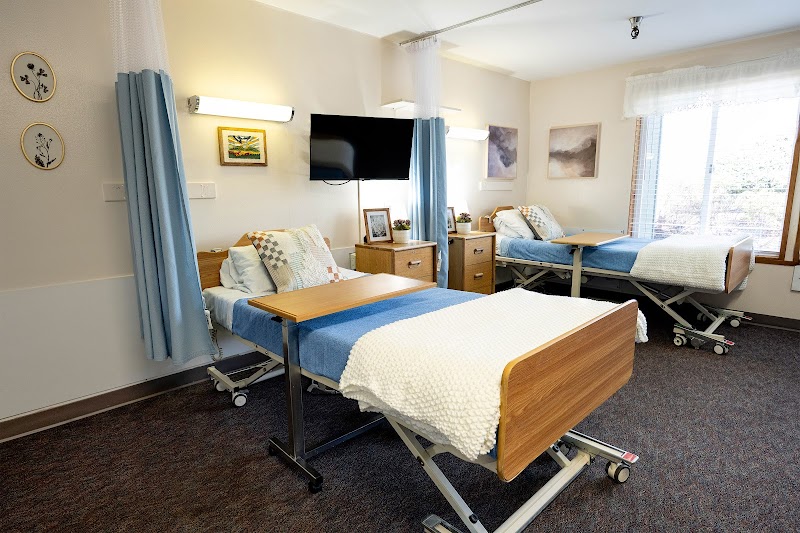
How is Roo Lan Health & Rehab Staffed?

CMS rates ROO LAN HEALTH & REHAB's staffing level at 2 out of 5 stars, which is below average compared to other nursing homes. Staff turnover is 70%, which is 24 percentage points above the Washington average of 46%. High turnover can affect care consistency as new staff learn residents' individual needs. RN turnover specifically is 64%, which is notably high. RNs provide skilled clinical oversight, so turnover in this role can affect medical care quality.

What Have Inspectors Found at Roo Lan Health & Rehab?

State health inspectors documented 125 deficiencies at ROO LAN HEALTH & REHAB during 2022 to 2025. These included: 2 Immediate Jeopardy (the most serious level, indicating potential for serious harm or death), 4 that caused actual resident harm, and 119 with potential for harm. Immediate Jeopardy findings are rare and represent the most serious regulatory concerns. They require immediate corrective action.
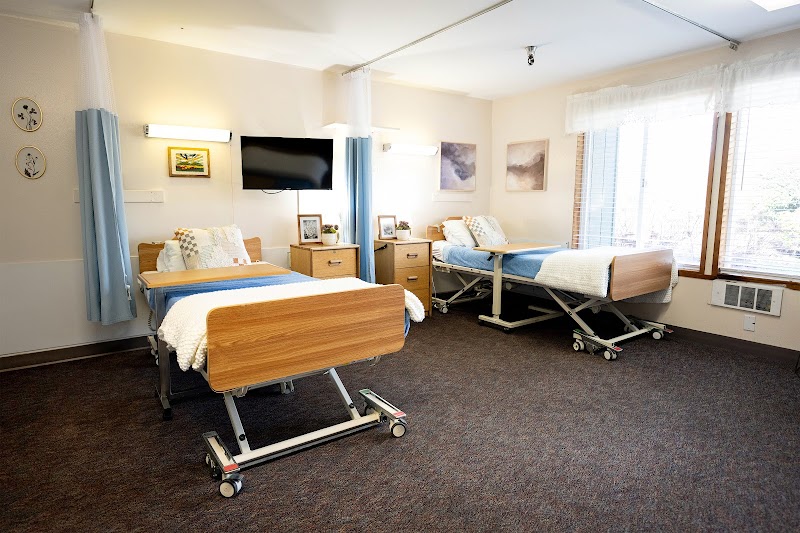
Who Owns and Operates Roo Lan Health & Rehab?

ROO LAN HEALTH & REHAB is owned by a for-profit company. For-profit facilities operate as businesses with obligations to shareholders or private owners. The facility operates independently rather than as part of a larger chain. With 96 certified beds and approximately 79 residents (about 82% occupancy), it is a smaller facility located in LACEY, Washington.
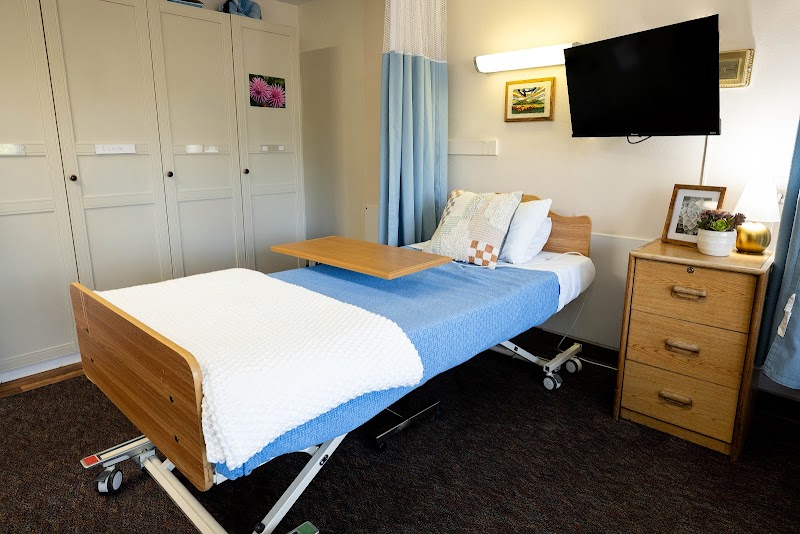
How Does Roo Lan Health & Rehab Compare to Other Washington Nursing Homes?

Compared to the 100 nursing homes in Washington, ROO LAN HEALTH & REHAB's overall rating (1 stars) is below the state average of 3.2, staff turnover (70%) is significantly higher than the state average of 46%, and health inspection rating (1 stars) is much below the national benchmark.

What Should Families Ask When Visiting Roo Lan Health & Rehab?

Based on this facility's data, families visiting should ask: "What changes have been made since the serious inspection findings, and how are you preventing similar issues?" "How do you ensure continuity of care given staff turnover, and what is your staff retention strategy?" "Can you walk me through typical staffing levels on day, evening, and night shifts?" "Can I visit during a mealtime to observe dining assistance and food quality?" These questions are particularly relevant given the facility's Immediate Jeopardy citations, the facility's high staff turnover rate, and the below-average staffing rating.

Is Roo Lan Health & Rehab Safe?

Based on CMS inspection data, ROO LAN HEALTH & REHAB has documented safety concerns. Inspectors have issued 2 Immediate Jeopardy citations (the most serious violation level indicating risk of serious injury or death). The facility is currently on the Special Focus Facility watch list (a federal program monitoring the lowest-performing 1% of nursing homes nationwide). The facility has a 1-star overall rating and ranks #100 of 100 nursing homes in Washington. Families considering this facility should ask detailed questions about what corrective actions have been taken since these incidents.

Do Nurses at Roo Lan Health & Rehab Stick Around?

Staff turnover at ROO LAN HEALTH & REHAB is high. At 70%, the facility is 24 percentage points above the Washington average of 46%. Registered Nurse turnover is particularly concerning at 64%. RNs handle complex medical decisions and coordinate care — frequent RN changes can directly impact care quality. High turnover means new staff may not know residents' individual needs, medications, or preferences. It can also be disorienting for residents, especially those with dementia who rely on familiar faces. Families should ask: What is causing the turnover? What retention programs are in place? How do you ensure care continuity during staff transitions?

Was Roo Lan Health & Rehab Ever Fined?

ROO LAN HEALTH & REHAB has been fined $110,686 across 2 penalty actions. This is 3.2x the Washington average of $34,186. Fines at this level are uncommon and typically indicate a pattern of serious deficiencies, repeated violations, or failure to correct problems promptly. CMS reserves penalties of this magnitude for facilities that pose significant, documented risk to resident health or safety. Families should request specific documentation of what issues led to these fines and what systemic changes have been implemented.

Is Roo Lan Health & Rehab on Any Federal Watch List?

ROO LAN HEALTH & REHAB is currently an SFF Candidate, meaning CMS has identified it as potentially qualifying for the Special Focus Facility watch list. SFF Candidates have a history of serious deficiencies but haven't yet reached the threshold for full SFF designation. The facility is being monitored more closely — if problems continue, it may be added to the official watch list. Families should ask what the facility is doing to address the issues that led to this status.