LYNNWOOD POST ACUTE REHABILITATION CENTER

5821 188TH STREET SOUTHWEST, LYNNWOOD, WA 98037 (425) 776-5512
For profit - Corporation 67 Beds THE ENSIGN GROUP Data: November 2025
Trust Grade
70/100
#72 of 190 in WA
Last Inspection: July 2025

Inspected within the last 6 months. Data reflects current conditions.

Overview

Lynnwood Post Acute Rehabilitation Center has a Trust Grade of B, indicating it is a good choice for nursing care, though there is room for improvement. It ranks #72 out of 190 facilities in Washington, placing it in the top half, and #6 out of 16 in Snohomish County, meaning it has a few stronger local competitors. However, the trend is worsening, as reported issues increased from 14 in 2024 to 16 in 2025. Staffing is rated 4 out of 5 stars, with a turnover rate of 51%, which is average compared to the state average of 46%, but the facility does have more RN coverage than 82% of Washington facilities, ensuring better oversight. On a positive note, there have been no fines, which is reassuring for families. However, there are areas of concern, including failures to maintain accurate daily staffing records and not including critical survey results in the facility's binder, potentially limiting transparency. Additionally, care plans were not developed or followed for several residents, which raises concerns about the quality of care they are receiving. Overall, while there are strengths in staffing and no fines, families should be aware of the identified issues that could impact resident care.

Trust Score
B
70/100
In Washington
#72/190
Top 37%
Safety Record
Low Risk
No red flags
Inspections
Getting Worse
14 → 16 violations
Staff Stability
⚠ Watch
51% turnover. Above average. Higher turnover means staff may not know residents' routines.
Penalties
✓ Good
No fines on record. Clean compliance history, better than most Washington facilities.
Skilled Nurses
✓ Good
Each resident gets 63 minutes of Registered Nurse (RN) attention daily — more than 97% of Washington nursing homes. RNs are the most trained staff who catch health problems before they become serious.
Violations
⚠ Watch
49 deficiencies on record. Higher than average. Multiple issues found across inspections.
★★★★☆
4.0
Overall Rating
★★★★☆
4.0
Staff Levels
★★★★★
5.0
Care Quality
★★★☆☆
3.0
Inspection Score
Stable
2024: 14 issues
2025: 16 issues

The Good

  • 4-Star Staffing Rating · Above-average nurse staffing levels
  • 5-Star Quality Measures · Strong clinical quality outcomes
  • Full Sprinkler Coverage · Fire safety systems throughout facility
  • No fines on record

Facility shows strength in staffing levels, quality measures, fire safety.

The Bad

Staff Turnover: 51%

Near Washington avg (46%)

Higher turnover may affect care consistency

Chain: THE ENSIGN GROUP

Part of a multi-facility chain

Ask about local staffing decisions and management

The Ugly 49 deficiencies on record

Jul 2025 15 deficiencies
CONCERN (D)

Potential for Harm - no one hurt, but risky conditions existed

Resident Rights (Tag F0550)

Could have caused harm · This affected 1 resident

**NOTE- TERMS IN BRACKETS HAVE BEEN EDITED TO PROTECT CONFIDENTIALITY** Based on observation, interview, and record review, the facility failed to provide care and services in a dignified manner for 1...

Read full inspector narrative →
**NOTE- TERMS IN BRACKETS HAVE BEEN EDITED TO PROTECT CONFIDENTIALITY** Based on observation, interview, and record review, the facility failed to provide care and services in a dignified manner for 1 of 4 residents (Resident 5), reviewed for dignity. The failure to ensure staff to resident interaction occurred in a respectful and dignified manner placed the resident at risk for diminished self-worth, self-esteem, and feelings of embarrassment.Findings included .Review of the facility's policy titled, Quality of Life-Dignity, revised in August 2009, showed that Residents shall be treated with dignity and respect at all times. It further showed that Verbal staff-to-staff communication.shall be conducted outside the hearing range of residents and the public.Observation on 07/01/2025 at 8:43 AM, showed Staff N, Registered Nurse, enter Resident 5's room and when exiting, Staff N stated in the hallway, he's [he is] pooping. Further observation showed Staff N entered room [ROOM NUMBER], to tell the Certified Nursing Assistant (CNA) inside the room, that [Resident 5's name] is pooping and they said this in front of the resident in room [ROOM NUMBER].In an interview on 07/01/2025 at 9:49 AM, Staff N stated that it was not appropriate to speak about resident's bowel movements in the hallway or in front of another resident. When asked if it was appropriate to say about Resident 5, he's pooping in the hallway, Staff N stated, no. When asked if it was appropriate to say to a CNA in a room with another resident in in it, [Resident 5's name] is pooping, Staff N, stated, no.In an interview on 07/08/2025 at 9:44 AM, Staff C, Resident Care Manager, stated that they expected staff to provide dignity to residents, which included not saying things about residents in front of other residents. When asked if they expected staff to say he's pooping in the hallway or [Resident 5's name] is pooping in front of another resident, Staff C stated, no.In an interview on 07/08/2025 at 5:41 PM, Staff B, Director of Nursing, stated that they expected staff to treat residents with dignity, including not saying resident information in public. When asked if they expected staff to say he's pooping in the hallway, Staff B stated, ideally, no. When asked if they expected staff to say, [Resident 5's name] is pooping in front of another resident, Staff B stated, no.Reference: WAC 388-97-0180 (2).
CONCERN (D)

Potential for Harm - no one hurt, but risky conditions existed

Deficiency F0554 (Tag F0554)

Could have caused harm · This affected 1 resident

**NOTE- TERMS IN BRACKETS HAVE BEEN EDITED TO PROTECT CONFIDENTIALITY** Based on observation, interview, and record review, the facility failed to ensure evaluation and assessment for safe administrat...

Read full inspector narrative →
**NOTE- TERMS IN BRACKETS HAVE BEEN EDITED TO PROTECT CONFIDENTIALITY** Based on observation, interview, and record review, the facility failed to ensure evaluation and assessment for safe administration of medications were conducted for 1 of 2 residents (Resident 50), reviewed for self-administration of medications. This failure placed the resident at risk for inaccurate and unsafe medication administration, adverse side effects, medical complications, and a diminished quality of life.Findings included .Review of the facility's policy titled, Self Administration of Medications, revised in May 2016, showed that if the resident desires to participate in self-administration, the interdisciplinary team will assess the resident's ability to self-administer medications. The residents' cognitive, communication, visual, and physical ability to carry out this responsibility will be evaluated. If the interdisciplinary team determines that this resident is unable to carry out this responsibility.the interdisciplinary team may withdraw this right. The policy further showed that, if the resident is a candidate for self-administration of medications, a physician's order will be obtained.Review of a face sheet printed on 07/01/2025, showed Resident 50 admitted to the facility on [DATE] with a diagnosis that included asthma (a condition that affects the airways in the lungs).Review of the physician orders printed on 07/01/2025, showed Resident 50 was prescribed Albuterol Sulfate (medication used to open the airways to increase air flow to the lungs) inhaler (portable device for administering a drug which is to be breathed in) as needed for shortness of breath. Further review of the physician orders showed Resident 50 was prescribed Biotene (brand name) moisturizing oral spray as needed for dry mouth.Review of Resident 50's assessments from 02/25/2025 to 07/01/2025 showed no documentation that Resident 50 had an assessment for self-administration of medications.Observations on 06/30/2025 at 10:03 AM and on 07/01/2025 at 9:04 AM, showed Resident 50 had one Albuterol Sulfate inhaler and one Biotene oral spray on top of their bedside table within their reach. Resident 50 stated they used their inhaler for asthma and their oral spray for dry mouth as needed.In an interview and joint observation on 07/07/2025 at 11:33 AM, Staff O, Licensed Practical Nurse, stated that for residents who wanted to do self-administration of medications, they would do an assessment to make sure they were safe and then obtain a physician's order. A joint observation showed Resident 50 had a Biotene oral spray and an Albuterol Sulfate inhaler sitting on top of their bedside table. Staff O stated that Resident 50 should not have had medications at bedside.In an interview and joint record review on 07/08/2025 at 3:00 PM, Staff C, Resident Care Manager, stated that if a resident wanted to self-administer their medications, they would do an assessment and then get a physician's order. A joint record review of Resident 50's assessments showed Resident 50 did not have an assessment for self-administration of medications before 07/02/2025. Staff C stated that Resident 50 should have had a self-administration assessment before having their medications at bedside.In an interview on 07/08/2025 at 4:30 PM, Staff B, Director of Nursing, stated that they expected Resident 50 to have an assessment for self-administration of medications done prior to Resident 50 being able to self-administer their medications.Reference: (WAC) 388-97-0440, 1060(3)(l).
CONCERN (D)

Potential for Harm - no one hurt, but risky conditions existed

Deficiency F0578 (Tag F0578)

Could have caused harm · This affected 1 resident

Based on interview and record review, the facility failed to ensure an advance directive (a written instruction, such as a living will or Durable Power of Attorney [DPOA] for health care [a document d...

Read full inspector narrative →
Based on interview and record review, the facility failed to ensure an advance directive (a written instruction, such as a living will or Durable Power of Attorney [DPOA] for health care [a document delegating to an agent the authority to make health care decisions in case the individual delegating the authority subsequently becomes incapable to do so]) was obtained for 1 of 2 residents (Resident 37), reviewed for advance directives. This failure placed the resident and/or their representative at risk for losing their right to have their preferences honored to receive or refuse/discontinue care according to their choice.Findings included .Review of the facility's policy titled, Advance Directives and Associated Documentation, revised in December 2023, showed that an advance directive was A written instruction that relates to the provision of health care when the individual is incapacitated, such as a Living Will, Durable Power of Attorney for Health Care or the Natural Death Act. These documents allow the individual to identify choices related to their medical treatment or designate someone to make treatment choices for them should they lose decision making capacity themselves.Review of the Advance Directive care plan, printed on 07/02/2025, showed that Resident 37 had an advance directive DPOA.Review of Resident 37's electronic health record under the miscellaneous tab reviewed on 07/01/2025, showed documentation that Resident 37 had a financial DPOA on file and did not show that there was a copy of Resident 37's advance directive.In an interview and joint record review on 07/02/2025 at 10:57, Staff S, Social Services Director, stated that the facility would ask residents at admission if they had an advance directive and would ask for a copy to have in the resident's medical records. When asked if a financial DPOA directed a resident's health care choices/wishes, Staff S stated, no, but some DPOA paperwork would show healthcare decisions. A joint record review of page 21 of Resident 37's DPOA paperwork on file, showed documentation that any healthcare decisions would defer to the attorney-in-fact named in my Durable Power of Attorney for Healthcare. In a follow-up interview at 12:06 PM, Staff S stated that they reached out to Resident 37's representative to see if they have a specific health care directive, and if not, I will provide them with one.In an interview and joint record review on 07/08/2025 at 12:56 PM, Staff A, Administrator, stated that there were two types of DPOAs, one is for financial, and one is for healthcare. Staff A stated that if a resident said they had an advance directive, then there should be a copy in the resident's medical record. A joint record review of Resident 37's DPOA paperwork, showed it was a financial DPOA. Staff A stated that the DPOA paperwork on file for Resident 37 was not an advance directive.Reference: (WAC) 388-97-0280 (3)(a)(d).
CONCERN (D)

Potential for Harm - no one hurt, but risky conditions existed

Deficiency F0628 (Tag F0628)

Could have caused harm · This affected 1 resident

**NOTE- TERMS IN BRACKETS HAVE BEEN EDITED TO PROTECT CONFIDENTIALITY** Based on interview and record review, the facility failed to provide a notice before transfer/discharge to the resident and thei...

Read full inspector narrative →
**NOTE- TERMS IN BRACKETS HAVE BEEN EDITED TO PROTECT CONFIDENTIALITY** Based on interview and record review, the facility failed to provide a notice before transfer/discharge to the resident and their representative describing the reason for transfer in writing for 1 of 1 resident (Resident 43), reviewed for hospitalization. This failure placed the resident at risk for not having an opportunity to make an informed decision about transfers and discharge.Findings included .Review of the electronic clinical record (progress notes and miscellaneous/documents tab) showed Resident 43 was transferred to the hospital on [DATE]. Resident 43's clinical record showed a Nursing Home Transfer or Discharge Notice, dated 06/17/2025, stating the reason for resident transfer/discharge was necessary for their welfare and their needs could not be met at the facility. The notice showed it was provided to Resident 43's representative verbally stating, out of town. Verbal agreement. Further review of Resident 43's clinical record showed no documentation that Resident 43 and their representative had been provided with written notification of transfer to the hospital.A joint record review and interview on 07/08/2025 at 2:49 PM, with Staff C, Resident Care Manager, showed a Nursing Home Transfer or Discharge Notice, dated 06/17/2025, that was provided verbally to Resident 43's representative. Staff C stated that they expected to provide the notice in writing to the residents or representatives. Staff C stated their process was to fill out the Nursing Home Transfer or Discharge Notice form and send it with the resident and keep a copy. Staff C stated that they spoke with Resident 43's representative who was out of town and not in the facility to sign the notice. Staff C further stated that the notice was provided in Resident 43's discharge packet to the hospital. When asked if they had any documentation to support that the notice was provided, Staff C stated that there was not and that they normally did not document that.On 07/08/2025 at 4:56 PM, Staff B, Director of Nursing, stated their process was to provide the notice of transfer/discharge in writing by sending it with the resident and keeping a copy. When asked if they expected supporting documentation to show that the notice was provided to Resident 43 and their representative, Staff B stated, I'm [I am] telling you that's [that is] what we do, not everything needs a policy.Reference: (WAC) 388-97-0120 (2) (a-c)
CONCERN (D)

Potential for Harm - no one hurt, but risky conditions existed

Assessment Accuracy (Tag F0641)

Could have caused harm · This affected 1 resident

**NOTE- TERMS IN BRACKETS HAVE BEEN EDITED TO PROTECT CONFIDENTIALITY** Based on interview and record review the facility failed to ensure resident assessments were completed accurately for 2 of 10 re...

Read full inspector narrative →
**NOTE- TERMS IN BRACKETS HAVE BEEN EDITED TO PROTECT CONFIDENTIALITY** Based on interview and record review the facility failed to ensure resident assessments were completed accurately for 2 of 10 residents (Residents 23 & 46), reviewed for Minimum Data Set (MDS-an assessment tool). The failure to ensure accurate assessments were coded on the MDS regarding medication use and dialysis (a process of removing excess water and toxins from the blood in people whose kidneys [organs that filter blood, remove waste and balance fluids in the body] can no longer perform these functions) placed the residents at risk for unidentified and/or unmet care needs, and a diminished quality of life.Findings included . According to the Long-Term Care Resident Assessment Instrument (RAI) 3.0 User's Manual, (a guide directing staff on how to accurately assess the status of residents) Version 1.19.1, dated October 2024, showed, .an accurate assessment requires collecting information from multiple sources, some of which are mandated by regulations. Those sources must include the resident and direct care staff on all shifts, and should also include the resident's medical record, physician, and family, guardian and/or other legally authorized representative, or significant other as appropriate or acceptable. It is important to note here that information obtained should cover the same observation period as specified by the MDS items on the assessment and should be validated for accuracy (what the resident's actual status was during that observation period) by the IDT [Interdisciplinary Team] completing the assessment. As such, nursing homes are responsible for ensuring that all participants in the assessment process have the requisite knowledge to complete an accurate assessment. The Observation Period (also known as the Look-back period) is the time-period over which the resident's condition or status is captured by the MDS and ends at 11:59 PM on the day of the Assessment Reference Date (ARD or assessment period). MEDICATION USERESIDENT 23Review of quarterly MDS dated [DATE], showed Resident 23 was marked for insulin (medication that lowers the level of glucose [a type of sugar] in the blood) injections and orders for insulin in Section N (Medications - under N0350A and N0350B). Review of the physician orders printed on 07/01/2025, showed Resident 23 was not prescribed insulin injections. Review of May 2025 Medication Administration Record (MAR) showed Resident 23 did not receive insulin injections during the look-back-period (05/02/2025 to 05/08/2025). In an interview and joint record review on 07/08/2025 at 10:47 AM, Staff E, MDS Coordinator, stated they would follow the RAI Manual for MDS accuracy. A joint record review of Resident 23's quarterly MDS dated [DATE] showed that insulin injections and orders for insulin were marked in Section N0350A and N0350B. Another joint record review of Resident 23’s May 2025 MAR and physician orders showed that Resident 23 did not receive insulin injections or was prescribed insulin injections. Staff E stated Resident 23 should not have been marked for insulin injections and orders for insulin in Section N0350A and N0350B. Staff E further stated Resident 23’s MDS was not accurate. In an interview on 7/08/2025 at 4:30 PM, Staff B, Director of Nursing, stated that they expected the MDS to be completed accurately for Resident 23. DIALYSISRESIDENT 46Review of the physician orders printed on 06/30/2025, showed that Resident 46 went for dialysis on Tuesday, Thursday, and Saturday. Review of the comprehensive care plan printed on 06/30/2025, showed that Resident 46 received dialysis for renal (kidney) failure. Review of the quarterly MDS dated [DATE], showed Resident 46 was not marked for dialysis in Section O (Special Treatments/Procedures). In an interview and joint record review on 07/07/2025 at 1:58 PM, Staff E stated that they used the RAI manual to complete the MDS and that it should be accurate. A joint record review of Resident 46’s physician orders showed that Resident 46 went for dialysis on Tuesday, Thursday, and Saturday. Staff E stated that they would expect the MDS to be marked for dialysis. Another joint record review of the quarterly MDS, dated Reference: (WAC) 388-97-1000 (1)(b) .
CONCERN (D)

Potential for Harm - no one hurt, but risky conditions existed

Deficiency F0645 (Tag F0645)

Could have caused harm · This affected 1 resident

**NOTE- TERMS IN BRACKETS HAVE BEEN EDITED TO PROTECT CONFIDENTIALITY** Based on interview and record review, the facility failed to ensure Preadmission Screening and Resident Review (PASARR-an assess...

Read full inspector narrative →
**NOTE- TERMS IN BRACKETS HAVE BEEN EDITED TO PROTECT CONFIDENTIALITY** Based on interview and record review, the facility failed to ensure Preadmission Screening and Resident Review (PASARR-an assessment used to identify people referred to nursing facilities with Serious Mental Illness [SMI], Intellectual Disabilities [ID]; or related conditions are not inappropriately placed in nursing homes for long-term care) Level I form was completed accurately and Level II PASARR referrals were made for 1 of 6 residents (Resident 108), reviewed for PASARR screening. These failures placed the resident at risk of not receiving the appropriate care and services for their needs and/or lacking access to specialized services for individuals with identified mental health diagnoses or disabilities.Findings included .Review of the facility's policy titled, PASRR screening for Serious Mental Illness/Intellectual Disability, revised on 07/03/2025, showed that It is the policy of this facility to establish a PASRR process to.screen for possible serious mental disorders, intellectual disabilities, and related conditions through the PASRR process. It further showed that The initial pre-screening (PASRR level I) should be completed prior to admission to facility. A Negative Level I requires no further action. A positive Level I Screen (PASRR indicates that individual requires a PASRR Level II Referral) necessitates an in-depth evaluation of the individual by the state-designated authority (PASRR Level II).Review of a face sheet printed on 07/03/20205 showed Resident 108 admitted to the facility on [DATE] with diagnoses that included anxiety disorder (having excessive/persistent worry and fear).Review of Resident 108's Level I PASARR dated 06/17/2025, showed the diagnosis of anxiety disorder was not marked in Section IA (SMI). Further review showed that Section IV (4- Service Needs and Assessor Data) was marked for No level II evaluation indicated.A joint record review and interview on 07/03/2025 at 3:06 PM with Staff G, Social Services Assistant, showed Resident 108 had diagnosis of anxiety on their diagnosis list. An additional joint record review showed that anxiety disorder was not marked on Resident 108's Level I PASARR in Section IA. Staff G stated that Resident 108's Level l PASARR should have included their diagnosis of anxiety disorder. Staff G further stated that a Level II PASARR referral should have been sent to the PASARR coordinator for Resident 108.In an interview on 07/08/2025 at 12:49 PM, Staff A, Administrator, stated that they expected the PASARR form to be accurate, which included marking any SMI diagnoses that a resident had. When asked when a resident's PASRR should be referred for Level II evaluation, Staff A, stated, I'm [I am] not sure.Reference: (WAC) 388-97-1975(1).
CONCERN (D)

Potential for Harm - no one hurt, but risky conditions existed

Respiratory Care (Tag F0695)

Could have caused harm · This affected 1 resident

Based on observation, interview, and record review, the facility failed to provide respiratory care in accordance with accepted professional standards of practice for 1 of 6 residents (Residents 109),...

Read full inspector narrative →
Based on observation, interview, and record review, the facility failed to provide respiratory care in accordance with accepted professional standards of practice for 1 of 6 residents (Residents 109), reviewed for respiratory care. The failure to obtain accurate oxygen orders placed the residents at risk of respiratory related complications and a diminished quality of life.Findings included .Review of the facility's policy titled, Oxygen Administration, revised in February 2023, showed that It is the policy of this facility that oxygen therapy is administered, as ordered by the physician or as an emergency measure until the order can be obtained. It further showed that the first step for oxygen administration was obtain appropriate physician's order.Review of Resident 109's physician orders showed an order for Oxygen via mask at 3-4 [three to four] LPM [Liters per minute-a unit of measurement] continuously.Observations on 06/30/2025 at 9:01 AM, on 07/01/2025 at 1:55 PM, and on 07/02/2025 at 8:28 AM, showed Resident 109 was receiving six LPM of oxygen via nasal cannula (flexible tubing that sits inside the nostrils and delivers oxygen) that was connected to an oxygen concentrator.In an interview and joint record review on 07/02/2025 at 2:44 PM, Staff L, Registered Nurse, stated that they expected a physician order for oxygen use. Staff L stated that Resident 109 was on six liters of oxygen. A joint record review of Resident 109's physician orders showed an order for Oxygen via mask at 3-4 LPM continuously. Staff L stated, it's not updated and he had a change of condition, now it's [it is] six liters via nasal cannula. A joint observation showed Resident 109 was receiving six LPM of oxygen via nasal cannula. Staff L stated that the order should be for six liters of oxygen.In an interview on 07/08/2025 at 9:44 AM, Staff C, Resident Care Manager, stated that they expected a physician order for oxygen use. A joint record review of Resident 109's physician orders showed a new order for oxygen 3-10 liters, started on 07/02/2025. Staff C stated that prior to that it was three to four liters via mask, that was the order that he came from the hospital with. Staff C further stated that the nurse should have clarified the order if there was a change and that the order should match what the resident was receiving.In an interview on 07/08/2025 at 5:41 PM, Staff B, Director of Nursing, stated that they expected a physician's order for oxygen use and that the order should match what a resident was receiving. Staff B stated that Resident 109's order should have been changed to reflect what Resident 109 was receiving and now I changed it [the oxygen order].Reference: (WAC) 388-97-1060 (3)(j)(vi).
CONCERN (D)

Potential for Harm - no one hurt, but risky conditions existed

Unnecessary Medications (Tag F0759)

Could have caused harm · This affected 1 resident

Based on observation, interview, and record review, the facility failed to ensure a medication error rate was less than five percent (%). The failure to properly administer 3 of 25 medications for 2 o...

Read full inspector narrative →
Based on observation, interview, and record review, the facility failed to ensure a medication error rate was less than five percent (%). The failure to properly administer 3 of 25 medications for 2 of 5 residents (Residents 40 & 6), observed during medication administration resulted in a medication error rate of 12%. This failure placed the residents at risk for not receiving the correct form, dose, and/or receiving less than the intended therapeutic effects of physician ordered medications and possible adverse effects.Findings included .Review of the facility's policy titled, Administration Procedures for all Medications, dated May 2022, showed the facility policy was, To administer medications in a safe and effective manner. The policy further showed staff should review the five rights three times; prior to removing the medication from the cart/drawer check the Medication Administration Record (MAR) for the order, and checking prior to removing the medication from the container, and after the dose has been prepared.RESIDENT 40 Review of Resident 40's physician orders printed on 07/01/2025, showed an order for Docusate Sodium (medication for constipation [is a problem with passing stool]) oral capsule 100 milligrams (mg- a unit of measurement), to give two capsules by mouth two times a day for constipation. The physician orders further showed an order for Magnesium Oxide (a mineral supplement) oral tablet 400 mg, to give two tablets by mouth one time a day for low magnesium level.Observation and interview on 07/01/2025 at 7:54 AM, showed Staff Q, Registered Nurse (RN), poured in a medication cup two Docusate Sodium 100 mg tablets (instead of the capsules) and one Magnesium Oxide 400 mg tablet instead of the two tablets as ordered for Resident 40. Staff Q walked inside Resident 40's room and stated they were ready to give these medications to Resident 40.In a joint record review and interview on 07/01/2025 at 8:02 AM, with Staff Q, showed an order for two Docusate Sodium 100 mg capsules, and two Magnesium Oxide 400 mg tablets. Staff Q stated that prior to administering the medication they should check to see if they have the right medication, dose, route, and would follow the physician order. Staff Q stated that they did not have Docusate Sodium 100 mg capsules in supply and that they used tablets. Staff Q stated that if a medication was not in supply, they should notify the facility and the provider. Staff Q further stated they should have given two Magnesium Oxide 400 mg tablets instead of one.RESIDENT 6Review of Resident 6's physician orders printed on 07/01/2025, showed an order for Aspirin (used to lower the risk of heart attack, stroke [blockage of blood supply to the brain], or blood clot [a mass that forms when blood hardens from a liquid to a solid]) Low Strength oral tablet Chewable 81 mg.Observation and interview on 07/01/2025 at 8:56 AM, showed Staff N, RN, poured an Aspirin Enteric Coated (designed to dissolve in the small intestine, potentially reducing stomach irritation) 81 mg tablet in a medication cup instead of the chewable form as ordered for Resident 6. Staff N walked inside Resident 6's room and stated they were ready to give the medication to Resident 6.A joint record review and interview on 07/01/2025 at 8:56 AM with Staff N, showed Resident 6 had a physician order for a chewable Aspirin 81 mg tablet. Staff N stated that prior to medication administration they should check to ensure they had the right resident, medication, route, dose, and time. Staff N stated that they were expected to follow the physician orders. Staff N further stated they prepared an enteric coated aspirin for Resident 6, and they should have given a chewable aspirin tablet.On 07/08/2025 at 9:44 AM, Staff C, Resident Care Manager, stated that prior to administering medication staff should check the rights of medication including right medication, resident, dose, time, and route. Staff C stated Staff Q should have rechecked the orders for Resident 40 and given two tablets instead of one [Magnesium Oxide 400 mg tablet], and that Staff Q should have obtained an order for Docusate Sodium tablets as the facility no longer had Docusate Sodium capsules. Staff C further stated Staff N should have given Resident 6 the correct form of the medication (Aspirin 81 mg chewable tablet).On 07/08/2025 at 4:56 PM, Staff B, Director of Nursing, stated they would expect nursing staff to check all the medication rights. Staff B further stated nursing staff were not supposed to make errors and that they needed to follow the physician orders.Reference: (WAC) 388-97-1060 (3)(k)(ii).
CONCERN (D)

Potential for Harm - no one hurt, but risky conditions existed

Infection Control (Tag F0880)

Could have caused harm · This affected 1 resident

**NOTE- TERMS IN BRACKETS HAVE BEEN EDITED TO PROTECT CONFIDENTIALITY** Based on observation, interview, and record review, the facility failed to ensure Enhanced Barrier Precautions (EBP-precaution t...

Read full inspector narrative →
**NOTE- TERMS IN BRACKETS HAVE BEEN EDITED TO PROTECT CONFIDENTIALITY** Based on observation, interview, and record review, the facility failed to ensure Enhanced Barrier Precautions (EBP-precaution to protect residents from multidrug-resistant organism [a germ that is resistant to medications that treat infections]) practices were followed for 1 of 4 residents (Resident 39) and failed to discard a laboratory sample for 1 of 1 discharged resident (Resident 164), reviewed for infection control. These failures placed the residents, visitors, and staff at an increased risk for infection and related complications.Findings included .Review of the facility's policy titled, IPCP [Infection Prevention & Control Program] Standard and Transmission Based Precautions, revised in October 2022, showed EBP precautions indicated to use gown and gloves during high-contact resident care activities. The policy further showed that high-contact resident care activities included dressing, bathing/showering, transferring, providing hygiene, changing briefs or assisting with toileting. Additionally, the policy indicated that EBP was used for infection or colonization with MDROs [Multidrug Resistant Organisms) that included Extended-Spectrum Beta-Lactamase (ESBL bacteria - a type of antibiotic [medication that treats infections] resistance mechanism that allows bacteria to resist the effects of certain antibiotics that can lead to serious infections that are difficult to treat) producing bacteria.Review of the undated signage/posting titled, Enhanced Barrier Precautions, showed it instructed staff to wear gown and gloves for high-contact resident care activities that included dressing, bathing/showering, transferring, changing linens, providing hygiene, and changing briefs or assisting with toileting.EBPRESIDENT 39Review of the nursing progress notes dated 06/10/2025 showed Resident 39 was placed on EBP precautions related to history of ESBL.Review of Resident 39's physician orders printed on 07/03/2025 showed an order dated 06/10/2025 for ENHANCED BARRIER PRECAUTIONS: PPE [Personal Protective Equipment - gowns and gloves] required for high resident contact care activities. Indication: Hx [history of] ESBL.Observation on 07/03/2025 at 9:07 AM showed Staff J, Certified Nursing Assistant (CNA), and Staff K, CNA, entered Resident 39's room with a Hoyer (mechanical lifting device) lift without wearing their gowns. Further observation showed Resident 39's room had an EBP signage outside the room that instructed staff to wear gown and gloves or high-contact resident care activities that included dressing, bathing/showering, transferring, changing linens, providing hygiene, and changing briefs or assisting with toileting. At 9:17 AM, Staff J and Staff K came out of the room pushing Resident 39 in their wheelchair.In an interview on 07/03/2025 at 9:30 AM, Staff J and Staff K stated that they helped Resident 39 with changing their briefs and clothes, washed their face, brushed their teeth and transferred them from bed to their wheelchair using the Hoyer lift. Staff J and Staff K stated that they were not wearing their gown when providing care [high-contact resident activities) for Resident 39. Staff J stated, no gown is needed for [Resident 39], and that a gown was needed for providing care to Resident 39's roommate. Staff J stated that Resident 39 did not have EBP precautions. Staff J further stated that they would use gown and gloves to provide care for residents on EBP precautions when assisting with dressing toileting, changing briefs, and transfers.In an interview and joint record review on 07/07/2025 at 12:15 PM, Staff L, Registered Nurse (RN), stated that residents on EBP precautions would have an EBP signage outside their room. Staff L stated that Resident 39 did not have EBP precautions and that it was Resident 39's roommate who was on EBP precautions. A joint record review of the physician orders showed Resident 39 had orders for EBP precautions. Staff L stated that Resident 39 had a history of ESBL and was not on EBP precautions. At 12:20 PM, Staff L stated that they spoke with Staff C, Infection Preventionist, and they said that Resident 39 was on EBP precautions. Staff L further stated that both staff [Staff J and Staff K] that provided care for Resident 39 should have worn their gown [during high-contact resident care activities].In an interview and joint record review on 07/07/2025 at 12:37 PM, Staff C stated that staff should follow EBP guidance/signage and CDC guidelines. A joint record review of Resident 39's physician orders showed an order for EBP precautions. Staff C stated that Resident 39 was on EBP precautions, had an order in place, and that they had EBP signage outside their room. Staff C further stated that nursing staff should have worn their gown when helping Resident 39 with dressing toileting, changing briefs, and transfers.In an interview on 07/08/2025 at 5:12 PM, Staff B, Director of Nursing, stated that they expected staff to follow EBP precautions signage. Staff B further stated that both CNAs should have worn their gown when care was provided for Resident 39.URINE LABORATORY SAMPLERESIDENT 164Review of a face sheet printed on 07/01/2025 showed Resident 164 was admitted to the facility on [DATE] and discharged on 05/26/2025.Observations on 06/30/2025 at 10:06 AM and on 07/01/2025 at 2:50 PM, showed the biohazard refrigerator in the Cascade Soiled Utility Room had a urine sample in a small container and two laboratory test tubes, dated 05/26/2025 labeled with Resident 164's name.An interview and joint observation on 07/01/2025 at 3:12 PM with Staff I, RN, stated that for urine samples, they would check the order, collect the urine from the resident, place it in the biohazard refrigerator, and call the laboratory to pick up the sample.A joint observation showed the biohazard refrigerator in the Cascade Soiled Utility Room had a urine sample for Resident 164 in a small container and two laboratory test tubes, dated 05/26/2025. Staff I stated that Resident 164's sample should not have been in the biohazard refrigerator, and that it should have been disposed of.In an interview on 07/07/2025 at 12:37 PM, Staff C stated that Resident 164's urine sample collected on 05/26/2025 should have been discarded.In an interview on 07/08/2025 at 5:09 PM, Staff B stated that Resident 164's urine sample should have been thrown away.Reference: (WAC) 388-97-1320 (1)(a)(4)(5)(b).
CONCERN (E)

Potential for Harm - no one hurt, but risky conditions existed

Deficiency F0577 (Tag F0577)

Could have caused harm · This affected multiple residents

Based on interview and record review, the facility failed to ensure the survey binder included the recertification and complaint survey results that resulted in citations for 2 of 3 years (2024 & 2025...

Read full inspector narrative →
Based on interview and record review, the facility failed to ensure the survey binder included the recertification and complaint survey results that resulted in citations for 2 of 3 years (2024 & 2025), reviewed for availability of survey reports. This failure prevented residents, residents' representatives and visitors from exercising their right to review past survey results and the facility's plan of corrections.Findings included .Review of the Survey Binder, on 07/02/2025 at 2:50 PM and on 07/03/2025 at 10:48 AM, showed that the binder did not contain the recertification and complaint surveys that resulted in citations during the three preceding years. Further review showed the recertification survey results and the associated plan of corrections dated 07/22/2024 and complaint survey results and the associated plans of corrections dated 08/16/2024 and 03/19/2025 were not included in the survey binder.In an interview and joint record review on 07/03/2025 at 11:22 AM, Staff A, Administrator, stated that they were responsible for updating the Survey Binder. Staff A further stated that they had been in the facility for the last two years and that when they get a survey and complaint results, they will add them to the binder. A joint record review of the Survey Binder, showed that it did not contain the recertification survey results and associated plan of corrections dated 07/22/2024 and complaint survey results and associated plans of corrections dated 08/16/2024 and 03/19/2025. Staff A stated they should have been included in the Survey Binder.Reference: (WAC) 388-97-0480 (1) (a-c) (2) (a-b) (4).
CONCERN (E)

Potential for Harm - no one hurt, but risky conditions existed

Comprehensive Care Plan (Tag F0656)

Could have caused harm · This affected multiple residents

**NOTE- TERMS IN BRACKETS HAVE BEEN EDITED TO PROTECT CONFIDENTIALITY** Based on observation, interview, and record review, the facility failed to develop and/or implement care plans for 4 of 10 resid...

Read full inspector narrative →
**NOTE- TERMS IN BRACKETS HAVE BEEN EDITED TO PROTECT CONFIDENTIALITY** Based on observation, interview, and record review, the facility failed to develop and/or implement care plans for 4 of 10 residents (Residents 22, 7, 2 & 5) reviewed for comprehensive care plans. The failure to develop and/or follow care plans for conducting an assessment, medication use, and splint usage placed the residents at risk of not receiving needed care, decline in condition, and a diminished quality of life. Findings included . Review of the facility’s policy titled, “Comprehensive Person-Centered Care Planning,” revised in August 2017, showed that the facility interdisciplinary team would develop a comprehensive person-centered care plan for each resident that included measurable objectives and timeframes to meet a residents’ medical, nursing, mental and psychosocial needs that were identified in the comprehensive assessment. ASSESSMENTRESIDENT 22Review of the comprehensive care plan printed on 07/02/2025 showed that the psychotropic (drugs that affects how the brain works, and causes changes in mood, awareness, thoughts, feelings or behavior) medication care plan had an intervention that Resident 22 would have an Abnormal Involuntary Movement Scale (AIMS-a 12-item observer-rated scale developed to assess the severity of tardive dyskinesia [TD-a movement disorder that can develop due to use of antipsychotic [mind altering] medications, typically not reversible]) and follow its progression over time) assessment completed. Review of the electronic medical records (miscellaneous/documents and assessments tabs) from 06/05/2025 to 07/01/2025 did not show that an AIMS assessment was completed for quetiapine (an antipsychotic) medication use for Resident 22. Review of the June 2025 Medication Administration Record (MAR) showed Resident 22 had an order for quetiapine 25 milligrams (unit of measurement) tablet once a day for Lewy Body Dementia (progressive form of dementia [memory loss] that affects a person's ability to think, reason, and process information). In an interview and joint record review on 07/08/2025 at 11:45 AM, Staff C, Resident Care Manager, stated that AIMS assessments were completed upon resident’s admission to the facility or prior to resident’s starting antipsychotic medication, and then quarterly. A joint record review of the June 2025 MAR showed Resident 22 had an order for quetiapine. Staff C stated that Resident 22 started the quetiapine on 06/06/2025. A joint record review of Resident 22’s psychotropic care plan showed an AIMS assessment should be done. A joint record review of assessments tab did not show that an AIMS assessment was completed. Staff C stated that Resident 22 did not have an AIMS assessment and that there should have been one completed on admission. A joint record review and interview on 07/08/2025 at 5:13 PM with Staff B, Director of Nursing, showed that Resident 22 did not have an AIMS assessment. Staff B stated that Resident 22’s care plan had an intervention for AIMS assessment to be completed and that they should have had one completed upon admission. MEDICATION USERESIDENT 7Review of the May 2025 to July 2025 MAR showed Resident 7 had orders for a diuretic (medication that reduces fluid buildup in the body and increases urine output) and anticoagulant (medication that prevents or reduces blood clot [mass that forms when blood hardens from a liquid to a solid] daily, dated 05/22/2025. Review of the admission Minimum Data Set (MDS - an assessment tool) dated 05/28/2025 showed Resident 7 were marked for anticoagulant use in Section N0415E and diuretic use in Section N0415G. Review of the comprehensive care plan printed on 07/01/2025 did not show Resident 7 had a care plan for diuretic and anticoagulant use. During an interview and joint record review on 07/08/2025 at 11:49 AM, Staff C stated that resident’s use of diuretic and anticoagulant medications should be in care plan. A joint record review of Resident 7’s comprehensive care plan did not show a care plan for diuretic and anticoagulant use. Staff C stated that Resident 7 should have had care plans for diuretic and anticoagulant use. In an interview on 07/08/2025 at 5:15 PM, Staff B stated they expected a care plan for residents taking diuretic and anticoagulant medications. Staff B further stated that Resident 7 had no care plan for diuretic and anticoagulant use and that they should have. RESIDENT 2Review of Resident 2’s face sheet printed on 07/01/2025, showed they were admitted to the facility on [DATE] with a diagnosis that included diabetes (a condition that affects the level of sugar in the blood). Review of the physician’s orders printed on 07/01/2025, showed Resident 2 was prescribed insulin (medication that lowers the level of glucose [a type of sugar] in the blood) injection routinely since 03/26/2025. Review of the comprehensive care plan printed on 07/01/2025, showed Resident 2 had no care plan for diabetes or insulin. In an interview and joint record review on 07/07/2025 at 10:56 AM, Staff O, Licensed Practical Nurse, stated Resident 2 had a diagnosis of diabetes and received insulin injections. A joint record review of Resident 2’s comprehensive care plan showed no care plan for diabetes and insulin. Staff O stated they did not see a diabetes or insulin care plan for Resident 2 and that there should have been. In an interview and joint record review on 07/08/2025 at 3:00 PM, Staff C stated Resident 2 had diabetes and insulin injection orders. A joint record review of Resident 2’s comprehensive care plan showed a diabetes care plan was started on 07/08/2025. Staff C stated that Resident 2 should have had a diabetes care plan prior to 07/08/2025. In an interview on 07/08/2025 at 4:30 PM, Staff B stated that they expected Resident 2’s diabetes care plan to have been implemented (prior to 07/08/2025). RESIDENT 5Review of the annual MDS dated [DATE] showed Resident 5 had impairment on both sides of their upper and lower extremities. Review of the facility’s document titled, “Occupational Therapy Evaluation and Plan of Treatment,” dated 04/03/2025, showed that Resident 5 had a diagnosis of “contracture [a permanent tightening of the muscles, tendons, skin and nearby tissues that causes the joints to shorten and become very stiff] of muscle, right upper arm.” Review of the limited physical mobility care plan printed on 06/30/2025, showed an intervention for Resident 5 for “Right elbow extension and right resting hand orthotic [splint] for 6-8 [six to eight] hours daily during the day.” Multiple observations on 06/30/2025 at 9:50 AM and at 1:39 PM, on 07/01/2025 at 9:22 AM, on 07/02/2025 at 9:23 AM and at 11:45 AM, on 07/03/2025 at 10:13 AM and at 1:53 PM, and on 07/07/2025 at 9:32 AM and at 12:09 PM, showed Resident 5 was not wearing the right hand/elbow splint. In an interview and joint record review on 07/07/2025 at 12:14 PM, Staff U, Certified Nursing Assistant (CNA), stated that aides were responsible for putting on splints for residents and “we chart when we put them on.” A joint record review of the Kardex (CNA care plan) showed an intervention for Resident 5, “Right elbow extension and right resting hand orthotic for 6-8 hours daily during the day.” A joint observation showed that Resident 5 did not have any splints on their right hand or elbow. Staff U stated they would look for the splint and put it on the resident. In an interview and joint record review on 07/07/2025 at 2:07 PM, Staff L, Registered Nurse, stated that “the morning shift, the aide usually,” was responsible for placing splints for Resident 5. A joint record review of the limited physical mobility care plan, showed an intervention for Resident 5, “Right elbow extension and right resting hand orthotic for 6-8 hours daily during the day.” Staff L stated that “I don’t [do not] see the splint on evening shift” and “I don’t see the splint in the afternoon when I start at two [2:00 PM].” Staff L stated that the care plan should have been followed. In an interview and joint record review on 07/08/2025 at 9:44 AM, Staff C stated that they expected staff to follow resident care plans. Staff C stated that “therapy” was responsible for putting a care plan in place for splint use and “nursing staff [was] responsible for carrying it [placing splints] out.” A joint record review of the limited physical mobility care plan, showed an intervention for Resident 5 for, “Right elbow extension and right resting hand orthotic for 6-8 hours daily during the day.” Staff C stated that they expected staff to be placing the splint for Resident 5. In an interview and joint record review on 07/08/2025 at 5:41 PM, Staff B stated that they expected staff to follow resident care plans. A joint record review of the limited physical mobility care plan, showed an intervention for Resident 5, “Right elbow extension and right resting hand orthotic for 6-8 hours daily during the day.” Staff B stated that they expected staff to apply splints for Resident 5 if the care plan said to do so. Reference: (WAC) 388-97-1020(1), (2)(a)(b) .
CONCERN (E)

Potential for Harm - no one hurt, but risky conditions existed

Pharmacy Services (Tag F0755)

Could have caused harm · This affected multiple residents

Based on observation, interview, and record review, the facility failed to ensure appropriate pharmacy services for medication administration and/or disposal for 4 of 6 residents (Residents 40, 6, 162...

Read full inspector narrative →
Based on observation, interview, and record review, the facility failed to ensure appropriate pharmacy services for medication administration and/or disposal for 4 of 6 residents (Residents 40, 6, 162, & 36), reviewed for medication administration and storage. The failure to follow physician's orders and disposal of controlled substances (a drug or other substance that is tightly controlled as it may be abused or cause addiction) placed the residents at risk for medication errors, negative outcomes, and a diminished quality of life. Findings included . Review of the facility’s policy titled, “Administration Procedures for all Medications,” dated May 2022, showed the facility policy was, “To administer medications in a safe and effective manner.” The policy further showed staff should review the five rights three times; prior to removing the medication from the cart/drawer check the Medication Administration Record (MAR) for the order, and checking prior to removing the medication from the container, and after the dose has been prepared. Review of the facility’s policy titled, “Vials, Ampules, and Pens of Injectable Medications,” dated May 2022, showed, “Vials, ampules, and pens of injectable medications are used in accordance with the manufacturer’s recommendations or the provider pharmacy’s directions for storage, use, and disposal.” Review of the online manufacturer’s recommendations document titled, “Instructions for use Insulin Lispro [rapid-acting form of insulin [a hormone/medication] widely used to manage high blood sugar in individuals with diabetes (chronic disease where the body does not produce enough insulin or cannot properly use the insulin it produces, leading to high blood sugar levels)] …,” revised July 2023, showed, the insulin pen should be primed before each injection and that priming the pen meant removing air from the needle and cartridge. The document further showed if priming did not occur before each injection, the resident could receive too much or too little insulin. MEDICATION ADMINISTRATION RESIDENT 40 Review of Resident 40’s physician orders printed on 07/01/2025, showed an order for Docusate Sodium (medication for constipation [a problem with passing stool]) oral capsule 100 milligrams (mg- a unit of measurement), to give two capsules by mouth two times a day for constipation. The physician orders further showed an order for Magnesium Oxide (a mineral supplement) oral tablet 400 mg, to give two tablets by mouth one time a day for low magnesium level. Observation and interview on 07/01/2025 at 7:54 AM, showed Staff Q, Registered Nurse (RN), poured in a medication cup two Docusate Sodium 100 mg tablets (instead of thecapsules) and one Magnesium Oxide 400 mg tablet (instead of the two tablets) as ordered for Resident 40. Staff Q walked inside Resident 40’s room and stated they were ready to give these medications to Resident 40. A joint record review and interview on 07/01/2025 at 8:02 AM, with Staff Q, showed an order for two Docusate Sodium 100 mg capsules, and two Magnesium Oxide 400 mg tablets. Staff Q stated that prior to administering the medication they should check to see if they have the right medication, dose, route, and would follow the physician order. Staff Q stated that they did not have Docusate Sodium 100 mg capsules in supply and that they used tablets. Staff Q stated that if a medication was not in supply, they should notify the facility and the provider. Staff Q further stated they should have given two Magnesium Oxide 400 mg tablets instead of one. RESIDENT 6 Review of Resident 6’s physician orders printed on 07/01/2025, showed an order for Aspirin (used to lower the risk of heart attack, stroke [blockage of blood supply to the brain], or blood clot [a mass that forms when blood hardens from a liquid to a solid]) Low Strength oral tablet Chewable 81 mg. Observation and interview on 07/01/2025 at 8:56 AM, showed Staff N, RN, poured an Aspirin Enteric Coated (designed to dissolve in the small intestine, potentially reducing stomach irritation) 81 mg tablet in a medication cup (instead of the chewable form) as ordered for Resident 6. Staff N walked inside Resident 6’s room and stated they were ready to give the medication to Resident 6. A joint record review and interview on 07/01/2025 at 8:56 AM with Staff N, showed Resident 6 had a physician order for a chewable Aspirin 81 mg tablet. Staff N stated that prior to medication administration they should check to ensure they had the right resident, medication, route, dose, and time. Staff N stated that they were expected to follow the physician orders. Staff N further stated they prepared an enteric coated aspirin for Resident 6, and they should have given a chewable aspirin tablet. On 07/08/2025 at 9:44 AM, Staff C, Resident Care Manager, stated that prior to administering medication staff should check the rights of medication including right medication, resident, dose, time, and route. Staff C stated Staff Q should have rechecked the orders for Resident 40 and given two tablets instead of one [Magnesium Oxide 400 mg tablet], and that Staff Q should have obtained an order for Docusate Sodium tablets as the facility no longer had Docusate Sodium capsules. Staff C further stated Staff N should have given Resident 6 the “correct form” of the medication (Aspirin 81 mg chewable tablet). RESIDENT 162 Review of Resident 162’s physician orders printed on 07/01/2025, showed an order for Humalog Solution (a brand, Insulin Lispro) to inject per sliding scale (a method of adjusting insulin dosage based on blood glucose levels) before meals and at bedtime. Observation and interview on 07/01/2025 at 11:19 AM, showed Staff C, prepared Resident 162 four units of lispro insulin without priming the pen. Staff C walked inside Resident 162’s room and stated they were ready to give Resident 162 their insulin. Staff C stated they did not prime the insulin pen. Staff C further stated the insulin pen needed to be primed to “make sure the insulin is ready to administer,” and to “make sure I don’t [do not] allow air to go in.” In a phone interview on 07/07/2025 at 9:08 AM, Staff V, Pharmacist, stated that an insulin pen should be primed two units per prime, and that this was important to make sure the resident received the full dose, and to remove any air bubbles. On 07/08/2025 at 4:56 PM, Staff B, Director of Nursing, stated they would expect nursing staff to check all the medication rights. Staff B stated nursing staff were not supposed to make errors and that they needed to follow the physician orders. Staff B further stated they expected staff to follow their medication administration policy, and that if the policy said to follow manufacturer recommendations, they would expect their staff to do so. CONTROLLED SUBSTANCE DISPOSALRESIDENT 36Review of the facility’s policy titled, “Controlled Substance Disposal,” dated May 2022, showed that “The director of nursing, in collaboration with the consultant pharmacist, is responsible for the facility’s compliance with federal and state laws and regulations in the handling of controlled medications.” It showed that controlled medications were “destroyed in the presence of two licensed nurses” and that “Disposition is documented on the individual controlled substance accountability record/book.” It further showed that the information entered on the “individual controlled substance accountability record/book” included “signatures of witnesses.” A joint observation and interview on 07/03/2025 at 1:35 PM with Staff R, Licensed Practical Nurse (LPN), showed the controlled substance book for the Sound Medication Cart, a page for Resident 36’s oxycodone (a controlled pain medication) 5 (five) milligrams (a unit of measurement) had been discontinued, and 35 tablets of oxycodone were destroyed on 06/30/2025. It further showed one witness signature to the destruction of oxycodone. Staff R stated that there was one signature and could not tell whose signature it was, and the second witness line/space was blank. In an interview on 07/08/2025 at 9:44 AM, Staff C stated that the process to dispose of controlled substances was that either two RNs or one RN and one LPN would witness the destruction and “both of them would sign the narcotic [controlled substance] book.” Staff C further stated that the controlled medication book should “be signed by two witnesses.” In an interview on 07/08/2025 at 5:41 PM, Staff B stated that controlled substances were disposed of “always by two witnesses.” Staff B stated that they had “failed to sign that page” for the destruction of Resident 36’s oxycodone. When asked if the controlled medication log had been signed by two witnesses, Staff B stated, “no.” Reference: (WAC) 388-97- 1300 (1)(b)(i)(c)(ii)(3)(a)
CONCERN (E)

Potential for Harm - no one hurt, but risky conditions existed

Deficiency F0757 (Tag F0757)

Could have caused harm · This affected multiple residents

**NOTE- TERMS IN BRACKETS HAVE BEEN EDITED TO PROTECT CONFIDENTIALITY** Based on interview and record review, the facility failed to ensure adequate monitoring was conducted for use of insulin (medica...

Read full inspector narrative →
**NOTE- TERMS IN BRACKETS HAVE BEEN EDITED TO PROTECT CONFIDENTIALITY** Based on interview and record review, the facility failed to ensure adequate monitoring was conducted for use of insulin (medication that lowers the level of glucose [a type of sugar] in the blood) and/or diuretic (medication that reduces fluid buildup in the body and increases urine output) for 3 of 5 residents (Residents 2, 23 & 7), reviewed for unnecessary medications. This failure placed the residents at risk for unmet care needs, related complications, and a diminished quality of life.Findings included . Review for the facility’s policy titled, “Administration Procedures for all Medications,” dated May 2022, showed that medications were administered in a safe and effective manner. The policy further showed, “monitor for side effects or adverse drug reactions immediately after administration and throughout each shift.” INSULIN USERESIDENT 2Review of Resident 2’s face sheet printed on 07/01/2025, showed they were admitted to the facility on [DATE] with diagnosis that included diabetes (a condition that affects the level of sugar in the blood). Review of the physician’s orders printed on 07/01/2025, showed Resident 2 was prescribed insulin injections routinely. The physician’s orders further showed no monitoring for hypoglycemia (low blood sugar) and/or hyperglycemia (high blood sugar). Review of Resident 2’s June 2025 and July 2025 Medication Administration Record (MAR) and Treatment Administration Record (TAR) did not show that Resident 2 was being monitored for hypoglycemia and/or hyperglycemia. Review of Resident 2’s comprehensive care plan printed on 07/01/2025 did not show a care plan for diabetes. In an interview and joint record review on 07/07/2025 at 10:56 AM, Staff O, Licensed Practical Nurse, stated residents who had a diagnosis of diabetes and were receiving insulin would be monitored for their blood sugar levels and would be checked for hypoglycemia and hyperglycemia. A joint record review of Resident 2’s physician’s orders and the June 2025 to July 2025 MAR/TAR showed they were receiving insulin and there was no documentation to show that Resident 2 was being monitored for hypoglycemia and hyperglycemia. Staff O stated they did not see that Resident 2 was monitored for hypoglycemia and hyperglycemia. In an interview and joint record review on 07/08/2025 at 3:00 PM, Staff C, Resident Care Manager, stated for residents who had diabetes and received insulin, would be monitored for hypoglycemia and hyperglycemia. A joint record review of Resident 2’s physician’s orders showed there was no documentation to show that Resident 2 was being monitored for hypoglycemia and hyperglycemia. Staff C stated that Resident 2 should have been monitored for hypoglycemia and hyperglycemia. In an interview on 07/08/2025 at 4:30 PM, Staff B, Director of Nursing, stated that they expected Resident 2 to have been monitored for hypoglycemia and hyperglycemia. DIURETIC USERESIDENT 23Review of the physician’s orders printed on 07/01/2025, showed Resident 23 was prescribed Torsemide (diuretic medication) 30 milligrams (mg-unit of mass) by mouth two times a day for edema (or swelling-the build-up of fluid in the body’s tissue). Review of the June 2025 to July 2025 MAR and TAR printed on 07/01/2025, did not show that Resident 23 was being monitored for adverse side effects of diuretic use and/or edema. Review of a care plan printed on 07/01/2025, showed Resident 23’s focus care plan indicated a potential for fluid deficits related to daily diuretic therapy with interventions to “Administer medications as ordered. Monitor/document for side effects and effectiveness.” In an interview and joint record review on 07/07/2025 at 10:45 AM, Staff O stated for residents who were receiving diuretic medication for edema, they would monitor their vital signs, fluid intake/output, hydration status, laboratory and edema. A joint record review of Resident 23’s physician’s orders and June 2025 to July 2025 MAR and TAR did not show Resident 23 was being monitored for adverse side effects related to diuretic use and/or edema. Staff O stated Resident 23 was not monitored for edema. In an interview and joint record review on 07/08/2025 at 3:00 PM, Staff C stated residents who were receiving diuretic medication for edema would be monitored for adverse side effects, vital signs, laboratory, and edema. A joint record review of Resident 23’s orders and care plan did not show Resident 23 was monitored for diuretic adverse side effects and/or edema. Staff C stated that Resident 23 should have been monitored for diuretic adverse side effects and/or edema. In an interview on 07/08/2025 at 4:30 PM, Staff B stated that for residents taking diuretics there would not be an order for monitoring edema or adverse side effects, and that the monitoring would be in the care plan. A joint record review of Resident 23’s comprehensive care plan showed no monitoring for edema. Staff B stated that Resident 23 was not monitored for edema in the care plan and they monitor for dehydration (a condition caused by the loss of too much fluid from the body – a diuretic adverse side effect). “I would be more worried about them [resident] becoming dehydrated.” RESIDENT 7Review of a face sheet printed on 07/01/2025 showed Resident 7 admitted to the facility on [DATE]. Review of the physician orders printed on 06/30/2025 showed Resident 7 had an order for furosemide (diuretic medication) 40 mg tablet. “Give 0.5 [half] tablet” once a day for congestive heart failure (long-term condition in which the heart is unable to pump enough blood to meet the body’s need). Review of the May 2025 through July 2025 MARs did not show Resident 7 was being monitored for adverse side effects related to their diuretic medication. Review of the comprehensive care plan printed on 07/01/2025 did not show Resident 7 had a care plan for use of their diuretic medication and/or that they were being monitored for adverse side effects related to their diuretic medication. In an interview and joint record review on 07/08/2025 at 11:51 AM, Staff C stated that residents taking diuretics were monitored for adverse side effects. A joint record review of Resident 7’s physician orders and comprehensive care plan did not show Resident 7 was being monitored for adverse side effects related to diuretic use. In an interview and joint record review on 07/08/2025 at 5:17 PM, Staff B stated that residents taking diuretics were monitored for dehydration in their care plan. A joint record review of the comprehensive care plan did not show that Resident 7 had a care plan for use of diuretic medication and/or that Resident 7 was being monitored for adverse side effects to their diuretic medication use. Staff B stated that Resident 7 should have a diuretic use care plan that included monitoring for dehydration. Reference: (WAC) 388-97-1060 (3)(k)(i) (4) .
CONCERN (E)

Potential for Harm - no one hurt, but risky conditions existed

Deficiency F0761 (Tag F0761)

Could have caused harm · This affected multiple residents

**NOTE- TERMS IN BRACKETS HAVE BEEN EDITED TO PROTECT CONFIDENTIALITY** Based on observation, interview, and record review, the facility failed to appropriately label and/or dispose expired medication...

Read full inspector narrative →
**NOTE- TERMS IN BRACKETS HAVE BEEN EDITED TO PROTECT CONFIDENTIALITY** Based on observation, interview, and record review, the facility failed to appropriately label and/or dispose expired medications in accordance with current accepted professional standards for 2 of 3 medication carts (Sound Medication Cart & [NAME] Medication Cart) and for 1 of 1 Medication Storage Room, reviewed for medication storage and labeling. In addition, the facility failed to properly store drugs or biologicals (diverse group of medicines made from natural sources) for 1 of 2 residents (Resident 50). These failures placed the residents at risk for receiving compromised and ineffective medications. Findings included . Review of the facility’s policy titled, “Medication Storage in the Facility,” dated May 2022, showed that “Medications and biologicals are stored safely, securely, and properly, following manufacturer’s recommendations or those of the supplier.” It showed that “Certain medications or package types, such as…multiple dose injectable vials, ophthalmics [medications for the eyes] …require an expiration date shorter than the manufacturer’s expiration date to insure medication purity and potency.” It further showed that “All expired medications will be removed from the active supply and destroyed in the facility, regardless of amount remaining.” SOUND MEDICATION [NAME] joint observation and interview on 07/03/2025 at 1:35 PM with Staff R, Licensed Practical Nurse (LPN), showed an opened bottle of atropine sulphate (an ophthalmic medication) with an opened date of 06/02/2025. When asked how long atropine sulphate was good for after opening, Staff R stated, “I’m [I am] not sure. I can check.” In a follow-up interview at 2:38 PM, Staff R stated, “It’s [it is] good for twenty-eight days once it was opened.” A joint observation showed that the atropine sulphate was opened on 06/02/2025. Staff R stated that they “should have been discarded” on 06/30/2025. In an interview on 07/08/2025 at 5:41 PM, Staff B, Director of Nursing, stated that they expected ophthalmic medications to have an “open date” and a “discard date.” When asked about the atropine sulphate that was opened on 06/02/2025, Staff B stated that it should have been discarded on 06/30/2025. BAKER MEDICATION [NAME] joint observation and interview on 07/03/2025 at 10:18 AM with Staff O, LPN, showed a blister pack (plastic packaging that holds medications) containing eight tablets of oxycodone (a medication for pain) with an expiration date of 01/07/2025. Staff O stated that the “medication must be discontinued” and “it should be disposed of.” Staff O further stated that there should not be expired medications in the medication cart. In an interview on 07/08/2025 at 5:41 PM, Staff B stated that they expected expired medications to be “destroyed” and to “get rid of them.” When asked about the expired oxycodone, Staff B stated, “[nursing] should’ve [should have] destroyed it.” MEDICATION STORAGE ROOM A joint observation and interview on 07/02/2025 at 1:10 PM with Staff D, Resident Care Manager, showed an opened multi-dose vial of Tubersol (a skin test to help diagnose Tuberculosis [a potentially serious bacterial infection that mainly affects the lungs]) that did not have an opened date on it in the refrigerator. Staff D stated that it was multi-dose vial and that “no, it does not” have an open date on it. Staff D further stated that “anything that we break a seal on or open has to be dated with a date on it.” In an interview on 07/08/2025 at 5:41 PM, Staff B stated that they expected staff to “put on an opened date” when opening a multi-dose vial. RESIDENT 50Review of Resident 50’s face sheet printed on 07/01/2025, showed they were admitted to the facility on [DATE] with a diagnosis that included asthma (a condition that affects the airways in the lungs). Review of a physician orders printed on 07/01/2025, showed Resident 50 was prescribed Albuterol Sulfate (an inhaler [portable device for administering a drug which is to be breathed in] used to open the airways to increase air flow to the lungs) inhaler as needed for shortness of breath. Further review of the physician orders showed Resident 50 was prescribed Biotene (brand name) oral spray as needed for dry mouth. Observations on 06/30/2025 at 10:03 AM and on 07/01/2025 at 9:04 AM, showed Resident 50 had one Albuterol Sulfate inhaler and one Biotene oral spray on top of their bedside table within reach. Resident 50 stated they used their inhaler for asthma and their oral spray for dry mouth as needed. In an interview and joint observation on 07/07/2025 at 11:33 AM, Staff O stated that residents who were on self-administration of medications kept their medications at bedside and needed to be kept in a locked drawer. “It [medications] should be kept safe so it can’t [cannot] be used or taken from [by] someone else.” A joint observation showed Resident 50 had one Biotene oral spray and one Albuterol Sulfate inhaler sitting on top of their bedside table. Staff O stated that the medications should be kept in a locked drawer when not in use. In an interview on 07/08/2025 at 3:00 PM, Staff C, RCM, stated that if a resident wanted to self-administer their medications and keep the medication at bedside, the medication would be locked in the bedside table and/or locked drawer/box. In an interview on 07/08/2025 at 4:30 PM, Staff B stated that Resident 50’s inhaler and oral spray should have been in a locked drawer. Reference: (WAC) 388-97-1300 (2)
MINOR (B)

Minor Issue - procedural, no safety impact

Deficiency F0912 (Tag F0912)

Minor procedural issue · This affected multiple residents

**NOTE- TERMS IN BRACKETS HAVE BEEN EDITED TO PROTECT CONFIDENTIALITY** Based on observation, interview, and record review of room size measurement, two single resident rooms (Rooms 17 & 18) failed to...

Read full inspector narrative →
**NOTE- TERMS IN BRACKETS HAVE BEEN EDITED TO PROTECT CONFIDENTIALITY** Based on observation, interview, and record review of room size measurement, two single resident rooms (Rooms 17 & 18) failed to meet the minimum room size requirement of at least 100 square feet (sq ft - unit of measurement) for a single resident room. The failure to ensure residents reside in rooms which met the regulatory requirements for square footage, placed them at risk for living in a physical environment too small to meet their needs.Findings included .Review of an undated and untitled facility provided document showed the following rooms square feet measurements were:-room [ROOM NUMBER]- 93.2 sq ft-room [ROOM NUMBER]- 92 sq ftReview of the facility's census dated 06/30/2025, showed rooms [ROOM NUMBERS] were occupied with residents.RESIDENT 28During an interview and observation on 06/30/2025 at 3:03 PM, Resident 28 stated that their room size did not bother them. Observation showed Resident 28 was in room [ROOM NUMBER] and was not found to be negatively impacted by their room size.RESIDENT 41During an interview and observation on 06/30/2025 at 3:04 PM, Resident 41 stated, I love my room, but I wish it was larger. Observation showed Resident 41 was in room [ROOM NUMBER] and was not found to be negatively impacted by their room size.In an interview and joint record review on 07/07/2025 at 10:59 AM, Staff F, Plan Operations Director, stated there were no changes in square footage for rooms [ROOM NUMBERS] since the last recertification survey. A joint record review showed that room [ROOM NUMBER] was 93.2 sq ft and room [ROOM NUMBER] was 92 sq ft. Staff F stated that the room sizes for rooms [ROOM NUMBERS] had not changed.In an interview on 07/07/2025 at 12:23 PM, Staff A, Administrator, stated that there were no changes in the rooms' square footage since the last recertification survey. Staff A further stated that rooms [ROOM NUMBERS] did not meet the required square footage for single resident rooms according to federal and state regulations.Reference: (WAC) 388-97-2440 (1).
Mar 2025 1 deficiency
CONCERN (D) 📢 Someone Reported This

A family member, employee, or ombudsman was alarmed enough to file a formal complaint

Potential for Harm - no one hurt, but risky conditions existed

Deficiency F0552 (Tag F0552)

Could have caused harm · This affected 1 resident

Based on interview and record review, the facility failed to inform the resident and/or their representative about a high carbon dioxide (C02-a form of natural waste produced by the body and breathe o...

Read full inspector narrative →
Based on interview and record review, the facility failed to inform the resident and/or their representative about a high carbon dioxide (C02-a form of natural waste produced by the body and breathe out by the lungs) blood test level for 1 of 1 resident (Resident 1), reviewed for change in condition. This failure placed the resident and/or their representative at risk of not being provided adequate information to make informed decisions about their medical condition. Findings included . Review of the facility's policy titled, Best Practice in Change of Condition and Endorsement, revised in January 2025, showed, Physician, resident, and responsible party will be notified of any changes in resident status or condition. Review of the quarterly Minimum Data Set (an assessment tool) dated 01/20/2025 showed Resident 1 had intact cognition with diagnosis that included chronic respiratory failure with hypoxia (a medical condition that occurs when lungs cannot get enough oxygen into the blood or eliminate enough carbon dioxide from the body). Review of a laboratory test results dated 01/27/2025, showed Resident 1's C02 level was more than (>) 45 mmol/L (millimoles per liter-a unit of measurement). The laboratory test showed the normal reference range for C02 was 21 to 31 mmol/L. It further showed that a laboratory staff called the facility on 01/28/2025 and spoke with Staff B, Registered Nurse, who confirmed the CO2 result, and Staff B requested the paper copy of the result to be faxed to the facility. Review of Resident 1's nursing progress note dated 01/28/2025 did not show Staff B notified Resident 1 and/or their representative about Resident 1's high C02 blood test result. In an interview on 03/17/2025 at 1:13 PM, Resident Representative (RR1), stated that they were not notified of Resident 1's high C02 blood test result. RR1 stated that they received a voicemail message on their phone on 01/30/2025, informing them that staff would draw blood for Resident 1 but there was no mention about the test result. RR1 stated that they knew about Resident 1's C02 blood test level on 02/10/2025 when they spoke with Staff C, Resident Care Manager, who had informed them about it. RR1 further stated that Resident 1 had not been informed about their C02 blood test level result. In an interview and joint record review on 03/19/2025 at 11:33 AM, Staff B stated that they received Resident 1's C02 blood test result on 01/28/2025. Joint record review of the laboratory test dated 01/27/2025, showed Resident 1's C02 level was >45 mmol/L. It further showed that Staff B confirmed the CO2 result. When asked if they notified Resident 1 or their representative about the CO2 test result, Staff B stated that they did not notify Resident 1 of their C02 blood test result. In an interview on 03/19/2025 at 1:44 PM, Staff C stated that their process was to send critical laboratory result to the provider through Signal (an application software) if they [the provider] are not in the facility. Staff C further stated that if it the laboratory result was critically high, then the provider needs to be notified. Staff C further stated that they expected the charge nurse to notify the resident and/or their representative of the test result. In an interview on 03/19/2025 at 3:57 PM, Staff A, Director of Nursing, stated that they expected staff to inform Resident 1 of their CO2 test results. Staff A further stated, We inform the POA [power of attorney/or RR] about the test result if they [resident] are incapacitated or that they are not able to make decisions for themselves. Reference: (WAC) 388-97-0300(3)(a) .
Aug 2024 1 deficiency
CONCERN (D) 📢 Someone Reported This

A family member, employee, or ombudsman was alarmed enough to file a formal complaint

Potential for Harm - no one hurt, but risky conditions existed

Deficiency F0760 (Tag F0760)

Could have caused harm · This affected 1 resident

**NOTE- TERMS IN BRACKETS HAVE BEEN EDITED TO PROTECT CONFIDENTIALITY** Based on interview and record review, the facility failed to ensure 1 of 1 resident (Resident 1) was free from a significant med...

Read full inspector narrative →
**NOTE- TERMS IN BRACKETS HAVE BEEN EDITED TO PROTECT CONFIDENTIALITY** Based on interview and record review, the facility failed to ensure 1 of 1 resident (Resident 1) was free from a significant medication error. The failure to provide a medication (Apixaban - used to prevent blood clots) placed Resident 1 at risk for complications with heart disease, a decline in medical condition, and a diminished quality of life. Findings included . A review of the admission Minimum Data Set (MDS-an assessment tool) dated 07/15/2024, showed Resident 1 was admitted to the facility from a local hospital on [DATE] with a diagnosis list that included Atrial Fibrillation (or A-fib, a form of an abnormal heartbeat). The MDS also showed the resident had impaired thinking. In an interview on 08/05/2024 at 9:37 AM, Resident 1's Collateral Contact stated that Resident 1 did not receive their heart medication [Apixaban] for a few weeks after admitting to the facility and that they had a heart condition that required the medication to be given twice a day to prevent problems with their heart. A review of the hospital discharge medication list dated 07/09/2024 showed Apixaban take 5 milligrams (mg - a unit of measurement) by mouth two times daily for A-fib. A review of the July 2024 Medication Administration Record (MAR) showed an order for Apixaban 5 mg give 1 tablet by mouth two times a day for A-fib dated 07/19/2024. Further review of the MAR showed Resident 1 was administered the first dose of Apixaban on 07/19/2024, 10 days after they were admitted to the facility. On 08/16/2024 at 11:59 AM, Staff C, Registered Nurse (RN), stated that residents who were discharged from the hospital and admitted to the facility with medication orders should be transcribed to the MAR and administered to the residents as ordered. On 08/16/2024 at 12:11 PM, Staff D, RN, stated that on admission, the hospital discharge medication list should be transcribed to the MAR and administered as ordered. On 08/16/2024 at 1:31 PM, Staff B, Director of Nursing Services, stated that the Apixaban was not transcribed from the hospital discharge medication list when Resident 1 was admitted to the facility on [DATE]. Staff B further stated that the Apixaban should have been transcribed when the resident was admitted to the facility, but the medication was not transcribed and administered until 07/19/2024 because it was missed. On 08/16/2024 at 1:53 PM Staff A, Administrator, stated Resident 1 should have received the medication as ordered when they admitted to the facility. Reference: (WAC) 388-97-1060(3)(k)(iii) .
Jul 2024 13 deficiencies
CONCERN (D)

Potential for Harm - no one hurt, but risky conditions existed

Deficiency F0558 (Tag F0558)

Could have caused harm · This affected 1 resident

**NOTE- TERMS IN BRACKETS HAVE BEEN EDITED TO PROTECT CONFIDENTIALITY** Based on observation, interview, and record review, the facility failed to ensure the call light (an alerting device for staff t...

Read full inspector narrative →
**NOTE- TERMS IN BRACKETS HAVE BEEN EDITED TO PROTECT CONFIDENTIALITY** Based on observation, interview, and record review, the facility failed to ensure the call light (an alerting device for staff to assist residents in need) was within reach for 1 of 1 resident (Resident 102), reviewed for accommodation of needs. This failure placed the resident at risk for delayed care, accidents/falls, and a diminished quality of life. Findings included . Review of the facility's policy titled, Call Light/Bell, revised in May 2007, showed, Place the call device within resident's reach before leaving room. Review of the admission minimum data set (an assessment tool) dated 07/07/2024, showed Resident 102 admitted to the facility on [DATE]. Observations on 07/16/2024 at 8:33 AM and at 12:18 PM, showed Resident 102's call light was on the floor next to their bed. Observation on 07/16/2024 at 12:19 PM, showed Staff O, Certified Nursing Assistant (CNA), entered Resident 102's room and asked the resident if they needed help with their meal. The call light was still on the floor when Staff O exited the room. Additional observations on 07/16/2024 at 12:21 PM and 2:40 PM, showed Resident 102's call light was on the floor next to their bed. In an interview and joint observation on 07/16/2024 at 2:47 PM, Staff R, CNA, stated that Resident 102 used the call light sometimes. Staff R stated that every time they go into a resident's room, they should check to make sure the call light was within reach for the resident. Joint observation showed Resident 102's call light was on the floor next to their bed. Staff R picked it up and placed it on the bed. Staff R stated the call light was not supposed to be on the floor. On 07/19/2024 at 3:22 PM, Staff D, Resident Care Manager, stated they expected resident call lights to be within reach and that staff should be checking the call light placement when checking on residents. On 07/22/2024 at 10:58 AM, Staff B, Director of Nursing, stated they expected the placement of a resident's call light to be within reach. Staff B stated they expected staff to be checking that a resident's call light was within reach when they went into the residents' rooms and would not expect that a resident's call light to be on the floor from the morning until the afternoon. Reference: (WAC) 388-97-0860 (2) .
CONCERN (D)

Potential for Harm - no one hurt, but risky conditions existed

Deficiency F0578 (Tag F0578)

Could have caused harm · This affected 1 resident

**NOTE- TERMS IN BRACKETS HAVE BEEN EDITED TO PROTECT CONFIDENTIALITY** Based on interview and record review, the facility failed to ensure an advance directive (a written instruction, such as a livin...

Read full inspector narrative →
**NOTE- TERMS IN BRACKETS HAVE BEEN EDITED TO PROTECT CONFIDENTIALITY** Based on interview and record review, the facility failed to ensure an advance directive (a written instruction, such as a living will or Durable Power of Attorney [DPOA] for health care) was obtained from the resident and/or their representative and ensure a copy was readily available in the medical records for 2 of 4 residents (Residents 37 & 102), reviewed for advance directives. Additionally, the facility failed to ensure the resident's right to refuse/discontinue medication for 1 of 1 resident (Resident 253). These failures placed the residents and/or their representatives at risk for losing their right to have their preferences honored to receive or refuse/discontinue care according to their choice. Findings included . Review of the facility's policy titled, Advance Directives, revised December 2023, showed that Advance Directive is a written instruction that relates to the provision of health care when the individual is incapacitated, such as a living will, DPOA for health care. These documents allow the individual to identify choices related to their medical treatment or designated someone to make treatment choices. The policy further showed when an Advance Directive is completed, obtain copy of the Advance Directive and conservatorship/guardianship documents and place in the resident health record. RESIDENT 37 Review of the face sheet printed on 07/22/2024 showed that Resident 37 was admitted to the facility on [DATE]. Review of Resident 37's Electronic Health Record (EHR) showed no documentation that Resident 37 had an advance directive for health care. In an interview and joint record review on 07/17/2024 at 9:49 AM, Staff N, Social Services Director, stated that a copy of Resident 37's DPOA was obtained and placed to their EHR. A joint record review of Resident 37's EHR showed no documentation that Resident 37 had an advance directive for healthcare. Staff N stated, they did not review Resident 37's DPOA document and did not know Resident 37 only had a financial DPOA. Staff D further stated that they should have reviewed the kind of DPOA Resident 37 had. In an interview on 07/22/2024 at 12:14 PM, Staff A, Administrator, stated that they expected the facility to follow their advance directives policy. RESIDENT 253 Review of the facility's face sheet printed on 07/16/2024, showed Resident 253 was admitted to the facility on [DATE]. Review of Resident 253's progress note dated 07/11/2024 showed Resident 253 and their representative had declined a new order for an antidepressant (medication to treat depression). Review of the July 2024 Medication Administration Record (MAR) showed an antidepressant was administered to Resident 253 from 07/12/2024 to 07/17/2024. In a joint record review of the nursing progress note dated 07/11/2024 and interview on 07/18/2024 at 3:50 PM with Staff B, Director of Nursing, showed Resident 253, and their representative declined a new order for an antidepressant. A joint record review of the July 2024 MAR, showed that it was administered to Resident 253 from 07/12/2024 to 07/17/2024. Staff B stated, it [antidepressant] should have been discontinued. I have nothing else to say. Reference: (WAC) 388-97-0280 (3)(a) RESIDENT 102 Review of the admission minimum data set (an assessment tool) dated 07/07/2024, showed Resident 102 admitted to the facility on [DATE]. Review of the facility's document titled, Advance Directive Receipt, signed on 07/01/2024, showed Resident 102 had an advance directive and would provide a copy on 07/05/2024 or sooner. Review of Resident 102's EHR showed no documentation that Resident 102 had an advance directive for healthcare and only had a financial DPOA on file. In an interview and joint record review on 07/17/2024 at 11:23 AM, Staff N stated that a DPOA was a type of advance directive. Joint record review of Resident 102's EHR showed a financial DPOA document. When asked if this was a DPOA for health care, Staff N stated, I don't see anything medical. In a follow up interview at 12:54 PM, Staff N stated they thought any DPOA was for healthcare as well and we are going to ask (Resident 102's representative) if they have an advance directive that is for healthcare. In an interview and joint record review on 07/22/2024 at 1:05 PM, Staff A stated that an advance directive could be a financial or a clinical DPOA. In a joint record review of the DPOA document on file for Resident 102, Staff A stated that the document does not show what medical care the resident wants or who they want making medical decisions for them.
CONCERN (D)

Potential for Harm - no one hurt, but risky conditions existed

Grievances (Tag F0585)

Could have caused harm · This affected 1 resident

**NOTE- TERMS IN BRACKETS HAVE BEEN EDITED TO PROTECT CONFIDENTIALITY** Based on observation, interview, and record review, the facility failed to identify, initiate, thoroughly investigate, and promp...

Read full inspector narrative →
**NOTE- TERMS IN BRACKETS HAVE BEEN EDITED TO PROTECT CONFIDENTIALITY** Based on observation, interview, and record review, the facility failed to identify, initiate, thoroughly investigate, and promptly resolve a grievance for 1 of 1 resident (Resident 17), reviewed for grievances. This failure placed the resident at risk for unmet care needs and a diminished quality of life. Findings included . Review of the facility's policy titled, Grievances, revised in March 2019, showed, Resident and/or Resident Representatives have the right to file grievances orally or in writing. It further showed that grievance forms are available and are to be initiated when concerns are made. Review of the facility's policy titled, Personal Inventory/Missing Items, revised in May 2017, showed a grievance form will be filled out and processed for all non-theft/non abuse allegations. Review of the annual minimum data set (an assessment tool) dated 05/05/2024, showed that Resident 17 admitted to the facility on [DATE]. It further showed that Resident 17 was dependent for transfers and used a manual wheelchair. Review of the facility's document titled, Medical Necessity for Wheelchair Purchase for Nursing Facility (NF) Clients, signed on 09/23/2023, showed that Resident 17 required a custom wheelchair for positioning and mobility needs. Review of the physical therapy note dated 07/02/2024, showed, Pt's [patient's {Resident 17}] .footrest missing, unable to locate. Review of the facility provided grievance log from 07/02/2024 through 07/16/2024, showed no listed grievance for Resident 17. Observation and interview on 07/18/2024 at 11:05 AM, showed Resident 17 had a custom wheelchair that was missing one footrest. Resident 17 stated they used a wheelchair, that it was missing a footrest and they had to set the bad foot on the other footrest. Resident 17 further stated that the footrest had been missing for four to five weeks and that they told someone who said they were looking into it. When asked how often they used the wheelchair, Resident 17 stated, often, at least five days a week. Additional observation on 07/19/2024 at 10:47 AM, showed Resident 17 was up in their wheelchair, with no right footrest, and their right foot was placed on top of their left foot on the left footrest. In an interview on 07/19/2024 at 10:49, Staff Q, Physical Therapist, stated they were looking for the other footrest for the wheelchair for Resident 17 and was not sure how long it had been missing. In a follow up interview at 12:40 PM, Staff Q stated that they had documented on 07/02/2024 that Resident 17 had a missing footrest. Staff Q stated, we have a grievance policy, we look for it first, then notify supervisor, then fill out a grievance form. Staff Q further stated that there should be a grievance for Resident 17's missing footrest. In an interview and joint record review on 07/19/2024 at 12:58 PM, Staff N, Social Services Director, stated that if staff noticed a resident had a missing personal item, they expected them to fill out a grievance. Staff N stated that a custom wheelchair was considered a personal item and if a footrest was missing, they expected staff to give me a grievance [form]. When asked if a wheelchair footrest was identified as missing on 07/02/2024 would they expect a grievance form to be filled out, Staff N stated, yes. In a joint record review of the July 2024 grievance log, printed at the time of the interview, showed no grievances listed for Resident 17. Staff N stated that there was no grievance for Resident 17's missing footrest and there should be one. In an interview and joint record review on 07/22/2024 at 1:10 PM, Staff A, Administrator, stated they expected staff to follow the grievance process if a resident stated they had a missing item. Staff A stated that a custom wheelchair was considered a personal item and if a footrest was missing, they expected staff to put information in a grievance form and give to me. In a joint record review of the Physical Therapy note dated 07/02/2024, showed that Resident 17 had a missing footrest for their wheelchair. Staff A stated, yes, it's [Resident 17's footrest] missing since July 2nd [07/02/2024]. In a joint record review of the grievance log from 07/02/2024 through 07/16/2024, showed no grievance listed for Resident 17. Staff A stated, If it was reported in the correct manner, it should be on this form. Reference: (WAC) 388-97-0460 .
CONCERN (D)

Potential for Harm - no one hurt, but risky conditions existed

Deficiency F0655 (Tag F0655)

Could have caused harm · This affected 1 resident

**NOTE- TERMS IN BRACKETS HAVE BEEN EDITED TO PROTECT CONFIDENTIALITY** Based on interview and record review, the facility failed to ensure a written summary of the baseline care plan was provided to ...

Read full inspector narrative →
**NOTE- TERMS IN BRACKETS HAVE BEEN EDITED TO PROTECT CONFIDENTIALITY** Based on interview and record review, the facility failed to ensure a written summary of the baseline care plan was provided to the residents and/or their representatives for 2 of 2 residents (Residents 49 & 102), reviewed for baseline care plan. This failure placed the residents at risk for unmet care needs and a diminished quality of life. Findings included . Review of the facility's policy titled, Comprehensive Person-Centered Care Planning, revised in December 2023, showed, within 48 hours of the resident's admission, the facility will develop and implement a baseline care plan that includes instructions needed to provide effective and person-centered care. The policy further showed, the facility team would provide a written summary of the baseline care plan to the resident and their representative and would be provided by the time of the completion of the comprehensive care plan. The comprehensive care plan is developed within seven days of completion of the comprehensive Minimum Data Set (MDS-an assessment tool). RESIDENT 49 Review of the admission MDS dated [DATE], showed that Resident 49 admitted to the facility on [DATE]. It further showed that the admission MDS was completed on 07/05/2024. On 07/18/2024 at 8:40 AM, Resident 49 stated that they did not remember receiving a summary of their baseline care plan and that they did not remember hearing the term care plan. Record review of Resident 49's Electronic Health Record (EHR) did not show documentation that the baseline care plan was reviewed and/or a written summary of the baseline care plan was provided to the resident and/or their representative. In an interview on 07/17/2024 at 2:02 PM, Staff D, Resident Care Manager, stated that they verbally went over the baseline care plan with the resident and would offer them a copy. Staff D further stated that it was not documented when a written summary of the baseline care plan was offered to residents' and/or their representative. In a follow up interview on 07/18/2024 at 1:03 PM, Staff D stated that they were not able to find documentation that Resident 49 and/or their representative were given and/or offered a summary of their baseline care plan. In an interview and joint record review on 07/18/2024 at 1:47 PM, Staff B, Director of Nursing, stated that they developed the baseline care plan within 48 hours and would provide a written summary of their baseline care plan during the initial 72 hour care conference. Staff B stated that it would be documented in the care conference assessment in Point Click Care (charting system). Joint record review of Resident 49's EHR showed no documentation that a care conference assessment was completed. Staff B stated that they expected the written summary of the baseline care plan be provided to Resident 49 and/or their representative during their 72 hour care conference. RESIDENT 102 Review of the admission MDS dated [DATE], showed Resident 102 admitted to the facility on [DATE]. It further showed that the admission MDS was completed on 07/07/2024. Review of Resident 102's EHR showed no documentation that Resident 102 and/or their representative was provided a written summary of their baseline care plan. In an interview on 07/18/2024 at 2:16 PM, Staff D stated that they verbally provided a summary of the baseline care plan but did not provide a written summary. When asked if there should be documentation that a written summary was provided, Staff D stated, I've never provided copies of the baseline care plan to residents or families. In an interview and joint record review on 07/22/2024 at 11:16 AM, Staff B stated that the baseline care plan was completed within 48 hours of admission and that a written summary was provided to residents and/or their representatives by completion of the comprehensive care plan. Joint record review of Resident 102's EHR showed no documentation that a written summary of the baseline care plan was provided. Staff B stated they expected staff to offer a written summary of the baseline care plan to residents and/or their representatives. Reference: (WAC) 388-97-1020 (3) .
CONCERN (D)

Potential for Harm - no one hurt, but risky conditions existed

Deficiency F0658 (Tag F0658)

Could have caused harm · This affected 1 resident

STAFF F Review of Resident 252's July 2024 medication administration record showed an order for a pain medication patch. Apply to skin topically [applied directly to the surface of the body] one time ...

Read full inspector narrative →
STAFF F Review of Resident 252's July 2024 medication administration record showed an order for a pain medication patch. Apply to skin topically [applied directly to the surface of the body] one time a day for pain . The order did not include the location where the lidocaine patch was to be applied. Observation on 07/18/2024 at 9:33 AM, showed Staff F, Licensed Practical Nurse placed the pain medication patch on Resident 252's left upper leg. In a joint record review and interview on 07/18/2024 at 12:38 PM with Staff F, showed Resident 252's physician orders dated 07/09/2024 did not specify where the pain medication patch should be applied. Staff F stated that they asked residents where to apply it [pain medication patch] because their pain location sometimes changes. Staff F stated that they would clarify with the physician if a resident was unable to verbalize their pain location. In a joint record review and interview on 07/18/2024 at 2:19 PM with Staff D, showed Resident 252's physician orders dated 07/09/2024 did not specify where the pain medication patch should be applied. Staff D stated, It says skin but was not specified. Staff D further stated, It [pain medication patch] should be clarified to show the location where to place the patch. In an interview on 07/22/2024 at 11:48 AM with Staff B, stated that, We normally would ask the resident where their pain is and that is where we would apply the patch. When asked if they would clarify with the physician regarding Resident 252's pain medication patch order, Staff B stated, I would but I don't [do not] see anything wrong with that. Reference: (WAC) 388-97-1620 (2)(b)(i)(ii) Based on observation, interview, and record review, the facility failed to meet professional standards of practice to ensure 2 of 2 licensed staff (Staff P & Staff F) observed for medication administration followed medication administration practices regarding unlabeled and undated medication at a resident's bed side and pain medication patch application. These failures placed the residents at risk for possible medication errors, potential negative outcomes, and a diminished quality of life. Findings included . Review of the facility's policy titled, Medication Storage in the Facility, revised in January 2018, showed, when the original seal of a manufacturer's container or vial is initially broken, the container or vial will be dated and the nurse shall place a 'date opened' sticker on the medication and enter the date opened. It further showed that the medication supply is accessible only to licensed nursing personnel, pharmacy personnel, or staff members lawfully authorized to administer medications. Review of the facility's policy titled, Specific Medication Administration Procedure, revised in January 2018, showed, check expiration date on package/container before administering any medication. When opening a multi-dose container, place the date on the container. STAFF P Review of Resident 20's physician orders dated 01/05/2024, showed an order for Artificial Tears (eye drops) to instill 2 drops in both eyes three times a day for dry eyes. Observation on 07/17/2024 at 8:45 AM, showed an unlabeled and undated container of eye drops on Resident 20's nightstand. Observation on 07/17/2024 at 9:28 AM, showed Staff P, Registered Nurse, took the eye drops off Resident 20's nightstand and instilled them into the resident's eyes. In an interview on 07/17/2024 at 10:12 AM, Staff P stated they had used the eye drops on Resident 20's nightstand. Staff P stated, it [the eye drops] didn't have a date on it and they should have not used it. Staff P further stated that the eye drops should not be at the resident's bed side unless the doctor puts in an order. In an interview on 07/18/2024 at 2:42 PM, Staff D, Resident Care Manager, stated they expected medications to be identified with the resident's name. Staff D stated they would not expect staff to use eye drops found on a resident's nightstand that were unlabeled and undated. Staff D further stated they would expect staff to only use medications, including eye drops, that came from the medication cart. In an interview on 07/22/2024 at 11:20 AM, Staff B, Director of Nursing, stated that eye drops should be dated upon opening and they would not expect staff to use eye drops found on the nightstand that were unlabeled and undated. Staff B stated that Staff P, should have gotten rid of the eye drops and not used them. Staff B further stated that there should not be medications at a resident's bed side unless they had an order that they could self-administer medications.
CONCERN (D)

Potential for Harm - no one hurt, but risky conditions existed

Deficiency F0730 (Tag F0730)

Could have caused harm · This affected 1 resident

**NOTE- TERMS IN BRACKETS HAVE BEEN EDITED TO PROTECT CONFIDENTIALITY** Based on interview and record review, the facility failed to complete required annual performance evaluations for 1 of 3 staff (...

Read full inspector narrative →
**NOTE- TERMS IN BRACKETS HAVE BEEN EDITED TO PROTECT CONFIDENTIALITY** Based on interview and record review, the facility failed to complete required annual performance evaluations for 1 of 3 staff (Staff J), whose personnel files were reviewed for Certified Nursing Assistant (CNA) performance evaluations. Failure to complete a performance review of every nurse aide at least once every 12 months and provide regular in-service education based on the outcome of these reviews, placed residents at risk for receiving care from underqualified nursing staff and unmet care needs. Findings included . Review of Staff J, CNA, personnel file on 07/17/2024 showed that they were hired on 07/23/2018 and transferred to the facility on [DATE]. The facility was not able to provide documentation that an annual performance evaluation was completed as required. On 07/18/2024 at 1:57 PM, Staff B, Director of Nursing, stated that staff performance evaluations were completed yearly. Staff B stated that they were new to the facility and that they thought it was unfair for them to evaluate staff when they just got there. Staff B stated that it was low on their priority list, but they know they have to get it going. Staff B further stated that they would try to look for Staff J's annual performance evaluation. In a follow up interview at 3:15 PM, Staff B stated that they were not able to find Staff J's annual performance evaluation and that it should have been completed yearly. Reference: (WAC) 388-97-1680 (2)(b)(i) .
CONCERN (D)

Potential for Harm - no one hurt, but risky conditions existed

Deficiency F0761 (Tag F0761)

Could have caused harm · This affected 1 resident

**NOTE- TERMS IN BRACKETS HAVE BEEN EDITED TO PROTECT CONFIDENTIALITY** Based on observation, interview, and record review, the facility failed to ensure expired medication was disposed of timely in a...

Read full inspector narrative →
**NOTE- TERMS IN BRACKETS HAVE BEEN EDITED TO PROTECT CONFIDENTIALITY** Based on observation, interview, and record review, the facility failed to ensure expired medication was disposed of timely in accordance with current accepted professional standards for 1 of 2 medication carts (Cascade Hall Cart) and the facility failed to appropriately label and store drugs or biologicals (diverse group of medicines made from natural sources) for 1 of 2 residents (Resident 20) reviewed for medication storage and labeling. These failures placed the residents at risk for receiving compromised and ineffective medications. Findings included . Review of the facility's policy titled, Medication Storage In The Facility, revised in January 2018 showed that medications and biologicals are stored safely, securely, and properly, following manufacturer's recommendations or those of the supplier. It showed that certain medications or package types, such as IV solutions, multiple dose injectable vials, ophthalmics, nitroglycerin tablets, blood sugar testing solutions and strips, once opened, require an expiration date shorter than the manufacturer's expiration date to insure medication purity and potency. The policy showed that all expired medications will be removed from the active supply and destroyed in the facility, regardless of amount remaining. It showed, when the original seal of a manufacturer's container or vial is initially broken, the container or vial will be dated and the nurse shall place a 'date opened' sticker on the medication and enter the date opened. It further showed that the medication supply is accessible only to licensed nursing personnel, pharmacy personnel, or staff members lawfully authorized to administer medications. CASCADE HALL CART In a joint observation and interview on 07/18/2024 at 12:46 PM with Staff F, Licensed Practical Nurse showed a container of Vitamin E (a supplement) 90 milligrams (a unit of measurement) dated 06/17/2024 with an intact foil cover with an expiration date of 06/2024 found in the Cascade medication cart. Staff F stated that the expired medication should not be kept in the cart and that they should be discarded. In an interview on 07/19/2024 at 3:02 PM, Staff D, Resident Care Manager, stated that expired Vitamin E should be discarded. In an interview on 07/22/2024 at 11:54 AM, Staff B, Director of Nursing, stated that expired medications should be removed from the cart. Staff B further stated, But this is just Vitamin E, and it is still covered, not used. Expired just last month. RESIDENT 20 Review of the quarterly minimum data set (an assessment tool) dated 04/12/2024, showed Resident 20 admitted to the facility on [DATE]. Review of Resident 20's physician orders dated 01/05/2024, showed an order for Artificial Tears (eye drops) to instill 2 drops in both eyes three times a day for dry eyes. Observation on 07/16/2024 at 9:46 AM, showed an unlabeled and undated container of eye drops on Resident 20's nightstand. Additional observations on 07/16/2024 at 1:46 PM and on 07/17/2024 at 8:45 AM, showed an unlabeled and undated container of eye drops on Resident 20's nightstand. Observation on 07/17/2024 at 9:28 AM, showed Staff P, Registered Nurse, took the eye drops off Resident 20's nightstand and instilled them into the resident's eyes. In an interview on 07/17/2024 at 10:12 AM, Staff P stated they had used the eye drops on Resident 20's nightstand. Staff P stated, it [the eye drops] didn't have a date on it and they should have not used it. Staff P further stated that the eye drops should not be at the resident's bed side unless the doctor puts in an order. In an interview on 07/18/2024 at 2:42 PM, Staff D stated they expected medications to be identified with the resident's name. Staff D stated they would not expect staff to use eye drops found on a resident's nightstand that were unlabeled and undated. Staff D further stated they would expect staff to only use medications, including eye drops, that came from the medication cart. In an interview on 07/22/2024 at 11:20 AM, Staff B stated that eye drops should be dated upon opening and they would not expect staff to use eye drops found on the nightstand that were unlabeled and undated. Staff B further stated that there should not be medications at a resident's bed side unless they had an order that they could self-administer medications. Reference: (WAC) 388-97-1300 (2) .
CONCERN (D)

Potential for Harm - no one hurt, but risky conditions existed

Infection Control (Tag F0880)

Could have caused harm · This affected 1 resident

**NOTE- TERMS IN BRACKETS HAVE BEEN EDITED TO PROTECT CONFIDENTIALITY** HAND HYGIENE/MEAL TRAY PASS Observation on 07/15/2024 at 8:02 AM, showed Staff G, CNA, exited room [ROOM NUMBER] and touched the...

Read full inspector narrative →
**NOTE- TERMS IN BRACKETS HAVE BEEN EDITED TO PROTECT CONFIDENTIALITY** HAND HYGIENE/MEAL TRAY PASS Observation on 07/15/2024 at 8:02 AM, showed Staff G, CNA, exited room [ROOM NUMBER] and touched the doorknob to close the door. Staff G did not perform hand hygiene. Staff G then took a meal tray from the meal cart and delivered it to room [ROOM NUMBER]. Staff G removed the plate cover and went back to the meal cart without performing hand hygiene. Staff G took another meal tray and delivered it to room [ROOM NUMBER]. Staff G removed a used plastic cup from the resident's table, removed the plate cover and handed the knife and fork to the resident. Staff G went back to the meal cart and touched the remaining meal tray without performing hand hygiene. HAND HYGIENE/DONNING PPE Observation on 07/15/2024 at 8:07 AM, showed Staff G pulled a disposable yellow gown from the plastic bin outside room [ROOM NUMBER] (an Enhanced Barrier Precaution [EBP- an infection control intervention to reduce transmission of organisms by wearing PPE] room) and put on the disposable yellow gown. Staff G then put on a pair of gloves and entered room [ROOM NUMBER]. Staff G then left room [ROOM NUMBER], closed the door as they exited the room and walked back to the meal cart without performing hand hygiene. Staff G did not perform hand hygiene before and after entering room [ROOM NUMBER] on EBP precaution. In an interview on 07/15/2024 at 8:10 AM, Staff G stated, I do not need to sanitize my hands because I did not have direct contact with the residents. I was just passing trays. When asked if they had performed hand hygiene before entering and after exiting room [ROOM NUMBER], Staff G stated, No. Staff G further stated that they should have performed hand hygiene before and after using PPE, during meal tray passes, and before entering and after exiting residents' rooms. In an interview on 07/18/2024 at 2:57 PM, Staff D, Resident Care Manager, stated they expected staff to perform hand hygiene between visits to residents' rooms even if there was no direct contact with residents, during meal tray pass, and before/after using PPE. In an interview on 07/19/2024 at 1:55 PM, Staff C stated they expected staff to perform hand hygiene during meal tray passes, visits to residents' rooms, and before/after using PPE. In an interview on 07/22/2024 at 1:53 PM, Staff B stated they expected staff to perform hand hygiene prior to using and after removing PPE, entering/exiting residents' rooms, and during meal tray pass. Review of the facility's policy titled, ICPC [Infection Prevention and Control Program] Standard and Transmission-Based Precaution, revised October 2023, showed, Patient-care equipment (e.g. [for example] blood pressure cuffs). It is preferred dedicated or disposable patient-care equipment be used. If common use of equipment for multiple patients is unavoidable, clean and disinfect such equipment before use on another patient. DISINFECTION OF VITAL SIGN EQUIPMENT Observation on 07/15/2024 at 6:32 AM, showed Staff H, CNA, exit room [ROOM NUMBER] with the vital signs (a measurement of the body's most basic functions [blood pressure (amount of force your blood uses to get through blood vessels), pulse rate and temperature]) equipment. Staff H applied PPE and entered room [ROOM NUMBER] (an EBP room) with the vital signs equipment. After taking the resident's vital signs, Staff H removed their PPE, exited room [ROOM NUMBER] and performed hand hygiene. Staff H did not disinfect the vital signs equipment between resident use and there were no disinfecting wipes on the vital signs equipment. Additional observations showed Staff H enter room [ROOM NUMBER], room [ROOM NUMBER], room [ROOM NUMBER], and room [ROOM NUMBER] with the vital signs equipment, and exited the rooms after taking the residents' vital signs with the vital signs equipment without disinfecting the vital signs equipment before each use. In an interview and joint observation on 07/15/2024 at 7:09 AM, Staff H stated that they disinfected the vital signs equipment between use and that they disinfected the vital signs equipment while they were in the residents' room after they took the resident's vital signs. Staff H stated that they had disinfectant wipes inside the basket of the vital signs equipment. Joint observation of the disinfectant wipes that Staff H stated they used, showed, personal cleansing cloth. Staff H took a container from an unknown staff and stated that they used Micro-Kill One (brand-germicidal alcohol disinfectant wipes) and that they were using it to disinfect the vital signs equipment. Staff H stated they used both the personal cleansing cloth and the Micro-Kill One wipes to disinfect the vital signs equipment. Staff H further stated that they were supposed to use the Micro-Kill One wipes when disinfecting the vital signs equipment. In an interview on 07/19/2024 at 1:52 PM, Staff C stated that their process was to disinfect the vital signs equipment between resident use with the correct disinfectant wipes. Staff C stated that they used the purple top Micro-Kill One wipes, and that staff should be using it when disinfecting the vital signs equipment. In an interview on 07/19/2024 at 2:02 PM, Staff B stated that they expected the vital signs equipment to be disinfected between resident use and expected staff to use the purple top wipes [Micro-Kill One]. Reference: (WAC) 388-97-1320 (1)(a)(c)(5)(c) Based on observation, interview, and record review, the facility failed to ensure hand hygiene and infection control practices were followed during meal tray pass for 2 of 7 staff (Staff O and Staff G), failed to ensure Personal Protective Equipment (PPE-special equipment worn to protect from germs) protocols were followed for 1 of 3 staff (Staff G), and failed to ensure medical equipment was disinfected between resident use for 1 of 2 staff (Staff H) reviewed for infection control. These failures placed the residents, visitors, and staff at an increased risk for infection and related complications. Findings included . Review of the facility's undated policy titled, Hand Hygiene, showed, the facility considers hand hygiene the primary means to prevent the spread of infections. It further showed to sanitize hands with alcohol-based hand rub or soap and water before and after direct contact with residents and after contact with objects in the immediate vicinity of the resident. HAND HYGIENE/MEAL TRAY PASS Observation on 07/15/2024 at 7:50 AM, showed Staff O, Certified Nursing Assistant (CNA), removed a meal tray from the meal cart, dropped a sealed cup of juice on the floor, picked it up and placed it back on the tray and brought it to Resident 5. Staff O touched the utensils and touched the tray and left the room without performing hand hygiene. Staff O went into the hallway, touched the meal cart and brought a meal tray into Resident 1's room. Staff O helped Resident 1 set up their food tray and left the room without performing hand hygiene. Staff O exited Resident 1's room, touched the meal cart in the hallway and then performed hand hygiene. Additional observation on 07/15/2024 at 7:56 AM, showed Staff O entered Resident 102's room, set up the meal tray, stirred the oatmeal, raised the bed and left the room without performing hand hygiene. In an interview on 07/15/2024 at 10:12 AM, Staff O stated they should perform hand hygiene before and after going into resident's rooms during meal tray pass. Staff O stated they typically try to do hand hygiene after leaving and entering each resident's room. When asked what they should do if something was dropped off the meal tray, Staff O stated, if it's contaminated then take to the kitchen and get a new one. Staff O stated they knew it was contaminated if it's open or dirt gets in. Staff O further stated that they placed the dropped cup on a napkin on the meal tray so it's ok. In an interview on 07/19/2024 at 1:56 PM, Staff C, Infection Preventionist, stated they expected staff to perform hand hygiene between passing meal trays to residents and before and after leaving resident rooms. Staff C stated they expected staff to get a new cup if it was dropped on the floor and stated, if it touches the floor, considered dirty. Staff C further stated that Staff O should have gotten a new cup even if it was not visibly dirty. In an interview on 07/22/2024 at 11:05 AM, Staff B, Director of Nursing, stated they expected staff to perform hand hygiene between passing meal trays and before and after leaving resident rooms. Staff B further stated they expected staff to get a new cup if it was dropped on the floor.
CONCERN (D)

Potential for Harm - no one hurt, but risky conditions existed

Deficiency F0883 (Tag F0883)

Could have caused harm · This affected 1 resident

**NOTE- TERMS IN BRACKETS HAVE BEEN EDITED TO PROTECT CONFIDENTIALITY** Based on interview and record review, the facility failed to ensure the pneumococcal vaccine (used to prevent pneumonia [a lung ...

Read full inspector narrative →
**NOTE- TERMS IN BRACKETS HAVE BEEN EDITED TO PROTECT CONFIDENTIALITY** Based on interview and record review, the facility failed to ensure the pneumococcal vaccine (used to prevent pneumonia [a lung infection]) and influenza vaccine (used to prevent influenza [an infection of the nose, throat, and lungs]) were provided for 1 of 5 residents (Resident 34) reviewed for immunizations and infection control. This failure placed residents at risk of acquiring, transmitting, and/or experiencing potentially avoidable complications from pneumococcal and/or influenza disease. Findings included . Review of the facility's policy titled, Immunizations-Residents, revised in July 2023, showed, It is the policy of this facility to offer and administer influenza, pneumococcal .immunization to eligible residents. It further showed, Residents admitted late in the influenza season [typically February or March] should be offered the influenza vaccine as late season outbreaks do occur. Review of the face sheet printed on 07/24/2024, showed Resident 34 admitted to the facility on [DATE]. Review of the facility's document titled, Resident Consent for Influenza, Pneumococcal, and COVID-19 Vaccination, signed on 02/09/2024, showed that Resident 34 consented to receive the influenza and pneumococcal vaccines per Centers for Disease Control and Prevention recommendations. Review of Resident 34's Electronic Health Record (EHR) showed no documentation that Resident 34 was provided an influenza or pneumococcal vaccination. In an interview and joint record review on 07/19/2024 at 2:05 PM, Staff C, Infection Preventionist, stated residents were offered the pneumococcal vaccine on admission if they were eligible and offered the influenza vaccine on admission during flu season. Joint record review of the facility's document titled, Resident Consent for Influenza, Pneumococcal, and COVID-19 Vaccination, showed Resident 34 consented for the influenza and pneumococcal vaccine. Staff C stated they expected residents to receive the influenza and pneumococcal vaccines if they wanted them and if they were eligible for them. Joint record review of Resident 34's EHR, showed no documentation that Resident 34 received the influenza and pneumococcal vaccines. Staff C stated Resident 34 should have received the influenza and pneumococcal vaccines. In an interview and joint record review on 07/22/2024 at 11:05 AM, Staff B, Director of Nursing, stated that a resident should be offered the pneumococcal vaccine on admission if they were eligible and offered the influenza vaccine on admission during flu season. Joint record review of Resident 34's EHR, showed Resident 34 consented to receive the influenza and pneumococcal vaccines and showed no documentation that they were given the vaccines. Staff B stated that Resident 34 was eligible to receive the influenza and pneumococcal vaccines and should have received it. Reference: (WAC)388-97-1340 (1), (2) .
CONCERN (E)

Potential for Harm - no one hurt, but risky conditions existed

Transfer Notice (Tag F0623)

Could have caused harm · This affected multiple residents

**NOTE- TERMS IN BRACKETS HAVE BEEN EDITED TO PROTECT CONFIDENTIALITY** Based on interview and record review, the facility failed to provide a written transfer/discharge notice to the residents and/or...

Read full inspector narrative →
**NOTE- TERMS IN BRACKETS HAVE BEEN EDITED TO PROTECT CONFIDENTIALITY** Based on interview and record review, the facility failed to provide a written transfer/discharge notice to the residents and/or representatives for 3 of 4 residents (Residents 45, 47 & 46), reviewed for hospitalization. This failure placed the residents at risk for not having an opportunity to make informed decision about transfers/discharges. Findings included . Review of the facility's policy titled, Discharge and Transfer, revised in February 2016, showed that transfer or discharge of a resident will be in writing, in language the resident understands and be given to the resident, resident's surrogate decision maker, if any, and the resident's family. RESIDENT 45 Review of the admission Minimum Data Set (MDS-an assessment tool) dated 05/19/2024, showed Resident 45 was admitted to the facility on [DATE]. Review of the nursing progress note dated 07/12/2024 showed that Resident 45 was sent to the emergency room due to bleeding. Review of the Electronic Health Record (EHR) did not show documentation that a written notice of transfer/discharge was provided to Resident 45 and/or their representative. In an interview on 07/17/2024 at 9:09 AM, Staff M, Licensed Practical Nurse, stated that they informed Resident 45's representative by phone and did not provide a written notice describing the reason for hospitalization. In an interview on 07/22/2024 at 10:25 AM, Staff D, Resident Care Manager, stated that their process to notify the resident and/or their representative was either by phone or verbally. In an interview on 07/22/2024 at 10:33 AM, Staff B, Director of Nursing, stated that they expected the written notice to be provided to the resident and/or their representative. RESIDENT 46 Review of the discharge MDS dated [DATE], showed Resident 47 admitted to the facility on [DATE], and discharged to the hospital on [DATE]. Review of the nursing progress note dated 06/07/2024, showed that Resident 47 was sent to the emergency room for evaluation. Review of Resident 46's EHR did not show documentation that a written notice of transfer/discharge was provided to Resident 46 and/or their representative. In an interview on 07/17/2024 at 12:45 PM, Staff D stated that they do not provide the resident or their presentative a written notice of transfer/discharge. Staff D further stated that they would notify them of the transfer verbally and would not provide them with a written notice. In an interview on 07/18/2024 at 2:21 PM, Staff A stated that they expected staff to follow their policy. Reference: (WAC) 388-97-0120 (2)(a)(b)(c) RESIDENT 47 Review of the discharge MDS dated [DATE], showed that Resident 47 discharged to the hospital on [DATE]. Review of Resident 47's EHR showed the resident was transferred to the hospital for further evaluation on 05/20/2024. Further review of Resident 47's EHR showed no documentation that Resident 47 and/or their representative were provided written notification of transfer to the hospital. In an interview on 07/17/2024 at 11:16 AM, Staff D stated that when a resident transferred to the hospital, they notified residents and/or their representatives verbally, in person and/or a phone call. Staff D stated that it was not their policy to notify residents and/or their representatives in writing and as far as I know just verbally. In an interview on 07/22/2024 at 11:14 AM, Staff B stated that they expected staff to provide notification to residents and/or their representatives when transferred to the hospital by telephone, unless in the building. Staff B stated that they did not expect there to be written documentation. In an interview on 07/22/2024 at 12:59 PM, Staff A, Administrator, stated that they expected staff to follow the guidelines and regulations for notifying residents and/or their representatives when a resident was transferred to the hospital. When asked if a written notice was provided, Staff A stated, according to the guidelines, it should be.
CONCERN (E)

Potential for Harm - no one hurt, but risky conditions existed

Deficiency F0625 (Tag F0625)

Could have caused harm · This affected multiple residents

**NOTE- TERMS IN BRACKETS HAVE BEEN EDITED TO PROTECT CONFIDENTIALITY** Based on interview and record review, the facility failed to ensure bed hold (the opportunity to pay for the bed the resident cu...

Read full inspector narrative →
**NOTE- TERMS IN BRACKETS HAVE BEEN EDITED TO PROTECT CONFIDENTIALITY** Based on interview and record review, the facility failed to ensure bed hold (the opportunity to pay for the bed the resident currently occupied while out of the facility in order to ensure their bed/room was available when they are ready to return) notices were offered to residents and /or their representatives for 3 of 4 residents (Residents 45, 47 & 46), reviewed for hospitalization. This failure placed residents at risk for unwanted, avoidable room changes upon readmission, and frustration. Findings included . Review of the facility's policy titled, Bed-Hold, revised in December 2023, showed that the resident or their representative shall be informed in writing of their right to exercise the bed hold provision in the event of a transfer from the facility to a general acute care hospital or at the start of a resident's therapeutic leave. The policy further showed that the notice shall include the duration of the State bed hold policy (if any) and /or of the facility's policy that the resident's bed will be held, during which time the resident is permitted to return and resume residence in the facility. RESIDENT 45 Review of the admission Minimum Data Set (MDS-an assessment tool) dated 05/19/2024, showed Resident 45 admitted to the facility on [DATE]. Review of the nursing progress note dated 07/12/2024 showed that Resident 45 was sent to the emergency room due to bleeding. In interview on 07/17/2024 at 10:35 AM, Staff I, admission Coordinator, stated that the facility was supposed to offer a bed hold notice to resident and /or their representative within 24 hours of the hospital transfer. Staff I stated that they did not offer a bed hold notice to Resident 45 and/or their representative. In interview on 07/22/2024 at 12:14 PM, Staff A, Administrator, stated that they expected the facility to follow their bed hold policy. RESIDENT 46 Review of the discharge MDS dated [DATE], showed that Resident 47 admitted to the facility on [DATE], and discharged to the hospital on [DATE]. Review of the nursing progress note dated 06/07/2024, showed that Resident 47 was sent to the emergency room for evaluation. On 07/17/2024 at 10:35 AM, Resident 46 stated that they were not informed of a bed hold when they were discharged to the hospital. Review of the EHR did not show documentation that Resident 46 and/or their representative were notified of a bed hold notice. In an interview on 07/17/2024 at 10:37 AM, Staff I stated that their process was to call the resident's representative within 24 hours, inform them of the bed hold and document it. Staff I stated that they did not see any bed hold notice documentation for Resident 46. Staff I stated that they had a conversation with Resident 46's representative to inform them of the bed hold but did not document it and that they should have. In an interview on 07/18/2024 at 2:21 PM, Staff A stated that they expected staff to follow their policy and that it would be documented somewhere. Reference: (WAC) 388-97-0120 (4)(a)(b)(c) RESIDENT 47 Review of the discharge MDS dated [DATE], showed that Resident 47 discharged to the hospital on [DATE]. Review of Resident 47's EHR showed the resident was transferred to the hospital for further evaluation on 05/20/2024. Further review of Resident 47's EHR showed no documentation that Resident 47 and/or their representative was provided a bed hold notice. In an interview and joint record review on 07/17/2024 at 10:35 AM, Staff I stated that when a resident transferred to the hospital, they notified residents and/or their representatives via telephone and then would chart a progress note. Joint record review of Resident 47's EHR, showed no documentation that a bed hold was provided to the resident. Staff I stated, there's no note in there. I should've put one in there. In an interview on 07/22/2024 at 11:14 AM, Staff B, Director of Nursing, stated that they expected staff to provide bed hold notices to residents and/or their representatives when transferred to the hospital. Staff B stated they expected there to be documentation that a bed hold notice was provided. In an interview on 07/22/2024 at 12:59 PM, Staff A stated that they expected staff to follow the policies and regulations for providing bed hold notices to residents and/or their representatives when transferred to the hospital. Staff A stated they expected there to be documentation that a bed hold notice was provided.
CONCERN (F)

Potential for Harm - no one hurt, but risky conditions existed

Staffing Information (Tag F0732)

Could have caused harm · This affected most or all residents

Based on observation, interview, and record review, the facility failed to ensure the daily nurse staffing form was accurately completed for the number of staff worked, actual hours worked and include...

Read full inspector narrative →
Based on observation, interview, and record review, the facility failed to ensure the daily nurse staffing form was accurately completed for the number of staff worked, actual hours worked and included the census for 30 of 30 days, reviewed for posted nurse staffing information. The failure to post a complete and accurate form daily placed the residents, family members and visitors, at risk of not being fully informed of the current staffing levels. Findings included . Observation on 07/15/2024 at 9:32 AM, showed that the Daily Nursing Staffing Information posting did not include the census and the actual hours worked. The column under Actual Hours worked were the same numbers under the column # [number] Staff. Additional observations on 07/16/2024 at 8:37 AM, 07/17/2024 at 9:08 AM, 07/18/2024 at 8:33 and 07/19/2024 at 8:59 AM, showed that the Daily Nursing Staffing Information posting did not include the actual hours worked. The column under Actual Hours worked were the same numbers under the column # [number] Staff. Record review of the Daily Nursing Staffing Information and the Daily Schedule from 06/19/2024 to 07/18/2024 showed that the actual hours worked was not accurately completed on the Daily Nursing Staffing Information posting from 06/19/2024 to 07/19/2024. It further showed that the census was not included on 06/29/2024, 06/30/2024, 07/12/2024, and 07/15/2024. Additionally, the number of staff for Certified Nursing Assistants (CNAs) were not updated when there were call outs for 06/23/2024, 07/04/2024, 07/10/2024, 07/11/2024, 07/13/2024 and 07/17/2024. In an interview and joint record review on 07/19/2024 at 12:57 PM, Staff K, Staffing Coordinator, stated that all direct contact nurses, CNAs, charge nurse, scheduled and actual hours worked were documented in the daily nursing staffing information posting. Staff K stated that when staff call outs on night shift, the staff on night shift would update the daily nursing staffing information posting to reflect the change. Staff K stated that the actual hours worked were updated and documented in another sheet. Joint record review of the Daily Nursing Staffing Information and the Daily Schedule of the above dates showed missing census, inaccurate number of actual hours worked, and number of staff. Staff K stated that the numbers under the column Actual Hours worked were not the number of actual hours worked. Staff K stated they did know the number of actual hours worked and that they just documented the number of staff scheduled in that column. Saff K further stated that the daily nursing staffing information posting should have included the census and updated with staff call outs. In an interview on 07/22/2024 at 10:26 AM, Staff L, Administrative Assistant, stated that they were in charge of updating the nurse staffing information posting and worked on them Monday to Wednesday. Staff L stated that they looked at the labor hours report where they get the staff's actual hours worked for the day. Staff L stated that when the nurse staffing posting information were updated, it was not posted as they were completed the next day or the days after. In an interview on 07/22/2024 at 11:05 AM, Staff A, Administrator, stated that they expected staff to follow the regulation. No associated WAC .
MINOR (B)

Minor Issue - procedural, no safety impact

Deficiency F0912 (Tag F0912)

Minor procedural issue · This affected multiple residents

**NOTE- TERMS IN BRACKETS HAVE BEEN EDITED TO PROTECT CONFIDENTIALITY** Based on observation, interview, and record review of room size measurement, two single resident rooms (Rooms 17 & 18) failed to...

Read full inspector narrative →
**NOTE- TERMS IN BRACKETS HAVE BEEN EDITED TO PROTECT CONFIDENTIALITY** Based on observation, interview, and record review of room size measurement, two single resident rooms (Rooms 17 & 18) failed to meet the minimum room size requirement of at least 100 square feet (sq ft) for a single resident room. The failure to ensure residents reside in rooms which met the regulatory requirements for square footage, placed them at risk for living in a physical environment too small to meet their needs. Findings included . Square footage: -room [ROOM NUMBER]- 93.02 sq ft -room [ROOM NUMBER]- 92.03 sq ft Review of the facility's census dated 07/17/2024, showed rooms [ROOM NUMBERS] were occupied with residents. RESIDENT 32 In an interview and observation on 07/17/2024 at 9:28 AM, Resident 32 stated that the room size did not bother them. Observation showed Resident 32 was in room [ROOM NUMBER] and was not found to be negatively impacted by their room size. RESIDENT 41 In an interview and observation on 07/17/2024 at 9:38 AM, Resident 41 stated that they don't care about their room size. Observation showed Resident 41 was in room [ROOM NUMBER] and was not found to be negatively impacted by their room size. In an interview on 07/17/2024 at 1:34 PM, Staff E, Maintenance Supervisor, stated there were no changes in the rooms' square footage since last recertification survey. In an interview on 07/19/2024 at 9:47 AM, Staff A, Administrator, stated that there were no changes in the rooms' square footage since the last recertification. Staff A further stated that rooms [ROOM NUMBERS] did not meet the required square footage for single resident room per federal and state regulations. Reference (WAC) 388-97-2440 (1)
Dec 2023 2 deficiencies
CONCERN (D) 📢 Someone Reported This

A family member, employee, or ombudsman was alarmed enough to file a formal complaint

Potential for Harm - no one hurt, but risky conditions existed

ADL Care (Tag F0677)

Could have caused harm · This affected 1 resident

**NOTE- TERMS IN BRACKETS HAVE BEEN EDITED TO PROTECT CONFIDENTIALITY** Based on observation, interview and record review, the facility failed to provide the necessary assistance for bathing/showering...

Read full inspector narrative →
**NOTE- TERMS IN BRACKETS HAVE BEEN EDITED TO PROTECT CONFIDENTIALITY** Based on observation, interview and record review, the facility failed to provide the necessary assistance for bathing/showering for 1 of 5 residents (Residents 3), reviewed for Activities of Daily Living (ADL). This failure placed the residents at risk for unmet care needs, poor hygiene, skin impairment, and a diminished quality of life. Findings included . Review of the facility's policy titled, Activities of Daily Living, revised on July 2015, showed that when developing plans of care for ADLs, ascertain individual's resident preferences to ensure the interventions are personalized to ensure such things as day/time/type of bathing and any other ADL/quality of life choice that is important to the resident. Additionally, it showed that nursing assistants will assist with ADL based on the resident's individualized plan of care. Resident 3 admitted to the facility on [DATE]. Review of Resident 3's ADL care plan dated 09/15/2023, showed Resident 3 required one-person maximum assistance with bathing. Review of Resident 3's progress notes dated 12/04/2023, showed Resident 3 preferred to have a shower on Monday, Wednesday, and Friday. Review of Resident 3's December 2023 Documentation Survey Report, showed Resident 3 did not received a shower on 12/08/2023 (Friday), on 12/15/2023 (Friday), and on 12/20/2023 (Wednesday). The document showed NA [Not Applicable] on those dates and that there was no documentation of Resident 3's refusal. On 12/26/2023 at 2:07 PM, Resident 3 stated that they needed one person assist with showers. Resident 3 further stated that they get showers in the evening but preferred to have showers in the mornings. On 12/29/2023 at 5:49 PM with Staff A, Administrator, and Staff C, Infection Preventionist/Staff Development Coordinator, stated that Resident 3 did not receive their showers three times in December 2023. Staff C also stated that there was no documentation of Resident 3's refusal. Reference: (WAC) 388-97-1060 (2)(c) .
CONCERN (E) 📢 Someone Reported This

A family member, employee, or ombudsman was alarmed enough to file a formal complaint

Potential for Harm - no one hurt, but risky conditions existed

Infection Control (Tag F0880)

Could have caused harm · This affected multiple residents

Based on observation, interview, and record review, the facility failed to ensure staff used personal protective equipment (PPE - gloves, N95 respirator/mask, gown and face shield/goggles), perform ha...

Read full inspector narrative →
Based on observation, interview, and record review, the facility failed to ensure staff used personal protective equipment (PPE - gloves, N95 respirator/mask, gown and face shield/goggles), perform hand hygiene, and follow infection control precautions during COVID-19 (a highly transmissible infectious virus that causes respiratory illness and in severe cases can cause difficulty breathing and could result in impairment or death) outbreak in accordance with the Centers for Disease Control (CDC) guidelines for 2 of 10 staff (Staff E & F), and failed to report COVID-19 outbreaks to the Department of Social and Health Services (DSHS) as required for 2 of 3 COVID-19 outbreaks (August 2023 and December 2023), reviewed for infection control. These failures placed the residents, visitors, and staff at an increased risk of infection and related complications. Findings included . According to the CDC guidance, How to use Your N95 Respirator, updated on 03/16/2022, N95 masks must form a seal to the face to work properly. The document showed the mask should be placed with the top strap pulled over the head and placed near the crown, and the bottom strap at the back of the neck, below the ears. The straps should lay flat, be untwisted, and not be crisscrossed. Review of the undated facility's policy titled, Infection Control - Hand Hygiene, showed that staff will perform hand hygiene procedure to prevent the spread of infections to other personnel, residents, and visitors. PPE AND HAND HYGIENE STAFF E Multiple observations on 12/26/2023 at 11:09 AM, at 11:47 AM, and at 1:13 PM, showed Staff E, Licensed Practical Nurse (LPN), was wearing an N95 mask with the blue straps shaped as ear loops behind their ears. On 12/26/2023 at 1:17 PM, Staff E stated that they cut the straps of the N95 mask and reattached them to fit behind their ears because it was uncomfortable. Staff E also stated they should have not cut their N95 straps and that they wore it incorrectly. STAFF F Review of the facility's signage titled, Aerosol Contact Precautions [a set of infection control measures that are used to prevent the spread of infectious agents that can be transmitted through the air], revised on 10/09/2020, showed that everyone including visitors, doctors, and staff must clean hands (perform hand hygiene) when entering and leaving room, use a NIOSH-approved N95 respirator, wear eye protection (face shield or goggles), gown and glove at the door. On 12/26/2023 at 11:32 AM, Staff D, Minimum Data Set (MDS)/admission Nurse, stated Resident 4 tested positive for COVID-19. Observation on 12/26/2023 at 11:37 AM, an Aerosol Contact Precaution signage was posted outside Resident 4's room next to the entrance door. Observation on 12/26/2023 at 12:58 PM, Staff F, Certified Nursing Assistant, entered Resident 4's room without gloves and face shield. Staff F left the room holding the resident's empty plastic water container without performing hand hygiene. Staff F, then walked past 12 rooms to the Cascade Nurses Station, opened the water container, grabbed the clear ice scoop, scooped ice from the ice cooler and filled the resident's water container with ice without using gloves. Next to the ice cooler was a black insulated beverage dispenser containing water, Staff F pushed/pulled the lever down to get water from the black insulated beverage dispenser and filled the resident's water container. Staff F then opened the cabinet on top of the sink to get a Styrofoam cup and filled it with ice without using gloves, and without performing hand hygiene in between task. Another observation on 12/26/2023 at 1:03 PM, Staff F placed the resident's water container and the Styrofoam cup on top of the PPE cart outside Resident 4's room, donned [put on] gloves and gown, and entered the room without their face shield and without performing hand hygiene. After delivering the resident's water container and Styrofoam cup with ice, Staff F, left Resident 4's room without performing hand hygiene. On 12/26/2023 at 1:05 PM, Staff F stated they took Resident 4's empty water container out of their room, did not do hand hygiene prior to entering and/or leaving Resident 4's room, and did not wear their face shield when entering Resident 4's room twice. Staff F also stated that hand hygiene was not done prior to getting ice and water. On 12/26/2023 at 4:32 PM, Staff H, LPN, stated that they expected staff to wash their hands [with soap and water] or perform hand hygiene using hand sanitizer, put on gloves before getting ice from the ice cooler, and perform hand hygiene after. On 12/26/2023 at 4:39 PM, Staff G, Resident Care Manager, stated they expected staff to wear their face shield or goggles prior to entering the room of COVID-19 positive residents. Staff G also stated staff should perform hand hygiene before and after entering the room, before donning/after doffing [removing] PPE, and before getting ice and or water from the dispenser. Staff G further stated that COVID-19 positive residents' personal items should not come out of their room. On 12/27/2023 at 4:15 PM, Staff B, Director of Nursing, stated they expected staff to wear N95 masks properly, wear their face shield before entering the room of COVID-19 positive resident, perform hand hygiene before entering and after leaving the resident's room. Staff B further stated that resident's personal items should not come out of their room. REPORTING COVID-19 OUTBREAK Review of the facility's policy titled, Infection Surveillance (Outcome) and Reporting, revised on October 2022, showed that outbreaks and/or individual communicable diseases will be reported to local/state health departments or other agencies according to CDC guidelines. Additionally, it showed that infections may include symptoms of respiratory illness such as COVID-19 and that should any resident or staff be suspected or diagnosed as having a reportable communicable/infectious disease, such information shall be promptly reported to local and/or local state health department officials. Review of the August 2023 COVID-19 outbreak record, showed the COVID-19 outbreak was not reported to DSHS state hotline. The COVID-19 outbreak record showed eight residents tested positive for COVID-19 on 08/28/2023, and one resident tested positive for COVID-19 on 08/30/2023. Review of the December 2023 COVID-19 outbreak record did not show that the outbreak was reported to DSHS. The COVID-19 outbreak showed five residents and one staff tested positive for COVID-19 on 12/26/2023. Further review of the COVID-19 outbreak record showed nine more residents tested positive for COVID-19 from 12/27/2023 to 12/29/2023. On 12/26/2023 At 11:32 PM, Staff D stated that residents in Rooms 13, 14, 15 and 17 tested positive for COVID-19 and that the facility was currently on COVID-19 outbreak. On 12/27/2023 at 5:04 PM, Staff C, Infection Preventionist, stated that they follow the CDC guidelines for infection precautions. Staff C and Staff D stated that they did not report the COVID-19 outbreaks [August 2023 and December 2023] to the state hotline but only to RedCap [Research Electronic Data Capture - a free-web based electronic data capture tool to support clinical and research studies] and that they were told that the RedCap disseminates the information to the proper authorities. On 12/29/2023 at 5:23 PM, Staff D stated that they did not report the August 2023 and December 2023 COVID-19 outbreak to DSHS state hotline. Staff D further stated that they should have reported it promptly within 24 hours. Reference: (WAC) 388-97-1320 (1)(a)(c), (2)(b) .
Nov 2023 3 deficiencies
CONCERN (D) 📢 Someone Reported This

A family member, employee, or ombudsman was alarmed enough to file a formal complaint

Potential for Harm - no one hurt, but risky conditions existed

Abuse Prevention Policies (Tag F0607)

Could have caused harm · This affected 1 resident

**NOTE- TERMS IN BRACKETS HAVE BEEN EDITED TO PROTECT CONFIDENTIALITY** Based on interview and record review, the facility failed to implement written abuse policies and procedures related to allegati...

Read full inspector narrative →
**NOTE- TERMS IN BRACKETS HAVE BEEN EDITED TO PROTECT CONFIDENTIALITY** Based on interview and record review, the facility failed to implement written abuse policies and procedures related to allegations of abuse for 1of 3 residents (Resident 1) reviewed for abuse. This failure had the potential for Resident 1 to experience on-going abuse, harm, and a diminished quality of life. Findings included . A review of the facility's policy titled, Policy/Procedure-Abuse Prevention/Investigation, revised on 04/2019, showed as soon as a report of alleged or suspected abuse is received, the investigation shall begin in order to rule out or identify abuse. Further review of the policy showed the investigation will be completed in five days. Review of the admission Minimum Data Set assessment (a required assessment tool) dated 08/15/2023 showed Resident 1 was admitted to the facility on [DATE] and required assistance with all care and mobility. Review of Collateral Contact 2's (CC2) written report dated 11/03/2023 showed Resident 1 reported they were touched inappropriately, and it made them feel uncomfortable. Resident 1 also said an unknown staff member that worked at the facility threw them on the floor. Further review of CC2's written report showed CC2 notified the Director of Nursing Services (Staff A) of Resident 1's abuse allegations that day. In an interview on 11/15/2023 at 1:53 PM, Staff A stated they routinely completed all investigations on allegations of abuse that occurred in the facility. When asked about Resident 1's allegations, Staff A stated that the abuse policy was not started [initiated] for Resident 1. Reference: (WAC) 388-97-0640 (2) .
CONCERN (D) 📢 Someone Reported This

A family member, employee, or ombudsman was alarmed enough to file a formal complaint

Potential for Harm - no one hurt, but risky conditions existed

Report Alleged Abuse (Tag F0609)

Could have caused harm · This affected 1 resident

**NOTE- TERMS IN BRACKETS HAVE BEEN EDITED TO PROTECT CONFIDENTIALITY** Based on interview and record review, the facility failed to ensure allegations of abuse was reported to the State Agency within...

Read full inspector narrative →
**NOTE- TERMS IN BRACKETS HAVE BEEN EDITED TO PROTECT CONFIDENTIALITY** Based on interview and record review, the facility failed to ensure allegations of abuse was reported to the State Agency within the required timeframe for 1 of 3 residents (Resident 1), reviewed for abuse allegations. This failure placed the resident at risk for potential unidentified abuse and lack of protection from abuse. Findings included . Review of the facility's policy and procedure for Abuse Prevention and Investigation, revised on 04/2019, showed employees are mandated reporters and are required to report to the State agency. Resident 1 admitted to the facility on [DATE]. Review of Collateral Contact 2's (CC2) written report dated 11/03/2023, showed Resident 1 reported they were touched inappropriately, and it made them feel uncomfortable. Resident 1 also said an unknown staff member that worked at the facility threw them on the floor. Further review of CC2's written report showed CC2 notified the Director of Nursing Services (Staff A) of Resident 1's abuse allegations that day. Review of the November 2023 incident log did not show Resident 1's allegations of being touched inappropriately and/or thrown on the floor were reported to the State agency. In an interview on 11/15/2023 at 1:53 PM, Staff A stated that CC2 did report the allegations to them on 11/03/2023. When asked about their process for reporting, Staff A stated that they did not report Resident 1's allegations of abuse to the State agency. Reference: (WAC) 388-97-0640 (5)(a) .
CONCERN (D) 📢 Someone Reported This

A family member, employee, or ombudsman was alarmed enough to file a formal complaint

Potential for Harm - no one hurt, but risky conditions existed

Investigate Abuse (Tag F0610)

Could have caused harm · This affected 1 resident

**NOTE- TERMS IN BRACKETS HAVE BEEN EDITED TO PROTECT CONFIDENTIALITY** Based on interview and record review, the facility failed to thoroughly investigate allegations of abuse for 1 of 3 residents (R...

Read full inspector narrative →
**NOTE- TERMS IN BRACKETS HAVE BEEN EDITED TO PROTECT CONFIDENTIALITY** Based on interview and record review, the facility failed to thoroughly investigate allegations of abuse for 1 of 3 residents (Resident 1), reviewed for abuse investigation. This failure placed the resident at risk for repeated incidents, unidentified abuse, and inappropriate corrective actions. Findings included . Review of the facility's policy titled, Abuse Prevention and Investigation, revised on 04/2019, showed that as soon as a report of alleged or suspected abuse is received, the investigation shall begin in order to rule out or identify abuse. Resident 1 admitted to the facility on [DATE]. Review of Collateral Contact 2's (CC2) written report dated 11/03/2023, showed Resident 1 stated that they were touched inappropriately and was thrown on the floor by an unknown staff member in the facility. Further review of CC2's written report showed that Staff A, Director of Nursing, was informed of what Resident 1 had stated to CC2. Review of the September 2023 to November 2023 Incident log, did not show that the facility investigated Resident 1's allegations of abuse. In an interview on 11/15/2023 at 1:53 PM, Staff A stated that they were informed by CC2 of Resident 1's allegations of being touched inappropriately and/or thrown to the floor. Staff A further stated that they had not started an investigation of Resident 1's allegations of abuse. Reference: (WAC) 388-97-0640 (6)(a)(b)(c) .
Oct 2023 1 deficiency
CONCERN (E) 📢 Someone Reported This

A family member, employee, or ombudsman was alarmed enough to file a formal complaint

Potential for Harm - no one hurt, but risky conditions existed

Respiratory Care (Tag F0695)

Could have caused harm · This affected multiple residents

**NOTE- TERMS IN BRACKETS HAVE BEEN EDITED TO PROTECT CONFIDENTIALITY** Based on observation, interview, and record review, the facility failed to ensure respiratory care and services were followed ac...

Read full inspector narrative →
**NOTE- TERMS IN BRACKETS HAVE BEEN EDITED TO PROTECT CONFIDENTIALITY** Based on observation, interview, and record review, the facility failed to ensure respiratory care and services were followed according to professional standards of practice for 4 of 5 residents (Residents 1, 3, 2 & 4) reviewed for respiratory care. The failure to transcribe and/or follow physician's orders for respiratory care, routinely change oxygen tubing, and initiate/review respiratory care plans placed the residents at risk of unmet care needs, respiratory infections, and related complications. Findings included . Review of the Oxygen Administration policy dated 07/2019, showed that oxygen therapy is administered as ordered by the physician and oxygen tubing is to be replaced every seven days or when visibly soiled. PHYSICIAN ORDER FOR USE OF OXYGEN RESIDENT 1 Review of the physician/transfer orders dated 07/20/2023, showed Resident 1 admitted to the facility that day with a diagnosis that included chronic respiratory failure with hypercapnia (a buildup of carbon dioxide in the blood). The transfer orders dated also showed a physician's order for oxygen therapy, 4 liters per minute, while awake, and an order for BIPAP (Bilevel Positive Airway Pressure, non-invasive positive pressure ventilations [a mechanical delivery of oxygen into the lungs]). Review of the July 2023 Medication Administration Record (MAR) and Treatment Administration Record (TAR) showed no documented physician's order for oxygen therapy or the use of BIPAP for Resident 1. Joint observation and interview on 10/04/2023 at 3:30 PM with Staff F, Community Liaison Staff, showed the BIPAP machine was ordered for Resident 1 when admitted to the facility. Staff F stated Resident 1 was using the BIPAP. RESIDENT 3 Review of the admission record dated 07/22/2023, showed Resident 3 admitted to the facility on [DATE] with a diagnosis that included emphysema (a lung condition that causes shortness of breath). Joint observation on 10/04/2023 at 1:04 PM with Staff E, Licensed Practical Nurse, showed Resident 3 had an oxygen cannula in their nostrils (nose) and the oxygen concentrator was on at 3 liters per minute. Review of a physician's order dated 09/25/2023, showed Resident 3 had an order for oxygen at 2 liters per minute as needed for shortness of breath. Review of the September 2023 and October 2023 MAR and TAR did not show any oxygen orders for Resident 3. OXYGEN TUBING RESIDENT 2 Review of the admission record showed Resident 2 initially admitted to the facility on [DATE] with a diagnosis of chronic pulmonary obstructive disease (a group of lung diseases that block airflow and make it difficult to breathe). Review of the re-admission record and physician's order both dated 06/29/2023, showed an order for oxygen at 1 to 4 liters per minute as need for respiratory distress or discomfort. Further review of Resident 2's electronic medical record showed no documentation of when the last date the oxygen cannula/tubing had been changed. Joint observation and interview on 10/04/2023 at 1:20 PM with Staff E, showed a piece of worn tape wrapped around the oxygen tubing with illegible writing on it. Staff E stated the tape should have a date written on it and/or document the date the oxygen cannula was last changed. Staff E was unable to read the date on the piece of tape. RESIDENT 4 Review of the admission record dated 08/23/2023 showed the resident admitted to the facility on [DATE] with a diagnosis that included heart disease. Review of the physician's order dated 08/23/2023 showed an order for oxygen at 1 to 4 liters per minute as needed for respiratory distress or discomfort. Further review of Resident 4's electronic medical record showed no documentation of when the last date the oxygen cannula/tubing had been changed. RESIDENT 3 Review of Resident 3's electronic medical record showed no documentation of when the last date the oxygen cannula/tubing had been changed. Joint observation on 10/04/2023 at 1:23 PM with Staff E, showed Resident 3 and Resident 4's oxygen tubing had no date/label to indicate the last time the oxygen tubing was changed. On 10/04/2023 at 3:35 PM, Staff D, Registered Nurse, stated the oxygen cannula/tubing should be changed every week on night shift, and documented on the TAR when it was done. CARE PLANS Joint interview and record review on 10/04/2023 at 4:22 PM with Staff C, Resident Care Manager, showed Residents 2, 3 and 4 had no documented care plans for respiratory care. Staff C stated that Residents 2, 3 and 4 needed care plans for respiratory care and oxygen use. On 10/04/2023 at 4:28 PM, Staff B, Director of Nursing Services, stated that Resident 1's physician's orders for oxygen therapy and BIPAP use should have been transcribed to the July 2023 TAR, and physician's orders should be followed for Resident 3. Staff B also stated that the night shift nurse should change the oxygen cannula/tubing every week and document when it was changed on the TAR. Staff B further stated they could not find documentation that the oxygen cannula/tubing was changed for Resident's 2, 3 and 4. Staff B also confirmed that Residents 2, 3 and 4 did not have documented respiratory care plans in their electronic medical record. Reference: (WAC) 388-97-1060 (3)(i)(vi) .
Apr 2023 13 deficiencies
CONCERN (D)

Potential for Harm - no one hurt, but risky conditions existed

Deficiency F0554 (Tag F0554)

Could have caused harm · This affected 1 resident

**NOTE- TERMS IN BRACKETS HAVE BEEN EDITED TO PROTECT CONFIDENTIALITY** Based on observation, interview, and record review, the facility failed to obtain physician's order and complete a self-medicati...

Read full inspector narrative →
**NOTE- TERMS IN BRACKETS HAVE BEEN EDITED TO PROTECT CONFIDENTIALITY** Based on observation, interview, and record review, the facility failed to obtain physician's order and complete a self-medication administration assessment for 1 of 1 Resident (Resident 112) reviewed for medication at the bedside. The failure to complete a self-administration assessment and obtain a physician's order placed the resident at risk for medication errors and adverse medication interactions. Findings included . Review of the facility's policy titled, Self-Administration of Medications revised May 2016 showed that if a resident desires to participate in self-administration, the interdisciplinary team will assess the resident ability to self-administer medications. If the resident is a candidate for self-administration of medications, a physician's order will be obtained. Resident 112 admitted to the facility on [DATE] with diagnosis that included unspecified asthma (a chronic disease in which the airways in the lungs become narrowed and swollen, making it difficult to breathe). Observation on 04/10/2023 at 9:38 AM showed that Resident 112 was sitting in their room. Observation showed a Ventolin HFA inhaler (a drug used to prevent and treat wheezing and shortness of breath caused by breathing problems) was placed in a plastic bag and labeled with the resident's name and was on the resident's bed side table. Further observations on 04/10/2023 at 2:08 PM, on 04/11/2023 at 10: 41 AM, and on 04/12/2023 at 8:41 AM showed that Resident 112 was lying in bed and the Ventolin HFA inhaler was on the resident's bed side table. On 04/11/2023 at 1:49 PM, Staff Q, Registered Nurse, confirmed that Resident 112 had Ventolin HFA inhaler at bed side. Staff Q stated that Resident 112 should have had an order, assessment, and care plan to keep the medication at bed side. On 04/12/2023 at 10:32 AM, Staff J, Resident Care Manager, stated that the inhaler should have not been left at bed side without and an order, assessment, and care plan. On 04/12/2023 at 11:13 AM, Staff B, Director of Nursing Services, stated that their expectation was that residents were assessed for self-medication administration, a physician order obtained, and a care plan initiated before keeping medication at bed side. Reference (WAC): 388-97-0440, 1060 (3)(L) .
CONCERN (D)

Potential for Harm - no one hurt, but risky conditions existed

Deficiency F0578 (Tag F0578)

Could have caused harm · This affected 1 resident

**NOTE- TERMS IN BRACKETS HAVE BEEN EDITED TO PROTECT CONFIDENTIALITY** Based on interview and record review, the facility failed to ensure a copy of the Advance Directive (AD) was obtained from the r...

Read full inspector narrative →
**NOTE- TERMS IN BRACKETS HAVE BEEN EDITED TO PROTECT CONFIDENTIALITY** Based on interview and record review, the facility failed to ensure a copy of the Advance Directive (AD) was obtained from the residents/representatives who have an AD in place and ensure a copy was readily available in the medical records for 1 of 1 resident (Resident 18) reviewed for advance directives. This failure placed the resident at risk of losing their right to have their preferences and choices honored regarding emergent and end-of-life care situations. Findings included . An advance directive (AD) is a written instruction, such as a living will (LW) or durable power of attorney (DPOA), relating to the provision of health care when an individual is incapacitated. Review of the facility policy titled, Advance Directives, revised in November 2016, showed that Prior to, upon, or immediately after admission, the admission Nurse or Social Services will ask residents, and/or their family member, about the existence of any advance directives. Should the resident indicate that he or she/has issued advance directives about his/her care and treatment, the facility will require that a copy of such directives be included in the medical record. Resident 18 admitted to the facility on [DATE] with a diagnosis of dementia (memory loss). Review of Resident 18's quarterly Minimum Data Set (MDS- an assessment tool) dated 01/03/2023, showed the resident was rarely understood and was severely impaired with decision making. Review of the Electronic Health Records (EHR) on 04/06/2023 at 12:39 PM and on 04/10/2023 at 8:58 AM, showed no documents of AD, DPOA, or LW in Resident 18's EHR. On 04/06/2023 at 1:30 PM, Staff D, Director of Social Services, acknowledged that Resident 18 did not have an AD in their medical record. On 04/10/2023 at 9:42 AM, Staff D stated that their process was to conduct an initial interview on admission, and they would ask the resident for an AD or if they have an interest in forming one. Staff D stated that if a resident had a DPOA, they would ask the resident's representative to bring in a copy of the AD and would follow up with the resident's representative until the document was obtained. On 04/10/2023 at 12:49 PM, a joint interview and record review with Staff B, Director of Nursing Services, showed that Resident 18 did not have a copy of an AD in their medical record. Staff B stated that their expectation was for staff to get a copy of residents AD on admission, change in condition and change in POA. Reference: (WAC) 388-97-0280 (3)(a) .
CONCERN (D)

Potential for Harm - no one hurt, but risky conditions existed

Deficiency F0637 (Tag F0637)

Could have caused harm · This affected 1 resident

**NOTE- TERMS IN BRACKETS HAVE BEEN EDITED TO PROTECT CONFIDENTIALITY** Based on interview and record review, the facility failed to conduct a timely significant change in status Minimum Data Set (MDS...

Read full inspector narrative →
**NOTE- TERMS IN BRACKETS HAVE BEEN EDITED TO PROTECT CONFIDENTIALITY** Based on interview and record review, the facility failed to conduct a timely significant change in status Minimum Data Set (MDS) assessment for 1 of 9 residents (Residents 47) reviewed for significant change in status assessment. The failure to complete a significant change in status assessment within 14 days placed the resident at risk for unmet care needs and a diminished quality of life. Findings included . Review of the Long-Term Care Resident Assessment Instrument (RAI) dated October 2019, under Section 5.2 Timeliness Criteria, showed Significant Change in Status Assessment must be completed no later than 14 days from the Assessment Reference Date or ARD (A2300) and no later than 14 days from the determination date of the significant change in status. A significant change means a major decline in status that will not normally resolve itself without further intervention by staff or by implementing standard disease-related clinical interventions, which has an impact on more than one area of the resident(s) health status. Resident 47 admitted to the facility on [DATE]. Review of the Electronic Health Record showed that Resident 47 discharged from hospice care on 01/31/2023. Review of the significant change in status MDS assessment dated [DATE] showed it was completed on 02/17/2023 (4 days late). On 4/11/2023 at 1:23 PM, a joint interview and record review with Staff I, MDS Coordinator, stated that they used the RAI manual for completing MDS assessments. Staff I stated that Resident 47's significant change MDS was completed late and should have been completed no later than 14 days from the date resident discharged from hospice care. On 4/11/2023 at 1:43 PM, Staff B, Director of Nursing Services, stated that their expectation was for staff to complete significant change in status MDS assessment by the due date. Reference: (WAC) 388-97-1000 (3)(b) .
CONCERN (D)

Potential for Harm - no one hurt, but risky conditions existed

Assessment Accuracy (Tag F0641)

Could have caused harm · This affected 1 resident

**NOTE- TERMS IN BRACKETS HAVE BEEN EDITED TO PROTECT CONFIDENTIALITY** Based on interview and record review, the facility failed to accurately assess 1 of 15 residents (Resident 313) reviewed for Min...

Read full inspector narrative →
**NOTE- TERMS IN BRACKETS HAVE BEEN EDITED TO PROTECT CONFIDENTIALITY** Based on interview and record review, the facility failed to accurately assess 1 of 15 residents (Resident 313) reviewed for Minimum Data Set (MDS) assessment. The failure to ensure accurate assessments for pressure injury placed the resident at risks for unidentified or unmet care needs and a diminished quality of life. Findings included . According to the Long-Term Care Resident Assessment Instrument (RAI) 3.0 User's Manual, Version 1.17.1, dated October 2019: Accuracy of Assessment means that the appropriate, qualified health professionals correctly document the resident's medical, functional, and psychosocial problems and identify resident strengths to maintain or improve medical status, functional abilities, and psychosocial status using the appropriate RAI (i.e., comprehensive, quarterly, annual, significant change in status). The Observation Period (also known as the Look-back period) is the time-period over which the resident's condition or status is captured by the MDS assessment and ends at 11:59 PM on the day of the Assessment Reference Date (ARD). Different items on the MDS have different Observation Periods. When the MDS is completed, only those occurrences during the observation period will be captured on the assessment. In other words, if it did not occur during the observation period, it is not coded on the MDS. Resident 313 admitted to the facility on [DATE]. Review of the comprehensive MDS assessment dated [DATE], showed under Section M (Skin Conditions), the left and right heel Deep Tissue Injury (DTI - purple or maroon localized area of intact skin or blood?filled blister due to damage from pressure and/or shear) were not coded in Resident 313's MDS. Review of the Interdisciplinary Team Skin Review Weekly Update record dated 03/28/2023, showed a DTI present to left heel 4x4 cm [centimeters]. DTI present to right heel 3x3 cm. Review of the Daily Skilled Note under the section INTEGUMENTARY dated 03/29/2023, showed that Resident 313 had pressure injury wounds to their pressure points [both heels]. On 04/12/2023 at 10:48 AM, a joint interview and record review with Staff I, MDS Coordinator, stated that they follow the RAI manual for MDS completion. Staff I acknowledged that Resident 313's left and right DTI were not coded on the MDS. On 04/12/2023 at 11:40 AM, a joint interview and record review with Staff B, Director of Nursing Services, showed that the left and right heel DTIs were not coded on Section M. Staff B stated that they expected accurate MDS assessments. Reference (WAC) 388-97-1000 (1)(b) .
CONCERN (D)

Potential for Harm - no one hurt, but risky conditions existed

ADL Care (Tag F0677)

Could have caused harm · This affected 1 resident

**NOTE- TERMS IN BRACKETS HAVE BEEN EDITED TO PROTECT CONFIDENTIALITY** Based on observation, interview, and record review, the facility failed to ensure residents consistently received bathing/shower...

Read full inspector narrative →
**NOTE- TERMS IN BRACKETS HAVE BEEN EDITED TO PROTECT CONFIDENTIALITY** Based on observation, interview, and record review, the facility failed to ensure residents consistently received bathing/shower and personal hygiene per their plan of care for 2 of 3 residents (Residents 4 and 112) reviewed for Activities of Daily Living (ADLs). This failure placed the residents at risk for poor hygiene, decreased self-esteem, and diminished quality of life. Findings included . Review of the facility policy for ADLs, revised in July 2015 showed, Nursing assistants will provide assistance with ADL's based on the resident's individualized plan of care .ADL support and resident performance will be documented electronically using Point of Care (POC) .If a resident chooses to decline an intervention in the plan of care, the licensed nurse and social services will be notified. The IDT [Interdisciplinary Team] will review the plan of care with the resident in an effort to find alternative means to address the need. RESIDENT 4 Resident 4 admitted to the facility on [DATE] with diagnosis that included need for assistance with personal care. Review of the annual Minimum Data Set (an assessment tool) dated 01/06/2023 showed the Resident 4 had impaired cognition and required one-person extensive assistance with personal hygiene. The assessment also showed that bathing activity did not occur during the assessment period (from 12/31/2023 to 01/06/2023). Observation on 04/06/2023 at 8:34 AM showed Resident 4 was lying in bed in their room. Resident 4's room had a strong urine odor and Resident 4's fingernails were long and untrimmed. Further observations on 04/07/2023 at 9:55 AM and on 04/10/2023 at 9:35 AM, showed that Resident 4's fingernails were long and had dark debris underneath them. Review of the ADL care plan initiated on 01/26/2021, showed Resident 4 required one-person extensive assistance with bathing and preferred to have bathing on Tuesdays and Saturdays on day shift. Further review of the care plan showed the skin care plan, initiated on 04/29/2021, directed the staff to keep Resident 4's fingernails short. Review of the bathing documentation of February 2023 showed that Resident 4 received one bathing on 02/16/2023 and the rest of the February bathing schedule had documentations of 8 [activity itself did not occur]. There was no documentation that the resident refused any showers that month. Review of the bathing documentation of March 2023 showed Resident 4 received one bathing on 03/21/2023 and rest of the March 2023 bathing schedule had documentations of 8. There was one documentation that the resident had refused bathing on 03/27/2023. Review of the bathing documentation of April 2023 showed no documentation to support Resident 4 received bathing and there was no documentation that the resident refused any showers that month. Review of Resident 4's Electronic Health Record (EHR) under the nail care task showed no record of nail care provided in the last 30 days (from 03/14/2023 to 04/12/2023). On 04/12/2023 at 8:52 AM, Staff U, Certified Nursing Assistant (CNA), stated that when a resident refused shower it would be documented in the EHR, and the nurse would be notified. Staff U also said that there was no specific fingernail care scheduled in the HER and that it was provided as needed. RESIDENT 112 Resident 112 admitted to the facility on [DATE] with diagnosis that included need for assistance with personal care. On 04/05/2023 at 2:06 PM, Resident 112 stated that they had only one bed bath since they were admitted to the facility and that no other shower/bathing offered to them. Review of the ADL care plan initiated on 03/29/2023 showed that Resident 12 required two-person extensive assistance with bathing. Review of the bathing documentation for March 2023 and April 2023 showed that the bathing schedule for Resident 112 was documented as Not Applicable [NA] for 03/29/2023, 04/05/2023 and 04/08/2023. There was no documentation that the resident refused any showers on those days. On 04/11/2023 at 1:25 PM, Staff W, CNA, stated that if a resident had refused a shower, it would have been documented in the EHR. Staff W also stated that there were times that the shower schedule listed on the staff daily schedule did not match with the schedule in the EHR. On 04/12/2023 at 9:09 AM, a joint record review with Staff J, Resident Care Manager, showed that Resident 4 had one bathing in February 2023, one bathing in March 2023, and no bathing in April 2023. Staff J also confirmed that Resident 112's bathing documented NA on three occasions. Staff J stated that bathing should have been given according to Resident 4's and Resident 112's schedule and that nail care should have been provided with their bathing schedule. On 04/12/2023 at 11:09 AM, Staff B, Director of Nursing Services, stated that their expectation was that bathing should be given according to the residents' preference and their schedule. Staff B also stated that bathing refusals should be communicated to the nurse and documented. Reference: (WAC) 388-97-1060 (1)(2)(c) .
CONCERN (D)

Potential for Harm - no one hurt, but risky conditions existed

Quality of Care (Tag F0684)

Could have caused harm · This affected 1 resident

**NOTE- TERMS IN BRACKETS HAVE BEEN EDITED TO PROTECT CONFIDENTIALITY** Based on observation, interview, and record review, the facility failed to ensure resident-centered care and treatment were prov...

Read full inspector narrative →
**NOTE- TERMS IN BRACKETS HAVE BEEN EDITED TO PROTECT CONFIDENTIALITY** Based on observation, interview, and record review, the facility failed to ensure resident-centered care and treatment were provided in accordance with professional standards of practice when facility staff failed to do skin evaluations, implement monitoring and interventions for skin care for 1 of 2 residents (Resident 25) reviewed for skin conditions. Additionally, the facility failed to assess and maintain weight-bearing restrictions for 1 of 4 residents (Resident 44) reviewed for limited mobility and positioning. These failures placed the residents at risk for unmet care needs and a diminished quality of care. Findings included . Review of the policy titled, Skin Care Policy/Procedure, revised in June 2016 stated that all residents will have a head-to-toe skin check performed weekly by a licensed nurse. The license nurse should document the findings. Any skin issues identified on the weekly skin check should be documented and responded to. Additionally, it stated that Licensed nurse should document skin evaluations in accordance with this policy and document on the skin assessment/evaluation week/PRN form. RESIDENT 25 Resident 25 admitted to the facility on [DATE] with diagnosis that included severe protein calorie malnutrition. On 04/05/2023 at 10:02 AM, Resident 25 stated they bumped their left arm on the bed side table and that the band-aid had pulled on their skin which caused their skin to open. Additionally, Resident 25 stated that their bottom was sore. Observations on 04/05/2023 at 10:02 AM and 04/07/2023 at 11:28 AM, showed that Resident 25 had two band-aids on their left forearm, and another observation on 04/07/2023 at 11:28 AM, showed that one of the band-aid had a brown discoloration. Observation on 04/10/2023 at 10:32 AM, showed that the band-aids were removed and replaced with steri-strips (thin adhesive bandage that are used to close or hold shallow wounds or cuts). Joint observation on 04/10/2023 at 10:47 AM, with Staff R, Licensed Practical Nurse (LPN) and Staff S, Nursing Assistant (NA), showed that Resident 25's buttocks were red and that their skin were dry, peeling, and had rashes on their buttocks. Resident 25 was also observed with rashes on their lower left hip. Staff S stated, it looked like that when Staff S last worked on 04/06/2023 and stated that they notified the nurse. Review of the Daily Skilled note under Integumentary dated 04/03/2023, 04/04/2023, 04/05/2023 and 04/08/2023 showed, Dry, warm, no new skin issue noted. Review of the Weekly Skin Evaluation record showed that it was completed on 03/17/2023, 3/31/2023 and 4/10/2023. No records showed that the weekly skin evaluation was completed on 03/24/2023 and 04/07/2023. Review of the March 2023 and April 2023 Treatment Administration Record (TAR) showed no monitoring and treatment orders for Resident 25's left forearm, buttock and left hip skin issues. On 04/10/2023 at 10:41 AM, Staff R stated that their process was to do weekly skin assessments. Staff R stated that if skin issues were observed, they would do a change of skin condition and notify the provider. Additionally, Staff R stated that if a resident had steri-strips on their arm, it would be on the TAR. On 04/10/2023 at 12:26 PM, Staff T, Medical Doctor, stated that the rash on Resident 25's buttocks and left hip was herpes zoster (a viral infection characterized by a painful skin rash with blisters in a localized area). Staff T stated that there were two things going on, the herpes zoster and sloughing (peeling) of the skin, and that they were not worried as it was resolving. On 04/10/2023 at 12:35 PM, Staff B, Director of Nursing Services (DNS), stated that they expect staff to complete weekly skin monitoring and that if staff found any skin issues they would notify the provider, DNS, and the resident's representative. Additionally, Staff B stated that there should have been an order in the TAR to check Resident 25's skin issues and that staff should have completed a weekly skin evaluation. RESIDENT 44 Resident 44 admitted to the facility on [DATE] with diagnosis that included right upper arm bone fracture. Observation and interview on 04/06/2023 at 8:54 AM, showed that Resident 44 was lying in bed and their right arm sling was hanging down on their right forearm and was not in place. Resident 44 stated that they broke their right upper arm and that they should wear a sling on their right upper arm. Additional observations on 04/07/2023 at 8:34 AM, at 9:47 AM and at 11:08 AM, showed Resident 44 was not wearing their right arm sling. Further observation and interview on 04/12/2023 at 9:26 AM showed Resident 44 was sitting in their wheelchair and not wearing their right arm sling. Resident 44 stated that their sling was in their room's drawer. Review Resident 44's hospital physical therapy's discharge plan of care note dated 03/13/2023 showed that Resident 44 had a right upper arm bone fracture, and their fracture was non-operable and recommended to use a sling. The note also showed that Resident 44 had non-weight-bearing restriction to their right arm. Review of the facility's initial nursing assessment dated [DATE] showed that the weight bearing restriction was not indicated in the initial nursing assessment even though Resident 44 was admitted with weight bearing restriction. Further review of Resident 44's electronic health record did not show an order or instruction how to care for their right arm weight bearing restriction or sling application. On 04/11/2023 at 10:11 AM, Staff V, Certified Nursing Assistant, stated that they were aware that Resident 44 had problem on their right arm, and it was the responsibility of Resident 44's nurse for right arm sling management. On 04/11/2023 at 10:20 AM, Staff Y, Occupational Therapist, stated that the nursing department was responsible in assessing Resident 44's weight bearing restrictions, having an order to check and have care plan for it. On 04/11/2023 at 10:31 AM, during joint record review and interview with Staff X, Registered Nurse, Staff X stated that there was no physician order or instruction for Resident 44 weight bearing restrictions or sling management. Staff X stated that there should be an order for weight bearing restrictions and sling management. On 04/11/2023 at 10:44 AM, Staff J, Resident Care Manager, acknowledged that Resident 44's admission assessment showed that the resident's weight bearing restriction was not indicated in the initial nursing assessment. Staff J also stated that Resident 44's weight bearing restriction order, sling management instructions, and care plan should have been initiated on admission. On 04/12/2023 at 11:04 AM, Staff B stated that their expectation was that staff should review Resident 44's hospital records for weight bearing status and assess the resident and start a care plan on admission. Reference (WAC): 388-97-1060 (1)(3)(a)(d)(j) .
CONCERN (D)

Potential for Harm - no one hurt, but risky conditions existed

Respiratory Care (Tag F0695)

Could have caused harm · This affected 1 resident

**NOTE- TERMS IN BRACKETS HAVE BEEN EDITED TO PROTECT CONFIDENTIALITY** Based on observation, interview, and record review, the facility failed to ensure proper care of nebulizer tubing/mouthpiece (a ...

Read full inspector narrative →
**NOTE- TERMS IN BRACKETS HAVE BEEN EDITED TO PROTECT CONFIDENTIALITY** Based on observation, interview, and record review, the facility failed to ensure proper care of nebulizer tubing/mouthpiece (a type of equipment used to deliver a medicine into a fine mist that is breathed in) for 1 of 1 resident (Resident 4) reviewed for respiratory care. The failure to ensure nebulizer tubing/mouthpiece were replaced and/or stored properly when not in use placed the resident at risk for respiratory infections and related complications. Findings included . Resident 4 admitted to the facility on [DATE] with diagnosis that included Chronic Obstructive Pulmonary Disease (COPD - a lung disease where the small airways in the lungs are damaged causing shortness of breath [SOB]). Review of the annual Minimum Data Set (an assessment tool) dated 01/06/2023 showed Resident 4 had impaired cognition and required one-person extensive assistance for activities of daily living. Review of Resident 4's April 2023 Medication Administration Record showed the following: Albuterol Sulfate (a drug used to prevent and treat difficulty of breathing, wheezing, and SOB) Nebulization Solution (2.5 MG (milligram)/3ML (millimeter) 0.083% 3 ml inhale orally via nebulizer every 6 hours as needed for Shortness of Breath. Observation on 04/05/2023 at 12:43 PM, showed Resident 4's nebulizer machine was sitting on the headboard of their bed and the nebulizer tubing and mouthpiece were lying on the floor. Further observation of the nebulizer tubing and mouthpiece showed they were not labeled or covered. On 04/06/2023 at 8:31 AM, observation showed that Resident 4's nebulizer machine was sitting on the headboard of the resident's bed and the nebulizer tubing, and the mouthpiece were lying on the floor under the resident's bed. The nebulizer tubing and the mouthpiece were not labeled or covered. On 04/12/2023 at 9:19 AM, Staff J, Resident Care Manager, stated that the nebulizer tubing and mouthpiece should be stored in a bag when it was not in use and the tubing should be labeled with a date [when it was changed]. On 04/12/2023 at 9:29 AM, Staff Z, Licensed Practical Nurse, stated that when it was not in use the nebulizer tubing and the mouthpiece should be kept in a bag and when it was changed, it should be labeled with a date. On 04/12/2023 at 11:16 AM, Staff B, Director of Nursing Services, stated that the nebulizer tubing and the mouthpiece should be changed weekly, labeled with a date, and bagged. Reference: (WAC) 388-97-1060(3)(j)(vi) .
CONCERN (D)

Potential for Harm - no one hurt, but risky conditions existed

Staffing Information (Tag F0732)

Could have caused harm · This affected 1 resident

Based on observation, interview, and record review, the facility failed to ensure the daily nurse staffing form was accurately posted and updated with actual hours worked for each shift for 30 out of ...

Read full inspector narrative →
Based on observation, interview, and record review, the facility failed to ensure the daily nurse staffing form was accurately posted and updated with actual hours worked for each shift for 30 out of 30 days reviewed for sufficient and competent staffing. This failure placed the residents, the residents' representatives, and visitors at risk of not being fully informed of the current staffing levels and census information. Findings included . Observations on 04/05/2023 at 8:25 AM, 04/06/2023 at 8:01 AM and 04/07/2023 at 8:34 AM, showed the facility's daily nursing staffing form located on the wall to the right of the main entrance did not display the actual nursing staff hours worked for previous shifts. Observations on 04/10/2023 at 3:15 PM, 04/11/2023 at 3:00 PM and 04/12/2023 at 2:00 PM, the facility's daily nursing staffing form located on the wall to the right of the main entrance did not display the actual nursing staff hours worked for previous shifts. Review of the daily nursing staffing information form from 03/08/2023 to 04/09/2023 had no actual and/or total hours worked per shift/day. On 04/10/2023 at 1:33 PM, Staff L, Staffing Coordinator, stated that they were responsible for completing and posting the daily nursing staffing information at the main entrance and the nurses' station. Staff L acknowledged that the dated nursing staffing forms above did not include the actual hours worked. On 04/10/2023 at 3:40 PM, Staff B, Director of Nursing Services stated the daily nursing staffing information were blank and that they were incomplete and were missing the actual and total hours worked. Staff B acknowledged that the actual and total hours worked should have been completed after each shift. No Associated WAC .
CONCERN (E)

Potential for Harm - no one hurt, but risky conditions existed

Deficiency F0655 (Tag F0655)

Could have caused harm · This affected multiple residents

**NOTE- TERMS IN BRACKETS HAVE BEEN EDITED TO PROTECT CONFIDENTIALITY** Based on interview and record review, the facility failed to ensure baseline care plans were developed within 48 hours of admiss...

Read full inspector narrative →
**NOTE- TERMS IN BRACKETS HAVE BEEN EDITED TO PROTECT CONFIDENTIALITY** Based on interview and record review, the facility failed to ensure baseline care plans were developed within 48 hours of admission to ensure continuity of care and/or to ensure a summary/copy of the baseline care plan was provided to the residents and/or their representatives for 5 of 9 residents (Residents 412, 112, 562, 312 & 313) reviewed for baseline care plan. This failure resulted in the residents not being informed of their initial plan for delivery of care services and placed the residents at risk for unmet care needs. Findings included . Review of the facility's policy titled, Baseline Care Plan revised in May 2021 showed that within 48 hours of the resident's admission, the facility will develop and implement a baseline care plan that includes instructions needed to provide effective and person-centered care. The policy also showed that facility team will provide a written summary of the baseline care plan to the resident or resident representative. RESIDENT 412 Resident admitted to the facility on [DATE]. Review of clinical records showed no indication that a copy of the baseline care plan was provided to the resident and/or the resident's representative. On 04/10/2023 at 12:28 PM, Staff J, Registered Nurse, Resident Care Manager, stated a copy of the resident's care plan was offered within 48 hours of admission. Staff J checked the resident's records and stated no documentation that a copy of the baseline care plan was provided to the resident and/or the resident's representative. On 04/11/23 at 8:34 AM Staff B, Director of Nursing Services, stated that the expectation was for the base plan care plan to be completed withing 72 hours [48 hours]. A joint record review of Resident 412's clinical record showed no indication that a copy of the baseline care plan was provided to the resident or their representative. Staff B acknowledged that it should have been provided and documented. RESIDENT 312 Resident 312 admitted to the facility on [DATE]. Review of the EHR showed an incomplete baseline care plan. Further review of the EHR showed no documentation that a summary of the baseline care plan was given to the resident and/or the resident's representative within 48 hours of admission. On 04/11/2023 at 10:21 AM, during joint record review and interview with Staff J, showed that Resident 312's baseline care plan was incomplete and that a written summary was not provided to the resident and/or their representative. On 04/11/2023 at 1:45 PM, Staff B stated that their expectation was to acknowledge the baseline care plan and should be signed and reviewed with the resident and/or the resident's representative within 48 hours of admission. RESIDENT 313 Resident 313 admitted to the facility on [DATE]. Review of the EHR showed an incomplete baseline care plan and no documentation that the baseline care plan summary was given to the resident and/or the resident's representative within 48 hours of admission. Review of the document titled, Safe Transition Care Plan Update, showed that the form was incomplete. On 04/12/2023 at 10:24 AM, Staff J stated that the basic care plan was to be completed on admission. Staff J provided a copy of the Care Preference and Safe Transition Care Plan Update forms and stated that these documents were part of the baseline care plan and was to be completed on admission. Staff J acknowledged that the Safe Transition Care Plan Update form was incomplete. Additionally, Staff J stated that the baseline care plan acknowledgement form should have been signed. On 04/12/2023 at 11:40 AM, Staff B stated that their expectation was for the baseline care plan to be completed on admission and have the resident and/or representative sign the acknowledgement form which indicated that they received a summary of the baseline care plan. Reference: (WAC) 388-97-1020(3) RESIDENT 562 Resident 562 admitted to the facility on [DATE]. Review of Resident 562's EHR showed that the baseline care dated 04/03/2023 was incomplete. Further review of the EHR showed no documentation that a baseline care plan summary was given to Resident 562 and/or their representative within 48 hours of admission. On 04/12/2023 at 10:32 AM, a joint record review and interview with Staff B showed Resident 562's baseline care plan was incomplete, and it showed that it was not reviewed with Resident 562 and/or a summary was provided to the resident within 48 hours of admission. Staff B stated that Resident 562's baseline care plan should have been completed on the day of admission and that it should have been provided to the resident or their representative.RESIDENT 112 Resident 112 admitted to the facility on [DATE]. On 04/12/2023 at 8:40 AM, Resident 112 stated that they did not remember if the facility offered or gave them a summary of their baseline care plan. Review of the Electronic Health Records (EHR) showed no record that a summary of baseline care plan offered or given to Resident 112. On 04/12/2023 at 9:13 AM, a joint record review and interview with Staff J showed no record that a summary of the baseline care plan was offered or given to Resident 112.
CONCERN (E)

Potential for Harm - no one hurt, but risky conditions existed

Deficiency F0761 (Tag F0761)

Could have caused harm · This affected multiple residents

**NOTE- TERMS IN BRACKETS HAVE BEEN EDITED TO PROTECT CONFIDENTIALITY** Based on observation, interview, and record review, the facility failed to properly label and store medications (no open date or...

Read full inspector narrative →
**NOTE- TERMS IN BRACKETS HAVE BEEN EDITED TO PROTECT CONFIDENTIALITY** Based on observation, interview, and record review, the facility failed to properly label and store medications (no open date or not dating medications after opening it) and failed to ensure expired medical supplies were disposed of timely in accordance with current accepted professional standards for 2 of 2 medication carts (Sound & Cascade Medication Carts) and 1 of 1 medication storage room observed. These failures placed the residents at risks of receiving compromised medical supplies and experience adverse side effects. Findings included . Review of the policy titled, Medication Storage Policy/Procedure, revised in [DATE] showed, The facility shall not use discontinued, outdated, or deteriorated drugs or biologicals. All such drugs shall be returned to the dispensing pharmacy or destroyed. Review of the undated Advair manufacturer's instructions showed to Safely throw away ADVAIR DISKUS in the trash 1 month after you open the foil pouch on when the counter reads zero, which ever comes first. SOUND MEDICATION CART On [DATE] at 1:57 PM, a joint observation and interview with Staff P, Licensed Practical Nurse, showed that the Sound Medication Cart had the following: -One Lispro Insulin pen (medication to regulate blood sugar) with no opened date, labeled with Resident 314's name. -One Glargine Insulin pen with no opened date, labeled with Resident 314's name. -One Glargine Insulin pen with no opened date, labeled with Resident 315's name. -One Evencare G3 (used to check glucometer machines [medical device to check blood sugar] is working properly) glucose control solution, expired on [DATE]. -Flutic/Salme AER 500/50 Advair Diskus (a medication that treats respiratory conditions) with no opened date, labeled with Resident 314's name. On [DATE] at 2:03 PM, Staff P acknowledged that the Insulin pens and Advair Diskus did not have an opened date and that the glucose control solution was expired. Staff P stated that their process was to date the Insulin pens and Advair Diskus with opened date. Staff P also stated that the glucose control solution should have been discarded. CASCASE MEDICATION CART On [DATE] at 2:04 PM, a joint observation and interview with Staff Q, Registered Nurse, showed that the Cascade Medication Cart had the following: -One Glargine Insulin pen with no opened date, labeled with Resident 316's name. -One Victoza Insulin pen with no opened date, labeled with Resident 57's name. On [DATE] at 2:22 PM, Staff Q acknowledged that the Insulin pens did not have an opened date. Staff Q stated that their process was to label with opened date and that Insulins expired 28 days from the opened date. On [DATE] at 2:55 PM, Staff B, Director of Nursing Services, stated that their process was to label with opened date and for staff to know the expiration date. MEDICATION ROOM On [DATE] at 2:17 PM, a joint observation and interview with Staff B showed that the Medication Room had the following: -15 Boxes of Evencare G3 glucose control solution, expired on [DATE]. -One Box of Debrox Earwax removal aid, expired on [DATE]. -Two Boxes of Petroleum Jelly, expired in February 2023. On [DATE] at 2:33 PM, Staff B acknowledged that the above medications were expired and needed to be discarded. Reference: (WAC) 388-97-1300 (2) .
CONCERN (E)

Potential for Harm - no one hurt, but risky conditions existed

Food Safety (Tag F0812)

Could have caused harm · This affected multiple residents

Based on observation and interview, the facility failed to ensure the kitchen thermometer was properly sanitized between use for 1 of 1 kitchen. This failure placed the residents at risk for cross con...

Read full inspector narrative →
Based on observation and interview, the facility failed to ensure the kitchen thermometer was properly sanitized between use for 1 of 1 kitchen. This failure placed the residents at risk for cross contamination, food borne illnesses [an illness caused by the ingestion of contaminated food or beverages], and a diminished quality of life. Findings included . A joint observation with Staff E, Dietary Manager, on 04/10/2023 at 11:19 AM, showed, Staff P, Cook, took temperature of prepared foods for the lunch meal. Staff P cleaned/sanitized the kitchen thermometer with a new alcohol wipes before checking the temperature of the meat spaghetti sauce and then cleaned/sanitized the thermometer with the same alcohol wipes. Staff P then checked the temperature of the steamed vegetables, chopped spaghetti noodles mixed with meat sauce, chicken noodle soup, and white steamed rice using the same alcohol wipes when sanitizing the thermometer in-between these food items. Staff P then cleaned/sanitized the thermometer using a new alcohol wipe. On 04/10/2023 at 11:30 AM, Staff P stated that they were not aware new alcohol wipes were not used when taking the temperatures between food items. On 04/12/2023 at 8:44 AM, Staff E, stated that the kitchen staff used alcohol wipes to sanitize the kitchen thermometer and that the thermometer should be cleaned and/or sanitized every after use. Reference: (WAC) 388-97-1100 (3) .
MINOR (B)

Minor Issue - procedural, no safety impact

Deficiency F0912 (Tag F0912)

Minor procedural issue · This affected multiple residents

**NOTE- TERMS IN BRACKETS HAVE BEEN EDITED TO PROTECT CONFIDENTIALITY** Based on observation, interview, and record review of room size measurements, 2 single resident rooms failed to meet the minimum...

Read full inspector narrative →
**NOTE- TERMS IN BRACKETS HAVE BEEN EDITED TO PROTECT CONFIDENTIALITY** Based on observation, interview, and record review of room size measurements, 2 single resident rooms failed to meet the minimum room size requirement of at least 100 square feet (Sqft2) for a single resident room. These rooms were room [ROOM NUMBER] and room [ROOM NUMBER]. Findings included . Square footage: room [ROOM NUMBER] - 93.2 Sqft2 room [ROOM NUMBER] - 92.0 Sqft2 room [ROOM NUMBER] and 18 were occupied by a resident during the facility's recertification survey. The residents in these rooms were screened during the survey and were not found to be negatively impacted by their room size. On 04/07/2023 at 1:09 PM, Staff G, Plant Operations Manager, said that there was no change made to these rooms' square footage since the last recertification survey. On 04/07/2023 at 2:35 PM, Staff A, Administrator, confirmed there was no change made to these rooms' square footage since the last recertification survey and acknowledged that the rooms listed above did not meet the required room measurement per the federal and state regulations. Reference: (WAC) 388-97-2440 (1) .
MINOR (C)

Minor Issue - procedural, no safety impact

Deficiency F0888 (Tag F0888)

Minor procedural issue · This affected most or all residents

Based on observation, interview, and record review, the facility failed to implement their COVID-19 (a highly transmissible infectious virus that causes respiratory illness and in severe cases can cau...

Read full inspector narrative →
Based on observation, interview, and record review, the facility failed to implement their COVID-19 (a highly transmissible infectious virus that causes respiratory illness and in severe cases can cause difficulty breathing and could result in impairment or death) vaccination policy and procedures and failed to implement their policy for 1 of 2 staff (Staff N) reviewed for COVID 19 vaccination. In addition, the facility failed to have a process for documenting for whom the facility had granted, an exemption from the staff COVID-19 vaccination requirements. These failures placed the residents, visitors, and staff at risk for COVID-19 and related complications. Findings included . Review of the facility policy titled, Vaccine, Staff COVID-19 last updated in October 2022 showed, Staff who request a religious exemption, an exemption request shall be made on the facility's Vaccine Reasonable Accommodation Request Form and submitted to the Human Resources/payroll Representative or Administrator . Staff who have not completed their primary vaccination series to use a NIOSH [National Institute for Occupational Safety and Health] approved N95 [mask] or equivalent or higher-level respirator for source control, regardless of whether they are providing direct care to or otherwise interacting with patients. Review of the Staff Vaccination Matrix provided by the facility showed that Staff N, Certified Nursing Assistant, was granted a religious exemption for COVID-19 vaccine. On 04/10/2023 at 2:21 PM, Staff N was observed providing resident care in the [NAME] Unit. Staff N was observed wearing a black mask which was not an N95 mask. On 04/10/2023 at 3:29 PM, Staff N stated that the N95 mask they were fit tested for was not comfortable and that the black mask they were wearing was their own personal mask. On 04/11/2023 at 2:21 PM, Staff N was observed going to the [NAME] Unit wearing a black masks that was not an N95. Review of the N95 fit testing record dated 04/04/2022 showed that Staff N was fit tested for 3M 8210 N95 mask. Review of the facility provided COVID-19 vaccine exemption record showed Staff N signed a COVID-19 vaccine declination form on 02/01/2021. Staff N provided a letter to the facility dated 08/26/2021, requesting for religious exemption. Review of Staff N's record showed no documentation that the facility granted the COVID-19 vaccine exemption for Staff N. On 04/11/2023 at 3:11 PM, a joint record review and interview with Staff C, Infection Preventionist and Staff B, Director of Nursing Services, showed Staff N had no documentation for COVID-19 vaccine exemption. Staff B stated that the vaccine reasonable accommodation request form was not completed for Staff N and that the facility's expectation was for Staff N to wear their N95 mask when working in the facility. Reference: (WAC) 388-97-1320 (1)(a)(2)(b) .
Understanding Severity Codes (click to expand)
Life-Threatening (Immediate Jeopardy)
J - Isolated K - Pattern L - Widespread
Actual Harm
G - Isolated H - Pattern I - Widespread
Potential for Harm
D - Isolated E - Pattern F - Widespread
No Harm (Minor)
A - Isolated B - Pattern C - Widespread

Questions to Ask on Your Visit

  • "Can I speak with families of current residents?"
  • "What's your RN coverage like on weekends and overnight?"

Our Honest Assessment

Strengths
  • • No major safety red flags. No abuse findings, life-threatening violations, or SFF status.
  • • No fines on record. Clean compliance history, better than most Washington facilities.
Concerns
  • • 49 deficiencies on record. Higher than average. Multiple issues found across inspections.
Bottom line: Mixed indicators with Trust Score of 70/100. Visit in person and ask pointed questions.

About This Facility

What is Lynnwood Post Acute Rehabilitation Center's CMS Rating?

CMS assigns LYNNWOOD POST ACUTE REHABILITATION CENTER an overall rating of 4 out of 5 stars, which is considered above average nationally. Within Washington, this rating places the facility higher than 99% of the state's 100 nursing homes. This rating reflects solid performance across the metrics CMS uses to evaluate nursing home quality.
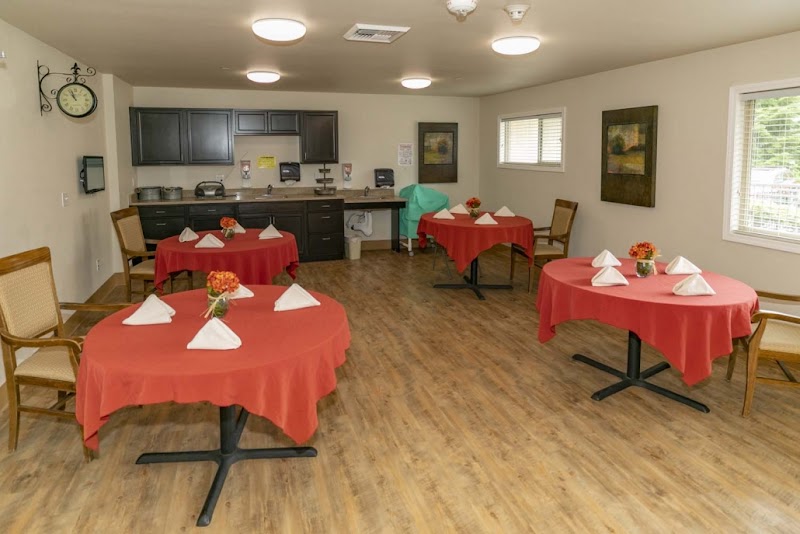
How is Lynnwood Post Acute Rehabilitation Center Staffed?

CMS rates LYNNWOOD POST ACUTE REHABILITATION CENTER's staffing level at 4 out of 5 stars, which is above average compared to other nursing homes. Staff turnover is 51%, compared to the Washington average of 46%.

What Have Inspectors Found at Lynnwood Post Acute Rehabilitation Center?

State health inspectors documented 49 deficiencies at LYNNWOOD POST ACUTE REHABILITATION CENTER during 2023 to 2025. These included: 45 with potential for harm and 4 minor or isolated issues.

Who Owns and Operates Lynnwood Post Acute Rehabilitation Center?

LYNNWOOD POST ACUTE REHABILITATION CENTER is owned by a for-profit company. For-profit facilities operate as businesses with obligations to shareholders or private owners. The facility is operated by THE ENSIGN GROUP, a chain that manages multiple nursing homes. With 67 certified beds and approximately 59 residents (about 88% occupancy), it is a smaller facility located in LYNNWOOD, Washington.
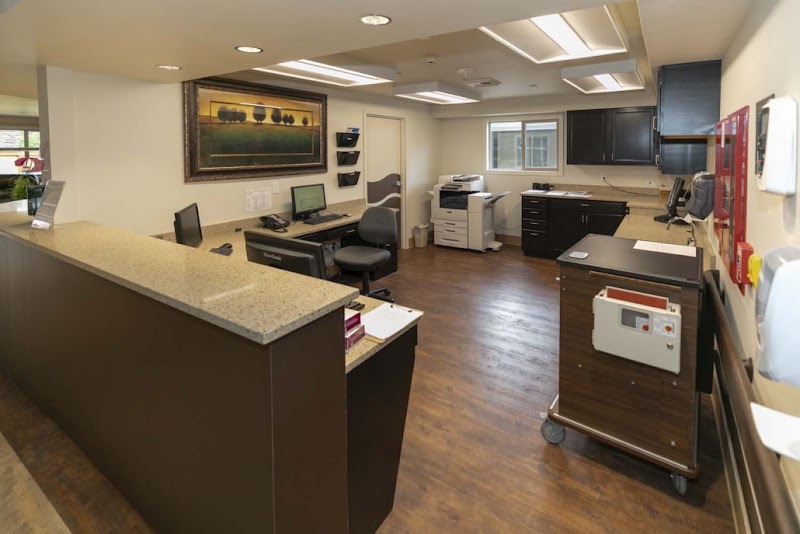
How Does Lynnwood Post Acute Rehabilitation Center Compare to Other Washington Nursing Homes?

Compared to the 100 nursing homes in Washington, LYNNWOOD POST ACUTE REHABILITATION CENTER's overall rating (4 stars) is above the state average of 3.2, staff turnover (51%) is near the state average of 46%, and health inspection rating (3 stars) is at the national benchmark.

What Should Families Ask When Visiting Lynnwood Post Acute Rehabilitation Center?

Based on this facility's data, families visiting should ask: "Can I visit during a mealtime to observe dining assistance and food quality?" "How do you handle medical emergencies, and what is your hospital transfer rate?" "Can I speak with family members of current residents about their experience?"

Is Lynnwood Post Acute Rehabilitation Center Safe?

Based on CMS inspection data, LYNNWOOD POST ACUTE REHABILITATION CENTER has a clean safety record: no substantiated abuse findings (meaning no confirmed cases of resident harm), no Immediate Jeopardy citations (the most serious violation level indicating risk of serious injury or death), and is not on the Special Focus Facility watch list (a federal program monitoring the lowest-performing 1% of nursing homes). The facility has a 4-star overall rating and ranks #1 of 100 nursing homes in Washington. While no facility is perfect, families should still ask about staff-to-resident ratios and recent inspection results during their visit.

Do Nurses at Lynnwood Post Acute Rehabilitation Center Stick Around?

LYNNWOOD POST ACUTE REHABILITATION CENTER has a staff turnover rate of 51%, which is about average for Washington nursing homes (state average: 46%). Moderate turnover is common in nursing homes, but families should still ask about staff tenure and how the facility maintains care continuity when employees leave.

Was Lynnwood Post Acute Rehabilitation Center Ever Fined?

LYNNWOOD POST ACUTE REHABILITATION CENTER has no federal fines on record. CMS issues fines when nursing homes fail to meet care standards or don't correct problems found during inspections. The absence of fines suggests the facility has either maintained compliance or corrected any issues before penalties were assessed. This is a positive indicator, though families should still review recent inspection reports for the full picture.

Is Lynnwood Post Acute Rehabilitation Center on Any Federal Watch List?

LYNNWOOD POST ACUTE REHABILITATION CENTER is not on any federal watch list. The most significant is the Special Focus Facility (SFF) program, which identifies the bottom 1% of nursing homes nationally based on persistent, serious quality problems. Not being on this list means the facility has avoided the pattern of deficiencies that triggers enhanced federal oversight. This is a positive indicator, though families should still review the facility's inspection history directly.