MARYSVILLE CARE CENTER

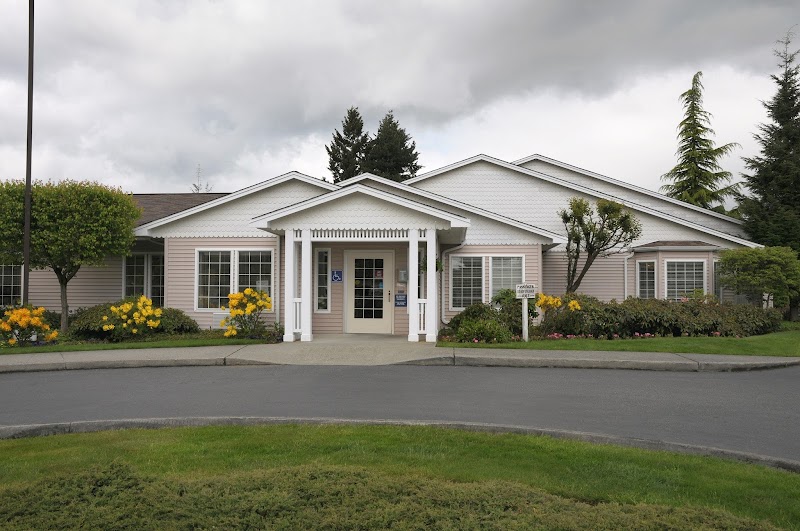
1821 GROVE STREET, MARYSVILLE, WA 98270 (360) 659-3926
For profit - Corporation 97 Beds LIFE CARE CENTERS OF AMERICA Data: November 2025
Trust Grade
0/100
#106 of 190 in WA
Last Inspection: October 2024

Within standard 12-15 month inspection cycle. Federal law requires annual inspections.

Overview

Families considering Marysville Care Center should be aware that it has received a Trust Grade of F, indicating significant concerns about the facility's care and operations. It ranks #106 out of 190 nursing homes in Washington, placing it in the bottom half of facilities in the state, and #10 out of 16 in Snohomish County, meaning only a few local options are worse. The facility is trending in an improving direction, with issues decreasing from 18 in 2024 to 6 in 2025, but the overall number of deficiencies remains high at 75. Staffing is a weakness, with a rating of 2/5 stars and a turnover rate of 51%, which is average, meaning staff may not consistently know the residents well. Additionally, the facility has faced concerning fines totaling $132,789, which is higher than 86% of Washington facilities, indicating possible ongoing compliance issues. Specific incidents raise alarms, such as a resident receiving two doses of a blood thinner when it was on hold, leading to a brain hemorrhage and hospitalization. Another resident suffered complications due to improper monitoring and treatment for severe swelling, resulting in hospitalization for heart-related issues. While the facility does have good RN coverage, being better than 88% of state facilities, families should weigh both the strengths and weaknesses before making a decision.

Trust Score
F
0/100
In Washington
#106/190
Bottom 45%
Safety Record
High Risk
Review needed
Inspections
Getting Better
18 → 6 violations
Staff Stability
⚠ Watch
51% turnover. Above average. Higher turnover means staff may not know residents' routines.
Penalties
○ Average
$132,789 in fines. Higher than 59% of Washington facilities. Some compliance issues.
Skilled Nurses
✓ Good
Each resident gets 68 minutes of Registered Nurse (RN) attention daily — more than 97% of Washington nursing homes. RNs are the most trained staff who catch health problems before they become serious.
Violations
⚠ Watch
75 deficiencies on record. Higher than average. Multiple issues found across inspections.
★★★☆☆
3.0
Overall Rating
★★☆☆☆
2.0
Staff Levels
★★★★★
5.0
Care Quality
★★☆☆☆
2.0
Inspection Score
Stable
2024: 18 issues
2025: 6 issues

The Good

  • 5-Star Quality Measures · Strong clinical quality outcomes
  • Full Sprinkler Coverage · Fire safety systems throughout facility
  • No fines on record

Facility shows strength in quality measures, fire safety.

The Bad

3-Star Overall Rating

Near Washington average (3.2)

Meets federal standards, typical of most facilities

Staff Turnover: 51%

Near Washington avg (46%)

Higher turnover may affect care consistency

Federal Fines: $132,789

Well above median ($33,413)

Significant penalties indicating serious issues

Chain: LIFE CARE CENTERS OF AMERICA

Part of a multi-facility chain

Ask about local staffing decisions and management

The Ugly 75 deficiencies on record

9 actual harm
Jul 2025 2 deficiencies 1 Harm
SERIOUS (G) 📢 Someone Reported This

A family member, employee, or ombudsman was alarmed enough to file a formal complaint

Actual Harm - a resident was hurt due to facility failures

Deficiency F0760 (Tag F0760)

A resident was harmed · This affected 1 resident

**NOTE- TERMS IN BRACKETS HAVE BEEN EDITED TO PROTECT CONFIDENTIALITY** Based on interviews, and record review, the facility failed to ensure 1 of 4 sampled residents (Resident 1) reviewed for blood t...

Read full inspector narrative →
**NOTE- TERMS IN BRACKETS HAVE BEEN EDITED TO PROTECT CONFIDENTIALITY** Based on interviews, and record review, the facility failed to ensure 1 of 4 sampled residents (Resident 1) reviewed for blood thinning medication (Warfarin) use were free from significant medication errors. Resident 1 experienced harm when they received two doses of a blood thinning medication when the medication was on hold, were hospitalized for a brain hemorrhage (bleeding within the skull), had an INR (International Normalized Ratio - a test to determine how long it takes for blood to clot) of 6.9 (normal range for resident 2.5-3.5) and required Kcentra and Vitamin K (blood clotting medications used for urgent reversal of blood thinner medications) in the emergency room. This failure placed all residents receiving blood thinning medications at risk for significant medication errors, serious complications from bleeding and a diminished quality of life. Findings included. Review of a facility policy titled Anticoagulation Management, review date 11/19/2024 documented: - Review the MAR (medication administration record) for the previous day's anticoagulant order to ensure the anticoagulant was administered or held per physician order. - Review the MAR to ensure the PT/INR (Prothrombin Time Test - a test to determine how long it takes for blood to clot) has been completed as ordered. - Review the PT/INR/Coumadin Flowsheet is current with the PT/INR results, current dose, MD notification, dose change, and the next date for the PT/INR. - Review the medical record to ensure the physician was notified of the PT/INR results and any new orders have been noted - Review the MAR to ensure any new orders have been properly transcribed <RESIDENT 1> Resident 1 admitted to the facility on [DATE] with diagnoses to include nontraumatic intracranial hemorrhage (bleeding within the [NAME]), atrial fibrillation (irregular heartbeat), and presence of prosthetic heart valve, and long term (current) use of anticoagulants (blood thinning medication). Review of Resident 1's medical record showed Resident 1 was sent to the ER on [DATE]. Review of Resident 1's hospital records ED (Emergency Department) COURSE dated 07/12/2025 documented: - 12:32 AM-patient has a left temporal/occipital 4.1 cm intraparenchymal hemorrhage with surrounding vasogenic edema (fluid in the brain causing swelling and pressure within the [NAME]), no midline shift (movement of brain tissue from the center of the [NAME]). - 1:06 AM-INR is 6.9. Kcentra (blood clotting medication for urgent reversal of blood thinner medication) and Vitamin K (treatment used to normalize high INR) were ordered. Review of a document titled PT/INR/Coumadin Flow Sheet, documented Resident 1's INR range should be between 2.5-3.5. On 07/09/2025 the flow sheet documented Resident 1's INR result was 3.8, the MD was notified, and the dose change column documented to Hold medication and re-check the INR on 07/10/2025. There was no documentation on the PT/INR Flow Sheet for 07/10/2025. Review of Resident 1's MAR, dated July 2025, documented Resident 1 was administered Warfarin 1.5 mg at 5:00 PM on 07/09/2025 and 07/10/2025. Review of Resident 1's progress notes did not show alert charting or guardian notification for INR results of 3.8 or an order to hold Warfarin on 07/09/2025. Review of Resident 1's progress note titled Transfer to Hospital Summary, dated 07/15/2025 at 5:16 PM, a late entry note entered by Staff B, Registered Nurse (RN), Director of Nursing, documented Review of notes from the hospital on [DATE] showed the resident had a brain bleed again and their PT/INR was higher in the ED when they returned. Staff B documented review of eMAR [electronic medical record] and provider notes showed the last PT/INR in the facility of 3.8 on 07/09/2025. Provider held coumadin at that time.In an interview on 07/17/2025 at 11:45 AM, Staff C, RN, stated the day shift nurse would obtain the INR and fill out the INR/Coumadin flow sheet to include INR result, current order, provider notification, new order and next INR date. Staff C stated that the provider makes the decision whether to change medication, hold medication and when they want the next INR done. Staff C stated that new orders would be entered into the computer and on the MAR. The nurse would make a progress note and the resident would be placed on alert charting if the INR was abnormal. In an interview and record review on 07/17/2025 at 1:26 PM, Staff D, Licensed Practical Nurse (LPN)/Nurse Manager, stated Resident 1's INR Flow Sheet documented an INR result of 3.8 on 07/09/2025, and orders were to hold the residents Warfarin and recheck the INR on 07/10/2025. Staff D stated Resident 1's INR would not have been checked on 07/10/2025 because that was a Thursday and INRs were only checked on Mondays, Wednesdays, and Fridays. Staff D stated the INR recheck date of 07/10/2025 was entered incorrectly because we don't check INRs on Thursday's. Staff D reviewed the July 2025 MAR and confirmed that documentation showed Resident 1 had received Warfarin 1.5 mg on 07/09/2025 and 07/10/2025. In an interview and record review on 07/22/2025 at 4:00 PM, Staff B stated Resident 1 received Warfarin 1.5 mg on 07/09/2025 and 07/10/2025 and the INR was not checked on 07/10/2025. Staff B stated the PT/INR Flow Sheet is an internal form and is not used exclusively because the provider may give an order and then later change the order. Staff B stated a verbal order could be given by the provider after the INR flow sheet had been completed and if there was not a change to the current order a new order would not be entered, and the MAR would not be changed. Staff B stated they would expect that each time a medication is held it would be discontinued on the MAR or a new order to hold the medication would be initiated. Reference WAC 388-97-1060(3)(k)(iii)
CONCERN (D) 📢 Someone Reported This

A family member, employee, or ombudsman was alarmed enough to file a formal complaint

Potential for Harm - no one hurt, but risky conditions existed

Comprehensive Care Plan (Tag F0656)

Could have caused harm · This affected 1 resident

**NOTE- TERMS IN BRACKETS HAVE BEEN EDITED TO PROTECT CONFIDENTIALITY** Based on interview and record review, the facility failed to develop and implement a comprehensive person-centered care plan for...

Read full inspector narrative →
**NOTE- TERMS IN BRACKETS HAVE BEEN EDITED TO PROTECT CONFIDENTIALITY** Based on interview and record review, the facility failed to develop and implement a comprehensive person-centered care plan for 1 of 4 residents (Resident 1) reviewed for care planning. The failure to ensure the comprehensive care plan was person-centered to maintain and or attain the resident's highest practicable well-being placed the residents at risk of not receiving services that would meet their needs, adverse health effects and a decreased quality of life. Findings included .<RESIDENT 1>Resident 1 admitted to the facility on [DATE] with diagnoses to include nontraumatic intracranial hemorrhage (bleeding within the [NAME]), atrial fibrillation (irregular heartbeat), and presence of prosthetic heart valve, and long term (current) use of anticoagulants (blood thinning medication).Review of Resident 1's medication orders on 07/16/2025, documented Resident 1 had a medication order for Warfarin (a blood thinning medication) for a diagnosis of prosthetic heart valve. Review of Resident 1's comprehensive care plan on 07/17/2025, showed there was no care plan developed for the use of Warfarin medication to address potential adverse side effects or monitoring with medication use.In an interview on 07/17/2025 at 11:05 AM, Staff E, Certified Nursing Assistant (CNA), stated staff would know if a resident was taking a blood thinning medication as it would be on the Kardex (care guide for CNAs to provide care) so staff knew if there were any precautions for that resident and to look for bruising and any signs of bleeding. In an interview and record review on 07/17/2025 at 1:26 PM, Staff D, Licensed Practical Nurse (LPN), Nurse Manager, confirmed that there was no care plan in place for the use of Warfarin for Resident 1. In an interview and record review on 07/22/2024 at 4:00 PM, Staff B, Registered Nurse (RN), Director of Nursing (DNS), stated that the expectation is that blood thinning medications should be care planned but would not be on the Kardex. Staff B stated an anticoagulant care plan was initiated for Resident 1 on 02/18/2025 and resolved on 02/20/2025. Reference WAC 388-97-1020 (1)(2)(a)(3)
Jun 2025 3 deficiencies
CONCERN (D) 📢 Someone Reported This

A family member, employee, or ombudsman was alarmed enough to file a formal complaint

Potential for Harm - no one hurt, but risky conditions existed

Deficiency F0573 (Tag F0573)

Could have caused harm · This affected 1 resident

**NOTE- TERMS IN BRACKETS HAVE BEEN EDITED TO PROTECT CONFIDENTIALITY** Based on interview, and record review, the facility failed to ensure a resident record was provided for review in a timely manne...

Read full inspector narrative →
**NOTE- TERMS IN BRACKETS HAVE BEEN EDITED TO PROTECT CONFIDENTIALITY** Based on interview, and record review, the facility failed to ensure a resident record was provided for review in a timely manner to the legal representative for 1 of 1 sampled resident's (Resident 1) reviewed for requested medical records. This failure placed the legal representative at risk for not having full clinical information about the resident in order to best represent them and make informed decisions. Findings included . Review of facility policy titled, Disclosure of Protected Health Information (PHI)-Release of Information, revised 02/26/2025, documented: - Each resident has the right to access their PHI contained in the medical record. The policy stated requested copies of a resident's record should be provided within two working days (excluding weekends and/or holidays) if the resident currently resides at the facility unless state law mandates a shorter period. - In accordance with 42 CFR 483.10(b)(2), a request may be made orally by the resident/legal representative. - Review the copy fee schedule with the resident/personal representative and, if known, the estimated cost to fulfill the request before copies are made. - If an electronic copy of a record is requested efforts to fulfill this request as such shall be made. An electronic copy of the record may be sent via email. All HIM (Health Information Management) staff have the application ShareFile for this purpose. - If all records are 100% electronic and the files are only printed or saved, then sent electronically, the fee may not exceed $6.50. <RESIDENT 1> Resident 1 was admitted to the facility on [DATE] with diagnoses to include intercranial hemorrhage (bleeding within the [NAME]), cerebral infarction (disrupted blood flow to the brain due to problems with the blood vessels that supply it), hemiplegia and hemiparesis (muscle weakness of partial paralysis) of left side, bipolar disorder, depression and anxiety. Review of resident 1's clinical record documented that the resident had a legal guardian as their responsible party and they made decisions for the resident. In an interview 06/12/2025 at 2:10 PM, Collateral Contact 1 (CC), Resident 1's Guardian, stated they had requested a copy of the residents medical record during a care conference on 05/29/2025 and they had not received them. CC1 stated they went to the facility on [DATE] and they were then told they needed to fill out a form to request medical records and the medical records director was not available. CC1 stated they were not informed on 05/29/2025 that they needed to fill out a form to request medical records. CC1 stated they had requested Resident 1's medical records twice via email on 06/09/2023 and 06/10/2023. CC1 stated they still had not received the requested medical records as of 06/12/2025. CC1 stated they were unable to make important, informed decisions related Resident 1's medical care and needs or notify the court and family members because they have not received the requested records. Review of a grievance form dated 06/07/2025 documented CC1 sent an email requesting medical records. Review of an email dated 06/17/2025 at 8:21 AM, provided by CC1 showed Staff C, Medical Records Director notified CC1 that the medical records were available and there was a fee of $53.60. CC1 responded to Staff C's email on 06/17/2025 at 8:54 AM stating that they had not been informed of a fee at the time the medical records were requested and requested that the medical records be emailed. Staff C responded via email on 06/17/2025 at 9:09 AM The records you requested have 1172 Pages, what did you have in mind?. In an interview on 06/17/2025 at 2:16 PM, Staff C stated if a resident representative needed or requested medical records, an authorization form would need to be filled out and signed by the resident or resident representative. Staff C stated the first 100 pages of medical records were free and then a five cent fee would be charged for each additional page. Staff C stated they were responsible for completing the medical record requests which would be completed within five days and stated the form does not state there could be a fee associated with obtaining medical records and they did not know who was responsible for informing CC1 of the potential fee. Staff C stated they did not inform CC1 that a fee may be charged. Staff C stated they could not send medical records by email because emails are not secure. Staff C stated that they had informed CC1 that morning that the medical records were available to be picked up and would cost them $53 dollars. In a joint interview on 06/17/2025 at 4:50 PM, Staff A, Administrator, and Staff B, Registered Nurse, Director of Nursing, Staff A stated a release of information form would be completed for a medical record request and the request would be completed within five days. Staff A stated the fee for medical records was not on the form and Staff C would be responsible for informing the requestor of the potential fee. Staff A acknowledged that CC1 was not informed of the fee associated with the medical record request and they would educate Staff C to inform the medical record requestor of the fee for records. Staff B stated medical records cannot be emailed because it is not secure. Reference WAC 388-97-0300(2)(a)
CONCERN (D) 📢 Someone Reported This

A family member, employee, or ombudsman was alarmed enough to file a formal complaint

Potential for Harm - no one hurt, but risky conditions existed

Deficiency F0605 (Tag F0605)

Could have caused harm · This affected 1 resident

**NOTE- TERMS IN BRACKETS HAVE BEEN EDITED TO PROTECT CONFIDENTIALITY** Based on interview and record review the facility failed to review risks and benefits with the resident's legal representative f...

Read full inspector narrative →
**NOTE- TERMS IN BRACKETS HAVE BEEN EDITED TO PROTECT CONFIDENTIALITY** Based on interview and record review the facility failed to review risks and benefits with the resident's legal representative for 1 of 3 residents (Resident 1) reviewed for psychotropic medication use. Failure to review the risk and benefits of a high-risk medication placed the resident at risk for unnecessary medication use and diminished quality of life and this failure placed the legal representative at risk for not having full clinical information about the resident to best represent the resident and make informed decisions. Findings include . <Resident 1> Resident 1 was admitted to the facility on [DATE] with diagnoses to include intercranial hemorrhage (bleeding within the [NAME]), cerebral infarction (disrupted blood flow to the brain due to problems with the blood vessels that supply it), hemiplegia and hemiparesis (muscle weakness of partial paralysis) of left side, bipolar disorder, depression and anxiety. Resident 1 had a legal guardian as their responsible party and made decisions for the resident. In an interview 06/12/2025 at 2:10 PM, Collateral Contact 1 (CC), Resident 1's Guardian, stated they were not informed of new orders for Risperidone medication for the resident and they had not given consent for use of that medication. CC1 stated during a care conference on 5/29/2025, they asked that the medication be discontinued. CC1 stated that the medication was not discontinued until 6/09/2025, eleven days later. Review of Resident 1's medical record showed an order for Risperidone 0.25 mg by mouth two times daily, dated 05/08/2025. The medication was started on 05/09/2025 and discontinued on 06/09/2025. Review of Resident 1's medical record showed no record that CC1 was notified of the risks and benefits of high-risk medication use or that they had consented to the residents use of the medication. In an interview on 06/17/2025 at 3:30 pm, Staff D, Licensed Practical Nurse (LPN), Nurse Manager, stated if a resident had new orders for a psychotropic medication the resident or the resident's Power of Attorney (POA) would sign the consent. Staff D stated they had left a message for Resident 1's guardian about the new medication order. In an interview on 06/17/2025 at 4:01 PM, Staff E, LPN stated if a resident had a guardian they would be notified of new orders for psychotropic medication, would be educated on the medication and staff would obtain consent prior to administering the medication. In an interview on 06/17/2025 at 4:27 PM, Staff B, Registered Nurse, Director of Nursing, stated the expectation would be that the resident's guardian signs the medication consent form prior to the medication being administered. Staff B acknowledged the medication consent for Resident 1 had not been signed by CC1. Staff B acknowledged that CC1 asked for the medication to be discontinued on 5/29/2025 and the medication was not discontinued until 6/09/2025. Reference WAC 388-97-1060(k)(i)
CONCERN (D) 📢 Someone Reported This

A family member, employee, or ombudsman was alarmed enough to file a formal complaint

Potential for Harm - no one hurt, but risky conditions existed

Investigate Abuse (Tag F0610)

Could have caused harm · This affected 1 resident

**NOTE- TERMS IN BRACKETS HAVE BEEN EDITED TO PROTECT CONFIDENTIALITY** Based on interview and record review the facility failed to conduct a thorough investigation for 2 of 5 sampled Residents (Resid...

Read full inspector narrative →
**NOTE- TERMS IN BRACKETS HAVE BEEN EDITED TO PROTECT CONFIDENTIALITY** Based on interview and record review the facility failed to conduct a thorough investigation for 2 of 5 sampled Residents (Residents 1 and 2) reviewed for incident investigations. Failure to conduct a thorough investigation to identify the root cause(s) and all contributing factors related to incidents and investigations placed residents at risk for unidentified abuse or neglect, risk for injury, monitoring and unmet care needs. Findings included . According to the Washington State Reporting Guidelines for Nursing Homes (Purple Book), dated October 2015, A thorough investigation is a systematic collection and review of evidence/information that describes and explains an event or a series of events. It includes guidelines for prevention and protection, incident identification, investigation and reporting for nursing homes, the facility investigation should end with the identification of who was involved in the incident, and what, when, where, why, and how the incident happened including the probable or reasonable cause. <RESIDENT 2> Resident 2 was admitted to the facility on [DATE] with diagnoses to include muscle weakness, psoriatic arthritis, dementia, and anxiety. According to the Quarterly Minimum Data Set (MDS- an assessment tool) assessment dated [DATE], Resident 2 had moderate cognitive impairment. Review of the facilities State Incident Reporting log, dated June 2025 showed an allegation of resident-to-resident altercation for Resident 2 dated 06/07/2025. Review of the facility investigation dated 06/07/2025 documented an incident of a resident-to-resident altercation involving Resident 2. The investigation did not include information that the other resident (Resident 1) had been placed on alert charting to monitor the resident after the incident. <RESIDENT 1> Resident 1 was admitted to the facility on [DATE] with diagnoses to include intercranial hemorrhage (bleeding within the [NAME]), cerebral infarction (disrupted blood flow to the brain due to problems with the blood vessels that supply it), hemiplegia and hemiparesis (muscle weakness of partial paralysis) of left side, bipolar disorder, depression and anxiety. Record review documented that the resident had a legal guardian as their responsible party and they made decisions for the resident. Review of the facilities State Incident Reporting log, dated June 2025 showed a resident-to-resident altercation on 06/07/2025, and a medication error on 06/09/2025 for Resident 1. Review of the facility investigation dated 06/07/2025 showed a resident-to-resident altercation for Resident 1. The investigation was not thorough and did not include information that Resident 1 was placed on alert charting to monitor the resident after the incident. Review of the facility investigation dated 06/09/2025 documented a medication error for Resident 1. The investigation was not thorough and did not include information such as staff statements or root cause analysis to determine how the facility ruled out abuse or neglect. In an interview on 06/17/2025 at 12:38 PM, Staff F, Registered Nurse (RN), stated if a resident-to-resident altercation occurred the residents would be separated, assessed, placed on alert charting and notifications would be made. In an interview on 06/17/2025 at 4:10 PM, Staff E, Licensed Practical Nurse, stated if a medication was requested to be discontinued, the medication would be held and the provider would be notified. In an interview on 06/17/2025 at 4:27 PM, Staff B, RN, Director of Nursing, stated that when staff are conducting investigations, the residents should be placed on alert charting. Staff B stated Resident 1 and Resident 2 should have been placed on alert charting for the incident that occurred on 06/07/2025. Staff B acknowledged that on 06/09/2025 they identified that alert charting had not been initiated for the residents, and it was initiated at that time. Staff B stated they attended the care conference for Resident 1 on 5/29/2025 and acknowledged that CC1 had asked that the Risperidone be discontinued. Staff B stated they did not delegate staff to discontinue the medication and they were away from the facility until 06/09/2025 at which time it was identified that the medication had not been discontinued. Staff B acknowledged there were no staff statements included in the medication error investigation. Reference WAC 388-97-0640 (6)(a)
Feb 2025 1 deficiency
CONCERN (D) 📢 Someone Reported This

A family member, employee, or ombudsman was alarmed enough to file a formal complaint

Potential for Harm - no one hurt, but risky conditions existed

Investigate Abuse (Tag F0610)

Could have caused harm · This affected 1 resident

**NOTE- TERMS IN BRACKETS HAVE BEEN EDITED TO PROTECT CONFIDENTIALITY** Based on interview and record review the facility failed to conduct a thorough investigation for 1 of 2 sampled Residents (Resid...

Read full inspector narrative →
**NOTE- TERMS IN BRACKETS HAVE BEEN EDITED TO PROTECT CONFIDENTIALITY** Based on interview and record review the facility failed to conduct a thorough investigation for 1 of 2 sampled Residents (Resident 1) reviewed for abuse/neglect and skin concerns. Failure to conduct a thorough investigation to identify the root cause(s) and all contributing factors related to Resident 1's incidents, placed the resident at risk for unidentified abuse or neglect, risk for injury, and unmet care needs. Findings included . According to the Washington State Reporting Guidelines for Nursing Homes (Purple Book), dated October 2015, A thorough investigation is a systematic collection and review of evidence/information that describes and explains an event or a series of events. It includes guidelines for prevention and protection, incident identification, investigation and reporting for nursing homes, the facility investigation should end with the identification of who was involved in the incident, and what, when, where, why, and how the incident happened including the probable or reasonable cause. <RESIDENT 1> Resident 1 admitted to the facility on [DATE], with diagnoses including Alzheimer's Disease and cognitive communication. According to the admission Minimum Data Set (MDS- an assessment tool) assessment dated [DATE], Resident 1 had severe cognitive impairment. Review of the facilities State Incident Reporting log, showed an allegation of abuse for Resident 1 dated 01/29/2025. Review of the facilities State Incident Reporting log, showed a bruise for Resident 1 on 02/02/2025. Review of the facility investigation of an allegation of potential abuse of Resident 1, dated 01/29/2025, showed it was not thorough and did not include information such as statements from staff that had worked with the resident, the resident's roommate, root cause analysis, unable to determine how the facility ruled out abuse and/or neglect. Review of the facility investigation, dated 02/02/2025, showed a bruise was found on the Resident 1's lateral left elbow. The investigation was not thorough and did not include information such as statements from staff that were working with the resident, unable to determine how the facility ruled out abuse and/or neglect. During an interview on 02/11/2025 at 12:58 PM, Staff C, Certified Nursing Assistant, stated that they worked with Resident 1 regularly and had not observed any concerns with any of the resident's visitors. Staff C stated that if they had witnessed or suspected abuse of any resident, they would protect the resident and report the incident. During a joint interview and record review on 02/11/2025 at 2:00 PM, Staff A, Administrator, and Staff B, RN, Director of Nursing, Staff A stated that they had completed the abuse allegation, the incident was discussed with management and social services had followed up with the Resident 1. Staff A stated Resident 1 had a roommate at the time the allegation was reported, and during the investigation they failed to interview the roommate. Staff A stated staff were educated on the Staff Alert document which contained information and direction for staff regarding a family member who was not to visit Resident 1 and the facility Abuse Prevention Policy. Staff A was not able to provide staff statements or staff in-service documentation and stated they must have thrown it out once the investigation had been scanned. Staff B stated Resident 1's bruise was unwitnessed so there was no way to get witness statements, and because the bruise was not considered significant, the resident had not fell so it was not necessary to conduct an extensive investigation. Staff B stated going forward they would like to see a 72 hour look back for incidents. During a joint interview and record review on 02/11/2025 at 2:58 PM, Staff A provided management staff statements, and in-service record dated 01/30/2025 with management staff signatures. There were no statements or in-service records from direct care staff, Resident 1's roommate, social services staff, or Marysville Police Officer interview with Resident 1 regarding allegation of abuse. Refer to WAC 388-97-0640 (6)(a) Refer to WAC 388-97-0640 (6)(a)
Oct 2024 12 deficiencies
CONCERN (D)

Potential for Harm - no one hurt, but risky conditions existed

Grievances (Tag F0585)

Could have caused harm · This affected 1 resident

Based on observation, interview, and record review, the facility failed to maintain a system to ensure resident grievances were identified, logged, and resolved timely for 2 of 3 residents (Residents ...

Read full inspector narrative →
Based on observation, interview, and record review, the facility failed to maintain a system to ensure resident grievances were identified, logged, and resolved timely for 2 of 3 residents (Residents 1 and 2) reviewed for grievances. Facility failure to ensure missing personal items were found or replaced and resident representative comfort concerns were addressed placed residents at risk for missing property, discomfort and a decreased quality of life. Findings included . Review of the facility policy titled, Grievance Program (Comment and Concern reviewed date of 09/26/2024 showed: -Comment and concern program was utilized to address concerns of residents, family members, visitors and guests. -Any associate (staff) could assist in the completion of the comment and concern form and resolved the concern if possible and report all concerns to the supervisor on duty who will then contact the Administrator and Director of Nursing. <RESIDENT 1> Resident 1 admitted to the facility with diagnoses that included lung cancer, malnutrition, and spinal stenosis (spaces inside the bones of the spine get too small). In an interview on 10/07/2024 at 12:47 PM, Collateral Contact 4 (CC4-Resident 1's representative) stated they had requested an air mattress for Resident 1's back pain and they were told their insurance would not cover the cost. In an interview on 10/10/2024 at 10:42 AM Staff C, Licensed Practical Nurse (LPN), stated Resident 1 was on hospice services and CC4 wanted the same mattress that the roommate had, and they had referred the request to hospice. Staff C stated hospice sent an air mattress overlay, but the resident slid off the air mattress overlay, and it was removed for their safety. Staff C stated hospice was supposed to find something better for Resident 1. In an interview on 10/10/2024 at 10:45 AM Staff I, Resident Care Manager (RCM)-LPN stated they had a care conference the day before with CC4 and Resident 1 and discussed the mattress concern. Staff I directed Staff C, LPN, to contact hospice to check on the status of a mattress for Resident 1. In an interview on 10/10/2024 at 1:22 PM Staff G, Social Services Director stated they did not know anything about a mattress and there was not a discussion about it at the care conference. Staff G stated when Resident 1 initially admitted CC4 wanted them to have an air mattress, but they did not have any skin issues to warrant placing an air mattress. Review of Resident 1's Significant Change Minimum Data Set (MDS-an assessment tool) dated 09/11/2024 showed Resident 1 was at risk for skin breakdown and/or pressure ulcer. Review of Resident 1's progress notes dated 07/30/2024 through 10/09/2024 showed no documentation regarding CC4's preference/request of an air mattress for Resident 1. In an interview on 10/10/2024 at 1:22 PM Staff B, Director of Nursing Services, stated they were not aware that there was an ongoing concern related to Resident 1's mattress. <RESIDENT 2> Resident 2 admitted to the facility 07/12/2018. During an interview and observation on 10/07/2024 at 12:29 PM, Resident 2 was noted to be wearing upper dentures, but no lower dentures were in place. Resident 2 reported they had not been wearing their lower dentures because they did not fit. During an interview and observation on 10/08/2024 at 4:53 PM, Resident 2 was wearing their upper dentures but was not wearing their lower dentures. Resident 2 stated their lower dentures did not fit and not using their lower dentures was causing them to have difficulty chewing food. Review of Resident 2's current care plan, print date 10/09/2024, showed the resident used upper and lower dentures. During an interview on 10/09/2024 at 8:26 AM, Staff R, Certified Nursing Assistant, observed Resident 2 not wearing their lower dentures. Staff R looked in Resident 2's room but was not able to find the lower dentures. During an interview and record review on 10/09/2024 at 8:32 AM, Staff N, [NAME] Clerk, showed surveyor a request to set up a dental appointment for Resident 2 as they had lost their lower denture. The form was dated 07/09/2024. Staff M reported they were having difficulty setting up a dentist to see Resident 2 because of funding issues. During an interview on 10/13/2024 at 11:02 AM, Staff G, stated they were not aware of the missing denture and there was no grievance for the denture missing. Staff G stated the facility practice was to reimburse family for the cost of missing items if they could not be located. Refer to WAC 388-97-0460 (2)
CONCERN (D)

Potential for Harm - no one hurt, but risky conditions existed

PASARR Coordination (Tag F0644)

Could have caused harm · This affected 1 resident

**NOTE- TERMS IN BRACKETS HAVE BEEN EDITED TO PROTECT CONFIDENTIALITY** Based on interview and record review, the facility failed to ensure the Preadmission Screening and Resident Review (PASRR - a fe...

Read full inspector narrative →
**NOTE- TERMS IN BRACKETS HAVE BEEN EDITED TO PROTECT CONFIDENTIALITY** Based on interview and record review, the facility failed to ensure the Preadmission Screening and Resident Review (PASRR - a federal requirement to help ensure that individuals who had a mental disorder or intellectual disabilities were offered the most appropriate setting for their needs [in the community, a nursing facility, or acute care setting]; and receive the services they need in those settings), was followed for 1 of 6 sampled residents (Resident 17). Failure to accurately complete a level one PASRR for Resident 17 and refer for a level two (an in-depth evaluation to determine whether the resident required specialized rehabilitation services) as indicated placed residents at risk for not receiving care and services in the most integrated setting appropriate to their needs. Findings included . Review of the facility policy titled Pre-admission Screening and Resident Review (PASRR) review date of 09/26/2024 showed any resident with newly evident or possible serious mental disorder, intellectual disability or a related condition must be referred, by the facility to the appropriate state-designated mental health or intellectual disability authority for review. Resident 17 admitted to the facility on [DATE] with diagnoses that included major depressive disorder and unspecified psychosis. Review of Resident 17's PASRR dated 06/17/2020 showed they exhibited signs and symptoms of a serious mental illness (SMI) and managed with psychotropic medication; a level two evaluation was not indicated. Review of Resident 17's Medication Administration Record for October 2024 showed they were not prescribed any psychotropic medications. Review of Resident 17's provider note dated 10/05/2024 showed they did not feel well and had hallucinations. Review of Resident 17's updated PASRR dated 10/08/2024 showed they had no indicators of SMI and did not require a level two evaluation. In an interview on 10/09/2024 at 2:40 PM Staff G, Social Services Director, stated if there was a change in a resident, they review the PASRR and complete a new level one if indicated and if a level two was needed they coordinate with the state designated mental health authority for review. Staff G described changes that would warrant a review of the PASRR to include behaviors, mood, hallucinations, and mental health status. Staff G stated they gathered information about changes in a resident through the nursing staff and provider notes. Staff G stated they were not aware of Resident 17's hallucinations. In an interview on 10/11/2024 at 9:04 AM Staff B, Director of Nursing Services, stated the facility was aware of PASRR concerns, mainly related to inaccurate PASRR sent from the hospital. Refer to WAC 388-97-1975 (1)
CONCERN (D)

Potential for Harm - no one hurt, but risky conditions existed

Deficiency F0645 (Tag F0645)

Could have caused harm · This affected 1 resident

**NOTE- TERMS IN BRACKETS HAVE BEEN EDITED TO PROTECT CONFIDENTIALITY** <RESIDENT 60> Resident 60 admitted to the facility on [DATE] with admitting diagnoses to include bipolar affective disorde...

Read full inspector narrative →
**NOTE- TERMS IN BRACKETS HAVE BEEN EDITED TO PROTECT CONFIDENTIALITY** <RESIDENT 60> Resident 60 admitted to the facility on [DATE] with admitting diagnoses to include bipolar affective disorder (mental health condition causes extreme mood swings that include emotional highs, called mania, and lows known as depression), anxiety, depression and dementia. In a record review on 10/09/2024 at 11:00 AM, the PASRR form, showed Resident 60 had an SMI Indicator, and no Level II evaluation indicated. This was signed by a provider dated 08/23/2024 and signed by Staff G, SSD, dated 08/21/2024 with a note stating PASRR updated to reflect current diagnosis. Patient stable with current treatment. In a joint interview on 10/09/2024 at 3:03 PM, Staff G, SSD and Staff A, Administrator, stated that [NAME] II evaluation was not indicated for Resident 60 because they think Resident 60 was stable despite them checking yes on the SMI Indicator for Mood Disorders -Depressive or Bipolar. Both Staff G and Staff A, confirmed that if a resident was stable with their medications and had no behaviors that they don't need to send a Level II evaluation even if they check yes on the SMI Indicators. In a joint telephone interview on 10/09/2024 at 3:35 PM with Collateral Contact 3 (CC3), State PASRR Evaluator, and Staff G, SSD, CC3 stated that if the yes box was marked for SMI Indicators, then the Level II evaluation referral required for SMI must be checked and sent to the PASRR evaluator for review. Staff G stated they would revise the PASRR and send it to the PASRR evaluator for review. Refer to WAC 388-97-1915 (2) and 388-97-1975(1) <RESIDENT 59> Resident 59 admitted to the facility on [DATE] with diagnoses to include depression and panic disorder. Resident 59 admitted to the facility on anti-depressant and anti-anxiety medications. Review of a Level 1 PASRR dated 07/08/2024, located in the clinical records, showed mood disorder and anxiety were checked as a mental illness indicator category. Resident 59 was referred for Level II PASRR assessment. Review of Resident 59's current clinical record showed no evidence of Level 2 PASRR evaluation completed. In an interview on 10/09/2024 at 1:48 PM, Staff H, Admissions Director, stated a resident with a Level I PASRR that was referred for Level II PASRR assessment should not be admitted to the facility until the evaluation was completed. In an interview on 10/10/2024 at 1:21 PM, Staff G, Social Services Director (SSD), stated social services was responsible for reviewing PASRR's. Staff G stated Resident 59's PASRR showed a Level II evaluation was required. Staff G stated Resident 59 did not have a Level II evaluation or invalidation. Staff G stated they would follow up with the PASRR coordinator. Based on interview and record review, the facility failed to ensure the Pre-admission Screening and Resident Review (PASRR - a federally required screening of all individuals who has both an Intellectual Disability (ID) or Related Condition (RC) and a serious mental illness (SMI) prior to admission to a Medicaid-certified nursing facility or a significant change of condition) form was completed prior to admission and according to the guidelines specified for 3 of 6 sampled residents (Residents 48, 59 and 60) reviewed. Incomplete or inaccurate PASRR's placed residents at risk for inappropriate placement and/or lack of access to specialized services for residents with identified mental health diagnoses or disability. Findings included . <RESIDENT 48> Resident 48 admitted to the facility on [DATE] with diagnoses to include dementia, anxiety and depression. According to the admission Minimum Data Set (MDS - an assessment tool) assessment, dated 08/20/2024, the resident had moderate cognitive impairment. Review of Resident 48's Level 1 PASRR, dated 08/16/2024, showed the PASRR was positive and an invalidation was to follow due to the diagnosis of dementia and comfort care measures. The PASRR indicated the resident had a severe, chronic disability, other than mental illness (an intellectual disability), that resulted in impairment of their general intellectual functioning or adaptive functioning, and it was expected to continue indefinitely, and it resulted in the resident having substantial functional limitations in three or more areas of major life activity. In a clinical record review on 10/08/2024, no documentation was found that Resident 48 had an intellectual disability, and no Level 2 Invalidation statement was found, and there was no documentation that a required PASRR level 2 evaluation had been completed prior to admission as required. In an interview on 10/09/2024 at 11:45 AM, Staff G, SSD, stated the facility did not yet have a Level 2 invalidation statement for the resident, and they had set up an appointment for 10/15/2024 with the Level 2 PASRR evaluator to triage their Level 2 referrals to see if they were going to invalidate the Level 2 or do a Level 2 PASRR evaluation. In a joint interview on 10/09/2024 at 2:41 PM, Staff B, Director of Nursing, and Staff H, Admissions Director, were unable to provide any information about Resident 48's Level I PASRR that indicated they had an intellectual disability.
CONCERN (D)

Potential for Harm - no one hurt, but risky conditions existed

Comprehensive Care Plan (Tag F0656)

Could have caused harm · This affected 1 resident

**NOTE- TERMS IN BRACKETS HAVE BEEN EDITED TO PROTECT CONFIDENTIALITY** Based on observation, interview and record review, the facility failed to develop a comprehensive person-centered care plan for ...

Read full inspector narrative →
**NOTE- TERMS IN BRACKETS HAVE BEEN EDITED TO PROTECT CONFIDENTIALITY** Based on observation, interview and record review, the facility failed to develop a comprehensive person-centered care plan for 1 of 9 sampled residents (Resident 60) reviewed for care planning. The care plan for respiratory care did not show monitoring for signs of hypoxia (low oxygen (O2) level) and administering O2, the skin care plan did not include the type of wound, wound care, or interventions to prevent the wound from worsening, and the Diabetes (a disease in which blood sugar levels are too high) care plan did not include interventions for hypoglycemia (low blood sugar) or hyperglycemia (high blood sugar). This failure placed residents at risk for unidentified outcomes or goals, inconsistent or lack of interventions, and diminished quality of life. Findings included . Resident 60 admitted to the facility on [DATE] with diagnoses to include a Stage 2 pressure ulcer (a partial thickness skin loss that appears as a shallow open wound with a red or pink wound bed), diabetes, and respiratory failure. According to the admission Minimum Data Set (MDS- an assessment tool) assessment dated [DATE], Resident 60 had moderate cognitive impairment, required moderate assistance with bed mobility and was receiving O2. <RESPIRATORY CARE> In an observation on 10/09/2024 at 9:41 AM, Resident 60 was lying in bed receiving O2 via nasal cannula (nc - a tube that delivers O2) and the O2 concentrator (a machine that delivers O2) was set at one liter per minute. Review of Resident 60's medical record on 10/11/2024 at 8:54 AM showed a physician order for O2 one to two liters per minute per nc as needed (PRN), dated 08/20/2024. Review of the Resident 60's medical record showed a provider progress note dated 10/09/2024, for Resident 60 to continue using O2 PRN. In a record review on 10/11/2024 at 8:54 AM, Resident 60's care plan did not include a focus, goal, or interventions for O2 therapy. <PRESSURE ULCER> In an observation on 10/08/2024 at 11:34 AM, Resident 60 was lying in bed on their back. In an interview on 10/08/2024 at 12:02 PM, Staff Q, Certified Nursing Assistant (CNA) stated that Resident 60 preferred to stay in bed and to lay on their back most of the time despite offering the resident to turn or get out of bed. In an observation and interview on 10/10/2024 at 11:55 AM, Resident 60 was laying on their back. Resident 60 stated they could turn on their side in bed on their own and that they turn when their back side started to hurt. In an interview on 10/11/2024 at 9:32 AM, Staff R, CNA, stated that they read the [NAME] (care directive for CNAs) to find out how to take care of a resident. Staff R stated that they did not know what kind of wound Resident 60 had but knew that there was a wound care nurse that came in and if the dressing to the wound was soiled to notify the nurse. Review of Resident 60's medical record on 10/11/2024 at 9:41 AM, showed a Provider order for wound care dressing to the wound on the resident's coccyx. Review of Resident 60's care plan focus for skin integrity, copy date 10/08/2024, did not specify the type of wound the resident had. The care plan did not include interventions to prevent worsening of the wound or who to notify. Review of Resident 60's [NAME] on 10/11/2024, did not show or mention anything about their pressure ulcer or how to care or monitor the resident. <DIABETES > Review of Resident 60's care plan focus for diabetes, dated 10/08/2024 did not show interventions for hypoglycemia or hyperglycemia. In an interview on 10/09/2024 at 10:00 AM, Staff F, Registered Nurse (RN) stated that they did not update the care plan and that the Resident Care Manager (RCM) did it. In an interview on 10/11/2024 at 9:51 AM, Staff S, RN, stated that the care plan for Resident 60 needed more interventions added to help care for the resident better. Staff S stated the RCM was responsible for updating the care plan. In an interview on 10/10/2024 at 10:45 AM, Staff D, RN/RCM, stated that they updated the care plan if they identified changes regarding a resident and they reviewed it quarterly to ensure that the care plan was up to date. In a joint interview on 10/11/2024 at 11:10 AM, with Staff A, Administrator, and Staff B, RN/Director of Nursing, Staff B stated the initial care plan was done by the admission nurse based on their assessment, interview and history and physical. Staff B stated an initial care conference with the resident and/or family members was conducted based on information received and a resident-centered care plan was developed. Staff B stated the RCM was responsible for reviewing the care plan and creating a more comprehensive resident-centered care plan. Staff B was not sure what the time frame was for developing the comprehensive care plan. Staff A stated that they reviewed residents in their daily stand-up meetings and could update care plans at that time. Staff B stated that O2 should be care planned. Staff B stated that they would review Resident 60's care plan and ensure that interventions were in place for Resident 60's wound, diabetes and O2. Refer to WAC 388 97 1020(1)(2)(a) .
CONCERN (D)

Potential for Harm - no one hurt, but risky conditions existed

Deficiency F0657 (Tag F0657)

Could have caused harm · This affected 1 resident

**NOTE- TERMS IN BRACKETS HAVE BEEN EDITED TO PROTECT CONFIDENTIALITY** <RESIDENT 28> Resident 28 admitted to the facility on [DATE] with diagnoses that included stroke affecting their left side...

Read full inspector narrative →
**NOTE- TERMS IN BRACKETS HAVE BEEN EDITED TO PROTECT CONFIDENTIALITY** <RESIDENT 28> Resident 28 admitted to the facility on [DATE] with diagnoses that included stroke affecting their left side with hemiplegia (paralysis or severe weakness) and hemiparesis (weakness on one side of the body). In a review of Resident 28's care plan, dated 08/29/2019 showed they had limited physical mobility related to left side hemiplegia and hemiparesis and would remain free of complications with no worsening in contracture. The care plan did not identify the location of Resident 28's contracture. Interventions included nursing rehabilitation/restorative program which included active range of motion (AROM-the range of movement a person can achieve by using their muscled to move a body part without assistance) to their bilateral upper and lower extremities in all planes to Resident 28's tolerance. On 10/11/2024 at 9:30 AM observed Resident 28 in the unit activity room with other residents participating in an exercise activity. Resident 28 received passive range of motion (PROM-the range of movement in a joint when an external force moves the joint) to their upper and lower extremities. On 10/11/2024 at 11:15 AM observed Resident 28 in their room in their wheelchair. Resident 28's left hand and fingers lying flat on the arm rest of the wheelchair. When asked if they could move their left arm, hand and fingers with their right hand, Resident 28 was able move them without resistance. Review of Resident 28's Range of Joint Motion Evaluation Chart dated 08/08/2024 showed the left upper extremity was within functional limits. Review of Resident 28's Occupational Therapy Evaluation dated 06/10/2024 showed they did not have any functional limitations present due to a contracture. In an interview on 10/11/2024 9:04 AM, Staff B, Director of Nursing Services (DNS) stated the expectation of updating the care plan was at least quarterly and with any change of condition. Staff B stated they have a meeting with the interdisciplinary team where they review residents care plans for their quarterly and annual assessment. Refer to WAC 388-97-1020 (5)(b) Based on observation, interview and record review, the facility failed to ensure care plans were reviewed and revised for 3 of 8 (Residents 13, 2 and 28) sampled residents reviewed for care plan revisions. Failure to revise care plans to accurately reflect resident conditions and needs placed residents at risk for unmet care needs. Findings included . <RESIDENT 13> Resident 13 initially admitted to the facility on [DATE], and recently readmitted from the hospital on [DATE]. During an observation and interview on 10/07/2024 at 9:05 AM, Resident 13 was lying in bed. Resident 13 stated they had had a decline in their ADL (activities of daily living) abilities over the past six months. Review of a nurse practitioner note, dated 05/21/2024, showed that Resident 13 likely had kidney failure. The note showed the provider spoke with Resident 13 and they did not want to go to the hospital and wanted to remain in the facility on comfort care. The note showed that Resident 13 was no longer feeding themselves or performing ADL's. Review of Resident 13's nursing assistant documentation for transfers, dated 09/11/2024 - 10/09/2024, showed they had not transferred the resident out of bed during that time except for on 09/26/2024 and 10/07/2024. Review of the facility matrix, dated 10/07/2024, showed Resident 13 did not have any pressure ulcers (bed sores.) Review of Resident 13's current care plan, print date 10/09/2024, showed three different problems for skin and wound condition: Risk for impairment to skin that showed actual impairments to left heel, blisters to left thigh and coccyx (tail bone). Actual impairment to skin integrity that showed wound on left buttock, right buttock, left gluteal (lower part of buttock) fold, left lower leg vascular wound, right anterior (front) thigh. Chronic ulcer (wound) to left lower leg. Further review of the care plan showed two different problems for mobility: ADL assistance and therapy services. The goals were Resident 13 would be able to transfer from bed to chair with partial moderate assistance and Resident 13 wished to attain prior level of function. The interventions showed Resident 13 used a standard wheelchair and FWW (front wheeled walker), therapy services, weight bearing as tolerated with orthotic shoe (specialized shoe for standing) and dependent on transfers with Hoyer lift (machine that moves person from one surface to another). Functional goal care plan, Resident had limited physical mobility. The interventions showed to refer resident to therapy, update physician with changes in mobility and that resident was weight bearing. Review of the care plan also showed a problem for at risk for rehospitalization, revised on 05/24/2024. The goal statement showed resident will not have an avoidable rehospitalization related to current medical diagnosis within the first 30 days. There was no update after the 30 days had passed. During an interview on 10/08/2024 at 11:13 AM, Staff X, Nursing Assistant Certified, stated Resident 13 was having therapy and getting out of bed a year ago, but now they refused to get out of bed. Staff X stated the resident was only getting out of bed to be weighed with the Hoyer lift and then setting them back on the bed. During an interview on 10/09/2024 at 10:08 AM, Staff AA, occupational therapist, stated Resident 13 was not tolerating much therapy when they were on caseload, and since being discharged from therapy, resident had declined further due to multiple medical conditions and the resident was no longer getting out of bed. During an interview and joint record review on 10/08/2024 at 11:24 AM, Staff I, Licensed Practical Nurse/Resident Care Manger, reported Resident 13 was on comfort care, no longer was getting out of bed, and had no wounds except for a vascular condition of their left lower leg. Staff I stated the residents care plan had not been updated with their changes and Resident 13's care plan had not been reviewed in its entirety to remove the duplications of problems last quarter. <RESIDENT 2> Resident 2 is a long term resident at the facility since 07/12/2018. During an interview and observation on 10/07/2024 at 12:29 PM, Resident 2 was noted to be wearing upper dentures but did not have lower dentures in place. Resident 2 reported they had not been wearing their lower dentures as they did not fit. During an interview and observation on 10/08/2024 at 4:53 PM, Resident 2 was wearing their upper dentures and not their lower dentures. Resident 2 stated they had not been wearing her lower dentures. Review of the current care plan, print date 10/09/2024, showed Resident 2 wore full upper and lower dentures. During an interview on 10/09/2024 at 11:02 AM, Staff G, Social Service Director, stated they had spoken with resident's family and Resident had not worn their lower dentures for a year. During an interview on 10/09/2024 at 11:19 AM, Staff I reviewed the care plan. Staff I stated Resident 2's care plan did not get updated when they stopped wearing their lower dentures or when the lower denture was lost.
CONCERN (D)

Potential for Harm - no one hurt, but risky conditions existed

ADL Care (Tag F0677)

Could have caused harm · This affected 1 resident

**NOTE- TERMS IN BRACKETS HAVE BEEN EDITED TO PROTECT CONFIDENTIALITY** Based on observation, interview and record review, the facility failed to provide dentures prior to meals for 1 of 5 sample resi...

Read full inspector narrative →
**NOTE- TERMS IN BRACKETS HAVE BEEN EDITED TO PROTECT CONFIDENTIALITY** Based on observation, interview and record review, the facility failed to provide dentures prior to meals for 1 of 5 sample residents (Resident 31) reviewed for Activities of Daily Living (ADL). This failure placed the resident at risk for poor nutrition, and diminished quality of life. Findings included . Review of the facility policy titled, Activities of Daily Living, revised date of 09/10/2024, showed that a resident who is unable to carry out activities of daily living will receive the necessary services to maintain good nutrition, grooming, and personal and oral hygiene. Resident 31 admitted to the facility on [DATE] with diagnoses to include hemiplegia and hemiparesis (conditions that cause weakness or paralysis on one side of the body) following stroke, diabetes mellitus (a chronic disease that occurs when the body doesn't produce enough insulin or can't use insulin properly), dysphagia (difficulty swallowing), aphasia following cerebral infarction (a language disorder affects a person's ability to understand or produce language after stroke). According to the quarterly Minimum Data Set (MDS-an assessment tool) assessment, dated 08/14/2024, Resident 31 had severe cognitive impairment and had functional limitation to one side of their upper and lower extremities (arms, hands, legs, and feet) and required set up or clean-up assistance (helper assists prior to or following the activity) with eating. In an observation on 10/09/2024 at 8:20 AM, Resident 31 was sitting up with their breakfast tray eating breakfast without dentures in place. Review of Resident 31's Medication Administration Record (MAR), copy date 10/09/2024 at 8:20 AM, showed an order for upper and lower dentures in denture cup with cleaning solution placed in med room overnight, and given to resident in the am. This had not be marked as given to the resident. In an observation on 10/09/2024 at 8:30 AM, observed Staff C, Licensed Practical Nurse (LPN) went to get the dentures from the medication room and asked the aide to put in for Resident 31. Review of the facility meal schedule showed breakfast trays started at 7:20 AM. In an interview on 10/09/2024 at 8:37 AM, Resident 31 stated they did not have dentures, and it was difficult for them to chew food. The resident stated they ate without dentures often, chewing with their gums and their dentures were locked in the room every day. In an interview on 10/09/2024 at 8:46 AM, Staff C, LPN stated Resident 31's lower dentures were broken since a week and a half ago and Resident 31 was only wearing the upper dentures. Staff C stated the lower dentures were broken when the resident was trying to put them in on their own. Staff C stated that ever since the lower dentures broke, they have been locking the upper dentures in the medication room. In an observation on 10/10/2024 at 8:20AM, Resident 31 was noted to be eating breakfast with no dentures in their mouth. In an observation on 10/10/2024 at 8:31 AM, Resident 31 finished breakfast with no dentures in their mouth. In an interview on 10/10/2024 at 8:31 AM, Resident 31 stated they did not like the toast because it was too hard to chew. When asked if any nurse brought dentures and assisted them to put in, they stated that the nurse locked the dentures in the room every day. In a joint interview on 10/10/2024 at 8:40 AM, Staff C, LPN, and Staff I, LPN/Resident Care Manager (RCM), stated the dentures were in the medication room and the licensed nurse was supposed to get them from the medication room and the nursing assistant was supposed to assist to put on the resident before breakfast. Staff stated the nursing assistant who was taking care of the resident on that day was new and did not know the resident needed dentures for breakfast. In an interview on 10/10/2024 at 8:50 AM, Staff J, Certified Nurse Assistant (CNA), stated they were new to the hall. Staff J stated they receive report from the night shift, and no staff had told them Resident 31 needed dentures for breakfast. Staff J stated they use a [NAME] (identifies residents care needs in the electronic health record) which had resident specific care information on it. Review of Resident 31's [NAME], dated 10/09/2024, showed the resident had upper/lower dentures and the licensed nurses were to verify after meals dentures were in mouth. At bedtime staff were to place the resident's dentures in a denture cup with cleaning solution in medication room overnight and to return them to the resident in the morning. Review of Resident 31 's care plan, dated 09/26/2024, showed the resident had upper/lower dentures and licensed nurse were to verify after meals dentures were in the resident's mouth. At bedtime staff were to place the resident's dentures in a denture cup with cleaning solution in medication room overnight and to return them to the resident in the morning. In a review on 10/10/2024 at 9:09 AM, Resident 31's Medication Administration Record (MAR) showed the nurse had not signed off the order of giving dentures in AM at 8AM. Refer to WAC 388-97-1060 (2)(c)
CONCERN (D)

Potential for Harm - no one hurt, but risky conditions existed

Deficiency F0685 (Tag F0685)

Could have caused harm · This affected 1 resident

**NOTE- TERMS IN BRACKETS HAVE BEEN EDITED TO PROTECT CONFIDENTIALITY** Based on observation, interview and record review, the facility failed to accurately assess and provide care and treatment to im...

Read full inspector narrative →
**NOTE- TERMS IN BRACKETS HAVE BEEN EDITED TO PROTECT CONFIDENTIALITY** Based on observation, interview and record review, the facility failed to accurately assess and provide care and treatment to improve a resident's communication deficit for 1 of 2 sampled residents (Resident 12) reviewed for hearing. Failure to accurately assess, provide interventions to mitigate hearing loss, and/or offer a referral to improve a hearing deficit placed residents at risk of a decreased quality of life. Findings included . According to the Long-Term Care Resident Assessment Instrument (RAI) 3.0 User's Manual, Version 1.19.1, dated October 2024, (a guide to accurately complete the Minimum Data Set (MDS) assessment). The completed MDS must be analyzed and combined with other relevant information to develop an individualized care plan. To help nursing facilities apply assessment data collected on the MDS, Care Area Assessments (CAAs) are triggered responses to items coded on the MDS specific to a resident's possible problems, needs or strengths. Care Area Assessment (CAA) is the further investigation of triggered areas to determine if the care area triggers require interventions and care planning. Relevant documentation for each triggered CAA describes causes and contributing factors, to include: • The nature of the issue or condition (may include presence or lack of objective data and subjective complaints). In other words, what exactly was the issue/problem for this resident and why was it a problem. • Complications affecting or caused by the care area for this resident. • Risk factors related to the presence of the condition that affects the staff's decision to proceed to care planning. • Factors that must be considered in developing individualized care plan interventions, including the decision to care plan or not to care plan various findings for the individual resident. • The need for additional evaluation by the attending physician and other health professionals, as appropriate. Resident 12 admitted to the facility on [DATE]. Review of Resident 12's MDS, dated [DATE], showed a BIMS (test that evaluates cognitive function) score of 14 which indicated intact cognitive function. During an interview and observation on 10/07/2024 at 8:31 AM, Resident 12 stated they did not have any cognitive issues, they just could not hear. Resident 12 stated they wanted to get hearing aids and had reported that to the staff. Resident 12 reported the staff never mentioned they could assist him in obtaining hearing aids. Surveyor had to stand close to resident and increase volume of speech during conversation. Resident 12 asked surveyor to repeat information during conversation as they had not heard what surveyor had said. During an interview and observation on 10/09/2024 at 9:35 AM, Resident 12 stated they would not be able to hear their daughter on the phone during the upcoming care conference due to their hearing deficit. Surveyor had to increase volume of speech during conversation for resident to hear adequately. Review of the admission assessment, dated 09/11/2024, showed the resident had moderately impaired hearing, which meant the speaker had to increase volume and speak distinctly. The assessment showed Resident 12's discharge plan was to remain in the facility for long-term care. Review of the activity assessment, dated 09/11/2024, showed Resident 12's hearing was adequate/good. Review of the occupational therapy evaluation, dated 09/12/2024, showed Resident 12's sensory function was impaired. Review of progress note, dated 09/16/2024, showed Resident 12 was hard of hearing and was trying to get hearing aids. Review of the MDS, dated [DATE], showed Resident 12 had minimal difficulty hearing and did not use hearing aids. Review of the communication CAA, dated 09/20/2024, showed communication investigation was triggered due to minimal difficulty hearing. The sections for resident input/goals and for any needed referrals was blank. The summary statement showed LN administer medication as ordered, provide treatment as ordered, anticipate and meet resident's needs. assist with word finding as needed. Monitor/document for physical/nonverbal indicators of discomfort or distress, and follow-up as needed. NAC assist the task to be completed, assist communication as needed, anticipate and meet resident's needs. The summary did not show any documentation as it related to Resident 12's hearing. There was no documentation of the cause of hearing loss or what interventions should have been care planned such as assisting with obtaining hearing aids or staff to increase volume or speak distinctly. Review of the care plan showed a problem statement for communication deficit related to minimal difficulty hearing deficit, dated 09/20/2024. The interventions for problem area showed: - Anticipate needs - Observe and report any changes in communication - Observe for physical/nonverbal signs of discomfort - Observe for problems- deterioration of respiratory status, oral motor function, poor fitting/missing dental appliances, hearing impairment (ear discharge or wax accumulation). There was no intervention for staff to talk with increased volume, limit background noise, or assisting resident to obtain hearing aids. During an interview on 10/09/2024 at 11:16 AM, Staff I, Licensed Practical Nurse/Resident Care Manager, stated Resident 12 was hard of hearing and they had to talk loudly for them to hear. During an interview on 10/09/2024 at 11:38 AM, Staff V, Registered Nurse (RN)/ MDS coordinator, stated the CAA process should include what the resident goals were, what the risk factors for the area was, and how facility would fix the problem. Staff V stated they did not offer help with setting up an audiology appointment or obtaining hearing aids because resident was not a long-term care resident. During an interview on 10/09/2024 at 12:07 PM, Staff W, RN/ MDS coordinator, stated they reviewed progress notes and assessments in the medical record, interviewed the resident and interviewed staff to gather data to complete the MDS and CAA's. Staff W stated they did not offer resident an audiology appointment or assistance with hearing aids because they did not have difficulty communicating with the resident with the TV turned off and the door shut. Staff W stated they had completed the care plan after they had completed the communication CAA but did not put interventions on the care plan to limit background noise such as turning off TV or shutting room door. Staff W was asked about staff monitoring the dental appliances as an intervention for the communication problem and they stated they just clicked on prepopulated interventions and did not modify them to be resident specific. Refer to WAC 388-97-1060 (3)(a)
CONCERN (D)

Potential for Harm - no one hurt, but risky conditions existed

Deficiency F0744 (Tag F0744)

Could have caused harm · This affected 1 resident

**NOTE- TERMS IN BRACKETS HAVE BEEN EDITED TO PROTECT CONFIDENTIALITY** Based on observation, interview and record review, the facility failed to develop a dementia care plan that addressed the signif...

Read full inspector narrative →
**NOTE- TERMS IN BRACKETS HAVE BEEN EDITED TO PROTECT CONFIDENTIALITY** Based on observation, interview and record review, the facility failed to develop a dementia care plan that addressed the significant mental and psychosocial needs of the resident, established personalized and achievable goals, and identified interventions to promote a person-centered environment for 1 of 3 residents (Resident 48) reviewed for dementia care. These failures placed residents at risk for unmet psychosocial needs, increased behaviors and decreased quality of life. Findings included . In an email interview on 10/11/2024 at 12:56 PM, Staff B, Director of Nursing, stated the only policy the facility had regarding dementia was a policy that specified education, for staff. Review of the facility policy titled Dementia Required Education, dated 09/22/2023, showed the facility had a policy that specified the facility would provide staff training and education. Resident 48 admitted to the facility on [DATE] with diagnoses to include dementia, anxiety and depression. According to the admission Minimum Data Set (MDS - an assessment tool) assessment, dated 08/20/2024, showed the resident had moderate cognitive impairment, no behavioral symptoms, and they had non-Alzheimer's dementia. Review of Resident 48's August 2024 Medication Administration Records (MARS) showed the facility had administered the antipsychotic medication Quetiapine for four separate orders to include Quetiapine for dementia, and Quetiapine for agitation (agitation - a state of anxiety or nervous excitement), these orders included two orders for as needed Quetiapine, and two orders that were scheduled doses of Quetiapine. Review of Resident 48's September 2024 MARS showed the facility administered the resident the Quetiapine for dementia by using five orders, and they also administered Risperidone (Risperidone - an antipsychotic medication) for dementia and Rivastigmine (Rivastigmine - a cognitive enhancer for dementia). The MARS showed behaviors exhibited included agitation and yelling out for both behaviors to include over 40 shifts with agitation and as many as 30 incidents per shift and documentation of multi representing multiple, and cont representing continuous. For yelling out, from 09/10/2024 - 09/30/2024 the resident had over 50 shifts where they were yelling out to include shifts where staff documented they called out 20, 25, 30 and 45 times during a shift. Review of Resident 48's October MARS from 10/01/2024 - 10/10/2024 showed the facility continued to administer Risperidone for dementia, mild, with agitation, and they continued to administer Rivastigmine from 10/01/2024 - 10/07/2024 for dementia, mild, with agitation. The behavior monitor showed 17 shifts with documented agitation, to include 10 shifts with continuous agitation documented. The behavior monitors also included 27 shifts with yelling out documented, to include eight shifts with continuous yelling out documented and many shifts with 15 instances of yelling out documented. In a phone interview on 10/07/2024 at 11:42, Collateral Contact 1, the representative of Resident 48's roommate, Resident 56, stated Resident 48 called out at all hours of the day and night and they had to make a formal complaint to the facility, and they were told the facility would be moving Resident 48 to a different room. Review of Resident 48's care plan, copy date 10/09/2024, showed no documentation the facility had care-planned interventions for how staff were to treat the resident's behaviors of calling out and agitation, except for administering psychotropic medications. In a review of Resident 48's clinical record on 10/09/2024, no documentation was found in the clinical record that the facility had assessed the resident's dementia, how long they'd had dementia, how the resident's dementia manifested in their behaviors, or what had been effective or ineffective in treating the resident's dementia and behaviors in the past. In an observation on 10/09/2024 at 10:56 AM, Resident 48 was observed calling out loudly from their room and they could be heard yelling from down the hall, they called out multiple times and did not use their call light. In an observation/interview on 10/10/2024 at 2:45 PM, Resident 48 was observed calling out loudly from down the hall, the resident's room door was closed, and their call light was not on. The resident was interviewed regarding their calling out, and their call light was observed to be right in front of them, the resident stated they were calling out because something fell on the floor. The resident stated they didn't use their call light because when they used it no one came. The resident stated they didn't like bellering ([NAME] - to shout in a loud voice), but they bellered because when they used their call light no one came, and if they don't like it, they (staff) should come when they called. Resident 48 stated it's not fun to have to yell, but that is what they have to do. In a joint interview/record review on 10/11/2024 at 10:22 AM, Staff S, Registered Nurse, stated Resident 48 had been calling out that morning, and they had addressed the resident's needs. Staff S stated the resident wanted to get up in a chair, so they got them up in a chair. Staff S stated that the resident called out again because they wanted to call their daughter, and they assisted them to call their daughter, but there was no answer on the phone, so the resident didn't stop calling out, they focused on calling their daughter, and the resident kept calling out until they got sleepy and requested to go back to bed. Staff S reviewed the resident's care plan, and stated they couldn't find anything specific in the care plan regarding their calling out. Staff S stated the only thing they could find in the care plan specific to the resident's calling out behavior was to administer Risperidone. Staff S stated the resident's care plan indicated the resident was supposed to have a psychiatric consult, but they did not know if that had happened. Refer to WAC 388-97-1060 (1) .
CONCERN (D)

Potential for Harm - no one hurt, but risky conditions existed

Medication Errors (Tag F0758)

Could have caused harm · This affected 1 resident

**NOTE- TERMS IN BRACKETS HAVE BEEN EDITED TO PROTECT CONFIDENTIALITY** Based on observation, interview and record review, the facility failed to ensure 2 of 5 residents (Residents 60 and 48) reviewed...

Read full inspector narrative →
**NOTE- TERMS IN BRACKETS HAVE BEEN EDITED TO PROTECT CONFIDENTIALITY** Based on observation, interview and record review, the facility failed to ensure 2 of 5 residents (Residents 60 and 48) reviewed for unnecessary medications were free from unnecessary psychotropic drugs (drugs that affect brain activities associated with mental processes and behavior) as required. The facility failed to ensure there were valid and accurate diagnoses for use of psychotropic medications, appropriate indications for treatment with antipsychotic medications, to monitor adverse side effects and monitor and document appropriate behaviors. These failures placed the residents at risk for receiving unnecessary psychotropic medications, for adverse medication-related side effects, and for diminished quality of life. Findings included According to the facility policy titled Psychotropic Medication Informed Consent Policy, reviewed on 09/16/2024: Other medications not classified as anti-psychotic, anti-depressant, anti-anxiety, or hypnotic medications can also affect brain activity and should not be used as a substitution for another psychotropic medication listed in 483.45(c)(3), unless prescribed with a documented clinical indication consistent with accepted clinical standards of practice. Categories of medications which affect brain activity include central nervous system agents used to treat conditions such as seizures, mood disorders, pseudobulbar affect, and muscle spasms or stiffness. The requirements pertaining to psychotropic medications apply to these types of medications when their documented use appears to be a substitution for another psychotropic medication rather than for the original or approved indication. For example, if a resident is prescribed valproic acid and the medical record shows no history of seizures but there is documentation that the medication is being used to treat agitation or other expressions of distress, then the use of valproic acid should be consistent with the psychotropic medication requirements under 483.45(e). <RESIDENT 60> Resident 60 admitted to the facility on [DATE] with admitting diagnoses to include bipolar affective disorder (mental health condition that causes extreme mood swings that include emotional highs, called mania, and lows known as depression), anxiety, depression (constant feeling of sadness and loss of interest) and dementia (a mental disorder in which a person loses the ability to think, remember, learn, make decisions, and solve problems). Review of Resident 60's clinical record on 10/08/2024 at 1:10 PM showed a provider's order for Divalproex Sodium oral tablet delayed release 500 milligram (mg) by mouth every evening shift for seizures (abnormal electrical activity in your brain that temporarily affects your consciousness, muscle control and behavior), dated 8/21/2024. Review of Resident 60's history and physical note dated 10/08/2024 at 1:10 PM showed bipolar disorder, current episode manic without psychotic features, unspecified. Stable and chronic. Continue Depakote (brand name for Divalproex Sodium). Reviewed Provider's progress notes and hospital records and did not find a seizure diagnosis documented. In an interview on 10/09/2024 at 10:42 AM Resident 60's spouse stated the Divalproex Sodium was for the residents mood and it helped them sleep at night. Review of Resident 60's Medication Administration Records (MAR) for September and October 2024 showed the Divalproex Sodium indication for use was Seizures and was given daily. There was no monitoring for adverse side effects or behaviors related to this medication. In a joint interview/record review on 10/10/2024 at 9:04 AM, Staff E, Licensed Practical Nurse (LPN) stated they did not see a seizure disorder documented in Resident 60's clinical record. They did not know why they used seizure as the diagnosis for the Divalproex Sodium medication use. In an interview on 10/10/2024 at 9:18 AM Staff D, Registered Nurse (RN)/Resident Care Manager (RCM) stated that the Divalproex Sodium was for Resident 60's mental disorder and not for seizures and they would update the order. <RESIDENT 48> Resident 48 admitted to the facility on [DATE] with diagnoses to include encephalopathy (encephalopathy - broad term for any brain disease that alters brain function or structure and can result in a declining ability to reason and concentrate), dementia, anxiety and depression. According to the admission Minimum Data Set (MDS - an assessment tool) assessment, dated 08/20/2024, showed the resident had moderate cognitive impairment, and no behavioral symptoms. Review of Resident 48's hospital Discharge summary, dated [DATE], showed the resident was given multiple diagnoses to include acute encephalopathy and dementia with behavioral disturbance as they had a one-week change in behavior, and waxing and waning mentation where their baseline was demanding and brusque, but was now polite and quiet, and the providers suspected their behavior change was due to hypoxemia (low oxygen in the blood). The discharge summary indicated the physical exam showed neurologically the resident was at their baseline with normal mood and affect and behavior. The discharge orders included the antipsychotic medication Quetiapine, which was to be taken nightly, as needed, for agitation. Review of the Resident 48's August 2024 MARS, showed the facility implemented the admission order for as needed Quetiapine, for agitation, and the resident was given as needed doses on 08/18/2024, 08/19/2024, 08/22/2024, and 08/24/2024. The MAR review also showed the facility implemented three additional orders for Quetiapine, including an order dated 08/24/2024 to now give the Quetiapine nightly for dementia, mild, with agitation. Then on 08/29/2024 the facility implemented another Quetiapine order, which indicated the medication was to be given twice daily, for dementia, mild, with agitation. Review of the behavior monitor included in the MARS showed the resident had 11 instances of agitation during August 2024. Review of Resident 48's progress notes for 08/18/2024, 08/19/2024, 08/22/2024, and 08/24/2024, showed no progress notes specifying the situations/indications for the four doses of as needed Quetiapine, except there was a note dated 08/19/2024 at 10:15 PM, that indicated the resident required one on one care, they did not like to be alone, they held the call light for most of the shift, and they refused to turn the call light off even after staff had assisted them. Review of Resident 48's care management progress note, dated/timed 08/28/2024 at 11:25 AM, showed the facility had a care meeting with the facility Executive Director, Director of Rehab, Social Services Director, the Minimum Data Set coordinator, and the Resident Care Managers, there was no documentation at all regarding the resident's treatment with Quetiapine. Review of a provider progress note dated 08/29/2024, showed Encephalopathy, Quetiapine nightly. There was no documentation showing why the Quetiapine dosing was increased from as needed to nightly. Review of Resident 48's September 2024 MARS showed the facility administered Quetiapine during the month using five different orders, four were for dementia, mild, with agitation, and one order was for dementia, mild, with agitation and for anxiety disorder unspecified. Then on 09/18/2024, the facility started administering the resident Risperidone (an antipsychotic medication), for dementia, mild, with agitation. Additionally, the facility started administering Rivastigmine (a cognitive enhancer medication) for dementia, mild, with agitation, due to an order dated 09/03/2024, and a second order for Rivastigmine was implemented on 09/10/2024 increasing the dose, this was also administered for dementia, mild, with agitation. Review of the September 2024 behavior monitors in the MARS showed the resident had in excess of 350 instances of agitation during the month, not including many entries in the behavior monitor that indicated continuous or multiple instances of agitation. The behavior monitors also showed over 500 instances of the resident yelling out during the month. Review of a provider note, dated 09/03/2024, showed they were treating both the resident's encephalopathy and dementia with Gabapentin (medication for nerve pain), Trazadone (antidepressant medication), and Quetiapine. The note indicated they had added Quetiapine in the morning as well as their evening dose to assist with confusion, but it did not seem to help, so they started the Rivastigmine and tapered the Quetiapine. The note also indicated the resident needed a Behavioral Health Services evaluation. Review of provider notes dated 09/05/2024, 09/09/2024, 09/11/2024, 09/12/2024, 09/13/2024, 09/18/2024, 09/19/2024, 09/24/2024, 09/26/2024, showed the resident needed a Behavioral Health Services evaluation. Review of a provider note, dated 10/09/2024, showed Behavioral Health Services evaluation - spoke to DPOA (Resident 48's Durable Power of Attorney) regarding behavioral health evaluation, and they did not want this done at that time. Review of Resident 48's MARS from 10/01/2024 - 10/10/2024, showed the facility continued to administer Risperidone twice daily for dementia, mild, with agitation, and they administered the Rivastigmine for dementia from 10/01/2024 - 10/07/2024. The behavior monitors for the behavior of agitation showed numerous shifts with continuous agitation documented. The behavior monitors for yelling out showed numerous shifts with continuous calling out documented. Review of Resident 48's care plan, copy date 10/09/2024, showed no documentation the facility had care-planned interventions for how staff were to treat the resident's behaviors of calling out and agitation, except for administering psychotropic medications. The care plan indicated staff were to arrange referrals indicated by PASRR Level 2 findings (PASRR - Pre-admission Screening and Resident Review for residents with indicators of mental illness or intellectual disability). The care plan also indicated the facility would obtain a psychiatric consult as indicated. Review of Resident 48's clinical record on 10/09/2024 showed no documentation of a PASRR Level 2 evaluation, no psychiatric consult evaluation, no behavioral health services evaluation, and no dementia evaluation/assessment. In an interview on 10/09/2024 at 11:45 AM, Staff G, Social Services Director, stated they never did obtain a PASRR Level 2 evaluation for Resident 48, they planned to coordinate that at an appointment the following week. In an observation/interview on 10/10/2024 at 2:45 PM, Resident 48 was observed calling out loudly from down the hall, the resident's room door was closed, and their call light was not on. The resident was interviewed regarding their calling out, and their call light was observed to be right in front of them, the resident stated they were calling out because something fell on the floor. The resident stated they didn't use their call light because when they used it no one came. The resident stated they didn't like bellering ([NAME] - to shout in a loud voice), but they bellered because when they used their call light no one came, and if they don't like it, they (staff) should come when they called. Resident 48 stated it's not fun to have to yell, but that is what they have to do. In an interview on 10/11/2024 at 10:22 AM, Staff S, Registered Nurse, stated Resident 48 had been calling out that morning, and what they did was they addressed the resident's needs, what they wanted was to get up in a chair, so they got them up in a chair, then they called out again because they wanted to call their daughter, and they assisted them to call their daughter, but there was no answer on the phone, so the resident didn't stop calling out, they focused on calling their daughter, and the resident kept calling out until they got sleepy and requested to go back to bed. Staff S reviewed the resident's care plan, and stated they couldn't find anything specific in the care plan regarding their calling out. Staff S stated the only thing they could find in the care plan specific to the resident's calling out behavior was to administer Risperidone. Staff S stated the resident's care plan indicated the resident was supposed to have a psychiatric consult, but they did not know if that had happened. In a joint interview on 10/11/2024 at 11:15 AM, Staff B, Director of Nursing, stated the indications for Resident 48's treatment with antipsychotic medication was the resident's dementia. Staff B stated the behavior being monitored for the antipsychotic medication treatment was agitation. Staff B was asked what agitation meant, they stated a state of anxiety or nervous excitement. Staff B was asked how the resident's agitation had manifested, they were unable to provide any information. Staff B stated they thought the resident's agitation had improved, and now they were seeing anxiety. Staff B was asked where documentation could be found the resident's behaviors had improved, they stated it was throughout the resident's chart, but they were unable to state a specific place this documentation could be found. Staff A, Administrator, stated the resident was being treated for yelling out. Staff A and B were asked if the facility interdisciplinary team had evaluated the resident's needs, goals, comorbid conditions and prognosis to determine factors that affected their signs/symptoms being treated with antipsychotic medications, they were unable to provide any information. Staff A and B were asked if there had been any referrals for the resident and their behaviors necessitating treatment with antipsychotic medications, they were unable to provide any information. Staff A and B were asked what behavioral interventions had been care planned to treat the resident's behaviors of agitation and calling out, they were unable to provide any information. Staff A and B were asked about the resident's behaviors that had been exhibited when the facility started administering them antipsychotic medication on 08/18/2024 and 08/19/2024, Staff B stated agitation. Staff A and B were asked what had been care planned regarding the resident's dementia with behaviors, no information provided. In a phone interview on 10/11/2024 at 12:14 PM, Collateral Contact 2 (CC2), Resident 48's daughter/durable power of attorney, stated the resident had been calling out at home prior to admission to the facility. CC2 stated for as long as they could remember the resident had been very demanding, they wanted what they want and they wanted it when they wanted it, and if their response was not met on demand, they could become rather belligerent and verbally abusive. CC1 stated the family dynamics changed since the resident's spouse passed away, as the spouse was able to put them into a mode where they would have to wait, and since their passing the resident had an increased need for constant attention and interaction. CC1 reviewed the resident's home medication bottles and did not find one for an antipsychotic medication, they stated they thought the nursing home may have started that due to the resident's anxiety. CC1 stated the facility never asked permission to get a mental health evaluation or a behavioral health evaluation. CC1 was asked about the provider note that stated a behavioral health services evaluation had been declined by them, they stated that was bullshit, they did not get a call and were not asked that question, that they would not deny that because that would just add more tools to their tool bag, and they wanted that. CC1 stated they knew the resident screamed like a banshee, as they had visited the resident in the nursing home, and the second they walked out the room door to go home, they screamed at the top of their lungs and would think nothing of it. CC1 stated they agreed there was some medical reasons for some of their behavior, but not all, as some was behavioral, for example the resident would call them 30 times, and their sister 28 times to come down and visit. CC1 stated the resident had gotten worse with their calling out, and that quite frankly, they had the skill to push any button. CC1 stated they sat there and watched the resident plead and bed, and start to cry, then get angry because they wanted to go home, that they went through every emotional button there was, then at the end, the resident stated don't forget, I can be even worse, I can be meaner. Refer to WAC 388-97-1060 (3)(k)(i)
CONCERN (D)

Potential for Harm - no one hurt, but risky conditions existed

Dental Services (Tag F0791)

Could have caused harm · This affected 1 resident

**NOTE- TERMS IN BRACKETS HAVE BEEN EDITED TO PROTECT CONFIDENTIALITY** Based on interview and record review, the facility failed to ensure dental services were coordinated for 1 of 2 residents (Resid...

Read full inspector narrative →
**NOTE- TERMS IN BRACKETS HAVE BEEN EDITED TO PROTECT CONFIDENTIALITY** Based on interview and record review, the facility failed to ensure dental services were coordinated for 1 of 2 residents (Resident 17) reviewed for dental services. Failure to follow up on dental referrals and ensure the coordination of dental services for residents who had missing and broken teeth placed the residents at increased risk for difficulty chewing, associated health complications, and diminished quality of life. Findings included . Resident 17 admitted to the facility on [DATE] with diagnoses that included weakness, diabetes mellitus type two (condition in which the body had trouble controlling blood sugar), and arthropathic psoriasis (a type of arthritis that affects people with the skin condition psoriasis). In an interview on 10/07/2024 at 9:17 AM, Resident 17 stated they needed a dentist to have their teeth replaced and fixed. Review of the dental hygienist consultation report dated 12/06/2023 showed Resident 17 requested to see a dentist to address missing teeth, broken teeth, and a failing filling on their upper left jaw. Review of the dental hygienist consultation report dated 06/26/2024 showed Resident 17 required a referral to a dentist, wanted to discuss replacement options for their missing teeth, get their upper molars fixed and complained of occasional sensitivity to their upper back teeth. Review of Resident 17's progress notes from 06/05/2023 through 10/07/2024 showed: -On 06/05/2023 they were noted to have been seen by the dental hygienist on this day and wanted to be seen by a dentist. -On 06/29/2023 they were seen by the provider and a referral for dental was completed and they were set to see a dentist in an upcoming appointment. -On 12/06/2023 they were seen by the orthodontist and tolerated care well. -On 03/22/2024 they were noted to have some missing teeth and one cavity to their right upper arch, denied pain to site. It was noted the ward clerk would make an appointment with a dentist. -On 06/05/2024 they were noted to have been seen by the dental hygienist on this day and wanted to be seen by a dentist. -On 06/28/2024 they were seen by the dental hygienist and wanted to see a dentist. A call was made to Resident 17's representative with no answer. -On 08/23/2024 they were seen by a dentist and were started on an antibiotic medication for a dental infection. Review of Resident 17's Annual Minimum Data Set (MDS-an assessment tool) assessment, dated 06/20/2024, showed they had obvious or likely cavity or broken natural teeth. Review of Resident 17's care plan dated 08/04/2021 showed they had oral/health problems with poor oral hygiene and loose lower/upper teeth. Interventions included coordination of dental care and transportation as needed/ordered. In an interview on 10/08/2024 at 2:13 PM Staff P, Nursing Assistant Certified (NAC) stated they would report to the nurse if a resident wanted an appointment to the dentist. In an interview on 10/08/2024 at 2:13 PM Staff BB, Licensed Practical Nurse (LPN) stated the unit coordinator would coordinate and schedule any dental appointments for residents. In an interview on 10/09/2024 at 3:17 PM Staff G, Social Services Director, stated the unit coordinator worked on scheduling and coordinating requested dental appointments. In an interview on 10/10/2024 at 8:20 AM Staff I, LPN-Resident Care Manager (RCM), stated they review the notes from the dental hygienist, note them in a progress note, and if a dental appointment was necessary, the unit coordinator would be told verbally. Staff I stated Resident 17's representative scheduled all their appointments. In an interview on 10/10/2024 at 8:47 AM Staff N, Unit Coordinator, stated the RCM would provide information to them if an appointment needed to be scheduled. Staff N stated they would communicate with Resident 17's representative if a referral was made for them to see an outside provider. Staff N stated Resident 17's representative scheduled and communicated the appointments with them and the information was placed on a calendar. Staff N stated they did not have access to document appointments in any of the resident's clinical record or discussions with family/representatives. Staff N stated they could not recall a discussion with Resident 17's representative in December 2023 about a dentist referral. Staff N stated Resident 17 was seen by a dentist in 08/14/2024. In an interview on 10/11/2024 at 9:04 AM Staff B, Director of Nursing Services, stated there was difficulty in finding dentists that would accept residents with limited mobility and specialized wheelchairs. Staff B stated the unit coordinator should have access to the electronic medical record to add notes related to referrals and upcoming appointments. Refer to WAC 388-97-1060(1)(3)(j)(vii)
CONCERN (E) 📢 Someone Reported This

A family member, employee, or ombudsman was alarmed enough to file a formal complaint

Potential for Harm - no one hurt, but risky conditions existed

Medical Records (Tag F0842)

Could have caused harm · This affected multiple residents

**NOTE- TERMS IN BRACKETS HAVE BEEN EDITED TO PROTECT CONFIDENTIALITY** <RESIDENT 10> Resident 10 admitted to the facility on [DATE] with diagnoses to include chronic heart failure (progressive...

Read full inspector narrative →
**NOTE- TERMS IN BRACKETS HAVE BEEN EDITED TO PROTECT CONFIDENTIALITY** <RESIDENT 10> Resident 10 admitted to the facility on [DATE] with diagnoses to include chronic heart failure (progressive condition that the heart was unable to pump blood around the body properly), and pleural effusion. In an observation on 10/07/2024 at 8:40 AM, Resident 10 was sitting in the chair next to the bed with NC on and oxygen was set at one L/min. Review of a progress note, dated 10/07/2024 at 9:17 PM, showed Resident 10 was on oxygen at two L/min per NC with oxygen saturation above 90%. In an observation on 10/08/2024 at 10:54 AM, Resident 10 was observed sitting in the chair in their room. The oxygen NC was not on Resident 10, it was laying on the bed. The oxygen flow was set at one L/min. In an observation on 10/08/1024 at 11:10 AM, Resident 10 was observed in their room with oxygen on at one L/min. In an interview on 10/08/2024 at 11:41 AM, Staff M, LPN/RCM, stated there was no specific documentation to show how many liters of oxygen was given to Resident 10. Staff M stated the order showed give oxygen 1-2 L/min when their oxygen saturation was below 92%. Review of Resident 10's Medication Administration Record (MAR) dated 10/08/2024 at 11:56 AM, showed the oxygen ordered had been changed from continuous to one to two L/min per NC as needed to keep their oxygen saturation > 92%. There was no specific documentation to show how many liters of oxygen was given to Resident 10 when needed. In an observation on 10/08/2024 at 12:47 PM, Resident 10 was observed sitting in chair at their bedside with no oxygen on. Review of a progress note, dated 10/08/2024 at 9:57 PM, showed Resident 10 was on oxygen at two liters continuously and their oxygen saturation above 90%. In an observation on 10/09/2024 at 11:20 AM, Resident 10 was observed sitting in a wheelchair with nasal cannula oxygen at 1.5L/min. Review of a progress note dated 10/09/2024, showed there was no oxygen documentation. In an observation on 10/10/2024 at 8:17 AM, Resident 10 was observed eating breakfast in their room with NC on and oxygen set at one L/min. Review of a progress note, dated 10/10/2024 at 4:55 PM, showed Resident 10 continued oxygen at 1.5 liter/minute via nasal cannula. Review of an oxygen Saturation flowsheet, dated 10/10/2024, showed no specific documentation of how many liters of oxygen was administered. In an interview on 10/11/2024 at 11:55 AM with Staff B, DNS, stated there was no specific documentation of how many liters of oxygen was given to Resident 10. They said the policy was just a policy and 1-2 liters was a specific oxygen range. They said they could not control what the provider wrote on the order. Staff B stated the policy did not require nurses to document specific flow of oxygen given to the resident. Refer to WAC 388-97-1720 (1)(a)(i)(ii)(iii)(b) <RESIDENT 60> Resident 60 admitted to the facility on [DATE] with diagnoses to include respiratory failure with hypoxia (low levels of oxygen in body tissues) and pleural effusion (a buildup of fluid between the tissues that line the lungs and chest). According to the admission Minimum Data Set (MDS- an assessment tool) assessment dated [DATE], the resident has moderate cognitive impairment. In an observation on 10/07/2024 at 9:29 AM, Staff F, RN, was putting on oxygen on Resident 60 via nasal cannula (NC). According to Staff F, the resident had an order for oxygen as needed. In an observation on 10/09/2024 at 9:41 AM, Resident 60 was in their room lying on the bed with oxygen via NC, the concentrator was set at one liter of oxygen per minute (L/min). In a record review on 10/11/2024 at 8:54 AM, a provider's order for Resident 60 showed Oxygen at 1-2 liters/minute per nasal cannula as needed, the order was dated 08/20/2024. In an interview on 10/10/2024 at 9:04 AM, Staff E, LPN, stated the oxygen order was incomplete, and that it should have the reason or parameters on when to give the oxygen. In an interview on 10/10/2024 at 10:45 AM Staff D, RN/RCM, stated they would update the oxygen order to show the indication and the parameters on when to administer the oxygen. Based on interview and record review, the facility failed to maintain records in accordance with accepted professional standards and practices for 2 of 4 sampled residents (Resident 50 and 64) reviewed for dialysis communication, 8 of 8 sampled residents ( Residents 58,14,36,60,22,42,33 and 67) reviewed for Rehabilitation documentation, 2 of 2 sampled residents (Resident 10 and 60) reviewed for Oxygen (O2) orders, and 1 of 1 sampled residents (Resident 17) reviewed for provider consultation notes. The facility failed to ensure there was complete and accurate documentation in the clinical record. Failure to ensure the medical record was complete and accurately documented placed residents at risk for inconsistent care and treatment. Findings included . Review of the facility policy titled, Medical Record Organization dated 03/21/2024 showed all medical records must be complete, accurately documented, readily accessible and systematically organized. Additionally, the medical record would contain information to support diagnoses, treatments and document progress and continuity between health care providers. Review of the facility policy titled, Oxygen Administration, revised on 09/24/2024, showed that oxygen orders should be written for specific liter flow required by the resident. <RESIDENT 50> Resident 50 was admitted to the facility on [DATE] with diagnoses to include end stage kidney disease on dialysis. Review of Resident 50's medical record showed a document titled Pre/Post Dialysis Communication, dated 10/02/2024. Review of the document showed no documentation for the section to be completed by dialysis staff. There was no documentation of an attempt to obtain the missing information Review of Resident 50's medical record showed a document titled Pre/Post Dialysis Communication, dated 10/09/2024. Review of the document showed incomplete documentation. The pre-dialysis section to be completed by nursing home staff, and the section requiring completion by the dialysis staff were both incomplete. There was no documentation of an attempt to obtain the missing information In an interview on 10/09/2024 at 9:59 AM, Staff T, Licensed Practical Nurse (LPN), stated that the facility nurse was responsible for filling out the pre-dialysis section of the dialysis communication sheet, and for putting the sheet in the resident's dialysis binder which was sent with the resident to dialysis on dialysis days, The dialysis center would then complete their section of the form and send the form back to the facility with the resident after dialysis. The nurse assigned to the resident completed the post-dialysis section of the form and the form would go to medical records. Staff T stated if the dialysis center section of the form was incomplete upon the resident's return from the dialysis center, the nurse should call and attempt to obtain the missing information. On 10/10/2024 at 10:28 AM, Staff Y, Medical Records Director, provided a document titled Performance Improvement Project: Dialysis Documentation, initiated on 09/30/2024. Review of the Performance Improvement Project: Dialysis Documentation dated 09/30/2024 showed: -A 14-day look back of dialysis documentation would be completed and negative findings would be addressed, -Nurses re-educated on the dialysis policy to ensure dialysis documentation is follow up on per policy. -Dialysis binders updated. -Resident Care Managers (RCM) would complete weekly audits and follow-up with dialysis as necessary to ensure appropriate documentation was completed. In an interview on 10/10/2024 at 3:07 PM, Staff B, Registered Nurse (RN), Director of Nursing Services (DNS), stated that a Performance Improvement Plan (PIP) for dialysis documentation had been initiated. Staff B stated the PIP included staff education and auditing. Staff B stated that the process was to review the communication sheets for completion and follow up with the floor nurse and/or communication with the dialysis center for completion of their portion. In an interview on 10/11/2024 at 10:03 AM, Staff U, RN/Resident Care Manager (RCM), stated there was a performance improvement for completion of dialysis communication sheets but they did not know what the process was. In an interview on 10/11/2024 at 10:05 AM, Staff M, LPN, RCM, stated the PIP was initiated on 10/01/2024. The process was to audit the dialysis communication sheets and if there was missing documentation the RCMs would follow up with dialysis center or floor nurses to complete the missing information. Staff M stated attempts to contact the dialysis center would be documented on the dialysis communication form. In an interview on 10/11/2024 at 11:52 AM, Staff B, DNS, stated Resident 50's pre/post dialysis communication forms dated 10/02/2024, and 10/09/2024 were incomplete and there was no documentation that an attempt was made to collect the missing information. Staff B stated they would look for documentation and provide it if found. No further information was provided. <RESIDENT 64> Resident 64 admitted to the facility on [DATE] with diagnoses to include end stage renal disease on dialysis. Review of Resident 64's medical record showed documents titled Pre/Post Dialysis Communication, dated 10/02/2024, and 10/04/2024. Review of the documents showed no documentation for the section to be completed by dialysis staff. There was no documentation of an attempt to obtain the missing information In an interview on 10/11/2024 at 11:52 AM, Staff B, DNS, stated Resident 64's pre/post dialysis communication forms dated 10/02/2024, and 10/09/2024 were incomplete and there was no documentation that an attempt was made to collect the missing information. Staff B stated they would look for documentation and provide it if found. No further information was provided. <RESIDENT 17> Resident 17 admitted to the facility on [DATE] with diagnoses that included weakness, diabetes mellitus type two (condition in which the body had trouble controlling blood sugar), and arthropathic psoriasis (a type of arthritis that affects people with the skin condition psoriasis). Review of Resident 17's progress note dated 08/23/2024 showed the resident had been seen by a dentist and were started on an antibiotic medication for a dental infection. Review of Resident 17's electronic and paper medical record showed no consultation report regarding their visit to the dentist on 08/23/2024. In an interview on 10/10/2024 at 8:47 AM Staff N, Unit Coordinator, stated they send out a blank consultation report with residents when they leave the facility for an appointment, and they rarely get returned. Staff N stated they were not aware of a process to follow up with the outside provider to obtain records related to a resident's appointment. In an interview on 10/11/2024 at 9:04 AM Staff B, DNS, stated Resident 17 had been started on antibiotics after their dental appointment on 08/23/2024 and was not aware of what happened to the records. Staff B stated they sent a staff member to obtain the records on 10/10/2024.
CONCERN (E) 📢 Someone Reported This

A family member, employee, or ombudsman was alarmed enough to file a formal complaint

Potential for Harm - no one hurt, but risky conditions existed

Deficiency F0895 (Tag F0895)

Could have caused harm · This affected multiple residents

**NOTE- TERMS IN BRACKETS HAVE BEEN EDITED TO PROTECT CONFIDENTIALITY** Based on interview and record review the facility failed to properly implement the compliance and ethics program, prevent the su...

Read full inspector narrative →
**NOTE- TERMS IN BRACKETS HAVE BEEN EDITED TO PROTECT CONFIDENTIALITY** Based on interview and record review the facility failed to properly implement the compliance and ethics program, prevent the submission of data/documentation known to be inaccurate and unethical practice for eight of ten residents (Residents 14, 22,33,36, 42, 58, 60 and 67) reviewed for therapy missed visit documentation. This failure placed residents at risk of not receiving appropriate physician ordered therapy services and potential decline in condition. Findings included . Review of the facility's policy titled Compliance and Ethics Program dated 06/01/2024, showed the facility and associates are committed to providing quality care and services necessary to attain or maintain the residents highest practicable physical, mental, and psychosocial well-being. The facility is also firmly committed to preventing fraud and abuse, complying with all applicable Federal and state laws and regulations and ethical behavior. The policy also showed Falsification of Documentation - Documentation of care or service that was not provided or provided in a different manner or time than documented. Falsification of documentation can be a criminal violation and may require certain reporting (e.g., to state licensing boards). In an interview on 09/30/2024 at 3:30 PM, Collateral Contact 5 (CC5), Licensed Physical Therapist Assistant (LPTA) stated they were notified by a previous co-worker at the facility that they saw a Missed Visit Note for Date of Service (DOS) 09/16/2024, reason for missed visit stated Unavailable. The note was electronically signed by Staff Z, Certified Occupational Therapy Assistant (COTA)/Director of Rehab (DOR) on 09/28/2024 at 10:03 AM on behalf of CC5. CC5 stated they were upset/concerned about Staff Z signing notes on their behalf and without their knowledge as they had not worked at the facility since 08/22/2024. CC5 stated they felt the reason missed visit notes were being completed by Staff Z was related to the therapy department being understaffed and accounted for missed visits at the close of the month. <RESIDENT 14> Resident 14 re-admitted to the facility on [DATE] with diagnoses to include hemiplegia (paralysis to one side of the body) and hemiparesis (a condition that causes weakness or partial paralysis on one side of the body) following a stroke affecting the use of their right-side, right-hand contracture (tightening of muscle/tendons, preventing normal movement of a specific body part), muscle weakness, and dysphagia (difficulty swallowing). Review of therapy Missed Visit documentation showed: - Date of Service (DOS) 09/16/2024: Reason for missed visit - unavailable. Electronically signed on 09/26/2024 by Staff Z on behalf of CC5. - DOS 09/18/2024: Reason for missed visit - unavailable. Electronically signed on 09/26/2024 by Staff Z on behalf of Collateral Contact 7 (CC7), Physical Therapist (PT). - DOS 09/20/2024: Reason for missed visit - unavailable. Electronically signed on 09/26/2024 by Staff Z on behalf of CC7. <RESIDENT 22> Resident 22 admitted to the facility on [DATE] with diagnoses to include Parkinson' s disease, muscle weakness, difficulty in walking, low back pain, and dysphagia. Review of therapy Missed Visit documentation showed: - DOS 09/14/2024: Reason for missed visit- unavailable. Electronically signed on 09/26/2024 by Staff Z on behalf of CC5. - DOS 09/16/2024: Reason for missed visit- unavailable. Electronically signed on 09/26/2024 by Staff Z on behalf of CC5. <RESIDENT 33> Resident 33 admitted to the facility on [DATE] with diagnoses to include muscle weakness, history of stroke, gait and mobility abnormalities and falls. Review of therapy Missed Visit documentation showed: - DOS 09/17/2024: Reason for missed visit- unavailable. Electronically signed on 09/26/2024 by Staff Z on behalf of CC7. <RESIDENT 36> Resident 36 admitted to the facility on [DATE] with diagnoses to include multiple sclerosis, muscle weakness, right leg below knee amputation, and spinal stenosis. Review of therapy Missed Visit documentation showed: - DOS 09/14/2024: Reason for missed visit- unavailable. Electronically signed on 09/26/2024 by Staff Z on behalf of CC5. - DOS 09/16/2024: Reason for missed visit- unavailable. Electronically signed on 09/26/2024 by Staff Z on behalf of CC5. - DOS 09/23/2024: Reason for missed visit- unavailable. Electronically signed on 09/26/2024 by Staff Z, COTA/Director of Rehab (DOR) on behalf of CC7. <RESIDENT 42> Resident 42 admitted to the facility on [DATE] with diagnoses to include right fibula fracture, muscle weakness and difficulty walking. Review of therapy Missed Visit documentation for Resident 42 showed: - DOS 09/16/2024: Reason for missed visit- unavailable. Electronically signed on 09/26/2024 by Staff Z on behalf of CC5. <RESIDENT 58> Resident 58 admitted to the facility on [DATE] with diagnoses to include lumbar fracture, muscle weakness, malnutrition and difficulty walking. Review of therapy Missed Visit documentation for Resident 58 showed: - DOS 09/14/2024: Reason for missed visit- unavailable. Electronically signed on 09/26/2024 by Staff Z on behalf of CC5. - DOS 09/16/2024: Reason for missed visit- unavailable. Electronically signed on 09/26/2024 by Staff Z on behalf of CC5. - DOS 09/17/2024: Reason for missed visit- unavailable. Electronically signed on 09/26/2024 by Staff Z on behalf of CC7. <RESIDENT 60> Resident 60 admitted to the facility on [DATE] with diagnoses to include muscle weakness, and dementia. Review of therapy Missed Visit documentation for Resident 60 showed: -DOS 09/23/2024: Reason for missed visit- unavailable. Electronically signed on 09/26/2024 by Staff Z on behalf of CC7. <RESIDENT 67> Resident 67 admitted to the facility on [DATE] with diagnoses to include gait, mobility abnormalities, muscle weakness, and malnutrition. Review of therapy Missed Visit documentation for Resident 67 showed: - DOS 09/16/2024: Reason for missed visit- unavailable. Electronically signed on 09/26/2024 by Staff Z on behalf of CC5. During an interview on 10/08/2024 at 12:02 PM, Staff CC, COTA stated they had a daily schedule, provided by their supervisor, of residents they would see that day. Staff CC stated if they were unable to see all the residents on their schedule, they would notify Staff Z so they could try to reschedule that therapy session with the resident. Staff CC stated a missed visit note would be completed when they were unable to provide therapy to specific resident. Some of the reasons for not seeing a resident included resident illness, being out of the facility, a conflict of some kind or just unavailable. Staff CC stated they were familiar with CC7, PT, who completed evaluations only and never treated residents and therefore would have no reason to complete a missed visit note. Staff CC stated that if they did not see/treat a resident personally, they would never document anything for that resident, stating I would never document for another therapist. In an interview on 10/08/2024 at 4:27 PM, Collateral Contact 6 (CC6-LPTA), stated that they observed documentation that was signed by Staff Z on behalf of a co-worker that hadn't worked in the facility for over a month. CC6 stated they were confused how CC5 had missed visit notes when they had not worked any shifts during the time these notes were signed. CC6 stated that is not normal for anyone to sign documentation on behalf of other staff, stating I would not be ok with that, I had another DOR at another facility I was working at that called me for missed documentation and offered to put my time in and I said No I will be back to the facility and take care of it myself. In an interview on 10/10/2024 at 2:25 PM, CC7, PT, stated they were a previous PRN (as needed) employee of the facility that would come in strictly to complete evaluations on residents, they never actually treated residents. CC7 stated they were unaware of what a Missed visit note was, they had never completed one. CC7 stated they had not worked at the facility in close to two months they thought, stating that they had taken a full time DOR at another facility and just hadn't had any extra time. CC7 stated that Staff Z had never contacted/spoke with them about signing any documentation on their behalf and were unaware this had happened. CC7 stated that the only documentation they completed while in the facility was evaluations and if those did not get done there wasn't documentation that was completed in lieu of that. In a joint interview/record review on 10/10/2024 at 1:47 PM, Staff Z, DOR stated the purpose of missed visit documentation was if a resident was unable to be treated by therapy, for a variety of reasons, a missed visit note would need to be completed. Staff Z stated reasons for missed visit notes included if the resident was not feeling good, they may be out of the facility, medical hold, resident is unavailable, schedule conflict or even staffing concerns. Staff Z stated generally residents were seen by therapy five times a week and they would be out of compliance if they did not have a missed visit note in the clinical record when those residents weren't seen. Staff Z stated that they completed missed visit notes for CC5 and CC7 because they were scheduled to work those days and called out, listing the reason of the missed visit as Unavailable, and that was what they had been directed to do by corporate. Staff Z stated maybe unavailable wasn't the right thing to list because they were referring to the staff member being unavailable and agreed the options for the missed visits were resident specific. Staff Z stated they personally spoke to CC5 and CC7 on the phone about signing missed visit notes on their behalf but did not document that communication anywhere. Staff Z was unable to provide any further information about missed shifts or schedules for CC5 or CC7. In a telephone interview on 10/11/2024 at 10:09 AM, Staff DD, Regional Support to DOR stated the expectation if a resident was not able to be seen by therapy a missed visit note would be completed. Staff DD stated the staff scheduled to provide therapy services would complete their own documentation for a missed visit and why they were unable to see a specific resident. Staff DD stated the ultimate goal would be to re-attempt to complete or reschedule with a different therapist if needed. Staff DD stated if a resident was unable to meet their frequency of visits as ordered, there needed to be a missed visit note in the clinical record. Staff DD stated it was appropriate for Staff Z to enter missed visit notes but should not have signed them on behalf of other staff, but just entered them as a missed visit. Staff DD stated there would be education for Staff Z moving forward. Reference WAC 388-97-1620 (1) (2)(b)(ii)
Apr 2024 3 deficiencies
CONCERN (D) 📢 Someone Reported This

A family member, employee, or ombudsman was alarmed enough to file a formal complaint

Potential for Harm - no one hurt, but risky conditions existed

Deficiency F0624 (Tag F0624)

Could have caused harm · This affected 1 resident

**NOTE- TERMS IN BRACKETS HAVE BEEN EDITED TO PROTECT CONFIDENTIALITY** Based on interview, and record review, the facility failed to ensure an orderly discharge for 2 of 3 residents (Residents 5 and ...

Read full inspector narrative →
**NOTE- TERMS IN BRACKETS HAVE BEEN EDITED TO PROTECT CONFIDENTIALITY** Based on interview, and record review, the facility failed to ensure an orderly discharge for 2 of 3 residents (Residents 5 and 2) reviewed for discharges. The failure to provide necessary information on discharge, and to document and/or assist residents with setting up follow-up physician appointments placed them at risk for unmet care needs. Findings included . RESIDENT 5 Resident 5 admitted to the facility on [DATE] and discharged [DATE]. The resident had diagnoses to include a cognitive communication deficit (difficulty thinking and how someone uses language). Review of Resident 5's Discharge Summary Information, dated 04/11/2024, showed there was no documentation regarding Follow-up Physician Care after their stay at the facility. The section of the form for their Primary Care Provider/Address/Phone #/whether an appointment had been made/to call to schedule an appointment was all left blank. <RESIDENT 2> The resident admitted to the facility on [DATE] with diagnoses to include a cognitive communication deficit and a pressure ulcer (injury to skin and underlying tissue resulting from prolonged pressure on the skin) on their sacrum. The resident discharged from the facility on 04/12/2024. Review of the Resident 2's Collateral Contact 1 (CC1), Advanced Registered Nurse Practitioner Discharge Evaluation, dated 04/11/2024, showed CC1 documented they needed follow-up for their white blood cell (lab test) management, they needed ongoing skin care for their buttocks skin cellulitis (skin infection) to include applying ointment, skin prep (skin treatment), and barrier cream, and they needed follow-up with their cardiologist/primary care physician for their atrial fibrillation (abnormal heart rhythm). Review of Resident 2's Medication Administration Records and Treatment Administration Records, dated 04/01/2024 through 04/12/2024, showed at the time of the resident's discharge they had an order to gently cleanse their buttocks with a towel and warm water and soap, and to apply a thin layer of Calazime (skin protectant paste). Review of the Resident 2's Discharge Summary Information, dated 04/12/2024, showed there was no documentation the facility had provided the resident information about treatment of their buttocks skin cellulitis, and there was no information documented regarding Follow-up Physician Care as that section of the discharge summary was left blank to include no physician names, addresses, phone numbers, or appointment information. The Discharge Summary Information did not state to call a physician for an appointment, that was left blank. The Discharge Summary Information did not state an appointment had been scheduled, that was left blank. The Discharge Summary Information indicated there was a resolving skin breakdown to the sacrum, but no treatment information was listed. In an interview on 04/30/2024 at 2:59 PM, Staff D, Registered Nurse/Resident Care Manager, stated they don't make appointments for residents on discharge, they encourage them to make their own follow-up appointments. Staff D stated they didn't make any appointments for Resident 2. Staff D stated they didn't see that they had provided the resident any skin care instructions. Staff D stated they didn't know if the resident had the names and contact information for their physicians to make follow-up appointments. Refer to WAC 388-97-0120 (3)(a) .
CONCERN (D) 📢 Someone Reported This

A family member, employee, or ombudsman was alarmed enough to file a formal complaint

Potential for Harm - no one hurt, but risky conditions existed

Deficiency F0692 (Tag F0692)

Could have caused harm · This affected 1 resident

**NOTE- TERMS IN BRACKETS HAVE BEEN EDITED TO PROTECT CONFIDENTIALITY** Based on interview, and record review, the facility failed to provide nutritional supplements for 2 of 3 residents (Residents 1 ...

Read full inspector narrative →
**NOTE- TERMS IN BRACKETS HAVE BEEN EDITED TO PROTECT CONFIDENTIALITY** Based on interview, and record review, the facility failed to provide nutritional supplements for 2 of 3 residents (Residents 1 and 4) reviewed for nutrition. The failure to provide nutritional supplements that had been recommended by the registered dietitian placed residents at risk for delayed wound healing. Findings included . <RESIDENT 1> Resident 1 admitted to the facility on [DATE] with diagnoses to include protein-calorie malnutrition (inadequate protein in the diet). The resident developed a Stage 3 pressure injury (full thickness tissue loss) while a resident in the facility. Review of Resident 1's Nutrition Assessment, dated 01/30/2024, showed the Registered Dietitian's (RD) plan was to supplement the resident with Prosource (protein supplement) 30 ml (milliliters) every day for wound healing. The assessment indicated the resident's oral intake was likely not meeting their nutrient needs for protein and for wound healing, and the resident would benefit from high protein supplements. Review of Resident 1's Medication Administration Records/Treatment Administration Records (MARS/TARS), dated 01/30/2024 through 02/29/2024, showed the facility had not implemented the dietitian's recommendation to provide the resident Prosource protein supplementation. In an interview on 04/29/2024 at 12:25 PM, Staff F, Licensed Practical Nurse, stated the dietitian provided a separate list of nutrition assessment recommendations and the recommendation that Resident 1 was to received daily Prosource was not listed. Staff F stated they had not read the dietitian's Nutrition Assessment so that discrepancy did not get clarified. A joint review of the Nutrition Assessment Recommendations, dated 01/30/2024, showed no recommendation to administer the resident Prosource. Review of a Nutrition/Dietary Note, dated 02/28/2024, showed Resident 1 had a Stage 3 right buttock wound that would benefit from a protein supplementation. The note indicated the plan was to recommend Prosource 0 [sic] ml daily for wound healing, and the priority was wound healing. The note also indicated the plan included administering Resident 1 No Added Sugar House Shakes 90 ml three times a day with meals. Review of Resident 1's MARS/TARS, dated 02/28/2024 through 03/31/2024, showed no Prosource protein supplementation order or House Shakes order was implemented. In a phone interview on 04/30/2024 at 8:45 AM, Staff G, RD, stated it may have been a communication issue, and some residents don't like Prosource, that's why it didn't get implemented, they then stated, however, I failed to document that if it didn't get implemented. Staff G stated there should have been some follow-up by themselves or the onsite dietitian. Staff G stated they do these good nutrition notes, and no one even reads it. In a phone interview on 04/30/2024 at 9:17 AM, Staff G stated they had investigated the matter, and the Prosource and House Shakes (or Med Pass a replacement for House Shakes) recommendations never got implemented and they didn't know why. Staff G emailed a Nutrition Assessment Recommendations form, dated 02/27/2024, and it had documentation the RD had recommended Resident 1 receive both Prosource daily and Med Pass three times daily. In an interview on 04/30/2024 at 10:20 AM, Staff B, Registered Nurse (RN)/Director of Nursing Services, provided a different Nutrition Assessment Recommendations form, dated 02/27/2024, and that recommendation list did not include Prosource or House Shakes/Med pass for Resident 1. Staff B was unable to explain the discrepancy between the Nutrition Assessment Recommendations provided by them and the ones provided by Staff G. <RESIDENT 4> Resident 4 admitted to the facility on [DATE]. The resident had an unstageable pressure injury on their sacrum, and they had diagnoses to include end stage renal disease requiring dialysis, and protein-calorie malnutrition. Review of Staff G's nutrition assessment, dated 03/12/2024, showed Resident 4 had a sacrum pressure injury that measured 10.5 x 7 x 0.1 cm (centimeters). Staff G recommended the resident be administered Prosource 30 ml twice daily for a supplement to help promote wound healing and for increased needs related to their dialysis. Review of a Nutrition Assessment Recommendations, dated 03/12/2024, showed Staff G recommended Resident 4 receive Prosource 30 ml only once daily. Review of Resident 4's MARS/TARS, dated 03/07/2024 through 03/31/2024, showed they only received Prosource 30 ML once daily. In a phone interview on 04/30/2024 at 9:17 AM, Staff G was unable to provide any information why Resident 4 didn't get the Prosource twice daily per their nutrition assessment, or why their recommendation was for only once daily. Refer to WAC 388-97-1060 (3)(h) .
CONCERN (D) 📢 Someone Reported This

A family member, employee, or ombudsman was alarmed enough to file a formal complaint

Potential for Harm - no one hurt, but risky conditions existed

Medical Records (Tag F0842)

Could have caused harm · This affected 1 resident

**NOTE- TERMS IN BRACKETS HAVE BEEN EDITED TO PROTECT CONFIDENTIALITY** Based on interview, and record review, the facility failed to ensure clinical records were complete and accurate for 2 of 3 resi...

Read full inspector narrative →
**NOTE- TERMS IN BRACKETS HAVE BEEN EDITED TO PROTECT CONFIDENTIALITY** Based on interview, and record review, the facility failed to ensure clinical records were complete and accurate for 2 of 3 residents (Resident 1 and 3) reviewed for wound care. The failure to ensure clinical records were complete and accurate placed residents at risk for unmet needs. Findings included . <RESIDENT 1> Resident 1 admitted to the facility on [DATE]. The resident developed a Stage 3 pressure injury (full thickness tissue loss) on their right buttocks while a resident in the facility. Review of the wound healing consultant's progress note, dated 02/15/2024, showed Collateral Contact 1 (CC1), Physician Assistant recommended the dressing change to Resident 1's pressure injury wound be done every seven days, and as needed for accidental removal, saturation and/or soiling. Review of Resident 1's February 2024 Medication Administration Records/Treatment Administration Records (MARS/TARS), showed the facility did implement CC1's the wound care practitioner's recommendations to change the dressing, but they implemented it to change the dressing routinely every three days, not every seven days per the recommendations. In an interview on 04/30/2024 at 3:36 PM, Staff B, Registered Nurse (N)/ Director of Nursing Services, stated the recommendation to change the dressing every seven days would not have been appropriate, and they were going to provide additional documentation. No additional documentation was provided. <RESIDENT 3> Resident 3 admitted to the facility on [DATE]. The resident had a Stage 4 pressure injury (full thickness skin loss that extends through the fascia with considerable tissue loss). Review of CC1's progress note, dated 04/11/2024, recommended that calcium alginate (a chemical compound used to help heal wounds) be used to fill Resident 1's wound with each dressing change. Review of Resident 3's MARS/TARS, dated 04/01/2024 through 04/30/2024, showed the facility did not implement the recommendation to fill the wound with calcium alginate with each dressing change, they were packing the wound with Xeroform (a petrolatum gauze) for each dressing change. In an interview on 04/29/2024 at 12:37 PM, Staff C, RN/Assistant Director of Nursing Services, stated they had clarified the wound care order, and they were to continue to use Xeroform, but they got busy and forgot to document the clarification. Refer to WAC 388-97-1720 (1)(a)(i)(ii) .
Feb 2024 1 deficiency
CONCERN (D) 📢 Someone Reported This

A family member, employee, or ombudsman was alarmed enough to file a formal complaint

Potential for Harm - no one hurt, but risky conditions existed

Pharmacy Services (Tag F0755)

Could have caused harm · This affected 1 resident

**NOTE- TERMS IN BRACKETS HAVE BEEN EDITED TO PROTECT CONFIDENTIALITY** Based on interview, and record review the facility failed to ensure pharmacy services were provided to meet the residents need f...

Read full inspector narrative →
**NOTE- TERMS IN BRACKETS HAVE BEEN EDITED TO PROTECT CONFIDENTIALITY** Based on interview, and record review the facility failed to ensure pharmacy services were provided to meet the residents need for 1 of 4 residents (Resident 1) reviewed. The failure to ensure medications were acquired and administered as ordered on the day of admission to the facility and follow facility process for medications not available placed residents at risk of diminished quality of life. Findings included . Resident 1 was admitted to the facility on [DATE] with diagnoses to include cancer, failure to thrive (FTT - when a resident has a loss of appetite, eats and drinks less than usual, loses weight, and is less active than normal), severe protein-calorie malnutrition (the body lacks enough protein and energy to function properly), depression, and anxiety. Review of the hospital Discharge summary dated [DATE], showed dronabinol / Marinol (a medication made from marijuana to control nausea and vomiting) was ordered to take two times daily before meals. Review of Resident 1's hospital transfer orders dated 12/29/2023, showed dronabinol/Marinol was ordered two times daily before meals for failure to thrive/severe protein-calorie malnutrition. The order had two handwritten illegible initials noted next to the dronabinol. Review of Resident 1's focus care plan problem, initial date of 12/29/2023, showed Resident 1 had lung cancer and FTT. The care planned interventions included to provide medications as ordered and staff to provide timely communication to the physician/nurse practitioner regarding any change in Resident 1's condition. Review of the progress note dated 12/29/2023, showed Resident 1 arrived at the facility at 4:55 PM. Review of Resident 1's December 2023 Medication Administration Record (MAR), dated 12/29/2023 to 12/31/2023, showed dronabinol was not set up to start on the evening of 12/29/2023, the Licensed Nurse coded a 10, which was noted as Other/See Progress Notes, indicating the medication was not administered for the scheduled doses for the morning and evening of 12/30/2023 and 12/31/2023. Review of Resident 1's January MAR dated 01/01/2024 to 01/06/2024 showed a code 7 which was noted as Hold/See Progress Notes, for the 01/01/2024 morning dronabinol dose, indicating the medication was not administered. Review of the progress notes from 12/29/2023 through 01/01/2024, showed on 12/30/2023 at 8:56 AM and 12/30/2023 at 4:21 PM dronabinol was not available and the facility was waiting for the pharmacy to deliver the medication. No other documentation was noted related to Resident 1 not receiving their dronabinol dosages. In an interview on 02/12/2024 at 4:10 PM, Collateral Contact (CC) 1, family member, stated there was an issue on admission with a delay in Resident 1 receiving Marinol. CC 1 stated the Marinol had come in on 12/29/2023 but was not received and checked into the facility properly. CC 1 stated they questioned the facility about the medication and were told the facility had not received the medication from the pharmacy but in fact they had received the medication. CC 1 stated the medication was found in the medication room and it had been delivered on 12/29/2023 but it had not been checked in properly to show the medication was available to be administered. In an interview on 02/27/2024 at 1:25 PM, Staff A, Registered Nurse (RN), stated the process for newly admitted residents' medications were the facility faxed the list of medications to the pharmacy and if there were narcotics, they called the pharmacy to get the medication sent out or to get an authorization code to pull the medication from the Pyxis (medication stock dispensing machine). Staff A stated there was a way to check medications into the Electronic Medical Record (EMR) MAR. Staff A stated when the pharmacy delivered medication(s), the nursing staff signed a form that the medication had been received by the facility. In a phone interview on 02/27/2024 at 1:58 PM, CC 2, contracted pharmacy staff member, stated the pharmacy received an electronic order for Resident 1's Marinol on 01/01/2024. CC 2 stated Resident 1's Marinol was signed as received on 01/01/2024 at 10:00 PM. In an interview on 02/27/2024 at 2:10 PM, Staff D, RN/ Director of Nursing Services, stated they looked at Resident 1's medication and identified the missed medication and started a medication error report. Staff D stated the facility received the Marinol on 01/01/2024 for the evening dose. Staff D stated Resident 1 was admitted to the facility on a Friday and the nurse who was on duty on 01/01/2024 had called the pharmacy and requested the Marinol delivered that evening. In an interview on 02/27/2024 at 2:25 PM, Staff B, RN, stated the medications the pharmacy delivered to the facility usually arrived at midnight. Staff A stated they checked the medication list to ensure it matched what was in the EMR. Staff B stated if medications were not delivered, they would check the Pyxis machine, notify the Resident Care Manager (RCM), the doctor and would document in the progress notes. In an interview on 02/27/2024 at 2:30 PM Staff C, Licensed Practical Nurse/ RCM, stated if the facility did not receive a resident's medication they should call the pharmacy, check to see if available in the Pyxis, call the doctor to see if they want to do something different and they should be notified as the RCM. Staff C stated all of that should be documented in the resident's progress notes. Staff C stated they look at all their resident's MARs daily to see if medications were administered or if medications need to be ordered. Staff C stated they had left the facility at around 3:30 PM on 12/29/2023 and was off until the following Monday. Staff C stated they had on call managers that could assist with medication deliveries once they were notified of the issue. In an interview on 02/27/2024 at 3:22 PM, Staff D, stated residents' medication should be delivered by the pharmacy within a 24-hour period. If this does not occur, the nursing staff would notify the provider and follow up with the pharmacy. Reference: (WAC) 387-97-1300(1)(b)(i)(ii)
Feb 2024 2 deficiencies
CONCERN (D) 📢 Someone Reported This

A family member, employee, or ombudsman was alarmed enough to file a formal complaint

Potential for Harm - no one hurt, but risky conditions existed

Grievances (Tag F0585)

Could have caused harm · This affected 1 resident

**NOTE- TERMS IN BRACKETS HAVE BEEN EDITED TO PROTECT CONFIDENTIALITY** Based on interview and record review, the facility failed to ensure reported concerns were addressed and investigated timely for...

Read full inspector narrative →
**NOTE- TERMS IN BRACKETS HAVE BEEN EDITED TO PROTECT CONFIDENTIALITY** Based on interview and record review, the facility failed to ensure reported concerns were addressed and investigated timely for 1 of 1 resident (Resident 1), reviewed for grievances. This failure placed the resident at risk for unmet care needs, and a diminished quality of life. Findings included . Resident 1 was admitted on [DATE] with diagnoses to include cancer in the lower lobe of left bronchus or lung, encounter for anticancer chemotherapy, unspecified protein-calorie malnutrition (the body lacks enough protein and energy to function properly), major depressive disorder, and anxiety disorder. Review of Resident 1's Care Conference/Progress Note dated 01/03/2024, showed the following care concerns were discussed: 1) lack of communication related to medication administration, 2) nutrition, 3) laundry, and 4) activity of daily living. The Resident Care Manager (RCM) was to implement an in-service following the care conference. Review of the January 2024 Grievance log showed no grievances for Resident 1. In a phone interview on 01/29/2024 at 1:33 PM, Collateral Contact (CC) 1, Resident 1's family member stated the facility never mentioned anything about a grievance form related to their care concerns. CC 1 stated they did not know that was part of the process but the staff member who oversaw the facility's education said they would work on education with the staff. CC 1 stated they experienced finding Resident 1 covered head to toe in a cool wet substance that smelled of urine. CC 1 stated they had informed the facility of an appointment Resident 1 had and when they arrived to pick up Resident 1, they found them in a dirty gown with a dirty brief on their bedside table next to their breakfast tray and a mix of personal hygiene items including their toothbrush. CC 1 stated they were appalled to find a dirty brief on the bedside table next to the resident's breakfast tray. CC 1 stated Resident 1 was not ready for one of their appointments and notified a nursing assistant who attempted to transfer the resident without a gait belt twice while getting them ready for their appointment. CC 1 stated when Resident 1 was first admitted they brought in a bag of clothes, grooming items, inhalers (medication breathed directly into the lung) and nystatin cream (treats fungal skin infections) from the hospital. CC 1 stated they had asked about putting Resident 1's items away but the nurse on duty told them they had to do an inventory of the resident's items. CC 1 stated the evening shift nurse had told them not to label Resident 1's clothing as the facility's laundry had their own clothing labels. CC 1 stated all weekend nothing was put away just sitting out and then the resident's clothes were gone. CC 1 stated a couple of days later they found some of Resident 1's clothing but it was hard to tell what clothing was not returned as no inventory had been done. CC 1 stated Resident 1 was always in a dirty hospital gown up until their care conference. CC 1 stated Resident 1 ended up with two shirts and two pair of pants so it would have been possible for Resident 1 to have been dressed. CC 1 stated when Resident 1 was provided water they would actively drink but their water pitcher was consistently dry. CC 1 stated they had offered to bring in bottled water for Resident 1 in the Care Conference but was told that was not necessary. CC 1 stated they had requested ice water was provided and available for Resident 1 in the Care Conference and even after their request the resident's cups were always bone dry. In an interview on 01/31/2024 at 2:08 PM, Staff A, Director of Nursing Services (DNS), stated when resident care concerns were brought up in Care Conferences, they should follow their grievance process and the grievances would be logged on the Grievance Log. The DNS stated they did not think they saw any grievances on the Grievance Log for Resident 1, but the Administrator was in charge of the Grievance Process. In an interview on 01/31/2024 at 3:15 PM, Staff B, Administrator, stated if resident care concerns were brought up in Care Conferences the grievance process should be followed. Refererence (WAC) 388-97-0460 (2) .
CONCERN (D) 📢 Someone Reported This

A family member, employee, or ombudsman was alarmed enough to file a formal complaint

Potential for Harm - no one hurt, but risky conditions existed

Laboratory Services (Tag F0770)

Could have caused harm · This affected 1 resident

**NOTE- TERMS IN BRACKETS HAVE BEEN EDITED TO PROTECT CONFIDENTIALITY** Based on interview and record review, the facility failed to ensure critical laboratory (lab) test results were reported and fo...

Read full inspector narrative →
**NOTE- TERMS IN BRACKETS HAVE BEEN EDITED TO PROTECT CONFIDENTIALITY** Based on interview and record review, the facility failed to ensure critical laboratory (lab) test results were reported and followed up timely for 1 of 2 resident (2) reviewed for laboratory services. This failure placed residents at risk of medical complications from lack of timely follow up for a chronic medical condition. Findings included . Resident 2 was admitted on [DATE] with diagnoses to include chronic anemia (a condition in which the body does not have enough healthy red blood cells), thrombocytopenia (a condition that occurs when the platelet count in the blood is too low. Platelets are tiny blood cells that are made in the bone marrow from larger cells) and myelomonocytic leukemia (cancer of the blood). Review of a Complete Blood Count (CBC-a type of lab test), lab report with Resident 3's name showed the lab specimen was collected on 01/03/2024. The specimen was received on 01/04/2024 and the results were faxed to the facility on [DATE] at 12:37 PM. The top of the report had a facsimile date of 01/05/2024 at 12:40 PM. The following out of range lab values were noted: • Red Blood Cell Count 1.54 Low (L) - reference range 3.80-5.10 million/ uL (millions per cubic millimeter); • Hemoglobin 5.3 (LL -indicated a critically low lab result) - reference range 11.7 - 15.5 g/dL (grams per deciliter); • Hematocrit 16.0 (L)- reference range 35.0 - 45.0 % (percent) and • Platelet Count 59 (L) - reference range 140-400 thousand/uL (thousand per cubic milliliter). Additionally, Resident 3's last name was misspelled on the report. Review of a paper copy of the same CBC laboratory report showed Resident 3's name was crossed out and Resident 2's name was handwritten along with Resident 2's date of birth and age. The CBC lab report showed the specimen was collected on 01/03/2023, lab results received on 01/04/2024 and faxed to the facility on [DATE], three days after the lab results were received. No facsimile date was noted on this report. This report had the same out of range laboratory values as the initial laboratory report. The report had a handwritten note the provider had been notified with initials that were illegible. Review of Resident 2's provider progress note dated 01/03/2024, showed Resident 2's history of illness which included Resident's 2 diagnoses of chronic anemia and thrombocytopenia and had received multiple units of PRBC (Packed Red Blood Cells) during their hospitalization prior to admission to the facility. The note showed the resident was anemic when they admitted (10/09/2023) to the facility and received a transfusion of two units of PRBC. The note showed on 10/30/2023, the resident's Hemoglobin was 5.6 and Resident 2 was transferred to the ED (Emergency Department) where they received two units of PRBC. Review of the Alert Note/Progress Note dated 01/07/2024, showed Resident 2 had a critically low Hemoglobin level of 5.3. The facility notified Collateral Contact (CC) 3 ARNP (Advanced Registered Nurse Practitioner) who ordered Resident 2 to be transferred to the ED for a blood transfusion. Resident 2 was transferred to the ED by ambulance. In a phone interview on 01/29/2024 at 3:23 PM, CC 2, Resident 2's family member, stated the facility's contracted laboratory staff drew Resident 2's blood under their roommate's name, Resident 3. CC 2 stated the laboratory results on 01/04/2024 were critical. CC 2 stated Resident 2 told them on Friday, 01/05/2024 that they had bad laboratory results and Resident 2 told CC 2 they were going to get their blood drawn again on Friday. CC 2 stated on Saturday 01/06/2024, Resident 2 was very pale which usually meant they needed a transfusion but Resident 2 had reported the facility was going to redraw their blood, but they did not on Saturday. CC 2 stated on Sunday, 01/07/2024 they called Resident 2 and they sounded disoriented, tired and did not seem to know where they were. CC 2 stated they called the facility, and a nursing assistant (NA) answered the phone. CC 2 stated they asked the NA to go check on Resident 2, but the NA told them the nurse would need to check on the resident and at that time the nurse was on break. CC 2 stated they asked the NA to have the nurse call them back but after not receiving a call back for 30 to 40 minutes they left to go to the facility to check on Resident 2 themselves. CC 2 stated when they arrived the nurse had made arrangements for Resident 2 to go to the hospital. CC 2 stated Resident 2's hemoglobin was 5.3 and had asked the nurse why Resident 2 was not sent to the hospital on Friday. CC 2 stated the nurse told them they did not know why Resident 2 was not sent to the ED on Friday. CC 2 stated they asked the nursing staff again on Monday and was told the facility would look into it and that was it, they did not receive an explanation. In a phone interview on 01/30/2024 at 4:22 PM, CC 3, stated Resident 2 was chronically anemic and was sent to the ED over the first weekend in January 2024. CC 3 stated the situation was Resident 3 was scheduled to have a CBC lab test and they were notified of the critical laboratory values but when the lab values came back, they were informed the laboratory had drew Resident 2's blood versus Resident 3's blood. CC 3 stated they ordered a repeat of both resident's laboratory tests. CC 3 stated they had discussed the situation with the Director of Nursing Services (DNS) and the nurses on the floor. CC 3 stated it was their professional opinion there was no delay in care for Resident 2 as they were not scheduled to have any lab tests drawn. CC 3 stated there had been difficulties with the facility's contracted laboratory services and this situation was by far the most negligent. In an interview on 01/31/2024 at 12:36 PM, Staff A, RN (Registered Nurse)/DNS, stated Resident 2 did not have a scheduled laboratory test ordered and was drawn incorrectly by the laboratory phlebotomist who should have drawn Resident 3. Staff A stated after the morning meeting on 01/03/2024, the nursing staff on the floor had called the lab back to return to the facility and draw the correct resident, Resident 3. Staff A stated they had reviewed Resident 3's laboratory test on 01/03/2024 that had come in under the wrong resident's name. Staff A stated the nurse on the floor had communicated the lab results to CC 3. In an interview on 01/31/2024 at 1:51 PM, Staff C, RN/Resident Care Manager, stated they informed Resident 2's provider of the situation and they ordered to have the lab tests redrawn due to the confusion. Staff C stated Resident 2 was not scheduled for a blood draw at all and the facility staff was confused at the time as Resident 3 was out of the facility when the lab test was drawn and that was how they determined what happened. Staff C stated there was a new phlebotomist in the building that day and the redraw was maybe on the following Monday as that was when the lab came out to the facility, on Mondays, Wednesdays, and Fridays. In a follow up interview on 01/31/2024 at 2:00 PM, Staff A, stated they have had other problems with the contracted laboratory and their corporation was in communication with the laboratory. Staff A stated they did call the laboratory's lead phlebotomist and they were conducting training with their staff. In a phone interview on 02/07/2024 at 12:36 PM, CC 4, contracted laboratory staff, stated a L noted on the lab tests indicated the value was low and LL indicated a critical lab value which was a priority and were to be called to the facility. CC 4 stated the contracted lab placed a call to the facility on [DATE] at 12:46 PM, and informed Staff D, RN of Resident 2's critical laboratory value. Reference: (WAC) 388-97-1620(2)(b)(i)(ii)
Sept 2023 6 deficiencies
CONCERN (D)

Potential for Harm - no one hurt, but risky conditions existed

Resident Rights (Tag F0550)

Could have caused harm · This affected 1 resident

**NOTE- TERMS IN BRACKETS HAVE BEEN EDITED TO PROTECT CONFIDENTIALITY** Based on record review, interview, and record review, the facility failed to provide care and services in a manner that maintain...

Read full inspector narrative →
**NOTE- TERMS IN BRACKETS HAVE BEEN EDITED TO PROTECT CONFIDENTIALITY** Based on record review, interview, and record review, the facility failed to provide care and services in a manner that maintained and promoted dignity for 1 of 16 (Resident 10) sampled residents reviewed for resident rights. The facility failed to ensure Resident 10's medication concern was reviewed with the Director of Nurses Services (Staff B) and follow up information regarding the medication concern was discussed with the resident, which caused embarrassment and low self-esteem for the resident. This failure placed residents at risk for diminished self-worth, self-esteem, and feelings of embarrassment. Findings included . Review of the facilities policy titled, Dignity, dated 09/30/22, documented The Resident has the right to a be treated with respect and dignity . Resident 10 was admitted on [DATE] with diagnoses included anxiety, hypothyroidism, and depression. Review of the admission Minimum Data Set (MDS - an assessment tool) assessment, dated 08/24/2023, showed Resident 10's cognition was intact. Review of the current physician orders, showed Resident 10 had an order for Levothyroxine Sodium Tablet 200 micrograms (mcg), give one tablet by mouth once a day before breakfast for low thyroid hormone. During an interview on 09/12/2023 at 10:37 AM, Resident 10 stated on 09/11/2023 they did not receive their thyroid medication and at home they took their thyroid medication every morning at 7:00 AM and knew the shape and color of the medication. Resident 10 stated they were upset and concerned about the missed medication on 09/11/2023. Resident 10 stated on 09/11/2023, Collateral Contact 1 (CC1), Physician Assistant-Certified, came into their room and Resident 10 told CC1 that they were upset because they missed their thyroid medication that morning. Resident 10 stated during their conversation, Staff M, Registered Nurse (RN), entered the room and heard the conversation. Resident 10 stated Staff M left the room, came back, and stated the night nurse had documented the thyroid medication had been given to the resident. Resident 10 informed Staff M that they did not get the thyroid medication. Resident 10 stated they felt Staff M did not believe they had missed the thyroid medication and was not respecting that they knew they did not get the medication that morning. Resident 10 stated they felt like they were not being treated as an adult. Resident 10 stated later in the day, they were informed the time of the thyroid medication would be changed to be given at 7:00 AM instead of 6:00 AM, which did not happen. Resident 10 said CC1 asked Staff M to inform Staff L, Licensed Practical Nurse/Care Manager, of the issue, check with the night nurse who worked, and to give Resident 10 a thyroid pill. Resident10 said Staff M did not give them their thyroid medication, and no one came and told them what the night nurse had said about the medication. During an interview on 09/15/2023 at 8:36 AM, CC1 said Resident 10 was alert and oriented. CC1 stated on 09/11/2023, the resident informed them they had not received their thyroid medication that morning. CC1 stated they told Staff M to inform Staff L of the issue and check with the night nurse. CC1 stated the resident was adamant they did not get the thyroid medication. CC1 said they wanted to respect Resident 10, to do the right thing for them and directed Staff M to give the resident their thyroid medication. During an interview on 09/15/2023 at 9:10 AM, Staff M said Resident 10 was upset the morning of 09/11/2023 and insisted they did not receive their thyroid medication that morning, but the night nurse had signed the medication had been given that morning. Staff M said CC1 told them to call the night nurse and ask if the thyroid medication had been administered. Staff M stated CC1 never told them to give the resident a thyroid pill and there was no order to administer a one-time dose of the thyroid medication. Staff M said they had called the night nurse twice with no answer and did not report the concern to Staff L or Staff B because they believed Resident 10 had received their thyroid medication and their unit had been busy. Staff M said the following day, they spoke with the night nurse, who told them the thyroid medication had been given as ordered. Staff M said they never discussed the conversation with the night nurse with the resident. During an interview on 09/14/2023 at 8:53 AM, Staff L said resident concerns were to be brought to their attention, and was not aware of Resident 10's concern with missing a dose of their thyroid medication. During an interview on 9/15/2023 at 8:54 AM, Staff B stated they were not aware of the incident regarding Resident 10 missing a dose of their thyroid medication or that the medication time was to be changed from 6:00 AM to 7:00 AM until 09/13/2023. Staff B stated they spoke to the resident on 09/14/2023, apologized, told the resident they changed the time of the thyroid medication to 7:00 AM, and informed the nurses. Staff B said the staff were to take resident concerns seriously and bring concerns to their attention. Staff B stated residents were to have follow up discussion regarding their concerns, which was not provided to Resident 10. Staff B stated residents should not feel as though the staff do not believe them and/or feel upset and not respected. The Surveyor left a message for the night nurse on 09/15/2023 at 9:08 AM and there was no return call. Reference WAC 388-97-0180 (1-4)(a) .
CONCERN (D)

Potential for Harm - no one hurt, but risky conditions existed

Deficiency F0578 (Tag F0578)

Could have caused harm · This affected 1 resident

**NOTE- TERMS IN BRACKETS HAVE BEEN EDITED TO PROTECT CONFIDENTIALITY** Based on interview and record review, the facility failed to ensure residents code status was accurately documented in all areas...

Read full inspector narrative →
**NOTE- TERMS IN BRACKETS HAVE BEEN EDITED TO PROTECT CONFIDENTIALITY** Based on interview and record review, the facility failed to ensure residents code status was accurately documented in all areas of the medical record for 1 of 3 residents (Resident 17). This failure placed the residents at risk for diminished quality of life, end-of-life care, or health care decisions which potentially did not reflect their wishes. Findings included . Review of Resident 17's Portable Orders for Life-Sustaining Treatment (POLST) form, dated [DATE], located under the Documents tab of the hard chart, revealed the resident had selected to attempt resuscitation/cardiopulmonary resuscitation (CPR) in the event they had no pulse and was not breathing. Review of Resident 17's electronic medical record (EMR) revealed the header section of the chart read, Code Status: DO NOT RESUSCITATE Selective Treatment. Review of an order, dated [DATE], revealed Resident 17 had an order for DO NOT RESUSCITATE Selective Treatment. The order was created by Staff F, Licensed Practical Nurse (LPN)/Care Manager. Review of Resident 17's Prospective Payment Schedule 5-day Minimum Data Set (an assessment tool) assessment, dated [DATE], showed the resident's cognition was intact. Review of a social service assessment in the EMR, dated [DATE], showed 17's was a full code, indicating CPR would be given. In an interview on [DATE] at 2:17 PM, when asked about their POLST/code status, Resident 17 indicated they did not think staff would perform CPR on them. When attempting to clarify Resident 17's desires, they ended the interview to continue watching television. In an interview on [DATE] at 9:24 AM, Staff G, LPN, stated residents' code status information could be found in the EMR or in the hard chart. When asked where they would go to look in an emergency, Staff G stated they would go to whichever was more convenient at the time. In an interview on [DATE] at 10:17 AM, Staff D, Registered Nurse (RN), stated residents' code status could be found in both the EMR and the hard chart. Staff D stated they would go to the hard chart in an emergency because that was the form the resident had signed, and the other information may not be up to date. Staff D confirmed Resident 17's EMR code status and hard chart POLST did not match. In an interview on [DATE] at 10:17 AM, Staff F stated on admission if the resident was able to participate, staff would go through the POLST and advance directives with them. Staff F stated after the POLST was signed by the physician, the orders were then put in the EMR. Staff F stated the POLST was reviewed quarterly or as needed if there was a change in condition. Staff F stated they did not know why Resident 17 had an order that stated do not resuscitate in the EMR. In an interview on [DATE] at 10:52 AM, Staff E, RN/Care Manager, confirmed they had updated Resident 17's EMR order to match their POLST after Staff D alerted them they orders did not match. Staff E stated they thought the do not resuscitate order could have been a continuation of the resident's order from a previous stay. In an interview on [DATE] at 2:31 PM, Staff B, Director of Nursing Services, stated on admission nursing staff reviewed the residents' POLST and updated the medical record. Staff B stated the following day a chart review was done to ensure everything matches. Staff B did not know why Resident 17's POLST and EMR orders did not match. Reference WAC 388-97-0280 (1-2)
CONCERN (D)

Potential for Harm - no one hurt, but risky conditions existed

Medication Errors (Tag F0758)

Could have caused harm · This affected 1 resident

**NOTE- TERMS IN BRACKETS HAVE BEEN EDITED TO PROTECT CONFIDENTIALITY** Based on observation, interview, record review, the facility failed to ensure 1 of 5residents (Resident 60) reviewed for unneces...

Read full inspector narrative →
**NOTE- TERMS IN BRACKETS HAVE BEEN EDITED TO PROTECT CONFIDENTIALITY** Based on observation, interview, record review, the facility failed to ensure 1 of 5residents (Resident 60) reviewed for unnecessary medications did not receive unnecessary medications. Resident 60 was admitted to the facility with an as needed (prn) order for Zyprexa, an antipsychotic medication, and the order was changed to a scheduled dose without a physician documented rationale. Findings included . Review of the facility's policy titled, Psychotropic Medication Use, reviewed 10/24/2022, revealed Psychotropic drugs include but are not limited to antipsychotics . psychotropic medication is prescribed for a diagnosed condition . the facility should not use psychotropic medications to address behaviors without first determining if there is a medical, physical, functional, psychological, social or environmental cause of the resident's behaviors. Review of the facility's policy titled, Unnecessary Medication, reviewed 08/09/2023, revealed, . the facility will ensure only medications required to treat the resident's assessed conditions are being used, reducing the need for and maximizing the effectiveness of medications . each resident's drug regimen must be free from unnecessary drugs. An unnecessary drug is any drug when used . without adequate indications for use . as part of medication management (especially psychotropic medications), it is important for the Interdisciplinary Team (IDT) to implement non-pharmacological approaches designed to meet the individual needs of each resident . The use of non-pharmacological approaches unless contraindicated, to minimize the need for medications . the resident's medical record should show documentation of adequate indications for a medication's use and the diagnosed condition for which a medication is prescribed . Review of the manufacturer's prescribing information for Zyprexa (olanzapine) revealed a black box warning that elderly patients with dementia-related psychosis treated with antipsychotic drugs are at an increased risk of death. Zyprexa is not approved for the treatment of patients with dementia-related psychosis. Resident 60 was admitted to the facility on [DATE] with diagnoses including a right broken hip; dementia in other diseases classified elsewhere, unspecified severity, without behavioral disturbance, psychotic disturbance, mood disturbance and anxiety; and major depressive disorder, single episode, severe with psychotic features. Review of Resident 60's hospital discharge notes located in the electronic medical record (EMR), dated 08/11/2023, showed olanzapine was listed as a new medication for Resident 60. Review of Resident 60's EMR physician order, dated 08/11/2023, showed and order for olanzapine 5 milligrams (mg) every six hours as needed for agitation for 14 days. The olanzapine was discontinued on 08/16/2023 with a note stating, not needed. Review of Resident 60's EMR physician order, showed olanzapine 5 mg every evening for antipsychotic related to restlessness and agitation, started on 08/18/2023. Review of the Psychoactive Medication Informed Consent form located in Resident 60's paper chart (the facility kept resident records in a paper (hard) chart and the EMR), showed olanzapine was ordered to decrease the resident's agitation and restless behavior after one-on-one staffing had proved to be ineffective. The consent was verbally signed on 08/18/2023 by Resident 60's family member and Staff L, Licensed Practical Nurse (LPN)/Care Manager. Review of Resident 60's August 2023 and September 2023 EMR Medication Administration Record (MAR), showed: -On 08/15/2023, received one dose of as needed olanzapine. - From 08/11/20223 through 09/13/2023, the resident was monitored for agitation, and no incidents of agitation were documented. - From 08/14/2023 through 09/13/2023, the resident was monitored for complaints of loneliness, and no incidents were documented. - From 08/18/2023 through 09/13/2023, the resident was monitored for agitation and restlessness, and no incidents were documented. Review of Resident 60's EMR progress notes, lacked documentation the resident showed any signs of agitation, hallucinations, or delusions. On 09/13/2023 at 11:23 AM, Resident 60 was observed in their wheelchair (w/c) in their room. On 09/14/2023 at 9:59 AM, Resident 60 was in the activity room participating in a chair exercise activity. On 09/14/2023 at 12:15 PM, Resident 60 was sitting in their w/c in the dining room conversing with two other residents. During an interview on 09/14/2023 at 1:35 PM, Staff D, LPN, stated Resident 60 used to try to get up on their own when they resided on the other hallway but had not tried to walk independently on this hall. Staff D stated Resident 60 did not come out of their room on the other hall but did now. Staff D stated Resident 60 did not have any behaviors. When asked about Resident 60's olanzapine, Staff D stated Resident 60 used to have behaviors. Staff D stated Resident 60 received the medication at night, so they did not administer it. Staff D stated they did not realize Resident 60 received the olanzapine as a scheduled medication and it probably should be looked at. During an interview on 09/14/23 at 1:45 PM, Staff E, Registered Nurse (RN)/Care Manager, stated Resident 60 was very pleasant, very quick, and was very impulsive with poor safety awareness. Staff E stated Resident 60 had several falls when first admitted to the facility, and the nurses kept the resident close to their medication cart by the resident's room. Staff E stated the nurse would observe the resident in their room, turn around, and the next second Resident 60 would be on the floor. Staff E stated Resident 60 had a good roommate now and better socialization in their new room. Staff E stated, I think when [the resident] first admitted [the resident] tested positive for COVID-19, so that complicated things and [the resident] had to be isolated . When asked about the olanzapine, Staff E stated, I think we thought it might be helpful for the anxious/restlessness. Staff E stated Resident 60 did not have a history of delusions, hallucinations, or other behaviors. During an interview on 09/14/23 at 2:23 PM, Staff B, Director of Nursing Services, when asked about Resident 60's behaviors, stated Resident 60 was having some sundowning (a state of confusion occurring in the late afternoon and lasting into the night), increased agitation and restless behavior. Staff B stated they did not know of other approaches tried with Resident 60 prior to scheduling the olanzapine. During an interview on 09/14/2023 at 4:20 PM, Staff C, RN, stated when Resident 60 was on the other hall, they had a history of falls and some wandering but those had resolved. Staff C stated they thought Resident 60 was on the olanzapine for agitation. During an interview on 09/15/2023 at 9:52 AM, Staff B confirmed there was no documentation of R60's behaviors justifying the olanzapine or rationale from the physician for its use. During an interview on 09/15/20023 at 10:51 AM, Staff L stated Resident 60 was very restless and agitated. When asked to describe that, Staff L stated Resident 60 was trying to get out of bed, was not happy, and would raise their voice. When asked about the failed one-to-one on the consent, Staff L stated they had tried talking to Resident 60 to calm when they provided the resident with one-to-one, and Resident 60 wanted to be left alone and did not calm down. Staff L stated Resident 60 was not on their hall, and they helped care manager out by completing the consent with Resident 60's family member. Reference WAC 388-97-1060 (3)(k)(i) .
CONCERN (D)

Potential for Harm - no one hurt, but risky conditions existed

Deficiency F0761 (Tag F0761)

Could have caused harm · This affected 1 resident

Based on observation, interview, and record review, the facility failed to ensure 1 of 4 medication carts (Quilceda Unit, Cart 2) medication was secured and not left unattended. One nurse (Staff C, Re...

Read full inspector narrative →
Based on observation, interview, and record review, the facility failed to ensure 1 of 4 medication carts (Quilceda Unit, Cart 2) medication was secured and not left unattended. One nurse (Staff C, Registered Nurse) left medications ready for administration unattended on top of the medication cart. This failure placed medications at risk of being tampered with or diverted by a passerby. Findings included . Review of the facility's policy titled, Storage and Expiration of Dating medication, biologicals, revised 07/21/22, revealed . Facility should ensure that medications . are securely stored in a locked cabinet/cart or locked medication room that is inaccessible by residents and visitors . During an observation on 09/14/2023 at 4:19 PM, the medication cart 2 on the Quilceda Unit was parked in between Resident 25 and Resident 36's rooms. A medication cup containing what appeared to be yogurt with crushed medications was noted on top of the medication cart. No nursing staff were present at the medication cart. At 4:20 PM, Staff C exited Resident 25's room and was interviewed. Staff C stated the medication cup contained crushed medications for Resident 36. Staff C stated the medication cup should have been secured but had walked away to check on Resident 25 who was shouting for assistance. During an interview on 09/15/2023 at 9:52 AM, Staff B, Director of Nursing Services, confirmed the expectation was for staff to secure medications before leaving the medication cart. Reference WAC 388-97-1300(2) .
CONCERN (D) 📢 Someone Reported This

A family member, employee, or ombudsman was alarmed enough to file a formal complaint

Potential for Harm - no one hurt, but risky conditions existed

Medical Records (Tag F0842)

Could have caused harm · This affected 1 resident

**NOTE- TERMS IN BRACKETS HAVE BEEN EDITED TO PROTECT CONFIDENTIALITY** Resident 31 was admitted to the facility on [DATE] with diagnoses to include multiple fractures related to a fall, and end stage...

Read full inspector narrative →
**NOTE- TERMS IN BRACKETS HAVE BEEN EDITED TO PROTECT CONFIDENTIALITY** Resident 31 was admitted to the facility on [DATE] with diagnoses to include multiple fractures related to a fall, and end stage kidney disease on dialysis. Review of a progress note, dated 09/07/2023 a late entry for 09/04/2023, showed Staff B, Director of Nursing Services (DNS), documented Resident 31 was sent to the hospital from the dialysis center on 08/30/2023. In an interview on 09/15/2023 at 10:52 AM, Staff N, Licensed Practical Nurse, stated if a resident was transferred to the hospital by an outside provider, they would document what the outside provider reported and notify the facility provider. During a joint interview and record review on 09/15/2023 at 12:55 PM, Staff E, Registered Nurse/Care Manager, stated there was no documentation in the progress notes for Resident 31 on 08/30/2023. Staff E stated there was no documentation related to the report received from the dialysis facility the resident had been transferred to the hospital. During a joint interview and record review on 09/15/2023 at 1:15 PM, Staff B stated when residents were sent to the hospital there should be a progress note documenting the information related to the transfer and/or hospitalization. Staff B stated they had reviewed Resident 31's clinical record and determined there was no documentation regarding the resident being sent to the emergency room from the dialysis center on 08/30/2023, so they documented a late entry note in the record regarding this information on 09/07/2023, eight days after the resident discharged from the facility. Reference WAC 388-97-1720 (1)(a)(i-iv) Based on interview and record review, the facility failed to maintain records in accordance with accepted professional standards and practices for 1 of 3 residents (Resident 31) reviewed for hospitalizations. The facility failed to ensure there was complete and accurate documentation in the clinical record related to Resident 31's hospitalization. Failure to ensure the medical record was complete and accurately documented placed residents at risk for inconsistent care and treatment. Findings included .
CONCERN (E) 📢 Someone Reported This

A family member, employee, or ombudsman was alarmed enough to file a formal complaint

Potential for Harm - no one hurt, but risky conditions existed

Deficiency F0660 (Tag F0660)

Could have caused harm · This affected multiple residents

**NOTE- TERMS IN BRACKETS HAVE BEEN EDITED TO PROTECT CONFIDENTIALITY** Based on interview and record review, the facility failed to implement a person-centered discharge planning process/care plan c...

Read full inspector narrative →
**NOTE- TERMS IN BRACKETS HAVE BEEN EDITED TO PROTECT CONFIDENTIALITY** Based on interview and record review, the facility failed to implement a person-centered discharge planning process/care plan comprehensively and effectively for 4 of 4 residents (Resident 26, 31, 57 and 59), when reviewed for discharge planning. Failure to initiate a discharge plan consistent with the resident's expressed desires, goals, and barriers to discharge, placed the resident at risk for unsafe discharge, and could negatively impact the resident's sense of self-worth and quality of life. Findings included . A review of facility policy titled, Transfers and Discharges, dated 08/09/2023, showed the comprehensive care plan should contain the resident's goals for admission and desired outcomes, which should be in alignment with the discharge if it is resident-initiated. <RESIDENT 26> Resident 26 admitted to the facility on [DATE], with diagnoses to included atrial fibrillation (rapid heart rate), acute kidney failure, dysphagia (difficulty swallowing), and repeated falls. Review of Resident 26's discharge plan of care, dated 08/11/2023, showed the resident wished to return home with their spouse with home health services. The care plan was not person centered and it was not developed and/or reviewed by the interdisciplinary team. The care plan missed information related to the resident's goals for discharge, care, and treatment preferences as well as information about the resident's specific needs that must be addressed before the resident could be discharged home such as resident and caregiver education, equipment needs, outside referrals needed and caregiving support/hours to ensure a safe and orderly discharge. <RESIDENT 31> Resident 31 was admitted to the facility on [DATE] with diagnoses to include multiple fractures related to a fall, and end stage kidney disease on dialysis. Review of Resident 31's discharge plan of care, dated 07/11/2023, showed the resident wished to return home with their spouse with home health services. The care plan was not person centered and it was not developed and/or reviewed by the interdisciplinary team. The care plan missed information related to the resident's goals for discharge, care, and treatment preferences as well as information about the resident's specific needs that must be addressed before the resident could be discharged home such as resident and caregiver education, equipment needs, outside referrals needed and caregiving support/hours to ensure a safe and orderly discharge. <RESIDENT 57> Resident 57 was admitted to the facility on [DATE] with diagnoses to include sacral fracture, rib fractures, scapula fracture, compression fracture of Thoracic (T - located in the upper and middle part of the back) 5 and T6 vertebra, and muscle weakness. A review of Resident 57's discharge plan of care, dated 07/20/2023, showed the resident wished to return home with home health services. The care plan was not person centered and it was not developed and/or reviewed by the interdisciplinary team. The care plan missed information related to the resident's goals for discharge, care, and treatment preferences as well as information about the resident's specific needs that must be addressed before the resident could be discharged home such as resident and caregiver education, equipment needs, outside referrals needed and caregiving support/hours to ensure a safe and orderly discharge. <RESIDENT 59> Resident 59 admitted to the facility on [DATE] with diagnoses to include falls, cervical fracture, dysphagia with a feeding tube (a flexible tube surgically placed through the abdominal wall and into the stomach for the delivery of nutrition and fluids), ileus (obstruction in the intestines), protein-calorie malnutrition and weakness. Review of a progress note, dated 08/18/2023 at 11:54 AM, showed Staff Q, Social Services Assistant (SSA), documented Resident 59's goal was to discharge home with family and with home health services. Staff Q stated the resident's family was also interested in receiving training on the management of the feeding tube prior to discharge and information on caregiver support after discharge. A review of Resident 59's discharge plan of care, dated 08/11/2023, showed the resident wished to return home with family and home health services. The care plan was not person centered and it was not developed and/or reviewed by the interdisciplinary team. The care plan missed information related to the resident's goals for discharge, care, and treatment preferences as well as information about the resident's specific needs that must be addressed before the resident could be discharged home such as resident and caregiver education, equipment needs, outside referrals needed and caregiving support/hours to ensure a safe and orderly discharge. During a joint interview and record review on 09/14/2023 at 1:45 PM, Staff K, SSA, stated they were responsible for initiating discharge care plans on admission or within the first few days after admission. Staff K was unable to verify the care plans for Resident 26, 31, 57 or 59 had been updated since admission. During an interview on 09/15/2023 at 1:15 PM, Staff B, Director of Nursing Services, stated that they would expect that discharge care plans be resident centered and include needed information to address resident specific needs at discharge, such as needed equipment, barriers to discharge if any and caregiving support. Staff B reviewed Resident 59's care plan and stated it was not resident-centered. Reference WAC 388-97-0080 (2)(d)(e)(i-iv) .
Aug 2023 2 deficiencies 2 Harm
SERIOUS (G) 📢 Someone Reported This

A family member, employee, or ombudsman was alarmed enough to file a formal complaint

Actual Harm - a resident was hurt due to facility failures

Quality of Care (Tag F0684)

A resident was harmed · This affected 1 resident

**NOTE- TERMS IN BRACKETS HAVE BEEN EDITED TO PROTECT CONFIDENTIALITY** Based on interview and record review, the facility failed to ensure physician orders and recommendations were followed and a cha...

Read full inspector narrative →
**NOTE- TERMS IN BRACKETS HAVE BEEN EDITED TO PROTECT CONFIDENTIALITY** Based on interview and record review, the facility failed to ensure physician orders and recommendations were followed and a change in condition was identified timely accordance with professional standards of practice for 1 of 3 residents (Resident 1) reviewed for a change in condition. Resident 1 experienced harm when they had a severe increase in edema (swelling caused by excess fluid trapped in body tissues) of all extremities, and developed complications from incorrect application of compression stockings, a lack of monitoring and treating the edema, development of a wound on the right toe related to the increased swelling that required hospitalization for shortness of breath, acute on chronic congestive heart failure (a long-term condition when the heart cannot pump blood well enough as it should), and pleural effusions (buildup of fluid between tissues that line the lungs and chest). The failure to ensure physician orders and recommendations were followed placed residents' at risk to develop medical complication. Findings included . Resident 1 re-admitted to the facility on [DATE] with diagnoses that included acute duodenal ulcer (a sore that forms in the lining in the first part of the small intestine) with hemorrhage, hypertensive (elevated blood pressure) chronic kidney disease, chronic congestive heart failure, atrial fibrillation (an irregular, often rapid heart rate), and diabetes (chronic health condition characterized by elevated level of blood glucose [sugar]) with complications. Review of the Quarterly Minimum Data Set (MDS - an assessment tool) assessment, dated 05/26/2023, showed Resident 1 was cognitively intact and required two-person extensive assistance with bed mobility, transfers, dressing, and toileting. Review of progress note, dated 05/09/2023, showed Collateral Contact 2 (CC2), physician assistant certified (PA-C) from Resident 1's physician clinic, documented the resident had venous stasis (inflammation of the skin of the lower legs as a result of improper functioning of the vein valves in the legs) of the lower extremities and a two centimeter (cm) sore on the right great toe likely related to the increased edema. CC2 requested the facility's contracted wound healing team to evaluate the resident on 05/11/2023 and increased Torsemide (medication to help with fluid retention) to 40 milligrams (mg) twice daily for four days. Review of CC2's progress note, dated 05/29/2023, showed follow up of orders from 05/09/2023, showed the Torsemide order was processed it was entered incorrectly [by the facility] and Torsemide medication dropped off the record completely. CC2 documented Resident 1's Primary Care Provider came to visit on 05/23/2023 and noted the resident had shortness of breath and anasarca (general swelling throughout the body). Review of CC2's physician order, dated 05/26/2023, showed Please have [contracted wound care company] see [Resident 1] as ordered on 05/09/2023. Review of CC2's physician order, dated 06/09/2023, showed If not done to date please Wound Care evaluation by [contracted wound care company] for lower extremity venous stasis/edema management as ordered on 05/09/2023 and 05/26/2023. Review of Resident 1's medical record, showed no documentation the facility requested their contracted wound care provider to evaluate the resident's venous stasis and swelling in the resident lower extremities per CC2's physician orders dated 05/09/2023, 05/26/2023 and 06/09/2023. Review of CC3, contracted wound care company PA-C, visit note, dated 06/22/2023 (the initial wound care visit by), showed Resident 1 was being seen for chronic lymphedema (swelling in an arm or leg caused by a lymphatic system blockage). Recommendations included compression bandaging system (a unique compression wrap system that is effective in management of edema in the lower extremities). Review of CC2's progress note, dated 06/26/2023, showed Resident 1 had venous stasis of lower extremity present, spoke with CC3 last week regarding possible addition of Unna wraps (a type of compression dressing) versus edema compression device (a device that treats chronic edema and venous disease with the use of forced air into a sleeve or garment). CC2 documented it is unclear if they [CC3] saw [Resident 1] or not, will await their recommendations. Review of a podiatry visit note dated 07/06/2023, showed Resident 1 was seen for long, thick toenails, and complaints of pain related to a blister on the right foot measuring approximately 2 x 2 centimeters, that started the night before. Review of CC2's progress note, dated 07/18/2023, showed they were notified today that Resident 1 had a blister on the right foot (no measurements). The nursing staff documentation on 07/10/2023 indicated the resident had been seen by a podiatrist on 07/06/2023 and orders were given to treat their right foot blister. When CC2 assessed Resident 1, the compression stockings on the resident's lower legs had not been applied correctly and the blister was likely a result of staff applying stockings ineffectively. CC2 discussed these concerns with the resident's nurse and the unit manager. CC2 documented again wrote order for resident to be evaluated by the contracted wound healing provider this week. Resident [1] was at risk for cellulitis (a common and potentially serious bacterial skin infection), if the resident's edema management and skin care not done appropriately. Review of CC2's physician orders on 07/18/2023, showed CC2 documented to please admit to [contracted wound care company] for evaluation and management of lower extremity edema and right foot blister, [CC3] Practitioner is aware of Resident 1's issue with edema and was planning to look into management options. Review of CC3's note, dated 07/20/2023, showed Resident 1 was seen for follow-up of chronic lymphedema and now had an open area on the right foot. The resident's condition had not improved. During a telephone interview on 08/22/2023 at 2:15 PM, CC1, Registered Nurse (RN)/Case Manager from Resident 1's physician clinic, stated they had multiple concerns with the facility staff's lack of assessing and monitoring the resident for changes in condition and reporting those changes in condition to the providers or the resident's primary care provider (PCP). CC1 stated there was a concern back in May 2023 when Resident 1 did not receive their diuretic medication for nine days and the error was only discovered when the physician was reviewing the resident's condition due to an increase swelling and breathing concerns. CC1 stated they were in the facility on 08/03/2023 to follow up with Resident 1 on behalf of their PCP. Resident 1 was noted to have an increase in their edema throughout their whole body and complained of experiencing shortness of breath. CC1 stated these concerns were discussed with Staff B, Licensed Practical Nurse/Nurse Manager, but no one from the facility had come in to assess Resident 1. CC1 stated on 08/04/2023, Resident 1's PCP directed them to come to the facility and assess Resident 1. CC1 stated they came into the facility, completed an assessment, found Resident 1 had increased complaints of shortness of breath, and increased edema. The PCP was notified, and orders given to send Resident 1 to the emergency room for treatment and CC1 called 9-11 for transportation. CC1 stated facility staff did not respond to their voiced concerns regarding Resident 1. In an interview on 08/28/2023 at 2:15 PM, Staff B stated CC1 was in the facility on 08/03/2023 with Resident 1's family member. Staff B stated they discussed Resident 1's condition with CC1 and the family. Staff B stated they informed CC1 Resident 1's wound on their right foot was assessed that day and it looked better than it had the week prior. Staff B stated CC1 had voiced some concerns regarding edema but they (Staff B) had not completed an assessment of the resident at that time and was unsure if the nurse on the floor had assessed the resident either. Staff B stated CC1 was in the facility on 08/04/2023 when Resident 1 was sent to the hospital, but CC1 was the one who called 911 to have the resident sent to the hospital, and facility staff didn't know what was happening until Emergency Medical Services (EMS) arrived at the facility. In an interview on 08/29/2023 at 1:40 PM, Staff A, Director of Nursing (DNS), stated the situation with Resident 1 occurred on 08/04/2023 was strange and from what they understood the provider was in the facility that day, contacted the resident's PCP, and called 911 without talking to facility staff first. Staff A stated they were unsure who the provider (CC1) even was, stating No one knew them. Staff A stated they were unaware CC1 had been in the facility the day prior and had discussed Resident 1's condition with Staff B. Staff A stated their expectation for nursing staff was a full assessment would be completed when a resident had a change in condition but was unable to confirm if the nurse assessed Resident 1 prior to the resident leaving the facility on 08/04/2023. In an interview on 08/30/2023 at 11:20 AM, Staff C, RN, stated they were the nurse assigned to Resident 1 on 08/04/2023. Staff C stated they were unaware of any issues with Resident 1 until EMS showed up in the facility to transport the resident to the hospital. Staff C stated they thought the resident's family member and someone they assumed was a physician assistant had called 911 and requested the resident to be transported. Staff C said they did not have time to complete a full assessment on the resident prior to them leaving the facility because it all happened so fast. Staff C stated after the resident left the facility, they called an on-call physician and left a voicemail informing them the resident had went to the hospital but had not actually talked to anyone directly. Reference WAC 388-97-1060 (1)(3)(b) .
SERIOUS (G) 📢 Someone Reported This

A family member, employee, or ombudsman was alarmed enough to file a formal complaint

Actual Harm - a resident was hurt due to facility failures

Deficiency F0760 (Tag F0760)

A resident was harmed · This affected 1 resident

**NOTE- TERMS IN BRACKETS HAVE BEEN EDITED TO PROTECT CONFIDENTIALITY** Based on interview and record review the facility failed to administer physician medication orders for 1 of 2 (Resident 1) resid...

Read full inspector narrative →
**NOTE- TERMS IN BRACKETS HAVE BEEN EDITED TO PROTECT CONFIDENTIALITY** Based on interview and record review the facility failed to administer physician medication orders for 1 of 2 (Resident 1) residents reviewed for medication errors. Failure to clarify a physician's order for a diuretic (medication to reduce fluid buildup in the body) medication resulted in a significant medication error that caused harm to Resident 1 who experienced anasarca (swelling caused by excess fluid trapped in body tissues) of all extremities with a significant increase in lower extremity swelling. Resident 1 required hospitalization for shortness of breath, acute on chronic congestive heart failure (a long-term condition when the heart cannot pump blood well enough as it should) and pleural effusions (buildup of fluid between tissues that line the lungs and chest). Failure to properly administer physician medications orders placed residents at risk for complications and a potential decline in their condition. Findings included . Resident 1 re-admitted to the facility on [DATE] with diagnoses that included acute duodenal ulcer (a sore that forms in the lining in the first part of the small intestine) with hemorrhage, hypertensive (elevated blood pressure) chronic kidney disease, chronic congestive heart failure, atrial fibrillation (an irregular, often rapid heart rate), and diabetes with complications. Review of a progress note, dated 05/09/2023, showed Collateral Contact 2 (CC2), physician assistant certified (PA-C) from Resident 1's physician clinic, documented the resident had venous stasis (slow blood flow in the legs that creates swelling, pressure, and skin problems) of the lower extremity and a significant increase in lower extremity swelling. CC2 ordered to increase the Torsemide (diuretic medication) to 40 milligrams (mg) twice daily for four days. Review of the May 2023 Medication Administration Record (MAR), showed Resident 1's Torsemide had been increased for four day and then dropped off the MAR from 05/14/2023 to 05/23/2023 (the resident Torsemide had dropped off the MAR and they did not receive any diuretic for nine days). Review of CC2's progress note, dated 05/29/2023, showed when Resident 1's orders were processed on 05/09/2023, they were done incorrectly [by the facility] and the Torsemide medication dropped off the clinical record completely after a temporary increase had been ordered. Resident 1 had not received Torsemide from 05/14/2023 through 05/22/2023 (for nine days). Resident 1's Primary Care Provider (CC4), came to facility on 05/23/2023 to assess the resident and found [Resident 1] short of breath and with anasarca (extreme fluid accumulation throughout entire body). During a joint interview and record review on 08/29/2023 at 11:10 AM, CC2 stated they were overseeing Resident 1's care in the facility. CC2 stated the resident was seen on 05/09/2023 and evaluated for concerns of significant increase of lower extremity edema. During the assessment CC2 documented Resident 1 had four plus (most severe type) edema and a wound noted on the right great toe. CC2 gave orders to increase Torsemide (diuretic medication to decrease fluid retention) to 40 mg twice daily for four days. CC2 documented the wound on the right great toe was likely due to increased edema. CC2 stated on 05/23/2023, CC4 to assess the resident for a change in condition, and it was determined at that time Resident 1 had not received Torsemide medication from 05/14/2023 through 05/22/2023. In an interview on 08/30/2023 at 11:40 AM, Staff E, Licensed Practical Nurse (LPN), stated they had never reviewed or noted visit notes from the outside providers which included notes from CC2 and CC4. Staff E stated when outside providers saw residents, they assumed the nurse managers reviewed the visit notes and orders and not them. Staff E stated if there was an order to temporarily increase a medication the resident already received, then after that increase the dose would automatically go back to the prior dose. In an interview on 08/30/2023 at 12:15 PM, Staff D, Registered Nurse/Nurse Manager, stated they did not think physician visit notes were reviewed by nursing staff, stating I don't usually get those in paper form, it would be really nice if every time the doctor did a visit, we got a little note like this (referring to extended care visit progress note). Staff D stated that if a provider wrote an order to increase a medication for a short period and the resident was already receiving that medication, they would clarify the order when the temporary increase was completed to continue the medication. During a joint interview and record review on 08/30/2023 at 2:00 PM, Staff A, Director of Nursing (DNS), reviewed Resident 1's physician orders and stated Resident 1 did not receive the diuretic from 05/14/2023 through 05/22/2023. Staff A stated they were unaware of this medication error and had not been notified that it happened. Staff A, stated when a provider wrote an order to temporarily increase a medication the expectation was that staff clarify the order, so they know what the physician wanted doctor wants to do after the temporary increase was completed. Reference WAC 388-97-1060 (3) (k)(iii) .
May 2023 7 deficiencies 3 Harm
SERIOUS (G) 📢 Someone Reported This

A family member, employee, or ombudsman was alarmed enough to file a formal complaint

Actual Harm - a resident was hurt due to facility failures

Pressure Ulcer Prevention (Tag F0686)

A resident was harmed · This affected 1 resident

**NOTE- TERMS IN BRACKETS HAVE BEEN EDITED TO PROTECT CONFIDENTIALITY** Based on interview and record review, the facility failed to provide necessary treatment and services for 2 of 3 residents (Resi...

Read full inspector narrative →
**NOTE- TERMS IN BRACKETS HAVE BEEN EDITED TO PROTECT CONFIDENTIALITY** Based on interview and record review, the facility failed to provide necessary treatment and services for 2 of 3 residents (Residents 1, and 3) reviewed for skin and wound cares. The failure to clarify and implement wound care orders, thoroughly assess wounds, change wound dressings when ordered, and to maintain clear and accurate wound documentation placed the residents at risk for deterioration of their wounds and for diminished quality of life. Resident 1 was harmed when they experienced a worsening of their wounds when the facility failed to assess and document the status of their wounds and to implement wound care orders. Findings included . Stage of Pressure ulcers/injury were defined as: -Unstageable: Full thickness skin and tissue loss in which the extent of tissue damage within the ulcer cannot be confirmed because it was obscured by slough or eschar (dead tissue that falls off from healthy skin. - Stage IV: Full thickness skin and tissue loss with exposed or directly palpable fascia, muscle, tendon, ligament or cartilage or bone in the ulcer. RESIDENT 1 Resident 1 admitted to the facility on [DATE] with diagnoses to include diabetes, generalized muscle weakness, limitation of activities due to disability, and pressure injuries on both of their buttocks. According to the admission Minimum Data Set (MDS) assessment, dated 04/14/2023, the resident had no cognitive impairment, was frequently incontinent (lack of control over urination or defecation) of both bowel and bladder, needed extensive two-person assistance with bed mobility, transfers, dressing and toilet use. The MDS assessment indicated the resident had one unstageable (an ulcer that had full thickness tissue loss but was either covered by extensive necrotic tissue or an eschar) pressure ulcer. The resident requested to be discharged to the hospital on [DATE] due to a worsening of their wounds and their dissatisfaction with the wound cares provided at the facility. In a phone interview on 05/08/2023 at 1:50 PM, Collateral Contact 3 (CC3-Resident 1's family member), stated they had to send Resident 1 to the hospital because they weren't getting the care they needed. CC3 stated staff didn't want to help them with their wounds, urine would get into the wounds, dressings would just be falling off and wet with urine, and it was painful for the resident. CC3 stated that Resident 1 would have to wait and wait for staff to come, then when they came, they wouldn't want to change the dressing and that the resident had their dressings changed a lot more in the hospital. CC3 stated they did not want the resident going back to the nursing home. Review of a Nursing Admission/readmission assessment, dated 04/07/2023, showed on admission staff documented open areas/wounds to the right buttock that were 10 x 5 x 0.2 (no units of measurement listed), and a left buttock wound that was 17 x 3 x unable to determine depth (no units of measurement listed). Review of the Skilled Nursing Facility Transfer orders, dated 04/06/2023, showed for Wound/Skin Care: Follow current recommendations of the wound team for treatment. Review of the April 2023 Medication Administration Records/Treatment Administration Records (MARs/TARs) documentation showed: - An order dated 04/06/2023 for a left buttock wound treatment: Cleanse with normal saline, gently pat dry, and apply Xerform (dressing to promote wound healing), apply a non-adherent dressing, daily to be done in the evening. The order was implemented 04/07/2023 - 04/12/2023. - An order dated 04/06/2023 for a right buttock wound treatment: Cleanse with normal saline, gently pat dry, apply Xeroform, apply non-adherent dressing, no frequency given, apply in the evening. The order was not implemented from 04/07/2023 - 04/11/2023. Documentation showed the wound treatment was completed once, 04/12/2023. - An order dated 04/06/2023 for a coccyx (the tailbone) wound treatment: Cleanse with normal saline, gently pat dry, apply Xerform, apply a non-adherent dressing, daily in the evening for wound care. The order was implemented 04/07/2023 - 04/12/2023. In an interview on 05/08/2023 at 2:42 PM, Staff B, Registered Nurse/Director of Nursing (DON), was asked about the lack of documentation why the right buttock wound dressing change had no documentation on the MARs/TARs they were completed from 04/07/2023 - 04/11/2023.Staff B stated they thought those orders had been adjusted to be bilateral (both) buttocks. Staff B was asked about the lack of documentation about a coccyx wound dressing change for orders implemented on the April 2023 MARs/TARs from 04/07/2023-04/12/2023, they stated they thought the documentation had been changed to make three wounds be only one wound. Staff B was asked for documentation about the coccyx wound and the facility merging three wounds into one wound, they were unable to provide any documentation. Review of a wound consultant's care consultation report, dated 04/13/2023, showed: -Wound 1: Buttock, right and left buttock, size: 11.5 x 9 x 0.2 (no units of measurement listed) and signs of wound infection: Increased odor, wound breakdown, increased necrotic tissue. Plan for care and treatment: Clean with wound cleanser, apply skin prep and allow to dry, sprinkle Flagyl (antibiotic medication) on wound for odor, cover with calcium alginate, secure dressing and change every three days and as needed for accidental removal, saturation, and/or soiling. -Wound 2: Left posterior thigh, new problem, two wounds separated by intact skin, size 2.5 x 3 x 0.2 (no units of measurement listed). Plan for care and treatment: Clean with wound cleanser, apply skin prep and allow to dry, apply Medihoney (medicine that helps heal wounds) to base of wounds, secure dressing and change every three days and as needed for accidental removal, saturation and/or soiling. Review of Resident 1's April 2023 MARs/TARs, showed the wound consultant orders were neither transcribed nor implemented. Review of Resident 1's April 2023 MARs/TARs, showed these wound consultant orders did not get implemented and there was no documentation why in the clinical records. Review of Resident 1's April 2023 MARs/TARs, showed a new order as of 04/13/2023 for a hip wound treatment (no laterality or side listed) to cleanse with normal saline, pat dry, apply Medihoney, secure with foam dressing in the evening for wound care(no frequency listed). The hip wound treatment was documented as done on 04/16/2023 and 04/17/2023. In the interview on 05/08/2023 at 2:42 PM, Staff B, was asked about the new hip wound care order, dated 04/13/2023, showed no laterality (identification of left or right side) was defined or frequency listed for that treatment. Staff B stated they didn't think that was right, they thought maybe that was a thigh wound. Staff B was asked for documentation regarding the hip and/or thigh wounds and were unable to provide clarifying documents. Staff B referenced a Wound Observation Tool, dated 04/13/2023, that listed only the open areas to the right and left buttocks wounds, but had no documentation regarding a hip or posterior thigh wounds, and had no documentation how the facility had consolidated or merged Resident 1's wounds into one wound. In an interview on 05/08/2023 at 9:30 AM, Staff H, Licensed Practical Nurse (LPN), stated the resident wanted their dressing changed every time they had a bowel movement, which was often, and they tried to let them know that exposing the wound too often would increase their chance of getting an infection. Review of the medical hospitalist's History and Physical, dated 04/18/2023, showed Resident 1 had an infected sacral (lower back, near the pelvis) ulcer, Stage IV, bilateral (both sides), and the wound greatly progressed from discharge with evidence of infection. Their plan was for surgical for debridement in the operating room. RESIDENT 3 The resident admitted to the facility on [DATE] with diagnoses to include diabetes and a partial amputation of the right foot. Review of Resident 3's skilled Nursing Facility Transfer Orders, dated 04/11/2023, showed for wound/Skin Care to follow recommendations of the wound team for treatment. Review of Resident 3's hospital Discharge summary, dated [DATE], showed daily dressing changes for the vascular surgery wound. Review of Resident 3's April 2023 MARs/TARs showed no orders had been implemented for the daily dressing changes for the surgical site of their partial right foot amputation. In a phone interview on 05/03/2023 at 12:22 PM, Staff M, physician, stated they had not yet had a chance to look at Resident 3's foot, so the staff should have went with the orders that came from the hospital. Staff M stated the staff that took the orders off probably just didn't have time to review the hospital Discharge Summary. In an interview on 05/03/2023 at 1:22 PM, Staff C, Registered Nurse/Resident Care Manager, was unable to provide information as to why the admission dressing change order was not implemented. Staff C was unable to provide information about dressing changes for Resident 3's surgical wound. In an interview on 05/03/2023 at 1:22 PM, Staff B was unable to provide information why the admission dressing change order was not implemented. Reference: (WAC) 388-97-1060 (3)(b) .
SERIOUS (G) 📢 Someone Reported This

A family member, employee, or ombudsman was alarmed enough to file a formal complaint

Actual Harm - a resident was hurt due to facility failures

Accident Prevention (Tag F0689)

A resident was harmed · This affected 1 resident

**NOTE- TERMS IN BRACKETS HAVE BEEN EDITED TO PROTECT CONFIDENTIALITY** Based on observation, interview, and record review, the facility failed to evaluate the need for additional supervision, for 1 o...

Read full inspector narrative →
**NOTE- TERMS IN BRACKETS HAVE BEEN EDITED TO PROTECT CONFIDENTIALITY** Based on observation, interview, and record review, the facility failed to evaluate the need for additional supervision, for 1 of 3 residents (Resident 2) reviewed for accidents and supervision who experienced an injury. Resident 2 experienced multiple falls and according to more than one direct care staff needed one to one supervision; yet this was not assessed. Resident 2 was harmed when they experienced an unwitnessed hip fracture. Findings included . Review of the facility policy titled, Incident and Reportable Event Management, revised date 01/31/2023, showed: The facility to the best of its ability strives to provide an environment that was free from accident hazards over which the facility had control and provided supervision and assistive devices to each resident to prevent avoidable accidents. In response to allegations the facility must have evidence that all alleged violations were thoroughly investigated Avoidable Accident meant that an accident occurred because the facility failed to identify environmental hazards, including the need for supervision, and/or implementing interventions including adequate supervision. Resident 2 admitted to the facility from the hospital on [DATE] after having a fall at home and sustained a left hip fracture and a right arm fracture. The resident had a history of frequent falls, to include a previous fracture of their right hip. The resident also had a history of alcoholism and Wernicke-Korsakoff syndrome, a neurological condition which was also referred to as alcoholic dementia which affected balance and coordination and caused confusion, as well as encephalopathy which was a disease of the brain that affects cognition. According to the quarterly Minimum Data Set (MDS) assessment (an assessment tool), dated 01/13/2023, the resident had moderate cognitive impairment, and needed one-person assist with bed mobility, transfers, toilet use and walking. The MDS also indicated the resident was not steady with balance during transitions and walking and was only able to stabilize with human assistance and had a functional limitation in range of motion on one side of their body in both upper and lower extremities. Review of a Fall Risk Evaluation, dated 03/02/2023, showed the Resident 2 scored 20 (a score of 10 or above was at risk for falls). In a phone interview on 05/01/2023 at 10:05 AM, Collateral Contact 2 (CC2), State Employee, stated they knew the facility was looking for alternative placement for the Resident 2 as they needed more supervision. CC2 stated they were concerned the resident was restrained because they had read in the resident's clinical record that staff put the resident in a chair and then placed another chair in front of them, and the resident had a fall. In an observation on 05/03/2023 at 8:40 AM, Resident 2 was observed wheeling themself down the hall in their wheelchair. The resident was not interviewable. Review of the March and April 2023 incident reporting logs showed Resident 2 had multiple fall incidents on 03/02/2023, 03/23/2023, 04/01/2023, 04/16/2023, and 04/26/2023 (injury of unknown source the resident was complaining of pain and a hip x-ray was obtained which showed the resident had re-fractured their right hip and was transferred to the hospital). Review of progress notes, dated 03/21/2023, showed Resident 2 experienced a fall after they were placed in two chairs facing each other in the hallway at 2:00 PM. The resident was restless calling out help, help . At 3:40 PM, the facility scheduler walked by and noticed the resident had kicked one chair away and slid on the floor between the two chairs with their knees on the floor. (This fall incident was not found on the March 2023 incident reporting log). In an interview on 05/10/2023 at 11:40 AM, Staff B, Director of Nursing (DON), was asked about the fall found in the progress notes dated 03/21/2023. Staff B reviewed the incident reporting log and stated that Resident 2's 03/21/2023 fall didn't get logged, but it should have been, maybe it got covered up somehow. Review of the fall incident investigation, dated 03/02/2023, showed Resident 2 was found on the floor at the foot of their bed, the resident stated they didn't know what had happened. The investigation determined the cause of the fall was the resident's confusion and poor safety awareness. The plan was to have Occupational Therapy (OT) work with the resident to improve their safety awareness. Review of the related OT evaluation notes, dated 03/06/2023, showed OT only evaluated and did not treat the resident as OT services were not indicated at that time, as the resident was already at their prior level of function. The notes documented their prior level of function was a long-term fall risk with a need for supervision. In an interview on 05/10/2023 at 11:21 AM, Staff B stated that OT services had not been provided because of their poor safety awareness and their cognition. Review of the fall incident investigation, dated 03/23/2023, showed Resident 2 was observed by a nurse walking, and was redirected to sit back in their chair. Staff heard a loud sound at 3:30 PM, and the resident was found lying on the floor at their wheelchair. The facility concluded the cause of the fall was poor safety awareness and agitation. A nursing assistant's witness statement required the nursing assistant to answer what could be done to prevent a re-occurrence of this event, the staff answered Need 1:1 which indicated the resident needed closer supervision. The provider initiated a new order to treat the resident with Seroquel, an antipsychotic medication for agitation. An attached form indicated therapy had evaluated the resident and stated the resident was not appropriate for skilled therapy interventions. Review of the fall incident investigation, dated 04/01/2023, showed the fall incident investigation was unclear as to what happened. The incident summary indicated Resident 2 was calling out help from the activity room, and staff found the resident on the floor. An attached witness statement (completed by Staff G, Registered Nurse/MDS Coordinator) stated a resident was found in the shower room bathroom with their pants down. The facility concluded the root cause of the fall was related to the resident's impulsivity and poor safety awareness, and they planned to offer the resident diversional activities and have the pharmacist complete a medication review. An attached nursing assistant witness statement showed staff were asked what could be done to prevent re-occurrence, the staff answered 1 on 1 with them, which indicated the resident had a need for more supervision. Review of a fall incident investigation, dated 04/16/2023, showed the nurse and nursing assistant heard someone yelling from the shower room, and when they went in there, they found the Resident 2 lying on the floor with their pants down. The facility concluded the cause of the fall was the resident's impulsivity and poor safety awareness. An attached nursing assistant witness statement showed staff were asked what could be done to prevent re-occurrence of this event, the staff answered, one on one. An attached Staff Training Record showed someone had left the shower room door open and the resident fell trying to toilet themselves. The plan for staff was that the shower door must be closed at all times. The fall Grand Rounds Post-Fall IDT (interdisciplinary team) Screen indicated the resident had a history of falls, a skin tear, had attempted to self-toilet in the shower room, needed more diversional activities and needed alternate placement due to a need for more oversight. Review of an incident investigation, dated 04/26/2023, showed Resident 2 had an injury of an unknown source that was discovered after the resident had complained of pain during a transfer. An Xray was obtained which indicated the resident had a new fracture of their right hip. The facility concluded the cause of the fracture was that it was related to the resident's fall on 04/16/2023. The resident was transferred to the hospital. In an interview and observation on 05/10/2023 at 10:00 AM, with Staff F, Nursing Assistant/Shower Aide, showed the Havenwood unit shower room and shower room door had a numeric code lock on the shower room doors. Staff F stated staff didn't intentionally leave the shower room door open, they tried to close it when not inside, but it does stay open if they push it all the way, then you have to grab it and manually close it. During this observation, Resident 2 was observed sitting in a wheelchair just outside of the shower room. In an interview on 05/10/2023 at 11:40 AM, Staff B, DON, was asked about care planning and interventions regarding staff supervision for this Resident 2's safety and fall prevention. Staff B stated social services was looking at putting more things in place to have more oversight for the resident. Reference: (WAC) 388-97-1060 (3)(g) .
SERIOUS (G) 📢 Someone Reported This

A family member, employee, or ombudsman was alarmed enough to file a formal complaint

Actual Harm - a resident was hurt due to facility failures

Pharmacy Services (Tag F0755)

A resident was harmed · This affected 1 resident

**NOTE- TERMS IN BRACKETS HAVE BEEN EDITED TO PROTECT CONFIDENTIALITY** Based on interview and record review, the facility failed to ensure emergency medications were readily available for residents w...

Read full inspector narrative →
**NOTE- TERMS IN BRACKETS HAVE BEEN EDITED TO PROTECT CONFIDENTIALITY** Based on interview and record review, the facility failed to ensure emergency medications were readily available for residents who experienced dangerously low blood sugars, medication orders in the medication administration records (MAR) used as the source for medication dosages were accurate, and all licensed staff followed safe medication practices for 4 of 5 residents (Residents 3, 1, 2, and 10) reviewed for pharmacy practices. This placed all residents at risk for ensuring emergent medications were available when needed, ensuring the accurate acquiring, dispensing, and administering of all medications. Resident 3 was harmed when they experienced two emergent hospitalizations for hypoglycemia when the facility failed to monitor the resident's blood sugar levels as ordered, administered three times the ordered dose of metformin (a medication used to treat diabetes), and failed to have Glucagon (emergency medication used to treat severe low blood sugar) available for emergent administration. Resident 3 experienced a delay in treatment of their severely low hypoglycemia when nurses were unable to locate Glucagon for emergent use and called 911 to summon Emergency Medical Services (EMS). Findings included . RESIDENT 3 The resident admitted to the facility on [DATE] with diagnoses to include diabetes and a partial amputation of the right foot. Review of Emergency Medical Services (EMS) records, dated [DATE], showed that at 4:29 PM the medics found Resident 3 with an altered mental status, unresponsive, and a blood sugar (BS) reading of 36 (a normal BS ranges from 70 to 130). EMS administered dextrose (a sugar solution used to raise blood sugar) which raised the resident's blood sugar to 227. After the dextrose administration, the resident became responsive to pain and voice, and EMS transported them to the hospital. Review of EMS records, dated [DATE], showed the medics were called to the nursing home again and at 8:27 AM, Resident 3 was unconscious and had a BS reading of 23 (very low). EMS administered the resident dextrose which raised their blood sugar to 256, the resident was still unresponsive, and EMS had to transport them to the hospital with a primary impression of diabetic hypoglycemia (where the blood sugar was below normal range). Review of hospital records, for the admission date [DATE], showed Resident 3 was evaluated in the emergency department the day prior ([DATE]) and treated for low blood sugar, received a stroke workup, and discharged back to the nursing home. Then when the resident was brought back to the hospital on [DATE] they were admitted with diagnoses to include hypoglycemia and coma. The resident expired on [DATE]. Review of Skilled Nursing Facility Transfer Orders, dated [DATE], showed orders for Metformin (diabetes medication) 1000 mg (milligram) tablet, take ½ tablet in the morning and one tablet in the evening and blood glucose checks twice daily. Review of the facility's [DATE] Medication Administration Records/Treatment Administration Records (MARs/TARs) showed: -The wrong dose of metformin (1000 milligrams tablet, give 1.5 tablet(s) in the morning for 90 days). This was three times the ordered dose, and was documented as given on [DATE], [DATE], and [DATE]. The only order for checking the blood sugar was for once a month (not the twice daily blood sugar monitoring as ordered). -No documentation to support that any Glucagon or Narcan had been administered for the hypoglycemic episodes. -An order dated [DATE] to send Resident 3 to the emergency room due to a hypoglycemic episode Stat (immediately). In an interview on [DATE] at 12:01 PM, Staff B, Director of Nursing (DON), was asked about lack of implementation of the twice daily blood sugar testing order. Staff B was unable to provide any information and stated they didn't know where the Glucagon came from that was administered on [DATE], or whether it came from the e-kit, Omnicell (a type of automated medication dispensing system), or the medication carts. Staff B stated there should have been some documentation that Narcan and Glucagon were administered. In a phone interview on [DATE] at 1:10 PM, Staff K, Agency (non-permanent staff) Licensed Practical Nurse (LPN), was asked about Resident 3's hypoglycemic episode on [DATE], they stated there had been no Glucagon in the building when they needed it. Staff K stated they sought help from other nurses, checked their medication carts, the e-kit, the Omnicell and the other units, were unable to locate Glucagon and had to call 911. In a phone interview on [DATE] at 9:50 AM, Staff J, Registered Nurse (RN), was asked about Resident 3's hypoglycemic episode on [DATE], they stated they had given the resident two doses of Glucagon they got from the e-kit in the Omnicell, there was no Glucagon in the medication carts. Staff J stated Resident 3 had no orders for glucose monitoring and they had wondered why they weren't monitoring the resident's blood glucose levels as they thought they should have been. Staff J said they did give Resident 3 a dose of Narcan but the resident was not on any opioids so the Narcan didn't do anything, and they couldn't get in the Omnicell to get medications because their password didn't work and were supposed to scan medications when they took them out of the Omnicell. Staff J stated that the doctor gave them a verbal order to give Glucagon and Narcan, but they did not document the verbal orders, and they were new so they thought other staff would have backed them up with the documentation. In an interview on [DATE] at 10:25 AM, Staff L, RN/Resident Care Manager (RCM), stated they removed two doses of Glucagon out of the Omnicell on [DATE], but they didn't administer them as they gave them to Staff J, so they didn't document their administration. Staff L stated when they removed the second dose of Glucagon, they failed to scan it properly, which is why the Omnicell report still showed there was one dose still on-hand in the Omnicell as late as [DATE]. In a phone interview on [DATE] at 12:45 PM, Staff M, physician, stated the excessive metformin doses were transcription medication errors, and they directed the facility to use the discharge orders from the hospital and they would look at them when they came in. Staff M stated they didn't know why staff didn't perform blood sugar testing twice a day as ordered, as it was on the discharge orders, that they should have been transcribed and implemented as ordered. In an interview on [DATE] at 2:55 PM, Staff L, stated two nurses were supposed to be verifying all orders, but they didn't know who the second nurse was that was supposed to have verified the resident's orders. Staff L stated the metformin discrepancy was a medication error. In an interview on [DATE] at 2:57 PM, Staff B, stated there were 25 diabetic residents in the facility. RESIDENT 1 The resident admitted to the facility on [DATE] and had diagnoses to include a history of a deep vein thrombosis (a clot) in an arm, and chronic pain syndrome. Review of the Skilled Nursing Facility Transfer Orders, dated [DATE], showed orders for: - Apixaban (anticoagulant medication) 5 milligrams (mg) tablets, take two tablets by mouth, two times daily for eight doses. -Apixaban 5 mg tablet, take one tablet by mouth, two times daily for 360 doses. -Lidocaine 5% patch, place three patches onto the skin daily as needed for pain, apply for 12 hours, then remove for 12 hours. Review of the [DATE] MARs/TARs documentation showed: - Resident 1 received four doses of the two tablets of apixaban, not the eight doses that were ordered, then the order was discontinued. -Resident 1 received apixaban 5 mg, one tablet, once a day instead of the twice a day that was ordered. -Lidocaine patches, the order that was transcribed onto the MARs/TARs was a 4% patch (not the 5% as ordered), and was only for one patch, not the three that were ordered. In an interview on [DATE] at 3:57 PM, Staff B, stated the issues with the apixaban were both medication errors, and they would write the medication errors up. Staff B was unable to provide any information about the lidocaine patches except to state their medical records staff had not been keeping documentation of medication order clarifications. RESIDENT 2 The resident admitted to the facility on [DATE] with diagnoses to include insomnia and a hip fracture. Review of the Skilled Nursing Facility Transfer Orders, dated [DATE], showed orders for: -Melatonin 1 mg tablets, take one tablet by mouth nightly (the order was annotated that the amount to take had changed). - Lidocaine 5% patch, place two patches onto the skin daily, apply for 12 hours, then remove for 12 hours Review of the [DATE] MARs/TARs documentation showed: - The facility did not implement the order for melatonin 1 mg, they continued the previous order dated [DATE] to give melatonin 3 mg, 1 tablet at bedtime. -The facility did not implement the orders to apply two lidocaine 5% patches daily, they continued the previous order dated [DATE] to apply a lidocaine patch without defining the medication dose. In an interview on [DATE] at 10:30 AM, Staff I, Licensed Practical Nurse, stated the nurse that took the orders off when the resident readmitted didn't catch that there were changes to the orders and they just continued the old orders. Staff I was asked about the lack of a medication dose on the lidocaine patches on the MARs, they were unable to provide any information. Staff I and the surveyor observed lidocaine patches in the medication cart, which showed they were 4%. Staff I stated those were the house supply as they didn't have the resident's name. In an interview on [DATE] at 3:57 PM, Staff B, stated the melatonin and lidocaine patches orders did get clarified, but their medical records staff had been failing to maintain documentation of orders clarification. RESIDENT 10 Resident 10 admitted to the facility [DATE] with diagnoses to include chronic pain. Review of an incident investigation, dated [DATE], showed a nurse administered Resident 10 methadone 30 mg, instead of the ordered dose of 10 mg (three times the ordered dose). In an interview on [DATE] at 3:10 PM, Staff B, was unable to state which of the resident's medication rights the nurse had not met when they administered the excessive dose of methadone to the resident. Reference: (WAC) 388-97-1300 (1)(a)(b)(i)(ii)(3)(a)(4) .
CONCERN (D) 📢 Someone Reported This

A family member, employee, or ombudsman was alarmed enough to file a formal complaint

Potential for Harm - no one hurt, but risky conditions existed

Safe Transfer (Tag F0626)

Could have caused harm · This affected 1 resident

**NOTE- TERMS IN BRACKETS HAVE BEEN EDITED TO PROTECT CONFIDENTIALITY** Based on interview and record review, the facility failed to permit a resident to return to the facility after going to the hosp...

Read full inspector narrative →
**NOTE- TERMS IN BRACKETS HAVE BEEN EDITED TO PROTECT CONFIDENTIALITY** Based on interview and record review, the facility failed to permit a resident to return to the facility after going to the hospital emergency room for 1 of 3 residents (7) reviewed for transfers to the hospital. This failed practice resulted in a prolonged hospital stay, and instead of returning to the nursing home for long-term care and services for which they had already been approved, the resident was forced into an extended situation of not having a home to return to after an emergent hospitalization for over a month. Findings included . RESIDENT 7 The resident most recently admitted to the facility on [DATE] and had diagnoses to include violent behavior, insomnia, generalized muscle weakness, unsteadiness on their feet, limitation of activities due to disability, end-stage kidney disease requiring dialysis, and morbid obesity. According to the quarterly Minimum Data Set (MDS)(an assessment tool), dated 02/24/2023, the resident had no cognitive impairment, no physical or verbal behavioral symptoms directed towards others, no indicators of psychosis, no rejection of cares, no changes in behavioral symptoms since the previous assessment, and they required 1-person physical assistance with walking. The resident was transferred to the hospital on [DATE] for a psychiatric evaluation after exhibiting aggressive behaviors and remained hospitalized as of 05/10/2023. Review of a Discharge MDS, dated [DATE], showed the resident had an unplanned discharge, but was anticipated to return. In a phone interview on 05/08/2023 at 1:38 PM, the resident stated they wouldn't mind going back to the nursing home because that was where they lived. In an interview on 05/08/2023 at 2:39 PM, Staff A, Nursing Home Administrator, stated they wanted the resident to come back to the nursing home, but none of their inhouse providers would accept them, and Staff D, Medical Doctor/Facility Medical Director, would not take them back either because the resident had threatened them. In an interview on 05/10/2023 at 8:30 AM, Staff B, Director of Nursing, did not know if the facility had attempted to get an outside physician privileges to provide this resident's medical care, but stated Staff A had put the word out to the corporate staff to check into other options. In an interview on 05/10/2023 at 1:40 PM, Staff E, Regional [NAME] President, stated it was very hard to get a provider to come to a facility for just one resident. In a phone interview on 05/12/2023 at 11:55 AM, Collateral Contact CC1, Hospital Discharge Planner, stated the resident was still hospitalized , but they had been ready to discharge back to the nursing home since 04/07/2023. See related citations: F610 - Investigate/prevent/correct Alleged Violation F656 - Develop/implement the Comprehensive Care Plan Reference: (WAC) 388-97-0120(4)(b) .
CONCERN (D) 📢 Someone Reported This

A family member, employee, or ombudsman was alarmed enough to file a formal complaint

Potential for Harm - no one hurt, but risky conditions existed

Comprehensive Care Plan (Tag F0656)

Could have caused harm · This affected 1 resident

**NOTE- TERMS IN BRACKETS HAVE BEEN EDITED TO PROTECT CONFIDENTIALITY** Based on interview and record review, the facility failed to implement the comprehensive care plan for 1 of 3 residents (7) revi...

Read full inspector narrative →
**NOTE- TERMS IN BRACKETS HAVE BEEN EDITED TO PROTECT CONFIDENTIALITY** Based on interview and record review, the facility failed to implement the comprehensive care plan for 1 of 3 residents (7) reviewed for admission/transfer/discharge. The failure to implement the resident's comprehensive care plan and for staff to leave their room when asked resulted in an escalation of the resident's behaviors and they became verbally aggressive to their physician who had just woke them from their sleep. This failed practice resulted in the resident being transferred to the hospital for aggressive behavior and the facility failed to readmit them when ready for discharge from the hospital. Findings included . RESIDENT 7 The resident most recently admitted to the facility on [DATE] and had diagnoses to include violent behavior, insomnia, generalized muscle weakness, unsteadiness on their feet, limitation of activities due to disability, end-stage kidney disease requiring dialysis, and morbid obesity. According to the quarterly Minimum Data Set (MDS)(an assessment tool) assessment, dated 02/24/2023, the resident had no cognitive impairment, no physical or verbal behavioral symptoms directed towards others, no indicators of psychosis, no rejection of cares, no changes in behavioral symptoms since the previous assessment, and they required 1-person physical assistance with walking. The resident was discharged to the hospital on [DATE] and remained hospitalized as of 05/10/2023. Review of the resident's comprehensive care plan that was in effect when the resident was transferred to the hospital on [DATE] showed they were care planned they were resistive to care and refused therapy and therapy assessments, were on sedative/hypnotic medication for insomnia, had a potential for psychosocial distress, had a potential to be physically aggressive, had a behavior problem with poor impulse control related to anger directed at staff, and had difficulty controlling their emotions when things didn't go their way. The care plan indicated interventions for staff included minimizing potential for resident's disruptive behaviors and to politely excuse yourself and offer to come back when the resident was ready to speak calmly, and if the resident was aggressive, staff were to walk calmly away and approach later. Review of Staff D's (Medical Doctor) progress note, dated 04/06/2023, showed the resident was asleep when Staff D walked into the resident's room around 10:00 AM. Staff D woke the resident, and when they did the resident yelled at them for waking them up and the resident asked Staff D to get out of their room quite rudely. Staff D continued to explain they were the doctor and the resident had been out of the room on shopping trips the last two times they tried to see the resident. The resident did not want to listen to the doctor. The doctor continued to persist asking questions about their dialysis and health, and the resident got more angrier and yelled and used profanity. The doctor asked the resident to calm down, the resident got more agitated, combative and violent and tried to get out of bed and tried to throw the phone at the doctor. Then, considering the resident was extremely agitated, verbally abusive, violent and threatening to the doctor, the doctor then walked out of the room to seek help from the nursing and administrative staff and the resident continued to yell. The note indicated the resident had similar aggressive behavior by yelling at the doctor's nurse practitioner two days earlier, and had multiple incidences of violent behavior towards staff. The note indicated this had been an ongoing concern for the past four to five months. Review of an incident investigation, dated 04/06/2023, showed the facility transferred the resident to the hospital for a psychiatric evaluation. In a phone interview on 05/08/2023 at 1:38 PM, the resident stated the day of that incident with the doctor, they had been asleep in bed and someone poked them to wake them up. The resident stated they asked the doctor to please leave, but the doctor would not leave, so they threw their covers back and the doctor ran out of the room. The resident denied they tried to hit the doctor, but they did tell the doctor they were fired. The resident stated the incident was kind of their fault and kind of the doctor's fault as they were trying to sleep and the doctor woke them and wouldn't leave when asked. In a phone interview on 05/10/2023 at 9:17 AM, Staff D, Medical Doctor, stated they had previously tried to see the resident over the previous weeks and they were never in their room, and when they did finally see them in their room about 10:00 AM (on 04/06/2023) they woke the resident up and told them they needed to do some assessments, but the resident didn't want to wake up, so they told the resident they would return in an hour, to which the resident stated they didn't want to visit the doctor at all. The resident then just flipped and started screaming and yelling because they woke them up. The doctor stated the resident was using profanities and had a remote and said they would hit the doctor with it. The doctor stated to the resident, listen we need to talk and we are not able to discuss their issues and non-compliance with dialysis, but they would not cooperate. Then the resident sat up in bed and tried to get out of bed to push me out, they were yelling for me to get out of their room, all because they woke them up at 10:00 AM. The doctor stated they believe the resident would have hit them, so they left the room. The doctor stated they were trying to help the resident by waking them up. The doctor stated it was typical for doctors to wake residents up as they can't just let them sleep when they have to ask them questions, and it only takes 10-20 minutes to do what they need to do. The doctor stated they knew the resident's history, but the resident had never been like that to them before. In an interview on 05/10/2023 at 10:35 AM, Staff B, Director of Nursing, and Staff E, Regional [NAME] President (RVP), were asked if the resident's doctor had followed the resident's plan of care in their interaction with the resident on 04/06/2023, they were unable to provide any information. In an interview on 05/10/2023 at 1:40 PM, Staff E, RVP, stated the provider chose to take her actions outside of the care plan, that it wasn't the fault of the facility not letting the provider know. See related citations: F610 - Investigate/prevent/correct Alleged Violation F626 - Permitting Residents to Return to Facility Reference: (WAC) 388-97-1020 (1)(2)(a)(b)(d)(4)(b)(d)(e) .
CONCERN (D) 📢 Someone Reported This

A family member, employee, or ombudsman was alarmed enough to file a formal complaint

Potential for Harm - no one hurt, but risky conditions existed

Infection Control (Tag F0880)

Could have caused harm · This affected 1 resident

**NOTE- TERMS IN BRACKETS HAVE BEEN EDITED TO PROTECT CONFIDENTIALITY** Based on observation and interview, the facility failed use adequate infection control practices for 1 of 1 residents (4) observ...

Read full inspector narrative →
**NOTE- TERMS IN BRACKETS HAVE BEEN EDITED TO PROTECT CONFIDENTIALITY** Based on observation and interview, the facility failed use adequate infection control practices for 1 of 1 residents (4) observed for wound cares. Staff failed to change gloves and perform necessary hand hygiene during dressing changes for two wounds. This failed practice placed the resident at risk for cross-contamination between their wounds. Findings included . RESIDENT 4 The resident admitted to the facility on [DATE] with diagnoses to include a left below the knee amputation and a diabetic ulcer on the right foot. In an observation and interview on 05/05/2023 at 1:33 PM, Staff C, Registered Nurse/Resident Care Manager, was observed to change the dressings on the resident's left leg and the right foot. Staff C did not change their gloves or perform hand hygiene between the dirty and clean parts of the procedures, or between the separate wounds, as they wore the same gloves for both dressing changes and did not remove them until both dressing changes were completed. In an interview after the dressing changes were done, Staff C stated I see what you mean, I should have changed my gloves. Reference: (WAC) 388-97-1320(1)(a)( c)
CONCERN (E) 📢 Someone Reported This

A family member, employee, or ombudsman was alarmed enough to file a formal complaint

Potential for Harm - no one hurt, but risky conditions existed

Investigate Abuse (Tag F0610)

Could have caused harm · This affected multiple residents

**NOTE- TERMS IN BRACKETS HAVE BEEN EDITED TO PROTECT CONFIDENTIALITY** Based on interview and record review, the facility failed to conduct thorough investigations for 3 of 4 residents (7, 2, 10) who...

Read full inspector narrative →
**NOTE- TERMS IN BRACKETS HAVE BEEN EDITED TO PROTECT CONFIDENTIALITY** Based on interview and record review, the facility failed to conduct thorough investigations for 3 of 4 residents (7, 2, 10) whose investigations were reviewed. The failure to conduct thorough investigations placed residents at risk for repeat incidents, injury, and for unmet care needs due to a lack of thorough investigations and clear documentation when incidents occurred. Findings included . RESIDENT 7 The resident most recently admitted to the facility on [DATE] and had diagnoses to include violent behavior and insomnia. According to the quarterly Minimum Data Set (MDS)(an assessment tool), dated 02/24/2023, the resident had no cognitive impairment. Review of an incident investigation, dated 04/06/2023, showed the facility transferred the resident to the hospital for a psychiatric evaluation after the resident's physician woke them up while asleep in their room and would not leave when the resident requested, and the resident escalated and exhibited aggressive behavior. There was no documentation in the investigation whether the resident's physician had followed the resident's care plan. Review of the resident's care plan that was in effect when they transferred to the hospital on [DATE] showed they were care planned they were on sedative/hypnotic medication for insomnia, had a potential for psychosocial distress, had a potential to be physically aggressive, had a behavior problem with poor impulse control related to anger directed at staff, and had difficulty controlling their emotions when things didn't go their way. The care plan indicated interventions for staff included minimizing potential for resident's disruptive behaviors and to politely excuse yourself and offer to come back when the resident was ready to speak calmly, and if the resident was aggressive, staff were to walk calmly away and approach later. In an interview on 05/10/2023 at 10:35 AM, Staff B, Director of Nursing (DON), was asked about the lack of documentation in the incident investigation whether the resident's physician had followed the resident's plan of care, they were unable to provide any information. RESIDENT 2 The resident admitted to the facility from the hospital on [DATE] after having a fall at home and sustaining a left hip fracture and a right arm fracture. The resident had a history of frequent falls, to include a previous fracture of their right hip. The resident was not-interviewable. Review of the resident's progress notes, dated 03/21/2023, showed the resident had a fall at 3:40 PM. Review of the March 2023 incident reporting log showed the facility had logged two other falls in March, but had not logged the fall on 03/21/2023. In an interview on 05/10/2023 at 11:50 AM, Staff B, DON, stated they had not investigated the fall on 03/21/2023 because they didn't know about it, so couldn't investigate it. Review of a fall incident investigation, dated 04/01/2023, showed the investigation indicated the fall occurred when the resident fell in the activity room. However, an attached witness statement indicated a resident had fell in the shower room bathroom and was found with their pants down in the shower room bathroom. The witness statement did not include the resident's name, and the witness statement was dated 04/02/2023. In an interview on 05/10/2023 at 10:35 AM, Staff B, DON, and Staff E, Regional [NAME] President, were asked about the discrepancy in the fall incident investigation dated 04/01/2023, about whether the resident fell in the activity room or the shower room bathroom, they were unable to provide any information. In an interview on 05/10/2023 at 1:07 PM, Staff G, Registered Nurse/MDS Coordinator, stated they weren't sure about the circumstances of their witness statement, dated/timed 04/02/2023 at 6:00 PM, they weren't sure which resident they had found on the floor in the shower room bathroom with their pants down, they weren't sure why they had not documented the resident's name on the witness statement, they didn't know if they had reported the fall to anyone, and they checked the calendar and stated they hadn't worked on 04/02/2023, but that was their handwriting and signature on the witness statement. But they did know they had found a female resident on the shower room bathroom floor with their pants down after they had heard them calling out help. RESIDENT 10 The resident admitted to the facility on [DATE] with diagnoses to include chronic pain. Review of an incident investigation, dated 04/28/2023, showed the resident was administered a dose of Methadone (a medication used to treat pain) that was 3x the ordered dose as the resident was administered 30 mg instead of the ordered dose of 10 mg on 04/27/2023. The incident investigation did not indicate what the cause of the medication error was or which of the resident's medication rights the nurse didn't follow. The investigation did not contain any witness statements, and it did not include the name of the nurse that caused the medication error. The incident investigation was incomplete and not thorough. In an interview on 05/08/2023 at 3:10 PM, Staff B, DON, was unable to state what the cause of the medication error was, why the nurses' name was not included in the investigation, or why there was no nurse witness statement, they just stated it was a medication error. Reference: (WAC) 388-97-0640 (6)(a) .
Apr 2023 2 deficiencies
CONCERN (D) 📢 Someone Reported This

A family member, employee, or ombudsman was alarmed enough to file a formal complaint

Potential for Harm - no one hurt, but risky conditions existed

Report Alleged Abuse (Tag F0609)

Could have caused harm · This affected 1 resident

**NOTE- TERMS IN BRACKETS HAVE BEEN EDITED TO PROTECT CONFIDENTIALITY** Based on interview and record review the facility failed to report a substantial injury of unknown source for 1 of 1 resident (R...

Read full inspector narrative →
**NOTE- TERMS IN BRACKETS HAVE BEEN EDITED TO PROTECT CONFIDENTIALITY** Based on interview and record review the facility failed to report a substantial injury of unknown source for 1 of 1 resident (Resident 2) who sustained a bruise and a hematoma (a pool of mostly clotted blood that formed in an organ, tissue, or a body space) to the forehead and failed to investigate an allegation for 1 of 1 resident (Resident 3) who reported missing two rings. These failed practices placed the residents at risk of potential unidentified abuse and/or neglect, misappropriation of resident property and diminished quality of life. Findings included . Review of the facility's undated policy titled, Area of Focus: Abuse & Neglect, showed that all alleged violations . including injuries of unknown source are reported immediately, but not later than two hours after the allegation was made, if the events that caused the allegation involved abuse or resulted in serious bodily injury or not later than 24 hours if the events that caused the allegation did not involve abuse and did not result in serious bodily injury to the administrator of the facility and to other officials including the State Survey Agency. Review of the facility's policy titled, Grievance Program (Concern and Comment), revised on 06/15/2022, showed that the procedure included to immediately report all alleged violations that included misappropriation of resident property to the Executive Director. Review of the State of Washington's Nursing Home Guidelines - The Purple Book dated October 2015, Prevention and Protection, Incident Identification, Investigation, and Reporting directs what nursing home facilities report. Injuries that were considered substantial injuries included injuries on the face. Substantial injuries of unknown source, even if they do not appear to be due to abuse or neglect, must be reported to the Department; because the injuries may have resulted from the failure to take preventative measures. The facility should report to the Department by the telephone and via the reporting log when there was reasonable cause to believe violations have occurred involving abuse, neglect, abandonment, mistreatment, and injuries of unknown source. The facility would report to the department within two hours if there was serious bodily injury; or within 24 hours if there was not serious bodily injury. <Resident 2> Resident 2 admitted to the facility on [DATE], with diagnoses to include muscle weakness, fracture of the upper bone of the right leg, Alzheimer's disease (a progressive disease that destroys memory and other important mental functions), obesity, and anxiety. Review of an anonymous statement, dated 04/06/2023, showed Resident 2 had a huge bump on their forehead. The statement noted that the resident never got out of bed, did not use a mechanical lift to transfer, and the bump was suspected abuse. The statement noted the Director of Nursing Services (DNS) was informed when the resident's bump on their forehead was found. The statement noted the DNS stated they would handle it and call the injury into the State. The statement noted Resident 2's injury was never reported to the State. Review of the facility's incident log showed an entry on 03/11/2023 at 12:40 PM, for Resident 2. The log coded the Nature of Occurrence as a 55 - Injury During Handling - Bruise. The log noted the State was not notified, the resident's care plan was revised, and 140-Other (indicate location of documentation), was coded without identifying the location of the documentation. Review of Resident 2's plan showed the following: - A Focus problem for Activity of Daily Living, initiated on 01/16/2023, with an intervention, dated 01/16/2023, for two-person assist for bed mobility and - A Focus problem the resident had a behavioral problem of resisting care and flaying their limbs during care that was initiated on 03/13/2023 (after the resident's identified substantial injury to their forehead). Review of an incident report, dated 03/11/2023, showed Resident 2 was found to have a tear drop shaped hematoma with small light purple bruising in the center of the resident's left side of their forehead. The hematoma measured 6.0 centimeters (cm) x 3.0 cm and the bruise in the center of the hematoma measured 0.3 cm. The incident report noted abuse/neglect was ruled out based on the investigation. The new skin concern was noted to be reasonably related to the resident's disposition to flair their body during bed mobility. The incident report had two Nursing Assistant Certified (NAC) witness statements of which both noted that two NACs had changed the resident in the morning on 03/11/2023, then when they went back to change the resident at 12:30 PM, they noted the resident's bruise and swelling to the resident's forehead. The incident report noted the resident's care plan was updated for the resident to be a two person assist with resident care. (The resident's care plan had indicated a two person assist as of 01/16/2023). In an interview on 04/19/2023 at 3:26 PM, the DNS was asked if they followed the Purple Book? The DNS stated that they did not know that it was an option to not follow the Purple Book. The DNS was asked about the requirement to report substantial injuries of unknown source to the State. The DNS stated that they had not reported Resident 2's bruise and hematoma to the State as they had determined that the resident had self-inflicted their injury from flaying their arms while in bed or into the bed control. <Resident 3> Resident 3 was admitted on [DATE] with diagnoses to include anxiety and depression. In an interview on 04/04/2023 at 1:54 PM, Resident 3 stated they had taken off their rings to put on lotion and placed the rings in a medication cup that was on their bedside table. Resident 3 stated Staff C, Restorative NAC, had directed the resident to go exercise and the resident had told Staff C that they wanted to get their rings first. Resident 3 then stated Staff C had told them they could get their rings later after they had exercised. Resident 3 stated when they returned to their room after they had completed their exercise session with Staff C, their rings were gone. Resident 3 stated they knew their rings were on the table, but that Staff C had told them they had maybe just misplaced their rings. Resident 3 stated Staff C had looked and looked for their rings. Resident 3 stated they had told Staff D, Housekeeping Assistant, about their missing rings when they had witnessed Staff D cleaning their bedside table. Resident 3 stated the following day they told Staff E, Maintenance Assistant, about their missing rings. as well. Resident 3 stated their husband had given them the rings, one ring was gold, and one ring was silver. The resident stated they still could not get over their lost rings and began to cry. Review of the Grievance logs and Incident logs on 04/04/2023, showed no logged entry for Resident 3's reported lost rings. In an interview on 04/04/2023 at 3:58 PM, Staff C stated Resident 3 had complained they had lost their rings. Staff C stated they had seen the resident with their rings on after their family had visited the resident. Staff C stated the resident had two rings, and thought one was a gold band. In an interview on 04/04/2023 at 2:51 PM, Staff E stated they recalled Resident 3 had told them about their missing rings. Staff E stated they had gone to check the outside trash, but the outside trash had already been picked up and removed from the facility. In an interview on 04/04/2023 at 3:16 PM, Staff D stated Resident 3 had reported they had placed their rings in a medication cup that was on the resident's bedside table. Staff D stated they had reported the resident's statement to their boss, Staff F, Housekeeping Director. Staff D stated that Staff F went with them to the resident's room and started looking for the resident's rings. In a co-interview on 04/04/2023 at 4:25 PM, the Administrator and DNS stated they had a blue sheet that should be filled out and kept in a Concern Book where they kept track of missing items. The Administrator stated that when a resident had items missing, they would ask for a receipt and would give the resident a refund. The Administrator and DNS stated they were unaware of Resident 3's missing rings. Reference: (WAC) 388-97-0640 (7)(a) .
CONCERN (D) 📢 Someone Reported This

A family member, employee, or ombudsman was alarmed enough to file a formal complaint

Potential for Harm - no one hurt, but risky conditions existed

Deficiency F0660 (Tag F0660)

Could have caused harm · This affected 1 resident

**NOTE- TERMS IN BRACKETS HAVE BEEN EDITED TO PROTECT CONFIDENTIALITY** Based on interview and record review the facility failed to ensure 1 of 3 resident (Resident 1) representative was notified prio...

Read full inspector narrative →
**NOTE- TERMS IN BRACKETS HAVE BEEN EDITED TO PROTECT CONFIDENTIALITY** Based on interview and record review the facility failed to ensure 1 of 3 resident (Resident 1) representative was notified prior to the resident was discharged to the community and failed to adequately care plan for the resident's discharge needs. These failed practices placed the resident at risk for unmet care needs and safety related to being discharged back to their apartment alone without notifying their representative, without adequate support to their ability to receive and manage their medications, have food available, coordination of home health assistance for transferring, toileting, dressing, personal hygiene, or bathing. Findings included . Review of the facility's policy titled, Transfers and Discharges, revised on 08/16/2022, showed that for resident initiated discharges the medical record should contain evidence of a discharge care plan and discussions with the resident or if appropriate, their representative of the discharge plan and arrangements for post discharge care. Resident 1 was admitted to the facility on [DATE], with diagnoses to include multiple fractures of the pelvis, fracture of the lumbar vertebra (bones in the lower back), repeated falls, muscle weakness, difficulty walking, heart failure, diabetes, high blood pressure, and thyroid disease. Review of the resident's facility Electronic Medical Records (EMR), showed on the hospital admission notification that Resident 1's family members were listed as emergency contacts along with the resident's contact information. Review of Resident 1's facility clinical profile showed no family members, resident representatives or emergency contacts listed. Review of Resident 1's Discharge Minimum Data Set assessment, dated 03/17/2023 (the day the resident discharged from the facility), showed that the resident had moderate cognitive impairment, required extensive assist with bed mobility, transfers, dressing, toileting, personal hygiene, bathing and had an active discharge plan to return to the community. Review of Resident 1's final Care Plan dated 03/17/2023, showed the resident did not have a discharge plan of care for care and services. In a phone interview on 04/05/2023 at 11:15 AM, Collateral Contact 1 (CC 1), Resident 1's representative, stated the facility had not contacted them regarding the resident's discharge. CC 1 stated that the resident's doctor from the Veterans Health Administration (VA) had indicated that Resident 1 had dementia. CC 1 stated that the resident could remember events from the past but that they were unaware of current events. CC 1 stated they had gone to the resident's apartment on Saturday, 03/18/2023, to check the resident's mail and their apartment in general. CC 1 stated that was when they found Resident 1 was in their apartment, sitting in their recliner with their head hanging down, disoriented, and they were unsure how long they had been home. CC 1 stated the resident did not know what medications they were supposed to take as their medications were left on the counter without being set up, so the resident would have known what medications to take. CC 1 stated that the resident was discharged to their home without ensuring Resident 1 had food available to them in their apartment. CC 1 stated the resident was incapable of being at home by themselves for prolonged periods of time and that the resident could have died. CC 1 stated they called the facility to try to speak to the administrator or nurse in charge when they had found the resident home and the nurse on duty had told them they did not know why Resident 1 was sent home. CC 1 stated that they had left three messages with the facility but could never get in touch with anyone in charge and never received a return call. CC 1 stated that if the facility was going to release the resident home, they should have had a plan. In a phone interview on 04/11/2023 at 10:55 AM, CC 2, Department of Social and Health Services, Home, and Community Social Services, stated, Nope, when asked if the facility had collaborated with them on Resident 1's discharge home. CC 2 stated they would have never known Resident 1 had been discharged home if the resident's representative had not notified them. CC 2 stated there were no home care givers available for the resident. In an interview on 04/19/2023 at 11:50 AM, Staff A, Admissions Coordinator, stated when they have a new admission, they enter all the information including the resident's name, address, payor source, social security number, Power of Attorney (if they have one), or any contact information from the hospital face sheet. Staff A reviewed Resident 1's EMR, including the face sheet from the hospital, and stated the resident had a resident representative contact listed. Staff A stated that they had no excuse for not entering the information on the resident's facility EMR. In an interview on 04/19/2023 at 12:04 PM, Staff B, Social Service Assistant, stated that they had started processing Resident 1's discharge in February 2023. Staff B stated, No, when asked if they had notified the resident's representative of the resident's discharge. Staff B stated that they were aware the resident did have a family member who was Resident 1's number one contact and was involved in the resident's care. Staff B stated they had not notified the resident's family member/representative of the resident's discharge. Staff B stated that it was the first resident discharge that they had completed independently. Staff B stated that they would have to follow up with nursing to see if the resident had been assessed to be able to administer their medications independently when at home. In an interview on 04/19/2023 at 2:24 PM, the Director of Nursing Services (DNS), stated Resident 1 had refused their last Physical and Occupational Therapy and that was when they would have worked on self-medication administration. The DNS stated the home care agency would usually have been into see the resident within 24 to 48 hours after discharge. Reference (WAC): 388-97-0080 1(a), 2(a)(b)(d)e (i)(ii)(iii)(iv)
Apr 2023 2 deficiencies
CONCERN (D) 📢 Someone Reported This

A family member, employee, or ombudsman was alarmed enough to file a formal complaint

Potential for Harm - no one hurt, but risky conditions existed

Medical Records (Tag F0842)

Could have caused harm · This affected 1 resident

Based on interview and record review, the facility failed to maintain records in accordance with accepted professional standards and practices for 1 of 3 residents (Resident 1) reviewed for documentat...

Read full inspector narrative →
Based on interview and record review, the facility failed to maintain records in accordance with accepted professional standards and practices for 1 of 3 residents (Resident 1) reviewed for documentation of a death in the facility. The facility failed to ensure there was complete and accurate documentation in the clinical record related to Resident 1's death. Failure to ensure the medical record was complete and accurately documented placed residents at risk for inconsistent care and treatment. Findings included . Review of facility policy titled Pronouncement of Death, revised on 08/18/2022, showed nursing documentation must include the following: 1. The time all the vital signs ceased. 2. Time the physician was called. 3. Time the physician responded to the pronouncement of death. Resident 1 discharged (death in facility) from the facility on 03/10/2023. Review of Resident 1's nursing progress notes, dated 03/10/2023, showed no documentation in the clinical record documenting any information related to the death of the resident in the facility. In an interview on 04/03/2023 at 12:20 PM, Staff A, Nurse Manager stated that anytime there was a death in the facility there should be detailed documentation in the clinical record describing the events leading up to the death, time of death, notifications etc. Staff A stated that they would expect the nurse to complete a mortician's receipt that documented the time of death and the time the body was released to the mortuary. During a joint interview/record review on 04/03/2023 at 1:00 PM, the Director of Nursing (DNS), confirmed that all deaths occurring in the facility there should be a progress note written by a nurse with the information related to the death, time of death and notifications made. The DNS verified that Resident 1 did not have such a progress note in the clinical record. Reference WAC 388-97-1720 (1)(a)(i-iv)
CONCERN (E) 📢 Someone Reported This

A family member, employee, or ombudsman was alarmed enough to file a formal complaint

Potential for Harm - no one hurt, but risky conditions existed

ADL Care (Tag F0677)

Could have caused harm · This affected multiple residents

**NOTE- TERMS IN BRACKETS HAVE BEEN EDITED TO PROTECT CONFIDENTIALITY** Based on interview and record review the facility failed to ensure dependent residents received bathing in accordance with their...

Read full inspector narrative →
**NOTE- TERMS IN BRACKETS HAVE BEEN EDITED TO PROTECT CONFIDENTIALITY** Based on interview and record review the facility failed to ensure dependent residents received bathing in accordance with their needs and preferences for 5 of 8 residents (Resident 2, 3, 4, 5, and 6) reviewed for bathing. This failure placed residents at risk for diminished dignity, decreased quality of life and poor hygiene. Findings included . Review of facility form titled, Lippincott procedures-Tub baths and showers), dated 05/20/2022, documented: Bathing frequency- Tub baths or showers would be scheduled at least two (2) times per week based on the resident preferences. Staff would encourage residents to complete a minimum of one (1) tub bath, shower, or bed bath per week. <Resident 2> Resident 2 admitted to the facility on [DATE]. Review of Resident 2's current care plan showed there were no preferences regarding the frequency that they preferred to receive showers/baths. The care plan showed the resident required 1-person limited assistance with bathing. Review of Resident 2's bathing record from 02/01/2023 through 02/28/2023, showed the resident had received one shower in 28 days. <Resident 3> Resident 3 admitted to the facility on [DATE]. Review of Resident 3's current care plan showed there were no preferences regarding the frequency that they preferred to receive showers/baths. The care plan showed the resident required 1-2-person assistance with bathing, depending on their fatigue level. Review of Resident 3's bathing record from 01/01/2023 through 01/31/2023, showed the resident received three showers in 31 days. Review of Resident 3's bathing record from 03/01/2023 through 03/31/2023, showed the resident received two bed baths and two showers in 31 days. <Resident 4> Resident 4 admitted to the facility on [DATE]. Review of Resident 4's current care plan showed there were no preferences regarding the frequency that they preferred to receive showers/baths. The care plan showed the resident required 1-person extensive assistance with bathing. Review of Resident 4's bathing record from 01/01/2023 through 01/31/2023, showed the resident received one shower and one bed bath in 31 days. Review of Resident 4's bathing record from 02/01/2023 through 02/28/2023, showed the resident received three bed baths on 02/01/2023, 02/25/2023 and 02/22/2023 and two showers on 02/12/2023 and 02/15/2023. <Resident 5> Resident 5 admitted to the facility on [DATE]. Review of Resident 5's current care plan showed there were no preferences regarding the frequency that they preferred to receive showers/baths. The care plan showed the resident required 2-person extensive assistance with bathing. Review of Resident 5's bathing record from 01/16/2023 through 01/31/2023, noted Resident 5 preferred bed baths one time a week (this was not on the resident's care plan). Further review showed that the resident received one bed bath in 16 days. Review of Resident 5's bathing record from 02/01/2023 through 02/28/2023, showed the resident only received two bed baths in 28 days. <Resident 6> Resident 6 was readmitted to the facility on [DATE]. Review of Resident 6's current care plan showed there were no preferences regarding the frequency that they preferred to receive showers/baths. The care plan showed the resident required 1-person extensive assistance with bathing. Review of Resident 6's bathing record from 01/01/2023 through 01/31/2023, showed the resident received one shower in 31 days. Review of Resident 6's bathing record for bathing from 02/01/2023 through 02/28/2023, showed the resident only received one shower in 28 days. During a joint interview/record review on 04/03/2023 at 1:10 PM, the Director of Nursing (DNS), confirmed that they were aware that there are some issues with showers, resident refusals, and documentation. The DNS stated, I noticed when I did an audit a little while ago that there were issues and I initiated a performance improvement plan, and it's a work in progress. The DNS also stated resident shower preferences should be documented on the care plan/[NAME] (a guide on how to provide care to the resident) and was unsure why some residents preferences were not noted on there. Reference WAC 388-97-1060 (1)(2)(c) .
Feb 2023 3 deficiencies
CONCERN (D) 📢 Someone Reported This

A family member, employee, or ombudsman was alarmed enough to file a formal complaint

Potential for Harm - no one hurt, but risky conditions existed

Deficiency F0760 (Tag F0760)

Could have caused harm · This affected 1 resident

**NOTE- TERMS IN BRACKETS HAVE BEEN EDITED TO PROTECT CONFIDENTIALITY** Based on interview and record review the facility failed to ensure two of three residents (3 and 15) were free from significant ...

Read full inspector narrative →
**NOTE- TERMS IN BRACKETS HAVE BEEN EDITED TO PROTECT CONFIDENTIALITY** Based on interview and record review the facility failed to ensure two of three residents (3 and 15) were free from significant medication errors. The residents' medication orders were not properly transcribed onto the Medication Administration Records (MARs) on admission/re-admission to the facility. Failure to properly transcribe and administer medications placed the residents at risk for complications and a potential decline in their condition. Findings included . RESIDENT 3 Resident 3 admitted to the facility on [DATE] with diagnoses to include respiratory failure, chronic right heart failure, and pulmonary edema (buildup of fluid in lungs, usually caused by a heart condition). Review of a form titled After Visit Summary, printed by the hospital on [DATE], showed medication list included Furosemide (a diuretic) 20 milligrams (mg) daily. Review of facility Order Recap Report dated 12/29/2022 through 2/28/2023, showed: - Furosemide 20 mg one time daily (started on 12/29/2022, discontinued 12/30/2022). - Furosemide 20 mg Give two tablets daily for four days (started 12/31/2022, discontinued 01/06/2023). Review of December 2022 and January 2023 MARs confirmed that Resident 3 received different doses of Furosemide than what was written on the hospital orders and the Furosemide order was discontinued on 01/06/2023 without a physician's order. During a joint interview/record review on 02/21/2023 at 12:15 PM, Staff D, Nurse Practitioner, stated when a resident returned from the hospital the facility should follow the orders sent with the resident, stating the hospital evaluated them there and may have found that their (Staff D) orders were not indicated at that time or may have treated them in the hospital, I can't speak for the hospital or the orders they send. Staff D also confirmed that they were unaware that the Furosemide order for Resident 3 was discontinued on 01/06/2023 and felt that Resident 3 should have been receiving this medication. RESIDENT 15 Resident 15 admitted to the facility on [DATE] with diagnoses that included diabetes mellitus and an infected diabetic foot wound on intravenous (IV) antibiotic treatment. Review of Skilled Nursing Facility Transfer Orders, dated 02/10/2023, under medications documented: Vancomycin (antibiotic) inject 150 milliliters (mL) into vein every 24 hours for 5 days for diabetic foot infection. Review of the MAR for February 2023 showed that Resident 15 did not receive Vancomycin until 02/13/2023, 3 days after admission to the facility. Review of physician written telephone order dated 02/14/2023, showed Staff E, Physician Assistant Certified (PAC), ordered changes to Resident 15's insulin medications. Further review of orders showed that the facility did not process those orders until 02/16/2023, two days after they were written by Staff E. In a joint interview/record review on 02/21/2023 at 11:15 AM, Staff E confirmed that the facility did not transcribe hospital transfer orders accurately causing Resident 15 to not receive prescribed IV antibiotics until 02/13/2023. Staff E also confirmed that the order they wrote on 02/14/2023 was not processed until 02/16/2023. Reference: WAC 388-97-1060(3)(k)(iii) .
CONCERN (D) 📢 Someone Reported This

A family member, employee, or ombudsman was alarmed enough to file a formal complaint

Potential for Harm - no one hurt, but risky conditions existed

Laboratory Services (Tag F0770)

Could have caused harm · This affected 1 resident

**NOTE- TERMS IN BRACKETS HAVE BEEN EDITED TO PROTECT CONFIDENTIALITY** Based on interview and record review, the facility failed to ensure laboratory (labs) tests were completed as ordered for two of...

Read full inspector narrative →
**NOTE- TERMS IN BRACKETS HAVE BEEN EDITED TO PROTECT CONFIDENTIALITY** Based on interview and record review, the facility failed to ensure laboratory (labs) tests were completed as ordered for two of three residents (16 and 17) reviewed for laboratory services. This failure placed the resident at risk of medical complications from lack of monitoring chronic medical conditions. Findings included . RESIDENT 16 Resident 16 admitted to the facility on [DATE] with diagnoses of hypertension, kidney failure and anemia. Review of written physician orders dated 01/20/2023, showed Staff E, Physician Assistant Certified (PAC), requested the following lab orders be done on 01/23/2023: - Complete blood count (CBC) for anemia. - Basic metabolic panel (BMP) for hypertension. Further review of another physician order written by Staff E, dated 01/27/2023, documented If labs ordered on 01/20/2023 for 01/23/2023 were not done, Please obtain on 01/30/2023. Review of the clinical record showed that the labs ordered to be drawn on 01/23/2023 were not completed as ordered. The labs were not completed until 01/30/2023, 7 days late. RESIDENT 17 Resident 17 is a long-term care resident with diagnoses of coronary artery disease, hypertension, anemia, and was receiving diuretic medications. Review of written physician orders dated 01/20/2023, showed Staff E requested the following lab orders be done on 01/23/2023: - Complete blood count (CBC) for anemia. - Basic metabolic panel (BMP) for diuretic use. Further review of another physician order written by Staff E, dated 01/27/2023, documented Labs ordered 01/23/2023 were not obtained as ordered. Please do 01/30/2023. Review of the clinical record showed that the labs ordered to be drawn on 01/23/2023 were not completed as ordered. The labs were not completed until 01/30/2023, 7 days late. During an interview on 02/21/2023 at 11:15 AM, Staff E, confirmed that there was a delay in obtaining labs as ordered on 01/20/2023 for both Resident 16 and 17. Staff E stated that they must request labs multiple times before they are completed and It's very frustrating and hard to do my job when I don't have the necessary information. Reference: (WAC) 388-97-1620(2)(b)(i)(ii)
CONCERN (F) 📢 Someone Reported This

A family member, employee, or ombudsman was alarmed enough to file a formal complaint

Potential for Harm - no one hurt, but risky conditions existed

Deficiency F0625 (Tag F0625)

Could have caused harm · This affected most or all residents

**NOTE- TERMS IN BRACKETS HAVE BEEN EDITED TO PROTECT CONFIDENTIALITY** Based on interview and record review, the facility failed to provide a bed hold notice in writing at the time of transfer to the...

Read full inspector narrative →
**NOTE- TERMS IN BRACKETS HAVE BEEN EDITED TO PROTECT CONFIDENTIALITY** Based on interview and record review, the facility failed to provide a bed hold notice in writing at the time of transfer to the hospital or within 24 hours of transfer to the hospital for nine of ten residents (1, 2, 4, 5, 6, 11, 12, 13 and 14), reviewed for hospitalizations. This failed practice placed the residents at risk for lack of knowledge regarding the right to hold their bed while they were at the hospital. Findings included . Review of the facility's policy titled Bed Hold Policy, revision dated 11/17/2022, stated the bed-hold policy should be given upon admission, upon transfer of a resident to the hospital (if in an emergency within 24 hours), or the resident goes on a therapeutic leave of absence. Procedure- The facility is obligated to provide two notices related to bed-holds: a. The first is given on admission well in advance of any transfer (example given in admission packet). b. The second notice must be provided to the resident, and if applicable the residents representative, at the time of transfer, or in cases of emergency transfer, within 24 hours. It is expected that facilities will document multiple attempts to reach the resident's representative in cases where the facility was unable to notify the representative. RESIDENT 1 A review of Resident 1's nursing progress notes and admission/discharge history showed the resident discharged from facility return anticipated on 01/06/2023. Review of the medical record revealed no documentation the resident or the resident's family had been provided with a written bed hold notification at time of discharge. RESIDENT 2 A review of Resident 2's nursing progress notes and admission/discharge history showed the resident discharged from facility return anticipated on 12/29/2022. Review of the medical record revealed no documentation the resident or the resident's family had been provided with a written bed hold notification at time of discharge. RESIDENT 4 A review of Resident 4's nursing progress notes and admission/discharge history showed the resident discharged from facility return anticipated on 12/26/2022. Review of the medical record revealed no documentation the resident or the resident's family had been provided with a written bed hold notification at time of discharge. RESIDENT 5 A review of Resident 5's nursing progress notes and admission/discharge history showed the resident discharged from facility return anticipated on 12/05/2022. Review of the medical record revealed no documentation the resident or the resident's family had been provided with a written bed hold notification at time of discharge. During an interview on 02/15/2023, Resident 5 confirmed that when they went to the hospital on [DATE] the facility did not offer them a bed hold, stating Why would they I was only gone for 4 days. RESIDENT 6 A review of Resident 6's nursing progress notes and admission/discharge history showed the resident discharged from facility return anticipated on 01/16/2023. Review of the medical record revealed no documentation the resident or the resident's family had been provided with a written bed hold notification at time of discharge. RESIDENT 11 A review of Resident 11's nursing progress notes and admission/discharge history showed the resident discharged from facility return anticipated on 01/01/2023 and 01/10/2023. Review of the medical record revealed no documentation the resident or the resident's family had been provided with a written bed hold notification at either time of discharge. RESIDENT 12 A review of Resident 12's nursing progress notes and admission/discharge history showed the resident discharged from facility return anticipated on 01/11/2023. Review of the medical record revealed no documentation the resident or the resident's family had been provided with a written bed hold notification at time of discharge. RESIDENT 13 A review of Resident 13's nursing progress notes and admission/discharge history showed the resident discharged from facility return anticipated on 12/19/2022. Review of the medical record revealed no documentation the resident or the resident's family had been provided with a written bed hold notification at time of discharge. RESIDENT 14 A review of Resident 14's nursing progress notes and admission/discharge history showed the resident discharged from facility return anticipated on 12/18/2022. Review of the medical record revealed no documentation the resident or the resident's family had been provided with a written bed hold notification at time of discharge. In an interview on 02/15/2023 at 3:15 PM, Staff B, Admissions Coordinator, stated the nurse sending the resident out typically reviews the bed hold policy with the resident but if they were unable to do it at the time of transfer, they would attempt to contact the resident's family the following day to offer the bed hold. Staff B confirmed that they kept copies of all bed hold forms in a binder in their office. In a follow up interview on 02/21/2023 at 1:45 PM, Staff B confirmed there was no bed hold form completed for Resident 1 or 6. Staff B stated, Those residents were Medicaid and technically I do not have to fill out the bed hold form because they are going back to their same room. In an interview on 02/27/2023 at 12:37 PM, the Director of Nursing (DNS) stated the expectation was that the bed hold was reviewed at the time the resident was transferred, but if for whatever reason it doesn't get done at that time, we would contact the family or representative as soon as possible. The DNS stated, Generally it is completed for all residents, but the policy we follow specifically states it should be done for residents with insurance payers, if the resident is long term care (Medicaid) we wouldn't do a bed hold. Reference WAC 388-97-0120 (4)(a-c) .
Nov 2022 3 deficiencies 1 Harm
SERIOUS (G) 📢 Someone Reported This

A family member, employee, or ombudsman was alarmed enough to file a formal complaint

Actual Harm - a resident was hurt due to facility failures

Accident Prevention (Tag F0689)

A resident was harmed · This affected 1 resident

**NOTE- TERMS IN BRACKETS HAVE BEEN EDITED TO PROTECT CONFIDENTIALITY** Based on interview and record review, the facility failed to ensure staff provided safe resident transfers using a Hoyer (mechan...

Read full inspector narrative →
**NOTE- TERMS IN BRACKETS HAVE BEEN EDITED TO PROTECT CONFIDENTIALITY** Based on interview and record review, the facility failed to ensure staff provided safe resident transfers using a Hoyer (mechanical lift used to transfer residents) ensuring equipment was safe to use and by providing training on Hoyer use, sling selection/sizing. This failed practice resulted in actual harm to Resident 1, who fell during a Hoyer lift transfer & sustained facial injuries, a laceration to their left elbow and two rib fractures necessitating a transfer to the emergency room for treatment, and placed residents who used mechanical lifts at risk for unsafe transfers. Findings included . Review of facility policy titled Mechanical Lift Use, review date 09/12/2022, showed the facility would utilize the Lippincott procedure Transfer with a Mechanical Lift, long term care. This procedure guide stated when prepping equipment for transfer Check the size of the sling before applying it to the resident because improper sizing could result in injury. Further review of the guide showed Using a Mechanical Lift; Then attach the straps to the hooks on the sling (as shown below). Below this directive were 3 separate images of how to attach the sling to the Hoyer lift, and all 3 indicated the sling should be crisscrossed between the residents' legs, prior to attaching the sling to the lift. Resident 1 was a long-term resident of the facility. The resident's diagnoses list included vascular dementia, morbid obesity, abnormal posture. A review of the quarterly Minimum Data Set (MDS) assessment, dated 08/31/2022, showed the resident had moderate cognitive impairment, required extensive assistance of 2 persons for bed mobility, dressing, toileting, personal hygiene and was totally dependent on 2 persons for transfers. Review of the current care plan showed Resident 1 was at risk for falls. Following the incident on 10/03/2022, the intervention of Staff training on appropriate procedure for sling placement and fastening appropriately to the lift was added to care plan on 10/05/2022. The care plan also showed the intervention of Full body sling to be used for Hoyer transfers, was added on 10/07/2022, four days after the incident. A review of the facility investigation report dated 10/03/2022, showed a fall occurred, where the resident sustained injuries including a bruise to the left eye, a laceration to the left elbow and two rib fractures. During an interview on 10/28/2022 at 1:00 PM, Staff C, Nursing Assistant Certified (NAC), confirmed that she was one of the aides present at the time Resident 1 fell during a Hoyer lift transfer on 10/03/2022. Staff C verified using a [NAME] (care plan for NAC's) for all residents when providing care, and the [NAME] included resident specific information such as transfer status, assistance required for toileting, diet etc. Staff C confirmed that when the sling was attached to the lift prior to the transfer it was not crisscrossed between Resident 1's legs. They stated, At times they will cross the straps and other times not, a resident complains that its uncomfortable to crisscross, we won't do it. Staff C stated that prior to this incident, they could not recall when they last received any training/education regarding mechanical lift transfers and .a lot of the slings we use in the facility currently are very worn, making it hard to even tell what size they were. Staff C also stated that after this incident the facility educated them and placed size charts on each lift and in the laundry room to assist in selecting the proper sling for each resident, but that this was not being done prior to this incident. Staff C stated that during this investigation it was found that the facility didn't even have enough slings for all the Hoyer lift residents currently in the facility and they had to order a bunch more. During an interview on 11/03/2022 at 10:28 AM, Staff D, Anonymous stated that they assisted in the room after Resident 1 fell during a Hoyer lift transfer on 10/03/2022. Staff D confirmed that staff were using a horseshoe sling (1/2 sling) on Resident 1, during the fall. They entered the room and observed the resident on the floor in more of a prone (face down) position with an arm trapped underneath them with their head resting on the Hoyer lift machine. When nursing staff asked for assistance getting Resident 1 up from the floor, Staff D directed staff to get a full body sling, as nursing staff were proceeding to use the horseshoe sling again and they were not comfortable using the same sling the resident just fell out of. Staff D also sated Technically, I have never had any real training on mechanical lifts or sling sizing, besides a quick 10 mins during school maybe, nothing since I have been at this facility. During an interview on 11/03/2022 at 11:00 AM, Staff G, Licensed Practical Nurse (LPN), stated that she was the nurse that arrived in the room immediately after the fall and was assigned to Resident 1. Staff G stated that the resident was Laying mostly on her stomach and their head was resting on the leg of the lift. They stated that the resident was assessed as good as they could while on the floor, but that the resident had a cut above their left eye when assessed. Staff G also stated that the nursing assistants kept stating that the resident had not hit their head but stated The way the resident was positioned with their head on the lift, on their stomach I don't know how it's possible that they didn't hit their head. During a joint interview/record review on 11/03/2022 at 3:15 PM, Staff B, Director of Nursing (DNS) reviewed the investigation from Resident 1's fall on 10/03/2022. The DNS stated, I would like to say that training for using mechanical lifts is done annually, I know that it was just done with staff following this incident but prior to that they were unsure and would have to go back in the training system. Staff B was asked to provide verification of prior mechanical lift trainings for 6 random nursing staff, and they were only able to provide training, dated 2018 for Staff C, NAC. During a telephone interview on 11/03/2022 at 4:32 PM, Staff E, Staff Development Coordinator (SDC), confirmed being responsible for training/educating the staff following Resident 1's fall on 10/03/2022 and they had been SDC position since August 2022, So I am still fairly new. Staff E confirmed that the expectation for sling placement when using a Hoyer lift is that the sling is crisscrossed between the resident's legs prior to attaching to the machine, stating That is the proper way, they should be crossed and that's what staff were instructed to do during my recent training. Reference WAC- 388-97-1060 (3)(g)
CONCERN (D) 📢 Someone Reported This

A family member, employee, or ombudsman was alarmed enough to file a formal complaint

Potential for Harm - no one hurt, but risky conditions existed

Investigate Abuse (Tag F0610)

Could have caused harm · This affected 1 resident

**NOTE- TERMS IN BRACKETS HAVE BEEN EDITED TO PROTECT CONFIDENTIALITY** Based on interview and record review the facility failed to conduct timely and thorough investigations for two of three resident...

Read full inspector narrative →
**NOTE- TERMS IN BRACKETS HAVE BEEN EDITED TO PROTECT CONFIDENTIALITY** Based on interview and record review the facility failed to conduct timely and thorough investigations for two of three resident's (Resident 1 and 2), reviewed for allegations of abuse and/or neglect. Failure to conduct timely and thorough investigations to identify root cause and all contributing factors related to allegations of abuse or neglect placed all residents at risk for unidentified abuse or neglect, unidentified corrective actions, and potential harm or serious injury. Findings included . According to the Washington State Reporting Guidelines for Nursing Homes (Purple Book) dated October 2015. Stated, A thorough investigation is a systemic collection and review of evidence/information that describes and explains an event or a series of events. It seeks to determine if abuse, neglect, abandonment, personal and/or financial exploitation or misappropriation of resident property occurred, and how to prevent further occurrences. Review of facility policy titled Abuse & Neglect, undated, showed the facility has procedures in place to provide protection for the health, welfare and rights of each resident residing in the facility. These procedures include but are not limited to the following seven components: Screening; Training; Prevention; Identification; Investigation; Protection; Reporting & Response. RESIDENT 1 Resident 1 was admitted to the facility on [DATE] with diagnoses that included vascular dementia, diabetes, chronic kidney disease, morbid obesity, and abnormal posture. Review of the Quarterly Minimum Data Set (MDS) Assessment, dated 08/31/2022, indicated that Resident 1 had moderate cognitive impairment, required extensive assistance of 2 persons for bed mobility, dressing, toileting, personal hygiene and was totally dependent on 2 persons for transfers. Review of the facility incident reporting log showed the resident had fall on 10/03/2022 and sustained injuries. A review of the facility investigation report dated 10/03/2022, showed a fall occurred, where the resident sustained injuries including a bruise to the left eye, a laceration to the left elbow and two rib fractures. Review of the facility investigation for Resident 1's fall showed they sustained a fall from the Hoyer lift during transfer on 10/03/2022 at 11:45 AM in their room. A review of the witness statements obtained during the investigation from the Certified Nursing Assistant's (CNA), the Licensed nurse (LN) on duty and the Physical Therapy Assistant (PTA) contained conflicting information. Staff C and Staff F, both NAC's, statements were typed on the same paper by the DNS and did not state if the resident had hit their head or not. The LN's statement documented the resident was mostly on their stomach, with their head resting on the legs of the Hoyer lift and sustained large laceration to left elbow, and the left eye lid was bruised with 2 small cuts. The PTA's statement documented that Resident 1 was observed to be in the prone position (Face down). During a joint interview/record review on 11/03/2022 at 3:15 pm, the Director of Nursing (DNS) stated that they had noticed the discrepancies in the witness statements, stating Yeah I thought that was funny too that they documented different things, confirming they did not clarify the discrepancies during the investigation but did use staff statements to rule out abuse and neglect. RESIDENT 2 Resident 2 admitted to the facility on [DATE] with diagnoses that included congestive heart failure, muscle weakness, depression, and insomnia. Review of most recent Quarterly MDS dated [DATE], showed that the resident had moderate cognitive impairment and required extensive assistance of 2 persons for bed mobility, dressing, toileting, and personal hygiene. Review of the facilities Grievance log dated September 2022, showed a Grievance on 09/30/2022 that documented Resident 2 Reported an Aide touched him inappropriately, DNS involved, Resident was hallucinating from UTI. The form also documented that the aide was suspended upon investigation. Review of the facilities State Incident Reporting Log for May 2022 through October 2022, did not show this allegation of potential abuse was investigated. During a joint interview/record review on 11/03/2022 at 2:55 PM, the Administrator confirmed that they oversee the Grievance process in the facility. The Administrator stated, I didn't think it was abuse or neglect because the resident was so out of it, he had a urinary tract infection, and I don't think it was worth calling it in. The administrator went on to say that if they felt there was wrongdoing, they would have called it in, stating the aide was just in the wrong place at the wrong time. During a joint interview/record review on 11/03/2022 at 3:15 pm, the DNS reviewed the Grievance form for Resident 2 dated 09/30/2022 and stated they considered the issue on the grievance form to be an allegation of abuse and it should have been investigated Reference WAC 388-97-0640 (a)(b)(c)
CONCERN (D) 📢 Someone Reported This

A family member, employee, or ombudsman was alarmed enough to file a formal complaint

Potential for Harm - no one hurt, but risky conditions existed

Medical Records (Tag F0842)

Could have caused harm · This affected 1 resident

**NOTE- TERMS IN BRACKETS HAVE BEEN EDITED TO PROTECT CONFIDENTIALITY** Based on interview and record review, the facility failed to maintain records in accordance with accepted professional standards...

Read full inspector narrative →
**NOTE- TERMS IN BRACKETS HAVE BEEN EDITED TO PROTECT CONFIDENTIALITY** Based on interview and record review, the facility failed to maintain records in accordance with accepted professional standards and practices for two of two residents (2 and 3) reviewed. The facility failed to ensure that incidents of allegations of abuse or neglect were documented in the clinical records. Failure to ensure the medical record was complete and accurately documented placed residents at risk for inconsistent care and treatment. Findings included . RESIDENT 2 Resident 2 was admitted to the facility on [DATE] with diagnoses that included congestive heart failure, muscle weakness, depression, and insomnia. Review of most recent Quarterly MDS dated [DATE], showed that the resident had moderate cognitive impairment and required extensive assistance of 2 persons for bed mobility, dressing, toileting, and personal hygiene. Review of the facilities grievance log for September 2022, showed that Resident 2 reported an allegation of abuse. This allegation was reported by a nurse manager on a grievance form dated 09/30/2022 at 7:00 PM. The grievance form stated that Resident 2 reported A certified nursing assistant (CNA) had touched them inappropriately. Review of Resident 1's record revealed no progress note or documentation regarding the incident or report potential allegation of abuse on 09/30/2022. RESIDENT 3 Resident 3 was admitted to the facility on [DATE] with diagnoses to include muscle weakness, abnormalities of gait and mobility. Review of admission MDS dated [DATE], showed the resident had moderately impaired cognition and needed extensive assistance of one person for bed mobility, locomotion, dressing, toileting, and personal hygiene. They required extensive assistance of two persons for transfers. Review of the facilities incident reporting log for October 2022, showed that Resident 3 had an investigation regarding an allegation of potential abuse/neglect. This allegation was reported by the resident on a grievance form dated 10/10/2022 at 9:50 AM. Review of Resident 3's record revealed a progress note entered into the residents record on 10/14/2022 at 3:52 PM as a late entry for 10/10/2022. Staff B, Director of Nursing Services (DNS) documented resident 3 was assessed for psychological harm related to concerns regarding wait times for her call light. Further review showed a second progress note entered into the record on 10/14/2022 at 3:53 PM as a late entry for 10/10/2022. The DNS documented that resident was doing well, they report no ongoing concerns related to call light wait times. Both entries were entered into clinical record 4 days after the incident occurred and was reported to staff. During a joint interview/record review on 11/03/2022 at 3:15 pm, the DNS stated, documentation regarding an allegation of abuse or neglect should be entered soon as possible, stating their expectation for documentation is that it would enter into the clinical record no later than 48 hours after incident, when asked about late entry documentation. The DNS confirmed that they entered the two late entry notes regarding Resident 3's allegation on 10/14/2022, 4 days later for the incident that occurred on 10/10/2022, stating That was just me following up on their concerns. Reference WAC 388-97-1720 (i)(ii)(iv)
Mar 2022 26 deficiencies 2 Harm
SERIOUS (G)

Actual Harm - a resident was hurt due to facility failures

Incontinence Care (Tag F0690)

A resident was harmed · This affected 1 resident

**NOTE- TERMS IN BRACKETS HAVE BEEN EDITED TO PROTECT CONFIDENTIALITY** RESIDENT 25 The resident was admitted to the facility on [DATE] with diagnosis to include hemiplegia and hemiparesis following a...

Read full inspector narrative →
**NOTE- TERMS IN BRACKETS HAVE BEEN EDITED TO PROTECT CONFIDENTIALITY** RESIDENT 25 The resident was admitted to the facility on [DATE] with diagnosis to include hemiplegia and hemiparesis following a stroke, diabetes, urinary retention, and neuromuscular dysfunction of the bladder. Resident 25's current Physician Orders dated 10/12/2021, indicated to change their indwelling foley catheter every 30 days (and directed to change on the 11th of every month on night shift). Review of the last three (3) months of TARs showed the catheter was changed on 12/25/2021, 01/24/2022 and 02/23/2022. There were no indication/s for when the resident's catheter should be changed, for example there was no documentation of obstruction, blockage, infection, or catheter falling out on its own or during cares or any other clinical indication for changing the catheter. The routine changing of catheters when there was no evidence of blockage or other clinical indications increases the resident's risk for urinary tract infections. In an interview on 03/15/2022 at 3:25 PM, Staff J stated they had no documentation of education of physicians regarding indwelling urinary catheter management best practices. Staff J stated their doctors argued that the residents needed routine catheter changes. In a phone interview on 03/15/2022 at 3:58 PM, Staff I, Medical Director/Physician, was asked about best practices for indwelling urinary catheter management, and stated they were not to be changed on a fixed time schedule, per CDC recommendations they would only be changed for infections, obstructions, or when the closed system was compromised, that was best practices. Staff I stated they had signed Resident 5's Order Summary Report for the admission from the hospital on [DATE] that had orders for routine catheter changes, that they signed it because that's what the urologist had written for orders when the resident was seen by a urologist. In summary, the facility did not implement policies that incorporated CDC recommendations for indwelling urinary catheter management that were necessary to prevent catheter-associated urinary tract infections. Current facility practice included routine catheter/catheter bag changes that were based upon fixed time periods, not based upon clinical indications such as infection, obstruction, or when the closed systems were compromised. Related citation: See F755 - The facility failed to ensure Resident 5 received all ordered doses of antibiotics on their readmission to the nursing home after hospitalization for a catheter-associated urinary tract infection. See F841 - The facility Medical Director failed to ensure the facility implemented policies for indwelling urinary catheter care/management necessary for preventing catheter-associated urinary tract infections. Reference: (WAC) 388-97-1060 (1)(3)(c ) Based on interview and record review, the facility failed to ensure residents with indwelling urinary catheters received appropriate treatment and services to prevent catheter-associated urinary tract infections (CAUTIs). Specifically, the facility failed to develop individualized plans for the prevention of CAUTIs including the failure to develop individualized and specific clinical indications for changing the catheters and/or catheter bags for three of four residents (5, 47, and 25) reviewed for indwelling urinary catheter care/management. The facility also failed to implement and document appropriate routine catheter care and services necessary to prevent CAUTIs. Resident 5 was harmed when they were hospitalized with a urinary tract infection associated with an indwelling urinary catheter use. These failures increased resident's that had indwelling urinary catheters risk for urinary tract infections and it's associated complications. Findings included . Review of the Centers for Disease Control (CDC) Guidelines for Prevention of Catheter-Associated Urinary Tract Infections, 2009 indicated the following information: Changing indwelling catheters or drainage bags at routine, fixed intervals is not recommended. Rather, it is suggested to change catheters and drainage bags based on clinical indications such as infection, obstruction, or when the closed system is compromised. Review of the facility policy titled, Urinary Incontinence and indwelling Urinary Catheter (Foley) Management, dated 07/17/2021, showed: - Based on comprehensive assessment of a resident, the facility must ensure that residents receive treatment and care in accordance with professional standards of practice, the comprehensive person-centered care plan, and the resident's choices; and - A resident who is incontinent of bladder receives appropriate treatment and services to prevent urinary tract infections and to restore continence to the extent possible. The procedure included the facility will utilize Lippincott procedures, the associated Lippincott procedure titled Indwelling Urinary Catheter (Foley) Care and Management, dated 11/19/2021, showed: - CAUTIs were the most common type of healthcare associated infection in adult patients. Researchers estimate that as many as 70% of these infections were preventable by following evidence-based practices; and - Keep in mind that the Centers for Medicare and Medicaid Services considers CAUTI a hospital-acquired condition because it can be reasonably prevented using a variety of best practices. Make sure to follow evidence-based CAUTI prevention practices - such as performing hand hygiene before and after any catheter manipulation: maintaining a sterile continuously closed drainage system: maintaining unobstructed urine flow: emptying the collection bag regularly: replacing the catheter and drainage system using sterile technique when breaks in sterile technique, disconnection, or leakage occurs; and discontinuing the catheter as soon as it's no longer clinically indicated - when caring for a patient with an indwelling urinary catheter to reduce the risk of CAUTI. RESIDENT 5 Resident 5 was recently admitted to the facility on [DATE] after a hospitalization for UTI from 02/14/2022 - 02/17/2022. The resident had diagnoses to include diabetes, dementia, paraplegia (paralysis of the legs and lower body), generalized muscle weakness, chronic kidney disease, spinal stenosis of the neck and lower back (narrowing of space within the spine putting pressure on nerves that travel throughout the spine), and infection and inflammatory reaction due to indwelling urethral catheter). According to the Medicare 5-day Minimum Data Set (MDS) assessment, dated 02/20/2022, the resident had no cognitive impairment, had an indwelling catheter, and a neurogenic bladder (condition in which a person lacked urinary bladder control due to brain, spinal cord, or nerve problems), had a UTI in the last 30 days, and septicemia (also called sepsis, blood poisoning by bacteria). Review of the resident's October 2021 Medication Administration Records (MARs)/Treatment Administration Records (TARs) showed a physician's order dated 09/29/2021, to change the foley catheter (foley was a common type of urinary bladder catheter used to drain urine) to change every month. The MARs/TARs indicated the catheter was changed 10/28/2021 on the night shift. Review of the resident's progress notes revealed no documentation there were clinical indications necessitating the foley catheter change on 10/28/2021. Review of the resident's October 2021 MARs/TARs showed a physician's order dated 01/21/2021, to change the foley catheter drainage bag every 14 days. The MARs/TARs collection bag was changed 10/14/2021 and 10/28/2021. Review of the resident's progress notes revealed no documentation there were clinical indications necessitating the urinary catheter bag changes on 10/14/2021 and 10/28/2021. The nurses should have clarified these routine orders. Review of the November 2021 MARs/TARs showed the urinary catheter bag was changed on 11/11/2021 and 11/25/2021. Review of the resident's progress notes revealed no documentation there were clinical indications necessitating the urinary catheter bag changes on 11/11/2021 and 11/25/2021. The nurses should have clarified these routine orders. Review of the December 2021 MARs/TARs showed the urinary catheter bag was changed on 12/09/2021 and 12/23/2021. Review of the resident's progress notes revealed no documentation there were clinical indications necessitating the urinary catheter bag changes on 12/09/2021 and 12/23/2021. The nurses should have clarified these routine orders. Review of the January 2022 MARs/TARs showed the urinary catheter bag was changed on 01/06/2022 and 01/20/2022. Review of the resident's progress notes revealed no documentation there were clinical indications necessitating the urinary catheter bag changes on 01/06/2022 and 01/20/2022. The nurses should have clarified these routine orders. Review of the February 2022 MARs/TARS revealed a physician's order, dated 01/21/2021 to catheter drainage bag every 14 days. The MARs/TARs indicated the catheter bag was changed 02/03/2022. Review of the resident's progress notes revealed no documentation there were clinical indications necessitating the urinary catheter bag change done 02/03/2022. The nurses should have clarified these routine orders. Review of the February 2022 MARs/TARs revealed a physician's order to change the foley catheter as needed, if indicated, order dated 09/29/2021. The February MARs/TARs indicated the catheter was changed 02/12/2022. Review of the resident's progress notes revealed no documentation there were clinical indications necessitating the catheter change done 02/12/2022. The nurses should have clarified these routine orders. Review of a hospital Discharge summary, dated [DATE], showed the resident was hospitalized from [DATE] - 02/17/2022 with a Principal Problem of a UTI due to an indwelling urinary catheter. Active problems to include sepsis due to UTI, neurogenic bladder, altered mental status, and acute renal failure/chronic kidney disease. Review of the resident's care plan, print date 03/08/2022, showed the resident was care planned to have a history of recurrent (occurring often or repeatedly) UTI's and was at risk for complications. The resident had an indwelling catheter, and the goal was to have their UTI resolve without complications. Other urinary focus areas included the resident had an indwelling catheter related to a neurogenic bladder, and the goal was the resident would have no complications related to the indwelling catheter use, and the resident had penile erosion from chronic catheter use. Interventions included foley care every shift, and as needed. There was no documentation care planned for what would be appropriate indications for the catheter or catheter bag changes. In an interview on 03/07/2022 at 2:45 PM, Resident 5 was unsure how often their urinary catheter was being changed, they thought it was supposed to be changed every 30 days. In an interview on 03/08/2022 at 9:58 AM, Staff A, Licensed Practical Nurse, stated the nurses did the catheter care (wash and clean with soapy water) every shift and they documented that. When asked for that documentation, Staff A was unable to provide any information. In an interview on 03/08/2022 at 10:35 AM, Staff B, Registered Nurse/Resident Care Manager, stated the nursing assistants (NAs) documented that they did the resident's catheter care. Staff B was unable to provide documentation of when the NA performed catheter care. In an interview on 03/09/2022 at 8:37 AM, Staff A stated the nurses only did catheter cares when there were problems to be addressed or if the NAs were not available. In an interview on 03/09/2022 at 9:24 AM, Resident 5 stated before their recent hospitalization they thought their catheter care was done once a day, some days maybe twice. They stated their briefs were never wet and their catheter care was only done when staff changed their briefs. In an interview on 03/09/2022 at 9:40 AM, Staff C, Nursing Assistant (NA), stated they had done the resident's catheter cares that morning, but did not know how catheter cares were documented. Staff C stated the only documentation they did was when they documented emptying urine from the catheter bag. In an interview on 03/09/2022 at 11:44 AM, Staff J, Director of Nursing Services (DNS), stated the facility had not done an infection assessment regarding the resident's hospitalization for a UTI. In an interview on 03/09/2022 at 3:20 PM, Staff J was interviewed about the facility practice of routinely changing foley catheters and bags, and stated they knew that wasn't best practice, but that was what their providers did. Staff J stated the facility had educated their medical providers about their catheter practices. Review of the bowel and bladder task worksheet (a tool used for the NA to document Foley catheter care) directed the NA to wash/clean the foley catheter with soapy water every shift, for 30 days reviewed, with a print date on 03/09/2022, showed: - On 02/10/2022 - Foley catheter care was done one time; - On 02/12/2022 - Foley catheter care was done twice; - On 02/13/2022 - Foley catheter care was done twice; and - From 02/18/2022 - 03/07/2022 - there was no documentation Foley catheter care done at all. In an interview on 03/15/2022 at 2:40 PM, Staff J stated the facility did not have a policy that incorporated best practices for indwelling urinary catheter management. In an interview on 03/15/2022 at 2:50 PM, Staff B stated the facility did not have a policy that incorporated best practices for indwelling urinary catheter management. Staff B stated the catheters were not supposed to be changed routinely. Review of urologist progress notes, dated 03/15/2021, showed the resident had consulted with a urologist to consider placing a suprapubic (an opening to the bladder from the abdomen) catheter, which the urologist did not recommend. The plan was to change the catheter monthly. There was no documented clinical rationale for the routine catheter changes. Resident 5 had a history of recurrent UTIs, the facility failed to recognize their indwelling urinary catheter care management practices could be contributing to the occurrence of infections. There was no documentation the facility had implemented a catheter care management program designed to prevent infections for this resident. The facility did not have a policy based on best practices to prevent catheter-associated UTI's, or a policy that incorporated CDC recommendations. Resident 5 was hospitalized four days for a UTI, on return, the facility did not do an infection assessment, the resident was again placed on the same orders for routine catheter/bag changes, not changes that were based on clinical indicators such as infection, obstruction, or when the closed system was compromised. Similar findings were found with Residents 47 and 25. RESIDENT 47 The resident was admitted to the facility on [DATE] with diagnosis to include hemiplegia and hemiparesis (paralysis on one side of the body) following a stroke. Resident 47's current Physician Orders indicated Indwelling catheter to straight drainage. Change for leakage or obstruction with a start date of 02/08/2022. Review of Resident 47's March 2022 TAR, indicated that Resident 47's catheter was changed on 03/04/2022. There was no documentation in the medical record why the catheter had been changed.
SERIOUS (G)

Actual Harm - a resident was hurt due to facility failures

Deficiency F0697 (Tag F0697)

A resident was harmed · This affected 1 resident

**NOTE- TERMS IN BRACKETS HAVE BEEN EDITED TO PROTECT CONFIDENTIALITY** Based on observation, interview and record review, the facility failed to ensure adequate pain management was provided for one o...

Read full inspector narrative →
**NOTE- TERMS IN BRACKETS HAVE BEEN EDITED TO PROTECT CONFIDENTIALITY** Based on observation, interview and record review, the facility failed to ensure adequate pain management was provided for one of four residents (47) who were reviewed for pain management. Failure to ensure that Resident 47, who displayed symptoms of pain, was assessed, received care and treatment for management of pain including non-pharmacological interventions resulted in harm, evidenced by the resident crying out in pain. Findings included . The facility's policy titled, Pain Assessment and Management, with a revision date of 07/17/2021 documented: - Based on the comprehensive assessment of a resident, this facility must ensure that residents receive the treatment and care in accordance with professional standards of practice, the comprehensive care plan and the resident's choices related to pain management; - All residents will be assessed for pain indicators upon admission/readmission, quarterly and with any change in condition; and - An individualized pain management care plan will be developed and initiated when pain indicators are identified. Resident 47 was admitted to the facility on [DATE], with diagnoses to include hemiplegia and hemiparesis (paralysis on one side of the body) following a stroke, pain, gout exacerbation and severe arthritis, the resident was non verbal. Review of the physician active orders as of 03/08/2022, showed the resident's pain regimen included: -Fentanyl patch (a medication that is used to relieve severe ongoing pain,) apply 1 patch and change every 72 hours; - Gabapentin (a medication used to relieve nerve pain) three times a day; - Lidocaine Patch (medication used to relieve nerve pain) 5%, topically one time a day for pain; - Oxycodone (a medication used to relieve pain) was administered as needed every four hours for moderate to severe pain; -Lorazepam (an antianxiety medication) as needed every six hours for anxiety; - Baclofen (a medication used to treat muscle spasms) administered four times a day. Review of the resident's care plan with an initiation date of 02/08/2022, showed pain interventions included: to evaluate the effectiveness of the resident's pain interventions. The residents care plan did not include pain locations, pain expressions, or non-pharmacological interventions, it only listed the residents pain medications. Review of the resident's pain evaluation dated 02/18/2022, documented the resident did not have pain. Although, the resident was crying out in pain, the resident had not been re-assessed to reflect the residents current pain status. Review of a nursing note dated 02/19/2022 at 3:54PM, showed the resident yelling out frequently this shift, mama, mama crying out loudly, throwing pillows to floor, removing night gown, throwing bedding to floor will continue to observe and assess. Review of a nursing note dated 02/23/2022 at 4:36PM, showed the resident woke up throughout shift, crying and inconsolable. Resident yelling out frequently this shift, crying out loudly, throwing pillows to floor, removing night gown, throwing bedding to floor MD (medical doctor) ordered new medication of lorazepam for anxiety. Even though the resident exhibited indicators of pain, documented by nursing staff review of the physician progress note dated 03/01/2022, documented, No pain management concern per staff. Review of a nursing note dated 03/02/2022 at 10:47AM, showed the resident was crying out in pain and had facial grimacing, indicating severe pain. The nurse administered an as needed Oxycodone Review of a nursing note dated 03/02/2022 at 2:36PM, showed the resident continued to yell out and was not able to be redirected. The nurse administered an as needed Ativan. Review of a nursing note dated 03/03/2022 at 2:57PM, showed the resident was crying and grimacing indicating severe pain. The nurse administered Oxycodone On 03/04/2022 at 7:16 AM, the resident was observed in their bed, the resident was asleep and woke up crying out loud. On 03/04/2022 at 11:20 AM, the resident was observed in their bed, the resident was asleep and woke up crying out loud. The resident was observed to lift their body up from bed while crying out. In an interview on 03/04/2022 at 11:47 AM, Collateral Contact 3 (CC3), a family member stated the resident seemed to be in pain often. CC3 stated the resident would wake up crying and looked to be in pain. CC3 continued to state they were not sure if the facility was trying to figure out why the resident was in pain, they just give her medication but then she still wakes up crying in pain. On 03/04/2022 at 1:04 PM, the resident was observed sitting in the dining room, began crying out loud and lifted themselves off their wheelchair from their left side of their body. Review of a nursing note dated 03/07/2022 at 3:46PM, showed the resident was crying of severe pain and Oxycodone was administered. On 03/07/2022 at 2:39 PM, the resident was observed in their bed, with no clothing on and only a sheet covering them. The resident was crying out loud, when asked if they were in pain, they replied yes. On 03/08/2022 at 9:29 AM, the resident was observed in their bed sleeping, the resident then woke up crying out. On 03/08/2022 at 9:45 AM, the resident was observed in their bed sleeping, the resident then woke up crying out. On 03/08/2022 at 11:24 AM, the resident was observed in their bed asleep, the resident then woke up crying out loud. In an interview on 03/08/2022 at 11:22 AM, Staff P, Licensed Practical Nurse (LPN), stated when they came in to work that morning the resident was restless and a bit inconsolable. Staff P did everything they could to console the resident. Staff P stated the resident sometimes was in pain on her affected arm and would administer medication to the resident to help them. In an interview on 03/08/2022 at 1:56 PM, Staff Q, Certified Occupational Assistant, stated that sometimes the resident did not participate in therapy as they had prior because of pain. In an interview 0n 03/08/2022 at 1:26 PM, Staff B, Registered Nurse/Resident Care Manager was asked about Resident 47's crying out. Staff B stated, the resident would be sleeping and suddenly would wake up crying out. Staff B stated they could rule out if the resident was in pain by asking them, because sometimes the resident could state if they were in pain. Staff B stated there had been no current pain assessment completed for the resident. Staff B acknowledged there had been no interdisciplinary team approach from the facility to discuss, assess or address the residents crying out to effectively address the resident's pain In an interview on 03/08/2022 at 2:04 PM, the Director of Nursing Services (DNS) stated understanding of the need to conduct a current pain assessment, review the Resident 47's medications, and to personalize their care plan to effectively manage their pain needs. In a review of the March 2022 Medication Administration Record, showed the facility administered pain medication as ordered. It was unclear how the staff assessed the resident's pain level before and after pain medication was administered to address why the resident would cry out and whether their pain management was effective or if the resident required addition interventions for pain. The facility failed to recognize and comprehensively assess when Resident 47 was experiencing unrelieved pain. Failure to recognizing the onset, presence, duration of pain, the characteristics of the pain, circumstances when pain could be anticipated and failed to evaluate the existing pain medication regimen and care plan for effectiveness. REFERENCE: WAC 388-97-1060(1) .
CONCERN (D)

Potential for Harm - no one hurt, but risky conditions existed

Resident Rights (Tag F0550)

Could have caused harm · This affected 1 resident

**NOTE- TERMS IN BRACKETS HAVE BEEN EDITED TO PROTECT CONFIDENTIALITY** Based on observation and interview, the facility failed to maintain resident dignity by not obtaining permission to enter a resi...

Read full inspector narrative →
**NOTE- TERMS IN BRACKETS HAVE BEEN EDITED TO PROTECT CONFIDENTIALITY** Based on observation and interview, the facility failed to maintain resident dignity by not obtaining permission to enter a resident's room for one of two residents (44) when the nurse was observed to just enter the room after knocking on the door without waiting for the resident to grant permission to enter. Failed to ensure interactions with residents by staff focused on assisting the resident in maintaining and enhancing their self-esteem and self-worth for one of two resident (102) reviewed. This failed practice violated the resident's right to a private space and for self-determination while residing in the facility. Findings included . RESIDENT 44 The resident admitted to the facility on [DATE]. In an observation on 03/03/2022 at 12:00 PM, Staff N, Licensed Practical Nurse, was observed to knock on the resident's closed door, then entered without waiting for permission from the resident to enter. In an interview on 03/03/2022 at 12:00 PM, the resident stated all of the Nursing Assistants (NAs) knocked before entering their room, but not all of the nurses. The resident stated they could be asleep or picking their nose, and the nurse would just walk in without knocking. In an interview on 03/11/2022 at 10:50 AM, Staff B, Registered Nurse/Resident Care Manager, stated nurses were always supposed to ask permission before entering resident rooms. RESIDENT 102 Resident 102 was admitted to the facility on [DATE] with diagnosis to include aftercare for a fracture. The resident was alert and oriented and able to make their needs known. In an interview with the resident on 03/02/2022 at 10:45 AM, the resident stated, about a week ago, they requested assistance to use the restroom. A NA told them to use the restroom in their brief and they would change them. The resident continued to state, the interaction made them feel that they were a burden, I felt like I was a toddler, I told her no, I would not go in my brief, and she sighed and rolled her eyes. The resident further stated they reported the incident to a facility staff. Review of the facility investigation revealed on 02/20/2022, the resident voiced concern about a NA was rude during care on the night shift. The resident stated, It was emotional, she seemed judgmental, wasn't respecting me. I felt like she was trying to get her work done with minimal effort. She wanted me to use the brief and just change it. The named NA was no longer employed by the facility. In an Interview Administrator 03/15/2022 at 3:09 PM, stated understanding the experience the resident had was an undignified one. Reference: (WAC) 388-97-0180 (2)(4)(a), 388-97-0900 (3) .
CONCERN (D)

Potential for Harm - no one hurt, but risky conditions existed

Deficiency F0552 (Tag F0552)

Could have caused harm · This affected 1 resident

**NOTE- TERMS IN BRACKETS HAVE BEEN EDITED TO PROTECT CONFIDENTIALITY** Based on interview, and record review, the facility failed to obtain informed consent from the resident/representative prior to ...

Read full inspector narrative →
**NOTE- TERMS IN BRACKETS HAVE BEEN EDITED TO PROTECT CONFIDENTIALITY** Based on interview, and record review, the facility failed to obtain informed consent from the resident/representative prior to administering a psychotropic medications for one of five sampled residents (43), reviewed for unnecessary medication use. This failure denied the resident/representative of the right to make an informed decision. Findings included . Resident 43 admitted to the facility 06/19/2020 with diagnoses including metabolic encephalopathy, history of Transient Ischemic Attack, cognitive communication deficit, dysphagia, and diabetes. Resident 43's Quarterly Minimum Data Set assessment dated [DATE], documented the resident was cognitively intact, required assistance and supervision with most of their activities of daily living. Record review of Resident 43's current physician orders and December 2021, January 2022, February 2022, and March 2022 Medication Administration Records (MAR), documented the resident received Seroquel (Quetiapine Fumarate, used to treat mental/mood conditions). The licensed nurse was to give 12.5 milligrams daily at bedtime for Psychosis (mental disorder) with a start date of 12/28/2021. Review of form titled, Psychotropic Medication Informed Consent, dated 01/27/2021, showed Staff W, Social Services Director, obtained consent over the telephone with Resident 43's daughter. Review of Resident 43's MAR for January 2021 showed that resident did not have an order for and was not receiving the medication Seroquel. It appeared that the consent was incorrectly dated. During a joint interview/record review on 03/16/2022 at 1:15 PM, consent dated 01/27/2021 was reviewed, explained to Staff W that the date on the consent did not coincide with the medication order date. Staff W reviewed their progress notes for that time and stated, No it is supposed to be 01/27/2021, because I wrote a note that same day. Staff W stated that psychotropic medication consents were usually obtained by whoever initiates the medication. Staff W also stated that they completed monthly audits and tried to catch things that were missed. For example, if a resident didn't have a medication consent in place during an audit, they would obtain it at that time. During a joint interview/record review on 03/16/2022 at 10:57 AM, the Director of Nursing Services (DNS) verified that Resident 43 did not have an order for the medication Seroquel prior to 12/28/2021. The DNS confirmed that the Informed Medication Consent was dated 01/27/2021. Reference (WAC)388-97-0300 (3)(a)(b) .
CONCERN (D)

Potential for Harm - no one hurt, but risky conditions existed

Deficiency F0561 (Tag F0561)

Could have caused harm · This affected 1 resident

**NOTE- TERMS IN BRACKETS HAVE BEEN EDITED TO PROTECT CONFIDENTIALITY** Based on observation and interview, the facility failed to maintain resident dignity by not obtaining permission to enter a resi...

Read full inspector narrative →
**NOTE- TERMS IN BRACKETS HAVE BEEN EDITED TO PROTECT CONFIDENTIALITY** Based on observation and interview, the facility failed to maintain resident dignity by not obtaining permission to enter a resident's room for one of two residents (44) when the nurse was observed to just enter the room after knocking on the door without waiting for the resident to grant permission to enter. The facility failed to ensure that resident had the right to choose schedules that are important to the resident, such as waking for one of two residents (51). This failed practice violated the resident's right to a private space and for self-determination while residing in the facility. Findings included . RESIDENT 44 The resident admitted to the facility on [DATE]. In an observation on 03/03/2022 at 12:00 PM, Staff N, Licensed Practical Nurse, was observed to knock on the resident's closed door, then she entered without waiting for permission to enter. In an interview on 03/03/2022 at 12:00 PM, the resident stated all of the nursing assistants knocked before entering their room, but not all of the nurses. The resident stated they could be asleep or picking their nose, and the nurse would just walk in without knocking. In an interview on 03/11/2022 at 10:50 AM, Staff B, Registered Nurse/Resident Care Manager, stated nurses were always supposed to ask permission before entering resident rooms. RESIDENT 51 In an interview with the resident on 03/03/2022 at 9:23 AM, the resident stated, they were woken up very early in the mornings, they got them dressed and up in their wheelchair. The resident stated, they wanted to sleep in. The resident pointed towards their roommate and asked why their roommate could sleep in but they couldn't. Review of the resident's preferences dated 02/16/2022, under preferred wake up time in the morning documented 7:00 AM as the resident's preferred wake up time. In a follow up interview with the resident on 03/07/2022 at 10:12 AM, the resident was asked what time they were being woken up, the resident stated she thought about 5 AM. Review of the facility investigation revealed the night nursing assistant was getting the resident up, out of bed, dressed and into their wheelchair before their shift ended so the resident was ready to attend restorative breakfast. Reference: (WAC) 388-97-0180 (2)(4)(a), 388-97-0900 (3) .
CONCERN (D)

Potential for Harm - no one hurt, but risky conditions existed

Deficiency F0582 (Tag F0582)

Could have caused harm · This affected 1 resident

**NOTE- TERMS IN BRACKETS HAVE BEEN EDITED TO PROTECT CONFIDENTIALITY** Based on interview and record review, the facility failed to provide written notification prior to Medicare Services ending for ...

Read full inspector narrative →
**NOTE- TERMS IN BRACKETS HAVE BEEN EDITED TO PROTECT CONFIDENTIALITY** Based on interview and record review, the facility failed to provide written notification prior to Medicare Services ending for two of three residents (23 and 38) reviewed for Liability Coverage. The facility failed to provide notice in writing before coverage ended, failed to obtain required signatures, and failed to notify the residents representative of their potential liability for payment. This failure placed the residents and/or the resident representative at risk of not having adequate information to make financial decisions related to a continued stay in the facility. Findings included . RESIDENT 23 Resident 23 was admitted to the facility on [DATE], with diagnosis to include cognitive communication deficit, the resident's mother was their decision maker. Review of the residents Notice of Medicare of non-coverage (NOMNC) and the Skilled Nursing Facility Advance Beneficiary Notice of Non-coverage (SNFABN) with an end date of 02/02/2022, was not signed by the resident, in the signature of patient (resident) or their representative section it stated, see phone auth attached. The attached phone delivery documentation instructed to Deliver NOMNC by phone if patients representative cannot come to the facility by 4:30PM. Read the entire notice to the patients representative directly in person on the phone. The form documented reading the NOMNC to the resident due to face to face delivery was not possible, resident was in the covid red zone. Review of the resident's clinical record revealed the resident's mother was their responsible party, the notice should have been given to the resident's mother, not the resident. The form also required a copy to be mailed to the resident's representative. The form had N/A, indicating it was not mailed as required. RESIDENT 38 Resident 38 was admitted to the facility on [DATE], with diagnosis to include cognitive impairment. Review of the residents Notice of Medicare of non-coverage (NOMNC) and the Skilled Nursing Facility Advance Beneficiary Notice of Non-coverage (SNFABN) with an end date of 02/04/2022, was not signed by the resident, in the signature of patient or representative section it stated, see phone auth attached. The attached phone delivery documentation instructed to Deliver NOMNC by phone if patients representative cannot come to the facility by 4:30PM. Read the entire notice to the patients representative directly in person on the phone. The form documented reading the NOMNC to the resident due to face to face delivery was not possible, resident was in the covid red zone. Review of the resident's clinical record revealed the resident's daughter was the residents responsible party and financial decision maker, the notice should have been given to the resident's daughter, not to the resident. The form required a copy to be mailed to the resident's representative. The form had N/A, it was not mailed as required In an interview with Staff W, the Social Services Director, on 03/09/22 at 1:52 PM, Staff W stated understanding the forms/notifications should have been given to the resident's representatives and a copy should have been mailed to them. Reference WAC 388-97-0300 (1)(e) (5)(6) .
CONCERN (D)

Potential for Harm - no one hurt, but risky conditions existed

Free from Abuse/Neglect (Tag F0600)

Could have caused harm · This affected 1 resident

**NOTE- TERMS IN BRACKETS HAVE BEEN EDITED TO PROTECT CONFIDENTIALITY** Based on observation, interview and record review, the facility failed to ensure one of two resident's (42), reviewed for abuse ...

Read full inspector narrative →
**NOTE- TERMS IN BRACKETS HAVE BEEN EDITED TO PROTECT CONFIDENTIALITY** Based on observation, interview and record review, the facility failed to ensure one of two resident's (42), reviewed for abuse was free from abuse. As a result of this failure, Resident 42 stated feeling very disturbed and upset. Findings included . Review of the facility policy titled, Protection of Residents: Reducing the Threat of Abuse and Neglect, revised date 01/21/2019, documented Each resident has the right to be free from abuse of any type by anyone Residents must not be subjected to abuse by anyone. This includes but is not limited to: staff, other residents, consultants, volunteers . The policy documented abuse was defined as the willful infliction of injury, unreasonable confinement, intimidation, or punishment with resulting physical harm, pain, or mental anguish .It includes verbal abuse, sexual abuse, physical abuse, and mental abuse The policy further defined willful as as used in the definition of abuse, means the individual must have acted deliberatively, not that the individual must have intended to inflict injury or harm. Sexual abuse was defined as non-consensual sexual contact of any type with a resident. Includes, but is not limited to, sexual harassment, sexual coercion, or sexual assault. Review of Resident 42's record showed the resident admitted to the facility on [DATE] with diagnoses including congestive heart failure and anxiety (mood disorder that caused feelings of uneasiness, dread and distress). Resident 42's Quarterly Minimum Data Set (MDS) assessment dated [DATE], documented the resident's brief interview of mental status score was 15, indicating no cognitive impairment. Review of Resident 23's record showed the resident admitted to the facility on [DATE] with diagnosis including cerebral infarction (stroke) and cognitive communication deficits. Resident 23's Quarterly MDS assessment, dated 01/29/2022 documented resident's brief interview of mental status score was 12, indicating moderate cognitive impairment. Review of Resident 23's care plan, last care review completed date 02/02/2022, showed Resident 23 has the potential to be physically and verbally aggressive r/t (related to) past history of yelling, throwing things, foul language, sexual comments and grabbing his private parts with date initiated of 05/12/2020. In a note by Behavioral health provider, dated 12/01/2021 documented staff notes hx (history) of TBI (traumatic brain injury) with sexual acting out and aggression. Review of progress note dated 01/14/2022, documented that Resident 23 Was sitting in the hallway staring into a resident's room. When asked what he was doing he said, I am looking for that girl. Resident 23 was redirected back to his room and reminded that the female resident does not want him to look into her room. The female resident was not present. Resident placed on alert for this behavior. Family notified. Observations on 03/07/2022 to 03/11/2022 from 8:30 AM to 3:30 PM showed Resident 23 self-propelling in their wheelchair in the hallways. Review of facility risk management report, dated 02/15/2022 at 11:00 AM, documented Formal complaint received from 2 female residents (Resident 42 and Resident 35) that Resident 23 was visualized outside the female room across from them stroking his groin in a disturbing manner. Both female residents were upset by the event. Review of online incident report, dated 02/15/2022 at 11:28 AM, documented DON (Director of Nursing) notified that 2 female residents witnessed a male resident sitting in front of the room across the hall from them, rubbing his groin and flicking people off. Under section Describe the behavior and how often it occurs, the following was entered Has history of sexually inappropriate behaviors towards others. No specific pattern for day, time or place identified. Review of document First at scene, dated 02/15/2022, documented by Staff Y, Physical Therapy Assistant (PTA), that At 10:35 AM Resident 42 and Resident 35 mentioned to this PTA and Staff Q, COTA, that yesterday evening the(y) saw Resident 23 touching himself while looking into Resident 7's room. The document was signed by Staff Y. Review of document Interview with Resident 42, undated and timed 10:48 AM, documented Can you tell me about what you witnessed with Resident 23 yesterday? At first, I thought he was flipping me off, so I asked him. Then I saw him rubbing his hand faster and faster in/over his groin on the outside of his pants. He flipped me off again. The nurse showed up and took him back to his room. About 10-15 min(utes) later he was right back out there doing it again. I was very disturbed by it. The document was signed by Resident 42. Review of document Interview with Resident 35, undated and timed 10:54 AM, documented I saw Resident 23 sitting out in the hallway, but I had my reading glasses on and couldn't see what he was doing. The document was signed by Resident 35. During an interview on 03/02/2022 at 2:56 PM, Resident 35 stated that there was situation with man here. I told management about the sexually inappropriate manner, but management didn't follow-up. It was only that one time. He still comes around. I just don't look. During an interview on 03/03/2022 at 1:54 PM, Resident 42 declined interview because she was going to attend Bingo. During an interview on 03/03/2022 at 3:27 PM and 03/04/2022 at 9:12 AM, Resident 42 declined interview. During an interview on 03/10/2022 at 10:05 AM, Director of Nursing (DON) stated that Regional Director Clinical Services (RDCS) completed abuse allegation investigation for Resident 42 and Resident 23. During an interview on 03/10/2022 at 10:34 AM, RDCS stated that she completed abuse allegation investigation for Resident 42 and Resident 23. RDCS stated that Resident 35 thought Resident 23 was touching himself, but it was over his clothing and Resident 42 also stated that Resident 23 was flipping her off. This occurred on 2/14/22 and was mentioned to therapist the next day. RDCS stated she thought that DON conducted the interviews with Resident 42 and Resident 35. Facility staff initiated the investigation but then DON went on medical leave, and I came two days after to complete investigation. RDCS stated that when the incident happen the facility had a covid outbreak and Resident 23 was not in his correct room, not sure what Resident 23's intent was, but it was over his clothing. We moved Resident 23 so there were no potential triggers. Resident 23 has disinhibition, impulsivity, no social conventions. RDCS stated that in moment when Resident 42 witnessed Resident 23 rubbing his groin it was sexually inappropriate and Resident 42 was disturbed or bothered by Resident 23 touching himself. During an interview on 03/10/2022 at about 11:50 AM to 12:15 PM with Administrator and DON, DON confirmed she conducted interviews with Resident 42 and Resident 35. Administrator stated that Resident 23 has history of being sexually aggressive but primarily with young female staff and never with residents. Administrator stated that resident inappropriate sexual behaviors with resident has been staring at female residents which make female residents uncomfortable. Administrator stated that incident that Resident 42 reported was that Resident 23 was rubbing self while looking into Resident 7's room. Administrator stated that R7 was unaware what was happening. When asked about Resident 23's interactions with other residents, Administrator stated that the other younger female resident is Resident 13 and Resident 23 would stare at Resident 13, which made Resident 13 uncomfortable so Resident 13 is care planned so that his room is not in direct visual line of sight to a female resident's room. Administrator stated that discharge plan is an all-male staff assistive living facility, but family is not in agreement as want females to be around resident. Record review of Resident 23's progress notes showed: - On 02/17/2022, it was documented that Resident was eating ice-cream in the common area when I standing there waiting for another staff member I said hi. Resident 23 he responded with you look yummy. Resident was redirected and was told that behavior was inappropriate. he said nothing and then continued to eat his ice cream. -On 01/16/2022, it was documented that Resident up in w/c (wheelchair) for lunch and usual routine. Is able to propel self in halls. Was sexually inappropriate, combative and resistive during cares. Had a visit with his Mother. Will continue to observe and assess. *On 01/15/2022, it was documented that On alert for behaviors going into other resident rooms .resident says hi/hello while self-propelling by the hallways. On 01/15/2022, it was documented that Resident up in w/c for lunch and usual routine. Had several behaviors, one sexual towards staff while providing care and one combative behavior. Refused am med(ication)s. Propelling self-up and down halls. No interaction with other residents. Will continue to observe and assess. On 01/14/2022, it was documented that Resident 13 was sitting in the hallway staring into a resident's room. When asked what he was doing he said I am looking for that girl. Resident 13 was redirected back to his room and reminded that the female resident does not want him to look into her room. The female resident was not present. Resident placed on alert for this behavior. Family notified. On 12/13/2021, it was documented that Patient grabbed cna (certified nursing assistant) chest part while changing him, patient unable to redirect. On 12/01/2021, it was documented Resident was observed by staff wheeling himself into room [ROOM NUMBER]. He was stopped by staff and redirected back to his room to eat his lunch. On 02/01/2021, it was documented Resident 13 was seen today by (name of Behavioral health provider). Today's goal was to establish a baseline. Resident 13 acknowledged his behaviors of aggression towards staff, behavior monitor in place. Medications reviewed, will continue to follow. On 10/24/2021, it was documented Resident continues to have agitated behaviors, combativeness, inappropriate sexual behaviors and verbal abuse towards NACs (Nursing Aides Certified). Attempted to hit female NAC, make sexual suggestions despite cares in pairs and male NAC in to assist. Refused cares, incont(ience) care. Instructed NACs to leave resident and to return at later time. Resident calling out, nurse, nurse When approach room, resident sticks out middle finger at staff. Refer to F tag 610 - Investigate/prevent/correct Alleged Violation Reference: (WAC) 388-97-0640 (6)(a)(b) .
CONCERN (D)

Potential for Harm - no one hurt, but risky conditions existed

Investigate Abuse (Tag F0610)

Could have caused harm · This affected 1 resident

**NOTE- TERMS IN BRACKETS HAVE BEEN EDITED TO PROTECT CONFIDENTIALITY** RESIDENT 23 Review of Resident 23's record showed the facility admitted the resident on 10/30/2019 with diagnosis including cer...

Read full inspector narrative →
**NOTE- TERMS IN BRACKETS HAVE BEEN EDITED TO PROTECT CONFIDENTIALITY** RESIDENT 23 Review of Resident 23's record showed the facility admitted the resident on 10/30/2019 with diagnosis including cerebral infarction (stroke) and cognitive communication deficits. Resident 23's most recent Quarterly Minimum Data Set (MDS) assessment, dated 01/29/2022 documented the resident had moderate cognitive impairment. Review of Resident 42's record showed Resident admitted to the facility on [DATE] with diagnoses including congestive heart failure and anxiety (mood disorder that causes feelings of uneasiness, dread and distress). Resident 42's Quarterly MDS assessment dated [DATE] documented the resident had no cognitive impairment. Review of facility risk management report, dated 02/15/2022 at 11:00 AM, documented a formal complaint received from two female residents (Resident 42 and Resident 35) that Resident 23 was visualized outside the female room across from them stroking his groin in a disturbing manner. Both female residents were upset by the event. Review of online incident report, dated 02/15/2022 at 11:28 AM, documented DON (Director of Nursing) notified that 2 female residents witnessed a male resident sitting in front of the room across the hall from them, rubbing his groin and flicking people off. Under the section Describe the behavior and how often it occurs, the following was entered Has history of sexually inappropriate behaviors towards others. No specific pattern for day, time or place identified. Review of document First at scene, dated 02/15/2022, documented by Staff Y, Physical Therapy Assistant (PTA) at 10:35 AM, Resident 42 and Resident 35 mentioned to this PTA and Staff Q, Certified Occupational Therapy Assistant (COTA), that yesterday evening the(y) saw Resident 23 touching himself while looking into Resident 7's room. The document was signed by Staff Y, PTA. Review of Risk Management summary for Resident 23 with incident date of 02/15/2022, documented I have reviewed all investigative data and have made the following determination. There were three checkboxes shown; No abuse, neglect, misappropriation, Unable to substantiate abuse, neglect, misappropriation and Abuse, neglect or misappropriation sustained. The box for Unable to substantiate abuse, neglect or misappropriation was checked. The form showed completed signature and dates for Executive Director (ED), Director of Nursing Services (DNS or DON), and Medical Director. Under section Data Findings the document showed On 2/15/22 at approx. [approximately] 10:35am, Staff Y reported to DNS and ED that while speaking to Resident 35, she was informed Resident 23 had been observed touching himself while looking into Resident 7's room. Resident 35 stated I had my reading glasses on and couldn't see what he was doing. Other residents in the nearby area interviewed and Resident 42 stated At first I thought he was flipping me off, so I asked him. Then I saw him rubbing his hand faster and faster over his groin on the outside of his pants. He flipped me off again. The nurse showed up and took him back to his room. The resident reported Resident 23 returned to the same hallway 10-15 mins later and appeared to be rubbing his groin again. The Data Findings section only referenced Staff Y reporting the incident and did not reference Staff Q reporting the incident. Review of document Interview with Resident 42, undated and timed 10:48 AM, documented Can you tell me about what you witnessed with Resident 23 yesterday? At first, I thought he was flipping me off, so I asked him. Then I saw him rubbing his hand faster and faster in/over his groin on the outside of his pants. He flipped me off again. The nurse showed up and took him back to his room. About 10-15 mins later he was right back out there doing it again. I was very disturbed by it. The document was signed by Resident 42. Review of document Interview with Resident 35, undated and timed 10:54 AM, documented I saw Resident 23 sitting out in the hallway, but I had my reading glasses on and couldn't see what he was doing. The document was signed by Resident 35. During an interview on 03/10/2022 at 10:05 AM, the DON stated that Regional Director of Clinical Services (RDCS) completed the abuse allegation investigation for Resident 42 and Resident 23. During an interview on 03/10/2022 at 10:34 AM, the RDCS stated that they completed abuse allegation investigation for Resident 42 and Resident 23. The RDCS stated that Resident 35 thought Resident 23 was touching himself, but it was over their clothing and Resident 42 also stated that Resident 23 was flipping her off. This occurred on -02/14/2022 and was mentioned to therapist the next day. The RDCS stated they thought that the DON conducted the interviews with Resident 42 and Resident 35. Facility staff initiated the investigation but then DON went on medical leave, and the RDCS came two days after to complete the investigation. The RDCS stated that they reviewed everything from a holistic point of view and determined if additional interviews were needed. When asked about First at scene document that showed the abuse allegation was reported by Resident 42 and Resident 35 to both Staff Y and Staff Q, but an interview from Staff Q was not found. The RDCS stated that they would have expected an interview or statement from Staff Q as part of the investigation. The RDCS stated that if two staff received the allegation, both staff should have been interviewed. When informed Risk Management document under Data Findings and Data Analysis section or anywhere on document summarizing and determining abuse allegation did not reference that Staff Q also received abuse allegation or include a statement by Staff Q, the RDCS stated maybe Staff Q's statement got lost and deferred to DON. During an interview on 03/10/2022 at about 11:50 AM to 12:15 PM with Administrator and DON, the DON confirmed they conducted the interviews with Resident 42 and Resident 35. The DON confirmed Staff Y's statement that both Staff Y and Staff Q received the allegation. The DON stated they reviewed the abuse allegation file and everything was provided to the surveyor. The DON stated that they reviewed the investigation and could not find a statement with Staff Q but will be obtaining statement later today. A statement by Resident 23 was also not included as part of the abuse allegation investigation. Refer to F-tag 600 - Free From Abuse And Neglect Reference: (WAC) 388-97-0640(1) Based on observation, interviews, and record review the facility failed to recognize and conduct a thorough investigation following allegations of possible abuse/neglect for two of four residents (106 and 23) reviewed for abuse and neglect. This failure placed the residents at risk for unidentified abuse/neglect, potential ongoing abuse/neglect, and a diminished quality of life. Findings included . Facility policy, Protection of Residents: Reducing the Threat of Abuse and Neglect, revised date 01/21/2019, documented Each resident has the right to be free from abuse of any type by anyone . In response to allegations of abuse the facility must have evidence that all alleged violations are thoroughly investigated. The policy further documented The administrator/designee will review the Incident Report for completeness and The written summary of the investigation should include but is not limited to an interview with the person(s) reporting the incident. RESIDENT 106 The resident was admitted to the facility on [DATE], with diagnosis to include obesity. The resident was alert and oriented and able to make their needs known. In an interview with the resident on 03/03/2022 at 2:28 PM, the resident stated, over the weekend, they asked their aid (Nursing Assistant) to get them out of bed and into their wheelchair, the aid told them there was not enough staff to get them out of bed and they stayed in bed all day. The resident stated, they reported this incident to the facility administrator. Review of the facility incident log for the month of February and March 2022, revealed there was no entry of the resident's allegation. Review of the grievance log found an entry for a grievance with the resident's name dated 02/28/2022. The grievance documented, the resident reported the weekend staff told them they do not get people (residents') up on the weekends. The resident reported feeling very weak and depressed due to this occurrence. Also, Pt [patient] reports that her call light takes 40 min plus to be answered at all times of day/night. The department designated to investigate/follow up with concern was the facility administrator. In response to the grievance the administrator spoke to the nurse and nursing assistant that were working during the time of the allegation and concluded that it was a miscommunication error. The grievance was not investigated further, to include other resident interviews, other staff interviews. The grievance also, did not address the resident's allegation of waiting 40 minutes for their call light to be answered. In an Interview with the administrator on 03/15/2022 at 3:05 PM, stated they didn't conduct an investigation because the resident stated they didn't feel abused or neglected. When asked how they were able to rule out abuse/neglect or if other residents had similar experiences, stated hindsight they should have investigated the allegation further.
CONCERN (D)

Potential for Harm - no one hurt, but risky conditions existed

Deficiency F0658 (Tag F0658)

Could have caused harm · This affected 1 resident

**NOTE- TERMS IN BRACKETS HAVE BEEN EDITED TO PROTECT CONFIDENTIALITY** RESIDENT 12 Resident 12 was admitted on [DATE] with diagnoses of high blood pressure and diabetes. Review of a physician order, ...

Read full inspector narrative →
**NOTE- TERMS IN BRACKETS HAVE BEEN EDITED TO PROTECT CONFIDENTIALITY** RESIDENT 12 Resident 12 was admitted on [DATE] with diagnoses of high blood pressure and diabetes. Review of a physician order, dated 10/29/2021, showed to give Atenolol (medication for blood pressure) once a day, but to hold the medication if systolic blood pressure (SBP, top reading of a blood pressure) was less than 100 or if the Heart Rate (HR) was less than 60. Review of the December 2021 Medication Administration Records (MAR) showed that the HR was less than 60 on 12/09/2021, 12/18/2021, 12/20/2021 and 12/21/2021. The MAR had no documentation to show that the medication had been held. There was no documentation in the progress notes on those days to show that the medication was held. Review of the January 2022 MAR showed that the HR was less than 60 on 01/04/2022 and 01/23/2022. The MAR showed the SBP was less than 100 on 01/06/2022. The MAR had no documentation to show that the medication had been held. There was no documentation in the progress notes on those dates to show that the medication was held. In an interview on 03/10/2022 at 2:55 PM, Staff A, Licensed Practical Nurse, stated that they had worked on 01/04/2022 and 01/06/2022 and was aware of the order to hold the medication. Staff A stated that they did not document that the medication was held. In an interview on 03/11/2022 at 1:03 PM, Staff B stated that if a medication was held or not given, the nurse was to write a note either on the MAR or in the progress notes. Staff B was unable to locate documentation that the Atenolol was held on the days when the SBP or HR were out of parameters. Review of a physician order for Hyperglycemia protocol, dated 11/29/2021, showed staff were to notify the MD (physician) if the resident's blood glucose (BG) (value of sugar in the blood monitored with diabetes) value was above 400. Review of a physician order for Hypoglycemia protocol, dated 11/29/2021, showed staff were to notify the MD if BG value was less than 70. Review of the February MAR showed the BG reading on 02/08/2022 was 62, on 02/17/2022 it was 66 and on 02/18/2022 it was 402. In an interview on 03/11/2022 at 1:03 PM, Staff B stated that the expectation was that the nurse should notify the doctor when the BG value was below 70 or above 400. Staff B was unable to locate any documentation that the doctor was notified on February 8th, 17th, or 18th. Reference: (WAC) 388-97-1620 (2)(b)(ii) Based on interview and record review, the facility failed to ensure services provided met professional standards of practice for two of three residents (5 and 12) reviewed for concerns with how staff processed and followed physician orders. The failure to follow and/or clarify physician orders for placed residents at risk for infection. Findings included . RESIDENT 5 The resident re-admitted to the facility on [DATE] with transfer orders from the hospital. Review of the Skilled Nursing Facility Transfer Orders, dated 02/17/2022, showed the resident was to be on Contact Isolation/Infection Precautions for Methicillin-resistant Staphylococcus Aereus (MRSA)(a bacterial infection that was resistant to treatment with antibiotics). Review of the resident's clinical record on 03/09/2022 showed no documentation the isolation/infection precautions had been addressed, and the resident was not on any isolation/infection precautions. In an interview on 03/09/2022 at 3:20 PM, Staff J, Director of Nursing Services, was unable to provide any information about the lack of documentation regarding the MRSA or isolation/infection precautions. Staff J stated when a nurse processed orders from a physician and came across an order for something that wasn't clear, the nurse needed to clarify the orders. In an interview on 03/10/2022 at 10:58 AM, Staff B, Registered Nurse/Resident Care Manager, stated they had not properly addressed the MRSA/infection/isolation precautions when they processed the orders from the hospital.
CONCERN (D)

Potential for Harm - no one hurt, but risky conditions existed

Deficiency F0660 (Tag F0660)

Could have caused harm · This affected 1 resident

**NOTE- TERMS IN BRACKETS HAVE BEEN EDITED TO PROTECT CONFIDENTIALITY** Based on interview and record review, the facility failed to ensure a safe discharge for one of three sample residents (19), rev...

Read full inspector narrative →
**NOTE- TERMS IN BRACKETS HAVE BEEN EDITED TO PROTECT CONFIDENTIALITY** Based on interview and record review, the facility failed to ensure a safe discharge for one of three sample residents (19), reviewed for discharge planning. Failure to ensure the necessary services were ordered, placed the resident at risk for decline in respiratory status, decreased quality of life, and readmission to a hospital or nursing facility. Findings included . Resident 19 was re-admitted to the facility on [DATE] with diagnosis to include obstructive sleep apnea. The resident was alert and oriented and able to make their needs known. In an interview with the resident on 03/03/2022, they stated they had just been re-admitted to the facility due to having sustained a fall at home. Resident 19 stated, they had been discharged home a few days ago without their oxygen and nebulizer, I really needed my oxygen and nebulizer, I was wheezing so bad, I was told they forgot to order it. Review of the resident's clinical record revealed, discharge orders included: -Home oxygen for history of sleep apnea, supplemental oxygen at night for sleep apnea; and - A home nebulizer, referral for a nebulizer from home oxygen company upon discharge. In an interview on 03/14/2022 at 3:25 PM, Staff W, Social Services Director, stated it nursing was responsible to order oxygen supplies. Staff W stated it was usually the care manager care manger but, in this case, the care manager was off and Staff D, Registered Nurse, was tasked to do it. In an interview on 03/14/2022 at 3:32 PM, Staff D stated they forgot to order the resident's oxygen and nebulizer. The Facility failed to address all the needs for a resident being discharged home. Specifically, the facility did not address the resident's need for an oxygen supply's, this had a potential for compromising the residents' ability to maintain their well-being. Reference: WAC 388-97-0080(7)(a)(b) .
CONCERN (D)

Potential for Harm - no one hurt, but risky conditions existed

Deficiency F0688 (Tag F0688)

Could have caused harm · This affected 1 resident

**NOTE- TERMS IN BRACKETS HAVE BEEN EDITED TO PROTECT CONFIDENTIALITY** RESIDENT 48 Resident 48 readmitted to the facility on [DATE], diagnoses to include epilepsy (seizures), abnormal posture, lack o...

Read full inspector narrative →
**NOTE- TERMS IN BRACKETS HAVE BEEN EDITED TO PROTECT CONFIDENTIALITY** RESIDENT 48 Resident 48 readmitted to the facility on [DATE], diagnoses to include epilepsy (seizures), abnormal posture, lack of coordination, history of traumatic brain injury, contracture of joint, muscle weakness, left sided hemiplegia (paralysis of one side of body). According to the quarterly MDS assessment, dated 02/18/2022, showed that the resident had no behaviors or refusals of care, required extensive assist of one person to complete their ADLs. The MDS assessment showed that the resident had functional limitations of their upper extremity and lower extremity of one side and was not receiving a Restorative Nursing Program (RNP) or Services. Review of the resident's functional goal care plan on 03/03/2022 showed that the resident had left side hemiparesis, limited physical mobility related to contractures and weakness with intervention to include a RNP per orders. RNP stated to maintain strength and functional abilities of resident with active range of motion (AROM) program, and one to one exercise which included leisure activities. The interventions were shown to be cancelled on 11/20/2021 when the resident was sent to the hospital, they then returned to the facility on [DATE] and the interventions were not activated. Observations on 03/02/2022, 03/03/2022, 03/04/2022, 03/07/2022, 03/08/2022, 03/09/2022, 03/10/2022, 03/11/2022, the resident was not observed to receive RNP services. In an interview on 03/09/2022 at 02:25 PM with Staff R, Nursing Assistant Certified (NAC)/Restorative Aide (RA), stated they had worked at the facility since 2013. Staff R stated that they had previously worked with Resident 48 and that they had a RNP before they went to the hospital. They stated that Resident 48 had a RNP program that included AROM on the right side of their body and passive ROM on their left side. Staff R stated that when they went to the hospital, their RNP program disappeared. Staff R reported this information to Staff T, Director of Rehab Services. In an interview on 03/15/2022 at 10:12 AM with Staff B stated they were familiar with Resident 48, and they were unsure about their RNP. Staff B stated that they had heard someone discuss this before about the resident had not been receiving their RNP services. Staff B stated they were unsure why Resident 48 would not be receiving RNP services. In a follow-up interview on 03/15/2022 at 11:30 AM with Staff B stated that Resident 48's RNP program was not initiated upon readmission in November 2021. Reference: (WAC) 388-97-1060 (3)(d) Based on observation, interview and record review, the facility failed to ensure two of three residents (44 and 48) with limited range of motion received appropriate treatment and services to increase range of motion and/or to prevent further decrease in range of motion. This failed practice placed residents at risk for further declines in range of motion (ROM). Findings included . RESIDENT 44 The resident admitted to the facility on [DATE]. The resident had diagnoses to include a stroke affecting their right dominant side. According to the admission Minimum Data Set (MDS) assessment, dated 11/10/2021, the resident had no cognitive impairment, had functional limitation in range of motion on one side of the body in both an upper extremity and a lower extremity, and had hemiplegia (paralysis of one side of the body) or hemiparesis (weakness or loss of strength on one side of the body). The MDS assessment also indicated both the resident and direct care staff believed the resident had functional rehabilitation potential and the resident was capable of increased independence in at least some Activities of Daily Living (ADL). In an observation/interview on 03/03/2022 at 1:21 PM, the resident was observed to be unable to lift their right arm or right leg off the bed. The resident denied they received any ROM services. Review of the ADL Functional Rehabilitation Potential Care Area Assessment (CAA) for the admission MDS assessment, dated 11/10/2021, showed the resident had been assessed and reviewed by the care team and physical therapy and occupational therapy were to evaluate and treat as indicated. Review of the resident's care plan, print date 03/08/2022, showed the resident was care planned for a focus they required ADL assistance and therapy services to maintain or attain their highest level of function. The goal was the resident wished to attain their prior level of function. An intervention for that focus was therapy services as ordered. In an interview on 03/10/2022 at 2:43 PM, Staff D, Registered Nurse (RN)/MDS Coordinator, stated when they did the MDS assessment, they compared the MDS, the CAAs, and the care plan, and by the looked of this paperwork, it looked like we (the facility) should have done more. In an interview on 03/11/2022 at 9:00 AM, Staff B, RN/Resident Care Manager, stated the resident was a transfer from a sister-facility, and the resident had been evaluated there and was not receiving any occupational therapy, physical therapy, or restorative care. In an interview on 03/14/2022 at 2:25 PM, the resident did not know why they couldn't receive ROM services. The resident denied they had refused ROM services and they stated, Why would I refuse range of motion, do you think I want my body to go dead?
CONCERN (D)

Potential for Harm - no one hurt, but risky conditions existed

Deficiency F0757 (Tag F0757)

Could have caused harm · This affected 1 resident

Based on interview and record review, the facility failed to ensure one of five residents (5) reviewed for unnecessary medications were free from unnecessary drugs. The facility failed to provide a va...

Read full inspector narrative →
Based on interview and record review, the facility failed to ensure one of five residents (5) reviewed for unnecessary medications were free from unnecessary drugs. The facility failed to provide a valid rationale for the use of an antibiotic medication. This failure placed resident at risk for adverse side effects and complications. Findings included . Review of a facility policy titled, Surveillance of Infections revised date 09/16/2021, showed staff would identify and report evidence of a suspected or confirmed infection which included collecting data on individual resident cases and comparing that data to standard written definitions/criteria of an infection. Review of the Centers for Disease Control and Prevention (CDC), Data from CDC & the Emerging Infections Program, dated 07/10/2019, indicated a Catheter Associated Urinary Tract Infection (CAUTI) was confirmed by positive urine culture (100,000 organisms per milliliter) and one of the following symptoms: fever, rigors, new onset hypotension (low blood pressure), acute change in mental status or functional decline with leukocytosis (increase of white blood cells in blood), pain over lower pelvic area, costovertebral angle pain (pain over kidney area), pain or swelling of testes or prostate, or pus discharge from around the catheter. Review of the CDC The Core Elements of Antibiotic Stewardship for Nursing Homes, dated 2015, indicated studies have shown that 40-75% of antibiotics prescribed in nursing homes may be unnecessary or inappropriate. Harm from antibiotic overuse were significant for the frail and older adults receiving care in nursing homes. These harms included risk of serious diarrheal infections, increased adverse drug events and drug interactions, and colonization and/or infection with antibiotic-resistant organisms. RESIDENT 5 Resident 5 had diagnosis of neurogenic bladder (loss of ability to empty the bladder) and required the use of an indwelling catheter (tubing inserted into the bladder to drain urine). Review of the progress notes from 10/07/2021-10/13/2021, showed no documentation of symptoms of a CAUTI. Review of a physician's order, dated 10/13/2021, showed an order for a urinalysis with culture and sensitivity as indicated. Review of a final laboratory result of a urinalysis, dated 10/14/2021, showed only a trace presence of bacteria and that a culture was not indicated. Review of a physician's order dated 10/20/2021 showed an order for nitrofurantoin (an antibiotic medication) twice daily for seven days for UTI (urinary tract infection). Review of the Medication Administration Records for October 2021 showed that nitrofurantoin was given to Resident 5 twice daily from 10/20/2021- 10/26/2021. In an interview on 03/10/2022 at 10:58 AM, Staff J, Director of Nursing Services, stated that the antibiotic use for Resident 5 was not appropriate based on the facility's antibiotic criteria. In an interview on 03/10/2022 at 1:22 PM, Staff J stated that antibiotic orders were reviewed to assure that they were the appropriate antibiotic or if they were even required. Staff J stated if the antibiotic was not appropriate, then the doctor was to be notified. Review of the progress notes from 10/20/2021-10/26/2021 showed no documentation that the doctor was notified that Resident 5 did not meet the criteria of a UTI. In an interview on 03/16/2022 at 9:14 AM, Staff U, Registered Nurse, stated that they were not aware why the doctor ordered the urinalysis. Staff U stated there were no symptoms of an CAUTI documented in the progress notes and that they would review physician notes to determine why the urinalysis was ordered. No further information was provided. Reference: (WAC) 388-97-1060 (3)(k)(i)
CONCERN (D)

Potential for Harm - no one hurt, but risky conditions existed

Medication Errors (Tag F0758)

Could have caused harm · This affected 1 resident

**NOTE- TERMS IN BRACKETS HAVE BEEN EDITED TO PROTECT CONFIDENTIALITY** Based on interview, and record review, the facility failed to ensure one of five residents (43) were free from unnecessary psyc...

Read full inspector narrative →
**NOTE- TERMS IN BRACKETS HAVE BEEN EDITED TO PROTECT CONFIDENTIALITY** Based on interview, and record review, the facility failed to ensure one of five residents (43) were free from unnecessary psychotropic medications (drugs that affect brain activities associated with mental processes and behavior) as required. This failed practice placed the residents at risk for medication-related complications and for receiving unnecessary psychotropic medication. Findings included . RESIDENT 43 Resident admitted to the facility on [DATE] with diagnoses that included metabolic encephalopathy (problem in the brain caused by chemical imbalance in blood), cognitive communication deficit, altered mental status, and major depressive disorder. Review of the quarterly Minimum Data Set (MDS-assessment tool), dated 11/16/2021, documented resident's Brief Interview of Mental Status (BIMS) score was 12, indicating moderate cognitive impairment. Section E titled Behaviors, documented no behavioral symptoms and Section N documented no use of an antipsychotic medication. Review of progress notes showed: -12/16/2021 at 11:45 PM: Also asked the NOC (night) Nurse to do it for the STAT order of UA (urinalysis) with culture & sensitivity as per ARNP (Advanced Registered Nurse Practitioner). Unable to locate lab result after further review of resident's clinical record. - 12/28/2021 at 9:57 AM: At approximately 9:15 AM Resident 43 needed to use the restroom that her roommate was trying to get out of. Resident 43 became verbally aggressive with staff and roommate. Residents were separated to ensure safety and prevent any further altercation. DSHS (Department of Social and Health Services ) notified. - 12/28/2021 at 10:47 AM: This LN (Licensed Nurse) spoke to residents POA (Power of Attorney) regarding the verbal resident to resident. POA is in agreement with the doctors' request to start low dose Seroquel (antipsychotic medication) related to residents increasing agitation over the last 2 months. Review of current physician orders, printed on 03/09/2022, showed resident started receiving Seroquel on 12/28/2021. In an interview on 03/08/2022 at approximately 3:30 PM, Staff B, Nurse Manager, was asked to locate lab results from the UA, and they were printed out and provided to surveyor the following day. Unable to locate any documentation showing that lab results were reviewed with a doctor. Lab result titled Trident Care collected on 12/16/2021, indicated infection present with Escherichia coli bacteria. Review of Resident 43's, Medication Administration Record (MAR) dated October 2021, November 2021, December 2021, and January 2022, showed resident was not being monitored for aggressive behaviors until 01/07/2022, 10 days after resident was started on Seroquel for recent multiple episodes of aggression, per documentation on a behavior management meeting note dated 01/07/2022. During a joint interview/record review on 03/16/2022 at 10:57 AM, the Director of Nursing Services (DNS) confirmed that Resident 43 was started on Seroquel on 12/28/2021 and had not previously received this medication. During further review the DNS confirmed that all monitoring in place prior to initiation of the Seroquel, showed no documented episodes of aggression. The DNS then stated, I would argue that the episodes of aggression and the reason the medication was initiated would be the resident-to-resident altercation in December 2021 and the other back in January. The DNS was made aware of the lab result for urinalysis that was not addressed by the doctor and stated, I will check the resident's overflow record to find where the doctor reviewed. In an email communication on 03/17/2022, the DNS confirmed that they were unable to locate a signed copy (Addressed by doctor) of the lab results. In summary, Resident 43 was not being monitored for episodes of aggressive behaviors prior to 01/07/2022. The resident also had a urinary infection that was not addressed on 12/16/2021, had an episode of aggression with another resident while attempting to get to the restroom on 12/28/2021 and was subsequently started on an antipsychotic medication without appropriate medical assessment. Reference: (WAC) 388-97-1060 (3)(k)(i)(4)
CONCERN (D)

Potential for Harm - no one hurt, but risky conditions existed

Medical Records (Tag F0842)

Could have caused harm · This affected 1 resident

**NOTE- TERMS IN BRACKETS HAVE BEEN EDITED TO PROTECT CONFIDENTIALITY** Based on observation and interview, the facility failed to ensure clinical records were complete and accurate for one of five re...

Read full inspector narrative →
**NOTE- TERMS IN BRACKETS HAVE BEEN EDITED TO PROTECT CONFIDENTIALITY** Based on observation and interview, the facility failed to ensure clinical records were complete and accurate for one of five residents (44) reviewed. The failure to ensure complete and accurate Medication Administration Records (MARs) and Treatments Administration Records (TARS) placed residents at risk for complications and diminished quality of life. Findings included . RESIDENT 44 The resident admitted to the facility on [DATE]. Review of the February 2022 MARs/TARs revealed a lack of required documentation to include: -no documentation Atorvastatin (cholesterol lowering medication) was given as ordered, or not given as ordered, on 02/28/2022 at bedtime, -no documentation Melatonin (supplement medication given to improve sleep) was given as ordered, or why not given on 02/28/2022 at bedtime, -no documentation Miralax (medication given for constipation) was given as ordered, or why not given on 02/28/2022 at bedtime, -no documentation the treatment with Betadine (antiseptic medication) to left great and second toe, and to the right great toe, on evening shifts 02/10/2022 and 02/23/2022, as ordered, -no documentation staff had monitored left great and second toes, and right great toe for increased redness or drainage at 9:00 AM on 02/23/2022, 02/24/2022, 02/26/2022, 02/27/2022 and 02/28/2022, as ordered. Review of the March 2022 MARs/TARs revealed a lack of required documentation to include: -no documentation staff had monitored the resident for signs/symptoms of low blood sugar or high blood sugar on night shift as ordered on 03/04/2022, 03/05/2022, or 03/08/2022, -no documentation staff had monitored resident's pain level on night shift as ordered on 03/05/2022, -no documentation staff had monitored the resident for adverse side effects of their antidepressant medication on night shift as ordered on 03/04/2022, 03/05/2022, or 03/08/2022, -no documentation staff had monitored the resident for target behaviors of crying/tearfulness on night shift as ordered on 03/04/2022, 03/05/2022, or 03/08/2022, -no documentation staff had monitored the resident for target behavior of self-isolation on night shift as ordered on 03/04/2022, 03/05/2022, or 03/08/2022, -no documentation staff had monitored the resident's hours of sleep on night shift as ordered on 03/01/2022, 03/04/2022, 03/05/2022, or 03/08/2022, -no documentation staff had monitored the resident for side effects of the medication Melatonin on 03/04/2022, 03/05/2022, or 03/08/2022, -no documentation staff had monitored the resident for signs/symptoms of bleeding on night shift as ordered on 03/04/2022, 03/05/2022, or 03/08/2022. In an interview on 03/11/2022 at 10:50 AM, Staff B, Registered Nurse/Resident Care Manager, was unable to provide any information about the missing documentation. Reference: (WAC) 388-97-1720 (1)(a)(i)(ii)
CONCERN (D)

Potential for Harm - no one hurt, but risky conditions existed

Infection Control (Tag F0880)

Could have caused harm · This affected 1 resident

**NOTE- TERMS IN BRACKETS HAVE BEEN EDITED TO PROTECT CONFIDENTIALITY** Based on observation, interview and record review, the facility failed to screen visitors and staff for COVID-19 symptoms at the...

Read full inspector narrative →
**NOTE- TERMS IN BRACKETS HAVE BEEN EDITED TO PROTECT CONFIDENTIALITY** Based on observation, interview and record review, the facility failed to screen visitors and staff for COVID-19 symptoms at the time of entry for one of one off hour's visits observed and failed to screen residents for COVID-19 symptoms at least daily for two of four residents (105 and 10) reviewed for COVID-19 screening. Findings included . Review of a facility policy titled, Chapter 1: COVID-19 Policies, revised date 12/07/2021, showed that the facility should screen all persons who entered for COVID-19 symptoms and residents were to be monitored daily for fever and COVID-19 symptoms. <VISITOR AND STAFF SCREENING> In an observation on 03/04/2022 at 6:30 AM, the surveyors arrived at the front entrance and rang the doorbell. An unnamed staff member opened the door and allowed the surveyors to enter the facility. The surveyors went to the nurse's station although there were no staff present. On 03/04/2022 at 6:35 AM, Staff G, Nursing Assistant Certified, approached the nurse's station, and reported that staff were to enter through the side door and go to the nurse's station and have the nurse screen them in. Review of the screening log, on 03/04/2022 at the nurse's station, showed Staff G had written their name and the date on the form, but the rest of the form was blank. On 03/04/2022 at 6:47AM, Staff A, Licensed Practical Nurse (LPN), stated to the surveyors that the staff should not have let the surveyors in the front door and that they should have come in the side door to be screened. On 03/04/2022 at 6:50 AM, Staff A requested employees that had already started working to come to the nurse's station to be screened. Review of the assignment sheet, dated 03/04/2022, showed the shift started at 6:00 AM. In an interview on 03/04/2022 at 7:33 AM, Staff N, LPN, stated that they entered the facility at 6:00 AM but no one was available to screen them in and they still had not been screened for the day. In an interview on 3/14/2022 at 3:01 PM, Staff J, Director of Nursing Services, stated staff were screened prior to the start of their shift. Staff J added that if visitors arrived before the front lobby opened, the staff member allowing the visitors in should screen them. <RESIDENT SCREENING> RESIDENT 105 Resident 105 was admitted to the facility on [DATE]. Review of the Respiratory Symptoms Screening Tool (resident covid screening assessment) from 02/16/2022 through 03/14/2022, showed that there were no assessments completed for 02/18/2022, 02/19/2022, 02/24/2022, 03/02/2022, 03/03/2022, 03/08/2022, 03/09/2022, 03/10/2022, 03/11/2022, and 03/12/2022. In an interview on 03/15/2022 at 10:25 AM, Staff B, Registered Nurse/Resident Care Manager, stated that the Respiratory Symptoms Screening Tool should be done daily. Staff B was not able to explain why the assessment had not been completed daily for Resident 105. RESIDENT 10 Resident 10 was admitted on [DATE] and was discharged from the facility on 03/13/2022. Review of the Respiratory Symptoms Screening Tool showed that the assessment were not completed from 03/05/2022 through 03/11/2022. In an interview on 03/14/2022 at 3:01 PM, Staff J stated that resident's daily COVID-19 screening was done on the Respiratory Symptoms Screening Tool and that this was to be completed at least daily by the nurse. Reference WAC 388-97-1320 (1), 2 (a, b) .
CONCERN (D)

Potential for Harm - no one hurt, but risky conditions existed

Deficiency F0883 (Tag F0883)

Could have caused harm · This affected 1 resident

Based on interview and record review, the facility failed to provide Pneumococcal Immunizations to two of five residents (Resident 12 and 44) reviewed for immunizations. This failure placed residents ...

Read full inspector narrative →
Based on interview and record review, the facility failed to provide Pneumococcal Immunizations to two of five residents (Resident 12 and 44) reviewed for immunizations. This failure placed residents at risk of contracting pneumonia with associated respiratory complications. Findings included . RESIDENT 12 Review of the Informed Consent for Pneumococcal Vaccine document for Resident 12 showed that the resident's representative gave consent on 11/12/2021 for the pneumococcal vaccine to be given. Review of the Medication Administration Records (MAR) for November 2021 and December 2021 showed no documentation the pneumococcal vaccine was administered. Review of the progress notes for 11/12/2021- 12/31/2021 showed no documentation that the pneumococcal vaccine was administered. RESIDENT 44 Review of the Informed Consent for Pneumococcal Vaccine document for Resident 44 showed that the resident gave consent on 11/03/2021 for the pneumococcal vaccine to be given. Review of the MAR for November 2021 and December 2021 showed no documentation the pneumococcal vaccine was administered. Review of the progress notes for 11/03/2021- 12/31/2021 showed no documentation the pneumococcal vaccine was administered. In an interview on 03/11/2022 at 1:22 PM, Staff J, Director of Nursing Services, stated they were not aware if Resident 12 or Resident 44 had received their pneumococcal vaccines after consent had been given, as there was no documentation in the immunization section of the electronic record. Reference: (WAC) 388-97-1340 (2)
CONCERN (D)

Potential for Harm - no one hurt, but risky conditions existed

Deficiency F0886 (Tag F0886)

Could have caused harm · This affected 1 resident

Based on interview and record review, the facility failed to conduct COVID-19 testing as required for one of four staff (Staff K) reviewed for COVID-19 testing. Failure to follow the county guidance t...

Read full inspector narrative →
Based on interview and record review, the facility failed to conduct COVID-19 testing as required for one of four staff (Staff K) reviewed for COVID-19 testing. Failure to follow the county guidance to test staff twice a week, based on country transmission rate, placed residents and staff at risk for contracting the virus during a global pandemic. Findings included . Review of the COVID-19 County Level of Community Transmission posted at Covid.CDC.gov showed the county (Snohomish) was in High transmission rate from 01/01/2022 thru 03/05/2022 and was in substantial transmission rate from 03/06/2021- 03/12/2022. Review of a facility policy titled, COVID-19 Testing, revised date 11/11/2021, showed that the facility was to follow testing requirements from the state health officials as they were more stringent than the CDC (Centers for Disease Control) or CMS (Centers for Medicare and Medicaid Services). Review of the Washington State Department of Health's Long Term Care Facility Testing for Staff and Residents document, dated 02/08/2022, showed that facility staff were to continue with routine COVID-19 testing regardless of vaccination status. Based on the county transmission rate of substantial/high, staff should have been tested twice weekly. STAFF K Review of the staffing schedule for Staff K, Nursing Assistant Certified, showed: During the week of 02/06/2022 - 02/12/2022, Staff K worked 02/08/2022, 02/09/2022, 02/10/2022, and 02/11/2022. Review of Staff K's COVID-19 testing log showed they did not test during this week. During the week of 02/13/2022 - 02/19/2022, Staff K worked 02/14/2022, 02/15/2022, 2/16/2022, 2/17/2022, and 2/18/2022. Review of Staff K's COVID-19 testing log showed they tested on ly once during the week, on 02/17/2022. During the week of 02/20/2022 - 02/26/2022, Staff K worked 02/21/2022, 02/22/2022, and 02/23/2022. Review of Staff K's COVID-19 testing log showed they did not test during this week. During the week of 03/06/2022 - 03/13/2022, Staff K worked 03/07/2022, 03/08/2022, 03/09/2022, 03/10/2022, and 03/11/2022. Review of Staff K's COVID-19 testing log showed they tested on ly once during the week, on 03/09/2022. In an interview on 03/11/2022 at 1:22 PM, Staff J, Director of Nursing Services (DNS), stated that staff were to be tested twice weekly. In an interview on 03/15/2022 at 2:12 PM, Staff J, DNS, reviewed Staff K's testing log and reported that they were not being tested twice weekly as required. Reference: (WAC) 388-97-1320 (1a) (2a)
CONCERN (E)

Potential for Harm - no one hurt, but risky conditions existed

Comprehensive Assessments (Tag F0636)

Could have caused harm · This affected multiple residents

**NOTE- TERMS IN BRACKETS HAVE BEEN EDITED TO PROTECT CONFIDENTIALITY** RESIDENT 10 Resident 10 admitted to the facility on [DATE] with diagnoses including dementia, adult failure to thrive, malnutrit...

Read full inspector narrative →
**NOTE- TERMS IN BRACKETS HAVE BEEN EDITED TO PROTECT CONFIDENTIALITY** RESIDENT 10 Resident 10 admitted to the facility on [DATE] with diagnoses including dementia, adult failure to thrive, malnutrition, weakness, and need for assistance with personal care. Review of the most recent comprehensive MDS assessment, dated 12/13/2021, showed that the CAAs did not contain comprehensive summaries or analysis that included the resident's current goals, preferences, strengths or needs for the specific care areas, which were necessary to determine if updates to the resident's CP was needed. The CAAs had documentation of Resident 10's diagnoses, but no assessment of how those diagnoses affected the specific care areas. Further review of the CAA's revealed no documentation of resident and/or Family/Representative's input, and the care plan considerations portion of CAA only stated, Resident is on Hospice. In an interview on 03/14/2022 at 1:47 PM, Staff E stated that a CAA should contain what the resident goal was, the history of the care area, and the strengths and barriers and what interventions were needed to reach the goal. Staff E stated that a CAA should have more than just the resident's diagnosis documented on it. In an interview on 03/16/2022 at 10:09AM, Staff L acknowledged that the documentation for the CAAs were not complete and did not have an assessment of the resident's strengths or weaknesses. Reference: (WAC) 388-97-1000 (1)(a)(b), (2), (5) (a) Based on interview and record review, the facility failed to ensure the Resident Assessment Instrument (a comprehensive review of resident's needs, strengths, goals, and preferences) contained thorough summaries of the Care Area Assessments (CAA, an assessment of a specific care or medical issue) to holistically analyze the plan of care for two of three residents (12 and 10) reviewed for Care Plan (CP) completion. This failure placed residents at risk of not having appropriate services provided based on the resident's individualized needs. Findings included . Review of a facility policy titled, Resident Assessment Instrument and Care Plan, dated 05/10/2021, showed that information identified using the Minimum Data Set (MDS, required data collection assessment) and the CAA process is used to develop an individualized person-centered CP that includes the resident's voice, resident's goals, and to attain or maintain their highest practicable level of well-being. RESIDENT 12 Resident 12 admitted to the facility on [DATE] with Diagnoses of stroke, diabetes, left side paralysis, and heart disease. Review of the comprehensive MDS assessment, dated 12/17/2021, showed that the CAAs did not contain the resident's goals, preferences, strengths or needs for the specific care area to assess whether a CP was needed and what interventions were required. The CAAs had documentation of Resident 12's diagnosis, but no assessment of how those diagnoses affected the specific care area. The CAA did not have any documentation as to what the resident stated their goals were. In an interview on 03/14/2022 at 1:47 PM, Staff E, Licensed Practical Nurse (LPN)/Corporate MDS coordinator, stated that a CAA should contain resident goal was, the history of the care area, and the strengths and barriers and what interventions were needed to reach the goal. Staff E stated that a CAA should have more than just diagnosis documented on it. In an interview on 03/16/2021 at 10:09AM, Staff L, Regional Director of Clinical Services acknowledged that the documentation for the CAAs were not complete and did not have an assessment of Resident 12's strengths or weaknesses.
CONCERN (E)

Potential for Harm - no one hurt, but risky conditions existed

Assessment Accuracy (Tag F0641)

Could have caused harm · This affected multiple residents

**NOTE- TERMS IN BRACKETS HAVE BEEN EDITED TO PROTECT CONFIDENTIALITY** Based on observation, interview and record review, the facility failed to ensure the accuracy of the Minimum Data Set (MDS) asse...

Read full inspector narrative →
**NOTE- TERMS IN BRACKETS HAVE BEEN EDITED TO PROTECT CONFIDENTIALITY** Based on observation, interview and record review, the facility failed to ensure the accuracy of the Minimum Data Set (MDS) assessment (a resident assessment tool) for three of five residents (5, 38, and 44) reviewed for accuracy of assessments. This failed practice placed residents at risk for unmet care needs. Findings included . RESIDENT 5 The resident admitted to the nursing home on [DATE], then most recently re-admitted to the nursing home on [DATE] after a hospitalization. The resident had diagnoses to include depression and anxiety. Review of a Level II Preadmission Screening and Resident Review (PASRR) form, dated 03/18/2021, showed the resident had received a Level II evaluation that indicated the resident had a psychiatric diagnosis to include Post Traumatic Stress Disorder (PTSD), Depression with Anxiety, and insomnia. Review of the resident's annual MDS assessment, dated 08/24/2021, showed the resident was not coded as having a serious mental illness and/or intellectual disability or related condition. In an interview on 03/10/2022 at 2:39 PM, Staff D, Registered Nurse/MDS Coordinator, stated the facility just got a copy of the Level 2 PASRR, which was why the resident was not previously coded as having a serious mental illness, but now they were going to submit a significant change MDS assessment to correct the error. RESIDENT 38 The resident admitted to the facility on [DATE]. Review of the quarterly MDS assessment, dated 02/01/2022, showed the resident was coded as having used a limb restraint, less than daily. In an interview on 03/04/2022 at 11:45 AM, Staff E, Licensed Practical Nurse/Corporate MDS Coordinator, stated the resident's MDS had been coded in error, and they would be modifying the erroneous MDS assessment, as resident had not used any restraints. RESIDENT 44 The resident admitted to the facility 11/03/2021 and had a history of a stroke with hemiplegia (paralysis of one side of the body)/hemiparesis (weakness or loss of strength on one side of the body) affecting the right dominant side. In an interview/observation on 03/03/2022 at 1:21 PM, Resident 44 stated they could barely move their right arm and right leg due to a stroke, and they were not receiving any range of motion services. The resident was observed to not be able to lift their right arm or leg off the bed. Review of the quarterly MDS assessment, dated 02/04/2022, showed the resident was coded as having no functional limitation in range of motion in either their upper or lower extremities. In an interview on 03/11/2022 at 2:23 PM, Staff D stated the 02/04/2022 quarterly MDS assessment, that had the resident coded as having no impairment of range of motion in either their upper or lower extremities, was a mistake because she missed that. Reference: (WAC) 388-97-1000 (1)(a)(b)(d) .
CONCERN (E)

Potential for Harm - no one hurt, but risky conditions existed

ADL Care (Tag F0677)

Could have caused harm · This affected multiple residents

**NOTE- TERMS IN BRACKETS HAVE BEEN EDITED TO PROTECT CONFIDENTIALITY** RESIDENT 24 Resident 24 admitted to the facility on [DATE], with diagnoses to include dementia, hallucinations, anxiety, and dep...

Read full inspector narrative →
**NOTE- TERMS IN BRACKETS HAVE BEEN EDITED TO PROTECT CONFIDENTIALITY** RESIDENT 24 Resident 24 admitted to the facility on [DATE], with diagnoses to include dementia, hallucinations, anxiety, and depression. According to the MDS assessment dated [DATE], showed that the resident required one person extensive assist for personal hygiene, including oral care. Review of Resident 24's [NAME] (provides instructions to NACs about resident care needs), dated 03/02/2022, showed that personal hygiene and oral care required one person assist to complete the task. Review of Resident 24's care plan on 03/04/2022, showed a focus problem of oral/dental health problems related to poor oral hygiene, multiple missing teeth, and stained teeth. The resident required one person assist with oral care. The goal was that the resident would comply with oral care at least once daily. In an interview on 03/04/2022 at 12:22 PM, CC1, resident's family member, stated that they could smell the resident's breath and it smelled like an infection in their mouth. In a continuous observation on 03/09/2022 at 09:55 AM, the resident had their ADL's performed with the assistance of Staff M, NAC/shower aide, and Staff G, NAC. No oral care was completed. No toothbrush was observed. In an interview on 03/10/2022 at 01:50 PM with Staff H, NAC, they stated that one person assist with oral care means that you set them up for oral care, let them do as much as the resident could and staff would assist with the rest of the task. Staff H stated that residents were probably not getting their teeth brushed. Staff H reported that Resident 24 was not set up to brush their teeth. In an observation/interview on 03/16/2022 at 10:18 AM, Staff R, NAC, was in the resident's room with the resident and stated that they had assisted the resident at getting out of bed and dressed. No toothbrush was observed. The resident stated they had not brushed their teeth this morning. In an interview on 03/16/2022 at 10:32 AM, with Staff S, NAC, stated that they were caring for Resident 24 and had provided ADL care to the resident that day, and they had not brushed the resident's teeth. Record review on 03/16/2022 at 10:25 AM, of the documentation on the Survey Report v2 showed that Staff S documented that Resident 24's personal hygiene was completed at 10:21 AM. Reference: (WAC) 388-97-1060 2(c ) RESIDENT 14 Resident 14 was admitted on [DATE] with diagnoses of dementia and need for assistance with personal care. The most recent MDS assessment, dated 12/23/2021, showed that the resident required extensive assistance of one person for personal hygiene and supervision and set-up assistance with eating at that time. Review of current care plan printed on 03/14/2022, showed Resident 14 required assistance with personal hygiene and to offer oral care twice daily. Further review of care plan showed a revision was made on 02/10/2022, indicating Resident 14 required one on one assistance with meals, and staff were to encourage self-feeding with all meals. Review of current physician orders included an order on 03/03/2022 for one-to-one feeding; please ensure that staff were encouraging the resident to self-feed. In an observation on 03/02/2022 at 10:56 AM, Resident 14's fingernails were long with jagged edges, with visible brown matter underneath. The resident's hair was also disheveled with a scaly dry scalp. During a follow-up observation on 03/02/2022 at 3:10 PM, the resident remained in bed wearing a hospital gown, both hands and fingernails appeared soiled. The resident had redness observed along their gumline and food substance present on their teeth. In an interview on 03/04/2022 at 11:15 AM with Collateral Contact 2 (CC2) resident's family member, concerns were expressed that occurred during visits to the facility. These concerns included observations of resident with matted hair, long dirty fingernails, poor oral hygiene, and resident not getting assistance needed during meals. In an observation on 03/04/2022 at 8:43 AM, resident appeared to be sleeping sitting up in bed with a breakfast tray set up in front of them, with 90% of meal still on tray. The resident was easily aroused and stated they were still hungry. During multiple follow up observations over next few days, resident 14 was observed in bed with meal tray in front of them and was not receiving one to one assistance during mealtimes. In an observation and interview on 03/15/2022 at 1:45 PM, Staff P, License Practical Nurse (LPN), acknowledged that the resident's fingernails were soiled and required assistance with nail care. Review of the documentation survey report V2 (flowsheets that documents level of care provided by nursing assistants), dated March-2022 showed no documentation of care provided with eating for multiple meals on 03/03/2022, 03/04/2022, 03/05/2022, 03/06/2022, 03/09/2022, and 03/12/2022. The report also showed no documentation of personal hygiene care provided on multiple occasions in March (7 times), either by no entry present or documented as activity did not occur. RESIDENT 12 Resident 12 was admitted on [DATE] with diagnoses of stroke, hemiplegia (paralysis on one side of the body) and diabetes. The most recent MDS assessment, dated 12/12/2021, showed that the resident had impaired movement of arm on one side of the body and required extensive assist of two staff for personal hygiene. In an observation and interview on 03/03/2022 at 12:11 PM, Resident 12 was noted to have a dark brown substance under all fingernails on their right hand. Resident 12 stated that the staff were to clean their nails. In an observation on 03/08/2022 at 1:40 PM, Resident 12 had a brown substance under the fingernails on their right hand. In an observation on 03/09/2022 at 7:24 AM, Resident 12 was sitting up in his wheelchair at their bedside. Resident 12 had a brown substance under the fingernails on their right hand. In an observation and interview on 03/09/2022 at 8:56 AM, Staff M, NAC, was providing care to the resident. Staff M acknowledged the substance under Resident 12's fingernails and reported that staff should have cleaned under their fingernails. Based on observation, interview and record review, the facility failed to provide necessary assistance in performing activities of daily living (ADLs) for four of eight dependent residents (5, 12, 14 and 24) reviewed for ADLs. Failure to assist residents with oral hygiene, nail care, meal assistance left residents with unmet care needs. Findings included . RESIDENT 5 The resident re-admitted to the facility on [DATE] after a hospitalization. The resident had diagnoses to include paraplegia (paralysis of legs and lower body), generalized muscle weakness, and a need for assistance with personal cares. According to the Medicare 5-day Minimum Data Set (MDS) assessment, dated 02/20/2022, the resident required extensive 1-person assistance with personal hygiene. In an interview on 03/14/2022 at 11:54 AM, Resident 5 stated their teeth never got brushed over the weekend and that toothbrushing wasn't a priority here. Resident 5 stated whenever they've asked for help with toothbrushing their told there's not enough staff. In an interview on 03/14/2022 at 1:40 PM, the resident stated it had been a couple weeks since their teeth were last brushed. Review of the resident's [NAME] (care directives for nursing assistants), print date 03/08/2022, showed staff were to encourage good oral hygiene. In an interview on 03/14/2022 at 1:28 PM, Staff H, Nursing Assistant Certified (NAC), stated she had not yet gotten to the resident today to help with tooth brushing. In an interview on 03/14/2022 at 1:50 PM, Staff G, NAC, denied she had helped resident to brush their teeth today, and had she known resident wanted to brush their teeth, she would have helped them. In an interview on 03/14/2022 at 1:55 PM, Staff B, Registered Nurse/Resident Care Manager, was unable to provide any information about lack of toothbrushing for the resident. Review of a Routine Resident Care worksheet, undated, showed oral care was to be done in the morning and at bedtime unless otherwise specified in the plan of care. Review of Personal Hygiene Support Provided, and Personal Hygiene Self Performance worksheets, copy date 03/14/2022, showed resident needed extensive assistance to total dependence with personal hygiene, and on 03/14/2022: no personal hygiene documented as of 1:59 PM.
CONCERN (E)

Potential for Harm - no one hurt, but risky conditions existed

Deficiency F0679 (Tag F0679)

Could have caused harm · This affected multiple residents

**NOTE- TERMS IN BRACKETS HAVE BEEN EDITED TO PROTECT CONFIDENTIALITY** Based on observation, interview and record review, the facility failed to ensure there was an ongoing activity program to meet t...

Read full inspector narrative →
**NOTE- TERMS IN BRACKETS HAVE BEEN EDITED TO PROTECT CONFIDENTIALITY** Based on observation, interview and record review, the facility failed to ensure there was an ongoing activity program to meet the individual resident needs for two of five residents (47 and 51) reviewed for activities and failed to have evening activities available for all residents. This failure increased resident's risk to become bored or depressed when not provided with meaningful engagement throughout the day. Findings included . RESIDENT 47 The resident was admitted to the facility on [DATE], with diagnosis to include hemiplegia and hemiparesis (paralysis on one side of the body) following a stroke. In an interview on 03/04/2022 11:47 AM,Collateral Contact 3 (CC3), family member, stated the resident did not participate in activities. CC3 stated the resident was not able to do group activities but wondered if other activities could be done with the resident. Observation of the resident revealed: -On 03/02/2022 at 3:21 PM, the resident was observed sitting in the hallway by the nurse's station, the resident was sleeping; - On 03/03/2022 at 9:32 AM, the resident was observed sleeping in their wheelchair (w/c) by the nurse's station; - On 03/03/2022 at 11:11 AM, the resident was observed sleeping in their w/c; - On 03/04/2022 at 9:42 AM, the resident was observed in their bed sleeping; - On 03/04/2022 11:13 AM, the resident was observed in their bed; - On 03/04/2022 2:04 PM, the resident was observed in their bed; and - On 03/07/2022 2:39 PM, the resident observed in her bed and was restless. Similar observations were made throughout the days of the survey. Review of the resident's activities evaluation dated 02/15/2022, documented the residents activity pursuit patterns and preferences included: Animals/pets, current events/news, gardening, movies, music, and sing a longs. Review of the resident's care plan and [NAME] (a guide for the Nursing Assistant) revealed, there had been no care plan with activities for the resident developed. RESIDENT 51 Resident 51 was admitted to the facility on [DATE] with diagnosis to include hemiplegia and hemiparesis (paralysis on one side of the body) following a stroke. During an interview on 03/03/2022 at 9:44 AM, Resident 51 stated, there were no activities, I don't do anything. On 03/07/2022 at 2:41 PM, the resident was observed sitting in their w/c in their room, looking around. On 03/08/2022 at 2:12 PM, the resident was observed sitting in their w/c, slouched over their bedside table, sleeping. On 03/09/2022 at 10:49 AM, the resident was observed sitting in their w/c, in their room, no music or no television (TV) was on. The resident stated, I am so bored, all I do is sit here and color, is that all there is to do, color? On 03/09/2022 at 3:02 PM, the resident was observed sitting in their w/c in their room looking towards the door. On 03/10/2022 at 9:30 AM, the resident was observed in their room, sitting in their w/c looking around the room. On 03/10/2022 at 3:07 PM, the resident was observed sitting in their room, in their w/c. The television (TV) was on a Spanish channel, the volume was off and the subtitles were on. The resident stated they could not read the subtitles because they were too small, stated, they would like to hear the TV but the volume was not working, the resident tried to turn the volume up but the TV showed that the TV was programmed for headphones, the resident did not have headphones. Review of the resident's activity evaluation dated 02/16/2022, documented activity pursuit patterns and preferences included: current events/news, gardening, movies, music, reading Review of the resident's activity care plan documented: -To invite the resident to activities that promoted additional intake; -To monitor the resident for boredom and inform activity director; - To thank the resident for the visit and reassure of return to visit; and - To use nonverbal cueing and gestures to help convey activity social one-to-one visits and meeting her needs. The resident's care plan was not individualized to include the resident's activity preferences. <EVENING ACTIVITIES> During a resident council interview on 03/09/2022 at 2:00 PM, the residents in attendance stated: There is hardly anything going on, there is usually bingo and art cart, but we don't just want to color, and the bus is broken down so we cant go anywhere. The residents continued to state, there were no evening activities, stated they would like things to do in the evenings such as a movie night. Review of the Activity calendar for the Month of March 2022, revealed no evening activities were offered, the last activity was scheduled for 3:00 PM. In an interview on 03/09/2022 at 2:58 PM, Staff X, Activity Director, acknowledged that resident 47 did not have an activity care plan, stated understanding of the need for a personalized activities care plan for the residents and stated, due to staffing schedules was not able to offer evening activities. Reference: (WAC) 388-97-0940(1)
CONCERN (E)

Potential for Harm - no one hurt, but risky conditions existed

Deficiency F0725 (Tag F0725)

Could have caused harm · This affected multiple residents

Based on observation, interview and record review, the facility failed to ensure sufficient nursing staff were available to provide timely care and services as evidenced by information provided by thr...

Read full inspector narrative →
Based on observation, interview and record review, the facility failed to ensure sufficient nursing staff were available to provide timely care and services as evidenced by information provided by three of 12 residents (5, 44 and 38 ) and the resident council. These failures resulted in residents receiving cold food at meal time, and placed residents at risk for unmet care needs and diminished quality of life. Findings included . <RESIDENTS> RESIDENT 5 In an interview on 03/03/2022 at 10:37 AM, the resident stated staff tend to walk by their room when the call light was on. They stated if it was not their assigned staff, they just ignored the call light and keep on walking. They stated sometimes they had to wait 20-45 minutes for a response after turning on their call light. Resident 5 stated sometimes they only needed quick help, like one time their phone fell on the floor and they needed it picked up, or sometimes they just needed a light turned off at bedtime, but if it's not their assigned staff, they often just walk by their room. The resident stated they were known as a yeller because when no staff came when they turned on their call light, they would yell. The resident said staff then tell them they shouldn't be yelling and to use their call light, but they were yelling because staff were ignoring the call light. In an interview on 03/14/2022 at 11:54 AM, the resident stated their teeth did not get brushed over the weekend. The resident stated toothbrushing there wasn't a priority, and when they had asked, they were told there weren't enough staff. RESIDENT 38 In an interview on 03/03/2022 at 9:23 AM, the resident stated the most common complaint they heard was due to cold foods. The resident stated just that morning at 7:25 AM, their breakfast trays had not been distributed yet, but the resident overheard staff say the breakfast cart had been out there since 7:00 AM. The resident stated the problem with cold foods for them was only with the breakfast meal. RESIDENT 44 In an interview on 03/03/2022 at 11:54 AM, the resident stated there just wasn't enough staff. The resident stated sometimes it takes 1 - 1 ½ hours for call lights to be answered. The resident stated staff just go down the hallway and work their way down to them, not answering call lights until they get to their room. The resident stated staff told them there weren't enough staff for them to be bathed twice a week. <RESIDENT COUNCIL> In an interview with the resident council group on 03/09/22 at 2:00 PM, the residents stated, call lights could sometimes take up to an hour and a half for someone to answer. The residents further stated when they ate in their rooms, the food was cold by the time they received it. They further stated, it was because there was not enough staff to deliver the trays. <BREAKFAST HALLTRAY OBSERVATIONS> On 03/04/2022 observations were done for Quilceda hall tray distribution. Record review of the Meal Time schedule, undated, showed The 1st Cart of hall trays was scheduled for 7:10 AM. The cart was taken out of the kitchen at 7:06 AM. At 7:30 AM, the first tray was distributed from that cart (24 minutes later). Record review of the Meal Time schedule, undated showed the 2nd Cart was scheduled for 7:20 AM. The cart was taken out of the kitchen at 7:16 AM. The last tray was taken out of the hall tray cart and distributed at 7:51 AM (35 minutes later). A test tray was done on the foods from the 2nd hall tray cart. Test tray temperatures were taken after the last tray was delivered. Test tray temperatures showed the French toast and sausage patties temperatures were only served warm, not hot (107 degrees F (Fahrenheit) and 114 F. The orange juice and milk temperatures were 48F and 49F, which were not cold. There were no concerns with food temperatures when food left the kitchen, but after 35 minutes, the hot food temperatures became too cold, and cold food temperatures became too hot. <STAFF INTERVIEWS> In an interview on 03/04/2022 at 8:00 AM, Staff O, Dietary Manager, was asked about the test tray temperatures done that morning. Staff O stated she felt the foods were at good temperatures when the food left the kitchen, but then declined due to the delay in getting the trays delivered to the residents. Staff O felt the kitchen did everything they could to get the foods to the residents at the right temperatures, but the delay was outside her responsibility. In an interview on 03/04/22 at 12:28 PM, Staff B, Registered Nurse/Resident Care Manager, was asked about the delay that morning with distributing breakfast hall trays, he stated he didn't know why, but when he noticed, he jumped in and started helping with delivering them. In an interview on 03/10/2022 at 1:11 PM, Staff M, Shower Aide/Nursing Assistant Certified, stated they were unable to bathe residents per their preferences because Honestly, we don't have enough staff. Reference: (WAC) 388-97-1080 (1) .
CONCERN (E)

Potential for Harm - no one hurt, but risky conditions existed

Pharmacy Services (Tag F0755)

Could have caused harm · This affected multiple residents

**NOTE- TERMS IN BRACKETS HAVE BEEN EDITED TO PROTECT CONFIDENTIALITY** Based on interview and record review, the facility failed to provide pharmaceutical services that assured the accurate acquiring...

Read full inspector narrative →
**NOTE- TERMS IN BRACKETS HAVE BEEN EDITED TO PROTECT CONFIDENTIALITY** Based on interview and record review, the facility failed to provide pharmaceutical services that assured the accurate acquiring, receiving, dispensing, administering, and documentation for two of six residents (5, 44) reviewed for medications. The facility failed to ensure: 1) Staff properly processed antibiotics orders to include a stop date, Ciprofloxacin (an antibiotic medication) was ordered indefinitely, 2) All ordered doses of antibiotics were given as ordered, two ordered doses of Ciprofloxacin were missed, 3) To address pharmacy notifications/alerts of possible drug interactions, 4) To ensure Ciprofloxacin was dispensed and received timely without interruption, 5) Medication errors were timely identified and investigated, 6) To administer and document Hydrocodone/Acetaminophen (narcotic pain medication) as ordered. These failures resulted in residents not receiving all ordered medications and placed them at risk for medication-related adverse side effects to include pain and infection. Findings included . RESIDENT 5 Resident 5 most recently admitted to the facility on [DATE] after a hospitalization for a urinary tract infection from 02/14/2022 - 02/17/2022. Review of Skilled Nursing Facility Transfer Orders, dated 02/17/2022, showed an order for Ciprofloxacin to be given twice daily for seven days. Review of the resident's February 2022 Medication Administration Records (MARs) showed the Ciprofloxacin order, dated 02/17/2022, got discontinued after only nine doses, and there was no stop date. Review of the actual Ciprofloxacin order (02/17/2022) that was entered in the electronic health record showed it was entered to be given indefinitely. Review of the resident's progress notes, dated 02/17/2022, showed the Ciprofloxacin order triggered drug protocol alerts/warnings due to possible drug interactions with other medications the resident was receiving to include Duloxetine (antidepressant medication), Milk of Magnesia, Multivitamins, Melatonin (supplement medication being given to help with sleep), and Calcium Carbonate. The notes did not reflect that staff had addressed the interactions with either the pharmacist or physician. Review of another order for Ciprofloxacin, dated 02/22/2022, showed the resident was to receive the medication twice daily for two days, the resident received only three doses from this order. Review of the resident's February 2022 MARs, showed the resident received only three doses of the 02/22/2022 order for Ciprofloxacin. Between the two orders for Ciprofloxacin (02/17/2022 and 02/22/2022) the resident received only 12 doses, not 14 as intended. In an interview on 03/09/2022 at 11:25 AM, Staff B, Registered Nurse/Resident Care Manager, stated antibiotics orders should have stop dates. Staff B stated the facility did not address the possible drug interactions timely, and that staff continued to get Ciprofloxacin out of the E-Kit (a small supply of medications the facility maintained so medications could be started prior to medications being supplied by the pharmacy). Staff B was unable to provide any information on proper staff procedures for addressing possible drug interactions. Staff B confirmed the resident received only 12 doses of Ciprofloxacin. In an interview on 03/09/2022 at 11:44 AM, Staff J, Director of Nursing Services, stated the Ciprofloxacin order (02/17/2022) should have had a stop date on the MARs. Regarding potential drug interactions alerts, Staff J stated ideally the nurse should do a pause and get hold of a medical provider for clarification. She stated recently it had come up that the pharmacy was not sending them alerts, and that just recently they had started working on that with the pharmacy. Staff J stated the resident had missed two doses of Ciprofloxacin, and staff should have notified the provider and documented it. Staff J stated there were actually two medication errors due to the missed doses of Ciprofloxacin. Review of two Medication Error Reports, both dated 03/09/2022, showed the facility had investigated the two missed doses of Ciprofloxacin. -The Medication Error Report for the first missed dose of Ciprofloxacin indicated the error occurred on 02/21/2022, the description of the error was that an antibiotic was not given, the medication was unavailable, and there was no physician notification. -The Medication Error report for the second missed dose of Ciprofloxacin indicated the error occurred on 02/23/2022, the description of the error was one dose of antibiotic was not given, and there was no physician notification. RESIDENT 44 The resident admitted to the facility on [DATE]. Review of the resident's February 2022 MARs showed an order for Hydrocodone/Acetaminophen (narcotic pain medication) to be given every four hours for fibromyalgia (chronic pain condition of the muscles) pain. There was no documentation the dose ordered to be given on 02/28/2022 at 8:00 PM, was given. Review of the resident's March 2022 MARs revealed an order for Hydrocodone/Acetaminophen (narcotic pain medication) to be given every four hours for fibromyalgia (chronic pain condition of the muscles) pain. There was no documentation of doses that were ordered to be given on 03/02/2022 at 4:00 AM, 03/09/2022 at 12:00 midnight and at 4:00 AM were given. In an interview on 03/11/2022 at 10:50 AM, Staff B, Registered Nurse/Resident Care Manager, was unable to provide any information about the lack of documentation regarding the three doses of Hydrocodone/Acetaminophen, he stated he would investigate. In an interview on 03/11/2022 at6 1:23 PM, Staff B stated the resident did not receive the dose of Hydrocodone/Acetaminophen on 02/28/2022 at 8:00 PM, and the Director of Nursing Services was going to do a medication error investigation. Staff B stated the resident did receive the three undocumented doses of Hydrocodone/Acetaminophen on 03/02/2022 at 4:00 AM, 03/09/2022 at 12:00 midnight and at 4:00 AM. Review of a Medication Error Report, dated 03/11/2022, showed the facility was unable to determine the reason for the error for the missed dose of Hydrocodone/Acetaminophen on 02/28/2022 at 8:00 PM, because the staff that made the error was no longer employed at the facility. Reference: (WAC) 388-97-1300 (1)(a)(b)(i)(ii)(c )(ii)(3)(a)(4)(5)(b) Related citation: See F842: Facility failed to ensure complete and accurate documentation of medications, adverse side effects, and target behavior monitoring.
CONCERN (E)

Potential for Harm - no one hurt, but risky conditions existed

Food Safety (Tag F0812)

Could have caused harm · This affected multiple residents

Based on observation and interview, the facility failed to ensure the staff served food in a sanitary manner for one of two staff (Staff R) observed for resident dining. Failure to perform proper hand...

Read full inspector narrative →
Based on observation and interview, the facility failed to ensure the staff served food in a sanitary manner for one of two staff (Staff R) observed for resident dining. Failure to perform proper hand hygiene while assisting residents during meals placed the residents at risk for food borne illness. Findings included . Main dining room continuous observation on 03/02/2022 from 12:16 PM until 1:05 PM: At 12:27 PM, Staff R, Nursing Assistant Certified/Restorative Aide, sat at the dining table with Resident 29 and Resident 33. Resident 12 sat independently at next table. Staff R handed beverage cup to Resident 33 with bare hand. No hand hygiene was done. At 12:37 PM, Staff R was observed to assist Resident 18 at a different table. Staff R removed the yogurt top with bare hands and handed the yogurt to the resident. Staff R then touched resident's silverware with their bare hands. No hand hygiene was done. At 12:38 PM, Staff R removed the meal tray from lunch cart and delivered to another resident with bare hands. No hand hygiene was done. At 12:43 PM, Staff R delivered a tray to Resident 33 with their bare hands, no hand hygiene was done. Staff R removed another tray from lunch cart and delivered it to Resident 29. Staff R assisted Resident 29 to use the silverware with their bare hand, gave a bite of food to Resident 29 and then a drink of juice, holding the cup with bare hands. No hand hygiene was done. At 12:46 PM, Staff R was observed to leave the table and prepare a drink for Resident 12 and delivered it to them with their bare hands. No hand hygiene was done. At 12:47 PM, Staff R was observed to assist Resident 18 at another table. Staff R handed them food, they removed the yogurt container and adjusted the resident's silverware with bare hands. Staff R was then observed to assist an unknown resident at the same table with plate placement, and they touched the upper side of the plate rim where food is located with their bare hands. No hand hygiene was done. At 12:48 PM, Staff R was observed to return back to the table with Resident 33. Staff R then handed the resident their milk cup with their bare hands. No hand hygiene was done. At 12:51 PM, Staff R was observed to rub the back and arms of Resident 29 with bare their hands. Staff R then touched the resident's silverware with their bare hands and gave them a bite of food. Staff R then adjusted the resident's clothing protector, gave them another bite of the food with their utensils and their bare hands. At 12:53 PM, Staff R, NAC/RA, was observed to give Resident 33 a bite of their food with utensils, with their bare hands. Staff R then reached across Resident 29's plate of food and handed them something from the other side with their bare hands. No hand hygiene was done. At 12:53 PM, Staff R, was observed at another table where they were observed to cut up the food for Resident 18 and hand them their silverware with their bare hands. Staff R was then observed to walk to another table and assisted Resident 29 and gave bites of food using their silverware with their bare hands. Staff R stood up and was observed to adjust the resident's clothing protector, touched the resident's clothed legs, and gave the resident a bite of food using their silverware with their bare hands. Staff R finished assisting Resident 29, wiped off the resident's pants with their bare hands, tilted the back of the resident's wheelchair and removed the resident's tray from table with bare their hands. In an interview on 03/09/2022 at 2:25 PM, Staff R stated they did not know what training they have had about food borne illness. They stated that it was most important to wash hands multiple times and/or sanitize a lot to prevent food borne illness, and for infection prevention. Reference: (WAC) 388-97-1100(3)
CONCERN (E)

Potential for Harm - no one hurt, but risky conditions existed

Deficiency F0841 (Tag F0841)

Could have caused harm · This affected multiple residents

**NOTE- TERMS IN BRACKETS HAVE BEEN EDITED TO PROTECT CONFIDENTIALITY** Based on interview and record review, the facility medical director failed to ensure the facility implemented indwelling urinary...

Read full inspector narrative →
**NOTE- TERMS IN BRACKETS HAVE BEEN EDITED TO PROTECT CONFIDENTIALITY** Based on interview and record review, the facility medical director failed to ensure the facility implemented indwelling urinary catheter care/management policies designed to prevent catheter-associated urinary tract infections (CAUTIs). This failed practice resulted in residents receiving routine indwelling catheter and catheter bag changes that were based on routine, fixed intervals of time, and not based on clinical indications such as infection, obstruction, or when the closed system was compromised. The medical director verbalized a good understanding of CDC (Centers for Disease Control) recommendations and best practices, but did not ensure implementation of professional standards of practice into facility practices/resident care of long-term care residents with indwelling urinary catheters. This failed practice placed two of three residents (5 and 47) reviewed for indwelling urinary catheters practices at risk for catheter-associated urinary tract infections. Additional failed practice included the facility failure to have a mechanism for evaluating the medical director's performance. Findings included . Review of the Centers for Disease Control Guidelines for Prevention of Catheter-Associated Urinary Tract Infections, 2009 indicated the following information: Changing indwelling catheters or drainage bags at routine, fixed intervals is not recommended. Rather, it is suggested to change catheters and drainage bags based on clinical indications such as infection, obstruction, or when the closed system is compromised. Review of the facility policy titled Medical Director, dated 02/17/2022, showed: -The medical director was responsible for implementation of resident care policies and the coordination of medical care in the facility. -Medical Director means a physician who oversees medical care and other designated services in a health care organization or facility. The medical director was responsible for coordinating medical care and helping to implement and evaluate resident care policies that reflected current professional standards of practice. -Current professional standards of practice refers to approaches to care, procedures, techniques, etc . that were based on research and/or expert consensus and that were contained in current manuals, textbooks, or publications, or that were accepted, adopted or promulgated by recognized professional organizations or national accrediting bodies. -Medical director responsibilities should include: --ensuring the medical regimen was incorporated within the resident care plan, --Working with the facility's clinical team to provide surveillance and develop policies to prevent the potential infection of residents, --Discussing and intervening (as appropriate) with a health care practitioner regarding medical care that was inconsistent with current standards of care. Review of the facility policy titled Urinary Incontinence and indwelling Urinary Catheter (Foley) Management, dated 07/17/2021, showed: -Based on comprehensive assessment of a resident, the facility must ensure that residents receive treatment and care in accordance with professional standards of practice, the comprehensive person-centered care plan, and the resident's choices. -A resident who was incontinent of bladder received appropriate treatment and services to prevent urinary tract infections (UTI) and to restore continence to the extent possible. -Procedure: The facility would utilize Lippincott procedures, the associated Lippincott procedure titled Indwelling Urinary Catheter (Foley) Care and Management, dated 11/19/2021, showed: -Catheter-associated urinary tract infections (CAUTI) were the most common type of healthcare associated infection in adult patients. Researchers estimate that as many as 70% of these infections were preventable by following evidence-based practices. -Keep in mind that the Centers for Medicare and Medicaid Services considers CAUTI a hospital-acquired condition because it can be reasonably prevented using a variety of best practices. Make sure to follow evidence-based CAUTI prevention practices - such as performing hand hygiene before and after any catheter manipulation: maintaining a sterile continuously closed drainage system: maintaining unobstructed urine flow: emptying the collection bad regularly: replacing the catheter and drainage system using sterile technique when breaks in sterile technique, disconnection, or leakage occured; and discontinuing the catheter as soon as it was no longer clinically indicated - when caring for a patient with an indwelling urinary catheter to reduce the risk of CAUTI. RESIDENT 5 Resident 5 most recently admitted to the facility on [DATE] after a hospitalization for UTI from 02/14/2022 - 02/17/2022. The resident had diagnoses to include paraplegia (paralysis of the legs and lower body), chronic kidney disease, spinal stenosis of the neck and lower back (narrowing of space within the spine putting pressure on nerves that travel throughout the spine), and infection and inflammatory reaction due to indwelling urethral catheter). According to the Medicare 5-day Minimum Data Set (MDS) (an assessment tool) assessment, dated 02/20/2022, the resident had no cognitive impairment, had an indwelling catheter, and a neurogenic bladder (condition in which a person lacked urinary bladder control due to brain, spinal cord or nerve problems), had a urinary tract infection in the last 30 days, and septicemia (also called sepsis, blood poisoning by bacteria). Review of the resident's October 2021, November 2021, December 2021, January 2022, and February 2022, Medication Administration Records/Treatment Administration Records (MARs/TARs), showed physician's orders to routinely change the urinary catheter monthly, and/or to change the foley bag every 14 days. Review of progress notes for the routine catheter/catheter bag changes done in October 2021, November 2021, December 2021, January 2022, and February 2022 revealed lack of documented clinical indicators for the changes done, such as infection, obstruction, or when the closed system was compromised. Review of a hospital Discharge summary, dated [DATE], showed the resident was hospitalized from [DATE] - 02/17/2022 with a Principal Problem of a Urinary Tract Infection (UTI) due to indwelling urinary catheter. Active problems to include sepsis due to UTI, neurogenic bladder, altered mental status, and acute renal failure/chronic kidney disease. Review of the resident's care plan, print date 03/08/2022, showed the resident was care planned to have a history of recurrent (occurring often or repeatedly) Urinary Tract Infections and was at risk for complications, resident had an indwelling catheter, and the goal was to have their UTI resolve without complications. Other urinary focus areas included the resident had an indwelling catheter related to a neurogenic bladder, and the goal was the resident would have no complications related to the indwelling catheter use, and the resident had penile erosion from chronic catheter use. There was no documentation of care planning of what would be appropriate indications for the catheter or catheter bag changes. In an interview on 03/09/2022 at 3:20 PM, Staff J, Director of Nursing Services (DNS), was interviewed about the facility practice of routinely changing foley catheters and bags, she stated she knew that wasn't best practices, but that was what their providers did. She stated the facility had educated their medical providers about their catheter practices. In an interview on 03/10/2022 at 10:58 AM, Staff J, DNS, stated the facility was going to be looking at their practices of routinely changing urinary catheters and catheter bags because what we are doing definitely isn't helping, we'll be looking at that. In an interview on 03/15/2022 at 2:40 PM, Staff J, DNS, stated the facility did not have a policy that incorporated best practices for indwelling urinary catheter management. In an interview on 03/15/2022 at 2:50 PM, Staff B, Registered Nurse/Resident Care Manager, stated the facility did not have a policy that incorporated best practices for indwelling urinary catheter management. He stated the catheters were not supposed to be changed routinely. In an interview on 03/15/2022 at 3:25 PM, Staff J, DNS, stated they had no documentation of education of physicians regarding indwelling urinary catheter management best practices. She stated their doctors argued that the residents needed routine catheter changes. In a phone interview on 03/15/2022 at 3:58 PM, Staff I, Medical Director/Physician, was asked about best practices for indwelling urinary catheter management, he stated they were not to be changed on a fixed time schedule, per CDC recommendations they would only be changed for infections, obstructions, or when the system was compromised, that's best practices. He stated he had signed Resident 5's Order Summary Report for the admission from the hospital on [DATE]. Those orders included orders for routine catheter changes. Staff I acknowledged those orders did not incorporate CDC recommendations or best practices, but he ordered them because that was the orders written for the resident when they had seen a urologist. Staff I's orders for Resident 5 were the opposite of CDC recommendations as they were ordered to be changed at fixed time intervals, and were not based on clinical indications. On 03/16/2022, a request was made from the facility for information how the facility evaluated the medical director's performance, no information was provided. RESIDENT 47 The resident was admitted to the facility on [DATE] with diagnosis to include hemiplegia and hemiparesis (paralysis on one side of the body) following a stroke. Review of Resident 47's current Physician Orders showed the indwelling catheter was to be changed when there was leakage or obstruction. Review of Resident 47's Treatment Administration Records for March 2022 showed the catheter was changed on 03/04/2022. Review of the progress notes for the catheter change on 03/04/2022, showed there was no documentation of obstruction, blockage, infection or the catheter falling out on its own, or any other clinical indication for changing the catheter. Reference: (WAC) 388-97-1700 (2)(a) Related citation: See F690 - the facility failed to ensure residents received indwelling urinary cather care and services necessary to prevent catheter-associated urinary tract infections.
MINOR (B)

Minor Issue - procedural, no safety impact

Staffing Information (Tag F0732)

Minor procedural issue · This affected multiple residents

Based on observation, interview and record review, the facility failed to ensure nurse staffing postings were current and contained all required information. This failed practice prevented residents a...

Read full inspector narrative →
Based on observation, interview and record review, the facility failed to ensure nurse staffing postings were current and contained all required information. This failed practice prevented residents and visitors from knowing current staffing levels and census information. Findings included . In an observation/record review on 03/07/2022 at 8:30 AM, the nurse staffing posting in the facility front lobby was still dated 03/04/2022 and there was no information regarding actual hours worked. In an observation/record review on 03/14/2022 at 8:35 AM, the nurse staffing posting in the facility front lobby was still dated 03/11/2022 and there was no information regarding actual hours worked. In an interview on 03/14/2022 at 1:37 PM, Staff F, Staffing Coordinator, stated on weekends there were no staff assigned to ensure the posting was current. No associated WAC Reference
Understanding Severity Codes (click to expand)
Life-Threatening (Immediate Jeopardy)
J - Isolated K - Pattern L - Widespread
Actual Harm
G - Isolated H - Pattern I - Widespread
Potential for Harm
D - Isolated E - Pattern F - Widespread
No Harm (Minor)
A - Isolated B - Pattern C - Widespread

Questions to Ask on Your Visit

  • "Can I speak with families of current residents?"
  • "What's your RN coverage like on weekends and overnight?"

Our Honest Assessment

Strengths
  • • Licensed and certified facility. Meets minimum state requirements.
Concerns
  • • Multiple safety concerns identified: 9 harm violation(s), $132,789 in fines. Review inspection reports carefully.
  • • 75 deficiencies on record, including 9 serious (caused harm) violations. Ask about corrective actions taken.
  • • $132,789 in fines. Extremely high, among the most fined facilities in Washington. Major compliance failures.
  • • Grade F (0/100). Below average facility with significant concerns.
Bottom line: Trust Score of 0/100 indicates significant concerns. Thoroughly evaluate alternatives.

About This Facility

What is Marysville's CMS Rating?

CMS assigns MARYSVILLE CARE CENTER an overall rating of 3 out of 5 stars, which is considered average nationally. Within Washington, this rating places the facility higher than 0% of the state's 100 nursing homes. This mid-range rating indicates the facility meets federal standards but may have areas for improvement.
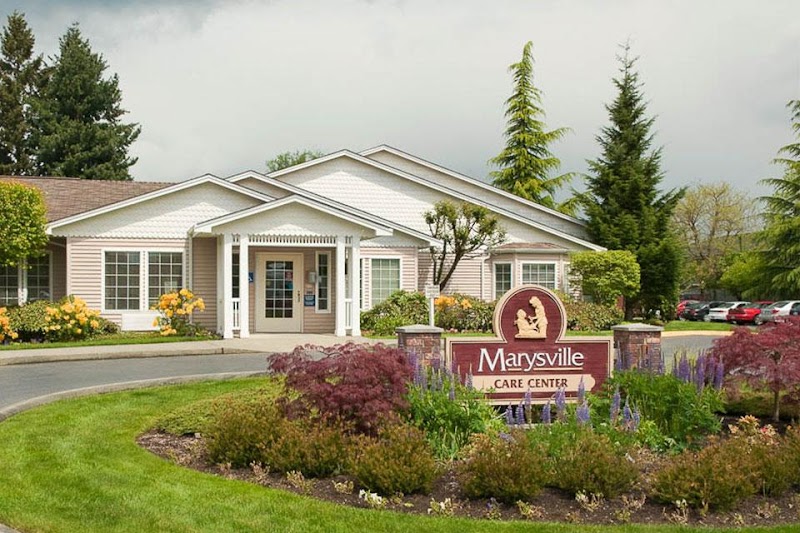
How is Marysville Staffed?

CMS rates MARYSVILLE CARE CENTER's staffing level at 2 out of 5 stars, which is below average compared to other nursing homes. Staff turnover is 51%, compared to the Washington average of 46%. RN turnover specifically is 60%, which is notably high. RNs provide skilled clinical oversight, so turnover in this role can affect medical care quality.

What Have Inspectors Found at Marysville?

State health inspectors documented 75 deficiencies at MARYSVILLE CARE CENTER during 2022 to 2025. These included: 9 that caused actual resident harm, 65 with potential for harm, and 1 minor or isolated issues. Deficiencies causing actual harm indicate documented cases where residents experienced negative health consequences.
Who Owns and Operates Marysville?

MARYSVILLE CARE CENTER is owned by a for-profit company. For-profit facilities operate as businesses with obligations to shareholders or private owners. The facility is operated by LIFE CARE CENTERS OF AMERICA, a chain that manages multiple nursing homes. With 97 certified beds and approximately 77 residents (about 79% occupancy), it is a smaller facility located in MARYSVILLE, Washington.
How Does Marysville Compare to Other Washington Nursing Homes?

Compared to the 100 nursing homes in Washington, MARYSVILLE CARE CENTER's overall rating (3 stars) is below the state average of 3.2, staff turnover (51%) is near the state average of 46%, and health inspection rating (2 stars) is below the national benchmark.

What Should Families Ask When Visiting Marysville?

Based on this facility's data, families visiting should ask: "Can you walk me through typical staffing levels on day, evening, and night shifts?" "Can I visit during a mealtime to observe dining assistance and food quality?" "How do you handle medical emergencies, and what is your hospital transfer rate?" "Can I speak with family members of current residents about their experience?" These questions are particularly relevant given the below-average staffing rating.

Is Marysville Safe?

Based on CMS inspection data, MARYSVILLE CARE CENTER has a clean safety record: no substantiated abuse findings (meaning no confirmed cases of resident harm), no Immediate Jeopardy citations (the most serious violation level indicating risk of serious injury or death), and is not on the Special Focus Facility watch list (a federal program monitoring the lowest-performing 1% of nursing homes). The facility has a 3-star overall rating and ranks #100 of 100 nursing homes in Washington. While no facility is perfect, families should still ask about staff-to-resident ratios and recent inspection results during their visit.

Do Nurses at Marysville Stick Around?

MARYSVILLE CARE CENTER has a staff turnover rate of 51%, which is about average for Washington nursing homes (state average: 46%). Moderate turnover is common in nursing homes, but families should still ask about staff tenure and how the facility maintains care continuity when employees leave.

Was Marysville Ever Fined?

MARYSVILLE CARE CENTER has been fined $132,789 across 2 penalty actions. This is 3.9x the Washington average of $34,407. Fines at this level are uncommon and typically indicate a pattern of serious deficiencies, repeated violations, or failure to correct problems promptly. CMS reserves penalties of this magnitude for facilities that pose significant, documented risk to resident health or safety. Families should request specific documentation of what issues led to these fines and what systemic changes have been implemented.

Is Marysville on Any Federal Watch List?

MARYSVILLE CARE CENTER is not on any federal watch list. The most significant is the Special Focus Facility (SFF) program, which identifies the bottom 1% of nursing homes nationally based on persistent, serious quality problems. Not being on this list means the facility has avoided the pattern of deficiencies that triggers enhanced federal oversight. This is a positive indicator, though families should still review the facility's inspection history directly.