MOUNTAIN VIEW REHABILITATION AND CARE CENTER
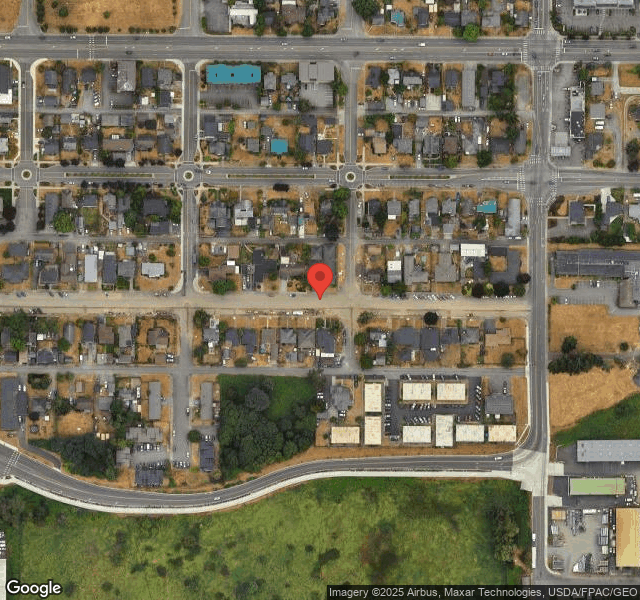

5925 47TH AVENUE NE, MARYSVILLE, WA 98270 (360) 659-1259
For profit - Corporation 82 Beds THE ENSIGN GROUP Data: November 2025 1 Immediate Jeopardy citation
Trust Grade
46/100
#108 of 190 in WA
Last Inspection: January 2025

Within standard 12-15 month inspection cycle. Federal law requires annual inspections.

Overview

Mountain View Rehabilitation and Care Center has a Trust Grade of D, indicating that it is below average and has some concerning issues. It ranks #108 out of 190 nursing homes in Washington, placing it in the bottom half of facilities in the state, and #11 out of 16 in Snohomish County, meaning only five local options are worse. The facility is worsening, with issues increasing from 4 in 2024 to 16 in 2025. Staffing is rated average with a turnover rate of 45%, slightly below the state average, which suggests some staff stability. However, the facility has faced significant problems, including a critical incident where a resident developed severe pressure ulcers due to inadequate care, leading to amputation. Additionally, there have been concerns about food safety practices and the overall cleanliness and comfort of the living environment, which could impact residents' quality of life.

Trust Score
D
46/100
In Washington
#108/190
Bottom 44%
Safety Record
High Risk
Review needed
Inspections
Getting Worse
4 → 16 violations
Staff Stability
○ Average
45% turnover. Near Washington's 48% average. Typical for the industry.
Penalties
○ Average
$9,750 in fines. Higher than 64% of Washington facilities. Some compliance issues.
Skilled Nurses
○ Average
Each resident gets 39 minutes of Registered Nurse (RN) attention daily — about average for Washington. RNs are the most trained staff who monitor for health changes.
Violations
⚠ Watch
51 deficiencies on record. Higher than average. Multiple issues found across inspections.
★★★☆☆
3.0
Overall Rating
★★★☆☆
3.0
Staff Levels
★★★★☆
4.0
Care Quality
★★★☆☆
3.0
Inspection Score
Stable
2024: 4 issues
2025: 16 issues

The Good

  • 4-Star Quality Measures · Strong clinical quality outcomes
  • Full Sprinkler Coverage · Fire safety systems throughout facility
  • No fines on record
  • Staff turnover below average (45%)

    3 points below Washington average of 48%

Facility shows strength in quality measures, fire safety.

The Bad

3-Star Overall Rating

Near Washington average (3.2)

Meets federal standards, typical of most facilities

Staff Turnover: 45%

Near Washington avg (46%)

Typical for the industry

Federal Fines: $9,750

Below median ($33,413)

Minor penalties assessed

Chain: THE ENSIGN GROUP

Part of a multi-facility chain

Ask about local staffing decisions and management

The Ugly 51 deficiencies on record

1 life-threatening
May 2025 1 deficiency
CONCERN (D) 📢 Someone Reported This

A family member, employee, or ombudsman was alarmed enough to file a formal complaint

Potential for Harm - no one hurt, but risky conditions existed

Notification of Changes (Tag F0580)

Could have caused harm · This affected 1 resident

**NOTE- TERMS IN BRACKETS HAVE BEEN EDITED TO PROTECT CONFIDENTIALITY** Based on interview and record review the facility failed to notify the responsible party when a medication order had been change...

Read full inspector narrative →
**NOTE- TERMS IN BRACKETS HAVE BEEN EDITED TO PROTECT CONFIDENTIALITY** Based on interview and record review the facility failed to notify the responsible party when a medication order had been changed for 1 of 1 (Resident #1) residents reviewed for a change of condition. The failure to not inform the resident representative of a high-risk medication change placed them at risk not to be informed of the risks and benefits and violated a resident right to be involved in health care decision making. Findings included . Review of a facility policy titled, Notification-Physician or Responsible Party, revised date May 2016, showed that the responsible party was to be notified if there was a change in resident's treatment and the notification was to be made within 24 hours. Definitions: - Antipsychotic medication- a class of psychiatric medications used to treat psychosis and affect a person's mood, thinking and behavior. Side effects can cause drowsiness. - Psychosis- a state where a person loses touch with reality, often experiencing hallucinations (seeing or hearing things that aren't there) and/or delusions (holding false beliefs that are not shared by others) Resident 1 was admitted to the facility on [DATE]. Review of the Minimum Data Set Assessment (assessment of conditions and care needs), dated 02/28/2025, showed resident had moderately impaired cognitive ability. Review of Resident 1's physician order history for antipsychotic medication use, documented Resident 1 was admitted on risperidone (an antipsychotic medication) 0.5miligram(mg) twice daily. On 03/12/2025, the dose of risperidone was increased to 0.5mg once a day and 1mg at bedtime. On 03/19/2025, the dose of risperidone was increased to 1mg twice a day. Review of the clinical record showed no documentation that the responsible party had been notified of the medication changes on 03/12/2025 or 03/19/2025. During an interview on 05/30/2025 at 3:34 PM, Staff B, Resident Care Manager/Registered Nurse, reported that the responsible party for Resident 1 was very concerned with the use of medications that could cause drowsiness. Staff B reported they had processed the risperidone dose order change on 03/12/2025. Staff B reported they did not notify the responsible party when they processed the order. Staff B reported they did not see documentation in the clinical record that the responsible party had been notified. During an interview on 05/30/2025 at 3:41 PM, Staff A, Director of Nursing Services, reported the provider had reviewed Resident 1's medications due to agitation and had increased the dosage of the risperidone. Staff A reported they had processed the risperidone dose order change on 03/19/2025. Staff A stated they did not see documentation that the responsible party had been notified of the medication dose increase. Reference WAC 388-97-0320 (1)(c)
Jan 2025 15 deficiencies
CONCERN (D)

Potential for Harm - no one hurt, but risky conditions existed

Deficiency F0637 (Tag F0637)

Could have caused harm · This affected 1 resident

**NOTE- TERMS IN BRACKETS HAVE BEEN EDITED TO PROTECT CONFIDENTIALITY** Based on interview and record review, the facility failed to identify a Significant Change in Status for 1 of 3 sampled resident...

Read full inspector narrative →
**NOTE- TERMS IN BRACKETS HAVE BEEN EDITED TO PROTECT CONFIDENTIALITY** Based on interview and record review, the facility failed to identify a Significant Change in Status for 1 of 3 sampled residents (Resident 229) reviewed for hospice services. Failure to identify and complete a Significant Change in Status (SCSA) assessment placed residents at risk for inadequate care planning and a diminished quality of life. Findings included . Review of the Long-Term Care Facility Resident Assessment Instrument, User's Manual, V1.19.1, dated October 2024, showed that a SCSA was required to be performed within 14 days when a resident enrolled in a hospice program. Review of the facility policy titled, Resident Assessment and Associated Process, revised August 2024, showed significant change in status assessments must be completed within 14 days of identification. Resident 229 admitted on [DATE] and were not receiving hospice services. Review of a Hospice Certification and Plan of Care showed Resident 229 elected their hospice benefit on 12/20/2024. Review of Resident 229's Minimum Data Set (MDS, assessment of care needs) assessments since admission showed no SCSA had been completed. In an interview on 01/07/2025 at 1:46 PM, Staff H, Licensed Practical Nurse/MDS Coordinator, stated a SCSA was required when a resident started hospice benefit. In a joint interview on 01/08/2025 at 4:11 PM, Staff B, Director of Nursing, and Staff H stated Resident 229 was on hospice and a SCSA had not been done. Staff H stated they were not sure why the SCSA was not done. Refer to WAC 388-97-1000(3)(b)
CONCERN (D)

Potential for Harm - no one hurt, but risky conditions existed

Deficiency F0655 (Tag F0655)

Could have caused harm · This affected 1 resident

**NOTE- TERMS IN BRACKETS HAVE BEEN EDITED TO PROTECT CONFIDENTIALITY** Based on interview and record review, the facility failed to ensure a resident with a hearing impairment had a base line care pl...

Read full inspector narrative →
**NOTE- TERMS IN BRACKETS HAVE BEEN EDITED TO PROTECT CONFIDENTIALITY** Based on interview and record review, the facility failed to ensure a resident with a hearing impairment had a base line care plan developed and implemented to provide effective and person-centered care for 1 of 1 resident (Resident 380) reviewed for base line care plans. This failure placed residents at risk of not being informed of their initial plan for delivery of care and services and placed them at risk for unmet needs and possible complications. Findings included . Resident 380 admitted to the facility 12/26/2024, with diagnoses that included paranoid schizophrenia (chronic mental illness that affects a person's thoughts, feelings, and behaviors) and anxiety. The Minimum Data Set (MDS) Assessment (an assessment tool), dated 01/01/2025, showed the resident had mild cognition impairment and had moderate difficulty hearing with no devices. Review of Resident 380's nursing admission assessment dated [DATE], showed the resident had difficulty hearing with no devices to assist. Review of Resident 380's nursing progress notes dated 12/28/2024, 12/30/2024, 01/02/2025, 01/03/2025, and 01/04/2025 showed nursing documentation that the resident had difficulty hearing. Review of Resident 380's care plan on 01/02/2025, showed no focus area for the residents hearing impairment. In an interview on 01/02/2025 at 10:07 AM, Resident 380 was observed sitting in their wheelchair next to their bed. Resident responded to a question I cannot hear very well. The resident was asked if they used hearing aids with an elevated voice, they stated they were not here at the facility. In an interview on 01/07/2025 at 10:32 AM, Staff D, Nursing Assistant Certified (NAC) they determine what level of care to provide to each resident based on the care plan. In an interview on 01/07/2025 at 10:46 AM, Staff E, NAC stated the staff will self-report to each other, however ultimately, they we rely on the care plan for determining the needs of the residents. In an interview on 01/07/2025 at 2:42 PM, Staff F License Practical Nurse (LPN)/Resident Care Manager (RCM) stated that the nursing manager who completes the admission was the responsible for starting the base line care plan. Staff F stated, they use the admission nursing assessments, the discharge report from the discharging facility, the residents' medications, their diagnoses, and needs to build the base line care plan. Staff F, confirmed after reviewing Resident 380's admission nursing assessment, and the MDS that the resident was documented had moderate difficulty with their hearing. Staff F confirmed the resident's hearing impairment was not included in their base line care plan. In an interview on 01/09/2025 at 9:20 AM, Staff A, Administrator stated that the nursing admission assessment was a template, and the nurse was supposed to individualize the interventions for the resident as needed. Staff A stated they do not complete a base line care plan the nurses build the care plan from the start of the admission. Refer to WAC 388-97-1020(3)
CONCERN (D)

Potential for Harm - no one hurt, but risky conditions existed

Deficiency F0657 (Tag F0657)

Could have caused harm · This affected 1 resident

**NOTE- TERMS IN BRACKETS HAVE BEEN EDITED TO PROTECT CONFIDENTIALITY** Based on interview and record review, the facility failed to review and revise care plans for 1 of 3 residents for falls (179), ...

Read full inspector narrative →
**NOTE- TERMS IN BRACKETS HAVE BEEN EDITED TO PROTECT CONFIDENTIALITY** Based on interview and record review, the facility failed to review and revise care plans for 1 of 3 residents for falls (179), and 1 of 5 residents for nutrition (20). The failure to review and revise care plans by the interdisciplinary team after each assessment placed the residents at risk for unmet care needs, feelings of boredom, agitation and a diminished quality of life. Findings included: Review of the facility policy titled, Fall Best Practice Guidelines dated 08/2024 showed a post fall assessment/evaluation including recommendations and care plan changes will be completed for all residents who have experienced a fall. The care plan will be completed/updated to include newly identified factors that may have contributed to the fall. The facility will develop an action plan or approaches to be taken in an attempt to prevent further falls based on newly identified facts or risk factors. The facility is to update the resident care guide. <RESIDENT 179> Resident 179 admitted [DATE] with diagnoses to include stroke with hemiparesis (inability to move one side of body) and hemiplegia (paralysis on one side of the body) neurocognitive disorder with behavioral disturbance, seizure disorder, limitation of activities due to disability and impaired mobility. Review of the clinical record showed the resident had 15 falls since admission [DATE], 07/01/2024, 07/16/2024, 07/24/2024, 07/27/2024, 08/31/2024, 09/18/2024, 10/12/2024, 10/17/2024, 11/03/2024, 12/06/2024, 12/10/2024, 12/19/2024, 12/25/2024, and 01/06/2025. Review of the 07/01/2024 at 5:27 AM fall investigation included an additional intervention to check the resident's position and check for incontinence every two hours. These interventions were not added to the care plan. Review of the 08/31/2024 at 5:27 AM fall investigation included an additional intervention to check the residents position every 30 minutes and check for incontinence every 2 hours. These interventions were not added to the care plan. Review of the 10/12/2024 6:45 AM fall investigation included an additional intervention to check the residents position every 30 minutes and check for incontinence every hour. These interventions were not added to the care plan. <RESIDENT 20> Resident 20 admitted on [DATE] with diagnosis to include diabetes. Review of the December 2024 Medication Administration Record showed the resident received Ozempic from 10/24/2024 until it was discontinued on 12/12/2024. Review of the expected weight loss care plan showed the resident was receiving Ozempic (medication prescribed to assist with weight loss). In an interview on 01/08/2025 at 1:54 AM, Staff J, Registered Nurse said that care plans were revised by the resident care managers. In an interview on 01/09/2025 at 9:15 AM, Staff A stated care plans were to be reviewed and updated as needed and also quarterly. No additional information was provided. Reference: (WAC) 388-97-1020 (5) (b)
CONCERN (D)

Potential for Harm - no one hurt, but risky conditions existed

ADL Care (Tag F0677)

Could have caused harm · This affected 1 resident

**NOTE- TERMS IN BRACKETS HAVE BEEN EDITED TO PROTECT CONFIDENTIALITY** Based on observation, interview, and record review, the facility failed to provide assistance with 2 of 3 dependent residents in...

Read full inspector narrative →
**NOTE- TERMS IN BRACKETS HAVE BEEN EDITED TO PROTECT CONFIDENTIALITY** Based on observation, interview, and record review, the facility failed to provide assistance with 2 of 3 dependent residents including meal assistance for resident (4) and bathing for resident (179) reviewed for activities of daily living (ADL's). Facility failure to provide resident's, who were dependent on staff for assistance with hygiene including eating assistance and showers placed residents and others at risk for embarrassment, poor hygiene, unmet care needs and a diminished quality of life. Findings included . Review of the facility's policy, Activities of Daily Living , revised July 2015, showed the policy was that nursing assistants will provide assistance with ADL's based on the resident's individualized plan of care. These interventions will be on the Kardex, which Is accessed in Point of Care (POC). <RESIDENT 179> Resident 179 admitted [DATE] with diagnoses to include stroke with hemiparesis (inability to move one side of body) and hemiplegia (paralysis on one side of the body) neurocognitive disorder with behavioral disturbance, seizure disorder, limitation of activities due to disability and impaired mobility. Review of the Quarterly Minimum Data Set assessment, dated 09/27/2024, showed Resident 179 did not reject care. Review of the care plan showed the resident required maximum assistance of one staff for bathing as necessary two times a week. Review of Resident 179's shower records, dated 12/30/2024 through 01/07/2025, showed the resident did not receive showers twice weekly. The resident received a shower on 12/30/2024 and the next shower was 01/07/2025 at 1:59 PM. In an interview of 01/09/2025 at 9:15 AM, Staff A, Administrator stated their expectation was showers were provided as the resident preferred and at least once a week. Resident 4 admitted to the facility on [DATE] with diagnoses that included Alzheimer's Disease (a progressive disease that destroys memory and other mental functions), dysphagia (difficulty swallowing food or liquids), and need for assistance with personal care. <EATING> In an observation on 01/02/2024 at 11:15 AM Resident 4 sat a a round table with three other residents. Observed Staff D, Nursing Assistant Certified (NAC) assisting another resident at the same table as Resident 4. Observed Resident 4 with their meal in front of them until 11:30 AM when Staff T, NAC arrived to assist them. In an observation on 01/03/2024 at 8:55 AM Resident 4 was laying in their bed, low position, and lights off with her breakfast meal tray sitting on their overbed table. Observed Staff U, NAC enter Resident 4's room and stated they were there to assist Resident 4 with their breakfast. In an interview on 01/03/2024 at 9:40 AM Staff U, NAC stated they did not know when Resident 4's breakfast tray was brought to them. Staff U stated they were not sure what time the breakfast trays arrived on the hall and asked Staff S, Licensed Practical Nurse (LPN), when they arrived. Staff S stated they thought trays arrived at 7:30 AM. Staff U stated breakfast trays typically arrive on the hall between 7:30 AM and 8:00 AM. Staff U stated they were Resident 4's assigned NAC. Staff U stated another NAC had delivered Resident 4's tray to their room. When asked if Resident 4 is able to feed themselves without assistance, Staff U stated they needed assistance, and their hands were shaky. Staff U stated Resident 4 required one to one feeding assistance from an aide. When asked why Resident 4 had not been assisted until 8:55 AM they stated they did not believe Resident 4 had waited that long. Staff U stated when they have a resident who required one on one assistance, they leave their meal in the meal cart until they are ready to assist them to eat. Staff U stated Resident 4 had pancakes, eggs, cream of wheat, and orange juice and did not eat their meal until they were assisted by them. Review of Resident 4's care plan dated 02/20/2019 showed they required assistance from staff for their activities of daily living (ADL) and care. Resident 4's care plan showed they required set up assistance to eat. Review of Resident 4's Kardex (resident specific guide that nursing assistants how to provide care) as of 01/08/2025 showed they required set up assistance to eat. Review of Resident 4's Annual MDS dated [DATE] showed they received set up assistance with eating. Review of Resident 4 progress notes dated 09/04/2024 showed resident required assistance with meals. Review of documentation completed by NAC's for eating for January 2025 showed Resident 4 was dependent on staff for eating 14 out of 24 opportunities. In an interview on 01/08/2025 at 4:06 PM Staff B, Director of Nursing Services, stated Resident 4 required maximum assistance. When asked about assistance Resident 4 required for eating, Staff B stated per nursing aide documentation, they were dependent on staff for eating. Staff B stated they did not know if Resident 4 could participate in any ADL and would need to research it further. Staff B stated care plans are changed and updated as facility assessments are done and through any changes in the resident's condition. <CALL LIGHT> On 01/03/2025 at 9:35 AM observed Resident 4's call light clipped to the lower left portion of their pillowcase, out of reach of the resident, and hanging past the mattress close to the floor. On 01/08/2025 at 11:49 AM observed Resident 4 lying in bed, their call light on the floor, several feet from their bed. On 01/08/2025 at 4:17 PM observed Resident 4's call light on the floor in the same spot as 11:49 AM. Resident 4 was not in their room. On 01/09/2025 at 9:00 AM Resident 4 was observed sleeping in their bed and the call light was out of reach; observed hanging on the wall. In an interview on 01/08/2024 at 4:17 PM Staff V, Registered Nurse, stated Resident 4 used their call light at times. Staff V stated Resident 4 should have their call light clipped to their sheet and always be within reach of the resident. Review of Resident 4's care plan dated 03/04/2019 directed nursing to have the call light within reach of the resident. Refer to WAC 388-97-1060(1)(2)(c)
CONCERN (D)

Potential for Harm - no one hurt, but risky conditions existed

Respiratory Care (Tag F0695)

Could have caused harm · This affected 1 resident

**NOTE- TERMS IN BRACKETS HAVE BEEN EDITED TO PROTECT CONFIDENTIALITY** Based on observation, interview, and record review the facility failed to provide respiratory care consistent with professional ...

Read full inspector narrative →
**NOTE- TERMS IN BRACKETS HAVE BEEN EDITED TO PROTECT CONFIDENTIALITY** Based on observation, interview, and record review the facility failed to provide respiratory care consistent with professional standards of practice for 1 of 1 residents (Resident 45) reviewed for respiratory care. Failure to follow provider's orders for oxygen (O2) therapy placed the resident at risk for unmet needs, potential negative outcomes and a diminished quality of life. Findings included . Review of the facility policy titled, Oxygen Administration dated 05/2007, revised 04/2016; 07/2019 showed it was the policy of the facility that oxygen therapy is administered as ordered by the physician or as an emergency measure until the order could be obtained. Resident 45 admitted to the facility on [DATE] with diagnoses that included pulmonary fibrosis (a lung disease that causes scaring in the lungs making it difficult to breathe) and congestive heart failure (CHF-a chronic condition in which the heart doesn't pump blood as quickly as the body needs). In an interview on 01/02/2025 at 2:12 PM Resident 45 stated the concentrator (a medical device that administers O2) settings for their O2 should be set to 3 liters per minute (lpm). Resident 45 stated they do not change the settings on their concentrator and the concentrator was in the bathroom to decrease the noise it makes. In an observation on 01/02/2025 at 2:12 PM Resident 45 was wearing a nasal cannula (device used to deliver supplemental oxygen through the nose) plugged into the concentrator which was in the bathroom. The settings on the concentrator were set at 3.5 lpm. In an observation on 01/06/2025 at 9:57 AM Resident 45 was in their bed, lying flat, wearing a nasal cannula attached to the concentrator, the concentrator set at 3.5 lpm. In a review of Resident 45's care plan dated 11/24/2024 showed they had oxygen therapy related to a diagnosis of CHF; interventions included the application of O2 by nasal cannula at 3 lpm continuously to keep their O2 saturations (amount of O2 in the blood) above 88 percent (%). In a review of Resident 45's progress note dated 01/03/2025 showed they refused their O2, wanted the concentrator in the bathroom, had a O2 saturation of 85%, and was given 4 lpm of O2 to increase their saturations. Review of Resident 45's January 2025 Treatment Administration Record (TAR) showed they had a physician order dated 12/11/2024 for O2 by nasal cannula at 3 lpm continuous. In an interview on 01/07/2025 at 2:15 PM Staff AA, Registered Nurse, stated when there is an order for O2 a concentrator is obtained for the resident, made sure there is an O2 sign placed on their door, checked O2 settings every shift, and checked O2 saturations every shift. Staff AA stated the functioning of the concentrator is checked every shift and the settings are checked to make sure they are set per the physician order. In an observation and interview on 01/07/2025 at 2:33 PM Staff F, Licensed Practical Nurse/Resident Care Manager stated Resident 45's physician orders for O2 was 3 lpm. Observed Staff F review the settings on Resident 45's concentrator and stated the settings were set to 3.25 lpm. Observed Staff F adjust the setting on Resident 45's concentrator to 3 lpm. In an interview on 01/08/2025 at 10:30 AM Staff A, Administrator, stated Resident 45 adjusted their settings on their concentrator and the care plan and notes had been updated. No other information was provided or obtained. Refer to WAC 388-97-1060(3)(j)(vi)
CONCERN (D)

Potential for Harm - no one hurt, but risky conditions existed

Staffing Information (Tag F0732)

Could have caused harm · This affected 1 resident

Based on observation, interview, and record review, the facility failed to ensure the daily nurse staffing form was accurately completed with actual hours worked for each shift for 5 of 6 days (01/02/...

Read full inspector narrative →
Based on observation, interview, and record review, the facility failed to ensure the daily nurse staffing form was accurately completed with actual hours worked for each shift for 5 of 6 days (01/02/2025, 01/03/2025, 01/06/2025, 01/07/2025, and 01/08/2025), reviewed for sufficient and competent staffing. This failure placed the residents and residents' representatives at risk of not being fully informed of the current staffing levels. Findings included . In observations on 01/02/2025 at 9:46 AM, 11:06 AM, 1:55 PM, and 3:05 PM, the facility's daily nursing staffing form posted did not show the actual hours worked for nursing staff. In observations on 01/03/2025 at 9:11 AM, 12:06 PM, and 2:48 PM, the facility's daily nursing staffing form posted did not show the actual hours worked for nursing staff. In observations on 01/06/2025 at 9:48 AM, 12:33 PM, and 3:02 PM, the facility's daily nursing staffing form posted did not show the actual hours worked for nursing staff. In observations on 01/07/2025 at 10:50 AM, and 2:27 PM, showed that the facility's daily nursing staffing form posted did not show the actual hours worked for nursing staff. In an interview on 01/07/2025 at 2:28 PM, Staff C, Staffing Coordinator stated they were responsible for posting the daily staffing at the nurse's station daily. Staff C stated that they update the sheet with the actual hours worked the following day with the exact hours worked based on the time punches. A request for the previous last seven days was requested. In observation on 01/08/2025 at 8:55 AM, showed that the facility's daily nursing staffing form posted did not show the actual hours worked for nursing staff. In an interview on 01/08/2025 at 9:47 AM, Staff C stated they had been able to locate the sheets for the daily actual staffing hours. Staff C was asked again when they update the actual section of the daily sheet, Staff C stated the following day when they can calculate the total time punches from all the staff. Staff C was asked if they were aware that the section (on the staffing sheet) for actual hours worked was to be updated at the beginning of each shift. Staff C stated they were not aware that was required. In an interview on 01/09/2025 at 11:10 AM, Staff A stated that the daily staffing posting was updated every 12 hours, as they had some staff that worked 12-hour shifts. Staff A was advised that on all observations during the survey period, and that there had been no updates observed to the daily staffing sheet, nor did the staffing coordinator understand the requirement that they were to update in real time after each shift. No further information was provided. No associated WAC
CONCERN (D)

Potential for Harm - no one hurt, but risky conditions existed

Deficiency F0740 (Tag F0740)

Could have caused harm · This affected 1 resident

**NOTE- TERMS IN BRACKETS HAVE BEEN EDITED TO PROTECT CONFIDENTIALITY** Based on interview, and record review, the facility failed to address emotional and psychosocial well-being through assessment, ...

Read full inspector narrative →
**NOTE- TERMS IN BRACKETS HAVE BEEN EDITED TO PROTECT CONFIDENTIALITY** Based on interview, and record review, the facility failed to address emotional and psychosocial well-being through assessment, care plan development and implementation for one of two residents (53), reviewed for individualized behavioral health needs. This failure placed residents at risk of unmet emotional and psychosocial health needs, unwanted behaviors, and a decreased quality of life. Findings included . Resident 53 admitted [DATE] with diagnoses which included a stroke and aphasia (effect of a stroke causing difficulty with verbal expression and/or comprehension) and dementia without behavioral disturbance. The resident's most recent entry following a hospitalization was 11/29/2024. According to the most recent Quarterly Minimum Data Set (MDS- an assessment tool) assessment dated [DATE], showed Resident 53 did not participate in the cognitive interview documented as rarely or never understood, with short term and long-term memory problems, no verbal or physical behaviors directed toward others and no other behaviors (not directed toward others) which included verbal/vocal symptoms such as screaming or other disruptive sounds. Review of Resident 53's care plan on 01/03/2024 showed the facility would: - Monitor/report/document signs and symptoms of depression and obtain mental health consult as needed. - Stop and return if agitated. - Avoid isolation. - Monitor and document effectiveness of communication and indicators of distress. - Refer to psychiatry. Review of resident 53's progress notes dated 11/29/2024 through 01/03/2024 showed one progress note on 12/27/2024 stating the resident yelled intermittently throughout the shift and one note on 12/28/2024 stating the resident yells out at times. Review of the task documentation for nursing assistants on 01/03/2024 showed no option for nursing assistants to document behavioral symptoms for Resident 53. Review of the Medication and Treatment Administration records since Resident 53's re-admission on [DATE] showed there was a space for nurses to document target behaviors for the resident's antidepressant medication which included agitation, aggression, psychosis, and inappropriate behaviors. The monitor showed day shift and evening shift had an option to chart the number of instances of target behavior but there was no option to specify which behavior was exhibited. Night shift had only check marks with no specific data of any kind. The monitor showed on 12/05/2024 there were three instance of target behavior (unspecified), one instance on 12/06/2024, one instance on 12/17/2024, and one instance on 12/23/2024. There were no corresponding progress notes for those dates to specify what behavior was exhibited or any interventions attempted. Review of Resident 53's administration record further included as needed documentation of interventions for staff to implement, which included: activity, adjust room temperature, back rub, change position, give fluids, give food, redirect, refer to nurses' notes, remove from environment, return to room, toilet, and other. There was no documentation of any interventions attempted since 11/29/2024. In an observation on 01/02/2025 at 9:51 AM Resident 53 was in their bed yelling out in a repetitive distressed manner. Several staff responded in attempts to determine Resident 53's need and just after staff would exit the room, Resident 53 would resume repetitive yelling. In an interview and observation on 01/02/2025 at 10:51 AM, Resident 53 was yelling and banging on the side of their bed. Resident 13 (Resident 53's roommate) was lying in their bed with headphones on and stated this goes on all day and all night since they admitted on [DATE]. Resident 13 stated they were frustrated and tired and felt like someone should be doing something more for them (Resident 53). In an observation on 01/02/2025 at 10:53 AM, Resident 53 was calling out in a distressed manner chanting ah ah ah ah ah. In an observation on 01/02/2025 at 10:58 AM, Resident 53 yelling hello, hello. In an observation on 01/03/2025 at 8:56 AM, Resident 53 was sitting upright in bed yelling out hello, hello, holding their right hand up in the air, hand in flexed position and pushing on the overbed table. Staff P, Certified Nursing Assistant, responded and lowered the table and the resident was observed to nod. In an observation on 01/03/2025 at 9:14 AM, Resident53 was yelling hello, hello no call light on, the call light was observed clipped on the top of corner of the resident's mattress. In an observation and interview on 01/03/2025 at 9:16 AM, began yelling hello, hello. Staff Q, Certified Nursing Assistant, entered the room and was observed talking to the resident. Staff Q exited the room and stated Resident 53 does not like to get out of bed. Staff Q stated the staff can usually figure out what the resident is asking for but sometimes they get upset. It is typically the same kinds of things like wanting water or moving their table or changing their television channels. Staff Q stated this is normal for the resident; to yell out . they are used to it. In an interview on 01/03/2025 at 9:25 AM, Resident 53 was observed to use their bed controller to self-adjust the head of their bed. In an observation on 01/03/2025 at 9:26 AM, Resident 53 began yelling hello, hello. Staff P, Certified Nursing Assistant responded and assisted the resident to change the TV channel, Resident 53 was observed to laugh and smile at the TV. Staff P stated Resident 53 just yells out, (they) can use their call light, but they won't use it. It can be right next to their hand, but they won't use it, stated Staff P. Resident 53 again yelled out hello, Staff P stated, like that .they will just yell. Staff P stated they did not know if there was a place to chart Resident 53's disruptive behavior. In an interview and observation on 01/03/2025 at 12:59 PM, Resident 8 was lying in bed with the privacy curtain closed between their bed and the middle bed and stated (Resident 53) yells, the nurses come in and out constantly, and as soon as they leave it starts over, (Resident 53) will start yelling again and nobody cares. Resident 53 was observed to begin grabbing the privacy curtain and pulling it open while yelling out. Resident 8 stated there was an agreement about the privacy curtain and that yesterday (Resident 53) had it open and today was their day to have it closed and (Resident 53) is not following the agreement. Staff R, Certified Nursing Assistant, attempted to intervene, and attempted to close the curtain as Resident 8 requested, but stated (Resident 53) won't let go, they want it to be open. Staff R called for assistance from management and social services. In an interview and observation on 01/03/2025 at 1:04 PM, Resident 53 was pulling on the privacy curtain to attempt to open it and yelling repetitively. Resident 8 grabbed the privacy curtain and began pulling it back to closed stating (they) want it open and I want it closed, this is all the time, it is my curtain too. Both residents had a grip on the privacy curtain attempting to pull it in opposite directions. In an interview on Staff A on 01/03/2025 at 1: 10 PM, Staff A stated they were reaching out to the family of Resident 53 to facilitate a room change for Resident 53 to a more compatible roommate. Staff A stated the family of Resident 53 had not been agreeable to a mental health consultation earlier on. In an interview on 01/09/2025 at 08:45 AM, Staff A and Staff B, Director of Nursing Services were made aware of the lack of consistent assessment, monitoring, documentation and evaluation of interventions related to Resident 53's behaviors and Staff A stated they had received approval from the resident's family to pursue behavioral health support. Refer to WAC 388-97-1060 (3)(e)
CONCERN (D)

Potential for Harm - no one hurt, but risky conditions existed

Deficiency F0761 (Tag F0761)

Could have caused harm · This affected 1 resident

Based on observation, and interview the facility failed to ensure one of four medication carts had unsecured medications. In addition, the facility failed to ensure medications were secured and not ac...

Read full inspector narrative →
Based on observation, and interview the facility failed to ensure one of four medication carts had unsecured medications. In addition, the facility failed to ensure medications were secured and not accessible to residents for two of two (70 and 75) residents. These failures placed residents at risk for unauthorized access to medications and biologicals, and potential drug misuse. Findings included . Review of the facility policy titled, Storage if Medications dated May 2022 showed Medications and biologicals are stored safely, securely, and properly, following manufacturer's recommendations or those of the supplier. The medication supply is accessible only to licensed nursing personnel, pharmacy personnel, or staff members lawfully authorized to administer medications. Review of the facility policy titled, Bedside Medication Storage effective May 2022 showed bedside medication storage is permitted for residents who wish to self-administer medications, upon the written order of the prescriber and once self-administration skills have been assessed and deemed appropriate in the judgment of the facility's interdisciplinary resident assessment team. <MEDICATION CART A> In an observation and interview on 01/08/2025 at 1:56 PM, Staff O, LPN left an insulin pen unattended on the cart under the computer screen. The pen had medication in it but is not labeled with a resident name. At 1:58 PM, Staff O returned to the cart and was alerted to the unattended unlabeled insulin pen. Staff O said they would look at all the insulin lids in the drawer in order to find out who has a missing lid in the drawer. Was looking for that. Found it and put a pen in a drawer with resident label. <UNATTENDED MEDICATIONS> <RESIDENT 70> In an observation on 01/02/2025 at 10:27 AM, Resident 70 was in bed and located on their nightstand to their right were artificial eye drops, nasal spray, Walgreens oral throat spray, antifungal powder, and Diclofenac Sodium External Gel (Topical pain reliever). Resident 70 stated Those are just medications the nurses can use if they need to after they assess me. I put the Diclofenac gel on my knees to help the pain. Review of the physician's orders showed no orders for the eye drops, nasal spray, antifungal powder. In an observation on 01/03/2025 at 10:29 AM, the resident was in bed and the eye drops, nasal spray, Walgreens oral throat spray, antifungal powder, Diclofenac Sodium External Gel, remained in the same location at bedside. In an observation on 01/06/2025 at 8:35 AM, the resident was in bed watching TV and the eye drops, nasal spray, Walgreens oral throat spray, antifungal powder, Diclofenac Sodium External Gel remained in the same location at bedside. In an observation on 01/07/2025 at 8:20 AM, the resident was in bed on their right side and the eye drops, nasal spray, Walgreens oral throat spray, antifungal powder, Diclofenac Sodium External Gel remained in the same location at bedside. In an observation on 01/08/2025 at 9:08 AM, the resident was in bed watching TV and the eye drops, nasal spray, Walgreens oral throat spray, antifungal powder, Diclofenac Sodium External Gel remained in the same location at bedside. In an observation on 01/09/2025 at 8:52 AM, Resident 70 was in bed asleep on their side with the medications still present. Review of the clinical record showed there was no self-medication program assessment, physician order or self-medication administration care plan for Resident 70. <RESIDENT 75> In an observation on 01/02/2025 at 11:27 AM, Resident 75 was resting in bed. There was Albuterol inhaler on their overbed table. Resident 75 said they kept the inhaler there for when they need it. In an observation on 01/03/2025 at 9:38 AM, Resident 75 was in bed and the Albuterol inhaler remained in the same location on the overbed table. In an observation on 01/06/2025 at 10:01 AM, Resident 75 was in bed asleep. The Albuterol inhaler was partially covered with a napkin. In an interview and observation on 01/06/2025 at 12:50 PM, Resident 75 was in bed watching TV with the Albuterol inhaler at bedside. The resident said they used the inhaler several times a day and wanted to keep it at bedside, to so they didn't have to wait 40 minutes for it when they needed it. They stated, When I need it, I need it. The resident said staff told then to put the inhaler away, but they wanted to keep it nearby. In a similar observation on 01/06/2025 at 2:28 PM, Resident 75 was resting in bed with the inhaler on their overbed table. Review of the clinical record showed there was no self-medication program assessment, physician order or self-medication administration care plan for Resident 75. In an interview on 01/08/2025 at 12:32 PM, Staff L, Licensed Practical Nurse said there were no residents on self-medication programs. In an interview on 01/08/2025 at 1:54 PM, Staff J, Registered Nurse said they had no residents on self-medication program. Staff J said if a resident were on Self Medication Program, the nurses would need to talk to the provider, assess the resident and care plan if they were safe to self-administer their medications. Staff J said they would not leave the medications in the room with the resident. They would bring the resident the medications when they would be taking the meds. In an interview on 01/09/2025 at 9:15 AM, Staff A, Administrator was notified Resident 75's Albuterol inhaler at bedside and Resident 70's medications at bedside. Staff A said family was supposed to be picking up Resident 70's medications. Staff A said the expectation was residents should be assessed for self-medication program; the care plan should reflect that, and the medications should be safely stored. Reference: (WAC) 388-97-1300 (2)
CONCERN (D)

Potential for Harm - no one hurt, but risky conditions existed

Dental Services (Tag F0791)

Could have caused harm · This affected 1 resident

**NOTE- TERMS IN BRACKETS HAVE BEEN EDITED TO PROTECT CONFIDENTIALITY** Based on observation, interview, and record review the facility failed to ensure prompt dental services were provided for 2 of 3...

Read full inspector narrative →
**NOTE- TERMS IN BRACKETS HAVE BEEN EDITED TO PROTECT CONFIDENTIALITY** Based on observation, interview, and record review the facility failed to ensure prompt dental services were provided for 2 of 3 sampled residents (Residents 33 and 56) reviewed for dental services. This failure placed residents at increased risk for continued dental problems, difficulty chewing, associated health complications, and diminished quality of life. Findings included . <RESIDENT 33> Resident 33 admitted to the facility on [DATE]. According to the admission Minimum Data Set (MDS - an assessment of care needs) assessment, dated 02/13/2024, showed Resident 33 had obvious or likely cavity or broken natural teeth. In an interview and observation on 01/02/2025 at 10:34 PM, Resident 33 stated they had missing teeth, and their teeth hurt when eating and they needed to see a dentist. Observation showed Resident 33 only had two upper teeth and three lower teeth with some yellow-brownish debris on them. Review of Resident 33's current care plan with a focus area initiated on 05/16/2024 showed Resident 33 had oral/dental health problem related to poor nutrition, poor oral hygiene, and failure to thrive. The care plan intervention showed the staff would coordinate arrangements for dental care, and transportation as needed/as ordered. Review of a report from a consulting dentist, dated 05/29/2024, showed Resident 33 would like teeth extraction and dentures. Review of progress notes dated 05/29/2024 through 01/06/2025, showed no documentation was that Resident 33 had been referred for teeth extractions. In an interview on 01/06/2025 at 1:55 PM, Staff G, Social Services Supervisor, stated the facility would assist to arrange an appointment for dentures and assist to schedule an appointment as soon as possible if resident complained of tooth pain. Staff G could not find any documentation that a dental care referral had been arranged for Resident 33. In an interview on 01/08/2025 at 9:01 AM, Staff A, Administrator, stated they were not able to find any documentation that the facility had offered assistance in setting up dental appointment for teeth extractions. <RESIDENT 56> Resident 56 admitted to the facility on [DATE]. According to the admission MDS assessment, dated 08/04/2024, Resident 56 was cognitively intact. Review of an initial admission record, dated 07/29/2024, showed Resident 56 had broken teeth. In an interview on 01/02/2025 at 11:45 AM, Resident 56 stated they had several broken and missing teeth, and they had not seen a dentist since admission in July 2024. In an observation and interview on 01/06/2025 at 10:15 AM, Resident 56 was observed to have several missing and broken teeth, and the partial denture had dark spots on them. Resident 56 stated they had never seen a dentist since being admitted to the facility. Resident 56 stated they told several staff that they would like to see a dentist. Review of Resident 56's current care plan with a focus area initiated on 08/14/2024 showed Resident 56 had oral/dental health problem related to injury and poor oral hygiene. The care plan intervention showed the staff would coordinate arrangements for dental care, transportation as needed/as ordered. Review of a social services progress note dated 09/22/2024 at 12:06 PM, showed Resident 56 would like to see a dentist due to the resident having 10-12 broken teeth, and the broken teeth were sore. Review of progress notes from 09/22/2024 through 01/06/2025, showed no documentation that Resident 56 had been seen or evaluated by a dentist. In an interview on 01/06/2025 at 1:55 PM, Staff G, stated the facility should assist to schedule an appointment as soon as possible if resident complained of tooth pain. Staff G could not find any documentation showing Resident 56 had been seen or evaluated by a dentist since admission. In an interview on 01/08/2024 at 9:01 AM, Staff A, stated they did not find any documentation that Resident 56 had received assistance or follow up with their concern of poor dental conditions. WAC 388-97-1060 (3)(j)(vii)
CONCERN (D)

Potential for Harm - no one hurt, but risky conditions existed

Infection Control (Tag F0880)

Could have caused harm · This affected 1 resident

**NOTE- TERMS IN BRACKETS HAVE BEEN EDITED TO PROTECT CONFIDENTIALITY** Based on observation, interview and record review, the facility failed to ensure staff followed infection control procedures and...

Read full inspector narrative →
**NOTE- TERMS IN BRACKETS HAVE BEEN EDITED TO PROTECT CONFIDENTIALITY** Based on observation, interview and record review, the facility failed to ensure staff followed infection control procedures and practices for 1 of 2 residents (Resident 229) on enhanced barrier precautions (EBP) that were observed for care. The facility also failed to disinfect resident care equipment between resident use. These failures placed residents at risk of cross contamination and/or the spread of disease. Findings included . <ENHANCED BARRIER PRECAUTIONS> During an observation on 01/06/2025 at 8:16 AM, a sign was posted outside Resident 229's room [ROOM NUMBER] that instructed staff they must wear gloves and gown for high contact resident care activities to include dressing, transferring, changing briefs or assisting with toileting. The sign had an 'M' written on it. room [ROOM NUMBER] had three occupants. Review of Resident 229's care plan showed an intervention that the resident required EBP during high contact resident care activities, dated 01/03/2025. During an observation on 01/06/2025 at 1:28 PM, Staff Z, Nursing Assistant Certified (NAC) and Staff Y, NAC, provided incontinent care to Resident 229 who resided in the middle bed in room [ROOM NUMBER]. Staff Z and Staff Y wore gloves during care but did not wear a gown. During an interview on 01/06/2025 at 1:36 PM, Staff Z and Staff Y reviewed the EBP sign outside the door of room [ROOM NUMBER]. Staff Y stated the 'M' indicated the middle bed and that they should have worn a gown and gloves to do incontinent care on Resident 229. During an interview on 01/06/2025 at 2:41 PM, Staff B, Director of Nursing, stated the EBP sign with the 'M' on it meant that staff were to wear gown and gloves when providing close contact with the resident in the middle bed (Resident 229). <EQUIPMENT SANITATION> During an observation on 01/02/2025 at 10:40 AM, Staff T, NAC, was observed pushing the mechanical lift (machine to lift patient) from room [ROOM NUMBER] which had an EBP sign outside the doorway to room. Staff T reported that they had just used the mechanical lift to weigh the resident in 38-M. Staff T pushed the mechanical lift along the wall in the hallway and did not sanitize it. In an observation/interview on 01/02/2025 at 11:42 Staff DD, NAC, was seen taking a mechanical lift out of room [ROOM NUMBER] and placed it in the hall. Staff DD did not sanitize the mechanical lift. Staff DD stated they placed the mechanical lift in the hall for the next resident. Staff DD was asked if anything should be done with the mechanical lift before it was used for another resident and Staff DD was not able to state that it needed to be disinfected. In an interview on 01/02/2025 at 11:44 Staff R, NAC, stated that mechanical lifts should be sanitized before and after resident use and that disinfectant wipes are located on housekeeper carts and at the nurse station. In an interview on 01/08/2025 at 10:19 AM, Staff X, Licensed Practical Nurse (LPN), stated they were unsure of the process for cleaning the mechanical lift. In an interview on 01/08/2025 at 1:56 PM Staff O, LPN, stated mechanical lifts should be sanitized before and after use. In an interview on 01/08/2025 at 12:10 PM Staff F, LPN/Resident care manager, stated the mechanical lift should be cleaned after resident use and if visibly contaminated. In an interview on 01/08/2025 at 2:17 PM Staff B, DNS, stated that Hoyer should be sanitized prior to use and after use, and spot checked. Refer to WAC 388-97-1320 (1)(a), (5)(c)(e)
CONCERN (E) 📢 Someone Reported This

A family member, employee, or ombudsman was alarmed enough to file a formal complaint

Potential for Harm - no one hurt, but risky conditions existed

Safe Environment (Tag F0584)

Could have caused harm · This affected multiple residents

**NOTE- TERMS IN BRACKETS HAVE BEEN EDITED TO PROTECT CONFIDENTIALITY** Based on observation, interview, and record review, the facility failed to maintain a safe, clean, and homelike comfortable envi...

Read full inspector narrative →
**NOTE- TERMS IN BRACKETS HAVE BEEN EDITED TO PROTECT CONFIDENTIALITY** Based on observation, interview, and record review, the facility failed to maintain a safe, clean, and homelike comfortable environment. The facility failed to provide necessary housekeeping and maintenance of resident rooms, bathrooms, and hallways; failed to ensure comfortable sound levels were maintained, failed to ensure resident rooms were individualized with items to provide a homelike environment, and failed to ensure residents were afforded adequate living space. These failures placed residents at risk for a diminished quality of life. Findings included . Review of the facility policy titled homelike environment dated 2024 showed the facility staff and management shall maximize, to the extent possible, the characteristics of the facility that reflect a personalized, homelike setting. These characteristics include: • Cleanliness and orderly environment in rooms • Privacy Curtains. • Comfortable (minimum glare) yet adequate (suitable to the task) lighting; • Inviting colors and décor; • Personalized furniture and room arrangements; • Pleasant, neutral scents; • Comfortable temperatures; and • Comfortable noise levels. <COMFORTABLE SOUND LEVELS> Residents 8, 13, and 53 were roommates in a 3 bed room. Resident 13 admitted [DATE] and was alert and oriented. Resident 13 was in the window bed. Resident 53 admitted [DATE] and according to the 11/04/2024 Quarterly Minimum Data Set (MDS) assessment (a required tool), Resident 53 was cognitively impaired and required extensive assistance for care. Resident 53 was in the center bed. Resident 8 admitted [DATE] and was alert and oriented. Resident 8 was in the door bed. In an observation on 01/02/2025 at 9:51 AM Resident 53 was in their bed yelling out in a repetitive distressed manner. Several staff responded in attempts to determine Resident 53's need and just after staff would exit the room, Resident 53 would resume repetitive yelling. In an interview and observation on 01/02/2025 at 10:51 AM, Resident 53 was yelling and banging on the side of their bed. Resident 13 was lying in their bed with headphones on and stated this goes on all day and all night and they had not slept well since they admitted . Resident 13 stated they ask the nurses, can you do something? and one nurse finally gave them a paper (grievance form) they could fill out but stated they felt that the staff should do that; they were frustrated and tired and felt like someone should be doing something more for them (Resident 53). In an interview and observation on 01/03/2025 at 12:59 PM, Resident 8 was lying in bed with the privacy curtain closed between their bed and the middle bed and stated (Resident 53) yells, the nurses come in and out constantly, and as soon as they leave it starts over, (Resident 53) will start yelling again and nobody cares. Resident 53 was observed to begin grabbing the privacy curtain and pulling it open while yelling out. Resident 8 stated there was an agreement about the privacy curtain and that yesterday (Resident 53) had it open and today was their day to have it closed and (Resident 53) is not following the agreement. <HOMELIKE ENVIRONMENT> In an observation on Resident 53's personal space on 01/03/2025 at 1:04 PM, the resident was in the center bed with both privacy curtains pulled on either side of them. The privacy curtains were pale yellow solid colored curtains. The space where resident 53's bed was measured just over 68 square feet. The resident had no personal wall space other than behind their head which was not visible to them. In front of them on the wall there was a TV mounted close to the ceiling and the only other item in view was an institutional Personal Protective Equipment plastic rolling cart against the wall which was stacked with bed pads and a package of cleansing wipes. Residents 8 and 13 (on either side of the resident) preferred the privacy curtains closed, which resulted in Resident 53 being in a small, enclosed space when the privacy curtains were closed. In an interview and observation on 01/03/2025 at 1:04 PM, Resident 53 was pulling on the privacy curtain to attempt to open it and yelling repetitively. Resident 8 grabbed the privacy curtain and began pulling it back to closed stating (they) want it open and I want it closed, this is all the time, it is my curtain too. Both residents had a grip on the privacy curtain attempting to pull it in opposite directions. Staff R, Certified Nursing Assistant, attempted to intervene, and attempted to close the curtain as Resident 8 requested, but stated (Resident 53) won't let go, they want it to be open. Staff R called for assistance from management and social services. Review of the resident records on 01/03/2025 showed no documentation of resident preferences related to personal space or privacy curtains. Review of the grievance log on 01/03/2025 for the prior 6 months showed no documented grievances related to room or room mate concerns for either resident. Applying the reasonable person concept, a reasonable person would desire or expect some personalization for a homelike environment such as space for personal items or decoration and control over their limited personal space, such as being able to have the privacy curtains open or closed, when desired, and for the facility to intervene and mitigate on behalf of each resident when incompatibility was evident. During a phone interview on 01/02/2025 at 2:01 PM, Collateral Contact 1(CC1), Resident 229's family member, stated Resident 229's privacy curtains were dirty. CC1 stated everytime they visit Resident 229 complains about the privacy curtain being dirty. During an interview and observation on 01/02/2025 at 2:54 PM, Resident 229 stated there were dead bugs on the privacy curtain. Observed two pea sized areas of brown particulate matter and a large area of dried brown splatter along the bottom of the privacy curtain on the right side of the bed. There were various small spots of dried liquid on the privacy curtain on the left side of the bed. During an observation on 01/03/2025 at 9:37 AM, the privacy curtains around Resident 229's bed still had the areas of brown particulate matter and dried splash spots. During an interview and observation on 01/03/2025 at 12:12 PM, Staff B observed the brown particulate matter on the privacy curtain. Staff B stated they did not know what the particulate matter was, but the privacy curtain needed to be changed. Staff B was not aware of how often the privacy curtains were changed or if they were washed when soiled. Refer to WAC 388-97-0880 In an observation on 01/02/2025 at 11:09 AM, surveyor observed gnats at the nurse's station. In an observation and interview on 01/02/2025 at 2:14 PM, Resident 16 was lying in bed talking to surveyor when they started to swat at the air. Resident 16 then said there are always gnats flying around, then pointed to a bug catcher (long strip with sticky adhesive with pictures of bugs on it) attached to the wall next to the resident's head of the bed. Resident 16 said the gnats are horrible, and that was why they had the bug catcher. In an observation on 01/06/2025 at 9:25 AM, room [ROOM NUMBER] had three residents listed as occupants in the room. In the room each resident's personal space was separated by a fabric privacy curtain that hung from the ceiling. The resident (Resident 380) that had their bed in the middle of the room (they had other residents on either side of them), their bed was observed to be pushed next to the resident's space near the door to allow for the resident to sit in the chair to eat breakfast. The privacy curtain between the two residents was observed to be snagged as it was wedged between the two beds with no individual space between the resident's belongings and beds. In an observation on 01/06/2025 at 2:05 PM, Fire Marshall was asked to measure the space for the resident that was in the middle of the room in room [ROOM NUMBER]. The Fire Marshall measured the width of the room from wall to wall which measured 11.6 feet, and then measured between the two privacy curtains, which measured 5.9 feet. The privacy curtains were observed to be pushed in on both sides of the middle resident's personal space, which decreased the space for the resident to have their belongings. The total square footage of usable space for Resident 380 was 68.44 square feet, less than the 80 square feet that was required for a home like environment. In an observation on 01/07/2025 at 8:56 AM, room [ROOM NUMBER] was observed that the middle bed and the bed near the door had less than 6 inches of space between the two beds and was only separated by a fabric privacy curtain. It was observed that both residents were in their beds. In an observation and interview on 01/07/2025 at 1:09 PM, room [ROOM NUMBER], which presented with three residents in the room separated by only fabric privacy curtains, Resident 533 was lying in the bed in the middle spot. Resident 533 was asked if we could measure their space, and they agreed and then stated its really narrow in here, not a lot of space. The space was 11.6 feet in width and 6 feet in length, total square footage of 69.6 feet, less than 80 square feet to provide a home like environment. In an interview on 01/08/2025 at 10:00 AM, Staff W, Maintenance Supervisor stated they were aware of the gnat problem in Resident 16's room. They stated they hung up the bug catcher to deter the gnats. In a joint interview on 01/09/2025 at 9:20 AM, Staff A, Administrator and Staff B, Director of Nursing Services, Staff A stated they agreed to the bug catcher for Resident 16, per a grievance request. Staff B stated they try not to store food in the resident's room. Staff A stated they were aware of the concern for lack of personal space in the three person rooms. <PRIVACY CURTAINS> In an observation on 01/02/2025 at 9:52 AM, room [ROOM NUMBER]'s privacy curtain was visibly soiled with multiple areas of brown particulate matter. In an observation on 01/02/2025 at 10:16 AM, room [ROOM NUMBER]'s privacy curtain was visibly soiled with multiple areas of particulate matter. In an observation in 01/03/2025 at 1:08 PM room [ROOM NUMBER]'s privacy curtain was visibly soiled with multiple brown stains toward the bottom of the curtain. In an observation on 01/03/2025 at 1:45 PM room [ROOM NUMBER]'s privacy curtain between the beds was visibly soiled with a brown stain, circular in shape, near the middle of the curtain. In an observation on 01/03/2025 at 1:08 PM room [ROOM NUMBER]'s privacy curtain between the beds was visibly soiled with brown matter in circular patterns near the middle of the curtain. In an interview on 01/03/2025 at 1:08 PM Staff BB, Housekeeper, stated they knock on door and identify themselves before entering. Staff BB stated they empty the trash, make sure that there is nothing on the floor, pick up dirty linens and send to the soiled linens, and mop and sweep floor. When asked if how they manage cleaning of soiled curtains, Staff BB stated they make a note in their notebook and inform their supervisor of it. Staff BB entered room [ROOM NUMBER] and stated they had not seen the soiled curtain and would make a note to tell their supervisor. In an interview on 01/03/2025 at 1:14 PM Staff R, Housekeeping Supervisor, stated the housekeepers tell them when a privacy curtain was soiled and required to be changed. Staff R stated at least monthly they complete a check of all the privacy curtains to ensure cleanliness. Staff R stated they were only informed of room [ROOM NUMBER] that needed their privacy curtain changed. In an interview on 01/03/2025 at 1:27 PM Staff A, Administrator, stated soiled privacy curtains would be changed that day. Staff A stated privacy curtains were done during their deep cleaning schedule and an inservice would be completed with staff. In an observation on 01/08/2024 at 2:00 PM room [ROOM NUMBER]'s privacy curtain remained soiled, in the same spot as observed on 01/03/2025, on the curtain between the beds, circular in shape and near the middle of the curtain. <RESIDENT ROOMS> In an observation on 01/02/25 at 9:52 AM, room [ROOM NUMBER]'s flooring next to resident 5's bed was sticky. The wall under the residents' TVs had scraped areas along the entire wall with exposed drywall and multiple nail-sized holes. In an observation on 01/03/25 at 12:39 PM, room [ROOM NUMBER]'s flooring next to resident 5's bed was sticky. Resident 5's overhead light had a thick layer of dust on it. There was no trash bag in resident 5's trash can. <FACILITY> In an observation on 01/02/25 at 10:16 AM of the hallway for rooms 1-28, showed the ceiling was dusty around the vents, there was dust on the wall around the fire door, and the utility room doors in the hallway had areas around the doorknobs that were discolored and splotchy. The light fixtures had black globs with wings inside of them. The walls and ceiling had multiple spots that were dark and had particulate matter on them. In an observation/interview on 1/3/2025 at 2:04 PM, Staff A, Administrator, stated the stains on the wall by room [ROOM NUMBER] was ketchup, the discolored and splotchy spots on the utility room door was old tape residue, the dark areas splattered on the walls and the ceiling was more food. Staff A stated the walls adjacent to the fire door, the personal protective equipment containers, and the light fixtures were dusty, and the staff was going to have a dusting party. During resident counsel on 01/06/25 1:00 PM, Resident 330 stated the facility was dirty and needed to be deep cleaned. <BATHROOM CLEANLINESS> In an observation on 01/02/2025 at 9:42 AM, in the bathroom between rooms [ROOM NUMBERS], the sink had yellowish rust stains and had large amount of dark hair. The drain was partly clogged and the water drainage was slow. The toilet high rise seat was soiled with multiple brown substances. There were two square grey contaners,not in plastic bags and not labeled, on the floor and a female urinal, not in plastic bag and unlabeled, on the top of the toilet water tank. In an observation on 01/02/2025 at 10:02 AM, in the bathroom between rooms [ROOM NUMBERS], there was a piece of feces floating and multiple yellowish rust stais in the toilet bowel. There were one basin, two bed pans, one urinal, and one big container piled together on the floor under the sink, not were in plastic bags nor labeled. There were two toothpastes and one toothbrush on the floor in between the sink and toilet bowl. There was a hair brush on the edge of the sink that was not labeled with a resident name. There was a bottle of periwash spray on the back of the toilet tank that was not labeled with a resident name. In an observation on 01/02/2025 at 3:01 PM, the bathroom between room [ROOM NUMBER] and 36 looked the same as what it was at 10:02 AM. In an observation on 01/03/2025 at 8:59 AM, in the bathroom between rooms [ROOM NUMBERS], there was a denture cup in the sink that had no resident name. There toilet bowl contained yellow fluid. There was a bottle of periwash spray on the back of the toilet tank that was not labeled with a resident name. In an observation on 01/03/2025 at 9:02 AM, in the bathroom between rooms [ROOM NUMBERS], there was a female urinal on top of the toilet tank, not in a plastic bag or labeled. There were two grey square containers on the floor below the sink. There were still multiple brown spots on the toilet high rise seat. In an observation and interview on 01/03/2025 at 12:08 PM, in the bathroom between rooms [ROOM NUMBERS], Staff B observed the bathroom with surveyor. There were a bottle of peri wash spray that had no resident name and a bottle of odor eliminator spray on the top of the toilet tank. There was a denture cup in the sink that did not have a resident name. Staff B stated they were not sure whom these items belonged to. Staff B stated they expected any toileting items (bedpan/urinal) in the bathroom needed to be in a plastic bag and labeled with resident's names. Staff B stated they were encouraging staff to not to leave any grooming items in the bathroom. In an observation on 01/08/2025 at 10:20 AM, in the bathroom between rooms [ROOM NUMBERS], there was a basin on the floor under the sink.
CONCERN (E)

Potential for Harm - no one hurt, but risky conditions existed

Comprehensive Assessments (Tag F0636)

Could have caused harm · This affected multiple residents

**NOTE- TERMS IN BRACKETS HAVE BEEN EDITED TO PROTECT CONFIDENTIALITY** Based on interview and record review, the facility failed to ensure the Resident Assessment Instrument (RAI), an assessment of a...

Read full inspector narrative →
**NOTE- TERMS IN BRACKETS HAVE BEEN EDITED TO PROTECT CONFIDENTIALITY** Based on interview and record review, the facility failed to ensure the Resident Assessment Instrument (RAI), an assessment of a resident's needs, strengths, goals, and preferences, were completed within the required timeframes and/or included thorough summaries of the Care Area Assessments (CAA's), an assessment of a specific resident care or medical issue, to holistically analyze the plan of care for 9 of 22 residents ( 4, 5, 20, 55, 51, 62, 66, 70 and 179) reviewed for comprehensive assessments. This failure placed the residents at risk of not having appropriate services provided based on the resident's individualized needs and placed all other residents at risk of their needs and preferences not met. Findings included . Review of the facility's policy, Resident Assessment and Associated Processed, revised/reviewed August 2024, showed CAA's will be made of the residents needs, strengths, goals, life history and preferences using the RAI and will include at least the following: Identification and demographic information Customary routine Cognitive patterns Communication Vision Mood and behavior patterns Psychological well-being Physical functioning and structural problems Continence Disease diagnosis and health conditions Dental and nutritional status Skin conditions Activity pursuit Medications Special treatments and procedures Discharge planning Documentation of summary information regarding additional assessment performed on the care areas triggered by the completion of the MDS Documentation of resident participation in the assessment process Review of the facility policy titled, Resident Assessment and Associated Process, revised August 2024, showed a comprehensive assessment and completion of the CAA process will be conducted within 14 days of admission. A significant change in status assessment will be completed within 14 days of identification. Review of the RAI manual, Version 1.19.1, dated October 2024, showed that a Significant Change in Status Assessment (SCSA) was required to be performed within 14 days of when a resident enrolled in a hospice program. <RESIDENT 70> Resident 70 admitted on [DATE] with diagnoses to include edema, heart failure ad Gastro -Esophageal Reflux Disease. The admission MDS assessment, dated 10/20/2024, included the following triggered CAA's: cognitive loss, psychosocial wellbeing, activities, Activities of Daily Living (ADL), pressure ulcer (PU), nutritional status, urinary, falls, pain, and return to the community. Review of the MDS assessment, dated 10/24/2024, showed the psychosocial well-being, activities and return to community CAA's did not contain comprehensive summaries or analysis that included the current goals, preferences, strengths or needs for the specific care areas, which were necessary to determine if updates to the resident's CP was needed. <RESIDENT 179> Resident 179 admitted on [DATE] with diagnoses to include diagnoses to include stroke with hemiparesis (inability to move one side of body) and hemiplegia (paralysis on one side of the body), mild neurocognitive disorder with behavioral disturbances , depression and limitation of activities. The Annual MDS assessment, dated 06/27/2024, included the following triggered CAA's: cognitive loss, communication, urinary incontinence and indwelling catheter, psychosocial wellbeing, , mood, activities, falls, nutrition, dehydration/fluid maintenance, pressure ulcer/injury and psychotropic drug use. Review of the admission MDS assessment, dated 06/27/2024, showed the psychotropic drug use, cognitive loss, mood, CAA's did not contain comprehensive summaries or analysis that included the resident's current goals, preferences, strengths or needs for the specific care areas, which were necessary to determine if updates to the resident's CP was needed. <RESIDENT 20> Resident 20 admitted on [DATE] with diagnoses to include post-traumatic stress disorder, autistic disorder, bipolar disorder and anxiety disorder. The Annual MDS assessment, dated 12/16/2024, included the following triggered CAA's: psychotropic drug use, cognitive loss/dementia, behavioral symptoms, psychosocial wellbeing, nutrition, and pressure ulcers. Review of the Annual MDS assessment, dated 12/16/2024, showed the psychosocial CAA did not contain comprehensive summaries or analysis that included the resident's current goals, preferences, limitations, strengths or needs for the specific care areas, which were necessary to determine if updates to the resident's CP was needed. The CAA's had documentation of Resident 20's history of depression and autism, but no assessment of how those diagnoses affected the specific care areas. In an interview on 01/07/2024 at 1:47 PM with Staff H, Licensed Practical Nurse (LPN)/MDS Coordinator stated the CAA's should be completed with a summary. Staff H stated that Staff B, Director of Nursing and they audit the CAA's to ensure completion. In an interview on 01/09/2025 at 9:48 AM, Staff G, Social Services, stated they had been in their position for a year and a half and were responsible for the cognition, psychotropic meds and psychosocial wellbeing CAA's for the facility. Staff G stated they identified issues with the CAA's a couple months ago and they started training on the CAA process. Staff G stated they did not complete the areas that were necessary for Resident's 20, 70, 179. Staff G stated Resident 5's nutrition and unnecessary medication CAA's were blank. Staff G stated Resident 4's MDS was not completed timely. Staff G stated they requested training from their complaint nurse last night. Reference: (WAC) 388-97-1000 (b)(c)(ii)(2)(f)(g)(p)(3)(a) <RESIDENT 5> Resident 5 was admitted on [DATE] and re-admitted on [DATE]. A record review of Resident 5's MDS, dated [DATE], showed that the resident had blank triggered CAAs in the areas of pain, activities, and psychotropic medications. In an interview on 01/07/2025 at 1:46 PM, Staff H, stated that they were unaware they were required to fill out CAAs and thought they could just refer to the care plan. <RESIDENT 4> Resident 4 admitted to the facility on [DATE] and were not receiving hospice services. Review of the Hospice Certification and Plan of Care showed Resident 4 elected their hospice benefit on 11/01/2024. Review of Resident 4's MDS assessments, showed a SCSA dated 11/19/2024 was completed on 12/03/2024, 33 days after hospice service started. <RESIDENT 62> Resident 62 admitted to the facility on [DATE] and were not receiving hospice services. Review of Hospice Certification and Plan of Care showed Resident 62 elected their hospice benefit on 08/06/2024. Review of Resident 62's MDS assessments, showed a SCSA dated 08/19/2024 was completed on 09/05/2024, 31 days after hospice service started. In an interview on 01/07/2025 at 1:46 PM, Staff H stated a SCSA was required when a resident started hospice benefit. In a joint record review and interview on 01/08/2025 at 4:11 PM, Staff B and Staff H stated Resident 4 and 62 were on hospice and their SCSA were completed late. <RESIDENT 66> Resident 66 admitted to the facility on [DATE]. Review of Resident 66's admission MDS assessment dated [DATE], showed the assessment completion date was 09/08/2024, 16 days after admission. Review of CMS (Centers for Medicare and Medicaid Services) MDS 3.0 NH (nursing home) Final Validation report dated 09/10/2024, showed a warning message that Resident 66's assessment care areas were completed late, more than 13 days after admission. Review of Resident 66's Medicare discharge assessment dated [DATE], showed the assessment completion date was 10/10/2024, 16 days after Medicare services ended. Review of CMS MDS 3.0 NH Final Validation report dated 10/11/2024, showed a warning message that Resident 66's Medicare discharge assessment was completed late and the completion date was more than 14 days after Medicare services ended. Review of Resident 66's discharge assessment dated [DATE], showed the assessment completion date was 10/13/2024, 18 days after discharge. <RESIDENT 61> Resident 61 admitted to the facility on [DATE]. Review of Resident 61's comprehensive admission assessment dated [DATE], showed the assessment completion date was 07/18/2024, 18 days after admission. <RESIDENT 55> Resident 55 admitted to the facility on [DATE]. Review of Resident 55's quarterly MDS assessment, dated 08/31/2024, showed the assessment completion date was 09/16/2024, 17 days after MDS date. Review of CMS MDS 3.0 NH Final Validation report on 09/17/2024, showed a warning message that Resident 55's assessment was completed late, more than 14 days after MDS date. In a joint record review and interview on 01/08/2025 at 4:11PM, Staff B and Staff H stated the validation reports showed the assessments were completed late for Residents 66, 61 and 55. Staff B stated they were aware of the late MDS assessments.
CONCERN (E)

Potential for Harm - no one hurt, but risky conditions existed

Deficiency F0645 (Tag F0645)

Could have caused harm · This affected multiple residents

**NOTE- TERMS IN BRACKETS HAVE BEEN EDITED TO PROTECT CONFIDENTIALITY** Based on interview and record review, the facility failed to ensure the Pre-admission Screening and Resident Review (PASRR) accu...

Read full inspector narrative →
**NOTE- TERMS IN BRACKETS HAVE BEEN EDITED TO PROTECT CONFIDENTIALITY** Based on interview and record review, the facility failed to ensure the Pre-admission Screening and Resident Review (PASRR) accurately reflected the current status for two of seven residents (Residents 45 and 50) and failed to ensure two of seven residents (Resident 5 and 56) were referred for level two evaluations. These failures placed the residents at risk for inappropriate placement and not receiving timely and necessary services to meet mental health care needs. <RESIDENT 50> Resident 50 admitted to the facility 11/01/2023 with diagnoses that included depression and Klinefelter Syndrome (genetic condition in which a male has an extra X chromosome which may delay developmental milestones). In a review of Resident 50's provider progress note dated 11/02/2023 showed they had a diagnosis of depression and was taking an psychoactive (medication that can alter thoughts/behaviors) medication for treatment. In a review of Resident 50's care plan, dated 11/06/2023, showed they were prescribed a medication to treat their depression with the goal to reduce the medication at the review date. Interventions included a monitor for behaviors associated with their depression, specifically pacing, wandering, disrobing, inappropriate response to verbal communication, and violence/aggression towards staff/others. In a review of Resident 50's completed level one PASRR, dated 10/26/2023 showed they had not shown serious mental illness indicators, had a serious mental illness or intellectual disability related conditional indicators. In an interview on 01/07/2025 at 10:21 AM, Staff G, Social Services Supervisor, stated they review PASRR's with Staff A, Administrator. Staff G stated the director of admissions reviewed the PASRR prior to a resident's admission. Staff G stated they look for any errors or any missing diagnoses on the PASRR received prior to admission and if any errors were found would complete a new and updated PASRR. Staff G stated that Resident 50, upon admission, had not carried the diagnoses of depression or Klinefelter Syndrome. Staff G stated that PASRR's are reviewed for all residents quarterly and with significant changes for accuracy. In an interview on 01/07/2025 at 12:45 PM Staff A, Administrator, stated Resident 50's PASRR was completed, and the diagnosis of depression was added later. Staff A stated Klinefelter Syndrome was not a qualifying diagnosis to indicate an intellectual disability per their discussions with the PASRR coordinator. Staff A stated a new PASRR had been completed to address Resident 50's diagnosis of depression. <RESIDENT 45> Resident 45 admitted to the facility on [DATE] with diagnoses that included adult failure to thrive, post traumatic stress disorder, and major depressive disorder. In a review of Resident 45's electronic medical record on 01/06/2024 showed no completed level one PASRR. Reviewed Resident 45's PASRR Level 2 Invalidation assessment dated [DATE] showed they did not require a level two evaluation as they were discharged from the nursing facility. Review of Resident 45's Level 2 Invalidation assessment dated [DATE] showed that resident was admitted to a different nursing facility and contained conflicting information regarding their diagnoses and indicators of serious mental illness. In an interview on 01/07/2025 at 10:21 AM, Staff G, Social Services Supervisor stated they review PASRR's with Staff A, Administrator. Staff G stated the director of admissions reviewed the PASRR prior to a resident's admission. Staff G stated they look for any errors or any missing diagnoses on the PASRR received prior to admission and if any errors were found would complete a new and updated PASRR. Staff G deferred to Staff A, Administrator related to Resident 45's level one PASRR. In an interview on 01/07/2025 at 12:45 PM Staff A, Administrator stated Resident 45 had a completed level one PASRR, was part of the admission record, and would provide the PASRR once located. No other information was provided or received. In review of Resident 45's medical record on 01/09/2025 a level one PASRR was uploaded on 01/07/2025. The level one PASRR was dated 04/25/2024 and showed Resident 45 was discharged to a different nursing facility. <RESIDENT 5> Resident 5 was admitted on [DATE] and again on 12/11/2024. During an interview on 01/07/2025 at 1:28 PM, Staff G, stated that only Staff A reviews PASARR. During an interview on 01/06/2025 at 4:00 PM Staff A, stated that Resident 5's PASSAR was in their email and it showed an invalidation for PASSR Level II. During a review of Resident 5s records showed they were referred for a PASARR level II 19 days after initial admit to the facility. WAC 388-97-1915 (1)(2) <RESIDENT 56> Resident 56 admitted to the facility on [DATE] with diagnoses to include depression. Review of Resident 56's provider admission visit note dated 07/30/2024, showed Resident 56 was taking an antidepressant every day for depression. Review of Resident 56's Minimum Data Set (MDS, assessment of care needs) assessments dated 08/04/2024, showed Resident 56 was taking an antidepressant. Review of Resident 56's Level I PASRR dated 07/18/2024, Section IA showed Resident 56 had serious mental illness indicators which included anxiety and depression. Section IV indicated a level II evaluation referral was required for serious mental illness. Review of Resident 56's medical record showed no Level II PASRR was completed prior to the Resident 56's admission to the facility. In an interview on 01/06/2025 at 4:01 PM, Staff A stated there was no PASRR level II evaluation done for Resident 56.
CONCERN (E)

Potential for Harm - no one hurt, but risky conditions existed

Quality of Care (Tag F0684)

Could have caused harm · This affected multiple residents

**NOTE- TERMS IN BRACKETS HAVE BEEN EDITED TO PROTECT CONFIDENTIALITY** Based on interview, and record review, the facility failed to ensure three (5, 20, and 50) of six residents reviewed for unneces...

Read full inspector narrative →
**NOTE- TERMS IN BRACKETS HAVE BEEN EDITED TO PROTECT CONFIDENTIALITY** Based on interview, and record review, the facility failed to ensure three (5, 20, and 50) of six residents reviewed for unnecessary medications, staff failed to followed provider orders in regard to weights and blood sugar (the amount of glucose in your blood) monitoring. These failures placed residents at potential risk of a decline in medical status and quality of life-related to unmet care needs. Findings included . <BOWEL MONITORING> <RESIDENT 20> Resident 20 admitted to the facility on [DATE]. Review of Resident 20's physician's orders showed the resident received Milk of Magnesia (laxative), twice daily and Docusate Sodium (stool softener) once a day for constipation. Review of Resident 20's bowel record showed the resident had no bowel movements (BM) from 12/29/2024 at 9:51 PM until 01/06/2025 at 9:59 PM. Review of Resident 20's progress notes from 12/29/2024 through 01/09/2025 showed no documentation about the constipation, abdominal assessment, or new order for Lactulose (laxative) twice daily ordered on 01/06/2025. In an interview on 01/08/2025 at 1:54 PM, Staff J, Registered Nurse (RN) stated the electronic health record showed them when a resident had not had a BM for 3 days then they would look to see what bowel medications they could administer to them. Staff J stated the nurses were to assess their interventions until the resident had a bowel movement. Staff J stated Resident 20 did not go to the bathroom on their own so if there was no BM documented, they had not had a BM. Staff J reviewed the residents bowel documentation from 12/30/2024 through 01/06/2024 and stated the resident had not had any BMs, so the nurses kept giving them laxatives and laxatives and now they finally had a very, very large BM. <WEIGHT MONITORING> <RESIDENT 20> Resident 20 admitted to the facility on [DATE]. Review of the Weight Committee Interdisciplinary Team (IDT) note dated 11/29/2024, showed Resident 20 had active orders for weekly weights indefinitely. Review of Resident 20's October 2024 Medication Administration Record (MAR) showed no weight entry documented for 10/31/2024. Review of Resident 20's November 2024 MAR showed no weight entry documented for 11/07/2024. Review of Resident 20's December 2024 MAR showed no weight entry documented for 12/10/2024 and 12/17/2024. In an interview on 01/08/2025 at 12:32 PM, Staff L, Licensed Practical Nurse (LPN) stated residents were to be weighed the first three days after admission, then once a week for the first month then the weights are scheduled once a monthly after that. In an interview on 01/08/2025 at 1:46 PM, Staff K, Nurse Aide Certified (NAC) stated some resident's weights were obtained weekly, some daily on admit or monthly. Staff K stated they were told by nurses when to weigh the residents. Review of the facility policy titled, Diabetes Mellitus Resident/Washington State dated 05/2007; revised 03/2015; 04/2016 showed the facility would recognize and assist in the treatment of complications commonly associated with diabetes notify the resident's physician when blood sugar were out of range per orders, insulin needing to be held, and monitor blood sugar as needed for any change in behavior or symptoms of hyper/hypoglycemia. <RESIDENT 50> Resident 50 admitted to the facility 11/01/2023 with diagnoses that included Type II Diabetes Mellitus (DM, a common disease that occurs when the body doesn't use insulin properly, resulting in high blood sugar levels) and high blood pressure. In an interview on 01/02/2025 at 2:44 PM Resident 50 stated their blood sugar levels were often high, were allowed to get too high, and were a concern to them. Review of Resident 50's care plan as of 01/06/2025 showed no identified focus area related to their diagnosis of type 2 diabetes mellitus. Review of Resident 50's recorded blood glucose (BG-measure of glucose in the blood) for December 2024 showed no entries for the following dates: 12/11/2024, 12/12/2024, 12/13/2024, 12/14/2024, 12/19/2024, 12/20/2024 12/21/2024, 12/22/2024, 12/27/2024, 12/28/2024, 12/29/2024, 12/30/2024, 12/31/2024 and 01/01/2025 through 01/05/2025. Review of Resident 50's MAR for December 2024 showed discontinued physician orders as of 12/10/2024 for Insulin Glargine Subcutaneous Solution 100 UNIT/Milliliter (ML) Inject 31 unit subcutaneously at bedtime for DM hold if BG below 90 and Insulin Glargine Subcutaneous Solution 100 UNIT/ML Inject 44 unit subcutaneously one time a day for DM hold if BG below 90. On 12/10/2024 the MAR showed new orders; Lantus Subcutaneous Solution 100 UNIT/ML Inject 40 unit subcutaneously at bedtime for diabetes Lantus Subcutaneous Solution 100 UNIT/ML Inject 44 unit subcutaneously in the morning for diabetes mellitus type 2 insulin dependent. The MAR showed Resident 50 had not received any insulin at bedtime as ordered on 12/10/2024 and no blood glucose values were documented. The December 2024 MAR included orders as needed for HYPERGLYCEMIC PROTOCOL: Notify physician Immediately if BG is above 400 parameters or too high for meter to read for insulin coverage adjustment. Call Medical Director if unable to reach other physicians. Recheck BG as directed by physician. The December 2024 MAR included as needed orders for HYPOGLYCEMIA PROTOCOL BG below 60: If resident alert, offer fast acting carbohydrate (such as 4 ounces (oz) orange juice, 4 oz Apple Juice, 4 oz, water with two teaspoons sugar added, 1 Tube Glucose Gel, or 3 Glucose Tablets). Check BS every 15 minutes and repeat steps one and three as necessary until BG is above 90. Notify physician of occurrence. Document what is given and notify physician as needed. There were no documented instances on the MAR. Review of Resident 50's provider progress note dated 12/10/2024 showed their blood glucose levels were reviewed from 12/07/2024 through12/09/2024, their insulin was increased, and the plan was to continue to monitor closely. Review of Resident 50's progress note dated 01/06/2025 showed they complained to an aide they felt they had low blood sugar, and their BG was checked and noted to be elevated at 304. In an interview on 01/08/2025 at 11:32 AM Staff S, LPN, stated the protocol for diabetic management with residents who had orders for insulin included a prompt in the electronic medical record to check BG prior to administering which was not dependent on the use of long acting or short acting insulins. Staff S stated Resident 50's insulin was administered in the morning and the BG was checked prior to them being administered insulin. In joint interview on 01/08/2025 at 11:51 AM with Staff F, LPN/Resident Care Manager (RCM) was asked for the policy on insulin management and blood glucose checks, but no information was provided. Staff I, Corporate Registered Nurse, stated there was a direction in the body of Resident 50's insulin order to check BG and then stated it did not look like they had BG checks because they were on a long-acting insulin. Staff I stated they would review Resident 50's clinical record to find information regarding the missing BG checks and would provide additional information. No additional information was provided. In an interview on 01/08/2025 at 2:34 PM Staff B, Director of Nursing stated there was typically supplementary documentation in electronic medical record to document BG based on the physician order. When asked about Resident 50's missing BG checks, Staff B stated Resident 50 had an order for the supplementary document cues to check BG prior to administration of the insulin until they had undergone changes in their insulin dose on 12/10/2024. Staff B stated they would need to speak with the provider to get additional information as to why the BG checks were not added to the supplemental documentation. Staff B stated Resident 50's care plan did not need to contain information about their diagnosis of type two diabetes mellitus and their insulin use because nursing assistants provided personal care to residents only and would not be assessing any symptoms of diabetes. <RESIDENT 5> Resident 5 was admitted to the facility on [DATE] with a readmission date of 12/11/2024. Review of Resident 5's admission physician orders showed an entry dated 12/11/2024 for weights for three days, and then once a week for four weeks. Review of Residents 5's December 2024 MAR showed that the first weights were completed on 12/13/2024, the second on 12/14/2024, and the third on 12/21/2024. In an interview on 01/08/2025 at 10:19 AM, Staff X, LPN, stated aids were to be notified when a resident needed weight by looking at the KARDEX (worksheet that includes a summary of patient information and tasks). Staff X stated that when a resident had dramatic weight loss, nursing should notify nutrition services and assess the resident's needs. In an interview on 01/08/2025 at 10:45 AM, Staff CC, NAC, stated that when residents are admitted to the facility from the hospital, weights are to be taken 3 days in a row; if a resident has a dramatic weight loss, the nurse should be notified. In an interview on 01/08/2024 at 12:10 PM, Staff F, LPN/RCM, stated aides should be told by nursing staff when a weight was required on a resident. If there are drastic weight changes, staff should automatically re-weight residents. In an interview on 01/08/2025 at 1:56 PM, Staff O, LPN stated nursing staff would tell aides when residents should be weighed, and if there is a drastic change in weight, nursing should notify the provider and try to figure out why it changed. In an interview on 01/08/2025 at 2:17 PM Staff B, stated provider orders for Resident 5 were not followed and that weights should have been verified. Refer to WAC 388-97-1060(1)(2)(b)(3)(h)(i)(4)
CONCERN (E)

Potential for Harm - no one hurt, but risky conditions existed

Medication Errors (Tag F0758)

Could have caused harm · This affected multiple residents

**NOTE- TERMS IN BRACKETS HAVE BEEN EDITED TO PROTECT CONFIDENTIALITY** Based on observation, interview, and record review, the facility failed to ensure adequate indications for use of an antipsychot...

Read full inspector narrative →
**NOTE- TERMS IN BRACKETS HAVE BEEN EDITED TO PROTECT CONFIDENTIALITY** Based on observation, interview, and record review, the facility failed to ensure adequate indications for use of an antipsychotic medication (medications that affect the mind or behavior) for 3 of 6 residents (Residents 5, 179 and 380), failed to ensure residents were monitored for adverse consequences of psychotic medication use for 2 of 6 residents (Residents 45 and 380), failed to ensure behaviors were monitored for 2 of 6 residents (Residents 45 and 380) and failed to obtain consents timely for 1 of 6 residents (Resident 179) reviewed for unnecessary medications. These failures put the residents at risk for experiencing adverse side-effects from unnecessary medication use. Findings included . As referenced in the Food and Drugs/Drug (FDA) Safety Information, anti-psychotic medications have serious side effects and can be especially dangerous for elderly residents. The use of anti-psychotic medications without an adequate rationale, or for the sole purpose of limiting or controlling expressions or indications of distress without first identifying the cause, there was little chance that they would be effective, and they commonly cause complications such as movement disorders, falls with injury, stroke, and increased risk of death. The FDA Boxed Warning, which accompanied, second-generation anti-psychotics stated, Elderly patients with dementia-related psychosis treated with atypical anti-psychotic drugs are at an increased risk of death. <RESIDENT 179> Resident 179 admitted to the facility on [DATE] with diagnoses to include mild neurocognitive disorder due to known physiological condition with behavioral disturbance (condition caused by an underlying medical condition). Review of Resident 179's quarterly Minimum Data Set (MDS- an assessment tool) assessment, dated 09/27/2024, showed the resident was rarely or never understood with severe cognitive impairment. The resident was coded not to have had any mood, behavior concerns or signs of psychosis such as hallucinations (perceptual experiences in the absence of real external sensory stimuli) or delusions (misconceptions or beliefs that are firmly held, contrary to reality). The resident was not receiving any antipsychotic medication. Review of Resident 179's physician's orders showed the resident began receiving Hydroxyzine (anti-anxiety medication) every 8 hours as needed for anxiety and agitation initiated on 03/24/2024 and Seroquel (anti-psychotic medication) at bedtime for agitation initiated on 11/11/2024. Review of the Atypical Antipsychotic consent form dated 12/03/2024 for Seroquel, showed Staff G, Social Services Supervisor obtained verbal consent for this medication on 12/04/2024, 23 days after the medication was administered. The indication for the antipsychotic use was listed as confusion, anxiety, and depression, which were not appropriate indications for antipsychotic medication use. Review of Resident 179's clinical record showed a consent form for Vistaril/Hydroxyzine dated 06/24/2024 that did not include a diagnosis/indication for use of the anti-anxiety drug. The consent was obtained 3 months after the resident began receiving Vistaril/Hydroxyzine. Review of Resident 179's psychotropic care plan showed Seroquel was used related to behavior management. In an observation on 01/02/2025 at 2:34 PM, Resident 179 was asleep and reclined in their wheelchair at the nurse's station. In an observation on 01/03/2025 at 9:14 AM, Resident 179 was asleep in their wheelchair at the nurse's station. In an observation on 01/06/2025 at 9:40 AM, Resident 179 was sitting in a tilt in space wheelchair that was positioned upright. Resident 179 was observed to be restless and pushed off with their right hand from the nurse's station counter and moved their right leg to the side. Resident repetitively moved their right arm and leaned to the right and back. Resident was pushing up on the wheelchair arm with a look of discomfort. In an observation on 01/07/2025 at 8:19 AM, Resident 179 was reclined in their wheelchair, positioned slightly against the wall at nurse's station. The resident was asleep, and their right slipper was on the floor. In an observation on 01/07/2025 at 9:48 AM, Resident 179 remained in their wheelchair asleep, lightly snoring. In an interview on 01/08/2025 at 1:54 PM, Staff J, Registered Nurse (RN) stated consents need to be obtained prior to administration of psychotropic medications. Staff J stated Resident 179 could be agitated and restless at times and they could administer Seroquel for the resident's depression. In an interview on 01/09/2025 at 9:15 AM, Staff A, Administrator stated they had a performance improvement plan in place for this as they identified psychotropic management as an issue. Staff A stated the expectation was that the interdisciplinary team review orders, care plans and consents during their weekly psychotropic meetings. No additional information was provided. <RESIDENT 380> Resident 380 admitted to the facility on [DATE], with diagnoses that included paranoid schizophrenia (chronic mental illness that affects a person's thoughts, feelings, and behaviors) and anxiety. The MDS assessment, dated 01/01/2025, showed the resident had mild cognition impairment. Review of Resident 380's physician orders dated 12/26/2024 showed an order for Seroquel (antipsychotic) 25 milligram (mg) tablet one time a day, and 50 mgs at bedtime. Review of Resident 380's physician order dated 12/26/2024 showed the resident was to be monitored for anti-psychotic target behaviors. The order showed a blank space for what those target behaviors were. The order was not individualized or personalized and did not reflect an area to monitor the efficacy of the interventions used. Review of Resident 380's current care plan on 01/02/2025, showed it did not direct staff to monitor the efficacy of the antipsychotic medication. In an observation and interview on 01/02/2025 at 10:07 AM, Resident 380 was observed sitting in their wheelchair next to their bed. When asked how the resident was, Resident 380 burst into a loud wail, and started to cry and threw themselves across the over the bed table and started crying hysterically and stating they are sending me up repeatedly. A staff member, Staff K, Nursing Assistant Certified (NAC) entered the room and stated they were looking for the nurse. Staff K stated they were not aware of the resident's behavior as this was the first time working with the resident, but that the resident did appear confused. In an observation on 01/02/2025 at 1:33 PM, Resident 380 was observed sitting in their wheelchair in their room with their head resting on a pillow that was placed on top of the over the bed table. Resident immediately burst into tears, and stated it just not good, resident was unable to elaborate any further and continued to cry. Review of Resident 380's clinical record on 01/06/2025 at 8:59 AM, showed the resident had been moved to another room on 01/05/2025 due to the resident being paranoid and believed their roommate was accusing them of stealing personal items. Review of a fall investigation for Resident 380, showed the resident had a witnessed fall with therapy on 01/02/2025. The witness statement from the therapist stated they were discussing therapy interventions with the resident when the resident began talking off topic about random subjects, and occurrences from the past. The therapist documented they attempted to redirect the resident; however, the resident became agitated, screaming no one was telling them the truth. The therapist documented attempts to de-escalate the resident were unsuccessful and the resident fell from the wheelchair. In an interview on 01/07/2025 at 11:24 AM, Staff X, Licensed Practical Nurse (LPN) stated they are instructed to monitor resident behaviors and document in the EMAR system. Staff X stated that the Resident Care Managers (RCMs) are the ones that ensure the monitoring was individualized and personalized to each resident. In an interview on 01/07/2025 at 2:42 PM, Staff F, LPN/RCM stated the admitting nurse, which was usually one of the RCM's was responsible for ensure the psychotropic behavior monitoring was personalized to the resident with proper monitoring of episodes and interventions. Staff F confirmed that Resident 380 was lacking the target behaviors for the behavior monitoring orders, and there was no way to monitor the effectiveness of the interventions used. Review of Resident 380's electronic medical record administration (EMAR) on 01/08/2025 showed the resident had been administered both medications as ordered every day since their admission on [DATE]. The behaviors displayed on 01/02/2025 and 01/05/2025 were not documented in the medical record for monitoring of the anti-psychotic medication. In an interview on 01/09/2025 at 9:20 AM, Staff A, Administrator stated they needed to complete more education with the staff on ensuring the orders are complete. <RESIDENT 45> Resident 45 admitted to the facility on [DATE] with diagnoses that included adult failure to thrive, post-traumatic stress disorder (PTSD), and major depressive disorder. In a review of Resident 45's Medication Administration Record (MAR) dated January 2025 showed they had a physician order dated 11/23/2024 for duloxetine (an anti-depressant medication) to treat major depressive disorder and hydroxyzine (an antianxiety medication) to treat anxiety. There was no monitor in place for adverse consequences or behaviors related to the use of duloxetine and no monitor in place for adverse consequences for the use of hydroxyzine. Review of Resident 45's care plan dated 12/08/2024 showed they were at risk for depression and mood problems related to antidepressant use and anxiety. Interventions for depression included observation for side effects of anti-depressant medication. Interventions for anxiety included to administer medications as ordered and monitor and document side effects and effectiveness. Review of Resident 45's electronic medical record from 11/23/2024 through 01/05/2025 showed no documentation or monitor for adverse consequences related to the use of an antidepressant and anti-anxiety medication. Review of Resident 45's Kardex (resident specific guide for nursing assistants to provide care) dated as of 01/06/2025 directed nursing assistants to monitor, document, and/or report to the physician ongoing signs and symptoms of depression unaltered by antidepressant medications. In an interview on 01/07/2025 at 11:50 AM Staff G, Social Services Supervisor, stated the admitting nurse adds any monitors needed for residents who had psychoactive medications. Staff G stated they try to review residents every 30 days to ensure monitors are in place. In an interview on 01/07/2025 at 12:45 PM Staff A, Administrator, stated there was not a monitor in place for Resident 45's antidepressant use and a monitor was put into place that day. In an interview on 01/08/2024 at 2:34 PM Staff B, Director of Nursing Services, stated the nursing aides are not to assess or monitor as those are nursing tasks and are responsible for personal care only. <RESIDENT 5> Resident 5 admitted to the facility on [DATE] and re-admitted on [DATE]. During the record review on 01/06/2025, Resident 5's provider orders included an 'antipsychotic drug to be administered for dementia.' In an interview on 01/08/2025 at 1:56 PM, Staff O, LPN, stated that an antipsychotic drug was used for schizophrenia behavior issues, not dementia. In an interview on 01/08/2025 at 2:17 PM Staff B, DNS, stated that the order was in the process of being changed on 01/08/2025. In an interview on 01/07/ 2025 at 1:43 PM, Staff A, Administrator stated that dementia is not a proper diagnosis for an antipsychotic medication. Refer to WAC 388-97-1060(3)(k)(i)(4)
Nov 2024 2 deficiencies
CONCERN (D) 📢 Someone Reported This

A family member, employee, or ombudsman was alarmed enough to file a formal complaint

Potential for Harm - no one hurt, but risky conditions existed

Quality of Care (Tag F0684)

Could have caused harm · This affected 1 resident

Based on interview and record review, the facility failed to follow consultant recommendations for 1 of 2 residents (Resident 4) reviewed for wound clinic visits. Failure to follow up and/or implement...

Read full inspector narrative →
Based on interview and record review, the facility failed to follow consultant recommendations for 1 of 2 residents (Resident 4) reviewed for wound clinic visits. Failure to follow up and/or implement consultant recommendations placed residents at risk of complications of health conditions. Findings included . Resident 4's most recent admission to the facility was on 05/30/2024. Review of a LN (licensed nurse) Skin evaluation, dated 09/25/2024, showed Resident 4 had wounds to the anterior (front) abdomen, right abdominal pannus (area of excess skin and fatty tissue), left buttock and right buttock. Review of Resident 4's wound clinic consult note, dated 10/09/2024, showed recommendations for treatment order changes to wounds as follows: 1. Anterior abdomen- apply skin prep daily for 1 week then discontinue. 2. Right abdominal pannus- cleanse wound with wound cleanser and gauze, treat around wound with skin prep, apply silicon barrier cream mix with antifungal powder to wound bed, cover with gauze and change every other day. 3. Right and Left buttock wounds-cleanse wound, treat around wound with skin prep, apply iodosorb (iodine-based ointment) to wound bed, apply xeroform gauze and cover with bordered gauze. Change every other day. Review of Resident 4's Treatment Administration Record (TAR) for October 2024, showed treatment changes were made to the residents anterior abdomen and right abdominal pannus wounds, but not until 10/12/2024, and they were ordered three times a week rather than every other day. There was no treatment order changes to the right and left buttock wounds. Review of a skin committee IDT (interdisciplinary department team) progress note, dated 12/09/2024 at 1:07 PM, showed Resident 4 had a skin check completed, the provider was notified and providers recommendations are in orders. There was no documentation to show why the treatment orders for the left and right buttock were not initiated as recommended or why the anterior abdomen and abdominal pannus orders were not initiated until 10/12/2024. Review of Resident 4's consultant wound clinic note, dated 10/16/2024, showed CC1 had discussed the residents' wounds with the medical director. The note showed that the wounds had an infection, and the recommendation was to change the treatment of the left and right buttock wounds to cleanse the wound, treat around the wound with skin prep, apply soaked betadine gauze to wound bed, cover with bordered gauze and change three times a week. Review of the October 2024 TAR showed the treatments for the left and right buttock wounds were not initiated until 10/21/2024. Review of a skin committee IDT progress note, dated 10/16/2024 at 12:21 PM, showed Resident 4 had a skin check completed, the provider was notified and providers recommendations are in orders. There was no documentation as to why the change in wound care orders were not initiated until 10/21/2024. During an interview on 11/01/2024 at 10:58 AM, Staff B, Registered Nurse/Director of Nursing, stated that consultant notes should be followed up upon within 24-48 hours of being received. Staff B stated if the attending physician did not want to follow the consultant's recommendations or if a problem arose, the nurse should document that in the resident's progress notes. During an interview on 11/01/2024 at 1:53 PM, Staff B stated that they did not find any documentation as to why the recommendations for Resident 4's left and right buttock wounds were not followed on 10/09/2024 or why there was a delay in obtaining new orders after the visit on 10/16/2024. Refer to WAC 388-97- 1060 (1)(3)(b)
CONCERN (E) 📢 Someone Reported This

A family member, employee, or ombudsman was alarmed enough to file a formal complaint

Potential for Harm - no one hurt, but risky conditions existed

Infection Control (Tag F0880)

Could have caused harm · This affected multiple residents

Based on observations, interview and record review, the facility failed to ensure appropriate interventions were used to prevent the spread of germs for 3 of 4 residents (Residents 1, 2, and 3) review...

Read full inspector narrative →
Based on observations, interview and record review, the facility failed to ensure appropriate interventions were used to prevent the spread of germs for 3 of 4 residents (Residents 1, 2, and 3) reviewed for wound care. Failure to change gloves and complete hand hygiene when indicated during incontinent care and wound care placed residents at risk for the transmission of germs, including the potential for a wound infection. Findings included . Review of an undated facility procedure for Infection Control practices during wound dressing changes showed gloves should be discarded and hand hygiene performed after the old dressing was removed and prior to the cleansing of wound or application of a new dressing. Review of the Centers for Disease Control Website article, titled Hand Hygiene for Healthcare Workers, dated February 27, 2024, showed hand hygiene should be performed: - Before donning gloves - When moving from a soiled body site to a clean body site - Immediately after glove removal <RESIDENT 1> During an observation of wound care on 10/30/2024 at 7:34 AM, Staff C, Licensed Practical Nurse (LPN), and Collateral Contact 1 (CC1, provider from the consulting wound clinic), provided wound care to Resident 1. Staff C and CC1 applied a gown and gloves before entering room. Resident 1 had a wound to their right buttock. Staff C assisted to position Resident 1 on their side for wound care. Staff C then was observed picking up the garbage can and placing it on the floor next to CC1. Staff C then assisted resident to remain positioned on their side. CC1 cleansed some stool from Resident 1's buttock, then removed their gloves and discarded. CC1 then applied new gloves without doing hand hygiene and proceeded to clean the wound and apply another dressing. During the placement of a new dressing by CC1, Staff C held the calcium alginate (absorbent wound treatment) in place inside the wound with their contaminated gloved hand while CC1 opened a foam dressing to be placed over the calcium alginate. After wound care, Staff C wore the same contaminated gloves and removed the disposable brief from under Resident 1 that had been soiled with stool. Staff C then picked up a container of disposable washcloths from the bedside nightstand with their contaminated gloves to wipe away left over stool from Resident 1's skin. After cleansing the stool from Resident 1's skin, Staff C picked up a tube of cream from the nightstand with their contaminated gloves. Staff C then squeezed pink ointment from the tube onto their gloves and placed the ointment over Resident 1's buttocks and rectum. After Staff C provided incontinent care, they used the same contaminated gloves while they placed a clean brief, repositioned resident, and covered the resident with blankets. Staff C then removed their gloves and did hand hygiene. After exiting room, surveyor asked Staff C about touching the garbage can and Staff C replied that they should have changed her gloves after touching the garbage can. <RESIDENT 2> During an observation of wound care on 10/30/2024 at 6:58 AM, Staff C and CC1 provided wound care to Resident 2. Staff C and CC1 applied a gown and gloves before entering room. CC1 removed the old dressing to a wound on Resident 2's upper back and Staff C then cleansed the wound. After cleansing the wound, Staff C applied a wound gel to the wound and then covered the wound with a dressing. Staff C did not change gloves or do hand hygiene after cleansing the wound and before placing the clean dressing. Resident 2 also had a vertical wound between his buttocks just above his rectum. Staff C used gauze and wound cleanser and cleansed stool from the skin around Resident 2's rectum. Staff C removed their gloves but did not perform hand hygiene after cleaning the stool from Resident 2. Staff C then reached their contaminated hands into the box of gloves that was sitting on the edge of the sink, applied new gloves, and then placed a dressing over the wound. CC1 removed their gloves and washed their hands at the sink in the room. The box of gloves was still sitting on the edge of the sink and got splashed with water while CC1 washed their hands. Staff C then removed their gloves, moved the box of gloves from the edge of the sink and then washed their hands. Staff C stated that the box of gloves could become contaminated when staff washed their hands when they were on the edge of the sink. <RESIDENT 3> During an observation of wound care on 10/30/2024 at 7:22 AM, Staff C and CC1 provided wound care to Resident 3. Staff C and CC1 applied a gown and gloves before entering room. Resident 3 had a wound to their right great toe, just below the toenail. CC1 observed Resident 3's wound by shining a flashlight onto the wound while touching the toe and foot area. CC1 then removed their gloves, reached into a box of gloves, without doing hand hygiene, and applied new gloves. Staff C cleansed the wound, applied a gel onto the wound with a cotton swab and then covered with a dressing with the same pair of gloves and without doing hand hygiene. After completing dressing change, Staff C removed their gloves and then opened the door with their contaminated hands and used the hand gel from the dispenser in the hallway for hand hygiene. During an interview on 10/30/2024 at 12:02 PM, Staff C stated gloves should be changed and hand hygiene done after cleaning a wound and before applying a clean dressing. Staff C replied they had not done hand hygiene appropriately during wound care. Refer to WAC 388-97-1320 (1)(a)(c)
May 2024 2 deficiencies
CONCERN (D) 📢 Someone Reported This

A family member, employee, or ombudsman was alarmed enough to file a formal complaint

Potential for Harm - no one hurt, but risky conditions existed

Deficiency F0658 (Tag F0658)

Could have caused harm · This affected 1 resident

**NOTE- TERMS IN BRACKETS HAVE BEEN EDITED TO PROTECT CONFIDENTIALITY** Based on interview and record review, the facility failed to provide treatment and care in accordance with professional standard...

Read full inspector narrative →
**NOTE- TERMS IN BRACKETS HAVE BEEN EDITED TO PROTECT CONFIDENTIALITY** Based on interview and record review, the facility failed to provide treatment and care in accordance with professional standards of practice for 3 of 5 sampled residents (Resident 1, 2, and 3) reviewed for admission orders. Failure to implement and follow physician prescribed orders on admission to the facility placed residents at risk of medical complications and a decline in health status. Findings included . <RESIDENT> 1 Resident 1 was admitted to the facility on [DATE] with diagnosis of acute (comes on suddenly) and chronic (long term problem) respiratory failure (the respiratory system fails in one or both of its gas exchange functions), sleep apnea (condition where breathing stops during sleep) and lung disease. Review of the Skilled Nursing Facility (SNF) transfer orders, dated 04/01/2024, showed Resident 1 was to have bipap (machine that provides air pressure to lungs to help someone breath better) during the night and when napping. Review of Resident 1's facility admission orders showed no order for a bipap machine. Review of Resident 1's Treatment Administration Records (TAR) from 04/01/2024 - 04/10/2024, showed no use of a bipap machine. During an interview on 04/24/2024 at 12:11 PM, Resident 1 reported they brought a bipap machine with them to the facility when they admitted but the bipap mask was missing. Resident 1 stated the staff did nothing to obtain a mask for the first 10 days they were at the facility. During an interview on 05/03/2024 at 12:35 PM, Staff C, Resident Care Manager/Licensed Practical Nurse, stated when a resident admitted to the facility from the hospital, the facility used the SNF transfer Order document from the hospital and the admission nurse entered medications and treatment orders into the resident's electronic medical record from the document. Staff C reported the orders were then confirmed by another nurse. Staff C stated they were the second nurse that reviewed Resident 1's admission orders on 04/01/2024 but only checked the medications for accuracy and not the treatment orders. During an interview on 05/03/2024 at 1:37 PM, Staff B, Registered Nurse/Director of Nursing Services, stated that Resident 1's bipap orders were missed from their admission on [DATE]. <RESIDENT 2> Resident 2 admitted to the facility on [DATE] with diagnosis to include orthostatic hypotension (dizziness or fainting when standing due to drop in blood pressure). Review of Resident 2's hospital Discharge summary, dated [DATE], showed they had fallen in the hospital and the cause was thought to be from orthostatic hypotension. The discharge summary showed physician orders for compression stockings (specialized socks that increase blood flow in the legs) and an abdominal binder (wide elastic band that encircles the waist and provides compression) to be worn when the resident was out of bed or working with therapies for the orthostatic hypotension. Review of Resident 2's admission orders to the facility, dated 04/16/2024, showed no order for the compression stockings or the abdominal binder. During a phone interview on 04/26/2024 at 12:11 PM, Collateral Contact 1 (CC1), Resident 2's family member, stated Resident 2 was to have an abdominal binder and wear compression stockings whenever they were standing. CC1 stated they had spoken to a therapist about the need for those items and the therapist had stated the aide would apply them. CC1 stated they had not seen Resident 2 wearing those items when they visited. Review of Resident 2's care plan, print date 05/03/2024, showed no documentation directing staff the abdominal binder or compression stockings were to be used when resident was out of bed or working with therapy. The care plan had a focus area for falls, initiated on 04/16/2024, but did not have orthostatic hypotension listed as a condition. Review of Resident 2's [NAME] (care needs of the resident), print date 04/25/2024, showed no documentation the resident required an abdominal binder or compression stockings when out of bed or working with therapy. Review of Resident 2's physical therapy notes from 04/17/2024 - 04/20/2024 and occupational therapy notes from 04/17/2024- 04/22/2024, showed no documentation the abdominal binder or the compression socks were worn during therapy sessions. During an interview on 05/03/2024 at 12:35 PM, Staff C stated they had entered the orders for Resident 2. Staff C reviewed the admission orders for Resident 2 and stated that it did not look like the compression socks or abdominal binder had been entered on the physician orders, but they would investigate it. No further information was received. During an interview on 05/03/2024 at 1:37 PM, Staff B stated they were aware that Resident 2 had special compression socks but was not sure about the abdominal binder. Staff B was not able to provide documentation the staff had been applying the abdominal binder or the compression socks when out of bed as directed by the discharge summary. <RESIDENT 3> Resident 3 admitted to the facility on [DATE] with diagnosis to include orthostatic hypotension. Review of Resident 3's hospital Discharge summary, dated [DATE], showed physician orders for compression stockings and an abdominal binder were to be worn for orthostatic hypotension. Review of Resident 3's current physician orders, print date 04/26/2024, showed no order for compression stockings or an abdominal binder. Review of Resident 3's [NAME], print date 04/26/2024, showed no documentation that the resident required an abdominal binder or compression stockings. During an interview on 05/03/2024 at 1:37 PM, Staff C was notified of the discharge summary that showed Resident 3 was to have compression socks and an abdominal binder, and if they could find any documentation that the facility had been using them. No further information was received. Refer to WAC 388-97-1620 2(b)(ii)
CONCERN (E) 📢 Someone Reported This

A family member, employee, or ombudsman was alarmed enough to file a formal complaint

Potential for Harm - no one hurt, but risky conditions existed

Deficiency F0760 (Tag F0760)

Could have caused harm · This affected multiple residents

**NOTE- TERMS IN BRACKETS HAVE BEEN EDITED TO PROTECT CONFIDENTIALITY** Based on interview and record review, the facility failed to ensure 3 of 3 sampled residents (Residents 4, 2, and 5) reviewed fo...

Read full inspector narrative →
**NOTE- TERMS IN BRACKETS HAVE BEEN EDITED TO PROTECT CONFIDENTIALITY** Based on interview and record review, the facility failed to ensure 3 of 3 sampled residents (Residents 4, 2, and 5) reviewed for diabetes (disease where body does not use sugar effectively) remained free of significant medications errors related to the administration of insulin (high-risk medication for diabetes). Failure to administer insulin within the required time frame of one hour before/after the scheduled time parameter placed residents at risk of abnormal blood sugars (level of sugar in blood that is monitored for residents with diabetes). Findings included . Review of an undated facility policy titled, Medication Pass Times, showed medications ordered to be given before a meal should be administered 15 minutes to one hour before the scheduled mealtime. Review of the facility's mealtimes showed breakfast was to be served between 7:15 AM - 7:45 AM, lunch was to be served between 11:15 AM - 11:45 AM, and dinner was to be served between 4:15 PM - 5:00 PM. <RESIDENT 4> Resident 4 admitted to the facility on [DATE] with a diagnosis of diabetes. Review of Resident 4's April's 2024 Medication Administration Records (MAR), showed an order for lispro (fast acting) insulin sliding scale (based on blood sugar) before meals and bedtime. From 04/01/2024 - 04/26/2026, they received 10 doses that were more than one hour after the scheduled time, including one dose documented as given over four hours late. Doses included: On 04/02/2024 the 4:30 PM dose was documented as given at 6:47 PM (two hours and 17 minutes late), On 04/02/2024 the 8:30 PM dose was documented as given at 10:08 PM, On 04/05/2024 the 4:30 PM dose was documented as given at 8:55 PM (four hours and 25 minutes late), On 04/08/2024 the 7:30 AM dose was documented as given at 9:04 AM, On 04/09/2024 the 8:30 PM dose was documented as given at 10:56 PM (two hours and 26 minutes late), On 04/10/2024 the 7:30 AM dose was documented as given at 9:33 AM (two hours and three minutes late), On 04/10/2024 the 4:30 PM dose was documented as given at 5:53 PM, On 04/10/2024 the 8:30 PM dose was documented as given at 10:34 PM (two hours and four minutes late), On 04/11/2024 the 4:30 PM dose was documented as given at 6:06 PM, and On 04/25/2024 the 11:30 AM dose was documented as given at 1:11 PM, Review of Resident 4's April's 2024 MAR showed an order for glargine (long acting) insulin daily, scheduled at 7:00 AM. From 04/01/2024 - 04/26/2026, they received 12 doses that were more than one hour after the scheduled time. Doses included: On 04/02/2024 the 4:30 PM dose given at 6:47 PM (two hours and 17 minutes late), On 04/02/2024 the 8:30 PM dose given at 10:08 PM, On 04/05/2024 the 4:30 PM dose given at 8:55 PM (four hours and 25 minutes late), On 04/08/2024 the 7:30 AM dose given at 9:04 AM, On 04/09/2024 the 8:30 PM dose given at 10:56 PM (two hours and 26 minutes late), On 04/10/2024 the 7:30 AM dose given at 9:33 AM (two hours and three minutes late), On 04/10/2024 the 4:30 PM dose given at 5:53 PM, On 04/10/2024 the 8:30 PM dose given at 10:34 PM (two hours and four minutes late), On 04/11/2024 the 4:30 PM dose given at 6:06 PM, and On 04/25/2024 the 11:30 AM dose given at 1:11 PM, Review of Resident 4's April's 2024 MAR, showed an order for detemir (long acting) insulin at bedtime, scheduled at 8:00 PM. From 04/01/2024 - 04/25/2026, they received six doses that were more than one hour after the scheduled time. Doses included: On 04/02/2024 dose given at 10:07 PM (two hours and seven minutes late), On 04/09/2024 dose give at 10:57 PM (two hours and 57 minutes late), On 04/10/2024 dose given at 10:44 PM (two hours and 44 minutes late), On 04/20/2024 dose given at 9:37 PM, On 04/23/2024 dose given at 9:58 PM, and On 04/24/2024 dose given at 9:20 PM. <RESIDENT 2> Resident 2 admitted to the facility on [DATE] with a diagnosis to include diabetes. During a phone interview on 04/26/2024 at 12:11 PM, Collateral Contact 1 (CC1), Resident 2's family member, stated they had been visiting one day in the evening and the nurse came in and stated they had forgot to give Resident 2 their insulin. CC1 stated Resident 2's blood sugars were difficult to control, but they were better managed on a strict schedule. Review of Resident 10's MAR, dated 04/16/2024 - 04/22/2024, showed an order for aspart (fast acting) insulin before meals as well as an order for aspart insulin sliding scale before meals and at bedtime. On 04/21/2024, the 4:30 PM dose was blank which indicated the insulin was not given. On 04/19/2024 the sliding scale dose of aspart insulin, scheduled at 11:30 AM, was given at 7:50 AM (three hours and 40 minutes early). On 04/18/2024, the 4:30 PM routine dose of aspart was given at 7:27 PM (two hours and 57 minutes late). Review of Resident 10's MAR, dated 04/16/2024 - 04/22/2024, showed an order for glargine insulin every morning at 7:00 AM. Two of the six doses administered were given more than one hour after the scheduled time, to include doses at 10:51 AM (three hours 51 minutes late) on 04/19/2024 and, 11:00 AM (four hours late) on 04/22/2024. <RESIDENT 5> Resident 5 admitted to the facility on [DATE] with a diagnosis of diabetes. Review of Resident 5's MAR, dated 04/02/2024 - 04/12/2024, showed an order for aspart sliding scale insulin before meals and bedtime. Three doses were documented as given more than one hour after the scheduled time. Doses included: On 04/06/2024 the 4:30 PM dose was documented as given at 6:27 PM, On 04/10/2024 the 8:30 PM dose was documented as given at 9:57 PM, and On 04/11/2024 the 8:30 PM dose was documented as given at 11:15 PM (two hours and 45 minutes late). Review of Resident 5's MAR, dated 04/02/2024 - 04/12/2024, showed an order for NPH (intermediate acting) insulin every morning scheduled at 7:00 AM. On 04/08/2024 the dose was given at 9:27 AM (two hours and 27 minutes late). During an interview and record review on 05/03/2024 at 1:37 PM, Staff B, Registered Nurse/Director of Nursing Services stated the nurse has one hour before or after the scheduled time to administer the medication. Staff B reviewed the MARs with the surveyor for Residents 4, 2, and 5. Staff B stated there were multiple doses of insulin given out of compliance. Staff B could not provide any further information about the insulin being given out of compliance. During an interview and on 05/03/2024 at 3:20 PM, Staff A, Administrator, stated they had never thought to review administration times of insulin before. Refer to WAC 388-97-1060 (3)(k)(iii)
Nov 2023 10 deficiencies
CONCERN (D)

Potential for Harm - no one hurt, but risky conditions existed

Transfer Notice (Tag F0623)

Could have caused harm · This affected 1 resident

**NOTE- TERMS IN BRACKETS HAVE BEEN EDITED TO PROTECT CONFIDENTIALITY** Based on interview, and record review, the facility failed to provide a written notice to the resident, resident's representativ...

Read full inspector narrative →
**NOTE- TERMS IN BRACKETS HAVE BEEN EDITED TO PROTECT CONFIDENTIALITY** Based on interview, and record review, the facility failed to provide a written notice to the resident, resident's representative(s) and representative of the Office of the State Long-Term Care Ombudsman of an emergency transfer for 4 of 4 sampled residents (Residents 25, 45, 46, and 53) reviewed for hospitalizations. This failure did not afford resident and/or their representative to make informed decisions about transfers and prohibited access to an advocate who could inform resident/representative of their options and rights. This failure had the potential to affect all facility-initiated discharges. Findings included . <RESIDENT 25> Resident 25 was transferred to the hospital on [DATE]. A review of the resident's clinical records showed no evidence of documentation regarding any notification to the Office of the State Long-Term Care Ombudsman for the facility-initiated discharge/hospitalization. <RESIDENT 45> Resident 45 was transferred to the hospital on [DATE]. A review of the resident's clinical records showed no evidence of documentation regarding any notification to the Office of the State Long-Term Care Ombudsman for the facility-initiated discharge/hospitalization. <RESIDENT 46> Resident 46 was transferred to the hospital on [DATE]. A review of the resident's clinical records showed no evidence of documentation regarding any notification to the Office of the State Long-Term Care Ombudsman for the facility-initiated discharge/hospitalization. <RESIDENT 53> Resident 53 was transferred to the hospital on [DATE]. A review of the resident's clinical records showed no evidence of documentation regarding any notification to the Office of the State Long-Term Care Ombudsman for the facility-initiated discharge/hospitalization. During an interview on 11/21/2023 at 2:50 PM, Staff A, Administrator, stated the facility did not complete transfer/discharge notices on every facility-initiated transfer or discharge, they only complete the forms when the transfer or discharge was not initiated by the resident, resident's physician, or legal guardian for representative. Staff A stated the facility also did not notify the Ombudsman's office for every facility-initiated transfer or discharge, stating the facility only followed the directives on the Washington State form DSHS 10-237 (Nursing Home Transfer or Discharge Notice), and did not realize federal regulations were different. Refer to WAC 388-97-0120 (1),(2)(a-d),(5)(b)(i) .
CONCERN (D)

Potential for Harm - no one hurt, but risky conditions existed

PASARR Coordination (Tag F0644)

Could have caused harm · This affected 1 resident

**NOTE- TERMS IN BRACKETS HAVE BEEN EDITED TO PROTECT CONFIDENTIALITY** Based on interview and record review, the facility failed to ensure staff contacted the Level II evaluator for a Pre-admission S...

Read full inspector narrative →
**NOTE- TERMS IN BRACKETS HAVE BEEN EDITED TO PROTECT CONFIDENTIALITY** Based on interview and record review, the facility failed to ensure staff contacted the Level II evaluator for a Pre-admission Screening and Resident Review (PASRR - a federally required screening of all individuals who has both an Intellectual Disability (ID) or Related Condition (RC) and a serious mental illness (SMI) prior to admission to a Medicaid-certified nursing facility or a significant change of condition) Level II assessment (an in-depth evaluation to determine whether the resident requires specialized rehabilitation services) for 1 of 6 residents (Resident 21) reviewed for PASRR. Failure to update the PASRR with a change in mental health condition placed the resident at risk of health and/or emotional decline related to a lack of professional evaluation to determine if mental health interventions were required. Findings included . Resident 21 admitted to the facility on [DATE]. Review of Resident 21's PASRR, dated 11/29/2022, showed the resident had no indicators of mental illness within the previous two years. Review of Resident 21's diagnosis list, print date 11/16/2023, showed a diagnosis of unspecified psychosis (condition where mind had difficulty determining what is real or not) initiated on 02/13/2013. Review of Resident 21's current medication list, print date 11/17/2023, showed an order for sertraline (antidepressant medication) initiated on 05/10/2023 for a diagnosis of depression. Review of Resident 21's electronic medical record, showed no updated PASRR to show the new diagnoses. During an interview on 11/17/2023 at 9:05 AM, Staff A, Administrator, stated a new PASRR should have been completed and sent to the Level II evaluator. Refer to WAC 388-97-1975 .
CONCERN (D)

Potential for Harm - no one hurt, but risky conditions existed

Deficiency F0660 (Tag F0660)

Could have caused harm · This affected 1 resident

**NOTE- TERMS IN BRACKETS HAVE BEEN EDITED TO PROTECT CONFIDENTIALITY** Based on interview and record review, the facility failed to develop and implement a discharge plan addressed the discharge need...

Read full inspector narrative →
**NOTE- TERMS IN BRACKETS HAVE BEEN EDITED TO PROTECT CONFIDENTIALITY** Based on interview and record review, the facility failed to develop and implement a discharge plan addressed the discharge needs for 1 of 3 sampled residents (Resident 71) reviewed for effective discharge planning. These failures placed the resident at risk of not having necessary medications available and for not having hospice care coordinated for after discharge. Findings included . Review of the facility policy titled, Discharge and Transfer, dated February 2016, showed it was the policy of this facility to provide the resident with a safe organized structured transfer and/or discharge from the facility to include but not limited to a discharge home would promote and maintain the resident's medical, physical, and psychosocial well-being. Resident 71 admitted to the facility on [DATE] with diagnoses to include chronic pain, methamphetamine (a stimulant drug) use, malnutrition, and failure to thrive (failure to thrive - happens when there is a loss of appetite, eating and drinking less than usual, and the person is less active than normal). Review of an order, dated 09/25/2023, showed Resident 71 was to receive hospice care (hospice care - focuses on care, comfort, and quality of life of a person with a serious illness who is approaching end of life). Review of a progress note, dated 09/26/2023 at 10:06 AM, showed Resident 71 stated they were leaving today. Review of a nursing progress note, dated 09/29/2023 at 8:42 PM, showed Resident 71 verbalized they wanted to leave the facility, and they didn't want to leave against medical advice. Review of Resident 71's Discharge Summary and Post-Discharge Plan of Care, dated 09/30/2023, showed: -The facility had reconciled the resident's pre-discharge and post-discharge medications, and a list was provided to the resident. -The method the facility used to provide the reconciled medication list to the resident was blank. -The facility provided the resident and/or their representative instructions regarding their medications and the process to re-order their medications. -No prescriptions were ordered at time of discharge. -No information was documented regarding hospice care. -There was a box to check the facility had provided the resident with any remaining medications as instructed per their physician, the box was blank. Review of a form Leaving Facility Against Medical Advice Voluntary Discharge, dated 10/03/2023, showed Resident 71 signed they were leaving against the advice of their physician. Review of a discharge note, dated 10/03/2023 at 8:58 PM, showed Resident 71 discharged from the facility against medical advice at 8:10 PM, and the note did not include any information about medications sent home or instructions regarding medications. Review of Resident 71's care plan, dated 10/03/2023, showed: -The resident wished to be discharged to their home. - An intervention included making arrangements with required community resources to promote independence post-discharge. In an interview on 11/20/2023 at 11:03 AM, Staff A, Administrator, stated they were unable to provide any information the facility had coordinated Resident 71's hospice care for after their discharge. In an interview on 11/20/2023 at 11:45 AM, a joint interview was conducted with Staff A and Staff D, Social Services Director. Staff D stated they were unable to provide any documentation which medications the resident was sent home with, but they did send the resident home with all their medications. Staff D could provide no documentation of which medications were sent home with the resident, or how many. Staff A stated they sent the resident home with discharge instructions regarding medications, but they were unable to provide any documentation of this education. Neither Staff A nor Staff D were able to state whether the resident was discharged home with any of their controlled substances medications. Neither Staff A nor Staff D were able to provide any documentation how the facility had coordinated hospice care for the resident. Neither Staff A nor Staff D could provide any documentation they had reconciled the resident's medications. In an interview on 11/20/2023 at 11:59 AM, Staff B, Director of Nursing Services, stated they had sent Resident 71 home with all their medications, but they stated they could provide no documentation of which medications or how many were sent home with the resident. Staff B was unable to state which discharge medications the resident was educated on. Staff B stated they did not know if the resident had been sent home with any of their controlled substances medications. Staff B stated they were unable to provide any information how the facility had implemented the hospice care order dated 09/25/2023. This is a repeat deficiency from 07/31/2023. Refer to WAC 388-97-0080(5)(6) .
CONCERN (D)

Potential for Harm - no one hurt, but risky conditions existed

ADL Care (Tag F0677)

Could have caused harm · This affected 1 resident

**NOTE- TERMS IN BRACKETS HAVE BEEN EDITED TO PROTECT CONFIDENTIALITY** Based on observation, and interview, the facility failed to provide the necessary assistance with grooming (nail care) for 2 of ...

Read full inspector narrative →
**NOTE- TERMS IN BRACKETS HAVE BEEN EDITED TO PROTECT CONFIDENTIALITY** Based on observation, and interview, the facility failed to provide the necessary assistance with grooming (nail care) for 2 of 6 sampled residents (Resident 51 and 3) dependent on staff to ensure their needs were met per their individual preferences. The failed practice placed residents at risk for medical complications, poor quality of life and psychosocial harm. Findings included . <RESIDENT 51> Resident 51 admitted to the facility on [DATE]. Review of the Minimum Data Set (MDS - an assessment tool) assessment, dated 09/04/2023, showed Resident 51 required extensive assistance of one staff member for grooming/hygiene tasks. During an observation and interview on 11/15/2023 at 12:44 PM, Resident 51 was noted to have long fingernails with brown debris under their nails and the right fourth fingernail had a sharp jagged edge. Resident 51 stated they did not like their fingernails long and did not remember the last time the staff had cleaned or trimmed their nails. During an observation on 11/16/2023 at 10:03 AM, Resident 51 was noted to have long fingernails with brown debris under nails. Review of the [NAME] (a guide to help direct resident care to the nursing assistant certified), dated 11/16/2023, showed staff were to keep Resident 51's fingernails short. During an observation and interview on 11/16/2023 at 10:08 AM, Staff H, Social Service staff, stated Resident 51's fingernails were close to 1/4 inch in length. Staff H was not able to state the process for residents to receive nail care. During an observation and interview on 11/16/2023 at 10:10 AM, Staff I, Licensed Practical Nurse, confirmed Resident 51's fingernails were long and dirty. <RESIDENT 3> Resident 3 re-admitted to the facility on [DATE]. During an observation and interview on 11/15/2023 at 1:53 PM, Resident 3's fingernails were noted to be long with brown debris under nails. Resident 3 stated they were too long, and it was time for the staff to trim them. During an observation on 11/16/2023 at 9:57 AM, Resident 3 was noted to have long fingernails with brown debris under nails. Review of the MDS, dated [DATE], showed Resident 3 required extensive assistance of one staff member for grooming/hygiene tasks. During an observation and interview on 11/16/2023 at 10:10 AM, Staff I stated Resident 3 received nail care by the activity department, but they were not aware of how often was scheduled. Staff I stated Resident 3's fingernails were long and they would have them trimmed. Refer to WAC 388-97-1060 (2)(c) .
CONCERN (D)

Potential for Harm - no one hurt, but risky conditions existed

Deficiency F0688 (Tag F0688)

Could have caused harm · This affected 1 resident

**NOTE- TERMS IN BRACKETS HAVE BEEN EDITED TO PROTECT CONFIDENTIALITY** Based on observation, interview and record review, the facility failed to ensure 1 of 2 sampled residents (Resident 53) reviewed...

Read full inspector narrative →
**NOTE- TERMS IN BRACKETS HAVE BEEN EDITED TO PROTECT CONFIDENTIALITY** Based on observation, interview and record review, the facility failed to ensure 1 of 2 sampled residents (Resident 53) reviewed for Mobility/Limited Range of Motion (ROM), received appropriate treatment and services to prevent further decrease in ROM. This failure placed the resident at risk for development of contractures (joint becomes fixed in place) and further decline in ROM. Findings included . Review of the facility policy titled, Splinting/Device Management Program, revised on 05/2007, indicated the facility was to screen residents for a splinting/device program. Under the staffing section, the Occupational Therapist (OT) and Physical Therapist (PT) were responsible for screening, evaluation and providing splints/devices for individual residents, establishing a splinting restorative program and training of Restorative staff in the implementation of the program, and modifying and adjusting the splint/devices if needed. Review of the procedure section of the policy showed: -Obtain physician order for rehab services for contractures and splinting. - Inform physician of rehab recommendation of the splint - Inform the resident and family of the plan of care by explaining the purpose and outcome, and update plan of care. - Restorative Nursing Assistant (RNA)/Certified Nursing Assistant (CNA) to apply the devices as ordered in the [NAME] (guide of care needs)/care plan. - RNA/CNA and staff to observe resident for pain, tolerance, and response. Resident 53 re-admitted to the facility on [DATE] with diagnoses to include Paraplegia (paralysis that affects the ability to move the lower half of the body) and muscle weakness. Review of the resident's Quarterly Minimum Data Set (MDS - an assessment of care needs) assessment, dated 09/01/2023, showed the resident did not receive splinting or brace assistance. Resident 53 was cognitively intact. Review of Resident 53's care plan, dated 09/01/2023, showed no care plan for splinting or Pressure Relief Ankle Foot Orthosis (PRAFO - a type of boot) boots. During an interview and observation on 11/16/2023 at 8:59 AM, Resident 53 was observed wearing a black boot to their right foot and their left foot was lying on pillows. The resident stated they started wearing the boots to prevent foot drop (difficulty lifting the front part of the foot). The resident stated the left boot was broken and a replacement was being ordered. The resident stated the nursing staff don (put on) and doff (take off) the boot. The resident stated they did not participate in a restorative program. During an observation on 11/20/2023 at 9:09 AM, Resident 53 was wearing a boot to their right foot and the left foot was laying on a pillow. Review of Resident 53's physician orders dated 11/19/2023 showed no orders for splints, boots, or PRAFO boots. During an interview on 11/20/2023 at 9:30 AM, Staff F, CNA, stated Resident 53 wore a boot to their right foot. Staff F stated the aides put the boot on every day. Staff F stated they did not receive training by therapy, the resident had trained Staff F on how to apply the boots. Staff F stated the resident had two boots, but one was broken. Staff F stated they did not tell anyone the left boot was broken. During an interview and observation on 11/20/2023 at 9:25 AM, Staff G, Licensed Practical Nurse, stated Resident 53 had no physician orders for boots or splints to both of their feet. Staff G stated Resident 53 was wearing a boot to their right foot and the left foot was elevated with pillows. During an interview on 11/20/2023 at 1:05 PM, Staff M, Director of Rehabilitation, confirmed Resident 53 was admitted to the facility with bilateral PRAFO boots for positioning and maintaining a 90-degree position of their feet and ankles. Staff M stated PT was monitoring the use of the PRAFO boots and nursing was trained to don and doff the boots. Staff M was unable to provide documentation of physician orders for use of splints, therapy documentation of monitoring the use of the PRAFO boots, which nursing staff had been trained for donning and doffing of the PRAFO boots, or the PRAFO boots were care planned. Staff M confirmed they were not aware one of the PRAFO boots was broken. During an interview on 11/20/2023 at 2:30 PM, Staff B, Director of Nursing Services, confirmed the expectation for boot/splint use would include obtaining physician orders, monitoring of skin when donning and doffing, documentation on the care plan and staff training. Staff B confirmed there was not a physician order for use of PRAFO boots prior to 11/20/2023, and was unable to provide additional documentation about the use of the boots. Refer to WAC 388-97-1060(3)(d) .
CONCERN (D)

Potential for Harm - no one hurt, but risky conditions existed

Incontinence Care (Tag F0690)

Could have caused harm · This affected 1 resident

**NOTE- TERMS IN BRACKETS HAVE BEEN EDITED TO PROTECT CONFIDENTIALITY** Based on interview and record review, the facility failed to ensure residents with indwelling urinary catheters (a hollow, parti...

Read full inspector narrative →
**NOTE- TERMS IN BRACKETS HAVE BEEN EDITED TO PROTECT CONFIDENTIALITY** Based on interview and record review, the facility failed to ensure residents with indwelling urinary catheters (a hollow, partially flexible tube that collects urine from the bladder and leads to a drainage bag) received appropriate treatment and services to prevent catheter-associated urinary tract infections (CAUTIs) for 2 of 3 sampled residents (Resident 45, and 48) reviewed for indwelling urinary catheter care/management. The facility failed to develop individualized plans for the prevention of CAUTIs including to develop individualized and specific clinical indications for changing the catheters and/or catheter bags. These failures placed residents with indwelling urinary catheters at an increased risk for UTI's and associated complications. Findings included . Review of the Centers for Disease Control (CDC), Guidelines for Prevention of Catheter-Associated Urinary Tract Infections, 2009, showed the following: Changing indwelling catheters or drainage bags at routine, fixed intervals is not recommended. Rather, it is suggested to change catheters and drainage bags based on clinical indications such as infection, obstruction, or when the closed system is compromised. Review of the facility's policy titled, Catheter Care, Indwelling Urinary, dated August 2022, showed that each resident with an indwelling urinary catheter will receive the necessary care and services related to minimizing the risks and promoting the highest practical well-being. This includes but is not limited to physician's orders for medical necessity, care planning, and replacing or changing the catheter when it is directed by the resident's physician. Routine interval indwelling catheter changes are no longer recommended by the CDC. CDC recommends change catheters and drain bags based on clinical indications such as infection, obstruction, or when the closed system (is a system in which the path from the tip of the catheter inserted into the bladder, to the bag which catches urine is closed, and should not be disconnected) was compromised per physician orders. <RESIDENT 45> Resident 45 admitted to the facility on [DATE] with diagnoses to include quadriplegia (paralysis of all four limbs), neurogenic bladder, and a UTI. According to the Quarterly Minimum Data Set (MDS - an assessment tool) assessment, dated 10/04/2023, they had no cognitive impairment and a neurogenic bladder. The resident discharged to the hospital on [DATE]. Review of a physician order, dated 04/16/2023, showed Resident 45's indwelling catheter to be changed every 30 days. Review of Resident 45's May 2023 and July 2023 Medication Administration Records (MARs)/Treatment Administration Records (TARs), showed their catheter was changed on 05/29/2023 and 07/28/2023. Review of Resident 45's corresponding progress notes showed no documentation there were clinical indications necessitating the catheter changes. There was no documentation a nurse had clarified the order for a catheter change in the absence of clinical indications. Review of Resident 45's urine analysis lab report, dated 08/23/2023, showed the resident had Escherichia coli (a type of bacteria) in their urine. Review of Resident 45's August and September 2023 MARS/TARS, showed the resident received Augmentin (an antibiotic medication) from 08/28/2023 to 09/04/2023 for a UTI. Review of Resident 45's September 2023 MARs/TARs, showed their catheter was changed on 09/26/2023. Review of the progress notes showed no clinical indications documented necessitating the catheter change on 09/26/2023. There was no documentation a nurse had clarified the order for a catheter change in the absence of clinical indications. Review of Resident 45's Physician Assistant progress note, dated 09/27/2023, showed a history of present illness to include recurrent UTIs. Review of Resident 45's Nurse Practitioner progress note, dated 10/06/2023, showed history of present illness to include recurrent UTIs. Review of Resident 45's October 2023 MARs/TARs, showed the catheter had been changed on 10/26/2023. Review of the progress notes showed no clinical indications documented necessitating the catheter change, no documentation a nurse had clarified the order for a catheter change in the absence of clinical indications. Review of hospital records showed Resident 45 was hospitalized on [DATE] with diagnoses to include sepsis (sepsis - a life threatening complication of an infection) from a urinary tract infection, bilateral (both left and right) pyelonephritis (pyelonephritis - inflammation of the kidney due to a bacterial infection that usually begins in the urethra, a tube that lets urine leave your body) with associated bacteremia (bacteria present in the blood stream or bladder and travels to the kidneys). A urine analysis (urine analysis - a test to check for bacteria and other germs in a urine sample) was done on 11/04/2023 that showed the resident had Escherichia coli and Enterococcus faecalis (a type of bacteria), necessitating treatment with two different antibiotic medications. The hospital records indicated the resident was critically ill and they were admitted to the intensive care unit with septic shock (a widespread infection causing organ failure and dangerously low blood pressure). In a phone interview on 11/21/2023 at 8:30 AM, Resident 45 stated they were still in the hospital and were getting antibiotics for a bladder infection and whatever else infection they had. The resident stated they had not asked the nursing home staff to change their catheter routinely, that the nursing home staff had informed them it was the law that they got their catheter changed every 30 or 60 days, whatever the law was. The resident stated it was not a facility policy or a rule that their catheter was changed routinely, it was presented to them that it was the law, and who were they to question that. In an interview on 11/21/2023 at 9:46 AM, Staff C, Registered Nurse (RN)/Infection Preventionist, was asked about the facility's practice of changing Resident 45's catheter every 30 days given their policy and the CDC recommendation, Staff C was unable to provide any additional information. In an interview on 11/21/2023 at 9:54 AM, Staff A, Administrator, stated they were changing Resident 45's catheter every 30 days per the resident's request. Staff A stated they had no documentation they had informed the resident of the risks of routine catheter changes. In a phone interview on 11/21/2023 at 1:47 PM, Collateral Contact 1 (CC1), physician, stated they were not writing any orders for routine catheter changes, but if residents tell them they don't care if they get a UTI or not, they will go with what the resident requested, it all depended on the resident, but overall, there were no routine changes. CC1 stated their team does not tell a resident it was the law to change their catheters, but there may be some agency nurses that told residents that. CC1 stated if they explain the risks and benefits of routine catheter changes, then it should be in the care plan as a resident preference. <RESIDENT 48> Resident 48 most recently admitted to the facility on [DATE] with diagnoses to include urinary retention (urinary retention - difficulty urinating and completely emptying the bladder) and a CAUTI. According to the Quarterly MDS assessment, dated 06/03/2023, they had no cognitive impairment, had an indwelling urinary catheter, and had a UTI within the last 30 days. Review of Resident 48's May 2023 physician orders, showed an order to change their indwelling catheter every 30 days, dated 05/16/2023. On 05/18/2023, an order was obtained to change the catheter drainage bag every Friday. Review of Resident 48's 05/16/223 through 08/30/2023 MARs/TARs, showed the indwelling catheter was changed on 05/17/2023, 07/16/2023, and 08/15/2023. The catheter drainage bag was changed twice in May (on 05/19/2023 and 05/26/2023), five times in June (on 06/02/2023, 06/09/2023, 06/16/2023, 06/23/2023, and 06/30/2023), four times in July (on 07/07/2023, 07/14/2023, 07/21/2023, and 07/28/2023), and four times in August (on08/04/2023, 08/11/2023, 08/18/2023, and 08/25/2023). Review of Resident 48's progress notes, dated 05/16/2023 through 08/30/2023, showed no corresponding documentation there were clinical indications necessitating the indwelling catheter change or the catheter drainage bag. There was no documentation a nurse had clarified the orders for the catheter change or the catheter drainage bag changes in the absence of clinical indications. Review Resident 48's urine analysis lab report, collection date 08/23/2023, showed the resident had yeast identified in the sample. Review of Resident 48's 08/31/2023 to 09/13/2023 MARs/TARs, showed the resident was treated with fluconazole (an antifungal medication) for 14 days to treat a UTI. Review of Resident 48's 09/01/2023 through 11/22/2023 MARs/TARs, showed the catheter drainage bag was changed on 09/01/2023 and 09/08/2023. The indwelling catheter was changed on 09/14/2023, 10/14/2023, and 11/13/2023. Review of Resident 48's progress notes, dated 09/01/2023 to 11/22/2023, showed no corresponding documentation there were clinical indications necessitating the indwelling catheter change or the catheter drainage bag. There was no documentation a nurse had clarified the orders for the catheter change or the catheter drainage bag changes in the absence of clinical indications. In an interview on 11/22/2023 at 8:20 AM, Resident 48 stated they had not been informed changing the catheter routinely increased their risk of an infection, but they stated they thought that was true because that was how they got their first infection due to the facility kept taking the catheter out and putting in a new one. The resident stated a nurse had told them their catheter was supposed to be changed every 30 days. The resident stated they did not want their catheter changed if it wasn't needed because it hurt when they did it. The resident stated staff had not explained to them any CDC recommendations about not doing routine catheter changes, they stated they did not know that. In an interview on 11/22/2023 at 8:47 AM, Staff B, Director of Nursing Services, was unable to provide any information about the routine catheter drainage bag changes. Refer to WAC 388-97-1060(1)(3)(c ) .
CONCERN (D)

Potential for Harm - no one hurt, but risky conditions existed

Deficiency F0757 (Tag F0757)

Could have caused harm · This affected 1 resident

Based on interview, and record review, the facility failed to ensure residents were free from unnecessary medications for 1 of 5 sampled residents (Resident 48) reviewed for unnecessary medications. F...

Read full inspector narrative →
Based on interview, and record review, the facility failed to ensure residents were free from unnecessary medications for 1 of 5 sampled residents (Resident 48) reviewed for unnecessary medications. Failure to re-evaluate the need for continued use of antibiotic medications placed residents at potential risk for use of unnecessary medications and/or have adverse side effects. Findings included . Review of the Center for Disease Control, The Core Elements of Antibiotic Stewardship for Nursing Homes, dated 2015, indicated studies have shown that 40-75% of antibiotics prescribed in nursing homes may be unnecessary or inappropriate. Harm from antibiotic overuse were significant for the frail and older adults receiving care in nursing homes. These harms included risk of serious diarrheal infections, increased adverse drug events and drug interactions, and colonization and/or infection with antibiotic-resistant organisms. Resident 48 was re-admitted to the facility following a hospital stay on 05/16/2023 with diagnoses to include osteomyelitis (inflammation of the bone usually due to infection) of the vertebrae. Review of Resident 48's November 2023 Medication Administration Record (MAR), showed the resident received the following antibiotic medications: - Moxifloxacin 400 milligrams (mg) once daily for spinal osteomyelitis, ordered 06/09/2023, with no stop date. - Doxycycline 100 mg twice daily for spinal osteomyelitis, ordered 06/09/2023, with no stop date. In a joint interview and record review on 11/22/2023 at 8:48 AM, Staff B, Registered Nurse (RN)/Director of Nursing, stated Resident 48 has been on oral antibiotics since 06/05/2023, but was unable to find information in the clinical record showing how long to continue the antibiotics or if a follow up appointment had been done in August 2023, and stated they would look into it. Staff B was unable to provide any further information. In an interview on 11/22/20233 at 9:03 AM, Staff C, RN/Infection Preventionist Nurse, stated they were responsible for the facility's antibiotic stewardship program, and was aware Resident 48 had received antibiotics since June 2023. Staff C was unable to recall if the resident had any follow appointments with the infectious disease physician and would have to follow up. Staff C was unable to provide any further information related to Resident 48's continued antibiotic use. Refer to WAC 388-97-1060(3)(k)(i) .
CONCERN (E)

Potential for Harm - no one hurt, but risky conditions existed

Respiratory Care (Tag F0695)

Could have caused harm · This affected multiple residents

**NOTE- TERMS IN BRACKETS HAVE BEEN EDITED TO PROTECT CONFIDENTIALITY** Based on observation, interview and record review, the facility failed to ensure staff followed a physician's order with a presc...

Read full inspector narrative →
**NOTE- TERMS IN BRACKETS HAVE BEEN EDITED TO PROTECT CONFIDENTIALITY** Based on observation, interview and record review, the facility failed to ensure staff followed a physician's order with a prescribed oxygen (O2) flow rate (the amount of supplemental oxygen flowing over a certain length of time) and indication for use was completed for 2 of 8 sampled residents (Resident 275 and 222) and failure to ensure respiratory equipment and tubing was regularly cleaned and/or changed and dated for 6 of 8 sampled residents (Resident 275, 33, 42, 12, 225, and 222) reviewed for respiratory care. This failure placed the resident at potential risk for respiratory distress, respiratory infection, and a diminished quality of life. Findings included . Review of the facility policy titled, Oxygen Administration, revised 04/2016, stated oxygen therapy was administered as ordered by the physician or as an emergency measure until the order can be obtained and O2 tubing was to be replaced every seven days or when visible soiled. <RESIDENT 275> Resident 275 was admitted to the facility on [DATE] with diagnoses of right and left rib fractures, nondisplaced sternal (chest) fracture, and anxiety. Observation on 11/15/2023 at 11:33 AM, Resident 275 was receiving O2 by nasal canula (a thin tube inserted into a person's nose to give oxygen). The nasal cannula was not dated or initialed. Observation on 11/16/2023 at 8:18 AM, Resident 275 was receiving O2 by nasal canula. The nasal cannula was not dated or initialed. Observation on 11/17/2023 at 8:55 AM, Resident 275 was receiving O2 by nasal cannula. The nasal cannula was not dated or initialed. Observation on 11/17/2023 at 12:16 PM, Resident 275's O2 tubing was lying on the resident's bed and was not dated or initialed. During an observation and interview on 11/20/2023 at 11:22 AM, Resident 275 was not receiving O2. The resident stated they were no longer receiving O2 because they no longer needed it. The resident stated they started using O2 while in the hospital but did not use prior to hospitalization. During a review of Resident 275's hospital discharge physician orders, dated 11/06/2023, showed no orders for O2. During a review of Resident 275's 11/07/2023 through 11/19/2023 Medication Administration Record (MAR), showed no order for the use of O2. During an interview on 11/16/2023 at 10:09 AM, Staff E, Registered Nurse (RN), stated the facility practice was O2 tubing was changed, dated, and initialed weekly. During a joint observation on 11/16/2023 at 10:11 AM, Staff E stated Resident 275's O2 tubing was not dated or initialed. During an interview on 11/20/2023 at 11:33 AM, Staff F, Nursing Assistant Certified (NAC), stated Resident 275 used O2. During an interview on 11/20/2023 at 11:38 AM, Staff G, Licensed Practical Nurse (LPN), stated Resident 275 did not have physician orders for O2 use or to change O2 tubing (nasal cannula). During an interview on 11/20/2023 at 2:30 PM, Staff B, Director of Nursing Services, stated the expectation was to change and date O2 tubing weekly, and residents would have a physician order for O2 use. Staff B stated Resident 275 did not have a physician order for O2 use or to change and date O2 tubing. <RESIDENT 33> Resident 33 was admitted to the facility on [DATE] with diagnoses to include acute respiratory failure with hypoxia (failure of the respiratory system in one or both of its gas exchange functions) and anxiety disorder. Review of the Resident 33's 10/01/2023 through 11/21/2023 MAR, showed physician orders for O2 tubing to be changed, dated, and initialed every seven days. The MAR was initialed as completed four times in October (on 10/04/2023, 10/11/2023, 10/18/2023, and 10/25/20230, and three times in November (on 11/01/2023, 11/08/2023, and 11/15/2023). Observations on 11/15/2023 at 11:11 AM and 1:36 PM, Resident 33 was receiving O2 by nasal canula. The nasal cannula was not dated or initialed. During an observation on 11/16/2023 at 8:16 AM, Resident 33 was receiving O2 by nasal canula. The nasal cannula was not dated. During a joint observation an interview on 11/16/2023 at 10:14 AM, Staff E stated Resident 33's nasal cannula was not dated or initialed. Observation on 11/17/2023 at 12:06 PM, Resident 33 was receiving O2 by nasal canula. The nasal cannula was not dated. <RESIDENT 42 > Resident 42 was admitted to the facility on [DATE] with diagnoses to include emphysema (a lung condition that causes shortness of breath). Review of Resident 42's November 2023 MAR, showed physician orders for O2 tubing to be changed, dated, and initialed weekly and was initialed as completed on 11/02/2023, 11/09/2023, 11/16/2023. Observations on 11/15/2023 at 9:20 AM and 1:30 PM, Resident 42 was receiving O2 by nasal canula. The nasal canula was not dated or initialed. Observation on 11/16/2023 at 8:21 AM, Resident 42 was receiving O2 by nasal canula. The nasal canula was not dated or initialed. During a joint interview and observation on 11/16/2023 at 10:11 AM, Staff E stated Resident 42's nasal canula was not dated or initialed. Observations on 11/17/2023 at 11:50 AM and 12:03 PM, Resident 42 nasal canula was not dated or initialed. Observation on 11/20/2023 at 8:54 AM, Resident 42 was receiving O2 by nasal canula. The nasal canula was not dated or initialed. <RESIDENT 225> Resident 225 admitted to the facility on [DATE]. During an interview on 11/15/2023 at 10:21 AM, Resident 225 reported staff had not cleaned their Continuous Positive Airway Pressure (CPAP - a machine that assists with breathing) mask or tubing since they had been admitted . Review of the November 2023 Treatment Administration Records showed an entry for staff to wash the CPAP mask with soap and water daily and was signed as being completed daily from 11/09/2023 thru 11/16/2023. There was an entry for the CPAP tubing to be washed every seven days and was signed as being completed on 11/09/2023 and 11/16/2023. During an interview on 11/17/2023 at 9:51 AM, Resident 225 reported Staff B staff had not cleaned the CPAP tubing or mask since they had been admitted . Review of a grievance report, dated 11/17/2023, showed the facility was investigating Resident 225's statement regarding their CPAP equipment had not been cleaned. During an interview on 11/20/2023 at 3:38 PM, Staff A, Administrator, reported the facility had determined Resident 225's CPAP equipment had not been cleaned as ordered. <RESIDENT 222> Resident 222 admitted to the facility on [DATE] with diagnosis of lung disease. Review of Resident 222's physician orders, dated 11/16/2023, showed an order for O2 at two L/min continuous, ordered on 08/17/2023. There was an order for the O2 tubing to be changed every seven days, ordered on 08/04/2023. During an observation and interview on 11/15/2023 at 8:26 AM, Resident 222 reported they did not have their O2 on. Resident 222 was noted to have O2 via nasal cannula in place. The flow rate on the O2 concentrator was set at 2.5 L/min. Resident 222 reported their O2 should be set at 3.5L/min. There was no date on the O2 tubing to identify when it had last been changed. During an observation on 11/16/2023 at 9:42 AM, Resident 222 was noted to have O2 via nasal cannula in place and the O2 concentrator was set at 2.5 L/min. During an observation and interview on 11/16/2023 at 10:24 AM, Staff B observed Resident 222's O2 flow rate and stated it was set at 3.5 L/min. Staff B stated the facility practice was to date the O2 tubing when it was changed, and they could not locate a date on the resident's O2 tubing. Refer to WAC 388-97-1060(3)(i)(vi) <RESIDENT 12> Resident 12 admitted to the facility on [DATE]. Observation on 11/15/2023 at 11:39 AM, showed an O2 concentrator (a medical device that provides pure O2) was next to Resident 12's bed with the tubing coiled up laying on top of the bed side table out in the open. The tubing was found with a piece of tape around it, dated 10/22/2023, indicating the date the tubing was changed. Review of Resident 12's physicians orders, dated 11/22/2023, showed the resident O2 tubing changed every seven days on the night shift. Review of Resident 12's October 2023 MAR, showed the O2 tubing was signed it had been changed on 10/02/2023, 10/09/2023, 1016/2023, 10/23/2023 and 10/30/2023. In an observation/interview on 11/16/2023 at 10:18 AM, Resident 12 was observed sitting up in bed wearing O2 tubing, dated 10/22/2023. Resident 12 stated they were unsure when the last time their O2 tubing had been changed but thought it had been a while. Resident 12 stated they always wore O2 due to having COPD. In an observation interview on 11/16/2023 at 10:20 AM, Staff L, LPN, stated the facility's policy was O2 tubing was changed weekly, and information was documented on the MAR's. Staff L went into Resident 12's room and state the tubing currently being used was dated 10/22/2023. Staff L was unable to provide any further information as to why the tubing was dated from October and had not been changed weekly. Observation on 11/22/2023 at 8:26 AM, showed Resident 12's O2 tubing was dated 10/22/2023, and had not been changed.
CONCERN (E)

Potential for Harm - no one hurt, but risky conditions existed

Deficiency F0887 (Tag F0887)

Could have caused harm · This affected multiple residents

Based on interview and record review, the facility failed to ensure staff were provided education about COVID-19 (an infectious respiratory disease caused by a virus) vaccination for 2 of 4 staff (Sta...

Read full inspector narrative →
Based on interview and record review, the facility failed to ensure staff were provided education about COVID-19 (an infectious respiratory disease caused by a virus) vaccination for 2 of 4 staff (Staff J and K) reviewed for employee COVID-19 immunizations. Failure to educate staff regarding the risks, benefits, and potential side effects of Covid-19 vaccination placed the staff at risk for having insufficient information to make informed decisions. Findings included . Review of the facility staff roster, showed that Staff J, Nursing Assistant Registered (NAR), was hired on 09/04/2023, and Staff K, NAR, was hired on 09/07/2023. On 11/20/2023, documentation was requested from the facility that showed Staff J and Staff K had been provided education regarding the risks and benefits of the Covid-19 vaccine. During an interview on 11/21/2023 at 8:15 AM, Staff A, Administrator, reported the facility did not have any documentation that Staff J or Staff K had been provided education on Covid-19 vaccine. Refer to WAC 388-97-1780(1)(2)(d) .
MINOR (B)

Minor Issue - procedural, no safety impact

Deficiency F0655 (Tag F0655)

Minor procedural issue · This affected multiple residents

**NOTE- TERMS IN BRACKETS HAVE BEEN EDITED TO PROTECT CONFIDENTIALITY** <RESIDENT 33> Resident 33 admitted to the facility on [DATE]. Review of the EMR, showed no documentation Resident 33 was ...

Read full inspector narrative →
**NOTE- TERMS IN BRACKETS HAVE BEEN EDITED TO PROTECT CONFIDENTIALITY** <RESIDENT 33> Resident 33 admitted to the facility on [DATE]. Review of the EMR, showed no documentation Resident 33 was provided a copy of their care plan. During an interview on 11/21/2023 at 12:32 PM, Staff A was unable to provide documentation that Resident 33 received a summary of their care plan within 48 hours. <RESIDENT 42> Resident 42 admitted to the facility on [DATE]. Review of the EMR, showed Resident 42 was provided a copy of their care plan on 09/19/2023. During an interview on 11/21/2023 at 12:32 PM, Staff A stated Resident 42 received a summary of their care plan on 09/19/2023, which was not within the first 48 hours. <RESIDENT 275> Resident 275 admitted to the facility on [DATE]. Review of the EMR, showed no documentation Resident 275 was provided a copy of their care plan. During an interview on 11/21/2023 at 12:32 PM, Staff A was unable to provide documentation Resident 275 received a summary of their care plan within 48 hours. Reference WAC 388-97-1000 (b)(c)(ii)(2)(0) Based on interview and record review the facility failed to provide 5 of 10 sampled residents (Resident 71, 225, 33, 42, and 275) and/or their representatives with a summary of their baseline care plan with 48 hours of admission. This failure placed residents at risk of not being informed of their initial plan for delivery of care and services to work on resident specific goals. Findings included . Review of a facility policy titled, Comprehensive Person-Centered Care Planning, revised date 08/2017, showed the facility was to complete a baseline care plan within 48 hours of admission included information to provide person centered care. <RESIDENT 71> Resident 71 admitted to the facility on [DATE]. Review of the Electronic Medical Records (EMR), showed Resident 71 was provided a summary of their care plan on 09/30/2023. During an interview on 11/21/2023 at 12:32 PM, Staff A, Administrator, confirmed Resident 71 did not receive a summary of their care plan within 48 hours. <RESIDENT 225> Resident 225 admitted to the facility on [DATE]. Review of the EMR, showed Resident 225 was provided a copy of their care plan on 11/07/2023. During an interview on 11/21/2023 at 12:32 PM, Staff A confirmed Resident 225 did not receive a summary of their care plan within 48 hours.
Jul 2023 3 deficiencies
CONCERN (D) 📢 Someone Reported This

A family member, employee, or ombudsman was alarmed enough to file a formal complaint

Potential for Harm - no one hurt, but risky conditions existed

Deficiency F0660 (Tag F0660)

Could have caused harm · This affected 1 resident

**NOTE- TERMS IN BRACKETS HAVE BEEN EDITED TO PROTECT CONFIDENTIALITY** Based on interview and record review, the facility failed to develop and implement a discharge plan that addressed all of the ne...

Read full inspector narrative →
**NOTE- TERMS IN BRACKETS HAVE BEEN EDITED TO PROTECT CONFIDENTIALITY** Based on interview and record review, the facility failed to develop and implement a discharge plan that addressed all of the needs for 2 of 3 residents (3 and 2) reviewed for effective discharge planning. These failures resulted in Resident 3 not receiving physical therapy after discharge, and Resident 2 did not have pain medications or tube feeding formula arranged for after their discharge and had the potential to place all residents at risk for an ineffective discharge from the facility. Findings included . <RESIDENT 3> The resident admitted to the facility on [DATE]. According to the admission Minimum Data Set (MDS) assessment, dated 06/26/2023, there was an active discharge plan for the resident to return to the community. Review of the Resident 3's care plan, dated 07/03/2023 which was also the date of the resident's discharge, showed the resident wished to return/be discharged to home with home health services. The care plan indicated the goal was to regain their strength and gait function and to go home with home health. An intervention included making arrangements with the required community resources to support independence post-discharge. In a phone interview on 07/14/2023 at 1:37 PM, Resident 3 stated they were supposed to have been set up to receive therapy services where they lived after discharge, but the home health providers told them they couldn't receive those services because they did not receive the proper paperwork. Review of an admission nursing progress note, dated 06/19/2023, showed Resident 3 would lose their insurance coverage on 07/07/2023 and they planned to discharge home with home health. Review of a Discharge progress note, dated 06/30/2023, showed Resident 3 was discharging on 07/03/2023. Review of a Discharge Summary and Post-Discharge Plan of Care, dated 06/30/2023, showed the nursing home had documented Resident 3 had been working with therapy to meet their goals and had been cleared for discharge. In an interview on 07/27/2023 at 2:30 PM, Staff A, Administrator, stated the facility had wanted to keep Resident 3 longer for therapy, but they didn't want to pay the co-pay. In an interview on 07/27/2023 at 2:48 PM, Staff A stated they were unable to provide the requested fax that the facility had set up post-discharge physical therapy, and they didn't have it. Staff A stated Resident 3 had discharged around the same time they were having issues with their social worker that coordinated discharges. In a phone interview on 07/27/2023 at 4:10 PM, Collateral Contact 1 (CC1), home health agency staff member, stated they had originally received Resident 3's therapy referral on 07/03/2023, but it was incomplete. CC1 stated the facility had not provided the necessary paperwork to set up the therapy. CC1 stated they had reached out to the facility to get the necessary paperwork, but they never responded back so they had to cancel the therapy request due to an incomplete referral. In an interview on 07/27/2023 at 4:15 PM, Staff A stated normally they would call and confirm the therapy request, but since Resident 3 discharged Against Medical Advice, the facility did not do that. <RESIDENT 2> Resident 2 admitted to the facility on [DATE] with diagnoses to include tongue and mouth cancer and cancer surgery of the neck and a bone graft from their hip. Resident 2 discharged [DATE]. According to the admission MDS assessment, dated 06/09/2023, the resident had no cognitive impairment, and had a feeding tube from which they received 51% or more of their total caloric intake through the feeding tube, and they had a discharge plan in place for the resident to return to the community. Review of a nursing progress note, dated 06/07/2023, showed Social Services was evaluating availability of home health services for Resident 2's discharge. The plan to attempt the resident's discharge on day 21 (of their stay in the facility), which was June 22, 2023. Review of Resident 2's Medication Administration Records, dated June 2023, showed on the date the resident had discharged , 06/21/2023, the resident had been receiving Oxycodone (a potent opioid pain medication) every three hours for pain. Review of a nursing progress note, dated 06/23/2023, showed Resident 2's family member had called to review concerns as they were unable to obtain the Jevity (a type formula to assist with the resident's nutrition and was delivered via a feeding tube) tube-feeding (a medical device used to provide nutrition to people who cannot obtain nutrition by mouth, are unable to swallow safely, or need nutritional supplementation) solution from the pharmacy and home health had been unable to assist. They ran out of supply last night that was sent with the resident on discharge, so they had been giving Ensure (a different tube-feeding solution) instead. The family member referred to a feeding service to obtain feeding tube supplies but with it being Friday unable to verify insurance until Monday. They expressed understanding of their concern and that the facility team was unaware of the feeding tube services and that education would be provided. They had agreed to provide four bottles of Jevity formula to resident to get through the weekend, the family member would stop at facility and pick up extra syringes. The other concern of pain medication had been resolved according to family member as they (the family member) received the prescription yesterday. In a phone interview on 07/14/2023 at 11:40 AM, CC2, Resident 2's family member, stated after the resident discharged , they had problems getting pain medications and the tube-feeding formula. CC2 stated the staff discharged Resident 2 and told them they were all set up to pick up the Oxycodone and Jevity from their pharmacy because they had faxed the prescriptions to the pharmacy, and they had given them copies of the prescriptions. CC2 stated they told the discharge staff that the tube-feeding had to be set up through a service, but the discharge staff insisted they just needed to pick it up at the pharmacy. When CC2 arrived at the pharmacy they could not pick up either the Oxycodone or the Jevity. CC2 stated they were not ever able to get the facility discharge staff on the phone, their voice mailbox was full, but they did finally get to text back and forth. CC2 stated the morning after the resident discharged , the facility discharge staff informed them to call the resident's primary care doctor to try to get the pain medication, CC2 stated they told the discharge staff they were supposed to have provided a prescription for seven days of pain medication and now Resident 2 was without pain medications for quite a while. CC2 stated that regarding the Jevity tube-feeding formula they were not able to get it from the pharmacy and it was now a weekend, so they had to drive 1 ½ hours each way back to the nursing home to get enough tube-feeding formula to get them through the weekend. CC2 stated they never did get the tube-feeding formula from the pharmacy that the nursing home said they had arranged for because it had to be arranged through a service. CC2 stated the facility director of nursing called them and told them they didn't want to make excuses, but the nursing home had a young and new management team, and they did not know tube-feeding had to be set up through a service. CC2 stated that was all fine and good, but they had told the discharge staff when Resident 2 discharged that it needed to be set up through a service. In a phone interview on 07/14/2023 at 1:00 PM, Resident 2 stated the facility had released them home without a good plan to get their medication or their food, and now they were getting their food through a completely different place than the nursing home told them to, through a service they had to sign up for and that came out to show them how to use it. In an interview on 07/18/2023 at 2:30 PM, Staff A stated Resident 2 discharged Against Medical Advice as the facility thought they could benefit from more therapy, but the resident's family didn't want to pay the daily co-pay. Staff A stated the facility sent the resident home with two doses of Oxycodone and formula for the tube-feeding and they gave them more after discharge when they returned to the facility for more. Staff A stated it was a resident-driven discharge which didn't give them a lot of time. Reference: (WAC) 388-97-0080 (5)(6) .
CONCERN (E) 📢 Someone Reported This

A family member, employee, or ombudsman was alarmed enough to file a formal complaint

Potential for Harm - no one hurt, but risky conditions existed

Deficiency F0725 (Tag F0725)

Could have caused harm · This affected multiple residents

**NOTE- TERMS IN BRACKETS HAVE BEEN EDITED TO PROTECT CONFIDENTIALITY** Based on observation, interview and record review, the facility failed to ensure sufficient nursing staff for 9 of 10 residents ...

Read full inspector narrative →
**NOTE- TERMS IN BRACKETS HAVE BEEN EDITED TO PROTECT CONFIDENTIALITY** Based on observation, interview and record review, the facility failed to ensure sufficient nursing staff for 9 of 10 residents (Resident 2, 3, 4, 5, 7, 8, 9, 13, and 14) reviewed for nursing care and services. The failure to provide sufficient nursing staff to timely answer call lights (a technology system residents use to summon staff when they need assistance with care need), to respond timely to resident requests for assistance with toileting and requests for pain medications, and other care needs left residents with unmet care needs, frustration, early discharge from the facility, and diminished quality of life. Findings included . <RESIDENT 2> Resident 2 admitted to the facility on [DATE] with diagnoses to include tongue and mouth cancer surgery and cancer surgery of the neck and a bone graft from their hip. The resident discharged [DATE]. Review of the admission Minimum Data Set (MDS - and assessment tool) assessment, dated 06/09/2023, the resident had no cognitive impairment and needed one to two person staff assistance with bed mobility, transfers, dressing, toilet use and personal hygiene. In a phone interview on 07/14/2023 at 11:55 AM, Collateral Contact 2 (CC2), Resident 2's family member, stated the resident could not get their pain medications timely from the staff and Resident 2 would call CC2 crying because they could not get their medications. CC2 stated for the whole 20 days the resident was in the facility Resident 2 could not get enough assistance such as they would sit around in poopy and wet diapers. CC2 stated the facility was severely understaffed. CC2 stated the first night the resident was there they complained a nurse about the inadequate staffing, and they were told they (the nurse) had 32-34 patients to take care of, CC2 stated they told that nurse that was no excuse that they shouldn't have accepted the resident into the facility if they couldn't take care of them. C2 stated their mother told them sometimes it would take hours for someone to respond when they used their call button. CC2 stated had the staff put a portable toilet by the resident's bed, the staff would not have to use diapers on the resident, but instead they put diapers on the resident who had to sit in wet and poopy diapers. In a phone interview on 07/14/2023 at 1:00 PM, Resident 2 stated that was the first time they had to wear diapers because they could not get to the toilet quick enough. They stated they had to stay in wet and nasty diapers because the staff would not respond to their calls for assistance. The resident stated sometimes the wet stinky diaper would get so bad their bedding would get wet and stinky too. The resident stated they called their daughter to come and get them to take them home, and their daughter called the facility and had a hard time even getting staff on the phone. The resident stated they couldn't stand it there, that they could not believe the care they were getting. The resident stated they could not get care, but their roommate could get care because their roommate had family that visited often. The resident stated they could not get care unless they told staff their daughter was coming to visit, then they would help and would change their bedding. The resident stated they weren't getting pain medication the way they were supposed to, couldn't get their mouth wounds swabbed the way they were supposed to, they had surgery on their mouth and they didn't get care on their neck incision the way they were supposed to. The resident stated since they couldn't get timely toileting assistance their wet poopy diaper got so bad their room smelled like urine and the facility had smelled like urine really bad. The resident stated they used to work in a nursing home, and they weren't supposed to smell like that, those smells meant people weren't being taken care of. <RESIDENT 3> Resident 3 admitted to the facility on [DATE]. According to the admission MDS assessment, dated 06/26/2023, the resident needed extensive one to two person physical assist with bed mobility, transfers, dressing and toilet use. In a phone interview on 07/14/2023 at 1:37 PM, Resident 3 stated they had an incident at the facility when they called for help to poop, when the staff came, they told them to poop in their diaper, but they didn't do that because they didn't want to, but they were told to, and they didn't know what to do. Resident 2 stated they didn't wear diapers before they went to the nursing home, that was the staff's idea, so when they needed to pee, they would loosen their diaper and use a urinal. The resident stated it took a long time to get help, and when they called for help, they knew the staff were all busy, but it would take ½ hour to 45 minutes to get someone to respond, and this occurred all the time. The resident stated when you call for help to go to the bathroom, they should come when you need them, and that didn't happen. The resident stated the workers were working, but they didn't have enough of them, and they didn't have time to come when called, so they had to wait way too long. Review of an incident investigation, dated 06/21/2023, showed Resident 3 had complained a nursing assistant had told them to poop in their briefs, the facility didn't substantiate whether the incident occurred. In an interview on 07/28/2023 at 5:22 AM, Staff F, Nursing Assistant Certified (NAC), stated they had not told Resident 3 to poop in their briefs. Staff F did state at some point they got a nurse to help them change the resident's poopy briefs. Staff F stated they didn't know if the resident was a two person assist with toileting as the resident had been new to them. In an interview on 07/28/2023 at 7:15 AM, Staff B, Acting Director of Nursing Services (Acting DNS), discussed the incident investigation regarding the allegation a nursing assistant told Resident 3 to poop in their briefs was jointly reviewed. The investigation indicated the [NAME] (care directives for nursing assistants) showed Resident 3 resident was incontinent, but review of the [NAME], dated 06/21/2023, showed TOILET USE: requires assistance 1-2 person to: wash hands, adjust clothing, clean self, transfer onto toilet, to use toilet. A joint review of Resident 3's bowel and bladder evaluation, dated 06/19/2023 (the date of the resident's admission), showed the resident was continent. A joint review of the admission Nursing Assessment, dated 06/19/2023 (the date of the resident's admission), showed the resident was continent of both bowel and bladder. Staff B was unable to provide any information why the resident was now incontinent. Review of Resident 3's care plan, print date 07/18/2023, showed as of 06/19/2023 for toileting the resident required assistance of one to two people to wash hands, adjust clothing, clean self, and to transfer on/off the toilet. <RESIDENT 4> Resident 4 admitted to the facility on [DATE] with diagnoses to include hemiplegia (paralysis on one side of the body) affecting their right dominant side. According to the admission MDS assessment, dated 05/25/2023, the resident had no cognitive impairment and required one to two person physical assist with bed mobility, transfers, dressing and toilet use. Review of an incident investigation, dated 06/16/2023, showed there was an incident in Resident 4's room when the resident's roommate was fighting with their boyfriend. Resident 4 activated their call light to get help with toileting, but no staff responded, the resident had to leave their room to go to the nursing station to get help. In a phone interview on 07/24/2023 at 2:49 PM, Resident 4 stated they had a window bed in their room, and their roommate had the door bed. The resident stated whenever they used their call light staff came in and they always went to their roommate near the door bed, which was very frustrating to them as they felt their needs were always overlooked because their roommate always took over the staff with their needs, and they were the one that had used their call light to get staff to come to their room. The resident stated on the night of the incident, their roommate was having an argument with a visitor, and they had used their call light, and nobody came and they were surprised because their roommate and visitor were arguing very loudly and anyone walking by would have heard the argument. The resident stated they were feeling awkward because there was no staff response, and they got fed up. Then at some point they got themselves up and wheeled themselves to the nurse's station and told staff they pressed their call button and nobody came. The resident stated they refused to eat in that room because of the way they were feeling so they asked staff to get their tray as they couldn't eat in the room having felt so badly after the incident, so they had staff wheel them in their wheelchair to the dining room and then they did not return to their own room until later that night. The resident stated they had used their call light because they didn't want to be in that room with two people arguing. Resident 4 stated the next morning they spoke with Staff A, Administrator, who stated they would take care of it. The resident stated regarding call lights, there were two times when it was over 50 minutes to an hour, which upset them as they needed to either get on or off the commode and staff took way too long. Resident 4 stated they had voiced their concerns to the nursing assistants, told them they were taking way too long, the NACs apologized, the NACs told the resident they had so many other residents they were attending to, and they couldn't leave them because they might fall, but it was still a long wait. <RESIDENT 5> Resident 5 admitted to the facility on [DATE] with diagnoses to include cachexia (a general state of ill health involving marked weight loss and muscle loss) and chronic pain. According to the admission MDS assessment, dated 06/19/2023, the resident needed one person physical assist with bed mobility, transfers, walking in room, dressing, toilet use and personal hygiene. In an observation and interview on 07/11/2023 at 2:27 PM, Resident 5's room was observed to smell bad like urine/stool, and the resident stated it always smelled that way. The resident stated their main concern was getting their call light answered, as it took over an hour all the time. The resident stated they had fallen recently and it was because no staff came when they used their call light, they didn't know how long their call light had been on prior to that incident. Resident 5 stated they had used their call light and nobody came, so they got themselves up. The resident stated they were supposed to use their call light to call for help getting up, but when nobody came so they just got themselves up on their own. Review of an incident investigation, dated 06/29/2023, showed Resident 5 had reported they fell the evening prior when transferring from the commode and landed on the floor due to one of the legs not being stable. Staff reported there were no signs of a fall and the resident was found on the commode when they entered the room. The facility concluded the root cause was evaluated and their team surmised the resident likely did not have a fall. The investigation indicated the commode legs were found to be even and steady. In an observation and interview on 07/18/2023 at 9:15 AM, Resident 5's call light was observed to be on outside their room. The resident was in bed, stated they had used their call light, it had been on at least two hours, and they used it because they needed pain medication. Resident 5's commode had been placed against the wall away from the foot of their bed, the resident stated it was no longer beside their bed because staff wanted them to call for assistance, and added staff don't come when they call for help anyway. In an observation on 07/18/2023 at 9:30 AM, Resident 5's call light was observed to be turned off. In an interview on 07/18/2023 at 9:40 AM, Staff G, Registered Nurse, stated no staff had notified them that Resident 5 requested pain medication. In an interview on 07/18/2023 at 9:45 AM, Staff H, Admissions, stated they had turned Resident 5's call light off because they had asked the resident and they said it was ok to turn the call light off. Staff H stated Resident 5 had asked for pain medication. Staff H stated they had not yet notified the resident's nurse they wanted pain medication because they went to answer another resident's call light. In an interview on 07/28/2023 at 9:24 AM, Staff B stated Staff H should have notified Resident 5's nurse more timely they had wanted pain medication and call lights weren't supposed to be turned off unless the staff had met the resident's needs. <RESIDENT 7> The resident admitted [DATE] and discharged [DATE] Against Medical Advice, they had diagnosis to include shoulder surgery. According to the admission MDS assessment, dated 07/03/2023, they had no cognitive impairment and they needed extensive one person physical assist with bed mobility, transfers, dressing and toilet use. Review of an incident investigation, dated 06/29/2023, showed Resident 7 had a concern with a delay related to toileting. The facility documented they interviewed the resident, and they could not recall the day of the delay, the root cause analysis indicated they were unable to substantiate abuse or neglect. In a phone interview on 07/19/2023 at 11:23 AM, Resident 7 stated they did not get the help they needed the entire time they were at the facility, and they experienced many problems with their care. The resident stated they couldn't get the help they needed to go to the bathroom and they got urine on their leg and staff wouldn't clean it off. The resident stated sometimes they would wait 40 minutes while on the toilet and that happened a lot, so they got obstinate with the staff as they weren't supposed to be sitting on hard surfaces due to their sciatica (pain radiating down the sciatic nerve from the lower back to one or both legs). Resident 7 stated they would then get themselves off the toilet and go sit on their bed with pee and poop and that happened both day and night. The resident stated they had a caregiver that would take their dirty diaper off and just set it on their commode and would have to be told to get rid of it. The resident stated their room just smelled so bad like pee and poop and they couldn't take it anymore, so they just had to get out of there. The resident stated some of the staff would throw their dirty diapers in the garbage can in a bag and didn't take them out of the room. The resident stated then they would have to tell the staff to take their dirty garbage out of their room and they would take the garbage bag out and not put a new bag in there, and they wouldn't finish their job, and after they helped them, they would just leave the room without putting the bedside table back within their reach. Resident 7 stated staff wouldn't answer their call lights until they had been on for so long. The resident stated the facility was so horrible that they would have never thought they would be treated like that, and they were there to get help, but they didn't get it, so they had to leave. The resident stated they weren't getting the care they needed, sometimes they would pee on the floor and staff wouldn't clean it up and their room just smelled, and they couldn't help it because they weren't getting the care they needed. The resident stated the facility Administrator tried to get them to sign papers that they were leaving against their wishes, but they told the Administrator she knew about their problems getting help and she didn't do anything about it, and they told Staff A they were not staying there, that they were getting the F**k out of that place and they had nothing to say about it and they left. The resident stated their call light never got answered right, they had to wait at least 40 minutes many times and they needed help to go to the bathroom, and they would hear staff talking just outside their room and they wouldn't come and help or answer their calls for help, and that was the reason they were in the facility in the first place. In an interview on 07/28/2023 at 9:24 AM, Staff A was asked where the documentation was made in Resident 7's clinical record about their allegation of delays in toileting, Staff A stated there was no documentation, but they would make it prettier in the future. <RESIDENT 8> Resident 8 admitted to the facility on [DATE] with diagnosis to include a hip fracture. According to the admission MDS assessment, dated 06/29/2023, the resident had no cognitive impairment and needed extensive one to two person physical assist with bed mobility, transfers, dressing and toilet use. Review of an email, dated 06/29/2023, showed CC3, Resident 8's family member, emailed the facility requesting information: What is the standard of care provided when someone needs to use the restroom? There have been numerous occasions where [Resident 8] has messed himself due to slow response and bed pan not correctly put under [Resident 8]. This is unacceptable. Review of an incident investigation, dated 06/29/2023, showed there was an issue with the call light at one point waiting 15-30 minutes. Resident 8 stated they could get explosive BMs (bowel movements) and wanted staff there fast. There was no mention about the issue in the email from CC3 that stated there were numerous occasions where the resident had messed themselves due to slow response and bed pan not correctly placed under them. The investigation indicated there was going to be a care conference. The facility did not substantiate abuse or neglect, they documented reasonable related to care preference updates related to bedpan use. Review of Resident 8's care conference notes, care plan review, dated 06/30/2023, showed there was no mention in the care conference notes regarding concerns about the call light response or the standards of care regarding the toileting incidents, there was just a statement request for follow up related to allegation of abuse. In a phone interview on 07/19/2023 at 12:35 PM, CC4, Resident 8's family member, stated they had concerns when the resident used their call light because staff would take too long to get there, and they needed more help. CC4 stated the call light issue was that Resident 8 could not get out of bed and staff were supposed to help them and they needed a bedpan, and by the time staff got there it was too late, so they had a bowel movement in the bed. CC4 stated when they were at the facility and the resident needed help and they used their call light, staff wouldn't come so they would go stand in the doorway and look around, then if no one came and they couldn't see anyone, they would have to go look for someone. CC4 stated if staff got there quick enough when they called for help Resident 8 wouldn't mess their diaper, and that's the way it should be, they should come before it ends up like that. CC4 stated the nursing staff was nice enough, but they didn't have enough help. CC4 stated they had to ask what was the standard of care provided when someone needed to use the restroom because there had been numerous occasions where the resident had messed themselves because the bedpan wasn't put under them correctly. CC4 stated two of their biggest concerns were lack of help with toileting and staff not coming when the resident used the call light. In an interview on 07/20/2023 at 12:20 PM, Resident 8 stated when they used their call light, eventually staff would come, but not timely, and frequently they had to wait an hour. The resident said twice they had to have a bowel movement in bed when staff didn't come when they called for assistance, they couldn't help it, that they felt bad for the staff as they had to strip the whole bed, and when that happened, they felt very humbled and sad. The resident stated they were there because they needed help, not because they wanted to be there. <RESIDENT 9> Resident 9 admitted to the facility on [DATE] with diagnoses to include morbid obesity and generalized muscle weakness. According to the annual MDS assessment, dated 05/12/2023, the resident had no cognitive impairment and needed one to two person physical assist with bed mobility, dressing, toilet use and personal hygiene. In an interview on 07/20/2023 at 9:31 AM, Resident 9 stated call lights were still an issue at the facility and frequently they had to wait 30-60 minutes to get help with their urinal as they were not able to do it on their own. The resident stated staff told them they were busy, the resident stated if they can't come help for a long time it would be nice if they would at least pop their head in the door to see what they need as some things could wait, but sometimes they need help right away. The resident stated there definitely was not enough staff as there were not enough to take care of all of them. <RESIDENT 13> Resident 13 admitted to the facility on [DATE]. According to the annual MDS assessment, dated 05/19/2023, the resident had no cognitive impairment and needed one person physical assist with bed mobility, dressing, toilet use and personal hygiene. In an interview and observation on 07/27/2023 at 1:55 PM, Resident 13 stated there had been a staffing grievance from April that had not yet been resolved as they never did get more staff and they still had to wait for help longer than necessary. The resident stated they wore a diaper at night, and the other night they had placed their call light on so staff would come and put their diaper on, they waited and waited and fell asleep, and in the morning their diaper was still in the chair, and they know they were supposed to come help me. Resident 13 stated they know the facility cuts down on staff on night shift, but it often took an hour to get help, and it shouldn't take that long. The resident stated they weren't getting their bed made and the nursing assistants were supposed to be making their beds, and they had even put a sign on the wall. Observation of a sign on the wall read Please make our beds. The resident's bed was observed to be unmade. <RESIDENT 14> Resident 14 admitted to the facility on [DATE]. According to the quarterly MDS assessment, dated 05/04/2023, the resident had no cognitive impairment and needed one person physical assist with dressing, toilet use and personal hygiene. In an interview on 07/27/2023 at 1:55 PM, Resident 14 stated they had problems with their knees at night and they need patches on their knees, but when they report it to get help it takes so long for the nurse to come back in, sometimes waiting for an hour at least to get help, and sometimes they fell asleep before they come back. The resident stated night shift was worst. Resident 14 stated they might get their bed made today because they had a shower. In an interview on 07/28/2023 at 9:24 AM, Staff A and Staff B both stated they felt the facility had adequate staffing as they have hired more staff and they have done a performance improvement project for staffing. Reference: (WAC) 388-97-1080 (1) See related citation: CFR 483.45 (a) - F755 Pharmacy services procedures. .
CONCERN (E) 📢 Someone Reported This

A family member, employee, or ombudsman was alarmed enough to file a formal complaint

Potential for Harm - no one hurt, but risky conditions existed

Pharmacy Services (Tag F0755)

Could have caused harm · This affected multiple residents

**NOTE- TERMS IN BRACKETS HAVE BEEN EDITED TO PROTECT CONFIDENTIALITY** Based on observation, interview and record review, the facility failed to ensure routine pharmaceutical procedures were followed...

Read full inspector narrative →
**NOTE- TERMS IN BRACKETS HAVE BEEN EDITED TO PROTECT CONFIDENTIALITY** Based on observation, interview and record review, the facility failed to ensure routine pharmaceutical procedures were followed for 4 of 5 residents (Resident 2, 5, 7, and 11) reviewed. The facility failed to: 1) to ensure accountability and documentation of controlled substances (drug or chemical whose manufacture, possession, or use was regulated by a government), 2) to follow physician orders for medication administration, tube-feeding (a medical device used to provide nutrition to people who cannot obtain nutrition by mouth, are unable to swallow safely, or need nutritional supplementation) administration including water flushes, and wound care, 3) to document controlled substances sent home with a resident, they documented they administered the controlled substances medications in the facility when they were reportedly sent home with a resident, and 4) to ensure staff followed facility policy for disposal of controlled substances, all of these failures placed the residents at risk for unmet care needs, medication errors, medication-related complications, pain, lost accountability of their controlled substances medications and for infection due to staff failure to provide wound care per the physician's order. Findings included . Review of the facility policy titled, Controlled Substances, dated May 2022, showed medications included in the Drug Enforcement Administration classification as controlled substances were subject to special handling, storage, disposal, and recordkeeping in the facility, in accordance with federal and state laws and regulations. Accurate accountability of the inventory of all controlled drugs was to be maintained at all times. Refused and unused controlled substances must be destroyed according to facility policy (see Controlled Substances Disposal). The policy showed when a controlled substance was administered, the licensed nurse administering the medication was to immediately enter the following information on the accountability record and the medication administration record (MAR): 1) Date and time of administration (MAR and accountability record). 2) Amount administered (accountability record). 3) Remaining quantity (accountability record). 4) Initials of the nurse administering the dose, completed after the medication was actually administered (MAR, accountability record). Review of the facility policy titled, Controlled Substance Disposal, dated May 2022, showed when a dose of a controlled medication was removed from the container for administration but refused by the resident or not given for any reason, it was to be destroyed in the presence of two licensed nurses, and disposal was to be documented on the accountability record/book on the line representing that dose. The same process applied to the disposal of unused partial tablets and unused portions of single dose ampules and doses of controlled substances wasted for any reason. Disposition is documented on the individual controlled substance accountability record/book. The staff witnessing the destruction were to sign the controlled substance accountability record/book. <RESIDENT 2> Resident 2 admitted to the facility on [DATE] with diagnoses to include tongue and mouth cancer surgery, and cancer surgery of the neck. The resident discharged from the facility on 06/21/2023. According to the admission Minimum Data Set (MDS) assessment (an assessment tool), dated 06/09/2023, the resident had no cognitive impairment. In a phone interview on 07/14/2023 at 1:00 PM, Resident 2 stated they did not receive their pain medications the way they were supposed to at the facility, and they had been in pain. The resident stated they didn't receive wound care to their neck incision the way they were supposed to. The resident stated their mouth wounds had not been swabbed with medication like they were supposed to be done. Review of Resident 2's hospital discharge medication orders, dated 06/02/2023, showed an order for Chlorhexidine Gluconate (topical antiseptic medication), to dilute to ½ strength with water for a total volume of 30 milliliters (ml) swish and spit three times daily. Review of the June 2023 MAR/Treatment Administration Records (TARs), showed a Chlorhexidine Gluconate order, dated 06/02/2023, to give 30 ml three times daily (there were no dilution instructions per the original hospital discharge order). Review of hospital discharge orders, dated 06/02/2023, showed an order for wound care to the resident's neck incision and to clean the incision with soap and water daily. Review of the June 2023 MARs/TARs showed the order, dated 06/02/2023, showed Resident 2's daily wound care to their neck incision was not get implemented until 06/06/2023. Review of the June 2023 MARs/TARs showed an order for Oxycodone (opioid pain medication) 15 milligrams (mg) to be administered to Resident 2 every three hours as needed for pain management. Review of the Individual Narcotic Records for Oxycodone for June 2023, showed the facility staff had administered excessive doses of Oxycodone to Resident 2 on 06/03/2023 at 6:40 AM, 06/03/2023 at 11:50 AM, 06/05/2023 at 5:11 PM, 06/06/2023 at 8:00 AM, 06/06/2023 at 11:00 AM, 06/06/20223 at 2:00 PM, 06/06/2023 at 6:45 PM, when they administered the resident 18.75 mg on those doses, but they only documented the dose they administered as 15 mg. Staff administered excessive doses of Oxycodone on 06/02/2023 at 10:45 PM and 06/07/2023 at 7:00 AM, when they administered doses of 18.75 mg. Review of Resident 2's June 2023 Individual Narcotics Records for Oxycodone, showed no consistency in the dose column as some nurses documented the number of tablets administered, and other nurses documented the dose administered (with many errors). Comparison of Resident 2's June 2023 MARS and Individual Narcotics Records for Oxycodone showed no consistency between the pharmacy provided stickers which indicated instructions to administer 1 to1.25 tablets, and some nurses documented they administered 4 to 5 tablets. Comparison of Resident 2's June 2023 MARs and the June 2023 Individual Narcotics Records for Oxycodone showed there were three doses of Oxycodone documented as administered on 06/21/2023 at 3:00 PM, 6:00 PM, and 9:00 PM that was not documented on the MARs. Review of page 89 of the Oxycodone Individual Narcotics Record, showed seven doses of Resident 2's Oxycodone was destroyed, but there was one nurses signature present that the medication had been destroyed instead of the required two nurses. In a phone interview on 07/14/2023 at 11:55 AM, Collateral Contact 2 (CC2), Resident 2's family member, stated the facility had sent the resident home with two doses of Oxycodone. In an interview on 07/27/2023 at 8:15 AM, Staff B, Acting Director of Nursing Services (Acting DNS), stated they thought Resident 2 had been sent home with the seven doses of Oxycodone from page 89 of the Individual Narcotics Record that had been documented as destroyed by only one nurse. In an interview on 07/27/2023 at 9:25 AM, Staff B stated there was no documentation what time Resident 2 discharged from the facility on 06/21/2023, but they thought the three doses of Oxycodone documented as administered on the individual Narcotic Records on 06/21/2023 at 3:00 PM, 6:00 PM, and 9:00 PM were actually administered to the resident in the facility, but they weren't sure because there was no available documentation what time the resident discharged from the facility. Staff B was unable to state why there was no documentation on the related June 2023 MARs that the three doses of Oxycodone got administered to the resident in the facility. In an interview on 07/27/2023 at 10:25 AM, Staff B stated they had talked to the nurse that had discharged Resident 2 and they had sent the resident home with three doses of Oxycodone, but that was not documented. Staff B stated the nurse should have documented the three doses were sent home on the Individual Narcotic Record and the nurse and the resident should have signed the Individual Narcotic Record. Staff B was unable to provide any information why the Chlorhexidine order never got implemented per the dilution instructions on the original order. In an interview on 07/28/2023 at 9:24 AM, Staff B stated Resident 2 was: 1) sent home with three doses of Oxycodone, 2) regarding the many excessive doses of Oxycodone administered to the resident were considered medication errors, 3) regarding the resident's concerns about their neck wound care that was ordered to be started on admission, but didn't start for several days later, Staff B stated the facility had missed to implement the order, and 4) regarding the failure to accurately implement the dilution order for the Chlorhexidine Gluconate, Staff B stated this order was missed. <RESIDENT 5> Resident 5 admitted to the facility on [DATE] with diagnoses to include chronic pain and dementia. According to the admission MDS assessment, dated 06/19/2023, the resident had moderate cognitive impairment. In an interview on 07/18/2023 at 9:15 AM, Resident 5 stated they did not get their pain medications like they should and they had been waiting for someone to answer the call light so they could get more. Comparison of Resident 5's July 2023 Controlled Substances Log for Oxycodone to the July 2023 MARs showed: - the Controlled Substances Log had documentation a dose was administered on 07/13/2023 at 5:40 AM that did not get documented on the related MARs. -the MARs had two orders for Oxycodone, one to give 5 mg for pain reports of 1-5/10, and one to give 10 mg for pain reports of 6-10/10. Documentation showed wrong doses of Oxycodone were administered per the resident's pain reports: -pain reports of 1-5/10, but nurses gave 10 mg on 07/19/2023 at 2:52 PM, and on 07/20/2023 at 4:06 AM, the nurses gave incorrect doses. -pain reports of 1-5/10, on 07/22/2023 at 7:44 PM, nurses documented on the MARs they gave 10 mg, but they documented they gave 5 mg on the Controlled Substances Log. -pain reports of 6-10/10, but nurses gave 5 mg on 07/01/2023 at 3:30 PM, 07/01/2023 at 8:00 PM, 07/02/2023 at 5:45 PM, 07/08/2023 at 9:20 AM, 07/18/2023 at 10:06 AM, 07/27/2023 at 12:51 PM, the nurses gave incorrect doses. -pain reports of 6-10/10, but nurses gave 5 mg on 07/08/2023 at 11:03 AM, 07/10/2023 at 4:26 PM, and 07/14/2023 at 4:30 PM, the nurses gave incorrect doses, but documented they gave the correct doses of 10 mg on the MARs. Comparison of Resident 5's July 2023 Methadone (medication used to treat pain) Controlled Substances Logs to the July 2023 MARs showed a dose of Methadone was documented on the MARs as being administered on 07/10/2023 at 8:00 PM, but no related entry could be found on the Controlled Substances Logs. In an interview on 07/31/2023 at 10:20 AM, Staff C, DNS, was unable to provide any information about the discrepancies in Resident 5's Oxycodone and Methadone administration and documentation. Staff C stated they would be doing some education for staff. <RESIDENT 7> Resident 7 admitted to the facility on [DATE] with diagnosis to include shoulder surgery. According to the admission MDS assessment, dated 07/03/2023, the resident had no cognitive impairment. In a phone interview on 07/19/2023 at 11:23 AM, Resident 7 stated their pain was an issue during their entire stay and the facility staff just didn't seem like they knew what they were doing. Comparison of Resident 7's June and July 2023 Individual Narcotics Records for Oxycodone to the June and July 2023 MARs showed for Oxycodone 10 mg tablets: - a dose was documented as administered on the MARs on 06/26/2023 at 3:30 PM, this dose never got documented on the related Individual Narcotic Record. -three doses were documented on the Individual Narcotics Records but not on the related MARs to include doses on 06/29/2023 at 1:00 AM, 06/30/2023 at 10:45 PM, and 07/03/2023 at 11:00 PM. Comparison of Resident 7's June and July 2023 Individual Narcotics Records for Clonazepam (anti-anxiety medication) to the June and July 2023 MARs showed two doses were documented as administered on the Individual Narcotics Records, but not on the related MARs to include doses on 06/29/2023 at 2:50 AM and 07/03/2023 at 3:35 PM. Review of Resident 7's July 2023 Individual Narcotics Records for Clonazepam 2 mg tablets and Zolpidem (a medication for sleep) 5 mg tablets showed only one nurse had documented they had destroyed 34 Clonazepam tablets and 13 Zolpidem tablets. In an interview on 07/27/2023 at 3:37 PM, Staff A stated they had talked to the nurse that documented they disposed of Resident 7's medications, but that nurse forgot to have the other nurse sign as a witness. In an interview on 07/31/2023 at 10:20 AM, Staff C was unable to provide any information about the discrepancies in Resident 7's Clonazepam and Oxycodone documentation, they stated they would be doing some education for staff. <RESIDENT 11> Resident 11 recently admitted to the facility 05/25/2023 with diagnoses to include dysphagia (difficulty swallowing) and dementia. The resident was not-interviewable. Review of Resident 11's July 2023 MARs/TARs, showed orders regarding their tube-feeding: - enteral feed order Jevity 1.2 (tube-feeding solution) three times a day, 237 milliliters (ml), after meals if they ate less than 50%. - enteral feed order every shift flush enteral tube with 30 cc (cubic centimeters) water prior to and after medications administered via tube. - enteral feed order every six hours 360 ml hydration flush (to provide 1440 ml total). - enteral feed order four times a day, check gastric residual prior to each bolus feeding. Hold tube feeding for a residual more than 100 mls and notify the physician. In an interview on 07/21/2023 at 8:15 AM, Staff D, Nursing Assistant Certified, stated they had not assisted Resident 7 with their meal they were not awake for breakfast. Staff D stated if they didn't eat at least 50% of their breakfast they would have to receive a tube-feeding. In an interview on 07/21/2023 at 8:55 AM, Staff D stated Resident 7 would not wake up for breakfast, and they had already notified the resident's nurse. In an interview on 07/21/2023 at 8:57 AM, Staff E, Licensed Practical Nurse (LPN), stated they had already given Resident 7 their tube-feeding at 7:00 AM. Staff E stated they knew the resident wouldn't eat, so they just went ahead and gave the tube-feeding. Review of Resident 7's July 2023 MARs/TARs on 07/21/2023 at 8:59 AM, showed Staff E had not yet documented whether the resident had eaten breakfast, how much they had eaten, and had not yet documented the tube-feeding Staff E stated they administered at 7:00 AM. Review of Resident 7's July 2023 MARs/TARs on 07/21/2023 at 2:42 PM, showed Staff E had documented they had already administered 360 ml of hydration flush at 11:00 AM and they had already checked the tube-feeding tube residual as ordered and scheduled for 1:00 PM. Staff E documented there was 0 residual. In an interview on 07/21/2023 at 2:42 PM, Staff E stated they had not yet administered the 360 ml hydration flush to Resident 7, even though they had already documented as of 11:00 AM, and they had not yet checked the feeding tube gastric residual they had already documented as of 1:00 PM and had documented 0 residual. Staff E stated they had already signed them off as done because they were very busy, and they were going to be doing them soon. In an observation and interview on 07/21/2023 at 2:55 PM, Staff E was observed to administer a water hydration flush through Resident 7's feeding tube, but they only administered 240 ml. Staff E was asked about only administering 240 ml when the order was for 360 ml, they stated they must not have measured the water correctly. In an interview on 07/21/2023 at 3:05 PM, Staff B stated staff were not to document they did treatments before they were done but should do so immediately afterwards. Staff B was unable to provide any information when asked about Staff E only administering Resident 7 240 ml of hydration flush when the order was for 360 ml. Reference: (WAC) 388-97-1300 (1)(b)(i)(ii)(3)(a)(4)(d)
Jan 2023 1 deficiency
CONCERN (D) 📢 Someone Reported This

A family member, employee, or ombudsman was alarmed enough to file a formal complaint

Potential for Harm - no one hurt, but risky conditions existed

Infection Control (Tag F0880)

Could have caused harm · This affected 1 resident

**NOTE- TERMS IN BRACKETS HAVE BEEN EDITED TO PROTECT CONFIDENTIALITY** Based on observation, interview, and record review, the facility failed to ensure gown and gloves were put on prior to entering ...

Read full inspector narrative →
**NOTE- TERMS IN BRACKETS HAVE BEEN EDITED TO PROTECT CONFIDENTIALITY** Based on observation, interview, and record review, the facility failed to ensure gown and gloves were put on prior to entering a room (room [ROOM NUMBER]) on Transmission Based Precautions (TBP) due to COVID-19 (a highly transmissible infectious virus that causes respiratory illness and in severe cases can cause difficulty breathing and could result in impairment or death) outbreak in facility. In addition, the facility failed to ensure potentially contaminated eye protection (face shield/goggles) was sanitized/discarded and N95 respirator was disposed when exiting 1 of 2 rooms (room [ROOM NUMBER]) reviewed for infection control, and before entering a non-COVID area of the building. These failures placed the residents at risk for facility acquired or healthcare-associated infections, and related complications. Findings included . Review of the Center of Disease Control's Interim Infection Prevention and Control Recommendations for Healthcare Personnel updated on 09/23/2022, showed the HCP (Health Care Personnel) who enter a room of a patient (resident) with suspected or confirmed SARS-CoV-2 (COVID-19) infection should adhere to Standard Precautions (minimum infection prevention practices that apply to all patient care regardless of suspected or confirmed infection status .and use a NIOSH-approved particulate respirator with N95 filters or higher, gown, gloves, and eye protection). Observation on 01/20/2023 at 9:50 AM, a sign labeled Aerosol Contact Precautions [TBP] was posted at the doorways of room [ROOM NUMBER] and room [ROOM NUMBER]. The sign showed that staff were to wear an N95 respirator (specialized face mask), eye protection, gown, and gloves to enter the room and to remove gown, gloves, eye protection and N95 respirator when exiting room. The sign also directed staff to keep the room door closed. There was a plastic bin outside each doorway that was stocked with clean gowns, gloves, disinfectant wipes and N95 respirators. During an observation on 01/20/2023 at 10:21 AM, the door to room [ROOM NUMBER] was open. Staff A, Nursing Assistant Certified, entered room [ROOM NUMBER]. Staff A was already wearing an N95 respirator and eye protection but did not put on their gown or gloves before entering room [ROOM NUMBER]. Staff A then washed their hands and left the room. Staff A did not sanitize and/or removed their eye protection and did not discard and put on a new N95 respirator when leaving room [ROOM NUMBER] and going into the hallway. An interview on 01/20/2023 at 10:25 AM, Staff A stated that room [ROOM NUMBER] had been on TBP, but they had been removed yesterday. When the surveyor asked about the sign posted at the doorway, Staff A stated that the sign was not there yesterday and that they did not realize it had been put back up. An interview on 01/20/2023 at 10:31 AM, Staff B, Director of Nursing, stated that room [ROOM NUMBER] was still on TBP, and that staff needed to wear a gown and gloves in the room in addition to their respirator and eye protection, and that it needed to be discarded when leaving the room. An interview on 01/26/2023 at 12:04 PM, Staff C, Administrator, stated that the facility did not have a specific policy on Aerosol Contact Precautions and that they follow the recommendations from the Department of Health. Staff C provided a copy of the sign that had been posted at the doorway and stated that was what the facility was using for the policy for Aerosol Contact Precautions. Reference: (WAC) 388-97-1320 (1)(2)(a)(b) .
Dec 2022 1 deficiency
CONCERN (D) 📢 Someone Reported This

A family member, employee, or ombudsman was alarmed enough to file a formal complaint

Potential for Harm - no one hurt, but risky conditions existed

Food Safety (Tag F0812)

Could have caused harm · This affected 1 resident

Based on observation and interview, the facility failed to ensure that proper food handling procedures were followed for one of one staff (Staff A) observed for passing water to residents. Failure to ...

Read full inspector narrative →
Based on observation and interview, the facility failed to ensure that proper food handling procedures were followed for one of one staff (Staff A) observed for passing water to residents. Failure to follow safe food handling procedures placed residents at risk for illness. Findings included . STAFF A On 12/09/2022 at 10:20 AM, Staff A, Activity Assistant, was observed to enter resident's room. No hand hygiene had been done prior to entering room. Staff A exited room with a water pitcher that was half full of water and placed it on the shelf of the hydration cart, next to the ice chest that was full of ice. Staff A opened the lid on the ice chest, picked up the ice scoop, and reached into the ice chest and scooped ice. Staff A then touched the ice scoop to the resident's water pitcher and filled the pitcher with ice. Staff A replaced the ice scoop in the holder and shut the lid. Staff A had not done hand hygiene or wore gloves when touching the ice scoop or reaching into the ice chest. On 12/09/2022 at 10:26 AM, Staff A stated that they had not done hand hygiene when going in or out of resident rooms. Staff A stated that they did not realize that the water pitcher from the resident's room was considered a contaminated item, and they stated that they had not been trained to use gloves before reaching into the ice chest. On 12/09/2022 at 10:52 AM, Staff B, Dietary manager/Chef, stated that staff need to perform hand hygiene and apply gloves before scooping ice from the ice chest on the hydration cart. Staff B also stated that the ice scoop should not touch the resident's previously used water pitcher. On 12/09/2022 at 11:19 AM, the Administrator was notified of the failed practice. WAC Reference 388-97-1100 (3)
Apr 2022 16 deficiencies 1 IJ
CRITICAL (J)

Immediate Jeopardy (IJ) - the most serious Medicare violation

Pressure Ulcer Prevention (Tag F0686)

Someone could have died · This affected 1 resident

**NOTE- TERMS IN BRACKETS HAVE BEEN EDITED TO PROTECT CONFIDENTIALITY** Based on observation, interviews, and record reviews, the facility failed to ensure that two of four residents (49 and 51) revie...

Read full inspector narrative →
**NOTE- TERMS IN BRACKETS HAVE BEEN EDITED TO PROTECT CONFIDENTIALITY** Based on observation, interviews, and record reviews, the facility failed to ensure that two of four residents (49 and 51) reviewed for pressure ulcers received care and services to prevent, monitor, and treat pressure injuries. This failure resulted in both residents' deep tissue injuries to progress into advanced stages of pressure ulcers resulting in gangrene and amputation of Resident 49's right above the knee lower extremity, constituting an immediate jeopardy. Refer to initial comments page for information pertaining to immediate jeopardy identified on 04/21/22. Findings included . Review of the facility's policy titled Skin monitoring and management dated 06/2016, indicated it is the policy of this facility that: 1. A resident who enters the facility without pressure injury does not develop pressure injury .and a resident having pressure injuries receives necessary treatment, and services to promote healing, prevent infection, and prevent new, avoidable pressure injuries from developing. On 04/21/2022 at 6:20 PM, Staff E, the Oversight Administrator (OA), Staff F, Chief Officer of Operations (COO), and Staff I Registered Nurse (RN)/Clinical Resources, were notified that the facility's failure to ensure Resident 49 was provided care and services to prevent them from sustaining a PU constituted immediate jeopardy at F686-J: Treatment/Services to Prevent/Heal Pressure Ulcers. The immediate jeopardy was determined to first exist on 01/03/2022, when the facility discovered Resident 49 had sustained a deep tissue injury that became worse and infected, resulting in an amputation. The facility presented an acceptable plan for removal of the immediate jeopardy on 04/22/2022 at 4:55 PM. The survey team validated through observations, interviews, and document review, that the facility immediate jeopardy was removed on 04/23/2022 at 10:45 AM following the facility's implementation of the plan for removal of the immediate jeopardy. The deficient practice remained at a G (isolated with actual harm) scope and severity following the removal of the immediate jeopardy. RESIDENT 49 Review of Resident 49's undated admission Record located in Resident 49's electronic medical record (EMR) under the Profile tab, indicated Resident 49 was initially admitted on [DATE] with a readmission on [DATE]. Resident 49's diagnoses included multiple sclerosis, age-related physical debility, and dementia without behavioral disturbance. Review of Resident 49's quarterly Minimum Data Set (MDS), located in the EMR under the tab MDS, with an Assessment Reference Date (ARD) of 10/25/2021, (prior to resident's pressure ulcer), revealed a Brief Interview for Mental Status (BIMS) score of 14 out of 15, which indicated Resident 49 was cognitively intact. This MDS assessment revealed Resident 49 did not exhibit any behaviors, including the rejection of care and was assessed as being at risk for developing pressure ulcers/injuries. There were no pressure ulcers/injuries documented at the time of this MDS assessment. This MDS assessed Resident 49 as requiring extensive assistance of one person for bed mobility and transfers. Review of Resident 49's Care Plan located in Resident 49's EMR under the Care Plan tab, revealed Resident with history of pressure area to her right heel and potential for further pressure ulcer development related to impaired mobility, bladder incontinence, history of malnutrition, refusals of showers/bathing at times, muscular sclerosis, fibromyalgia, and history of cerebral vascular accident (CVA) with left-sided hemi (paralysis of one side of the body) -date initiated: 08/23/2019, revised history of deep tissue injury (DTI) to right medial heel related to her putting pillow at foot of bed causing increased pressure to area- resolved 05/21/2020. Revision: refusal to wear off-loading boots; right medial blister 02/2019- resolved 02/24/2021, and right heel boggy 02/24/2021. Interventions includes . float heels, has pressure reducing mattress on her bed . needs monitoring/reminding/assistance to turn/reposition, notify nurse immediately of any new areas of skin breakdown: Redness, Blisters, Bruises, discoloration noted during bath or daily care . Off-loading boot on right heel at all times when in bed . resident to be followed by [a contracted wound care service] for assessment and treatment recs to wound . and weekly head to toe skin at risk assessment. Review of Resident 49's quarterly MDS located in the EMR under the MDS tab, with an ARD date of 01/14/2022 (after the identification of a deep tissue injury) revealed a BIMS score of 11 out of 15, which indicated Resident 49 was moderately cognitively impaired. The assessment revealed the resident did not have any behaviors, including the rejection of care and skin conditions indicated the resident has a pressure ulcer/injury . Review of Resident 49's Physician Orders, Progress Notes, Treatment Administration Record (TAR), wound care notes located in Resident 49's EMR for the Months of January, February, and March 2022 revealed the following orders were not completed on the noted dates: -01/27/22 Right heel wound: Cleanse with NS, pat dry, apply iodasorb (a medication used for wound treatment) to wound bed, secure with super absorbent dressing every dayshift for DTPI. This was not completed on dates: 01/29/2022, 01/30/2022, 02/10/2022, 02/19/2022, 02/22/2022, and 02/27/2022. - Offload bilateral heels at all times(sic) while in bed every shift. This was not completed on dates: 01/17/2022(nights), 01/23/2022 (days) 01/29/2022(days) and 01/30/2022 (days), 02/02/2022 (nights), and 02/27/2022 (nights); - Offloading boots to bilateral heels at all times(sic) while in bed. Document compliance every shift for Right heel wound. This was not completed on dates: 01/17/2022 (nights), 01/23/2022 (days), 01/29/2022(days), 01/30/2022 (days), 02/02/2022 (nights), and 02/27/2022 (nights); and - Left heel treatment: Cleanse with NS, pat dry, paint with betadine. Ensure black off-loading boot is in place! Every-day shift for boggy and unblanchable (assessment sign to indicate pressure injury) heel. This was not completed on 02/19/2022. Review of the Licensed Nurse (LN)-Skin Evaluation dated 01/06/2022, located in Resident 49's EMR under the Assessment tab, revealed Weekly skin assessment done . erythema and blanching noted on both heels and resident is encouraged to offloading heels, no new open area or new impairment noted. Review of Resident 49's LN-Skin Evaluation dated 01/19/2022, located in Resident 49's EMR under the Assessment tab, revealed . Right heel also has a healing wound covered with dressing and a brace over it. No other open skin and other skin issues noted. Review of Resident 49's LN-Skin Evaluation dated 01/26/2022, located in Resident 49's EMR under the Assessment tab, revealed wound nurse changed this patient's right heel dressing as ordered by the doctor on weekly wound rounds . otherwise this patient's skin is warm dry and intact without open areas. Review of Resident 49's LN-Skin Evaluation dated 02/02/2022, located in Resident 49's EMR under the Assessment tab, revealed .Right heel also has a healing wound covered with dressing and a brace over it. No other open skin and other skin issues noted. Skin warm dry with good turgor. Review of Resident 49's LN-Skin Evaluation dated 02/16/2022, located in Resident 49's EMR under the Assessment tab, revealed resident's skin is clean, dry and intact, adequate skin turgor and elasticity, resident is assessed by wound team for right heel wound and dressing is changed by wound team, no new skin impairment and open area noted, wound care team management (WCTM). Review of Resident 49's LN-Skin Evaluation dated 02/24/2022, located in Resident 49's EMR under the Assessment tab, revealed Weekly skin assessment completed, resident's skin is clean, dry and intact, adequate skin turgor and elasticity, resident is assessed by wound team for right heel wound and dressing is changed by wound team, betadine is applied at left heel, no new skin impairment and open area noted, WCTM. Review of Resident 49's LN-Skin Evaluation dated 03/02/2022, located in Resident 49's EMR under the Assessment tab, revealed Weekly skin assessment completed, resident's skin is clean, dry and intact, adequate skin turgor and elasticity, resident is assessed by wound team for right heel wound and dressing is changed by wound team, betadine is applied at left heel, Resident's right heel wound is getting worse exudate drainage and Eschar noted . Review of Resident 49's Progress Notes dated 03/03/2022, located in Resident 49's EMR under Progress notes, revealed resident has DTI (deep tissue injury) right heel and left heel wound infection, right heel wound condition got worse as unstageable pressure ulcer with necrosis and eschar, (practitioner notified), ordered to transfer the resident to hospital as resident need aggressive treatment . Review of practitioner's Progress Note dated 03/24/2022, located in Resident 49's EMR, under Misc. tab, revealed .initially presented to [medical center] on 03/03/2022 for worsening of chronic bilateral heel pressure ulcers. In the emergency room (ER), patient received antibiotics and intravenous fluids, and admitted for further care. During the hospital course the patient was treated for infected gangrenous ulcer of the right heel. During hospital course, patient underwent right above knee amputation (AKA) .family has elected to place resident on Hospice care. During an interview with Licensed Practical Nurse (LPN) Staff J, on 04/21/2022 at 1:18 PM, Staff J was asked what does it mean when she does not initial a box on the medication administration record (MAR)/treatment administration record (TAR)? Staff J stated, that means the order was not done, basically if not documented, not done. Staff J was asked if Resident 49 has ever refused care, such as, repositioning, off-loading boots, etc.? Staff J stated, No, not that I am aware of. During an interview conducted with the Advanced Registered Nurse Practitioner (ARNP) Staff G on 04/21/2022 at 1:34 PM, Staff G was asked what her expectations were of nursing related to wound care and wound care prevention orders? Staff G stated, I would expect the order to be completed, and if it can't be done, then it needs to be documented why not. Staff G was questioned concerning Resident 49's wound care and if the treatment were not completed what would be the outcome? Staff G stated, if a dressing change is not completed there is always an increased risk of infection to the wound. During an interview with the registered nurse (RN) Staff O on 04/21/2022 at 2:24 PM, Staff O stated she had researched the orders and dates of missing documentation and confirmed the care and treatments were not completed. RESIDENT 51 Review of Resident 51's admission Record, located in the EMR under the Profile tab, revealed Resident 51 was admitted to the facility on [DATE] with a primary diagnosis of cerebral infarction (stroke) due to unspecified occlusion or stenosis of left middle cerebral artery. Review of Resident 51's admission Minimum Data Set (MDS) with an Assessment Reference Date (ARD) date of 03/24/2022 revealed a Brief Interview for Mental Status (BIMS) was not conducted. No behavioral disturbances or refusal of care was noted on the MDS. Resident 51's self-performance functional status included extensive assistance/one-person physical assistance with bed mobility, toileting, bathing, personal hygiene, and transfers; dressing required extensive assistance/two-person physical assistance. Resident 51 was incontinent of bowl and bladder upon admission. This MDS indicated Resident 51 was at risk of pressure ulcers but did not have any pressure ulcers upon admission. Review of Resident 51's admission skin assessment, dated 03/18/2022 located in the EMR under the Assessments tab revealed the resident was admitted with altered mental status post subacute CVA (stroke) and UTI (urinary tract infection). General skin condition was noted to be normal with bilateral heels soft, mushy. No redness or open area noted. Review of Resident 51's physician's orders, located in the EMR under the Orders tab and dated 03/18/2022, instructed staff to Skin check [monitoring existing and new skin injuries] every day shift every Friday . Float heels while in bed; Monitor q [every] shift for further impairment every shift. Review of Resident 51's baseline care plan dated 03/19/2022 included an ADL (activities of daily living) Self Care Performance section which indicated Resident 51 required two-person maximum assistance with bed mobility . offload bilateral heels while in bed, pressure relieving mattress, and encourage to turn and reposition. Review of Resident 51's physician's orders, located in the EMR under the Orders tab and dated 04/13/2022 for bilateral foam boot on at all times for skin preventative every shift. Review of the resident's progress notes indicated weekly skin checks were performed, treatment records indicated heels were floated, however during three observations on 04/19/2022 at 10:52 AM, 04/22/2022 at 9:52 AM, and 04/22/2022 at 4:48 PM the resident was not wearing foam boots as prescribed. Observation on 04/19/2022 at 10:52 AM revealed Resident 51 lying in her bed with her eyes closed lying on her back. Foam boots were not in place to bilateral feet as ordered by physician. Observation on 04/22/2022 at 9:52 AM revealed Resident 51 was in her bed, with head of bed at approximately 30-40 degrees, appeared comfortable, awake and watching television. Foam boots were not in place to bilateral feet as ordered by physician. Interview on 04/22/2022 at 2:33 PM with LPN Staff HH confirmed Resident 51 was lying on her back with head of bed elevated approximately 45 degrees. Staff HH confirmed Resident 51 was not wearing foam boots to bilateral feet and confirmed Resident 51's foam boots were sitting on their wheelchair in the resident's bedroom. Observation on 04/22/2022 at 4:48 PM revealed Resident 51 was lying in bed with the head of bed at approximately 50 degrees with foam boots sitting on the wheelchair next to the closet, resident was feeding herself finger foods. Interview on 04/19/2022 at 11:24 AM with Licensed Practical Nurse (LPN) Staff FF stated the resident is non-compliant with turning and repositioning as well as being bedbound (not able to get up on their own). Interview on 04/19/2022 at 11:28 AM with Resident 51 revealed the resident was not able to state if she had any skin breakdown due to aphasia (difficulty understanding and formulating language due to stroke). Interview on 04/20/2022 at 1:33 PM with Certified Nursing Assistant (CNA) Staff CC stated that the CNA's encourage Resident 51 to transfer to their chair, but the resident refuses and staff are instructed to turn and reposition every two to three hours every shift. Interview on 04/20/2022 at 2:12 PM with Resident Care Manager Staff BB stated Resident 51 was more accepting of care currently than she was upon admission [DATE]). Staff BB confirmed that CNAs are expected to turn and reposition bedbound residents every two to three hours and as needed. Interview on 04/22/2022 at 2:58 PM with Resident Care Manager Staff BB reviewed Resident 51's EMR entries and confirmed that Resident 51 had an order dated 04/13/2022 for foam boots to be worn at all times while in bed; additionally, she stated the resident will not keep on the foam boots they kicks them off. During an interview with the Director of Nursing Services (DNS) Staff K on 04/21/2022 at 1:42 PM, Staff K was asked what is expected of the nursing staff related to physician orders? Staff K stated, it is expected that physician orders to be followed. Staff K was asked what is expected of nursing if a resident refuses treatment? Staff K stated, it would be expected to be documented if a resident refuses treatment. Reference: (WAC) 388-97-1060 (3)(b) .
CONCERN (D)

Potential for Harm - no one hurt, but risky conditions existed

Safe Environment (Tag F0584)

Could have caused harm · This affected 1 resident

Based on observation, interview and record review, the facility failed to maintain comfortable sound levels for one of two residents (29) who voiced concerns about noise levels. This failure had the p...

Read full inspector narrative →
Based on observation, interview and record review, the facility failed to maintain comfortable sound levels for one of two residents (29) who voiced concerns about noise levels. This failure had the potential for decreased sleep and diminished quality of life for residents. Findings included . In an interview on 04/19/2022 at 1:09 PM, Resident 29 stated other residents yelling out at night kept them awake. The resident stated they liked it quiet because they were used to being in the country where it was quiet. The resident stated they took a sleeping pill, but that didn't always help. In an observation on 04/19/2022 at 3:11 PM, a resident from across the hall from Resident 29's room was observed yelling out very loudly and swearing loudly. On 04/22/2022 a review of the facility grievance log showed there were no grievances related to noise for Resident 29. A review of Resident 29's clinical record revealed no documentation of any complaints regarding noise. In an interview on 04/22/2022 at 2:53 PM, Staff D, Social Services Supervisor, stated she was aware Resident 29 had concerns about noise levels. Staff D stated they had offered the resident ear plugs, noise cancelling headphones, and a room move, but the resident declined the room move because they loved the bed by the window they were currently in. In an interview on 04/22/2022 at 4:35 PM, Staff D stated she was unable to provide any documentation what the facility had done to try to resolve the resident's complaints regarding noise. Staff D stated she had started a grievance just that day regarding the issue. Reference: (WAC) 388-97-0880 (4)
CONCERN (D)

Potential for Harm - no one hurt, but risky conditions existed

Transfer Notice (Tag F0623)

Could have caused harm · This affected 1 resident

**NOTE- TERMS IN BRACKETS HAVE BEEN EDITED TO PROTECT CONFIDENTIALITY** Based on record review, interview, and policy review, the facility failed to notify in writing of a facility-initiated transfer ...

Read full inspector narrative →
**NOTE- TERMS IN BRACKETS HAVE BEEN EDITED TO PROTECT CONFIDENTIALITY** Based on record review, interview, and policy review, the facility failed to notify in writing of a facility-initiated transfer in one of four residents/representatives (Resident 52) reviewed for transfers. Findings included . Review of a facility policy titled Continuum of Care-Discharge and Transfer/Washington State, dated 02/2016, stated . It is the policy of this facility to provide the resident with a safe, organized structured transfer and or discharge from the facility to include but not limited to discharge/transfer to a hospital, another healthcare facility, or home that will promote and maintain the resident's medical, physical and psychosocial wellbeing . the facility initiates the transfer and will furnish notice in writing, in language the resident understands . be given to the resident, the resident's decision maker, or family. Review of the Profile tab in the electronic medical record (EMR) revealed Resident 52 was admitted to the facility on [DATE]. Review of the Miscellaneous tab in the EMR revealed Resident 52 was transferred to the hospital on [DATE] for altered mental status. Review of Resident 52's nursing home transfer notice revealed that the notice was not signed by the resident/representative, dated, or signed by the nursing home administrator or designee. During an interview on 04/23/2022 at 9:23 AM, the Director of Social Services (Staff D) verified that the transfer papers were not signed or given to the resident or representative. Interview with the Medical Records Supervisor (Staff M) on 04/23/2022 at 9:30 AM verified that the transfer notice was not completed when he scanned it into the EMR and stated that he should have followed up on getting the transfer notice completed. During an interview on 04/23/2022 at 10:11 AM, the Oversight Administrator (Staff E) stated, that his expectations were that the nursing staff complete the transfer paperwork correctly and send the information with the resident to the hospital and provide a copy to the resident and designee. Staff E stated, all transfers are discussed in the morning meeting, and this was not followed up. Reference: (WAC) 388-97-0120 (2)(a-c)
CONCERN (D)

Potential for Harm - no one hurt, but risky conditions existed

Deficiency F0655 (Tag F0655)

Could have caused harm · This affected 1 resident

**NOTE- TERMS IN BRACKETS HAVE BEEN EDITED TO PROTECT CONFIDENTIALITY** Based on observations, interviews, record review, and policy review, the facility failed to ensure a baseline care plan was deve...

Read full inspector narrative →
**NOTE- TERMS IN BRACKETS HAVE BEEN EDITED TO PROTECT CONFIDENTIALITY** Based on observations, interviews, record review, and policy review, the facility failed to ensure a baseline care plan was developed and implemented within 48 hours of admission to the facility for one of 13 residents (18) reviewed for baseline care plans. This deficient practice increased the risk for Resident 18 not to receive the appropriate care. Findings included . Review of facility policy titled, Baseline Care Plan, dated 05/2021, stated It is the policy of this facility that the interdisciplinary team (IDT) shall develop and implement a baseline care plan for each resident, within 48 hours of admission, that includes minimum healthcare information necessary to properly care for each resident and instructions needed to provide effective and person-centered care that meet professional standards of quality care . 2. The baseline care plan will include minimum healthcare information necessary to properly care for a resident including, but not limited to: a) initial goals base on admission orders, b) physician orders, c) dietary orders, d) therapy services, e) social services; and f) PASRR (Preadmission Screening and Resident Review) recommendations, if applicable . Review of Resident 18's admission Record found in the electronic medical record (EMR) under the Profile tab, revealed Resident 18 was admitted on [DATE] with a primary diagnosis of encounter for orthopedic aftercare following surgical amputation. Review of Resident 18's admission Minimum Data Set (MDS) with an Assessment Reference Date (ARD) date of 02/09/2022 revealed no Brief Interview for Mental Status (BIMS) to assess Resident 18's cognitive status. Active diagnoses included other orthopedic conditions (right below the knee amputation), hypertension, peripheral vascular disease, benign prostatic hyperplasia, diabetes mellitus, and malnutrition. This MDS included CPAP (continuous positive airway pressure) use with no diagnosis related to respiratory disease. Review of Resident 18's active orders as of 04/19/2022 in the EMR under the Orders tab reflected no orders for CPAP or aerosol contact precautions since admission on [DATE]. Review of Resident 18's LN [licensed nurse]- Initial admission Record, dated 02/09/2022 in the EMR under the Assessments tab, included . Reason for Admit/Re-Admit R BKA [right below the knee amputation], DMII [type two diabetes mellitus], neuropathy, A-fib [atrial fibrillation], cardiomyopathy, HTN [hypertension], CHF [congestive heart failure], PVD [peripheral vascular disease], DJD [degenerative joint disease], MI [myocardial infarction], CAD [coronary artery disease] . physician notified of admission . The Pulmonary section of the document did not indicate a respiratory condition or use of CPAP. Additional comment section at bottom of page was empty. Document was signed by Licensed Practical Nurse (LPN) Staff BB on 02/09/2022. Review of Resident 18's Skilled Nursing Facility Transfer Orders document, located in the EMR under the misc (miscellaneous) tab and dated 02/09/2022, included under the respiratory section CPAP at night & PRN SOB [shortness of breath]. Settings:_____ [blank] 02____ [blank] L bleed ___ [blank] Dx: _____ [blank]. Review of Resident 18's Medication Administration Record (MAR) and Treatment Administration Record (TAR), located in the EMR under the Orders tab from 02/09/2022 through 04/19/2022, did not include CPAP usage or aerosol contact precautions. Review of Resident 18's Progress Note located in the EMR under the Progress Notes tab with a date of service on 02/10/2022 signed by Nurse Practitioner (NP) Staff G indicated she assessed them on 02/10/2022 at which time Resident 18 told her he used his CPAP regularly and had no difficulty of breathing. Observation on 04/19/2022 at 11:40 AM revealed Resident 18 had a personal protective equipment (PPE) cart with sign on the door for Aerosol Generating Procedure In Progress with instructions DO NOT ENTER .Authorized, trained staff must wear gown, fit-tested N95 or equivalent respirator, eye protection (face shield or goggles), gloves .required during procedure regardless of vaccination status .Aerosol-generating procedures include but not limited to: .Non-invasive ventilation (NIV) (e.g. bi level positive airway pressure ventilation (BiPAP) and continuous positive airway pressure (C-PAP)) . and second signage titled Aerosol Contact Precautions with instructions to STOP . only essential personnel should enter this room . everyone must: including visitors, doctors & staff clean hands when entering and leaving room, respirator/mask, eye protection, gown and glove at door . keep door closed . Observation on 04/19/2022 at 2:33 PM, revealed Resident 18 lying in bed with the CPAP in place to nares. During an observation and interview on 04/20/2022 at 10:45 AM, Resident 18 stated they had been using their CPAP machine for many years and that the current pressure setting was 13 and that they preferred to always wear it. When this surveyor entered the room, Resident 18 did not have CPAP in place. Interview on 04/19/2022 at 11:41 AM with Licensed Practical Nurse (LPN) Staff FF stated Resident 18 was on aerosol precautions due to CPAP worn 24 hours per day and per the state of [NAME] if there is not a three-hour gap with resident being off CPAP then they had to be on continuous aerosol precautions. Staff FF confirmed that Resident 18 had been on aerosol precautions since they admitted to the facility on [DATE] due to continuous use of CPAP. During an interview on 04/19/2022 at 2:33 PM, Resident 18 confirmed they were admitted to the facility with their home CPAP machine. Resident 18 further stated staff do not clean the machine but they do add water to the water reservoir for them. Interview on 04/20/2022 at 10:04 AM with LPN Staff J confirmed Resident 18 was admitted on [DATE] and wears CPAP constantly for pain relief and that staff must ensure aerosol contact precautions; this had been in place since his admission. Staff J confirmed there were no orders in the EMR for CPAP usage or aerosol contact precautions. Staff J also confirmed that Resident 18's care plan did not include use of CPAP or aerosol contact precautions. Interview on 04/20/2022 at 1:14 PM with Certified Nursing Assistant (Staff CC) confirmed Resident 18 was admitted to the facility using his CPAP throughout the day which was their preference. Staff CC further stated Resident 18 had been on aerosol contact precautions since they were admitted to the facility. Interview on 04/20/2022 at 1:56 PM with LPN (Staff BB) confirmed Resident 18 was admitted to the facility on [DATE] and that she performed their admission assessment. Staff BB confirmed resident prefers to always wear their CPAP and that was why they were on aerosol contact precautions. Staff BB confirmed that the hospital discharge note included use of CPAP with no associated diagnosis. Staff BB also confirmed that there were no orders in the EMR for use of CPAP or aerosol contact precautions in place. LPN confirmed that she did not contact the hospital or Resident 18's attending physician to receive clarification regarding CPAP but should have. Staff BB further stated orders for CPAP should have been included upon admission and included in Resident 18's baseline care plan. Interview on 04/20/2022 at 2:42 PM with Registered Nurse MDS Resource (Staff H) confirmed Resident 18 was admitted to the facility on [DATE] and that their admission assessment should have included use of CPAP. Staff H further stated the admission nurse implements the baseline care plan. Interview on 04/21/2022 at 2:13 PM, the Nurse Practitioner (Staff G) stated that orders for CPAP and aerosol precautions should have been entered in the EMR along with an associated diagnosis upon admission to the facility. Staff G reviewed EMR Orders, under the Orders tab, which revealed orders for CPAP and aerosol precautions were not entered until 04/20/2022 almost 2 and a half months past their admission. Interview on 04/21/2022 at 2:33 PM with the Director of Nursing Services (DNS) (Staff K) confirmed Resident 18 was admitted to the facility on [DATE] and the resident had been wearing their CPAP continuously since admission and that was why they had been on aerosol contact precautions since 02/09/2022. Staff K confirmed there were no orders in the EMR for CPAP or aerosol contact precautions upon admission. Staff K also confirmed that Resident 18's admission assessment did not include use of CPAP with the need for aerosol contact precautions. Staff K additionally stated it was her expectation that the admission nurse follow-up with the resident's provider and then obtain orders for use of CPAP with aerosol contact precautions. Staff K confirmed that the baseline care plan did not include use of CPAP but should have. No associated WAC reference.
CONCERN (D)

Potential for Harm - no one hurt, but risky conditions existed

Deficiency F0658 (Tag F0658)

Could have caused harm · This affected 1 resident

**NOTE- TERMS IN BRACKETS HAVE BEEN EDITED TO PROTECT CONFIDENTIALITY** Based on observation, interview, and record review, the facility failed to ensure that care and services were provided according...

Read full inspector narrative →
**NOTE- TERMS IN BRACKETS HAVE BEEN EDITED TO PROTECT CONFIDENTIALITY** Based on observation, interview, and record review, the facility failed to ensure that care and services were provided according to professional standards for one of two residents (17) reviewed for hearing and vision and one of two nurses (Staff X) observed for insulin injections. The facility failed to accurately document care provided on the Treatment Administration Records (TAR), failed to address a resident's refusal of cares, and failed to follow the correct technique when administering insulin with an insulin pen. These failures placed the residents at risk for decreased quality of life and possible inaccurate doses of insulin. Findings included . Review of the facility procedure titled How to use an insulin pen, an undated form, instructed staff to dial two units of insulin and push the injection button. A drop of medicine should be seen at the top of the needle prior to setting the insulin dose. RESIDENT 17 Resident 17 was a long-term care resident with diagnoses to include cognitive communication deficit and bipolar disorder. According to the Minimum Data Set assessment (an assessment tool), dated 01/26/2022, Resident 17 had minimal difficulty hearing and used hearing aides During an interview on 04/19/2022 at 10:03 AM, Resident 17 stated that they would like to use their hearing aides, but the staff doesn't put them in. Hearing aides were not in place at that time. During an observation on 04/20/2022 at 8:21 AM, Resident 17 did not have their hearing aides in place. During an interview and observation on 04/20/2022 at 1:26 PM, Resident 17 stated they did not want to use their hearing aides today. Their hearing aides were not in place. During an observation on 04/21/2022 at 2:51 PM, Resident 17 did not have their hearing aides in place. During an interview on 04/21/2022 at 9:53 AM, Staff AA, Nursing Assistant Certified (NAC), stated that Resident 17 hasn't used their hearing aides for several months. During an interview on 04/21/2022 at 3:13 PM, Staff GG, Nursing Assistant Registered (NAR), stated that Resident 17 didn't use hearing aides. Review of Resident 17's current physician orders showed an order to place bilateral hearing aides in the morning and remove at , dated 06/10/2021. Review of Resident 17's April 2022 TAR showed a check mark for hearing aides being placed on 04/19/2022, 04/20/2022 and 04/21/2022 indicating that the treatment was completed as ordered. During an interview on 04/21/2022, Staff A, Licensed Practical Nurse, stated that they just signed off on the TAR showing that the hearing aides were placed, although resident has refused to wear them in the previous four months. The April 2022 TAR showed Staff A had documented that the hearing aides were placed on 04/01, 04/02, 04/03, 04/06, 04/07, 04/11, 04/12, 04/15, 04/16, 04/17, 04/20, and 04/21/2022. Staff A stated that they had not reported the resident's refusals of care to the provider or management for follow up. MEDICATION ADMINISTRATION In an observation on 04/20/2022 at 3:57 PM, Staff X, Registered Nurse (RN), prepared a Lispro insulin (rapid acting insulin) pen for administration. Staff X attached the needle to the pen and set the prescribed dose but did not prime the needle first. Staff X was stopped before administering the insulin injection and asked if the needle was primed. Staff X stated they had not heard that term before and did not know what that meant. In an interview on 04/22/2022 at 9:12 AM, Staff L, Staff Development Coordinator (SDC), stated that nurses are to administer insulin per directions from an undated document titled, How to Use an Insulin Pen, copyright from [NAME] and Hull Associates Inc. Staff L acknowledged that an insulin pen needed to be primed prior to use. In an interview on 04/22/2022 at 6:10 PM, Staff K, Director of Nursing, stated that there was not a facility policy specifically on insulin pen use. REFERENCE: (WAC) 388-97-1620 (b)(2)(ii)
CONCERN (D)

Potential for Harm - no one hurt, but risky conditions existed

Respiratory Care (Tag F0695)

Could have caused harm · This affected 1 resident

**NOTE- TERMS IN BRACKETS HAVE BEEN EDITED TO PROTECT CONFIDENTIALITY** Based on observations, interviews, record reviews, and policy review, the facility failed to ensure that a resident's physician ...

Read full inspector narrative →
**NOTE- TERMS IN BRACKETS HAVE BEEN EDITED TO PROTECT CONFIDENTIALITY** Based on observations, interviews, record reviews, and policy review, the facility failed to ensure that a resident's physician orders for respiratory equipment was received upon admission for one of one residents (18) reviewed for respiratory care. Findings included . Review of the facility's policy titled Physician Orders, revised 05/2007, stated 3. Verbal orders for drugs and treatments shall be received only by licensed nurses . when the orders relate specifically to respiratory care. 4. Verbal orders must be recorded immediately in the resident's chart by the person receiving the order and must include the date and time of the order. The prescriber must sign the order within forty-eight (48) hours of the receipt of the order. Review of Resident 18's admission Record found in the electronic medical record (EMR) under the Profile tab, revealed Resident 18 was admitted on [DATE] with a primary diagnosis of encounter for orthopedic aftercare following surgical amputation. Review of Resident 18's admission Minimum Data Set (MDS) with an Assessment Reference Date (ARD) date of 02/09/2022 revealed no Brief Interview for Mental Status (BIMS) was completed. Active diagnoses included other orthopedic conditions (right below the knee amputation), hypertension, peripheral vascular disease, benign prostatic hyperplasia, diabetes mellitus, and malnutrition. This MDS included continuous positive airway pressure (CPAP) use with no diagnosis related to respiratory disease. Review of Resident 18's active orders as of 04/19/2022 in the EMR under the Orders tab reflected no orders for continuous positive airway pressure since admission on [DATE]. Review of Resident 18's LN [licensed nurse]- Initial admission Record dated 02/09/2022 in the EMR under the Assessments tab included .Reason for Admit/Re-Admit R BKA [right below the knee amputation], DMII [type two diabetes mellitus], neuropathy, A-fib [atrial fibrillation], cardiomyopathy, HTN [hypertension], CHF [congestive heart failure], PVD [peripheral vascular disease], DJD [degenerative joint disease], MI [myocardial infarction], CAD [coronary artery disease] .physician notified of admission Pulmonary section of document did not indicate respiratory condition or use of CPAP. Additional comment section at bottom of page was empty. Document signed by Licensed Practical Nurse (LPN) Staff BB on 02/09/2022. Review of Resident 18's Skilled Nursing Facility Transfer Orders document, located in the EMR under the Misc [Miscellaneous] tab and dated 02/09/2022, included under the respiratory section CPAP at night & PRN SOB. Settings:_____ [blank] 02____ [blank] L bleed ___ [blank] Dx: _____ [blank]. Review of Resident 18's Medication Administration Record (MAR) and Treatment Administration Record (TAR) located under the Orders tab in the EMR and dated from 02/09/2022 through 04/19/2022, did not include CPAP usage, directions for cleaning/maintenance of the machine, or CPAP settings. During an observation and interview on 04/20/2022 at 10:45 AM, Resident 18 stated they had been using their CPAP machine for many years and that they preferred to always wear it. When this surveyor entered the room, Resident 18 did not have CPAP in place. The CPAP machine was on the table next to the head of the bed. The resident demonstrated how the CPAP worked and verified that the setting was 13 units of pressure. Resident confirmed that the water chamber contained water along with a thick, white, hard substance that lined the reservoir wall. Resident 18 further stated that the staff do not clean the chamber and that they hadn't mentioned it to anyone because they could see for themselves that it needed to be done. Interview on 04/19/2022 at 11:41 AM with Licensed Practical Nurse (LPN) Staff FF confirmed that there were no orders in the EMR indicating the resident required the use of a CPAP, what the settings were, what the cleaning schedule was, and which staff were responsible for maintaining the CPAP. During an interview on 04/20/2022 at 10:04 AM, LPN Staff J confirmed Resident 18 was admitted on [DATE] and there were no orders in EMR for CPAP usage. Interview on 04/20/2022 at 1:14 PM with Certified Nursing Assistant (CNA) Staff CC confirmed Resident 18 was admitted to the facility using their CPAP throughout the day which was their preference. Interview on 04/20/2022 at 1:56 PM with LPN Staff BB confirmed Resident 18 was admitted to the facility on [DATE] and that she performed his admission assessment. Staff BB also confirmed that there were no orders in the EMR for use of CPAP. Staff BB confirmed that she did not contact the hospital or Resident 18's attending physician to receive clarification regarding CPAP machine, the appropriate setting, and proper maintenance, but should have. Staff BB further stated orders for CPAP should have been included upon admission and included in Resident baseline care plan. Interview on 04/21/2022 at 2:13 PM with Nurse Practitioner, Staff G, stated that orders for the CPAP should have been entered in the EMR along with an associated diagnosis. Staff G reviewed EMR orders under the orders tab which revealed orders for CPAP were not entered until 04/20/2022 almost two and a half months past their admission. Interview on 04/21/2022 at 2:33 PM with Director of Nursing Services (DNS) Staff K confirmed Resident 18 had been wearing his CPAP continuously since admission. Staff K confirmed there were no orders in the EMR for CPAP upon admission. Staff K also confirmed that Resident 18's admission assessment did not include use of CPAP. Staff K additionally stated it was her expectation that the admission nurse follow-up with the resident's provider and then obtain orders for use of CPAP. Staff K stated that floor nurses are responsible for maintaining respiratory equipment. Reference: (WAC) 388-97-1060 (3)(j)(vi)
CONCERN (D)

Potential for Harm - no one hurt, but risky conditions existed

Deficiency F0726 (Tag F0726)

Could have caused harm · This affected 1 resident

Based on record review, interviews, and review of the facility assessment, the facility failed to perform an orientation and skills checklist to evaluate the skills for one Licensed Practical Nurse (S...

Read full inspector narrative →
Based on record review, interviews, and review of the facility assessment, the facility failed to perform an orientation and skills checklist to evaluate the skills for one Licensed Practical Nurse (Staff A) out of five reviewed. This failed practice placed residents at risk for receiving care from a nurse that was not competent in all nursing tasks they perform at the facility. Findings included . Review of the Facility Assessment, dated 03/02/2022, revealed . Facility resources needed to provide competent care for residents, including staff, staff training, education, and competencies . Upon hire, the new employee is provided with orientation and department-specific orientation that includes skills competency checklists. These skills checklists are completed during their orientation in their specific department. The skills/competency checklists are then re-assessed on an annual basis usually through skills fairs or at time of evaluation. A review was conducted of the paper employee files and revealed the following: Staff A was hired on 12/21/2021. There was no evidence that Staff A was evaluated initially, after hire, for clinical competencies. Skills that were not checked off included: role of the charge nurse, emergency policies and procedures, infection control program, charting, taking orders, admissions and transfers, medication and treatment, nursing skills that include foley catheter, ostomy care, enteral feeding, and IV's. During an interview on 04/23/2022 at 12:33 PM, the Director of Nursing (Staff K) stated she did not know why Staff A's competencies upon hire had not been completed. Staff K stated that she did not know why the Director of Staff Development (Staff L) signed off on the paperwork [when the competencies had not been assessed]. Staff K stated that the process was that the general orientation should have been checked off and then the nurse who was orienting the new hire would check off on the skills assessment. Staff L would then finish the rest of the skills. Interview on 04/23/2022 at 12:40 PM with Staff L verified that Staff A had not been assessed for clinical competencies. Staff L stated, I just did not follow up on this assessment. During an interview on 04/23/2022 at 1:31 PM, the Oversight Administrator (Staff E) revealed that his expectations were that upon hire, orientation and standard of practices were reviewed and evaluated by nursing leadership. Reference: (WAC) 388-97-1680 (2)(a)(b)(i)
CONCERN (D)

Potential for Harm - no one hurt, but risky conditions existed

Deficiency F0760 (Tag F0760)

Could have caused harm · This affected 1 resident

**NOTE- TERMS IN BRACKETS HAVE BEEN EDITED TO PROTECT CONFIDENTIALITY** Based on interviews, record reviews, facility document review, and policy review, the facility failed to ensure that one of five...

Read full inspector narrative →
**NOTE- TERMS IN BRACKETS HAVE BEEN EDITED TO PROTECT CONFIDENTIALITY** Based on interviews, record reviews, facility document review, and policy review, the facility failed to ensure that one of five residents (33) were free from significant medication errors. Specifically, Resident 33 was erroneously administered 40 units of short acting Lispro insulin, ordered for another resident. Resident 33's blood sugar dropped to 76 and required the administration of Glucagon (Glucagon is used along with emergency medical treatment to treat very low blood sugar). Findings included . Review of the facility's policy Medication Administration Standards and Principles revision date 04/2016, indicated Medications will be accurately prepared, administered, and documented per physician orders. Medications will be administered based on the Eight Rights: 1. Right resident-resident is identified prior to medication administration .3. Right medication- medication prescription labels are checked against the MD (doctor) order. Review of Resident 33's undated admission Record located in Resident 33's electronic medical record (EMR), under the Profile tab indicated Resident 33 was initially admitted to the facility on [DATE], with a readmission on [DATE], with diagnoses including type 2 diabetes mellitus, dementia without behavioral disturbance, and cognitive communication deficit. Review of Resident 33's quarterly Minimum Data Set (MDS) located in Resident 33's EMR, under the MDS tab, with an Assessment Reference Date (ARD) of 02/25/2022, revealed a Brief Interview for Mental Status (BIMS) score of ten out of 15, which indicated Resident 33 was moderately cognitively impaired. Resident 33 was assessed as not exhibiting any behaviors including refusal of care and requires extensive assistance of two persons for all activities of daily living (ADLs). Resident 33 was assessed as requiring insulin injections for the seven day look back period. Review of Resident 33's Order Summary Report for February 2022, located in the EMR under the Orders tab, revealed medication orders for Lantus Solution (long-acting insulin) 100 units/milliliter, inject 15 units subcutaneously two times a day (before breakfast and at HS (bedtime) dated 01/01/2022. Review of the January 2022 Medication Administration Record (MAR) indicated the facility's administration times were at 7:30 AM and 8:00 PM. Review of Resident 33's Progress Note, dated 01/21/2022 at 8:07 PM and located in the EMR under the Progress Notes tab, revealed Licensed Practical Nurse (LPN) Staff A documented, resident was accidently given 40 milligrams (mg) of lispro insulin (fast-acting insulin) . doctor ordered blood sugars every hour for rest of shift, blood sugar did go down to 74 and glucagon was administered with good results . During an interview on 04/21/2022 at 1:07 PM, Staff A was asked about the medication incident on 01/21/2022. Staff A stated, it was a crazy day, we were in the middle of the pandemic in the building, and I got the two residents mixed up and gave 40 units to Resident 33. I immediately told the Director of Nursing, called the doctor, and notified [Resident representative], received orders to monitor blood sugars every hour. During an interview conducted with the Director of Nursing Services (DNS) Staff K on 04/21/2022 at 2:00 PM, Staff K confirmed the medication error. A review of the facility's undated Medication Error log, provided by the facility, revealed there had been four medication errors since 12/01/2021. Resident 33's medication error was not on the log. Reference: (WAC) 388-97-1060 (3)(k)(iii) .
CONCERN (D)

Potential for Harm - no one hurt, but risky conditions existed

Laboratory Services (Tag F0770)

Could have caused harm · This affected 1 resident

Based on interview and record review, the facility failed to ensure laboratory tests were completed as ordered for one of two residents (17) reviewed for laboratory services. This failure placed the r...

Read full inspector narrative →
Based on interview and record review, the facility failed to ensure laboratory tests were completed as ordered for one of two residents (17) reviewed for laboratory services. This failure placed the resident at risk of medical complications from lack of monitoring chronic medical conditions. Findings included . RESIDENT 17 Resident 17 is a long-term care resident with diagnosis of diabetes with insulin use. Review of the physician order summary report, dated 04/21/2022, showed an order for glycohemoglobin (HGBA1C, test that shows diabetic glucose control) test every three months with an order date of 03/30/2022. Review of the April treatment administration sheets showed that the HGBA1C was scheduled to be drawn on 04/01/2022. Review of the clinical record showed that no lab results for the HGBA1C for this date was in the clinical record. During an interview on 04/23/2022 at 10:15 AM, Staff K, Director of Nursing Services, confirmed that the lab results were not in the resident's clinical record. Staff K stated they would check to see if the lab had been drawn as scheduled and would follow up with surveyor. No further information was received. Reference: (WAC) 388-97-1620(2)(b)(i)(ii)
CONCERN (D)

Potential for Harm - no one hurt, but risky conditions existed

Infection Control (Tag F0880)

Could have caused harm · This affected 1 resident

**NOTE- TERMS IN BRACKETS HAVE BEEN EDITED TO PROTECT CONFIDENTIALITY** Based on facility policy review, record review, observations, staff and resident interviews, and review of the Centers for Disea...

Read full inspector narrative →
**NOTE- TERMS IN BRACKETS HAVE BEEN EDITED TO PROTECT CONFIDENTIALITY** Based on facility policy review, record review, observations, staff and resident interviews, and review of the Centers for Disease Prevention and Control (CDC) guidance, the facility failed to ensure infection control measures were appropriately implemented and maintained related to Transmission Based Precautions (TBP) for two of two residents (359 and 18) reviewed for TBP. This failure had the potential to spread infection to residents residing in the facility, along with staff and visitors. Findings included . On 04/20/2022 at 12:40 PM, the Acting Administrator (Staff F) was notified of an F880 - Infection Control concern when Resident 359 who was unvaccinated for COVID-19 (an infectious virus causing respiratory illness that may cause difficulty breathing that can lead to severe impairment or death) and on TBP, was sitting at the nurse's station and not wearing personal protection equipment (PPE). Resident 18 who was on TBP for aerosol precautions, was noted to have staff entering the room without the required PPE and without performing hand hygiene before the three-hour time period was completed. Review of the facility's COVID 19 Policy, most recently dated 02/06/2022, read . All residents who are not up to date with all recommended COVID 19 vaccine doses and are new admissions and readmissions should be placed in quarantine, even if they have a negative test upon admission . All recommended COVID 19 PPE should be worn during care of residents under quarantine, which includes N95 masks, eye protection (goggles or face shield), gloves, and a gown . The facility will follow the Centers for Disease Control and Prevention (CDC) guidelines for discontinuing TBP . Then the facility should revert to usual facility source control policies for residents. The facility's Infection Control Policy/Procedures, most recently dated 11/2018, read, . Residents placed in or on contact isolation precautions shall remain in contact isolation precautions until the attending physician orders the discontinuance of such precautions . When isolation precautions are implemented, the charge nurse in the section where isolation precautions are instituted shall maintain PPE supplies outside of the room where it can be easily put on before entering the isolation room . Posted signs at the door to the room stating isolation precautions . Review of CDC guidance, Interim Infection Prevention and Control Recommendations for Healthcare Personnel During the Coronavirus Disease 2019 (COVID-19) Pandemic, Updated Feb. 2, 2022, revealed Recommended infection prevention and control (IPC) practices when caring for a patient with suspected or confirmed SARS-CoV-2 infection: Empiric use of Transmission-Based Precautions (quarantine) is recommended for patients who have had close contact with someone with SARS-CoV-2 infection if they are not up to date with all recommended COVID-19 vaccine doses. Patients can be removed from Transmission-Based Precautions after day 10 following the exposure (day 0) if they do not develop symptoms. Although the residual risk of infection is low, healthcare providers could consider testing for SARS-CoV-2 within 48 hours before the time of planned discontinuation of Transmission-Based Precautions. [or] Patients can be removed from Transmission-Based Precautions after day 7 following the exposure (day 0) if a viral test is negative for SARS-CoV-2 and they do not develop symptoms. The specimen should be collected and tested within 48 hours before the time of planned discontinuation of Transmission-Based Precautions. Review of the electronic medical record (EMR) under the Profile tab revealed Resident 359 was admitted to the facility on [DATE]. Review of the Immunizations tab in the EMR revealed Resident 359 was unvaccinated for COVID 19 and was placed on TBP for 10 days. Review of the EMR revealed Resident 359 had a negative COVID test on 04/02/2022 upon admission to the hospital and a negative COVID test on 04/14/2022 before entering the facility. The facility did not have the last COVID test upon admission on file and was only made available by request of the surveyor. Resident 359's diagnoses found in the EMR under the Diagnoses tab, included but was not limited to cerebrovascular accident (stroke), attention and concentration deficit, and aphasia (difficulty speaking). Observation on 04/19/2022 at 9:38 AM revealed Resident 359 to be in her room with TBP signs in place and a cart outside of her room that contained PPE (N95's, gloves, face shields, and gowns). All staff were observed donning and doffing PPE according to the precautions in place. Observation on 04/20/2022 at 8:41 AM revealed Resident 359 to be outside of their room at the nurses' station, sitting in a wheelchair with their tray table. Resident 359 had eaten breakfast at the nurses' station and staff removed their dentures and placed them in a cup on the tray table. Resident 359 had a surgical mask over her mouth, but not covering their nose. Staff were observed working around the nurse's station with residents passing by Resident 359 on their way to therapy. Interview on 04/20/2022 at 8:45 AM with Licensed Practical Nurse (Staff J) revealed that she was told that Resident 359 was allowed out of isolation because she had had a fall and staff needed to keep a close eye on her. Staff J stated that Resident 359 ate their breakfast in the hallway by the nurses' station. Upon questioning of Staff J, the facility put Resident 359 back in their room and did not perform hand hygiene. Staff did don PPE to put Resident 359 back to bed. Observation on 04/20/2022 at 10:31 AM revealed the emergency transport was called due to a change in condition of Resident 359 (loss of consciousness). Resident 359 was transported to the hospital where they were diagnosed with a urinary tract infection and returned to the facility later that evening. Resident 359's isolation precautions started over again on 04/20/2022. Interview with the acting Administrator (Staff F) on 04/20/2022 at 10:53 AM revealed that his expectations were that the facility staff follow protocol for unvaccinated residents that are new admissions. On 04/20/2022 at 10:59 AM, interview with the Infection Preventionist (Staff L) revealed that her expectations were Resident 359 should stay on precautions until 10 days were completed in isolation. The Director of Nursing (Staff K) entered the conference room on 04/21/2022 at 10:40 AM and stated that Resident 359 was now going to be taken off precautions on 04/21/2022 per guidance from the Department of Health (DOH-Collateral Contact (CC) T). During a telephone interview on 04/21/2022 at 11:55 AM, DOH-CC T stated, that he talked to Clinical Resources (Staff S) and gave her two options to either keep the resident on precautions or do the Risk Assessment and decide from that assessment if Resident 359 needed to be on precautions. Staff T stated his opinion was to keep the resident on precautions. Staff K provided the risk assessment to the survey team and Resident 359 had a score of four which was high risk and quarantine was warranted. Resident 359 remained on TBP and on 04/22/2022 transferred out of the facility to a location closer to their family. 2. Review of the facility's policy titled Isolation and Prevention, revised 11/2018 stated, 1. Should there be reason to believe that a resident has an infectious or communicable disease, the charge nurse shall notify the resident's attending physician for appropriate isolation instructions. 2. The charge nurse shall enter the physician's order on the Physician's Order Sheet. The physician's orders must be carried out as quickly as practical .6g. Document actions on the resident's medical record . Review of the facility's document titled Aerosol Contact Precautions, revised on 10/09/2020 from the Washington State Department of Health, stated In addition to Standard Precautions only essential personnel should enter this room .Everyone must: including visitors, doctors & staff- clean hands when entering and leaving room, respirator (use a NIOSH-approved N95 or equivalent or higher-level respirator especially during aerosolizing procedures), mask (face mask is acceptable if respirator is not available and for visitors), wear eye protection (face shield or goggles), gown and glove at door, keep door closed . Review of Resident 18's admission Record found in the electronic medical record (EMR) under the Profile tab, revealed Resident 18 was admitted on [DATE] with a primary diagnosis of encounter for orthopedic aftercare following surgical amputation. Review of Resident 18's admission Minimum Data Set (MDS) with an Assessment Reference Date (ARD) date of 02/09/2022 revealed no Brief Interview for Mental Status (BIMS) for cognitive status. This MDS included continuous positive airway pressure (CPAP) use with no diagnosis related to respiratory disease. Observation on 04/19/2022 at 11:40 AM revealed Resident 18 had personal protective equipment (PPE) cart with sign on the door for Aerosol Generating Procedure In Progress with instructions DO NOT ENTER Authorized, trained staff must wear gown, fit-tested N95 or equivalent respirator, eye protection (face shield or goggles), gloves .required during procedure regardless of vaccination status .Aerosol-generating procedures include but not limited to: .Non-invasive ventilation (NIV) (e.g. bi level positive airway pressure ventilation (BiPAP) and continuous positive airway pressure (C-PAP)) . and second signage titled Aerosol Contact Precautions with instructions to STOP .only essential personnel should enter this room .everyone must: including visitors, doctors & staff clean hands when entering and leaving room, respirator/mask, eye protection, gown and glove at door .keep door closed . Interview on 04/19/2022 at 11:41 AM with LPN Staff FF stated Resident 18 was on aerosol precautions due to CPAP worn 24 hours per day and per the state of [NAME] if there is not a three-hour gap with resident being off CPAP then he had to be on continuous aerosol precautions. Staff FF confirmed that Resident 18 had been on aerosol precautions since he admitted to the facility on [DATE] due to continuous use of CPAP. Staff FF confirmed that all staff are to perform hand sanitizing prior to entering the room, don personal protective equipment (PPE) to include a N95 mask, face shield/eye protection, gown, and gloves. Observation on 04/19/2022 at 2:34 PM revealed Activities Staff W entered Resident 18's room wearing eye protection and a surgical mask. Interview on 04/19/2022 at 2:34 PM with Staff W confirmed she saw the signs outside Resident 18's room indicating the resident was on aerosol contact precautions with instructions to don full PPE including gown, gloves, mask, and eye protection. Staff W stated she was just bringing in a snack and was told unless staff are performing direct resident care, they may wear only eye protection and a mask. Interview on 04/20/2022 at 10:04 AM with LPN Staff J confirmed Resident 18 was admitted on [DATE]. Staff J further stated Resident 18 wears CPAP constantly and that staff must ensure aerosol contact precautions are maintained; this had been in place since his admission. During an observation and interview on 04/20/2022 at 10:45 AM, Resident 18 stated they had been using their CPAP machine for many years and that they preferred to always wear it. When this surveyor entered the room, Resident 18 did not have CPAP in place. Interview on 04/20/2022 at 1:14 PM with Certified Nursing Assistant (CNA) Staff CC confirmed Resident 18 was admitted to the facility using his CPAP throughout the day which was their preference. Staff CC further stated Resident 18 had been on aerosol contact precautions since he was admitted to the facility. Staff CC confirmed all staff entering the resident's room must wear full PPE to include gown, mask, gloves, and eye protection regardless of what they enter the room for. Interview on 04/20/2022 at 1:56 PM with LPN Staff BB confirmed Resident 18 prefers to always wear their CPAP and that was why they were on aerosol contact precautions. Staff BB confirmed that any staff entering Resident 18's room should be wearing full PPE to include gown, mask, gloves, and eye protection with no exceptions. Interview on 04/21/2022 at 2:33 PM with Director of Nursing Services (DNS) Staff K confirmed Resident 18 was on aerosol contact precautions due to continuous use of CPAP. Staff K further stated that any staff member entering the resident's room should perform hand sanitizing before and after completing care, wear full PPE to include N95 mask, gloves, gown, and eye protection. Reference: (WAC) 388-97-1320 (1)(a)(2)(a)(b) .
CONCERN (E)

Potential for Harm - no one hurt, but risky conditions existed

Deficiency F0578 (Tag F0578)

Could have caused harm · This affected multiple residents

**NOTE- TERMS IN BRACKETS HAVE BEEN EDITED TO PROTECT CONFIDENTIALITY** Based on interview, record review, and policy review, the facility failed to obtain and/or assist in formulating an Advance Dire...

Read full inspector narrative →
**NOTE- TERMS IN BRACKETS HAVE BEEN EDITED TO PROTECT CONFIDENTIALITY** Based on interview, record review, and policy review, the facility failed to obtain and/or assist in formulating an Advance Directive for four of eight residents (57, 52, 359, 49) reviewed for Advance Directives. This failure increased the risk that residents would not have their end of life wishes known and implemented. Findings included . Facility policy Care and Treatment, Advance Directives, dated 11/2016, states . It is the policy of this facility that a resident's choice about advance directives will be recognized and respected . It is the policy of this facility to inform and provide written information to all adult residents concerning the right to accept or refuse medical or surgical treatment and, at the resident's option, formulate an advance directive . Once the advance directive is received by the facility, it will be confirmed in the resident medical record and communicated to members of the care plan team . Information regarding advance directives which will be given to the resident and/or his/her representative. 1. Review of the electronic medical record (EMR) revealed Resident 57 was admitted to the facility on [DATE]. A Physician Orders for Life Sustaining Treatment (POLST) form was in under the Miscellaneous tab in the EMR. A POLST consists of a set of medical orders that addresses a limited number of critical medical decisions. Review of Resident 57's EMR and hard copy medical record revealed no advance directive and/or documentation of being offered assistance in formulating an advance directive. 2. Review of the EMR revealed Resident 52 was admitted on [DATE] and only had a POLST in the EMR. Review of Resident 52's EMR and hard copy medical record revealed no advance directive and/or documentation of being offered assistance in formulating an advance directive. 3. Review of the EMR revealed Resident 359 was admitted on [DATE] and only had a POLST in the EMR. Review of Resident 359's EMR and hard copy medical record revealed no advance directive and/or documentation of being offered assistance in formulating an advance directive. 4. Review of the EMR revealed Resident 49 was admitted on [DATE] and only had a POLST in the EMR. Review of Resident 49's EMR and hard copy medical record revealed no advance directive and/or documentation of being offered assistance in formulating an advance directive. Interview on 04/20/2022 at 1:17 PM with the Director of Social Services (Staff D) verified that Resident 52, Resident 359, and Resident 49 did not have advance directives in their EMR or hard copy medical record. During an interview on 04/23/2022 at 1:00 PM, the Director of Nursing (Staff K) stated that the advance directive is a process that occurs at admission. The admitting nurse completes the POLST if admission is after normal working hours, and they ask for an advance directive or a receipt to decline. Then social services will follow up and make sure that the process is complete. Reference: (WAC) 388-97-0240 (1)(a)(b)(3)(a)(b)(i)(ii)(iii) -0280 (3)(a)
CONCERN (E)

Potential for Harm - no one hurt, but risky conditions existed

Deficiency F0582 (Tag F0582)

Could have caused harm · This affected multiple residents

**NOTE- TERMS IN BRACKETS HAVE BEEN EDITED TO PROTECT CONFIDENTIALITY** Based on interview and record review, the facility failed to provide the required beneficiary notices for two of three residents...

Read full inspector narrative →
**NOTE- TERMS IN BRACKETS HAVE BEEN EDITED TO PROTECT CONFIDENTIALITY** Based on interview and record review, the facility failed to provide the required beneficiary notices for two of three residents (159 and 160) reviewed for liability notices. This failure placed the residents at risk of not being fully informed of the potential cost of continued services. Findings included . RESIDENT 159 Resident 159 was admitted to the facility on [DATE], with diagnoses to include a stroke. Review of the resident's notice of non-coverage, showed the date coverage of skilled services ending was 10/22/2021. The resident did not receive the required SNF ABN (Skilled Nursing Facility Advance Beneficiary Notice), form CMS -10055. RESIDENT 160 Resident 160 was admitted to the facility on [DATE], with diagnoses to include dementia. Review of the resident's notice of non-coverage, showed the date coverage of skilled services ending was 01/21/2022. The resident did not receive the required SNF ABN, form CMS -10055. On 04/20/2022 at 8:17 AM, in an interview with Staff D, the Social Services Director. Staff D stated they realized they had a problem and reached out to corporate and they are addressing the situation. Reference: (WAC) 388-97-0300 (1)(e)
CONCERN (E)

Potential for Harm - no one hurt, but risky conditions existed

Medication Errors (Tag F0758)

Could have caused harm · This affected multiple residents

**NOTE- TERMS IN BRACKETS HAVE BEEN EDITED TO PROTECT CONFIDENTIALITY** RESIDENT 16 Resident 16 has been a resident of the facility since 04/24/2020 with diagnoses to include dementia without behavio...

Read full inspector narrative →
**NOTE- TERMS IN BRACKETS HAVE BEEN EDITED TO PROTECT CONFIDENTIALITY** RESIDENT 16 Resident 16 has been a resident of the facility since 04/24/2020 with diagnoses to include dementia without behavioral disturbance, anxiety, and cognitive communication deficit. Review of the current physician order summary report, dated 4/21/2022, showed that Resident 16 had physician orders for hydroxyzine pamoate (antianxiety medication) every eight hours PRN for severe anxiety since 11/12/2021. Resident 16 was on other psychotropic medications to include buspirone (antianxiety medication), sertraline (antidepressant medication), trazodone (antidepressant medication), and mirtazapine (antidepressant medication). Resident 16's medication regimen also included an order for prazosin (medication for blood pressure) which was ordered for anxiety and agitation. Review of a nurse practitioner's progress note, dated 01/13/2022, showed that Resident 16 had occasional occurrences of anxiousness but was easily redirected. The progress note documented to continue the use of buspirone and hydroxyzine pamoate. The note did not give a rationale why the hydroxyzine should continue on a PRN basis longer than 14 days. Review of a psychotropic medication review with IDT (interdisciplinary team) progress note, dated 01/31/2022, showed Resident 16 was receiving buspirone, sertraline and hydroxyzine. The note showed that Resident 16 had changes in anxiety level but did not specify if anxiety was better or worse. The note did not document a rationale as to why the hydroxyzine should continue on a PRN basis. The note also did not rule out any possible medical causes of anxiety or behaviors, despite having been diagnosed with COVID-19 on 01/20/2022. Review of a LN (licensed Nurse) Psychoactive Medication Evaluation, dated 02/08/2022, showed that Resident 16 was taking buspirone and mirtazapine for anxiety and depression. The form documented that Resident 16 had poor safety awareness and poor memory recall, but all other behavior symptoms were documented as having not occurred. During an interview on 04/21/2022 at 9:53 AM, Staff AA, Certified Nursing Assistant, stated that Resident 16 has insomnia and wanders, but didn't have any other behaviors other than wandering. During an interview on 04/21/2022 at 3:11 PM, Staff DD, Registered Nursing Assistant, stated that Resident 16 had some agitation in the evening. Staff DD stated that Resident 16 tends to be more agitated when they were complaining of an stomach ache. Staff DD also stated that when Resident 16 was agitated; trying a different care giver, allowing to calm down, or distracting with a snack was effective in decreasing agitation. During an interview on 04/23/2022 at 10:16 AM, Staff K, Director of Nursing Services (DNS), stated that psychotropic medications were to be reviewed quarterly in the psychotropic IDT meeting to evaluate behaviors and provide a rationale as to why a PRN psychotropic medication should be continued longer than 14 days. Staff K acknowledged that Resident 16's hydroxyzine pamoate order did not have justification to continue longer than 14 days. Staff K was also informed of the nurse practitioner's progress note of 01/13/2022 showing that Resident 16 was easily redirectable and the LN Psychoactive Medication Evaluation of 02/08/2022 showing that Resident 16 did not have any behavioral symptoms. RESIDENT 17 Resident 17 has been a resident of the facility since 04/30/2018 with diagnoses to include bipolar disorder, major depressive disorder, anxiety, and cognitive communication deficit. Review of the current physician order summary report, dated 04/21/2022, showed that Resident 17 had physician orders for Depakote (for bipolar disorder) 125 mg (milligrams) three times daily since 04/23/2021, Duloxetine (antidepressant medication) 90 mg daily since 05/01/2021, Trazodone (antidepressant medication) 50mg daily since 05/01/2021, cariprazine (antipsychotic medication for bipolar disorder) 6 mg since 11/20/2021, and prazosin (for bipolar disorder and anxiety) 1 mg daily since 01/04/2022. Review of the psychotropic IDT note, dated 01/31/2022, showed that Resident 17 had a change in health condition. The note documented that Resident 17 had no current behaviors and their mood was at baseline. The note did not show the effects of prazosin started at the beginning of the month. The note did not discuss a taper of any of Resident 17's psychotropic medications or a rationale why a dose reduction was not indicated. Review of the psychotropic IDT note, dated 10/29/2021, showed that cariprazine was recently initiated. The note did not discuss Resident 17's current behaviors or if the newly added medication was effective. The note did not discuss a taper of any of the other psychotropic medications or provide a rationale why a dose reduction was not indicated. During an interview on 04/23/2022 at 10:16 AM, Staff K, DON, stated that psychotropic medications were to be reviewed quarterly in the psychotropic IDT meeting to evaluate behaviors and the effectiveness of the medication. Staff K stated that the rationale for why a medication should not have a dose reduction was written in the IDT note. Staff K acknowledged that Resident 17 had not had a dose reduction of their psychoactive medications in the past ten months. Reference: (WAC) 388-97-1060 (3)(k)(i)(4) Based on interview and record review, the facility failed to ensure residents remained free of unnecessary psychotropic medications for three of five residents (4, 16, 17) reviewed for unnecessary medications. Failure to: 1) monitor for medication target behaviors, 2) ensure resident had an appropriate diagnosis for treatment with an antipsychotic medication, 3) document effects of initiation of psychotropic medications, 4) document rationale for continuation of a PRN (as needed) psychotropic or why a gradual dose reduction was not indicated. These failures placed residents at risk for receiving unnecessary medications and for experiencing medication-related adverse side effects. Findings included . Review of a facility policy titled Psychotropic Drug Use, dated 08/2017, showed • PRN (as needed) orders for psychotropic drugs (medications that affect mood or behaviors) are limited to 14 days unless the provider documents the rationale for continuing the medication in the medical record and indicated the duration of the order. • The Psychotropic Drug Review Committee would assess for continued need of the medication and possible Gradual Dose Reduction. • The Psychotropic Drug Review Committee was responsible for reviewing individual resident outcomes associated with the use of psychotropic medication. RESIDENT 4 The resident admitted to the facility on [DATE] with diagnoses to include non-Alzheimer's dementia, anxiety and depression. According to the quarterly Minimum Data Set (MDS) (an assessment tool) assessment, dated 03/29/2022, the resident had moderate cognitive impairment. Review of the resident's April 2022 Medication Administration Records/Treatment Administration Records (MARs/TARs), print date 04/20/2022, showed the resident was being treated with Quetiapine (antipsychotic medication) for dementia with behavioral disturbances related to depression. The TARs indicated target behaviors staff were to monitor for included 1) becoming easily overwhelmed, 2) increased agitation/angry outbursts, 3) rapid change in mood, emotions, or behaviors, and 4) hard to redirect. Review of the target behavior monitoring documentation showed the facility was not documenting they had monitored the resident for specific target behaviors as they were only documenting a check mark. There was no documentation the resident had target behaviors or didn't have target behaviors. Review of the Consent for Treatment with a Conventional Antipsychotic, dated 11/26/2021, for the treatment with Quetiapine, showed the resident's physician had recommended the the resident receive the antipsychotic medication for the treatment of anxiety and depression. In an interview on 04/22/2022 at 1:01 PM, Staff BB, Licensed Practical Nurse(LPN)/Resident Care Manager (RCM), stated the resident was having target behaviors, but they weren't being documented. When asked about the diagnosis of dementia for treatment with an antipsychotic medication, she was unable to provide any information.
CONCERN (E)

Potential for Harm - no one hurt, but risky conditions existed

Administration (Tag F0835)

Could have caused harm · This affected multiple residents

Based on observation, interview and record review, the facility failed to ensure the facility was administered in a manner that used its resources effectively and efficiently so residents could attain...

Read full inspector narrative →
Based on observation, interview and record review, the facility failed to ensure the facility was administered in a manner that used its resources effectively and efficiently so residents could attain or maintain their highest practicable physical, mental and psychosocial well-being. The administration failed to ensure staff provided necessary care and services related to staff provided necessary care and services related to pressure ulcers and skin care, an immediate jeopardy (a situation in which the facility's non-compliance with one or more requirements of participation has caused, or is likely to cause, serious injury, harm, impairment, or death to a resident) was called on 04/21/2022 at F686 - Skin Integrity, Treatment/services to prevent/heal pressure ulcers. These failures placed all residents at risk for not attaining or maintaining their highest physical, mental and psychosocial well-being. Findings included . In an interview during the survey entrance conference on 04/14/2022 at 8:53 AM, Staff F, Corporate Operations, and Staff K, Director of Nursing Services, provided the survey team with requested information necessary for conduct of the survey. Staff B, designee Administrator (unlicensed)/Business Office Manager, was not present. In a TEAMS meeting (online meeting via computer) on 04/20/2022 at 12:35 PM, Staff F, Corporate Operations, stated they were helping out at the facility providing oversight of the Nursing Home Administrator designee, Staff B, Business Office Manager. Staff E, Administrator of Record, stated they had last been in the facility on 04/15/2022, as they were also currently the Administrator of another facility. In an interview on 04/20/2022 at 3:06 PM, Staff B, designee Administrator (unlicensed), stated they had became the designee Administrator on 04/18/2022. Staff B stated they did not know if there was a written agreement regarding their supervision by a licensed administrator or not. In an interview on 04/22/2022 at 2:51 PM, Staff B, designee Administrator (unlicensed) stated she was still primarily working on her business office duties and not administration duties. Refer to: F686, CFR 483.25 (b), Skin Integrity/Pressure Ulcers: The facility failed to provide necessary care and services to prevent/heal pressure ulcers. In summary, the facility Administration failed to ensure staff implemented facility policies necessary to keep residents healthy and safe. This failure resulted in two immediate jeopardy situations where residents were found to be at immediate risk for injury, harm, impairment or death. Reference: (WAC) 388-97-1620 (1)(2)(b)(i)
CONCERN (E)

Potential for Harm - no one hurt, but risky conditions existed

Deficiency F0837 (Tag F0837)

Could have caused harm · This affected multiple residents

Based on interview and record review, the Governing Body acted with disregard to the well-being of the residents of the facility, by not providing adequate oversight and monitoring of the appointed Ad...

Read full inspector narrative →
Based on interview and record review, the Governing Body acted with disregard to the well-being of the residents of the facility, by not providing adequate oversight and monitoring of the appointed Administrator or the Director of Nursing. The Governing Body failed to ensure clinical systems were in place and followed to prevent and monitor pressure ulcers. These failures created immediate jeopardy situation regarding pressure ulcers that placed all residents at risk of negative outcomes. Findings included . The Governing Body Policy/Procedure with a revision date of 11/2020, indicated the Governing Body was responsible for establishing and implementing policies regarding the management and operation of the facility. The Governing Body of the facility was comprised of: 1. Staff F, Market Leader 2. Staff II, Clinical Market Leader 3. Staff JJ, Chief Compliance Officer The policy went on to say . - The Governing Body will provide support and direction to the facility as is appropriate and consistent with applicable Federal regulations. - The Governing Body will appoint the Administrator who is: a. Licensed by the state b. Responsible for management of the facility c. Reports to and is accountable to the Governing Body - The Governing Body is responsible for and accountable for the QAPI program, in accordance with applicable federal regulations. In an interview with Staff E and Staff F, two members of the Governing Body on 04/23/2022 at 11:15 AM, they stated the Administration reported to them weekly, monthly, and as needed. Stated method of communication with the Administration was through emails, phone calls and verbal in person. The Governing Body failed to ensure care was provided that would prevent, monitor and treat skin breakdown. This failure resulted in an immediate jeopardy. -Refer to F 686, Treatment/Services to Prevent/heal Pressure Ulcers The Governing Body failed to ensure the facility was administered in a manner that used its resources effectively and efficiently so residents could attain or maintain their highest practicable physical, mental and psychosocial well-being. - Refer to F 835, Administration The Governing Body failed to ensure the facility had or maintained a Quality Assessment and Assurance Program (QAA) that identified deficiencies and implemented appropriate preventative or corrective actions. The facility's QAA program failed to timely recognize already compromised care and services that resulted in immediate Jeopardy (IJ). Reference: WAC 388-97-1620 (2)(c)
CONCERN (F)

Potential for Harm - no one hurt, but risky conditions existed

Food Safety (Tag F0812)

Could have caused harm · This affected most or all residents

Based on observation, interview, and review of facility policies, the facility failed to properly label, store or remove expired food items from food inventory, and one of two staff (Staff ) observed ...

Read full inspector narrative →
Based on observation, interview, and review of facility policies, the facility failed to properly label, store or remove expired food items from food inventory, and one of two staff (Staff ) observed assisting residents to eat failed to use appropriate hand hygiene while assisting residents to eat in the dining room. These failures had the potential to increase the risk of food borne illnesses and affect 53 of 53 residents living at the facility that are provided their meals from the facility kitchen. Findings included . Review of the facility's undated policy titled General Storage Standards stated .All potentially hazardous, ready-to-eat food that is prepared on-site must be labeled with the date prepared and can be stored for a maximum of seven (7) days. Label all food removed from its original container to be stored .Discard food that has expired .Store foods in appropriate containers. If not stored in original containers: use clean, sanitized containers with fitting lids/covers . Review of the facility's undated policy titled Dry Storage Standards of Specific Items stated Bagged Items: .Flour and sugar is stored in portable non-perishable bins with covers that are clearly marked .Broken Lots: Items such as dry and bulk cereals; dried beans, and dried peas are stored in containers with tight-fitting lids for non-perishables to prevent entry of insects and rodents. Containers should be labeled with content . Review of the facility's undated policy titled Refrigerated Storage of Specific Items stated .All food items, except fresh, raw whole fruits and vegetables, or foods being cooled, should be covered. Covers should fit tightly over foods or food storage containers. Containers should be manufactured from approved materials such as metal, plastic, plastic wrap, or aluminum foil. Items should be dated and labeled . During the initial tour of the kitchen with the Dietary Supervisor (Staff V) on 04/19/2022 at 9:10 AM, revealed observations including a variety of cereals that were stored in clear plastic bulk containers that did not include labeled food content or the date opened. The dry food storage room included shelving with large plastic bins with food items that were not labeled or dated. Specifically, during the initial tour on 04/19/2022 at 9:10 AM, Staff V confirmed the following spices stored in their original plastic containers in the food preparation area failed to include an opened date or use by date: 1. Hungarian style paprika ¾ full container 2. Granulated onion ¼ full container 3. Granulated garlic ¾ full container 4. Garden seasoning ½ full container 5. Ground cinnamon ¾ full container 6. Real salt organic natural season salt Additionally, Staff V confirmed on 04/19/2022 at 9:17 AM that the food preparation area in the kitchen included a variety of cereals that had been removed from their original containers and had not indicated an opened date or use by date for the following: 1. Raisin bran 1/4 full container 2. Cheerios ¾ full container 3. Corn flakes 1/8 full container During an observation on 04/19/2022 at 9:25 AM with Staff V the walk-in cooler included the following food items that failed to include an opened or prepared on date, along with several expired cooking syrups: - Parmesan Italian dressing, ¼ full bottle delivered on 03/22/2022 with a manufacturer date of 02/01/2022 - Cut cucumber ¾ remaining was not properly wrapped and exposed - Grey Poupon Dijon mustard, ½ full delivered on 01/28/2022 - Juice cups with lids - Organic cocoa with a use by date of 06/16/2022 - Strawberry syrup, ¼ full container with a manufacturer's use by date of 10/27/2024 - Vanilla syrup, ¼ full container included a label with expiration date of 07/26/2019 - Raspberry syrup, mostly full container with a manufacturer's use by date of 09/21/2024 - Blueberry syrup, ½ full container with a manufacturer's use by date of 08/19/2023 - Molasses, mostly full container with a manufacturer's use by date of 10/13/2019 During an observation on 04/19/2022 at 9:30 AM with Staff V in the dry food storage pantry included the following food items that did not include an opened date and/or proper storage containers: - 25 pound (#) opened bag of flour that was not properly contained in a non-perishable bin with cover; manufacturer's use by date of 12/2024 - 50# bag of powdered sugar with no expiration date listed - 50# bag of granulated sugar with no expiration date listed - Thicken Up (thickening powder used for residents with swallowing difficulties) stored in a large white bin failed to include appropriate label of contents - Bag of brown sugar failed to include date opened, and no expiration date listed - Large clear bins with blue tops contained ¾ full white powdered substance, no label to indicate content, when it was opened, or use by date - Large clear bin with blue top contained ¾ full white substance, no label to indicate content, when it was opened, or use by date - Large clear bin with a lid intact included beans and did not include opened date - Large clear bin with lid intact with white oblong food was not labeled or dated - Large clear bin with lid intact with green dried food was not labeled or dated - Large clear bin labeled salt did not include opened date - Large clear bin labeled sugar did not include opened date - Large clear bin labeled flour did not include opened date Interview on 04/19/2022 at 9:35 AM with Staff V confirmed that all food items that have been opened should have an opened date and any items being transferred from their original container should have been stored to prevent spoilage and contamination of insects. Staff V further stated the large clear bin with powdered white substance was powdered sugar, container with white substance was flour, clear bin with brown beans were pinto beans, rice container was long grain white rice, and green dried food was lentils. Additionally, Staff V confirmed all food items that were expired should have been removed from dry food storage and he was not sure if those items had been used since their expiration date. Staff V stated all staff have been trained on food storage expectations and he was not sure why multiple food items had not been labeled appropriately but should have been. LACK OF ADEQUATE HAND HYGIENE In an observation on 04/19/2022 at 11:33 AM, Staff Y, Activities Supervisor, was observed assisting two residents (38 and 48) to eat in the dining room without performing hand hygiene. Staff Y was observed to go back and forth between the two residents, touching their silverware and clothing protectors with no attempts at hand hygiene in between. In an interview on 04/22/2022 at 11:30 AM, Staff Y stated they hadn't used hand sanitizer between residents because they didn't have any that day. Reference: (WAC) 388-97-1100 (3)
Understanding Severity Codes (click to expand)
Life-Threatening (Immediate Jeopardy)
J - Isolated K - Pattern L - Widespread
Actual Harm
G - Isolated H - Pattern I - Widespread
Potential for Harm
D - Isolated E - Pattern F - Widespread
No Harm (Minor)
A - Isolated B - Pattern C - Widespread

Questions to Ask on Your Visit

  • "What changes have you made since the serious inspection findings?"
  • "Can I speak with families of current residents?"
  • "What's your RN coverage like on weekends and overnight?"

Our Honest Assessment

Strengths
  • • 45% turnover. Below Washington's 48% average. Good staff retention means consistent care.
Concerns
  • • Multiple safety concerns identified: 1 life-threatening violation(s). Review inspection reports carefully.
  • • 51 deficiencies on record, including 1 critical (life-threatening) violation. These warrant careful review before choosing this facility.
  • • Grade D (46/100). Below average facility with significant concerns.
Bottom line: Trust Score of 46/100 indicates significant concerns. Thoroughly evaluate alternatives.

About This Facility

What is Mountain View Rehabilitation And's CMS Rating?

CMS assigns MOUNTAIN VIEW REHABILITATION AND CARE CENTER an overall rating of 3 out of 5 stars, which is considered average nationally. Within Washington, this rating places the facility higher than 0% of the state's 100 nursing homes. This mid-range rating indicates the facility meets federal standards but may have areas for improvement.
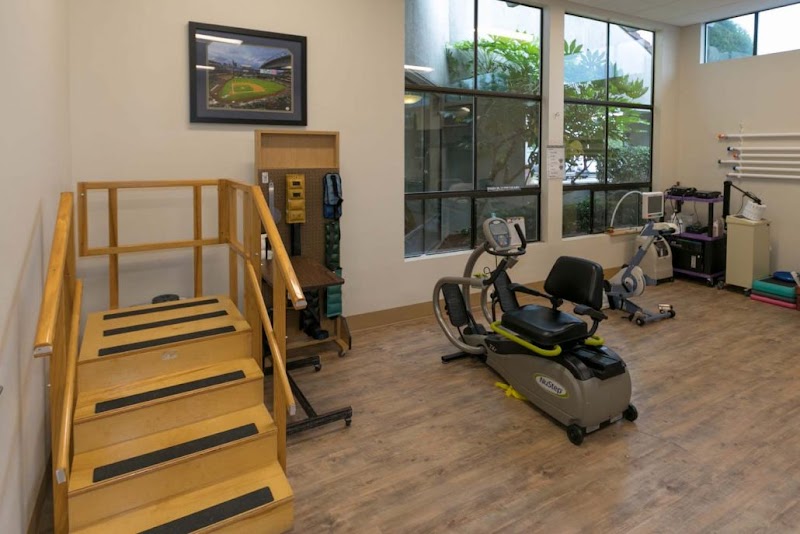
How is Mountain View Rehabilitation And Staffed?

CMS rates MOUNTAIN VIEW REHABILITATION AND CARE CENTER's staffing level at 3 out of 5 stars, which is average compared to other nursing homes. Staff turnover is 45%, compared to the Washington average of 46%. This relatively stable workforce can support continuity of care. RN turnover specifically is 67%, which is notably high. RNs provide skilled clinical oversight, so turnover in this role can affect medical care quality.

What Have Inspectors Found at Mountain View Rehabilitation And?

State health inspectors documented 51 deficiencies at MOUNTAIN VIEW REHABILITATION AND CARE CENTER during 2022 to 2025. These included: 1 Immediate Jeopardy (the most serious level, indicating potential for serious harm or death), 49 with potential for harm, and 1 minor or isolated issues. Immediate Jeopardy findings are rare and represent the most serious regulatory concerns. They require immediate corrective action.

Who Owns and Operates Mountain View Rehabilitation And?

MOUNTAIN VIEW REHABILITATION AND CARE CENTER is owned by a for-profit company. For-profit facilities operate as businesses with obligations to shareholders or private owners. The facility is operated by THE ENSIGN GROUP, a chain that manages multiple nursing homes. With 82 certified beds and approximately 80 residents (about 98% occupancy), it is a smaller facility located in MARYSVILLE, Washington.
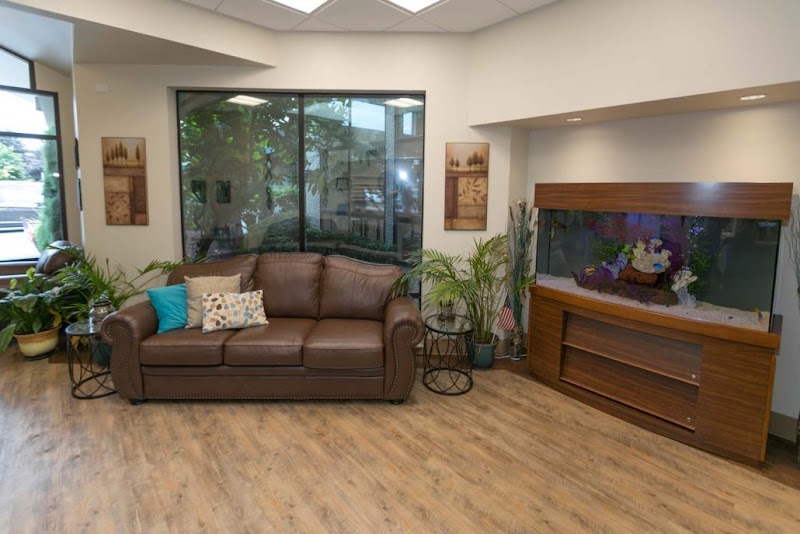
How Does Mountain View Rehabilitation And Compare to Other Washington Nursing Homes?

Compared to the 100 nursing homes in Washington, MOUNTAIN VIEW REHABILITATION AND CARE CENTER's overall rating (3 stars) is below the state average of 3.2, staff turnover (45%) is near the state average of 46%, and health inspection rating (3 stars) is at the national benchmark.

What Should Families Ask When Visiting Mountain View Rehabilitation And?

Based on this facility's data, families visiting should ask: "What changes have been made since the serious inspection findings, and how are you preventing similar issues?" "Can I visit during a mealtime to observe dining assistance and food quality?" "How do you handle medical emergencies, and what is your hospital transfer rate?" "Can I speak with family members of current residents about their experience?" These questions are particularly relevant given the facility's Immediate Jeopardy citations.

Is Mountain View Rehabilitation And Safe?

Based on CMS inspection data, MOUNTAIN VIEW REHABILITATION AND CARE CENTER has documented safety concerns. Inspectors have issued 1 Immediate Jeopardy citation (the most serious violation level indicating risk of serious injury or death). The facility has a 3-star overall rating and ranks #100 of 100 nursing homes in Washington. Families considering this facility should ask detailed questions about what corrective actions have been taken since these incidents.

Do Nurses at Mountain View Rehabilitation And Stick Around?

MOUNTAIN VIEW REHABILITATION AND CARE CENTER has a staff turnover rate of 45%, which is about average for Washington nursing homes (state average: 46%). Moderate turnover is common in nursing homes, but families should still ask about staff tenure and how the facility maintains care continuity when employees leave.

Was Mountain View Rehabilitation And Ever Fined?

MOUNTAIN VIEW REHABILITATION AND CARE CENTER has been fined $9,750 across 1 penalty action. This is below the Washington average of $33,176. While any fine indicates a compliance issue, fines under $50,000 are relatively common and typically reflect isolated problems that were subsequently corrected. Families should ask what specific issues led to these fines and confirm they've been resolved.

Is Mountain View Rehabilitation And on Any Federal Watch List?

MOUNTAIN VIEW REHABILITATION AND CARE CENTER is not on any federal watch list. The most significant is the Special Focus Facility (SFF) program, which identifies the bottom 1% of nursing homes nationally based on persistent, serious quality problems. Not being on this list means the facility has avoided the pattern of deficiencies that triggers enhanced federal oversight. This is a positive indicator, though families should still review the facility's inspection history directly.