LAKELAND VILLAGE NURSING FACILITY
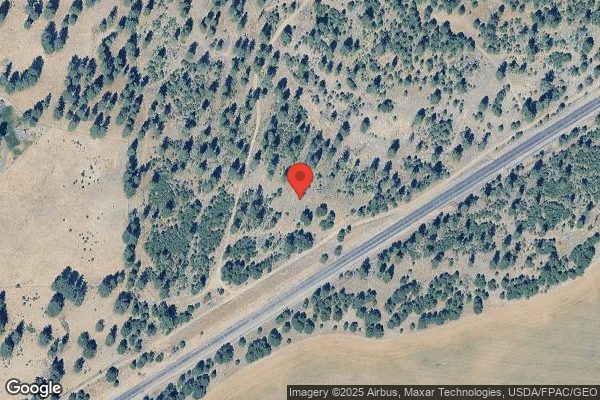
STATE HIGHWAY 902 & SALNAVE ROAD, MEDICAL LAKE, WA 99022 (509) 299-1800
Government - State 93 Beds Independent Data: November 2025 1 Immediate Jeopardy citation
Trust Grade
43/100
#70 of 190 in WA
Last Inspection: September 2024

Within standard 12-15 month inspection cycle. Federal law requires annual inspections.

Overview

Lakeland Village Nursing Facility has a Trust Grade of D, indicating that it is below average, with some significant concerns to consider. It ranks #70 out of 190 facilities in Washington, placing it in the top half, and #4 out of 17 in Spokane County, meaning there are only three local options rated higher. The facility is showing improvement, with a decrease in reported issues from 12 in 2024 to just 3 in 2025. Staffing is a strong point, boasting a perfect 5/5 star rating and a turnover rate of 32%, which is well below the state average, suggesting that staff remain long-term and are familiar with residents' needs. However, there have been critical deficiencies, such as failing to ensure proper food consistency for residents at risk of aspiration and not maintaining safe food handling practices, which raises concerns about resident safety and quality of care.

Trust Score
D
43/100
In Washington
#70/190
Top 36%
Safety Record
High Risk
Review needed
Inspections
Getting Better
12 → 3 violations
Staff Stability
○ Average
32% turnover. Near Washington's 48% average. Typical for the industry.
Penalties
✓ Good
No fines on record. Clean compliance history, better than most Washington facilities.
Skilled Nurses
✓ Good
Each resident gets 88 minutes of Registered Nurse (RN) attention daily — more than 97% of Washington nursing homes. RNs are the most trained staff who catch health problems before they become serious.
Violations
⚠ Watch
27 deficiencies on record. Higher than average. Multiple issues found across inspections.
★★★★☆
4.0
Overall Rating
★★★★★
5.0
Staff Levels
★★★★★
5.0
Care Quality
★★☆☆☆
2.0
Inspection Score
Stable
2024: 12 issues
2025: 3 issues

The Good

  • 5-Star Staffing Rating · Excellent nurse staffing levels
  • 5-Star Quality Measures · Strong clinical quality outcomes
  • Full Sprinkler Coverage · Fire safety systems throughout facility
  • No fines on record
  • Staff turnover below average (32%)

    16 points below Washington average of 48%

Facility shows strength in staffing levels, quality measures, fire safety.

The Bad

Staff Turnover: 32%

14pts below Washington avg (46%)

Typical for the industry

The Ugly 27 deficiencies on record

1 life-threatening
Jul 2025 2 deficiencies
CONCERN (D) 📢 Someone Reported This

A family member, employee, or ombudsman was alarmed enough to file a formal complaint

Potential for Harm - no one hurt, but risky conditions existed

Free from Abuse/Neglect (Tag F0600)

Could have caused harm · This affected 1 resident

Based on interview and record review, the facility failed to protect the residents' right to be free from neglect for 1 of 3 residents (Resident 2). The failure to provide medical care, as ordered by ...

Read full inspector narrative →
Based on interview and record review, the facility failed to protect the residents' right to be free from neglect for 1 of 3 residents (Resident 2). The failure to provide medical care, as ordered by the facility medical provider, resulted in a possible diminished quality of life. Findings include: Record review showed Resident 1 was admitted to the facility in August of 2023 with diagnoses of Moderate Intellectual Disability (characterized by an average mental age of 6 to 9 years old, with adaptive, social and cognitive skills at that level) and dementia (a loss of thinking, remembering and reasoning skills). Review of Resident 2's medical record showed that on 06/02/2025 at 1:34 PM Staff H, Registered Nurse, notified the facility physician, Staff F, that Resident 2's right great toe was discolored and tender to touch. Staff C then wrote in a progress note that they had received a verbal order from Staff F to start Epsom salt soaks for 15 minutes, two times per day, for three days. Further review of Resident 2's medical record showed that on 06/04/2025 at 11:20 AM Staff F, assessed Resident 2's right great toe, continued the foot soaks for another three days, added an antibiotic for treatment of right great toe that was diffusely erythematous (red -indicating possible infection), open drainage from prior wound, serous (clear) fluid. Review of Resident 2's medication administration record showed a treatment order started on 06/04/2025, to begin at 4:00PM the same day, for two times daily for three days beginning 06/04/2025 soak right foot in warm water bath with Epsom salt x 15 min[utes] twice a day: try to gently express any drainage. Review of a facility incident report, dated 06/05/2025, stated that on the evening shift of 06/05/2025, Staff I, Registered Nurse, was told by Staff K, Nursing Assistant, that Staff J, Licensed Practical Nurse was blowing off the foot soak for Resident 2 and that it had not occurred on the evening shift of 06/04/2025. Review of Resident 2's medication administration record showed that the foot soak ordered on 06/04/2025 for 4:00 PM was signed off as completed by Staff J. Review of the facility investigation into the incident showed a statement from Staff K, on 06/06/2025 at 8:10 PM, stating that they had worked on the evening shift of 06/04/2025 and that Resident 2 had remained near the kitchen to watch them prepare dinner, ate dinner and afterwards they went to the living room area of the building to watch television and that the foot soak had not occurred during that period of time. Review of the facility investigation into the incident showed a statement from Staff L, Nursing Assistant, on 06/06/2025 at 8:25 PM, stating that they had worked on the evening shift of 06/04/2025, had been in the living room area of the building after dinner with another 1:1 resident (staff remains within arm's length distance of a resident for safety), who was watching television, where Resident 2 was also present watching television, and that the foot soak had not occurred. Review of the facility investigation into the incident showed a statement from Staff M, Nursing Assistant on 06/09/2025 at 3:11 PM, stating that they had been assigned to work with Resident 2 on the evening shift of 06/04/2025, had been aware that Resident 2's foot soak had not occurred prior to Resident 2's preferred bedtime. They further stated that Staff J had stopped by Resident 2's bedroom, as they were preparing for bed, and had stated that the foot soak had been completed earlier in the shift, but they needed to change the bandage on Resident 2's right great toe. Staff M stated they thought it was strange that Staff J would need to change the bandage, that appeared used and dry, when the foot soak had occurred earlier in the evening. Review of Resident 2's medical record showed a progress note written by Staff G, Advanced Practice Nurse Practitioner, on 06/05/2025 at 3:57 PM, which stated that they had seen Resident 2's right great toe on the morning of 06/05/2025 and that upon removal of the bandage, purulent (thick, yellow/green - a sign of infection) drainage was noted. Review of the facility investigation showed a statement from Staff J, Licensed Practical Nurse, on 06/11/2025 at 11:15 AM, who stated that the foot soak for Resident 2 had been completed on 06/04/2025, in the kitchen/dining area of the building prior to dinner and that they didn't think any other staff had seen it occur. They further stated that they had changed Resident 2's foot bandage in the bathroom, not in their bedroom, after dinner on 06/04/2025. Review of the facility investigation summary, dated 06/11/2025, stated that it was more likely than not that the foot soak for Resident 2 had not occurred on the evening shift of 06/04/2025. During an Interview with Staff A, Director of Nursing, on 06/16/2025 at 12:45 PM, they stated that they believed that Staff J had neglected to complete the foot soak for Resident 2, and that Staff J remained reassigned from resident care and that they had extensive training planned for Staff J prior to returning to direct resident care, to include completing treatments as ordered by the medical provider. Reference (WAC) 388-97-0640(1)
CONCERN (D) 📢 Someone Reported This

A family member, employee, or ombudsman was alarmed enough to file a formal complaint

Potential for Harm - no one hurt, but risky conditions existed

Report Alleged Abuse (Tag F0609)

Could have caused harm · This affected 1 resident

Based on interview and record review, the facility failed to ensure timely reporting of an allegation of neglect for 1 of 1 resident (Resident 1). This failure resulted in potential harm and decreased...

Read full inspector narrative →
Based on interview and record review, the facility failed to ensure timely reporting of an allegation of neglect for 1 of 1 resident (Resident 1). This failure resulted in potential harm and decreased quality of life for the resident. Findings included: Based on the 04/01/2025 assessment, Resident 1 was cognitively impaired and had diagnoses including moderate intellectual disabilities and schizoaffective disorder. They required maximum assistance for activities of daily living such as transferring in and out of bed and wheelchair, standing, toileting, and personal care. In an interview on 06/04/2025 at 1:00PM, Staff B, Attendant Counselor 1 (AC1) stated they witnessed Resident 1 fall out of bed onto the floor. Staff B could not remember the date of the occurrence. Staff B then called out to Staff C, AC1 to get the nurse. While waiting for the nurse Staff E, Attendant counselor Manager (ACM) entered the room and Staff B informed them that the resident had fallen. Staff E then proceeded to pick up the resident and put them on the bed and told Staff B to not complete an incident report because Resident 1 was able to reposition themself from the bed to the floor and it was in the resident's care plan. Staff B stated they told Staff E multiple times the resident had fallen, and Staff E continued to state an incident report was not to be completed. When asked what the usual procedure was for a resident fall, Staff B stated the resident was not supposed to be moved until the licensed nurse has assessed them and given approval, an incident report was supposed to be completed, and the shift lead and/or manager notified. Staff B stated they did not complete an incident report and/or report their concern about Staff E telling them not to do an incident report. When asked, Staff B stated they should have reported it. In an interview on 06/02/2025 at 2:20PM, Staff C, AC1, was unable to recall the exact date Resident 1 fell and stated they were working with another resident, across the hall from Resident 1's room, and heard a loud bang come from Resident 1's room and when they entered Resident 1's room, the resident was lying on the floor beside the bed and complaining about their head hurting and stated they hit their head on the table. Staff C then went to get the nurse, encountered Staff E and told them Resident 1 had fallen. Staff E then entered Resident 1's room, told Staff B and Staff C that Resident 1 had repositioned themself to the floor intentionally. Staff E then picked up Resident 1 and put them on the bed. Staff C told Staff E that Staff B saw Resident 1 fall and hit their head, Staff E continued to instruct them not to complete an incident report. Staff C stated the procedure when a resident had a fall was to get the nurse and to not move the resident until the nurse said it was ok, get a full set of vital signs (measurements of the body's most basic functions, such as temperature, heart rate, breathing rate, and blood pressure), and complete an incident report. Staff C stated they told the nurse that Resident 1 had fallen but the nurse did not assess the resident because Staff E told them not to. Staff C stated they could not remember who the nurse was at the time of the incident. When asked why they did not report the incident, Staff C stated they did not want Staff E mad at them. Staff C stated they should have reported the incident, they said it was their mistake, and they knew they should have reported it. In an interview on 06/03/2025 at 949am, Staff D, ACM stated they were not working the day Resident1 fell but when they returned to work, they could not remember the exact date, Staff B told them Resident 1 had fallen, and Staff B stated they wanted to do an incident report at the time, but Staff E told them not to do it. Staff D stated, in their opinion, an incident report should have been done, and they told Staff B they should talk to Staff E about it. When Staff D was asked if they ever considered talking to Staff E's supervisor they replied, no. When asked if they should have reported it, Staff D replied Yes, they should have and will do it in the future. In an interview on 06/18/2025 at 9:04AM, Staff E stated at the time of Resident 1's alleged fall, could not remember the date, either Staff B or Staff C told them Resident 1 was on the floor. Staff E asked if they had heard a klunk and they replied they had not. Staff E stated they then asked the staff member if the resident had said they had fallen and was told the resident didn't say anything. Staff E then went to Resident 1's room and found the resident on the fall mat on the floor beside the bed and the resident was giggling. Staff E asked Resident 1 if they were hurt and the resident laughed. Staff E stated they then assisted Staff C to put the resident back on the bed then did a visual check of Resident 1 for injuries and found none. Staff E stated that neither Staff C nor Staff B told them they saw Resident 1 fall or voiced an opinion that they thought the resident had fallen. Staff E stated they didn't know if the nurse was notified of Resident'1's alleged fall. When asked, Staff E stated when a resident fell they would stay with the resident, call for a nurse to assess the resident, wouldn't move the resident until nurse says ok, complete an incident report, and follow the incident report process. When asked if the occurrence was reportable, Staff E stated No, they did not believe so. Upon review of the record, no documentation was found by nursing staff or attendant counselors between December 2024 and 04/16/2025 regarding Resident 1 falling and /or hitting their head. No incident reports were completed for Resident 1 experiencing a fall. Reference: 483.12(c)(1)(4) -0640(5)(a)
Jan 2025 1 deficiency
CONCERN (D) 📢 Someone Reported This

A family member, employee, or ombudsman was alarmed enough to file a formal complaint

Potential for Harm - no one hurt, but risky conditions existed

Quality of Care (Tag F0684)

Could have caused harm · This affected 1 resident

**NOTE- TERMS IN BRACKETS HAVE BEEN EDITED TO PROTECT CONFIDENTIALITY** Based on interview and record review the facility failed to meet professional standards of practice in provision of providing ti...

Read full inspector narrative →
**NOTE- TERMS IN BRACKETS HAVE BEEN EDITED TO PROTECT CONFIDENTIALITY** Based on interview and record review the facility failed to meet professional standards of practice in provision of providing timely incontinence care for 2 of 3 sampled residents (Resident 1 and 2). This failure placed residents' requiring incontinence care at risk for potential skin injury and decreased quality of life. Findings included: <Resident 1> Per the assessment dated [DATE], Resident 1 had severe cognitive impairment, was dependent on staff for most activities of daily living such as personal hygiene, toileting, and transferring, was incontinent of bowel and bladder, was at risk of skin injury, and had diagnoses including moderate intellectual disability, hypersomnia (excessive sleepiness) with long sleep times, and ataxia (a condition which causes poor muscle control). The care plan dated 11/22/2024 documented staff was to offer Resident 1 the toilet upon awakening, before & after meals, before bedtime, & prn (as needed), and that Resident 1 used bedside commode for toileting. A skin assessment for resident 1 dated 01-12-2025 showed no documentation of any injury to the skin of the buttocks or perineum (area of skin between the genitals and the anus). A nursing progress note dated 01/14/2025 documented Resident 1 had pink, excoriated skin on their buttocks, and an acute plan of care was initiated. A physician progress note dated 01/15/2025 documented the skin of resident 1's buttocks was red and inflamed. In an interview on 01/15/2025 at 3:31pm Staff H, Attendant Counselor 1 (AC1) stated on 01/13/2025 at approximately 6:30pm Resident 1 complained their buttocks was hurting, and when staff checked, Resident 1's buttocks was red and bleeding. During an interview on 01/15/2025 at 4:01pm, Staff D, Attendant Counselor Manager (ACM) stated on 01/13/2025 at approximately 1:20pm they were informed Staff G, AC1 had been floated to a different work site and that the residents Staff G had been caring for, including Resident 1, were wet with urine that had soaked through their clothing. During an interview on 01/16/2025 at 2:07 pm Staff E, AC1 stated they found Resident 1 in urine-soaked clothes and chair pad on 01/13/2025 at 1:00pm when they took over resident care from Staff G, AC1. They stated upon removing Resident 1's wet clothing and brief, the skin on Resident 1's buttock was red and bleeding. When asked how often the residents were checked and changed, Staff E stated it was supposed to be every 2 hours. In an interview on 01/21/2025 at 2:41pm Staff G, AC1 stated they were working with Resident 1 on 01/13/2025 and at approximately 11:00am noticed the resident was wet from urine but did not change them at that time. Staff G stated they were sent to a different work site at 12:00pm that same day and when they left, Resident 1 was still wet and had not been changed. They stated the lead attendant counselor, Staff I Attendant Counselor 2 (AC2) was also aware Resident 1 was wet. When asked if Resident 1 should have been changed, Staff G stated they knew the resident should have been changed and that it was unacceptable to leave a resident wet. During an interview on 01/16/2025 at 1:46pm when asked how often residents are checked and changed, Staff D stated, at least every two hours. When asked if Resident 1 had skin injury on their buttocks prior to being left in a wet brief and clothing on 01/13/2025, Staff D stated the redness was new and was the result of being left wet. <Resident 2> Per the assessment dated [DATE], Resident 2 had severe cognitive impairment, was dependent on staff for activities of daily living including personal hygiene, toileting, and transferring, was incontinent of bowel and bladder, was at risk of skin injury, and had diagnoses including profound intellectual disabilities, quadriplegia ( a type of paralysis that affects all a person's limbs and body from the neck down), and moisture associated skin damage. The care plan dated 11/12/2024 for Resident 2 documented they had no concept of the need to use the restroom and were unable to communicate when they had been incontinent. Staff were to check for incontinence frequently and were to provide all peri-care (cleaning of the private parts area) to reduce risk of skin breakdown. A nursing progress note dated 01/13/2025 documented, Resident 2 had a moisture associated rash, pink in color, with no open areas to bilateral groin, peri area (area of skin between the genitals and the anus), and buttocks. An acute plan of care was initiated to monitor rash. A nursing progress note dated 01/14/2025 documented, Resident 2 continued to have redness to bilateral groin and a pink area on the right buttock. During an interview on 01/15/2025 at 4:01pm, Staff D stated on 01/13/2025 at approximately 1:20pm they were informed Staff G had been floated to a different work site and that the residents Staff G had been caring for, including Resident 2, were wet with urine that had soaked through their clothing and wheelchair pads. During an interview on 01/16/2025 at 2:07pm Staff E stated they arrived at work at 1:00pm on 01/13/2025 and took over the residents that Staff G, AC1 had been caring for that day. Staff E stated shortly after starting their shift they went to check on Resident 2 and found them in urine-soaked clothing and the wheelchair pad also soaked with urine. When asked how often the residents get checked and changed, Staff E stated it was supposed to be every two hours. In an interview on 01/21/2024 at 2:41pm, Staff G stated on day shift, checking and changing residents was supposed to be performed upon the employee's arrival in the morning, after breakfast, after lunch, and right before end of shift. Staff G stated they knew Resident 2 was wet after breakfast at approximately 8:35am and did not change them at that time. Staff G stated they were sent to a different work site at 12:00 that same day and when they left, Resident 2 was still wet and had not been changed. They stated the lead attendant counselor, Staff I Attendant Counselor 2 (AC2) was also aware Resident 2 was wet. When asked if Resident 2 should have been changed, Staff G stated they knew the resident should have been changed and that it was unacceptable to leave a resident in a wet incontinent brief. During an interview on 01/16/2025 at 1:46pm when asked how often residents are checked and changed, Staff D stated, at least every two hours. Reference: WAC: 388-97-1060 (1)
Sept 2024 6 deficiencies 1 IJ (1 affecting multiple)
CRITICAL (K)

Immediate Jeopardy (IJ) - the most serious Medicare violation

Food Safety (Tag F0812)

Someone could have died · This affected multiple residents

Based on observation, interview, and record review the facility failed to test modified fluid consistencies after preparation and before serving to vulnerableresidents at risk for aspiration (inhalati...

Read full inspector narrative →
Based on observation, interview, and record review the facility failed to test modified fluid consistencies after preparation and before serving to vulnerableresidents at risk for aspiration (inhalation of food, liquid, or other material into the airway or lungs) in accordance with professional standards of practice and resident needs for 3 of 9 sampled residents (Residents 8, 30 and 43), reviewed for food and nutrition services. In addition, the facility failed to ensure that foods were stored and prepared in a safe manner, and dishwasher temperatures met the required standard which placed residents at risk for food borne illness and diminished quality of life for all 75 residents. The failure if the facility to make sure that residents at risk of aspiration received the correct fluid consistency represented an immediate jeopardy (IJ). On 09/23/2024 at 8:01 PM, the facility was notified an IJ was identified related to F812 CFR §483.60 Food Procurement/Store/Serve/Sanitary. The facility removed the immediacy on 09/24/2024 with an onsite verification by surveyors ensuring the facility tested thickened fluids after preparations and before serving to the residents, completed audits and training for staff. Findings included . <MODIFIED FLUID CONSISTENCY> Review of the facility policy titled, Liquid Consistencies, revised 10/2021, showed the facility followed the International Dysphagia (swallowing difficulties) Standardization Initiative (IDDSI) for texture descriptions and terminology. The policy categorized liquids into 4 levels from 0-4; Level 0- thin: liquid consistency that has not been altered. Level 2- nectar thick/mildly thick: liquids that in their natural state were similar to a nectar consistency or other liquids that have been thickened to that consistency. When poured from a spoon, the nectar thick would coat the spoon then quickly drain off, but slower than thin liquid. Level 3- honey thick/moderately thick: liquids were thickened to a consistency similar to honey. When poured from a spoon, honey thick/moderately thick liquids would not stick to the spoon. Honey thick/moderately thick liquids drip slowly in dollops through the prongs of a fork and could be drank from a cup or glass. Level 4- spoon thick/extremely thick: this consistency was also called pudding thick because these liquids were thickened until they resemble a pudding texture. These liquids do not pour and show only slow movement under gravity. This consistency fell off of a spoon and held its shape when dropped onto a plate without spreading out. The policy instructed staff to use commercially prepared thickened liquids or create different thickened liquid consistencies by using a thickening gel thickener via a pump dispenser. The policy directed staff to use one pump of gel thickener in four ounces of thin liquid to produce a nectar thick liquid, use two pumps of gel thickener in four ounces of thin liquid to produce a honey thick liquid, and use four pumps of gel thickener in four ounces of thin liquid to produce a spoon thick consistency. The policy further showed a resident could chose a more modified liquid but not one that was less modified and included the example a resident on a honey thick liquid could choose a spoon thick liquid but not a nectar thick or thin liquid. The International Dysphagia Diets Standardization Initiative website, IDDSI.org showed with regard to modified drink thicknesses showed some people have problems feeding, chewing or swallowing. This means some food and drinks are a danger for choking or for material to 'go down the wrong way' and into the airway. The International Dysphagia Diet Standardization Initiative, through consultation and following best practice principles, has developed a global standardized way of describing food and drinks that are safest for people with feeding, chewing or swallowing problems Simple measurement methods are included in the framework. These methods confirm the IDDSI level a food or drink belongs to, or if it is unsafe for people with feeding, chewing or swallowing problems The IDDSI Funnel [a 10-millimeter (ml) syringe with a larger whole on the top syringe end with a funnel attached to pour fluid into and a small nozzle hole on the lower end to allow fluid to flow through, and syringe labeled from bottom to top with zones for level 0-3 fluid thickness] is intended to check the flow rate of a liquid. The IDDSI level depends on liquid remaining after 10 seconds flow: cover [small lower] nozzle with finger, pour [liquid] to fill line, remove finger from nozzle as you start the stopwatch, stop at 10 seconds [plug small nozzle whole with finger] . Fluids are categorized by thickness from 0-4; Level 0 - thin fluids, flow like water, fast flow, can drink through any typer of teat/nipple, cup or straw. Less that 1 ml remaining in the 10ml slip tip syringe after 10 seconds of flow. Level 1- slightly thick, thicker than water, requires a little more effort to drink than thin liquids, flows through a straw, syringe, teat or nipple. 1-4 mls remain in the syringe after 10 seconds of flow. Level 2- mildly thick, flows off a spoon, skippable, pours quickly from a spoon, but slower than thin liquids. Mild effort is required to drink this thickness through standard bore straws. 4-8 mls remain in the syringe after 10 seconds of flow. Level 3- moderately thick, moderate effort is required to suck through a standard bore straw, cannot be eaten with a fork because it drips slowly in dollops through the prongs, can be eaten with a spoon. Over 8 mls remain in the syringe after 10 second of flow. Drips slowly in dollops through the prongs of a fork, easily pours from spoon when tilted; does not stick to spoon. Level 4- extremely thick, usually eaten with a spoon (a fork is possible), cannot be drunk from a cup because it does not flow easily, cannot be sucked through a straw, falls off spoon in a single spoonful when tilted and continues to hold shape on plate, not sticky. Cannot test using the IDDSI flow test, must use the fork drip test or spoon tilt test. When a fork is pressed on the surface of a level 4 extremely thick liquid, the tines/prongs of a fork can make a clear pattern on the surface, and/or the food retains the indentation from the fork. Fork drip test, sample sits in a mound/pile above the fork; a small amount may flow through and form a short tail below the fork tines/prongs, but it does not flow or drip continuously through the prongs of a fork. Using the spoon tilt test, a spoonful must plop off the spoon if the spoon is tilted or turned sideways; a very gentle flick (using only fingers and wrist) may be necessary to dislodge the sample from the spoon, but the sample should slide off easily with very little food left on the spoon. The National Institute of Health (NIH) website nih.gov showed with regard to aspiration showed aspiration occurs secondary to swallowing dysfunction, reflux [when stomach contents such as food or acids flow back into the throat], or inability to protect the airway adequately. The presence of foreign material in the lungs subsequently initiates an inflammatory response. On physical exam, early signs can include wheezing [high-pitched whistling sound that occurs when air moves through narrowed or blocked airways in the lungs], chronic cough, nocturnal [occurring at night] cough, and/or recurrent pneumonia [lung infection], as well as abnormal lung sounds, including rhonchi [low-pitch snoring or gurgling noises caused by generalized obstruction in the airway] or crackles [bubbling, rattling, or clicking lung sounds caused by air passing through fluid, mucus, or pus] on auscultation [listening to body sounds during examination]. Decreased or lack of breath or sounds can be a finding if a complete obstruction [blockage] has occurred. Desaturation [blood oxygen levels drop below normal levels] on pulse oximetry [a way to measure the amount of oxygen in one's blood] can demonstrate a worsened aspiration syndrome, given that a significant portion of the respiratory tract must be knocked out to cause overall hypoxemia [condition that occurs when there is not enough oxygen in the body's tissues or cells]. <Resident 8> Review of the quarterly assessment, dated 08/07/2024, showed Resident 8 had diagnoses including cerebral palsy (condition that affects muscle tone, movement, and coordination), microcephaly (when a baby's head is smaller than normal), and legal blindness. Resident 8 was dependent on staff assistance to perform most activities of daily living (ADLs) including eating. Resident 8 had severe cognitive impairment and needed a mechanically altered diet that required a change in food texture or liquid consistency. The assessment further showed Resident 8 did not show signs and/or symptoms of a possible swallowing disorder such as loss of liquids/solids from mouth when eating or drinking, holding food in mouth or cheeks, coughing or choking during meals, or complaints of difficulty or pain with swallowing. Review of the 10/31/2023 comprehensive nutritional assessment showed Resident 8's diet consistency was puree for solid foods and pudding/spoon thick liquids. The assessment showed Resident 8 required feeding assistance to be at a slow rate to minimize coughing, allow time between bites for oral clearance, and staff were to encourage a second swallow for each bite. Staff were to encourage fluid intake. The assessment further showed Resident 8 had no changes in appetite or fluid intake, but staff noted increased coughing. Review of the 04/30/2024 Resident Diet Cardex showed Resident 8's diet was puree for solids and level 4 extremely thick liquids. Resident 8 was to receive 16 ounces (oz) of water/flavored water with meals, three times daily. Review of 07/12/2024 provider progress note showed Resident 8 had diffuse rhonchi, and decreased oxygen saturation levels that resolved within 24 hours that was likely related to position or possible mild aspiration. Review of 08/01/2024 nutrition notes showed Resident 8's diet consistency was puree for solids and spoon thick (level 4) liquids. Resident 8 was observed eating breakfast. Staff prepared and served Resident 8's meal then provided 1:1 feeding assistance. Resident 8 ate all of their meal and drank almost all of their fluids. Resident 8 had occasional coughing throughout the meal and staff encouraged Resident 8 to clear their throat. Review of September 2024 provider orders showed Resident 8's diet consistency was puree texture with spoon thick level 4 liquids. During observation, interview, and record review on 09/20/2024 at 11:25 AM, Staff J, Attendant Counselor (AC), was observed preparing thickened fluids using a gel thickener via a pump dispenser. Staff J stated the side of the thickening agent bottle had directions on how many pumps to use when making 4 oz, 6 oz, and 8 oz of thickened fluids. Staff J stated that some fluids reacted to the thickening agent and required either more or less pumps of thickener. Staff J further stated cottage staff made thickened fluids every meal and used approximately one 55oz bottle of gel thickener a day because staff made so many thickened fluids. Staff J was asked to verify the thickened fluid consistency created was accurate. Staff J stated they had not done that in a long time, pulled out a quick reference guide card, and a fork. Review of the directions for use on the side of the thickening agent gel bottle directed staff to follow and use the usage chart to dispense appropriate amount of gel thickener into beverages. The directions included a strokes per beverage chart for 4 oz, 6 oz, and 8 oz. For nectar thick consistency, the chart showed one pump was required to make 4 oz of nectar thick, no pump guidelines were included for 6 oz of nectar thick fluid, and showed two pumps was required to make 8 oz of nectar thick fluids. For honey thick consistency, the chart showed two pumps were required to make 4 oz of honey thick, no pump guidelines were included for 6 oz of honey thick fluid, and showed four pumps were required to make 8 oz of honey thick fluids. For pudding thick consistency, the chart showed four pumps were required to make 4 oz of pudding thick fluid, no pump guidelines were included for 6 oz of pudding thick fluid, and eight pumps were required to make 8 oz of pudding thick fluids. The directions did not specify some fluids reacted to the thickening agent differently and would require either more or less gel thickener to create the appropriate desired consistency. During an observation on 09/23/2024 at 11:32 AM, Resident 8 had a clear cup of red and orange thickened fluids on the table in front of them. Staff K, AC, assisted Resident 8 with their meal and Resident 8 began to cough. During continuous observation, interview, and record review on 09/23/2024 from 5:20 PM until 05:55 PM, Staff L, AC, was observed pumping gel thickener into different size cups, placing them on the kitchen counter, pouring colored fluids into the cups, and mixed fluids. Staff L was not observed verifying or testing any fluids made for accurate consistency. At 5:39 PM, Staff K, served Resident 8 a plate of food and two cups of thickened fluids without testing or verifying the liquid consistency was accurate, one cup contained a red thickened fluid, and one cup contained an orange thickened fluid. At 5:41 PM, Staff K, spooned the red thickened fluid into Resident 8's mouth, the red thickened fluid dripped down the front of Resident 8's mouth down to their chin. Review of Resident 8's Diet Cardex used by staff for reference when they made the thickened fluids during this meal service, showed Resident 8 was to be served extremely thick fluids. At 5:45 PM, Staff K was asked if they verified the thickened fluid consistency was accurate prior to serving Resident 8, Staff K stated they could tell what consistency a fluid was by looking at it, as they mixed the red thickened fluid in the cup with a spoon and red thickened fluid dripped off the spoon when turned over. Staff K stated Resident 8 was to receive extremely/pudding thick fluids while they continued to stir the red thickened fluid in front of them, turned a spoonful of red thickened fluid over and red fluid dripped off the spoon. Staff K was asked to test and verify the thickened fluid consistency was accurate for the fluid they were assisting Resident 8 drink. Staff K was prompted to pull out their name badge that contained a quick reference guide on modified liquid consistencies and how to test/verify consistency using the syringe drip flow, fork drip or spoon tilt tests. Staff K placed the red thickened fluid they had given to Resident 8 on top of fork prongs, the red thickened fluid proceeded to slowly drip through the fork prongs into the cup in a long continuous drip. Staff K was then asked to test and verify the orange thickened fluid consistency was accurate. Staff K placed the orange thickened fluid on top of fork prongs, and it immediately dripped through the fork prongs, quicker than the red thickened fluid that was just tested. Resident 8 was observed coughing. Staff K stated they were unsure how to determine what size a cup was. Review of September 2024 nursing progress notes showed on 09/23/2024 Resident 8 coughed during their dinner meal related to possibly having the incorrect liquid consistency. A 11:23 PM, Resident 8 had some rhonchi to their right lung. In an interview on 09/27/2024 at 10:37 AM, Staff B, Director of Nursing (DNS), stated the facility used a variety of cup sizes and direct care staff were trained by their managers on how to identify a cup's size. In a follow-up interview on 09/27/2024 at 10:45 AM, Staff B, stated they expected staff to appropriately thicken fluids and verify proper consistency each time fluids were thickened. <Resident 30> Per the 09/02/2024 quarterly assessment, Resident 30 had diagnoses which included profound intellectual disabilities, seizures and arthritis. Resident 30 had severe cognitive impairment, needed total assistance for eating and required moderately thickened fluids. Per the 08/27/2024 nutrition assessment, Resident 30 was to be given one bite/sip via spoon, wait for swallow and then provide them with an empty spoon bite to elicit dry swallow to assist with residue clearance and decrease risk of aspiration. Review of the 03/29/2024 Diet Cardex documented Resident 30's diet was puree for solids and level 3 moderately thick liquids. Resident 30 was to be offered an 8 to 12 oz glass of water prior to food and 8 oz of water with meals, three times daily. Review of September 2024 provider orders showed Resident 30's diet consistency was puree texture with moderately thick level 3 liquids. During an observation on 09/23/2024 at 5:50 PM, Staff Y, AC, was observed making thickened fluids using a gel thickener via a pump dispenser. Staff Y tested the crystal light drink with a fork and the fluid trickled through the fork prongs very quickly (Faster than moderately thickened fluids) and Resident 30 was served the fluid. In an interview on 09/23/2024 at 5:50 PM, Staff Y stated the fluid was moderately thick and it could be checked for the correct consistency by using a fork or a dropper. Staff Y stated if the fluid went through the fork tongs, it was considered moderately thick. During an interview on 09/23/2024 at 5:51 PM, Staff Z, ACM, stated they have thickened fluids for so long that they can eyeball the fluids for the correct consistency, or they can check the fluids with a spoon or the dropper. Staff Z stated the fluids could be checked by using a fork and for moderately thickened fluids it would look like honey falling off the fork. Staff Z added it was important to thicken fluids to the correct consistency to prevent aspiration. <Resident 43> Per the 01/29/2024 annual assessment, Resident 43 had diagnoses which included intellectual disabilities and serious mental illness. Per the 07/26/2024 nutrition assessment, Resident 43 required moderately thickened liquids and fluids served in a cup with a straw. The resident needed staff assistance to maintain the straw in the cup and intermittent supervision for eating. Resident 43 was to alternate bites of solids with liquids, decrease bite size, slow down while eating, and take a break between every one to two sips of liquids from the straw. During the initial dining observation in the kitchen and dining area on 09/18/24 at 11:24 AM, Staff CC, AC, prepared thickened liquids for Resident 43. Staff CC was observed stirring thin liquids mixed with thickener with a spoon in two different cups (red and blue). After they finished stirring the liquids, Staff CC did not test the consistency of either fluid cups. At 11:26 PM, Staff CC placed the lids on the cups. At 11:29 AM, Staff DD, Attendant Counselor, placed the now covered blue and red cups in front of Resident 43 on the table and put a straw in each cup. At 11:31 AM, Resident 43 picked up one of the cups, sipped from the straw and immediately coughed. The resident coughed at various time while drinking from the straw. FOOD STORAGE AND LABELING Review of the facility policy titled, Food Storage updated 02/2024, showed when food was stored improperly it could allow harmful bacteria to grow and cause illness. Food must be stored at appropriate temperature for those that require temperature control and foods must only be stored for a certain amount of time for both product safety and quality. Marking the date on food items was essential so that others knew when items should be discarded. The policy showed each cottage refrigerator (fridge) and freezer would be monitored continuously via use of an electronic thermometer with a display outside of the cold-holding unit in which an alarm would sound if the temperature(s) traveled outside of appropriate pre-set ranges. Additionally, refrigerators and freezers would have a secondary internal thermometer to use as a backup. The policy instructed staff to check the back up thermometer, if the temperature was found to be out of parameters (between 32 and 41 degrees Fahrenheit (F) for refrigerators and 32 degrees F or below for freezers). The policy included a food algorithm decision tree chart to help staff identify and assign food discard dates. The policy specified food delivered from the facility's main kitchen was to be discarded by midnight the day it was received, read-to-eat foods brought by residents or leftovers brought back to campus were to be discarded within 24 hours of arriving on campus, food items delivered from an outside retailer or packaged food from a retailer should be verified for manufacturer's best by dates. The policy further showed unopened foods may be stored until the manufacturer's best by date and stored in the refrigerator, freezer, or other food-safe area for shelf-stable items as appropriate. If an item did not require refrigeration after opening, it was to be used within 3-months of opening or the manufacturer's best by date, whichever came first. If an item required refrigeration after opening it was to be dated and used within seven days of opening or the manufacturer's best by date, whichever came first. For items that required freezing were to be used within one month of opening or the manufacturer's best by date, whichever came first. <Main Kitchen> During an observation on 09/18/2024 at 10:01 AM, the main kitchen refrigerator had a roux (Mixture of fat and flour used in making sauces) dated 08/25/2024, and a cake that had no date. Staff G, Cook, stated items were looked at weekly for expiration dates and the roux was missed. Staff G further stated it was important to discard expired foods to prevent bacteria. In an interview on 09/18/2024 at 10:22 AM, Staff D, Dietary Manager, verified there was no date on the cake. Staff D stated food should be labeled with the date it was prepared and a use by date to prevent bacteria and illness. <Ponderosa Cottage> During observation on 09/19/2024 at 9:06 AM, the cottage fridge contained an undated white to go container labeled with 2/4 cup apricots lunch, and a square box of prune juice labeled in black sharpie with O- 8/18 and X- 8/25. During observation and interview on 09/19/2024 at 9:13 AM, Staff M, Cottage Manager, stated prune juice box labeled with O was for the open date and the X was the expiration date. Staff M explained refrigerator and freezer temperatures were checked every shift and documented on the back of the cottage shift exchange form. Staff M reviewed July 2024 through September 2024 shift exchange form documentation with the surveyor. Staff M acknowledged the refrigerator and freezer temperature verification line was not transferred over from August 2024 to September 2024. Staff M was unable to locate refrigerator or freezer temperature verification documentation for September 2024. <Tamarack Cottage> During observation on 09/19/2024 at 9:25 AM, the cottage refrigerator had a digital thermometer attached to the side with two cords, one ran into the fridge and the second ran into the freezer. Probe one read 29 F and probe two read 82 F, no visual alarm on the thermometer was seen nor an audible alarm heard. Upon opening the fridge, the temperature probe was noted to be attached to the inside of the fridge with a suction cup. Upon opening the freezer, the thermometer probe was missing the suction cup and probe dangled below the freezer door seal. The freezer contained an undated and unlabeled bag of green beans and French toast that were frozen solid. In an interview on 09/19/2024 at 9:29 AM, Staff N, AC, and Staff O, Licensed Practical Nurse (LPN), acknowledged the thermometer attached to the side of the refrigerator read 81 F and there was no visual alarm seen nor audible alarm heard. Staff O obtained a different thermometer to verify temperatures. Staff N acknowledged the freezer thermometer probe was not attached to the freezer and dangled outside the freezer right above the floor. During observation, interview, and record review on 09/19/2024 at 9:41 AM, Staff P, Cottage Manager, stated freezer items were to be labeled the day they arrived on the cottage. Staff P was shown the freezer thermometer probe dangled outside the freezer. Staff P stated fridge and freezer temperatures were checked by staff every shift and initialed on the back of the shift exchange form. Staff P reviewed June 2024 through September 2024 refrigerator and freezer temperature verification documentation. Staff P acknowledged there were only staff initials for one shift on 08/30/2024 and 08/31/2024. <Harvest Cottage> During an observation on 09/19/2024 at 2:03 PM, the cottage refrigerator had an undated open bag of frozen waffles, no open or use by date was found. In an interview on 09/19/2024 at 2:03 PM, Staff K, LPN, acknowledged there should be an open date on the package of waffles. <Hawthorne Cottage> During an observation on 09/26/2024 at 11:22 AM, the cottage refrigerator contained tater tots and chicken nuggets dated 02/09/2024, two containers of prune juice, one container of prune juice was labeled as opened on 08/30/2024 and the second had no open date. Staff I, ACM, stated the tater tots and chicken nuggets were good for three months and the prune juice was good for seven days after it was opened. Staff I stated the food, and juice should have been discarded as it could cause illness. <Dishwasher Temperatures> During an observation of the kitchen on 09/23/2024 at 3:43 PM, Staff D, Dietary Manager, ran the dishwasher twice and the final rinse was 167 degrees, not 180 degrees as required. Staff D stated they thought the dishwasher was a high temperature dishwasher but would have to check. In an interview on 09/23/2024 at 3:32 PM, Staff D stated when the dishwasher temperature was out of range, the staff needed to let it cool down and run it again. Review of the dishwasher temperature logs from August through September 2024 documented the following: 08/15/2024 160 degrees in AM 08/16/2024 165 degrees in AM, 175 degrees in pm 08/17/2024 160 degrees in AM 08/18/2024 160 degrees in AM 08/22/2024 165 degrees in PM 08/31/2024 160 degrees in PM 09/01/2024 175 degrees in AM 09/08/2024 175 degrees in AM 09/12/2024 175 degrees in AM 09/20/2024 177 degrees in AM 09/21/2024 175 degrees in AM, 176 degrees in PM 09/22/2024 178 degrees in PM In an interview on 09/27/2024 at 1:48 PM, Staff D confirmed the dishwasher was a high temperature dishwasher. Staff D stated it was important for the dishwasher to reach the final rinse temperature of 180 degrees to kill the bacteria. <Facial and hair coverings> During the initial kitchen tour on 09/18/2024 at 9:21 AM, it was observed that Staff E, Food Service Supervisor, had a long goatee and was baking cookies. Staff E's goatee was not covered by a hair net. During an observation on 09/18/2024 at 10:16 AM, Staff F, Cook, had a beard and was preparing food for lunch. Staff F's beard was not covered by a hair net. During an interview on 09/26/2024 at 12:35 PM, Staff D, Dietary Manager, stated hair nets were to be worn on facial hair when working with food. Staff D added this was important to prevent contamination and bacteria. Reference WAC: 388-97-1100 (3), -2980
CONCERN (D)

Potential for Harm - no one hurt, but risky conditions existed

Deficiency F0552 (Tag F0552)

Could have caused harm · This affected 1 resident

Based on interview and record review, the facility failed to ensure 1 of 5 sampled residents (72), reviewed for unnecessary medications, was informed of the potential risks associated with the use of ...

Read full inspector narrative →
Based on interview and record review, the facility failed to ensure 1 of 5 sampled residents (72), reviewed for unnecessary medications, was informed of the potential risks associated with the use of psychotropic medications (medications that can affect the mind, emotions, and behaviors). This failure placed the resident and/or their representative at risk of not being fully informed of the potential risks and benefits of taking the medications. Findings included The 07/01/2024 quarterly assessment documented Resident 72 had diagnoses which included psychotic disorder, a severe mental illness that caused a person to lose touch with reality and experience abnormal perceptions and thinking. In addition, the assessment documented the resident had received psychotropic medication. Reviews of the September 2024 Physician Order Sheet and the September 2024 Medication Administration Record documented on 03/27/2024, a psychotropic medication, Duloxetine, had been prescribed and Resident 72 had received the medication daily. Review of Resident 72's record found no documentation and/or an informed consent form had been completed that explained the risks and benefits of taking a psychotropic medication were discussed, either verbally or written, with the resident and/or their representative prior to the resident receiving the medication. In an interview on 09/26/2024 at 10:04 AM, Staff B, Director of Nursing, stated informed consents for psychotropic medications needed to be completed before the resident received the medication, and confirmed an informed consent had not been done for the Duloxetine. Reference (WAC) 388-97-0260
CONCERN (D)

Potential for Harm - no one hurt, but risky conditions existed

MDS Data Transmission (Tag F0640)

Could have caused harm · This affected 1 resident

**NOTE- TERMS IN BRACKETS HAVE BEEN EDITED TO PROTECT CONFIDENTIALITY** Based on interview and record review the facility failed to encode and transmit resident assessment data to the Centers for Medi...

Read full inspector narrative →
**NOTE- TERMS IN BRACKETS HAVE BEEN EDITED TO PROTECT CONFIDENTIALITY** Based on interview and record review the facility failed to encode and transmit resident assessment data to the Centers for Medicare & Medicaid Services (CMS) within the required timeframe for 2 of 3 sampled residents (Residents 12 and 60), reviewed for timeliness in encoding and transmission of Minimum Data Set (MDS - an assessment tool). This failure affected federal health information data gathering and placed residents at risk for inaccurate monitoring of the residents' progress over time, untimely comprehensive review of residents' health data/information, and a diminished quality of life. Findings included . Review of the Centers for Medicare and Medicaid Services Long Term Care Facility Resident Assessment Instrument (RAI) 3.0 User's Manual Version 1.18.11 revised October 2023, showed the RAI consisted of three basic components: the Minimum Data Set (MDS), the Care Area Assessment (CAA) and the RAI utilization guidelines. The utilization of the three component of the RAI yields information about a resident's functional status, strengths, weaknesses, and preferences, as well as offered guidance on further assessment once problems were identified. All Medicare and/or Medicaid-certified nursing homes and swing beds, or agents of those facilities, must transmit required MDS data records to CMS' Internet Quality Improvement and Evaluation System (iQIES). After completion of the required assessment and/or tracking records, each provider must create electronic transmission files that meet the requirements detailed in the current MDS 3.0 Data Submission Specifications. For submission, the MDS data must be in record and file formats that conform to standard record layouts and data dictionaries, and pass standardized edits defined by CMS and the State. Comprehensive assessments must be transmitted electronically within 14 days of the Care Plan Completion Date. All other MDS assessments must be submitted within 14 days of the MDS Completion Date. <Resident 12> Review of the quarterly assessment, dated 07/10/2024, showed Resident 12 admitted to the facility on [DATE] with diagnoses including idiopathic hydrocephalus (condition that caused accumulation of brain fluid to build up in the brain) and autistic disorder (condition that affects how a person communicates, interacts, and learns). Resident 12 had severe cognitive impairment and required substantial assistance of staff to complete most activities of daily living (ADLs). The assessment further showed it was completed 07/20/2024 at 12:43 PM. Review of Resident 12's electronic health record showed a 07/10/2024 quarterly MDS assessment with the status listed as completed, it did not show accepted. In an interview on 09/26/2024 at 11:03 AM, Staff R, Case Manager Registered Nurse (CMRN), explained the MDS process and acknowledged a completed MDS should be submitted to CMS within two weeks. Staff R reviewed Resident 12's record. Staff R acknowledged the 07/10/2024 quarterly MDS assessment status showed it was completed, it did not show accepted. Staff R reviewed CMS' iQIES but was unable to find a submission for the 07/10/2024 quarterly MDS. <Resident 60> Review of the annual assessment, dated 07/10/2024, showed Resident 60 admitted to the facility on [DATE] with diagnoses including tuberous sclerosis (rare genetic disorder that caused tumors to grow in the brain and other organs) and mental disorders due to known physiological condition. Resident 60 had severe cognitive impairment and required substantial assistance of staff to complete most ADLs. The assessment further showed it was completed on 07/20/2024 at 10:40 AM. Review of Resident 60's electronic health record showed a 07/10/2024 annual MDS assessment with the status listed as completed, it did not show accepted. In an interview on 09/26/2024 at 11:14 AM, Staff R, CMRN, reviewed Resident 60's record. Staff R acknowledged the 07/10/2024 annual MDS assessment status showed it was completed, it did not show accepted. In an interview on 09/26/2024 at 11:19 AM, Staff B, Director of Nursing, stated MDS assessments should be submitted to CMS per the required timeframe. In a follow-up interview on 09/26/2024 at 12:18 PM, Staff R, explained Resident 12's and Resident 60's MDS assessments were compressed into a batch file that was sent to CMS through iQIES on 07/22/2024 but for unknown reasons both of the assessments were lost and not accepted. Staff R acknowledged they had no documentation to show Resident 12's 07/10/2024 quarterly MDS or Resident 60's 07/10/2024 annual MDS assessment were accepted by CMS. Reference WAC 388-97- 1000 (4)(b), (5)(b)
CONCERN (D)

Potential for Harm - no one hurt, but risky conditions existed

Pressure Ulcer Prevention (Tag F0686)

Could have caused harm · This affected 1 resident

**NOTE- TERMS IN BRACKETS HAVE BEEN EDITED TO PROTECT CONFIDENTIALITY** Based on observation, interview, and record review the facility failed to implement interventions to prevent and heal pressure u...

Read full inspector narrative →
**NOTE- TERMS IN BRACKETS HAVE BEEN EDITED TO PROTECT CONFIDENTIALITY** Based on observation, interview, and record review the facility failed to implement interventions to prevent and heal pressure ulcer/injury for 1 of 1 sampled resident (Resident32). This failure placed other residents at risk for development of pressure ulcers, medical complications, and unmet care needs. Findings included . The National Institutes of Health (NIH) website nih.govshowed a pressure injury was localized damage to the skin and underlying soft tissues usually over a bony prominence or related to a medical or other device. The injury can present as intact skin or an open ulcer and may be painful. The injury occurs as a result of intense and/or prolonged pressure or pressure in combination with shear. Stage 1 pressure injury: intact skin with a localized area of non-blanching erythema [redness that does not disappear when pressure is applied to the area] Stage 2 pressure injury: partial thickness [involving epidermis and/or dermis] loss of skin with exposed dermis. The wound bed is viable, pink or red, moist, and may also present as an intact or ruptured serum-filled blister Stage 3 pressure injury: full thickness [wound that extends below the epidermis and dermis into the subcutaneous tissue or deeper] skin loss, in which adipose (fat) or granulation [new connective tissue] tissue is visible in the ulcer Stage 4 pressure injury: full thickness skin and tissue loss with exposed or directly palpable fascia [connective tissue], muscle, tendon [strong cords of tissue that connect muscle to bones], ligament [bands that connect bones and joints], cartilage [tough, flexible connective tissue that protects bones and joints, and provides structure to the nose and ears], or bone in the ulcer . unstageable pressure injury: full thickness skin and tissue loss in which the extent of the tissue damage within the ulcer cannot be confirmed because it is obscured by slough [dead skin or tissue that can appear in a wound] or eschar [dead tissue that forms over healthy skin and eventually falls off] Deep Tissue Pressure Injury [DTPI]: intact or nonintact skin with localized area of persistent non-blanchable deep red, maroon, purple discoloration, or epidermal separation reveling a dark wound bed or blood filled blister The NIH website showed it is essential that the intended staging or classification system be used for each type of injury to ensure appropriate treatment. Review of the facility's policy titled, Pressure Ulcers, revised April 2022, documented all residents will be evaluated at least quarterly for a skin ulcer/pressure ulcer/wound, care would be provided to assess, classify staging, treat, heal, and prevent further development of pressure ulcers. The policy documented that a pressure ulcer was defined as any lesion caused by unrelieved pressure that results in damage to underlying tissue. The policy documented that a Stage 1 wound was non-blanchable (area of redness on the skin that does not disappear under applied pressure). Review of the 01/29/2022 care plan documented Resident 32 was at risk for skin breakdown and instructed the nursing staff to assist with ADL care (bathing, grooming, toileting), ensure an anti pressure mattress was in place, utilize reusable cloth incontinent pads only and assist the resident with turning and repositioning. Further review of the careplan found no documentation that Resident 32 had a pressure ulcer. Review of the 05/23/2024 skin assessment documented Resident 32 had a red and blanchable area to their coccyx that measured 1 cm (centimeter) x 1 cm, but the skin was intact with no open areas. The assessment incorrectly identified the skin issue as a pressure ulcer. Review of a progress note dated 05/23/2024 at 11:19 AM, documented a pressure ulcer was found on Resident 32's coccyx area measuring 1 cm x 1 cm after returning from the hospital on the same day. A progress note dated 05/24/2024 at 2:32 PM, documented that the area to Resident 32's coccyx was now open and a plan of care was initiated that staff were to monitor and keep the area covered with a dressing. The 05/26/2024 skin assessment documented that Resident 32's pressure ulcer had decreased in size (0.2 cm x 0.1 cm), but now a faint small black scab with pinkish red tissue surrounding the wound. The 05/29/2024 skin assessment documented that Resident 32's pressure ulcer increased measured 0.5 cm x 0.5 cm, an increase in size from the previous assessment and the wound bed was now white in color. A progress note dated 06/14/2024 at 2:00 PM, documented that Resident 32's coccyx wound was red and yellow with a thin dark red scab measured at 1 cm x 1.2 cm. Review of the 06/25/2024 comprehensive assessment showed Resident 32 had a pressure ulcer on their coccyx (small triangular bone at the base of the spine that supports body weight and helps with balance while sitting). On 09/20/24 at 08:46 AM, Resident 32 was observed in their room and alert with a flat affect. The resident was dressed, sitting in their wheelchair, a gray hoyer sling was under them and a cloth pad was under the sling. This created multiple layers and increased the risk of pressure. Similar observations were made of Resident 32 sitting upon multiple layers on 09/23/2024 at 8:54 AM and 11:46 AM, 09/25/2024 at 9:56 AM. In an interview on 09/27/2024 at 10:32 AM, Staff AA, Attendant Counselor, stated after transferring a resident to their wheelchair, it was important to remove the Hoyer sling from underneath a resident because the sling can cause pressure. Staff AA confirmed that they do keep the Hoyer lift sling underneath the residents while sitting in their wheelchairs. In an interview on 09/27/2024 at 12:10 PM, Staff BB, Case Manager stated that Resident 32 returned from the hospital on [DATE] with a red blanchable area of skin on their coccyx. Staff BB confirmed that skin described as red and blanchable was not considered a pressure ulcer. Staff BB stated that laying cloth pads on top of a mattress and leaving a Hoyer lift sling directly underneath a resident would interfere with pressure relief. Staff BB stated that removing them would improve healing of Resident 32's pressure ulcer. In an interview on 09/27/2024 at 12:53 PM, Staff B, Director of Nursing, stated that a resident should not sit on or lay on cloth pads or Hoyer lift slings because it reduced the pressure relief from the cushion and mattress, delayed wound healing and worsens the pressure ulcer. Reference: WAC 388-97-1060 (3)(b)
CONCERN (E)

Potential for Harm - no one hurt, but risky conditions existed

Deficiency F0802 (Tag F0802)

Could have caused harm · This affected multiple residents

Based on observation, interviews and record review, the facility failed to ensure all staff had food handler's cards (a certification that showed staff had completed training on food safety) to prepar...

Read full inspector narrative →
Based on observation, interviews and record review, the facility failed to ensure all staff had food handler's cards (a certification that showed staff had completed training on food safety) to prepare food for facility residents. Specifically, in 6 of 7 cottages, the staff were occasionally preparing and cooking some foods, without food handler's cards. In addition, 1 of 24 dietary staff (C) had an expired food handler's card. This failed practice had the potential risk for unsafe food handling practices and placed all residents at risk for developing foodborne illness. Findings included . <Cottage Staff> On 09/19/2024 at 9:06 AM, two flats of uncooked, pasteurized eggs were observed in the Ponderosa Cottage refrigerator, and at 9:24 AM uncooked, pasteurized eggs were observed in another refrigerator in the Ponderosa Cottage. On 09/23/2024 at 9:24 AM, a flat of uncooked, pasteurized eggs were observed in the Rosewood Cottage refrigerator. During an interview on 09/23/2024 at 4:56 PM, Staff W, Attendant Counselor Manager (ACM), stated that some residents wanted eggs made in the cottages, as they would be cold and rubbery by the time they arrived from the kitchen. Resident 15 wanted eggs instead of meatloaf that night, and Resident 57 often liked scrambled eggs with cheese. Staff W further stated that all the attendant counselors (AC's) take food handler's training upon hire and annually, but they weren't required to get the food handlers card from the State. During an interview on 09/25/2024 at 10:20 AM, Staff I, ACM, stated that they cooked food for residents when they requested. During a phone interview on 09/25/2024 at 12:02 PM, a staff member from the food program at Spokane Regional Health District stated that any staff that cooked eggs, made a salad or sandwich needed a food handler' card. During an interview on 09/26/2024 at 1:15 PM, Staff X, Licensed Practical Nurse (LPN), stated they cooked a lot on the cottages. One resident loved eggs with cheese, or grilled cheese. Staff X further stated that they got food service training, but did not have a food handler's card. During an interview on 09/27/2024 at 9:43 AM, Staff B, Director of Nursing stated that the staff did not have food handler's cards for staff working in the cottage, as they were not preparing food, were just serving. They further stated that some cottage staff got training similar to the food handlers and acknowledged awareness that raw eggs were in the cottages. During an interview on 09/27/2024 at 10:57 AM, Staff A, Administrator, acknowledged that if staff were preparing food, they should have food handler's cards. <Dietary Staff> A review of the dietary cards on 09/23/2024 at 2:51 PM, showed Staff C, Dietary Aide (hire date 01/30/2024) did not have a current Washington State Food Handler's card. On 09/26/2024 at 11:30 AM, Staff C was observed preparing food in the main kithen for the lunch service. During an interview on 09/26/2024 at 12:44 PM, Staff D, Dietary Manager, stated a Washington State Food Handler's card was required for all kitchen staff working with food and acknowledged Staff C's card had expired. Staff D added it was important to have a current card to keep updated on food safety. Reference: WAC 388-97-1160
CONCERN (F)

Potential for Harm - no one hurt, but risky conditions existed

Infection Control (Tag F0880)

Could have caused harm · This affected most or all residents

Based on observation, interview, and record review the facility failed to review policies yearly as required, perform hand hygiene and/or glove changes when indicated, handle, store, and transport lau...

Read full inspector narrative →
Based on observation, interview, and record review the facility failed to review policies yearly as required, perform hand hygiene and/or glove changes when indicated, handle, store, and transport laundry in a manner to prevent the spread of infection. In addition, the facility failed to place signage in a conspicuous location outside the residents' room to clearly identify transmission based precautions implemented and appropriate personal protective equipment (PPE) to be used, and implement enhanced barrier precautions to prevent the spread of multidrug-resistant organisms (MDROs) for 1 of 3 sampled residents (Resident 14), reviewed for infection control. This failure placed residents at risk of development of a MDROs, communicable diseases, and diminished quality of life. Finding included . POLICIES Review of facility policy titled, Antibiotic Stewardship Program showed the policy was last reviewed 08/24/2022. In an interview on 09/26/2024 at 1:12 PM, Staff Q, Infection Preventionist, stated infection control policies were typically reviewed yearly, and the last review date would be documented on the policy itself. In an interview on 09/26/2024 at 2:39 PM, Staff B, Director of Nursing (DNS), stated nursing related policies and procedures were reviewed yearly and as needed. Staff B further stated the last review date would be documented on the policy itself. In a follow-up interview on 09/26/2024 at 2:54 PM, Staff B, reviewed the Antibiotic Stewardship Program policy and acknowledged it was last reviewed 08/2022. Review of facility policy titled, Infection Prevention and Control Program showed the policy was last reviewed and/or updated on 08/24/2022. In a follow-up interview on 09/26/2024 at 2:57 PM, Staff B, reviewed the Infection Prevention and Control Program policy and acknowledged it was last reviewed 08/2022. Review of facility policy titled, Resident Health Program showed the policy was last reviewed 11/22/2022. In a follow-up interview on 09/26/2024 at 3:03 PM, Staff B, reviewed the Resident Health Program policy and acknowledged it was last reviewed 11/2022. Review of facility policy titled, Surveillance for Healthcare Acquired Infections showed the policy was last reviewed/updated on 03/03/2023. In a follow-up interview on 09/26/2024 at 3:02 PM, Staff B, reviewed the Surveillance for Healthcare Acquired Infections policy and acknowledged it was last reviewed 03/03/2023. Review of facility policy titled, Handling and Washing Soiled Laundry revised 05/26/2022, showed all used linen and/or laundry was considered contaminated. Laundry was defined as a resident's personal clothing, linens (sheets, blankets, pillows), towels, and washcloths. The policy showed staff were to use PPE that was adequate to prevent exposure while handling or sorting. The policy required staff to wear gloves and clothing protection when sorting soiled laundry. In a follow-up interview on 09/26/2024 at 3:05 PM, Staff B, reviewed the Handling and Washing Soiled Laundry policy. Staff B stated staff were required to wear gloves and clothing protection when sorting soiled laundry. Staff B acknowledged the policy was last reviewed 05/26/2022. LAUDNRY <Ponderosa> During observation and interview on 09/20/2024 at 10:12 AM, Staff M, Cottage Manager, walked through the laundry room with the surveyor. The laundry room had a yellow taped line to separate the dirty side of the laundry room with the washers and the clean side of the laundry room with the dryers. A large barrel full of dirty clothes, above the rim without a lid was observed next to the washer. Numerous cabinet and cupboard doors were open, with piles of clean folded clothes sitting inside open cabinets, on the counters, on top of the dryer and on top of the washer. Staff M stated resident's personal clothing and mechanical lift transfer slings were washed in the cottage. Staff M stated staff were only required to wear gloves when sorting dirty laundry. Staff M acknowledged the laundry room was not very organized and began to shut cabinet doors. <Tamarack> During observation and interview on 09/23/2024 at 9:16 AM, Staff N, Attendant Counselor (AC), walked through the laundry room with the surveyor. The laundry room did not have a visual line to separate the dirty side of the laundry room with the washers and the clean side of the laundry room with the dryers. Staff N stated the laundry room was not separated by clean or dirty, it was separated by right and left side of the cottage. Staff N explained that the washer and dryer on the left side were used to wash resident's personal clothing from the left side of the cottage and the washer and dryer on the right side were used to wash resident's personal clothing from the right side of the cottage. Staff N further stated staff were only required to wear a pair of gloves when sorting dirty laundry. Staff N explained clean clothes was either hung up or folded per load then delivered to each resident individually and acknowledged staff did not cover clean clothing when it was transported back to the resident's room. In an interview on 09/26/2024 at 12:28 PM, Staff R, Case Manager Registered Nurse (CMRN), stated they were unsure of the laundry process but expected staff to wear appropriate PPE for handling soiled laundry and handle, store, and transport laundry in a way to prevent infection. In an interview on 09/26/2024 at 1:17 PM, Staff Q, Infection Preventionist, explained laundry rooms should be separated by clean and dirty side to prevent cross contamination, air should not flow from the dirty side to the clean side, staff should wear gloves and a gown if soiled laundry may touch staff's clothing, once washed clean laundry should be stored and transported covered to be shielded from recontamination. Staff Q was unsure of the laundry process on the cottages and acknowledged they had not assessed the cottage laundry rooms to ensure staff followed appropriate infection control procedures. Staff Q acknowledged clean clothing should not sit out exposed and uncovered. Staff Q expected staff to follow appropriate infection control procedures when handling, storing, processing, and transporting laundry. In an interview on 09/26/2024 at 3:06 PM, Staff B, DNS, stated resident's personal laundry was washed on the cottages. Staff B reviewed the handling and washing soiled laundry policy and acknowledged staff should wear gloves and a gown when sorting soiled laundry. Staff B further stated laundry rooms had to be separated by clean and dirty sides, once clean laundry should be stored and transported covered. Staff B acknowledged the washer was considered dirty and clean laundry should not be stored on the dirty washer. Staff B expected staff to wear appropriate PPE when handling soiled laundry and handle, store, process, and transport laundry in a manner to prevent the spread of infection. HAND HYGIENE The website CDC.gov - in which CDC refers to Centers for Disease Control and Prevention- with regard to hand hygiene showed, hand hygiene protects both healthcare personnel and patients. Hand hygiene means handwashing with water and soap or antiseptic hand rub (alcohol-based foam or gel hand sanitizer) . gloves are not a substitute for hand hygiene. If your task requires gloves, perform hand hygiene before donning [applying] gloves and touching the patient or the patient's surroundings recommendations for hand hygiene in healthcare settings . immediately before touching a patient, before moving from work on a soiled body site to a clean body site on the same patient, after touching a patient or the patient's immediate environment, after contact with blood, body fluids, or contaminated surfaces, and immediately after glove removal cleaning hands at key times with soap and water or hand sanitizer that contains at least 60% alcohol is one of the most important steps you can take to avoid getting sick and spreading germs to those around you. There are important differences between washing hands with soap and water and using hand sanitizer When washing hands with soap and water rub hands together vigorously for at least 15 seconds, covering all surfaces of the hands and fingers. Rinse hands with water and use disposable towels to dry. Use a towel to turn off the faucet to use alcohol-based hand sanitizer, put product on hands and rub hands together cover all surface and rub until hands feel dry, this should take around 20 seconds. During observation on 09/18/2024 at 11:07 AM, Staff S, AC, served food onto a red divided plate, checked the temperature, rinse the thermometer with water, wiped the thermometer with a brown paper towel, then discarded the paper towel in the trashcan touching the trashcan lid. Staff S did not perform hand hygiene then proceeded to deliver resident meals. At 11:09 AM, Staff S returned to the kitchen to serve up more food without performing hand hygiene, checked food temperature, rinsed the thermometer with water, wiped the thermometer with a brown paper towel, then discard the paper towel in the trashcan, again touching the trashcan lid. Staff S did not perform hand hygiene and returned to the kitchen to place the thermometer in a protective sheath. At 11:13 AM, Staff S assisted a resident with their mobile device, washed their hands with soap and water, discarded the paper towel in the trashcan, again touching the trashcan lid, did not perform hand hygiene, proceeded to check food temperature, then used alcohol-based hand rub (ABHR) on the palm of their hands for five seconds. During observation on 09/20/2024 at 10:59 AM, Staff M, Cottage Manager, put a pair of purple gloves on without performing hand hygiene prior. During observation on 09/23/2024 at 11:33 AM, Staff T, AC, did not perform hand hygiene, adjusted a resident's wheelchair, removed the residents protective arm sleeves, placed a spoon in the resident's right hand, and assisted them with their lunch meal. During observation on 09/23/2024 at 3:19 PM, Staff U, Licensed Practical Nurse, rolled a gray rolling cart into the living room with an uncovered jug of water, placed a pair of purple gloves without performing hand hygiene, pulled out and unfolded a rolling white privacy curtain without removing gloves or performing hand hygiene, then proceeded to administer water via a feeding tube to a Resident. In an interview on 09/26/2024 at 12:32 PM, Staff R, CMRN, stated hand hygiene was cleansing hands with soap and water for at least 20 seconds or using alcohol-based hand rub (ABHR). Staff R further stated hand hygiene should be performed in between residents, between care, or when moving from a dirty site to a clean site on the same residents. Staff R stated if hand hygiene was not performed when indicated there was a potential for infection to spread and expected staff to perform hand hygiene when indicated. In an interview on 09/26/2024 at 1:35 PM, Staff Q, Infection Preventionist, stated hand hygiene was washing hands with soap and water or using ABHR. Staff Q explained hand hygiene was the first and last step when applying or removing PPE such as putting on and removing gloves. Staff Q stated staff should perform hand hygiene after they perform any task that is considered dirty such as using the bathroom, eating, or dealing with trash. Staff Q acknowledged if hand hygiene was not performed when indicated it could cause cross contamination, spread multi-drug-resistant organisms, and infections. Staff Q expected staff to perform hand hygiene when indicated. In an interview on 09/26/2024 at 3:16 PM, Staff B, stated hand hygiene was washing hands with soap and water for at least 20 seconds or use of ABHR with proper techniques. Staff B stated hand hygiene should be performed before and after contact with a resident or their immediate environment, before and after eating, and if moving to a contaminated body area to a clean area on the same resident. Staff B expected staff to perform proper hand hygiene when indicated because proper hand hygiene prevents the spread of infection. TRANSMISSION BASED PRECAUTIONS The website CDC.gov - with regard to enhanced barrier precautions showed, Enhanced Barrier Precautions [EBP] are an infection control intervention designed to reduce transmission of multidrug-resistant organisms (MDROs) in nursing homes. Enhanced Barrier Precautions involve gown and glove use during high-contact resident care activities for residents know to be colonized or infected with a MDRO as well as those at increased risk of MDRO acquisition (e.g., residents with wounds or indwelling medical devices) . Enhanced Barrier Precautions expand the use of gown and gloves beyond anticipated blood and body fluid exposures. They focus on use of gown and gloves during high-contact resident care activities that have been demonstrated to result in transfer of MDROs to hands and clothing of healthcare personnel, even if blood and body fluid exposure is not anticipated EBP is a less restrictive approach to MDRO prevention that places fewer limitations on resident activities Enhanced Barrier Precautions are currently recommended to be used broadly, in all units across the whole facility, for resident who meet the above criteria. This broader application includes facilities where targeted MDROs have not yet been identified and is intended to minimize the transmission of MDROs in nursing homes Indwelling medical devices and wounds are risk factors for colonization with a MDRO. Once colonized, these residents can serve as sources of transmission within the facility. The expansion of EBP for all resident with wounds or indwelling medical devices is intended to protect these high-risk individuals both from acquisition and from serving as a source of transmission if they have already become colonized An indwelling medical device provides a direct pathway for pathogens in the environment to enter the body and cause infection. Examples of indwelling medical devices include, but not limited to, indwelling urinary catheters, feeding tubes, peripherally inserted central catheters [PICC] Enhanced barrier Precautions is primarily intended to apply to care that occurs within a resident's room where high-contact resident care activities, including transfers, are bundled together with other high-contact activities, such as morning or evening care Signs are intended to signal to individuals entering the room the specific actions they should take to protect themselves and the resident. To do this effectively, the sign must contain information about the type of precautions and the recommended PPE to be worn when caring for the resident. Generic signs that instruct individuals to speak to the nurse are not adequate to ensure precautions are followed. Signs should not include information about the resident's diagnosis or the reason for precautions. CDC has created exampled of signs that can be used by facilities to communicate information about Transmission-Based and Enhanced Barrier Precautions. Review of facility policy titled, Enhanced Barrier Precautions dated 05/14/2024, defined high contact care activities as dressing, bathing/showering, transferring in a resident's room (common areas not included since duration is anticipated to be short), providing hygiene, changing linens, changing briefs, or assisting with toileting, device care or use, and wound care. Indwelling medical devices were defined as indwelling catheters, feeding tubes, and PICC lines. The policy instructed staff to perform hand hygiene prior to applying PPE, apply a gown and gloves before entering a EBP identified resident's room to perform high-contact activity, remove gown and gloves immediately after activity and before exiting the room, dispose of used PPE in the garbage can, use ABHR after removing gloves or wash hands with soap and water if visibly soiled. The policy further showed CDC EBP signage would be posted in a designated common area close to a PPE source supply for staff reference but were not to be placed on a resident's room door, a laminated blue glove sign would be hung above the resident's bed to direct staff the need for EBP. <Resident 14> Review of the quarterly assessment, dated 07/03/2024, showed Resident 14 diagnoses included spastic quadriplegic cerebral palsy (condition that affects muscle tone, movement, and coordination) and gastritis stomach lining is inflamed or irritated). Resident 14 was dependent on staff to perform all of their activities of daily living (ADLs). The assessment further showed Resident 14 received nutrition via a feeding tube (flexible tube that provides nutrition to people unable to eat or drink enough by mouth). Review of the nutrition care plan showed Resident 14 was not to have oral intake by mouth, fluids, nutrition, and medications were to be administered via a J-Tube (flexible tube inserted through the abdomen into the small intestine). The care plan further showed Resident 14 also had a G-tube (flexible tube inserted through the abdomen into the stomach). Review of the 12/05/2023 annual health assessment showed Resident 14 required assistant of two staff to transfer using a mechanical lift using a specialized supine (lying on back with face up) sling. Resident 14 received hydration, nutrition, and medications via a J-Tube. The assessment further showed Resident 14 intermittently had rust-colored or coffee ground like output from their G-Tube. Review of the 12/29/2023 comprehensive nutrition assessment showed Resident 14 was received hydration, nutrition, and medications via a J-Tube. During continuous observation on 09/20/2024 from 8:51 AM until 9:06 AM, Staff V, AC, exited Resident 14's room wearing a yellow gown and purple surgical mask. Staff V walked across the hall wearing the yellow gown to dispose of a pair of purple gloves they removed while exiting the room, briefly used ABHR, unlocked a hygiene cabinet that contained toothbrushes, grabbed an item, handed the item to Staff N, AC, who was in Resident 14's room, briefly used ABHR, applied a new pair of purple gloves, then reentered Resident 14's room to assist Staff N. No transmission-based precaution or EBP signage was observed posted on or near Resident 14's room entrance. At 8:55 AM, Staff N, exited Resident 14's room wearing a yellow gown and walked down the hall past the kitchen to the area to the area where the nurse kept their medication cart. At 8:56 AM, Staff N returned to Resident 14's room wearing the same yellow gown, holding a cup with a dollop of tan colored semi translucent cream, and entered the room. At 8:59 AM, Staff V exited Resident 14's room removed their gloves but did not remove their gown. Staff N was heard telling Staff V you do not need to remove your gown because we are still taking care of [Resident 14]. Staff V walked down the hall wearing the yellow gown. At 9 AM, Staff V returned to Resident 14's room holding a mechanical lift sling. At 9:05 AM, Staff V exited Resident 14's room, walked across the hall to common resident grooming/hygiene area to remove their gown and gloves. At 9:06 AM, Staff N exited Resident 14's room wearing a yellow gown and gloves, pushed Resident 14 across the hall to the common resident grooming/hygiene area to perform oral care on Resident 14's. Resident 14 had a blue privacy bag covering a plastic collection bag hanging on an elevated footrest and a feeding tube formula delivery machine attached to their wheelchair. In an observation and interview on 09/20/2024 at 9:14 AM, Staff O, LPN, stated the facility posted EBP signage in a common area near a PPE source supply but did not post EBP signage outside a resident's room for privacy reasons, instead a picture of a blue glove was hung at the bedside. Staff O demonstrated where PPE was stored in the common resident bathing/hygiene area and an CDC EBP sign was posted on the closet door that contained PPE. Staff O then demonstrated the picture of a blue glove posted at the bedside. Staff O stated Resident 14 had a drainage collection bag because they had a J-tube to drain out extra gastric fluids. During observation on 09/20/2024 at 9:27 AM, a picture of a blue glove was hung at the bedside in Resident 14's room, right above the head of the bed. The sign did not contain any wording or direction for staff to follow. In an interview on 09/20/2024 at 9:34 AM, Staff P, Cottage Manager, stated the facility posted a CDC EBP sign in a common area near a PPE supply source and posted a picture of a blue glove at the bedside to indicate the resident was on EBP. Staff P further stated staff were trained that a picture of a blue glove hung at the bedside indicated the resident was on EBP, and staff needed to wear gloves and a gown when providing care. Staff P stated staff were to remove gloves, gown, and perform hand hygiene prior to exiting a room of a resident on EBP. Staff P was informed of the PPE observation from earlier that morning. Staff P asked Staff N if she exited Resident 14's room wearing a gown. Staff N acknowledged they left Resident 14's room wearing a yellow gown to obtain bag balm. Staff P informed Staff N they would grab items for them if needed when providing care to a resident on EBP, so they did not have to leave the room. During observation on 09/23/2024 at 3:01 PM, Staff T, AC, had a purple surgical mask on with their nose exposed, the mask only covered their mouth. During observation on 09/23/2024 at 3:07 PM, Staff L, AC, exited a resident's room holding a yellow gown bunched up into a ball against their blue shirt, walked across the hall to the common resident bathing/grooming area, placed the gown in the trashcan touching the lid, did not perform hand hygiene, then walked to the living room to pick toys off the floor and place them in a square cloth basket. In an interview on 09/26/2024 at 12:34 PM, Staff R, CMRN, was unsure what the facility process was for EBP. In an interview on 09/26/2024 at 1:38 PM, Staff Q, Infection Preventionist, stated EBP required staff to wear gloves and a gown when providing high contact care activities. Staff Q explained that a gown was not required if staff were only transferring a resident in the common area but was required if the transfer occurred in the resident's room because typically more than one care activity occurred in the resident's room. Staff Q further explained the purpose of EBP was to prevent the transmission of an MDRO from one resident to another via staff hands and/or clothing. Staff Q stated CDC EBP signage was posted in a common resident area near a PPE supply source and a blue glove picture was posted right above a resident's bed that was determined to require EBP. Staff Q acknowledged if transmission-based precautions were not followed then infection transmission could occur and expected staff to follow any precautions implemented. In an interview on 09/26/2024 at 3:22 PM, Staff B, reviewed the EBP policy. Staff B explained EBP expanded the use of gowns and gloves during high contact resident care in addition to standard precautions when other transmission-based precautions did not apply. Staff B further explained the facility posted CDC EBP signage in a common area near a PPE supply source but posted a picture of blue hand above a resident's bed determined to require EBP during cares. Staff B acknowledged staff should not leave an EBP resident room wearing a gown, should remove PPE prior to exiting the room, and perform hand hygiene. Staff B stated they expected staff to follow any precautions implemented because not following precautions could lead to the unnecessary spread of disease. Reference WAC 388-97-1320 , (1)(a), (1)(c ), (3) <Hand hygiene> During an observation on 09/23/2024 at 9:38 AM, Staff H, Licensed Practical Nurse, applied gloves, removed a dressing and cleansed the wound on Resident 32's coccyx. Staff H placed a new dressing over the coccyx wound without removing their soiled gloves or performing hand hygiene. In an interview on 09/23/2024 at 9:51 AM, Staff H stated they should have changed their gloves and performed hand hygiene after cleansing the wound and this was important to prevent the spread of bacteria.
Sept 2024 2 deficiencies
CONCERN (D) 📢 Someone Reported This

A family member, employee, or ombudsman was alarmed enough to file a formal complaint

Potential for Harm - no one hurt, but risky conditions existed

Report Alleged Abuse (Tag F0609)

Could have caused harm · This affected 1 resident

Based on interview and record review, the facility failed to ensure allegations of potential abuse were reported immediately to the State Agency as required, for 1 of 3 sampled residents (Resident 1) ...

Read full inspector narrative →
Based on interview and record review, the facility failed to ensure allegations of potential abuse were reported immediately to the State Agency as required, for 1 of 3 sampled residents (Resident 1) reviewed for abuse. This failure placed residents at risk for possible abuse. Findings included . Record review showed that on 08/06/2024 at 7:25 AM, Staff B, Attendant Counselor Manager, received an email from Staff C, Certified Nursing Assistant, that they had overheard Staff D yell at Resident 1 on 08/05/2024 at about 4:30 AM. Further record review found that the facility did not report the incident to the required State Survey Agency until 08/06/2024 at 12:13 PM. In an interview at 12:28 PM on 09/11/2024, Staff A, Director of Nursing, stated that the time frame for reporting abuse allegations to the required State agency is two hours and in this instance, there was a delay in reporting the possible abuse. Reference: (WAC) 388-97-0640 (5)(a)
CONCERN (D) 📢 Someone Reported This

A family member, employee, or ombudsman was alarmed enough to file a formal complaint

Potential for Harm - no one hurt, but risky conditions existed

Investigate Abuse (Tag F0610)

Could have caused harm · This affected 1 resident

Based on interview and record review, the facility failed to protect, assess and monitor 1 of 3 sampled residents (Resident 1) after an allegation of verbal abuse. Failure to immediately protect the r...

Read full inspector narrative →
Based on interview and record review, the facility failed to protect, assess and monitor 1 of 3 sampled residents (Resident 1) after an allegation of verbal abuse. Failure to immediately protect the resident, failure to immediately assess the resident and failure to start monitoring for any potential harm related to the abuse allegation, placed residents at risk for diminished quality of life, and continued possible abuse. Findings included . Record review showed Resident 1 had a diagnosis of Rapid Cycle Type 2 Bipolar Disorder (frequent changes in mood from very active to almost no activity with marked impairment in social and occupational functioning) and Moderate Intellectual Disability (a condition that affects learning, behavior and adaptive skills). According to a facility incident report, dated 08/06/2024 at 12:13 PM, on night shift (started on 08/04/2024 into 08/05/2024) of 08/05/2024 at about 4:30 AM Staff C, Nursing Assistant, overheard Staff D, Licensed Practical Nurse, yell at Resident 1 to wake up and take their medication after which the resident appeared to be upset. On 08/05/2024 at 7:00 AM Staff C wrote an email to their direct supervisor, Staff B, Attendant Counselor Manager, saying they were concerned that Staff D had yelled at Resident 1 and that the resident appeared agitated after the interaction. Record review showed that Staff D continued to work with Resident 1 on the night of 08/05/2024 into 08/06/2024 and no further action was taken to protect that resident. Further record review showed that Resident 1 was assessed for psychological harm related to this incident on 08/06/2024 at 8:45 AM, had a nursing assessment to look for any physical injury on 08/06/2024 at 10:00 AM during which a care plan update was completed to monitor for any latent injuries (an injury that may appear after the event). In an interview on 09/11/2024 at 12:28 PM Staff A, Director of Nursing, stated that after the allegation of abuse on 08/05/2024 there was a delay in protecting, assessing and monitoring Resident 1. Reference: WAC 388-97-0640 (6)(a)(b)
Jun 2024 3 deficiencies
CONCERN (D) 📢 Someone Reported This

A family member, employee, or ombudsman was alarmed enough to file a formal complaint

Potential for Harm - no one hurt, but risky conditions existed

Free from Abuse/Neglect (Tag F0600)

Could have caused harm · This affected 1 resident

Based on interview and record review, the facility failed to protect the resident's right to be free from neglect for 1 of 5 residents (Resident 1) reviewed for abuse and/or neglect. The failure to pr...

Read full inspector narrative →
Based on interview and record review, the facility failed to protect the resident's right to be free from neglect for 1 of 5 residents (Resident 1) reviewed for abuse and/or neglect. The failure to provide incontinence care to a resident who was identified to be incontinent of bladder and required staff assistance for toileting, as well as the failure to provide an adequate morning meal resulted in emotional distress and a diminished quality of life. Findings included . Record review showed Resident 1 had been a long-term resident at the facility and on 03/20/2024 had moved to the nursing facility in response to increased medical and physical needs. Resident 1's diagnoses included moderate intellectual disability (a generalized neurodevelopmental disorder characterized by significant impairment in intellectual and adaptive functioning diagnosed in childhood), schizoaffective disorder (a mental disorder characterized by abnormal thought processes and unstable mood) and bipolar disorder with severe manic episodes and psychotic symptoms (a mental disorder characterized by severe mood swings, hallucinations, delusions, periods of extreme activity and extreme depression). Review of Resident 1's care plan, dated 03/20/2024, showed that Resident 1 was dependent on staff for toileting and setup for meals. Record review of Resident 1's June medication administration record showed they received a medication from 06/04/2024 through 06/06/2024 called Pyridium used to treat pain related to a urinary tract infection (infection in the bladder). A side effect of this medication is the urine passed by the resident would be bright orange or red. Review of an initial facility incident report, dated 06/08/2024, stated that on 06/07/2024 at 7:00 AM Staff E, Nursing Assistant had gone into Resident 1's room to take their daily vital signs. While they were in the room, they noticed that Resident 1 was awake, asking to get out of bed and incontinent of urine and their incontinence brief was soaked and leaking onto the bed. The incident report went on to say that Staff E told Staff D, Assistant Lead Nursing Assistant of their finding Resident 1 incontinent and that Staff D responded that they would get to them. Per a witness statement, dated 06/08/2024 at 2:55 PM, Staff E stated that they had notified Staff D of Resident 1 being incontinent and in need of care at about 7:15 AM. They then noticed about 8:00 AM that Resident 1 was not out of bed and their breakfast meal was sitting on the counter uneaten. At 10:30 AM they noticed Resident 1 was not out of bed and went to check on them and found them soaked in a stained bed. They then wrote that Staff D came in and took over care of resident 1 and threw out their breakfast and gave them a portion of fruit as their breakfast. Per a witness statement, dated 06/13/2024, Staff F, Nursing Assistant stated that at 7:10 AM they were helping to prepare breakfast for the residents and could hear Resident 1 talking in bed and that they were awake and ready to get up. At 9:00 AM Staff D told Staff F they were leaving the building for a break. At about 10:15 AM Staff E asked if they could help get Resident 1 out of bed. At 10:20 AM Staff D returned from their break and took over care of Resident 1. At 10:35 AM Resident 1 was seated at the dining table and Staff D had grabbed a replacement meal but then did not make it and gave Resident 1 some strawberries for breakfast. They stated that Resident 1 appeared very sad and emotional. Per a witness statement, dated 06/13/2024, Staff G, Nursing Assistant wrote that Staff E had asked them to assist to get Resident 1 out of bed at about 10:30 AM. Upon entering Resident 1's room they repeatedly asked to get up and had soaked through their incontinence brief. Staff D then entered the room and told them to leave and Staff D and E assisted to get Resident 1 out of bed. Per a witness statement, dated 06/11/2024, Staff C, Registered Nurse Case Manager, wrote that they saw resident 1 at about 11:30 AM on 06/07/2024, and that they were upset and crying. They then spoke with Staff E who told them that Resident 1 had not gotten out of bed until close to 11:00 AM, that they had been soaked with urine at that time and that they had only fruit for breakfast. They then spoke to Staff F who stated that Resident 1 had not been out of bed until about 11:00 AM, had been soaked in urine, that Staff D was aware Resident 1 needed incontinence care, that Staff D had left the building for over an hour, starting at about 9:00 AM, and that Resident 1 only had fruit for breakfast. Per a witness statement dated 06/11/2024, Staff B, Developmental Disability Administrator, stated that they spoke with Staff D and that Resident 1 had not wanted to get out of bed and that Staff D had given Resident 1 a replacement meal when they did get out of bed around 10:30 AM. Staff F was interviewed on 06/20/2024 at 1:27 PM. They stated that at about 10:15 AM Staff E had come and asked if they could get Resident 1 out of bed. Staff F stated they were surprised Resident 1 was still in bed as this was not usual and told Staff E to get them up. Staff E then returned and asked Staff F to come look at Resident 1 and both staff went back to Resident 1's room where they both observed Resident 1 laying on two pink pads (disposable pads meant to catch and hold urine) both soaked in urine, the bed sheet was wet with urine top to bottom and Resident 1's cotton t-shirt was also soaked with urine. They stated that Resident 1 did often have to have bed changes, but this situation was not typical, it was usually just a small area around their incontinence brief. They further stated that Staff G then came to assist Staff E and they left the area. They stated that they witnessed Staff D only give Resident 1 strawberries for breakfast and that no replacement meal was given to the resident and that resident 1 was crying and appeared sad. They further stated that Staff B did come to the building but did not talk to them. Staff E was interviewed on 06/20/2024 at 1:46 PM. They stated that they had gone in to do vitals on Resident 1 at about 7:15 AM on 06/07/2024. They stated that they could smell urine strongly and pulled back the sheet to check and found Resident 1's incontinence brief was soaked, there was urine on the sheet around their brief and the urine was easy to see because it was orange. They stated that the resident was wearing a cotton t-shirt, and it was not wet. They stated that they then told Staff D that Resident 1 was awake, incontinent of urine and ready to get up. Staff D responded that they would get to them. They further stated they went back to that area of the building about 8:30 AM and noticed Resident 1 was not out of bed and thought it was strange as they were always up for breakfast. At about 10:15 AM they heard Resident 1 yelling help me, I'm wet repeatedly, and went and asked Staff F if it was okay to get them out of bed. Staff F told them to go ahead as Staff D had been gone for over an hour and had not returned. Staff E then found Resident 1 in bed soaked with urine from head to foot and the sheet was stained orange. They then asked Staff F to witness the situation and asked Staff G to help get Resident 1 out of bed as Staff F was not able to assist. Staff E and G then started to get resident 1 out of bed when Staff D returned and told them to leave. Staff E then stated they saw Resident 1 at the dining table, and they only had strawberries and were crying. They stated that they were working on the side of the building with the microwave and that no one had heated up a replacement meal for Resident 1. They further stated that they saw Staff B come onto the building and talk to Staff D, but that they did not ask them any questions or talk to them. Staff A, Administrator, was interviewed on 06/20/2024 at 2:40 PM. They stated that Staff B had made them aware of the situation with Resident 1 and they had asked them to go to the building and find out what was happening. Upon their return Staff B told them that Resident 1 had been offered additional food items by Staff D and that they had also been changed several times. At that point they did not feel an abusive act had occurred and nothing more was done that day. They stated that they knew it would have to be investigated further and on 06/10/2024 after more statements from staff had been collected, they realized that the situation should have been looked into more at the time it occurred. They stated that typically the witnesses would be interviewed at the time of the event and not just the alleged perpetrator. Refer to WAC 388-97-0640 (5)(a) and WAC 388-97-0640 (6)(a)(b) for 06/20/2024. Reference (WAC) 388-97-0640(1) .
CONCERN (D) 📢 Someone Reported This

A family member, employee, or ombudsman was alarmed enough to file a formal complaint

Potential for Harm - no one hurt, but risky conditions existed

Report Alleged Abuse (Tag F0609)

Could have caused harm · This affected 1 resident

Based on interview and record review, the facility failed to ensure allegations of potential abuse and/or neglect were reported immediately to the State Survey Agency, as required, for 1 of 5 sample r...

Read full inspector narrative →
Based on interview and record review, the facility failed to ensure allegations of potential abuse and/or neglect were reported immediately to the State Survey Agency, as required, for 1 of 5 sample residents (Resident 1). This failure placed residents at risk for abuse and/or neglect. Findings included . Record review showed Resident 1 had been a long-term resident at this facility and on 03/20/2024 had moved to the nursing facility portion of the facility in response to increased medical and physical needs. Resident 1's diagnoses included moderate intellectual disability (a generalized neurodevelopmental disorder characterized by significant impairment in intellectual and adaptive functioning diagnosed in childhood), schizoaffective disorder (a mental disorder characterized by abnormal thought processes and unstable mood) and bipolar disorder with severe manic episodes and psychotic symptoms (a mental disorder characterized by severe mood swings, hallucinations, delusions, periods of extreme activity and extreme depression). According to a facility incident report, dated 06/08/2024, about 7:00 AM on 06/07/2024, Resident 1 had been alleged, by three Nursing Assistants (Staff E, F and G), to have been neglected by Staff D, lead Nursing Assistant. Staff E and F told Staff C, Registered Nurse Case Manager about their concerns around 11:30 AM who then told Staff B, Developmental Disability Administrator who went and spoke to Staff D about that same time. According to the facility intake the allegation of neglect was not called in to the State Agency until 06/07/2024 at 5:46 PM, well beyond the two-hour window for reporting allegations of abuse and/or neglect required by State Law. In an interview on 06/20/2024 at 1:46 PM Staff E stated that they felt Resident 1 had been neglected by Staff D and had relayed their concerns to Staff C around lunch time. Staff E further stated that they were not aware that abuse and/or neglect allegations needed to be reported to the State Agency within two hours of discovery. In an interview on 06/20/2024 at 1:27 PM, Staff F stated that they had been told by Staff E about their concerns and had witnessed what they thought was possible neglect of Resident 1. They stated that they thought Staff E was going to report the situation to the State Agency and that they were not aware of the two-hour reporting timeline for abuse and/or neglect. Refer to WAC 388-97-0640(1) and WAC 388-97-0640 (6)(a)(b) for 06/20/2024 Reference: (WAC) 388-97-0640 (5)(a)
CONCERN (D) 📢 Someone Reported This

A family member, employee, or ombudsman was alarmed enough to file a formal complaint

Potential for Harm - no one hurt, but risky conditions existed

Investigate Abuse (Tag F0610)

Could have caused harm · This affected 1 resident

**NOTE- TERMS IN BRACKETS HAVE BEEN EDITED TO PROTECT CONFIDENTIALITY** Based on interview and record review, the facility failed to complete a thorough investigation into allegations of neglect in a ...

Read full inspector narrative →
**NOTE- TERMS IN BRACKETS HAVE BEEN EDITED TO PROTECT CONFIDENTIALITY** Based on interview and record review, the facility failed to complete a thorough investigation into allegations of neglect in a timely manner, for 2 of 5 sample residents (Resident 1 and 2). Failure to recognize allegations as possible neglect, failure to protect the residents and failure to immediately investigate allegations, placed residents at risk for diminished quality of life, and continued possible neglect. Findings include . <Resident 1> Record review showed Resident 1 had been a long-term resident at the facility and on 03/20/2024 had moved to the nursing facility portion of the facility in response to increased medical and physical needs. Resident 1's diagnoses included moderate intellectual disability (a generalized neurodevelopmental disorder characterized by significant impairment in intellectual and adaptive functioning diagnosed in childhood), schizoaffective disorder (a mental disorder characterized by abnormal thought processes and unstable mood) and bipolar disorder with severe manic episodes and psychotic symptoms (a mental disorder characterized by severe mood swings, hallucinations, delusions, periods of extreme activity and extreme depression). The resident was largely wheelchair bound and reliant on staff for all their care. <Resident 2> Record review showed Resident 2 was admitted to the facility on [DATE]. Resident 2's diagnoses included Down Syndrome (a genetic disorder associated with growth delays, characteristic facial features and developmental and intellectual disability), Alzheimer's Disease (a type of dementia that affects memory, thinking and behavior) and Spastic Cerebral Palsy (a developmental disorder caused by damage to the brain that affects coordination and movement). The resident was largely wheelchair bound and reliant on staff for all their care. According to a facility incident report, dated 06/08/2024, on 06/07/2024 Staff E, F and G, all Nursing Assistants, had concerns for possible neglect of Resident 1. Staff E then reported their concerns to Staff C, Registered Nurse Case Manager, who then reported the concerns to Staff B, Developmental Disability Administrator. The incident report went on to describe Staff B going to speak to Staff D, Assistant Lead Nursing Assistant and alleged perpetrator. Staff B did not speak to Staff E, F, or G and no further action was taken to protect Resident 1 or investigate the report until 06/10/2024 when Staff H, Lead Nursing Assistant reported the incident again after overhearing unidentified staff members discussing the incident. On 06/10/2024 Staff H described further concern for Resident 2 also possibly having experienced neglect on 06/07/2024 by Staff D. Record review showed that from 06/07/2024 through 06/11/2024 Staff D continued to work with Residents 1 and 2 and no further action was taken to protect those residents. In an interview on 06/20/2024 at 1:46 PM, Staff E, stated that they were concerned about the care Residents 1 and 2 had not received on 06/07/2024 and that they had reported the concerns on the evening of 06/07/2024 about Resident 1 to the required State Agency. They stated that they also had concerns at the time for Resident 2 but that they did not report those concerns on 06/07/2024.They stated they didn't think anything had been done until 06/11/2024 when they knew that Staff D was no longer working in the building. In an interview on 06/20/2024 at 2:40 PM Staff A, Administrator stated that Staff B had talked to Staff D on 06/07/2024, around 11:30 AM, after concerns had been brought to them and they had made Staff A aware of the concerns. They further stated that it was not typical to only talk to the alleged perpetrator when trying to determine if a report of abuse or neglect could have happened and needed further investigation and protection of the involved residents. They stated that during the heat of the situation they just wanted to make sure Resident 1 was okay but typically in such a situation the other staff should have been questioned and then the facility investigative team would have taken over. Staff A stated that the investigation into the alleged incident did not begin until 06/10/2024, three days after the incident was first reported and that Staff D was not removed from resident care until 06/11/2024. Refer to WAC 388-97-0640 (5)(a) and WAC 388-97-0640(1) for 06/20/2024 Reference: WAC 388-97-0640 (6)(a)(b)
Feb 2024 1 deficiency
CONCERN (D) 📢 Someone Reported This

A family member, employee, or ombudsman was alarmed enough to file a formal complaint

Potential for Harm - no one hurt, but risky conditions existed

Report Alleged Abuse (Tag F0609)

Could have caused harm · This affected 1 resident

Based on interview and record review, the facility failed to ensure allegations of potential abuse were reported immediately to administration and the State Agency as required, for 2 of 3 sampled resi...

Read full inspector narrative →
Based on interview and record review, the facility failed to ensure allegations of potential abuse were reported immediately to administration and the State Agency as required, for 2 of 3 sampled residents (1 and 2) reviewed for abuse. This failure placed residents at risk for possible abuse. Findings included . Record review showed that Staff B, Registered Nurse, wrote a progress note on 12/29/2023 at 9:55 PM that stated they witnessed Resident 3 stand over Resident 1 and then push Resident 1's head down while Resident 1 was shaking their head in the negative and pulling away. Further record review found that Staff B wrote a progress note on 12/30/2023 at 6:00 PM that stated they witnessed Resident 3 stroking Resident 2's lap and later the same evening Resident 3 was witnessed to wrap a shoelace around the wrist of Resident 2. Review of the facility investigation, started on 01/02/2024, stated that the date of discovery of the above-described incidents was 12/29/2023 and 12/30/2023. The dates the incidents were reported to the required State Agency was 12/31/2023. The facility investigation determined that the incidents were not reported to the required State Agency within the required time frame. In an interview on 02/22/2024 at 11:49 AM, Staff A, Administrator, stated that they become aware of the abuse allegations on 12/31/2023 when the allegations were also reported to the required State Agency. They further stated that the outcome of the facility investigation, started on 01/02/2024, was correct in their findings that the allegations were not reported in a timely manner as was required by their facility policy and procedure as well as State and Federal law. Reference: (WAC) 388-97-0640 (5)(a)
Mar 2023 4 deficiencies
CONCERN (D)

Potential for Harm - no one hurt, but risky conditions existed

Accident Prevention (Tag F0689)

Could have caused harm · This affected 1 resident

**NOTE- TERMS IN BRACKETS HAVE BEEN EDITED TO PROTECT CONFIDENTIALITY** Based on observation, interview, and record review, the facility failed to ensure supervision and safety devices were in place f...

Read full inspector narrative →
**NOTE- TERMS IN BRACKETS HAVE BEEN EDITED TO PROTECT CONFIDENTIALITY** Based on observation, interview, and record review, the facility failed to ensure supervision and safety devices were in place for 1 of 5 sample residents (20), reviewed for falls. This failure placed the resident at risk for falls and serious injuries. Findings included . Review of the record showed Resident 20 had diagnoses including profound intellectual disability, seizures, and stroke. A 12/25/2022 Minimum Data Set (MDS) assessment - a federally mandated process for clinically assessing all residents - showed the resident was severely impaired cognitively, required extensive assistance of 1 staff for bed mobility, and had impaired range of motion to both upper and lower extremities. The Comprehensive Functional Assessment of Physical Therapy dated 12/22/2022 showed Resident 20 was at high risk for falls during and after frequent seizures, and recommended a full-length bed wedge placed between the mattress and bed frame on the right side of the bed. Its purpose was to reduce the risk of injury, and help the resident stay in bed when a seizure occurred. Review of the 02/01/2022 care plan showed Resident 20 was a fall risk related to poor balance and seizure activity. Interventions included a wedge to be placed under the front edge of the bed whenever Resident 20 was in bed, which could be removed for cares, but staff must replace wedge prior to leaving room. The care plan also showed staff were not to turn their back, or step away from the resident when the wedge was not in place during cares, and all supplies were to be prepared for needed cares prior to removing the wedge. A Fall Review Assessment dated 05/28/2022 showed Resident 20 fell out of bed at 4:30 PM that day, when a staff member turned to get a new brief and the resident rolled out of bed. The nursing progress note dated 03/14/2023 at 4:35 AM showed that at 3:02 AM, the registered nurse was notified that Resident 20 had fallen out of bed. Upon arrival at the cottage, the resident was laying on their fall mat, had hit their head on the corner of the nightstand, was alert and had bleeding from their head and behind their ear. Review of the incident report dated 03/14/2023 showed that on 03/14/2023 at 3:00 AM, Staff U, Nursing Assistant (NA), turned to grab a bag after changing the resident. The resident pushed on the bed with their left foot causing them to fall out of bed. Resident 20 struck the right side of their head and shoulder on the nightstand and landed on the fall mat. On 03/13/2023 at 3:25 PM, Resident 20 was observed lying in bed on an air mattress with their eyes closed. A fall mat was observed on the floor next to the bed. On 03/15/2023 at 9:11 AM, Resident 20 was observed in their wheelchair in the day room with Staff F, Attendant Counselor 3, Cottage Manager (AC3). Resident 20 had a small bump observed above their right ear, and another behind the right ear. Staff F stated the bumps were sustained during the fall on 03/14/2023. On 03/16/2023 at 9:13 AM, Resident 20 was observed lying in bed with a perimeter mattress in place (air mattress removed) with a wedge on the bed underneath. There were two fall mats on the floor next to the bed, one on top of the other. The nightstand next to the bed was padded on the corner with foam. During an interview on 03/15/2023 at 8:55 AM, Staff F, AC3, stated Resident 20 had the ability to move in bed and pushed with their left leg at times. Staff F stated they had discussed the fall with Staff U. Staff U removed the wedge to provide care to the resident, turned around and went to the cart for supplies, and the resident kicked themselves off the bed. Staff F stated supplies were to be prepared prior to removing the wedge and this had not been done. During an interview on 03/15/2023 at 2:33 PM, Staff I, Registered Nurse Case Manager stated Resident 20 had fallen out of bed about six months ago after the wedge was removed. Staff I stated it was permissible for staff to remove the wedge when providing care if the resident was directly supervised. Per Staff I, Resident 20 was not directly supervised when they fell on [DATE]. The surveyor attempted to interview Staff U by telephone, and they did not return the surveyor's call placed on 03/16/2023 at 11:24 AM. Reference: WAC 388-97-1060(3)(g)
CONCERN (D)

Potential for Harm - no one hurt, but risky conditions existed

Menu Adequacy (Tag F0803)

Could have caused harm · This affected 1 resident

**NOTE- TERMS IN BRACKETS HAVE BEEN EDITED TO PROTECT CONFIDENTIALITY** Based on observation, interview, and record review, the facility failed to serve foods and food groups as directed by the menu f...

Read full inspector narrative →
**NOTE- TERMS IN BRACKETS HAVE BEEN EDITED TO PROTECT CONFIDENTIALITY** Based on observation, interview, and record review, the facility failed to serve foods and food groups as directed by the menu for 1 of 2 sample residents (14), reviewed for nutrition. This failure caused the resident to receive less food than what the menu indicated, and placed the resident at risk for unplanned weight loss. Findings included . The 11/28/2017 facility Menu Policy showed the menus must meet the nutritional needs of the resident, in accordance with national guidelines, and be followed. Per the policy, alternatives aligned with individual needs and preferences should be available if the primary menu or immediate selections for a particular meal were not to a resident's liking. A review of records showed Resident 14 had diagnoses including profound intellectual disability. The 01/08/2023quarterly Minimum Data Set assessment - a federally mandated clinical assessment to be completed on all residents - showed the resident required limited assistance from one staff for eating and had not had a significant weight loss (defined as 5% in one month or 10% in 6 months). The Annual Healthcare assessment dated [DATE] showed that for nutrition/swallowing, the resident received a 2000-calorie regular, and a general level 7 (easy to chew) diet with thin liquids. The assessment also showed foods were cut into half-inch bites, dry foods were moistened, and once the meal was set, Resident 14 fed themselves with some cues. The following weights were documented for Resident 14: - 01/15/2023 180 pounds (lbs.) - 02/12/2023 179 lbs. - 03/12/2023 175 lbs., a 2.23% weight loss in one month. Review of the undated, untitled, meal information sheet for Resident 14 (kept in the kitchen area of the resident's cottage) included the following special instructions: - Cut food to ½ inch by ½ inch bite size. - May offer minced and moist/mechanically altered fruits. - Moisten dry foods with broth or other low-calorie liquid as needed. - May offer alternate bread items, prefers toast. Review of the menus active during the survey period showed lunch on 03/13/2023 for residents prescribed a general level 7 diet was to include a chicken salad sandwich on two pieces of wheat bread, a marinated vegetable salad, and diced pears. Lunch on 03/15/2023 for residents prescribed a general level 7 diet was to include barbecued pork riblets on a hoagie bun, sweet potato cubes, and fruit blend. During an observation on 03/13/2023 at 12:01 PM, Resident 14 was served a cold lunch meal consisting of chicken salad, cold marinated vegetables, and canned pears cut into pieces. The resident was not served bread per the menu, and no bread exchange was served. Resident 14 was observed to eat less than 25 percent of the meal. During an observation on 03/15/2023 at 11:47 AM, Resident 14 was served lunch consisting of a barbecued pork riblet on a hoagie bun, canned fruit assortment and no sweet potato cubes. Staff T, Nursing Assistant (NA), stated Resident 14 did not like sweet potatoes, but the cottage kitchen had no alternative to serve instead. Staff T stated they checked with the facility main kitchen because the resident liked tater tots or mashed potatoes, but the main kitchen did not have anything else available. During an interview on 03/15/2023 at 2:59 PM, Staff G, Food Service Manager, stated the staff in the cottages were responsible for stocking the alternate food items and preparing them. Staff G verified orders could be placed three times a week by the cottage staff, and included food choices such as eggs, yogurt, cheese sticks, chicken nuggets, tater tots, fries, instant mashed potatoes, carrot sticks or fruit, but staff had to order them in advance. Staff G verified all food groups should be served per the menu. During an interview on 03/16/2023 at 8:45 AM, Staff H, Registered Dietitian, stated menus were to be followed and food groups were not to be omitted. Staff H stated there were always alternates available, and cottage staff were able to place food orders three times a week from the commissary (a place in which food supplies are kept), to stock their kitchens. Per Staff H, this allowed them to accommodate alternate foods if residents disliked what was served. During an interview on 03/16/2023 at 12:36 PM, Staff F, Attendant Counselor 3, Cottage Manager (AC3), verified Resident 14 did not like sweet potatoes and an alternate exchange should have been served. Staff F did not know why Resident 14 was not served bread for their sandwich on 03/13/2023. During an interview on 03/16/2023 at 2:47 PM, Staff D, Director of Nursing Services, stated staff in the cottages were to keep food items on hand ahead of time to address dislikes and alternate food items for all food groups were to be kept in the cottages. Reference: WAC 388-97-1160(1)(a)(b)
CONCERN (D)

Potential for Harm - no one hurt, but risky conditions existed

Room Equipment (Tag F0908)

Could have caused harm · This affected 1 resident

Based on observation, interview, and record review, the facility failed to ensure the sanitizer dispenser for 1 of 1 three-compartment sinks inspected in the kitchen was repaired timely. This failure ...

Read full inspector narrative →
Based on observation, interview, and record review, the facility failed to ensure the sanitizer dispenser for 1 of 1 three-compartment sinks inspected in the kitchen was repaired timely. This failure placed residents at risk of food-borne illnesses. Findings included . A kitchen inspection was conducted on 03/13/2023 from 9:26 AM through 10:18 AM with Staff G, Food Service Manager and Staff H, Registered Dietitian. Staff G used a test strip and checked the level of sanitizer solution in the third sink of the manual dishwashing system for concentration of quaternary ammonia sanitizer (a type of chemical that is used to kill bacteria, viruses, and mold). The test strip did not change color to indicate sanitizer was present in the solution. Staff G stated the dispenser for the sanitizer had been broken and a work order submitted in 11/2022, but it had not been repaired yet. During an interview on 03/16/2023 at 8:48 AM, Staff H stated they were aware the dispenser was not operational, and stated there was a pending work order to get the dispenser for the sanitizer in the three-compartment sink repaired. During an interview on 03/16/2023 at 10:25 AM, Staff G stated all staff were trained on how to submit work order requests upon hire and annually. Staff G stated once a work order had been submitted into the electronic system, Staff G went into the system, reviewed the work orders or requested more information if needed, and then approved the work order. During an interview on 03/16/2023 at 12:05 PM, Staff G confirmed the facility was to contact a third-party vendor and this was not done. Reference: WAC 388-97-2100
CONCERN (E)

Potential for Harm - no one hurt, but risky conditions existed

Food Safety (Tag F0812)

Could have caused harm · This affected multiple residents

**NOTE- TERMS IN BRACKETS HAVE BEEN EDITED TO PROTECT CONFIDENTIALITY** Based on observation, interview, and record review, the facility failed to ensure cleaning supplies were used per manufacturer r...

Read full inspector narrative →
**NOTE- TERMS IN BRACKETS HAVE BEEN EDITED TO PROTECT CONFIDENTIALITY** Based on observation, interview, and record review, the facility failed to ensure cleaning supplies were used per manufacturer recommendations in the 3-compartment sink in the main kitchen and on the main kitchen food preparation surfaces, and in 5 of 7 (Harvest, [NAME], Ponderosa, Tamarack and Shamrock) resident cottage kitchen areas inspected. This failure placed residents at risk for food-borne illnesses and potential contamination of food items. Findings included . 3-Compartment Sink Sanitizer The undated 3 Compartment Sink facility policy showed that a sink with at least three compartments must be provided for manually washing, rinsing, and sanitizing equipment and utensils. Per the policy, a chemical sanitizer used in a sanitizing solution for a manual or mechanical operation must be used in accordance with the Environmental Protection Agency (EPA) registered label use instructions. An initial kitchen inspection was conducted on 03/13/2023 at 9:26 AM with Staff G, Food Service Manager, and Staff H, Registered Dietitian. A container of quaternary sanitizer (a type of chemical that is used to kill bacteria, viruses, and mold) was observed under the 3-compartment sink. A sign above the sink directed staff to mix the sanitizer with water to a concentration of 150-400 parts per million (PPM), and to check the level every 2 hours. Staff G used a test strip and checked the sanitizer solution in water of the third sink with a test strip. The test strip did not change color. Staff G stated there was no sanitizer in the solution; it tested at 0 PPM. Staff G stated the dispenser that pulled the sanitizer from the container into the third sink was broken, and staff had to add the product by hand and ensure the concentration was correct. Staff M, Food Service Worker, was observed washing dishware/pots. Pots were observed in the sink dirty area waiting to be washed, and others were actively drying on the clean counter area. When interviewed concurrently, Staff M stated they had added sanitizer earlier in the morning but had not measured the amount, and was unsure how much was needed to get the correct concentration. On 03/15/2023 at 2:59 PM, six blender bowls were observed stacked on the clean side of the counter, having been washed after purees had been prepared for dinner. Staff G measured the concentration of the sanitizer solution in the third compartment of the sink. The test strip did not turn color; Staff G stated there was no sanitizer in the solution. Staff G looked at the log for the sanitizer solution in the third sink and stated the sanitizer solution had been mixed at 11:00 AM that day, and at that time it was 3:00 PM. Staff G stated the solution was usually mixed after lunch. Staff G stated, We do not check it every two hours. During an interview on 03/16/2023 at 8:48 AM, Staff H stated they completed monthly kitchen sanitation audits in the main kitchen. Staff H stated they did not check the sanitizer solution in the 3-compartment sink as part of their audits. Cottages Environmental Surface Cleaner Review of the 08/31/2022 Cleaning and Disinfecting facility policy showed staff were to use approved chemicals and complete proper cleaning and disinfection of environmental surfaces to decrease the possibility of disease transmission. Per the policy, kitchens and dining rooms were to have surfaces and equipment cleaned before and after each meal or once a day, when not used. Review of the facility's cleaning product label affixed to the bottle of the product did not provide any information regarding its use for food contact surfaces. The label indicated the active cleaning chemical was hydrogen peroxide. Review of the 2014 cleaner's manufacturer information sheet provided by the facility instructed Do not use on food contact surfaces or on food preparation areas. Do not use on glassware, utensils, or dishes. During a kitchen inspection conducted on 03/13/2023 at 9:26 AM, with Staff G, Food Service Manager, and Staff H, Registered Dietician, two buckets containing sanitizing solution and rags were observed. Staff G stated the buckets were used to wipe kitchen surfaces and contained the facility's hydrogen peroxide cleaning product. Staff G stated food for the residents was prepared there in the main kitchen, and some food preparation such as preparing eggs, alternate meals or sandwiches was done in the individual cottage kitchens. Observations and interviews in the cottages revealed the following: On 03/15/2023 at 4:00 PM in [NAME] Cottage, Staff Y, Nursing Assistant (NA), produced a bottle of the hydrogen peroxide cleaning solution and stated it was used to disinfect and clean the kitchen countertop surfaces. On 03/15/2023 at 4:05 PM in Ponderosa Cottage, Staff W, Attendant Counselor 3, Cottage Manager (AC3) presented two open plastic spray bottles of the hydrogen peroxide cleanser in the cabinet under the sink, and stated it was used to clean the surfaces in the kitchen. On 03/15/2023 at 4:09 PM in Shamrock Cottage, Staff Z, AC3, stated they used the hydrogen peroxide cleaner to spray tables and kitchen counters after every meal. On 03/15/2023 at 4:09 PM in Harvest Cottage, a bottle of the hydrogen peroxide cleaner was observed in a cabinet under the sink. Staff X, AC3, stated staff used the cleaner in the kitchen and on the countertops. On 03/16/2023 at 4:10 PM in Tamarack Cottage, Staff V, NA, confirmed they used the hydrogen peroxide cleaner to wipe down countertops in the kitchen. During an interview on 03/16/2023 at 10:25 AM, Staff C, Facility Services Administrator, stated the facility's hydrogen peroxide cleaning solution product information indicated it was not to be used for food contact surfaces. Staff C stated they were not aware dietary staff and staff in the cottages were using the product on food contact surfaces. Reference: WAC 388-97-1100(3)
Jan 2020 8 deficiencies
CONCERN (D)

Potential for Harm - no one hurt, but risky conditions existed

Deficiency F0551 (Tag F0551)

Could have caused harm · This affected 1 resident

**NOTE- TERMS IN BRACKETS HAVE BEEN EDITED TO PROTECT CONFIDENTIALITY** 2. According to the quarterly assessment dated [DATE], Resident #71 had profound intellectual disability, was unable to speak, a...

Read full inspector narrative →
**NOTE- TERMS IN BRACKETS HAVE BEEN EDITED TO PROTECT CONFIDENTIALITY** 2. According to the quarterly assessment dated [DATE], Resident #71 had profound intellectual disability, was unable to speak, and had moderately impaired vision and hearing. Per review of the resident's Cottage Face Sheet, the resident had a guardian. Legal documents found in the resident's record showed the guardianship had expired on [DATE]. 3. According to the quarterly assessment dated [DATE], Resident #86 had profound intellectual disability, was unable to speak, and had no functional vision or hearing. Per review of the resident's Cottage Face Sheet, the resident had a guardian. Legal documents found in the resident's record showed the guardianship had expired on [DATE]. In an interview on [DATE] at 1:52 PM, Staff H, Social Services, confirmed the legal guardianship documents for Residents' #71 and #86 had expired. In a follow-up interview on [DATE] at 9:30 AM, Staff H stated that she sent out requests for current documentation to court-appointed guardians, on an annual basis. Staff H added she would follow up with the guardians, if they attended any care conference meetings during the year, but did not have any other process in place, to ensure guardianship paperwork was current. Staff H confirmed the most recent legal documentation the facility had for Resident #16's guardian had expired in 2016. Based on interview and record review, the facility failed to ensure documentation for a court-appointed resident representative was current for three of nine sample residents (#16, 71, 86), reviewed for advance directives. This failure placed the residents at risk for having unauthorized representatives making decisions about their care. Findings included 1. According to a [DATE] quarterly assessment, Resident #16 had profound intellectual disability, memory problems, and impaired decision-making ability. Per review of the resident's Cottage Face Sheet, the resident had a guardian (a court-appointed representative). Legal documents found in the resident's record showed the guardianship had expired on [DATE]. Further review of the resident's record showed informed consent documents for several psychotropic medications (medication that affect mental processes and behavior) were signed on [DATE], by the person listed as the guardian. In addition, a consent form for the administration of the influenza vaccine was signed by the same person on [DATE], despite the facility not having any active documentation that the guardianship was still intact. In an interview on [DATE] at 1:56 PM, Staff J, Cottage Manager, stated the resident had a guardian, and identified the person listed on the face sheet as being that person.
CONCERN (D)

Potential for Harm - no one hurt, but risky conditions existed

Deficiency F0637 (Tag F0637)

Could have caused harm · This affected 1 resident

Based on observation, interview, and record review, the facility failed to identify a significant change in condition for one of 18 sample residents (#67), whose assessments were reviewed. Failure to ...

Read full inspector narrative →
Based on observation, interview, and record review, the facility failed to identify a significant change in condition for one of 18 sample residents (#67), whose assessments were reviewed. Failure to identify the need for a Significant Change Assessment placed the resident at risk for unmet care needs. Findings included . The Resident Assessment Instrument Manual, dated October 2019 (a document directing staff on how to accurately assess the status of residents), showed a Significant Change Assessment was required, when there was a major deviation from a resident's most recent evaluation, that affected multiple areas of functioning or health. Per the 06/18/19 comprehensive admission assessment, Resident #67 had diagnoses which included severe intellectual disability, bipolar affective disorder (a mental disorder that is associated with episodes of mood swings ranging from depressive lows to manic highs), and anxiety. The assessment further showed the resident was assessed to be severely impaired in cognition, required limited assistance of one staff person for bed mobility, transfers, ambulation, and eating. In addition, the assessment showed he was totally incontinent of bowel and bladder, and had a gastrostomy tube (also called a G-tube - a tube inserted into the stomach to allow for nutrition), and also ate a mechanically altered diet. In an initial observation on 01/06/2020 at 10:16 AM, Resident #67 was seated in a wheelchair in his room; there was G-tube formula hanging from a nearby pole. The resident had on headphones, and was listening to music. When staff removed them, and simple questions were asked, the resident only answered in yelling/crying noises. A review of the quarterly assessment, dated 12/01/19, showed Resident #67 was now dependent on one to two staff persons for bed mobility, transfers, and eating, and no longer ambulated. The assessment further showed the resident now had an indwelling urinary catheter (a tube inserted into the bladder to drain urine), and received greater than 51% of his nutrition through the G-tube, and no longer ate meals or anything by mouth, due to a severe swallowing problem. These were significant changes from the previous assessment. In an interview on 01/09/2020 at 12:35 PM, Staff I, Nursing Supervisor, was asked if she was the person responsible for completing the assessments, and confirmed she was. Staff I was asked why a Significant Change Assessment had not been done, rather than a quarterly assessment. She stated she was new, and was not aware of the regulation related to completing that type of asessment.
CONCERN (D)

Potential for Harm - no one hurt, but risky conditions existed

Deficiency F0675 (Tag F0675)

Could have caused harm · This affected 1 resident

**NOTE- TERMS IN BRACKETS HAVE BEEN EDITED TO PROTECT CONFIDENTIALITY** Based on observation, interview, and record review, the facility failed to provide consistent interventions with language, commu...

Read full inspector narrative →
**NOTE- TERMS IN BRACKETS HAVE BEEN EDITED TO PROTECT CONFIDENTIALITY** Based on observation, interview, and record review, the facility failed to provide consistent interventions with language, communication, and sensory stimulation (the activation of one or more of the senses such as taste, smell, vision, hearing, and touch), for one of one sample residents (#86), reviewed for quality of life. This failure placed the resident at risk for frustration, the inability to effectively communicate daily preferences, and a diminished quality of life. Findings included . According to the quarterly assessment dated [DATE], Resident #86 had profound intellectual disability, was unable to speak, and had no functional vision or hearing. The resident's 12/30/09 care plan showed he was blind and deaf, and relied on other senses such as touch, taste, and smell, to make choices. The care plan also showed the resident would engage in self-injurious behaviors when he was frustrated, in pain, or was attempting to self stimulate. It also showed the resident was able to recognize some signs, when staff used them in the palm of his hand. Care planned goals included an object/symbol based communication board (a board with attached objects, such as wet wipes, that would symbolize the need to use the bathroom etc.), and a sensory stimulation board, for the resident to convey wants and/or needs, and to provide sensory stimulation. The sensory stimulation board was to be placed above where the resident sat frequently, in order for him to be able to reach up and feel the different textures. The care plan also showed there were two books of the most common signs that the resident knew, when signed into the palm of his hand. The books were located in common areas for staff to use, in order to improve communication with the resident. In an interview on 01/07/2020 at 10:57 AM, a family member stated that he was disappointed the resident's communication and sensory stimulation boards had been discontinued. He stated that the boards hadn't been available for the resident to use since late summer/early fall of 2019. The family member further stated that the resident had a recent increase in self-injurious behaviors, and he felt this may have been a result of the boards being unavailable to him. The family member stated, the cottage manager knows him really well, and said he had taken to the boards right away. His self-injurious behaviors seemed to improve when he had the ability to make decisions for himself. The family member stated that the resident also had a sinus infection during that time period, which was difficult to clear up, and that may have contributed to Resident #86's increase in behavior. Review of the 12/06/19 Incident Director's Review Form, showed a review was completed due to the recent increase in the resident's self-injurious behaviors. The document showed the sinus infection as a possible contributing factor. On 01/08/2020 at 11:51 AM, Staff O, Nursing Assistant, acknowledged the resident used to have the communication/sensory boards, and stated that he didn't know what had happened to them, but they had been gone for several months. Staff O was also unable to tell the surveyor where the books of sign language (which the resident understood) were located. During intermittent observations between the hours of 8:00 AM - 3:30 PM, from 01/06/2020 through 01/09/2020, the resident was observed in his favorite chair in the common room, in bed, or at the dining table. There was a corkboard above the resident's chair, however it had nothing on it. In addition, there were no communication or sensory boards in the resident's room or common area. Very little communication was observed between staff and the resident, and no sign language into the resident's palm was being used, during any observations of staff-to-resident interaction. On 01/10/2020 at 8:38 AM, Staff M, Cottage Manager, acknowledged the absence of the communication and sensory boards. She confirmed the resident had done really well with them, when they were consistently used. Staff M stated that she had been on leave for several months, and was in the process of ensuring all staff learned a few signs to use in the palm of the resident's hand for basic needs, and communicating with the therapy department regarding the re-implementation of both the sensory and communication boards. In a follow-up interview on 01/10/2020 at 11:07 AM, Staff N, Speech Pathologist, stated that the resident initially did very well learning and utilizing the communication board. She stated that cottage staff had not used the board consistently with the resident, due to staff turnover, so she felt the resident had regressed in his ability to effectively use the board. Staff N stated staff was in the process of reworking the board, and re-training the resident to use it. She stated that she had been told the sensory board had been gone for several months, and the communication board had not been available to the resident since approximately the fall of 2019.
CONCERN (D)

Potential for Harm - no one hurt, but risky conditions existed

Deficiency F0679 (Tag F0679)

Could have caused harm · This affected 1 resident

**NOTE- TERMS IN BRACKETS HAVE BEEN EDITED TO PROTECT CONFIDENTIALITY** Based on observation, interview, and record review, the facility failed to provide an ongoing program of meaningful activities f...

Read full inspector narrative →
**NOTE- TERMS IN BRACKETS HAVE BEEN EDITED TO PROTECT CONFIDENTIALITY** Based on observation, interview, and record review, the facility failed to provide an ongoing program of meaningful activities for one of one sample residents (#86), reviewed for activities. This failure placed him at risk for lack of stimulation in his daily routine, and a diminished quality of life. Findings included . According to the quarterly assessment dated [DATE], Resident #86 had profound intellectual disability, was unable to speak, had no functional vision or hearing, and required extensive to total assistance with all activities of daily living. Review of the 12/30/19 care plan showed the resident was at risk for social isolation, with the potential for mood and behavior changes, due to his intellectual, cognitive, and communication deficits. The care plan showed the resident should attend a sensory restorative program (a program utilizing the activation of one or more of the senses such as taste, smell, vision, hearing, and touch) with cottage staff in the sensory room, every Tuesday on day shift, and every Thursday on evening shift. Review of the nursing facility restorative program records for November 2019 and December 2019 showed the following resident attendance: - Three of nine scheduled Tuesday day shift sensory sessions. - Two of eight scheduled Thursday evening shift sensory sessions. On 01/10/2020 at 8:38 AM, Staff M, Cottage Manager, confirmed cottage staff were scheduled to take the resident to the sensory sessions once on day shift, and once on evening shift, each week. Staff M stated that there had been a lot of staff turnover recently at the cottage, so staff were not necessarily as aware of the resident's routines as they should have been. In addition, she stated that she had been on leave for a few months. When asked, Staff M stated the program was very important for sensory stimulation, and for 1:1 staff time with Resident #86.
CONCERN (D)

Potential for Harm - no one hurt, but risky conditions existed

Deficiency F0730 (Tag F0730)

Could have caused harm · This affected 1 resident

Based on interview and record review, the facility failed to ensure a system which provided for annual nurse aide proficiency reviews, as required, for two of four employees (Staff E, G), whose record...

Read full inspector narrative →
Based on interview and record review, the facility failed to ensure a system which provided for annual nurse aide proficiency reviews, as required, for two of four employees (Staff E, G), whose records were reviewed. Failure to complete performance reviews yearly placed residents at risk for unmet care needs from potentially unqualified staff. Findings included . 1. Staff E, Nursing Assistant, had a hire date of 08/01/15. A review of the employee file did not show an annual performance review had been done. 2. Staff G, Nursing Assistant, had a hire date of 12/03/18. A review of the employee file did not show that the annual performance review had been done. In an interview on 01/08/2020 at 1:16 PM, Staff B, Director of Nursing, confirmed that those staff had not had their annual performance reviews done yearly, as required.
CONCERN (D)

Potential for Harm - no one hurt, but risky conditions existed

Deficiency F0757 (Tag F0757)

Could have caused harm · This affected 1 resident

Based on interview and record review, the facility failed to ensure proper monitoring of medications which affected blood pressure and heart rhythm was consistently done for one of five sample residen...

Read full inspector narrative →
Based on interview and record review, the facility failed to ensure proper monitoring of medications which affected blood pressure and heart rhythm was consistently done for one of five sample residents (#15), reviewed for unnecessary medications. This failure placed the resident at risk for adverse side effects. Findings included . The 10/13/19 quarterly assessment showed Resident #15 had diagnoses which included high blood pressure and atrial fibrillation (an irregular heart rhythm). According to the physician orders, the resident was prescribed Carvedilol, a medication used to treat high blood pressure, on 05/09/19. The order included instructions to administer the medication twice a day at 8:00 AM and 8:00 PM, and to hold it if the top number of the blood pressure (systolic) was under 100, or if the resident's pulse was under 60. A review of the Medication Administration Records (MARs), from 12/01/19 through 01/08/2020 showed the resident had received the Carvedilol twice a day, with the exception of the 8:00 AM dose on 12/11/19, when the medication was held, due to a blood pressure of 93/64. No other documentation of the resident's blood pressure was found in the MAR. Review of the vital sign documentation for the same time period showed the resident's blood pressure was not consistently recorded, prior to administration of the Carvedilol. In December 2019, the resident's blood pressure was documented 16 out of 62 times. The January 2020 vital sign record showed the resident's blood pressure had been taken prior to the 8:00 AM dose, however, there was no documentation to show the blood pressure had been taken prior to the administration of the 8:00 PM dose. In addition, the physician orders showed Digoxin, a medication used to treat atrial fibrillation, was prescribed on 05/09/19. The medication was to be given daily at 4:00 PM and held, if the resident's pulse was less than 60. A review of the MARs from 12/01/19 through 01/08/2020 showed the resident had received the Digoxin daily, but the resident's pulse was only documented 18 out of 39 times. Review of the vital sign documentation for the same time period did not show any other documentation of the resident's pulse. In an interview on 01/09/2020 at 12:56 PM, Staff K, Registered Nurse, confirmed Resident #15 was supposed to have his blood pressure taken prior to receiving the Carvedilol, and his pulse taken prior to giving the Digoxin. Staff K confirmed those values needed to be recorded on the vital sign record. On 01/09/2020 at 1:50 PM, Staff L, Registered Nurse/Cottage Manager, stated residents who were prescribed medications which had parameters for blood pressure and pulse should have them checked prior to receiving the medication, and the values needed to be documented in the resident's record. After reviewing Resident #15's December 2019 and January 2020 MAR and vital sign sheets, Staff L acknowledged the blood pressure and pulse had not been consistently recorded.
CONCERN (D)

Potential for Harm - no one hurt, but risky conditions existed

Deficiency F0761 (Tag F0761)

Could have caused harm · This affected 1 resident

Based on observation and interview, the facility failed to properly label and/or discard undated, opened insulin pens, in two of four medication carts reviewed. This failure placed the residents at ri...

Read full inspector narrative →
Based on observation and interview, the facility failed to properly label and/or discard undated, opened insulin pens, in two of four medication carts reviewed. This failure placed the residents at risk for receiving compromised or ineffective medications. Findings included . PONDEROSA COTTAGE: On 01/10/2020 at 8:16 AM, an observation was made of the medication cart in the Ponderosa Cottage with Staff C, Licensed Practical Nurse. A partially used pen of long-acting insulin was observed in the top drawer of the medication cart. The insulin pen had Resident #48's name on it. The pen was undated, and had been opened and used. In addition, a pen which contained fast-acting insulin with Resident #48's name on it was also observed. The pen had a label, which showed the medication was to be discarded after 28 days, however, there was no date listed on the pen, as to when it was initially opened and used. The medication cart also contained a partially used long-acting insulin pen with Resident #55's name on it. The pen was not dated, and had been opened and used. In an interview with Staff C during the medication cart observation, he stated that he was unable to state how long each of the pens had been used, prior to that day. When asked who was responsible for ensuring the pens were dated when opened, he stated the cottage nurses who administered the medications. ROSEWOOD COTTAGE: On 01/10/2020 at 9:05 AM, an observation was made of the medication cart in Rosewood Cottage with Staff D, Registered Nurse. A partially used long-acting insulin pen, with Resident #65's named on it, was observed in the top drawer of the medication cart. The label on the pen showed that it was to be discarded after 28 days. There was no date on the pen, to show when it was initiallly opened and used. In an interview at the same time, Staff D stated that the insulin should have been dated when opened, but confirmed it was not. In an interview on 01/10/2020 at 9:00 AM, Staff B, Director of Nursing, was told about the undated insulin pens in the two medication carts. He confirmed that the insulin pens should be labeled and dated, when initially opened.
CONCERN (D)

Potential for Harm - no one hurt, but risky conditions existed

Deficiency F0947 (Tag F0947)

Could have caused harm · This affected 1 resident

Based on interview and record review, the facility failed to provide required training in dementia management for two of four nursing assistants (Staff E, F), whose training records were reviewed. Thi...

Read full inspector narrative →
Based on interview and record review, the facility failed to provide required training in dementia management for two of four nursing assistants (Staff E, F), whose training records were reviewed. This failure placed the residents at risk of not receiving care from competent caregivers. Findings included . Review of the training records showed the following: 1. Staff E had a hire date of 08/01/15. Between 08/01/18 and 08/01/19, the training record did not show Staff E had the required dementia management training. 2. Staff F had a hire date of 12/03/16. Between 02/01/18 and 02/01/19, the training record did not show Staff F had the required dementia management training. In interview on 01/08/2020 at 1:16 PM Staff B, Director of Nursing, acknowledged after reviewing the training records for the nursing assistants, that dementia management training had not been done.
Understanding Severity Codes (click to expand)
Life-Threatening (Immediate Jeopardy)
J - Isolated K - Pattern L - Widespread
Actual Harm
G - Isolated H - Pattern I - Widespread
Potential for Harm
D - Isolated E - Pattern F - Widespread
No Harm (Minor)
A - Isolated B - Pattern C - Widespread

Questions to Ask on Your Visit

  • "What changes have you made since the serious inspection findings?"
  • "What safeguards are in place to prevent abuse and neglect?"
  • "Can I speak with families of current residents?"
  • "What's your RN coverage like on weekends and overnight?"

Our Honest Assessment

Strengths
  • • No fines on record. Clean compliance history, better than most Washington facilities.
  • • 32% turnover. Below Washington's 48% average. Good staff retention means consistent care.
Concerns
  • • Multiple safety concerns identified: Federal abuse finding, 1 life-threatening violation(s). Review inspection reports carefully.
  • • 27 deficiencies on record, including 1 critical (life-threatening) violation. These warrant careful review before choosing this facility.
  • • Grade D (43/100). Below average facility with significant concerns.
Bottom line: This facility has a substantiated abuse finding. Extreme caution advised. Explore alternatives.

About This Facility

What is Lakeland Village Nursing Facility's CMS Rating?

CMS assigns LAKELAND VILLAGE NURSING FACILITY an overall rating of 4 out of 5 stars, which is considered above average nationally. Within Washington, this rating places the facility higher than 99% of the state's 100 nursing homes. This rating reflects solid performance across the metrics CMS uses to evaluate nursing home quality.

How is Lakeland Village Nursing Facility Staffed?

CMS rates LAKELAND VILLAGE NURSING FACILITY's staffing level at 5 out of 5 stars, which is much above average compared to other nursing homes. Staff turnover is 32%, compared to the Washington average of 46%. This relatively stable workforce can support continuity of care.

What Have Inspectors Found at Lakeland Village Nursing Facility?

State health inspectors documented 27 deficiencies at LAKELAND VILLAGE NURSING FACILITY during 2020 to 2025. These included: 1 Immediate Jeopardy (the most serious level, indicating potential for serious harm or death) and 26 with potential for harm. Immediate Jeopardy findings are rare and represent the most serious regulatory concerns. They require immediate corrective action.

Who Owns and Operates Lakeland Village Nursing Facility?

LAKELAND VILLAGE NURSING FACILITY is owned by a government entity. Government-operated facilities are typically run by state, county, or municipal agencies. The facility operates independently rather than as part of a larger chain. With 93 certified beds and approximately 75 residents (about 81% occupancy), it is a smaller facility located in MEDICAL LAKE, Washington.

How Does Lakeland Village Nursing Facility Compare to Other Washington Nursing Homes?

Compared to the 100 nursing homes in Washington, LAKELAND VILLAGE NURSING FACILITY's overall rating (4 stars) is above the state average of 3.2, staff turnover (32%) is significantly lower than the state average of 46%, and health inspection rating (2 stars) is below the national benchmark.

What Should Families Ask When Visiting Lakeland Village Nursing Facility?

Based on this facility's data, families visiting should ask: "What changes have been made since the serious inspection findings, and how are you preventing similar issues?" "What safeguards and monitoring systems are in place to protect residents from abuse or neglect?" "Can I visit during a mealtime to observe dining assistance and food quality?" "How do you handle medical emergencies, and what is your hospital transfer rate?" These questions are particularly relevant given the facility's Immediate Jeopardy citations and the substantiated abuse finding on record.

Is Lakeland Village Nursing Facility Safe?

Based on CMS inspection data, LAKELAND VILLAGE NURSING FACILITY has documented safety concerns. The facility has 1 substantiated abuse finding (meaning confirmed case of resident harm by staff or other residents). Inspectors have issued 1 Immediate Jeopardy citation (the most serious violation level indicating risk of serious injury or death). The facility has a 4-star overall rating and ranks #1 of 100 nursing homes in Washington. Families considering this facility should ask detailed questions about what corrective actions have been taken since these incidents.

Do Nurses at Lakeland Village Nursing Facility Stick Around?

LAKELAND VILLAGE NURSING FACILITY has a staff turnover rate of 32%, which is about average for Washington nursing homes (state average: 46%). Moderate turnover is common in nursing homes, but families should still ask about staff tenure and how the facility maintains care continuity when employees leave.

Was Lakeland Village Nursing Facility Ever Fined?

LAKELAND VILLAGE NURSING FACILITY has no federal fines on record. CMS issues fines when nursing homes fail to meet care standards or don't correct problems found during inspections. The absence of fines suggests the facility has either maintained compliance or corrected any issues before penalties were assessed. This is a positive indicator, though families should still review recent inspection reports for the full picture.

Is Lakeland Village Nursing Facility on Any Federal Watch List?

LAKELAND VILLAGE NURSING FACILITY is not on any federal watch list. The most significant is the Special Focus Facility (SFF) program, which identifies the bottom 1% of nursing homes nationally based on persistent, serious quality problems. Not being on this list means the facility has avoided the pattern of deficiencies that triggers enhanced federal oversight. This is a positive indicator, though families should still review the facility's inspection history directly.