COVENANT SHORES HEALTH CENTER
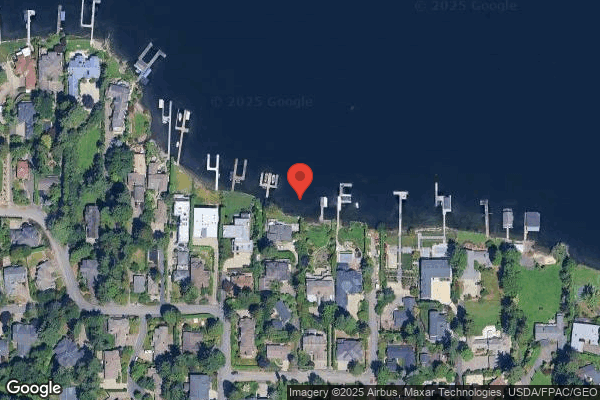

9107 FORTUNA DRIVE, MERCER ISLAND, WA 98040 (206) 316-8042
For profit - Corporation 43 Beds COVENANT LIVING Data: November 2025 1 Immediate Jeopardy citation
Trust Grade
43/100
#62 of 190 in WA
Last Inspection: December 2024

Within standard 12-15 month inspection cycle. Federal law requires annual inspections.

Overview

Covenant Shores Health Center has received a Trust Grade of D, indicating that it is below average and has some concerns. It ranks #62 out of 190 facilities in Washington, placing it in the top half, and #11 out of 46 in King County, meaning only ten local options are better. The facility is showing improvement, with issues declining from 17 in 2023 to 9 in 2024. Staffing is a strength, rated 5 out of 5 stars, but the turnover rate is 49%, which is average compared to the state. However, the facility has concerning fines totaling $190,005, the highest among Washington facilities, which suggests ongoing compliance issues. While there is good RN coverage, exceeding 95% of state facilities, recent inspector findings raised significant red flags. For example, the facility failed to implement proper infection control measures during a Norovirus outbreak, affecting 27 residents. Additionally, residents were not provided with timely written notices during transfers, which could lead to care misalignments. There were also concerns about food safety practices, as uncovered food was left exposed, risking contamination. Overall, while there are strengths in staffing and RN coverage, these serious deficiencies should be carefully considered by families.

Trust Score
D
43/100
In Washington
#62/190
Top 32%
Safety Record
High Risk
Review needed
Inspections
Getting Better
17 → 9 violations
Staff Stability
⚠ Watch
49% turnover. Above average. Higher turnover means staff may not know residents' routines.
Penalties
⚠ Watch
$190,005 in fines. Higher than 85% of Washington facilities, suggesting repeated compliance issues.
Skilled Nurses
✓ Good
Each resident gets 86 minutes of Registered Nurse (RN) attention daily — more than 97% of Washington nursing homes. RNs are the most trained staff who catch health problems before they become serious.
Violations
⚠ Watch
40 deficiencies on record. Higher than average. Multiple issues found across inspections.
★★★★☆
4.0
Overall Rating
★★★★★
5.0
Staff Levels
★★★★☆
4.0
Care Quality
★★★☆☆
3.0
Inspection Score
Stable
2023: 17 issues
2024: 9 issues

The Good

  • 5-Star Staffing Rating · Excellent nurse staffing levels
  • 4-Star Quality Measures · Strong clinical quality outcomes
  • Full Sprinkler Coverage · Fire safety systems throughout facility
  • No fines on record

Facility shows strength in staffing levels, quality measures, fire safety.

The Bad

Staff Turnover: 49%

Near Washington avg (46%)

Higher turnover may affect care consistency

Federal Fines: $190,005

Well above median ($33,413)

Significant penalties indicating serious issues

Chain: COVENANT LIVING

Part of a multi-facility chain

Ask about local staffing decisions and management

The Ugly 40 deficiencies on record

1 life-threatening
Dec 2024 9 deficiencies
CONCERN (D)

Potential for Harm - no one hurt, but risky conditions existed

Deficiency F0552 (Tag F0552)

Could have caused harm · This affected 1 resident

Based on observation, interview, and record review the facility failed to ensure residents were provided informed consent (ensuring an explanation of the risks and benefits was provided) for the use o...

Read full inspector narrative →
Based on observation, interview, and record review the facility failed to ensure residents were provided informed consent (ensuring an explanation of the risks and benefits was provided) for the use of a medical device for 1 of 1 (Residents 31) residents reviewed for positioning, and 1 supplemental resident (Resident 26). The failure to provide informed consent placed residents at risk for loss of autonomy. Findings included . <Resident 31> According to the 10/03/2024 Quarterly Minimum Data Set (MDS - an assessment tool) Resident 31 had diagnoses including a history of stroke and one-side paralysis. The MDS showed Resident 31had severe memory impairment, used a wheelchair for mobility, and depended on staff for most mobility needs. Observation on 12/10/2024 at 8:20 AM showed Resident 31 sitting at a table in the facility's [NAME] dining room. Resident 31 sat in a Tilt-in-Space wheelchair (a specialty wheelchair where the angle at which the user of the wheelchair is seated could be easily adjusted using handles behind the seat). The angle could not be adjusted by the chair's user, which had the potential to restrain the user. Review of Resident 31's record showed the record had a section where informed consent documentation was stored. There was no consent included showing Resident 31's representative was informed of the potential risks and benefits of the Tilt-in-Space wheelchair use. <Resident 26> According to the 11/06/2024 admission MDS, Resident 26 was assessed with a severe memory impairment and had medically complex diagnoses including dementia and a condition where brain function affected mental processing. The MDS showed Resident 26 used a wheelchair. Observation on 12/12/2024 at 10:04 AM showed Resident 26 seated in the [NAME] dining room. Resident 26 was in a Tilt-in-Space wheelchair. Review of Resident 26's record showed no consent was included showing Resident 26 or their representative were informed of the potential risks and benefits of the Tilt-in-Space wheelchair use. In an interview on 12/16/2024 at 9:39 AM, Staff B (Director of Nursing) stated they expected the informed consent process to be completed with the potential risks and benefits explained prior to use of a device such as a Tilt-in-Space wheelchair. REFERENCE: WAC 388-97-0260. .
CONCERN (D)

Potential for Harm - no one hurt, but risky conditions existed

Deficiency F0554 (Tag F0554)

Could have caused harm · This affected 1 resident

Based on observation, interview, and record review the facility failed to assess the resident's ability to self-administer their medications for 1 of 3 residents (Resident 29) reviewed. This failure p...

Read full inspector narrative →
Based on observation, interview, and record review the facility failed to assess the resident's ability to self-administer their medications for 1 of 3 residents (Resident 29) reviewed. This failure placed residents at risk for overdose or under dose of medical treatment when self-administering of the wrong dose, frequency, route, and time. Findings included . Observations on 12/09/2024 at 8:40 AM and 12/12/2024 at 12:16 PM showed Resident 29 with an inhaler, a tube of ointment, and a nasal spray on their bedside table. Review of the 12/2024 Medication Administration Records (MAR) showed Resident 29 could keep their inhaler at the bedside. The MAR showed no authorization to keep the nasal spray or the ointment at the bedside. Review of Resident 29's medical record found no assessments were completed to ensure Resident 29 could self-administer their inhaler, nasal spray or ointment according to the physician's instructions. In an interview on 12/12/2024 at 2:16 PM, Resident 29 stated I have to use the inhaler all the time, I do not need anyone to tell me how to use it. I need it on the table because if I need it at 3:00 AM, I cannot wait 20 minutes for them to bring it to me. Resident 29 stated the staff did not provide them with instructions or have them demonstrate how to use the inhaler, the nasal spray, or the ointment. Resident 29 stated the nurses knew the medications were kept on the bedside table. In an interview on 12/12/2024 at 2:36 PM, Staff G (Registered Nurse) reviewed the physician orders for Resident 29. Staff G stated the orders showed the inhaler could be kept at the bedside, but the nasal spray and the ointment did not have a physician order to keep them at the bedside. Staff G immediately went into Resident 29's room and removed the nasal spray and the ointment. In an interview on 12/12/2024 at 2:41 PM, Staff B (Director of Nursing) stated there should be a physician order for all medications kept at the resident's bedside. Staff B stated residents should be assessed for their ability to self-administer medications if they are kept at the bedside. In an interview on 12/16/2024 at 9:14 AM, Staff B stated Resident 29 should have and did not have a self-medication assessment for the medications at their bedside. Staff B stated there was a change in the medical records a couple months ago which removed the resident self-medication administration assessment. REFERENCE: WAC 388-97-0440, -1060(3)(l). .
CONCERN (D)

Potential for Harm - no one hurt, but risky conditions existed

Deficiency F0578 (Tag F0578)

Could have caused harm · This affected 1 resident

**NOTE- TERMS IN BRACKETS HAVE BEEN EDITED TO PROTECT CONFIDENTIALITY** <Resident 2> According to the 10/09/2024 admission MDS, Resident 2 admitted to the facility on [DATE] and was assessed wit...

Read full inspector narrative →
**NOTE- TERMS IN BRACKETS HAVE BEEN EDITED TO PROTECT CONFIDENTIALITY** <Resident 2> According to the 10/09/2024 admission MDS, Resident 2 admitted to the facility on [DATE] and was assessed with intact memory. Record review showed Resident 2 had a DPOA identified on their Face Sheet (a document listing a resident's personal information, contacts etc.). Record review showed there was no DPOA paperwork in place at the facility. Record review showed Staff C wrote a 10/03/2024 progress note showing Resident 2 told Staff C their relative had their DPOA paperwork. This note showed Staff C would reach out to the relative for a copy. There were no further progress notes indicating Staff C followed up regarding the DPOA paperwork. In an interview on 12/10/2024 at 1:23 PM, Resident 2 stated a relative was their DPOA. Resident 2 stated the facility knew they had a DPOA but was unsure of what efforts were made by the facility to obtain it. In an interview on 12/16/24 11:58 AM Staff C stated having AD paperwork in place was important so when a resident could not make their needs known, the facility would know whom to communicate regarding the resident's healthcare decision-making. Staff C stated they did their best to obtain AD paperwork, but it did not always happen. REFERENCE: WAC 388-97-0280 (3)(c)(i-ii), -0300 (1)(b), (3)(a-c). Based on interview and record review the facility failed to ensure residents had the appropriate Advanced Directive (AD) in place for 2 (Residents 31 & 2) of 3 residents reviewed for ADs. The facility failed to provide information indicating residents were informed, educated, or offered assistance to formulate an AD. This failure placed residents at risk of losing their right to have their stated preferences/decisions honored regarding medical treatment and end-of-life care. Findings included . <Facility Policy> According to the facility's September 2022 Advance Directives policy, if a resident had any ADs, the facility would obtain and maintain the document(s) to be readily available when needed to any facility staff. <Resident 31> According to the 10/03/2024 Quarterly Minimum Data Set (MDS - an assessment tool) Resident 31 admitted to the facility on [DATE] and had diagnoses including a history of stroke and one-sided paralysis. The MDS showed Resident 31 had a severe memory impairment. According to 07/01/2024 admission progress note, Resident 31's representative told Staff C (Social Worker) they were the resident's Durable Power of Attorney (DPOA - a legal surrogate for healthcare decision making). Resident 31's representative stated they would find and provide a copy of the DPOA paperwork. Record review showed no DPOA was on file for Resident 31. In an interview on 12/16/2024 at 10:27 AM, Staff C stated they inquired about AD paperwork upon admission and requested a copy for the records held at the facility, if they were in place. Staff C stated they documented efforts to obtain residents' ADs in admissions progress notes. Record review showed no further progress notes indicating any follow up to obtain the paperwork required to be maintained at the facility.
CONCERN (D)

Potential for Harm - no one hurt, but risky conditions existed

Investigate Abuse (Tag F0610)

Could have caused harm · This affected 1 resident

**NOTE- TERMS IN BRACKETS HAVE BEEN EDITED TO PROTECT CONFIDENTIALITY** <Resident 33> According to the 11/05/2024 admission MDS, Resident 33 had unclear speech, was sometimes understood by othe...

Read full inspector narrative →
**NOTE- TERMS IN BRACKETS HAVE BEEN EDITED TO PROTECT CONFIDENTIALITY** <Resident 33> According to the 11/05/2024 admission MDS, Resident 33 had unclear speech, was sometimes understood by others, and could sometimes understand others. The MDS showed the brief interview for mental status could not be completed because the resident was rarely understood and had a short-term memory problem. This assessment showed Resident 33 did not have any current skin tears or skin problems. Observation on 12/09/2024 at 1:07 PM showed Resident 33 lying in bed. Resident 33 had two, undated foam bandages in place to their right forearm. A similar observation on 12/12/2024 at 10:54 AM showed Resident 33 in bed with two, undated foam bandages to their right forearm. An undated foam bandage was observed to the resident's left shin. Bloody discharge was observed soaking through the foam bandage on Resident 33's shin. In an interview on 12/12/2024 at 11:02 AM, Staff G (RN) stated they unaware of any skin treatments for Resident 33. Staff G reviewed Resident 33's physician orders and confirmed there were no treatment orders in place. In an observation and interview on 12/12/2024 at 2:32 PM, Staff B assessed removed the foam bandages and assessed the wounds to Resident 33's right forearm and left shin. Staff B asked Resident 33 if they knew what happened to their arm and leg, Resident 33 could not say. Review of Resident 33's physician orders on 12/11/2024 showed a 10/30/2024 order directing staff to perform a skin assessment for any new skin issues, notify the provider, obtain treatment orders, and complete an incident report. Review of Resident 33's progress notes showed an 11/01/2024 note indicating Resident 33 had a skin tear, the note did not specify the location of the skin tear. A 12/08/2024 progress note showed staff documented the resident had a foam dressing covering a skin tear on their right forearm. A 12/09/2024 progress note showed staff documented Resident 33 had a foam dressing to their right forearm. There were no details or other progress notes indicating how the injury occurred, if appropriate staff were notified, or that an incident report was completed regarding the injuries. Review of the facility's October 2024, November 2024, and December 2024 incident log showed staff logged three falls for Resident 33. A fall on 11/13/2024, 11/24/2024, and 11/25/2024. Review of the three fall investigations showed staff documented the resident did not obtain an injury from any of the falls. The facility's incident log showed there were no incidents logged for Resident 33 regarding the skin tears/injuries of unknown origin. In an interview on 12/16/2024 at 9:14 AM, Staff B stated Resident 33's injuries should be investigated at the time of occurrence. Staff B stated it was important to investigate Resident 33's injuries because the resident had impaired memory, and the facility needed to ensure the resident was not abused. REFERENCE: WAC 388-97-0640(6)(a)(b). <Resident 23> According to the 10/02/2024 Significant Change MDS, Resident 23 was assessed with a severe memory impairment, and required substantial/maximal assistance to move in bed. The MDS showed Resident 23 had medically complex diagnoses including heart failure, peripheral vascular disease in their lower extremities, Diabetes, and dementia. The MDS showed Resident 23 had skin tears and required medical treatments for their skin. Observation on 12/10/2024 at 1:46 PM with Staff H (Registered Nurse - RN) showed Resident 23 had two scabbed areas on their left shin and a scab on their right shin. Review of the facility's incident reports from September through December 2024 showed a 09/08/2024 injury of unknown origin and an 11/07/2024 skin issue logged for Resident 23. Review of the 09/08/2024 injury of unknown origin investigation showed Resident 23 had a skin tear measuring six-by-three centimeters with bruising on their left lower leg. The aide stated they discovered the skin tear while providing care at 9:00 PM. The investigation showed Resident 23 told staff they did not know how the skin tear occurred. The investigation showed Resident 23 had increasingly fragile skin. The investigation did not identify a root cause of the skin tear. Review of the 11/17/2024 Skin Issue investigation showed the nurse's aide discovered a three-by-two-centimeter skin tear on Resident 23's right shin while providing care at 5:45 PM. The investigation showed Resident 23 could not describe how the skin tear occurred. The investigation did not identify a root cause of the skin tear. In an interview on 12/16/2024 at 9:14 AM, Staff B stated they expected all skin tears to be investigated. Staff B stated it was important to identify the root cause in order to prevent recurrence. Staff B stated the facility should have established root cause for Resident 23's skin tears.Based on observation, interview, and record review, the facility failed to thoroughly investigate a fall for 1 (Resident 88) of 3 residents reviewed for accidents, and rule out abuse/neglect for 2 (Resident 23 & 33) of 3 sampled residents reviewed for abuse. Facility failure to complete thorough investigations placed residents at risk for further falls, potential abuse, and other negative health outcomes. Findings included . <Facility Policy> According to the facility's Accidents and Incidents - Investigating and Reporting policy, all accidents and incidents involving facility residents should be thoroughly investigated. Review of the facility's September 2013 revised Skin Tears - Abrasions and Minor Breaks, Care of policy showed the facility would complete an in-house investigation of the cause of the skin injury. This policy showed when an abrasion/skin tear/bruise was discovered, an incident report would be completed. <Resident 88> According to the 12/06/2024 admission Minimum Data Set (MDS - an assessment tool) Resident 88 admitted to the facility on [DATE] and was assessed with intact memory, and required supervision for transfers and moving from sitting to standing. The MDS showed Resident 88 was continent of urine and bowel. The MDS showed Resident 88 had medically complex diagnoses including a recent Urinary Tract Infection (UTI), Atrial Fibrillation (AFib - an irregular/rapid heart rhythm) and orthostatic hypotension (a condition where blood pressure drops when moving from lying to sitting or sitting to standing and cause dizziness). According to the 11/30/2024 Baseline Care Plan (CP), Resident 88 was identified to be at risk for falling. This CP did not identify any fall precautions. Review of the facility's December 2024 Incident Log showed Resident 88 fell on [DATE] and sustained an injury. According to a 12/03/2024 physician's progress note, Resident 88 fell at around 10 AM on that date. The physician noted Resident 88's fall was not witnessed, the resident bumped the back of their head with no loss of consciousness noted, and called family members who reported Resident 88 sounded confused. Review of the facility's investigation into the 12/03/2024 unwitnessed fall concluded Resident 88 fell while transferring from their bed to a chair independently. The investigation showed upon discovery of Resident 88's fall, the nurse on duty initiated neurological checks (periodic assessment for brain injury after head trauma). The investigation showed Resident 88's blood pressure was measured at 101/54 after the fall. The investigation's conclusion identified pertinent diagnoses from Resident 88's personal medical history including a UTI history and a prior history of fainting (related to their AFib diagnosis). The investigation did not identify Resident 88's orthostatic hypotension diagnosis as a potential risk factor in the fall. Observation on 12/10/2024 at 10:15 AM showed a document hung on the wall of Resident 88's room. The document showed staff began documenting neurological checks for Resident 88 on 12/06/2024 at 5:30 AM and had rows for nursing staff to do neurological checks every 15 minutes until 6:15 AM, then every half hour until 9:15 AM, with longer intervals after until a final row was scheduled for night shift on 12/10/2024. The last row completed by nursing staff was at 6:45 AM on 12/06/2024. Five neurological checks were completed and 18 were left blank. According to a 12/06/2024 progress note, at 5:30 AM a nurse heard Resident 88 crying out for help from their room. Resident 88 was found lying on the floor on their left side with their walker next to them. The note showed Resident 88 denied hitting their head, no new head trauma was noted, and the nurse initiated neurological checks. There was no further notes showing why neurological checks were not completed. Review of the facility's investigation into the 12/06/2024 unwitnessed fall showed Resident 88 stated they fell walking to the bathroom. The investigation showed Resident 88's blood pressure was low (99/43) immediately after the fall. The investigation's conclusion identified pertinent diagnoses from Resident 88's personal medical history including a UTI history and prior history of fainting. The investigation did not identify Resident 88's orthostatic hypotension diagnosis as a potential risk factor in the fall, despite the earlier observation that the resident's blood pressure was low at that time. In an interview on 12/16/2024 at 9:55 AM, Staff B (Director of Nursing) stated the investigation did not identify Resident 88's orthostatic hypotension could be a risk factor for the resident's falls. Staff B stated they did not know why nurses did not complete neurological checks after the 12/06/2024 fall. Staff B stated it was their expectation the neurological exams were completed.
CONCERN (D)

Potential for Harm - no one hurt, but risky conditions existed

Comprehensive Care Plan (Tag F0656)

Could have caused harm · This affected 1 resident

<Resident 33> Review of Resident 33's 11/05/2024 admission MDS showed the resident had diagnoses including a stroke resulting in difficulty with communication and diabetes (inability to control ...

Read full inspector narrative →
<Resident 33> Review of Resident 33's 11/05/2024 admission MDS showed the resident had diagnoses including a stroke resulting in difficulty with communication and diabetes (inability to control blood sugar levels). This MDS showed Resident 33 received anti-diabetic medications during the assessment period. Review of Resident 33's 12/11/2024 physician orders showed the resident had a 10/30/2024 order for an oral anti-diabetic medication to be administered once daily, a 10/31/2024 order for another oral anti-diabetic medication to be administered twice daily, an 11/19/2024 order directing staff to administer an injectable anti-diabetic medication at night, and an 11/21/2024 order directing staff to administer an injectable anti-diabetic medication three times daily. Review of Resident 33's 11/06/2024 Comprehensive CP showed a goal that the resident would not experience a fall with an intervention to monitor the resident for signs and symptoms of high or low blood sugar. Review of the Comprehensive CP showed there was no CP developed related to Resident 33's diagnoses of diabetes. There were no instructions to staff on what interventions to implement if the resident experienced high or low blood sugar, what labs should be monitored, or when and if the physician should be notified. <Resident 7> Review of the 10/21/2024 readmission MDS showed Resident 7 was cognitively intact, had medically complex conditions including heart failure, kidney failure, and diabetes. The MDS showed Resident 7 required a diuretic (water pill) medication to manage their condition. In an observation and interview on 12/09/2024 at 2:47 PM, Resident 7 stated they had a lot of swelling in both feet. Resident 7 stated the nurses were not monitoring the swelling. Resident 7 stated the nurses gave them medication and the nurses must assume the medication was taking care of the swelling. Resident 7's representative removed the sheet and blanket to reveal Resident 7's bilateral swollen feet, ankles, and lower legs. Review of a 12/09/2024 Physician progress note showed Resident 7 had congestive heart failure, was prescribed a diuretic, was assessed with 1+ lower extremity edema, and trended towards fluid retention. The physician note showed the diuretic dose was doubled, a supplement was added, and orders for lab monitoring. Review of Resident 7's 05/01/2024 Comprehensive CP showed no instructions to monitor, document, or report changes in their edema. In an interview on 12/16/2024 at 9:14 AM, Staff B stated Resident 7 should have edema monitoring on their CP and document monitoring in the medical record. Staff B stated they relied on the nurses to monitor edema, report changes to the physician, and prevent skin breakdown. Staff B stated the nurses could update CPs but usually did not. Staff B stated the nurses should notify the care manager or the Director of Nursing for CP updates. <Resident 23> Review of a 09/08/2024 and an 11/07/2024 incident report showed Resident 23 obtained skin tears on their shins. The reports showed Resident 23 did not know how the injuries occurred. Resident 23's skin was assessed as fragile and easily bruised or torn. The reports showed Resident 23 was to wear skin protective sleeves on their arms and legs to protect their skin. The report showed staff was educated to make sure Resident 23 was wearing the sleeves at all times. Review of the 05/21/2020 Comprehensive CP showed Resident 23 had fragile skin, had prior skin tears on their lower legs, and was at risk for skin tears on their legs. The CP showed Resident 23 should wear Tubi sleeve (a protective covering for skin) to cover their shins and protect from injury. Observation on 12/09/2024 at 12:24 PM showed Resident 23 was sitting up in bed with legs exposed, feet covered by blankets with the bedside table placed over the bed. Resident 23 was eating lunch from the tray on the bedside table. Resident 23 did not have Tubi sleeves on their lower legs. An observation on 12/09/2024 at 1:46 PM showed Resident 23 was sitting up in bed awake with both legs covered with a sheet and blanket. The bedside table was placed over Resident 23's lap. Staff H (Registered Nurse) removed the blankets from Resident 23's legs to reveal both shins. The left shin had two scabs on the shin. The right shin had a large scab. Staff H stated the scabs were healed and did not know how or when they were obtained. Resident 23 did not have any Tubi sleeves on their lower legs. An observation on 12/11/2024 at 7:02 AM showed Resident 23 lying in bed sleeping. The bedside table was next to the bed. Resident 23's right foot was visible outside of the blankets. Resident 23 did not have any Tubi sleeves on the lower right leg. In an interview on 12/16/2024 at 9:14 AM, Staff B stated Resident 23 needed protection of their skin. Staff B stated the staff should follow the care plan and Resident 23 should have been wearing the skin protective sleeves. REFERENCE: WAC 388-97-1020(1),(2)(a)(b). Based on observation, interview, and record review the facility failed to develop and implement comprehensive Care Plans (CPs) for 5 (Residents 5, 31, 33, 7, & 23) of 12 sample residents whose CPs were reviewed. The failure to develop and/or implement comprehensive CP interventions left residents at risk for unmet care needs and other negative health outcomes. Findings included . <Resident 5> According to the 11/27/2024 5-Day Minimum Data Set (MDS - an assessment tool) Resident 5 had medically complex diagnoses including a heart condition that could cause fluid in the lungs. The MDS showed Resident 5 used supplemental oxygen upon admission and during the assessment look back period. Observation on 12/09/2024 at 2:52 PM showed Resident 5 had an oxygen concentrator and a nasal cannula (tubing to deliver supplemental oxygen to the nostrils.) The nasal cannula was resting on Resident 5's bedside table Record review showed an 11/21/2024 physician's order directing staff to provide Resident 5 supplemental oxygen at two liters per minute via a nasal cannula. Review of the 09/25/2024 comprehensive CP showed the facility did not develop a CP addressing Resident 5's supplemental oxygen use. There was no goal developed, and there were no directions for settings for the concentrator, or care and cleaning of the cannula and concentrator. In an interview on 12/16/2024 at 9:39 AM Staff B stated as Resident 5 had an order for and received supplemental oxygen, there should be an associated CP. Staff B stated facility nurses should have but did not develop an oxygen CP. <Resident 31> According to the 10/03/2024 Quarterly MDS, Resident 31 had diagnoses including a history of stroke and one-side paralysis. The MDS showed Resident 31 had severe memory impairment, used a wheelchair for mobility, and depended on staff for most mobility needs. The MDS showed Resident 5 did not receive a restorative nursing program (a program to help residents with range of motion or other impairments maintain their current function). Observation on 12/10/2024 at 11:05 AM showed Resident 31 lying in bed. The fingers on Resident 31's right hand were curled into the palm of their hand. Review of the 07/03/2024 comprehensive CP showed a Restorative Nursing Program . CP with a goal to maintain Resident 31's upper and lower range of motion on their right side. This CP did not indicate who was responsible for completion of the goal or specify a frequency for either the upper or lower body restorative program. In an interview on 12/16/2024 at 9:56 AM, Staff B stated they were not sure if it was determined Resident 31 did not require a restorative program and that could be the reason why the restorative CP was incomplete. In an interview on 12/16/2024 at 10:42 AM, Staff J (Director of Rehabilitation) confirmed Resident 31 was on a restorative nursing program.
CONCERN (D)

Potential for Harm - no one hurt, but risky conditions existed

Quality of Care (Tag F0684)

Could have caused harm · This affected 1 resident

Based on observation, interview, and record review the facility failed to complete a formal assessment prior to use of a Tilt-in-Space wheelchair (a specialty wheelchair with a seat and back that can ...

Read full inspector narrative →
Based on observation, interview, and record review the facility failed to complete a formal assessment prior to use of a Tilt-in-Space wheelchair (a specialty wheelchair with a seat and back that can be readjusted by a second party to reposition the user for comfort and/or pressure relief) for 1 of 2 residents (Resident 26) reviewed for accommodation of needs, and 1 of 1 residents (Resident 31) reviewed for positioning. The failure to ensure residents' Tilt-in-Space wheelchairs prior to use placed residents at risk for use of an inappropriate wheelchair, discomfort, and loss of bodily autonomy. Findings included . <Facility Policy> According to the facility's January 2020 Assistive Devices and Equipment policy, the facility would provide certain mobility equipment including wheelchairs to residents needing mobility assistance. The policy showed equipment recommendations would be made based on the comprehensive assessment and documented in the resident's Care Plan (CP). The policy showed an order to decrease the risk of avoidable accidents, to the extent possible, the appropriateness of the resident's condition would be assessed for determining the safest device, and for personal fit. <Resident 26> According to the 11/06/2024 admission Minimum Data Set (MDS - an assessment tool) Resident 26 was assessed with severe memory impairment and had medically complex diagnoses including dementia and a condition where brain function affected mental processing. The MDS showed Resident 26 used a wheelchair. The MDS showed Resident 26 required partial-to-maximal assistance with mobility. Observation on 12/09/2024 at 1:34 PM in the [NAME] dining room showed Resident 26 sitting at the dining table. Resident 26 was in a Tilt-in-Space wheelchair. The chair was labeled with another resident's name and room number. Record review showed there was no documentation that showed the facility assessed the suitability of a Tilt-in-Space wheelchair for Resident 26. Record review on 12/16/2024 showed the at risk for falls . CP included an intervention to assist Resident 26 with mobility using their Tilt-in-Space wheelchair for locomotion. Resident 26's comprehensive CP did not include any other interventions for the Tilt-in-Space wheelchair, did not explain why Resident 26 needed a Tilt-in-Space wheelchair, and did not include directions for appropriate use including positioning. In an interview on 12/12/2024 at 10:07 AM, Staff B (Director of Nursing) stated wheelchair assessments were completed by the facility's therapy department. In an interview on 12/16/2024 at 9:09 AM, Staff I (Physical Therapist) stated when residents discharged from therapy, the facility matched the resident with a chair of the appropriate size, but when a resident's needs were more specific, the facility worked with an Assistive technology provider. Staff I stated the purpose of a Tilt-in-Space wheelchair was to assist with redistributing weight for residents who needed periodic weight redistribution and could not redistribute their own weight. Staff I stated perhaps directions for use of the Tilt-in-Space wheelchair should be included in the CP. Staff I stated documentation of the assessment of the Tilt-in-Space wheelchair might be in the chart. Staff I stated in terms of a formal assessment of a Tilt-in-Space wheelchair for a resident, it was a matter of knowing what the resident needs. Staff I stated they would provide further documentation of the assessment process for Resident 26. No additional documentation was provided. <Resident 31> According to the 10/03/2024 Quarterly MDS, Resident 31 had diagnoses including a history of stroke and one-side paralysis. The MDS showed Resident 31 had severe memory impairment, used a wheelchair for mobility, and depended on staff for most mobility needs. Observation on 12/12/2024 at 10:04 AM showed Resident 31 seated in the [NAME] dining room. Resident 31 was in a Tilt-in-Space wheelchair. Record review showed there was no documentation that showed the facility assessed the suitability of a Tilt-in-Space wheelchair for Resident 31. Record review showed Resident 31's comprehensive CP provided instructions to use a Tilt-in-Space wheelchair for locomotion but did not explain why Resident 31 needed a Tilt-in-Space wheelchair, and did not include directions for appropriate use including positioning. In an interview on 12/16/2024 at 9:09 AM, Staff I stated they would provide any further documentation they could locate of the assessment process for Resident 31's. No additional documentation was provided. REFERENCE: WAC 388-97-1060(1). .
CONCERN (D)

Potential for Harm - no one hurt, but risky conditions existed

Deficiency F0761 (Tag F0761)

Could have caused harm · This affected 1 resident

Based on observation, interview, and record review the facility failed to ensure medications and biologicals were secured for 3 (Residents 14, 29, & 88) of 12 sample residents. The failure to ensure m...

Read full inspector narrative →
Based on observation, interview, and record review the facility failed to ensure medications and biologicals were secured for 3 (Residents 14, 29, & 88) of 12 sample residents. The failure to ensure medications were not left at the bedside with residents not assessed to be able to self-medicate placed residents at risk for receiving the wrong medications, incorrect dosages, and non-assessed, self-administration of medications by residents. Findings included . <Resident 14> Observation on 12/09/2024 at 9:32 AM showed Resident 14 lying in bed with their over-the-bed table across their lap. A bottle of lubricating eye drops was on the table next to them. Observation on 12/12/2024 at 2:19 PM showed Resident 14 lying in bed with their over-the-bed table across their lap. A medication cup containing two, white, oblong pills were observed as well as a bottle of lubricating eye drops sitting on the table. In an observation and interview on 12/12/2024 at 2:28 PM, Staff G (Registered Nurse) went to Resident 14's room and confirmed the medications at bedside. Staff G stated they were supposed to stay with the resident until the resident took the medications, but they did not. Review of Resident 14's records on 12/12/2024 showed no assessments or orders indicating the resident was able to self-administer or keep medications at their bedside. <Resident 29> Observation on 12/09/2024 at 8:40 AM showed Resident 29 with a tube of prescription ointment used for skin irritation, a prescription nasal spray, and a prescription inhaler at their bedside. Similar observations were made on 12/12/2024 at 2:16 PM. In an interview at that time, Resident 29 stated staff did not assess their ability to properly use the inhaler. In an interview on 12/16/2024 at 9:14 AM, Staff B (Director of Nursing) stated residents should have physician orders to keep medications at their bedside. Staff B stated staff should complete an assessment to ensure residents could correctly and safely self-administer medications. <Resident 88> Observation on 12/10/2024 at 1:16 PM showed a tube of oral anesthetic gel on the resident's bedside table. Similar observations were made on 12/11/2024 at 12:50 PM. In an interview on 12/16/2024 at 9:39 AM, Staff B stated Resident 88 should not have the oral anesthetic gel on their bedside table. REFERENCE: WAC 388-97-1300(2). .
CONCERN (E)

Potential for Harm - no one hurt, but risky conditions existed

Deficiency F0645 (Tag F0645)

Could have caused harm · This affected multiple residents

**NOTE- TERMS IN BRACKETS HAVE BEEN EDITED TO PROTECT CONFIDENTIALITY** Based on interview and record review, the facility failed to ensure a Pre-admission Screening and Resident Review (PASRR - a pro...

Read full inspector narrative →
**NOTE- TERMS IN BRACKETS HAVE BEEN EDITED TO PROTECT CONFIDENTIALITY** Based on interview and record review, the facility failed to ensure a Pre-admission Screening and Resident Review (PASRR - a process to determine if a potential nursing home resident had mental health/intellectual disability needs requiring further assessment/treatment) assessment was accurately completed for 3 (Residents 33, 7, & 2) of 5 residents reviewed for PASRR. This failure placed residents at risk for inappropriate nursing home placement and/or not receiving timely services to meet their mental health needs. Findings included . <Facility Policy> According to the facility's revised March 2019 admission Criteria policy, all new admissions were screened to determine if the resident met the criteria for mental disorders, intellectual disabilities, or related disorders. This policy showed if the resident met any of the criteria, they would be referred to the state PASRR representative for a Level II evaluation and determination. <Resident 33> According to the 11/05/2024 admission Minimum Data Set (MDS - an assessment tool), Resident 33 admitted to the facility on [DATE] and had a diagnosis of depression. The MDS showed Resident 33 received an antidepressant medication during the assessment period. Review of Resident 33's physician orders showed a 10/30/2024 order directing staff to administer an antidepressant medication daily. Resident 33 had a 10/30/2024 physician order directing staff to monitor the resident for signs/symptoms of depression every shift. Review of Resident 33's 10/30/2024 Level 1 PASRR under the section Serious Mental Illness Indicators showed depression was not marked for Resident 33, indicating Resident 33 did not have a serious mental illness. In an interview on 12/13/2024 at 9:34 AM, Staff C (Social Worker) reviewed Resident 33's PASRR and records. Staff C confirmed the PASRR did not capture Resident 33's depression diagnosis and required correction. Staff C stated it was important to have accurate PASRRs to ensure resident needs could be met at the facility. <Resident 7> According to the 04/30/2024 admission MDS, Resident 7 admitted to the facility on [DATE] and had a diagnosis of depression. This assessment showed Resident 7 received an antidepressant medication during the assessment period. Review of Resident 7's physician orders showed a 10/21/2024 order directing staff to administer an antidepressant medication daily. Resident 7 had a 10/21/2024 order directing staff to monitor the resident for signs/symptoms of depression every shift. Review of Resident 7's 04/23/2024 Level 1 PASRR showed Resident 7 had anxiety. The PASRR did not capture Resident 7's diagnoses of depression. <Resident 2> According to Resident 2's 10/09/2024 admission MDS, Resident 2 admitted to the facility on [DATE] and had diagnoses of anxiety, depression, and bipolar (mental disorder characterized by extreme mood swings). The MDS showed Resident 2 received antipsychotic, antianxiety, and antidepressant medications during the assessment period. Review of Resident 2's physician orders showed a 10/03/2024 order directing staff to administer an antianxiety medication twice daily, a 10/03/2024 order directing staff to administer an antipsychotic medication three times daily, and an 11/29/2024 order directing staff to administer an antidepressant once daily to the resident. A 10/03/2024 order instructed staff to monitor Resident 2 for signs/symptoms of depression, a 10/03/2024 order instructing staff to monitor the resident for signs/symptoms of behaviors of psychosis related to the antipsychotic medication, and a 10/03/2024 instructing staff to monitor Resident 2 for signs and symptoms of anxiety. Review of Resident 2's 10/03/2024 Level 1 PASRR completed by Staff C showed only Mood Disorders were marked. The PASRR did not capture Resident 2's anxiety diagnosis and the resident was not referred for a PASRR Level II evaluation. In an interview on 12/16/2024 at 11:51 AM, Staff C stated they were unaware of the new regulations regarding referring residents for Level II PASRR. REFERENCE: WAC 388-97-1915(1). .
CONCERN (F)

Potential for Harm - no one hurt, but risky conditions existed

Transfer Notice (Tag F0623)

Could have caused harm · This affected most or all residents

**NOTE- TERMS IN BRACKETS HAVE BEEN EDITED TO PROTECT CONFIDENTIALITY** Based on interview and record review, the facility failed to implement a system by which residents received required written not...

Read full inspector narrative →
**NOTE- TERMS IN BRACKETS HAVE BEEN EDITED TO PROTECT CONFIDENTIALITY** Based on interview and record review, the facility failed to implement a system by which residents received required written notices at the time of transfer or as soon as practicable for 3 (Residents 28, 5, & 7) of 4 residents reviewed for hospitalization. Failure to ensure notification to the resident and/or the resident's representative of the reason for transfer in writing and in a language and manner they understood, placed residents at risk for a transfer not in alignment with the resident's stated goals for care and preferences. Findings included . <Facility Policy> Review of the facility's October 2022 Transfer or Discharge, Facility-Initiated policy showed for emergent transfers, the resident and their representative would be provided a Notice of Transfer as soon as practicable. The notice would be provided in a form and manner the resident could understand. <Resident 28> According to the 07/30/2024 Discharge Minimum Data Set (MDS - an assessment tool), Resident 28 transferred to the hospital on [DATE] with their return anticipated. Review of Resident 28's records showed no documentation a written notice of transfer was provided to the resident, or their representative as required. <Resident 7> According to the 06/02/2024 Discharge MDS, Resident 7 transferred to the hospital on [DATE] with their return anticipated. According to the 06/16/2024 Discharge MDS, Resident 7 transferred to the hospital on [DATE] with their return anticipated. According to the 07/24/2024 Discharge MDS, Resident 7 transferred to the hospital on [DATE] with their return anticipated. According to the 10/13/2024 Discharge MDS, Resident 7 transferred to the hospital on [DATE] with their return anticipated. Review of Resident 7's records showed no documentation a written notice of transfer was provided to the resident, or their representative as required. <Resident 5> According to the 10/22/2024 Discharge MDS, Resident 5 transferred to the hospital on [DATE] with their return anticipated. According to the 11/14/2024 Discharge MDS, Resident 5 transferred to the hospital on [DATE] with their return anticipated. Review of Resident 5's records showed no documentation a written notice of transfer was provided to the resident, or their representative as required. In an interview on 12/12/2024 at 11:50 AM, Staff A (Administrator) and Staff B (Director of Nursing) confirmed the facility did not have a process for providing written transfers to residents and/or their representative at the time of transfer. REFERENCE: WAC 388-97-0120(2)(a-d). .
Sept 2023 15 deficiencies
CONCERN (D)

Potential for Harm - no one hurt, but risky conditions existed

Assessment Accuracy (Tag F0641)

Could have caused harm · This affected 1 resident

<Resident 1> Review of the 08/06/2023 Quarterly MDS showed Resident 1 was able to hear, had clear speech, could sometimes make themselves understood, and could sometimes understand others. Resid...

Read full inspector narrative →
<Resident 1> Review of the 08/06/2023 Quarterly MDS showed Resident 1 was able to hear, had clear speech, could sometimes make themselves understood, and could sometimes understand others. Resident 1 was assessed as able to be interviewed. The section of the MDS identifying resident preferences for daily routines and activities was not completed. This section included an area where staff could capture interviewable residents' responses to questions about daily and activities preferences and an area where staff could complete the assessment on the behalf of residents who were uninterviewable. The resident interview section of the MDS was dashed indicating the assessment was not completed within the required time frame. In an interview on 09/01/2023 at 9:29 AM, Staff J stated they were responsible for ensuring the activities preferences section of the MDS was completed and within the required time frame. Staff J stated they were recently on leave and were unsure who was responsible for completing the MDS in Staff J's absence. In an interview on 09/01/2023 at 1:50 PM, Staff M stated they were responsible for ensuring MDS assessments were completed. Staff M stated if assessments were not completed timely, then the assessment would be dashed indicating the assessment did not occur. Staff M stated when a staff member could not complete a section on the MDS, another staff member would perform the assessment. Staff M stated it was important to ensure timely completion of each section of the MDS to provide real-time assessment data. <Resident 16> According to the 08/04/2023 admission MDS, Resident 16 was alert, oriented, able to understand, and be understood by others during communication. The MDS did not show Resident 6 was edentulous (complete loss of all natural teeth). Review of the 07/28/2023 Nursing admission Evaluation assessment form showed Resident 16 was edentulous and had no natural teeth or tooth fragments. The oral status assessment showed Resident 16 had full upper and lower dentures. On 08/28/2023 at 3:21 PM, Resident 16 stated both their upper and lower dentures were loose. Resident 16 stated they coordinated care with their dentist independently. In an interview on 09/01/2023 at 12:54 PM, Staff M stated the MDS should be accurate as required. Staff M stated they worked remotely and completed the oral health assessment section in the MDS based on record review including admission notes. Staff M stated they did not perform physical oral assessments for residents when the MDS was completed. Staff M stated Resident 16's edentulous status should be captured in the MDS but was not. <Resident 6> According to the 07/18/2023 Quarterly MDS, Resident 6 had multiple medical diagnoses including memory impairment and was provided with one-person extensive assistance with personal hygiene including oral care. The MDS did not show Resident 6 was edentulous. Review of the 04/04/2019 Dental Care Plan (CP) showed Resident 6 was monitored for wearing upper and lower dentures. The CP listed interventions including assistance with denture care twice daily and denture placement monitoring with assistance when needed. In an observation and interview on 08/28/2023 at 1:17 PM, Resident 6 was eating lunch and stated they wore full upper and lower dentures and had no issues with chewing their food. In an interview on 09/01/2023 at 12:54 PM, Staff M stated Resident 6's edentulous status should be captured in the MDS but was not. REFERENCE: WAC 388-97-1000 (1)(b). Based on observations, interview, and record review the facility failed to ensure 6 of 14 (Residents 9, 3, 15, 1, 16 & 6) residents Minimum Data Set (MDS- an assessment tool) were completed accurately to reflect the resident's condition. This failure placed residents at risk for unidentified and/or unmet care needs. Findings included . <Resident 9> According to an 08/15/2023 admission MDS Resident 9 had multiple medically complex diagnoses including a brain bleed that caused muscle weakness to one side of their body. This MDS showed staff assessed Resident 9 to require extensive physical assistance from staff for bed mobility, transfers and had no impairment with functional limitation in Range Of Motion (ROM). Observation on 08/30/2023 at 9:07 AM showed Resident 9 using their left hand to try to remove a lid off a food container. In an interview at that time, Resident 9 stated they could no longer use their right arm for tasks due to having a stroke. Review of an 08/09/2023 Occupational Therapy (OT) evaluation showed documentation Resident 9 had decreased strength and ROM with their Right Upper Extremity (RUE) related to a stroke with decreased functional mobility which impacted their activities of daily living. In an interview on 09/01/2023 at 1:41 PM, Staff M (MDS Nurse) stated they did not capture the RUE limitation as identified in the OT evaluation on Resident 9's 08/15/2023 admission MDS. Staff M stated the MDS was coded inaccurately and should be modified to reflect Resident 9's identified RUE functional limitation in ROM. <Resident 3> Review of Resident 3's 06/03/2023 Quarterly MDS showed the section identifying resident preferences for daily routines and activities was not completed. The section included an area where staff could capture a interviewable residents' responses to interview questions about daily and activities preferences, and an area where staff could complete an assessment on behalf of residents who were uninterviewable. Both sections had dashes where responses were required. The signature page for the MDS showed no staff signed they completed the preferences section. In an interview on 08/31/2023 at 2:06 PM Staff J (Activities Coordinator) stated the activities department was responsible for completion of the daily and activities preferences section of the MDS. Staff F stated they were on a leave of absence at the time and were unsure who was responsible in their absence. Staff F stated the assessment should be completed. <Resident 15> Review of Resident 15's 08/17/2023 Annual MDS showed the section identifying resident preferences for daily routines and activities was not completed. The signature page of the assessment was signed by Staff M (Registered Nurse/MDS Coordinator). In an interview on 08/31/2023 at 2:06 PM Staff J stated they completed the interview but was told by Staff M the completion date for the MDS already passed and it was necessary to dash the section.
CONCERN (D)

Potential for Harm - no one hurt, but risky conditions existed

Deficiency F0645 (Tag F0645)

Could have caused harm · This affected 1 resident

Based on interview and record review, the facility failed to ensure a Pre-admission Screening and Resident Review (PASRR - a process to determine if a potential nursing home resident had mental health...

Read full inspector narrative →
Based on interview and record review, the facility failed to ensure a Pre-admission Screening and Resident Review (PASRR - a process to determine if a potential nursing home resident had mental health/intelectual disabilty needs which required further assessment/treatment) assessment was obtained to reflect the residents' mental health conditions for 1 of 6 (Resident 9) residents reviewed for PASRR. This failure placed residents at risk for inappropriate nursing home placement and/or not receiving timely and necessary services to meet their mental health needs. Findings included . According to a revised March 2019 facility admission Criteria policy, all new admissions and readmissions are screened for Mental Disorders (MD), Intellectual Disabilities (ID) or Related Disorders (RD) per the PASRR process. This policy stated the facility would conduct a Level 1 PASRR screen for all potential admissions to determine if the individual meets the criteria for a MD, ID, or RD and, if indicated, would refer the resident to the state PASRR representative for a Level 2 (evaluation and determination) screening process. <Resident 9> The 08/15/2023 admission Minimum Data Set (MDS - an assessment tool) showed Resident 9 had multiple medically complex diagnoses including dementia and depression and required the use of an antidepressant medication. Review of Resident 9's records showed no PASRR Level 1 was available in the resident's records. In an interview on 09/01/2023 at 2:40 PM, Staff L (Social Worker) stated they reviewed Resident 9's records and their facility email records and was unable to locate a PASRR Level 1 form. Staff L stated a PASRR Level 1 form should be but was not obtained on admission and located in Resident 9's records. REFERENCE: WAC 388-97-1915 (1). .
CONCERN (D)

Potential for Harm - no one hurt, but risky conditions existed

Comprehensive Care Plan (Tag F0656)

Could have caused harm · This affected 1 resident

<Resident 6> According to the 07/18/2023 Quarterly MDS, Resident 6 had multiple medical diagnoses including dementia with behavioral disturbance, depression, and anxiety. The MDS showed Resident...

Read full inspector narrative →
<Resident 6> According to the 07/18/2023 Quarterly MDS, Resident 6 had multiple medical diagnoses including dementia with behavioral disturbance, depression, and anxiety. The MDS showed Resident 6 was administered antipsychotic and antidepressant medications during the assessment period. The 04/04/2019 dementia CP listed interventions instructing nurses to: (1) monitor adverse side effects related to Resident 6's antipsychotic use including somnolence (a state of drowsiness/sleepiness or strong desire to fall asleep), and (2) report Resident 6's behaviors to the nurse and the provider. On 08/28/2023 at 10:28 AM, Resident 6 was observed slumped in the wheelchair sleeping in front of the table at the activities hall while a painting activity occurred. On 08/29/2023 at 9:48 AM, Resident 6 was observed unattended, sleeping in their wheelchair in front of the table at the Activities Hall with a couple of magazines left open. On 08/30/2023 at 9:04 AM, Resident 6 was observed sleeping in their wheelchair at the Activities Hall with their breakfast half-eaten on of the table in front of them. At 12:42 PM, Resident 6 was observed falling asleep while eating their lunch. On 08/31/2023 at 7:51 AM, Resident 6 was observed unattended and sleeping in their wheelchair at the Activities Hall. On 09/01/2023 at 11:04 AM, Resident 6 was observed sleeping in a recliner at the Activities Hall while a reading activity with multiple residents gathered around the table occurred. Review of Resident 6's progress notes from 08/28/2023 until 8/31/2023 did not show the nursing staff monitored and/or documented the resident's excessive somnolent behavior. There was no documentation found in Resident 6's medical records that showed the provider was notified by the nursing staff regarding Resident 6's behavior. In an interview on 09/01/2023 at 11:43 AM, Staff C stated the CP was important because it outlined the care needed by residents. Staff C stated the nursing staff should have monitored, documented, and notified the physician regarding Resident 6's excessive somnolent behavior as care planned, but did not. REFERENCE: WAC 388-97-1020(1), (2)(a)(b). <Resident 11> According to the 08/10/2023 admission MDS, Resident 11 had multiple medically complex diagnoses including dementia and depression. This MDS showed Resident 11 was assessed to require extensive physical assistance from staff for bed mobility, dressing, eating, toilet use, personal hygiene, and bathing. Review of Resident 11's Comprehensive CP showed no CP was established by staff to address the resident's dementia diagnosis. In an interview on 09/01/2023 at 1:36 PM, Staff C stated staff should have, but did not establish a CP to address Resident 11's dementia diagnoses and care. <Resident 139> According to a 08/29/2023 admission MDS, Resident 139 had multiple medically complex diagnoses including the inability to fully empty urine from their bladder and required the use of a catheter (a tube inserted into the bladder through which urine drained.) Review of Resident 139's Comprehensive CP showed no CP was established by staff to address the resident's use of a urinary catheter. In an interview on 09/01/2023 at 1:36 PM, Staff C reviewed Resident 139's records and confirmed staff did not but should have established a catheter CP for Resident 139.Based on observation, interview, and record review the facility failed to develop and implement comprehensive Care Plans (CPs) for 5 of 14 (Residents 3, 13, 11, 139 & 6) sample residents. Failure to develop comprehensive CPs for refusals (Resident 3), dementia care (Residents 13 and 11), catheter care (Residents 139), and implement CP interventions identified related to antipsychotic medication use (Residents 6) left residents at risk for unmet care needs, and other negative health outcomes. Findings included . <Resident 3> According to the 06/03/3023 Quarterly Minimum Data Set (MDS - an assessment tool) Resident 3 was moderately cognitive impaired (had moderate difficulty with problem solving and forming memories), and had diagnoses including traumatic brain dysfunction (impaired brain function after trauma), right-sided hemiplegia (one-sided paralysis) and dementia (a progressive disease affecting thought processes). The MDS showed Resident 3 had no refusals of care during the assessment period. Review of the . Mobility Deficit . CP showed Resident 3 had limited range of motion to their arms and legs. The CP showed Resident 3 used a wheelchair that reclined backwards to allow the resident to be repositioned. The CP included an intervention that showed Resident 3 frequently refused to recline in their wheelchair or to go to bed when tired or sleepy. The intervention did not provide direction to staff on how to approach or redirect Resident 3 when they refused. No other CP was noted addressing Resident 3's refusal of care. Observations on 08/28/2023 at 2:58 PM, 08/29/2023 at 12:55 PM, 08/30/2023 at 8:23 AM and 856 AM, and on 08/31/2023 at 3:20 PM showed Resident in their wheelchair. During none of these observations was Resident 3's wheelchair tilted back. In an interview on 09/01/2023 at 1:00 PM Staff B (Director of Nursing) stated Resident 3 often refused care such as repositioning. Staff B stated a CP was developed addressing Resident 3's refusal of care and would be provided to surveyors. The CP provided later was Resident 3's . Mobility Deficit . CP that did not address the purpose of the refusals or offer direction to staff on how to approach or redirect the resident when they refused. <Resident 13> According to the 08/01/2023 admission MDS Resident 13 had diagnoses including dementia and depression. The MDS showed Resident 13 was assessed to require extensive assistance for bed mobility, eating, using the toilet, and personal hygiene. Review of Resident 13's Comprehensive CP showed no CP was developed to address the resident's dementia diagnosis. In an interview on 09/01/2023 at 9:26 AM Staff C (Resident Care Manager) stated they expected a resident with a dementia diagnosis to have a dementia-focused CP in place. When asked if a dementia CP was developed for Resident 13, Staff B stated a CP was developed for the resident's depression with insomnia diagnosis. Staff B stated the two diagnoses required different interventions.
CONCERN (D)

Potential for Harm - no one hurt, but risky conditions existed

Deficiency F0658 (Tag F0658)

Could have caused harm · This affected 1 resident

**NOTE- TERMS IN BRACKETS HAVE BEEN EDITED TO PROTECT CONFIDENTIALITY** <Resident 189> According to 08/18/2023 Entry Tracking MDS, Resident 189 admitted to the facility on [DATE] from the hospit...

Read full inspector narrative →
**NOTE- TERMS IN BRACKETS HAVE BEEN EDITED TO PROTECT CONFIDENTIALITY** <Resident 189> According to 08/18/2023 Entry Tracking MDS, Resident 189 admitted to the facility on [DATE] from the hospital after having surgery. Review of the 08/18/2023 Baseline Care Plan (CP) showed surgical wound care was indicated for Resident 189. The CP included a nursing goal to ensure Resident 189's skin remained clean and intact. The CP showed Resident 189 was capable of verbal communication and their primary language was English. Review of the 08/18/2023 Nursing admission note showed a skin check was completed and Resident 189 had surgical wounds to: (1) the left side of their face that extended to the neck, and (2) the left flank area. The admission note showed no other skin issues were noted. On 08/28/2023 at 1:48 PM, Resident 189 stated they had a sore spot on their buttocks area since their hospitalization. Observation of Resident 189's buttocks during a skin assessment on 08/30/2023 at 1:22 PM with Staff X (Certified Nursing Assistant - CNA) and Staff Y (CNA) showed an area of redness that was intact and slow to blanch. Review of the 2023 August Treatment Administration Record (TAR) showed two 08/18/2023 POs that instructed the nursing staff to perform a skin assessment weekly and to complete a Braden Scale Risk Evaluation (a clinical tool used to assess the risk for skin breakdown) for four weeks. There was no documentation found in Resident 189's medical records that showed a skin assessment was performed or a Braden Scale Risk Evaluation was completed on 08/25/2023, one week after Resident 189's facility admission on [DATE]. In an interview on 08/30/2023 at 1:54 PM, Staff O (Registered Nurse) stated there was no cue found in the TAR for them to perform a skin assessment or complete a Braden Scale Risk Evaluation as ordered, I am not sure how the physician's order was put in the software system . Staff O stated the POs should have but were not done. In an interview on 08/30/2023 at 2:41 PM, Staff C stated they expected the nursing staff to follow POs and to perform the weekly skin assessment per facility protocol. In an interview on 08/31/2023 at 9:59 AM, Staff B (Director of Nursing) stated it was important to conduct timely skin assessments to ensure skin issues among residents were identified and the potential for skin breakdown was prevented. <Resident 21> According to a 07/06/2023 Quarterly MDS, Resident 21 had multiple medically complex diagnoses including depression and required the use of antidepressant medications during the assessment period. Review of a 01/16/2023 physician progress note showed directions to staff to decrease the antidepressant medication to three times weekly. This order was implemented by staff on 01/16/2023. On 01/24/2023 the physician gave directions to staff in a progress note to increase the antidepressant medication back to daily administration. This order was not implemented until 04/06/2023, over two months later. Review of January through August 2023 MARs showed staff were administering the antidepressant medication to Resident 21 daily since 04/06/2023. In an interview on 09/01/2023 at 1:36 PM, Staff C stated their expectation was for staff to follow physician orders and/or recommendations, and changes should be implemented immediately when obtained. Staff C stated Resident 21's antidepressant medication dose change should have been but was not implemented by staff on 01/24/2023. <Clarify POs> <Resident 11> <Pain Medications> According to a 08/10/2023 admission MDS, Resident 11 had multiple medically complex diagnoses including fractures and required the use of scheduled pain medications in the previous five days of the assessment period. Review of August 2023 MAR showed Resident 11 had an order for a non-narcotic pain medication to be given every six hours as needed for mild pain This medication was administered by staff on: 08/06/2023 for a pain level of 4; 08/16/2023 for a pain level of 5; and on 08/24/2023 for pain level of 6. Resident 11 had an additional order for a narcotic pain medication to be given every four hours as needed for pain or general distress. This medication was not administered by staff in August 2023. There were no directions to staff to indicate what parameters should be used to identify what mild pain was versus utilizing the narcotic pain medication for pain or general distress. In an interview on 09/01/2023 at 1:36 PM, Staff C stated mild pain was usually defined as a pain level of less than 5 but indicated it should be individualized for each resident. Staff C stated Resident 11's orders should have been clarified to provide directions to staff for pain medication parameters. <Bowel Medications> Review of August 2023 MAR showed Resident 11 had an order for a laxative tablet to be given by mouth two times daily as needed for constipation and an additional order for a suppository laxative to be given one time daily as needed for constipation. There were no directions to staff to indicate which medication should be used first when resident was experiencing constipation. In an interview on 09/01/2023 at 1:36 PM, Staff C stated Resident 11's constipation medications should be clarified to include directions to staff for which medications to administer. <Resident 141> During medication administration observations on 08/30/2023 at 9:40 AM, Staff O (Registered Nurse) was observed preparing and administering medications for Resident 141. Review of the August 2023 MAR showed Resident 141 was administered a medication for insomnia (difficulty sleeping) during the observed morning medication administration. In an interview on 08/30/2023 at 10:08 AM, Staff O reviewed Resident 141's medication order for insomnia and stated the order should be clarified. Staff O reviewed Resident 141's records and indicated the diagnosis for Resident 141's medication was not accurate as the medication was a stimulant (used to treat excessive daytime sleepiness). An 08/16/2023 progress note showed staff documented Resident 141 was on the stimulant medication for somnolence [a state of drowsiness]. In an interview on 09/01/2023 at 1:36 PM, Staff C stated Resident 141's physician's order for the stimulant medication should have been, but was not clarified by staff. REFERENCE: WAC 388-97-1620(2)(b)(i)(ii),(6)(b)(i). Based on observation, interview, and record review the facility failed to follow/implement Physician's Orders (POs) for 3 (Residents 13, 189, & 21) of 14 sample residents reviewed, and failed to clarify POs for 2 (Residents 11 & 141) of 14 sample residents reviewed. These failures left residents at risk for unmet care needs, and frustration. Findings included . <Follow/Implement POs> <Resident 13> According to the 08/01/2023 admission Minimum Data Set (MDS - an assessment tool) Resident 13 had diagnoses including arthritis and an infection/inflammatory reaction due to a right prosthesis (artificial joint). The MDS showed Resident 13 experienced occasional pain and received opioid pain medications. Review of the August 2023 Medication Administration Record (MAR) showed Resident 13 had two orders for a narcotic pain medication. The first order was for 2.5 Milligrams (MG) to be given every hours as needed for a pain range of 5-7 out of 10. The second order was for 5 MG every four hours as needed for a pain range of 8-10 out of 10. The August 2023 MAR showed on 08/03/2023 Resident 13 was given 5 MG of the narcotic pain medication for a pain of 7 when the order showed 2.5 MG should be provided for that level of pain. The August 2023 MAR showed on 08/25/2023 Resident 13 was given 2.5 MG of the narcotic for a pain of 8 when the order showed 5 MG should be given. On 09/01/2023 at 1:36 PM, Staff C (Resident Care Manager) stated pain medications should have parameters to direct staff on which medication to give. Staff C stated when medications have parameters, the nurse should follow the ordered parameters.
CONCERN (D)

Potential for Harm - no one hurt, but risky conditions existed

Quality of Care (Tag F0684)

Could have caused harm · This affected 1 resident

Based on observation, interview, and record review the facility failed to assess, monitor, and/or treat wounds for 2 of 3 (Resident 1 & 239) residents reviewed for non-pressure skin issues. These fail...

Read full inspector narrative →
Based on observation, interview, and record review the facility failed to assess, monitor, and/or treat wounds for 2 of 3 (Resident 1 & 239) residents reviewed for non-pressure skin issues. These failures placed residents at an increased risk for infection, untreated skin impairments, and a diminished quality of life. Findings included . <Resident 1> Review of the 08/06/2023 Quarterly Minimum Data Set (MDS - an assessment tool) showed Resident 1 had a memory impairment, required extensive assistance for bed mobility and rolling from right to left. Resident 1 had diagnoses including dementia, chronic pain, and depression. Observation on 08/29/2023 at 10:12 AM showed a bandage wrapped around Resident 1's right lower leg just above the ankle. Review of the 08/2023 Treatment Administration Record (TAR) showed no treatment order for the right lower extremity. Weekly documentation under the skin check section of the 08/2023 TAR showed Staff O (Registered Nurse) documented the presence of a chronic wound on the right leg (ankle) on 08/07/2023, 08/21/2023, and 08/28/2023. Review of the Care Plan (CP) showed Resident 1 had a wound to the right lower leg that resolved 01/23/2023. Interventions to prevent recurrence included to relieve pressure to the right leg while in bed. Observation on 08/29/2023 at 10:12 AM showed the right leg resting directly on the mattress. Observations showed the right leg directly on the mattress on 08/30/2023 at 10:06 AM, 08/31/2023 at 11:45 AM, 09/01/2023 at 10:04 AM. <Resident 239> Review of the 08/23/2023 admission MDS showed Resident 239 was assessed to be cognitively intact and had complex diagnoses including a left hip fracture with surgical repair. Observation and interview on 08/28/2023 at 10:30 AM showed Resident 239 had a bandage on their left hip. Resident 239 stated they just had hip surgery after a fall and had the surgical site bandaged. Resident 239 stated no facility staff inquired about the bandage or surgical site. Review of 08/2023 TAR showed no Physician Orders (PO) for monitoring or treatment of the left hip surgical site. Resident 239 had gone 9 days without treatment or monitoring to their left hip. Review of the 08/2023 CP showed Resident 239 had a left hip fracture and a surgical repair. No care instructions to the surgical site were included in the CP. In an interview on 09/01/2023 at 10:09 AM Staff Z (Registered Nurse) stated surgical wounds should be monitored and treated per physician order. Staff Z stated if monitor or treatment could not be found the assigned nurse should notify the provider and obtain them. Staff Z stated not monitoring or treating surgical wounds could lead to infection or worsening outcomes. In an interview on 09/01/2023 at 11:15 AM Staff B (Director of nursing) stated they expected treatment and or monitoring of all wounds. Staff B stated not doing so could result in infection, worsening condition, and death. REFERENCE: WAC 388-97-1060(1)(3)(b). .
CONCERN (D)

Potential for Harm - no one hurt, but risky conditions existed

Pressure Ulcer Prevention (Tag F0686)

Could have caused harm · This affected 1 resident

Based on observation, interview, and record review the facility failed to identify and provide interventions to prevent the development of a pressure injury for 1 of 3 (Resident 29) sampled residents ...

Read full inspector narrative →
Based on observation, interview, and record review the facility failed to identify and provide interventions to prevent the development of a pressure injury for 1 of 3 (Resident 29) sampled residents reviewed for pressure ulcers. This failure resulted in the development of pressure injuries, unmet care needs, and a diminished quality of life. Findings included . <Facility Policy> The April 2018 Pressure Ulcers/Skin Breakdown - Clinical Protocol facilty policy showed the nursing staff assessed and documented residents' significant risk factors for developing pressure ulcers including immobility. The policy showed the physician would help identify and order medical treatment and intervnetions related to wound management. <Resident 29> Review of the 07/28/2023 Quarterly Minimum Data Set (MDS - an assessment tool) showed Resident 29 had a stage 3 (involving multiple layers of skin) pressure ulcer and was assessed to be at risk for the development of new pressure injuries. The MDS showed Resident 29 was provided with extensive assistance of two or more nursing staff with bed mobility and repositioning. Review of the 04/23/2023 Care Plan (CP) showed Resident 29 required the heels to be floated (a pressure distribution technique) when in bed, and podus boots (pressure distribution footwear) while in the wheelchair. Review of the 08/23/2023 wound care assessment showed Resident 29 developed blisters (a pressure sore) on both heels. Review of the 07/25/2023 Physicians Orders (POs) showed Resident 29 was to have a treatment of hydrofera blue (a wound treatment) applied to the wound. Observation on 08/29/2023 at 2:11 PM showed Resident 29 positioned flat on their back and both heels were directly on a pillow and were not floated. In an observation on 08/30/2023 at 9:15 AM showed the heels were directly pressed on the mattress. Observation of a dressing change on 08/31/2023 at 12:43 PM showed Resident 29 did not have hydrofera blue applied to their wound as ordered. At the same date and time, Staff C (Resident Care Manager) stated there was no treatment in place. Observation on 08/31/2023 at 4:20 PM showed Resident 29 was sitting in their wheelchair in the lobby while waiting to be picked up for an appointment. Resident 29 had both feet on the footrest and wore blue non-skid socks. There were no podus boots observed worn at that time as care planned. In an interview on 09/01/2023 at 11:34 AM, Staff B (Director of Nursing) stated it was important to follow the POs and the interventions outlined in Resident 29's CP to prevent worsening of their wounds. Staff B stated it was their expectation orders and care plan interventions were followed by the nursing staff. REFERENCE: WAC 388-97-1060(3)(b). .
CONCERN (D)

Potential for Harm - no one hurt, but risky conditions existed

Deficiency F0688 (Tag F0688)

Could have caused harm · This affected 1 resident

**NOTE- TERMS IN BRACKETS HAVE BEEN EDITED TO PROTECT CONFIDENTIALITY** Based on observation, interview, and record review, the facility failed to ensure proper positioning approaches were provided fo...

Read full inspector narrative →
**NOTE- TERMS IN BRACKETS HAVE BEEN EDITED TO PROTECT CONFIDENTIALITY** Based on observation, interview, and record review, the facility failed to ensure proper positioning approaches were provided for 1 of 2 (Resident 3) residents reviewed for positioning. Failure to provide proper positioning left residents at risk for contractures (irreversible tightening of a joint), discomfort, and pain. Findings included . <Resident 3> According to the 06/03/2023 Quarterly Minimum Data Set (MDS - an assessment tool) Resident 3 had diagnoses including traumatic brain dysfunction (loss of brain function after a head injury), dementia (a progressive condition where a person's memeory and thight function diminish over time), and hemiplegia (one-sided paralysis). The MDS showed Resident 3 required extensive assistance with transfers and used a specialty wheelchair for mobility/positioning. Record review showed the Comprehensive Care Plan (CP) included a . Mobility deficit . CP. This CP showed Resident 3 needed extensive one-person assistance with transfers. The CP showed Resident 3 frequently refused to be reclined (for repositioning) in their wheelchair. The CP did not offer direction to staff on what they should do, if anything, when Resident 3 refused. The Falls and Comfort/pain CPs directed staff to assess Resident 3 for repositioning. Resident 3's Comfort/Pain CP showed staff should offer repositioning to Resident 3 prior to administration of pain medications. Observation on 08/28/2023 at 2:58 PM showed Resident 3 in their wheelchair. Resident 3's head leaned far enough to the right that a washcloth was securely placed between their chin and their right shoulder. Resident 3's chair was not reclined, and no other positioning techniques (such as pillow or rolled up blanket etc.) were in place. On 08/29/2023 at 12:55 PM Resident 3 was observed in the [NAME] dining room, eating lunch. Resident 3's head was tilted far to their right. Their chair was not reclined, and no other positioning approaches were observed to be in place. On 08/30/2023 at 8:23 AM Resident 3 was observed in their wheelchair in their room with their neck leaning far to the right. The wheelchair was not reclined, and no other positioning approaches were in place. On 08/30/2023 at 8:56 AM Resident 3 was observed eating breakfast in the room. Resident 3's head was slumped to the right side. The wheelchair was not reclined, and no other positioning techniques were observed to be in place. On 08/31/2023 at 3:20 PM Resident 3 was observed in their un-tilted wheelchair, with no other positioning approaches observed to be in place. In an interview at that time Resident 3 stated when their head tilted to the side it was uncomfortable. In an interview on 09/01/2023 at 10:03 AM, Staff B (Director of Nursing) stated Resident 3 was strong willed, liked to do for self, and often refused to be tilted. Staff B stated they were unsure if the facility's Social Services department were involved with Resident 3's refusals. Staff B stated if there was no Refusals CP, one should be developed. In an interview on 09/01/2023 at 1:00 PM Staff B stated Resident 3 refused everything including pillows. Staff B stated Resident 3's refusals were care planned and stated Staff C (Resident Care Manager) located the Refusals CP. Staff B stated they would provide the Refusals CP. No CP was provided at that time. In an interview on 09/01/2023 at 1:02 PM Staff C stated the facility used alternate techniques such as pillows to assist with repositioning Resident 3. Staff C stated the [NAME] (instructions to nurse aides) included direction to reposition. Staff C stated the specific repositioning approaches were communicated to staff verbally. When asked if this was effective, Staff C did not answer. In an email on 09/06/2023, Staff A (Administrator) stated they would provide the Refusals CP. In a follow up email, Staff A provided the same Mobility Deficit CP that described the resident's refusal to be tilted but offered no direction to direct care staff on what to do when Resident 3 refused. Refer to F656 - Develop/Implement Comprehensive CP. REFERENCE: WAC 388-97-1060 (3)(d), (j)(ix). .
CONCERN (D)

Potential for Harm - no one hurt, but risky conditions existed

Accident Prevention (Tag F0689)

Could have caused harm · This affected 1 resident

**NOTE- TERMS IN BRACKETS HAVE BEEN EDITED TO PROTECT CONFIDENTIALITY** Based on interview and record review, the facility failed to implement the fall management policy for 1 of 3 (Resident 15) sampl...

Read full inspector narrative →
**NOTE- TERMS IN BRACKETS HAVE BEEN EDITED TO PROTECT CONFIDENTIALITY** Based on interview and record review, the facility failed to implement the fall management policy for 1 of 3 (Resident 15) sample residents reviewed for falls. This failure left residents at risk for falls, injuries, and a diminished quality of life. Findings included . <Facility Policy> The facility's March 2018 Fall and Fall Risk Management policy showed if a resident fell despite fall interventions, facility staff must implement additional or different interventions to prevent further falls. The policy showed if a resident continued to fall, staff must reevaluate the efficacy of the interventions. <Resident 15> According to the 08/17/2023 Annual Minimum Data Set (MDS - an assessment tool) Resident 15 was assessed with severe cognitive impairment (a diminished ability to make decisions/form new memories) and required one-person supervision for walking in their room and in the corridor, and for transferring from a seated or lying position to standing. The MDS showed Resident 15 was assessed with moderately impaired vision including when using corrective lenses. The MDS showed Resident 15 had diagnoses including osteoporosis, dementia, orthostatic hypotension (a drop in blood pressure when sitting up/standing up), and macular degeneration. The MDS showed Resident 15 used a walker for mobility. Review of the facility's Incident Report Log showed Resident 15 fell on [DATE], 05/26/2023, 06/03/2023, 06/04/2023, 06/05/2023, 06/06/2023, 07/03/2023, 07/12/2023, and 07/26/2023. The facility's investigation into the 04/22/2023 fall showed the following: at 9:00 PM staff heard a loud bang and found Resident 15 on the ground by their bedroom with their walker flipped next to them. Resident 15 was noted to have a small bump on the back of their head. The investigation identified resident action or internal risk factors as the root cause of the fall. The Investigation included a Recommendations section, completed by Staff B (Director of Nursing) that showed resident educated to ask for assistance as needed, and encouraged to use call light, neuro[logical checks - monitoring for head injury after a fall] checks initiated, first aid. Because the facility assessed Resident 15 with severely impaired cognition, the intervention to educate/encourage Resident 15 to use their call light was not practical. The facility's investigation into the 05/26/2023 fall showed the following: Resident 15 was found on their back on the floor of the [NAME] Unit dining room (a common area very close to Resident 15's room) at 10:27 PM. No injury was noted. The investigation identified resident action or internal risk factors as the root cause of the fall. Resident 15 told staff they were seeking coffee. The Recommendations section, completed by Staff C (Resident Care Manager) showed to monitor for latent injury. Monitor for pain/headache, administer pain medication as needed. Neuro checks per facility protocol. Refer to therapy to eval[uate] and treat as needed. Offer coffee before bedtime. None of the recommendations were practical interventions to prevent recurrence. The facility's investigation into the 06/03/2023 fall showed the following: on 06/03/2023 at 10:30 PM Staff D (Licensed Practical Nurse) heard a call for help and found Resident 15 in the [NAME] Unit dining room floor in a seated position. Resident 15's Blood Pressure (BP) was noted to be low at 95/56 after the fall. The investigation identified resident action or internal risk factors as the root cause of the fall. The Recommendations section showed to 1. Monitor for any latent injury related to the fall. 2. Neurocheck per house protocol. 3. Assess for pain and administer pain med[ication] as ordered. 4. Refer to MD [Medical Director] for review and possible adjustment of the blood pressure medications. 5. Frequent check and assist immediately if noted to be trying to pick something up from the floor. 6. Notify MD for any change. The facility's investigation into the 06/04/2023 fall showed the following: at 9:20 PM on 06/04/2023 Resident 15 was found kneeling on the floor of the [NAME] dining room with their hands on their walker. The investigation documented Resident 15's BP to be 134/69 post-fall. In the investigation's conclusion Staff B wrote Resident 15's BP was 92/56, (which was the value noted for the fall on 06/03/2023, not 06/04/2023) and wrote the resident likely felt dizzy due to their low BP. The investigation identified resident action or internal risk factors as the root cause of the fall. The Recommendations section showed to Monitor for any latent injury. Monitor for pain/headache administer pain medication as needed. Neuro checks per facility protocol. Refer to therapy to eval and treat as needed. Monitor resident if [they are] feeling dizzy, assist to sit in chair if noted and notify nurse. MD to review BP meds . The facility's investigation into the 06/05/2023 fall showed the following: at 5:00 AM on 06/05/2023 Resident 15 had an unwitnessed fall in their bedroom. The investigation showed Resident 15's BP was elevated at the time, and staff noted a small laceration on the back of Resident 15's head. Resident 15 went to the hospital for treatment where their BP medication was adjusted by hospital staff. The investigation identified resident action or internal risk factors as the root cause of the fall. The Recommendations section showed to Monitor for any latent injury. Monitor for pain/headache administer pain medication as needed. Neuro checks per facility protocol. Refer to therapy to eval and treat as needed. Monitor resident if [they are] feeling dizzy, assist to sit in chair if noted and notify nurse. MD to review BP meds [ .] Continue close monitoring for safety and keep door open for visual check. Encourage resident to use call light for assistance . The facility's investigation into the 06/06/2023 fall showed the following: a Certified Nursing Assistant (CNA) found Resident 15 sitting on the floor outside the doorway to their bedroom in the [NAME] Unit after an unwitnessed fall at 10:45 PM. The investigation showed Resident 15's BP was 114/76 after discovery of the fall, and staff noted the BP was documented at 92/64 prior to the fall (this value was documented at 8:51 PM almost two hours prior to the fall). The investigation identified resident action or internal risk factors as the root cause of the fall. The Recommendations section showed to 1. Monitor for any latent injury related to the fall. 2. Neurocheck per house protocol. 3. Assess for pain and administer pain med as ordered. 4. Refer to MD for review. 5. Encourage resident to use call light. 6. Staff to do visual check more regularly . None of the reccomendations were practical interventions to prevent recurrence. The facility's investigation into the 07/03/2023 fall showed the following: at 8:49 PM a nurse heard a thump and found Resident 15 lying on their back in the hallway in the [NAME] Unit outside room [ROOM NUMBER] with their walker nearby after an unwitnessed fall. The investigation identified resident action or internal risk factors as the root cause of the fall. The Recommendations section showed to Monitor for any latent injury. Monitor for pain/headache administer pain medication as needed. Neuro checks per facility protocol. Refer to therapy to eval and treat as needed. Monitor resident if [they are] feeling dizzy, assist to sit in chair if noted and notify nurse. MD to review meds . The facility's investigation into the 07/12/2023 fall showed the following: Resident 15 was found sitting on the floor of their room by a CNA at 8:15 PM. The investigation identified resident action or internal risk factors as the root cause of the fall. The Recommendations section showed to Monitor for any latent injury. Monitor for pain/headache administer pain medication as needed. Neuro checks per facility protocol. Monitor resident if [they are] feeling dizzy, assist to sit in chair if noted and notify nurse. MD to review meds . None of the recommendations were practical interventions to prevent recurrence. The facility's investigation into the 07/26/2023 fall showed the following: Resident 15's spouse informed staff at 6:45 PM that Resident 15 fell while in the bathroom. The Recommendations section showed to 1. Monitor for any latent injury related to the fall. 2. Neurocheck per house protocol. 3. Assess for pain and administer pain med as ordered. 4. Refer to MD for review [ .] 5. Educate spouse not to assist, and 6. to notify MD for any change. Review of the fall investigations showed no analysis of Resident 15's pattern of falls. There was no identification of a trend of unwitnessed falls in either the [NAME] Unit or the resident's room between 8 PM to 10:30 PM at night. Resident 15's at risk for falls Care Plan (CP) showed Resident 15 was at risk for falls related to weakness, impaired mobility, balance, vision, dementia, included the following goals: No complications from falls; no latent injury, laceration will heal without infection. The CP included the following interventions: monitor for latent injury related to the fall; neuro checks per facility protocol; assess for pain and administer pain meds as needed; educate spouse not to assist with transfers etc.; notify the MD of any changes; monitor for dizziness; encourage call light use; staff should do visual checks more regularly and anticipate needs; offer coffee before bedtime. The CP did not outline how regularly staff should conduct visual checks or identify which times of day were of most concern. In an interview on 09/01/2023 at 9:50 AM with Staff B and Staff C, Staff B stated encouraging Resident 15, who had low cognition and dementia diagnosis, to use their call light was a reasonable intervention, even after the repeated falls. Staff B stated the neuro checks staff completed after Resident 15's falls were located in the chart. Staff B stated even though none of Resident 15's nine falls between 04/22/2023 and 07/26/2023 were witnessed, sufficient supervision was provided by the facility. Staff C stated the pattern of falls improved after Resident 15's BP medication regimen was adjusted at the hospital after the resident went out emergently after the 6/5/2023 fall. (Four of the nine falls occured after the blood pressure medication change.) Review of Resident 15's chart showed only 4 sets of neurochecks were available in the chart. The neuro checks were for the 04/22/2023, 05/26/2023, 07/03/2023, and 07/12/2023 falls. Neurochecks were not available for the 04/22/2023, 6/3/2023, 6/4/2023, 6/5/2023, 6/6/2023, and 07/26/2023 falls. REFERENCE: WAC: 388-97-1060 (3)(g). .
CONCERN (D)

Potential for Harm - no one hurt, but risky conditions existed

Respiratory Care (Tag F0695)

Could have caused harm · This affected 1 resident

Based on observation, interview, and record review the facility failed to: (1) follow Physician Orders (POs) and ensure the correct dose was administered, and (2) provide proper care of nasal tubing f...

Read full inspector narrative →
Based on observation, interview, and record review the facility failed to: (1) follow Physician Orders (POs) and ensure the correct dose was administered, and (2) provide proper care of nasal tubing for oxygen concentrator (a breathing therapy that pumps oxygen into the lungs through the nose or mouth) for 1 of 1 (Resident 4) resident reviewed for respiratory care. This failure placed the resident at risk for unmet care needs, and related respiratory complications. Findings included . <Facility Policy> The October 2010 Oxygen Administration facility policy outlined guidelines for safe oxygen administration including the verification and review of the resident's PO for the procedure. The policy showed the resident's Care Plan (CP) was reviewed to assess for any special needs as part of the preparation process. <Resident 4> <POs> According to the 07/30/2023 Quarterly Minimum Data Set (MDS - an assessment tool) Resident 4 was assessed to be cognitively intact and received oxygen therapy while a resident at the facility. The MDS showed Resident 4 had complex medical conditions including anemia (low oxygen carrying capacity), anxiety, and chronic headaches. Review of the 10/24/2022 Respiratory CP showed Resident 4 was to be provided oxygen at two liters per minute. Review of the 10/21/2022 PO showed oxygen was to be administered at two liters per minute. Observation on 08/28/2023 at 11:59 AM showed Resident 4's oxygen concentrator was set to one liter per minute. In an observation and interview on 08/30/2023 at 12:25 PM, Staff O (Registered Nurse) confirmed the oxygen concentrator was set to one liter per minute. At the same date and time, Resident 4 stated staff only attend to the oxygen concentrator or tubing when they ask for it. Staff O confirmed the PO and adjusted the oxygen flow rate to two liters per minute. Staff O stated it was important to provide the correct oxygen flow rate and change the nasal tubing to prevent worsening anxiety, headaches, and risk of respiratory infection. <Oxygen Tubing> Review of the 10/24/2022 care plan showed Resident 4 required the tubing to be changed per the facility protocol with a date and time written on the tubing. Review of the 10/21/2022 PO showed oxygen tubing was to be changed every seven days. Observation on 08/28/2023 at 11:59 AM showed Resident 4's oxygen tubing showed no date on the tubing to indicate when it was replaced. Similar observations were made on 08/29/2023 at 2:56 PM and 08/30/2023 at 12:23 PM. In an interview on 09/01/2023 at 11:26 AM, Staff B (Director of Nursing) stated they expected POs to be followed as they were written. Staff B stated not providing oxygen at the prescribed rate with clean tubing placed residents at risk for respiratory complications such as hypoxia (inability to oxygenate tissue) and infection. REFERENCE: WAC 388-97-1060 (3)(j)(vi). .
CONCERN (D)

Potential for Harm - no one hurt, but risky conditions existed

Deficiency F0697 (Tag F0697)

Could have caused harm · This affected 1 resident

Based on observation, interview, and record review the facility failed to identify and treat 1 of 2 (Resident 29) residents reviewed for pain management. Failure to assess and implement interventions ...

Read full inspector narrative →
Based on observation, interview, and record review the facility failed to identify and treat 1 of 2 (Resident 29) residents reviewed for pain management. Failure to assess and implement interventions to relieve pain resulted in Resident 29 experiencing episodes of uncontrolled pain during daily movement and wound care treatments which placed the resident at risk for a decreased quality of life. Findings included . <Facility Policy> According to the October 2022 Pain Assessment and Management facility policy, pain management was a multidisciplinary care process that incuded recognizing the presence of pain, addressing the underlying causes of the pain, and monitoring for the effectiveness of interventions. The policy outlined the process of alleviating the residents' pain based on their clinical condition and established treament goals. <Resident 29> According to the 07/28/2023 Quarterly Minimum Data Set (MDS - an assessment tool), Resident 29 had no indicators of pain or possible signs of pain. Resident 29 was identified in the MDS assessment to have a Stage 3 (involving multiple layers of skin) pressure injury over a bony prominence to their coccyx (tail bone area). Review of the electronic medical record pain tab showed on 07/29/2023 Resident 29 rated their pain 3 out of 10 indicating the presence of at the time of the assessment. Review of the 04/23/2023 Care Plan (CP) showed the pain was related to lower back pain and immobility. Observation and interview on 08/29/2023 at 12:45 showed Resident 29's Ccollateral Ccontact (CC) using a massage device on the residents lower back. The CC stated Resident 29 had frequent pain to the lower back and the massage device provided relief. Observation on 08/31/2023 at 12:43 PM showed Resident 29 grimacing with guarded body posture while staff were providing wound care to the pressure sore. In an interview on 08/29/2023 at 9:43 AM Resident 29's Durable Power of Attorney (DPOA) stated Resident 29 was experiencing lower back pain frequently due to immobility and the presence of the pressure sore. In an interview on 08/30/2023 at 12:31 PM Staff O (Registered Nurse) stated Resident 29's pain was not being monitored. Staff O confirmed the last pain assessment was documented on 7/29/2023. Staff O stated pain should be assessed daily. In an interview on 09/01/2023 at 11:30 AM Staff B (Director of Nursing) stated they expected pain to be assessed every shift and as needed for signs of pain. Staff B stated when pain was identified, they expected the assigned nurse to monitor the resident every four hours. Staff B stated pain was important to monitor as not doing so could lead to a decreased quality of life and decreased functioning. REFERENCE: WAC 388-97-1060(1). .
CONCERN (D)

Potential for Harm - no one hurt, but risky conditions existed

Medication Errors (Tag F0758)

Could have caused harm · This affected 1 resident

**NOTE- TERMS IN BRACKETS HAVE BEEN EDITED TO PROTECT CONFIDENTIALITY** <Resident 6> According to the 07/18/2023 Quarterly MDS, Resident 6 had multiple medical diagnoses including memory impairm...

Read full inspector narrative →
**NOTE- TERMS IN BRACKETS HAVE BEEN EDITED TO PROTECT CONFIDENTIALITY** <Resident 6> According to the 07/18/2023 Quarterly MDS, Resident 6 had multiple medical diagnoses including memory impairment with behavioral disturbance, depression, and anxiety. The MDS showed Resident 6 received psychotropic medications including an AP and an antidepressant, and both medications were administered for seven days during the assessment period. The MDS showed Resident 6 had no behaviors and there was no change in Resident 6's behavior as compared to the prior MDS assessment. The 04/04/2019 Dementia (memory impairment) Care Plan (CP) instructed nursing staff to report Resident 6's behaviors to the nurse and provider. The CP outlined the ASE nursing staff should monitor for including somnolence (a state of drowsiness/sleepiness or strong desire to fall asleep). On 08/28/2023 at 10:28 AM, Resident 6 was observed slumped in the wheelchair sleeping in front of the table at the activities hall while a painting activity was going on. At the same date and time, Staff J (Activities Coordinator) stated Resident 6's somnolent behavior was baseline as Resident 6 would sleep on and off during activities. Staff J stated Resident 6 was over a hundred years old and must be easily tired and sleepy. On 08/29/2023 at 9:48 AM, Resident 6 was observed unattended, sleeping in their wheelchair in front of the table at the activities hall with two magazines left open on the table in front of the resident. On 08/30/2023 at 9:04 AM, Resident 6 was observed sleeping in their wheelchair at the activities hall with a half-eaten breakfast tray on top of the table in front of them. At 12:42 PM, Resident 6 was observed falling asleep while eating their lunch. On 08/31/2023 at 7:51 AM, Resident 6 was observed unattended and sleeping in their wheelchair at the activities hall. On 09/01/2023 at 11:04 AM, Resident 6 was observed sleeping in a recliner at the activities hall while a reading activity with multiple residents gathered around the table was on-going. Review of Resident 6's progress notes from 08/28/2023 until 8/31/2023 did not show the nursing staff monitored and/or documented the resident's excessive somnolent behavior. Staff were unable to provide documentation showing the provider was notified by the nursing staff regarding Resident 6's behavior. In an interview on 09/01/2023 at 11:43 AM, Staff C stated it was important to monitor psychotropic medication use for resident safety. Staff C stated the nursing staff were expected to: (1) observe and monitor residents receiving psychotropic medications for behaviors indicative of adverse consequences, (2) document in their progress notes for interdisciplinary team communication which involved the pharmacist and mental health providers, and (3) notify the provider for appropriate treatment and intervention. Staff C stated the nursing staff should have but did not monitor Resident 6's excessive somnolent behavior. Refer to F656 - Develop/Implement Comprehensive CP. REFERENCE: WAC 388-97-1060 (3)(k)(i). Based on interview and record review, the facility failed to ensure residents remained free of unnecessary psychotropic medications for 2 of 5 (Residents 13 & 6) sample residents whose medications were reviewed for unnecessary psychotropic medications. Failure to: (1) identify the adequate indications for use/extended use, and (2) adequately monitor and document excessive sedation behaviors as adverse consequences placed residents at risk of receiving unnecessary psychotropic medications, experiencing medication-related Adverse Side Effects (ASE), and a diminished quality of life. Findings included . <Resident 13> According to the 08/01/2023 admission Minimum Data Set (MDS - an assessment tool) Resident 13 admitted to the facility from an acute hospital on [DATE] and had diagnoses including memory impairment and major depression. The MDS showed Resident 13 demonstrated no behaviors during the assessment period. Resident 13's Physician's Orders (POs) included an 08/01/2023 order for an Antipsychotic (AP) medication to given once daily for major depression with psychosis. Review of the July 2023 Behavior Monitoring showed staff documented Resident 13 exhibited no behaviors from admission on [DATE] through 08/01/2023 when the new order for the AP medication was obtained. The hospital records showed Resident 13 had a prior order for the AP medication that was discontinued while Resident 13 was in the hospital for an unrelated acute health condition. In an interview on 09/01/2023 at 9:26 AM Staff C (Resident Care Manager) stated there was no documentation Resident 13 demonstrated behaviors after admission on [DATE] prior to the 08/01/2023 AP medication order. Staff C stated they were unable to provide a rationale for Resident 13's AP medication use at that time, but they would provide any additional documentation they were able to locate. No further documentation was provided.
CONCERN (E)

Potential for Harm - no one hurt, but risky conditions existed

Deficiency F0657 (Tag F0657)

Could have caused harm · This affected multiple residents

**NOTE- TERMS IN BRACKETS HAVE BEEN EDITED TO PROTECT CONFIDENTIALITY** <Resident 1> According to the 08/06/2023 Quarterly MDS, Resident 1 received non-surgical dressings during the assessment r...

Read full inspector narrative →
**NOTE- TERMS IN BRACKETS HAVE BEEN EDITED TO PROTECT CONFIDENTIALITY** <Resident 1> According to the 08/06/2023 Quarterly MDS, Resident 1 received non-surgical dressings during the assessment reference date (ARD). Review of the 08/26/2018 CP showed Resident 1 had a wound on the right lower extremity (leg) that resolved 01/23/2023. Observation on 08/29/2023 at 10:12 AM showed Resident 1 had a wound on their right lower extremity. Review of the 08/2023 Treatment Administration Record showed staff documented Resident 1 had a chronic wound on 08/07/2023, 8/21/2023, and 8/28/2023. In an interview on 09/01/2023 at 10:30 AM, Staff B stated they expected the CP to be updated with changes as they occurred. Staff B stated they expected the CP to have been updated when the wound re-opened but was not. <Resident 29> The 07/28/2023 Quarterly MDS showed Resident 29 was assessed to be at risk for pressure ulcers. The MDS showed Resident 29 had diagnoses including stroke, anemia (low red blood cell count), heart failure, and malnutrition. In an observation and interview on 08/29/2023 at 2:11 PM Resident 29 had wounds to both heels. Staff Z (Registered Nurse) stated they identified the wounds on 08/23/2023 and initiated the facility wound protocol. Staff Z stated updating the CP was part of that process. Staff Z could not confirm the CP was updated to reflect wounds on both heels. In an interview on 09/01/2023 at 10:30 AM, Staff B stated the care plan should have been updated on 08/23/2023 but was not. REFERENCE: WAC 388-97-1020(2)(c)(d) <Resident 11> According to the 08/04/2023 admission MDS, Resident 16 had multiple medical diagnoses including renal (kidney) failure. The MDS showed Resident 16 received dialysis (a procedure that removed waste products and excess fluid from the blood when the kidneys stop working properly) treatment. On 08/28/2023 at 3:17 PM, Resident 16 was observed with a two-way external catheter (a flexible tubing inserted through a narrow opening into a body cavity and served as the entrance and exit points for blood during dialysis treatment) dialysis site on their right upper chest that was covered by a clean dressing. The 07/28/2023 dialysis CP listed nursing interventions that were not specific or applicable to Resident 16's dialysis care including: (1) the assessment of the dialysis site for thrill (a vibration felt over the skin) and bruit (a whooshing sound) performed for a dialysis fistula (a connection made between an artery and a vein for dialysis access) and not for an external dialysis catheter, and (2) not to take the blood pressure, perform venipuncture (a procedure used to withdraw a blood sample), or start an intravenous line in the access arm when Resident 16's access site was located on their right upper chest. In an interview on 09/01/2023 at 11:15 AM, Staff C stated the nursing interventions listed were not specific to Resident 16's dialysis care. Staff C stated Resident 16's CP needed to be revised as required. <Resident 6> According to the 07/18/2023 Quarterly MDS, Resident 6 had medical diagnoses including memory impairment and required one-person extensive assistance with bed mobility and transfers. The MDS showed Resident 6 had a fall while in the facility. Review of a 05/04/2023 facility incident report showed Resident 6 was found on the floor of their room and was observed bleeding on their left forehead. The report showed Resident 6 sustained a skin tear to their left eyebrow after they rolled out of the bed and fell. The report showed floor mats were placed on both sides of Resident 6's bed as one of the facility's identified interventions. Observation on 08/28/2023 at 12:17 PM showed there were 2 floor mats next to Resident 6's bed, one floor mat on each side. The same observation was noted on 08/30/2023 at 8:50 AM and 08/31/2023 at 8:03 AM. The 04/04/2019 fall CP showed Resident 6 was at risk for falls related to multiple factors including their history of falls, impaired mobility, gait, and balance, use of psychotropic medications, sensory and cognitive impairment, occasional shortness of breath with exertion, and weakness. The fall CP did not identify the use of bilateral floor mats as an intervention for Resident 6's fall risk management. In an interview on 08/30/2023 at 12:31 PM Staff A stated it was important for CPs to be comprehensive, accurate and revised as needed to ensure proper care was provided among residents. In an interview on 09/01/2023 at 11:39 AM, Staff C stated the use of the fall mats that were in place as a fall and safety intervention after Resident 6's most recent injury fall should have been but was not captured on the CP. <Resident 189> According to 08/18/2023 Entry Tracking MDS, Resident 189 admitted to the facility on [DATE] from the hospital after having surgery. Review of the 08/18/2023 Baseline CP showed Resident 189 was capable of verbal communication and their primary language was English. On 08/28/2023 at 1:50 PM, Resident 189 stated no one from the facility informed them or their representative about their rehabilitation and CP. Resident 189 stated they did not have a care conference since they admitted to the facility on [DATE], 10 days prior. Review of Resident 189's progress notes from 08/18/2023 through 08/31/2023 did not show any documentation from social services indicating their department provided Resident 189 and/or their representative with advance notice of a care planning conference to encourage resident/resident representative awareness and participation. The facility was not able to provide any documentation a care conference was attempted and/or completed for Resident 189. In an interview on 08/31/2023 at 10:52 AM, Staff L (Social Worker) stated conducting care conferences with the resident and/or their representative was important for interdisciplinary team (declare coordination and to ensure the resident and their family/representatives were up to date with the resident's CP. Staff L stated they were not in the facility when Resident 189 admitted to the facility. Staff L stated Staff A and the admissions department performed social services work in their absence. Staff L confirmed Resident 189 should have had but did not have a care conference as required. <Resident 9> According to an 08/15/2023 admission MDS, Resident 9 had multiple medically complex diagnoses including a brain bleed that caused muscle weakness to one side of their body and fractures. This MDS showed staff assessed Resident 9 to utilize a walker and wheelchair for mobility and required extensive physical assistance from staff for bed mobility and transfers. Review of Resident 9's 08/16/2023 mobility CP showed staff identified interventions for Resident 9 which included using two-person assistance with bed mobility, turning/repositioning, and to use a mechanical lift for transfers. Observations on 08/28/2023 at 3:20 PM, showed staff assisting Resident 9 with a transfer to their wheelchair using a gait belt. On 08/30/2023 at 12:26 PM, Staff BB (Certified Nursing Assistant) was observed putting a gait belt on Resident 9 and assisting them to stand and pivot to their wheelchair. In an interview at this time, Staff BB stated Resident 9 was to be assisted with transfers utilizing a gait belt for pivot turns. In an interview on 09/01/2023 at 1:36 PM, Staff C (Resident Care Manager) reviewed Resident 9's records and stated the resident was no longer using a mechanical lift and the CP needed to be updated and revised. <Resident 11> According to an 08/10/2023 admission MDS, Resident 11 had multiple medically complex diagnoses including fractures and was identified by staff with a recent fall in the last month prior to admission. Observations on 08/29/2023 at 9:18 AM showed Resident 11 with fall mats on the floor on both sides of their bed with the bed in the lowest position. Review of an 08/16/2023 fall Care Area Assessment showed staff documented Resident 11 was at high risk for falls due to history of falls, limited range of motion related to a hip fracture, and a care plan would be developed to optimize safety and prevent falls. A progress note on 08/26/2023 at 7:10 AM showed staff documented Resident 11 was found on the floor and were implementing the resident's bed to the lowest position with floor mats on both sides of the bed. Review of Residents 11's 08/04/2023 fall CP showed staff did not identify the new fall interventions on the CP until 08/29/2023, three days after the resident's fall. In an interview on 09/01/2023 at 1:36 PM, Staff C stated the fall interventions for Resident 11 should be added to the CP right away to make sure all staff are aware of the interventions. Staff C stated it was their expectation that CPs be revised and updated with resident changes. Based on observation, interview, and record review the facility failed to revise Care Plans (CPs) as needed to maintain accuracy for 9 of 14 (Residents 3, 13, 9, 11, 16, 6, 189, 1 & 29) sample residents. Failure to review and revise CPs when changes were required left residents at risk for unmet care needs, unnecessary care, and other frustrations. Findings included . <Resident 3> According to the 06/03/2023 Quarterly Minimum Data Set (MDS - an assessment tool) Resident 3 was assessed with moderate cognitive impairment (limited ability to problem solve and form new memories). The MDS included a section where Resident 3's preferences for daily and activity preferences could be documented. This section was not completed. The activity preferences CP showed Resident 3 read the newspaper daily. The CP directed staff to deliver the newspaper to Resident 3 each day. In an interview on 08/30/2023 at 12:31 PM Staff A (Administrator) stated it was important for CPs to be comprehensive, accurate, and revised as needed to ensure proper care was provided. In an interview on 08/30/2023 at 2:20 PM Staff J (Activities Coordinator) stated it was a couple of months since Resident 3 received the newspaper. Staff J stated Resident 3's sibling stopped providing the paper, and stated the CP should have been but was not updated to reflect the change. <Resident 13> According to the 08/01/2023 admission MDS Resident 13 had an infected/inflamed right hip prosthesis (hip replacement). The MDS showed Resident 13 received medications Intravenously (IV - through the veins). Review of the August 2023 Medication Administration Record (MAR) showed Resident 13 had an antibiotic medication that was discontinued on 08/11/2023. The antibiotic was administered intravenously through a Peripherally Inserted Central Catheter (PICC - tubing that extends from the forearm to large veins near the heart) line. The PICC line was removed on 08/22/2023. The Comprehensive CP included an IV Antibiotics CP that showed Resident 13 still received IV antibiotics. The CP directed staff to monitor the PICC line site and change the dressing at the site. In an interview on 08/30/2023 at 1:15 PM Staff B (Director of Nursing) stated Resident 13 had completed their IV antibiotic treatment and the PICC line was removed as ordered. Staff B stated the IV antibiotic CP should have been but was not discontinued.
CONCERN (E)

Potential for Harm - no one hurt, but risky conditions existed

Deficiency F0761 (Tag F0761)

Could have caused harm · This affected multiple residents

Based on observation, interview, and record review the facility failed to: ensure medications and biologicals were dated when opened; dispose of timely expired and/or discharged resident medications f...

Read full inspector narrative →
Based on observation, interview, and record review the facility failed to: ensure medications and biologicals were dated when opened; dispose of timely expired and/or discharged resident medications for 1 of 2 medication carts and 1 of 1 medication room reviewed; and ensure medications were secured for 1 of 2 medication carts observed. These failures placed residents at risk for receiving expired medications, medication errors, adverse side effects of medications, or not receiving the full effect of their medications. Findings included . <Facility Policy> According to a facility's February 2023 Medication Labeling and Storage policy, the nursing staff were responsible for maintaining medication storage. The policy outlined all medications and biologicals were stored in locked compartments and only authorized personnel would have access to keys. The carts used to transport medications and biologicals would be locked and not left unattended if open or otherwise potentially available to others. If the facility had discontinued, outdated, or deteriorated medications or biologicals, the dispensing pharmacy would be contacted for instructions regarding returning or destroying those items. This policy stated multi-dose vials that were opened or accessed would be dated and discarded within 28 days unless the manufacturer specified a shorter or longer date for the open vial. <Medication Room> Observations on 08/28/2023 at 3:54 PM with Staff Q (Licensed Practical Nurse) showed an open, undated vial of tuberculosis (an infectious bacterial respiratory infection) testing solution in the medication room refrigerator. Staff Q confirmed the nursing staff should have, but did not document the date when the vial was opened. <Rose Unit Medication Cart> Observations on 08/31/2023 at 11:47 AM of the [NAME] Unit Medication Cart showed the following: a bottle of pills used to treat chest pain for Resident 40, who was discharged from the facility on 07/10/2023; a diabetic medication injection pen dated as opened on 07/29/2023, six days past the discard date; and several rectal suppository medications stored right next to oral medications. Staff W (Registered Nurse) picked up the suppository medications and stated, those should not be there. Staff W confirmed Resident 40 was discharged almost two months prior and stated staff should have removed the medications from the cart upon the resident's discharge. In an interview on 08/31/2023 at 1:14 PM, Staff C (Resident Care Manager) stated the diabetic medication injection pen was expired and was only good for 28 days. Staff C stated expired medications should not be left on the medication cart. <Unlocked Apple Unit Medication Cart> Observation on 08/28/2023 at 12:47 PM showed Staff O (Registered Nurse) prepared medications, went to give them to a resident, and left the medication cart unlocked on the care unit. Observation on 08/29/2023 at 10:00 AM showed a medication cart was left unlocked and unattended on the care unit. At 10:03 AM, Staff O came out of a resident room and identified they left the medication cart unlocked. Observation on 08/29/2023 at 10:33 AM showed a medication cart was left unlocked and unattended on the care unit. In an observation and interview on 08/29/2023 at 10:48 AM Staff O came out of a resident room, identified the cart was unlocked, and stated they were responsible for ensuring the cart remains locked while they were away. Staff O stated leaving a cart unlocked presented a safety problem. Staff O stated cognitively impaired residents were at the highest risk and acknowledged cognitively impaired residents were in the vicinity during the interview. REFERENCE: WAC 388-97-1320 (2), -2340. .
CONCERN (E)

Potential for Harm - no one hurt, but risky conditions existed

Infection Control (Tag F0880)

Could have caused harm · This affected multiple residents

**NOTE- TERMS IN BRACKETS HAVE BEEN EDITED TO PROTECT CONFIDENTIALITY** <Hand Hygiene> <Resident 29> Observation on 09/01/2023 at 9:53 AM showed Staff P (Registered Nurse) providing a dres...

Read full inspector narrative →
**NOTE- TERMS IN BRACKETS HAVE BEEN EDITED TO PROTECT CONFIDENTIALITY** <Hand Hygiene> <Resident 29> Observation on 09/01/2023 at 9:53 AM showed Staff P (Registered Nurse) providing a dressing change. Staff P put gloves on and removed the soiled dressing, cleansed the wound per physician order, and placed a new bandage without changing their gloves. In an interview on 09/01/2023 at 10:15 AM Staff P was asked when should gloves be changed during a dressing change, they stated gloves should be changed when the soiled bandage is removed. Staff P stated its important to change gloves because the wound is considered clean, and a reintroduction of germs could result in worsening condition. In an interview on 09/01/2023 at 11:34 AM Staff B (DNS) stated they expected hand hygiene and glove exchange to occur once the soiled dressing was removed to ensure those germs are not reintroduced into the wound. Staff B stated this is important as it could result in poor outcomes. Based on observation, interview, and record review the facility failed to ensure the Infection Prevention and Control Program (IPCP) was followed during observance of Transmission Based Precautions (TBP) for Residents 16 & 22 on Contact Enteric Precautions; transport and delivery of resident's personal clothing; maintenance of Resident 140 & 6's wheelchair equipment; and hand hygiene with wound care for Resident 29 and during medication administration. These failures placed residents at risk for exposure to infections and a decreased quality of life. Findings included . <TBP> <Facility Policy> The 01/18/2017 Categories of TBP facility policy regarding the use of contact precautions showed, prior to exit, staff were to remove their gloves, perform hand hygiene, and avoid touching any potentially contaminated environmental surfaces. The policy outlined the use of a gown and to not allow clothing to come in contact with potentially affected areas. The policy showed signs were posted to alert visitors to report to the nursing station prior to entering for guidance. <Resident 16> On 08/28/2023 at 10:02 AM, observed a contact enteric (relating to or affecting the stomach) precaution sign posted outside of Resident 16's room. The sign showed everyone must clean their hands and wear a gown and gloves before entering the room. The sign instructed everyone to wash their hands with soap and water upon leaving the room. Review of Resident 16's active diagnosis list showed they had infectious diarrhea (loose and watery stools). The August 2023 Medication Administration Record (MAR) showed Resident 16 was on an oral antibiotic regimen. Observation on 08/28/2023 at 10:37 AM showed Staff E (Housekeeper) cleaning Resident 16's room wearing the appropriate Personal Protective Equipment (PPEs). Staff E moved room furniture to mop the floors, cleaned Resident 16's bathroom, and rearranged items on top of the sink to clean the counter. Staff E finished cleaning, removed their gown and gloves, and came out of Resident 16's room, without washing their hands with soap and water. Staff E pushed their utility cart, used hand sanitizer from across the hall, and proceeded on to the next room. In an interview on 08/28/2023 at 10:45 AM, Staff E stated they did not know they needed to wash their hands because they could not read English. Staff E stated they relied on the TBP sign's pictograms (graphic symbols that conveyed meaning through pictorial resemblances to physical objects) and identified the hand hygiene picture as using hand sanitizer as opposed to washing their hands with soap and water as the sign indicated. In an interview on 08/30/2023 at 13:38 AM, Staff I (Housekeeping Supervisor) stated it was important for housekeepers to follow TBPs because they were responsible for cleaning the rooms every day. Staff I stated housekeepers traveled between rooms and were highly likely to bring germs to other rooms if TBP were not followed and stated sanitizer use was not unacceptable. Observation on 08/29/2023 at 8:49 AM showed Staff F (Certified Nursing Assistant- CNA) performed hand hygiene, wore PPE, and entered Resident 16's room with the breakfast tray. Staff F cleared Resident 16's overbed table and placed the tray on top. Staff F assisted Resident 16 with morning care, going back and forth from the bed to the sink after oral care. Staff F did not wash their hands with soap and water before leaving Resident 16's room. In an interview on 08/30/2023 at 9:51 AM, Staff G (Infection Preventionist) stated it was important for all staff to follow the TBP signs to ensure infections did not spread. Staff G stated, for contact enteric precautions, the staff were expected to remove all contaminated PPE and wash their hands with soap and water before leaving the room. Observation on 08/30/2023 at 10:11 AM showed a visitor arrived for Resident 1. The visitor was asked by Staff E to put a gown on. The visitor entered Resident 16's room with the gown half tied on the back, without performing hand hygiene, and without wearing gloves as indicated by the TBP sign. The visitor's hands and clothing came in direct contact with Resident 16's surroundings. The visitor left the room without washing their hands with soap and water. In an interview on 08/30/2023 at 11:04 AM, Staff B (Director of Nursing) stated they expected the nursing staff to fully educate visitors of residents on TBP or to send visitors to them (administrative staff) so they can provide the information. Staff B stated the front desk was not involved with screening visitors of residents on TBPs. Staff B stated there was no visible and obvious sign to stop visitors and alert them to check-in with the nurses first prior to entering Resident 16's room. <Resident 22> On 08/28/2023 at 12:44 PM, a contact enteric precaution sign was observed posted outside of Resident 22's room. Staff K (CNA) performed hand hygiene, wore PPE, and entered Resident 22's room with the lunch tray. Staff K touched Resident 22's overbed table and cleared items on top to make space. Staff K did not wash their hands with soap and water before leaving Resident 22's room. In an interview on 08/30/2023 at 9:51 AM, Staff G (Infection Preventionist) stated it was important for all staff to follow the TBP signs to ensure infections do not spread. Staff G stated, for contact enteric precautions, the staff were expected to remove all contaminated PPE and wash their hands with soap and water before leaving the room. <Laundry> In an interview on 08/29/2023 at 9:28 AM, Staff I stated only residents' personal clothing were laundered in-house. Staff I stated their process included ensuring the laundry cart was covered during delivery and transport. Observation on 08/30/2023 at 9:56 AM showed Staff H (Housekeeper) transporting residents' clean, newly laundered personal clothing. The cart rack was uncovered and exposed to the surrounding environment. Staff H travelled along the hallways were TBP were in place, including infections generating spores that could soil clothing and remain active and infectious. At the same date and time, Staff H stated they were not aware of the laundry transport and delivery process because their role was primarily housekeeping. In an interview on 08/30/2023 at 10:03 AM, Staff I stated they expected the staff to cover the cart rack during transport and delivery of clean, laundered clothes. Staff I stated Staff H should have but did not cover the laundry cart rack. <Wheelchair Equipment> <Resident 140> According to the 08/31/2023 admission MDS, Resident 140 admitted on [DATE], had multiple medically complex diagnoses including fractures, and used a wheelchair for mobility. Observations on 08/28/2023 at 12:23 PM showed Resident 140 in the hallway in their wheelchair. The arm rests on both sides of the wheelchair were cracked and peeling with the foam underneath the surface exposed. Resident 140 stated the wheelchair was provided by the facility. In an interview on 08/30/2023 at 3:27 PM showed Staff N (Maintenance Mechanic) stated wheelchair arm rests should be replaced as soon as they are damaged as they are not cleanable when the waterproof material is cracked. <Resident 6> According to the 07/18/2023 Quarterly Minimum Data Set (MDS - an assessment tool), Resident 6 had a diagnosis of memory impairment and limited mobility. The assessment showed Resident 6 used a manual wheelchair for locomotion on and off the unit. On 08/28/2023 at 10:28 AM, observed the bilateral arm rests of Resident 6's manual wheelchair were cracked and peeling in several places. The inner lining of the foam underneath the surface was exposed. In an interview on 09/01/2023 at 1:36 PM, Staff C (Resident Care Manager) stated wheelchair arm rests should not be used if they were cracked and stated, It's an infection control issue when we cannot clean them. <Medication Administration> During medication administration observations on 09/01/2023 at 12:12 PM, Staff Z (Registered Nurse) was observed going into room [ROOM NUMBER] to provide medications to a resident. While inside the room, Staff Z picked up the resident's water pitcher, moved it closer to the resident, and touched the bedside table. After the medications were administered, Staff Z left the room without performing hand hygiene, went back to the medication cart, typed on their computer, and began pouring another resident's medication. No hand hygiene was performed by Staff Z before entering another resident's room and administering medications. In an interview on 09/01/2023 at 12:21 PM, Staff Z stated hand hygiene should be performed before entering and exiting a room and after touching a resident or their belongings. Staff Z stated they should have but did not perform hand hygiene between residents or with medication preparation. REFERENCE: WAC 388-97 -1320 (1)(c), -1320 (2)(b), -1320 (3). .
CONCERN (F)

Potential for Harm - no one hurt, but risky conditions existed

Food Safety (Tag F0812)

Could have caused harm · This affected most or all residents

**NOTE- TERMS IN BRACKETS HAVE BEEN EDITED TO PROTECT CONFIDENTIALITY** Based on observation, interview, and record review the facility failure to ensure food was prepared and served in accordance wit...

Read full inspector narrative →
**NOTE- TERMS IN BRACKETS HAVE BEEN EDITED TO PROTECT CONFIDENTIALITY** Based on observation, interview, and record review the facility failure to ensure food was prepared and served in accordance with professional standards of safety. Facility failure to ensure ready-to-eat foods were covered and kitchen staffs' hair was secured as required left residents at risk of food contamination and food-borne illness. Findings included <Uncovered Food> Observation in the [NAME] dining room on 08/28/2023 at 12:02 PM showed dietary staff preparing lunch trays for distribution to residents. Staff placed slices of apple pie on each tray. The slices of pie were left on the trays uncovered while staff continued preparing the lunch. Staff then added bowls of soup to some of the trays. The soup bowls were also left uncovered on the trays. On 08/28/2023 at 12:57 PM one uncovered soup bowl and six slices of pie remained on trays awaiting distribution. The pies were uncovered for over 45 minutes.The bowls of soup were uncovered for up to 30 minutes. On 08/28/2023 at 12:33 PM Staff K (Certified Nursing Assistant) was observed carrying an uncovered tray into room [ROOM NUMBER] where the resident was on Transmission-Based Precautions (TBP) for an infectious gastrointestinal outbreak. (There were five other residents on TBP for the same outbreak.) Observation on the Apple Blossom Unit on 08/28/2023 at 12:39 PM showed trays with slices of apple pie, bowls of soup, and drinks placed on a tray cart. The tray cart was uncovered while staff worked. Staff distributed the trays to resident rooms throughout the unit with the uncovered slices of pie, soup, and drinks. In an interview on 09/01/2023 at 1:15 PM, Staff R (Dietary Manager) stated it was important for ready-to-eat food to be covered to avoid contamination from the environment. Staff R stated the food was not but should have been covered. <Hairnets> On 08/29/2023 2:15 PM Staff S (Cook) was observed in the facility kitchen without a hairnet. Staff S stated they should be but were not wearing a hair net. At that time, Staff T (Dietary Aide) was observed to enter the kitchen without wearing a hair net. Staff U (Dishwasher) and Staff V (Dishwasher) were observed the kitchen wearing baseball caps but not hair nets. Staff U and Staff V both had over an inch of hair that extended beyond the bottom of their caps. Staff R stated Staff U and Staff V needed to secure their hair with hairnets. In an interview on 09/01/23 at 1:15 PM, Staff R stated all staff in the kitchen must secure their hair. Staff R stated this was important to prevent staff hair from contaminating resident food. REFERENCE: WAC 388-97-1100 (3), -2980. .
Apr 2023 2 deficiencies 1 IJ (1 affecting multiple)
CRITICAL (K) 📢 Someone Reported This

A family member, employee, or ombudsman was alarmed enough to file a formal complaint

Immediate Jeopardy (IJ) - the most serious Medicare violation

Infection Control (Tag F0880)

Someone could have died · This affected multiple residents

**NOTE- TERMS IN BRACKETS HAVE BEEN EDITED TO PROTECT CONFIDENTIALITY** Based on observation, interview, and record review the facility failed to implement Infection Control (IC) practices to prevent ...

Read full inspector narrative →
**NOTE- TERMS IN BRACKETS HAVE BEEN EDITED TO PROTECT CONFIDENTIALITY** Based on observation, interview, and record review the facility failed to implement Infection Control (IC) practices to prevent transmission of Norovirus (a highly contagious virus that causes uncontrollable vomiting and diarrhea and can lead to dehydration, hospitalization, and even death) for 27 of 39 residents (Residents 1, 2, 3, 4, 5, 6, 7, 8, 9, 10, 11, 12, 13, 14, 15, 16, 17, 18, 19, 21, 22, 23, 24, 25, 26, 27, & 28) reviewed who experienced signs and/or symptoms of the preventable, highly transmissible, communicable disease. The facility failed to effectively: implement a system for tracking resident and staff illnesses to timely identify clusters of illness and the outbreak; implement Transmission Based Precautions (TBP) for symptomatic residents; report the outbreak to the Local Health Jurisdiction (LHJ) and the State Agency (SA) as required; notify residents/responsible parties/visitors of the outbreak; and implement IC outbreak management interventions to prevent transmission and protect residents from serious harm that constituted immediate jeopardy. On 03/31/2023 at 1:35 PM, the facility was notified of an Immediate Jeopardy at Code of Federal Regulations (CFR) 483.80(a)(1)(2) F880 for Infection Control related to the facility's failure to implement IC to prevent the transmission of Norovirus. The facility removed the immediacy on 04/04/2023 with onsite verification by monitoring residents for symptoms, placing symptomatic residents on TBP, notifying the LHJ and SA, and educating staff regarding policies and procedures to ensure an effective IC system and prevent further spread. Findings included . Review of the January 2015, Norovirus illness: Key Facts sheet released by the CDC (Centers for Disease Control), Norovirus is a highly contagious virus. Norovirus infection causes gastroenteritis (inflammation of the stomach and intestines) with symptoms of diarrhea, vomiting, and stomach pain. Norovirus can spread quickly in enclosed places like nursing homes. People with Norovirus illness are contagious from the moment they begin feeling sick and for the first few days after they recover. Norovirus can stay on objects and surfaces and still infect people for days or weeks. Review of the facility October 2011, Norovirus Prevention and Control policy, showed the facility would implement strict infection control measures to prevent the transmission of Norovirus infection. During outbreaks, residents with Norovirus gastroenteritis would be placed on contact precautions for a minimum of 48 hours after the resolution of symptoms. Healthcare personnel who have symptoms consistent with Norovirus infection would adhere to sick leave policies. Ill personnel would be excluded from work for a minimum of 48 hours after the resolution of symptoms. Non-essential visitors would be restricted from affected areas of the facility during outbreaks of Norovirus gastroenteritis. If it is necessary to have continued visitor privileges during outbreaks, visitors with symptoms consistent with Norovirus infection would be screened and excluded. Review of the facility September 2017, Surveillance for Infections policy, showed the infection preventionist (IP) would conduct ongoing surveillance for healthcare-associated infections (HAIs) and other epidemiologically significant infections that have substantial impact on potential resident outcome and that may require TBP and other preventative interventions. The purpose of the surveillance is to identify both individual cases and trends, to guide appropriate interventions, and to prevent future infections. Infections that would be included in routine surveillance include pathogens associated with serious outbreaks (e.g., Norovirus). Nursing staff would monitor residents for signs and symptoms that may suggest infection. If a communicable disease outbreak is suspected, this information would be communicated to the charge nurse and IP immediately. In an interview on 03/30/2023 at 10:44 AM, Staff B, Director of Nursing (DNS), stated they had no residents with Norovirus. Staff B stated they had residents who experienced diarrhea, nausea, and vomiting which resolved in 24 hours. During an interview on 03/30/2023 at 11:01 AM, Staff B stated if residents were placed on TBP it should be documented in the progress notes. At 11:13 AM, Staff B stated residents were removed from isolation 24 to 48 hours after the last symptoms, Most of the time 24 hours. Staff B stated if there were no symptoms in 24 hours, the resident was stable and not at risk of spreading the infection. During an interview on 03/30/2023 at 4:10 PM, Staff C, Registered Nurse (RN), stated the residents started having nausea, vomiting, and diarrhea two weeks ago. Staff C stated if a resident had symptoms, they were placed on contact isolation by the floor nurse and the physician was notified. Staff C was asked if the facility closed for visitation and Staff C stated the facility was still allowing visitors since the residents were having symptoms here and there, not like five people in one day. During an interview on 03/30/2023 at 4:25 PM, Staff E, Physician, stated the clinical staff were aware of the symptoms approximately three weeks prior. The resident's symptoms were sporadic, lasting a day or two. Staff E stated they were concerned for Norovirus and sent off studies, which took six days to get a positive result, and by then the residents were better. During an interview on 04/04/2023 at 11:30 AM, Staff D, IP, stated they maintained the antibiotic stewardship log and Staff A, Administrator, maintained the surveillance log. Staff D stated Staff A showed them the surveillance log on 04/03/2023 and Staff A told Staff D they wanted to add a few things to it and would make sure we all have access to it. In an interview on 04/04/2023 at 12:13 PM, Staff A stated they initiated surveillance when Resident 1's positive Norovirus case was reported to them (after 03/26/2023). <Resident 1> During an interview on 03/30/2023 at 10:47 AM, Staff B stated the first case was Resident 1, a couple of weeks prior. During an interview on 03/30/2023 at 4:10 PM, Staff C said Resident 1 was the first positive for Norovirus. In an interview on 03/30/2023 at 4:25 PM, Staff E stated they saw Resident 1 the night they experienced signs and symptoms and ordered a Norovirus test, which took five days to receive results. Review of the March 2023 bowel records showed Resident 1 had loose stools on 03/16/2023. A 03/16/2023 7:06 AM nurse Progress Note (PN) showed Resident 1 had vomited once and felt dizzy. A 03/16/2023 3:24 PM nurse PN showed Resident 1 vomited multiple times, was given ginger ale, refused to eat a meal or take their medications. A 03/16/2023 5:44 PM Physician PN showed the provider suspected the resident was experiencing viral gastroenteritis and ordered an anti-nausea medication and noted, may need to check for Norovirus. A 03/16/2023 5:43 PM nurse PN showed a physician order (PO) was received to collect a sample of Resident 1's stool to check for Norovirus. A 03/22/2023 6:33 AM nurse PN showed Resident 1 denied symptoms that shift. The sample was collected, and the lab notified for an unscheduled pick up, six days after the order was received. Review of Resident 1's lab result showed the stool sample was collected on 03/22/2023 at 9:45 AM, the results were received on 03/26/2023 at 9:06 PM, and Resident 1 was positive for Norovirus. During an interview on 03/30/2023 at 2:53 PM, Staff B stated they didn't know Resident 1 was positive for Norovirus, it wasn't reported to me. Staff B stated at the time, Staff D was at the facility, and they did not know if the lab was reported to Staff D. Staff B was asked if the DNS should know there is Norovirus in the facility and Staff B stated, Yes I should know. They should have told me. During an interview on 03/30/2023 at 4:10 PM, Staff C stated when residents were placed on TBP, it was documented in the Resident Summary Template (RST). Staff C reviewed Resident 1's 01/28/2023 RST and verified TBP were not documented on the RST, and there was no documentation to show TBP had been implemented or discontinued. <Resident 2> On 03/30/2023 at 11:44 AM, a personal protective equipment (PPE) cart was observed outside Resident 2's room without posted TBP signage. During an interview at that time, Resident 2 stated they were getting wiped out by the flu. Resident 2 stated the night before they had vomited and unable to eat. The nurse gave them a lemon carbonated beverage, which calmed their stomach. Resident 2 recalled on Sunday (03/26/2023) their stomach started churning and they called for a staff member. Resident 2 stated they had a bowel movement (BM) and as they were being cleaned up, they had another. Resident 2 stated they had three BMs within one hour and slept most of the time after being cleaned up. Review of Resident 2's 03/30/2023 11:45 AM RST showed the resident was on 'Contact Isolation' TBP. Review of the March 2023 bowel records showed Resident 2 had loose stools on 03/22/2023, 03/28/2023, and 03/29/2023. A 03/28/2023 6:06 AM nurse PN showed Resident 2 had several episodes of vomiting and diarrhea, more than four on that shift. A stool sample was collected to test for Clostridium difficile (c. diff - bacterial infection of the large intestine) and Norovirus. A 03/28/2023 5:27 PM nurse PN showed Resident 2 vomited twice, the c. diff results were negative, and the Norovirus test was pending. A 03/29/2023 3:49 AM nurse PN showed Resident 2 had loose stool and a PO was received for anti-nausea and anti-diarrheal medication. A 03/30/2023 lab update showed the Norovirus sample was collected on 3/28/2023 and the results were pending. During an interview on 03/30/2023 at 2:15 PM, Staff B stated Resident 2 had symptoms previously. Staff B stated the Norovirus results were not yet received. When Staff B was informed Resident 2 had documented symptoms on 03/29/2023 and was not observed on posted TBP, Staff B stated Resident 2 did not have symptoms during the day shift on 03/29/2023, or night shift of 03/30/2023, so they may have removed the posted TBP. On 03/31/2023 at 2:06 PM, an PPE cart was observed outside Resident 2's room without posted TBP signage. A 04/02/2023 7:07 AM lab result showed Resident 2 was positive for Norovirus. <Resident 3> A 03/28/2023 6:58 PM nurse PN showed Resident 3 vomited once and had a loose stool once. A 03/29/2023 1:01 AM nurse PN showed the resident had a loose stool once. There was no documentation to support the resident was placed on TBP. Review of the March 2023 showed Resident 3 had liquid stools on 03/28/2023, 03/29/2023 and loose stools on 03/30/2023. Review of the Resident 3's undated RST showed no indication the resident was placed on TBP. On 03/30/2023, Resident 3 was not observed on posted TBP. In an interview on 03/30/2023 at 4:25 PM, Staff E stated they had just assessed Resident 3, their nausea and vomiting seemed to be improving, however they still had diarrhea. Staff E stated they were getting better. Staff E stated they ordered a Norovirus test, which was collected and sent to the lab that day (03/30/2023). On 03/31/2023 at 2:03 PM, Staff F, Occupational Therapy Assistant, was observed providing therapy with Resident 3, seated in the common area. Staff F was observed to touch Resident 3's head, hands, and arms to provide physical cues to the resident. Staff F was wearing a surgical mask, eye protection, and no gloves or gown. An observation on 03/31/2023 at 2:04 PM showed a piece of paper taped to Resident 3's door that read, Please keep the door closed. The door was observed open, and the resident was not in the room. A PPE cart was observed outside the room without posted TBP signage. During an interview on 03/31/2023 at 2:21 PM, Staff G, Certified Nursing Assistant (CNA), stated Resident 3 preferred their door closed. Review of a 04/03/2023 7:07 AM lab result showed Resident 3 was positive Norovirus. <Resident 4> A 03/26/2023 7:25 AM nurse PN showed Resident 4 vomited five times and had diarrhea. Resident 4's oxygen saturation level was low (74 %), staff administered oxygen at 4-Liters per minute (LPM) which elevated the oxygen saturation level to 95 %. Resident 4 tested negative for COVID-19 (a highly transmissible infectious virus that causes respiratory illness and in severe cases can cause difficulty breathing and could result in impairment or death). A 03/26/2023 7:33 AM nurse PN showed Resident 4 had diarrhea and weakness and a 03/27/2023 6:15 PM nurse PN showed they had two episodes of liquid diarrhea, the physician was notified, and stool sample collected. Review of a physician PN dated 03/27/2023 at 6:33 PM, showed Resident 4 had recent onset of diarrhea, likely viral, and a PO was placed for stool sample to check for Norovirus and c. diff. A 03/28/2023 5:00 AM nurse PN showed the resident had loose stools four times that shift. Review of a physician PN dated 03/28/2023 at 4:30 PM, showed Resident 4's c. diff test result was positive, which explained the diarrhea, and a PO was written for anti-infective treatment. A 03/29/2023 3:41 AM nurse PN showed Resident 4 vomited once, was found to be diaphoretic (sweating heavily), cyanotic (bluish-purple hue to skin, indicative of critically low oxygen saturation in the blood) and was struggling to breathe. The physician and resident representative were notified and at 1:20 AM, Resident 4 died. During an interview on 03/30/2023 at 1:08 PM, Staff B stated the family did not want to send Resident 4 to the hospital and wanted the resident to remain in the facility on comfort care. Staff B stated the facility placed Resident 4 on TBP and had a PPE cart outside the resident's room. Staff B was unable to provide documentation to support the facility implemented TBP. During an interview on 03/30/2023 at 4:25 PM, Staff E stated Resident 4 had multiple comorbidities (two or more disease/diagnoses present) and had been on Hospice in the past. Staff E stated the c. diff had pushed Resident 4 over the edge. On 04/03/2023 at 3:55 PM the facility informed the SA that Resident 4's lab result returned positive for Norovirus. <Resident 5> Record review showed Resident 5 admitted to the facility 03/10/2023. Review of Resident 5's March 2023 bowel records showed liquid/loose stools on 03/12/2023, 03/13/2023, 03/14/2023, 3/15/2023, 03/16/2023, 03/17/2023, and 03/18/2023. A nurse PN dated 03/12/2023 at 10:53 AM, showed Resident 5 reported nausea and vomiting associated with diarrhea early that morning. A physician PN dated 03/13/2023 at 8:05 PM, showed the resident had a rough last two days due to having nausea with some vomiting and loose stools. A nurse PN dated 03/15/2023 at 5:22 PM, showed the nausea and vomiting was attributed to medication which the physician discontinued. A nurse PN dated 03/16/2023 at 8:03 PM, showed Resident 5 had loose stools for the past two days, was administered anti-diarrhea medications, and a stool sample was collected to check for Norovirus, and the supervisor was alerted the sample was in the refrigerator ready for lab pick up. Review of Resident 5's 03/24/2023 RST and PN showed no supporting documentation that indicated Resident 5 was placed on TBP with the onset of their symptoms. During an interview on 03/30/2023 at 3:21 PM, Staff B was unable to locate the results of Resident 5's Norovirus lab result. Additional information regarding the status of the test was requested but no further information was provided. <Resident 6> During an interview on 03/30/2023 at 10:53 AM, Staff B stated Resident 6 was currently ill. A nurse PN dated 03/29/2023 at 6:43 AM, showed Resident 6 vomited, so the physician was notified, and they offered the resident ice chips. A 03/30/2023 1:38 AM nurse PN showed Resident 6's oxygen saturation was too low and was given supplemental oxygen at 2-Lpm. Review of Resident 6's PN for 03/29/2023 and 03/30/2023 showed no documentation to support they were placed on TBP with the onset of symptoms. Review of Resident 6's 03/30/2023 11:49 AM RST showed the resident was on 'contact isolation'. During an observation of Resident 6's room, on 03/30/2023 at 11:17 AM, with Staff B present, showed a PPE cart placed outside the room without posted TBP signage. Staff B stated, They're on precautions. After Staff B was alerted that no TBP sign was posted, Staff B stated, They're supposed to put up a sign. Staff B retrieved an Enteric Contact TBP sign from the drawer of the PPE cart and went to obtain tape and post the sign. During an interview on 03/30/2023 at 4:10 PM, Staff C stated Resident 6 was still on TBP. <Resident 7> During an interview on 03/30/2023 at 10:53 AM, Staff B stated Resident 7 was currently ill. Staff B stated Resident 7 was sent to the hospital for abdominal pain, labs were performed, and the resident was sent back to the facility. A nurse PN dated 03/27/2023 at 6:51 AM, showed Resident 7 reported nausea with abdominal pain and given an anti-nausea medication. A 03/27/2023 1:58 PM nurse PN showed Resident 7 continued to have abdominal pain and was sent to the hospital. A 03/28/2023 7:44 PM nurse PN showed Resident 7 was back in the facility and continued to complain of abdominal pain and no appetite for dinner. Resident 7 was offered warm tea and crackers. A nurse PN dated 03/29/2023 at 9:27 PM, showed Resident 7 had three episodes of loose stool. The physician was notified and received a PO for an anti-diarrheal medication, as needed. Review of Resident 7's March 2023 bowel records showed they had extra-large liquid/loose stool on 03/28/2023, 03/29/2023, and 03/30/2023. Review of the Resident 7's PN for 03/28/2023, 03/29/2023, and 03/30/2023 showed no documentation the resident was placed on TBP with the onset of their symptoms. Review of Resident 7's 03/30/2023 11:55 AM RST showed the resident was on 'contact isolation'. During an interview on 03/30/2023 at 11:13 PM, Staff B confirmed Resident 7 had signs and symptoms on 03/29/2023 and stated TBP were implemented. An observation of Resident 7's room on 03/30/2023 at 11:17 AM, with Staff B present, showed a PPE cart placed outside the room without posted TBP signage. Staff B retrieved an Enteric Contact Precautions sign from the drawer of the PPE cart and posted it above the PPE cart. During an interview on 03/30/2023 at 4:10 PM, Staff C stated Resident 7 was still on TBP. <Resident 8> Record review showed Resident 8 admitted to the facility 03/20/2023. Review of Resident 8's March 2023 bowel records showed they had extra-large liquid stools on 03/28/2023. A nurse PN dated 03/28/2023 at 5:11 PM, showed Resident 8's representative was updated regarding the resident's status. A nurse PN dated 03/29/2023 at 6:29 AM, showed a PO for an anti-diarrheal was received and the resident had a medical appointment out in the community with a scheduled pick-up time of 7:00 AM. Review of Resident 8's PNs and undated RST showed no indication they were placed on TBP with the onset of their symptoms. An observation on 03/30/2023 at 11:41 AM, showed a PPE cart outside Resident 8's room without posted TBP signage. Resident 8 was observed ambulating with a gait belt around their waist and using a walker, while a therapist was pushing a wheelchair behind the resident. The therapist was wearing a surgical mask, no gloves, and no gown. An observation on 03/31/2023 at 2:06 PM outside Resident 8's room showed a PPE cart without posted TBP signage. <Resident 9> Record review showed Resident 9 admitted to the facility on [DATE]. A nurse PN dated 03/29/2023 at 4:57 AM, showed Resident 9 had loose stools twice. Review of Resident 9's March 2023 bowel records showed they had large liquid/loose stools on 03/29/2023 and 03/31/2023. Review of Resident 9's 03/23/2023 RST and PN for 03/29/2023 and 03/30/2023 showed no indication they were placed on TBP. Observations on 03/30/2023 and 03/31/2023 of Resident 9's room showed no PPE cart outside the room or posted Enteric Contact TBP signage. An observation on 03/30/2023 at 10:31 AM, a visitor was seen in Resident 9's room without PPE on. The visitor left Resident 9's room without performing hand hygiene and went to join another visitor seated on a couch in the common area. An observation on 03/30/2023 at 11:22 AM, Staff H, CNA, propel Resident 9 down the hallway and back to their room. In an interview at that time Staff H stated that they had just taken Resident 9 to get weighed. <Resident 10> A nurse PN dated 03/14/2023 at 7:36 AM, showed Resident 10 had vomited once, and had loose stool twice the day before (03/13/2023). Review of Resident 10's March 2023 bowel records showed they had loose/liquid stools on 03/13/2023, 03/14/2023, 03/19/2023, 03/20/2023, 03/21/2023, and 03/28/2023. Review of Resident 10's 03/02/2023 RST and PN showed no indication they were placed on TBP. <Resident 11> A nurse PN dated 03/29/2023 at 4:57 AM, showed Resident 11 had loose stools twice. A 03/29/2023 7:40 PM nurse PN showed Resident 10 had one episode of vomiting and diarrhea. A 03/30/2023 7:01 AM nurse PN showed Resident 10 had two small soft stools and no vomiting. Review of Resident 11's March 2023 bowel records showed they had loose stool on loose stools on 03/29/2023. Review of Resident 11's 03/30/2023 11:44 AM updated RST showed the Resident 11 was on 'contact isolation'. Observations on 03/30/2023 and 03/31/2023 of Resident 11's room showed no PPE cart placed outside their room or posted Enteric Contact Precautions signage. <Resident 12> Record review showed Resident 12 admitted to the facility on [DATE]. Review of Resident 12's March 2023 bowel records showed they had large liquid/loose stools on 03/25/2023, 03/26/2023, and 03/27/2023. A nurse PN dated 03/27/2023 at 2:03 PM, showed Resident 12 was seen in the common area sitting up in a wheelchair. The resident had loose stools in the past 12 hours. Review of Resident 12's PM and undated RST showed no indication the Resident was placed on TBP. An observation on 03/30/2023 at 10:28 AM of Resident 12's room showed an Enteric Contact TBP sign posted. The resident was not observed in the room. In an interview at that time, Staff I, Registered Nurse (RN), stated Resident 12 was in the dining room. Resident 12 was observed in the common area, fully dressed, with a gait belt on, and seated in a wheelchair. During an interview on 03/30/2023 at 10:47 AM, Staff B stated Resident 12 was not having diarrhea anymore. Staff B stated Resident 12 was difficult to keep in their room, they wandered around, wouldn't stay in one place, and staff try to keep Resident 12 in the common area on that end of the unit. On 03/30/2023 at 10:53 AM, Staff B stated Resident 12 was currently ill. During an interview on 03/30/2023 at 1:25 PM, Staff B stated Resident 12 was on Contact TBP. Staff B was asked why Resident 12 was still on TBP if they had not had symptoms since 03/27/2023 and Staff B stated they should not be, and the staff should have taken the resident off TBP. An observation on 03/31/2023 at 2:10 PM showed Resident 12 had no PPE cart outside their room or posted TBP signage. Review of the facility every four-hour assessment resident log, initiated by the facility on 03/31/2023, showed Resident 12 experienced diarrhea on 04/03/2022 at 3:13 AM and 11:13 PM. <Resident 13> Record review showed Resident 13 admitted to the facility 03/27/2023. On 04/04/2023 at 1:13 PM, Resident 13's room was observed with a PPE cart and posted Enteric Contact TBP signage posted. Staff J, agency CNA, wearing a surgical mask, entered the resident's room, picked up a meal tray, without donning gloves and/or a gown. Staff J left the room and placed the meal tray in a cart without performing hand hygiene. Staff J retrieved a seated scale from the room without donning a gown or gloves. Staff J did not disinfect the scale upon removing it from Resident 13's room. In an interview at that time, Staff J stated they weighed Resident 13 and confirmed they had not cleaned the seated scale after use. When asked why they did not use gloves or a gown, Staff J stated Resident 13 was not on TBP and did not have any symptoms. When shown the posted Enteric Contact TBP sign clearly posted at the entrance of the doorway, Staff J stated, Oh. Sorry, I didn't see it. In an interview on 04/04/2023 at 1:24 PM, Staff K, RN, stated Resident 13 had experienced diarrhea, so they were placed on TBP. When asked if staff were expected to follow the posted TBP signage directions upon entering the room, Staff K stated, Yes. <Resident 14> A nurse PN dated 03/25/2023 at 8:10 PM, showed Resident 14 experienced chills, nausea, and vomiting. A nurse PN dated 03/26/2023 at 3:37 PM, showed Resident 14 had upper airway congestion, abnormal lung sounds, elevated breathing rate, and low oxygen saturation which required emergent oxygen. Resident 14 was urgently sent to the hospital and admitted . Review of Resident 14's March 2023 bowel records showed they had loose stools on 03/25/2023 and 03/26/2023. Review of Resident 14's PN and undated RST showed no documentation they were on TBP. An observation on 03/30/2023 at 10:29 AM showed Resident 14's door closed, a PPE cart outside the room and an Enteric Contact TBP sign taped to the top of the PPE cart. During an interview on 03/30/2023 at 11:13 AM, Staff B stated Resident 14 vomited on 03/26/2023 and was high risk for aspiration (inhalation of food/fluids into the lungs). Resident 14 was still at the hospital, diagnosed with aspiration pneumonia, and a bowel impaction (intestinal blockage). An observation on 03/31/2023 at 2:12 PM, showed Staff Q, Occupational Therapist, put on PPE outside the door of Resident 14's room, a surgical mask, gown, and gloves. Taped to the top of the PPE isolation cart was an Enteric Contact Precautions sign. An Aerosol Generating Procedure (AGP) sign was hanging on Resident 14's door. The sign directed staff who entered to wear a fit-tested N-95 Respirator, gown, gloves, and eye protection during aerosol generating procedures and for 30 minutes after the treatment had been discontinued. In an interview on 03/31/2023 at 2:13 PM, Staff Q stated they had been notified by their supervisor that the facility had an increase of resident illness, but all the residents tested negative for Norovirus. Staff Q stated Resident 14 was on Aerosol Precautions but was unsure why. Staff Q stated they were a contracted therapist and were not familiar with Resident 14. Staff Q stated Resident 14 just returned to the facility at 1:00 PM that day and it was their first time meeting the resident. Staff Q stated the PPE required to enter Resident 14's room was a fit-tested N-95 respirator, gown, gloves, and eye protection. Staff Q stated the cart did not contain N-95's and they would need to check with the nurse to find out why Resident 14 was on Aerosol Precautions and why the cart did not contain N-95's. At 2:17 PM, Staff Q stated they were sick two and a half weeks ago (03/15/2023) with nausea, vomiting, and diarrhea. It was their third day working at the facility. Staff Q stated their symptoms started after they got home that evening, so they called their supervisor and stayed home the rest of the week. Staff Q stated they cared for other residents who also had nausea, vomiting, and/or diarrhea that day, and those residents were not on Enteric Contact TBP. At 2:16 PM, without putting on an N-95 or eye protection, Staff Q entered Resident 14's room. During an interview on 03/31/2023 at 2:55 PM, Staff B stated Resident 14 tested positive on a COVID-19 rapid test at the hospital on [DATE] and was placed on Aerosol Precautions upon their return to the facility. At 3:00 PM, Staff B stated the AGP sign was the sign they used for Aerosol Precautions. Staff B was asked what PPE the staff were expected to wear when Resident 14 was not doing an aerosol generating procedure and Staff B stated someone must have posted the wrong sign. <Resident 15> A nurse PN dated 03/14/2023 showed Resident 15 had poor appetite, nausea, and large/loose bowel movement. Review of Resident 15's PN and RST showed no indication the Resident was placed on TBP. <Resident 16> Record review showed a nurse PN dated 03/15/2023 showed Resident 16 was incontinent with loose stool. On 03/23/2023, Resident 16 had vomited and was given anti-nausea medication. On 03/24/2023 the resident felt nauseated but did not vomit. Review of Resident 16's March 2023 bowel records showed they had loose stools on 03/12/2023, 03/13/2023, 03/14/2023, 03/15/2023, 03/22/2023 and 03/24/2023. Review of Resident 16's 03/03/2023 RST and PN showed no indication they were placed on TBP. <Resident 17> Review of Resident 17's nurse PN dated 03/16/2023 at 7:57 PM, showed that around 6:00 PM the resident was in the dining area when they suddenly had a large vomit. Resident 17 was taken back to their room. A COVID-19 test was performed and was negative. The resident was offered warm tea. A 03/17/2023 physician PN showed the resident had no further vomiting and was able to eat. The physician attributed the vomiting to a pre-existing diagnosis and increased medications accordingly. The resident was discharged on 03/30/2023. Review of Resident 17's March 2023 bowel records showed they had loose stools on 03/20/2023, 03/21/2023, and 03/28/2023. <Resident 18> Review of Resident 18's nurse PN dated 03/23/2023 at 5:51 AM, showed they had one episode of vomiting and one loose stool. On 03/23/2023 at 9:29 PM the physician visited the resident and ordered anti-nausea and anti-diarrhea medications. Review of Resident 18's March 2023 bowel records showed they had extra-large liquid stools on 03/23/2023. Review of Resident 18's RST and PN showed no documentation to indicate the resident was placed on TBP. <Resident 19> Record review showed Resident 19 admitted to the facility on [DATE]. Review of Resident 19's March 2023 bowel records showed they had loose/liquid stools on 03/24/2023, 03/25/2023, 03/26/2023, and 03/27/2023. During an interview on 03/30/2023 at 10:34 AM Resident 19 stated they had experienced quite a bit of diarrhea, which started the night before, and continued that morning. Resident 19 stated the staff were aware and adjusted their medications. Resident 19 denied being instructed to stay in their room. Observation at that time showed Resident 19 was not on Enteric Contact TBP. During an interview on 03/30/2023 at 10:53 AM, Staff B stated they were not aware Resident 19 was ill. Staff B stated staff usually send them an email and let them know. Review of Resident 19's PN showed no documented assessment or monitoring regarding loose/liquid stools, or that they were placed on TBP. Review of Resident 19's undated RST showed no indication they were placed on TBP. During an interview on 03/30/2023 at 11:32 AM, Staff B stated Resident 19 had diarrhea due to a medication they were on. Resident 19 had diarrhea on Sunday (03/26/2023) so the nurse held the medication. <Residents 21, 22, 23, 24, 25, 26, 27, & 28> Similar findings were noted for Residents 21, 22, 23, 24, 25, 26, 27, & 28 who experienced nausea/vomiting/diarrhea/abdominal pain, but review of their PN on 03/30/2023 showed no assessment, documented monitoring of signs or symptoms, or implementation of TBP. Review of Residents 21, 22, 23, 24, 25, 26, 27, & 28 March 2023 [TRUNCATED]
CONCERN (E) 📢 Someone Reported This

A family member, employee, or ombudsman was alarmed enough to file a formal complaint

Potential for Harm - no one hurt, but risky conditions existed

Administration (Tag F0835)

Could have caused harm · This affected multiple residents

Based on observation, interview, and record review, the facility failed to ensure they administered the facility in a manner that used its resources effectively and efficiently so residents could atta...

Read full inspector narrative →
Based on observation, interview, and record review, the facility failed to ensure they administered the facility in a manner that used its resources effectively and efficiently so residents could attain or maintain their highest practicable physical, mental, and psychosocial well-being. Facility administration failed to ensure and provide care related to a Norovirus (an infectious virus causing nausea, vomiting and/or diarrhea) outbreak, was implemented; failed to provide administrative oversight and consistent nursing supervisory oversight of facility personnel, practices, and policies, to provide sufficiently trained and supervised nursing staff to meet resident needs; and failed to ensure staff were trained on facility policies and procedures to prevent the spread of Norovirus for all 37 current residents in the facility. These failures resulted in several residents contracting Norovirus, and placed all residents at risk of acquiring Norovirus, isolation, unmet care needs, hospitalizations, and death. Failure to provide oversight during a Norovirus outbreak resulted in an Immediate Jeopardy and Stop Placement on 03/31/2023 under F880 infection control. Findings included . In an interview on 03/30/2023 at 10:44 AM, Staff B, Director of Nursing (DNS) stated the Administrator was on vacation, not in the local area, and not available. In an interview on 04/04/2023 at 12:13 PM, Staff A, Administrator, stated they were on vacation 03/29/2023 and returned 04/02/2023. Staff A stated they were available by phone, but the facility was calling the wrong phone number. <Admissions during an Outbreak> During an interview on 03/30/2023 at 4:10 PM, Staff C, RN Manager, stated the residents started having nausea, vomiting, and diarrhea two weeks prior. Staff C said Resident 1 was the first resident who tested positive for norovirus. Review of Resident 1's record showed Resident 1 experienced nausea and vomiting on 03/16/2022. A Norovirus test sample was collected on 03/22/2023 at 9:45 AM. The positive results were finalized on 03/26/2023 at 9:06 PM. Review of clinical records showed: Resident 10 had vomiting and diarrhea on 03/14/2023; Resident 15 was nauseated on 03/14/2023; Resident 16 had loose stools on 03/15/2023, vomiting on 03/23/2023; Resident 17 had vomiting on 03/16/2023; Resident 18 had vomiting on 03/18/2023 and diarrhea on 03/23/2023; Resident 21 had loose stools on 03/12/2023, 03/13/2023, 03/16/2023; Resident 22 had loose stools on 03/13/2023, and liquid stools on 03/14/2023; Resident 23 had extra-large liquid stools on 03/14/2023; Resident 24 had loose stools on 03/16/2023, 03/17/2023 and 03/18/2023; Resident 25 had loose stools 03/17/2023 and 03/27/2023; Resident 26 had loose stools 03/21/2023-03/27/2023; and Resident 27 had loose stools on 03/23/2023. During an interview on 03/30/2023 at 10:47 AM, when asked why they did not compile a list of residents who experienced symptoms, Staff B stated the week prior was hectic, they were working on the floor, and had multiple resident admissions to the facility. Staff B stated they shared duties with Staff C, Resident Care Manager, who was not at the facility the week prior. Staff B stated, I can't do everything. During an interview on 03/30/2023 at 4:25 PM, Staff E, Physician, stated they were at the facility 4-5 days a week, all day, and the prior week they were at the facility until after 9:00 PM at night dealing with new admissions. Staff E stated they had 11 admissions the week prior and 30 admissions the previous month. Review of the March 2023 Admission/Discharge/Transfer Report showed the facility had 30 new admissions and 31 discharges. The facility was aware a high number of residents experienced symptoms of Gastritis (stomach-intestinal infection), which was confirmed to be Norovirus. The facility failed to implement infection control practices to prevent the transmission of the virus while they continued to admit new residents. <Ineffective Infection Preventionist> During an interview on 03/30/2023 at 10:47 AM, Staff B stated they did not see the IP/Staff the week prior. In an interview on 03/30/2023 at 2:09 PM, Staff B stated Staff D, Infection Preventionist went on vacation and did not hand anything over before leaving. Staff B stated Staff D worked two days a week and they didn't know when they would be returning. During an interview on 04/04/2023 at 11:30 AM, Staff D stated they did not have set days they worked at the facility, worked an average of 16 hours a week. Staff D stated they were not at the facility the previous two weeks due to vacation and school finals. Staff D stated that Staff B was the covering Infection Preventionist. Staff D stated that the first they were aware that residents were experiencing nausea, vomiting and/or diarrhea was on 03/27/2023 when Staff A sent them the positive test result for Norovirus. Staff D stated they provided guidance at that time such as place anyone that was positive for Norovirus, anyone experiencing diarrhea on contact precautions for at least 48 hours after resolution of symptoms. In an interview on 04/04/2023 at 12:13 PM, Staff A stated they had a part-time IP, 16 hours a week. Support was provided by Staff B, who also completed the CDC IP course. During an interview on 03/30/2023 at 4:10 PM, Staff C RN Manager stated they did not notify family members, visitors, or post information that they were in an outbreak. Staff C stated if they were told to, they would have but they did not have direction from the Infection Control nurse. <Focused Infection Control Survey (FIC)- Follow up> A FIC was conducted on 03/02/2023 and the following findings were shared with facility Administration during the exit: the facility Infection Control Policy/Procedures did not have the most current Local Health Jurisdiction (LHJ) List of Notifiable Conditions, did not define the facility process to ensure staff knew which communicable diseases were reportable and how to report them, the facility did not have a consistent tracking system for surveillance of staff/resident illness to aid in timely identification of clusters of illness among staff and residents, and the facility did not have a consistent process for documenting and tracking residents who were on transmission based precautions that was consistent and accurate. During an interview on 04/04/2023 at 11:30 AM, Staff D stated they created a binder at the nurse's station with information regarding transmission-based precautions. Staff D stated, I don't think I got the Notifiable Conditions in there yet. REFERENCE: WAC-388-97-1620(1). .
Jun 2022 14 deficiencies
CONCERN (D)

Potential for Harm - no one hurt, but risky conditions existed

Abuse Prevention Policies (Tag F0607)

Could have caused harm · This affected 1 resident

**NOTE- TERMS IN BRACKETS HAVE BEEN EDITED TO PROTECT CONFIDENTIALITY** Based on observation, interview, and record review the facility failed to implement their abuse policy regarding screening, prev...

Read full inspector narrative →
**NOTE- TERMS IN BRACKETS HAVE BEEN EDITED TO PROTECT CONFIDENTIALITY** Based on observation, interview, and record review the facility failed to implement their abuse policy regarding screening, prevention, identification, investigation, and reporting. The facility failed to conduct staff criminal background checks for 1 (Staff N) of 5 staff reviewed, failed to ensure reference checks were completed for 5 (Staff T, N, R, Q, & P) of 5 staff reviewed, and failed to conduct an OBRA (Omnibus Budget Reconciliation Act) State Nurse Aid Registry check for 2 (Staff T & Staff N) of 3 Nurse Aids reviewed. Additionally, the facility failed to implement their policy regarding identifying, investigating and reporting a substantial injury as a potential incidence of abuse for 1 (Resident 27) of 5 residents reviewed. These failures placed residents at risk for abuse. Findings included . Review of the facility [DATE] Abuse Policy showed that the facility would screen employees, including verification of references, certifications, licenses and criminal background checks prior to employees working with residents. According to the policy injuries of Unknown Origin or Suspicious injuries in an area not typically vulnerable to trauma must immediately reported and investigated to rule out abuse. Screening A review of Staff T's (CNA) employee file showed a hire date of [DATE]. The facility was unable to provide proof they checked the OBRA Registry as required to ensure Staff T had no findings of abuse or neglect. A review of Staff N's (CNA) employee file showed a hired date of [DATE]. The OBRA Registry check the facility provided was expired on [DATE]. The facility was unable to provide proof they performed a subsequent OBRA Registry check as required. Staff N had a background check dated [DATE], but the facility was unable to provide Staff N's most recent background check, due [DATE]. During an interview on [DATE] at 2:40 PM, Staff E (Human Resources [HR] Director) stated the HR department recently took over the management of the OBRA Registry and background checks. Staff E confirmed the State Registry verification was not completed for Staff T and N, and the background check was not completed timely for Staff N as required. On [DATE] at 2:28 PM, Staff E stated they were unable to provide proof of employee reference checks for Staff T, N, R, Q & P. During an interview on [DATE] at 2:47 PM Staff E stated at least two reference checks should be completed and at least three reference checks should be attempted when hiring an employee. Staff E stated the employee files did not show employee references were verified but should have. Reporting and Investigating Resident 27 According to the [DATE] admission Minimum Data Set (MDS - an assessment tool) Resident 27 admitted to the facility for surgical aftercare following a hip fracture. This MDS assessed Resident 27 as cognitively intact, with no behaviors or rejection of care, and required assistance with bed mobility, transfers, toileting, and bowel incontinence. Review of Resident 27's medical record showed a [DATE] Skin Checklist that stated the resident had a superficial laceration on the perineum (the groin/vaginal/anal area), 2.5 cm in length, with bright red blood. It showed first-aid was provided and the on-call Physician, Director of Nursing (DON), and Responsible Party were notified. During a care observation on [DATE] at 2:58 PM Resident 27 stated they did not know how the injury happened and could be an accident caused by someone's fingernail. Resident 27 stated that the area did sting after urine incontinence. Review of the [DATE] Facility Incident 5-Day Reporting Log (a required reporting tool) provided on [DATE] showed no entry for Resident 27. On [DATE] at 10:07 AM Staff B provided an updated Facility Incident 5-Day Reporting Log showing a new investigation entered on [DATE] for Resident 27, Incident date [DATE] at 3:00 PM, a superficial skin laceration. The log did not show the site of the substantial injury and it was not reported to the State Hotline. In a [DATE] interview at 1:52 PM, Staff S (Registered Nurse) stated that a laceration in a vulnerable area such as the perineum would be a substantial injury and should be reported/called to the State Hotline as soon as possible after identification of the injury and ensuring the resident is safe. Staff S stated they would expect the nurse who found the injury on Resident 27 to immediately report it to the State Hotline using the phone number posted in the hallway, report it as soon as possible to the DON and Administrator, and start an investigation to rule out abuse. On [DATE] at 10:07 AM Staff B (DON) stated Staff D (Resident Care Manager) was responsible for conducting investigations. On [DATE] at 10:28 AM, Staff B provided an undated and unsigned Facility Skin Issue & Follow-up Report showing Resident 27 was interviewed by Staff D on [DATE] (no time given) and Resident 27 did not know how the injury happened. The report did not specify if the injury was reported to the State Hotline. In an interview on [DATE] at 2:38 PM Staff D stated they did not report the injury to the State Hotline or Law Enforcement. Staff D stated they did not interview other residents or staff and did not do skin observations of other residents who were unable to be interviewed. During an interview on [DATE] at 10:19 AM Staff B stated the initial investigation to rule out abuse was not completed or documented as expected. Staff B stated they were aware of the State and Federal Guidelines for reporting potential abuse and substantial injuries and stated they should have reported immediately but did not. REFERENCE: WAC 388-97-0640 (2). .
CONCERN (D)

Potential for Harm - no one hurt, but risky conditions existed

Assessment Accuracy (Tag F0641)

Could have caused harm · This affected 1 resident

**NOTE- TERMS IN BRACKETS HAVE BEEN EDITED TO PROTECT CONFIDENTIALITY** Resident 27 According to the 05/31/2022 admission MDS Resident 27 was admitted to the facility with diagnoses of hip fracture. T...

Read full inspector narrative →
**NOTE- TERMS IN BRACKETS HAVE BEEN EDITED TO PROTECT CONFIDENTIALITY** Resident 27 According to the 05/31/2022 admission MDS Resident 27 was admitted to the facility with diagnoses of hip fracture. The 05/31/2022 MDS did not include Glaucoma or urinary retention on the diagnosis list. The 05/25/2022 admission PO showed Resident 27 had an order for eye drops to each eye daily for the treatment of Glaucoma. The 05/2022 Medication Administration Record showed the eye drops were administered as ordered. A 05/26/2022 Physician Note showed Resident 27 was admitted with an indwelling urinary catheter for urine retention. A 05/27/2022 PO showed the urinary catheter was discontinued and Resident 27 started a medication for urinary retention. In an interview on 06/24/2022 at 10:15 AM, Staff B stated Glaucoma and Urinary Retention should have been coded on the MDS and confirmed the MDS diagnoses were incorrect. REFERENCE: WAC 388-97-1000 (1)(b). Resident 23 According to the 05/18/2022 Medicare 5-Day MDS, Resident 23 had a diagnosis of Chronic Obstructive Pulmonary Disease (COPD - a persistent lung disease resulting in difficulty of breathing). The 05/11/2022 Hospital Discharge Summary did not list COPD as a medical diagnosis. Review of facility physician progress notes from 03/23/2022 to 06/24/2022 did not list COPD as a medical diagnosis. Observation and interview on 06/22/2022 at 11:59 AM showed Resident 23 sitting up in a chair at bedside playing solitaire with their electronic device, well-groomed and without supplemental oxygen use. Resident 23 stated they do not having any breathing difficulty. In an interview on 06/24/2022 at 4:50 PM, Staff D (RCM - Resident Care Manger) stated that Resident 23 did not have a physician documentation of COPD diagnosis and that the 05/18/2022 MDS was incorrect and required modification. Based on observation, interview, and record review the facility failed to accurately assess 4 (Residents 3, 21, 23 & 27) of 16 residents reviewed for accurate Minimum Data Set (MDS - an assessment tool). Failure to ensure accurate assessments placed residents at risk for unidentified and/or unmet needs. Findings included . Resident 3 According to the 03/11/2022 Quarterly Minimum Data Set (MDS, an assessment tool) Resident 3 admitted to the facility on [DATE]. Resident 3 was assessed as cognitively impaired, and required extensive assistance with personal hygiene. The MDS showed Resident 3 had no broken natural teeth or loose natural teeth. Observations on 06/21/2022 at 10:52 AM, 06/22/2022 at 08:11 AM, and 06/23/12:32 PM showed Resident 3 had multiple broken natural teeth. In an interview on 06/22/2022 at 01:12 PM, Staff G (MDS RN) stated the MDS was inaccurate. In an interview on 06/23/2022 at 03:27 PM, Staff B (Director of Nursing- DON) stated the MDS was inaccurate and should have identified Resident 3's broken teeth Resident 21 According to the 05/14/2022 Quarterly MDS (Minimum Data Setting, an assessment tool) Resident 21 was assessed cognitively impaired and required extensive assistance with mobility. The MDS showed Resident 21 had no ulcer, no skin tears, and no open lesions (a skin wound). The 03/03/2021 skin Care Plan (CP) showed Resident 21 had a skin tear above their right outer ankle. The CP instructed staff to administer the skin treatment as ordered. A 03/31/2022 PO instructed staff to change the right leg dressing every day and as needed. The 05/2022 Treatment Administration Records showed the dressing changes continued thru the MDS assessment period. A 04/01/2022 United Wound Healing consultation record showed the resident had a chronic wound (unspecified type) on the right lower leg. Observations on 06/21/2022 at 11:12 AM and on 06/22/2022 at 9:32 AM showed Resident 21 had a dressing on their right lower leg. In an interview on 06/24/2022 at 12:01 PM, Staff D (RCM) stated the MDS was incorrect and did not show Resident 21's wound.
CONCERN (D)

Potential for Harm - no one hurt, but risky conditions existed

Deficiency F0658 (Tag F0658)

Could have caused harm · This affected 1 resident

**NOTE- TERMS IN BRACKETS HAVE BEEN EDITED TO PROTECT CONFIDENTIALITY** Based on observation, interview, and record review the facility failed to ensure professional standards of practice were impleme...

Read full inspector narrative →
**NOTE- TERMS IN BRACKETS HAVE BEEN EDITED TO PROTECT CONFIDENTIALITY** Based on observation, interview, and record review the facility failed to ensure professional standards of practice were implemented for 3 (Residents 21, 24 & 27) of 12 residents reviewed. Facility nurses failure to complete on-going assessments, follow Physician Orders (PO), sign only for tasks they completed, and obtain a PO prior to treatment placed residents at risk for delays in treatment, unmet care needs, and potential negative outcomes. Findings included . Resident 21 According to the 05/14/2022 Quarterly Minimum Data Set (MDS - an assessment tool) Resident 21 admitted to the facility on [DATE], was cognitively impaired, and had diagnoses that included Non-Alzheimer's Dementia, anxiety, depression, and a psychotic disorder. This MDS showed Resident 21 was assessed to require extensive assistance with transfers and had no wandering behaviors. Observations on 06/21/2022 at 12:31 PM, 06/22/2022 at 2:10 PM, and on 06/23/2022 at 9:27 AM showed Resident 21 had a wanderguard (device to alert staff if resident goes to the exit doors) on their left lower leg. Resident 21 was not observed attempting to exit the facility. Review of Resident 21's 04/20/2022 quarterly elopement assessment showed no episodes of wandering behavior. According to Resident 21's 08/22/2018 Wandering Care Plan (CP) staff were instructed to redirect the resident when exhibiting the wandering behavior. Review of Resident 21's medical record showed no documentation that staff monitored Resident 21 for wandering behaviors. In an interview on 06/23/2022 at 12:37 PM, Staff K (Certified Nursing Assistant - CNA) stated resident 21 wandered in the hallways in their wheelchair but did not try to go to exit doors for last six months. In an interview on 06/24/2022 at 3:10 PM, Staff B (Director of Nursing) stated the facility should have monitored Resident 21's wandering behavior so that the wanderguard interventions could be reevaluated adequately. Resident 24 According to the 05/10/2022 Significant Change MDS Resident 24 admitted to the facility on [DATE] and had multiple medically complex diagnoses including, high blood pressure, and Hemiplegia (paralysis of one side of the body) with left side weakness. Resident 24 was assessed to require extensive physical assistance with personal hygiene and to be totally dependent on staff assistance for toilet use and bathing. This MDS showed Resident 24 had no skin issues. According to the 06/16/2022 PO staff were directed to cleanse the skin on Resident 24's buttocks with Normal Saline (NS), pat dry, and apply a zinc ointment. Observation on 06/22/2022 at 2:30 PM showed Resident 24 had a foam dressing on their right buttock and barrier cream on their left buttock. Staff D (Resident Care Manager) removed the dressing, revealing an open wound with drainage measuring 3.2 x 2.8 x 0.1 Centimeters (CM). In an interview on 06/22/2022 at 2:44 PM, Staff N (CNA) stated Resident 34 had no open wound the previous day, their skin was intact. In an interview on 06/22/2022 at 2:50 PM, Staff D stated the dressing on the wound was for preventative measures. Observation on 06/23/2022 at 11:10 AM and on 06/24/2022 at 9:39 AM showed Resident 24 had a foam dressing on their right buttock. Review of Resident 24's POs showed no order was obtained for the foam dressing and no other orders were found for the open wound. In an interview on 06/24/2022 at 3:22 PM, Staff B stated nurses should have called the physician to obtain a treatment order. Staff B stated their expectation was that staff provide treatments as ordered, and should not provide any treatment without order. According to the June 2022 Treatment Administration Record (TAR), staff were directed to: apply compression stockings to bilateral lower extremities (BLE - both legs) from knees to toes daily in the morning and remove at bedtime; apply a compression sleeve to Resident 24's left arm every morning and remove it at night; ensure Resident 24 wore their left foot brace in repeating intervals of two hours on and two hours off. Observations on 06/21/2022 at 11:26 AM, 06/21/2022 at 5:02 PM, 06/22/2022 at 10 AM, 06/23/2022 at 2:31 PM, 06/24/2022 at 9:22 AM, and on 06/24/2022 at 4:37 PM showed Resident 24 in bed with no compression sleeve on their left arm, no compression stockings on their BLEs, and no brace on their left foot. Review of Resident 24's June 2022 TAR showed staff documented applying the compression stockings to Resident 24's BLEs, applying the compression sleeve to the resident's left arm, and applying the brace on the left foot. In an interview on 06/24/2022 at 2:50 PM, Staff D stated it was their expectation that staff complete Resident 24's treatments as ordered and confirmed staff should not sign for tasks that were not performed. Resident 27 According to the 05/31/2022 admission MDS Resident 27 admitted with a surgical incision from hip surgery. The MDS showed no other skin problems. The 05/25/2022 CP showed Resident 27 was at risk for skin problems and the CNA's were directed to apply moisture barrier ointment to the buttocks after incontinence care. The 06/19/2022 Skin Checklist showed Resident 27 had a superficial laceration to the perineum and normal saline was used to provide first aid. On 06/21/2022 at 11:45 AM a review of Resident 27's June 2022 PO's showed no PO for the normal saline used to treat the laceration and no order for ongoing treatment and monitoring. On 06/22/2022 at 1:56 PM Staff S (RN) stated the licensed staff were applying barrier ointment to the laceration and verified there was no treatment order. Staff S stated Resident 27 was on alert and the nurses were monitoring for infection. A review on 06/22/2022 at 2:05 PM of Resident 27's Nurse Progress Notes showed no documentation on 06/19/2022, 06/20/2022 or 06/21/2022 regarding the monitoring of the laceration for infection. The 06/23/2022 Skin Issue & Follow Up Report for Resident 27's skin injury showed the Physician was notified and the recommendation was to provide treatment ordered by the Physician and monitor for signs or symptoms of infection. The Report did not specify the treatment that was ordered. On 06/23/2022 at 2:35 PM with Staff D and Staff B, Staff D verified no PO was obtained for the first aid treatment provided or the ongoing treatment and monitoring. Staff B stated there should have been an order for the treatments provided and the facility did not obtained one. REFERENCE: WAC 388-97-1620(2)(b)(i)(ii),(6)(b)(i). .
CONCERN (D)

Potential for Harm - no one hurt, but risky conditions existed

Incontinence Care (Tag F0690)

Could have caused harm · This affected 1 resident

Based on observation, interview, and record review the facility failed to provide appropriate assistance and services necessary to restore bowel continence for 1 resident (Resident 240) of 12 resident...

Read full inspector narrative →
Based on observation, interview, and record review the facility failed to provide appropriate assistance and services necessary to restore bowel continence for 1 resident (Resident 240) of 12 residents reviewed for bowel and bladder incontinence. This failure placed the resident at risk for skin breakdown, catheter associated urinary tract infection, loss of dignity, and diminished quality of life. Findings included . Resident 240 According to the 06/19/2022 5-Day Minimum Data Set (MDS - an assessment tool) Resident 240 admitted to the facility following surgical repair of a hip fracture. This MDS showed Resident 240 had moderate cognitive deficits, no behaviors or rejections of care, and required assistance for bed mobility, transfers, and toileting. This MDS indicated Resident 240 had an indwelling Foley catheter and was frequently incontinent of bowel. A review of Resident 240's Care Plan (CP) showed the resident was at the facility for short-term rehabilitation with the goal to return home independently. The resident was at risk for skin problems, had mobility deficits due to the fractured hip and pain. The 06/04/2022 Risk for Constipation CP showed the intervention to place the call light within reach and keep fluids at bedside. The CP did not address Resident 240's bowel incontinence problem. In a 06/21/2022 interview at 11:12 AM Resident 240 was awake, lying in bed. Resident 240 stated they were using the bathroom in their brief. The resident stated the staff was aware they had to have a bowel movement and when they were finished, they would call staff to help them get cleaned up. On 06/21/2022 at 1:45 PM Resident 240 stated prior to falling and breaking their hip, they had no problems with bowel incontinence. Resident 240 stated their most important goal was to get up and use the toilet again instead of feeling so powerless. Resident 240 showed a journal they had written on 06/20/2022 at 1:40 PM where they rang their call bell because they needed to have a bowel movement and at 1:45 PM staff came in and picked up the lunch tray off the table. Resident 240 told staff they had pressed their call light because they needed to have a bowel movement, staff turned off the call light and told Resident 240 to ring the bell again when they were finished having the bowel movement in their brief. In an interview on 06/22/2022 at 3:32 PM Staff V (Registered Nurse) stated they were not aware of any specific bowel program for Resident 240. Staff V stated that if a resident used the call light to summon assistance to use the bathroom and they wore a brief, they would expect the care staff to get the resident up and take them to the bathroom, or if unable to get them there timely or safely, offer the bedpan. Staff V stated it was not appropriate to allow a resident to have a bowel movement in a brief instead of assisting them to the restroom. On 06/23/2022 at 2:53 PM Staff D (Resident Care Manager) stated they did not assess Resident 240 for development of a bowel program to regain continence. On 06/24/2022 at 9:46 AM Staff B (Director of Nursing) stated Resident 240 should have been assessed for a program to regain continence and this information should have been on the resident's CP but was not. Staff B stated when a resident used their call light for assistance to use the bathroom staff were expected to assist the resident to the toilet, use a bedpan, or a commode to help prevent incontinence. REFERENCE: WAC 388-97-1060 (3)(c). .
CONCERN (D)

Potential for Harm - no one hurt, but risky conditions existed

Deficiency F0700 (Tag F0700)

Could have caused harm · This affected 1 resident

**NOTE- TERMS IN BRACKETS HAVE BEEN EDITED TO PROTECT CONFIDENTIALITY** Resident 27 According to the 05/31/2022 admission MDS Resident 27 was admitted after the surgical repair of a hip fracture and h...

Read full inspector narrative →
**NOTE- TERMS IN BRACKETS HAVE BEEN EDITED TO PROTECT CONFIDENTIALITY** Resident 27 According to the 05/31/2022 admission MDS Resident 27 was admitted after the surgical repair of a hip fracture and had Parkinson's Disease. The resident had no cognitive deficits, behaviors, or rejection of care. Resident 27 was incontinent of bowel and bladder and required assistance with bed mobility, transfers, and toileting. This MDS showed Resident 27 used no restraints or bed rails. A review of the clinical record showed no PO, Risk Assessment, Informed Consent, or CP for use of bed rails. An observation on 06/21/2022 at 9:55 AM showed Resident 27 lying in bed. On the bed were two half-length bed rails, one on each side of the head of the bed. An observation of care on 06/23/2022 at 8:51 AM showed Resident 27 using the bed rails to assist with bed mobility during incontinence care. On 06/24/2022 at 9:35 AM, Staff B stated before a resident is issued bed rails the facility was required to assess the resident for safety and risk for entrapment, obtain a PO for the bed rails, obtain consent after explaining the risks and benefits of using the bed rails, and it should be added to the CP. Staff B stated this process was not completed for Resident 27 prior to placing the resident in a bed with rails and should have been done. REFERENCE: WAC 388-97-1060 (3)(g), -0230. Based on observation, interview, and record review the facility failed to ensure residents safety by assessing risk for entrapment, reviewing risks and benefits of bed rails (side rails), and obtaining informed consent prior to the use of bed rails for 2 of 12 residents (Residents 6 & 27) reviewed for accidents. These failures placed the residents at risk for injury and diminished quality of life. Findings included . Resident 6 Resident 6 was admitted to the facility on [DATE] with multiple diagnoses that include cerebral infarction (stroke) and rib fractures. The 03/28/2022 admission Minimum Data Set (MDS- an assessment tool) showed the resident's cognition was intact and the resident required assistance with bed mobility and transfers. This MDS showed the resident had no restraints or bed rails. An observation on 06/21/2022 at 2:44 PM showed Resident 6 was sleeping in their bed. The bed had two half-length bed rails, one on each side of the head of the bed. During an observation on 06/22/2022 at 1:33 PM Resident 6 grabbed the left siderail while standing, with the assistance of a family member. Review of the Resident 6's clinical record showed no assessment, informed consent, Physician's Order (PO), or Care Plan (CP) for Resident 6 to use bed rails on the bed. On 06/23/2022 at 1:33 PM, Staff D (Registered Nurse) stated Resident 6 had been using their bed rails for repositioning while in bed and verified there was no PO, assessment, consent or CP for the bed rails. On 06/24/2022 at 11:28 AM, Staff B (Director of Nursing) stated Resident 6 was transferred to the bed that had bed rails already because the bed they previously had needed to be repaired. Staff B stated there was no assessment, PO, Consent, or CP completed for Resident 6 prior to placing the resident in the bed with bed rails, but there should have been.
CONCERN (D)

Potential for Harm - no one hurt, but risky conditions existed

Deficiency F0761 (Tag F0761)

Could have caused harm · This affected 1 resident

Based on observation, interview, and record review the facility failed to ensure drugs and biologicals were labeled and securely stored in accordance with currently accepted professional standards for...

Read full inspector narrative →
Based on observation, interview, and record review the facility failed to ensure drugs and biologicals were labeled and securely stored in accordance with currently accepted professional standards for 1 of 1 Medication Rooms reviewed and for 1 resident (Resident 240) found to have unsecured medications improperly stored in their room. These failures placed residents at risk for receiving medications/biologicals that may have altered efficacy, resident safety, and unsafe medication administration practices. Findings included . Policy Review of the 2018 revised Medication Storage in the Facility policy showed the facility would ensure medications and biologicals were securely stored following manufacturer's recommendations and professional standards. Medication storage areas would be kept clean, well-lit, and free from clutter. The facility would store medications labeled for individual residents separately from house stock medication when not in the medication cart. Biologicals (including vaccines) would be stored in the fridge (or freezer if indicated) and the fridge Temperature would be checked and documented on the Temperature Log at least twice daily per the Center for Disease Control (CDC) Guidelines.When the original seal of a medication was broke, the nurse was expected to place a date opened date on the container and a new expiration date based on the Medications with Shortened Expiration Dates list and that all expired or discontinued medications would be removed from active supply and destroyed per facility policy and as soon as possible. Medication Room On 06/24/2022 at 1:48 PM a review of the Medication Storage room showed it was not clean and organized. There were two large cardboard boxes full with expired medications for multiple residents and a variety of different types of medications on the floor behind the door, making it difficult to open the door. The house stock medication supply was stored in the cabinet above the sink and three bottles of house stock supply were found to be opened, with no date opened or new shortened expiration date on the bottle. There were two boxes of laxative suppositories that expired 06/01/2022. In a drawer were 89 Punch Cards (medication administration system) of prescription medications that belonged to multiple residents who were no longer residing in the facility. At 2:00 PM Staff D (Resident Care Manager) stated the nurses would destroy the medications when they had time. There were four and a half cases of a tube feeding solution that expired May 2022 and had not been removed from the active supply. Medication Fridge & Biologicals Storage Review of the Medication Fridge showed it was also unclean with spilled substances on the shelves. There were two small bins on the middle shelf of the fridge that contained a combination of house stock vaccines, a resident's personal bottle of eye drops, and two suppositories of nausea medication that were not labeled either house stock or with a resident's name. There was a bottle of a house stock Probiotic (intestinal health supplement) that was opened, not dated when opened, no new shortened expiration date, and not labeled house stock. There was no clear seperation between the house stock medications, resident's personal medication and house stock vaccines. The fridge also contained three different types of Vaccine that were not labeled as house stock and a single dose vial of vaccine that was prescribed for a no longer residing in the facility. In total, 12 prescription medications (including insulin vials, vitamin B injections, vaccines, medicated eye drops, and suppositories) for residents who had discharged were still stored in the fridge with active resident's medications. Taped to the outside of the fridge door was the June 2022 Temperature log and the August 2018 CDC recommendation for Biological Storage Guidelines that showed the fridge where vaccines are stored should be checked at least two times daily for temperature regulation and documented on a temperature log. Review of the June 2022 Temperature Log showed only 1 daily temperature reading documented. On 06/24/2022 at 2:10 PM Staff D stated they were unsure why staff were not checking the Biological Storage Temperature twice daily, and verified they were only checking and documenting the temperature once a day. Staff D also stated that expired medications should be removed and destroyed timely and not stored with other active resident's medications. Staff D stated that there should be no expired medications or tube feeding supplies in the medication room and that all medications that are opened should be dated, but some were not. Medications at Bedside Resident 240 In an interview on 06/22/2022 at 2:04 PM Resident 240 stated they had a family member bring in some of their routine supplements they normally took at home, and they were in their bedside drawer. In the middle drawer was seven bottles of various vitamin and mineral supplements. Resident 240 stated they would like to take them but had not yet until they were approved by their Physician. Resident 240 stated that several days ago, a nurse saw them in the drawer and the resident explained to the nurse they would like to continue taking them at the facility. Resident 240 stated they had not heard anything back and the nurse left the supplements in the drawer. Resident 240's June 2022 Physician Orders' (PO) showed an order for a once daily multi-vitamin supplement and no other supplements ordered. There was no order instructing Resident 240 to self-administer medications and/or store them at bedside. A review of the Resident 240's clinical record showed they were not assessed for self-administration of medication. In an interview on 06/22/2022 3:21 PM, Staff V (RN) stated there were no current residents who were on a self-medication administration program and no residents who had orders to keep medications at bedside. Staff V stated they were not aware of any residents who had medications stored in their room and if they found medications in a resident's room, they would need to ensure the resident had been assessed for self-administration, that there was an order for medication to be self-administered and an order to keep the medication securely stored in their room under a lock. On 06/24/2022 at 11:45 AM Staff B (Director of Nursing) stated the nurse who first observed them should have removed them at that time, but had not. REFERENCE: WAC 388-97-1300 (2), - 2340. .
CONCERN (D)

Potential for Harm - no one hurt, but risky conditions existed

Deficiency F0825 (Tag F0825)

Could have caused harm · This affected 1 resident

**NOTE- TERMS IN BRACKETS HAVE BEEN EDITED TO PROTECT CONFIDENTIALITY** Based on observation, interview and record review, the facility failed to ensure specialized rehabilitative services were provid...

Read full inspector narrative →
**NOTE- TERMS IN BRACKETS HAVE BEEN EDITED TO PROTECT CONFIDENTIALITY** Based on observation, interview and record review, the facility failed to ensure specialized rehabilitative services were provided as determined by the physician's order for 1 out of 12 residents (Resident 20) reviewed for therapy services. This failure prevented residents from attaining, maintaining, or restoring their highest practicable level of physical, mental, functional, and psycho-social well-being. Findings included . Resident 20 Resident 20 admitted to the facility on [DATE] with physician orders for Occupational Therapy (OT) rehabilitation evaluation and treatment following hospitalization from surgical repair of left hip. The 05/12/2022 OT evaluation and plan of care assessed Resident 20 to require OT therapy five times per week. Review of OT notes revealed Resident 20 only received OT therapy four times the first week, four times the second week, and three times the third week. In an interview on 06/21/2021 at 1:59 PM, Resident 20 stated the amount of rehabilitation service being received is too little. Resident 20 stated it would be better if therapy would inform me of the plan, otherwise, I will be here forever. This isn't social time; this is rehab time. In an interview on 06/24/2022 at 10:00 AM, Staff DD (Certified Occupational Therapy Assistant) confirmed Resident 20's OT plan of care was supposed to be five times a week. In an interview on 06/24/2022 at 3:11 PM, Staff B (Director of Nursing) acknowledged Resident 20's OT service dates and confirmed OT was not provided five days a week per plan of care. REFERENCE: WAC 388-97-1280(1)(a-b), (3)(a-b). .
CONCERN (E)

Potential for Harm - no one hurt, but risky conditions existed

Deficiency F0578 (Tag F0578)

Could have caused harm · This affected multiple residents

**NOTE- TERMS IN BRACKETS HAVE BEEN EDITED TO PROTECT CONFIDENTIALITY** Based on interview and record review the facility failed to identify and/or obtain the resident's advanced directives (AD) or of...

Read full inspector narrative →
**NOTE- TERMS IN BRACKETS HAVE BEEN EDITED TO PROTECT CONFIDENTIALITY** Based on interview and record review the facility failed to identify and/or obtain the resident's advanced directives (AD) or offer assistance to residents to formulate an AD, if desired, for 5 of 16 residents (Residents 6, 20, 35, 27, & 240) reviewed for AD. This failure denied residents the opportunity to direct their health care in the event they were unable to make decisions or communicate their health care preferences. Findings included . Advance Directive A legal document, such as a living will or durable power of attorney, describing the provision of health care and treatment when the individual is incapacitated. Facility Policy The 12/2016 Advanced Directive Policy showed the resident would be provided with written information regarding their right to formulate an AD on admission. The Social Services Director or designee would inquire about the existence of any written AD with the resident, family, or legal representative. If the resident did not have an AD, the facility staff would offer assistance in establishing AD. The resident may accept or decline assistance and the decision would be documented in the medical record. The policy stated information regarding whether the resident executed an AD would be displayed prominently in the chart. Resident 6 The 03/28/2022 Admissions Minimum Data Set (MDS, an assessment tool) showed Resident 6 admitted to the facility on [DATE]. Review of Resident 6's medical record showed no AD on file. In an interview on 06/22/2022 at 11:21 AM, the resident representative acknowledged that Resident 6 had an AD document at home, and the facility staff did not request a copy. Resident 27 The 05/31/2022 admission MDS showed Resident 27 admitted to the facility on [DATE]. Review of Resident 27's medical record showed no AD on file, no documented request of a current AD and no documentation that assistance was offered and/or declined by Resident 27 to formulate an AD. Residents 20, 35 and 240 Residents 20, 35 and 240 had similar findings with no AD found in the records. In an interview on 06/23/2022 at 3:12 PM, Staff C (Social Worker) stated on admission, the facility requests a copy of any AD documents from the resident or the representative and follows up in a few days. Staff C stated the facility's admission documents do not offer a resident (or their representative) assistance to accept or decline to formulate an AD if they do not have one. Staff C stated an offer for assistance with an AD should be documented in a progress note. In an interview on 06/24/2022 at 11:55 AM, Staff D (Resident Care Manager) stated it was important to have access to a resident's AD in urgent situations to know what the resident's wishes were, and to establish if the resident had a Durable Power of Attorney (DPOA). In an interview on 06/24/2022 at 11:28 AM, Staff B (Director of Nursing) stated there was no AD document on record for Residents 6, 27, 20, 35 & 240. Staff B stated no documentation was found in the record that showed the residents were offered and or refused to formulate an AD. REFERENCE: WAC 388-97-0300 (1)(b), 3(a-c). .
CONCERN (E)

Potential for Harm - no one hurt, but risky conditions existed

Comprehensive Care Plan (Tag F0656)

Could have caused harm · This affected multiple residents

**NOTE- TERMS IN BRACKETS HAVE BEEN EDITED TO PROTECT CONFIDENTIALITY** Resident 35 According to the 06/05/2022 admission MDS, Resident 35 had multiple complex diagnoses including sleep apnea (potenti...

Read full inspector narrative →
**NOTE- TERMS IN BRACKETS HAVE BEEN EDITED TO PROTECT CONFIDENTIALITY** Resident 35 According to the 06/05/2022 admission MDS, Resident 35 had multiple complex diagnoses including sleep apnea (potentially dangerous sleep disorder where breathing starts and stops repeatedly) and respiratory failure (a condition which makes breathing independently exceedingly difficult). This MDS identified Resident 35 required the use of a Bilevel positive airway pressure ventilation (BiPAP), a device that keeps the lungs open. Resident 35's PO's included a 6/3/2022 order for BiPAP the resident was to use while sleeping. Review of a respiratory CP dated 06/03/2022 showed interventions that Resident 35 used a BiPAP at night and during the day when napping. This care plan did not include Resident 35's Aerosol-Generating Procedure (AGP) precautions related to their use of a BiPAP machine. In an interview on 06/24/2022 at 2:07 PM, Staff X (CNA), who was the assigned CNA for Resident 35, stated they did not have any residents on Transmission Based Precautions (TBP) or AGP precautions. When asked how Staff X obtained information on what care needs/precautions a resident required, Staff X stated they use the computer to look at a residents CP. In an interview on 06/24/2022 at 12:08 PM, Staff D stated AGP precautions should be included on the resident's CP and confirmed staff did not update Resident 35's CP as expected. REFERENCE: WAC 388-97-1020 (1), (2)(a)(b). Resident 10 According to the 04/15/2022 Quarterly MDS Resident 10 had cognitive deficits, dementia with behaviors, heart failure, and atrial fibrillation (irregular heart rhythm). On 06/21/2022 at 12:45 PM, a review of Resident 10's comprehensive CP showed no CP to address heart problems or edema (puffiness caused by excessive fluid in the body's tissues). Further clinical record review showed a 03/08/2022 Physician Progress Note that stated Resident 10's diuretic (a medication that rids the body of excess fluids) and cardiac medication were discontinued. The Physician stated Resident 10's blood pressure and weight had increased since stopping the medications but did not show signs of fluid retention. An observation on 06/21/2022 at 1:17 PM showed Resident 10 with noticeable edema to both feet. On 06/23/2022 at 2:29 PM Staff D stated they were not aware Resident 10 had edema. Staff D stated the resident often refused to lay down between meals and the facility monitors edema by monitoring monthly weights. On 06/24/2022 at 9:37 AM Staff B stated the facility did not have a policy for edema monitoring. Staff B stated Resident 10 should of had a cardiac CP and interventions for edema management but did not. Resident 23 According to a 05/11/2022 Hospital Discharge Summary, Resident 23 readmitted to the facility and had diagnoses including aspiration pneumonia (a respiratory infection which occurs when food or liquid is inhaled into the airways or lungs), had a condition where food can get trapped in the back of the throat, and required a feeding tube. Review of Resident 23's POs showed a 05/31/2022 order stating Resident 23 should receive all nutrition via the feeding tube with nothing by mouth. Review of the 05/18/2022 Medicare 5-day MDS showed Resident 23 was provided tube feeding and required one-person total assistance for eating. According to 03/23/2022 comprehensive CP, Resident 23 should receive nutrition/hydration through tube feeding. The CP included an intervention to provide a mechanically altered diet (grind meat) and to record intake of food and report to dietician if resident leaves 25% of food uneaten contradicting the PO to receive nothing my mouth. In an interview on 06/24/2022 at 9:34 AM, Staff H stated Resident 23 had an active PO for nothing by mouth and the two interventions listed in Resident 23's CP were not appropriate. Resident 6 Resident 6 was admitted to the facility on [DATE] for multiple care needs following hospitalization for right ribs fractures as a result of a fall. Resident 6's admission MDS dated [DATE] showed the resident had intact cognition and could hear adequately. Review of Resident 6's CP initiated on 03/27/2022, showed the resident was to wear hearing aid daily to maximize sensory stimulation. In another intervention, facility staff were encouraged to speak clearly, loud enough, and if the resident was wearing hearing aid to ensure it is in place and functioning. On 06/23/2022 at 3:08 PM, Staff D (Resident Care Manager) said the resident did not have any hearing problems or deficit and acknowledged the CP was inaccurate and Staff D went ahead and fixed the inaccuracy. Resident 21 According to the 05/14/2022 Quarterly MDS, Resident 21 admitted to the facility on [DATE] and had diagnoses including Non-Alzheimer's Dementia (decline in mental ability). Resident 21 was assessed to be cognitively impaired, and required extensive assistance with bed mobility, transfers, and used a wheelchair (W/C) for mobility. Review of the comprehensive CP showed Resident 21's Wandering CP interventions instructed staff to check the placement for the wanderguard (device to alert staff if resident goes to the exit doors) that was attached to the left lower W/C every shift. Observations on 06/21/2022 at 2:41 PM and 06/22/2022 at 11:32 AM, showed Resident 21 had no wanderguard on their W/C. The Wanderguard was placed on Resident 21's left lower leg. In an interview on 06/22/2022 at 11:32 AM, Staff H, (Registered Nurse) stated the wanderguard was placed consistently on Resident 21's left lower leg. In an interview on 06/24/2022 at 10:12 AM, Staff D stated the CP should have been updated, but was not. Based on observation, interview, and record review the facility failed to ensure Care Plans (CP) were accurate for 6 of 15 residents (Residents 3, 6, 21, 23, 10, & 35) whose comprehensive CPs were reviewed. Failure to establish CPs that were individualized, that identified measurable goals, and that accurately reflected the resident's condition and required level of care, placed residents at risk for unmet needs and diminished quality of life. Findings included . Resident 3 According to the 03/29/2022 Quarterly Minimum Data Set (MDS - an assessment tool), Resident 3 had diagnoses including dementia and depression. This MDS showed Resident 3 had severe cognitive impairment and took antidepressant (AD) medication daily. Resident 3's Physician's Orders (POs) included a 05/18/2022 order for an AD medication to treat depression. Review of the comprehensive CP showed Resident 3's AD CP had a goal that stated Resident 3's symptoms of depression should be managed with minimal side effects. The AD CP did not state which symptoms of depression Resident 3 had and was not individualized. In an interview on 06/24/2022 at 8:14 AM, Staff B (Director of Nursing) stated the AD CP did not include the specific symptoms of depression Resident 3 experienced and needed to be more specific.
CONCERN (E)

Potential for Harm - no one hurt, but risky conditions existed

Accident Prevention (Tag F0689)

Could have caused harm · This affected multiple residents

**NOTE- TERMS IN BRACKETS HAVE BEEN EDITED TO PROTECT CONFIDENTIALITY** . Based on observation, interview, and record review the facility failed to ensure the environment remained free of accident haz...

Read full inspector narrative →
**NOTE- TERMS IN BRACKETS HAVE BEEN EDITED TO PROTECT CONFIDENTIALITY** . Based on observation, interview, and record review the facility failed to ensure the environment remained free of accident hazards, including unsecured hazardous chemicals and unsafe hot water temperatures. These failures placed residents at risk of accidental ingestion of and/or exposure to cleaning chemicals, burns and other negative outcomes. Findings included . Unlocked Soiled Utility Rooms and Storage Rooms Observation on 06/21/2022 at 10:10 AM showed the door to the Soiled Utility room on the B-Wing was not locked. Inside the unsecured Soiled Utility room, a cabinet contained three bottles of a commercial disinfectant and three bottles of an unlabeled cleaning solution. An observation on 06/21/2022 at 10:16 AM showed an unlocked door labeled Storage on the second floor. The storage room contained topical skin treatments and topical cleansers that were not to be ingested such as tubes of various muscle rub creams, bottles of shampoo, and packets of surgical lubricant and antibiotic lubricant. An observation on 06/21/2021 at 10:31 AM, the door of the Soiled Utility on the A-Wing was not locked. A cabinet inside the Soiled Utility room was not locked and contained a commercial disinfectant that stated keep out of reach of children, another container of commercial disinfectant, and an unlabeled spray bottle containing clear liquid, with a label, DO NOT DRINK. In an observation/interview on 06/21/2022 at 11:04 AM, Staff V (Registered Nurse - RN) stated that the Soiled Utility door did not latch properly, was not locked, and the cabinets did not have a lock leaving the chemicals inside unsecured. Staff V said the Soiled Utility door should be locked all times. In an interview on 06/21/2022 at 11:45 AM, Staff D (Resident Care Manager, RN) stated the soiled utility rooms, Storage room and shower rooms were not locked, and these doors should always be locked. Hot Water Temperatures According to the facility's revised 2009 Water Temperatures, Safety policy, tap waters must be kept at temperatures that prevent scalding of residents, water heaters must be set at 120 degrees Fahrenheit (F) or less, and the facility's maintenance department was responsible for ensuring water temperatures were safe. On 06/21/2022 at 10:07 AM, the hot water in room [ROOM NUMBER] measured at 120.5 degrees F. On 06/21/2022 at 2:00 PM, the hot water in room [ROOM NUMBER] measured at 122.4 degrees F. On 06/21/2022 at 2:05 PM, the hot water in room [ROOM NUMBER] measured at 122.4 degrees F. On 06/21/2022 at 2:16 PM, the hot water in room [ROOM NUMBER] measured at 124.0 degrees F. On 06/21/2022 at 4:05 PM, the hot water in the B-Wing Day Room measured at 122.3 degrees F. On 06/21/2022 at 4:16 PM Staff CC (Maintenance Mechanic - Skilled) measured the hot water in room [ROOM NUMBER] at 124.2 degrees F. Staff CC stated it should not be that hot, ideally it should be less than 120.0 degrees F. Review of the facility's Health Center Water Temperature Log showed from 04/25/2022 to 06/17/2022 facility staff logged temperatures exceeding 120.0 degrees F on 47 occasions. In an interview on 06/21/2022 at 4:58 PM with Staff A (Healthcare Administrator) and Staff BB (Director of Facilities Management), Staff A stated when the facility identified water temperatures that were too high, they should be rectified. Staff BB stated Staff CC had primary responsibility for maintaining the facility's Health Center Water Temperature Log. Staff BB stated they expected Staff CC to report high temperatures when they observed them. Staff BB stated they did not keep a record of when/if Staff CC reported temperatures that exceeded 120.0 degrees F. On 06/21/2022 at 5:16 PM Staff A stated the maintenance staff had turned down the hot water heater. REFERENCE: WAC 388-97-1060(3)(g). .
CONCERN (E)

Potential for Harm - no one hurt, but risky conditions existed

Medication Errors (Tag F0758)

Could have caused harm · This affected multiple residents

Resident 35 According to a 6/10/2022 admission MDS, Resident 35 admitted with multiple complex diagnoses including anxiety and required the use of psychotropic medications. Review of the June 2022 MA...

Read full inspector narrative →
Resident 35 According to a 6/10/2022 admission MDS, Resident 35 admitted with multiple complex diagnoses including anxiety and required the use of psychotropic medications. Review of the June 2022 MAR showed Resident 35 had an order for an antidepressant medication daily for anxiety. A review of the 06/13/2022 Psychotropic Medication Care Area Assessment (CAA) showed Resident 35 received an antidepressant medication for diagnosis of depression. This CAA indicated behaviors are monitored and will CP [Care Plan]. Review of a 06/03/2022 antidepressant CP showed Resident 35 received an antidepressant for anxiety and included interventions that directed staff to monitor for side effects of medication and to report promptly to physician. This CP also directed staff to record behavior on Behavior Tracking Record and to observe changes in mood/behavior. Review of Resident 35's medical record on 06/22/2022 at 11:03 AM showed no documentation that side effects or behavior monitoring was being completed by staff. In an interview on 06/23/2022 at 2:56 PM Staff D (Resident Care Manager) stated they monitor for target behaviors and side effects when residents are on psychotropic medications. When asked to show where these monitors were in Resident 35's records, Staff D stated they were not there, but they should be. REFERENCE: WAC 388-97-1060 (3)(k)(i). Resident 10 According to the 04/15/2022 Quarterly MDS Resident 10 had diagnoses of depression, anxiety, and dementia. This MDS showed Resident 10 had no behaviors or rejection of care and received an AP daily during the assessment period. On 06/22/2022 at 11:34 AM, a review of the comprehensive CP showed Resident 10 received the AP due to dementia with behavioral disturbances and Licensed Nurses were to monitor for side effects of the AP. Review of Resident 10's medical record on 06/22/2022 at 11:38 AM showed no documentation the Responsible Party was provided adequate Informed Consent, prior to initiating the AP, that included the benefits and potential risk of complications such as movement disorders, falls with injury, stroke and the FDA AP Boxed Warning that states Elderly patients with dementia-related psychosis treated with anti-psychotic drugs are at increased risk of death. In a 06/24/2022 interview at 9:37 AM, Staff B stated Resident 10's Responsible Party should have been informed of the benefits and potential risks of taking the AP and the IDT should have reviewed the indication for use. Staff B stated they would attempt to locate the documentation. On 06/24/2022 at 11:00 AM, Staff B provided a 01/28/2021 Clinical Licensed Nurse Note that stated the Provider ordered a Psychiatric referral for management of Dementia with increased Anxiety, the AP that was ordered, and the Responsible Party agreed with the new order. The note did not show the Responsible Party was informed of and understood the benefits or the potential risk of complications and adverse effects including increased risk for death. Resident 21 According to the 05/14/2022 Quarterly Minimum Data Set (MDS - an assessment tool) Resident 21 had multiple complex diagnoses including anxiety, depression, and a psychotic disorder. This MDS indicated Resident 21 was assessed to require AP medication daily and had no indicators of psychosis during the assessment period. Resident 21's Physician Orders (POs) included a 01/28/2022 order for an AP medication two times daily for delusions. Review of Resident 21's medical record showed no record the facility obtained consent to administer the AP medication. Review of Resident 21's Medication Administration Record (MAR) and Treatment Administration Record (TAR) showed Resident 21 exhibited no behaviors in the last quarter which included April 2022, May 2022, and June 2022. Record review showed no GDR attempted for Resident 21's AP medication since 02/2021. In an interview on 06/23/2022 at 11:40 AM, Staff D (Resident Care manager) stated the facility failed to obtain the consent. Staff D stated Resident 21 had no behaviors for last three months and the facility did not attempt any GDR. In an interview on 06/24/2022 at 3:10 PM, Staff B (Director of Nursing) stated the facility should have obtained consent for the AP medication, and should have attempted a GDR for the AP medication. Based on observation, interview, and record review the facility failed to ensure residents remained free of unnecessary psychotropic medications for 2 of 5 (Residents 21 & 35) sample residents and 1 (Resident 10) supplemental resident whose medications were reviewed for unnecessary psychotropic medications. Failure to identify the adequate indications for use, identify and/or document specific behaviors, monitor for Adverse Side Effects (ASE), attempt GDR (gradual dose reductions), or obtain informed consent prior to administration of anti-psychotic medications placed residents at risk of receiving unnecessary psychotropic medications, experiencing medication-related adverse side effects, and diminished quality of life. Findings included . According to the March 2019 revised Behavioral Assessment, Intervention and Monitoring Policy the Interdisciplinary Team (IDT) would document the effectiveness of psychotropic medications on resident behavior, mood and overall function. Residents on antipsychotics (AP) would be reviewed by the IDT to ensure the indication for use is appropriate (including Psychosis in the absence of Dementia). The IDT would ensure the AP is the lowest dose possible for the shortest duration needed by attempting GDRs at the required timeframes. The IDT would make sure the clinical record reflects any GDR failures and Physician rational when a GDR is not recommended. The IDT would also be responsible to ensure there is monitoring for adverse effects and complications related to Psychotropic medication and that the resident/responsible party was provided informed consent of the potential risks and benefits of the medications.
CONCERN (E)

Potential for Harm - no one hurt, but risky conditions existed

Infection Control (Tag F0880)

Could have caused harm · This affected multiple residents

**NOTE- TERMS IN BRACKETS HAVE BEEN EDITED TO PROTECT CONFIDENTIALITY** Based on observation, interview, and record review the facility failed to establish and maintain an infection prevention and con...

Read full inspector narrative →
**NOTE- TERMS IN BRACKETS HAVE BEEN EDITED TO PROTECT CONFIDENTIALITY** Based on observation, interview, and record review the facility failed to establish and maintain an infection prevention and control program designed to provide a safe and sanitary environment to help prevent the transmission of communicable diseases including COVID-19 (Coronavirus disease 2019, a respiratory disease) and other infections. The facility failed to: consistently perform hand hygiene before and after resident care/contact; apply/remove Personal Protective Equipment (PPE) in accordance with standards of practice; follow Transmission Based Precautions (TBP) during Aerosol-Generating Procedures (AGP); and ensure fit-testing for employees. These failures placed all residents and staff at risk for contracting communicable diseases, including COVID-19, during a global pandemic. Findings included . Hand Hygiene According to the revised August 2019 Facility Handwashing/Hand Hygiene policy, the facility considered hand hygiene the primary means to prevent the spread of infections. This policy directed staff to perform hand hygiene before and after contact with residents, before moving from a contaminated body site to a clean body site during resident care, and after contact with bodily fluids. Observations on 06/21/2022 at 12:35 PM showed Staff L (Certified Nursing Aid - CNA) assisting residents in the dining room with lunch. Staff L moved between different residents to assist with feeding and did not sanitize their hands between assisting residents. On 06/21/2022 at 12:42 PM, Staff L was observed feeding a resident when Staff L stopped and approached another resident who was sleeping. Staff L touched the resident's shoulder and leg to wake them up, and proceeded to set up the resident's food. Staff L returned to feed Resident 4 without washing or sanitizing their hands. Observations on 06/21/2022 at 3:15 PM showed Staff K (CNA) and Staff N (CNA) put on gloves and provided incontinence care to Resident 3. During care both Staff K and Staff N removed their soiled gloves, put them in the garbage, and put on the new gloves without performing hand hygiene. In an observation on 06/21/2022 at 5:50 PM, Staff L was assisting a resident with dinner in the dining room. Staff L moved between different residents to assist with feeding and did not sanitize their hands when moving between residents. Observations on 06/22/2022 at 12:15 PM showed Staff X (CNA) providing incontinence care to Resident 11 after an episode of loose stool. After completing the care, Staff X did not remove their soiled gloves, or perform hand hygiene. Staff X used the same soiled gloves, put a clean brief on Resident 11, and then placed both hands with soiled gloves on Resident 11's bare hip to assist holding the resident in place during care provided by the nurse. Staff H (Registered Nurse- RN) was observed with a paper measuring strip in their hand and obtained wound measurements to the resident's buttocks. Resident 11 had a small amount of loose stool occur at this time. The nurse used a wipe to clean the area. Staff H did not change the contaminated gloves or perform hand hygiene prior to resuming wound measurements. Observations on 06/22/2022 at 1:14 PM, showed Staff AA (Housekeeper) exit room [ROOM NUMBER] after cleaning, and remove their gloves, without performing hand hygiene, Staff AA put on a new pair of gloves and entered room [ROOM NUMBER]. Staff AA came out of the room without changing their gloves or performing hand hygiene and pushed the housekeeping cart down the hallway. Staff AA then went into room [ROOM NUMBER] using the same contaminated gloves and began to clean. In an interview on 06/24/2022 at 3:49 PM, Staff D (Resident Care Manager) stated staff should have sanitized their hands between changing gloves. Staff D stated staff were expected to perform hand hygiene before and after providing care, before and after feeding residents, between glove changes, and between feeding different residents. Unlabeled Urinals Observation on 06/21/2022 at 1:09 PM showed a urinal (a bottle-like device to assist with urination for residents with limited mobility) was located in the bathroom to room [ROOM NUMBER], occupied by two male residents. The urinal did not have a name or initials to indicate which resident used the urinal In an interview/observation on 06/24/2022 at 8:38 AM Staff D stated both residents used a urinal on occasion. Staff D stated the urinal should have been, but was not labeled to indicate which resident used it. Staff D threw the urinal away. TBP/AGP According to an undated facility AGP policy the facility identified Continuous Positive Airway Pressure (CPAP) and Bi-level Positive Airway Pressure (BiPAP) treatments as AGP which may generate potentially infectious aerosols. (Both CPAP and BiPAP are devices that work by sending air through a tube into a mask that fits over the nose.) This policy directed staff to keep the resident's door closed and to wear an N-95 respirator, eye protection, gloves, and a gown during an AGP procedure. Following an AGP procedure, this policy directed staff to keep the door closed for the specified amount of time, according to the facility's clearance rate (determined amount of time for air exchange per hour in resident rooms). Observation on 06/21/2022 at 11:12 AM showed Resident 4's room with an isolation cart outside the door for PPE storage and an AGP sign on top of the cart. The sign directed the staff to use PPE and stated 9:30 AM starting time + 30 minutes and precaution ends on 7:00 AM. In an interview on 06/21/2022 at 11:17 AM, Staff D stated the nurses changed the timing on the sign when Resident 4 used the CPAP at night and during day times. Staff D stated nurses did not change the times on the sign that day. Observations on 06/21/2022 at 12:47 PM showed Resident 35's door open with the curtain closed. Resident 35 was using a BiPAP machine. An unidentified staff member entered the room, wearing only a surgical mask and goggles, stopped at an isolation cart located inside the doorway, put on a gown and gloves, and carried a lunch tray to the resident. Upon exiting the room, staff removed the gown and gloves, performed hand hygiene, but did not change their mask or sanitize their goggles. In an interview on 06/21/2022 at 12:50 PM, Staff D stated Resident 35 was on a BiPAP at night and during the day and needed to be on AGP precautions all the time. Staff D verified the AGP precaution sign that indicated staff must wear gown, gloves, fit tested N-95 respirator or equivalent, and eye protection (face shield or goggles). Observation on 06/21/2022 at 2:15 PM showed Resident 4 using their CPAP with their room door open. No information was written on the sign outside the door to alert staff that the treatment was occurring or the time it was to end. Observations on 06/22/2022 at 8:47 AM showed Resident 35's door open during the time the resident's BiPAP machine was in use. Observations on 06/22/2022 at 12:44 PM, showed Staff L entered Resident 35's room, while the resident was using their BiPAP, without putting on a gown, gloves, or an N-95 respirator. Observations on 06/22/2022 at 2:27 PM showed Resident 35's door open while the resident was using their BiPAP. Staff L entered the room to assist the resident, without putting on the required PPE listed on AGP precaution sign which included a gown, gloves, and an N-95 respirator. In an interview at 06/22/2022 at 2:30 PM Staff L was asked if Resident 35 was on any type of precautions, Staff L replied, I don't think so. In an observation on 06/23/2022 at 1:45 PM, Resident 4 was in room [ROOM NUMBER] using their CPAP with the door open and no staff present. In an interview on 06/23/2022 at 1:50 PM, Staff B (Director of Nursing) confirmed Resident 4 was using their CPAP, while the room door was open, and that no instructions were written on the sign outside the door. Staff B stated the nurses should have written the treatment times on the sign outside the door and the door should be closed during an AGP. In an interview on 06/24/2022 at 2:07 PM, Staff X (CNA), who was the assigned CNA for Resident 35, stated they did not have any residents on TBP or AGP precautions. Observations on 06/24/2022 at 3:38 PM, showed Staff I (Licensed Practical Nurse) entered Resident 35's room to administer medications while the resident was using their BiPAP machine. Staff I was only wearing a surgical mask and eye protection. Staff I then exited the room and closed the door. In an interview at this time, Staff I stated the resident was not on AGP precautions. When asked why Resident 35 had an isolation cart in their room, Staff I opened the door, saw the isolation cart, and stated, Oh, I didn't see that. In an interview on 06/24/2022 at 3:14 PM, Staff B (Director of Nursing) stated staff must use the AGP precautions as soon as the BiPAP is in use and for 30 minutes after use. Staff B indicated their expectation was for staff to put on full PPE which included gown, gloves, eye protection, and an N-95 respirator. Staff B stated staff should dispose of their N-95 respirator and sanitize goggles upon exiting the room. Fit-Testing According to the 11/17/2020 facility Respiratory Protection Program the purpose of the program is to ensure that all employees are protected from exposure to these airborne transmissible diseases through appropriate use of respiratory protection. The program includes: 1) medical surveillance to determine if an employee is fit to wear a respirator; 2) Fit testing to determine that the respirator selected for use fits properly; and, 3) Training in the proper use (putting on and taking off), limitations and storage for the respirator selected for use. The employee has the responsibility to: wear the respirators when and where required and in the manner in which they were trained for putting on and removing of the mask. Employees who are either required to wear respirators or choose to do so, must pass a medical evaluation before being permitted to wear a respirator on the job. Review of the facility 04/11/2022 Employee Mandatory Covid Vaccination Policy showed for an employee with a granted exemption for the COVID-19 vaccination, the employee must follow requirements of wearing mandated PPE of an N-95 respirator or higher. Review of the provided Fit Testing documents revealed all staff were not Fit tested for an N-95 respirator. There was no documentation of medical surveillance or clearance to determine if the staff member was fit to wear an N-95 respirator. Review of the COVID-19 Staff Vaccination log showed seven staff members were approved on exemption for the COVID-19 vaccine. Of the seven staff members, only five were fit tested. Observation and interview on 06/24/2022 at 1:45 PM showed Staff Y (Receptionist) wearing a K N-95 (a type of respirator not approved by NIOSH- National Institute for Occupational Safety and Health). Staff Y stated they were fit tested for an N-95 respirator but were not able to provide any information on the N-95 respirator they were fit tested for. Review of the fit testing binder showed Staff Y was fit tested on [DATE] for a 3MV flex 1804 N-95 respirator. Review of the facility infection control documents showed on 06/14/2022 Staff Z (Dietary Aide) who was unvaccinated displayed symptoms of COVID-19 and tested positive for COVID-19. Review of the fit testing binder revealed Staff Z was not fit tested for an N-95 respirator. In an interview on 06/24/2022 at 3:15 PM Staff B stated Staff Z should be fit tested, especially if unvaccinated against COVID-19. Staff B stated they expect the staff members to wear the N-95 respirator they are fit tested for and the facility has different sizes but had a few types of N-95's. Staff B stated, we get what we can, if it is a different mask that staff haven't been fit tested for, we will fit test them for the different N-95. Staff B stated the plan is to get all staff and agency staff fit tested. REFERENCE: WAC 388-97-1320 1(a)(c). .
CONCERN (E)

Potential for Harm - no one hurt, but risky conditions existed

Antibiotic Stewardship (Tag F0881)

Could have caused harm · This affected multiple residents

Based on interview and record review the facility failed to establish an infection prevention and control program that included developing an antibiotic stewardship program to promote appropriate use ...

Read full inspector narrative →
Based on interview and record review the facility failed to establish an infection prevention and control program that included developing an antibiotic stewardship program to promote appropriate use of antibiotics, and reduce the risk of unnecessary antibiotic use for 2 of 6 residents (Residents 87 & 18) reviewed for unnecessary antibiotics. This failure placed residents at risk for potential adverse outcomes associated with the inappropriate/unnecessary use of antibiotics and an increased risk for multi-drug resistant organisms (MDRO: microscopic organisms that are resistant to many antibiotics). Findings included . According to the 10/11/2017 Facility Antibiotic Stewardship Policy, the facility will develop an Antibiotic (ABO) Stewardship program that promotes appropriate use of ABO's for quality of care, successful resident outcomes and reduction of potential adverse consequences related to ABO use. The procedure included: 1. When the nurse suspects the resident has an infection, the nurse will perform an evaluation of the resident that includes; sign and symptoms. 2. The nurse will utilize McGreer's (Antibiotic use criteria used in Long Term Care) for the initiation of antibiotics. 3. The physician will be notified of change in condition of the resident and communicate the infection criteria protocol to treat the respective infection. 4. When diagnostic tests are ordered, the nurse will contact the lab and notify the physician of the results to ensure the resident is taking the appropriate ABO. 5. If an ABO is indicated, based on McGreer's criteria, the physician will identify the diagnosis/indication for use, the appropriate ABO, proper dose, duration and route of ABO. 6. If a resident is admitted with an ABO the nurse will identify the indication for use and documentation for dose, route and duration. 7. The nurse will observe and document effectiveness of the ABO, side effects and potential adverse consequences. 8. At 72 hours after ABO initiation each resident will be reassessed for consideration of antibiotic need, duration, selection, de-escalation potential. Completion of an ABO time-out must be recorded in the resident record. Resident 87 Review of Resident 87's medical record showed a 03/07/2022 progress note that the resident was observed to be lethargic (fatigue, weakness). The physician ordered the resident to be evaluated at a local hospital. A second nursing progress note on 03/07/2022 showed the resident returned to the facility with a diagnosis of Urinary Tract Infection (UTI) with a new prescription for an ABO. Review of Physicians orders (PO) showed a 03/08/2022 order for an ABO twice daily for ten days. Review of a 03/08/2022 Physician progress note showed the Resident 87 was found to be hypoglycemic (low blood sugar causing confusion & fatigue) at the local hospital and recommendations were made to change the residents diabetic medication. The physician note did not mention a UTI or an ABO to treat a UTI. Review of nursing progress notes from 03/08/2022-03/17/2022 showed no documented signs or symptoms of a UTI and no urinary complaints from Resident 87. Review of the March 2022 Monthly Infection Surveillance Report showed Resident 87 on the list of residents on ABO's but it did not indicate if the ABO met or did not meet McGreer's criteria. The report showed the facility was unable to obtain UTI lab results from the local hospital. According to McGreer's definitions of infection, a UTI must meet two specific criteria to prescribe an ABO. 1. Have two or more of the following signs and symptoms including fever, increased white blood cells in a lab test, sudden change in mental status and sudden functional decline in self-care. A UTI must have at least one of the following symptoms, pain in urinary tract, blood in urine, increase in incontinence, urgency or frequency, 2. Have bacteria present with count over 100,000 cfu (colony forming unit) per millileter (ml) in a urinalysis (a lab test) Review of Resident 87's medical record showed no indication the facility spoke with the Physician about the ABO or the lack of symptoms of a UTI. In an interview on 06/24/2022 at 3:15 PM Staff B (Director of Nursing) stated when a resident returns from the hospital on an ABO we don't automatically leave it there, we would have to get the records from the hospital. Staff B stated the admissions coordinator at the facility had access to the their resident records at the hospital and can obtain them. When Staff B was asked if this occurred, Staff B stated no, it doesn't look like it. When asked how you determine if the ABO is appropriate without a urine culture, Staff B replied that they wouldn't know unless they had the UA (urinalysis) and culture (growth of microorganisms) from the hospital to determine if the resident was on the appropriate ABO. Staff B acknowledged Resident 87 did not meet McGreer's criteria for a UTI and the ABO should have but was not discussed with the physician. Resident 18 Review of Resident 18's medical record showed a 05/13/2022 progress note that showed the resident's physician inquired about Resident 18's dental issue and requested the resident be seen by the in-house physician. The note indicated the resident had not complained of pain, nor has fever or swelling related to their dental issue. Review of PO's showed a 05/16/2022 order for an ABO twice daily for seven days for a dental abscess. Review of the May 2022 Monthly Infection Surveillance Report showed Resident 18 was included as a Healthcare Acquired Infection (HAI) for a soft tissue infection and the infection met McGreer's criteria for ABO treatment. The symptoms documented was swelling, pain, and redness of the first molar. According to McGreer's criteria for a soft tissue infection to meet criteria there must be 1 of the following met; pus (yellow/green liquid produced in infected tissue), or at least four of the following new or increasing signs or symptoms; heat at the affected site, redness at the affected site, swelling at the infected site, tenderness or pain at the infected site, serous (thin fluid produced in response to local inflammation) drainage at the affected site, and at least one of the following; fever, leukocytosis, acute change in mental status and acute functional decline. Review of the medical record showed no progress notes for the initiation of the ABO, what signs and symptoms were present indicating an infection, and/or a 72 hour ABO time-out. In an interview with Staff B on 06/24/2022 at 3:15 PM Staff B reviewed McGreer's criteria and stated there are three symptoms documented and there should be four to meet McGreer's criteria. Staff B acknowledged the dental abscess did not meet McGreer's criteria and the physician was not contacted to discuss the ABO. REFERENCE: WAC 388-97-1060(1)(a-c),(2)(a-c). .
CONCERN (E)

Potential for Harm - no one hurt, but risky conditions existed

Deficiency F0886 (Tag F0886)

Could have caused harm · This affected multiple residents

Based on interview and record review the facility failed to ensure COVID-19 (Coronavirus disease 2019, a respiratory disease) testing was documented as completed and/or the results of that testing was...

Read full inspector narrative →
Based on interview and record review the facility failed to ensure COVID-19 (Coronavirus disease 2019, a respiratory disease) testing was documented as completed and/or the results of that testing was documented in the residents' records for 5 of 5 residents (Residents 6, 35, 21, 3, & 11) reviewed for documentation of COVID-19 testing. Failure to document COVID-19 testing results to individual medical records left resident's at risk for inaccurate medical records. Findings included Review of the 03/17/2022 revised facility COVID-19 Testing Requirements Policy showed resident COVID-19 test results will be kept and documented in the residents medical record. Review of provided infection control documents showed 06/20/2022 COVID-19 resident testing and results documented on a resident list that included the time the test occurred and a written paragraph showed, Resident Covid testing, 36 tested and all negative. In an interview on 06/24/2022 at 3:12 PM Staff B (Director of Nursing) acknowledged that resident COVID-19 testing was not included in the resident's medical record and stated they were not aware it was a requirement. Resident 6 Review of Physician Orders (PO) for Resident 6 showed a 05/30/2022 PO that directed staff to perform COVID-19 testing, per facility protocol. Review of the resident's medical record showed no indication Resident 6 was tested for COVID-19 and no documentation of any testing results were located in the the resident's record. Resident 35 Review of Resident 35's PO's showed a 06/03/2022 order that directed staff to perform COVID-19 testing, per facility protocol. Review of the Resident's medical record showed no indication Resident 35 was tested for COVID-19 and no documentation of any testing results were located in the Resident's record. Resident 21 Review of Resident 21's PO's showed a 05/30/2022 order that directed staff to perform COVID-19 testing, per facility protocol. Review of the resident's medical record showed no indication Resident 21 was tested for COVID-19 and no documentation of any testing results were located in the resident's record. Resident 3 Review of Resident 3's PO's showed a 06/09/2022 order that directed staff to perform COVID-19 testing, per facility protocol. Review of the resident's medical record showed no indication Resident 3 was tested for COVID-19 and no documentation of any testing results were located in the resident's record. Resident 11 Review of Resident 11's PO's showed a 05/30/2022 order that directed staff to perform COVID-19 testing, per facility protocol. Review of the resident's medical record showed no indication Resident 11 was tested for COVID-19 and no documentation of any testing results were located in the Resident's record. REFERENCE: WAC 388-97-1720(1)(a)(i-iii). .
Understanding Severity Codes (click to expand)
Life-Threatening (Immediate Jeopardy)
J - Isolated K - Pattern L - Widespread
Actual Harm
G - Isolated H - Pattern I - Widespread
Potential for Harm
D - Isolated E - Pattern F - Widespread
No Harm (Minor)
A - Isolated B - Pattern C - Widespread

Questions to Ask on Your Visit

  • "What changes have you made since the serious inspection findings?"
  • "Can I speak with families of current residents?"
  • "What's your RN coverage like on weekends and overnight?"

Our Honest Assessment

Strengths
  • • Licensed and certified facility. Meets minimum state requirements.
Concerns
  • • Multiple safety concerns identified: 1 life-threatening violation(s), $190,005 in fines. Review inspection reports carefully.
  • • 40 deficiencies on record, including 1 critical (life-threatening) violation. These warrant careful review before choosing this facility.
  • • $190,005 in fines. Extremely high, among the most fined facilities in Washington. Major compliance failures.
  • • Grade D (43/100). Below average facility with significant concerns.
Bottom line: Trust Score of 43/100 indicates significant concerns. Thoroughly evaluate alternatives.

About This Facility

What is Covenant Shores's CMS Rating?

CMS assigns COVENANT SHORES HEALTH CENTER an overall rating of 4 out of 5 stars, which is considered above average nationally. Within Washington, this rating places the facility higher than 99% of the state's 100 nursing homes. This rating reflects solid performance across the metrics CMS uses to evaluate nursing home quality.

How is Covenant Shores Staffed?

CMS rates COVENANT SHORES HEALTH CENTER's staffing level at 5 out of 5 stars, which is much above average compared to other nursing homes. Staff turnover is 49%, compared to the Washington average of 46%.

What Have Inspectors Found at Covenant Shores?

State health inspectors documented 40 deficiencies at COVENANT SHORES HEALTH CENTER during 2022 to 2024. These included: 1 Immediate Jeopardy (the most serious level, indicating potential for serious harm or death) and 39 with potential for harm. Immediate Jeopardy findings are rare and represent the most serious regulatory concerns. They require immediate corrective action.

Who Owns and Operates Covenant Shores?

COVENANT SHORES HEALTH CENTER is owned by a for-profit company. For-profit facilities operate as businesses with obligations to shareholders or private owners. The facility is operated by COVENANT LIVING, a chain that manages multiple nursing homes. With 43 certified beds and approximately 36 residents (about 84% occupancy), it is a smaller facility located in MERCER ISLAND, Washington.
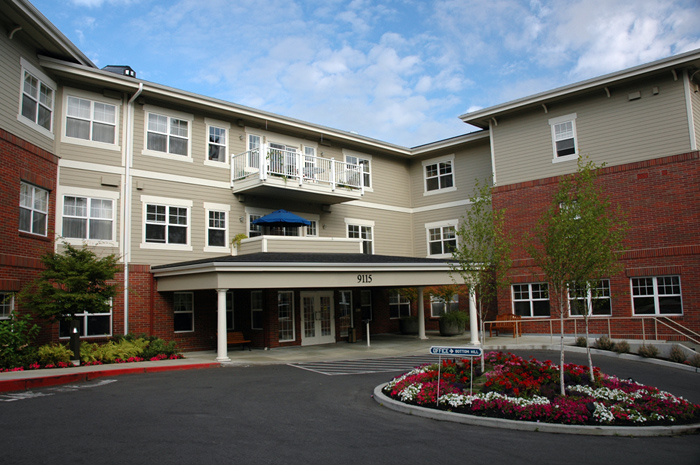
How Does Covenant Shores Compare to Other Washington Nursing Homes?

Compared to the 100 nursing homes in Washington, COVENANT SHORES HEALTH CENTER's overall rating (4 stars) is above the state average of 3.2, staff turnover (49%) is near the state average of 46%, and health inspection rating (3 stars) is at the national benchmark.

What Should Families Ask When Visiting Covenant Shores?

Based on this facility's data, families visiting should ask: "What changes have been made since the serious inspection findings, and how are you preventing similar issues?" "Can I visit during a mealtime to observe dining assistance and food quality?" "How do you handle medical emergencies, and what is your hospital transfer rate?" "Can I speak with family members of current residents about their experience?" These questions are particularly relevant given the facility's Immediate Jeopardy citations.

Is Covenant Shores Safe?

Based on CMS inspection data, COVENANT SHORES HEALTH CENTER has documented safety concerns. Inspectors have issued 1 Immediate Jeopardy citation (the most serious violation level indicating risk of serious injury or death). The facility has a 4-star overall rating and ranks #1 of 100 nursing homes in Washington. Families considering this facility should ask detailed questions about what corrective actions have been taken since these incidents.

Do Nurses at Covenant Shores Stick Around?

COVENANT SHORES HEALTH CENTER has a staff turnover rate of 49%, which is about average for Washington nursing homes (state average: 46%). Moderate turnover is common in nursing homes, but families should still ask about staff tenure and how the facility maintains care continuity when employees leave.

Was Covenant Shores Ever Fined?

COVENANT SHORES HEALTH CENTER has been fined $190,005 across 1 penalty action. This is 5.4x the Washington average of $34,979. Fines at this level are uncommon and typically indicate a pattern of serious deficiencies, repeated violations, or failure to correct problems promptly. CMS reserves penalties of this magnitude for facilities that pose significant, documented risk to resident health or safety. Families should request specific documentation of what issues led to these fines and what systemic changes have been implemented.

Is Covenant Shores on Any Federal Watch List?

COVENANT SHORES HEALTH CENTER is not on any federal watch list. The most significant is the Special Focus Facility (SFF) program, which identifies the bottom 1% of nursing homes nationally based on persistent, serious quality problems. Not being on this list means the facility has avoided the pattern of deficiencies that triggers enhanced federal oversight. This is a positive indicator, though families should still review the facility's inspection history directly.