REGENCY CARE CENTER AT MONROE
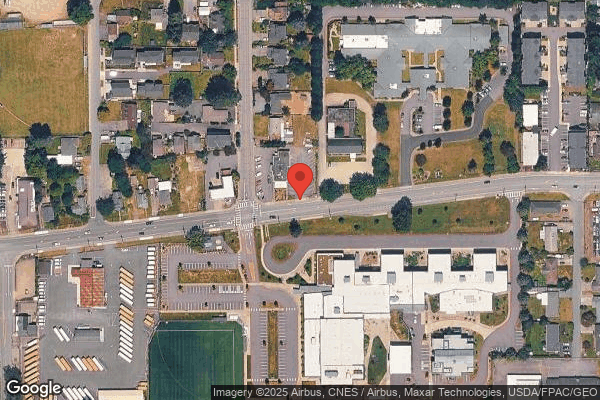
1355 WEST MAIN STREET, MONROE, WA 98272 (360) 794-4011
For profit - Limited Liability company 92 Beds REGENCY PACIFIC MANAGEMENT Data: November 2025
Trust Grade
80/100
#36 of 190 in WA
Last Inspection: May 2025

Inspected within the last 6 months. Data reflects current conditions.

Overview

Regency Care Center at Monroe has a Trust Grade of B+, indicating it's above average and recommended for families considering care options. It ranks #36 out of 190 facilities in Washington, placing it in the top half, and #4 out of 16 in Snohomish County, meaning only three local options are better. However, the facility's trend is worsening, with issues increasing from 9 in 2024 to 12 in 2025. Staffing is a strength, rated 5 out of 5 stars with a turnover rate of 34%, which is well below the state average, and they have no fines on record, indicating compliance. That said, there have been concerns regarding dietary management, as staff members lacked the required qualifications, and residents reported unresolved grievances, highlighting areas that need improvement despite the overall positive environment.

Trust Score
B+
80/100
In Washington
#36/190
Top 18%
Safety Record
Low Risk
No red flags
Inspections
Getting Worse
9 → 12 violations
Staff Stability
○ Average
34% turnover. Near Washington's 48% average. Typical for the industry.
Penalties
✓ Good
No fines on record. Clean compliance history, better than most Washington facilities.
Skilled Nurses
✓ Good
Each resident gets 57 minutes of Registered Nurse (RN) attention daily — more than average for Washington. RNs are trained to catch health problems early.
Violations
⚠ Watch
31 deficiencies on record. Higher than average. Multiple issues found across inspections.
★★★★★
5.0
Overall Rating
★★★★★
5.0
Staff Levels
★★☆☆☆
2.0
Care Quality
★★★★☆
4.0
Inspection Score
Stable
2024: 9 issues
2025: 12 issues

The Good

  • 5-Star Staffing Rating · Excellent nurse staffing levels
  • Full Sprinkler Coverage · Fire safety systems throughout facility
  • No fines on record
  • Staff turnover below average (34%)

    14 points below Washington average of 48%

Facility shows strength in staffing levels, fire safety.

The Bad

Staff Turnover: 34%

12pts below Washington avg (46%)

Typical for the industry

Chain: REGENCY PACIFIC MANAGEMENT

Part of a multi-facility chain

Ask about local staffing decisions and management

The Ugly 31 deficiencies on record

May 2025 12 deficiencies
CONCERN (D)

Potential for Harm - no one hurt, but risky conditions existed

Assessment Accuracy (Tag F0641)

Could have caused harm · This affected 1 resident

**NOTE- TERMS IN BRACKETS HAVE BEEN EDITED TO PROTECT CONFIDENTIALITY** <RESIDENT 273> Resident 273 admitted to the facility on [DATE]. In an interview on 05/01/2025 at 10:25 AM, Resident 273 s...

Read full inspector narrative →
**NOTE- TERMS IN BRACKETS HAVE BEEN EDITED TO PROTECT CONFIDENTIALITY** <RESIDENT 273> Resident 273 admitted to the facility on [DATE]. In an interview on 05/01/2025 at 10:25 AM, Resident 273 stated they fell the day after the admission and they hurt their hip. In an interview on 05/05/2025 at 9:27 AM, Resident 273 stated they fell three months ago. Review of the electronic health record (EHR) showed Resident 273 had a fall in their room on 04/25/2025 and complained increased pain in the right hip on the next day. Review of Resident 273's fall risk evaluation on admission, dated 04/24/2025 at 1:45 PM, showed Resident 273 had one to two falls in the past three months. Review of Resident 273's admission MDS, dated [DATE], documented Resident 273 did not have a fall in the last month prior to admission, in the last two to six months prior to admission, or no fall since admission. The care area assessment (CAA) related to fall was not triggered as no fall indicated in the MDS. In an interview on 05/05/2025 at 10:58 AM, Staff H stated they did not review Resident 273's EHR. Staff H reviewed the fall risk assessment and progress notes, stated the MDS was not accurate and needed to be modified. <RESIDENT 275> Resident 275 admitted to the facility on [DATE]. In an interview on 05/01/2025 at 12:50 PM, Resident 275 stated they had two to three falls during the last six months prior to admission. Resident 275 stated they fell in the facility the day after admission. Review of the EHR showed Resident 275 had a fall in the facility on 04/25/2025 at 10:20 PM. Review of Resident 275's fall risk evaluation, dated 04/25/2025 at 1:20 PM, showed Resident 275 had one to two falls in the past three months. Review of Resident 275's admission MDS, dated [DATE], documented Resident 275 did not have a fall in the last month prior to admission, in the last two to six months prior to admission, or no fall since admission. The care area assessment (CAA) related to fall was not triggered as no fall indicated in the MDS. In an interview on 05/05/2025 at 10:58 AM, Staff H stated they did not review Resident 275's EHR. Staff H reviewed the fall risk assessment and progress notes, stated the MDS was not accurate and needed to be modified. In an interview on 05/06/2025 at 11:51 AM, Staff B, Director of Nursing Service, stated they expected the MDS to be completed accurately. Reference WAC 388-97-1000 (1)(b) Based on interview and record review, the facility failed to ensure that the Minimum Data Set (MDS - an assessment tool) assessments were accurate for 3 of 18 residents reviewed for assessments. Failure to ensure accurate assessments regarding the active diagnosis (Resident 38) and fall history and fall incident in the facility (Residents 273 and 275) placed residents at risk for not receiving appropriate interventions and care and diminished quality of life. Findings included . <RESIDENT 38> Resident 38 was admitted to the facility on [DATE]. According to the quarterly MDS assessment, dated 04/08/2025, the resident had a diagnosis of Schizophrenia (a mental disorder that affects a person's ability to think, feel and behave clearly) and did not receive any antipsychotic medication (medication to help reduce psychotic symptoms like hallucinations, delusions, and disordered thinking.) In a review of diagnoses list on 05/02/2025, Resident 38 had a schizoaffective disorder - Bipolar type (mental health condition characterized by the combined presence of symptoms of both Schizophrenia and mood disorder) was added to their diagnosis on 08/25/2022. In a joint interview on 05/05/2025 at 9:25 AM, Staff F, Licensed Practical Nurse (LPN)/Resident Care Manager (RCM) and Staff G, LPN/RCM stated they were both familiar with Resident 38. They were not aware how the schizoaffective disorder was added to residents' diagnoses. They were not able to provide documentation on how the resident was diagnosed with schizoaffective disorder. In an interview on 05/05/2025 at 9:38 AM, Staff H, Registered Nurse (RN)/MDS Coordinator, stated that they were not sure how the schizoaffective disorder was added to Resident 38's diagnosis list. They will review the residents' chart and will get back with me. In an interview on 05/05/2025 at 2:17 PM, Staff H stated that after reviewing Resident 38's chart, they thought it was a transcription issue that the schizoaffective disorder -bipolar type was added to residents' diagnoses. They stated that the former MDS Coordinator was trying to add Bipolar Type diagnosis, and they clicked on the schizoaffective disorder -bipolar type code by mistake.
CONCERN (D)

Potential for Harm - no one hurt, but risky conditions existed

Deficiency F0676 (Tag F0676)

Could have caused harm · This affected 1 resident

**NOTE- TERMS IN BRACKETS HAVE BEEN EDITED TO PROTECT CONFIDENTIALITY** Based on interview and record review, the facility failed to provide the necessary care and services to ensure residents' abilit...

Read full inspector narrative →
**NOTE- TERMS IN BRACKETS HAVE BEEN EDITED TO PROTECT CONFIDENTIALITY** Based on interview and record review, the facility failed to provide the necessary care and services to ensure residents' abilities in activities of daily living (ADLs) did not diminish. The facility failed to provide showers/bathing to 1 of 3 residents (Resident 63) reviewed for ADLs. This failure placed residents at risk for avoidable decline, unmet needs and a diminished quality of life. Findings Included . Resident 63 admitted to the facility on [DATE] with diagnoses to include fracture of the pelvis, chronic pain, and spinal stenosis (narrowing I the spinal canal which leads to compression on the spinal cord). In an interview on 05/01/2025 at 10:32 AM Resident 63 stated they would like more than one shower a week. Resident 63 stated they were admitted to the facility around Thanksgiving time and there was a time when they did not get a shower for almost two full weeks. Review of Resident 63's care plan dated 11/18/2024, documented that they had a deficit in performing their bathing/showering due to a recent fall with rib and pelvis fracture and generalized weakness. As of 12/12/2024 Resident 63 required supervision/touch of one person to assist with their shower/bathing. Review of the Document Survey report v2 (charting of the NAC) for showers for November 2024 showed Resident 63 had a total of two showers, but no showers from admission, 11/18/2024 through 11/28/2025, a total of 10 days without a shower. In an interview on 05/06/2025 at 1:13 PM Staff U, Nursing Assistant Certified/Shower Aide, stated when a new admission comes to the facility, the nurse managers coordinate with them and where to put them on the shower schedule. Staff U stated the main reason showers were not completed was related to resident refusals. Staff U stated they attempt to encourage the residents to complete their showers and reapproach them at least three times. Staff U stated residents are scheduled for showers at the minimum of once a week. Staff U stated showers are documented in the electronic health record system. Staff U stated they believed Resident 63 to get a shower once to twice weekly. In an interview on 05/06/2025 at 1:25 PM Staff B, Director of Nursing Services, stated residents are placed on a shower schedule based on their room. Staff B stated if a resident had a preference or special request for showers they would adjust the schedule. Staff B stated the expectation of the staff was they were offered and given a shower. Staff B stated they review a weekly report on showers. Staff B stated they would review Resident 63 for documentation to show showers were provided after they admitted for the month of November 2024. No other information was provided. Reference WAC 388-97-1060(2)(a)(i)
CONCERN (D)

Potential for Harm - no one hurt, but risky conditions existed

Deficiency F0685 (Tag F0685)

Could have caused harm · This affected 1 resident

**NOTE- TERMS IN BRACKETS HAVE BEEN EDITED TO PROTECT CONFIDENTIALITY** Based on observation, interview and record review, the facility failed to provide proper treatment to maintain vision for 1 of 1...

Read full inspector narrative →
**NOTE- TERMS IN BRACKETS HAVE BEEN EDITED TO PROTECT CONFIDENTIALITY** Based on observation, interview and record review, the facility failed to provide proper treatment to maintain vision for 1 of 1 resident (Resident 7) reviewed for vision. This failure placed residents at risk for decline in the ability to see and diminish quality of life. Findings include . Resident 7 was admitted to the facility on [DATE] with admitting diagnoses to include Cataract (clouding of the lens of the eye), Diabetes Mellitus Type 2 (persistently high blood sugar levels). According to the quarterly Minimum Data Set (MDS - an assessment tool) assessment dated [DATE], the resident was cognitively intact, wears glasses and had adequate vision. In an interview on 05/01/2025 at 10:45 AM, Resident 7 stated that they wanted to get their eyes checked and that they might need new glasses. They don't remember the last time they had an eye exam. In a record review on 05/05/2025, it was documented that Resident 7 received new prescription eyeglasses in September 2021. In an interview on 05/05/2025 at 2:23 PM, Staff G, Licensed Practical Nurse (LPN)/Resident Care Manager (RCM) stated that on admit, they assess residents for vision and for long term care residents, they ask about vision during care conferences. Staff G stated that they have an optometrist that comes to their facility to do eye exams and that the Medical Records staff was the one that arranges it. When asked how residents get on the list to be seen by optometrist and Staff G stated when a resident or family requests or when they mention it in care conferences. In an interview on 05/05/2025 at 2:30 PM Staff I, Medical Records, stated they have a binder for the optometrist to look at and the optometrist only comes when there's 6 residents or more on the list. Staff I stated that the optometrist came to the facility last April and they think they will be back in June. Staff I stated that the optometrist keeps a list of residents that they need to see the next year. Staff I stated that Resident 7 was last seen by optometrist in 2021, and they would add them to the list to be seen. In a record review on 05/05/2025 Resident 7's Optometry note dated 07/20/2021 documented that they recommend resident to see an optometrist in 1 year. No further optometry notes seen in the chart or provided. In an interview on 05/06/2025 at 1:25 PM, Resident 7 stated that they were having a hard time reading the letterings on their TV even when they wear their eyeglasses. They think they informed a staff member about their vision issues a few weeks ago but were unsure who the staff was. In an interview on 05/07/20250 at 8:57 AM, Staff L, Nursing Assistant Certified (NAC) stated that when a resident complains of their eyeglasses not helping with their blurry vision, they will make sure the eyeglasses were clean first and ask if it helped and if the resident still complains of blurry vision, then they notify the nurse. Staff L stated they were unaware Resident 7 was having vision issues. In an interview on 05/07/2025 at 9:12 AM Staff M, LPN stated that if a resident complains of blurry vision or eyeglasses not working, they add the resident to the list to be seen by optometrist that comes to the facility. Staff M stated they were unaware Resident 7 was having vision issues. In an interview on 05/07/2025 at 9:21 AM, Staff H, Registered Nurse (RN)/MDS Coordinator stated that when they assess for vision for MDS on residents that were alert, they have residents read some papers in their room and ask things in their surroundings to check if they can see them. When asked if they remember if Resident 7 mentioned any issues with their vision and Staff H stated they don't remember the resident mentioning they had any issues. In an interview on 05/07/2025 at 10:00 AM, Staff H, RN/MDS Coordinator stated that they went and talked to Resident 7 and had the resident read their tablet and was able to do that, but resident was having issues reading letters on the TV with their eyeglasses. Staff H stated they will add the resident to the list of residents to be seen by the optometrist. In a joint interview on 05/07/2025 at 10:22 AM with Staff B, Director of Nursing Services and Staff C, Regional Nurse, Staff B stated that when a resident or family member report concerns of their vision they would add the resident to the list of residents to be seen by optometrists. Their MDS Coordinator assesses residents' vision during their MDS window and will add residents on the list if they identified vision issues. Staff C stated that they also ask about residents' vision during care conferences. Record review of Resident 7's care conference dated 04/17/2025 showed under accommodation of needs and under letter b for eyeglasses and other visual appliances were left blank and at the bottom the not applicable was checked. Reference WAC 388-97-1060(3)(a)
CONCERN (D)

Potential for Harm - no one hurt, but risky conditions existed

Deficiency F0692 (Tag F0692)

Could have caused harm · This affected 1 resident

**NOTE- TERMS IN BRACKETS HAVE BEEN EDITED TO PROTECT CONFIDENTIALITY** Based on observation, interview, and record review, the facility failed to ensure effective interventions were implemented to ma...

Read full inspector narrative →
**NOTE- TERMS IN BRACKETS HAVE BEEN EDITED TO PROTECT CONFIDENTIALITY** Based on observation, interview, and record review, the facility failed to ensure effective interventions were implemented to maintain adequate nutrition for 1 of 2 sampled residents (Resident 275) reviewed for nutrition. This failure placed the residents at risk for ongoing poor oral intake, weight loss, poor nutrition and potential harm. Findings included . Review of the facility's policy titled, Nutrition and Hydration Maintenance, revised date 06/2024, showed the nutrition assessment would include: - History of food and fluid intake - Refusal of meals and poor intake - Resident preferences - If a resident refuses a meal or consumes less than 50%, a meal substitute will be offered. Resident 275 was admitted to the facility on [DATE]. According to the admission Minimum Data Set (MDS-an assessment tool) assessment, dated 04/28/2025, Resident 275 was cognitively intact and complained about difficulty or pain when swallowing. In an observation and interview on 05/01/2025 at 12:32 PM, observed Resident 275 consumed 25% of the meal. Resident 275 stated they only ate a bit of meatloaf which was too salty, and a few bites of mashed potatoes, veggies and roll, and ate a tiny bit of the fruit cup which tasted very fishy. Resident 275 stated they had lost their sense of smell and taste, so they did not have appetite. Resident 275 stated the nurse had not asked them if they would like any substitute. In an interview on 05/01/2025 at 12:37 PM, Collateral Contact (CC1) stated Resident 275 only ate one quarter of the lunch and always had very poor intake.'' CC1 stated Resident 275 consumed less than 50% of the meals more than half of the times. CC1 stated they brought home cooked food, but Resident 275 still did not eat much. In an observation on 05/01/2025 at 12:37 PM, Staff Z, Nursing Assistant Certified (NAC), came into Resident 275's room and collected the lunch plate and was not observed to encourage Resident 275 to eat or ask if resident wanted any substitute. In an observation and interview on 05/02/2025 at 12:32 PM, observed Resident 275 consumed less than 25% of the lunch. Resident 275 stated they ate a couple of bites of everything and they did not like the lunch.'' In an observation on 05/02/2025 at 12:36 PM, observed Staff AA, NAC, came in the room and collected the lunch tray and was not observed to encourage Resident 275 to eat or offer any substitute. In an observation and interview on 05/05/2025 at 12:22 PM, observed Resident 275 had consumed less than half of the lunch. Resident 275 stated they preferred the food to have more colors to make it more appetizing. CC1 stated Resident 275 only ate one quarter to one third of the meal, which was the usual intake amount. CC1 stated no staff had offered any substitute. CC1 stated they brought in protein drinks, and nobody had been offering them to the resident. Resident 275 stated they asked one nurse for the protein drink this morning but they did not get it. CC1 stated they were very worried about Resident 275's meal intake and weight stability. In an observation, interview and record review on 05/05/2025 at 12:43 PM, Staff Z collected the lunch tray from Resident 275's room and was not observed to encourage the resident to eat or offer any substitute. Staff Z stated Resident 275 ate about 40% of the lunch. Review of Resident 275's [NAME] (an instruction for NAC's care provided) documented to offer meal substitute if resident eats less than 50%. Staff Z stated they did not offer any meal substitute to Resident 275. Review of Resident 275's meal monitor record dated 04/24/2025 to 05/05/2025, documented Resident 275 only had three meals consumed less than 50% which were lunch and dinner on 04/28/2025 and lunch on 05/05/2025. The two lunches observed when Resident 275 ate less than 50% on 05/01/2025 and 05/02/2025 were documented 51-75% on 05/01/2025 and 76-100% on 05/02/2025. Review of Resident 275's care plan, print date 05/02/2025, showed Resident 275 was at risk for nutritional problems. One intervention was to offer a meal substitute for less than 50% meal consumption or refusal. Review of provider progress notes dated 04/29/2025 at 10:33 AM and 05/02/2025 at 12:31 PM, documented Resident 275 had diagnosis of malnutrition (a condition due to poor food intake). Review of Resident 275's electronic health record (EHR) from 04/24/2025 until 05/05/2025 at 12:00 PM, there was no documentation about food preferences. There was no documentation until the surveyor brought it to their attention. Review of a hospital nutrition therapy note, dated 04/19/2025, documented Resident 275 needed a lot of encouragement to eat, and their spouse made them protein shakes every morning. The hospital dietitian recommended to give protein shake three times a day. In an interview on 05/06/2025 at 9:49 AM, Staff BB, Licensed Practice Nurse/Resident Care Manager, stated they were not aware why the aides documented inaccurately on the two lunches when surveyor observed documentation to be inaccurate on 05/01/2025 and 05/02/2025. In an interview on 05/06/2025 at 11:53 AM, Staff B, Director of Nursing services, stated they expected nurses to document accurately on meal intake and offer meal substitute or supplement accordingly. In an interview and record review on 05/06/2025 at 1:31 PM, Staff CC, Registered Dietician, stated in Resident 275's nutrition assessment, they documented Resident 275's meal intake Good, generally 51-75% x 5d per documentation according to the aides documented meal intake record. Staff CC stated they did not interview Resident 275 and/or the family about the history and overall meal intake. Staff CC stated they were not aware that the aide documented inaccurately, and Staff CC thought Resident 275 had good meal intake based on the documentation. Reference WAC 388-97-1060 (3)(h)
CONCERN (D)

Potential for Harm - no one hurt, but risky conditions existed

Deficiency F0698 (Tag F0698)

Could have caused harm · This affected 1 resident

**NOTE- TERMS IN BRACKETS HAVE BEEN EDITED TO PROTECT CONFIDENTIALITY** Based on interview and record review, the facility failed to ensure 1 of 1 resident (Resident 11) reviewed for hemodialysis (med...

Read full inspector narrative →
**NOTE- TERMS IN BRACKETS HAVE BEEN EDITED TO PROTECT CONFIDENTIALITY** Based on interview and record review, the facility failed to ensure 1 of 1 resident (Resident 11) reviewed for hemodialysis (medical procedure that uses a machine to filter and clean the blood when the kidneys are failing) had consistent, completed and accurate assessments on the dialysis communication form (a form containing vital information about the resident which is sent to dialysis center for coordination of care and services) and failed to have a care plan that provided an accurate description of where their access site (a location on the resident's body in which the dialysis process is done) was located. These failures placed the resident at risk for medical complications, confusion among their medical providers, and unmet care needs. Findings Included . Resident 11 was admitted to the facility on [DATE] with diagnoses to include End Stage Renal Disease and was receiving hemodialysis. In an interview on 05/05/2025 at 11:31 AM, Staff F, Licensed Practical Nurse (LPN)/ Resident Care Manager (RCM) stated that Resident 11's dialysis access site was in the femoral (groin) and it was a port (a surgically implanted device), and the dialysis center were the ones that accesses the site. In an interview on 05/06/2025 at 9:50AM, Staff M, LPN stated that Resident 11 goes to the dialysis center every Tuesdays, Thursdays and Saturdays, they leave at around 5:30 AM and the NOC shift nurse was the one that fills out the dialysis communication form. Staff M stated that Resident 11 has a port in his groin for the dialysis access site and has a dressing. When the resident comes back from dialysis, the NAC will get residents' weight and vital signs. If there's changes or follow ups, the dialysis center will call the facility and if they have questions they call the dialysis center. Record review of the dialysis communication forms on 05/06/2025 showed that on dates: 03/16/25, 03/22/25, 03/25/25, 03/27/25, 04/01/25, 04/03/25, 04/05/25, 04/08/25, 04/15/25, 04/19/25, 04/26/25, 05/01/25, 05/03/25 the licensed nurse documented + bruit (swishing and whooshing sound using a stethoscope over a fistula [a surgically created connection between an artery an a vein usually used as an access site for hemodialysis] indicating turbulent flow) and thrill (palpable vibratory sensation felt over the fistula, signifying turbulent flow). In a joint interview on 05/06/2025 at 1:25 PM with Staff F, LPN/RCM and Staff G, LPN/RCM, Staff G stated that Resident 11 has a right femoral tunneled catheter line (a flexible tube known as a central venous catheter, that is inserted into a large vein and tunneled under the skin before entering the vein). Per Staff G, staff at the facility were not supposed to do anything with the site, they just need to reinforce the dressing, the dialysis center cared for their access site. When asked how the nurses knew what kind of dialysis access site the resident has, they stated it's in their communication board in resident's chart and in the provider's order. Staff F stated that they were mistaken when they told me the dialysis access site was a port. Staff G reviewed Resident 11's care plan, the dialysis access site was upper chest central line which was not accurate. Staff G stated they will update the care plan right away. Staff F reviewed the dialysis communication forms and saw the documentation of + bruit and thrill and Staff G stated that it was not accurate as Resident 11 does not have a fistula and the nurse should not have been documenting + bruit and thrill. In a joint interview on 05/07/2025 at 10:25 AM, Staff B, Director of Nursing Services and Staff C, Regional Nurse, Staff B stated that it was an expectation that the nurse's document what they have actually done. Staff C confirmed that Resident 11 does not have a shunt/fistula and will educate the nurse on what a bruit and thrill was. Staff B stated that RCM updates and reviews the care plans, and they usually review it quarterly or when there are changes in the residents. They were expected to update the care plan as soon as possible. Staff B also stated that any licensed nurse can update the care plan as well. Reference WAC 388-97-1900(1)
CONCERN (D)

Potential for Harm - no one hurt, but risky conditions existed

Deficiency F0740 (Tag F0740)

Could have caused harm · This affected 1 resident

**NOTE- TERMS IN BRACKETS HAVE BEEN EDITED TO PROTECT CONFIDENTIALITY** Based on interview and record review, the facility failed to ensure behavioral health care and services were provided for 1 of 1...

Read full inspector narrative →
**NOTE- TERMS IN BRACKETS HAVE BEEN EDITED TO PROTECT CONFIDENTIALITY** Based on interview and record review, the facility failed to ensure behavioral health care and services were provided for 1 of 1 sampled resident (Resident 63) reviewed for behavioral health services. This failure placed residents at risk for increased behaviors, not receiving necessary services to meet their mental health needs and a diminished quality of life. Findings Included . Resident 63 admitted to the facility on [DATE] with diagnoses to include attention-deficit hyperactivity disorder (a condition that occurs during the development of the nervous system which affect attention and impulsivity) and bipolar disorder (a mental illness characterized by extreme shift in mood, energy and activity levels). In a review of Resident 63's monthly medication review for 02/10/2025 showed a recommendation for a psychiatric evaluation of their medications as a contributing factor to falls. The medication review was not signed by the physician or noted by any of the facility staff. In a review of Resident 63's progress notes, showed on 2/03/2025 they were given contact information for a local mental health organization to start services. There was no other information about mental health services until 04/18/2025 where a referral to a different mental health organization for Resident 63. In an interview on 05/06/2025 at 11:41 AM Staff T, Social Services Assistant stated there had not been a lot of resources for mental health for residents and the facility had just obtained a contract with a mental health organization to provide virtual visits to start in May. Staff T stated there were four other residents waiting to start mental health services with the new provider. Staff T stated the local mental health organization was not user friendly in it required a phone call to set up services on a specific date and time with an excessive waiting time. Staff T stated they had not discussed setting up mental health services with Resident 63. In an interview on 05/06/2025 at 12:58 AM Staff G, Licensed Practical Nurse/Resident Care Manager stated they had not seen the monthly medication review dated 02/10/2025 and did not know why it had been scanned into Resident 63's medical record without being noted by the physician or themselves. Staff G stated there was a new contract with a mental health organization to provide virtual appointments to residents who need mental health services due to start next week. In an interview on 05/06/2025 at 12:21 PM Staff A, Administrator, stated the social workers at the facility provid some of the psychological therapy. Staff A stated there is a recently obtained contract with a mental health organization. Staff A stated prior to the contract if a resident required/wanted counseling or psychiatry they would send them to an outside agency or use telehealth. Staff A stated the Director of Social Services would discuss and offer residents counseling or psychiatrist services. Staff A stated if a resident had behaviors, they would consider using the state offered behavioral health services program. Staff A stated the medical director was involved in any review of psychoactive medication and their use and if a resident had been seeing a psychiatrist they would consult with them as well for any adjustments in medications. Reference WAC 388-97-1060(3)(e)
CONCERN (D)

Potential for Harm - no one hurt, but risky conditions existed

Deficiency F0757 (Tag F0757)

Could have caused harm · This affected 1 resident

**NOTE- TERMS IN BRACKETS HAVE BEEN EDITED TO PROTECT CONFIDENTIALITY** Based on interview and record review, the facility failed to ensure residents were free from unnecessary medications for 1 of 5 ...

Read full inspector narrative →
**NOTE- TERMS IN BRACKETS HAVE BEEN EDITED TO PROTECT CONFIDENTIALITY** Based on interview and record review, the facility failed to ensure residents were free from unnecessary medications for 1 of 5 sampled residents (Resident 54) reviewed for unnecessary medications. Failure to evaluate the need for continued use of an antifungal medication placed residents at risk for use of unnecessary medications and/or have adverse side effects. Findings include . Resident 54 was admitted to the facility on [DATE] with admitting diagnoses to include chronic abdominal wall abscess. In a record review on 05/05/2025 at 8:50 AM, Resident 5's orders showed Fluconazole 200 mg tablet one time a day every Thursday for infection. The order was dated 06/27/2024. Record review of the May 2025 Medication Administration Record (MAR) showed that Resident 54 received a dose of Fluconazole on 05/01/2025. Record review of monthly Medication Regimen Review Reports from Pharmacy since December 2024 did not show any notes regarding Fluconazole use of Resident 54. In an interview on 05/07/2025 at 8:53 AM, Staff F, Licensed Practical Nurse (LPN)/Resident Care Manager (RCM) stated that Resident 54's Fluconazole order was for infection. Staff F reviewed the order and the date the order started, which was 06/2024, they stated that they think that it's a prophylactic medication but will put a call to the provider to clarify what the Fluconazole was for. In an interview on 05/07/2025 at 10:18 AM, Staff G, LPN/RCM stated they would look for documentation about why Resident 54 continued to be on fluconazole. In a joint interview on 05/07/2025 at 10:22 AM with Staff B, Director of Nursing Services and Staff C, Regional Nurse, Staff B stated that medical records print out the resident's medications monthly and the RCM's review the medications for accuracy and update them as needed. When asked if infection was the proper indication for the Fluconazole order for Resident 54 that they have been taking since 06/2024, Staff C stated that infection should not be the indication. Requested documentation to show that they have discussed the Fluconazole order with the provider, pharmacist and or Infection Control nurse. Record review of Resident 54's provider progress notes for 03/03/2025 did not show any documentation about why the Fluconazole needed to be continued, it was listed as one of the residents' medications. In an interview on 05/07/2025 at 12:03 PM, Staff G stated that they spoke to the provider and the Fluconazole will be discontinued as of today. Reference WAC 388-97-1060(3)(k)(i)
CONCERN (D)

Potential for Harm - no one hurt, but risky conditions existed

Medical Records (Tag F0842)

Could have caused harm · This affected 1 resident

**NOTE- TERMS IN BRACKETS HAVE BEEN EDITED TO PROTECT CONFIDENTIALITY** Based on interview, and record review, the facility failed to ensure a system in which residents' records were complete, accurat...

Read full inspector narrative →
**NOTE- TERMS IN BRACKETS HAVE BEEN EDITED TO PROTECT CONFIDENTIALITY** Based on interview, and record review, the facility failed to ensure a system in which residents' records were complete, accurate, and accessible, for 1 of 1 resident (Resident 4) reviewed for hospice (end of life) services. The facility failed to ensure the residents' medical records contained hospice provider's notes which placed residents at risk for medical complications, unmet care needs, and for diminished quality of life. Finding included . <RESIDENT 4> Resident 4 was admitted to the facility on [DATE] and enrolled in hospice services starting on 12/13/2024. Review of Resident 4's electronic health record (EHR) showed no hospice visit nurse documentation since 12/26/2024. Review of a form titled, Interdisciplinary Team of Care SNF (Skilled Nurse Facility)/ALF (Assisted Living Facility) and Hospice Plan of care dated 12/13/2024, indicated the hospice skilled nurse to visit twice a week and the home health aide to visit twice a week. In an interview on 05/05/2025 at 9:07AM, Staff H, Registered Nurse (RN), stated they were not sure how often the hospice nurse and the home health aide visited Resident 4 and they communicated with the hospice nurse verbally in person or via phone call. Staff H stated the hospice nurse talked to the facility nurses to get updates or to inform them of changes on orders, but there was no report or notes. In an interview and record review on 05/05/2025 at 9:14 AM, Staff O, RN/Infection Preventionist, stated they had a binder to keep Resident 4's hospice documentation. Review of Resident 4's binder showed no documentation of the hospice nurse and the home health aide visit. In an interview on 05/05/2025 at 9:43 AM, Staff P, RN/Resident Care Manager, stated the hospice nurse visited Resident 4 once a week and the home health aide came in twice a week. Staff P stated the hospice staff documented their clinical notes in their own system and the facility nurse had no access to the hospice system. Staff P stated the hospice nurse could fax their notes to the facility and the facility could request the document as well. Staff P stated they were not able to locate any hospice nurse visit record, but the notes should be in the facility's system for nurses to review. Staff P stated they would request the hospice agency to fax their documentation to the facility immediately. In an interview on 05/05/2025 at 10:24 AM, Collateral Contact (CC2), stated they came in to see Resident 4 every Tuesday. CC2 stated they usually speak with the facility nurse during visits and documented in their own hospice agency system, but the facility had no access to the hospice software system. CC2 stated their clinical visit notes including Resident 4's physical assessments, skin assessment, vital signs, care plans, any medication change, etc. CC2 stated the home health aide visited Resident 4 twice a week and provided services including oral care, nail care, shower or bathing, changing linen, dressing, companionship, etc., and the home health aide also documented in their own system which the facility had no access to it. CC2 stated they were not sure if the notes were faxed to the facility, but the facility could request any note. In an interview on 05/06/2025 at 11:37AM, Staff B, Director of Nursing Services, stated they had no access to the hospice provider's documentation system. Staff B stated the hospice staff communicated any change through talking to the facility nurse or the RCM. Staff B stated they expected the hospice visit note to be faxed to the facility and to be uploaded into the facility's EHR to make accessible for the facility staff. Reference WAC 388-97-1720(1)(a)(i)(iii)(2)(f)
CONCERN (D)

Potential for Harm - no one hurt, but risky conditions existed

Safe Environment (Tag F0921)

Could have caused harm · This affected 1 resident

Based on observation and interview, the facility failed to provide a safe, functional, sanitary, and comfortable environment in 1 of 2 emergency carts (carts that contain needed medical equipment duri...

Read full inspector narrative →
Based on observation and interview, the facility failed to provide a safe, functional, sanitary, and comfortable environment in 1 of 2 emergency carts (carts that contain needed medical equipment during an emergency) when an unlocked sharps container (a specialized, puncture-resistant, and leak-proof container designed for the safe disposal of sharp medical instruments, like needles, syringes, and scalpels, to prevent accidental injuries and ensure proper waste handling) was found to be soiled and contained five syringes. This failure placed residents and staff at risk for injury, potential exposure to diseases and lack of necessary medical equipment during an emergency. Findings Included . In an observation on 05/01/2025 at 8:53 AM observed an emergency cart located outside of the Cascade Residential Unit Nurses station, near the entrance of the shower room, with an unlocked sharps container on the lower shelf. In an observation of the sharp's container, the top cover to the sharp's container was soiled with unidentifiable brown matter and five syringes inside of the container. In an interview on 05/01/2025 at 8:53 AM Staff M, Licensed Practical Nurse, stated the cart was their emergency kit and suctioning cart. When Staff M was asked what the purpose of a sharp's container on the cart they stated it was a good question and stated they did not believe it should be there. When asked about the five syringes found in the container, Staff M stated they thought they might be syringes for insulin or tuberculosis testing. Staff M stated the process of disposing of sharps consisted of placing them in the disposable box in the biohazard room. In an interview on 05/06/2025 at 1:35 PM Staff B, Director of Nurses Services, stated there are locked sharp containers on each of the nurse's carts for sharp disposal. Reference WAC 388-97-3220(1)
CONCERN (E)

Potential for Harm - no one hurt, but risky conditions existed

Grievances (Tag F0585)

Could have caused harm · This affected multiple residents

Based on interview and record review the facility failed to have a system in place that ensured grievances were addressed and resolved in response to residents' verbal conveyance of concerns for 6 of ...

Read full inspector narrative →
Based on interview and record review the facility failed to have a system in place that ensured grievances were addressed and resolved in response to residents' verbal conveyance of concerns for 6 of 6 resident council's (October 2024, December 2024, January 2025, March 2025 and April 2025), who verbalized complaints during Resident Council (RC) meeting and failed to follow the grievance process for 1 of 1 residents (Resident 47) who voiced grievances of missing pants. These failures led to residents repeatedly reporting the same issues without resolution and placed them at risk of feeling frustrated, unimportant, with diminished self-worth and decreased quality of life. Findings included . In a review of the facility policy titled, Grievance Procedure showed the facility would have a process in place for notification, identification, and follow up of resident/resident representative grievances in a timely manner. The facility would utilize their grievance form and ensure that all written grievances decisions included the date the grievance was received, summary of the grievance, steps taken to investigate the grievance, the findings of the grievance and the date of the written decision related to the grievance. Review of RC minutes for the previous six months showed: October 2024 Minutes showed the attending residents voiced the evening trash containers becoming too full. November 2024 Minutes showed the attending residents voiced they would like more shower aides, the nursing staff needed to be more mindful of noise at night when providing care to their roommates, and beds needed to be made timelier. December 2024 Minutes showed the attending residents voiced the nursing assistants were not getting messages to the nurses when they needed their care. January 2025 Minutes showed the attending residents voiced they were itching as result of the laundry detergent. April 2025 Minutes showed the attending residents voiced the staff at night were loud. In a group interview on 05/02/2025 at 2:30 PM with residents that attended RC (Resident 1, 3, 8, 10, 13, 14, 35, 36, 38, 39, 41, 47, 51, 55, 57, and 63) stated review of the prior RC's meeting minutes occurred, however there was not follow up on the grievances brought up during the council meeting. In review of the noted grievances from RC minutes October 2024-April 2025, the residents stated they had not received notification or status of the resolution to the grievances from the prior month. In a review of the facility's grievance log from November 2024 through May 5, 2025 there were no documented grievances from resident council or Resident 47. On 05/02/2025 at 2:43 PM Resident 47 stated they had lost all of their pants while at the facility, with no resolution. Resident 47 stated they had told their aides and laundry staff. In an interview on 05/05/2025 at 3:08 PM Staff V, Activities Director, stated they attended all of the RC meetings for the last six months. When asked about how the grievance process was explained in RC, Staff V stated they explain to the residents there are yellow forms (grievance forms) that can be filled out and if they can't fill them out then staff can assist them. Staff V stated if a laundry item is said to be missing, they will try to find it and if they are unable to locate it then they will complete a grievance form. Staff V stated they fill out grievance forms from grievances brought up in RC sometimes, but it had been a while. Staff V stated they review the resident council minutes with Staff A, Administrator, within 48 hours and will communicate with department heads as needed. Staff V stated the most recent grievance voiced at RC was related to noise level in the hallways at night and they reviewed the concern in the morning meeting. Staff V stated they followed up with the RC president but had not filled out a grievance form. In an interview on 05/07/2025 at 9:19 AM Staff L, Nursing Assistant Certified (NAC), stated Resident 47 had told them about missing their pants and they went to the laundry and found them. Staff L stated they had not filled out a grievance form for Resident 47 and had not offered them a grievance form to fill out. When asked when a grievance form would be filled out Staff L stated when a resident becomes really mad about something or if there are resident concerns about staff. Staff L stated the social worker follows up on missing items. In a follow up interview on 05/07/2025 at 9:40 AM Staff L provided additional information, stating the grievance forms are used primarily for the family of the residents. In an interview on 05/07/2025 at 10:02 AM Staff W, Housekeeping Supervisor stated if there was missing resident clothing, they checked the resident's inventory sheet to see if the item was listed. If they are unable to find the item, they report it to the social services director and they fill out a grievance form. In an interview on 05/07/2025 at 10:13 AM Staff X, Social Services Director, stated they were the designated grievance official of the facility. Staff X stated the grievance process included, someone reported something missing, a grievance form is filled out, a room search is completed and report to laundry and housekeeping is done. Staff X stated they would also check laundry to see if they were able to find the missing item. Staff X stated the missing item could not be found, then contact would be made with the residents' family and see if they could purchase the item, or the facility could purchase the item for them. Staff X stated they don't attend the resident council meetings. Staff X stated if a grievance form was given to them, they would follow up on it right away. Staff X stated they were not provided with a grievance form for Resident 47's missing pants. Reference WAC 388-97-0460
CONCERN (E)

Potential for Harm - no one hurt, but risky conditions existed

Infection Control (Tag F0880)

Could have caused harm · This affected multiple residents

**NOTE- TERMS IN BRACKETS HAVE BEEN EDITED TO PROTECT CONFIDENTIALITY** <EQUIPMENT SANITATION> During an observation on the Cascade unit on 05/07/2025 at 2:25 PM, Staff S, NAC, was observed push...

Read full inspector narrative →
**NOTE- TERMS IN BRACKETS HAVE BEEN EDITED TO PROTECT CONFIDENTIALITY** <EQUIPMENT SANITATION> During an observation on the Cascade unit on 05/07/2025 at 2:25 PM, Staff S, NAC, was observed pushing the mechanical lift from inside room [ROOM NUMBER] and placed it along the wall in the hallway. Staff S did not disinfect the mechanical lift. One minute later, observed Staff K, exit room [ROOM NUMBER]. Staff K reported that they had used the lift with Staff S in room [ROOM NUMBER]. Staff K walked down the hallway and into another room and did not disinfect the mechanical lift. During an interview on 05/07/2025 at 2:50 PM, Staff K stated they had not disinfected the lift because Staff S had pushed it into the hallway. Staff K stated that the mechanical lift should have been wiped with disinfection wipes after use. During an interview on 05/07/2025 at 2:52 PM, Staff S stated that they had not disinfected the mechanical lift after using it in room [ROOM NUMBER]. In an observation on 05/01/2025 at 9:27 AM observed Staff U, NAC, left room [ROOM NUMBER], a room with an EBP sign on the door, with a mechanical lift. Staff U parked the mechanical lift against a wall that had wipes mounted to it. Staff U left the mechanical lift and returned to room [ROOM NUMBER] without cleaning the lift. In an interview on 05/01/2025 at 2:50 PM, Staff U stated the mechanical lifts were to be cleaned both before and after use. Staff U stated there were specific cleansing cloths mounted to the wall where the lifts were parked to wipe them down. Staff U stated they did not wipe the lift down after the use in room [ROOM NUMBER]. <GARBAGE HANDLING> On 05/07/2025 at 9:31 AM observed Staff Y, NAC using their bare hands to push garbage down in the garbage can located in room [ROOM NUMBER], then removed the bag from the garbage can and exited the room. room [ROOM NUMBER] had an EBP sign pinned to their door. In an interview on 05/07/2025 at 9:32 AM, Staff Y acknowledged they were not wearing gloves when pushing the garbage down in room [ROOM NUMBER] with bare hands. Staff Y stated they were told not to wear gloves in the hallway. No other information was provided. Refer to WAC 388-97-1320 (1)(2)(b) <ENHANCED BARRIER PRECAUTIONS> Resident 40 was admitted on [DATE] with wounds in the right knee and right calf. In an observation on 05/05/2025 at 12:17 PM, Resident 40's door showed a sign that resident had EBP in place. The sign documented staff were to wear a gown when providing high contact care, such as dressing, transferring, providing hygiene or changing briefs. In an observation on 05/05/2025 at 12:17 PM, Staff K, NAC and Staff J, NAC were both wearing gloves prior to going to Resident 40's bedside. Neither staff were wearing gowns during pericare, dressing and transferring resident to their wheelchair. In a joint interview on 05/05/2025 at 12:33 PM, with Staff J and Staff K, Staff J stated that the EBP sign was for Resident 40. Staff K stated that the EBP sign meant that staff should wear gowns and gloves during wound care. Staff K stated the resident had wounds on their legs and that's why resident had the EBP sign. Both staff read the sign and Staff K stated that they should have worn gowns, and they forgot to wear them. Based on observation, interview and record review, the facility failed to ensure that staff were compliant with Infection Prevention and Control Guidelines (IPCP) and standards of practice for 1 of 3 units (Cascade Unit) reviewed for infection control practices and 1 of 2 residents (Resident 4) observed with personal care. The facility failed to follow IPCP standards during resident care activities and when handling garbage. The facility failed to ensure that staff used Personal Protective Equipment ([PPE] - specialized clothing worn to protect from infection or illness) during personal care, high contact resident care activities and handling garbage and failed to sanitize equipment after use. These failures placed all residents and staff at an increased risk for the potential transmission of infections. Findings included . Review of a facility policy titled, Transmission-Based Precaution, Revised date 11/2024, documented Enhanced Barrier Precaution (EBP) are indicated for residents with chronic wounds. Review of a facility policy titled, Resident Equipment Sanitation, Revised date 10/2017, documented staff will use a disinfectant spray or wipe to cleanse non-critical items (mechanical lift) between uses by different residents. <RESIDENT 4> Resident 4 admitted to the facility on [DATE]. Review of the Minimum Data Set Assessment (assessment of care needs), dated 03/26/2025, documented Resident 4 was dependent on personal care. In an observation on 05/05/2025 at 11:44 AM, Staff Q, Nursing Assistant Certified (NAC) and Staff R, NAC, provided peri-care (the practice of washing the genital and anal area) to Resident 4 after putting on gloves. Staff Q and Staff R removed Resident 4's brief and wiped the perineal area and buttocks. Without performing hand hygiene or changing gloves, Staff Q and Staff R applied a clean brief and pants for Resident 4. Staff Q and Staff R placed a mechanical lift sling, (material that lifts person in the air with a machine to move to another surface) under Resident 4's body, and moved Resident 4 to a wheelchair. Staff R's touched and opened the privacy curtain with the same contaminated glove. With the contaminated gloves on, Staff Q picked a comb from Resident 4's nightstand and combed their hair. In an interview on 05/05/2025 at 11:57 PM, Staff R stated they should perform hand hygiene and change their gloves after cleaning Resident 4's perineal area and before applying the clean brief, but they had not done that. In an interview on 05/06/2025 at 12:32 PM, Staff O, Registered Nurse/Infection Preventionist, stated staff needed to perform hand hygiene and change gloves after cleaning the perineal area and bottom before applying a clean new brief. Staff O stated staff needed to change gloves and perform hand hygiene when providing care from dirty to clean.
CONCERN (F)

Potential for Harm - no one hurt, but risky conditions existed

Deficiency F0801 (Tag F0801)

Could have caused harm · This affected most or all residents

Based on interview and record review, the facility failed to ensure that unless the facility had a full-time Registered Dietician, that the Dietary Manager (Staff E) had completed an academic program ...

Read full inspector narrative →
Based on interview and record review, the facility failed to ensure that unless the facility had a full-time Registered Dietician, that the Dietary Manager (Staff E) had completed an academic program in nutrition or dietetics accredited by an appropriate national accreditation organization. This failure placed residents at risk of receiving dietary services from staff without the required competencies and skills to carry out food and nutrition services. Findings include . In an interview on 05/02/2025 at 10:13 AM, Staff E, Dietary Manager stated that they have worked as Dietary Manager for almost a year. They were currently enrolled for the dietary manager certification and will be done in December 2025. Staff E provided a certificate that showed ServSafe Food Protection Manager Certification. Online research showed that this was not the required credential as a Dietary Manager. In an interview on 05/06/2025 at 10:10 AM, Staff D, Registered Dietitian stated that they work 32 hours a week. They work 2 days in the facility and 2 days at the other facility in Coupeville. They visit the facility one day a week and work from home the second day. In an interview on 05/06/2025 at 10:45 AM, Staff A, Administrator, stated that their Dietary Manager was still working on getting their certification. Staff A stated they have a Registered Dietitian that was hired full time by their corporate office. They spent 2 days at their facility and 2 days at their other facility and were available anytime they needed them. They also have a full- time corporate dietitian that oversees things. This was a repeat citation. Reference WAC 388-97-1160(3)(a)(b)(i)
Feb 2024 9 deficiencies
CONCERN (D)

Potential for Harm - no one hurt, but risky conditions existed

Comprehensive Care Plan (Tag F0656)

Could have caused harm · This affected 1 resident

**NOTE- TERMS IN BRACKETS HAVE BEEN EDITED TO PROTECT CONFIDENTIALITY** Based on observation, interview, and record review, the facility failed to develop and implement a person-centered comprehensive...

Read full inspector narrative →
**NOTE- TERMS IN BRACKETS HAVE BEEN EDITED TO PROTECT CONFIDENTIALITY** Based on observation, interview, and record review, the facility failed to develop and implement a person-centered comprehensive care plan that addressed the resident's medical, physical, mental, and psychosocial needs for 1 of 3 residents (Resident 50) reviewed for activities. These failures placed the residents at risk for not receiving care and services to meet their individualized needs. Findings included . Resident 50 admitted to the facility on [DATE] with diagnoses including cerebral infarction (stroke), Alzheimer's Disease (a progressive brain disorder which affects memory, thinking and behavior), and glaucoma (a group of eye conditions that damage the optic nerve). On 02/21/2024 at 8:55 AM, Resident 50 was observed inside of the nurse's station, seated in their wheelchair (w/c), picking at the gold flecks in the countertop of the nurse's station. In a continuous observation on 02/21/2024 starting at 9:23 AM, Resident 50 was observed inside of the nurse's station, with a binder titled The Purple Book turning the pages. At 9:27 AM, an unnamed staff walked by and greeted Resident 50, who did not respond to the greeting. At 9:49 AM, Staff N, Nursing Assistant Certified (NAC), entered the nurse's station, sat down, and started to chart on the computer without acknowledging Resident 50. At 9:53 Staff L, Physical Therapy Assistant (PTA), asked Resident 50 to go for a walk. Resident 50 stood up without assistance and was redirected to sit back down in their w/c by Staff L. Resident 50 was unable to be redirected and was assisted with use of a gait belt. On 02/21/2023 at 2:46 PM, Resident 50 was observed inside of the nurse's station eating ice cream, with coloring pencils, a newspaper, and blocks in front of them. Resident 50 was approached by Staff O, NAC, at 2:46 PM who assisted the resident to their room to use the bathroom. Resident 50 returned to the nurse's station and was engaged in an activity of threading blocks on a rope with Staff O. In an interview on 02/23/2024 at 9:50 AM Staff M, Activity Director, stated Resident 50 when first admitted was involved in a variety of scheduled activities, but had difficulty leaving when the activity ended. Staff M stated Resident 50 believed that some of the female residents looked like their spouse and interfered with their participation in activities. Staff M stated that Resident 50 had taken a break from involvement in scheduled activities and had been transitioning back into them recently. Staff M stated the care plan did not reflect Resident 50's current level of participation in activities, current challenges and lacked interventions used to engage resident in activities. Reviewed Resident 50's activity care plan, initiated on 01/05/2024, showed the resident enjoyed drawing, reading, and listening to music, needed assistance to and from activities, enjoyed being around others, and enjoyed independent and small group activities. Resident 50's goals on the care plan included they would express satisfaction with the type of activities and level of activity involvement when asked. Resident 50 was noted to be at risk for lack of activity involvement related to adjustment to the facility and their hearing deficit. The care plan dated 01/05/2024 did not contain or address Resident 50's diagnosis of dementia, glaucoma, or any behaviors they had exhibited as described by Staff M. Refer to WAC 388-97-1020(1)(2)(a)(b) .
CONCERN (D)

Potential for Harm - no one hurt, but risky conditions existed

Quality of Care (Tag F0684)

Could have caused harm · This affected 1 resident

**NOTE- TERMS IN BRACKETS HAVE BEEN EDITED TO PROTECT CONFIDENTIALITY** Based on interview and record review, the facility failed to ensure 1 of 4 residents (Resident 55) were provided medications wit...

Read full inspector narrative →
**NOTE- TERMS IN BRACKETS HAVE BEEN EDITED TO PROTECT CONFIDENTIALITY** Based on interview and record review, the facility failed to ensure 1 of 4 residents (Resident 55) were provided medications within physician prescribed medication parameters. These failures placed residents at risk for complications and adverse health outcomes. Findings included . Review of a facility policy titled, General Dose Preparation and Medication Administration, revised date 01/01/2022, showed prior to administration of a medication the staff were to check vital signs if necessary. Resident 55 admitted to the facility on [DATE] with diagnosis of high Blood Pressure (BP). Review of Resident 55's current physician orders, showed an order for lisinopril (medication for BP) 10 milligram daily, hold if systolic BP (top number of BP) was less than 100, dated 12/13/2023. Review of the January 2024 Medication Administration Record (MAR), showed no BP documented prior to the administration of lisinopril. There was an entry for weekly BP to be checked every Monday. Review of the February MAR dated 02/01/24 through 02/20/2024, showed no BP documented prior to the administration of lisinopril. There was an entry for weekly BP to be checked every Monday. Review of the vital signs section of the electronic medical record, showed BP readings on 01/08/2024, 01/16/2024, and 02/20/2024 when the dose of lisinopril was scheduled to be administered. There were no BP readings for every day the lisinopril was given. During an interview on 02/21/2024 at 2:11 PM, Staff C, Licensed Practical Nurse/Resident Care Manager, stated BPs were not documented prior to the administration of Resident 55's BP medication and the staff would not be able to determine if the medication should have been held or not. Refer to WAC 388-97-1060 (3)(k)(iii) .
CONCERN (D)

Potential for Harm - no one hurt, but risky conditions existed

Deficiency F0761 (Tag F0761)

Could have caused harm · This affected 1 resident

**NOTE- TERMS IN BRACKETS HAVE BEEN EDITED TO PROTECT CONFIDENTIALITY** Based on observation, and interview the facility failed to ensure proper storage of drugs and biologicals on 2 of 4 medication c...

Read full inspector narrative →
**NOTE- TERMS IN BRACKETS HAVE BEEN EDITED TO PROTECT CONFIDENTIALITY** Based on observation, and interview the facility failed to ensure proper storage of drugs and biologicals on 2 of 4 medication carts (Medication Carts Sky River and Cascade 2) and to ensure 1 of 4 medication carts (Sky River) was locked and not accessible to residents. This failure placed the residents, staff, and visitors at risk for medication related illness/injury due to unauthorized access to and use of medications. Findings included . The facility's policy titled, General Dose Preparation and Medication Administration, dated 01/01/2022, showed facility staff should not leave medications or chemicals unattended and should ensure medication carts are always locked when they are out of sight or unattended. Observation of the Sky River medication cart on 02/21/2024 at 8:47 AM, a medication box labeled Diclofenac (a mild pain reliever) 10% topical gel was on top of the medication cart to the left of room [ROOM NUMBER]. There were no staff present. At 8:50 AM, Staff F, Licensed Practical Nurse (LPN), returned to the medication cart and placed their census sheet over the box. In an interview on 02/21/2024 at 9:00 AM, Staff F said the Diclofenac gel should have been locked up, but they had stepped away for an urgent request and forgot to lock the medication up. In an observation and interview on 02/21/2024 at 12:10 AM, there was half of a round white tablet on Cascadia Medication Cart 2. Staff G, LPN, assigned to that cart said they did not know what the tablet was or who it was for. Staff G disposed of the unidentified tablet in the sharps container. In an observation on 02/21/2024 at 11:33 AM, Staff F left the Sky River medication cart open and unsecured. Upon returning to the cart at 11:34 AM, Staff F said they noticed they had left their cart unlocked right after they walked out of the room. In an interview on 02/23/2024 at 10:10 AM, Staff B, Registered Nurse/Director of Nursing Services, was informed of the unsecured medications and unlocked medication cart. Staff B said they would be educating the nurses on medication security. Refer to WAC 388-97-1300 .
CONCERN (E)

Potential for Harm - no one hurt, but risky conditions existed

Deficiency F0688 (Tag F0688)

Could have caused harm · This affected multiple residents

**NOTE- TERMS IN BRACKETS HAVE BEEN EDITED TO PROTECT CONFIDENTIALITY** <RESIDENT 21> Resident 21 admitted to the facility on [DATE]. Review of the MDS assessment, dated 12/14/2023, showed Resid...

Read full inspector narrative →
**NOTE- TERMS IN BRACKETS HAVE BEEN EDITED TO PROTECT CONFIDENTIALITY** <RESIDENT 21> Resident 21 admitted to the facility on [DATE]. Review of the MDS assessment, dated 12/14/2023, showed Resident 21 had functional limitation of ROM on both UE's and LE's. Review of Resident 21's restorative care plan, revised date 04/17/2023, showed the resident was to have passive range of motion (PROM - when someone physically moves or stretches a part of your body) to both legs and have a splint on both hands, one at a time for four hours. The program was to be done three times a week. Review of restorative participation documentation, showed Resident 21 did not receive their RNP as indicated. In January 2024, they received restorative on 01/02/2024, 01/03/2024, 01/04/2024, 01/05/2024, 01/09/2024, 01/10/2024, 01/11/2024, 01/12/2024, 01/22/2024, 01/30/2024, and 01/31/2024. In February 2024, from 02/01/2024 - 02/22/2024, Resident 21 received their RNP on 02/03/2024, 02/05/2024, 02/09/2024, 02/13/2024, 02/15/2024 and 02/16/2024. On 02/21/2024 and 02/22/2024, the RNP documentation showed Resident 21 had their splints applied, but did not have ROM. Review of a contracture screening assessment, dated 12/10/2023, showed Resident 21 had contractures to both UE and LE. The assessment did not show if the contractures were better or worse. The assessment did not show if the program was effective or if it needed to be modified. During an observation on 02/21/2024 at 9:16 AM, Resident 21 did not have any splints to either UE's. During an observation on 02/21/2024 at 1:43 PM, Resident 21 had a splint on their left hand, but their fingers were not in the splint, and they were in a closed fist. The straps of the splint were not in contact with the resident's left hand. There was no splint on resident's right hand. During observations on 02/22/2024 at 8:43 AM, 9:07 AM, 10:12 AM and 12:34 PM, Resident 21 did not have any splints on either of their UE's. During an interview on 02/21/2024 at 9:16 AM, Staff E, Nursing Assistant Certified (NAC), stated the RNP tasks have been intermittent since the last restorative aide resigned. Staff E stated they had not had formal training in applying the splints for Resident 21, so they were not able do that part of the restorative program. During an interview on 02/23/2024 at 12:36 PM, Staff B stated the facility had not been doing recent restorative assessments to determine if programs were effective or needed to be modified. <RESIDENT 7> Resident 7 admitted to the facility on [DATE]. During an interview on 02/20/2024 at 1:48 PM, Resident 7 stated they were to have RNP on Mondays, Wednesdays, and Fridays but they had not been getting it that often. Review of the restorative care plan, initiated on 06/19/2023, showed Resident 7 was to perform following RNP's three times a week: - AROM with dumbbells to UE using one-pound weights. -Omni-cycle level 4 alternating UE and LE. -Wheelchair mobility (resident propelling their wheelchair themselves)150 feet. Review of restorative participation documentation, showed Resident 21 did not receive their RNP as indicated. In January 2024, they received restorative on 01/02/2024, 01/03/2024, 01/04/2024, 01/05/2024, 01/09/2024, 01/11/2024, 01/12/2024, and 01/30/2024. In February 2024, from 02/01/2024 - 02/22/2024, the resident received their RNP on 02/09/2024, 02/15/2024, 02/16/2024, and 02/22/2024. During an interview on 02/22/2024 at 6:58 AM, Staff D, NAC, stated they did restorative some days, but they also worked as a floor aide or a shower aide. Staff D stated Resident 7 had their RNP done when there was coverage, but there was not always coverage. Refer to WAC 388-97-1060 (3)(d), (j)(ix) Based on observation, interview, and record review, the facility failed to ensure 4 of 5 residents (Resident 3, 6, 21, and 7) reviewed for range of motion (ROM) received appropriate treatment and services to increase ROM and/or prevent further decrease in ROM. This failure placed the residents already identified with decreased ROM risk for further decline in ROM. Findings included . Review of a facility policy titled, Restorative Program, dated April 2018, showed, The goal of the Restorative Program was to promote and maintain the highest practicable level of physical, mental and psychosocial functioning and thereby improve self-esteem and quality of life. The restorative program was a philosophy of care with a specific approach that was organized, planned, documented, monitored, must evaluated to improve or maintain function and/or prevent a slow decline. The restorative program much include the following: - An assessment completed by a licensed nurse, which demonstrated the need for the Restorative Program (RNP). - The RNP was individualized, had measurable objectives with specific interventions, was documented in the care plan and in the clinical record. The RNP assisted or promoted the residents ability to achieve and maintain an optimal level of wellness, safety, self-care, and independence. - Was integrated into the resident's daily care, provided consistently one-on-one or in a group, as needed, twenty-four (24 hours per day), seven (7) days per week, dependent upon the resident's needs. Review of the resident council meeting minutes for 12/12/2023, showed the restorative schedule had been better but was still not consistent. Review of the resident council meeting minutes for 01/08/2024 and 02/13/2024, showed the residents said the restorative schedule was hit and miss. <RESIDENT 3> Resident 3 admitted on [DATE] with diagnoses to include cerebral palsy, right hand and finger contractures (fixed tightening of muscles and tendons), physical debility, muscle weakness, and a need for assistance with ADL (activities of daily living) care. The resident did not reject care. Review of the care plan initiated 03/29/2018 showed the resident was to perform active range of motion (AROM - is the range of flexibility in a joint reached by voluntary movement) using the using OmniCycle (a therapeutic powered exercise system) at a level 2 (a type of resistance level), alternating upper extremity (UE) and lower extremity (LE) three times a week for 15 minutes. Review of the quarterly restorative evaluation and summary, dated 06/20/2023, showed Resident 3 received a ROM program due to weakness, osteoarthritis, and Cerebral palsy (CP- a disorder that affects movement, muscle tone, balance, and posture). The goal for the resident to maintain flexibility to their upper and lower extremities, maintain strength, endurance, and maintain highest level of function. The intervention was for the resident to participate in AROM using the OmniCycle at level two, alternating UE and LE up to three times a week for 15 minutes. Review of the medical record showed no recent quarterly restorative evaluation and summary done after 06/20/2023. Review of the 12/21/2023 to 02/21/2024 RNP documentation, showed Resident 3 did not receive the RNP as indicated. In December 2023, they received the RNP eight times, on 12/05/2023, 12/07/2023, 12/12/2023, 12/13/2023, 12/14/2023, 12/20/2023, 12/21/2023 and 12/27/2023. In January 2024, the resident received RNP four times, on 01/02/2024, 01/03/2024, 01/09/2024, and 01/10/2024. In February 2024, the resident received their RNP twice on 02/16/2024 and 02/21/2024. In an interview on 02/21/2024 at 2:51 PM, Resident 3 said they rarely get restorative. The resident said If they don't have enough aides, I don't get it. <RESIDENT 6> Resident 6 admitted [DATE] with diagnoses to include cerebral infarction (disrupted blood flow to the brain), left and right leg stiffness, muscle weakness, and difficulty walking. According to the Annual Minimum Data Set (MDS - an assessment tool) assessment, dated 02/11/2024, the resident did not reject care. Review of Resident 6's clinical record, showed the most recent restorative evaluation and summary was dated 08/20/2019. Review of the RNP care plan, revised 11/02/2023, the goal was to maintain Resident 6's flexibility to their UE's and LE's. The program included ambulation up to 200 feet with stand by assist and to turn twice, and NuStep (a type of recumbent exercise machine) for AROM up to three times a week for 15 minutes. Review of the 12/01/2023 to 02/23/2024 RNP documentation, showed Resident 6 did not receive the RNP as indicated. In December 2023, they received their RNP four times, on 12/02/2023, 12/05/2023, 12/14/2023, and 12/31/2023. In January 2024, the resident received their RNP three times, on 01/01/2024, 01/02/2024, and 01/10/2024. In February2024, the resident received their RNP nine times, on 02/03/2024, 02/09/2024, 02/10/2024, 02/14/2024, 02/15/2024, 02/17/2024, 02/19/2024, 02/21/2024 and 02/23/2024. In an interview on 02/21/2024 at 2:49 PM, Resident 6 said restorative needs some attention. They get pulled to work the floor. I don't get it like I am supposed to. That I get it three to five time a week is a joke. In an interview on 02/22/2024 at 1:45 PM, Staff A, Administrator, said they were aware of the missed RNP's. In an interview on 02/23/2024 at 2:27 PM, Staff B, Director of Nursing Services (DNS), was aware of the concerns of RNP's not being completed as ordered. The DNS stated the missed RNP's, and the Restorative aides were being pulled to work the floor as a Nursing Assistants when there were call-in's.
CONCERN (E)

Potential for Harm - no one hurt, but risky conditions existed

Deficiency F0730 (Tag F0730)

Could have caused harm · This affected multiple residents

Based on interview and record review, the facility failed to ensure annual Nurse Aide Certified (NAC) performance reviews were completed for 3 of 5 employee (NAC's Q, R and T) files reviewed who had b...

Read full inspector narrative →
Based on interview and record review, the facility failed to ensure annual Nurse Aide Certified (NAC) performance reviews were completed for 3 of 5 employee (NAC's Q, R and T) files reviewed who had been employed longer than 1 year. This failed practice had the potential to negatively affect the competency of these NAC's and the quality of care provided to residents. Findings included . Review of the facility's policy, Training Requirements, revised 10/2022 showed facilities will conduct annual performance reviews to identify any areas of weakness that require further education. Staff Q, NAC, was hired on 03/09/2022. Review of Staff Q's employee file showed there was no current employee evaluation done. There was no evidence the evaluator completed this evaluation nor if it was reviewed/discussed with Staff Q. Staff R, NAC, was hired on 04/26/2022. Review of Staff R's employee file showed there was no current employee evaluation done. There was no evidence the evaluator completed this evaluation nor if it was reviewed/discussed with Staff R. Staff T, NAC, was hired on 08/30/2022. Review of Staff T's employee file showed there was no current employee evaluation done. There was no evidence the evaluator completed this evaluation nor if it was reviewed/discussed with Staff T. In a joint interview on 02/21/2024 at 11:23 AM, Staff B, Director of Nursing Services, said there were a few performance evaluations for NAC's were missed when they were on leave. In an interview on 02/21/2024 at 11:30 AM, Staff A, Administrator, said they had tried to keep up on the performance evaluations when Staff B was on leave, but some were missed. Refer to WAC 388-97-1680 (2)(a-c) .
CONCERN (E)

Potential for Harm - no one hurt, but risky conditions existed

Medical Records (Tag F0842)

Could have caused harm · This affected multiple residents

**NOTE- TERMS IN BRACKETS HAVE BEEN EDITED TO PROTECT CONFIDENTIALITY** <RESIDENT 17> Resident 17 admitted to the facility on [DATE] with diagnoses including stroke, dysphagia (difficulty swallo...

Read full inspector narrative →
**NOTE- TERMS IN BRACKETS HAVE BEEN EDITED TO PROTECT CONFIDENTIALITY** <RESIDENT 17> Resident 17 admitted to the facility on [DATE] with diagnoses including stroke, dysphagia (difficulty swallowing food or liquid), and received enteral (an opening where a flexible tube is inserted into the stomach) feedings. Review of Resident 17's February 2024 Medication Administration Record (MAR), showed no documentation for: - There was no documentation on 02/17/2024 evening shift, and on 02/18/2024 the day/evening shift regarding the nurse assessing the residents enteral feeding site for irritation, redness, or drainage and notify the physician of an signs and symptoms of infection. - On 02/17/2024, the day shift, and on 02/18/2024 the day and evening shift, showed no documentation of the actual amount of enteral feeding formula administered to the resident in cubic centimeters. <RESIDENT 50> Resident 50 admitted to the facility on [DATE] with diagnoses including cerebral infarction (stroke), and Alzheimer's Disease (a progressive brain disorder which affects memory, thinking and behavior). Review of 02/01/2024 to 02/22/2024 documentation survey report (v2), showed no documentation for activities was provided to Resident 50 the evening shift from 02/01/2024 through 02/04/2024, 02/06/2024 through 02/10/2024, 02/12/2024 through 02/14/2024, and from 02/16/2024 through 02/21/2024. <RESIDENT 61> Review of Resident 61's 02/01/2024 to 02/22/2024 MAR and Treatment Administration Record (TAR) for February 2024 showed no documentation for: -Obtaining the resident's weight every day on 02/02/2024, 02/06/2024, 02/07/2024, 02/13/2024, 02/18/2024 and 02/19/2024. - The Licensed nurse to ensure catheter (thin tube that is inserted into the body) system was secured, catheter strap in place, covered appropriately with a privacy bad and catheter care provided every shift showed no documentation for day shift on 02/02/2024, 02/06/2024, 02/07/2024, 02/18/2024 and 02/19/2024, and for NOC shift on 02/08/2024, 02/09/2024, and 2/16/2024. Review of the 02/01/2024 to 02/22/2024 documentation survey report (v2), showed no documentation for Resident 61's urine output in cubic centimeters twice on the day shift (02/10/2024 and 02/16/2024), twice on the evening shift (02/03/2024 and 02/06/2024), and three times on the NOC shift (02/06/2024, 02/19/2024, and 02/21/2024). In an interview on 02/23/2024 at 11:05 AM, Staff U, Licensed Practical Nurse/Resident Care Manager, stated the expectations for documentation/charting on the MAR/TAR and NAC tasks were to be completed daily. Staff U was unaware there were any charting issues. In an interview on 02/22/2023 at 3:24 PM, Staff A, Administrator, stated documentation/charting was monitored daily and they had not noticed a big concern. Refer to WAC 388-97-1720 (1)(a)(i)(ii) Based on interview, and record review, the facility failed to ensure a system in which resident's records were complete, accurate, accessible, and systematically organized for 6 of 6 residents (Residents 6, 22, 35, 17, 50, and 61) reviewed for accurate and complete medical records. Failure to ensure that clinical records were complete and accurate placed residents at risk for medical complications, unmet care needs, and for diminished quality of life. Findings included . <RESIDENT 6> Review of the December 2023 documentation survey report (v2 - where the Nursing Assistant Certified documents when resident care was performed), showed no documentation of Activities of Daily Living (ADL - dressing, transfers, bed mobility, walking/locomotion, bathing personal hygiene, toileting and eating) care was provided to Resident 6 once on the day shift (12/24/2023), twice on the evening shift (12/25/2023 and 12/26/2023), and six times on the NOC (night) shift (12/01/2023, 12/08/2023, 12/16/2023, 12/21/2023, 12/26/2023, and 12/31/2023). Review of the January 2024 documentation survey report (v2), showed no documentation of ADL care was provided to Resident 6 once the evening shift (01/19/2024) and five times on the NOC shift (01/04/2024, 01/05/2024, 01/15/2024, 01/20/2024, and 01/27/2024). Review of the 02/01/2024 to 02/22/2024 documentation survey report (v2), showed no documentation of ADL care was provided to Resident 6 once on the day shift (02/18/2024, three times on the evening shift (02/09/2024, 02/18/2024, and 02/22/2024), and twice on the NOC shift (02/10/2024 and 02/22/2024). <RESIDENT 22> Review of December 2023 documentation survey report (v2), showed no documentation of ADL care was provided to Resident 22 once on the evening shift (12/26/2023) and six times on the NOC shift (12/01/2023, 12/08/2023, 12/16/2023, 12/21/2023, 12/26/2023, and 12/31/2023). Review of the January 2024 documentation survey report (v2), showed no documentation of ADL care was provided to Resident 22 once on day shift (01/04/2024), once on the evening sift (01/19/2024), and three times on the NOC shift (01/04/2024, 01/05/2024, and 01/08/2024). Review of the 02/01/2024 to 02/19/2024 documentation survey report (v2), showed no documentation of ADL care was provided to Resident 22 once on the day shift (02/18/2024), three times on the evening shift (02/09/2024, 02/10/2024, and 02/18/2024) and once on the NOC shift (02/10/2024). <RESIDENT 35> Review of the December 2023 documentation survey report (v2), showed no documentation of ADL care was provided to Resident 35 five times on the NOC shift (12/02/2023, 12/09/2023, 12/16/2023, 12/21/2023, and 12/31/2023). Review of the January 2024 documentation survey report (v2), showed no documentation of ADL care was provided to Resident 35 once on the day shift (01/17/2024), twice on the evening shift (01/11/2024 and 01/28/2024), and twice on the NOC shift (01/25/2024 and 01/28/2024). Review of the 02/01/2024 to 02/12/2024 documentation survey report (v2), showed no documentation of ADL care was provided to Resident 35 once on the day shift (02/07/2024) and twice on the NOC shift (02/04/2024 and 02/07/2024).
CONCERN (E)

Potential for Harm - no one hurt, but risky conditions existed

Infection Control (Tag F0880)

Could have caused harm · This affected multiple residents

**NOTE- TERMS IN BRACKETS HAVE BEEN EDITED TO PROTECT CONFIDENTIALITY** <ENHANCED BARRIER PRECAUTIONS> Resident 17 admitted to the facility on [DATE] with diagnoses including stroke, dysphagia (...

Read full inspector narrative →
**NOTE- TERMS IN BRACKETS HAVE BEEN EDITED TO PROTECT CONFIDENTIALITY** <ENHANCED BARRIER PRECAUTIONS> Resident 17 admitted to the facility on [DATE] with diagnoses including stroke, dysphagia (difficulty swallowing food or liquid), and diabetes (disease involving blood sugar levels). On 02/23/2024 at 10:40 AM, a sign was observed on Resident 17's door labeled EBP, which directed staff to wear a gown, mask, and gloves when providing care, including tube feeding administration to the resident. On 02/23/2024 at 10:40 AM, Staff H, LPN, was observe to provide tube feeding administration to Resident 17 without a gown or mask. In an interview on 02/23/2024 at 10:40 AM, Staff H stated they thought the EBP only applied when changing Resident 17. In an interview on 02/23/2024 at 11:05 AM, Staff U, LPN/Resident Care Manger, stated they really did not know if EBP was applied when providing tube feeding care to residents. <ENTERAL FEEDING ADMINISTRATION> Review of Resident 17's Medication Administration Record (MAR) for February 2024, showed Resident 17 had a physician order to change the graduated cylinder and syringe in the morning, which was used for tube feeding flushes starting 02/14/2024. On 02/23/2024 at 10:17 AM, a plastic graduated cylinder and syringe was observed sitting on a paper towel next to Resident 17's sink, dated 02/21/2024. On 02/23/2024 at 10:40 AM, the cylinder and plastic syringe sitting on a paper towel, was dated 02/23/2024. In an interview on 02/23/2024 at 10:40 AM Staff H stated they changed the cylinder and plastic syringe after entering Resident 17's room. Staff H stated they used the syringe dated 02/21/2023 this morning but used a cup instead of the cylinder. Staff H stated the cylinder and syringe should be changed daily. In an interview on 02/23/2024 at 11:05 AM, Staff U stated the expectation for nurses providing tube feeding care to Resident 17 included changing the graduated cylinder and syringe every 24 hours and rinsed and dried the items in between use. <HAND HYGIENE> CASCADE DINING ROOM In a continuous observation and interview on 02/20/2024 starting at 1:05 PM, Staff I, Nursing Assistant Certified (NAC), was observed to adjust Resident 62's clothing protector that was around their neck with their bare hands, no hand hygiene was observed after touching the clothing protector. Staff I, with bare hands, moved Resident 62's plate closer to the resident, then was observed to assist another resident with their drinks, no hand hygiene was observed. Staff I returned to Resident 62, with bare hands grabbed the residents fork, and assisted the resident to take a bite of their lunch. At 1:14 PM, Staff I was observed to wash their hands. Staff I was observed to walk over to Resident 62, with their bare hands picked up the resident's bread in their hand, applied jelly on the bread, then placed the bread back on the resident's plate, no hand hygiene was observed after. Staff I walked to another resident in the dining room, adjusted a plate for another resident, and no hand hygiene was observed. Staff I was asked about the lack of hand hygiene during the meal service and was not aware they had not performed appropriate hand hygiene. SKY RIVER DINING ROOM In a continuous observation on 02/21/2024 starting at 11:51 AM, Staff V, NAC, enter the Sky River Dining Room while pushing a resident and placed the resident at a dining table. Staff V assisted the other residents, with bare hands, placing on clothing protectors without hand hygiene prior to and after each resident. The meal cart arrived at 12:01 PM, and meal service began at 12:02 PM. At 12:03 PM, observed Staff V provide a meal tray, without prior hand hygiene, to an unidentified resident. At 12:06 PM, Staff V was observed to push their hair behind their ear with their hand, without performing hand hygiene, provided Resident 50 with their meal. Staff V, was observed, without performing hand hygiene, placed clothing protectors and lids on uncovered food items to the remaining trays in the meal cart. In an interview on 02/21/2024 at 12:11, PM Staff V stated hand hygiene should be completed in between each meal tray delivered, when cutting up food and when food was touched. Staff V stated they did hand hygiene once during the meal service. Refer to WAC 388-97-1320(1)(a)(c)(2)(b) Based on observation, interview, and record review, the facility failed to ensure staff were compliant with Infection Prevention and Control Guidelines and standards of practice for 3 of 6 nurses (Staff F, Staff G, and Staff H) during medication administration, for 1 of 3 residents (Resident 17) on Enhanced Barrier Precautions (EBP), for 1 of 2 residents (Resident 17) during enteral (nutrition provided through tube inserted directly into the intestine) feeding administration, and for appropriate hand hygiene practices in 2 of 3 dining rooms (Cascade and Sky River). The facility failed to ensure staff were wearing appropriate personal protective equipment (PPE) in accordance with recommended national standards, staff followed appropriate infection control practices during medication administration, and administration of an enteral feeding. The facility's failure to ensure the staff were compliant with appropriate hand hygiene practices while serving meals and did not touch the resident's food with their bare hands. This failure placed all residents and staff at risk for potential infection. Findings included . Review of the facility policy titled, Hand Hygiene, revised 10/2017, stated the facility required staff to use appropriate hand hygiene after each direct resident contact or contact with resident food. Examples provide were before and after assisting a resident with food, before and after direct contact with resident, before and after any procedure, before and after an isolation precaution area. Review of the facility policy titled, Transmission Based Precautions, revised 10/2022, stated EBP are applied to high-risk residents with any wounds, indwelling medical device (i.e. feeding tubes), or infection or history of a multi-drug resistant organism (MDRO) if contact isolation did not apply. PPE was used on residents on EBP during high contact activities such as device care with a feeding tube. The required PPE for EBP should be gown and gloves, and if possible, risk for splash or spray face protection with mask and eye protection. Review of the facility policy titled, General Dose Preparation and Medication Administration, revised 01/01/2022, directed staff to follow the facility's infection control policy (handwashing) prior to preparing or administering medications. The policy showed if a medication is dropped, facility staff should discard it according to facility policy. Review of the undated facility policy titled, Procedure Guidelines 20-1 Administration of Enteral (Tube) Feedings: Intermittent or Continuous, showed equipment must be rinsed with warm water, dried and replaced every 24 hours to limit bacterial contamination. <MEDICATION ADMINISTRATION> In an observation on 02/21/2024 at 8:50 AM, Staff F, Licensed Practical Nurse (LPN), prepared medications for Resident 123 without performing hand hygiene. Staff F placed one glove on their right hand without performing hand hygiene prior. On two occasions during application of an ointment to the resident's back, Staff F was observed to use their gloved hand to move their hair out of their face, then removed their glove and did not perform any hand hygiene. In an interview on 02/21/2024 at 9:00AM, Staff F stated hand hygiene was to be performed in between each resident contact with hand washing completed every three or four resident's medication passes. In an observation on 02/21/2024 at 12:09 PM, Staff G, LPN, was preparing medications for Resident 54 when they dropped a medication onto their report sheet on their medication cart. Staff G scooped the medication up with a spoon, put it in the medication cup, and administered it to the resident. In an interview on 02/23/2024 at 10:10 AM, Staff B, Registered Nurse/Director of Nursing Services, was notified of the observations with lack of hand hygiene during medication pass with Staff F and the dropped medication that was administered to Resident 54 by Staff G. Staff B said they would be educating the nurses.
CONCERN (E)

Potential for Harm - no one hurt, but risky conditions existed

Deficiency F0947 (Tag F0947)

Could have caused harm · This affected multiple residents

Based on record review, and interview, the facility failed to develop, implement, and maintain an in-service training program for 4 of 5 Nursing Assistants Certified (NAC's Q, R, S and T) reviewed for...

Read full inspector narrative →
Based on record review, and interview, the facility failed to develop, implement, and maintain an in-service training program for 4 of 5 Nursing Assistants Certified (NAC's Q, R, S and T) reviewed for the required 12 hour of nurse aide training per year. The failure to ensure NAC's received 12 hour per year in-service training placed residents at risk for potential unmet care needs. Findings included Review of the facility's policy, Training Requirements, revised 10/2022, showed facilities will maintain an annual calendar of the required education. Facilities will provide annual required training that include: - Communication. - Resident Rights. - Abuse, Neglect, and Exploitation. - QAPI. - Infection Control. - Compliance and Ethics. - Required ln-service Training for Nurse Aides. - Required 12 hours including Dementia and Abuse Prevention. - Training for Feeding Assistants as applicable. - Dementia/Behavioral Health. - Trauma informed care. - Emergency/Disaster/Life Safety. - Blood borne Pathogen. Review of Staff Q, R, S and T's employee file, showed each NAC did not have documented evidence of 12 hours of in-servicing. In an interview on 02/22/2024 at 3:38 PM, Staff A, Administrator, stated they were aware the 12 hours were not completed for the NAC's and planned to start a tracking system to monitor when education was completed. Refer to WAC 388-97-1680 (2)(a-c) .
CONCERN (F)

Potential for Harm - no one hurt, but risky conditions existed

Deficiency F0801 (Tag F0801)

Could have caused harm · This affected most or all residents

Based on interview, and record review, the facility failed to ensure the person designated to serve as the Director of Food and Nutrition Services (Staff P) had the proper qualifications. This failure...

Read full inspector narrative →
Based on interview, and record review, the facility failed to ensure the person designated to serve as the Director of Food and Nutrition Services (Staff P) had the proper qualifications. This failure placed all residents at risk of receiving dietary services from staff without the required competencies and skills to carry out food and nutrition services. Findings included . On 02/20/2023 at 9:16 AM, Staff P, Dietary Manager (DM), stated they were not a certified DM. Staff P stated they had only experienced survey twice and were in the process of obtaining their certification. In an interview on 02/23/2024 at 1:08 PM, Staff P stated the facility had a contracted Registered Dietician that comes to the facility weekly. On 02/20/2024 at 9:16 AM, the posted food handler cards and certificates located on a corkboard in a hallway section of the kitchen were reviewed, showed no certifications for Staff P other than their food handler's card. In a review of the staff roster, undated, showed that Staff P had been employed at the facility since 09/19/2018. Refer to WAC 388-97-1160 (2)(3)(a)(b)(i) .
Dec 2023 1 deficiency
CONCERN (D) 📢 Someone Reported This

A family member, employee, or ombudsman was alarmed enough to file a formal complaint

Potential for Harm - no one hurt, but risky conditions existed

Deficiency F0582 (Tag F0582)

Could have caused harm · This affected 1 resident

Based on interview and record review the facility failed to provide the required refund for 1 of 4 sampled residents and/or their resident representative (Resident 1) within the required 30 days after...

Read full inspector narrative →
Based on interview and record review the facility failed to provide the required refund for 1 of 4 sampled residents and/or their resident representative (Resident 1) within the required 30 days after the resident discharged . This failed practice placed the resident and/or resident representative at risk of financial hardship. Findings included . Review of the facility policy titled, Resident Refund Process, dated October 2021, showed resident refunds are issued to discharged residents who have credit balances resulting from advance payment of accommodation and ancillary charges. Refunds should be issued within 30 days of discharge. In a phone interview on 12/08/2023 at 1:10 PM, Collateral Contact 1 (CC1), Resident 1's representative, stated they had not received the resident's refund from the facility for their partial stay for the month of July 2023. CC1 stated they had spoken to the facility's Business Office Manager (BOM) twice, and each time the BOM had told them they would look into the matter and had never gotten back with them. CC 1 stated the resident had moved to a facility in another state. CC1 stated the resident had medical issues come up and they had to pay for the resident's items personally where the money from their refund would have covered the resident's required medical items. In a phone interview on 12/14/2023 at 3:26 PM, CC2, a staff member from the facility Resident 1 had moved to and was currently residing at, stated they had not received any of Resident 1's money from their prior facility. CC2 stated they had only received money from Resident 1's family for the resident's financial liabilities. In a joint interview and record review on 12/20/2023 12:20 PM, Staff B, BOM, stated when a resident discharged from the facility, they tried to get refunds issued within 30 days but sometimes there may be insurance issues that come up and would have to wait to disburse the monies. Staff B reviewed Resident 1's accounting record and stated the resident discharged from the facility on 07/08/2023 and was due $814.00. Staff B stated they had paid this money out to the resident on 10/31/2023 and was unable to state why it wasn't paid for over 3 months, stating I am not sure why this didn't get paid in 30 days, I guess it just got dropped. In an interview on 12/20/2023 at 12:40 PM, Staff A, Administrator, stated the expectation when residents discharge from the facility was their money would be refunded as soon as possible, with the goal being within 30 days of discharge. Staff A stated, I feel very strongly about that, that is their money, and it should be handled as soon as possible. Staff A provided a copy of the check that was sent to Resident 1, dated 11/29/2023, over 4 months (143 days) after discharge. Staff A stated, I was not aware that [Resident 1] had not received their owed monies timely, we typically meet once a month and discuss these things, I don't have a reason why this was missed. In a follow-up interview on 12/20/2023 at 2:30 PM, CC 1 stated that they had still not received Resident 1's money and was going to contact the facility administrator to confirm the mailing information. Refer to WAC 388-97-0300 (6)(c)
Oct 2022 9 deficiencies
CONCERN (D)

Potential for Harm - no one hurt, but risky conditions existed

Deficiency F0561 (Tag F0561)

Could have caused harm · This affected 1 resident

**NOTE- TERMS IN BRACKETS HAVE BEEN EDITED TO PROTECT CONFIDENTIALITY** Based on interview and record review, the facility failed to honor residents' rights to make choices for frequency of bathing fo...

Read full inspector narrative →
**NOTE- TERMS IN BRACKETS HAVE BEEN EDITED TO PROTECT CONFIDENTIALITY** Based on interview and record review, the facility failed to honor residents' rights to make choices for frequency of bathing for two of two residents (35 and 36) reviewed for choices. The failure to assess and honor resident choices placed residents at risk for impaired hygiene and a diminished quality of life. Findings included . Review of policy titled, Resident Rights, revised 11/2016, showed that the facility will honor resident rights as listed below: Resident has the right to reasonable accommodation of needs and preferences. RESIDENT 35 Resident 35 was admitted to the facility on [DATE] with diagnoses to include a degenerative disease of the nervous system. Review of the annual Minimum Data Set (MDS) assessment, a resident assessment tool, dated 08/04/2022, showed the resident was cognitively intact and that it was very important to the resident to make choices about showers. There were no preferences listed for the resident related to shower/bathing preferences of days, times of day or how many per week. Review of Resident 35's Care Plan, print date 10/03/2022, showed that the resident had an Activities of Daily Living (ADL) self-care performance deficit and/or limited physical mobility related to weakness, and they required extensive assistance by one staff member for showering/bathing. Review of Resident's SV2 (documentation by Nurse Aide's) reports for August 2022 and September 2022 showed that the resident received four showers in August and four showers in September. In an interview on 09/27/2022 at 2:40 PM, Resident 35 stated they preferred to take at least two showers per week and was only receiving one per week. In a follow-up interview on 10/03/2022 at 9:50 AM, Resident 35 stated that they would like to have two showers a week at least. Resident 35 said that they try to wash their bottom at night, but they made a mess in the bathroom, and then they had to get a towel to clean up the floor. Review of the resident's clinical record on 09/29/2022, showed no documentation the facility had assessed the resident's bathing preferences. RESIDENT 36 Resident 36 was admitted to the facility on [DATE]. Review of the MDS assessment, dated 08/05/2022, showed that it was very important to the resident to make choices about bathing and that they were cognitively intact. There were no preferences listed for the resident related to shower/bathing preferences of days, times of day or how many per week. Review of Resident 36's care plan, print date 09/29/2022, showed that a shower intervention was in place to shower per the resident's preference: honor shower preferences as resident requests. Review of the resident's clinical record on 09/29/2022, showed no documentation the facility had assessed the resident's bathing preferences. Review of Resident 36's SV2 documentation for August 2022 and September 2022 showed that resident received six showers in August and three showers in September. In an interview on 09/28/2022 at 9:23 AM with Resident 36, they stated that they would prefer more than one shower a week but did not think that was an option. In an interview on 10/03/2022 at 11:30 AM with Staff G, Registered Nurse (RN), they stated that the staff would talk with the shower aide if the resident refused or requested additional showers. In an interview on 10/03/2022 at 2:15 PM, with the Director of Nursing Services (DNS), stated that the activities staff completed the resident shower interviews upon admission to the facility or the MDS Nurse completed a form related to the resident shower preference, the form then goes to the DNS and was reviewed. If the resident was working with therapy, they would attempt to have Occupational Therapy work with them on showering if they wanted more showers. The DNS stated that it was the expectation to have two showers per week if that was the residents' preference. REFERENCE: (WAC) 388-97-0900 (1)(3)
CONCERN (D)

Potential for Harm - no one hurt, but risky conditions existed

Comprehensive Care Plan (Tag F0656)

Could have caused harm · This affected 1 resident

**NOTE- TERMS IN BRACKETS HAVE BEEN EDITED TO PROTECT CONFIDENTIALITY** Based on observation, interview, and record review the facility failed to implement care planned interventions for one of three ...

Read full inspector narrative →
**NOTE- TERMS IN BRACKETS HAVE BEEN EDITED TO PROTECT CONFIDENTIALITY** Based on observation, interview, and record review the facility failed to implement care planned interventions for one of three residents (#32) reviewed. The facility failed to ensure safety interventions were implemented for a resident at risk for falls. This failure placed the resident at risk for unmet care needs and potential negative outcomes. Findings Included . Resident 32 was re-admitted to the facility on [DATE] with diagnoses that included delusions, hallucinations, muscle weakness, and dementia with behavioral disturbances. Review of current physician orders on 10/03/2022, showed order for Right bedside floor mat, ordered on 09/10/2022. Review of current comprehensive care plan showed Resident 32 was at risk for falls related to weakness, confusion, hallucinations, and delusions. Interventions included use of right bedside fall mat; ensure device is in place and in good repair, initiated on 09/15/2022. Multiple observations on 09/28/2022, 09/30/2022 and 10/03/2022 showed that the fall mat for the right side of the bed was not in place while the resident was in bed. During a joint interview/observation on 10/03/2022 at 10:35 AM, Staff I, Occupational Therapist (OT), confirmed that Resident 32 did not have a fall mat in place. Staff I stated they were familiar with Resident 32, and not aware of any order for a fall mat as the resident had not had any falls that they were aware of. During an interview on 10/03/2022 at 11:45 AM, the Director of Nursing (DNS) confirmed that fall interventions ordered would be on a resident's care plan. The DNS was made aware of the fall mat ordered for Resident 32 and that it had not been observed in use during the survey. The DNS stated, There shouldn't be an order for that, they haven't had any falls. The DNS stated that she would take care of discontinuing the fall mat order as soon as possible. Reference WAC 387-97-1020 (1),(2)(a),(4)(ii)
CONCERN (D)

Potential for Harm - no one hurt, but risky conditions existed

Quality of Care (Tag F0684)

Could have caused harm · This affected 1 resident

**NOTE- TERMS IN BRACKETS HAVE BEEN EDITED TO PROTECT CONFIDENTIALITY** Based on observation, interview, and record review, the facility failed to ensure one of three sampled residents (26), reviewed ...

Read full inspector narrative →
**NOTE- TERMS IN BRACKETS HAVE BEEN EDITED TO PROTECT CONFIDENTIALITY** Based on observation, interview, and record review, the facility failed to ensure one of three sampled residents (26), reviewed for edema received care and services in accordance with professional standards of practice and the resident's person-centered care plan. This failure placed the resident at a risk for pain, discomfort, and unidentified decline. Findings included . Resident 26 admitted to the facility 07/22/2021 with diagnosis to include a history of a heart attack, atrial fibrillation (irregular heartbeat), and high blood pressure. Review of the Annual Minimum Data Set assessment dated [DATE] showed the resident had severe cognitive impairment and required extensive assistance for bed mobility, transfers, dressing and personal hygiene. Review of the Discharge summary dated [DATE] showed the resident had a recommendation for a referral to cardiology (Heart specialist) related to their heart attack, and elevated blood pressure. The summary stated the resident had a medical history of heart failure. Review of the resident's physician orders on 10/01/2022 showed the resident was currently prescribed three medications that treat high blood pressure, chest pain, and heart failure. Review of the resident care plan and [NAME] (guide that directs care for the caregivers) on 10/01/2022 had no system in place to monitor for the resident's cardiovascular function. In observations on 09/27/2022 at 10:46 AM, 11:34 AM, 12:03 PM, and 3:26 PM the resident was observed sitting in their wheelchair. The resident was wearing slip on shoes, with no socks the resident's feet were observed to be swollen and protruding out around the edge of the shoes. In observations on 09/28/2022 at 8:42 AM, 10:11 AM, 11:26 AM, and 1:32 PM the resident was observed sitting in their wheelchair. The resident was wearing slip on shoes, with no socks the resident's feet were observed to be swollen and protruding out around the edge of the shoes. In observations on 09/29/2022 at 8:26 AM, 9:32 AM, 10:44 AM, 11:45 AM, 12:49 PM, 2:20 PM, and 2:59 PM the resident was observed sitting in their wheelchair. The resident was wearing slip on shoes, with no socks the resident's feet were observed to be swollen and protruding out around the edge of the shoes. In observations on 09/30/2022 at 9:12 AM, and 11:38 AM the resident was observed sitting in their wheelchair. The resident was wearing slip on shoes, with no socks the resident's feet were observed to be swollen and protruding out around the edge of the shoes. In an interview on 09/30/2022 at 9:38 AM, Staff H, Nursing Assistant Certified (NAC), stated the resident was an extensive assist for transfers. Staff H stated they rely on the care plan and [NAME] to direct the care that they provide to the resident. Staff H stated they observed the resident's feet were swollen at times and stated that the swelling would go away if they laid the resident down in the bed. In an interview on 09/30/2022 at 12:24 PM, Staff A, Registered Nurse (RN), Patient Care Coordinator stated they were unaware the resident had edema in their feet, and that they were unaware that the resident had a history of heart failure. Staff A stated they were unaware the resident had been referred to cardiology on admission. In a follow up interview at 12:46 PM, Staff A stated they assessed the resident and their medical history and confirmed the resident did have edema. Staff A stated they spoke with the care givers who confirmed the resident's feet are swollen throughout the day. Staff A confirmed they had not been aware of the cardiology referral, and that it had not been addressed in the plan of care. In an interview on 10/03/2022 at 9:13 AM, the Director of Nursing Services (DNS) stated their expectation was the resident with a diagnosis or history of heart failure and/or irregular heart conditions would be included in the admission nursing assessment and then addressed in the plan of care. The DNS stated the expectation on admission would be that the admitting nurse or nurse manager would review the discharge summary to ensure all areas of concern are addressed with the resident in their plan of care. The DNS confirmed that the facility should have monitored for signs or symptoms of increased heart failure such as edema, for the resident. WAC 388-97-1060 (1)(2)(b)(c)(3)(b)
CONCERN (D)

Potential for Harm - no one hurt, but risky conditions existed

Respiratory Care (Tag F0695)

Could have caused harm · This affected 1 resident

**NOTE- TERMS IN BRACKETS HAVE BEEN EDITED TO PROTECT CONFIDENTIALITY** RESIDENT 36 Resident 36 was admitted to the facility on [DATE] with diagnoses to include chronic obstructive pulmonary disease (...

Read full inspector narrative →
**NOTE- TERMS IN BRACKETS HAVE BEEN EDITED TO PROTECT CONFIDENTIALITY** RESIDENT 36 Resident 36 was admitted to the facility on [DATE] with diagnoses to include chronic obstructive pulmonary disease (COPD) (disease that constricts the airways and difficulty breathing) and heart failure. Review of Resident 36's care plan showed that the resident was on continuous oxygen therapy. Review of the TAR for September 2022, showed that oxygen tubing is to be changed weekly and as needed, initiated on 03/14/2020. TAR documentation showed that the oxygen tubing was changed on 09/05/2022, 09/12/2022, 09/19/2022 and 09/26/2022. All observations and interviews with Resident 36 on 09/27/2022, 09/28/2022, 09/29/2022 and 09/30/2022, showed the resident with oxygen in use. In an observation on 09/28/2022 at 9:33 AM, oxygen tubing was dated 09/15/2022. In an observation on 09/30/2022 at 7:20 AM, oxygen tubing was dated 09/15/2022. In an observation on 09/30/2022 12:57 PM, oxygen tubing was dated 09/15/22. In an interview on 10/03/2022 at 2:15 PM, the DNS verified that the expectation for oxygen tubing should be changed weekly at minimum and as needed. They acknowledged that Resident 36's tubing was out of date and verified that it had been changed today by Staff G. Reference WAC 388-97-1060 (3)(J)(vi) Based on observation, interview and record review, the facility failed to ensure two of four residents (49 and 36) reviewed for respiratory care received appropriate oxygen (O2) services. Failure of the facility to ensure O2 delivery was provided according to physician ordered flow rates, monitor respiratory status, and maintain O2 equipment, placed residents at risk of discomfort and a potential negative outcome. Findings included . RESIDENT 49 Resident 49 most recently admitted on [DATE]. On 09/28/2022 at 11:39 AM, Staff J, Registered Nurse (RN), stated that Resident 49 was not on O2 all the time. Review of the physician orders on 09/29/2022, showed Resident 49 had a physician order dated 08/19/2019 that read, Oxygen 2L (liter). Increase as per resident needs and comfort. Every shift for Shortness of breath/comfort, decreased O2 sat (saturation) Review of nursing progress notes showed: - On 09/27/2022 at 1:12 AM resident was on 1.5 L of O2; - On 09/27/2022 at 9:42 PM resident was on 1.5 L of O2; - On 09/28/2022 at 5:54 AM resident was not on O2; and - On 09/30/2022 at 1:58 AM resident was on 1.5 L of O2. On 09/30/2022 at 9:04 AM, Staff A, RN/Patient Care Coordinator, stated that if a resident had an order for O2, the staff should be documenting the O2 flow rate, O2 saturations, O2 tubing changes and humidification on the Treatment Administration Record (TAR). During Review of the September TAR with Staff A, it showed that there were no orders or documentation of Resident 49's O2 administration. Staff A stated that the physician order was not coded to print on the TAR and that it needed to be updated. On 09/30/2022 at 2:02 PM, Staff G, RN, stated that if a resident no longer required 2 L of O2, then the doctor should be contacted to obtain a new order. Staff G reviewed the progress notes for Resident 49 that showed they were receiving 1.5 L of O2 and the physician order that read O2 at 2L and stated that the order needed to be clarified.
CONCERN (D)

Potential for Harm - no one hurt, but risky conditions existed

Food Safety (Tag F0812)

Could have caused harm · This affected 1 resident

Based on observation and interview, the facility failed to assure food was consumed or discarded within safe time limits for one of one residents (41) reviewed for in-room food service. Allowing resid...

Read full inspector narrative →
Based on observation and interview, the facility failed to assure food was consumed or discarded within safe time limits for one of one residents (41) reviewed for in-room food service. Allowing residents to eat foods that had sat at room temperature for extended periods of time placed resident(s) at risk for food borne illness. Findings included . RESIDENT 41 On 09/28/2022 at 12:27 PM, the meal cart for the Reflections unit arrived from the Kitchen. At 3:25 PM, Resident 41 was noted to take two bites of ham from their meal tray that was still in front of them, almost three hours after it arrived on the unit. On 09/28/2022 at 3:59 PM, Staff A, Registered Nurse/Patient Care Coordinator, stated that the facility did not have a policy on how long food could remain at the bedside before it should be removed. On 09/29/2022 at 12:24 PM, the meal cart for the Reflections unit arrived from the Kitchen. At 3:02 PM, Resident 41 still had their meal tray in front of them and was picking at their food. 09/30/2022 at 3:02 PM, Staff F, Dietary Manager, stated that food should not sit out for more than two hours to prevent food borne illness. Reference WAC 388-97-1100 (3)
CONCERN (E)

Potential for Harm - no one hurt, but risky conditions existed

Safe Environment (Tag F0584)

Could have caused harm · This affected multiple residents

**NOTE- TERMS IN BRACKETS HAVE BEEN EDITED TO PROTECT CONFIDENTIALITY** Based on observation and interview, the facility failed to provide a clean homelike environment in three of three hallways obser...

Read full inspector narrative →
**NOTE- TERMS IN BRACKETS HAVE BEEN EDITED TO PROTECT CONFIDENTIALITY** Based on observation and interview, the facility failed to provide a clean homelike environment in three of three hallways observed. The failure to maintain overhead light fixtures that were free of dead insects and debris placed residents at risk for a diminished quality of life. Findings included . In observations on 09/30/2022 at 1:20 PM, overhead light fixtures were observed to be soiled with dead insects and other debris, to include overhead light fixtures: -in many overhead lights in the front hallway of the facility; -in the hallway light fixture near room [ROOM NUMBER]; -outside rooms 303, 151, 154, 158, 161, 174, 176, 184, 403, 220, 223, 402, 218, 130; -in many overhead light fixtures at the Cascade and Sky River nursing stations; and -in many overhead light fixtures in the hallway outside the kitchen. In an interview on 09/30/2022 at 1:40 PM, Staff C, Maintenance Director, stated they had not had the time to get all of the light fixtures cleaned. Reference: (WAC) 388-97-0880 (1)(2)
CONCERN (E)

Potential for Harm - no one hurt, but risky conditions existed

Assessment Accuracy (Tag F0641)

Could have caused harm · This affected multiple residents

**NOTE- TERMS IN BRACKETS HAVE BEEN EDITED TO PROTECT CONFIDENTIALITY** Based on observation, interview and record review, the facility failed to accurately assess five of 16 residents (21, 36, 37, 47...

Read full inspector narrative →
**NOTE- TERMS IN BRACKETS HAVE BEEN EDITED TO PROTECT CONFIDENTIALITY** Based on observation, interview and record review, the facility failed to accurately assess five of 16 residents (21, 36, 37, 47, and 49) whose Minimum Data Sets (MDS) Assessment was reviewed. Failure to ensure accurate assessments regarding positioning (Resident 21), oxygen use (Resident 36), pressure ulcer (injury to skin from prolonged pressure) (Resident 37), blood thinner medication use (Resident 47) and hearing (Resident 49), placed residents at risk for unidentified and/or unmet care needs. Findings included . According to the Long-Term Care Resident Assessment Instrument (RAI) 3.0 User's Manual, Version 1.17.1, dated October 2019, (a guide to accurately complete the Minimum Data Set (MDS) assessment). The RAI consists of three basic components: the MDS Version 3.0, the Care Area Assessment (CAA) process and the RAI Utilization Guidelines. The utilization of the three components of the RAI yields information about a resident's functional status, strengths, weaknesses, and preferences, as well as offering guidance on further assessment once problems have been identified. Each component flows naturally into the next as follows: - Minimum Data Set (MDS). A core set of screening, clinical, and functional status elements, including common definitions and coding categories, which forms the foundation of a comprehensive assessment for all residents of nursing homes certified to participate in Medicare or Medicaid; - Care Area Assessment (CAA) Process. This process is designed to assist the assessor to systematically interpret the information recorded on the MDS .Care Area Assessment is the further investigation of triggered areas to determine if the care area triggers require interventions and care planning. Documentation for a CAA should have an assessment of a specific condition or issue that includes causes, contributing factors, why it was a problem for the resident, complications of the care area, and any risk factors related to the presense of the condition; and - Utilization Guidelines. The Utilization Guidelines provide instructions for when and how to use the RAI. Documentation of an assessment of a specific condition or issue should indicate: - The turning/repositioning program .the program should specify the intervention (e.g., reposition on side, pillows between knees) and frequency (e.g., every 2 hours) .Progress notes, assessments, and other documentation (as dictated by facility policy) should support that the turning/repositioning program is monitored and reassessed to determine the effectiveness of the intervention. RESIDENT 37 Resident 37 admitted to the facility on [DATE] with diagnosis to include peripheral vascular disease (circulation disorder that involved the blood vessels), pressure ulcer to left foot. Review of the Quarterly MDS assessment dated [DATE], showed that the resident did not have a pressure ulcer/injury, a scar over a bony prominence, or a non-removable dressing. The MDS assessment showed the resident did not have one or more unhealed pressure ulcers/injuries. Review of the Annual MDS assessment dated [DATE] showed that the resident did not have a pressure ulcer/injury, a scar over bony prominence, or a non-removable dressing. The MDS assessment showed the resident did not have one or more unhealed pressure ulcers/injuries. Review of the physician note dated 09/26/2022, showed the resident had a stage four (a wound that involves muscle or bone) pressure ulcer to their left heel. Review of the resident care plan showed a focus initiated on 06/28/2021, of a left heel stage four pressure ulcer (present on admit), followed by wound management provider. In an interview on 09/27/2022 at 10:03 AM, the resident stated they had a wound to their left foot, it was getting better but they still had the wound. In an interview on 09/30/2022 at 12:16 PM, Staff A, Registered Nurse (RN)/Patient Care Coordinator, the resident admitted to the facility in May of 2021 with an unstageable pressure ulcer/injury to their left foot. Staff A stated they were followed by an outside wound management provider that comes to the facility once a week to assess the wound. In a phone interview on 10/03/2022 at 10:05 AM, Staff B, RN/MDS Coordinator, stated they do not work in the facility, they work from a remote location. Staff B stated they reviewed the assessments completed by the nurses, therapy, and social worker to complete the MDS. They stated that for a resident with a pressure ulcer/injury they reviewed the medical record for wound management. Staff B stated they did not locate any wound management documentation, so they coded that the resident did not have a pressure ulcer/injury. Staff B acknowledged that information was incorrect and would need to make modifications. RESIDENT 21 Resident 21 admitted to the facility on [DATE] with diagnosis to include dementia, history of a stroke (blockage in the blood supply to the brain) that affected the right side of their body. Review of the Quarterly MDS Assessment completed on 07/20/2022, showed the resident was on a turn and reposition program. Review of the resident care plan on 10/01/2022, showed an intervention to reposition from side to side as they allow. The care plan was not specific on how staff were to reposition or realign the resident. Review of the resident progress notes dated 07/01/2022 through 10/01/2022, showed no documentation on specific turning/repositioning program had been monitored for the resident. Review of the resident assessments dated 07/01/2022 through 10/01/2022, showed no assessment of a specific turning/repositioning program for the resident. In an interview on 09/30/2022 at 9:33 AM, Staff D, Nursing Assistant Certified (NAC), stated they attempted to reposition the resident as much as they would allow. Staff D stated the resident would often refuse to turn or change position. In an interview on 09/30/2022 at 11:58 AM, Staff E, RN, stated the resident refused to reposition often. In an interview on 09/30/2022 at 12:07 PM, Staff A, stated the resident would refuse care often. Staff A stated the family wished to allow the resident to be comfortable and honor the resident's preferences to not be turned and repositioned if they did not want to. Staff A stated they tried a turning program with them before, but the resident was non-complaint with the process so they stopped. In an interview on 10/03/2022 at 10:05 AM, Staff B stated the resident's MDS assessment was prepopulated with a turn and reposition program. Staff B stated they should have verified the accuracy of the prepopulated items on the MDS Assessment. RESIDENT 36 Resident 36 was admitted to the facility on [DATE] with diagnoses to include chronic obstructive pulmonary disease (COPD) (disease that constricts the airways and difficulty breathing) and heart failure. Review of the Significant Change MDS assessment dated [DATE], showed that oxygen therapy was not coded as being used. Review of the Quarterly MDS assessment dated [DATE], showed that oxygen therapy was not coded as being used. Review of Resident 36's care plan, print date 09/29/2022, showed there were interventions in place for the use of oxygen: - Give oxygen therapy as ordered by the physician, initiated on 03/10/2022; and - The resident had oxygen via nasal prongs (delivery of supplemental oxygen delivered through the nose)/mask one to three liters per minute continuously, initiated on 03/07/2022. Review of physician orders showed that oxygen therapy was ordered indefinitely on 03/07/2022. During all interviews and observations on 09/28/2022, 09/29/2022, 09/30/2022 and 10/03/2022, the resident was observed to have oxygen in place. In an interview with the Director of Nursing Services (DNS) on 10/03/2022 at 2:15 PM, verified the discrepancy and stated that it must have been a mistake and they would reach out to the staff who completed the MDS assessment as it was not coded correctly for oxygen therapy. The DNS stated that the expectation was that it should be documented correctly. RESIDENT 47 Resident 47 admitted to the facility on [DATE] with diagnosis to include long-term use of an anticoagulant (a medication that reduced risk for blood clots). Review of the Quarterly MDS assessment dated [DATE], indicated that Resident 47 had not received any anticoagulant medications. Review of current physician orders showed the following medication: - Coumadin (also called Warfarin, anticoagulant) to be given once a day since admission on [DATE]. Review of the resident's Medication Administration Record (MAR) dated August 2022, showed the resident received Coumadin daily. During an interview on 10/03/2022 at 10:05 AM, Staff B acknowledged that the anticoagulant was not coded correctly on the MDS assessment, and that it would need to be modified. RESIDENT 49 Resident 49 most recently admitted to the facility on [DATE]. On 09/27/2022 at 2:52 PM, Resident 49 stated that they were not able to hear the surveyor, even with an increase to the volume in their voice. Review of the MDS assessment, dated 08/28/2022, showed that Resident 49 had moderate difficulty hearing. Review of the Communication CAA worksheet, dated 09/12/2022, showed a section labeled Describe impact of this problem/need on the resident and your rationale for Care Plan decision. Include complications and risk factors and the need for referral to other health professionals. Documentation for this section showed that resident required one person assist with activities of daily living. There was no assessment of the communication (or hearing) deficit, what interventions staff should use to communicate with Resident 49, or if the resident may want to pursue any hearing appliances. On 10/03/2022 at 10:05 AM, Staff B, stated that the CAA worksheet for Resident 49 should have had more information and that the documentation did not address Resident 49's communication problem. Reference: WAC 388-97-1000 (1)(b)(2)(d)(l)(o) .
CONCERN (E)

Potential for Harm - no one hurt, but risky conditions existed

Infection Control (Tag F0880)

Could have caused harm · This affected multiple residents

**NOTE- TERMS IN BRACKETS HAVE BEEN EDITED TO PROTECT CONFIDENTIALITY** Based on observation, interview, and record review the facility failed to ensure the staff were compliant with Infection Prevent...

Read full inspector narrative →
**NOTE- TERMS IN BRACKETS HAVE BEEN EDITED TO PROTECT CONFIDENTIALITY** Based on observation, interview, and record review the facility failed to ensure the staff were compliant with Infection Prevention and Control Guidelines and standards of practice for three of four halls. The facility failed to ensure oversight and management during an outbreak of the Coronavirus Disease 2019 (an infectious disease-causing respiratory illness with symptoms including cough, fever, new or worsening malaise [a general feeling of discomfort/uneasiness], headache, dizziness, nausea, vomiting, diarrhea, loss of taste or smell, and in severe cases difficulty breathing that could result in severe impairment or death). The facility failed to ensure a positive staff member was not isolated from other staff, failed to ensure staff used personal protective equipment (PPE) in accordance with national standards, failed to ensure appropriate hand hygiene practices were followed, and failed to ensure the staff cleaned and disinfected eye protection according to national standards. These failures placed all residents, visitors, and staff at risk for potential exposure to COVID-19. Findings included . <POSITIVE STAFF MEMBER> Review of facility policy titled, SNF COVID-19 Testing Requirements, revised 09/2021 showed symptomatic staff if positive were to follow Centers of Disease Control and Prevention (CDC) return to work criteria. Review of the CDC document titled, Interim Guidance for Managing Healthcare Personnel with COVID-19 Infection or Exposure, revised 09/23/2022, showed a health care worker with a confirmed positive COVID-19 test and that was mild to moderate illness could return to work after the following criteria had been met: - At least 7 days have passed since symptoms first appeared . if a negative viral test was obtained within 48 hours prior to returning to work (or 10 days if testing was not performed or if a positive test at day 5-7); - At least 24 hours have passed since last fever without the use of fever-reducing medications; and - Symptoms (e.g., cough, shortness of breath) had improved. In an observation on 09/30/2022 at 7:47 AM, Staff K, Nursing Assistant Certified (NAC), was observed sitting at the nurse's station on the computer. The nurse's station was located between two different hallways where negative residents resided and negative staff worked. To enter the hallway where negative resident's resided, staff would pass the nurse's station where Staff K was located. In an observation on 09/30/2022 at 7:53 AM, Staff K, was observed standing at the nurse's station with their arms on the counter. Staff K was observed to turn and retrieve a breakfast tray from the meal cart outside of the rooms [ROOM NUMBERS], at the same time, Staff I, Occupational Therapist,walked (less than six feet) past Staff K from an adjacent door to use the sink at the nurse station. In an observation on 09/30/2022 at 8:03 AM, Staff J, Registered Nurse (RN), handed a coffee cup to Staff K with a bare hand. In an observation on 09/30/2022 at 8:10 AM, Staff L, Assistant Director of Nursing Services (ADNS), was observed to motion Staff K over to an alcove. Staff L and Staff K were observed to talk back and forth at close distance for several minutes. In an observation on 09/30/2022 at 8:11 AM, Staff K was overheard to tell another staff member that they were working with the COVID-19 positive residents as they were positive as well. In an interview on 09/30/2022 at 8:16 AM, Staff K stated they did not feel well, had a cough for two days and no energy. Staff K stated they were at home sick but decided to come to work and get tested. Staff K confirmed they tested positive that morning, they stated they were asked to stay at work and work with the positive residents in rooms 132, 133, 135, and 137. In an interview on 09/30/2022 at 8:36 AM, the Director of Nursing Services (DNS) confirmed that Staff K had tested positive for COVID-19 that morning and had been instructed to stay and work with some of the COVID-19 positive residents. The DNS acknowledged there was potential for COVID-19 exposure to other staff members and residents, as the area where Staff K was working was not isolated from other staff or residents. <HAND HYGIENE> Review of the facility policy titled, Hand Hygiene, revised date 10/2017, stated to ensure that employees at Regency Pacific affiliated skilled nursing facilities maintain and observe acceptable standards of infection control practices of hand hygiene . hand hygiene with soap and water or alcohol-based hand rub before and after entering an isolation precaution area, after handling soiled equipment, and removing gloves. Review of facility provided document titled, Special Droplet/Contact Precautions, revised 03/03/2020, instructed staff to perform hand hygiene after removal of gown, gloves, respirator, and eye protection and stated to remove the mask/respirator from ties or earpiece, do not grab from the front of the mask. In an observation on 09/27/2022 at 12:50 PM, Staff H, NAC, was observed exiting room [ROOM NUMBER] where a known COVID-19 positive resident resided. Staff H removed the N95 respirator (a type of face mask recommended for COVID-19) they were wearing by touching the straps and front of the mask, they did not perform hand hygiene before they placed a surgical mask on their face. In a continuous observation on 09/27/2022 at 12:59 PM, Staff H was observed exiting room [ROOM NUMBER] where a known COVID-19 positive resident resided. Staff H removed the N95 respirator they were wearing by touching the front of the mask with bare hands. They did not perform hand hygiene before they placed another N95 on their face and placed a gown and gloves on and entered room [ROOM NUMBER]. The resident in room [ROOM NUMBER] was on quarantine for potential exposure to COVID-19, they had not tested positive. At 1:03 PM Staff H exited room [ROOM NUMBER] and removed the N95 respirator they were wearing by touching the front of the mask with bare hands, they did not perform hand hygiene before they placed a surgical mask on their face. In an interview on 09/27/2022 at 1:05 PM, Staff H stated the training they had received was they were to perform hand hygiene when they entered the room, when they removed their gown and gloves and when they exited the room. Staff H was not aware they should perform hand hygiene after removal of their mask/respirator. In an observation on 09/29/2022 at 10:30 AM, Staff E, RN, was observed to exit room [ROOM NUMBER] where a known COVID-19 positive resident resided. Staff E was observed to pinch the front of their N95 respirator with their bare fingers and remove the respirator from their face, disposed it into the trash receptacle, did not perform hand hygiene, and then grabbed a surgical mask and placed on their face. In an observation on 09/29/2022 at 12:55 PM, Staff N, NAC, was observed to exit a room of a resident that was on quarantine isolation precautions for potential exposure to COVID-19. Staff N was observed to remove their N95 respirator by grabbing the front with their bare hand and discarded it into the trash, the staff did not perform hand hygiene and placed a surgical mask on their face. In a continuous observation on 09/29/2022 at 1:13 PM, Staff N was observed to exit room [ROOM NUMBER] where a known COVID-19 positive resident resided. Staff N exited the room and removed their N95 with their bare hand, and touched the front of the respirator. Staff N then reached into PPE supply cart and placed another N95 on their face without performing hand hygiene and entered room [ROOM NUMBER]. At 1:16 PM they exited room [ROOM NUMBER] where a known COVID-19 positive resident resided. Staff N removed their N95 with their bare hand, and touched the front of the respirator, they did not perform hand hygiene and applied a surgical mask to their face. In a continuous observation on 09/29/2022 at 1:21 PM, Staff N was observed to exit room [ROOM NUMBER] where a known COVID-19 positive resident resided. Staff N exited the room and removed their N95 with their bare hand, and touched the front of the respirator, then reached into PPE supply cart and placed another N95 on their face without performing hand hygiene and entered room [ROOM NUMBER]. At 1:28 PM they exited room [ROOM NUMBER] the resident was on quarantine precautions for potential exposure to COVID-19, they had not tested positive. The staff removed their N95 with their bare hand, and touched the front of the respirator, they did not perform hand hygiene and applied a surgical mask to their face. At 1:33 PM Staff N was observed to sit at table with three COVID-19 negative residents they were less than six feet away from the staff while they ate their lunch. In an interview on 10/03/2022 at 10:03 AM, Staff G, RN/Infection Preventionist, stated the expectation was staff would perform hand hygiene after they remove their PPE, or anytime there was potential exposure or contamination. <DISINFECTION OF REUSABLE EQUIPMENT> Review of the facility policy titled, Resident Equipment Sanitation, revised 10/2017, stated that Regency Pacific affiliated skilled nursing facilities will prevent the spread of potentially infectious agents through contaminated equipment by using appropriate and accepted sanitation procedure. Review of Environmental Protection Agency (EPA) N List (Disinfectants for COVID-19) list Micro Kill + disinfection wipe with a kill time of two minutes. In an observation on 09/27/2022 at 12:50 PM, Staff H was observed exiting room [ROOM NUMBER] where a known COVID-19 positive resident resided. Staff H removed their eye protection and wiped them with an alcohol swab for 15 seconds and placed back on their head. In an observation on 09/27/2022 at 12:59 PM, Staff H was observed exiting room [ROOM NUMBER] where a known COVID-19 positive resident resided. Staff H removed their eye protection and wiped them with an alcohol swab for 15 seconds and placed back on their head. In an interview on 09/27/2022 at 1:05 PM, Staff H stated the training they received for disinfection of eye protection was to wipe them down with alcohol wipes, and wait to dry before they placed them back on. In an observation on 09/29/2022 at 10:25 AM, Staff E was observed to exit room [ROOM NUMBER] where a known COVID-19 positive resident resided. The staff was observed to wipe their eye protection with a wipe, they waited one minute and then placed the eye protection back on their head. On the PPE supply cart that was outside of room [ROOM NUMBER] was disinfection wipes labeled Micro Kill + with a red top, in black ink on the top of the lid was written 2 minutes. In an observation on 09/29/2022 at 10:30 AM, Staff E was observed to exit room [ROOM NUMBER] where a known COVID-19 positive resident resided. The staff was observed to wipe their eye protection with a wipe, they waited 30 seconds and then placed the eye protection back on their head. On the PPE supply cart that was outside of room [ROOM NUMBER] was disinfection wipes labeled Micro Kill + with a red top, in black ink on the top of the lid was written 2 minutes. In an observation on 09/29/2022 at 11:28 AM, Staff N was observed to exit a resident room that was known to be COVID-19 positive. The staff was observed to wipe their eye protection with a wipe, they waited 15 seconds and then placed the eye protection back on their head. On the PPE supply cart that was outside of room [ROOM NUMBER] was disinfection wipes labeled Micro Kill + with a red top, in black ink on the top of the lid was written 2 minutes. In a continuous observation on 09/29/2022 at 1:16 PM, Staff N was observed to exit room [ROOM NUMBER] where a known COVID-19 positive resident resided. Staff N did not disinfect their eye protection when they exited the room. At 1:21 PM they entered room [ROOM NUMBER]. At 1:28 PM they exited room [ROOM NUMBER] the resident was on quarantine precautions for potential exposure to COVID-19. Staff N did not disinfect their eye protection when they exited the room. At 1:33 PM Staff N was observed to go sit at table with three COVID-19 negative residents, they were less than six feet away from the staff while they ate their lunch. In an observation on 09/30/2022 at 12:55 PM, Staff M, Speech Language Pathologist (SLP), was observed exiting room [ROOM NUMBER] a known positive COVID-19 resident. The staff was observed to wipe their eye protection with a wipe, they waited 17 seconds and then placed the eye protection back on their head. On top of the PPE supply cart that was outside of room [ROOM NUMBER], was disinfection wipes labeled Micro Kill + with a red top, in black ink on the top of the lid was written 2 minutes. In an interview on 09/30/2022 at 12:58 PM, Staff M stated they were instructed to use the disinfection wipes labeled Micro Kill + with a red top to disinfect their eye protection. Staff M stated they just wait for them to air dry then place them back on their head. In an interview on 10/03/2022 at 10:03 AM, Staff G stated the expectation was staff were to disinfect all reusable equipment, i.e., eye protection with the Micro Kill + with a red top, the staff were to wait two minutes before they placed the eye protection back on. Staff G stated they had used a black marker and wrote two minutes on the top of the lids to remind staff how long to wait for the kill time. <PERSONAL PROTECTIVE EQUIPMENT> Review of facility provided document titled, Special Droplet/Contact Precautions, revised 03/03/2020 instructed staff to follow the guidelines for removal of PPE when working with residents who are COVID-19 positive . to remove respirator after exiting the room. In an observation on 09/30/2022 at 12:55 PM, Staff M was observed to exit room [ROOM NUMBER] a known positive COVID-19 resident, they were observed to have on eye protection, N95 respirator and a surgical mask placed over the N95. The staff was observed to remove the surgical mask from the front of the N95 respirator. Staff M did not remove or replace their N95 and proceeded down the hallway to the nurse's station. In an interview on 09/30/2022 at 12:58 PM, Staff M stated they were instructed they could use the same N95 respirator when they placed a surgical mask across the top of the N95. Staff M stated Staff L had provided the education. In an interview on 09/30/2022 at 1:08 PM, Staff L stated they had not instructed staff to reuse their N95 after care with a COVID-19 positive resident. Staff L stated the current guidance given to staff was to remove gown, gloves, and N95 after treating a COVID-19 positive resident. WAC 388-97-1320 (1)(a)(b)(c)(5)(c)(e)
CONCERN (E)

Potential for Harm - no one hurt, but risky conditions existed

Antibiotic Stewardship (Tag F0881)

Could have caused harm · This affected multiple residents

**NOTE- TERMS IN BRACKETS HAVE BEEN EDITED TO PROTECT CONFIDENTIALITY** Based on interview and record review, the facility failed to ensure the infection prevention and control Antibiotic Stewardship ...

Read full inspector narrative →
**NOTE- TERMS IN BRACKETS HAVE BEEN EDITED TO PROTECT CONFIDENTIALITY** Based on interview and record review, the facility failed to ensure the infection prevention and control Antibiotic Stewardship Program (ASP, a system-wide implementation of measures for monitoring/tracking of antibiotics along with reducing the risk of unnecessary antibiotic use) was implemented for four of four residents (14, 17, 32, and 57). This failure increased the resident's risk for development of multidrug-resistant organisms (a bacteria that are resistant to many antibiotics) along with potential for unidentified nursing care trends that identify risk related to infection prevention. This failure had the potential for adverse outcomes associated with unnecessary or inappropriate antibiotic use and a decrease in quality of life for all facility residents. Findings included . Review of the facility policy titled, Antibiotic Stewardship, revised 10/2017, stated Regency Pacific affiliated skilled nursing facilities will monitor the appropriate use of antibiotics of the residents, reduce the threat of antibiotic resistance, and maintain systems to monitor antibiotic use . infection preventionist will review laboratory and diagnostic reports to ensure appropriate treatment for infections . infection preventionist will provide individualized feedback to specific consultants on antibiotic prescribing practices and education and resources to improve antibiotic use. Review of the facility policy titled, Infection Prevention Surveillance Policy, revised 04/2018, stated the Infection Preventionist will use the following criteria to determine what constitutes an infection .Constitutional Criteria for infection: according to Surveillance Definitions of infections in long-term care facilities: revisiting McGreer criteria as found in Infection Control and Hospital Epidemiology October 2012 Vol 33, No 10: - Definitions for a urinary tract infection (UTI) .In the absence of a fever or high white blood cell count must have 2 or more pain, large amount of blood in urine, new or increased incontinence, frequency, or urgency. - Definition for skin . must have either pus present at wound, or new or increased presence of at least four sub-criteria; heat, redness, swelling, pain, and drainage. RESIDENT 17 Resident 17 admitted to the facility on [DATE], diagnosis to include paralysis of the legs, depression. The Quarterly Minimum Date Set (MDS) assessment dated [DATE], showed the resident had intact cognition. Review of the facility document titled, Line Listing of Resident Infection, dated July 2022 stated the resident was prescribed an antibiotic for a boil for 14 days. Review of the progress note dated 07/20/2022 at 9:32 AM, showed the resident had been prescribed an antibiotic for a boil on the thigh. There was no documentation that the resident met the criteria for antibiotic treatment. Review of the progress note dated 07/20/2022 at 2:19 PM, showed the resident had a boil, and that the skin was intact, the resident reported mild discomfort, and had not elevated temperature. Review of the resident's electronic medication administration record (EMAR) for July 2022 stated the resident received an antibiotic 07/20/2022 through 08/02/2022. RESIDENT 32 Resident 32 admitted to the facility on [DATE] with diagnosis to include kidney disease, and dementia. The Quarterly MDS assessment completed on 06/12/2022 showed the resident had severe cognition impairment. Review of the facility document titled, Line Listing of Resident Infection, dated July 2022, stated the resident was prescribed an antibiotic for a urinary tract infection. The signs and symptoms documented were white sediment in catheter tube. Review of the progress notes dated 07/23/2022 at 8:21 PM, the resident was started on an antibiotic related to cloudy urine, no other signs or symptoms of an infection were documented. There were no labs completed. Review of the resident's medical record showed no urinary analysis was completed in July of 2022. Review of the resident's EMAR for July 2022, showed the resident received an antibiotic 07/23/2022 through 07/29/2022. RESIDENT 57 Resident 57 admitted to the facility on [DATE] with diagnosis to include Alzheimer's, Dementia with behaviors, depression, and muscle weakness. The Quarterly MDS assessment completed on 09/05/2022 showed the resident had impaired cognition. Review of the facility document titled, Line Listing of Resident Infection, dated July 2022 stated the resident was prescribed an antibiotic for a urinary tract infection. The signs and symptoms listed were frequency of urine, confusion, delusions, and weakness. Review of the resident's progress note dated 07/17/2022 at 11:22 PM, showed the resident had frequency of urination, unsteady gait, difficult to redirect and was angered easily and a urine analysis was ordered. No other signs or symptoms were documented. Review of the resident's progress notes dated 07/18/2022 through 07/20/2022, showed no documentation the resident had any signs or symptoms of a urinary infection and had not me the required criteria for antibiotic treatment. Review of the urine analysis that was reported on 07/21/2022, showed the resident there was no indication for a culture or sensitivity which indicated the resident did not have an infection. Review of the blood analysis that was reported on 07/21/2022, showed the resident did not have an elevated white blood cell count, which indicated the resident did not have an infection. Review of the resident's progress note dated 07/21/2022 at 1:34 PM, showed the nurse documented that the resident had no pain with urination, no lower back pain, and no other signs and symptoms of a urinary infection. Review of the progress note dated 07/22/2022 at 1:10 PM showed the provider ordered antibiotic for seven days. Review of the resident's EMAR for July 2022, showed the resident received an antibiotic 07/22/2022 through 07/29/2022. RESIDENT 14 Resident 14 admitted to the facility on [DATE] with diagnosis to include dementia with behaviors, and failure to thrive. The Quarterly MDS dated [DATE] showed the resident had severe impaired cognition. Review of the facility document titled, Line Listing of Resident Infection, dated July 2022 stated the resident was prescribed an antibiotic for a urinary tract infection. The signs and symptoms listed were hallucinations, weakness, and blood in urine. Review of the resident progress notes showed on 08/10/2022 at 10:42 AM the provider noted that the resident had decreased alertness and increased urinary frequency. The provider noted they would treat with antibiotics. Review of the urine analysis that was reported on 08/12/2022 showed the resident there was no indication for a culture or sensitivity which indicated the resident did not have an infection. Review of the resident's EMAR for August 2022, showed the resident received an antibiotic 08/10/2022 through 08/17/2022. In an interview on 10/03/2022 at 9:37 AM, Staff G, Registered Nurse/IP, stated that the expectation was the nurses on the floor who receive orders to treat a potential infection are following the Mc [NAME] criteria. Staff G stated they had placed copies at all the nurse's stations and are encouraged to follow them and request orders from the providers as necessary. Staff G stated that they completed an in-service on antibiotic stewardship with the nurses at the end of August. Staff G provided a document that was titled Nursing documentation and follow up with infections dated 08/30/2022, duration 5 minutes. The document was blank there were no signatures on the form, Staff G was unable to provide a copy of the education that it was completed. Staff G stated they found it difficult to speak to the providers about antibiotic stewardship. Staff G stated they do not participate in the antibiotic stewardship meeting; they only prepare the line list of antibiotics for the month and give that report to the Director of Nursing Services (DNS). In an interview on 10/03/2022 at 10:08 AM, the DNS stated they do not have a dedicated time for the antibiotic stewardship meeting, when the pharmacist was available, they will discuss what they had identified for the month. The DNS stated they had not formally addressed antibiotic prescribing practices with the providers, but they had more addressed one to one as an issue presented. Reference (WAC) There is no associated reference.
Understanding Severity Codes (click to expand)
Life-Threatening (Immediate Jeopardy)
J - Isolated K - Pattern L - Widespread
Actual Harm
G - Isolated H - Pattern I - Widespread
Potential for Harm
D - Isolated E - Pattern F - Widespread
No Harm (Minor)
A - Isolated B - Pattern C - Widespread

Questions to Ask on Your Visit

  • "Can I speak with families of current residents?"
  • "What's your RN coverage like on weekends and overnight?"

Our Honest Assessment

Strengths
  • • Grade B+ (80/100). Above average facility, better than most options in Washington.
  • • No major safety red flags. No abuse findings, life-threatening violations, or SFF status.
  • • No fines on record. Clean compliance history, better than most Washington facilities.
  • • 34% turnover. Below Washington's 48% average. Good staff retention means consistent care.
Concerns
  • • 31 deficiencies on record. Higher than average. Multiple issues found across inspections.
Bottom line: Generally positive indicators. Standard due diligence and a personal visit recommended.

About This Facility

What is Regency At Monroe's CMS Rating?

CMS assigns REGENCY CARE CENTER AT MONROE an overall rating of 5 out of 5 stars, which is considered much above average nationally. Within Washington, this rating places the facility higher than 99% of the state's 100 nursing homes. This rating reflects solid performance across the metrics CMS uses to evaluate nursing home quality.

How is Regency At Monroe Staffed?

CMS rates REGENCY CARE CENTER AT MONROE's staffing level at 5 out of 5 stars, which is much above average compared to other nursing homes. Staff turnover is 34%, compared to the Washington average of 46%. This relatively stable workforce can support continuity of care.

What Have Inspectors Found at Regency At Monroe?

State health inspectors documented 31 deficiencies at REGENCY CARE CENTER AT MONROE during 2022 to 2025. These included: 31 with potential for harm.

Who Owns and Operates Regency At Monroe?

REGENCY CARE CENTER AT MONROE is owned by a for-profit company. For-profit facilities operate as businesses with obligations to shareholders or private owners. The facility is operated by REGENCY PACIFIC MANAGEMENT, a chain that manages multiple nursing homes. With 92 certified beds and approximately 72 residents (about 78% occupancy), it is a smaller facility located in MONROE, Washington.

How Does Regency At Monroe Compare to Other Washington Nursing Homes?

Compared to the 100 nursing homes in Washington, REGENCY CARE CENTER AT MONROE's overall rating (5 stars) is above the state average of 3.2, staff turnover (34%) is significantly lower than the state average of 46%, and health inspection rating (4 stars) is above the national benchmark.

What Should Families Ask When Visiting Regency At Monroe?

Based on this facility's data, families visiting should ask: "Can I visit during a mealtime to observe dining assistance and food quality?" "How do you handle medical emergencies, and what is your hospital transfer rate?" "Can I speak with family members of current residents about their experience?"

Is Regency At Monroe Safe?

Based on CMS inspection data, REGENCY CARE CENTER AT MONROE has a clean safety record: no substantiated abuse findings (meaning no confirmed cases of resident harm), no Immediate Jeopardy citations (the most serious violation level indicating risk of serious injury or death), and is not on the Special Focus Facility watch list (a federal program monitoring the lowest-performing 1% of nursing homes). The facility has a 5-star overall rating and ranks #1 of 100 nursing homes in Washington. While no facility is perfect, families should still ask about staff-to-resident ratios and recent inspection results during their visit.

Do Nurses at Regency At Monroe Stick Around?

REGENCY CARE CENTER AT MONROE has a staff turnover rate of 34%, which is about average for Washington nursing homes (state average: 46%). Moderate turnover is common in nursing homes, but families should still ask about staff tenure and how the facility maintains care continuity when employees leave.

Was Regency At Monroe Ever Fined?

REGENCY CARE CENTER AT MONROE has no federal fines on record. CMS issues fines when nursing homes fail to meet care standards or don't correct problems found during inspections. The absence of fines suggests the facility has either maintained compliance or corrected any issues before penalties were assessed. This is a positive indicator, though families should still review recent inspection reports for the full picture.

Is Regency At Monroe on Any Federal Watch List?

REGENCY CARE CENTER AT MONROE is not on any federal watch list. The most significant is the Special Focus Facility (SFF) program, which identifies the bottom 1% of nursing homes nationally based on persistent, serious quality problems. Not being on this list means the facility has avoided the pattern of deficiencies that triggers enhanced federal oversight. This is a positive indicator, though families should still review the facility's inspection history directly.