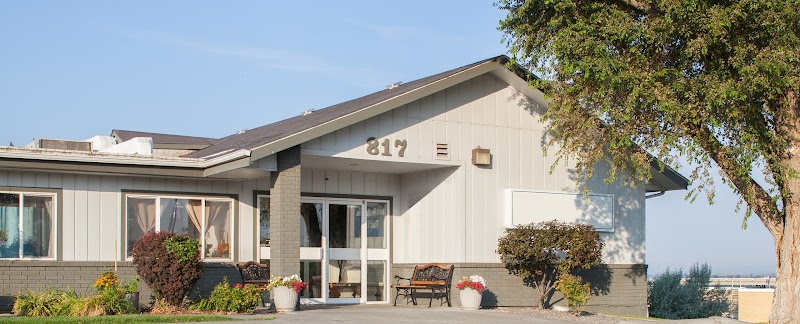
LAKE RIDGE CENTER

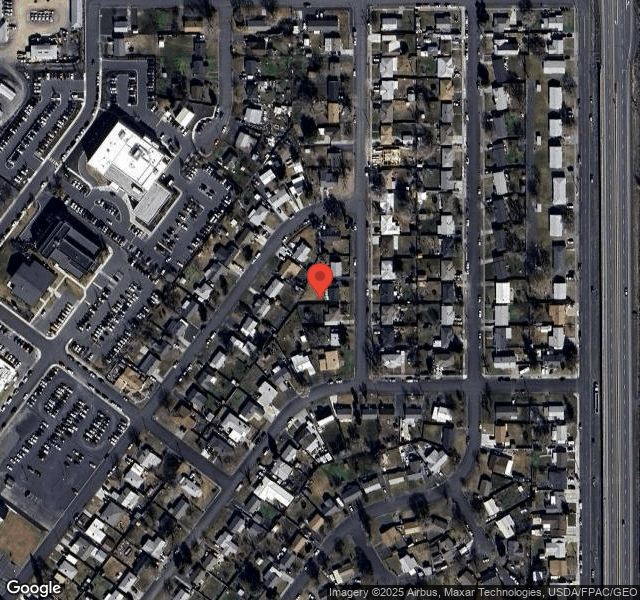
817 EAST PLUM STREET, MOSES LAKE, WA 98837 (509) 765-7835
For profit - Limited Liability company 74 Beds GENESIS HEALTHCARE Data: November 2025
Trust Grade
40/100
#102 of 190 in WA
Last Inspection: May 2025

Inspected within the last 6 months. Data reflects current conditions.

Overview

Lake Ridge Center in Moses Lake, Washington, has a Trust Grade of D, indicating it is below average and has some significant concerns. It ranks #102 out of 190 facilities in Washington, placing it in the bottom half, but it is the second best option in Grant County. The facility is showing an improving trend, with issues decreasing from 16 in 2024 to 12 in 2025. Staffing is rated average, with a turnover rate of 55%, which is around the state average, but the RN coverage is concerning as it is lower than 93% of other facilities in Washington. While there were no fines reported, there were serious incidents, including a resident experiencing harm due to inadequate monitoring of their respiratory condition and another who fell from their wheelchair due to lack of supervision, leading to injury and requiring hospital treatment. Overall, while there are some strengths, such as no fines and a slight improvement in issues, the facility's serious deficiencies raise important concerns for potential residents and their families.

Trust Score
D
40/100
In Washington
#102/190
Bottom 47%
Safety Record
High Risk
Review needed
Inspections
Getting Better
16 → 12 violations
Staff Stability
⚠ Watch
55% turnover. Above average. Higher turnover means staff may not know residents' routines.
Penalties
✓ Good
No fines on record. Clean compliance history, better than most Washington facilities.
Skilled Nurses
⚠ Watch
Each resident gets only 27 minutes of Registered Nurse (RN) attention daily — below average for Washington. Fewer RN minutes means fewer trained eyes watching for problems.
Violations
⚠ Watch
32 deficiencies on record. Higher than average. Multiple issues found across inspections.
★★★☆☆
3.0
Overall Rating
★★★☆☆
3.0
Staff Levels
★★☆☆☆
2.0
Care Quality
★★★☆☆
3.0
Inspection Score
Stable
2024: 16 issues
2025: 12 issues

The Good

  • Full Sprinkler Coverage · Fire safety systems throughout facility
  • No fines on record

Facility shows strength in fire safety.

The Bad

3-Star Overall Rating

Near Washington average (3.2)

Meets federal standards, typical of most facilities

Staff Turnover: 55%

Near Washington avg (46%)

Frequent staff changes - ask about care continuity

Chain: GENESIS HEALTHCARE

Part of a multi-facility chain

Ask about local staffing decisions and management

Staff turnover is elevated (55%)

7 points above Washington average of 48%

The Ugly 32 deficiencies on record

3 actual harm
Jul 2025 1 deficiency
CONCERN (D) 📢 Someone Reported This

A family member, employee, or ombudsman was alarmed enough to file a formal complaint

Potential for Harm - no one hurt, but risky conditions existed

Notification of Changes (Tag F0580)

Could have caused harm · This affected 1 resident

**NOTE- TERMS IN BRACKETS HAVE BEEN EDITED TO PROTECT CONFIDENTIALITY** Based on interview and record review, the facility failed to ensure the Resident Representative (RR) and physician were notified...

Read full inspector narrative →
**NOTE- TERMS IN BRACKETS HAVE BEEN EDITED TO PROTECT CONFIDENTIALITY** Based on interview and record review, the facility failed to ensure the Resident Representative (RR) and physician were notified of multiple medication refusals that resulted in a change in condition for 1 of 2 residents (Resident 1) reviewed for change in condition. This deficient practice placed residents at risk of a potential delay in medical treatment.Findings included.<Resident 1>Review of the medical record showed Resident 1 admitted to the facility on [DATE] with diagnoses of dementia (a decline in mental ability, impacting memory, thinking, and social abilities enough to interfere with daily life) with agitation (feeling restless, uneasy, or disturbed), heart failure (condition where the heart muscle is weakened or stiffened, making it less effective at pumping blood), and diabetes mellitus (a condition where your body has trouble regulating blood sugar levels). Review of the comprehensive assessment dated [DATE] showed Resident 1 had severely impaired cognition and required the assistance of one person for dressing, personal hygiene, toileting, and bathing.Review of the physician's orders for June 2025 showed Resident 1 was prescribed the following medications to treat diabetes mellitus:Glipizide (a medication used to treat high blood sugar levels) 5 milligrams (mg)--take by mouth in the morning.Humalog (fast-acting-within 15-60 minutes) Insulin (man-made form of the hormone needed to manage blood sugar levels) 100 units/milliliter (mL)--inject subcutaneously [SQ (under the skin)] per sliding scale based on blood sugar (BS) value with meals and at bedtime. If BS 150-200=inject zero units; 201-250=inject one unit; 251-300=inject two units; 301-350=inject three units; 351-400=inject four units; 401-500=inject five units and call provider.Lantus (long-acting-works over 24-hours) Insulin 100 units/mL-Inject 30 units SQ in the evening.Review of the Medication Administration Record (MAR) for June 2025 showed Resident 1 had the following documented refusals:Glipizide was refused two out of 25 opportunities.Humalog Insulin was refused two out of 24 opportunities with breakfast, two out of 23 opportunities with lunch, 18 out of 24 opportunities with dinner, and 22 out of 24 opportunities at bedtime.Lantus Insulin was refused 20 out of 25 opportunities.Review of the nursing progress notes from 06/05/2025 to 06/30/2025 showed no documented notifications to Resident 1's Representative or the medical provider regarding their medication refusals.Review of the medical record showed Resident 1 was admitted to the local hospital on [DATE] for hyperglycemia (a condition where there's too much sugar in the blood) and altered mental status.During an interview, on 07/09/2025 at 10:10 AM, a Resident Representative (RR) stated they were unaware of the number of medication refusals by Resident 1 and felt this was the cause of Resident 1's change in condition and hospitalization.During an interview, on 07/09/2025 at 2:40 PM, Staff C, Advanced Registered Nurse Practitioner (ARNP), stated they expected facility nursing staff to notify a medical provider (either in-person while they were at the facility or by phone) within 24 hours of a resident refusing vital medications such as insulin, antibiotics (medicines that fight bacterial infections), blood thinners (medications that prevent blood clots from forming), or antiseizure medications [used to prevent or stop seizures (a sudden, temporary surge of abnormal electrical activity in the brain that can cause changes in behavior, sensations, muscle control, and awareness)]. Staff C stated patterns of overall medication refusals or missed doses should be brought to the medical provider's attention regardless of the type of medication within a week's time. Staff C stated they were not aware of the number of medication refusals Resident 1 had since admission.During an interview, on 07/16/2025 at 2:15 PM, Staff D, Licensed Practical Nurse (LPN), stated they were aware Resident 1 refused their medications frequently, especially in the evening. Staff D stated their practice was to notify nursing management and the medical provider when residents refuse their medications on more than one occasion. Staff D stated they were usually successful with medication administration for Resident 1 and did not recall a time when notification was warranted.During an interview, on 07/16/2025 at 2:35 PM, Staff E, LPN, stated Resident 1 was very difficult to administer medications to, and they were usually not successful. Staff E stated their practice was to verbally notify the Director of Nursing Services (DNS), medical provider, and/or the RR of medication refusals when they saw them in person. Staff E stated they try (to remember) to document (the notification) in the medical record.During an interview, on 07/16/2025 at 3:45 PM, Staff B, DNS, stated the expectation was for the nursing staff to notify the nursing managers, medical provider, and the RR when a resident refused to take medication, especially medications that can had negative impacts if missed. Staff B stated notifications for Resident 1's medication refusals should have been made and were not.Reference: WAC 388-97-0320(1)(c)
May 2025 11 deficiencies 3 Harm
SERIOUS (G)

Actual Harm - a resident was hurt due to facility failures

Quality of Care (Tag F0684)

A resident was harmed · This affected 1 resident

**NOTE- TERMS IN BRACKETS HAVE BEEN EDITED TO PROTECT CONFIDENTIALITY** Based on observation, interview, and record review the facility failed to 1) thoroughly evaluate and monitor the significant cha...

Read full inspector narrative →
**NOTE- TERMS IN BRACKETS HAVE BEEN EDITED TO PROTECT CONFIDENTIALITY** Based on observation, interview, and record review the facility failed to 1) thoroughly evaluate and monitor the significant changes in a resident's respiratory condition and increased sedation from medications given for 1 of 3 residents (Resident 1) reviewed for change of condition; 2) accurately assess and notify the provider timely of wound changes for prompt medical evaluation for 1 of 3 residents (Resident 11) reviewed for skin conditions; 3) follow through with specialized services for 2 of 2 residents (Resident 34 and 57) reviewed for quality of care. This failed practice placed residents at risk of not receiving the care and services they needed to prevent a decline in their health and/or mobility. Additionally, Resident 1 experienced actual harm due to a delay in obtaining prompt medical treatment that resulted in hospital intervention and treatment for over sedation and aspiration pneumonia (a lung infection that occurs when stomach contents or mouth secretions are inhaled into the lungs). Resident 11 experienced harm when there was a delay in notification to the provider that a wound had worsened and caused severe pain. Findings included . <Resident 1> The medical record showed the resident was admitted on [DATE] with diagnoses including a left thigh bone fracture with surgical repair, Rheumatoid arthritis (a chronic autoimmune disease that attacks healthy cells and tissues located in the joints of both sides of the body), heart disease, chronic oxygen use and chronic pain. The 03/13/2025 admission assessment showed Resident 1 was alert and oriented and made their needs known. During an interview and concurrent observation on 05/05/2025 at 2:45 PM, Resident 1 stated they were in pain and hurt all over and felt they could not breathe and felt that they were not receiving their oxygen. The resident was lying in bed with oxygen cannula (a medical device that delivers through two prongs that fit into the nostrils) connected to the oxygen concentrator. Resident 1's face showed their skin was gray, ashen (white) in color, pale and flakey. The residents' lips were dry with gummy/sticky substances at the corners of their mouth. Resident 1 was slow to respond to questions and closed their eyes and opened them between answering questions and spoke in a low soft voice. During an interview on 05/05/2025 at 2:50 PM, Staff I, Licensed Practical Nurse (LPN), stated that they informed staff of Resident 1's concerns with pain and shortness of breath. During an observation on 05/05/2025 at 3:00 PM, Staff C was in the resident's room and stated the resident's blood pressure and oxygen level were good at 93% (normal levels are 92% and above). During an interview on 05/05/2025 at 3:05 PM, Staff U, Advanced Registered Nurse Practitioner (ARNP), stated they thought the resident was experiencing some symptoms. Staff U stated Resident 1 might be having a stroke, had been responding slowly to their questions, and drowsy. Resident 1's oxygen level was at 94%. Review of the 05/05/2025 progress notes, documented at 3:20 PM, showed Staff U wrote an order for an additional Oxycodone (narcotic pain medication) dose for Resident 1's increased pain. Review of a progress note on 05/05/2025 at 3:38 PM showed new orders from Staff U for laboratory orders, a chest x-ray and an electrocardiogram (EKG-process of recording of heart beating). Review of a 05/05/2025 at 9:52 PM progress note showed no respiratory lung assessment documented and oxygen levels were at 94%. During an observation and concurrent interview on 05/06/2025 at 8:17 AM, Resident 1 was in their bed with the head of the bed at a 35-degree angle in which the resident had to partially lean forward to reach their over bed table to pick up items such as food on their tray then they had to lay their head back on the bed to swallow their food. Resident 1 was confused as to where they were and the day and season of the year. The resident had their oxygen nasal cannula connected to the oxygen concentrator. Resident 1's skin was pale white to their face with dry lips and oral mucus membranes. The resident complained of pain, shortness of breath and being weak. When the Surveyor immediately notified Staff EE, LPN, they stated it was their second day on that particular assignment at the facility and they were unfamiliar with resident conditions and would get information from the computer. Review of the 05/06/2025 at 8:41 AM progress note showed Resident 1 was in no distress and their oxygen level was 92%. Review of the 05/06/2025 at 1:00 PM progress note showed Resident 1 was observed to be lethargic (drowsy). Resident 1's blood pressure was 88/46 (normal blood pressure 120/80), oxygen level 61% (normal is 92% and above) oxygen. Resident 1 was sent to the hospital. The progress notes also stated the chest x-ray, EKG and laboratory request were not completed on 05/05/2025 from Staff U. Review of the 05/06/2025 Hospital emergency room (ER) physician's report showed the resident was confused and had been weaker than usual. According to the Emergency Medical Services (EMS) ER report the resident was unresponsive when they arrived at the facility. The ER physician's review of Resident 1's medications showed high risk medications to include Seroquel (an anti-psychotic medication), Gabapentin (an anti-convulsant medication used for pain) and Oxycodone (opioid [class of drugs used to reduce pain] narcotic pain reliever). The 05/06/2025 report showed Resident 1 experienced an opioid overdose due to the medication given together in a close amount of time and the accumulation of side effects produced by the resident's medications. Resident 1 was given Narcan (medication that blocks opioid receptors in the brain to reverse the overdose). Additionally, the 05/06/2025 hospital ER report showed Resident 1 had developed a respiratory sepsis (infection) which was diagnosed as Aspiration Pneumonia. During an interview on 05/08/2025 at 9:58 AM, Staff T, Registered Nurse (RN), stated they realized the nursing staff did not immediately act upon changes in Resident 1's condition. Additionally, the facility failed to monitor side effects of the multiple medications given to Resident 1 and would recommend changes. <Resident 11> Review of Resident 11's medical record showed they admitted on [DATE] with diagnoses to include end stage renal disease (your kidneys have failed and can no longer effectively filter waste and excess fluid from your blood) and osteomyelitis (a bone infection). The 02/12/2025 comprehensive assessment showed the residents 'cognition was moderately impaired and required substantial to maximum staff assistance with bed mobility and transfers. The assessment also showed Resident 11 was at risk for developing pressure injuries ( PIs- areas of skin and tissue damage caused by prolonged pressure, friciton, or sliding). Record review of a progress note titled Situation, Background, Assessment, and Recommendation (SBAR- a form used to communicate changes to the provider) dated 03/29/2025 showed Resident 11 acquired a PI to their coccyx (tailbone) measuring 1.0 centimeter (cm, a unit of measure) by 1.0 cm. The SBAR further showed the provider responded with new intervention orders. The March 2025 provider orders showed no new orders since 02/10/2025 had been initiated. Record review of the outside wound care consultant 04/14/2025 wound assessment showed the left coccyx wound was closed but remained high risk with new orders to use house emollient (softens and smooths dry, rough, or flaky skin) cream during perineal (the area between the genitals and the rectum) care and as needed. Record review of the April 2025 orders showed no new or updated orders were initiated for the coccyx wound on 04/14/2025. Record review of a communication form (a form used by nursing staff to communicate changes to the interdisciplinary team) dated 05/04/2025 showed Staff L, Licensed Practical Nurse, (LPN), stated Resident 11's coccyx wound was worsening and presented with eschar (a thick, dead tissue that forms over a wound, espicially after an injury). Staff L requested Resident 11 be seen by the outside wound consultant when they were in the facility for wound rounds on 05/05/2025. Further review of the record showed no evaluation or assessment of the worsening of the coccyx wound and no notification to the provider. During an interview on 05/07/2025 at 1:57 PM, Staff L stated the wound on Resident 11's coccyx was an unstageable PI related to the eschar covering the wound bed and they were unable to see what the wound looked like underneath the eschar. Staff L stated they were not sure why the communication form did not get addressed. During an interview on 05/07/2025 at 3:06 PM, Staff D, Resident Case Manager (RCM), stated they were unaware the area to Resident 11 's coccyx was opened, I thought it was all healed. An observation and concurrent interview on 05/07/2025 at 3:38 PM, with Staff C, RCM and Staff D, showed Staff D removed the foam dressing from Resident 11 's coccyx. The coccyx had a wound with eschar, full thickness skin loss, and surrounding the wound bed was red and moist tissue. Staff D and Staff C both stated they were not sure what stage the wound was but if they had to say they would stage it as an unstageable PI related to not being able to see the wound bed. Measurements of the wound were measured as: area 7.73 cm, length 3.28.cm, width 2.65 cm. An observation and concurrent interview on 05/07/2025 at 3:45 PM, showed Resident 11 lying in bed on their back. Resident 11 stated it is so painful to sit and lay on my bottom. The resident stated the medication helped but the wound still hurt them during the changing of their wound dressing. Record review of the May 2025 treatment medication record (TAR) showed Staff C had documented they completed the wound treatment for Resident 11's coccyx wound on 05/05/2025. During an interview on 05/07/2025 at 4:28PM, Staff C stated they signed that they completed the wound care on Resident 11 on 05/05/2025. Staff C stated they did not actually see the wound or do the wound care. Staff C stated they assumed the wound care consultant would be doing the wound care as Mondays were the days they came into the facility. Staff C looked at the outside wound consultant's notes from 05/05/2025 and stated, it does not look like she addressed the coccyx wound. Record review of the outside wound consultant 05/05/2025 wound assessment notes for Resident 11 showed no assessment of the coccyx wound. During an interview on 05/08/2025 at 8:09 AM, Staff L stated they could not remember exactly when the wound started changing. Staff L stated the process for an existing wound that worsened would be to notify the wound consultant and place a note in the binder for the doctor to review. Staff L stated they had asked the RCMs what to do and they stated to put it on the communications form and that they had done that on maybe Friday, Saturday or Sunday they would have to look they could not remember. Staff C stated they only did a visual on the wound and did not do an assessment or obtain measurements. Staff C stated they should have done a better assessment, measured the wound and called the provider for further orders on 05/04/2025. During an interview on 05/08/2025 at 8:24 AM, Staff A, Administrator, stated the process for communication forms from the nursing staff was they addressed all communication forms each morning in the morning meeting. Staff C stated Staff L's communication of Resident 11's coccyx wound worsening should have been addressed in the morning meeting on 05/05/2025. Staff A stated the expectation for Staff L was to do a complete assessment of Resident 11's coccyx wound including measurements and to notify the provider. Staff A stated the RCMs were responsible for doing an immediate follow-up on 05/05/2025 and the process was not followed. An observation and concurrent interview on 05/08/2025 at 8:39 AM showed Resident 11 lying in their bed on their back moaning oh it hurts, oh it hurts. Resident 11 stated their pain to their bottom was so painful and they just could not stand it. During an interview on 05/08/2025 at 8:58 AM, Staff V, Nursing Assistant (NA), stated they had seen the wound on Resident 11's coccyx on 05/05/2025 and it had looked the same as last week, it had looked the same for about three weeks. Staff V stated their process was to notify the nurse for any skin issues or changes and with Resident 11 they must notify the nurse every time the dressing comes off which is often, so the nurses were aware of the changes to the wound. During an interview on 05/08/2025 at 3:13 PM, Staff W, NA, stated they had seen the wound on Resident 11's coccyx the evening before (05/07/2025) and it had black areas and was open. Staff W stated they had also seen it the Friday before and the wound had been like that for about three weeks. Staff W stated the nurses were aware of the change in the wound because they had to go and get the nurse to place a new dressing when it came off. Staff W stated their process for any wound that was new or had changes was to immediately tell the nurse on the floor and all the nurses were aware of how Resident 11's wound looked. Staff W stated Resident 11 has had an increase in pain and they have had to reposition Resident 11 a lot more recently because it helped with the pain they had on their bottom. During an interview on 05/08/2025 at 3:18 PM, Staff Y, LPN, stated they had seen the wound to Resident 11's coccyx on Tuesday (05/06/2025) and they were unable to see the wound bed because there was a white, soft scab covering it. Staff Y stated they did not know how to stage a PI and they did not notify the provider because it was just a scab. During an interview on 05/08/2025 at 3:22 PM, Staff D stated they were responsible for entering new orders from the 04/14/2025 outside wound consultant visit. Staff D stated the order was missed. Staff D stated they became aware of Resident 11's coccyx wound on 05/07/2025 (3 days after the communication form was written). Staff D stated they and Staff C were responsible for reviewing communication forms from nursing staff during morning meetings. Staff C stated they missed the communication about Resident 11's coccyx wound on 05/05/2025 because they had worked the night before and arrived late. Staff C stated Staff D was on the floor that morning, and since the RCMs were not at the meeting, the communication for Resident 11's wound just got missed. Record review on 05/08/2025 of a Skin and wound evaluation opened by Staff C on 05/07/2025 showed the assessment was blank (four days after communication from Staff L on the worsening of Resident 11's coccyx wound.) During an interview on 05/08/2025 at 3:51 PM with Staff D and Staff C, Staff C stated they did not know how to assess the wound on Resident 11's coccyx. Staff C stated they waited for the outside wound consultant to call and complete their tele health (using technology like phone or video calls to deliver healthcare services remotely) assessment of the wound before they finished their assessment or changed any orders. Both Staff C and Staff D stated they were unaware identifying the stage of a wound was within their scope of practice as a nurse and should get some training. During an interview on 05/09/2025 at 9:23 AM, Staff U, Advanced Registered Nurse Practitioner, stated the process for a significant change in wound was to call them or the on-call provider for further orders immediately. Staff U stated the four-day delay in notifying a provider or completing an assessment was a delay in treatment because a wound could change quickly. Staff U stated a complete assessment of the wound should have been done immediately, and the correct process was not followed for Resident 11. During an interview on 05/09/2025 at 11:18 AM, Staff A stated Staff L should have completed a change in condition and notified the provider for further orders. Staff A stated the inter disciplinary team was responsible for reviewing all communications from the prior day/eve in the morning meetings and they did not do that. Staff A stated they expect immediate action on any significant change with wounds. Staff A stated there was a delay in treatment for Resident 11 from 05/04/2025 to 05/09/2025 and the overall process was not followed correctly for Resident 11. <Resident 34> Review of the resident's medical records showed they admitted with diagnoses to include Alzheimer's disease (a brain disorder that slowly destroys a person's memory and thinking skills) and malnutrition (an imbalance between the nutrients your body needs to function and the nutrients it gets). The 03/10/2025 comprehensive assessment showed Resident 34's cognition was severely impaired and had not experienced behaviors during the assessment period. The assessment showed Resident 34 was independent upon staff for their activities of daily living (ADLs, basic skills needed daily to maintain your health and wellbeing). An observation on 05/05/2025 at 12:19 PM, showed Resident 34 in the dining room, sitting in their wheelchair (w/c), leaning down towards their left side. Resident 34 was being assisted with their meal and the NA attempted to reposition the resident to an upright position but then went right back to leaning to their left side. Review of a 10/25/2024 physical therapy (PT) note showed Resident 34 was seen for a left sided lean. The note showed Resident 34 would have a wedge placed to the left side of the back rest of their w/c to assist with positioning. An observation and concurrent interview on 05/06/2025 at 10:08 AM, showed Resident 34 was observed sitting in their wheelchair (w/c), during an activity, leaning over to their left side with their head lying on a white bed pillow. The white pillow was resting on the arm rest of the w/c, and Resident 34's shoulder and left arm were resting in the seat, alongside them. The white pillow had a wet area the size of a softball from where Resident 34 had been lying and had drooled. Staff I, LPN, stated Resident 34 at times would sit straight up and then just gradually start tilting favoring their left side. Staff I stated staff had to assist and reposition the resident to sit up straight when they would lean over to their left side. Staff I stated they used the white pillow for positioning the resident. Staff I did not attempt to reposition Resident 34 to an upright position. There was no wedge observed in the w/c. Staff I stated they had not seen a wedge for Resident 34. An observation on 05/07/2025 at 10:11 AM, showed Resident 34 sitting outside on the patio, in their w/c, with their head resting on a white bed pillow, to their left side. Resident 34 had headphones on listening to music. Staff were not observed attempting to reposition Resident 34 to an upright position. There was no wedge observed in the w/c. During an interview on 05/08/2025 at 11:57 AM, Staff P, Physical Therapy Assistant/Rehab Director, stated Resident 34 was no longer using the wedge in the w/c due to the resident was throwing out the wedge and refusing to use it all the time. Staff P stated they could not find a care plan for the wedge or for the repositioning of the resident, when they were observed leaning to their left side. Staff P stated they did not know where the staff would have documented that the resident was throwing out or refusing the wedge. During an interview on 05/08/2025 at 2:50 PM, Staff D, Resident Care Manager (RCM), stated Staff P would communicate specialized equipment changes to them and then they would update the residents' care plan so staff would know what care to provide. Staff D stated conversations with the PT are falling through the cracks and the wedge was missed. I did not know anything about the wedge. Staff D stated they were not aware of Resident 34's wedge for their w/c so that did not get care planned, therefore staff were unaware Resident 34 was to use it and were unable to document on it. Staff D stated Resident 34 was now leaning more so needed a new PT evaluation. <Resident 57> Review of the resident's medical records showed they admitted with diagnoses to include dementia, liver transplantation (to remove a diseased or injured liver and replace it with a healthy liver from another person), and chronic hepatitis (inflammation of the liver). The 03/26/2025 comprehensive assessment showed Resident 57's cognition was severely impaired and was dependent upon staff for ADLs. Review of Resident 57's 12/23/2024 hospital discharge orders showed Instructions for Follow-up Providers .Patient should be referred to a nearby gastroenterologist (a medical doctor who specializes in conditions affecting the digestive system)/hepatologist (a medical doctor who specializes in conditions affecting the liver and the bile ducts) to manage the liver transplant and immunosuppression (drugs that prevent your immune system from attacking healthy cells and tissues by mistake) therapy. Review of Resident 57's 05/2025 physician orders showed orders on 12/31/2024 for a referral to Gastroenterology for Resident 57's diagnoses of long-term use of immunosuppressants, liver transplantation, hepatitis, and liver cancer (a disease resulting from uncontrolled growth and division of abnormal cells). This order was discontinued and reordered on the evening of 05/05/2025. Review of the provider's note dated 01/19/2025, showed for staff to continue with the current therapies for Resident 57's liver transplantation and routine follow-up with hepatologist. During an interview on 05/08/2025 at 2:43 PM, Staff D stated they did not have a reason for why the referrals were not followed through with other than I have been busy, and it was not in my vision .I just need to find time to work on them. During an interview on 05/08/2025 at 3:55 PM, Staff A, Administrator, stated they expected referrals to be followed through on within a week, but my expectations were more like three to four days. During an interview on 05/09/2025 at 8:42 AM, Staff B, Director of Nursing Services, stated they would have expected referrals to be processed and followed up on immediately and should not have taken this long. Reference WAC 388-97-1060(1)
SERIOUS (G)

Actual Harm - a resident was hurt due to facility failures

Accident Prevention (Tag F0689)

A resident was harmed · This affected 1 resident

**NOTE- TERMS IN BRACKETS HAVE BEEN EDITED TO PROTECT CONFIDENTIALITY** Based on interview and record review, the facility failed to ensure the supervised fall risk residents received adequate supervi...

Read full inspector narrative →
**NOTE- TERMS IN BRACKETS HAVE BEEN EDITED TO PROTECT CONFIDENTIALITY** Based on interview and record review, the facility failed to ensure the supervised fall risk residents received adequate supervision of one staff assistance in the dining room, and proper use of fall prevention devices for 1 of 5 residents (Resident 218) reviewed for falls. Resident 218 experienced harm when they fell forward out of their wheelchair when staff forgot to place the drop-down seat into the reclining position after transferring the resident to their wheelchair and sustained an injury to their left forehead that required hospital intervention for control of bleeding and stitches. Findings included . <Resident 218> Review of the medical record showed Resident 218 was admitted to the facility on [DATE] with diagnoses to include dementia (the loss of thinking, remembering, and reasoning to the extent that interferes with daily living), epilepsy (a brain condition that causes recurring seizures), lack of coordination, and repeated falls. The comprehensive assessment dated [DATE] showed Resident 218's cognition was severely impaired, dependent on staff for activities of daily living (ADL, fundamental tasks individuals perform daily for personal care) and was on hospice (a program that gives special care to people who are near the end of life). Review of the care plan dated 01/19/2025 showed Resident 218 was at risk for falls related to their cognitive loss, lack of safety awareness, and history of seizures with fall. Further review showed interventions which included ensuring appropriate footwear was in place, engage the drop seat (a reclining seat that prevents a resident from going forward) wheelchair for positioning, and monitoring Resident 218's whereabouts frequently, and assist them away from cluttered areas. Review of the facilities incident reporting log dated 04/13/2025 showed Resident 218 had a fall in the dining room that resulted in an injury. During an interview on 05/09/2025 at 11:29 AM, Staff L, Registered Nurse (RN), stated they were alerted to a resident who fell and needed assistance immediately. Upon entering the dining room, Staff L stated they found Resident 218 lying on their left side and was bleeding from their forehead. Staff L, RN stated that it took four staff members to transfer Resident 218 back into their wheelchair, wheel them to their room, and put the resident in bed. Staff L stated they had performed first aid to a laceration on Resident 218's forehead and called the hospice nurse. Staff L stated shortly after the hospice nurse arrived, they spoke to the physician about the resident's laceration and the continued bleeding. The hospice physician ordered Resident 218 to be sent to the emergency room for a higher level of evaluation and treatment. Review of the local hospital records dated 04/13/2025 at 9:32 AM showed that Resident 218's encounter visit was due to an unwitnessed fall when the resident sustained a three-centimeter (a unit of measure) laceration to the left forehead. Further review showed the resident responded to voice, had no pain and back to baseline for discharge to the facility. During an interview on 05/09/2025 at 11:59 AM Staff N, Nursing Assistant (NA), stated the post-fall procedure was that staff were to report the incident to a nurse and filled out a statement form by the end of shift. Staff N stated everyone on the floor was to fill out a witness form, so the facility knew where and what everyone was doing during the incident. During an interview on 05/12/2025 at 2:05 PM Staff O, NA, stated they were present during the incident with Resident 218. Staff O stated they had provided care to the resident, transferred the resident to their drop seat wheelchair, and then sat the resident in the dining room for breakfast. Staff O stated that they had forgotten to place the drop-down seat into the reclining position after transferring Resident 218 to their wheelchair and they had fallen forward a fall. Staff O stated the resident was sent to the emergency room for laceration to the forehead and came back to the facility with dissolvable stitches. During an interview on 05/09/2025 at 12:32 PM, Staff A, Administrator, acknowledged the investigation had not been completed. Reference: WAC 388-97-1060 (3)(g)
SERIOUS (G)

Actual Harm - a resident was hurt due to facility failures

Deficiency F0692 (Tag F0692)

A resident was harmed · This affected 1 resident

**NOTE- TERMS IN BRACKETS HAVE BEEN EDITED TO PROTECT CONFIDENTIALITY** Based on observation, interview and record review, the facility failed to ensure residents at risk for weight loss were reviewed...

Read full inspector narrative →
**NOTE- TERMS IN BRACKETS HAVE BEEN EDITED TO PROTECT CONFIDENTIALITY** Based on observation, interview and record review, the facility failed to ensure residents at risk for weight loss were reviewed for of 1 of 5 sampled residents (Resident 1) reviewed for nutrition. Resident 1 experienced harm as they had a 18.67% significant, unplanned, weight loss from 03/13/2025 to 04/22/2025 (40 days) and was found to have low protein levels and skin issues. This placed residents at risk for unplanned weight changes, health complications and nutritional decline. Findings included . <Nutritional Assessments> Review of the facility's 05/01/2023 Food and Nutrition Services Policies and Procedures showed that residents were assessed on admission and routinely thereafter. The residents' goals, diet order, reason for their diet order and components of the diet were discussed with the residents as well as their likes and dislikes. The dietician completed comprehensive or on-going assessments of any residents with nutritional concerns. Residents with dietary concerns were assessed at least monthly. <Weights> Review of the facility's 06/15/2022 Weight policy, showed residents were weighed on admission, then weekly for four weeks, and then monthly thereafter. Significant weight change management would be reviewed by the licensed nurse for assessment. All significant weight changes must be communicated to the physician and the dietitian. All recommendations would be assessed by the Interdisciplinary team and noted in the progress notes and the care plan. <Resident 1> Review of the medical record showed the resident admitted to the facility on [DATE] with diagnoses to include skin breakdown (Moisture Associated Skin Dermatitis (MASD) skin irritation or erosion caused by prolong exposure to moisture such as urine or stool), protein caloric malnutrition (when a person does not consume enough proteins and calories to meet their nutritional needs), post-surgery of a fractured left thigh bone after a fall and Rheumatoid arthritis(a chronic autoimmune disease that attacks healthy cells and tissues located in the joints of both sides of the body) and a Urinary Tract infection(UTI). Review of the 03/13/2025 comprehensive assessment showed the resident was alert and oriented and weighed 175. 8 pounds. The diet showed Resident 1 was ordered a Lacto-ovo-vegetarian diet (this diet consisted of acceptable amounts of milk products and eggs but no animal meat products). During an observation on 05/05/2025 at 7:48 AM, Resident 1's skin to their tail bone was bright red with purple areas of skin color and redness to the sacrum (triangular bone at the base of the spine) and peeled brown skin to each side of the sacrum. During an interview and concurrent observation on 05/05/2025 at 12:20 PM, Resident 1 was in bed with the over the bed table placed in front of them and their lunch meal on the table. The resident stated they had not had much of an appetite and had lost some weight but were unsure of the amount of weight loss. The resident had eaten a quarter of their lunch meal and stated they had enough. Resident 1 stated they were not on a weight loss plan. Resident 1 stated that since they had been admitted to the facility, they had experienced two episodes of UTIs and had not felt the same since they felt weak and unable to participate with therapies. During an interview on 05/05/2025 at 12:45 PM, Staff W, Nursing Assistant, (NA), stated they do not offer other food if a resident does not want to eat. Staff W stated if the resident wanted something else they would ask the kitchen. Review of Resident 1's facility weights showed: Resident 1's height was five foot seven inches. • 03/13/2025 at 12:10 PM 175.8 pounds • 04/22/2025 at 1:46 PM 143.0 pounds • 05/01/2025 at 2:13 PM 151.6 pounds • 04/29/2025 at 11:05 AM 151.6 pounds Review of the total weight loss percentage from 03/13/2025 to 04/22/2025 (40 days) was 18.67% (34.8 pound weight loss), a significant weight loss. Review of the percentage of weight gain from 04/22/2025 and 05/01/2025 was 8.6 pounds. Review of the total weight loss percentage from 03/13/2025 to 05/01/2025 (49 days) was 13.77% (a 32.4 pound eight loss), significant weight loss. Review of Resident 1's 03/10/2025 care plan showed the resident was at nutritional risk related to poor intake at times. The care plan goal was that the resident would consume 75% to 100% of two meals a day. Care plan interventions included encouragement of 100% consumption of all fluids, honor the resident's food preferences within meal plan and evaluate for proper consistency of diet. A review of the 03/14/2025 Nutrition progress note showed a Nutrition Assessment was completed. There were no other nutritional assessments or progress notes after the 03/14/2025 assessment as of 05/05/2025. The Nursing Assistant Task charting from 04/09/2025 through 05/05/2025 showed the documented meals consumed by Resident 1 ranged from 25% to 75%. Review of Resident 1's 05/06/2025 hospital emergency room (ER) visit showed laboratory blood work that the resident had a low protein level of 2.3 (normal reference range is 3.4-5.0), Sodium (an electrolyte) was 132 (normal reference range 135-145). Resident 1 tested positive for pneumonia (respiratory infection) due to aspiration of food and fluids according to the 05/06/2025 physician's emergency room report. Resident 1 was sent to the ER on [DATE] at 1:00 PM due to breathing difficulties and non-responsiveness. During an interview on 05/07/2025 at 10:03 AM, Staff U, Advanced Registered Nurse Practitioner (ARNP), stated they were unaware Resident 1 had weight loss and had not been eating well. Staff U stated Resident 1's skin issue would affect their nutrition. Staff U stated Resident 1 probably had fluid buildup in their lungs due to not being out of bed and not moving around much that affected the resident's respiratory issues. During an interview on 05/07/2025 at 10:45 AM, Staff C, Resident Case Manager (RCM), stated they were to inform the Interdisciplinary Team (IDT) about resident's skin issues and weight loss. The dietician, RCMs, and the ARNP were to be involved. Resident 1 was not included for the nutrition at risk discussion for weight loss. Staff C stated there was no report to the IDT concerning Resident 1's significant weight loss. During an interview on 05/09/2025 at 11:17 AM, Staff Q, Registered Dietician, stated they were not aware of Resident 1's weight loss. Staff Q stated they did their assessment and the resident's weight was 175.6 pounds. Staff Q stated Resident 1's documented intake was normal and had no swallowing or chewing issues. Staff Q stated the facility may have not accurately weighed the resident potentially showing a discrepancy in the process. Staff Q stated they completed the comprehensive nutrition assessment within seven days from admission. Staff Q stated they were onsite at the facility one day a month but did have weekly nutrition at risk meetings over the phone with the staff. Staff Q stated that the information on weights and food consumption was not always accurate and if a resident refused meals there was no further documentation of why they refused or what was offered to the residents in place of a meal. Staff Q stated there was a lack of accuracy in the information given and they would try to get clarity. Staff Q stated they did recently notice on 05/03/2025 that Resident 1 was not eating their 75% food consumption. Staff Q stated Resident 1 also had skin issues and there were gaps in information about skin issues and how quickly they were caught and acted upon. Staff Q stated there was not a robust type of meeting, there were missing parts of information about the residents' condition and the care for the residents needed to be better. During an interview on 05/09/2025 at 11:50 AM, Staff A, Administrator, stated they realized the lack of through nutritional at risk and resident weight reviews. Staff A stated they recognized the situation and had to work on the discrepancy. Reference WAC 388-97-1060-(3)(h)
CONCERN (D)

Potential for Harm - no one hurt, but risky conditions existed

Investigate Abuse (Tag F0610)

Could have caused harm · This affected 1 resident

**NOTE- TERMS IN BRACKETS HAVE BEEN EDITED TO PROTECT CONFIDENTIALITY** Based on interview and record review, the facility failed to thoroughly investigate a fall, for one of five sampled residents (R...

Read full inspector narrative →
**NOTE- TERMS IN BRACKETS HAVE BEEN EDITED TO PROTECT CONFIDENTIALITY** Based on interview and record review, the facility failed to thoroughly investigate a fall, for one of five sampled residents (Resident 218), reviewed for falls. The failure to complete a thorough investigation placed the residents at risk for potential negative health outcomes. Findings Including . <Resident 218> Review of the medical record showed Resident 218 was admitted to the facility on [DATE] with diagnoses to include dementia, muscle weakness, lack of coordination and repeated falls. The comprehensive assessment dated [DATE] showed Resident 218's cognition was severely impaired and was dependent on staff for activities of daily living (ADLs). Review of the facilities incident reporting log dated 04/13/2025 showed that the resident had a fall in the dining room and that resulted in Resident 218 being sent to the emergency room for evaluation and treatment of a laceration (a cut) to the left forehead. Review of the facilities investigation of Resident 218's fall dated 04/13/2025 did not show witness statements to reflect a thorough investigation. During an interview and observation on 05/08/2025 at 4:20 PM, Staff C, Resident Case Manager (RCM), stated they recognized that there were no witness statements, and would have to speak to the Director of Nurses (DNS). Staff C stated that the DNS would obtain witness statements for all investigations. During an interview on 05/09/25 at 9:57 AM, Staff C, RCM, stated they could not find the witness statements for Resident 218's investigation. Additionally, that the facility had a form for witness statements that should be filled out after an incident. During an interview on 05/09/25 10:40 AM, Staff M, Nursing Assistant (NA), stated when a resident had a fall staff were to report it immediately to the nurse and fill out a form of what, when, where, what was seen during the incident. Staff M stated that sometimes they get busy and forget to fill out the form, the form goes back to the nurse before the end of the shift. During an interview on 05/09/2025 at 11:29 AM, Staff L, Registered Nurse, (RN) stated Yes, I remember I was at the med cart when one of the residents came and said that I needed to come quickly that someone had fallen. Staff L stated they found Resident 218 lying on her left side and was bleeding from the forehead, spoke to the resident to see if they would respond, assessed the resident to see if we could move them. In the same interview Staff L stated that it took four staff members to place Resident 218 back into their wheelchair and put the resident in bed. Staff L stated they had performed first aid and called the hospice. Shortly after the hospice nurse arrived, they spoke to the physician and had to send Resident 218 to the emergency room for evaluation and treatment. Staff L stated they document a change in condition and monitor the resident. During an interview on 05/09/2025 at 11:59 AM Staff N, NA, stated they were aware of Resident 218's fall. Staff N stated post fall they gathered supplies for the team, and they noticed there was blood. Staff N stated they went to the laundry room for towels to clean up and gave the supplies to the team. Staff N stated the post-fall procedure is that they report the incident to the nurse, then we take care of the situation. Staff N stated staff must fill out a report by the end of shift, we are given a form to fill out. Everyone on the floor is to fill out a form, so the facility knows where and what everyone was doing during the incident. During an interview on 05/12/2025 at 2:05 PM Staff O, NA, stated they were aware of the incident with Resident 218, that they had sat the resident in the dining room and had forgotten to place the drop-down seat (a reclining seat that prevents the resident from going forward) and they had sustained a fall. Staff O stated they would normally fill out a form when an incident happened, that they had filled out the witness statement for the fall on 05/11/2025. During an interview on 05/09/2025 at 12:32 PM, Staff A, Administrator, acknowledged the incident report did not have witness statements. Reference: WAC 388-97-0640 (6)(a)(b)
CONCERN (D)

Potential for Harm - no one hurt, but risky conditions existed

Incontinence Care (Tag F0690)

Could have caused harm · This affected 1 resident

**NOTE- TERMS IN BRACKETS HAVE BEEN EDITED TO PROTECT CONFIDENTIALITY** Based on interview and record review, the facility failed to ensure a resident who was admitted with a urinary catheter (a tube ...

Read full inspector narrative →
**NOTE- TERMS IN BRACKETS HAVE BEEN EDITED TO PROTECT CONFIDENTIALITY** Based on interview and record review, the facility failed to ensure a resident who was admitted with a urinary catheter (a tube which drains urine from the bladder into a collection bag), received a referral to a urologist to determine function and continued use of a urinary catheter for 1 of 3 residents (Resident 1) reviewed for extended urinary catheter use. This placed the resident at risk for continued decline in urinary function. Findings included . <Resident 1> A review of the medical record showed the resident admitted to the facility on [DATE] with diagnoses of urinary retention (inability to empty the bladder) with a urinary catheter, and heart disease. The 03/13/2025 comprehensive assessment showed the resident was alert and oriented, had a urinary catheter and history of UTIs. During an observation and concurrent interview on 05/05/2025 at 9:25 AM, the resident had a urinary retention catheter with the urinary collection bag. During the interview the resident stated they had the catheter on and off but during their hospital stays. Resident 1stated they had many Urinary Tract Infections (UTIs) at the facility and was placed on many antibiotics. The resident stated they were not on a urinary catheter prior to being admitted to the facility. Review of the hospital physician's discharge notes dated 03/10/2025 showed the resident had the urinary catheter placed in the hospital on [DATE]. The resident developed a UTI while in the hospital on [DATE] and was placed on antibiotics and discharged with a retention urinary catheter to the facility. Review of the 03/24/2025 urinalysis culture (a sensitivity test used to diagnose UTIs and by identifying the bacteria in the urine and determining which antibiotic to use) report showed the resident had a UTI and started on an antibiotic. Review of the 04/29/2025 progress notes showed the resident complained of a burning sensation and pain in their bladder a urinalysis Review of the 05/01/2025 urinalysis culture report showed the resident had a UTI and started on an antibiotic for five days. During an interview on 05/06/2025 at 11:00 AM, Staff C, Resident Care Manager (RCM) stated they did not refer Resident 1 to a urologist to obtain orders for an assessment whether to trial the resident off from the retention catheter or to determine why the resident had continued UTIs. Reference WAC 388-97-1060-(3)(c)
CONCERN (D)

Potential for Harm - no one hurt, but risky conditions existed

Respiratory Care (Tag F0695)

Could have caused harm · This affected 1 resident

**NOTE- TERMS IN BRACKETS HAVE BEEN EDITED TO PROTECT CONFIDENTIALITY** Based on observation, interview, and record review, the facility failed to ensure continuous oxygen delivery was provided accor...

Read full inspector narrative →
**NOTE- TERMS IN BRACKETS HAVE BEEN EDITED TO PROTECT CONFIDENTIALITY** Based on observation, interview, and record review, the facility failed to ensure continuous oxygen delivery was provided according to physician orders, monitored respiratory status, and the maintaining of respiratory equipment for 2 of 2 residents (Residents 1 and 53), reviewed for respiratory status. This failed practice placed residents at risk of unmet needs, discomfort, and secondary medical complications. Findings included . Review of the facility's 08/07/2023 Oxygen policy showed to label, date and attach pre-filled humidifier bottle. The policy included replacing the disposable set-up (oxygen tubing and nasal canula) every seven days. <Resident 1> Review of the medical record showed the resident was admitted to the facility on [DATE] with diagnoses to include anemia, heart disease and required continuous oxygen. The 03/13/2025 comprehensive assessment showed the resident was alert and oriented and able to make their needs known. Review of Resident 1's oxygen orders dated 03/10/2025, showed to monitor the resident's oxygen level every shift. Additionally, to clean the oxygen concentrator filter every seven days. During an observation and concurrent interview on 05/05/2025 at 3:01 PM, Resident 1 was lying in bed complaining about the oxygen tubing being irritating to their nose and behind their ears. Observation of Resident 1's oxygen tubing showed the tubing was cloudy and opaque (not transparent) skin around the nasal cannula (tubing carrying oxygen through the nose) was flakey, dry with slight redness at the edges of the nostrils. Resident 1 stated that their nose was irritated, and they had to remove the oxygen cannula because of the irritation. The resident stated their ears where sore where the oxygen tubing was placed behind their ears. Observation of Resident 1's skin behind their ears showed a slight redness. Resident 1 stated the staff did not change the oxygen tubing. During an observation and concurrent interview on 05/05/2025 at 3:10 PM, there were no labels on Resident 1 ' s oxygen tubing, or a label from the last time the tubing had been changed. Additionally, the resident did not have sterile water connected to the oxygen concentrator to humidify the oxygen as ordered by the physician. When asked about the labeling and the sterile water to humidify the oxygen, Staff I, Licensed Practical Nurse (LPN), stated they would inform the resident's nurse about it. During an interview on 05/06/2025 at 9:00 AM, Staff EE, Agency Licensed Practical Nurse (LPN), stated they were unaware of the oxygen tubing not being labeled or having sterile water for humidified air on the concentrator. During an observation on 05/06/2025 at 9:50 AM, Resident 1's oxygen concentrator continued not to have sterile water on oxygen concentrator for humidification of oxygen. Resident 1's oxygen tubing had not been changed. Additionally, the oxygen concentrator filters were not clean and had build-up of white fuzzy dust. <Resident 53> Review of the medical records showed Resident 53 was admitted to the facility on [DATE], with diagnoses to include interstitial pulmonary disease (a group of lung disorders that cause inflammation and scaring to the tissue around the air sacs of the lungs), dementia (the loss of thinking, remembering, and reasoning, to the extent that effects activities of daily living), and the need for assistance with personal care. The comprehensive assessment dated [DATE] showed the residents' cognition was severely impaired and required assistance from one to two staff members for personal care. Review of Resident 53's Physician orders showed the resident was to wear oxygen at 2 L/min (a liter of oxygen flow per minute) via Nasal Cannula (a tubing that enters the nose to deliver oxygen) continuously. Additionally, an order dated 05/02/2025, showed that due to continuous oxygen, verify oxygen saturation (the amount of oxygen circulating in the blood) stayed above 92% when resident was transferred from one location to the other or during showers, every shift. During an observation on 05/07/2025 at 10:27 AM, Resident 53 sitting in their wheelchair in the outside activities with a blanket on their legs and a portable tank of oxygen on the back of their wheelchair. The resident's oxygen tank showed the pressure gauge at zero psi (pounds per square inch) indicating no oxygen. Resident 53 ' s tank was empty. During an observation on 05/07/2025 at 11:18 AM, Resident 53 was sitting in their wheelchair in the dining room with their oxygen tank empty. The resident had an oximeter (a small device that measures blood oxygen levels) on their right finger, the device showed their oxygen saturation was at 86%. Resident 53 was repeating I'm not sure why I feel this way I'm not sure why I feel this way. During an observation on 05/07/2025 at 11:42 AM, Resident 53 was in their wheelchair with a portable oxygen tank on the back of it, sitting in the dining room, and their oxygen tank continued was still empty, (one hour and 15 minutes after the first observation). During an interview on 05/07/2025 at 12:28 PM, Staff L, Registered Nurse stated nurses handled monitoring and the administration of oxygen for a resident. Staff L stated the nursing assistants were to notify a nurse for any issues, such as needing to have oxygen turned on. Staff L stated that they did not realize Resident 53's oxygen was empty. Reference: WAC 388-97-1060 (3)(j)(vi)
CONCERN (D)

Potential for Harm - no one hurt, but risky conditions existed

Deficiency F0757 (Tag F0757)

Could have caused harm · This affected 1 resident

**NOTE- TERMS IN BRACKETS HAVE BEEN EDITED TO PROTECT CONFIDENTIALITY** Based on observation, interview and record review, the facility failed to ensure 2 of 6 residents (Residents 51 and 57) were fre...

Read full inspector narrative →
**NOTE- TERMS IN BRACKETS HAVE BEEN EDITED TO PROTECT CONFIDENTIALITY** Based on observation, interview and record review, the facility failed to ensure 2 of 6 residents (Residents 51 and 57) were free of unnecessary drugs due to lack of monitoring, timely administration, and care planning of high-risk medications. This failed practice placed residents at risk of receiving medications incorrectly, subtherapeutic (relating to drug dosages administered at too low a level to produce a therapeutic effect) treatment, and adverse side effects. Findings included . Record review of an undated patient pamphlet published by [NAME] Cancer Center titled Tacrolimus (a medication to prevent the body from rejecting a transplanted organ) Reference Guide showed, Tacrolimus must be taken at the same time every day to keep steady levels of Tacrolimus in your blood. If there is a missed or late dose, contact your physician. The guide showed to monitor for common side effects that include high blood pressure, headache, tremors or shaking, nausea or vomiting, and diarrhea or constipation and to follow-up with your provider if the side effects are hard to control or won't go away. Review of the Pharmacyclics LLC patient pamphlet revised date 02/2024 titled Imbruvica (Ibrutinib) showed, that Ibrutinib is a cytotoxic medication (which means it is designed to kill cancer cells but can also harm normal cells if absorbed through the skin) and caregivers should wear disposable gloves when handling Ibrutinib capsules or tablets. Additionally, to monitor for side effects that include hemorrhage (large, uncontrolled bleeding from a blood vessel), infections, high blood pressure, liver problems, most common side effects diarrhea, muscle pain, bone pain and joint pain. <Resident 51> Review of the medical record showed Resident 51 admitted to the facility on [DATE] with diagnoses that included chronic lymphocytic leukemia (a type of cancer in the blood and bone marrow), dementia (the loss of thinking, remembering, and reasoning to the extent that interferes with Activities of Daily Living [ADLs]), and muscle weakness. The comprehensive assessment dated [DATE] showed the resident ' s cognition was severely impaired and was independent with ADLs. Review of the care plan dated 02/27/2025, showed there was no focused care plan for cancer, use of cytotoxic medication, no interventions to monitor for adverse side effects nor guidance for specialized handling. During an observation and concurrent interview on 05/08/2025 at 7:34 AM, during a medication pass, Staff R, Medication Assistant Certified (MAC), stated that the medication administration record for Imbruvica (a cytotoxic medication) showed no directives to wear gloves. In the same interview Staff C, Resident Care Manager (RCM), stated that it would be safer to wear gloves when administrating the Imbruvica medication. During an interview on 05/08/2025 at 11:08 AM, Staff D, RCM, stated they were not aware of the precautions for a cytotoxic medication, or the adverse effects such as the increased risk of hemorrhage. Staff D stated they should have used their nursing judgement. During an interview on 05/09/2025 at 1:24 PM, the Contracted Pharmacist stated the monitoring of Imbruvica would be to make sure routine cardiac function tests and labs were done. The monitoring of blood pressures, and to monitor for bleeding or bruising. The facility would also have to ensure administration of the Imbruvica medication was at the same time every day and to give with a full glass of water. <Resident 57> Review of the resident's medical records showed they admitted to the facility with diagnoses to include a liver transplantation (to remove a diseased or injured liver and replace it with a healthy liver from another person), liver cancer, chronic hepatitis (ongoing inflammation of the liver), and immunosuppressive therapy (use of drugs that prevent your immune system from attacking healthy cells and tissues by mistake) . The 03/26/2025 comprehensive assessment showed Resident 57's cognition was severely impaired and was dependent upon staff for their ADLs. Review of Resident 57's physician orders showed an order on 12/23/2024 for Tacrolimus (a brand of an immunosuppressant drug) capsules to be taken twice daily at 7:00 AM and 7:00 PM. On 04/30/2025 the 12/23/2024 Tacrolimus order was discontinued and a new order for Tacrolimus granules in a packet that had to be mixed with water was ordered due to Resident 57 experiencing swallowing issues. Review of the orders showed there were no directions on either of the Tacrolimus orders to show the medication needed to be administered at the same time every day to maintain adequate levels in the blood. The indication for use of the Tacrolimus was for liver transplantation. Review of Resident 57's labs to test for therapeutic levels showed Tacrolimus labs had not been obtained since admission on [DATE]. Review of Resident 57's 03/24/2025 care plan showed there was no care plan for the liver transplantation or for the use and monitoring of immunosuppressant therapy for therapeutic range, adverse side effects, or special directions for administration. Review of Resident 57's Medication Administration Records (MARs) from 03/01/2025 through 03/30/2025 showed the Tacrolimus had not been administered on the evening of 03/06/2025, the evening of 03/10/2025, and the morning of 03/21/2025 because the resident refused or was sleeping. Review of the MARs from 04/20/2025 through 05/08/2025 showed Tacrolimus was administered 32 times. The records showed 11 times the medication was administered at least 50 minutes early or late, with the longest time being four hours and 57 minutes late and once where the medication was not given. • 04/20/2025 the morning dose was not given due to the resident refusing • 04/24/2025 the morning dose was given at 7:50 AM (50 minutes late) • 04/26/2025 the morning dose was given at 7:58 AM (58 minutes late) • 04/26/2025 the evening dose was given at 6:03 PM (57 minutes early) • 4/30/2025 the evening dose was given at 12:37 AM (five hours and 37 minutes late) • 05/01/2025 the morning dose was given at 11:57 AM (four hours and 57 minutes late) • 05/02/2025 the morning dose was given at 9:37 AM (two hours and 37 minutes late) • 05/02/2025 evening dose was given at 8:51 PM (one hour and 51 minutes late) • 05/03/2025 the morning dose was given at 8:35 AM (one hour and 35 minutes late) • 05/04/2025 the evening dose was given at 8:02 PM (one hour and two minutes late) • 05/07/2025 the evening dose was given at 6:03 PM (57 minutes early) • 05/08/2025 the morning dose was given at 8:38 AM (one hour and 38 minutes late). During an observation on 05/08/2025 at 11:08 AM, Resident 57 was being assisted to their wheelchair. Resident 57 had tremors (a rhythmic movement of a body part that's involuntary) to their right hand while at rest sitting in their wheelchair (which could be a side effect of the Tacrolimus). Resident 57's hand was tremoring to the point that it would fall off the arm rest of the wheelchair either to their side or to the right side of the wheelchair. During an interview on 05/08/2025 at 2:43 PM, Staff D, Resident Care Manager, stated they were not aware that Tacrolimus had special instructions for administration and handling. Staff D stated they thought therapeutic levels should have been checked at some point but were not sure when that should have been, I probably need to get working on that. Staff D stated they were not familiar with immunosuppressant drugs and needed to learn more about them. During an interview on 05/09/2025 at 1:15 PM, the Contracted Pharmacist stated Tacrolimus was to be administered at the same time every day and Tacrolimus was on the list of hazardous drugs (medications that pose a risk to healthcare workers, patients, and the environment due to their potential to cause serious health effects like cancer, birth defects, or fertility problems) so adverse side effects should have been monitored, and the medication should have been administered with gloves. The Contracted Pharmacist stated they had not ordered Tacrolimus lab tests for Resident 57 and felt the transplant doctor should have been responsible for ordering and monitoring labs, as well as the ones the pharmacist had ordered. During an interview on 05/09/2025 at 8:42 PM, Staff B, Director of Nursing Services, stated they did not have additional monitoring or education for residents on immunosuppressant therapy. Staff B stated they knew the medication should not be handled without the use of gloves but would have expected the pharmacist to alert them to any special instructions if there were any. WAC Reference: 388-97-1060 (3)(k)(i), (4)
CONCERN (D)

Potential for Harm - no one hurt, but risky conditions existed

Deficiency F0804 (Tag F0804)

Could have caused harm · This affected 1 resident

Based on interview, observation, and record review, the facility failed to provide appetizing and palatable meals for 3 of 3 residents (Resident 24, 1 and 36) reviewed for the dining experience. These...

Read full inspector narrative →
Based on interview, observation, and record review, the facility failed to provide appetizing and palatable meals for 3 of 3 residents (Resident 24, 1 and 36) reviewed for the dining experience. These failures resulted in residents expressing dissatisfaction with the food and placed residents at risk for inadequate nutritional intake and weight loss. Findings included . Review of the 05/01/2023 Mealtimes and Delivery policy showed when meal food delivery was ready to begin the nutrition services employee (dietary department) alerted the nursing department that food was ready to be delivered. During an observation on 05/07/2025 at 11:20 AM, showed the lunch meal was checked for holding temperatures for serving the lunch meal. The following temperatures were taken and were within the temperature guidelines to include 135 degrees Fahrenheit (F) and 41 degrees F as follows: Chicken Fried Steak--185 degrees F Puree/Mech Soft------165 degrees F Salisbury Steak -------158 degrees F Potato Wedges--------180 Degrees F Puree Potatoes--------155 Degrees F Green Beans------------170 degrees F Carrots------------------170 Degrees F Milk----------------------38 Degrees F During an observation on 05/07/2025 at 11:35 AM, showed the dietary staff prepared the residents meal trays in serve out. The residents meal trays were placed in the cart for distribution at 11:42 AM. Dietary staff then call for nursing staff on C-Hall to get the cart. The C-Hall staff retrieved the lunch meal cart at 11:43 AM and the C-Hall meal cart and did not start serving residents until 12:00 PM, (more that 17 minutes after preparation of meals). During an interview and observation on 05/07/2025 at 11:50 AM, A test tray for resident tray for Resident 24 was taken from the meal A-Hall cart by Staff N, Nursing Assistant (NA) took the meal tray for Resident 24. Staff N took the meal tray out of the A-Hall cart and uncovered the top of the lunch meal, cut the chicken fried steak, put butter on the dinner roll and re-covered the lunch meal and brought it to the resident's room at 12:08 PM. The test tray (same as Resident 24's meal tray) was also brought at the same time to the resident's room and retrieved the tray by the Staff HH, Dietary Manager and the surveyor for temperature testing. On 05/07/2025 at 12:09 PM lunch was test tray was read at temperature of: Normal Temperatures for food are as follows: Chicken fried steak--118 degrees F Chicken fried Steak------135 degrees F Green Beans--------- 115 degrees F Green Beans--------------145 degrees F Potato wedges-------100 degrees F Potato Wedges-----------145 degrees F Milk-------------------50 degrees F Milk------------------------41 degrees F Pineapple-------------50 degrees F Pineapple------------------41 degrees F During an interview and observation on 05/07/2025 at12:15 PM, Resident 24 stated the meal was okay but cold and it was not too appetizing. The chicken fried steak was cold, and the green beans were cold. During an interview and observation on 05/07/2025 at 12:20 PM, Resident 36 who eats in the C-Hall dining room stated the food was not tasty and cold. During an interview and observation 05/07/2025 at 12:30 PM, Resident 1 who ate in their room on C- Hall stated the food was lukewarm. During an interview on 05/07/2025 at 12:40 PM, Staff HH stated the lunch meal was cold and not at the appropriate temperature and stated it's not good for resident's to not have hot foods hot. Additionally, the milk temperature was 50 degrees F as well as pineapple dessert that was to be cold. During an interview with Staff A, Administrator, stated they were aware that there were concerns about meals served cold and there were delays in serving meal trays. Reference WAC 388-97-1100 (1), (2)
CONCERN (E)

Potential for Harm - no one hurt, but risky conditions existed

Deficiency F0645 (Tag F0645)

Could have caused harm · This affected multiple residents

Based on observation, interview, and record review the facility failed to review and validate the Preadmission Screening and Resident Reviews (PASARR, an assessment to ensure individuals with Serious ...

Read full inspector narrative →
Based on observation, interview, and record review the facility failed to review and validate the Preadmission Screening and Resident Reviews (PASARR, an assessment to ensure individuals with Serious Mental Illness [SMI] or intellectual/developmental disabilities [ID/DD] are not inappropriately placed in nursing homes for long term care) were accurate on admission for 3 of 5 residents (Residents 57, 24, and 45) reviewed for PASARR. This failure placed the residents at risk for not receiving the care and services appropriate for their needs. Findings included . <Resident 57> Review of the resident's medical records showed they were admitted with diagnoses to include dementia, depression, and anxiety. The 03/26/2025 comprehensive assessment showed Resident 57's cognition was severely impaired and they received psychotropic medications. Review of Resident 57's 12/20/2024 PASARR showed the resident had no SMIs and did not require a Level II evaluation (to confirm that an individual has a mental illness or intellectual disability and assessed their need for specialized services), even though depression and anxiety were present upon admission. <Resident 24> Review of the resident's medical records showed they were admitted with diagnoses to include dementia, depression, and anxiety. The 04/10/2025 comprehensive assessment showed Resident 24's cognition was intact and they received psychotropic medications. Review of Resident 24's 02/26/2025 PASARR showed the resident had SMIs and did not require a Level II evaluation (to confirm that an individual has a mental illness or intellectual disability and assessed their need for specialized services), despite the resident's documented diagnoses of depression, anxiety, and dementia upon admission. <Resident 45> Review of the resident's medical records showed they were admitted with diagnoses to include dementia, depression, and obsessive-compulsive disorder (OCD-a pattern of thoughts and fears known as obsessions that lead to repetitive behaviors known as compulsions). The 03/04/2025 comprehensive assessment showed Resident 45 had moderately impaired cognition and received psychotropic medications. Review of Resident 45's 02/26/2025 PASARR showed the resident had no SMI's and did not require a Level II evaluation. The PASARR showed no diagnoses of depression or OCD, even though both diagnoses were present upon admission. During an interview on 05/08/2025 at 9:05 AM, Staff J, Social Services Director, stated the admissions staff reviewed PASARRs during the referral process, prior to the resident coming from the hospital. Staff J stated they reviewed PASARRs after residents admitted to the facility and did not have access to them until they were uploaded into the resident's electronic health record. Staff J stated they reviewed PASAARs quarterly and if there were changes to diagnoses that they were aware of. Staff J stated if a resident was admitted with an incorrect PASARR they would call the hospital and try to get a corrected one, but that's hard to do and rarely did they receive a corrected one. Staff J stated if they reviewed a PASARR and it was incorrect; they would complete a new one. Staff J was not aware that Resident 57's PASARR was incorrect on admission. During an interview on 05/08/2025 at 9:46 AM, Staff K, Admissions, stated when they reviewed PASARRs prior to admission, they verified whether they had a completed PASARR, and if they required a Level II evaluation prior to being admitted to the facility. Staff K stated they did not verify the PASARRs against the residents' diagnoses to ensure they were correct and thought the Director of Nursing Services or the Administrator would do that during their review. Staff K stated they were following the process of the current PASARR form and did not know the form had not been updated with the new process. Staff K stated they had received training on the new process and knew it had become effective as of 07/01/2024. During an interview on 05/08/2025 at 3:53 PM, Staff A, Administrator, stated Admissions staff had been trained on the new process for PASARRs and the PASARRs should have been correct or corrected prior to admission to the facility. WAC Reference: 388-97-1915 (1)(2)
CONCERN (E)

Potential for Harm - no one hurt, but risky conditions existed

Deficiency F0729 (Tag F0729)

Could have caused harm · This affected multiple residents

Based on observation, interview, and record review the facility failed to ensure an Omnibus Budget Reconciliation Act (OBRA) registry (a registry that identified, prior to employment, if a Nursing Ass...

Read full inspector narrative →
Based on observation, interview, and record review the facility failed to ensure an Omnibus Budget Reconciliation Act (OBRA) registry (a registry that identified, prior to employment, if a Nursing Assistant (NA) was eligible to work in a skilled nursing facility) verification to show that an individual met competency evaluation requirements and had no disqualifying findings for 5 of 5 NAs (Staff AA, BB, CC, O, and S) reviewed for staff qualification and background review. This failed practice placed residents at risk of unmet care needs, abuse, neglect, and misappropriation. Findings Included . Review of the policy titled Abuse Prohibition dated 10/24/2022, showed the facility would screen potential employees for a history of abuse, neglect, and mistreatment of residents by obtaining information from past employees and checking with the appropriate licensing boards and registries. Review of Staff AA's, NA, personnel file showed Staff AA was hired on 08/13/2024 but did not start working until 10/03/2024 as a NA. The file showed the OBRA registry was verified on 03/18/2025 (over five months after providing direct, unsupervised, care to residents). Review of Staff BB's, NA, personnel file showed Staff BB was hired on 12/13/2024 but did not start working until 01/24/2025 as a NA. The file showed no documentation of OBRA registry verification. Review of Staff CC's, NA, personnel file showed Staff CC was hired on 10/04/2024 but did not start working until 12/04/2024 as a NA. The file showed that no OBRA registry had been verified. Review of Staff O's, NA, personnel file showed Staff O was hired on 12/13/2024 but did not start working as a NA until 01/07/2025 as a NA. The file showed that no OBRA registry had been verified. Review of Staff S's, NA, personnel filed showed Staff S was hired on 03/23/2022 but did not start working as a NA until 06/25/2024. The file showed that no OBRA registry had been verified. During an interview on 05/07/2024 at 3:24 PM, Staff DD, Human Resources, stated they had not requested OBRA registry verifications until that morning (05/07/2025) for Staff BB,CC, O, and S. Staff DD stated they were aware of the requirement to complete OBRA registry verifications prior to a NA being employed but had not done that. During an interview on 05/08/2025 at 3:44 PM, Staff A, Administrator, stated they were aware they had an issue with OBRA registry verifications not being completed timely and had realized during an audit they had fixed one part of their problem but not the OBRA registry verifications. WAC Reference: 388-97-1660 (3)(c)
CONCERN (E)

Potential for Harm - no one hurt, but risky conditions existed

Safe Environment (Tag F0921)

Could have caused harm · This affected multiple residents

**NOTE- TERMS IN BRACKETS HAVE BEEN EDITED TO PROTECT CONFIDENTIALITY** Based on observation, interview, and record review, the facility failed to ensure a safe, comfortable and sanitary environment w...

Read full inspector narrative →
**NOTE- TERMS IN BRACKETS HAVE BEEN EDITED TO PROTECT CONFIDENTIALITY** Based on observation, interview, and record review, the facility failed to ensure a safe, comfortable and sanitary environment was maintained for 5 of 8 resident rooms (Rooms 6, 43, 41, 35 and 11) and 2 of 3 shower rooms (A hallway and C hallway), reviewed for environment. This failure placed the residents at risk for potential accidents and not feeling safe/secure with their environment. Findings included . Review of a document titled, Facility Assessment, dated 01/31/2024, showed the facility would provide maintenance and housekeeping services to ensure a safe and comfortable environment for the residents. <Resident Rooms> During the Resident Council meeting on 05/06/2025 at 3:24 PM Resident 217 stated in room [ROOM NUMBER] their bathroom always had water on the floor, and they were unsure where it came from. An observation on 05/06/2025 at 4:09 PM, showed, the bathroom flooring in room [ROOM NUMBER] had a stained area that measured 41 inches, with a strong odor of mildew (damp musty odor). The floor had a three-inch (a unit of measure) area circumference (the distance around something) cracked into the flooring with exposed cement. The bathroom wall to the left of the toilet had paint chips and dry wall damage. An observation of resident room [ROOM NUMBER], on 05/07/2025 at 9:16 AM, showed the back of the door had multiple deep gauges to the wood with chipped and missing paint. An observation of resident room [ROOM NUMBER]-A, on 05/07/2025 at 9:42 AM, showed the wall behind the bed had six feet (a Unit if measure) missing piece of trim mid wall with exposed rough jagged edges. An observation of Resident room [ROOM NUMBER] ' s bathroom, on 05/07/2025 at 9:44 AM, showed the floor had a 3 by 4-inch missing piece of tile with the cement floor exposed. An observation of resident room [ROOM NUMBER]-B, on 05/07/2025 at 9:53 AM, showed the wall behind the head of the bed had multiple vertical deep gouges in the sheet rock with missing paint. Further observation showed the trim that extended the length of the room mid wall behind the beds had multiple deep gouges with exposed wood showing. An observation of resident room [ROOM NUMBER]-A and B, on 05/07/2025 at 9:54 AM, showed the wall behind the head of bed A and B had multiple vertical deep gauges in the sheet rock and was missing paint. Further observations showed the trim behind bed A and Bed B mid wall had multiple deep gouges with exposed wood showing. <Shower rooms> An observation on 05/07/2025 at 9:48 AM, Hall C shower room had tiles missing along the bottom of the wall measuring 10.5 feet (a unit of measure) by 11 feet. The back of the shower door had multiple areas with chips of paint missing. The tile had areas of a black substance. Additionally, the floor tiles in each corner had a slimy brown substance one inch out from the wall and one inch up the wall. An Observation on 05/07/2025 at 10:47 AM, The A-hall shower room had cracked flooring with exposed concrete and broken tiles. The resident handrail/grab bar had a thick white layer of soap scum underneath the bar. In the corners of the flooring had dark exposed concrete. During an interview on 05/09/2025 at 10:02 AM, Staff H, Maintenance Director, stated the staff communicated any issues or repairs needed through an electronic maintenance log (a system on the computer that creates work orders). Staff H stated they had not been made aware of the issues in the rooms or the shower rooms, and they were not notified through their electronic system, so they did not get a work order. Staff H stated they did not walk rounds of the facility on a consistent schedule and only did room checks for any repairs needed when a resident was moved or discharged . Staff H stated they depended on the staff to inform them of any issues. Staff H stated they were working on all the issues, and it was a big project. During an interview on 05/09/2025 at 11:12 AM, Staff A, Administrator, stated they would expect walking rounds of the facility to be done daily, and the interdisciplinary team should be checking rooms at least three times weekly and reporting through the electronic system to Staff H. Staff A stated the process was not followed and these rooms were missed. Reference: WAC 388-97-3220(1)
Aug 2024 1 deficiency
CONCERN (D) 📢 Someone Reported This

A family member, employee, or ombudsman was alarmed enough to file a formal complaint

Potential for Harm - no one hurt, but risky conditions existed

Free from Abuse/Neglect (Tag F0600)

Could have caused harm · This affected 1 resident

**NOTE- TERMS IN BRACKETS HAVE BEEN EDITED TO PROTECT CONFIDENTIALITY** Based on interview and record review, the facility failed to protect the residents' right to be free from physical abuse by staf...

Read full inspector narrative →
**NOTE- TERMS IN BRACKETS HAVE BEEN EDITED TO PROTECT CONFIDENTIALITY** Based on interview and record review, the facility failed to protect the residents' right to be free from physical abuse by staff for 1 of 3 residents (Resident 1) reviewed for abuse. This deficient practice placed residents at risk for further abuse and potential injuries. Findings included . Review of the facility policy titled, Abuse Prohibition, revised 05/01/2022, showed the facility prohibited the abuse and/or mistreatment of all residents. <Resident 1> Review of the medical record showed Resident 1 admitted to the facility on [DATE] with diagnoses of dementia (a syndrome that causes a decline in cognitive abilities, such as thinking, remembering, and making decisions, that can interfere with daily activities), malnutrition (lack of proper nutrition caused by not eating enough), and anxiety (a feeling of fear, dread, and uneasiness). Review of the comprehensive assessment dated [DATE] showed Resident 1 had severe cognitive impairment, required the assistance of one person for dressing, toileting, bathing, and was independent with walking. Review of the facility's preliminary investigations dated 08/12/2024, for incidents involving Resident 1 on 08/08/2024 and 08/09/2024, showed Resident 1 had been exhibiting an increase in wandering behaviors and required frequent staff redirection. The facility investigation for the incident on 08/09/2024 at 12:00 AM, showed Staff C, Registered Nurse (RN), pushed Resident 1, while attempting to redirect Resident 1 out of another resident's room, causing Resident 1 to fall to the floor. Statements from Staff D, Nursing Assistant (NA), Staff E, NA, and Staff F, Licensed Practical Nurse (LPN) showed Staff C stated they pushed Resident 1 in response to Resident 1 hitting them in the chest. The investigation showed Staff C refused to be interviewed or to provide a statement regarding the incident. The investigation substantiated abuse against Resident 1 by Staff C. Review of the medical record showed a nursing Progress Notes (PN) entry by Staff C, dated 08/09/2024 at 12:14 AM (14 minutes after the incident), documenting a phone conversation between Staff C and a Resident Representative (RR) for Resident 1, and the RR stated they were aware Resident 1's .escalating behaviors may need extra force. Review of the document titled Contingent Staff Performance/Conduct Investigation Form, dated 08/09/2024 showed an incident of abuse by Staff C had been substantiated and the action taken was termination of employment. During an interview, on 08/12/2024 at 1:40 PM, Staff B, Director of Nursing, stated based on the investigation, Staff C should not have been on the floor with residents as their shift had ended at 10:00 PM. Staff B stated physical force was never acceptable toward a resident, especially from a staff member. Staff B stated Staff C did not follow facility policy or nursing standards of practice when dealing with Resident 1's dementia and behaviors, and abuse of any kind resulted in immediate termination of employment. Reference: WAC 388-97-0640 (1)
Jun 2024 15 deficiencies
CONCERN (D)

Potential for Harm - no one hurt, but risky conditions existed

Deficiency F0551 (Tag F0551)

Could have caused harm · This affected 1 resident

**NOTE- TERMS IN BRACKETS HAVE BEEN EDITED TO PROTECT CONFIDENTIALITY** Based on interview and record review, the facility failed to honor the resident's authority to exercise their right to not desig...

Read full inspector narrative →
**NOTE- TERMS IN BRACKETS HAVE BEEN EDITED TO PROTECT CONFIDENTIALITY** Based on interview and record review, the facility failed to honor the resident's authority to exercise their right to not designate a representative to act on their behalf for 1 of 1 resident (Resident 16) reviewed for resident rights. This failure placed the resident at risk for violation of their rights as a resident to make their own health care and financial decisions. Findings included . Review of the State Operations Manual, Appendix PP - Guidance to Surveyors for Long Term Care Facilities, Rev. 211, dated 02/03/2023, showed Code of Federal Regulations 483.10(b)(3)(ii): the resident retains the right to exercise those rights not delegated to a resident representative, including the right to revoke a delegation of rights, except as limited by State Law. Review of a policy titled, Resident Rights Under Federal Law, showed the resident had the right to designate a representative, but the resident retained the right to exercise those rights not delegated to a resident representative. <Resident 16> Review of the medical record showed Resident 16 was admitted to the facility on [DATE] with diagnoses including chronic obstructive pulmonary disease (a group of lung diseases that block airflow and make it difficult to breathe), and kidney disease. The 06/03/2024 comprehensive assessment showed Resident 16 was dependent on one to two staff members for activities of daily living. The assessment also showed Resident 16 had a moderately impaired cognition. An observation on 06/10/2024 at 2:53 PM, showed Resident 16 lying in bed on their right side. Resident 16's eyes were teary and stated their family did not come to visit them. Review of a provider progress note (PN) dated 02/11/2024, showed Resident 16 had recent significant losses in their life and had increased fatigue and withdrawn mood/affect. The provider ordered trazodone (a medication used to treat depression) nightly. Review of a nursing PN dated 02/11/2024, showed spoke with POA (son-in-law) .POA does not give verbal consent for trazodone because they did not believe in sedating or giving medications that would cause the resident to become drowsy. The son-in-law stated the resident had experienced recent losses of their daughter, son, and husband, and needed time to grieve, and that crying was a natural process. Record review of a social services PN dated 05/02/2024 at 2:47 PM, showed the Washington State Long Term Care Ombudsman (an advocate for residents of nursing homes that protects and promotes the Resident Rights guaranteed to residents under Federal and State law and regulations) had met with Resident 16 regarding their issues with their Power of Attorney [(POA), a written authorization to represent or act on another's behalf). The PN showed Resident 16 had requested an antidepressant medication (a type of medication used to treat depression, anxiety, and chronic pain) due to increased feelings of sadness since the recent passing of their daughter. The PN showed Resident 16 stated they did not know how their POA could deny medications when they (Resident 16) had requested them. The PN also showed Resident 16 was cognitively intact at that time and was able to make their own decisions. During an interview on 06/17/2024 at 8:24 AM, Resident 16 stated their son-in-law was not their POA. They stated they had never signed any paperwork allowing the son-in-law to make decisions for them. During an interview on 06/17/2024 at 9:59 AM, Staff D, Admissions Coordinator, stated the process for verifying POA for a resident started when they received a referral from their receiving facility, or they would ask the family if there was a POA. They stated if a POA was identified, they would ask them to provide the legal paperwork for the medical record. Staff D stated they did all of Resident 16's admission paperwork with their son-in-law, but their son-in-law was not the POA. Staff D stated Resident 16's son-in-law was their representative and speaks for them. Staff D stated Resident 16 was able to speak for themself at the time of their admission, but they did not speak to Resident 16; they had completed the admission paperwork with their son-in-law through electronic mail and electronic signatures. Staff D stated since they (the son-in-law) were doing all the paperwork, I just took him as the representative. Review of Resident 16's admission agreement, dated 02/05/2024, showed a form titled, Resident Representative Designation, that had a box checked next to Resident/Patient only, no Representative Designated. There was no documentation on the form that showed Resident 16 had a POA. During an interview on 06/17/2024 at 10:45 AM, Staff A, Administrator, stated if a resident was deemed cognitively intact, they should retain their rights, including the right to designate and/or not designate a representative. Reference: WAC 388-97-0240(1-9)
CONCERN (D)

Potential for Harm - no one hurt, but risky conditions existed

Deficiency F0582 (Tag F0582)

Could have caused harm · This affected 1 resident

**NOTE- TERMS IN BRACKETS HAVE BEEN EDITED TO PROTECT CONFIDENTIALITY** Based on interview and record review, the facility failed to issue a Notice of Medicare Non-Coverage [(NOMNC) a notice that indi...

Read full inspector narrative →
**NOTE- TERMS IN BRACKETS HAVE BEEN EDITED TO PROTECT CONFIDENTIALITY** Based on interview and record review, the facility failed to issue a Notice of Medicare Non-Coverage [(NOMNC) a notice that indicates when your care is set to end from a skilled nursing facility] as required for 1 of 3 residents (Resident 37) reviewed for beneficiary notification. Additionally, the facility failed to provide a Skilled Nursing Facility Advance Beneficiary Notice [(SNFABN) a notification that provides an estimated cost of continuing services which may no longer be covered by Medicare; beneficiaries may choose to continue services but may be financially liable] for 2 of 3 residents (Residents 37 and 162) reviewed for SNFABN requirements. These failures placed the residents at risk for the inability to make informed financial and care decisions related to their continued stay. Findings included . Review of an undated facility policy titled, Form Instructions for the Notice of Medicare Non-Coverage (NOMNC) CMS-10123, showed the NOMNC must be delivered at least two calendar days before the resident's Medicare coverage ended. Review of an undated facility policy titled, Form Instructions Skilled Nursing Facility Advanced Beneficiary Notice of Non-coverage (SNFABN) CMS-10055, showed the facility was required to issue an SNFABN to Medicare beneficiaries prior to providing care that Medicare usually covered but may not pay for because the care was either not medically reasonable or necessary. Additionally, the SNFABN provided information to the beneficiary so they could decide whether or not they wished to receive the care that would not be paid for by Medicare and would assume the financial responsibility for that care received. <Resident 37> Review of the medical record showed Resident 37 was admitted to the facility on [DATE] with a diagnosis of Alzheimer's disease (a progressive disease that destroys memory and other important mental functions). Review of the 03/11/2024 comprehensive assessment showed Resident 37 required maximum/dependent assistance of one to two staff members for activities of daily living (ADLs, daily actions like dressing, transferring and toileting). The assessment also showed Resident 37 had a severely impaired cognition. Review of the medical record showed Resident 37's skilled services began on 12/04/2023 and their last covered day was 01/06/2024. Resident 37 had not exhausted their Medicare Part A benefits and remained in the facility. A NOMNC was issued on 01/08/2024, providing the resident with less than the required two days notice prior to the end of their Medicare Part A stay. Additionally, there was no documentation that Resident 37 was issued the required SNFABN. During an interview on 06/11/2024 at 12:54 PM, Staff H, Business Office Manager (BOM), stated their process was to place a call to the resident's power of attorney or representative to explain that the resident was losing their Medicare coverage. They stated they were required to provide the communication at least 48 hours prior to the last day of the residents covered services. Staff BOM stated they did not issue Resident 37's NOMNC in the required time frame. <Resident 162> Review of the medical record showed Resident 162 was admitted to the facility on [DATE] with diagnoses including a broken right hip, broken tailbone, and a history of falling. The comprehensive assessment dated [DATE], showed Resident 162 was independent with ADLs. The assessment also showed Resident 162 had a severely impaired cognition. Review of the medical record showed Resident 162's skilled services began on 01/24/2024 and their last covered day was 02/27/2024. There was no documentation that the required SNFABN had been issued. During an interview on 06/11/2024 at 2:31 PM, Staff J, Minimum Data Set [(MDS) a standardized assessment tool that measures health status in nursing home residents] Coordinator (a nurse that assesses and evaluates the quality of care provided to long-term care residents), stated that their process was to issue the SNFABN at least 48 hours before residents had come off of the services. Staff J stated both Resident 37 and Resident 162 should have received a SNFABN. During an interview on 06/17/2024 at 10:46 AM, Staff A, Administrator stated the required NOMNC's and SNFABN's needed to be completed and delivered timely according to the regulation. Reference: WAC 388-97-0300(1)(e)(5)(6)
CONCERN (D)

Potential for Harm - no one hurt, but risky conditions existed

Safe Environment (Tag F0584)

Could have caused harm · This affected 1 resident

**NOTE- TERMS IN BRACKETS HAVE BEEN EDITED TO PROTECT CONFIDENTIALITY** Based on observation and interview, the facility failed to ensure a sanitary and homelike environment for 1 of 3 hallways (Hall ...

Read full inspector narrative →
**NOTE- TERMS IN BRACKETS HAVE BEEN EDITED TO PROTECT CONFIDENTIALITY** Based on observation and interview, the facility failed to ensure a sanitary and homelike environment for 1 of 3 hallways (Hall C), 1 of 1 shower room (Hall C shower room), and 3 of 9 resident rooms (rooms [ROOM NUMBER]) reviewed for environment. Hall C smelled of urine, Hall C shower room was dimly lit, the ceiling fan was coated with lint, and the walls were missing tile that left exposed concrete. The resident rooms smelled of urine and had furniture/walls in disrepair. These failures placed the residents at risk for unpleasant living conditions, exposure to foul odors, and diminished self-worth. Finding included . Review of the facility's 02/01/2023 revised policy, Resident Rights Under Federal Law, showed residents had the right to a safe, clean, comfortable, and homelike environment and the facility must maintain a sanitary, orderly, and comfortable interior. <Hall C> <Odors> Observations from 06/10/2024 to 06/17/2024, showed strong odors of urine upon entrance to Hall C from the Main Hall as follows: 06/10/2024 at 9:27 AM; 06/11/2024 at 8:22 AM; 06/12/2024 at 8:15 AM; 06/13/2024 at 8:37 AM and 11:08 AM; 06/17/2024 at 8:00 AM. During an interview on 06/10/2024 at 11:50 AM, Resident 310's representative stated Hall C smelled strongly of urine. During an interview on 06/13/2024 at 11:08 AM, Staff BB, Maintenance Director, stated Hall C's urine odor was like a punch in the face, and they were unsure where the odor was originating from. <Furniture> An observation on 06/11/2024 at 8:22 AM, showed the entrance to C Hall had a green leather chair which had leather peeling off the arms, seat, and base of the chair. The wooden legs had multiple gouges and scrapes. An observation on 06/14/2024 at 10:52 AM, showed the entrance to C Hall had two fabric covered chairs with brown, black, red, and white smears on the arms and seat of the chairs. The same green leather chair had peeling leather on the arms, seat, and base of the chair. The green leather chair had a white dried liquid down the sides of the chair. An observation on 06/17/2024 at 9:35 AM, showed the entrance to C Hall had fecal matter on the green leather chair and the floor beneath the chair. <Shower room> An observation on 06/13/2024 at 10:36 AM, showed the shower room on Hall C in the following state of disrepair: The shower room was dim with one light bulb for lighting; The shower wall behind the shower chair was missing a 4-foot-long (ft, a unit of measure) section of tile with exposed concrete; The wall to the left of the entrance to the shower room had an 8-ft-long section of missing tile with exposed concrete.; The wall in front of the shower chair was missing a 4-ft-long section of tile with exposed concrete; Shower tiles above the exposed concrete showed yellow, black, and reddish-brown substance in the grout lines; The ceiling fan had thick lint fibers that flaked off and fell to the shower floor; The inside of the shower door had multiple paint scrapes and smears of a brown and black substance. <Resident rooms> <room [ROOM NUMBER]> An observation on 06/10/2024 at 11:31 AM, showed a dresser with multiple areas of worn, bubbled, and peeled layers on top. The drawers and edges of the dresser had multiple scrapes and scratches to the wood. The drawers and knobs were loose and unable to close completely. The leather recliner showed a worn two-inch (a unit of measure) area in the seat of the chair that exposed the fabric underneath the leather. <room [ROOM NUMBER]> An observation on 06/10/2024 at 10:08 AM, showed two nightstands with multiple scratches and missing wood stain. The bathroom had an odor or urine, a protective panel missing from the door, the entrance door had a 12-inch piece of missing trim, and scratched paint. The bathroom floor was sticky, had a one-inch hole in the floor, and an exposed one-inch pipe stub with a three plate that was rusty under the soap dispenser. <room [ROOM NUMBER]> An observation on 06/10/2024 at 10:16 AM, showed three 2-ft by 2s-ft pictures leaned up against the wall and bookshelf. The six dresser drawers were worn with multiple scrapes and scratches, three mis-matched drawer handles and two drawers without handles. The bathroom had a strong urine odor, sticky floor, and missing paint from the bottom 12-inches of the door frame. During an interview on 06/17/2024 at 8:10 AM, Staff CC, Housekeeping Supervisor, stated the furniture did not have cleanable surfaces, shower room had minor repairs and the cove base (trim along the base of a wall that meets the floor) was not reinstalled. Staff CC stated they did not know if the substance in the tile grout was and that it could be mold or rust. Staff CC stated the urine odor in room [ROOM NUMBER] was within the flooring of the bathroom and they had been unsuccessful on removing the odor. During an interview on 06/17/2024 at 8:22 AM, Staff B, Director of Nursing Services, stated the dresser in room [ROOM NUMBER] was not a cleanable surface and needed to be disposed of. Staff B stated the furniture in Hall C was not able to be cleaned or sanitized and they were unaware of the urine odor in room [ROOM NUMBER]. Staff B stated maintenance works throughout the building and room [ROOM NUMBER] needed to be a priority. Reference WAC: 388-97-0880(1)(2)
CONCERN (D) 📢 Someone Reported This

A family member, employee, or ombudsman was alarmed enough to file a formal complaint

Potential for Harm - no one hurt, but risky conditions existed

Report Alleged Abuse (Tag F0609)

Could have caused harm · This affected 1 resident

**NOTE- TERMS IN BRACKETS HAVE BEEN EDITED TO PROTECT CONFIDENTIALITY** Based on interviews and record review, the facility failed to ensure an allegation of abuse/neglect was reported to the State Ag...

Read full inspector narrative →
**NOTE- TERMS IN BRACKETS HAVE BEEN EDITED TO PROTECT CONFIDENTIALITY** Based on interviews and record review, the facility failed to ensure an allegation of abuse/neglect was reported to the State Agency in a timely manner as required for 2 of 4 residents (Resident 38 and 5) reviewed for abuse/neglect. Failure to report the allegation physical and verbal abuse to the State Agency placed the residents at risk for unidentified and ongoing abuse/neglect. Findings included . Review of the policy titled, Abuse Prohibition, dated 10/24/2022, showed external abuse report requirements needed to be reported to the State Agency immediately, but not later then two hours after forming the suspicion for allegations with serious bodily harm; immediately but no later than 24 hours after forming the suspicion for allegations with no serious bodily injury, and reported to the State Agency the results of all investigation within five days. The policy showed the Administrator or Director of Nursing (DNS) was responsible for reporting to State Agencies. <Resident 38> Review of the medical record showed Resident 38 was admitted to the facility on [DATE] with a diagnosis of Alzheimer's disease (a specific progressive disease that destroys memory and other important mental functions). The 04/26/2024 comprehensive assessment showed Resident 38 was dependent on one to two staff for activities of daily living. The assessment also showed Resident 38 had a severely impaired cognition. <Resident 5> Review of the medical record showed Resident 5 was admitted to the facility on [DATE] with diagnoses including Alzheimer's disease and bipolar disorder (a mental illness that causes unusual shifts in a person's mood, energy, activity level, and concentration). The 04/17/2024 comprehensive assessment showed Resident 5 required partial/maximum assistance for ADLs. The assessment showed Resident 5 had a severely impaired cognition. During an interview on 06/13/2024 at 8:25 AM, Staff B, Director of Nursing Services (DNS), stated a nursing assistant (NA) reported an allegation of abuse/neglect towards Resident 38 and Resident 5 that occurred on 06/07/2024. The allegation showed a staff member had pushed and yelled at Resident 38 and Resident 5. The allegation also showed the staff member had kicked Resident 5's walker. Staff B stated the NA informed Staff B that a report had already been completed regarding the allegation of abuse/neglect to the State Agency by the NA as an anonymous reporter. Staff B stated they did not report the allegation to the State Agency because the NA was a mandated reporter and had already reported the incident. Staff B stated they thought that the NA's report would cover the facility for the requirement to report to the State Agency. During an interview on 06/17/2024 at 10:48 AM, Staff A, Administrator, stated the normal process for allegations of abuse/neglect involved ensuring the resident was safe/protected, the facility suspended the staff member pending the investigation, reported the allegation to the appropriate agencies, and completed a thorough investigation. Staff A stated they understood the allegation should have been reported because the NA reported it anonymously and not as a facility reporter. Reference: WAC 388-97-0640(5)(a)
CONCERN (D)

Potential for Harm - no one hurt, but risky conditions existed

Transfer Notice (Tag F0623)

Could have caused harm · This affected 1 resident

**NOTE- TERMS IN BRACKETS HAVE BEEN EDITED TO PROTECT CONFIDENTIALITY** Based on interview and record review, the facility failed to provide a written notice of transfer/discharge to the representativ...

Read full inspector narrative →
**NOTE- TERMS IN BRACKETS HAVE BEEN EDITED TO PROTECT CONFIDENTIALITY** Based on interview and record review, the facility failed to provide a written notice of transfer/discharge to the representative of the Office of the State Long Term Care (LTC) Ombudsman (a person that advocates for residents in nursing homes) for 2 of 4 residents (Residents 2 and 59) reviewed for transfer/discharge notice requirements. This failure placed the residents at risk for diminished protection, lack of access to an advocate that could inform them of their options and rights, and to ensure the resident advocacy agency was aware of the facility practices and activities related to a transfer or discharge. Review of the policy titled, Discharge and Transfer, revised 11/15/2022, showed a written notice of transfer/discharge must be provided to the Ombudsman when the facility initiated a discharge of a resident that had been transferred to the hospital or other acute care setting, including transfers for therapeutic leaves. <Resident 38> Review of the medical record showed Resident 38 was admitted to the facility on [DATE] with diagnoses including Alzheimer's disease (a specific progressive disease that destroys memory and other important mental functions) and dementia (a progressive disease that destroys memory and other important mental functions). The 04/26/2024 comprehensive assessment showed Resident 38 was dependent on one to two staff for activities of daily living (daily actions like dressing, transferring and toileting). The assessment also showed Resident 38 had a severely impaired cognition. Review of a nursing progress note (PN) dated 10/18/2023, showed Resident 38 experienced a change in their health condition. Resident 38's primary care provider was notified and recommended the resident transfer to the emergency department for evaluation and treatment. Review of the medical record showed no documentation that a notice of transfer/discharge to the Ombudsman had been completed. During an interview on 06/17/2024 at 8:20 AM, Staff L, Social Services Director, stated their process for notifying the Ombudsman was to complete the notice of transfer, scan it to their computer, and send it to the Ombudsman. They stated they also do a snip of the email and upload that to the resident's chart. Staff L stated they did not see any documentation of notification to the Ombudsman in Resident 38's medical record. <Resident 59> Review of the medical record showed Resident 59 was admitted to the facility on [DATE] with diagnoses including a right leg fracture and depression. A 03/22/2024 nursing PN showed Resident 59 had a moderately impaired cognition. Review of a 03/22/2024 nursing PN showed Resident 59 was transferred to the hospital on [DATE] and did not return to the facility. During an interview on 06/14/2024 at 12:39 PM, Staff L stated they were unsure if a notice of transfer/discharge was sent to the Ombudsman for Resident 59. During a follow-up interview on 06/17/2024 at 10:37 AM, Staff L stated they were unable to locate any documentation that a notice of transfer/discharge had been sent to the Ombudsman when Resident 59 left the facility. During an interview on 06/14/2024 at 1:15 PM, Staff A, Administrator, stated the process for notifying the Ombudsman for a resident's transfer/discharge was for the Social Services Director to email the Ombudsman, take a screenshot and upload it into the resident's chart. During a follow up interview on 06/17/2024 at 10:54 AM, Staff A stated there should have been a notification of the transfers/discharges to the Ombudsman according to the regulation. Reference: WAC 388-97-0120 (2)(a-d)
CONCERN (D)

Potential for Harm - no one hurt, but risky conditions existed

Deficiency F0625 (Tag F0625)

Could have caused harm · This affected 1 resident

**NOTE- TERMS IN BRACKETS HAVE BEEN EDITED TO PROTECT CONFIDENTIALITY** Based on interview and record review, the facility failed to issue a written notice of bed hold (holding or reserving a resident...

Read full inspector narrative →
**NOTE- TERMS IN BRACKETS HAVE BEEN EDITED TO PROTECT CONFIDENTIALITY** Based on interview and record review, the facility failed to issue a written notice of bed hold (holding or reserving a resident's bed while the resident was absent from the facility) at the time of hospital transfer for 2 of 4 residents (Residents 16 and 38) reviewed for hospital transfers. This failure placed the residents at risk for lack of knowledge regarding their right to hold their bed and any monetary charges associated with the bed hold while in the hospital. Findings included . Review of a policy titled, Bed Holds, revised 01/16/2023, showed when a resident was transferred out of the facility to a hospital or on therapeutic leave, the facility designee would provide the resident and/or their representative with the written Bed Hold Notice Policy & Authorization form. <Resident 16> Review of the medical record showed Resident 16 was admitted to the facility on [DATE] with diagnoses including chronic obstructive pulmonary disease (a group of lung diseases that block airflow and make it difficult to breathe), and kidney disease. The 06/03/2024 comprehensive assessment showed Resident 16 was dependent on one to two staff members for activities of daily living (ADLs, daily actions like dressing, transferring and toileting). The assessment also showed Resident 16 had a moderately impaired cognition. Review of a hospital transfer form dated 05/22/2024 showed Resident 16 was transferred to a local hospital for evaluation and treatment for shortness of breath. Review of a Bed Hold Notice Policy and Authorization form, dated 05/22/2024, showed Resident 16's name and medical record number. There was an illegible (a state of being unreadable) handwritten note at the bottom of the form and a facility representative signature that was also Illegible. The form was not completed, including no monetary rate for the per day charge to hold the bed, nor a resident signature. <Resident 38> Review of the medical record showed Resident 38 was admitted to the facility on [DATE] with a diagnosis of Alzheimer's disease (a progressive disease that destroys memory and other important mental functions). The 04/26/2024 comprehensive assessment showed Resident 38 was dependent on one to two staff for ADLs. The assessment also showed Resident 38 had a severely impaired cognition. Review of a Change in Condition Evaluation form dated 10/18/2023, showed Resident 38 was transferred to the emergency department for evaluation and treatment for blood in their urine and painful urination. Review of a Bed Hold Notice Policy and Authorization form, illegible date, showed the Resident 38's name printed at the top and the resident's representative and facility representative's name printed at the bottom. There were no other areas completed on the form, including the daily monetary amount to hold the bed. There was no documentation that showed Resident 38 and/or their representative wanted to hold the bed or refused the bed hold. During an interview on 06/17/2024 at 8:16 AM, Staff A, Administrator, stated they expected the basic information on the bed hold notice policy and authorization form to have been completed by facility staff, especially the dollar amount. Staff A stated they had posted the daily rate at each nurse's station so they (facility staff) should be doing that. During an interview on 06/17/2024 at 10:28 AM, Staff B, Director of Nursing Services, stated the process for bed hold included the nursing staff completing the bed hold form, whether the resident and/or their representative accepted or declined the bed hold. The nursing staff should send the form with the resident, or if it was emergent, they would save the form for signatures when they return to the facility. Staff B stated the nursing staff should be completing the form with the required information and should not require the resident and/or their representative to sign a blank form. Reference: WAC 388-97-0120(4)
CONCERN (D)

Potential for Harm - no one hurt, but risky conditions existed

Deficiency F0645 (Tag F0645)

Could have caused harm · This affected 1 resident

**NOTE- TERMS IN BRACKETS HAVE BEEN EDITED TO PROTECT CONFIDENTIALITY** Based on interview and record review, the facility failed to ensure the Pre-admission Screening and Resident Review [(PASARR) - ...

Read full inspector narrative →
**NOTE- TERMS IN BRACKETS HAVE BEEN EDITED TO PROTECT CONFIDENTIALITY** Based on interview and record review, the facility failed to ensure the Pre-admission Screening and Resident Review [(PASARR) - a federally required form that is used to help ensure individuals are not inappropriately placed in nursing homes for long term care] was accurate for 2 of 7 residents (Residents 16 and 52) reviewed for PASARR accuracy. This failed practice placed the residents at risk of not receiving specialized mental health services. Findings included . Review of the policy titled, Pre-admission Screening for Mental Disorder and/or Intellectual Disability Patients, revised 02/16/2024 showed social services would coordinate and/or inform the appropriate agency to conduct an evaluation and obtain results if there was a significant change in health status of a resident that resulted in new evidence of a possible mental disorder, intellectual disability, or related condition. <Resident 16> Review of the medical record showed Resident 16 was admitted to the facility on [DATE] with diagnoses including chronic obstructive pulmonary disease (a group of lung diseases that block airflow and make it difficult to breathe), kidney disease, and depression. The 06/03/2024 comprehensive assessment showed Resident 16 was dependent on one to two staff members for activities of daily living (ADLs, daily actions like dressing, transferring and toileting). The assessment also showed Resident 16 had a moderately impaired cognition. Record review of Resident 16's admission PASARR, dated 01/04/2024, showed they had no diagnoses related to a serious mental illness, intellectual disability, or related condition. Review of a provider progress note (PN) dated 01/16/2024, showed Resident 16 had a diagnosis of depression. Review of Resident 16's diagnosis list showed the diagnosis of depression was added to the resident's admission Record on 02/13/2024. There was no documentation of an updated PASARR for the addition of the depression diagnosis. <Resident 52> Review of the medical record showed Resident 52 was admitted to the facility on [DATE] with diagnoses including bipolar disorder (a mental illness that causes unusual shifts in a person's mood, energy, activity level, and concentration), difficulty swallowing, and weakness. The 04/05/2024 comprehensive assessment showed Resident 52 was dependent on one to two staff members for ADL's. The assessment also showed Resident 52 had an intact cognition. Resident 52's diagnosis information showed showed they had a new diagnosis of anxiety dated 08/11/2023. Review of Resident 52's admission PASARR, dated 06/29/2023, showed they had a serious mental illness indicator of mood disorder. There were no other indicators selected on the PASARR form. Review of Resident 52's admission Record showed a new diagnosis of anxiety was added to the diagnosis list on 08/24/2023, and dementia with behavioral disturbance (a progressive disease that destroys memory and other important mental functions, with agitation, physical aggression, wandering, and hoarding) was added to their diagnosis list on 10/01/2023. Review of Resident 52's medical record showed no documentation that an updated PASARR was completed for the addition of the 08/24/2023 anxiety diagnosis or the 10/01/2023 dementia with behavioral disturbance diagnosis as required. During an interview on 06/14/2024 at 1:28 PM, Staff B, Director of Nursing Services, stated the process for adding diagnoses included the Minimum Data Set (a standardized assessment tool that measures health status in nursing home residents) Coordinator (a nurse that assesses and evaluates the quality of care provided to long-term care residents) or Medical Records entering in the new diagnoses. They would then tell the Social Services Director of the new diagnoses and an updated PASARR would be completed for accuracy on those residents. Staff B stated they were not sure why the process had failed for Residents 16 and 52. During an interview on 06/17/2024 at 10:30 AM, Staff A, Administrator, stated any time there was an addition of a new mental health related diagnosis, a second, updated PASARR would be completed, with a level two referral if needed. Reference: WAC 388-97-1915(1)(2)(a-c)
CONCERN (D)

Potential for Harm - no one hurt, but risky conditions existed

ADL Care (Tag F0677)

Could have caused harm · This affected 1 resident

**NOTE- TERMS IN BRACKETS HAVE BEEN EDITED TO PROTECT CONFIDENTIALITY** Based on observation, interview, and record review, the facility failed to provide the necessary care and services to ensure res...

Read full inspector narrative →
**NOTE- TERMS IN BRACKETS HAVE BEEN EDITED TO PROTECT CONFIDENTIALITY** Based on observation, interview, and record review, the facility failed to provide the necessary care and services to ensure residents dependent on staff received consistent oral care for 1 of 3 residents (Resident 2) reviewed for activities of daily living (ADL). The failure to receive adequate oral hygiene according to the resident' Physician orders and care plan placed the residents at risk for unmet care needs, and diminished quality of life. Findings include . Review of the facility's policy titled Activities of Daily Living (ADLs) revised date 05/01/2023 showed a patient who was unable to carry out ADLs would receive the necessary level of ADL assistance to maintain good nutrition, grooming, personal and oral hygiene. <Resident 2> Review of the resident's medical record showed they were admitted to the facility on [DATE] with diagnoses including dementia, dysphagia, muscle weakness, and contractures (a shortening of muscles, tendons, skin, and nearby soft tissues that causes the joints to shorten and become stiff, often leading to a deformity) of their left and right hands. Further review of Resident 2's medical records showed a physician order dated 06/16/2023 that the resident was to receive oral care every shift. Review of Resident 2's most recent comprehensive assessment dated [DATE], showed the resident's cognition was severely impaired and dependent on staff for all transfers, nutrition, grooming, personal and oral hygiene. During multiple observations on 06/10/2024 at 9:51 AM, 12:30 PM, and 1:58 PM, showed Resident 2's teeth had a thick white film to the front of their front teeth. Their bottom lip and tongue were dry and had a thick patch of white film on their tongue. An observation on 06/11/2024 at 8:24 AM, showed Resident 2 lying in a hospital gown in their bed with the head of the bed elevated. Resident 2's mouth was open, dry, and their front teeth were covered with a thick white film. During an observation on 06/11/2024 at 3:06 PM, Resident 2 was sitting in a tilt wheelchair, clean and well dressed. The resident's mouth was open, and their teeth and tongue were coated with a white film. During two different observations on 06/13/2024 at 8:36 AM and 1:45 PM, Resident 2 was lying in bed in a hospital gown, making grunting noises. Their mouth was open with a thick white matter stuck to their front teeth and around their lips and their tongue was white in color and dry. In an interview on 06/12/2024 at 11:03 AM, Staff M, Nursing Assistant (NA), stated Resident 2 was fully dependent on staff for their ADL's. Staff M stated that staff were responsible for their oral care. Staff M stated that they were unsure if the resident's oral hygiene had been done that day. In an interview on 06/14/2024 at 8:54 AM, Staff J, Registered Nurse (RN), stated that their expectation of the NAs was to do all personal care, oral care and assist those all the are dependent. Staff J stated they do walk rounds to ensure care was done and was unsure if resident 2's oral hygiene had been done. In an interview on 06/14/2024 at 9:27 AM, Staff N, NA, stated for a dependent resident, before we move the resident to the dining room we will wash their face, comb their hair, and bring them to the dining area. Staff N stated they attempted to use the sponges for Resident 2's oral care and were unsure if the oral hygiene had been done. In an interview on 06/17/2024 at 9:03 AM, Staff B, Director of Nursing Services, agreed that it looked like oral care had not been done for Resident 2. Staff B stated they had a system in place with the restorative aides to assist with resident's oral care. It doesn't look like that system is working. Reference WAC: 388-97-1060 (2)(c)
CONCERN (D)

Potential for Harm - no one hurt, but risky conditions existed

Deficiency F0679 (Tag F0679)

Could have caused harm · This affected 1 resident

**NOTE- TERMS IN BRACKETS HAVE BEEN EDITED TO PROTECT CONFIDENTIALITY** Based on observation, interview, and record review the facility failed to implement resident preferences for outdoor activities ...

Read full inspector narrative →
**NOTE- TERMS IN BRACKETS HAVE BEEN EDITED TO PROTECT CONFIDENTIALITY** Based on observation, interview, and record review the facility failed to implement resident preferences for outdoor activities for 5 of 6 residents (Residents 56, 7, 13, 14, and 25) reviewed for activities. This failure placed residents at risk of frustration, boredom, and meaningful enjoyment. Findings included . Review of the facility policy titled Resident Rights Under Federal Law, dated 02/01/2023, showed the facility was to care for each resident in an environment that promotes maintenance and enhancement of their self-worth by incorporating the resident's preferences and choices. <Resident 56> Review of the medical record showed Resident 56 was admitted to the facility on [DATE] with diagnoses including chronic obstructive pulmonary disease (COPD- a group of lung diseases that block airflow and make it difficult to breathe) dementia (a progressive disease that causes memory loss) and heart failure. The 05/23/2024 comprehensive assessment showed Resident 56 required moderate assistance of one staff member for activities of daily living (ADLs) and had a moderately impaired cognition. The assessment also showed that it was very important for them to go outside and get fresh air when the weather was good. An observation and interview on 06/12/2024 at 8:26 AM, showed Resident 56 sitting in their bed eating breakfast no television on. Resident 56 stated they would like to go outside and enjoy some fresh air. Resident 56 stated they rarely had the opportunity to go outside, the staff were too busy. An observation on 06/12/2024 at 1:13 PM, showed Resident 56 lying in their bed awake, room dim, the privacy curtain was pulled so the resident was unable to view out the bedroom window and no television was on. During an interview on 06/14/2024 at 8:35 AM, Resident 56 stated they were not going to be doing anything today. Resident 56 stated if the staff would ever ask them to go outside, they would welcome the opportunity, as they wanted to enjoy the weather. <Resident 7> Review of the medical record showed Resident 7 was admitted to the facility on [DATE] with diagnoses including anoxic brain damage (lack of oxygen to the brain that causes cognitive deficits), dementia and depression. The 04/25/2024 comprehensive assessment showed Resident 7 required supervision assistance of one staff member for ADLs and was independent for mobility. The assessment also showed Resident 7 had severely impaired cognition and it was very important for them to go outside when the weather was nice. Review of Resident 7's 05/13/2024 care plan, showed it was important for the resident to have the opportunity to have meaningful routines for their preferences. One of the listed important preferences was to go outside when the weather was good and enjoy sitting, walking, and watching the birds and wildlife. An observation and interview on 06/14/2024 at 8:47 AM, showed Resident 7 was seated in a chair on Hall C alone. Resident 7 stated they were bored. During an interview on 06/17/2024 at 9:35 AM, Resident 7 stated they did not get to go outside, and staff do not invite them to go outdoors. Resident 7 stated this is [NAME] Lake, and it would be nice to see. <Resident 13> Review of the medical record showed Resident 13 was admitted to the facility on [DATE] with diagnoses including anxiety and a history of falls. The 05/27/2024 comprehensive assessment showed Resident 13 was independent with all ADLs and had an intact cognition. The assessment also showed Resident 13 had no wandering behaviors and it was very important for them to go outside and get fresh air when the weather was good. <Resident 14> Review of the medical record showed Resident 14 was admitted to the facility on [DATE] with diagnoses including dementia (impaired ability to remember, think, or make decisions that interferes with doing everyday activities) and depression. The 05/07/2024 comprehensive assessment showed Resident 14 was independent with ADLs and had an intact cognition. The assessment also showed the resident felt it was very important for them to go outside and get fresh air when the weather was good and had no wandering behaviors. <Resident 25> Review of the medical record showed Resident 25 was admitted to the facility on [DATE] with diagnoses including a stroke and heart disease. The 03/28/2024 comprehensive assessment showed Resident 25 was independent with transfers and walking, had a moderately impaired cognition, and did not have wandering behaviors. The assessment also showed it was very important for Resident 25 to go outside when the weather was good. During concurrent interviews on 06/11/2024 at 1:39 PM, Resident 13 stated they were allowed to go outside once. Resident 13 stated it was like a prison in here. Resident 14 stated they liked to go outside but did not get to. Resident 25 stated going outside would be nice. During an interview on 06/13/2024 at 1:42 PM, Staff FF, Activities Director, stated they did provide outdoor group activities when the weather was good in the months of July, August, and September. Staff FF stated the weather was not usually good until these months and the staff would need to offer the residents an opportunity to go outside as their memory was impaired. During an interview on 06/14/2024 at 12:26 PM, Staff DD, Nursing Assistant (NA), stated they only care for the residents on the floor, and they did not offer to take residents outside. During an interview on 06/14/2024 at 12:31 PM, Staff EE, NA, stated they only assisted residents on the floor and did not take them outside. Staff EE stated they would like to take residents outdoors but were informed they could not. During an interview on 06/14/2024 at 1:15 PM, Staff A, Administrator, stated residents would need to request to go outdoors and be assisted by staff. Staff A stated residents would need to be assessed to be able to wander freely in the courtyards and believed some residents would be allowed to do so. Reference WAC: 388-97-0940(1)(2)
CONCERN (D)

Potential for Harm - no one hurt, but risky conditions existed

Deficiency F0688 (Tag F0688)

Could have caused harm · This affected 1 resident

**NOTE- TERMS IN BRACKETS HAVE BEEN EDITED TO PROTECT CONFIDENTIALITY** Based on observation, interview, and record review the facility failed to provide services to prevent a potential reduction in r...

Read full inspector narrative →
**NOTE- TERMS IN BRACKETS HAVE BEEN EDITED TO PROTECT CONFIDENTIALITY** Based on observation, interview, and record review the facility failed to provide services to prevent a potential reduction in range of motion for 2 of 3 residents (Residents 2 and 15) reviewed for range of motion and/or use of splints. This failure placed the residents at risk for decreased mobility and loss of independence. Findings included . Review of the facility's policy titled Restorative Nursing revision date 08/07/2023 showed the purpose was to help the patient attain and maintain optimal physical, mental, and psychosocial functioning. <Resident 2> Review of the resident's medical record showed they were admitted to the facility on [DATE] with diagnoses including dementia, dysphagia, muscle weakness, and contractures to their left and right hands. Review of Resident 2's most recent comprehensive assessment dated [DATE], showed the resident's cognition was severely impaired and was dependent on staff for daily care. Review of a physician order dated 05/19/2023, showed Resident 2 had an order for daily use of right hand and left palm splints. The order read, apply in AM, remove before bed. May use rolled up washcloth in place of splint and palm guard. An observation on 06/11/2024 at 12:22 PM, showed Resident 2 was not wearing their brace or splint for hand contractures as ordered by their physician. In two separate observations on 06/12/2024 at 8:49 AM, and at 1:29 PM, Resident 2 was in bed sleeping and they were not wearing their brace, splint, or rolled washcloths in their hands. In an interview on 06/12/2024 at 11:03 AM, Staff M, Nursing Assistant (NA), stated that Resident 2 had a restorative therapy schedule for hand splints to be removed and hand hygiene and replace the hand splints every 2 hours. Staff M stated they were unsure if the resident had their therapy on their shift. An observation on 06/13/2024 at 8:36 AM, showed Resident 2 in bed resting, no washcloths, splints, or braces were in the resident's hands for their contractures. An observation on 06/13/2024 at 10:09 AM showed Staff Q, Restorative Aide (RA), enter Resident 2s' room with wash cloths and placed them in the residents' hands. Staff Q left the residents room at 10:12 AM, which was three minutes later. Review of Resident 2's therapy note dated 04/27/2024, showed education given to care staff with a return demonstration for daily passive range of motion and use of a brace/splint. <Resident 15> Review of the resident's medical record showed the resident was admitted to the facility on [DATE] with diagnoses including severe dementia (the loss of thinking, remembering, and reasoning- to the extent that in interferes with ADLs), depression (a mood disorder that causes a persistent feeling of sadness and loss of interest), and anxiety (a feeling of worry, nervousness, or unease). Review of Resident 15's most recent comprehensive assessment dated [DATE], showed the resident's cognition was severely impaired and was dependent on staff for daily care. Review of Resident 15's physician orders did not show a restorative therapy program was in place. In two separate observations on 06/11/2024 at 9:28 AM, and at 12:55 PM, Resident 15 was in their room sitting in their wheelchair with both of their hands resting on their chest. Both hands were in a fist position with no brace, splint, or washcloth in place to prevent skin to skin contact or contractures. In two separate observations on 06/12/2024 at 8:29 AM, and 1:30 PM, Resident 15 was in the dining room, clean and well groomed. The resident's hands were resting on their chest in a fist position with no brace, splint, or washcloth in place to prevent skin to skin contact or contractures. In an interview on 06/12/2024 at 8:53 AM, Staff Q, RA, stated they had a book that has a schedule of tasks for their shift. Staff Q stated they were responsible for ensuring the restorative exercises were done such as range of motion, applying braces or splints, assisting on the floor, and getting residents to the dining room for meals. In an interview on 06/12/2024 at 11:13 AM, Staff M, NA, stated Resident 15, had contractures to their hands. Staff M stated they were unsure if they had therapy services. In an interview on 06/13/2024 at 9:35 AM, Staff GG, Physical Therapist (PT), stated that a form was to be used for a restorative program with a goal for a resident once they had finished a skilled therapy program and the restorative program would begin immediately, depending on the resident's risk for decline. In an interview on 06/13/2024 at 12:00 PM, Staff E, PT, stated a residents' risk of decline is the reason for a restorative program. Staff E stated that they were unsure if Resident 15 was on a restorative program, that once they wrote a program up, they were done. Staff E stated they handed the written-up program to the resident care manager's office and was not aware of who was responsible to ensure the program was implemented. In an interview on 06/13/2024 at 1:21 PM, Staff P, Resident Care Manager (RCM), stated We don't get the forms, it is the Minimum Data Set Coordinator (MDS- a standardized assessment tool that measures health status in nursing home residents a nurse that assesses and evaluates the quality of care provided to long-term care residents) that would get that information. Staff P stated the restorative program would be downloaded in the computer and they did not see a restorative program entered for Resident 15. In an interview on 06/13/2024 at 1:27 PM, Staff I, MDS Coordinator, stated they had not received a form from the physical therapy department in February 2024 for Resident 15. Staff I stated there was not a restorative form given to the resident care managers or the restorative aides. Staff I stated they would input the restorative program as an order and ensure the program was on the care plan. Staff I stated that if someone was missed like that, they would go back to Staff E and have them re-evaluated and placed on a restorative program. An observation on 06/13/2024 at 1:57 PM, Staff G, Licensed Practical Nurse, entered Resident 15's room to assess the inner aspect of the resident's hands. Staff G, worked with the resident to open both hands and stated there was no odor or sores to the palms of their hands, and they were reddened. In an interview on 06/13/2024 at 2:02 PM, Staff B, Director of Nursing Services, stated their expectation was that the physical therapy department write out a restorative plan and give it to the MDS coordinator so that the plan was implemented for the resident. Reference WAC 388-97-1060 (3)(d)
CONCERN (D)

Potential for Harm - no one hurt, but risky conditions existed

Tube Feeding (Tag F0693)

Could have caused harm · This affected 1 resident

**NOTE- TERMS IN BRACKETS HAVE BEEN EDITED TO PROTECT CONFIDENTIALITY** Based on observation, interview and record review, the facility failed to ensure appropriate treatment and services related to e...

Read full inspector narrative →
**NOTE- TERMS IN BRACKETS HAVE BEEN EDITED TO PROTECT CONFIDENTIALITY** Based on observation, interview and record review, the facility failed to ensure appropriate treatment and services related to enteral (tube) feeding ([TF], the delivery of nutrients through a tube directly into the stomach) for 1 of 2 resident's (Resident 52) reviewed for TF. The use of inappropriate connections to the percutaneous endoscopic gastrostomy (PEG) tube, placed the resident at risk for contamination and loss of caloric intake due to fluid leakage between the PEG tube and the tube feeding spike set (a device that connects the PEG tube to the formula feeding bag or bottle). Findings included . <Resident 52> Review of the medical record showed Resident 52 was admitted to the facility on [DATE] with diagnoses including bipolar disorder (a mental illness that causes unusual shifts in a person's mood, energy, activity level, and concentration), difficulty swallowing, and gastrostomy status (a surgical opening in the stomach for nutritional support). The 04/05/2024 comprehensive assessment showed Resident 52 was dependent on one to two staff members for activities of daily living . The assessment also showed Resident 52 had an intact cognition. During an observation on 06/10/2024 at 11:16 AM, showed Resident 52 lying in their bed, receiving their TF through their PEG tube. There was a brown paper towel wrapped around the end of the TF spike set, into the receiving end of the PEG tube. There were splatters of dried TF formula on the pole holding the tube feed and the floor around the pole. During a concurrent observation and interview on 06/12/2024 at 8:23 AM, showed Resident 52 lying in bed. The pump that delivered their TF formula was alarming. Staff J, Registered Nurse, entered the room, turned off the pump, and proceeded to disconnect the TF spike set from the PEG tube. There was a brown paper towel wrapped around the end of the TF spike set and into the PEG tube receiving end. Staff J stated the paper towel was there to keep traction on the TF spike set because it was slippery and comes apart sometimes. Staff J stated they were not trained to use a paper towel for traction, but had figured it out on my own, there is no other way to keep it together. A follow up observation at 4:05 PM, showed the same TF spike set/brown paper towel/PEG tube connection set up and splatters of TF formula on the floor surrounding the TF pole. During an interview on 06/14/2024 at 1:36 PM, Staff B, Director of Nursing Services (DNS), stated they expected the licensed nurses (LNs) to inform administrative staff if there was an issue with equipment so they could reach out to the supplier to get an adaptor or something appropriate to connect the TF spike set to the PEG tube. During an interview on 06/17/2024 at 11:02 AM, Staff A, Administrator, stated they expected the LNs to ensure they had all of the equipment and supplies necessary before starting any type of procedure. Staff A stated if there was a necessary item missing, the LNs were expected to bring that concern to the Resident Care Manager or DNS for appropriate action. Reference: WAC 388-97-1060(3)(f)
CONCERN (D)

Potential for Harm - no one hurt, but risky conditions existed

Respiratory Care (Tag F0695)

Could have caused harm · This affected 1 resident

**NOTE- TERMS IN BRACKETS HAVE BEEN EDITED TO PROTECT CONFIDENTIALITY** Based on observation, interview, and record review, the facility failed to ensure continuous supply of oxygen was provided for 1...

Read full inspector narrative →
**NOTE- TERMS IN BRACKETS HAVE BEEN EDITED TO PROTECT CONFIDENTIALITY** Based on observation, interview, and record review, the facility failed to ensure continuous supply of oxygen was provided for 1 of 2 residents (Resident 56), reviewed for oxygen. This failure placed the resident at risk for respiratory distress, discomfort, and negative health outcomes. Findings included . Review of the facility's 06/01/2021 revised policy, Oxygen: Transport of Patient on Continuous Oxygen, showed the facility would provide portable oxygen equipment for residents that required continuous oxygen. <Resident 56> Review of the medical record showed Resident 56 was admitted to the facility on [DATE] with diagnoses of chronic obstructive pulmonary disease (COPD - a group of lung diseases that block airflow and make it difficult to breathe) and heart failure. The 05/23/2024 comprehensive assessment showed Resident 56 required moderate to substantial assistance of one staff member for activities of daily living (ADLs) and had moderately impaired cognition. Review of Resident 56's physician order dated 05/20/2024, showed oxygen was to be delivered continuously at one to two Liters (L - a unit of measure) per minute via nasal cannula (NC-a flexible tube that delivers oxygen to the nose through the nostrils). During an observation and subsequent interview on 06/10/2024 at 12:02 PM, showed Resident 56 brought into the dining room by Staff E, Therapy Director., short of breath, without oxygen and holding their oxygen tubing in their hand Staff E left the dining room and returned with an oxygen concentrator (a medical device that provides extra oxygen and needs to be plugged into an electrical outlet when used) and stated they obtained it from Resident 56's room. An observation on 06/11/2024 at 8:44 AM, showed Resident 56 brought back into their room without their oxygen on. Resident 56 was assisted from their wheelchair into their bed by Staff E, Nursing Assistant (NA). Staff E stated to Resident 56, they would go get their oxygen machine. During an interview on 06/12/2024 at 9:05 AM, Staff G, Licensed Practical Nurse, stated Resident 56 was to be on continuous oxygen of one to two L via NC. Staff G stated the facility did not have portable oxygen (provides supplemental oxygen without electricity) available for residents to use. During an interview on 06/12/2024 at 2:47 PM, Staff K, Staff Coordinator, stated the facility does have portable oxygen tanks for residents that may need to leave the facility for appointments. Staff K stated the facility does not use oxygen tanks for use in the facility, the facility used oxygen concentrators. Staff K stated when Resident 56 went to the dining room they would be without oxygen for a few minutes and then the oxygen concentrator would be brought to the resident. During an interview on 06/13/2024 at 3:33 PM, Staff B, Director of Nursing Services, stated their expectation would be that Resident 56 would have continuous oxygen monitoring when they moved throughout the building. Staff B further stated the facility would need to obtain a physician order to transfer Resident 56 throughout the building without oxygen and if denied the order, the facility would use the portable oxygen tanks to provide continuous oxygen for Resident 56 when they moved throughout the facility. Reference WAC: 388-97-1060(1)(3)(vi)
CONCERN (D)

Potential for Harm - no one hurt, but risky conditions existed

Medical Records (Tag F0842)

Could have caused harm · This affected 1 resident

**NOTE- TERMS IN BRACKETS HAVE BEEN EDITED TO PROTECT CONFIDENTIALITY** Based on observation, interview, and record review the facility failed to ensure clinical records were complete and accurate for...

Read full inspector narrative →
**NOTE- TERMS IN BRACKETS HAVE BEEN EDITED TO PROTECT CONFIDENTIALITY** Based on observation, interview, and record review the facility failed to ensure clinical records were complete and accurate for 3 of 3 residents (Residents 24, 2, and 49), reviewed for foot care. This failure placed residents at risk for medical complications and unmet care needs. Findings included . <Resident 24> Review of the medical record showed Resident 24 was initially admitted to the facility on [DATE] with diagnoses of dementia (memory loss), anxiety, and agitation. The 03/12/2024 comprehensive assessment showed Resident 24 was dependent on two staff members for activities of daily living (ADLs) and had an impaired cognition. <Resident 2> Review of the medical record showed Resident 2 was admitted to the facility on [DATE] with diagnoses of multiple sclerosis (a nerve disease that impairs movement and cognition) and dementia. The 05/17/2024 comprehensive assessment showed Resident 2 was dependent on two staff for ADLs and had a severely impaired cognition. <Resident 49> Review of the medical record showed Resident 49 was admitted to the facility on [DATE] with diagnoses of Alzheimer's disease (a progessive brain disorder that affects memory, thinking and behavior) and paraplegia (inablility to control the lower part of the body). The 05/22/2024 comprehensive assessment showed Resident 49 was dependent on two staff for ADLs and had a severely impaired cognition. Review of Residents 24, 2, and 49 Podiatry (a branch of medicine devoted to the study, diagnosis, and treatment of disorders of the foot, ankle and lower limb) notes showed; Resident seen for foot care due to increased risk status. Neuro orthopedic nails-dystrophic (deformed, thickened or discolored), calluses/skin, vascular/class findings (used to identify foot conditions for billing purposes). Onychomycosis (fungal infection), dystrophic nails. Debridement (procedure to remove debris or infected/dead tissue) of toenails with nippers (toenail clippers), Dremel (hand-held power tool). Would suggest follow-up in 2-3 months. An observation on 06/10/2024 at 10:44 AM, showed Resident 24's left foot big toe with black crust with redness and scab at the base of the toe. Resident 24's right foot had thick, flaky toenails with black crust on the little toenail. During an interview on 06/12/2024 at 8:58 AM, Staff G, Licensed Practical Nurse, stated the Podiatrist had provided foot care to residents every few months. Staff G stated the nurses did perform skin checks however they did not perform any care for toenails. During a concurrent interview on 06/12/2024 at 1:45 PM, Staff O, Resident Care Manager (RCM) stated the Podiatrist came to the facility every couple of months for toenail care for residents. Staff P, RCM, stated the Podiatrist had been to the facility in May 2024, however the records from that visit would not be available until the following visit in July. Staff P stated there was no hand-off to nurses when the Podiatrist left the facility. Staff P stated they did not know what care was provided until after the Podiatry notes were received. Staff P stated the Podiatry notes had not been reviewed by any nurse or RCM. During a follow-up interview on 06/12/2024 at 2:11 PM, Staff P stated they reviewed other residents that were seen by the Podiatrist and stated all the Podiatrist progress notes were the same. Staff P stated this was a concern and the process was not working as there was no communication with nursing about the care that was provided. Staff P stated each resident visit by the Podiatrist should be individualized to their care and not the same copied document. During an interview on 06/13/2024 at 3:42 PM, Staff B, Director of Nursing Services, stated they had seen the photocopied document that was provided by the Podiatrist. Staff B stated the Podiatrist should notify the RCM's if they needed to be alerted of a concern with a resident's toes. Staff B stated the Podiatrist would return in 2-3 months and provide care. During an interview on 06/14/2024 at 1:15 PM, Staff A, Administrator, stated the Podiatrist records were the same for each resident in the facility and the notes were not individualized for each resident. Reference WAC: 388-97-1720(1)(a)(i)(ii)
CONCERN (E)

Potential for Harm - no one hurt, but risky conditions existed

Deficiency F0730 (Tag F0730)

Could have caused harm · This affected multiple residents

Based on interviews and record review the facility failed to complete a performance review at least once every 12 months as required, for 5 of 5 Nursing Assistants (NAs) (Staff R, T, U, V, and W) revi...

Read full inspector narrative →
Based on interviews and record review the facility failed to complete a performance review at least once every 12 months as required, for 5 of 5 Nursing Assistants (NAs) (Staff R, T, U, V, and W) reviewed for performance reviews. The failure to complete annual performance reviews placed residents at risk for unmet care needs from potentially unqualified staff. Findings included . <Staff R> Review of Staff R's, NA, personnel record showed they were hired on 07/10/2019. There was documentation of one performance review dated 07/09/2021, despite the requirement to complete annual performance reviews. <Staff T> Review of Staff T's, NA, personnel record showed they were hired on 04/02/2020. There was no documentation of annual performance reviews in their record. <Staff U> Review of Staff U's, NA, personnel record showed they were hired on 11/03/2022. There was no documentation of annual performance reviews in their record. <Staff V> Review of Staff V's, NA, personnel record showed they were hired on 09/25/2015. Their personnel record showed one performance review dated 01/09/2019. There was no other documentation of completed performance reviews. <Staff W> Review of Staff W's, NA, personnel record showed they were hired on 05/02/2023. There was no documentation of an annual performance review, despite the requirement for annual performance reviews for NA's. During an interview on 06/14/2024 at 12:38 PM, Staff Y, Human Resources/Payroll Manager (HR), stated the process for annual performance reviews included writing the names of each staff member on the performance review form and passing the forms out to the management staff. Staff Y stated the managers would then complete the form and return them to Staff Y. They stated if they did not get them back in a timely manner, they would make a second attempt. If they still did not get the completed performance reviews back from the management staff, they reported it to the Administrator for follow-up. Staff Y stated the process was not working. During an interview on 06/17/2024 at 10:36 AM, Staff B, Director of Nursing Services, stated they were responsible for the NA's performance reviews. Staff B stated it was Staff Y's responsibility to distribute the forms to Staff B when they were due. Staff B stated that was not happening. During an interview on 06/17/2024 at 11:04 AM, Staff A, Administrator, stated they were aware that the required performance reviews were not being completed timely. Staff A stated the human resources process for annual performance reviews was broken. Reference: WAC 388-97-1680
CONCERN (E)

Potential for Harm - no one hurt, but risky conditions existed

Infection Control (Tag F0880)

Could have caused harm · This affected multiple residents

Based on observation, interview, and record review, the facility failed to ensure enhanced barrier precautions (EBPs, an approach to the use of personal protective equipment (PPE) to reduce transmissi...

Read full inspector narrative →
Based on observation, interview, and record review, the facility failed to ensure enhanced barrier precautions (EBPs, an approach to the use of personal protective equipment (PPE) to reduce transmission of Multidrug-Resistant Organisms (MDROs) between residents in skilled nursing facilities) and hand hygiene in the dining area were implemented for 6 of 6 staff members (Staff J, N, M, Q, JJ, and KK) reviewed for infection control practices. These failures placed all residents at risk for exposure, transmission of MDRO's, and serious medical complications. Findings included . Review of the Centers of Disease Control and Prevention's (CDC) guidelines titled, Hand Hygiene for Healthcare Workers, dated 02/27/2024 showed that all healthcare personnel should protect themselves and their residents from deadly germs by completing hand hygiene, examples included. • Immediately before touching a patient. • Before performing tasks such as placing an indwelling device or handling invasive medical devices. • When moving from a soiled body site to a clean body site on the same patient. • After touching a patient or patient's surroundings. • After contact with blood, body fluids, of contaminated surfaces. • Immediately after glove removal. Review of the facility's policy titled, EBP, dated 01/08/2024, showed that EBPs were based on the CDCs guidance, Implementation of PPE usage in nursing homes was to prevent spread of Multidrug-resistant Organisms (MDROs). <Hand Hygiene> In an observation on 06/10/2024 at 11:41 AM, showed upon entering the A-Hall dining room Staff J, Registered Nurse (RN) and Staff N, Nursing Assistant (NA), did not perform hand hygiene. Staff J and Staff N, then began removing residents' trays from the dining cart without performing hand hygiene. Staff J and Staff N came in contact with resident plates when they removed the plates off the plate warmers with their bare hands and began cutting up food before placing the residents' plates onto the table . Staff J and Staff N then went back to the food cart without performing hand hygiene and grabbed another tray. In an observation on 06/10/2024 at 11:43 AM showed, Staff J, RN, served a resident their meal without performing hand hygiene, then went back to the A-Hall dining cart and grabbed another tray and began to cut up the food on the tray. Further observation showed Staff N, NA, did not perform hand hygiene, then removed bread from the plate with their bare hands, buttered a piece of bread and placed it back onto the tray and served to a resident. During an observation on 06/10/2024 at 11:48 AM showed, Staff N, NA, had removed a resident's drink from the dining table when the resident requested more coffee. Staff N, without performing hand hygiene, grabbed a new cup for another resident, filled both clean and dirty cups up and served the residents. In an observation on 06/11/2024 at 11:41 AM, showed in the A-Hall dining room Staff JJ, NA, cutting up food without hand hygiene or wearing their gloves placing butter on piece of bread and served the meal to the resident. Further observation showed Staff N, NA, did not performed their hand hygiene prior to grabbing a tray from the dining cart and serving it to a resident. Staff Q, NA, upon entering the dining room did not perform hand hygiene then grabbed a tray from the dining cart and began to feed a resident. <Enhanced Barrier Precautions> An observation on 06/12/2024 at 10:29 AM, showed Staff M, NA, and Staff KK, NA, entering a EBP room in the A-Hall. Both staff members did not put on the recommended PPE prior to entering the room and provided care to the resident. In an interview on 06/12/2024 10:47 AM, Staff M, NA, stated they used PPE in certain rooms such as the rooms with EBP signs. Staff M stated they had not realized they entered an EBP room without their PPE on. In an interview on 06/13/2024 at 12:42 PM, Staff C, IP, stated their expectation of all staff when entering an EBP room was to wear their PPE. Further, to perform hand hygiene with soap and water or sanitizing gel in and out of a resident room when performing any care with a resident. Reference WAC 388-97-1320 (1)(c)(2)(b)
May 2023 4 deficiencies
CONCERN (D)

Potential for Harm - no one hurt, but risky conditions existed

Resident Rights (Tag F0550)

Could have caused harm · This affected 1 resident

**NOTE- TERMS IN BRACKETS HAVE BEEN EDITED TO PROTECT CONFIDENTIALITY** Based on observation, interview, and record reiew, the facility failed to provide care in a manner that promoted resident respec...

Read full inspector narrative →
**NOTE- TERMS IN BRACKETS HAVE BEEN EDITED TO PROTECT CONFIDENTIALITY** Based on observation, interview, and record reiew, the facility failed to provide care in a manner that promoted resident respect and dignity for 3 of 4 residents (Residents 6, 20, and 21), reviewed for resident rights. This failure place the residents at risk for psychological (affecting or arising in the mind; related to the mental emotional state of a person) distress and a diminished quality of life. Findings included . Review of the facility's policy revised 07/01/2019 titled Treatment: Considerate and Respectful, showed that staff were to refrain from demeaning practices that included not having catheter bags in a privacy cover. Resident 6. Review of the medical record showed the resident was admitted to the facility on [DATE] with diagnoses including multiple sclerosis (a disease where the immune system erodes away the protective covering of nerves, resulting in symptoms that may cause vision loss pain, fatigue, and impaired coordination), neuromuscular dysfunction of the bladder (lack of bladder control), depression, and anxiety. The 05/11/2023 comprehensive assessment showed the resident required extensive assistance of one to two staff for Activities of Daily Living (ADLs). The assessment also showed the resident had a severely impaired cognition. An observation on 05/16/2023 at 10:35 AM showed the resident's catheter bag clipped to the side of their bed without a privacy cover. There was amber-colored urine visible in the catheter bag. An observation on 05/16/2023 at 3:38 PM showed the resident's in their bed with their catheter bag lying on the floor without a privacy cover. There was amber-colored urine visible in the catheter bag. An observation on 05/18/2023 at 8:24 AM showed the resident in Hall A dining room at breakfast with their catheter bag lying under their wheelchair in a green plastic bin without a privacy cover with visible amber-colored urine in the bag. Resident 20. Review of the medical record showed the resident was admitted to the facility on [DATE] with diagnoses including obstructive and reflux uropathy (the tubes that carry urine from the kidneys swell and back up into the kidneys causing damage with a constant urge to urinate), benign prostatic hyperplasia (a condition of the prostate that increases the frequency and difficulty in urination), depression, and dementia. The 05/01/2023 comprehensive assessment showed the resident required extensive assistance of one to two staff for ADLs. The assessment also showed the resident had a severely impaired cognition. An observation on 05/16/2023 at 9:52 AM showed the resident in their bed with their catheter bag clipped on the right side of the bed with visible amber-colored urine without a privacy cover. An observation on 05/18/2023 at 8:50 AM showed the resident lying in their bed with their catheter bag hanging on the right side of the bed, half full of amber-colored urine without a privacy cover. Resident 21. Review of the medical record showed the resident was admitted to the facility on [DATE] with diagnoses including obstructive and reflux uropathy (the tubes that carry urine from the kidneys swell and back up into the kidneys causing damage with a constant urge to urinate), benign prostatic hyperplasia (a condition of the prostate that increases the frequency and difficulty in urination), anxiety, and dementia. The 05/12/2023 comprehensive assessment showed the resident required extensive, total dependance of one to two staff for ADLs. The assessment also showed the resident had a severely impaired cognition. An observation on 05/16/2023 at 11:06 AM showed the resident in Hall A dining room in their wheelchair with their catheter bag lying under their wheelchair in a green plastic bin with visible amber-colored urine without a privacy cover. An observation on 05/18/2023 at 8:25 AM showed the resident in the dining room in Hall A having breakfast with other residents and their catheter bag with visibile amber-colored urine, was lying underneath their wheelchair in a green plastic bin without a privacy cover. During an interview on 05/22/2023 at 10:43 AM Staff F, Nursing Assistant (NA), and Staff G, NA, stated that they were trained to place resident catheter bags under their wheelchairs in the green plastic bins just to make sure they were not pulled on. Staff F stated that there have been times when the catheter bags have been on the floor because the beds were so low. Staff F stated that sometimes the catheter bags were in privacy covers but not always. Staff G stated that it did not matter if catheter bags were in privacy covers as they were not required to be in them. During an interview on 05/23/2023 at 12:18 PM, Staff B, Director of Nursing Services (DNS) stated that the residents' catheter bags were to be placed in privacy covers. Reference: WAC 388-97-0180(1)(2)(3), 0860(1)(a)(2)
CONCERN (D)

Potential for Harm - no one hurt, but risky conditions existed

Deficiency F0660 (Tag F0660)

Could have caused harm · This affected 1 resident

**NOTE- TERMS IN BRACKETS HAVE BEEN EDITED TO PROTECT CONFIDENTIALITY** Resident 57. Review of the medical record showed the resident was admitted to the facility on [DATE] with diagnoses including de...

Read full inspector narrative →
**NOTE- TERMS IN BRACKETS HAVE BEEN EDITED TO PROTECT CONFIDENTIALITY** Resident 57. Review of the medical record showed the resident was admitted to the facility on [DATE] with diagnoses including dementia (a decline in mental ability that interferes with daily life) and kidney disease with kidney transplant. The [DATE] comprehensive assessment showed that the resident required assistance of one staff member for Activities of Daily Living. The assessment also showed the resident had a severely impaired cognition. Review of the resident's medical record showed that on [DATE] at 4:38 PM, Staff A, Administrator, documented that the resident's Power of Attorney (POA) approached them and requested a referral to a specific facility closer to their home, as the commute to this facility was lengthy. During a telephone interview on [DATE] at 10:15 AM, the resident's POA stated that they had not had any communication with the facility with the exception of their request for transfer. The POA stated that the resident had been on the waiting list at their preferred facility but needed a referral from the resident's current facility. The POA stated that they had spoken to a gentleman at the current facility and had requested that referral but had no knowledge if that had been completed. During an interview on [DATE] at 10:45 AM, Staff E, Social Services Director, stated that the process for transferring a resident to a different Skilled Nursing Facility included obtaining a list of facilities the resident and/or representative wanted to be transferred to. Staff E would then reach out to their admissions department and forwarded the appropriate transfer paperwork to the receiving facility. Staff E stated that they were not aware of or currently working on any resident transfers. During an interview on [DATE] at 3:17 PM, Staff A, Administrator, stated that the process for a resident transfer started with a referral to the receiving facility and that Staff E was responsible for referrals. Staff A stated that they made a note in the resident's medical record as a reminder to the team, in addition to a verbal conversation that had been held regarding this particular request. Staff A stated that they expected the team to communicate with the resident's family regarding any transfer request. Reference: WAC 388-97-0080(4)(a)(5) Based on observation, interview and record review the facility failed to comprehensively and effectively implement a resident centered discharge plan based on resident choices for 2 of 2 residents (Resident 63 and 57) reviewed for discharge planning. This failure placed the resident at risk for a diminished quality of life. Findings included . Resident 63. Review of the resident's medical record showed they were admitted to the facility on [DATE] and readmitted on [DATE] with diagnoses including severe aortic valve stenosis, (a heart valve disease where the body's main artery [aorta] is narrowed and doesn't open fully which reduces or blocks blood flow from the heart to the aorta and the rest of the body) and end of life care. Review of Resident 63's comprehensive significant change of condition assessment dated [DATE], showed the resident was cognitively intact with minimal difficulty making decisions and was independent in bed mobility, transfers, walking, dressing, toileting, eating and personal hygiene. During an observation and interview on [DATE] at 11:20 AM, showed Resident 63 sitting in their room with the door closed, in the locked dementia unit, tilted back in a reclining chair watching television. The resident was well groomed, polite, and answered questions readily. The resident stated they had been in the facility for about a month off and on for a heart condition and two recent hospitalizations. They stated they were placed in the facility because they were under a Veterans Administration (VA) hospice contract for their heart condition and was told it was the only facility that had this type of contract, so they had to stay here. The resident further stated they had talked to a doctor about the possibility of having heart surgery and they thought that was going to be a plan going forward, but it seemed that was not an option now and were not sure why. The resident stated if surgery was off the table, they would like to be told that, and if they had to stay in a facility, they would much rather be in the Wenatchee area. The resident stated that was where their friends, church group, and everything they knew was located, but again, had been told that it was not possible to move back to that area. Resident 63 stated they didn't sign up for any of this, and felt like they were in prison as they could not even walk outside and get some fresh air without asking someone's permission to let them out. The resident stated I gave my [representative] some power when I almost died to make decisions for me, but I'm not dying now. I've spent my whole life in the mountains and outdoors, speaking and making decisions for myself . I don't know what everyone thinks they are keeping me safe from, it's certainly not death. During an interview on [DATE] at 10:44 AM the Staff B, Director of Nursing Services, (DNS), and Staff E, Social Services Director (SSD), stated that Resident 63 was considered a long-term care resident due to their VA benefit only paying for this facility. Staff B stated that Resident 63 was previously on two other halls when they were first admitted but the family did not like those rooms, so they were moved to the locked dementia unit as there was a room there that the family approved of. Staff E stated that the plan for Resident 63 was for them to be a long-term care resident with a VA contract for hospice care, and that this was also where the family wanted them to stay. During an interview on [DATE] at 3:03 PM Staff P, Physician Assistant-Certified (PA-C), stated that they had many discussions with Resident 63 and had found that though their cognition fluctuated a bit, they understood their diagnoses and had been deemed competent to make decisions on their own behalf. Staff P further stated that they had some concerns about whether the facility was an appropriate placement for the resident and had made arrangements for Resident 63 to be assessed for possible treatment of their heart condition. Staff P stated that the resident had another cardiac non-responsive episode while out of the facility causing another three-day hospital stay recently, and the decision was made by the family after that to not move forward with further discussions of medical interventions. Review of an interdisciplinary team progress note, dated [DATE], and attended by Staff P, Staff E, Staff B, Staff A, the facility Administrator and Resident 63's Care Manager stated in part, .Resident has voiced to provider and other team members that they want to go home and feels like they do not need to be here. Family has voiced that the resident cannot return to the greater Wenatchee area to their previous living arrangements as it was deemed inhabitable. The medical POA has confirmed long term stay. Resident is VA hospice and has limited options. Resident actively participates in activities, likes their room. has good appetite, socializes well with peers, and reports no issues with staff but does state they want to discharge. Family would like us not to discuss surgery any further due to the resident not understanding the extent of the procedure . Review of Resident 63's care plan, dated [DATE], showed the identified problem related to discharge planning was, the resident had barriers for discharge planning in relation to their current 24-hour care needs and the resident and resident representatives had verbalized wishes to stay at the facility for long term care and support. No updated revisions were noted. Review of Resident 63's significant change of condition comprehensive assessment, dated [DATE], showed the documentation regarding discharge planning in the comprehensive assessment asked questions about discharge planning, and whether the resident wanted to talk to someone about leaving the facility and returning to the community were answered no by the resident's family. Review of nursing and provider progress notes, dated [DATE] through [DATE], showed the resident to be alert and oriented, pleasant, and cooperative with all interactions and independent in their mobility and daily living skills. During an interview on [DATE] at 12:45 PM, Staff A, Administrator, and Staff B, stated that they understood that even though Resident 63 had a Power of Attorney (POA) for health care decisions, the resident had not been deemed incompetent to make decisions for themselves regarding discharge planning and making informed choices for themselves. They stated that they would follow up with Resident 63 on preferences for discharge planning and/or more appropriate placement.
CONCERN (D)

Potential for Harm - no one hurt, but risky conditions existed

Infection Control (Tag F0880)

Could have caused harm · This affected 1 resident

**NOTE- TERMS IN BRACKETS HAVE BEEN EDITED TO PROTECT CONFIDENTIALITY** Resident 6. Review of the medical record showed the resident was admitted to the facility on [DATE] with diagnoses including a S...

Read full inspector narrative →
**NOTE- TERMS IN BRACKETS HAVE BEEN EDITED TO PROTECT CONFIDENTIALITY** Resident 6. Review of the medical record showed the resident was admitted to the facility on [DATE] with diagnoses including a Stage 3 pressure ulcer (full thickness tissue loss) of the coccyx (tailbone), multiple sclerosis (a disease where the immune system erodes away the protective covering of nerves, resulting in symptoms that may cause vision loss pain, fatigue, and impaired coordination), neuromuscular dysfunction of the bladder (lack of bladder control), depression, and anxiety. The 05/11/2023 comprehensive assessment showed the resident required extensive assistance of one to two staff for ADLs. The assessment also showed the resident had a severely impaired cognition. An observation on 05/19/2023 at 8:53 AM showed Staff C, Registered Nurse (RN), perform a wound dressing change for Resident 6. Staff C applied a wound wash to a non-sterile gauze pad and washed the pressure ulcer and surrounding tissue. Staff C opened the resident's nightstand with their soiled gloved hands and searched inside the drawer for additional supplies. Staff C opened a skin preparation wipe and applied it to the area that surrounded the pressure ulcer, then proceeded to gather more supplies from the inside of the resident's nightstand with their soiled gloved hands. Staff C removed a tube of antimicrobial (a substance that kills bacteria) wound cream from the resident's drawer, opened the box, dispensed the cream into a medicine cup for use, then placed the antimicrobial wound cream tube back into the box and into the resident's nightstand drawer. They removed their gloves, washed their hands, and donned new gloves. Staff C applied Medseptic (a specific brand of skin protectant cream) to the edges of the pressure ulcer. They removed their gloves, used hand sanitizer, and donned new gloves. They applied the antimicrobial wound cream to the pressure ulcer and, with their soiled gloves, reached onto the shelf of the resident's nightstand and grabbed, from inside a box, a piece of Alginate (a dressing to absorb wound fluids and minimize infection) and placed it into the pressure ulcer wound. Staff C opened the bordered foam dressing, dated and initialed it using a black marker, and applied it to the pressure ulcer wound. When completed, they gathered all the used products from the resident's bedside tray table and put them into the trash, placed the black marker into their pocket, removed their gloves, and washed their hands. During an interview on 05/19/2023 at 9:09 AM, Staff C stated that they did break infection control procedure when they reached into the resident's nightstand for additional supplies with their soiled gloves. Staff C stated that they should not have done that and should have gathered all the supplies needed prior to addressing the pressure ulcer wound change. During an interview on 05/23/2023 at 12:18 PM, Staff B stated that the nurses were to bring all needed supplies for wound care into the resident's room and perform hand hygiene. They were to set up a clean area with a barrier on a table surface. Staff B further stated that anytime a nurse touched a dirty area they were to remove their gloves, perform hand hygiene, and don new gloves. Reference: WAC 388-97-1320(1)(c) Based on observation, interview, and record review, the facility failed to ensure standard infection prevention and control precautions were implemented for 2 of 2 residents (Residents 58 and 6) observed during wound care dressing changes. These failures placed residents at an increased risk for exposure to cross contamination (harmful spread of diseases) and transmission of infectious diseases. Findings included . Review of the Centers for Disease Control and Prevention's January 30, 2020 document Hand Hygiene Guidance, showed that Healthcare personnel should use an alcohol-based hand rub or wash with soap and water: • Immediately before touching a resident; • Before moving from work on a soiled body site to a clean body site on the same patient; • After touching a resident or the resident's immediate environment; • After contact with blood, body fluids, or contaminated surfaces; • Immediately after glove removal. Resident 58. Review of the medical record showed the resident was admitted to the facility on [DATE] with diagnoses including an unstageable pressure ulcer (full tissue loss in which the actual depth of the ulcer cannot be measured) of the sacral region (the area between the lower back and tailbone), paraplegia (inability to move the lower body), and Alzheimer's disease (a disease that destroys memory and other important mental functions). The 03/06/2023 comprehensive assessment showed that the resident required extensive assistance of two staff for activities of daily living (ADLs). The assessment also showed the resident had a severely impaired cognition. An observation on 05/22/2023 at 1:55 PM to 2:25 PM, showed Staff H, Resident Care Manager (RCM), helped Staff Q, contracted wound care provider, with wound care and dressing changes for the resident's four wounds. • Wound 1 - Right foot, base of the fifth metatarsal (long bone in the foot that connects to the toe) vascular wound (a sore caused by problems with blood circulation). • Wound 2 - Right lateral (outer) ankle vascular wound. • Wound 3 - Left ischium (bony area above the back side of the thigh and beneath the buttocks) stage 3 pressure ulcer (a sore that has gone through all the layers of the skin into the fat tissue). • Wound 4 - Coccyx (tailbone) surgical wound (caused by an incision cut through the skin during surgery). Staff H removed all four soiled wound dressings using gloved hands. They placed the soiled dressings into a trash bag located at the end of the bed, performed hand hygiene, and put on clean gloves. Staff H used non-sterile gauze pads from a bulk package that was previously opened and cleaned each of the four wounds with the pads and wound cleanser. They removed their gloves, and without performing hand hygiene, put on a new pair of gloves. Staff H then handed cotton applicators to Staff Q, who measured wounds 1, 2, and 3 with the applicators. Staff H placed the used cotton applicators into the trash bag, spread the bag open by touching the inside of the trash bag, removed their gloves and put on a new pair of gloves without performing hand hygiene. They obtained a clean cotton applicator from its package and measured wound 4. They removed their gloves, performed hand hygiene, and put on a new pair of gloves. Staff H proceeded to apply the clean dressings following the physician's orders in the following manner: Wound 1 Staff H applied skin protectant around the edges of the wound, applied a antimicrobial (a substance that kills bacteria) wound gel (used to maintain a moist environment in the wound) onto the wound using the end of a tongue depressor (wooden spatula), placed a layer of hydrogel (a gel that provides a moist inside the wound and promotes tissue growth) using the opposite end of tongue depressor, and using the same end of the tongue depressor, scooped collagen powder (a powder that encourages wound healing) out of a single use package and placed it into the wound. Wearing the same gloves, Staff H used scissors to cut a piece of Hydrofera Blue (a specific brand of product used in a wound to absorb harmful bacteria and pull it away from the wound) dressing material and placed it into the wound, then covered the wound with an adhesive foam dressing. Staff H removed their gloves, used a black marker to initial and date the foam dressing, and performed hand hygiene. Wound 2 Staff H donned a new pair of gloves, applied skin protectant, and proceeded to dress the wound using the same process as wound 1. Staff H used one end of a clean tongue depressor to apply the wound gel into the wound, the opposite end of the tongue depressor to apply the hydrogel, and used the same end of the tongue depressor to scoop the collagen powder from the previously used package and applied the powder to the wound. They cut a piece of Hydrofera Blue dressing from the same piece used for wound 1 and placed it into the wound. They covered the wound with an adhesive foam dressing, removed their gloves, and without performing hand hygiene, used the same black marker to initial and date the dressing. Wound 3 Staff H performed hand hygiene, donned a new pair of gloves, and used the same black marker to initial and date the foam dressing. Without performing hand hygiene or changing gloves, Staff H obtained gauze pads from the open, contaminated, package of pads and cleansed the wound with the pads and cleanser. They proceeded to apply the dressing in the same manner as wound 1, including cross contamination of the collagen powder with the used tongue depressor. Staff H, wearing the same gloves, cut a piece of Hydrofera Blue from the same piece as the previous two wounds and placed it into the wound. They placed the previously initialed and dated foam dressing over the wound. Wound 4 Staff H performed hand hygiene then applied a new pair of gloves. They obtained gauze pads from the contaminated package of pads, and cleansed the wound with the pads and cleanser. They applied the wound gel and hydrogel with a tongue depressor, consistent with application in the previous wounds. They used the same tongue depressor to obtain collagen powder from the contaminated package of powder and applied it to the wound. They cut a piece of Hydrofera Blue dressing from the same sheet used on the previous wounds, and placed it into the wound. They covered the wound with a foam adhesive dressing. They removed their gloves and initialed and dated the dressing with the same black marker. After completing all four dressings, Staff H, with bare hands and without performing hand hygiene, gathered the package of contaminated gauze pads, spray bottle of cleanser, and scissors and stated that they were putting them at the nurse's station for storage. Staff H placed the soiled black marker in their pocket. During an interview on 05/22/2023 at 2:35 PM, Staff H stated that they cross contaminated the collagen powder, gauze pads, Hydrofera Blue dressing, and black marker between wounds. They further stated that they should have used a clean tongue depressor between wound gel applications and the collagen powder application. Staff H stated that they should have changed their gloves more often and performed hand hygiene with each glove change. During an interview on 05/22/2023 at 2:54 PM, Staff B, Director of Nursing Services, stated that the expectation for wound care included hand washing prior to removing the soiled dressings, then hand washing again afterwards. Handwashing was required between dirty and clean tasks, and if anything had been touched during the process .staff were expected to wash their hands. Staff B further stated that if supplies were touched with soiled gloves, they should have been thrown out.
CONCERN (E)

Potential for Harm - no one hurt, but risky conditions existed

Safe Environment (Tag F0584)

Could have caused harm · This affected multiple residents

**NOTE- TERMS IN BRACKETS HAVE BEEN EDITED TO PROTECT CONFIDENTIALITY** Based on observation, interview, and record review the facility failed to maintain a safe, sanitary, and homelike environment by...

Read full inspector narrative →
**NOTE- TERMS IN BRACKETS HAVE BEEN EDITED TO PROTECT CONFIDENTIALITY** Based on observation, interview, and record review the facility failed to maintain a safe, sanitary, and homelike environment by failing to provide maintenance and cleanliness for 2 of 3 halls (Hall A and Hall B), reviewed for homelike environment. These failures placed residents at risk for a diminished quality of life. Finings included . Review of the facility's policy titled Resident Rights Under Federal Law, revised on 02/01/2023, showed that residents had the right to a safe, clean, comfortable, homelike environment .the facility must provide housekeeping and maintenance services for a sanitary, orderly, and comfortable interior. The facility will treat every resident with respect and dignity and care .in an environment that promoted maintenance or enhancement of their quality of life. Shower Rooms Hall A An observation on 05/18/2023 at 9:32 AM showed the shower room door had a handle that fell off when closed from inside the shower room. The shower room had a Hoyer lift (a mechanical lift device used to transfer residents), a sit-to-stand lift ( a device to assist residents from a sitting position to a standing position), a three shelf plastic storage bin of cords, a cardboard box, two gait belts ( a safety device used by caregivers to assist in transferring a resident from one position to another) to the left of the room upon entering. There was a baseboard heater upon entry to the shower room on the bottom right of the room with thick, sticky dust residue on top. Further into the room were two large garbage bins. One bin was labeled garbage only the other was labeled soiled linen. In the shower stall area, there was discolored flooring, peeling cement, tiles on the wall that had black areas in the creases and along the floor line. On top of the shower ledge was a used cup with a substance residue and a white hair tie with pieces of hair in it. The resident shower chair had long pieces of black hair intertwined in the mesh of the chair. The hand washing sink was dripping water and there were two used hair ties on the sink ledges with brown hair still attached. The sink had multiple black marks around the drain. The mirror above the sink had missing edges on the top left and bottom right that exposed sharp edges and rust. An observation on 05/22/2023 at 8:38 AM showed the shower room door with a [NAME] handwritten sign that stated, Do not close Door!!! Door handle fell off inside, Thank you. The shower room had a strong odor of feces. A soled linen bin was overflowing with soiled resident blankets, Hoyer slings (a device that secures a resident when used with a mechanical lift), bath blankets, and towels. During an interview on 05/22/2023 at 8:57 AM Staff C, Registered Nurse (RN), stated that the door handle to the shower room fell off from the inside and they could not close or open the door from the inside. Record revies of the Hall A work order book on 05/22/2023 showed that the shower room door handle fell off on 05/20/2023 and it had not been repaired. During an interview on 05/22/2023 at 10:43 AM Staff G, Nursing Assistant (NA), stated that the process after a resident showered in the shower room was for the staff to dry the shower room floor with a towel and housekeeping was to clean the shower room. Staff were to pick up the towels and place them into the soiled linen bin in the shower room. Staff G stated that staff were to put all soiled linen and trash into the shower room. An observation on 05/23/2023 at 8:32 AM showed the shower room had bins with soiled linens and trash and a strong odor of feces. Hall B An observation on 05/18/2023 at 8:51 AM showed splatters of a brown substance along the bottom of the wall in the non-tiled section. The tiled wall in the shower area showed grout (a paste that fills space between tiles) that was stained with a dark brown substance that extended from the shower wall to the floor area. The tile on the shower wall divider between the shower and tub area had cracked and broken tiles. The large tub had a hair tie with hair wrapped around it in the bottom of the tub and a plunger in a plastic bag resting on the bathtub ledge. There were two mechanical lifts stored in the shower room that blocked access to the sink. The Hoyer lift was covered with grey dust and brown debris particles, the legs were rusted and missing paint. The sit-to-stand lift had torn padding with foam showing on the knee rest area; the base of the lift was covered in grey and brown debris. There was a storage cabinet to the right of the door, a plunger wrapped in a plastic bag was between the door frame and the cabinet. The door and door frame had large scrapes of wood missing and areas of missing paint. The threshold from the shower room to the hallway had two broken tiles and there was an accumulation of brown particles in the right corner. Additionally, an observation on 05/19/2023 at 11:44 AM in the Hall C shower room, showed the flooring material was peeling, multiple cracks and pieces of flooring missing, that exposed concrete and grey and white debris that was lying over the shower drain. There were multiple tiles with black areas in the grout lines. The shower floor was uneven and there were multiple spots of used standing water. There was a large brown smear on the shower curtain and a strong smell of urine. Bathrooms in Resident Rooms Hall A An observation on 05/16/2023 at 8:38 AM showed the toilet in room [ROOM NUMBER]'s toilet was clogged with used toilet paper, a piece of wood shimmed (wedged) under the backside of the toilet, soiled socks on a soiled towel lying in the sink, and an open plastic bag with used black hair ties and black hair clips on the ledge of the sink. An observation on 05/16/2023 at 8:55 AM showed the shared bathroom for room [ROOM NUMBER] and 14 with brown smears on the floor near the toilet, two plungers leaning against the wall, peeling paint, and plaster behind the toilet. An observation on 05/16/2023 at 9:18 AM showed the shared bathroom for residents in room [ROOM NUMBER] and 9 with an odor of feces, clogged toilet, urinal and toilet riser on the floor, no can liner in garbage can with a pink liquid on the sides and bottom of the garbage can and the floor was sticky when walked on. An observation on 05/16/2023 at 9:48 AM showed that room [ROOM NUMBER]'s bathroom had a missing light bulb, missing electric joint box cover that had exposed wires inside, no garbage can, and when the light switch was turned on, it also turned on a fan that was very loud. An observation on 05/16/2023 at 10:33 AM showed the shared bathroom for room [ROOM NUMBER] and 10 with a strong odor of urine, missing flooring in the center of the bathroom with exposed, jagged concrete and concrete and brown debris. The wall behind the toilet had a large area of peeling paint and plaster with bubbling and exposed pipes with peeling paint that was chipped off. The ceiling had a large area of peeling paint above the door. The wall above the toilet had a missing water handle with exposed dirt and rust inside the opening of the water valve. An observation on 05/18/2023 at 1:32 PM showed the shared bathroom for room [ROOM NUMBER] and 10 had a strong smell of urine. An observation on 05/18/2023 at 1:40 PM showed the shared bathroom for room [ROOM NUMBER] and 14 had paint and plaster that was peeling behind the toilet, which exposed the wall. An observation on 05/19/2023 at 9:47 AM showed the shared bathroom for room [ROOM NUMBER] and 9 with a strong odor of urine and used toilet paper in the toilet. The caulk (a waterproof material used to seal cracks) around the base of the toilet was brown and peeling. During an interview on 05/19/2023 at 9:52 AM, Staff I, contracted Housekeeper, stated that they completed light housekeeping in resident rooms, bathrooms, and hallways. They only deep cleaned the shower rooms once per month. Staff I stated they could not fill the hole in the shared bathroom for resident rooms [ROOM NUMBERS] and tried to just clean the floor. Staff I stated that room [ROOM NUMBER]'s bathroom had a piece of wood under the toilet to hold the toilet level and stated that the bathroom had problems and was shut down. Staff I explained that the bathroom floor could be cleaned with a buffer if someone had the time because the machine was large to use. During an interview and observation on 05/19/2023 at 10:06 AM Staff J, contracted Housekeeping District Manager, stated that they came to the facility about once per week. Staff J stated the shared resident bathroom for rooms [ROOM NUMBERS] was not cleanable or able to be sanitized. Staff J stated the reasons were there was a large piece of flooring in the center of the room with exposed concrete and the flooring did not meet up with the baseboards and that urine had seeped up into the wall, peeled paint and plaster behind the toilet and the ceiling. Staff J stated that the floor was sticky, had a strong odor of urine and feces and heavy dust on the ceiling vents. Staff J stated that room [ROOM NUMBER]'s bathroom had a piece of wood under the toilet and was not able to be cleaned or sanitized. During an interview and observation on 5/19/2023 at 10:44 AM, Staff K, Maintenance Director, stated that resident 26's bathroom's toilet was shimmed because the toilet was rocking and not level and the [NAME] was to make sure it had a tight seal. There were loose tile pieces and white debris around the wood [NAME]. Staff K stated that the wood [NAME] was not able to be cleaned or sanitized. Staff K stated that they had to install a cleanout access (an area to access the plumbing) above the toilet because the sewage had come up in all the drains in Hall A. Staff K stated that the shared resident bathroom for rooms [ROOM NUMBERS] did need repaired and stated it smelled of feces. There was a worn-out spot on the floor that had never been patched or repaired and the area behind the toilet needed fixed for the peeled paint and plaster. The toilets had flooded often out of the residents' bathrooms into the hallways and onto the carpet. Staff K stated that the whole building needed remodeled. During an interview on 05/22/2023 at 10:58 AM Staff L, contracted Housekeeping Manager, stated the shared bathroom in rooms [ROOM NUMBERS] did have a strong odor of urine and they believed it was in the floor and cracks and that the urine had got into the crevices of the wall and been absorbed. They stated that the floor was not able to be cleaned or sanitized. An observation on 05/24/2023 at 8:01 AM showed the shared bathroom for rooms [ROOM NUMBERS] had a dark brown substance around the base of the toilet and fecal matter smeared on the toilet seat. There was an exposed valve above the toilet with dirt and rust inside. An observation on 05/24/2023 at 8:02 AM showed the shared bathroom for residents in rooms [ROOM NUMBERS] had loose white and brown chunks on the floor and stuck into the crevice of the floor and baseboards. There were exposed jagged staples next to the toilet paper holder and handrail. The exposed pipe that was on the wall behind the toilet that connected to the sink had green sludge and black and brown particles between the wall and pipe. During an interview on 05/24/2023 at 8:03 AM, Resident 37 stated that the bathrooms should have been cleaned better and lots of other residents have used them. Resident 37 stated that they have a strong smell of feces and urine and that staff had not cleaned up after use. Resident 37 stated that there were many times that feces was on the toilets, floors were dirty with debris, and no toilet paper available. Resident 37 stated that the only shower they were able to use was the Hall A shower and it was dirty and should have been cleaned more often. An observation on 05/24/2023 at 8:09 AM showed the shared bathroom for room [ROOM NUMBER] had the toilet paper holder above and behind the toilet. There was a used, stained, and soiled toilet brush in the corner of the room near the toilet. The wall behind the toilet had white plaster filled holes and mismatched paint. There was a brown substance on the floor in front of the toilet. Hall B An observation on 05/17/2023 at 8:53 AM showed the toilet in the shared bathroom for room [ROOM NUMBER] had caulking missing from the base and the base and surrounding floor were coated in a rust like substance. The tiled flooring was missing tiles in two areas, measuring 6 inches by 3 feet, extending from the wall to center of the room, leaving exposed cement. A soiled, worn, 6-inch piece of silver duct tape was stuck to the floor next one of the bare floor areas. There were two over the bed tables located next to the toilet that contained cardboard of personal hygiene supplies. There were two storage cabinets along the far wall that contained packages of briefs and boxes of supplies. There was a 2-foot-tall Christmas tree and three pieces of artwork stored on top of the cabinet. There was a shower chair blocking access to the handwashing sink. The shower chair held a box of cleansing wipes and a box of soothing cleanser. There was a cardboard box containing incontinent briefs and a basin under the sink. The door frame to the bathroom was chipped and missing a piece of the plastic corner protector. The door was scratched with paint missing. There was a sign on the bathroom door that showed This is not a storage room. Please keep bathroom free of clutter. A concurrent observation and interview on 05/17/2023 at 9:11 AM showed the door frame for the shared bathroom for resident room [ROOM NUMBER] was missing chips of paint and wood. The toilet in the bathroom was missing the porcelain cover to the toilet tank. There was missing caulk around the base of the toilet with rust colored debris, extending from the base of the toilet to the wall. The tiles had yellow and brown staining around the toilet. There was a shower wall divider between the toilet area and the previous shower area. There were two wheelchairs stored in the shower area. There was a second shower wall divider between the shower area and the far wall. The shower divider walls held a package of wipes, a disposable pad, a urinal, a radio, a bed pan, and a wheelchair footrest. There was a third wheelchair parked in front of the sink, blocking it from use. There was a shower chair stored in the area to the right of the shower area. The wall next to the toilet had a three foot by four-foot section that had been replaced with white wall board on the cream-colored wall. The brown rubber mop board that ran along the bottom of the wall was missing along the replaced wall board area. The adjoining wall had areas of patching with white material on the cream color wall. There was paint chipped around the electrical outlet and on the walls. The door frame had gouges (a deep scrape) of wood and paint missing. There was a one inch by three-inch piece of door material missing near the handle of the door that left exposed wood. There was a sign taped to the bathroom door that showed This is not a storage room. Please keep bathroom free of clutter. Staff O, Nursing Assistant, was observed escorting a resident into the bathroom. Staff O stated that the restroom was used currently used for residents, as well as the restroom on the opposite side of the wall. An observation on 05/23/2023 at 12:55 PM showed the toilet seat on the toilet in the bathroom between resident rooms [ROOM NUMBERS] had a large amount of brown substance smeared on it. There was no toilet paper on the toilet paper roll holder. The threshold entrance to the bathroom was missing the transition piece. There was cracked and missing tile that exposed the sub floor (the base flooring material that is used to support floor covering). Additionally, An observation on 05/17/2023 at 10:03 AM in Hall C showed the bathroom door for resident room [ROOM NUMBER] had a large, fist sized hole in the door. The bathrooms for resident rooms [ROOM NUMBER] had a strong odor of urine. The linoleum on the floor of the bathroom for room [ROOM NUMBER] was discolored and there were white and brown chunks of debris in between the mop board and the wall. During an interview on 05/19/2023 at 11:34 AM Staff N, Infection Control Nurse, stated that the bathrooms and showers identified did not have cleanable surfaces and were infection control concerns. Stated they were aware of the plumbing overflowing and had thought that they were addressed prior to the sewage leaking out of the toilet. Resident rooms An observation on 05/16/2023 at 10:45 AM showed that room [ROOM NUMBER] shared for Resident 's 21 and 48, had a large area of white putty (a paste used to repair walls) applied to the chair rail and wall to the left of resident 21's bed. Resident 48's wall had ripped baseboard trim next to their bed. An observation on 05/16/2023 at 11:08 AM, showed room [ROOM NUMBER], shared by Resident's 35 and Resident 14, the window curtain was falling off the holder. The painted surface along the window was scratched and peeling. There was a large three foot by four-foot white putty area and paint peeling from the wall surface. The wall mounted heater below the window was pulled out of the wall on the right end. Hallways During an observation on 05/16/2023 at 11:00 AM, Hall A had an odor of urine and feces. During an observation on 05/17/2023 at 1:49 PM, Hall A had an odor of urine. During an observation on 05/18/2023 at 8:30 AM, Hall A had a strong odor of urine. During an interview on 05/19/2023 at 9:52 AM, Staff I, contracted Housekeeper, stated that they did not have any approved shampoo for the carpet cleaning and only used hot water. During an interview and observation on 05/19/2023 at 10:06 AM Staff J, contracted Housekeeping District Manager, stated that there was a carpet cleaner to use to shampoo the carpet once per month. Staff J stated they were unaware there was not a supply approved carpet shampoo to use. An observation on 05/22/2023 at 2:49 PM showed the entry door to the shower room on Hall A had broken exposed molding trim with sharp edges along the floor base. An observation on 05/23/2023 at 8:18 AM showed the handrail in Hall A on the corner near the salon had entire piece of plastic rail missing with an opened area that exposed the internal metal part of the handrail. An observation on 05/23/2023 at 1:08PM showed the entrance molding to Hall A dining room had broken exposed molding trim with sharp edges along the floor base. During an interview on 05/16/2023 at 10:44 AM Staff K stated that room [ROOM NUMBER] had a terrible repair job. Staff K stated that they had only worked for the facility for one year and that some of the repair jobs were completed before they arrived. Staff K stated that they had not been able to repair a whole room and big projects had been delayed and received around seventy work orders per month. Staff K stated they worked eight hours a day for completion of any work, and overtime was not permitted. Staff K had no assistant and explained that many cosmetic repairs were delayed, and the building was falling apart. Reference: WAC 388-97-0880(2)
Understanding Severity Codes (click to expand)
Life-Threatening (Immediate Jeopardy)
J - Isolated K - Pattern L - Widespread
Actual Harm
G - Isolated H - Pattern I - Widespread
Potential for Harm
D - Isolated E - Pattern F - Widespread
No Harm (Minor)
A - Isolated B - Pattern C - Widespread

Questions to Ask on Your Visit

  • "Why is there high staff turnover? How do you retain staff?"
  • "Can I speak with families of current residents?"
  • "What's your RN coverage like on weekends and overnight?"

Our Honest Assessment

Strengths
  • • No fines on record. Clean compliance history, better than most Washington facilities.
Concerns
  • • Multiple safety concerns identified: 3 harm violation(s). Review inspection reports carefully.
  • • 32 deficiencies on record, including 3 serious (caused harm) violations. Ask about corrective actions taken.
  • • Grade D (40/100). Below average facility with significant concerns.
  • • 55% turnover. Above average. Higher turnover means staff may not know residents' routines.
Bottom line: Trust Score of 40/100 indicates significant concerns. Thoroughly evaluate alternatives.

About This Facility

What is Lake Ridge Center's CMS Rating?

CMS assigns LAKE RIDGE CENTER an overall rating of 3 out of 5 stars, which is considered average nationally. Within Washington, this rating places the facility higher than 0% of the state's 100 nursing homes. This mid-range rating indicates the facility meets federal standards but may have areas for improvement.

How is Lake Ridge Center Staffed?

CMS rates LAKE RIDGE CENTER's staffing level at 3 out of 5 stars, which is average compared to other nursing homes. Staff turnover is 55%, which is 9 percentage points above the Washington average of 46%. High turnover can affect care consistency as new staff learn residents' individual needs.

What Have Inspectors Found at Lake Ridge Center?

State health inspectors documented 32 deficiencies at LAKE RIDGE CENTER during 2023 to 2025. These included: 3 that caused actual resident harm and 29 with potential for harm. Deficiencies causing actual harm indicate documented cases where residents experienced negative health consequences.

Who Owns and Operates Lake Ridge Center?

LAKE RIDGE CENTER is owned by a for-profit company. For-profit facilities operate as businesses with obligations to shareholders or private owners. The facility is operated by GENESIS HEALTHCARE, a chain that manages multiple nursing homes. With 74 certified beds and approximately 63 residents (about 85% occupancy), it is a smaller facility located in MOSES LAKE, Washington.

How Does Lake Ridge Center Compare to Other Washington Nursing Homes?

Compared to the 100 nursing homes in Washington, LAKE RIDGE CENTER's overall rating (3 stars) is below the state average of 3.2, staff turnover (55%) is near the state average of 46%, and health inspection rating (3 stars) is at the national benchmark.

What Should Families Ask When Visiting Lake Ridge Center?

Based on this facility's data, families visiting should ask: "How do you ensure continuity of care given staff turnover, and what is your staff retention strategy?" "Can I visit during a mealtime to observe dining assistance and food quality?" "How do you handle medical emergencies, and what is your hospital transfer rate?" "Can I speak with family members of current residents about their experience?" These questions are particularly relevant given the facility's high staff turnover rate.

Is Lake Ridge Center Safe?

Based on CMS inspection data, LAKE RIDGE CENTER has a clean safety record: no substantiated abuse findings (meaning no confirmed cases of resident harm), no Immediate Jeopardy citations (the most serious violation level indicating risk of serious injury or death), and is not on the Special Focus Facility watch list (a federal program monitoring the lowest-performing 1% of nursing homes). The facility has a 3-star overall rating and ranks #100 of 100 nursing homes in Washington. While no facility is perfect, families should still ask about staff-to-resident ratios and recent inspection results during their visit.

Do Nurses at Lake Ridge Center Stick Around?

Staff turnover at LAKE RIDGE CENTER is high. At 55%, the facility is 9 percentage points above the Washington average of 46%. High turnover means new staff may not know residents' individual needs, medications, or preferences. It can also be disorienting for residents, especially those with dementia who rely on familiar faces. Families should ask: What is causing the turnover? What retention programs are in place? How do you ensure care continuity during staff transitions?

Was Lake Ridge Center Ever Fined?

LAKE RIDGE CENTER has no federal fines on record. CMS issues fines when nursing homes fail to meet care standards or don't correct problems found during inspections. The absence of fines suggests the facility has either maintained compliance or corrected any issues before penalties were assessed. This is a positive indicator, though families should still review recent inspection reports for the full picture.

Is Lake Ridge Center on Any Federal Watch List?

LAKE RIDGE CENTER is not on any federal watch list. The most significant is the Special Focus Facility (SFF) program, which identifies the bottom 1% of nursing homes nationally based on persistent, serious quality problems. Not being on this list means the facility has avoided the pattern of deficiencies that triggers enhanced federal oversight. This is a positive indicator, though families should still review the facility's inspection history directly.