NORTH BEND POST ACUTE
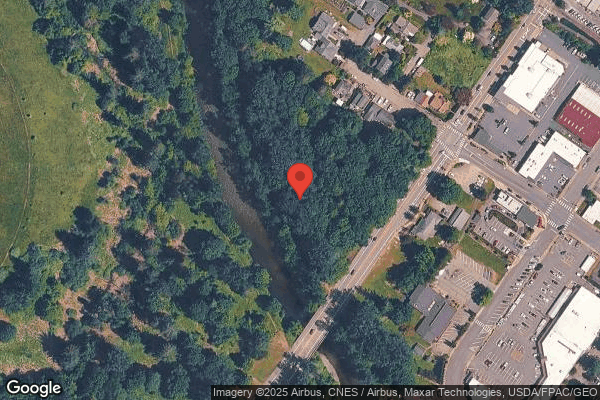
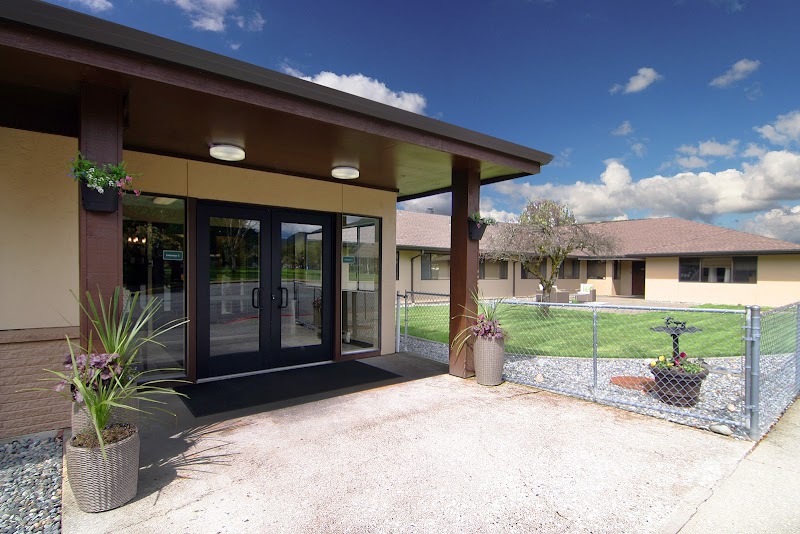
219 CEDAR AVENUE SOUTH, NORTH BEND, WA 98045 (425) 888-2129
For profit - Limited Liability company 64 Beds Independent Data: November 2025
Trust Grade
0/100
#180 of 190 in WA
Last Inspection: March 2025

Within standard 12-15 month inspection cycle. Federal law requires annual inspections.

Overview

North Bend Post Acute has received a Trust Grade of F, indicating significant concerns about the quality of care provided. Ranking #180 out of 190 facilities in Washington places it in the bottom half, and at #45 out of 46 in King County, there is only one facility that is a better local option. The facility is worsening, with issues increasing from 1 in 2024 to 21 in 2025, and staffing is a notable weakness, earning just 1 out of 5 stars, with a concerning 58% turnover rate. Additionally, the facility has accumulated $228,151 in fines, which is higher than 98% of Washington facilities, signaling repeated compliance issues. Specific incidents include a failure to provide proper wound care for a resident with skin cancer, neglecting safety interventions that led to physical altercations among residents, and inadequate supervision resulting in serious injuries. While the facility has some average quality measures, the overall picture is troubling, highlighting both serious weaknesses and a lack of consistent care.

Trust Score
F
0/100
In Washington
#180/190
Bottom 6%
Safety Record
High Risk
Review needed
Inspections
Getting Worse
1 → 21 violations
Staff Stability
⚠ Watch
58% turnover. Above average. Higher turnover means staff may not know residents' routines.
Penalties
✓ Good
$228,151 in fines. Lower than most Washington facilities. Relatively clean record.
Skilled Nurses
⚠ Watch
Each resident gets only 11 minutes of Registered Nurse (RN) attention daily — below average for Washington. Fewer RN minutes means fewer trained eyes watching for problems.
Violations
⚠ Watch
104 deficiencies on record. Higher than average. Multiple issues found across inspections.
★☆☆☆☆
1.0
Overall Rating
★☆☆☆☆
1.0
Staff Levels
★★★☆☆
3.0
Care Quality
★☆☆☆☆
1.0
Inspection Score
Stable
2024: 1 issues
2025: 21 issues

The Good

  • Full Sprinkler Coverage · Fire safety systems throughout facility
  • No fines on record

Facility shows strength in fire safety.

The Bad

1-Star Overall Rating

Below Washington average (3.2)

Significant quality concerns identified by CMS

Staff Turnover: 58%

12pts above Washington avg (46%)

Frequent staff changes - ask about care continuity

Federal Fines: $228,151

Well above median ($33,413)

Significant penalties indicating serious issues

Staff turnover is elevated (58%)

10 points above Washington average of 48%

The Ugly 104 deficiencies on record

5 actual harm
Mar 2025 21 deficiencies
CONCERN (D)

Potential for Harm - no one hurt, but risky conditions existed

Resident Rights (Tag F0550)

Could have caused harm · This affected 1 resident

Based on observation, interview, and record review the facility failed to provide care and services in a manner that maintained and promoted dignity while assisting with meals for 3 of 13 residents (R...

Read full inspector narrative →
Based on observation, interview, and record review the facility failed to provide care and services in a manner that maintained and promoted dignity while assisting with meals for 3 of 13 residents (Resident 27, 112, & 57), reviewed for dining observations. This failure placed residents at risk for a diminished self-worth and over-all well-being. Findings included . <Resident 27> Observations during dining services on 02/28/2025 at 12:39 PM showed staff assisting Resident 27 to the dining room for lunch. The staff member stated to the resident, I'll get you a new bib. The staff member was referring to a clothing protector worn during meals. <Resident 112> Observations during dining services on 02/28/2025 at 12:48 PM showed Resident 112 sitting at a table in the dining room waiting for lunch with two other residents at the table. Staff placed Resident 112's lunch tray down in front of the resident and went back to the cart to continue passing trays. Resident 112 started reaching for the lid covering their food, so staff returned to the table and pulled the tray away from the resident, moving it further to the middle of the table. Staff told the resident they would come help them after they finished passing trays and walked away. Resident 112 tried reaching for the tray again and another resident attempted to push it towards Resident 112 to help. A third resident at the table then pulled the tray back away from Resident 112. At 12:52 PM, Resident 112's behavior was changing, and they appeared frustrated as they started to get out of their wheelchair to reach the tray in the middle of the table. Staff came over to help, assisted Resident 112 to sit back down, and went back to passing trays. Staff did not sit down to assist Resident 112 with their lunch until 12:57 PM, almost 10 minutes after the resident was initially given their tray. <Resident 57> Observations during dining services on 02/28/2025 at 12:55 PM showed Resident 57 in the middle of eating their lunch at a table with other residents. An additional resident entered the area and saw Resident 57 sitting where they usually sit for lunch. Staff went over and moved Resident 57, with their tray, to a different table, with no other residents. Resident 57 was facing away from everyone in the dining room while they resumed eating their lunch. The residents from the previous table stated, you did not have to move [them]. In an interview on 03/05/2025 at 2:56 PM, Staff B (Director of Nursing) stated it was important for staff to promote dignity and be respectful of residents needs. Staff B stated it was their expectation staff not call clothing protectors, bibs. Staff B stated staff should sit down and assist a resident with their meal as soon as they place the tray in front of the resident and attempt alternate interventions to avoid interrupting a resident while they are in the middle of eating. REFERENCE: WAC 388-97-0180(1-4). .
CONCERN (D)

Potential for Harm - no one hurt, but risky conditions existed

Transfer Notice (Tag F0623)

Could have caused harm · This affected 1 resident

**NOTE- TERMS IN BRACKETS HAVE BEEN EDITED TO PROTECT CONFIDENTIALITY** Based on interview and record review, the facility failed to ensure a system by which residents/representatives received require...

Read full inspector narrative →
**NOTE- TERMS IN BRACKETS HAVE BEEN EDITED TO PROTECT CONFIDENTIALITY** Based on interview and record review, the facility failed to ensure a system by which residents/representatives received required written notices at the time of transfer/discharge, or as soon as practicable for 4 of 5 residents (Residents 9, 1, 41, & 37) reviewed for hospitalizations. Failure to ensure written notification to the resident and/or the resident's representative of the reasons for the discharge in writing and in a language and manner they understood, placed residents at risk for a discharge that was not in alignment with the resident's stated goals for care and preferences. Findings included . <Facility Policy> According to an undated facility, Transfer and Discharge . policy, the facility's transfer/discharge notice would be provided to the resident and the resident's representative in a language and manner in which they could understand. The form would include the specific reason and basis for the transfer or discharge, effective date, and would include information on how to obtain an appeal form. The policy showed when an immediate transfer was required by the resident's urgent medical needs, the notice must be provided to the resident, resident's representative if appropriate, as soon as practicable before the transfer or discharge. <Resident 9> Review of Resident 9's 11/07/2024 Discharge Minimum Data Set (MDS - an assessment tool) showed the resident was transferred to an acute care hospital on [DATE], with their return anticipated. Record review showed no documentation staff provided written notification to Resident 9 and/or the resident's representative regarding their discharge as required. In an interview on 03/03/2025 at 11:10 AM, Staff C (Social Services Director) stated they did not provide written discharge notices when residents were transferred to the hospital. In an interview on 03/05/2025 at 2:56 PM, Staff B (Director of Nursing) stated a written notification of discharge should be provided to a resident upon transfer to a hospital. Staff B reviewed Resident 9's records and stated they were unable to locate a discharge notice or any documentation a notice was provided to the resident for the 11/07/2024 transfer to the hospital.<Resident 1> Review of Resident 1's 06/08/2024 Discharge Return Anticipated MDS showed Resident 1 discharged to an acute care hospital on [DATE]. Record review on 03/03/2025 showed no documentation staff provided the required written notification to Resident 1 and/or their representative regarding their discharge to the hospital. In an interview on 03/05/2025 at 11:14 AM, Staff B reviewed Resident 1's record and was unable to locate a written notification was provided to Resident 1 when they were transferred to the hospital. Staff B stated it was important to provide a written transfer notification for resident's rights. <Resident 41> Review of Resident 41's 11/13/2024 Discharge Return Anticipated MDS showed Resident 41 discharged to an acute care hospital on [DATE]. Record review on 03/03/2025 showed no documentation staff provided the required written notification to Resident 41 and/or their representative regarding their transfer to the hospital. In an interview on 03/05/2025 at 11:18 AM, Staff B reviewed Resident 41's record and was unable to locate a written notification was provided to Resident 41 when they were transferred to the hospital. Staff B stated it was important to provide a written transfer notification for resident's rights.<Resident 37> Review of Resident 37's 04/02/2024 Discharge Return Anticipated MDS showed the resident was transferred to an acute care hospital on [DATE] with their return anticipated. Review of Resident 37's 04/18/2024 Discharge Return Anticipated MDS showed the resident was transferred to an acute care hospital on [DATE] with their return anticipated. Review of Resident 37's 05/28/2024 Discharge Return Anticipated MDS showed the resident was transferred to an acute care hospital on [DATE] with their return anticipated. Record review showed no documentation staff provided the required written notification to Resident 37 regarding their transfers to the hospital. In an interview on 03/05/2025 at 11:30 AM Staff B confirmed Resident 37 was not provided the written notifications as required. REFERENCE: WAC 388-97-0120 (2)(a-d). .
CONCERN (D)

Potential for Harm - no one hurt, but risky conditions existed

Deficiency F0625 (Tag F0625)

Could have caused harm · This affected 1 resident

**NOTE- TERMS IN BRACKETS HAVE BEEN EDITED TO PROTECT CONFIDENTIALITY** Based on interview and record review, the facility failed to provide the resident and/or the resident's representative with a wr...

Read full inspector narrative →
**NOTE- TERMS IN BRACKETS HAVE BEEN EDITED TO PROTECT CONFIDENTIALITY** Based on interview and record review, the facility failed to provide the resident and/or the resident's representative with a written notice of the facility's bed-hold policy, at the time of transfer or within 24 hours, for 3 of 5 sample residents (Resident 9, 1, & 37) reviewed for hospitalization. This failure placed the residents and their representatives at risk of not being informed of their right to, and the cost of, holding the resident's bed while hospitalized that was necessary for decision-making. Findings included . <Facility Policy> According to an undated facility, Bed Hold Prior to Transfer policy, it was the policy of the facility to provide written information to the resident and/or the resident representative regarding bed hold policies prior to transferring a resident to the hospital. <Resident 9> Review of Resident 9's 11/07/2024 Discharge Minimum Data Set (MDS - an assessment tool) showed the resident was transferred to an acute care hospital on [DATE], with their return anticipated. Record review showed no documentation or indication the facility provided Resident 9 or their resident representative written information regarding the facility's bed-hold policy upon transfer to the hospital as required. In an interview on 03/05/2025 at 2:56 PM, Staff B (Director of Nursing) confirmed Resident 9 was not provided a bed-hold policy as required when transferred to the hospital on [DATE]. <Resident 1> Review of Resident 1's 06/08/2024 Discharge Return Anticipated MDS showed Resident 1 discharged to an acute care hospital on [DATE]. Review of Resident 1's record showed Resident 1 was sent to the hospital on [DATE] and readmitted to the facility on [DATE]. Review of Resident 1's record showed no documentation indicating a bed hold notification was provided to Resident 1 when they discharged to the hospital on [DATE] as required. In an interview on 03/05/2025 at 11:14 AM, Staff B reviewed Resident 1's record and was not able to locate documentation the resident was offered and/or provided a bed hold as required. Staff B stated nursing staff should offer and documented the bed hold notification for Resident 1's discharge to the hospital, but they did not.<Resident 37> Review of Resident 37's 04/02/2024 Discharge Return Anticipated MDS showed the resident was transferred to an acute care hospital on [DATE]. Resident 37's 05/28/2024 Discharge Return Anticipated MDS showed the resident was transferred to an acute care hospital. Review of Resident 37's records showed no progress notes or documentation that staff offered the resident a bed hold as required for the 04/02/2024 or 05/28/2024 discharges. In an interview on 03/05/2025 at 11:30 AM, Staff B confirmed a bed hold was not offered to Resident 37 for the two discharges as required. REFERENCE: WAC 388-97-0120 (4). .
CONCERN (D)

Potential for Harm - no one hurt, but risky conditions existed

Assessment Accuracy (Tag F0641)

Could have caused harm · This affected 1 resident

**NOTE- TERMS IN BRACKETS HAVE BEEN EDITED TO PROTECT CONFIDENTIALITY** Based on interview and record review, the facility failed to ensure the Minimum Data Set (MDS -an assessment tool) accurately re...

Read full inspector narrative →
**NOTE- TERMS IN BRACKETS HAVE BEEN EDITED TO PROTECT CONFIDENTIALITY** Based on interview and record review, the facility failed to ensure the Minimum Data Set (MDS -an assessment tool) accurately reflected the status for 4 (Resident 25, 53, 1, & 41) of 17 residents reviewed for accuracy of assessments. This failure placed the residents at risk for unmet care needs and a diminished quality of life. Findings included . <Resident 25> According to an 11/27/2025 admission MDS, Resident 25 had no broken natural teeth. Review of a 11/20/2024 Admit Assessment form showed Resident 25 had their own teeth and included a question asking if the resident had broken teeth, this question was left blank by staff. In an interview on 02/26/2025 at 1:37 PM, Resident 25 stated they had some broken teeth and indicated staff never asked them about their teeth. In an observation at this time Resident 25 showed broken front upper and lower teeth and stated they were broken prior to admission to the facility. In an interview and observation on 02/28/2025 at 11:20 AM, Staff E (Licensed Practical Nurse) confirmed Resident 25 had broken teeth and stated they were aware that the teeth were broken since admission. According to the 11/27/2025 admission MDS Resident 25 had a diagnosis of respiratory failure with an inadequate supply of oxygen to the body's tissues, but did not require oxygen therapy during the assessment period. Observations on 02/26/2025 at 1:25 PM, 02/28/2025 at 11:20 AM, and 03/03/2025 at 11:25 AM showed Resident 25 lying in bed using oxygen. Review of a 11/20/2024 Admit Assessment form showed Resident 25 used oxygen continuously. Review of November 2024 Treatment Administration Records showed Resident 25 had an 11/20/2024 physician order for oxygen to be administered continuously. Nursing staff documented Resident 25 received oxygen every shift during the MDS assessment period. In a telephone interview on 03/05/2025 at 12:33 PM, Staff F (MDS Nurse) stated an accurate MDS was important in order to provide the full picture of a resident and to establish the care a resident required. Staff F stated they were not physically working in the facility, did their work remotely, and relied on resident records and staff interviews to complete the MDS data. Staff F stated it was their expectation an oral exam be conducted in order for the oral/dental section of the MDS be completed accurately. Staff F reviewed Resident 25's records and stated the oral/dental and oxygen items were inaccurately coded on the 11/27/2025 admission MDS. <Resident 53> According to a 01/31/2025 Quarterly MDS, Resident 53 received an anticoagulant (medication used as a blood thinner) medication during the assessment period. Review of Resident 53's January 2025 Medication Administration Record showed the resident was not receiving an anticoagulant medication during the assessment period. Resident 53 was only receiving an aspirin tablet for stroke prevention. In a phone interview on 03/05/2025 at 12:33 PM, Staff F reviewed Resident 53's records and stated the aspirin was inaccurately coded as an anticoagulant medication on the 01/31/2025 Quarterly MDS.<Resident 1> According to an 11/27/2024 Quarterly MDS Resident 1 admitted to the facility on [DATE]. The MDS showed Resident 1 had no weight loss in last 30 days or 180 days. Review of Resident 1's weight record showed Resident 1's admission weight on 05/26/2024 was 182 pounds and on 11/16/2024 Resident 1's weight was 134.6 pounds. Resident 1's weight record showed Resident 1 had lost almost 48 pounds in last six months since admission. Review of a 05/26/2024 Nutrition risk Care Plan (CP), showed interventions which instructed staff to monitor/record and report to provider for significant weight loss of more than five percent in one month or more than 10 percent in six months. In an interview on 03/03/2025 at 9:45 AM, Resident 1 stated they have lost a few pounds of weight in the last few months. In an interview on 03/05/2025 at 11:46 AM, Staff B (Director of Nursing) stated they were aware of Resident 1's weight loss. Staff B stated the dietitian was following the resident in the nutrition at risk meetings and ordered supplements related to weight loss. Staff B stated it was important for the MDS to be accurate to plan residents care appropriately. <Resident 41> According to the 01/29/2025 Annual MDS, Resident 41 had medical conditions including a stroke (brain injury) resulting in paralysis (loss of function) to one half of their body and affected Resident 41's ability to speak. The MDS showed Resident 41 had no functional limitations in range of motion to their upper or lower extremities. Review of a 02/02/2023 Activities of Daily Living CP showed Resident 41 had a self-care deficit related to right side weakness from the stroke. The CP instructed staff to apply a splint on Resident 41's right hand daily as tolerated and to report any skin issues due to the splint placement to provider. Observations on 02/26/2025 at 9:07 AM and on 03/03/2025 at 1:29 PM showed Resident 41 was lying in bed; their right hand was contracted; and their right foot was turned inwards. Resident 41 was unable to move their right arm, open their right hand, and was unable to move their right leg. Observations at this time showed Resident 41 had to use their left hand to lift their right arm, but could not open their right hand. In an interview on 03/03/2025 at 1:29 PM, Resident 41 stated they had a stroke and since then, they were unable to move their right arm and right leg. In an interview on 03/05/2025 at 2:20 PM, Staff G (Rehab Director) stated Resident 41 had weakness on right side of the body with a contracture on their right hand. In an interview on 03/05/2025 at 10:51 AM, Staff B stated Resident 41 had right side of the body weakness with right hand contracture. Staff B stated the MDS was inaccurate, and staff should assess Resident 41 accurately and document on MDS accurately showing Resident 41 had functional limitations on one side of upper and lower extremities. REFERENCE: WAC 388-97-1000 (1)(b). .
CONCERN (D)

Potential for Harm - no one hurt, but risky conditions existed

Deficiency F0645 (Tag F0645)

Could have caused harm · This affected 1 resident

**NOTE- TERMS IN BRACKETS HAVE BEEN EDITED TO PROTECT CONFIDENTIALITY** Based on interview and record review, the facility failed to ensure a Pre-admission Screening and Resident Review (PASRR - a pro...

Read full inspector narrative →
**NOTE- TERMS IN BRACKETS HAVE BEEN EDITED TO PROTECT CONFIDENTIALITY** Based on interview and record review, the facility failed to ensure a Pre-admission Screening and Resident Review (PASRR - a process to determine if a potential nursing home resident had mental health/intellectual disability needs which required further assessment/treatment) assessment was accurate to reflect the residents' mental health conditions for 3 of 6 (Resident 23, 1 & 27) residents and 1 supplemental resident (Resident 53) reviewed for PASRR. This failure placed residents at risk for inappropriate nursing home placement and/or not receiving timely and necessary services to meet their mental health needs. Findings included . <Facility Policy> Review of a 2024 facility, Resident Assessment - Coordination with PASRR Program policy showed the social services director would be responsible for keeping track of each resident's PASRR screening status, and referring to the appropriate authority. <Resident 23> According to a 12/06/2024 Quarterly Minimum Data Set (MDS - an assessment tool), Resident 23 had multiple medically complex diagnoses including anxiety, depression, and schizophrenia (a chronic mental illness that affects a person's ability to think, feel, and behave clearly). This MDS showed Resident 23 required the use of an antidepressant and antipsychotic medication during the assessment period. Review of a March 2025 Medication Administration Record (MAR) showed Resident 23 was receiving antidepressant and antipsychotic medications daily. Record review showed an undated Level 1 PASRR was uploaded into Resident 23's records on 09/09/2024. This PASRR showed staff marked Resident 23 had the following Serious Mental Illness (SMI) indicators: schizophrenia; mood disorder; psychotic disorder; anxiety disorder; and a delusional disorder. Staff indicated Resident 23 was assessed to require a level II evaluation referral for their SMI indicators. No Level II evaluation was found in Resident 23's records. In an interview on 03/03/2025 at 11:10 AM, Staff C (Social Services Director) stated it was their expectation a Level 1 PASRR would be dated when signed as completed and an assessment be obtained as required for residents with referrals for a Level II assessment. Staff C was unable to provide documentation the referral was made or obtained and stated they had to resubmit the forms. <Resident 53> According to a 01/31/2025 Quarterly MDS, Resident 53 had multiple medically complex diagnoses including anxiety and depression and required the use of an antianxiety medication during the assessment period. Review of a March 2025 MAR showed Resident 53 was receiving an antianxiety medication daily. Review of a 06/28/2024 admission Level 1 PASRR from the hospital showed Resident 53 had no SMI indicators identified on the form and did not require a referral for assessment. Staff did not identify the Level 1 PASRR was inaccurate, and Resident 53 had diagnoses of anxiety and depression which required the use of medications. In an interview on 03/05/2025 at 1:37 PM, Staff C stated Resident 53's Level 1 PASRR was inaccurate and needed to be redone.<Resident 1> According to a 11/27/2024 Quarterly MDS, Resident 1 admitted to the facility on [DATE], had multiple medically complex diagnoses including an anxiety disorder and depression, and required the use of an antidepressant and antianxiety medication during the assessment period. Review of the March 2025 MAR showed Resident 1 was receiving an antianxiety medication daily. Review of a 06/11/2024 Level 1 PASRR showed Resident 1 had no SMI indicators identified, and a Level II evaluation was not indicated. In an interview on 03/04/2025 at 3:03 PM, Staff C stated the Level 1 PASRR should be assessed by staff for accuracy. Staff C reviewed Resident 1's record and stated the Level I PASRR was inaccurate and should be, but was not updated as required.<Resident 27> According to the 02/04/2025 Annual MDS, Resident 27 had diagnoses including dementia (progressive memory loss disorder), anxiety, and depression. The MDS showed Resident 27 received an antipsychotic medication and antidepressant mediation during the assessment period. Review of the undated PASRR in Resident 27's record showed the resident did not have any SMI indicators. The boxes for mood and anxiety disorders were unchecked. The last page of the PASRR document showed all the boxes were left blank. There was no name for the person completing the form, no date, or information regarding the facility or agency. In an interview on 03/04/2025 at 2:33 PM, Staff C reviewed Resident 27's PASRR and confirmed it was inaccurate. Staff C confirmed the PASRR should capture Resident 27's diagnoses but it did not. REFERENCE: WAC 388-97-1915(1)(2)(a-c)(4). .
CONCERN (D)

Potential for Harm - no one hurt, but risky conditions existed

Comprehensive Care Plan (Tag F0656)

Could have caused harm · This affected 1 resident

**NOTE- TERMS IN BRACKETS HAVE BEEN EDITED TO PROTECT CONFIDENTIALITY** Based on observation, interview, and record review the facility failed to develop the care plans for 3 of 17 sampled residents (...

Read full inspector narrative →
**NOTE- TERMS IN BRACKETS HAVE BEEN EDITED TO PROTECT CONFIDENTIALITY** Based on observation, interview, and record review the facility failed to develop the care plans for 3 of 17 sampled residents (Resident 53, 58, & 25) reviewed for care planning. This failure placed the residents at risk for inadequate care, unmet care needs, and a diminished quality of life. Findings included . <Facility Policy> According to the facility's 2025 Comprehensive Care Plans policy, the facility would develop and implement a comprehensive, person-centered Care Plan (CP) for each resident that included measurable objectives and timeframes. <Resident 53> According to a 01/31/2025 Quarterly Minimum Data Set (MDS - an assessment tool), Resident 53 required set up assistance from staff for eating and was on a therapeutic diet. This MDS showed Resident 53 was at risk for developing pressure ulcers. Review of a revised 11/02/2024 nutrition CP showed Resident 53 had the potential for altered nutrition with an identified goal that the resident would maintain adequate nutritional status as evidenced by stable weight. Staff did not identify a measurable goal for Resident 53 to indicate what a stable weight would be for the resident. In an interview on 02/27/2025 at 10:12 AM, Resident 53 stated they had some skin breakdown on their chin that at times would become infected. According to an 08/05/2024 physician order, staff were to monitor Resident 53's skin daily for any new open skin lesions due to the resident's tendency for picking at the skin causing openings. Review of Resident 53's comprehensive CP showed staff did not develop a CP to address the residents skin picking behaviors and recurrent lesions to their face. Review of an 08/10/2024 pressure ulcer care area assessment showed staff documented Resident 53 was at risk for skin breakdown and a CP focusing on preventing development of pressure ulcers, providing good nutrition, and ensuring the facility met resident's needs would be developed. Review of Resident 53's comprehensive CP showed staff did not develop a CP to address the residents pressure ulcer risks. In an interview on 02/27/2025 at 10:17 AM, Resident 53 stated they had broken teeth. Observations at this time showed Resident 53 had broken upper teeth and many missing lower teeth. Resident 53 stated they were seen by a dentist since admission. According to an 08/21/2024 dental consult, Resident 53 had two identified broken upper teeth and 16 missing lower teeth. Review of Resident 53's comprehensive CP showed staff did not identify the resident's current dental status. In an interview on 03/05/2025 at 2:56 PM, Staff B (Director of Nursing) stated it was their expectation CPs were developed to identify goals and interventions for resident identified conditions. Staff B stated goals should be measurable to know when interventions need to be changed. Staff B stated Resident 53's comprehensive CP needed to include a measurable goal for the resident's nutritional status. Staff B stated Resident 53's dental and skin conditions should be addressed on their comprehensive CP. <Resident 58> According to a 02/06/2025 admission MDS, Resident 58 was admitted to the facility on [DATE] with multiple medically complex diagnoses including stroke, heart failure, and end stage kidney disease and required a feeding tube for nutritional support. Review of a revised 02/24/2025 nutrition CP showed Resident 58 had the potential for altered nutrition with an identified goal that the resident would maintain adequate nutritional status as evidenced by stable weight. Staff did not identify a measurable goal for Resident 58 to indicate what a stable weight would be for the resident. In an interview on 03/05/2025 at 2:56 PM, Staff B stated Resident 58's nutrition CP should have, but did not include measurable goals. <Resident 25> According to the 11/27/2025 admission MDS Resident 25 had a diagnosis of respiratory failure with an inadequate supply of oxygen to the body's tissues. Review of a 11/20/2024 Admit Assessment form showed Resident 25 used oxygen continuously. Observations on 02/26/2025 at 1:25 PM, 02/28/2025 at 11:20 AM, and 03/03/2025 at 11:25 AM showed Resident 25 lying in bed using oxygen. Review of Resident 25's physician orders showed an 11/20/2024 order for continuous oxygen to maintain Resident 25's oxygen levels. Review of Resident 25's comprehensive CP showed staff did not address the resident's respiratory failure and oxygen use or identify the goals and interventions to implement. In an interview on 03/05/2025 at 2:56 PM, Staff B stated it was their expectation Resident 25's CP address the resident's respiratory status and oxygen use. REFERENCE: WAC 388-97-1020(1), (2)(a)(b). .
CONCERN (D)

Potential for Harm - no one hurt, but risky conditions existed

Deficiency F0658 (Tag F0658)

Could have caused harm · This affected 1 resident

**NOTE- TERMS IN BRACKETS HAVE BEEN EDITED TO PROTECT CONFIDENTIALITY** <Resident 25> According to an 11/27/2025 admission MDS, Resident 25 was assessed by staff to be at risk for developing pre...

Read full inspector narrative →
**NOTE- TERMS IN BRACKETS HAVE BEEN EDITED TO PROTECT CONFIDENTIALITY** <Resident 25> According to an 11/27/2025 admission MDS, Resident 25 was assessed by staff to be at risk for developing pressure ulcers/injuries, had pressure ulcers on admission, and received applications of ointments/medications. Review of an 11/20/2024 physician order showed an order for a castor oil ointment to be applied to Resident 25's pressure ulcer site twice daily for pressure ulcer on buttocks. Observations of wound care on 03/03/2025 at 11:25 AM with Staff K (Licensed Practical Nurse) showed Staff K perform wound care to two areas of Resident 25's bottom area. After the wounds were covered with a dressing, Staff K applied a castor oil ointment to Resident 25's bottom cleft area below the two wounds. Staff K did not apply the castor oil ointment to Resident 25's pressure ulcer as instructed in the physician's order. In an interview on 03/05/2025 at 2:56 PM, Staff B stated the castor oil ointment order needed to be clarified to indicate there were other specific orders for Resident 25's pressure ulcers. <Resident 61> According to a 12/25/2024 Death in Facility MDS, Resident 61 was admitted to the facility on [DATE] from an acute care hospital. Review of Resident 61's records showed the resident was placed on hospice services on 12/24/2025. Review of a 12/25/2024 progress note showed staff documented Resident 61 passed away on 12/25/2024 at 1:15 AM and hospice was notified. Review of Resident 61's records showed no physician order was obtained to release Resident 61's body to a mortuary, no documentation a mortuary receipt was obtained by the facility; and no progress note documenting when Resident 61's body was released. In an interview on 03/05/2025 at 2:56 PM, Staff B stated it was their expectation nursing staff obtain a physician's order to release Resident 61's body, document when the body was released, and obtain records from the mortuary regarding the receipt of Resident 61. REFERENCE: WAC 388-97-1620(2)(b)(i)(ii),(6)(i). Based on observation, interview, and record review the facility failed to clarify diagnoses on physician's orders and to monitor and document resident's behaviors while on antipsychotic medications for 3 (Residents 8, 25, & 61) of 17 sample residents reviewed. These failures left residents at risk for unmet care needs, inappropriate care interventions, and other negative health outcomes. Findings included . <Resident 8> According to the 12/25/2024 Annual Minimum Data Set (MDS - an assessment tool), Resident 8 admitted to the facility on [DATE] with medically complex conditions including non-Alzheimer's dementia (group of cognitive disorders that cause memory loss and confusion), depression, and anxiety. The MDS showed Resident 8 received antipsychotic and antidepressant medications every day during assessment period. The MDS showed Resident 8 had no behavior of rejecting care during the assessment period. Observations on 02/27/2025 at 11:29 AM, on 02/28/2025 at 9:24 AM, and on 03/03/2025 at 11:32 AM showed Resident 8 dressed, sitting in their wheelchair in the dining area, calm, and watching TV. No behavior were observed. Review of Resident 8's March 2025 Medication Administration Record (MAR) showed Resident 8 received an antipsychotic medication every day for dementia with behavioral disturbance. Review of Resident 8's record showed no documentation staff monitored Resident 8's behaviors related to the use of the antipsychotic medications that were administered every day. In an interview on 03/04/2025 at 2:55 PM, Staff C (Social Services Director) stated it was very important to monitor resident's behaviors if residents received psychotropic medications. Staff C reviewed Resident 8's record and stated Resident 8 received antipsychotic medication for dementia with behavior disturbance. Staff C was unable to provide any documentation indicating staff monitored Resident 8's behaviors. Staff C stated staff should monitor and document Resident 8's behaviors related to the antipsychotic medication, but they did not. In an interview on 03/05/2025 at 11:02 AM, Staff B (Director of Nursing) reviewed Resident 8's record and was unable to provide documentation indicating why Resident 8 received the antipsychotic medication for dementia and what kind of behaviors Resident 8 exhibited to justify receiving the antipsychotic medication. Staff B stated staff should monitor and document Resident 8's behaviors and the provider should document an appropriate diagnosis for Resident 8 prescription for the antipsychotic medication but they did not.
CONCERN (D)

Potential for Harm - no one hurt, but risky conditions existed

Deficiency F0660 (Tag F0660)

Could have caused harm · This affected 1 resident

**NOTE- TERMS IN BRACKETS HAVE BEEN EDITED TO PROTECT CONFIDENTIALITY** Based on interview and record review, the facility failed to develop and implement a discharge planning process to effectively t...

Read full inspector narrative →
**NOTE- TERMS IN BRACKETS HAVE BEEN EDITED TO PROTECT CONFIDENTIALITY** Based on interview and record review, the facility failed to develop and implement a discharge planning process to effectively transition residents to a community setting for 2 residents (Resident 23 & 60) of 17 residents reviewed for discharge planning. This failure placed the residents at risk for an unsafe discharge and diminished quality of life. Findings included <Facility Policy> According to an undated facility, Transfer and Discharge . policy, for anticipated transfers or discharges, a physician's order would be obtained for the transfer or discharge along with instructions or precautions for ongoing care. <Resident 23> According to a 12/06/2024 Quarterly Minimum Data Set (MDS - an assessment tool), Resident 23 admitted to the facility on [DATE], had clear speech, was understood, and could understood others. This MDS showed Resident 23 had a surgical wound and received surgical wound care during the assessment period. In an interview on 02/27/2025 at 11:23 AM, Resident 23 stated they were frustrated they were not discharged home yet. Resident 23 stated they were supposed to go home after their wound healed on their right foot. Resident 23 stated they talked with the nurse and asked them to, get the ball rolling as the resident wanted to go home. Review of a 09/05/2024 admission Care Conference form showed Resident 23 originally admitted for short term care with a plan to remain in the facility until the resident qualified for a lower-level care and then planned to go to an assisted living/adult family home. Staff indicated Resident 23 may qualify for a program designed to help people with complex, long-term care needs move back into the community. There was no documentation in Resident 23's records to show a quarterly care conference occurred after 09/05/2024. According to a 09/05/2024 Psychosocial History and Discharge Plan, Resident 23 originally admitted for therapy and nursing services for long term care. The discharge plan was to remain in the facility until Resident 23 qualified for lower-level care. Barriers to discharge were impaired mobility. Review of a 09/10/2024 discharge potential care plan showed a goal identified for Resident 23 was to remain at the facility for long-term care and remain at their highest level of functioning in current setting (until/if lesser care facility is indicated). Interventions identified were: community referrals as needed; discharge potential to lesser care discussed with resident- resident to return to independent living in the community, with therapy clearance; evaluate the resident motivation to return to the community as needed; and make arrangements with required community resources to support independence post-discharge. Review of a 02/14/2025 provider progress note showed Resident 23's right foot was healed and the resident wanted to go home. Review of Resident 23's records showed no further documentation by staff regarding the status of discharge or continued level of care required. In an interview on 03/05/2025 at 1:37 PM, Staff C (Social Services Director) stated discharge plans and barriers were addressed at quarterly care conferences. Staff C was unable to locate documents that a care conference occurred for Resident 23 since admission, almost six months previously. Staff C stated they were in process to obtain guardianship services for Resident 23 and the resident would not be discharging to the community. Staff C stated there should be documentation in Resident 23's records regarding the guardianship and if the resident was determined not to qualify for a discharge to lesser care. No documentation showing this occurred was provided. <Resident 60> According to 12/03/2024 Discharge MDS, Resident 60 was discharged on 12/03/2024 to home/community with their return not anticipated. Review of Resident 60's physician orders showed no order was obtained for Resident 60 to be discharged . Review of Resident 60's progress notes showed no documentation by staff regarding any communication between the facility and the adult family home in which the resident was discharged to on 12/03/2024. In an interview on 03/05/2025 at 2:56 PM, Staff B (Director of Nursing) stated it was their expectation a physician's order be obtained prior to a resident discharging from the facility. Staff B stated they would expect a progress note by staff documenting communication with the facility a resident was being discharged to, in order to ensure continuity of care. Staff B reviewed Resident 60's records and was unable to find a physician order for the resident's discharge or progress notes showing communication with the receiving facility. REFERENCE: WAC 388-97-0080. .
CONCERN (D)

Potential for Harm - no one hurt, but risky conditions existed

Quality of Care (Tag F0684)

Could have caused harm · This affected 1 resident

Based on observation, interview, and record review the facility failed to monitor and identify changes in a resident's skin condition timely for 1 (Resident 25) of 7 sampled residents reviewed for ski...

Read full inspector narrative →
Based on observation, interview, and record review the facility failed to monitor and identify changes in a resident's skin condition timely for 1 (Resident 25) of 7 sampled residents reviewed for skin conditions. These failures placed residents at risk for complications, worsening conditions, and a diminished quality of life. Findings included . <Resident 25> According to an 11/27/2025 admission Minimum Data Set (MDS - an assessment tool), Resident 25 had clear speech, was understood, able to understand others, and had no memory impairment. This MDS showed staff assessed Resident 25 was at risk for developing pressure ulcers/injuries and had pressure ulcers on admission. During observations of wound care on 03/03/2025 at 11:25 AM with Staff K (Licensed Practical Nurse), Resident 25 reminded the nurse about the rash they had under their right-side abdominal fold and their right armpit. Staff K observed the areas which showed large areas of red, inflamed skin with some drainage noted to the areas. Staff K stated they would go get the powder they were using to the skin areas and returned shortly after to apply. In an interview on 03/04/2025 at 8:59 AM, Resident 25 stated they had the skin breakdown to their abdomen and armpit for the last couple of weeks. When asked how often the nursing staff looked at the identified rash areas, Resident 25 stated, not unless I ask them to. Review of Resident 25's physician orders showed an 11/20/2024 order for an antifungal powder to be used under the abdominal fold twice daily that was discontinued on 02/13/2025 due to the rash being resolved and a 01/07/2025 order for a skin evaluation to be completed weekly for prevention of skin breakdown. Record review showed the last skin assessment completed by nursing staff was on 02/19/2025, almost two weeks prior. Resident 25 was scheduled for a skin check to be completed on 02/25/2025, no documentation was found in Resident 25's records showing the skin check was completed as ordered. Review of a 03/03/2025 and 03/04/2025 Daily Skilled Evaluation form completed by staff showed Resident 25 did not have any surgical wounds or any other skin conditions. In an interview on 03/05/2025 at 2:56 PM, Staff B (Director of Nursing) stated it was their expectation that nursing staff completed weekly full skin assessments and document them in the resident records using the skin evaluation form. Staff B stated if a new area was identified, it was their expectation nursing staff documented the findings, notify Staff B, and the provider, and obtain further orders as needed. REFERENCE: WAC 388-97-1060. .
CONCERN (D)

Potential for Harm - no one hurt, but risky conditions existed

Deficiency F0688 (Tag F0688)

Could have caused harm · This affected 1 resident

<Resident 23> According to a 12/06/2024 Quarterly MDS, Resident 23 had multiple medically complex diagnoses including infection of their bone, obesity, absence of their left leg, and required sk...

Read full inspector narrative →
<Resident 23> According to a 12/06/2024 Quarterly MDS, Resident 23 had multiple medically complex diagnoses including infection of their bone, obesity, absence of their left leg, and required skilled nursing care after a recent surgery. This MDS showed Resident 23 was assessed to have a functional limitation in ROM to both sides of their lower extremities, utilized a wheelchair for mobility, and received no restorative programs during the assessment period. In an interview on 02/27/2025 at 11:30 AM, Resident 23 indicated they previously asked staff about an exercise program and stated, nothing ever got started. Review of a 09/25/2024 functional abilities care area assessment showed staff documented Resident 23 required staff assistance with mobility, self-care activities for safety, and was at risk for further decline in functioning. Review of a 12/06/2024 provider progress note showed documentation Resident 23 had generalized weakness and would benefit from restorative therapy for transfers, mobility, and balance training. Starting a restorative program was discussed with Resident 23 and the documentation showed the resident was agreeable to starting a restorative program. Review of Resident 23's physician orders showed a 12/09/2024 order to evaluate the resident for restorative therapy to improve mobility/transfers. This order showed the status was completed with an end date of 12/16/2024. There was no documentation in Resident 23's records to show the resident was evaluated or had a restorative program initiated. On 02/14/2025 the provider wrote another progress note indicating Resident 23 was agreeable and would benefit from restorative therapy. No further order was initiated, and no documentation was found in Resident 23's records to show an evaluation for restorative was completed. In an interview on 03/05/2025 at 2:38 PM, Staff G stated a restorative program was important to help continue and maintain the resident's strength and current function to avoid decline in activities of daily living. In an interview on 03/05/2025 at 2:56 PM, Staff B reviewed Resident 23's records and stated they were unable to locate the restorative program evaluation was completed as ordered. REFERENCE: WAC 388-97-1060(3)(d). Based on observation, interview, and record review the facility failed to ensure a restorative program was provided for 2 of 5 (Residents 41 & 23) sample residents reviewed for restorative nursing services. These failures placed residents at risk for a decline in Range of Motion (ROM), a reduction in mobility, increased dependence on staff, and decreased quality of life. Findings included . <Resident 41> According to the 01/29/2025 Annual Minimum Data Set (MDS - an assessment tool), Resident 41 had medical conditions including a stroke (brain injury) resulting in paralysis (loss of function) to one half of their body and required one-person extensive assistance with personal hygiene. The MDS showed Resident 41 was assessed as cognitively impaired and did not reject care during the assessment period. Review of a 02/29/2025 revised ADL (Activities of Daily Living) self-care deficit Care Plan (CP) showed Resident 41 had right sided weakness due to a stroke. Staff were instructed to apply a splint on the resident's right hand daily as tolerated and to report any skin issues related to the splint placement to the provider. Observations on 02/26/2025 at 10:02 AM, on 02/27/2025 at 9:41 AM and at 2:12 PM, on 03/03/2025 at 9:24 AM and at 1:29 PM, and on 03/04/2025 at 11:53 AM showed Resident 41 was lying in bed, their right hand was contracted and there was no splint on the resident's right hand or wrist. Review of Resident 41's record showed Resident 41 received Occupational Therapy (OT) from 11/20/2024 through 12/24/2024. Review of the OT discharge summary showed Resident 41 was discharged from OT on 12/24/2024 and referred to a Restorative Nursing Program (RNP). The referral included application of a splint to Resident 41's right hand for four hours daily as tolerated to decrease risk of contractures. The OT discharge summary showed the staff were educated on applying the splint and the splint wearing schedule. Review of Resident 41's record showed Resident 41 had a 09/15/2024 physician order for a restorative functional maintenance program for active ROM, passive ROM, and bed mobility five times per week. In an interview on 03/05/2025 at 2:10 PM, Staff G (Rehab Director) stated Resident 41 had a contracture to their their right hand. Staff G stated Resident 41 was discharged from OT on 12/24/2024 with a RNP referral for splinting to their right hand and the referral was given to nursing staff for implementation of the program. In an interview on 03/05/2025 at 2:33 PM, Staff B (Director of Nursing) reviewed Resident 41's record and stated restorative staff should have implemented the RNP and should have applied the splint to Resident 41's right hand as recommended by OT, but they did not.
CONCERN (D)

Potential for Harm - no one hurt, but risky conditions existed

Deficiency F0745 (Tag F0745)

Could have caused harm · This affected 1 resident

**NOTE- TERMS IN BRACKETS HAVE BEEN EDITED TO PROTECT CONFIDENTIALITY** Based on interview and record review, the facility failed to provide social services interventions for 1 of 5 residents (Residen...

Read full inspector narrative →
**NOTE- TERMS IN BRACKETS HAVE BEEN EDITED TO PROTECT CONFIDENTIALITY** Based on interview and record review, the facility failed to provide social services interventions for 1 of 5 residents (Resident 1) reviewed for unnecessary medications. The failure to initiate further assessment and appropriate interventions when the resident answered positively to a self-harm question, placed the resident at risk for unmet care needs and non addressed mental health concerns. Findings included . <Resident 1> According to the 11/27/2024 Quarterly Minimum Data Set (MDS- an assessment tool), Resident 1 admitted to the facility on [DATE], had no memory impairment, and had a diagnosis of depression. The MDS showed Resident 1 received antidepressant and antianxiety medications on seven of seven days during the assessment period. The 11/27/2024 MDS included a PHQ - 9 (an assessment for screening the severity of depression) of Resident 1's mood which identified the presence of multiple symptoms of depression. The section titled, Thoughts that you would be better off dead, or of hurting yourself in some way was marked as present for two to six days of the 14-day look-back period. The PHQ-9 assessment was completed on 11/21/2024 with a score of 09, showing Resident 1 had depressive symptoms. Review of Resident 1's record showed no documentation further assessments, monitoring, or interventions related to the positive response to the above concern about self-harm was considered completed. There was no documentation showing that provider was notified. Observations on 02/26/2025 at 9:32 AM, 02/28/2025 at 12:22 PM, and on 03/03/2025 at 8:33 AM showed Resident 1 lying in their bed with their eyes closed. In an interview on 03/04/2025 at 11:19 AM, Resident 1 stated, I want to go home. I know I cannot take care of myself at this point. Resident 1 stated, I do not have any plans to harm myself and Resident 1 went back to sleep. In an interview on 03/05/2025 at 11:48 AM, Staff C (Social Services Director) stated their process for assessing residents who answered positively to the self-harm question was to ask the resident if they had a plan in place to harm themselves. If the resident had a plan, staff would initiate alert charting, increase supervision, talk to everyone involved in the resident's case, notify the provider, and involve a mental health professional. Staff C reviewed Resident 1's PHQ-9 assessment and stated there was no further assessment and interventions for the response regarding self-harm. Staff C stated, I just took this SSD position recently. I was not aware of this assessment otherwise I would have done the follow up assessment and implement the interventions. On 03/05/2025 at 12:23 PM, Staff C stated they just talked to Resident 1 and Resident 1 stated they did not have a plan to harm themselves. Staff C stated they would follow up with Resident 1 again and implement the interventions. In an interview on 03/05/2025 at 12:36 PM, Staff B (Director of Nursing) stated they expected staff to interview the resident further about any statements of self-harm and determine if the resident had a plan in place to harm themselves. Staff B stated the resident would be placed on alert charting, monitored closely, the provider would be notified, a mental health professional would be called, and the resident might be sent to the hospital if needed. Staff B stated they expected staff to discuss Resident 1's statement with them but they did not. Staff B stated implementing interventions to protect residents from self-harm was very important for resident safety. REFERENCE: WAC 388-97-0960(1). .
CONCERN (E)

Potential for Harm - no one hurt, but risky conditions existed

Grievances (Tag F0585)

Could have caused harm · This affected multiple residents

Based on interview and record review, the facility failed to thoroughly investigate and resolve grievances identified through a resident council meeting or provide a grievance log entry for 3 (Residen...

Read full inspector narrative →
Based on interview and record review, the facility failed to thoroughly investigate and resolve grievances identified through a resident council meeting or provide a grievance log entry for 3 (Residents 14, 39, & 24) of 4 sample residents reviewed and 1 (Resident 35) supplemental resident, reviewed for grievances. The failure to thoroughly investigate a grievance and either resolve the resident grievance timely or provide an explanation the grievance could not be resolved placed residents at risk for frustration and a diminished quality of life. Findings included . <Facility Policy> According to the facility's 2025 Resident and Family Grievances policy, the facility would make prompt efforts to resolve resident or family grievances. The facility would acknowledge a complaint or grievance and actively work towards a resolution. <Resident Council Minutes> The 12/30/2024 Resident Council Minutes included an Old Business section that included a resident concern regarding the ceiling in room North 3. A resident asked when it would be fixed. These Minutes' New Business section showed residents asked about the possibility of better bed mattresses during the meeting. The 01/22/2025 Resident Council Minutes showed Resident 35 attended the meeting. These Minutes showed Resident 35 asked about the possibility of implementing an air mattress during the meeting. The Minute's New Business section also showed residents brought up concerns with aides turning off call lights without providing care, residents requesting water be offered every shift, coffee with every meal, and Resident 24 asked about their incontinence pads. Review of the 02/18/2025 Resident Council Minutes under New Business showed Resident 35 still had questions about getting a better mattress. The Minutes showed Resident 39 was missing a pair of black leggings In an interview on 03/05/2025 at 1:00 PM Staff R (Activities Supervisor) stated they facilitated the monthly Resident Council meetings. Staff R stated after each meeting, they reviewed the Minutes, divvied up the concerns that came up by facility department, and presented the concerns to the appropriate department. Staff R stated they reviewed the Old Business at the beginning of each meeting and if residents remained dissatisfied, they moved the item down to New Business. In an interview on 03/05/2025 at 11:40 AM, Resident 35 stated they had a concern related to their mattress. Resident 35 stated they asked repeatedly for an air mattress since admission but did not know if they would be able to get one and were not informed if there was a reason they could not have one. In an interview on 03/05/2025 at 1:25 PM Staff B (Director of Nursing) stated because Resident 35 did not have an appropriate condition such as a risk for skin breakdown, the resident was not eligible for an air mattress. Staff B stated they discussed the matter with Resident 35 when they admitted but did not discuss it further. Staff B stated they were not informed of Resident 35's repeated requests at Resident Council meetings. Staff B stated they, Staff A (Administrator), and Staff R all played a role in notifying residents on the outcome of grievances. <Grievance Log> Review of the facility's Grievance Log from 09/01/2024 through 02/28/2024 showed nothing logged related to Resident 35's repeated concern with an air mattress. The logs showed a 10/21/2024 entry for Resident 14 related to environmental services. The November 2024 Grievance Log listed 13 individual grievances. Of these 13 grievances, there were five grievances logged on 11/26/2024 or later, and none were assigned to a staff member to investigate and none of the five were concluded. The December 2024 Grievance Log listed 11 individual grievances. Of these 11 grievances only one was assigned to a staff member to investigate. For the 11 grievances on the log, none were concluded. The January 2025 Grievance Log listed 11 grievances. Of these 11 grievances, none were assigned to a staff member to investigate. For the 11 grievances on the log, none were concluded. The February 2025 Grievance Log listed five grievances. These grievances did not include Resident 39's concern regarding their missing black leggings. <January 2025 Grievance Forms> Review of the nine available individual grievance forms related to the 11 logged January 2024 grievances showed on each form: no investigator was assigned, no follow up was documented, no resolution date was added, no department assigned, no grievance official's signature was added, no indication was present showing the resident's representative was notified as necessary. Only four forms had an investigator assigned, and only three forms included a follow-up. These three form were signed by their investigators but did not show the date the grievance was resolved. <Resident 14> Review of the 10/21/2024 grievance form showed Resident 14 complained a housekeeper bumped a drawer in their room causing damage to a charging station, two laptop computers, and a tablet computer. The form showed the charging station was replaced, one laptop was easily fixed once it could be charged, and the other laptop and the tablet would be repaired even though unable to substantiate . The grievance form included an attestation for the replacement charger signed by Resident 14 on 11/25/2024. In an interview on 03/05/2025 at 11:20 AM Resident 14 stated their laptop and tablets were not fixed. Resident 14 stated they did not receive much feedback on the status of their broken electronic items, and added they felt the facility kept them out of the loop. Resident 14 stated it was over a month since the facility provided an update. <Resident 39> In an interview on 03/05/2025 at 10:35 AM Resident 39 stated there was no resolution to their missing black leggings. Resident 39 stated they are in process, I guess. In an interview on 03/05/2025 at 2:05 PM Staff A stated the outcomes of grievance investigations should be documented on the grievance form. Staff A stated any explanation to a resident relating to the resolution of, or the facility's inability to resolve a grievance would be documented on the grievance form. Related to the incomplete Grievance Logs from 11/26/2024 through 01/31/2025 and incomplete grievance forms from January 2025, Staff A stated the facility identified at the end of January 2025 that there was a breakdown in the grievance process following a change in staff responsibilities. Staff A stated both the logs, and the forms should be complete. Staff A stated the facility needed to do a better job of explaining to residents why they could not resolve a grievance to the residents' satisfaction once it was concluded that was the case. REFERENCE: WAC 388-97-0460. .
CONCERN (E)

Potential for Harm - no one hurt, but risky conditions existed

Deficiency F0655 (Tag F0655)

Could have caused harm · This affected multiple residents

**NOTE- TERMS IN BRACKETS HAVE BEEN EDITED TO PROTECT CONFIDENTIALITY** Based on interview and record review, the facility failed to provide baseline Care Plans (CP) to 6 (Residents 23, 25, 7, 58, 40 ...

Read full inspector narrative →
**NOTE- TERMS IN BRACKETS HAVE BEEN EDITED TO PROTECT CONFIDENTIALITY** Based on interview and record review, the facility failed to provide baseline Care Plans (CP) to 6 (Residents 23, 25, 7, 58, 40 & 55) of 17 residents reviewed. The failure to provide the resident and/or their representative with a summary of their baseline CP placed residents and/or their representatives at risk for not being informed of their initial plan for delivery of care and services, and placed residents at risk for unmet care needs. Findings included . <Facility Policy> Review of the facility's 2024 Baseline Care Plan policy showed the baseline CP would be developed within 48 hours of the resident's admission and include the minimum healthcare information necessary to properly care for a resident. The policy showed a written summary of the baseline CP would be provided to the resident and/or their representative in a manner and language they could understand. <Resident 23> According to a 09/10/2024 admission Minimum Data Set (MDS - an assessment tool), Resident 23 admitted to the facility on [DATE] after a recent surgery which required skilled nursing care. In an interview on 02/27/2025 at 11:23 AM, Resident 23 stated they felt staff were not communicating with them about their care or goals. Review of Resident 23's records showed no documentation a baseline CP was provided to the resident and/or their representative as required. <Resident 25> According to an 11/27/2025 admission MDS, Resident 25 admitted to the facility on [DATE] with multiple medically complex diagnoses including heart failure, a wound infection, and respiratory failure. Review of Resident 25's records showed no documentation a baseline CP was provided to the resident and/or their representative as required. <Resident 7> According to a 02/05/2025 admission MDS, Resident 7 admitted to the facility on [DATE] with multiple medically complex diagnoses including pressure ulcers and a spinal cord injury resulting in loss of movement to their lower extremities. Review of Resident 7's records showed no documentation a baseline CP was provided to the resident and/or their representative as required. <Resident 58> According to a 02/06/2025 admission MDS, Resident 58 admitted to the facility on [DATE] with multiple medically complex diagnoses including heart failure, end-stage kidney disease, and stroke. Review of Resident 58's records showed no documentation a baseline CP was provided to the resident and/or their representative as required.<Resident 40> Review of Resident 40's 01/07/2025 Quarterly MDS showed the resident admitted to the facility on [DATE] with diagnoses including paraplegia, a neurogenic bladder (impaired bladder control caused by nerve dysfunction), pressure ulcers, and a seizure disorder. Review of Resident 40's record showed no documentation that a baseline CP was initiated or provided to Resident 40 for their review. <Resident 55> Review of Resident 55's 02/12/2025 admission MDS showed the resident admitted to the facility on [DATE] with diagnoses including an amputation, high blood pressure, inability to control their blood sugars, malnutrition, and a stroke. Review of Resident 55's record showed no documentation that a baseline CP was initiated or provided to the resident or their representative for their review. In an interview on 03/05/2025 at 2:11 PM, Staff B (Director of Nursing) stated it was not the facility's current practice to complete baseline CPs. Staff B stated they did not provide baseline CP documentation to the residents or their representatives. REFERENCE: WAC 388-97-1020(3). .
CONCERN (E)

Potential for Harm - no one hurt, but risky conditions existed

Deficiency F0657 (Tag F0657)

Could have caused harm · This affected multiple residents

**NOTE- TERMS IN BRACKETS HAVE BEEN EDITED TO PROTECT CONFIDENTIALITY** Based on observation, interview, and record review the facility failed to ensure residents received and/or participated in care ...

Read full inspector narrative →
**NOTE- TERMS IN BRACKETS HAVE BEEN EDITED TO PROTECT CONFIDENTIALITY** Based on observation, interview, and record review the facility failed to ensure residents received and/or participated in care conferences for 3 (Residents 23, 58, & 20) of 17 residents reviewed and failed to ensure Care Plans (CP) were updated and/or revised to reflect person-centered care for 5 (Residents 7, 25, 53, 8, & 58) of 17 sample residents. These failures left residents at risk for unmet care needs, inappropriate care, and other negative health outcomes. Findings included . <Facility Policy> According to the facility's 2024 Care Planning - Resident Participation policy, the facility would discuss the resident's plan of care with the resident and/or representative at regularly scheduled care conferences. The facility would obtain a signature from the resident and/or representative after discussion or viewing the CP. According to the facility's 2025 Comprehensive Care Plans policy, the facility would develop and implement a comprehensive, person-centered CP for each resident that included measurable objectives and timeframes. The comprehensive CP would be reviewed and revised by the interdisciplinary team after each comprehensive and quarterly Minimum Data Set (MDS - an assessment tool) assessment. <Care Conference> <Resident 23> According to a 12/06/2024 Quarterly Minimum Data Set (MDS - an assessment tool), Resident 23 admitted to the facility on [DATE], had clear speech, made self-understood, and understood others. In an interview on 02/27/2025 at 11:23 PM, Resident 23 stated they felt staff did not communicate with them about their care or goals. Resident 23 stated they did not have any care conferences since their admission. Review of Resident 23's records showed the only documented care conference was on 09/05/2024, six months previously. <Resident 58> According to a 02/06/2025 admission MDS, Resident 58 was admitted to the facility on [DATE] with multiple medically complex diagnoses including stroke, heart failure, and end stage kidney disease. Review of Resident 58's records showed no documentation a care conference was completed since admission on [DATE], almost two months previously. In an interview on 03/05/2025 at 1:37 PM, Staff C (Social Services Director) stated care conferences were important to establish care, make discharge plans, and resolve any frustrations and/or barriers to care a resident was experiencing. Staff C stated care conferences should be completed within 72 hours of admission, quarterly, and as needed with any significant changes. Staff C stated if a care conference was completed, it would be documented in the resident's records. Staff C reviewed Resident 23 and Resident 58's records and was unable to find the residents had documentation showing a care conference was completed since their admission to the facility. <Resident 20> According to the 01/03/2025 Annual MDS, Resident 20 was understood and could understand others and had minimal cognitive impairment. This MDS showed Resident 20 had diagnoses including high blood pressure, kidney disease, diabetes, and depression. In an interview on 02/27/2025 at 11:26 AM, Resident 20 stated they only had one care conference. Record review showed Resident 20 had a quarterly care conference on 07/15/2024. Resident 20 did not have another care conference until 01/14/2025. In an interview on 03/05/2025 at 1:43 PM, Staff B (Director of Nursing) stated care conferences included the social worker, nursing staff, activities, dietary, and therapy. Staff B stated they expected care conferences to be held quarterly for the residents. <Care Plan Revision> <Resident 7> According to a 02/05/2025 admission MDS Resident 7 had multiple medically complex diagnoses including a traumatic spinal cord injury with paralysis (inability to move some or all of your body), and pressure ulcers. This MDS showed Resident 7 did not walk or transfer out of bed during the assessment period. Review of a revised 02/07/2025 Activities of Daily Living (ADL) CP showed Resident 7 was at risk for altered ADLs and required, from weight bearing to non-weight bearing assistance. Varies from independent to supervised level and partial to substantial assistance on ADL. The interventions for this CP were for mobility devices as applicable for transfers, gait and locomotion in facility, and to provide assistance with ADLs as indicated. There were no directions to care staff to identify what those mobility devices were or what the level of assistance was required for Resident 7's ADLs. In an interview on 03/05/2025 at 1:19 PM, Staff Q (Certified Nursing Assistant) stated they utilized a resident's CP to determine what care a resident required. Staff Q stated Resident 7 required a two person assist and used a mechanical lift for transfers. Staff Q reviewed Resident 7's CP and stated they were unable to find directions to staff on the resident's care needs. In an interview on 03/05/2025 at 2:56 PM, Staff B stated it was their expectation CPs be updated and revised to reflect a resident's current conditions. Staff B stated Resident 7's CP should indicate the level of care for staff to provide for transfers. <Resident 25> According to an 11/27/2025 admission MDS, Resident 25 had no broken natural teeth. In an observation on 02/26/2025 at 1:37 PM Resident 25 showed they had broken front upper and lower teeth since and stated they have been broken since before their admission. In an interview on 02/28/2025 at 11:20 AM, Staff E (Licensed Practical Nurse) stated they were aware that Resident 25's teeth were broken since admission. Review of an 11/20/2024 ADL CP showed interventions for: Oral Care: The resident has own teeth, upper/lower dentures, broken teeth, decayed teeth, sore gums, bridgework. This intervention was not revised or individualized to identify which concerns were applicable for Resident 25. In an interview on 03/05/2025 at 2:56 PM, Staff B stated Resident 25's CP should have been updated and individualized to reflect the resident's broken teeth identified by staff. <Resident 53> According to a 01/31/2025 Quarterly MDS, Resident 53 had a progressive neurological condition and heart failure. This MDS showed Resident 53 required set up assistance from staff for eating and was on a therapeutic diet. Review of an 08/25/2024 allergy CP showed Resident 53 was at risk for allergic reaction due to drug allergy to (enter/specify allergy) and medication allergy to (enter/specify allergy). This CP was not revised to reflect the individualized allergies for Resident 53. In an interview on 03/05/2025 at 2:56 PM, Staff B stated Resident 53's CP should be revised to specify what allergies the resident had. <Resident 58> According to a 02/06/2025 admission MDS, Resident 58 was admitted to the facility on [DATE] with multiple medically complex diagnoses including stroke, heart failure, and end stage kidney disease and required a feeding tube for nutritional support. Review of Resident 58's physician orders showed a 02/21/2025 diet order for the resident to receive Nothing By Mouth (NPO). Review of a 01/30/2025 dehydration CP showed interventions directing staff to offer fluids as tolerated or as indicated per diet order. In an interview on 03/05/2025 at 2:56 PM, Staff B stated the intervention indicated on Resident 58's dehydration CP needed to be updated and revised to reflect the resident's NPO status. <Resident 8> According to the 12/25/2024 Annual MDS, Resident 8 admitted to the facility on [DATE], was assessed as cognitively impaired, and required one person assistance with personal hygiene. The MDS showed Resident 8 had indwelling catheter (a thin tube inserted into the bladder to drain urine) and was always incontinent of bowel. Review of a 12/13/2023 ADL self-care deficit CP showed Resident 8 was incontinent of both bowel and bladder; wore incontinent briefs and needed one-to-two-person assistance with care. Review of Resident 8's March 2025 physician orders showed Resident 8 had an indwelling catheter and staff were directed to provide catheter care every shift. Observations on 02/26/2025 at 9:08 AM, on 02/28/2025 at 12:35 PM, and on 03/03/2025 at 11:02 AM showed Resident 8 had an indwelling catheter for bladder needs. In an interview on 03/03/2025 at 9:37 AM, Staff H (Licensed Practical Nurse) stated Resident 8 had indwelling catheter and was incontinent of bowel. In an interview on 03/05/2025 at 10:45 AM, Staff B stated Resident 8 had an indwelling catheter. Staff B reviewed Resident 8's CP and stated the CP was not updated to show Resident 8's status. Staff B stated the CP should be updated but it was not. REFERENCE: WAC 388-97-1020(2)(c)(d), (2)(f), (4)(b). .
CONCERN (E)

Potential for Harm - no one hurt, but risky conditions existed

ADL Care (Tag F0677)

Could have caused harm · This affected multiple residents

Based on observation, interview, and record review the facility failed to provide assistance with Activities of Daily Living (ADL) related to cleanliness and grooming for 6 (Residents 8, 22, 41, 37, 2...

Read full inspector narrative →
Based on observation, interview, and record review the facility failed to provide assistance with Activities of Daily Living (ADL) related to cleanliness and grooming for 6 (Residents 8, 22, 41, 37, 27, & 55) of 17 sample residents reviewed for ADLs. Facility failure to provide residents who were dependent on staff for assistance with shaving, bathing, and nail care placed the residents at risk for poor hygiene, unwanted long facial hair, embarrassment, and a diminished quality of life. Findings included . <Facility Policy> According to the facility's 08/2024 ADLs policy, a resident who was unable to carry out ADLs would receive the necessary services to maintain good grooming, personal and oral hygiene. <Resident 8> According to the 12/25/2024 Annual Minimum Data Set (MDS - an assessment tool), Resident 8 had impairment to their right arm and both legs, was assessed as cognitively impaired, and required one person assistance with personal hygiene. The MDS showed Resident 8 had no behavior of rejecting care during the assessment period. Observations on 02/26/2025 at 10:48 AM and on 02/27/2025 at 9:55 AM, showed Resident 8 was in their wheelchair in the dining area. Resident 8 was not shaved and had long fingernails. Observation on 03/03/2025 at 10:09 AM showed Resident 8 was in their wheelchair in the dining room watching television. Resident 8 had long fingernails. According to the 11/03/2020 ADL self-care performance deficit Care Plan (CP), Resident 8 required one-person extensive assistance with personal hygiene and Resident 8 was dependent on staff for bathing. In an interview on 03/05/2025 at 10:42 AM, Staff B (Director of Nursing) stated they expected staff to check the resident's CPs related to ADLs and provide assistance as needed. If the resident refused, staff should document the refusals. Staff B stated staff should follow the CP and provide assistance to Resident 8 with shaving and clip their fingernails on shower days, but they did not. <Resident 22> According to the 02/05/2025 Quarterly MDS, Resident 22 had right sided weakness, was assessed as cognitively intact, and required one person assistance with personal hygiene. The MDS showed Resident 22 had no behavior of rejecting care during assessment period. Observations on 02/27/2025 at 10:04 AM, on 02/28/2025 at 9:13 AM, and on 03/03/2025 at 8:30 AM showed Resident 22 was lying in bed, was not shaved, had long fingernails, and long toenails. Observation and interview on 03/03/2025 at 10:23 AM showed Resident 22 was not shaved and had long fingernails. Resident 22 stated they could not shave themselves or clip their own nails. Resident 22 stated staff should help them with shaving and nail care during showers, but they did not. According to the 05/31/2023 ADL self-care performance deficit CP, Resident 22 required one-person extensive assistance with personal hygiene and bathing. In an interview on 03/05/2025 at 10:42 AM, Staff B stated they expected staff to check the resident's CPs related to ADLs and provide assistance as needed. Staff B stated Resident 22 had weakness to the right side of their body and required assistance from staff with shaving and nail care. Staff B stated staff should follow the CP and provide assistance to Resident 22 with shaving, trimming fingernails, and toenails on shower days, but they did not. <Resident 41> According to the 01/29/2025 Annual MDS, Resident 41 had medical conditions including a stroke (brain injury) resulting in paralysis (loss of function) to one half of their body and required one person extensive assistance with personal hygiene. The MDS showed Resident 41 was assessed as cognitively impaired and did not reject care during the assessment period. Observation on 02/27/2025 at 9:36 AM showed Resident 41 lying in bed, was not shaved, and had long fingernails. Observation on 02/28/2025 at 9:11 AM showed Resident 41 had long fingernails. According to the 05/31/2023 ADL self-care performance deficit revised CP, Resident 41 required one-person extensive assistance with personal hygiene. The CP instructed staff to offer shaving and nail care to Resident 41 during showers or per Resident 41's preferences. In an interview on 03/05/2025 at 10:42 AM, Staff B stated they expected staff to check the resident's CPs related to ADLs and provide assistance as needed. Staff B stated staff should follow the CP and provide assistance to Resident 41 with shaving and trimming fingernails on shower days, but they did not.<Resident 27> According to the 02/24/2025 Annual MDS, Resident 27 had severe cognitive impairment and had diagnoses including a progressive memory loss disorder, depression, and anxiety. The MDS showed Resident 27 did not have behaviors or reject care during the assessment period. Review of Resident 27's 09/14/2024 revised ADL self-care performance deficit CP showed the resident often refused bathing/showering assistance. This CP showed Resident 27 preferred showers twice weekly and required assistance from one staff member for showering. Observation on 02/26/2025 at 10:03 AM showed Resident 27 lying in bed. Resident 27 had several long gray and black hairs on their upper lip and chin. Similar observations were made on 02/28/2025 at 1:05 PM and 03/04/2025 at 2:24 PM. Review of Resident 27's shower task documentation and shower skin sheets on 03/04/2025 showed Resident 27 did not have a shower since 02/19/2025. This task documentation showed staff only documented two instances of Resident 27 refusing care on 02/14/2025 and 02/21/2025. In an observation and interview on 03/04/2025 at 2:38 PM, Staff B confirmed Resident 27 had long hairs to their upper lip and chin. <Resident 55> According to the 02/12/2025 admission MDS, Resident 55 was moderately impaired for daily decision making and required supervision. This MDS showed Resident 55 had weakness/paralysis to one side of their body and required assistance for personal care. Review of Resident 55's 02/05/2025 ADL CP directed staff to provide bathing assistance to the resident twice weekly. This CP directed staff to offer nail care during showers. Review of Resident 55's February 2025 treatment administration record showed a 02/05/2025 order directing licensed nurses to perform/offer nail care to Resident 55 each week. This record showed staff documented on 02/26/2025 Resident 55 did not need nail care. Observation on 02/28/2025 showed Resident 55 with long, broken, and dirty fingernails on their right hand. Review of Resident 55's 03/02/2025 skin monitoring shower review form showed the resident received a shower that day. The form included an area for the shower aid to document whether the resident needed nail care and if the resident required a nurse to perform nail care. Staff left this portion of the form blank. Observations on 03/05/2025 showed Resident 55's left hand with long, dirty fingernails. <Resident 37> According to the 02/14/2025 Annual MDS, Resident 37 had no cognitive impairment and had diagnoses including a stroke, end stage kidney disease, and a limb amputation. The MDS showed Resident 37 did not reject care during the look back period. Review of Resident 37's 01/08/2024 revised ADL self-care performance deficit CP showed the resident preferred two showers per week and was totally dependent on staff for bathing assistance. Review of Resident 37's January 2025 tasks report showed the resident preferred one shower per week. This report showed no showers were documented for the resident for the month of January. This report showed staff documented Resident 37 did not have any refusals of care during the month. Review of Resident 37's skin monitoring shower review form showed the resident received one shower for the month of January, on 01/19/2025. There were no shower refusal forms for the month of January. Review of Resident 37's February 2025 tasks report showed the resident preferred one shower per week. The report showed no showers were documented for the resident for the month of February. This report showed staff documented Resident 37 did not have any refusals of care during the month. Review of Resident 37's February skin monitoring shower review form showed the resident received two showers in February, one on 02/26/2025 and on 02/23/2025. There were no shower refusal forms for the month of February. In an interview on 03/05/2025 at 1:49 PM, Staff B stated shower documentation was an issue. Staff B stated it was their expectation shower staff offered to shave and provide nail care to all resident on their shower days. Staff B stated they expected staff to document in the record if a resident refused to be showered/bathed or refused nail care and shaving. Staff B stated if a resident refused, the facility process was to have another staff person approach the resident later. If the resident continued to refuse, Staff B would check in with the resident to see if there was an issue that needed resolving. REFERENCE: WAC 388-97-1060(2)(c). .
CONCERN (E) 📢 Someone Reported This

A family member, employee, or ombudsman was alarmed enough to file a formal complaint

Potential for Harm - no one hurt, but risky conditions existed

Pressure Ulcer Prevention (Tag F0686)

Could have caused harm · This affected multiple residents

**NOTE- TERMS IN BRACKETS HAVE BEEN EDITED TO PROTECT CONFIDENTIALITY** <Resident 7> According to a 02/05/2025 admission MDS, Resident 7 admitted to the facility on [DATE] with multiple medicall...

Read full inspector narrative →
**NOTE- TERMS IN BRACKETS HAVE BEEN EDITED TO PROTECT CONFIDENTIALITY** <Resident 7> According to a 02/05/2025 admission MDS, Resident 7 admitted to the facility on [DATE] with multiple medically complex diagnoses including PUs and a spinal cord injury resulting in loss of movement to their lower extremities. Review of a 02/24/2025 progress note by a contracted wound clinic showed Resident 7 had a left buttock PU with significant improvement and a wound VAC (a medical device that used negative pressure to promote wound healing) would be resumed. This progress note gave recommendations and instructions to adjust the wound VAC settings to 120/125 millimeters of mercury (mmHg) intermittent suction and gave additional recommendations for wound treatment until the wound VAC supplies were delivered. Review of Resident 7's physician orders showed a 02/24/2025 order for wound treatment orders to left buttock until wound VAC supplies were delivered. There were no current physician orders for the use of the wound VAC or what the settings should be once initiated. Observations on 03/04/2025 at 10:11 AM showed Resident 7 with a wound VAC machine at the bedside. This wound VAC was set to 125 mmHg. Review of Resident 7's progress notes showed no indication when the wound VAC supplies were received. In an interview on 03/05/2025 at 2:56 PM, Staff B stated nursing staff should have obtained physician orders for the wound VAC once the supplies were received prior to implementing the device. <Resident 25> According to an 11/27/2025 admission MDS, Resident 25 was assessed by staff to be at risk for developing PUs/injuries, had PUs on admission and received PU/injury care during the assessment period. Review of Resident 25's physician orders showed the following orders from 02/28/2025 for both the upper and lower buttock wounds: staff were to cleanse the areas with saline, apply a skin prep to the surrounding area around the wound, apply a collagen sheet (a sheet of protein designed to promote wound healing), and cover with a dressing. Observations of wound care on 03/03/2025 at 11:25 AM showed Staff K (LPN) perform wound care to the upper and lower PUs of Resident 25's buttocks. Staff K did not apply the skin prep to the surrounding areas of the PUs for either wound as directed in the physician orders. Staff K used a cotton swab on a stick to insert a strip of an antiseptic dressing into the upper PU, instead of using a collagen sheet to the PU as ordered. Review of Resident 25's records showed the resident's PUs were measured by a contracted wound clinic on 01/31/2025, with no further wound measurements documented until 02/24/2025, over three weeks later. In an interview on 03/05/2025 at 2:56 PM, Staff B stated it was their expectation staff follow the physician orders for wound treatments and wounds be measured and documented weekly by staff in order to determine the progress of a wound's status. REFERENCE: WAC 388-97-1080(1)(3)(b). Based on observation, interview, and record review the facility failed to ensure 4 of 9 (Residents 49, 14, 7, & 25) residents reviewed for Pressure Ulcers (PU - injury to the skin and underlying tissue due to prolonged pressure), received necessary care and services, consistent with professional standards of practice, to promote healing, and prevent new ulcers from developing. Failure to timely monitor, assess, implement wound provider recommendations, and preventative skin measures placed all resident's at risk for deterioration in skin condition(s), pain, and diminished quality of life. Findings included . Review of the 2024 facility Pressure Injury Prevention and Management policy, showed the facility would use a systematic approach for PU prevention and management. This included prompt assessment and treatment of the PU, interventions to stabilize, reduce or remove underlying risk factors, monitoring the impact of the interventions, and modifying the interventions as necessary. The policy showed the Registered Nurse (RN) or designee would review all relevant documentation regarding skin assessments, PU risks, progression towards healing, and compliance at least once weekly, and document a summary of findings in the resident's medical record. The attending physician would be notified of a new PU and any complications with the wound. The policy showed a Care Plan (CP) would be developed that included relevant goals for prevention and management of PU's with appropriate interventions. <Resident 49> Review of a 12/10/2024 admission Minimum Data Set (MDS - an assessment tool), showed Resident 49 was able to make needs known and required assistance with decision making. The MDS showed Resident 49 was frequently incontinent of bowel and bladder, and had no behaviors of rejecting care. The MDS showed Resident 49 was at risk for PU development, had no PU's, and was dependent on staff for toileting, bathing, and required moderate assistance with bed mobility. The MDS showed Resident 49 had an infectious lung disease, chronic lung disease, memory loss disorder, chronic pain, muscle weakness, malnutrition, and reduced mobility. Review of a 12/03/2024 Braden Scale (a risk assessment tool used to identify risk of developing a PU), showed Resident 49 was assessed to be at risk for developing a PU. Review of Resident 49's CP, initiated 12/03/2024, showed no CP in place with interventions for the resident's high risk of PU development or actual PU that developed on 02/10/2025. Review of 02/10/2025 progress note showed Staff J (RN) documented Resident 49 was assessed with a red area to the upper left buttocks. Staff J documented that Staff B (Director of Nursing) was notified and prophylactic (preventative) treatment orders were placed. Review of Resident 49's 02/10/2025 physician's orders showed no orders placed for prophylactic treatment for Resident 49's new wound. Review of a 02/10/2025 skin evaluation showed Staff B documented Resident 49 had a Stage 1 PU (intact skin with redness usually over a bony prominence) in the middle of their buttocks (near tailbone) on the right side that was newly acquired at the facility. The PU measured 3.2 centimeters (cm) in length and 2.3 cm in width, with no drainage or pain noted. The skin evaluation showed Staff B documented a treatment dressing was ordered, turning and repositioning schedule initiated, and nutritional supplements added. Review of a skin evaluation, dated 02/17/2025, and signed off on 02/18/2025, showed Staff H (Licensed Practical Nurse - LPN) documented Resident 49 had a pressure sore to the right buttocks. The evaluation did not include measurements of the size of the PU or pain level related to the PU. Review of the February 2025 treatment administration record showed no documentation of treatment orders placed or implemented by facility staff. In an interview on 02/27/2025 at 12:00 PM, Staff B stated Resident 49 had a Stage 1 PU on their sacrum (tailbone) that was not open. Staff B stated the facility was applying a prophylactic wound dressing and cream to the area, Resident 49 had discharged the facility to another facility. In an interview on 03/12/2025 at 2:03 PM, Resident 49's Collateral Contact (CC), stated the resident arrived to the new facility on 02/18/2025, with redness and rash in their groin area, and an open area on their tailbone. In an interview on 03/13/2025 at 11:38 PM, Staff B stated they expected staff to document wound measurements and pain on the weekly wound evaluation and stated they did not include that information on the 02/17/2025 evaluation. Staff B stated Resident 49's PU was closer to the right and not on the left buttocks near the tailbone as Staff J documented. Staff B stated they did not see physicians orders placed in Resident 49's medical record for monitoring and treatment of the PU and would expect staff to put in orders as received by the physician. Staff B stated the wound and wound treatment orders should be but were not included on the transfer discharge summary. <Resident 14> Review of a 01/28/2025 Quarterly MDS showed Resident 14 was able to make needs known, was independent for decision making, and had no memory issues. The MDS showed Resident 14 had no behaviors of rejecting care, had an indwelling catheter (drains urine from the bladder into a bag), and was frequently incontinent of bowel. The MDS showed Resident 14 was at risk for PUs, had three PUs, and a diabetic foot ulcer (open area on the foot related to a blood sugar disorder). The MDS showed Resident 14 did not have a pressure relieving device for the wheelchair and the bed, and did receive PU care and applications of dressings. Resident 14 was dependent on staff for toileting, bathing, dressing, and transfers. The MDS showed Resident 14 had medically complex conditions including diabetes, heart failure, muscle weakness, and muscle wasting, Review of a 02/12/2025 Braden score showed Resident 14 was assessed to be at risk for PUs due to moist skin, inadequate nutrition, and the inability to walk. Review of a wound CP, revised 02/19/2025, showed Resident 14 had five wounds including a diabetic foot ulcer to the right foot, a Stage 4 PU (extends to muscle, tendon, or bone) to the right ankle, a surgical open area to the tailbone, a Stage 3 PU (full thickness tissue loss with no muscle, tendon, or bone exposed) to the back of the left thigh, and a Stage 3 PU to the right buttocks. The CP directed staff to assess, record, and document wound healing by measuring the length, width, and depth of the wound weekly. The CP directed staff to float the right foot off the bed surface to provide pressure relief on the wound by using off loading boots or pillows. Review of Resident 14's medical record, showed Resident 14 was last seen by a wound specialist at the facility on 10/24/2024. Review of weekly skin and wound evaluation documentation showed Resident 49's multiple wounds were not measured on 10/31/2024, 11/08/2024, 11/23/2024, 11/30/2024, 12/07/2024, 12/11/2024, 12/18/2024, 12/25/2024, 01/01/2025, 01/08/2025, 01/22/2025, 02/05/2025, 02/12/2025, 02/19/2025, 02/26/2025, and 03/05/2025. Review of wound clinic documents, dated 11/19/2024, showed Resident 14 was seen by a wound provider for a diabetic foot ulcer on the right foot, a diabetic ulcer of the right ankle, a stage 4 PU to the sacrum, a Stage 3 PU to the left buttocks, and a Stage 3 PU to the right buttocks. The documentation included measurements for 3 out of 5 wounds. Review of wound clinic documents, dated 12/17/2024, and faxed to the facility on [DATE], showed pictures of wounds with a measuring tape against the wound. The pictures were not clear, and wound measurements were unable to be determined by the quality of the faxed pictures. The wound clinic documents showed, the provider recommended staff should check Resident 14's feet daily, off load pressure by elevating their feet when at rest, appropriate footwear to be worn if resident worked with therapy, such as diabetic shoes, frequent repositioning/turning when in bed, elevate heels, avoid prolonged time in the wheelchair, and appropriate low airloss mattress (distributes body weight over a broad surface area to help prevent skin breakdown). Review of a 01/17/2025 wound clinic documentation showed similar findings with blurry wound images, wound measurements not visible, and the same provider recommendations. During an observation and interview on 02/27/2025 at 2:37 PM, Resident 14 was observed in their wheelchair, on their computer. Resident 14 was wearing gym shoes and observations of their bed showed no air loss mattress was in place. Resident 14 stated they had multiple open wounds on their bottom, two wounds on their right foot, and stated their wounds were becoming progressively worse. Resident 14 stated they were wearing diabetic gym shoes that they purchased. In an interview on 03/13/2025 at 9:52 AM, Resident 14's CC stated Resident 14's wound dressings were saturated upon arrival to the clinic. The CC stated three of the four wounds worsened by measuring bigger in size. The CC stated one of the wounds fluctuated in size but was to be expected due to the location of the wound and contributing factors of moisture. During an interview on 03/13/2025 at 11:08 AM, Staff B stated when a resident was found with a wound, they expected staff to notify them, the provider, and responsible party. The staff should complete an incident report, measure and assess the wound weekly, obtain and implement treatment orders, and notify the provider of any wound changes. Staff B stated they would expect Resident 14's wounds to be assessed and measured weekly. Staff B stated when a resident was not seen by the wound provider at the facility, nursing staff were responsible for measuring and documenting the wounds weekly. Staff B stated they did not see documentation that the wounds were measured weekly as expected. Staff B stated they were not aware of the wound providers recommendations as they were faxed to the facility after the appointment and scanned in the medical record. Staff B stated wound provider recommendations were not carried out as they would expect, and stated Resident 14 did not have an air mattress but the facility did encourage off loading of the right foot, frequent repositioning and limited time in the wheelchair.
CONCERN (E)

Potential for Harm - no one hurt, but risky conditions existed

Menu Adequacy (Tag F0803)

Could have caused harm · This affected multiple residents

Based on observation, interview, and record review the facility failed to ensure planned breakout menus were followed during meal service and 5 (Resident 53, 25, 30, 40, & 20) residents with specializ...

Read full inspector narrative →
Based on observation, interview, and record review the facility failed to ensure planned breakout menus were followed during meal service and 5 (Resident 53, 25, 30, 40, & 20) residents with specialized diets were provided meals that were in alignment with their prescribed diets. These failures placed residents at risk for less than adequate nutritional intake, consuming meal portion sizes and calories other than as planned by a Registered Dietician (RD), and unmet nutritional needs. Findings included . <Facility Policy> Review of the facility's 2023 Menus and Adequate Nutrition policy showed menus were developed and prepared to meet residents choices including their nutritional, religious, cultural, and ethnic needs. This policy showed menus would be followed as posted and the facility would ensure the menus met the nutritional needs of residents. Review of the facility's 02/28/2025 Week 3 breakout menu showed the facility was serving Panko crusted fish with zucchini and tomatoes for lunch. This menu showed residents on large portion diets would receive 1 and ½ pieces of the fish. Review of the facility's 03/03/2025 Week 3 breakout menu showed the facility was serving sausage patties for breakfast. This menu showed residents on large portion diets would receive 2 sausage patties. <Resident 53> According to a 01/31/2025 Quarterly Minimum Data Set (MDS - an assessment tool), Resident 53 had multiple medically complex diagnoses including anemia (condition of not having enough protein in the cells to carry oxygen through the body), heart failure, and a progressive movement disorder disease. This MDS showed Resident 53 was on a therapeutic diet. Review of an 08/10/2024 nutritional status Care Area Assessment showed Resident 53 was at risk for weight fluctuations and staff would proceed to the Care Plan (CP) to assure the facility meets the resident's nutritional needs while preventing dehydration and reducing risk of weight loss. Review of Resident 53's nutritional risk CP showed the resident had the potential for altered nutrition and/or hydration status related to their diagnoses and gave directions to staff to provide and serve the diet as ordered. According to a 01/31/2025 quarterly nutrition assessment progress note completed by the RD, Resident 53 was to continue receiving large protein portions as an intervention for resident's recent weight loss. Review of Resident 53's tray card showed they were on a regular diet with large protein portions and cut up meats. Observations on 02/28/2025 at 12:20 PM showed Resident 53 received their lunch tray. On the tray was a tray card that said the resident was to receive large portions of proteins. On Resident 53's tray was one piece of plain fish, not Panko crusted fish or large portions as directed on the menu. Observations on 03/03/2025 at 8:11 AM showed staff delivering a breakfast tray to Resident 53. This tray included only one cut up sausage patty, instead of large portions as directed. Observations on 03/03/2025 at 12:19 PM showed staff delivering a lunch tray to Resident 53. This tray only had one whole piece of meatloaf, rather than the large portions cut up as directed on the breakout menu. <Resident 25> According to an 11/27/2024 admission MDS, Resident 25 had multiple medically complex diagnoses including heart failure, pressure wounds, and obesity. This MDS showed Resident 25 had clear speech with no memory impairment and was on a therapeutic diet. Review of Resident 25's tray card showed the resident was on a regular diet, no added salt, and was to receive double protein portions. This tray card listed Resident 25's dislikes which included bacon and tomato. In an interview on 02/26/2025 at 1:25 PM, Resident 25 stated they were frustrated with the kitchen service. Resident 25 stated they do not eat pork and reported they kept getting pork as well as other things they disliked from the kitchen. Resident stated, it just happened a couple days ago, I was served pizza with bacon on it. Observations on 02/28/2025 at 11:28 AM showed Resident 25 received their lunch tray. On the tray was one piece of plain fish, not Panko crusted fish or double portions as directed on the tray card. Resident 25 was also served zucchini with tomatoes when their dislikes listed tomato. The tray also included a packet of salt and pepper, rather than the no added salt directions on Resident 25's meal tray card. Observation of the meal service tray line on 03/04/2025 at 12:07 PM showed kitchen staff placed a salt packet on Resident 25's tray. Review of the tray card showed the resident was not to receive added salt on their meals. In an interview on 03/05/2025 at 2:56 PM, Staff B (Director of Nursing) stated it was their expectation the menu was followed by staff to keep a resident's nutritional status stable.Review of the facility's 03/04/2025 Week 4 breakout menu showed the facility was serving meatloaf and mashed potatoes with gravy for lunch. This menu specified that a large portion of meat loaf was 4 ounces (oz) and large portion mashed potatoes was equal to a size #16 scoop. Observation of the lunch service tray line on 03/04/2025 at 12:07 PM showed kitchen staff preparing to plate the lunch meal for residents. The mashed potatoes on the steam table had a gray handled scoop staff used to put the potatoes on the resident's plates. The meatloaf was sliced in a variety of sizes and thickness and contained a spatula for serving. <Resident 30> Observation on 03/04/2025 at 12:07 PM showed kitchen staff prepping Resident 30's lunch tray. Review of Resident 30's tray card showed a diet order of no added salt. Staff placed a salt packet on Resident 30's tray. <Resident 40> Observation on 03/04/2025 at 12:12 PM, Staff O (Kitchen Cook) was plating Resident 40's lunch. Resident 40's tray card showed the resident was on a regular diet with large portions. Staff O placed one slice of meatloaf and one scoop of mashed potatoes using the gray handled scoop. A different scoop was not used for large portions as directed by the breakout menu. <Resident 20> Observation on 03/04/2025 at 12:29 PM showed Staff O preparing Resident 20's lunch plate. Staff O placed one slice of meatloaf on Resident 20's plate. Review of Resident 20's tray card showed the resident was to receive large protein portions. In an interview on 03/04/2025 at 1:36 PM, Staff N (Dietary Supervisor) stated it was very important for kitchen staff to follow the menu. Staff N stated residents had expectations of what they were receiving for meals and it was important they received diets as ordered with the right portion sizes for proper nutrition. Staff N confirmed Resident 30 and Resident 25 should not receive salt packets on their trays. Staff N stated large portions meant residents were supposed to get double the amount of food. Staff N was unaware about the scoop sizes and what size kitchen staff should use based on diet orders. In an interview on 03/05/2025 at 1:05 PM, Staff P (RD) stated not following the menu could impact resident nutrition calculations if residents received too much or too little food. Staff P stated they expected kitchen staff to follow menus and use stated scoop sizes as identified in the breakout menu. REFERENCE: WAC 388-97-1160(1)(a)(b). .
CONCERN (E)

Potential for Harm - no one hurt, but risky conditions existed

Deficiency F0804 (Tag F0804)

Could have caused harm · This affected multiple residents

Based on observation, interview, and record review the facility failed to serve foods that were appetizing in appearance, palatable, and served at the proper temperature. Observations of meal services...

Read full inspector narrative →
Based on observation, interview, and record review the facility failed to serve foods that were appetizing in appearance, palatable, and served at the proper temperature. Observations of meal services, a facility test tray, and interviews with 4 (Residents 25, 23, 12 & 45) sample residents identified concerns about the taste, temperature, and palatability of the food served by the facility. These failures placed residents at risk for less than adequate nutritional intake and dissatisfaction with meals. Findings included . <Resident 25> In an interview on 02/26/2025 at 1:41 PM, Resident 25 stated the food was, almost always cold. Resident 25 stated once in a while it was warm. <Resident 23> In an interview on 02/27/2025 at 11:28 AM, Resident 23 stated the food was not cooked well and reported the food was cold when it is delivered. <Resident 12> In an interview on 02/26/2025 at 10:18 AM, Resident 12 stated the food was not appetizing and reported it was, hit or miss if they got the requested alternatives. Resident 12 stated the toast was either too hard to eat or hardly toasted and the meals were not served hot. <Resident 45> In an interview on 02/26/2025 at 10:30 AM, Resident 45 stated the food was horrible and stated the staff delivering the food are unable to identify what the food was at times. <Test Tray> Review of the facility's 03/04/2025 lunch breakout menu showed the facility was serving meatloaf, mashed potatoes and gravy, buttered carrots, a roll with margarine, and a winter fruit cup for lunch. Observation of the facility test tray on 03/04/2025 at 12:57 PM showed the meatloaf temperature was 117 degrees Fahrenheit (F). The buttered carrots were 99 degrees F and very difficult to get a fork through the carrot. The carrots were very hard and undercooked. In an interview on 03/05/2025 at 1:05 PM, Staff P (Registered Dietician) stated they were aware of resident concerns regarding cold food. Staff P stated the facility was working to correct this issue for the residents. REFERENCE: WAC 388-97-1100(1), (2). .
CONCERN (E)

Potential for Harm - no one hurt, but risky conditions existed

Antibiotic Stewardship (Tag F0881)

Could have caused harm · This affected multiple residents

Based on interview and record review, the facility failed to establish an infection prevention and control program that included developing an Antibiotic (ABO) Stewardship Program to promote appropria...

Read full inspector narrative →
Based on interview and record review, the facility failed to establish an infection prevention and control program that included developing an Antibiotic (ABO) Stewardship Program to promote appropriate use of ABOs and reduce the risk of unnecessary ABO use for 1 sample (Resident 8) and 1 supplemental (Resident 35) of 5 residents reviewed for unnecessary ABOs. This failure placed residents at risk for potential adverse outcomes, associated with the inappropriate/unnecessary use of ABOs. Findings included . <Facility Policy> According to the 2024 facility ABO Stewardship Program policy ABOs would be prescribed and administered to residents under the guidance of the facility's ABO Stewardship Program and in conjunction with the facility's general policy for Medication Utilization and Prescribing. The purpose of this program was to optimize the treatment of infections while reducing the adverse events associated with ABOs. This policy stated nursing staff would monitor the initiation of antibiotics on residents and conduct an ABO timeout within 48-72 of antibiotic therapy, to monitor response to the antibiotic and review laboratory results. Staff would consult with the practitioner to determine if the antibiotic was to continue or if adjustments needed to be made based on the findings. This policy did not indicate which criteria the facility utilized in determining appropriate ABO usage. In an interview on 03/04/2025 at 9:00 AM, Staff B (Director of Nursing) stated facility did not have a full time Infection Preventionist. Staff B stated the facility had Staff D (Offsite Infection Preventionist) who came to the facility once a month. Staff B stated they took care of infection control issues in the facility and Staff D had access to resident records, received reports about infections occurring in the facility, and provided guidance to staff every month regarding infection control issues. In an interview on 03/04/2025 at 1:00 PM, Staff B and Staff D (over the phone) stated the facility used the McGeers criteria (a tool used for infection surveillance activities and management of ABO usage). Staff B stated when a resident admitted to the facility with an infection, staff were expected to obtain, from the hospital, the appropriate diagnosis for the prescribed ABO, start and stop date of ABOs, lab results, and data to ensure the resident's condition met McGeer's criteria. Staff B stated when a resident acquired an infection in house, staff were expected to ensure the resident's symptoms met the McGeer's criteria, the prescribed ABO was appropriate and necessary, lab results were communicated to the prescriber to ensure the least invasive ABO was prescribed, and the order was complete with name, dose, length of course, and had an appropriate diagnosis. Staff D stated they reviewed resident's records with new ABOs, indications, doses, labs, and supporting documents, and followed up with Staff B regarding any concerns. <Resident 8> According to the December 2024 physician orders, Resident 8 was prescribed three different ABO courses. A Urinalysis (UA) was obtained on 12/12/2024 and Resident 8 was prescribed a 5 day course of ABOs to be administered twice daily for a possible Urinary Tract Infection (UTI) on 12/14/2024. Resident 8 received the ABO for five days from 12/14/2024 to 12/19/2024. The 12/17/2024 provider note directed staff to start Resident 8 on another ABO by mouth twice daily for 7 days for a UTI based on the preliminary UA report. There was no documentation directing staff to stop the first ABO started on 12/14/2024 for the same infection. Resident 8 received another course of ABO treatment for the UTI twice daily from 12/17/2024 to 12/21/2024. The final UA culture report on 12/18/2024 showed Resident 8 had an infection. A Culture and Sensitivity (C&S - microbiology evaluation of urine showing which ABO's were resistant/susceptible for the treatment of the specific bacteria resident had in their urine) report showed the ABO to treat UTI. Review of Resident 8's medical records showed a 12/19/2024 provider's note directing staff to discontinue the current ABO and start an intravenous ABO every 6 hours for 5 days for the UTI based on the final urine C&S. Review of the ABO line listing showed Resident 8 did not meet McGeer's criteria for the first ABO Resident 8 was given from 12/14/2024 to 12/19/2024. In a joint interview on 03/04/2025 at 1:00 PM with Staff B and Staff D (over the phone), Staff B reviewed Resident 8's record and provided the medical provider's documentation that showed on 12/17/24 and 12/19/2024 progress notes that the UA report was reviewed and an order to start Resident 8 on two different ABOs. Staff B and Staff D were unable to provide documentation explaining the reason why Resident 8 continued the first ABO for five days after the UA report was obtained. <Resident 35> Review of Resident 35's December 2024 medication administration record showed Resident 35 received a seven days course of ABOs prescribed for dysuria (painful urination). According to the December 2024 line listing, Resident 35 received an ABO for dysuria. The line listing showed McGeer's criteria was not met. Review of Resident 35's records showed the facility collected Resident 35's urine on 12/24/2024 and the UA report was back on 12/25/2024 showing the resident did not have an infection. There was no documentation showing staff consulted with the provider regarding the UA results or to discontinue the ABO. In a telephone interview on 03/04/2025 at 1:09 AM Staff D stated they obtained a UA to assess for a UTI but staff did not consult with Staff B or the provider regarding the UA report that showed Resident 35 did not have an infection. Staff D stated Resident 35 did not meet the McGeer's criteria and should not be treated with an ABO. Staff B stated they should have reviewed the ABO order at the time of order to ensure Resident 35 met McGeer's criteria, but they did not. REFERENCE: WAC 388-97-1060(3)(k)(i). .
CONCERN (F)

Potential for Harm - no one hurt, but risky conditions existed

Deficiency F0727 (Tag F0727)

Could have caused harm · This affected most or all residents

Based on interview and record review, the facility failed to ensure a Registered Nurse (RN) provided at least eight hours of direct care supervision per day for 5 of 31 days reviewed. This failure pla...

Read full inspector narrative →
Based on interview and record review, the facility failed to ensure a Registered Nurse (RN) provided at least eight hours of direct care supervision per day for 5 of 31 days reviewed. This failure placed residents at risk for delay in resident assessments, identification of changes in condition, provision of care and services outside the scope of practice of the Licensed Practical Nurse (LPN), and unmet care needs. Findings included . Review of the facility's Daily Nurse Staff Documentation showed on five days (02/02/2025, 02/08/2025, 02/09/2025, 02/15/2025, and 02/16/2025 - on Saturdays and Sundays) from 01/27/2025 through 02/26/2025 there was no RN on site for eight hours as required by federal regulations. In an interview on 03/04/2025 at 11:21 AM, Staff I (Staffing Coordinator) stated they were responsible for scheduling daily nursing staff. Staff I stated when staff called out, they were responsible for finding a substitute. Staff I stated they started with in-house staffing resources who were off on that day. Staff I stated call outs were most common on the weekends. In an interview of 03/05/2025 at 2:08 PM, Staff H (LPN) stated the facility had RNs and LPNs to work on the floor daily all three shifts and over the weekends. Sometimes, there were call outs and the staffing coordinator was responsible to find another RN or LPN to fill in. Staff H stated their Director of Nursing worked on the floor to cover the shift for any call outs at times. Staff H stated on the weekend, the facility depended on the on-call nurse. If the on-call nurse for that weekend did not hold an RN license, there was no opportunity to fulfill the eight-hour RN requirement. In an interview on 03/05/2025 at 2:35 PM, Staff B (Director of Nursing) stated they were aware the facility did not have RN coverage over the weekend at times. Staff B stated it was hard to fulfill the RN requirement and acknowledged the weekends when the facility failed to meet the eight-hour requirement. REFERENCE: WAC 388-97-1080 (3)(a). .
CONCERN (F)

Potential for Harm - no one hurt, but risky conditions existed

Deficiency F0882 (Tag F0882)

Could have caused harm · This affected most or all residents

**NOTE- TERMS IN BRACKETS HAVE BEEN EDITED TO PROTECT CONFIDENTIALITY** Based on interview and record review, the facility failed to ensure and designate a qualified staff person to serve as the Infec...

Read full inspector narrative →
**NOTE- TERMS IN BRACKETS HAVE BEEN EDITED TO PROTECT CONFIDENTIALITY** Based on interview and record review, the facility failed to ensure and designate a qualified staff person to serve as the Infection Preventionist (IP) and that the IP physically worked onsite in the facility at least part time hours as determined by the Facility Assessment. This failure placed residents at risk for unmet infection control issues and prevented a lack of over site of the facility staff's infection control practices. Findings included . Upon entrance to the facility on [DATE] Staff B (Director of Nursing) stated Staff D (Registered Nurse) was the facility's IP. Staff B provided Staff D's Certificate of Training from the Centers for Disease Control Nursing Home Infection Preventionist Training Course of 19.3 hours completed on 12/14/2020. In an interview on 03/04/2025 at 9:00 AM, Staff B stated Staff D was working as an IP offsite. Staff B stated Staff D did not work physically in the facility at least 20 hours a week according to the facility census, they came to the facility sometimes and reviewed infection control issues. Review of the facility's 08/28/2024 Facility Assessment showed the facility did not assess or determine the amount of time the facility required an IP to fulfill their roll based on resident census and need. The Facility Assessment showed services the facility offered related to infection control included identification of infection, standard/transmission based precautions, and prevention of infection but did not determine the amount of time the IP required in order to ensure residents received these services as offered by the facility. In an interview on 03/04/2025 at 9:07 AM, Staff A (Administrator) stated Staff D worked as an IP offsite and came to the facility once a month. Staff A stated the last time Staff D was in the facility was 02/17/2025 for eight hours to review infection control issues. Staff A stated they were aware of the requirement of a qualified staff person to serve as an IP must physically work onsite in the facility at least for 20 hours a week according to the facility census, but they did not have one. Refer to F881, Antibiotic Stewardship. REFERENCE: WAC 388-97-1320(1)(a). .
Nov 2024 1 deficiency
CONCERN (D) 📢 Someone Reported This

A family member, employee, or ombudsman was alarmed enough to file a formal complaint

Potential for Harm - no one hurt, but risky conditions existed

Staffing Data (Tag F0851)

Could have caused harm · This affected 1 resident

Based on interview and record review the facility failed to submit complete and accurate direct care staffing information to the Centers for Medicare and Medicaid Services (CMS- a federal agency manag...

Read full inspector narrative →
Based on interview and record review the facility failed to submit complete and accurate direct care staffing information to the Centers for Medicare and Medicaid Services (CMS- a federal agency managing health care programs and health insurance standards) for Quarter 1 (January 1, 2024 through March 31, 2024) reviewed for Payroll Based Journal (PBJ- mandatory reporting of staffing information based on payroll data) submission. This failure effected the accuracy of Nursing Home (NH) staffing level data collected by CMS and had the potential to impact provisions of resident care and services. Findings included . <CMS- Electronic Staffing Data Submission PBJ> Review of the June 2022, CMS Long-Term Care Facility PBJ Policy Manual, showed long term care facilities were required to electronically submit direct care staffing information based on payroll and auditable data. The data, when combined with census information can be used to not only report on the level of staff in each nursing home, but reports staff turnover and tenure, that can impact the quality of care delivered at the facility. The policy manaul showed the facility must electronically submit complete and accurate information by the required deadline to include; direct care staff, the category of work for each direct care staff member, resident census data, and direct care staff turnover and tenure. Review of the PBJ Data submitted by the facility for Q1, dated 01/01/2024 through 03/3102024 showed a reported census total of 5235. Review of the CASPER Report 1704S- Daily Minimum Data Set (MDS-an assessment tool) Census Summary from 01/0/2024 through 03/31/2024, showed a total census sum of 5065, a discrepancy of 170 census days. Review of the submitted facility PBJ Data for Q1 and the MDS census summary showed the facility census reported did not match the MDS census summary on 5 out of 31 days in January 2024, on 24 out of 29 days in February 2024, and on 14 out of 31 days in March 2024. During an interview on 11/14/2024 at 4:23 PM, Staff A (Administrator) stated PBJ submission was completed on a corporate level. Staff A stated there were inaccuracies with the census numbers, and the facility census report pulled from their electronic health records was more accurate for the total census when compared to the MDS reported numbers. Staff A suspected a clerical error had occurred with MDS census submission. Staff A stated they would expect complete and accurate PBJ information to be submitted as required. REFERENCE: WAC 388-97-1090(1)(2)(3) .
Dec 2023 34 deficiencies 1 Harm
SERIOUS (G)

Actual Harm - a resident was hurt due to facility failures

Quality of Care (Tag F0684)

A resident was harmed · This affected 1 resident

**NOTE- TERMS IN BRACKETS HAVE BEEN EDITED TO PROTECT CONFIDENTIALITY** <Non-Pressure Skin> <Facility Policy> Review of the facility policy titled, Wound Treatment Management, dated 05/01/...

Read full inspector narrative →
**NOTE- TERMS IN BRACKETS HAVE BEEN EDITED TO PROTECT CONFIDENTIALITY** <Non-Pressure Skin> <Facility Policy> Review of the facility policy titled, Wound Treatment Management, dated 05/01/2023, showed wound treatments would be provided in accordance with POs, including the cleansing method, type of dressing, and frequency of dressing change. <Resident 41> According to the 11/02/2023 Quarterly MDS, Resident 41 admitted to the facility on [DATE]. Resident 41 made their own decisions. Resident 41 had medically complex conditions including skin cancer behind their left ear. Review of the 07/13/2023 CP showed Resident 41 had a cancerous lesion to the left ear. Staff were to apply a medication and cover the area with a dressing on odd days and as needed. A 07/13/2023 PO instructed staff to cleanse the left ear, apply a white gauze impregnated with medication, and cover with a dressing. In an interview and observation on 12/05/2023 at 10:06 AM, Resident 41 stated they were unhappy with the wound care they were receiving. Resident 41 stated staff changed the dressing to their ear daily due to the wound bleeding onto their pillowcases. It was observed that the white gauze medicated treatment was not present and the lesion was covered in a Band-Aid, not the prescribed treatment. In an interview on 12/07/2023 at 1:00 PM, Staff M (Licensed Practical Nurse) confirmed Band-Aids were not the ordered dressings. Staff M was aware of the prescribed medication that should be applied to Resident 41's ear but could not confirm Resident 41 had the medication applied to the wound. Staff M stated PO's should be followed to ensure proper healing of wounds. Refer to F726- Competent Nursing Staff. Refer to F759 Free of Medication Errors. REFERENCE: WAC 388-97-1060(1). Based on observation, interview, and record review the facility failed to ensure 1 of 1 resident (Resident 43) reviewed for bowel management, 1 of 1 resident (Resident 4) reviewed for Diabetes (unstable blood sugar levels) management, and 1 of 4 residents (Residents 41) reviewed for non-pressure skin management received necessary care and services in accordance with professional standards of practice for quality of care. Resident 43 experienced harm when they were administered a daily laxative incongruent with prescribing provider order, did not receive antidiarrheal medications for prolonged diarrhea, did not have a stool sample obtained for laboratory evaluation or specialized diet initiated per standing orders which resulted in daily watery stools with increased, persistent discomfort and abdominal pain that required the use of a narcotic pain medication. The failure to recognize, accurately assess, provide ongoing monitoring for prolonged diarrhea with abdominal pain, unstable blood sugar levels, and appropriately treat non-pressure skin wounds placed residents at risk for acute distress due to mismanagement of critical diagnoses, rehospitalization, infection, decreased quality of life, and potential death. Findings included . <Bowel Management> <Facility Policy> Review of the facility policy titled Standing Orders, dated 05/01/2023, showed for residents with loose watery diarrhea, the facility would obtain a stool sample and send it to the laboratory for evaluation, the resident would be placed on a BRAT (bananas, rice, applesauce, and toast) diet, and nursing staff would administer an antidiarrheal medication for persistent diarrhea. The facility's policy titled Ostomy Care, dated 2022, showed the frequency of the ostomy pouch change and the products required would be noted on the resident's Care Plan (CP). <Resident 43> According to the 10/22/2023 admission Minimum Data Set (MDS - an assessment tool) Resident 43 showed no memory/cognitive impairment and was assessed to require extensive physical assistance from staff for bed mobility, transfers, dressing, and personal hygiene. This MDS showed Resident 43 did not exhibit rejection of care during the assessment period. This assessment showed Resident 43 had an ileostomy (an opening in the abdomen where fecal matter drained into a bag from the small intestines). Review of Resident 43's 10/09/2023 CP showed Resident 43 would have a soft formed stool every one to three days. This CP showed staff would administer and evaluate the effects of the ordered bowel medications and update Resident 43's provider with any complications or side effects. In an interview on 12/05/2023 at 10:50 AM, Resident 43 stated they had diarrhea with abdominal pain and cramping since their admission to the facility in October 2023. Resident 43 stated prior to admission, they always had soft stools in their ileostomy but never watery liquid stool like it was since staying at the facility. Resident 43 stated they reported the diarrhea and abdominal pain to nurses every day and the nurses would give them a narcotic pain medication which helped for a little bit. Resident 43 stated they required the pain medication several times a day because it would only help for a short time and then it would wear off and the abdominal pain would come back intensified. Observations and interviews on 12/07/2023 at 9:01 AM, 12/08/2023 at 8:32 AM, 12/11/2023 at 10:03 AM, and 12/12/2023 at 9:59 AM showed large amounts of watery liquid stool in Resident 43's ileostomy bag. On these same dates and times, Resident 43 stated they were having abdominal pain and intestinal cramping, so the nurse gave them the narcotic pain medication. Resident 43 stated they reported the watery stools and abdominal pain to their assigned nurse on each of these days. Resident 43 stated the nurse would bring them their medications and they would take whatever the nurse brought, including the laxative. Resident 43 stated they took whatever the nurse would bring because the nurse knew best. Review of a provider progress note dated 11/16/2023 showed Resident 43 preferred firmer stools rather than the watery stools they were experiencing. This provider note showed an order for a laxative to be given as needed, not daily as transcribed on the Physician Orders (PO). Review of a provider progress note, dated 12/07/2023, stated .last visit [the resident] expressed having diarrhea and a preference for firmer stool rather than watery in the colostomy bag. The note showed the provider instructed staff to continue holding Resident 43's stool softener, and that Resident 43's stool consistency did not change with continued complaints from Resident 43 stating they were still having watery stools and abdominal pain. The provider notes did not show any changes to Resident 43's bowel medications. The stool softener continued to be prescribed on hold, and the provider stated in the note hoping to see improvement on the next provider visit. Review of Resident 43's October 2023, November 2023, and December 2023 Medication Administration Records (MAR) showed a laxative was administered daily since the resident's admission to the facility 10/09/2023. The provider notes showed the laxative was ordered to be given as needed, (not scheduled to be given daily.) The MARs showed an order for a narcotic pain medication to be given every two hours as needed for pain. Review of the MARs showed the narcotic pain medication was administered five to seven times per day 10/09/2023 through 12/07/2023. The November 2023 MAR showed a stool softener was placed on hold on 11/22/2023 for Resident 43 and the daily laxative order remained active. Review of Resident 43's October 2023 through December 2023 PO's, the facility did not send a stool sample for Resident 43 to the laboratory for testing or place the resident on a BRAT diet as the facility policy showed they would. In an interview on 12/08/2023 at 8:46 AM Staff O (Licensed Practical Nurse - LPN) stated they should hold all laxatives and stool softeners when Resident 43 complained of diarrhea with abdominal pain and cramping, but they did not, and confirmed Resident 43 received 30ml's of the laxative daily since admission. In an interview on 12/11/2023 at 11:02 AM Staff B stated they expected staff to hold bowel medications when Resident 43 complained of loose stools and notify the provider. Staff B stated they expected staff to thoroughly assess residents and their orders, evaluate any possible cause of the pain, and report the findings with the abdominal pain to the provider.<Diabetes Management> <Resident 4> According to the facility's 11/21/2023 reporting laboratory results guidelines, the reference range for glucose (Blood Sugar - BS) level was 74-109 milligrams per deciliter (mg/dL - a unit of measurement that showed the concentration of a substance in a specific amount of fluid in the body). The 10/07/2023 Annual MDS showed Resident 4 had clear speech, was cognitively intact, and had multiple complex medical diagnoses including diabetes and respiratory failure. The MDS showed Resident 4 was on daily supplemental oxygen and was administered an injectable medication used to treat high BS level in the body six days during the assessment period. In an interview on 12/05/2023 at 9:54 AM, Resident 4 stated their BS was sometimes very high and sometimes very low. Resident 4 stated they suffered a diabetic coma (a medical emergency that required prompt medical treatment and could result in death) in the past. The revised 10/22/2023 diabetes CP showed an 11/26/2021 intervention instructing the nursing staff to monitor, document, and report any signs and symptoms of hyperglycemia (elevated BS level) and hypoglycemia (low/deficient BS levels). Review of the facility policy titled Standing Orders, dated 05/01/2023, under the hypoglycemia protocol, if a resident had a BS that was less than or equal to 40mg/dL, staff were to administer one ampoule of an injectable medication to restore the low BS level and to notify the physician immediately. Review of Resident 4's October 2023 MAR showed on 10/04/2023, Resident 4's BS was 25 mg/dL. The MAR did not show staff administered the injectable medication on 10/04/2023 and the facility did not provide any documentation to support nurses notified the physician immediately as outlined in the facility's hypoglycemia protocol. The October 2023 MAR showed an 08/15/2023 PO instructing nursing staff to notify the physician when Resident 4's BS level was above 450 mg/dL. The MAR showed that on 10/09/2023 at 12:00 PM, Resident 4's BS was 469 mg/dL and on 10/10/2023 at 12:00 PM the BS level was 528 mg/dL. Review of Resident 4's progress notes from 10/09/2023 to 10/10/2023 did not show the physician was notified regarding Resident 4's elevated BS as ordered. The facility did not provide any documentation to support nurses notified the physician as ordered. A 10/10/2023 progress note showed Resident 4 was having difficulty breathing and their oxygen level readings were low. The note showed staff called the physician, reported Resident 4's low oxygen level, and was given an order for an oral steroid (a medication used to decrease swelling and inflammation) to manage Resident 4's respiratory failure. The progress note did not show the nurse notified the physician of Resident 4's high BS reading of 528 mg/dL at the time. The October 2023 MAR showed the first dose of the steroid was administered to Resident 4 on 10/10/2023 at 4:00 PM. A 10/10/2023 nursing alert progress note showed Resident 4 was sent to the hospital at 4:47 PM due to continued low oxygen reading levels and the emergence of congestion and labored breathing. In an interview on 12/12/2023 at 10:34 AM, Staff N (Registered Nurse) stated nurses were expected to notify the physician when Resident 4's BS was outside of the reference range per order and in accordance with the facility's protocol. Staff N stated the physician notification done on 10/10/2023 should include both the high BS and the difficulty of breathing so the physician could get the total picture of Resident 4's condition. In an interview on 12/12/2023 at 11:37 AM, Staff P (Medical Director) stated older residents with diabetes had frail blood sugar control and their BS levels were usually unstable and could be difficult to manage. Staff P stated oral steroid administration was prone to increase hyperglycemia further and should be a clinical consideration. Staff P stated there was no documentation found in Resident 4's medical records that a notification to the provider was made on 10/04/2023 when Resident 4's BS was 25 mg/dL (critically low) or on 10/10/2023 when Resident 4's BS was 528 mg/dL (critically high). Staff P stated the nurses should have but did not perform the appropriate physician notification per the facility protocol and as ordered.
CONCERN (D)

Potential for Harm - no one hurt, but risky conditions existed

Deficiency F0552 (Tag F0552)

Could have caused harm · This affected 1 resident

<Resident 17> According to an 11/05/2023 Annual MDS, Resident 17 had moderate cognitive impairment and was taking an AP and an AD medication. This assessment showed diagnoses of a progressive br...

Read full inspector narrative →
<Resident 17> According to an 11/05/2023 Annual MDS, Resident 17 had moderate cognitive impairment and was taking an AP and an AD medication. This assessment showed diagnoses of a progressive brain disorder resulting in impaired thinking ability, depression, post traumatic stress disorder, and anxiety disorder. Review of Resident 17's PO's showed an AP and an AD medication to be administered daily. These orders showed Resident 17 started the AP on 09/29/2021 with a dose change on 10/21/2023. The AD was started on 12/14/2019 with dose changes on 12/21/2019, 10/21/2020, 07/22/2021, 09/30/2021, 04/28/2022, and 05/06/2023. Review of Resident 17's records on 12/11/2023 showed a psychotropic consent was not obtained for the AP medication until 11/01/2021, over a month after staff started giving the AP to Resident 17. There was no psychotropic consent obtained from Resident 17 or Resident 17's representative about the dose change on 10/21/2023 for the AP medication. The AD psychotropic consent was not obtained until 06/12/2022, over two and a half years after starting Resident 17 on the AD mediation with the dose being increased on 12/21/2019, 10/21/2020, 07/22/2021, 09/30/2021, and 04/28/2022. There also was no consent obtained for the AD medication dose change on 05/06/2023. During an interview on 12/08/2023 at 12:24 PM Staff Q (Resident Care Manger) stated a psychotropic consent was obtained after starting the AP and AD medications but staff should have obtained consent prior to starting the medications. Staff Q stated consent was not obtained for the AP medication dose change on 10/21/2023 or the AD dose change on 05/06/2023. Staff Q stated they should always communicate all psychotropic medication orders, to include dose changes, with Resident 17's representative prior to starting or changing any of these medications for Resident 17. REFERENCE: WAC 388-97-0260(1)(a)(b)(i)(ii)(iii). <Resident 19> According to an 08/02/2023 admission MDS, Resident 19 had no memory impairment and was taking an Antipsychotic (AP) medication since their admission to the facility. Review of Resident 19's order summary showed a 07/28/2023 order for an AP medication to be administered three times daily to Resident 19. On 11/27/2023 the order was updated for Resident 19 to receive the AP medication two times daily. Review of Resident 19's July 2023, August 2023, September 2023, October 2023, and November 2023 medication administration records showed Resident 19 received the AP medication as ordered. Review of Resident 19's record showed a 07/28/2023 psychotropic consent form for the AP medication. The form was checked Patient does not give consent to the use of the prescribed medication and understands the risk/s associated with not accepting the prescribed medication. This form showed Resident 19 was the responsible party for the form. In an interview on 12/12/2023 at 11:06 AM Staff B (Director of Nursing) confirmed Resident 19's consent was signed as not giving consent for the medication. Staff B stated if a resident declined to give consent, the medication should not be given. Staff B was unable to determine if the documentation on the consent was accurately captured. Based on interview and record review, the facility failed to inform residents of the risks and benefits associated with psychotropic medication therapy (medications that affected the mind, emotions, and behavior), for 3 (Residents 31, 19, & 17) of 5 residents reviewed and gave 1 (Resident 19) a psychotropic medication despite Resident 19 declining to consent for the medication. These failures detracted from the residents' ability to exercise their right to make informed treatment decisions and prevented residents from exercising their right to decline treatment. Findings included . <Facility Policy> Review of a 09/04/2023 Use of Psychotropic Medication facility policy showed residents and/or their representatives would be educated on the risks and benefits of psychotropic drug use, as well as alternative treatments and non-pharmacological interventions. <Resident 31> According to the 10/23/2023 Quarterly Minimum Data Set (MDS - an assessment tool), Resident 31 had memory impairment and complex medical diagnoses including depression. The MDS showed Resident 31 was administered an Antidepressant (AD) during the assessment period. Review of Resident 31's December 2023 Medication Administration Record (MAR) showed an 11/12/2022 Physician Order (PO) for an AD and was administered from 12/01/2023 to 12/07/2023. An updated 05/09/2023 healthcare directive showed Resident 31 had designated their family member as their representative to make treatment decisions on their behalf. Review of Resident 31's records did not show a consent was completed and signed by Resident 31's healthcare representative that discussed the use of an AD and the risk and benefits associated with the use of the AD medication. In an interview on 12/08/2023 at 8:54 AM, Staff I (Medical Records) stated they were responsible for uploading completed and signed consents into the residents' record. Staff I stated there was no consent found in Resident 31's regarding their current AD use. In an interview on 12/08/2023 at 10:07 AM, Staff J (Regional Nurse) stated Resident 31 should have but did not have a consent regarding the resident's current AD use.
CONCERN (D)

Potential for Harm - no one hurt, but risky conditions existed

Grievances (Tag F0585)

Could have caused harm · This affected 1 resident

Based on observations, interviews, and record review the facility failed to initiate and complete a thorough grievance investigation for 2 of 4 residents (Residents 31, & 8) reviewed for missing prope...

Read full inspector narrative →
Based on observations, interviews, and record review the facility failed to initiate and complete a thorough grievance investigation for 2 of 4 residents (Residents 31, & 8) reviewed for missing property. The facility failed to ensure there was a summary statement coming from the resident themselves regarding their lost property and how the event would affect their quality of life if left unresolved. These failures placed residents at risk for frustration and a diminished quality of life. Findings included . <Facility Policy> The facility's undated Resident and Family Grievances policy showed the Grievance Official was responsible for overseeing the grievance process. The policy outlined responsibilities including receiving and tracking of grievances and issuing written grievance decisions to the resident. <Resident 31> According to the 10/23/2023 Quarterly Minimum Data Set (MDS - an assessment tool), Resident 31 had clear speech, usually understood conversations. Resident 31 made their own decisions. Resident 31 was able to hear adequately with the use of their hearing aid. Resident 31 was on Hospice (end of life services for the terminally ill) care and had complex medical diagnosis including adult failure to thrive. Review of Resident 31's 08/26/2022 Inventory of Personal Effects form showed a hearing aid was accounted for. Review of the December 2023 Treatment Administration Record showed a 03/18/2023 order instructing the nursing staff to remove Resident 31's hearing aid and to place it on the charging station daily at 7:00 PM for safekeeping. On 12/05/2023 at 11:56 AM, Resident 31 stated their right ear was a bad one as compared to their left ear. Resident 31 stated they had lost their hearing aid a while ago and could not remember where or when it happened. Resident 31 stated, to their knowledge, no staff in the facility had checked the whereabouts of their hearing aid. Resident 31 stated it was frustrating to communicate because .I [Resident 31] could not hear and understand them [staff] clearly, .it makes me more confused. In an observation and interview on 12/08/2023 at 8:28 AM, Staff M (Licensed Practical Nurse - LPN) stated the charging station for Resident 31's hearing aid was in their room however Staff Mstated that they had not seen Resident 31 wear their hearing aid lately. A 04/11/2023 Social Services (SS) progress note showed according to Resident 31's representative, the hearing aid was missing for a week at the time the progress note was recorded. The note showed Resident 31's representative did not want the facility to replace the lost hearing aid because there was no means to keep it on and Resident 31 might lose it [hearing aid] again. The note did not show Resident 31 was included in the decision-making; if Resident 31 was amenable to not having their hearing aid replaced and how it could affect their daily life in the facility without it. In an interview on 12/08/2023 at 10:10 AM, Staff J (Regional Nurse) stated aside from the SS progress note dated 04/11/2023, the facility provided no other documentation to support a grievance was initiated to investigate, determine the root causation of the incident, and establish timely and appropriate interventions to ensure the loss of Resident 31's hearing aid did not affect their quality of life. When Staff J was asked if a grievance investigation should have been done on this case, Staff J stated, Yes, absolutely.<Resident 8> According to an 11/01/2023 Quarterly MDS, Resident 8 had moderate difficulty with hearing while utilizing a hearing aid. Observations on 12/05/2023 at 2:30 PM showed Resident 8 sitting in a wheelchair in the dining area and did not have hearing aids on. Similar observations of Resident 8 without hearing aids, were made on 12/06/2023 at 10:09 AM, 12/07/2023 at 10:00 AM, and 12/08/2023 at 1:36 PM. In an interview on 12/12/2023 at 9:43 AM, Staff F (LPN) stated Resident 8 was missing their hearing aids since the last week of November 2023. In an interview on 12/12/2023 at 1:12 PM, Staff B (Director of Nursing) stated missing items should initially go through the grievance process and be given to the social worker and administrator within 72 hours. Staff B stated there should be a grievance completed and managed appropriately if a resident was missing hearing aids. In an interview on 12/12/2023 at 1:53 PM, Staff C (Social Services Director) stated they discussed Resident 8's hearing aids with family during a care conference on 12/01/2023. When asked if a grievance was completed for the missing hearing aids, Staff C stated, hopefully. Staff C was unable to locate or provide a grievance for the missing hearing aids. Refer to F657- Care Plan Timing and Revision. Refer to F658- Services Provided Meet Professional Standards. Refer to F685- Treatment/Devices to Maintain Hearing/Vision. REFERENCE: WAC 388-97-0460. .
CONCERN (D)

Potential for Harm - no one hurt, but risky conditions existed

Deficiency F0637 (Tag F0637)

Could have caused harm · This affected 1 resident

Based on interview and record review, the facility failed to ensure a Significant Change in Status Assessment (SCSA), including Care Area Assessments, were completed within 14 days for 1 of 1 resident...

Read full inspector narrative →
Based on interview and record review, the facility failed to ensure a Significant Change in Status Assessment (SCSA), including Care Area Assessments, were completed within 14 days for 1 of 1 resident (Resident 8) reviewed for a decline in mental status, Activities of Daily Living (ADLs), and mobility. Failure to identify Resident 8's change in status and to complete a SCSA placed the resident at risk for unidentified and/or unmet care needs. Findings included . According to the October 2023 Resident Assessment Instrument Manual (a manual that directs staff on how to accurately assess the status of residents) a SCSA is a comprehensive assessment that must be completed when the interdisciplinary team has determined that a resident meets the significant change guidelines for either major improvement or decline. Review of the guidelines showed, a SCSA is appropriate if there is a determination a significant change in a resident's condition from their baseline had occurred and the resident's condition is not expected to return to baseline within two weeks. <Resident 8> According to an 08/02/2023 Annual Minimum Data Set (MDS - an assessment tool) Resident 8 had multiple medically complex diagnoses including hypertension, a thyroid disorder, and dementia and had no memory impairment. This MDS showed staff assessed Resident 8 to require supervision with one-person physical assistance with transfers, locomotion on and off the unit, and personal hygiene, and required extensive assistance by staff with dressing and bathing. Review of an 08/20/2023 Progress Note (PN) showed staff documented Resident 8 had a change in vital signs and was sent to the hospital for evaluation. A 08/31/2023 PN showed staff documented Resident 8 returned to the facility after the hospital determined the resident had experienced a change in mental status, placed a urinary catheter (a tube inserted into the bladder used to empty the bladder and collect urine in a drainage bag) due to retention, and a new diagnosis of vascular dementia (memory impairment caused by low blood flow to the brain). A 09/06/2023 provider PN identified Resident 8 was less verbal, had a decline in function, and continued to gradually decline over the last couple of months. Review of a 09/07/2023 PN showed staff documented Resident 8 continued to be non-verbal with answers and was unable to feed themselves. A 09/07/2023 mental health consult PN indicated facility staff reported Resident 8 had a change in condition in the residents functioning after their hospital stay. Review of a 09/08/2023 PN showed staff documented Resident 8 had a change in condition and was again sent out to the hospital. According to a 09/11/2023 PN, Resident 8 returned to the facility. Review of a 09/19/2023 PN showed staff identified Resident 8 required increased assistance by staff with transfers and used a wheelchair. Review of a 10/17/2023 provider PN showed documentation Resident 8 became less verbal, had low appetite, and was declining possibly due to dementia. Review of an 11/01/2023 Quarterly MDS showed Resident 8 had multiple medically complex diagnoses including heart failure, kidney disease, lung failure, and dementia and now had moderate memory impairment. This MDS showed staff identified Resident 8 had a urinary catheter and was dependent on staff for toileting, personal hygiene, and bathing and required substantial assistance for transfers. Observations on 12/05/2023 at 2:30 PM showed Resident 8 sitting in a wheelchair in the dining area. Similar observations of Resident 8 sitting in a wheelchair, and not ambulating with a walker were made on 12/06/2023 at 10:09 AM, 12/07/2023 at 10:00 AM, and 12/08/2023 at 1:36 PM. On 12/11/2023 at 7:44 AM, staff were observed dressing Resident 8 after providing incontinence care and transferring the resident with a mechanical lift into a wheelchair. In an interview at this time, Staff G (Certified Nurse Aide) stated Resident 8 was now dependent on staff for their care and transfers. Review of Resident 8's revised 12/21/2020 ADL self-care Care Plan (CP) showed directions to staff that Resident 8 was able to dress, complete personal hygiene, and to ambulate with a walker independently. A revised 08/16/2023 mobility CP identified the goal for Resident 8 was to maintain current level of mobility of being able to walk with walker unassisted. In an interview on 12/12/2023 at 11:00 AM, Staff Q (Resident Care Manager) stated Resident 8 had not walked since they started working at the facility on 11/01/2023, over one month prior. Staff Q stated Resident 8's CP did not accurately reflect the resident's current status. In an interview on 12/12/2023 at 1:12 PM, Staff B (Director of Nursing) stated the importance of a SCSA was to assure staff provided appropriate care based on a resident's current condition. When asked if a SCSA should have been completed for Resident 8 based on the resident's condition over the past several months, Staff B stated, yes, definitely. REFERENCE WAC: 388-97-1000(3)(b). .
CONCERN (D)

Potential for Harm - no one hurt, but risky conditions existed

Assessment Accuracy (Tag F0641)

Could have caused harm · This affected 1 resident

Based on interview and record review, the facility failed to ensure Minimum Data Sets (MDS - an assessment tool) were completed and accurate for 2 (Residents 19 & 46) of 16 sample residents. Facility ...

Read full inspector narrative →
Based on interview and record review, the facility failed to ensure Minimum Data Sets (MDS - an assessment tool) were completed and accurate for 2 (Residents 19 & 46) of 16 sample residents. Facility failure to complete accurate MDS assessments prevented the facility from transmitting accurate and complete information to the Centers for Medicare and Medicaid Services for facility quality ratings, and left residents at risk for unidentified and/or unmet needs. <Resident 19> According to a 10/30/2023 Quarterly MDS, Resident 19 was assessed to have no memory impairment and had adequate hearing. This assessment showed Resident 19 had clear speech, was understood by others, and could understand others in conversation. According to this assessment, Resident 19 had no acute change to their mental status. Review of Section F (Preferences for Customary Routine and Activities) of the 10/30/2023 Quarterly MDS showed staff marked 0 indicating the interview for Resident 19's daily preferences should not be complete because the resident was rarely/never understood. The following assessment which included interview questions regarding Resident 19's daily preferences such as importance for Resident 19 in choosing which clothes to wear and the type of bathing they preferred as well as the interview for activity preferences which included an assessment to identify Resident 19's activity choices were left blank. Further review of Section F showed the Staff Assessment of Daily and Activity Preferences was left blank indicating staff did not complete this portion of the assessment on behalf of Resident 19. This section of the MDS showed facility staff failed to capture daily and activity preferences for Resident 19. Review of Section J (Health Conditions) of the 10/30/2023 Quarterly MDS showed Resident 19 received scheduled and as needed pain medications. Section J showed Resident 19 received non-medication interventions for pain. Section J included a resident interview portion in which the staff completing the MDS would interview the resident regarding pain presence, frequency, pain effect on sleep, pain interference with day-to-day activities, and pain intensity. This section of the MDS was left incomplete by staff. The following portion of Section J was a staff assessment of Resident 19's pain. This section of the MDS was left blank showing facility staff failed to capture and assess Resident 19's pain. <Resident 46> According to the 10/25/2023 Quarterly MDS, Resident 46 had no memory impairment and had adequate hearing. This assessment showed Resident 46 had clear speech, was understood by others, and could understand others in conversation. According to this assessment, Resident 46 had no acute change to their mental status. The 10/25/2023 Quarterly MDS showed the ethnicity portion of Section A was marked Resident Unable to Respond despite Resident 46 being coded without memory impairment and being able to be understood and understand others. Review of Section J of the 10/25/2023 Quarterly MDS showed Resident 46 received scheduled and as needed pain medications during the look back period. Section J showed Resident 46 received non-medication interventions for pain. Section J included a resident interview portion in which the staff completing the MDS would interview the resident regarding pain presence, frequency, pain effect on sleep, pain interference with day-to-day activities, and pain intensity. This section of the MDS was left incomplete by staff. The following portion of Section J was a staff assessment of Resident 46's pain. This section of the MDS was left blank showing facility staff failed to capture and assess Resident 46's pain. In an interview on 12/12/2023 at 11:25 AM, Staff J (Regional Nurse) stated the MDS nurse who completed the assessments was no longer employed by the facility and was not yet replaced. Staff J confirmed the MDS' were incomplete and the interviews should be completed, but were not. REFERENCE: WAC 388-97-1000(1)(b). .
CONCERN (D)

Potential for Harm - no one hurt, but risky conditions existed

Deficiency F0645 (Tag F0645)

Could have caused harm · This affected 1 resident

Based on interview and record review, the facility failed to ensure a Pre-admission Screening and Resident Review (PASRR - a process to determine if a potential nursing home resident had mental health...

Read full inspector narrative →
Based on interview and record review, the facility failed to ensure a Pre-admission Screening and Resident Review (PASRR - a process to determine if a potential nursing home resident had mental health/intellectual disability needs which required further assessment/treatment) assessment was obtained and/or accurate to reflect the residents' mental health conditions for 2 of 5 (Resident 31 & 5) residents reviewed for PASRR. This failure placed residents at risk for inappropriate nursing home placement and/or not receiving timely and necessary services to meet their mental health needs. Findings included . <Facility Policy> The facility's undated Resident Assessment - Coordination with PASRR Program showed the Social Services Director (SSD) was responsible for keeping track of each resident's PASRR screening status. The policy outlined any resident who exhibited a significant change and/or a newly evident or possible Serious Mental Illness (SMI) would be referred promptly to the state mental health for resident review. <Level 1 PASRR Guidance> According to the revised 09/2018 Level 1 PASRR form, in the event the resident experienced a significant change in condition, or if an inaccuracy in the current Level 1 was discovered, the nursing facility must complete a new PASRR Level 1 and make referrals to the appropriate entities if a SMI was identified or suspected. <Resident 31> According to the 10/23/2023 Quarterly Minimum Data Set (MDS - an assessment tool), Resident 31 was under Hospice (end of life services for the terminally ill) care and had complex medical diagnosis including a type of memory impairment with behaviors and psychosis (a mental state characterized by loss of contact with reality). The MDS showed Resident 31 was administered an Antipsychotic (AP) medication during the assessment period. Review of Resident 31's MDS schedule showed Significant Change assessments were completed on 10/23/2023 and on 01/26/2023. Review of Resident 31's December 2023 Medication Administration Record (MAR) showed an AP was administered to Resident 31 from 12/01/2023 to 12/07/2023 for their memory impairment with psychosis. Review of Resident 31's Level 1 PASRR showed the form was completed and signed on 08/11/2022. The form was not revised as required for both occasions when the Significant Change MDS' were completed. The form was not revised as required to capture Resident 31's SMI related to their psychosis diagnosis with AP use. <Resident 5> The 10/10/2023 Quarterly MDS showed Resident 5 had multiple medically complex diagnoses including anxiety and depression and required the use of an antidepressant medication. Review of a December 2023 MAR showed Resident 5 was receiving an antidepressant medication daily for a diagnosis of major depression. Review of an 08/13/2023 Level 1 PASRR showed the hospital identified Resident 5 had no SMI indicators. Facility staff did not determine the 08/13/2023 Level 1 PASRR was inaccurate and failed to complete a new Level 1 PASRR to accurately identify Resident 5's depression diagnosis. In an interview on 12/11/2023 at 12:32 PM, Staff C (SSD) stated PASRRs should be obtained prior to a resident's admission, reviewed for accuracy upon admission, and updated for accuracy. Staff C reviewed Resident 5's Level 1 PASRR, indicated it was inaccurate, and stated, I did not update it yet. After review of Resident 31's 08/11/2022 Level 1 PASRR, Staff C stated the Level 1 PASRR was inaccurate and should have, but was not redone with the significant change assessments. REFERENCE: WAC 388-97-1915 (1)(2)(a-c). .
CONCERN (D)

Potential for Harm - no one hurt, but risky conditions existed

Deficiency F0658 (Tag F0658)

Could have caused harm · This affected 1 resident

<Resident 14> According to the 11/15/2023 Quarterly MDS, Resident 14 had complex medical conditions including a vascular disease and swelling to their lower extremities. Review on 12/06/2023 a...

Read full inspector narrative →
<Resident 14> According to the 11/15/2023 Quarterly MDS, Resident 14 had complex medical conditions including a vascular disease and swelling to their lower extremities. Review on 12/06/2023 at 9:21 AM of the POs showed Resident 14 was prescribed a diuretic, a blood thinner, an antacid, and an antifungal ointment. These POs had no diagnosis or indication for use associated with them. In an interview on 12/12/2023 at 10:00 AM, Staff B stated PO's should have diagnosis or indications for use to ensure the nurse providing the medication was aware of what and why they were providing the medication to the resident. Staff B stated it was a nursing expectation for nurses to know the diagnosis or indication for use of medications. <Following POs> <Resident 14> An 11/21/2023 PO showed the nurse was to apply a topical steroid and an antifungal powder to Resident 14's inner groin area, both thighs, and both buttocks every shift. In an interview on 12/05/2023 at 11:32 AM, Resident 14 stated they were not getting wound care like they thought they should receive. In an interview on 12/07/2023 at 9:30 AM, Staff M stated they waited for the nursing assistants to get Resident 14 into their wheelchair and provide treatments to the wounds on Resident 14's feet. Staff M did not mention any other required wound care. Observation on 12/07/2023 at 10:30 AM showed Staff K (Certified Nurse's Assistant - CNA) and Staff L (Restorative Aid) washing Resident 14's waist down to their toes with water. A container of barrier cream and a container of antifungal cream were removed from Resident 14's bedside table by Staff K. Staff K applied barrier cream and antifungal cream from Resident 14's waist down to their mid-thigh. Staff K opened a dressing and applied it to a wound on the front of Resident 14's left thigh. Review of the 12/2023 TAR showed Staff M signed the PO as completed. In an interview on 12/12/2023 at 10:00 AM Staff B and Staff J (Regional Nurse) stated applying treatments to wounds was beyond a CNA's scope of practice and the CNA should not have applied the treatments to Resident 14. Staff B stated it was important to follow PO's to ensure wounds received the right treatment. Staff B stated not following PO's could result in worsening condition and infection of the wound. Refer to F685- Treatment/Devices to Maintain Hearing/Vision. REFERENCE: WAC 388-97-1620(2)(b)(i)(ii),(6)(i). <Resident 43> According to the 10/22/2023 admission MDS Resident 43 showed Resident 43 had an ileostomy (an opening in the abdomen where fecal matter drained into a bag from the small intestines). Review of Resident 43's POs on 12/11/2023 showed no orders to change or care for Resident 43's ileostomy. There were no POs directing staff on the frequency or products required to care for Resident 43's ileostomy per facility policy requirements. In an interview on 12/11/2023 at 11:02 AM Staff B stated Resident 43 did not have POs in place directing staff on what products to use for Resident 43's ileostomy care and when to change their ileostomy, but they should. <Resident 31> According to the 10/23/2023 Quarterly MDS, Resident 31 had clear speech and usually understood conversations. The MDS showed Resident 31 was able to hear adequately with the use of their hearing aid. On 12/05/2023 at 11:56 AM, Resident 31 they lost their hearing aid a while ago and did not remember where or when it happened. A 04/11/2023 Social Services (SS) progress note showed according to Resident 31's representative, the hearing aid was missing for a week at the time the progress note was recorded. The note indicated Resident 31's representative declined to have the hearing aid replaced by the facility. Review of the December 2023 Treatment Administration Record (TAR) showed a 03/18/2023 order instructing the nursing staff to remove Resident 31's hearing aid and to place it on the charging station daily at 7:00 PM for safekeeping. The TAR showed the nurses signed off on this treatment order on 12/01/2023, 12/02/2023, 12/03/2023, 12/04/2023, and 12/06/2023 despite the absence of Resident 31's hearing aid. In an interview on 12/08/2023 at 8:56 AM, Staff M (Licensed Practical Nurse) stated staff should not be signing off on a treatment order they did not perform.<Resident 5> According to a 10/10/2023 Quarterly MDS Resident 5 had multiple medically complex diagnoses and had a bowel ostomy (surgical opening from an area inside the body to the outside to rid waste). Review of December 2023 MAR showed Resident 5 had a 01/06/2023 PO for a laxative medication. This order gave directions to staff to administer 5 milligrams (mg) every eight hours as needed for constipation. There was a second 01/06/2023 PO for the same laxative medication with directions to staff to administer 15 mg every eight hours as needed for constipation. There were no directions to staff to indicate which of the two laxative medication doses should be utilized when Resident 5 had unrelieved constipation. In an interview on 12/12/2023 at 11:00 AM, Staff Q (Resident Care Manager) stated the duplicate laxative medication orders for Resident 5 should have, but were not clarified by nursing staff.Based on observation, interview, and record review the facility failed to sign only for tasks completed for 1 (Residents 1), clarify Physician's Orders (POs) for 6 (Residents 51, 26, 5, 31, 43, & 14), and follow POs for 1 (Resident 14) of 16 sample residents reviewed. These failures left residents at risk for unmet care needs, inappropriate care interventions, and other negative health outcomes. Findings included . <Signing Only for Tasks Completed> <Resident 1> According to the 09/12/2023 Quarterly Minimum Data Set (MDS - an assessment tool) showed Resident 1 had multiple medically complex diagnoses and received up to half their nutrition via a feeding tube. Resident 1's POs included a 03/07/2023 for the resident to be fed via a feeding tube. The order showed nurses should provide 1440 milliliters (MLs) of artificial nutrition. In an interview on 12/11/2023 at 10:36 AM Staff Q (Resident Care Manager) stated Resident 1 currently received their nutrition orally, not via a feeding tube. Staff Q stated since the resident's feeding tube malfunctioned for the second time on 09/23/2023, Resident 1 managed to maintain an adequate nutritional intake by mouth. Review of the December 2023 Medication Administration Record (MAR) showed nurses signed they provided the 1440 MLs of artificial nutrition on nine of 10 days between 12/01/2023 and 12/10/2023. In an interview on 12/12/2023 at 10:26 AM Staff B (Director of Nursing) stated they expected nurses to only sign as completed, the care that was provided. Staff B stated since Resident 1 was not receiving nutrition through a tube at that time, nurses should not have indicated on the MAR that Resident 1 received nutrition through their tube. <Failure to Clarify POs> <Resident 51> According to the 10/23/2023 admission MDS Resident 51 had diagnoses including diabetes (a condition making control of blood sugar difficult) and difficulty swallowing. The MDS showed Resident 51 received nutrition via a feeding tube. Resident 51's POs included an 11/30/2023 PO to discontinue tube feeding. The PO instructed nurses to begin administering medications orally. Review of the December 2023 MAR showed POs for a 10/18/2023 as-needed, non-narcotic pain medication, three 10/18/2023 POs for an as-needed laxatives, and a 10/18/2023 PO to give four ounces of juice if Resident 51 showed signs of low blood sugar. All of these POs included instructions to administer via the feeding tube rather than orally. In an interview on 12/12/2023 at 12:51 PM Staff B stated they expected POs to be updated for accuracy as needed. Staff B stated Resident 51 no longer received medications through a feeding tube and their POs should reflect how they were currently administered. <Resident 26> According to the 09/22/2023 Quarterly MDS Resident 26 had medically complex diagnoses, including End Stage Renal Disease (ESRD - an irreversible kidney condition). Review of the December 2023 MAR showed a PO for a opioid pain medication. The PO showed the opioid pain medication was for pain related to [ESRD]. In an interview on 12/12/2023 at 10:11 AM Staff P (Medical Director) stated the opioid pain medication PO was incorrect. Staff Q stated the opioid pain medication was for back pain. A that time, Staff B stated the PO should have been clarified.
CONCERN (D)

Potential for Harm - no one hurt, but risky conditions existed

ADL Care (Tag F0677)

Could have caused harm · This affected 1 resident

**NOTE- TERMS IN BRACKETS HAVE BEEN EDITED TO PROTECT CONFIDENTIALITY** <Resident 14> According to the 11/15/2023 quarterly MDS Resident 14 admitted to the facility on [DATE]. Resident 14 makes...

Read full inspector narrative →
**NOTE- TERMS IN BRACKETS HAVE BEEN EDITED TO PROTECT CONFIDENTIALITY** <Resident 14> According to the 11/15/2023 quarterly MDS Resident 14 admitted to the facility on [DATE]. Resident 14 makes their own decisions. Resident 14's MDS showed choosing how they were bathed was very important and required maximal assistance for bathing and personal hygiene from staff. Review of the 09/13/2023 ADL CP showed Resident 14 should have received bed baths daily Monday through Saturday and required two staff members. In an interview on 12/05/2023 at 9:41 AM Resident 14 stated that bathing services were not consistent. Resident 14 stated they received assistance with lower body bathing, however not the upper body. Resident 14 stated that they needed their upper body bathed due to continuous itching related to not being washed. In an observation on 12/07/2023 at 10:30 AM staff K (Certified Nurse Assistant) and Staff L (Restorative Aid) provided a bed bath to Resident 14's lower body however not their upper body. The November 2023 shower records showed Resident 14 had received a bed bath on 11/27/2023. The November 2023 showed Resident 14 did not receive a bed bath from 11/01/2023 to 11/27/2023 for a total of 26 days without a bed bath. In an interview on 12/12/2023 at 9:35 AM Staff B stated that it was important for residents who are dependent on staff for bathing to receive assistance to prevent worsening skin conditions, odor, and poor dignity. <Resident 41> According to the 11/02/2023 quarterly MDS Resident 41 admitted to the facility on [DATE]. Resident 14 made their own decisions. Resident 41 MDS showed choosing how they were bathed was very important and required extensive assistance from staff for bathing and personal hygiene. Review of the 08/18/2023 ADL CP showed Resident 41 should have received bathing assistance twice a week on Monday and Friday. In an interview on 12/05/2023 at 10:30 AM Resident 41 stated they wish they received more assistance to shower. Resident 41 didn't believe they were showering twice a week and voiced they wanted to be showered more often. The November 2023 shower record showed Resident 41 received a shower on 11/27/2023. The November 2023 showed Resident 41 did not receive a bed bath from 11/01/2023 to 11/27/2023 for a total of 26 days without a shower. In an interview on 12/05/2023 at 10:30 AM Staff B stated they expected resident 41 to receive the bathing assistance they require. Staff B stated Resident 41 should have been provided bathing assistance but was not. <Resident 31> According to the 10/23/2023 Quarterly MDS, Resident 31 had clear speech and usually understood conversations during communication. The MDS showed Resident 31 had memory impairment, complex medical diagnosis including adult failure to thrive, and was on Hospice (end of life care for the terminally ill) services. The MDS showed Resident 31 was assessed to be dependent on staff for their personal hygiene including combing their hair and shaving. The 08/31/2023 ADLs CP showed Resident 31 had ADL self-care performance deficit. A CP intervention showed Resident 31 required one person extensive assistance from staff for their personal hygiene. In an observation and interview on 12/05/2023 at 10:51 AM, Resident 31 was observed with overgrown facial hair, their eyebrows were touching their upper eyelids, and [NAME] of hair were growing out from their ears. Resident 31 stated they wanted their facial hair shaved but could not do it themselves. When asked if the nursing staff had offered to help them shave, Resident 31 stated, No. On 12/06/2023 at 1:43 PM, Resident 31 was observed eating lunch in the dining room, their hair was disheveled and had long facial hair. The same observation regarding Resident 31's unshaven facial hair was noted on 12/07/2023 at 1:22 PM and 12/08/2023 at 8:57 AM. In an interview on 12/08/2023 at 1:28 PM, Staff N (Registered Nurse) stated it was important to ensure personal hygiene and good grooming were provided to residents for their dignity so they [residents] look good. Staff N validated if Resident 31 wanted to have their facial hair shaved and the hair coming out of their ears trimmed, Resident 31 stated, Yes. Staff N stated they would find a nursing assistant to help them shave Resident 31 for safety. In an interview on 12/08/2023 at 2:23 PM, Staff B stated the nursing staff must provide ADL care regardless if a resident was dependent or not. Staff B stated, .but especially for dependent residents with cognitive/memory limitations, staff should know how to anticipate their [residents] care needs. <Resident 4> According to the 10/07/2023 Annual MDS, Resident 4 had clear speech and was cognitively intact. The MDS showed Resident 4 had multiple complex medical diagnoses including a brain injury which resulted in weakness to one side of their body. The MDS identified Resident 4 with functional limitation in their range of motion and was assessed to require one person substantial/maximum assistance from staff for their personal hygiene. The 10/22/2023 ADL CP showed Resident 4 had ADL self-care performance deficit because of their activity intolerance, left-sided weakness, and coordination deficits. A 09/29/2021 CP intervention showed Resident 4 required limited to extensive assistance from one person/staff in performing personal hygiene. In an observation and interview on 12/05/2023 at 9:49 AM, Resident 4's left hand was observed weak and curled up in a fist. Resident 4's left thumb and index fingers had jagged fingernails; the remaining 3 fingers were long and was creating a mark into the skin of Resident 4's palm. Resident 4 stated they wanted staff to trim their fingernails since they could not do it themselves. When asked if the nursing staff had offered to help them, Resident 4 stated, No. The same observation regarding Resident 4's left hand long, jagged fingernails was noted on 12/06/2023 at 2:13 PM, 12/07/2023 at 9:29 AM, and 12/08/2023 at 1:18 PM. In an interview on 12/08/2023 at 2:23 PM, Staff B stated they expected the nursing staff to provide residents with functional limitation with their mobility the ADL care they needed. In an observation and interview on 12/11/2023 at 10:58 PM, Staff N looked at Resident 4's left hand and saw the long and jagged fingernails. Staff N asked Resident 4 if they wanted their fingernails trimmed and Resident 4 replied, Yes. Staff N stated that because Resident 4's left hand was weak and curled up most of the time, it was important to trim Resident 4's fingernails to ensure the resident did not develop skin breakdown. REFERENCE: WAC 388-97-1060 (2)(c). Based on observation, interview and record review, the facility failed to ensures residents who were dependent on facility staff for assistance with Activities of Daily Living (ADLs) received the assistance they were assessed to require for 6 of 11 residents (Residents 26, 51, 31, 4, 14, & 41) reviewed for ADLs. The failure to provide necessary assistance with bathing (Residents 26, 51, 14, & 41), grooming (Residents 31), and nail care (Resident 4) left residents at risk unmet care needs, odors, and a diminished sense of self-worth. Findings included . <Facility Policy> According to the facility's 2022 ADL policy, the facility would assess each resident's need for ADL assistance including bathing and grooming. The policy showed the facility would develop and implement individualized Care Plans (CP) to address residents' ADL needs. <Resident 26> According to the 9/22/2023 Quarterly Minimum Data Set (MDS- an assessment tool), Resident 26 had medically complex conditions including respiratory failure, irreversible kidney disease, a seizure disorder, heart failure, and muscle weakness. The MDS showed Resident 26 was assessed to require extensive assistance with bathing. The 05/23/2023 ADL Preferences document showed Resident 26 preferred a bath over a shower. The document showed Resident 26 preferred two showers a week. The 10/06/2023 ADL self-care deficit . CP showed staff should provide Resident 26 a sponge bath if the resident could not tolerate a full bath, The CP showed Resident 26 needed one staff member to assist them with bathing. Review of the shower records showed Resident 26 was scheduled to receive showers on Sundays and Thursdays. The October 2023 shower records showed Resident 26 received showers on three of nine shower days. The records showed no documentation Resident 26 was offer and/or review of the shower records showed Resident 26 was scheduled to receive showers on Sundays and Thursdays. The October 2023 shower records showed Resident 26 received their first shower of the month on 10/19/2023. The November 2023 shower records showed no documentation Resident 26 was offered and/or refused a shower on 11/9/2023 or 11/12/2023. The November 2023 shower records showed Resident 26 was unavailable for their shower on day shift 11/16/2923 and refused a shower during the evening shift on that date. The November 2023 shower records showed Resident 26 did not receive a shower from 11/6/2023 through 12/18/2023 for a total of 13 days without a shower and one documented refusal. In an interview on 12/12/2023 at 10:11 AM Staff B (Director of Nursing) stated they it was important for residents dependence on staff for ADL assistance to receive the shower assistance they were assessed to require. Staff B stated they expected staff to accurately document the provision of showers and any refusals. Staff B stated Resident 26 should have received the showering assistance they were assessed to require but were not received consistently. <Resident 51> According to the 10/23/2023 Annual MDS Resident 51 had diagnoses including brain damage, respiratory failure, history of heart attack, and muscle weakness. The MDS showed Resident 51 admitted on [DATE]. The MDS showed at the time of admission Resident 51 was totally dependent on staff assistance for bathing. The 10/10/2023 ADL Preferences document, completed by Staff B, showed Resident 51 was unable to express themselves and was unable to identify the resident's preferences for bathing frequency or the type of bathing preferred. The 11/5/2023 ADL self-care performance deficit . CP showed Resident 51 required extensive assistance with bathing/showering. The CP showed staff should provide a bed bath when a bath/shower could not be tolerated. Review of the shower records showed Resident 51 was scheduled to receive bathing on Sundays and Wednesdays. The October 2023 shower records showed Resident 51 received bathing once between admission on [DATE] and 10/31/2023, a total of 14 days. The November 2023 shower record showed Resident 51 received bathing assistance on 11/5/2023, 11/17/2023, and 11/22/2023 and either refused or was out of the facility on 11/26/2023. Resident 51 received bathing assistance on three occasions out of nine scheduled bath times. In an interview on 12/12/2023 at 12:51 PM Staff B stated they expected residents to receive the bathing assistance they were assessed to require. Staff B stated Resident 51 should have been provided bathing assistance and staff should document refusals.
CONCERN (D)

Potential for Harm - no one hurt, but risky conditions existed

Deficiency F0685 (Tag F0685)

Could have caused harm · This affected 1 resident

Based on observation, interview, and record review the facility failed to ensure residents received proper treatment and care that maintained their ability to hear adequately and effectively for 1 of ...

Read full inspector narrative →
Based on observation, interview, and record review the facility failed to ensure residents received proper treatment and care that maintained their ability to hear adequately and effectively for 1 of 1 residents (Resident 31) reviewed for treatment and services to maintain hearing. Failure to ensure residents' hearing deficits were addressed accordingly placed residents at risk for frustrations, decline in communication, and a diminished quality of life. Findings included . <Facility Policy> The facility's undated Hearing and Vision Services policy showed the facility would utilize the comprehensive assessment process to identify and assess a resident's hearing ability to provide person-centered care including ongoing monitoring of the resident's sensory problems. The policy outlined employees would assist the resident with the use of their devices/adaptive equipment needed to maintain hearing and should refer any identified need for hearing services/appliances to social services. <Resident 31> According to the 10/23/2023 Quarterly Minimum Data Set (MDS - an assessment tool), Resident 31 had clear speech and usually understood conversations. The MDS showed Resident 31 was able to hear adequately with the use of their hearing aid. The MDS showed Resident 31 was on Hospice (end of life services for the terminally ill) care and had complex medical diagnosis including adult failure to thrive. The 08/12/2023 communication Care Plan (CP) showed Resident 31 had bilateral hearing aids. A 08/12/2023 CP intervention outlined for staff to refer Resident 31 to audiology (a branch of medicine that catered to the hearing impaired) services for a hearing consult as ordered. On 12/05/2023 at 11:56 AM, Resident 31 stated their right ear was a bad one as compared to their left ear. Resident 31 stated they lost their hearing aid a while ago and could not remember where or when it happened. Resident 31 stated, to their knowledge, no staff in the facility had checked the whereabouts of their hearing aid. Resident 31 stated it was frustrating to communicate because .I [Resident 31] could not hear and understand them [staff] clearly, .it makes me more confused. An observation on 12/05/2023 at 11:53 AM showed Resident 31's was in bed without any hearing aid on, staring at their lunch tray served and sitting on top of their overbed table untouched. Staff V (Certified Nursing Assistant) entered the room, placed their mouth close to Resident 31's ear and asked if the resident needed help eating. Resident 31 stated, What did you say? and Staff V increased the tone/volume of their voice and repeated themselves. Resident 31 continued to not understand what the staff was saying, so Staff V took the fork and gestured for Resident 31 to eat. An observation on 12/08/2023 at 1:28 PM showed Resident 31 was in their wheelchair at the dining room, was not wearing any hearing aid, had a worried look on their face, and was moving from one table to the next. Staff N (Registered Nurse), with their soft voice, came and asked Resident 31 if they were looking for something and how they could help the resident. Staff N was not close to Resident 31's ear level while they were asking the questions. Resident 31 gave Staff N a blank stare/look, waived the staff off, and proceeded to self-propel their wheelchair away. A 04/11/2023 Social Services (SS) progress note showed according to Resident 31's representative, the hearing aid had been missing for a week at the time the progress note was recorded. The note showed SS reported the missing property to administration and stated they would continue to support Resident 31's hearing needs as needed. Review of Resident 31's medical records did not show the facility communicated with Hospice care services or an audiology consultation was requested and/or arranged by the facility to evaluate, assess, and ensure Resident 31 remained capable of effective communication with the staff despite the loss of their hearing aid. In an interview on 12/08/2023 at 8:28 AM, Staff M (Licensed Practical Nurse) stated it was important to address the hearing needs of residents with decreased hearing ability for their quality of life. Staff M stated the use of hearing aids allowed residents to hear effectively so they could participate with their daily cares. In an interview on 12/08/2023 at 10:10 AM, Staff J (Regional Nurse) stated aside from the SS progress note dated 04/11/2023, there was no other documentation found in Resident 31's medical records to support a grievance was initiated to investigate, determine the root causation of the incident, and establish timely and appropriate interventions to ensure the loss of Resident 31's hearing aid did not affect their quality of life. Refer to F585- Grievances. Refer to F657- Care Plan Timing and Revision. Refer to F658- Services Provided Meet Professional Standards. REFERENCE: WAC 388-97-1060(3)(a). .
CONCERN (D)

Potential for Harm - no one hurt, but risky conditions existed

Pressure Ulcer Prevention (Tag F0686)

Could have caused harm · This affected 1 resident

**NOTE- TERMS IN BRACKETS HAVE BEEN EDITED TO PROTECT CONFIDENTIALITY** Based on observation, interview, and record review the facility failed to assess and implement wound treatment orders and care i...

Read full inspector narrative →
**NOTE- TERMS IN BRACKETS HAVE BEEN EDITED TO PROTECT CONFIDENTIALITY** Based on observation, interview, and record review the facility failed to assess and implement wound treatment orders and care interventions for 1 of 2 residents (Resident 14) with pressure ulcers. This failure placed residents at risk for development and/or worsening of wounds, infection, and medical complications. Findings included . <Facility Policy> Review of the October 2022 Pressure Injury Prevention and Management facility policy showed licensed nurses would conduct a full body skin assessment on all residents upon admission/readmission, weekly, and after any newly identified pressure injury. <Resident 14> According to the 11/15/2023 Quarterly Minimum Data Set (an assessment tool), Resident 14 readmitted to the facility on [DATE] after receiving a surgical toe amputation. Resident 14 was assessed to make their own decisions. Resident 14 admitted to the facility with medically complex diagnoses including a right lower leg skin infection, heart failure, and end stage kidney disease. Review of the 08/09/2023 Skin Care Plan (CP) showed staff were to administer treatments as ordered by the physician and monitor for effectiveness. Staff were to assess, record, and monitor wound healing weekly. Review of the 09/19/2023 Physicians Order (PO) showed staff were to apply a protective ointment to the sacrum every shift. The PO was discontinued on 11/10/2023 on the day Resident 14 readmitted to the facility. The facility staff did not clarify the treatment order with the provider. Review of the 11/10/2023 admission assessment showed Resident 14's skin was not assessed on admission. Review of an 11/14/2023 contracted wound provider note showed a recomendation to cleanse the sacral wound, apply a white gauze impregnated medicine, and cover with a dressing. Staff were to change the dressing every day and as needed. Review of the 12/06/2023 PO showed staff were to cleanse the sacral wound, apply a white gauze impregnated medicine, and cover with a dressing. The recomendation was initiated 22 days later. Review of the December 2023 Treatment Administration Record (TAR) showed the treatment was completed on 12/07/2023. An interview on 12/08/2023 at 10:47 AM Staff M (Licensed Practical Nurse) stated they did not provide wound treatment to Resident 14's sacrum. Staff M stated they waited for the Certified Nurse's Assistant (CNA) to get Resident 14 into their wheelchair and Staff M only performed wound treatments to Resident 14's legs. Observation on 12/08/2023 at 11:00 AM showed Resident 14 did not have a dressing on their sacrum. Staff K (CNA) and Staff L (Restorative Aid) were observed cleansing Resident 14's buttock area with warm water. Staff K applied barrier cream to Resident 14's sacrum, and assisted Resident 14 into their wheelchair. No dressing was observed to be applied. In an interview on 12/12/2023 at 10:00 AM Staff B (Director of Nursing) stated they expected pressure wounds to be assessed weekly. Staff B stated not providing wound care as ordered could delay wound healing. Staff B stated they expected PO's to be followed as they were written. Not doing so could result in worsening wound condition, infection, and a diminished quality of life. REFERENCE WAC: 388-97-1060(3)(b). .
CONCERN (D)

Potential for Harm - no one hurt, but risky conditions existed

Accident Prevention (Tag F0689)

Could have caused harm · This affected 1 resident

**NOTE- TERMS IN BRACKETS HAVE BEEN EDITED TO PROTECT CONFIDENTIALITY** Based on interview, and record review, the facility failed to identify and initiate an intervention to prevent recurrence for 1 ...

Read full inspector narrative →
**NOTE- TERMS IN BRACKETS HAVE BEEN EDITED TO PROTECT CONFIDENTIALITY** Based on interview, and record review, the facility failed to identify and initiate an intervention to prevent recurrence for 1 of 3 residents (Resident 41) reviewed for accidents. This failure placed residents at risk for avoidable incidents, injury, and diminished quality of life. Findings included . <Facility Policy> Review of the October 2022 facility policy titled Fall Risk Assessment showed the facility would provide an environment that is free from accident hazards and provides supervision and assistive devices to each resident to prevent avoidable accidents. <Resident 41> According to the 11/02/2023 Quarterly Minimum Data Set (an assessment tool) Resident 41 admitted to the facility on [DATE]. Resident 41 made their own decisions. Resident 41 had medically complex conditions to include anemia, anxiety, depression, and low thyroid function. Review of the 05/02/2023 Activities of Daily Living (ADL) Care Plan (CP) showed Resident 41 required assistance of one staff member for toileting and transfers due to fatigue and pain. Resident 41's CP also indicated they were at risk for falls due to deconditioning, weakness, and a history of falls. Review of the facility incident log for September 2023, showed Resident 41 had a fall incident without injury on 09/10/2023. Review of the facility incident investigation dated 09/10/2023 showed Resident 41 slipped and fell in the bathroom after independently taking themselves. Resident 41 urinated on the floor accidentally, causing them to slip and fall. The fall assessment dated [DATE] showed that Resident 41 was deemed high risk due to a previous history of falling, having multiple diagnosis associated with falling, and overestimates or forgets their limits. Review of the 08/18/2023 CP showed the facility did not place an intervention to prevent Resident 41 from falling again. In an interview on 12/12/2023 at 10:00 AM Staff B (Director of Nursing) stated that when a resident falls, root cause should be identified, so an intervention can be placed to prevent the resident from falling again. Staff B stated that there should be an intervention to prevent recurrence however there is not. REFERENCE WAC: 38-97-1060(3)(g). .
CONCERN (D)

Potential for Harm - no one hurt, but risky conditions existed

Incontinence Care (Tag F0690)

Could have caused harm · This affected 1 resident

Based on observations, interview, and record review, the facility failed to ensure residents with Foley Catheters (FC - a tube placed in the bladder to drain urine) received appropriate care and servi...

Read full inspector narrative →
Based on observations, interview, and record review, the facility failed to ensure residents with Foley Catheters (FC - a tube placed in the bladder to drain urine) received appropriate care and services for 1 of 3 (Resident 43) residents reviewed for indwelling FCs. This failure to obtain and follow Physician Orders (PO) for FCs and FC care, placed residents at risk for infection and diminished quality of life. Findings included . <Facility Policy> The facility's 2022 Indwelling Catheter Use and Removal policy showed the facility would provide appropriate care for the catheter in accordance with professional standards of practice. <Resident 43> According to the 10/22/2023 admission Minimum Data Set (an assessment tool) Resident 43 showed no memory/cognitive impairment and was assessed to require extensive physical assistance from staff for bed mobility, transfers, dressing, and personal hygiene. This MDS indicated Resident 43 did not exhibit rejection of care during the assessment period. This assessment showed Resident 43 had an indwelling FC. The 10/20/2023 Urinary Care Plan (CP) showed Resident 43 had a FC in place and staff would change Residents catheter every month and as needed. This CP directed staff to position the catheter tubing and bag away from Resident 43's room entrance door for residents' privacy. Observations on 12/05/2023 at 9:45 AM, 12/06/2023 at 1:24 PM, 12/07/2023 at 9:00 AM, 12/08/2023 at 8:34 AM, and 12/12/2023 at 10:00 AM showed Resident 43's FC positioned in view of main hallway and people passing by their room. Review of Resident 43's POs on 12/05/2023 showed no orders for a FC including reason for use, how often to change it, and what size of catheter to use. In an interview on 12/05/2023 at 9:45 AM Resident 43 stated they did not know why they had a FC. Resident 43 stated they had it since they admitted to the facility and could not remember when it was last changed. In an interview on 12/12/2023 at 10:00 AM Staff F (Licensed Practical Nurse) stated Resident 43's catheter was in view of the hallway and everyone could see it. Staff F stated the catheter should not be hanging on that side of her bed per the residents CP for their privacy. In an interview on 12/11/2023 at 12:55 PM Staff B (Director of Nursing) stated Resident 43 should have an order for the FC to include care, size, and how often to change the catheter but they did not. Staff B stated the catheter should not be positioned in view of the hallway for Resident 43's privacy. REFERENCE: WAC 388-97-1060 (3)(c). .
CONCERN (D)

Potential for Harm - no one hurt, but risky conditions existed

Deficiency F0692 (Tag F0692)

Could have caused harm · This affected 1 resident

**NOTE- TERMS IN BRACKETS HAVE BEEN EDITED TO PROTECT CONFIDENTIALITY** <Resident 23> According to a 10/28/2023 Quarterly MDS Resident 23 had medically complex diagnoses including diabetes and s...

Read full inspector narrative →
**NOTE- TERMS IN BRACKETS HAVE BEEN EDITED TO PROTECT CONFIDENTIALITY** <Resident 23> According to a 10/28/2023 Quarterly MDS Resident 23 had medically complex diagnoses including diabetes and severe obesity. This MDS showed Resident 23 had no significant weight loss or weight gain and was on a therapeutic diet. Review of weight record for July 2023 through December 2023 showed a 17.83% weight gain. On 07/31/2023, the Resident weighed 252.9 lbs. On 12/04/2023, the Resident weighed 298 lbs. Review of the 11/11/2023 nutrition CP showed directions to staff for Resident 23 to be weighed per facility policy and to report significant losses/gains to the physician and RD. Record review revealed Resident 23 had a significant weight gain per definition in facility policy, and the physician and RD should be notified. In an interview on 12/11/2023 at 10:08 AM Staff F (Licensed Practical Nurse) stated when a resident was weighed and identified with a significant change in weight, staff should reweigh in a couple of days, notify the RD and physician, and complete a notification form and place it in the physician's mailbox. In an interview on 12/11/2023 at 10:09 AM, Staff Q stated a significant weight gain or loss was 10 lbs and required a reweigh. Staff Q stated it was important to monitor for change in weight because weight was a potential indicator of a change in condition. In an interview on 12/12/2023 at 12:30 PM Staff S stated when nurse's aides weighed a resident and the weight was out of the norm, they should report to a nurse, and reweigh that day or the next day. Staff S stated they ran a report of weights every Tuesday when they were at the facility. Staff Q stated the report for 12/12/2023 showed Resident 23 weighed 298 lbs on 12/04/2023 and the comparison weight on 07/10/2023 was 252.9 lbs. Staff S stated Resident 23 should be reweighed within a day or two after the 12/04/2023 weight. In an interview on 12/12/2023 at 12:35 PM Staff B stated when a resident had a significant change in weight, the staff should always reweigh the resident, notify the nurse, provider, dietician, and the Director of Nursing. Staff B stated it was important to reweigh for a potential significant weight because weight gain could be an indicator of worsening health conditions such as heart failure. <Resident 41> According to the 11/02/2023 Quarterly MDS Resident 41 admitted to the facility on [DATE]. Resident 41 made their own decision. Resident 41 had complex medical conditions including cancer and high blood pressure. Review of the 06/05/2023 PO showed Resident 41 was to receive a mechanical soft diet (a diet that is mechanically altered to ensure soft and easy to chew and swallow foods) and a 1500 Milliliter (mL) fluid restriction. Review of the 08/18/2023 Nutritional Problem CP showed Resident 41 was on a 1500 mL fluid restriction. Staff were to provide and serve Resident 41's mechanical soft and thin liquid diet as ordered. Staff were to monitor Resident 41's intake and document the amount consumed for each meal. Review of Resident 41's record on 12/06/2023 at 10:45 AM showed staff were documenting Resident 41's intake. Staff documented Resident 41 consumed more than 1500 mL's on 22 out of 30 days in November 2023. Record review showed no risk versus benefit discussing the fluid restriction or that the physician was notified Resident 41 was not following the fluid restriction order. Review of the 05/02/2023 Nutritional Assessment showed Resident 41 required a mechanical soft texture due to not having teeth to chew. Staff were to provide a fluid restriction. Dietary staff would provide 900 mL's with meals and nursing staff would provide 600 mL's. An observation and interview on 12/05/2023 at 1:26 PM, Resident 41 was observed holding a pork chop in both hands attempting to tear pieces of it to eat. Resident 41 opened their mouth and stated they only had four bottom teeth. Resident 41 stated they could not eat the meal provided and pushed the meal away. Observation showed three, eight-ounce glasses of fluid on their meal tray equating 720 mL's. An observation and interview on 12/06/2023 at 1:49 PM showed Resident 41 with a meal in front of them. The meal consisted of a meat and noodle dish with three, eight-ounce beverages. The meat was in large chunks and Resident 41 stated they could not eat it. Resident 41 stated they were frustrated they could not eat the meal due to the texture. In an interview on 12/12/2023 at 10:00 AM, Staff B stated they expected diet orders to be followed. Staff B stated providing a texture that was not approved for the resident could result in choking, aspiration, and weight loss. Staff B stated fluid restrictions were important to follow because not doing so could result in heart damage. Staff B stated it was their expectation staff followed fluid restriction orders and staff should have notified the provider when the fluid restriction was not followed. When the fluid restriction was not followed, a risk versus benefit consent would be conducted with the resident or resident representative. REFERENCE WAC: 388-97-1060 (3)(h). Based on observation, interview, and record review the facility failed to obtain and monitor resident's weights for 2 of 4 residents (Residents 1 & 23) reviewed for nutrition and failed to follow dietary orders for 1 of 4 (Resident 41) residents reviewed. The failure to collect weights as ordered and per the facility policy and to serve residents diets outside of Physician Orders (PO) left residents at risk for unplanned weight changes, risk for aspiration, fluid overload, and other negative health outcomes. Findings included . <Facility Policy> According to the facility's 2022 Weight Monitoring policy, the facility would ensure all residents maintained acceptable parameters of nutritional status. The policy identified weight as a useful indicator of nutritional status. The policy identified a significant weight gain as five percent (%) change in one month, 7.5 % change in three months, or 10 % change in six months. This policy showed the physician would be notified of any significant weight change. <Resident 1> According to the 09/12/2023 Quarterly Minimum Data Set (MDS - an assessment tool) Resident 1 received nutrition both orally and via a feeding tube. The MDS showed Resident 1 received 26-50 % of their nutrition via their feeding tube formula and required an altered textured diet. Resident 1's POs included a 05/15/2023 PO to weigh the resident monthly as the resident allowed. The PO directed staff to weigh Resident 1 on the 17th of each month. According to the 09/26/2023 resident has nutritional problem [related to] dependence on tube feeding support . Care Plan (CP) Resident 1 had a short-term goal to halt weight gain and a long term goal for gradual weight loss. The CP included interventions for staff to weigh Resident 1 weekly on their shower day. According to 11/23/2023 progress note, a diagnostic test showed Resident 1 was assessed with a condition causing intestinal paralysis, and a potential blockage to the resident's digestive system. A separate 11/23/2023 progress note showed Resident 1 was transported to the hospital via an ambulance for an acute condition. An 11/28/2023 progress note showed Resident 1 readmitted to the facility on [DATE]. Record review showed the last weight for Resident 1 was collected on 10/30/2023 with a weight of 296 pounds (lbs). The record indicated Resident 1 was not reweighed upon readmission or since 10/30/2023. There was no indication in the record that Resident 1 was offered or refused to be weighed until 12/11/2023, 13 days after readmission. In an interview on 12/11/2023 at 10:16 AM, Staff Q (Resident Care Manager) stated it was important to monitor and document all residents' weights. Staff Q stated due to Resident 1's recent history of gastrointestinal issues requiring hospital care, the resident's weight was especially important. In an interview on 12/12/2023 at 10:26 AM, Staff B (Director of Nursing) stated Resident 1's weight was not documented as collected since 10/30/2023. Staff B stated Resident 1 refused care a lot. Staff B stated they expected staff to document resident refusals when they occurred. Staff B stated there was a risk of unwanted weight gain or weight loss when a resident's weight was not monitored. In an interview on 12/12/2023 at 12:10 PM Staff S (Registered Dietician - RD) stated Resident 1 had a complicated nutritional status. Staff S stated they observed Resident 1 to have gained weight, I can see it. Staff S stated Resident 1 did not have a weight documented since 10/30/2023. Staff S stated it was important to monitor Resident 1's weight.
CONCERN (D)

Potential for Harm - no one hurt, but risky conditions existed

Deficiency F0698 (Tag F0698)

Could have caused harm · This affected 1 resident

**NOTE- TERMS IN BRACKETS HAVE BEEN EDITED TO PROTECT CONFIDENTIALITY** Based on interview and record review, the facility failed to ensure ongoing communication and collaboration with the dialysis fa...

Read full inspector narrative →
**NOTE- TERMS IN BRACKETS HAVE BEEN EDITED TO PROTECT CONFIDENTIALITY** Based on interview and record review, the facility failed to ensure ongoing communication and collaboration with the dialysis facility regarding dialysis (a procedure to clean and filter the body's waste products) treatment and services for 1 of 1 (Resident 26) residents reviewed for dialysis care. These failures placed residents at risk for unmet care needs, unidentified medical complications, and adverse health outcomes. Findings included . <Facility Policy> According to the facility's 2023 Hemodialysis (a type of dialysis treatment done in a clinic) policy the facility would coordinate with the dialysis center to ensure the resident's treatments needs were met. The policy directed nurses to ensure there was ongoing communication between the nursing home and dialysis staff. <Dialysis Contract> Review of the Dialysis contract provided on 12/05/2023 showed the contract was between a sister facility and a dialysis center located in another county. A second contract was provided via email between Resident 26's dialysis center and the facility. This document was not dated but was signed by the current administrator, Staff A. Review of the personnel documentation provided showed Staff A was hired on 11/13/2023 (over five months after Resident 26 admitted on [DATE].) <Resident 26> According to the 09/22/2023 Quarterly Minimum Data Set (MDS - an assessment tool) Resident 26 had medically complex diagnoses, including End Stage Renal Disease (ESRD - an irreversible kidney condition) and a condition where nerve damage caused impaired bladder control. The MDS showed Resident 26 required dialysis. The MDS showed Resident 26 needed physical assistance to transfer from surface to surface. Review of Resident 26's Physicians' Orders (POs) showed the following: an 08/11/2023 PO for dialysis three times a week at a local kidney center, an 08/11/2023 PO directing nurses to complete a dialysis communication form to send with Resident 26 to the dialysis center on dialysis days; an 11/23/2023 PO directing nurses to ensure Resident 26 took a packed breakfast with them on dialysis days. The 08/01/2023 Hemodialysis Care Plan (CP) showed Resident 26 required hemodialysis related to their ESRD diagnosis. The CP included an 08/11/2023 intervention to ensure Resident 26 took a packed breakfast with them on dialysis days. Review of the dialysis communication sheets showed the sheets were divided into three sections. The first section was to be completed by facility staff prior to Resident 26's departure to the dialysis center and included areas for nurses to document the resident's vital signs taken at the facility (including the resident's weight), identify the location of the dialysis access site, document the resident's pain level, and concerns, if any. The second section was to be completed by the dialysis center, and included areas for the center staff to document Resident 26's vital signs at dialysis, their weight before and after the treatment, the location of the resident's access site, the times the treatment began and ended, and areas to document if any medications were provided, and what, if any, noteworthy events occurred during dialysis. The third section included areas where a nurse should document Resident 26's vitals upon return to the facility, an area to document nurses assessed blood flow at the access site, and an area to document the location of the access site. Review of the dialysis communication sheets from 10/26/2023 through 12/05/2023 showed the following: - On 11 occasions facility staff did not document the resident's weight prior to dialysis, of which, on 4 occasions staff documented Resident 26's oxygen saturation level. - On seven occasions facility staff failed to document the location of the access site on the form prior to dialysis. - On five occasion facility staff failed to document Resident 26's dialysis access site for blood flow upon return from dialysis. - On two occasions facility staff failed to document Resident 1's vital signs prior to dialysis. - On 11/21/2023 the dialysis center indicated Resident 26 was very hungry at dialysis and inquired if Resident 26 ate anything prior to dialysis. The form showed the resident was starving (indicating Resident 26 was not provided breakfast to eat on site as care planned.) - On 11/18/2023 the dialysis center wrote a note on the form asking if Resident 26's chair had footrests (indicating Resident 26 was sent to dialysis without wheelchair footrests.) Staff did not document on the sheet they assessed the access site for blood flow upon return from dialysis. In an interview on 12/12/2023 at 10:11 AM Staff B (Director of Nursing) stated the dialysis communication sheets were an important tool to facilitate communication between the facility and the dialysis center. Staff B stated it was important for nurses to complete the sheets so Resident 26's health status was adequately communicated between the facility and the dialysis center. Staff B stated it was important for dialysis residents to be adequately prepared for dialysis, including making sure Resident 26 brought a breakfast, and had footplates on their wheelchair. REFERENCE: WAC 388-97-1900 (1), (6)(a-c). .
CONCERN (D)

Potential for Harm - no one hurt, but risky conditions existed

Deficiency F0726 (Tag F0726)

Could have caused harm · This affected 1 resident

Based on observation, interview, and record review the facility failed to ensure nursing staff had the appropriate competencies and skill sets to provide nursing care and related services that assured...

Read full inspector narrative →
Based on observation, interview, and record review the facility failed to ensure nursing staff had the appropriate competencies and skill sets to provide nursing care and related services that assured resident safety and attained or maintained their highest practicable physical, mental and psychosocial well-being as identified by resident assessments and according to individual plans of care, in consideration of the number, acuity and diagnoses of the facility's resident population, and in accordance with the facility assessment. The facility failed to provide education and training that pertained to the current resident population for 2 of 2 Licensed Practical Nurses (LPNs - Staff EE & FF) whose annual in-service training and education records were reviewed for competency. Failure of nursing staff to demonstrate knowledge, skills, abilities, behaviors, or other characteristics necessary perform job-related functions safely and successfully resulted in deficiencies demonstrating a lack of competent resident care by the facility's nursing staff. Findings included . According to the 11/10/2023 Facility Assessment (FA - a facility-wide assessment that determine what resources were necessary to care for it's resident population sufficiently and competently) under the heading Information About our Staff Training/Education and Competencies, the facility's training program included an orientation process and ongoing training. The FA showed the facility completed an educational needs assessment, developed a curriculum and training plan based on staff need and resident's clinical characteristics, and conducted a formal evaluation of the training program. The FA outlined the facility's training program contents at a minimum included: - Effective communication - Resident rights and facility responsibilities - Infection control - Special needs of residents - Caring for cognitively impaired residents - Identification of resident changes in condition The following identified failures showed the staff did not demonstrate nursing competency consistent with their roles and responsibilities, and according to the facility's established policies and procedures. F552- Right to be Informed and Make Treatment Decisions Nursing staff failed to obtain consents and inform residents of the risks and benefits associated with psychotropic medication therapy. F637- Comprehensive Assessment After Significant Change Nursing staff failed to identify significant decline in resident's Activities of Daily Living that required the completion of a Significant Change Assessment. F657- Care Plan (CP) Timing and Revision Nursing staff failed to ensure resident CPs were reviewed and revised to reflect a resident's current status and health condition. F658- Services Provided Meet Professional Standards Nursing staff failed to provide care and services according to professional standards of practice in areas including the clarification and signing for physician orders. F677- ADL Care Provided for Dependent Residents Nursing staff failed to provide ADL care, including showers and personal grooming assistance to dependent residents. F684- Quality of Care Nursing staff failed to appropriately provide bowel care and management for a resident with an ileostomy (an artificial opening into the abdomen that drained feces in a collection bag) that led to a resident sustaining actual harm, diabetes (unstable blood sugar levels) management, and non-pressure skin issues. F690- Bowel/Bladder Incontinence, Catheter, Urinary Tract Infection Nursing staff failed to ensure residents with Foley Catheter (a tube placed in the bladder to drain urine) received the appropriate care and services to decrease infection risks. F692- Nutrition/Hydration Status Maintenance Nursing staff failed to obtain and/or monitor the weights that was critical for a resident receiving artificial nutrition via a feeding tube in their stomach. F698- Dialysis (a procedure to clean and filter the body's waste products) Care Nursing staff failed to ensure there was ongoing communication and collaboration with the dialysis facility for residents on dialysis treatment. F758- Free from Unnecessary Psychotropic Medications/PRN (As Needed) Use Nursing staff failed to ensure the PRN use of an antipsychotic medication was only prescribed for 14 days as required and/or a reassessment by the provider was completed that showed the reason/indication for the continued psychotropic medication use in a PRN basis. F880- Infection Control Program Nursing staff failed to establish an infection prevention and control program including hand hygiene practices, transmission based precautions for open wounds and communicable infections, proper use of Personal Protective Equipment, and developing an Antibiotic Stewardship Program (refer to F881). TRAINING / COMPETENCY PROGRAM Review of the 11/30/2023 FA showed the facility identified four categories of competencies to meet their residents' needs which were: Knowledge, Assessment, Pharmacological/Treatment/Care considerations, and Technical/Hands-on skills. The FA showed a Facility Education/Staff Competencies Necessary to Care for Resident Population worksheet that outlined the training education provided by the facility to the nursing staff for the year to ensure adequate care was provided based on the facility's resident population. The education topics that would be covered were broken down per month. The monthly topics outlined did not include education/training needs for identified specific resident clinical characteristics including ostomy (an artificial opening in an organ of the body, created during an operation) care for Resident 43 who presented with an ileostomy, and enteral feeding (artificial nutrition) management for Resident 1 who was receiving nutrition via a feeding tube. <Staff EE> Review of Staff EE's in-service training record from 01/25/2023 through 10/01/2023 showed they did not receive ostomy care and enteral feeding management education. <Staff FF> Review of Staff FF's in-service training record from 03/27/2023 through 10/01/2023 showed they did not receive ostomy care and enteral feeding management education. In an interview on 12/11/2023 at 7:14 AM, Staff J (Regional Nurse) reviewed the monthly topics outlined in the FA and stated both ostomy care and enteral feeding were not captured. Staff J stated there was no training documentation to support the facility had offered and provided nursing staff education and training for these identified current resident clinical characteristics. In an interview on 12/11/2023 at 8:02 AM, Staff B (Director of Nursing) stated training and education should be provided by the facility to ensure the nursing staff provided the appropriate care and were competent and equipped with the knowledge and skills necessary in taking care of their identified resident population safely and accordingly. NURSE COMPETENCY LICENSED NURSE EVALUATIONS In an interview on 12/12/2023 at 1:13 PM, Staff J stated an annual performance evaluation was important to ensure the staff receive feedback, whether good or bad, regarding their work performance and how it can affect the quality of care they provide the residents. Staff J stated the facility did not have any records to show a performance review was conducted for Staff EE and FF because the previous Director of Nursing (DON) did them [performance reviews] and unfortunately it was not carried over when they [DON] left the facility. Refer to F641- Accuracy of Assessments. Refer to F759- Free of Medication Error Rate 5% or More. Refer to F730- Nurse Aide Performance Review. REFERENCE: WAC 388-97-1080(1)(9)(10). .
CONCERN (D)

Potential for Harm - no one hurt, but risky conditions existed

Deficiency F0727 (Tag F0727)

Could have caused harm · This affected 1 resident

Based on interview and record review, the facility failed to maintain eight hours of Registered Nurse (RN) coverage to directly supervise resident care for 2 of 30 days (11/23/2023 and 11/26/2023) rev...

Read full inspector narrative →
Based on interview and record review, the facility failed to maintain eight hours of Registered Nurse (RN) coverage to directly supervise resident care for 2 of 30 days (11/23/2023 and 11/26/2023) reviewed for staffing. This failure placed residents at risk for a delay in identification, response to changes in medical conditions, and provision of care and services by an RN, inadequate assessments, and unmet needs. Findings included . The Staffing Pattern form provided by Staff A (Administrator) on 12/05/2023 showed staffing review dates from 11/04/2023 through 12/04/2023 and identified the facility's actual number of direct-care nursing staff working each shift (Days, Evenings, and Nights). The document showed the facility did not have at least eight consecutive hours of RN coverage a day, seven days a week during: The week of 11/19/2023 - 11/25/2023 on 11/23/2023; and the week of 11/26/203 - 12/02/2023 on 11/26/2023 as required In an interview on 12/11/2023 at 8:02 AM, Staff B (Director of Nursing) stated they were aware that there were RN staffing issues identified during the staffing pattern review dates. Staff B stated it was important to have direct-care RNs working to ensure residents received the appropriate care based on their assessment. REFERENCE: WAC 388-97-1080(3)(a). .
CONCERN (D)

Potential for Harm - no one hurt, but risky conditions existed

Medication Errors (Tag F0758)

Could have caused harm · This affected 1 resident

**NOTE- TERMS IN BRACKETS HAVE BEEN EDITED TO PROTECT CONFIDENTIALITY** Based on observation, interview, and record review, the facility failed to ensure PRN (as needed) orders for psychotropic medica...

Read full inspector narrative →
**NOTE- TERMS IN BRACKETS HAVE BEEN EDITED TO PROTECT CONFIDENTIALITY** Based on observation, interview, and record review, the facility failed to ensure PRN (as needed) orders for psychotropic medications were only used when the medication was necessary and the PRN use was limited according the prescribing guidelines for 1 of 5 residents (Resident 31) and failed to complete an Abnormal Involuntary Movement Scale (AIMS) assessment for 1 of 5 (Resident 41) residents reviewed for unnecessary medication use. This failure placed the residents at risk for receiving unnecessary medications with potentially harmful and unwarranted adverse side effects. Findings included . <PRN Use> <Facility Policy> According to the facility's revised 09/04/2023 Use of Psychotropic Medication policy, PRN orders for all psychotropic drugs were used for a limited duration (i.e. 14 days). The policy instructed the attending physician that if they believed it was appropriate for the PRN order to be extended beyond 14 days, they would document their rationale in the resident's medical record and indicate the duration for the continued PRN order. <Resident 31> According to the 10/23/2023 Quarterly Minimum Data Set (MDS - an assessment tool), Resident 31 was under Hospice (end of life services for the terminally ill) care and had complex medical diagnosis including a type of memory impairment with behaviors and psychosis (a mental state characterized by loss of contact with reality). The MDS showed Resident 31 was administered an Antipsychotic (AP) medication during the assessment period. The revised 11/15/2023 AP use Care Plan (CP) showed Resident 31 was prescribed an AP due to their psychosis diagnosis and they manifested behaviors in the form of delusions (a false belief or judgement about external reality). A 10/31/2022 CP intervention directed the nursing staff to administer the AP as ordered by the physician. Review of Resident 31's December 2023 Medication Administration Record (MAR) on 12/12/2023 showed a 11/26/2023 PRN Physician Order (PO) for an AP that was administered to Resident 31 on 12/01/2023 and 12/05/2023. The PO did not show a stop date for 12/09/2023 (the 14th day), was not discontinued on 12/09/2023, and was three days past the 14 days limited duration from the start date on 11/26/2023. The PO remained an active PRN order in Resident 31's MAR. Review of Resident 31's progress notes from 11/26/2023 until 12/11/2023 did not show the attending physician documented in Resident 31's medical records the rationale indicating they assessed Resident 31's health and mental status to show Resident 31 would continue to benefit from an extended use of the PRN AP. Review of the 11/03/2023 Medication Record Review conducted by the pharmacist showed Resident 31's PRN AP use was not discussed in their recommendation. In a joint interview on 12/11/2023 at 1:47 PM, Staff B (Director of Nursing) and Staff J (Regional Nurse) validated the PRN AP order in Resident 31's December 2023 MAR. Staff B stated the attending physician was in the facility on 12/08/2023 but they could not see any documented rationale in Resident 31's medical records regarding the PRN AP's continued use. Staff J stated there was facility confusion on who would be responsible to assess and monitor Resident 31's psychotropic medications use since the resident was on Hospice care. Staff J stated the use of a PRN AP was not part of the Hospice comfort care medication package. Staff J stated the plan regarding Resident 31's continued PRN AP use was not discussed and/or addressed by either the attending physician or the Hospice care provider as required. <AIMS Assessment> <Facility Policy> The 04/27/2023 Use of Psychotropic Medication facility policy showed residents who received an antipsychotic medication would have an AIMS test performed on admission, quarterly, with a significant change in condition, change in antipsychotic medication, and as needed. <Resident 41> According to the 11/02/2023 Quarterly MDS Resident 41 admitted to the facility on [DATE]. Resident 41 had capacity and utilized assistance from their son to make their own decisions. Resident 41 had medically complex conditions including anxiety and depression. Review of the POs showed Resident 41 was taking an antipsychotic medication since 09/12/2023. Review of the 11/03/2023 pharmacy consultation report showed Resident 41 was taking a medication that could result in involuntary movements. The report stated an AIMS was not found in the record. This report recommended for staff to start monitoring for involuntary movements and reassess every six months. A review on 12/07/2023 at 9:34 AM of the assessments tab in Resident 41's record showed no AIMS assessment was completed. In an interview on 12/12/2023 at 10:00 AM, Staff B stated AIMS tests should be conducted at the time a new antipsychotic medication was initiated and every six months to ensure residents were assessed for involuntary movements which could reduce quality of life and life expectancy. REFERENCE: WAC 388-97-1060(3)(k)(i). .
CONCERN (D)

Potential for Harm - no one hurt, but risky conditions existed

Unnecessary Medications (Tag F0759)

Could have caused harm · This affected 1 resident

<Resident 43> In an observation and interview on 12/08/2023 at 8:46 AM, Staff O (LPN) prepared 30 milliliters (ml) of a liquid laxative for Resident 43. The order directed staff to administer 17...

Read full inspector narrative →
<Resident 43> In an observation and interview on 12/08/2023 at 8:46 AM, Staff O (LPN) prepared 30 milliliters (ml) of a liquid laxative for Resident 43. The order directed staff to administer 17 grams of the laxative daily. Staff O was unable to explain how they measured 17 grams to be 30 ml. Staff O stated the order was inaccurate. Staff O stated the normal dose for the prescribed laxative was 30 ml and that is why they prepared 30 ml for Resident 43. In an observation and interview on 12/08/2023 at 8:50 AM Staff B (Director of Nursing) assessed the physician orders and the bottle of the laxative. Staff B then directed Staff O to give 30 ml of the laxative, stating you give 30 ml of this laxative. The surveyor stopped Staff B prior to the medication being administered, and asked how 30 ml was equivalent to 17 grams, Staff B stated 30 ml was not equivalent to 17 grams and stated they would hold the medication. Staff B stated the physician order was inaccurate and needed to be corrected. REFERENCE: WAC 388-97-1060(3)(k)(ii). Based on observation, interview, and record review the facility failed to ensure a medication error rate of less than 5 Percent (%). Failure to properly administer 7 of 25 medications for 4 of 5 residents (Resident 25, 33, 37, & 43) observed during medication pass resulted in a medication error rate of 28%. This failure placed residents at risk for not receiving the correct dose or receiving less than the intended therapeutic effects of physician ordered medication. Findings included . Review of the 2023 Medication Administration facility policy showed licensed staff were to compare the medication source with the Medication Administration Record (MAR) to verify the resident's name, medication name, form, dose, route, and time the medication should be administered. Medications were to be administered within 60 minutes prior to or after the scheduled time. This policy showed staff were to report and document any adverse side effects or refusals by the resident. This policy showed thyroid medications were to be administered on an empty stomach. <Resident 25> Observation of medication pass on 12/08/2023 at 9:25 AM showed Staff N (Registered Nurse) prepare and administer multiple medications by mouth to Resident 25. Review of December 2023 MAR revealed directions to staff that included to administer one tablet of a Vitamin B supplement. This medication was not administered to Resident 25 by staff during the medication pass observation. In an interview on 12/08/2023 at 9:25 AM, Staff N stated they were out of the medication for a couple days. Staff N indicated they wrote the medication on a supply list in the medication room last week to indicate the medication needed to be purchased. Review of a 12/08/2023 progress note showed Staff N documented supply pending. There was no indication staff notified the physician of the missed medication dose. <Resident 33> Observation of medication pass on 12/11/2023 at 8:11 AM showed Staff N prepare and administer multiple medications by mouth to Resident 33, including a medication used to treat a thyroid disorder. Review of Resident 33's December 2023 MAR revealed directions to staff to administer the thyroid medication at 7:00 AM, one hour prior to breakfast and other medications, rather than just prior to breakfast and with other medications as administered by staff. Observations on 12/11/2023 at 9:00 AM showed Resident 33 eating breakfast in the dining room, less than one hour after receiving the medication. In an interview on 12/12/2023 at 8:15 AM, Staff Q (Resident Care Manager) stated physician's orders should be followed and administered as prescribed. <Resident 37> Observation of medication pass on 12/12/2023 at 10:16 AM showed Staff M (Licensed Practical Nurse- LPN) prepare and administer multiple medications by mouth to Resident 37, including a supplement that promoted the growth of good bacteria, an iron tablet, a laxative, and a blood thinning medication. Review of December 2023 MAR revealed directions to staff to administer the medications at 8:00 AM, rather than over two hours later at 10:16 AM. In an interview on 12/12/2023 at 11:00 AM, Staff Q stated nursing staff should administer medications according to physician orders within the time frame of one hour before or after the scheduled time.
CONCERN (D)

Potential for Harm - no one hurt, but risky conditions existed

Deficiency F0804 (Tag F0804)

Could have caused harm · This affected 1 resident

**NOTE- TERMS IN BRACKETS HAVE BEEN EDITED TO PROTECT CONFIDENTIALITY** Based on observation, interview, and record review the facility failed to serve foods that were palatable and served at the prop...

Read full inspector narrative →
**NOTE- TERMS IN BRACKETS HAVE BEEN EDITED TO PROTECT CONFIDENTIALITY** Based on observation, interview, and record review the facility failed to serve foods that were palatable and served at the proper temperature. Observation of meal preparation and interviews with 4 sample residents (Residents 41, 5, 27, & 21) identified concerns with the temperature, and overall palatability of food served by the facility. Failure by the facility to ensure meals were at the proper temperature and palatable when served, placed residents at risk for less than adequate nutritional intake and dissatisfaction with meals. Findings included . <Meal Tickets> Observation on 12/08/2023 at 10:13 AM showed Staff T (Dietary Manager) writing dietary orders on tray tickets. Staff T stated the facility recently switched computer systems and now dietary orders no longer transferred to the tray tickets. Staff T stated they knew all the residents' dietary orders, so they were able to add the necessary information. In an interview on 12/11/2023 at 1:50 PM Staff T stated they depended on nursing to communicate when orders changed. There was a risk that orders would not be communicated to the kitchen as needed. <Food Menu> Review of the menu posted for 12/05/2023 showed lunch being served for the day was tender pork chops, mashed potatoes, tossed salad with dressing, biscuit with margarine, and whipped Jello. <Palatability> <Resident 41> According to the 11/02/2023 Quarterly Minimum Data Set (MDS - an assessment tool) Resident 41 admitted to the facility on [DATE]. Resident 41 made their own decisions and had complex medical conditions including cancer, anemia, low thyroid function, and high blood pressure. Review of the 06/05/2023 Physicians Orders (PO) showed Resident 41 should receive a mechanically soft diet (a diet that is mechanically altered to ensure soft and easy to chew and swallow foods). Review of the 08/18/2023 Nutritional Problem Care Plan (CP) showed staff were to provide and serve Resident 41's mechanical soft/thin liquids diet as ordered. The CP showed staff were to monitor and document intake for every meal. Review of the 05/02/2023 Nutritional Assessment showed Resident 41 required a mechanical soft texture due to not having teeth to chew. In an observation and interview on 12/05/2023 at 1:26 PM Resident 41 was observed holding a pork chop in both hands attempting to tear pieces of it to eat. Resident 41 showed inside their mouth and stated they only have four teeth on the bottom and could not eat the meal provided. Resident 41 pushed the meal away stating they could not eat it. In an observation and interview on 12/06/2023 at 1:49 PM Resident 41 was observed with a meal consisting of a meat and noodle dish. The meat was in large chunks and Resident 41 stated they could not eat it. Resident 41 stated that they were frustrated at the texture of the meal they would not be able to eat it. In an interview on 12/12/2023 at 10:00 AM Staff B (Director of Nursing) stated they expected diet orders to be followed and food to be served in a form palatable to the resident. Staff B stated providing a texture not approved could result in choking, aspiration, or weight loss. <Resident 5> In an interview on 12/05/2023 at 10:26 AM, Resident 5 stated they were having issues with the kitchen for about six to eight months. Resident 5 stated they had ordered meat, roast beef, and pork and it was always served hard as a rock. Resident 5 stated they started using protein shakes due to the food not being edible. In an interview on 12/06/2023 at 9:50 AM, Resident 5 stated the meat was too hard and the resident was unable to cut it with the plastic silverware provided by staff. Resident 5 stated, so many meals are not edible. <Food Temperature> <Resident 27> In an interview on 12/05/2023 at 9:26 AM, Resident 27 stated, the food could be better and indicated the food was cold even before the facility started to use Styrofoam to serve meals. <Resident 21> In an interview on 12/05/23 10:02 AM Resident 21 stated the food was ok, it all tastes the same. Resident 21 stated meals were served in Styrofoam containers for a couple weeks. In an observation on 12/05/23 12:40 PM lunch arrived in a Styrofoam container. Resident 21 received a pork chop, mashed potatoes, & biscuit. Resident 21 tried, but could not put the plastic fork in the pork chop and stated they would not be able to eat it. <Test Tray> Observation of a test tray provided by the facility on 12/08/2023 at 1:44 PM showed a tray plated with popcorn shrimp, fries, and mixed vegetables. There were no concerns with the popcorn shrimp. The fries were overcooked, with the exterior dry and hard to chew. The mixed vegetables were very mushy and watery and lacked flavor and seasoning. Overall, the plate lacked palatability. Refer to F801 - Qualified Dietary Staff Refer to F802 - Sufficient Dietary Support Personnel Refer to F812 - Food Procurement, Store/Prepare/Serve - Sanitary REFERENCE WAC: 388-97-1100 (1), (2). .
CONCERN (D)

Potential for Harm - no one hurt, but risky conditions existed

Deficiency F0806 (Tag F0806)

Could have caused harm · This affected 1 resident

Based on observation, interview, and record review the facility failed to ensure 1 of 1 sample residents (Resident 4) reviewed for choices received food that accommodated the resident's choices, prefe...

Read full inspector narrative →
Based on observation, interview, and record review the facility failed to ensure 1 of 1 sample residents (Resident 4) reviewed for choices received food that accommodated the resident's choices, preferences, and intolerances. Failure of the facility placed residents at risk of dissatisfaction with food, unnecessary weight loss, and a decreased quality of life. Findings included . <Resident 4> According to the 10/07/2023 Annual Minimum Data Set (MDS - an assessment tool), Resident 4 had clear speech and was cognitively intact. Resident 4 had multiple complex medical diagnoses including uncontrolled blood sugar (BS) levels in the body and was administered an injectable medication during the assessment period to manage their condition. In an interview on 12/05/2023 at 9:59 AM, Resident 4 stated they watched what they ate because their BS levels were unpredictable, sometimes too high, and sometimes very low. Resident 4 stated they did not like certain foods including most breads and high sugar desserts because of their sugar content. Resident 4 stated staff received their food choices and preferences and took note of these items when they admitted to the facility. In an observation and interview on 12/08/2023 at 1:38 PM during lunch service, Resident 4's meal ticket listed food items they disliked including brown gravy. The lunch tray that was served Resident 4 included a scoop of mashed potatoes with brown gravy. Resident 4 pointed at the mashed potato and shook their head while telling the nursing staff they did not like their food. At 1:52 PM, Staff T (Dietary Manager) came out of the kitchen, saw the mashed potato with brown gravy served to Resident 4 and stated, .that was my bad. In an interview on 12/08/2023 at 2:18 PM, Staff B (Director of Nursing) stated food choices and preferences should be honored to maintain the nutritional well-being of residents and to ensure the residents did not suffer unnecessary weight loss. Staff B stated, .if the residents were served foods they did not like as listed in their meal tickets, besides not eating the food served, they [residents] will hate the staff. <Resident 46> Review of the 10/25/2023 Quarterly MDS showed Resident 46 had no memory impairment. Resident 46 could understand others and be understood in conversation. Review of Resident 46's 12/05/2023 order summary showed a 04/22/2023 diet order for a regular diet with regular texture. In an observation and interview on 12/05/2023 at 12:58 PM, Resident 46 was eating lunch in their room. [NAME] sherbet was on Resident 46's meal tray. Resident 46 stated they frequently had to tell staff they did not like sherbet. Resident 46's weekly menu showed Resident 46 crossed out sherbet and hand wrote ice cream so the kitchen staff would know to give them ice cream. Review of Resident 46's meal ticket showed sherbet listed as a dislike. REFERENCE: WAC 388-97-1120 (2)(a), -1100(1), -1140 (6). .
CONCERN (D)

Potential for Harm - no one hurt, but risky conditions existed

Deficiency F0825 (Tag F0825)

Could have caused harm · This affected 1 resident

Based on observation, interview, and record review, the facility failed to ensure specialized rehabilitative services were provided as determined by the Physician's Order (PO) for 2 of 3 residents (Re...

Read full inspector narrative →
Based on observation, interview, and record review, the facility failed to ensure specialized rehabilitative services were provided as determined by the Physician's Order (PO) for 2 of 3 residents (Residents 5 & 8) reviewed for rehabilitation with skilled therapy services. This failure prevented residents from attaining, maintaining, or restoring their highest practicable level of physical, mental, functional, and psycho-social well-being. Findings included . <Resident 5> According to a 10/10/2023 Quarterly Minimum Data Set (MDS - an assessment tool), Resident 5 had multiple medically complex diagnoses including a traumatic spinal cord injury that resulted to the loss of muscle function in both their legs. The MDS showed Resident 5 had intact memory and was able to understand and be understood by others. In an interview on 12/06/2023 at 10:43 AM, Resident 5 stated they used to work with the staff in doing exercises and indicated the last time they were provided assistance with this was a week before. Review of Resident 5's POs showed a 10/20/2023 order for PT [Physical therapy]/OT [Occupational Therapy] evaluation and treatment as deemed necessary. Review of Resident 5's therapy documentation showed a 10/19/2023 PT evaluation indicating the resident was to receive skilled PT services due to their muscle weakness from 10/19/2023 through 11/17/2023. The frequency visit plan was three times a week. Review of Resident 5's PT therapy session notes showed: During the week of 10/22/2023 - 10/28/2023, Resident 5 was not seen by PT; the week of 10/29/2023 - 11/04/2023, Resident 5 was only seen once on 11/02/2023; and the week of 11/05/2023 -11/11/2023, Resident 5 was not seen. In an interview on 12/12/2023 at 2:20 PM, Staff GG (Physical Therapy Assistant) stated skilled therapy was important because it provided residents with the most independence they could have and attain with their Activities of Daily Living (ADLs), improve their quality of living, and be able to participate in their ADL tasks safely. Staff GG stated the rehabilitation staff was expected to follow the frequency visit plan because if we [rehabilitation staff] deviate from the care plan, the residents would not reach their therapy goals as quickly as they should. <Resident 8> According to a 11/01/2023 Quarterly MDS, Resident 8 had multiple medically complex diagnoses including a recent bladder infection and generalized muscle weakness. The MDS showed Resident 8 was assessed with moderate memory impairment but was able to understand and be understood by others during communication and utilized a walker for ambulation. A 09/06/2023 provider progress note identified Resident 8 was less verbal, had a decline in function, and continued to gradually decline over the last couple of months. Observations on 12/05/2023 at 2:30 PM showed Resident 8 sitting in a wheelchair in the dining area. Similar observations of Resident 8 sitting in a wheelchair, and not ambulating with a walker were made on 12/06/2023 at 10:09 AM, 12/07/2023 at 10:00 AM, and 12/08/2023 at 1:36 PM. Review of Resident 8's POs showed a 09/05/2023 order for PT and OT to evaluate Resident 8's rehabilitation needs and to provide treatment as indicated. Review of Resident 8's therapy documentation showed a 09/15/2023 OT evaluation indicating the resident was to receive skilled OT services due to their body's deconditioning, initially from 09/15/2023 - 10/14/2023, and was extended further through 11/11/2023. The frequency visit plan was for five times a week. Review of Resident 8's OT therapy session notes showed: During the week of 09/24/2023 - 09/30/2023, Resident 8 missed their therapy session on 09/29/2023 due to scheduling conflict; the week of 10/08/2023 - 10/14/2023, Resident 8 missed their therapy session on 10/09/2023 and the therapist documented missed visit due to staffing issue; and the week of 10/15/2023 - 10/21/2023, Resident 8 missed their therapy session on 10/16/2023 and the therapist documented visit rescheduled due to staffing issues. The 11/01/2023 OT Discharge Summary showed Resident 8's skilled OT services ended on 11/01/2023, 10 days earlier than planned despite the missed OT therapy visits. In an interview on 12/12/2023 at 6:06 PM, Staff HH (Director of Rehabilitation - DOR) stated they were responsible for scheduling the therapy visits provided to residents on skilled rehabilitation services in accordance with each resident's frequency visit plan. Staff HH stated it was important for residents to receive their full treatment per the care plan but unfortunately things happen sometimes. When asked regarding the documented reasons noted in Resident 8's therapy notes, Staff HH stated they do not know what the therapist meant when they documented scheduling conflict and expected the therapist to be more specific in documenting reasons for missed therapy visits. Staff HH stated, staffing issues meant we [DOR and staff] did not have a therapist available to provide the skilled services at the time, or if I [DOR] was not in the facility on that day for whatever reason I was unavailable . Staff HH stated the risk residents with deemed skilled rehabilitation needs were into was when therapy services were not provided to the residents according to their therapy evaluation and care plan, it would interfere with their progression toward their rehabilitation goals and compromise their timely ADL independence. REFERENCE: WAC 388-97-1280 (1)(a-b), (3)(a-b). .
CONCERN (E) 📢 Someone Reported This

A family member, employee, or ombudsman was alarmed enough to file a formal complaint

Potential for Harm - no one hurt, but risky conditions existed

Safe Environment (Tag F0584)

Could have caused harm · This affected multiple residents

**NOTE- TERMS IN BRACKETS HAVE BEEN EDITED TO PROTECT CONFIDENTIALITY** <Room TV> <Resident 405> According to the facility's 11/16/2023 admission Assessment form, Resident 405 was alert, o...

Read full inspector narrative →
**NOTE- TERMS IN BRACKETS HAVE BEEN EDITED TO PROTECT CONFIDENTIALITY** <Room TV> <Resident 405> According to the facility's 11/16/2023 admission Assessment form, Resident 405 was alert, oriented, and verbally appropriate and comprehensible during communication. Review of to the 11/28/2023 Activities Initial Review form showed Resident 405 was interested in watching movies and preferred to have a TV. In an observation and interview on 12/05/2023 at 10:55 AM showed there was no TV in Resident 405's room. Resident 405 stated they had been in the facility for 20 days and did not have a TV since they admitted to the facility on [DATE]. The same observation was made on 12/06/2023 at 1:32 PM and on 12/07/2023 at 1:05 PM. In an interview on 12/07/2023 at 1:10 PM, Staff E stated they recall the TV went blank so they removed it. When asked if there was a work order logged to re- install another TV when Resident 405 admitted to the facility, Staff E stated there was none. Staff E stated having a TV in the room for residents who were assessed to prefer having them was important because it allowed a form of diversion. Staff E stated having a TV created a home-like environment and helped residents get their mind out of things while recovering in the facility so they [residents] do not to feel lonesome. REFERENCE: WAC 388-97-0880. <Resident Rooms> Observations on 12/05/2023 at 9:44 AM showed room [ROOM NUMBER] North bed A with deep gouges and exposed drywall on the wall at the head of the resident's bed. In an interview and observation on 12/12/2023 at 12:46 PM, Staff E confirmed the damaged wall in room [ROOM NUMBER] and stated it should be fixed. Observations on 12/05/2023 at 9:49 AM showed room [ROOM NUMBER] North bed B with an unfinished patched area on the wall at the head of the bed that were unpainted. Observations on 12/05/2023 at 10:04 AM showed room [ROOM NUMBER] South with deep gouges and exposed drywall on the wall at the head of Resident 21's bed. The other side of the room had no bed or furniture but had large unfinished patched areas on the wall that were unpainted. Resident 21 stated, 'it's been a couple months since they worked on the walls. Observations on 12/05/23 1:50 PM showed room [ROOM NUMBER] North had wall gouges along the length of the wall where Resident 51's bed was placed. In an interview on 12/05/2023 at 6:38 PM, Resident 51's representative stated they thought the state of the resident's room was not good. In an interview on 12/12/2023 at 12:46 PM, Staff E stated having walls and the facility in good repair created a homelike environment and provided residents with dignity. Staff E stated the wall damage in room [ROOM NUMBER] and the wall repairs in room [ROOM NUMBER] should have been fixed. Based on observation, interview, and record review the facility failed to ensure a safe, comfortable and homelike environment on 2 of 2 units (north and south units), 1 of 1 dining rooms, 1 of 1 resident lounge/ Television (TV) area, and 1 of 1 kitchens. The failure to ensure resident rooms and halls were free of wall gouges and electrical repair, furniture and walls in the dining room and resident lounge were not peeling or gouged, and that essential equipment remained in good repair placed residents at risk for a less than homelike environment and other negative outcomes. Findings included . <Disposable Table Ware> Observation on 12/05/2023 at 1:02 PM during lunch service showed all residents in the dining room being served their meals in Styrofoam containers. Residents were served lunch with plastic utensils instead of silverware. In an interview on 12/05/2023 at 9:19 AM, Resident 44 stated, the food could use some help. The resident stated lately they were being served meals in Styrofoam containers with plastic silverware and stated the Styrofoam did not keep the food warm. Observations on 12/05/2023 at 12:41 PM showed staff assisting Resident 24 with lunch meal set up. Staff tried to cut up the meat using the plastic silverware provided, however, the plastic knife and fork kept bending in half and the unidentified staff member stated, these do not work. In an interview on 12/05/2023 at 9:26 AM a resident stated they noticed the facility started serving food on Styrofoam recently. In an interview on 12/11/2023 at 1:50 PM Staff T (Dietary Manager) stated they heard an offhanded comment regarding resident concerns with serving food on disposable ware. Staff T stated they understood nurses' aides told residents the use of disposable ware was due to an infectious disease outbreak, Staff T stated that was inaccurate. The facility began using the disposable ware when a sink where resident dishes were rinsed prior to being sanitized in the dishwasher stopped working. Staff T stated most recently a spoon got into the waste disposal unit and jammed it. Staff T stated from that point on the sink was not available to rinse dishes, so the dietary staff switched to disposable ware. Review of the facility's maintenance log showed on 11/24/2023 Staff T logged that the sink needed a permanent fix. The maintenance log did not have documentation showing the sink leaked earlier or if it was repaired. In an interview on 12/12/2023 at 1:19 PM Staff E (Maintenance Director) stated the most recent issue with the sink was when the spoon broke the waste disposal, but the sink previously leaked, that prevented the sink from being used. Staff E showed they ordered a replacement waste disposal on 11/30/2023 but did not fix the sink. <Wheelchair Safety> On 12/05/2023 at 12:56 PM Resident 51 was observed in their wheelchair. The wheelchair had an area underneath the seat for two anti-tilting mechanisms to be attached to prevent a tipping hazard. The wheelchair was observed to be missing the right anti-tip mechanism, risking the chair tipping back/sideways. Observation on 12/07/2023 at 10:13 AM showed Resident 51 in their room seated in their wheelchair. The wheelchair was still missing the rear right anti-tip mechanism. In an interview on 12/12/2023 at 1:32 PM Staff M (Licensed Practical Nurse) stated they made the same observation about the missing anti-tip mechanism. Staff M stated the anti-tipping mechanism should be in place. <Common Areas> Observation of the facility dining room and activity area on 12/07/2023 at 11:46 AM showed several dining chairs had streaks of white paint on the arms and legs where they had scuffed the walls and other surfaces. A chair by the television in the watching area was streaked on the corners. Below the windows on the far wall (as looked at when entering the dining room) had several gouges where drywall was visible. In an interview on 12/12/2023 at 1:19 PM Staff E stated the condition of the chairs and gouges in the common areas did not contribute to a homelike environment.
CONCERN (E)

Potential for Harm - no one hurt, but risky conditions existed

Deficiency F0657 (Tag F0657)

Could have caused harm · This affected multiple residents

<Resident 17> According to an 11/05/2023 Annual MDS, Resident 17 had moderate cognitive impairment and was assessed to be independent with transfers from bed to wheelchair. This assessment showe...

Read full inspector narrative →
<Resident 17> According to an 11/05/2023 Annual MDS, Resident 17 had moderate cognitive impairment and was assessed to be independent with transfers from bed to wheelchair. This assessment showed a diagnosis of a progressive brain disorder resulting in impaired thinking ability. In an interview and observation on 12/05/2023 at 9:58 AM showed a fall mat on the floor on Resident 17's right side of the bed. Resident 17 stated they were not sure why the mat was there or what it was used for. Resident 17 stated the fall mat just appeared one day without any explanation from staff about why they put it next to the bed. According to the 10/23/2023 fall CP, the fall mat was not identified on Resident 17's CP. This CP showed the facility would provide a safe environment, free of clutter for Resident 17. On 12/05/2023 review of Resident 17's record showed no PO for the fall mat, no assessment for the fall mat, and no consent with risks and benefits discussed with the resident or resident's representative for the potential of the fall mat being a tripping hazard for Resident 17. In an interview on 12/08/2023 at 12:24 PM Staff Q stated there was no PO for the fall mat and it was not on the CP, but it should be. In an interview on 12/08/2023 at 2:08 PM Staff B stated they did not know why Resident 17 had a fall mat. Staff B stated they could not find any documentation regarding why Resident 17 had the fall mat, but they expected staff to document new devices by obtaining a PO, include the device on Resident 17's CP, complete an assessment for the device, obtain consent from Resident 17 along with explaining the risks and benefits to the resident, but none of this was done. <Resident 46> According to the 10/25/2023 Quarterly MDS, Resident 46 admitted to the facility for aftercare following an amputation of their leg. Observation on 12/05/2023 at 10:33 AM showed Resident 46 sitting in their bed. Resident 46 was observed to have a below the knee amputation to their left leg. A prosthetic leg was observed in the corner of their room. Review of Resident 46's 04/25/2023 Comprehensive CP showed there was no CP regarding the care or maintenance of Resident 46's prosthetic leg. The CP did not identify if Resident 46 could place the prosthetic leg themselves or if they required staff assistance. The CP did not identify what staff should do if a mechanical issue occurred or identify any information about the prosthetic leg. <Resident 19> According to the 10/30/2023 Quarterly MDS, Resident 19 had clear speech, was understood by others, and could understand others in conversation. This MDS showed Resident 19 had a neurological condition. Review of Resident 19's 11/15/2023 Alteration in neurological status CP showed three goals showing Specify: I The resident, (Preferred Name) . This portion of the CP was not completed by staff. Review of the 11/02/2023 [Opioid reversal drug] use secondary to opioid use CP showed Resident 19 would be safe from opioid use until the next review. Review of Resident 19's 12/05/2023 order summary showed Resident 19 was not prescribed any opioid medications. In an interview on 12/12/2023 at 11:18 AM, Staff B stated it was important for CPs to be updated because CPs directed resident care to staff. Staff B confirmed the CPs should be updated but were not. <Resident 31> According to the 10/23/2023 Quarterly MDS, Resident 31 had clear speech and usually understood conversations. The MDS showed Resident 31 was able to hear adequately with the use of their hearing aid. On 12/05/2023 at 11:56 AM, Resident 31 stated they lost their hearing aid a while ago and could not remember where or when it happened. A 04/11/2023 Social Services (SS) progress note showed according to Resident 31's representative, the hearing aid had been missing for a week at the time the progress note was recorded. The note indicated Resident 31's representative declined to have the hearing aid replaced by the facility. Review of Resident 31's Communication CP showed the resident had bilateral hearing aids and outlined an intervention for staff to ensure Resident 31 wore their hearing aids. The CP showed a revision date of 08/12/2023, four months after Resident 31's hearing aid was reported missing/lost as indicated in the 04/11/2023 SS progress note. In an interview on 12/08/2023 at 2:23 PM, Staff B stated the CP directed the staff on how to take care of residents appropriately and safely. Staff B stated they expected the CP to be accurate and revised to reflect the resident's current health status. <Resident 5> According to a 10/10/2023 Quarterly MDS, Resident 5 had multiple medically complex diagnoses including a spinal cord dysfunction and had no memory impairment. This MDS showed staff assessed Resident 5 with an bowel ostomy (surgical opening from an area inside the body to the outside to rid waste) and had no significant weight loss or weight gain. In an interview on 12/05/2023 at 10:26 AM, Resident 5 stated they had an ostomy and no longer had regular bowel movements. Review of a revised 05/05/2021 self-care performance CP intervention showed directions to staff that Resident 5 kept their laxative rectal suppository in a locked box in their room and was ok to self-administer for constipation. According to an 08/25/2022 PO, the order for the laxative suppository was discontinued on 12/10/2022. In an interview on 12/06/2023 at 9:59 AM, Resident 5 stated they had lost weight. Review of a revised 05/05/2021 nutrition CP intervention showed directions to staff to obtain weekly weights for Resident 5. According to a 05/17/2023 PO, Resident 5 had orders to obtain monthly weights. In an interview on 12/12/2023 at 11:00 AM, Staff Q stated their expectation was for CPs to be updated and revised with changes to accurately reflect the resident's conditions. Staff Q stated the CPs for Resident 5 should have updated and revised. <Resident 8> According to an 11/01/2023 Quarterly MDS, Resident 8 had moderate difficulty with hearing while utilizing a hearing aid and normally used a walker for mobility. This MDS showed staff did not have Resident 8 attempt to walk 10 feet for the assessment as the resident did not perform that activity prior to the current illness, exacerbation, or injury. Observations on 12/05/2023 at 2:30 PM showed Resident 8 sitting in a wheelchair in the dining area and did not have hearing aids on. Similar observations of Resident 8 without hearing aids, sitting in a wheelchair, and not ambulating with a walker were made on 12/06/2023 at 10:09 AM, 12/07/2023 at 10:00 AM, and 12/08/2023 at 1:36 PM. On 12/11/2023 at 7:44 AM, staff were observed dressing Resident 8 after providing incontinence care and transferring the resident with a mechanical lift into a wheelchair. In an interview at this time, Staff G (Certified Nurse Aide) stated Resident 8 was dependent on staff for their care and transfers. Review of Resident 8's revised self-care CP showed directions to staff that Resident 8 was able to dress, complete personal hygiene, and to ambulate with a walker independently. Review of a revised 08/16/2023 communication CP showed directions to staff to ensure the Resident 8's hearing aids were in place. In an interview on 12/12/2023 at 9:43 AM, Staff F (Licensed Practical Nurse) stated Resident 8 was utilizing a wheelchair for maybe three months and stated the hearing aids were missing since the last week of November 2023. In an interview on 12/12/2023 at 11:00 AM, Staff Q stated their expectation was for CPs to be updated and revised with changes to accurately reflect the resident's conditions. Staff Q stated the CPs for Resident 8 should have updated and revised timely. <Resident 21> According to the 11/08/2022 admission MDS Resident 21 had diagnoses including one-sided paralysis and a seizure disorder. The MDS showed Resident 21 had a functional limitation in their range of motion and used a wheelchair related to left-sided impairment. Record review showed a 11/14/2023 PO for Resident 21 for a referral to physical therapy for an evaluation for a left elbow brace and a left ankle brace. In an interview on 12/12/2023 at 12:30 PM Staff GG (Physical Therapy Assistant) stated Resident 21 was awaiting insurance approval for the new braces. Staff GG stated for now staff should be using Resident 21's existing braces when needed, such as when out of bed. Record review showed no direction in Resident 21's CP showing facility staff how and when to apply or monitor use of the left ankle and left elbow braces. In an interview on 12/12/2023 at 12:48 PM Staff Q stated when a resident needed a brace, it should be reflected on their CP so that staff knew how and when to apply it. Refer to F685- Treatment/Devices to Maintain Hearing/Vision. REFERENCE WAC: 388-97-1020(2)(c)(d). Based on observation, interview, and record review, the facility failed to ensure Care Plans (CPs) were reviewed and revised as needed, for 8 of 16 (Residents 1, 31, 46, 19, 17, 5, 8, & 21) sample residents whose CPs were reviewed. Failure to ensure CPs were revised to reflect residents needs for care left residents at risk for unmet care needs, the provision of unneeded care, and other negative health outcomes. Findings included <Facility Policy> The 2022 Care Plan Revision Upon Status Change facility policy showed resident's comprehensive CPs would be reviewed and revised as necessary. This policy showed the Minimum Data Set (MDS - an assessment tool) coordinator along with the interdisciplinary team would discuss the resident's condition and collaborate on intervention options. The CP would be modified by the MDS coordinator or other designated staff, and these modifications would be communicated to the direct care staff. <Resident 1> According to the 09/12/2023 Quarterly MDS, Resident 1 used a feeding tube for up to 50% of their nutritional intake. The MDS showed Resident 1's primary diagnosis was debility, a condition of generalized weakness. Resident 1's record included the following Physician's Orders (POs): A 03/07/2023 PO for feeding by tube, provide 1440 milliliters (MLs), 1440 kilocalories, 89 grams of protein. A 03/07/2023 PO for 250 ML of water via feeding tube every shift shift for a total of 750 ML daily. A 04/22/2023 PO for staff to document the actual amount of feeding formula administered every shift and notify the doctor (MD) if unable to administer the ordered amount. A 09/21/2023 PO showing nurses could give medications crushed in ice cream. A 09/21/2023 PO showing Resident 1 could be provided their medications crushed and by mouth, mixed with a binding agent when the resident chose or if their feeding tube malfunctioned. The 01/06/2021 feeding tube CP included a 06/23/2023 goal for Resident 1 to remain free from side effects or complications related to their feeding tube. The CP included an intervention showing Resident 1 was dependent with tube feeding and water flushes . See MD orders for current feeding orders and for nurses to check for tube placement and gastric contents/residual volume per facility protocol. The last update on the CP was dated 06/23/2023. According to a 09/21/2023 progress note, Resident 1 manually removed their feeding tube. The note showed staff washed and dressed the opening where the feeding tube was placed. Progress notes showed on 09/23/2023 the physician ordered the feeding tube be replaced. The progress note showed later that day Resident 1 removed the tube again. In an interview on 12/08/2023 at 8:42 AM, Staff E stated Resident 1 currently received all their nutrition and medications orally because their feeding tube was not working. Staff E stated after the resident removed their feeding tube a second time, the provider did not want to replace it again without a gastrointestinal consultation. In an interview on 12/11/2023 at 10:36 AM Staff Q (Resident Care Manager) stated Resident 1 did not currently receive nutrition through their feeding tube, and received adequate nutrition by mouth. Staff B stated the tube feeding CP was not updated since 06/23/2023 just in case the resident needed it again. In an interview on 12/12/2023 at 10:26 AM Staff B (Director of Nursing) stated Resident 1's feeding tube removal was a behavior. Staff B stated Resident 1's doctor assessed the tube not to be medically necessary and recommended removal. In an interview on 12/12/2023 at 1:12 PM, Staff B stated they expected CPs to accurately reflect resident's current needs for care, and be revised as needed.
CONCERN (E)

Potential for Harm - no one hurt, but risky conditions existed

Deficiency F0728 (Tag F0728)

Could have caused harm · This affected multiple residents

Based on interview and record review, the facility failed to ensure 3 of 3 nursing assistants (Staff Z, AA, & BB) with an active Nursing Assistant Registered (NAR) license met the training and compete...

Read full inspector narrative →
Based on interview and record review, the facility failed to ensure 3 of 3 nursing assistants (Staff Z, AA, & BB) with an active Nursing Assistant Registered (NAR) license met the training and competency evaluation requirements under the Nurse Aide Training or Competency Evaluation Program (NATCEP) within four months from their date of hire. This failure placed residents' safety at risk and predisposed residents to receive care from staff with incomplete nurse aide credentials. Findings included . <Staff Z> Record review of the facility's active staff list showed Staff Z (NAR) was hired on 08/01/2023 and should complete their training on 12/01/2023 per the updated 10/13/2023 Basic Training and Certification Deadline Changes for Long-Term Care (LTC) Workers related to Covid-19 (a respiratory infection categorized as a global outbreak) in order to continue working for the facility. Review of the daily staff assignment sheets from 11/07/2023 - 12/07/2023, showed Staff Z worked for the facility without meeting their training and competency requirements on 12/02/2023, 12/03/2023, 12/06/2023, and 12/07/2023. <Staff AA> Record review of the facility's active staff list showed Staff AA (NAR) was hired on 07/11/2023 and should complete their training on 11/11/2023 per the 10/13/2023 Basic Training and Certification Deadline Changes for LTC Workers related to Covid-19 in order to continue working for the facility. Review of the daily staff assignment sheets from 11/07/2023 - 12/07/2023, showed Staff AA worked for the facility without meeting their training and competency requirements on 11/12/2023, 11/14/2023, 11/23/2023, 11/25/2023, 11/26/2023, 12/02/2023, 12/03/2023, 12/05/2023, and 12/06/2023. <Staff BB> Record review of the facility's active staff list showed Staff BB (NAR) was hired on 06/16/2022 and should complete their training on 10/31/2023 per the 10/13/2023 Basic Training and Certification Deadline Changes for LTC Workers related to Covid-19 in order to continue working for the facility. Review of the daily staff assignment sheets from 11/07/2023 - 12/07/2023, showed Staff BB worked for the facility without meeting their training and competency requirements on 11/19/2023, 11/23/2023, 11/26/2023, and 12/03/2023. In an interview on 12/11/2023 at 6:33 AM, Staff J (Regional Nurse) stated it was important for NARs to receive and complete their training and certification timely as required to ensure the staff were providing safe care to the residents. The facility did not provide any documentation to support Staff Z, AA, and BB completed their basic training and competency evaluation as required. Staff J stated Staff Z, AA, and BB would be pulled out from the staffing schedule until they fulfill and complete the required training and certification. Refer to F726- Competent Nursing Staff. Refer to F730- Nurse Aide Performance Review. REFERENCE: WAC 388-97-1660 (3)(a)(i). .
CONCERN (E)

Potential for Harm - no one hurt, but risky conditions existed

Deficiency F0730 (Tag F0730)

Could have caused harm · This affected multiple residents

Based on interview and record review, the facility failed to ensure a system that provided annual nurse aide reviews for 2 of 2 Certified Nursing Assistants (CNAs - Staff CC & DD) whose personnel file...

Read full inspector narrative →
Based on interview and record review, the facility failed to ensure a system that provided annual nurse aide reviews for 2 of 2 Certified Nursing Assistants (CNAs - Staff CC & DD) whose personnel files were reviewed for CNA performance evaluations. Failure to complete a performance review of every nurse aide at least once every 12 months, and provide regular in-service education based on the outcome of these reviews, placed residents at risk for receiving care from underqualified nursing staff and unmet care needs. Findings included . <Staff CC> Review of Staff CC's personnel file on 12/12/2023 showed the staff was hired on 03/30/2022 and would need their annual performance evaluation reviewed and completed on 03/30/2023. The facility was not able to provide any documentation to support Staff CC received an annual performance review from the facility as required. <Staff DD> Review of Staff DD's personnel file on 12/12/2023 showed the staff was hired on 05/01/2021 and would need their annual performance evaluation reviewed and completed on 05/01/2022 and 05/01/2023. The facility was not able to provide any documentation to support Staff DD received an annual performance review for two consecutive years from the facility as required. In an interview on 12/12/2023 at 1:13 PM, Staff J (Regional Nurse) stated an annual performance evaluation was important to ensure the staff receive feedback, whether good or bad, regarding their work performance and how it can affect the quality of care they provide the residents. Staff J stated the facility did not have any records to show a performance review was conducted for Staff CC and DD. Staff J stated the previous Director of Nursing (DON) did them [performance reviews] and unfortunately it was not carried over when they [DON] left the facility. Refer to F726- Competent Nursing Staff. Refer to F728- Facility Hiring and Use of Nurse Aide. REFERENCE: WAC 388-97-1680 (1), (2)(a-c). .
CONCERN (E)

Potential for Harm - no one hurt, but risky conditions existed

Medical Records (Tag F0842)

Could have caused harm · This affected multiple residents

<Undated Advanced Directive Acknowledgement forms> <Resident 23> Review of Resident 23's record showed an undated Advanced Directives (AD a type of legal document addressing a resident's g...

Read full inspector narrative →
<Undated Advanced Directive Acknowledgement forms> <Resident 23> Review of Resident 23's record showed an undated Advanced Directives (AD a type of legal document addressing a resident's goals for treatment if a time came when they could no longer make treatment wishes for themselves) Acknowledgment form was uploaded on 06/21/2023. The form did not indicate when it was completed and signed by Resident 23. In an interview on 12/12/23 11:14 AM Staff C (Social Services Director) stated the purpose of the AD Acknowledgment process was to capture a resident's interest in assistance from the facility to develop an AD. Staff C stated including a date was important to indicate when this process was last reviewed with a resident. Staff C stated the form should have a date of completion. <Resident 1> Review of Resident 1's record showed an undated AD Acknowledgment form was uploaded on 06/21/2023. The form did not show the date it was signed by the resident. <Resident 7> Review of Resident 7's record showed an undated AD Acknowledgment form was uploaded on 06/21/2023. The form did not show the date it was signed by the resident. <Resident 26> Review of Resident 26's record showed an undated AD Acknowledgment form was uploaded on 06/21/2023. The form did not show the date it was signed by the resident. REFERENCE: WAC 388-97-1720 (2) (a-m). Based on interview and record review the facility failed to ensure resident records were complete, accurate, and readily accessible for 7 (Residents 5, 8, 26, 23, 1, 7, & 26) of sixteen residents whose records were reviewed. The failure to ensure resident records were complete and accurate to reflect the current resident conditions and care provided placed residents at risk for unidentified and/or unmet care needs. Findings included . <Facility Policy> According to the facility's 2022 Maintenance of Electronic Clinical Records policy, a complete and accurate electronic resident record would be maintained for each resident and kept accessible. This policy showed resident records would be systematically organized for appropriate personnel to deliver the appropriate level of care for each resident. <Missing Documentation> <Resident 5> Review of a 12/08/2023 progress note showed staff documented the entry was a late entry for 10/10/2023, over two months earlier. Review of Resident 5's October 2023 nutrition intake documentation showed staff failed to document the resident's meal intake for 48 of the 93 meals provided, November 2023 records showed 16 of the 90 meals had no documentation of Resident 5's meal intake. <Resident 8> Review of a 12/07/2023 progress note regarding Resident 8's mental health counseling appointment showed staff documented the entry was a late entry for 11/10/2023, almost four weeks earlier. A 12/08/2023 progress note regarding Resident 8's antibiotic medication orders showed staff documented the entry was a late entry for 11/30/2023, over a week earlier. Review of a 12/08/2023 progress note regarding Resident 8's missing hearing aids showed staff documented the entry was a late entry for 12/01/2023, over a week earlier. In an interview on 12/12/2023 at 11:00 AM, Staff Q (Resident Care Manager) stated having current, complete, and accurate information in the resident's records was important to monitor for changes and so things do not get missed. <Accuracy of Records> <Resident 8> Review of a 11/02/2023 Psychosocial History and Discharge Plan assessment completed by Staff C (Social Services Director) showed staff identified Resident 8 as independent with transfers, dressing, and hygiene. Review of a 12/01/2023 Care Conference assessment attended by Staff Q, Staff B (Director of Nursing), and Staff C showed staff C identified Resident 8 was independent for ambulation to bathroom using a walker, for brief changes and incontinence care, and dressing. Observations on 12/05/2023 at 2:30 PM showed Resident 8 sitting in a wheelchair in the dining area. Similar observations of Resident 8 sitting in a wheelchair, and not ambulating with a walker were made on 12/06/2023 at 10:09 AM, 12/07/2023 at 10:00 AM, and 12/08/2023 at 1:36 PM. On 12/11/2023 at 7:44 AM, staff were observed dressing Resident 8 after providing incontinence care and transferring the resident with a mechanical lift into a wheelchair. In an interview at this time, Staff G (Certified Nursing Assistant) stated Resident 8 was dependent on staff for their care and transfers. In an interview on 12/12/2023 at 9:43 AM, Staff F (Licensed Practical Nurse) stated Resident 8 utilized a wheelchair for maybe three months. In an interview on 12/12/2023 at 1:12 PM, Staff B stated Resident 8 was dependent on staff for changing clothes and used to walk but was not currently. Staff B stated it was about three to four months since that change in ability occurred and confirmed the assessments by staff were inaccurate. Staff B stated their expectation was for resident records to be updated timely, be complete, and contain accurate information of a resident's care needs and conditions. <Resident 26> According to the 09/22/2023 Quarterly MDS Resident 26 had diagnoses including End Stage Renal Disease (ESRD - an irreversible kidney condition) and a nerve condition that made voiding urine more difficult. Record review showed Resident 26 had a 09/28/2023 Physician's Order (PO) restricting the resident to 1000 Milliliters (ML) of fluid a day. The PO showed the facility's dietary department was responsible for 600 ML daily and nursing would give 125 ML three times a day. Review of the November 2023 MAR showed there were two places for nurses to document how much fluid Resident 26 was provided on night shift. On the first night shift column on 28 of 30 days nurses documented Resident 26 received 950 ML. On the second night shift column on 28 of 30 days nurses documented Resident 26 received 125 ML of fluid. In an interview on 12/12/2023 at 10:11 AM Staff B stated it was important to accurately document how much fluid was provided to a resident on a fluid restriction. Staff B stated Resident 26 was provided fluids according to their fluid restriction. Staff B stated nurses mischarted how much fluid was provided.
CONCERN (E)

Potential for Harm - no one hurt, but risky conditions existed

Infection Control (Tag F0880)

Could have caused harm · This affected multiple residents

**NOTE- TERMS IN BRACKETS HAVE BEEN EDITED TO PROTECT CONFIDENTIALITY** Based on observation, interview, and record review the facility failed to establish and maintain infection control practices tha...

Read full inspector narrative →
**NOTE- TERMS IN BRACKETS HAVE BEEN EDITED TO PROTECT CONFIDENTIALITY** Based on observation, interview, and record review the facility failed to establish and maintain infection control practices that provide a safe and sanitary environment to help prevent the transmission of communicable diseases. 1) The facility failed to ensure staff used Personal Protective Equipment (PPE) for 1 of 7 (Residents 43) residents reviewed for Transmission Based Precautions (TBP). 2) The facility failed to perform Hand Hygiene (HH) during resident care and during dining service for 5 (Resident 43, 8, 19, 28, 31) of 7 residents observed. 3) The facility failed to assess and monitor measures to prevent the growth of Legionella and other opportunistic waterborne pathogens in the building water systems. These failures placed residents at risk for the development and transmission of communicable diseases and infections. Finding included . <Facility Policy> The facility's 10/01/2023 TBP policy showed that the facility staff would apply TBPs to residents who were known or suspected to be infected or colonized with certain infectious agents. This policy showed that the facility would obtain TBP orders and place a sign outside of the resident's room to instruct staff and visitors on the specific precautionary measures to be utilized for that resident. The facility's 10/01/2023 HH policy showed all staff would perform HH to prevent spread of infection to other personnel, residents, and visitors. This policy showed that the use of gloves did not replace HH. This policy showed the facility expected staff to perform HH between resident contacts, after handling contaminated objects, before applying and after removing gloves, and when moving from contaminated body site to a clean body site. The facility's 10/01/2023 Legionella Surveillance policy showed that cooling towers and potable water systems should be routinely maintained, non-potable water systems shall be routinely cleaned and disinfected. Cold water should be stored and distributed below 68 degrees Fahrenheit (F), and hot water should be stored above 140 degrees F and circulated at a minimum return temperature of 124 degrees F. <Personal Protective Equipment/Transmission Based Precautions> <Resident 43> According to the 10/22/2023 admission Minimum Data Set (MDS - an assessment tool) Resident 43 showed no memory/cognitive impairment and was assessed to require substantial/maximal physical assistance from staff for transfers and personal hygiene. Resident 43 did not exhibit rejection of care during the assessment period. Resident 43 had an indwelling urinary catheter (a tube inserted into the bladder to assist with drainage of urine) and an ostomy (an opening in the abdomen where fecal matter passed into a bag from the intestines.) On 12/05/2023 review of Resident 43's medical chart showed Physician Orders (PO) for TBPs. Observation on 12/05/2023 at 9:38 AM showed a sign outside of room [ROOM NUMBER] North, with directions to wear gown, gloves, and mask while providing care. In an interview on 12/05/2023 at 9:38 AM Staff F (Licensed Practical Nurse - LPN) stated Resident 43 was on TBP to protect them from infections while providing care due to a colostomy and urinary catheter. Staff F stated staff should wear a gown, gloves, and mask while providing care because Resident 43 was at higher risk of contracting an infection. Observation and interview on 12/11/2023 at 8:31 AM showed Staff G (Certified Nursing Assistant- CNA) provided catheter and ostomy care to Resident 43 without wearing a mask or gown. Staff G stated the TBP sign directed staff to wear gown, gloves, and mask while providing care. Staff G stated that they should have followed the directions on the TBP sign, but they forgot. <Hand Hygiene> <Resident 43> In an observation and interview on 12/11/2023 at 8:31 AM showed Staff G emptying Resident 43's liquid stool from their ostomy bag. Staff G then provided catheter care without performing HH. Staff G stated they should have performed HH after emptying Resident 43's ostomy and before starting their catheter care, but they did not. <Resident 19> Review of Resident 19's order summary showed an active 12/07/2023 physician's order to treat a left gluteal wound each day shift and as needed. Observation on 12/11/2023 at 11:07 AM showed Staff N (Registered Nurse) performing the prescribed treatment to Resident 19's wound. Staff N cleansed Resident 19's wound per orders and removed their soiled gloves. Staff N donned a new pair of gloves and applied a prescribed medicated treatment to the wound with their gloved finger. Staff N then covered the wound with a dressing. Staff N did not cleanse their hands after removing their soiled gloves and prior to donning the new gloves. In an interview at that same time, Staff N acknowledged they did not clean their hands between removing the soiled gloves and donning new gloves. In an interview on 12/12/2023 at 10:14 AM, Staff D (Infection Preventionist - IP) stated they expected staff to clean their hands with alcohol-based hand sanitizer between dirty and clean tasks. <Hand Hygiene> <Dining Observation> Observation on 12/06/2023 at 1:30 PM showed Residents 28 and 31 were being assisted by Staff R (CNA). Staff R picked up Resident 28's bread with a paper napkin and offered the bread close to the resident's mouth. Resident 28 declined to open their mouth and waved Staff R off. Staff R placed the bread back on the tray and turned to Resident 31. Staff R held Resident 31's fork, poked a piece of carrot, and handed the fork to the resident without performing HH. Staff R held Resident 28's glass of juice with their contaminated hands and handed the glass to Resident 28 without performing HH. In an interview on 12/06/2023 at 2:20 PM, Staff R stated they were provided education by the facility regarding HH. Staff R stated washing their hands or using alcohol-based hand sanitizers was important because germs and bacteria were mostly transferred by hand and could predispose residents to infections and food-borne illnesses. Staff R stated they should have but did not perform HH in between helping Residents 28, 31. In an interview on 12/12/2023 at 12:23 PM Staff D stated their expectation for staff was they would perform HH between resident contact, before entering and exiting a resident's room, before applying and after removing gloves, and when moving from a contaminated body site to a clean body site. Observations on 12/05/2023 at 9:39 AM showed staff collecting meal trays up from residents in the North Hall after breakfast. Staff Y (CNA) placed a resident's dirty breakfast tray in a cart in the hallway and did not perform hand hygiene before entering room [ROOM NUMBER], room [ROOM NUMBER], and room [ROOM NUMBER] to remove their dirty breakfast trays. Observations on 12/11/2023 at 7:44 AM showed Staff G (CNA) and Staff X (CNA) provided incontinence care to Resident 8. Staff G removed a soiled brief and provided hygiene to the resident's front. Staff X provided hygiene care to the resident's back side. Both staff proceeded to don a clean brief, sweater, pants, socks, and shoes. Staff G, with soiled gloves, opened the door, changed gloves without performing hand hygiene, before obtaining transfer equipment. When care was completed, Staff X, with soiled gloves, provided the remote to the bed, the call light, and the resident's pillow. In an interview on 12/12/2023 at 10:21 AM, Staff D stated their expectation was for staff to perform hand hygiene before and after going into resident rooms, after providing incontinence care, and prior to providing the rest of a resident's care. Staff D stated staff should be performing hand hygiene between glove use. During an interview on 12/12/2023 at 1:24 PM Staff B (Director of Nursing) stated they expected staff to perform HH before applying and after removing gloves, between resident care, and before and after providing care to residents. <Water Management Program> In an interview on 12/07/2023 at 9:15 AM Staff E (Maintenance Director) stated they do not have a water management program to include the facility's water flow map, or documentation of measures to prevent the growth of legionella or other opportunistic waterborne pathogens for the facility's water system that is based on nationally accepted standards. Staff E stated they do not have water temperature documentation logs for testing water temperatures. <Uncleanable surfaces> Observations on 12/05/2023 at 9:14 AM outside of room [ROOM NUMBER] on the North Hall of the facility showed a cart holding clean linens had a cracked, uncleanable cover, and a black leather stool next to the Middle Hall medication cart with the leather cracked and peeling. Observations on 12/07/2023 at 10:00 AM in the resident dining room showed a black office chair with the seat cushion, arm rests, and back of the chair vinyl peeling, cracked, and uncleanable. Observations on 12/07/2023 at 10:28 AM showed a resident chair in the television area with the fabric on the seat cushion peeling, exposing an uncleanable surface. In an interview on 10/12/2023 at 10:21 AM, Staff D stated surfaces needed to be in good repair to prevent debris getting in the cracks and making it uncleanable, which was a risk for infection. Staff D confirmed the laundry cart, stool at medication cart, office chair, and five chairs total in the resident dining room were uncleanable. REFERENCE: WAC 388-97-1320(1)(a)(c). .
CONCERN (E)

Potential for Harm - no one hurt, but risky conditions existed

Antibiotic Stewardship (Tag F0881)

Could have caused harm · This affected multiple residents

Based on observations, interviews, and record review, the facility failed to establish an infection prevention and control program that included developing an antibiotic stewardship program to promote...

Read full inspector narrative →
Based on observations, interviews, and record review, the facility failed to establish an infection prevention and control program that included developing an antibiotic stewardship program to promote appropriate use of Antibiotics (ABOs) and reduce the risk of unnecessary ABO use for 2 of 3 (Residents 17 & 14) residents reviewed for unnecessary ABOs. This failure placed residents at risk for potential adverse outcomes, associated with the inappropriate/unnecessary use of ABO's. <Facility Policy> The facility's 10/01/2023 Antibiotic Stewardship Program policy showed the purpose for their ABO stewardship program was to optimize the treatment of infection's while reducing the adverse events associated with ABO use. This policy showed that when an ABO was ordered, the Infection Preventionist (IP) would review for appropriateness, monitor response to the ABO, and would determine if the ABO is still indicated or adjustments should have been made. This policy showed that nursing staff would monitor the initiation of ABOs for residents and conduct an ABO time-out within 48-72 hours of ABO therapy to monitor response to ABO and review laboratory results and would consult with the provider to determine if ABO is to continue or if adjustments would be made based on the findings. <Resident 17> According to an 11/05/2023 Annual Minimum Data Set (MDS- an assessment tool) Resident 17 showed moderate memory/cognition impairment and was assessed to be independent in care. This assessment did not show a diagnosis or history of Spontaneous Bacterial Peritonitis (SBP -an inflammation of the inner wall lining of the abdomen). On 12/05/2023 review of Resident 17's medical chart showed they had received an ABO daily for prevention of SBP since 08/14/2019. On 12/08/2023 review of the ABO Stewardship listing showed Resident 17's ABO was not assessed or reviewed by the IP. In an interview on 12/08/2023 at 10:44 AM Staff D (IP) stated they saw that Resident 17 had been on an ABO for years but was not reviewed for appropriateness. Staff D stated Resident 17 was not monitored for their response to the ABO to determine if the ABO was still indicated or if adjustments should have been made. Staff D stated they should have monitored Resident 17's response to the ABO and discussed the findings with the provider to determine whether the ABO was needed or unnecessary, but they did not. <Resident 14> According to an 11/21/2023 Quarterly MDS Resident 14 showed no memory/cognitive impairment and was assessed to be dependent for toileting hygiene and required maximal assistance for hygiene and bathing. This assessment showed Resident 14 had diagnoses of Diabetes (unstable blood sugar levels), End Stage Renal Disease (kidneys not functioning properly), Fournier Gangrene (necrosis affecting the genitalia), Local Infection of the Skin and Subcutaneous Tissue, Cellulitis (bacterial skin infection) of Right Lower Limb, and Cutaneous Abscess (collection of pus that had built up under the skin) of Right Foot. On 12/05/2023 review of Resident 14's medical chart showed they were receiving an ABO three times a day for 30 days for an infection and abscess to their foot. On 12/08/2023 review of the ABO Stewardship listing showed Resident 14's ABO was not listed and was not assessed or reviewed by the IP. In an interview on 12/08/2023 at 10:44 AM Staff D stated they did not know they had to review this medication for appropriateness as part of the ABO Stewardship Program. Staff D stated they did not review the ABO for Resident 14 to ensure appropriateness and did not monitor Resident 14's response to the ABO to determine if the ABO was still indicated or if adjustments should have been made. Staff D stated they should have monitored Resident 14's response to the ABO and discussed the findings with the provider to determine whether the ABO was needed or unnecessary, but they did not. REFERENCE: WAC 388-97-1320 (1)(a). .
CONCERN (F)

Potential for Harm - no one hurt, but risky conditions existed

Transfer Notice (Tag F0623)

Could have caused harm · This affected most or all residents

**NOTE- TERMS IN BRACKETS HAVE BEEN EDITED TO PROTECT CONFIDENTIALITY** <Resident 14> According to the 11/15/2023 Quarterly MDS showed Resident 14 admitted to the facility on [DATE]. Resident 1...

Read full inspector narrative →
**NOTE- TERMS IN BRACKETS HAVE BEEN EDITED TO PROTECT CONFIDENTIALITY** <Resident 14> According to the 11/15/2023 Quarterly MDS showed Resident 14 admitted to the facility on [DATE]. Resident 14 made their own decisions. Resident 14 had medically complex conditions including end stage kidney disease, peripheral vascular disease, diabetes, and a right foot amputation which included all toes. Review of the progress note 10/17/2023 at 4:15 PM showed Resident 14 was sent to the emergency room due to a right foot wound deterioration. Review of the RR on 12/06/2023 at 10:30 AM showed Resident 14 or LTCO was not provided a written notice of the transfer. <Resident 19> According to a 10/20/2023 Quarterly MDS, Resident 19 had no memory impairment and had diagnoses of heart failure and respiratory failure. This MDS showed Resident 19 required the use of oxygen. Review of Resident 19's nurse progress notes showed Resident 19 was discharged to the hospital emergently on 10/31/2023 and 11/21/2023. RR review showed no documentation indicating the LTCO was notified of the 10/31/2023 or 11/21/2023 discharge as required. In an interview on 12/11/2023 at 10:06 AM, Staff C (Social Services Director) stated they started notifying the LTCO as of 12/07/2023 because they were unaware of the notification process. Staff C stated the importance of notifying the LTCO was to help ensure a safe discharge for the resident. REFERENCE: WAC 388-97-0140 (1)(a)(b)(c)(i-iii). <Resident 4> According to the 10/07/2023 Annual MDS, Resident 4 had multiple complex medical diagnoses including respiratory failure and unstable blood sugar levels. Review of the facility census showed Resident 4 was discharged to the hospital on [DATE] and on 10/10/2023. Review of Resident 4's RR showed nursing progress notes dated 09/25/2023 through 10/10/2023 indicating Resident 4 had deteriorating respiratory issues on both occasions that predisposed their hospitalization. Review of progress notes from 09/27/2023 until 10/20/2023 did not show notification was provided to the LTCO relative to Resident 4's hospitalizations as required. The facility was not able to provide any documentation a Nursing Home Transfer or Discharge notice was completed for both hospital discharges as required. Based on interview and record review, the facility failed to ensure 1) a system by which the Office of the State Long-Term Care Ombudsman (LTCO, an advocacy group for individuals residing in nursing homes) received required resident discharge/transfer information, and 2) a system by which residents or their representative(s) were notified of the transfer or discharge for 6 (Residents 1, 4, 5, 8, 14, & 19) of 6 residents reviewed for hospitalization. Failure to ensure required notification was provided, prevented the LTCO the opportunity to educate residents and advocate for them regarding the discharge process. Findings included . <Facility policy> The facility's transfer/discharge notice will be provided to the resident and the resident's representative in a language and manner in which they can understand. the facility will provide a notice of transfer and the facility's bed hold policy to the resident and representative. <Resident 5> According to a 10/10/2023 Discharge Minimum Data Set (MDS - an assessment tool), Resident 5 was discharged emergently to an acute care hospital on [DATE] with return anticipated. Resident Record (RR) showed no documentation indicating the LTCO was notified of the 08/10/2023 transfer as required. <Resident 8> According to an 08/20/2023 Discharge MDS, Resident 8 was discharged emergently to an acute care hospital on [DATE] with return anticipated. According to a 09/08/2023 Discharge MDS, Resident 8 had a second discharge to an acute care hospital on [DATE] with return anticipated. Record review showed no documentation indicating the LTCO was notified of the transfer as required for either the 08/20/2023 or 09/08/2023 transfers. <Resident 1> According to an 11/23/2023 progress note Resident 1 was transferred emergently to a local hospital after an abdominal X-ray revealed the resident had an acute gastrointestinal condition requiring emergent care. Review of Resident's record showed no indication the facility notified the Ombuds of Resident 1's emergent transfer on 11/23/2023 as required.
CONCERN (F)

Potential for Harm - no one hurt, but risky conditions existed

Deficiency F0625 (Tag F0625)

Could have caused harm · This affected most or all residents

**NOTE- TERMS IN BRACKETS HAVE BEEN EDITED TO PROTECT CONFIDENTIALITY** <Resident 14> According to the 11/15/2023 quarterly MDS showed Resident 14 admitted to the facility on [DATE]. Resident 1...

Read full inspector narrative →
**NOTE- TERMS IN BRACKETS HAVE BEEN EDITED TO PROTECT CONFIDENTIALITY** <Resident 14> According to the 11/15/2023 quarterly MDS showed Resident 14 admitted to the facility on [DATE]. Resident 14 made their own decisions. Resident 14 had medically complex conditions including end stage kidney disease, peripheral vascular disease, diabetes, and a right foot amputation which included all toes. RR review showed Resident 14 discharged the facility to the hospital on [DATE]. No bed holds were found for the discharge. <Resident 19> According to a 10/20/2023 quarterly MDS, Resident 19 had no memory impairment and had diagnoses of heart failure and respiratory failure. Resident 19 required the use of oxygen. Review of the 08/07/2023 Capacity for Medical Decisions form showed Resident 19 was assessed by the medical provider as capable of making their own medical conditions. Review of a 10/31/2023 NPN, Resident 19 was transferred to the hospital for respiratory distress and hallucinations. An 11/08/2023 NPN showed Resident 19 readmitted to the facility. There were no NPN or documentation showing a bed hold was offered to Resident 19 upon their discharge to the hospital. Review of an 11/21/2023 NPN showed Resident 19 was transferred to the hospital for respiratory distress and hallucinations. An 11/25/2023 NPN showed Resident 19 readmitted to the facility. There were no NPN or documentation showing a bed hold was offered to Resident 19 upon their discharge to the hospital. Review of a 12/06/2023 NPN showed Resident 19 was transferred to the hospital for respiratory distress. A 12/07/2023 NPN showed Resident 19 readmitted to the facility. There were no NPN or documentation showing a bed hold was offered to Resident 19 upon their discharge to the facility. In an interview on 12/11/2023 at 10:12 AM, Staff J (Regional Nurse) stated it was their expectation nursing staff offered the bed hold agreement upon discharge from the facility. Staff J stated nursing staff should document in the resident's record the bed hold agreement was offered to the resident. REFERENCE: WAC 388-97-0120(4). <Resident 4> According to the 10/07/2023 annual MDS, Resident 4 had multiple complex medical diagnoses including respiratory failure and unstable blood sugar levels. Review of the facility census showed Resident 4 was discharged to the hospital on [DATE] and on 10/10/2023. RR review showed NPN dated 09/25/2023 through 10/10/2023 indicating Resident 4 had deteriorating respiratory issues on both occasions that predisposed their hospitalization. RR review of NPN from 09/27/2023 until 10/20/2023 did not show the facility had discussed and/or offered Resident 4 and/or their representative a bed hold for both Resident 4's facility discharges to the hospital as required. In an interview on 12/11/2023 at 10:06 AM, Staff J (Regional Nurse) stated they expected the nurses to offer the bed hold upon a resident's discharge from the facility and to document in the medical records that a bed hold was offered.Based on interview and record review, the facility failed to provide the resident and/or the resident's representative a written notice of the facility's bed-hold policy, at the time of transfer or within 24 hours, for 6 (Residents 1, 4, 5, 8, 14, & 19) of 9 residents reviewed for hospitalization. This failure placed the residents and their representatives at risk of not being informed of their right to, and the cost of, holding the resident's bed while hospitalized . Findings included . <Facility policy> At the time of transfer for hospitalization, the facility will provide to the resident and/or the resident representative written notice which specified the duration of the bed-hold policy and addressed information explaining the return of the resident to the next available bed. <Resident 5> Review of Resident 5's 08/10/2023 Discharge Minimum Data Set (MDS - an assessment tool) showed the resident was transferred to an acute care hospital on [DATE], with their return anticipated. Resident Record (RR) review showed no documentation or indication the facility provided Resident 5 or their resident representative written information regarding the facility's bed-hold policy as required. <Resident 8> Review of Resident 8's 09/08/2023 Discharge MDS showed the resident was transferred to an acute care hospital 09/08/2023, with their return anticipated. RR showed no documentation or indication the facility provided Resident 8 or their resident representative written information regarding the facility's bed-hold policy as required. In an interview on 12/11/2023 at 2:11 PM, Staff J (Regional Nurse) stated their expectation was that nurses were responsible for providing bed-hold information to the residents if they were being sent to the hospital. Staff J confirmed staff should, but did not, offer bed holds to residents or their representatives and document in the resident's records as required. <Resident 1> According to an 11/23/2023 Nursing Progress Note (NPN), Resident 1 was transferred emergently to a local hospital after an abdominal X-ray revealed the resident had an acute gastrointestinal condition requiring emergent care. RR review showed no indication the facility offered Resident 1 an opportunity to request a bed hold as required.
CONCERN (F)

Potential for Harm - no one hurt, but risky conditions existed

Deficiency F0801 (Tag F0801)

Could have caused harm · This affected most or all residents

Based on interview and record review, the facility failed to 1) engage a full-time Registered Dietician (RD) and 2) provide a dietary manager with the appropriate competencies to manage and supervise ...

Read full inspector narrative →
Based on interview and record review, the facility failed to 1) engage a full-time Registered Dietician (RD) and 2) provide a dietary manager with the appropriate competencies to manage and supervise the facilities kitchen. This failure placed residents at risk for unmet dietary and nutritional needs. Findings included . In an interview on 12/05/2023 at 11:30 AM Staff S (RD) stated they worked at the facility on a part time basis. Staff S stated they worked in the facility on Tuesdays. Review of timesheets for dietary staff showed monthly documentation of Staff S's hours at the facility. Staff S worked 41 hours for the June payroll cycle, 31.5 hours for the September cycle, and 32 hours for the November cycle. There were no documented hours for the July, August, or October payroll cycles. In an interview on 12/11/2023 at 1:50 PM Staff T (Dietary Manager) stated they did not complete the training required that would allow them to work as a Dietary Manager without a full-time RD at that time. Staff T stated they were in the process of enrolling. In an interview on 12/12/2023 at 12:41 PM Staff A (Administrator) stated they were unable to provide any additional documentation showing Staff T had prior work experience that would demonstrate they had adequate experience to be qualified for the role. Refer to F802 - Sufficient Dietary Support Personnel Refer to F804 - Nutritive Value/Appear. Palatable/Prefer Temp Refer to F812 - Food Procurement, Store/Prepare/Serve - Sanitary REFERENCE: WAC 388-97-1160 (1). .
CONCERN (F)

Potential for Harm - no one hurt, but risky conditions existed

Deficiency F0802 (Tag F0802)

Could have caused harm · This affected most or all residents

Based on observation, interview, and record review the facility failed to provide an adequate number of dietary staff. The failure to provide the kitchen with adequate dietary staff left residents at ...

Read full inspector narrative →
Based on observation, interview, and record review the facility failed to provide an adequate number of dietary staff. The failure to provide the kitchen with adequate dietary staff left residents at risk for less than palatable meals, improperly prepared meals, foodborne illness, late food service, and other negative health outcomes. Findings included . <Facility Assessment> According to the 11/10/2023 Facility Assessment (FA - a document developed and maintained by nursing homes that assessed the resident population and their care needs, the condition of the building, risks and threats to the building such as unique environmental risks etc., and the resources the facility would require to manage resident needs and safety including staff and equipment) the facility management assessed the nutritional needs of the resident population to require a Registered Dietician (RD), a Dietary Manager, three cooks, and three dietary aides. <Kitchen Staffing> Observation on 12/5/2023 at 8:55 AM showed three staff working in the kitchen. Staff U (Business Office Manager) stated they could be considered in charge today as the Staff T (Dietary Manager) was not working due to illness at that time. Staff C (Social Services Director) was also among the three staff working in the kitchen that day. In an interview on 12/05/2023 at 10:26 AM, Resident 5 stated they were having issues with the kitchen for about six to eight months. On 12/06/2023 at 9:50 AM, Resident 5 stated the facility had very little help in the kitchen. Observation of lunch preparation on 12/08/2023 showed at 9:55 AM there were three staff working the kitchen including Staff A (Administrator) and Staff T. Staff A was sanitizing surfaces and Staff T was preparing the meal. Staff Z (Nursing Assistant Registered) was washing dishes. At 10:08 AM Staff T discussed the firing of a member of the kitchen team that Monday with Staff E (Maintenance Director). At 11:34 AM Staff T measured the temperature of the hot and cold dishes. At 12:50 Staff C (Social Services Director) sanitized their hands and donned a hairnet. At that time Staff T, Staff C, and Staff Z began preparing trays for distribution The last tray was loaded onto a cart for the dining room at 1:31 PM In an interview on 12/08/2023 at 10:00 AM Staff T (Dietary Manager) stated a staff member was out sick that day but in general they don't have staff. Staff T stated the facility experienced a lot of turnover including the recent termination of a cook. Staff T stated they preferred to measure the temperature of the food immediately before service when possible, and when adequate help was available. <Dining Times> Observation on 12/05/2023 at 10:10 AM showed the facility posted mealtimes outside the main/assisted dining room. The sign showed facility lunch was scheduled to be served at 12 PM on the South Hall, 12:20 PM for the North 2, 12:45 PM for North 1, and 1 PM for the main/assisted dining room. Observation on 12/08/2023 showed dietary staff began preparing meal trays at 12:39 PM, 39 minutes after lunch was scheduled for the south hall. The last cart of trays left the kitchen for the dining room at 1:31 PM, 31 minutes after lunch was scheduled. In an interview on 12/11/2023 at 1:50 PM Staff T stated the facility's kitchen was very short of staff. Staff T stated that, excluding a recent illness, they needed to work excess hours all but two weeks of the calendar year in order to fulfill residents' dietary needs. Staff T stated they very often needed to work as a cook instead of fulfilling their regular Dietary Manager responsibilities. Staff T stated they took the temperature of the food when they did because they were short of help. Staff T stated they preferred to take the temperature of the food immediately before service but when they were not always able to due to staffing. Review of the facility's dietary department's payroll showed Staff T worked 217 hours in June 2023, 186 hours in July 2023, 296 hours in August 2023, 222 hours in September 2023, 294 hours in October 2023, and 144 hours in November 2023. Staff T worked in excess of a typical expected dietary manager. Refer to F801 - Qualified Dietary Staff Refer to F804 - Nutritive Value/Appear. Palatable/Prefer Temp Refer to F812 - Food Procurement, Store/Prepare/Serve - Sanitary REFERENCE: WAC 388-97-1160. .
CONCERN (F) 📢 Someone Reported This

A family member, employee, or ombudsman was alarmed enough to file a formal complaint

Potential for Harm - no one hurt, but risky conditions existed

Food Safety (Tag F0812)

Could have caused harm · This affected most or all residents

**NOTE- TERMS IN BRACKETS HAVE BEEN EDITED TO PROTECT CONFIDENTIALITY** Based on observation and interview, the facility failed to ensure food was stored, prepared, and distributed in a sanitary manne...

Read full inspector narrative →
**NOTE- TERMS IN BRACKETS HAVE BEEN EDITED TO PROTECT CONFIDENTIALITY** Based on observation and interview, the facility failed to ensure food was stored, prepared, and distributed in a sanitary manner. The failure to ensure food was stored correctly, surfaces were sanitized, food was prepared in an area free of potential contaminants, food waste was disposed in a fashion to prevent attracting pests, and food was transported in a fashion to prevent exposure to airborne pathogens left residents at risk for foodborne illness, food contamination, less than palatable food, and other negative outcomes. Findings included . <Food Storage> Observation of the kitchen's food storage on 12/05/2023 at 8:59 AM showed an opened box of cream of wheat on a shelf by the range. The box was not labeled to indicate when it was opened. Several boxes of cream of wheat were observed on a shelf in the dry storage area. Four of the boxes did not have a label indicating when they were delivered. Five cans of red salsa and six cans of marinara sauce were also observed to have no label indicating when they were received by the facility. In an interview on 12/11/2023 at 1:50 PM Staff T (Dietary Manager) stated their expectation was that all food delivered be marked with a date of receipt. Staff T stated the salsa cans, [NAME] sauce, and cream of wheat boxes should have been labeled but were not. <Potential Contaminants> Observation on 12/05/2023 at 8:55 AM showed three people working in the kitchen, completing breakfast service. Staff U (Business Office Manager) stated that the regular kitchen staff called out sick. Staff C (Social Services Director) was also observed in the kitchen assisting with breakfast service. Staff C stated they were helping in the kitchen because the facility had a shortage of kitchen staff, including the fact Staff T (Dietary Manager) was out sick. Neither Staff U nor Staff C wore a hairnet to prevent their hair from potentially contaminating food. In an observation on 12/05/2023 at 10:45 AM, Staff L (Restorative Aid) went into the kitchen beyond the designated area without wearing a hairnet to assist kitchen staff. Observation on 12/08/2023 at 11:46 AM showed a ceiling fan located directly above the steam table were facility staff held food for resident trays. Staff T was observed preparing lunch. The chain of the fan was observed to have a considerable layer of dust/grime built up along the chain. A small lump of greasy dust dangled from the end of the chain directly above ready to eat food. Staff T stated the chain of the fan was dirty. Staff T stated they were concerned at the placement of the fan and noted that it shook as it turned. In an interview on 12/12/23 01:19 PM Staff E (Maintenance Director) stated the location of the fan was not ideal as it was directly above the steam table. Staff E stated they cleaned the fan monthly. Staff E stated they identified the chain's capacity to collect dust that could fall in the food held on the steam table below. In an interview on 12/11/2023 at 1:50 PM Staff T stated hairnets were important to help prevent dietary staff's hair from contaminating food. Staff T stated all staff in the kitchen should secure their hair with a hairnet. <Sanitization> On 12/08/2023 at 9:55 AM Staff A (Administrator) was observed working in the kitchen. Staff A was wiping the kitchen's stainless counters using a cloth they got from a green bucket near the stove. The bucket appeared to have detergent in it rather than a sanitizing agent (destroys germs and bacteria). At that time Staff A and a surveyor used test strips to determine that the green bucket did not contain sanitizer, and the red bucket did contain sanitizer. Staff A stated they thought they [the two buckets] were the same. On 12/08/2023 at 10:12 AM Staff A was observed washing their hands at the sink. Staff A then dried their hands with a paper towel, and proceeded to briefly wipe a stainless-steel counter with the same paper towel they dried their hands with. In an interview on 12/11/2023 01:50 PM Staff T stated it was important to use the correct solution when sanitizing food preparation surfaces so the surfaces would be free from germs and bacteria. Staff T stated Staff T should have but did not the use sanitizer solution when cleaning the surfaces. <Uncovered Food> On 12/08/2023 at 9:13 AM showed breakfast trays with uncovered fruit in bowls were observed being carried down the hall by staff and delivered to rooms. On 12/08/2023 at 1:05 PM showed lunch trays with fruit cups and desserts were observed being placed uncovered on trays and loaded on to a cart for distribution. The desserts and fruit cups were not covered. Observation on 12/08/2023 at 1:10 PM showed lunch trays being delivered. From a parked cart, aides distributed trays to rooms North 12, North 21, North 19, and North 7. The trays included dishes plated with desserts. The desserts were not covered and once taken from the cart were exposed to potential contaminants in the hallway. Staff walked past several doors while passing the trays. Similar observations of desserts being carried uncovered in trays from the cart to resident rooms were made on 12/11/2023 at 12:51 PM, and at 12:53 PM. In an interview on 12/12/2023 at 12:10 PM Staff S (Registered Dietician) stated it was important for food to be covered to prevent contamination and stated that the cart provided adequate protection from contamination if aides moved the cart down the hall from room to room. Staff S stated aides distributed trays from a static cart was inadequate protection from contaminants in the hall. <Disposal of Kitchen Waste> Observation on 12/08/2023 at 2:20 PM showed the facility's dumpster was designed to have a left and right flap to secure its contents and was missing a right flap. There was nothing to prevent vermin or larger pests from accessing food waste. The dumpster was freely accessible to the surrounding area and could be accessed from the street. In an interview on 12/12/2023 at 1:19 PM Staff E (Maintenance Director) stated the lid was broken for some time. Staff E stated they called the refuse company more than once, but it was not yet fixed. Staff E stated that the dumpster should be capable of securing the refuse it contained. Refer to F801 - Qualified Dietary Staff Refer to F802 - Sufficient Dietary Support Personnel Refer to F804 - Nutritive Value/Appear. Palatable/Prefer Temp REFERENCE: WAC 388-97--1100 (3), -2980. .
MINOR (B)

Minor Issue - procedural, no safety impact

Staffing Information (Tag F0732)

Minor procedural issue · This affected multiple residents

Based on observation, interview, and record review the facility failed to ensure the posted daily nurse staffing information included the total number and actual hours worked by registered and license...

Read full inspector narrative →
Based on observation, interview, and record review the facility failed to ensure the posted daily nurse staffing information included the total number and actual hours worked by registered and licensed nursing staff directly responsible for resident care per shift for 21 of 30 days (11/16/2023 - 12/07/2023) reviewed for posted nurse staffing information. The failure to post a complete and accurate form on a daily basis that showed the nursing staff working prevented the residents, family members, and visitors from exercising their rights to know the actual numbers of available nursing staff in the facility. Findings included . Review of the facility's daily direct-care nursing staff postings provided by Staff J (Regional Nurse) on 12/08/2023 showed the postings from 11/16/2023 through 12/07/2023 was incomplete and did not meet the regulatory requirement to indicate the total number of staff and the actual hours worked. In an interview on 12/11/2023 at 6:42 AM, Staff J stated it was important for the daily nursing staff posting to be complete and accurate so that residents and their family members could be assured there was adequate staff to provide the care needed. Staff J stated the administrator was responsible for the completeness and accuracy of the nursing staff postings and was unsure why the forms dated 11/07/2023 up to 11/15/2023 were complete and the rest that followed were not. Staff J stated the facility's daily nursing staff postings from 11/16/2023 until 12/07/2023 should have but did not contain the nurse staffing information as required. REFERENCE: WAC 388-97-1620 (1). .
Oct 2023 19 deficiencies 3 Harm
SERIOUS (G) 📢 Someone Reported This

A family member, employee, or ombudsman was alarmed enough to file a formal complaint

Actual Harm - a resident was hurt due to facility failures

Free from Abuse/Neglect (Tag F0600)

A resident was harmed · This affected 1 resident

Based on interview and record review, the facility failed to consistently implement care planned safety interventions for 2 of 3 residents (Residents 1 & 9) who exhibited aggressive behaviors to ensur...

Read full inspector narrative →
Based on interview and record review, the facility failed to consistently implement care planned safety interventions for 2 of 3 residents (Residents 1 & 9) who exhibited aggressive behaviors to ensure the care planned behaviors did not escalate to verbal, physical or psychological abuse for 4 of 4 residents (Resident 7, 12, 2, 10), and the facility failed to protect 3 of 3 residents (Resident 6, 7, & 8) from potential abuse when they did not immediately remove (Staff E) from providing care to all residents after allegations of abuse and neglected were reported. These failures resulted in harm for Resident 8 who sustained an acute knee injury that required hospitalization and an increase in pain medications after being roughly handled by Staff E and harm to Resident 2 after being slapped by Resident 1. These failures placed all residents at risk for verbal, physical, and psychological abuse. Findings included . Review of the facility Abuse, Neglect and Exploitation policy, dated 04/27/2023, showed the facility would make all efforts to ensure all residents were protected from physical and psychological harm by responding immediately to protect the alleged victim, examining the alleged victim for injury or psychosocial abuse, increase supervision of the alleged victim, room or staffing changes to protect the victim from the alleged perpetrator, protection from retaliation, and provide emotional support and counseling to residents during and after the investigation. <Resident 1> Review of a 06/10/2023 Quarterly Minimum Data Set (MDS an assessment tool) showed Resident 1 was not able to make their own decisions, had adequate hearing, clear speech, and spoke a different language that required an interpreter. Resident 1 had diagnoses to include dementia and history of a brain bleed. The MDS showed Resident 1 had worsened behaviors that included verbal behaviors directed towards others, no physical behaviors towards others, and these behaviors did not put others at risk, significantly disrupt care, or intrude on the privacy or activity of other residents. Review of a psychotropic (affects behavior, mood, thoughts, and perception) medication care plan (CP), dated 05/10/2023, directed staff to monitor and document when Resident 1 had verbal and physical behaviors, with interventions to re-direct the resident, distract the resident, reduce stimulation in the environment, one on one conversation, or call family. <Resident 1 & Unidentified Residents> Review of a Nursing Progress Note (NPN), dated 07/11/2023, showed Resident 1 stood up and began yelling at a female resident in Resident 1's native language. Review of a NPN, dated 07/12/2023, showed Resident 1 was aggressive towards other females at the nurses station. The resident walked over and attempted to strike two other females residents while yelling in Resident 1's native language. Review of a 08/02/2023 NPN at 7:41 PM showed Resident 1 was observed spitting on staff and two other residents. That same night on 08/02/2023 at 7:53 PM staff reported that Resident 1 spit on them when they tried to re-direct Resident 1 who was being verbally mean to another resident. The NPN showed Resident 1 had ongoing behaviors directed towards other residents. Review of a 08/06/2023 NPN showed Resident 1 was very aggressive towards multiple residents by charging at residents with their walker while screaming at them. Staff stood in between residents but Resident 1 continued to yell at the other residents. <Resident 1 & Resident 2> Review of a 08/08/2023 NPN showed Resident 1 charged at another resident [Resident 2] who entered the lobby and Resident 1 slapped Resident 2's right arm before staff could intervene. Review of July 2023 behavior monitoring showed facility staff signed off that behaviors were monitored but the documentation did not include what behaviors were observed, how often, what interventions were used and if those interventions were effective. Similar findings were observed for August 2023 behavior monitoring, the documentation did not show what interventions were used and if those interventions were effective. <Resident 9> Review of a 08/04/2023 Quarterly MDS showed Resident 9 was able to make their own decisions, had adequate hearing, clear speech, and made themselves understood and could understand others. Resident 9 had diagnoses including depression and adrenal disease. The MDS assessed Resident 9 with no physical or verbal behaviors directed towards others. Review of a 08/28/2023 behavior CP showed Resident 9 used psychotropic medications for behaviors of verbally abusing other residents, throwing items at residents, picking out leftover food from the food carts, barking or chirping like an animal, and difficulties re-directing. The CP directed staff to monitor Resident 9 for these behaviors and evaluate the effectiveness of interventions weekly, bi-weekly, monthly, quarterly, and as needed. The CP showed when Resident 9 became agitated, staff should intervene before agitation escalates, guide resident away from the source of distress, engage calmly in conversation, and if Resident 9 was aggressive towards the staff, staff were instructed to calmly walk away, inform another caregiver of the resident's behavior, and if needed re-approach at a later time. <Resident 9 & Resident 7> Review of a 09/05/2023 activities progress note showed Resident 9 tried entering the kitchen and another resident [Resident 7] told them they could not enter that area. Resident 9 turned around and told the resident to shut up b****! and stuck their tongue out and made barking noises at Resident 7. Review of a 09/07/2023 activities progress note showed Resident 9 was heard having verbal altercations with residents at the round table (a group of residents who sit at a round table for dining and activities, Resident 7 being one of them) when the other residents told Resident 9 to shut the door, Resident 9 yelled back profanities at the residents. Review of a 09/19/2023 NPN showed Resident 9 had a verbal altercation with Resident 7, who was exiting the dining room and Resident 7 accidentally ran over Resident 9's ankle when both wheelchairs got tangled together. Review of a 09/23/2023 NPN showed Resident 9 was bothering Resident 7 in the dining room, attempted to follow Resident 7 out of the dining room, and made barking noises at the resident. Both residents ended up cursing and yelling at each other. In an interview on 09/27/2023 at 3:10 PM Resident 7 stated Resident 9 was poorly supervised by the facility staff, they wandered up and down the halls, and Resident 9 made animal noises of oinking like a pig or barking like a dog at Resident 7. Resident 7 stated Resident 9 would go after Resident 11 and it concerned Resident 7 because Resident 11 had developmental delays and did not have the mental capacity to understand. <Resident 9 & Resident 10> Review of a 09/12/2023 NPN showed Resident 9 had a verbal altercation with Resident 10 that resulted in Resident 9 throwing a cup of lukewarm coffee at and hitting Resident 10 with coffee on the chest and side of the face. In an interview on 09/27/2023 at 2:48 PM Resident 10 stated they had issues with Resident 9, was concerned that Resident 9 was seeking out Resident 1, and Resident 10 and other residents watched out for Resident 11. Resident 9 stated that while in the dining room, Resident 9 tried to give Resident 11 a sandwich, and I told Resident 11 to not take the sandwich because they were on a special diet. Resident 9 proceed to get coffee from the coffee cart when Resident 10 stated they should not get coffee without staff assistance, and Resident 9 threw the coffee in my face. <Resident 9 & Resident 12> Review of a 09/23/2023 NPN showed Resident 9 had a verbal altercation with their neighbor [Resident 12] when Resident 9 would not move out of Resident 12's doorway after being asked by Resident 12. Both residents yelled and cursed at each other. Review of September 2023 behavior monitoring showed staff were monitoring for behaviors related to depression. Staff signed off that behaviors were monitored but the documentation did not show what behavior was observed, how often the behavior occurred, what interventions were used, or if those interventions were effective. Additional behavior monitoring and interventions were started on 09/13/2023. Review of the behavior monitoring showed staff documented the number of behaviors, but the documentation did not identify what behaviors occurred. Review of the interventions showed staff documented what intervention were used but the documentation did not include if the intervention was effective. In an interview on 10/04/2023 at 6:30 PM Staff B (Director of Nursing) stated Resident 1 was a handful and was not appropriate for the facility due to their aggressive behaviors towards other residents. Staff B stated Resident 9 was seen by a mental health provider and had medications changes to help decrease behaviors. Staff B stated that Resident 9 was not appropriate for the facility with their behaviors directed towards others. <Resident 6> Review of the 06/09/2023 Quarterly MDS showed Resident 6 was able to make their needs known, had adequate hearing, clear speech, made themselves understood and could understand others. Resident 6 had diagnoses including diabetes, depression, and aftercare following an amputation. Resident 6 required two person extensive assistance with bed mobility and transfers. Review of a 03/03/2023 Activities of Daily Living (ADL) CP showed Resident 6 had self-care deficits related to both legs with below the knee amputations. Review of a 08/04/2023 grievance form showed Resident 6 documented concerns that Staff E (Certified Nurse Assistant), was great until something went wrong or supplies were missing, then Staff E slams all the drawers and is then rough with me. Resident 6 was not available for an interview and was discharged from the facility. There was no documentation to support the facility investigated Resident 6's grievance. Staff E continued to work with residents after Resident 6's allegation of rough care. <Resident 7> Review of the 08/01/2023 Quarterly MDS showed Resident 7 was able to make their needs known, had adequate hearing, clear speech, made themselves understood and could understand others. Resident 7 had diagnoses including depression, diabetes, muscle weakness, and arthritis. The staff assessed Resident 7 to require two person extensive assistance with bed mobility, transfers, and toileting. Review of a 03/20/2022 ADL CP showed Resident 7 had self-care deficits related to limited physical mobility. Review of a 08/08/2023 grievance form showed Resident 7 documented concerns with Staff E, when Staff E was taking me off the commode they were very rough wiping me and I was wondering if I would have any skin left. It was really hurting in the vaginal area. The next morning the aide was concerned because I was bleeding in the vagina. Besides being very harsh, Staff E was extremely rude in their comments, like you guys are killing me having to answer the light so often, or I've overheard the arguing with my roommate [Resident 8]. Because of these continued issues I am asking they not be assigned to our room again. The grievance form was signed by Staff B on 08/11/2023 and the action plan showed see incident report. In an interview on 09/12/2023 at 12:40 PM Resident 7 stated Staff E was rough with handling me, it felt like they were ripping the skin off. This made me angry and feel dehumanized. <Resident 8> Review of a 07/15/2023 Quarterly MDS showed Resident 8 was able to make their own decisions, had adequate hearing, clear speech, made themselves understood and could understand others. Resident 8 had diagnoses including traumatic spinal cord dysfunction, neurogenic bladder (lack of bladder control due to spinal cord injury), and osteoporosis (weak and brittle bones). The staff assessed Resident 8 to require two person extensive assistance with bed mobility and transfers. Review of a 10/23/2020 ADL CP showed Resident 8 had self-care deficits related to paraplegia (inability to move lower parts of the body) and multiple locations of pain. The CP directed staff to have two staff members with all care for frequent allegations and to maintain consistency of events. Review of a grievance form, dated 08/08/2023 at 2:00 AM showed Resident 8 documented that Staff E answered the call light by stating, Now what do you want? when Resident 8 requested assistance with re-positioning of their left leg. Staff E roughly grabbed my left foot and forced my lower left leg to bend sideways and the upper leg did not move, I yelled, what are you doing? During this time I heard and felt a pop. Instantly there was pain in my knee that radiated up my leg. I was in shock and realize now when I initially reported the incident I forgot some details. I wrote a note to the nurse asking for pain medications and handed it to Staff E to deliver and they responded, What? Another note? I was being questioned and basically judged for needing to communicate with my nurse. I did not need to answer to Staff E. It was clear they were upset that I had put my light on, and no matter what, they were upset. My injury was clearly from Staff E not listening to my request for them to tilt my left foot. I feel that Staff E physically took their anger out on me. Grievances from Resident 7 and Resident 8 were both received by facility staff on 08/08/2023 at 2:00 AM. The facility failed to intervene and protect resident's by allowing Staff E to continue working with residents until the end of their shift. During an interview on 08/30/2023 at 12:45 PM when asked if they received any complaints or concerns for staff verbal abuse against residents, Staff B stated only with Staff E who was terminated due to their yelling, unwillingness to help the residents, and rough handling that resulted in an injury to Resident 8. In an interview on 09/12/2023 at 12:00 PM Resident 8 stated on 08/08/2023 Staff E responded to their call light, was snippy and down right rude, did not want Staff E to continue to provide care due to their attitude. Resident 8 stated when they reported their concerns, facility staff responded and stated that three other residents had completed grievances about Staff E. Resident 8 stated they felt and heard a pop with instant pain in their knee and it started swelling. Resident 8 stated the physician ordered x-rays of the knee that revealed an acute fracture that was ruled out by a CT scan at the hospital. Resident 8 stated they had increased pain that required new pain medication prescriptions. In an interview on 09/12/2023 at 11:15 AM with Staff C (Operations Manager) and Staff B, Staff C stated Resident 7 reported their allegations of rough handling on 08/08/2023 and Staff E was not suspended that night but kept on the same set of residents except for Resident 7 and Resident 8. When asked how the facility protected the other residents from abuse by allowing Staff E to continue to work on the floor, Staff B replied that their understanding was the nurse talked with Staff E, maybe counseled or gave education. I am not sure. Refer to F725 Sufficient Staffing, F607 Failure to Implement Abuse Policies, F610-Prevent/Correct/Investigate Abuse/Neglect, F689 Free of Accident Hazards/Supervision/Devices REFERENCE: WAC 388-97-0640(1) .
SERIOUS (G) 📢 Someone Reported This

A family member, employee, or ombudsman was alarmed enough to file a formal complaint

Actual Harm - a resident was hurt due to facility failures

Accident Prevention (Tag F0689)

A resident was harmed · This affected 1 resident

Based on interview and record review, the facility failed to provide the level of supervision necessary to prevent accidents for resident-to-resident altercations and falls for 4 of 4 (Residents 1, 3,...

Read full inspector narrative →
Based on interview and record review, the facility failed to provide the level of supervision necessary to prevent accidents for resident-to-resident altercations and falls for 4 of 4 (Residents 1, 3, 9, 15) residents reviewed for accidents, hazards, and supervision. The lack of supervision and implementation of safety measures to prevent resident-to-resident altercations allowed Resident 1 and Resident 9 to initiate verbal and physical altercations with multiple residents and caused physical harm to one resident (Resident 2) when they were slapped in the forearm. The facility failed to provide supervision and implement interventions for Resident 3, identified as a high fall risk, who experienced multiple potentially avoidable falls with harm when they sustained injuries to include a nasal bone fracture, an eyebrow laceration, and a hospital evaluation for head injury, and placed other residents at risk for potential verbal and physical abuse, serious injury, pain, and diminished quality of life. Findings included . Review of the facility Accidents and Supervision policy, dated 04/27/2023, showed supervision was an intervention and a means of mitigating accident risks. The facility would provide each resident with adequate supervision to prevent accidents. The type and frequency of supervision would be based on the individual's assessed needs and identified hazards in the resident environment. <Resident 1> Review of a 06/10/2023 Quarterly Minimum Data Set (MDS an assessment tool) showed Resident 1 was not able to make their own decisions, had adequate hearing, clear speech, and spoke a different language that required an interpreter. Resident 1 had diagnoses to include, dementia and history of a brain bleed. Resident 1 was assessed with worsened behaviors that included, verbal behaviors directed towards others, no physical behaviors directed towards others, and these behaviors did not put others at risk, significantly disrupter care, or intrude on the privacy or activity of other residents. Review of a 12/01/2022 CP showed Resident 1 had the potential to be intrusive and attempted to hug others, thinking they were their children. The CP directed staff to attempt to re-direct Resident 1 with pleasant diversions, such as activities and food. Review of a 07/11/2023 physicians order (PO) directed staff to provide one-on-one (direct supervision of one staff member to one resident) care for Resident 1 being combative with other residents at all times. Review of a 07/12/2023 Nursing Progress Notes (NPN) showed Resident 1 became aggressive towards other female residents sitting at the nurses station, started yelling in their native language, and attempted to strike two female residents for getting too close to them. The NPN showed a one on one was immediately put in place per the PO and send Resident 1 to the hospital for further evaluation as they were a threat to themselves and others in the facility. Resident 1 refused to go to the hospital to be evaluated. Review of a 07/27/2023 NPN showed Resident 1 had a PO for a one on one, was not receiving the one-on-one at the time, and Staff B (Director of Nursing) would discontinue the PO for a one-on-one caregiver and follow up with the mental health provider on how to manage Resident 1's behaviors. Review of Resident 1's clinical record showed no documentation that Staff B followed up with the mental health provider. Review of the July 2023 and August 2023 Medication Administration Record (MAR) showed the PO for one on one was active and staff documented on 08/01/2023 no one on one care at this time and on 08/02/2023 do not have the staff for a one on one. Review of a NPN, dated 08/02/2023, showed staff documented that Resident 1 spit on staff and two other residents, and was being verbally mean to another female resident sitting in a wheelchair. The NPN indicated the physician was notified and PO's were received for a medication to decrease behaviors but did not mention if Resident 1 should have a one on one at this time. Review of a NPN, dated 08/06/2023, showed Resident 1 was very aggressive towards multiple residents, using their walker to charge other residents while screaming. Resident 1 continued to yell at residents and charge with their walker continuously throughout the shift. Review of a NPN, dated 08/08/2023, showed Resident 1 continued with aggressive behaviors and required direct supervision from staff. An additional note from 08/08/2023 showed later in the day Resident 1 charged Resident 2 and slapped their right arm. The note indicated that Resident 1 was put on a one on one for their own safety, as well as for the safety of other residents at the facility. Resident 1 was sent to the hospital for further evaluation. Review of the August 2023 MAR showed for Resident 1's one on one staff documented a 5 on the MAR, indicating to hold or see progress notes for 08/02/2023 and 08/06/2023. Review of MAR progress notes showed on 08/02/2023, staff documented do not have the staff for a one-on-one. In an interview on 08/30/2023 at 12:42 PM, Staff B stated Resident 1 had patterns of behaviors that increased in the evening shift. On 08/08/2023, Resident 1 slapped Resident 2 on the right forearm unprovoked. Resident 1 was sent out to be evaluated at the hospital, did not have any acute medical problem, and would not be returning to the facility, rather a dementia unit at another facility. <Resident 3> Review of a 08/14/2023 admission MDS showed Resident 3 was not able to make their own decisions, had adequate hearing, clear speech, made themselves understood and could understand others. Resident 3 had diagnoses including traumatic brain injury, renal disease, and muscle weakness. The MDS showed Resident 3 with no behaviors and required one person staff assistance with transfers, dressing, and toileting. Review of a 08/09/2023 Fall CP showed Resident 3 was at risk for falls and directed staff to do not leave the resident alone when up in the wheelchair. A 08/23/2023 Actual Fall CP showed Resident 3 had a fall with a nasal bone fracture. The CP directed staff to continue interventions on the at risk for falls CP. Review of a 08/10/2023 fall risk assessment showed Resident 3 was assessed at high risk for falls. Review of 08/19/2023 hospital documents showed Resident 3 arrived at the emergency room at 9:25 PM on 08/19/2023 for a right eyebrow laceration after falling out of bed. Review of a 08/20/2023 NPN showed staff documented Resident 3 returned from the hospital where they were sent for a fall with head injury. Review of Resident 3's medical record showed no indication the facility put fall prevention interventions in place after Resident 3 suffered a fall with eyebrow laceration on 08/19/2023. Review of a 08/22/2023 physician encounter note showed Resident 3 was seen by the physician for another unwitnessed fall on 08/22/2023 and was noted with swelling and minor bleeding to the right forehead/eyebrow area. The assessment showed the plan was to transport Resident 3 to the hospital for a fall with head injury. Additional NPN dated 08/22/2023 showed Resident re-admitted back to the facility after a fall and sustained a nasal bone fracture. Observations on 08/30/2023 at 2:15 PM showed Resident 3 sitting alone in the dining room eating their lunch. Resident 3 was observed with dark black and blue discoloration around the right eye, with steri-strips (small bandages) to the right eyebrow. In an interview on 08/30/2023 at 2:19 PM Staff S (Interim Resident Care Manager) entered the dining room and stated they would sit with Resident 3 while Resident 3 finished eating their lunch. Observations on 09/12/2023 at 2:15 PM showed Resident 3 sitting alone in the dining room with no staff present, purple and green discoloration was observed by Resident 3's right eye. In an interview on 09/12/2023 at 2:20 PM Staff B was brought to the dining room and observed Resident 3 sitting alone with no staff supervision and stated this is a problem, Resident 3 should not be left alone. <Resident 9> Review of a 08/04/2023 Quarterly MDS showed Resident 9 was able to make their own decisions, had adequate hearing, clear speech, able to understand and be understood by others. The MDS showed Resident 9 with no verbal or physical behaviors directed towards others, and had diagnoses including cancer and depression. Review of a 08/28/2023 Behavior CP showed an intervention that directed staff to provide supervision in the dining room during meals by a nurse and during activities the dining room would be supervised by the activity's director. Review of a 08/08/2023 NPN, showed at 9:34 PM staff documented they found Resident 9 opening the top drawer of the treatment cart taking a band-aid. A similar NPN on 08/21/2023 showed Resident 9 was witnessed trying to open drawers of the treatment cart to get a band-aid for their bleeding ear. Review of a Resident 9's medical record showed multiple notes with Resident 9 involved in resident-to-resident altercations. A 09/05/2023 activities progress note showed Resident 9 had verbal altercation and cussed at Resident 7 outside the dining room near the kitchen door. A 09/07/2023 activities progress note showed Resident 9 had verbal altercations with profanity at the round table players [Resident 7, Resident 10] in the dining room. Five days later on 09/12/2023 Resident 9 had a verbal altercation with Resident 10 in the dining room resulting in Resident 9 throwing a cup of coffee at Resident 10. A week later on 09/19/2023 Resident 9 had their third verbal altercation with Resident 7 as Resident 7 was exiting the dining room and ran over Resident 9's ankle. Four days later on 09/23/2023 at 11:50 PM Resident 9 had a verbal altercation with their next door neighbor, Resident 12. Resident 9 was not able to be re-directed from the area and eventually wheeled themselves down the hall. An hour and a half later at 1:30 PM Resident 9 was involved in another verbal altercation with Resident 7 in the dining room, where Resident 7 left the dining room crying and not able to enjoy their meal in Resident 9's presence. During an interview on 10/04/2023 at 6:00 PM Staff B was asked how Resident 9 was supervised in the dining room where five out of six incidents occurred, Staff B replied that there should be staff present in the dining room to supervise residents. Due to low staffing issues, Staff B stated there were no staff present as they would expect in the dining room during resident meals. Staff B would expect residents to be immediately separated for safety, notifications made, and an incident report completed. When asked how the facility planned to prevent reoccurrence, Staff B stated Resident 9 was assessed by the mental health provider and started on an antipsychotic medication to manage behaviors. The facility did not have a plan to prevent reoccurrence of Resident 9's verbal altercations with other residents. <Resident 15> Review of a 09/19/2023 Quarterly MDS showed Resident 15 was not able to make their own decisions, was rarely able to understand and rarely understood by others. Resident 15 was assessed with verbal and physical behaviors directed towards others that significantly put the resident at risk, interfered with the resident's care, and interfered with the resident's participation in activities or social interaction. Resident 15 had wandering behaviors daily that put the resident at significant risk of getting to a potentially dangerous place and significantly intruded on the privacy or activities of others. These behaviors were assessed to be worse. Review of a 12/01/2022 Wander Risk Care Plan (CP) showed Resident 15 wandered aimlessly, had poor safety awareness, and significantly intruded on the privacy and activities of others. The CP directed staff to distract the resident from wandering by offering pleasant diversions like structured activities, food, conversation, television, and books. The CP showed under resident preferred was left as specify and did not show what distractions the resident preferred. Review of the 07/29/2022 Activity CP showed Resident 15 had little or no activity involvement related to disinterest. Review of Resident 15's medical record showed multiple progress notes of Resident 15 wandering into other resident rooms. A 08/11/2023 NPN showed Resident 15 was restless, going to other resident rooms, was not easily redirected, paranoid about everything, and refused to leave the managers office's. A 08/12/2023 NPN showed Resident 15 followed staff to other resident rooms and was not able to be redirected by staff. A 08/14/2023 NPN showed similar findings of Resident 15 following staff to other resident rooms and not able to be redirected by staff. A 08/17/2023 NPN showed Resident 15 was wandering into other resident rooms and trying to open medication carts, grabbing at items and was angry when staff tried to retrieve the items from the resident, and a one-on-one with a CNA was used as needed for the resident's safety. A 08/21/2023 NPN showed Resident 15 was found sleeping in an empty bed this morning in another resident's room. A 09/01/2023 NPN showed staff were now providing one-on-one caregiver to supervise Resident 15 for safety and for a quick redirection. Review of a 09/01/2023 facility investigation showed a grievance was received from Resident 19, that showed on 08/17/2023 at approximately 9:30 PM Resident 19 heard their roommate [Resident 20] moaning and struggling and found Resident 15 attempting to smother Resident 20 with a blanket. A CNA was called to the room by Resident 19 and the CNA helped get Resident 15 away from Resident 20 but Resident 15 would not let go of Resident 20's blanket. Eventually Resident 15 was escorted back to their room and Resident 19 stated they couldn't sleep that night or the next due to being afraid Resident 15 would hurt their roommate. The Grievance form showed Resident 19 documented on 08/30/2023 when they returned from the store Resident 15 was found sleeping in their bed. Resident 19 stated their roommate was very upset to hear Resident 15 was in the room without their knowledge. Resident 19 documented they reported the incident to Staff B, who told them that is impossible the resident was in their office., after leaving Staff B's office Resident 19 observed Resident 15 wandering in the hallway. The grievance form showed Resident 19 informed Staff B that another male resident told them Resident 15 had wandered into their room and got into their bed too. The facility investigation determined through interview with Resident 20 that Resident 15 did not smother them with a blanket, but was trying to take the blanket away from Resident 20. Review of a 09/10/2023 NPN showed Resident 15 was wandering throughout the halls and locked themselves in a weight room and attempted to go into many rooms, including Resident 19 and resident 20's room. Staff documented there was no one-on one caregiver available due to lack of staff. Observations on 09/27/2023 at 5:00 PM showed Resident 15 with a one-on-one caregiver walking down the hall. Staff R (CNA) stated Resident 15 was very active in the evening with their sundowning (symptoms of restlessness, agitation, irritability or confusion that begin or worsen when the sun goes down) and want to walk up and down the halls. In an interview on 10/04/2023 at 6:20 PM Staff B stated Resident 15 was not on a one-on-one caregiver at that time of the incident on 08/17/2023. Nurses and CNA's were responsible for supervising residents, and Staff B would expect residents to be supervised. Staff B was not sure how Resident 15 locked themselves in the weight room, and expected the one-on-one caregiver to be with the resident when Resident 15 was awake. REFERENCE: WAC 388-97-1060(3)(g) Refer to F725 Sufficient Staffing, F600 Free from Abuse, F607 Failure to Implement Abuse Policies, F610-Prevent/Correct/Investigate Abuse/Neglect .
SERIOUS (G) 📢 Someone Reported This

A family member, employee, or ombudsman was alarmed enough to file a formal complaint

Actual Harm - a resident was hurt due to facility failures

Deficiency F0699 (Tag F0699)

A resident was harmed · This affected 1 resident

**NOTE- TERMS IN BRACKETS HAVE BEEN EDITED TO PROTECT CONFIDENTIALITY** Based on observation, interview and record review, the facility failed to ensure that resident's who were trauma survivors recei...

Read full inspector narrative →
**NOTE- TERMS IN BRACKETS HAVE BEEN EDITED TO PROTECT CONFIDENTIALITY** Based on observation, interview and record review, the facility failed to ensure that resident's who were trauma survivors received culturally competent, trauma-informed care in accordance with professional standards of practice by not identifying, monitoring, or treating past experiences of Post-Traumatic Stress Disorder (PTSD - a disorder that develop when a person had experienced or witnessed a scary, shocking, terrifying, or dangerous event) for 3 of 3 residents (Residents 13, 12, & 14) reviewed for mood and behavior. These failures caused psychological harm to Resident 13 who was re-triggered and traumatized by facility staff and placed other residents with a trauma history at risk for unidentified triggers, re-traumatization, and a decreased quality of life. Findings included . According to the undated facility Trauma Informed Care policy, the facility would provide care and services using approaches that were culturally competent, account for experiences and preferences, and address the needs of trauma survivors by minimizing triggers and re-traumatization. The facility would collaborate with the resident, their representatives, and staff involved in the residents care to develop a Care Plan (CP) with individualized interventions. The facility would identify triggers, trigger specific interventions to decrease the resident's response to triggers, and would evaluate whether the interventions were effective or need to be re-evaluated. <Resident 13> Review of a [DATE] admission Minimum Data Set (MDS - an assessment tool) showed Resident 13 was able to make their own decisions, had no hallucinations, delusions and no verbal or physical behaviors directed at others. Resident 13 had diagnoses including anxiety, depression, and PTSD. Review of Resident 13's medical record showed no indication the facility developed an individualized CP related to their PTSD diagnoses and trauma history. Review of a [DATE] admission Nursing Progress Note (NPN) showed Resident 13 informed staff they had a history of PTSD. Review of a [DATE] facility Trauma Informed Care- Life Event checklist showed Staff P (Social Services Director) marked no traumatic experiences or life events, documented none for all other questions, and patient report didn't think about or no trauma at this time. Review of a [DATE] physician encounter note showed Resident 13 reported to the physician that, they always talked in their sleep or had nightmares due to their PTSD. Resident 13 became tearful, stated wants to go home to family, and the physician referred Resident 13 for a behavioral health evaluation due to increased behaviors, major depressive disorder, and PTSD. The physician documented Resident 13 remained very emotional, frequently tearful, talking, crying, and yelling in their sleep. Review of a [DATE] psychiatrist note showed Resident 13 had a chronic history of complex PTSD, depression, and anxiety. The Psychiatrist recommended a medication increase to decrease intrusive thoughts secondary to PTSD. Review of an [DATE] facility investigation showed Resident 13 had an incident when Staff O (Certified Nurses Assistant - CNA) insisted they take a bath, took their clothes off, and started cleaning the resident before consent was given. Resident 13 started screaming sexual assault, asked the CNA to not touch them, and leave the room. In an observation and interview on [DATE] at 11:53 AM Resident 13 was observed in bed and stated they had a history of PTSD and this incident with Staff O re-triggered their PTSD. Resident 13 stated Staff O must have told others because other staff were not talking with them and when Staff O came back into their room a few days after the incident, they were terrified and felt like Staff O could do anything they wanted. Resident 13 was observed drifting out during the interview and had to be re-oriented. Resident 13 apologized, and stated, it was part of their PTSD, I drift out or have a hard time answering questions. Resident 13 stated sometimes they will scream if they don't have a call light or yell in their sleep, which is why they couldn't have a roommate because they would scare someone. Review of a [DATE] NPN showed staff documented Resident 13 reported a resurgence of PTSD. A [DATE] NPN showed Resident 13 had two episodes of calling out and emotional trauma, the nurse found Resident 13 crying both times and stated, it is just my PTSD. In an interview on [DATE] at 3:08 PM Staff M (Registered Nurse) stated Resident 13 was obtunded (out of it, lethargic) and had increased anxiety after the incident with Staff O. Staff M stated it was traumatizing for Resident 13 who continued to have PTSD stuff going on. During an interview on [DATE] at 3:50 PM with Staff B (Director of Nursing Services) and Staff P, Staff P stated they were not sure why Resident 13 had PTSD but stated they had nightmares. Staff B would prevent re-triggering by removing triggers, although no triggers were identified. When asked what Resident 13's triggers were, Staff P could not identify and stated triggers and interventions should be identified, included in the CP, and on the [NAME] (a quick reference guide derived from the CP) so facility staff were aware and the trauma assessment should have reflected the resident's history. <Resident 12> Review of a [DATE] Quarterly MDS showed Resident 12 was able to make their own decisions, had no physical behaviors directed towards others, and had verbal behaviors directed towards others. Resident 12 had diagnoses including right femur fracture, anxiety, depression, and PTSD. Review of Resident 12's medical record showed no indication the facility developed an individualized CP related to their PTSD diagnoses and trauma history. Review of a [DATE] facility Trauma Informed Care- Life-Events Checklist showed Staff P marked n/a or non-applicable for all sections of the assessment. Review of a [DATE] physician encounter note showed a request for psychiatrist evaluation for possible medications to assist with Resident 12's anxiety related to vivid dreams. A [DATE] physician encounter note showed that Resident 12 was still struggling with nightmares related to their PTSD and was on the list to be seen by behavioral health. Additional physician encounter notes on [DATE] showed Resident 12 continued with insomnia. A [DATE] physician encounter note showed Resident 12 was seen for insomnia and stated they experienced vivid dreams that are very realistic like going to another city with their deceased family member. The physician documented Resident 12 had a long-standing issues with insomnia and PTSD. In an interview on [DATE] at 3:53 PM, Staff B stated Resident 12 get's jumpy if you knock too hard on the door, and had PTSD due to their military experience in the Vietnam war. Staff B stated Resident 12 took medications nightly related to insomnia and off label use to treat nightmares associated with PTSD. Staff B would expect Resident 12's trauma assessment to reflect their history of trauma, identify triggers, individualized interventions, and incorporate in the resident's CP to prevent re-traumatization. <Resident 14> Review of a [DATE] Quarterly MDS showed Resident 14 could not make their own decisions and had diagnoses including a brain bleed and schizophrenia. Resident 14 had no verbal or physical behaviors directed towards others. Review of a [DATE] potential for alteration in mood or behavior related to depression and PTSD CP directed staff to monitor physical behaviors of paranoia, social isolation, nightmares, sadness and depressed statements. The CP showed specify for interventions staff should use to relieve behaviors. Review of a [DATE] facility Trauma Informed Care-Life Events Checklist showed Staff P documented all answers as none. Review of a [DATE] PASRR (Pre-admission Screening and Resident Review) Level II (confirms that an individual had a mental illness and assess need for specialized services) showed Resident 14's reason for referral was schizophrenia, PTSD, and paranoia. The PASRR showed Resident 14 had a PTSD history due to significant sexual, physical, and mental abuse. In an interview on [DATE] at 3:55 PM, Staff P stated they were not sure why Resident 14 had PTSD and although Staff P reviewed Level II PASRRs, they were not aware of Resident 14's history and would expect the trauma assessment to reflect Resident 14's trauma history, identify triggers, and individualized interventions incorporated in the CP to prevent re-traumatization. Staff P was asked if a resident admitted with a diagnosis of PTSD and/or took medications for PTSD related symptoms, how did the facility staff identify triggers and individualize interventions to reduce re-traumatization, and Staff P replied, one-on-one conversations, sit with them [residents] if having behaviors, bring concerns to the Director of Nursing. Staff P stated they had not received Trauma Informed Care training before. REFERENCE: WAC 388-97-1060(e). .
CONCERN (E) 📢 Someone Reported This

A family member, employee, or ombudsman was alarmed enough to file a formal complaint

Potential for Harm - no one hurt, but risky conditions existed

Investigate Abuse (Tag F0610)

Could have caused harm · This affected multiple residents

**NOTE- TERMS IN BRACKETS HAVE BEEN EDITED TO PROTECT CONFIDENTIALITY** Based on observation, interview, and record review the facility failed to ensure alleged abuse or neglect the facility was aware...

Read full inspector narrative →
**NOTE- TERMS IN BRACKETS HAVE BEEN EDITED TO PROTECT CONFIDENTIALITY** Based on observation, interview, and record review the facility failed to ensure alleged abuse or neglect the facility was aware of or witnessed, was thoroughly investigated for 4 of 15 residents (Residents 1, 2, 9, & 18 ) reviewed for abuse and neglect, and failed to log, report, and thoroughly investigate two falls for 1 of 3 residents (Resident 3) reviewed for falls. These failures placed all residents at risk for unidentified abuse and/or neglect and a diminished quality of life. Findings included . Review of the facility policy titled, Abuse, Neglect & Exploitation, dated 04/27/2023, showed all alleged violations (a situation or occurrence that is observed or reported by staff, resident, visitor, or others) of abuse or neglect would be reported to the administrator, state agency, and all required agencies within the required timeframe's. An immediate investigation was warranted when suspicion of abuse, neglect, or exploitation, or reports of abuse, neglect or exploitation occurred. The facility would make all efforts to ensure all residents were protected from physical and psychological harm, additional abuse, during and after the investigation. The administrator would follow-up with government agencies to confirm reports were received, and to report the results of the investigation when finalized. <Resident 1> Review of a 06/10/2023 Quarterly Minimum Data Set (MDS - an assessment tool) showed Resident 1 was not able to make their own decisions, had adequate hearing, clear speech, and spoke a different language that required an interpreter. Resident 1 had diagnoses to include dementia and brain bleed. Resident 1 was assessed to have worsened behaviors that included verbal behaviors directed towards others, no physical behaviors directed towards others, and these behaviors did not put others at risk, significantly disrupt care, or intrude on the privacy or activity of other residents. Review of a 05/10/2023 psychotropic (affects behavior, mood, thoughts, and perception) medication Care Plan (CP) directed staff to monitor and document when Resident 1 had verbal and physical behaviors, with interventions to re-direct the resident, distract the resident, reduce stimulation in the environment, one on one conversation, or call family. <Incident 1> Review of a 07/12/2023 Nursing Progress Note (NPN) showed Resident 1 was aggressive towards another female resident, was yelling in their native language, and attempted to strike two other female residents. A one-on-one caregiver (provided one on one oversight over the resident for behaviors) was immediately placed and other residents were moved from the area for safety. Review of the July 2023 facility abuse reporting log showed no documentation to support the facility logged, reported, investigated, or protected other residents from Resident 1's mental, verbal and potentially physical abuse. The other residents were not identified in the NPN, and an investigation was not completed to rule out abuse and neglect with a plan to protect the residents from further abuse. Review of Resident 1's 07/27/2023 NPN showed Resident 1 had Physician Orders (PO) for one-on-one care, and was not receiving one on one care at that time. <Incident 2> Review of a 08/02/2023 NPN showed Resident 1 spit on staff and two residents, the residents were separated, and Staff B (Director of Nursing Services) and the physician were notified. Review of a 08/02/2023 note attached to Resident 1's one-on-one caregiver PO showed staff documented, do not have the staff for a one-on-one caregiver. Review of the August 2023 facility abuse reporting log showed no indication the facility reported, logged, or investigated Resident 1 who spit on two residents, or reported, logged or investigated the incident for the two other residents. In an interview on 09/12/2023 at 12:00 PM, Staff B stated that an incident report and facility investigation was not done, they would expect the incident to be reported to required entities, on the facility reporting log, investigated, and abuse and neglect ruled out. Staff B could not confirm who the other residents were that Resident 1 spit on and indicated Resident 1 was not on a one-on-one caregiver at that time and staffing was an issue during that time. <Incident 3> Review of a 08/06/2023 NPN showed staff documented that Resident 1 was very aggressive towards multiple residents during the shift, used their walker to charge other residents while screaming at them. Staff attempted to re-direct Resident 1 but they continued to yell at the other residents, and staff continued to separate female residents for the remainder of the shift. Review of the August 2023 facility abuse reporting log showed no indication the facility reported, logged, investigated, or protected the residents from continued verbal, and physical abuse from Resident 1. The NPN did not identify which other residents were present during the incident and therefore did not investigate or protect the other residents from potential further verbal and physical abuse. <Incident 4> Review of a facility investigation, dated 08/08/2023, showed Resident 1 charged at Resident 2 when they entered the lobby area and slapped Resident 2 on the right forearm. Resident 1 was put on a one-to-one caregiver until being sent out to the hospital for further evaluation on 08/08/2023. Staff B concluded the investigation and documented that Resident 1 was charging at three female residents constantly between the hours of 4:30 PM and upwards, other female residents did not provoke the resident, and it was uncertain why Resident 1 attacked certain females. The investigation did not include information on Resident 2, who was slapped on the forearm by Resident 1 or identify the three other female residents who Resident 1 charged with their walker. During an interview on 09/12/2023 at 12:10 PM Staff B stated they did not log or investigate the incident for Resident 2 or the three female residents that were charged by Resident 1. Staff B stated they would expect staff to report, log, investigate, and protect the other residents involved in the incident with Resident 1. <Resident 2> Review of a 07/04/2023 Quarterly MDS showed Resident 2 was not able to make their own decisions, had adequate hearing, clear speech, usually understood and was usually able to understand others. Resident 2 had diagnoses including dementia and osteoporosis (a medical condition in which the bones become brittle and fragile). The MDS assessed Resident 2 with no physical or verbal behaviors directed towards others and had behaviors of rejecting care and wandering in the facility. Review of a 11/02/2021 wandering CP showed Resident 2 wandered aimlessly with poor safety awareness. The CP directed staff to distract the resident from wandering with activities, conversation, and food. Review of a 08/08/2023 NPN showed Resident 2 was slapped on the right arm by Resident 1. Resident 2's skin was assessed with no injury and Resident 2 was placed on alert charting to monitor for psychological harm related to the assault to the right arm. The NPN did not indicate if Resident 2's representative or physician was informed of the incident. Review of the August 2023 facility abuse reporting log showed no indication the facility logged or investigated the incident for Resident 2 and failed to determine how this incident effected Resident 2, and how the facility would protect Resident 2. In an interview on 09/12/2023 at 12:00 PM, Staff B stated they did not do a separate incident report for Resident 2 but should have investigated the incident for Resident 2 being physically hit by Resident 1. When asked how abuse or neglect was ruled out, Staff B replied with no investigation for Resident 2 they didn't rule out abuse or neglect. Staff B stated they did notify Resident 2's representative but were not able to provide documentation to show when or how the representative was informed of the incident. Staff B stated to keep Resident 2 safe from abuse was for staff to monitor the resident and offer activities and books. Review of a 09/21/2021 Activities CP showed Resident 2 had little or no activity involvement due to disinterest and confusion. <Resident 3> Review of a 08/14/2023 admission MDS showed Resident 3 was not able to make their own decisions, had adequate hearing, clear speech, made themselves understood and could understand others. Resident 3 had diagnoses including traumatic brain injury and muscle weakness. Staff assessed Resident 3 with no behaviors and required one person staff assistance with transfers, dressing, and toileting. Review of a 08/09/2023 Fall CP showed Resident 3 was at risk for falls and directed staff to anticipate the resident's needs, be sure call light was in reach, and follow the facility fall protocol. Review of a 08/10/2023 fall risk assessment showed Resident 3 was assessed at high risk for falls. <Fall 1> Review of a 08/19/2023 hospital emergency room summary showed Resident 3 present after a unwitnessed fall with a head injury and an abrasion to the right eyebrow. The summary showed hospital staff documented Resident 3 stated they tried to get up but lost their balance and fell, but Resident 3 was not considered a good historian due to their history of traumatic brain injury. Review of a 08/20/2023 NPN showed Resident 3 returned from the hospital after being sent out for a fall with head injury on 08/19/2023. An additional NPN from 08/20/2023 showed Resident 3 had steri-strips (strips of tape to close wound) to their right eyebrow. Review of the August 2023 facility abuse reporting log showed no indication the facility, logged, reported, investigated, or had a plan to prevent reoccurrence for Resident 3's fall with head injury on 08/19/2023. <Fall 2> Review of an 08/22/2023 physician encounter note showed Resident 3 was assessed by the physician on 08/22/2023 for an unwitnessed fall and the resident was observed on the floor with a 7 to 10 centimeter hematoma (a collection of blood in the tissues), swelling, and minor bleeding to the right forehead/eyebrow area. Review of a 08/23/2023 hospital after visit summary showed Resident 3 was treated for a closed fracture of the nasal bone that required antibiotics due to an open fracture and risk for infection. Review of the facility provided investigation documents showed no documentation to support the facility thoroughly investigated Resident 3's second fall at the facility. Documents provided related to the facility investigation were Resident 3's face sheet, 08/23/2023 fall assessment, 08/23/2023 adaptive equipment safety assessment, Resident 3's CP, and hospital documents from the 08/22/2023 emergency room visit. The documents did not include an incident report or investigation that determined how or why Resident 3 fell and did not rule out abuse or neglect or have a plan to prevent future falls for Resident 3. Observations on 08/30/2023 at 2:15 PM showed Resident 3 up in their wheelchair with black and blue discoloration to the right eye and eyebrow area. Steri-strips were observed to Resident 3's right eyebrow. During an interview on 09/12/2023 at 11:30 AM, when asked how Resident 3 fell on [DATE], Staff B replied they would have to look at the resident's chart and stated, therapy walked by Resident 3's room and found them on the floor. Resident 3 had a previous fall over the weekend and was moved closer to the nurse's station. Staff B stated they were not done with the investigation and stated the investigation should be completed by day five after the incident. When asked why Resident 3's fall on 08/19/2023 was not logged, reported, or investigated, Staff B replied, it should have been. When asked what interventions were put in place to prevent further falls for Resident 3, Staff B replied, I think we moved them closer to the nurse's station. Staff B stated when a resident had a fall with head injury facility staff would be expected to complete neurological checks. When Resident 3's neurological checks from 08/19/2023 were requested, Staff B was unable to locate the neurological checks and stated, I know we did them, but I can't locate them. <Resident 9> Review of a 08/04/2023 Quarterly MDS showed Resident 9 was able to make their own decisions, had adequate hearing, clear speech, made themselves understood and could understand others. Resident 9 had diagnoses including cancer, depression, and adrenal disease. The MDS assessed Resident 9 with no physical or verbal behaviors directed towards others. Review of a 08/28/2023 behavior CP showed Resident 9 used psychotropic medications for behaviors of verbally abusing other residents, throwing items at residents, picking out leftover food from the food carts, barking or chirping like an animal, and difficulties re-directing. The CP directed staff to monitor Resident 9 for these behaviors. <Incident 1> Review of a 09/12/2023 facility investigation showed Resident 9 was heard yelling by Staff M (Registered Nurse- RN) who entered the dining room and witnessed Resident 9 throw a cup of lukewarm coffee at Resident 10. Staff M interviewed Resident 10 who stated that Resident 9 was trying to offer Resident 11 a sandwich and Resident 10 told Resident 11 to not take the sandwich and told Resident 9 to stay away from Resident 11. Resident 9 then went to the coffee cart and started to get coffee and Resident 10 told Resident 9 they should not be doing that and should wait for staff to help. Resident 9 became more upset, swearing and threatening to throw the cup of coffee. Resident 11 told Resident 9 to go ahead and do it while calling Resident 9 a rude name. Resident 9 threw the lukewarm coffee that landed on Resident 10's chest and side of the face. Staff B documented the investigation as Resident 10 called Resident 9 a rude name which may have made Resident 9 more upset. The investigation determined the incident was triggered by Resident 10 who used rude names to address Resident 9 and made the situation worse. During an interview on 09/27/2023 at 2:48 PM, Resident 10 stated they told Resident 9 to stay away from the coffee cart, and they threatened to throw coffee at me and I told them to do it, and they did. Resident 10 stated that Resident 9 is often seen bothering Resident 11 who had a developmental disorder and that concerned them and other residents, so they watch out for Resident 11. Resident 9 was seen eating food out of the garbage, going into the food carts looking for food, and scrounging for food. In an interview on 10/04/2023 at 6:45 PM, Staff B stated they talked with Resident 11 who witnessed the incident between Resident 9 and Resident 10 but did not include the interview in the investigation or interview other residents that may have witnessed the incident. Staff B stated there were no staff in the dining room as they would expect, therefore only Staff M had information about the incident. Staff B expected staff to assist residents with coffee and residents should not be getting coffee by themselves. <Incident 2> Review of a 09/19/2023 NPN showed Staff N (Licensed Practical Nurse- LPN) documented that a verbal altercation took place between Resident 9 and Resident 7 when Resident 7 tried to leave the dining room and may have accidentally rolled over Resident 9's ankle with their electric wheelchair. Review of the 09/19/2023 facility investigation showed no details about what the verbal altercation entailed. The investigation summarized the incident could of have been an accident with both wheelchairs getting tangled together. Staff B documented that Resident 7's behavior of being verbally aggressive and lacking boundaries would not be tolerated, and if Resident 7 continued with these behaviors the facility would find a new place for Resident 7 to live. <Incident 3> Review of a 09/23/2023 NPN showed Staff N documented at 11:50 AM Resident 9 and their next-door neighbor, Resident 12 had a verbal altercation. Resident 9 refused to move away from Resident 12's door, they were cursing at each other, and it lasted between one and two minutes before Resident 9 wheeled themselves down the hall. Review of the 09/23/2023 facility investigation for Resident 9 showed action taken was residents were separated immediately and summarized the investigation that Resident 9 had a psychotropic medication dose increase, they would send to emergency room if another episode occurred, or was a threat to self or the safety of others in the facility. Review of the 09/23/2023 facility investigation for Resident 12 showed the action taken was residents were immediately separated. The investigation determined Resident 9 refused to move away from resident 12's doorway and a verbal altercation and cursing occurred. The investigation was summarized to include Resident 12 was provoked by Resident 9 sitting outside the door. The physician increased Resident 9's psychotropic medication and Resident 12 was reassured that Resident 9 would be monitored closely. In an interview on 10/04/2023 at 6:55 PM, when asked if the residents were separated immediately if the NPN showed the incident occurred for one to two minutes until Resident 9 left the area, Staff B stated staff were encouraged to separate the residents immediately and was not sure why it took a few minutes. Staff B stated close monitoring meant Resident 9 was on 15 minute checks, then 30 minute checks, and then hourly checks for two days. <Incident 4> Review of a NPN note on 09/23/2023 at 1:30 PM, just forty minutes after Resident 9's incident with Resident 12, showed Staff N was notified of Resident 9 bothering another resident in the dining room. Staff N entered the dining room as Resident 7 was trying to exit the dining room. Resident 9 was observed following Resident 7 out of the dining room while making barking noises. Resident 9 told Resident 7, shut up, b***h! and both residents began cursing at each other. Resident 7 told Staff N, I wish they would just leave me alone. Staff N documented they had to stand in the hallway to prevent Resident 9 from going after Resident 7. Review of the 09/23/2023 facility investigation for Resident 9 showed Staff B documented that Resident 7 yelled at Resident 9 and asked Resident 9 to leave the dining room. Resident 9 declined to leave the dining room as they were entitled to the space. Resident 9 responded in an abusive way to Resident 7. The investigation summarized that Resident 9 had an increase in their psychotropic medication, had a PO to send to the emergency room if a threat to self or safety concern for self and other residents, and was awaiting an assessment for a potential discharge. Review of the 09/23/2023 facility investigation for Resident 7 showed the incident was Resident 9 was making duck, cat, and other irritating sounds towards Resident 7, so they asked Resident 9 to leave the dining room. Resident 9 did not leave the dining room and Resident 7 could not enjoy their meal in Resident 9's presence, Resident 9 had said mean things that Resident 7 did not share with facility staff and left the dining room crying. The investigation showed Resident 7 was provocative towards Resident 9 and their response resulted in a verbal exchange. Staff B documented that Resident 7 was reminded that Resident 9 had the right to go to the dining room and if they do not want to be in the dining room with Resident 9, they can leave the dining room and not ask Resident 9 to leave. Resident 7 was instructed to report to staff if Resident 9 is verbally or physically aggressive towards them. The investigation concluded that Resident 9 had an increase in an antipsychotic medication, and POs to send to the emergency room if Resident 9 was a threat to themselves or others, and was awaiting an assessment for a potential discharge. During an interview on 09/27/2023 at 3:10 PM Resident 7 stated that Resident 9 barks or oinks at them and the facility doesn't supervise Resident 9. In an interview on 10/04/2023 at 7:00 PM when asked if other residents in the dining room were interviewed, Staff B replied, only Resident 11, but they did not document the interview. Staff B stated this was the fifth incident with Resident 9 and did not feel that Resident 9 was a good fit for the facility. Staff B was asked why all the incident investigations for Resident 9 had no plan to prevent reoccurrence or protect residents from further abuse, and replied there should be a plan to manage behaviors, prevent reoccurrence, and protect the residents. When asked how abuse or neglect was ruled out, Staff B replied we placed the affected residents on alert to monitor for psychological harm and acknowledged that was not addressed in all the investigations. Staff B stated staff should be present in the dining room to supervise and assist the residents. <Resident 18> Review of a 09/07/2023 Medicare 5-Day MDS, showed Resident 18 admitted to the facility on [DATE] for acute respiratory failure and discharged on 09/07/2023. Review of the September 2023 facility reporting log showed on 09/07/2023 Resident 18 had an occurrence in the front lobby that was reported to the state agency by Staff B. Review of the facility provided investigation for Resident 18 showed a signed AMA (Against Medical Advice) form, a facesheet, the online report, and hospital documents. The provided documents did not include an investigation, interviews, or a summary that ruled out abuse and neglect. Review of a 09/07/2023 NPN showed Resident 18 informed staff their friend was coming to pick them up, when staff went to speak with the resident they became hysterical, yelling and cursing at the staff, called the police, and stated they were brought to the facility against their will and did not want to be there. In an interview on 10/04/2023 at 6:20 PM, Staff B stated they should have but did not do an investigation for Resident 18's allegations of being brought to the facility against their will and leaving AMA. When asked why did Resident 18 wanted to leave, Staff B stated they were not sure as Resident 18 was normal the day prior. Staff B was asked who the resident left with, an address to the place Resident 18 went to, and if required notifications were made to APS (Adult Protective Services), Staff B replied they are not sure who they left with or where Resident 18 went after leaving the facility. Staff B did not inform APS and stated that normally APS contacts them when the facility submits an on-line report for an AMA discharge. Refer to F689- Free of Accident Hazards/Supervision/Devices. Refer to F725- Sufficient Nursing Staffing. REFERENCE: WAC 388-97-0640(5)(a),(6)(a-c). .
CONCERN (E) 📢 Someone Reported This

A family member, employee, or ombudsman was alarmed enough to file a formal complaint

Potential for Harm - no one hurt, but risky conditions existed

Pressure Ulcer Prevention (Tag F0686)

Could have caused harm · This affected multiple residents

**NOTE- TERMS IN BRACKETS HAVE BEEN EDITED TO PROTECT CONFIDENTIALITY** Based on observation, interview and record review the facility failed to ensure 3 of 3 (Residents 16, 3, 17 ) residents reviewed...

Read full inspector narrative →
**NOTE- TERMS IN BRACKETS HAVE BEEN EDITED TO PROTECT CONFIDENTIALITY** Based on observation, interview and record review the facility failed to ensure 3 of 3 (Residents 16, 3, 17 ) residents reviewed for pressure ulcers (PU, injury to the skin and underlying tissue due to prolonged pressure), received necessary care and services, consistent with professional standards of practice, to promote healing, and prevent new ulcers from developing. Failure to timely monitor, assess, and implement preventative skin measures placed all resident's at risk for deterioration in skin condition, pain, and diminished quality of life. Findings included . Review of the undated facility, Pressure Injury Prevention and Management policy, showed the facility would utilize a systematic approach for pressure injury prevention and management, including prompt assessment and treatment; intervening to stabilize, reduce or remove the underlying risk factors; monitoring the impact of the interventions; and modifying interventions as needed. Licensed Nurses would perform a pressure injury risk assessment, after a complete skin assessment the Interdisciplinary Team (IDT) would develop a care plan (CP) that included measurable goals for prevention and management of pressure injuries and appropriate interventions. PU's would be reviewed by the RN (Registered Nurse) unit manager or designee at least weekly with documentation of a summary of findings. The physician would be notified when a new PU was identified, lack of healing of a PU was identified, or for complications identified with an existing PU. <Resident 16> Review of a 09/26/2023 Quarterly Minimum Data Set (MDS, an assessment tool) showed Resident 16 was able to make their own decisions, did not reject care, and had diagnoses including quadriplegia (complete immobility), depression, and chronic pain syndrome. The MDS assessed Resident 16 to require a total of two person staff assistance with bed mobility, transfers, and toilet use. Review of section M, skin conditions showed Resident 16 had a unhealed, stage three PU (the injury extends down into deeper tissue and fat) that required pressure relieving devices for the wheelchair and bed, and application of medications and dressings. Review of a 07/12/2023 Skin Care Plan (CP) showed Resident 16 was at risk for developing PU's due to diagnosis of quadriplegia . The CP directed staff to follow facility protocols for treatment of injury, ensure Resident 16's low air loss mattress (designed to distribute the body weight and prevent skin breakdown) was functioning, and Resident 16 had special boots on when in bed. Review of a 09/25/2023 [NAME] (quick reference of Resident's CP) for Resident 16 directed staff to follow facility protocol for the prevention and treatment of skin breakdown and ensure the low air loss mattress was functioning and boots to both feet were in place when the resident was in bed. The [NAME] did not indicate if the resident had an actual PU. Review of a Skin and Wound Evaluation, dated 08/07/2023, showed Resident 16 was assessed with a blister to the middle of the left heel that was acquired at the facility. The blister measured 4.4 centimeters (cm) long and 2.8 cm wide, all other areas of the evaluation were left blank and did not assess the wound bed characteristics that include, drainage, peri-wound (tissue surrounding the wound), wound pain, treatment, and notifications to the physician, resident or resident representative, and the facility dietician. A 08/08/2023 Physicians Order (PO) directed staff to apply a treatment to the left heel, ensure heels were off loaded (relieve pressure), notify the physician if the wound worsened, and Resident 16 was referred to be seen by an outside wound provider who came to the facility weekly. Review of Resident 16's medical record showed no skin and wound evaluation was completed for the week of 08/14/2023-08/18/2023. A 08/24/2023 skin and wound evaluation showed the facility staff did not assess the wound bed, wound pain, or notify the dietician. A notes section of the evaluation showed that on 08/20/2023 the blister broke open and on 08/24/2023 Resident 16 was seen by the outside wound provider who debrided (removed dead skin tissue to promote healing) the left heel wound and gave new PO for treatment to the left heel. Review of a Skin and Wound Evaluation, dated 09/01/2023, 09/07/2023, 09/14/2023, 09/19/2023, showed the type of wound, location of the left heel PU, and measurements. Facility staff did not assess areas of the skin and wound evaluation to include the wound bed characteristics, drainage, peri-wound (tissue surrounding the wound), wound pain, treatment, and notifications to the physician, resident or resident representative, and the facility dietician. A outside wound provider note, dated 09/19/2023, showed Resident 16 was finally seen six weeks after the PO was received to refer the resident to an outside wound provider. The wound provider evaluated Resident 16 with a stage three PU and gave orders for a treatment and protein supplement per the Registered Dieticians recommendations. Review of Resident 16's clinical record showed no documentation that weekly wound assessments occurred after 09/19/2023. Resident 16's PU was not assessed the week of 09/25/2023-9/29/2023, 10/02/2023-10/06/2023, and 10/09/2023-10/13/2023. Resident's 16's CP did not include the PU to the left heel, and the [NAME] did not show Resident 16 had an actual PU or the PU location. During an observation and interview on 10/04/2023 at 1:35 PM Resident 16 was observed in their bed, laying on their back with boots on both feet. Resident 16 stated they purchased a wheelchair cushion, a foam topper for their mattress, and boots to elevate their heels because it helps with their back and bottom. Observations showed a cushion sitting on top of Resident 3's wheelchair cushion, as well as a foam mattress topper on top of their mattress. Resident 16 stated they could tell after sitting or laying to long that the wheelchair and bed was uncomfortable. Resident 16 when asked if staff repositioned them every two hours, Resident 16 stated they [staff] can barely check on me every two hours, no they aren't repositioning me. had to ask for staff assistance to be repositioned, or have boots put on their feet, and half the times their heels were not elevated. In an interview on 10/04/2023 at 6:25 PM Staff B (Director of Nursing) stated they would expect the PO for the outside wound provider to be implemented by the end of the day with referral sent to the outside wound provider and did not know why it took so long for the outside wound provider to see Resident 16. <Resident 3> Review of a 09/25/2023 Medicare- 5 day MDS showed, Resident 3 was not able to make their own decisions, rejected care at times, and had diagnoses including traumatic brain injury and muscle weakness. The MDS showed Resident 3 required a total of two person staff assistance with bed mobility, transfers, dressing, and toileting. The staff assessed Resident 3 with a PU, was at risk for developing PU's, required pressure reducing devices for the mattress and wheelchair, PU care with applications of medications and dressings. The facility staff did not identify the current number of unhealed PU's at each stage. Review of a 08/16/2023 Skin Integrity CP showed Resident 3 was at risk for skin impairments due to limited mobility and reduced ability to relieve pressure when laying or sitting in a chair. The CP showed Resident 3 admitted on [DATE] with an unstageable PU (the depth of the wound is obscured, unable to determine extent) to the left and right buttocks. The CP directed staff to identify and document potential causative factors and eliminate or resolve those factors, if possible. A 08/09/2023 skin admission assessment showed staff documented Resident 3 admitted with an unstageable PU to the right and left buttocks, Stage one PU (skin is intact over a bony area and no blood flow to skin tissue) to the right and left heels, and a suspected deep tissue injury (SDTI, discolored intact skin or blood filled blister) to the left sole of foot measuring 2.0 cm in length by 1.5 cm in width. The assessment did not identify which foot had the SDTI or provide measurements for the PU's to the right and left buttocks, or the right and left heels. Review of 08/09/2023 hospital transfer orders showed wound care orders for both the right and left buttocks, to be changed every other day, and to offload with turning the resident. Review of a 08/10/2023 outside wound provider note showed Resident 3 was evaluated for a Stage 4 PU (extended down through muscle and bone) to the left upper buttock that measured 3.5 cm in length by 4 cm in width, and 2.5 cm in depth, with 5.3 cm of undermining. The outside wound provider gave PO for treatments and recommended to continue offloading the pressure to the wound. The evaluation did not assess the wound on the right buttocks, both heels, or to the sole of the foot. Review of 08/10/2023 skin and wound evaluations showed a stage four PU, no location documented that measured 3.6 cm in length by 2.6 cm in width, and 0.5 cm in depth. The evaluation did not document if the physician, resident representative, or dietician was notified of the PU. Review of the August 2023 Treatment Administration Record (TAR) showed hospital wound orders for PU's to the right and left buttocks were implemented but then discontinued on 08/14/2023. Review of Resident 3's clinical record showed no indication why the orders were discontinued. Review of 08/18/2023 skin and wound evaluation showed a stage four PU to the right buttocks that was present on admission and measured 2.8 cm in length by 1.9 cm in width and 1.5 cm in depth with undermining (erosion of underneath the wound margins resulting in extensive damage beneath the skin surface) of 6.0 cm. A 08/18/2023 skin and wound evaluation showed a stage four PU, with no location identified, that measured 4.8 cm in length by 2.8 cm in width, 1.6 cm in depth, and 4.0 cm of undermining. Both evaluations did not document if the physician, resident representative, or dietician was notified of the PU. Observations on 09/26/2023 at 11:50 AM showed Resident 3 sleeping flat on their back in bed with their heels flat on the bed surface and an air mattress was observed on the bed that was set to firm with normal pressure. During an interview on 10/04/4023 at 6:15 PM Staff B stated they were not sure if Resident 3 had a SDTI to the sole of one of their feet, Staff B would clarify, but no documentation was received to verify if Resident 3 had a SDTI. Staff B stated the outside wound provider should have but didn't include the right buttocks wound measurements and clarification on the potential SDTI to Resident 3's foot. Staff stated the CP should include all wounds and directions for staff to prevent worsening of wounds. <Resident 17> Review of a 08/03/2023 admission 5- Day MDS showed Resident 17 was able to make their own decisions and needs known, had no rejection of care, and diagnoses including heart failure, a skin infection, and diabetes. The MDS showed Resident 17 required a total of two staff assistance for bed mobility, transfers, dressing, and toilet use. The staff assessed Resident 17 with no PU, was at risk for developing PU's, had moisture associated skin damage, and required the application of medications and dressings. Review of a 08/09/2023 skin CP showed Resident 17 had a full thickness skin condition to their right foot related to their diabetes diagnosis. The CP directed staff to access, record, and monitor wound healing on each area of skin breakdown weekly on wound rounds. The CP did not include any directions towards staff on how to prevent worsening of wounds or skin prevention measures in place. Review of the 08/2023 TAR showed on 08/05/202 and 08/12/2023 staff documented a plus sign for Resident 17's skin check. Per the PO, a plus sign indicated a new skin condition present and a minus indicated no new skin condition. The PO directed staff if a new skin condition was present, document a progress note, and initiate a weekly skin documentation assessment. Review of progress notes showed and weekly skin documentation showed no documentation of a new wound present for Resident 17. Review of a 08/18/2023 outside wound provider note showed Resident 17 had a new stage three PU to right ankle, had externally (outward) rotated bi-lateral (both) lower extremities, and limited mobility. The outside wound provider assessed the wound at 1.3 cm in length by 0.5 in width and 0.2 cm in depth, gave treatment orders, and recommended a occupational therapy (OT) referral for appropriate offloading devices. A 08/18/2023 facility skin and wound evaluation showed the same findings as the outside wound provider, although staff documented the location as the right lower leg [NAME] (refers to the anatomy of the lower leg from the knee to ankle) and the PU was unstageable, which differed from the outside wound provider documentation. The facility evaluation showed education was provided for staff to sue a pillow or wedge prevent further externally rotation of Resident 17's lower extremities. Review of facility skin and wound evaluations showed Resident 17 did not have wounds monitored, assessed, or documented by the outside wound provider or facility staff for the week of 08/20/2023-08/25/0/2023, 09/04/2023-09/08/2023, 09/11/2023-09/15/2023, and 10/02/2023-10/06/2023. Review of a 10/10/2023 facility skin and wound evaluation showed the right lower leg wound now measured 2.9 cm in length, by 2.4 cm in width, and 0.3 cm in depth, indicating the wound doubled in length and almost five times the previous size in width, showing the wound worsened. Review of the 10/12/2023 [NAME] for Resident 17 showed facility staff did not include the PU to the right lower leg to the [NAME] or directions for staff on how to manage the wound, prevent worsening, or directions for a wedge or pillow to prevent external rotation of Resident 17's lower extremities. In an interview on 10/04/2023 at 6:34 PM Staff B stated PU's are thoroughly assessed, measured, and documented on weekly by an outside wound provider and if the outside wound provider was not available to come to the facility that week, Staff B and Staff S (Interim Resident Care Manager/Licensed Practical Nurse) would assess, measure, and document wounds. Staff B stated they would expect all PU's to be assessed, monitored, documented, and the physician and dietician notified of new wounds or changes in existing wounds. Staff B stated they would expect Resident 17's CP to include the PU to the right lower leg with directions for staff to prevent further worsening of the wound. When asked why the OT referral was not implemented, Staff B stated we were doing boots on their feet, but Resident 17 was not compliant. Staff B stated the CP and [NAME] should include the current interventions so staff are aware of skin preventative measures for each resident. REFERENCE: WAC 388-97-1060(3)(b) .
CONCERN (E) 📢 Someone Reported This

A family member, employee, or ombudsman was alarmed enough to file a formal complaint

Potential for Harm - no one hurt, but risky conditions existed

Deficiency F0726 (Tag F0726)

Could have caused harm · This affected multiple residents

Based on interview and record review the facility failed to ensure nursing staff was competent and had the skill sets to care for residents' needs as identified through assessment and described in the...

Read full inspector narrative →
Based on interview and record review the facility failed to ensure nursing staff was competent and had the skill sets to care for residents' needs as identified through assessment and described in the care plan. The facility failed to ensure nursing staff competency for 5 of 5 Staff (Staff F RN-Registered Nurse, Staff G NA-Nurse Aide, Staff H LPN- Licensed Practical Nurse, Staff J NA, Staff K LPN) Nurse Aides (NA) demonstrated competency in skills and techniques necessary to care for resident needs as described in the residents' care plan. The failure to evaluate nurse competency for 3 of 3 nurses and 2 of 2 NAs placed residents at risk for unmet needs, unsafe care, and diminished quality of life. Findings included . The 2022 Facility Assessment FA with a review date of 08/08/2022 showed the facility identified Staff Competencies required in basic ADL [Activities of Daily Living] care, safety and other emergencies, care for residents with contracture, communication, resident rights and facility responsibilities, abuse prevention, infection control, culture change, identification of changes in physical functioning and person-centered care. Required in-service training for nurse's aides . are established with continual evaluation of competency levels. The 2022 FA showed the facility identified their resident population was high in relation to the national benchmark in the areas of infections, dementia, psychiatric/mood disorders, post-traumatic stress disorder (PTSD), and resident falls. The facility identified specialized treatments provided by nurses included catheter management, pressure ulcer and wound management, oxygen administration, feeding tube management, ostomy management, medication injections, immunization administration, chemotherapy, intravenous (IV) fluid and medication administration, and non-invasive mechanical ventilators. The facility assessment showed Staff Competencies required for each of the diagnosis and/or the medical condition listed [on the facility assessment] . a systematic process for measuring competencies was established and annual training based on state and federal regulations for abuse, dementia care, infection control, resident rights, safety and emergency procedures. The 2022 FA showed the facility identified their resident population was high in relation to the national benchmark for the areas of resident behaviors including wandering, psychiatric symptoms, behavioral health needs, behavior that impacted resident care, behavior that impacted other residents, and intellectual and dementia behaviors. The FA showed Staff Competencies required, based on the cognitive and intellectual challenges [of] the resident population, initial, annual and ongoing training and competencies would be required in Dementia Capable Care, bathing, mouth care, communication strategies, infection control, safety and emergency procedures, nutrition, fall prevention and management, skin care and pressure ulcer prevention, abuse prevention and resident rights. The 2022 FA showed the facility identified cultural care requirements of the resident population were required for cultural, religious, and ethnic backgrounds. The FA showed Staff competencies and training included cultural sensitivity, communication strategies and techniques, different religious practices and impact on quality of life. The 2022 FA showed the facility identified the following areas for establishing competency of facility staff: person-centered care, ADLs, disaster planning and procedures, infection control, medication administration, measurements including blood pressure, temperature, height and weight, pulse, respirations, intake and output, urine and glucose testing, resident assessment and examinations, caring for persons with dementia, specialized care- catheter insertion/care, colostomy care, diabetic blood glucose testing, oxygen administration, suctioning, pre-op and post-op care, trach care/suctioning, ventilator care, tube feedings, wound care dressings, dialysis care. In an interview on 09/26/2023 at 5:13 PM, Staff B (Interim Director of Nursing) stated Staff C (Operations Manager) does all the hiring, the new employee is provided an orientation checklist on their first day of training with a coworker. Staff B stated the person training observed the new employee and checked off the skills. The form then was placed in the employee file. Staff C confirmed there was no staff development nurse who would train staff and observe competency in nurse or nurse aide expected tasks for resident care. In an interview on 09/26/2023 at 4:42 PM, Staff C (Operations Manager) was asked to provide competency skills documentation for nurses Staff F, H and K that showed the facility evaluated their skills for competency in the required areas. Staff C was not able to provide documentation to support staff were assessed for skills competency. Staff C was asked to provide documentation the facility evaluated the skill sets and competency of nurse aides Staff G and J. Staff C was not able to provide documentation. Staff C confirmed there was no facility system in place, or personnel designated to ensure nurses and nurse aides were competent to perform expected tasks for resident care. In an interview on 09/29/2023 at 11:05 AM, Staff A (Interim Administrator) stated competency of staff is verified by the person training them. NAC trainers would evaluate the NA trainee skills in hygiene care. Nurse trainers would evaluate the nurse trainee in tasks such as wound care. Staff A stated competency of staff is usually evaluated but is not being done now because the facility is recruiting for a staff development nurse. REFERENCE: WAC 388-97-1080(1), -1680(2)(a)(b)(i-ii)(c).
CONCERN (E) 📢 Someone Reported This

A family member, employee, or ombudsman was alarmed enough to file a formal complaint

Potential for Harm - no one hurt, but risky conditions existed

Deficiency F0729 (Tag F0729)

Could have caused harm · This affected multiple residents

Based on interview and record review the facility failed to verify nursing assistants met competency evaluation requirements before allowing an individual to serve as a nurse aide. The failure to veri...

Read full inspector narrative →
Based on interview and record review the facility failed to verify nursing assistants met competency evaluation requirements before allowing an individual to serve as a nurse aide. The failure to verify 2 of 2 staff (Staff G and J) for nursing aide competency on the State Agency registry placed residents at risk for incompetent care, unmet needs, and possible injury during care. Findings included . Review of the 09/26/2023 staff list with date of hire showed Staff G was a Certified Nursing Assistant (CNA) hired on 08/08/2023. The staff list showed Staff J was a CNA hired on 05/04/2023. Review of the 09/26/2023 daily nurse schedule showed Staff G and Staff J were both scheduled to work on 09/26/2023. Review of the daily staff schedule for 09/01/2023 thru 09/25/2023 showed Staff G worked 11 days and Staff J worked 13 days. In an interview on 09/26/2023 at 3:47 PM, Staff C (Operations Manager) stated the staff development nurse left employment and no State Registry verification documents could be located at the facility or at the corporate office. In an interview 09/27/2023 at 4:42 PM Staff A stated they were not able to locate any State Registry verification documentation of competency for Staff G or Staff J. When asked if the facility had a system in place to check CNA competency on the State registry prior to caring for residents, Staff C stated, No. REFERENCE: WAC 388-97-1660
CONCERN (E) 📢 Someone Reported This

A family member, employee, or ombudsman was alarmed enough to file a formal complaint

Potential for Harm - no one hurt, but risky conditions existed

Medication Errors (Tag F0758)

Could have caused harm · This affected multiple residents

Based on observation, interview, and record review the facility failed to adequately monitor target behaviors, implement non-pharmacological interventions and assess the interventions effectiveness be...

Read full inspector narrative →
Based on observation, interview, and record review the facility failed to adequately monitor target behaviors, implement non-pharmacological interventions and assess the interventions effectiveness before increasing psychotropic medications for 3 of 3 residents (Resident 1, 15, & 9) reviewed for accidents and supervision. These failures placed residents at risk for unnecessary psychotropic medications, injuries from falls, unmet needs, and a decreased quality of life. Findings included . According to the undated facility, Use of Psychotropic Medication, policy showed residents were not given psychotropic drugs unless the medication was necessary to treat a specific condition, as diagnosed and documented in the residents medical record, and the medication was beneficial to the resident, as demonstrated by monitoring and documenting the resident's response to the medication. For psychotropic medications that were initiated after admission to the facility, documentation would include the specific condition as diagnosed by the physician, and would only be initiated after medical, physical, functional, psychosocial, and environmental causes were identified and addressed. Documentation would include non-pharmacological interventions that were attempted and the target symptoms that would be monitored. <Resident 1> Review of a 06/10/2023 Quarterly Minimum Data Set (MDS an assessment tool) showed Resident 1 was not able to make their own decisions, had adequate hearing, clear speech, and spoke a different language that required an interpreter. Resident 1 had diagnoses to include dementia and brain bleed. The MDS assessed Resident 1 to have worsened behaviors that included verbal behaviors directed towards others, no physical behaviors towards others, and these behaviors did not put others at risk, significantly disrupt care, or intrude on the privacy or activity of other residents. Review of a psychotropic (used to treat mental illness) medication care plan (CP), dated 05/10/2023, directed staff to monitor and document when Resident 1 had verbal and physical behaviors, with interventions to re-direct the resident, distract the resident, reduce stimulation in the environment, one on one conversation, or call family. A Psychiatric physician encounter note showed Resident 1 was seen on 05/05/2023 for increased depression with verbal and behavioral agitation and recommended the resident start on an antidepressant. Review of Physicians Orders (PO) showed a 05/06/2023 PO to start Resident 1 on an antidepressant daily. A 05/08/2023 PO directed staff to monitor Resident 1 for depression as evidenced by; tearfulness, rejection of care which caused distress to the resident or other, not relieved by non-pharmacological interventions; A- staff reassurance, B- calling family for support, C- active listening, and staff to document the number of times the behavior occurred. A second 05/08/2023 PO directed staff to monitor Resident 1 for verbal and physical behaviors which caused distress to the resident or others, and not relieved by; A- redirection, B- distraction, C- lowering stimulation in the environment, D- one on one conversations, E-call family, and staff should document when the behavior occurred. Review of the May, June, July, and August 2023 Medication Administration Record (MAR) showed staff signed off the PO that behaviors were monitored but the documentation did not include what behaviors were observed, how many times, what interventions were used and the outcome of the interventions. Review of 07/11/2023 PO showed Resident 1 was started on an anti-anxiety medication as needed for anxiety for 14 days and a PO for a one on one caregiver for being combative with other residents. Review of the July 2023 MAR showed no monitoring for anxiety targeted behaviors, interventions or outcomes. Review of a 08/03/2023 PO showed Resident 1 was started on an anti-psychotic medication for a mood disturbance. A 08/03/2023 PO directed staff to monitor and chart for verbal or physical behaviors which cause distress to the resident or others and is not relieved; A- redirection, B- distraction, C-lowering stimulation in the environment, D- one on one conversation, E-call family, and staff were directed to document when behaviors occurred. Review of the August 2023 MAR showed staff signed off the PO that behaviors were being monitored but the documentation id not include what behaviors were observed, how many times, what interventions were used, and outcomes. In an interview on 10/04/2023 at 4:40 PM Staff P reviewed the July 2023 MAR for behavior monitoring and stated they could not determine what behaviors the resident had or how many times the behavior occurred because it was not documented on the MAR. When asked what interventions helped Resident 1, Staff P replied that you can't tell because interventions and outcomes are not documented. Staff P stated the specific behavior should be documented, the number of times the behavior occurred, the interventions used and outcomes to those interventions to be able to say what worked to help Resident 1's behaviors. When asked why Resident 1 was started on an anti-psychotic medication, Staff P replied, I don't remember, I think aggressiveness. Staff P stated interventions that helped Resident 1 were calling their family or speaking with someone who spoke their native language, males, and chocolate, and Staff P stated those should be incorporated in the CP. During an interview on 10/04/2023 at 4:45 PM Staff B stated they would expect a resident who was on an antipsychotic medication to have target behavior monitoring with individualized interventions and outcomes documented to show why the resident required the medication by accurately monitoring the residents behaviors. <Resident 15> Review of a 09/19/2023 Quarterly MDS showed Resident 15 was not able to make their own decisions, was rarely able to understand and rarely understood by others. Resident 15 was assessed with verbal and physical behaviors directed towards others that significantly put the resident at risk, interfered with the resident's care, and interfered with the resident's participation in activities or social interaction. Resident 15 had wandering behaviors daily that put the resident at significant risk of getting to a potentially dangerous place and significantly intruded on the privacy or activities of others. These behaviors were assessed to be worse. Review of a 09/21/2022 Antidepressant use CP directed staff to monitor Resident 15 for any adverse side effects related to the antidepressant medication. Review of a 10/10/2022 Psychotropic medication use CP directed staff to monitor, record the number of occurrences of the target behavior symptoms of ; pacing, wandering, disrobing, inappropriate response to verbal communication, violence/aggression towards staff/others, and to document per the facility protocol. The CP showed an intervention added on 09/01/2023 that Resident 15 was on a one on one caregiver for safety, as they wander into other resident's rooms and climbs into beds, which makes other residents upset. Review of a 10/10/2022 PO directed staff to monitor Resident 15 for indicators of anxiety as evidenced by; agitation, restlessness, tearfulness which caused distress to the resident or others not relieved by, A- staff reassurance, B- remind resident family is coming to the facility, C- call family for support, and staff would document when the behavior occurred. A 10/10/2022 PO directed staff to monitor Resident 1 for depression as evidenced by; tearfulness, rejection of care which causes distress to the resident or others, not relieved by non pharmacological interventions; A- staff reassurance, B- calling family for support, C-active listening, and staff would document the number of times the behavior occurred. A 10/10/2023 PO directed staff to monitor Resident 1 for physical behaviors of wandering, pulling out hair which causes distress to the resident or others, not relieved by; A- re-direction, B-distraction, C- lowering stimulation in environment, and staff wuld document when the behavior occurred. Review of a 09/21/2022 PO showed Resident 15 was prescribed an antidepressant medication for an appetite stimulant. Review of a 04/10/2023 PO showed Resident 15 was prescribed an antipsychotic medication for dementia with anxiety. This medication was later discontinued on 08/4/2023. Two weeks later on 08/18/2023 Resident 1 was re-strated on the antipsychotic medication and then the antipsychotic medication was increased on 09/01/2023. Review of Resident 15's medical record showed no indication the facility had monitored the antispressant medication effectiveness, as it was intended to increase the resident's appetite until 09/26/2023, over a year later. In an interview on 10/04/2023 at 5:00 PM Staff B stated they would expect a resident who was on an antipsychotic medication to have target behavior monitoring with individualized interventions and outcomes documented to show why the resident required the medication by accurately monitoring the residents behaviors. <Resident 9> Review of a 08/04/2023 Quarterly MDS showed Resident 9 was able to make their own decisions, had adequate hearing, clear speech, able to understand and be understood by others. The MDS assessed Resident 9 with no verbal or physical behaviors directed towards others, and had diagnoses including cancer and depression. Review of a 08/28/2023 behavior CP showed Resident 9 had behaviors related to depression and the CP directed staff to monitor for depression symtpoms of self isolation, yelling which cause distress to the resident and others, and not relieved by non-pharmacological interventions; A- one on one conversation, B- offer drinks/food, C- give resident some time and notify the nurse, and staff should document the number of times the behavior occurred. A 08/28/2023 pyschotropic medication use CP showed Resident 9 was on an antipsychotic medication for behavior management and directed staff to monitor behaviors every shift, document the number of incidents the behaviors occurred, the intervention used, and if effective. Staff were monitoring Resident 9 for behaviors of: 1-verbally abusive to other residents, 2- throwing items at other residents, 3- picking out leftover food items from food carts, 4- barking like a dog/chirping like a bird at other residents, and 5- difficult to re-direct. The CP showed no interventions or direction to staff on how to intervene and minimize Resident 9's behaviors. Review of PO's showed a 05/01/2023 PO for an antidepressant medication, that was discontinued on 08/04/2023, and later restarted on 08/29/2023, after a failed Gradual Dose Reduction (GDR). Review of a 09/22/2023 PO showed Resident 9 was prescribed an antipsychotic medication for depression twice daily, that was increased the next day 09/23/2023 to be taken three times daily. <Antidepressant Behavior Moniroting> Review of the May, June, July, August, and September 2023 MAR showed staff signed off on the order but the documentation did not include if Resident 9 had behaviors of depression, what the beahviors were, the number of occurences, interventions used, and the outcome to those interventions. Review of the August 2023 MAR showed no indication of an increase in behaviros, as no behaviors, occurrences, interventions, or outcomes were documented to support resident 9 failed a GDR for their antidepressant. <Antipsychotic Behavior Monitoring> Review of the September 2023 MAR showed on 09/13/2023 a PO directed staff to monitor Resident 9 for behaviors related to the psychotropic medication use, of 1- verbal abuse to other residents, 2- throwing items at other residents, 3- picking out leftover food, 4- difficulties redirecting the resident. Staff were directed to document the number of incidents the behavior occurred and the interventions used, and if effective. A seperate 09/13/2023 PO ahowed interventions to Resident 9's behaviors as; 1- remind the resident that behaviors are unacceptable, 2- ask the resident if they are hungry, offer food/snacks, 3- offer to call family, 4- offer activities, 5- one on one visit/conversation. The September 2023 MAR showed staff documented the number of occurrences but not the specific behavior that occurred and review of the interventions showed staff documented what intervention was used but there was no documentation if that intervention was effective or not. During an interview on 10/04/2023 at 4:30 PM Staff P stated they were newly trained on Psychotropic Medication Reviews, as the last Director of Nursing Services (DNS) did not give them accurate information. Staff P stated meeting are held every month and 9 to 11 residents were reviewed with the Psychiatric Physician, DNS, Social Worker (SW), and the Pharmacists. During an interview on 10/04/2023 at 5:15 PM Staff B was asked how Resident 9 failed the GDR of the antidepressant if there are no antidepressant behaviors documented, Staff B replied you can't tell what behaviors occurred and how many times they occurred, so you would not be able to tell if there was an increase in behaviors that required resident 9 to re-start the medication. Staff B was asked how do you now if a medication is working, and replied by monitoring the effectiveness and stated they would expect staff to document the behaviors observed, the number of occureneces, interventions, used and their effectiveness when residents are receiving antidepressant or antipsychotropic medications. REFERENCE: WAC 388-97-1060 (3)(k)(i). .
CONCERN (E) 📢 Someone Reported This

A family member, employee, or ombudsman was alarmed enough to file a formal complaint

Potential for Harm - no one hurt, but risky conditions existed

Deficiency F0947 (Tag F0947)

Could have caused harm · This affected multiple residents

Based on interview and record review the facility failed to implement a system to ensure 1 of 2 (Staff J) Nursing Aides (NA) received required training for continued competency that is no less than 12...

Read full inspector narrative →
Based on interview and record review the facility failed to implement a system to ensure 1 of 2 (Staff J) Nursing Aides (NA) received required training for continued competency that is no less than 12 hours per year. The failure to have a system in place to provide mandatory training in dementia management, abuse prevention, and other areas of resident special needs placed residents at risk for abuse, neglect, emotional distress, and physical injury. Findings included . In an interview and record review on 09/26/2023 at 4:42 PM, Staff C (Operations Manager) reviewed the personnel file for Staff J and found no training documents of any training received after Staff J's hire date on 05/04/2022. Staff C stated there are change of shift meetings with all staff scheduled to work where abuse prevention is discussed, but there is no staff sign sheet or tracking methods to ensure staff received training. Staff C stated since there was not a staff development nurse, there is no one tracking NA continuing education or providing annual training on the mandatory topics or the topics related to resident's special needs. REFERENCE: WAC 388-97- 1680(2)(a-c).
CONCERN (F) 📢 Someone Reported This

A family member, employee, or ombudsman was alarmed enough to file a formal complaint

Potential for Harm - no one hurt, but risky conditions existed

Abuse Prevention Policies (Tag F0607)

Could have caused harm · This affected most or all residents

**NOTE- TERMS IN BRACKETS HAVE BEEN EDITED TO PROTECT CONFIDENTIALITY** Based on observation, interview, and record review the facility failed to ensure abuse policies and procedures were implemented ...

Read full inspector narrative →
**NOTE- TERMS IN BRACKETS HAVE BEEN EDITED TO PROTECT CONFIDENTIALITY** Based on observation, interview, and record review the facility failed to ensure abuse policies and procedures were implemented by failing to identify and investigate allegations of abuse and neglect, and protect residents from potential abuse for 8 of 15 residents (Resident 4, 5, 6, 7, 8, 9, 13, & 15) reviewed for incidents, and failed to conduct background screening for 2 of 3 agency staff (Agency Staff O, & E) reviewed for screening. These failures placed residents at risk for unidentified abuse and diminished quality of life. Findings included . Review of the facility policy titled, Abuse, Neglect and Exploitation, revised 07/01/2023, showed the facility would designate an Abuse Prevention Coordinator in the facility who was responsible for reporting alleged or suspected abuse and neglect to the state survey agency. The facility would provide ongoing oversight and supervision of staff to ensure abuse policies were implemented. Additionally, potential employees would be screened for a history of abuse and neglect and the facility would maintain documentation of proof that the screening occurred. <Identification of Abuse> Review of the facility Abuse, Neglect & Exploitation policy, dated 04/27/2023, showed the facility would have written procedures to assist staff to identify the different types of abuse; mental, verbal, sexual, and physical abuse, and included neglect, staff to resident abuse, and resident to resident abuse. Possible indicators of abuse could be a resident, staff, or family report of abuse, failure to provide care needs, or a sudden unexplained change in behaviors. <Resident 4> Review of the 08/19/2023 admission MDS showed Resident 4 admitted to the facility on [DATE], was able to make their own decisions, had adequate hearing, clear speech, made themself understood and could understand others. Resident 4 had diagnoses including diabetes and recent amputation. The MDS assessed Resident 4 to require two-person extensive assistance from staff for bed mobility, transfers, dressing, toileting, and personal hygiene. Review of a 08/23/2023 ADL (activities of daily living) CP showed Resident 4 had a self-care deficit related to limited mobility. There were no interventions that directed staff how to provide care to Resident 4. During an interview on 08/30/2023 at 10:58 AM Resident 4's Collateral Contact (CC 1) stated that on Resident 4's first day (08/15/2023) Resident 4 was left in their room without a call light or bed controls, laid there for an hour and a half, and ended up soiling themselves after waiting so long for a bedpan, eventually Resident 4 had to ask their roommate to call for staff assistance. CC 1 stated they informed Staff C (Operations Manager) on 08/16/2023 of their concerns from 08/15/2023 about Resident 4 not having staff show them where and how to use the call light, no bed controls, delayed call light response time, and delay in receiving pain medications after Resident 4 had admitted to the facility after multiple amputations. CC 1 stated Staff C informed them they would look into their concerns and follow-up, but CC 1 did not hear anything back from Staff C. CC 1 stated Resident 4 couldn't stand it anymore, the gross negligence, poor conditions, miscommunications, long call light wait times. and Resident 4 decided to leave the facility Against Medical Advice (AMA). In an interview on 08/30/2023 at 1:05 PM, Staff C stated they talked to CC 1 on 08/16/2023. Resident 4 was upset because the day of admission the resident was put in a room and either did not see or did not have a call light, staff did not respond to the call light, and at times it took 45 minutes to an hour for staff to respond, and Resident 4 did not receive their pain medications. When asked what was done with this allegation of neglect, Staff C stated they did not do an incident report or investigation into CC 1's allegations of neglect. Staff C stated CC 1's concerns were alleging neglect against the facility, and they should have identified CC 1's concerns as neglect and started an investigation. <Resident 5> Review of the 08/16/2023 Quarterly MDS showed Resident 5 able to make their own decisions, had adequate hearing, clear speech, made themself understood and could understand others. Resident 5 had diagnoses including diabetes and muscle weakness. The MDS assessed Resident 5 to require two-person extensive assistance from staff for bed mobility, transfers, dressing, and toileting. Review of a 05/10/2022 ADL CP showed Resident 5 had an ADL self-care deficit related to limited mobility and depended on staff for transfers with a mechanical lift. Review of a 08/14/2023 grievance form showed Resident 5 had concerns that occurred on 08/11/2023, when an agency Certified Nursing Assistant (CNA) was assigned to provide care for the resident from 2:00-10:00 PM. During that time, the agency CNA never came into the Resident 5's room and the call light was on for an hour and 45 minutes before CNAs from another area of the building answered the light. The grievance form showed Staff B documented the investigation findings as; found out the agency CNA left due to their back hurting and did not do much on their set (resident's assigned to the CNA). In an interview and observation on 08/30/2023 at 2:17 PM Resident 5 was observed up in their wheelchair in their room and stated on 08/11/2023 an agency CNA was assigned to their room, but they never saw the CNA all shift. Resident 5 stated they needed to use the commode and needed staff to help them, and by the time staff showed up they barely made it on the commode. During an interview on 09/12/2023 at 10:45 AM, Staff C stated that Resident 5's grievance was reviewed and resolved and they had no concerns with Resident 5's grievance. When asked why did the agency staff not provide care to Resident 5 for multiple hours and why did Resident 5 have to wait an hour and 45 minutes for staff to respond to the call light, Staff C stated because the agency CNA left the facility because of a back issue. When asked if the staff neglected to provide care to Resident 5, Staff C replied, they [Resident 5] didn't say anything like that. Staff C stated Resident 5 told them, No, I didn't feel neglected at the time. When asked for documentation of that interview, Staff C stated they did not document the interview, and did not do an investigation to rule out neglect. When asked if other residents that were assigned to the agency CNA were interviewed for concerns that care needs were not met, and Staff C replied, no. <Resident 6> Review of the 06/09/2023 Quarterly MDS showed Resident 6 was able to make their needs known, had adequate hearing, clear speech, made themself understood and could understand others. Resident 6 had diagnoses including diabetes, depression, and aftercare following an amputation. Resident 6 required two-person extensive assistance with bed mobility and transfers. Review of a 03/03/2023 ADL CP showed Resident 6 had self-care deficits related to both legs with below the knee amputations. Review of a 08/04/2023 grievance form showed Resident 6 documented concerns that Staff E (CNA), was great until something went wrong, or supplies were missing, then Staff E slams all the drawers and is then rough with me. The grievance from showed under action taken see incident report and was signed by both Staff B and Staff C on 08/09/2023. Review of the August 2023 facility abuse reporting log showed no indication the identified Resident 6's allegation as potential abuse, and did not investigate Resident 6's concerns of abuse by Staff E. Review of a 08/09/2023 facility investigation regarding Staff E showed no indication the facility included Resident 6 in the investigation, or ruled out abuse. In an interview on 09/12/2023 at 11:15 AM Staff B stated, I missed that one when Resident 6's investigation was requested. Staff B and Staff C were asked if the facility abuse policies and procedures were followed after Resident 6's allegation of abuse, could other allegations from Resident 7, Resident 8, and Resident 9 been prevented, neither Staff B or Staff C voiced any comments. <Resident 7> Review of the 08/01/2023 Quarterly MDS showed Resident 7 was able to make their needs known, had adequate hearing, clear speech, made self understood and could understand others. Resident 7 had diagnoses including depression, diabetes, muscle weakness, and arthritis. The MDS assessed Resident 7 to require two-person extensive assistance with bed mobility, transfers, and toileting. Review of a 03/20/2022 ADL CP showed Resident 7 had self-care deficits related to limited physical mobility. Review of a 08/08/2023 grievance form showed Resident 7 documented concerns with Staff E, when Staff E was taking me off the commode they were very rough wiping me and I was wondering if I would have any skin left. It was really hurting in the vaginal area. The next morning the aide was concerned because I was bleeding in the vagina. Besides being very harsh, staff are extremely rude in their comments, like you guys are killing me having to answer the light so often, or I've overheard the arguing with my roommate [Resident 8]. Because of these continued issues I am asking they not be assigned to our room again. The grievance form was signed by Staff B on 08/11/2023 and the action plan showed see incident report. Review of an 08/09/2023 NPN showed Staff B documented Resident 7 alleged potential roughness with care on the night shift and staff were directed to monitor for any vaginal bleeding and/or pain not relieved with pain medications, and any psychological harm. Review of a 09/08/2023 facility investigation showed Staff B documented that Resident 7 was assessed for skin integrity concerns to the vaginal area, as well as psychological harm and no injuries were noted. Staff B documented Resident 7 was currently taking a medication that can stain urine a reddish color for a bladder infection. During an observation and interview on 09/12/2023 at 12:40 PM Resident 7 was observed well groomed, in their room and stated they wrote a grievance on 08/08/2023 about Staff E. Resident 7 stated Staff E, was so rough I bled the next day. Staff even asked if I was possibly having a period. Resident 7 stated this made them feel angry and dehumanized. In an interview on 09/12/2023 at 11:15 AM with Staff C and Staff B, Staff C stated Resident 7 reported their allegations of rough handling on 08/08/2023 but Staff E was not suspended that night but kept on the same set of residents except for Resident 7 and Resident 8. When asked how the facility protected the other residents from abuse by allowing Staff E to continue to work on the floor, Staff B replied that their understanding was the nurse talked with Staff E, maybe counseled or gave education. I am not sure. <Resident 8> Review of a 07/15/2023 Quarterly MDS showed Resident 8 was able to make their own decisions, had adequate hearing, clear speech, made themself understood and could understand others. Resident 8 had diagnoses including traumatic spinal cord dysfunction, neurogenic bladder, and osteoporosis. The MDS assessed Resident 8 to require two-person extensive assistance with bed mobility and transfers. Review of a 10/23/2020 ADL CP showed Resident 8 had self-care deficits related to paraplegia (inability to move the lower parts of the body) and multiple locations of pain. The CP directed staff to have two staff members with all care for frequent allegations and to maintain consistency of events. Review of a grievance form dated 08/08/2023 at 2:00 AM showed Resident 8 documented that Staff E answered the call light by stating, Now what do you want? when Resident 8 requested assistance with re-positioning of their left leg. Staff E roughly grabbed my left foot and forced my lower left leg to bend sideways and the upper leg did not move, I yelled, what are you doing? During this time I heard and felt a pop. Instantly there was pain in my knee that radiated up my leg. I was in shock and realize now when I initially reported the incident I forgot some details. I wrote a note to the nurse asking for pain medications and handed it to Staff E to deliver and they responded, 'What? Another note?' I was being questioned and basically judged for needing to communicate with my nurse. I did not need to answer to Staff E. It was clear they were upset that I had put my light on, and no matter what, they were upset. My injury was clearly from Staff E not listening to my request for them to tilt my left foot. I feel that Staff E physically took their anger out on me. Review of 08/10/2023 x-ray results showed Resident 8 had an age indeterminate, likely acute fracture of the proximal (point of attachment) left femur with moderate displacement of the left knee. Review of a 08/10/2023 physician encounter note showed Resident 8 was seen for new onset of left knee pain, was observed with mild swelling to the left knee cap, and had a history of osteoporosis and femur fracture with minor injury. Review of a 08/10/2023 Nursing Progress Note (NPN) showed the physician reviewed the x-ray results and ordered to send Resident 8 to the hospital for evaluation of the left knee. Review of a 08/13/2023 NPN showed Resident 8 returned to the facility after being hospitalized and a CT scan (Computerized Tomography, a series of x-ray images taken from different angles around the body) showed no acute fracture was found on the CT scan. Resident 8 returned with an increase in pain medications for the left knee pain. During an interview on 09/12/2023 at 12:00 PM, Resident 8 stated they informed staff the night of 08/08/2023 around 2:00 AM, two nurses came to the room, asked what was going on, and had Resident 8 fill out a grievance form. Resident 8 stated facility staff stated three other residents had grievances on Staff E's care. <Resident 9> Review of a 08/04/2023 Quarterly MDS showed Resident 9 was able to make their own decisions, had adequate hearing, clear speech, made themself understood and could understand others. Resident 9 had diagnoses including cancer, depression, and adrenal disease. The MDS assessed Resident 9 with no physical or verbal behaviors directed towards others. Review of a 08/28/2023 behavior CP showed Resident 9 used psychotropic (mind-altering) medications for behaviors of verbally abusing other residents, throwing items at residents, pick out leftover food from the food carts, barking or chirping like an animal, and difficulties re-directing. The CP directed staff to monitor Resident 9 for these behaviors. Review of a 09/05/2023 activities progress note showed Staff L (Activities Director) documented on 09/05/2023 Resident 9 was observed entering the kitchen and another resident told them to not enter that area. Resident 9 told that resident to shut up b***h, stuck their tongue out, and started making noise at the resident. Staff L asked Resident 9 to stop and re-directed them down the hall. Review of a 09/07/2023 activities progress note showed Staff L documented that Resident 9 had verbal altercations with other residents playing games at the activity table. Resident 9 was observed using profanity when addressing other residents. Review of the 09/2023 facility abuse reporting log showed no indication the facility identified these incidents as verbal abuse, or resident to resident abuse and did not investigate Resident 9's incidents with the other residents on 09/05/2023 and 09/07/2023. In an interview on 10/04/2023 at 2:45 PM Staff L stated if they heard residents swearing at each other they would go over and see what was happening. If the residents were angry and cussing, they would intervene. Staff L stated cussing at a resident was verbal abuse. Staff L identified the other resident as Resident 7 in the first incident and stated they did not inform anyone about the incidents just charted a progress note. In an interview on 10/04/2023 at 7:15 PM Staff B stated they were not informed of these incidents and it was not reported, logged, or investigated. Staff B would expect all department staff to notify them of any witnessed verbal abuse. <Resident 13> Review of an 08/02/2023 MDS showed Resident 13 was able to make their own decisions, had no hallucinations, delusions, and no verbal or physical behaviors directed at others. Resident 13 had diagnoses to include anxiety and Post-Traumatic Stress Disorder. Review of a 09/17/2023 written statement by Staff O (CNA) at 4:10 PM showed Staff O gave Resident 13 a bed bath and when they started to wash under their breasts, Resident 13 stated, you are sexually harassing me. Staff O informed the nurse and documented they would never go back in Resident 13's room. Review of a 09/17/2023 NPN showed they were called into Resident 13's room after the incident occurred. Resident 13 told staff they did not want to receive a bath from Staff O because they were too aggressive and continued to give a bath after Resident 13 did not give their consent. Review of a 09/17/2023 facility investigation showed Staff B documented Staff O was removed from the resident's room pending the investigation. Review of Staff O's timecard for 09/17/2023 showed they clocked in for shift at 1:55 PM and clocked out for their shift at 6:04 AM on 09/18/2023, indicating they worked an evening and night shift. The investigation showed that Resident 13 did not mention any roughness or aggressiveness towards them from Staff O but changed their mind about the bed bath just because. In an observation and interview on 09/26/2023 at 11:53 AM, Resident 13 was observed in bed and stated Staff O told them, you are taking a bath. Resident 13 stated they felt uncomfortable with being told to take a bath, and replied, No, I am not taking a bath. Staff O took Resident 13's covers off and ran a washcloth under their breasts. Resident 13 said, No, back off and Staff O continued until Resident 13 stated, this is assault. Resident 13 stated they informed management staff and were told that Staff O would not return to their room and the next day or the day after they were in my room. Resident 13 said Staff O entered their room, was standing near the end of the bed getting something from the sink and then two days later, Staff O was serving drinks to residents on the hall and asked if Resident 13 wanted a drink. Resident 13 stated they felt terrified and felt like Staff O could do whatever they wanted to do. During an interview on 10/04/2023 at 7:15 PM, Staff B stated that Staff O was taken off the floor, interviewed, and when the investigation was completed, returned to a different resident area the same day on 09/17/2023. When asked if other residents were interviewed about Staff O's care, Staff B replied no, they should have interviewed other residents for similar concerns. Staff B stated Resident 13 did not want Staff O to provide any care for them after the allegation, and ensured Resident 13 that Staff O would not go back in their room by educating Staff O but did not have documentation to support the education occurred. Staff B stated Resident 13 may have confused Staff O with another staff member that is similar in appearance but could not be sure that Staff O didn't re-enter Resident 13's room. Staff B would expect staff not to return to a resident's room if the resident requested they do not provide care after an allegation. Review of the 09/19/2023 daily staffing schedule showed two different sheets for 09/19/2023. One schedule showed Staff O assigned to Resident 13 and assigned to the coffee cart for drink service to residents in their rooms and the second 09/19/2023 schedule showed Staff O assigned to the same hallway as Resident 13. <Resident 15> Review of a 09/19/2023 Quarterly MDS showed Resident 15 was not able to make their own decisions, was rarely able to understand and rarely understood by others. Resident 15 was assessed with verbal and physical behaviors directed towards others that significantly put the resident at risk, interfered with the resident's care, and interfered with the resident's participation in activities or social interaction. Resident 15 had wandering behaviors daily that put the resident at significant risk of getting to a potentially dangerous place and significantly intruded on the privacy and activities of others. Review of a 12/01/2022 Wander Risk CP showed Resident 15 wandered aimlessly, had poor safety awareness, and significantly intruded on the privacy and activities of others. The CP directed staff to distract the resident from wandering by offering pleasant diversions like structured activities, food, conversation, television, and books. Review of a 08/30/2023 Grievance form completed by Resident 19 showed on 08/17/2023 at approximately 9:30 PM, Resident 15 was found in their roommate's bed attempting to smother them with a blanket. A staff member responded and assisted Resident 15 back to their room. A 09/01/2023 statement from the staff who assisted Resident 15 back to their room showed, they saw Resident 15 partially on top of Resident 19's roommate. The staff attempted to get the blanket away from Resident 15 and eventually Resident 19 yanked the blanket out of Resident 15's hands and said, get the f**k out of the room and get the f**k off my friend. Staff documented they informed the nurse of the incident and continued to work. In an in interview on 10/04/2023 at 6:15 PM Staff B stated they did not receive the grievance until 08/30/2023 and an investigation was completed. Staff B stated Resident 20 denied being smothered by Resident 15, and Resident 20 stated Resident 15 was trying to pull the blanket away and they both were tugging on it. Staff B stated staff did not report the incident because it wasn't an incident at the time because Resident 20 didn't say anything, although a staff member responded to Resident 19's calls for help and observed Resident 19 verbally assault Resident 15. Staff B stated they would expect the staff who responded to the incident to follow the facility abuse policies and procedures by reporting the incident, protecting the residents and starting an investigation. <Screening> Review of the facility policy titled, Abuse, Neglect & Exploitation, dated 04/27/2023, showed potential employees would be screened for a history of abuse, neglect, exploitation, or misappropriation of resident property. Prospective residents would be screened to determine whether the facility had the capability and capacity to provide the necessary care and services. <Staff O> Review of the 09/17/2023 timecard for Staff O (CNA) showed Staff O worked the evening and night shift. Review of the 09/17/2023 incident report showed Resident 13 reported an allegation of abuse involving Staff O. In an interview on 09/27/2023 at 3:47 PM, Staff C (Operations Manager) stated the facility did not have verification of a background check on Staff O. Staff C stated that Staff O was from an agency and the facility did not verify Staff O had a background check prior to providing care to the residents. Staff C stated the facility did not have a process of validating a background check was done for agency staff that worked in the facility with residents. Staff C stated documents are not sent from the agency to the facility for agency staff. Staff C stated it was important to ensure all staff completed background checks and the facility verified results for the safety of residents. Review of an electronic mail communication dated 09/28/2023 at 5:27 PM showed a background check for Staff O that was performed at a sister facility over a year ago on 12/28/2022. The facility was not able to provide a background check completed at the facility. Refer to F725 Sufficient Staffing, F600 Free from Abuse/Neglect, F610-Prevent/Correct/Investigate Abuse/Neglect, F689 Free of Accident Hazards/Supervision/Devices REFERENCE: WAC 388-97-0640(2) .
CONCERN (F) 📢 Someone Reported This

A family member, employee, or ombudsman was alarmed enough to file a formal complaint

Potential for Harm - no one hurt, but risky conditions existed

Deficiency F0725 (Tag F0725)

Could have caused harm · This affected most or all residents

Based on observation, interview, and record review the facility failed to have sufficient staff to provide and supervise care as evidenced by information provided by 4 residents (Resident 5, 21, 17, &...

Read full inspector narrative →
Based on observation, interview, and record review the facility failed to have sufficient staff to provide and supervise care as evidenced by information provided by 4 residents (Resident 5, 21, 17, & 16) interviewed, 1 family interview, 4 staff interviews, and observations. The facility had insufficient number of administrative and nursing staff to provide care and services for residents in the areas of supervision, behavior management, wound management, staffing coordination, central supply, infection control and antibiotic stewardship. Findings included . <Resident Interviews> <Resident 5> In an interview on 08/30/2023 at 2:17 PM Resident 5 stated call light response depended on who was working, at times it could take one to two hours for staff to respond to the call light, and it happened usually once a week. Resident 5 stated during meal service you can't get anyone to respond but eventually they will come or change of shift, can't get anyone to answer the light, and would request to be put into bed at 4:30 PM because if not, they would end up stuck in their chair until staff had time to help. Resident 5 stated that some days the facility was short staffed, generally Friday through Mondays. Resident 5 stated they had an incident were an agency CNA (Certified Nurses Assistant) was assigned to provide care from 2-10 PM and Resident 5 never saw the CNA, eventually staff from a different hall came to assist the resident. <Resident 21> In an interview on 08/30/2023 at 3:50 PM Resident 21 stated there was a Sunday when it took three and a half hours for staff to bring their pain medication and told the resident, Sorry we are busy. During an interview on 09/27/2023 at 3:57 PM Resident 21 stated call lights were taking up to 45 minutes to be answered by staff. Usually by the time staff answered it was too late for Resident 21 to request condiments for meals. <Resident 17> In an interview on 09/12/2023 at 1:20 PM Resident 17 stated staff use the excuse we don't have enough staff for everything, it doesn't matter what the resident says. <Resident 16> During an interview on 09/26/2023 at 4:45 PM Resident 16 stated that on a few occasions only one staff member was present when Resident 16 was being transferred with a mechanical lift from the bed to the chair. Resident 16 stated, because they don't have enough staff. Resident 16 stated their concerns to Staff C (Operations Manager) who responded by asking for the names of the staff members. Resident 16 did not receive any follow up on their concern. Interviews with Staff C on 10/04/2023 at 4:48 PM showed they denied being aware of Resident 16's concern of one staff using the mechanical lift. Review of a 09/28/2023 facility investigation showed Resident 16 was upset with staff because they were up in their wheelchair for nine hours. Resident 16 requested to lay down at 11:00 AM and staff did not lay the resident down until 1:30 PM, after getting up between 3:30-4:00 AM. Staff responded to Resident 16 by stating, we are in the middle of helping someone else. The investigation concluded that other residents had their call lights on and the CNA's prioritized care, when they went back to put Resident 16 to bed they were very upset, so staff left room, passed lunch trays, later returning to put Resident 16 to bed after almost ten hours in the wheelchair. Resident 16 is quadriplegic and high risk for skin breakdown. In an interview on 10/04/2023 at 1:35 PM Resident 16 stated they were in their wheelchair for over nine hours and was pissed off, they chose lunch trays over resident care! <Family/Collateral Contact (CC) Interviews> <Resident 4's CC> In an interview on 08/30/2023 at 10:58 AM the CC stated the day Resident 4 admitted to the facility staff did not show or give Resident 4 a call light and had to use the bathroom. The CC stated Resident 4 laid in a soiled brief for an hour and a half before staff came to the room after Resident 4's roommate was asked to call for help from Resident 4. The CC stated it was very rare for the call light to be answered in 15 minutes, it was more like 20 minutes and a delayed response to Resident 4's care needs. <Staff Interviews> <Staff T> During an interview on 08/30/2023 at 2:45 PM Staff T (Certified Nurses Aide, CNA) stated sometimes there are staff call in's and the facility tried to get coverage but it wasn't always successful. Staff T stated Staff B was always willing to help out on the floor when needed. <Staff Q> In an interview on 08/30/2023 at 3:25 PM Staff Q stated staffing was good for a few months but staff started quitting because of how the facility was run. Staff tried to bring up concerns to management, like staffing or something needed to be fixed, but were told it's the finances and if you didn't agree with Staff C there were repercussions. Staff Q stated they tried to call the company compliance line but no one ever answered, so no staff used the compliance line to report concerns. <Staff B (Director of Nursing)> During an interview on 09/26/2023 at 1:35 PM Staff B stated the facility currently had 12 residents who required two staff for care and transfers and one resident who required a one on one caregiver when awake. Staffing could be challenging due to the location and Staff B preferred to have at least six CNA's for the facility census of about 60. If there were less than six staff members it would be challenging for staff to provide all care, supervision, and take breaks. Staff B stated if there were two residents that needed care and required two staff members, that would only leave one staff member on the floor. Staff B stated with multiple two person transfers, residents who required a one on one,and residents with behaviors, the facility required adequate staff to meet all the resident needs. In an interview on 09/12/2023 at 11:45 AM Staff B stated they were assisting with Minimum Data Sets (MDS, an assessment tool), central supply, staffing, and multiple other jobs. Staff B stated the staff development coordinator and infection preventionist positions were vacant as well. Staff B stated they had a nurse helping with Resident Care Manager (RCM) duties but it was only temporary. <Staff O> In an interview on 10/04/2023 at 4:25 PM Staff O stated that Staff L (Activities Director) was also the Housekeeping Manager. When asked how do they do two full time roles, Staff C responded they were doing it for years. <Observations> Observations on 08/30/2023 at 2:30 PM showed numerous staff at the nurses station while two call lights were on, one of them being a bathroom call light. Observations on 09/27/2023 at 2:07 PM showed Staff B answering call lights while all other staff and department heads were huddled at the nursing station for the daily 2 PM change of shift meeting lead by Staff O. Observations on 10/04/2023 at 2:00 PM showed numerous staff at the nurses station waiting for the change of shift huddle as four call lights were on and ringing at the nurses station. In an interview on 08/30/2023 at 1:100 PM with Staff C and Staff B, Staff B stated they would expect call lights to be answered within 5-10 minutes and for all staff to help answer call lights. Staff C stated the facility completed call light audits with no concerns related to the findings. Call lights audit documentation was requested and never received. Refer to F600- Free from Abuse/Neglect, F607- Develop/Implement Abuse Policies, F610-Investigate/Prevent/Correct Alleged Violation, F686- Treatment/Services/to Prevent/Heal Pressure Ulcers, F689- Free of Accident Hazards/Supervision/Devices REFERENCE: WAC 388-97-1080(1). .
CONCERN (F) 📢 Someone Reported This

A family member, employee, or ombudsman was alarmed enough to file a formal complaint

Potential for Harm - no one hurt, but risky conditions existed

Staffing Information (Tag F0732)

Could have caused harm · This affected most or all residents

Based on observation, interview, and record review the facility failed to post the daily nurse staffing information including the total number of and actual hours worked by licensed and unlicensed nur...

Read full inspector narrative →
Based on observation, interview, and record review the facility failed to post the daily nurse staffing information including the total number of and actual hours worked by licensed and unlicensed nursing staff directly responsible for resident care per shift and the number of current residents residing in the facility. The failure to post required nurse staffing information daily and failure to retain the daily posted documents for a minimum of 18 months placed residents at risk for inadequate staffing and deterred the facility from ensuring adequate staff each shift. Findings included . Observation on 09/26/2023 at 11:06 AM showed the daily nurse staffing hours posted at the nurse's station at a standing person's eye level. The posted document was dated 08/08/2023. In an observation and interview on 09/26/2023 at 11:14 AM, Staff C (Operations Manager) observed the posted hours and confirmed the date on the sheet showed 08/08/2023. Staff C stated they were not aware of the requirement and did not know who was supposed to post the nursing hours. REFERENCE: WAC 388-97-1620(2)(b)(i).
CONCERN (F) 📢 Someone Reported This

A family member, employee, or ombudsman was alarmed enough to file a formal complaint

Potential for Harm - no one hurt, but risky conditions existed

Administration (Tag F0835)

Could have caused harm · This affected most or all residents

Based on interview and record review the facility administration failed to obtain and use resources to manage the facility effectively and efficiently to maintain substantial compliance with federal r...

Read full inspector narrative →
Based on interview and record review the facility administration failed to obtain and use resources to manage the facility effectively and efficiently to maintain substantial compliance with federal regulatory requirements. The Administration failed 1) to ensure residents were free from abuse and neglect, 2) to investigate incidents of abuse and neglect, 3) to maintain a safe and supervised environment for vulnerable residents, 4) to provide prevention, scare and services for pressure ulcers, 5) to identify and treat resident pain, 6) to identify and provide culturally competent trauma informed care to trauma survivors, 7) to ensure residents were free from unnecessary antipsychotic medications, 8) to provide sufficient staff to meet resident care needs, 9) to ensure staff was competent to perform resident care and nursing tasks, 10) to review, update, and implement a Facility Assessment (FA) that met the needs of the resident population, 11) to implement a transfer agreement with a local hospital, 12) to develop, implement, and monitor a Quality Assurance and Process Improvement (QAPI) program and educate staff of the QAPI goals of the facility, 13) to have an Infection Control Preventionist (ICP) as required, 14) to develop, implement, and maintain a training program for new and current staff, 15) to employ or train staff to fill the role of an effective social worker, 16) to designate a full-time, onsite interim Administrator, and 17) to appoint a qualified designee in the absence of the Administrator. These seventeen failures of Administration prevented the facility from ensuring residents received the individual care they were assessed to require and attain or maintain their highest practicable physical, mental, and psychological well-being in a safe, supervised, and competent environment. These seventeen failures by Administration left all residents with inadequate care from untrained staff, unmet needs, and diminished quality of life/quality of care. Findings included . The facility's last annual re-certification 08/12/2022 Statement of Deficiencies (SOD) showed the facility had repeat deficiencies in pressure ulcers and wound care (F868), sufficient staffing (F725), competent staffing (F726), medically related social services (745), unnecessary psychotropic medications (F758), and QAPI program (F865). <Free from Abuse and Neglect (Refer to F600)> Administration failed to ensure resident protection from abuse and neglect though identifying resident to resident incidents, training staff and did not have a process to verify background checks of agency staff. This failure placed all residents at risk for possible abuse and neglect. <Develop/Implement Abuse/Neglect Policies (Refer to F607)> Administration failed to ensure and support the Abuse/Neglect policies were implemented and followed to protect residents and ensure their safety. This failure placed all residents at risk for possible abuse and neglect. <Investigate/Prevent/Correct Alleged Violation (Refer to F610)> Administration failed to ensure and support the facility's practices to thoroughly investigate the root cause of resident incidents and place interventions in place to prevent future incidents. This failure placed all residents at risk for possible abuse and neglect. <Treatment/Services to Prevent/Heal Pressure Ulcers (Refer to F686)> Administration failed to ensure and support the facility's program to prevent, identify, and provide competent care to residents with pressure ulcers. This failure placed all residents at risk of unidentified an incompetent pressure injury. <Free of Accident Hazards/Supervision (Refer to F689)> Administration failed to ensure and support the facility to provide a safe environment for residents through adequate supervision of wandering residents. This failure placed residents at risk of elopement from the facility, possible harm to wandering residents and negatively affected the privacy of all residents. <Trauma Informed Care (Refer to F699)> Administration failed to ensure and support a facility process to identify, assess, create/ implement care plans to support and provide competent care to residents with traumatic historical events. This failure placed residents at risk for psychological and emotional distress. <Sufficient Nursing Staff (Refer to F725)> Administration failed to ensure and support adequate nursing staff to care for residents with identified care needs they were assessed to require. This failure placed residents at risk for unmet needs. <Competent Nursing Staff (Refer to F726)> Administration failed to ensure and support a facility process to train and verify adequate skills of nursing staff on hire and ongoing, according to their FA, State and Federal regulations. The failure to assign staff development duties to train and monitor the competency of staff placed residents at risk of errors in care and potential injuries from incompetent staff. <Medically Related Social Services (Refer to F745)> Administration failed to ensure the facility had trained staff to provide medically related social services to residents. The failure to train and support the Social Services staff placed residents at risk for inadequate discharge planning, behavioral services, and trauma informed care. <Free from Unnecessary Psychotropic Medication (Refer to F758)> Administration failed to ensure and support a process to identify, assess, create/implement care plans to support and provide competent care to residents with behaviors requiring psychotropic medications. This failure placed residents at risk for unnecessary side effects and negative outcomes from unnecessary medications. <Transfer Agreement (Refer to F843)> Administration failed to ensure the facility had a transfer agreement with a hospital to provide emergency care to residents. This failure placed residents at risk for delays in emergency care. <QAPI Program/Plan (Refer to F865)> Administration failed to ensure an ongoing QAPI program was implemented to review areas of care to meet State and Federal regulations, identify areas for improvement, and implement plans to improve in identified areas. Administration failed to have a process to audit and monitor critical areas of resident care such as abuse and neglect incident investigations, pressure ulcers, adequate and competent staffing, and resident behaviors with psychotropic medication use. This failure deterred the facility from identifying areas of failed practice. <QAA Committee (Refer to F868)> Administration failed to ensure a quarterly QAA meeting schedule with the required participants. This failure deterred the facility from identifying problems in care and having the medical director and other required staff participation in the QAA process, leaving residents at risk for inadequate care and poor care outcomes. <Infection Control Preventionist (ICP) (Refer to F882)> Administration failed to ensure a qualified and on-site ICP identified and tracked resident infections, completed the tasks for antibiotic stewardship, look for trends in infections and provide staff training and oversight to prevent infections. This failure placed residents at risk for unnecessary infections and inadequate treatment and monitoring of infections. <Training Requirements (Refer to F940 & F947)> Administration failed to ensure and support the development, implementation, and maintenance an effective staff development program which included a new employee training program, annual mandatory training of existing staff and monitoring of 12 hours of required continuing education for nursing assistant staff. The failure to implement the staff development program in accordance with the identified population in the FA for abuse/neglect, resident rights, communication, dementia care, behavioral health care and all other mandatory training, placed all residents at risk for injury from incompetent care and diminished quality of life. < Vacant Nursing Positions> In an electronic communication on 09/19/2023 at 5:29 PM, Staff C (Operations Manager) stated the Director of Nursing (DNS) position became vacant in June 2023 and Staff B was appointed as the interim DNS. The email stated the DNS also covered the vacant position for nurse staffing and the vacant position for nursing supply management. Staff C stated the Resident Care Manager and the Assessment Nurse positions were also vacated in July 2023 and were filled with interim staff from the facility, creating open positions in resident care floors. Staff C stated the facility used agency nursing staff to cover two full-time nurse positions and six full-time nursing assistant positions to care for residents. In an interview for the extended survey on 09/26/2023 at 11:06 AM with Staff C and Staff B, Staff B stated they began employment as the interim DNS three months ago and was expected to cover multiple open nursing department positions and the associated tasks, including staff development, infection control, nursing supplies management, resident care manager, abuse preventionist for all resident accidents/incidents, and investigations. Staff B stated they were managing staffing for the nursing department until 09/14/2023 but was still doing last minute weekend staffing for vacancies. Staff B stated they were doing the best they could with their limited resources. Staff B stated they were working every day, including weekends with an average of 14 hours per day to manage the workload expected of them. Staff C acknowledged the areas of responsibility of Staff B. Staff C stated the positions were posted but the facility had not been able to hire these positions. In an interview for the extended survey on 09/29/2023 at 11:21 AM Staff A confirmed the open positions in nursing included Infection Control Preventionist, Staff Development Nurse, Resident Care Manager, two floor nurses, and six nursing assistants. Staff A confirmed Staff B was expected to manage staffing, central supply, resident care manager, infection control, staff development, and was the abuse preventionist who investigated resident incidents and accidents. Staff A stated the open nursing positions were posted for hire in various online formats and the facility had not been capable of hiring new staff to fill the positions. Staff A confirmed the facility used agency staff to cover the two open nurse and six nursing assistant positions. < Delegation of Tasks to Qualified Staff> <Social Services> Administration failed to ensure the facility had trained staff to provide medically related social services to residents. The failure to appoint trained staff, and/or train and support the designated staff to manage behavioral services, psychotropic medication management, trauma informed care and discharge planning placed the facility out of compliance for care to residents in these areas. <Administrator & Administrator Designee> Administration failed to ensure the facility operations was managed by a full-time, on-site Administrator as required. Administration failed to ensure the facility operations was managed by a trained staff person in the absence of the Administrator. The failure to have an Administrator on-site and involved in the management of daily operations or appoint a designee that was trained or knowledgeable in the Federal and State regulations for operation of the nursing facility, placed the facility out of compliance for care to residents in the identified citations. At the entrance interview on 08/30/2023 at 12:37 PM, Staff C and Staff B were provided business cards of the initial investigator. At the entrance interview on 09/26/2023 at 11:06 AM, Staff C and Staff B were provided business card of the second investigator and asked to notify Staff A of the extended survey for Substandard Quality of Care (SQC) related to abuse. Staff C stated they did not know what an extended survey was and had not experienced an annual survey. Staff B stated they had not been a DNS during a survey and did not know what an extended survey was. Staff C and Staff B were provided education. Staff C and Staff B stated they did not know what SQC was and were provided education. In an interview for the extended survey on 09/26/2023 at 11:06 AM, Staff C stated they were responsible for the entire facility as the Operations Manager. Staff C stated they were the Administrator designee when the Administrator is not in the facility. Staff C stated they did not have an Administrator's license but was in an Administrator in Training program with Staff A as their preceptor. Staff C stated Staff A lived in California and came to the facility every two to three weeks. Staff C stated Staff A was reachable by phone when not at the facility. In an interview on 09/26/2023 at 11:46 AM Staff B was asked if Staff A was onsite in the facility full-time. Staff B stated Staff A lived in California and was only in the facility every couple of weeks. Staff B stated Staff A did not participate in the daily morning meetings conducted with all department managers. Staff B stated Staff A did not discuss nursing operations or resident issues with Staff B. Staff B stated they had very little contact with Staff A unless Staff A was at the facility. Staff B stated that only Staff A discussed matters on the phone with Staff C. Staff B stated they worked directly with Staff C. Staff B stated the company's Clinical Resource Nurse was made available to Staff B by phone for support and questions if needed. In an interview on 09/29/2023 at 11:21 AM, Staff A (Interim Administrator) stated they were the interim Administrator since June 2023. Staff A stated they were on vacation and that was the reason they were not onsite in the facility. Staff A was asked if they were aware the facility was in extended survey for SQC findings. Staff A stated they were told on 09/26/2023 about the extended survey and asked for a definition because they were unfamiliar with the term and the process of an extended survey. Education was provided to Staff A. Staff A stated they worked full-time for the facility and lived in California. Staff A did not confirm that they were on-site full-time at the facility. Staff A stated they worked remote from California and was available by phone to Staff C. The listed citations were discussed with Staff A. Staff A acknowledged the identified failed practices and citations. In an interview on 10/04/2023 at 3:08 PM, Staff M (Registered Nurse) stated they had worked at the facility for five months and had seen Staff A in the facility once, maybe two times. In an interview on 10/4/2023 at 3:10 PM, Staff U (Maintenance Manager) stated they had worked at the facility for two years and rarely saw Staff A at the facility. In an interview on 10/04/2023 at 6:50 PM, Staff C stated they could not remember the last time Staff A was at the facility. Staff C stated Staff A only attended the daily morning meeting with the managers when Staff A was at the facility or when the management team called Staff A. The Interim Administrator was not onsite 08/30/2023, 09/12/2023, 09/26/2023, 09/27/2023 or 10/04/2023 when the investigators were onsite investigating 20 reported incidents. Staff C and Staff B were informed on 09/26/2023 at 11:05 AM that the investigation thus far showed the facility had substandard quality of care (SQC) in implementing the abuse and neglect policies and an extended survey was initiated. There was no contact in person or by phone from the Staff A to participate in interviews, discuss the SQC findings or be involved in the 20 reported investigations until a 09/29/2023 11:05 AM phone call, 22 working days after the initial visit, to discuss the extended survey exit findings. Staff A was not present in person or on the phone for the 10/04/2023 discussion with the investigator to conclude the investigation and did not receive the exit findings. REFERENCE: WAC 388-97-1620.
CONCERN (F) 📢 Someone Reported This

A family member, employee, or ombudsman was alarmed enough to file a formal complaint

Potential for Harm - no one hurt, but risky conditions existed

Deficiency F0837 (Tag F0837)

Could have caused harm · This affected most or all residents

**NOTE- TERMS IN BRACKETS HAVE BEEN EDITED TO PROTECT CONFIDENTIALITY** Based on interview and record review, the Governing Body failed to establish, implement, policies and practices for the nursing ...

Read full inspector narrative →
**NOTE- TERMS IN BRACKETS HAVE BEEN EDITED TO PROTECT CONFIDENTIALITY** Based on interview and record review, the Governing Body failed to establish, implement, policies and practices for the nursing home's operations and management. The failure to monitor and support the continuity of management responsibilities during turnover of required positions placed the facility in non-compliance in seventeen areas of resident care and placed residents at risk for incompetent care, unmet needs, injury, and diminished quality of life. Findings included . <Adequate and Qualified Workforce> The Governing Body failed to employ or designate qualified individuals into required positions including Infection Control Preventionist, Social Services, Administrator Designee, and Staff Development Nurse. This failure resulted in widespread failure to meet identified resident care needs. <Administration> The Governing Body appointed one of its members to be the Interim Administrator and failed to oversee the requirement for Administrators to be onsite, full-time, to oversee and direct daily operations of the facility in coordination with facility management to maintain compliance with State and Federal regulations. This failure resulted in multiple areas of failed practice and potential harm to residents. <Implement Abuse/Neglect Policies & Procedures> The Governing Body failed to ensure the nursing home administration effectively operationalized their written abuse/neglect screening, training, prevention, identification, investigation, protection, and reporting/response policies and procedures, which resulted in unidentified, unreported, uninvestigated abuse and neglect, and was evident in repeat falls, fall with fracture, persistent skin problems, unmet toileting needs, and family/resident grievances. <Implement Staff Training and Continued Education> The Governing Body failed to ensure the nursing home administration had effectively implemented the staff training and competency evaluation programs for new and existing staff. The failure to train staff and verify the competency to perform their duties placed residents at risk for unmet needs, poor care, and injury. Review of the Statement of Deficiencies for the facility 08/12/2023 annual re-certification survey showed citations for failed practice in the investigation of resident incidents/accidents, pressure ulcers, free of accidents/supervision, sufficient and competent nursing staff, medically related social services, free from unnecessary psychotropic medications, QAPI program, infection control and antibiotic stewardship. After submitting a plan of correction to sustain the care deficiencies, and being placed back in compliance, the facility is cited again in September 2023 for repeat citations in the same areas of deficiency. The Governing body failed to ensure repeat citations were corrected and sustained. In an interview on 09/27/2023 at 4:15 PM, Staff C (Operations Manager) was asked for a policy for the Governing Body including identified members of the Governing Body. No policy was provided. In an interview on 09/29/2023 at 11:05 AM, Staff A (Interim Administrator) stated they were also a member of the Governing Body. Staff A stated the Governing Body was responsible to oversee the administration of the nursing home and did so by reviewing the Quality Assurance and Performance Improvement program meeting notes and reports. Staff A was asked how the administrator collected data for incident investigations, infection control, pressure ulcers, staff training and continuing education, and staff competency. Staff A stated many key positions were vacant including Infection Control Nurse and Staff Development Nurse and no reports were collected for QA meetings since Staff A started as the Administrator in June 2023. Staff A stated there were no QAPI committee meetings during their time as the administrator and QAPI information was not provided to the Governing Body. When asked about the facilities required quarterly QAPI meeting dates, Staff A stated they could not recall the dates and would have to look them up. Staff A sent documents of a QAPI meeting in [DATE] and April 2023. When asked what actions the Governing Body took with Administration and the omitted QAPI data, Staff A acknowledged no quarterly meeting documents and could not confirm that QAPI meetings took place on a quarterly basis and therefore no data was sent to the Governing Body for review. Reference: WAC 388-97-1620(2)(c).
CONCERN (F) 📢 Someone Reported This

A family member, employee, or ombudsman was alarmed enough to file a formal complaint

Potential for Harm - no one hurt, but risky conditions existed

Deficiency F0838 (Tag F0838)

Could have caused harm · This affected most or all residents

Based on interview and record review the facility failed to review and update the Facility Assessment (FA) as necessary, at least annually. The failure to complete an annual review deterred the facili...

Read full inspector narrative →
Based on interview and record review the facility failed to review and update the Facility Assessment (FA) as necessary, at least annually. The failure to complete an annual review deterred the facility from identifying and implementing programs requiring revision and delegation of tasks of critical staff open positions placing residents at risk for unmet needs and inadequate care. Findings included . In an interview on 09/26/2023 at 3:56 PM, Staff B provided documents including a draft of the FA worksheet. Staff B stated they did not have a copy of the current FA and would need to ask for it. Staff B returned with a 08/08/2022 FA and stated the corporate resource person emailed it to them. In an interview on 09/29/2023 at 11:05 AM, Staff A (Interim Administrator) stated they became the Interim Administrator in June 2023 and Staff B started as the Operations Manager in June 2023. Staff A stated Staff B did not have a copy of the current FA and was asked to create a new FA. Staff A stated the last FA was reviewed 08/08/2023 and was past the required annual review. REFERENCE: WAC 388-97-1620(1)(2)(a)(b)(i-ii).
CONCERN (F) 📢 Someone Reported This

A family member, employee, or ombudsman was alarmed enough to file a formal complaint

Potential for Harm - no one hurt, but risky conditions existed

Deficiency F0843 (Tag F0843)

Could have caused harm · This affected most or all residents

Based on interview and record review the facility failed to have a written transfer agreement with at least one area hospital approved for participation with Medicare/Medicaid programs. This failure p...

Read full inspector narrative →
Based on interview and record review the facility failed to have a written transfer agreement with at least one area hospital approved for participation with Medicare/Medicaid programs. This failure placed all residents at risk for delayed transfer and potential lack of access to care, services, and the hospital in the event of an emergency. Findings included . In an interview on 09/26/2023 at 11:14 AM, Staff C (Operations Manager) was asked to provide the facility transfer agreement. Staff C was unable to provide a transfer agreement with a local hospital or another facility. In an interview on 09/27/2023 at 11:21 AM, Staff A (Administrator) confirmed the facility did not have a transfer agreement with a local hospital. REFERENCE: WAC 388-97-1620(6)(a).
CONCERN (F) 📢 Someone Reported This

A family member, employee, or ombudsman was alarmed enough to file a formal complaint

Potential for Harm - no one hurt, but risky conditions existed

Deficiency F0865 (Tag F0865)

Could have caused harm · This affected most or all residents

Based on interview and record review the facility failed to maintain an ongoing, effective, comprehensive, data-driven Quality Assurance and Performance Improvement (QAPI) program that focused on the ...

Read full inspector narrative →
Based on interview and record review the facility failed to maintain an ongoing, effective, comprehensive, data-driven Quality Assurance and Performance Improvement (QAPI) program that focused on the full range of care and services provided by the facility that included clinical care, quality of life and resident choice. The facility failed to demonstrate evidence of an ongoing QAPI program that was completed on at least a quarterly basis, was documented, included systems and reports demonstrating systematic identification, reporting, investigation, analysis, and prevention of adverse events; and documentation demonstrating the development, implementation, and evaluation of corrective actions or performance improvement activities. Findings included . A review of the facility 2022-2023 QAPI binder showed one QAPI meeting was held on 04/13/2023 and one meeting held on 10/28/2022. There were no QAPI meetings held in Quarter 1 or Quarter 3 of 2023. On 09/26/2023 at 3:56 PM Staff B provided an 08/22/2023 QAPI agenda and meeting notes. There were no identified participants in the notes. Staff B stated they (Staff B) led the QAPI meeting in which, the Medical Director, Interim Administrator, and ICP did not attend. In an interview on 09/27/2023 at 4:15 PM, Staff B stated they were using a new format of documentation for the QAPI meeting taken from another facility. Staff B stated the data contained on the QAPI notes and data tracking was a mixture of the facility's data and another facility's data, and not all the data applied to the facility. Staff B stated there was no incident/investigation, infection control audits reviewed in August. In an interview on 09/29/2023 at 11:05 AM, Staff A (Interim Administrator) stated they (Staff A) did not know when the last QAPI meeting was held. When informed that the QAPI meeting was held by Staff B on 08/22/2023 Staff A stated that meeting was not an official meeting. When asked when the last QAPI meeting was held, Staff A stated they did not know and they (Staff A) became Interim Administrator in June 2023. Staff A confirmed there was not a QAPI meeting since June 2023. REFERENCE: WAC 388-97-1760(1)(2).
CONCERN (F) 📢 Someone Reported This

A family member, employee, or ombudsman was alarmed enough to file a formal complaint

Potential for Harm - no one hurt, but risky conditions existed

Deficiency F0882 (Tag F0882)

Could have caused harm · This affected most or all residents

Based on interview and record review the facility failed to designate a qualified Infection Preventionist (IP) to oversee the facility's infection prevention and control program. The failure to design...

Read full inspector narrative →
Based on interview and record review the facility failed to designate a qualified Infection Preventionist (IP) to oversee the facility's infection prevention and control program. The failure to designate a qualified staff to facilitate an effective infection control program including monitoring for, assessing, implementing transmission-based precautions, and acting on resident infections upon occurrence and failure to ensure antibiotics were used appropriately, placed all residents at risk for infections, inappropriate treatment, and diminished quality of life. Findings included . In an interview on 09/26/2023 at 1:50 PM, Staff C (Operations Manager) stated the facility does not have an infection control preventionist and the position was posted for hire. In an interview on 09/27/2023 at 4:15 PM, Staff C was asked which staff was monitoring resident infections and antibiotic use. Staff C stated there was no staff designated to provide oversight of new infections or new orders for antibiotics. Staff C stated there were no monthly reports to provide showing infection surveillance or antibiotic stewardship for June, July, or August. In an interview on 09/28/2023 at 11:21 AM, Staff A (Interim Administrator) confirmed there was not a full-time infection preventionist employed or contracted by the facility as required. Staff A stated the facility was trying to hire for the open position. Staff A confirmed no current staff has been designated to become certified as an infection control preventionist to meet the federal requirement. REFERENCE: WAC 388-97-1320.
CONCERN (F) 📢 Someone Reported This

A family member, employee, or ombudsman was alarmed enough to file a formal complaint

Potential for Harm - no one hurt, but risky conditions existed

Deficiency F0940 (Tag F0940)

Could have caused harm · This affected most or all residents

Based on interview and record review the facility failed to develop, implement, and maintain an effective training program for all new and existing staff consistent with their expected roles and based...

Read full inspector narrative →
Based on interview and record review the facility failed to develop, implement, and maintain an effective training program for all new and existing staff consistent with their expected roles and based on the Facility Assessment. The failure to provide mandated annual training for 2 of 2 staff (Staff K Licensed Practical Nurse and Staff J Certified Nursing Assistant) employed over one year at the facility placed residents at risk of receiving care from untrained staff. Findings included . Review of the 09/26/2023 staff list with date of hire showed Staff J was a Certified Nursing Assistant (CNA) hired on 05/04/2022. The staff list showed Staff K was a Licensed Practical Nurse hired on 05/06/2022. Review of the daily staff schedule for 09/01/2023 thru 09/25/2023 showed Staff J worked 13/26 days and Staff K worked 20/26 days. In an interview on 09/26/2023 at 4:42 PM, Staff C (Operations Manager) reviewed the staff files for Staff J and Staff K and confirmed there were no annual training documents in the files. Staff C stated the staff development nurse left and no annual training documents could be located. In an interview 09/27/2023 at 3:47 PM Staff A stated the facility does not have a system in place to provide or track the provision of required mandatory training requirement. REFERENCE: WAC 388-97-1680.
Apr 2023 1 deficiency 1 Harm
SERIOUS (G) 📢 Someone Reported This

A family member, employee, or ombudsman was alarmed enough to file a formal complaint

Actual Harm - a resident was hurt due to facility failures

Quality of Care (Tag F0684)

A resident was harmed · This affected 1 resident

**NOTE- TERMS IN BRACKETS HAVE BEEN EDITED TO PROTECT CONFIDENTIALITY** . Based on observation, interview, and record review the facility failed to obtain Physician Orders (PO) for wound care to inclu...

Read full inspector narrative →
**NOTE- TERMS IN BRACKETS HAVE BEEN EDITED TO PROTECT CONFIDENTIALITY** . Based on observation, interview, and record review the facility failed to obtain Physician Orders (PO) for wound care to include assessment, monitoring, and treatment, and to notify the physician timely of changes in wound condition for 3 of 3 residents (Resident 1, 2, and 3) reviewed for surgical incision wounds. This failure resulted in harm to Resident 1 who experienced bleeding and a surgical incision dehiscence (a separation of the wound edges) and to clarify conflicting wound care POs for Resident 3 related to removal of sutures which resulted in a delay of treatment for 7 days, and placed all other residents at risk of delayed wound care, increased pain, and diminished quality of life. Findings included . <Facility Policy> Review of the 05/01/2023 facility Wound Treatment policy and procedure showed wound treatments would be provided in accordance with PO's, including the cleansing method, type of dressing, and frequency of the dressing change. In the absence of a treatment order, the licensed nurse (LN) would notify the physician to obtain treatment orders. <Resident 1> According to the 04/11/2023 admission Minimum Data Set (MDS - an assessment tool) Resident 1 admitted to the facility on [DATE], was able to make their own decisions, able to communicate, and had a surgical incision that required treatment and application of a non-surgical dressing. Resident 1 had medically complex diagnoses that included atrial fibrillation (abnormal heart rhythm) that required blood thinners, and a recent surgical procedure to reroute the blood supply around a blocked artery in the right leg that was complicated by excessive bleeding near the surgical incisions. A 04/07/2023 hospital discharge summary showed staff were directed to monitor Resident 1's incisions for unexpected bleeding. The summary directed staff to report to the physician any increase in redness, drainage, swelling, warmth, or odor from the surgical incision site. Review of Resident 1's 04/07/2023 Care Plan (CP) showed it did not address the surgical wound and showed no goals or interventions for the post surgical wound care to the right leg. Review of Resident 1's PO's showed there were no POs to assess, monitor, and treat the surgical incisions to the right leg. A 04/07/2023 Nursing Progress Note (NPN) showed Resident 1 was admitted to the facility at 1:05 PM on 04/07/2023, had three incisions to the right inner thigh and groin, sutures were intact, and the right leg was wrapped in two elastic bandages. Review of a NPN, dated 04/07/2023 at 11:50 PM, showed Resident 1 identified the dressing became loose and started to slide down their leg. Resident 1 requested help from staff and requested the bandage to the right leg be wrapped higher up the thigh. The note showed Staff C, Licensed Practical Nurse (LPN), had no PO for the dressing change to the surgical incisions on the right leg. Staff C documented they would notify the provider through a Physician Communication. The physician communication was a paper form filled out by facility staff communicating concerns to the physician and left in the physician's mailbox until the physician arrived at the facility to review. Review of a Physician Communication form showed Staff C did not communicate with the physician until 04/08/2023 and that Resident 1 did not have PO's for wound care. Review of the 04/08/2023 NPN showed at 9:40 AM Staff D LPN, documented they observed swelling and redness near the groin incision. Staff D documented they cleansed the wound and applied a dressing to the right leg despite having no PO. There was no documentation by facility staff to support Staff D notified the physician of these observed changes. Review of a NPN dated 04/08/2023 at 7:34 PM, showed Resident 1 reported to Staff D the dressing had blood on it and the middle wound was open. Staff D documented they observed the incision, blood was observed between the first and second sutures, and the wound was open. The note showed Staff D documented they cleaned the incisions, changed the dressing, and notified the physician. Review of a 04/08/2023 Physician Communication form showed Staff D requested wound care orders for Resident 1's surgical incision and a referral to a wound specialist. There was no documentation to support a phone call or fax was sent to the physician. During an interview on 04/28/2023 at 11:15 AM Staff B, Director of Nursing, stated the Physician Communication forms were placed in the physician's mailbox and they would review the physician communication form on their next scheduled day in the facility which would be 04/11/2023. A 04/10/2023 NPN showed unidentified staff documented the upper surgical site was bleeding. The NPN indicated that the physician did not need to be contacted. Review of NPN's dated 04/10/2023 showed no documentation staff informed the physician of the bleeding from Resident 1's surgical incision. A 04/11/2023 NPN showed Resident 1's wound was bleeding after participating in physical therapy. The NPN showed staff called Resident 1's surgeon who ordered staff to send Resident 1 to the emergency room (ER) for evaluation, three days after the surgical incisions started bleeding. The note showed Resident 1 told staff they did not want to come back to the facility due to the poor care. A 04/11/2023 physician's encounter note showed the physician identified the wound opened up approximately three days ago, is now gaping open with a hematoma (collected blood) and increased bloody drainage with movement and standing. The physician ordered staff to send Resident 1 to the ER. During an interview on 04/24/2023 at 2:35 PM, Resident 1 stated at the time of the initial admission to the facility, the surgeon stated the dressings needed to be changed frequently. Resident 1 could not recall how often the dressing should be changed. Resident 1 stated I had to lie in a bloody bed for 10 hours. I requested the night nurse to change the dressing to my right leg, but it did not get done until the next day around 11:00 AM. Resident 1 stated the delay in care resulted in them having to endure extensive testing and prolonged hospitalization from 04/11/2023-04/14/2023 to rule out an active bleed in their leg and administration of antibiotics because of the facility's mismanagement of the wound care. In an interview on 04/28/2023 at 11:00 AM Staff B stated facility staff should obtain surgical wound orders upon admission. Staff B stated, we don't wait hours. Staff B stated the nurse should call the physician or surgeon to obtain orders before changing the dressing. Staff B stated they would absolutely expect the staff to inform the physician of any bleeding or changes in the surgical incision. Staff B acknowledged the provider did not see Resident 1 until 04/11/2023, the day they were sent to the ER, and four days after bleeding and changes in Resident 1's condition were initially identified. <Resident 2> According to the 04/28/2023 admission MDS Resident 2 admitted to the facility on [DATE], was able to make their own decisions, and had a primary diagnosis of postsurgical care following a below the knee amputation (BKA- a surgical procedure to remove the lower leg) of the left leg. A 04/22/2023 Hospital After Visit Summary for Resident 2 showed instructions to apply ice to the affected area, leave dressing on but keep it clean, dry, and intact until the clinic visit scheduled for 04/26/2023. Review of a 04/22/2023 CP showed no wound care instructions were provided to staff related to care of the surgical incisions on the left leg. The 04/25/2023 a amputation of the LLE (left lower extremity) CP directed staff to check and document the wound condition daily for signs and symptoms of infection, drainage, bleeding, any skin breakdown, or impaired circulation. A 04/23/2023 NPN showed Resident 2 had a brace over the left BKA. Review of Resident 2's record showed no PO or CP directions to staff to monitor or manage the brace. Review of a 04/23/2023 NPN showed Staff C identified, the day after admission, Resident 2 had no wound care or brace care orders for monitoring or treatments and notified the on-call provider. The NPN showed the provider would review Resident 2's paperwork and call back with orders. Review of NPN and PO's showed no indication the physician provided wound care orders until 04/26/2023, four days after admission. Review of the 04/25/2023 CP related to amputation of the LLE (left lower extremity) directed staff to check and document the wound condition daily for signs and symptoms of infection, drainage, bleeding, and skin breakdown, or impaired circulation. In an interview on 04/28/2023 at 11:00 AM Staff B stated they expected staff to obtain PO's to assess, monitor, and treatment upon admission or when no orders were found. <Resident 3> According to the 03/29/2023 admission MDS Resident 3 admitted to the facility on [DATE], was able to make their own decisions, and able to communicate. Resident 3 had diagnoses to include a surgical repair of a fracture of the left femur and a terminal condition. The MDS incorrectly assessed and showed that Resident 3 had no surgical incision. Review of the 03/21/2023 fracture of the left femur CP showed the goal for Resident 3 was to return to their prior level of functioning after wound healing. The interventions included treatments per physician orders but no treatments were listed. A 03/22/2023 Nursing admission Assessment (NAA) showed Resident 3 had three surgical incisions to the left femur. Dressings were not to be removed until the resident was seen by the bone doctor. Staff documented on the NAA unable to observe incisions. Review of a 03/22/2023 PO directed staff to monitor the incision to the left upper thigh every shift for signs/symptoms of infection, three sutures in place and to be removed at bone doctor appointment. A second 03/22/2023 PO directed staff to not remove the three silver dressings until bone doctor appointment. A third 03/22/2023 PO directed staff to monitor incisions to the left knee, three sutures in place, and monitor for signs/symptoms of infection. The 03/22/2023 NAA showed staff documented and observed the surgical incision to the front of the left thigh, a surgical incision to the front of the left knee, and a surgical incision to the left outer thigh. Despite the PO's to keep the dressings intact, staff included surgical incision measurements. The assessment was signed on 03/29/2023, seven days after Resident 3 admitted to the facility. A 04/05/2023 NPN showed Resident 3 had a bone doctor appointment on 04/06/2023 via zoom and requested that the facility staff remove the sutures when the surgeon gave the okay to do so. Review of a 04/07/2023 PO directed staff to remove the sutures from the left thigh, left outer knee, left outer thigh, and front of left thigh. A 04/09/2023 NPN showed facility staff were confused with two separate orders and documented, the Medication Administration Record showed to remove the sutures and the Treatment Administration Records showed the sutures to be removed at the bone doctor appointment. This NPN included no documentation or support that the facility staff called the physician to clarify the orders for wound treatments. Review of a 04/14/2023 NPN showed Resident 3's sutures were removed on 04/14/2023, seven days after the PO was received. Review of Resident 3's record showed no documentation the resident was seen by the bone surgeon, documents were requested, but none were provided. In an interview on 04/28/2023 at 11:00 AM, Staff B stated they expected staff to clarify a PO if there were multiple or confusing orders and to obtain a PO to monitor, assess, and provide wound treatments. REFERENCE: WAC 388-97-1060(1). .
Aug 2022 28 deficiencies
CONCERN (D)

Potential for Harm - no one hurt, but risky conditions existed

Deficiency F0578 (Tag F0578)

Could have caused harm · This affected 1 resident

**NOTE- TERMS IN BRACKETS HAVE BEEN EDITED TO PROTECT CONFIDENTIALITY** Based on interview and record review, the facility failed to obtain and/or offer to assist to formulate Advanced Directives (AD)...

Read full inspector narrative →
**NOTE- TERMS IN BRACKETS HAVE BEEN EDITED TO PROTECT CONFIDENTIALITY** Based on interview and record review, the facility failed to obtain and/or offer to assist to formulate Advanced Directives (AD) and/or Power of Attorney (POA) documentation for 4 (Residents 9, 37, 11 & 20) of 18 residents reviewed. This failure left residents at risk for losing the right to have their preferences and choices honored with regard to emergent and end-of-life care. Findings included . According to facility's December 2016 Advance Directives policy an AD is a written instruction, such as a living will or Durable Power of Attorney (DPOA) for health care, recognized by State law, relating to the provisions of health care when an individual is incapacitated. The policy stated information about whether or not the resident had executed an AD should be displayed prominently in the medical record and the plan of care for each resident, and would be consistent with their documented treatment preferences and/or AD. The facility's undated admission Agreement included an AD Acknowledgment form that had five options for residents or their representatives to choose from: they provided a copy of their AD to the facility; they had an AD and will provide the facility with a copy; they had an AD and will not provide the facility with a copy; they did not have an AD but would like further information; or they did not have an AD and did not wish to discuss ADs with the facility. Resident 9 According to the 05/15/2022 annual MDS (Minimum Data Set, an assessment tool) Resident 9 admitted to the facility on [DATE] and was assessed to be cognitively intact. Review of the record showed Resident 9 had a POLST (Portable Orders for Life Sustaining Treatment) signed on 05/07/2021, but no documentation of an Advance Directive (AD). Resident 9 did not have a DPOA (Durable Power of Attorney) or guardian. In an interview on 08/09/2022 at 11:10 AM, Staff N (Business Office Manager) stated Resident 9's AD Acknowledgment form should be signed in their admission Agreement. Review of Resident 9's record showed no evidence of admission packet documentation was completed. In an interview on 08/10/2022 at 10:00 AM, staff (BOM) stated if the admission Agreement was not in the resident's record, it was not completed. In an interview on 08/11/2022 at 02:30 PM, staff B (Director of Nursing, Consultant) stated Resident 9's AD paperwork was not completed on time. Staff B stated the facility should have assisted the resident to formulate an AD and documented in their record, but did not. Resident 37 The 10/01/2021 admission MDS showed Resident 37 was assessed to be cognitively intact, had adequate hearing, clear speech, moderately impaired vision, and did not wear glasses. Resident 37 was assessed with fluctuating, altered level of consciousness. Review of the 09/24/2021 admission Agreement showed Resident 37 signed the Advanced Directive Acknowledgement page. None of the five options were chosen on the form were chosen. Resident 37 did not provide the office with any information about an AD and was not given the opportunity to request or decline information about formulating an AD. Resident signed the form, with limited vision, and did not make an informed choice about their AD needs. In an interview on 08/10/2022 at 12:42 PM Staff K (Charge Nurse) stated Resident 37 would not be able to make their own decisions, but their spouse visited often. Staff K stated they called the spouse for changes in status and care needs. Staff K looked at the contact list for Resident 37 and verified no contact name or phone number was listed for Resident 37's spouse or any other decision maker for Resident 37. Staff K stated a second time, (Resident 37) could not make complex decisions. In an interview on 08/12/2022 at 10:22 AM, Staff V, (Admissions Coordinator) reviewed the admissions agreement and AD page signed by Resident 37 and confirmed the resident did not choose to either formulate or refuse to formulate and AD. Staff V reviewed the form and did not recall if that page was reviewed with the resident and stated it appeared it was missed. In an interview on 08/12/2022 at 10:40 AM, Staff P (Medical Records) stated when a Power of Attorney (POA) document or an AD was received, it was scanned into the medical record and the resident's Contacts List was updated. Staff P verified there was no AD in Resident 37's record and there was not any added contacts to Resident 37's Contact List. Resident 11 According to a 05/20/2022 admission MDS Resident 11 admitted to the facility on [DATE] and had severe cognitive impairment. Record review showed the admission Agreement's AD Acknowledgement form signed on 05/14/2022 by a Resident Representative indicated Resident 11 had executed an AD and a copy would be provided to the facility. Resident 11's 05/18/2022 comprehensive CP indicated the resident had a DPOA. Record review on 08/09/2022 at 1:33 PM revealed no AD or POA paperwork in Resident 11's record. In an interview on 08/10/2022 at 2:37 PM Staff B (Director of Nursing, Consultant), stated staff should have followed up with the Resident Representative to obtain Resident 11's AD paperwork. Staff B stated ADs were important and should be readily available in the resident's record. Resident 20 According to the 05/19/2022 Quarterly MDS (Minimum Data Set - an assessment tool) Resident 20 admitted to the facility on [DATE] and was assessed to be cognitively intact. Review of the resident record showed there was no AD available for Resident 20. Resident 20's record included a 12/20/2019 admission Agreement signed by the resident. This admission Agreement was revised on 01/02/2018 and differed from the undated admission Agreement in other residents' records. The 12/20/2019 admission Agreement described residents' rights to have an AD and stated the facility would honor resident's ADs. The form did not state the facility would offer to assist in the formulation of AD if a resident wished as required and did not state whether Resident 20 wished for assistance to formulate an AD. Refer to F 550 Resident Rights/Exercise of Rights Reference: WAC 388-97-0280 (3)(c)(i), -0300 (1)(b), (3)(a-c) .
CONCERN (D)

Potential for Harm - no one hurt, but risky conditions existed

Deficiency F0657 (Tag F0657)

Could have caused harm · This affected 1 resident

**NOTE- TERMS IN BRACKETS HAVE BEEN EDITED TO PROTECT CONFIDENTIALITY** Based on observation, interview, and record review the facility failed to ensure Care Plans (CPs) were implemented and updated f...

Read full inspector narrative →
**NOTE- TERMS IN BRACKETS HAVE BEEN EDITED TO PROTECT CONFIDENTIALITY** Based on observation, interview, and record review the facility failed to ensure Care Plans (CPs) were implemented and updated for 4 (Residents 45, 30, 57 & 55) of 18 sample residents reviewed. Failure to implement and individualize CPs, and failure to include residents in their care planning process left residents at risk for unmet care needs and diminished quality of life. Findings included . Resident 45 According to the 07/15/2022 Significant Change MDS (Minimum Data Set - an assessment tool) Resident 45 admitted to the facility on [DATE] and had diagnoses including Alzheimer's Disease and Non-Alzheimer's Dementia. The MDS showed Resident 45 was severely cognitively impaired and required extensive assistance with most care. According to the 01/28/2022 Admissions MDS Resident 45 was assessed to have Alzheimer's Disease and Non-Alzheimer's Dementia at the time of admission. Review of Resident 45's Comprehensive Care Plan (CP) showed an 08/08/2022 Resident has impaired cognitive function/impaired thought processes r/t [related to] Alzheimer's dementia CP. There were no prior/discontinued CPs that comprehensively addressed Resident 45's dementia in place for the six-plus months since admission. In an interview on 08/11/2022 at 10:10 AM Staff L (Agency Charge Nurse/Licensed Practical Nurse - LPN) stated residents with Dementia diagnoses required a dedicated Dementia CP to address the residents' care needs. Staff L stated Resident 45's Dementia CP should have been developed and implemented at the time of admission but was not. Resident 30 According to a 06/24/2022 admission MDS, Resident 30 had multiple complex diagnoses including Alzheimer's disease, Traumatic Brain Injury, anxiety, and depression and was assessed with severe cognitive impairment. According to the 06/28/2022 Activities CP, Resident 30 had a goal to participate in activities of choice (SPECIFY) times per week by review date. Staff did not individualize Resident 30's goal for this CP. Review of Resident 30's Mood CP showed a 06/29/2022 revised goal for the resident to have improved mood state, happier, calmer appearance, no signs/symptoms of depression, anxiety, or sadness through next review date. Staff did not identify measurable criteria to define what Resident 30's baseline would be. In an interview on 08/11/2022 at 4:19 PM Staff B (Director of Nursing Consultant) stated CPs should be individualized and specific to the resident and should focus on each specific diagnosis requiring additional interventions. Resident 57 According to the 07/29/2022 Quarterly MDS Resident 57 admitted to the facility on [DATE], and had diagnoses including Cirrhosis of the Liver, Dementia with Behavior Disturbance, and Depression. The MDS showed Resident 57 was cognitively intact. In an interview on 08/10/2022 at 01:02 PM, Resident 57 stated they did not have a care planning conference for at least a year. Resident 57 stated they were in the facility for three years, independent with care, and were waiting for Social Services (SS) to address discharge planning with them. Review of Resident 57's medical record showed their last care conference with SS occurred on 11/10/2021. In an interview on 08/11/2022 at 10:17 AM, Staff B (Director of Nursing, Consultant) stated there should have been quarterly care conference scheduled and documented in Resident 57's record, but it did not occur due to staff shortage Resident 55 According to the 07/31/2022 Quarterly MDS Resident 55 admitted to the facility on [DATE] and had diagnoses including a history of falls, obesity, tremor and Diabetes Mellitus. The MDS showed Resident 55 was cognitively intact. Review of Resident 55's progress notes showed care conferences were held on January 2021, March 2021, and May 2021 with no further care conferences documented as occurring after that date. On 08/08/2022 at 9:14 AM Resident 55 stated care conferences were not occurring and stated they were not included in the planning of their medications and treatment decisions. On 08/09/2022 at 2:24 PM, Staff D, Infection Preventionist, stated they were covering the Resident Care Manager (RCM) role. Staff D stated care conferences were held 3 days after admission, then quarterly as needed for discharge, and at the end of therapy services. Staff D stated RCMs scheduled care conferences with the assigned department and/or interdisciplinary teams, and care conference information would be found in the resident's record. Record review showed no care conferences information for Resident 55 after May 2021. On 08/10/2022 at 10:26 AM, an interview was conducted with Staff B, Interim Director of Nursing Services, and Staff C, Resource Nurse. Staff B stated that care conferences should be held quarterly, and when there was a change in the resident's condition, when the family requested it and/or when there was a concern with the care. On 08/10/2022 at 2:34 PM, Staff B confirmed that Resident 55 did not have a care conference since 04/2021 [May 2021]. Reference: WAC 388-97-1020 (2)(c)(d) .
CONCERN (D)

Potential for Harm - no one hurt, but risky conditions existed

ADL Care (Tag F0677)

Could have caused harm · This affected 1 resident

Based on observation, interview, and record review the facility failed to ensure residents who were dependent on staff to meet their Activities of Daily Living (ADLs) needs, were consistently provided...

Read full inspector narrative →
Based on observation, interview, and record review the facility failed to ensure residents who were dependent on staff to meet their Activities of Daily Living (ADLs) needs, were consistently provided necessary assistance for 3 (Residents 45, 24 & 52) 18 sample residents reviewed. Failure to provide assistance to residents who were dependent on staff for nail care (Resident 45 & 24), dressing (Resident 24), bathing (Resident 52), and oral hygiene (Residents 52) placed residents at risk for unmet needs, poor hygiene, embarrassment, and diminished quality of life. Findings included . According to an undated facility ADL, Supporting policy, the residents who are unable to carry out ADLs independently would receive the services necessary to maintain good nutrition, grooming and personal and oral hygiene. This policy stated interventions to improve or minimize a resident's functional abilities will be in accordance with the resident's assessed needs, preferences, stated goals and recognized standards of practice. Resident 24 According to the 06/11/2022 Annual MDS (Minimum Data Set - an assessment tool) Resident 24 had moderate cognitive impairment and was assessed to require extensive physical assistance from staff for bed mobility, transfers, dressing, and personal hygiene. This MDS indicated Resident 24 did not exhibit rejection of care during the assessment period. Observations on 08/07/2022 at 10:11 AM, revealed Resident 24 lying in bed, wearing a hospital gown. Resident 24 had long fingernails that extended past the fingertips of both hands with dark debris noted underneath the nails. Similar findings were observed on 08/12/2022 at 9:05 AM with Resident 24 lying in bed wearing a hospital gown with untrimmed fingernails. At an interview at this time, Resident 24 indicated they wanted to get up and get dressed every day, and stated, I have a hard time getting people in here to help me. Resident 24 stated staff were not assisting them with dressing or getting out of bed and stated, it's been a while since their fingernails were trimmed. In an interview on 08/12/2022 at 9:27 AM, Staff U (Registered Nurse, Agency), verified Resident 24's nails were untrimmed and the resident remained in a hospital gown. Review of a 06/24/2022 ADL Care Area Assessment (CAA), showed staff identified Resident 24 required assistance with all ADL's and mobility. The revised 03/27/2022 ADL self-care performance deficit Care Plan (CP) directed staff to check Resident 24's nail length, and trim and clean their nails on bath day as necessary, and to report any changes to the nurse. This CP identified Resident 24 required extensive assistance from staff to dress and that Resident 24 should be up in their wheelchair for meals, as tolerated. In a joint interview on 08/12/2022 at 11:04 AM with Staff C (Regional Resource Nurse) and Staff B (Director of Nursing, Consultant), Staff B stated their expectation was for staff to provide assistance with ADL's as directed by the resident's CP. Resident 45 According to the 07/15/2022 Significant Change MDS Resident 45 was severely cognitively impaired, had diagnoses including Alzheimer's Disease, non-Alzheimer's Dementia, and Stroke, and required extensive assistance with personal hygiene. Resident 45's Comprehensive CP included a 02/23/2022 The resident has potential risk [for] impairment to skin integrity . CP. The skin integrity CP included an intervention that directed staff to keep fingernails short. The 01/24/2022 ADL self-care performance deficit CP, revised 03/06/2022 directed staff to check nail length and trim and clean on bath day and as necessary. On 08/11/2022 at 1:21 PM, Resident 45 was observed lying in bed. Resident 45's fingernails were observed to be untrimmed and extended beyond their fingertips. Dark debris was visible underneath the resident's nails. In an interview and observation on 08/11/2022 at 1:23 PM, Staff R (Certified Nursing Assistant - CNA) stated Resident 45's nails were dirty and untrimmed. Resident 52 According to the 07/23/2022 Quarterly MDS Resident 52 was assessed to require one-person physical assistance with bathing and showering, and one-person physical assistance with personal hygiene, including oral care. The MDS showed Resident 52 was able to make their needs known, had no communication deficits, and was able to make their own decisions. Bathing/Showering An observation and interview on 08/07/2022 at 10:31 AM showed Resident 52 was lying in bed wearing pajamas, with tangled hair. Resident 52 stated they were supposed to get a shower that day because it was a Sunday. Resident 52 stated last week their hair did not get washed and their scalp was sore, hair was tangled, and they felt horrible. In an interview on 08/08/2022 at 10:22 AM, Resident 52 stated they normally got showers on Sunday, but there was not enough staff to give them a shower the previous day. Resident 52 stated they should have had their hair washed a week ago, but it did not happen. Resident 52 stated their head hurt because it was not washed. Resident 52 stated they would get a shower when the staff have time. In interviews on 08/09/2022 at 9:00 AM, 08/10/2022 at 9:15 AM, and 08/11/2022 at 8:39 AM Resident 52 stated they still did not have a shower. Record review of the shower log for July 2022 and August 22, showed the last shower provided to Resident 52 was on 07/31/2022, 11 days earlier. In an interview on 08/10/2022 at 9:26 AM, Staff E (Restorative Aide), stated there was a shower list to show when residents were scheduled for baths/showers. Staff E confirmed Resident 52 was scheduled for Sundays. Staff E stated Resident 52 often refused showers. Staff E stated when a resident missed a shower staff must offer a shower the next day. On 08/10/2022, Resident 52 was not offered a shower and did not receive a shower since the missed shower on 08/07/2022. Oral Hygiene An interview on 08/09/2022 at 9:10 AM, Resident 52 stated staff did not offer to set up or assist with oral care and staff did not check if oral care was completed independently. Resident 52 stated after walking to the bathroom and using the toilet, they were too tired to brush their teeth. Resident 52 stated they did not brush their teeth for a few days. In an interview on 08/10/2022 at 9:26 AM, Staff E confirmed Resident 52 required limited assistance with brushing teeth/oral care. When asked if the resident was offered help with oral care every day, Staff E responded sometimes. In an interview on 08/11/2022 at 11:18 PM, Staff D (Registered Nurse, Infection Preventionist) reviewed Resident 52's care plan and confirmed Resident 52 required assistance with bathing/showers and oral hygiene. Staff D confirmed the staff should be following the care plan and assisting Resident 52 with ADLs. Reference: (WAC) 388-97-1060 (2)(c) .
CONCERN (D)

Potential for Harm - no one hurt, but risky conditions existed

Deficiency F0688 (Tag F0688)

Could have caused harm · This affected 1 resident

**NOTE- TERMS IN BRACKETS HAVE BEEN EDITED TO PROTECT CONFIDENTIALITY** Based on observation, interview, and record review the facility failed to provide restorative nursing services to 3 (Residents 2...

Read full inspector narrative →
**NOTE- TERMS IN BRACKETS HAVE BEEN EDITED TO PROTECT CONFIDENTIALITY** Based on observation, interview, and record review the facility failed to provide restorative nursing services to 3 (Residents 20, 43 & 55) of 18 sample residents. Facility failure to . left residents at risk for . and . Findings included . According to the 07/2017 facility's Restorative Nursing Services policy, Restorative goals and objectives should be individualized and resident-centered, and outlined in the resident's plan of care. Resident 20 According to the 05/17/2022 Quarterly Minimum Data Set (MDS an assessment tool) Resident admitted to the facility on [DATE] and had diagnoses including Stroke, Dementia, and Ileus (a blockage of the intestines). The MDS showed Resident 20 did not walk in their room or in the hallway during the lookback period, had a functional limitation to their Range of Motion (ROM) in one leg and used a wheelchair for mobility. The MDS showed Resident 20 received Occupational Therapy (OT) from 03/22/2022 through 04/26/2022 and did not receive Restorative Services. The 04/26/2022 OT Discharge Plan showed Resident 20 was discharged from skilled services (therapy) on 04/26/2022 because Resident 20 reached their maximum potential. The Discharge Summary showed a restorative program to be established to enable a smooth transition following discharge. Review of Resident 20's medical record showed no Physician's Orders (POs) for restorative nursing services. Resident 20's Comprehensive Care Plan (CP) did not include a Restorative CP. In an interview on 08/08/2022 at 8:21 AM Resident 20 stated when their most recent period of therapy ended, they did not begin receiving Restorative Services. Resident 20 stated they were concerned about reversing the progress they made during therapy. In an interview on 08/11/2022 at 2:54 PM, Staff E (Restorative Aide) stated they did not provide Restorative services to Resident 20 since the resident discharged from OT on 04/26/2022. In an interview on 08/12/2022 at 11:20 AM Staff Q (Director of Therapy) stated Resident 20 did not but should have been referred for restorative services after discharging from skilled services. Resident 43 According to the 07/14/2022 Quarterly MDS Resident 43 admitted to the facility on [DATE], had diagnoses including fractures, multiple traumas, and Bipolar Disorder. The MDS showed the Resident was on an active Range of Motion (ROM) and transfer restorative programs. Review of PO's showed no PO for either restorative program. Review of the Resident's record showed no documentation on the progress, participation, and the response of the restorative programs. Review of a 06/13/2022 Resident has an ADL (Activities of Daily Living) self-care performance deficit CP directed staff to provide a nursing restorative program to include a transfer program for Resident 43 to be out of bed for and into their wheelchair for lunch and 3 hours daily. There was no goal identified with the transfer program. Review of a 06/13/2022 Resident has limited physical mobility CP directed staff to provide a nursing restorative program to include an active (A) ROM program for Resident 43 to go to the gym for arm exercises to the left upper extremity. There was no goal identified with the AROM restorative program. Observations on 08/07/2022 at 12:16 PM, 08/08/2022 at 11:22 AM, 08/09/2022 at 2:58 PM, and 08/11/2022 at 1:16 PM showed Resident 43 in bed. No observations were made of the Resident out of bed or participating in a restorative exercise program. In an interview on 08/09/2022 at 10:13 AM Staff E (Restorative Aide) stated Restorative documentation was found in the CNA (Certified Nurses Assistant) documentation, there are 39 resident's on a restorative program, and they do their best to complete all programs. For Resident 43, Staff E stated they usually would participate at least once weekly but then sometimes refused to do the programs telling Staff E they will participate later but continue to refuse after re-approached by Staff E. Staff E states they give a weekly report to the DNS (Director of Nursing) who oversees the Restorative Programs. Review of Resident 43's restorative documentation showed both restorative programs started on 06/13/2022. In June 2022 the resident participated 4 times with AROM and 5 times with the transfer program. In July 2022 Resident 43 participated 6 times with AROM and with the transfer program. On 08/11/2022 review of August 2022 restorative documentation showed the resident did not participate in any restorative exercise programs. During an interview on 08/11/2022 at 4:19 PM with Staff B (Director of Nursing Consultant) and Staff C (Corporate Resource Nurse) when asked what was the frequency (how often) of the restorative programs, including duration (how long) and repetitions, Staff C replied we would have to look at the PO. Staff C acknowledged there was no PO for the restorative programs, and stated there should be a PO that includes the frequency, duration, and repetitions (if applicable) of the restorative programs. Staff C stated the person overseeing the restorative programs should document a monthly note and acknowledged that did not occur as they would expect. Resident 55 According to the 07/31/2022 Quarterly MDS Resident 55 admitted to the facility on [DATE] and had diagnoses including a history of falls, a fracture, and Diabetes Mellitus. The MDS showed Resident 55 required extensive assistance with bed mobility, transfers, dressing, toileting and personal hygiene. The MDS showed Resident 55 received no restorative nursing services during the lookback period. Review of the revised 05/19/2022 CP showed staff were directed to do the following restorative exercises: 1. Active Restorative Range of Motion (ROM) - Exercise bike while in wheelchair. 2. Active ROM - Bilateral Lower Extremities (BLEs - both legs) strengthening, seated in wheelchair with 1.5 pound (lb.) cuff weights for therapeutic exercises. 3. Active ROM - hand Exercises per handout and shoulder exercises Resident 55 was able to do independently. 4. Passive ROM - Bilateral upper extremities (BUEs - both arms) and shoulder stretches and hold for 5 seconds. The 05/19/2022 CP did not include the frequency the four restorative programs. Review of the May 2022 Restorative Participation Form for Program 3 showed the resident was provided this exercise program for 6 occasions from 05/04/2022 through 05/30/2022. Program 4 was provided for the resident for 6 days from 05/04/2022, through 05/30/2022. Programs 1 and 2 were not provided in May 2022. Review of the June 2022 Restorative Participation Form showed: Program 1 was provided this exercise program on 5 occasions; Program 2 was provided to the on 4 occasions; Program 3 was provided to the resident on 10 occasions; and Program 4 was provided on 10 days occasions. Review of the July 2022 Restorative Participation Form showed: Program 1 was provided to the resident on 9 days occasions; Program 2 was provided to the resident on 9 occasions; Program 3 was provided to the resident on 9 occasions; and Program 4 was provided this on 15 occasions. In an interview on 08/12/2022 at 8:24 AM Staff B stated restorative programs should indicate the frequency the programs were required by the resident. REFERENCE: (WAC) 388-97-1060 (3)(d),(j)(ix) .
CONCERN (D)

Potential for Harm - no one hurt, but risky conditions existed

Accident Prevention (Tag F0689)

Could have caused harm · This affected 1 resident

**NOTE- TERMS IN BRACKETS HAVE BEEN EDITED TO PROTECT CONFIDENTIALITY** Based on observation, interview, and record review the facility failed to ensure the resident environment was free from hazards ...

Read full inspector narrative →
**NOTE- TERMS IN BRACKETS HAVE BEEN EDITED TO PROTECT CONFIDENTIALITY** Based on observation, interview, and record review the facility failed to ensure the resident environment was free from hazards for 2 (Residents 50 & 52) of 18 sample residents and failed to ensure 1 of 2 shower rooms remained secure when not in use. These failures left residents at risk for accidents and injury. Findings included . Resident 50 The 07/22/2022 Quarterly Minimum Data Set (MDS, an assessment tool) showed Resident 50 had a diagnosis of dementia. Resident 50 was assessed to required extensive assistance from one staff person with transfers and mobility using a wheelchair. The MDS showed Resident 50 had wandering behaviors that affected other residents and had two prior falls. A 03/09/2022 Care Plan (CP) showed Resident 50 was a wanderer, aimlessly wandering, goes into other resident rooms, gets into beds not assigned to them related to lack of safety awareness and impaired memory. Staff interventions included distracting the resident from wandering by providing diversion, activities, food, conversation, toileting, walking, and reorientation. A 04/17/2022 CP showed Resident 50 was at high risk for self-endangering with evidence of falling, putting self in dangerous situations, and wandering into other residents' areas related to poor impulse control and impaired memory. Staff interventions included anticipating Resident 50's needs for food, thirst, toileting, comfort, positioning, pain and re-directing the resident to a quiet area. A 07/28/2022 Activity CP showed Resident 50 was exit-seeking and able to self-propel their wheelchair around the facility. There were no interventions describing how to supervise Resident 50 when exit-seeking or self-propelling in their wheelchair. A review of the 08/2022 Nurse Aide flow sheets showed no monitoring of wandering behaviors. Review of the task list showed no prompt to Nurse Aides to monitor any behaviors. A review of the 08/2022 Nurse Behavior Monitoring showed no documentation of behavior monitoring, including wandering. Observation on 08/07/2022 at 8:23 AM, showed Resident 50 self-propelled into the meeting room with surveyors. Resident 50 showed difficulty manipulating the door, moving around the table and chairs and was not able to communicate their purpose. Resident 50 could not state their name and needed assistance to turn around and exit the room. In an interview on 08/07/22 at 9:29 AM, Resident 17 stated (Resident 50) entered their room and it drives me crazy. Resident 17 pointed to several personal photos on the windowsill and stated Resident 50 tried to take their pictures. Resident 17 stated I just yell at (them), it is not like me to yell at people. An observation and interview on 08/07/22 at 12:09 PM showed Resident 50 enter room N1 and the resident in the bed by the door yelled at Resident 50 to Get out and repeated the statement six times before staff intervened. Resident 50 tried to back up and leave the room in the wheelchair but was not able to navigate the door. Staff arrived and backed the wheelchair into the hall and oriented Resident 50 to proceed down the hallway. The resident in room N1 stated I must yell at (them) to get out, they come in here all the time. I would keep the door closed but it gets too claustrophobic in here. Frequent observations on 08/07/2022 day shift showed Resident 50 self-propelling in both north and south hallways. Resident 50 was observed entering offices and resident rooms, at the med cart, at the nurse's station, at the front entrance reception desk, and other common spaces. Staff were in the hallway, but not directly supervising. Staff were observed only intervening when Resident 50 needed assistance. In an interview on 08/08/2022 at 10:02 AM, Resident 52 stated Resident 50 often claimed Resident 52's room as theirs. Resident 52 stated they were bothered by Resident 50 coming into the room, playing with the tassels on their blanket and not leaving. Resident 52 stated they push their button for help, but it took a while to get staff to assist Resident 50. In an interview on 08/08/2022 at 10:28 AM, Resident 26 stated Resident 50 was terrible. Yesterday (they) came into my room three times, (they) go thru my things, touch my blanket and walker and wheelchair, (they) take my candy and I do not like it. Resident 26 stated staff came to assist when called but sometimes it took a long time for someone to help Resident 50. Observation on 08/09/2022 at 8:34 AM showed Resident 50 in the TV room, grabbing the back of an unidentified resident's wheelchair, and pulling the wheelchair backwards. Staff responded and redirected Resident 50 into the dining room. Observation on 08/09/2022 at 12:08 PM showed Resident 50 exiting room S1. Resident 50 stated, I need something like this, I cannot change it and I do not know what to do. Resident 50 placed their hands on their face and said, I don't know what to do their voice was cracking, and eyes were watery when they looked up. Staff JJ (Director of Rehab) arrived to assist within 1-2 minutes and spoke with Resident 50 in a cheery voice. In an interview on 08/09/2022 at 3:12 PM, Resident 27 stated Resident 50 does what their mind tells them to do. Resident 27 stated Resident 50 entered everyone's room and takes things. Resident 27 pointed to the neighboring room and stated, That one over there will scream holy hell when (Resident 50) goes into that room. Observation on 08/10/22 at 2:36 PM showed Resident 50 trying to navigate past a barrier pole at the front entrance, knocking the pole over with their hands and running over it with the wheels of the chair. A staff person intervened and assisted Resident 50 around the pole and directed them down the hallway. Resident 50 entered an office and a staff person directed Resident 50 down the hallway. Observation on 08/10/2022 at 2:45 PM showed Resident 50 whose room was on the north hall, sitting in the south hallway. Staff members said hello, but no staff offered to assist Resident 50 back to their room. Observation on 08/10/2022 at 2:53 PM, showed Resident 50 at the nurse's station trying to get past the swinging door. Staff D (Infection Preventionist) intervened and turned Resident 50 around. Resident 50 approached another staff around the corner of the nurse's station to get someone's attention. The other staff offered to take Resident 50 to the toilet and assisted the resident down the hall. An observation on 08/11/2022 at 10:04 AM, showed Resident 50 at a nursing storage room on the south hall. Resident 50 was shaking the handle of the locked door for several minutes and two staff walked by and observed the behavior and continued onward. Resident 50 then went into room S16 and was observed moving the magazines on the bed, papers on the bedside table and lifting the blanket on the bed. After leaving room S16, Resident 50 went in the hall and started to push the linen cart down the hallway. A staff person intervened, moved the cart and redirected Resident 50 in the hall. Resident 50 entered room S3. The resident in S3 began to yell Get out of here, go to your own room. A staff person entered and rolled Resident 50 backwards to the hallway in their wheelchair. The staff person took Resident 50 to the TV room, placed her in front of the TV and locked the wheelchair breaks. On 08/11/2022 at 10:16 AM Resident 50 was observed trying to ambulate in the wheelchair. Resident 50 stated, I am a girl, I'm just afraid. Resident 50 stood from the wheelchair and then lost balance and sat down. Resident 50 began to move in the locked wheelchair towards the dining room, then tried to stand again and sat back down. Staff KK (Physical Therapist) saw Resident 50 stand and rushed over to assist. Staff KK stated Oh, someone locked your brakes. In an interview on 08/11/2022 at 10:20 AM Staff KK stated it was safer for Resident 50 to have the brakes unlocked so they did not stand. Staff KK unlocked the wheelchair brakes. Staff KK stated Resident 50 needed assistance with standing and walking and needed supervision when self-propelling their wheelchair for safety. Resident 50 was then observed approaching another resident and rolled their wheelchair into the walker the resident sat on. Staff KK assisted Resident 50 away from the resident and Resident 50 left the room into the hallway. In an interview on 08/1/2022 at 2:46 PM, Staff J (Nursing Assistant Registered) stated they knew Resident 50 well and they needed supervision all the time for safety. Staff J stated Resident 50 wanders all the time and is at risk for falls but there is no one to watch them constantly so the nurse aide staff does the best they can. Resident 52 According to the 01/20/2022 admission MDS dated [DATE] Resident 52 admitted to the facility on [DATE] and had diagnoses including Cerebrovascular Accident (CVA - Stroke) and Dementia. Record review showed a 01/13/2022 Morse Scale assessment (a fall risk assessment) indicating Resident 52 was assessed to be at high risk for falls. The Morse Scale assessment showed Resident 52 had a history of falling, needed an ambulatory aid, and had weakness while walking. According to the 02/07/2022 Resident has an ADL (Activities of Daily Living) Deficit . CP Resident 52 required one-person extensive assistance with transfers and toileting. The CP indicated Resident 52 should not use a 4WW (four wheeled walker) due to increased risk for falls and a wheelchair should be used for ambulation [mobility] tasks. According to a 04/30/2022 progress note Staff HH (Registered Nurse - RN) was called to Resident 52's room after the Certified Nursing Assistant (CNA) reported that Resident 52 fell. Resident 52 was found sitting on the floor at the end of the bed after they attempted to go to the bathroom with their walker and fell backward. Resident 52 did not use the call light and was not wearing proper footwear. According to a 05/07/2022 progress note at 3:50 AM Resident 52 fell on the floor and hit their forehead while reaching for their blanket. Staff HH documented Resident 52 was found lying face down on the floor next to the bed. The on-call doctor was notified and because the resident took an anticoagulant (blood thinner) sent Resident 52 to the hospital for further evaluation. Observation and interview on 08/10/2022 at 9:21 AM showed Resident 52 in a lowered bed with their call light within reach. Resident 52 stated they were independent in getting to the bathroom and stated they used their walker to get there. In an interview on 08/08/2022 at 10:02 AM, Resident 52 stated that they have had 3 falls since admission to the facility. In an interview on 08/10/2022 at 9:25 AM, Staff E (Restorative Aide) stated Resident 52 required partial assistance and used their walker to get to the bathroom. Staff E stated Resident 52 needed assistance to pull up their briefs and to return getting back to bed. Staff E stated Resident 52's CP indicated they could use their walker. Observation on 08/11/2022 at 10:17 AM showed Resident 52 walking independently with their walker to the bathroom. The floor was observed to be wet and no wet floor: sign was posted. The surveyor brought Staff E who was nearby to come and observe Resident 52 and the wet floor. Staff E stated that the resident was not safe. On 08/11/2022 at 10:19 AM, Staff A (Administrator) observed and acknowledged the floor was wet, with Resident 52 in the bathroom [with a walker], and no wet floor sign. Staff A stated there should be a sign and the resident should not have walked on a wet floor. On 08/11/2022 at 11:14 PM, Staff D reviewed Resident 52's CP. Staff D stated the CP showed Resident 52 should not use a walker and should use a wheelchair to get to the bathroom and any other mobility tasks. South Shower Room Observation on 08/07/2022 at 9:16 AM showed the south shower room with a coded keypad on the door, the door was not locked and was able to be opened without entering a code. A clear bottle that was not labeled contained a yellow substance. South Shower Room was written on the side of the bottle that was observed sitting on top of a cart containing personal supplies including razors, shampoo, body wash, lotions, mouth wash, and nail care supplies. A second clear bottle with a label indicating Bleach water was observed sitting on the cart. A sharps container was observed on the shower room floor, with the lid sitting inside the container with multiple used razors with dried hair and debris caked on. A container of Bleach Germicidal Wipes was observed sitting on the bottom shelf of the cart containing supplies. A bottle of a resident's medicated shampoo was observed in a basin containing a curling iron, a razor, and a tube of coconut oil with a cracked lid. Two large pieces of plastic were leaning against the personal supplies cart, one was observed with a key attached to a lock. Both pieces were part of the lockable cabinet that secured from the front. A garbage can was observed containing a few soiled briefs. On 08/07/2022 at 9:25 AM a sign was observed on the back of the shower room door that showed Per end of shift list; clean/disinfect all shower room equipment, empty out dirty linen cart, empty trash, re-stock clean linen, put away all toiletries neatly in the cabinet, put away cleaning/disinfecting chemicals in the cabinet, and lock up the cabinet. On 08/10/2022 at 12:01 PM the south shower room door was observed to be propped open. A clear unlabeled bottle of a yellow substance, a clear bottle of a clear substance labeled bleach water, and a container of bleach disinfecting wipes remained on the cart containing personal supplies and were easily accessible to anyone entering the shower room. A sharps container remained on the floor with the lid sitting inside the container on top of used razors caked in hair and debris. During an observation and interview on 08/10/2022 at 12:05 PM Staff A (Administrator) stated the shower room was not in use, the door should remain closed and locked. Staff A stated all chemicals should be labeled and locked up per the directions on the back of the shower room door. Reference: (WAC) 388-97-1060 (3)(g). .
CONCERN (D)

Potential for Harm - no one hurt, but risky conditions existed

Deficiency F0745 (Tag F0745)

Could have caused harm · This affected 1 resident

**NOTE- TERMS IN BRACKETS HAVE BEEN EDITED TO PROTECT CONFIDENTIALITY** Based on interview and record review, the facility failed to: provide medically related social services to attain or maintain th...

Read full inspector narrative →
**NOTE- TERMS IN BRACKETS HAVE BEEN EDITED TO PROTECT CONFIDENTIALITY** Based on interview and record review, the facility failed to: provide medically related social services to attain or maintain the highest practicable physical, mental, and psychosocial well-being for 2 (Resident 20 & 43) of 18 residents reviewed; determine why residents demonstrated a pattern of refusals for care and services for 2 (Residents 43 & 30) of 18 sample residents reviewed; and failed to document and resolve for residents who had grievances about missing items for 2 (Residents 111 & 43) of 18 sample residents reviewed. These failures placed the residents at risk for frustration, diminished quality of life, and unmet or unidentified care needs. Findings Included . Facility Policy According to the facility's revised October 2010 Social Services policy, the Director of Social Services was responsible for assisting in meeting the social and emotional needs of the residents and maintaining a record system for social service data. The policy showed the Director of Social Services was responsible for participating in the planning residents' return to their home/community and making supportive visits to residents. Resident 20 According to the 05/19/2022 Quarterly Minimum Data Set (MDS an assessment tool) Resident 20 had diagnoses including Stroke, Dementia, and depression, and had intact cognition. The MDS showed there were no active discharge plans in place for Resident 20. The MDS showed Resident 20 used a wheelchair for mobility. The 12/29/2019 Residents Discharge Plan . CP showed Resident 20 wanted to discharge back to their home in another state. The CP indicated there were barriers to discharge including the state of the resident's home, care needs and Resident 20's safety awareness. The CP included a 12/24/2019 intervention to encourage the resident to discuss feelings and concerns with impending discharge. Monitor for and address episodes of anxiety, fear, or distress; a 12/29/2019 intervention to Evaluate and discuss with the resident/family/caregivers the prognosis for independent or assisted living. Identify, discuss, and address limitations, risks, benefits and needs for maximum independence; and a 12/29/2019 intervention to Make arrangements with required community resources to support independence post-discharge . According to an 11/16/2021 progress note Resident 20 continue[d] to feel anxious about their personal affairs regarding their home out of state. According to a 05/26/2022 progress note Resident 20 still wanted to discharge to their home but there were barriers including home not being [wheelchair] accessible . Record review showed no other progress notes demonstrating further efforts from the facility's Social Services department to assist with Resident 20's goals towards discharge or supporting Resident 20's social and emotional needs after 05/26/2022. In an interview on 08/07/2022 at 10:05 AM Resident 20 stated they were not so good. I am trying to get the hell out of here. Resident 20 stated they were aware the facility did not have a Director of Social Services for over a month. There is no one here to help me. In an interview on 08/11/2022 at 8:52 AM, Staff A (Administrator) stated the Director of Social Services position was vacant since early July 2022. Staff A stated there was a consultant social worker available on a limited basis starting August 2022 from a sister facility. Resident 43 According to the 07/14/2022 Quarterly MDS Resident 43 was cognitively intact, had diagnoses including fractures, multiple traumas, and bipolar disorder. The 05/12/2022 The resident has a psychosocial well-being problem related to a history of being homeless and loss of independence related to the current condition CP directed staff to allow the resident time to answer questions and verbalize feelings, perceptions, and fears. The CP directed staff to monitor and document the resident's usual response to problems both internally and externally. In an interview on 08/07/2022 at 12:16 PM Resident 43 expressed concerns about their follow up appointments, the posted dice sign outside their door (the facility used an image of two dice outside the rooms of residents who required assistance from two staff - care in pairs) and the medications they were prescribed. Resident 43 felt these issues were not being addressed by the facility. Review of the resident's 04/06/2022 Discharge Summary from the hospital showed Resident 43 should follow up with an Orthopedic (bone) Doctor in 2 weeks, and with a Trauma Clinic in 2 weeks. Review of a 04/19/2022 Trauma Clinic Consult showed the Resident was referred to a Plastic Surgeon and a Podiatrist and had an MRI (Magnetic Resonance Imaging - used to form pictures) ordered of the cervical spine and the right shoulder due to pain and recent trauma. Review of the resident's record showed no indication the resident was referred to a plastic surgeon, seen by a podiatrist, or had an MRI appointment completed or clarified (as the resident had metal hardware in a lower extremity from trauma that prevented an MRU from occuring). In an interview on 08/08/2022 at 11:17 AM Staff GG (Director of Nursing) stated the Resident was currently manic and had a TBI (traumatic brain injury) and stated the Psychiatric doctor was working with them. Staff GG stated the resident was anxious about seeing the surgeon and made 5 appointments and missed all of them. In an interview on 08/11/2022 at 1:32 PM Resident 43 stated I am getting paranoid. They [Staff GG] are in charge of nursing, doing the job of 5 different people, and I don't trust them. Resident 43 stated I have asked to see a podiatrist since day one and still haven't seen one. In an interview on 08/11/2022 at 4:19 PM with Staff C (Corporate Resource Nurse) and Staff B (Director of Nursing Consultant) when asked why Resident 43 did not have their follow up appointments from 04/19/2022, almost 4 months later, Staff B stated they would expect Resident 43 to have had their appointments by then. In an interview on 08/07/2022 at 12:15 PM Resident 43 stated I don't like the dice on the door, staff were walking by my door when I have the light on for assistance. I have no idea what I did to offend people and they [Staff GG] left me in the dark, how can I fix something if I don't know what I did wrong. During an observation and interview on 08/08/2022 at 11:22 AM Staff GG was observed talking with Resident 43 when the resident asked why the dice sign was necessary. Resident 43 stated people walked by their room because they could not come in by themselves. Staff GG asked Resident 43 if two staff came in to provide them a meal tray and explained the dice were necessary due to the resident verbally and sexually harass[ing] staff. Resident 43 stated I don't like having two people in here, it makes me uncomfortable and asked What exactly did I do?. Resident 43 was observed to become very upset and Staff GG stated, Maybe the CNA's (Certified Nurses Assistants) don't want to say anything because this is how the conversation ends. Staff GG was observed to be dismissive of Resident 43's concerns and left the room after the resident became upset. During an interview on 08/11/2022 at 4:11 PM Staff C stated staff should attempt to resolve the Resident's concerns in a dignified manner. Refusals Resident 43 An observation and interview on 08/08/2022 at 11:03 AM showed Staff GG talking with Resident 43 who stated, I am doped up right now, If I take those [antipsychotic medication] I feel really doped up. At 11:22 AM Staff GG spoke with the resident about the missed appointments and stated, you are forgetful and groggy but more aware now. Resident 43 stated because I don't take those pills you give me. Review of Resident 43's July 2022 Medication Administration Record (MAR) showed the Resident refused their antipsychotic medication on 07/18/2022, 07/20/2022, 07/21/2022, 07/24/2022, & 07/26/2022, had refused their nerve pain medication on 07/18/2022, 07/20/2022, 07/21/2022, 07/22/2022, 07/25/2022, 07/26/2022, 07/27/2022, 07/28/2022, and 07/30/2022, and refused their narcotic pain medication on 07/20/2022, 07/21/2022, 07/25/2022, 07/26/2022, 07/27/2022, & 07/28/2022. In an interview on 08/11/2022 at 4:19 PM Staff C stated Resident 43 should be informed and educated on the medications they are prescribed and the reason for refusal should be determined and the doctor notified. Resident 30 Review of Resident 30's record showed they admitted on [DATE]. A 07/06/2022 Weight/Bath Refusal Form showed the Resident signed the Refusal form. Review of July 2022 Activities of Daily Living (ADLs) documentation showed Resident 30 refused bathing on 07/02/2022, 07/06/2022, 07/13/2022, 07/16/2022, & 07/30/2022. In an interview on 08/11/2022 at 4:19 PM Staff B stated bathing should be done per the Resident's preference and staff should have determined why the resident was refusing to bath. During an interview on 08/11/2022 at 3:45 PM with Staff B and Staff D stated Resident 30 had refused the Covid-19 vaccination. When asked if the resident was able to make their own decisions, Staff B stated reviewing the records showed a family member had signed admission and consent paperwork. Staff B stated the Social Worker was the one responsible for updating the Power of Attorney (POA) information. Staff B stated the resident had severe cognitive impairment and the family might be the POA, we need to obtain the paperwork. Grievances Observation on 08/10/2022 at 11:51 AM showed a hanging file at the nurse's station that showed Grievance Officer Contact Information. No contact information was listed. Resident 111 In an interview on 08/09/2022 at 10:03 AM Resident 111 stated they were missing clothing items, had informed the CNAs, recently asked them about it again, and did not hear anything back. Resident 111 stated they did not want to send any clothes to the laundry because they were afraid, they would not get them back. Review of the July 2022 Grievance log showed no grievance for Resident 111's missing clothing items. During an interview on 08/11/2022 at 4:19 PM with Staff C and Staff B, when asked who the Grievance Officer was, Staff C stated it would be the interim Administrator, then a Social Worker would take it over once one was hired. Staff C stated when a grievance was received from a resident staff should fill out a grievance form. Staff C stated the grievances were reviewed in the morning meeting and distributed to the appropriate manager. Staff C stated in this case the Laundry Manager would attempt to resolve the grievance and find the clothes. Staff C stated a Grievance Form should have been completed by the staff informed by Resident 111. Resident 43 In an interview on 08/07/2022 at 12:16 PM Resident 43 stated they were missing a gold cross and wre pretty sure they had it when they left the hospital. Review of the Grievance Log showed no grievance for Resident 43's missing gold cross. Review of Resident 43's 04/06/2022 Inventory List showed gold chain/missing cross valued at $1400. During an interview on 08/11/2022 at 4:19 PM Staff C stated it was not clear if the cross was missing when the Resident admitted but staff should have informed someone if the cross was missing. It needs to be clarified; we will follow up with them. Reference: WAC 388-97-0960 (1) .
CONCERN (D)

Potential for Harm - no one hurt, but risky conditions existed

Unnecessary Medications (Tag F0759)

Could have caused harm · This affected 1 resident

Based on observation, interview, and record review, the facility failed to ensure a medication error rate of less than five percent (%). During observations of 25 opportunities for error, 2 of 2 licen...

Read full inspector narrative →
Based on observation, interview, and record review, the facility failed to ensure a medication error rate of less than five percent (%). During observations of 25 opportunities for error, 2 of 2 licensed nurses made 2 errors and 1 Medication Tech (MT) made 1 error which amounted to a total error rate of 12%. This placed residents at risk for side effects and/or reduced medication effectiveness due to improper administration. Findings included . The April 2021 facility policy for Administering Medications, showed staff should check the label three times to verify the right medication and the right dosage. This policy directed staff to check the expiration/beyond use date on the medication label prior to administering. Resident 27 On 08/10/2022 at 8:20 AM, Staff S (Licensed Practical Nurse), was observed to dispense 20 mg (milligrams) of an Over The Counter (OTC) antacid and administer to Resident 27. Review of Resident 27's Physician Orders (PO) read Omeprazole-Soduim Bicarbonate Packet 40-160 mg, a prescription antacid medication. On 08/11/2022 at 10:19 AM, when asked if the correct medication was given, Staff S checked the PO and verified the incorrect medication was given. Staff S confirmed the prescription antacid should have been given, not the OTC antacid. Resident 13 On 08/11/2022 at 9:45 AM, Staff U (Registered Nurse), was observed to dispense Aspirin 81 mg Enteric Coated (EC). Staff U proceeded to crush medication, mix with pudding and administer to Resident 13. According to Common Oral Dosage Forms That Should Not Be Crushed list provided by Staff B (Director of Nursing, Consultant), on 08/12/2022 at 10:30 AM, Aspirin EC tablets should not be crushed. In an interview on 8/12/22 at 9:53 AM, with Staff B when asked if EC medications should be crushed, Staff B replied no, they are intended for delayed release. Resident 22 On 08/10/2022 at 7:57 AM Staff I (MT), was observed to prepare medicated eye drops for Resident 22. Staff I was ready to administer but stopped by surveyor who asked to check expiration date. Staff I observed expiration date and confirmed the medicated eye drops had an expiration date of 06/28/2022 and failed to check the expiration date prior to preparation for administration. REFERENCE: WAC 388-97-1060(3)(k)(ii). .
CONCERN (D)

Potential for Harm - no one hurt, but risky conditions existed

Deficiency F0761 (Tag F0761)

Could have caused harm · This affected 1 resident

Based on observation, interview, and record review the facility failed to ensure drugs and biologicals were secured and dated when opened, and expired medications and biologicals were disposed of time...

Read full inspector narrative →
Based on observation, interview, and record review the facility failed to ensure drugs and biologicals were secured and dated when opened, and expired medications and biologicals were disposed of timely in accordance with professional standards for 1 of 3 medication carts, and 1 of 1 medication rooms reviewed, and leaving medication in residents' rooms. These failures placed residents at risk for receiving expired medications, medication errors, and non-assessed, self-administration of medications by residents. Findings included . According to the facility's revised April 2019 Storage of Medications policy, nursing staff was responsible for maintaining medication storage and preparation areas in a clean, safe, and sanitary manner. This policy stated drugs and biologicals used in the facility were stored in locked compartments and any discontinued or outdated drugs or biologicals were returned to the dispensing pharmacy or destroyed. Medications at Bedside Resident 43 Observation on 08/08/2022 at 10:35 AM showed Resident 43 with a small medicine cup full of pills (their morning medications) on the overbed table. Resident 43 stated I woke up and found them there. I usually get pain medication in the morning. In an interview on 08/08/2022 at 11:05 AM Staff S (Agency Licensed Practical Nurse) stated they left the pills on the overbed table because Resident 43 stated they would take them. During an interview on 08/08/2022 at 11:06 AM Staff GG (Director of Nursing) stated they will update Resident 43's care plan to ensure staff wait until they take their medication before leaving the room and would expect the nurse to ensure all medication is taken by the Resident before leaving the room. Resident 9 Observation on 08/09/2022 at 8:35 AM, showed Resident 9 had a cup with 8 tablets (their morning medications) on their bedside table while Resident 9 slept in their bed. In an interview on 08/09/2022 at 8:40 AM, Resident 9 stated they did not know which nurse left the medications at their bedside that morning. In an interview on 08/09/2022 at 11:13 AM, Staff I (Medication Tech) stated the resident asked them to leave medications at the bedside at times. Review of Resident 9's record showed no evidence of a self-medication assessment or a preference for their medications to be left at the bedside in their care plan. In an interview on 08/11/2022 at 10:50 AM, Staff B (Director of Nursing, Consultant) stated staff should never leave medications in a resident's room unless there was a self-medication assessment completed. Staff B stated there was no self-medication assessment for Resident 9. Medication Storage and Labeling South Hall Medication Cart Observation of the south hall medication cart on 08/11/2022 at 10:51 AM, with Staff S (Licensed Practical Nurse- Agency), showed several boxes of antiviral (effective against viruses) medications for Resident 30 discontinued on 08/06/2022, for Resident 40 discontinued on 08/09/2022, and for Resident 44 discontinued on 08/06/2022. In an interview on 08/11/2022 at 10:52 AM, Staff S stated the orders were discontinued and the medications should have been removed from the cart when discontinued. Observation of the south hall medication cart, with Staff S, on 08/11/2022 at 10:51 AM, revealed the following medications opened and undated: four steroid nasal sprays, four bronchodilator (a medication that opens the airways) inhalers, one steroid inhaler, and one bronchodilator inhaler with resident's name written in pen, no pharmacy label, and placed in a clear cup. The second drawers on the right and left side of the cart had a clear sticky residue that caused medications to stick when being removed from the cart. Staff S was unable to identify what the sticky substance was, but stated they thought it was medication that spilled and was not cleaned up. In the bottom left drawer of the cart, several used tubes of barrier cream, skin protectant ointments, and tubes of vaginal estrogen creams were in clear cups, facing different directions, touching the other tubes, with some tubes hanging over a pile of spoons used to administer medications. In an interview on 08/11/2022 at 11:10 AM, Staff S stated inhalers should be dated when opened, medications should have a pharmacy label that included resident names, and the cart should be clean and sanitary. Medication Room Observations on 08/11/2022 at 1:55 PM showed a box of an antacid (acid reducing medication) that expired in 6/2022. In an interview at this time, Staff I (Medication Tech) stated expired medications should not be in the medication room and should be disposed of when expired. REFERENCE: WAC 388-97-1300(1)(b)(ii), (c)(ii-iv) (3)(b), -1300(2) .
CONCERN (D)

Potential for Harm - no one hurt, but risky conditions existed

Dental Services (Tag F0791)

Could have caused harm · This affected 1 resident

**NOTE- TERMS IN BRACKETS HAVE BEEN EDITED TO PROTECT CONFIDENTIALITY** Surveyor: [NAME], [NAME] D. Surveyor: Iardella, [NAME] Based on observation, interview, and record review, the facility failed t...

Read full inspector narrative →
**NOTE- TERMS IN BRACKETS HAVE BEEN EDITED TO PROTECT CONFIDENTIALITY** Surveyor: [NAME], [NAME] D. Surveyor: Iardella, [NAME] Based on observation, interview, and record review, the facility failed to ensure prompt dental services were provided for 2 (Resident 39 & 24) of 4 sample residents and 1 supplemental resident (Resident 43) reviewed for dental services. This failure placed the residents at risk for unmet dental needs and a diminished quality of life. Findings included . Review of an undated facility Dental Services policy showed routine, and emergency dental services were available to meet the resident's oral health services in accordance with the resident's assessment and plan of care. Resident 39 According to the 07/08/2022 Quarterly Minimum Data Set (MDS - an assessment tool) Resident 39 had diagnoses including Stroke, a Seizure Disorder and a pervasive developmental disorder, and required extensive assistance with personal hygiene. The MDS showed Resident 39 had an obvious or likely cavity or broken natural teeth. Observation on 08/08/2022 at 5:26 AM showed several of Resident 39's teeth were blackened, rotten and broken. Review of the Physician's Orders (POs) showed Resident 39 had a 11/16/2021 PO stating Resident has difficulty expressing pain or other discomfort due to people pleasing preference. Monitor for pain . The 01/24/2022 Resident has Moderate Risk for Oral/Dental Health Problems, revised 02/23/2022, included interventions to coordinate arrangements for dental care, transportation as needed/as ordered. According to a 12/03/2021 Progress Note Resident 39 attended a dental appointment with an outside provider on 12/03/2021 and was recommended for teeth extraction and dentures. Record review showed Resident 39 had dental consults with the outside provider on 12/03/2021 and 03/14/2022. The 12/03/2021 consult noted Resident 39 had 5 teeth that were either broken or had exposed root tips, and two missing lower teeth. The consult referred Resident 39 for x-rays, evaluation and extraction of all upper teeth. The 03/14/2022 consult noted Resident 39's teeth were not yet extracted. A 04/26/2022 Social Services Progress Note showed the dental provider contacted the facility regarding the Resident 39's dental extractions. Review of Resident 39's record showed no follow up to the request from the dental provider related to the extractions. In an interview on 08/12/2022 at 7:31 AM with Staff A (Administrator), Staff B (Director of Nursing, consultant) and Staff C (Corporate Resource Nurse), Staff B stated that due to Resident 39's people pleasing behavior and tendency to deny pain, the resident was at added risk from delayed extractions. Staff A, Staff B and Staff C said they would provide any additional documentation that demonstrated the facility's continued efforts to arrange an appointment for the extractions. On 08/15/2022 the facility provided copies of the 12/03/2021 and 03/14/2022 consults. No further information was provided. Resident 24 Resident 24 admitted to the facility on [DATE]. According to the 06/11/2022 Annual MDS, Resident 24 had clear speech, was able to understand and be understood in conversation. The MDS showed Resident 24 had no natural teeth or tooth fragments, and had no loosely fitting full or partial dentures. In an interview on 08/12/2022 at 9:05 AM, Resident 24 stated they had not been updated or received assistance from staff to get dentures and stated, it's been a long time since I had my appointment. Resident 24 stated their top dentures are so old they don't work right, and reported they used to have lower dentures, but they never got assistance from staff to obtain them from previous facility. Record review showed a 06/06/2021 dental CP that directed staff to coordinate arrangements for dental care, transportation as needed/as ordered. Review of the 06/08/2021 Nursing admission Assessment and History showed Resident 24 had upper dentures, no lower dentures, and that the resident wanted dentures. Staff documented on the assessment the scheduler was notified. Review of a 06/16/2021 Care Assessment Area (CAA) showed staff indicated Resident 24 had oral/dental health problems related to upper dentures and no lower teeth. The CAA indicated staff should refer Resident 24 to the dentist as needed. On 03/14/2022, nine months later, Resident 24 had a dental consult that showed Resident 24 had upper dentures that were loose or ill fitting and their teeth are worn down. The consult recommended new upper and lower dentures. Review of records showed a 04/26/2022 progress note written by a social worker that stated, [Resident] had dental visit 3/14/22. [Resident] wants dentures. Dentist wants recall exam. No further documentation was found in medical record that Resident 24 was scheduled for a follow-up appointment or updated regarding dentures. In a joint interview on 08/12/2022 at 11:04 AM with Staff A and Staff B, Staff B stated the dental referral and recommendations for Resident 24 should have been followed up on promptly. Resident 43 According to the 07/14/2022 Quarterly MDS Resident 43 admitted on [DATE], had clear speech, was able to understand and be understood in conversation, and had diagnoses including fractures, multiple trauma, and bipolar disorder. Review of a 04/11/2022 Dental CP showed the resident was at risk for dental problems related to inadequate brushing and directed staff to provide mouth care. In an interview on 08/08/2022 at 10:41 AM Resident 43 stated I have asked to see a dentist and still haven't seen one. During an interview on 08/12/2022 at 4:19 PM Staff B stated if the resident requested to see the dentist the facility should have put them on the list to see the in-house dentist or set them up with an appointment to see an outside provider. Staff B acknowledged staff did not arrange a dental appointment for Resident 43 and should have. Reference: WAC 399-97-1060 (3)(j)(vii) .
CONCERN (D)

Potential for Harm - no one hurt, but risky conditions existed

Medical Records (Tag F0842)

Could have caused harm · This affected 1 resident

Based on interview and record review the facility failed to ensure resident's records were complete, accurate, and readily accessible for 10 (Residents 11, 24, 30, 8, 52, 37, 50, 30, 43 & 56) of 18 re...

Read full inspector narrative →
Based on interview and record review the facility failed to ensure resident's records were complete, accurate, and readily accessible for 10 (Residents 11, 24, 30, 8, 52, 37, 50, 30, 43 & 56) of 18 residents whose records were reviewed. The failure to monitor, identify and correct missed documentation by nurse aides in areas of Activities of Daily Living (ADL), nutritional intake, and the failure to obtain records from outside providers detracted the nurses from monitoring resident care and identifying/implementing interventions for resident needs, which left residents at risk for inaccurate assessments, poor coordination of care and unmet needs. Findings included . Nutritional Intake Resident 11 Review of Resident 11's June 2022 nutritional intake documentation showed, staff failed to document the resident's meal intake for 22 of the 90 meals provided. July 2022 records showed 32 of the 93 meals were not documented and August 2022 nutritional intake records showed 22 of the 33 meals had no documentation of Resident 11's meal intake. Resident 24 Review of Resident 24's June 2022 nutritional intake documentation showed, staff failed to document the resident's meal intake for 16 of the 90 meals provided. July 2022 records showed 36 of the 93 meals were not documented and August 2022 nutritional intake records showed 19 of the 33 meals had no documentation of Resident 11's meal intake. Resident 30 Review of Resident 30's June 2022 nutritional intake documentation showed, staff failed to document the resident's meal intake for 14 of the 40 meals provided. July 2022 records showed 36 of the 93 meals were not documented and August 2022 nutritional intake records showed 32 of the 33 meals had no documentation of Resident 30's meal intake. ADL Documentation Resident 24 Review of Resident 24's June 2022 ADL-Dressing documentation showed staff failed to document assistance was provided for dressing on 10 of the 60 opportunities required. July 2022 records showed 24 of the 62 ADL-Dressing assistance opportunities were not documented. August 2022 ADL-Dressing records showed 12 of the 22 opportunities had no documentation of staff providing Resident 24 assistance. Resident 43 Review of Resident 43's June 2022 ADL Documentation showed staff failed to document weekly weights 3 out of four times and multiple days where no ADL documentation found. For July 2022 ADL documentation staff failed to document weekly weights 3 out of 4 times and multiple days where no ADL documentation found. From 08/01/2022 - 08/11/2022, ADL bowel and bladder documentation showed for 33 opportunities, staff documented on five occasions and for eating, staff documented once out of 33 opportunities. Similar findings of missed documentation for ADL care, bathing, bowel monitoring, behaviors, and meal intake were made for Residents 8, 52, 37, 50, and 56. In a joint interview on 08/11/2022 at 8:52 AM with Staff A (Administrator, Interim) and Staff B (Director of Nursing- Consultant), Staff B confirmed nurse aides were expected to document care provided to residents including ADL care and resident meal intake. Staff B stated documentation from the nurse aides is important for accurate resident assessments and monitoring. Staff A stated the facility used a lot of agency staff and many agency nurse aides were not provided access to the electronic medical records. Nurse aides were not able to view resident care plans or document care that was provided to residents on their shift. Staff A acknowledged the system for caregiver documentation was not intact. Staff A acknowledged the Resident Care Manager positions were vacant and nurses had incomplete information for monitoring resident care which detracted from implementing interventions for resident care. During an interview on 08/11/2022 at 4:19 PM with Staff C (Corporate Resource Nurse) and Staff B, when asked about the lack of ADL documentation Staff C stated the facility was using agency staff and they are not getting access to document, we need to look at that because there should be documentation of care provided. Hospice Records In an interview on 08/09/2022 at 10:57 AM, Staff P (Medical Records) stated when documents were received, they were immediately scanned into the resident record. Staff P confirmed if documents were not available in the record, they had not been received from the outside provider. Staff P stated they did not track visits or appointments and only called for documents if requested by nursing staff. In an interview on 08/09/2022 at 10:56 AM, Staff K (Charge Nurse) stated the hospice nurse came to visit Resident 8 weekly. Staff K reviewed the scanned records for hospice and confirmed the last nurse visit note in the record was 04/11/2022. Staff K stated the hospice nurse visited the facility multiple times since 04/2022 and the associated notes should be in the record. REFERENCE: WAC 388-97-1720(1)(a)(i-iii), (2)(f)(h)(m), (4)(a)(i). .
CONCERN (E)

Potential for Harm - no one hurt, but risky conditions existed

Resident Rights (Tag F0550)

Could have caused harm · This affected multiple residents

**NOTE- TERMS IN BRACKETS HAVE BEEN EDITED TO PROTECT CONFIDENTIALITY** Based on observation, interview and record review the facility failed to provide care and services that ensured privacy in a man...

Read full inspector narrative →
**NOTE- TERMS IN BRACKETS HAVE BEEN EDITED TO PROTECT CONFIDENTIALITY** Based on observation, interview and record review the facility failed to provide care and services that ensured privacy in a manner that maintained and promoted resident rights and resident dignity for 4 (Residents 37, 50, 111 & 43) of 18 sample residents. Facility failure to provide a dignified dining experience, ensure personal privacy was maintained, safeguard personal belongings, or determine a resident's capacity to make decisions placed residents at risk for undesired medical care, feelings of institutionalization, embarrassment, frustration, disrespect, and diminished self-worth. Findings included . Resident 37 According to the 07/04/2022 Quarterly MDS (Minimum Data Set - an assessment tool) Resident 37 admitted to the facility on [DATE] and was assessed to be severely cognitively impaired. The MDS showed Resident 37 had diagnoses including Dementia and Stroke. A 09/28/2021 nursing Medicare meeting note showed Resident 37 had encephalopathy (a disease of brain function causing confusion and an altered mental state), demonstrations of anxiety, statements of hallucinations, repeatedly yelled for help with no specific need, and needed frequent one-to-one reassurance from staff to remain calm. Occupational Therapy (OT) reported moderate to severe cognitive communication impairment with deficits in attention, orientation, memory, and executive functioning. The admission face sheet showed Resident 37 did not have a designated resident representative or decision maker listed as emergency contact or decision maker. Record review showed Resident 37 was assisted by staff to sign official documents that included medical and financial decisions requiring informed consent. The documents Resident 37 signed were a 09/24/2021 admission Agreement, a 09/24/2021 admission Consent for Care form, a 09/24/2021 POLST (Physician Order for Life-Sustaining Treatment) form, a 09/24/2021 (blank) Immunization Consent form, a 09/24/2021 (blank) Advanced Directive form, an 11/11/2021 Notice of Medicare Non-Coverage form, an 11/23/2021 COVID vaccination consent form, and a 01/21/2022 Advance Beneficiary Notice of Non-Coverage form. Assessment records showed staff provided verbal communication to Resident 37 to obtain verbal consent for psychotropic medications on 02/01/2022 and 06/12/2022. In an interview on 08/10/2022 at 12:42 PM Staff K (Charge Nurse) stated Resident 37 was alert to self and their spouse. Staff K stated the facility called Resident 37's spouse for decisions. Staff K reviewed Resident 37's contact list and was unable to locate contact information for the spouse. Staff K stated Resident 37 would not be able to make complex decisions requiring consideration of risks and benefits. Resident 50 A 07/22/2022 Quarterly MDS showed Resident 50 was assessed to be cognitively impaired, wandered in the facility and the wandering impacted other residents. Resident 50 was assessed to require one-person physical assistance with transferring and ambulation and used a wheelchair (WC) for mobility. Observation on 08/07/2022 at 8:23 AM showed Resident 50 self-propelling their WC into the conference room with the surveyors. Resident 50 was not able to state their name and sought to touch items on the table belonging to others. Resident 50's speech was incoherent and nonsensical. Observation on 08/07/2022 at 9:44 AM showed Resident 50 entering room N1 and the resident in the bed by the door yelled at Resident 50 to Get out and repeated the statement six times before a staff member responded. The resident stated, They (staff) cannot keep track of (Resident 50). I would have to keep my door closed to keep them out, but I get anxious when the door is closed. In an interview on 08/08/2022 at 10:02 AM, the resident in N6-A stated Resident 50 was terrible, liked to go through other residents' property including the resident's candy. The resident in N6-B stated Resident 50 often stated the room was theirs. This resident stated Resident 50 stole their roommate's candy, and sometimes interfered with their bedding. The resident in N6-B stated they used the call light to request staff assistance, but it took a while for staff to respond which necessitated keeping the door closed. Similar complaints about Resident 50 entering resident rooms, disrupting privacy and/or interfering with personal belongings came from the residents in rooms N1, N4, N6, N7, S3, and S4. In an interview on 08/10/2022 at 2:26 PM, Staff J, (Certified Nursing Assistant) stated We try to keep track of where [Resident 50] goes, but they do go into other resident rooms and other residents do not like it. Staff J stated other residents, such as the residents in N1 and the resident in S3, yelled for staff to get Resident 50 out of their room. Resident 111 According to the 08/01/2022 Medicare 5-Day MDS Resident 111 admitted to the facility on [DATE], was cognitively intact, had no behaviors, and was dependent on staff for transferring and toileting. Resident 111 had diagnoses including diabetes and a recent surgical amputation of the left lower extremity. In an interview on 08/07/2022 at 10:08 AM Resident 111 stated they admitted two weeks ago, were not vaccinated for Covid 19, and would be off isolation on 08/08/2022. The Resident stated, I just want out of this room. It is so hard seeing everyone else move around freely and it's hard being in the room all by myself. In an interview on 08/08/2022 at 9:22 AM Staff D (Infection Preventionist/Registered Nurse) stated they needed to look at the dates the Resident was on isolation but due to the facility's current Covid outbreak and Resident 111's vaccination status, the Resident might not be able to come out of their room. During an observation on 08/08/2022 at 9:39 AM Staff D was informed by Staff Z (Certified Nursing Assistant - CNA) that Resident 111 wanted to speak with them. Staff D stated, we have told them, it is not a big deal, I know they were told August 8th. Staff Z stated, the resident is really upset. Staff D was observed outside the Resident's room stating, it is the last day of quarantine but we have a Covid outbreak in the building, so you have to stay in your room. Resident 111 was observed crying after speaking with Staff D. On 08/08/2022 at 10:16 AM Resident 111 was observed to be upset and crying. In an interview on 08/08/2022 at 11:10 AM Staff D stated that Resident 111 cries over the weather and it is their baseline to be tearful. Staff D was informed that Resident 111 only became tearful when speaking about feeling isolated in their room and missing their family. During an interview on 08/09/2022 at 10:03 AM Resident 111 stated they were able to leave the room for a shower yesterday but other than that Staff D told me the facility was in an outbreak, that's about it . I think I am still on quarantine precautions, but I would wear a mask in the hall if I could leave my room. During an observation and interview on 08/09/2022 at 2:05 PM a Quarantine Precautions sign was observed posted on Resident 111's door. Resident 111 stated that no one had updated them, and they felt like they were getting the run around. In an interview on 08/09/2022 at 2:06 PM Staff AA (CNA) stated Resident 111 was trying to talk to someone all day. In an interview on 08/09/2022 at 2:07 PM Staff D stated Resident 111 was removed from isolation on 08/08/2022. Staff D was informed the quarantine precautions sign remained outside the room and the resident was not sure what was going on. Staff D stated the sign should have been removed. Staff D was observed at this time going to Resident 111's room. In an interview on 08/09/2022 at 2:11 PM Resident 111 stated they were unsure if they were still on isolation, stating I don't know. They just ripped the sign off the door. Resident 111 stated facility staff offered no explanation when removing the isolation sign. In an interview on 08/09/2022 at 2:33 PM with Staff C (Corporate Resource Nurse) and Staff A (Administrator), Staff A stated Staff D should have explained to Resident 111 they were being removed from isolation precautions. Resident 43 Review of the 07/14/2022 Quarterly MDS showed Resident 43 admitted to the facility on [DATE], was cognitively intact, had behaviors of rejection of care, and was dependent on staff for transfers and toileting. The MDS showed Resident 43 had diagnoses including multiple fractures and bipolar disorder. Review of a 05/05/2022 the Resident has the potential to be sexually inappropriate as evidenced by suggestive comments, verbal advances, and physical advances Care Plan (CP) showed staff were directed to intervene as soon as a behavior was noted, guide the Resident away from other Residents and staff, redirect the resident to a private area, and if the resident responded aggressively, ask for assistance from additional staff. Review of the Resident's behavior monitoring showed no specific behaviors identified and no behaviors documented. Review of a 05/04/2022 nursing progress note showed Some female staff members do not feel comfortable going into resident's room by themselves due to the inappropriate behavior. The DNS (Director of Nursing) had been notified of this issue. Grievance forms from staff have been submitted to the DNS regarding the resident's inappropriate behavior. Review of the May 2022 Grievance Log showed no indication of a Grievance regarding Resident 43 and inappropriate sexual behaviors. In an interview on 08/07/2022 at 12:16 PM Resident 43 stated, I don't like the dice on the door, referring to a sticker placed outside the room, on the room number sign by the resident's name with an image of two dice. When asked what the dice sticker meant Resident 43 stated if you're a single person [staff member] you should not go in alone. Resident 43 stated Staff just walk by when I have my call light on, it's prejudice, they are singling me out and I am not getting the treatment I need and Like they labeled me, and I am guilty until proven innocent. Resident 43 stated Staff GG (Director of Nursing) left me in the dark, I have no idea what I did to offend someone. How can I fix it if I don't even know what I did wrong? During an observation and interview on 08/08/2022 at 11:22 AM Resident 43 asked Staff GG about the dice on the wall outside the door stating, I want clarification of what was said or done. People just walk by and no one can be in here by themselves, so people don't enter and I don't get the care I need. Staff GG responded to Resident 43 stating the dice are on the outside of doors for different reasons but you have the dice outside of the door because you have verbally and sexually harassed employees. Resident 43 stated I thought I accidentally called a staff member the wrong gender. Resident 43 became increasingly upset and stated, this is bullshit! and Staff GG ended the conversation. In an interview on 08/11/2022 at 1:32 PM Resident 43 stated I literally don't like them [Staff GG] anymore because they won't tell me exactly what happened. I need to know so I don't do it again. The dice are unprofessional, and they point me out. Resident 43 stated Staff GG had posted their name near the staffing schedule and it said No females alone. Resident 43 stated, I never touched or squeezed any of the female staff. I don't have any side rails so when they turn me I hold onto the staff because I'm afraid I will fall out of bed. In an interview on 08/11/2022 at 4:19 PM Staff C stated Resident 43 should have been informed of what happened, not feel labeled or not feel they don't receive the care they deserve because of the dice outside the room door. Reference: WAC 388-97-0180 (1-4) .
CONCERN (E)

Potential for Harm - no one hurt, but risky conditions existed

Investigate Abuse (Tag F0610)

Could have caused harm · This affected multiple residents

**NOTE- TERMS IN BRACKETS HAVE BEEN EDITED TO PROTECT CONFIDENTIALITY** Based on observation, interview and record review, the facility failed to thoroughly investigate injuries and accidents for 4 (R...

Read full inspector narrative →
**NOTE- TERMS IN BRACKETS HAVE BEEN EDITED TO PROTECT CONFIDENTIALITY** Based on observation, interview and record review, the facility failed to thoroughly investigate injuries and accidents for 4 (Residents 55, 43, 50, & 37) of 10 sample residents and 2 supplemental residents (Residents 56 & 30). Failure to thoroughly investigate incidents, detracted from the facility's ability to prevent repeated incidents, injuries, and potential abuse/neglect. Findings included . Facility Policy According to the facility's Abuse Investigating and Reporting policy revised July 2017, All reports of resident abuse, neglect, exploitation, misappropriation of resident property, mistreatment and/or injuries of unknown source (abuse) shall be promptly reported to local, state, and federal agencies (as defined by current regulations) and thoroughly investigated by facility management. Findings of abuse investigations will also be reported. Resident 55 According to the 07/31/2022 Quarterly MDS Resident 55 admitted to the facility on [DATE] and had diagnoses including a history of falls, obesity, tremor and Diabetes Mellitus. The MDS showed Resident 55 required extensive assistance with bed mobility, transfers, dressing, toileting and personal hygiene. In an interview on 08/08/2022 at 8:58 AM, Resident 55 stated that Staff F (Certified Nursing Assistant - CNA) was abusive during care provided on night shift on 07/26/2022. Resident 55 stated Staff F rolled her back and forth four times during care and Resident 55 verbalized, ouch. The incident was overheard by Staff G (CNA) who asked Resident 55 if she was okay. Resident 55 stated no, Staff F was being abusive. Resident 55 stated they reported the incident the following day to Staff I (Licensed Practical Nurse). Record review showed the 07/27/2022 incident investigation included Resident 55's description of the incident involving Staff F. Staff documented Resident 55 stated Staff F was rough and did not care that they were in pain and felt it was abusive and did not want Staff F to return to her room. Staff interviews occurred on 08/01/2022 (6 days later after the incident), and the facility did not complete resident interviews including Resident 55 until 08/05/2022, 10 days after the incident. The incident investigation was incomplete and did not conclude if abuse occurred or was ruled out. On 08/12/2022 at 8:20 AM, during a joint interview with Staff B (Director of Nursing, Consultant) and Staff C (Corporate Resource Nurse) Staff C stated an incident report must be thoroughly investigated and completed within 72 hours of the incident. Staff C stated the response to alleged abuse should be conducted immediately with the priority being maintaining the safety of residents and reported to the hotline within 2 hours. Staff C was asked if the incident investigation was completed thoroughly and timely. Staff C stated they could not find any more information and the investigation did not conclude whether abuse was ruled out or not. Resident 43 In an interview and observation on 08/07/2022 at 12:16 PM Resident 43 stated an agency CNA bumped their left leg multiple times during a transfer using a mechanical (Hoyer) lift. Resident 43 stated the agency CNA first hit their left leg on the door, then on the closet a few times creating a wound to the left lower ankle. Resident 43 stated they informed numerous staff. Resident 43 stated this occurred a few weeks ago and demonstrated the wound on their leg was still there. A small, reddened area was observed on the lower left leg near the ankle and a large surgical wound on the Resident's left shin. On 08/08/2022 at 11:22 AM Staff GG (Director of Nursing) was observed talking with Resident 43. Resident 43 described the injury to their left lower leg from the Hoyer incident. Staff GG did not say anything to Resident 43 regarding this incident. In an interview on 08/11/2022 at 1:32 PM Resident 43 stated they could not remember the agency CNA's name but there were three other staff members present at the time the incident occurred. Review of the Resident's record no showed no indication of an incident causing a wound to the left lower ankle. Review of the Incident Reporting Log for April 2022. May 2022, June 2022, July 2022, and August 2022 showed no entry for Resident 43's incident. During an interview on 08/11/2022 at 4:19 PM Staff B and Staff C stated an incident report and investigation should have been but were not completed. Resident 50 Review of a 05/23/2022 incident report showed Resident 50 was lying on the floor next to the wheelchair and unable to tell the nurse what happened. After the fall, Resident 50 was placed on neurological checks and continuous monitoring while in the hallway. The report showed no investigation of the fall. Review of the investigation of a 06/20/2022 incident showed Resident 50 was at the nurse's station, stood from the wheelchair and fell at 12:20 AM. A witness statement showed Resident 50 needed assistance to transfer from bed to wheelchair. Another witness statement showed Resident 50 was in the wheelchair in the lobby 10 minutes before the fall. A third witness statement showed three staff were present at the nurse's station at the time of the fall. All three witness statements showed no one witnessed the fall. The investigation did not include a timeline of events, who was supervising the resident at 12:20 AM, or any interventions to prevent the resident from future falls. A second incident report dated 06/20/2022 showed Resident 50 fell again at 9:15 AM, 9 hours after the first fall. The report showed Resident 50 self-propelled into the dining room and fell from their wheelchair to the floor and hit their forehead on the floor and bruised a finger. Resident 50 was unable to state what happened. The investigation did not include a timeline prior to the fall, obtain any staff statements addressing supervision of Resident 50's wandering, identify interventions from the previous fall that morning that were in place for wandering with a fall and did not indicate any new interventions after the 9:15 AM fall. Review of Resident 50's record showed an 08/03/2022 nursing progress note showing a nurse was notified of a skin tear on Resident 50's left wrist. The area was cleaned, and steri-strips were applied, and resident was placed on alert. There was no further documentation of monitoring or investigation of the injuries from 08/03/2022 to 08/09/2022. On 08/09/2022 at 12:37 PM, Resident 50 was observed in the hall with a Band-Aid on the left wrist and a bruise on the left thumb and a bruise on the left pointer finger and a cut on the right wrist. On 08/12/2022 at 11:26 AM, Staff B stated the three investigations (05/23/2022, and two on 06/20/2022) were not complete and should have included a thorough investigation and new interventions to prevent future falls. In an interview on 08/10/2022 at 1:11 PM, Staff B stated there were no investigations in progress for Resident 50. Staff B stated the injuries to Resident 50's hands observed on 08/09/2022 required investigation and an incident report. Resident 56 Review of a 08/07/2022 nursing progress note showed Resident 56 had a skin tear on their right buttocks. The note showed the area was cleaned, gauze applied to prevent further tearing and will monitor. On 08/10/2022 at 1:11 PM Staff B stated there was no current investigations for Resident 56. Staff B stated Resident 56's injuries required investigation and an incident report. Resident 30 Review of a 07/29/2022 facility incident report showed Resident 30 was found on the floor of their room on 07/29/2022 at 10 AM. The incident report did not include an investigation to determine the root cause of the fall. An incident witness statement included no response regarding the last time the resident was toileted and the last time the resident ate. In an interview on 08/11/2022 at 4:19 PM Staff B stated they expected an investigation to be completed for a fall and acknowledged an investigation was not completed. Resident 37 Review of a 07/21/2022 incident report showed Resident 37 was found on the floor at the side of their bed. Resident 37 repeated help me and told staff they had pain on their forehead, left elbow and left knee. The report showed Resident 37 was unable to state what happened, had no history of trying to self-transfer, did not use the call light, and had a mattress with bolstered sides. On 08/12/2022 at 11:26 AM, Staff B stated the facility's investigation of the injuries of unknown origin was not complete and lacked new interventions and a care plan to prevent future occurrences. Reference: WAC 388-97-0640 (6)(a)(b) .
CONCERN (E)

Potential for Harm - no one hurt, but risky conditions existed

Assessment Accuracy (Tag F0641)

Could have caused harm · This affected multiple residents

**NOTE- TERMS IN BRACKETS HAVE BEEN EDITED TO PROTECT CONFIDENTIALITY** Based on observation, interview, and record review the facility failed to accurately assess 5 (Residents 43, 52, 27, 57 & 9) of ...

Read full inspector narrative →
**NOTE- TERMS IN BRACKETS HAVE BEEN EDITED TO PROTECT CONFIDENTIALITY** Based on observation, interview, and record review the facility failed to accurately assess 5 (Residents 43, 52, 27, 57 & 9) of 18 sample residents and 1 (Resident 24) supplemental resident reviewed for accurate Minimum Data Set (MDS- an assessment tool). Failure to ensure accurate assessments placed residents at risk for unidentified and/or unmet needs. Findings included . Resident 43 Review of the 07/14/2022 Quarterly Minimum Data Set (MDS an assessment tool) showed Resident 43 admitted to the facility on [DATE], was cognitively intact, and had diagnoses including bipolar disorder, fractures, multiple traumas, and required aftercare following an orthopedic (bone) surgery. The MDS assessed the resident to have no verbal behaviors (threatening, cursing, screaming) directed towards others but did reject care four to six days of the lookback period. The MDS identified Resident 43's behavior worsened since the previous assessment. Review of the previous MDS, a 04/13/2022 Medicare 5-Day assessment, showed the Resident was assessed with no behaviors and no rejection of care. Review of the Resident's record showed a 04/06/2022 Physician's Order that directed staff to monitor for indicators of anxiety as needed. Review of the May 2022, June 2022, and July 2022 Medication Administration Record showed no behaviors documented. Review of progress notes showed some notes regarding behaviors, but no specific behaviors were identified. In an interview on 08/11/2022 at 4:19 PM Staff B (Director of Nursing, Consultant) stated there was not adequate documentation of behaviors to determine if the resident's behaviors worsened. Staff B stated they would expect the MDS to be accurate and for behaviors documentation to show behaviors were present. Resident 52 According to the 07/23/2022 Quarterly MDS, Resident 52 admitted to the facility on [DATE]. The MDS showed Resident 52 had no dental concerns. In an observation and interview on 08/08/2022 at 10:15 AM Resident 52 was noted with missing and broken teeth. Resident 52 stated food got stuck in their broken teeth. Review of a 03/14/2022 dental note showed Resident 52 had missing upper and lower teeth, broken teeth, red gums, and tooth decay. In an interview on 08/10/2022 at 2:14 PM, Staff T (MDS Coordinator) reviewed the MDS and confirmed the dental section showed no concerns. Staff T reviewed the 03/14/2022 dental note and confirmed the MDS was not accurate. Resident 27 According to the 06/19/2022 Annual MDS, Resident 27 had multiple medically complex diagnoses including neurogenic bladder (a condition where a person lacks bladder control due to nerve problems) and had a suprapubic catheter (a surgically placed tube that enters the bladder and allows urine to drain into an attached collection bag). The MDS identified Resident 27 was continent of bladder. Observation on 08/07/2022 at 2:55 PM showed Resident 27 had a urine collection bag hanging on the side of their bed. In an interview at this time Resident 27 stated they had a catheter. Review of a 07/03/2022 Urinary Incontinence and Indwelling Catheter Care Assessment Area (CAA) showed staff documented Resident 27 had a history of neurogenic bladder and chronic [long term] suprapubic catheter. Review of Resident 27's comprehensive Care Plan (CP) showed an 11/11/2021 intervention that indicated Resident 27 was not toileted due to a catheter and directed staff to ensure that collection bag was being checked and emptied frequently. In an interview on 08/11/2022 at 3:33 PM, Staff T (MDS Coordinator), reported they always documented always continent when a resident had a catheter. Review of the MDS 3.0 RAI (Resident Assessment Instrument) Manual showed always continent defined as a resident who was continent of urine without any episodes of incontinence. The RAI manual showed residents with catheters should be as not rated. On 08/11/2022 at 3:55 PM, after reviewing the RAI manual, Staff T stated Resident 27 should be coded as not rated. Resident 24 Similar findings were noted for Resident 24, who according to the 06/11/2022 Annual MDS, Resident 24 had clear speech and was able to understand and be understood in conversation. The MDS identified Resident 24 with no natural teeth or tooth fragment, and had no loosely fitting full or partial dentures. In an interview on 08/12/2022 at 9:05 AM, Resident 24 stated their top dentures were so old they don't work right. Record review showed on 03/14/2022 Resident 24 had a dental consult that showed Resident 24 had upper dentures that were loose or ill fitting. The consult gave recommendations for new upper and lower dentures. Review of a 06/22/2022 Care Assessment Area (CAA) showed staff indicated Resident 24 had oral/dental health problems related to upper dentures and no lower teeth and to refer to dentist as needed. Resident 57 According to the 07/29/2022 Quarterly MDS (Minimum Data Set, an assessment tool) Resident 57 admitted to the facility on [DATE], and had diagnoses including Cirrhosis of the Liver, Dementia with Behavioral Disturbance, and Depression. The MDS showed Resident 57 had no dental issues and was cognitively intact. Observations on 08/08/2022 at 8:10 AM and 08/09/2022 at 12:27 PM showed Resident 57 was missing multiple upper and lower teeth. Review of Resident 57's record showed a 01/26/2022 dental consult that documented Resident 57 was missing multiple upper and lower teeth and wanted an extraction and new dentures. In an interview on 08/11/2022 at 10:22 AM, Staff B stated the MDS was inaccurate. Staff should have assessed the resident before documenting in the MDS. Resident 9 According to the 05/15/2022 annual MDS Resident 9 admitted to the facility on [DATE], and had diagnoses including Anemia, Respiratory Failure, Arthritis, and Renal (kidney) Insufficiency. The MDS showed Resident 9 had no dental issues. Observations on 08/07/2022 at 9:23 AM and 08/09/2022 at 8:02 AM showed Resident 9 had multiple upper and lower broken teeth. Review of Resident 9's record showed the dentist assessed the resident on 09/27/2021 and documented Resident 9 had multiple upper and lower missing teeth and referred Resident 9 for a dental extraction. In an interview on 08/11/2022 at 10:22 AM, Staff B stated the MDS was inaccurate. Staff should have assessed the resident before documenting in the MDS. Reference: WAC 388-97-1000 (1)(b). .
CONCERN (E)

Potential for Harm - no one hurt, but risky conditions existed

Deficiency F0645 (Tag F0645)

Could have caused harm · This affected multiple residents

**NOTE- TERMS IN BRACKETS HAVE BEEN EDITED TO PROTECT CONFIDENTIALITY** Based on interview and record review, the facility failed to ensure Pre-admission Screening and Resident Review (PASRR) assessme...

Read full inspector narrative →
**NOTE- TERMS IN BRACKETS HAVE BEEN EDITED TO PROTECT CONFIDENTIALITY** Based on interview and record review, the facility failed to ensure Pre-admission Screening and Resident Review (PASRR) assessments accurately reflected resident's condition for 4 of 5 residents (Residents 37, 30, 43 & 52) reviewed for unnecessary medications. The failure to ensure PASRR assessments were accurate placed residents at risk for inappropriate placement and/or not receiving timely and necessary services to meet their mental health care needs. Findings included . Resident 30 According to the 06/24/2022 admission Minimum Data Set (MDS an assessment tool), Resident 30 had severe cognitive impairment with multiple medically complex diagnoses including Traumatic Brain Injury, Alzheimer's Disease, anxiety disorder, and depression. This MDS showed Resident 30 received antipsychotic (AP) and antidepressant (AD) medications daily. Review of a 06/22/2022 Level 1 PASRR for Resident 30 showed staff identified the resident with serious mental illness indicators that included a mood disorder, anxiety, and documented dementia in a blank box. Facility staff answered questions one and two under Section A, but failed to answer question three, which indicated if Resident 30 experienced any intensive psychiatric treatment, interventions, or significant disruptions due to the mental disorder. In a joint interview on 08/12/2022 at 11:04 AM with Staff C (Regional Resource Nurse) and Staff B (Director of Nursing, Consultant), Staff B stated PASRR forms should be complete and accurate in order to determine if a referral for a PASRR level II is required. Resident 43 According to the 07/14/2022 Quarterly MDS the Resident admitted to the facility on [DATE], had diagnoses including Fractures, Multiple Trauma, and Bipolar Disorder (periods of depression and then abnormally elevated happiness). The MDS assessed the resident to require the use of antipsychotic and antianxiety medications. Review of a 04/06/2022 Level 1 PASRR for Resident 43 showed the Resident had no serious mental illness. A Level 1 PASRR was completed again on 07/07/2022 indicating the Resident had a significant change on 07/07/2022 and a serious mental illness indicated by Bipolar Disorder. Staff assessed the resident to not exhibit serious functional limitations like serious difficulty in adapting to typical changes in circumstances associated with social interaction, demonstrated by agitation. The Level 1 PASRR showed No Level 2 evaluation indicated: Person does not show indicators of a serious mental illness. A 07/05/2022 Psychiatric Practitioner note showed Resident 43 was seen and presented as irritable, paranoid, depressed and anxious. The Practitioner documented exam findings consisted of Bipolar mixed with anxiety and showed the Resident was prescribed an AP medication. A 07/08/2022 Psychiatric Practitioner note showed Resident 43 remained verbally agitated, had difficulty concentrating, unstable mood, fixated on pain medications and paranoid about being poisoned with medications. Resident 43's AP medication dose was doubled at this time. In a joint interview on 08/12/2022 at 4:19 PM with Staff C and Staff B stated the updated PASRR should be accurate in order to determine if a referral for a PASRR Level II was required. Resident 52 According to the 01/20/2022 admission MDS Resident 52 admitted to the facility on [DATE] and had diagnoses including dementia, depression and anxiety. According to the 11/07/2020 PASRR Resident 52 did not have diagnoses of depression and anxiety. The Level 1 PASRR showed the diagnosis of dementia was marked both yes and no and showed no [dementia] but mention of cognitive impairment, moderate to advanced. In an interview on 08/10/2022 at 2:28 PM, Staff O (Social Worker, Consultant) stated the Level 1 PASRR showed no documentation of Resident 52's depression and [anxiety] diagnoses. Staff O stated dementia was checked both as yes and no and stated a new Level 1 PASRR should have been completed for accuracy. Resident 37 The 09/24/2021 Level 1 PASRR showed Resident 37 had serious mental illness indicators including an anxiety disorder and a mood disorder. A 09/27/2021 Beck Anxiety Inventory ([NAME]) showed Resident 37 reported severe symptoms including being terrified or afraid, nervous, shaky/unsteady, scared, hot/cold sweats, and unable to relax. The [NAME] showed Resident 37's anxiety was cause for concern requiring proactive treatment by a physician or counselor. The 10/01/2021 MDS showed Resident 37 admitted to the facility on [DATE] with medically complex diagnoses including anxiety. The MDS showed Resident 37 received antianxiety (AA) and AD medications daily. A 10/25/2021 Behavioral Health PASRR Notice of Determination showed Resident 37 was in the nursing facility over 30 days, had a mental health diagnosis and met requirements for nursing facility care, and required specialized behavioral health services. The evaluator noted mental health services were recommended for clarification of diagnosis, treatment, and behavioral intervention recommendations. Record review showed no further follow up to the Notice of Determination. Record review showed no subsequent accurate PASRR level I was completed. REFERENCE: WAC 388-97-1915(1)(2)(a-c) .
CONCERN (E)

Potential for Harm - no one hurt, but risky conditions existed

Deficiency F0658 (Tag F0658)

Could have caused harm · This affected multiple residents

**NOTE- TERMS IN BRACKETS HAVE BEEN EDITED TO PROTECT CONFIDENTIALITY** Based on observation, interview, and record review the facility failed to ensure nursing services were provided within professio...

Read full inspector narrative →
**NOTE- TERMS IN BRACKETS HAVE BEEN EDITED TO PROTECT CONFIDENTIALITY** Based on observation, interview, and record review the facility failed to ensure nursing services were provided within professional standards of nursing for 7 (Residents 45, 43, 37, 50, 30, 27 & 9) of 18 sample residents reviewed. Failure to assess and acquire an order for adaptive eqiuipment (Resident 45), clarify physician's orders (POs - Residents 45 & 43), provide bowel care according to the facility's bowel protocol (Residents 37 & 50), administer medications as ordered (Residents 30, 27 &9), clarify intravenous (IV) orders (Resident 43) left residents at risk for unmet care needs and diminished qaulity of life. Findings included . Scoop Mattress Resident 45 According to the 07/15/2022 Significant Change MDS (Minimum Data Set - an assessment tool) Resident 45 had diagnoses including Alzheimer's Disease, Stroke, vertigo, a history of falling and Non-Alzheimer's Dementia. The MDS showed Resident 45 did not have Shortness of Breath (SOB). The MDS showed Resident 45 showed signs of pain daily including non-verbal sounds and facial expressions. Observation on 08/11/2022 at 08:14 AM showed Resident 45 asleep in bed. The mattress on Resident 45's bed was a scoop mattress (a specialty mattress with curved/raised edges). Record review showed no Physician's Order (PO) for the scoop mattress. Resident 45's record contained no assessment for the scoop mattress. In an interview 08/11/2022 at 10:27 AM Staff K (Agency Charge Nurse/Licensed Practical Nurse - LPN) stated specialty mattresses required an order and assessment prior to use. Pain Orders Resident 45 Review of Resident 45's PO's showed the following pain orders: a 01/21/2022 order for a non-opioid pain medication, 325 MG (milligrams) give 2 tablet by mouth every 4 hours as needed for Pain or temp NTE (not to exceed) 3000 mg in 24/hrs from all sources; and a 07/12/2022 order for an opioid pain medication 5 MG, give 1 tablet by mouth every 4 hours as needed for pain/SOB. Neither order included parameters for when to provide one pain medication rather the other. In an interview on 08/12/2022 at 7:31 AM Staff B (Director of Nursing, Consultant) stated Resident 45's pain orders should have been clarified to indicate under what circumstances to provide each medication but were not. Resident 43 Review of Resident 43's July 2022 Medication Administration Record (MAR) showed a 06/02/2022 PO for a narcotic pain medication to be given every 6 hours for pain, give 325 mg of a non-opioid pain medication with each dose given. The MAR (Medication Administration Record) showed on 4 days (07/01/2022 - 07/04/2022) a pain level was documented. On all other days the resident received pain medications, no pain level was documented. In an interview on 08/11/2022 at 4:19 PM Staff B stated there should be a pain level documented each time. Bowel Protocol Resident 37 Review of an undated Bowel Disorders Clinical Protocol showed staff would monitor the frequency of bowel movements (BM), adjust interventions based on identified factors and carefully evaluate individual changes in bowl regimen. The 07/04/2022 Quarterly MDS showed Resident 37 had a constipation, required extensive assistance with transferring and toileting, and was incontinent of bowels. Resident 37 was assessed to have cognitive loss with difficulty communicating words and thoughts. Review of a 01/24/2022 progress note showed Resident 37 had nausea and was given an antinausea medication for relief. A 01/26/2022 nurse note showed Resident 37 had a KUB (a diagnostic procedure of the bowels) that showed modest fecal residue which may correlate with constipation. A 01/31/2022 physician order showed Resident 37 was prescribed a laxative daily for constipation, hold for loose stools. Review of the July 2022 and August 2022 MAR showed Resident 37 received the laxative daily. According to the 30-day CNA (Certified Nursing Assistant) bowel documentation, from 07/12/2022 to 08/10/2022 a total of 24 days were noted with no documentation of bowels for all three shifts. The documentation showed from 07/17/2022 - 07/23/2022 Resident 37 went 7 days with no documented BM, and from 07/25/2022 - 07/28/2022 went 4 days with no documented BM. The July 2022 and August 2022 MAR showed no as-needed bowel medication provided during either instance of four-plus days without a BM. The July 2022 progress notes showed no identification of or intervention for Resident 37's two episodes of consecutive days without a BM. In an interview on 08/11/2022 at 8:52 AM with Staff C (Regional Resource Nurse) and Staff B (Director of Nursing Consultant), Staff B stated the missing caregiver documentation for BMs would deter nurses from monitoring resident BMs and nurses would not be able to provide interventions for consecutive missed BMs. Staff C stated management recently were informed that agency caregivers were not given access to the electronic medical records for documentation and were not able to document care provided. Staff B and C confirmed that the vacant positions of the Resident Care Managers (RCM) also deterred nursing staff from monitoring and providing interventions for undocumented resident care. Resident 50 Similar findings in BM monitoring and interventions were found for Resident 50. Medication Administration According to a revised April 2019 facility Administering Medications policy, medications are to be administered in accordance with prescriber orders, including any required time frame. This policy indicated medications are to be administered within one hour of their prescribed time. Review of a 04/04/2019 facility Medication Administered through and Enteral Tube policy stated facility staff should administer each medication separately and flush the tubing between each medication administered. This policy stated an order should be written for medications to be administered together at one time. Resident 30 Review of Resident 30's POs showed an order to start an antiviral medication for COVID-19 (Coronavirus disease 2019, a respiratory disease) on 08/02/2022 twice daily for five days. According to Resident 30's August 2022 Medication Administration Records (MAR) staff documented the medication as a 9 which indicated Other/See progress notes. Review of progress notes on 08/02/2022 and 08/03/2022 showed staff documented they were waiting for the medication to come in from pharmacy. In a progress note on 08/04/2022 at 6:21 PM, Staff S (Licensed Practical Nurse- Agency) documented Resident 30 received their first dose of the antiviral medication, two days after the physician ordered the medication to be started. Resident 30 missed five out of the ten scheduled doses prescribed by the physician with no indication nursing staff notified the physician of the missed doses or clarified if the physician wanted Resident 30 to continue until the full ten doses were administered. In an interview on 08/10/2022 at 1:32 PM with Staff D (Infection Preventionist/Registered Nurse) and Staff C (Corporate Nurse Consultant), when asked about Resident 50's anti-viral medication and if the Resident received all doses. Staff C verified the Resident was on an antiviral medication to treat Covid-19, it was scheduled for twice a day, and acknowledged the Resident did not receive all doses of the antiviral medication. Staff D stated the medication should have been extended so Resident received all doses. Resident 27 According to the 06/19/2022 MDS Resident 27 had multiple medically complex diagnoses and required the use of a feeding tube (a tube inserted into the stomach through which liquid nutrition is infused). Observation on 08/10/2022 at 8:20 AM showed Staff S (Licensed Practical Nurse, Agency) prepared, crushed, and combined six different medications together in a medication cup. Staff S took the combined, crushed medications to Resident 27's room and administered them together at one time through the feeding tube. Review of Resident 27's POs showed a 05/16/2022 order that stated staff may crush medications and administer via tube. There was no order to specify if medications should be administered together at one time or separately. In an interview on 8/12/2022 at 9:53 AM with Staff B stated they expected crushed medications to be administered separately unless a PO specified they could be administered together. Resident 9 According to the 05/15/2022 Annual MDS Resident 9 admitted to the facility on [DATE] and had diagnoses including DVT (Deep Vein thrombosis - a blood clot in a deep vein), PE (Pulmonary embolism - a blood clot in the lungs), Anemia, and Respiratory Failure, and received anticoagulant (AC) medication daily. Record review showed Resident 9's physician Orders (POs) included a 02/05/2022 order for an AC medication every day for PE. Review of Resident 9's medical record showed no indication the facility was monitoring or documenting adverse side effects (ASEs) of the AC medications including bruising or bleeding. In an interview on 08/11/2022 at 10:03 AM Staff B stated a resident on an AC medication should be monitored for ASEs and any bleeding or bruising should be documented. Staff B stated the facility was not monitoring or documenting the ASEs. IV (Intravenous) Orders Review of an undated facility IV Medication Policy and Procedure showed a PO was required for intermittent infusion; vascular and access devices should be flushed and locked as ordered; and administration sets are changed every 24 hours. The policy did not address routine maintenance for different types of vascular access (such as IV, a midline, or PICC (peripherally inserted central catheter) - other types of IV with different placements) including flushing solutions/amounts, frequency, requirements for dressing changes including frequency, and how often IV tubing should be changed in different scenarios, and troubleshooting for complications from IV use. Resident 43 Review of Resident 43's POs showed a 08/10/2022 PO to insert PICC and a 08/11/2022 PO for a chest x-ray to confirm PICC placement. The POs did not include an order for flushing of the PICC line, including the type of solution, volume, and frequency required, no PO to monitor the PICC insertion site including frequency, no PO to change IV tubing, and no weekly or as-needed PICC line dressing change. Review of the August 2022 MAR showed Resident 43 received an IV antibiotic 8/12/2022-08/17/2022. In an interview on 08/11/2022 at 4:19 PM Staff B stated IV/PICC PO's should include flushing, monitoring, and dressing change orders, and acknowledged the orders needed clarifying. Reference: WAC: 388-97-1620(2)(b)(ii),(6)(b)(i)(ii) .
CONCERN (E)

Potential for Harm - no one hurt, but risky conditions existed

Deficiency F0660 (Tag F0660)

Could have caused harm · This affected multiple residents

Based on interview and record review the facility failed to develop and implement an effective discharge (DC) planning process for 1 of 1 resident (Residents 158) reviewed for discharges from a compla...

Read full inspector narrative →
Based on interview and record review the facility failed to develop and implement an effective discharge (DC) planning process for 1 of 1 resident (Residents 158) reviewed for discharges from a complaint investigation and 4 supplemental residents (Residents 160, 159, 20 & 4). The failure to identify discharge needs, establish wound care services, and document referrals to local contact agencies when DC to the community for Residents 158 & 160 placed these residents at risk for unmet needs and rehospitalization. The failure to ensure a DC care plan (CP) was developed in collaboration with the resident and/or the resident representative and perform/document regular re-evaluation of resident's DC plan for Residents 20, 4, & 159 placed them at risk for emotional distress and unnecessary institutionalization. Findings included . Resident 158 The 05/25/2022 admission Minimum Data Set (MDS, an assessment tool) showed no DC plan was developed for Resident 158 to return to the community. The 05/25/2022 Care Area Assessment (CAA, a care planning tool) showed no planning for Resident 158 to return to the community. Resident 158 was assessed to require surgical wound care. A review of the 05/19/2022 CP showed no DC planning arrangements for Resident 158 to DC to the community. Review of the 05/27/2022 progress notes from the Social Worker (SW) showed a barrier to discharge was no permanent home/potential homelessness, Resident 158 was staying at a hotel prior to admission to the facility. Review of the progress notes 05/27/2022 to 08/01/2022 showed no documentation of discharge planning until the day of DC on 08/01/2022. A review of the 08/01/2022 DC progress note showed no notification to Community Services (CS) about the DC. The note showed Resident 158 was DC Home via (RR) in a personal vehicle with belongings, paperwork and medications. There were no instructions regarding wound care supplies sent with the resident, frequency of changing the dressing, the Home Health Agency (HHA) contact information for wound care services, or any follow up contact information for a physician appointment or post care after DC. A review of the 08/01/2022 DC summary showed Resident 158 required wound care from a HHA and a referral was submitted, there was no information on the sheet regarding which HHA was arranged to provide services. The DC summary was signed by Resident 158 without any contact information or how to arrange wound care with the HHA. The DC summary directed Resident 158 to follow up with their primary physician in two weeks, without the name or contact information of the physician. In an interview on 08/10/2022 at 11:31 AM, a Collateral Contact (CC) reported Resident 158 was DC from the facility on 08/01/2022. The CC stated they had spoken with the RR who reported Resident 158 did not have anyone to care for their surgical wounds and there was no caregiver set up after DC from the facility. The CC stated the facility did not notify CS as required for the DC of Resident 158. The CC stated CS notification is required by Washington State WAC 388-97-0160, DSHS (Department of Social and Health Services) Discharge or Leave of a Nursing Facility Resident. In an interview on 08/10/2022 at 12:23 PM, Staff K (Charge Nurse) confirmed there was no HHA wound care set up for Resident 158. Staff K reviewed the DC summary and confirmed the information was incorrect on HHA referral, no caregivers were specified for wound care, no practitioner scheduled for follow up care, and no community notifications were made. Staff K stated the SW usually does the DC tasks. In an interview on 08/10/2022 at 12:33 PM, Staff O (Social Services Consultant) stated the facility SW position became vacant in early July 2022 and Staff O started assisting remotely at the beginning of August. Staff O stated the SW completes the DC planning including all care plans, DC coordination, and DC notifications. Staff O reviewed Resident 158's records and confirmed there was no documentation of planning for DC, no coordination for HHA for wound care, and no notification of HCS as required. Resident 160 Similar findings for Resident 160, the facility did not report discharge to CS as required, did not have a DC care plan, and did not have the HHA or the medical equipment provider contact information on the DC summary. Verified by Staff O on 08/10/2022 at 12:33 PM. Resident 159 The 07/22/2022 MDS showed an active DC plan was occurring for Resident 159 to return to the community. There was no CAA initiated for Resident 159's DC care plan to return to the community. Review of Resident 159's 07/28/2022 care plan showed no care plan for DC. A 08/04/2022 Nurse Practitioner progress note showed (Resident 159) is to be discharged tomorrow to an Adult Family Home. (Resident 159) inquired about the discharge date . There are no further notes specifying care/service referrals in Resident 159's record about DC planning. In an interview on 08/10/2022 at 11:31 AM, a CC stated Resident 159 had an Adult Family Home (AFH) arranged for DC, but the facility was delaying the DC by not sending the clinical paperwork to DSHS to arrange the assessment for AFH qualification. The CC stated there was no SW at the facility and they were not notified who to contact to make the paperwork and assessment arrangements. In an interview on 08/10/2022 at 4:49 PM, Resident 159's RR stated arrangements were in place for DC, but the facility staff was not timely in submitting documentation for department assessment. The RR stated Resident 159 was distressed about waiting for DC and did not want to stay longer at the facility. The RR asked for assistance to help move the DC forward so Resident 159 could leave the facility. Resident 20 The 11/16/2021 Annual MDS showed no active DC plan was occurring for the resident to return to the community and showed Resident 20 wanted to speak with someone about DC to the community. The MDS showed no community referral was made. The 11/16/2021 CAA showed no CP was initiated to DC Resident 20 to the community. A 11/16/2021 SW progress note showed (Resident 20) will continue their stay in facility until they are stable enough to return home. Review of Resident 20's revised 11/22/2021 DC care plan showed Resident 20's goal was to DC back to their home state. The revised DC interventions showed the facility would make arrangements with community resources to support independence post-discharge for home care, therapy, physician and wound care. The CP showed facility would evaluate and discuss independent vs. assisted living with Resident 20 and RR. A 05/26/2022 progress note showed (Resident 20) would still like to DC home (out-of-state). Review of Resident 20's progress notes 11/16/2021 to 08/10/2022 showed no active DC planning or discussions with Resident 20 regarding their requests to DC home out-of-state. In an interview on 08/08/2022 at 8:19 AM, Resident 20 stated they wanted to DC and return to their home state but could not discharge due to no SW staff. Resident 20 stated no other staff had discussed DC plans with them. Resident 4 The 07/05/2022 5-day MDS showed Resident 4 expected to be DC to the community and showed there was no active discharge planning occurring. Review of the 05/20/2022 care plan showed Resident 4 was in the facility for a short term stay with plans to DC to an AFH. The 05/20/2022 intervention showed Resident 4 would discharge when skilled nursing was complete. Review of a 07/14/2022 Medicare A Team Meeting note showed the DC goal was an AFH or less restrictive environment. The note showed Resident 4 required 24 hour nursing supervision. A 07/19/2022 Medicare A Team Meeting note showed last day of therapy would be 07/21/2022 and the DC plan was to remain at the facility. Review of the Medicare Certification/ Recertification, Resident last covered day of therapy was 0/23/2022. There were no progress notes that discussed DC plan changes with the resident. There were no changes made to the CP with revised DC plans. In an interview on 08/07/22 at 9:48 AM, Resident 4 stated they were in the facility a couple months, finished with therapy and was waiting to hear about the discharge plan to an AFH but has not heard anything. In an interview about the facility staffing situation on 08/11/2022 at 8:52 AM, with Staff A (Interim Administrator), Staff B (Director of Nursing, Consultant) and Staff C (Regional Resource Nurse), Staff A stated the SW position became vacant in early July 2022 and the Director of Nursing (DNS) added the responsibilities for the SW to the DNS role. Staff A, B and C acknowledged the discharge process was a broken system since the SW position became vacant and would address the requests from Residents 159, 20 and 4. REFERENCE: WAC 388-97-0080, -0160. .
CONCERN (E)

Potential for Harm - no one hurt, but risky conditions existed

Pressure Ulcer Prevention (Tag F0686)

Could have caused harm · This affected multiple residents

**NOTE- TERMS IN BRACKETS HAVE BEEN EDITED TO PROTECT CONFIDENTIALITY** Based on observation, interview, and record review the facility failed to ensure 2 (Residents 111 & 13) of 4 residents reviewed ...

Read full inspector narrative →
**NOTE- TERMS IN BRACKETS HAVE BEEN EDITED TO PROTECT CONFIDENTIALITY** Based on observation, interview, and record review the facility failed to ensure 2 (Residents 111 & 13) of 4 residents reviewed for pressure ulcers (PUs) received the necessary treatment and services consistent with professional standards of practice and/or had appropriate and timely interventions in place based on individual risks, to promote healing of existing pressure injuries and prevent new pressure injuries from developing. These failures left residents at risk for avoidable PUs, extended healing duration and discomfort. Findings included . The National Pressure Ulcer Advisory Panel (NPUAP) Pressure Injury (Ulcer) definition and stages include: A pressure injury is localized damage to the skin and/or underlying soft tissue usually over a bony prominence or related to a medical or other device. The injury can present as intact skin or an open ulcer and may be painful. The injury occurs as a result of intense and/or prolonged pressure or pressure in combination with shear (shifting, dragging). The tolerance of soft tissue for pressure and shear may also be affected by moisture/heat, nutrition, blood flow, diagnoses, and condition of the soft tissue. A Stage 3 pressure injury is defined as full-thickness loss of skin, in which adipose (fat) tissue is visible in the ulcer and granulation tissue and epibole (rolled wound edges) are often present. Slough and/or eschar may be present. An Unstageable is defined as a full thickness skin and tissue loss in which the base of the injury is obscured by slough (dead skin cells) and/or eschar (dead tissue). Until enough slough and/or eschar is removed to expose the base of the wound, the true depth, and therefore stage, cannot be determined. Review of the facility's undated Skin Care Policy & Procedure policy showed in order to ensure effective treatment and healing of wounds the Licensed Nurse (LN) would perform wound assessments according to the wound assessment schedule and the IDT (Interdisciplinary Team) would meet regularly as a Skin Committee to review assessments and recommend changes to the resident's plan of care. If a PU is present on admission a PU assessment would be completed in addition to the admission assessment and if a resident is identified at risk, a 2-hour repositioning schedule will be implemented and an assessment for the appropriate pressure reducing devices would be completed. The RCM (Resident Care Manager) would complete weekly PU assessments until the PU was resolved and if no improvement was made within 14 days, the provider would be notified and assist with a new treatment. Resident 111 According to the 08/01/2022 admission MDS (Minimum Data Set - an assessment tool) Resident 111 admitted to the facility on [DATE], was cognitively intact, and was able to understand and be understood in conversation. The MDS showed the Resident had one or more unhealed Stage 3 PU over a bony prominence that was present upon admission to the facility and required PU care. Review of a 07/25/2022 Admit Assessment showed the Resident admitted with a PU to their coccyx (tailbone) that was unstageable. The assessment did not include any measurement of the PU. Review of Physician Orders (PO) showed a 07/26/2022 PO to cleanse the wound, pat dry, and apply a bordered gauze every day. On 07/29/2022 the PO was updated to have the wound care done every other day. Review of a 07/25/2022 Skin Care Plan (CP) showed the resident has a full thickness PU on coccyx. The CP included interventions directing staff to assess/record/monitor wound healing by measuring the length, width, and depth of the wound, and to assess and document the status of the wound perimeter, wound bed, and healing progress. Review of the Resident's record showed no wound assessments including weekly wound measurements, the status of the wound perimeter, wound bed, or the progress of the wound healing. During an interview on 08/07/2022 at 10:08 AM Resident 111 stated they thought they had a sore on their bottom and were not sure if it was healed because they could not see it. In an interview on 08/11/2022 at 4:19 PM Staff B (Director of Nursing Consultant) stated they expected wound assessment documentation, including measurements and staging, to be completed weekly. Staff B stated a referral to the wound specialist should have been done on admission. Resident 13 According to the 06/04/2022 Annual MDS Resident 13 admitted to the facility on [DATE] and had diagnoses including Anemia, Diabetes Mellitus, Stroke and Non-Alzheimer's Disease. The MDS showed Resident 13 was incontinent of bowel and bladder and required extensive assistance with bed mobility and turning. The MDS showed Resident 13 had no pressure injuries, was at risk for pressure ulcers and used no pressure relieving devices. Resident 13's PO's included 07/11/2022 orders for: a Wound #1 Sacrum reoccurring pressure injury treatment order; a Wound #2 Perineum skin tear treatment order; and a Wound #3 Left buttock shearing treatment order. Resident 13's record included a 07/22/2022 PO for the wound specialist to see resident related to the open area on their coccyx. Observation on 08/10/2022 at 10:11 AM showed Resident 13 had a pressure ulcer on their left buttock with 50 % slough, and a second pressure ulcer on the sacrum area with 100% granulated tissue, and a perineum skin tear that was closed. Review of Resident 13's medical record showed a 07/07/2022's consultation note from the wound specialist addressing the stage-3 sacrum pressure ulcer, Left Buttock shearing, and the Perineum skin tear. A 06/28/2022 dietary note showed Resident 13 had no pressure injuries. A 07/05/2022 Nursing note showed Resident 13 had excoriation (worn off skin) on their sacrum and a stage-2 pressure ulcer on their left buttock. According to the 03/11/2021 Potential/alteration in skin integrity related to history of pressure ulcer to coccyx/sacrum Care Plan (CP), revised 08/03/2022, the resident would have no adverse effects from the use of their tilt and space wheelchair and bilateral grab bars. There was no CP directly addressing Resident 13's pressure skin issues. Observations on 08/07/2022 at 11:02 AM, 08/08/2022 at 08:42 AM, 08/09/2022 at 3:15 PM, and 08/10/2022 at 7:26 AM showed Resident 13 lying on their bed on a regular mattress with no grab bars attached to the bed. In an interview and observation on 08/11/2022 at 1:45 PM, the wound specialist stated Resident 13 had a history or pressure ulcers on their coccyx/sacrum area, and currently had a stage-3 pressure ulcer on their sacrum and shearing on left buttock. The wound specialist stated the skin tear on perineum resolved. The wound specialist assessed the resident's wound and observed Resident 13 with a stage-3 pressure ulcer on their left buttock. The wound consultant stated the left buttock pressure ulcer was a new occurrence. In an interview on 08/11/2022 at 10:16 AM, Staff B stated their expectation was for the facility to document skin issues on the weekly skin assessment, refer to the dietitian for nutritional support, and update care plans with interventions accordingly. Staff B stated adaptive devices should be in place for wound healing. Staff B stated the facility did not assess the resident and no interventions were in place at that time. REFERENCE: WAC 388-97-1060(3)(b) .
CONCERN (E)

Potential for Harm - no one hurt, but risky conditions existed

Deficiency F0692 (Tag F0692)

Could have caused harm · This affected multiple residents

**NOTE- TERMS IN BRACKETS HAVE BEEN EDITED TO PROTECT CONFIDENTIALITY** Based on observations, interview, and record review the facility failed to ensure 3 (Resident 11, 111 & 38) of 7 residents re...

Read full inspector narrative →
**NOTE- TERMS IN BRACKETS HAVE BEEN EDITED TO PROTECT CONFIDENTIALITY** Based on observations, interview, and record review the facility failed to ensure 3 (Resident 11, 111 & 38) of 7 residents reviewed for nutrition maintained acceptable parameters of nutritional status. Failure to ensure consistent, timely weights, identify significant weight changes, and notify interested parties placed the residents at risk for delayed identification of interventions for continued weight loss. Findings included . Review of a 12/27/2021 facility Weight Assessment and Intervention policy, showed nursing staff would obtain weights on admission, daily for the first three days after admission, and at least bi-monthly thereafter. This policy indicated any weight change of five pounds (lbs) for residents that weigh 100 lbs or greater and 3 lbs for residents who weigh less than 100 lbs since the last weight assessment would be reweighed the next day for confirmation. If the weight loss was verified, nursing would contact the Registered Dietician (RD) and provider. The policy stated weights would be recorded in the resident's medical record and if a reweigh was indicated that weight would be recorded. Resident 11 According to a 05/20/2022 admission Minimum Data Set (MDS an assessment tool), Resident 11 had severe cognitive impairment with multiple medically complex diagnoses including cancer, anemia, hip fracture, and dementia. This MDS identified Resident 11's weight at 107 pounds (lbs) and assessed the resident to require limited physical assistance with eating. Observations on 08/07/2022 at 1:03 PM, showed Resident 11 eating lunch in the facility dining room. Resident 11 was seen picking at food, eating small amounts, and left most of the meal untouched. On 08/09/2022 at 9:31 AM, Resident 11 ate 25% of their breakfast meal. Similar findings were observed on 08/10/2022 at 9:36 AM with Resident 11 leaving most of their breakfast meal untouched. Review of a 05/24/2022 Nutritional Assessment identified Resident 11 with malnutrition and at high nutritional risk. This assessment directed a plan to monitor the Resident's food intake and monitor their weight weekly. Review of Resident 11's 05/24/2022 nutritional problem Care Plan (CP) directed staff to monitor, record, and report to the Medical Doctor (MD) of a significant weight loss identified as: 3 lbs in 1 week, >5% in 1 month, >7.5% in 3 months, and/or >10% in 6 months. This CP directed staff to weigh Resident 11 weekly. Review of weight records showed staff assessed the resident with the following weights: 107.2 lbs on (05/15/2022); 94.4 lbs (06/08/2022); 93.8 lbs (06/13/2022); 93.4 lbs (06/20/2022); 94.2 lbs (07/04/2022); 93.8 lbs (07/11/2022); 94.2 lbs (07/18/2022); 92.4 lbs (07/25/2022); 91 lbs (08/01/2022); 87.8 lbs (08/08/2022). According to weight records, staff did not obtain daily weights for the first three days after admission. Review of Resident 11's record showed staff did not obtain a second weight until 06/08/2022, two weeks later, which showed a weight loss of 12.8 lbs (11.94%) from the 05/15/2022 weight. The resident was not re-weighed the next day for confirmation. On 08/08/2022 Resident 11 weighed 87.8 lbs, this was a 3.2 lbs (3.52%) weight loss from 08/01/2022 weight of 91 lbs. The resident was not re-weighed the next day for confirmation. A 06/15/2022 progress note showed Resident 11 was identified with weight loss and assessed by the RD, the MD and family were aware, and nutritional supplements were recommended. Review of Resident 11's June 2022 nutritional intake documentation showed staff failed to document the resident's meal intake for 22 of the 90 meals provided. July 2022 records showed staff failed to document the resident's intake for 32 of the 93 meals provided. August 2022 records showed staff failed to document the resident's intake for 22 of the 33 meals provided. In an interview on 08/11/2022 at 11:23 AM when Staff Y (Registered Dietician), was asked why it was important to obtain a reweigh if a weight change was noted, Staff Y replied, to confirm if the weight obtained was accurate. Staff Y stated they never base an [nutritional] assessment on one weight. I need confirmation that it's accurate. Staff Y stated documentation of meal intakes are important as the information is used to look for trends and is a part of the resident's nutritional assessment. In an interview on 08/12/2022 at 9:53 AM, Staff B, (Director of Nursing, Consultant) confirmed a reweigh should be obtained and recorded in the medical chart when a weight change was identified. When asked why it was important, Staff B replied it was a standard of care and it helped to identify if there was a change in condition. Resident 111 According to the 08/01/2022 admission MDS Resident 111 was admitted to the facility on [DATE], was cognitively intact, had medically complex conditions including heart failure, diabetes, and a Stage 3 pressure ulcer. Review of 08/02/2022 the resident has a nutritional problem CP showed the goal to have no significant weight changes through the next review and directed staff to weigh the Resident weekly. A 07/25/2022 progress note showed Resident 111 was admitted to the facility and weighed 71.4 kg (kilograms) or 157.8 lbs. (pounds). Review of the Resident's weight record showed on 07/25/2022 a weight of 156 lbs. was documented and a weight of 178.4 lbs. A difference of 22.4 lbs. On 07/27/2022 a weight was documented for the resident at 166.8 lbs. Review of the Resident's record showed no indication the Resident was reweighed for confirmation or the Doctor and the Dietician was notified of the weight difference. In an interview on 08/08/2022 at 9:27 AM Resident 111 stated I think I have lost about 13 lbs. I went from 167 lbs to 154. I can't eat most of the food we are served because I am a diabetic and I don't like the diabetic health shakes. Resident 38 According to the 07/07/2022 admission MDS Resident 38 was admitted to the facility on [DATE], was cognitively intact, had medically complex conditions including diabetes and hyperlipidemia (high cholesterol). The Resident was assessed to be at no risk for malnutrition and weighed 204 lbs. according to the MDS. Review of a 06/30/2022 admission Assessment showed a weight documented of 204 lbs. that was obtained on 07/06/2022, one week after the resident admitted . Review of a 07/06/2022 the resident has a nutritional problem CP showed the goal to have no significant weight changes through the next review and directed staff to weigh the Resident weekly. Review of PO showed no order to weigh the resident weekly. Review of Resident 38's weights showed on 06/30/2022, the Resident's date of admission no weight was obtained. The weight record showed the 07/06/2022 weight as 204 lbs. but was striked out and showed incomplete documentation. The next weight documented was 187 lbs. on 07/11/2022, and on 07/18/2022 at 186.2 lbs. Review of a 07/19/2022 progress note by Staff GG (Director of Nursing) showed Weight warning: Value: 186.2 lbs., Date: 07/18/2022, and indicated a weight change of 8.7 % or 17.8 lbs. Staff GG wrote resident had abnormal labs, is on chemotherapy, and declined IV (intravenous- in the vein) fluids. Will continue to monitor labs, hydration, and response to fluid increase. There was no indication either the doctor or the dietician was notified of the weight loss. During an interview on 08/11/2022 at 4:19 PM with Staff B (Director of Nursing Consultant) and Staff C (Corporate Resource Nurse), Staff C stated it could be a documentation error, but would like to see the first three days of admission to have weights completed to identify a baseline. Staff C stated the Residents should have been re-weighed and compare that weight to the previous weights to determine a baseline, if the Resident lost weight the Doctor and the Dietician should have been notified. REFERENCE: WAC 388-97-1060(3)(h) .
CONCERN (E)

Potential for Harm - no one hurt, but risky conditions existed

Deficiency F0725 (Tag F0725)

Could have caused harm · This affected multiple residents

**NOTE- TERMS IN BRACKETS HAVE BEEN EDITED TO PROTECT CONFIDENTIALITY** Based on observation, interview and record review, the facility failed to have sufficient and competent nursing staff to provide...

Read full inspector narrative →
**NOTE- TERMS IN BRACKETS HAVE BEEN EDITED TO PROTECT CONFIDENTIALITY** Based on observation, interview and record review, the facility failed to have sufficient and competent nursing staff to provide and supervise care as evidenced by 7 resident interviews and 4 staff interviews. The facility had insufficient staff to provide supervision to ensure residents received assistance with Activities of Daily Living (ADL) including showers and restorative services, received supervision to prevent accidents/hazards, received timely call light response in accordance with established clinical standards, care plans, and preferences. These failures placed residents at risk for unmet care needs and negative outcomes. Findings included . The Facility Assessment (FA), undated, showed required nursing staff was based on patient census and level of care needs using the nationally established standards on the CMS (Center for Medicare and Medicaid Services) Five-Star Rating. The FA showed the facility established a staffing plan to meet the regulation (of Washington State) of 3.4 nursing hours per patient day (NHPPD, a calculation tool for nurse staffing). The [NAME] Administrative Code (WAC) 388-97-1090 requires each nursing home must provide a minimum of 3.4 hours of direct care per resident day (HRD). Direct care means the staffing domain identified and defined in the Centers for Medicare and Medicaid Services' five-star quality rating system A review of the 06/01/2022 to 07/12/2022 (42 days) daily posted nursing hours showed 33 days with under 3.3 NHPPD. The posted nursing hours showed 13 of 33 days had less than 2.9 NHPPD. At the start of survey on 08/07/2022 the daily hours posted showed for 07/12/2022. There were no daily hours or NHPPD posted after 07/12/2022. Resident Interviews Resident 52 During an interview on 08/08/2022 at 10:05 AM, Resident 52 stated there is not enough staff, I wait a long time for my call light to be answered, it takes a while for them to come. Resident 52 stated (Resident 37) always comes in my room, they (staff) cannot keep track of (Resident 37) because there is not enough staff. Resident 52 stated they had a shower a week ago and did not have their hair washed. Resident 52 showed their knotted hair and stated that it hurt. Resident 52 stated the food is always cold when delivered to the room because there is not enough staff to deliver. Resident 26 During an interview on 08/08/2022 at 10:05 AM, Resident 26 stated they often had to wait for up to 20 minutes for the call light to be answered to get help to the bathroom. Resident 55 On 08/09/2022 at 12:30 PM, Resident 55 stated they needed to use the commode during lunch time and was told, we do not have time to take you to the bathroom. Resident 55 described an example at night when staff came into the room and turned off the call light before helping, so resident turned the light back on. Staff responded and asked why I turned the light on again, Resident stated they needed to be changed, the staff left and did not come back for an hour and a half, then explained it was not their assignment and they needed another person. Resident 55 could not recall the date when this incident occurred. On 08/11/2022 at 10:17 AM, Resident 55 was observed walking quickly on the wet floor of their room headed to the bathroom. Resident 55 stated I got to go, I got to go. I can't turn on the light and wait for them (staff), they are too slow. Resident 111 On 08/07/2022 at 10:08 AM, Resident 111 stated the call light response took about 45 minutes and there was short staffing. Resident 111 stated they were told to wet in their britches by the nursing assistants. Resident 111 stated the south hall is short staffed and it is worst on night shift. Resident 24 On 08/07/2022 at 10:11 AM, Resident 24 stated care is not that good, sometimes you must push on that button, and it takes a long time for staff to come: sometimes 20 minutes. Resident 24 stated because of waiting they were incontinent of BM. Resident 27 On 08/07/2022 at 11:33 AM, Resident 27 stated sometimes I must wait a long time for help. Resident 43 On 08/07/2022 at 12:16 PM, Resident 43 stated they have waited 30-45 minutes and have been told the facility is short staffed. Staff Interviews On 08/11/2022 at 8:52 AM, in an interview with Staff A (Interim Administrator), Staff B (Director of Nursing, Consultant) and Staff C (Regional Resource Nurse) about the facility staffing situation, Staff A stated the Resident Care Manager (RCM) positions became vacant and there was no plan to divide those responsibilities, there are ads to hire the RCM position. Staff A stated the Director of Nursing (DNS) and the Infection Control Preventionist (ICP) were sharing the RCM responsibilities. On 08/11/2022 at 8:52 AM, Staff A stated the Social Worker (SW) position became vacant in early July 2022. Staff A stated the DNS added the responsibilities for the SW to the DNS role. Staff A stated there was a SW consultant that was assisting on a limited basis in August from another facility site. Staff A confirmed there was no SW assistance in July 2022. On 08/11/2022 at 8:52 AM, Staff A stated the Administrator position became vacant on 08/05/2022. Staff A, B and C stated there was no plans yet for distributing responsibility of the Administrator responsibilities. Staff A confirmed they started as the Administrator of license starting Saturday 08/06/2022. Staff A acknowledged the significant shortage of nursing staff, the strain on the nurse management staff, and the systems of resident care that were affected. On 08/11/2022 at 8:52 AM, a discussion occurred with staff A, B and C about coverage of DNS duties for 14 days. Staff C stated the IPC, and an agency charge nurse were sharing the responsibilities of the DNS. Staff A, B, C confirmed the IPC, and the agency charge nurse would be managing the responsibilities of their own roles and the responsibilities of the RCM and DNS. On 08/11/2022 at 8:52 AM, Staff B stated the RCM would be responsible for supervising caregivers and ensuring resident showers were completed, nail care given, and resident care was provided according to the care plan. Staff A, B and C acknowledged the vacancy of the RCM positions and this care was not being supervised. On 08/11/2022 at 8:52 AM, Staff A stated the facility uses a lot of agency staff and Staff A had identified that agency caregivers were not provided access to electronic medical records. Caregivers were not able to view resident care plans or document care that was provided. Staff B confirmed without the RCMs, completed documentation, oversight of showers, restorative and other care tasks was not monitored. On 08/12/2022 at 10:06 AM, Staff D (ICP) was working the medication cart to cover an open shift. Staff D stated they were often pulled to the cart when there was not a nurse to do the med pass. Staff D confirmed being pulled to the cart so frequently detracted them from completing their own job responsibility of infection control and staff development. Staff D stated they were also covering for the RCM vacant positions and expected to cover for the DNS for the next two weeks. Staff D stated there is just too much to do, can not do it all. Refer to: F-677 ADL Care Provided for Dependent Residents F-688 Increase/Prevent Decrease in ROM/Mobility F-689 Free of Accidents/Hazards/Supervision F-726 Competent Nursing Staff F-745 Provision of Medically Related Social Services REFERENCE: WAC 388-97-1080(1)(2)(a), -1090(1). .
CONCERN (E)

Potential for Harm - no one hurt, but risky conditions existed

Deficiency F0726 (Tag F0726)

Could have caused harm · This affected multiple residents

**NOTE- TERMS IN BRACKETS HAVE BEEN EDITED TO PROTECT CONFIDENTIALITY** Based on observation, interview, and record review the facility failed to ensure nursing staff (nurses and nurse aides) had the ...

Read full inspector narrative →
**NOTE- TERMS IN BRACKETS HAVE BEEN EDITED TO PROTECT CONFIDENTIALITY** Based on observation, interview, and record review the facility failed to ensure nursing staff (nurses and nurse aides) had the appropriate competencies and skills sets to provide nursing and related services to assure resident safety and attain or maintain the highest practicable physical, mental, and psychosocial well-being of each resident, as determined by resident assessments and individual care plans (CP) and considering the number, acuity and diagnoses of the facility's resident population, and in accordance with the facility assessment. The failure to assess staffs' competency on hire, failure to provide orientation to agency staff and failure to verify nursing staff licensure and certification placed residents at risk for unsafe, substandard quality of care and unmet needs. Findings included . Abuse & Neglect Training In an interview on 08/11/2022 at 9:55 AM, Staff II (Receptionist/Nurse Aide in Training) stated they worked at the facility since 2018. Staff II stated they did not know what a mandated reporter (required by State law to report abuse and/or neglect of a resident) was or the requirements of reporting. In an interview on 08/11/2022 at 2:45 PM, Staff J (Registered Nursing Assistant) stated they worked at the facility about two months. Staff J stated they did not know what a mandated reporter was or the requirements of reporting. In an interview on 08/12/2022 at 10:06 AM, Staff D (Infection Control Preventionist) stated they did staff development training but not much training was completed because of the staffing shortage. Staff D stated the facility provided abuse and neglect training on employee hire and annually. When notified that Staff II and Staff J both stated they could not define a mandated reporter, Staff D stated, No way, they should know that. In fact, I trained Staff J myself. Orientation to Agency Staff In an interview on 08/09/2022 at 11:13 AM, Staff I (Medication Tech [MT]- Agency) stated the resident in room [ROOM NUMBER] asked to have the medications left on the table to take later. Staff I stated they left the medications on the table as requested and left the room. Staff I stated they worked here forever and did not have any training. In an interview on 08/11/2022 at 8:37 AM, Staff U (Registered Nurse- Agency) stated this was their first shift in the facility and did not have any orientation. Staff U stated Staff I was to report to them because Staff I was a MT. In an interview on 08/11/2022 at 11:06 AM, Staff A (Administrator- Interim) stated there was no orientation documents for Staff I or Staff U. Staff A showed orientation documents for another agency staff person as an example of what should be completed. Staff A provided Staff I's orientation documents dated 08/11/2022. No documents were provided for Staff U. Staff A stated, they should be completed by now, this far into the day shift. License Verification In an interview on 08/12/2022 at 9:49 AM, Staff M (Staffing Coordinator) stated the Agency Companies would email the staff credential verifications, usually before the agency staff would work a shift. When asked to see the license verification, medication administration endorsement and criminal background check for Staff I, Staff M did not have the documents. Staff M stated they did not know what information was required to be verified prior to working in the facility. Nursing Staff Competency In an interview on 08/12/2022 at 10:06 AM, Staff D stated they were responsible for staff development but was in their position for just a few months. Staff D stated they were told that nursing competency checks and skills checks were done in February 2022 but was not able to locate any of the documents that supported they were completed. Staff D stated the system of completing nurse competency checks at the time of hire was not an intact system. Staff D stated the facility used mostly agency staff and they were supposed to get an orientation packet. Staff D did not know who tracked the agency staff and the orientation system. Staff D confirmed that competency checks were not completed on agency staff by the facility staff. Refer to: F-610 Investigate/Prevent/Correct Alleged Violation F-641 Accuracy of Assessments F-657 Care Plan Timing and Revision F-658 Services Provided Meet Professional Standards F-686 Treatment and Services to Prevent/Heal Pressure Ulcers F-692 Nutrition/Hydration Status Maintenance F-725 Sufficient Nursing Staff F-744 Treatment/Services for Dementia F-758 Free from Unnecessary Psychotropic Medications F-759 Free from Med Error Rate >5% F-880 Infection Control & Prevention REFERENCE: WAC 388-97-1080(1), -1090(1). .
CONCERN (E)

Potential for Harm - no one hurt, but risky conditions existed

Medication Errors (Tag F0758)

Could have caused harm · This affected multiple residents

**NOTE- TERMS IN BRACKETS HAVE BEEN EDITED TO PROTECT CONFIDENTIALITY** Based on observation, interview, and record review the facility failed to ensure medication regimens were free of unnecessary me...

Read full inspector narrative →
**NOTE- TERMS IN BRACKETS HAVE BEEN EDITED TO PROTECT CONFIDENTIALITY** Based on observation, interview, and record review the facility failed to ensure medication regimens were free of unnecessary medications for 7 (Residents 24, 43, 52, 37, 45, 57 & 30) of 8 residents reviewed. Failure to ensure residents were free from unnecessary medications, had behavior monitoring, provided informed consent, and completed Gradual Dose Reductions (GDR) left residents at risk for unnecessary medications and negative health outcomes. Findings included . Facility Policy According to the facility's undated Antipsychotic Medication Use Policy residents should only receive antipsychotic (AP) medications when necessary to treat specific conditions for which they are indicated and effective. The policy stated informed consent must be obtained and the physician notified if a resident or their representative did not consent to a medication. The policy stated diagnosis of a specific condition/diagnosis for which an AP medication was required in order to provide AP medications. The policy stated diagnoses alone were not adequate rationale for AP medication use; the presence of behavioral symptoms that presented a danger to the resident or others was also required. Resident 45 According to the 07/15/2022 Significant Change Minimum Data Set (MDS - an assessment tool) Resident 45 had diagnoses including Alzheimer's Disease, Non-Alzheimer's Dementia and depression. The MDS did not show Resident 45 had a psychosis diagnosis. The MDS showed Resident 45 was severely cognitively impaired and required hospice services. The MDS showed Resident 45 did not experience delusions, demonstrated verbal behaviors towards others and that the resident's behaviors worsened from the previous assessment. Review of Resident 45's Physician's Orders (POs) revealed a 07/22/2022 order for an AP medication, 25 MG Give 2 tablet by mouth two times a day for delusions which are distressing to resident . Review of Resident 45's July and August Medication Administration Records (MARs) showed no documented delusions. Review of Resident 45's progress notes showed no documented delusions. Resident 45's medical record did not include informed consent for the AP medication. Review of the May 2022, June 2022, July 2022, and August 2022 CNA (Certified Nursing Assistant) Behavior Monitoring documentation showed no documented delusions. In an interview on 08/11/2022 at 10:10 AM Staff K (Agency Charge Nurse/Licensed Practical Nurse) stated as the AP medication was ordered through Hospice, the consent may have been obtained by hospice also. Staff K stated that the consent should be but was not included in the resident's record. In an interview on 08/12/2022 at 07:31 AM with Staff A (Administrator), Staff B (Director of Nursing, consultant) and Staff C (Corporate Resource Nurse), Staff B stated the rationale for AP medication should be more specific and include a pertinent diagnosis. Staff B stated they would provide any additional information they were able to locate regarding the justification for the AP medication. No further information was provided. Resident 24 According to a 06/11/2022 Annual MDS, Resident 24 had multiple medically complex diagnoses including depression and was assessed to require antidepressant (AD) medications during the MDS lookback period. Review of a 06/22/2022 psychotropic drug use Care Area Assessment (CAA) showed staff documented Resident 24 used an AD medication related to depression. Staff were directed to monitor for any adverse reaction or mood/behavior changes. Review of the Mood CP showed a goal revised on 07/18/22 that Resident 24 will have improved mood state indicated by less depressive symptoms reported through the next review. This CP directed staff to monitor and record mood to determine if problems seem to be related to external causes ., administer medications as ordered, and to monitor and document for side effects and effectiveness. Record review of Resident 24's August 2022 MARs showed Resident 24 had a 07/24/2021 order for a daily AD medication and no individualized behavior monitoring for depression as directed in the CP. Review of Resident 24's record showed no documentation that a GDR was contraindicated or attempted by staff for the antidepressant medication. In a joint interview on 08/12/2022 at 11:04 AM with Staff C (Regional Resource Nurse) and Staff B (Director of Nursing, Consultant), Staff B stated their expectation was for psychotropic medications to have GDRs completed unless documented as contraindicated. Staff B stated residents should have individualized behavior monitoring when on a psychotropic medication. Resident 43 According to the 07/14/2022 Quarterly MDS, Resident 43 had diagnoses including fractures, multiple traumas, and bipolar disorder. The resident received AP and AA medications each day of the MDS lookback period. Review of a 07/07/2022 the resident has a mood/psycho-social wellbeing problem CP directed staff to administer medications as ordered and monitor and document for side effects and effectiveness, identify and treat underlying causes for decrease in mood, and notify Social Services with changes in the resident's mood or behaviors. Review of 04/06/2022 Hospital Discharge orders showed the AP medication to be given for 5 days for delusions and agitation. A 04/06/2022 psychotropic medication consent form showed the reason for AP use was due to history of delirium in the hospital and alcohol withdrawal. Review of the Resident's PO's showed the AP medication was restarted on 07/06/2022 for Bipolar Disorder. A 07/06/2022 Psychiatrist note showed the resident was calm but easily irritable with agitation and was paranoid about who was on their side and who was not. The note indicated the exam findings were consistent with Bipolar mixed with anxiety. A 07/18/2022 PO showed Resident 43 had a PO for an AP medication nightly. A 04/06/2022 PO directed staff to monitor for indicators of anxiety as needed. Review of Resident 43's May 2022, June 2022, and July 2022 MARs showed no specific Bipolar behaviors were documented. A 08/01/2022 Psychiatrist note showed the resident was seen for refusing medications, and the resident reported I need to get an MRI of my shoulder, but I need transportation. Per the note, the resident was fixated on following up with the surgeon. The resident told the Psychiatrist they did not want to take anymore pills, I am so drowsy, and I can't stay awake. The Psychiatrist recommended to monitor pain which could worsen mood and behaviors. In an interview on 08/07/2022 at 12:16 PM Resident 43 stated, I am taking Bipolar medication even though I have never been diagnosed as Bipolar. During an interview on 08/08/2022 at 10:35 AM Resident 43 looked at a medicine cup and stated I think I take an AP and I feel doped up. In an interview on 08/08/2022 at 11:17 AM Staff GG (Director of Nursing) stated Resident 43 was currently manic and working with the psychiatric doctor, who stated the resident was bipolar. The Resident was anxious about their follow up appointments. During an observation on 08/08/2022 at 11:22 AM Staff GG was observed with Resident 43 who was talking about their five missed appointments. Staff GG stated to the resident, you are forgetful and groggy but more aware of it now. Resident 43 replied, because I don't take those pills you give me. During an observation on 08/11/2022 at 2:03 AM Resident 43 was observed speaking with a doctor and stated, I am not being informed of what I am taking, I am worried about the combination of medications. Now they added Seroquel out of the blue and now I am Bipolar. I don't want the Seroquel; I have informed the staff and I am still on it. In an interview on 08/11/2022 at 4:19 PM Staff B stated they would expect behavior monitoring for medications including anti-anxiety and antipsychotic medications. Staff B stated behavior monitoring should include what behaviors were happening, how often, and interventions. Staff B stated there was not enough documentation in the chart to assess if the behaviors worsened or improved. Staff B stated behaviors should be reviewed in the clinical meetings and a monthly IDT (Interdisciplinary) meeting should take place to review behaviors. Resident 30 According to a 06/24/2022 admission MDS, Resident 30 had multiple complex diagnoses including Alzheimer's disease, Traumatic Brain Injury, anxiety, and depression and required the use of an AP and AD medications during the MDS lookback period. Review of a 06/17/2022 impaired thought process CP related to Alzheimer's and psychotropic drug use, showed interventions that directed staff to monitor and document for side effects and effectiveness. Review of Resident 30's August 2022 MAR showed the resident was taking a daily AD and twice daily AP medications since admission. Review of Resident 30's MARs for June 2022, July 2022, and August 2022 showed no orders to monitor behaviors for the use of the AP medication. In a joint interview on 08/12/2022 at 11:04 AM with Staff C (Regional Resource Nurse) and Staff B (Director of Nursing, Consultant), Staff B stated their expectation was for residents to have individualized behavior monitoring when on a psychotropic medication. Resident 57 According to the 07/29/2022 Quarterly MDS Resident 57 admitted to the facility on [DATE], and had diagnoses including Cirrhosis of liver, Dementia with Behavioral Disturbance, and Depression, and received an AP medication daily. Resident 57's POs included a 09/29/2021 order for an AP medication every day for severe Depression with behavioral disturbance. Review of Resident 57's MAR and TAR showed Resident 57 exhibited no behaviors in the last quarter (May 2022, June 2022, and July 2022). Record Review showed no GDR was attempted for Resident 57's AP medication since 09/29/2021. Review of Resident 57's 07/02/2022 progress notes showed on 07/01/2022 the pharmacist recommended a GDR for the AP medication. Resident 57's record included no evidence of any follow up to the GDR recommendation. In an interview on 08/10/2022 at 10:22 AM, Staff E (Restorative Aide) stated Resident 57 never had behaviors. In an interview on 08/11/2022 at 9:14 AM, Staff B (Director of Nursing, Consultant) stated the facility should monitor behaviors every shift and stated the facility should have attempted a GDR for the AP medication. Reference: WAC 388-97-1060 (3)(k)(i) .
CONCERN (E)

Potential for Harm - no one hurt, but risky conditions existed

Antibiotic Stewardship (Tag F0881)

Could have caused harm · This affected multiple residents

Based on interview and record review the facility failed to establish an infection prevention and control program that included developing an antibiotic (ABO) stewardship program to promote appropriat...

Read full inspector narrative →
Based on interview and record review the facility failed to establish an infection prevention and control program that included developing an antibiotic (ABO) stewardship program to promote appropriate use of antibiotics, failed to analyze and complete monthly surveillance effectively for 6 of 6 months (February 2022-July 2022) reviewed, and reduce the risk of unnecessary antibiotic use for 3 of 3 residents (Residents 43, 99 & 20) reviewed for unnecessary antibiotics, and failed to have an effective Infection Control Committee to meet regularly and analyze/review Antibiotic usage in the facility. This failure placed residents at risk for potential adverse outcomes associated with the inappropriate/unnecessary use of antibiotics and an increased risk for multi-drug resistant organisms (MDRO: microscopic organisms that are resistant to many antibiotics). Findings included . Review of a 12/2016 facility Antibiotic Stewardship- Review and Surveillance of Antibiotic Use and Outcomes policy showed ABO usage and outcome data would be collected and documented using a facility- approved ABO surveillance tracking form. As part of the facility ABO stewardship program all clinical infections treated with ABO's would undergo review by the Infection Preventionist. All resident ABO regimens will be documented on the facility-approved ABO surveillance tracking form to include; resident name, unit and room number, date symptoms appeared, name of ABO, start date of ABO, pathogen or organism identified, site of infection, date of culture, stop date of the ABO, total days of ABO therapy, outcome, and any adverse events. Review of a 09/2017 Surveillance for Infections showed the Infection Preventionist should follow these guidelines on a monthly basis to; collect information from individual resident infection reports; summarize monthly data for each nursing unit by site of infection and pathogen (organism); identify predominant pathogens or sites of infection among resident sin the facility or in particular units by recording them month to month and observing trends; and lastly compare incidence of current infections to previous data to identify trends and patterns and use an average infection rate over a previous period of time as the baseline to compare subsequent data rates to the average rate to identify possible increases in infection rates. Monthly Surveillance Review of facility provided Infection Control (IC) documents showed line listings (list of Residents who were treated with an ABO) from February 2022-August 2022 with incomplete with missing data; including unit and the room the Resident resided in, admission date, and signs and symptoms indicative of an infection. There was no ABO Surveillance Tracking Form observed for all of the Resident's who were treated with an ABO from February-August 2022. Review of facility provided Monthly Infection Report and Plan for February 2022-July 2022 showed the facility did not include organisms on the monthly reports to determine the specific trends and prevalence in the facility. The monthly reports lacked information needed to analyze the infections, trends, education needs based on the information that occurred in the facility. Each monthly report determined a Monthly Infection rate, and review of these rates showed the formula to determine the rates was not used, therefor the rates were not accurate and did not reflect the actual percentage of infections per 1000 total Resident Days. In an interview on 08/11/2022 at 3:45 PM Staff D agreed that the monthly infection reports did not include a separate ABO surveillance tracking form for each resident infection and acknowledged the Monthly Infection report did not include all the required data to analyze trends in the facility, and that the monthly infection rate was not determined correctly and did not reflect the actual infection rate per month. August 2022 Resident 43 Review of the August 2022 Line List showed Resident 43 on the list for a wound infection. There was no signs or symptoms of a wound infection documented or a date when these symptoms started. Per the form a wound culture (to determine the organism in the wound) was pending. The box to determine if the infection met McGeers Criteria (criteria definitions for to determine if infections required an ABO) was left blank. In an interview on 08/11/2022 at 3:41 PM Staff D (Infection Preventionist) when asked what symptoms Resident 43 had of a wound infection, Staff D responded they would have to check but a wound culture was ordered. During an observation and interview on 08/11/2022 at 1:16 PM with Resident 43 and a wound provider showed the Resident's left lower leg wound. The wound provider stated there is a large fluid and tunneling going through, it looks like residual redness and not a infection, but there is definitely some tunneling. Resident 43 told the wound provider, I did have a temperature of 99.0 degrees Fahrenheit yesterday. The wound provider stated the wound is not red or warm to the touch, I don't believe it is infected unless the Resident has systemic (fever, feeling sick, increased white blood cells, etc) symptoms. Review of a 08/11/2022 Practitioner note showed Fracture of the left tibia. Pt [patient] started on antibiotics for 7 days for tunneling abscess and described the left lower leg wound to have thick pus expressed from one of the multiple abrasions on the upper portion of the leg, below the knee. During an interview on 08/11/2022 at 1:32 PM Resident 43 stated a staff member came in and stated I had an infection and needed an IV (Intravenous catheter- used to infuse IV solutions). During an observation and interview on 08/11/2022 at 2:03 PM showed Resident 43 talking with a Doctor and stated they are concerned about starting an ABO if they don't know the culture results yet. Review of the Resident's record showed no wound culture results. Review of the Medication Administration Record (MAR) showed three Resident received the IV ABO 08/12-08/17/2022. In an interview on 08/11/2022 at 3:41 PM Staff D stated they need to check if the culture results had returned. Resident 99 Review of the August 2022 Line List showed the Resident had symptoms including a dry cough, coarse lung sounds, a temperature, and a chest x-ray was completed. The line list did not indicate the date the symptoms started or the results of the chest x-ray. Per the line list the infection met McGeers criteria. Review of the Resident's record showed no chest x-ray results. Review of the August 2022 MAR showed the Resident was started on an ABO daily for 7 days. During an interview on 08/11/2022 at 3:45 PM Staff D was asked if the Resident was put on isolation due to their symptoms being similar to Covid-19 and the facility currently experiencing a Covid-19 outbreak. Staff D replied, no but we tested them for Covid and it was negative. When asked when the symptoms started, Staff D replied on 08/10/2022 and confirmed the chest x-ray results were not in the record. Staff D stated they would expect the chest x-ray results to be in the record because the chest x-ray was performed 08/11/2022 at 7 AM, we need to follow up. Staff D was asked how the infection met McGeers criteria if there was no chest x-ray results and Staff D stated we can't determine until we had the chest x-ray results. Staff D stated if the Resident did not meet criteria they wouldn't have started an ABO, but we need to educate the provider on McGeers criteria, discuss with them the ABO would need to be discontinued and a note would be put in the resident's record. Resident 20 Review of the August 2022 Line list showed the Resident had symptoms of loose stools for several months, had a CT (Computed Tomography- an imaging procedure) scan of the abdomen that showed abnormal results and no indication of inflammation. The line list showed the Resident had an infection of the stomach but did not indicate the date the symptoms started. Review of the Residents record showed the Resident had symptoms of diarrhea, abdominal distention and pain, and a decrease in intake of food. The Resident's record did not indicate the Resident was on Contact Isolation (isolation precautions used for organisms spread by contact with contaminated surfaces), no physicians order or care plan was observed. In an interview on 08/11/2022 at 3:41 PM Staff D stated they documented it was a a infection of the stomach but we don't have the stool results back yet. Staff D was informed that the Resident's hospital paperwork did indicate the Resident had a stomach infection as the hospital paperwork included the testing results. Staff D was not aware the results were in the hospital records. Infection Control Committee Review of a 09/2017 Surveillance for Infections showed Infection surveillance data would be provided to the Infection Control Committee regularly and the Committee would determine how important the surveillance data would be communicated to the Physicians and providers, the Administrator, nursing units, and the local health department. During an interview on 08/11/2022 at 3:41 PM Staff D was asked who was part of the Infection Control Committee, and Staff D stated we have not had an official Infection Control meetings, usually the DNS and [I] Staff D confer about it. In an ideal world it would be the Infection Preventionist, Director of Nursing, Administrator, Medical Director, and all other department managers. Staff D acknowledged they should have but were not conducting regular Infection Control Committee meetings. REFERENCE: WAC 388-97-1060(3)(k)(i) .
CONCERN (E)

Potential for Harm - no one hurt, but risky conditions existed

Deficiency F0885 (Tag F0885)

Could have caused harm · This affected multiple residents

Based on interview and record review, the facility failed to provide notification of COVID-19 infections for 2 (Residents 50 & 45) of 3 residents and/or representatives reviewed for notification. COVI...

Read full inspector narrative →
Based on interview and record review, the facility failed to provide notification of COVID-19 infections for 2 (Residents 50 & 45) of 3 residents and/or representatives reviewed for notification. COVID-19 is an infectious disease caused by a novel virus with respiratory illness symptoms including cough, fever, new or worsening malaise, headache, or new dizziness, nausea, vomiting, diarrhea, loss of taste or smell, and in severe cases difficulty breathing that could result in severe impairment or death. This failure placed the Residents and their Representatives at risk of not being fully informed of COVID-19 activity in the facility. This deficiency occurred during the COVID-19 pandemic. Findings included . Review of the 05/2020 Coronavirus Disease (Covid-19) Reporting Facility Data to Residents and Families policy showed residents and families would be notified for a single confirmed case of Covid-19 no later than 5:00 PM the next day after the positive Covid case was confirmed. Review of resident records showed an 08/02/2022 progress note that residents and/or resident representatives had been informed by phone call of the three positive Covid cases in the facility including the precautions the facility implemented. During an interview on 08/08/2022 at 9:45 AM Resident 50's representative stated they were not informed of the current Covid outbreak at the facility. In an interview on 08/09/2022 at 9:08 AM Resident 45's representative stated they were not informed of the current Covid outbreak in the facility. In an interview on 08/10/2022 at 1:32 PM Staff B (Director of Nursing, Consultant) stated, per Staff GG (Director of Nursing) families were notified on 08/02/2022 in the early afternoon. Staff B was asked to assist with documenting the notification in the resident's records but did not make the calls. The facility split the family notifications between managers. When asked who notified Resident 50 and Resident 45's representative, Staff B would have to follow up. During a follow up interview on 08/11/2022 at 10:32 AM Staff B stated the managers used a process called Angel Rounds where each room was assigned to a manager and the staff assigned to Resident 50 should call the resident representative. Staff B stated, I would have to follow up with the staff member. For Resident 45, the staff assigned to the room was on vacation and no one replaced them to make the representative phone call. In an interview on 08/11/2022 at 4:19 PM Staff B stated there was a system failure when conducting family notifications of the Covid outbreak. REFERENCE: WAC 388-97-1320(1)(a) .
CONCERN (E)

Potential for Harm - no one hurt, but risky conditions existed

Deficiency F0886 (Tag F0886)

Could have caused harm · This affected multiple residents

Based on observation, interview, and record review the facility failed to ensure employees, including contracted staff, were tested for COVID-19 (a highly transmissible infectious virus that causes re...

Read full inspector narrative →
Based on observation, interview, and record review the facility failed to ensure employees, including contracted staff, were tested for COVID-19 (a highly transmissible infectious virus that causes respiratory illness and in severe cases can cause difficulty breathing that could result in impairment or death) according to the frequency recommended by the Local Health Jurisdiction (LHJ) and required based on the county positivity rate during a COVID-19 outbreak for staff COVID-19 testing. The facility failed to ensure COVID-19 testing was documented as completed and/or the results of that testing was documented in the residents' records for 4 of 4 residents (Residents 30, 43, 38 & 111) reviewed for documentation of COVID-19 testing. Additionally, the facility failed to conduct COVID-19 testing while maintaining proper infection control measures to reduce the potential for the spread of COVID-19, during a facility COVID-19 outbreak. This failure placed residents, staff, and visitors at risk for transmission of COVID-19 in the facility. Findings included . Review of an undated Coronavirus Disease (COVID-19) Staff & Resident Testing policy showed for Outbreak Testing; test any staff or residents in response to the outbreak. Continue to test all staff and residents that tested negative every three to seven days until testing identifies no new cases of Covid-19 infection among staff or residents for a period of at least 14 days since the most recent positive result. Documentation of Covid-19 testing for symptomatic testing of residents would include the identification of signs and symptoms, when testing was conducted, when results were obtained, and the actions the facility took based on the results. For outbreak testing documentation would include the date all residents and staff are tested, the dates the staff and residents who tested negative are re-tested, and the results of these tests. Staff Testing Review of Staff testing results showed an on-going list of the date and time the testing occurred, staff name, and Covid-19 test results. During an interview on 08/10/2022 at 1:32 PM with Staff D (Infection Preventionist/Registered Nurse) and Staff C (Corporate Resource Nurse) when asked who reviewed testing results and ensured staff were tested per the recommendations and/or 3 times weekly if staff are not vaccinated, Staff B replied they were responsible for ensuring testing was completed as required. When asked how they determined who, when, and how often staff were tested, Staff D replied, we do testing twice weekly and if staff only work one time a week they only test one time for that week. Staff C stated best practice moving forward would be to use a staff roster with dates and weeks to ensure testing was completed for vaccinated and unvaccinated staff as required and acknowledged there was not a system in place to ensure testing occurred as required. Resident Testing In an interview on 08/10/2022 at 1:32 PM Staff D stated the Covid-19 outbreak was identified on 08/02/2022 and testing occurred on Friday 08/05/2022 and Tuesday 08/09/2022. Resident 30 Review of Resident 30's Treatment Administration Record (TAR) showed a 06/17/2022 Physicians Order (PO) for Covid-19 testing as indicated with s/sx (signs and symptoms), potential exposure, outbreak testing, or mandated county percentage testing. Document test results: (-) equals negative and (+) equals positive, and notify the DNS (Director of Nursing) and IP (Infection Preventionist) as needed. The August 2022 TAR showed no documented testing on 08/02/2022, when the Resident was tested and confirmed positive, or testing on other days. Review of the July 2022 TAR showed no documented testing or test results. Resident 43 Similar findings were observed for Resident 43. No testing documentation, include test results could be found on the August 2022 TAR. The last documented test and results were on 07/07/2022. Resident 38 Similar findings were observed for Resident 38. No testing documentation, include test results could be found on the August 2022 TAR. Resident 111 Review of Resident 111's July 2022 and August 2022 TAR and MAR (Medication Administration Record) showed no PO for Covid-19 testing or dates that testing occurred, including test results. In an interview on 08/10/2022 at 1:32 PM with Staff C and Staff D stated Resident testing should be documented on the Covid-19 testing on the TAR and acknowledged it was not documented in the Resident's record as expected. Staff C stated best practice would be to scan in testing documentation into the Resident's records. Conducting Covid-19 Testing According to CMS (Centers for Medicare and Medicaid Services) Covid-19 Testing in Skilled Nursing Facilities for providers collecting specimens maintain proper infection control and use recommended PPE (Personal Protective Equipment), which includes an N-95 (respirator), eye protection, gloves, and gown when collecting a specimen. An observation on 08/09/2022 at 10 AM showed Staff E (Restorative Aide/Certified Nursing Assistant) performed Covid-19 testing on a visitor in the front entrance, in a small corridor. Staff E did not wear a gown or gloves during the testing. A second unmasked visitor stood behind the first visitor being tested, and a third visitor stood off to the left side. A delivery driver started dropping off boxes off in the corridor during testing. All visitors were not able to be socially distanced due to the small testing area and multiple people entering and exiting the building. In an interview on 08/09/2022 at 10:26 AM with Staff C and Staff D, Staff D stated Covid-19 testing was conducted in an open area. When asked if it could be considered an Aerosol Generating Procedure, Staff D stated, yes if someone sneezes during testing. Staff C stated any staff conducting Covid-19 testing should wear the proper PPE including an N-95, eyewear, gown and gloves. The other visitors should have been asked to wait outside the door during the testing of other visitors. REFERENCE: WAC 388-97-1320 (1)(a) .
CONCERN (F)

Potential for Harm - no one hurt, but risky conditions existed

Food Safety (Tag F0812)

Could have caused harm · This affected most or all residents

Based on observation, interview, and record review the facility failed to store, prepare, distribute, and serve food in accordance with professional standards of food service safety. Facility failure ...

Read full inspector narrative →
Based on observation, interview, and record review the facility failed to store, prepare, distribute, and serve food in accordance with professional standards of food service safety. Facility failure to ensure cold foods were stored appropriately; ensure adequate separation of clean and dirty processes; ensure sanitizing solution was tested and replaced as required; and ensure kitchen fans were clean left residents at risk for less than palatable food and foodborne illness. Findings included . Facility Policies According to the facility's revised April 2019 Food Preparation and Service Policy the area for cleaning dishes should be separate from the food service line in order to ensure a sanitary food service; work surfaces should be cleaned and sanitized according to food code guidelines. According to the facility's 2001 Sanitization Policy, revised 2008, Quaternary Ammonium Compound (quat) sanitizer must be used at a concentration of 150-200 ppm (parts per million), and that the solution must be replaced at least once per shift and when the solution is visibly soiled or cloudy. Refrigerated Items During initial observations of the facility kitchen on 08/07/2022 at 9:07 AM the following were observed in the walk-in fridge: an opened bag of grated carrots that did not have a legible date indicating when it was opened; a package of green onions with an open date of 07/29/2022; an opened container of tomato soup dated 07/21/2022. In an interview on 08/07/2022 at 9:11 AM Staff W (Kitchen Cook) stated it was unfortunate that the carrots did not have a legible date when they were opened and stated that the other items should have been disposed of but were not. Dirty Fan On 08/10/2022 at 12:30 PM the kitchen's ceiling fan was observed to have a significant buildup of dust/grime on the edge of the blades. The chain hanging from the fan was observed to also dust/grime along its length. The fan was located directly above the steam table where all resident meal trays were assembled. Surface Sanitization In an interview/observation on 08/07/2022 at 9:25 AM Staff X (Dietary Aide) was asked to demonstrate if the kitchen's surface sanitizer was at the appropriate concentration using a test strip (a chemical testing mechanism similar in use to Litmus Paper that indicated the concentration of the sanitizing agent). Instead of using a test strip to test the fluid in the sanitizing solution bucket, Staff X dumped the contents of the bucket down the sink and prepared new sanitizing solution. Staff X then tested the newly prepared sanitizer at 200 ppm. Staff X stated they dumped the existing solution because they did not yet get an opportunity to replace the solution from the other shift indicating the sanitizer was prepared the previous day. Staff X stated they did not know what kind of sanitizer the facility used. The facility was observed to use quat (Quaternary Ammonium Compound) sanitizer. On 08/10/2022 at 11:12 AM, Staff W tested the quat at 100. Staff W stated they did not change the bucket all morning. Staff W stated they were supposed to change it every hour but were unable to because they are extremely busy. Review of the facility's August 2022 Sanitizer Bucket Log showed from 08/01/2022 through 08/09/2022 the sanitizer solution strength was documented on two of eighteen occasions. Separation of Clean/Dirty Tasks On 08/07/2022 at 9:14 AM used breakfast trays were observed on the stainless-steel counter connected to a sink. A sign above the area read Prep Sink Only!!!! No Dirty Dishes!! No Handwashing!! Staff W stated they were frustrated at the presence of the breakfast trays in the food preparation area and stated that the facility was using a lot of Agency CNAs (Certified Nursing Assistants) and that this kept happening. On 08/10/2022 at 11:09 AM the prep sink was observed to contain two small dirty bowls, a used water pitcher and the lids to 2 plate warmers. Dumpster/Waste Disposal On 08/10/2022 at 11:03 AM the facility's dumpster was observed to be fully open with the hinged lid hanging behind. The lid hinge was over head height and the opening angled down to 5 feet at the low end. Staff W stated they tried to ensure the dumpster was closed and stated that the dumpster was quite hard for some staff to close due to its height. Reference: WAC 388-97-1100 (1)(2)(3), -2980(6) .
CONCERN (F)

Potential for Harm - no one hurt, but risky conditions existed

Deficiency F0865 (Tag F0865)

Could have caused harm · This affected most or all residents

Based on interview and record review, the facility failed to develop a Quality Assurance and Performance Improvement plan to ensure repeated and/or systemic deficiencies were analyzed and corrected. T...

Read full inspector narrative →
Based on interview and record review, the facility failed to develop a Quality Assurance and Performance Improvement plan to ensure repeated and/or systemic deficiencies were analyzed and corrected. The facility failed to conduct a thorough analysis of quality assurance data, develop interventions, analyze interventions, and determine if the desired improvement was achieved/sustained. These failures placed all residents at risk for deficiencies in quality of care, quality of life, and resident safety. Findings include . Facility policy According to the facility's February 2020 Quality Assurance and Performance Improvement (QAPI) Program policy, the objective of the QAPI program was to provide a means to establish and implement performance improvement projects to correct identified negative or problematic indicators. The policy showed the QAPI plan should describe the process for identifying and correcting quality deficiencies. The policy showed the QAPI committee should meet monthly to review reports, evaluate data, monitor QAPI-related activities, and adjust the plan. The QAPI policy showed the plan should be presented to the State agency during surveys. On 08/07/2022 at 3:07 PM, Staff GG (Director of Nursing) provided QAPI information including a list of committee members but did not provide the QAPI Plan. On 08/08/2022 at 10:08 AM, Staff GG provided an undated Summary of Action items. On 08/10/2022 at 3:10 PM, Staff C (Regional Resource Nurse) provided the same QAPI information with the list of QAPI committee and no QAPI plan. When asked for the QAPI plan, Staff C stated they would look for the plan. No plan was provided. Review of the facility's previous annual survey and complaint survey's statements of deficiencies showed the facility failed to follow their prior written plans of correction to ensure on-going compliance. The facility had repeated deficiencies under the following F-tags (federal citations) F 641, 645, 657, 658, 684, 688, 689, 725, 759, 761, 791, 804 and 880. In an interview on 08/12/2022 at 9:09 AM, Staff A (Administrator, Interim) stated the facility's QAPI committee should meet quarterly but this was not happening consistently. Staff A stated all systems in the facility were broken and the facility identified the following issues: staffing shortages, skin issues including pressure ulcers, resident smoking, infection control, nutrition, gradual dose reductions for Psychotropic medications, documentation, and social services. Staff B (Director of Nursing, Consultant) stated the facility was looking at these issues and actions were ongoing. Surveyors requested to review the facility's QAPI plan at the time of this interview. Staff A did not facilitate a review of the QAPI plan and surveyors were unable to verify the extent to which the facility made a good faith effort to address identified issues. Facility management indicated there was a functioning QAPI program in place but Staff A did not demonstrate that they had an effective performance improvement plan to address past deficiencies and maintain compliance. Reference: WAC 388-97-1760(1)(2) .
CONCERN (F)

Potential for Harm - no one hurt, but risky conditions existed

Infection Control (Tag F0880)

Could have caused harm · This affected most or all residents

Based on observation, interview, and record review the facility failed to establish and maintain an infection prevention and control program designed to provide a safe and sanitary environment to help...

Read full inspector narrative →
Based on observation, interview, and record review the facility failed to establish and maintain an infection prevention and control program designed to provide a safe and sanitary environment to help prevent the transmission of communicable diseases, including Covid-19 (a highly transmissible infectious virus that causes respiratory illness and in severe cases can cause difficulty breathing and could result in impairment or death) and other infections during a global pandemic. The facility failed to report a Covid 19 outbreak (1 Resident with Covid 19 acquired at the facility) to the required entity and respond to the Covid 19 outbreak in accordance with the Local Health Jurisdiction (LHJ) recommendations; to discontinue Transmission Based Precautions (TBP) in accordance of the LHJ or Centers for Disease Control (CDC) recommendations for 1 of 1 (Resident 111); to implement and adhere to Aerosol Generating Procedures (AGP) for 4 of 4 Residents (27, 4, 53 & 3); to ensure staff used Personal Protective Equipment (PPE) and performed hand hygiene (HH) as required to prevent the spread of infection; to ensure source control (use of masks to reduce the spread of Covid-19) and maintain social distancing for residents during a facility Covid-19 outbreak; to maintain a Water Management Plan to help prevent the spread of Legionella (a water-borne contaminate). These failures placed 110 of 110 residents, staff, and visitors at risk for the development and transmission of infections, including Covid-19. Findings included . Failed to Report and Respond to Covid 19 Outbreak Review of the King County Long Term Care Facility Toolkit directed facilities experiencing a Covid Outbreak to report to the department immediately upon confirmed Covid Outbreak. Review of the Purple Book (a reporting tool) showed a communicable disease outbreak must be reported within 24 hours upon suspicion or confirmation. Review of a 08/09/2022 Online Report to the department showed the facility identified the Covid outbreak on 08/02/2022 at 12:00 AM and the report was made 7 days later on 08/09/2022 at 1:04 PM. During an interview on 08/09/2022 at 10:26 AM Staff D (Infection Preventionist- IP) and Staff C (Regional Resource Nurse) stated the Covid Outbreak was not reported to the department but was reported to the LHJ. When asked why the outbreak was not reported to the department, Staff D stated they had informed department staff on 08/04/2022. Both Staff D and Staff C acknowledged a report should have but was not made to the department as required. Review of a 08/02/2022 e-mail with Staff D and the LHJ showed the email directed staff to follow the instructions to include navigating a toolkit, which included up to date resources that was specific to long-term care facilities. In an interview on 08/09/2022 at 10:26 AM Staff C stated they received an e-mail back from the LHJ that included a reporting form and the LHJ said they would follow up with the facility. When asked if the tool kit was utilized, Staff C replied they were not aware of the tool kit, it's contents or had utilized the provided resources to manage the Covid outbreak. Transmission Based Precautions Review of a 2020 facility Coronavirus (Covid-19) Prevention and Control policy showed the facility would follow current guidelines and recommendations for the prevention and control of Coronavirus. Residents with symptoms of fever, cough or shortness of breath would be put on precautions in the resident's room, the medical director, state health department and the CDC would be notified. Special Droplet precautions would be implemented for residents with suspected or confirmed Covid-19 for 14 days after onset of illness and some procedures might be more likely to generate higher concentrations of infectious respiratory aerosols than coughing, sneezing, or talking (such as Residents utilizing a CPAP- Continuous Positive Airway Pressure; a machine used to keep breathing airways open when sleeping). Aerosol Generating Procedures (AGP) required staff to wear an N-95 (a respirator/facemask) and any unprotected staff were not allowed in the room during the procedure, until sufficient time had elapsed to remove potentially infectious particles. Review of an undated facility Covid-19 Vaccine Mandate Policy and Procedure showed the policy did not address Resident Vaccines or procedures when a Resident declined the Covid-19 vaccine, including duration and the type of isolation that was required. Review of a 05/2022 Washington State Department of Health: Summary of SARS-CoV-2 (Coronavirus) Isolation and Quarantine Table showed 10 days of quarantine or a 7 day quarantine with a negative Covid test within 48 hours for a skilled nursing facility resident who was newly admitted to the facility and was not up to date with Covid 19 vaccines. Resident 111 During an interview and observation on 08/07/2022 at 10:08 AM Resident 111 stated they admitted two weeks ago on 07/25/2022, were not vaccinated and would be off quarantine precautions soon. There was no isolation sign observed on the door that indicated the Resident was on Quarantine Precautions. An isolation cart was observed outside the doorway in between two rooms, but did not clearly indicate for whom the cart was intended. Review of the Resident 111's record showed no indication the Resident was on Quarantine Isolation Precautions. In an interview on 08/08/2022 at 9:22 AM Staff D stated the sign and cart were at Resident 111's room yesterday and they would have to look at the dates the Resident was on isolation but with the Covid outbreak and not being vaccinated the Resident might not be able to come out of their room. During an observation on 08/08/2022 at 9:39 AM Staff D was informed by another Staff Z (Certified Nurses Assistant-CNA) that Resident 111 wanted to speak with them. Staff D was observed outside the Resident's room stating, it is the last day of quarantine but we have a Covid outbreak in the building so you have to stay in your room. On 08/08/2022 at 10:16 AM a Quarantine Precautions sign was observed on Resident 111's door. In an interview on 08/08/2022 at 10:22 AM Staff D was asked to provide documentation that showed the Resident must be in isolation for 14 days and that the isolation had to be extended due to the Covid outbreak. No additional paperwork was provided. In an interview on 08/09/2022 at 2:07 PM Staff D stated Resident 111 was removed from isolation yesterday. Staff D was informed the quarantine precautions sign was still on the door and the resident was not sure what was going on, and Staff D replied the precautions sign should have been taken down. During an interview on 08/09/2022 at 2:11 PM Resident 111 was asked if they were off isolation and they responded I don't know, they just took the sign of the door. When asked if staff had explained they were off isolation, Resident 111 responded, no. In an interview on 08/09/2022 at 2:33 PM Staff C and Staff A (Administrator) stated Staff D should have explained to the Resident what was happening in regards to being removed from isolation precautions. Staff A stated they would get more information and ensure the Resident was aware of what was going on and it will be taken care of right away. In an interview on 08/10/2022 at 1:32 PM Staff D and Staff C stated a Resident on isolation precautions should have signage indicating the type of isolation, a cart available with PPE, an order for isolation precautions and a Care Plan (CP) in place, and acknowledged Resident 111 did not. Resident 27 Review of the Resident's record showed a 10/12/2021 Physician's order (PO) for a CPAP that directed staff to use AGP precautions while the CPAP was in use and three hours after, keep door closed or pull the curtain in the room. A 04/21/2020 Respiratory care plan (CP) directed staff to follow the AGP precautions sign posted on the Resident's door. An observation on 08/10/2022 at 8:28 AM a AGP sign was observed posted outside the Resident's room with an isolation cart. The AGP sign read Resume- AGP complete. Staff S (Licensed Practical Nurse- LPN) was observed putting on an isolation gown, gloves and had an N-95 (a type of respirator) and goggles on before entering the room. The Resident's room door was observed open, the Resident was wearing their CPAP, and a fan in the room was blowing air directly towards the door. An observation on 08/10/2022 at 9:07 AM showed Resident 27 removed and turned off their CPAP. During an interview on 08/10/2022 at 9:31 AM Staff S stated the AGP sign indicated the CPAP was not in use but the Resident was wearing the CPAP when Staff S went to administer medications. When asked if the sign should be accurate and reflect the actual time the CPAP was removed, Staff S replied, I'm not sure I was just using precautions. Resident 4 Review of the Resident's record showed a 06/27/2022 PO for a CPAP and for AGP precautions while CPAP was in use and four hours after the CPAP was removed. Observation and interview on 08/10/2022 at 8:50 AM showed Resident 4's room door open, no APG sign on the door or an isolation cart outside the Resident's room. Resident 4 stated they wake up around 6 AM and remove the CPAP. A CPAP mask was observed draped over the CPAP machine, no storage bag was observed leaving the CPAP mask vulnerable to contamination. Resident 53 Review of the Resident's record showed a 12/28/2021 PO for a CPAP that directed staff to apply in the evening, remove in the morning, and follow AGP precautions during and three hours after the CPAP was removed. A revised 03/02/2021 Respiratory alteration CP directed staff to follow the AGP precautions sign posted on the Resident's door. During an observation and interview on 08/10/2022 at 9:00 AM Resident 53 stated they removed their CPAP mask around 6:30 AM. A CPAP mask was observed draped over the side rail of the bed, not protected and vulnerable to contamination. No AGP sign was observed on the Resident's door or an isolation cart outside of the room. Resident 3 Review of the Residents's record showed a 10/06/2021 PO for a CPAP and for AGP precautions while CPAP was in use and three hours after the CPAP was removed. A 07/27/20202 Respiratory alteration CP directed staff to follow the AGP precautions sign posted on the Resident's door. During an observation and interview on 08/10/2022 at 9:18 AM Resident 3 stated they woke up around 6 AM and removed their CPAP mask at that time. A CPAP mask was observed draped over the bedside table, not protected and vulnerable to contamination. No AGP sign was observed on the Resident's door or an isolation cart outside of the room. In an interview on 08/10/2022 at 1:32 PM Staff D stated for AGP precautions staff must wear gown, gloves, mask, eyewear to enter the room and keep the door closed for 2-3 hours after the CPAP was removed. Staff D stated they would expect a sign on the door for AGP precautions directing staff what PPE to use and an isolation cart with PPE available for staff. Staff D acknowledged AGP signs were not in place and no isolation carts observed for 3 of the 4 residents who utilized a CPAP. PPE Use & HH Review of an undated facility Covid-19 Prevention and Control policy showed that during the care of any resident all staff would adhere to Standard Precautions (infection control practices used to prevent the spread of infection). The policy showed staff would perform HH frequently, before, and after contact with residents, contact with potentially infectious material, and before putting on and upon removal of PPE, including gloves. The policy directed staff to wear a facemask, eyewear, gown and gloves when entering a room with suspected or confirmed Covid. When leaving the resident's room staff would remove the facemask, gloves, and gown and, disposed of in a waste container, and perform HH. A new pair of gloves would be put on and eyewear would be sanitized. The Covid-19 Prevention and Control policy did not address Quarantine Precautions (Precautions used for new admissions that are unvaccinated for Covid-19) and the required PPE for staff to wear when caring for a Resident on quarantine precautions. In an interview on 08/10/2022 at 1:32 PM Staff D stated they were not sure how often Infection Control (IC) policies and procedures were reviewed and updated. Staff D acknowledged the IC policies and procedures needed to be updated to reflect the most current IC practices. Observations on 08/07/2022 at 12:46 PM Staff Z (Agency Certified Nursing Assistant (CNA)) entered a room identified by staff as a quarantine room for an unvaccinated newly admitted resident. There was a quarantine sign on a cart located off to the right side of the door in the hallway. Staff Z was not wearing a gown or gloves and was sitting at resident's bedside providing feeding assistance with the door open. Observations on 08/08/2022 at 9:46 AM showed Staff D standing in room S8, a room identified by Staff D as a quarantine room for an unvaccinated newly admitted resident. Staff D was not wearing a gown or gloves while in the room speaking with the resident. Staff D exited the room and placed a quarantine sign on the door. On 08/08/2022 at 10:14 AM Staff EE (CNA) was observed exiting room S17 wearing gloves and proceeded to the soiled utility room located down the hall, removed the gloves and used hand sanitizer located down the hall. Staff EE then entered room S9 that was observed to be on Quarantine precautions. Staff EE did not have any PPE on before entering the room. On 08/08/2022 at 10:26 AM Staff FF (Maintenance/Housekeeping Director) was observed in the hallway wearing gloves, assisting with cleaning resident rooms. Staff FF was observed using their gloved hands to pull up their pants at the waist and adjust their eyewear. On 08/09/22 08:32 AM Staff AA (CNA) was observed in hallway without a face shield or goggles on. On 08/09/2022 at 9:58 AM Staff AA was observed exiting room S8A (a quarantine room) holding a water pitcher. Staff AA proceeded to an ice chest in the hallway, did not use gloves and used the ice scoop to fill up the water pitcher. Staff AA returned to the Resident's room dropped off the water pitcher and exited the room without performing HH, removing N-95 mask or sanitizing eyewear. According to the Quarantine Precautions sign on the door staff must remove and discard N-95 and eyewear. No sanitizing wipes were observed in the isolation cart for staff to clean eyewear. On 08/09/2022 at 10:01 AM Staff AA was observed exiting S10 (a quarantine room) and did not remove, discard, or change their N-95 and/or clean their eyewear. Observations of the isolation cart outside the Resident's room showed no isolation gowns available for staff to use. On 08/09/2022 at 2:56 PM Staff E (CNA/Restorative Aide) was observed outside of S10 and stated I can't find any vital sign equipment for the isolation rooms. Observations of the isolation carts for S10 and S9 showed no disposable vital sign equipment or gowns available for staff to use. On 08/09/2022 at 3:21 PM Staff BB (Dietary Cook) was observed in the kitchen area with another staff member, both staff were not wearing a facemask. During an interview on 08/09/2022 at 3:28 PM Staff C and Staff B (Director of Nursing Consultant) stated dietary staff should be wearing the same PPE in the kitchen as in the hallway, a N-95 and eyewear if within six feet of a resident. Observations on 08/10/2022 at 8:39 AM, showed Staff CC (Certified Nursing Assistant, Agency) enter room S9, a room that was identified by staff as a quarantine room for an unvaccinated new admit. Staff CC had on an N95 mask and goggles but did not put on a gown or gloves. Staff CC carried a meal tray into the room and moved around some of the resident's personal items. Staff CC exited the quarantine room without performing hand hygiene, changing mask, or sanitizing eyewear, went to the meal cart and pulled out another resident's meal tray to deliver. On 08/10/2022 at 8:46 AM Staff CC exited room S13, a room identified by staff as a COVID-19 Isolation room, and did not perform hand hygiene, change mask, or sanitize goggles. Staff CC then went into a storage room to obtain a box of gloves, handed it to another staff, and proceeded to walk into another room to remove a breakfast tray. On 08/10/2022 at 8:56 AM Staff CC was observed entering Resident 20's room that was on Contact Precautions and the sign on the door directed staff to wear a gown and gloves upon entering the room. The staff member walked into the room holding the Resident's breakfast tray did not hand sanitize upon entering the room, did not put on gown or gloves and did not wash hands upon exiting the Resident's room. Staff CC then proceeded back to the meal tray cart to pass out breakfast trays. On 08/10/2022 at 8:58 AM Staff E was observed stating, there are no gloves available in these isolation carts and nothing to sanitize or clean our eyewear. In an interview on 08/07/2022 at 12:16 PM, Staff D stated it was their expectation that staff wear an N95 mask, eye protection, and gown when in a quarantine or isolation room. Staff D stated staff should remove the gown and gloves before exiting the room and then go to the designated clean area to change mask and sanitize eye protection. Staff D stated quarantine signs should be posted on the resident doors. Source Control & Social Distancing Review of a 07/2020 facility Coronavirus Disease-Phased Reopening policy showed strategies for mitigating the transmission of Covid-19 in the facility to include the implementation of universal source control, physical distancing and strict adherence to HH protocols. On 08/07/2022 at 9:08 AM multiple Residents who were identified to be dependent on staff for mobility and required feeding assistance were observed in the dining room area not socially distanced, and some Resident's had a facemask on while others did not. On 08/08/2022 at 10:13 AM five Residents were observed in the dining area watching television. One out of the five Residents was properly wearing a surgical mask covering their nose and mouth. One Resident was observed without a mask and the three others had their masks pulled down, exposing their nose or nose and mouth. The Resident's were not social distanced and sitting within arm reach of each other. Similar observations were made of multiple residents who were dependent on staff for mobility and required feeding assistance not socially distanced or wear a facemask as source control on 08/09/2022 at 9:57 AM and 08/09/2022 at 12:17 PM. On 08/09/2022 at 9:55 AM three Residents were observed in the common area near the facility entrance not wearing a facemask . On 08/09/2022 at 12:37 AM Resident 50 was observed wandering towards the south hall (hall with Covid positive Residents) without a facemask on. On 08/10/2022 at 9:45 AM Resident 50 was observed without a facemask on entering another resident's room and went to the first bed and began touching the other residents footboard, until a staff member noticed Resident 50 and removed them from the room. On 08/11/2022 at 10:19 AM Resident 50 was observed without a facemask on, near the south hall attempting to open a bathroom door. The Resident was observed going door to door jiggling each handle on the way. Staff was not observed re-directing the Resident or encouraging them to wear a facemask. On 08/11/2022 at 10:29 AM Resident 50 was observed without a facemask on entering room another resident's room and grabbed the footboard and started touching the Resident's feet in the first bed. During an interview on 08/10/2022 at 1:32 PM with Staff D stated Residents should wear masks and social distance. We encourage the resident's but some don't listen, and if a resident is unvaccinated we encourage them to stay in their room. Staff D was made aware that the Resident's in the dining room were all dependent on staff for mobility and not able to move themselves to be socially distanced. Staff Fit-Testing Review of the 08/2022 facility Respiratory Protection Program policy showed that every employee of the company who must wear a respirator (N-95) and would be provided with a medical evaluation before they are allowed to use a FFR (fit-tested filtering facepiece respirator), documentation of fit-testing results would be kept in the employee's personnel file and staff would have a fit test record to include the type of test used and the respirator the employee was fit-tested with, a respiratory training record educating staff on respirator inspection procedures, fitting, and maintenance of the respirator. Review of the facility provided 2022 Fit-Testing Records showed a list of staff members who were Fit-tested, the list did not include the date of fit testing, the testing method of fit-testing, education for respirator use, or a medical clearance to wear a respirator. Additional fit-testing records were requested and showed 38 staff members had Respirator Training Records and a Respirator Fit Test Record. Of the 38 staff members fit tested, the records showed 32 staff members did not have a medical evaluation completed. Review of 07/25/2022 N-95 Training and Fit Testing Checklist for the Trainer showed Staff K (Agency Charge Nurse) passed the training to be a fit tester. Review of the training showed before Fit testing: ensure each person scheduled to be fit tested has been medically cleared. In an interview on 08/09/2022 at 10:08 AM Staff AA stated they were from an agency working as a CNA, unvaccinated against Covid-19 and were not fit tested for an N-95. When asked if the facility offered to get them fit tested, especially since they were working with Covid positive residents, Staff AA replied the facility did not offer to get them fit tested for an N-95. During an interview on 08/09/22 at 11:41 AM Staff I (Medication Tech) stated they were fit tested at another facility and brought their own N95 masks that they were fit tested for. When asked if the facility asked them to bring in their fit testing info, Staff I replied no. In an interview on 08/10/2022 at 1:32 PM with Staff D and Staff C, when asked who is in charge of obtaining agency staff Covid vaccination status, fit testing, and education regarding IC practices and Covid outbreak measures, Staff C replied the scheduler does that and I am not sure of their procedure. Staff C stated moving forward the best practice will include an abbreviated education on infection control practices, obtaining vaccination and fit testing status. During an interview on 08/12/2022 at 10:06 AM Staff D stated they could not provide medical evaluations for fit testing of N-95 respirators. Water Management Program Review of the 07/2017 facility Legionella Water Management Program showed the water management plan would include; a detailed description and diagram of the water system in the facility, identification of areas in the water system that could encourage the growth and spread of Legionella or other waterborne bacteria, the identification of situations that can lead to Legionella growth, specific measures used to control the introduction and/or spread of Legionella, and the program would be reviewed at least annually. In an interview on 08/11/2022 at 10:58 AM Staff FF stated they were new to their position and would have to look for the Water Management Plan. Staff FF returned with a binder that included a separate Legionella policy from 06/2019. During an interview on 08/11/2022 at 11:03 with Staff B and Staff C, explained the Water Management Binder was reviewed but did not include many aspects of the water management program as outlined in their policy. Both Staff B and Staff C stated they could look for more information but acknowledged the water management plan is not implemented as they would expect. REFERENCE: WAC 388-97-1320(1)(a) (c), (2)(a-c), (5)(a)(c).
CONCERN (F)

Potential for Harm - no one hurt, but risky conditions existed

Deficiency F0887 (Tag F0887)

Could have caused harm · This affected most or all residents

Based on interview and record review the facility failed to develop and implement policies and procedures to ensure residents' and staff who refused to take the COVID-19 vaccine were informed of the r...

Read full inspector narrative →
Based on interview and record review the facility failed to develop and implement policies and procedures to ensure residents' and staff who refused to take the COVID-19 vaccine were informed of the risks and benefits of not receiving the vaccine, had the ability to ask and have questions answered. and failed to implement a system to document that information. This failure prevented residents and staff from making an informed decision with all needed information about receiving or declining the COVID-19 vaccine, including the risks and benefits. Findings included . Review of an undated facility Covid-19 Vaccine Mandate Policy and Procedure showed all staff must be fully vaccinated against Covid-19 by October 18, 2021, and any staff member not vaccinated must submit an exemption form for official review. Unvaccinated and exempted staff must wear an N-95 respirator while in the facility, test more frequently (3 times per week) and would receive more regular infection control training regarding social distancing and handwashing. The Covid-19 policy did not address the procedure for residents who declined the Covid-19 vaccine. An 08/2013 facility Employee Infection and Vaccination Status policy showed employees would be offered vaccinations per state or local agency policies/regulations. Employees would be provided with educational materials to make informed decisions and if they declined, a declination form will be completed and placed in the employee's health record. Review of residents' vaccination documentation showed 6 unvaccinated residents. Review of Resident 30's record showed the Resident was Covid positive and was unvaccinated. Similar findings were made for Resident 111, who refused the Covid-19 vaccine. In an interview on 08/11/2022 at 3:45 PM Staff D (Infection Preventionist/Registered Nurse) stated Resident 30 refused the vaccine but there was no signed declination form or documentation showing the Resident was educated on the risks and benefits of not receiving the Covid-19 vaccine. Review of Staff Vaccination Documentation showed 48 staff members were fully vaccinated and 7 staff members had an exemption. Of the 7 exempted staff members, 2 exempted staff's documentation was requested. Review of the two exemptions showed their exemption was approved but there was no documentation the staff were educated on the risks and benefits of not receiving the Covid-19 vaccine, no evidence they were provided the opportunity to ask questions regarding the Covid-19 vaccine, and no declination form including the risk and benefits. During an interview on 08/10/2022 at 1:32 PM with Staff C (Corporate Resource Nurse) and Staff D, when asked what the process was for reviewing the vaccination status of agency staff. Staff D stated the staffing person did that, but they were brand new to the position. Staff D stated they were not sure what their procedure was but they were provided a copy of agency staff's vaccination records from staffing. When asked who ensured the non-vaccinated staff are educated on the facility's policies and procedures for more frequent Covid-19 testing and education on Infection Control practices to minimize the spread, Staff D stated the best practice moving forward was to review vaccination status, obtain fit-testing results, and do an abbreviated Infection Control Education with those staff members. REFERENCE: WAC 388-97-1780(2)(b)(d) .
Understanding Severity Codes (click to expand)
Life-Threatening (Immediate Jeopardy)
J - Isolated K - Pattern L - Widespread
Actual Harm
G - Isolated H - Pattern I - Widespread
Potential for Harm
D - Isolated E - Pattern F - Widespread
No Harm (Minor)
A - Isolated B - Pattern C - Widespread

Questions to Ask on Your Visit

  • "Why is there high staff turnover? How do you retain staff?"
  • "Can I speak with families of current residents?"
  • "What's your RN coverage like on weekends and overnight?"

Our Honest Assessment

Strengths
  • • Licensed and certified facility. Meets minimum state requirements.
Concerns
  • • Multiple safety concerns identified: 5 harm violation(s), $228,151 in fines, Payment denial on record. Review inspection reports carefully.
  • • 104 deficiencies on record, including 5 serious (caused harm) violations. Ask about corrective actions taken.
  • • $228,151 in fines. Extremely high, among the most fined facilities in Washington. Major compliance failures.
  • • Grade F (0/100). Below average facility with significant concerns.
Bottom line: Trust Score of 0/100 indicates significant concerns. Thoroughly evaluate alternatives.

About This Facility

What is North Bend Post Acute's CMS Rating?

CMS assigns NORTH BEND POST ACUTE an overall rating of 1 out of 5 stars, which is considered much below average nationally. Within Washington, this rating places the facility higher than 0% of the state's 100 nursing homes. A rating at this level reflects concerns identified through health inspections, staffing assessments, or quality measures that families should carefully consider.

How is North Bend Post Acute Staffed?

CMS rates NORTH BEND POST ACUTE's staffing level at 1 out of 5 stars, which is much below average compared to other nursing homes. Staff turnover is 58%, which is 12 percentage points above the Washington average of 46%. High turnover can affect care consistency as new staff learn residents' individual needs.

What Have Inspectors Found at North Bend Post Acute?

State health inspectors documented 104 deficiencies at NORTH BEND POST ACUTE during 2022 to 2025. These included: 5 that caused actual resident harm, 98 with potential for harm, and 1 minor or isolated issues. Deficiencies causing actual harm indicate documented cases where residents experienced negative health consequences.
Who Owns and Operates North Bend Post Acute?

NORTH BEND POST ACUTE is owned by a for-profit company. For-profit facilities operate as businesses with obligations to shareholders or private owners. The facility operates independently rather than as part of a larger chain. With 64 certified beds and approximately 53 residents (about 83% occupancy), it is a smaller facility located in NORTH BEND, Washington.
How Does North Bend Post Acute Compare to Other Washington Nursing Homes?

Compared to the 100 nursing homes in Washington, NORTH BEND POST ACUTE's overall rating (1 stars) is below the state average of 3.2, staff turnover (58%) is significantly higher than the state average of 46%, and health inspection rating (1 stars) is much below the national benchmark.

What Should Families Ask When Visiting North Bend Post Acute?

Based on this facility's data, families visiting should ask: "How do you ensure continuity of care given staff turnover, and what is your staff retention strategy?" "Can you walk me through typical staffing levels on day, evening, and night shifts?" "Can I visit during a mealtime to observe dining assistance and food quality?" "How do you handle medical emergencies, and what is your hospital transfer rate?" These questions are particularly relevant given the facility's high staff turnover rate and the below-average staffing rating.

Is North Bend Post Acute Safe?

Based on CMS inspection data, NORTH BEND POST ACUTE has a clean safety record: no substantiated abuse findings (meaning no confirmed cases of resident harm), no Immediate Jeopardy citations (the most serious violation level indicating risk of serious injury or death), and is not on the Special Focus Facility watch list (a federal program monitoring the lowest-performing 1% of nursing homes). The facility has a 1-star overall rating and ranks #100 of 100 nursing homes in Washington. While no facility is perfect, families should still ask about staff-to-resident ratios and recent inspection results during their visit.

Do Nurses at North Bend Post Acute Stick Around?

Staff turnover at NORTH BEND POST ACUTE is high. At 58%, the facility is 12 percentage points above the Washington average of 46%. High turnover means new staff may not know residents' individual needs, medications, or preferences. It can also be disorienting for residents, especially those with dementia who rely on familiar faces. Families should ask: What is causing the turnover? What retention programs are in place? How do you ensure care continuity during staff transitions?

Was North Bend Post Acute Ever Fined?

NORTH BEND POST ACUTE has been fined $228,151 across 3 penalty actions. This is 6.5x the Washington average of $35,360. Fines at this level are uncommon and typically indicate a pattern of serious deficiencies, repeated violations, or failure to correct problems promptly. CMS reserves penalties of this magnitude for facilities that pose significant, documented risk to resident health or safety. Families should request specific documentation of what issues led to these fines and what systemic changes have been implemented.

Is North Bend Post Acute on Any Federal Watch List?

NORTH BEND POST ACUTE is not on any federal watch list. The most significant is the Special Focus Facility (SFF) program, which identifies the bottom 1% of nursing homes nationally based on persistent, serious quality problems. Not being on this list means the facility has avoided the pattern of deficiencies that triggers enhanced federal oversight. This is a positive indicator, though families should still review the facility's inspection history directly.