PUGET SOUND CARE

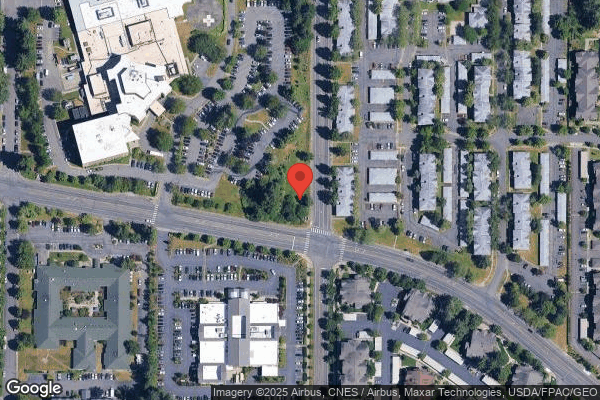
4001 CAPITOL MALL DR SOUTHWEST, OLYMPIA, WA 98502 (360) 754-9792
For profit - Limited Liability company 108 Beds CALDERA CARE Data: November 2025
Trust Grade
68/100
#79 of 190 in WA
Last Inspection: November 2024

Within standard 12-15 month inspection cycle. Federal law requires annual inspections.

Overview

Puget Sound Care has a Trust Grade of C+, meaning it is considered decent and slightly above average compared to other facilities. It ranks #79 out of 190 nursing homes in Washington, placing it in the top half, and #4 out of 7 in Thurston County, indicating only three local options are better. The facility is improving, with issues decreasing from five in 2024 to one in 2025. Staffing is rated average with a turnover rate of 49%, which is similar to the state average, but there is concerningly less RN coverage than 87% of other facilities, meaning residents may not have as much oversight from registered nurses. However, there are some significant weaknesses to note. The facility was involved in a serious incident where a resident was harmed due to incorrect medication administration, highlighting a risk to resident safety. Additionally, there were concerns about food safety practices in the kitchen, including improper food storage and inadequate disinfection of kitchen tools, which could lead to foodborne illnesses. While Puget Sound Care has some strengths, families should weigh these serious incidents carefully when considering this facility for their loved ones.

Trust Score
C+
68/100
In Washington
#79/190
Top 41%
Safety Record
Moderate
Needs review
Inspections
Getting Better
5 → 1 violations
Staff Stability
⚠ Watch
49% turnover. Above average. Higher turnover means staff may not know residents' routines.
Penalties
✓ Good
$8,018 in fines. Lower than most Washington facilities. Relatively clean record.
Skilled Nurses
○ Average
Each resident gets 33 minutes of Registered Nurse (RN) attention daily — about average for Washington. RNs are the most trained staff who monitor for health changes.
Violations
⚠ Watch
18 deficiencies on record. Higher than average. Multiple issues found across inspections.
★★★★☆
4.0
Overall Rating
★★★☆☆
3.0
Staff Levels
★★★★☆
4.0
Care Quality
★★★★☆
4.0
Inspection Score
Stable
2024: 5 issues
2025: 1 issues

The Good

  • 4-Star Quality Measures · Strong clinical quality outcomes
  • Full Sprinkler Coverage · Fire safety systems throughout facility
  • No fines on record

Facility shows strength in quality measures, fire safety.

The Bad

Staff Turnover: 49%

Near Washington avg (46%)

Higher turnover may affect care consistency

Federal Fines: $8,018

Below median ($33,413)

Minor penalties assessed

Chain: CALDERA CARE

Part of a multi-facility chain

Ask about local staffing decisions and management

The Ugly 18 deficiencies on record

1 actual harm
Jul 2025 1 deficiency
CONCERN (F) 📢 Someone Reported This

A family member, employee, or ombudsman was alarmed enough to file a formal complaint

Potential for Harm - no one hurt, but risky conditions existed

Food Safety (Tag F0812)

Could have caused harm · This affected most or all residents

. Based on observations, interviews and record review, the facility failed to ensure food was stored, prepared, and served in a sanitary manner for 1 of 1 kitchen reviewed for kitchen practices. This ...

Read full inspector narrative →
. Based on observations, interviews and record review, the facility failed to ensure food was stored, prepared, and served in a sanitary manner for 1 of 1 kitchen reviewed for kitchen practices. This failure placed residents at risk of foodborne illness, and the potential for experiencing a diminished quality of life. Findings included . Record review of the facility policy, titled, Sanitation, dated January 2018, showed, The Nutrition Services team maintains clean and sanitary kitchen centers and equipment. Walls, floors, ceilings, equipment, and utensils are clean and/or sanitized, and in good working order. The Nutrition Services team will practice good infection prevention and control procedures and habits. Employees will be clean and well-groomed and will handle food properly to prevent contamination. In an observation on 06/16/2025 at 10:46 AM, during a general tour of the kitchen area after the morning meal , food crumbs and dried food were visible on the steam table. The serving bowls and lids were covered with unknown food crumbs. The stove cooking area had visible leftover breakfast debris. The steam table was prepped for lunch service with the surface showing left over food and debris from the previous meal. Kitchen carts used to transport food were observed with crumbs, dried food, and liquid spillage. The plastic cover of the kitchen cart had a dried brown fluid on the back surface of the plastic cover. The floor in front of the stove and steam table was littered with smashed food, chunks of food and debris. The food storage room had a box of potatoes sitting directly on the floor surface with holes in the bottom of the box exposing the potatoes directly to the floor. In an observation on 07/01/2025 at 11:05 AM, the kitchen area showed there was food debris from the previous meals on the lids and bowls used to serve food. Next to the stove area a personal soda bottle was sitting in the food serving area. In an interview on 06/16/2025 at 11:12 AM, Staff C, Dietary Manager, said the kitchen was to be cleaned between meals by the cook. Staff C said she was not sure why the cook had not cleaned the kitchen area after breakfast. Staff C said the storage room should not have food sitting on the floor. Staff C said the boxes should be stored on the shelves in the storage area. In an interview on 06/16/2025 at 11:47 AM, Staff D, Cook, said they were responsible for cleaning the stove, floors and steam table between meals. Staff D said the steam table should have been thoroughly cleaned before placing lunch items into the steam table. Staff D said he was running behind today and was not able to clean the area. In an interview on 07/01/2025 at 11:19 AM, Staff C said kitchen staff should not be drinking personal beverages on the food line. Reference WAC 388-97-1100 (3) and 388-97-2980.
Nov 2024 4 deficiencies
CONCERN (D)

Potential for Harm - no one hurt, but risky conditions existed

Comprehensive Care Plan (Tag F0656)

Could have caused harm · This affected 1 resident

**NOTE- TERMS IN BRACKETS HAVE BEEN EDITED TO PROTECT CONFIDENTIALITY** . Based on observation, interview, and record review, the facility failed to ensure respiratory care was addressed on the compre...

Read full inspector narrative →
**NOTE- TERMS IN BRACKETS HAVE BEEN EDITED TO PROTECT CONFIDENTIALITY** . Based on observation, interview, and record review, the facility failed to ensure respiratory care was addressed on the comprehensive care plan for 1 of 1 sampled resident (244) reviewed for comprehensive care plans. This failure placed residents at risk for unmet care needs and a diminished quality of life. Findings included . Resident 244 was admitted to the facility on [DATE]. The Admission/Medicare 5-day Minimum Data Set assessment, dated 07/26/2024, documented Resident 244 was alert and oriented, had a diagnosis of obstructive sleep apnea (a condition that occurs when the throat muscles relax during sleep, partially or completely blocking the airway interrupting breathing), and had a CPAP (continuous positive airway pressure, a machine that helps treat sleep apnea). Review of Resident 244's Electronic Health Record showed the comprehensive care plan did not document a focus area, goal, or intervention for a CPAP machine. On 11/04/2024 at 10:56 AM, a CPAP machine with tubing and mask was observed on Resident 244's nightstand. Resident 244 said the staff would put water in it. Resident 244 said she did not use it every night, but she should. On 11/05/2024 at 12:37 PM, Resident 244 was observed lying on her back in bed. A CPAP machine with tubing and mask was observed at the bedside on a nightstand. On 11/06/2024 at 9:36 AM, Resident 244 was observed lying in bed. A CPAP machine with tubing and mask was observed at the bedside on a nightstand. At 2:00 PM, Staff C, Unit Manager and Licensed Practical Nurse, said residents with a CPAP machine should have it care planned. Staff C said she could not find a care plan for Resident 244's CPAP machine and there should have been. At 2:55 PM, Staff B, Director of Nursing Services and Registered Nurse, indicated it was her expectation care plans were in place for residents with a CPAP machine. Reference WAC 388-97-1020 (1) (2)(a) .
CONCERN (D)

Potential for Harm - no one hurt, but risky conditions existed

ADL Care (Tag F0677)

Could have caused harm · This affected 1 resident

**NOTE- TERMS IN BRACKETS HAVE BEEN EDITED TO PROTECT CONFIDENTIALITY** . Based on observation, interview, and record review, the facility failed to ensure assistance with shaving was provided for 1 o...

Read full inspector narrative →
**NOTE- TERMS IN BRACKETS HAVE BEEN EDITED TO PROTECT CONFIDENTIALITY** . Based on observation, interview, and record review, the facility failed to ensure assistance with shaving was provided for 1 of 4 sampled residents (224) reviewed for activities of daily living (ADLs). This failure placed residents at risk for unmet care needs, decreased self-esteem, and a diminished quality of life. Findings included . Resident 244 was admitted to the facility on [DATE]. The Admission/Medicare 5-day Minimum Data Set assessment, dated 07/26/2024, documented Resident 244 was alert and oriented. Review of Resident 244's ADLs care plan, revised on 07/30/2024, documented .Will be neat, clean and well groomed daily . PERSONAL HYGIENE: Resident requires extensive assistance. Review of Resident 244's [NAME] (a nursing worksheet tool that includes a summary of patient information used to guide nursing care), dated 11/06/2024, showed PERSONAL HYGIENE: Resident requires extensive assistance. On 11/04/2024 at 10:38 AM, Resident 244 was observed with dark colored facial hair about one quarter inch long present on chin and sides of chin. Resident 244 said her chin hair bothered her. Resident 244 said the staff did not offer to shave it, even when she got a bath. On 11/05/2024 at 12:37 PM, Resident 244 was observed lying in bed with dark colored chin hairs present on the bottom and sides of the chin about one quarter inch long. Resident 244 said no one offered to shave her in the morning and she would like to have been. Review of Resident 244's person hygiene task record for shaving, dated 10/08/2024 through 10/22/2024, and 10/31/2024 through 11/06/2024, showed no documented task support for shaving. The record showed Resident 244 was out of the facility from 10/22/2024 to 10/31/2024. On 11/06/2024 at 9:36 AM, Resident 244 was observed lying in bed with dark colored hair present on the chin and sides of the chin. On 11/07/2024 at 8:50 AM, Resident 244 was observed with dark colored hair present on bottom and sides of chin longer than one quarter inch. Resident 244 said staff did not offer her a razor to shave or offer any help to shave, and it bothered her to have chin hair. At 8:52 AM, when asked how staff knew the care needs of a resident, Staff D, Certified Nursing Assistant, said they got their information from the [NAME]. At 8:55 AM, Staff C, Unit Manager and Licensed Practical Nurse, said residents should be offered assistance daily and as needed for shaving. Staff C said Resident 244 needed assistance with ADLs. After going to Resident 244's room and observing Resident 244's facial hair, Staff C asked Resident 244 if she wanted to be shaved daily. Resident 244 said she would like her chin hair to be shaved. Staff C said they should have been shaving or offering to shave Resident 244 daily. At 10:46 AM, Staff B, Director of Nursing Services and Registered Nurse, said it was her expectation residents be shaved or offered assistance daily with shaving and ADLs care. Reference WAC 388-97-1060 (1)(2)(c)
CONCERN (D)

Potential for Harm - no one hurt, but risky conditions existed

Quality of Care (Tag F0684)

Could have caused harm · This affected 1 resident

**NOTE- TERMS IN BRACKETS HAVE BEEN EDITED TO PROTECT CONFIDENTIALITY** 3) Resident 37 was admitted to the facility on [DATE]. The Quarterly MDS, dated [DATE], showed Resident 37 was severely cognitiv...

Read full inspector narrative →
**NOTE- TERMS IN BRACKETS HAVE BEEN EDITED TO PROTECT CONFIDENTIALITY** 3) Resident 37 was admitted to the facility on [DATE]. The Quarterly MDS, dated [DATE], showed Resident 37 was severely cognitively impaired, incontinent of bowel and bladder and required total assistance with activities of daily living. Resident 37's care plan, dated 10/20/2019, documented, .Potential for Alteration in bowel elimination constipation r/t [related to] decreased mobility; medication use . Will have a normal bowel movement at least every 1-2 days through the review date . Follow facility protocol for bowel management . The Bowel and Bladder Elimination task sheet showed Resident 37 had a BM on 10/12/2024 and did not have another BM until 10/19/2024, six days between BMs. Review of Resident 37's MAR did not show the bowel protocol was initiated from 10/13/2024 to 10/18/2024. On 11/06/24 at 9:13 AM, Staff F, Unit Manager (UM) and Licensed Practical Nurse (LPN), said bowel reports on the Electronic Health Record (EHR) dashboard were run daily to identify residents who needed the bowel protocol to be initiated. Staff F said she did not know why Resident 37 did not alert for no BM from 10/13/2024 to 10/18/2024 and was unable to tell how the information was missed. On 11/07/2024 at 8:43 AM, Staff J, LPN, said after three days of no BM, facility initiates the bowel protocol, and residents are to be administered either Miralax (a laxative) or Senna (a laxative). Staff J was unable to provide documentation of the BM protocol being initiated for Resident 14 and Resident 58. Staff J stated, They would be expected to be given something [bowel intervention]. We document in the MAR. I should have documented. At 9:21 AM, Staff C, UM and LPN, said if there was no BM in three days, the bowel protocol needed to be initiated. Staff C stated, They need to document it appropriately. Staff C was unable to provide documentation of bowel interventions being initiated for Resident 14 and Resident 58. At 10:27 AM, Staff B, Director of Nursing Services and Registered Nurse, said she expected the bowel protocol to be initiated per facility policy. Staff B stated, We are aware. It's documentation. Reference WAC 388-97-1060 (1) (3)(c) Based on interviews and record reviews, the facility failed to ensure bowel interventions were initiated for 3 of 7 sampled residents (14, 58 & 37) reviewed for quality of care. This failure placed residents at risk for discomfort, health complications and a diminished quality of life. Findings included . Per Facility Bowel Management Policy, entitled Management of Constipation, updated 11/2023: When a resident is identified with No/small Bowel Movement documented for 64 hrs [hours], the LN [Licensed Nurse] will assess the resident and determine if bowel protocol will be initiated. The Clinical Alert will be cleared using the progress note function to document findings and interventions. Standard bowel protocol to relieve constipation (in the absence of a bowel obstruction) with a provider order may include the following: --Miralax PO after eight shifts of no BM --Compound Laxative, consisting of 17.2 of Senna and of 10 mg Bisacodyl --Bisacodyl suppository rectally, if no results from the compound laxative --Fleet Enema rectally, if no results from Bisacodyl suppository. 1) Resident 14 was admitted to the facility on [DATE]. The Quarterly Minimum Data Set (MDS) assessment, dated 09/29/2024, documented the resident was alert and oriented. The Bowel and Bladder Elimination task sheet showed Resident 14 had a Bowel Movement (BM) on 10/27/2024 at 2:59 PM, and did not show another BM until 11/02/2024 at 9:30 AM, over 138 hours (more than five and a half days) since her last documented BM. Review of Resident 14's October 2024 and November 2024 Medication Administration Report (MAR) showed the bowel protocol was not initiated between the dates of 10/27/2024 and 11/02/2024. 2) Resident 58 was admitted to the facility on [DATE]. The Significant Change MDS, dated [DATE], documented the resident was moderately cognitively impaired. The Bowel and Bladder Elimination task sheet showed Resident 58 had a BM on 10/21/2024 at 9:59 PM, and did not show another BM until 10/27/2024 at 7:30 PM, over 141 hours (more than five and a half days) since her last documented BM. Review of Resident 58's October 2024 MAR showed the bowel protocol was not initiated between the dates of 10/21/2024 and 10/27/2024.
CONCERN (F)

Potential for Harm - no one hurt, but risky conditions existed

Food Safety (Tag F0812)

Could have caused harm · This affected most or all residents

. Based on observation and interview, the facility failed to ensure proper disinfecting of the food thermometer when taking food temperatures in 1 of 1 kitchens reviewed for sanitation and storage. Th...

Read full inspector narrative →
. Based on observation and interview, the facility failed to ensure proper disinfecting of the food thermometer when taking food temperatures in 1 of 1 kitchens reviewed for sanitation and storage. This failure placed residents at risk of cross-contamination and food borne illness. Findings included . On 11/06/2024 at 11:32 AM, Staff I, Cook, was observed testing the temperature of the food on the tray line with a kitchen thermometer. At 11:34 AM, Staff I was observed placing the thermometer into pan of pureed chicken. After documenting the temperature, Staff I wiped the thermometer with a kitchen cloth. Staff I then placed the same thermometer into another pan to test the temperature of another entree. Staff I did not use a sterilizer after temping the foods with the thermometer. At 11:36 AM, when asked about safe cleaning practices of food preparation equipment, Staff I said, he used a cloth to clean the thermometer, but the facility would prefer if he were to use alcohol wipes. At 11:43 AM, when asked about the expectation to clean the thermometer between checking food temperatures, Staff G, Dietary Manager, stated, We use alcohol wipes. On 11/07/2024 at 10:31 AM, Staff B, Director of Nursing Services and Registered Nurse, said she expected staff to abide by proper cleaning practices to prevent food borne illness. Reference WAC 388-97-1320 (1)(c) .
Mar 2024 1 deficiency 1 Harm
SERIOUS (G) 📢 Someone Reported This

A family member, employee, or ombudsman was alarmed enough to file a formal complaint

Actual Harm - a resident was hurt due to facility failures

Deficiency F0760 (Tag F0760)

A resident was harmed · This affected 1 resident

**NOTE- TERMS IN BRACKETS HAVE BEEN EDITED TO PROTECT CONFIDENTIALITY** . Based on interview and record review, the facility failed to ensure residents were free from significant medication errors whe...

Read full inspector narrative →
**NOTE- TERMS IN BRACKETS HAVE BEEN EDITED TO PROTECT CONFIDENTIALITY** . Based on interview and record review, the facility failed to ensure residents were free from significant medication errors when medication orders were incorrectly transcribed, not reconciled and incorrectly administered for 1 of 3 sampled residents (Resident 1) reviewed for significant medication error. This caused harm to Resident 1 when the resident was administered potent medications not prescribed and had a serious change of condition requiring hospitalization. This failure placed residents at risk of adverse reactions to medications, change in health conditions and a diminished quality of life. Findings included . Review of the facility policy, dated 07/2015 and revised 11/2023, showed: admission orders will be obtained/approved through the Provider as soon as possible following or prior to the resident admission/re-admission to the center . Staff will review medication orders and assure standards of practice with orders to include the following: - Right route, dosage, frequency. - Stop dates for antibiotics - Each medication has a corresponding diagnosis - PRN (as needed) Psychotropics have 14 day stop date Resident 1 was admitted to the facility on [DATE] with diagnoses including weakness, stroke, and history of elevated blood pressure. The admission Minimum Data Set assessment, used by the facility to complete the plan of care, was pending prior to discharge on [DATE] to the hospital. Record review of the hospital physician encounter note, dated 02/13/2024, showed on 02/11/2024 the resident reportedly received the wrong medications and noted to have decreased level of consciousness, difficulty breathing and coffee ground emesis. Resident 1 was transported to the hospital emergency department and admitted for treatment. Review of Resident 1's medical record showed medication errors were discovered after the resident's change in condition following the morning medication pass on 02/11/2024. The facility investigation showed Resident 1 received medications ordered for a non-facility resident (NFR) and the admission medications for Resident 1 had not been verified per protocol by two nursing staff. After the error was identified, the correct orders were then obtained from the prior discharging hospital and placed in Resident 1's medical record prior to the resident's readmission back to the facility on [DATE]. The after-visit summary, dated for the initial hospital discharge of 02/09/2024, showed 10 medications were ordered for Resident 1, and were not started on admission to the facility, that included: = Acetaminophen 325 milligrams (mg) - 2 tablets as needed every 6 hours.(pain relief) = Amlodipine 5 mg daily (high blood pressure) = Aspirin 81 mg daily (stroke prevention) = Atorvastation 40 mg every night (high cholesterol) = Bisacodyl 10 mg suppository as needed daily (laxative) = Colace 100 mg twice daily (laxative) = Famotidine 20 mg daily (ulcer, esophagus, digestive treatment) = Lidocaine 4% patch apply on skin every night (pain) = Miralax 17 grams (g) daily as needed (laxative) = Senna 8.6 mg one tablet twice daily (laxative) The after-visit summary, dated 01/31/2024 through 02/08/2024, showed a NFR's name clearly listed on the top of the summary and included a recap of the NFR's hospital stay. The summary for the NFR showed the following 20 medications were erroneously documented on Resident 1's February 2024 Medication Administration Record (MAR) and were initiated by nursing on 02/09/2024: = Aspirin 81 mg one daily (pain) = Ciprofloxacin HCI 500 mg tablet. One tablet every 12 hours for 3 doses (antibiotic that had a *black box warning* - often referred to as simply boxed warning - is the strongest warning issued by the FDA in the United States on drugs that carry specific health risks - serious or life-threatening adverse effects). = Fludrocortisone 0.1 mg tablet 1 tablet daily (for adrenal gland diseases) = Tamsulosin 0.4 mg one every morning (for prostate urine flow problems) = Acetaminophen 325 mg take 2 tablets every 6 hours as needed (pain) = bisacodyl suppository 1 daily as needed (laxative) = Bupropion 150 mg tablet every morning (antidepressant with a *black box warning*) = Carbidopa-Levadopa 25-100 mg 2 tablets four times daily (a medication for Parkinson's, central nervous system disorder affecting movement, with a *special precautions noted for potential side effects of coffee emesis, bloody stools*) = Cholecalciferol 1000 unit tablet. Take 2 tablets every morning (vitamin) = Finasteride 5 mg tablet. One nightly (medication for a prostate disorder that is *not approved by the Food and Drug Administration for use in women*) = Guaifenesin 100 mg/milliliters(ml) Take 10 ml every 4 hours as needed (decongestant) = Lactobacillus Rhamnosus 10 billion cell capsule. Take one every morning (supplement for gut health) = Lidocare 4% patch. Place on skin as needed (pain) = Loratadine 10 mg tablet every morning (allergens) = Melatonin 3 mg tablet once nightly as needed for healthy circadian rhythm (rest) = Multivitamin one daily (supplement) = Miralax 17 g daily as needed (for constipation) = Pravastatin 40 mg one each night (cholesterol lowering) = Sertraline 100 mg Take 2 tablets every morning (an antidepressant with a *black box warning*) = Vitamin B-12 1000 micrograms (MCG) one tablet every morning (supplement) Review of Resident 1's February 2024 MAR showed on 02/09/2024 through 02/11/2024 the following medications on Resident 1's original order were omitted when not transcribed and were not given: = Amlodipine 5 mg - Omitted two days. = Famotidine 20 mg daily - Omitted two days. = Lidocare patch - Omitted. = Colace 100 mg twice daily - Omitted. = Senna twice daily - Omitted. Review of the February 2024 MAR showed on 02/09/2024 through 02/11/2024 Resident 1 erroneously was administered the following medications that were prescribed to the NFR, not to Resident 1: = Bupropion HCI ER 150 mg - Received two days. This medication had a *black box* warning. = Cholecalciferol 25 mcg - Received two days. = Cyanocobalamin 1000 mcg - Received two days. = Finasteride 5 mg - Received one PM dose. = Fludrocortisone 0.1 mg - Received two days. = Loratadine 10 mg - Received two days. = Multi Vitamin - Received two days. = Pravastatin 40 mg - Received one PM dose. = Probiotic (gut health) - Received two days. = Sertraline 100 mg/take 200 mg each day - Received two days. This medication had a *black box* warning. = Tamsulosin 0.4 mg - Received one PM dose. = Cipro 500 mg - Received three doses. Resident 1 was allergic to medication class. This medication had a *black box* warning. = Carbidopa-Levadopa - Received two days, six doses. On 02/23/2024 at 1:40 PM, Collateral Contact (CC) 1, Confidential Source, said the facility reported to them, on 02/11/2024, Resident 1 had received the wrong medications causing a change in condition that required hospitalization. At 1:20 PM, Staff A, Resident Care Manager, said when Resident 1 was admitted to the facility the discharging hospital failed to include the medication list. Staff A said after the facility requested the papers, the orders were uploaded, entered offsite, and not verified by two nursing staff per facility protocol. On 04/01/2024 at 12:38 PM, when asked how Resident 1's medication errors were discovered, Staff B, Licensed Nurse, stated, It was just a fluke. Staff B said he was giving medications and another nurse pulled up Resident 1's medications. They looked into documentation and did not see where two people had checked the resident's record. Staff B said Resident 1 had received her morning doses of medications, had a change in condition, was not feeling well and had an episode of coffee ground emesis. Staff B said Resident 1 was transported to the hospital for treatment. The incorrect medication list was discontinued once the medication error was identified and the correct medication list was requested from the discharging hospital. Resident 1 was transported to the hospital for attention and evaluation for a significant change in condition and after learning she was administered the wrong medication. The facility completed a fully facility audit of all hospital transfer order to ensure accuracy. Immediate education to nurses regarding two patient identifiers as well as re-education on admission policy occurred on 02/11/2024 and 02/12/2024. An audit tool was created for IDT to review in daily clinical meetings and to be completed on every admission. The admission Resident Care Manager (RCM) and Director or Nursing (DON) or designee will audit admission orders and the audit tool for 12 weeks and review results in QAPI. The admission RCM and DON will be responsible for ensuring compliance. This was Past Non-Compliance. Reference WAC 388-97-1260 (3)(k)(iii) .
Oct 2023 6 deficiencies
CONCERN (D)

Potential for Harm - no one hurt, but risky conditions existed

Deficiency F0558 (Tag F0558)

Could have caused harm · This affected 1 resident

**NOTE- TERMS IN BRACKETS HAVE BEEN EDITED TO PROTECT CONFIDENTIALITY** . Based on observation, interview and record review, the facility failed to ensure residents received reasonable accommodations ...

Read full inspector narrative →
**NOTE- TERMS IN BRACKETS HAVE BEEN EDITED TO PROTECT CONFIDENTIALITY** . Based on observation, interview and record review, the facility failed to ensure residents received reasonable accommodations with meals for 1 of 7 sampled residents (41) reviewed for reasonable accommodation and preferences. This failure placed residents at risk of unmet care needs and a diminished quality of life. Findings included . Resident 41 was admitted to the facility on [DATE]. The quarterly Minimum Data Set, an assessment tool, dated 08/01/2023, showed the resident was severely cognitively impaired and required extensive assistance with eating. Resident 41's care plan, revised 01/27/2020, documented, needs one person assist with meals; she is able to feed self but needs cueing direction to slow down during meals; set up dishes. The care plan did not show the resident was to eat food with bare hands. Resident 41's order indicated she was on a cardiac diet: dysphagia advanced texture [foods that were nearly normal textures with the exception of crunchy, sticky, or hard foods], thin consistency [non-restrictive for intake], food in bowls . On 10/09/2023 at 8:30 AM, Resident 41 was observed eating with her left hand and not using a spoon. Two staff were in the dining room, and did not intervene. On 10/11/2023 at 12:25 PM, Staff I, Unit Manager and Licensed Practical Nurse, said Resident 41 was care planned to eat meals with her fingers. On 10/13/2023 at 9:13 AM, Staff I said Resident 41 eating with her hands should be in the care plan because it was her preference. At 9:21 AM, Staff C, Assistant Director of Nursing Services and Registered Nurse, said residents can use their hands if it was their preference but it should be care planned. Reference WAC 388-97-0860 (2) .
CONCERN (D)

Potential for Harm - no one hurt, but risky conditions existed

Quality of Care (Tag F0684)

Could have caused harm · This affected 1 resident

**NOTE- TERMS IN BRACKETS HAVE BEEN EDITED TO PROTECT CONFIDENTIALITY** <Diet-Related Recommendations> Resident 66 was admitted on [DATE] with multiple diagnoses including muscular dystrophy (a ...

Read full inspector narrative →
**NOTE- TERMS IN BRACKETS HAVE BEEN EDITED TO PROTECT CONFIDENTIALITY** <Diet-Related Recommendations> Resident 66 was admitted on [DATE] with multiple diagnoses including muscular dystrophy (a group of diseases that cause progressive muscle weakness including trouble swallowing). The annual MDS, dated [DATE], showed Resident 66 was cognitively intact. Resident 66's Speech Therapy (ST) notes, dated 06/06/2023 and 06/19/2023, showed Resident 66 had a diagnosis of dysphagia (difficulty swallowing) and diet recommendations included cut up assistance (providing a food texture that is cut up in small pieces). Resident 66's electronic medical record did not show the cut up assistance for food was implemented. On 10/10/2023 at 11:02 AM, Resident 66 said he was having trouble swallowing. Resident 66 said a dietician told him to take smaller bites and the facility would cut up his food. Resident 66 said the staff did not cut his food unless he asked them. Resident 66 stated, They drop off the tray and run out the door. I can't do it. I need assistance. Resident 66 said he had not choked on food but had choked on medicine. On 10/12/2023 at 9:05 AM, Resident 66 was observed being served a breakfast of pancakes and sausage links that were not cut up. Resident 66 said he had to get the aide to cut it later on, when she returned to deliver coffee. Resident 66 said a couple of months ago, he had a conversation with a former speech therapy staff who was the person who said they would have his food cut up. At 12:38 PM, Resident 66 said he choked on his pills about a month ago, saw stars before it went black and fell back on his bed. Resident 66's lunch was observed to include roast beef, hash browns, cabbage, and a BLT sandwich. The pieces of beef were very large, varying in size from half dollar to half a credit card in size and the meat appeared dry. Resident 66 said the beef was cut up by the aide. Resident 66's meal slip showed a regular diet; no cut up texture was included. Resident 66 was observed holding a fork with some difficulty and had poor coordination of motor movement. At 3:23 PM, Staff D, Resident Care Manager (RCM) and LPN, indicated she was not aware Resident 66 had dysphagia. Staff D said she did not have access to therapy notes, therefore was not aware of speech therapy's recommendation. Staff D said the speech therapy department submitted a diet slip to the kitchen and changed the diet order. Staff D said in the recent past, speech therapists would give us (nursing) a copy so we would know about the changes. Staff D said the dietician would know about the change in texture because they were responsible for the nutrition care plan. Staff D said the care aides would know about diet changes by the diet slip printed on the meal tray. Staff D said nursing was not notified of diet or texture changes. At 3:47 PM, Staff M, Dietary Manager, said he talked to Resident 66 about four to five months ago and changed him to finger foods per his request. Staff M said he was not notified by speech therapy that Resident 66 should be on cut up foods. Staff M said he could not make texture decisions. The dietitian or speech therapist had to determine the texture. Staff M said the kitchen could cut up food prior to leaving the kitchen for any resident. Staff M said he did not ask about texture when interviewing residents about their food preferences. At 4:01 PM, Staff N, Registered Dietician, said speech therapy would take a diet slip to the kitchen and put an order in the electronic healthcare system (PCC) with specific instructions. When asked how she was notified of new orders, Staff N said she just looked for orders in PCC. When asked who was responsible for the nutrition portion of the care plan, Staff N said the former speech therapist would talk with the RCM to make changes/updates. Staff N said ideally RCMs would be notified and the RCMs notify me. Staff N said she was hopeful on developing a relationship with the new speech therapists, so communication issues did not occur. Staff N said there seemed to be a disconnect with Resident 66's texture order after the former speech therapist's evaluation. On 10/13/2023 at 8:55 AM, Staff C, Assistant Director of Nursing Services and Registered Nurse (RN), said diet changes were brought to nursing managers to discuss and then they put in the order/change. Staff C said dietary changes were brought to nursing and nursing made the change then updated the care plan. Staff C said the department head was responsible for communication between departments if it was an issue generated from their area of work. At 9:04 AM, Staff A, Administrator, said the Interdisciplinary Team (IDT), her and Staff B, Director of Nursing Services and RN, were responsible to keep all departments on the same page regarding resident care recommendations. Staff A said if speech made a recommendation it was sent to the doctor or nursing, then if approved, the provider would put the order in. Staff A said the Dietician wanted to see all changes and was a part of the IDT. Staff A said for a new diet order, a diet slip was made by nursing and handed to the kitchen or Staff N. Staff A discussed the miscommunication and how each department described a different system for addressing new or changed diet recommendations. Staff A said diet changes or recommendations needed to go through nursing to ensure all aspects of the change was addressed like consent or approval from doctor/family/resident prior to making the change; then the change could be implemented. Reference WAC 388-97-1060 (1) Based on observations, interview and record review, the facility failed to ensure residents were provided necessary care and services to maintain or improve range of motion and failed to implement diet-related recommendations for 2 of 6 sampled residents (17 & 66) reviewed for quality of care related to rehabilitation services and nutrition. These failures placed residents at risk for discomfort, health complications and a diminished quality of life. Findings included . <Rehabilitation Services> Resident 17 was admitted to the facility on [DATE]. The significant change Minimum Data Set (MDS), an assessment tool, dated 09/01/2023, indicated Resident 17 was moderately cognitively impaired. The Occupational Therapy (OT) Discharge summary, dated [DATE], documented, Patient keeps her L [left] hand in a fisted position, but is able to fully extend L fingers with assistance. On 10/10/2023 at 9:25 AM, Resident 17 was observed lying in bed. The resident's left hand was in a fisted position. Resident 17 said she was supposed to wear a splint; and when she was not using the splint, she could use a washcloth the rest of the day. Resident 17 said the brace was in the drawer. The inside of the resident's left hand had some fingernail markings from her fingers pushing into her palm. At 1:18 PM, Resident 17 was observed without a splint on. A rolled-up washcloth was next to the bed on the dresser. On 10/11/2023 at 8:38 AM, Resident 17 was observed without her splint on but had a washcloth in her left hand. At 3:27 PM, Resident 17 was observed without the splint or washcloth in her left hand. On 10/12/2023 at 11:51 AM, Collateral Contact (CC) 1 said when he visited Resident 17 she did not usually have the splint on. CC 1 said he had to give her a washcloth to keep her nails from digging into her hand. 10/13/2023 at 8:36 AM, Resident 17 was observed lying in bed and had her splint on. At 10:06 AM, Staff L, Director of Rehabilitation, said the splint was not for a contracture but for a resting hand. Staff L said Resident 17 could open and close her hand when she was discharged from services. At 10:34 AM, Staff I, Unit Manager and Licensed Practical Nurse (LPN), was observed asking Resident 17 to open her hand. Resident 17 started to complain of pain once she got about an inch above her palm. The inside of the resident's palm had some marks. Staff I offered to get Resident 17 a towel. At 11:30 AM, Staff J, Restorative Services Coordinator, said staff should monitor how residents tolerate the splint. If any issues came up, they should report it to the nurse so they could seek an assessment. At 11:47 AM, Staff K, Restorative Aide, was observed asking Resident 17 to open her hand. Resident 17 was able to extend her thumb and little finger. Staff K assisted Resident 17 attempting to open her hand. Resident 17 began to complain of pain when Staff K attempted to open it.
CONCERN (D)

Potential for Harm - no one hurt, but risky conditions existed

Medication Errors (Tag F0758)

Could have caused harm · This affected 1 resident

**NOTE- TERMS IN BRACKETS HAVE BEEN EDITED TO PROTECT CONFIDENTIALITY** . Based on interview and record review, the facility failed to ensure residents were free from unnecessary psychotropic (affecti...

Read full inspector narrative →
**NOTE- TERMS IN BRACKETS HAVE BEEN EDITED TO PROTECT CONFIDENTIALITY** . Based on interview and record review, the facility failed to ensure residents were free from unnecessary psychotropic (affecting the mind) medications by failing to monitor for therapeutic medication levels via regular blood testing for 1 of 5 sampled residents (Resident 59) reviewed for unnecessary psychotropic medications. This failure placed residents at risk for medical complications, receiving unnecessary psychotropic medications and a diminished quality of life. Findings included . Resident 59 was admitted to the facility on [DATE] with diagnoses including anxiety, depression, and non-Alzheimer's dementia. The significant change Minimum Data Set, an assessment tool, dated 09/09/2023, documented the resident was severely cognitively impaired. A physician's order, dated 03/16/2023, documented the resident was ordered Depakote, an antipsychotic medication. Resident 59's medical record did not show a documentation of a valproic acid level, a test used to determine a therapeutic level of Depakote. On 10/11/2023 at 1:09 PM, Staff C, Assistant Director of Nursing Services and Registered Nurse (RN), said Depakote levels should be obtained every six months. At 2:55 PM, Staff B, Director of Nursing Services and RN, said Depakote levels should be obtained every six months. Staff B was observed reviewing Resident 59's medical record and could not locate a Depakote lab. Staff B said labs were obtained via physician order. Staff B said Resident 59's Depakote lab was missed, and a stat order was obtained. Reference WAC 388-97-1060 (3)(k)(i) .
CONCERN (D)

Potential for Harm - no one hurt, but risky conditions existed

Deficiency F0761 (Tag F0761)

Could have caused harm · This affected 1 resident

. Based on observation, interview, and record review, the facility failed to ensure drugs and biologicals were labeled and stored in accordance with professional standards in 1 of 2 sampled medication...

Read full inspector narrative →
. Based on observation, interview, and record review, the facility failed to ensure drugs and biologicals were labeled and stored in accordance with professional standards in 1 of 2 sampled medication carts (B hall medication cart) reviewed for medication storage. This failure placed residents at risk of misappropriation of medication, receiving wrong medications, and a diminished quality of life. Findings included . The facility policy, Storage of Medication, dated January 2023, documented, The provider pharmacy dispenses medications in containers that meet state and federal labeling requirements, including requirements of good manufacturing practices established by the United States Pharmacopeia (USP). Medications are to remain in these containers and stored in a controlled environment. On 10/13/2023 at 8:55 AM, Staff D, Residential Care Manager and Licensed Practical Nurse, and the State Agency surveyor observed the B Hall medication cart under the supervision of Staff H, Registered Nurse (RN). The medication cart showed three medication cups in the top drawer, two containing loose pills and one containing ground/pulverized medications in a brown pudding. The cups were open to air, uncovered, in the medication cart. Staff H said she went to give the medications in the cups and could not give the medications due to residents eating in the dining room, so she placed the medications in cups to be administered later. Staff H said she would give the medications in the cups when the residents were done eating. At 9:00 AM, Staff D said it was not facility practice to place medications in a medication cup back in the medication cart. Staff D said a medication cup of ground up pills in pudding should not be left exposed to air because something could fall into the pudding. Staff D said Staff H should put medications in a medication bag and label the bag, so medications were not exposed. At 9:01 AM, when made aware of the findings on the B hall medication cart, Staff B, Director of Nursing Services and RN, said it was not facility practice to place medications in a medication cup and put them back in the medication cart. Reference WAC 388-97-1300 (2) .
CONCERN (E)

Potential for Harm - no one hurt, but risky conditions existed

Resident Rights (Tag F0550)

Could have caused harm · This affected multiple residents

. Based on observation, interview and record review, the facility failed to ensure residents were treated with respect and dignity, and provided a dignified and timely meal service for 2 of 2 meals ob...

Read full inspector narrative →
. Based on observation, interview and record review, the facility failed to ensure residents were treated with respect and dignity, and provided a dignified and timely meal service for 2 of 2 meals observed in 1 of 3 dining halls (Hall B) reviewed for resident rights. This failure placed the residents at risk for feelings of institutionalization, unmet care needs and a diminished quality of life. Findings included . The facility Meal Services Schedule specified Hall B Dining Room, undated, showed residents were served breakfast daily at 8:00 AM and lunch at 12:00 PM. 1) On 10/09/2023 at 7:30 AM, three residents were observed in the Assisted Hall B Dining Room. More residents were brought into the dining room by staff shortly after. No drinks or meals were brought out and served at this time. At 7:45 AM, seven residents were observed to be seated in the Hall B Dining Room with no drinks or food served. One resident was observed to have left the dining room without a meal. At 8:35 AM, Resident 56 said he was not sure how much longer he would have to wait, and said he did not know what time meals were scheduled to be served. Residents in the Hall B Dining Room were observed to sit with minimal stimulation while waiting for their meals. At 8:43 AM, the breakfast cart was observed to arrive, and residents were served breakfast at that time. Residents were observed to wait for their breakfast meal for a total of 43 minutes after the scheduled breakfast time. 2) On 10/12/2023 at 11:50 AM, three residents arrived for lunch in the Hall B Dining Room. A few more residents were observed to arrive shortly after. At 12:51 PM, lunch trays were observed to be served by staff. Residents in the Hall B Dining Room waited 51 minutes before being served lunch. On 10/12/2023 at 11:27 AM, Staff M, Dietary Manager, said he was surprised residents waited a long time for their breakfast. Staff M stated, That's not usual. I am not sure what happened. At 11:29 AM, Staff N, Registered Dietitian, said they were not aware of long wait times the previous day. Staff N stated, That's really surprising. At 2:54 PM, Resident 58 stated, I really feel sorry for some of those guys on B Hall. They wait too long. All the time. At 3:08 PM, Staff D, Resident Care Manager and Licensed Practical Nurse, said to be more efficient with meal service, the facility tried different service arrangements. Staff D said the residents on Hall B did often wait longer than appropriate for their meals. Staff D stated, They should not be brought in so early. It bothers me. I come in sometimes and bring drinks. They are alone in there. At 3:41 PM, Staff A, Administrator, stated, Monday [10/09/2023] was rough. Staff A said delayed meal service had been an issue. Reference WAC 388-97-0180 (1-4) .
CONCERN (E)

Potential for Harm - no one hurt, but risky conditions existed

Food Safety (Tag F0812)

Could have caused harm · This affected multiple residents

. Based on observation and interview, the facility failed to ensure staff completed hand hygiene during meal service on 1 of 2 halls (Hall B) reviewed for serving meals in a sanitary manner. This fail...

Read full inspector narrative →
. Based on observation and interview, the facility failed to ensure staff completed hand hygiene during meal service on 1 of 2 halls (Hall B) reviewed for serving meals in a sanitary manner. This failure placed residents at risk of contracting an infectious disease and a decreased quality of life. Findings included . Record review showed on 10/09/2023 the facility was in outbreak status for COVID-19 (a highly infectious virus that can cause severe illness in the elderly population). On 10/09/2023 at 8:32 AM, Staff D, Resident Care Manager and Licensed Practical Nurse, and Staff E, Physical Therapy Assistant, were observed passing out food trays and drinks. Staff D and Staff E did not wash their hands upon entering the Hall B dining room. At 8:40 AM, Staff F, Nursing Student, said staff should clean their hands when leaving a resident's room. At 8:43 AM, Staff E, Physical Therapy Assistant, was observed touching her facemask while holding an empty mug. Staff E then filled the mug with coffee from a communal coffee dispenser and went to deliver it to a resident. Staff E did not clean her hands after touching her dirty mask. At 8:44 AM, Staff D was observed assisting Resident 48 with their fluids. Staff D moved to the next table to assist Resident 248 with feeding. Staff D did not wash her hands between assisting different residents. At 8:50 AM, Staff D was observed assisting Resident 78 with setting up their straw and drink without washing her hands in between residents. At 8:51 AM, Staff D was observed assisting Resident 248 with feeding without washing her hands in between residents. At 8:32 AM to 8:55 AM, Staff D was observed touching her dirty facemask multiple times without washing hands before resuming care with residents. At 8:57 AM, Staff D was observed picking up dirty plates in the Assist Dining Room. Staff D left to the hallway nurses' station and returned with a thickened shake for Resident 63. Staff D did not clean her hands after touching dirty meal tray items before pouring and serving the shake. At 9:03 AM, Staff E was observed putting a dirty meal tray on the kitchen cart and did not clean her hands when done. Staff E went into Room B10-1, moved the resident's personal items, and removed the dirty meal tray. Staff E did not clean her hands after putting the tray on the kitchen cart. Staff E was observed repeating this process by going into Room B12-2, Room B7, and Room B3 to remove the dirty meal trays all without cleaning her hands. An emergency was called down Hall B where Staff E went to assist with unclean hands. On 10/13/2023 at 10:23 AM, Staff G, Infection Preventionist and Registered Nurse, said staff were educated on handwashing on hire and annually. Staff G said she did hand hygiene spot checks throughout the year. Staff G said she expected staff to clean their hands when exiting a resident room. Reference WAC 388-97-1320 (1)(c) .
Mar 2023 1 deficiency
CONCERN (D) 📢 Someone Reported This

A family member, employee, or ombudsman was alarmed enough to file a formal complaint

Potential for Harm - no one hurt, but risky conditions existed

Investigate Abuse (Tag F0610)

Could have caused harm · This affected 1 resident

**NOTE- TERMS IN BRACKETS HAVE BEEN EDITED TO PROTECT CONFIDENTIALITY** . Based on interview and record review, the facility failed to comprehensively investigate a resident-to-resident incident for 1...

Read full inspector narrative →
**NOTE- TERMS IN BRACKETS HAVE BEEN EDITED TO PROTECT CONFIDENTIALITY** . Based on interview and record review, the facility failed to comprehensively investigate a resident-to-resident incident for 1 of 3 sampled residents (Resident 1) reviewed for facility investigations. This failure placed residents at risk of inadequate interventions and recurrent incidents with the potential for continuing abuse or other incidents. Findings include . Resident 1 was admitted to the facility on [DATE]. A 5-day admission Minimum Data Set, dated [DATE], documented the resident was cognitively intact. On 03/07/2023 at 3:40 PM, Resident 1 said a dementia resident had come into her room while she was changing clothes. Resident 1 said she was yelling for help and a staff member came in and minimized the intrusion into her room. The facility Accident and Incident (A&I) log documented a resident-to-resident encounter between Resident 1 and Resident 2 on 02/23/2023 at 10:30 AM. The incident investigation, dated 02/23/2023, documented, a confused LTC [long term care] resident wheeled himself into resident's bedroom, mistaking her room for his as it used to be his room. Resident sat in his w/c [wheelchair] and pulled the privacy curtain back to start getting into bed. Resident was in her bed so she yelled out at staff to come and get the resident. Once resident yelled out for assistance, the confused resident realized that the bed was taken and he was in the wrong place. Staff member was walking by and came in to intervene and redirect resident to his own room. The resident never touched resident or her bed. Resident did tell him you are in the wrong room but resident did not respond as he is HOH [Hard of Hearing]. Management went in and spoke to resident regarding the situation and explained that resident was being moved to the other side of the building to avoid recurrence. She was happy with this intervention and verbally stated she was not fearful of him, it just surprised her. Resident is at baseline and changed the subject immediately to her own referral information. Resident is being left on psychosocial harm alert and will continue to be monitored, but no issues have been voiced or observed since incident. The facility investigation did not document witness interviews. Under the witnesses section, the facility investigation documented, No witnesses found. There were no documented witness interviews from Resident 1's roommate or the responding staff member. On 03/13/2023 at 3:20 PM, Staff A, Administrator, said with resident-to-resident A&I investigations the facility had to rule out abuse and neglect. Staff A said the facility would conduct panel interviews with staff/residents as applicable and obtain witness interviews as applicable. When asked about witness statements from Resident 1's roommate and the responding staff member, Staff A said she was not sure why the witness statements had not been obtained. If the witness statements were not in the facility investigation, then they were not completed. On 03/14/2023 at 11:25 AM, Staff B, Assistant Director of Nursing and Registered Nurse, said typically the Director of Nursing (DON) was responsible for completing facility investigations. In this situation the DON was out of the facility on the date of the incident, so Staff B completed the investigation. Staff B said she was left with a bullet-point cheat sheet that instructed Staff B on what elements to complete for facility investigations. Staff B said for a resident-to-resident incident she would print off the resident's face sheet, complete an incident report, any witness statements, and possible random resident interviews if applicable. Staff B said Resident 1's roommate was in the room at the time of the altercation, but the facility did not obtain a witness statement from Resident 1's roommate. When asked if there was a witness statement from the responding staff member, Staff B said there was no statement obtained from the responding staff member. Staff B stated, Hindsight is 20/20. Reference WAC 388-97-0640 (6)(a)(b) .
Dec 2022 5 deficiencies
CONCERN (D)

Potential for Harm - no one hurt, but risky conditions existed

Quality of Care (Tag F0684)

Could have caused harm · This affected 1 resident

**NOTE- TERMS IN BRACKETS HAVE BEEN EDITED TO PROTECT CONFIDENTIALITY** . Based on interviews and record reviews, the facility failed to ensure bowel management interventions were initiated for 1 of 5...

Read full inspector narrative →
**NOTE- TERMS IN BRACKETS HAVE BEEN EDITED TO PROTECT CONFIDENTIALITY** . Based on interviews and record reviews, the facility failed to ensure bowel management interventions were initiated for 1 of 5 sampled residents (47) reviewed for quality of care including constipation. This failure placed residents at risk for discomfort, health complications and a diminished quality of life. Findings included . Resident 47 was admitted to the facility on [DATE]. The annual Minimum Data Set, an assessment tool, dated 11/15/2022, documented the resident was alert and oriented and was able to make her needs known. Resident 47's 30-day Bowel Activity Sheet documented the resident had a bowel movement (BM) on 11/19/2022 at 1:59 PM, and had her next BM on 11/26/2022 at 1:59 PM, 168 hours (7 days) between BMs. Resident 47's November 2022 Medication Administration Record did not show documentation the bowel protocol was initiated. Progress notes, dated 11/19/2022 through 11/26/2022, did not show documentation the bowel protocol had been initiated. On 12/06/2022 at 2:22 PM, Staff D, Assistant Director of Nursing Services, stated, After three days of no BM, residents receive MiraLAX, then suppository; and if still no BM, then enema. Staff D was unable to provide information on whether the bowel protocol was initiated. At 2:26 PM, after reviewing the Bowel Activity Sheet for Resident 47, Staff B, Director of Nursing Services, said she was unable to find documentation of a BM for Resident 47 between 11/19/2022 and 11/26/2022. Staff B said the resident had received a stool softener on 11/17/2022. Staff B stated, It doesn't seem like she had a bowel movement until the 26th. Staff B was unable to provide any additional documentation for Resident 47. Reference WAC 388-97-1060 (1) .
CONCERN (D)

Potential for Harm - no one hurt, but risky conditions existed

Deficiency F0760 (Tag F0760)

Could have caused harm · This affected 1 resident

. Based on observation, interview, and record review, the facility failed to ensure medications were administered as ordered by the physician when administering via enteral tube (a tube placed through...

Read full inspector narrative →
. Based on observation, interview, and record review, the facility failed to ensure medications were administered as ordered by the physician when administering via enteral tube (a tube placed through the abdomen into the stomach for administration of nutrition and medications) and when administering insulin for 2 of 4 sampled residents (27 & 16) reviewed for significant medication error. This failure placed residents at risk of not receiving the full dose of significant medications. Findings included . Review of the facility's Medication Administration policy, undated, showed Procedure 12. Verify the correct . dosage form . Review of the facility's Enteral Tubes policy, undated, showed the purpose of the tube is to 1. To safely administer ordered medications The Procedure directed to 6. Prepare Medications, a. Measure liquid medications and mix with 5 cc [cubic centimeters] of water . 12. Remix medications if medication settling has occurred . 13. Remove the plunger from syringe, allow to flow by gravity. A. For administering medications via tube feeding, the standard of practice is to administer each medication separately and flush the tubing with 5cc (of water) between each medication. 1) Review of Resident 27's electronic medical record (EMR), under the Census tab, showed an admission date of 01/06/2022 with diagnoses including a Stage 4 pressure ulcer, muscle weakness, schizophrenia (serious mental illness of hallucinations - seeing, hearing, smelling, tasting objects not real and delusions - fixed beliefs that are not part of reality) and quadriplegia (paralysis of all four limbs). An enteral feeding tube was in place upon admission to the facility. On 12/07/2022 at 8:50 AM, Staff J, Registered Nurse (RN), was observed preparing medications for administration to Resident 27 via the enteral feeding tube showed the following significant liquid medications: 1. gabapentin (used to treat pain) 12 cc (250 milligrams (mg)/5ml) (liquid), 2. risperidone solution (used to treat schizoaffective disorder) 1mg/1ml liquid The following significant medications were placed in a pouch and crushed together: 3. benztropine (used to treat movement disorders) 1mg 4. acetaminophen (used to treat mild to moderate pain) 500mg 2 tabs 5. clozapine (used to treat schizophrenia) 25mg 6. clozapine 50mg (used to treat schizophrenia), 7. dicyclomine (used to treat abdominal pain) 20mg 8. escitalopram (used to treat depression and anxiety)10mg 9. furosemide (used to treat lower leg edema (fluid retention) and heart failure) 40mg 10. Oxycodone (an opioid pain medication) 5mg/325mg Staff J was observed placing the medications to be crushed in the Silent Knight pill crusher, crushing them together, and placed the crushed significant medications in a medication cup with other medications routinely taken by Resident 26. Staff J said the potassium chloride was Extended Release and should not be crushed. Staff J discarded all previously crushed medications. Staff J then proceeded to crush all the medications together except for the potassium. Staff J added approximately 30 cc (two tablespoons) of water to the crushed medications for administration through the enteral tube. At 11:15 AM, Staff J was observed pouring the water containing all the medications into the enteral tube. With each addition of the medication mixture, Staff J had to use the plunger of the syringe to push the medication into the enteral tube. Each time the syringe was removed from the enteral tube, there was a vacuum created and a popping sound when the syringe was removed from the tube, and water and medication spilled out of the tube. Staff J told the resident that the water and medication had spilled out of the tube, and that Resident 27's bedding would need to be changed. Staff J said with all the medications crushed together and mixed in water, he could not determine what medications were spilled and not administered to the resident as ordered. Staff J said the medications were mixed in the water to cocktail or mix the medications. On 12/08/2022 at 8:39 AM, the Consulting Pharmacist said the Extended-Release potassium chloride supplements should not be crushed. The Consulting Pharmacist said that cocktailing medications and the spillage of the mixture would make it impossible to determine which medications and their dosages were administered. The Consulting Pharmacist said medications were to be administered to the resident one at a time or individually to verify that each medication had been administered as ordered. At 9:37 AM, Staff B, Director of Nursing Services; Staff D, Assistant Director of Nursing Services; and Staff A, Administrator; said they reviewed the medication administration with Staff J and concluded that, since the physician ordered the medications may be cocktailed, there was no significant medication error despite the spillage. 2) Review of Resident 16's EMR, under the census tab, showed an admission date of 04/11/2018 with diagnoses including diabetes. The manufacturer's instructions, included with each Novolog (insulin) pen, directs the following, Giving the airshot [expelling the air from the needle] before each injection. Before each injection small amounts of air may collect in the cartridge during normal use. To avoid injecting air and to ensure proper dosing: E. Turn the dose selector to select 2 units. Hold your NovoLog® FlexPen® with the needle pointing up. Tap the cartridge gently with your finger a few times to make any air bubbles collect at the top of the cartridge. G. Keep the needle pointing upwards, press the push-button all the way in. The dose selector returns to 0. A drop of insulin should appear at the needle tip. On 12/08/2022 at 11:28 AM, Staff O, RN, was observed preparing an insulin pen to administer a dose of Novolog insulin to Resident 16. Staff O placed a new needle on the insulin pen, went to the bedside, and administered the Novolog 10 units into Resident 16's abdomen. At 11:29 AM, Staff O said the insulin pen was not primed to remove the air from the needle of the syringe prior to the insulin administration. Staff O said that without priming the insulin pen, the dose of insulin given to the resident may not have been as ordered by the physician. Reference WAC 388-97-1060 (3)(k)(iii) .
CONCERN (D)

Potential for Harm - no one hurt, but risky conditions existed

Deficiency F0883 (Tag F0883)

Could have caused harm · This affected 1 resident

**NOTE- TERMS IN BRACKETS HAVE BEEN EDITED TO PROTECT CONFIDENTIALITY** . Based on interview and record review, the facility failed to provide education on the risk and benefits for the Pneumococcal v...

Read full inspector narrative →
**NOTE- TERMS IN BRACKETS HAVE BEEN EDITED TO PROTECT CONFIDENTIALITY** . Based on interview and record review, the facility failed to provide education on the risk and benefits for the Pneumococcal vaccine for one of five sampled residents (66) reviewed for immunizations. This failure placed residents at risk of exposure to a contagious virus and increased the risk for respiratory complications. Findings included . Resident 66 was admitted to the facility on [DATE]. The quarterly Minimum Data Set, an assessment tool, dated 09/21/2022, showed the resident was moderately cognitively impaired. The Pneumococcal and Annual Influenza Information and Request, dated 10/05/2021, did not indicate if Resident 66 was offered the Pneumococcal immunization. No other information about the Pneumococcal Vaccine risk and benefits being offered was in the electronic medical chart. On 12/07/2022 at 11:04 AM, Staff H, Infection Preventionist, said she asked the resident or their representative if they wanted the immunizations but did not discuss the risk and benefits. Staff H said she would provide the information if they asked for it. Staff H said Resident 66 did not want the information. On 12/08/2022 at 1:33 PM, Staff B, Director of Nursing Services and Registered Nurse, said the Infection Preventionist went over the risk and benefits around the time the flu season started. Staff B said residents' decisions were documented. Reference WAC 388-97-1340 (1), (2), (3) .
CONCERN (E)

Potential for Harm - no one hurt, but risky conditions existed

Unnecessary Medications (Tag F0759)

Could have caused harm · This affected multiple residents

. Based on observation, interview, and policy review, the facility failed to ensure the medication error rate was 5% or less for the 25 total medication administrations resulting in a medication error...

Read full inspector narrative →
. Based on observation, interview, and policy review, the facility failed to ensure the medication error rate was 5% or less for the 25 total medication administrations resulting in a medication error rate of 80% for 2 of 4 sampled residents (27 & 16) reviewed and observed during the medication pass. This failure placed residents at risk of not receiving their medications as physician ordered. Findings included . Review of the facility's Medication Administration policy, undated, showed Procedure 12. Verify the correct . dosage form . Review of the facility's Enteral Tubes [a tube that is placed through the abdomen into the stomach for the administration of nutrition and medications], undated, showed the purpose of the tube is to 1. To safely administer ordered medications . The Procedure directed to 6. Prepare Medications, a. Measure liquid medications and mix with 5 cc [cubic centimeters] of water . 12. Remix medications if medication settling has occurred . 13. Remove the plunger from syringe, allow to flow by gravity. A. For administering medications via tube feeding, the standard of practice is to administer each medication separately and flush the tubing with 5cc [of water] between each medication. 1) Review of Resident 27's electronic medical record (EMR), under the Census tab, revealed an admission date of 01/06/2022 with diagnoses including a Stage 4 pressure ulcer, muscle weakness, schizophrenia (serious mental illness of hallucinations (seeing, hearing, smelling, tasting objects not real) and delusions (fixed beliefs that are not part of reality) and quadriplegia (paralysis of all four limbs. An enteral feeding tube was in place upon admission to the facility. On 12/07/2022 at 8:50 AM, Staff J, Registered Nurse (RN), was observed preparing medications to Resident 27 via the enteral feeding tube. Staff J mixed together the following liquid medications: 1.Lansoprazole suspension (used to treat gastroesophageal reflux of GERD)- 30 (cubic centimeters) ccs of the liquid, 2. gabapentin (used to treat pain) 12 cc (250 milligrams (mg)/5ml) (liquid), 3. Juven (a dietary supplement used to promote wound healing) 1 packet to be mixed with water, 4. risperidone solution (used to treat schizoaffective disorder) 1mg/1ml liquid. The following medications were placed in a pouch and crushed: 5. benztropine (used to treat movement disorders) 1mg, 6. acetaminophen (used to treat mild to moderate pain) 500mg 2 tablets, 7. Vitamin D (a dietary supplement) 25 mg- 2 tablets, 8. clozapine (used to treat schizophrenia) 25mg, 9. clozapine 50mg, 10. dicyclomine (used to treat abdominal pain) 20mg, 11. docusate sodium (used to treat constipation) 100mg, 12. escitalopram (used to treat depression and anxiety)10mg, 13. Folic Acid (a dietary supplement) 1mg 14. furosemide (used to treat lower leg edema [fluid retention] and heart failure) 40mg, 15. magnesium oxide (a dietary supplement) 240mg 1 tab 16. multivitamin 1 tablet, 17. Oxycodone (an opioid pain medication) 5mg/325mg, 18. potassium chloride (used to treat heart failure)10 milliequivalents ER (Extended Release- to prevent the medication from prolonged contact with the gastrointestinal tract where it can cause ulcers) 19. probiotic (a dietary supplement) 1 tablet and 20. senna (for constipation)1 tablet Staff J was observed placing the medications into the Silent Knight pill crusher, crushing them together, and placing the crushed medications into one medication cup. Staff J was prepared to administer the medications via Resident 27's feeding tube when this surveyor asked Staff J to verify Resident 27's medication orders. Staff J said the potassium chloride was Extended Release (ER) and should not be crushed. Staff J discarded all the crushed medications in the one medication cup which included the crushed ER potassium chloride dose. At 11:15 AM, Staff J was observed crushing all the medications for Resident 27, without the potassium chloride. The medications were crushed together and placed in the medication (med) cup. Staff J went to Resident 27's room and obtained the water flush. Water was added to the crushed meds in the med cup and stirred with a spoon. Staff J performed hand hygiene, donned gloves, adjusted the window blinds with the gloved hand, and disconnected the tube feed with the same gloves. Staff J used the syringe to withdraw stomach contents to verify the tube placement. When Staff J removed the syringe from the end of the feeding tube, a popping sound was heard as the vacuum in the feeding tube was released. Staff J obtained the medication cup with the crushed medications from the table, added approximately 30 cc (two tablespoons) of water. Staff J picked up the medication cup by the rim and stirred the contents with a gloved finger using the same hand that adjusted the window blinds. Staff J added more water and stirred the contents of the medication cup with the gloved finger two more times during the medication administration. With each addition of the medication mixture, Staff J used the plunger of the syringe to push the medication into the enteral tube. Each time the syringe was removed from the enteral tube, there was a vacuum with a popping sound and medication spilled out of the tube. Staff J told the resident the water and medication had spilled out of the tube and that Resident 27's bedding would need to be changed because of the amount of water and medication that had spilled. Staff J said since all the medications had been crushed together and mixed in water, he could not determine what medications were spilled and therefore not administered to the resident as ordered. Staff J said the medications were mixed in the water with a gloved finger to cocktail or mix the medications. On 12/08/2022 at 8:39 AM, the Consulting Pharmacist said the Extended-Release potassium chloride supplements should not be crushed. The Consulting Pharmacist said it would be impossible to determine which medications had been administered when the medications were cocktailed together and then spilled. The Consulting Pharmacist said the medications were to be administered to the resident one at a time to verify each medication was administered as ordered. At 9:37 AM, Staff B, Director of Nursing Services; Staff D, Assistant Director of Nursing Services; and Staff A, Administrator; said they reviewed the medication administration with Staff J and concluded that since the physician ordered the medications may be cocktailed there was no error in administration of the medications, despite the spillage. 2) Review of Resident 16's EMR, under the Census tab, showed an admission date of 04/11/2018 with diagnoses including diabetes. The manufacturer's instructions, included with each Novolog (insulin) pen, directed the following, Giving the airshot [expelling the air from the needle] before each injection. Before each injection, a small amount of air may collect in the cartridge during normal use. To avoid injecting air and to ensure proper dosing E. Turn the dose selector to select 2 units. Hold your NovoLog® FlexPen® with the needle pointing up. Tap the cartridge gently with your finger a few times to make any air bubbles collect at the top of the cartridge. G. Keep the needle pointing upwards, press the push-button all the way in. The dose selector returns to 0. A drop of insulin should appear at the needle tip to prime the insulin pen. On 12/08/2022 at 11:28 AM, Staff O, RN, was observed preparing an insulin pen to administer a dose of Novolog insulin to Resident 16. Staff O placed a new needle on the insulin pen and went to Resident 16's bedside and administered the Novolog 10 units into the resident's abdomen. At 11:29 AM, Staff O said the insulin pen was not primed to remove the air from the needle of the syringe prior to the insulin administration. Staff O said that without priming the insulin pen, the dose of insulin given to the resident may not have been given as ordered by the physician. Reference WAC 388-97-1060 (3)(k)(ii) .
CONCERN (E)

Potential for Harm - no one hurt, but risky conditions existed

Food Safety (Tag F0812)

Could have caused harm · This affected multiple residents

. Based on observations and interviews, the facility failed to ensure gloves were worn while handling ready to eat food and to dispose of expired food for one of three sampled dining rooms (B-Hall) an...

Read full inspector narrative →
. Based on observations and interviews, the facility failed to ensure gloves were worn while handling ready to eat food and to dispose of expired food for one of three sampled dining rooms (B-Hall) and one of one kitchen. These failure placed residents at risk of food borne illness and a diminished quality of life. Findings included . On 12/05/2022 at 12:23 PM, Staff I, Nursing Assistant Registered, was observed picking up a sandwich with bare hands, helped put mayonnaise on the resident's sandwich, moved the sandwich around on the plate, and handled the potato chips. At 12:29 PM, Staff I was observed picking up the sandwich with her bare hands and handed it to the unidentified resident. At 1:15 PM, Staff I said she was new and not yet certified as a nursing assistant. Staff I said she had not been trained in proper food handling. On 12/07/2022 at 8:50 AM, the main kitchen was observed. The tall refrigerator had a 64-fluid ounce container of buttermilk with a use by date of 12/03/22. At 8:57 AM, Staff F, Dietary Manager, said the buttermilk was expired. At 12:01 PM, Staff F said they did not have a policy for touching food with bare hands or for expired foods. At 12:47 PM, Staff F said though there was no written policy for expired foods, the prep cook was to rotate the stock and dispose of expired foods. Reference WAC 388-97-1100 (3) .
Understanding Severity Codes (click to expand)
Life-Threatening (Immediate Jeopardy)
J - Isolated K - Pattern L - Widespread
Actual Harm
G - Isolated H - Pattern I - Widespread
Potential for Harm
D - Isolated E - Pattern F - Widespread
No Harm (Minor)
A - Isolated B - Pattern C - Widespread

Questions to Ask on Your Visit

  • "Can I speak with families of current residents?"
  • "What's your RN coverage like on weekends and overnight?"

Our Honest Assessment

Strengths
  • • Licensed and certified facility. Meets minimum state requirements.
Concerns
  • • 18 deficiencies on record, including 1 serious (caused harm) violation. Ask about corrective actions taken.
Bottom line: Mixed indicators with Trust Score of 68/100. Visit in person and ask pointed questions.

About This Facility

What is Puget Sound Care's CMS Rating?

CMS assigns PUGET SOUND CARE an overall rating of 4 out of 5 stars, which is considered above average nationally. Within Washington, this rating places the facility higher than 99% of the state's 100 nursing homes. This rating reflects solid performance across the metrics CMS uses to evaluate nursing home quality.

How is Puget Sound Care Staffed?

CMS rates PUGET SOUND CARE's staffing level at 3 out of 5 stars, which is average compared to other nursing homes. Staff turnover is 49%, compared to the Washington average of 46%.

What Have Inspectors Found at Puget Sound Care?

State health inspectors documented 18 deficiencies at PUGET SOUND CARE during 2022 to 2025. These included: 1 that caused actual resident harm and 17 with potential for harm. Deficiencies causing actual harm indicate documented cases where residents experienced negative health consequences.

Who Owns and Operates Puget Sound Care?

PUGET SOUND CARE is owned by a for-profit company. For-profit facilities operate as businesses with obligations to shareholders or private owners. The facility is operated by CALDERA CARE, a chain that manages multiple nursing homes. With 108 certified beds and approximately 95 residents (about 88% occupancy), it is a mid-sized facility located in OLYMPIA, Washington.

How Does Puget Sound Care Compare to Other Washington Nursing Homes?

Compared to the 100 nursing homes in Washington, PUGET SOUND CARE's overall rating (4 stars) is above the state average of 3.2, staff turnover (49%) is near the state average of 46%, and health inspection rating (4 stars) is above the national benchmark.

What Should Families Ask When Visiting Puget Sound Care?

Based on this facility's data, families visiting should ask: "Can I visit during a mealtime to observe dining assistance and food quality?" "How do you handle medical emergencies, and what is your hospital transfer rate?" "Can I speak with family members of current residents about their experience?"

Is Puget Sound Care Safe?

Based on CMS inspection data, PUGET SOUND CARE has a clean safety record: no substantiated abuse findings (meaning no confirmed cases of resident harm), no Immediate Jeopardy citations (the most serious violation level indicating risk of serious injury or death), and is not on the Special Focus Facility watch list (a federal program monitoring the lowest-performing 1% of nursing homes). The facility has a 4-star overall rating and ranks #1 of 100 nursing homes in Washington. While no facility is perfect, families should still ask about staff-to-resident ratios and recent inspection results during their visit.

Do Nurses at Puget Sound Care Stick Around?

PUGET SOUND CARE has a staff turnover rate of 49%, which is about average for Washington nursing homes (state average: 46%). Moderate turnover is common in nursing homes, but families should still ask about staff tenure and how the facility maintains care continuity when employees leave.

Was Puget Sound Care Ever Fined?

PUGET SOUND CARE has been fined $8,018 across 1 penalty action. This is below the Washington average of $33,159. While any fine indicates a compliance issue, fines under $50,000 are relatively common and typically reflect isolated problems that were subsequently corrected. Families should ask what specific issues led to these fines and confirm they've been resolved.

Is Puget Sound Care on Any Federal Watch List?

PUGET SOUND CARE is not on any federal watch list. The most significant is the Special Focus Facility (SFF) program, which identifies the bottom 1% of nursing homes nationally based on persistent, serious quality problems. Not being on this list means the facility has avoided the pattern of deficiencies that triggers enhanced federal oversight. This is a positive indicator, though families should still review the facility's inspection history directly.