REGENCY OLYMPIA REHABILITATION AND NURSING CENTER
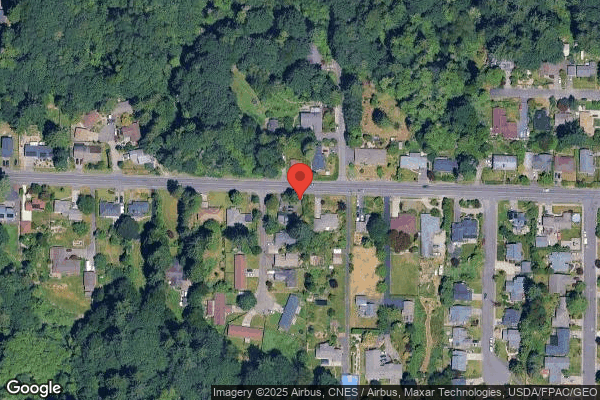
1811 EAST 22ND AVENUE, OLYMPIA, WA 98501 (360) 943-0910
For profit - Limited Liability company 28 Beds REGENCY PACIFIC MANAGEMENT Data: November 2025
Trust Grade
58/100
#80 of 190 in WA
Last Inspection: May 2025

Inspected within the last 6 months. Data reflects current conditions.

Overview

Regency Olympia Rehabilitation and Nursing Center has a Trust Grade of C, which means it is average and falls in the middle of the pack among nursing homes. It ranks #80 out of 190 facilities in Washington, placing it in the top half, but at #5 of 7 in Thurston County, it has limited local competition. Unfortunately, the facility is worsening, with reported issues increasing from 2 in 2024 to 16 in 2025. Staffing is a concern, with a 3 out of 5 rating and a high turnover rate of 68%, significantly above the state average of 46%. Additionally, there were some troubling incidents, including a resident not receiving timely care for a urinary tract infection and staff failing to perform proper hand hygiene during wound care, which could put residents at risk for infections. While the facility has a good quality rating, these issues indicate a need for families to carefully consider their options.

Trust Score
C
58/100
In Washington
#80/190
Top 42%
Safety Record
Moderate
Needs review
Inspections
Getting Worse
2 → 16 violations
Staff Stability
⚠ Watch
68% turnover. Above average. Higher turnover means staff may not know residents' routines.
Penalties
⚠ Watch
$8,278 in fines. Higher than 89% of Washington facilities, suggesting repeated compliance issues.
Skilled Nurses
✓ Good
Each resident gets 50 minutes of Registered Nurse (RN) attention daily — more than average for Washington. RNs are trained to catch health problems early.
Violations
⚠ Watch
23 deficiencies on record. Higher than average. Multiple issues found across inspections.
★★★★☆
4.0
Overall Rating
★★★☆☆
3.0
Staff Levels
★★★★★
5.0
Care Quality
★★★☆☆
3.0
Inspection Score
Stable
2024: 2 issues
2025: 16 issues

The Good

  • 5-Star Quality Measures · Strong clinical quality outcomes
  • Full Sprinkler Coverage · Fire safety systems throughout facility
  • No fines on record

Facility shows strength in quality measures, fire safety.

The Bad

Staff Turnover: 68%

21pts above Washington avg (46%)

Frequent staff changes - ask about care continuity

Federal Fines: $8,278

Below median ($33,413)

Minor penalties assessed

Chain: REGENCY PACIFIC MANAGEMENT

Part of a multi-facility chain

Ask about local staffing decisions and management

Staff turnover is elevated (68%)

20 points above Washington average of 48%

The Ugly 23 deficiencies on record

1 actual harm
May 2025 15 deficiencies
CONCERN (D)

Potential for Harm - no one hurt, but risky conditions existed

Assessment Accuracy (Tag F0641)

Could have caused harm · This affected 1 resident

**NOTE- TERMS IN BRACKETS HAVE BEEN EDITED TO PROTECT CONFIDENTIALITY** . Based on observation, interview and record review, the facility failed to accurately assess the dental status on the Minimum D...

Read full inspector narrative →
**NOTE- TERMS IN BRACKETS HAVE BEEN EDITED TO PROTECT CONFIDENTIALITY** . Based on observation, interview and record review, the facility failed to accurately assess the dental status on the Minimum Data Set (MDS) assessment for 1 of 3 sampled residents (Resident 17) reviewed for assessment accuracy. This failure placed residents at risk for unmet dental and nutritional needs and a diminished quality of life. Findings included . Record review of Resident 17's admission Record document, undated, showed she was admitted to the facility on [DATE] with diagnoses of failure to thrive, poor calorie intake and malnutrition. On 05/19/2025 at 10:33 AM, Resident 17 said her dentures were outdated. The resident was observed pointing to her front top dentures and said her two front teeth were missing. The resident said she needed to have her dentures fixed and then she might be able to eat and chew better. Record review of Resident 17's care plan, dated 03/18/2025, showed the resident had an oral hygiene performance deficit due to full upper and lower dentures. The MDS, dated [DATE], showed Resident 17's dental section coded as no broken or loosely fitting full or partial dentures. On 05/23/2025 at 3:22 PM, Staff N, MDS Coordinator, said she did not recall if Resident 17 had missing teeth or dentures. Reference WAC 388-97-1000 (1)(b) .
CONCERN (D)

Potential for Harm - no one hurt, but risky conditions existed

Deficiency F0645 (Tag F0645)

Could have caused harm · This affected 1 resident

**NOTE- TERMS IN BRACKETS HAVE BEEN EDITED TO PROTECT CONFIDENTIALITY** . Based on interview and record review, the facility failed to ensure Preadmission Screening and Resident Review (PASARR-an asse...

Read full inspector narrative →
**NOTE- TERMS IN BRACKETS HAVE BEEN EDITED TO PROTECT CONFIDENTIALITY** . Based on interview and record review, the facility failed to ensure Preadmission Screening and Resident Review (PASARR-an assessment used to identify people referred to nursing facilities with Serious Mental Illness (SMI), Intellectual Disabilities (ID), and related conditions are not inappropriately placed in nursing homes for long-term care) Level I form was completed accurately and Level II PASARR referrals were made for 2 of 5 sampled residents (Residents 8 & 9) reviewed PASARR screening. These failures placed residents at risk of not receiving specialized mental health services and a diminished quality of care. Findings included . Review of the facility's policy entitled Pre-admission Screening and Resident Review WA [PASARR], revised June 2024, showed, Level II PASRR evaluations are required for all nursing facility residents identified to have indicators of SMI/ID during the Level I screening or at any time during residency in the nursing facility, and for any resident with confirmed SMI or ID who presents with significant changes in their cognitive or physical conditions. RESIDENT 8 Review of Resident 8's admission Record, undated, showed the resident was admitted to the facility on [DATE] with diagnoses including depression (feeling of loneliness, sadness), anxiety disorder (having excessive/persistent worry and fear), and insomnia (having trouble sleeping at night and/or staying asleep). Review of Resident 8's Level I PASARR, dated 02/20/2025, showed the diagnoses of depression and anxiety disorder. There was no documentation in the resident's electronic health record that a referral for a Level II evaluation was made. RESIDENT 9 Review of Resident 9's admission Record, undated, showed the resident was admitted to the facility on [DATE] with diagnoses including depression and insomnia. Review of Resident 9's Level I PASARR, dated 02/20/2025, showed the diagnosis of depression. There was no documentation in the resident's electronic health record that a referral for a Level II evaluation was made. On 05/22/2025 at 9:23 AM, after review of the medical record for Resident 8 and Resident 9, Staff A, Administrator, said referral for a Level II evaluation should have been made for Residents 8 and Resident 9. Reference WAC 388-97-1975 (1) .
CONCERN (D)

Potential for Harm - no one hurt, but risky conditions existed

Deficiency F0657 (Tag F0657)

Could have caused harm · This affected 1 resident

**NOTE- TERMS IN BRACKETS HAVE BEEN EDITED TO PROTECT CONFIDENTIALITY** RESIDENT 14 Review of the admission Record, undated, showed Resident 14 was admitted to the facility on [DATE], with diagnoses i...

Read full inspector narrative →
**NOTE- TERMS IN BRACKETS HAVE BEEN EDITED TO PROTECT CONFIDENTIALITY** RESIDENT 14 Review of the admission Record, undated, showed Resident 14 was admitted to the facility on [DATE], with diagnoses including a sudden interruption of blood flow to the brain, muscle weakness affecting one side of the body and/or paralysis of one side of the body, and language disorder caused by brain damage. Review of Resident 14's Skin Integrity/Pressure Injury Care Plan, dated 05/18/2025, showed interventions included, Encourage resident to offload/reposition frequently for ongoing pressure relief. On 05/27/2025 at 2:38 PM, Staff B, Registered Nurse and Director of Nursing Services, said this would not be something Resident 14 could do entirely on her own. Reference WAC 388-97-1020 (1)(2)(d) Based on observation, interview and record review, the facility failed to ensure person centered care plans were completed to address all aspects of care including individualized goals and approaches for eating and for assistance with turning and repositioning for 2 of 14 sampled residents (Resident 4 & 14) reviewed for care plans addressing resident needs. These failures placed residents at risk for inconsistent and/or inadequate care and treatment and diminished quality of care. Findings included . RESIDENT 4 Review of the admission Record, undated, showed Resident 4 was admitted to the facility on [DATE] with diagnoses including dysphasia (difficulty swallowing food or liquids) and cerebral vascular disease (stroke). The quarterly Minimum Data Set (MDS) assessment, dated 02/28/2025, showed the resident required a mechanically altered diet (thickened liquids). On 05/19/2025 at 11:00 AM, Resident's 4 room was observed with signs giving the following instructions to caregivers: --[Resident 4's] get up Schedule: Monday, Wednesday, Friday: Please ensure that [Resident 4] is getting up into a wheelchair on the following days. These are the minimum days patient should be getting up and if they would like to get up on other days, please encourage this. Thank you. --No Straws --Knobbed Cup Only Please On 05/21/2025 at 8:55 AM, Staff K, Nursing Assistant, said the information on the signs posted in the room directing resident care were not in the Kardex (a computer program developed from a resident's care plan with instructions for nursing assistants to follow and document resident care). On 05/22/2025 at 1:30 PM, Staff I, Nursing Assistant, said there were no instructions for nursing assistants to follow in the Kardex regarding Resident 4 using a knobbed cup, not using straws and nothing about Resident 4's preferred schedule for getting in and out of bed. On 05/23/2025 at 2:30 PM, Staff E, Corporate Regional Nurse, said the directives for nursing assistants to follow posted on the walls in Resident 4's room were not on the care plan or Kardex and needed to be updated.
CONCERN (D)

Potential for Harm - no one hurt, but risky conditions existed

Deficiency F0658 (Tag F0658)

Could have caused harm · This affected 1 resident

. Based on observation, record review and interview, the facility failed to implement physician's orders for a heart and a breathing medication during medication administration for 1 of 6 sampled resi...

Read full inspector narrative →
. Based on observation, record review and interview, the facility failed to implement physician's orders for a heart and a breathing medication during medication administration for 1 of 6 sampled residents (Resident 11) reviewed for services provided meet professional standards. This failure placed residents at risk for adverse outcomes for a heart rate below 60, mouth irritation, and a diminished quality of care. Findings included . <Heart Medication> On 05/22/2025 at 8:06 AM, during a medication administration observation, Resident 11's physician's order showed to administer a heart medication, give one tablet orally in the morning for heart failure. Check apical pulse (pulse at the heart) prior to administering medication. If below 60 hold medication and call the physician. Staff F, Registered Nurse, said she would hold the medication because the resident's pulse was 45 beats per minute this morning. Record review of Resident 11's April 2025 Medication Administration Record (MAR) showed on 16 out of the 30 days the pulse was below 60 and one day was documented X. Record review of Resident 11's May 2025 MAR showed on 7 out of the 22 days the pulse was below 60. On 05/22/2025 at 3:10 PM, when asked if the physician was notified regarding the pulse below 60 beats per minute, Staff F stated, No, and reviewed the physician's order. <Breathing Medication> On 05/22/2025 at 8:21 AM, Resident 11 was observed during another medication administration. The physician's order showed to administer 2 puffs of an inhaler for better breathing, two times a day. Then rinse mouth with water after use. Do not swallow. Staff F did not have the resident rinse their mouth with water as ordered. At 8:23 AM, Staff F said she should have had Resident 11 rinse their mouth with water and spit it out. At 2:42 PM, Staff B, Director of Nursing Services, said the expectation for administering medications was to follow the physician's orders. After reviewing the April 2025 and May 2025 physician orders and MAR for Resident 11's heart medication and asked how many times Resident 11's pulse was under 60 for each of these two months, Staff B said there were several days the resident's pulse was under 60 and there was no documentation the physician was notified. Reference WAC 388-97-1060 (3)(a)(k) .
CONCERN (D)

Potential for Harm - no one hurt, but risky conditions existed

Deficiency F0676 (Tag F0676)

Could have caused harm · This affected 1 resident

**NOTE- TERMS IN BRACKETS HAVE BEEN EDITED TO PROTECT CONFIDENTIALITY** . Based on interview and record review, the facility failed to provide restorative nursing services including a restorative stre...

Read full inspector narrative →
**NOTE- TERMS IN BRACKETS HAVE BEEN EDITED TO PROTECT CONFIDENTIALITY** . Based on interview and record review, the facility failed to provide restorative nursing services including a restorative stretching program for 1 of 2 sampled residents (Resident 10) reviewed for maintaining activities of daily living. This failure placed residents at risk for avoidable decline in function and a diminished quality of life. Findings included . The admission record, undated, showed Resident 10 was admitted to the facility on [DATE]. The quarterly Minimum Data Set assessment, dated 03/11/2025, showed the resident was cognitively impaired and required substantial to maximum assistance with bed mobility and transfers. A Restorative Program Referral Form, dated 05/12/2025, documented, Stretching program-while in chair, straighten left lower leg (LLE) extremity as far as tolerable. Hold for 45 seconds-1 minute. Repeat X5 [five times] or to a maximum tolerance. On 05/22/2025 at 11:39 AM, Staff B, Director of Nursing Services, said one resident in the facility, Resident 10, was on a restorative program. Staff B said Nursing Assistants (NAs) were responsible for the restorative program and the charge nurse oversaw the care and services. On 05/23/2025 at 9:24 AM, Staff F, Registered Nurse, stated, We do not have a restorative nursing program here. No one I know is on a restorative nursing program . At 9:57 AM, Staff G, Rehab Director, said referrals from therapy were given to nursing. Staff G stated, I let them know what we recommend. [Resident 10] is on a restorative nursing program for her left leg. At 10:15 AM, Staff H, Nursing Assistant (NA), said for Resident 10 a brace was used on her left arm. At 11:13 AM, Staff I, NA, said for Resident 10 on her weak left arm, we wash and dry her arm and hand, and we put lotion on her hands making sure the hand is clean and dry. Staff I stated, I do apply a splint to her left arm. At 11:37 AM, Staff E, Corporate Regional Nurse, was unable to provide documentation for a restorative nursing program for Resident 10's left lower leg. Staff E stated, We need to clean this up a little bit. Reference WAC 388-97-1060(2)(a)(v). .
CONCERN (D)

Potential for Harm - no one hurt, but risky conditions existed

ADL Care (Tag F0677)

Could have caused harm · This affected 1 resident

**NOTE- TERMS IN BRACKETS HAVE BEEN EDITED TO PROTECT CONFIDENTIALITY** . Based on observation, interview and record review, the facility failed to provide toileting, repositioning, and pressure relie...

Read full inspector narrative →
**NOTE- TERMS IN BRACKETS HAVE BEEN EDITED TO PROTECT CONFIDENTIALITY** . Based on observation, interview and record review, the facility failed to provide toileting, repositioning, and pressure relieving devices for 1 of 4 sampled residents (Resident 14) reviewed for activities of daily living for dependent residents. This failure placed residents at risk for skin impairment including developing a pressure injury (PI) and a diminished quality of life. Findings included . Per the admission Record, undated, Resident 14 admitted to the facility on [DATE], with diagnoses including a stroke (a sudden interruption of blood flow to the brain). Review of Resident 14's Braden Scale (an assessment tool that measures risk for pressure injury), dated 04/25/2025, scored the resident as 14, moderate risk for PI development. The Braden Scale noted the resident had redness in the peri area and buttocks and required staff assistance with all locomotion and bed mobility. Resident 14's Skin Integrity Care Plan, dated 04/25/2025, included a goal of, The resident will not have avoidable skin impairment through the next review date, and an intervention of, Provide pressure relieving devices in bed and/or wheelchair. Review of Resident 14's admission Minimum Data Set (a standardized assessment tool measuring health status in nursing home residents), dated 04/29/2025, showed the resident required assistance from staff for activities of daily living including bed mobility, transfers, eating and toileting. A Skilled Charting Evaluation form, dated 05/18/2025, documented Resident 14 required staff assistance with bed mobility, transfers, eating, and toileting (Dependent - Helper does ALL of the effort. Resident does none of the effort to complete the activity. Or the assistance of 2 or more helpers is required for the resident to complete the activity.}. On 05/19/2025 at 10:13 AM, Resident 14 was observed laying on her back in bed. An air mattress or other pressure relieving device was not observed on the bed. A provider order, dated 05/19/2025 (24 days after being identified as a moderate risk for developing a pressure ulcer on the Braden Scale), requested an Air Mattress be placed on Resident 14's bed between 2:00 PM and 10:00 PM that day to promote skin integrity. On 05/20/25 at 11:43 AM, Resident 14 and her Resident Representative (RR) were observed in the facility gathering room. Resident was on her back in her partially reclined wheelchair (WC). At 12:14 PM, Resident 14 was observed in the same position as previously observed with the RR at her side. The RR said no staff had come to take Resident 14 to the bathroom or reposition her in the previous half hour. At 12:15 PM through 3:30 PM, Resident 14 was continuously observed with her WC in the same location and the resident in the same position as previously observed. No toileting or repositioning was offered by staff during this period of time. At 3:30 PM, Staff L, Nursing Assistant (NA), and Staff M, NA, were observed taking Resident 14 to her room and placing the resident in bed. At 3:35 PM, Staff L and Staff M were observed providing personal care for Resident 14 showing a red, blotchy, non-raised rash that covered Resident 14's lower abdomen and mid-to-lower back area. On 05/27/2025 at 2:38 PM, Staff B, Director of Nursing Services, said Resident 14 was not on a turning or toileting check and change schedule. Staff B said she would expect staff to perform a check and change and reposition Resident 14 at least every two hours. Reference WAC 388-97-1060 (2)(c) .
CONCERN (D)

Potential for Harm - no one hurt, but risky conditions existed

Deficiency F0679 (Tag F0679)

Could have caused harm · This affected 1 resident

**NOTE- TERMS IN BRACKETS HAVE BEEN EDITED TO PROTECT CONFIDENTIALITY** . Based on observation, interview, and record review, the facility failed to provide an ongoing activity program of meaningful e...

Read full inspector narrative →
**NOTE- TERMS IN BRACKETS HAVE BEEN EDITED TO PROTECT CONFIDENTIALITY** . Based on observation, interview, and record review, the facility failed to provide an ongoing activity program of meaningful engagement to meet individual resident needs for 1 of 2 sampled residents (Resident 14) reviewed for activities. This failure placed residents at risk of boredom and a diminished quality of life. Findings included . Resident 14 was admitted to the facility on [DATE] with diagnoses including stroke (a sudden interruption of blood flow to the brain), muscle weakness affecting one side of the body and/or paralysis of one side of the body, aphasia (neurological condition that affects ability to communicate) and other reduced mobility. Review of Resident 14's Minimum Data Set assessment, dated 04/29/2025, showed the resident's family or significant other was interviewed regarding Resident 14's activity preferences, and indicated the resident liked listening to music and it was not important for the resident to keep up with the news. On 05/19/2025 at 9:12 AM, 11:44 AM, 1:22 PM and 3:14 PM, Resident 14 was observed in bed without the television, radio or music on. On 05/20/2025 at 8:54 AM, 10:12 AM, 11:57 AM, and 2:59 PM, Resident 14 was observed in bed in her room without the television, radio or music on. At 9:07 AM, Resident 14's Resident Representative (RR) said the resident liked to listen to music and watch certain television shows. The RR said no one from the facility asked about what activities Resident 14 might like, or what she might like to watch on the television. On 05/21/2025 at 9:17 AM, Resident 14 was observed in her room in bed without music, radio or television on. On 05/22/2025 at 9:09 AM, Resident was observed in bed without television, radio or music on. On 05/23/2025 at 12:05 PM, Staff O, Activity Assistant, said she was not aware Resident 14 liked music and watching TV. Staff O said the Resident's Representative or Guardian should have been contacted regarding the resident's activity preferences. Reference WAC 388-97-0940 (1) .
CONCERN (D)

Potential for Harm - no one hurt, but risky conditions existed

Pressure Ulcer Prevention (Tag F0686)

Could have caused harm · This affected 1 resident

**NOTE- TERMS IN BRACKETS HAVE BEEN EDITED TO PROTECT CONFIDENTIALITY** . Based on observation, interview, and record review, the facility failed to provide pressure reducing measures and repositionin...

Read full inspector narrative →
**NOTE- TERMS IN BRACKETS HAVE BEEN EDITED TO PROTECT CONFIDENTIALITY** . Based on observation, interview, and record review, the facility failed to provide pressure reducing measures and repositioning to prevent and/or contribute to the development of a pressure injury for 1 of 3 sampled residents (Resident 14) reviewed for pressure injury (areas of damaged skin and tissue caused by sustained pressure). This failure placed residents at risk for developing pressure ulcers, pain and a diminished quality of life. Findings included . REVISED NATIONAL PRESSURE ULCER ADVISORY PANEL PRESSURE INJURY STAGING SYSTEM -Stage 2 Pressure Injury (PI) - Partial thickness with exposed middle layer of skin. Resident 14 was admitted to the facility on [DATE] with diagnoses including diabetes (abnormal processing of sugar), a stroke (a sudden interruption of blood flow to the brain) and decreased mobility in both arms and legs. Review of Resident 14's Braden Scale (an assessment tool that measures risk for pressure injury), dated 04/25/2025, scored the resident as 14, moderate risk for PI development. This form noted the resident had redness in the peri area and buttocks and required staff assistance with all locomotion and bed mobility. Reviews of Resident 14's admission Minimum Data Set (MDS--a standardized assessment tool that measures health status in nursing home residents), dated 04/29/2025, indicated the resident required assistance from staff for activities of daily living including bed mobility, transfers, and positioning. The MDS documented the resident was at risk of developing a PI and did not have a PI at the time of admission. A Skilled Charting Evaluation form, dated 05/18/2025, documented Resident 14 was incontinent of bowel and bladder and required total assistance from two staff for bed mobility, transfers, and positioning. Review of a facility Incident Note, dated 05/18/2025 at 5:31 PM, showed documentation of, Licensed Nurse and Certified Nursing Assistant observed an open area on resident's coccyx (small, triangular bone at the base of the spine) . MD notified . Review of Resident 14's Initial Skin Ulcer/Injury Measurement and Evaluation form, dated 05/18/2025, showed the resident had developed a facility acquired Stage II pressure injury on the coccyx. On 05/19/2025 at 10:13 AM, Resident 14 was observed laying on her back, in bed. No air mattress or other pressure relieving device was observed on the bed. A provider order, dated 05/19/2025 (24 days after being identified as a moderate risk for developing a pressure ulcer), requested an air mattress be placed on Resident 14's bed between 2:00 PM and 10:00 PM that day, to promote skin integrity. On 05/20/25 at 11:43 AM, Resident 14 and her Resident Representative (RR) were observed in the facility gathering room. Resident 14 was on her back in her partially reclined wheelchair (WC). At 12:14 PM, Resident 14 was observed in the same position as previously observed with the RR at her side. The RR said no staff had come to take Resident 14 to the bathroom or reposition her in the previous half hour. On 05/20/2025 at 12:15 PM through 3:30 PM, Resident 14 was continuously observed in her WC in the same location and in the same position as previously observed. No bathroom or repositioning was offered by staff. Refer to F677 Reference WAC 388-97-1060 (3)(b) .
CONCERN (D)

Potential for Harm - no one hurt, but risky conditions existed

Accident Prevention (Tag F0689)

Could have caused harm · This affected 1 resident

**NOTE- TERMS IN BRACKETS HAVE BEEN EDITED TO PROTECT CONFIDENTIALITY** . Based on observation, interview, and record review, the facility failed to secure electronic smoking (involves using battery-p...

Read full inspector narrative →
**NOTE- TERMS IN BRACKETS HAVE BEEN EDITED TO PROTECT CONFIDENTIALITY** . Based on observation, interview, and record review, the facility failed to secure electronic smoking (involves using battery-powered devices called e-cigarettes or vapes) materials for 1 of 1 sampled resident (Resident 8); and failed to implement a system for securing and storing potentially toxic chemicals in 1 of 1 shower room (shower room [ROOM NUMBER]) reviewed for accident hazards. These failures placed residents at risk for accidents, injury and a diminished quality of life. Findings included . ELECTRONIC SMOKING Review of the facility's policy entitled Smoking/E-Cigarette Safety Program, revised 04/2024, showed smoking supplies were to be stored at the nurses station. The resident's admission Record, undated, showed the resident was admitted to the facility on [DATE] with diagnoses including a stroke (a medical condition that occurs when blood flow to the brain is interrupted or reduced, causing brain cells to die) which resulted in limited movement in his right arm and leg. A review of Resident 8's care plan, dated 02/28/2024, showed the resident required supervision while vaping and smoking supplies are stored at the nurses station. On 05/19/2025 at 9:46 AM, during the entrance conference, Staff A, Administrator, said there was only one resident in the facility, Resident 8, who smoked. Staff A said the resident used a vape pen. On 05/20/2025 at 12:40 PM, Resident 8 was observed vaping outside in the designated smoking area with Staff O, Activities Assistant. At 12:58 PM, Staff O said resident smoking supplies were kept at the nurse's station. When Staff O went to show the smoking supplies located at the nurse's station, they were not there. Staff O said the resident still had the vape pen with him. On 05/22/2025 at 9:29 AM, Staff O was observed walking toward Resident 8's room, without any smoking supplies. Then Staff O and the resident went outside. The resident took the vape pen from his shirt pocket and began to smoke. At 11:45 AM, Staff A, Administrator and Staff B, Director of Nursing Services, said all smoking materials were to be kept secured at the nurse's station. CHEMICAL HAZARDS On 05/19/2025 at 11:07 AM, the shower room door was observed to be unlocked and open. Inside the shower room, to the left, was an unlocked cabinet affixed to the wall. The cabinet contained a bottle with chemicals used for disinfection and sanitation. The bottle was labeled potentially hazardous. At 11:31 AM, the shower room door was observed opened and accessible to residents. At 11:35 AM, Staff I, Nursing Assistant, said the shower room door was left unlocked and open. At 11:43 AM, Staff P, Housekeeping Assistant, said the shower room door was left unlocked and open. At 11:57 AM, after observing the shower room door unlocked and open, Staff B, Director of Nursing Services, said the shower room door was to remain closed and locked. Reference WAC 388-97-1060 (3)(g) .
CONCERN (D)

Potential for Harm - no one hurt, but risky conditions existed

Deficiency F0757 (Tag F0757)

Could have caused harm · This affected 1 resident

**NOTE- TERMS IN BRACKETS HAVE BEEN EDITED TO PROTECT CONFIDENTIALITY** . Based on interview and record review, the facility failed to ensure adequate indication for medication was provided for 1 of 5...

Read full inspector narrative →
**NOTE- TERMS IN BRACKETS HAVE BEEN EDITED TO PROTECT CONFIDENTIALITY** . Based on interview and record review, the facility failed to ensure adequate indication for medication was provided for 1 of 5 sampled residents (Resident 223) reviewed for unnecessary medications. This failure placed residents at risk for adverse side effects and a diminished quality of care. Findings included . Per the admission Record, undated, Resident 223 was admitted to the facility on [DATE] and showed she was alert, oriented and able to make needs known. A physician's order, dated 05/16/2025, showed upon admission Resident 223 was prescribed Diclofenac (pain medication) and Eliquis (blood thinner used to prevent and treat blood clots). The facility's Potential Drug Interaction report, dated 05/16/2025, from the facility's long-term care pharmacy, documented receiving both Diclofenac and Eliquis may be Concurrent therapy and approach use with caution. A nursing progress note, dated 05/17/2025, documented Resident 223 had Concerns about medication interactions between Eliquis and Diclofenac. Refused to take Diclofenac today. On 05/19/2025 at 11:36 AM, Resident 223 said there was a mistake made on one of the medications prescribed for her on admission. Resident 223 stated, Not everyone is on the same page. On 05/20/2025 at 3:04 PM, after reviewing Resident 223's Medication Administration Record, Staff J, Licensed Nurse (LN), stated, Resident 223 had taken Diclofenac 75 milligrams (mg) on 05/16/2025 at bedtime. Staff J said since then the resident had refused the medication. At 3:37 PM, Staff B, Director of Nursing Services, said when medications were ordered, they go through the facility's long term care pharmacy, and the pharmacy reviews the medications and lets us know if there are any concerns. Staff B said the pharmacy did send the contraindication notices to us on the same day the resident was admitted . When we receive these notifications, we should be notifying either the on-call provider or our Medical Director. When asked what was done for Resident 223's situation, Staff B stated, We should have notified the on-call doctor to see if we need to change, put on hold or discontinue the order based on the recommendations. Reference WAC 388-97-1060 (3)(k)(i)(4)
CONCERN (E)

Potential for Harm - no one hurt, but risky conditions existed

Report Alleged Abuse (Tag F0609)

Could have caused harm · This affected multiple residents

. Based on interview and record review, the facility failed to identify and report potential allegations of abuse and/or neglect to the State Survey Agency as required for 2 of 3 sampled residents (Re...

Read full inspector narrative →
. Based on interview and record review, the facility failed to identify and report potential allegations of abuse and/or neglect to the State Survey Agency as required for 2 of 3 sampled residents (Resident 5 and X). This failure placed residents at risk for further abuse and/or neglect and a diminished quality of life. Findings included . Review of the facility's policy entitled Abuse/Neglect/Misappropriation/Exploitation, revised 10/2022, showed the facility would ensure that all alleged violations involving abuse, neglect, exploitation, or mistreatment including injuries of unknown source and misappropriation of resident property, are reported immediately, but not later than 2 hours after the allegation is made, if the events that cause the allegation involve abuse or result in serious bodily injury, or not later than 24 hours if the events that cause the allegation do not involve abuse and do not result in serious bodily injury, to the administrator of the facility and to other officials [including to the State Survey Agency and adult protective services where state law provides for jurisdiction in long-term care facilities] in accordance with State law through established procedures. RESIDENT 5 Review of Resident 5's quarterly Minimum Data Set (MDS) assessment, dated 02/26/2025, showed Resident 5 was admitted with diagnoses including stroke (a medical emergency that occurs when blood flow to the brain is disrupted) and depression. The MDS showed the resident had limited movement on both sides of the upper and lower body, requiring up to maximum assistance with Activities of Daily Living (ADLs) and the resident was able to make needs known. Review of the facility grievance log, dated December 2024 through May 2025, showed on 01/16/2025, Resident 5 filed a grievance. Review of the facility's Grievance Form, dated 01/16/2025, showed Resident 5 reported A male CNA [Certified Nursing Assistant] was helping me get ready in the morning and he was really rough getting me dressed. He left a bruise on my arm. The allegation of abuse was investigated as a grievance. Review of the facility reporting incident log, dated December 2024 through May 2025, showed Resident 5's allegation of potential abuse had not been logged or called in to the State Survey Agency. RESIDENT X Review of Resident X's MDS assessment, dated 12/06/2024, showed Resident X was admitted with diagnoses including a spinal fracture and depression. The MDS showed the resident had limited movement on both sides of his body, was incontinent of bowel and bladder, was totally dependent on staff for toileting care, and was able to make needs known. Review of the facility's Grievance Form, dated 02/25/2025, showed Resident X reported he was incontinent of bowel. He asked a family member to get the Nursing Assistant (NA) to assist. A NA came in and told the resident they would have to wait to be changed because their NA was on break and this was not the NA's section. The NA left the room without providing toileting care. The resident remained in his soiled brief until his assigned aid returned from break. The allegation of neglect was investigated as a grievance. Review of the facility reporting incident log, dated February 2025, showed Resident X's allegation of potential neglect had not been logged or called in to the State Survey Agency. On 05/22/2025 at 11:44 AM, Staff B, Director of Nursing Services, said the allegations had not been logged or call in to the State Survey Agency as required. Reference WAC 388-97-0640 (5)(a), (6)(a)(c) .
CONCERN (E)

Potential for Harm - no one hurt, but risky conditions existed

Deficiency F0699 (Tag F0699)

Could have caused harm · This affected multiple residents

**NOTE- TERMS IN BRACKETS HAVE BEEN EDITED TO PROTECT CONFIDENTIALITY** . Based on interview and record review, the facility failed to develop a trauma trigger (a psychological stimulus that prompts r...

Read full inspector narrative →
**NOTE- TERMS IN BRACKETS HAVE BEEN EDITED TO PROTECT CONFIDENTIALITY** . Based on interview and record review, the facility failed to develop a trauma trigger (a psychological stimulus that prompts recall of a previous traumatic event) assessment for 2 of 2 sampled residents (Residents 17 and 12) reviewed trauma informed care. This failure placed residents at risk for unidentified trauma triggers, behaviors, re-traumatization and a diminished quality of life. Findings included . <Resident 17> Record review of Resident 17's admission record, undated, showed she was admitted to the facility on [DATE]. The facility matrix (documented used to identify pertinent care categories), undated, showed Resident 17 had a diagnosis of Post Traumatic Stress Disorder/Trauma (PTSD). Resident 17's care plan, dated 03/16/2025, showed a focus problem, Potential alteration in psychosocial well-being related to survivor of traumatic event . The care plan had a goal that, Triggers of traumatic event will be minimized . Record review of Resident 17's Psychosocial History and Discharge Plan, effective 03/21/2025, showed the resident had a history of trauma, and documented a trauma informed care plan was developed with a goal to minimize the triggers of the traumatic event. On 05/21/2025 at 11:04 AM, Staff C, Resident Care Manager, said she was unable to find a list of triggers. On 05/22/2025 at 2:00 PM, Staff B, Director of Nursing Services, said trauma triggers would be listed on the [NAME] (a computer program developed from a resident's care plan with instructions for nursing assistants to follow and document resident care) under the Behavior and Mood section. Staff B said she did not see any specific triggers listed. <Resident 12> Record review of Resident 12's admission Record, undated, showed an original admission date to the facility of 12/20/2024 with diagnoses including depression (feeling of loneliness, sadness), and hallucinations (seeing or hearing things that are not there). Record Review of Resident 12's Psychosocial History and Discharge Plan, effective 04/08/2025, showed the resident had a history of trauma. Record review of Resident 12's care plan, revised 04/18/2025, showed a focused problem, Potential alteration in psychosocial well-being r/t [related to] survivor of traumatic event (specify). The care plan showed a goal, Triggers of traumatic event will be minimized . On 05/22/2025 at 2:15 PM, Staff B said the trauma triggers for this resident were not listed. Reference WAC 388-97-1060 (1)(3)(e) .
CONCERN (E)

Potential for Harm - no one hurt, but risky conditions existed

Deficiency F0761 (Tag F0761)

Could have caused harm · This affected multiple residents

**NOTE- TERMS IN BRACKETS HAVE BEEN EDITED TO PROTECT CONFIDENTIALITY** . Based on observations and interviews, the facility failed to ensure treatment carts were locked for 1 of 1 treatment carts (Tr...

Read full inspector narrative →
**NOTE- TERMS IN BRACKETS HAVE BEEN EDITED TO PROTECT CONFIDENTIALITY** . Based on observations and interviews, the facility failed to ensure treatment carts were locked for 1 of 1 treatment carts (Treatment Cart 1), and failed to ensure medication dosages were accurately labeled for 1 of 6 sampled residents (Resident 14) reviewed for medication storage. This failure placed residents at risk for having access to treatment supplies not prescribed and receiving incorrect doses of medications. Findings included . <Unlocked Treatment Cart> On 05/19/2025 at 9:25 AM and 9:57 AM, Treatment Cart 1 was observed to be unlocked. The treatment cart contained a total of 18 containers of antifungal powder and creams (treatment for fungal skin problems), 2 tubes of hydrocortisone 1 percent (%) cream (treats skin problems), 3 tubes of lidocaine ointment 5% (treatment for skin pain), 2 tubes of zinc oxide paste (protects the skin from moisture), 3 tubes of estradiol vaginal cream 0.01% (treats vaginal dryness, and irritation), 2 containers of clobetasol propionate 0.05% (treats severe skin irritations), and 5 containers of Thera-Honey gel (provides moisture for wound healing). The cart also contained wound care supplies. On 05/20/2025 at 1:22 PM and 1:33 PM, Treatment Cart 1 was observed to unlocked and contained the above mentioned medications and medical supplies. On 05/20/2025 at 1:35 PM, Staff F, Registered Nurse, said medications ought to be locked up. Staff F observed that Treatment Cart 1 was unlocked. On 05/21/2025 at 12:33 PM, Treatment Cart 1 was observed to be unlocked and contained the above mentioned medications and medical supplies. On 05/22/2025 at 2:47 PM, Staff B, Director of Nursing Services and Registered Nurse, said the expectation was for the treatment cart to be locked. <Medication Labeling> The admission Record, undated, showed Resident 14 was admitted to the facility on [DATE]. Review of Resident 14's May 2025 Medication Administration Record (MAR) showed an order for Lisinopril Oral Tablet 20 milligrams (mg), Give 0.5 tablet via PEG Tube (a feeding tube inserted through the skin, directly into the stomach) two times a day. Review of Resident 14's Lisinopril Bubble Pack Medication Card, stored in the medication cart, showed an order for Lisinopril 10 mg tablet, give 1 tablet via tube twice daily. On 05/22/2025 at 10:23 AM, after removing Resident 14's AM dose of Lisinopril from the medication bubble pack, Staff F, Licensed Practical Nurse, was asked to review the provider order and the medication card order. Staff F said the orders should match and did not. Staff F said there was a potential for a dose error because one indicated to give ½ a pill and the other indicated to give a whole pill. On 05/23/2025 at 11:03 AM, Staff A, Administrator and covering for Staff B, said the MAR order and Medication dispensing card orders should match. Reference WAC 388-97-1300 (2) .
CONCERN (E)

Potential for Harm - no one hurt, but risky conditions existed

Antibiotic Stewardship (Tag F0881)

Could have caused harm · This affected multiple residents

. Based on interview and record review, the facility failed to ensure urinary tract infection related antibiotic initiation practices were based on Center for Disease Control and Prevention (CDC) appr...

Read full inspector narrative →
. Based on interview and record review, the facility failed to ensure urinary tract infection related antibiotic initiation practices were based on Center for Disease Control and Prevention (CDC) approved criteria. This failure placed residents at risk of receiving or not receiving necessary antibiotics and a diminished quality of care. Findings included . The facility's Antibiotic Stewardship Policy, revised 04/2023, did not identify what urinary tract infection qualifying symptom criteria was to be used to assist providers in determining if resident symptom presentation met criteria threshold to initiate use of an antibiotic. On 05/23/2025 at 10:14 AM, Staff B, Registered Nurse and Director of Nurses Services, said the facility created an SBAR (a structured communication tool used to facilitate clear and concise communication) tool the nurses used to report urinary tract infection related symptoms and concerns to a resident's provider. When asked what antibiotic initiating criteria the SBAR contained, Staff B stated, McGeer's criteria. Review of CFR 483.80(a)(3) showed the facility's Antibiotic Stewardship Program shall assess residents for any infection using standardized tools and criteria (e.g. SBAR tool for urinary tract infection assessment using Loeb minimum criteria for initiation of antibiotics). Review of CFR 483.80(a)(2)(i) Showed McGeer criteria was used to count true case events (diagnosed infections) and to estimate the actual incidence/prevalence of disease. No Associated WAC .
CONCERN (F)

Potential for Harm - no one hurt, but risky conditions existed

Infection Control (Tag F0880)

Could have caused harm · This affected most or all residents

**NOTE- TERMS IN BRACKETS HAVE BEEN EDITED TO PROTECT CONFIDENTIALITY** <Resident 12> On 05/20/2025 at 12:41 PM, Resident 12 was observed standing in the bathroom holding onto the safety bar. Wi...

Read full inspector narrative →
**NOTE- TERMS IN BRACKETS HAVE BEEN EDITED TO PROTECT CONFIDENTIALITY** <Resident 12> On 05/20/2025 at 12:41 PM, Resident 12 was observed standing in the bathroom holding onto the safety bar. Without performing hand hygiene, Staff F applied gloves and removed the dirty dressing on the resident's buttocks. Staff F then changed gloves without performing hand hygiene. Staff F cleansed the buttocks area, patting it dry, then said she forgot the wound treatment as she removed her dirty gloves leaving the room without completing hand hygiene. Upon returning to the room, Staff F applied clean gloves without performing hand hygiene, applied the wound treatment and clean dressing. Staff F then removed the dirty gloves and left the room without completing hand hygiene. At 1:10 PM, when asked about performing hand hygiene during a dressing change with wound care, Staff F said to do hand hygiene when changing gloves. Staff F said she might have forgotten to do so each time during Resident 12's dressing change. Reference WAC 388-97-1320 (1)(a)(c)(3) Based on observation, interview, and record review, the facility failed to ensure appropriate Personal Protective Equipment (PPE) use was implemented during linen sorting and washing machine cleaning in 1 of 1 facility laundry areas, failed to ensure PPE was used during personal care for 1 of 1 sampled resident (Resident 14), failed to ensure safe hand hygiene practices were implemented during dressing changes for 2 of 3 sampled residents (Residents 12 and 124), failed to develop a complete Water Management Program to reduce the risk of Legionella (a family of micro-organisms which are naturally found in water bodies) growth and spread in the facility, and failed to create an Infection Prevention and Control Program based on a facility and community-based infection control (IC) risk assessment. These failures placed residents at risk of potential contaminants being passed from staff to residents, worsening wound infections, and developing Legionnaires disease (a severe form of pneumonia, a lung infection, caused by a bacterium known as Legionella), and diminished quality of life. Findings included . <Laundry Area> On 05/23/2025 at 11:12 AM, Staff P, Housekeeping Assistant, said they wear gloves and a mask when sorting dirty laundry and loading laundry into the washing machine. At 11:18 AM, Staff P was observed while demonstrating and verbalizing areas of the facility washing machine to sanitize prior to removing clean laundry from the washing machine. Staff P did not demonstrate or verbalize the need to clean the interior rim of the washing machine door. At 11:36 AM, Staff Q, Maintenance Director, said staff were not currently required to wear a clothing protector device when sorting or loading dirty linens into the washing machine. When asked how laundry staff protect their clothing from potential contamination, Staff Q said it would make sense for staff to wear some kind of cover when sorting dirty laundry and placing it into the washing machine to reduce the risk of exposure. Staff Q said he would expect staff to sanitize the interior rim and the washing machine door before staff unload clean clothes from the washer to reduce risk of potential contamination. <PPE Use During Direct Contact Care> Review of Resident 14's Minimum Data Set assessment, dated 04/29/2025, showed the resident was admitted to the facility on [DATE] with an existing feeding tube (a medical device used to provide nutrition to people directly into the stomach). On 05/20/2025 at 3:30 PM, Resident 14 was observed with a roommate and a sign for Enhanced Barrier Precautions (EBP-an intervention designed to reduce transmission of multi-drug resistant organisms in nursing homes) attached to the room door. The sign directed staff to wear a mask, gown and gloves when providing direct contact care for the resident(s) on EBP. At 3:32 PM, Staff L, Nursing Assistant (NA) and Staff M, NA, were observed not wearing gowns while turning Resident 14 onto her left side. Staff M's uniform pants and top were observed to come into direct contact with Resident 14 as Staff M supported the resident, who had been turned onto the left side so staff could provide personal care. When asked if Resident 14 was on EBP, Staff L and Staff M both said they did not know what EBP was. Staff L removed her gloves, performed HH, went to the door, read the EBP sign, and told Staff M they should have been wearing gowns. At 4:41 PM, Staff B, Registered Nurse (RN) and Director of Nursing Services, said she would expect staff to put on gown and gloves prior to entering Resident 14's room to provide personal care and when a resident was on EBP. <Infection Control Program> Review of the facility Infection Control Program, provided by Staff B, did not show documentation supporting the completion of a required facility and community-based IC risk assessment. On 05/23/2025 at 10:14 AM, Staff B said they could not provide the requested IC facility and community-based risk assessment. Staff B said they were not involved in making an IC risk assessment and would check with the corporate office to see if they could provide one. At 4:05 PM, the facility provided documents did not include the IC facility and community-based risk assessment. <Water Management Program> Review of the facility's Water Management Program showed the following incomplete or missing required components: --Specific control measures or acceptable ranges for each of the program identified areas where hazardous conditions could exist. --What specific corrective actions the facility would take to get conditions back to within the facility's program identified control measure acceptable ranges. --Contingency responses for how the facility would respond to unexpected problems or corrective actions to take to bring control measures into the determined acceptable range for that control measure. --Procedures to show how the facility would confirm their water management program was effectively controlling the hazardous conditions throughout the building water systems. --Identification of type of sample collection, specimen transport methods and which lab the facility would use to perform stated Legionella testing. -- How the facility would communicate information on the water management program to staff. On 05/23/2025 at 11:36 AM, Staff Q said he would review the Center for Disease Control's Legionella Water Management Toolkit and complete items that were missing from their program. At 4:55 PM, Staff A, Administrator, asked for clarification on what concerns were identified with the facility water management program. Staff A said they would check with the corporate office and see if they could provide an existing completed plan. <Lack of Hand Hygiene During Wound Care> RESIDENT 124 On 05/19/2025 at 8:52 AM, Resident 124's wound dressing change was observed. Staff C, Resident Care Manager, cleansed Resident 124's wound area and did not change gloves or perform hand hygiene (HH) prior to working with clean dressing material. Staff F, RN, cleansed around the resident's wound area and did not perform HH prior to cutting the packing foam to be inserted into the resident's wound. The end of one piece of foam was observed to have touched an area of the resident's bottom sheet, which had four light brown nickel-sized areas from unknown substance on it. This piece of foam was then packed into the resident's wound. Scissors used to cut the clean dressing packing and other materials were laid directly on the resident's bottom sheet three times and directly on the resident's bedspread twice during the dressing change process. Staff F then changed gloves and did not perform HH prior to applying the clear dressing over Resident 124's packed wound. At 12:46 PM, Staff F said when doing a wound dressing change HH should be done between dirty and clean processes. Whenever gloves are changed, HH should be done. When asked where clean dressing supplies should be placed, Staff F said there was supposed to be a barrier used and they were set on the bed during this dressing change. At 12:59 PM, Staff C said gloves should be changed when you go from a dirty to a clean process and HH should be done before and after the dressing changes. On 05/20/2025 at 4:52 PM, Staff B said she expected nurses to perform HH and change gloves, anytime they go from a dirty to a clean processes. Staff B said there should be a clean area to lay dressing supplies and scissors on and equipment should be cleaned in between dirty and clean processes and/or before moving to a different area or wound.
Jan 2025 1 deficiency 1 Harm
SERIOUS (G) 📢 Someone Reported This

A family member, employee, or ombudsman was alarmed enough to file a formal complaint

Actual Harm - a resident was hurt due to facility failures

Incontinence Care (Tag F0690)

A resident was harmed · This affected 1 resident

**NOTE- TERMS IN BRACKETS HAVE BEEN EDITED TO PROTECT CONFIDENTIALITY** . Based on interview and record review, the facility failed to ensure timely action was taken when a resident's indwelling urina...

Read full inspector narrative →
**NOTE- TERMS IN BRACKETS HAVE BEEN EDITED TO PROTECT CONFIDENTIALITY** . Based on interview and record review, the facility failed to ensure timely action was taken when a resident's indwelling urinary catheter (a small flexible tube inserted into the bladder to drain urine) showed abnormal urine characteristics indicating an infection for 1 of 1 sampled resident (Resident 1) reviewed for catheter care. This resulted in Resident 1 experiencing harm when the potential infection was not treated/evaluated timely and the resident required a transfer to the hospital where she was diagnosed with a kidney infection. This failure placed residents at risk of acquiring catheter associated infections, delay in care, pain and a diminished quality of life. Findings included . Review of the facility's Catheter Care Policy and Procedure, revised 04/2018, documented residents with long term indwelling catheter use will have care plan interventions developed to prevent complications including urinary tract infections and urethral irritation. Section 6 noted residents with indwelling urinary catheters will have interventions in place to maintain urinary drainage including, G. Monitor urine drainage for four odor, sediment, color change or hematuria [blood in urine]. Resident 1 was admitted to the facility on [DATE] with diagnoses including type 2 diabetes without complications, retention of urine, and diarrhea. The Minimum Data Set assessment, dated 10/28/2024, documented Resident 1 was alert and oriented, and was dependent on staff for activities of daily living associated with catheter care. Physicians' orders, dated 10/24/2024, documented the following: --Indwelling catheter: 16FR [French indicates the diameter], 10cc [cubic centimeter] balloon, to gravity drainage. Change Monthly and PRN [as needed] every day shift starting on 10/24/2024. --Change catheter bag and tubing as needed. --Monitor for signs and symptoms of skin breakdown related to catheter tubing/strap every shift. --LN [License Nurse] to ensure, catheter system is secured, catheter strap in place, covered appropriately (privacy bag) and catheter care was provided every shift and as needed. --Irrigate catheter as needed if plugged or leaking. Resident 1's admission assessment, dated 10/24/2024 at 12:48 PM, documented a 16FR catheter with a 10cc balloon was in place for diagnosis of urinary retention. Catheter was patent (open and draining freely) and draining clear urine. The facility form Skilled Charting Evaluation, dated 10/25/2024 at 1:46 PM, was initiated for Resident 1 and showed Section E of the form was designated to the assessment of urinary status. Sections 5a., 5b., and 5c. were designated to describe urine characteristics for color, clarity, and odor consecutively. The Skilled Charting Evaluation, dated 10/25/2024, showed no characteristics were documented. The Skilled Charting Evaluation, dated 10/26 at 8:31 PM and 10/27/2024 at 8:30 PM, showed urine characteristics were described as yellow, clear, and no odor. The Skilled Charting Evaluation, dated 10/28/2024 at 10:15 AM, 10/29/2024 at 11:54 AM, 10/30/2024 at 8:06 AM, and 10/31/2024 at 10/35 AM, showed urine characteristics were not documented. Physician order, dated 11/01/2024 at 2:00 PM, noted the following: Encourage fluid intake. Monitor urine for color, sediment, and blood. May collect U/A (urinalysis, a urine test) C&S (culture and sensitivity involves a urine sample checked type of bacteria and the recommended antibiotic treatment) if symptomatic. This order was for every shift for two weeks with a start date of 11/01/2024. Lab work, dated 11/01/2024, for BMP (basic metabolic panel)/CBC with diff (complete blood count with diff measures the number and types of cells in the blood) showed no elevated white blood cell count. The Skilled Charting Evaluation, dated 11/01/2024 at 1:50 PM and 11/02/2024 at 8:24 PM, showed urine characteristics were described as dark yellow, sediment in catheter tubing, and no odor. A Nurse Progress Note, dated 11/02/2024 at 4:41 AM, documented no blood was noted in urine. A small amount of sediment was noted. Resident 1 was encouraged to drink water. Resident 1 had no complaints of discomfort. A Nurse Progress Note, dated 11/02/2024 at 11:13 PM, documented sediment was noted in amber colored urine, but no blood noted. Resident 1 encouraged to drink more fluid. A Nurse Progress Note, dated 11/03/2024 at 4:48 AM, documented no blood noted in urine. Some sediment noted. Urine was a light tea color. Resident 1 had no discomfort. No signs or symptoms of a urinary tract infection. Foley catheter was draining. Resident 1 was afebrile (free of fever). The Skilled Charting Evaluation, dated 11/03/2024 at 8:56 PM, showed urine characteristics were described as tea colored, clear with sedimentation, and no odor. A Skilled Charting Evaluation for 11/04/2024 was not located in the medical chart. The Skilled Charting Evaluation, dated 11/05/2024 at 2:05 PM, 11/06/2024 at 3:33 PM, and 11/07/2024 at 10:25 AM, showed urine characteristics were not documented. A Skilled Charting Evaluation for 11/08/2024 was not located in the medical chart. The Skilled Charting Evaluation, dated 11/09/2024 at 4:06 PM, showed urine characteristics were not documented. The Skilled Charting Evaluation, dated 11/10/2024 at 9:20 PM, showed urine characteristics were described as amber in color, with mucous, and strong odor (per their policy and procedures, and standard nursing practice this would indicate a change of condition and the need to notify the provider). A Skilled Charting Evaluation for 11/11/2024 was not located in the medical chart. The Skilled Charting Evaluation, dated 11/12/2024 at 10:50 AM, 11/13/2024 at 10:27 AM, and 11/14/2024 at 4:15 AM, showed urine characteristics were not documented. Lab work, dated 11/13/2024, for BMP was physician reviewed and showed no signs and symptoms of dehydration. A Skilled Charting Evaluation for 11/15/2024 was not located in the medical chart. The Skilled Charting Evaluation, dated 11/16/2024 at 3:33 PM, showed urine characteristics were not documented. The Skilled Charting Evaluation, dated 11/17/2024 at 9:38 PM, 11/18/2024 at 11:05 PM, and 11/19/2024 at 11:19 AM, showed urine characteristics were described as amber in color, clear with sediment, and strong odor (per their policy and procedures, and standard nursing practice this would indicate a change of condition and the need to notify the provider). The Skilled Charting Evaluation, dated 11/20/2024 at 9:35 AM and 11/21/2024 at 12:25 PM, showed urine characteristics were not documented. A Skilled Charting Evaluation for 11/22/2024 was not located in the medical chart. Resident 1's October 2024 and November 2024 Medication Administration Record did not show any new medications were ordered for urinary infections from 10/24/2024 to 11/23/2024. The Skilled Charting Evaluation, dated 11/23/2024 at 4:32 PM, showed urine characteristics were not documented. A Progress Note, dated 11/24/2024 at 10:33 AM, documented Resident 1 was sent to the emergency department due to complaints of pain to bladder, no output in urinary drainage bag since start of shift (6:00 AM), and inability to flush catheter or reinsert after removing. The Skilled Charting Evaluation documentation for 11/24/2024, charting completed on 11/24/2024 at 4:24 PM, showed Resident 1's urine characteristics were not documented. Section 6 dedicated to notable changes to bladder function documented the following: No urine output. Staff unable to flush catheter. Staff unable to reinsert catheter after removal due to pain and swelling of the urethra. Sent to Emergency Department for evaluation. Section M noted resident sent to hospital due to urinary retention. Has foley catheter. Attempted to change but unable to reinsert the catheter. Resident reported increased pain to the bladder and vaginal area. Resident visibly in distress; crying and inconsolable. A Progress Note, dated 11/24/2024 at 6:20 PM, documented staff was informed by hospital Resident 1 had been admitted for a kidney infection. A Progress Note, dated 12/01/2024, documented Resident 1 was discharged to her family's home on hospice services. On 01/13/2025 at 3:18 PM, Staff C, Registered Nurse (RN), said if Resident 1 was on Medicare there should be daily Medicare documentation that talks about urine color, consistency, and odor. Staff C said she thought there had been an order to collect a U/A with culture and sensitivity if indicated. Staff C said she was not sure if a U/A with culture and sensitivity was obtained. At 4:48 PM, Staff B, Director of Nursing Services and RN, said staff had not identified signs and symptoms of a urinary tract infection and she did not think a U/A with culture and sensitivity had been obtained. Reference WAC 388-97-1060 (3)(c) .
Mar 2024 2 deficiencies
CONCERN (D)

Potential for Harm - no one hurt, but risky conditions existed

Deficiency F0688 (Tag F0688)

Could have caused harm · This affected 1 resident

**NOTE- TERMS IN BRACKETS HAVE BEEN EDITED TO PROTECT CONFIDENTIALITY** . Based on observation, interview and record review, the facility failed to ensure equipment was provided to prevent further avo...

Read full inspector narrative →
**NOTE- TERMS IN BRACKETS HAVE BEEN EDITED TO PROTECT CONFIDENTIALITY** . Based on observation, interview and record review, the facility failed to ensure equipment was provided to prevent further avoidable reduction of range of motion (ROM) and mobility for 1 of 2 sampled residents (1) reviewed for ROM/mobility. This failure placed residents at risk for increased contractures and decrease quality of life. Findings included . Resident 1 was admitted on [DATE] with diagnoses including hemiplegia and hemiparesis (muscle weakness or partial paralysis on one side of the body) affecting the right side and contracture (a condition of shortening and hardening of muscles and tendons often leading to deformity and rigidity of joints) unspecified hand. The Minimum Data Set, a comprehensive assessment tool, dated 01/07/2024, documented Resident 1 was dependent on staff assistance with bed mobility, transfers, dressing, toilet use and hygiene. Record review of Resident 1's Restorative Program Referral Form, dated 02/14/2023, documented, Gentle Passive Range of Motion (PROM) to Right Upper Extremity (RUE), Apply resting hand and elbow extension splint 5 times a week for 5 to 6 hours a day. Resident 1's care plan, dated 06/23/2023, did not include the intervention of the resting hand and elbow extension splint. On 3/04/2024 at 9:54 AM, Resident 1 was observed without a resting hand and elbow extension splint in place. Resident 1 said he used to have a resting hand and elbow extension splint for his right hand, but he does not have one anymore. Resident 1 said he was unable to recall the last time he had the splint in place. On 03/05/2023 at 11:00 AM, Resident 1 was observed without a resting hand and elbow extension splint in place. Resident 1 said staff still had not done PROM to upper or lower extremities. At 3:30 PM, Resident 1 was observed without a resting hand and elbow extension splint in place. Resident 1 said staff still had not done PROM to upper or lower extremities. At 3:35 PM, Staff D, Therapy Director, said Resident 1 should still be receiving PROM to RUE and right resting hand and elbow extension splint placement five times a week for five to six hours a day. At 3:47 PM, Staff E, Day Shift Registered Nurse (RN), said Resident 1 has not had a right resting hand and elbow extension splint in place when she has seen him. At 3:50 PM, Staff F, Certified Nursing Assistant (CNA) on evening shift, said she would do 15 minutes of PROM for Resident 1's RUE. Staff F said evening shift does not don or doff Resident 1's right resting hand and elbow extension splint. At 3:53 PM, Staff G, Evening Shift Licensed Practical Nurse, said Resident 1 dictates when he puts his right resting hand and elbow extension splint on. Staff G said Resident 1 never wants it on during evening shift. At 3:56 PM, Staff H, CNA on evening shift, said she has never been asked or trained to provide PROM exercises or place a right resting hand and elbow extension splint for Resident 1. 03/06/2024 at 9:35 AM, Staff I, CNA on day shift, said she has never provided PROM exercises or placed a right resting hand and elbow extension splint for Resident 1. At 9:50 AM, Staff J, RN, said the CNAs look at what's on their task list to know how to care for each resident. If it is not on the care plan and not on the task list, they would not know to put the splint on or off. At 10:34 AM, Staff K, CNA on day shift, said therapy was doing a trial run for Resident 1's right resting hand and elbow extension splint. Staff K said she had not seen the hand splint prior to today. At 1:17 PM, Staff B, Director of Nursing Services and RN, indicated PROM exercises and the right hand splint should have been added to Resident 1's Care Plan following the restorative program referral from 02/14/2024. Staff B indicated staff should have been placing Resident 1's right hand splint on five to six hours a day, five days a week. Reference WAC 388-97-1060 (3)(d)(j)(ix) .
CONCERN (F)

Potential for Harm - no one hurt, but risky conditions existed

Deficiency F0727 (Tag F0727)

Could have caused harm · This affected most or all residents

. Based on interview and record review, the facility failed to provide at least eight hours of Registered Nurse (RN) supervision for 9 of 30 days reviewed for RN coverage. This failure placed resident...

Read full inspector narrative →
. Based on interview and record review, the facility failed to provide at least eight hours of Registered Nurse (RN) supervision for 9 of 30 days reviewed for RN coverage. This failure placed residents at risk for not receiving needed care and supervision of care. Findings included . The facility's Staffing Pattern Form, dated 02/03/2024 through 03/03/2024, documented there was no RN coverage for 9 of 30 days reviewed (02/03/2024, 02/10/2024, 02/13/2024, 02/17/2024, 02/21/2024, 02/22/2024, 02/24/2024, 02/27/2024, and 03/02/2024). On 03/07/2024 at 9:24 AM, Staff B, Director of Nursing Services and Registered Nurse, said the facility was actively recruiting, and hired two RN staff. Staff B said the facility had a low hiring pool. Staff B said the facility had been short on RN coverage. Reference WAC 388-97-1080 (3) .
Aug 2023 1 deficiency
CONCERN (D) 📢 Someone Reported This

A family member, employee, or ombudsman was alarmed enough to file a formal complaint

Potential for Harm - no one hurt, but risky conditions existed

Deficiency F0583 (Tag F0583)

Could have caused harm · This affected 1 resident

. Based on observation, interview and record review, the facility failed to ensure residents' medical information was maintained in a manner to ensure privacy and confidentiality when staff failed to ...

Read full inspector narrative →
. Based on observation, interview and record review, the facility failed to ensure residents' medical information was maintained in a manner to ensure privacy and confidentiality when staff failed to secure the electronic medical records (EMR) for 1 of 7 sampled residents (Resident 1) reviewed for privacy and confidentiality. This failure placed residents at risk of having their medical information not kept confidential and a diminished quality of life. Findings included . Resident 1 was admitted to the facility 04/14/2023. On 08/01/2023 at 2:30 PM, a facility laptop was observed on top, of the only medication cart, with the screen on and displaying Resident 1's Medication Administration Record with his name, diagnoses, a photo of him and several medications ordered for the resident visible. Nursing staff was not observed near the cart or in the hallway. At 2:34 PM, Staff C, Licensed Practical Nurse and Cart/Charge Nurse, was observed walking towards the cart. When beginning to ask about the open record, Staff C quickly hit two keys on the keyboard which displayed a privacy screen and locked the EMR. Staff C stated, Someone was on the floor, so I didn't do it. At 4:24 PM, when asked what expectations was for safegaurding EMRs, Staff A, Administrator in Training, said she would expect staff to close or lock the record when they step away so someone walking by would not be able to see or access the record. When notified of the open and unattended record, Staff A said she understood the concern. Reference WAC 388-97-0360 (1) .
Apr 2023 4 deficiencies
CONCERN (D)

Potential for Harm - no one hurt, but risky conditions existed

ADL Care (Tag F0677)

Could have caused harm · This affected 1 resident

**NOTE- TERMS IN BRACKETS HAVE BEEN EDITED TO PROTECT CONFIDENTIALITY** . Based on interview and record review, the facility failed to ensure scheduled bathing opportunities were provided for 1 of 4 s...

Read full inspector narrative →
**NOTE- TERMS IN BRACKETS HAVE BEEN EDITED TO PROTECT CONFIDENTIALITY** . Based on interview and record review, the facility failed to ensure scheduled bathing opportunities were provided for 1 of 4 sampled residents (9) reviewed for activity of daily living for dependent residents. This failure placed residents at risk of not being able to voice and have their needs and choices honored. Findings included . Resident 9 was admitted to the facility on [DATE]. The quarterly Minimum Data Set, an assessment tool, dated 12/25/2022, showed the resident had severe cognitive impairment and was totally dependent on staff with bathing. Resident 9's care plan, revised 03/08/2022, showed the resident required limited assistance by one staff with bathing/showering twice weekly and as necessary. The resident's [NAME], care guide, undated, showed the resident requires limited assist by one staff with bathing/showering twice weekly and as necessary. Review of the bathing schedule, undated, showed Resident 9 was to get bathed twice weekly, on Sundays and Thursdays. Shower Task Report, dated 03/04/2023 to 04/04/2023, showed Resident 9 received showers on 03/23/2023 (one at 4:38 PM and one at 8:55 PM) and on 03/26/2023 (one at 3:53 PM), 2 of 8 bathing day opportunities. No refusals were noted. Progress notes, dated 03/04/2023 to 04/04/2023, did not show documentation of resident refusals and did not show bed baths were given during this timeframe. On 04/03/2023 at 10:57 AM, Resident 9 said there was a time when she did not get a shower in four weeks. On 04/05/2023 at 3:34 PM, Staff E, Nursing Assistant, said there was a period of time when the water was cold and Resident 9 did not want showers. Staff G, Registered Nurse, said the showers that were missed should have been documented as refusals. At 3:36 PM, Resident 9 said she did not get showers when the water was too cold. At 3:37 PM, Staff B, Director of Nursing Services said there was a period when the water was cold and the resident did not get showered. Staff B said she had asked Resident 9 if she had gotten bed baths during this time, but the resident said she did not recall. Staff B said it was possible the resident did not get bathed during that time. Reference WAC 388-97-0900 (1)-(4) .
CONCERN (D)

Potential for Harm - no one hurt, but risky conditions existed

Deficiency F0688 (Tag F0688)

Could have caused harm · This affected 1 resident

**NOTE- TERMS IN BRACKETS HAVE BEEN EDITED TO PROTECT CONFIDENTIALITY** 3) Resident 12 was admitted to the facility on [DATE]. The quarterly MDS, dated [DATE], showed the resident was cognitively inta...

Read full inspector narrative →
**NOTE- TERMS IN BRACKETS HAVE BEEN EDITED TO PROTECT CONFIDENTIALITY** 3) Resident 12 was admitted to the facility on [DATE]. The quarterly MDS, dated [DATE], showed the resident was cognitively intact. Resident 12's Restorative Program Care Plan, dated 12/01/2022, showed, Encourage patient to hold rolled washcloth or carrot [provides painless positioning & better hygiene for severely contracted hands] in L [left] hand a few hours a day for contracture prevention. The intervention included, Apply carrot splint for 4-6 hrs [hours] per day. On 04/03/2023 at 11:39 AM, Resident 12 said she was supposed to use a carrot for her contracted left hand. Resident 12 said she did not know where it was today. On 04/04/2023 at 10:21 AM, Resident 12 was observed by the nurses' station. She did not have a carrot or anything in her left hand. At 2:41 PM, Resident 12 was observed without a carrot in her left hand. At 7:12 PM, Resident 12 was observed in the hallway, just outside her doorway. The resident did not have a carrot in her left hand. On 04/05/2023 at 10:02 AM, Resident 12 was observed by the front entry of the facility. The resident did not have a carrot in her left hand. At 11:21 AM, Staff E, Nursing Assistant, said he knew Resident 12 had a contracture but was not sure if Resident 12 had a device for her hand. After looking up the information on the [NAME] (quick reference information filing system for nursing), Staff E said Resident 12 should have a carrot for her left hand. At 11:58 PM, Staff C said the nursing assistants should make sure the carrot was used as ordered. At 12:05 PM, Resident 12 was observed in the dining room. Resident 12 said staff found her carrot and brought it to her a few minutes prior. Reference WAC 388-97-1060 (3)(d), (j)(ix) Based on observation, interview and record review, the facility failed to ensure services were provided to increase range of motion (ROM) and/or to prevent further decline in range of motion for 3 of 5 sampled residents (Residents 1, 8 & 12) reviewed for limited range of motion. This failure placed residents at risk for declines in functional ability and quality of life. Findings included . 1) Resident 1 was re-admitted to the facility on [DATE] with diagnoses including cerebral palsy (a group of disorders that affects a persons' ability to move and maintain balance and posture) and a contracture (shortening or hardening of muscles, tendons and other tissues, often leading to deformity and ridged joints). The quarterly Minimum Data Set (MDS), an assessment tool, dated 10/06/2022, showed Resident 1 had moderate cognitive impairment, required extensive assistance for activities of living (ADLs) and had limited ROM of both upper and lower extremities on one side. Resident 1's ADL care plan, revised 06/07/2022, showed the resident had a contracture to their right hand. Resident 1's restorative program care plan, dated 06/22/2022, showed interventions including range of motion to upper extremities three time a week for 15 minutes and lower extremities three times a week for 15 minutes. An occupational therapy (OT) assessment, dated 12/02/2022, documented, Patient currently has a hand splint in room; however, this has not been applied by staff members recently (unclear as to why). Therefore, patient's hand presents with increased tightness . skilled OT is medically necessary to establish appropriate restorative program to prevent contractures of distal [farthest from the body] RUE [Right Upper Extremity] and to maintain skin integrity of RUE. On 04/03/2023 at 9:16 AM, Resident 1 was observed in bed with a contracture to their empty right hand. Splints were not observed on resident's upper extremities. Resident 1 said they had not had therapy, restorative nursing or had staff work with them on range of motion exercises in a long time. On 04/04/2023 at 1:45 PM, Resident 1 was observed in bed with a contracture to their empty right hand. Splints were not observed on resident's upper extremities. Resident 1 said they had carrots (a soft device placed in the palm of resident's hand to aide in access to the palm of the hand) before, but had not used them for a long time. Review of Resident 1's Nursing Assistant (NA) documentation, for a 30-day look back period (03/05/2023 to 04/04/2023) showed no responses for restorative therapy as ordered for upper and lower extremities. The question for why the resident did not participate showed no responses. 2) Resident 8 was admitted on [DATE] with diagnoses including cerebral infarction (stroke) with hemiplegia/hemiparesis (weakness of varying severity to one side of the body). The quarterly MDS, dated [DATE], showed Resident 8 had severe cognitive impairment, required extensive assistance for ADLs and had limited ROM of both upper and lower extremities on one side. Resident 8's ADL care plan, initiated 10/22/2019, showed the resident had a contracture to their left arm. Resident 8's restorative program care plan, revised 12/04/2020, showed interventions including range of motion to upper extremities three time a week for 15 minutes and lower extremities three times a week for 15 minutes. A document entitled Restorative Program Referral Form, dated 11/18/2022, showed OT had made a referral for restorative services to include cleaning the resident's left hand and completing passive range of motion to all available joints of the residents left upper extremity. A provider order, dated 03/07/2023, documented for Resident 8 to be evaluated for skilled physical therapy for contracture assessment and management including orthotic (splint/brace, etc.) management and staff training. On 04/04/2023 at 10:40 AM, Resident 8 was observed in their wheelchair near the nurses' station with their left hand contracted. No splints were observed to upper extremities, nor were carrots observed in their hands. Review of Resident 8's NA documentation, for a 30-day look back period (03/05/2023 to 04/04/2023), showed no response for restorative therapy as ordered for upper and lower extremities. The question for why the resident did not participate showed no response. At 1:48 PM, Resident 8 was observed in their wheelchair near the nurses' station with their left hand contracted. No splints were observed to upper extremities, nor were carrots observed in their hands. On 04/05/2023 at 10:45 AM, Resident 8 was observed in their wheelchair near the nurses' station with their left hand contracted. No splints were observed to upper extremities, nor were carrots observed in their hands. 04/04/2023 at 11:05 AM, Staff C, Director of Clinical Operations and Registered Nurse, said the Director of Nursing Services (DNS) was responsible for oversight of the restorative program, but the DNS was new to her position and had not been trained on the restorative program. Staff C said restorative services had probably not been done. At 1:14 PM, Staff C said she had confirmed restorative services had not been documented or done for Resident 1 or Resident 8. The facility was going to switch residents to floor staff doing ROM versus a designated ROM aide.
CONCERN (E)

Potential for Harm - no one hurt, but risky conditions existed

Deficiency F0583 (Tag F0583)

Could have caused harm · This affected multiple residents

**NOTE- TERMS IN BRACKETS HAVE BEEN EDITED TO PROTECT CONFIDENTIALITY** <Electronic Medical Records> On 04/04/2023 at 4:01 PM, Staff D, Licensed Practical Nurse, was observed away from his medic...

Read full inspector narrative →
**NOTE- TERMS IN BRACKETS HAVE BEEN EDITED TO PROTECT CONFIDENTIALITY** <Electronic Medical Records> On 04/04/2023 at 4:01 PM, Staff D, Licensed Practical Nurse, was observed away from his medication (med) cart. The computer on the med cart was open and exposed the names and pictures of all the residents in the facility. At 4:03 PM, Staff D was observed returning to the cart. At 4:07 PM, Staff D was observed leaving the cart and walked into room [ROOM NUMBER] and left the computer screen open with Resident 77's medical information exposed. At 4:08 PM, while walking past room [ROOM NUMBER], Staff D was observed facing the window with his back to the door. Staff D was standing next to the curtain, talking to Resident 77. At 4:09 PM, Staff D was observed returning to the med cart. At 4:10 PM, Staff D was observed walking away from the computer to the nurses' station and went into the medication room behind the desk. The computer at the med cart showed the information for Resident 78. At 4:12 PM, Staff D was observed returning to the med cart. At 4:14 PM, Staff D was observed going into room [ROOM NUMBER]. The information for Resident 78 was still open on the med cart computer. At 4:15 PM, when asked if the med cart computer screen was supposed to be left unattended with resident information up on the computer and exposed, Staff B, Director of Nursing Services and Registered Nurse, was observed walking over to the computer and locked the computer screen. At 4:19 PM, Staff D said he was supposed to make sure to turn over paperwork with identifying information and lock the computer screen when he was away from the med cart. At 4:29 PM, Staff B said staff were supposed to lock the computer screen when they were away from the computer. Reference WAC 388-97-0360 (1), -2160 & -3720 Based on observation, interview and record review, the facility failed to ensure resident privacy was honored when the facility did not have a private location for personal phone calls for 1 of 3 sampled residents (16) reviewed for personal privacy; and failed to ensure residents' medical information were maintained in a manner to ensure privacy and confidentiality when staff failed to secure the electronic medical records for 2 of 18 sampled residents (77 & 78) reviewed for privacy and confidentiality. These failures placed residents at risk of not having their personal space honored, their medical information not being kept confidential and a diminished quality of life. Findings included . <Personal Phone Calls> Resident 16 was admitted to the facility on [DATE]. The quarterly Minimum Data Set, an assessment tool, dated 02/03/2023, showed the resident was alert and oriented, it was very important to take care of personal belongings and very important to use the phone in private. On 04/03/2023 at 11:29 AM, Resident 16 said privacy was hard. You have to talk on the phone where there are people. The resident said she could not get alone. When asked about a room off of the TV room that used to be a family room, the resident said that room had always been an office since her admission. On 04/04/2023 at 2:45 PM, Staff A, Administrator, and Staff C, Regional Director of Clinical Operations, were asked about the previous family room located in the TV/Fireplace room and if there was documentation the change in use (from resident space to office space) had gone through Construction Review. An email from Construction Review, dated 04/04/2023 at 2:48 PM, showed the facility had not requested a change of use from the resident family room to a staff office. At 3:15 PM, Staff A said they did not have anything showing there had been a request to Construction Review about the change in use of the resident family room to a staff office.
CONCERN (E)

Potential for Harm - no one hurt, but risky conditions existed

Deficiency F0947 (Tag F0947)

Could have caused harm · This affected multiple residents

. Based on interview and record review, the facility failed to ensure facility staff received annual Abuse/Neglect and Dementia trainings for 3 of 5 sampled staff (D, F & H) reviewed for staff in-serv...

Read full inspector narrative →
. Based on interview and record review, the facility failed to ensure facility staff received annual Abuse/Neglect and Dementia trainings for 3 of 5 sampled staff (D, F & H) reviewed for staff in-service trainings. This failure placed residents at risk for receiving necessary care from unskilled staff. Findings included . 1) Staff F, Nursing Assistant, was hired on 08/02/2017. The Individual Employee In-service/Records for Staff F did not show any documentation of Abuse/Neglect and Dementia training since 01/25/2022 (the date of the last annual survey, 14 months ago). 2) Staff H, Cook, was hired on 05/10/2022. The Individual Employee In-service/Records for Staff H did not show any documentation of Abuse/Neglect and Dementia trainings. 3) Staff D, Licensed Practical Nurse, was hired on 01/16/2023. The Individual Employee In-service/Records for Staff D did not show any documentation of Abuse/Neglect and Dementia trainings. On 04/05/2023 at 11:27 PM, Staff C, Regional Director of Clinical Operations, said staff received in-service training based on their monthly in-service calendar. At 2:04 PM, Staff C said she was not able to find documentation the three staff received the necessary trainings. Reference WAC 388-97-1680 (2)(b) .
Understanding Severity Codes (click to expand)
Life-Threatening (Immediate Jeopardy)
J - Isolated K - Pattern L - Widespread
Actual Harm
G - Isolated H - Pattern I - Widespread
Potential for Harm
D - Isolated E - Pattern F - Widespread
No Harm (Minor)
A - Isolated B - Pattern C - Widespread

Questions to Ask on Your Visit

  • "Why is there high staff turnover? How do you retain staff?"
  • "Can I speak with families of current residents?"
  • "What's your RN coverage like on weekends and overnight?"

Our Honest Assessment

Strengths
  • • Licensed and certified facility. Meets minimum state requirements.
Concerns
  • • 23 deficiencies on record, including 1 serious (caused harm) violation. Ask about corrective actions taken.
  • • Grade C (58/100). Below average facility with significant concerns.
  • • 68% turnover. Above average. Higher turnover means staff may not know residents' routines.
Bottom line: Mixed indicators with Trust Score of 58/100. Visit in person and ask pointed questions.

About This Facility

What is Regency Olympia Rehabilitation And Nursing Center's CMS Rating?

CMS assigns REGENCY OLYMPIA REHABILITATION AND NURSING CENTER an overall rating of 4 out of 5 stars, which is considered above average nationally. Within Washington, this rating places the facility higher than 99% of the state's 100 nursing homes. This rating reflects solid performance across the metrics CMS uses to evaluate nursing home quality.

How is Regency Olympia Rehabilitation And Nursing Center Staffed?

CMS rates REGENCY OLYMPIA REHABILITATION AND NURSING CENTER's staffing level at 3 out of 5 stars, which is average compared to other nursing homes. Staff turnover is 68%, which is 21 percentage points above the Washington average of 46%. High turnover can affect care consistency as new staff learn residents' individual needs. RN turnover specifically is 90%, which is notably high. RNs provide skilled clinical oversight, so turnover in this role can affect medical care quality.

What Have Inspectors Found at Regency Olympia Rehabilitation And Nursing Center?

State health inspectors documented 23 deficiencies at REGENCY OLYMPIA REHABILITATION AND NURSING CENTER during 2023 to 2025. These included: 1 that caused actual resident harm and 22 with potential for harm. Deficiencies causing actual harm indicate documented cases where residents experienced negative health consequences.

Who Owns and Operates Regency Olympia Rehabilitation And Nursing Center?

REGENCY OLYMPIA REHABILITATION AND NURSING CENTER is owned by a for-profit company. For-profit facilities operate as businesses with obligations to shareholders or private owners. The facility is operated by REGENCY PACIFIC MANAGEMENT, a chain that manages multiple nursing homes. With 28 certified beds and approximately 21 residents (about 75% occupancy), it is a smaller facility located in OLYMPIA, Washington.

How Does Regency Olympia Rehabilitation And Nursing Center Compare to Other Washington Nursing Homes?

Compared to the 100 nursing homes in Washington, REGENCY OLYMPIA REHABILITATION AND NURSING CENTER's overall rating (4 stars) is above the state average of 3.2, staff turnover (68%) is significantly higher than the state average of 46%, and health inspection rating (3 stars) is at the national benchmark.

What Should Families Ask When Visiting Regency Olympia Rehabilitation And Nursing Center?

Based on this facility's data, families visiting should ask: "How do you ensure continuity of care given staff turnover, and what is your staff retention strategy?" "Can I visit during a mealtime to observe dining assistance and food quality?" "How do you handle medical emergencies, and what is your hospital transfer rate?" "Can I speak with family members of current residents about their experience?" These questions are particularly relevant given the facility's high staff turnover rate.

Is Regency Olympia Rehabilitation And Nursing Center Safe?

Based on CMS inspection data, REGENCY OLYMPIA REHABILITATION AND NURSING CENTER has a clean safety record: no substantiated abuse findings (meaning no confirmed cases of resident harm), no Immediate Jeopardy citations (the most serious violation level indicating risk of serious injury or death), and is not on the Special Focus Facility watch list (a federal program monitoring the lowest-performing 1% of nursing homes). The facility has a 4-star overall rating and ranks #1 of 100 nursing homes in Washington. While no facility is perfect, families should still ask about staff-to-resident ratios and recent inspection results during their visit.

Do Nurses at Regency Olympia Rehabilitation And Nursing Center Stick Around?

Staff turnover at REGENCY OLYMPIA REHABILITATION AND NURSING CENTER is high. At 68%, the facility is 21 percentage points above the Washington average of 46%. Registered Nurse turnover is particularly concerning at 90%. RNs handle complex medical decisions and coordinate care — frequent RN changes can directly impact care quality. High turnover means new staff may not know residents' individual needs, medications, or preferences. It can also be disorienting for residents, especially those with dementia who rely on familiar faces. Families should ask: What is causing the turnover? What retention programs are in place? How do you ensure care continuity during staff transitions?

Was Regency Olympia Rehabilitation And Nursing Center Ever Fined?

REGENCY OLYMPIA REHABILITATION AND NURSING CENTER has been fined $8,278 across 1 penalty action. This is below the Washington average of $33,162. While any fine indicates a compliance issue, fines under $50,000 are relatively common and typically reflect isolated problems that were subsequently corrected. Families should ask what specific issues led to these fines and confirm they've been resolved.

Is Regency Olympia Rehabilitation And Nursing Center on Any Federal Watch List?

REGENCY OLYMPIA REHABILITATION AND NURSING CENTER is not on any federal watch list. The most significant is the Special Focus Facility (SFF) program, which identifies the bottom 1% of nursing homes nationally based on persistent, serious quality problems. Not being on this list means the facility has avoided the pattern of deficiencies that triggers enhanced federal oversight. This is a positive indicator, though families should still review the facility's inspection history directly.