WOODARD CREEK HEALTH & REHABILITATION
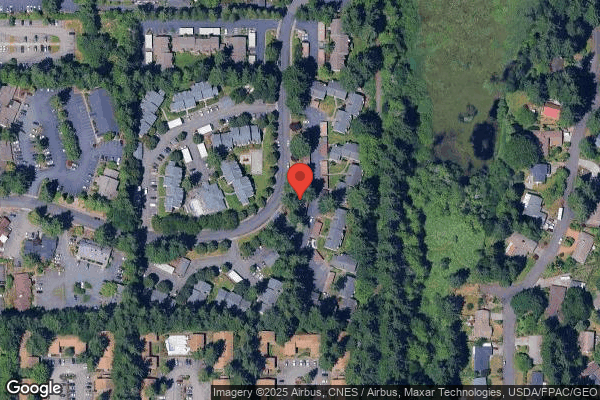
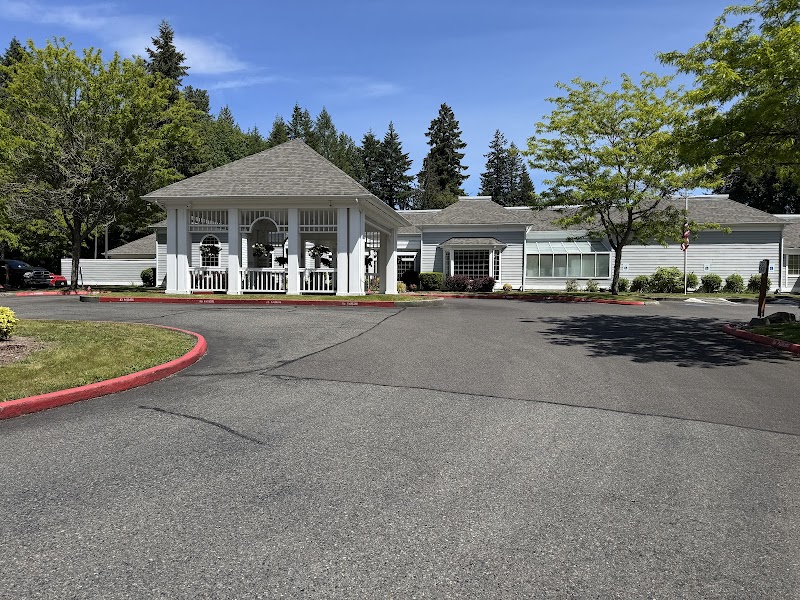
3333 ENSIGN ROAD NORTHEAST, OLYMPIA, WA 98506 (360) 493-4900
For profit - Limited Liability company 152 Beds PROVIDENCE HEALTH & SERVICES Data: November 2025
Trust Grade
30/100
#190 of 190 in WA
Last Inspection: June 2025

Inspected within the last 6 months. Data reflects current conditions.

Overview

Woodard Creek Health & Rehabilitation has received an F trust grade, indicating significant concerns about its care quality. It ranks #190 out of 190 facilities in Washington, placing it in the bottom tier of nursing homes in the state. Unfortunately, the facility is worsening, with the number of issues increasing from 27 in 2024 to 34 in 2025. While staffing is average with a 3/5 rating, the turnover rate is concerning at 71%, which is significantly higher than the state average of 46%. Recent inspector findings revealed serious concerns, such as failing to report allegations of abuse promptly and not ensuring safe discharges for residents, both of which could put residents at risk for neglect and harm.

Trust Score
F
30/100
In Washington
#190/190
Bottom 1%
Safety Record
Low Risk
No red flags
Inspections
Getting Worse
27 → 34 violations
Staff Stability
⚠ Watch
71% turnover. Very high, 23 points above average. Constant new faces learning your loved one's needs.
Penalties
✓ Good
No fines on record. Clean compliance history, better than most Washington facilities.
Skilled Nurses
✓ Good
Each resident gets 54 minutes of Registered Nurse (RN) attention daily — more than average for Washington. RNs are trained to catch health problems early.
Violations
⚠ Watch
65 deficiencies on record. Higher than average. Multiple issues found across inspections.
★☆☆☆☆
1.0
Overall Rating
★★★☆☆
3.0
Staff Levels
★★★★☆
4.0
Care Quality
★☆☆☆☆
1.0
Inspection Score
Stable
2024: 27 issues
2025: 34 issues

The Good

  • 4-Star Quality Measures · Strong clinical quality outcomes
  • Full Sprinkler Coverage · Fire safety systems throughout facility
  • No fines on record

Facility shows strength in quality measures, fire safety.

The Bad

1-Star Overall Rating

Below Washington average (3.2)

Significant quality concerns identified by CMS

Staff Turnover: 71%

25pts above Washington avg (46%)

Frequent staff changes - ask about care continuity

Chain: PROVIDENCE HEALTH & SERVICES

Part of a multi-facility chain

Ask about local staffing decisions and management

Staff turnover is very high (71%)

23 points above Washington average of 48%

The Ugly 65 deficiencies on record

Sept 2025 6 deficiencies
CONCERN (D) 📢 Someone Reported This

A family member, employee, or ombudsman was alarmed enough to file a formal complaint

Potential for Harm - no one hurt, but risky conditions existed

Investigate Abuse (Tag F0610)

Could have caused harm · This affected 1 resident

**NOTE- TERMS IN BRACKETS HAVE BEEN EDITED TO PROTECT CONFIDENTIALITY** Based on interview and record review, the facility failed to ensure signs of psychosocial outcome related to allegations of abus...

Read full inspector narrative →
**NOTE- TERMS IN BRACKETS HAVE BEEN EDITED TO PROTECT CONFIDENTIALITY** Based on interview and record review, the facility failed to ensure signs of psychosocial outcome related to allegations of abuse were monitored for 1 of 4 sampled residents (4) reviewed for abuse. This failure placed residents at risk of abuse, neglect and a decreased quality of life.Findings included .Resident 4 was admitted to the facility on [DATE] with diagnoses of Parkinsonism syndrome (tremors, stiffness, slowness of movement, and difficulty maintaining balance) and chronic pain. The 5-day Medicare MDS, dated [DATE], documented Resident 4 had moderate cognitive impairment and was dependent on staff for many ADLs.Review of Resident 4's care plan, dated 08/01/2025, documented Resident 4 suffered from Post Traumatic Stress Syndrome (mental health problem that can occur after a traumatic event) due to a history of physical and emotional abuse (a sexual assault) while in a nursing facility as a child.Review of facility incident report, dated 08/01/2025, documented Resident 4 made an allegation of sexual abuse by a staff. The investigation did not address the monitoring of potential psychosocial wellbeing.Review of physician orders, dated 08/01/2025, documented staff will monitor the resident for psychosocial wellbeing, observe and chart a progress note for behavior, refusal of care, social isolation, and pain management, and notify the provider of any of the above concerns, and monitor every shift for five days.A review of the progress notes did not show monitoring for psychosocial wellbeing related to the allegation of sexual abuse.On 09/04/2025 at 3:23 pm, Staff B said there was no monitoring of Resident 4's potential psychosocial being related to the abuse allegation. Staff B said staff should have documented monitoring.Reference WAC 388-97-0640(5)(a)
CONCERN (D) 📢 Someone Reported This

A family member, employee, or ombudsman was alarmed enough to file a formal complaint

Potential for Harm - no one hurt, but risky conditions existed

Deficiency F0627 (Tag F0627)

Could have caused harm · This affected 1 resident

**NOTE- TERMS IN BRACKETS HAVE BEEN EDITED TO PROTECT CONFIDENTIALITY** Based on observation, interview and record review, the facility failed to assist residents with discharge needs to ensure a time...

Read full inspector narrative →
**NOTE- TERMS IN BRACKETS HAVE BEEN EDITED TO PROTECT CONFIDENTIALITY** Based on observation, interview and record review, the facility failed to assist residents with discharge needs to ensure a timely discharge for 1 of 3 residents (1) reviewed for discharge planning. The facility failed to ensure discharge planning reflected the resident's discharge status for 1 of 3 residents (3) reviewed for discharge planning. This failure placed residents at risk for unmet care needs, psychological distress, risk for re-hospitalization, and a decreased quality of life.Findings included .Resident 1Resident 1 was admitted to the facility on [DATE] with diagnoses of blood clot in the lungs and chronic obstructive pulmonary disease (an ongoing lung condition caused by damage to the lungs). The admission minimum data set (MDS), an assessment tool, dated 07/09/2025, documented Resident 1 had no cognitive impairment and was moderately dependent on staff for many activities of daily living (ADLs).Review of Resident 1's care plan, dated 07/03/2025, documented Resident 1 would be at the facility short term. Staff would coordinate with the physician regarding discharge plans, make community DME (medical equipment) referrals as indicated, make community referrals as needed, and contact local agencies if necessary.On 07/28/2025 at 11:44 am, Resident 1's power of attorney (POA) said she had been struggling to get the facility to assist with setting up a primary care provider (PCP) in the community and assist with setting up caregivers in the home. The POA had asked on several occasions for assistance with these tasks and she had been told this was not the facility's responsibility. There was a long wait for her to set up with a PCP and Resident 1 had medical conditions which required attention to sooner. The POA had run into constant communication issues and dead ends with the facility to address these issues. Resident 1 had a history of eloping from this and other facilities, leaving against medical advice (AMA), and was threatening to leave AMA if they were not discharged the next day, the scheduled discharge date . The POA stated the discharged scheduled for the following day was unsafe due to the lack of a PCP and caregivers.Review of the admission Nursing Collection Tool, dated 07/02/2025, documented Resident 1 wanted to leave AMA and just didn't want to be here. Staff were able to convince the resident to stay. The elopement evaluation portion of the assessment documented Resident 1 had verbally expressed a desire or plan to leave the facility unsupervised, had a history of attempts to elopement in the previous six months, and had family/responsible party who voiced concerns the resident would try and leave the facility.Review of a Social Service Initial Evaluation, dated 07/08/2025, documented Resident 1 wanted to go home independently and lived alone. It was noted the plan for discharge did not meet the residents' needs. The section on the physician's input on the resident's discharge was left blank. The anticipated length of stay at the facility was left blank. Who will assist the resident with meal preparation, grocery shopping, and transportation was left blank. The home health type/name was left blank. Additional agencies and services provided to the resident was left blank.Review of progress notes, dated 07/02/2025, documented Resident 1 was adamant they were not going to stay at the facility, shortly after admission. The POA was contacted who explained the resident had an extensive history of leaving facilities AMA, almost every one, over the previous 20 years.Review of progress notes, dated 07/07/2025, documented Resident 1 had eloped from the facility. The resident will now require the use of a wander guard (a bracelet that alarms when the resident leaves the building).Review of progress notes, dated 07/08/2025, documented Resident 1 just wants to go home to their dog and is going home today no matter what. [Resident 1] is alert and oriented.Review of progress notes, dated 07/09/2025, documented Resident 1 continues to verbalize desire to go home.Review of progress notes, dated 07/24/2025, documented Resident 1's POA refused to sign the admission agreement due to concerns with discharge.Review of progress notes, dated 07/25/2025, documented Resident 1's POA was upset because the facility was not finding the resident a PCP in the community. The POA was told it was not up to us to find a PCP in the community. The POA said the facility was throwing the resident out and this was an unsafe discharge.During an interview on 07/29/2025 at 9:52 am, Staff D, Director of Rehab, said it was recommended by therapy that Resident 1 had caregiver support a couple hours a day.During an interview on 07/29/2025 at 10:00 am, the POA said she would not be picking up the resident that day for discharge because the facility did not assist with a PCP and caregivers. The POA said it would be an unsafe discharge as a result.During an interview on 07/29/2025 at 12:22 pm, Staff F, social services, said there had been shifting staff assisting with Resident 1's discharge making it confusing. Staff F said she had not been working on the discharge for long. Staff F stated it was expected that the POA would set up PCP and caregivers on her own and the POA thought this was on the facility. Staff F said she did not set these things up and the POA said it was an unsafe discharge and now the discharge was on hold.During an interview on 07/29/2025 at 12:43 pm, Resident 1 said they were not discharging that day as planned. Resident 1 said they were really angry, and they planned on leaving the facility on their own regardless. Resident 1 said they figured out how much a cab cost to get home. Resident 1 said he would be calling a cab when he was ready. Resident 1 was angry the discharge did not occur when they expected it to so they were just going to leave.During an interview on 07/29/2025 at 2:36 pm, Staff C, registered nurse (RN), said Resident 1's discharge was on hold because there were no PCP or caregivers set up. Staff C said she was new to assisting with the discharge. Staff C said she would assist with setting up the services.During an interview on 09/04/2025 at 1:59 pm, Staff G, licensed practical nurse (LPN) and Staff H, LPN, said Resident 1 was often threatening to leave the facility because he did not want to be here. Staff H said this was, in part, the fault of the POA because they did not set up the things they needed to set up to discharge the resident.During an interview on 09/04/2025 at 3:47 pm, Staff B, RN and Director of Nursing (DNS), said Resident 1's discharge was delayed due to confusion with the discharge plan and setting up services. Staff B acknowledged the facility did not set up services needed for a timely discharge.During an interview on 09/04/2025 at 4:14 PM, Staff A, Administrator, said there was lacking communication between social services and the POA. Staff A acknowledged the facility did not set up a PCP and caregiver services needed for timely discharge.Resident 3Resident 3 was admitted to the facility on [DATE] with diagnoses of congestive heart failure (the heart cannot pump blood effectively enough to meet the body's needs) and cirrhosis (advanced scarring of the liver). The Annual MDS, dated [DATE], documented Resident 3 had no cognitive impairment and was independent with ADLs.Review of Resident 3's care plan, dated 04/09/2025, documented Resident 3 was planning to stay at the facility long-term. The discharge plan would be reviewed with the resident, with referrals to local contact agency if indicated, and assess the resident's preference to return to the community.No discharge evaluation or care conference notes included were in the medical record discussing the resident's discharge goals. There were no progress notes regarding Resident 3's discharge plans.Review of a Social Service Evaluation, dated 05/02/2025, documented goals and expectations for the resident. The goal for the admission was left blank. The expectation of the resident's stay in the facility was left blank. The resident's current plan for discharge is noted as long-term. The discharge plan does not seem appropriate for the residents' needs. The residents' wishes for discharge were left blank. The anticipated length of stay was left blank. All community resources were left blank.Review of progress notes, dated 06/08/2025, documented Resident 3 left the building AMA. The resident would not wait to take the facility stored medications. The resident said they would be back to retrieve their belongings.On 09/04/2025 at 1:12 pm, Staff E, social services, said she was working with someone in the community to set up community housing for Resident 3. It was anticipated this would be a distance future, but it was in process. Staff E thought this was documented in the medical record but was unable to find the documentation or and was not reflected in the care plan. The resident ended up leaving AMA, but Staff E felt this should have been handled as a safe discharge. The resident could take care of themselves and could essentially have everything prepared right away. Staff E acknowledged the resident did not have evidence of a discharge plan or reassessment of a plan in the medical record.On 09/04/2025 at 3:23 pm, Staff B said she could not find discharge planning in the resident's record.REFERENCE WAC 388-97-0120(2)(a-d)(3)(a)(4), -0140(1)(a)(b)(c)(i-iii).
CONCERN (D) 📢 Someone Reported This

A family member, employee, or ombudsman was alarmed enough to file a formal complaint

Potential for Harm - no one hurt, but risky conditions existed

Deficiency F0628 (Tag F0628)

Could have caused harm · This affected 1 resident

**NOTE- TERMS IN BRACKETS HAVE BEEN EDITED TO PROTECT CONFIDENTIALITY** Based on interview and record review, the facility failed to complete a discharge summary for 1 of 3 residents (2) reviewed for ...

Read full inspector narrative →
**NOTE- TERMS IN BRACKETS HAVE BEEN EDITED TO PROTECT CONFIDENTIALITY** Based on interview and record review, the facility failed to complete a discharge summary for 1 of 3 residents (2) reviewed for discharge planning. The facility failed to provide written bed hold notices at the time of a therapeutic leave for 1 of 1 sampled resident (3) reviewed for therapeutic leaves. This failure placed the residents at risk for lack of knowledge regarding their right to hold their bed, protection of resident rights during transfers, and a diminished quality of life.Findings included .Discharge SummaryThe facility policy, Transfer or Discharge, Preparing a Resident For, dated 10/01/2021, documented a post-discharge plan is developed for each resident prior to his or her transfer or discharge. Nursing services and/or social services is responsible for preparing a discharge summary and post-discharge plan and completing a discharge note in the medical record.Resident 2Resident 2 was admitted to the facility on [DATE] with diagnoses including dementia and dysphasia. No minimum data set (MDS), an assessment tool, was completed.Review of care plan, dated 06/25/2025, documented Resident 2 was to reside at the facility on a short-term basis. Staff would review and update discharge plans with the resident when needed.Review of Social Service Initial Assessment, dated 06/24/2025, documented Resident 2 would return home after their stay at the facility.Review of progress notes, dated 07/01/2025, documented Resident 2 was transferring to another long-term care facility. Medications reviewed with the resident and family. Belongings were sent with the resident.Review of discharge POC - Resident discharge instructions, dated [DATE], were blank.Review of the medical record showed no Discharge Summary was completed or sent to the receiving facility.On 09/04/2025 at 3:03 pm, Staff B Registered Nurse (RN) and Director of Nursing (DNS), said for Resident 2 they sent the receiving facilities orders, progress note, medication/treatment administration and provider notes. Staff B said they didn't always complete the discharge summary or instructions. Staff B said they should have been doing it.Resident 3Resident 3 was admitted to the facility on [DATE] with diagnoses of congestive heart failure (the heart cannot pump blood effectively enough to meet the body's needs) and cirrhosis (advanced scarring of the liver). The Annual MDS, dated [DATE], documented Resident 3 had no cognitive impairment and was independent with activities of daily living.Review of care plan, dated 04/09/2025, documented Resident 3 was staying at the facility long-term, and the discharge plan would be reviewed with the resident.Review of progress notes, dated 05/02/2025, documented Resident 3 left on a leave of absence (LOA). The medical record did not indicate when the resident returned from the LOA. There was no documentation showing a bed hold was offered.Review of progress notes, dated 05/23/2025, documented Resident 3 left on a LOA until 05/27/2025. There was no documentation showing a bed hold was offered.On 09/04/2025 at 1:12 pm, Staff E, social services, said Resident 3 would leave often on therapeutic leaves (LOA). Staff E said they did not provide bed holds to residents leaving on therapeutic leaves and were not aware of the requirement.Reference WAC 388-97-0080 (1)(b)(2)(a)(d)(6)
CONCERN (D) 📢 Someone Reported This

A family member, employee, or ombudsman was alarmed enough to file a formal complaint

Potential for Harm - no one hurt, but risky conditions existed

Deficiency F0657 (Tag F0657)

Could have caused harm · This affected 1 resident

**NOTE- TERMS IN BRACKETS HAVE BEEN EDITED TO PROTECT CONFIDENTIALITY** Based on observation, interview and record review, the facility failed to ensure resident care plans were reviewed, revised, and...

Read full inspector narrative →
**NOTE- TERMS IN BRACKETS HAVE BEEN EDITED TO PROTECT CONFIDENTIALITY** Based on observation, interview and record review, the facility failed to ensure resident care plans were reviewed, revised, and accurately reflected resident care needs for 2 of 13 sampled residents (2 & 4) reviewed for care plan revisions. This failure placed residents at risk for unidentified and unmet care needs and a diminished quality of life.Findings included .Resident 2Resident 2 was admitted to the facility on [DATE] with diagnoses including dementia and dysphasia. No minimum data set (MDS), an assessment tool, was completed.Review of the care plan, dated 06/25/2025, documented Resident 2 was at risk for dehydration, weight loss, or malnutrition related to advanced age. Interventions included checking weights as ordered.Review of physician orders, dated 06/24/2025, documented Resident 2 required moderately thick liquids with thin water between meals, small bites of food and sips of water, and use of a chin tuck, swallowing twice with every bite and/or sip.The Diet Nutritional Assessment, dated 06/278/2025, documented Resident 2 required moderately thick liquids with thin water between meals, small bites of food and sips of water, and use a chin tuck, swallowing twice with every bite and/or sip. The resident was identified at risk for malnutrition related to CHF, Parkinson's disease and diabetes mellitus.On 09/04/2025 at 3:03 pm, Staff B Registered Nurse (RN) and Director of Nursing (DNS), said the care plan should have been updated to include Resident 2's specific dietary needs.Resident 4Resident 4 was admitted to the facility on [DATE] with diagnoses of Parkinsonism syndrome (tremors, stiffness, slowness of movement, and difficulty maintaining balance) and chronic pain. The 5-day Medicare MDS, dated [DATE], documented Resident 4 had moderate cognitive impairment and was dependent on staff for many activities of daily living.The care plan, dated 08/01/2025, documented Resident 4 suffered from Post Traumatic Stress Syndrome (mental health problem that can occur after a traumatic event) due to a history of physical and emotional abuse (a sexual assault) while in a nursing facility as a child.The incident report, dated 08/01/2025, documented Resident 4 made an allegation of sexual abuse by a staff.On 09/04/2025 at 3:23 pm, Staff B said Resident 4's care plan was not revised to include the allegation of sexual abuse on 08/01/2025.Reference WAC: 388-97-1020 (2)(e)(f)
CONCERN (E) 📢 Someone Reported This

A family member, employee, or ombudsman was alarmed enough to file a formal complaint

Potential for Harm - no one hurt, but risky conditions existed

Report Alleged Abuse (Tag F0609)

Could have caused harm · This affected multiple residents

**NOTE- TERMS IN BRACKETS HAVE BEEN EDITED TO PROTECT CONFIDENTIALITY** Based on interview and record review, the facility failed to ensure allegations involving abuse were immediately reported, withi...

Read full inspector narrative →
**NOTE- TERMS IN BRACKETS HAVE BEEN EDITED TO PROTECT CONFIDENTIALITY** Based on interview and record review, the facility failed to ensure allegations involving abuse were immediately reported, within two hours, to Law Enforcement for 1 of 1 sampled resident (4) reviewed for abuse. The facility failed to ensure residents leaving against medical advice (AMA) were logged and/or reported to the Adult Protective Services (APS) and/or the State Agency for 3 of 6 sampled residents (3, 5, & 6) reviewed for discharge. This failure placed residents at risk for potential abuse/neglect and a diminished quality of life.Findings included .Review of the facility's policy, Abuse Investigation and Reporting, dated 10/01/2021, documented an alleged violation of abuse will be reported immediately, but not later than two hours if the alleged violation involves abuse. All alleged violations involving abuse will be reported, by the facility Administrator, to law enforcement officials (if applicable).Reporting of Allegations to State AgencyResident 4Resident 4 was admitted to the facility on [DATE] with diagnoses of Parkinsonism syndrome (tremors, stiffness, slowness of movement, and difficulty maintaining balance) and chronic pain. The 5-day Medicare minimum data set (MDS), an assessment tool, dated 07/08/2025, documented Resident 4 had moderate cognitive impairment and was dependent on staff for many activities of daily living (ADLs).The incident report, dated 08/01/2025, documented Resident 4 made an allegation of sexual abuse by a staff member.On 09/04/2025 at 4:40 pm, Staff A said he did not report the allegation of abuse to Law Enforcement within the 2-hour reporting period. Staff A said he did not know why he did not report when he reported to the State Agency. Staff A said he should have reported within 2 hours.AMAReview of the facility policy, Discharging a Resident Without a Physician's Approval, dated 10/01/2021, documented the facility will make all reasonable efforts to ensure that the resident is educated on risks associated with leaving the facility without a physician's approval. Efforts will be made to ensure the resident has safest discharge possible. If the facility feels that the resident's safety may be in jeopardy with the discharge, the facility may make a referral to Adult Protective Services or other community support system.Resident 3Resident 3 was admitted to the facility on [DATE] with diagnoses of congestive heart failure (the heart cannot pump blood effectively enough to meet the body's needs) and cirrhosis (advanced scarring of the liver). The Annual MDS, dated [DATE], documented Resident 3 had no cognitive impairment and was independent with ADLs.Review of progress notes, dated 06/08/2025, documented Resident 3 left the building AMA. The resident would not wait to take the facility stored medications.Review of the June 2025 Accident and Incident log did not document Resident 3's AMA. No documentation showed whether APS was contacted related to a potentially unsafe discharge.On 09/04/2025 at 3:23 pm, Staff B Registered Nurse (RN) and Director of Nursing (DNS), said this discharge should have been called to APS for Resident's AMA.At 4:14 pm, Staff A, Administrator, said Resident 3's discharge should have been called to APS.Resident 5Resident 5 was admitted to the facility on [DATE] with diagnoses of hip fracture and anxiety disorder. The admission MDS, dated [DATE], documented Resident 5 had no cognitive impairment and required set-up assistance from staff with many ADLs.Review of progress notes, dated 06/06/2025, documented Resident 5 was not in their room at the beginning of the shift and their lunch tray was untouched.Review of progress notes, dated 06/07/2025, documented Resident 5 was not seen at the beginning of the shift. Staff called family and awaited a response. One family member responded and had not seen the resident. The last witnessed sighting of Resident 5 was during the am medication pass on 06/06/2025.Review of progress notes, dated 06/07/2025, documented Resident 5 did not return on 06/06/2025 after the resident signed out stating they were going to get a wheelchair for their pending discharge. Family initially did not know where Resident 5 was but soon located the resident. Resident 5's departure was considered an AMA discharge as the resident did not return to the facility on [DATE].On 09/04/2025 at 3:23 pm, Staff B said she was off when this incident occurred. Staff B said she would have called this into the State Agency as an elopement. Staff B said this discharge should have been called to APS.On 09/04/2025 at 4:14 pm, Staff A said he was not sure this discharge should have been considered an elopement because the resident signed out of the facility. Staff A said the resident did not return to the facility as expected and the staff did not know where the resident was. Staff A said this discharge should have been called to APS.Resident 6Resident 6 was admitted to the facility on [DATE] with diagnoses of chronic obstructive pulmonary disease (an ongoing lung condition caused by damage to the lungs) and oxygen dependence. No MDS was completed.Review of progress notes, dated 07/29/2025, documented Resident 6 was requesting to leave AMA. Staff notified the Administrator and family following facility protocol for AMA discharges.On 09/04/2025 at 3:23 pm, Staff B said this discharge should have been called to APS.On 09/04/2025 at 4:14 pm, Staff A said Resident 6's discharge should have been called to APS.REFERENCE: WAC 399-97-0640(5)(a)
CONCERN (E) 📢 Someone Reported This

A family member, employee, or ombudsman was alarmed enough to file a formal complaint

Potential for Harm - no one hurt, but risky conditions existed

Accident Prevention (Tag F0689)

Could have caused harm · This affected multiple residents

**NOTE- TERMS IN BRACKETS HAVE BEEN EDITED TO PROTECT CONFIDENTIALITY** Based on observation, interview, and record review, the facility failed to initiate interventions to prevent elopements or act o...

Read full inspector narrative →
**NOTE- TERMS IN BRACKETS HAVE BEEN EDITED TO PROTECT CONFIDENTIALITY** Based on observation, interview, and record review, the facility failed to initiate interventions to prevent elopements or act on an elopement for 2 of 3 residents (1, 5) reviewed for elopement. The facility failed to ensure discharges Against Medical Advice (AMA) were safe for 2 of 4 residents (3 & 6) reviewed for AMA discharges. This failure placed residents at risk of unmet needs, diminished quality of life, and other negative health outcomes.Findings included .ElopementResident 1Resident 1 was admitted to the facility on [DATE] with diagnoses of blood clot in the lungs and chronic obstructive pulmonary disease (an ongoing lung condition caused by damage to the lungs). The admission minimum data set (MDS), an assessment tool, dated 07/09/2025, documented Resident 1 had no cognitive impairment and was moderately dependent on staff for many activities of daily living (ADLs).The admission Nursing Collection Tool, dated 07/02/2025, documented Resident 1 wanted to leave AMA and just didn't want to be here. Staff were able to convince the resident to stay. The elopement evaluation portion of the assessment documented Resident 1 verbally expressed a desire or plan to leave the facility unsupervised, had a history of attempts to elope in the previous six months, and his family/responsible party who voiced concerns the resident would try and leave the facility. Recommendations noted the resident was at risk for elopement, and to implement the care plan interventions and evaluate the need for a wander bracelet. The resident would be given an AMA form if he attempted to leave. No wander bracelet was placed and no indication as to why was noted.Review of progress notes, dated 07/02/2025, documented Resident 1 was adamant he was not going to stay at the facility, shortly after admission. The Power of Attorney (POA) was contacted who explained the resident had an extensive history of leaving facilities AMA, almost everyone, over the past 20 years. The POA suggested informing Resident 1 that their dog was boarded.Review of the care plan was reviewed and there was no mention of Resident 1's risk of elopement. The care plan did not mention reminding the resident their dog was boarded.Review of progress notes, dated 07/07/2025, documented Resident 1 had eloped from the facility.On 07/28/2025 at 11:44 am, Resident 1's POA said the resident had a history of leaving every healthcare facility AMA.On 07/29/2025 at 12:43 pm, Resident 1 said they planned on leaving the facility. The resident said they figured out how much a cab cost to get home. Resident 1 could not articulate why they wanted to leave, just that they wanted to go home in the cab.On 09/04/2025 at 3:47 pm, Staff B registered nurse (RN) and Director of Nursing (DNS), said she was unaware of Resident 1's or the POA's statements of the resident's desire to leave AMA upon admission. Staff B said the staff should have been more proactive at that time. Interventions should have been implemented to prevent elopement.Resident 5Resident 5 was admitted to the facility on [DATE] with diagnoses of hip fracture and anxiety disorder. The admission MDS, dated [DATE], documented Resident 5 had no cognitive impairment and required set-up assistance from staff with many ADLs.The care plan, dated 04/14/2025, documented Resident 5 was expected to stay at the facility on a short-term basis. Interventions included coordinating with a physician with discharge plans.No elopement assessment was noted in a review of the medical record.Progress notes, dated 06/06/2025, documented Resident 5 was not in their room at the beginning of the shift and their lunch tray was untouched.Progress notes, dated 06/07/2025, documented Resident 5 was not seen at the beginning of the shift. Called family and awaiting a response. One family member responded and had not seen the resident. Last Resident 5 was seen was morning medication pass on 06/06/2025.Progress notes, dated 06/07/2025, documented Resident 5 did not return on 06/06/2025 after they the resident signed out stating they were going to get a wheelchair for their pending discharge. Family initially did not know where Resident 5 was but soon located the resident. Resident 5's departure is considered an AMA discharge as the resident did not return to the facility on [DATE].On 09/04/2025 at 3:23 pm, Staff B said she was off when the incident occurred. Staff B said she would consider this an elopement and feels elopement protocol should have been followed.On 09/04/2025 at 4:14 pm, Staff A said he was not sure Resident 5's absence should have been considered an elopement because the resident signed out of the facility. Staff A admitted the resident did not return to the facility as expected and the staff did not know where the resident was for a period.AMAThe facility policy, Discharging a Resident Without a Physician's Approval, dated 10/01/2021, documented the facility would make all reasonable efforts to ensure that the resident was educated on risks associated with leaving the facility without a physician's approval. Efforts would be made to ensure the resident had safest discharge possible. Staff would promptly notify the attending physician of the resident's wishes to be discharged . The nurse would document in the resident's record the provider's response to the resident's request to leave the facility. Staff would document education and discharge instructions made to the resident in the medical record. The documentation included a review of medications and treatments, information on community resources, appointments, and safety precautions. If the resident insisted upon being discharged without the approval of the attending physician, the resident must sign a Release of Responsibility form. Should the resident refuse to sign the release, such refusal must be documented in the resident's medical record and witnessed by two staff members.Resident 3Resident 3 was admitted to the facility on [DATE] with diagnoses of congestive heart failure (the heart cannot pump blood effectively enough to meet the body's needs) and cirrhosis (advanced scarring of the liver). The Annual MDS, dated [DATE], documented Resident 3 had no cognitive impairment and was independent with ADLs.Progress notes, dated 06/08/2025, documented Resident 3 left the building AMA. The resident would not wait to take the facility stored medications. The resident would be back to retrieve their belongings.On 07/28/2025 at 4:34 pm, Resident 3 said the facility did not have medications sent to a pharmacy after they left the facility. Resident 3 said they were forced out of the facility and did not want to leave.On 09/04/2025 at 3:23 pm, Staff B said the medical record did not reflect all that was done to try and get Resident 3 to stay at the facility. Staff B said she tried to get the resident to stay at the facility but did not write a note. The facility should have faxed the resident's medications to a pharmacy, but she could not tell by reviewing the record if that was done. Staff B said there should have been a Release of Responsibility form completed but this was not in the medical record. Staff B said the record should explain everything that was done to make the discharge as safe as possible, but this was not reflected in Resident 3's record.Resident 6Resident 6 was admitted to the facility on [DATE] with diagnoses of chronic obstructive pulmonary disease (an ongoing lung condition caused by damage to the lungs) and oxygen dependence. The record did not include an MDS.Progress notes, dated 07/29/2025, documented Resident 6 is requesting to leave AMA. Notified Administrator and Family following facility protocol for AMA discharges.On 09/04/2025 at 3:23 pm, Staff B said there should have been a Release of Responsibility form completed but this was not in the medical record. Staff B said the record should explain everything that was done to make the discharge as safe as possible.Reference WAC 388-97-1060(3)(g)
Jun 2025 3 deficiencies
CONCERN (D) 📢 Someone Reported This

A family member, employee, or ombudsman was alarmed enough to file a formal complaint

Potential for Harm - no one hurt, but risky conditions existed

Deficiency F0887 (Tag F0887)

Could have caused harm · This affected 1 resident

**NOTE- TERMS IN BRACKETS HAVE BEEN EDITED TO PROTECT CONFIDENTIALITY** . Based on interview and record review, the facility failed to ensure the COVID-19 (a highly transmissible infectious virus that...

Read full inspector narrative →
**NOTE- TERMS IN BRACKETS HAVE BEEN EDITED TO PROTECT CONFIDENTIALITY** . Based on interview and record review, the facility failed to ensure the COVID-19 (a highly transmissible infectious virus that causes respiratory illness and in severe cases can cause difficulty breathing and could result in impairment or death) vaccine was provided for 3 of 5 residents (6, 8, 10), reviewed for immunizations. The failure to provide the COVID-19 vaccination placed the resident at risk for contracting the COVID-19 virus and related complications. Findings included . <Resident 6> Resident 6 was admitted to the facility on [DATE]. Review of Resident 6's medical record, showed no documentation or indication the facility assessed the resident's vaccination history. The record lacked documentation the COVID vaccine was indicated. <Resident 8 Resident 8 was admitted to the facility on [DATE]. Review of Resident 8's medical record, showed no documentation of the resident's vaccine history including the COVID vaccine. <Resident 10> Resident 10 was admitted to the facility on [DATE]. Review of Resident 10's medical record, showed no documentation of the resident's vaccine history including the COVID vaccine. On 06/30/2025 at 3:45 PM, Staff B, Director of Nursing and Registered Nurse, verified no residents had documentation of vaccine history or offered vaccine in the current medical record. Staff B said they may be records in the their previous medical record system they used prior to the ownership changed. Staff B would provide any further information if obtained. No further documentation was provided. No reference WAC .
CONCERN (E) 📢 Someone Reported This

A family member, employee, or ombudsman was alarmed enough to file a formal complaint

Potential for Harm - no one hurt, but risky conditions existed

Deficiency F0726 (Tag F0726)

Could have caused harm · This affected multiple residents

. Based on interview and record review, the facility failed to ensure 5 of 5 sampled agency and facility (Staff I, J, K, L, M) reviewed for competency with mechanical lifts showed proficiency with the...

Read full inspector narrative →
. Based on interview and record review, the facility failed to ensure 5 of 5 sampled agency and facility (Staff I, J, K, L, M) reviewed for competency with mechanical lifts showed proficiency with the operation of mechanical lift transfers. This failure placed the residents at risk for falls and their associated injuries. Findings included . Staff L, facility staff, hired 04/01/2025, did not have documentation of training on the mechanical lifts in their personnel file. Staff J, facility staff, hired 04/01/2025, did not have documentation of training on the mechanical lift in their personnel files. Staff I, agency staff, hired 04/08/2025, did not have documentation of training on the mechanical lifts in their personnel file. Staff K, agency staff, hired 04/25/2025, did not have documentation of training on the mechanical lifts in their personnel file. Staff M, facility staff, hired 04/25/2025, did not have documentation of training on the mechanical lifts in their personnel file. On 06/30/2025 at 2:40 PM, Staff G, nursing assistant (NA), explained she used one staff with the standing lift and two staff with the mechanical lift. At 2:51 PM, Staff E, NA explained they should use two staff with both the standing lift and the mechanical lift. Staff E said she had some concerns with how other staff used the mechanical lifts, particularly with agency staff. Staff E said we don't know what they [agency staff] are capable of and said they had seen concerns with transfers like using one staff with the mechanical lift. Staff E had reported these concerns to her supervisor. At 3:31 PM, Staff F, NA, said she used two staff with both the standing lift and the mechanical lift. Staff F said she has intervened when staff was going to use the mechanical lift with one staff. At 4:15 PM, Staff A, Administrator, and Staff B, Director of Nursing and Registered Nurse, said they cannot find evidence of mechanical lift training but they would continue to look and provide the information if found. No further documentation was provided. Reference WAC 388-97-1680 (2) (a)(b)(i-ii)(c) .
CONCERN (E) 📢 Someone Reported This

A family member, employee, or ombudsman was alarmed enough to file a formal complaint

Potential for Harm - no one hurt, but risky conditions existed

Deficiency F0883 (Tag F0883)

Could have caused harm · This affected multiple residents

**NOTE- TERMS IN BRACKETS HAVE BEEN EDITED TO PROTECT CONFIDENTIALITY** . Based on interview and record review, the facility failed to ensure 4 of 5 sampled residents (6, 8, 9, 10) reviewed for infect...

Read full inspector narrative →
**NOTE- TERMS IN BRACKETS HAVE BEEN EDITED TO PROTECT CONFIDENTIALITY** . Based on interview and record review, the facility failed to ensure 4 of 5 sampled residents (6, 8, 9, 10) reviewed for infection control practices, received vaccinations for influenza and pneumonia. This failure placed the residents at risk of contracting pneumonia and influenza and potential complications associated with those illnesses. Findings included . <Resident 6> Resident 6 was admitted to the facility on [DATE]. Review of Resident 6's medical record, showed no documentation the facility assessed the resident's vaccination history. The record lacked documentation the influenza or pneumococcal vaccine was offered. <Resident 8> Resident 8 was admitted to the facility on [DATE]. Review of Resident 8's medical record, showed no documentation of the resident's vaccine history. <Resident 9> Resident 9 was admitted to the facility on [DATE]. Resident 9 received a dose of the Pneumococcal polysaccharide vaccine (PPSV23) (used to prevent pneumococcal disease) on 06/24/2022. The clinical record did not show the resident was offered a 2nd dose of the Pneumococcal vaccine. <Resident 10> Resident 10 was admitted to the facility on [DATE]. Review of Resident 10's medical record, showed no documentation of the resident's vaccine history. On 06/30/2025 at 3:45 PM, Staff B, Director of Nursing and Registered Nurse, verified no residents had documentation of vaccine history or offered vaccine in the current medical record. Staff B said there may be records in the their previous medical record system they used prior to the ownership change. Staff B said she would provide any further information if obtained. No further documentation was provided. Reference WAC 388-97-1340 (1) (2) (3) .
Jun 2025 22 deficiencies
CONCERN (D)

Potential for Harm - no one hurt, but risky conditions existed

Resident Rights (Tag F0550)

Could have caused harm · This affected 1 resident

**NOTE- TERMS IN BRACKETS HAVE BEEN EDITED TO PROTECT CONFIDENTIALITY** . Based on observation, interview, and record review, the facility failed to provide care and services in a dignified manner for...

Read full inspector narrative →
**NOTE- TERMS IN BRACKETS HAVE BEEN EDITED TO PROTECT CONFIDENTIALITY** . Based on observation, interview, and record review, the facility failed to provide care and services in a dignified manner for 2 of 3 residents (Residents 9 & 90) reviewed for dignity. Failure to ensure staff to residents interaction occured in a respectful and dignified manner, residents clothing was changed daily and residents were assisted out of their day clothes prior to bed, placed residents at risk for diminished self-worth and decreased quality of life. Findings included . 1) Resident 90 was admitted to the facility on [DATE]. Review of the Quarterly Minimum Data Set (MDS, an assessment tool), dated 04/10/2025, showed the resident was cognitively intact and demonstrated verbal and physical behaviors directed toward others. On 06/23/2025 at 1:39 PM, Resident 90 was in the dining room and repeatedly called out Help me, please take me to my room. Staff Q, Certified Nursing Assistant (CNA), said, give me ten minutes. Resident 90 stated, That is too long. I am going to be on the floor; my body is killing me. Staff Q, CNA, while exiting the dining room said, Ok, when you are on the floor I will come get you. Resident 90 again said that ten minutes was too long. Staff Q, CNA, returned to the door of the dining room and said, 20 minutes. Resident 90 said no that's too long. Staff Q then said, 30 minutes. Resident 90 again began yelling that it was too long. Staff Q asked the resident to stop yelling. Resident 90 replied, Well I have asked you 20 times. Staff Q then requested assistance from another staff member and assisted Resident 90 to their room. On 06/23/2025 at 2:03 PM, Staff A, Administrator, was informed of the interaction between Staff Q and Resident 90. Staff A confirmed Staff Q had not spoken to Resident 90 in a dignified manner. Staff Q was suspended at that time pending investigation. Review of the facility's 06/23/2025 investigation showed Staff Q was educated on professionalism and standards of conduct prior to returning to work. 2) Resident 9 was admitted to the facility on [DATE]. Review of the Quarterly MDS, dated [DATE], showed the resident the resident was cognitively impaired and dependent on staff for their activities of daily living. During an interview on 06/17/2025 at 10:06 AM, Resident 9's wife explained they visited every morning around 9:00 AM. They reported recently staff had not been changing Resident 9's clothing daily. The wife indicated Resident 9 was in the same clothes from 06/14/2025- 06/16/2025, until they intervened and informed the nurse, who reportedly sent an aide who changed Resident 9's clothing. On 06/23/2025 at 9:53 AM, Resident 9's wife reported staff were not changing Resident 9 into night clothes before putting him to bed. They then pulled back Resident 9's bedding and stated, See, he is still in his day clothes. That's not dignified. He is wearing his sweatshirt in bed. They reported Resident 9 preferred to sleep in a hospital gown. Resident 9 was observed resting in bed with eyes closed, wearing a grey sweatshirt. During an interview on 06/24/2025 at 10:57 AM, Staff B, Director of Nursing, said it was the expectation that resident clothing be changed each day and that they are put to bed in their preferred clothing. Reference WAC 388-97-0180(1-4) .
CONCERN (D)

Potential for Harm - no one hurt, but risky conditions existed

Deficiency F0578 (Tag F0578)

Could have caused harm · This affected 1 resident

**NOTE- TERMS IN BRACKETS HAVE BEEN EDITED TO PROTECT CONFIDENTIALITY** . Based on interview and record review, the facility failed to ensure they informed and provided written information to resident...

Read full inspector narrative →
**NOTE- TERMS IN BRACKETS HAVE BEEN EDITED TO PROTECT CONFIDENTIALITY** . Based on interview and record review, the facility failed to ensure they informed and provided written information to residents on their right to formulate an advance directive (written instruction for the provision of health care when the individual is incapacitated, such as a living will or durable power of attorney (POA) for health care) for 2 of 3 residents (Residents 91 & 94) reviewed for advance directives. This failure placed residents at risk for not having their choice of who to care for them when incapacitated, not having their health care wishes honored, and a diminished quality of life. Findings included . 1) Resident 91 was admitted to the facility on [DATE]. The Medicare 5 Day Miminum Data Set (MDS, an assessment tool), dated [DATE], showed they were severely cognitively impaired. Review of Resident 91's electronic health record (EHR) showed no documentation of an advance directive or that the facility had offered the opportunity to formulate an advance directive. During a joint interview on [DATE] at 8:23 AM, with Staff K, Social Services, and Staff J, Social Services, when asked when an advance directive was offered to residents, Staff K said during the care conference. Staff J said if the care conference was delayed, then social services would do an assessment where they documented the presence of an advance directive and if one was offered. When asked for documentation of an advance directive or that one was offered to be formulated for Resident 91, Staff K looked in the EHR and said they could not find a POA and this information was not done in their social work evaluation for this resident. Staff J also reviewed the EHR and said they could not find this information for Resident 91. During an interview on [DATE] at 11:42 AM, Staff B, Director of Nursing Services (DNS), said their expectation for advance directives being offered and for documentation, was that they should be offered to the patient or family, tailored to preference, documented, and uploaded into the system. Staff B requested to follow up on Resident 91's advance directive. On [DATE] at 2:58 PM, Staff B said they could not find an advance directive for Resident 91 and this did not meet expectations. 2) Resident 94 was admitted to the facility on [DATE]. The admission Medicare 5 Day MDS, dated [DATE], showed Resident 94 was cognitively intact. Review of Resident 94's EHR showed no documentation of an advance directive or that the facility had offered the opportunity to formulate an advance directive. During a joint interview on [DATE] at 8:23 AM, with Staff K, Social Services, and Staff J, Social Services, when asked for documentation of an advance directive or that one was offered to be formulated for Resident 94, Staff K reviewed the EHR and said Resident 94 did not have a POA and the social work note had only documented CPR (a Portable Orders for Life Sustaining Treatment, POLST) under advance directive. Staff J, when asked what counted as an advance directive, said a living will, a POA, guardian paperwork, or decision making paperwork, but a POLST did not count as an advance directive. During an interview on [DATE] at 2:58 PM, Staff B, DNS, said they could not find an advance directive for Resident 94 and this did not meet expectations. Reference WAC 388-97-0300 (1)(b), (3)(a-c) .
CONCERN (D)

Potential for Harm - no one hurt, but risky conditions existed

Deficiency F0582 (Tag F0582)

Could have caused harm · This affected 1 resident

. Based on interview and record review, the facility failed to provide the Skilled Nursing Facility Advanced Beneficiary Notice of Non-Coverage (SNF ABN) for 1 of 3 sampled residents (Resident 22) rev...

Read full inspector narrative →
. Based on interview and record review, the facility failed to provide the Skilled Nursing Facility Advanced Beneficiary Notice of Non-Coverage (SNF ABN) for 1 of 3 sampled residents (Resident 22) reviewed for Beneficiary Notices. This failure placed residents and/or their representatives at risk for not having adequate information to make financial decisions related to the residents' stay in the facility. Findings included . The Notice of Medicare Non-Coverage, dated 03/28/2025, documented Resident 22 was not provided with a SNF ABN. On 06/20/2025 at 1:32 PM, Staff A, Administrator, said Resident 22 had not been provided with the SNF ABN and should have been. Reference (WAC) 388-97-0300 (4)(a-c)
CONCERN (D)

Potential for Harm - no one hurt, but risky conditions existed

Report Alleged Abuse (Tag F0609)

Could have caused harm · This affected 1 resident

**NOTE- TERMS IN BRACKETS HAVE BEEN EDITED TO PROTECT CONFIDENTIALITY** . Based on interview and record review, the facility failed to ensure allegations of abuse were reported to the State Agency wit...

Read full inspector narrative →
**NOTE- TERMS IN BRACKETS HAVE BEEN EDITED TO PROTECT CONFIDENTIALITY** . Based on interview and record review, the facility failed to ensure allegations of abuse were reported to the State Agency within 24 hours for 1 of 2 sampled residents (Resident 39) reviewed for abuse. This failure placed residents at risk of incidents not being reported and at risk of abuse and neglect. Findings included . Resident 39 was admitted to the facility on [DATE]. The Quarterly Minimum Data Set, (an assessment tool), dated 04/28/2025, documented Resident 39 was cognitively intact and required substantial/maximal assistance with toileting hygiene. On 06/16/2025 at 2:26 PM, Resident 39 said on 05/04/2025 there was a bad episode, staff didn't change their brief and they didn't come back. Resident 39 said it had been reported to the state and that Staff V, had said he would report it. Resident 39 did not want to discuss this further at this time. Review of the Incident Log (an incident tracking system) from 01/02/2025 through 06/13/2025 showed no entries for Resident 39. Review of the Grievance log for 04/2025 through 05/2025 showed now entries for Resident 39. On 06/18/2025 at 9:08 AM, Resident 39 said regarding the incident on 05/04/2025 a nurse had come in and said they were going to get a brief, the nurse undid Resident 39's brief and left, then another staff had come in and left Resident 39 uncovered, unchanged and wet. Resident 39 said it took forever for staff to return, approximately 2 hours later. Resident 39 said they had told everything to Staff V and Staff V had said it was important enough to call the State Agency to report it. Resident 39 said, I am not a tattle tale, but it was important. Resident 39 said the incident had made them feel neglected, frustrated and unheard. On 06/18/2025 at 9:15 AM, Staff V, Occupational Therapy Assistant, said he was familiar with Resident 39. When asked if he recalled an incident in May reported by Resident 39, Staff V said, yes, they had told him. Staff V said, it was resident care stuff, I believe it was, I don't remember exactly. Staff V said Resident 39 had made complaints about the care that day and to previous nurses. When asked if he had reported Resident 39's complaints, Staff V said he did report it to the charge nurse but could not remember who that was. Staff V said he had given Resident 39 a grievance form and offered to help them fill it out, but Resident 39 had declined to fill it out. When told Resident 39 had said Staff V had reported the care concerns to the State Agency, Staff V said he had encouraged Resident 39 to report it themself and had given them the number to the Ombudsman (advocate for residents). On 06/18/2025 at 9:40 AM, Staff A, Administrator, was informed of Resident 39's allegations. At 9:47 AM, Staff B, Director of Nursing Services joined the conversation and said the incident was not ringing a bell with her, she knew who Staff V was, but did not recall the situation. Staff A said, they would investigate the situation, and they would have launched an investigation immediately if they had been informed. When asked if Staff V should have reported the allegation made by Resident 39, both staff A and Staff B said, yes. Reference WAC 388-97-0640(5)(a) .
CONCERN (D)

Potential for Harm - no one hurt, but risky conditions existed

Investigate Abuse (Tag F0610)

Could have caused harm · This affected 1 resident

**NOTE- TERMS IN BRACKETS HAVE BEEN EDITED TO PROTECT CONFIDENTIALITY** . Based on interview and record review, the facility failed to complete a thorough investigation to rule out abuse or neglect fo...

Read full inspector narrative →
**NOTE- TERMS IN BRACKETS HAVE BEEN EDITED TO PROTECT CONFIDENTIALITY** . Based on interview and record review, the facility failed to complete a thorough investigation to rule out abuse or neglect for 1 of 3 residents (Resident 91) reviewed for falls. Failure to conduct a thorough investigation placed the residents at risk for unidentified abuse or neglect, poor clinical outcomes and a decreased quality of life. Findings included . Review of the electronic health record (EHR) showed Resident 91 admitted to the facility on [DATE] with diagnoses of diabetes and chronic obstructive pulmonary disease. The resident was able to make needs known. During an interview on 06/16/2025 at 12:55 PM, Resident 91 said they had a fall in their bathroom and had some small bruises on their arms. Review of the EHR showed a note from 06/01/2025 which stated the resident had a fall at 10:15 AM when the resident was found to have no footwear on and had attempted to transfer into the wheelchair from bed. Review of the facility provided incident log showed the resident had a fall on 05/21/2025, 05/22/2025 and 06/01/2025. Review of the facility incident investigations showed no statements from care staff, no root cause was identified and no new interventions or care plan updates were completed. All 3 investigations showed a completion date of 06/03/2025, 13 days after the first fall. During an interview on 06/20/2025 at 12:20 PM, Staff B, Director of Nursing Services said Resident 91's fall investigations did not include appropriate witness statements, did not identify the root cause of the falls to rule out abuse or neglect and did not identify or implement new interventions to decrease risk further falls and should have. Staff B said the investigations should have been completed within 5 days of the incidents but were not and this did not meet expectations. Reference WAC 388-97--0640 (6)(a)(b) .
CONCERN (D)

Potential for Harm - no one hurt, but risky conditions existed

ADL Care (Tag F0677)

Could have caused harm · This affected 1 resident

**NOTE- TERMS IN BRACKETS HAVE BEEN EDITED TO PROTECT CONFIDENTIALITY** . Based on observation, interview and record review, the facility failed to ensure residents were assisted with activities of da...

Read full inspector narrative →
**NOTE- TERMS IN BRACKETS HAVE BEEN EDITED TO PROTECT CONFIDENTIALITY** . Based on observation, interview and record review, the facility failed to ensure residents were assisted with activities of daily living (ADLs) for 4 of 6 sampled residents (Residents 9, 33, 54 & 79) reviewed for ADLs and choices. Failure to provide assistance with nail care and/or bathing to residents who were dependent on staff for provision of such care, placed the residents at risk for poor hygiene, embarrassment, diminished self-image, and a decreased quality of life. Findings included . 1) Resident 9 was admitted to the facility on [DATE]. Review of the Quarterly Minimum Data Set (MDS, an assessment tool), dated 05/04/2025, showed the resident was cognitively impaired, was dependent on staff for ADLs, and decisions related to bathing were Very Important. On 06/17/2025 at 9:58 AM, Resident 9's representative said facility staff were supposed to trim their fingernails every Monday, but they were not doing it. Resident 9's representative held up their left hand and stated, See, look they are too long. Resident 9's fingernails were observed to be clean, long and untrimmed on both hands. Review of the June 2025 Treatment Administration Record (TAR) showed directions to nurses to trim and file nails every Monday on day shift. Review of the documentation showed facility nurses signed that the task was completed on 06/02/2025, 06/09/2025 and 06/16/2025 (the day before Resident 9's fingernails were observed. On 06/24/2025 at 10:37 AM, Staff B, Director of Nursing Services (DNS), said it was the expectation that nurses complete all assigned tasks as ordered. On 06/17/2025 at 10:08 AM, Resident 9's representative expressed concern about the frequency of bathing. They indicated the resident was supposed to be bathed twice a week, but often that did not occur. Review of the electronic health record (EHR) showed Resident 9 was scheduled to be showered twice a week on Tueday and Friday evening shift. Review of Resident 9's shower record showed they went the following periods without being offered/provided bathing: 1. 05/20/2025 - 05/30/2025 (10 days). 2. 06/01/2025 - 06/10/2025 (10 days). During an interview on 06/24/2025 at 9:26 AM, Staff B, DNS, said it was the expectation that residents be showered/ bathed per their established shower schedule. When asked if that consistently occurred for Resident 9, Staff B said no. 2) Resident 33 was admitted to the facility on [DATE]. Review of the Significant Change MDS, dated [DATE], showed the resident was cognitively intact, required moderate to maximal assitance with most ADLs including showering. On 06/17/2025 at 11:48 AM, Resident 33 complained that bathing was not consistently provided. Review of the EHR showed Resident 33 was scheduled to be showered twice a week on Monday and Thursday evening shift. Review of Resident 33's shower record showed they went from 05/29/2025 - 06/09/2025 (11 days), without being offered/provided bathing: During an interview on 06/24/2025 at 9:26 AM, Staff B, DNS, said it was the expectation that residents be showered/ bathed per their established shower schedule. When asked if Resident 33 was consistently offered/provided bathing every Monday and Thursday as scheduled Staff B sais no, but indicated they would look through the facility's paper documentation. No further documents were provided. 2) Review of the EHR showed Resident 54 admitted to the facility on [DATE] with a diagnosis of right side hemiplegia (inability to move the right side of the body). The resident was able to make needs known. During an observation and interview on 06/17/2025 at 9:37 AM, Resident 54 said the staff did not offer to assist them with brushing their teeth and they needed help because they could not hold the toothbrush anymore. The residents' teeth were visibly covered in a thick white substance. Toothbrushes and an empty tube of toothpaste were noted on the overbed table in a dish. Review of the plan of care dated 04/08/2025 showed the resident required set up of supplies and required assistance with performing oral care. During an observation and interview on 06/18/2025 at 9:15 AM, Resident 54 was noted to have thick white substance covering their teeth, the toothbrushes and an empty tube of toothpaste was unmoved on the overbed table in a dish. Resident 54 said the staff had not offered to assist them with oral care. During an interview on 06/18/2025 at 9:25 AM, Staff R, Certified Nursing Assistant (CNA), said they should offer oral care every morning and as needed. Staff R said Resident 54 required help, but they had not offered the resident oral care today. During an interview and observation on 06/20/2025 at 9:33 AM, Resident 54 said staff had not offered to assist them with oral care. The resident had a thick white substance covering their teeth. During an interview on 06/20/2025 at 9:42 AM, Staff S, CNA stated, the nurse does the oral care. During an interview on 06/24/2025 at 11:24 AM, Staff B, DNS said it was their expectation that the assigned staff offer and provide assistance with oral care every morning and evening and Resident 54 should have been offered assistance with oral care daily. 3) Resident 79 admitted to the facility 05/07/2025. The admission MDS, dated [DATE], documented Resident 79 was cognitively intact and required substantial/maximal assistance with showering/bathing themselves. On 06/17/2025 at 8:45 AM, Resident 79 said they could not shower because of their foot and had not been given a bed bath since arriving at the facility. Review of Resident 79's Bathing task completed records showed no entries for bathing/showering since admission on [DATE]. On 6/20/2025 at 12:59 PM, regarding Resident 79's shower documentation, Staff B, DNS, said they saw Resident 79's last shower was on 06/15/2025. When shown the document bathing task completed was blank, Staff B said, according to the record she did not see that bathing/showering was done, but she would have to comb through it and would let me know. On 6/20/2025 at 1:40 PM, Staff N, Registered Nurse/Regional Director of Operations accompanied by Staff A, Administrator, said the CNA's were charting showers/bed baths in three different areas in the EHR, and they were working on making a change in the EHR so the type of bathing and when bathing occurred would be documented. Staff N said they were working on the changes and had not gotten to Resident 79's chart yet, but they could see that Resident 79 had a shower or bath on 06/15/2025 with supervision and assistance. On 06/20/2025 at 2:35 PM, Staff N provided documentation of Resident 79's showers and bed baths, totaling 15 showers or bed baths since admission. The documentation provided showed Resident 79 had no shower or bed bath from 05/07/2025 through 05/14/2025 (7 days). On 06/24/2025 at 10:51 AM, Staff N said going for a week without a shower after admission was not acceptable and they would look at the May 2025 paper documentation to verify if it was not done. No additional documentation was provided. Reference WAC 388-97-1060(2)(c) .
CONCERN (D)

Potential for Harm - no one hurt, but risky conditions existed

Quality of Care (Tag F0684)

Could have caused harm · This affected 1 resident

**NOTE- TERMS IN BRACKETS HAVE BEEN EDITED TO PROTECT CONFIDENTIALITY** . Based on observation, interview, and record review, the facility failed to ensure residents received care and services in acco...

Read full inspector narrative →
**NOTE- TERMS IN BRACKETS HAVE BEEN EDITED TO PROTECT CONFIDENTIALITY** . Based on observation, interview, and record review, the facility failed to ensure residents received care and services in accordance with professional standards of practice and their person-centered plan of care for 4 of 9 residents (Resident 90, 29, 33, and 88) reviewed for bowel management, and 1 of 2 residents (Resident 29) reviewed for fluid volume status. The failure to obtain and evaluate daily weights and ensure the provision of bowel care in accordance with physicians' orders and/or the facility bowel protocol, placed residents at risk for fluid volume overload, delays in treatment, unmet care needs and a decreased quality of life. Findings included . 1) Resident 90 was admitted to the facility on [DATE]. Review of the admission Minimum Data Set (MDS, an assessment tool), dated 04/10/2025, showed the resident was cognitively intact. On 06/17/2025 at 11:34 AM, Resident 90 said constipation was occasionally a problem. Review of Resident 90's bowel record showed they had no bowel movement (BM) from 05/02/2025 - 05/07/2025 (6 days). Review of the electronic health record (EHR) showed a 04/29/2025 order for Miralax as needed (PRN) for constipation. Review of May 2025 Medication Administration Record (MAR) showed no PRN bowel medications were administered. During an interview on 06/24/2025 at 9:20 AM, Staff B, Director of Nursing Services (DNS), confirmed the nurse failed to administer PRN Miralax on 05/05/2025 as directed by the facility's bowel protocol. 2) Resident 29 was admitted to the facility on [DATE]. Review of the Quarterly MDS, dated [DATE], showed the resident was cognitively intact, had a diagnosis of heart failure, and received diuretic medication (medication that increases urine production and helps the body eliminate excess fluid and salt.) On 06/17/2025 at 10:43 AM, Resident 29 said constipation was an ongoing battle for them. Review of Resident 29's's bowel record showed they went the following periods without a BM: 05/13/2025 - 05/18/2025 (6 days) 05/20/2025 - 05/26/2025 (7 days) Review of May 2025 MAR showed Resident 29 had no orders for PRN bowel medication. During an interview on 06/24/2025 at 9:20 AM, Staff B, DNS, said Resident 29 should have been administered PRN bowel medication on 05/16/2025 and 05/23/2025 as directed by the facility's bowel protocol. Staff B indicated the PRN bowel medications were likely missed when the facility recently transitioned to a new EHR. Resident 29 had a 05/05/2025 order for weights every Monday, Wednesday and Friday. Review of the May and June 2025 Treatment Administration Records (TARs) showed from 05/05/2025 -06/24/2025 facility nurses failed to record the resident's weight twenty two consecutive times. Review of Resident 29's weight record showed a weight was not recorded until 06/25/2025. During an interview on 06/24/2025 at 10:26 AM, when asked if there was documentation to show Resident 29's weight was obtained every Monday, Wednesday and Friday as ordered, Staff B, DNS, stated, No. Staff B indicated there may have been a problem with the order input, which prevented facility nurses from seeing the daily weight order. 3) Resident 33 was admitted to the facility on [DATE]. Review of the Significant Change MDS, dated [DATE], showed the resident was cognitively intact. Review of Resident 33's bowel record showed they had no BM from 5/12/2025 - 5/16/2025 (5days). Review of May 2025 MAR showed Resident 33 had no PRN bowel care orders. During an interview on 06/24/2025 at 9:20 AM, Staff B, DNS, said Resident 33 should have been administered PRN bowel medication on 05/15/2025 as directed by the facility's bowel protocol, and indicated the PRN bowel medications were likely missed during the transmission to a new EHR. Resident 33 had a 05/07/2025 order for daily weights, with instruction to notify the physician if there was a weight variance of greater than or equal to three pounds in 24 hours or five pounds in a week. Review of the May and June 2025 Nursing Task Administration Record (NTAR) showed from 05/07/2025 - 06/24/2025 (49 consecutive days), facility nurses failed to record Resident 33's weight on the NTAR in the space provided. Review of Resident 33's weight record showed 11 weights were recorded during the 49 days from 05/07/2025 - 06/24/2025. During an interview on 06/24/2025 at 10:26 AM, when asked if there was documentation to show resident 33 was weighed daily as ordered Staff B, DNS, stated, No. Staff B indicated there may have been a problem with the order input, which prevented facility nurses from seeing the daily weight order.4) Resident 88 was admitted to the facility on [DATE] with a diagnosis of encounter for palliative care (medical care focused on relief from symptoms). The admission MDS, dated [DATE], showed Resident 88 understood and understands, and was on hospice services (end of life care). Review of Resident 88's orders showed they had an order for twice a day scheduled Senna, a bowel stimulant, for constipation. Review of Resident 88's bowel medications showed they had two as needed bowel stimulation orders: 1. MiraLax for constipation daily 2. Bisacody suppository for constipation every 24 hours Review of bowel records from 05/19/2025 to 06/17/2025, showed Resident 88 did not have a bowel movement from 05/29/2025 to 06/01/2025 (4 days). During an interview on 06/18/2025 at 11:42 AM, Staff B, DNS, looked in the EHR and confirmed Resident 88 went 4 days without a bowel movement, and no as needed bowel medications were given but should have been. Reference WAC 388-97-1060(1) .
CONCERN (D)

Potential for Harm - no one hurt, but risky conditions existed

Pressure Ulcer Prevention (Tag F0686)

Could have caused harm · This affected 1 resident

**NOTE- TERMS IN BRACKETS HAVE BEEN EDITED TO PROTECT CONFIDENTIALITY** . Based on observation, interview and record review, the facility failed to ensure ongoing assessment, monitoring, and documenta...

Read full inspector narrative →
**NOTE- TERMS IN BRACKETS HAVE BEEN EDITED TO PROTECT CONFIDENTIALITY** . Based on observation, interview and record review, the facility failed to ensure ongoing assessment, monitoring, and documentation of identified pressure injuries (PIs/ injuries to the skin and the tissue below the skin that are due to pressure on the skin for a long time) for 1 of 2 residents (Resident 9) reviewed for pressure injuries. The failure to routinely assess and monitor PI wound characteristics with measurements, wound bed tissue type, details of drainage, wound edges, peri-wound (area of skin surrounding the wound) and response to treatment, impaired staffs' ability to determine if the wound was responding to treatment and determine if it was improving or declining. This failure placed residents at risk for unidentified wound decline, delays in treatment, prolonged wound healing, and diminished quality of life. Findings included . Review of the facility's policy titled, Pressure Injury Prevention and Management, dated 10/01/2021, showed staff should promptly report any change in a resident's skin integrity. Observation of a new pressure injury should be reported to the physician for further evaluation and treatment, and referred to the designated wound nurse. Evaluation/Assessment of PIs would be completed. Weekly documentation may have included location, date identified, description of the PI with staging of wound if indicated, measurements, presence or absence of tunneling or undermining, tissue type, presence, character of drainage, presence of pain, description of surrounding, and current treatment and interventions in place to promote wound healing. Residents' care plans should be updated to reflect PI risks and interventions. Resident 9 was admitted to the facility on [DATE]. Review of the Quarterly Minimum Data Set (an assessment tool), dated 05/04/2025, showed the resident was cognitively impaired, was dependent or required substantial to maximal assistance with activities of daily living, and did not have any PIs but was at risk for them. A 06/13/2025 nurse's note, documented Resident 9 was observed with a open area to the coccyx (tailbone). The note did not document if Resident 9's representative and provider were notified. Review of the Skin Observation Weekly note, dated 06/13/2025, showed Resident 9 had an open wound to the coccyx area that was not new. The skin observation did not include measurements of the wound, type of wound (e.g. pressure), tissue type, amount and character of drainage, description of peri-wound, or documentation the provider and the resident's representative were notified. An at risk for PIs care plan, initiated 04/08/2025, directed staff to: assess resident for risk of skin breakdown; keep skin clean and dry as possible; encourage to turn and reposition often; and implement an alternating low air-loss mattress for pressure redistribution. The care plan did not identify the presence of an active PI. Review of the June 2025 Treatment Administration Record, showed a 05/02/2025 order to topically apply lanolin cream to Resident 9's buttocks and coccyx every shift. No new orders were obtained upon the identification of the open area. Review of the electronic health record, showed no documentation was present that showed Resident 9's open area to the coccyx, was previously identified, that the provider and resident representative were notified, or that any changes were made to resident's plan of care. Additionally, no initial or subsequent wound assessments, that included type of wound, size (measurements), and characteristics (tissue type, type, amount, character of drainage etc.) were found. On 06/24/2025 at 9:38 AM, when asked if there was documentation to show an initial wound assessment was conducted upon identification of the open area to Resident 9's coccyx and whether any subsequent weekly assessments had been performed/documented, Staff B, Director of Nursing Services, said they were unable to locate any. When asked if there was documentation to show Resident 9's provider and representative were notified, Staff B said no. Staff B indicated some documentation may be in the resident's paper chart and they would provide it if found. No further documentation was provided. Reference WAC 388-97-0520 (1), (2) .
CONCERN (D)

Potential for Harm - no one hurt, but risky conditions existed

Deficiency F0688 (Tag F0688)

Could have caused harm · This affected 1 resident

**NOTE- TERMS IN BRACKETS HAVE BEEN EDITED TO PROTECT CONFIDENTIALITY** . Based on observation, interview and record review, the facility failed to provide the necessary care and services to maintain ...

Read full inspector narrative →
**NOTE- TERMS IN BRACKETS HAVE BEEN EDITED TO PROTECT CONFIDENTIALITY** . Based on observation, interview and record review, the facility failed to provide the necessary care and services to maintain range of motion for 2 of 4 residents (Resident 18 and 54) reviewed for positioning and mobility. These failures placed the residents at risk for decreased mobility, pain, discomfort and a decreased quality of life. <Resident 18> Review of the electronic health record (EHR) showed Resident 18 admitted to the facility on [DATE] with diagnoses of stroke (when a portion of the brain is without blood flow for a period), hemiplegia (paralysis of one side of the body) and contracture of the right hand. The resident was able to make needs known. During an observation on 06/16/2025 at 2:45 PM, Resident 18 was laying in bed, the resident was unable to move their right arm/hand and had a washcloth positioned in their right palm. Review of the EHR showed a nursing task for NURSING REHAB/RESTORATIVE: Hand/Splint Care. Assist/Instruct the resident to wash their hands thoroughly with soap and warm water. Dry thoroughly. Place clean wash cloth (dry roll) in Right hand for a total of at least 15 minutes 7 days a week. Review of the task documentation showed the restorative staff had provided the assigned care every other day, not 7 days a week. Review of the EHR on 06/18/2025 showed no orders or care plan was in place to provide daily restorative services for the resident's hand contractures. <Resident 54> Review of the EHR showed Resident 54 admitted to the facility on [DATE] with a diagnosis of right-side hemiplegia (inability to move the right side of the body). The resident was able to make needs known. During an interview and observation on 06/17/2025 at 9:05 AM, Resident 54 was lying in bed with a soft splint on their right hand. Resident 54 stated, staff did not wash their right hand or take off the splint anymore and it stinks. A musty odor was noted to the resident's right hand. Review of the EHR on 06/18/2025 showed no care plan or orders for the right-hand splint and a nursing task was noted for NURSING REHAB/RESTORATIVE: Splint Care. (Palm protector with finger separator) Assist resident to [put on] splint. Allow resident to participate as able - Encourage Resident to wear for up to 16 hours a day 7 days a week. Review of the task documentation on 06/18/2025 showed the last documented care provided to Resident 54's right hand was on 06/14/2025. During an interview on 06/18/2025 at 12:43 PM, Staff T, Restorative Nursing Assistant, said it was their understanding that the assigned Certified Nursing Assistant (CNA) on the floor should have provided care for the resident's hand contractures every other day. During an interview on 06/18/2025 at 12:58 PM, Staff R, CNA, said the assigned floor staff did not do anything with the splints/palm protectors for their assigned residents. Only the restorative aides did. During an interview on 06/18/2025 at 10:50 AM, Staff B, Director of Nursing Services, stated it was their expectation that residents 18 and 54 had a care plan and orders in place for the daily care of splints/palm protectors and the care be provided daily as planned but this did not happen. Reference WAC 388-97-1060 (3)(d), (j)(ix) .
CONCERN (D)

Potential for Harm - no one hurt, but risky conditions existed

Deficiency F0692 (Tag F0692)

Could have caused harm · This affected 1 resident

**NOTE- TERMS IN BRACKETS HAVE BEEN EDITED TO PROTECT CONFIDENTIALITY** . Based on interview and record review, the facility failed to ensure significant weight loss was identified, the physician was ...

Read full inspector narrative →
**NOTE- TERMS IN BRACKETS HAVE BEEN EDITED TO PROTECT CONFIDENTIALITY** . Based on interview and record review, the facility failed to ensure significant weight loss was identified, the physician was notified, and nutritional interventions were evaluated for effectiveness for 1 of 1 sampled resident (Residents 28) reviewed for nutrition. These failures placed the resident at risk for continued weight loss, malnutrition, and a decreased quality of life. Findings included . Resident 28 was admitted to the facility on [DATE], with diagnoses of diabetes and kidney disease. The Quarterly Minimum Data Set (an assessment tool), dated 04/28/2025, documented Resident 28 was moderately cognitively impaired and had a recent weight of 107 pounds in the last 30 days. It documented a weight loss of 5% or more in the previous month or a loss of 10% or more in the previous 6 months, and Resident 28 was not on a physician prescribed weight loss regimen. Resident 28 weighed 116.2 pounds (lbs) on 01/03/2025 and 100.2 lbs on 06/22/2025, which was a -13.77 %. This was a 16 lb loss in just over 5 months. Resident 28 weighed 117.0 lbs on 03/03/2025 and 100.2 lbs on 06/22/2025, which was a -14.36 %. This was a 16.8 lb loss in just over 3 months. Review of Resident 28's orders, dated 05/06/2025, showed staff were to: 1. Weigh the resident weekly. To reweigh and notify the provider if the weight difference was 3 lb in 1 day or 5 lb in 1 week. 2. Administer Nova Source Renal supplement, 237 milliliters (ml), in the evening and chart amount consumed. A review of Resident 28's electronic health record (EHR), showed no documentation Resident 28 had any weights redone or that the provider was notified of Resident 28's weight loss, after meeting criteria for both reweigh and provider notification. Resident 28's Medication Administration Record (MAR), for May 2025, documented mls consumed of Nova Source were as follows: - 0 (none) on 13, 14, 15, 20, 21, 27, 28, 29 (8 days) - X (not documented) on 19 (1 day) - 100 (137 mls less than ordered) on 16, 17, 18, 22, 23, 24, 25, 26, 30 (9 days) - 120 (117 mls less than ordered) on 31 (1 day) Resident 28's MAR, for June 2025, documented mls consumed of Nova Source were as follows: - 0 on 3, 4, 5, 6, 7, 8, 10, 11, 13, 14 (10 days) - X (not documented) on 9, 12, 16, 17 (4 days) - 25 (212 mls less than ordered) on 15 (1 day) Review of the May and June 2025 MARs, showed Resident 28 only received the full amount of Nova Source, 237 ml, on 06/01/2025 and 06/02/2025 (two times). Review of Resident 28's Nutrition at Risk Assessment, signed by Staff C, Dietician, dated 05/05/2025, documented a weight of 117.0 lbs on 03/03/2025 and a weight of 106.6 lbs on 03/27/2025, with a significant change of 9% and 10 lbs weight loss in less than 1 month. Review of Resident 28's comprehensive care plan, showed there was not a nutrition or weight loss care plan. On 06/20/2025 at 9:35 AM, Staff D, Registered Nurse/Unit Manager, said the documentation indicated Resident 28 had lost 16 lbs since March 2025, and she could not find documentation of a reweigh or the physician being notified. Staff D said while looking at Resident 28's MAR, it was hit or miss for Resident 28 drinking the Nova Source supplement and did not see where new interventions had been attempted. Staff D also said she did not see a nutrition care plan and her expectation was for there to have been one, especially given Resident 28's weight loss. On 06/20/2025 at 10:06 AM, Staff E, Certified Medication Assistant, said Resident 28 did not like the Nova Source Supplement and they did not drink it. On 06/20/2025 at 1:22 PM, Staff B, Director of Nursing Services, said she did not see a nutritional care plan for Resident 28, and they should have a care plan regarding nutrition and interventions to prevent weight loss. Staff B said they would have liked to have seen a reweight, the physician should have been notified, a supplement change should have been done by finding a better preference, and the interdisciplinary team should have discussed the weight loss. Reference WAC 388-97-1060 (3)(h) .
CONCERN (D)

Potential for Harm - no one hurt, but risky conditions existed

Respiratory Care (Tag F0695)

Could have caused harm · This affected 1 resident

**NOTE- TERMS IN BRACKETS HAVE BEEN EDITED TO PROTECT CONFIDENTIALITY** . Based on observation, interview and record review, the facility failed to ensure respiratory care and services were provided i...

Read full inspector narrative →
**NOTE- TERMS IN BRACKETS HAVE BEEN EDITED TO PROTECT CONFIDENTIALITY** . Based on observation, interview and record review, the facility failed to ensure respiratory care and services were provided in accordance with Physician's orders and accepted professional standards of practice for 3 of 3 residents (Resident 29, 10, & 91) reviewed. The facility failed to ensure continuous positive airway (CPAP, a form of non-invasive ventilation therapy used to facilitate breathing) orders were complete and in place, to include the prescribed pressure settings, checking, refilling and cleaning of the humidifier reservoir, and identifying what solution was to be used in the humidifier. Additionally, staff failed to ensure oxygen (O2) was administered in accordance with physicians' orders, and portable oxygen tanks were refilled and periodically checked to ensure they were not empty. These failures placed residents at risk for ineffective assisted ventilation, shortness of breath, decreased oxygen saturation and other respiratory complications. Findings included . Review of the facility's undated CPAP/BiPAP [bilevel positive airway pressure machine is a mechanical breathing device with a mask that is used to treat sleep apnea and other health conditions] policy showed facility nurses would review physicians' orders to determine oxygen concentration and flow, and the Positive End-Expiratory Pressure (PEEP) for a BiPAP or the pressure setting for a CPAP. Nurses would then set the CPAP/BiPAP machine as prescribed. Machines with a humidifier chamber would be filled with distilled water only, cleaned weekly and air dried. To disinfect a humidifier chamber, it would be filled with a vinegar-water solution (1:3 ratio) and left to soak for 30 minutes, then would be rinsed thoroughly. 1) Resident 29 was admitted to the facility on [DATE]. Review of the Quarterly Minimum Data Set (MDS, an assessment tool), dated 04/10/2025, showed the resident was cognitively intact, had diagnosis of obstructive sleep apnea (a condition that causes abnormal breathing during sleep and it is caused by the throat muscles relaxing and narrowing the airway, which can reduce oxygen levels in the blood) and required the use of a non-invasive mechanical ventilator. On 06/17/2025 at 9:25 AM, and 06/24/2025 at 9:13 AM, an Aircurve-10 CPAP machine, with an empty humidifier reservoir, was observed sitting on the three-drawer chest to the left of Resident 29's bed. Review of the electronic health record (EHR) showed Resident 29 had the following 05/04/2025 CPAP orders: a) Apply CPAP machine at bedtime. b) Change CPAP tubing every Sunday. c) Clean CPAP mask daily. The orders did not: a) Identify what the ordered pressure setting was. b) Direct staff to check and/or refill the humidifier reservoir. c) Identify what solution the humidifier reservoir should be filled with (e.g. distilled water). d) Direct staff to clean and air dry the humidifier reservoir weekly and air dry, as directed in the facility policy. On 06/24/2025 at 10:36 AM, Staff B, Director of Nursing Services (DNS), observed Resident 29's CPAP machine and confirmed the humidifier reservoir remained empty. On 06/24/2025 at 10:45 AM, when asked if Resident 29's CPAP orders were complete, Staff B, DNS, said no, and confirmed the orders should have included the ordered pressure setting(s), direction to check and refill the humidifier reservoir with distilled water and to clean it weekly and let air dry.2) Resident 10 was admitted to the facility on [DATE] and had a diagnosis of Obstructive Sleep Apnea. The Annual MDS, dated [DATE], documented Resident 10 was cognitively intact. On 06/20/2025 at 9:33 AM, observations were made of the CPAP and nebulizer (a machine that works by converting liquid medicine into a fine mist that can be in-haled, delivering the medication directly to the lungs) machines at the bedside of Resident 10. No date and label were observed on the tubing and mask of the nebulizer. An order, dated 05/07/2025, said to change nebulizer mask and tubing. Label with name and date every week on Sunday during the night shift. Resident 10's Medication Administration Order (MAR) for June 2025 showed blanks on the 1st, 8th, 15th and 22nd for this order. A review of Resident 10's EHR did not show where Resident 10's CPAP settings were documented. On 06/23/2025 at 8:56 AM, Staff D, Registered Nurse/Unit Manager, said while looking at Resident 10's EHR, they did not see the setting in the orders, that would likely be the easiest place to have it. When asked what the staff would do if they needed the CPAP setting, Staff D said unfortunately they would have to call the pulmonologist (a medical doctor who specializes in the diagnosis, treatment, and management of respiratory diseases and conditions that affect the lungs and airways) to get them. Staff D said they would call and have the settings faxed. Staff D said the blanks in the MAR meant they were not charted on, and it should have been completed. On 06/23/2025 at 11:20 AM, Staff B, DNS, said the expectation was for the CPAP settings to be in Resident 10's orders or care plan. Staff B said the blanks on the June MAR meant it was not signed, and Staff B's expectation was that it would be signed out on the MAR, the order discontinued if not pertinent, or a progress note placed with a reason it was not completed.3) Resident 91 was admitted to the facility on [DATE] with diagnoses of chronic obstructive pulmonary disease (lung and airway disease that restricts breathing) and respiratory failure. The Medicare 5 Day MDS, dated [DATE], showed they were severely cognitively impaired and required continuous oxygen use. Review of Resident 91's oxygen orders showed it was to be ran at 2 liters (L) via nasal cannula (NC). During an observation on 06/16/2025 at 12:33 PM, Resident 91 was seen without their NC in their nostrils. Staff entered the room and said they were going to get new tubing since the old tubing had touched the ground. At 1:02 PM, Resident 91 was seen connected to the tank on their wheelchair at 2 L, with the tank reading empty. During an observation on 06/18/2025 at 11:17 AM, Resident 91's oxygen was seen running at 5 L. Resident 91 was connected to long oxygen tubing and was observed to run over their tubing with their wheelchair. On 06/18/2025 at 1:14 PM, Resident 91 was seen without any oxygen in their wheelchair moving throughout the facility. Resident 91 was observed to interact with a housekeeper, a nurse, and a certified nursing assistant. During an interview on 06/23/2025 at 12:53 PM, Staff F, LPN, went into Resident 91's room and said their oxygen was at 2.9 L. Staff F said Resident 91 did not do well without oxygen and could drop to an oxygen saturation of 80% without oxygen administration. Staff F said staff should put Resident 91's oxygen back on if off. During an interview on 06/23/2025 at 1:13 PM, Staff B, DNS, when told of the observation of Resident 91 moving around the facility without their NC and without staff assisting them with putting their oxygen back on, said their expectation was for staff to replace the NC or assess if Resident 91 did not need oxygen and update their information. When told of the observation of Resident 91 being connected to an empty oxygen canister, said no it did not meet expectations. When asked about the oxygen order for 2 L, and observations of other values being administered, said their expectations was for Resident 91 to stay at 2 L oxygen or that staff modify the order for resident need. Reference WAC 388-97-1060 (3)(j)(vi) .
CONCERN (D)

Potential for Harm - no one hurt, but risky conditions existed

Deficiency F0757 (Tag F0757)

Could have caused harm · This affected 1 resident

**NOTE- TERMS IN BRACKETS HAVE BEEN EDITED TO PROTECT CONFIDENTIALITY** . Based on interview and record review, the facility failed to ensure freedom from unnecessary medications for 2 of 5 sampled re...

Read full inspector narrative →
**NOTE- TERMS IN BRACKETS HAVE BEEN EDITED TO PROTECT CONFIDENTIALITY** . Based on interview and record review, the facility failed to ensure freedom from unnecessary medications for 2 of 5 sampled residents (Residents 62 & 91) when reviewed for unnecessary medications. The facility failed to ensure residents were provided non-pharmacological interventions (NPIs, treatments or strategies used to prevent, reduce, or manage symptoms without the use of medications) prior to the use of as needed pain medications. These failures placed residents at risk of taking unnecessary medications, avoidable medication side effects, and a diminished quality of life. Findings included . 1) Resident 62 was re-admitted to the facility on [DATE], with diagnoses including history of falling, humerus fracture (upper arm bone) and chronic pain. The resident was able to make needs known. During an interview on 06/16/2025 at 10:21 AM, Resident 62 said they had frequent pain and took as needed medication, which helped. Review of the electronic health record (EHR), showed a provider order, dated 05/01/2025, for oxycodone (a narcotic pain medication) every six hours as needed for pain. Resident 62 was administered oxycodone two to three times a day from 06/01/2025 to 06/21/2025, with no documented NPIs given prior to pain medication administration. During an interview on 06/18/2025 at 10:23 AM, Staff G, Registered Nurse, said it was their expectation that NPI be attempted prior to as needed pain medication and documented in the medication administration record (MAR), but Resident 62 did not have any orders for NPI. During an interview on 06/18/2025 at 10:50 AM, Staff B, Director of Nursing Services (DNS), said it was their expectation NPIs were attempted prior to pain medications and should be attached to the order, but was not for Resident 62 and this did not meet expectations. 2) Resident 91 admitted to the facility on [DATE]. According to the admission Minimum Data Set (an assessment tool), dated 05/13/2025, Resident 91 was severely cognitively impaired. Resident 91's orders were reviewed and two orders for oxycodone were found. 1. Oxycodone-Acetaminophen, give 1 tablet by mouth two times a day. 2. Oxycodone-Acetaminophen, give ½ tablet as needed for moderate pain. Review of Resident 91's May 2025 and June 2025 MARs, showed there were no NPIs ordered and no adverse (negative) side effect (ASE) monitoring for oxycodone. Further review of the MAR from 06/01/2025 through 06/17/2025, documented 23 administrations of the scheduled oxycodone with a pain score of zero (1-10 pain scale, zero indicating no pain). On 06/23/2025 at 10:17 AM, Staff B, DNS, when asked her expectations for NPIs being implemented for pain, said staff should intervene and provide change of positions, attempt to do some type of NPI, and NPIs should be attempted prior to administering as needed pain medication. When asked if NPIs were being done and documented for the ordered oxycodone for Resident 91, Staff B said she did not see documentation in the EHR and this did not meet her expectations. When asked if ASE monitoring should be in place for ordered pain medications, Staff B said yes. Regarding the 23 administrations of oxycodone with documented zero pain for Resident 91, Staff B said, if staff consistently saw this, they should have contacted the provider to see if there needed to be any changes. Staff B looked in the EHR and said she did not see any documentation that the provider was contacted, but communication could have been sent by fax and she would provide it if found. No further documentation was provided. Reference WAC 388-97-1060(3)(k)(i) .
CONCERN (D)

Potential for Harm - no one hurt, but risky conditions existed

Deficiency F0761 (Tag F0761)

Could have caused harm · This affected 1 resident

. Based on observation, record review, and staff interviews, the facility failed to ensure medication carts were locked/secured in the absence of a nurse for 1 of 5 carts observed (A wing medication c...

Read full inspector narrative →
. Based on observation, record review, and staff interviews, the facility failed to ensure medication carts were locked/secured in the absence of a nurse for 1 of 5 carts observed (A wing medication cart), and proper labeling and storing of medications and expired medications/equipment were discarded timely for 3 of 3 carts reviewed (carts #2, #3, #5). These failures placed residents at risk for receiving compromised or inaccurate medications, medication diversion and potential harm. Findings included . <Expired Medications/Equipment and Storage > On 06/18/2025 at 11:11 AM, an observation of Emerald Cart #3 with Staff G Registered Nurse (RN), showed: - an open resident medication cup containing white pills labeled with a marker APAP 500mg and no expiration date labeled on the cup - a bottle of Ibuprofen 200mg tablets that expired in May 2025 - 4 bottles of anti-itch lotion for Residents 41, 19, 31 and 13 that expired May 2025 And Staff G said we cannot give this medication, and I will get them out of the cart. On 06/18/2025 at 11:29 AM, an observation of C Wing Cart #5 with Staff H, Licensed Practical Nurse (LPN) showed: -2 bottles of anti-itch lotion which expired May 2025. The first bottle was labeled with a resident name that was illegible, and the second bottle had a first name but not a last name on the label. -control drops for an accu chek machine (checks blood sugar levels with a drop of blood) expired on 09/11/2024 And Staff H acknowledged the bottles of anti-itch lotion were expired and said I am an agency nurse, I don't know the last name of this resident. Staff H said she would have to get another bottle of the control drops because that one was expired. On 06/18/2025 at 11:50 AM, an observation of Cart #2 with Staff I, LPN showed: - a bottle of Zinc 50mg with an expiration of January 2025 And Staff I said I have not given this in a long time. I will get rid of it and get a new bottle. On 06/18/2025 at 12:17 PM, Staff B, Director of Nursing Services (DNS), said they just had two pharmacy consultants look at everything and this was disappointing. Staff B said the expired medications should have been removed and destroyed. Staff B said the open cup of APAP 500mg should not be in the cart and should all be in a bottle. She also said the control drops for the accu check machine should have been tossed and replaced with a new one. If the loose dollar bill belongs to a staff, it should be kept with their belongings.<Medication cart not locked> On 06/23/2025 at 5:00 AM, an observation showed a medication cart that was unlocked, and no staff in sight. On 06/03/2025 at 5:05 AM, Staff M, when asked about the unlocked medication cart, opened a drawer and said, she had never noticed and that it normally locks. On 06/23/2025 at 9:55 AM, Staff B, DNS, asked when medication carts should be locked said, when staff are stepping away from the cart. When told of observation of the medication cart not being locked and no staff in sight, Staff B said it did not meet her expectations. Reference WAC 388-97-1300 (2), -2340 .
CONCERN (D)

Potential for Harm - no one hurt, but risky conditions existed

Deficiency F0804 (Tag F0804)

Could have caused harm · This affected 1 resident

**NOTE- TERMS IN BRACKETS HAVE BEEN EDITED TO PROTECT CONFIDENTIALITY** . Based on observation, interview and record review, the facility failed to prepare food in a manner that conserved nutritive va...

Read full inspector narrative →
**NOTE- TERMS IN BRACKETS HAVE BEEN EDITED TO PROTECT CONFIDENTIALITY** . Based on observation, interview and record review, the facility failed to prepare food in a manner that conserved nutritive value and palatability for 4 of 4 residents (Resident 9, 71, 156 and 157) with pureed diet textures, to honor residents' preferences for 3 of 5 residents (Residents 158, 356, and 46) observed with identified preferences, and to ensure meals/beverages were appetizing and served at appropriate temperatures as evidenced by 7 resident interviews and test tray results. These failures placed resident at risk of dissatisfaction with meals, decreased intake, weight loss, and decreased quality of life. Findings included . <Resident Interviews> On 06/17/2025 at 9:04 AM, Resident 44 said they wanted their meals hot, but by the time the meals reached the table they were cold. On 06/17/2025 at 8:44 AM, Resident 355 complained that facility food was often dried out or tasteless. On 06/16/2025 at 12:48 PM, Resident 15 said the food was horrible and it was not hot when received. On 06/16/2025 at 2:38 PM, Resident 82 said since the new ownership took over the food was delivered cold. On 06/16/2025 at 12:49 PM, Resident 91 said the food could be better and showed a piece of hard dry bread. On 06/17/2025 at 11:49 AM, Resident 30 complained about being served cold oatmeal and soup. On 06/17/2025 at 8:42 AM, Resident 79 said that more than 50% of the time, food served is cold. <Meal Preparation> On 06/20/2025 at 9:47 AM, observation of Staff P, Cook, preparing pureed peas showed the following: Staff P poured an unmeasured amount of peas from a plastic container into the blender then proceeded to the sink and added an unmeasured amount of water directly from the spigot. The mixture was blended for 30 seconds then removed. Staff P then poured in a quarter cup of thickener and stirred the mixture. After looking at the texture, Staff P added a little more (unmeasured) thickener to the mixture, mixed it together and said the pureed peas were ready and placed them on the steam table. When asked how they knew how much water and thickener to add to the peas Staff P said they looked at the texture of the peas and added more water to see if it was too thick or more thickener if the mixture was too thin. Staff O indicated the mixture should be pudding like. On 06/20/2025 at 9:56 AM, when asked if they had a recipe for pureed peas for staff to follow Staff O, Food Service Supervisor, stated, Yes. A copy was requested but Staff O was unable to immediately locate it. Staff O acknowledged the recipe provided measurements (e.g. how much fluid and thickener to add to a set amount of peas) and directed staff to use broth instead of water to improve flavor. When asked (for clarification) if using measured ingredients and broth instead of water was to ensure consistency, nutritional value, palatability Staff O said yes, and confirmed Staff P should have followed a recipe. <Tray Line> Observation of tray line on 06/20/2025 from 11:59 AM - 1:04 PM showed the following: On 06/20/2025 at 1:03 PM, Staff O, Food Service Supervisor, explained the following: a) large portions= one and a half scoops of the main and side dishes. b) small portions= one half scoops. c) double portions= two scoops. d) large protein= one and a half scoops of meat. Observation of the steam table showed each food bin had one scoop present and the size matched the serving size identified on the therapeutic menu. Review of Resident 158's tray card showed they were to receive large portions per resident preference, Staff P, Cook, was observed to provide one scoop of the main and side dishes when preparing the residents meal. Review of Resident 356's tray card showed they had an order for Large protein. When preparing Resident 356's meal, Staff P, Cook, provided one scoop of chicken, rather than one and a half as directed. Review of Resident 46's tray card showed the resident was to receive Small Portions. When preparing Resident 46's meal, Staff P, Cook, provided one scoop of the main and side dishes. During an interview on 06/20/2025 at 1:03 PM, Staff O, Food Service Supervisor, said the cook was expected to provide the portion size that was indicated on residents' tray cards. Additionally, Staff O confirmed Staff P only had one scoop available in each bin and explained that there should have been two to ensure provision of the appropriate portion size (e.g. if the portion size of the main dish was four ounces, a resident on large portions should receive six ounces. Thus, the cook should have a four-ounce and two-ounce scoop present.) <Test Tray> A test ray was delivered on 06/23/2025 at 12:36 PM. The temperature of the cranberry juice was 52 degrees, and the butterscotch pudding was 71 degrees. The pureed ham was not palatable. The predominant flavor was cinnamon, not ham and it tasted diluted. On 06/23/2025 at 2:03 PM, Staff O, Food Service Supervisor, said cold food/beverages should be served at or below 41 degrees. <Resident Food Preferences> Resident 87 was admitted to the facility on [DATE]. The Quarterly MDS, dated [DATE], documented Resident 87 was cognitively intact. On 06/16/2025 at 12:17 PM, Resident 87 was sitting in their wheelchair (WC) with bedside table sitting in front of the WC. On the bedside table was Resident 87's breakfast meal. On the plate was two half slices of white bread. Resident 87 stated, the food is garbage. Resident 87 said they had repeatedly told the facility they did not like white bread but they continued to get it with every meal. Resident 87 said they were often told there were no snacks available in the refrigerator and they needed a snack due to being diabetic. Resident 87 said it was always the same three proteins; chicken, fish of canned ham and the food was always cold. On 06/16/2025 at 1:11 PM, Staff member delivered Resident 87's lunch meal tray and placed it on the bedside table in front of Resident 87. Resident 87 lifted the plastic cover off the meal tray and observed two half slices of white bread toast sitting on the plate. A Nutritional At Risk Assessment, dated 04/28/2025, documented Resident 87's dislikes were white bread, tea, coffee, ham and bacon. On 06/20/2025 at 11:31 AM, in a joint interview with Staff A, Administration, and Staff B, Director of Nursing Services, Staff B said when a resident was admitted , the Registered Dietitian (RD), would develop a care plan regarding the resident's food preferences. Staff B said if there was a change in preference, nursing staff would contact the RD to provide an update. Staff A and Staff B were asked to review Resident 87's Nutritional At Risk Assessment, dated 04/28/2025. When asked what Resident 87's dislikes were, Staff A said white bread, tea, coffee, ham and bacon. After observations of two meal tray observed with white bread on them and asked if that was acceptable, both Staff A and Staff B said no. Reference WAC 388-97 -1100 (1), (2) .
CONCERN (E)

Potential for Harm - no one hurt, but risky conditions existed

Deficiency F0605 (Tag F0605)

Could have caused harm · This affected multiple residents

**NOTE- TERMS IN BRACKETS HAVE BEEN EDITED TO PROTECT CONFIDENTIALITY** . Based on record review and interview, the facility failed to ensure psychotropic medications (any drug that affects the brain ...

Read full inspector narrative →
**NOTE- TERMS IN BRACKETS HAVE BEEN EDITED TO PROTECT CONFIDENTIALITY** . Based on record review and interview, the facility failed to ensure psychotropic medications (any drug that affects the brain activities associated with mental processes and behavior) were regularly monitored, documented on, had associated non-pharmacological interventions (non-medication interventions), that as needed psychotropic medications had end dates and limited to 14 days, and/or monthly pharmacist recommendations were acted upon timely, for 5 of 7 residents (Residents 9, 354, 91, 88 & 66) reviewed for unnecessary medication or hospice. This failure placed residents at risk of unnecessary medication usage, increase in side effects without intervention, and a diminished quality of life. Findings included . 1) Resident 9 was admitted to the facility on [DATE]. Review of the Quarterly Minimum Data Set (MDS, an assessment tool), dated 05/04/2025, showed the resident was cognitively impaired, had diagnoses of bipolar and depressive disorders and received antipsychotic medication (drugs that work by affecting brain chemistry, helping to reduce hallucinations, delusions, and disordered thinking) during the assessment period. Resident 9 had the following psychotropic medication orders: 1. A 06/03/2025 order for lorazepam (an antianxiety) every six hours as needed for 14 days for anxiety. 2. A 05/03/2025 order for Zyprexa (an antipsychotic) for major depressive disorder. An at risk for alterations in mood related to diagnoses of depression and anxiety care plan, revised 06/09/2025, directed staff to set up mental health services as ordered, discuss feelings of sadness, observe for worsening indicators of depressive symptoms, and evaluate effectiveness and side effects of medications for possible decrease/elimination of antipsychotic medication. The care plan did not indicate whether mental health services were ordered or what the resident's depressive symptoms were. An antipsychotic use care plan, initiated 04/10/2025, had an identified goal Resident 9 would not experience adverse side effects (ASEs). A goal for the use of the antipsychotic medication, the diagnosis/justification for use, and the target behaviors (TBs) the medication was implemented to treat were not identified Resident 9's comprehensive care plan did not address their bipolar disorder diagnosis or identify the use of antianxiety medication or the TBs the antianxiety medication was implemented to treat. During an interview on 06/24/2025 at 10:05 AM, Staff B, Director of Nursing Services (DNS), said Resident 9's diagnosis of bipolar disorder, use of antianxiety medication, and the TBs the antianxiety and antipsychotic medications were implemented to treat should have been addressed in their comprehensive care plan. Review of Resident 9's order history showed they had an order for lorazepam every six hours as needed for anxiety from 05/02/2025 - 06/03/2025, greater than 14 days. On 06/03/2025 the order was discontinued and then reinstated the same day as lorazepam every six hours as needed for 14 days for anxiety. Review of the electronic health record (EHR) showed no resident specific clinical rationale was documented by the provider to indicate why Resident 9 required their lorazepam to be extended beyond 14 days. During an interview on 06/24/2025 at 10:05 AM, when asked if the provider documented a clinical rationale for extending Resident 9's lorazepam beyond 14 days Staff B, DNS, said not that they saw in the EHR, but indicated they would check the resident's paper chart. No further documentation was provided. Review of the June 2025 Medication Administration Records (MAR) showed the TBs for the use of lorazepam were identified as restlessness, agitation and uncontrollable worry. The TBs for the use of Zyprexa were identified as hallucinations, delusions and disorganized thinking and speech. Eight non-pharmacological interventions (NPIs) were identified for each medication with instruction for nurses to document the NPIs they attempted and their effectiveness. On 06/24/2025 at 9:37 AM, Resident 9's Power of Attorney (POA) said the resident had not had hallucinations or delusions before. The POA said Resident 9 was started on Zyprexa for being combative with staff during care. During an interview on 06/24/2025 at 10:05 AM, when asked what Resident 9's hallucinations and delusions were and what effect, if any, they had on the resident Staff B, DNS, indicated they were unsure and would check the paper record. No further documentation was provided. Review of the May 2025 MAR showed Resident 9 was administered as needed lorazepam on: 1. 05/16/2025 at 4:34 PM. 2. 05/19/2025 at 2:28 AM. 3. 05/27/2025 at 2:30 AM. The May 2025 MAR showed on 05/16/2025 and 05/19/2025 nurses documented Resident 9 demonstrated no TBs for the use of lorazepam and nurses attempted no NPIs prior to administering the lorazepam. On 05/27/2025 the facility nurse documented + for TBs demonstrated, a + for NPIs attempted, and a + for effectiveness, but did not identify what TBs were demonstrated, what NPIs were attempted, and it was unclear if a + documented under effectiveness, meant the NPIs were effective, if so, the medication should not have been administered. During an interview on 06/24/2025 at 10:05 AM, when asked if there was documentation to show Resident 9 demonstrated an identified TB for the use of lorazepam, if NPIs were attempted, if so which ones, prior to the administration of lorazepam on the above referenced occasions Staff B, DNS, stated, No.5) Resident 66 was admitted to the facility on [DATE]. The significant change MDS dated [DATE] documented Resident 66 was cognitively intact and was on Hospice Care. Resident 66's EHR showed an order dated 04/30/2025 without an end date for lorazepam to be given every hour as needed for terminal agitation/anxiety. A review of the EHR showed Resident 66 had not been given a dose of Lorazepam since it was ordered. On 06/23/2025 at 9:18 AM, Staff D, Registered Nurse/Unit Manager said an as needed, psychotropic medication should be ordered for 14 days only with a stop date and then be re-evaluated. This order for lorazepam does not have a stop date and does not look like it was re-evaluated. On 06/23/2025 at 11:30 AM Staff B, DNS said this lorazepam was ordered on 04/30/3035 and does not have a stop date. Staff B said there needed to be a stop date or documentation with an explanation of the rationale. Staff B said she did not see documentation to support the order for over 14 days. Reference WAC 388-97-1060 (3)(k)(i), 0620 (1)(a) 2) Resident 354 was admitted to the facility on [DATE] with diagnoses that included Unspecified Dementia, Unspecified Severity, with mood disturbances (a diagnosis of dementia when the specific type and severity are not specified, but the patient is also experiencing mood disturbances like depression, apathy, or anhedonia) and Unspecified Dementia, Unspecified Severity, without behavioral disturbance, psychotic disturbance, mood disturbance and anxiety (specific type of dementia is unknown, no significant behavioral disturbances, such as aggression, agitation, or wandering, no psychotic symptoms, such as hallucinations or delusions, and no mood disturbances, such as depression or anxiety). The Entry MDS, dated [DATE], had not yet been completed, cognition level unknown at the time. Resident 354 was prescribed Buspirone (an antianxiety) for anxiety, Quetiapine (an antipsychotic) for mood disorder and Sertraline (an antidepressant) for depression. The EHR documented no diagnoses of anxiety or depression. Resident 354's Psychoactive Medication care plan documented no diagnoses or anxiety or depression and no justification for the use of psychotropic medication. On 06/20/2025 at 11:31 PM, Staff B, DNS, read through Resident 354's medical diagnoses list and confirmed Resident 354 had no diagnoses of anxiety or depression and was not sure what mood disorder indicated. Staff said the two unspecified dementia diagnoses contradicted each other and needed to be corrected. When reviewing Resident 354's medication list, Staff B said they did not know why Resident 354 was receiving an antianxiety, an antidepressant and an antipsychotic without the proper diagnoses. 3) Resident 91 admitted to the facility on [DATE]. According to the admission MDS, dated [DATE], Resident 91 was severely cognitively impaired. Resident 91 had diagnoses that included depression and anxiety disorder. Resident 91's orders were reviewed, and four psychotropic medications were found. 1. Antidepressant: Bupropion, two times a day for mood management 2. Antidepressant: Venlafaxine, one time a day for mood management 3. Anxiolytic (anti-anxiety medication): Buspirone, two times a day for mood stabilizer 4. Antipsychotic: Olanzapine, one time a day for agitation related to Cognitive Communication Deficit. Review of the EHR showed no active diagnosis for psychosis for Resident 91. Review of Resident 91's 05/2025 and 06/2025 MAR and Treatment Administration Records (TAR) showed there was no monitoring ordered for TBs or ASEs for any of the 4 psychotropic medications that were ordered. On 06/23/2025 at 10:17 AM, Staff B, DNS, when asked how staff would know if psychotropic medications were effective or not, Staff B said there would be monitoring in place in the MAR and TAR, and increased TBs. When asked if TBs, behaviors and ASEs should be ordered for anxiety, antidepressants and antipsychotic medications, Staff B said, yes, correct to all. Staff B said, there was an order set that was used for psychotropic medications that included monitoring for side effects and behavior monitoring. Regarding Resident 91's two antidepressants, antianxiety, and antipsychotic medications, Staff B acknowledged that there were no orders in place for TBs, behavior monitoring, and monitoring for ASEs, and said they should be there. Regarding the orders for the antidepressants Venlafaxine and Bupropion being written for mood management (not a medical or psychiatric diagnosis), Staff B said it did not meet expectations, Resident 91 had a diagnosis of depression which would be the correct diagnosis, mood management was not an acceptable diagnosis, and it needed to be fixed. Regarding the order for the antipsychotic medication Olanzapine being written for agitation related to cognitive communication deficit, Staff B acknowledged that cognitive communication deficit was not an appropriate diagnosis to be treated with an antipsychotic. Regarding the order for the antianxiety medication Buspirone being written as a mood stabilizer, Staff B said, again, we need the correct diagnosis. When asked how the facility would know if Resident 91's psychotropic medications were necessary if the facility was not monitoring behaviors and TBs, Staff B said the facility should have caught these issues and put documentation in. 4) Resident 88 was admitted to the facility on [DATE] with a diagnosis of encounter for palliative care (medical care focused on relief from symptoms). The admission MDS, dated [DATE], showed Resident 88 understood and understands, and was on hospice services (end of life care). Resident 88 had two as needed psychotropic medications without end dates listed: 1. Lorazepam an antianxiety medication, ordered on 05/01/2025 2. Haloperidol an antipsychotic medication, ordered on 05/01/2025 Review of the EHR from 05/01/2025 to 06/16/2025, showed Resident 88 had not received any doses of haloperidol and only once received lorazepam, on 05/29/2025. Review of Resident 88's pharmacist recommendation from 05/08/2025, showed the following recommendations: 1. For haloperidol, a provider must have directly examined the patient before writing a new 14 day script. If this as needed antipsychotic was to continue, the patient would have needed a new prescription for a 14 day supply. 2. For lorazepam, because the psychotropic medication was not an antipsychotic, the prescriber could have extended the prescription to an additional 180 days with a documented rational for extension and a specific duration in days for the extension. During an interview on 06/18/2025 at 11:42 AM, Staff B, DNS, said pharmacist recommendations should have been implemented as soon as possible, and this did not happen for Resident 88's pharmacist recommendation on 05/08/2025. Staff B confirmed both as needed psychotropic medications had been ordered for greater than 14 days, and lorazepam had been given once on 05/29/2025 without any documented non-pharmacological interventions provided.
CONCERN (E)

Potential for Harm - no one hurt, but risky conditions existed

MDS Data Transmission (Tag F0640)

Could have caused harm · This affected multiple residents

**NOTE- TERMS IN BRACKETS HAVE BEEN EDITED TO PROTECT CONFIDENTIALITY** . Based on interview and record review, the facility failed to transmit required Minimum Data Set (MDS, an assessment tool) data...

Read full inspector narrative →
**NOTE- TERMS IN BRACKETS HAVE BEEN EDITED TO PROTECT CONFIDENTIALITY** . Based on interview and record review, the facility failed to transmit required Minimum Data Set (MDS, an assessment tool) data to the Center for Medicare and Medicaid Services (CMS) within 14 days of completion as required for 8 of 9 residents (Residents 75, 36, 7, 31, 6, 62, 74 & 19) reviewed for resident assessment. The failure to ensure MDS assessment and tracking records were completed and transmitted timely as required, placed the resident at risk for unmet care needs and diminished quality of life. Findings included . Review of the Long-Term Care Resident Assessment Instrument (RAI) 3.0 User's Manual, revised October 2023, showed Admission, Significant Change, Quarterly, and Annual MDS assessments must be completed no later than 14 days after the Assessment Reference Date (ARD), and must be submitted/transmitted to the CMS database, within 14 days of the MDS completion date. Review of the electronic health record (EHR) for the above identified residents, showed no MDS data was present for MDS assessents with ARDs in March 2025. There was no indication if ther MDSs had been been scheduled, completed, or transmitted. In an interview on 06/19/2025 at 2:23 PM, Staff A, Administrator, explained the facility recently changed ownership and EHR programs. This resulted in an inability to access the data for MDS assessments completed in March 2025. Staff A, Administrator, said they would continue to find a way to access and provide the requested information. On 06/24/2025 at 1:35 PM, in an email, Staff A, Administrator, provided a copy of the facility's March 2025 MDS Final Validation Report [FVR] obtained from CMS. Review of the document showed the following: 1) Resident 75 was triggered for resident assessment secondary to a MDS record over 120 days old. Review Resident 75's EHR showed the last MDS that was completed was a 01/21/2025 Quarterly MDS. Review of the March 2025 FVR report from CMS showed Resident 75 had an admission MDS, dated [DATE], completed, that was submitted more than 14 days after the completion date. 2) Resident 36 triggered for resident assessment secondary to a MDS record over 120 days old. Review Resident 36's EHR showed the last MDS completed was a 12/29/2024 Quarterly MDS. Review of the March 2025 FVR report showed Resident 36 had a 03/31/2025, Annual MDS completed that was submitted more than 14 days after the completion date. 3) Resident 7 triggered for resident assessment secondary to a MDS record over 120 days old. Review Resident 7's EHR showed the last MDS completed was a 02/10/2025 Quarterly MDS. Review of the March 2025 FVR report showed Resident 7 had a 03/18/2025 Quarterlyl MDS completed, that was submitted more than 14 days after the completion date. 4) Resident 31 triggered for resident assessment secondary to MDS record over 120 days old. Review Resident 31s EHR showed the last MDS completed was a 12/23/2024 Quarterly MDS. Review of the March 2025 FVR report showed Resident 31 had a 03/23/2025 Quarterlyl MDS completed, that was submitted more than 14 days after the completion date. 5) Resident 6 triggered for resident assessment secondary to MDS record over 120 days old. Review Resident 6s EHR showed the last MDS completed was a 12/29/2024 Quarterly MDS. Review of the March 2025 FVR report showed Resident 6 had a 03/28/2025 Annual MDS completed, that was submitted more than 14 days after the completion date. 6) Resident 62 triggered for resident assessment secondary to MDS record over 120 days old. Review Resident 62's EHR showed the last MDS completed was a 12/19/2024 Quarterlyl MDS. Review of the March 2025 FVR report showed Resident 62 had a 03/19/2025 Quarterlyl MDS completed, that was submitted more than 14 days after the completion date. 7) Resident 74 triggered for resident assessment secondary to MDS record over 120 days old. Review Resident742's EHR showed the last MDS completed was a 12/23/2024 Quarterlyl MDS. Review of the March 2025 FVR report showed Resident 74 had a 03/23/2025 Quarterlyl MDS completed, that was submitted more than 14 days after the completion date. 8) Resident 19 triggered for resident assessment secondary to a MDS record over 120 days old. Review Resident 19's EHR showed the last MDS completed was a 12/28/2024 Quarterly MDS. Review of the March 2025 FVR report showed Resident 19 had a 03/28/2025 Quarterlyl MDS completed, that was submitted more than 14 days after the completion date. Reference WAC 388-97-1000(4)(b), (5)(b) .
CONCERN (E)

Potential for Harm - no one hurt, but risky conditions existed

Comprehensive Care Plan (Tag F0656)

Could have caused harm · This affected multiple residents

**NOTE- TERMS IN BRACKETS HAVE BEEN EDITED TO PROTECT CONFIDENTIALITY** . Based on observation, interview, and record review the facility failed to develop, implement and/or ensure residents' comprehe...

Read full inspector narrative →
**NOTE- TERMS IN BRACKETS HAVE BEEN EDITED TO PROTECT CONFIDENTIALITY** . Based on observation, interview, and record review the facility failed to develop, implement and/or ensure residents' comprehensive care plans accurately reflected care needs for 12 of 24 (Residents 9, 29, 33, 37, 90, 66, 57, 30, 79, 94, 91, & 88) residents reviewed. These failures placed residents at risk for unidentified and/or unmet care needs, medical complications and a diminished quality of life. Findings included . 1) Resident 9 was admitted to the facility on [DATE]. Review of the Quarterly Minimum Data Set (MDS, an assessment tool), dated 05/04/2025, showed the resident had severe cognitive impairment, diagnoses of heart failure, and malnutrition, and received diuretic medication (increases urine production and helps the body eliminate excess fluid and salt) during the assessment period. Resident 9 had a 05/07/2025 order to apply ace wraps to the lower extremities in the morning and remove at bedtime. Review of the comprehensive care plan showed no nutrition care plan addressing the resident's malnutrition had been developed or implemented. During an interview on 06/24/2025 at 11:49 AM, Staff B, Director of Nursing Services (DNS), said a nutrition care plan should have been developed/implemented. Review of the diuretic use, heart failure and kidney disease care plans, initiated 04/10/2025, showed staff were directed to monitor for fluid retention and edema. Resident 9's need for daily ace/compression wraps to both lower extremities was not identified/addressed. During an interview on 06/24/2025 at 11:49 AM, Staff B, DNS, said the resident's ace/compression wraps should have been care planned. 2) Resident 29 was admitted to the facility on [DATE]. Review of the Quarterly MDS, dated [DATE], showed the resident was cognitively intact, had a diagnosis of obstructive uropathy and heart failure, required use of an indwelling urinary catheter, and received diuretic medication during the assessment period. Review of Resident 29's electorinc health record (EHR) showed 05/04/2025 orders for: a) A 16 French suprapubic urinary catheter, with a 10 cubic centimeter balloon. b) Apply ace wraps to lower extremities in the morning and remove them at bedtime. Review of a catheter care plan, initiated 04/10/2025, documented Resident 29 required a urinary catheter. The care plan did not indicate the type of urinary catheter (e.g. suprapubic) or provide a justification for use (e.g. obstructive uropathy.) During an interview on 06/24/2025 at 11:49 AM, Staff B, DNS, said Resident 29's type of urinary catheter and justification for use should have been care planned. Review of the diuretic and heart failure care plans, initiated 04/10/2025, showed staff were directed to monitor Resident 29's edema. The care plans did not address the order for daily weights or the associated weight variance parameters that would require physician notification. During an interview on 06/24/2025 at 11:49 AM, Staff B, DNS, said Resident 29's daily weights and parameters requiring physician notification should have been care planned. 3) Resident 33 was admitted to the facility on [DATE]. Review of the Significant Change MDS, dated [DATE], showed the resident was cognitively intact, had diagnoses of atrial fibrillation (a common heart rhythm disorder), heart failure and kidney disease and required diuretic therapy. Resident 33 had a 05/07/2025 order for daily weights with instruction to notify the provider if there was a weight variance of three pounds or greater in 24 hours, or five pounds or greater in a week. Review of the comprehensive care plan showed Resident 33's need for daily weights and associated physician notification parameters were not addressed During an interview on 06/24/2025 at 11:49 AM, Staff B, DNS, said Resident 33's daily weights and the associated parameters for physician notification should have been addressed on the care plan. 4) Resident 37 was admitted to the facility on [DATE]. Review of the Quarterly MDS, dated [DATE], showed the resident was cognitively impaired, had diagnoses of heart failure, malnutrition, and failure to thrive, and received greater than 51% of total calories via tube feeding. Review of the EHR showed a 06/02/2025 order for NPO (nothing by mouth.) Review of the comprehensive care plan showed Resident 37 NPO status was not addressed. During an interview on 06/24/2025 at 11:49 AM, when asked if Resident 37's NPO status should have been addressed on the comprehensive care plan Staff B, DNS, said, Yes. Resident 37 had a 06/02/2025 order for weekly weights, with instructions to notify the physician and write a progress note if there was a weight variance of five pounds or greater in one week. Review of the comprehensive care plan showed the residents need for weekly weights and associated physician notification parameters were not addressed. During an interview on 06/24/2025 at 11:49 AM, Staff B, DNS, said Resident 37's need for weekly weights and the associated parameters for physician notification should have been addressed on the care plan. 5) Resident 90 was admitted to the facility on [DATE]. Review of the Restorative Nursing records showed Resident 90 was receiving a passive range of motion (ROM) program to bilateral (both) upper and lower extremities, two sets of 10-15 repetitions, three to four days a week. A functional maintenance care plan, initiated 05/12/2025, showed Resident 90 was to receive a restorative nursing bed mobility program, not a passive ROM program to bilateral upper and lower extremities. During an interview on 06/24/2025 at 11:49 AM, Staff B, DNS, indicated the care plan needed to be updated.6) Resident 66 was admitted to the facility on [DATE]. The Significant Change MDS, dated [DATE], documented Resident 66 was cognitively intact and was on Hospice Care. Review of the comprehensive care plan showed the hospice care plan did not address the residents' advanced directives preferences, goals of care, or name the hospice provider. On 06/23/2025 at 9:18 AM, Staff D, Registered Nurse/Unit Manager, said they would add the name of the Hospice provider and Resident 66's goals of care to the hospice care plan to make it more personalized. On 06/23/2025 at 11:30 AM, Staff B, DNS, said Resident 66 hospice care plan was not personalized and they would specify their advanced directives in the care plan.7) Resident 57 was admitted to the facility on [DATE] with diagnoses that included Major Depressive Disorder, Anxiety Disorder, and Post-Traumatic Stress Disorder (PTSD). The Quarterly MDS, dated [DATE], documented Resident 57 was moderately cognitively impaired. On 06/17/2025 at 10:36 AM, Resident 57 said they were unaware if they were taking any psychotropic (mind altering) medication. The EHR documented Resident 57 was prescribed two antidepressant medications, bupropion and fluoxetine for depression and primidone for PTSD. Resident 57's Depression/Psychoactive Medication care plan documented indictors of depression and risk for complications for the antidepressant medication. There was no care plan regarding anxiety or PTSD diagnoses or medication use. On 06/20/2025 at 11:31 PM, Staff B, DNS, said care plans were completed on admission by the MDS nurse and the nursing team management and reviewed quarterly. Staff B reviewed Resident 57's medical diagnoses, confirming Resident 57's mental health diagnoses. Staff B was shown Resident 57's Psychoactive Medication care plan and it only documented the diagnoses of depression. When asked about Resident 57's diagnoses of anxiety and PTSD, Staff B said the anxiety and PTSD diagnoses should have been on that care plan. 8) Resident 30 was admitted to the facility on [DATE]. Review of the admission MDS, dated [DATE], documented Resident 30 was frequently incontinent with bowels. On 06/17/2025 at 12:03 PM, Resident 30 said regarding their bowel habits, that sometimes they made it to the restroom and sometimes not. Review of Resident 30's June 2025 bowel continence record showed the following documentation: 06/06/2025- incontinent 06/07/2025- no bowel movement 06/08/2025- no bowel movement 06/09/2025- continent 06/10/2025- incontinent 06/11/2025- continent 06/12/202- incontinent 06/13/2025- no bowel movement 06/14/2025- continent 06/15/2025- continent 06/16/2025- continent 06/17/2025- no bowel movement 06/18/2025- no bowel movement A 06/18/2025 nursing progress note, documented Resident 30 was noted to be continent of bowel. Review of Resident 30's continence care plan documented Resident 30 was incontinent with bladder and bowel. On 06/20/2025 at 1:05 PM, Staff B, DNS, confirmed the care plan documented Resident 30 was incontinent with bladder and bowel. Staff B was informed that the resident reported being frequently continent of bowel and the bowel record documented this as well. When asked if the care plan was accurate and person centered to promote Resident 30's continence, Staff B said, it should have been updated. 9) Resident 79 admitted to the facility 05/07/2025. The admission MDS, dated [DATE], documented Resident 79 was cognitively intact and required substantial/maximal assistance with showering/bathing themselves. On 06/17/2025 at 8:45 AM, Resident 79 said they could not shower because of their foot, and had not been given a bed bath since arriving. Review of Resident 79's EHR showed a physician's order dated 05/07/2025, for non-weight bearing to right lower extremity other than to transfer due to right heel wound. Review of Resident 30's care plan showed no plan had been developed for Resident 30's bathing hygiene with her non weight bearing status. On 06/20/2025 at 12:59 PM, Staff B, DNS, said they were unable to locate anything on the care plan regarding bathing. When asked if bathing should have been care planned due to resident 30's non weight bearing status, Staff B said yes, it should have been care planned. 10) Resident 94 was admitted to the facility on [DATE]. The admission Medicare 5 Day MDS, dated [DATE], showed Resident 94 was cognitively intact. During an interview on 06/16/2025 at 11:13 AM, Resident 94 said they smoked cigarettes off the premises. Review of Resident 94's tobacco use care plan on 06/18/2025, did not specify what Resident 94 smoked. It listed the resident prefers to smoke (cigarettes, cigar, pipes, electronic delivery systems (electronic cigarettes/e-cigs, vape pen, etc). It included to educate the resident on the facility's smoking policy and location to smoke off campus and times, but did not give details on where Resident 94 went to smoke. The care plan also did not have the location of where Resident 94 kept their cigarettes for safety. During an interview on 06/18/2025 at 11:42 AM, Staff B, DNS, said a care plan for a resident that smokes should have included the location the resident smoked, hazards, assessments, and been tailored to the resident. When asked if Resident 94's care plan should have included what product the resident smoked, where they smoked outside, the location of where cigarettes were kept, Staff B looked at the care plan and said yes. Staff B acknowledged Resident 94's tobacco use care plan was not resident specific. 11) Resident 88 was admitted to the facility on [DATE] with a diagnosis of encounter for palliative care (medical care focused on relief from symptoms). The admission MDS, dated [DATE], showed Resident 88 understood and understands, and was on hospice services (end of life care). Review of Resident 88's care plans on 06/17/2025, showed their antianxiety medication was not care planned and non-pharmacological interventions (non-medication interventions) were not listed for psychotropic medication usage. There also was no advance directive (written instruction for the provision of health care when the individual is incapacitated, such as a living will or durable power of attorney (POA) for health care) care plan. During an interview on 06/18/2025 at 11:42 AM, Staff B, DNS, said for a hospice care plan, they would expect information on the company providing care, interventions to comply with, and medications if needed. Staff B reviewed Resident 88's care plans and acknowledged there was no non-pharmacological interventions listed for psychotropic medication usage, there was no antianxiety care plan, the care plans did not say who to contact for hospice/who hospice was through, and did not include information on their advance directive. 12) Resident 91 was admitted to the facility on [DATE] with diagnoses of chronic obstructive pulmonary disease (COPD, lung and airway disease that restricts breathing) and respiratory failure. The Medicare 5 Day MDS, dated [DATE], showed they were severely cognitively impaired and required continuous oxygen use. During an observation on 06/16/2025 at 12:59 PM, Resident 91's bed was seen against the wall. Review of Resident 91's care plans on 06/17/2025, showed their bed against the wall was not care planned. Resident 91's respiratory care plan said, the resident is at risk for respiratory complications secondary to with no diagnoses listed. There was no information on what to keep Resident 91's oxygen saturation levels at. During an interview on 06/23/2025 at 10:45 AM, Staff B, DNS, said for residents with a bed against the wall, the facility needed to care plan this. After looking at Resident 91's care plans, Staff B said they did not see a care plan for Resident 91's bed against the wall. On 06/23/2025 at 1:13 PM, Staff B said they would expect a respiratory care plan to include if the oxygen was continuous or as needed, if it was given by nasal cannula, the liters per minute and if it was a set amount or range, if a resident regularly takes off their oxygen, and diagnoses. Staff B reviewed Resident 91's respiratory care plan, said Resident 91 had diagnoses of COPD and chronic respiratory failure and those should have been listed, and acknowledge the care plan should have been more personalized. Reference WAC 388-97-1020(1),(2)(a)(b) .
CONCERN (E)

Potential for Harm - no one hurt, but risky conditions existed

Deficiency F0658 (Tag F0658)

Could have caused harm · This affected multiple residents

**NOTE- TERMS IN BRACKETS HAVE BEEN EDITED TO PROTECT CONFIDENTIALITY** 2) Resident 37 was admitted to the facility on [DATE]. Review of the Annual MDS, dated [DATE], showed the resident was cognitive...

Read full inspector narrative →
**NOTE- TERMS IN BRACKETS HAVE BEEN EDITED TO PROTECT CONFIDENTIALITY** 2) Resident 37 was admitted to the facility on [DATE]. Review of the Annual MDS, dated [DATE], showed the resident was cognitively impaired and received greater than 51% of their calories via tube feeding. Review if the electronic health record (EHR) showed a 06/02/2025 order for nurses to change, date and initial Resident 37's tubefeeding syringe daily. Observation on 06/17/2025 at 9:34 AM, 06/23/2025 at 1:53 PM, and 06/24/2025 at 10:49 AM, showed Resident 37 had an undated /initialed 60 cubic centimeter (cc) syringe at bedside. Review of the June 2025 MAR showed the night shift nurse signed that the task was completed daily from 06/02/2025 - 06/23/2025. During an interview on 06/24/2025 at 10:57 AM, Staff B, DNS, observed Resident 37's 60 cc syrnge at bedside and confirmed it was undated/initialed. Staff B said it was the expectation that nurses only sign for tasks they completed. 3) Resident 9 was admitted to the facility on [DATE]. Review of the Quarterly MDS, dated [DATE], showed the resident was cognitively impaired, was dependent on staff for activities of daily living, and had a diagnosis of diabetes. On 06/17/2025 at 9:58 AM, Resident 9's representative said facility staff were supposed to trim their fingernails every Monday, but they were not doing it. The representative held up Resident 9's left hand and stated, See, look they are too long. Resident 9's fingernails were observed to be clean, long and untrimmed on both hands. Review of the June 2025 Treatment Administration Record (TAR) showed nurses were directed to trim and file the residents fingernails every Monday on day shift. Review of the documentation showed facility nurses signed that the task was completed on 06/02/2025, 06/09/2025 and 06/16/2025 (the day before Resident 9's fingernails were observed to be long and untrimmed). During an interview on 06/24/2025 at 10:57 AM, Staff B, DNS, said it was the expectation that nurses only sign for tasks they completed. Review of the EHR showed Resident 9 had a 05/13/2025 order for daily foot checks per podiatry. Review of the May and June 2025 Nursing Task Administration Record (NTAR), showed from 05/13/2025 - 06/23/2025 (42 consecutive days) facility nurses failed to perform the daily foot checks on Resident 9 as directed. During an interview on 06/24/2025 at 10:57 AM, Staff B, DNS, said assigned tasks were not optional, and nurses were expected to complete them as ordered. Staff B explained that nurses may not be able to see the orders that were input into the NTAR, and indicated they would look into it. No further information was provided. 4) Resident 33 was admitted to the facility on [DATE]. Review of the Significant Change MDS, dated [DATE], showed the resident was cognitively intact, had a diagnosis of heart failure and recived diuretic medication (medication that increases urine production and helps the body eliminate excess fluid and salt) during the assessment period. Resident 33 had a 05/07/2025 order for daily weights, with instruction to notify the physician if there was a weight variance of greater than or equal to three pounds in 24 hours or five pounds in a week. Review of the May and June 2025 NTAR showed from 05/07/2025 - 06/24/2025 (49 consecutive days), facility nurses failed to record Resident 33's weight onthe NTAR. During an interview on 06/24/2025 at 10:26 AM, when asked if there was documentation to show Resident 33 was weighed daily as ordered Staff B, DNS, stated, No. Staff B said assigned tasks were not optional and nurses were expected to complete them as ordered. Staff B reiterated that there seeemed to be a problem with the order input into the NTAR, which prevented facility nurses from seeing the tasks. No further information was provided. Review of Resident 33's weight record showed eleven weights were obtained/recorded during the 49 days from 05/07/2025 - 06/24/2025. Review of the weights showed on the following occasions the resident had a weight variance of greater than or equal to three pounds in 24 hours or five pounds in a week: 1. 05/29/2025 weight = 310 pounds; 06/06/2025 weight = 304 pounds (- 6 pounds in 7 days). 2. 06/12/2025 weight = 302 pounds; 06/15/2025 weight = 308 pounds (+ 6 pounds in 3 days). On 06/24/2025 at 1:49 PM, when asked if there was documentation to show the provider was notified of the 06/06/2025 six pound weight loss in a week or the 06/15/2025 six pound weight gain in three days, as ordered, Staff B, DNS, stated, Not that I can see. 5) Resident 29 was admitted to the facility on [DATE]. Review of the Quarterly MDS, dated [DATE], showed the resident was cognitively intact, had a diagnosis of heart failure, and received diuretic medication Resident 29 had a 05/05/2025 order for weights every Monday, Wednesday and Friday. Review of the May and June 2025 TARs showed from 05/05/2025 - 06/24/2025 facility nurses failed to record the resident's weight 22 consecutive times. Review of Resident 29's weight record showed a weight was not recorded until 06/25/2025. During an interview on 06/24/2025 at 10:26 AM, when asked if there was documentation to show Resident 29's weight was obtained every Monday, Wednesday and Friday as ordered, Staff B, DNS, stated, No. Staff B indicated there may have been a problem with the order input, which prevented facility nurses from seeing the daily weight order Based on observation, interview, and record review, the facility failed to ensure services provided met professional standards for 6 of 26 residents (Resident 66, 37, 9, 33, 29 and 77) when reviewed for quality of care. The facility staff failed to document, follow, or transcribe physician orders when indicated, and only sign for tasks completed. The facility staff also failed to close a computer screen to protect resident information. These failures placed residents at risk for unmet care needs, medical complications, and a diminished quality of life. Findings included . <Blanks on the Medication Administration Records (MARs)> Resident 66 was admitted to the facility on [DATE]. The significant change Minimum Data Set (MDS, an assessment tool) dated 05/05/2025, documented Resident 66 was cognitively intact. A review of Resident 66's June 2025 MAR showed the listed orders below had blank boxes (no documentation) on 06/10/2025 on the night shift: - Monitor side effects of antianxiety medication every shift and if side effect observed, enter a progress note. - Monitor for side effects of antipsychotic medication every shift and if side effects observed, enter a progress note. - Monitor for side effects of antidepressant medication every shift and if side effects observed, enter a progress note. - Behavior monitoring every shift for antipsychotic and document number of episodes per shift of target behavior - Behavior monitoring every shift for antidepressant and document number of episodes per shift of target behavior - Behavior monitoring every shift of anitanxiety and document behavior and non-pharmacological intervention and outcome On 06/23/2025 at 9:18 AM, Staff D, Registered Nurse/Unit Manager, said the blanks on the MAR mean they were not charted on, and the expectation was that every order would be completed and charted on in the MAR. On 06/23/2025 at 11:30 AM, Staff B, Director of Nursing Services, said the blanks on the MAR indicate the orders were not completed. Staff B said the expectation was for all orders to be documented in the MAR and if they were not done, a reason would be documented in the resident's chart.<Lack of dressing change, documentation, and measurements> Resident 77 was admitted to the facility on [DATE]. Review of physician's orders showed Resident 77 had a peripherally inserted central catheter (PICC, a tube inserted into a vein in the arm and threaded to a large vein near the heart). Resident 77 had the following physician order, change PICC line dressing and cap once weekly and as needed. Document CMs (centimeters) of PICC line exposed weekly, to be done every evening on Wednesday. On 06/17/2025 at 10:03 AM, Staff B, DNS, with Staff L, Licensed Practical Nurse/Infection Prevention Nurse present, was asked to look up the PICC dressing change order for Resident 77. Staff L looked up the order and said, PICC dressing changes were weekly every Wednesday evening. On 06/17/2025 at 10:07 AM, Staff B went to Resident 77's room, when asked what the 06/06 date (a Friday, 11 days previous) on the PICC dressing represented, Staff B said, it was when it was last changed, and staff would take care of it right now. Review of the Resident 77's June 2025 TAR documented the PICC dressing was changed on 06/04/2025 and again on 06/11/2025, there was no documentation of the centimeters of exposed line being recorded. On 06/20/2025 at 1:10 PM, Staff B, DNS said with regards to the documentation reflecting the PICC dressing was changed on 06/11/2025 when it was changed on 06/06/2025, said it did not meet expectations for the dressing change and TAR to not match. Regarding the eleven days in between dressing changes, Staff B said this did not meet facility standards. When asked if the centimeters of exposed PICC line were being measured, Staff B said the order was wrong and there was supplementary documentation missing, it was not being documented and should have been. <Failure to protect resident information> On 06/23/2025 at 5:00 AM, observation of A wing medication cart showed a computer screen open with resident information visible, no staff was in sight. On 06/23/2025 at 5:05 AM, Staff M, Registered Nurse, returned to the medication cart. When asked about the Resident's information being visible on the computer screen while they were away from the cart, Staff M said somebody came and gave me medication, and it distracted me, and I went to see the other nurse. On 06/23/2025 at 9:55 AM, Staff B, DNS, said the expectation was for the computer to be locked when staff step away from the computer or if any non-staff were near. When told of the observation of Resident information being on the screen with the nurse not present, Staff B said it did not meet expectations. Reference WAC 388-97-1620(2)(b)(i)(ii),(6)(b)(i) .
CONCERN (E) 📢 Someone Reported This

A family member, employee, or ombudsman was alarmed enough to file a formal complaint

Potential for Harm - no one hurt, but risky conditions existed

Accident Prevention (Tag F0689)

Could have caused harm · This affected multiple residents

**NOTE- TERMS IN BRACKETS HAVE BEEN EDITED TO PROTECT CONFIDENTIALITY** . Based on observation, interview, and record review, the facility failed to maintain an environment free of accidents or hazard...

Read full inspector narrative →
**NOTE- TERMS IN BRACKETS HAVE BEEN EDITED TO PROTECT CONFIDENTIALITY** . Based on observation, interview, and record review, the facility failed to maintain an environment free of accidents or hazards by creating a plan of care and implementing preventative measures and/or assessments for 3 of 4 residents (Residents 18, 91 & 94) reviewed for accident hazards. This failure placed residents at risk for falls, injuries, medical complications and a diminished quality of life. Findings included . 1) Resident 18 was admitted to the facility on [DATE], with diagnoses of stroke (when a portion of the brain is without blood flow for a period of time) and hemiplegia (paralysis of one side of the body). The resident was able to make needs known. Review of Resident 18's electronic health record (EHR), showed the resident had a fall on 06/16/2025 at 7:30 PM, during a shower and was assisted to the floor. An x-ray was completed on 06/17/2025 which showed a fracture on the right hip. Resident 18 was sent to the emergency room for evaluation on 06/17/2025 and returned to the facility on [DATE] with a referral for hospice. Review of the EHR showed no fall care plan was in place. During an interview on 06/20/2025 at 12:08 PM, Staff B, Director of Nursing Services, said their expectation was residents were assessed for fall risks and a care plan would be put in place to decrease risk for falls. Staff B said the resident was normally showered in the middle stall, but this day was showered in the end stall and the grab bars were on the residents weaker side. Staff B said Resident 18 should have had a fall care plan in place but did not. 2) Resident 91 admitted to the facility on [DATE], with diagnoses of diabetes and chronic obstructive pulmonary disease. The resident was able to make needs known. During an interview on 06/16/2025 at 12:55 PM, Resident 91 said they had a fall in their bathroom and had some small bruises on their arms. Review of the EHR showed a note from 06/01/2025 which documented the resident had a fall at 10:15 AM, when the resident was found to have no footwear on and had attempted to transfer into the wheelchair from bed. Review of the incident log showed Resident 91 had falls on 05/21/2025, 05/22/2025 and 06/01/2025. Resident 91 had a care plan for falls, initiated on 05/07/2025, with interventions for: 1. bed in lowest position 2. non-skid socks while out of bed 3. remind the resident to use their call light to ask for assistance with ADLs Resident 91's fall care plan was updated, on 06/03/2025, with interventions for: 1. place bed in lowest position while resident is in bed 2. footwear to prevent slipping 3. provide reeducation and reorientation to the call light and request assistance with ADLs Review of Resident 91's fall care plans showed no further/new interventions were added to prevent further falls. During an observation on 06/21/2025 at 12:45 PM, Resident 91 sat in their wheelchair in their room, had no socks on, and one slipper was noted to be next to the bed, not on the resident's foot. During an interview on 06/20/2025 at 12:08 PM, Staff B, DNS, said it was their expectation that residents who were at risk for falls had interventions in place to decrease that risk and Resident 91 should have had new interventions added after the falls on 5/21/2025, 05/22/2025 and 06/01/2025, not the same ones. During an observation on 06/16/2025 at 12:59 PM, Resident 91 was observed with one side of their bed against the wall. Review of Resident 91's EHR showed the bed against the wall was not care planned, had no order, had no consent, and had no assessment for safety or assessment that the bed against the wall was not a restraint. During an interview on 06/23/2025 at 10:45 AM, Staff B, DNS, said that for a bed against the wall to be ruled out as a potential restraint, the facility needed to have completed an assessment, consent, care plan, and an order. Staff B confirmed in the EHR that none of these were found for Resident 91's bed against the wall. 3) Resident 94 was admitted to the facility on [DATE]. The admission Medicare 5 Day Minimum Datat Set Assessment, dated 05/20/2025, showed Resident 94 was cognitively intact. Review of Resident 94's care plans showed the resident was permitted to smoke unsupervised. Review of Resident 94's Smoking- Resident Safety Evaluation-V1 forms from 05/28/2025, showed tobacco utilization information was filled out, but there was no information in the smoking safety evaluation section. During an interview on 06/18/2025 at 11:42 AM, Staff B, DNS, after looking at the smoking policy, said the facility was responsible for completing the smoking evaluation. When asked what the process for evaluating the resident for safety to independently smoke, Staff B said the unit manager was to launch an assessment and therapy was also responsible to asses they were safe. Staff B confirmed the smoking evaluations for Resident 94 did not have a safety evaluation and offered to follow up with therapy to confirm if they had a documented assessment. During a follow up interview on 06/18/2025 at 2:58 PM, Staff B said therapy could not find an assessment and there should have been one. Reference WAC 388-97-1060(3)(g) .
CONCERN (E)

Potential for Harm - no one hurt, but risky conditions existed

Deficiency F0725 (Tag F0725)

Could have caused harm · This affected multiple residents

. Based on observation, interview and record review, the facility failed to ensure sufficient nursing staff were available to provide care in a timely manner and complete activities of daily living (A...

Read full inspector narrative →
. Based on observation, interview and record review, the facility failed to ensure sufficient nursing staff were available to provide care in a timely manner and complete activities of daily living (ADLs) as evidenced by information provided during resident interview for 16 of 38 residents (Residents 28, 55, 30, 79, 16, 87, 10, 66, 1, 39, 56, 254, 154, 33, 62, & 28) and 2 of 7 staff (Staff R & U) interviewed for sufficient staffing or resident council, for 3 of 3 resident council monthly meeting notes (March 2025, April 2025, & May 2025) reviewed, and review of 1 of 3 grievance logs (May 2025). These failures placed residents at risk for unmet care needs, negative outcomes and a diminished quality of life. Findings included . <Resident Interviews> 1) On 06/16/2025 at 2:26 PM, Resident 39 said they could wait an hour with their light on, it happened quite often, and they kept track on the clock. 2) On 06/16/2025 at 11:41 AM, Resident 28 said it took 20 to 30 minutes for staff to respond, and at night they were short staffed. 3) On 06/17/2025 at 11:15 AM, Resident 55 said it usually took 25 minutes for staff to answer the call light. 4) On 06/16/2025 at 12:02 PM, Resident 30 said a lot of times staff did not come when they were called, they usually had to wait 30 minutes, and it caused them aggravation. Resident 30 said when needing to have a bowel movement they hit their call bell, but they had to poop my pants because it was too long of a wait. 5) On 06/17/2025 at 8:28 AM, Resident 79 said the nursing assistants are understaffed, it could take two hours for a call light to be answered, and they remembered waiting two hours on morning shift. Resident 79 said they kept track of the two hour waits by using the clock, and they had to sat in bowel movement and urine at shift change. 6) On 06/16/2025 at 10:17 AM, Resident 16 said night shift had been an hour long wait at times when they used their call light. 7) On 06/16/2025 at 02:05 PM, Resident 87 said they had waited an hour for staff to respond, they would push their call button at night, and would look at the clock on the wall to measure time. 8) On 06/16/2025 at 12:08 PM, Resident 10 said they had waited an hour and a half during the shift change in the afternoon. 9) On 06/16/2025 at 02:34 PM, Resident 66 said sometimes staff came, but it took a while. Resident 66 stated, I had pooped my pants due to staff not coming in time. 10) On 06/16/2025 at 01:26 PM, Resident 1 said it took forever, mostly at night, for assistance. Resident 1 said they waited a long time for a bed pan and there were not enough people to help. 11)On 06/16/2025 at 11:29 AM, Resident 56 said they thought staff did not do showers because there were not enough staff. 12) On 06/16/2025 at 12:30 PM, Resident 254 said staff had missed their pain medications the day before and they had almost pooped myself. <Resident Council Interview> On 06/20/2025 at 10:57 AM, residents that were members of the resident council were group interviewed and voiced concerns as follows: 13) Resident 154 said the call light could be on for an hour and a half, staff could leave you on the toilet, and they waited a long time to be changed at night. 14) Resident 33 said staff would turn off their call light, staff said they needed to help someone else, and would not come back. Resident 33 said they would ring their call light to be put in bed, no one would come, and staff were standing around the nurses desk gabbing. They would look down the hall and would see 4-5 lights on, staff were not answering the call lights. They went 2-3 weeks without a shower, had to remind staff, and staff said they were too busy. 15) Resident 62 said they had waited for staff for over an hour. 16) Resident 28 said staff would say they needed to hurry so they could help someone else. <Resident Council Meeting Notes> March 2025 meeting notes documented the following concerns: - The afternoon staffing needed to do more frequent rounding. April 2025 meeting notes documented the following concerns: - Night shift: 4 hours to give resident medications. - Night shift: Catheter bags were not getting emptied. - Showers were supposed to be earlier in the day, but staff came in the evening when residents were too tired. May 2025 meeting notes documented the following concerns: - Catheters were not changed during night shift. - Short staffed due to agency staff not showing up or they did not answer their phone(s). - Medications should have been reordered when there were 5 doses remaining instead of waiting until 1 or none - Agency aids were not doing their jobs, were very disrespectful, and opened drawers - Too much time spent playing and shooting their bull <Grievances> Review of the May 2025 Grievance log, showed the following concerns with call bell responses: 1. Grievance, dated 05/07/2025, for Resident 35 regarding care-call bell response. The concern was the Certified Nursing Assistant (CNA) response time. 2. Grievance, dated 05/07/2025, for Resident 23 regarding care-call bell response. The concern was the call light response time. 3. Grievance, dated 05/16/2025, for Resident 23 regarding care-call bell response. The concern was the call light response time. 4. Grievance, dated 05/20/2025, for Resident 35 regarding care- call bell response. The concern was regarding check and change. 5. Grievance, dated 05/22/2025, for Resident 154 regarding care-call bell response. The concern was the call light response time. <ADLs> On 06/18/2025 at 11:02 AM, Staff U, CNA, when asked if they had enough time to complete required assignments each day, said no. Staff U said staff did not have time for tooth care, nail care, cleanliness/organizing rooms and extra cosmetic stuff like makeup and/or hair, which she said were not requirements but things that make people feel engaged and whole. When asked about being able to complete assignments on the weekends, Staff U said most of the time staff were squeaking by on things that were mandatory, but extras were harder. Staff U said today she was assigned three showers in addition to her other responsibilities, it was tough to complete, and three showers were pretty much impossible for staff to do during the day. When asked which assignments they were not able to complete, Staff U said hair care, tooth care, and nail care. Staff U said after not being at work for a week, they had come back to find residents with hair in knots, and she had observed residents with dentures still in their mouth upon awakening. Staff U said 50% of the time when they came to work, they saw things such as dentures still in resident's mouths. Staff U said she often would stay late to complete showers and most staff did not get breaks due to getting things done for residents.When asked if they had concerns with the agency staff that the facility employed, Staff U said yes, she had observed residents in dirty briefs all day because agency staff said the resident refused the care. Staff U said agency staff did not assist residents who required assistance with meals and did not do showers. On 06/20/2025 at 10:35 AM, Staff R, CNA, when asked if he had enough time on his shift to provide oral care to residents, said it depended on the day. Staff R said on some days staff were very busy and did not have enough time to do it. Staff R said, we fall behind in some stuff. On 06/23/2025 at 09:55 AM, Staff B, Director of Nursing Services, said her expectation for call bell response time was that it would not be greater than 15 minutes, and that staff usually tried to respond in 5-7 minutes. When told staff reported not having enough time to complete ADLs such as oral care, hair care, and nail care, Staff B said her expectation was that oral care, hair care, and nail care be performed as staff care for residents or during showers. Regarding staff reporting observations of resident's hair being in knots or arriving to find residents with dentures still in their mouth, Staff B said that did not meet her expectations. Regarding staff concerns with agency staff not changing residents' briefs, assisting with meals, or doing showers, Staff B said she was not aware of the concerns, and she would expect this to be reported to nursing management or the administrator. Reference Federal Tags F677, F609, F550, F759 Reference WAC 388-97-1080(1) .
CONCERN (E)

Potential for Harm - no one hurt, but risky conditions existed

Unnecessary Medications (Tag F0759)

Could have caused harm · This affected multiple residents

**NOTE- TERMS IN BRACKETS HAVE BEEN EDITED TO PROTECT CONFIDENTIALITY** . Based on observation, record review, and interview, the facility failed to ensure a medication error rate less than 5%, by hav...

Read full inspector narrative →
**NOTE- TERMS IN BRACKETS HAVE BEEN EDITED TO PROTECT CONFIDENTIALITY** . Based on observation, record review, and interview, the facility failed to ensure a medication error rate less than 5%, by having an error rate of 15.38%, with 4 errors of 26 medication administration opportunities observed. This failure placed residents at risk of medication complications and a diminished quality of life. Findings included . On 06/17/2025 at 9:22 AM, Resident 20 was observed to be given 3 insulin medications late: 1. Insulin Deglu[DATE] units one time a day, due at 8:00 AM 2. Insulin Lispro 13 units two times a day, with instructions to give with breakfast and dinner, due at 8:00 AM 3. Insulin Lispro, on a sliding scale (dependent on what the blood glucose level was), 2 units, with instructions to give with each meal, due at 8:00 AM On 06/17/2025 at 9:23 AM, Resident 20 reported they already had breakfast. Resident 20's breakfast tray had already been removed from the room. On 06/18/2025 at 1:25 PM, Resident 46 was observed to be given 1 oral medication late: 1. Baclofen for muscle spasms four times a day, due at 12:00 PM During an interview on 06/18/2025 at 2:58 PM, Staff B, Director of Nursing Services, said staff have one hour before and one hour after a medication was due, to give the medication. When told of Resident 20's late insulin administrations, Staff B said their expectation was for them to have been given closer to the time frame, closer to 8:00 AM. For Resident 46's late medication, Staff B said it should have been given one hour prior or after it was due. Reference WAC 388-97-1060 (3)(k)(ii) .
CONCERN (E)

Potential for Harm - no one hurt, but risky conditions existed

Food Safety (Tag F0812)

Could have caused harm · This affected multiple residents

. Based on observation, interview and record review, the facility failed to ensure food was stored or covered to prevent cross-contamination, that outdated or unlabled food was discarded, and/or refri...

Read full inspector narrative →
. Based on observation, interview and record review, the facility failed to ensure food was stored or covered to prevent cross-contamination, that outdated or unlabled food was discarded, and/or refridgerator temperature logs were filled out and monitored for 1 of 1 kitchen reviewed and from resident accessible refrigerators for 2 of 4 dining rooms (Country Kitchen & Bistro) reviewed. These failures placed residents at risk of eating expired/outdated food and/or food borne illnesses. Findings included . During an observation of the dietary service department on 06/16/2025 from 9:49 AM to 10:22 AM, the following was observed: <Kitchen's Walk-in Refrigerator> Observations of the walk-in refrigerator showed the following: 1. A large, uncovered metal bin of white rice. 2. A large, uncovered metal bin of brown gravy. On 06/16/2025 at 10:34 AM, Staff O, Food Service Supervisor, said the uncovered bins of rice and brown gravy had just been prepared and were in the refrigerator, unlidded, to cool down. <Kitchen's Refrigerator 3> Observation of Refrigerator 3 showed a container of peaches and pineapple, with a prepared by date of 06/10/2025 and a use by date of 06/15/2025. On 06/16/2025 at 10:38 AM, Staff O said the container of peaches and pineapple were past the use by date and needed to be discarded. <Kitchen's Walk-in Freezer> Observation of the walk-in freezer showed a tray of chicken and a couple bags of pepperoni were stored over a tray of sugar cookies covered by a sheet of wax paper. On 06/16/2025 at 10:02 AM, when asked if it was ok to store meat products above a tray of sugar cookie dough covered with wax paper, Staff O stated, No, we will have to correct that. <Country Kitchen Dining Room> On 06/16/2025 at 12:48 PM, review of the refrigerator temperature log, showed staff were directed to check and record the temperature twice daily. Review of the documentation showed the refrigerator's temperature had not been checked or recorded since 06/09/2025 (7 days). On 06/20/2025 at 1:43 PM, Staff O said it was the expectation the refrigerator temperatures be checked twice daily and acknowledged it had not occurred. Staff O explained the refrigerator was recently moved into the Country Kitchen Dining Room and nursing staff likely were unaware that it was there. <Bistro Dining Room> On 06/16/2025 at 1:02 PM, observation of the Bistro Dining Room's refrigerator showed the following: 1. A plastic container labeled Eggs and Pancakes; Todays date: 06/10/2025. 2. A plastic container of strawberries and cantaloupe labeled Todays date as 06/03/2025 and read May store for 3 days. 3. A plastic container of pineapple labeled Todays date as 06/03/2025 and read May store for 3 days. 4. An unlabeled and undated Ziplock bag containing tortillas filled with beans and meat product(s) wrapped in tinfoil. On 06/17/2025 at 1:12 PM, Staff O confirmed the above listed food products were outdated/expired and explained prepared food should be discarded three days after the prepared date. Reference WAC 388-97-1100 (3), -2980 .
Feb 2025 3 deficiencies
CONCERN (D) 📢 Someone Reported This

A family member, employee, or ombudsman was alarmed enough to file a formal complaint

Potential for Harm - no one hurt, but risky conditions existed

Deficiency F0558 (Tag F0558)

Could have caused harm · This affected 1 resident

**NOTE- TERMS IN BRACKETS HAVE BEEN EDITED TO PROTECT CONFIDENTIALITY** . Based on interview and record review, the facility failed to ensure residents hearing needs were addressed and they had access...

Read full inspector narrative →
**NOTE- TERMS IN BRACKETS HAVE BEEN EDITED TO PROTECT CONFIDENTIALITY** . Based on interview and record review, the facility failed to ensure residents hearing needs were addressed and they had access to bariatric (treatment of obesity) equipment for 1 of 1 sampled resident (Resident 1) reviewed for accommodation of needs. These failures placed resident at risk of diminished independent functioning and a loss of comfort. Findings included . Resident 1 was admitted to the facility on [DATE] with diagnoses including diabetes mellitus, heart failure, and kidney failure. The Minimum Data Set (MDS, an assessment tool), dated 10/08/2024, documented Resident 1 had no cognitive impairment, weighed 475 pounds, and was not on a physician-prescribed weight loss regimen. <Hearing> On 12/03/2024 at 3:31 PM, Resident 1 said several complaints had been made about their hearing and there had been no resolution. The resident said he was told the facility could not send him out to an appointment. On 02/05/2025 at 3:06 PM, Resident 1 said they continued to have ear and hearing issues and could not get to an appointment. Resident 1 said there was one local transport service, but they could not tolerate sitting for thr time needed to use it safely. Resident 1 said no other options had been provided. Physician Orders, dated 05/15/2024, showed an order for debrox ear drops (drops to soften ear wax) ordered for ear discomfort. Physician Orders, dated 06/18/2024, showed an order for debrox ear drops for ear discomfort. Physician Orders, dated 11/29/2024, showed an Ears, Nose, and Throat (ENT) referral for hearing loss and potential ear wax build up. On 02/06/2025 at 2:45 PM, Staff F, Nursing Assistant (NA), said Resident 1 was hard of hearing and would ask her to speak up so the resident could hear her. At 4:40 PM, Staff B, Registered Nurse and Director of Nursing Services, said Resident 1 had a referral for an ENT appointment. Staff B said due to the resident's size, there was only one way to transport Resident 1 to appointments. The ride service attempted to do an assessment to determine the resident's ability to ride the van safety. The resident failed one attempt and cancelled the other. No other attempts to transport to a hearing appointment had been made. At 5:30 PM, Staff A, Administrator, said there were no other options to send a resident to an appointment for Resident 1's ongoing hearing concern. <Bariatrics> Resident 1's comprehensive care plan, dated 01/03/2024, documented Resident 1's BMI (Body Mass Index, calculates weight relative to height) was elevated, indicating morbid obesity. The resident declined a dietician consult as they were not interested in losing weight. Progress notes, dated 09/30/2024, documented the resident weighed 482 pounds and the mechanical lift could only accommodate 500 pounds. [Resident 1] was notified if his weight exceeded 500 pounds, the resident will need to be transferred to another facility. The provider offered Ozempic (a drug for weight loss) and the resident agreed. Progress notes, dated 10/28/2024, documented Resident 1 was not interested in and was not trying to lose weight. On 12/03/2024 at 3:31 PM, Resident 1 said Staff G, Case Manager had come in and told the resident they did not have equipment at the facility to support residents who weighed greater than 500 pounds. Resident 1 said Staff G had told them they would have to transfer to another facility if they gained any more weight. Resident 1 was told the Hoyer (a mechanical lift to get residents in and out of bed) was one of the pieces of equipment they would not be able to use. The resident said they did not use the Hoyer lift. Resident 1 said the transfer pole he liked having to help reposition or get into a wheelchair had been removed. Resident 1 said he had been using the pole for quite some time. The resident said the whole situation made them angry and hurt. Resident 1 did not want to transfer to another facility. Progress notes, dated 01/30/2025, documented mechanical lifts had a weight limit of 500-pounds, transfer poles had a weight limit of 300-pounds if installed via tension or 450-pounds if bolted to the ceiling. The facility ceiling tiles prevented use of the ceiling to bolt the pole. The beds had 650-pound weight limit. The width of Resident 1's bed measured 50 inches and doorway was 48 inches. On 02/05/2025 at 3:06 PM, Resident 1 said he went to the hospital for a brief illness and when he returned, he overheard an unknown staff member say the hospital should have called prior to the resident returning because they would have declined to accept the resident due to their weight. Resident 1 took this as the facility attempting to reject the resident because they did not have the equipment they need to care for the resident. On 02/06/2025 at 2:05 PM, Staff C, Licensed Practical Nurse, said Resident 1 required one person assistance to pivot into the wheelchair. Staff C said he did not use a Hoyer. Staff C said Resident 1 was really frustrated about their weight gain and feels like nothing is working but then staff would go into the resident's room and find them binge eating. Staff C said it has been frustrating for both the resident and the provider, who is trying to help with weight loss. Staff C said the resident does not want to go to another facility, that they want to go home. At 2:45 PM, Staff F, NA, said Resident 1 normally did not get out of bed but when they did, they required one person assist to pivot into the wheelchair. At 2:55 PM, Staff E, Dietary Technician, said Resident 1 did not voice a desire to lose weight. Staff E said the resident would eat a healthy main meal and would want their desserts. Staff E was aware the resident was told they needed to discharge if they gained more than 500 pounds. Staff E said they had tried to support the resident and accommodate the resident's health eating choices. At 3:20 PM, Staff D, Social Services, said the facility Hoyer could not be used on a resident who weighed over 500 pounds and that Resident 1 required the use of the Hoyer for transfers. Staff D said Resident 1 will say they want to get healthier but Resident 1 does not specifically voice the desire to lose weight. Staff D said if the resident were to gain more weight, they would need to be transferred to a facility that accepted bariatric residents. At 4:40 PM, Staff B said Resident 1 was told if their weight exceeded 500 pounds, they would have to be discharged to a facility who accepted bariatric residents. Staff B said they have never had a resident over 500 pounds admitted to the facility. Staff B said they have tried to help the resident with his diet and losing weight. Staff B said Resident 1 did not have a goal to lose weight, agreeing the facility's goal to have the resident lose weight was not in alignment with the resident's wishes. Staff B said the facility was looking at equipment but there have been no plans to purchase bariatric equipment. At 5:30 PM, Staff A, Administrator, said Resident 1 was eager to lose weight and he was hopeful they would not need to discharge the resident. Staff A said they had to talked to their senior leadership about lifts but they were very expensive and there were no plans in place to purchase bariatric equipment. When asked if their was a plan in place if the resident declined to transfer to another facility, Staff A said there was not. Reference WAC 388-97-0860 (2) .
CONCERN (D) 📢 Someone Reported This

A family member, employee, or ombudsman was alarmed enough to file a formal complaint

Potential for Harm - no one hurt, but risky conditions existed

Comprehensive Care Plan (Tag F0656)

Could have caused harm · This affected 1 resident

**NOTE- TERMS IN BRACKETS HAVE BEEN EDITED TO PROTECT CONFIDENTIALITY** . Based on interview and record review, the facility failed to develop a comprehensive plan of care for urinary care and urinary...

Read full inspector narrative →
**NOTE- TERMS IN BRACKETS HAVE BEEN EDITED TO PROTECT CONFIDENTIALITY** . Based on interview and record review, the facility failed to develop a comprehensive plan of care for urinary care and urinary tract infection (UTI, an infection of the urine) for 1 of 4 sampled residents (Residents 1) reviewed for care plans. The failure to establish individualized care plans, that accurately reflected assessed care needs and provided direction to staff, placed residents at risk to receive inappropriate and inadequate care to meet their individualized needs. Findings included . Resident 1 was admitted to the facility on [DATE] with diagnoses including diabetes mellitus, heart failure, and kidney failure. The Minimum Data Set (MDS, an assessment tool), dated 10/08/2024, documented Resident 1 had no cognitive impairment and required maximal assistance from staff with toileting. The Care plan, dated 01/02/2024, documented Resident 1 needed assistance with activities of daily living (ADLs) due to deconditioning and poor activity intolerance. The Urine Analysis (a test to check for organisms in the urine) tests results, dated 08/13/2024, 10/02/2024, 10/29/2024, 12/28/2024, and 01/31/2025, showed Resident 1 had ongoing UTIs with the organism klebsiella pneumoniae (a bacteria normally found in human stool and are often identified as healthcare-associated infection). On 12/03/2024 at 3:31 PM, Resident 1 said due to their anatomy, it was difficult to use a standard urinal. The resident said they had a special, large urinal they used for urinating. Resident 1 required staff to assist with placement of the urinal then staff leave the resident for privacy. Resident 1 said they often wait lengthy periods before staff return to remove the urinal. In the meantime, their genitals sit in urine. Resident 1 believed this increased their risk of UTIs. The resident said they had many UTIs, and they did not believe the facility wad acting to prevent occurrences. On 02/05/2025 at 3:06 PM, Resident 1 said staff, particularly inexperienced staff, did not know how to use the urinal due to the larger size and their unique anatomy. Resident 1 said they directed staff on how to assist the urinal correctly or else they would not know what to do. Resident 1 said they recently had another UTI. On 02/06/2025 at 2:45 PM, Staff F, Nursing Assistant, said she did not know how to prevent UTIs. Staff F said Resident 1 just showed her how to use the urinal. At 4:40 PM, Staff B, Registered Nurse and Director of Nursing Services, said Resident 1 did not have a care plan for UTIs or for assistance with the urinal. Staff B said these care areas should be care planned. Reference WAC 388-97-1020 (1), (2)(a)(b) .
CONCERN (D) 📢 Someone Reported This

A family member, employee, or ombudsman was alarmed enough to file a formal complaint

Potential for Harm - no one hurt, but risky conditions existed

Deficiency F0838 (Tag F0838)

Could have caused harm · This affected 1 resident

. Based on interview and record review, the facility failed to ensure the facility assessment (document describing resident population and needs to determine staff and other resources necessary to com...

Read full inspector narrative →
. Based on interview and record review, the facility failed to ensure the facility assessment (document describing resident population and needs to determine staff and other resources necessary to competently care for residents) was updated to accurately determine and identify the resources needed for the facility residents who needed bariatric (treatment of residents' who experience morbid obesity) care. This failure placed the residents at risk for unmet care needs and a diminished quality of life. Findings included . The Facility Assessment, dated March 2024, documented the facility assessed all resident needs, developing an action plan to train and support nursing staff to care for the resident. The analysis categories included bariatrics and how it impacted over all staffing, training, and services were noted as evaluated. The assessment lacked any detail on how the facility would support residents who were considered bariatric. The assessment was not revised when concerns arose related to residents who were bariatric. On 12/03/2024 at 3:31 PM, Resident 1 said staff told the resident they did not have equipment at the facility to support residents who weighed greater than 500 pounds. Staff G told the resident they would have to transfer to another facility if they gained anymore weight. Resident 1 was told the Hoyer (a mechanical lift to get residents in and out of bed) was one of the pieces of equipment they would not be able to use. A transfer pole was removed from use. The resident really liked having the transfer pole to help reposition or get into the wheelchair. The resident said he had been using the same equipment for some time. Progress notes, dated 09/30/2024, documented the resident weighed 482 pounds and the mechanical lift could only accommodate 500 pounds. Resident 1 was notified if their weight exceeds 500 pounds, the resident would need to be transferred to another facility. The provider offered Ozempic (a drug for weight loss) and the resident agreed. Progress notes, dated 01/30/2025, documented mechanical lifts had a weight limit of 500-pounds, transfer poles had a weight limit of 300-pounds if installed via tension or 450-pounds if bolted to the ceiling. The facility ceiling tiles prevented use of the ceiling to bolt the pole. The beds had 650-pound weight limit. The width of Resident 1's bed measured 50 inches and doorway was 48 inches. At 5:30 PM, Staff A, Administrator, said Resident 1's weight was close to 500 pounds and the facility determined they did not have equipment to support residents who were bariatric. The facility did not review or update the Facility Assessment to address bariatric support. There was no reference WAC associated with this F-tag .
Nov 2024 1 deficiency
CONCERN (D) 📢 Someone Reported This

A family member, employee, or ombudsman was alarmed enough to file a formal complaint

Potential for Harm - no one hurt, but risky conditions existed

Investigate Abuse (Tag F0610)

Could have caused harm · This affected 1 resident

**NOTE- TERMS IN BRACKETS HAVE BEEN EDITED TO PROTECT CONFIDENTIALITY** . Based on interview and record review, the facility failed to ensure possible allegations of abuse were thoroughly investigated...

Read full inspector narrative →
**NOTE- TERMS IN BRACKETS HAVE BEEN EDITED TO PROTECT CONFIDENTIALITY** . Based on interview and record review, the facility failed to ensure possible allegations of abuse were thoroughly investigated for 1 of 3 residents (Resident 1), reviewed for abuse/neglect investigations. This failure placed residents at risk for unidentified abuse and a diminished quality of life. Findings included . The facility policy, Abuse Prohibition and Prevention, dated 01/2024, documented a thorough investigation would be completed in response to a suspected or allegation of abuse, neglect, exploitation and/or mistreatment. An investigation would include an assessment of the interactions and relationships between caregivers and the alleged victim (AV) and interviews with the AV, witnesses, and provider. A record review would be completed related to the alleged violation. Resident 1 was admitted to the facility on [DATE] with diagnoses including stroke-like symptoms, bipolar disorder, and post-traumatic stress disorder (PTSD). The admission Minimum Data Set (MDS)/an assessment tool, documented Resident 1 had moderate cognitive impairment and required supervision from staff with activities of daily living (ADLs). The facility investigation, undated, showed Resident 1 was evaluated for their needs while at home by collateral contact (CC) A, a nurse. CC A reported to the facility on [DATE], Resident 1 had told them, during the evaluation, they were in a relationship with Staff D, Physical Therapy Assistant. CC A said Resident 1 had reported to them that they had to wait until the resident was discharged before the resident and Staff D came out with their relationship. CC A reported Resident 1's statements to the facility. On 07/24/2024, Staff D was interviewed by the facility and denied an inappropriate relationship with Resident 1. Staff D admitted to going on walks with the resident, bringing them groceries and pizza, and driving the resident to the store. The investigation showed an unnamed witness on an unknown date and unknown time, had reported seeing the resident and Staff D holding hands in the parking lot of the facility. Staff D said they had only been supporting the resident due to a balance issue. Staff D admitted to being named Resident 1's emergency contact. On 09/19/2024, Resident 1 called the facility and spoke in an accusatory and threatening manner towards staff. Resident 1 said Staff D and Resident 1 were sharing an apartment and they were legally and financially bound together. Resident 1 requested a call back to further discuss concerns. No documented return call was provided. On 09/30/2024, Staff B was terminated due to violation of facility policy. The investigation lacked an interview from Resident 1 (AV) or a sample of residents who received care from Staff B or with Staff B's peers. On 11/08/2024 at 2:26 PM, Staff B, Registered Nurse and Director of Nursing, said she could not find further interviews related to the investigation. Staff B said she had not participated in the investigation. Staff B said she would have expected peer and sample resident interviews to be a part of the investigation. Staff B said the investigation was not thorough. Reference WAC 388-97-0640 (6)(a)(b) .
Sept 2024 3 deficiencies
CONCERN (D) 📢 Someone Reported This

A family member, employee, or ombudsman was alarmed enough to file a formal complaint

Potential for Harm - no one hurt, but risky conditions existed

Report Alleged Abuse (Tag F0609)

Could have caused harm · This affected 1 resident

**NOTE- TERMS IN BRACKETS HAVE BEEN EDITED TO PROTECT CONFIDENTIALITY** . Based on interview and record review, the facility failed to immediately report to the state agency potential financial exploi...

Read full inspector narrative →
**NOTE- TERMS IN BRACKETS HAVE BEEN EDITED TO PROTECT CONFIDENTIALITY** . Based on interview and record review, the facility failed to immediately report to the state agency potential financial exploitation for 1 of 1 resident (Resident 1) reviewed for allegations of misappropriation. Failure to immediately report alleged abuse and/or neglect placed residents at risk for potential unidentified mistreatment and a poor quality of life. Findings included . The facility policy, Abuse Prohibition and Protection, dated 01/2024, documented staff will immediately report allegations to the Administrator and the State Agency. Allegations reportable to the Administrator and State Agency include misappropriation of resident property defined as deliberate misplacement, exploitation, or wrongful, temporary, or permanent use of resident's belonging or money without the resident's consent. Resident 1 was admitted to the facility on [DATE] with diagnoses of post-traumatic stress disorder (PTSD), recurrent major depressive disorder, and general anxiety disorder. The quarterly Minimum Data Set (MDS), dated [DATE], documented Resident 1 had moderate cognitive impairment and required moderate to total assistance on staff for activities of daily living (ADLs). On 07/29/2024 at 2:52 PM, Resident 1 reported a disagreement with their significant other (SO) because they received a bill from the facility for $11,000. Resident 1's SO was supposed to be managing their money including earnings they received from their pension and retirement. Resident 1 said they worked their whole life to try and make their lives comfortable and now they were not benefiting from their earrings. Resident 1 said they did not have access to their money for any reason. Resident 1 said their SO would give them $20-$30 but it always occurred after yelling and screaming or making demeaning comments. Resident 1 said they could not access money to spend if they wanted to make a larger purchase. Resident 1 said the way their SO treated them was traumatizing and humiliating. Resident 1 said they had reported concerns to Staff C, Social Services, and spiritual services but that staff had addressed the concerns. Resident 1 said they just wanted support to get through the situation. On 08/30/2024 at 3:20 PM, Staff E, Licensed Practical Nurse (LPN), said they had seen Resident 1's SO upset with the resident. Staff E said they had heard Resident 1's SO speaking about money with the resident then cursing at the Resident. Staff E said Resident 1 appeared sad after the witnessed interaction(s). Staff E said Resident 1 had recently required mental health visits and adjustments in their depression medication. Staff E said they did not document these instances because they did not think they were significant enough events to document. Staff E said there had never been direction to be on alert to the interactions between Resident 1 and their SO. On 09/03/2024 at 1:28 PM, Staff C, Social Services 1, said they were aware of the allegation Resident 1's SO was withholding money from the resident. Staff C said they were unsure if the resident's bill was unpaid. Resident 1 had confided to Staff C that the resident's SO yelled at them. Staff C said they visited with the resident regarding their concerns but did not chart their conversations. Staff C said these allegations were not reported to the facility or the State Agency. Staff C said they should have been reported the allegation. At 4:45 PM, Staff B, Registered Nurse and Director of Nursing, said they were aware of the allegation by Resident 1 regarding the SO withholding money for the resident. Staff B said they were unsure if the resident's bill was unpaid. Staff B said the facility should have had a discussion to determine if the allegation should have been reported. On 09/05/2024 at 11:00 AM, Staff A, Administrator, said Resident 1 had not reported the allegation to them and they had visited with the resident frequently. Staff A said they were unsure if the resident's bill was unpaid. Staff A said if one staff received an allegation from a resident, it should be reported. Reference WAC 388-97-0640(5)(a) .
CONCERN (D) 📢 Someone Reported This

A family member, employee, or ombudsman was alarmed enough to file a formal complaint

Potential for Harm - no one hurt, but risky conditions existed

Deficiency F0660 (Tag F0660)

Could have caused harm · This affected 1 resident

**NOTE- TERMS IN BRACKETS HAVE BEEN EDITED TO PROTECT CONFIDENTIALITY** . Based on interview and record review, the facility failed to develop a personalized discharge plan based on each resident's id...

Read full inspector narrative →
**NOTE- TERMS IN BRACKETS HAVE BEEN EDITED TO PROTECT CONFIDENTIALITY** . Based on interview and record review, the facility failed to develop a personalized discharge plan based on each resident's identified needs, goals and preferences and implement it timely for 1 of 3 residents (Resident 2) reviewed for discharge planning. This failure placed residents at risk for delayed discharge, unmet care needs after discharge and a diminished quality of life. Findings included . Resident 2 was admitted to the facility on [DATE] with diagnoses including post-accident traumatic injuries and fractures. The admission Minimum Data Set (MDS), dated [DATE], documented Resident 2 had no cognitive impairment and required set-up assistance from staff for activities of daily living (ADLs). The care plan, dated 02/05/2024, documented the resident would improve in mobility prior to discharging home. On 08/02/2024 at 12:57 PM, Resident 2's family member (FM) said once admitted to the facility, staff did not explain what to expect while Resident 2 was admitted . The care conferences included staff who did not know the resident or seemed unfamiliar with the resident. Resident 2 and the FM asked for a COPES (community options program entry system - a service for older adults to receive assistance in the home) assessment to be completed so he could have additional services in the home. It became a long wait for the assessment and the FM felt they got inconsistent answers when they asked about the status. The resident opted to discharge with the understanding a COPES assessment would be done once the resident was home. When no one followed up, they found the resident could not get a COPES assessment. This caused frustration and alternate planning to make sure Resident 2's needs would be met. Therapy notes, dated 02/09/2024, documented Resident 2 would benefit from COPES. Therapy notes, dated 02/27/2024, documented Resident 2 would benefit from support in the home. Progress notes, dated 02/27/2024, documented Resident 2 would stay in the facility until COPES could be established. Progress notes, dated 03/05/2024, documented Resident 2 would be discharging home with family and social services would initiate home health services. Therapy notes, dated 03/05/2024, documented concerns with Resident 2 managing at home independently. Progress notes, dated 03/08/2024, documented Resident 2 was discharged with home health services and medications had been sent to the pharmacy. Discharge summary, dated [DATE], documented Resident 2 had improved with therapy and was safe to go home. On 08/30/2024 at 3:45 PM, Staff F, Occupational Therapist (OT) and the Director of Rehab Services, said OT documented concerns the resident could discharge safely. OT documented COPES upon discharge would provide the support the resident required. On 09/03/2024 at 3:16 PM, Staff D, Social Services, said Resident 2 was wanting to go home and opted not to wait for a COPES assessment. Staff D said they did not consistently document the process of the discharge plan including the status of the COPES assessment or create a discharge care plan. At 4:36 PM, Staff B, Registered Nurse and Director of Nursing, said there was no follow through on the COPES program and there were inconsistent recommendations on the resident's ability to care for himself safely. Staff B said an individualize discharge care plan should be developed based on residents' discharge needs. Reference WAC 388-97-0080 .
CONCERN (D) 📢 Someone Reported This

A family member, employee, or ombudsman was alarmed enough to file a formal complaint

Potential for Harm - no one hurt, but risky conditions existed

Deficiency F0699 (Tag F0699)

Could have caused harm · This affected 1 resident

**NOTE- TERMS IN BRACKETS HAVE BEEN EDITED TO PROTECT CONFIDENTIALITY** . Based on observation, interview, and record review the facility failed to ensure residents who were trauma survivors received ...

Read full inspector narrative →
**NOTE- TERMS IN BRACKETS HAVE BEEN EDITED TO PROTECT CONFIDENTIALITY** . Based on observation, interview, and record review the facility failed to ensure residents who were trauma survivors received culturally competent, trauma-informed care and services in accordance with professional standards of practice for 1 of 3 residents (Resident 1) reviewed for mood and behavior. This failed practice placed residents at risk for unidentified triggers, re-traumatization and unmet care needs. Findings included . The facility policy, Trauma Informed Care, dated 01/2022, documented staff would recognize the impact of trauma on recovery and establish standards for assessing the signs and symptoms of trauma. Staff would periodically assess and care plan resident-centered approaches to meet residents' emotional needs. Resident 1 was admitted to the facility on [DATE] with diagnoses of post-traumatic stress disorder (PTSD) (mental health condition triggered by a terrifying event), recurrent major depressive disorder, and general anxiety disorder. The quarterly Minimum Data Set (MDS), dated [DATE], documented Resident 1 had moderate cognitive impairment and required moderate to total assistance on staff for activities of daily living (ADLs). Care plan, dated 02/24/2024, documented Resident 1 was at risk for depressive disorder due to passive negative statements, major depression, and PTSD. The care plan goal was that Resident 1 would not make negative statements related to wishing they were dead. Interventions showed staff would encourage family visits, verbalizing of feelings, pastoral care, social services, and mental health services. Provider notes, dated 03/05/2023, documented Resident 1 had experienced increased weakness, falls, inability to walk, and assistance with ADLs since 10/2023. The resident reported feeling worthless, useless, and a burden on their significant other (SO). The resident did not feel in charge of their own person or medical goals. Progress notes, dated 03/14/2024, documented Resident 1 found out they were not going home and would need long-term care placement. Resident 1 voiced worry because of a fear their significant other (SO) did not want the resident back at home. Resident 1 said I feel like my marriage is over and I have been 'robbed of' a happy family. Progress notes, dated 06/13/2024, documented Resident 1 was worried about the relationship with their SO. Resident 1 verbalized they were sad about the change in their medical condition. Resident 1 was upset they were not able to go home and that was changing the dynamics of their marriage. Resident 1 said it was hard to cope and they felt isolated. Resident 1 said they had been unable to get out of bed or their room for some time. Resident 1 said they had not been able to attend religious services. Progress notes, dated 07/02/2024, documented Resident 1 was tearful and asked for the social worker (SW). Resident 1 had an appointment with mental health services and the call was disconnected. The resident was unable to visit with them again until 08/09/2024. Resident 1 said they really needed a session that day. Resident 1 was encouraged to use the tools therapy suggested, such as writing letters. Resident 1 verbalized passive negative statements and suicidal thoughts. The resident wanted to visit their home and see their dog. An increase in anxiety reducing medication was ordered. The resident was monitored for further suicidal ideation. Progress notes, dated 07/02/2024, documented Resident 1 needs were not being met within their family circle. Resident 1 understood their limitations but wanted to be a part of the family unit. Resident 1 was upset because the therapy appointment did not happen. Resident 1 was frustrated and hurt regarding the situation. On 07/29/2024 at 2:52 PM, Resident 1 said disagreements with their SO regarding access to their money including earnings received from their pension and retirement and a large unpaid bill from the facility was causing the resident significant distress. Resident 1 said they didn't feel they had access to their money and that their SO would often yell, scream and make demeaning comments to the resident when they asked for money. Resident 1 said the way they were treated by their SO was traumatizing and humiliating. Resident 1 said there had been calls placed to Adult Protective Services (APS) regarding others having observed the treatment of Resident 1 by the SO prior to his admission to the facility. Resident 1 felt like because of this their SO would try and be quiet enough that staff wouldn't hear and also felt that staff would side with the SO when there was a conflict in making decisions which made it hard for Resident 1 to feel like they could voice their concerns. Resident 1 felt their role as a spouse was insignificant and meaningless as a result. Resident 1 was observed being tearful as they voiced sadness of the breakdown of their family. The resident said despite their concerns, they just want to have a loving relationship with their SO. Resident 1 felt the changes in their health, the total change in their function, mobility, ability to be a spouse, and changes in living arrangements had caused great trauma in their life. Resident 1 said they did not feel comfortable talking to everyone about these concerns as these issues were embarrassing to them. Resident 1 said they had reported concerns to Staff C, Social Services, and spiritual services (name unknown) but didn't feel staff had really done anything about the concerns. Resident 1 felt he hadn't been provided with a resolution regarding the APS investigation, either. Resident 1 said they just wanted support to get through the challenging situation they were in. Resident 1 said mental health services had been inconsistent. On 08/01/2024 at 11:10 AM, Resident 1 said their SO gave them $60 dollars after arguing about what they were going to do with the money. Resident 1 said again their SO did not want to give money to them because their SO thinks the resident will give the money to homeless people or spend it all on soda. Resident 1 said the SO told them today not to gobble up all the treats they buy. Resident 1 felt this was a derogatory statement regarding their weight. On 08/30/2024 at 3:20 PM, Staff E, Licensed Practical Nurse (LPN), said they did hear Resident 1's SO speaking about money with the resident then cursing at the resident. Staff E said Resident 1 appeared sad after the witnessed interaction(s). Staff E said Resident 1 had recently required mental health visits and adjustments in their depression medication. Staff E said they did not document these instances because they did not think they were significant enough events to document. Staff E said there had never been direction to be on alert to the interactions between Resident 1 and their SO. Staff E said there have not been any discussions regarding Resident 1 and trauma related to family dynamics or their health. At 3:37 PM, Staff G, nursing assistant (NA), and Staff H, NA, said they were not aware of any concerns with Resident 1 and their SO. Staff H said there had never been any direction to be alert to the interactions between Resident 1 and their SO. On 09/03/2024 at 1:28 PM, Staff C said they were aware of the allegation Resident 1's SO was withholding money from the resident. Resident 1 had confided to Staff C the resident's SO yells at him. Staff C reviewed Resident 1's medical record and said they did not see a trauma assessment completed on the resident. Staff C said the resident did have significant changes to their health which could contribute to trauma. Staff C said they visited with the resident regarding their concerns but did not chart their conversations. Staff C said these conversations should have been documented. Staff C said staff should have assessed the resident for trauma-informed care. Staff C said the resident care plan should have reflected the resident's concerns with their SO and family dynamic. Staff C said the facility was unaware of a pending APS case. At 4:45 PM, Staff B, Registered Nurse and Director of Nursing, said they were aware of the allegation Resident 1's SO was withholding money for the resident. Staff B said the facility did not have a discussion to determine if this allegation should have been reported and did not report the allegation. Staff B said residents should have a trauma evaluation upon admission or with a change in condition. Staff B said Resident 1 should have had a trauma evaluation completed. Staff B said they were unaware an APS report was open on Resident 1 and SO. On 09/05/2024 at 11:00 AM, Staff A, Administrator, said Resident 1 has not spoken to them about their concerns with family and finances. Staff A said the resident started speaking with Staff A one day, but stopped once the resident realized Staff A was not the person, they thought Staff A was. Staff A said the facility was not aware of active APS cases related to the SO and did not report any allegations made by the resident. Staff A said Resident 1 declined a trauma assessment upon admission but that it was not reattempted. Reference WAC 388-97-1060(3)(e) .
May 2024 20 deficiencies
CONCERN (D)

Potential for Harm - no one hurt, but risky conditions existed

Resident Rights (Tag F0550)

Could have caused harm · This affected 1 resident

**NOTE- TERMS IN BRACKETS HAVE BEEN EDITED TO PROTECT CONFIDENTIALITY** . Based on observation, interview, and record review, the facility failed to ensure care was provided in a manner that promoted ...

Read full inspector narrative →
**NOTE- TERMS IN BRACKETS HAVE BEEN EDITED TO PROTECT CONFIDENTIALITY** . Based on observation, interview, and record review, the facility failed to ensure care was provided in a manner that promoted the resident's dignity and quality of life when personal grooming was not provided for 2 of 6 sampled residents (Resident 61 & 88) reviewed for dignity. This failure placed residents at risk for embarrassment, diminished self-worth, and a decreased quality of life. Findings included . 1) Resident 61 was admitted to the facility on [DATE]. The admission Minimum Data Set (MDS, as assessment tool), dated 04/26/2024, documented Resident 61 was cognitively intact and needed supervision or touching assistance with activities of daily living (ADL's) including personal hygiene. On 05/21/2024 at 10:16 AM, Resident 61 said she had asked the facility staff multiple times for an emery board, to file her nails and for a razor, to address facial hair on her chin. Resident 61 was observed with multiple small hairs on her chin. 2) Resident 88 was admitted to the facility on [DATE]. The admission MDS, dated [DATE], documented Resident 34 was cognitively intact and was dependent on staff for showering and personal hygiene. Resident 88 said she tried to hide the chin hairs and wishes staff would help take care of them. On 05/29/2024 at 9:02 AM, when asked about addressing woman with facial hair, Staff C, Certified Nursing Assistant, said they do not ask about facial hair on women, because it is embarrassing. At 9:23 AM, when asked about facial hair on woman, Staff D, Registered Nurse, said asking about facial hair is rude, therefore they do not ask. At 10:04 AM, Staff E, Charge Nurse/Registered Nurse, said he expected staff to treat residents as if they were their own family by showing dignity and respect. Staff E said woman observed with facial hair must be approached gently to address the concern. Staff E said he expected the facility staff to address the issues with the residents when needed. At 2:10 PM, Staff B, Director of Nursing Services, said she expected staff to address the topic of facial hair on woman very gently and if a resident got mad, then do not bring it up again. Reference WAC 388-97-0180 (1-3) .
CONCERN (D)

Potential for Harm - no one hurt, but risky conditions existed

Deficiency F0558 (Tag F0558)

Could have caused harm · This affected 1 resident

**NOTE- TERMS IN BRACKETS HAVE BEEN EDITED TO PROTECT CONFIDENTIALITY** . Based on observation, interview and record review, the facility failed to ensure visual impaired/legally blind residents recei...

Read full inspector narrative →
**NOTE- TERMS IN BRACKETS HAVE BEEN EDITED TO PROTECT CONFIDENTIALITY** . Based on observation, interview and record review, the facility failed to ensure visual impaired/legally blind residents received reasonable accommodations for 1 of 1 sampled residents (Resident 61) reviewed for accommodation of needs. This failure placed residents at risk of unmet care needs and a diminished quality of life. Findings included . Resident 61 was admitted to the facility on [DATE]. The admission Minimum Data Set (an assessment tool), dated 04/26/2024, documented Resident 61 was cognitively intact and was not able to walk or transfer independently. Resident 61's Vision Plan of Care, dated 04/20/2024, documented, Visual impairments secondary to blindness as evident by patient states she is legally blind. Plan of care included: -Will move around room eat, and meet dressing and toileting needs with assistance recommended by therapy from staff. -Activities and social events that do not require visual acuity. -Ensure eyeglasses are worn, clean and in good repair. -Provide large print materials. On 05/29/2024 at 10:04 AM, Staff E, Charge Nurse/Registered Nurse, said activities for the blind included contacting the Social Services department to assist with needs. Staff would read the daily menu to the residents, set up clock style formation for food on the plate, and provide large print documents for the residents. Activities staff would provide a magnifying glass to residents for small print reading. At 05/29/2024 at 11:34 AM, Staff G, Social Services Director, said for a visually impaired resident they had books on tape, large print materials (books, word searches, puzzles), radios and the daily newsletter. Staff G said they printed the monthly calendar and placed it on the bathroom doors in all rooms. Staff G was asked to observe Resident 61's room. At 11:40 AM, observation of the monthly calendar on Resident 61's bathroom door, displayed a normal standard size monthly calendar. Observation that bathroom door faces away from Resident 61's view area. When asked about the placement of the calendar for a visual impaired resident (with mobility concerns), Staff G said the calendar could be moved. Resident 61 was sitting on the bed and stated, I can't see that from over here. Resident 61 said they cannot read the daily newsletter, due to the paper being purple and the print black, it contrasts against each other and they cannot see their appointment list on the wall, due to small print. Staff G said they would enlarge all documents for Resident 61. When asked if, Resident should have had large print prior to today, Staff G said yes. At 2:10 PM, when asked what services were available for visual impaired residents, Staff B, Director of Nursing Services, said she did not know, but would follow up with an answer. On 05/30/2024 at 10:09 AM, Staff B, said the facility provided large print calendars, materials, and menus to the residents. Staff B said they also offered one on one activities. Resident 61 had been offered one on one visits but had declined. Reference WAC 388-97-0860 (1-2) .
CONCERN (D)

Potential for Harm - no one hurt, but risky conditions existed

Deficiency F0578 (Tag F0578)

Could have caused harm · This affected 1 resident

**NOTE- TERMS IN BRACKETS HAVE BEEN EDITED TO PROTECT CONFIDENTIALITY** . Based on interview and record review, the facility failed to obtain, provide, and/or assist with completing Advance Directive...

Read full inspector narrative →
**NOTE- TERMS IN BRACKETS HAVE BEEN EDITED TO PROTECT CONFIDENTIALITY** . Based on interview and record review, the facility failed to obtain, provide, and/or assist with completing Advance Directives (ADs) for 1 of 4 sampled residents (Resident 42) reviewed for ADs. This failure placed residents at risk for losing their right to have their healthcare preferences and/or decisions honored. Findings included . Resident 42 admitted to the facility on [DATE]. The admission Minimum Data Set (an assessment tool), dated 03/20/2024, documented the resident was severely cognitively impaired. Review of Resident 42's hard chart or Electronic Health Record did not show documentation of an AD or a declination to formulate an AD. On 05/29/2024 at 12:24 PM, Staff F, Social Services Director (SSD), said AD's were obtained upon admission. Staff F said if the family did not have an AD, the facility would provide them with documentation and encourage the family to completed it and return it to the facility. Staff F said it was the responsibility of Social Services to provide and obtain AD's. When asked if the facility had obtained or offered an AD to Resident 42 or Resident 42's family, Staff F said Resident 42 could not have signed an AD in their current mental capacity. On 05/29/2024 at 2:10 PM, Staff B, Director of Nursing Services, said the social services department was responsible for obtaining AD or providing AD documentation. When asked if the facility should have asked or obtained an AD for Resident 42, Staff B, said an AD should have been obtained or offered to the resident or family. On 05/31/2024 at 12:29, Staff F, SSD, asked what was meant by obtaining an AD. After clarification, Staff F said, yes an AD should have been obtained or offered to the resident or resident representative. Reference WAC 388-97-0300 (1)(b), (3)(a-c) .
CONCERN (D)

Potential for Harm - no one hurt, but risky conditions existed

Safe Environment (Tag F0584)

Could have caused harm · This affected 1 resident

**NOTE- TERMS IN BRACKETS HAVE BEEN EDITED TO PROTECT CONFIDENTIALITY** . Based on observation, interview and record review, the facility failed to ensure a visually impaired/legally blind resident's ...

Read full inspector narrative →
**NOTE- TERMS IN BRACKETS HAVE BEEN EDITED TO PROTECT CONFIDENTIALITY** . Based on observation, interview and record review, the facility failed to ensure a visually impaired/legally blind resident's room was maintained in a safe and accommodating manor for 1 of 7 sampled residents (Resident 61) reviewed for environment. This failure placed residents at risk of unmet care needs and a diminished quality of life. Findings included . Resident 61 was admitted to the facility on [DATE]. The admission Minimum Data Set (as assessment tool), dated 04/26/2024, documented Resident 61 was cognitively intact and was not able to walk or transfer independently. Resident 61's Vision Plan of Care, dated 04/20/2024 documented. Visual impairments secondary to blindness as evident by patient states she is legally blind. Plan of care includes: -Will move around room eat, and meet dressing and toileting needs with assistance recommended by therapy from staff. -Arrange furniture in resident's room as desired and maintain clutter free environment to increase ability to move around room without injury. -Orientation to arrangement of furniture in room to increase awareness of environment. On 05/21/2024 at 10:16 AM, Resident 61 was observed laying on the bed with a cast on the left foot. Resident 61 said they had asked the facility multiple times to bring the closet closer to the bed and been told it was not possible. Resident 61 said the closet was across the room, and they were not able to walk to the closet to obtain their belongings (clothes, blankets, accessories). Resident 61's closet was observed across the room. Resident 61's belongings were observed in a pile on the ground and in a chair next to the bed. No nightstand was observed next to the bed. On 05/23/2024 at 10:06 AM, Resident 61's closet was observed across the room, belongings were in a pile on the ground and in a chair next to the bed with no nightstand present next to the bed. On 05/24/2024 at 08:21 AM, Resident 61's closet was observed across the room, belongings were in a pile on the ground and in a chair next to the bed with no nightstand present next to the bed. On 05/29/2024 at 10:04 AM, Staff F, Charge Nurse/Registered Nurse, said he expected staff to accommodate a visually impaired/legally blind resident by completing more room checks, explaining to the resident where their belongings were, use the clock method when setting up resident for dining and offer music and TV for audible sensory. Staff F said he expected staff to anticipate resident's needs, making sure call light, bed control and TV remote were within reach and the bedside table was set up using the clock method. When asked about Resident 61's belongings observed in a pile on the chair next to the bed and on the floor, Staff F said that was not acceptable. Staff F said there should be a night stand next to the bed for the resident to place items in. Staff F said sometimes the nightstand got moved behind the curtain and was not visible unless you moved the divider curtain. When asked if it was acceptable to expect a visually impaired resident, who was not mobile, to move the curtain, Staff F said no. On 05/29/2024 at 2:10 PM, Staff B, Director of Nursing Services (DNS), said she expected staff to accommodate visually impaired residents by tailoring the room to fit their needs. When asked about Resident 61's belongings observed in a pile on the chair next to the bed and on the floor, Staff B said she would need to go check the room. On 05/30/2024 at 10:09, Staff B, DNS, said she had observed Resident 61's environment. Resident 61 had been provided a nightstand, but it was hidden behind the divider curtain. When asked if the nightstand behind the curtain was an appropriate location for a visually impaired resident, Staff B said no, it should be next to the resident. Reference WAC 388-97-0860 (2) .
CONCERN (D)

Potential for Harm - no one hurt, but risky conditions existed

Grievances (Tag F0585)

Could have caused harm · This affected 1 resident

. Based on interview and record review the facility failed to have a system in place that ensured grievances were initiated, logged, addressed, and timely resolved in response to residents' verbal con...

Read full inspector narrative →
. Based on interview and record review the facility failed to have a system in place that ensured grievances were initiated, logged, addressed, and timely resolved in response to residents' verbal conveyance of concerns during resident council for 5 of 9 months (June 2023, August 2023, September 2023, October 2023 and November 2023) of resident council minutes reviewed. The failure to identify the initiate, log, investigate and timely resolve reported complaints/concerns, and inform residents of the findings and actions taken to correct the issues, placed residents at risk of feelings of frustration, unimportance, diminished self-worth, and quality of life. Findings included . Review of the facility's Resident Council policy, revised 05/2024, showed Activity and/or Social Service representatives will assist the resident council chairperson by recording minutes and following up on resident reported concerns/issues. The council minutes will be routed to the appropriate department leaders to be followed up on within one week. The grievances are shared with the Administrator and department heads so potential patterns can be identified and quality improvement activities can be implemented. Review of the facility's Resident Grievance Policy, revised 10/2023, showed residents had the right to file grievance orally or in writing, and had the right to receive a written decision regarding the grievance. The facility would attempt to resolve grievances as timely as possible, but no later than 10 working days from receipt of the grievance by the Grievance Official. All grievance decisions must include: the date and time the grievance was received; a summary statement of the Resident's grievance; steps taken to investigate the grievance; a summary of the pertinent findings or conclusions, a statement whether the grievance was confirmed or not; any corrective action taken or to be taken; and the date the decision was issued. <Resident Council> June 2023 Review of the Resident Council minutes for June 2023 showed 14 residents were present and the following concerns were conveyed by residents: Old Business (concerns brought forward in the previous Resident Council meeting): a) Late delivery of meals- Residents indicated there had been some improvement but dinner on Fridays remained a problem. New Resident Concerns/Comments: a) The kitchen was not accommodating residents' special orders. One unidentified resident reported they asked for a grilled cheese sandwich but was told by kitchen staff they could not make one. b) Friday night meals continue to be delivered late. c) Some staff members are not knocking before entering resident rooms, and don't introduce themselves or inform the resident of their intent. d) Residents reported there were not enough mechanical lift slings. Staff H, Supervisor of Food Services, informed the residents that the kitchen had been falling behind secondary to being short staffed. Therefore, kitchen staff had a difficult time accommodating resident special requests. A proposed solution was for residents to place their special orders a day in advance. The council minutes did not include the identity or number of residents who were involved with each complaint or the specifics of each complaint (e.g. how late were the meals being delivered) or what affect the issues had, if any, on the residents. July 2023 Review of the July 2023 Grievance Log showed no grievances were logged related to late meals, staff not knocking before entering residents' rooms, a shortage of mechanical lift slings, or the kitchen not honoring resident meal requests. July 2023- No Resident Council meeting was held. August 2023 Review of the Resident Council minutes for August 2023 showed six residents were present and they conveyed the following concerns: Old Business: a) The kitchen was not accommodating residents' special orders This has been resolved. b) Friday night meals continue to be delivered late- This has been resolved. c) Some staff members are not knocking before entering resident rooms, and don't introduce themselves or inform the resident of their intent- This has been a continued problem, nursing to bring up in huddles (short in-services/education for staff.) d) Residents reported there were not enough mechanical lift slings- Not resolve but the facility plans to purchase an individual sling for all long-term care residents. New Resident Concerns/Comments: a) The facility only has one Hoyer lift available die to other Hoyer lifts being repaired. b) Staff members not knocking before entering resident rooms, and introducing themselves and stating their intent, continues to be a problem. The council minutes did not include the identity and/or number of residents who reported each concern and the affect it had on them (e.g., Unable to attend activities or be toileted due to unavailability of Hoyer lifts), if any, was not recorded. Review of the August 2023 Grievance Log showed there were no entries related the recurrent concern of staff not respecting resident privacy. As staff continued to enter residents' rooms without knocking. Nor were there any entries related to the shortage of functional Hoyer lifts. September 2023 Review of the Resident Council minutes for September 2023 showed five residents were present and conveyed the following concerns: Old Business: a) The kitchen is not honoring residents' identified dislikes- This is an ongoing issue. Staff H will address. b) Some staff members are not knocking before entering resident rooms, and don't introduce themselves or inform the resident of their intent- This continues to be ongoing. Ombudsman educated that this was a resident right. Nursing assured the issue would be address. c) Residents reported there were not enough mechanical lift slings- This has been resolved. d) The facility only has one Hoyer lift- This has been resolved. New Resident Concerns/Comments: a) Nursing aides are entering resident rooms and then standing around not doing anything. The council minutes did not indicate the number or identity of the residents who had concerns about food dislikes not being honored, continued to have staff enter their rooms without knocking and announcing themselves or that had concerns about nurse aides standing around in their rooms. This was the third consecutive Resident Council in which residents reported concerns about staffs' failure to respect their right to privacy without resolution. Residents report staff continue to enter resident rooms without knocking, introducing themselves or stating their purpose or intent. There is no documentation that nurses performed Huddles with staff as stated in the August 2023 Resident Council Minutes. October 2023 Review of the Resident Council minutes for October 2023 showed five residents were present and conveyed the following concerns: Old Business: a) No further complaints about nurse aides standing in resident room not doing anything. New Resident Concerns/Comments: a) Shower chairs are missing. b) Shower slings are a concern again. Residents personal labeled shower slings are being borrowed. Residents were informed the shortage of shower slings was due to an increased census. c) The time between lunch meal service and dinner service is too long due to late delivery of the dinner meal. Staff H would follow up on this repeated concern. Staff H discussed the concerns about lunch being served at noon and dinner not being served until greater than five hours later, and entertained suggestions that a snack pass for residents be implemented. The council minutes did not indicate the number or identity of the residents who had concerns about shower slings being borrowed, late delivery of dinner meals or the shortage of shower chair. Nor did it address if the shortage of shower chairs resulted in residents not being bathed. Late delivery of dinner meals was a concern that residents had reported in three of the past four Resident Council meetings without resolution. Review of the October 2023 Grievance Log showed no entries related to the residents' reported complaints about dinner being served greater than five hours after lunch, staff borrowing residents' shower slings to use with another resident or the missing shower chairs. November 2023 Review of the Resident Council minutes for November 2023 showed five residents were present and conveyed the following concerns: Old Business: a) Shower chairs are missing. Resolved. b) Shower slings are a concern again. Residents personal labeled shower slings are being borrowed. Residents were informed the shortage of shower slings was due to an increased census. More slings were purchased. c) The time between lunch meal service and dinner service is too long due to late delivery of the dinner meal- continues to be an issue. Staff H informed the residents that she was in the thinking stage and was considering changes to the meal pass. New Resident Concerns/Comments: a) Residents continue to express concerns about meal pass times. The council minutes did not address whether Staff H implemented a resident snack pass as discussed in the October Resident Council, or what, if anything, had been done to address the issue. The issue of meal pass times has been brought forward by residents at five of the past six Resident Council meetings without resolution. Review of the November 2023 Grievance Log showed no grievances were logged related the ongoing issue of mealtimes and/or late delivery of meals. On 05/31/2024 at 9:18 AM, Staff A, Administrator, was asked about the recurrent complaint/concern(s) expressed by residents during four consecutive Resident Council meetings, alleging staff demonstrate a lack of concern for residents' privacy, by continuing to enter resident rooms without knocking, and what the facility had done to address these concerns. Staff A said for the August 2023 Resident Council minutes, huddles (staff education) were supposed to be performed. Documentation show ther staff education occurred was requested, but not provided. On 05/31/2024 at 9:51 AM, when asked what was done each month to address the residents' recurrent concerns about delayed delivery of meals and the five hours between lunch and dinner meal service being too long, a concern that was brought forward in five of the last six Resident Councils meeting from July - November 2023, Staff A said that Staff H tried to address the issue each time it came up. When asked if the snack pass that was discussed in resident council was ever implemented, Staff A indicated she was unsure. When asked if the facility investigated and identified why meals were late, how late they were, and what danger, if any, the situation posed to residents, Staff A indicated this was not investigated but agreed that staff should have investigated how the issue affected each individual resident. Staff A said grievances should have been initiated on each resident's behalf. Reference WAC 388-97-0460 (1)(2) .
CONCERN (D)

Potential for Harm - no one hurt, but risky conditions existed

Deficiency F0604 (Tag F0604)

Could have caused harm · This affected 1 resident

**NOTE- TERMS IN BRACKETS HAVE BEEN EDITED TO PROTECT CONFIDENTIALITY** . Based on observation, interview, and record review, the facility failed to complete an assessment for 1 of 2 sampled residents...

Read full inspector narrative →
**NOTE- TERMS IN BRACKETS HAVE BEEN EDITED TO PROTECT CONFIDENTIALITY** . Based on observation, interview, and record review, the facility failed to complete an assessment for 1 of 2 sampled residents (Resident 42) reviewed for physical restraints. This failure placed residents at risk for injury, unmet needs, and a diminished quality of life. Findings included . The facility's policy entitled Physical Restraint, reviewed 06/2021, documented 2. If the nursing or therapy assessment indicates that the device or restraint can help meet one of the goals above, potential risks and benefits of use of the device or restraint are discussed with the resident/responsible party. The resident/responsible party signs a form stating s/he has been informed of the results of the assessment, the risks and benefits of the restraint, and consent for its use. The assessment and consent form are filed in the restraint section of the resident record. Resident 42 admitted to the facility on [DATE]. The admission Minimum Data Set (an assessment tool), dated 03/20/2024, documented the resident was severely cognitively impaired. On 05/21/2024 at 1:42 PM, Resident 42's bed was observed placed against the wall, preventing exit from one side of the bed. On 05/23/2024 at 9:40 AM, Resident 42 was laying in bed with multiple staff members in the room cleaning. Resident 42's bed was observed placed against the wall, preventing exit from one side of the bed. Record review of Resident 42's Electronic Health Record showed no indication that a physical restraint assessment was completed. On 05/29/2024 at 10:04 AM, Staff F, Charge Nurse/Registered Nurse, said the facility did not use physical restraints, but if a physical restraint was used, Physical Therapy or Occupational Therapy would complete the assessment. Staff F said using a bed against the wall as way to prevent a resident from exiting that side of the bed, would require consent and an assessment. Staff F said he did not know if an assessment completed for Resident 42. At 11:57AM, Staff M, Rehabilitation Director, said when using a physical restraint, the facility must have an order from the physician, consent, an assessment and it must be care planned. When asked for Resident 42's physical restraint assessment, Staff M said that was not therapy's responsibility, it was a nursing responsibility. On 05/30/2024 at 11:55 AM, when asked whose responsibility it is for completing the bed against the wall physical restraint assessment, Staff A, Administrator, said it was both nursing and activities responsibility. Staff A said she would look for the assessment. At 12:58 PM, Staff A, said there was no assessment completed for the bed against the wall physical restraint. When asked if there should have been an assessment completed, Staff A, said the bed against the wall was used to prevent movement on the injured side of Resident 42's body, it prevented Resident 42 from getting off that side of the bed. Staff A said yes, an assessment should have been completed. Reference WAC 388-97-0620 .
CONCERN (D)

Potential for Harm - no one hurt, but risky conditions existed

Assessment Accuracy (Tag F0641)

Could have caused harm · This affected 1 resident

**NOTE- TERMS IN BRACKETS HAVE BEEN EDITED TO PROTECT CONFIDENTIALITY** 3) Resident 88 was admitted to the facility on [DATE]. The admission MDS, dated [DATE], documented Resident 88 was cognitively i...

Read full inspector narrative →
**NOTE- TERMS IN BRACKETS HAVE BEEN EDITED TO PROTECT CONFIDENTIALITY** 3) Resident 88 was admitted to the facility on [DATE]. The admission MDS, dated [DATE], documented Resident 88 was cognitively intact. Resident 88's MDS, Section K documented Resident 88 had no swallowing disorder, had a loss of 5% or more weight loss and was on a physician prescribed weight loss program. Review of Resident 88's weight record showed on 04/30/2024, the resident weighed 202 lbs. On 05/30/2024, the resident weighed 169 pounds which was a -16.34 % Loss. On 05/30/2024 at 2:07 PM, when asked if Resident 88 was on a physician prescribed weight loss program, Staff A, Administrator, stated, No, I think they meant that the weight loss was anticipated due to diuresing (an increased amount of urine passed from the body). Yeah, that's what the RD [Registered Dietitian] said in her note .but no, she's not on a physician's ordered planned weight loss program. When asked if Resident 88's MDS was correct, Staff A said no. Reference WAC 388-97-1000 (1) (b) Based on interview and record review, the facility failed to ensure Minimum Data Sets (MDS- an assessment tool) accurately reflected residents' health status and/or care needs for 3 of 29 sample residents (Residents 62, 76 and 88) reviewed for assessments. The failure to accurately assess whether residents' had a terminal diagnosis, were on a physician ordered planned weight loss program, and accuaretley code dental issues, placed residents at risk for unidentified and/or unmet care needs. Findings included . 1) Resident 62 admitted to the facility on [DATE]. Review of the admission MDS, dated [DATE], showed the resident was cognitively intact and had no obvious or likely cavities or broken natural teeth. On 05/22/2024 at 10:53 AM, Resident 62 complained she had teeth that were sensitive to hot and cold and stated, I have cracked upper and lower molars on the left side and my cap fell off my bottom right molar. Resident 62 said her dental issues were present prior to admission to the facility. On 05/24/2024 at 11:03 AM, Resident 62 said no staff member had inspected their oral cavity or even asked to inspect it. On 05/31/2024 at 9:36 AM, Staff V, MDS Registered Nurse (RN), acknowledged that they did not physically assess Resident 62's oral cavity/dentition. Staff V proceeded to Resident 62's room and spoke with/assessed the resident's oral cavity and confirmed the resident had a cracked upper and lower molar on the left side and was missing a cap from a right lower molar. When asked if the MDS was correctly coded Staff V stated, No. 2) Resident 76 admitted to the facility on [DATE]. Review of the admission MDS, dated [DATE], showed staff coded the resident was on Hospice services but did not have physician documented condition or chronic disease that may result in a life expectancy of less than six months. On 05/31/2024 at 9:41 AM, Staff V, MDS RN, said the MDS was inaccurately coded and needed to be corrected.
CONCERN (D)

Potential for Harm - no one hurt, but risky conditions existed

PASARR Coordination (Tag F0644)

Could have caused harm · This affected 1 resident

**NOTE- TERMS IN BRACKETS HAVE BEEN EDITED TO PROTECT CONFIDENTIALITY** . Based on interview and record review, the facility failed to ensure a Pre-admission Screening and Resident Review (PASARR) [an...

Read full inspector narrative →
**NOTE- TERMS IN BRACKETS HAVE BEEN EDITED TO PROTECT CONFIDENTIALITY** . Based on interview and record review, the facility failed to ensure a Pre-admission Screening and Resident Review (PASARR) [an assessment completed prior to admission into a skilled nursing facility to determine whether a resident with a diagnosis of a serious mental illness needed specialized mental health services] was completed accurately for 1 of 5 sampled residents (Resident 42), reviewed for unnecessary medication review. This failure placed residents at risk for inappropriate placement and/or not receiving timely and necessary services to meet mental health care needs. Findings included . The facility's policy entitled Pre-admission Screening and Resident Review, revised 05/2024, documents, It is the policy of Providence Mother [NAME] Care Center to ensure the receipt of a complete and accurate Pre-admission Screening and Resident Review (PASRR) Level I from the referring hospital, physician or other referral source for all individuals who are seeking admission to the ministry. Resident 42 admitted to the facility on [DATE]. The admission Minimum Data Set (an assessment tool), dated 03/20/2024, documented the resident was severely cognitively impaired. Review of Resident' 42's Electronic Health Record and hard chart showed a PASARR Level I, dated 03/07/2024, indicated a Level II PASARR was required. No PASARR Level II documentation was included. On 05/29/2024 at 2:10 PM, Staff B, Director of Nursing Services, said PASARR's were typically completed before admission and would indicate if a Level II assessment was required. Staff B said she would look for the PASARR Level II. At 3:03 PM, Staff B provided a new PASARR Level I, completed 05/24/2024 by the Social Services Director, documenting Resident 42 did not require a Level II evaluation and the original PASARR Level I was incorrect. When asked if the correction should have been addressed at the time of admission, Staff B, said yes. Reference WAC 388-97- 1915 (1-2) .
CONCERN (D)

Potential for Harm - no one hurt, but risky conditions existed

Deficiency F0645 (Tag F0645)

Could have caused harm · This affected 1 resident

**NOTE- TERMS IN BRACKETS HAVE BEEN EDITED TO PROTECT CONFIDENTIALITY** . Based on interview and record review, the facility failed to ensure a Pre-admission Screening and Resident Review (PASRR) asse...

Read full inspector narrative →
**NOTE- TERMS IN BRACKETS HAVE BEEN EDITED TO PROTECT CONFIDENTIALITY** . Based on interview and record review, the facility failed to ensure a Pre-admission Screening and Resident Review (PASRR) assessment accurately reflected the resident's mental health diagnoses for 1 of 5 sampled residents (Resident 20) reviewed for unnecessary medications. This failure placed residents at risk for inappropriate placement and/or not receiving timely and necessary mental health services to meet their mental health needs. Findings included . Resident 20 admitted to the facility on [DATE]. Review of the admission Minimum Data Set (MDS, an assessment tool), dated 11/24/2023, showed the resident was cognitively intact, had a diagnoses of anxiety and depressive disorders, and received antidepressant and antianxiety medication during the assessment period. Resident 20's physician orders showed the following psychotropic medication ( medications that exert an effect on the chemical makeup of the brain and nervous system) orders: mirtazapine (an antidepressant medication) daily for depression; escitalopram (an antidepressant medication) daily for anxiety and depression; buspirone (an anxiolytic medication) three times a day for anxiety. Review of Resident 20's Level I PASRR, dated 11/16/2023, showed the resident was assessed to have no indicators of serious mental illness (SMI), to include depressive and anxiety disorders, which the resident was actively being treated for. On 05/31/2024 at 12:00 PM, Staff F, Social Services Director, said Resident 20's Level I PASRR was inaccurate and should have included depressive and anxiety disorders. Reference: WAC 388-97-1915 (1)(2) (a-c) .
CONCERN (D)

Potential for Harm - no one hurt, but risky conditions existed

Pressure Ulcer Prevention (Tag F0686)

Could have caused harm · This affected 1 resident

**NOTE- TERMS IN BRACKETS HAVE BEEN EDITED TO PROTECT CONFIDENTIALITY** . Based on observation, record review, and interview the facility failed to provide pressure ulcer treatment and services in acc...

Read full inspector narrative →
**NOTE- TERMS IN BRACKETS HAVE BEEN EDITED TO PROTECT CONFIDENTIALITY** . Based on observation, record review, and interview the facility failed to provide pressure ulcer treatment and services in accordance with professional standards for 1 of 6 sampled residents (Resident 45) reviewed for pressure ulcers. This failure placed residents at risk for untreated pressure ulcers, pain, and a decreased quality of life. Findings include . Resident 45 was admitted to the facility on [DATE]. The admission Minimum Data Set (MDS, an assessment tool), dated 02/29/2024, indicated Resident 45 was moderately cognitively impaired. Review of the Medication Administration Record (MAR), dated 05/16/2024, showed an order to .apply Skin Prep [a protective substance applied to area surrounding wound to prepare and protect skin] to peri wound [area surrounding wound]. On 5/28/2024 at 11:44 AM, an observation of pressure ulcer treatment provided by Staff I, Licensed Practical Nurse (LPN) and Staff J, Charge Nurse, LPN, demonstrated that the step of applying Skin Prep to peri wound was not done. At 12:23 PM, Staff J confirmed Skin Prep was to be applied to peri wound during the dressing change but was not applied as ordered. At 12:28 PM, Staff I confirmed Skin Prep was ordered to be applied to the peri wound during wound care but was not applied as ordered. Reference WAC 388-97-1060 (3)(b) .
CONCERN (D)

Potential for Harm - no one hurt, but risky conditions existed

Deficiency F0694 (Tag F0694)

Could have caused harm · This affected 1 resident

**NOTE- TERMS IN BRACKETS HAVE BEEN EDITED TO PROTECT CONFIDENTIALITY** . Based on observation, interview and record review, the facility failed to ensure Intravenous (IV) access devices were assessed...

Read full inspector narrative →
**NOTE- TERMS IN BRACKETS HAVE BEEN EDITED TO PROTECT CONFIDENTIALITY** . Based on observation, interview and record review, the facility failed to ensure Intravenous (IV) access devices were assessed, and maintained/monitored in accordance with professional standards of practice for 2 of 2 residents (Residents 90 & 88) reviewed for IV therapy. The facility failed to provide Peripherally Inserted Central Catheter (PICC/ a long, thin tube that's inserted through a vein in the arm and passed through to the larger veins near the heart) care as ordered, to include changing needleless injection caps, weekly dressing changes and measuring of arm circumference and PICC external length. Additionally, the facility failed to ensure maintenance flushes and ongoing monitoring of a peripheral IV access sites. These failures placed residents at risk for loss of vascular access, infection, and other complications and negative outcomes. Findings included . Review of the facility's Peripherally inserted central catheter dressing change policy, revised 08/20/2023, showed PICC dressings, measurements of external length, and changing of the needleless injection cap would be done a minimum of weekly. When measuring the PICC external length, if a significant amount of the PICC is inadvertently withdrawn, notify the practitioner and prepare for a chest x-ray or other diagnostic test to determine the position of the PICC tip. Review of the facility's IV dressing change policy, dated 08/20/2023, showed routine maintenance of a short peripheral IV catheter insertion site included regular assessment of the site. Typically, at least every four hours or every one to two hours for a resident who was critically ill, sedated or cognitively impaired. The need for continued use of a short peripheral IV catheter should be reassessed daily. A catheter should be removed as soon as it's no longer included in a resident's plan of care or if it is not used for 24 hours. 1) Resident 90 admitted to the facility on [DATE]. Review of the admission Minimum Data Set (MDS, an assessment tool), dated 05/08/2024, showed the resident was cognitively intact and received IV medication during the assessment period. On 05/22/2024 at 10:07 AM, Resident 90 was observed lying in bed with an IV antibiotic infusing at 25 milliliters per hour (ml/hr) via pump through a single lumen valved PICC to the right upper arm. Review of Resident 90's physician's orders showed the following 05/01/2024 PICC maintenance and monitoring orders: a) Assess insertion site for signs and symptoms of phlebitis, infection, or catheter malfunction each shift. b) Flush catheter before and after medication administration and at least once daily with normal saline (NS). The amount of NS to be used was not identified. c) Change needleless injection caps when visibly soiled, if removed for blood draws, disconnected and with weekly dressing changes. d) When performing PICC dressing changes document the external catheter length, arm circumference, type of dressing applied and condition of insertion site. The March 2024 Treatment Administration Record (TAR) showed Resident 90 was scheduled to have their PICC dressing and needleless injection caps changed, as well as their arm circumference and PICC external length measured on 05/01/2024, 05/07/2024, 05/14/2024 and 05/21/2024. Review of the TAR showed on 05/01/2024, 05/0/72024 and 05/21/2024, facility nurses documented an H (held). On each occasion the reason provided was Held due to medication not available (pharmacy notified). On 05/14/2024 facility staff signed that they completed the weekly dressing change, changing of the needleless injection caps, and recorded the PICC external length as five centimeter (cm). A 05/01/2024 admission nurses note documented the PICC external length upon admission as one cm. Review of the electronic health record (EHR) showed no documentation or indication that staff compared the 05/14/2024 external length with the admission external length and identified the catheter had backed out four centimeters since admission. Nor was there any documentation that facility nurses notified the practitioner of the variance. On 05/28/2024 at 2:33 PM, Staff A, Administrator, confirmed facility nurses failed to perform Resident 90's weekly PICC line dressing changes, needleless injection cap changes, and to obtain the resident's arm circumference and external length measurements as ordered. Staff A stated, Held due to medication not available from the pharmacy. That doesn't make sense. 2) Resident 88 admitted to the facility on [DATE]. Review of provider order, dated 05/18/2024, showed nursing was to infuse two liters of NS intravenously at 75 ml/hr. Review of Resident 88s May 2024 Medication Administration record (MAR) showed the second liter of NS was completed on 05/19/2024. On 05/22/2024 at 1:23 PM, Resident 88 still had a peripheral IV in place to the left lower arm. Review of the EHR and May 2024 MAR/TARs, showed facility nurses failed to obtain peripheral IV maintenance and monitoring orders for the peripheral IV after the completion of the continuous infusion. There was no direction or documentation to indicate nursing provided maintenance flushes to the peripheral IV at least daily or that the insertion site was monitored for signs and symptoms of infection/infiltration at least every four hours as directed in their policy. Additionally, the peripheral IV was not discontinued after 24 hours of non-use as directed. On 05/31/2024 at 10:19 AM, Staff A, Administrator, said Resident 88's orders were incomplete. Maintenance orders for routine flushes and monitoring of the insertion site for signs and symptoms of infection/infiltration should have been in place and implemented until the peripheral IV was discontinued. When asked if the peripheral IV was discontinued after 24 hours of non-use as directed in the policy Staff A stated, No. Reference WAC 388-97-1060 (3)(j)(ii) .
CONCERN (D)

Potential for Harm - no one hurt, but risky conditions existed

Deficiency F0849 (Tag F0849)

Could have caused harm · This affected 1 resident

**NOTE- TERMS IN BRACKETS HAVE BEEN EDITED TO PROTECT CONFIDENTIALITY** . Based on interview and record review, the facility failed to have a system in place that ensured effective communication, coll...

Read full inspector narrative →
**NOTE- TERMS IN BRACKETS HAVE BEEN EDITED TO PROTECT CONFIDENTIALITY** . Based on interview and record review, the facility failed to have a system in place that ensured effective communication, collaboration, and coordination of care occurred between the facility and the hospice provider for 1 of 2 sampled residents (Resident 76) reviewed for hospice services. The facility failed to designate a member of their inter-disciplinary team (IDT) to be the liaison with hospice staff, to obtain and maintain a current copy of the coordinated hospice plan of care, and to have a system/ documentation of what hospice staff had visited (e,g,, registered nurse, chaplain, certified nursing assistant, massage therapist), when they visited, and what care they provided. These failures detracted from staffs' ability to effectively collaborate, communicate and coordinate care with the Hospice provider, and placed residents at risk for not receiving necessary care and services and/or unmet care needs. Findings included . Review of the facility's Hospice Coordination policy, revised 04/2023, showed Hospice would establish a regular communication schedule and determine the appropriate method(s) for communication (e.g., phone, email, in-person) in addition to electronic information exchange. Facility staff and the Hospice provider would collaborate on the development of the coordinated Hospice plan of care, and each would ensure residents received the necessary care and services. Hospice would provide, as needed, a sign in/out log and documentation regarding services provided during visits. 1) Resident 76 admitted to the facility on [DATE]. Review of the admission Minimum Data Set, dated [DATE], showed the resident received Hospice services. Review of Resident 76's electronic health record (EHR) and hard (paper) medical record showed no current copy of the coordinated hospice plan of care was present. The most recent hospice plan of care in the resident's record was outdated. It was for the period of 05/01/2024 - 05/14/2024. According to the document the resident would receive: one chaplain visit every 15 days for 60 days and as needed (PRN) to provide support; a hospice aide visit every week and PRN, for nine weeks to provide bathing and personal care; a social work visit every 30 days for two months and PRN for counseling; and a skilled nursing visit every week for nine weeks and PRN, for symptom management, support and education. Review of the electronic health record (EHR) showed no documentation of what hospice disciplines had visited the resident, when, what care was provided and/or what occurred during the visit. Additionally, there was no documentation or indication what staff member was designated the hospice liaison. On 05/29/2024 at 3:02 PM, when asked who the facility's hospice liaison was, Staff W, Manager Long Term Care, indicated the facility did not have one. Staff W explained that if a hospice resident needed something any nurse could call. When asked what services Hospice was providing for Resident 76, at what frequency, when they last visited and what care was provided Staff W indicated they were new to the position and referred writer to Staff J, Licensed Practical Nurse (LPN), and the former Manager of Long-Term Care. On 05/29/2024 at 3:17 PM, Staff J, LPN, explained that sometimes when visiting the Hospice nurse would come talk to them if there was a change or concern. Otherwise, if a Hospice resident needed something they would just call hospice. Staff J said there were no set meetings with Hospice. The facility did not have a point person or liaison that was responsible for communication with Hospice. When asked what services Hospice was providing to Resident 76 Staff J said I have done this a long time, so I just know what Hospice provides, its usually a nurse one-two times per week and a hospice aide two times per week. When asked if Resident 76 had services from a chaplain, social work, massage, aroma, or music therapy Staff J stated, I don't know. On 05/29/2024 at 3:32 PM, Staff B, Director of Nursing, confirmed the facility did not have a person identified as the Hospice liaison or point person identified. When asked what services/disciplines hospice was providing Resident 76, the anticipated frequency of those visits, if the visits had occurred and whether the facility had documentation of them Staff B, said they did not know if Resident 76 had received visits from the hospice Chaplain, Medical Social Worker, or hospice aide as outlined in the coordinated hospice plan of care. Staff B indicated she was unsure. When asked if there was a current hospice plan of care or documentation (e.g., hospice sign-in log, visit notes etc.) from the hospice disciplines, other than skilled nursing, in Resident 76's EHR, Staff B said they could not find any. Review of the facility's contract with the Hospice provider showed it was missing the following requirements: a) Contract was not signed by an authorized Hospice representative. b) A communication process, including how the communication would be documented between the facility and the hospice provider. c) A designated member of the facility's interdisciplinary team (IDT) was not identified who would be responsible for working with hospice representatives to coordinate care provided by the facility staff and hospice staff. d) The facility did not have a copy of the most recent hospice plan of care specific. Which was the responsibility of the facility's designated IDT member to obtain, but no IDT member had been designated. On 05/30/2024 at 10:16 AM, Staff A, Administrator, acknowledged the facility had not designated an IDT member who would be responsible for collaboration a with Hospice representatives and coordinate care. When asked if the facility had a copy of Resident 76's most recent plan of care Staff A stated, No, No Associated WAC .
CONCERN (E)

Potential for Harm - no one hurt, but risky conditions existed

Deficiency F0658 (Tag F0658)

Could have caused harm · This affected multiple residents

**NOTE- TERMS IN BRACKETS HAVE BEEN EDITED TO PROTECT CONFIDENTIALITY** 5) Review of Resident 427's Electronic Medical Administration Record (EMAR) showed Clonazepam (a psychotropic medication) 0.5 mi...

Read full inspector narrative →
**NOTE- TERMS IN BRACKETS HAVE BEEN EDITED TO PROTECT CONFIDENTIALITY** 5) Review of Resident 427's Electronic Medical Administration Record (EMAR) showed Clonazepam (a psychotropic medication) 0.5 milligrams (mg) was given on 05/24/2024 at 9:15 AM. On 05/24/2024 at 12:16 PM, Staff K, Licensed Practical Nurse (LPN) was asked to take one medication from the controlled medication drawer (a locked drawer that stores high risk medications). A medication card (a card that stores medications) for Clonazepam 0.5 mg was taken out the controlled medication drawer by Staff K. A review of the corrisponding signature page in the controlled medication book (a book where controlled medication use is documented by signature) showed that the medication given on 05/24/24 at 9:15 AM had not been signed for. Staff K states she had not signed off for this medication in the controlled substance book yet. On 05/28/2024 at 2:45 PM, Staff B, Director of Nursing Services, said their expectation was staff would sign for a controlled medication when administering the medication. Staff B said it should have been signed as staff was giving the medication. Reference WAC 388-97-1620(2)(b)(i)(ii),(6)(b)(i) 4) Resident 34 was admitted to the facility on [DATE] with diagnosis of anxiety (a feeling of fear, dread or uneasiness), hypertension (high blood pressure), diabetes(a disease that can lead to excess sugar in the blood), and chronic kidney disease(loss of kidney function). The Quarterly Assessment MDS (Minimum Date Set), an assessment, dated 05/01/2024, showed the resident was moderately cognitively impaired and needed supervision to maximal assistance with ADL (Activities of Daily Living). Review of the May 2024 MAR showed Busperone (a medication used to treat anxiety) was documented as Held due to Medication not available (Pharmacy Notified) on 05/11/2024 the 7AM to 9AM dose. On 05/30/2024 at 10:10 AM Staff L, Charge Nurse and Licensed Practical Nurse(LPN), said Resident 34's Busperone doses for 7AM to 9AM was held because it was not available from the pharmacy. When asked what her expectations would be, Staff L said when a nurse holds a resident's medication they should write a progress note about contacting the pharmacy and the physician. Staff L looked for a progress note and said I am not seeing any notes in the chart for that day. On 05/30/2024 at 3:19 PM Staff B, DNS, said the Busperone was held on that day and her expectation is for the nurse to contact and notify the physician they cannot give the medication because it is not available and find out if the physician has any additional orders such as monitoring the resident. Review of the May 2024 MAR for Resident 34 showed Tylenol was documented as given on 05/20/2024 at 10:46 AM as c/o headache; Site: Head; Pn Int: rest/repo; PAIN:4. The results documented on 05/28/2024 at 3:02 PM showed as effective. On 05/30/2024 at 10:10 AM Staff L, Charge Nurse and Licensed Practical Nurse(LPN) said Resident 34's nurse should have reassessed their pain within 30 minutes to an hour. On 05/30/2024 at 3:19 PM Staff B, DNS, said the nurse should have reassessed the resident's pain sooner Based on observation, interview, and record review, the facility failed to ensure services provided met professional standards of practice for 5 of 26 sampled residents (Residents 90, 88, 62, 34 and 427) of 20 reviewed for medication management. The failure to follow, obtain, and/or clarify incomplete physician's orders when indicated, to sign for medication(s) that were administered, to document the reason and notify the provider when medications were held, placed residents at risk for medication errors, adverse side effects, delayed review of their medication regimen and unmet care needs. Findings included . 1) Resident 90 admitted to the facility on [DATE]. Review of Resident 90's electronic health record (EHR) showed orders for: a) Propranolol (a blood pressure medication) twice daily, with direction to hold the medication for a systolic blood pressure (SBP) less than 100 or Pulse (P) less than 55. b) Furosemide (a diuretic) daily, hold for a SBP less than 100 or P less than 55. c) Spironolactone (a diuretic) daily, hold for a SBP less than 100 or P less than 55. Review of the May 2024 Medication Administration Record (MAR), showed on the following dates Resident 90's SBP and P were within the physician ordered parameters for administration of their medications, but facility nurses held the resident's propanolol, furosemide and/or spironolactone, instead of administering them as ordered. -05/04/2024 SBP= 100, P= 76; Held -05/17/2024 SBP= 100, P= 67; Held -05/18/2024 SBP= 100, P= 68; Held -10/23/2024 SBP=105, P= 72; Held -05/27/2024 SBP= 100, P=74; Held Review of Resident 90's EHR showed no documentation or assessment was present indicating the resident was symptomatic, to justify holding the medications, despite the resident's SBP and P being within the physician's ordered parameters. On 05/28/2204 at 1:35 PM, when asked if facility nurses administered Resident 90's furosemide, propranolol, and spironolactone in accordance with the physician's orders Staff B, Director of Nursing (DNS), stated, No. Staff B explained that in the absence of documentation to show the resident was symptomatic, the medications should have been administered as ordered. 2) Resident 88 admitted to the facility on [DATE]. <Medications Parameters> Review of Resident 88's EHR showed orders for: a) Metoprolol (a blood pressure medication) daily, hold for a SBP less than 100 or P less than 55. b) Lotensin (a blood pressure medication), hold for a SBP less than 100 or P less than 55. c) Torsemide (a diuretic), hold for a SBP less than 100 or P less than 55. Review of the April 2024 and May 2024 MARs showed on the following dates the resident's P was less than 55, but facility nurses administered the metoprolol, Lotensin and/or torsemide instead of holding them as ordered. 04/29/2024- P= 52; Administered. 05/08/2024- P= 53; Administered. On 05/30/2024 at 1:54 PM, Staff A, Administrator, said on the above referenced dates, facility nurses administered Resident 88's metoprolol, Lotensin and/or torsemide outside of the physician ordered parameters, when the medications should have been held. <Intravenous Access> Review of provider order, dated 05/18/2024, showed Resident 88 had an order to infuse two liters of normal saline intravenously (IV) at 75 milliliter per hour. Review of the May 2024 MAR and Treatment Administration Record (TAR) showed the infusion was completed on 05/19/2024. The MAR/TAR showed no orders were in place to monitor the IV insertion site for signs or to perform maintenance flushes to maintain the patency of the IV access. Observation on 05/22/2024 at 1:23 PM, showed Resident 88 still had a peripheral IV in place to the left lower arm. On 05/31/2024 at 10:19 AM, Staff A, Administrator, said Resident 88's IV orders were incomplete and they expected facility nurses to have identified that and obtained maintenance and monitoring orders to include routine flushes of the peripheral line. 3) Resident 62 admitted to the facility on [DATE]. Review of provider order, dated 03/21/2024, showed an order for hydrocodone 1/2 tablet every four hours as needed for a pain level of 4-6 and an order for hydrocodone one tab every four hours for a pain level of 7-10. Review of the May 2024 MAR showed the following: -On 05/01/2024 at 9:51 AM, the Resident 62 reported a pain level of 7 and was medicated with hydrocodone 1/2 tab instead of a full tab as ordered. -On 05/05/2024 at 12:06 AM, Resident 62 reported a pain level of 5 and was medicated with hydrocodone one tab, instead of a half tab as ordered. -05/05/2024 at 9:54 AM, Resident 62 reported a pain level of 7 and was medicated with hydrocodone 1/2 tab instead of a full tab as ordered. -On 05/06/2024 at 11:43 PM, Resident 62 reported a pain level of 6 and was medicated with hydrocodone one tab, instead of 1/2 tab as ordered. -On 05/07/2024 at 9:10 PM, Resident 62 reported a pain level of 5 and was medicated with hydrocodone one tab, instead of 1/2 tab as ordered. -On 05/08/2024 at 7:03 AM, Resident 62 reported a pain level of 5 and was medicated with hydrocodone one tab, instead of 1/2 tab as ordered. On 05/28/2024 at 9:13 AM, when asked if, on the above referenced occasions, a facility nurse administered Resident 62's hydrocodone in accordance with the physician's order Staff A, Administrator, stated, No.
CONCERN (E)

Potential for Harm - no one hurt, but risky conditions existed

ADL Care (Tag F0677)

Could have caused harm · This affected multiple residents

**NOTE- TERMS IN BRACKETS HAVE BEEN EDITED TO PROTECT CONFIDENTIALITY** 4) Resident 61 was admitted to the facility on [DATE]. The admission MDS, dated [DATE], documented Resident 61 was cognitively i...

Read full inspector narrative →
**NOTE- TERMS IN BRACKETS HAVE BEEN EDITED TO PROTECT CONFIDENTIALITY** 4) Resident 61 was admitted to the facility on [DATE]. The admission MDS, dated [DATE], documented Resident 61 was cognitively intact and was not able to walk or transfer independently. On 05/21/2024 at 10:16 AM, Resident 61 said she has not had a shower in two weeks due to being COVID positive, only bed baths. Resident 61 said they have not had their hair washed in over two weeks and it was causing their head to itch. Resident 61 was observed scratching their scalp multiple times during the interview. Review of Resident 61's Plan of Care Shower days were identified as Tuesdays and Fridays with a preference for showers. A Physician's order, dated 04/19/2024, documented use of Ketoconazole (treatment for fungal infections on skin or scalp) 2% shampoo (apply to hair while in shower, typically during day shift [Frequency: weekly on Tuesday, Friday] for scalp management. Resident 61's bathing record documents: On 05/21/2024 Day shift: Sink and washcloth clean up, PM shift: Shower (Ketoconazole held). On 05/17/2024 Day shift: No documentation, PM shift: Peri care only (Ketoconazole applied). On 05/14/2024 Day shift: Bed Bath, PM shift: Peri care only (Ketoconazole held). On 05/10/2024 Day shift: Bed bath, PM shift: Res declined (Ketoconazole applied). (No documentation in Electronic Health Record showing refusal of bathing episode.) On 05/07/2024 Day: Sink and Washcloth clean up, PM shift: Peri care only (Ketoconazole applied). On 05/03/2024 Day shift: Bed Bath/Res declined, PM shift: Peri care only (Ketoconazole applied). (No documentation in Electronic Health Record showing refusal of bathing episode.) On 05/29/2024 at 10:04 AM, Staff F, Charge Nurse/Registered Nurse, said during COVID outbreaks residents are only allowed to get bed baths. Staff F said if a resident refused a bathing episode, they would be asked by the CNA three times during the shift. If it was a continual refusal, then the CNA would inform the Charge Nurse of the refusals. Staff F said then they will go and clarify with the resident about the reason for the refusals. Staff F said medicated shampoos were kept on the medication cart and were given to the resident when showering. When asked about refusals of bathing episodes and how medicated shampoos were being provided, Staff F said he had never seen a situation where a resident refused the bathing episode but still received the medicated shampoo, because the resident would have to have a shower in order to receive the treatment. When shown the bathing dates for Resident 61 and when the hair treatment was provided, Staff F said he did not know how that was possible if the Resident did not take the shower. Staff F said it must have been miss clicks in the system. On 05/29/2024 at 2:10 PM, Staff B said the process for bathing during COVID outbreaks was bed baths only, due to water moisture absorbing into the N95 (filtration mask), causing aerosol issues. Staff B, said medication or treatment services for hair should be completed when showering, but could be completed with a bed bath too. When shown dates for bathing episodes and medicated hair treatment, Staff B said she did not know why a refusal would be documented with a treatment applied or why the medication would be held on a shower day. Staff B could not provide an answer. Refer to F-842 Reference WAC 388-97 -1060 (2)(c) Based on interview and record review the facility failed to provide assistance with bathing for 4 of 7 sampled residents (Residents 22, 161, 93 & 61) reviewed for activities of daily living and choices related to bathing. These failures placed residents at risk for diminished self worth, poor hygiene and decreased quality of life. Findings included . 1) Resident 22 was admitted to the facility on [DATE]. The Quarterly Minimum Data Set (MDS), an assessment tool, dated 02/15/2024, indicated the resident had mild cognitive impairment and needed assistance with ADL (Activities of Daily Living). Resident 22's shower record dated 04/23/204 - 05/22/2024 documented resident received a shower on 05/01/2024, 05/08/2024, 05/11/2024, 05/22/2024 and declined a shower on 04/30/2024. On 05/24/2024 at 9:24 AM, Staff L, Charge Nurse and Licensed Practical Nurse (LPN) said Resident 22 should receive a shower during the evening shift on Wednesdays and Saturdays. Staff L confirmed there was no documentation of Resident 22 receiving a shower between 05/01/2024 and 05/08/2024 and between 05/11/2024 - 05/22/2024. Staff L's expectation was for there to be documentation by the staff of the resident's refusals of showers and attempts by the nurse to reapproach. On 05/24/2024 at 12:34 PM, Staff B, Director of Nursing (DNS), confirmed Resident 22 did not receive 2 showers a week according to the documentation in the shower record. 2) Resident 161 admitted to the facility on [DATE]. Review of the admission MDS, dated [DATE], showed Resident 161 was dependent on staff for bathing and decisions about bathing were Very important. On 05/21/2024 at 1:20 PM, Resident 161 said staff did not come on the days they were supposed to provide showers. The resident reported the previous Friday staff informed her they couldn't provide their shower because a nursing assistant called off. An ADL care plan (CP), dated 05/07/2024, showed Resident 161 was to be showered twice weekly. Review of Resident 161's March 2024 bathing record showed from 05/07/2024 - 05/29/2024 (23 days), no bathing was offered/provided. On 05/29/2024 at 12:11 PM, when asked how many baths/showers had been offered/provided to Resident 161 from 05/07/2024 - 05/29/2024, Staff B, stated, I don't see any. 3) Resident 93 admitted to the facility on [DATE]. Review of the admission MDS, dated [DATE], showed Resident 93 was dependent on staff for bathing and decisions about bathing were Very important. On 05/21/2024 at 10:38 AM, Resident 93 said he was supposed to be provided two showers a week, but indicated he was only receiving one a week. The resident denied refusing any care. Resident 93 stated, They [staff] just don't show up. An ADL CP, dated 3/28/2024, showed the resident was to be showered twice a week on Tuesdays and Friday evening shift. Review of Resident 93's March 2024 bathing record showed from 05/01/2024 - 05/23/2024 (23 days), showed the resident was showered on 05/11/2024 and 05/22/2024. On the following date(s), staff made the following entries: On 05/23/2024 Day shift- Sink and washcloth clean up; PM shift- Peri care only On 05/22/2024 PM shift-Sink and washcloth clean up. On 05/20/2024 Day shift- Peri care only. On 05/19/2024 Day shift- Sink and washcloth clean up. On 05/18/2024 Day shift- Sink and washcloth clean up. On 05/16/2024 Day shift- Sink and washcloth clean up. On 05/14/2024 PM shift- Peri care only. On 05/13/2024 Day shift-Resident declined; PM shift-Sink and washcloth clean up. On 05/12/2024 PM shift-Resident declined. On 05/11/2024 Day shift- Sink and washcloth clean up. On 05/10/2024 Day shift-Sink and washcloth clean up. On 05/08/2024 PM shift- Resident declined. On 05/03/2024 Day shift-Peri care only; PM shift- Resident declined. On 05/02/2024 Day shift-Peri care only; PM shift- Resident declined. On 05/01/2024 Day shift-Peri care onl; Resident declined. Day shift. On 5/23/2024 at 12:13 PM, Resident 93 said the bathing entries were inaccurate, they were not offered bathing daily and certainly not twice a day, they were never bathed at the sink and did not decline any bathing. Resident 93 said the documented showers on 05/11/2024 and 05/22/2024 seemed correct and he believed staff had provided one more shower during the timeframe (05/01/2024 - 05/22/2024). Resident 93 reiterated that he had received one shower a week, just not the two showers he was told would be provided. The resident's report of being bathed weekly was consistent with staffs' documentation of bathing provided. On 05/29/2024 at 12:16 PM, when asked about the bathing documentation Staff B, DNS, said she was unsure why staff documented they offered bathing almost daily and sometimes twice a day. On 05/29/2024 at 1:43 PM, Staff A, Administrator, said they had identified the cause of the daily bathing entries, Staff A explained that bathing was showing up as a task for nurse aides to complete daily, for days and evening shifts. To resolve the task or make it go away, staff had to pick one of the set responses of: Resident declined; Peri care only; Sink and washcloth clean up; Shower; or Bed bath. Staff A acknowledged this led to inaccurate bathing documentation, resulting in an inability to determine if bathing was offered or not.
CONCERN (E)

Potential for Harm - no one hurt, but risky conditions existed

Quality of Care (Tag F0684)

Could have caused harm · This affected multiple residents

**NOTE- TERMS IN BRACKETS HAVE BEEN EDITED TO PROTECT CONFIDENTIALITY** 9) Resident 50 was admitted to the facility on [DATE]. The admission MDS showed Resident 50 was cognitively intact. On 05/21/20...

Read full inspector narrative →
**NOTE- TERMS IN BRACKETS HAVE BEEN EDITED TO PROTECT CONFIDENTIALITY** 9) Resident 50 was admitted to the facility on [DATE]. The admission MDS showed Resident 50 was cognitively intact. On 05/21/2024 at 12:45 PM, Resident 50 stated, Sometimes I get diarrhea; they don't treat it. This has been going on for a long time, it comes and goes. It is not being addressed. Record review of bowel record showed the following: 5/12/24 - Fluffy, not well-formed DAY shift 5/12/24 - Watery/liquid NIGHT shift 5/12/24 - Fluffy, not well-formed PM shift 5/13/24 - Watery/liquid PM shift 5/13/24 - Smooth, snake/sausage shaped NIGHT shift 5/13/24 - Fluffy, not well-formed DAY shift 5/14/24 - Fluffy not well-formed DAY shift 5/15/24 - Watery/liquid NIGHT shift 5/16/24 - Fluffy, not well-formed DAY shift 5/16/24 - Watery/liquid PM shift 5/17/24 - Watery/liquid PM shift On 05/30/2024 at 9:36 AM, when asked about the process when resident has diarrhea, Staff K, Licensed Practical Nurse, said I would ask how many times it has happened, if all night I would see if they had orders for MiraLAX (a stool softener) or stool softeners and we would hold those. Staff K said she would let the charge nurse know and notify Certified Nursing Assistant's to alert me so I can look at the stool. Sometimes patients have watery stools and they do not describe them accurately. Staff K said if more than 3 times we would let physician know and see if they want to order a treatment. At 9:46 AM, Staff J, Charge Nurse, Licensed Practical Nurse, said if a resident had watery/liquid or fluffy not well-formed stools then hold bowel medications and notify doctor to see if there is clinical indication for a Clostridium difficile test (a test for infectious bacteria in the colon that causes loose stools.) Staff J said if there were three loose stools we intervene and the facility would complete a bowel assessment to make sure the resident was not having an impaction (blockage of stool.) Staff J said the doctor should have been notified. Review of Progress notes from 05/01/2024 through 05/30/2024 showed no entries regarding physician notification or bowel assessments for watery/liquid or fluffy not well-formed stools. Review of Physician's orders, dated 04/01/2024 through 05/24/2024, showed no orders for stool softeners. <Medication> Resident 6 was admitted to the facility on [DATE]. The quarterly MDS, dated [DATE], indicated Resident 6 was cognitively intact. On 05/21/2024 at 3:24 PM, Resident 6, said they had yeast in their folds of skin. Resident 6 said they used an Over the Counter (OTC) personal cream. A cream was observed on the bedside table with no prescription label on it. On 05/23/2024 at 9:58 AM, Resident 6 stated I apply my cream to my skin folds myself. I have tried every cream on the market, and this is the only one that works. I use OHEALS manuka honey and eczema cream, it works (OHEALS). Observation of OHEALS cream container showed ingredients include Clotrimazole (a medication used to treat fungal infections and skin conditions.) Review of Physician's orders since admission did not include an order for OHEALS. Review of Nursing progress notes from 04/01/2024-05/30/2024 showed no documentation of OHEALS use. On 05/29/2024 at 1:00 PM, Resident 6, said they had been using OHEALS at bedside since admission. On 05/28/2024 at 10:32 AM, Staff I, Licensed Practical Nurse, said Resident 6 had pretty good skin and sometimes had redness under skin folds. Staff I said Resident 6 lets his wife know about his redness and she usually brought in OTC medications. When asked what was the process for OTC medications brought into the facility for treatment, Staff I said the facility would let the physician know, and they would decide if the resident can use it. Staff I said the physician would let us know and it would be documented in the PRN (as needed) section on the Medication Administration Record (MAR) or the progress notes from the physician. On 05/29/2024 at 11:50 AM, Staff B, Director of Nursing Services, said they would ask the resident to bring in the OTC product sealed, and the facility would ask the provider or physician if the product can be used by the resident. The decision would be in a Progress note or an order on the MAR from the physician/provider.<Positioning/Skin> Resident 88 was admitted to the facility on [DATE]. The admission MDS, dated [DATE] documented the Resident 88 was cognitively intact. On 05/22/2024 at 10:06 AM, Resident 88 said they were only repositioned when they asked to be repositioned. Resident 88 said they had pain in the right arm and their butt was sore to from not being repositioned frequently. Resident 88's Positioning Plan of Care documented, monitor for need of padding to siderails and wheelchairs. Special attention when moving resident. Turn and reposition with devices every 2 hours. On 05/23/2024 at 9:44 AM, Resident 88 was sitting up in bed at a 45-55 precent angle, right hand sitting on top of the blanket and left hand under the blanket. At 1:21 PM, Resident was sitting in the same position, but leaning towards the right. Resident said they were tired of sitting in the same position, staff did not reposition Resident 88 when staff [NAME] in her lunch tray. On 05/28/2024 at 9:12 AM, Resident 88 was laying supine (on back) in bed, sloughing to the left side of the bed. Resident 88 reported she had been repositioned in the early morning, but not since then. Resident 88 said she is supposed to be repositioned every two hours, but it was not happening. Resident 88's Pressure ulcers Plan of Care documented, At risk for pressure ulcers r/t impaired mobility d/t increased weakness, severe deconditioning or poor activity endurance status post hospitalization for diagnosis Resident will be free of pressure ulcers, Interventions for decreased sensory perception: Frequent turning and repositioning, heel protection. Interventions for Moisture: Barrier cream when indicated, Frequent checks for dryness, frequent toileting. Interventions for Low Activity Level: Frequent turning and repositioning. Interventions for Impaired Mobility: Encourage Independent turning and repositioning, evaluate turning and repositioning. Increase frequency of turning and repositioning. Interventions for Friction and Shear: Use pads or sheet to move resident. A Skin Assessment, dated 05/10/2024, documented Under breast (left) MASD (Moisture Associated Skin Damage), BUE (bilateral upper extremities) left elbow bend -bruise, Coccyx (tail bone)-MASD. Braden scale (assessment tool rating pressure ulcers) 15. High risk for Pressure Ulcers. Care plan reviewed no changes. Nutrition adequate. A Skin Assessment, dated 05/17/2024, documented Under breast (left) MASD, BUE left elbow bend -bruise, Coccyx MASD. Braden scale 10. High risk for Pressure Ulcers. Care plan reviewed no changes. Nutrition very poor. A Skin Assessment, dated 05/24/2024, documented Under breast (left) MASD, BUE left elbow bend -bruise, Coccyx MASD. Braden scale 10. High risk for Pressure Ulcers. Caer plan reviewed no changes. Nutrition very poor. On 05/29/2024 at 10:04 AM Staff F, Charge Nurse/Registered Nurse said staff should be repositioning residents every two hours at a minimal, some residents require even more repositioning. When explained that residents have reported not being repositioned within the two hours timeframe, Staff F, said all residents should be repositioned every two hours. On 05/29/2029 at 2:10 PM, Staff B, Director of Nursing Services, said all residents should be repositioned every two hours with or without assistance. When explained that residents have reported not being repositioned within the two hours timeframe, Staff B, said it was not acceptable and resident required repositioning every two hours, more if needed. Reference WAC 388-97- 1060 (1) . 8) Resident 34 was admitted to the facility on [DATE]. The Quarterly Minimum Data Set (MDS), an assessment tool, dated 05/01/2024, indicated the resident was moderately cognitively impaired and needed supervision to maximal assistance with ADL (Activities of Daily Living). The Bowel Record for 04/23/2024 - 05/13/2024 documented Resident 34 did not have a Bowel Movement (BM) on 04/25/2024, 04/26/2024, 04/27/2024, 04/28/2024, 04/29/2024, 04/30/2024, 05/02/2024, 05/04/2024, 05/05/2024, 05/08/2024, 05/09/2024, 05/10/2024, and 05/11/2024. On 05/28/24 at 9:53 AM Staff B, Director of Nursing and Registered Nurse indicated the bowel record did not have documentation of a BM from 04/25/024 - 04/30/2024 and 05/08/2024 - 05/11/2024 and her expectation would be for the Certified Nursing Assistants (CNA) to be thorough in their documentation and for the nurse to start the Bowel Protocol if the resident has not had a BM after 3 days. Based on observation, interview and record review, the facility failed to provide the necessary care and services to maintain residents' highest practicable level of well-being for 9 of 11 residents (Residents 49, 62, 20, 76, 93, 90, 23, 34, and 50) reviewed for bowel management and 1 of 2 residents (Resident 88) reviewed for positioning. The failure to initiate bowel care in accordance with physician's orders, address changes in bowel habbits and to reposition residents at the frequency they were assessed to require, placed residents at risk for pain/discomfort, skin breakdown and unmet bowel care needs. Findings included . <Bowel Management> Review of the facility's Bowel Protocol policy, revised 08/2022, showed licensed staff would monitor residents' bowel movement (BM) report daily at the start of each shift. If a resident had no BM after nine shifts, nurses would administer: a) Miralax on the 10th shift. b) If no results from Miralax by the end of the 10th shift, Miralax would be administered again on the 11th shift. c) If no results from Miralax by the end of the 11th shift, lactulose would be administered during the 12th shift. d) If no results from Miralax by the end of the 12th shift, bisacodyl would be administered orally on the 13th shift. e) If no results from Miralax by the end of the 13th shift, a bisacodyl suppository would be administered. f) If the resident did not have a BM after the bowel protocol medications were administered. the nurse would call the provider for further orders. 1) Resident 20 admitted to the facility on [DATE]. Review of their April 2024 bowel record showed they had no BM from 04/18/2024 - 04/25/2024 (24 shifts). Review of Resident 20's April 2024 Medication Administration Record (MAR) showed no 'as needed' bowel medication was administered after 9 shifts without a BM as ordered. On 05/28/2024 at 10:02 AM, when asked if facility nurses administered as needed bowel medication after nine shifts without a BM as ordered Staff A, Administrator stated, No. 2) Resident 90 admitted to the facility on [DATE]. Review of their May 2024 bowel record showed they had no BM from 05/01/2024 - 05/04/2024 (12 shifts). Review of the May 2024 MAR showed no as needed bowel medication was administered after nine shifts without a BM as ordered. On 05/28/2024 at 09:23 AM, when asked if facility nurses administered as needed bowel medication after nine shifts without a BM as ordered Staff A, Administrator stated, No. 3) Resident 49 admitted to the facility on [DATE]. Review of their May 2024 bowel record showed they had no BM from 05/09/2024 - 05/12/2024 (12 shifts). Review of the May 2024 MAR showed no as needed bowel medication was administered after nine shifts without a BM as ordered. On 05/28/2024 at 09:01 AM, when asked if facility nurses administered as needed bowel medication after nine shifts without a BM as ordered Staff A, Administrator stated, No. 4) Resident 93 was admitted to the facility on [DATE]. On 05/21/24 at 11:01 AM, Resident 93 complained of suffering from constipation and stated, When I first got here, I was taking pain pills and that did it. Review of Resident 93's April 2024 bowel record showed they had no BM from 04/21/2024 - 04/25/2024 (15 shifts). Review of the April 2024 MAR showed facility nurses did not initiate the bowel protocol and administer as needed bowel medication on the 10 shift as ordered. On 05/31/2024 at 10:33 AM, Director of Nursing (DNS), confirmed on the above referenced dates Resident 93 went 5 days with no BM. When asked if facility nurses initiated the bowel protocol on the 10th shift as ordered Staff B, stated, No. 5) Resident 23 admitted to the facility on [DATE]. Review of their April and May 2024 bowel record showed they went the following periods without a BM: 04/28/2024 - 05/01/2024 (11 shifts) and 05/20/2024 - 05/23/2024 (12 shifts). Review of Resident 23's April and May 2024 MARs showed no as needed bowel medications were administered after nine shifts without a BM as ordered. On 05/28/2024 at 09:01 AM, when asked if facility nurses administered as needed bowel medication after nine shifts without a BM as ordered Staff A, Administrator stated, No. 6) Resident 62 admitted to the facility on [DATE]. Review of their April and May 2024 bowel record showed they went without a BM from 04/04/2024 - 04/07/2024 (12 shifts) Review of Resident 62's April 2024 MAR showed no 'as needed' bowel medications were administered after nine shifts without a BM as ordered. On 05/28/2024 at 09:01 AM, when asked if facility nurses administered as needed bowel medication after nine shifts without a BM as ordered Staff A, Administrator stated, No. 7) Resident 76 admitted to the facility on [DATE]. Review of their May 2024 bowel record showed they had no BM from 05/13/2024 - 05/17/2024 (15 shifts) and 05/19/2024 - 05/23/2024 (15 shifts). Review of the May 2024 MAR showed no as needed bowel medication was administered after nine shifts without a BM as ordered. On 05/28/2024 at 09:57 AM, when asked if facility nurses administered as needed bowel medication after nine shifts without a BM as ordered Staff A, Administrator stated, No.
CONCERN (E)

Potential for Harm - no one hurt, but risky conditions existed

Pharmacy Services (Tag F0755)

Could have caused harm · This affected multiple residents

**NOTE- TERMS IN BRACKETS HAVE BEEN EDITED TO PROTECT CONFIDENTIALITY** . Based on interview and record review, the facility failed to provide pharmaceutical services (including procedures that assure...

Read full inspector narrative →
**NOTE- TERMS IN BRACKETS HAVE BEEN EDITED TO PROTECT CONFIDENTIALITY** . Based on interview and record review, the facility failed to provide pharmaceutical services (including procedures that assure timely acquiring, receiving, and administering of all drugs) to meet the needs of each resident for 2 of 2 sampled residents (Residents 90 & 76) reviewed for pharmacy services. Failure to ensure timely receipt and administration of ordered medications, resulted in residents missing several doses of ordered medications and placed them at risk for inadequate and/or ineffective treatment of underlying medical conditions, and other negative health outcomes. Findings included . Review of the facility's undated pharmacy services agreement showed facility staff were to re-order medications three to five days before the supply runs out. For new orders and admissions if the medication(s) were ordered by noon the medications would be delivered in the 4:00 -5:00 PM delivery window except for Saturdays and Sundays. If ordered after noon, but before 8:00 PM, the medication(s) would be delivered in the 1:00 AM - 3:00 AM delivery window. Medications ordered after 8:00 PM would be delivered the next day. If the pharmacy does not make the delivery. The facility may obtain delivery from a third-party pharmacy. 1) Resident 90 admitted to the facility on [DATE]. Review of the May 2024 Medication Administration Record (MAR) showed an order for xifaxan (an antibiotic) every 12 hours for liver cirrhosisfrom. On 05/01/2024 - 05/05/2024, staff held nine doses and documented the reason as medication not available (pharmacy notified). Review of the May 2024 MAR showed an order for spironolactone (a diuretic) daily. On 05/02/2024 the spironolactone was held. Staff documented the reason as Medication not available. 2) Resident 76 admitted to the facility on [DATE]. Review of the physician's orders showed a 05/22/2024 order for hydrocodone every eight hours for pain. Review of the May 2024 MAR showed the hydrocodone was held once on 05/22/2024 and twice on 05/23/2024. Facility nurses documented the reason the medication was hels as Medication not available (Pharmacy notified). On 05/29/2023 at 1:23 PM, Staff A, Administrator, explained that the facility prior used their own pharmacy, but in February/March 2024 switched to an outside pharmacy. Staff A acknowledged facility staff were still learning the new system for ordering/re-ordering medications, as well as the process for obtaining prior authorization for medications that required it. Staff A provided documentation to show the facility had ordered Resident 76's hydrocodone before the pharmacy's delivery deadline but said the pharmacy did not process the order and send it on the next delivery run as outlined in their contract. Reference WAC 388-97-1300(1)(a)(ii) .
CONCERN (E)

Potential for Harm - no one hurt, but risky conditions existed

Deficiency F0800 (Tag F0800)

Could have caused harm · This affected multiple residents

. Based on observation and interview, the facility failed to maintain a kitchen environment which allowed each resident to receive nourishing, palatable, and well-balanced meals without cross contamin...

Read full inspector narrative →
. Based on observation and interview, the facility failed to maintain a kitchen environment which allowed each resident to receive nourishing, palatable, and well-balanced meals without cross contamination when reviewed for kitchen. This failure placed residents at risk of lack of nutritional intake, avoidable weight loss, foodborne illness, and a diminished quality of life. Findings included . Tray line assembly started on 05/24/2024 at 11:55 AM. At 12:00 PM, Staff N, Cook, took the fish off the plate, and set it on the long 6 foot white cutting board on the steam table and cut it up into small pieces. Staff N then placed the fish back on plate. Staff N then changed her gloves. At 12:15 PM, Staff N opened door to small metal storage container (next to ice box, where fish was being held at temperature) with gloves on, shut the door and then grabbed a lemon with gloves on out of a container filled with more lemons and placed it on the plate. Staff N did not change gloves after touching environmental surfaces and before moving to next plate. At 12:16 PM, Staff N opened door to small metal storage container (next to ice box, where fish was being held at temperature) with gloves on, shut the door and then grabbed a lemon with gloves on out of a container filled with more lemons and placed it on the plate. Staff N did not change gloves after touching environmental surfaces and before moving to next plate. At 12:18 PM, Staff N opened a door to a small metal storage (heating storage, across from small ovens) with gloves on, grabbed food item and returned to plateing. Staff N did change gloves after touching environmental surfaces. At 12:25 PM, Staff N started cutting chicken on a small cutting board with a newly obtained knife, touched chicken with gloves on. Staff N did not change gloves, even with visible chicken residue on gloves. At 12:30 PM, Staff N opened door to small metal storage container (next to ice box, where fish was being held at temperature) with gloves on, shut the door and then grabbed a lemon with gloves on out of a container filled with more lemons and placed it on the plate. Staff N did not change gloves after touching environmental surfaces and before moving to next plate. At 12:34 PM, Staff N changed gloves but did not wash hands. At 12:38 PM, Staff O, Cook, entered the kitchen, completed hand hygiene at sink and put on new gloves. At 12:42 PM, Staff O pulled a stack of plates off the rack and placed them directly on top of fish cutting area. Bottom of plate observed with fish residue on it. At 12:47 PM, Staff O opened door to small metal storage container (next to ice box, where fish was being held at temperature) with gloves on, shut the door and then grabbed a lemon with gloves on out of a container filled with lemons and placed it on the plate. Staff O did not change gloves after touching environmental surfaces and before moving to next plate. Staff O grabbed a single use paper towel, wiped their gloves and the edge of the plate with the paper towel, then set the paper towel back on the counter, where fish was cut. At 12:52 PM, Staff O picked up ground hamburger with gloves on, then changed gloves. At 12:54 PM, Staff O opened door to small metal storage container (next to ice box, where fish was being held at temperature) with gloves on, shut the door and then grabbed a lemon with gloves on out of a container filled with lemons and placed it on the plate. Staff O did not change gloves after touching environmental surfaces and before moving to next plate. Staff O grabbed a single use paper towel, wiped their gloves and the edge of the plate with the paper towel, then set the paper towel back on the counter, where fish was cut. At 12:55 PM, Staff O pushed rice noodle back on to plate and did not change gloves. Staff O grabbed the single use paper towel sitting in fish residue, wiped gloves off and the edge of the plate with paper towel, then set the paper towel back on the counter, where fish was cut. At 12:56 PM, Staff O was cutting up chicken on cutting board, touching chicken with hands, gloves on. Staff O did not change gloves before moving to the next plate. Staff O using paper towel to wipe gloves and setting it back on counter, where fish was cut. At 12:58 PM, Staff O pushed [NAME] noodle back on to plate with gloves on. Staff O did not change gloves. At 1:12 PM, Staff O mashed tater tots with fingers, gloves on. Staff O did not change gloves. At 1:14 PM, Staff O opened door to small metal storage container (next to ice box, where fish was being held at temperature) with gloves on, shut the door and then grabbed a lemon with gloves on out of a container filled with lemons and placed it on the plate. Staff O did not change gloves after touching environmental surfaces and before moving to next plate. Staff O grabbed a single use paper towel, wiped their gloves and the edge of the plate with the paper towel, then set the paper towel back on the counter, where fish was cut. At 1:17 PM, Staff O was cutting up chicken on cutting board, touching chicken with hands, gloves on. Staff O did not change gloves before moving to the next plate. Staff O using paper towel to wipe gloves and setting it back on counter, where fish was cut. At 1:19 PM, Staff O was cutting up chicken on cutting board, touching chicken with hands, gloves on. Staff O did not change gloves before moving to the next plate. Staff O using paper towel to wipe gloves and setting it back on counter, where fish was cut. At 1:20 PM, Staff O was cutting up chicken on cutting board, touching chicken with hands, gloves on. Staff O did not change gloves before moving to the next plate. Staff O using paper towel to wipe gloves and setting it back on counter, where fish was cut. At 1:21PM, Staff O opened door to small metal storage container (next to ice box, where fish was being held at temperature) with gloves on, shut the door and then grabbed a lemon with gloves on out of a container filled with lemons and placed it on the plate. Staff O did not change gloves after touching environmental surfaces and before moving to next plate. Staff O grabbed a single use paper towel, wiped their gloves and the edge of the plate with the paper towel, then set the paper towel back on the counter, where fish was cut. At 1:22PM, Staff O pulled a wrapped package of cheese out of cold storage. Placed the cheese on a plate, then opened both metal storages to grab items. Staff O then went back to touching cheese without changing gloves, putting the cheeseburger into the microwave and then removed cheeseburger and placed on the plate. Staff O did not change gloves. At 1:25 PM, Staff O wiped the rim of the plate with the same paper towel, that has been used multiple times and placed back on cutting board in fish residue. At 1:27 PM, Staff O opened door to small metal storage container (next to ice box, where fish was being held at temperature) with gloves on, shut the door and then grabbed a lemon with gloves on out of a container filled with lemons and placed it on the plate. Staff O did not change gloves after touching environmental surfaces and before moving to next plate. Staff O grabbed a single use paper towel, wiped their gloves and the edge of the plate with the paper towel, then set the paper towel back on the counter, where fish was cut. At 1:29 PM, Staff O wiped the rim of the plate with the same paper towel, that has been used multiple times and placed back on cutting board in fish residue. At 1:30 PM, Staff O was cutting up chicken on cutting board, touching chicken with hands, gloves on. Staff O did not change gloves before moving to the next plate. Staff O using paper towel to wipe gloves and setting it back on counter, where fish was cut. At 1:33 PM Staff O pulled a stack of plates off the rack and placed them directly on top of fish cutting area. Bottom of plate observed with fish residue on it. At 1:35 PM, Staff O was cutting up chicken on cutting board, touching chicken with hands, gloves on. Staff O did not change gloves before moving to the next plate. Staff O using paper towel to wipe gloves and setting it back on counter, where fish was cut. At 1:36 PM, Staff O grabbed cheese and hamburger bun with gloves on, then touched lettuce and tomato at salad bar. Staff then microwaved the hamburger bun and cheeses, touching environmental surfaces. Staff O then placed lettuce and tomato on hamburger bun. Staff O did not change gloves. On 05/24/2024 at 2:53 PM, Staff H, Supervisor Food Services, said the expectation for hand hygiene at tray line included changing gloves and hand hygiene. After reviewing all incidents of touching environmental surfaces, Staff H said touching multiple environmental surfaces and not changing gloves or washing hands was not acceptable. After reviewing multiple uses with a single use paper towel, Staff H said the paper towels are single use and should not have been used repeatedly. After reviewing multiple time of plates being set in cut up fish residue, Staff H said that was not acceptable. After reviewing multiple time of staff grabbing lemons out of the container and not changing gloves, Staff H said that was not acceptable. On 05/29/2024 at 2:40 PM, Staff A, Administrator, said her expectation for kitchen to prevent cross contamination was hand washing, changing gloves, and to have communication in the prep areas. After reviewing multiple touching of multiple environmental surfaces, touching other different kinds of food (fish, chicken, citrus), and multiple observations of cross contamination, Staff A, said none of that was acceptable. Reference WAS 388-97-1100 .
CONCERN (E)

Potential for Harm - no one hurt, but risky conditions existed

Food Safety (Tag F0812)

Could have caused harm · This affected multiple residents

**NOTE- TERMS IN BRACKETS HAVE BEEN EDITED TO PROTECT CONFIDENTIALITY** . Based on observation, interviews, and record review, the facility failed to obtain dishwasher temperatures logs and maintain t...

Read full inspector narrative →
**NOTE- TERMS IN BRACKETS HAVE BEEN EDITED TO PROTECT CONFIDENTIALITY** . Based on observation, interviews, and record review, the facility failed to obtain dishwasher temperatures logs and maintain the temperature in required range, failed to discard expired or no Use By Date (UBD) food and beverages items, and failed to maintain and document refrigerator temperature logs for 8 of 8 facility refrigerators reviewed for food service. These failures placed residents at risk of food-borne illness, unsanitary conditions, and a diminished quality of life. Findings included . <Refrigerator temperature logs> Review of the facility's refrigerator temperature logs, from 11/01/2023 through 05/27/2024, documented the Cooler/Freezer, Reach In refrigerator, Dairy refrigerator, Salad Bar, Montreal refrigerator, Bistro refrigerator, B wing refrigerator and C wing refrigerator had multiple missing entries and documented temperatures outside the acceptable parameters for cold food holding: Cooler/Freezer: Missing recorded temperatures on 12/23/2023, 01/11/2024 & 02/29/2024. Temperatures over cold holding requirements on 12/26/2023-42 degrees Fahrenheit and 04/23/2024-45 degrees Fahrenheit. Reach In: Missing recorded temperatures on 12/23/2023 PM shift, 12/31/2023 AM shift, 02/17/2024 PM shift & 02/29/2024 AM shift. Dairy refrigerator: Missing recorded temperatures on 11/30/2023 PM shift, 12/29/2023 AM shift, 12/30/2023 PM shift, 12/31/2023 AM shift & 04/30/2024 PM shift. Temperatures over cold holding requirements on 11/04/2023 43 degrees Fahrenheit, 11/15/2023 43 degrees Fahrenheit, 12/04/2023 48 degrees Fahrenheit, 01/09/2024 42 degrees Fahrenheit, 01/16/2024 44 degrees Fahrenheit, 01/17/2024 44 degrees Fahrenheit, 01/30/2024 43 degrees Fahrenheit, 01/31/2024 42 degrees Fahrenheit, 02/13/2024 42 degrees Fahrenheit, 02/14/2024 42 degrees Fahrenheit, 02/20/2024 47 degrees Fahrenheit, 04/09/2024 42 degrees, 04/10/2024 45 degrees Fahrenheit, 04/16/2024 46 degrees Fahrenheit & 04/18/2024 58 degrees Fahrenheit. Salad Bar: Missing recorded temperatures on 12/01/2023 AM shift, 12/31/2023 AM shift, 12/23/2023 PM shift, 02/17/2024 PM shift, 02/29/2024 AM shift & 04/30/2024 AM shift. Montreal refrigerator: Missing recorded temperatures on 11/30/2023 AM & PM shift, 03/31/2024 PM shift, 04/23/2024 PM shift, 04/26/2024 PM shift, 04/30/2024 PM shift, 05/21/2024 AM & PM shift, 05/22/2024 AM & PM shift, 05/23/2024 PM shift, 05/24/2024 AM & PM shift, 05/25/2024 AM & PM shift, 05/26/2024 AM & PM shift, & 05/27/2024 AM & PM shift. Bistro Refrigerator: Missing recorded temperatures on 03/31/2024 PM shift. B Wing refrigerator: Missing recorded temperatures on 03/25/2024 AM & PM shift, 03/31/2024 PM shift 05/26/2024 PM shift & 05/27/2024 AM & PM shift. C Wing refrigerator: Missing recorded temperatures on 11/09/2023 PM shift, 12/23/2023 PM shift, 03/31/2024 PM shift, 04/26/2024 AM shift, 05/26/2024 AM shift, 05/27/2024 AM & PM shift. On 05/24/2024 at 2:53 PM, Staff H, Supervisor Food Services, said it is the expectation of staff to complete the refrigerator logs daily and Kitchen staff was responsible for all dining room refrigerators. Staff H said if they see a missing date on the temperature log sheet she will highlight and discuss it with the Kitchen staff during huddle the next day. When shown the multiple missing dates, Staff H said the missing dates were not acceptable and should have been filled in. On 05/29/2024 at 2:40 PM, Staff A, Administrator, said if temperatures logs were missing or out of required range, staff should be informing their supervisor and maintenance, under required temperatures and missing temperatures logs were not acceptable. <Dishwasher temperatures> May 2024 under 150 degrees Fahrenheit records-Lunch Wash cycle: 6th, 12th, 14th, 15th, 16th, 17th, 18th, 19th, 20th, 21st, 22nd. May 2024 under 165 degrees Fahrenheit records-Lunch Rinse cycle: 3rd, 6th, 7th, 13th, 14th, 15th, 16th, 17th, 18th, 19th, 20th, 21st, 22nd. May 2024 under 165 degrees Fahrenheit records-Dinner Rinse cycle: 1st, 2nd, 3rd, 4th, 5th, 18th, 19th. On dishwasher temperature log, under Corrective Actions Notify manager whenever temperature does not meet standards section of the form, no corrective actions documented for temperatures below regulation requirement. On 05/24/2024 at 2:53 PM, Staff H said it was the expectation that staff completed the dishwasher logs daily. Staff H said if they saw an out of compliance temperature on the temperature log sheet staff should be contacting their supervisor or maintenance to address the problem. When shown the multiple out of compliance dates, Staff H said the missing dates were not acceptable and action should have been taken. On 05/29/2024 at 2:40 PM, Staff A, Administrator, said if temperatures were not within the required ranges, staff should be informing the supervisor and maintenance, under required temperatures were not acceptable. <Expired food/No UBD> On 05/20/2024 at 9:45 AM, during Initial Brief Tour of Kitchen the following foods were found with no expiration date, no UBD or improperly stored: 5 cans Caramel with no expiration date. Beans dry no open dates or UBD. Lea & [NAME] Worcestershire sauce no expiration date, only sticker dated 9/6 (no year). Light Molsulphures Molasses, no expiration date, only sticker dated 10/3. Open 1/3 bag of shrimp in freezer, with no expiration date or UBD. Bag of shrimp top was open and exposed to freezer elements. Open ½ bag of Feta cheese with no expiration date/UBD date in walk in cooler. Uncovered tater tots sitting on sheet pan in refrigerator. At 10:02 AM, Staff H said their process for cycling food was about every 2 months, everything was rotated within the 2 months. Staff H said they were on a 4 week cycle for menus and ordered as needed to fit the menu. When shown the cans without expiration dates, Staff H said she did not know what the expiration dated was. Staff H said they put a sticker on all the food items when they receive the items. At 10:14 AM, when shown the uncovered foods in the walker in cooler, Staff H said the food should be covered. On 05/24/2024 at 10:02 AM, return visit to the Kitchen, the following foods were found with no expiration date, no UBD or improperly stored: 8 50 ounce cans of Chicken Ready- One Whole Chicken without giblets packed in broth expiration date 09/24/2023. No open date or UBD on large container of Black beans. 2 large containers [NAME] Vinegar expiration dates 04/28/2023 and 06/14/2023. One of these [NAME] Vinegar containers was opened with a sticker dated 4/25. Large tub of vegetable gravy dated 05/28, UBD 05/27. At 10:24 AM, when asked what the date on the container was, Staff H said the 28th. (Date on inspection was the 24th). Open container of mushrooms, exposed to refrigerator elements. Sticker dated prepared on 05/22. Uncovered sausage gravy in shallow pan. Open 1/3 bag of shrimp in freezer, with no expiration date or UBD. The bag of shrimp was open and exposed to freezer elements. Large Styrofoam container with watery/gravy substance, labeled Peter in cooler, not covered, not dated, and exposed to refrigerator elements. At 10:32 AM, when asked about food storage, Staff H said everything should have had an expiration date, been labeled with open date and UBD date, and covered as required. On 05/28/24 at 11:50 AM, in Bistro Dining room, multiple drinks containers in refrigerator: two containers orange and brown liquid substance use by date 05/26, one orange liquid substance UBD 05/27 and one yellow liquid substance UBD 05/25. On 05/29/2024 at 2:40 PM, Staff A, Administrator, said all food over expiration dates should have been thrown out, all food should have been labeled and dated properly. Staff H said this was not acceptable. Reference WAC 388-97-1100 (3) .
CONCERN (E)

Potential for Harm - no one hurt, but risky conditions existed

Medical Records (Tag F0842)

Could have caused harm · This affected multiple residents

**NOTE- TERMS IN BRACKETS HAVE BEEN EDITED TO PROTECT CONFIDENTIALITY** . Based on interview and record review, the facility failed to maintain complete and accurate records for 7 of 7 sampled residen...

Read full inspector narrative →
**NOTE- TERMS IN BRACKETS HAVE BEEN EDITED TO PROTECT CONFIDENTIALITY** . Based on interview and record review, the facility failed to maintain complete and accurate records for 7 of 7 sampled residents (Residents 93, 61, 161, 90, 22, 81 & 50) reviewed for activities of daily living and choices. The failure to identify and correct a system issue with the facility's Point of Care (a computer program) charting, caused staff to falsely document bathing and/or resident refusal of bathing that did not occur. These failures resulted resident medical records containing inaccurate documentation of bathing that was not provided and/or refusal of care that did not occur. This detracted from staffs' ability to investigate resident complaints about not receiving showers and placed residents at risk for unmet care needs. Findings included . Resident 93 admitted to the facility on [DATE]. Review of the admission Minimum Data Set (MDS), an assessment tool, dated 04/04/2024, showed Resident 93 was cognitively intact and dependent on staff for the provision of bathing. An activity of daily living care plan, dated 3/28/2024, showed the resident was to be showered twice a week on Tuesdays and Friday evening shift. Review of Resident 93's March 2024 bathing record showed from 05/01/2024 - 05/23/2024 (23 days), the resident was showered on 05/11/2024 and 05/22/2024. However, on the following date(s), staff documented the following: On 05/23/2024 Day shift- Sink and washcloth clean up; PM shift- Peri care only. On 05/22/2024 PM shift-Sink and washcloth clean up. On 05/20/2024 Day shift- Peri care only. On 05/19/2024 Day shift- Sink and washcloth clean up. On 05/18/2024 Day shift- Sink and washcloth clean up. On 05/16/2024 Day shift- Sink and washcloth clean up. On 05/14/2024 PM shift- Peri care only. On 05/13/2024 Day shift-Resident declined; PM shift-Sink and washcloth clean up. On 05/12/2024 PM shift-Resident declined. On 05/11/2024 Day shift- Sink and washcloth clean up. On 05/10/2024 Day shift-Sink and washcloth clean up. On 05/08/2024 PM shift- Resident declined. On 05/03/2024 Day shift-Peri care only; PM shift- Resident declined. On 05/02/2024 Day shift-Peri care only; PM shift- Resident declined. On 05/01/2024 Day shift-Peri care onl; Resident declined. Day shift. On 5/23/2024 at 12:13 PM, Resident 93 said the bathing entries were inaccurate, they were not offered bathing daily and certainly not twice a day, they were never bathed at the sink and did not decline any bathing. Resident 93 said the documented showers on 05/11/2024 and 05/22/2024 seemed correct and he believed staff had provided one more shower during the timeframe (05/01/2024 - 05/22/2024). Resident 93 laughed at the six entires that staff provided Peri care only and said no staff member had ever provided them pericare because they don't need it; they were continent of bowel and bladder. On 05/29/2024 at 12:16 PM, when asked about the bathing documentation Staff B, Director of Nursing Services, said she was unsure why staff were documenting to bathing one to two times a day, or why they documented they provided peri-care on a resident who was always continent of bowel and bladder. Review of Residents 61, 161, 90, 22, 81 and 50's bathing records revealed similar findings. On 05/29/2024 at 1:43 PM, Staff A, Administrator, said she identified the cause of the daily bathing entries, and why there were inaccurate entries about care that was not provided (as above). Staff A said the bathing task was showing up on day and evening shift as a task the Certified Nursing Assistants had to complete, even though it was not a resident's scheduled shower day. Staff A explained the only way to resolve the task (make it go away), was for staff to select one of the available responses. The responses included: Resident declined; Peri care only; Sink and washcloth clean up; Shower; and Bed bath. Not applicable or activity did not occur were not available options for facility staff to choose. Staff A said it was widespread system issue that needed to be corrected. Staff A acknowledged the issue resulted in multiple inaccurate entries in residents' records related to care that was not actually provided. Refer to F-677 Reference WAC 388-97-97-1060(1)(a)(i)(ii)(iii) .
CONCERN (E)

Potential for Harm - no one hurt, but risky conditions existed

Infection Control (Tag F0880)

Could have caused harm · This affected multiple residents

**NOTE- TERMS IN BRACKETS HAVE BEEN EDITED TO PROTECT CONFIDENTIALITY** . Based on observation, interview, and record review, the facility failed to ensure staff compliance with current infection cont...

Read full inspector narrative →
**NOTE- TERMS IN BRACKETS HAVE BEEN EDITED TO PROTECT CONFIDENTIALITY** . Based on observation, interview, and record review, the facility failed to ensure staff compliance with current infection control guidelines and standards of practice for correctly donning/doffing (to put on/to take off) personal protective equipment (PPE) for 2 of 2 dining observations reviewed for infection control. These failures placed residents at an increased risk for exposure to cross contamination (harmful spread of illness), transmission of diseases and a diminished quality of life. Findings included . Facility policy titled PMJCC Isolation for Transmission Based Precautions revised 05/2024, documented In addition to Standard Precautions, use contact Precautions for patients/resident known or suspected to be infected or colonized with epidemiologically important microorganisms that can be transmitted by direct contact with the patient/resident (hand or skin-to-skin contact that occurs when performing patient-care activities that require touching the patient's/resident's dry skin) or indirect contact (touching) with contaminated environmental surfaces or patient care items, in the patient's environment. Washington State Hospital Association and Washington Stated Department of Health Aerosol Contact Precautions sign revised 10/09/2020, documents, Everyone must: including visitors doctors and staff clean hands when entering and leaving room. Respirator Use a NIOSH-approved N95 or equivalent of higher-level respirator especially during aerosolizing procedures. Mask Face mask is acceptable if respirator is not available and for visitors. Wear eye protection (face shield or googles) Gown and glove at door. Put ON in this order: 1. Wash or gel hands (even if gloves used) 2. Gown 3. Mask and eye cover 4. Gloves Take OFF & dispose in this order: 1. Gloves 2. Gown 3. Wash and gel hands 4. Mask and eye cover: Remove from earpiece or ties to discard-do not grab from front of mask. 5. Wash or gel hands (even if gloves used) On 05/20/2024 at 12:11 PM, Staff Q, Certified Nursing Assistant (CNA), donned gown, gloves, and was already wearing N95 and eye protection. Staff Q entered room [ROOM NUMBER] on Enhanced Barrier Precautions to delivery meal tray. Before exiting the room Staff Q, doffed by removing gown, gloves and completed hand hygiene. Staff Q did not discard mask or clean/discard eye protection. At 12:27 PM, Staff R, CNA, donned gown, gloves, and was already wearing N95 and eye protection. Staff R could not locate addition PPE's and went looking for additional masks. A moment later Staff R returned with more masks and replaced the current mask. Staff R entered room [ROOM NUMBER] on Aerosol Contact Precautions to deliver meal tray. Before exiting the room Staff R, doffed by removing gown, gloves, mask and completed hand hygiene. Staff R did not clean/discard eye protection. At 12:36 PM, Staff S, CNA, donned gown, gloves, and was already wearing N95 and eye protection. Observations of Staff S wearing N95 mask under the nose with both straps under ears and chin to the nape of neck and wearing face shield at a 45-degree angle of the top of the head, instead of positioned against forehead. Staff S entered room [ROOM NUMBER] on Aerosol Contact Precautions to deliver meal tray. Before exiting the room Staff S, doffed by removing gown, gloves and completed hand hygiene. Staff S did not discard mask or clean/discard eye protection. At 12:36 PM, Staff T, CNA, donned gown, gloves, and was already wearing N95 and eye protection. Staff T entered room [ROOM NUMBER] on Aerosol Contact Precautions to deliver meal tray. Before exiting the room Staff T, doffed by removing gown, gloves and completed hand hygiene. Staff T did not discard mask or clean/discard eye protection. On 05/24/2024 at 12:33 PM, Staff U, CNA, donned gown, gloves, and was already wearing N95 and eye protection. Staff U entered room with Aerosol Contact Precautions to deliver meal tray. Before exiting the room Staff U, doffed by removing gown, gloves and completed hand hygiene. Staff U did not discard mask or clean/discard eye protection. Staff U was observed touching her face shield and hair with bare hands before picking up another meal tray to deliver. At 12:36 PM, Staff U, CNA, donned gown, gloves, and was already wearing N95 and eye protection. Staff U entered room on Aerosol Contact Precautions to deliver meal tray. Before exiting the room Staff U, doffed by removing gown, gloves and completed hand hygiene. Staff U did not discard mask or clean/discard eye protection. On 05/29/2024 at 1:46 PM, when explained multiple incidents of staff using PPE's incorrectly and asked if this was appropriate PPE usage, Staff V, Infection Preventionist, stated, No, absolutely not. On 05/29/2029 at 2:10 PM, Staff B, Director of Nursing Services, said proper doffing order is shield, mask, gown and then gloves. Staff B said they complete audits on staff a couple times a week on different shifts to ensure proper PPE usage. When explained observations of multiple staff using PPE's incorrectly and inappropriate doffing procedures, Staff B said staff should be changing all PPE's. At 2:40 PM, when asked proper doffing procedure, Staff A, Administrator, said she did not remember the order but knew that the gloves came off last. When explained observations of multiple staff using PPE's incorrectly and inappropriate doffing procedures, Staff A said improper PPE usage and doffing was not acceptable. Reference: WAC 388-97-1320 (1)(a)(c) .
May 2024 3 deficiencies
CONCERN (D) 📢 Someone Reported This

A family member, employee, or ombudsman was alarmed enough to file a formal complaint

Potential for Harm - no one hurt, but risky conditions existed

Deficiency F0745 (Tag F0745)

Could have caused harm · This affected 1 resident

**NOTE- TERMS IN BRACKETS HAVE BEEN EDITED TO PROTECT CONFIDENTIALITY** . Based on observation, interview and record review, the facility failed to provide medically related social services to attain ...

Read full inspector narrative →
**NOTE- TERMS IN BRACKETS HAVE BEEN EDITED TO PROTECT CONFIDENTIALITY** . Based on observation, interview and record review, the facility failed to provide medically related social services to attain or maintain the highest practicable physical, mental, and psychosocial well-being when a resident was not monitored and timely interventions were not implemented after experiencing end of life and death of a roommate for 3 of 4 sampled residents (1, 2 & 3)) reviewed for medically related social services. This failure placed residents at risk of having unmet social service needs, psychosocial decline and a diminished quality of life. Findings included . 1) Resident 1 was admitted to the facility on [DATE] with diagnoses including multiple sclerosis (MS) and left below the knee amputation. The annual Minimum Data Set (MDS), an assessment tool, dated 04/01/2024 documented Resident 1 had no cognitive impairment and was dependent on staff for assistance with activities of daily living (ADLs). The Care Plan, dated 06/23/2023, documented Resident 1 could have difficulty adjusting to change related to placement in a long-term care facility, a change in daily routine, and loss of independence. The resident would have 1:1 visits with social services to express feelings, validation, and coping. On 04/30/2024 at 12:51 PM, Resident 1 said Resident 2 moved to their room from the transitional care unit towards the beginning of the year. Resident 2 needed more end of life care and required more assistance as time passed. Resident 1 said she did not feel like they were a good match as roommates due to age differences and being at a different stage in life. Resident 1 did develop a strong relationship with Resident 2 and her family. Resident 2 required more supervision and monitoring as the resident progressed towards the end of life. Resident 2 showed increased agitation and attempts to self-transfer. When Resident 2 would get up, staff told Resident 1 to just use the call button. Resident 1 said she began to feel like she should get a paycheck because she felt like she had to watch Resident 2 all the time. Resident 1 said if staff would move Resident 2 out of the room, they would put the resident in the wheelchair and place her in the dining room alone. Resident 1 said the resident would say don't make me go out there. Resident 1 said she felt the burden was on her to keep an eye on Resident 2. Resident 1 said Resident 2's behaviors increased as she neared the end of life becoming more and more agitated. Resident 1 said it was exhausting to watch and hear Resident 2 decline and felt she needed to be there to keep an eye on the resident. Resident 1 said staff were good with Resident 2 but they were at their wits end and sometimes working short. Resident 1 said Resident 2 should have had a designated care giver which would have relieved Resident 1, Resident 2's family and staff. After a few very stressful days, Resident 2 passed away during the night. In the morning, Resident 2's body was still in the bed when staff delivered Resident 1's breakfast. Resident 1 stated, Have you ever eaten breakfast with a dead person in the bed next to you? Resident 1 said staff could have at least gotten her up out of bed and offered her a different location to eat breakfast. Resident 1 said this made her feel like chopped liver. As Resident 1 spoke of the death of Resident 2, she was observed beginning to cry. Despite this, Resident 1 said she finally slept once Resident 2 had passed away. Resident 1 said shortly after Resident 2's death, Resident 1 returned to her room to find a new roommate. Resident 1 said no one spoke with her about this prior or asked if she was ready for a new roommate. Resident 1 said no one has spoken to her about how the loss of Resident 2 impacted her. Resident 1 said Resident 2's family were thankful and appreciative, recognizing the burden placed on Resident 1. This helped Resident 1 feel there was some purpose to the situation. Resident 1 said she did not feel the experience caused mood or emotional changes, and said she had worked through her emotions from Resident 2's death. Resident 1 said she was left with frustration that no one ensured she was okay after watching Resident 2 die and then moving a new resident in while she was still dealing with the aftermath. A review of Resident 1's progress notes showed no social services notes related to the resident's roommate receiving end of life care, no alert charting related to the death of Resident 2, and no discussions related to Resident 1's readiness for a new roommate. 2) Resident 2 was admitted to the facility on [DATE] with diagnoses including Parkinson's disease and chronic kidney disease. The significant change in status MDS, dated [DATE], documented Resident 2 had no cognitive impairment and was dependent on staff for assistance with ADLs. On 05/09/2024 at 11:42 AM, Resident 2's family member (FM) said Resident 2 was hard to care for towards the end of her life due to agitation and attempts to crawl out of bed. Resident 2 had weeping edema (swelling) on their legs and the dressing were often coming off. The FM said it was expected Resident 1 would call staff when there were concerns in these areas. The FM said staff wanted Resident 1 to watch over Resident 2 because Resident 1 provided supervision of the resident they could not. The FM said Resident 1 was praised with complements for watching over Resident 2. The FM said staff were aware of the effort Resident 1 put into assisting Resident 2. The FM said Resident 1 was an angel sent from God because she did so much to watch over and care for Resident 1. 3) Resident 3 was admitted to the facility on [DATE] with diagnoses including congestive heart failure and post-traumatic stress disorder. The annual MDS, dated [DATE], documented Resident 3 had no cognitive impairment and was independent with ADLs. On 05/22/2024 at 12:45 PM, Resident 3 said they have gotten to know Resident 1 because they lived across the hall from each other. Resident 3 could see what was going on with Resident 1 and Resident 2. Resident 1 was pretty consistently supervising Resident 2 and notifying staff of any concerns with Resident 1. Watching Resident 2 die was very hard for Resident 1, and Resident 1 was very sad when Resident 2 passed away. Resident 3 said it was very frustrating when a new resident was moved into Resident 1's room. Resident 1 did not have a choice about roommates when the resident had recently experienced the loss of Resident 2. Resident 3 said they are a support system for each other and this has helped get them through the experience. On 05/24/2024 at 11:45 AM, Staff D, Licensed Practical Nurse (LPN), said he was not working at the facility when Resident 2 passed away but had cared for Resident 1 for a long time. Staff D said he had not noticed any changes in Resident 1's mood. Staff D said Resident 1 had a lot of personal stressors which could increase their anxiety at times. Staff D said he would just listen if the resident had concerns but was not one to pry as he is not therapy. At 12:05 PM, Staff E, Social Services, said she began at the facility shortly after Resident 2 passed away. Staff E said there was a period of time when there was no social services in Resident 1's wing. Staff E said Resident 1 did not talk a lot of Resident 2's death. Resident 1 did mention how she needed to call for staff to assist Resident 2. Staff E said she was not aware Resident 1 was left in the room once Resident 2 passed away. Staff E said when a resident passes away, the roommate should be placed on alert monitoring. All staff were responsible to report any changes in the resident. When it was time to get a new roommate, it should be discussed with the resident to determine where they were at with the healing process. Staff should support and provide necessary social service during the grief stages. At 12:33 PM, Staff C, Licensed Practical Nurse and Resident Care Manager, said she was aware Resident 1 was left in the room and served breakfast after Resident 2 passed away. Staff C said there was no reason the resident could not have been moved. Staff C said Resident 1 asked, Have you ever eaten breakfast with a dead person in the bed next to you? Staff C said that would be horrific. Staff C said she brought this up at a meeting to educate staff. Staff C said she did not document Resident 1's statements to her and she did not place the resident on alert monitoring. Staff C said they should have monitored the resident for psychosocial harm. At 1:02 PM, Staff A, Administrator, said she was unaware Resident 1 had concerns related to Resident 2's end of life care and death. Staff B, Registered Nurse and Director of Nursing Services, said she was unaware Resident 1 had concerns related to Resident 2's end of life care and death. Staff A and Staff B said residents should be place on alert charting with a roommates death. Reference WAC 388-97-0960 (1) .
CONCERN (E) 📢 Someone Reported This

A family member, employee, or ombudsman was alarmed enough to file a formal complaint

Potential for Harm - no one hurt, but risky conditions existed

Report Alleged Abuse (Tag F0609)

Could have caused harm · This affected multiple residents

**NOTE- TERMS IN BRACKETS HAVE BEEN EDITED TO PROTECT CONFIDENTIALITY** . Based on interview and record review, the facility failed to log allegations of abuse and neglect, mistreatment by staff, unti...

Read full inspector narrative →
**NOTE- TERMS IN BRACKETS HAVE BEEN EDITED TO PROTECT CONFIDENTIALITY** . Based on interview and record review, the facility failed to log allegations of abuse and neglect, mistreatment by staff, untimely incontinence care, and misappropriation of property on the reporting log within five working days for 5 of 5 investigations involving 9 residents (1, 2, 3, 4, 5, 6, 7, 8 & 9) reviewed for reporting of alleged violations. This failure placed residents at risk for repeated incidents, unmet care needs and unidentified abuse and/or neglect. Findings included . <Neglect> Resident 1 was admitted to the facility on [DATE] with diagnoses including multiple sclerosis (MS) and left below the knee amputation. The annual Minimum Data Set (MDS) assessment, dated 04/01/2024, documented Resident 1 had no cognitive impairment and was dependent on staff for assistance with activities of daily living (ADLs). Resident 2 was admitted to the facility on [DATE] with diagnoses including Parkinson's disease and chronic kidney disease. The significant change in status MDS, dated [DATE], documented Resident 2 had no cognitive impairment and was dependent on staff for assistance with ADLs. Resident 3 was admitted to the facility on [DATE] with diagnoses including congestive heart failure and post-traumatic stress disorder. The annual MDS, dated [DATE], documented Resident 3 had no cognitive impairment and was independent with ADLs. The Facility Investigation, dated 03/05/2024, documented Resident 1 and Resident 3 reported allegations of neglect related to Resident 2's care during the end of life. The allegation was reported to the State Agency and an investigation was conducted. The March 2024 Facility Reporting Log did not include the 03/05/2024 allegation. <Treatment by Staff> Resident 7 was admitted to the facility on [DATE] with diagnoses including MS and chronic kidney disease. The significant change in status MDS, dated [DATE], documented Resident 7 had no cognitive impairment and was dependent on staff for assistance with ADLs. Resident 8 was admitted to the facility on [DATE] with diagnoses including Alzheimer's disease and dementia. The quarterly MDS, dated [DATE], documented Resident 8 had severe cognitive impairment and was dependent on staff for assistance with ADLs. Resident 9 was admitted to the facility on [DATE] with diagnoses including dementia and anxiety. The annual MDS, dated [DATE], documented Resident 9 had no cognitive impairment and was dependent on staff for assistance with ADLs. The Facility Investigation, dated 03/09/2024, documented an allegation Resident 7, Resident 8 and Resident 9 were treated rough by staff. The allegation was reported to the State Agency and an investigation was conducted. The March 2024 Facility Reporting Log did not include the 03/09/2024 allegation. <Abuse and Neglect> Resident 5 was admitted to the facility on [DATE] with diagnoses including peritoneal cancer and hospice care. The quarterly MDS, dated [DATE], documented Resident 5 had no cognitive impairment and was dependent on staff for assistance with ADLs. The Facility Investigation, dated 03/28/2024, documented Resident 5 reported abuse and neglect by staff. The allegation was reported to the State Agency and an investigation was conducted. The March 2024 Facility Reporting Log did not include the 03/28/2024 allegation. <Incontinence Care> Resident 6 was admitted to the facility on [DATE] with diagnoses including dementia and diabetes mellitus. The quarterly MDS, dated [DATE], documented Resident 6 had severe cognitive impairment and was dependent on staff for assistance with ADLs. The Facility Investigation, dated 04/08/2024, documented staff reported Resident 6 did not get timely incontinence care. The allegation was reported to the State Agency and an investigation was conducted. The April 2024 Facility Reporting Log did not include the 04/08/2024 allegation. <Misappropriation of Property> Resident 4 was admitted to the facility on [DATE] with diagnoses including diabetes mellitus and a stroke. The quarterly MDS, dated [DATE], documented Resident 4 had no cognitive impairment and was independent with ADLs. The Facility Investigation, dated 04/25/2024, documented Resident 4 reported missing money. The allegation was reported to the State Agency and an investigation was conducted. The April 2024 Facility Reporting Log did not include the 04/25/2024 allegation. On 05/24/2024 at 1:02 PM, Staff A, Administrator, said allegations should be logged on the Reporting log within 5 days of incident. Staff B, Registered Nurse and Director of Nursing Services, said she did not log these allegations and they should have been added to the Reporting Log. Reference WAC 388-97-0640 (6)(c) .
CONCERN (E) 📢 Someone Reported This

A family member, employee, or ombudsman was alarmed enough to file a formal complaint

Potential for Harm - no one hurt, but risky conditions existed

Investigate Abuse (Tag F0610)

Could have caused harm · This affected multiple residents

**NOTE- TERMS IN BRACKETS HAVE BEEN EDITED TO PROTECT CONFIDENTIALITY** . Based on interview and record review, the facility failed to thoroughly investigate allegations of neglect and misappropriatio...

Read full inspector narrative →
**NOTE- TERMS IN BRACKETS HAVE BEEN EDITED TO PROTECT CONFIDENTIALITY** . Based on interview and record review, the facility failed to thoroughly investigate allegations of neglect and misappropriation of property for 4 of 6 sampled residents (1, 2, 3 & 4) reviewed for investigating alleged violations. This failure placed residents at risk for not identifying corrective actions to prevent further neglect, misappropriation, and a diminished quality of life. Findings included . According to the Washington State Reporting Guidelines for Nursing Homes (The Purple Book), dated [DATE], All alleged incidents of abuse, neglect, abandonment, mistreatment, injuries of unknown source, personal and/or financial exploitation, or misappropriation of resident property must be thoroughly investigated. <Neglect> Resident 1 was admitted to the facility on [DATE] with diagnoses including multiple sclerosis (MS) and left below the knee amputation. The annual Minimum Data Set (MDS) assessment, dated [DATE], documented Resident 1 had no cognitive impairment and was dependent on staff for assistance with activities of daily living (ADLs). Resident 2 was admitted to the facility on [DATE] with diagnoses including Parkinson's disease and chronic kidney disease. The significant change in status MDS, dated [DATE], documented Resident 2 had no cognitive impairment and was dependent on staff for assistance with ADLs. Resident 3 was admitted to the facility on [DATE] with diagnoses including congestive heart failure and post-traumatic stress disorder. The annual MDS, dated [DATE], documented Resident 3 had no cognitive impairment and was independent with ADLs. The Facility Investigation, dated [DATE], documented Resident 3 reported allegations of neglect related to concerns Resident 1 had during their roommate's, Resident 2, care during the end of life. The allegation was reported to the State Agency and an investigation was conducted. Resident 1 denied they felt Resident 2 was neglected but questioned why Resident 2 did not have a designated care giver because they were a lot to care for. Resident 1 said sometimes it felt like I was her caretaker and staff would assume the call light was on for Resident 2. Resident 1 felt Resident's 2 family should have their own space to be with the resident. Resident 2's family member (FM) reported staff told them they needed to remove all of Resident 2's belongings when the resident was deceased in the room. Resident 2's FM said they additionally had concerns with the hospice nurse. Two investigation summaries noted no concerns were identified by the residents, family, or sampled residents; and there was no evidence of abuse or neglect. An additional summary was added to the investigation, dated [DATE], which noted nursing staff denied the FM was told to remove the resident's belongings and no abuse or neglect was found. The investigation did not include the sample residents' interviews, staff interviews regarding the care and treatment of Resident 2, and the follow up on the concerns related to Resident 1's concerns. The investigation did not include documentation Resident 1 was not monitored for psychosocial harm after Resident 2's death. On [DATE] at 12:51 PM, Resident 1 said there were concerns related to Resident 2's care. Resident 1 felt there was not neglect, but there were issues with the supervision and safety of Resident 2. Resident 1 said there were concerns related to the level of care and supervision provided to Resident 2, resulting in Resident 1 feeling they needed to provide supervision of the resident and call staff when concerns arose. Resident 1 said they did not know the facility investigated these concerns and did not act of the concerns reported. On [DATE] at 11:42 AM, Resident 2's family member (FM) said they were not made aware an allegation or that an investigation was conducted related to Resident's 2 care. The FM said Resident 2 was hard to care for towards the end of her life due to agitation and attempts to crawl out of bed. The FM said Resident 1 was expected to watch over Resident 2 when family was not present. This was, in part, due to the supervision Resident 2 required and lack of staff. The FM said staff were aware of these concerns. The FM said Resident 1 was an angel sent from God because she did so much to watch over and care for Resident 1. On [DATE] at 12:45 PM, Resident 3 said the allegation submitted was reflective of the concerns observed. Resident 3 said Resident 1 watched over Resident 2 pretty consistently. It was very hard for Resident 1 and she was very sad when Resident 2 passed away. On [DATE] at 12:33 PM, Staff C, Licensed Practical Nurse and Resident Care Manager, said she was aware of how to completed an investigation for certain incidents such as falls. Staff C said she has not have education of all types of investigations and was not sure where she could find guidelines on completing a thorough investigation. Staff C said she was aware of the concern reported by Resident 1 but did not document or investigate these issues. Staff C said she should have followed up on Resident 1's concerns. At 1:02 PM, Staff A, Administrator, said investigations should be thorough including interviews and a summary of the investigation. Staff B, Registered Nurse and Director of Nursing Services (DNS), said she was not aware of the issues Resident 1 had and they should have been addressed. <Misappropriation of Property> Resident 4 was admitted to the facility on [DATE] with diagnoses including diabetes mellitus and a stroke. The quarterly MDS, dated [DATE], documented Resident 4 had no cognitive impairment and was independent with ADLs. The Facility Investigation, dated [DATE], documented Resident 4 reported missing money. The allegation was reported to the State Agency and an investigation was conducted. The investigation summarized the resident's report of the missing money. The investigation did not include the sample resident interviews, staff interviews, and a summary of the investigation. The investigation did not show the DNS or Administrator had reviewed the investigation. On [DATE] at 10:25 AM, Resident 4 said they reported $214 missing. Resident 4 said the money was in his wallet, unlocked, in the drawer in their room. There was a locked drawer in the room but he were not provided the key until after the money was missing. Resident 4 said staff spoke to him when they reported the money missing but he had not heard anything more since the initial report. At 12:33 PM, Staff C said she was aware of how to complete an investigation for certain incidents such as falls. Staff C said she had not had education of all types of investigations and was not sure where she could find guidelines on completing a thorough investigation. Staff C said she conducted the investigation for Resident 4. She said she had never completed an investigation for missing money and was not aware the same investigations methods should be completed. Staff C said she interviewed the resident and FM. Staff C said she did not complete a summary of the investigation or additional interviews. At 1:02 PM, Staff A said investigations should be thorough including interviews and a summary of the investigation. Staff B said she did not review this investigation (Resident 4's missing money) and should have included all the components of a thorough investigation. Reference WAC 388-97-0640 (a)(b) .
Jun 2023 4 deficiencies
CONCERN (D) 📢 Someone Reported This

A family member, employee, or ombudsman was alarmed enough to file a formal complaint

Potential for Harm - no one hurt, but risky conditions existed

Report Alleged Abuse (Tag F0609)

Could have caused harm · This affected 1 resident

**NOTE- TERMS IN BRACKETS HAVE BEEN EDITED TO PROTECT CONFIDENTIALITY** . Based on interview and record review, the facility failed to ensure allegations of abuse were reported to the State Agency wit...

Read full inspector narrative →
**NOTE- TERMS IN BRACKETS HAVE BEEN EDITED TO PROTECT CONFIDENTIALITY** . Based on interview and record review, the facility failed to ensure allegations of abuse were reported to the State Agency within 24 hours and failed to log the incident in the facility's reporting log for 1 of 1 sampled residents (67) reviewed for reporting of alleged abuse. This failure placed residents at risk of incidents not being reported and at risk for abuse and neglect. Findings included . Resident 67 was admitted to the facility on [DATE]. The admission Minimum Data Set, an assessment tool, dated 03/01/2023, documented the resident was cognitively intact. On 06/20/2023 at 10:23 AM, Resident 67 said about a month ago he was being assisted from his bed to his wheelchair by a staff member who got impatient with him and grabbed the resident, pushing him to his bed. Resident 67 said the staff member then left the room. Resident 67 said he talked to the Social Services Director the next day about the incident, but no one else came to get his statement and he did not receive a copy of the investigation. Resident 67's medical record did not show documentation of the encounter. Resident 67's progress notes did not show documentation of alert charting related to an incident with staff members. Review of the facility's March 2023 through June 2023 Accident and Incident Reporting Log did not show a documented entry of the alleged staff to resident incident, or any incident involving Resident 67 since the resident had been admitted to the facility. On 06/22/2023 at 11:51 AM, Staff E, Social Services Director, said he was told about the incident with Resident 67 and a staff member by Resident 67 on 05/22/2023. Staff E said when the resident was transferring from his wheelchair to his bed, the nurse possibly handled the resident roughly and the resident felt rushed. Staff E said he filled out a grievance form with Resident 67 and then gave the grievance form to Staff B, Director of Nursing Services and Registered Nurse, who was responsible for investigating grievances. At 12:47 PM, Staff B said she was notified of the incident with Resident 67 when Staff E gave her the grievance form. Staff B said she did not contact any outside agencies such as the State Agency. Staff B said rough handling would be considered abuse and she would call in a complaint of rough handling of Resident 67, as she would rather be safe than sorry. Reference WAC 388-97-0640 (5)(a) .
CONCERN (D) 📢 Someone Reported This

A family member, employee, or ombudsman was alarmed enough to file a formal complaint

Potential for Harm - no one hurt, but risky conditions existed

Investigate Abuse (Tag F0610)

Could have caused harm · This affected 1 resident

**NOTE- TERMS IN BRACKETS HAVE BEEN EDITED TO PROTECT CONFIDENTIALITY** . Based on interview and record review, the facility failed to ensure a staff-to-resident incident was comprehensively investiga...

Read full inspector narrative →
**NOTE- TERMS IN BRACKETS HAVE BEEN EDITED TO PROTECT CONFIDENTIALITY** . Based on interview and record review, the facility failed to ensure a staff-to-resident incident was comprehensively investigated for 1 of 1 sampled residents (67) reviewed for investigation of alleged abuse. This failures placed residents at risk of inadequate interventions, abuse, and a diminished quality of life. Findings included . Resident 67 was admitted to the facility on [DATE]. The admission Minimum Data Set, an assessment tool, dated 03/01/2023, documented the resident was cognitively intact. A Resident Grievance/Concern/Missing Item Form, dated 05/22/2023, documented, In process of squat pivot transfer, patient stated that the nurse was aggressive when assisting. The attached Resident Grievance/Concern Follow up, dated 05/22/2023, did not show documentation of a follow up resident interview, an interview of the alleged perpetrator, an assessment of psychosocial harm, or a sample of residents asked about abuse in the facility. On 06/20/2023 at 10:23 AM, Resident 67 said about a month ago he was being assisted from his bed to his wheelchair by a staff member who got impatient with him and grabbed the resident, pushing him to his bed. Resident 67 said the staff member then left the room. Resident 67 said there were two other staff members in the room. Resident 67 he talked to the Social Services Director the next day about the incident, but no one else came to get his statement, and he did not receive a copy of the investigation. On 06/22/2023 at 11:51 AM, Staff E, Social Services Director (SSD), said he was told about the incident with Resident 67 and a staff member by Resident 67 on 05/22/2023. Staff E said when the resident was transferring from his wheelchair to his bed, the nurse possibly handled the resident roughly and the resident felt rushed. Staff E said he filled out a grievance form with Resident 67 and then gave the grievance form to Staff B, Director of Nursing Services and Registered Nurse, who was responsible for investigating grievances. At 12:47 PM, Staff B said if the facility had an allegation of abuse or neglect, she would interview the resident, the resident's roommate, interview a panel of residents, interview other staff if possible, report the incident to the State Agency, and the SSD would follow up with psychosocial alerts if needed. Staff B said she was notified of the incident with Resident 67 when Staff E gave her the grievance form. Staff B said the investigation was completed the same day on 05/22/2023. Reference WAC 388-97-0640 (6)(a)(b) .
CONCERN (D) 📢 Someone Reported This

A family member, employee, or ombudsman was alarmed enough to file a formal complaint

Potential for Harm - no one hurt, but risky conditions existed

Quality of Care (Tag F0684)

Could have caused harm · This affected 1 resident

**NOTE- TERMS IN BRACKETS HAVE BEEN EDITED TO PROTECT CONFIDENTIALITY** . Based on interview and record review, the facility failed to ensure ongoing neurological assessments (assesses the nervous sys...

Read full inspector narrative →
**NOTE- TERMS IN BRACKETS HAVE BEEN EDITED TO PROTECT CONFIDENTIALITY** . Based on interview and record review, the facility failed to ensure ongoing neurological assessments (assesses the nervous system and identifies any abnormalities that affect function and activities of daily living) were performed for a resident after an unwitnessed fall for 1 of 3 sampled residents (18) reviewed for quality of care related to an unwitnessed fall. This failure placed residents at risk of having unidentified injuries, a delay in treatment, worsening conditions, health complications and a diminished quality of life. Findings included . Resident 18 was admitted to the facility on [DATE]. The quarterly Minimum Data Set, an assessment tool, dated 03/31/2023, showed the resident was severely cognitively impaired. A progress note, dated 04/01/2023 at 7:17 AM, documented, [Resident 18] was found sitting in front of the sink leaning on the left with her w/c (wheelchair) right behind her . The progress note, indicated, Neuro checks initiated per facility protocol. Resident 18's electronic health records did not show documentation of a copy of the Neuro Assessment sheet. On 06/23/2023 at 8:17 AM, Staff F, Registered Nurse (RN), said it was the responsibility of the floor nurse to observe for injuries and assess for a head injury. Staff F said if it was an unwitnessed fall, Neuro checks would be initiated, and the resident monitored for up to three days. At 8:52 AM Staff B, Director of Nursing Services and RN, said her expectation was for staff to assess the resident and initiate Neuro checks for unwitnessed falls. Staff B said the Neuro checks would be for three days. At 9:08 AM, Staff B said they were not able to locate the Neuro assessment sheet for Resident 18. Reference WAC 388-97-1060 (1) .
CONCERN (D)

Potential for Harm - no one hurt, but risky conditions existed

Infection Control (Tag F0880)

Could have caused harm · This affected 1 resident

**NOTE- TERMS IN BRACKETS HAVE BEEN EDITED TO PROTECT CONFIDENTIALITY** . Based on observation, interview, and record review, the facility failed to ensure hand hygiene was performed in a manner to pr...

Read full inspector narrative →
**NOTE- TERMS IN BRACKETS HAVE BEEN EDITED TO PROTECT CONFIDENTIALITY** . Based on observation, interview, and record review, the facility failed to ensure hand hygiene was performed in a manner to prevent cross-contamination during a fingerstick blood sugar (FSBS) test for 1 of 2 sampled residents (Resident 40) and failed to ensure hand hygiene or gloves were used when preparing medications for one of one random observations of medication preparation reviewed for infection prevention and control. These failures placed residents at risk for infection. Findings included . <Fingerstick Blood Sugar Test> Resident 40 was admitted to the facility on [DATE] with diagnoses including type two diabetes. The quarterly Minimum Data Set, an assessment tool, dated 04/03/2023, showed Resident 40 was alert and oriented and had been administered insulin for seven out of seven days during the observation period. The Physician Order, dated 05/10/2023, showed Resident 40 was to have FSBS performed two times a day. On 06/22/2023 at 7:56 AM, Staff D, Licensed Practical Nurse, was observed during medication pass for Resident 40. Staff D, while at the medication cart, donned gloves, without having performed hand hygiene, gathered his supplies, and entered the resident's room. Staff D placed the glucometer and supplies on the resident's bed linens for the test. After Staff D was finished with the FSBS test, he removed his gloves, gathered his supplies, and left the room. Staff D did not perform hand hygiene before leaving the room or at the medication cart. On 06/22/2023 at 8:05 AM, Staff D stated, I should have washed my hands before and after glove use. When asked if placing FSBS supplies, including the glucometer, on the resident's bed linens was acceptable infection control standards, Staff D stated, No, I should not have done that. <Preparing Medications> On 06/20/2023 at 9:02 AM, Staff C, Licensed Practical Nurse, was observed at his medication cart. Staff C was placing medication from a medication bubble pack into a medication cup using his fingers without using hand hygiene or wearing gloves. When asked why he was using his fingers to place the medications into the medication cup instead of wearing gloves, Staff C stated, I was in a hurry as I am a little behind this morning. When asked if not utilizing gloves or performing hand hygiene could be considered an infection control issue, Staff C stated, Absolutely. On 06/22/2023 at 9:03 AM, When asked about her expectation regarding hand hygiene during medication pass, Staff B, Director of Nursing Services, said hand hygiene should be performed prior to and after glove use when performing FSBS tests. Staff B said it was not acceptable to put medications into a medication cup using your fingers or to place the glucometer and supplies on the resident's bed linens. Reference WAC 388-97-1320 (1)(c) .
Understanding Severity Codes (click to expand)
Life-Threatening (Immediate Jeopardy)
J - Isolated K - Pattern L - Widespread
Actual Harm
G - Isolated H - Pattern I - Widespread
Potential for Harm
D - Isolated E - Pattern F - Widespread
No Harm (Minor)
A - Isolated B - Pattern C - Widespread

Questions to Ask on Your Visit

  • "Why is there high staff turnover? How do you retain staff?"
  • "Can I speak with families of current residents?"
  • "What's your RN coverage like on weekends and overnight?"

Our Honest Assessment

Strengths
  • • No major safety red flags. No abuse findings, life-threatening violations, or SFF status.
  • • No fines on record. Clean compliance history, better than most Washington facilities.
Concerns
  • • 65 deficiencies on record. Higher than average. Multiple issues found across inspections.
  • • Grade F (30/100). Below average facility with significant concerns.
  • • 71% turnover. Very high, 23 points above average. Constant new faces learning your loved one's needs.
Bottom line: Trust Score of 30/100 indicates significant concerns. Thoroughly evaluate alternatives.

About This Facility

What is Woodard Creek Health & Rehabilitation's CMS Rating?

CMS assigns WOODARD CREEK HEALTH & REHABILITATION an overall rating of 1 out of 5 stars, which is considered much below average nationally. Within Washington, this rating places the facility higher than 0% of the state's 100 nursing homes. A rating at this level reflects concerns identified through health inspections, staffing assessments, or quality measures that families should carefully consider.
How is Woodard Creek Health & Rehabilitation Staffed?

CMS rates WOODARD CREEK HEALTH & REHABILITATION's staffing level at 3 out of 5 stars, which is average compared to other nursing homes. Staff turnover is 71%, which is 25 percentage points above the Washington average of 46%. High turnover can affect care consistency as new staff learn residents' individual needs.

What Have Inspectors Found at Woodard Creek Health & Rehabilitation?

State health inspectors documented 65 deficiencies at WOODARD CREEK HEALTH & REHABILITATION during 2023 to 2025. These included: 65 with potential for harm. While no single deficiency reached the most serious levels, the total volume warrants attention from prospective families.
Who Owns and Operates Woodard Creek Health & Rehabilitation?

WOODARD CREEK HEALTH & REHABILITATION is owned by a for-profit company. For-profit facilities operate as businesses with obligations to shareholders or private owners. The facility is operated by PROVIDENCE HEALTH & SERVICES, a chain that manages multiple nursing homes. With 152 certified beds and approximately 92 residents (about 61% occupancy), it is a mid-sized facility located in OLYMPIA, Washington.
How Does Woodard Creek Health & Rehabilitation Compare to Other Washington Nursing Homes?

Compared to the 100 nursing homes in Washington, WOODARD CREEK HEALTH & REHABILITATION's overall rating (1 stars) is below the state average of 3.2, staff turnover (71%) is significantly higher than the state average of 46%, and health inspection rating (1 stars) is much below the national benchmark.

What Should Families Ask When Visiting Woodard Creek Health & Rehabilitation?

Based on this facility's data, families visiting should ask: "How do you ensure continuity of care given staff turnover, and what is your staff retention strategy?" "Can I visit during a mealtime to observe dining assistance and food quality?" "How do you handle medical emergencies, and what is your hospital transfer rate?" "Can I speak with family members of current residents about their experience?" These questions are particularly relevant given the facility's high staff turnover rate.

Is Woodard Creek Health & Rehabilitation Safe?

Based on CMS inspection data, WOODARD CREEK HEALTH & REHABILITATION has a clean safety record: no substantiated abuse findings (meaning no confirmed cases of resident harm), no Immediate Jeopardy citations (the most serious violation level indicating risk of serious injury or death), and is not on the Special Focus Facility watch list (a federal program monitoring the lowest-performing 1% of nursing homes). The facility has a 1-star overall rating and ranks #100 of 100 nursing homes in Washington. While no facility is perfect, families should still ask about staff-to-resident ratios and recent inspection results during their visit.

Do Nurses at Woodard Creek Health & Rehabilitation Stick Around?

Staff turnover at WOODARD CREEK HEALTH & REHABILITATION is high. At 71%, the facility is 25 percentage points above the Washington average of 46%. High turnover means new staff may not know residents' individual needs, medications, or preferences. It can also be disorienting for residents, especially those with dementia who rely on familiar faces. Families should ask: What is causing the turnover? What retention programs are in place? How do you ensure care continuity during staff transitions?

Was Woodard Creek Health & Rehabilitation Ever Fined?

WOODARD CREEK HEALTH & REHABILITATION has no federal fines on record. CMS issues fines when nursing homes fail to meet care standards or don't correct problems found during inspections. The absence of fines suggests the facility has either maintained compliance or corrected any issues before penalties were assessed. This is a positive indicator, though families should still review recent inspection reports for the full picture.

Is Woodard Creek Health & Rehabilitation on Any Federal Watch List?

WOODARD CREEK HEALTH & REHABILITATION is not on any federal watch list. The most significant is the Special Focus Facility (SFF) program, which identifies the bottom 1% of nursing homes nationally based on persistent, serious quality problems. Not being on this list means the facility has avoided the pattern of deficiencies that triggers enhanced federal oversight. This is a positive indicator, though families should still review the facility's inspection history directly.