WASHINGTON VETERAN HOME-RETSIL


1141 BEACH DRIVE, PT ORCHARD, WA 98366 (360) 895-4700
Government - State 240 Beds Independent Data: November 2025
Trust Grade
45/100
#122 of 190 in WA
Last Inspection: April 2025

Within standard 12-15 month inspection cycle. Federal law requires annual inspections.

Overview

Washington Veteran Home-Retsil has received a Trust Grade of D, indicating below average performance with some concerning issues. They rank #122 out of 190 facilities in Washington, placing them in the bottom half of the state's nursing homes, and #6 out of 9 in Kitsap County, meaning only three local options are better. The facility's performance is worsening, with reported issues increasing from 19 in 2024 to 20 in 2025. Staffing is a strong point, earning a 5-star rating with a turnover rate of 42%, which is below the state average, indicating that many staff members remain for extended periods. However, the home has incurred $29,494 in fines, which is average, suggesting some recurring compliance issues. Specific incidents of concern include a serious failure to follow proper procedures during the use of mechanical lifts, leading to a resident sustaining a hip fracture, and another resident suffering a lower leg fracture due to improper transfer protocols. Additionally, there have been reports of insufficient nursing staff, which has impacted the timely delivery of care and services, leading to unmet needs for several residents. While the facility excels in staffing, the issues highlighted raise significant concerns about the quality of care provided.

Trust Score
D
45/100
In Washington
#122/190
Bottom 36%
Safety Record
Moderate
Needs review
Inspections
Getting Worse
19 → 20 violations
Staff Stability
○ Average
42% turnover. Near Washington's 48% average. Typical for the industry.
Penalties
⚠ Watch
$29,494 in fines. Higher than 90% of Washington facilities, suggesting repeated compliance issues.
Skilled Nurses
✓ Good
Each resident gets 55 minutes of Registered Nurse (RN) attention daily — more than average for Washington. RNs are trained to catch health problems early.
Violations
⚠ Watch
54 deficiencies on record. Higher than average. Multiple issues found across inspections.
★★★☆☆
3.0
Overall Rating
★★★★★
5.0
Staff Levels
★★★★☆
4.0
Care Quality
★★☆☆☆
2.0
Inspection Score
Stable
2024: 19 issues
2025: 20 issues

The Good

  • 5-Star Staffing Rating · Excellent nurse staffing levels
  • 4-Star Quality Measures · Strong clinical quality outcomes
  • Full Sprinkler Coverage · Fire safety systems throughout facility
  • No fines on record
  • Staff turnover below average (42%)

    6 points below Washington average of 48%

Facility shows strength in staffing levels, quality measures, fire safety.

The Bad

3-Star Overall Rating

Near Washington average (3.2)

Meets federal standards, typical of most facilities

Staff Turnover: 42%

Near Washington avg (46%)

Typical for the industry

Federal Fines: $29,494

Below median ($33,413)

Moderate penalties - review what triggered them

The Ugly 54 deficiencies on record

2 actual harm
Jul 2025 2 deficiencies
CONCERN (D) 📢 Someone Reported This

A family member, employee, or ombudsman was alarmed enough to file a formal complaint

Potential for Harm - no one hurt, but risky conditions existed

Investigate Abuse (Tag F0610)

Could have caused harm · This affected 1 resident

**NOTE- TERMS IN BRACKETS HAVE BEEN EDITED TO PROTECT CONFIDENTIALITY** Based on interview and record review, the facility failed to thoroughly investigate allegations of abuse/neglect/mistreatment fo...

Read full inspector narrative →
**NOTE- TERMS IN BRACKETS HAVE BEEN EDITED TO PROTECT CONFIDENTIALITY** Based on interview and record review, the facility failed to thoroughly investigate allegations of abuse/neglect/mistreatment for 1 of 6 residents (Resident 3) reviewed for allegations of abuse/neglect. Failure to thoroughly investigate the allegations of abuse/neglect placed the residents at risk for continued mistreatment, unmet needs, and diminished quality of life.Findings included .According to the Nursing Home Guidelines, The Purple Book, dated October 2015 (sixth edition), all incidents of abuse, neglect, abandonment, mistreatment, injuries of unknown source, personal and/or financial exploitation, or misappropriation of resident property must be thoroughly investigated. A thorough investigation is a systematic collection of review/evidence/information that describes and explains an event or a series of events to determine what occurred and make necessary changes to resident's plan of care and services to prevent reoccurrence. The investigation should include the who, what, when, where, why and how, of the incident and establish a reasonable cause within 24 hours of the incident.Review of the facility's policy titled, Resident Abuse Prevention, dated 12/18/2024, showed that staff were trained regarding how to report allegations of abuse and that an investigation would be conducted for reported allegations. Resident 3 was admitted to the facility on [DATE]. The quarterly Minimum Data Set (MDS), an assessment tool, dated 05/05/2025, showed the resident had moderate cognitive impairment, displayed rejection of care, and was medically complex. A progress note, dated 05/22/2025 at 11:47 AM, by Staff L, RN, Neighborhood coordinator, showed that during a visit to update the resident about upcoming appointments the resident continued to have multiple complaints about staff not caring for his needs pertaining to his wound/skin treatment.Review of Resident 3's Treatment Administration Record for May 2025 showed Staff I, Registered Nurse (RN), was the nurse who performed the dressing change on 05/22/2025.Review of Resident 3's progress note, dated 05/24/2025 at 1:19 PM, showed that the resident was upset with multiple care related concerns and the administrator, nurse practitioner, management, supervisor and social worker was notified. Review of Resident 3's progress note, dated 05/25/2025 at 6:41 AM, by Staff I showed that the Staff I was told by Staff J, Licensed Practical Nurse (LPN) that the resident did not like him and reported if Staff I came in there ever again he would punch him. Staff I could no longer provide care to Resident 3. Review of Resident 3's progress note, dated 05/29/2025 at 5:21 AM, by Staff I showed Staff I attempted to assist Resident 3, and the resident was quoted as saying, Get f*ck out of here or I will bust your ass. Shift supervisor was notified, and email was sent to manager and social worker.Review of Department records on 05/29/2025 at 1:33 PM, showed a State Agency Complaint Intake was reported that during the early morning of 05/22/2025, a male night shift nurse allegedly treated Resident 3 rough during an abdominal dressing change and the dressing was placed on a windowsill and then replaced the same dressing back on. The resident reported this to the charge nurse, the social worker, and the Director of Nursing. During an interview on 06/11/2025 at 1:22 PM, Resident 3 said that on the early morning of 05/22/2025, a male nurse treated him rough during a dressing change. Resident 3 said the staff member asked if the resident could hold his abdomen up while they cleaned and redressed the area. Resident 3 said he could not assist him, and the nurse manipulated his abdomen in a painful way and placed the dressing which included previously placed ointment on it, on the windowsill and then replaced it back to his groin. Resident 3 said after the shift change, he requested to speak to the nurse and reported it to her. Resident 3 said he reported the incident to multiple nurses and multiple nursing assistants, and he asked that Staff A come speak with him. He believed multiple staff were aware and no one had done anything to follow up. The situation left him feeling, uncomfortable and questions the care every time someone comes in. Resident 3 said he had not seen the same staff member again.Review of a Social Worker Note, dated 05/30/2025, by Staff N, Social Worker, showed that a referral from nursing was received and reported that Resident 3 was planning on going to the nearest police station to file a complaint that he was not being properly cared for. Staff N met with Resident 3 to ask about his concerns and the resident reported he did not need any follow up, it was being taken care of.Review of a Social Worker Note, dated 05/31/2025 at 11:10 AM, by Staff M, Social Worker, showed they received an email at 9:40 AM from Resident 3 asking to see him, when they arrived the resident reported he no longer needed to speak with them. Review of the facility incident log for 05/17/2025 to 06/11/2025 showed no entry for reported care concerns to being rough handled and treatment care concerns on 05/22/2025. The facility was unable to provide an investigation/incident report for the alleged allegations from 05/22/2025. Review of the facility grievance log for 05/11/2025 through 06/11/2025 showed no entries for Resident 3. During a joint interview with Staff K, LPN and Staff L, RN, Unit Coordinator (Manager), on 07/10/2025 at 3:05 PM, Staff K did not recall Resident 3 reporting care related concerns to her on the morning of 05/22/2025. She recalled that the resident reported the care provided was rough and the dressing was placed on the windowsill after it was removed and then put back. She did not consider this to be an allegation of abuse; her focus was to replace the dressing and make the resident happy. Staff L said Staff I was the nurse who worked with the resident the previous shift. Staff K said she did not report the allegation, but the information was given to Staff L. During an interview on 07/11/2025 at 9:11 AM, Staff I, RN, said he recalled performing care to Resident 3 on 05/22/2025 and the resident was in his recliner and the resident asked him if it was ok to clean the abdominal folds and change the dressing. Staff I said he was not rough with Resident 3 and did not place the dressing on the windowsill he set it up on the side table. Staff I said later he heard about the allegation of being rough with the resident from Staff J and made a progress note about it [on 5/25/2025] and sent emails regarding to Staff A, Administrator and Staff L. During an interview on 07/11/2025 at 12:40 PM, Staff M, Social Worker, said that the facility staff had been emailing social workers regarding allegations and the social workers would email nursing. They have recently updated the policy so that the staff member that heard it reported it. Staff M said she was not aware of Resident 3's allegation on 05/22/2025, but that the resident had recently filed one on 07/04/2025 regarding care in May, and she interviewed the resident. When asked what that was pertaining to, Staff M said it was that the caregiver rough handled him and lifted his abdomen up, causing pain, and placed the same dressing back. The resident reported the way the Staff member handled his abdomen, the first time it hurt, but the second time it was assault. Staff M said the resident did allege mistreatment and she did consider the allegation of abuse. She would expect the allegation to have been reported and investigated at the time of occurrence.During an interview on 07/11/2025 at 1:02 PM, Staff L said she heard about the allegations regarding care on 05/22/2025, about a week, week and a half later. They were meeting with the resident to discuss other things like appointments, and he brought it up. When asked what the allegation was, Staff L said that the care was rough, and the dressing was reused. Resident 3 was not able to identify the staff member. She reviewed the progress notes, and it indicated more that the resident was yelling at the staff. Staff L interviewed Staff I, and Staff I reported he used a flat hand when lifting the abdomen up. When asked if she considered it an allegation, she said she felt it was more of a grievance.During an interview on 07/11/2025 at 1:40 PM, Staff H, Investigative Nurse, said she was working on a current reported concern from Resident 3 regarding care in May 2025. Resident 3 had alleged mistreatment during a treatment causing pain when his pannus (lower abdomen) was lifted and the treatment was not done correctly. Staff H said she had not had time to interview the staff yet and if the resident reported it to staff, she would expect them to report it to the state and that it would have been investigated.During an interview on 07/11/2025 at 2:36 PM, Staff B, RN, Director of Nursing, was not able to recall receiving information regarding Resident 3's allegation on 05/22/2025. After reviewing Resident 3's progress notes, Staff B said there was a progress note on 05/23/2025. When asked if he reported that he was rough handled during care and staff replaced a soiled dressing after laying it on the windowsill, would that have been a reportable allegation, Staff B said yes, if the resident felt that way, Staff B would have expected it to be reported, investigated and logged. When asked if the facility staff use email to communicate allegations, Staff B said sometimes there was email communication in regard to residents and staff, and if an investigation had not been started there would be more eyes on it. On 07/11/2025 at 4:48 PM, Staff A, Administrator said he was not aware of a staff trend of emailing the neighborhood coordinator and social worker regarding resident reported allegations, but if they did, it did not alleviate them from reporting. Staff A said if a resident felt they were mistreated; it should be called in and investigated and he would expect it to be on the facilities incident log. Reference WAC 388-97-0640 (6)(a)(b)
CONCERN (D) 📢 Someone Reported This

A family member, employee, or ombudsman was alarmed enough to file a formal complaint

Potential for Harm - no one hurt, but risky conditions existed

Accident Prevention (Tag F0689)

Could have caused harm · This affected 1 resident

**NOTE- TERMS IN BRACKETS HAVE BEEN EDITED TO PROTECT CONFIDENTIALITY** Based on observation, interview and record review, the facility failed to provide the level of supervision required to prevent r...

Read full inspector narrative →
**NOTE- TERMS IN BRACKETS HAVE BEEN EDITED TO PROTECT CONFIDENTIALITY** Based on observation, interview and record review, the facility failed to provide the level of supervision required to prevent residents from eloping (exiting the facility without the required supervision) or attempting to exit the facility for 2 of 6 sampled residents (Resident 1 and 2) reviewed for accidents and failed to timely correct the wander guard system in place. These failures placed residents at risk of significant injury and a decreased quality of life.Review of the facility policy titled, Missing Resident/Elopement, dated 09/22/2023, showed that residents would be identified for risk of wandering and/or elopement and those at risk would be monitored and staff were to take necessary precautions to ensure resident safety. Resident 1 was admitted to the facility on [DATE]. The Quarterly Minimum Data Set, (MDS) an assessment tool, dated 05/05/2025, showed Resident 1 had severe cognitive impairment, required the partial/ moderate assistance with the use of a manual wheelchair, and a wander/elopement alarm was used daily. The care plan focus for elopement, initiated 11/06/2024, showed Resident 1 was an elopement risk related to previous attempts to leave the facility and interventions included that staff were to distract the resident from wandering by offering diversion, activities, food, television or books and Wander guard (an electronic alarm system that alerts staff when the resident approaches a door) placement. The wandering risk assessment, dated 05/06/2025, indicated Resident 1 was at low risk of wandering.Resident 2 was admitted to the facility on [DATE], the MDS dated [DATE], showed the resident was cognitively intact, independent with ambulation, and was careplanned to ambulate outside on the extensive campus independently. The wandering risk assessment, dated 02/11/2025, indicated Resident 2 was a low risk of wandering.A facility investigation report, dated 06/11/2025, showed Resident 1 triggered the alarm on floor 2 at door 8 (F2 courtyard) at 5:20 PM and the alarm was turned off at 5:25 PM. The resident then triggered the alarm on floor 2 at door 6 (main lobby) at 5:28 PM and the alarm was turned off at 5:29 PM. The resident then triggered the alarm on floor 1 at door 20 at 5:32 PM and the alarm was turned off at 5:33 PM. At 5:50 PM, Resident 1 was observed in his wheelchair being pushed by Resident 2 off of facility property, approximately 0.25 miles from the front entrance of the facility. The residents were observed on the side of the road by Staff E, Transportation, as he was returning to the facility. Staff E arrived at the facility and contacted Staff C, Registered Nurse and they both intercepted the residents who had made it approximately 0.50 miles from the main entrance of the facility. Staff C remained with the residents, while Staff E returned with the facility van. Resident 2 reported he was helping Resident 1, who reported he was going to another town.On 07/02/2025 at 4:22 PM, Resident 1 approached and asked if The Department staff could help him, to go someplace. Resident 1 was asked where he needed to go and he replied, across the street. Facility staff intervened and escorted the resident to the outside courtyard. In an interview on 07/09/2025 at 11:50 AM, Staff D, Registered Nurse (RN), Memory Care Neighborhood Coordinator, said that when a resident triggered the door alarm, staff should turn off the alarm and redirect the resident. Some redirection techniques could be to offer to go outside with them or activities or possibly assess if they needed to be toileted. Staff D said Resident 2 now resided in the memory care unit and had access to locked outside space. In an interview on 07/09/2025 at 1:19 PM, Staff F, Nursing Assistant (NA), said that they knew what residents were at risk of wandering/elopement by the use of a wander guard or if it was identified on the run sheets. Staff F said that if a resident was exit seeking, and triggering the alarm, staff should redirect the resident, maybe offer a snack and let the nurse know. Staff F said she was not aware Resident 1 had left the facility property. In an interview on 07/09/2025 at 2:17 PM, Staff G, RN, Neighborhood Coordinator, said when residents triggered the wander guard alarm, staff should reset the alarm and redirect the resident back to their unit.In an interview on 07/09/2025 at 2:33 PM, Staff C, RN, said she was in her office when Staff O came to her and reported he saw Resident 1 and 2 off of facility property. They went in staff O's private vehicle, and she stayed with the residents while Staff O returned with the facility van. Staff C said that Resident 1 stated he wanted to go home, and Resident 2 said he was taking him home. Staff C said she was not sure how Resident 1 exited the building, or if Resident 2 helped, but believed it was on the first floor. In an interview on 07/11/2025 at 4:38 PM, Staff C said nursing staff were not aware Resident 1 was missing on 06/11/2025. In an interview on 07/11/2025 at 1:40 PM, Staff H, RN, Investigative Nurse, said when a resident triggered the alarm staff were to respond to the alarm and redirect the resident or determine if they had any unmet needs; if they were not able to locate the residents, they should call all of the units to do a head count. Staff H said there was only one door that did not lock when the wander guard alarms and that was door 20 on the first floor. There were no staff in that first-floor area after 5 PM. Pharmacy staff were there until 6 PM but the door was closed. Staff H said pharmacy staff were interviewed, and they did not hear the alarm. Staff H said Resident 2 confirmed they went out through door 20 on the first floor. Staff H then demonstrated the door 20 alarm and the sound was not of a volume indicative of an alarm. Staff H said they were working on a system to send the wander guard alarms to all med cart laptops, but did not know when that would be completed.In an interview on 7/11/2025 at 2:36 PM, Staff B, RN, Director of Nursing, said when a resident triggered an alarm, staff were expected to turn the alarm off and redirect the resident. If they could not find the resident, they should look for the resident. Staff B said the door 20 [the door by the clinic] alarms but she was not sure it did not lock; she had not tested it. Staff B said they were working on getting an alert system to all of the laptops when a wander guard triggers.In an interview on 07/11/2025 at 3:12 PM, Staff A, Administrator, said they use a wander guard system to prevent wandering and elopement of cognitively impaired residents. Staff A said that the alarm to door 20 was set to the loudest it could be, and they were in the process of getting a new alert system to alarm on all of the laptops. He anticipated that to be completed, In about a week or two. Staff A reported Information Technology (IT) had been there on 07/09/2025 to work on the new system. In an interview on 07/11/2025 at 4:00 PM, Staff A said he was contacting the (IT) department and Wander guard company and believed he could get the new system in place in about 15 minutes.During an observation on 07/11/2025 at 4:23 PM, the wander guard alert system operating on laptops of Hall C and E. Alert provided both a visual and audio alert that notified staff of the resident and location. Staff A said they were now working on all medication cart laptops.Reference WAC 388-97-1060 (3)(g).
Jul 2025 1 deficiency 1 Harm
SERIOUS (G) 📢 Someone Reported This

A family member, employee, or ombudsman was alarmed enough to file a formal complaint

Actual Harm - a resident was hurt due to facility failures

Accident Prevention (Tag F0689)

A resident was harmed · This affected 1 resident

**NOTE- TERMS IN BRACKETS HAVE BEEN EDITED TO PROTECT CONFIDENTIALITY** . Based on observation, interview, and record review, the facility failed to follow manufacturer's guidelines during the use of ...

Read full inspector narrative →
**NOTE- TERMS IN BRACKETS HAVE BEEN EDITED TO PROTECT CONFIDENTIALITY** . Based on observation, interview, and record review, the facility failed to follow manufacturer's guidelines during the use of a mechanical lift and the lift sling for 2 of 3 residents (Residents 1, 5) reviewed for falls. The facility failed to assess, evaluate the root cause, and implement fall prevention interventions specific to resident needs for 4 of 6 sampled residents (Residents 1, 2, 3, and 4) reviewed for accidents. In addition, the facility failed to follow manufacturer instructions for routine, documented inspection of the mechanical lift slings. Resident 1 experienced harm when they sustained a hip fracture when transferred with a mechanical lift and sling in a manner inconsistent with the manufacturer instructions. These failures placed all residents that required mechanical lift transfer at risk for avoidable falls, physical injuries, functional decline, and diminished quality of life. Findings included . <Mechanical lift sling> <Resident 1> Resident 1 was admitted to the facility on [DATE]. The quarterly minimum data set (MDS), dated [DATE], documented that the resident had no cognitive impairment and was dependent on staff for activities of daily living (ADLs). Resident 1 had no recent history of falls. The care plan, dated 12/21/2023, documented Resident 1 was at risk for falls due to chronic debility and decreased sensation to bilateral low extremities. Staff would use a two-person transfer with a mechanical lift and a medium red toileting sling, ensuring flaps were not bunched underneath the resident. On 06/17/2025 at 10:25 AM, Resident 1 was observed in their room, in bed. In a concurrent interview at that time, the resident reported they were recovering from a hip fracture and things were going well so far. The resident said they remembered the fall. Resident 1 said they didn't hook it up to the Hoyer [mechanical lift] the right way. Resident 1 did not see how the staff hooked her up because she was not watching but felt that way because there was never a problem with the sling before. The facility investigation, dated 06/01/2025, documented Resident 1 fell during a transfer with the mechanical lift. The staff were transferring the resident from the bed into the wheelchair when the resident slid through the mechanical lift sling, bottom first, falling to the floor. Resident 1 hit their head on the bar of the mechanical lift resulting in a head laceration. Resident 1 was transported to the hospital. Witness statements noted staff used the red toileting sling to transfer the resident. The resident was noted to be secured appropriately with the legs crossed underneath both resident's legs. The investigation conclusion was noted as unable to determine the root cause of this fall and found the resident was transferred out of bed according to the care plan. Review of the Vancare Hygiene Sling Instruction Sheet, undated, documented strap of the legs should be crisscrossed between the legs of the resident and in front of the resident. Progress notes, dated 06/11/2025, documented Resident 1 was found to have a right hip fracture from the fall to the floor. During an interview on 06/04/2025 at 2:25 PM, Staff F, nursing assistant (NA), said she assisted Resident 1 with the transfer which resulted in the fall out of the mechanical lift. Staff F said they were getting the resident up into the wheelchair. They hooked the resident up like they normally did. They used the red toileting sling, hooking both straps to the top of the mechanical lift. They bucketed the straps on the resident's legs describing this as both straps going under the legs but not crisscrossed in-between the legs. As they lowered the resident into the chair, the resident slid through the straps and fell to the floor. One of the resident's legs remained hanging in the sling and the other fell to the floor. Staff F said it was like the resident fell through a trap door. Staff F said she used the sling how she was trained. She said, the sling is not safe, but did not know of any other incidents with the sling, just close calls. During an interview on 06/04/2025 at 3:00 PM, Staff K, NA, and Staff L, NA, said they bucket the red toileting sling when transferring residents. Both Staff K and Staff L said they were trained to use the red toileting sling this way. Staff K said the sling is safe if you use it right. During an interview on 06/04/2025 at 3:33 PM, Staff H, NA, said he was trained to bucket the red toileting sling when transferring residents. Staff H said there were no safety issues with the sling if you use it right. During an interview on 07/02/2025 at 4:19 PM, Staff C, Registered Nurse and Investigation Nurse, said the staff reported they crisscrossed the straps under the legs but not between the legs. Staff C did not investigate the manufacturer instructions to determine if the leg straps were used appropriately. Staff C could not state how the red toileting sling should be used. Staff C said the care plan did not note how the leg straps should be placed. Staff C said she was unsure if this was the appropriate sling for the resident due to the resident's lack of core strength and weight carried in their midsection. Therapy had recommended the red toileting sling at some point, but a recent reassessment was conducted, and a new sling was chosen. During an interview on 07/02/2025 at 5:29 PM, Staff B, Director of Nursing Services (DNS) and Registered Nurse (RN), said she did not know the correct way to use the red toileting sling and could not say if staff used the red toileting sling appropriately. During an interview on 07/30/2025 at 5:04 PM, an email communication from Staff B documented training and education was started related to the proper use of the red toileting sling. <Resident 5> Resident 5 was admitted to the facility on [DATE] with diagnosis of renal failure and multiple sclerosis. The annual MDS, dated [DATE], documented Resident 5 had no cognitive impairment and was dependent on staff for ADLs. During an observation on 06/04/2025 at 3:37 PM, Staff H positioned the red toileting sling around Resident 5's back with the assistance of Staff L. The staff adjusted the sling and wrapped it around Resident 5's waist and clipped it. They positioned the chair in a reclining position to position leg straps under the resident. The sling's straps were bucketed under both legs, not in-between the resident's legs. Staff H opened the legs of the mechanical lift and positioned the chair between legs. The staff hooked the straps on the top hook and the bottom hooks. Both staff support the resident as they lifted and transferred the resident into bed. They lowered the resident into bed and remove the lift, then sling. During an interview on 07/02/2025 at 4:19 PM, Staff C could not state how the red toileting sling should be used. During an interview on 07/02/2025 at 5:29 PM, Staff B, DNS and RN, said she did not know the correct way to use the red toileting sling. During an interview on 07/30/2025 at 5:04 PM, an email communication from Staff B documented training and education was started related to the proper use of the red toileting sling. <Fall investigation & Assessment of Preventative Measures> <Resident 1> Resident 1 was admitted to the facility on [DATE]. The quarterly minimum data set (MDS), dated [DATE], documented the resident had no cognitive impairment and was dependent on staff for ADLs. Resident 1 had no recent history of falls. The facility investigation, dated 06/01/2025, documented Resident 1 fell during a transfer with the mechanical lift. The staff were transferring the resident from their bed into their wheelchair when the resident slipped out of the mechanical lift sling, falling to the floor. Resident 1 hit their head on the bar of the mechanical lift resulting in a head laceration. Resident 1 was transported to the hospital. Witness statements noted staff had used the red toileting sling to transfer the resident. The resident was noted to be secured appropriately with the legs crossed underneath both resident's legs. The investigation conclusion is noted as unable to determine the root cause of this fall and found the resident was transferred out of bed according to the care plan. During an interview on 07/02/2025 at 4:19 PM, Staff C, said she completed the investigation on Resident 1's fall. The staff reported they crisscrossed the straps under the legs but not between the legs. Staff C did not investigate the manufacturer instructions to determine if the leg straps were used appropriately. Staff C could not state how the red toileting sling should be used and was not aware the manufacturer guidelines directed staff to crisscross between their legs. Staff C said the care plan did not note how the leg straps should be placed. Staff C said she did not evaluate other residents using the sling and did not watch residents transferred with the sling. <Resident 2> Resident 2 was admitted to the facility on [DATE]. The annual MDS, dated [DATE], documented the resident had moderate cognitive impairment and required substantial/maximal assistance from staff for ADLs. Resident 2 had two or more falls in the recent past/look back period with no injury and two or more falls with injury. The care plan, dated 06/29/2025, documented Resident 2 had actual falls due to Huntington's disease (a neurological disease which affects thinking ability, movements, and mental health) and an unsteady gait. The resident is noted as having 15 falls since January 2025. On 06/17/2025 at 11:05 AM, Resident 2 was observed lying in bed. The wheelchair was observed to have no anti-roll device. The fall investigation, dated 03/13/2025, documented Resident 2 fell on the floor in front of his wheelchair. The resident sat in wheelchair without waiting for staff to sit. Intervention included an anti-roll back wheelchair. The fall investigation, dated 03/13/2025, documented Resident 2 was sitting on the floor at the entrance of his room. Water was on the floor. It appeared he had been washing his hands. Poor lighting and improper footwear were noted. No documentation of prior toileting assistance was noted. No staff interviews related to the fall were noted. The care plan, dated 03/14/2025, documented the resident would be assisted with washing their hands. The investigation did not assess for prevention interventions related to the poor lighting, improper footwear, or the last time the resident was assisted with toileting. The fall investigation, dated 03/14/2025, documented Resident 2 fell when they stood up abruptly from the chair in their room then fell and hit their head. Staff were present in the room. The resident pointed to their fingernails and staff determined they wanted their fingernails cut. Portions of the investigations fall assessment were left blank. The root cause was gait imbalance. No interventions were documented. The fall investigation, dated 03/14/2025, documented Resident 2 had an unwitnessed fall in their room. The resident was found on the floor by the recliner. The resident wanted to use the bathroom. Portions of the investigations fall assessment were left blank. The investigation did not determine the last time the resident was assisted with toileting or if the resident fell from the bed, recliner, or wheelchair. The care plan, dated 03/14/2025, documented a referral for therapy to consider an anti-roll back wheelchair. The fall investigation, dated 04/12/2025, documented Resident 2 was found on the floor next to the bed. The investigation noted the resident did not use a call light. Portions of the investigations fall assessment were left blank. The investigation did not determine the last time the resident was assisted with toileting and what type of footwear the resident was wearing. The root cause determined is Resident 2's impulsiveness and self-transfers. The intervention was to add a soft touch call light to Resident 2's room. The fall investigation, dated 04/16/2025, documented Resident 2 was found sitting next to their bed on the floor. The resident did not use the call light. The care plan, dated 04/14/2025, documented Resident 2 needed a soft touch call light. The fall investigation, dated 06/03/2025, documented staff heard a loud bang and found Resident 2 on the floor next to the recliner. The resident sustained a cut to the right temple measuring 1.5 centimeters (cm) x 0.5 cm. A predisposing factor was listed as furniture but did not include how the furniture contributed to the fall. The resident had improper footwear on at the time of the fall. The investigation did not determine the last time the resident was assisted with toileting, whether the resident used the call light or within reach, or where the resident was prior to the fall. The root cause determined Resident 2 may have taken themselves to the bathroom or may have been sleeping and fallen out of bed. No care plan interventions were noted in the investigation or care plan. The fall investigation, dated 06/04/2025, documented Resident 2 was found sitting in the hall in front of his room with the food cover from their food tray next to him. The investigation did not determine the last time the resident was assisted with toileting, whether the resident used the call light or within reach, or where the resident was prior to the fall. The root cause determined the resident was trying to return the food cover to staff. The care plan, 06/05/2025, document staff will remove the food cover from the food trays. During an interview on 07/02/2025 at 4:19 PM, Staff C said the staff did not place the soft touch call light timely. <Resident 3> Resident 3 was admitted to the facility on [DATE]. The annual MDS, dated [DATE], documented the resident had severe cognitive impairment and required substantial/maximal assistance from staff for ADLs. Resident 2 had no recent falls. The care plan, dated 06/27/2025, documented Resident 3 was at risk for falls due to Parkinson's disease, generalized weakness and decreased mobility. Resident 3 had 11 falls since January 2025. On 06/17/2025 at 11:48 AM Resident 3 was observed in their wheelchair. No anti-roll devices were noted on the wheelchair. The fall investigation, dated 03/20/2025, documented Resident 3 was found on the floor in the hallway holding their shoe. The assessment of the fall was blank in some sections and there were no staff interviews related to the fall. The root cause of the fall was self-shoe removal. The resident was to be assessed for anti-roll back wheelchair. The fall investigation, dated 04/28/2025, documented Resident 3 was in the shower area of the bathroom, on the floor and was likely standing using [shower] bar when lost balance. The resident's cell phone was on the ground. One brake was locked on the wheelchair. The investigation assessment was blank in some sections and there were no staff interviews related to the fall. The section noting last time toileted or brief check or change was left blank. The root cause and interventions included follow up for a urinary tract infection (UTI). The care plan, dated 04/28/2025, documented request urine analysis. The fall investigation, dated 05/23/2025, documented Resident 3 was found sitting on the floor facing the sink. The resident had toileted themselves. The investigation did not include interviews from staff or the last time the resident was assisted with toileting. Portions of the investigation assessment were incomplete or missing. The root cause was attempting to toilet on his own. The care plan, dated 05/27/2025, documented Resident 3 was sent the resident to the emergency room (ER). The fall investigation, dated 05/24/2025, documented Resident 3 attempted to grab a coke out of their fridge and fell. The wheelchair brakes were not locked. The assessment of the fall was blank in some sections and there were no staff interviews related to the fall. The intervention noted was to continue the same plan of care. The fall investigation, dated 05/24/2025, documented Resident 3 fell out of bed. The investigation assessment was blank in some sections and there were no staff interviews related to the fall. The investigation does not mention when staff last saw the resident or when they last toileted the resident. The intervention was to send to the ER. The investigation lacked a root cause of the fall. During an interview on 07/02/2025 at 4:19 PM, Staff C said Resident 2 and Resident 3 did not currently have an anti-roll back chairs and there was a long wait to get one. Staff C said no other interventions were implemented in its place. Staff C said there were pieces missing in each Resident's investigations. The unit coordinators were supposed to be gathering all the information, but it was done inconsistently. All fall investigations should be thoroughly investigated including an assessment of the fall and details before and after, root cause of the fall, and a care plan intervention. <Resident 4> Resident 4 was admitted to the facility on [DATE]. The quarterly MDS, dated [DATE], documented the resident had no cognitive impairment and was dependent on staff for ADLs. Resident 2 had one recent fall with no injury. The care plan, dated 05/27/ 2025, documented Resident 4 was at risk for falls due to a disease of the nervous system causing muscle weakness and loss of control. The resident would be reminded to use the call light, encouraged to be active, and ensure they are wearing the proper footwear. The fall investigation, dated 05/24/2025, documented Resident 1 fell to the floor while reaching their glasses. The investigation noted staff will assess for an eyeglasses strap. No follow up in the investigation or care plan noted if the eyeglasses strap was obtained. During an interview on 07/02/2025 at 4:19 PM, Staff C said the resident did get an eyeglass strap but was not in the care plan. <Sling care> Review of the Vanderlift Operating Manual, November 2017, documented that nurse or professional rehabilitation staff must inspect all slings at least once a month for signs of damage, lose and missing stitching and/or tears or excessive wear that may cause the sling to fail. Slings that are damaged or excessively worn must be removed from service. A permanent record of each inspection and action taken should be kept by the facility. During an interview on 07/02/2025 at 5:29 PM, Staff B said they did not keep a record of the sling inspections. Reference WAC 388-97-1060(3)(g) .
Apr 2025 15 deficiencies
CONCERN (D)

Potential for Harm - no one hurt, but risky conditions existed

Resident Rights (Tag F0550)

Could have caused harm · This affected 1 resident

**NOTE- TERMS IN BRACKETS HAVE BEEN EDITED TO PROTECT CONFIDENTIALITY** <Dignity for Urinary Catheter> Resident 74 was admitted to the facility on [DATE]. Review of the Quarterly Minimum Data Se...

Read full inspector narrative →
**NOTE- TERMS IN BRACKETS HAVE BEEN EDITED TO PROTECT CONFIDENTIALITY** <Dignity for Urinary Catheter> Resident 74 was admitted to the facility on [DATE]. Review of the Quarterly Minimum Data Set (an assessment tool), dated 04/21/2025, showed the resident was cognitively intact, had a diagnosis of neurogenic bladder (nerve damage disrupts communication between brain and bladder) and required the use of an indwelling urinary catheter. On 04/24/2025 at 2:17 PM, Resident 74's urinary drainage bag was visible from the hallway hanging from the right side of the bed frame (door side) without a dignity cover in place. On 04/25/2025 at 12:25 PM, Resident 74's urinary drainage bag was visible from the door hanging from the right side of the bed frame without a dignity cover. The drainage bag contained 250 milliliters of blood-tinged urine. On 04/28/2025 at 1:53 PM, Staff K, Neighborhood Coordinator, observed Resident 74's urinary drainage bag from the hallway and stated, There should be a dignity cover. <Right to Privacy of Personal Mail> Review of the electronic health record (EHR) showed Resident 166 admitted to the facility on [DATE] with a diagnosis of obstructive and reflux uropathy (functional hindrance of urine flow). Resident 166 was dependent on staff for most activities of daily living. During an interview on 04/22/2025 at 10:17 AM, Resident 166 said they had ongoing issues with their roommate and believed the roommate was tampering with their mail. Resident 166 said the mail was delivered to the outside of the room and they had requested that staff deliver the mail directly to them or in the room. Review of a progress note dated 01/31/2025 at 11:06 AM, showed Resident 166 asked Social Services if the staff delivering mail could please come all the way into the room with new mail. Resident 166 said their roommate was getting into their mailbox. Social Service staff documented that they had informed administration who facilitated the delivery of mail to residents. Observation on 04/24/2025 at 9:00 AM, showed mail in Resident 166's mailbox outside their room. During an interview on 04/24/2025 at 10:55 AM, Staff EE, Veteran Benefit Specialist, said they were unaware of any special request for mail delivery related to Resident 166. Staff EE said they had delivered mail as recently as the day prior to Resident 166's mailbox. During an interview on 04/24/2025 at 11:31 AM, Staff A, Administrator, said Resident 166's mail preference should have been honored as requested. Staff A said the lack of communication between staff did not meet their expectation. <Right to Medical Appointments> 1) During an interview on 04/22/2025 at 12:28 PM, Resident 166 said they missed their recent surgery consultation appointment because the facility was unable to provide an escort. Review of a progress note dated 02/20/2025, showed Resident 166 had an appointment with urology scheduled for 04/11/2025 at 10:20 AM. Review of a progress noted dated 04/11/2025 at 7:20 AM, showed Resident's appointment to urology was canceled due to no aide being made available. During an interview on 04/24/2025 at 9:08 AM, Staff R, Licensed Practical Nurse, said there were no certified nursing assistants to escort several residents to their appointments that day. During an interview on 04/25/2025 at 12:05 PM, Staff B, Director of Nursing Services (DNS), said the facility had staff call outs and had to cancel appointments. Staff B said the appointment had not yet been rescheduled and they were working on a new system for escorts and appointments. 2) Review of the EHR showed Resident 132 was admitted to the facility on [DATE] with diagnoses to include acute heart failure, anxiety, and lymphedema (swelling in legs, caused by blockage in lymphatic system). Resident 132 was able to communicate needs. During an interview on 04/21/2025 at 10:13 AM, Resident 132 said they had early breakfast and have been prepared to go to an appointment this morning. Resident 132 said the appointment was long awaited and important about their feet. Resident 132 said the nurse came when they were about to leave and told them the facility canceled the appointment because there was no escort. Resident 132 said they did not need an escort, they have been to an appointment with the driver in the past. During an interview on 09/24/2025 at 9:08 AM, Staff R, Licensed Practical Nurse, said there was no certified nursing assistant to escort Resident 132 and that was the reason for the cancellation. During an interview on 04/25/2025 at 9:56 AM, Staff B, DNS, said the facility had call outs and had to cancel the appointments. Staff B said they understand how Resident 132 was upset, and the facility was working on a new system for escorts and appointments. Reference WAC 388-97-0180(1-4) Based on observation, interview, and record review the facility failed to provide care and services in a manner that promoted dignity for 1 of 1 sampled residents (Resident 184) reviewed for dining services and 1 of 3 sampled residents (Resident 74) reviewed for urinary catheter (thin tube to remove urine). The facility failed to honor resident rights related to privacy of personal mail and/or medical appointments for 2 of 4 residents (Resident 166 & 132) when reviewed for resident rights. These failures placed residents at risk for feelings of diminished self-worth, embarrassment and a diminished quality of life. Findings included . <Dignity During Dining Services> On 04/23/2025 at 12:38 PM, the E/G Unit Dining room started plating food for residents sitting in the dining area. At 1:04 PM, Resident 184 was brought to the dining room by a staff member and seated at their assigned table. Staff D, Certified Nursing Assistant (CNA), immediately told Staff E, Food Services Worker (FSW) and Staff F, FSW, Residents 184 had been seated and asked if they could prepare the resident's plate. At 1:10 PM, Staff D, CNA, returned to the serving area and asked Staff E, FSW, and Staff F, FSW, if they could prepare the resident's plate. At 1:21 PM, Staff D, CNA, returned to the serving area a third time and asked Staff E and Staff F to prepare the resident's plate. At 1:28 PM, Resident 184 got up, walked out of the dining area without eating, and returned to E Hall. At 1:29 PM, Staff E, FSW, and Staff F, FSW, prepared Resident 184's lunch meal and provided it to Staff H, Registered Nurse. At 1:32 PM, Staff H brought Resident 184 back to the dining area and provided them with their lunch. On 04/25/2025 at 10:56 AM, Staff G, Food Service Manager, said residents should be provided with their meal plates as they entered the dining area and were seated, and the entire table should be serviced all at once. When asked about providing food to a resident that entered the dining area late and the table had already been served, Staff G said the resident should be provided with their meal as soon as possible. When the observation of Resident 184 waiting 24 minutes for their meal and finally exiting the dining room without eating was reported, Staff G said it was not acceptable and Resident 184 should have been provided with their meal sooner than that.
CONCERN (D)

Potential for Harm - no one hurt, but risky conditions existed

Deficiency F0569 (Tag F0569)

Could have caused harm · This affected 1 resident

**NOTE- TERMS IN BRACKETS HAVE BEEN EDITED TO PROTECT CONFIDENTIALITY** . Based on interview and record review, the facility failed to ensure resident funds were transferred to the resident's represen...

Read full inspector narrative →
**NOTE- TERMS IN BRACKETS HAVE BEEN EDITED TO PROTECT CONFIDENTIALITY** . Based on interview and record review, the facility failed to ensure resident funds were transferred to the resident's representative or the resident's estate within 30 days of death or discharge, for 2 of 2 discharged residents (Resident 259 & 260) reviewed for trust accounts. This failure placed the residents and/or their representatives at risk for loss of funds and the interest accumulated. Findings included . 1) Review of Resident 259's Death in Facility Minimum Data Set (MDS, an assessment tool), dated 11/25/2024, showed the resident was discharged from the facility on 11/25/2024. Resident 259's trust account ledger, showed the resident had a trust balance of $83 on 11/25/2024. The check sent to the resident's representative/estate for $83, was dated 02/04/2025, 70 days after the resident discharged . On 04/28/2025 at 11:04 AM, Staff S, Fiscal Analyst 1, confirmed the facility failed to convey Resident 259's trust balance within 30 days as required. 2) Review of Resident 260's Death in Facility MDS, dated [DATE], showed the resident discharged from the facility on 11/29/2024. Resident 260's trust account ledger showed a balance of $50 on 11/29/2024. The check sent to the resident's representative/estate for $50, was dated 02/04/2025, 66 days after discharge. On 04/28/2025 at 11:04 AM, Staff S, Fiscal Analyst 1, confirmed the facility failed to convey Resident 260's trust balance within 30 days as required. Reference WAC 388-97-0340(5) .
CONCERN (D)

Potential for Harm - no one hurt, but risky conditions existed

Grievances (Tag F0585)

Could have caused harm · This affected 1 resident

**NOTE- TERMS IN BRACKETS HAVE BEEN EDITED TO PROTECT CONFIDENTIALITY** . Based on interview and record review, the facility failed to initiate, investigate, and resolve a grievance for 1 of 3 sampled...

Read full inspector narrative →
**NOTE- TERMS IN BRACKETS HAVE BEEN EDITED TO PROTECT CONFIDENTIALITY** . Based on interview and record review, the facility failed to initiate, investigate, and resolve a grievance for 1 of 3 sampled residents (Residents 63) reviewed for grievances. This failure placed the residents at risk for emotional distress and a diminished quality of life. Findings included . Review of the electronic health record, showed Resident 63 admitted to the facility on [DATE] with a diagnosis that included insomnia (difficulty falling and or staying asleep). Resident 63 was able to make needs known. During an interview on 04/21/2025 at 10:21 AM, Resident 63 stated they were upset that staff said they were no longer able to use their essential oils due to the strong smell. Resident 63 stated a member of nursing staff made a complaint about the smell. Review of a progress note, dated 04/02/2025 at 12:22 PM, showed Staff N, Social Services, informed Resident 63 that they could no longer use their diffuser (a scent producing item) in the facility. Resident 63 expressed their discontent and was provided a Centers for Disease Control and Prevention fragrance free facility policy. Review of the grievance log for April 2025, showed no grievances filed for Resident 63 related to the aromatherapy diffuser. During an interview on 04/24/2025 at 7:25 AM, Staff N, Social Services, said they did not offer to file a grievance as Resident 63 could initiate a grievance on their own. During an interview on 02/11/2025 at 12:32 PM, Staff A, Administrator, said the expectation was that staff would initiate a grievance for concerns expressed by residents. Reference WAC 388-97-0460 .
CONCERN (D)

Potential for Harm - no one hurt, but risky conditions existed

Deficiency F0657 (Tag F0657)

Could have caused harm · This affected 1 resident

**NOTE- TERMS IN BRACKETS HAVE BEEN EDITED TO PROTECT CONFIDENTIALITY** 2) Resident 2 was admitted to the facility on [DATE]. Review of the Quarterly MDS, dated [DATE], showed the resident was cogniti...

Read full inspector narrative →
**NOTE- TERMS IN BRACKETS HAVE BEEN EDITED TO PROTECT CONFIDENTIALITY** 2) Resident 2 was admitted to the facility on [DATE]. Review of the Quarterly MDS, dated [DATE], showed the resident was cognitively intact, had impaired functional range of motion (ROM) to both upper and lower extremities (UEs, LEs) and received a passive ROM restorative nursing program (RNP) on four of seven days during the assessment period. On 04/21/2025 at 2:29 PM, Resident 2 said they were supposed to receive their RNPs daily, but staff did not come every day to perform them. A RNP care plan, revised 02/11/2025, showed Resident 2 had the following RNPs: a) Passive ROM to bilateral (both) UEs six times a week on Monday, Wednesday and Friday. b) Passive ROM to bilateral LEs six times a week on Monday, Wednesday and Friday. On 04/28/2025 at 12:49 PM, Staff DD, Restorative Nurse, said Resident 2's care plan needed to be updated/revised. Staff DD said the passive ROM to bilateral UEs program was to be provided every Monday, Wednesday and Friday, and passive ROM to bilateral LEs every Tuesday, Thursday and Saturday. Staff DD indicated the two passive ROM programs were intended to be provided on an alternating basis. Reference WAC 388-97-1020(2)(c)(d) Based on interview and record review, the facility failed to accurately complete care plans for 2 of 35 sampled residents (Resident 41 & 2) reviewed for care planning. The failure to ensure complete and accurate care plans regarding appropriate diagnoses, mobility and restorative programs, placed residents at risk for unidentified and/or unmet care needs and a diminished quality of life. Findings included . 1) Resident 41 was admitted to the facility on [DATE]. The Quarterly Minimum Data Set (MDS, an assessment tool), dated 03/24/2025, documented Resident 41 was cognitively intact, was able to make their needs known and was diagnosed with a traumatic brain injury (a disruption in the normal function of the brain caused by an external force, such as a blow or jolt to the head), no diagnoses of Alzheimer's disease or dementia (a general term for the decline in mental abilities that affects memory, thinking, and reasoning, leading to difficulties with daily tasks). A physician's note, dated 01/31/2024, documented that the diagnosis and assessment dementia without behavioral disturbance plan included supportive care. On 04/28/2025 at 9:38 AM, Staff J, Neighborhood Coordinator, with Staff L, Social Services, present, said Resident 41 did not have a diagnosis of dementia or Alzheimer's, but was lost and confused cognitively most of the time, not knowing where they were, who they were or what was going on around them. When asked to pull the physician notes from December 2023 and January 2024, Staff J said they did not know if that was written in error, but Resident 41 never had a diagnosis of dementia or Alzheimer's disease. When asked about the Resident 41 dementia care plan, Staff J, Neighborhood Coordinator, and Staff L, Social Services, said there was no dementia care plan for Resident 41. At 04/28/2025 at 11:00 AM, Staff C, Interim Assistant Director of Nursing Services, read Resident 41's diagnosis list from the electronic heath record and confirmed Resident 41 did not have a diagnosis of dementia or Alzheimer's disease. When asked to pull the physician notes from December 2023 and January 2024, Staff C, confirmed Resident 41 had been given a diagnosis of dementia by the provider. Staff C said the MDS was incorrect and should have been caught. When asked about Resident 41's dementia care plan, Staff C confirmed there was no dementia care plan for Resident 41 and said there should have been a dementia care plan based on the diagnosis.
CONCERN (D)

Potential for Harm - no one hurt, but risky conditions existed

ADL Care (Tag F0677)

Could have caused harm · This affected 1 resident

**NOTE- TERMS IN BRACKETS HAVE BEEN EDITED TO PROTECT CONFIDENTIALITY** . Based on interview and record review, the facility failed to provide assistance with activities of daily living (ADLs) for 1 o...

Read full inspector narrative →
**NOTE- TERMS IN BRACKETS HAVE BEEN EDITED TO PROTECT CONFIDENTIALITY** . Based on interview and record review, the facility failed to provide assistance with activities of daily living (ADLs) for 1 of 3 residents (Resident 166) reviewed for ADLs. Failure to provide oral care for Resident 166, who was dependent on staff for oral care, placed the resident at risk for unmet needs, poor hygiene and diminished quality of life. Findings included . Review of the electronic health record showed Resident 166 was admitted to the facility on [DATE], with diagnoses of diabetes (too much sugar in the blood), obstructive and reflux uropathy (functional hindrance of urine flow) and depression. Resident 166 was dependent on staff for most activities of daily living. During an interview on 04/22/2025 at 10:32 AM, Resident 166 said staff were inconsistent with providing assistance with oral care. Review of Resident 166's care plan, dated 04/24/2024, showed they received oral care in the morning, after meals, and at bedtime, with substantial dependent assistance. During an interview on 04/24/2025 at 10:19 AM, Staff FF, Certified Nursing Assistant, said they did not assist Resident 166 with oral care the past few days due to lack of time and short staffing. During an interview on 04/25/2025 at 12:03 PM, Staff B, Director of Nursing Services, said their expectation was for oral care to be provided on day shift and evening shift. Reference WAC 388-97-1060 (2)(c) .
CONCERN (D)

Potential for Harm - no one hurt, but risky conditions existed

Quality of Care (Tag F0684)

Could have caused harm · This affected 1 resident

**NOTE- TERMS IN BRACKETS HAVE BEEN EDITED TO PROTECT CONFIDENTIALITY** . Based on observation, interview and record review, the facility failed to ensure quality of care for bowel management for 1 of...

Read full inspector narrative →
**NOTE- TERMS IN BRACKETS HAVE BEEN EDITED TO PROTECT CONFIDENTIALITY** . Based on observation, interview and record review, the facility failed to ensure quality of care for bowel management for 1 of 6 residents (Resident 60) reviewed for bowel management, and services for 1 of 1 resident (Resident 132) reviewed for edema. These failures placed residents at risk of medical complications, delay in care and services, and a diminished quality of life. Findings included . <Bowel Management> Review of the facility's document titled, Bowel Care Protocol, dated 02/01/2018, showed the night nurse would review bowel records and compile a list of residents who had not had a bowel movement for three days. The list would be passed on to the day shift nurse, who would initiate the bowel protocol as follows: a) Administer Polyethylene Glycol (laxative) at the beginning of day shift on day four. b) Administer Bisacodyl Suppository at the beginning of day shift on day five. c) Administer a Mineral oil enema at the beginning of day shift on day six. Note: If there were no results from the above interventions by day four, the provider should have been notified for further intervention. 1) Resident 60 was admitted to the facility on [DATE]. The Quarterly Minimum Data Set (MDS, an assessment tool), dated 02/05/2025, documented Resident 60 was moderately cognitively impaired. A review of Resident 60's April 2025 Medication Administration Record (MAR) showed Resident 60 had orders for: - Milk of Magnesia (MOM) to be given as needed for constipation one time daily. - Bisacodyl oral tablet to be given as needed for constipation if not relieved by MOM one time daily. - MiraLax to be given as needed for constipation every 24 hours. - Bisacodyl Rectal Suppository to be given as needed every 24 hours for no bowel movement for over 3 days. - Fleet Enema Rectal Enema to be given as needed for constipation. A review of Resident 60's bowel movement record documented the resident had no bowel movement on 04/09/2025, 04/10/2025, 04/11/2025, 04/12/2025, 04/13/2025, and 04/14/2025, a span of 6 days. A review of Resident 60's April 2025 MAR showed milk of Magnesia and Bisacodyl were given on 04/14/2025. On 04/25/2025 at 10:53 AM, Staff X, Registered Nurse/Neighborhood Coordinator, said staff should have administered bowel medications starting on 04/12/2025. If Resident 60 refused bowel medications, they should have been placed on alert and monitored, but there was no documentation that Resident 60 refused the bowel medications. On 04/28/2025 at 11:11 AM, Staff B, Director of Nursing Services (DNS), said her expectation was for staff to follow the standing order for bowel care.<Edema Management> Review of the electronic health record showed Resident 132 was admitted to the facility on [DATE] with diagnoses that included acute heart failure, anxiety, and lymphedema (swelling in legs, caused by blockage in lymphatic system). Resident 132 was able to communicate needs. During an interview on 04/21/2025 at 10:58 AM, Resident 132 said a nurse came to measure their feet twice for compression stockings, and they still did not have them. During observations on 04/21/2025 at 10:58 AM, 04/22/2025 at 11:00AM, 04/23/2025 at 10:32AM, 04/24/2025 at 8:58AM, Resident 132 had no compression stockings on, their feet were in a lower position on the floor, and their feet were observed to look dark grayish purple and discolored, with swollen skin to their lower extremities. Review of Resident 132's MAR for April 2025, showed licensed nurses had signed for Resident 132's compression stockings having been worn on 04/21/2025 and 04/22/2025. During an observation on 04/24/2025 at 8:58 AM, Resident 132's room had compression stockings seen in a clear plastic bag on top of the refrigerator. Resident 132 opened the bag, but was not sure what size they were. There was no label observed on the compression stockings. During an interview on 04/24/2025 at 9:08 AM, Staff R, Licensed Practical Nurse, said Resident 132 has had different sizes, and the one they should have been using was their 3XL size. When in the room, Staff R could not verify the size of the compression stockings. During an interview on 04/25/2025 at 9:52 AM, Staff B, DNS, said nurses were to follow providers orders, and documentation on the compression stockings for Resident 132 did not meet expectation. Reference WAC 388-97-1060(1) .
CONCERN (D)

Potential for Harm - no one hurt, but risky conditions existed

Deficiency F0757 (Tag F0757)

Could have caused harm · This affected 1 resident

**NOTE- TERMS IN BRACKETS HAVE BEEN EDITED TO PROTECT CONFIDENTIALITY** 2) Resident 27 was admitted to the facility on [DATE] with diagnoses of Bipolar disorder (a mental health condition characterize...

Read full inspector narrative →
**NOTE- TERMS IN BRACKETS HAVE BEEN EDITED TO PROTECT CONFIDENTIALITY** 2) Resident 27 was admitted to the facility on [DATE] with diagnoses of Bipolar disorder (a mental health condition characterized by significant shifts in mood, energy, and activity levels, ranging from periods of intense happiness or irritability (mania or hypomania) to periods of deep sadness or hopelessness (depression)), depression (a common mental health condition characterized by a persistent low mood, loss of interest or pleasure in activities, and other symptoms that can significantly interfere with daily life) and anxiety (a normal human emotion characterized by feelings of unease, worry, or fear, often about something that is about to happen or could happen in the future). Resident 27 required substantial assistance with most activities of daily living. Resident 27's provider's orders showed an order dated 03/20/2025, for hydrocodone-acetaminophen 5-325 milligrams two every six hours as needed for severe pain. Review of the MAR dated April 2025 from 04/01/2025 - 04/24/2025 showed the ordered, as needed, hydrocodone/acetaminophen was provided eight times in April with no NPI documented as offered or provided. During an interview on 04/25/2025 at 12:01 PM, Staff B, Director of Nursing Services (DNS), said NPI should be offered/provided and documented in the MAR and/or progress notes prior to giving any as needed pain medication Based on interview and record review, the facility failed to provide non-pharmacological interventions (NPIs, health interventions/approaches used instead of medication) for 3 of 6 sampled residents (Resident 150, 27 & 15) reviewed for unnecessary medications/pain. This failure placed the residents at risk for receiving unnecessary medications, avoidable medication side effects, and a diminished quality of life. Findings included . 1) Resident 150 was admitted to the facility on [DATE]. The Quarterly MDS, dated [DATE], documented Resident 150 was severely cognitively impaired. Resident 150 had an order, dated 12/12/2024, for a oxycodone (an opioid) 10 milligram (mg) tablet once every four hours as needed for pain. The order included documentation of non-pharmacological interventions that were attempted prior to the administration of the opioid. The Medication Administration Record (MAR) and Treatment administration Record (TAR) for April 2025 documented Resident 150 was given oxycodone on 04/02/2025, twice on 04/09/2025 and 04/18/2025 with no non-pharmacological interventions documented. On 04/28/2025 at 11:00 AM, Staff C, Interim Assistant Director of Nursing Services (ADNS), said the facility had acknowledged a previous concern with non-pharmacological interventions not being documented. Staff C said Resident 150's non-pharmacological interventions should have been documented per the order. 3) Resident 15 was admitted to the facility on [DATE] with diagnoses to include paroxysmal atrial fibrillation (an irregular heart rate), chronic pain, depression, diabetes (high blood sugar) and fungal infection. Resident 15 was able to communicate needs. During an interview and observation on 04/21/2025 at 2:15PM, Resident 15 was lying in bed with worried facial expression. Resident 15 said the provider discontinued the strong pain medicine were experiencing a lot of pain. Resident 15 stated, my hands are always painful, my feet ache with pain, sometimes it feels like they are stuck in fire. Review of April 2025 MAR showed Resident 15 was administered oxycodone (narcotic pain medicine) 20 times without providing NPI prior to the medicine. During an interview on 04/24/2025 at 11:07 AM, Staff R, Licensed Practical Nurse, said NPI's were available for some orders, but not for Resident 15 and it should have been. During an interview on 04/25/2025 at 10:03 AM, Staff B, DNS, said NPI should be offered and documented when nurses are administering pain medications. Resident 15's pain medication records did not meet expectations. Reference WAC 388-97-1060(3)(k)(i) .
CONCERN (D)

Potential for Harm - no one hurt, but risky conditions existed

Medication Errors (Tag F0758)

Could have caused harm · This affected 1 resident

**NOTE- TERMS IN BRACKETS HAVE BEEN EDITED TO PROTECT CONFIDENTIALITY** . Based on interview and record review the facility failed to ensure a Gradual Dose Reduction (GRD, progressively minimizes a pa...

Read full inspector narrative →
**NOTE- TERMS IN BRACKETS HAVE BEEN EDITED TO PROTECT CONFIDENTIALITY** . Based on interview and record review the facility failed to ensure a Gradual Dose Reduction (GRD, progressively minimizes a patient's medication levels over time) was completed for 1 of 5 sampled residents (Resident 78) reviewed for unnecessary medications. The failure to complete a GDR placed residents at risk for overuse of psychotropic (mind altering) medication, health complications and a diminished quality of life. Findings included . Resident 78 was admitted to the facility on [DATE]. The Quarterly Minimum Data Set (MDS, an assessment tool), dated 02/04/2025, documented Resident 78 was moderately cognitively impaired. The Quarterly MDS documented a GDR had been completed on 06/13/2024 and documented as clinically contraindicated by the physician. The electronic health record (EHR) provided no supporting documentation a GDR had been completed on 06/13/2024 for any psychotropic medications. Resident 78 was prescribed Sertraline (an antidepressant) 10 milligrams (mg) twice a day for depression starting 02/16/2023. A GDR was completed on 09/24/2024 reducing the dose for depression. The EHR documented no other attempted GDRs, showing only one GDR attempt was made in the previous 2 years and 2 months. The EHR had no documentation from either the pharmacy or provider requesting a GDR or supporting contraindications for GDR. Resident 78 was prescribed Zyprexa (an antipsychotic) 5 mg in the morning and 10 mg at night for dementia with psychotic disturbance. On 08/23/2023, Resident 78 had a GDR, decreasing Zyprexa to 10 mg once a day. On 02/20/2024 Resident 78 had a GDR, decreasing Zyprexa to 7.5 mg once a day. The EHR documented no other attempted GDRs, showing only one GDR attempt was made in the previous 13 months. The EHR had no documentation from either the pharmacy or provider requesting a GDR or supporting contraindications for GDR. On 04/25/2025 at 10:11 AM, Staff I, Medicare Coordinator EF, with Staff K, Neighborhood Coordinator EFG, present said the facility does a GDR review every three months and follows pharmacy guidelines. All pharmacy reviews were documented in the behavioral health team notes. Staff I said social services was responsible for scheduling those meetings and following the guideline recommendations. When asked when Resident 78's previous GDR was completed, Staff I said per the MDS, it showed the last GDR was completed 06/13/2024. Staff I said they had sent an email on 02/06/2025 to Staff L, Social Service, informing them Resident 78 needed to have another GDR completed. Staff K, Neighborhood Coordinator EFG, said they would check with Staff L, Social Service, to see if there was any further documentation. No further documentation was provided. On 04/28/2025 at 11:00 AM, Staff C, Interim Assistant Director of Nursing Services, said they did not know the requirements for GDRs and would defer to Staff B, Director of Nursing Services. At 11:36 AM, Staff B, Director of Nursing Services, said GDRs were to be completed twice a year upon admission or start of a new antipsychotic medication and completed in two different quarters one month apart. Staff B said GDRs can be completed annually if contraindicated. When asked if Resident 78 should have had a GDR completed, Staff B said no, because his last GDR was contraindicated, so the facility only had to do it annually. When asked where it stated contraindications completed be completed annually, Staff B said in their policy. Staff B was asked to send the policy to psychotropic medications. Review of policy titled, Psychopharmacological Drugs, dated 01/26/2024, documented no time frame requirements for GDR attempts. Reference WAC 388-97 -1060 (3)(k)(i)
CONCERN (D)

Potential for Harm - no one hurt, but risky conditions existed

Deficiency F0761 (Tag F0761)

Could have caused harm · This affected 1 resident

On 04/21/2025 at 3:27 PM, Staff T, LPN, on G Hall (dementia unit) was standing at the medication cart speaking to a resident and then escorted the resident to his room. Observation of medication left ...

Read full inspector narrative →
On 04/21/2025 at 3:27 PM, Staff T, LPN, on G Hall (dementia unit) was standing at the medication cart speaking to a resident and then escorted the resident to his room. Observation of medication left unlocked. Three other residents were standing and or sitting within 10 feet of the medication cart. At 3:29 PM, Staff T returned to the medication cart. When asked to open the medication, Staff T opened the cart without using a key. When asked what needs to be completed when stepping away from the medication cart, Staff T said it should have been locked. On 04/25/2025 at 10:11 AM, Staff I, Medicare Coordinator EF, said the expectation was staff would lock the medication cart and the computer screen when stepping away from the medication cart. When observation of unlocked medication cart was reported, Staff I said that was not acceptable and the cart should have been locked. On 04/28/2025 at 11:00 AM, Staff C, Interim Assistant Director of Nursing Services, said nursing staff should lock the medication cart and computer screen when stepping away from the cart. When observation of unlocked medication cart was reported, Staff C said that was not acceptable. At 11:36 AM, Staff B, Director of Nursing Services, said the expectation was that staff lock the medication cart and computer screen when walking away form the medication cart. When observation of unlocked medication cart was reported, Staff B said that was not acceptable. Reference WAC 388-97 -1300 (2), 2340 Based on observation and interview, the facility failed to maintain locked medication carts for 2 of 11 medication storage carts (Cart D and Cart G) when reviewed for medication storage. This failure placed the residents at risk for missing medications, medication discrepancies and impaired quality of life. Findings included . During an observation on 04/24/2025 at 9:08 AM, Medication Cart D was left unlocked, as Staff R, Licensed Practical Nurse (LPN) was on the other side of the cart working with a resident and after that was walking away to the nurse's station. During an interview on 04/24/2025 at 9:18 AM, Staff R, stated the medication cart should have been locked.
CONCERN (D)

Potential for Harm - no one hurt, but risky conditions existed

Food Safety (Tag F0812)

Could have caused harm · This affected 1 resident

. Based on observation, interview and record review the facility failed to store, prepare and serve food to residents in accordance with professional standards for 1 of 1 kitchen reviewed for food ser...

Read full inspector narrative →
. Based on observation, interview and record review the facility failed to store, prepare and serve food to residents in accordance with professional standards for 1 of 1 kitchen reviewed for food service safety. The failure to maintain documented dishwasher temperatures, to throw out expired/moldy foods and maintain sanitary conditions placed residents at risk of foodborne illness (caused by the ingestion of contaminated food or beverages), unsanitary conditions, and diminished quality of life. Findings included . <Dishwasher temperatures> Review of dishwasher temperature logs for January 2025 showed: Main dining room (MDR)- no temperatures were recorded. AC 1 Hall dining room (AC)- no temperatures were recorded. ABCD Hall dining room (ABCD)- some temperatures were recorded, but not consistently. EFGH Hall dining room (EFGH)- no temperatures were recorded. EG 1 Hall dining room (EG)- no temperatures were recorded. Review of dishwasher temperature logs for February 2025 showed: Main dining room (MDR)- no temperatures were recorded. AC 1 Hall dining room (AC)- no temperatures were recorded. ABCD Hall dining room (ABCD)- some temperatures were recorded, but not consistently. EFGH Hall dining room (EFGH)- no temperatures were recorded. EG 1 Hall dining room (EG)- no temperatures were recorded. Review of dishwasher temperature logs for March 2025 showed: Main dining room (MDR)- no temperatures were recorded. AC 1 Hall dining room (AC)- no temperatures were recorded. ABCD Hall dining room (ABCD)- some temperatures were recorded, but not consistently. EFGH Hall dining room (EFGH)- no temperatures were recorded. EG 1 Hall dining room (EG)- no temperatures were recorded. Review of dishwasher temperature logs for April 2025 showed (up to date of Survey): Main dining room (MDR)- no temperatures were recorded. AC 1 Hall dining room (AC)- no temperatures were recorded. ABCD Hall dining room (ABCD)- some temperatures were recorded, but not consistently. EFGH Hall dining room (EFGH)- no temperatures were recorded. EG 1 Hall dining room (EG)- no temperatures were recorded. On 04/23/2025 at 11:14 AM, Staff U, Food Service Manager, said they do not write down the dishwasher temperatures, the staffs signatures indicate the dishwasher temperatures were within the required ranges. When asked about missing signatures days, Staff U said all dates should have been filled in. At 11:19 AM, when asked about the dishwashing process, Staff W, Food Service Worker (FSW), said dirty dishes were started at the left side of the cleaning area. The dishes are rinsed, ran through the dishwasher (wash, rinse and sanitized) and then come out of the machine. The dishes are then stacked on the rack to dry and then put away. Observation of all 3 thermometers on the dishwasher included- 1st thermometer was on 0, 2nd thermometer was on 168 degrees, and 3rd thermometer was on 0. At 11:20 AM, Staff W (FSW), was asked to complete a cycle of dishes to confirm that temperatures were running at appropriate temperatures. Staff W started the first test, empty cart. Observation the thermometers did not move. When asked why the thermometers did not move, Staff W, said possibly because the tray was empty. At 11:20 AM, Staff W (FSW), loaded a large shallow metal pan onto the tray and started a second test. Observation showed the thermometers did not move. When asked about the thermometers not moving, Staff W said they did not know why the machine was not working. When asked about the machine not working, how did they know if the dishes were being adequately washed, rinsed and sanitized, Staff W, said they could not confirm if the dishes were adequately cleaned. At 11:28 AM, Staff U, Food Service Manager, returned to the kitchen and was provided with the details about the two failed tests with the dishwasher. Staff U said they would contact maintenance to have them fix the issue. When asked about confirming the temperatures for the dishwasher cycles, Staff U said they could not verify the temperatures. On 04/25/2025 at 10:56 AM, Staff G, Food Services Manager, confirmed when staff provided a signature on the temperature log sheet, it meant the temperatures were within appropriate temperature range. When asked how they could confirm the temperature range, Staff G, said they could not confirm the temperature ranges. Observation of two failed dishwasher tests were explained, Staff G, said they understood the concern and could not confirm the temperatures. <Expired/moldy foods> On 04/23/2025 at 10:17 AM, during a tour of the produce cooler, observations included: One Gallon Lime juice expired 02/23/2025 One Gallon Stone Ground Mustard expired 01/30/2025 4 of 6 containers 16 oz Strawberries growing mold At 10:40 AM, Staff V, Cook, said the coolers were cleaned out every three days, usually Sundays and Thursdays, that included looking for expired foods and leftover foods being thrown out. Staff said it was all staffs responsibility to help keep the coolers clean. When shown the lime juice and mustard expiration dates, Staff W, said those should have been thrown out. When shown the molding strawberries, Staff W said those should have been thrown out too. On 04/25/2025 at 10:56 AM, Staff G, Food Services Manager, said the refrigerators should be cleaned out everyday, but any staff who were in the refrigerators and if in doubt about any food, it should be thrown out. When observations of expired and moldy food were reported, Staff G said expired and moldy food were not acceptable and should have been thrown out. <Sanitary conditions> On 04/23/2025 at 12:38 PM, Staff E, Food Services Worker (FSW) and Staff F, Food Service Lead, started plating lunch meals for residents. Staff E placed potatoes on the plate and then returned the potatoes using a gloved hand. Staff E grabbed the next plate and grabbed potatoes out of the pan with same gloved hand. On 04/23/2025 at 12:39 PM, Staff E grabbed fish out of the pan with same gloved hand. At 12:40 PM, Staff E grabbed potatoes and out of pan with same gloved hand, then grabbed a new plate with same gloved hand and then put the fish on the plate with utensil. Staff then placed the fish back in the pan with same gloved hand. At 12:40 PM, Staff E grabbed potatoes out of pan with same gloved hand. At 12:45 PM, Staff E and Staff F were asked to stop tray line. When asked if Staff E should be touching the food, Staff E said they were touching the food with gloved hands. Staff F said no, Staff E should not have touched the food, they should have used a utensil. No glove change or hand hygiene was completed during this observation. At 1:00 PM, Staff E scooted fish on the plate with gloved hand. At 1:01 PM, Staff E scooted potatoes on plate with gloved hand. On 04/25/2025 at 10:56 AM, Staff G, Food Services Manager, said staff should not touch the food that was served to residents. Staff G said staff should be changing their gloves to prevent cross contamination. When observation of meal tray services was reported, Staff G said that it dd not meet expectations for staff to touch resident food, they should have used utensils. Reference WAC 388-97 -1100 (3), 2980 .
CONCERN (D)

Potential for Harm - no one hurt, but risky conditions existed

Infection Control (Tag F0880)

Could have caused harm · This affected 1 resident

**NOTE- TERMS IN BRACKETS HAVE BEEN EDITED TO PROTECT CONFIDENTIALITY** . Based on observation, interview and record review, the facility failed to ensure staff-maintained infection control practices ...

Read full inspector narrative →
**NOTE- TERMS IN BRACKETS HAVE BEEN EDITED TO PROTECT CONFIDENTIALITY** . Based on observation, interview and record review, the facility failed to ensure staff-maintained infection control practices by donning and doffing their Personal Protective Equipment (PPE) for 1 of 1 COVID (G2 Hall) unit and to correctly carry out hand hygiene by staff when reviewed for infection control. The facility also failed to perform urinary catheter (thin tube to remove urine) care per standards of practice for 2 of 2 residents (Resident 26 & 135) reviewed for catheter care observation. This failure placed residents at risk for the spread of infection and a diminished quality of life. Findings included . <Donning and Doffing of PPE on G2 Unit with COVID Positive Residents> On 04/23/2025 at 2:22 PM, observed a cart with different types of N95 (a respiratory protective device designed to achieve a very close facial fit and very efficient filtration of airborne particles) masks on a cart outside the closed double doors to the G2 Unit where COVID positive residents are located. A review of the sign posted on the closed double doors of the G2 Unit said, Notice COVID-19 Outbreak .Staff must wear appropriate PPE when entering positive resident rooms - removing PPE after exiting room and ensuring to exchange N95 . Resident 104 was admitted to the facility on [DATE]. A review of Resident 104's orders, showed an order dated 04/16/2025 for Aerosol precautions (a set of infection control measures used to prevent the spread of airborne diseases that can be transmitted through small particles in the air) for COVID-19 infection until 04/26/2025. On 04/23/2025 at 2:30 PM, Staff Z, Custodian, was cleaning Resident 104's room. An aerosol precautions sign was posted outside the doorway. Observation showed Staff Z wore a N95 mask and did not change the mask or get a new one after they finished cleaning the resident's room. When asked, Staff Z said they had not changed the mask and the last time they put on a new mask was when they entered the unit. Resident 174 was admitted to the facility on [DATE]. A review of Resident 174's orders showed an order, dated 04/21/2025, for Aerosol isolation precautions in place for COVID-19 until 04/30/2025. On 04/23/2025 at 2:31 PM, Staff AA, Certified Nursing Assistant (CNA) was observed to not change their N95 mask when they came out of Resident 174's room. An aerosol precautions sign posted outside the doorway. At 2:34 PM, Staff AA said they had not changed their mask, was told to change it often, but the N95 masks were located outside the unit. Resident 308 was admitted to the facility on [DATE]. A review of Resident 308's orders showed an order, dated 04/16/2025, for Aerosol precautions every shift for Covid-19 infection until 04/26/2025. On 04/23/2025 at 2:44 PM, Staff BB, Nursing Assistant, observed removing their PPE after coming out of Resident 308's room. An aerosol precautions sign posted outside the doorway. At 2:50 PM, Staff BB did not dispose of their N95 mask or put on a new one when they came out of Resident 308's room. At 2:54 PM, when asked and changing their mask, Staff BB said they changed it before they had entered the unit. Staff BB said they remove their masks when they leave the unit and put on a new one when they entered the unit. Staff BB was asked if there were any N95 masks on the unit, and Staff BB said all N95 respirators were on the cart outside the unit. When Staff BB was asked when the last time they changed their mask, stated, after my break, at 1:45pm, I changed my mask when I came back on the unit. On 04/25/2025 at 11:41 AM, Staff Q, Infection Preventionist (IP), said staff must change their N95 masks when they come out of a COVID positive room. Staff Q said the would provide education for the staff. On 04/25/2025 at 1:19 PM, Staff B, Director of Nursing (DNS), said the expectation was for the staff to change masks when coming out of a COVID positive room. On 04/28/2025 at 9:30 AM, Staff Q, IP, said they provided education on Friday and told the staff changing N95 masks was mandatory and it was not acceptable to not change your mask when they exited a room with a covid positive resident. <Hand Hygiene> On 04/23/2025 at 2:30 PM, Staff Z, Custodian, was observed wearing gloves and using hand sanitizer on their gloves and rubbing their gloved hands together. Staff Z was asked, Are you washing your hands with hand sanitizer while you have your gloves on? Staff Z said yes. On 04/28/2025 at 9:30 AM, Staff Q, IP, said staff should not be using hand sanitizer when they have gloves on and that was not expectable practice. At 10:57 AM, Staff Q, IP, said they provided staff education about proper hand hygiene and not using hand sanitizer on gloved hands. At 11:11 AM, Staff B, DNS said that was not appropriate, they need to change their gloves. <Urinary Catheter Care> 1) Resident 26 was admitted to the facility on [DATE]. A review of Resident 26's orders showed an order for Enhanced Barrier Precautions (EBP): [NAME] (put on) gloves and gown for the following High Contact Resident Care Activities: Dressing, Bathing/Showering, Transferring, Changing Linens, Providing Hygiene, Changing briefs or assisting with toileting. Device care or use: Urinary Catheter. On 04/23/2025 at 8:33 AM, Staff CC, CNA collected their PPE supplies for catheter care for Resident 26. Staff CC took all the supplies into the bathroom and set it down in the bathroom and put on the PPE inside the bathroom before providing catheter care to Resident 26. At 8:38 AM, Staff CC removed their PPE's to go get a leg bag out of clean utility room because there was not one in Resident 26's room. When Staff CC came back with their PPE supplies and the catheter bag, they set it down in the bathroom and put on their PPE. Staff CC was asked how did they know Resident 26 was on EBP, and Staff CC said there was a blue star outside Resident 26's room. Staff CC was asked where was the PPE located, and they said, in the supply room. Staff CC was asked if they normally put on PPE in the bathroom, and Staff CC said yes, they were told in the bathroom or anteroom, not in the hallway. On 04/28/2025 at 9:30 AM, Staff Q, IP, said they encouraged the staff to put on their PPE before providing care but the bathroom might be contaminated. Staff Q stated, I would not put on my PPE in the bathroom. On 04/28/2025 at 11:11 AM, Staff B, DNS stated, I am not sure why they choose the bathroom, but I would have chosen the common area there between the rooms to put on my PPE. 2) Resident 135 was admitted to the facility on [DATE]. Review of Resident 135's progress notes from 04/16/2025 showed a urinary catheter was inserted for urinary retention in the bladder. Review of Resident 135's orders showed the following orders: 1. EBP: don gloves and gown for the following high contact resident care activities: dressing, bathing/showering, transferring, changing linens, providing hygiene, changing briefs or assisting with toileting, device care or use: urinary catheter 2. Catheter care every morning and at bedtime On 04/25/2025 at 11:02 AM, Staff P, CNA, entered Resident 135's room for catheter care without a gown on. Staff P put on gloves, then prepped for the procedure in the bathroom by getting water from the sink to wet small towels to use as wipes. Staff P, with the same gloves on, was observed to touch the bed, the resident, and the trash can to move it closer to the resident. Staff P then touched the resident's pants, went into the bathroom to get a portable urinal (container for emptying urine into), went next to the resident to empty the urine bag, and went back to the bathroom to empty the urinal into the toilet. Staff P took off their gloves and washed their hands. Wearing new gloves, Staff P touched the resident's pants, the urine bag, and the resident's right foot to reposition the leg to get the urine bag through the pant leg. The resident's brief was opened, and Staff P started catheter care without changing gloves or performing hand hygiene. After performing catheter care, Staff P, without changing gloves or hand hygiene, then cleaned the tubing at the connection piece (where the urinary catheter and the urinary catheter tubing connect), disconnected the tubing, wiped over the opened catheter end (an entry area for potential organisms) with the water towel wipe, then connected the urinary catheter to tubing for a leg bag. No hand hygiene or glove change was performed after this. Staff P was observed to continue touching items in the room and the resident, as they assisted Resident 135 in getting dressed and moving into their wheelchair to use the bathroom. At 11:36 AM, Staff P was asked about Resident 135's precautions and was unsure what the blue star outside of the room meant. Staff P acknowledged they did not wear a gown during Resident 135's catheter care and they should have. When asked about hand hygiene, Staff P said it should be done every time they go from dirty to clean, and they had only washed their hands one time during the care (excluding entering and exiting the room, which Staff P had done). On 04/25/2025 at 12:32 PM, Staff C, Interim Assistant Director of Nursing Services, said their expectation when a resident was on EBP was for staff to wear a gown and gloves during high contact cares, including catheter care, to prevent the spread of organisms. After reviewing the observation of the catheter being disconnected, Staff C said their expectation was for the staff to use an alcohol wipe on the catheter end and the tubing before disconnecting, and the warm water towel wipe should not have gone over the top of the catheter while it was open (disconnected from tubing). Reference WAC 388-97-1320 (1)(c), (2)(b) .
CONCERN (E)

Potential for Harm - no one hurt, but risky conditions existed

Assessment Accuracy (Tag F0641)

Could have caused harm · This affected multiple residents

**NOTE- TERMS IN BRACKETS HAVE BEEN EDITED TO PROTECT CONFIDENTIALITY** 3) Resident 108 was admitted to the facility on [DATE]. Review of the Quarterly MDS, dated [DATE], showed the resident could usu...

Read full inspector narrative →
**NOTE- TERMS IN BRACKETS HAVE BEEN EDITED TO PROTECT CONFIDENTIALITY** 3) Resident 108 was admitted to the facility on [DATE]. Review of the Quarterly MDS, dated [DATE], showed the resident could usually understand and was understood, participated in the interview for daily preferences, but a BIMS was not conducted due to Resident 108 being rarely or never understood. Instead a Staff Assessment for Mental Status was performed. A 02/06/2025 nurse's note documented the resident was alert and oriented to person and place with intermittent confusion. Review of the Annual MDS, dated [DATE], showed Resident 108 was usually able to understand, be understood, and participated in the interview for daily preferences, but a BIMS was not conducted due to the resident being rarely or never understood. Instead a Staff Assessment for Mental Status was performed. A 11/10/2024 nurse's note documented Resident 108 was alert to person, place, time of day, and able to make some needs known. Review of the Quarterly MDS, dated [DATE], showed Resident 108 was usually able to understand, be understood, and participated in the interview for daily preferences, but a BIMS was not conducted due to the resident being rarely or never understood. Instead a Staff Assessment for Mental Status was performed. A 08/17/2024 nurse's note documented the resident was alert and oriented to person/ place and able to verbalize needs. Review of the Quarterly MDS, dated [DATE], showed Resident 108 was usually able to understand, be understood, and participated in the interview for daily preferences, but a BIMS was not conducted due to the resident being rarely or never understood. Instead a Staff Assessment for Mental Status was performed. A 05/19/2024 nurse's note documented the resident was alert and oriented to person/ place and able to verbalize needs. On 04/23/2025 at 4:23 PM, Staff N, PSW3, said Resident 108's BIMS should have been conducted on all five above referenced MDSs. 4) Resident 74 was admitted to the facility on [DATE]. Review of the Significant Change MDS, dated [DATE], showed the resident could understand and was understood, participated in the interview for daily preferences, but a BIMS was not conducted due to Resident 74 being rarely or never understood. Instead a Staff Assessment for Mental Status was performed. On 04/24/2025 at 11:52 AM, Staff M, PSW3, said Resident 74's MDS should have been coded as not assessed instead of the BIMS should not be conducted due to the resident being rarely or never understood. 5) Resident 75 was admitted to the facility on [DATE]. Review of the Quarterly MDSs, dated 07/22/2024, 10/21/2024, 01/20/2025 and 04/15/2025, showed the resident was non-verbal, usually able to understand and be understood, participated in the interview for daily preferences, but a BIMS was not conducted due to the resident being rarely or never understood. Instead a Staff Assessment for Mental Status was performed. A communication care plan, initiated 07/15/2024, documented the resident was able to use thumb up, thumb down for answering questions. For more complex answers, the resident could type questions and responses on their phone. On 04/24/2025 at 11:52 AM, Staff M, PSW3, said a written BIMS assessment should have been conducted for Resident 75 on the four above referenced MDSs, as the resident could reply via text. Reference WAC 388-97-1000 (1)(b) Based on interview and record review, the facility failed to accurately assess Minimum Data Sets (MDS, an assessment tool) for 5 of 35 sampled residents (Resident 41, 42, 108, 74 &75) reviewed. The failure to ensure complete and accurate assessments regarding appropriate diagnoses, communication, nutrition and mobility placed residents at risk for unidentified and/or unmet care needs and a diminished quality of life. Findings included . Review of the Resident Assessment Instrument Manual (RAI, a manual that directs staff on how to accurately assess and code the MDS), dated [DATE], showed staff should attempt to conduct a Brief Interview for Mental Status (BIMS, used to assess cognitive status in elderly patients) on all residents unless the resident was rarely/never understood; could not respond verbally, in writing, or by using another method; or an interpreter was needed but not available. Staff should not complete the Staff Assessment for Mental Status [SAMS] if the resident's interview should have been conducted but was not done. 1) Resident 41 was admitted to the facility on [DATE]. The Quarterly MDS, dated [DATE], documented Resident 41 was cognitively intact, was able to make their needs known and was diagnosed with a traumatic brain injury (a disruption in the normal function of the brain caused by an external force, such as a blow or jolt to the head), no diagnoses of Alzheimer's disease or dementia (a general term for the decline in mental abilities that affects memory, thinking, and reasoning, leading to difficulties with daily tasks). A physician's note, dated 07/26/2023, documented the registered nurse reported Resident 41 was having alterations in mental status. A physician's note, dated 12/12/2023, documented decreased cognitive function secondary to dementing illness. Resident 41's plan included dementia-wander guard to right wrist, and speech therapy to follow resident for cognitive functioning. A physician's note, dated 12/18/2023, documented past medical history included diagnoses of dementia. A physician's note, dated 01/31/2024, documented, Dementia without behavioral disturbance with the plan to provide supportive care. On 04/25/2025 at 10:11 AM, Staff I, Medicare Coordinator, said Resident 41 did not have a diagnosis of dementia or Alzheimer's disease. When asked to pull the physician notes from December 2023 and January 2024, Staff I, said the providers documentation indicated Resident 41 was diagnosed with dementia. Staff I said the provider's diagnoses would trump any of the facility's assessments or notes. Staff said the dementia diagnosis should have been caught and reflected in the MDS. On 04/28/2025 at 9:38 AM, Staff J, Neighborhood Coordinator, with Staff L, Social Services, present, said Resident 41 did not have a diagnosis of dementia or Alzheimer's disease, but was lost and confused cognitively most of the time, not knowing where they were, who they were or what is going on around them. When asked to pull the physician notes from December 2023 and January 2024, Staff J said they did not know if that was written in error, but Resident 41 never had a diagnosis of dementia or Alzheimer's disease. Staff J, Neighborhood Coordinator, and Staff L, Social Services, said if the diagnosis was correct, then the MDS was incorrect. At 04/28/2025 at 11:00 AM, Staff C, Interim Assistant Director of Nursing Services, read Resident 41's diagnosis list from the electronic heath record (EHR) and confirmed Resident 41 did not have a diagnosis of dementia or Alzheimer's disease. When asked to pull the physician notes from December 2023 and January 2024, Staff C, confirmed Resident had been given a diagnosis of dementia by the provider. Staff C said the MDS was incorrect and should have been caught. 2) Resident 42 admitted to the facility on [DATE]. Review of the Annual MDS, dated [DATE], showed the resident was understood, able to understand, and participated in the interview for daily preferences, but the Brief Interview for Mental Status (BIMS, a structured interview for assessing cognitive status in elderly patients) was not assessed. Review of the EHR showed Resident 42 was present in the facility throughout the assessment period. On 04/23/2025 at 11:53 AM, Staff O, Psychiatric Social Worker 3 (PSW3), said staff should have attempted to conduct Resident 42's BIMS.
CONCERN (E)

Potential for Harm - no one hurt, but risky conditions existed

Deficiency F0645 (Tag F0645)

Could have caused harm · This affected multiple residents

**NOTE- TERMS IN BRACKETS HAVE BEEN EDITED TO PROTECT CONFIDENTIALITY** . Based on interview and record review, the facility failed to ensure the Level I Preadmission Screening and Resident Reviews (P...

Read full inspector narrative →
**NOTE- TERMS IN BRACKETS HAVE BEEN EDITED TO PROTECT CONFIDENTIALITY** . Based on interview and record review, the facility failed to ensure the Level I Preadmission Screening and Resident Reviews (PASRR) were complete and accurate for 4 of 7 sampled residents (Resident 69, 129, 150 & 78) reviewed for PASRR. This failure placed the residents at risk of unmet and unidentified care needs, and a diminished quality of life. Findings included . 1) Resident 69 was admitted to the facility on [DATE] with a diagnosis that included major depressive disorder (a mental disorder characterized by persistent feelings of sadness, loss of interest or pleasure in activities, and other symptoms that significantly impair daily functioning), anxiety disorder (a group of mental health conditions characterized by excessive and persistent worry or fear that can interfere with daily life), and unspecified psychosis (a diagnosis used when someone experiences symptoms like hallucinations or delusions). The Annual Minimum Data Set (MDS), an assessment tool, dated 03/13/2025, documented Resident 69 was cognitively intact. Resident 69's PASRR Level I, dated 01/18/2023, documented Resident 69 had depressive mood disorder and a Level II evaluation was not indicated. Resident 69 PASRR Level I, dated 06/22/2023, documented Resident 69 had depressive mood disorder, anxiety disorder, and unspecified psychosis, and a Level II evaluation was not indicated. On 04/25/2025 at 8:50 AM, regarding the PASRR Level I, dated 01/18/2023, Staff O, Social Services, said they did not send a new referral for Resident 69, even with the change in protocols, because Resident 69 was stable. The PASRR Level I, dated 06/22/2023, was resubmitted because there was an error and a Level II PASRR evaluation was not completed. 2) Resident 129 was admitted to the facility on [DATE] with a diagnosis of post-traumatic stress disorder (PTSD, a mental health condition that can develop after experiencing or witnessing a traumatic event), major depressive disorder, anxiety disorder and schizoaffective disorder (a mental health condition characterized by a combination of symptoms from both schizophrenia and mood disorders, such as depression or mania). The Quarterly MDS, dated [DATE], documented Resident 129 was cognitively intact. Resident 129's PASRR Level I, dated 09/15/2025, documented no serious mental illness (SMI) indicators checked. On 04/24/2025 at 2:50 PM, Staff M and N, Social Services (SSD), said the PASRR Level 1 should have included anxiety, schizoaffective disorder, depression and PTSD, and it was wrong.3) Resident 150 was admitted to the facility on [DATE] with diagnoses that included major depressive disorder, unspecified dementia with behavioral disturbances (a general term for the decline in mental abilities that affects memory, thinking, and reasoning, leading to difficulties with daily tasks) and Parkinson disease with dyskinesia (involuntary, jerky, or writhing movements that can affect various parts of the body, including the limbs, face, and trunk). The Quarterly MDS, dated [DATE], documented Resident 150 was severely cognitively impaired. Resident 150's PASRR Level I, dated 06/06/2023, documented Resident 150 had no SMI and a Level II evaluation was not indicated. On 04/24/2025 at 2:50 PM, Staff M, SSD, with Staff N, SSD, present, said when a resident was admitted to the facility they must have a PASRR Level I completed and the facility would review it for accuracy. If there was an inaccuracy on the PASRR, the facility would completed a corrected PASRR and send it in for review. When shown Resident 150's PASRR Level I did not have the correct diagnoses on the form, Staff N, said they would look into the PASRR form. On 04/25/2025 at 7:47 AM, Staff N, SSD, said Resident 150's PASRR Level I form was incorrect and should have included the correct diagnoses. 4) Resident 78 was admitted to the facility on [DATE] with diagnoses that included major depressive disorder, unspecified dementia and anxiety disorder. The Quarterly MDS, dated [DATE], documented Resident 78 was moderately cognitively impaired. Resident 78's PASRR Level I dated 02/23/2023, only documented the diagnosis of mood disorder, and did not include anxiety disorder. No PASRR Level II evaluation was indicated. On 04/25/2025 at 7:47 AM, Staff N, SSD, said Resident 78's PASRR Level I was incorrect and should have included the correct diagnoses. Reference WAC 388-97-1915 (1)(2)(a-c) .
CONCERN (E)

Potential for Harm - no one hurt, but risky conditions existed

Deficiency F0658 (Tag F0658)

Could have caused harm · This affected multiple residents

**NOTE- TERMS IN BRACKETS HAVE BEEN EDITED TO PROTECT CONFIDENTIALITY** 6) Review of Resident 108's EHR showed a 03/01/2025 order for amlodipine (antihypertensive), and a 04/17/2025 order for metoprol...

Read full inspector narrative →
**NOTE- TERMS IN BRACKETS HAVE BEEN EDITED TO PROTECT CONFIDENTIALITY** 6) Review of Resident 108's EHR showed a 03/01/2025 order for amlodipine (antihypertensive), and a 04/17/2025 order for metoprolol (antihypertensive), with instruction to hold for a systolic blood pressure (SBP) of less than 100, for diastolic blood pressure (DBP) less than 60 or for a pulse (P) less than 60. Review of the March 2025 Medication Administration Record (MAR) showed on 03/02/2025 the resident's DBP was 50. The nurse administered both the amlodipine and metoprolol instead of holding them for a DBP less than 60 as ordered. On 04/28/2025 at 1:53 PM, Staff K, Neighborhood Coordinator, said the amlodipine and metoprolol should have been held as ordered. Reference WAC 388-97-1620(2)(b)(i)(ii),(6)(b)(i) Based on interview and record review, the facility failed to ensure residents were administered Covid vaccinations in a timely manner, informed consent was obtained (review risk/benefits), and/or physicians orders were followed for 6 of 35 sampled residents (Residents 78, 75, 167, 204, 132 & 108). These failures placed residents at risk of contracting disease, not understanding services consented for, and medical complications. Findings included . 1) Resident 78 was admitted to the facility on [DATE]. Review of Resident 78's vaccination consents showed consent was obtained on 08/19/2024 for the Covid vaccination. Review of Resident 78's immunization lists, showed the Covid vaccination was last administered on 01/18/2024. No immunization was found after consent on 08/19/2024. On 04/25/2025 at 8:25 AM, Staff Q, Infection Preventionist (IP), looked in the electronic health record (EHR) and said there was not documentation for Resident 78 that the risk/benefits for Covid vaccination was reviewed. Regarding the delay in vaccination, Staff Q said Staff C, Interim Assistant Director of Nursing Services (ADNS), might have more information. On 04/25/2025 at 10:22 AM, Staff C, ADNS, when asked if influenza/ Covid/ pneumococcal vaccinations should be reviewed and ordered soon after admission, said yes. When asked what their expectation was for informed consent, they said the resident or their representative would be provided teaching and educated on the risk/benefits, and this would be documented. Staff C looked in the EHR and said they did not see any documentation of a refusal or an administration for Resident 78. When asked if Resident 78 should have had their consented Covid vaccination by now, said yes. On 04/28/2025 at 10:42 AM, Staff B, Director of Nursing Services (DNS), when asked what the risk would be for not giving a vaccine, such as the influenza/ Covid/ pneumococcal vaccines, in a timely manner, said a risk would be the resident not having antibodies to help prevent infection of the said viruses. When asked if it met expectations that risk/benefits/Vaccine Information Statement (VIS) were not documented on for every vaccine administration, Staff B said no. Staff B said the delay for Resident 78's covid vaccination did not meet expectations. 2) Resident 75 was admitted to the facility on [DATE]. Review of Resident 75's vaccination consents showed consent was obtained on 03/27/2025. Review of Resident 75's immunization lists, showed the Covid vaccination was administered on 04/01/2025. On 04/25/2025 at 8:25 AM, Staff Q, IP, looked in the EHR for Resident 75 and said there was not documentation the risk/benefits for Covid vaccination was reviewed although they remembered going over the VIS. 3) Resident 167 was admitted to the facility on [DATE]. Review of Resident 167's vaccination consents showed consent was obtained on 10/03/2024 for Covid vaccination. Review of Resident 167's immunization lists, showed the Covid vaccination was administered on 03/31/2025 (almost 6 months after consent). On 04/25/2025 at 8:25 AM, Staff Q, IP, when asked about the delay in getting the Covid vaccination completed for Resident 167, said they were unsure why it took so long and their process was for it to be done the next couple of days after consent, if the vaccine was available. On 04/28/2025 at 10:42 AM, Staff B, DNS, said the delay for Resident 167's Covid vaccination did not meet expectations. 4) Resident 204 was admitted to the facility on [DATE]. Review of Resident 204's immunizations list showed pending administration for Covid vaccination. On 04/25/2025 at 8:25 AM, Staff Q, IP, said they had talked to Resident 204's daughter and she agreed to all the vaccinations. When asked if Staff Q reviewed the risks/benefits of each vaccine for Resident 204, Staff Q said they reviewed the vaccine itself but did not go over risk/benefits and did not offer the VIS. 5) Resident 132 was admitted to the facility on [DATE]. Review of Resident 132's immunizations list, showed they had refused the Covid immunization on 03/26/2025. On 04/25/2025 at 8:25 AM, Staff Q, IP, looked in the EHR for Resident 132 and said there was not documentation the risk/benefits for the refusal for the Covid vaccination was reviewed. When asked why Resident 132 was not offered Covid vaccination on admission, Staff Q said for admission the expectation was for the admission nurse to offer, and they had not personally followed up until March 2025. On 04/28/2025 at 10:42 AM, Staff B, DNS, when asked if it meet expectations that Resident 132 was not offered the Covid vaccination until 03/26/2025, after being admitted [DATE], said no.
CONCERN (E)

Potential for Harm - no one hurt, but risky conditions existed

Deficiency F0883 (Tag F0883)

Could have caused harm · This affected multiple residents

**NOTE- TERMS IN BRACKETS HAVE BEEN EDITED TO PROTECT CONFIDENTIALITY** . Based on interview and record review, the facility failed to ensure residents were screened on admission and/or during influen...

Read full inspector narrative →
**NOTE- TERMS IN BRACKETS HAVE BEEN EDITED TO PROTECT CONFIDENTIALITY** . Based on interview and record review, the facility failed to ensure residents were screened on admission and/or during influenza season for influenza and/or pneumococcal vaccination and failed to obtain informed consent for vaccination for 5 of 5 residents (Residents 78, 75, 167, 204 & 132) reviewed for immunizations. This failure placed residents at risk of contracting disease, increased complications, not understanding services consented for, and a diminished quality of life. Findings included . 1) Resident 78 was admitted to the facility on [DATE]. Review of Resident 78's vaccination consents showed consent was obtained on 08/19/2024 for the influenza vaccination. Review of Resident 78's immunization lists, showed the influenza vaccination was administered on 10/10/2024. On 04/25/2025 at 8:25 AM, Staff Q, Infection Preventionist (IP), looked in the electronic health record (EHR) and said there was not documentation the risk/benefits for influenza vaccination was reviewed. 2) Resident 75 was admitted to the facility on [DATE]. Review of Resident 75's vaccination consents showed a refusal was obtained on 09/18/2024. On 04/25/2025 at 8:25 AM, Staff Q, IP, looked in the EHR for Resident 75 and said there was not documentation the risk/benefits for the refusal for the influenza vaccination was reviewed. 3) Resident 167 was admitted to the facility on [DATE]. Review of Resident 167's vaccination consents showed consent was obtained on 10/03/2024 for influenza vaccination. Review of Resident 167's vaccination consents showed the influenza immunization as administered on 10/30/2024. On 04/25/2025 at 8:25 AM, Staff Q, IP, looked in the EHR for Resident 167 and said there was not documentation the risk/benefits for the influenza vaccination was reviewed. 4) Resident 204 was admitted to the facility on [DATE]. Review of Resident 204's immunizations lists, showed they had received the influenza vaccination on 03/13/2025, and they had a pending administration for the pneumococcal vaccine. On 04/25/2025 at 8:25 AM, Staff Q, IP, said they had talked to Resident 204's daughter and she agreed to all the vaccinations. When asked if Staff Q reviewed the risks/benefits of each vaccine, Staff Q said they reviewed the vaccine itself but did not go over risk/benefits and did not offer the Vaccination Information Sheet (VIS). 5) Resident 132 was admitted to the facility on [DATE]. Review of Resident 132's immunizations list, showed Resident 132 had not been offered a influenza or pneumococcal vaccine since admission. On 04/25/2025 at 8:25 AM, Staff Q, IP, when asked if Resident 132 was up to date with their pneumococcal vaccination, said based on the Centers for Disease Control and Prevention recommendations, it was recommended that Resident 132 be given another pneumococcal vaccination. When asked if this was reviewed with admission to the facility, Staff Q said this was not part of the admission process, and they had not yet reviewed Resident 132 for pneumococcal vaccination. When asked about the influenza vaccination, Staff Q said they did not believe they had offered one to Resident 132 and this was most likely missed. On 04/28/2025 at 10:42 AM, Staff B, Director of Nursing Services, when asked what the risk would be for not giving a vaccine, such as the influenza/ Covid/ pneumococcal vaccines, in a timely manner, said a risk would be the resident not having antibodies to help prevent infection of the said viruses. When asked if it met expectations that risk/benefits/VIS were not documented on for every vaccine administration, Staff B said no. When asked if it meet expectations Resident 132's pneumococcal vaccination status had not been reviewed or that they had not been offered a influenza vaccine, said no. Reference WAC 388-97-1340(1),(2),(3) .
Mar 2025 2 deficiencies
CONCERN (D) 📢 Someone Reported This

A family member, employee, or ombudsman was alarmed enough to file a formal complaint

Potential for Harm - no one hurt, but risky conditions existed

Investigate Abuse (Tag F0610)

Could have caused harm · This affected 1 resident

**NOTE- TERMS IN BRACKETS HAVE BEEN EDITED TO PROTECT CONFIDENTIALITY** . Based on interviews and record review, the facility failed to thoroughly investigate an allegation for 2 of 14 residents (3 & ...

Read full inspector narrative →
**NOTE- TERMS IN BRACKETS HAVE BEEN EDITED TO PROTECT CONFIDENTIALITY** . Based on interviews and record review, the facility failed to thoroughly investigate an allegation for 2 of 14 residents (3 & 7) reviewed for accidents. Facility failure to complete investigations placed residents at risk for ongoing neglect and abuse, unmet needs, and decreased quality of life. Findings included . Facility policy, Abuse and Neglect, dated 12/01/2022, documents all incidents of alleged or suspected abused, neglect, personal and/or misappropriation of property and reported and investigated in accordance with State and Federal rules. <Resident 7> Resident 7's quarterly Minimum Data Set (MDS/an assessment tool), dated 02/28/2025, showed Resident 7 was admitted to the facility on [DATE] with severely impaired cognition. Progress notes, dated 12/06/2024, documented an unknown resident shouted at and nearly hit Resident 7. The incident required staff intervention to separate the 2 residents. Progress notes, dated 02/18/2025, documented there was a resident to resident physical altercation between Resident 7 and an unnamed resident. The unnamed resident was heard denying theft of belongings. The resident was heard asking do you want me to whoop your ass? and Resident 7 was heard hitting the resident. The facility could not provide investigations for the incidents on 12/06/2024 and 02/18/2025. <Resident 3> Resident 3's quarterly MDS, dated [DATE], showed Resident 3 was admitted to the facility on [DATE] with severely impaired cognition. Progress notes, dated 01/01/2025, documented Resident 3 was sitting in front of the television and an unnamed resident leaned towards Resident 3's face. Resident 3 pushed the other resident. The facility could not provide investigations for the incidents on 01/01/2025. On 03/14/2025 at 2:23 PM, Staff C, Registered Nurse and Investigation Nurse, said these incidents should have been investigated. Staff C could not find evidence of an investigation. Reference WAC 388-97-0640 (6)(a)(b) .
CONCERN (E) 📢 Someone Reported This

A family member, employee, or ombudsman was alarmed enough to file a formal complaint

Potential for Harm - no one hurt, but risky conditions existed

Report Alleged Abuse (Tag F0609)

Could have caused harm · This affected multiple residents

**NOTE- TERMS IN BRACKETS HAVE BEEN EDITED TO PROTECT CONFIDENTIALITY** . Based on interview and record review, the facility failed to report to the state agency and log allegations of abuse/mistreatm...

Read full inspector narrative →
**NOTE- TERMS IN BRACKETS HAVE BEEN EDITED TO PROTECT CONFIDENTIALITY** . Based on interview and record review, the facility failed to report to the state agency and log allegations of abuse/mistreatment by staff on the reporting log within five working days for 8 of 14 residents (1, 2, 3, 7, 8, 10, 14, & 15) reviewed for abuse and neglect. This failure placed residents at risk for repeated incidents, unmet care needs and unidentified abuse and/or neglect. Findings included . Facility policy, Abuse and Neglect, dated 12/01/2022, documented all alleged or suspected incidents of abuse, neglect, and misappropriation of property will be reported and investigated in accordance with State and Federal rules. <Resident 1 & 14> Resident 1's quarterly Minimum Data Set (MDS/an assessment tool) dated 01/09/2025, showed Resident 1 was admitted to the facility on [DATE] with intact cognition. Resident 14's quarterly MDS, dated [DATE], showed Resident 14 was admitted to the facility on [DATE] with severely impaired cognition. Progress notes, dated 11/22/2024, documented Resident 14 wandered into to Resident 1's room. Resident 1 was observed to hit Resident 14 in the forearm with a closed fist. Incident Log, dated November 2024, did not show any entries related to incident on 11/22/2024. The Log showed the 11/22/2024 allegation was not reported to the State Agency. <Resident 7 & 15> Resident 7's quarterly MDS, dated [DATE], showed Resident 7 was admitted to the facility on [DATE] with severely impaired cognition. Resident 15's annual MDS, dated [DATE], showed Resident 15 was admitted to the facility on [DATE] with moderately impaired cognition. Progress notes, dated 12/05/2024, documented staff heard yelling and cursing, witnessing Resident 7 and Resident 15 fighting in Resident 15's room. A nursing assistant intervened but Resident 15 continued to strongly grab Resident 7's arm and elbow. Resident 7 was observed to have blood stains on the sleeves of their shirt. A 2 x 2 fresh skin tear on the right upper arm was observed. The Incident Log, dated December 2024, showed no evidence the 12/05/2024 allegation was reported to the State Agency. <Resident 7> Resident 7's quarterly MDS, dated [DATE], showed Resident 7 was admitted to the facility on [DATE] with severely impaired cognition. Progress notes, dated 12/06/2024, documented an unknown resident shouted at and nearly hit Resident 7. The incident required staff intervention to separate the 2 residents. Progress notes, dated 02/18/2025, documented there was a resident to resident physical altercation between Resident 7 and an unnamed resident. The unnamed resident was heard denying theft of belongings. The resident was heard asking do you want me to whoop your ass? Resident 7 was heard hitting the resident. The facility's Incident Logs did not show any entries related to incident on 12/06/2024 and 02/18/2025 incidents. The allegations were not reported to the State Agency. <Resident 1 & 2> Resident 1's quarterly MDS, dated [DATE], showed Resident 1 was admitted to the facility on [DATE] with intact cognition. Resident 2's annual MDS, dated [DATE], showed Resident 2 was admitted to the facility on [DATE] with severely impaired cognition. Progress notes, dated 12/07/2024, documented Resident 1 and Resident 2 were observed to have a physical altercation. Staff separated the resident. Resident 1 stated they hurt [Resident 2] because he was a killer. The Incident Log, dated December 2024, showed the facility did not report the 12/07/2024 incident until 12/10/2024. <Resident 7 & 8> Resident 7's quarterly MDS, dated [DATE], showed Resident 7 was admitted to the facility on [DATE] with severely impaired cognition. Resident 8's quarterly MDS, dated [DATE], showed Resident 8 was admitted to the facility on [DATE] with severely impaired cognition. Progress notes, dated 12/06/2024, documented staff heard a distressful noise into Resident 7's room. Staff found Resident 7 holding Resident 8 in a headlock. Staff broke up the altercation. Resident 8 was found with bruising to the right eye lid and superficial abrasions to their nose and forehead. The Incident Log, dated December 2024, showed no evidence the 12/31/2024 allegation was reported to the State Agency until 01/02/2025. <Resident 1 & 15> Resident 1's quarterly MDS, dated [DATE], showed Resident 1 was admitted to the facility on [DATE] with intact cognition. Resident 15's annual MDS, dated [DATE], showed Resident 15 was admitted to the facility on [DATE] with moderately impaired cognition. Progress notes, dated 12/31/2024, documented staff were alerted to a resident-to-resident altercation between Resident 1 and Resident 15. Resident 1 had demanded Resident 15 give them their watch. When Resident 15 refused, Resident 1 hit Resident 15 three times. The Incident Log, dated December 2024, showed no evidence the 12/31/2024 allegation was reported to the State Agency. <Resident 3> Resident 3's quarterly MDS dated [DATE], showed Resident 3 was admitted to the facility on [DATE] with severely impaired cognition. Progress notes, dated 01/01/2025, documented Resident 3 was sitting in front of the television and an unnamed resident leaned towards Resident 3's face. Resident 3 pushed the other resident. The Incident Log, dated January 2025, did not show the incident 01/01/2025 logged. The Log did not show evidence the 01/01/2025 incident was reported to the State Agency. <Resident 10> Resident 10's annual MDS, dated [DATE], showed Resident 10 was admitted to the facility on [DATE] with intact cognition. Progress notes, dated 01/24/2025, documented Resident 10 reported they were missing $10. The resident reported they had two $5 bills in their pants pocket and accused the nursing assistant of taking the money. Incident Log, dated January 2025, showed the 01/24/2025 allegation was not reported to the State Agency until 01/28/2025. On 03/14/2025 at 2:23 PM, Staff C, Registered Nurse and Investigation Nurse, said the incidents were not reported timely, reported at all, and were not logged on the Incident Log. Staff C said some logging was missed when they received some erroneous information, and some incidents did not need to be logged. Staff C said some incident reporting was missed when she was out on leave. Staff C said she felt the direct care staff needed support to report incidents rather than waiting for Staff C to report. Staff C said staff would be educated on the reporting process. At 3:25 PM, Staff B, RN and Director of Nursing (DNS), said she was unaware of issues with reporting and investigating. Staff B said she expected incidents were investigated and reported timely. At 3:30 PM, Staff A, Administrator, said staff should be reporting and investigating timely. Staff A said he did not want staff to fear reporting and wanted staff to feel empowered to report. Reference WAC 388-97-0640(5)(a) (6)(c) .
Dec 2024 2 deficiencies
CONCERN (D) 📢 Someone Reported This

A family member, employee, or ombudsman was alarmed enough to file a formal complaint

Potential for Harm - no one hurt, but risky conditions existed

Accident Prevention (Tag F0689)

Could have caused harm · This affected 1 resident

**NOTE- TERMS IN BRACKETS HAVE BEEN EDITED TO PROTECT CONFIDENTIALITY** . Based on observation, interview and record review, the facility failed to ensure interventions were consistently implemented a...

Read full inspector narrative →
**NOTE- TERMS IN BRACKETS HAVE BEEN EDITED TO PROTECT CONFIDENTIALITY** . Based on observation, interview and record review, the facility failed to ensure interventions were consistently implemented and monitored for effectiveness for 1 of 3 residents (Resident 1) reviewed for accidents and hazards. This failure placed residents at risk for falls, injury and a diminished quality of life. Findings included . Resident 1 was admitted to the facility on [DATE], with diagnoses including dementia, post-traumatic stress disorder (a mental condition caused by experiencing a traumatic event), and blindness. The Minimum Data Set (MDS), dated [DATE], documented Resident 1 has severe cognitive impairment and is dependent on staff with activities of daily living. The care plan, revised on 11/20/2024, documented Resident 1 was at risk for falls due to impulsivity and poor safety judgement, fierce determination to be independent, and decreased mobility. Care plan documented staff would toilet the resident every waking hour, place items within reach, invite to activities, and keep the resident's room door open for visibility. On 11/21/2024 at 2:35 PM, Resident 1 was observed in his bed. The resident had an indwelling catheter in place (long flexible tube inserted into bladder to drain urine into a drainage tube and bag). The resident said sometimes they would get up alone to go to the bathroom because the wait was too long. Facility incident report, dated 11/05/2024, documented Resident 1 was found in the bathroom up against the wall, next to the toilet. Resident 1 had disconnected their catheter tube from the drainage tube. The resident's call light was turned on. Staff assisted the resident to bed and noted three skin tears to the resident's arms. Progress notes, dated 11/06/2024, documented staff were unable to determine the root cause of the fall and they would investigate further and documented the cause may have been due to disconnection of catheter tubing. Facility incident report, dated 11/08/2024, documented Resident 1 fell in bathroom and was found against the toilet and wall. Resident 1 said they were wanting to go to the bathroom. The resident was assisted back into the wheelchair and self-transferred onto the toilet. The report documented Resident 1 had been assisted to the bathroom [ROOM NUMBER] minutes prior and there were no injuries present. Progress notes, dated 11/12/2024, documented Resident 1 had received new shoes to help prevent falls and labs and a urine analysis were obtained to rule out contributing medical factors or infection. Facility incident report, dated 11/14/2024, documented Resident 1 was found on the floor in the bathroom while trying to get on [the] toilet and no injuries were sustained. Progress notes, dated 11/15/2024, documented Resident 1 would be on every hour toileting rounds during waking hours. Progress notes, dated 12/17/2024, documented Resident 1 fell in room outside of the bathroom. No injuries found. The resident had been assisted to the toilet about an hour prior. Progress notes, dated 12/18/2024, documented Resident 1 fell after they were taken to their room. Staff provided a call light and left to go to another room. When staff returned, the resident was on the floor. The note documented staff would not leave the resident up in wheelchair while alone in room. The facility tasks documentation, from 11/22/2024 to 12/20/2024, documented staff would offer to take [the resident] to the bathroom every hour while awake and staff had assisted Resident 1 to the bathroom every hour on four of 60 shifts. The resident refused assistance to the toilet on three out of 60 shifts. Two out of 60 shifts were noted as not applicable. Five shifts were documented as resident not available due to hospitalization. And 46 out of 60 shifts had no documentation showing Resident 1 was assisted to the toileting every hour. On 12/20/2024 at 3:43 PM, Staff B, Registered Nurse and Director of Nursing, said she would expect staff were documenting they were providing toileting to Resident 1 every hour. Staff B said this should be documented at least once, every shift. Staff B reviewed the documentation and said staff were not documenting each shift. Staff B said on the shifts documented as resident refusals, she could not tell if the resident's refused toileting all day or at times throughout the shift. Staff B said they had not determined interventions related to disassembling their indwelling catheter. Staff B said they should have been ensuring fall interventions are effective. Reference WAC 388-97-1060(3)(g) .
CONCERN (D) 📢 Someone Reported This

A family member, employee, or ombudsman was alarmed enough to file a formal complaint

Potential for Harm - no one hurt, but risky conditions existed

Incontinence Care (Tag F0690)

Could have caused harm · This affected 1 resident

**NOTE- TERMS IN BRACKETS HAVE BEEN EDITED TO PROTECT CONFIDENTIALITY** . Based on observation, interview and record review, the facility failed to monitor the efficacy for use of an indwelling urinar...

Read full inspector narrative →
**NOTE- TERMS IN BRACKETS HAVE BEEN EDITED TO PROTECT CONFIDENTIALITY** . Based on observation, interview and record review, the facility failed to monitor the efficacy for use of an indwelling urinary catheter (a small flexible tube inserted into the bladder to drain urine) for 1 of 3 sampled residents (1), reviewed for catheter use. This failure placed the residents at increased risk of a catheter associated urinary tract infections, pain, and urethral trauma. Findings included . Resident 1 was admitted to the facility on [DATE] with diagnoses including dementia, post-traumatic stress disorder (a mental condition caused by experiencing a traumatic event), and blindness. The Minimum Data Set (MDS) dated , 10/14/2024, documented Resident 1 had severe cognitive impairment and was dependent on staff with activities of daily living. The care plan, dated 10/16/2024, documents Resident 1 had an indwelling foley catheter due to an enlarged prostate, bladder neck obstruction (a blockage of urine flow), and a neurogenic bladder (nerve damage to the muscles and nerves of the bladder). The resident frequently disconnected their catheter and spilled urine into bed. Staff would position the catheter below the bladder and monitor for signs and symptoms of a urinary tract infection (an infection in the bladder). Urology notes, dated 02/10/2023, documented Resident 1 had multiple urologic complaints including over 30 falls, 18 of which were due to toileting needs. The resident was found to have 831 millileters (normal is 0) of residual urine in the bladder. The resident said they had intermittent urinary urgency and frequency, which is why Resident 1 tried to toilet themselves. Urology provider documented Resident 1 likely had benign prostatic hyperplasia (an enlargement of the prostate gland reducing the flow of urine) with a bladder neck obstruction and a neurogenic bladder. The resident would likely a need long-term catheter. The resident was not a candidate for de-obstructing procedure. Resident 1 may desire to attempt a voiding trial in two to three months. The resident would not need to return to urology unless there were catheter issues or there was an interest in a supra-pubic catheter. There had been no further follow up with urology. Progress notes, dated 10/09/2024, documented Resident 1 continuously unhooks catheter from the bag. Progress notes, dated 10/11/2024, documented Resident 1 continuously unhooks catheter from the bag. Progress notes, dated 10/14/2024, documented Resident 1 continuously unhooks catheter from the bag. On 11/21/2024 at 2:35 PM, Resident 1 was observed in his bed. The resident had an indwelling catheter in place. The resident said sometimes he would get up alone to go to the bathroom because the wait was too long. Resident 1 said sometimes they do disconnect their catheter. Resident 1 could not explain why they do this. Facility incident report, dated 11/05/2024, documented Resident 1 was found in the bathroom up against the wall next to the toilet. The resident's call light was turned on. Staff assisted the resident to bed and noted three skin tears to their arms. Resident 1 had disconnected their catheter tube from the drainage tube. On 11/08/2024, 11/14/2024, and 12/17/2024, the resident fell during attempts to use the bathroom. The hospital history and physical, dated 12/09/2024, documented Resident 1 was admitted to the hospital on [DATE] with septic shock due to a urinary tract infection (UTI). The resident's blood pressure was 66/44 (normal 120/80) and white blood cells were 20.4/L (normal 4.5 to 11.0/L). On 12/20/2024 at 2:53 PM, Staff G, Nursing Assistant, said Resident 1 would often disassemble their indwelling catheter. Staff G said the resident attempted to self-transfer to the toilet frequently and would say they have to urinate, despite the catheter. Staff G said the resident would also disassemble the catheter when staff assisted the resident to the toilet and in bed. Staff G said they had not been given any specific instructions regarding the resident disassembling the catheter. Staff G said she knew from her background to clean off the catheter with alcohol. At 3:15 PM, Staff E, Licensed Practical Nurse (LPN), said Resident 1 disassembled the indwelling catheter frequently. Staff E said staff need to check on the resident frequently because he would go to the bathroom and disassemble the catheter. Staff E said there had been no discussions related to the catheter, risk for infection, or plans going forward. Staff D, LPN, said the resident disassembled the indwelling catheter frequently. Staff D said Resident 1 last saw urology on 02/10/2023. Staff D said the urology notes indicated the resident should return if there were problems with the resident's catheter. Staff D said she would consider the issues the resident was having to be a concern and Resident 1 should return to urology. At 3:43 PM, Staff B, Registered Nurse and Director of Nursing, said Resident 1 would often disassemble their indwelling catheter tubing. The resident typically did this in bed and in the bathroom. Staff B said there was no specific guidance for staff to manage this issue and could not find anything in the care plan. Staff B said there had been no urology referrals to see if they could help address this issue. There has not been a discussion regarding a potential suprapubic catheter. As the infection control nurse, Staff B said there had been no discussions how to best manage the infection risk to the resident. Staff B said Resident 1 had just returned from the hospital due to a urinary tract infection related to the catheter. Reference WAC 388-97-1060 (3)(c) .
Jul 2024 1 deficiency
CONCERN (D) 📢 Someone Reported This

A family member, employee, or ombudsman was alarmed enough to file a formal complaint

Potential for Harm - no one hurt, but risky conditions existed

ADL Care (Tag F0677)

Could have caused harm · This affected 1 resident

**NOTE- TERMS IN BRACKETS HAVE BEEN EDITED TO PROTECT CONFIDENTIALITY** . Based on observation, interview, and record review, the facility failed to ensure activities of daily living (ADLs) were consi...

Read full inspector narrative →
**NOTE- TERMS IN BRACKETS HAVE BEEN EDITED TO PROTECT CONFIDENTIALITY** . Based on observation, interview, and record review, the facility failed to ensure activities of daily living (ADLs) were consistently provided for residents dependent on staff to perform oral care for 1 of 3 residents (1) reviewed for ADL care for dependent residents. This failure placed residents at risk of unmet care needs, poor oral hygiene, and a diminished quality of life. Findings included . Review of the facility policy/procedure titled Mouth Care, revised 02/2018, showed oral care was to be provided to clean and freshen the mouth and to prevent oral infection. The procedure spelled out the steps to perform oral care and directed staff to document the care provided and if the resident refused. If the resident refused, staff were to document interventions provided and report to their supervisor. Resident 1 was admitted to the facility on [DATE]. The Annual Minimum Data Set (MDS), an assessment tool, dated 03/21/2024, documented Resident 1 had severe cognitive impairment with non-traumatic brain dysfunction, and was dependent on staff for all ADLs. The care plan, initiated 03/17/2023, included ADL self-care deficit and staff interventions included to provide oral care twice daily and as needed using a moistened toothette and tongue scraper. Review of Resident 1's task record for oral care for April 2024 showed no documented oral care on 9 of 30 day shifts with no documented refusals, no documented oral care on 8 of 30 evening shifts with no documented refusals, and no oral care on 12 of 30 night shifts with two documented refusals. Review of Resident 1's task record for oral care for May 2024 showed Resident 1 was not provide oral care as directed for 6 of the 12 days she was admitted in the facility. A Dental Hygienist provider note, dated 05/21/2024, documented, heavy mucus dried to gums and roof of mouth, please swab her mouth, very dry, very sticky mucus dried to roof of mouth and very dry mouth-mucus dried and stuck all over mouth, needs oral swab to moisten. Observation of photos taken on 06/02/2024 at 11:26 PM, showed Resident 1's oral cavity with dried brown and yellow matter stuck to the entirety of the roof of the mouth, dried brown and yellow matter stuck to teeth, dried white and yellow matter stuck to entirety of tongue. On 06/05/2024 Collateral Contact 1, resident representative, said Resident 1 was not getting the oral care that she needed, her tongue looked like it was painted with a yellow, goopy coating. They said there either was not enough staff to provide adequate care or the staff were not instructed how to perform the oral care. On 06/26/2024 at 3:10 PM, Staff E, Nursing Assistant, said oral care was provided to Resident 1 every day, but sometimes she was unable to get to it and she would provide oral care every other day. When asked if she was able to provide oral care to all residents who require assistance, Staff F said, most of the time, but some staff, don't do it at all. At 4:53 PM, Staff C, Registered Nurse (RN), Unit Care Coordinator, said she monitored that residents were receiving oral care via observations and documentation in the record. Staff C said Resident 1 was supposed to have her teeth brushed by the licensed nurse twice a day in addition to the oral care provided by the nursing assistants. Staff C said Resident 1 was resistant to having oral care provided. On 07/12/2024 at 12:58 PM, Staff D, Licensed Practical Nurse, said Resident 1 should receive oral care twice a day, and that Resident 1 was ok with the swabs but did not like to have her teeth brushed. When asked if they felt staff had enough time to provide oral care as directed, Staff D said, No, if we had a treatment nurse we could, but this is a heavy care unit, and it is hardly doable. At 1:33 PM, Staff B, Director of Nursing, RN, said oral care for a resident with a NPO (nothing by mouth) status should be every shift and as needed. Staff B said they were unaware of any concerns regarding resident refusals of oral care or staff challenges in completing oral care as directed. Reference WAC 388-97-1060 (2)(c) .
Apr 2024 15 deficiencies
CONCERN (D)

Potential for Harm - no one hurt, but risky conditions existed

Resident Rights (Tag F0550)

Could have caused harm · This affected 1 resident

**NOTE- TERMS IN BRACKETS HAVE BEEN EDITED TO PROTECT CONFIDENTIALITY** . Based on observation, interview and record review, the facility failed to ensure care and services were provided in a respectf...

Read full inspector narrative →
**NOTE- TERMS IN BRACKETS HAVE BEEN EDITED TO PROTECT CONFIDENTIALITY** . Based on observation, interview and record review, the facility failed to ensure care and services were provided in a respectful and dignified manner for 1 of 2 residents (Resident 87) reviewed for dignity. This failure placed residents at risk for being treated with a lack of dignity and respect and a diminished quality of life. Findings included . The facility's admissions packet, undated, documented, You have the right to be treated with respect and dignity. Resident 87 admitted to the facility on [DATE], with diagnoses including hemiplegia (stroke that caused left sided weakness) affecting resident's left nondominant side, depression (mood disorder that causes a persistent feeling of sadness), and polyneuropathy (malfunction of many peripheral nerves throughout the body). The significant change Minimum Data Sets (MDS), a comprehensive assessment tool, dated 03/29/2024, documented Resident 87 was referred to hospice (end of life care). Resident 87 required maximum assistance with most activities of daily living (ADL's). On 04/15/2024 at 11:15 AM, Resident 87 was observed lying on his back in his bed, hair was not brushed, long stubble on his face and neck, a small amount of light-yellow discharge in his left eye, and food particles around the mouth. Resident 87's door was open and could be seen from the hallway. On 04/16/2024 at 8:56 AM, Resident 87 was observed lying on his back in bed, hair was not brushed, stubble remained and resident continued to have discharge from their left eye. At 9:05 AM, Staff S, Food Services Worker, brought in Resident 87's breakfast tray and stated, I have to feed him and placed a shirt protector on the resident. At 10:49 AM, Resident 87 was observed on his back, with purple, dried food around the mouth, the shirt protector with food on it was still in place. At 12:09 PM, Resident 87 was observed on his back, with purple dried food around the mouth, the shirt protector with food on it was still in place. Resident 87's hair had not been brushed, stubble was on his face and neck, and left eye discharge was present. On 04/17/2024 at 8:50 AM, Resident 87 was observed lying on their back in bed wearing a shirt protector that had dried food on it. At 10:44 AM, Resident 87 was observed wearing the dirty shirt protector. Resident 87's hair had not been brushed, stubble was on his face and neck, and their left eye had discharge present. At 9:00 AM, Staff Q, CNA, and Staff R, CNA, said shirt protectors should be removed and oral care should be provided after meals. Staff R stated, not enough staff to shave, oral care, or to feed. We only have time to complete basic tasks like changing them and getting them up. Staff Q stated, feeders have to wait until last to eat. On 04/18/2024 at 10:06 AM, Resident 87 was observed lying on his back in bed, wearing a shirt protector that had dark brown spots on it. Resident 87's Ensure (high calorie drink) was across the room and out of reach of the resident. On 04/17/2024 at 9:20 AM, Staff T, Assistant Director of Nursing Services, said the expectation was that people who needed assistance with meals would have their shirt protector removed and be provided with oral care after each meal. At 9:36 AM, Staff B, Director of Nursing Services, said the expectation was that people who needed assistance with meals would have the shirt protector removed and be provided with oral care after each meal. Reference WAC 388-97-0180 (2) .
CONCERN (D)

Potential for Harm - no one hurt, but risky conditions existed

Assessment Accuracy (Tag F0641)

Could have caused harm · This affected 1 resident

**NOTE- TERMS IN BRACKETS HAVE BEEN EDITED TO PROTECT CONFIDENTIALITY** . Based on interview and record review the facility failed to accurately assess 1 of 2 sample residents (Resident 137) reviewed ...

Read full inspector narrative →
**NOTE- TERMS IN BRACKETS HAVE BEEN EDITED TO PROTECT CONFIDENTIALITY** . Based on interview and record review the facility failed to accurately assess 1 of 2 sample residents (Resident 137) reviewed for change of condition. This failure placed residents at risk for not receiving adequate and/or appropriate care and services. Findings included . Resident 137 was admitted on [DATE] with a diagnosis of Parkinson's disease (a brain disorder that causes uncontrollable movements), Lewy Body Dementia (a disease with abnormal deposits of protein in the brain), and a UTI (urinary tract infection). The Quarterly Assessment MDS (Minimum Data Set), an assessment tool, dated 02/28/2024, indicated the resident was cognitively intact and was independent to needing supervision with ADLs (Activities of Daily Living). The medical record showed Resident 137 was admitted to hospice on 03/20/2024. A review of the Significant Change in Status Assessment MDS, dated [DATE], showed Resident 137 was not receiving hospice care. On 04/19/2024 at 8:32 AM Staff V, MDS Coordinator, said that hospice care should have been marked in the MDS because that was the whole point of the significant change, that resident 137 had elected to go on hospice care. At 8:55 AM, Staff B, Registered Nurse (RN) and Director of Nursing, said the MDS had been corrected, and she said the hospice section should have been marked. Reference WAC 388-97- 1000 (1)(b) .
CONCERN (D)

Potential for Harm - no one hurt, but risky conditions existed

Deficiency F0657 (Tag F0657)

Could have caused harm · This affected 1 resident

**NOTE- TERMS IN BRACKETS HAVE BEEN EDITED TO PROTECT CONFIDENTIALITY** 4) Resident 87 admitted to the facility on [DATE], with diagnoses to include hemiplegia (stroke that caused left sided weakness)...

Read full inspector narrative →
**NOTE- TERMS IN BRACKETS HAVE BEEN EDITED TO PROTECT CONFIDENTIALITY** 4) Resident 87 admitted to the facility on [DATE], with diagnoses to include hemiplegia (stroke that caused left sided weakness) affecting left non-dominant side, depression (mood disorder that causes a persistent feeling of sadness), and polyneuropathy (malfunction of many peripheral nerves throughout the body) and Parkinson's Disease (a disorder of the central nervous system that affects movement) with right upper and lower body tremors. The significant change Minimum Data Sets (MDS), a comprehensive assessment tool, dated 03/29/2024, documented Resident 87 was referred to hospice (end of life care). Resident 87 required maximum assistance with most activities of daily living (ADLs). Resident 87's POC (plan of care) on 04/16/2024 indicated the following for mobility: -Power wheelchair for use independently - revised 03/05/24. -Resident has a recliner for use in room. Resident independent with use - revised 10/27/2022. -Bed mobility program #1 per AML RCS clinic, supine to sit work both sides sit to stand repeat 10 reps progress to 2 sets. Per physical therapy, resident is independent with therapies. Sign to be placed in room - revised 10/27/2022 -Please assist the resident to put on his shoes and then sit in the wheelchair to have his meals. Please do not sit at the edge of the bed to eat - revised 03/05/2024. -Remind resident to not walk to the bathroom. Keep his wheelchair staged/locked next to bed when he is in bed - dated 01/23/2023. -Resident encouraged to use call bell when toileting himself at night as knees gave out resulting in fall - dated 10/27/2022. -Resident encouraged to use the call bell to call for assistance prior to transferring to bathroom - dated 10/27/2022. -Ensure that resident is wearing well-fitting footwear when ambulating or mobilizing in wheelchair - dated 10/27/2022. Hospice RN (registered nurse) notes, dated 03/20/2024, showed the plan of care for mobility was bedbound with transfers from bed to chair with maximum assist and Hoyer (mechanical non-weight bearing assistance) lift. Resident 87's care plan showed the following goal for continence of bowel and bladder, He will be continent at all times through the review date. Initiated 10/18/2018, revised 04/16/2024, with a target date of 07/19/2024. Hospice intake notes, dated 03/17/2024, documented Resident 87 was incontinent of both bowel and bladder with a goal of comfort. On 04/15/2024 at 11:15 AM, Resident 87 was observed resident on back in bed. On 04/16/2024 at 9:05 AM, Resident 87 was observed resident on back in bed. On 04/17/2024 at 8:50 AM, Resident 87 was observed resident on back in bed. On 04/18/2024 at 10:06 AM, Resident 87 was observed resident on back in bed. On 04/16/2024 at 10:22 AM, Staff R, Certified Nursing Assistant (CNA), and Staff Q, CNA, said they provided all care for Resident 87. They said Resident 87 does not get out of bed, was usually incontinent and was toileted in bed. On 04/19/2024 at 8:54 AM, Staff X, CNA, stated, his care plan was from when he was able to get up but that hasn't happened for a long time. He hasn't done most of the things on our task assignments for a long time. Honestly, we just mark them off. At 9:00 AM Staff B, Director of Nursing Services (DNS), said she wasn't sure who was responsible for the accuracy of the care plan, but she thought it must be the MDS Coordinator. She said she was not aware the CNAs were signing off on tasks that were not being done. At 9:10 AM Staff V, MDS Coordinator, said she completed the significant change MDS for Resident 87. Staff V said that a team meets and completes each section of the care plan for their area. She said she was the person on the team that would have been responsible for the accuracy and revision of the nursing care area. Hospice RN notes, dated 03/20/2024, documented instructions were given to facility nursing staff to provide small, attractive, frequent meals with minimal odor and to eat slowly, offer small amounts of fluid frequently. These instructions were not added to the care plan. Hospice RN notes, dated 03/29/2024, documented instructions were given to facility nursing staff about cleansing skin frequently with warm water and a mild cleansing agent. Apply moisturizers and lotions to maintain skin suppleness and pliability. These instructions were not added to the facility care plan. Hospice RN notes, dated 04/12/2024, documented instructions were given to facility nursing staff for proper positioning to avoid skin breakdown. Instructions included, proper positioning/repositioning, bolster, folded towels/foot cradles. Reduce friction/shearing with use of draw sheets, soft linens and towels, be gentle when moving patient. These instructions were not added to the facility care plan. Reference WAC 388-97 - 1020(2)(c)(d) Based on observation, interview and record review, the facility failed to ensure resident care plans (CPs) were reviewed, revised, and accurately reflected residents' care needs for 4 of 52 sample residents (Residents 116, 97, 239 & 87) whose care plans were reviewed. These failures placed residents at risk for unmet care needs and diminished quality of life. Findings included . 1) Resident 239 readmitted to the facility on [DATE]. Review of the 04/10/2024 readmission skin assessment showed Resident 239 had a double lumen Peripherally Inserted Central Catheter (PICC/ a long, thin tube that's inserted through a vein in the arm and passed through to the larger veins near the heart) to the left upper arm. Review of Resident 239's comprehensive care plan, revised 04/11/2024, showed the type and location of the resident's venous access device and care instructions were not care planned. On 04/22/2024 at 8:23 AM, Staff B, Director of Nursing, said Resident 239's care plan should identify the type, location, and pertinent care instructions, but acknowledged it did not. Staff B said the care plan needed to be revised/updated. 2) Resident 97 admitted to the facility on [DATE]. Review of the resident's electronic health record showed a new Level I Pre-admission Screening and Resident Review (PASRR) was performed. The assessment identified Resident 97's indicators of serious mental illness (SMI) included mood and anxiety disorders and a Level II referral was required for SMI. Review of Resident 97's comprehensive care plan showed the assessed need to be referred for a Level II PASRR assessment secondary to indicators of SMIs was not care planned. On 04/22/2024 at 8:54 AM, Staff B, DNS, said Resident 97's referral for a Level II PASRR assessment due to indicators of SMI, should have been care planned, but was not. Staff B said the care plan needed to be revised/updated. An altered respiratory status care plan, revised 10/12/2023, showed nurses were directed to administer oxygen via nasal cannula at 0-3 liters per minute, to maintain an oxygen saturation greater than 90%. Review of Resident 97's electronic health record (EHR) showed Resident 97 did not have an order for as needed (PRN) oxygen use. On 04/19/2024 at 12:58 PM, Staff B, DNS, confirmed Resident 97 did not have a PRN oxygen order and said the care plan needed to be revised/updated. 3) Resident 116 admitted to the facility 11/15/2023. Review of the resident's physician's orders showed a 11/15/2023 order to keep sage boots (pillowy heel protector boots) in place at all times. On 04/16/2024 at 9:31 AM, Resident 116 was observed lying on his back on an Envella air fluidized bed covered by a single top sheet with his feet exposed. Both of the resident's heels were observed to be resting flat on the bed, without sage boots in sight. Similar observations of the resident lying in bed without sage boots in place were made on 04/16/2024 at 12:21 PM and on 04/19/2024 at 10:38 AM. On 04/19/2024 at 10:42 AM, Staff B, DNS, confirmed Resident 116 was care planned to have sage boots in place at all times. Staff B said because the resident was on an Envella air fluidized bed, the sage boots were no longer required while in bed, but should be applied when Resident 116 gets up to their wheelchair. Staff B said the care plan needed to be revised.
CONCERN (D)

Potential for Harm - no one hurt, but risky conditions existed

Deficiency F0658 (Tag F0658)

Could have caused harm · This affected 1 resident

**NOTE- TERMS IN BRACKETS HAVE BEEN EDITED TO PROTECT CONFIDENTIALITY** . Based on observation, interview and record review, the facility failed to ensure services provided met professional standards ...

Read full inspector narrative →
**NOTE- TERMS IN BRACKETS HAVE BEEN EDITED TO PROTECT CONFIDENTIALITY** . Based on observation, interview and record review, the facility failed to ensure services provided met professional standards of practice for 4 of 30 sample residents (Residents 239, 97, 116, 125) reviewed. Facility nurses' failure to obtain, accurately transcribe, follow, and clarify physician's orders when indicated, and to only sign for tasks that were completed, placed residents at risk for medication errors, delays in treatment, unmet care needs and potential negative outcomes. Findings included . 1) Resident 239 admitted to the facility on [DATE]. Review of the resident's physician's orders showed a 11/16/2022 order directing nurses to hold the resident's dose of metoprolol, carvedilol, atenolol and propranolol (blood pressure medications) for a systolic blood pressure (SBP) less than a 100, a diastolic blood pressure (DBP) less than 60 or a pulse less than 60. Review of the February and March 2024 Medication Administration Record showed on the following dates the resident's 8:00 AM metoprolol was administered outside of the physician ordered parameters: 02/09/2024 DBP= 56, 02/15/2024 DBP= 58, 02/26/2024 DBP= 57, and 03/16/2024 SBP= 98 On 04/19/2024 at 3:13 PM, Staff B, Director of Nursing (DNS), said on the above referenced occasions facility nurses administered Resident 239 the 8:00 AM dose of metoprolol, instead of holding the medication as ordered. 2) Resident 97 admitted to the facility on [DATE]. A provider order, dated 11/13/2021, directed staff to assist residents with placing their CPAP (continuous positive airway pressure) mask nightly. Set to pre-programmed setting while in use. Turn humidifier on for use & off when not in use. Review of the resident's physician's orders showed the following bilevel positive airway pressure (BiPap or BiPap, a type of ventilator that helps with breathing): - Assist resident with placing BiPAP mask nightly. - Set to pre-programmed setting while in use. The order did not include what the ordered settings were, so nurses could validate the pre-programmed settings were accurate. A 04/11/2024 order directed staff to remove BiPAP mask daily and to turn the humidifier of while in use. Review of Resident 97's orders showed there were no order directing staff when to check/refilled the humidifier or what it should be filled with (H20, sterile water, distilled water etc.) Review of the April 2024 MAR and Treatment Administration Record (TAR), showed there was no order directing staff to check/refill the the resident's humidifier, or what solution to use when refilling it (e.g. H20, sterile water, distilled water etc.) On 04/22/2024 at 9:10 AM, Staff B, DNS, said the ordered BiPAP settings should have been included in the BiPAP order and said facility nurses should have clarified the order and said Resident 97's BiPAP orders were incomplete and should have instructed staff when to check the humidifier reservoir, and that distilled water was to be used to refill it. 3) Resident 116 admitted to the facility on [DATE]. Review of a provider order for Resident 116, dated 11/26/2023, showed an order for 12 units of Glargine insulin twice daily and directed staff to hold the insulin for a blood glucose (BG) level less than 100. Review of the February 2024 MAR showed on the following occasions facility nurses administered the Glargine insulin outside of the physician ordered parameters: a) 02/06/2024 at 8:00 AM for a BG of 88. b) 02/09/2024 at 8:00 AM for a BG of 81. c) 02/09/2024 at 8:00 PM for a BG of 81 On 04/22/2024 at 9:41 AM, Staff B, DNS, said on the above referenced occasions, facility nurses failed to follow the physician order, and administered Resident 116's insulin outside of the ordered parameters. Resident 116 had a 12/06/2023 order to administer metoprolol (a blood pressure medication) daily at 8:00 AM. The order did not include any hold parameters. Review of the March 2024 MAR showed facility nurses held Resident 116's metoprolol on 03/09/2024 for a pulse (P) of 58; 03/11/2024 for a P of 59, and 03/12/2024, for a P of 55, without a documented assessment or physicians order to do so. On 04/22/2024 at 9:38 AM, Staff B, DNS, explained they commonly received orders to hold blood pressure medications if the systolic blood pressure less than 100 or a P less than 60, but acknowledged Resident 116's metoprolol order did not include hold parameters, Staff B said facility nurses should have administered the medication as ordered or called and clarified the order. 4) Resident 125 admitted to the facility on [DATE] with orders for a 1500 milliliter (ml) per day fluid restriction secondary to hyponatremia (low blood sodium level). Nursing was allotted 780 ml (260 ml per shift), and dietary 720 ml (240 ml per meal) for a total of 1500 ml/day. Review of the April 2024 MAR showed nurses signed off on Resident 125's 1500 ml/day fluid restriction each shift but did not document the residents intake on their shift as a place was not provided to do so. Additionally, there was no order that directed nursing to tally 24-hour intake total for Resident 125. On 04/19/2024 at 9:13 AM, Staff B, DNS, said Resident 125's fluid restriction orders were incomplete due to the failure to provide a place for nurses to record the resident's fluid intake and the failure to calculate the resident's 24 hour fluid intake totals. Staff B, DNS, said facility nurses should have identified the orders were incomplete and clarified them. Reference WAC 388-97-0860(2) .
CONCERN (D)

Potential for Harm - no one hurt, but risky conditions existed

Incontinence Care (Tag F0690)

Could have caused harm · This affected 1 resident

**NOTE- TERMS IN BRACKETS HAVE BEEN EDITED TO PROTECT CONFIDENTIALITY** . Based on observation, interview, and record review, the facility failed to ensure urinary catheter (a tube inserted into the b...

Read full inspector narrative →
**NOTE- TERMS IN BRACKETS HAVE BEEN EDITED TO PROTECT CONFIDENTIALITY** . Based on observation, interview, and record review, the facility failed to ensure urinary catheter (a tube inserted into the bladder which drains urine into a collection bag outside the body) tubing and drainage bags were covered, appropriately positioned off the floor, below the level of the bladder, and in a manner to ensure unobstructed urine flow for 2 of 4 residents (Residents 164 & 116) reviewed for urinary catheter use. These failures placed residents at risk for catheter associated urinary tract infections, bladder pain and other medically related consequences. Findings included . 1) Resident 164 admitted to the facility on [DATE]. Review of the 02/08/2024 admission Minimum Data Set (MDS), an assessment tool, showed the resident had severe cognitive impairment, a diagnosis of obstructive uropathy and required the use of a indwelling urinary catheter. A catheter care plan, revised 02/20/2024, showed Resident 164 had a suprapubic catheter (a hollow flexible tube that is used to drain urine from the bladder through a cut in the abdomen) secondary to obstructive uropathy. Staff were directed to position catheter bag and tubing below the level of the bladder and away from the room door. On 04/15/2024 at 2:37 PM, Resident 164 was observed in a tilt-in-space wheelchair in the hallway next to the H2 nurse's station. The resident's catheter drainage bag was secured by the front right corner of the wheel chair cushion without a dignity cover and in plain view. The tilting of the resident's wheel chair to 45 degrees caused the urinary drainage bag to rise above the level of the bladder. Resident 164 was observed in the same position until 3:06 PM. Although multiple staff members were observed to pass by and even greet the resident between 2:07- 3:06 PM, none identified the residents drainage bag was in clear view or inappropriately positioned above their bladder. On 04/22/2024 at 9:02 AM, Staff B, Director of Nursing (DNS), indicated she had been informed of Resident 164's being in the hallway with the drainage bag uncovered and secured to the front right of the wheelchair causing the drainage bag to be at or above the level of the bladder when the wheelchair was tilted back. Staff B said the drainage bag should have had a dignity cover and the drainage bag should have been maintained at a level below the bladder to prevent back flow and a potential urinary tract infection. 2) Resident 116 admitted to the facility on [DATE]. Review of the 02/21/2024 quarterly MDS showed the resident was severely cognitively impaired, had a stage IV pressure ulcer and required the use of a indwelling urinary cather. A urinary catheter care plan, revised 02/22/2024, showed the resident had the catheter secondary to a stage IV sacral pressure ulcer (wound that may involve muscles, tendons, ligaments and sometimes bone). Staff were directed staff to position the catheter bag and tubing below the level of the bladder and away from entrance room door. On 04/16/2024 at 9:41 AM, Resident 116 was observed in their room lying in bed. The resident's urinary drainage bag was attached to the left side of the bed frame without a dignity cover in place. On 04/19/2024 at 12:15 PM, Resident 116's drainage bag was observed on the left side of the bed without a cover and lying directly on the floor. On 04/19/2024 at 12:39 PM, Staff A, Administrator, entered Resident 116's room and confirmed the drainage bag was lying on the floor without a cover. Staff A acknowledged the catheter drainage bag should have been attached to the bed frame or otherwise secured to keep it out of contact with the floor. On 04/19/2024 at 12:47 PM, Staff B, DNS, said when urinary drainage bags are in direct the catheter drainage bag and floor get contaminated and it increases the risk for development of a catheter associated urinary tract infection. Staff B indicated staff needed to secure the drainage bag to the bed frame to prevent contact with the floor. Reference WAC 388-97-1060 (3)(c) .
CONCERN (D)

Potential for Harm - no one hurt, but risky conditions existed

Deficiency F0694 (Tag F0694)

Could have caused harm · This affected 1 resident

**NOTE- TERMS IN BRACKETS HAVE BEEN EDITED TO PROTECT CONFIDENTIALITY** . Based on observation, interview and record review, the facility failed to ensure intravenous (IV) access devices were assessed...

Read full inspector narrative →
**NOTE- TERMS IN BRACKETS HAVE BEEN EDITED TO PROTECT CONFIDENTIALITY** . Based on observation, interview and record review, the facility failed to ensure intravenous (IV) access devices were assessed, maintained and monitored in accordance with professional standards of practice for 1 of 1 resident (Residents 239) reviewed for IV therapy. The facility failed to ensure Peripherally Inserted Central Catheter (PICC/ a long, thin tube that's inserted through a vein in the arm and passed through to the larger veins near the heart) orders included direction to perform weekly PICC dressing changes, replace needleless injection caps, assess, and record external length upon admission/insertion and then weekly and as needed. Additionally, the facility failed to ensure nursing staff were trained and competent in the use of dial-a-flow infusion sets. These failures placed residents at risk for loss of vascular access, infection, IV medication errors and other potential negative outcomes. Findings included . Resident 239 readmitted to the facility on [DATE]. Review of their current physician's orders showed a 04/10/2024 order for IV ceftriaxone (an antibiotic) every 12 hours until 05/12/2024 for urinary tract infection (UTI) with associated endocarditis (a potentially life-threatening inflammation of the inner lining of the heart's chambers and valves), and a 04/18/2024 order for IV ampicillin (antibiotic) every six hours until 05/12/2024 for UTI/endocarditis. Review of the 04/10/2024 readmission skin assessment showed Resident 239 had a double lumen PICC to the left upper arm. The assessment did not identify/document what the PICC line external length was upon admission. On 04/16/2024 at 12:52 PM, Resident 239 was lying in bed with eyes closed. A valved double lumen PICC was observed to the left upper arm. IV ampicillin was infusing via a dial-a-flow infusion set, which was set to infuse at 200 milliliters per hour (ml/hr). An IV infusion pump was at bedside, but not in use. Review of the electronic health record on 04/16/2024, showed the following 04/10/2024 PICC maintenance and monitoring orders: a) Replace IV tubing every 24 hours, label, and date tubing. Use separate tubing for each antibiotic. b) Flush PICC line with 10 ml of normal saline before and after medication administration to maintain patency. The PICC orders did not include direction to: Measure PICC external length upon admission and then weekly and as needed (PRN); change the PICC line dressing weekly and PRN; change needleless injection caps weekly and PRN; or monitor the PICC insertion site for signs and symptoms of infection, infiltration, and phlebitis (inflammation of the vein). Review of the Dial-a-Flow package instructions showed that the flow regulator infusion rates were only estimated infusion rates, due to multiple environmental factors that could affect the infusion rate on gravity infusion sets, such as height of the IV bag, distance from patient, etc. The manufacturer recommended all infusion set drip rates be confirmed by counting the drops per minute and then comparing it to the provided chart, to validate the infusion rate was accurate. On 04/18/2024 at 7:08 AM, Staff H, Charge Nurse, was observed administering Resident 239's 8:00 AM dose of IV ceftriaxone. The ceftriaxone was in a 100 ml bag with instruction to infuse over 30 minutes after priming the tubing from a Dial-a-Flow administration set and flushing the PICC with 10 ml of normal saline. At 7:13 AM, Staff H connected the Dial-a-Flow tubing and turned the dial to 200 ml/hour, as ordered, performed hand hygiene, and exited the room. Staff H did not validate that the Dial-a-Flow infusion set was infusing at the desired rate. At 8:05 AM, 52 minutes after the infusion was started, Resident 239's ceftriaxone had infused less than 50 ml of the 100 ml dose, which was supposed to infuse over 30 minutes. At 8:42 AM, 1 hour and 29 minutes after the infusion was started, Resident 239's IV ceftriaxone was still infusing with approximately 20 ml left to count. When asked how she validated the Dial-a Flow infusion set was infusing at the correct rate, Staff H said she turned the dial to 200 (ml/hour). When asked why she did not do an initial drop count Staff H indicated she had never heard checking a Dial-a-Flow infusion set to ensure it was infusing at the ordered rate. On 04/19/2024 at 11: 49 AM, Staff B, DNS, confirmed Staff H, Charge Nurse, should have manually verified the infusion rate, but acknowledged that was done. On 04/22/2024 at 8:29 AM, Staff B, Director of Nursing (DNS), said Resident 239's PICC line maintenance and monitoring orders were incomplete and should have included weekly PICC line dressing changes, weekly replacement of needleless injection caps and weekly measuring of the PICCs external length. Reference WAC 388-97-1060 (3)(j)(ii) .
CONCERN (D)

Potential for Harm - no one hurt, but risky conditions existed

Medication Errors (Tag F0758)

Could have caused harm · This affected 1 resident

**NOTE- TERMS IN BRACKETS HAVE BEEN EDITED TO PROTECT CONFIDENTIALITY** . Based on observation, interview, and record review the facility failed to provide consistent behavior monitoring for the use o...

Read full inspector narrative →
**NOTE- TERMS IN BRACKETS HAVE BEEN EDITED TO PROTECT CONFIDENTIALITY** . Based on observation, interview, and record review the facility failed to provide consistent behavior monitoring for the use of psychotropic medications (affecting the mind) for 2 of 5 residents (Resident 175 and 82) reviewed for unnecessary medications and psychotropic medication side effects. Failure to develop target behaviors, adequately monitor the behaviors and interventions for effectiveness, and monitor changes in orthostatic blood pressures, placed the residents at risk for incorrect dose and duration of psychotropic medications, unwanted side effects, medical complications, and decreased quality of life. Findings included . 1) Resident 175's quarterly minimum data set (MDS), a required assessment tool, dated 03/28/2024, showed Resident 175 was diagnoses including (a neurocognitive disorder). It further showed Resident 175 received an antipsychotic medication on a routine basis. A provider's order dated 03/27/2024 showed that Resident 175 was prescribed an antipsychotic medication to be provided once a day for delusions (a belief that is clearly false and that indicates an abnormality in the affected person's content of thought) related to dementia (a group of thinking and social symptoms that interferes with daily functioning) with psychotic (symptoms that affect the mind, where there has been some loss of contact with reality) disturbance. Resident 175's March and April 2024 medication administration record (MAR) showed that there was no documentation the resident's behaviors were monitored for the use of the antipsychotic medication. On 04/19/2024 at 12:28 PM, Staff CC, Neighborhood Coordinator, said a resident that received an antipsychotic medication should have behavior monitoring documented in the resident's MAR but was unable to locate any documentation. At 2:37 PM, Staff B, Director of Nursing Services (DNS), said Resident 175 did not have behavior monitoring documented for the use of antipsychotic medication and there should have been. Staff B further stated that this did not meet expectations. 2) Resident 82's MDS showed Resident 82 admitted to the facility on [DATE] with diagnoses including dementia. It further showed Resident 82 received an antipsychotic medication on a routine basis. A provider's order dated 03/05/2024 showed Resident 82 was prescribed Zyprexa, an antipsychotic medication to be provided once a day. Resident 82's March and April 2024 medication administration record (MAR) showed there was no documentation that the resident's behaviors were monitored for the use of the antipsychotic medication. On 04/19/2024 at 12:28 PM, Staff CC, Neighborhood Coordinator, stated that a resident that received an antipsychotic medication should have behavior monitoring documented in the resident's MAR but was unable to locate any documentation. At 2:37 PM, Staff B, DNS, said Resident 82 did not have behavior monitoring documented for the use of antipsychotic medication and there should have been. Staff B further stated that this did not meet expectations. Reference WAC 388-97-1060 (3)(k)(i) .
CONCERN (E)

Potential for Harm - no one hurt, but risky conditions existed

Deficiency F0561 (Tag F0561)

Could have caused harm · This affected multiple residents

**NOTE- TERMS IN BRACKETS HAVE BEEN EDITED TO PROTECT CONFIDENTIALITY** . Based on interview and record review, the facility failed to offer and/or honor bathing choices for 3 of 5 residents (Resident...

Read full inspector narrative →
**NOTE- TERMS IN BRACKETS HAVE BEEN EDITED TO PROTECT CONFIDENTIALITY** . Based on interview and record review, the facility failed to offer and/or honor bathing choices for 3 of 5 residents (Residents 97, 102 & 125) reviewed for choices. The failure to promote and facilitate resident self-determination by offering and honoring residents' choices related to bathing frequency, placed residents at risk for poor hygiene, feelings of powerlessness, and diminished quality of life. Findings included . 1) Resident 97 admitted to the facility on [DATE]. Review of the 04/09/2024 Significant Change Minimum Data Set (MDS, an assessment tool), showed the resident had moderate cognitive impairment, no behaviors or rejection of care, and choices about bathing were, very important. On 04/16/2024 at 11:32 AM, Resident 97 indicated he was not provided a choice about how frequently he would be bathed. He said the facility just tells you that you get one and they don't ask about what the resident wants and stated, I would prefer three a week. I think that's fair since I was used to bathing daily. My wife got upset and finally went to [Staff Y, Psychiatric Social Worker 3], and said it was a bunch of bulls**t. Now I get two a week, well, sometimes. Staff tell me my second shower is extra, so if they are busy I don't get it. Review of Resident 97's electronic health record (EHR) showed no documentation was present to show facility staff attempted to identify Resident 97's preferences or that he was included in making choices about aspects of care in the facility that were important to him. An activities of daily living (ADLs) care plan, revised 04/16/2024, showed the resident was scheduled for a shower on Monday evening and an extra shower on Friday evening. Review of the April 2024 bathing record showed Resident 97 was showered on 04/01/2024 and then again on 04/08/2024. The resident's extra Friday evening shower was not provided. Staff documented NA (Not Applicable). On 04/18/2024 at 11:38 AM, Staff H, Charge Nurse, confirmed that residents scheduled for more than one shower a week were sometimes informed it would not be provided. Staff H stated, Yes. If staffing affected showers on a previous day, we have to shower the residents who have did not have showers, before we give a second shower to a resident who wanted an extra shower. 2) Resident 102 admitted to the facility on [DATE]. Review of the 02/08/2024 Quarterly MDS showed the resident was cognitively intact, demonstrated no behaviors or rejection of care, and choices about bathing were very important. On 04/15/2024 at 3:12 PM, Resident 102 indicated he did not get to choose his frequency. He stated, you only get one per week. When asked how he knew that, Resident 102 stated, They [staff] tell you. Resident 102 said he would prefer three a week but indicated sometimes staff don't even provide the one shower. Review of Resident 102's EHR showed no documentation was present to show facility staff attempted to identify his preferences or that he was included in making choices about aspects of care in the facility that were important to him. An ADL care plan, revised 02/09/2024, showed Resident 102 was scheduled to be showered once a week on Wednesday on day shift. Review of Resident 102's February 2024 bathing record, showed from 02/01/2024- 02/20/2024 (20 days) the resident was offered/provided one shower on 02/14/2024. 3) Resident 125 admitted to the facility on [DATE]. Review of the 03/06/2024 admission MDS showed the resident was cognitively intact, demonstrated no behaviors or rejection of care, and choices about bathing were somewhat important. On 04/15/2024 at 2:47 PM, Resident 125 said he did not get to choose his frequency of bathing. He stated, They [staff] tell you that you get one a week [and] they don't come on the same day each week. They show and tell you they will shower you and then start to get you ready. When asked if one shower a week was acceptable, Resident 125 stated, no, I would prefer at least a couple showers a week. An ADL care plan, revised 03/11/2024, showed Resident 125 was scheduled to be showered once a week on Thursday day shift. Review of Resident 125's April 2024 bathing record from 04/01/2024- 04/18/2024, showed the following: a) 04/04/2024- showered. b) 04/11/2024- not offered/provided bathing as scheduled. c) 04/18/2024- showered. On 04/19/2024 at 10:35 AM, Staff B, Director of Nursing, confirmed staff failed to provide bathing at the frequency Residents 97, 102 & 125 were care planned to receive. Additionally, when asked who identified resident care preferences, when, and where it would be documented Staff B said it should be documented on the care plan but was unsure who obtained the preferences, when or whether bathing frequency was included. Staff B indicated she would check. No further information was provided. Reference WAC 388-97--0900(1)-(4) .
CONCERN (E)

Potential for Harm - no one hurt, but risky conditions existed

Deficiency F0676 (Tag F0676)

Could have caused harm · This affected multiple residents

**NOTE- TERMS IN BRACKETS HAVE BEEN EDITED TO PROTECT CONFIDENTIALITY** . Based on interview and record review, the facility failed to provide the necessary care and services to ensure a resident's ab...

Read full inspector narrative →
**NOTE- TERMS IN BRACKETS HAVE BEEN EDITED TO PROTECT CONFIDENTIALITY** . Based on interview and record review, the facility failed to provide the necessary care and services to ensure a resident's ability to participate in activities of daily living did not diminish for 3 of 3 residents (Resident 97, 102 & 48) reviewed for rehabilitation and restorative services. The failure to provide restorative programs at the frequency residents were assessed to require, placed residents at risk for avoidable decline in activities of daily living (ADL), and increased dependence on facility staff to meet their ADL needs. Findings included . 1) Resident 102 admitted to the facility on [DATE]. Review of the 02/08/2024 quarterly MDS, showed the resident was cognitively intact, had limited range of motion to one lower extremity and to both upper extremities, but received no restorative services during the assessment period. A restorative nursing care plan, revised 02/09/2024, directed staff to provide Resident 102's restorative ambulation program six times a week. Review of Resident 102's restorative flowsheets from 03/20/2024 - 04/18/2024 showed the ambulation program was offered 15 of 25 times during the 30-day period. The resident participated nine times and had six documented refusals. No documentation was found in the electronic health record to indicate why the facility restorative aides were unable to offer/provide resident restorative programs at the frequency they were assessed to require. 2) Resident 48 admitted to the facility on [DATE]. Review of the 03/13/2024 quarterly MDS, showed the resident had severe cognitive impairment, limited range of motion on one side to the upper and lower extremities, and participated in a restorative bed mobility program on two days during the assessment period and a restorative transfer program on three days during the assessment period. Review of the restorative nursing care plan, initiated 03/20/2024, showed the resident had a restorative transfer program six times a week, and a standing exercise program six times a week. Review of Resident 48's restorative flowsheets for 03/20/2024 - 04/18/2024, showed the transfer program was offered 12 of 25 times during the 30-day period. No documentation was present in the electronic health record, to indicate why facility restorative aides were unable to offer/provide resident restorative programs at the frequency they were assessed to require. 3) Resident 97 admitted to the facility on [DATE]. Review of the 04/09/2024 significant change MDS showed the resident had moderate cognitive impairment, no limitations in functional range of motion to their upper or lower extremities, but participated in a restorative range of motion program once, a transfer program once and a ambulation program three times during the assessment period. A restorative nursing services care plan, revised 04/16/2024, showed staff were to provide a restorative ambulation program three times a week and a lower extremity exercise program three times a week. Review of Resident 97's restorative flowsheets from 03/20/2024 - 04/18/2024 showed the lower extremity exercise program was offered/provided on nine of 12 occasions and the ambulation program was offered/provided on four of 12 occasions. Five times during the 30 days, facility staff documented that the restorative gym was unavailable. On 04/22/2024 at 10:36 AM, when asked if there was something preventing restorative staff from providing resident restorative programs at the frequency they were assessed to require, Staff G, Restorative Aide (RA), stated, Staffing. We get pulled frequently. Staff G said Two [RAs] were pulled on Friday [04/19/2024], one was pulled on Saturday [04/20/2024] and one was pulled on Sunday [04/21/2024]. The day before you came [Sunday 04/14/2024] all four RAs were pulled. At 10:38 AM, Staff F, Restorative Nurse, confirmed at least one RA had been pulled the previous three days and that all four RAs were pulled on Sunday 04/14/2024. When asked if it was unusual for the RAs to be pulled that frequently due to staffing issues, Staff F, Registered Nurse 3 (RN3) said it was not unusual, and explained that at least one RA was pulled every Saturday and Sunday, and also periodically during the work week. Staff F, RN3, said staffing was the primary issue/barrier, preventing RAs from providing residents restorative programs at the frequency they were assessed to require. Reference WAC 388-97-1060(2)(a) .
CONCERN (E)

Potential for Harm - no one hurt, but risky conditions existed

Quality of Care (Tag F0684)

Could have caused harm · This affected multiple residents

**NOTE- TERMS IN BRACKETS HAVE BEEN EDITED TO PROTECT CONFIDENTIALITY** <Resident 175> Resident 175's quarterly MDS, dated [DATE], showed Resident 175 was diagnosed with dysphagia and a neurocog...

Read full inspector narrative →
**NOTE- TERMS IN BRACKETS HAVE BEEN EDITED TO PROTECT CONFIDENTIALITY** <Resident 175> Resident 175's quarterly MDS, dated [DATE], showed Resident 175 was diagnosed with dysphagia and a neurocognitive disorder. Review of the electronic health record (EHR) for Resident 175's report task sheet (30 day look back period) for toileting showed the resident had no BM for greater than three days. The following dates showed greater than three days in which Resident 175 had no documentation for a BM: 03/22/2024 to 03/23/2024 and 03/24/2024. Review of the March 2024, MAR, showed nursing had not documented the administration of the as needed constipation medication as instructed. During an interview on 04/19/2024 at 12:17 PM, Staff CC, Neighborhood Coordinator, said Miralax 17g should have been administered the morning of 03/25/2024 but was not. During an interview on 04/19/2024 at 2:32 PM Staff B, DNS, said Miralax should have been administered on 03/25/2024 and that the expectation was that staff would follow the bowel protocol as directed. <Resident 82> Resident 82's MDS showed Resident 82 admitted to the facility on [DATE] with a cognitive deficit. Review of the EHR for Resident 82's report task sheet (30 day look back period) for toileting showed the resident had no BM for greater than three days on multiple occasions. The following dates showed greater than three days in which Resident 175 had no documentation for a BM: 03/21/2024 to 03/23/2024; 03/26/2024 to 03/28/2024; 03/31/2024 to 04/03/2024; and 04/06/2024 to 04/09/2024. Review of the March and April 2024 MAR showed nursing had not documented the administration of the as needed constipation medication as instructed. During an interview on 04/19/2024 at 12:17 PM Staff CC, Neighborhood Coordinator, stated the bowel protocol was not followed but should have been. Staff CC, stated an order for Miralax should have been input upon admission but was not. During an interview on 04/19/2024 at 2:32 PM Staff B, DNS, stated the expectation was that staff would follow the bowel protocol as directed. Reference WAC 388-97-1060 (1) <Resident 91> Resident 91 was admitted on [DATE] with a diagnosis of cirrhosis of the liver (liver damage), umbilical hernia (the intestine is protruding through an opening in the abdominal muscles) and constipation. The Quarterly Assessment MDS (Minimum Data Set), an assessment tool, dated 03/06/2024, indicated the resident was moderately cognitively impaired and needed substantial assistance with ADLs (Activities of Daily Living). A review of the bowel record for Resident 91 showed the resident did not have a BM from 01/29/2024 - 01/31/2024 and 02/16/ 2024 - 02/19/2024. On 04/22/2024 at 8:56 AM, Staff W, RN and RCM (Resident Care Manager) said, Resident 91 was not given bowel medications and should have after 72 hours of no documented BM. <Resident 155> Resident 155 was admitted on [DATE] with a diagnosis of cerebral infarction (a disruption in blood flow to the brain), hypertension, and Chronic Obstructive Pulmonary Disease (difficulty breathing because of constriction of the airways). A Quarterly Assessment MDS, dated [DATE], indicated resident was moderately cognitively impaired and needed moderate to substantial assistance with ADLs. A review of the bowel record for resident 155 showed the resident did not have a BM 03/8/2024 - 03/10/2024. At 8:56 AM, Staff W RN and RCM said Resident 155 went three days without a BM and should have received bowel medications at the 72 hour mark. On 04/22/02024 at 10:02 AM, these findings for Residents 91 and 155 were reviewed with Staff B, DNS and she confirmed the bowel protocol was not followed per the orders Based on interview and record review, the facility failed to provide the necessary care and services to maintain the highest practicable level of well-being for 5 of 7 residents (Residents 239, 91, 155, 175 & 82) reviewed for bowel management and 1 of 1 resident (Resident 125) reviewed for a fluid restriction. The failure to initiate bowel care in accordance with physicians' orders and to accurately document, total, and assess fluid intake, placed residents at risk for fluid and electrolyte imbalances, nausea/vomiting, pain/discomfort and other health complications related to untreated constipation. Findings included . Review of the facility's Bowel Regimen, dated 11/03/2023, showed the following direction to nursing staff: a) If a resident goes 72 hours without a bowel movement (BM), administer Miralax 17 grams; b) If no results within 12 hours of Miralax administration, administer Milk of Magnesia (MOM) 30 ml; c) If no results six hours after administration of MOM, administer a bisacodyl suppository rectally; d) If no results six hours after administration of the bisacodyl suppository, administer a Fleets enema rectally; e) If no results after following the facility's bowel regimen, nursing would notify the the provider. >Fluid Restriction< <Resident 125> Resident 125 admitted to the facility on [DATE] with orders for a 1500 milliliter (ml) per day fluid restriction secondary to to hyponatremia (low blood sodium level). Nursing was allotted 780 ml (260 ml per shift), and dietary 720 ml (240 ml per meal) for a total of 1500 ml/day. A nutrition care plan, revised 03/11/2024, showed Resident 125 was on a 1500 ml/day fluid restriction for hyponatremia, with direction to staff to monitor and record the resident's intake. Review of Resident 125's meal monitor for the 30 day period between 03/19/2024- 4/17/2024, showed the resident exceeded the 720 ml of fluid per day, allotted for meals, on the following occasions: March April 03/19/2024=1140 ml. 04/01/2024=1050 ml. 03/20/2024=1320 ml. 04/02/2024=1100 ml. 03/22/2024=1240 ml. 04/03/2024=1010 ml. 03/23/2024=1080 ml. 04/04/2024=960 ml. 03/24/2024=940 ml. 04/05/2024=1080 ml. 03/25/2024=940 ml. 04/06/2024=1080 ml. 03/26/2024=840 ml. 04/08/2024=930 ml. 03/27/2024=1240 ml. 04/13/2024=1290 ml. 03/28/2024=880 ml. 04/14/2024=900 ml 03/29/2024=1080 ml. 04/15/2024=1120 ml. 03/30/2024=1160 ml. Review of the March and April 2024 Medication Administration Records MARs, showed Resident 125's 1500 ml/day fluid restriction order did not provide a place for the nurse to record the resident's fluid intake on their shift. Facility nurses initialed off on the fluid restriction each shift without recording what the resident's fluid intake was. Additionally, there was no direction or documentation to show facility staff had been calculating what Resident 125's 24-hour fluid intake was. If facility nurses provided 260 ml per shift or 780 ml/day as they signed for, when tallied with the residents fluid intake with meals, the resident would have exceeded the 1500 ml/day fluid restriction on 21 of the 30 days reviewed. Review of Resident 125's electronic health record showed no documentation was present to indicate facility staff identified Resident 125 was exceeding the 1500 ml/day fluid restriction, that patient education was done, or that the physician was notified. On 04/17/2024 at 1:53 PM, Staff H, Charge Nurse, confirmed that facility nurses failed to record the amount of Resident 125's fluid intake on their shift and that staff had not been tallying the resident's 24 hour total fluid intake. When asked if one could tell if the resident was exceeding the fluid restriction or was adherent with it, without calculating the 24 hour total, Staff H stated, No. On 04/19/2024 at 9:13 AM, Staff B, Registered Nurse (RN), Director of Nursing (DNS), said Resident 125's fluid restriction orders were incomplete and should have provided a space for nursing to record the residents fluid intake from nursing each shift and included instruction and a place for nursing to calculate/record the residents' 24 hour total intake. >Bowel Management< <Resident 239> Resident 239 admitted to the facility on [DATE]. Review of the resident's bowel care orders showed the following: a) A 07/31/2023 order to administer Miralax as needed, may take if no BM (Bowel Movement) for 48 hours. May repeat time one after six hours, if no results from first dose; b) A 02/25/2022 order to administer a bisacodyl suppository as needed for constipation not relieved MOM. Review of the physician's orders showed the resident did not have an order for MOM. Review of Resident 239's March 2024 bowel record showed the resident had no BM from 03/13/2024- 03/16/2024 (4 days). Review of the March 2024 MAR showed no PRN bowel medication was administered. On 04/22/2024 at 9:29 AM, Staff B, DNS, said Resident 239 should have been administered an as needed bowel medication after 72 hours without a BM. When asked if there was any documentation to show that occurred Staff B, stated, No.
CONCERN (E)

Potential for Harm - no one hurt, but risky conditions existed

Accident Prevention (Tag F0689)

Could have caused harm · This affected multiple residents

**NOTE- TERMS IN BRACKETS HAVE BEEN EDITED TO PROTECT CONFIDENTIALITY** . Based on observation, interview, and record review, the facility failed to ensure residents were safe from falls for 1 of 6 sa...

Read full inspector narrative →
**NOTE- TERMS IN BRACKETS HAVE BEEN EDITED TO PROTECT CONFIDENTIALITY** . Based on observation, interview, and record review, the facility failed to ensure residents were safe from falls for 1 of 6 sampled residents (Residents 171) reviewed for accidents and hazards. This failure placed residents at risk for fall related injury and a diminished quality of life. Findings included . Resident 171 admitted to the facility on [DATE] with a diagnosis of dementia. Review of Resident 171's fall care plan showed the resident had falls on: 11/22/2023 (6:20 AM) 11/22/2023 (2:10 PM) 11/23/2023 (8:30 AM) 03/29/2024 (5:16 AM) 04/09/2024 (12:45 PM) 04/15/2024 (11:45 AM). Review of the medical record showed a safe assessment for a recliner chair, dated 04/05/2023, and no additional assessments were located. Review of an unwitnessed incident report, dated 03/29/2024, showed Resident 171 was found on the floor between the bed and recliner chair after rolling out of bed. Review of the care plan intervention dated 04/01/2024 showed bilateral assist bed handles on bed for sense of security and to help increase independence with mobility. On 04/15/2024 at 11:30 AM, Resident 171 pointed to the floor in front of the recliner and said they fell out of the recliner and hurt their left side and left thigh. A staff member entered the room and stated the resident had slid out of the recliner a week ago also. At 2:51 PM, Resident 171's bed was observed without bedrails installed. Review of the care plan intervention, dated 04/06/2023, showed review information on past falls and attempt to determine cause of falls. Record possible root causes. Alter/remove any potential causes if possible. Educate resident/family/caregivers/IDT [interdisciplinary team] as to causes. On 04/19/2024 at 11:59 AM, Resident 171 was observed laying in the recliner watching television. During an interview on 04/19/2024 at 12:18 PM, Staff CC, Neighborhood Coordinator, stated the plan was to have Resident 171's wife replace the electric chair with a manual chair however it would take about two weeks. Staff CC stated the resident slept in the chair so it wouldn't be fair to just take it out of the room. When asked about the bedrails, Staff CC stated there was lack of communication between the two departments so the bedrails were never installed but should have been. Staff CC stated they did not know how often safety assessment should have been conducted after the initial assessment for recliners. During an interview on 04/19/2024 at 2:49 PM, Staff B, Director of Nursing Services (DNS), stated it was their expectation that interventions such as bedrails would be implemented as soon as possible for resident safety. Staff B stated the recliner should have been removed from Resident 171's room when it was identified as the root cause and a safety assessment for the recliner should have been conducted quarterly but was not. Reference WAC 388-97-1060 (3)(g) .
CONCERN (E)

Potential for Harm - no one hurt, but risky conditions existed

Deficiency F0761 (Tag F0761)

Could have caused harm · This affected multiple residents

. Based on observation, interview and record review, the facility failed to ensure medications were dated when opened when required and expired drugs and biologicals were discarded in accordance with ...

Read full inspector narrative →
. Based on observation, interview and record review, the facility failed to ensure medications were dated when opened when required and expired drugs and biologicals were discarded in accordance with currently accepted professional standards of practice for 2 of 4 medication carts (G2 & G1) and 2 of 3 medication rooms (G2/H2 & A2/B2) reviewed. Additionally, the facility failed to ensure medications were secured in locked storage for 2 of 2 residents (Resident 116 and 125) observed with medications at bedside. This placed residents at risk for accidentally taking another resident's medication and/or receiving expired/outdated medications and biologicals. Findings included . >Medication Rooms< <G2/H2> On 04/18/2024, at 5:57 AM, Staff Z, Registered Nurse (RN) 3, confirmed there was an opened and undated multiuse vial of tubersol (used to complete Tuberculosis testing) in the G2/H2 medication room refrigerator. Staff Z said the tubersol needed to be discarded because it was not dated when opened, and was only good for 28 days after opening. <A2/B2> On 04/18/2024 at 6:24 AM a bottle of bismuth (Pepto-Bismol) with an expiration date of February 2024 was observed in the A2/B2 medication room. At that time, Staff Z, RN 3, said the bismuth was expired and should have been discarded. >Medication Carts< <G2 cart> An audit of G2 hall medication cart on 04/18/2024 at 6:56 AM showed the following: a) An opened and undated bottle of Resident 102's fluticasone propionate nasal spray. b) An opened and undated bottle of Resident 76's fluticasone propionate nasal spray. Direction on the fluticasone bottles instructed that it should be discarded 42 days after opening. c) An open and undated bottle of Refresh eye drops (No resident name on box) d) An opened and undated bottle of Refresh eye drops for Resident 98. Direction on the Refresh box said the eye drops should be discarded 90 days after opening. On 04/18/2024 at 6:56 AM, Staff H, Charge Nurse, said the Fluticasone nasal sprays and refresh eye drops should have been dated when opened. <G1 cart> An audit of the G1 medication cart on 04/19/2024 at 7:20 AM showed the following: a) An opened and undated bottle of Resident 52's latanoprost eye drops. Direction on the bottle said to discard the eye drops 42 days after opening. b) An opened and undated bottle of timolol maleate eye drops for Resident 82. Direction on the package directs that the eye drops should be discarded 28 days after opening. On 04/19/2024 at 7:20 AM, Staff BB, Registered Nurse 2, said facility nurses should have dated the latanoprost and Timolol eye drops upon opening, but failed to do so. >Unsecured Medications< <Resident 116> On 04/16/2024 at 1:24 PM, 04/17/2024 at 2:23 PM and 3:08 PM a bottle of TUMS was observed sitting on the table located to the right of the bed against the wall. <Resident 125> On 04/18/2024 at 1:06 PM and 04/19/2024 at 12:28 PM a Dulera inhaler was observed in a plastic bin on the resident's bedside table. On 04/19/2024 at 12:54 PM, Staff A, Administrator, confirmed Resident 125's Dulera inhaler was at bedside. On 04/19/2024 at 1:01 PM, Staff B, Director of Nursing, said Resident 116's TUMS and Resident 125's Dulera inhaler should have been secured and not left at bedside. Reference WAC 388-97-1300 (2) .
CONCERN (E)

Potential for Harm - no one hurt, but risky conditions existed

Deficiency F0804 (Tag F0804)

Could have caused harm · This affected multiple residents

**NOTE- TERMS IN BRACKETS HAVE BEEN EDITED TO PROTECT CONFIDENTIALITY** . Based on observation, interview and record review, the facility failed to provide food at appetizing temperatures when reviewe...

Read full inspector narrative →
**NOTE- TERMS IN BRACKETS HAVE BEEN EDITED TO PROTECT CONFIDENTIALITY** . Based on observation, interview and record review, the facility failed to provide food at appetizing temperatures when reviewed for kitchen services. This failure placed residents at risk of lowered nutritional intake, potential weight loss, and a diminished quality of life. Findings included . <Dining Room Service> On 04/17/2024 at 11:57 AM the start of tray line service for the lunch meal was observed. None of the items on the steam table had the temperatures taken prior to being served. Further observation showed that a stack of plates was next to the plate warmer and were not being warmed within the plate holder. At 12:24 PM, Staff EE, Lead Food Service Worker was observed plating food for each hallway using only the top insulator. At 12:53 PM, Staff EE, said they usually took the temperature of all food prior to service however they were in a rush and thought a different staff member had taken the temperatures. Staff EE said the facility did not use the bottom plate insulator because the top keeps the food warm. At 3:39 PM, Staff FF, Dietary Manager said they expected staff to take the temperature of food prior to it being placed on the steam table and thirty minutes into the meal service. Staff FF said insulated plate bases and lids were to be used at meals to ensure food quality is preserved. On 04/22/2024 at 12:43 PM, Staff A, Administrator (ADM), said the facility had recently ordered new plate insulators that had not yet arrived. Staff A, ADM, said they expected staff to be taking the temperature of food to ensure safe and palatable delivery to the residents. <Meals at Beside> 1) Resident 97 admitted to the facility on [DATE]. Review of the 01/10/2024 quarterly Minimum Data Set (MDS, an assessment tool) showed the resident was cognitively intact. On 04/16/24 at 11:45 AM, Resident 97 stated, The eggs are cold every morning, so I never eat them. I like eggs, but they have to be hot. Other meals are cold sometimes, but the eggs daily because we don't get breakfast until at lest 9:15 AM. 2) Resident 2 admitted to the facility on [DATE]. Review of the 02/16/2024 quarterly MDS showed the resident was cognitively intact. On 04/16/2024 at 1:12 PM, Resident 2 complained that his breakfast was often delivered cold. On 04/17/2024 at 9:24 AM, staff were observed to start passing room trays. On 04/18/2024 at 11:38 AM, when informed that residents who eat in their rooms were complaining about being served cold food, specifically for breakfast Staff H, Charge Nurse, said yes, because the dining room is served first, once it is done, all the CNAs rush to the steam table to get their residents' hall trays. The G2 hall only has four residents on hall trays, but the E and F halls have about 15 per hall and less residents that eat in the DR. So, they [E2 and F2 aides] are done in the dining room first and get in line for room trays first. It's first come first serve. So, we must wait for the meals of all their hall tray residents to be passed before we can get the hall trays for our four residents on room trays. At 1:50 PM, when informed that there were multiple residents who ate in their rooms that complained their food was already cold when it was delivered Staff I, CNA, said that it was true and explained that the dining room was served first. After assisting the residents in the dining room, then each aide had to get in line at the steam table to get their residents' hall trays. Staff I said because there were less residents in the dining room from the E2 and F2 halls, the aides from those halls were able to get in line for hall trays first, so the four residents with hall trays on G2 had to wait until after all the residents on E2 and F2 were served their hall trays, before they could get and deliver the four hall trays on G2. Staff I confirmed that the residents' eggs on G2 were often already cold. Reference WAC 388-97-1100 (1), (2) .
CONCERN (E)

Potential for Harm - no one hurt, but risky conditions existed

Deficiency F0849 (Tag F0849)

Could have caused harm · This affected multiple residents

**NOTE- TERMS IN BRACKETS HAVE BEEN EDITED TO PROTECT CONFIDENTIALITY** 3) Resident 37 was admitted to the facility on [DATE]. The Significant Change MDS, dated [DATE], documented Resident 37 had a ch...

Read full inspector narrative →
**NOTE- TERMS IN BRACKETS HAVE BEEN EDITED TO PROTECT CONFIDENTIALITY** 3) Resident 37 was admitted to the facility on [DATE]. The Significant Change MDS, dated [DATE], documented Resident 37 had a change in condition and was receiving hospice services. Resident 37 was moderately cognitively impaired. The EHR documented no hospice POC. On 04/17/2024 at 1:34 PM, Staff B, DNS, said there should be a hospice POC in the EHR. Staff B was unable to locate Resident 37's hospice POC in the EHR. On 04/17/2024 at 1:34 PM, Staff T, Assistant DNS, said there was a hospice binder on each wing that should have the POC in it. Staff T was unable to locate Resident 37's hospice POC in the EHR. 4) Resident 87 was admitted to the facility on [DATE]. The Significant Change MDS dated [DATE], documented Resident 87 had a change in condition and was receiving hospice services. Resident 87 was severely cognitively impaired and was rarely or never understood. The EHR documented no hospice POC. On 04/17/2024 at 1:34 PM, Staff B, DNS, said there should be a hospice POC in the EHR. Staff B was unable to locate Resident 87's hospice POC in the EHR. On 04/17/2024 at 1:34 PM, Staff T, Assistant DNS said there was a hospice binder on each wing that should have the POC in it. Staff T was unable to locate Resident 37's hospice POC in the EHR. No Associated WAC. 2) Resident 118 was admitted to the facility on [DATE]. The Significant Change MDS, dated [DATE], documented Resident 118 had a change in condition and was receiving hospice services. Resident 118 was severely cognitively impaired. The electronic health record (EHR) documented no hospice POC. On 04/18/2024 at 10:22 AM, Staff C, Neighborhood EFGH Coordinator/Registered Nurse, said the hospice POC for each resident should be in PCC and was also kept at the nurse's station in the hospice binder. Staff C was unable to locate the hospice POC in the EHR. Staff C, then retrieved the hospice binder and was unable to locate the hospice POC for Resident 118 in the hard chart. When asked if the facility should have a copy of the hospice POC, Staff C, said yes, there should be a copy of the hospice POC. On 04/18/2024 at 10:40 AM, Staff B, DNS, said she was aware of the situation regarding the hospice POC and was reaching out to hospice provider for the hospice POC. Staff B said the Neighborhood Coordinators and MDS Coordinator are responsible for obtaining the hospice POC for each resident in their assigned areas. When asked if the facility should have had a copy of the hospice POC, Staff B, said yes Based on interview and record review, the facility failed to develop and maintain a current hospice Plan of Care (POC) in collaboration with hospice, which identified what services were to be provided, and which delineated hospice versus facility responsibilities for 4 of 4 sampled residents (Resident 137, 118, 37 & 87) reviewed for hospice. This failure placed residents at risk for not receiving necessary care and services and a diminished quality of life. Findings included . The facility's hospice contract titled, Hospice Services Agreement, dated 2017, under article 4.2 stated, hospice shall deliver to facility the following information: (a) the most recent individualized Hospice Plan of Care for each Hospice Patient. 1) Resident 137 was admitted on [DATE] with a diagnoses including Parkinson's disease (a brain disorder that causes uncontrollable movements), Lewy Body Dementia (a disease with abnormal deposits of protein in the brain), and a UTI (urinary tract infection). The Quarterly Assessment MDS (Minimum Data Set), an assessment tool, dated 02/28/2024, indicated the resident was cognitively intact and was independent to needing supervision with ADL (Activities of Daily Living). The medical record showed Resident 137 was admitted to hospice on 03/20/2024. A review of the electronic health record did not have documentation of hospice services being provided since 03/21/2024. On 04/18/2024 at 12:17 PM Staff W, RN (Registered Nurse) and RCM (Resident Care Manager) said I don't get the Hospice paperwork. When asked if she knows when the Hospice staff visit resident 137, she said I don't know. At 12:33 PM Staff U RN, indicated in an interview the Hospice Nurse comes every week. At 1:51 PM Staff B, RN and Director of Nursing Services, said, while looking in the electronic medical record for Resident 137, that she did not see any notes the Hospice nurse visited. Staff B said we received a fax today from Hospice of all their documentation and her expectation would be for the floor staff to document when the Hospice nurse visits the resident.
CONCERN (F)

Potential for Harm - no one hurt, but risky conditions existed

Deficiency F0725 (Tag F0725)

Could have caused harm · This affected most or all residents

. Based on observation, interview, and record review, the facility failed to ensure sufficient qualified nursing staff were available to provide care and services as evidenced by information provided ...

Read full inspector narrative →
. Based on observation, interview, and record review, the facility failed to ensure sufficient qualified nursing staff were available to provide care and services as evidenced by information provided in Resident/Surveyor interviews for 7 residents (Residents 84, 389, 14, 6, 41, 184 & 67) interviewed, and 9 staff (Staff Q, R, J, K, L, M, N, O & P) interviewed. The facility had insufficient staff to ensure residents received assistance with restorative services, meal tray delivery times, and Activities of Daily Living (ADLs) including showers and shaving. Additionally, the aides from the Restorative Nursing Program (RNP) department were removed from restorative nursing duties to cover direct care staff absences resulting in the RNPs not being done for 3 of 3 residents (Residents 48, 97 & 102) reviewed for RNP. These failures placed residents at risk for unmet care needs and a diminished quality of life. Findings included . <Resident Interviews/Observations> On 04/15/2024 at 10:55 AM, Resident 84 stated, I would prefer to be shaved daily. When asked if the aides or nurses have helped you, Resident 84 stated, Nah, they are too busy for stuff like that. Resident 84 was observed with scruff on their face. At 11:16 AM, Resident 389 said staff took a long time to respond to call lights, Resident 389 said she has waited up to an hour for staff to respond. When asked how she knew it was an hour, Resident 389 pointed to the clock on the wall. At 11:22 AM, when asked do you need assistance with shaving, Resident 14 stated, Yes, I have asked at least 4 times in the last week, but everybody is too busy. Resident 14 was observed with scruff on face. At 1:23 PM, Resident 6 said the facility is always short of staff. Resident 6 said he would press the call light and staff will respond, but they will come in turn off the call light and leave saying they will return. Resident 6 stated he has waited up to an hour for staff to return. At 1:34 PM, Resident 41 said staffing is an issue, the facility uses a lot of agency staff and agency staff do not answer call lights. On 04/16/2024 at 8:31 AM, Resident 184 said the facility had a shortage of staff, across all shifts. Resident 184 said residents were allowed one shower a week. Resident 184 said the previous Thursday he did not get a shower and was told staff were too busy to give him a shower. Resident 184 said call light response times depended on how many staff working that shift. Resident 184 said he was waited up to an hour for staff to respond to his call light. On 04/19/2024 at 8:45 AM, Resident 67 said he on average has had to wait 20-30 minutes for staff members to respond to his call light to use the bathroom. Resident 67 said there had been multiple incidents of having bowel and/or bladder movements either in his chair or bed waiting for staff to respond. <Staff Interviews> On 04/17/2024 at 9:00 AM, Staff Q, Certified Nursing Assistant, with Staff R, CNA present, stated, supposed to be a minimum of 2 staff on floor, but we have 9 Hoyer [mechanical lift] residents, too many people that need feeding. Staff R, CNA, stated, not enough staff to shave, oral care, or to feed. We only have time to change people and get them up. Last Sunday and Monday we were off, and they only had one aide down this hall. On 04/18/2024 at 5:26 AM, Staff K, CNA, said she did not feel like she had enough time to complete all her assigned tasks during the shift. Staff K said at breakfast and lunch there were only 4 CNAs on that side of the building and a lot of call lights going off. Staff K said sometimes were not enough staff to meet all the resident care needs. At 5:46 AM, Staff J, Licensed Practical Nurse (LPN), said she did not feel like she had enough time to complete all her assigned tasks during the shift. Staff J said she was responsible for 40 residents and was not able to respond to call lights. At 6:01 AM, Staff L, CNA, when asked if there was enough time to complete assigned tasks, said it depended on the situation. Staff L said it was hard for one CNA to care for 20 residents. Staff L said there was only one CNA per hall on night shift, there was supposed to be a float CNA, but if one CNA called out, then the float CNA would be pulled to cover that area. Staff L said it was difficult to complete last rounds (resident checks), respond to call lights and get residents up for breakfast before the morning shift arrives. Staff L said this happened 4-5 days a week. At 6:46 AM, Staff M, LPN, said she tried her best to complete her assigned tasks every day, but time management was hard. Staff M said she was responsible for about 14 residents and was supposed to have 2 CNAs on the hall with her. Staff M said recently she has had only had one CNA and was often pulled from her duties to help the CNA with resident care. Staff M said the resident care and comfort come first, many times the paperwork must wait. At 8:59 AM, Staff N, CNA, said there was not enough time to complete all assigned tasks. Staff N said charting and resident Activities of Daily Living (ADLs) including shaving, showers and nail care were often not completed. Staff N said the only Range of Motion (ROM) services she was able to complete with residents was when she dressed them in the morning. Staff N said she was responsible for about 15 residents by herself and it was worse on weekends. Staff N said today they were supposed to have one CNA per hall and one float CNA to help on the EFGH Neighborhood, but a CNA had called out on the ABCD Neighborhood, and the float CNA was pulled to the other side of the building. At 9:43 AM, Staff O, CNA, said she did not have enough time to complete all her assigned tasks, including getting residents up in the morning and charting. Staff O said this happened 6-7 days a week. Staff O said she was not able to complete ROM services. At 10:10 AM, Staff P, LPN, said he was able to complete most assigned tasks when there were two CNAs on the hall. Staff P said if he was short CNAs, it was harder due to being pulled from his assignments to help change and feed residents. Staff P said he would triage the workload and some tasks like skin checks, that take a long time do not get completed. At 10:40 AM, Staff B, Director of Nursing Services, said staff determination is based on resident acuity, including one person or two person assists/transfers, cognitive levels, behaviors, resident care needs including IVs, multiple treatments, etc. Staff B said more resident means more staff. At 12:07 PM, observation of meal tray cart on ABCD Neighborhood Staff Q, CNA, stated, the two bed bound residents needing assistance are last, could be 15 minutes or 30 minutes, depending on needs as they go down the hall. One returns to the dining room, and one feeds both residents one at a time. We just don't have enough help. <Resident Council Meeting Minutes> On 11/16/2023 Resident Council Town Hall meeting minutes documented Resident 25, has concerns with nurses not following up with care. On 12/21/2023 Resident Council meeting minutes documented Resident 178, had concerns about the way he was treated. Stated he was ordered to use the bathroom and wasn't allowed to wash hands. When used to call button, it was unanswered for an hour. Eventually a custodian assisted. He said he isn't always sure what day it is. Had the impression that our system is broken and staff is non responsive to call buttons. Concerns were forwarded to social workers. On 03/05/2024 Resident Council meeting minutes documented Resident 25, asked why we are still low staffed when we are continuing to use on-call staff and daily staff workers. [Staff A] said because some must go on the 10-12 resident appointment; they are using those to assist in safe escort. Had to terminate 4 CNAs last month because of attendance issues difficult to fill those vacancies, but the time payroll staff is fixing that, but unfortunately and fortunately she was a CNA. On 03/21/2024 Resident Council Town Hall meeting minutes documented Staff/staffing is a huge focus. We want to recruit on the way we recruit people. Our online app is challenging. We have identified that Indeed is a great tool, 66 NACs applied but didn't complete the process. We know what the problem is. Looking at simplified app and help them when on site. <Restorative Nursing Services> On 04/22/2024 at 10:36 AM, when asked what was preventing the restorative staff from providing resident restorative programs at the frequency they were assessed to require, Staff G, Restorative Aide (RA), stated, Staffing, we get pulled frequently. Two [RAs] were pulled on Friday [04/19/2024], one was pulled on Saturday [04/20/2024] and one was pulled on Sunday [04/21/2024]. The day before you came [Sunday 04/14/2024] all four RAs were pulled. At 10:38 AM, Staff F, Restorative Nurse, confirmed at least one RA had been pulled the previous three days and that all four RAs were pulled on Sunday 04/14/2024. When asked if it was unusual for the RAs to be pulled that frequently due to staffing issues, Staff F said no and explained that at least one RA was pulled every Saturday and Sunday, and then periodically on weekdays. Staff F acknowledged that staffing was the primary barrier that prevented the restorative aides from providing residents' restorative programs at the frequency they were assessed to require. <Provision of Care Bathing and AM Care> On 04/18/2024 at 11:38 AM, when asked if staffing affected the ability to shower residents at their desired frequency Staff H, Charge Nurse, stated, Yes. If staffing affected showers on a previous day, we have to shower the residents who have had no showers, before we give a second shower to a resident who wanted an extra shower. At 1:50 PM, Staff I, CNA, said the facility was short staffed several times a week. When asked if staffing affected their ability to provide resident bathing at their desired frequency and on their scheduled shower days, Staff I said, yes, it affects everything. Especially if we must make up a missed shower from the previous day. This hall (G2 hall) has seven residents who transfer with a Hoyer lift [a mechanical lift that requires two staff members to be present] and two more residents who must have two caregivers during care due to their behaviors. That's why when we are short staffed, sometimes we are not able to get all the residents up before we must go to the dining room for breakfast. If a resident is scheduled for an extra shower [two per week] they may not get the second one because we must make up showers from previous days. <Timely Delivery of Meals to Residents on Hall Trays> On 04/18/2024 at 11:38 AM, when asked how frequently they worked short staffed, Staff H, RN/Charge Nurse, stated, Every day we work short, once or twice a week we are fully staffed. Several days a week we are significantly short staffed. When asked if it affected staffs' ability to timely deliver meals trays to resident rooms Staff H said yes, because the dining room is served first, once it is done, all the CNAs rush to the steam table to get their residents' hall trays. The G2 hall only has four residents on hall trays, but the E and F halls have about 15 per hall and less residents that eat in the dining room. So, they [E2 and F2 aides] are done in the dining room first and get in line for room trays first. It's first come first serve. So, we must wait for the meals of all their hall tray residents to be passed before we can get the hall trays for our four residents on room trays. At 1:50 PM, when informed there were multiple residents who ate in their rooms that complained their food was already cold when it was delivered Staff I, CNA, said that it was true and explained that the dining room was served first. After assisting the residents in the dining room, then each aide had to get in line at the steam table to get their residents' hall trays. Staff I said because there were less residents in the dining room from the E2 and F2 halls, the aides from those halls were able to get in line for hall trays first, so the four residents with hall trays on G2 had to wait until after all the residents on E2 and F2 were served their hall trays, before they could get and deliver the four hall trays on G2. Staff I confirmed that the residents' eggs on G2 were often already cold. On 04/19/2024 at 12:01 PM, Staff A, Administrator, said the facility has had issues hiring CNAs after the pandemic, due to no Nursing Assistant Training (NAT) Program being completed. Staff A said the facility had partnered with a local college to recruit CNAs. Last year the facility started its own NAT Program, to address the staffing issues. Staff A said we want to have the staffing we that need, but it has been challenging. Reference F550 Resident Rights/Dignity Reference F561 Self Determination Reference F676 Activities of Daily Living Reference F684 Quality of Care Reference WAC 388-97-1080 .
Mar 2024 1 deficiency
CONCERN (D) 📢 Someone Reported This

A family member, employee, or ombudsman was alarmed enough to file a formal complaint

Potential for Harm - no one hurt, but risky conditions existed

Deficiency F0658 (Tag F0658)

Could have caused harm · This affected 1 resident

**NOTE- TERMS IN BRACKETS HAVE BEEN EDITED TO PROTECT CONFIDENTIALITY** . Based on interviews and record reviews, the facility staff failed to notify a provider when moderate and severe medication int...

Read full inspector narrative →
**NOTE- TERMS IN BRACKETS HAVE BEEN EDITED TO PROTECT CONFIDENTIALITY** . Based on interviews and record reviews, the facility staff failed to notify a provider when moderate and severe medication interactions were alerted on new medication orders for 1 of 5 residents (Resident 1) reviewed for medications. This failure placed residents at risk for adverse impact on physical health and well-being and a decreased quality of life. Findings included . Resident 1 admitted to the facility on [DATE]. The Quarterly Minimum Data Set (MDS), an assessment tool, dated 02/02/2024, documented Resident 1 was cognitively intact and required supervision to maximum assistance from staff for activities of daily living (ADLS). An order note, dated 02/21/2024 at 12:51 PM, documented a severe drug interaction between omeprazole (medication often give for acid reflux) and clopidogrel (medication used to help prevent blood clots) potentially causing an increased risk of a cardiovascular event. Review of Resident 1's medical record did not show documentation that a physician was notified of the severe interaction. A physician's order, dated 02/22/2024, documented an antibiotic was ordered daily for three days. An order note, dated 2/22/2024 at 3:52 PM, documented a moderate drug interaction with two other medications that would decrease the antimicrobial effects of the antibiotic. Review of Resident 1's record did not show documentation that a physician was notified of the moderate interactions. On 03/01/2024 Collateral Contact (CC) said they were concerned for the safety of the residents because the Electronic Health Record (EHR) had a system for alerting for medication interactions, but the nurses just sign off on the note and there was not any further review of the medication or interactions. On 03/08/2024 at 11: 27 AM, Staff C, Registered Nurse (RN), said when they entered a new order in the EHR, it would screen for interactions and would alert the staff. Staff C said, if a severe interaction was indicated, the provider would be notified and they would expect that to be documented in the record. At 12:13 PM, Staff B, RN, Resident Care Manager, said if the system indicated a moderate or severe interaction with a medication that was entered, they would expect staff to notify the provider for guidance and document it in the resident record. At 2:01 PM, Staff A, Administrator, said he would expect staff to notify the provider of moderate and severe drug interactions and he would expect that to be documented in the resident's medical record. WAC 388-97-1620 (2)(b)(ii)
Nov 2023 2 deficiencies
CONCERN (D) 📢 Someone Reported This

A family member, employee, or ombudsman was alarmed enough to file a formal complaint

Potential for Harm - no one hurt, but risky conditions existed

Safe Environment (Tag F0584)

Could have caused harm · This affected 1 resident

**NOTE- TERMS IN BRACKETS HAVE BEEN EDITED TO PROTECT CONFIDENTIALITY** . Based on observation, interview and record review, the facility failed to maintain and provide a safe, sanitary, and homelike ...

Read full inspector narrative →
**NOTE- TERMS IN BRACKETS HAVE BEEN EDITED TO PROTECT CONFIDENTIALITY** . Based on observation, interview and record review, the facility failed to maintain and provide a safe, sanitary, and homelike environment for 1 of 5 sampled residents (Resident 1) reviewed for homelike environment. This failure placed residents at risk for a diminished quality of life. Resident 1 was admitted to the facility on [DATE]. The Minimum Data Set (MDS), an assessment tool, dated 07/27/2023, documented Resident 1 had severe cognitive impairment, behaviors that interfered with care and was visually impaired. On 10/23/2023 at 2:27 PM, Collateral Contact (CC 1) said they had an ongoing concern regarding Resident 1's care. CC 1 said they frequently found the room smelled of urine and was messy with bagged, dirty laundry left on the floor. CC 1 said staff were to clean Resident 1's room when he was out for meals but they did not feel that was happening. On 11/07/2023 at 1:39 PM, Resident 1's room was observed with substantial debris on the floor which resembled food, pieces of papers and spilled liquid. The debris was dispersed throughout the bathroom and Resident 1's room floor. A plastic bag of laundry was observed on the floor in front of the closet. The smell of urine permeated throughout the room. Resident 1 said staff did not clean his room. At 2:14 PM, Staff F, Plant Manager, said resident rooms were cleaned daily and as needed, if alerted by staff but Resident 1 had behaviors toward certain staff members which made it challenging for them to keep it clean. Staff F said they use a bio enzymatic cleaner to neutralize the odor. Staff F said she would expect the room to be cleaner that it was at that time, but the room had not been cleaned yet that day. At 2:23 PM, Staff G, Housekeeping staff, said resident rooms were cleaned daily and he had about 40 rooms to clean each day. Staff G said Resident 1 had behaviors and did not like male staff, so Staff G had to clean when the resident was not in the room. Staff G said there was no way to get the urine smell out of the room. At 3:05 PM, Staff C, Registered Nurse, Resident Care Manager, said housekeeping staff were to clean Resident 1's room when he was at meals and she did not know why it had not been cleaned yet that day. Staff C said Resident 1's room had smelled of urine for a long time, predating placement of his urinary catheter (a flexible tube used to empty the bladder and collect urine in a drainage bagapproximately 11 months ago). At 4:28 PM, Staff A, Administrator, said he would expect resident rooms to be cleaner than what was observed. Reference WAC: 388-97-0880
CONCERN (D) 📢 Someone Reported This

A family member, employee, or ombudsman was alarmed enough to file a formal complaint

Potential for Harm - no one hurt, but risky conditions existed

ADL Care (Tag F0677)

Could have caused harm · This affected 1 resident

**NOTE- TERMS IN BRACKETS HAVE BEEN EDITED TO PROTECT CONFIDENTIALITY** . Based on observation, interview and record review, the facility failed to ensure bathing and nail care was provided on a consi...

Read full inspector narrative →
**NOTE- TERMS IN BRACKETS HAVE BEEN EDITED TO PROTECT CONFIDENTIALITY** . Based on observation, interview and record review, the facility failed to ensure bathing and nail care was provided on a consistent basis for 1 of 5 residents sampled residents (Resident 1) dependent on staff assistance for activities of daily living (ADLs). This failure placed residents at risk for poor hygiene, unmet care needs and a diminished quality of life. Resident 1 was admitted to the facility on [DATE]. The Minimum Data Set (MDS), an assessment tool, dated 07/27/2023, documented Resident 1 had severe cognitive impairment, behaviors that interfered with care, was visually impaired and required extensive assistance for staff to complete bathing and personal hygiene activities. Resident 1's care plan, initiated 11/22/2019, documented Resident 1 was to receive a weekly shower on Mondays and nail care was to be completed on shower days. The Point of Care (POC) response history for the task of bathing was reviewed for 09/28/2023 to 11/07/2023 and showed that Resident 1 received 2 showers. The POC documentation for the task of nail care was reviewed for 10/08/2023 to 11/07/2023 and showed nail care was not provided to Resident 1. On 10/23/2023 at 2:27 PM, Collateral Contact (CC 1) said they had an ongoing concern regarding Resident 1's care. CC 1 said Resident 1 had an odor that seemed to get worse and worse and did not think the facility was bathing Resident 1 often enough. CC 1 said Resident 1's fingernails were long and dirty with broken edges and did not feel nail care was being done. CC 1 acknowledged that Resident 1 does have some behaviors but felt staff needed to use the proper approach and interventions to maintain his hygiene. On 11/07/2023 at 1:39 PM, Resident 1 was observed with untrimmed fingernails with brown matter underneath them. Resident 1 said staff did not help him shower or trim his nails. Resident 1 said he can not do it because he is blind and needed more people to help him. At 1:53 PM, Staff E, Nursing Assistant, said at times Resident 1 could be challenging to provide care for and that he did not like men or those with accents to provide care and could become angry, fairly quickly. Staff E said when this happened, she would try to reapproach or see if another staff could assist. Staff E said Resident 1 received showers on the evening shift, and that if he refused, they would let the nurse know. At 2:55 PM, Staff D, Licensed Practical Nurse, said Resident did have a lot of behaviors and would get agitated quite quickly. Staff D said she was not sure Resident 1 was receiving showers or nail care regularly due to frequent refusals. Staff D said if a resident had behaviors interfering with the ability to provide care, they would try to provide an alternate caregiver or other interventions specific to the resident. At 3:05 PM, Staff C, Registered Nurse (RN), Resident Care Manager (RCM), said Resident 1 could have behaviors that impacted staffs' ability to provide care and sometimes it took two staff members. Staff C said she reminded staff of the proper approach to use with Resident 1 and was in the process of asking for volunteers to assist with his needs and utilized music therapy. Staff C said she was not aware Resident 1 had only received two showers in the past six weeks or nail care for the past month. Staff C said she had done nail care approximately four weeks ago. Staff C said she would expect staff to make her aware if a resident was consistently refusing a shower. At 4:35 PM, Staff B, RN, Director of Nursing, said the RCMs review the logs daily and if a resident was refusing, they would try to circumvent the behaviors. Staff B said she was not aware Resident 1's refusals were impacting his care and would expect Resident 1 to have more showers and nail care than what was documented as provided. Reference WAC 388-97-1060 (2)(c) .
Sept 2023 1 deficiency
CONCERN (D) 📢 Someone Reported This

A family member, employee, or ombudsman was alarmed enough to file a formal complaint

Potential for Harm - no one hurt, but risky conditions existed

Deficiency F0744 (Tag F0744)

Could have caused harm · This affected 1 resident

**NOTE- TERMS IN BRACKETS HAVE BEEN EDITED TO PROTECT CONFIDENTIALITY** . Based on observations, interviews and record reviews, the facility failed to ensure residents who experienced dementia-related...

Read full inspector narrative →
**NOTE- TERMS IN BRACKETS HAVE BEEN EDITED TO PROTECT CONFIDENTIALITY** . Based on observations, interviews and record reviews, the facility failed to ensure residents who experienced dementia-related sleep disorders and Sundown syndrome (late day/evening increase in behaviors) received care and services to attain the highest practicable physical, mental and psychosocial well-being when it did not identify and implement individualized, person-centered interventions, document the results of those interventions and consistently implement the care plan over time and across shifts for 3 of 4 residents reviewed for dementia care. These failures placed residents at risk for risk for unmet needs for non-medication interventions when behaviors increased, unnecessary medication and a diminished quality of life. Findings included . RESIDENT 1 Resident 1 was admitted [DATE] with diagnoses including dementia, anxiety and insomnia. August 2023 Medication Administration Record (MAR) documented Resident 1 received anti-anxiety medication in the morning and afternoon for targeted symptoms of psychomotor agitation and irritability and anti-psychotic medication in the morning and evening for targeted symptoms of hallucinations, delusions, nightmares, night terrors, and odd or inexplicable behaviors. Resident 1's Behavior Care Plan, initiated 08/09/2023, identified problem behaviors related to Lewy Body Dementia with anxiety & psychotic disturbances, depression and insomnia, physical aggression, and rejection of care. The identified goals were that Resident 1 would take medication as prescribed and eat meals in dining room with peers. Planned interventions identified to meet those goals were 1) Assist resident to call superintendent office in exchange for taking meds, 2) Administer meds, 3) anticipate and meet needs and 4) praise any indication of progress. Resident 1's Cognition/Psychosis Care Plan, initiated 08/10/2023, identified target behaviors as 1) Hallucinations/delusions, 2) Nightmares/night terrors, 3) Odd or inexplicable behavior. Planned interventions were 1) Medication as ordered, 2)Monitor/document side effects, 3) Monitor/document on target behaviors, 4) Provide reassurance of safety and support, 5) AIMS Test q 6 month (a test for side effects of anti-psychotic medication), 6) Protect rights of others, 7) cue, reorient and supervise as needed and 8) Keep routine consistent and try to provide consistent caregivers. Resident 1's Activity Care Plan, initiated 08/15/2023, documented interventions were to ensure activities were compatible with individual needs, abilities, interests, and preferences. No resident specific, individualized or evening activities were identified or planned. Interdisciplinary (IDT) Care Conference Summary Note, dated 08/22/2023, documented the conference was held with Resident 1's spouse in attendance with the social worker while IDT members contributed documentation. Documented input from activities included that calendar was placed outside Resident 1's room and the resident would be invited to activities of choice. No specific activities were identified. Documented input from social services included the anticipation that Resident 1 would have gradual cognitive decline. Mental Health Provider's Progress Note, dated 08/08/2023, documented the recommendation to monitor Resident 1's behavior and if it increased, medication would be increased. Progress Notes for 08/13/2023 - 08/16/2023 showed Resident 1 had behaviors including refusals of care and medication, refusals of food, throwing food trays in garbage and symptoms of delusions but non-medication interventions were not documented. Progress Note, dated 08/16/2023, documented a request was made to social services for a mental health consultation for Resident 1. Social Services Progress Notes did not document social services received a request for referral for mental health consultation for Resident 1 and no Mental Health Provider Note was found for Resident 1 subsequent to 08/08/2023. August 2023 MAR documented Resident 1 had side effect of drowsiness during the day on 08/13/2023, 08/14/2023 and 08/19/2023. Notification to the physician regarding possible side effects was not found and interventions for daytime drowsiness were not documented. Non-medication interventions were not documented on the 2023 August and September Behavior Monitors. The Intervention column of the Behavior Monitors showed subjects to be monitored instead of interventions. On 08/21//2023 at 12:35 PM, Resident 1 was observed sitting at the lunch table, eyes closed, and had slowed responses when staff member approached saying, Wake up, you're sleeping, time to eat. On 09/11/2023 at 1:15PM PM and 3:30 PM, Resident 1 was observed sleeping in day room. On 09/14/2023 at 2:15 PM and 3:20 PM, Resident 1 was observed sleeping in day room. The television was on but the sound was turned down. RESIDENT 2 Resident 2 was admitted [DATE] with diagnosis including dementia and circadian rhythm sleep disorder (body's internal clock out of sync with environment, making it difficult to know day from night and causing excessive daytime sleepiness) and insomnia. August 2023 MAR showed Resident 2 received medication at night for insomnia, anti-psychotic medication at 8:00 AM and 8:00 PM daily with targeted symptoms being hallucinations/delusions and combativeness during care, and anti-anxiety medication at 8:00 AM and 4:00 PM daily with targeted symptoms being hard to redirect and anxiety, uneasiness. Care Plan for Circadian Rhythm Disturbance, dated 06/11/2022, documented Resident 2 should be discouraged from daytime napping. Specific interventions or activities to discourage daytime napping were not identified. Care planned approaches for Resident 2's targeted symptoms were to give anti-anxiety medication, monitor for side effects and effectiveness, provide mental health referral, supervision and emotional support and call family to talk with resident. Specific non-medication interventions to address Resident 2's anxiety or need for re-direction were not found. Behavior Care Plan, initiated 06/07/2021, documented Resident 2 had symptoms of Sundown syndrome. Specific non-medication interventions to address Resident 2's dementia-related Sundown syndrome or Circadian Rhythm Disturbance were not documented. Activity Care Plan, initiated 10/07/2021 and last revised 06/08/2022, documented one planned intervention, to visit Resident 2 for social contact to build trust and rapport. Specific non-medication interventions to assist Resident 2 when the resident experienced Sundown syndrome related increased behaviors were not found. Interdisciplinary (IDT) Care Conference Notes, dated 09/05/2023, documented activity input to care conference was that Resident 2 declined invitations to group activities and was often seen pacing in hallways and sleeping in the common area. Review of Resident 2's need for diversional activities when behaviors escalated was not found in the IDT Notes. On 08/21/2023 at 12:50 PM, Resident 2 was observed in bed, face down in pillow. Resident 2 did not respond to a knock on the door and did not respond when name was called. On 09/11/2023 at 1:15 PM and 3:30 PM, Resident 2 was observed in a recliner in the day room, sleeping. At 3:45 PM, Staff C, Licensed Practical Nurse (LPN) said that they try to feed Resident 2 before medication otherwise the resident will fall asleep. Staff C explained that Resident 2 was awake at night and that affected the resident's daytime alertness. Staff C indicated Resident 2's behaviors increased in the early evening. Staff C indicated that activity staff were not present in the evening but it would be helpful if they were to assist with diversional activities during times when behaviors increase. On 09/14/2023 at 2:10 PM and 3:20 PM, Resident 2 was observed in a recliner in the day room, sleeping. The day room television was on but the sound was not up. RESIDENT 3 Resident 3 was admitted [DATE] with diagnoses including Alzheimer's disease and circadian rhythm disturbance. August 2023 MAR documented Resident 3 received anti-psychotic medication in the morning and evening every day for dementia related behavior and medication to help with insomnia every night. Circadian Rhythm Disturbance Care Plan, revised 07/31/2023, included intervention to discourage daytime napping. Behavior Care Plan, revised 07/31/2023, included interventions to offer Resident 3 pleasant activity and structured activity to distract from stressor. Activity Care Plan, revised 01/30/2023, documented interventions were to visit Resident 3 two or three times a month to orient to activity calendar and to encourage attendance at group activities. IDT Care Conference Notes, dated 08/01/2023, documented that Resident 3 was expected to continue to decline related to dementia. Activity input included that Resident 3 was often seen spending free time sleeping in a recliner in the common area. On 08/21/2023 at 12:56 PM, Resident 3 was observed sleeping at the lunch table in the dining room. On 09/11/2023 at 1:15 PM and 3:30 PM, Resident 3 was observed sleeping in day room where TV was on but sound was turned down. On 09/11/2023 at 3:45 PM Staff C, Licensed Practical Nurse (LPN), explained that Residents 1, 2 and 3 were sleepy at lunch time because of medication they received and because they had sleep disorders that disrupted their wakefulness during the day. Staff C stated residents also had Sundown syndrome. Staff C indicated that medication, insomnia and Sundown syndrome could affect a resident's wakefulness during the day. Staff C indicated that individualized activities in late afternoon and early evening would be helpful in managing residents who had these symptoms and stated a preference for non-medication approaches to care whenever possible. Staff C indicated when residents were sleepy during the day and wakeful at night, quality of life was affected, and they were not as able to perform activities of daily living without more help from staff. On 09/14/2023 at 2:20 PM, Staff E, LPN, said that the residents' behaviors increase in the afternoon and evening. Staff E indicated that increased presence from activity staff who provided resident-specific activities would be helpful on the unit during times when behaviors escalate. Staff E explained that nursing staff try to provide diversional activities but that they must also provide for personal care, activities of daily living, medication administration and interventions for falls and changes in condition. At 2:25 PM, Staff F, Certified Nursing Assistant (NAC), explained that activity staff would take one or two residents off the unit during the day to an activity such as BINGO. Staff F said that a resident was taken off the unit to BINGO with activity staff that day. Staff F said that there were activities on the calendar that were not seen provided on the unit. At 3:05 PM, Staff G, NAC stated at times when the unit had less staff or before or after a full moon, it was difficult to manage the behaviors in the evening. At 3:45 PM, Staff H, Registered Nurse and Neighborhood Coordinator, indicated that it was important to provide dementia care and services that minimized the need for psychoactive medication and that non-medication interventions were essential to that goal. Staff H indicated all staff on the unit participated in providing non-medication interventions and that activity programming including evenings and weekends would be beneficial to meet the needs of the residents especially for those whose behaviors increased later in the day or evening. At 4:45 PM, Staff I, Recreation Therapist, stated that the two recreation therapists for the dementia units worked 8:00 AM to 5:00 PM Sunday through Thursday. Staff I indicated that on Fridays and Saturdays, activity staff from other units tried to address activity needs for the dementia units as staffing permitted and that the activities were not always held on the dementia units. At 6:00 PM, Staff A, Superintendent, indicated that the dementia care units should have daily programming that met resident needs for dementia care including during evening hours. Staff A and Staff B, Director of Nursing Services, indicated their goal was to provide a dementia care program that was state of the art. Reference: (WAC) 688-97-1040 (1) (a-c)
Jun 2023 7 deficiencies
CONCERN (D)

Potential for Harm - no one hurt, but risky conditions existed

Assessment Accuracy (Tag F0641)

Could have caused harm · This affected 1 resident

**NOTE- TERMS IN BRACKETS HAVE BEEN EDITED TO PROTECT CONFIDENTIALITY** Based on interview and record review, the facility failed to accurately assess 2 of 36 sampled residents (Residents 66 & 62) who...

Read full inspector narrative →
**NOTE- TERMS IN BRACKETS HAVE BEEN EDITED TO PROTECT CONFIDENTIALITY** Based on interview and record review, the facility failed to accurately assess 2 of 36 sampled residents (Residents 66 & 62) whose Minimum Data Sets (MDS, an assessment tool) were reviewed. Failure to identify a resident receiving hospice services (a type of health care that focuses on relieving a terminally ill patient's pain, symptoms and attending to their emotional and spiritual needs at the end of life) and to assess a resident's cognitive patterns, placed residents at risk for unidentified and/or unmet care needs. Findings included . Resident 66 Review of Resident 66's electronic health record (EHR) showed a 12/29/2022 Hospice Certification and Plan of Care that showed Resident 66 started hospice services on 12/29/2022. Review of Resident 66's 01/02/2023 significant change in condition MDS showed for the question about whether the resident was receiving hospice care, staff coded no. During an interview on 06/23/2023 at 10:54 AM, Staff N, MDS Nurse/Registered Nurse, stated that Resident 66's 01/02/2023 significant change MDS was conducted because the resident was started on hospice services. When asked if the MDS reflected that Resident 66 was on hospice services Staff N stated, No and indicated it needed to be corrected. Resident 62 Resident 62 admitted to the facility on [DATE]. Review of the 03/24/2023 quarterly MDS, showed facility staff failed to complete Section C- Cognitive Patterns of the MDS, instead it was documented that the resident's cognitive patterns were not assessed. Review of Resident 62's EHR showed the resident was present in the facility during the assessment period. During an interview on 06/23/2023 at 12:03 PM, Staff O, Psychiatric Social Worker, stated that staff should have attempted to assess Resident 62's cognitive patterns utilizing the Brief Interview for Mental Status (BIMS, a structured evaluation aimed at evaluating aspects of cognition in elderly patients), but acknowledged they failed to do so. Reference WAC 388-97-1000 (1)(b) .
CONCERN (D)

Potential for Harm - no one hurt, but risky conditions existed

Deficiency F0657 (Tag F0657)

Could have caused harm · This affected 1 resident

Based on interview and record review, the facility failed to ensure resident care plans were reviewed, revised, and accurately reflected resident care needs for 3 of 36 sampled residents (Residents 9,...

Read full inspector narrative →
Based on interview and record review, the facility failed to ensure resident care plans were reviewed, revised, and accurately reflected resident care needs for 3 of 36 sampled residents (Residents 9, 66 & 62) whose care plans were reviewed. These failures placed residents at risk for unidentified/ unmet care needs and a diminished quality of life. Findings included . Resident 9 Review of Resident 9's nutrition care plan, revised 05/24/2023, showed direction to staff to flush the resident's gastric tube (flexible feeding tube placed through the abdominal wall and into the stomach) with 380 milliliters (ml) of water four times a day, and to administer tube feeding formula via gastric tube at 100 ml an hour for 20 hours, for a total of two liters of formula a day. Review of Resident 9's physician's orders showed a 02/12/2023 order for tube feeding formula to be administered via gastric tube at 85ml an hour for 20 hours for a total of 1.7 liters of formula per day, and a 07/03/2022 order to flush resident's gastric tube with 240 ml of water four times a day. During an interview on 06/22/2023 at 9:54 AM, Staff B, Director of Nursing Services, stated that Resident 9's nutrition care plan was inaccurate and needed to be revised/updated. Review of Resident 9's comprehensive care plan showed conflicting instruction to staff related to how high the resident's head of bed (HOB) should be elevated during and after the administration of their tube feeding formula, as follows: According to the activities of daily living care plan, revised 05/24/2023, staff were directed to keep Resident 9's HOB elevated to 30 to 45 degrees when feeding tube is running and for 30 to 45 minutes afterward; the skin integrity care plan, revised 05/24/2023, directed staff to keep Resident 9's HOB at 30-35 degrees at all times; and the tube feeding care plan, revised 05/24/2023, directed staff to keep Resident 9's HOB elevated to 45 degrees or higher during tube feeding and for thirty minutes after completion, and to keep the resident's HOB elevated to 30-35 degrees at all times. During an interview on 06/22/2023 at 9:54 AM, Staff B acknowledged Resident 9's comprehensive care plan provided conflicting direction to staff related to how high the resident's HOB was to be elevated. Staff B indicated that the HOB should be 30- 45 degrees and the three care plans that provided conflicting direction, needed to be revised and updated. Resident 62 Review of Resident 62's 06/01/2023, 06/08/2023 and 06/15/2023 weekly skin checks, showed the resident had a stage four (full thickness tissue loss with exposed bone, tendon, or muscle) pressure injury to the coccyx (tail bone.) Review of Resident 62's nutrition care plan, revised 06/12/2023, showed the resident needed increased protein, calories and nutrients for healing of a stage II (characterized by partial-thickness skin loss into but no deeper than the second layer of skin) pressure injury. According to Resident 62's skin integrity care plan, revised 03/27/2023, the resident had two Stage II pressure injuries to their coccyx, which combined and became a Stage III (pressure injury that extends through the skin into deeper tissue and fat but does not reach muscle, tendon, or bone) pressure injury. During an interview on 06/23/2023 at 11:35 AM, Staff B confirmed Resident 62 had a Stage IV pressure injury to the coccyx and stated that the resident's nutrition and skin integrity care plans needed to be revised to accurately reflect the resident's condition. Resident 66 According to Resident 66's self-care deficit care plan, revised 04/14/2023, staff were to provide the following restorative/exercise programs: parallel bar exercise; using the Sci-Fit (exercise equipment); walking in the gym with front wheeled walker and standby assistance; and Restorative exercises in gym include using the tower pulley system for pull downs, rows, & bicep curls. Review of Resident 66's electronic health record showed the resident was not currently on restorative services or an exercise program. During an interview on 06/23/2023 at 11:03 AM, Staff E, Resident Care Manager, stated that Resident 66's self-care care plan was inaccurate and needed to be revised. Review of Resident 66's 12/29/2022 Hospice Certification and Plan of Care showed the resident started on hospice services on 12/29/2022, with a certification period of 12/29/2022- 03/28/2023. Further review showed a current hospice plan of care was not present in the resident's record. During an interview on 06/23/2023 at 11:14 AM, Staff E, acknowledged the facility did not have a current hospice plan of care for the certification period of 03/29/2023- 06/22/2023. Reference WAC 388-97-1020(2)(c)(d) .
CONCERN (D)

Potential for Harm - no one hurt, but risky conditions existed

Deficiency F0658 (Tag F0658)

Could have caused harm · This affected 1 resident

Based on interview and record review, the facility failed to ensure services provided met professional standards of practice for 4 of 34 sample residents (Residents 9, 66, 5 & 69) reviewed. This failu...

Read full inspector narrative →
Based on interview and record review, the facility failed to ensure services provided met professional standards of practice for 4 of 34 sample residents (Residents 9, 66, 5 & 69) reviewed. This failure to follow Physician orders related to holding medications when residents' blood pressures and/or pulses were outside of acceptable parameters for medication administration, placed residents at risk for dizziness, falls and other adverse health outcomes. Findings included . Resident 9 Review of Resident 9's June 2023 Physician's orders showed a 01/05/2023 order for Metoprolol (a blood pressure medication) twice daily, with direction to hold for a systolic blood pressure (SBP) less than 100 or a diastolic blood pressure (DBP) or pulse less than 60. Review of Resident 9's May and June 2023 Medication Administration Record (MAR) showed on the following occasions the residents DBP was less than 60, but the medication was administered instead of holding it as ordered: 05/29/2023-103/53; 05/30/2023-116/56; 06/01/2023-126/58; 06/04/12023-118/58; 06/21/2023-109/57. During an interview on 06/21/2023 at 9:21 AM, Staff B, Director of Nursing Services (DNS), stated that on the above referenced occasions, Resident 9's metoprolol should have been held, as ordered. Resident 66 Review of Resident 66's June 2023 Physician's orders showed a 03/18/2023 order for Entresto (a blood pressure medication) at bedtime, with direction to hold the medication if the SBP is less than 100 or pulse is less than 60. Review of Resident 66's May 2023 MAR showed on the following occasions the residents SBP was less than 100, but facility nurses administered the medication instead of holding it as ordered: 05/16/2023-95/60; 05/17/2023-95/60; 05/18/2023-88/76; 05/27/2023-evening dose- 96/58. During an interview on 06/23/2023 at 11:18 AM, Staff E, Resident Care Manager (RCM), stated that Resident 66's Entresto should have been held on the above referenced occasions, but was not. Resident 5 Review of Resident 5's Physician's orders showed a 08/30/2022 order for Metoprolol twice daily, with direction to hold for a SBP less than 100 or a pulse less than 60. Review of Resident 5's June 2023 MAR showed on 06/04/2023 (morning dose) Resident 5's pulse was 59, and the medication was administered instead of holding it as ordered. During an interview on 06/21/2023 at 9:21 AM, Staff B, DNS, stated Resident 5's metoprolol should have been held on 06/04/2023 for a pulse of 59, but acknowledged they failed to do so. Resident 69 Review of Resident 69's Physician's orders showed 03/23/2023 orders for Metoprolol twice daily and hydrochlorothiazide (a medication that can also lower blood pressure by removing fluid from the body) daily with direction to hold the medications for a SBP less than100; DBP less than 50; or a pulse less than 60. Additionally, the resident had a 03/24/2023 order for losartan (a blood pressure medication) with direction to hold for a SBP less than100 or DBP less than 60. Review of Resident 69's May 2023 MAR showed hydrochlorothiazide and metoprolol were administered when the resident's pulse was less than 60, instead of holding the medications as ordered: 05/03/2023 pulse- 51; 05/23/2023 pulse- 50; and on 05/27/2023 pulse- 58. Review of the June 2023 MAR showed Resident 69's hydrochlorothiazide, metoprolol, and losartan were administered when the resident's DBP was less than, instead of holding the medications as ordered: 06/10/2023 DBP-45; 06/14/2023 DBP- 41; and on 06/20/2023 with a DBP of 47. During an interview on 06/22/2023 at 8:40 AM, Staff K, LPN stated that the expectation was that prior to administering any antihypertensive medications, the nurse would review the most recent set of vitals to ensure the parameters were met for administration. If the parameters had not been met, it was to be documented as not given, with the reason, and the physician notified per orders. During an interview on 06/22/2023 at 10:08 AM, Staff E, RCM, stated the expectations for administration of antihypertensive medications were that the nurse would checks the current vitals and only give if they met the criteria for administration. Staff E reviewed the May and June 2023 MARs and stated the medications should have been held on dates noted above, and this had not met expectations. Reference WAC 388-97-1620(2)(b)(i)(ii), (6)(b)(i) .
CONCERN (D)

Potential for Harm - no one hurt, but risky conditions existed

Quality of Care (Tag F0684)

Could have caused harm · This affected 1 resident

Resident 27 Review of Resident 27's EHR showed 03/23/2023 orders for miralax as needed, if no bowel movement for 48 hours, and Bisacodyl two tablets every 24 hours as needed for constipation. Review o...

Read full inspector narrative →
Resident 27 Review of Resident 27's EHR showed 03/23/2023 orders for miralax as needed, if no bowel movement for 48 hours, and Bisacodyl two tablets every 24 hours as needed for constipation. Review of Resident 27's May 2023 bowel record from 05/28/2023-06/20/2023 showed the resident with the following periods without a bowel movement: 05/28/2023-06/01/2023 (five days); 06/03/2023-06/06/2023 (four days), and 06/08/2023-06/20/2023 (13 days). Review of Resident 27's May and June 2023 MAR showed one as needed bowel medication was administered on 06/20/2023. During an interview on 06/22/2023 at 8:28 AM, Staff J, Certified Nursing Assistant (CNA), stated that the EHR showed alerts for any resident who had not had a bowel movement for three days. Staff J stated that the alerts were mixed in with all the other alerts and easy to miss, however, this writer was shown the EHR alerts and Resident 27 was on the bowel movement alert system. Staff J further stated that the person who assisted the resident was responsible for charting bowel movements and if they were aware of a resident who had no bowel movement for three days, they would alert the nurse. During an interview on 06/22/2023 at 8:31 AM, Staff K, Licensed Practical Nurse (LPN), stated that the expectation was for CNAs to report to the floor nurses if a resident had not had a bowel movement during a shift. Staff K stated that there was no computer alert that showed a lack of bowel movements and staff were reliant on written documentation or verbal reports for any resident not having regular bowel movements. Staff K further stated that if a resident had not had a bowel movement for three days, the bowel protocol was to be followed and the physician notified. During an interview on 06/22/2023 at 8:45 AM, Staff L, RN3/RCM, reviewed Resident 27's chart and stated it showed three incidents of no BMs for three days or longer, with no as needed medications given, and this had not met expectations. Reference WAC 388-97-1060 (1) Based on interview and record review the facility failed to administer as needed medications for constipation for 3 of 8 residents (Residents 152, 62 & 27) reviewed for bowel management. This failure placed the residents at risk for medical complications, pain and discomfort and a decreased quality of life. Findings included . Review of the facility policy titled Bowel Care dated 02/01/2018, showed the purpose was to promote bowel movements in a pattern that is usual for the resident and to prevent complications associated with constipation. The procedure was for the night shift nurse to compile a list of residents who had gone 2 days (midnight to midnight) without a bowel movement and pass the list to the day shift nurse to initiate as needed bowel care medications. Resident 152 Review on 06/21/2023 at 3:45 PM of Resident 152's Electronic Health Record (EHR), showed no recorded bowel movements from 06/17/2023- 06/20/2023. Further review of Resident 152's EHR showed 05/22/2023 orders for Milk of Magnesia (a laxative) as needed for constipation, Docusate Sodium (stool softener) as needed for constipation, Senna (a laxative) 2 tablets every 24 hours as needed for constipation, and, Bisacodyl (a laxative) 2 tablets as needed for constipation, not relieved by milk of magnesia. Review of the June 2023 Medication Administration Record (MAR) showed no as needed medications for constipation were administered. During an interview on 06/22/2023 at 5:06 AM, Staff F, Licensed Practical Nurse, stated that the process was for the night shift nurse to fill out a form with all residents who showed on the clinical alert board to not have had a bowel movement for more than 72 hours. The form was then to be given to the day shift nurse to administer as needed bowel medications to the residents. Staff F reviewed the history of clinical alerts and confirmed that resident 152 was listed on 06/19/2023 and 06/20/2023 but had not received any as needed medications for constipation. During an interview on 06/22/2023 at 8:44 AM, Staff E, Resident Care Manager (RCM), stated that it was their expectation that the night shift nurse completes a bowel list daily and the day shift nurse was to administer as needed bowel medications. Staff E also stated that Resident 152 should have been administered an as needed bowel medication on 06/19/2023 and 06/20/2023 but was not. During an interview on 06/22/2023 at 11:04 AM, Staff B, Director of Nursing Services, stated that the expectation was that Resident 152 received bowel medications after 48 to 72 hours without bowel movement but did not. Resident 62 During an interview on 06/21/2023 at 10:39 AM, Resident 62 stated that they occasionally struggled with constipation. Review of Resident 62's health maintenance care plan, revised 03/27/2023, showed staff were directed to monitor, document and record as needed hormonal therapy side effects such as constipation. Review of Resident 62's June 2023 bowel record showed the resident had no bowel movement for three consecutive days from 06/03/2023- 06/05/2023. Review of Resident 62's Physician's orders showed the resident had a 03/17/2023 order for miralax (a laxative medication) as needed for constipation. Review of Resident 62's June 2023 MAR showed Resident 62 was not administered any as needed bowel medications. During an interview 06/23/2023 at 11:42 AM, Staff E, RCM, stated that Resident 62 should have been administered as needed bowel medication on 06/05/2023. When asked if that occurred Staff E stated, No.
CONCERN (D)

Potential for Harm - no one hurt, but risky conditions existed

Accident Prevention (Tag F0689)

Could have caused harm · This affected 1 resident

Based on observation, interview and record review, the facility failed to ensure a safe environment was maintained related to smoking for 1 of 8 residents (Residents 56) reviewed for accidents. Failur...

Read full inspector narrative →
Based on observation, interview and record review, the facility failed to ensure a safe environment was maintained related to smoking for 1 of 8 residents (Residents 56) reviewed for accidents. Failure to monitor the use and storage of smoking materials placed residents at risk for avoidable accident and injuries, negative health outcome, and a diminished quality of life. Findings included . Review of the facility's policy titled, Resident Non-Smoking Policy, dated April 2023, showed the facility would designate certain areas for resident and staff smoking and would ensure precautions were taken for the resident's individual safety, as well as the safety of others in the facility. Such precautions may include storage of cigarettes or other smoking products and lighters in a secure place where access would be limited to staff and/or those residents who were assessed as safe smokers. Employees had an individual responsibility to assist in implementation of this procedure. All facility staff had a duty to safeguard residents from harm, and they were expected to follow the smoking procedure for themselves, if they chose to smoke. Staff were expected to report any observations of unsafe practices regarding smoking to their supervisor. Resident 56 During observations on 06/20/2023 at 10:36 AM, 06/21/2023 at 9:00 AM and 06/22/2023 at 7:30 AM, a black and green lighter and jar containing green substance were clearly visible on the table in Resident 56's room. During an observation on 06/22/2023 at 7:38 AM, Staff N, Registered Nurse, entered Resident 56's room and exited at 7:42 AM. At 7:43 AM another (unidentified) staff member entered Resident 56's room and exited at 7:45 AM. This surveyor then entered Resident 56's at 7:47 AM and observed that the lighter and jar of green substance remained unsecured in clear view on the resident's table. Review of Resident 56's comprehensive care plan, initiated on 04/04/2018, showed staff were given the following direction: perform frequent rounding to monitor smoking/vaping in room, resident is not allowed to have smoking items in his room, report to staff if noted in possession of smoking paraphernalia, follow reporting procedures, and to refer to Social Services. Review of Resident 56's Electronic Health Record showed incident reports were completed on 05/10/2020, 02/28/2021, 01/30/2022 and 02/14/2023 related to the resident smoking marijuana in their room. Additionally, there were alert charting notes on 03/24/2023 and 06/20/2023 related to Resident 56 smoking marijuana in their room. During an interview on 06/22/2023 at 7:47 AM Resident 56 stated I use the lighter when I go camping, I don't have it around my oxygen, I'm smarter than that. During an interview on 06/22/2023 at 7:52 AM, Staff P, Registered Nurse (RN), stated that the Nursing Assistant had reported the smoking paraphernalia in Resident 56's room to her that morning, however, she did not confiscate it because the state surveyors were near Resident 56's room, and she was concerned the resident would become verbally aggressive. Staff P confirmed staff were supposed to do frequent checks on the resident's room because they are aware he sometimes smoke marijuana in his room. During an interview on 06/23/2023 at 11:22 AM, Staff B, Director of Nursing Services, stated that Resident 56 continues to use marijuana which is not permitted on the facility campus. Staff B stated that they expect Nursing Assistant's to report any observed smoking materials to the nurse to be removed from the resident immediately. Staff B indicated that if a nurse is uncomfortable, they should inform DNS or Administrator who will then remove the smoking materials. Reference WAC 388-97-1060(3)(g) .
CONCERN (D)

Potential for Harm - no one hurt, but risky conditions existed

Tube Feeding (Tag F0693)

Could have caused harm · This affected 1 resident

**NOTE- TERMS IN BRACKETS HAVE BEEN EDITED TO PROTECT CONFIDENTIALITY** Based on observation, interview and record review, the facility failed to ensure enteral nutrition (the delivery of nutrients th...

Read full inspector narrative →
**NOTE- TERMS IN BRACKETS HAVE BEEN EDITED TO PROTECT CONFIDENTIALITY** Based on observation, interview and record review, the facility failed to ensure enteral nutrition (the delivery of nutrients through a feeding tube directly into the stomach or small intestine) was administered in accordance with Physician's orders and professional standards of practice for 1 of 1 resident (Resident 9) reviewed for enteral nutrition. The facility failed to: accurately record the amount of enteral formula administered; identify and clarify incomplete enteral orders that did not include method of delivery (gravity, pump, syringe etc.); and ensure top fill bags were labeled, dated and changed every 24 hours. These failures placed residents at risk for receiving inadequate nutrition, hydration, weight loss and other potential adverse health outcomes. Findings included . Review of the facility's Enteral Feeding -Safety Precautions policy, revised November 2018, showed nurses were directed to check the enteral nutrition label against the order before administration, to prevent errors. Nurses were expected to check the following information: type of formula; date and time formula was prepared; route of delivery; access site; and the method (pump, gravity, syringe) and rate of administration. Additionally, staff were to change open system administration sets (top fill bags) at least every 24 hours. Resident 9 Resident 9 admitted to the facility on [DATE]. According to the 05/10/2023 quarterly Minimum Data Set (MDS, an assessment tool), the resident had diagnoses of dysphagia (difficulty swallowing) and multiple sclerosis (a potentially disabling disease of the brain and spinal cord), was dependent on staff for eating, and received greater than 51 percent of calories via feeding tube. Review of Resident 9's physician orders showed the following enteral orders: a 02/12/2023 order for Jevity (tube feeding formula) to infuse at 85 milliliters per hour (85ml/hr) for 20 hours per day (20hr/day), for a total of 1.7 liters per day; a 08/05/2021 order for feeding tube flushes three times a day for patency with 30 ml of water via gastric tube; and a 07/03/2022 order for feeding tube flushes four times a day with 240 ml of water via gastric tube. The orders did not identify the method of infusion to be used nor was there any direction to change the residents top fill bag and 60 cc syringe every 24 hours. Review of Resident 9s June 2023 Medication Administration Record (MAR) showed nurses signed each shift that the resident received Jevity at 85 ml/hr. and recorded the amount of jevity that infused on their shift. Although each shift was recording a value for the amount formula infused, there was no direction to staff and no place provided to tally the 24-hr. total to validate the resident was receiving the ordered amount. Calculating the total formula administered per day for the period 06/01/2023- 06/10/2023 (10 days) revealed the following: 06/01/2023 = 1830 ml; 06/02/2023 = 2860 ml; 06/03/2023 = 1457 ml; 06/04/2023 = 1700 ml; 06/05/2023 = 1360 ml; 06/06/2023 = 2794 ml; 06/07/2023 = 1795 ml; 06/08/2023 = 1360 ml; 06/09/2023 = 1944 ml; and 06/10/2023 = 1734 ml. Similar finding were noted for: 06/12/2023= 2753; 06/20/2023= 3492 ml; 06/15/2023= 2040 ml. During an interview on 06/22/2023 at 9:28 AM, Staff B, Director of Nursing Services (DNS), confirmed Resident 9's tube feeding and flush orders were incomplete and failed to identify the method of delivery. When asked about the amount facility nurses were documenting they administered on their shift and who was tallying up the 24-hr. total to ensure the resident was receiving the ordered amount of formula Staff B stated that no one was and said that it appeared some nurses were were documenting the total amount infused from the pump (which inluded amounts infused on previous shifts, if the pump was not zeroed out after each shift), while other nurses only documented the amount infused on their shift. Staff B acknowledged the failure to utilize the same method/procedure when recording resulted in inaccurate documentation of the actual amount of formula Resident 9 received. Reference WAC 388-97-1060 (3)(f) .
CONCERN (E)

Potential for Harm - no one hurt, but risky conditions existed

Infection Control (Tag F0880)

Could have caused harm · This affected multiple residents

Based on observation, interview, and record review the facility failed to ensure proper use of Personal Protective Equipment (PPE) as required for transmission-based precautions for 1 of 2 residents (...

Read full inspector narrative →
Based on observation, interview, and record review the facility failed to ensure proper use of Personal Protective Equipment (PPE) as required for transmission-based precautions for 1 of 2 residents (Resident 84) reviewed for transmission-based precautions. Also, the facility failed to complete the collection and analyzation of infection control data, identify trends and complete follow-up activities in response to those trends for 4 of 4 months (March, April, May, and June 2023) reviewed for infection control. Additionally, the facility failed to ensure residents wheelchairs were maintained in a safe and sanitary manner for 1 of 9 hallways (G Hallway) when reviewed for Environment. These failed practices placed residents, visitors, and staff at risk for infections, related complications, and a decreased quality of life. Transmission Based Precautions. Observations on 06/21/2023 at 10:45 AM showed Staff G, Psychiatric Social Worker, sat at Resident 84's bedside with no personal protective equipment on. There was a sign on the door to follow enteric precautions which included hand hygiene, putting on a gown and gloves prior to entering the room and washing with soap and water when exiting the room. Continued observation showed another staff member (Staff H), Massage therapist, entered the resident's room and stated, do you want a foot massage? Staff H did not stop to put on PPE or do hand hygiene prior to entering the resident's room. Observation on 06/22/2023 at 4:55 AM showed Staff D, Nursing Assistant Certified entered Resident 84's room to give fluids to the resident and exited the room without the use of PPE and did not wash their hands with soap and water when exiting the room. Observation on 06/22/2023 at 6:30 AM showed a facility staff member enter Resident 84's room with a meal tray and set up the tray on the over the bed table. The staff member did not perform hand hygiene or use PPE when entering the room. Tracking and Trending. Review of the infection control line listing and facility mapping of infections for the months of March, April, and May of 2023 showed they did not include the identified organisms and no monthly infection control summary reports or documentation of follow up activities were included. There was no infection control line list or mapping available for review for 06/01/2023- 06/23/2023. During an interview on 06/22/2023 at 10:23 AM, Staff C, Registered Nurse 3/infection preventionist (RN3/IP) stated that they did not include the infectious organisms on the line list or the facility map and did not complete a monthly summary that included identified trends or planning for follow up actions to address the identified trends. Staff C also stated that they completed the line list and map at the end of each month and acknowledged that this practice created an increased risk for unidentified spread of infections. Staff C further stated that it was their expectation that all staff entering a room posted for transmission-based precautions should follow the directions posted and staff entering an enteric precautions room without hand hygiene and proper PPE did not meet their expectations. During an interview on 06/22/2023 at 11:20 AM Staff B, Director of Nursing Services (DNS) stated it was their expectation that the IP keep up to date daily of current infections by updating the line listing, map to monitor for trends and potential spread of infectious organisms and implement interventions if a trend was identified. Staff B further stated that staff entering an enteric precautions room without proper hand hygiene and PPE did not meet their expectations. Wheelchairs Observations on 06/20/2023, 06/21/2023, and 06/23/2023 showed Resident 13's wheelchair had duct tape around cup holders attached to both armrests and around both brake handles. The tape had frayed areas and was coming loose on the edges. These areas were not cleanable surfaces. Observations on 06/20/2023, 06/21/2023, and 06/23/2023 showed Resident 101's wheelchair had grey tube-like foam attached with tape around both armrests and at the top of both footrests. The foam had small tears and the tape had frayed areas and was coming loose on the edges. These were not cleanable surface areas. During an interview on 06/23/2023 at 9:01 AM Staff M, Certified Nursing Assistant (CNA), stated that Resident 13 had cup holders attached with black and green tape to both wheelchair armrests and around both brake handles. Staff M stated that the tape was coming loose and shredding on the edges. Additionally, Staff M stated that Resident 101 had grey foam with some tears that were taped to both wheelchair armrests and on the tops of both footrests. Staff M further stated that the tape was coming loose. Staff M stated that loose and shredded tape and torn foam were not cleanable surfaces. During an interview on 06/23/2023 at 10:01 AM, Staff C, RN3/IP, stated that they were not aware that Residents 13 and 101 had wheelchairs that had frayed, loose tape and/or torn grey foam/pool noodles attached to wheelchair parts. Staff C stated that the foam/pool noodles were porous and loose, frayed tape adhesive could pick up particles of which both would not be cleanable surfaces. During an interview on 06/23/2023 at 10:41 AM, Staff B, DNS, stated that frayed tape and foam tubing were not cleanable surfaces. Additionally, Staff B stated that they were unaware that Residents 13's and 101's wheelchairs had uncleanable surfaces, and this did not meet expectations. Reference WAC 388-97-1320(1)(a)(b) .
Jun 2023 1 deficiency
CONCERN (D) 📢 Someone Reported This

A family member, employee, or ombudsman was alarmed enough to file a formal complaint

Potential for Harm - no one hurt, but risky conditions existed

ADL Care (Tag F0677)

Could have caused harm · This affected 1 resident

**NOTE- TERMS IN BRACKETS HAVE BEEN EDITED TO PROTECT CONFIDENTIALITY** . Based on observation, interview and record review, facility failed to ensure nail care and/or showers were provided per the Pl...

Read full inspector narrative →
**NOTE- TERMS IN BRACKETS HAVE BEEN EDITED TO PROTECT CONFIDENTIALITY** . Based on observation, interview and record review, facility failed to ensure nail care and/or showers were provided per the Plan of Care for 3 of 4 residents (Residents 1, 2, 3) reviewed for activities of daily living. This failure placed residents at risk for poor hygiene, loss of dignity and a diminished quality of life. Findings included . < Resident 1 > Resident 1 was admitted [DATE]. Minimum Data Set (MDS), an assessment, dated 04/27/2023, documented Resident 1 required extensive assistance from staff for personal hygiene, physical assistance from staff for showers, and had behaviors that included refusals of care. Care Plan, revised 11/10/2022, documented Resident 1 might refuse care. Care Plan documented the intervention for refusal of care should be to reapproach Resident 1 later and notify the Licensed Nurse (LN) of refusals. Quarterly Interdisciplinary (IDT) Care Conference Summary Note, dated 04/20/2023, did not identify aggressive/combative behaviors or refusals of care for the quarter or IDT interventions for the behaviors. [NAME], instructions for care, reviewed 06/01/2023, documented Certified Nursing Assistants(NACs) were to clean Resident 1's nails on scheduled bath day. [NAME] showed Resident 1's bath day was every Monday. Point of Care (POC) documentation for May 2023 showed NACs provided nail care once in 30 days (05/08/2023). No refusals of nail care were found in POC documentation. POC documentation showed two showers were provided during May 2023. Treatment Administration Record (TAR), dated May 2023, showed LNs were to assess nails every week on bath day and trim nails as needed. The TAR showed LNs signed weekly to indicate nails were assessed. May 2023 LN Progress Notes did not document refusals of nail care or showers for Resident 1 or nursing interventions to promote resident acceptance of nail care. On 06/01/2023 at 3:45 PM Resident 1's fingers were observed to have brown, yellow and black debris underneath the nails. Resident 1 indicated the staff did not clean the nails. Resident 1 stated that if nursing staff wanted to clean the nails they could. Resident 1 said that regular showers were not provided. At 3:46 PM Staff D, NAC, stated the nails looked nasty and needed to be cleaned. At 3:50 PM, Staff E, NAC, indicated Resident 1 could be aggressive and combative and often refused to allow the nails to be cleaned. Staff E indicated that when they were short-staffed it was difficult enough to get showers and nail care was not always possible. Staff E indicated the residents were their priority. < Resident 2 > Resident 2 was admitted [DATE] with diagnoses including diabetes. MDS, dated [DATE], documented Resident 2 required extensive assistance from staff for personal hygiene, physical assistance from staff for showers, and had behaviors that included refusals of care. Care Plan, last revised 04/18/2023, documented Resident 2 had poor hygiene and appeared unkempt because of refusals of care. Care Plan documented staff should reapproach resident after refusals of care and notify LNs. Care Plan documented only LNs were to check and trim nails. LN Progress Note, dated 5/9/23, documented that Resident 2 refused a shower three times. No intervention was documented. [NAME], reviewed 06/01/2023, documented NACs were to clean Resident 2's nails on bath day. [NAME] showed bath day was as needed. Point of Care documentation, reviewed 06/01/2023, showed nail care was provided once in the past 30 days, on 05/23/2023. No refusal of nail care was documented. POC documentation, showed no showers were provided to Resident 2 during previous 30 days. On 06/01/2023 at 4:00PM, Resident 2's fingernails were observed to be unmanicured and with brown debris under the nails. < Resident 3 > Resident 3 was admitted to the facility 03/23/2023. MDS, dated [DATE], documented Resident 3 required extensive assistance from staff for personal hygiene, physical assistance from staff for showering and no refusal of care behaviors. Care Plan, dated 04/10/2023, documented NACs were to check Resident 3's nail length and trim and clean the nails on bath day and as necessary. POC documentation, reviewed 06/01/2023, showed no nail care was provided in the preceding 30 days. POC documentation showed Resident 3 was scheduled for Saturday showers. POC documentation showed Residetn 3 had two showers in May 2023, on 05/06/2021 and 05/13/2023. During interview and observation on 06/01/2023 at 4:10 PM, Resident 3's fingernails were observed to have brown debris under nails and chipped fingernail polish on nails of varying length. Resident 3 stated that the nursing staff did not do the nail care. Resident 3 said that the staff did not provide regular showers. Resident 3 indicated a preference for twice weekly showers. On 06/01/2023 at 4:37 PM, Staff B indicated that when the LN documented that nails were assessed and/or clipped it did not necessarily mean that the LN cleaned the nails. Staff B indicated if the LN found dirty nails during assessment, arrangements to clean them should be made. Staff B indicated staff should provide showers and nail care as directed by the plan of care.When asked what the staff would do if the resident refused showers or nail care, Staff B said that the staff should follow the care planned interventions and report to LNs. Reference WAC 388-97-1060 (1) .
Jan 2023 2 deficiencies 1 Harm
SERIOUS (G) 📢 Someone Reported This

A family member, employee, or ombudsman was alarmed enough to file a formal complaint

Actual Harm - a resident was hurt due to facility failures

Accident Prevention (Tag F0689)

A resident was harmed · This affected 1 resident

**NOTE- TERMS IN BRACKETS HAVE BEEN EDITED TO PROTECT CONFIDENTIALITY** . Based on interview and record review, facility failed to ensure the care plan for safe transfers with a mechanical lift was fo...

Read full inspector narrative →
**NOTE- TERMS IN BRACKETS HAVE BEEN EDITED TO PROTECT CONFIDENTIALITY** . Based on interview and record review, facility failed to ensure the care plan for safe transfers with a mechanical lift was followed for one of three residents (Resident 1) and failed to ensure one of three residents (Resident 2) was assessed for safe transfer with a mechanical lift after sustaining a head injury during a fall. Failure to follow the care plan for safe transfers caused harm to Resident 1 when he fell and fractured his lower leg during a transfer performed without the use of the mechanical lift. Failure to ensure priority assessments after Resident 2 sustained a head injury during a fall placed the resident at risk for further injury when he was transferred in a mechanical lift. Findings included . The American Nurses Association cited the Nursing Process as the common thread uniting nursing. The Nursing Process is the systematic collection and synthesis of data consisting of assessment, nursing diagnosis, planning, implementation and evaluation. Nursing standards include communication of the patient's status to appropriate members of the interdisciplinary team and documentation of the nursing care provided and the response to that care. According to the [DATE] Agency for Healthcare Research and Quality (AHRQ) guidance, if the head was hit during the fall the patient should not be moved until it was safe to do so as evidenced by assessment. AHRQ guidance included that cervical spine should be examined and if there was any indication of injury the cervical spine (neck area) should be immobilized and physician called. AHRQ guidance also listed the following priority assessments that should take place after a fall: assessment of circulation, airway and breathing, neurological observations, basic vital signs, and cleaning and dressing wounds. < Resident 1 > Resident 1 was admitted [DATE] with diagnoses including history of falling. Minimum Data Set, an assessment, dated [DATE], documented Resident 1 required extensive assistance of two staff with transfers. Care Plan for transfers, last revised [DATE], documented Resident 1 was to be transferred by two staff using a Hoyer lift, a mechanical device with a sling. Progress notes, dated [DATE], documented Resident 1 sustained a fall when he was transferred by two staff using a stand and pivot transfer instead of the Hoyer lift. Physician notes, dated [DATE], documented Resident 1 had a fall on [DATE] and subsequent imaging showed that there was a fracture of the left leg and the physician ordered the resident transferred to the hospital. On [DATE] at 12:00 PM, Staff D, Registered Nurse (RN), stated the facility's investigation of the fall showed the aides did not follow the care plan for safe transfer and instead transferred Resident 1 without use of the Hoyer lift. Staff D stated one aide floated from another unit to help and should have checked the care plan for Resident 1. Staff D said instead of consulting the care plan, the aide relied upon the information received from another aide who also did not check the care plan for Resident 1. Staff D was asked if there was a staffing problem on the unit the day Resident 1 fell and Staff D responded that staffing was a challenge that day with staff calling off and one staff member leaving because of illness. < Resident 2 > Resident 2 was admitted [DATE] with diagnoses including repeated falls. Resident 2's Fall Risk Assessment, dated [DATE], noted the resident was at moderate risk for falls. Progress note, dated [DATE], showed Resident 2 was found face down on the floor next to his bed and was assisted back to bed via a Hoyer lift (mechanical device with sling). The progress note documented there was a bump and abrasion on Resident 2's forehead. Resident 2 was quoted as explaining he was reaching for something. There was no documented assessment of Resident 2's cervical spine. Movement of extremities, ability to follow commands and cleansing and/or dressing of the wound on Resident 2's forehead were not documented. Movement of extremities and ability to follow commands were not documented as assessed. The progress note documented the physician for Resident 2 was contacted. Physician note, dated [DATE], documented the provider saw Resident 2 on video per a telehealth visit and stated the resident had a large bruise of his forehead and ordered resident to be transferred to the hospital. Hospital Death Summary, dated [DATE], documented Resident 2 died on [DATE] at 6:40 AM with manner of death stated as natural and the immediate cause of death was fracture of first and second cervical vertebrae. On [DATE] at 4:50 PM, Staff E, Registered Nurse (RN), indicated that after a resident falls, the nurse should conduct a head-to-toe assessment beginning with level of consciousness, airway, breathing, circulation, pain, bleeding, bruising, signs or symptoms of fracture, and if a resident had a head injury, the nurse should carefully assess the neck. Staff E stated that generally if there was a potential cervical spine injury the nurse would not want to use a Hoyer lift (mechanical device with sling for transferring) to transfer the resident from the ground to another surface. Staff E indicated it was important to know if it was safe to move the resident. At 5:12 PM, Staff B, Director of Nursing Services (DNS) indicated the expectation was that licensed nurses follow the nursing process after a resident's fall. Staff B indicated the nurse did not document a complete assessment prior to using the Hoyer lift to assist Resident 2 from the floor to bed. Staff B indicated that moving Resident 2 with the Hoyer lift would not be contraindicated if the nurse conducted appropriate assessments to determine if it was safe. Staff B indicated nurses should conduct and document relevant assessments and appropriate interventions after a fall. Staff B indicated that assessment and documentation of changes in resident condition were subjects of a recent and ongoing performance improvement project with education aimed at nurses' critical thinking and the nursing process. Reference WAC 388-97-1060(3)(g). .
CONCERN (D) 📢 Someone Reported This

A family member, employee, or ombudsman was alarmed enough to file a formal complaint

Potential for Harm - no one hurt, but risky conditions existed

Deficiency F0711 (Tag F0711)

Could have caused harm · This affected 1 resident

**NOTE- TERMS IN BRACKETS HAVE BEEN EDITED TO PROTECT CONFIDENTIALITY** . Based on interview and record review, the facility failed to ensure the physician progress notes reflected the physician's eva...

Read full inspector narrative →
**NOTE- TERMS IN BRACKETS HAVE BEEN EDITED TO PROTECT CONFIDENTIALITY** . Based on interview and record review, the facility failed to ensure the physician progress notes reflected the physician's evaluation of the resident's condition and program of care for 1 of 3 sampled residents (Resident 2) reviewed for physician visits. This failure placed residents at risk for lack of physician oversight and a decrease in quality of care. Findings included . Facility policy, Physician Visits, undated, stated the physician must perform relevant tasks at the time of each visit including a review of the resident's total program of care and appropriate documentation. The policy did not describe telehealth visits. Resident 2 was admitted [DATE] with diagnoses including repeated falls. Nursing notes, dated [DATE], indicated the physician was contacted after Resident 2 sustained an injury to the head during a fall. Physician's Telehealth Visit Note, dated [DATE], documented Resident 2 was examined via video after an unwitnessed fall. The physician documented that a physical exam per telemedicine visit showed Resident 1 was alert and awake with a large bruise on the forehead, breath sounds were clear, heart had a regular rate and rhythm, and abdomen was soft and nontender. The provider 's [DATE] telemedicine note documented that Resident 2's vital signs were, per the nurse: Blood pressure 110/64 mmhg coma temperature 97.8F, heart rate 91 beats per minute, respiratory rate 2 minute, saturation 92% or roommate? Clarification of the vital signs cited in the physician note was not documented. Hospital death summary, dated [DATE], documented Resident 2 died on [DATE] with the immediate cause of death identified as fracture of first and second cervical vertebrae. On [DATE] at 4:45 PM, Staff E, RN, was asked how a provider was able to listen to breath and heart sounds and determine if an abdomen was soft and nontender via the use of telemedicine technology. Staff E indicated telemedicine visits did not include physical examination. Staff E could not explain the findings of coma temperature or respiratory rate 2 minute or saturation 92% or roommate?. At 5:12 PM, Staff B, Director of Nursing, indicated the provider's documentation did not meet standards for documentation of visits. Staff B was unable to provide a facility policy regarding telemedicine visits and said, We don't have one. Reference WAC 388-97-1260 .
Jan 2023 2 deficiencies
CONCERN (D) 📢 Someone Reported This

A family member, employee, or ombudsman was alarmed enough to file a formal complaint

Potential for Harm - no one hurt, but risky conditions existed

Report Alleged Abuse (Tag F0609)

Could have caused harm · This affected 1 resident

Based on interview and record review, the facility failed to ensure reporting for allegations of abuse or neglect were completed for one of two reported incidents. Failure to immediately report suspec...

Read full inspector narrative →
Based on interview and record review, the facility failed to ensure reporting for allegations of abuse or neglect were completed for one of two reported incidents. Failure to immediately report suspected or alleged abuse or neglect placed residents at risk when the facility did not take timely action to protect residents from neglect. Findings included . Facility policy, dated 02/14/2017, stated any employee witnessing an incident of resident mistreatment, abuse or neglect or having reasonable cause to suspect such an occurrence must report the incident or suspicion to the licensed nurse. The employee can request assistance from the licensed nurse to evaluate the need to protect the alleged victim from further harm and report to the state via the hotline. Incident report dated 11/19/2022 at 3:00 AM documented an allegation that a Nursing Assistant Certified (NAC) did not provide incontinent care to three residents. The report showed the NAC wrote the allegation on a piece of paper and placed it in an envelope addressed the Resident Care Manager (RCM) and hand delivered it to a staff nurse without notifying him of the contents of the letter. According to the incident report, the staff nurse did not read the letter until the following day, 11/20/2022 at 8:35 AM when he then immediately reported it to the Director of Nursing Services (DNS)and State Agency's hotline. During an interview on 01/04/2023 at 12:04 the Staff B, DNS stated that this allegation did not meet her expectation for timely reporting according to guidelines published in The Purple Book (a book that provides guidelines on reporting to the state hotline). During an interview on 01/04/2023 at 1:14 PM, Staff A, Administrator stated that it was her expectation that the staff were required as Mandated Reporters to report immediately or within 24 hours. They should report any allegations of abuse, neglect, abandonment, mistreatment, personal and/or financial exploitation or misappropriation of resident property. Staff should further report any allegations to the Nursing Home Administrator to ensure residents were protected from any additional allegations. Reference WAC 388-97-0640(5)(a)
CONCERN (D) 📢 Someone Reported This

A family member, employee, or ombudsman was alarmed enough to file a formal complaint

Potential for Harm - no one hurt, but risky conditions existed

ADL Care (Tag F0677)

Could have caused harm · This affected 1 resident

**NOTE- TERMS IN BRACKETS HAVE BEEN EDITED TO PROTECT CONFIDENTIALITY** Based on interview and record review, the facility failed to ensure the shower schedule was based on resident preference and fai...

Read full inspector narrative →
**NOTE- TERMS IN BRACKETS HAVE BEEN EDITED TO PROTECT CONFIDENTIALITY** Based on interview and record review, the facility failed to ensure the shower schedule was based on resident preference and failed to provide scheduled baths/showers for dependent residents for three of five sampled residents (5, 6, 7) reviewed for showers and bathing. This failure placed residents at risk for inadequate hygiene and for a diminished quality of life. Findings included . <Resident 5> Resident 5 was admitted [DATE] with multiple diagnoses including dementia. The Minimum Data Set (MDS), an assessment, dated 03/28/2022, documented Resident 5 was totally dependent on staff for assistance showering. Resident 5's care plan, dated 01/11/2019, showed the resident was to be bathed weekly. Resident 5's bathing record, reviewed on 01/04/2023, showed the resident had not received a shower in the prior 30 days. <Resident 6> Resident 6 was admitted [DATE] with multiple diagnoses including dementia. The MDS, dated [DATE], showed Resident 6 was totally dependent on staff for assistance with showering. The MDS documented Resident 6's choices and preferences regarding bathing were very important to him. Resident 6's care plan, dated 07/11/2022, showed the resident needed to be assisted with showers by two staff using a mechanical lift. Resident 6's shower record, reviewed 01/04/2022, showed the shower day was Wednesday evenings and no showers were recorded for the previous 30 days. On 01/03/2023 at 4:38 PM, Collateral Contact 1 stated that when advocating for additional showers for Resident 6, the facility suggested that private duty staff could be hired to provide extra showers. <Resident 7> Resident 7 was admitted [DATE] with multiple diagnoses including paralysis on the left side of body. The MDS, dated [DATE], documented Resident 7's choices and preferences regarding bathing were very important to him. Resident 7's care plan, dated 04/23/2021, documented the resident's shower schedule was every Tuesday and Saturday. Resident 7's shower record, reviewed on 01/04/2023, showed one shower documented for Resident 7 during the prior 30 days. On 01/05/2023 at 11:51 AM, Resident 7 stated he received two showers per week instead of one because he needed to treat his scalp using a prescribed product. Resident 7 stated a daily shower would be preferable but the facility didn't have enough staff to help with a shower more than twice weekly. On 01/04/2023 at 12:10 PM, Staff C, Registered Nurse (RN) stated every resident gets one shower per week. Staff C stated residents are assigned a shower day based on the room number. Staff C stated that if the resident room would change so would the shower day. On 01/04/2023 at 2:30 PM, Staff D, RN, stated that the residents receive one shower per week. Staff E stated if a family member wanted a resident to have more than one shower per week, she would find out why and assess the resident's need for an additional shower. Staff E stated they would try to accommodate the request. When shown a shower record showing Resident 1 did not receive a bath or shower in the past 30 days, Staff E explained that it was an error in documentation. Staff E indicated that if the aides were not able to document the showers given they should have alerted the licensed nurse or supervisor so that the documentation problem could be solved. On 01/05/2023 at 2:30 PM, Staff A, Administrator, indicated it was her expectation that resident preferences be considered whenever possible and that residents should receive showers as scheduled. Staff A stated that the facility, not private duty staff, were expected to provide needed showers. Staff A indicated there was a current focus on performance improvement in provision of resident showers. Reference WAC 388-97-1060 (2)(c) .
Understanding Severity Codes (click to expand)
Life-Threatening (Immediate Jeopardy)
J - Isolated K - Pattern L - Widespread
Actual Harm
G - Isolated H - Pattern I - Widespread
Potential for Harm
D - Isolated E - Pattern F - Widespread
No Harm (Minor)
A - Isolated B - Pattern C - Widespread

Questions to Ask on Your Visit

  • "Can I speak with families of current residents?"
  • "What's your RN coverage like on weekends and overnight?"

Our Honest Assessment

Strengths
  • • 42% turnover. Below Washington's 48% average. Good staff retention means consistent care.
Concerns
  • • Multiple safety concerns identified: 2 harm violation(s), $29,494 in fines, Payment denial on record. Review inspection reports carefully.
  • • 54 deficiencies on record, including 2 serious (caused harm) violations. Ask about corrective actions taken.
  • • $29,494 in fines. Higher than 94% of Washington facilities, suggesting repeated compliance issues.
  • • Grade D (45/100). Below average facility with significant concerns.
Bottom line: Trust Score of 45/100 indicates significant concerns. Thoroughly evaluate alternatives.

About This Facility

What is Washington Veteran Home-Retsil's CMS Rating?

CMS assigns WASHINGTON VETERAN HOME-RETSIL an overall rating of 3 out of 5 stars, which is considered average nationally. Within Washington, this rating places the facility higher than 0% of the state's 100 nursing homes. This mid-range rating indicates the facility meets federal standards but may have areas for improvement.
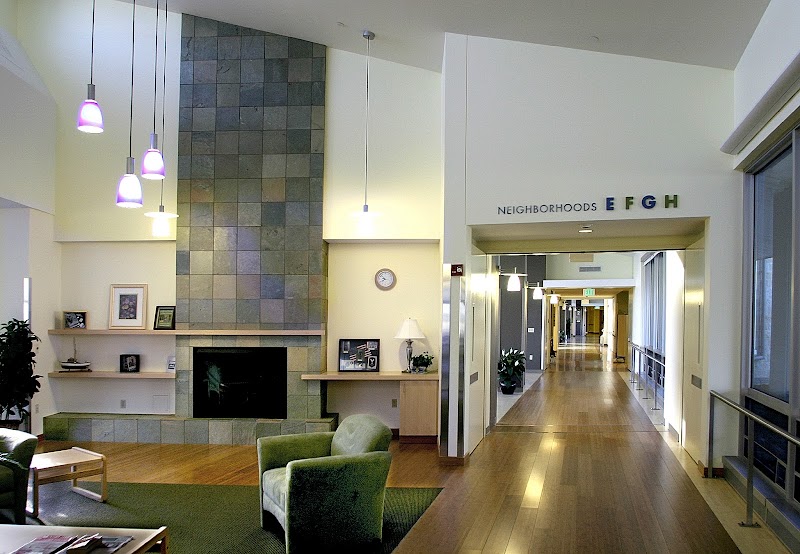
How is Washington Veteran Home-Retsil Staffed?

CMS rates WASHINGTON VETERAN HOME-RETSIL's staffing level at 5 out of 5 stars, which is much above average compared to other nursing homes. Staff turnover is 42%, compared to the Washington average of 46%. This relatively stable workforce can support continuity of care.

What Have Inspectors Found at Washington Veteran Home-Retsil?

State health inspectors documented 54 deficiencies at WASHINGTON VETERAN HOME-RETSIL during 2023 to 2025. These included: 2 that caused actual resident harm and 52 with potential for harm. Deficiencies causing actual harm indicate documented cases where residents experienced negative health consequences.

Who Owns and Operates Washington Veteran Home-Retsil?

WASHINGTON VETERAN HOME-RETSIL is owned by a government entity. Government-operated facilities are typically run by state, county, or municipal agencies. The facility operates independently rather than as part of a larger chain. With 240 certified beds and approximately 213 residents (about 89% occupancy), it is a large facility located in PT ORCHARD, Washington.
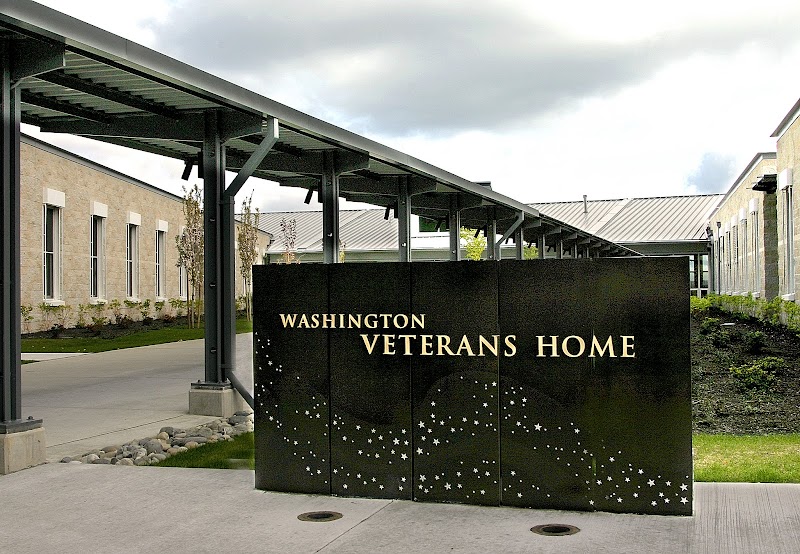
How Does Washington Veteran Home-Retsil Compare to Other Washington Nursing Homes?

Compared to the 100 nursing homes in Washington, WASHINGTON VETERAN HOME-RETSIL's overall rating (3 stars) is below the state average of 3.2, staff turnover (42%) is near the state average of 46%, and health inspection rating (2 stars) is below the national benchmark.

What Should Families Ask When Visiting Washington Veteran Home-Retsil?

Based on this facility's data, families visiting should ask: "Can I visit during a mealtime to observe dining assistance and food quality?" "How do you handle medical emergencies, and what is your hospital transfer rate?" "Can I speak with family members of current residents about their experience?"

Is Washington Veteran Home-Retsil Safe?

Based on CMS inspection data, WASHINGTON VETERAN HOME-RETSIL has a clean safety record: no substantiated abuse findings (meaning no confirmed cases of resident harm), no Immediate Jeopardy citations (the most serious violation level indicating risk of serious injury or death), and is not on the Special Focus Facility watch list (a federal program monitoring the lowest-performing 1% of nursing homes). The facility has a 3-star overall rating and ranks #100 of 100 nursing homes in Washington. While no facility is perfect, families should still ask about staff-to-resident ratios and recent inspection results during their visit.

Do Nurses at Washington Veteran Home-Retsil Stick Around?

WASHINGTON VETERAN HOME-RETSIL has a staff turnover rate of 42%, which is about average for Washington nursing homes (state average: 46%). Moderate turnover is common in nursing homes, but families should still ask about staff tenure and how the facility maintains care continuity when employees leave.

Was Washington Veteran Home-Retsil Ever Fined?

WASHINGTON VETERAN HOME-RETSIL has been fined $29,494 across 1 penalty action. This is below the Washington average of $33,374. While any fine indicates a compliance issue, fines under $50,000 are relatively common and typically reflect isolated problems that were subsequently corrected. Families should ask what specific issues led to these fines and confirm they've been resolved.

Is Washington Veteran Home-Retsil on Any Federal Watch List?

WASHINGTON VETERAN HOME-RETSIL is not on any federal watch list. The most significant is the Special Focus Facility (SFF) program, which identifies the bottom 1% of nursing homes nationally based on persistent, serious quality problems. Not being on this list means the facility has avoided the pattern of deficiencies that triggers enhanced federal oversight. This is a positive indicator, though families should still review the facility's inspection history directly.