RAINIER REHABILITATION
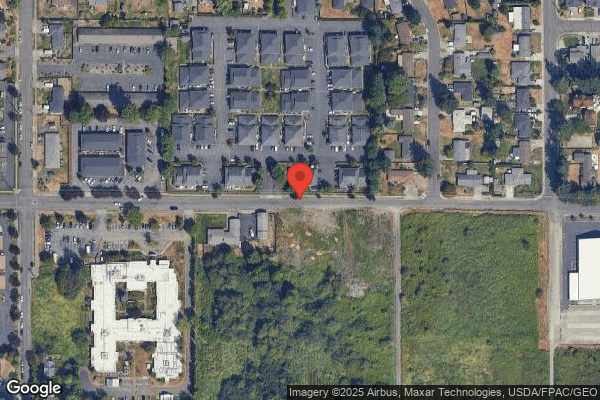
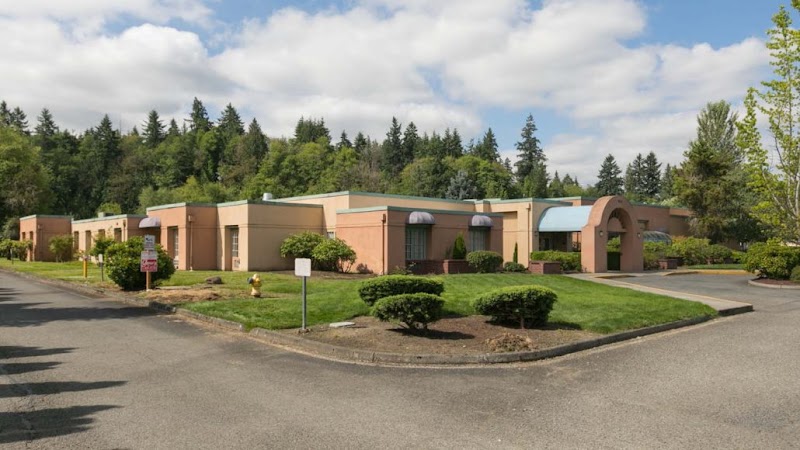
920 12TH AVENUE SOUTHEAST, PUYALLUP, WA 98372 (253) 841-3422
For profit - Corporation 117 Beds THE ENSIGN GROUP Data: November 2025
Trust Grade
93/100
#32 of 190 in WA
Last Inspection: August 2025

Inspected within the last 6 months. Data reflects current conditions.

Overview

Rainier Rehabilitation in Puyallup, Washington, has received an impressive Trust Grade of A, indicating excellent quality and highly recommended care. It ranks #32 out of 190 facilities in Washington, placing it in the top half, and #4 out of 21 in Pierce County, meaning only three local facilities are better. However, the facility's trend is concerning as the number of issues reported has increased from 1 in 2022 to 5 in 2025. Staffing here is average with a 3 out of 5-star rating and a turnover rate of 29%, which is relatively low compared to the state average of 46%. While Rainier Rehabilitation has no fines on record, which is a positive sign, there have been specific concerns noted, such as failing to ensure a mental health screening before admission for one resident, not following physician orders for medication administration for another, and not providing necessary splints for a resident with mobility issues, all of which could impact resident care and quality of life. Overall, while the facility has notable strengths, these recent findings suggest areas for improvement.

Trust Score
A
93/100
In Washington
#32/190
Top 16%
Safety Record
Low Risk
No red flags
Inspections
Getting Worse
1 → 5 violations
Staff Stability
✓ Good
29% annual turnover. Excellent stability, 19 points below Washington's 48% average. Staff who stay learn residents' needs.
Penalties
✓ Good
No fines on record. Clean compliance history, better than most Washington facilities.
Skilled Nurses
✓ Good
Each resident gets 73 minutes of Registered Nurse (RN) attention daily — more than 97% of Washington nursing homes. RNs are the most trained staff who catch health problems before they become serious.
Violations
○ Average
6 deficiencies on record. Average for a facility this size. Mostly minor or procedural issues.
★★★★★
5.0
Overall Rating
★★★☆☆
3.0
Staff Levels
★★★★★
5.0
Care Quality
★★★★★
5.0
Inspection Score
Stable
2022: 1 issues
2025: 5 issues

The Good

  • 5-Star Quality Measures · Strong clinical quality outcomes
  • Low Staff Turnover (29%) · Staff stability means consistent care
  • Full Sprinkler Coverage · Fire safety systems throughout facility
  • No fines on record
  • Staff turnover is low (29%)

    19 points below Washington average of 48%

Facility shows strength in quality measures, staff retention, fire safety.

The Bad

Chain: THE ENSIGN GROUP

Part of a multi-facility chain

Ask about local staffing decisions and management

The Ugly 6 deficiencies on record

Aug 2025 5 deficiencies
CONCERN (D)

Potential for Harm - no one hurt, but risky conditions existed

Deficiency F0645 (Tag F0645)

Could have caused harm · This affected 1 resident

**NOTE- TERMS IN BRACKETS HAVE BEEN EDITED TO PROTECT CONFIDENTIALITY** Based on interview and record review, the facility failed to ensure a level I Pre-admission Screening and Resident Review (PASRR...

Read full inspector narrative →
**NOTE- TERMS IN BRACKETS HAVE BEEN EDITED TO PROTECT CONFIDENTIALITY** Based on interview and record review, the facility failed to ensure a level I Pre-admission Screening and Resident Review (PASRR, a mental health screening tool) assessment was obtained prior to admission and was completed timely for 1 of 6 sample residents (Residents 49) reviewed for PASRRs or unnecessary medication use. This failure placed the resident at risk for unidentified mental health care needs and a diminished quality of life. Findings included . Review of the facility's policy titled, PASRR screening for Mental Disorder/ Intellectual Disability, dated 01/22/2025 showed, The PASRR, process requires all individuals be screened for possible serious mental disorders or intellectual disabilities and related conditions. The initial pre-screening (PASRR level I) should be completed prior to admission to facility. A negative Level I requires no further action. Review showed, A positive Level I Screen (PASRR Indicates that individual requires a PASRR Level II Referral) necessitates an in-depth evaluation of the individual by the state-designated authority (PASRR Level II) which must be conducted prior to admission to a nursing facility OR upon identification that the individual may need a level II PASRR Referral while at the Nursing Facility. Review of the electronic health record (EHR) showed Resident 49 admitted to the facility on [DATE] with diagnoses to include post-traumatic stress disorder (PTSD, a mental health condition caused by an extremely stressful or terrifying event), cognitive (relating to the mental process involved in knowing, learning, and understanding things) communication deficit, and depression. Resident 49 was able to make needs known. Review of the level I PASRR form, dated 07/22/2025, showed Resident 49 was a current nursing facility resident that was admitted on [DATE] and had serious mental illness indicators marked on the form for PTSD and mood disorders. Review showed Resident 49 required a level II evaluation referral for their serious mental illnesses. During an interview on 08/11/2025 at 1:08 PM, Staff G, Social Services Director/Admissions Coordinator (SSD/AC), stated Resident 49 was admitted to the facility on [DATE] and did not admit to the facility with a level I PASRR completed. Staff G stated they completed a level I PASRR for Resident 49 on 07/22/2025 and was completed timely because they had completed it within 24 hours of admission. During an interview on 08/11/2025 at 1:25 PM, Staff A, Administrator, stated PASRRs were to be obtained prior to admission and/or if inaccurate they were to be completed on the date of admission. Staff A stated Resident 49's level I PASRR did not meet expectations because it should have been completed on 07/21/2025 (on admission). Reference WAC 388-97-1915 (1)(2)(a-c)
CONCERN (D)

Potential for Harm - no one hurt, but risky conditions existed

Deficiency F0658 (Tag F0658)

Could have caused harm · This affected 1 resident

**NOTE- TERMS IN BRACKETS HAVE BEEN EDITED TO PROTECT CONFIDENTIALITY** Based on observation, interview and record review the facility failed to obtain and/or ensure physician orders were followed for...

Read full inspector narrative →
**NOTE- TERMS IN BRACKETS HAVE BEEN EDITED TO PROTECT CONFIDENTIALITY** Based on observation, interview and record review the facility failed to obtain and/or ensure physician orders were followed for 1 of 24 sampled residents (Residents 47) reviewed for vision care related to medication administration. This failure placed the resident at risk for medical complications, substandard quality of care and unmet care needsFindings included .According to [NAME], Duell & [NAME], Clinical Nursing Skills, 6th Edition, page 4, paragraph Nurse Practice Act identified skills and functions that professional nurses perform in daily practice included, in part, to administer treatments per physician's orders. The Washington State Nurse Practice Act, WAC 246-840-710(2)(d), states nurses violate standards of practice by, Willfully or repeatedly failing to administer medications and/or treatments in accordance with nursing standards. Review of a document titled, Medication Administration / Standards and Principles - Eye drops, dated 04/2016, showed medications were to be accurately prepared, administered and documented per provider's order. Resident 47Review of Resident 47's quarterly minimum data set (MDS, a required assessment tool), dated 05/17/2025, showed Resident 47 admitted on [DATE] with multiple health conditions to include traumatic brain injury, respiratory failure, malnutrition, and depression. Review of the electronic health record (EHR) showed Resident 47 had visual impairment and was able to make their needs known. Review of Resident 47's current focus care plan, multiple dates, showed the resident was at risk for impaired visual function. Interventions included for licensed nurses (LNs) to administer medication as ordered by the provider. Review of Resident 47's medication administration record (MAR), dated August 2025, showed a provider's order dated 12/17/2024 for LNs to administer multiple ophthalmic (eye) medications to include carboxymethylcellulose sodium ophthalmic solution (an eye drop treatment that acts as a lubricant for dry eyes), two drops in the residents left eye four times a day and wait five minutes before the administration of another eye drop. An additional ophthalmic medication was ordered on 07/01/2025 for the LN to administer erythromycin ophthalmic ointment in the left eye four times a day and not to apply at the same time as the carboxymethylcellulose drops and to separate them (eye drop) administration by 60 minutes. Resident 47's MARs for the ordered eyes drops did not show the eye drops being held as ordered for 60 minutes between each eye drop administration. Observation and interview on 08/11/2025 at 9:18 AM showed Resident 47's left eye with small amount of secretion. Resident 47 stated the LNs administered their eye medications all at once throughout the day. During an interview on 08/11/2025 at 9:18 AM, Staff F, Licensed Practical Nurse/Unit Supervisor (LPN/US) stated the LNs were supposed to space out Resident 47s eye drops as per the providers' orders. During an interview on 08/11/2025 at 9:24 AM, Staff B, Director of Nursing Service, stated Resident 47 was being administered the eye drops by the LNs at the same time despite a provider's order to hold 60 minutes between each of eye drop medication. Staff B stated it was the expectation for the LNs to administer the eye drops as per the providers' orders. Reference WAC 388-97-1620(2)(b)(i)(ii), (6)(b)(i)
CONCERN (D)

Potential for Harm - no one hurt, but risky conditions existed

Quality of Care (Tag F0684)

Could have caused harm · This affected 1 resident

**NOTE- TERMS IN BRACKETS HAVE BEEN EDITED TO PROTECT CONFIDENTIALITY** Based on observation, interview, and record review the facility failed to consistently implement and provide splints (device use...

Read full inspector narrative →
**NOTE- TERMS IN BRACKETS HAVE BEEN EDITED TO PROTECT CONFIDENTIALITY** Based on observation, interview, and record review the facility failed to consistently implement and provide splints (device used to support, protect and immobilize body parts) for 1 of 4 sampled residents (Resident 2) reviewed for position/mobility. This failure placed the resident at risk for worsening contractures (condition when joint becomes permanently fixed in a bent or short-ended position due to the shortening of muscle, tendon, or skin), increased difficulties with dressing, grooming and decreased quality of life Findings included.Review of the electronic health record (EHR) showed Resident 2 was admitted to the facility on [DATE] with diagnoses to include cerebral palsy (congenital or before birth disorder of brain with abnormal movement, muscle tone or posture), chronic respiratory failure and quadriplegia (paralysis that affects the ability to voluntarily move the upper and lower body). Review of the annual minimum data set (MDS, an assessment tool), dated 06/18/2025, showed Resident 2 could not communicate and had severely impaired decision-making skills. The MDS showed Resident 2 was dependent on staff for all the activities of daily living including nutrition and showed Resident 2 was using a splint or brace assistance for seven days of the week. Review of the care plan with focus area Restorative, dated 04/17/2017, showed Resident 2 was to have the following interventions Apply splints to Bilateral hands and elbows, splints alternating days on right and left side, Wear time up to 4 hours. Application time approx. 15 min [minutes] up to 7 days a week as tolerated by resident. Observation on 08/09/2025 at 10:35 AM, showed Resident 2 laid in bed, in a facility gown, with both elbows, wrists and fingers contracted without splints in place. Observation on 08/10/2025 at 10:30 AM, 12:10 PM and 1:44 PM showed Resident 2 in their wheelchair with no splints in place. Observation on 08/11/2025 9:23 AM and 10:30 AM showed Resident 2 in bed in a facility gown and hands folded without splints in place. Review of the EHR showed Resident 2 had documentation that showed splints application applied on 08/09/2025 at 10:14AM, 08/10/2025 at 10:00AM and 08/11/2025 at 9:19AM. During an interview on 08/11/2025 at 10:54 AM, Staff D, Restorative Nursing Assistant, stated they applied the splints and then signed for them. Staff D pulled the splints from the closet and applied them to Resident 2. Staff D stated the splints were to stay on for 6 hours. During an interview on 08/11/2025 at 10:58 AM, Staff C, Assessment MDS Nurse, stated the facility had two restorative nursing assistants. Staff C stated Resident 2 may have had a shower and restorative staff were to apply the splints back on. Staff C provided paper documentation that showed staff were signing for splints, and Resident 2 usually had their splints taken off between 10:20 AM and 12:15 AM from 08/01/2025 through 08/08/2025.Review of the paper splint documentation showed Resident 2 had nursing remove the splints on 08/09/2025 and on 08/10/2025 the time for the splint removal was unclear and the time was scribbled over and showed nursing written next to it. During an interview on 08/11/2025 at 12:51 PM, Staff E, Certified Nursing Assistant, stated they showered Resident 2 before 9:00 AM, and asked restorative staff to place the splints back on. Reference WAC 388-97-1060(1)
CONCERN (D)

Potential for Harm - no one hurt, but risky conditions existed

Infection Control (Tag F0880)

Could have caused harm · This affected 1 resident

**NOTE- TERMS IN BRACKETS HAVE BEEN EDITED TO PROTECT CONFIDENTIALITY** Based on observation and interview, the facility failed to use proper Personal Protective Equipment (PPE, equipment worn to mini...

Read full inspector narrative →
**NOTE- TERMS IN BRACKETS HAVE BEEN EDITED TO PROTECT CONFIDENTIALITY** Based on observation and interview, the facility failed to use proper Personal Protective Equipment (PPE, equipment worn to minimize exposure to infectious diseases/illnesses) and follow hand hygiene practices to transport used gowns from resident rooms with Enhanced Barrier Precautions in 1 of 3 sampled Halls (100 Hall) when reviewed for Infection Control. This failure placed residents at risk for transmission of communicable diseases, hospitalization and diminished quality of life.Findings included. Observation on 08/11/2025 at 10:01 AM showed Staff H, Housekeeping Supervisor, in room [ROOM NUMBER] (a room with an Enhanced Barrier Precaution sign) transferring used gowns from the receptacle in the room to a large plastic bag on the floor. Staff H was not wearing any gloves; they proceeded to tie the plastic bag and threw it in a cart in the hallway. No hand hygiene was observed prior to Staff H pushing the cart to the next room. During an interview on 08/12/2025 at 9:45 AM Staff H, Housekeeping Supervisor, stated when the plastic bag was overfull in the receptacle, they would transfer all the gowns to another bag and refit the current bag in the receptacle. Staff H stated the expectation was to wear gloves; however, they did not have a pair in their pocket at the time. During an interview on 08/12/2025 at 11:45 AM, Staff A, Administrator, stated the expectation was staff would wear gloves when handling dirty gowns or linen. Reference WAC 388-97-1320(1)(a)
MINOR (C)

Minor Issue - procedural, no safety impact

Deficiency F0628 (Tag F0628)

Minor procedural issue · This affected most or all residents

**NOTE- TERMS IN BRACKETS HAVE BEEN EDITED TO PROTECT CONFIDENTIALITY** Based on record review and interview, the facility failed to provide a written bed hold notice at the time of transfer to the ho...

Read full inspector narrative →
**NOTE- TERMS IN BRACKETS HAVE BEEN EDITED TO PROTECT CONFIDENTIALITY** Based on record review and interview, the facility failed to provide a written bed hold notice at the time of transfer to the hospital for 2 of 3 sampled residents (Residents 109 and 56) reviewed for hospitalization. This failure placed the residents at risk for lacking knowledge regarding their right to hold their bed while in the hospital and diminished quality of life.Findings included . Resident 109Review of the electronic health record (EHR) showed Resident 109's current admission to the facility was on 10/03/2024 with diagnoses that included kidney failure, diabetes (too much sugar in the blood) and chronic pain. Resident 109 was hospitalized on [DATE] with readmission to the facility on [DATE]. Resident 109 was hospitalized on [DATE] with readmission to the facility on [DATE]. There was no documentation showing the bed hold notice was provided in writing to the resident/resident representative. Resident 56Review of the EHR showed Resident 56 admitted to the facility on [DATE] with diagnoses that included diabetes and chronic obstructive pulmonary disease (COPD, an ongoing lung condition caused by damage to the lungs. Resident 56 was hospitalized with Return Anticipated on 05/28/2025 and readmitted to the facility on [DATE]. There was no documentation showing the bed hold notice was provided in writing to the resident/resident representative. During an interview on 08/11/2025 at 2:41 PM, Staff B, Director of Nursing Services, stated the facility did not provide residents with a written copy of bed holds at the time of transfer only upon admission. During an interview on 08/11/2025 at 2:43 PM, Staff A, Administrator, stated bed holds were communicated verbally, and the facility did not provide residents with a written copy. Reference WAC 388-91-0120(4).
Dec 2022 1 deficiency
CONCERN (D) 📢 Someone Reported This

A family member, employee, or ombudsman was alarmed enough to file a formal complaint

Potential for Harm - no one hurt, but risky conditions existed

Quality of Care (Tag F0684)

Could have caused harm · This affected 1 resident

**NOTE- TERMS IN BRACKETS HAVE BEEN EDITED TO PROTECT CONFIDENTIALITY** Based on interview and record review, the facility failed to provide the necessary care and service following a post-surgical wo...

Read full inspector narrative →
**NOTE- TERMS IN BRACKETS HAVE BEEN EDITED TO PROTECT CONFIDENTIALITY** Based on interview and record review, the facility failed to provide the necessary care and service following a post-surgical wound dehiscence (the incision, a cut made during surgery reopens) for 1 of 3 residents (Resident 1) reviewed for post-surgical care. This failure placed the resident at risk of not getting the appropriate treatment, worsening of the surgical wound that would require surgical repair, hospitalization, medical complications, and a diminished quality of life. Findings included . Review of Resident 1's quarterly Minimum Data Set (MDS, a required assessment tool) dated 11/07/2022, showed that Resident 1 admitted on [DATE] with diagnoses to include surgical repair of a left leg fracture and bacterial endocarditis (infection of the inner lining of the heart caused by bacteria entering the bloodstream). Review of Resident 1's progress note dated 08/01/2022 at 1:31 PM showed that Resident 1 arrived at the facility from the hospital status post-surgical repair of a leg fracture without evidence of complication. According to the progress note, Resident 1 had healing incisions to the left lower leg and left upper chest and a small open area covered with foam dressing on the back of the left lower leg. Review of the physician's note dated 08/02/2022 at 10:55 AM showed that Resident 1 was to be followed-up by orthopedics (branch of surgery dealing with conditions involving the musculoskeletal system). Review of the orthopedic consult report dated 09/08/2022 showed that Resident 1 had a follow-up consult with orthopedics and no surgical incision issues were noted. Review of Resident 1's progress note dated 09/17/2022 at 10:36 PM showed that Resident 1 asked the nursing assistant to request from the nurse a band-aid to cover the left lower leg incision. According to the progress note, the nurse assessed Resident 1's left lower leg incision and noted a pinpoint size open area with drainage. Review of the change in condition note dated 09/17/2022 at 11:41 PM showed that the facility notified the primary care clinician and Resident 1's family member regarding the small open area to the left lower leg incision. Review of the wound care service consult note dated 09/19/2022 showed that the in-house wound care service evaluated the dehisced wound and recommended to apply iodoform packing (a type of gauze packing with disinfecting properties) on the wound base and cover with dry dressing. The wound treatment was to be done daily and as needed for accidental removal, saturation or soiling. Review of the facility nurse practitioner's (NP) note dated 09/20/2022 showed that the plan was to consult orthopedics and Resident 1's infectious disease provider for recommendations. Review of Resident 1's orthopedic consult report dated 10/03/2022 showed that the reason for visit was for a wound check. The report showed Resident 1 with new drainage to the left leg incision for two weeks. The report indicated that the resident was being followed by the physician at the facility and the facility packed Resident 1's wound. The report further showed that orthopedics was not notified. The orthopedic surgeon recommended irrigation and debridement (removal of damaged tissue) to which Resident 1 agreed to proceed. In a phone interview on 11/28/2022 at 5:05 PM, Collateral Contact (CC) stated that orthopedics was not notified of Resident 1's wound dehiscence and the treatment recommended by the facility's wound care service. According to CC, orthopedics knew on 10/03/2022 during the consult visit. In a phone interview on 12/06/2022 at 11:48 AM, Staff C, Nurse Practitioner (NP), stated that on 09/20/2022 she ordered for a consult with orthopedics for Resident 1 for the wound dehiscence. According to Staff C, NP, the unit manager arranged Resident 1's consult with orthopedics and the visit was set for 10/03/2022. Staff C, NP, stated that she did not directly talk to the orthopedic surgeon or the surgeon's clinical associates. In an interview on 12/07/2022 at 1:00 PM, Staff D, Resident Care Manager (RCM), stated that she spoke with the receptionist at the orthopedic office and made arrangement for Resident 1's consult, indicating that Resident 1's incision dehisced. Staff D, RCM, stated that she did not speak directly to the orthopedic surgeon or other orthopedic clinicians at the orthopedic clinic. Review of Resident 1's electronic health records from 09/17/2022 through 10/03/2022 showed no documentation that the facility notified Resident 1's orthopedic surgeon or the surgeon's clinical associates about the dehiscence and the treatment recommended by the in-house wound care service. Review of Resident 1's hospital records dated 10/04/2022 through 10/08/2022, showed that Resident 1 admitted to the hospital on [DATE] for irrigation and debridement of the dehisced wound. The hospital records further showed that Resident 1 discharged back to the facility on [DATE] with the dehisced wound sutured close and the resident placed on intravenous antibiotic therapy. In an interview on 12/07/2022 at 1:39 PM, Staff B, Director of Nursing Services, stated that the expectation from the facility staff was to notify directly the clinical professional providing the necessary care and service to the resident, of changes in the resident's condition and treatment, and to document in the resident's records that such notification was made. Reference WAC 388-97-1060(1)(3)(b) .
Understanding Severity Codes (click to expand)
Life-Threatening (Immediate Jeopardy)
J - Isolated K - Pattern L - Widespread
Actual Harm
G - Isolated H - Pattern I - Widespread
Potential for Harm
D - Isolated E - Pattern F - Widespread
No Harm (Minor)
A - Isolated B - Pattern C - Widespread

Questions to Ask on Your Visit

  • "Can I speak with families of current residents?"
  • "What's your RN coverage like on weekends and overnight?"

Our Honest Assessment

Strengths
  • • Grade A (93/100). Above average facility, better than most options in Washington.
  • • No major safety red flags. No abuse findings, life-threatening violations, or SFF status.
  • • No fines on record. Clean compliance history, better than most Washington facilities.
  • • 29% annual turnover. Excellent stability, 19 points below Washington's 48% average. Staff who stay learn residents' needs.
Concerns
  • • No significant concerns identified. This facility shows no red flags across CMS ratings, staff turnover, or federal penalties.
Bottom line: Generally positive indicators. Standard due diligence and a personal visit recommended.

About This Facility

What is Rainier Rehabilitation's CMS Rating?

CMS assigns RAINIER REHABILITATION an overall rating of 5 out of 5 stars, which is considered much above average nationally. Within Washington, this rating places the facility higher than 99% of the state's 100 nursing homes. This rating reflects solid performance across the metrics CMS uses to evaluate nursing home quality.
How is Rainier Rehabilitation Staffed?

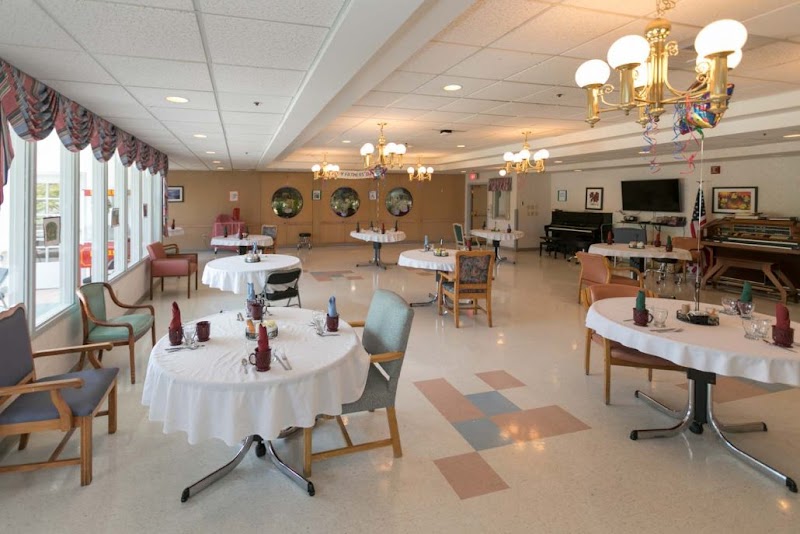
CMS rates RAINIER REHABILITATION's staffing level at 3 out of 5 stars, which is average compared to other nursing homes. Staff turnover is 29%, compared to the Washington average of 46%. This relatively stable workforce can support continuity of care.

What Have Inspectors Found at Rainier Rehabilitation?

State health inspectors documented 6 deficiencies at RAINIER REHABILITATION during 2022 to 2025. These included: 5 with potential for harm and 1 minor or isolated issues.
Who Owns and Operates Rainier Rehabilitation?

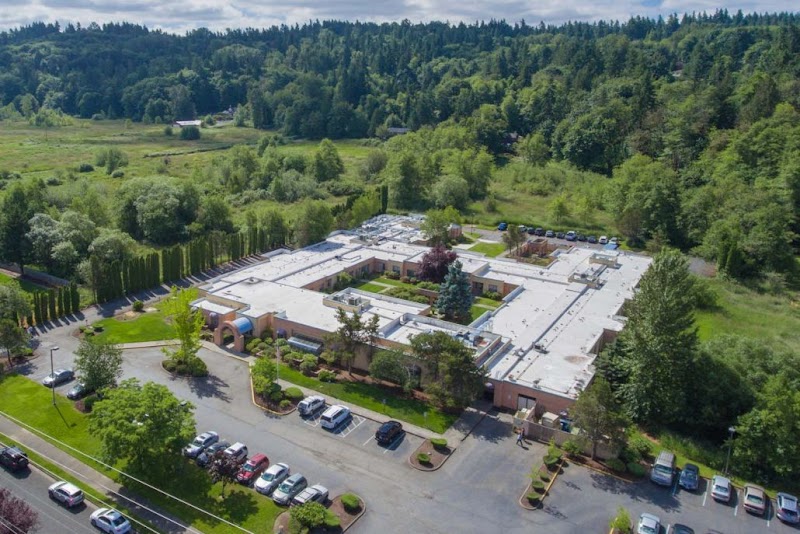
RAINIER REHABILITATION is owned by a for-profit company. For-profit facilities operate as businesses with obligations to shareholders or private owners. The facility is operated by THE ENSIGN GROUP, a chain that manages multiple nursing homes. With 117 certified beds and approximately 111 residents (about 95% occupancy), it is a mid-sized facility located in PUYALLUP, Washington.
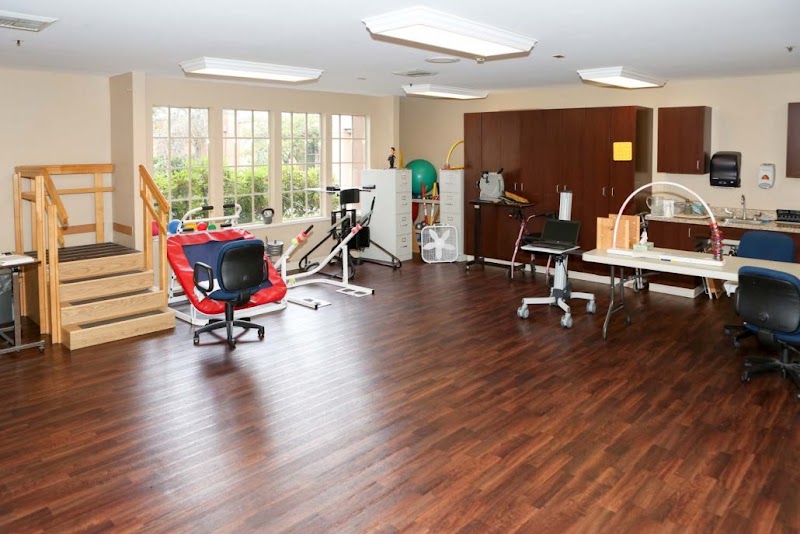
How Does Rainier Rehabilitation Compare to Other Washington Nursing Homes?

Compared to the 100 nursing homes in Washington, RAINIER REHABILITATION's overall rating (5 stars) is above the state average of 3.2, staff turnover (29%) is significantly lower than the state average of 46%, and health inspection rating (5 stars) is much above the national benchmark.

What Should Families Ask When Visiting Rainier Rehabilitation?

Based on this facility's data, families visiting should ask: "Can I visit during a mealtime to observe dining assistance and food quality?" "How do you handle medical emergencies, and what is your hospital transfer rate?" "Can I speak with family members of current residents about their experience?"

Is Rainier Rehabilitation Safe?

Based on CMS inspection data, RAINIER REHABILITATION has a clean safety record: no substantiated abuse findings (meaning no confirmed cases of resident harm), no Immediate Jeopardy citations (the most serious violation level indicating risk of serious injury or death), and is not on the Special Focus Facility watch list (a federal program monitoring the lowest-performing 1% of nursing homes). The facility has a 5-star overall rating and ranks #1 of 100 nursing homes in Washington. While no facility is perfect, families should still ask about staff-to-resident ratios and recent inspection results during their visit.

Do Nurses at Rainier Rehabilitation Stick Around?

Staff at RAINIER REHABILITATION tend to stick around. With a turnover rate of 29%, the facility is 17 percentage points below the Washington average of 46%. Low turnover is a positive sign. It means caregivers have time to learn each resident's needs, medications, and personal preferences. Consistent staff also notice subtle changes in a resident's condition more quickly. Registered Nurse turnover is also low at 26%, meaning experienced RNs are available to handle complex medical needs.

Was Rainier Rehabilitation Ever Fined?

RAINIER REHABILITATION has no federal fines on record. CMS issues fines when nursing homes fail to meet care standards or don't correct problems found during inspections. The absence of fines suggests the facility has either maintained compliance or corrected any issues before penalties were assessed. This is a positive indicator, though families should still review recent inspection reports for the full picture.

Is Rainier Rehabilitation on Any Federal Watch List?

RAINIER REHABILITATION is not on any federal watch list. The most significant is the Special Focus Facility (SFF) program, which identifies the bottom 1% of nursing homes nationally based on persistent, serious quality problems. Not being on this list means the facility has avoided the pattern of deficiencies that triggers enhanced federal oversight. This is a positive indicator, though families should still review the facility's inspection history directly.