Corwin Center At Emerald Heights
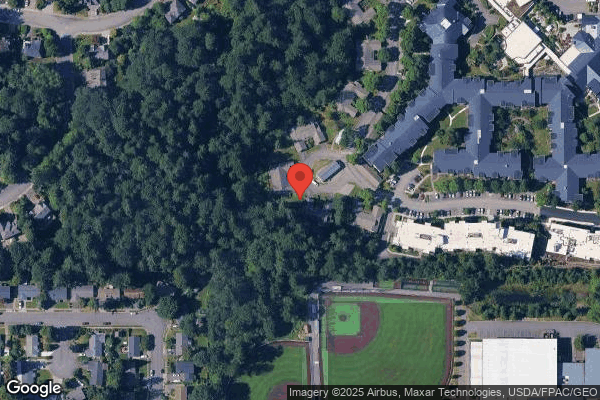

10901 - 176TH CIRCLE NORTHEAST, REDMOND, WA 98052 (425) 556-8150
Non profit - Corporation 61 Beds Independent Data: November 2025
Trust Grade
45/100
#63 of 190 in WA
Last Inspection: April 2025

Within standard 12-15 month inspection cycle. Federal law requires annual inspections.

Overview

Corwin Center At Emerald Heights has a Trust Grade of D, which indicates below-average performance and some concerns regarding care quality. Ranking #63 out of 190 facilities in Washington places them in the top half, while their #12 position out of 46 in King County suggests there are only a few local options that are better. The facility's performance is worsening, as the number of issues reported increased from 15 in 2024 to 17 in 2025. Staffing is a strong point, with a perfect score of 5/5 stars and a turnover rate of 31%, significantly lower than the state average. However, they face challenges, including $42,718 in fines and serious incidents such as a resident sustaining significant injuries after leaving the facility unsupervised, as well as concerns over food safety and improper medication storage, which could lead to further health risks for residents.

Trust Score
D
45/100
In Washington
#63/190
Top 33%
Safety Record
High Risk
Review needed
Inspections
Getting Worse
15 → 17 violations
Staff Stability
○ Average
31% turnover. Near Washington's 48% average. Typical for the industry.
Penalties
⚠ Watch
$42,718 in fines. Higher than 79% of Washington facilities, suggesting repeated compliance issues.
Skilled Nurses
✓ Good
Each resident gets 61 minutes of Registered Nurse (RN) attention daily — more than 97% of Washington nursing homes. RNs are the most trained staff who catch health problems before they become serious.
Violations
⚠ Watch
42 deficiencies on record. Higher than average. Multiple issues found across inspections.
★★★★☆
4.0
Overall Rating
★★★★★
5.0
Staff Levels
★★★★★
5.0
Care Quality
★★☆☆☆
2.0
Inspection Score
Stable
2024: 15 issues
2025: 17 issues

The Good

  • 5-Star Staffing Rating · Excellent nurse staffing levels
  • 5-Star Quality Measures · Strong clinical quality outcomes
  • Full Sprinkler Coverage · Fire safety systems throughout facility
  • No fines on record
  • Staff turnover below average (31%)

    17 points below Washington average of 48%

Facility shows strength in staffing levels, quality measures, fire safety.

The Bad

Staff Turnover: 31%

15pts below Washington avg (46%)

Typical for the industry

Federal Fines: $42,718

Above median ($33,413)

Moderate penalties - review what triggered them

The Ugly 42 deficiencies on record

1 actual harm
Apr 2025 12 deficiencies
CONCERN (D)

Potential for Harm - no one hurt, but risky conditions existed

Assessment Accuracy (Tag F0641)

Could have caused harm · This affected 1 resident

**NOTE- TERMS IN BRACKETS HAVE BEEN EDITED TO PROTECT CONFIDENTIALITY** RESIDENT 48 Review of the RAI Version 3.0 manual, dated October 2024, showed that constipation was defined as If the resident ha...

Read full inspector narrative →
**NOTE- TERMS IN BRACKETS HAVE BEEN EDITED TO PROTECT CONFIDENTIALITY** RESIDENT 48 Review of the RAI Version 3.0 manual, dated October 2024, showed that constipation was defined as If the resident has two or fewer bowel movements during the 7-day look-back period. Review of the significant change in status MDS assessment dated [DATE], did not show constipation was marked for Resident 48 in Section H (Bladder and Bowel) under H0600 (constipation). Review of the undated daily charting [bowel functions] from 03/29/2025 through 04/04/2025 showed Resident 48 had two bowel movements in the 7-day look-back period. In an interview and joint record review on 04/22/2025 at 1:06 PM, Staff E stated their process for coding for constipation was to look at bowel records and only code for hard stools. A joint record review of the RAI manual showed that constipation was defined as, If the resident has two or fewer bowel movements during the 7-day look-back period. And a joint record review of the daily charting from 03/29/2025 through 04/04/2025, showed Resident 48 had two bowel movements in the 7-day look-back period. Staff E stated, it should have been coded for constipation, and it was not. In an interview on 04/23/2025 at 12:12 PM, Staff B stated they expected the MDS assessment to be completed accurately. Reference: (WAC) 388-97-1000 (1)(b) Based on interview and record review, the facility failed to accurately assess 3 of 19 residents (Residents 24, 48 & 10), reviewed for Minimum Data Set (MDS-an assessment tool). The failure to ensure accurate assessments regarding weights and constipation (passing fewer than three stools a week or having a difficult time passing stool) placed the residents at risk for unidentified and/or unmet care needs, and a diminished quality of life. Findings included . According to the Long-Term Care Resident Assessment Instrument (RAI) 3.0 User's Manual, (a guide directing staff on how to accurately assess the status of residents) Version 1.19.1, dated October 2024, showed, .an accurate assessment requires collecting information from multiple sources, some of which are mandated by regulations. Those sources must include the resident and direct care staff on all shifts, and should also include the resident's medical record, physician, and family, guardian and/or other legally authorized representative, or significant other as appropriate or acceptable. It is important to note here that information obtained should cover the same observation period as specified by the MDS items on the assessment and should be validated for accuracy (what the resident's actual status was during that observation period) by the IDT [Interdisciplinary Team] completing the assessment. As such, nursing homes are responsible for ensuring that all participants in the assessment process have the requisite knowledge to complete an accurate assessment. The MDS manual further showed to mark/code medications given to the resident by any route. The Observation Period (also known as the Look-back period) is the time-period over which the resident's condition or status is captured by the MDS and ends at 11:59 PM on the day of the Assessment Reference Date (ARD or assessment period). RESIDENT 24 Review of a quarterly MDS dated [DATE] showed Resident 24's admitted to the facility on [DATE]. Further review of the MDS showed a weight of 168 pounds (lbs. - unit of mass/weight measurement) was entered in Section K (Swallowing/Nutritional Status) under K0200B (resident's weight). Review of the weight record printed on 04/17/2025 showed that Resident 24 weighed 165.8 lbs. on 01/17/2025. In an interview and joint record review on 04/22/2025 at 2:17 PM with Staff F, Registered Dietician, stated they follow the RAI manual for completion of MDSs. Staff F stated they used the most current resident's weight during the look back period to code for it in Section K. A joint record review of Resident 24's quarterly MDS dated [DATE] showed a weight of 168 lbs. A joint record review of Resident 24's weight record showed a weight of 165.8 lbs. on 01/17/2025. Staff F stated that the most current weight of 165.8 [rounded to 166] lbs. on 01/17/2025 should have been entered in Resident 24's MDS and that the MDS was coded inaccurately. In an interview on 04/23/2025 at 3:10 PM, Staff B, Director of Nursing Services, stated they expected MDSs to be completed fully, on time, submitted on time, and be accurate. Staff B further stated they expected Resident 24's MDS to be accurate. RESIDENT 10 Review of Resident 10's quarterly MDS dated [DATE] showed 123 lbs. was entered in Section K0200B. Review of the February 2025 weight record printed on 04/21/2025, showed Resident 10's weight was 122 lbs. on 02/03/2025. A joint record review and interview on 04/22/2025 at 1:06 PM with Staff E, MDS Coordinator, showed Resident 10's quarterly MDS dated [DATE] was coded 123 lbs. in Section K0200B. A joint record review of February 2025 weight record showed Resident 10's weight was 122 lbs. on 02/03/2025. Staff E stated that Staff F was responsible for Section K0200B and that Resident 10's MDS was inaccurate. In an interview on 04/22/2025 at 2:16 PM, Staff F stated Resident 10's MDS dated [DATE] was inaccurate and that the weight of 122 lbs. should have been entered in Resident 10's quarterly MDS. In an interview on 04/23/2025 at 4:19 PM, Staff B stated they expected MDSs to be completed accurately.
CONCERN (D)

Potential for Harm - no one hurt, but risky conditions existed

Deficiency F0645 (Tag F0645)

Could have caused harm · This affected 1 resident

**NOTE- TERMS IN BRACKETS HAVE BEEN EDITED TO PROTECT CONFIDENTIALITY** RESIDENT 32 Review of the face sheet printed on 04/17/2025 showed Resident 32 had a diagnosis of anxiety. Review of Resident 32'...

Read full inspector narrative →
**NOTE- TERMS IN BRACKETS HAVE BEEN EDITED TO PROTECT CONFIDENTIALITY** RESIDENT 32 Review of the face sheet printed on 04/17/2025 showed Resident 32 had a diagnosis of anxiety. Review of Resident 32's Level I PASARR dated 03/19/2025 showed anxiety was marked in Section IA. Further review of the Level I PASARR showed that referral for Level II evaluation was not marked. A joint record review and interview on 04/23/2025 at 11:33 AM with Staff I, showed that Resident 32's PASARR dated 03/19/2025 had anxiety marked in the SMI section and no referral for Level II was marked. Staff I stated that Resident 32 had diagnosis of anxiety and that their PASARR should have been marked for Level II evaluation referral. Staff I further stated that Resident 32's Level I PASARR should have been sent to the PASARR coordinator for a Level II evaluation. In an interview on 04/23/2025 at 4:06 PM, Staff A, Administrator, stated they expected staff to follow the facility's PASARR policy. Reference: (WAC) 388-97-1975(1) Based on interview and record review, the facility failed to ensure the Preadmission Screening and Resident Review (PASARR- an assessment used to identify residents referred to nursing facilities with Serious Mental Illness [SMI], Intellectual Disabilities [ID]; or related conditions are not inappropriately placed in nursing homes for long term care) forms were accurate and/or sent out timely for a Level II PASARR referral for 3 of 6 residents (Residents 10, 53 & 32), reviewed for PASARRs. This failure placed the residents at risk for not receiving the care and services appropriate for their needs. Findings included . Review of the facility's policy titled, Preadmission Screening and Resident Review, revised in October 2017, showed, Social Services or Designee shall review all Level I screening forms for accuracy. If at any time the Facility finds that the previous Level I screening was incomplete, erroneous, or no longer accurate, the facility shall immediately complete a new screening using Level I form. If the corrected Level I screening identifies a possible serious mental illness or intellectual disability or related condition, Social Services or designee shall notify Developmental Disability Administration (DDA) and/or the mental health PASRR evaluator so that a Level II evaluation can be conducted. RESIDENT 10 Review of the face sheet printed on 04/17/2025 showed Resident 10 admitted to the facility on [DATE] with diagnoses that included major depressive disorder (depression - a mood disorder that causes a persistent feeling of sadness and loss of interest) and anxiety disorder (intense and excessive feelings of worry, nervousness, or fear). Review of Resident 10's Level I PASARR dated 04/29/2024, showed Section IA (SMI) was marked for mood disorder depression and anxiety disorder. Further review showed that Section IV (4- Service Needs and Assessor Data) was marked for No level II evaluation indicated. RESIDENT 53 Review of the face sheet printed on 04/17/2025 showed Resident 53 admitted to the facility on [DATE] with diagnosis that included depression. Review of Resident 53's Level I PASARR dated 02/17/2025, showed Section IA (SMI) was marked for no SMI. Further review showed that Section IV was marked for No level II evaluation indicated. In an interview and joint record review on 04/23/2025 at 11:33 AM, Staff I, Social Services Associate, stated they reviewed Level I PASARRs for accuracy, and that if any diagnoses listed in the SMI section of the PASARR were marked, PASARRs needed to be sent to the PASARR office for a Level II evaluation. A joint record review of Resident 10's Level I PASARR dated 04/29/2024 showed that Section IA was marked for depression and anxiety disorder. Further review of Resident 10's Level I PASARR showed in Section IV, it was marked for No level II evaluation indicated. When asked if it was accurate, Staff I stated it was not accurate and that they should have sent a Level II referral to the PASARR coordinator for Resident 10. A joint record review of Resident 53's face sheet printed on 04/17/2025 showed a diagnosis for depression. Review of Resident 53's Level I PASARR dated 02/17/2025 showed that depression was not marked in Section IA, and No level II evaluation indicated. Staff I stated Resident 53's Level I PASARR was not accurate, depression should have been marked, and they should have sent a Level II referral to the PASARR coordinator. In an interview on 04/23/2025 at 4:19 PM, Staff B, Director of Nursing Services, stated that they expected PASARR forms to be completed accurately and that Level II PASARR referral would be sent to the PASARR coordinator if residents had a SMI diagnosis. In an interview on 04/23/2025 at 5:15 PM, Staff A, Administrator, stated that they expected Social Services would follow the PASARR policy and send out Level II PASARR referrals if required.
CONCERN (D)

Potential for Harm - no one hurt, but risky conditions existed

Quality of Care (Tag F0684)

Could have caused harm · This affected 1 resident

Based on interview and record review, the facility failed to ensure resident-centered care and treatment were provided in accordance with professional standards of practice when facility staff failed ...

Read full inspector narrative →
Based on interview and record review, the facility failed to ensure resident-centered care and treatment were provided in accordance with professional standards of practice when facility staff failed to do skin care evaluations for 1 of 4 residents (Resident 12), reviewed for skin conditions. This failure placed the resident at risk for unmet care needs and a diminished quality of care. Findings included . Review of the facility's undated policy titled, Skin Observation, showed, Early recognition of skin break down is key to the overall management and resolving of the skin issue. It is imperative and stressed that skin assessments be completed as scheduled. It further showed that The Licensed Nurse is expected to perform a full body skin audit weekly per facility protocol. Review of the facility's undated policy titled, Comprehensive Care Plan, showed, The comprehensive care plan will describe, at a minimum .the services that are to be furnished to attain or maintain the resident's highest practicable physical, mental, and psychosocial well-being. Review of Resident 12's Skin Conditions care plan, revised on 11/13/2024, showed that Resident 12 has fragile skin, prone to bruising and/or skin tears. It further showed the intervention for weekly skin checks, document results. Review of the March 2025 Treatment Administration Record (TAR) showed Resident 12 had an order for Weekly skin check that started on 01/26/2023. It further showed on 03/29/2025 that a skin check was not done because Resident 12 was sleeping. Review of the April 2025 TAR showed Resident 12 had an order for Weekly skin check that started on 01/26/2023. It further showed on 04/12/2025 that a skin check was not done because Resident 12 was sleeping. In an interview and joint record review on 04/18/2025 at 10:15 AM, Staff V, Registered Nurse, stated that they follow the care plan when caring for residents. Joint record review of Resident 12's Skin Conditions care plan, showed to perform weekly skin checks. Further joint record review of Resident 12's March 2025 and April 2025 TARs showed no documentation that skin checks were performed on 03/29/2025 and on 04/12/2025. Staff V stated that there should have been weekly skin checks. In an interview and joint record review on 04/18/2025 at 11:32 AM, Staff D, Resident Care Manager, stated that every resident was on weekly skin checks. A joint record review of the March 2025 and April 2025 TARs showed Resident 12 had no documentation that skin checks were performed on 03/29/2025 and 04/12/2025. Staff D stated that the nurse stated that the resident was sleeping and that the nurse needs education. They need to be choosing the appropriate options. Staff D stated that the expectation was that skin checks should be done weekly. In a follow up interview on 04/23/2025 at 11:04 AM, Staff D stated that they expected the care plan to be followed as guidance. In an interview and joint record review on 04/23/2025 at 12:12 PM, Staff B, Director of Nursing, stated that they expected care plans to be followed and if it says to do weekly skin checks, I expect weekly skin checks. A joint record review of the March 2025 and April 2025 TARs showed Resident 12 had no documentation that skin checks were performed on 03/29/2025 and 04/12/2025. Staff B stated it had been documented that the resident was sleeping and they [the nurse] should have come and tried again or should have told the next shift. Reference: (WAC) 388-97-1060 (1)(3)(b) .
CONCERN (D)

Potential for Harm - no one hurt, but risky conditions existed

Deficiency F0692 (Tag F0692)

Could have caused harm · This affected 1 resident

**NOTE- TERMS IN BRACKETS HAVE BEEN EDITED TO PROTECT CONFIDENTIALITY** Based on observation, interview and record review, the facility failed to monitor significant weight loss for 1 of 2 residents (...

Read full inspector narrative →
**NOTE- TERMS IN BRACKETS HAVE BEEN EDITED TO PROTECT CONFIDENTIALITY** Based on observation, interview and record review, the facility failed to monitor significant weight loss for 1 of 2 residents (Resident 53), reviewed for nutrition/hydration. This failure placed the residents at risks for nutrition-related complications, and a diminished quality of life. Findings included . Review of the facility's policy titled, Weight Loss/Gain, Unintentional, revised in February 2024, showed, The Registered Dietitian [RD] will be notified of any weight change equal to or greater than 4% over 1 month or 8% over 6 [six] months. The policy further showed, the resident's attending provider [medical doctor or physician assistant], family/DPOA [Durable Power of Attorney] as well as any other appropriate clinicians will be notified with unanticipated significant weight changes. Resident 53 was admitted to the facility on [DATE] with diagnosis that included dementia (a progressive condition that affects the brain). Review of nutrition care plan dated 02/17/2025, showed Resident 53 was at risk for altered nutritional status and/or weight loss. The nutrition care plan further showed that staff would offer a nutritional supplement if Resident 53 ate less than 50% of a meal. Review of the nutrition care plan dated 02/19/2025 showed that Resident 53 was at Risk for inadequate nutritional intake related to poor appetite, often about 25% of meals, with a goal of no unplanned and unpreventable weight loss, through the next quarterly review. The care plan interventions showed that the RD would monitor weights, oral intake and would initiate trial oral nutrition supplements as needed. Review of the nursing progress note dated 02/25/2025, showed Staff F, RD, documented that Resident 53 was seen/reviewed for nutrition and new onset of poor oral intake. The progress notes further showed Resident 53 weighed 133.3 pounds (lbs. - unit of mass/weight measurement). Staff F noted nutrition interventions/recommendations to add Boost (brand name) High Protein supplement 120 milliliters (ml - unit of volume measurement), assistance at mealtimes and encourage oral intake, and weighed weekly as able. The progress notes further showed the nutritional goal was for oral intake to meet or exceed 50% of meals, to not have unintentional/unpreventable weight loss, and that Staff F would monitor monthly or as needed. Review of the admission Minimum Data Set (an assessment tool) dated 02/24/2025, showed Resident 53 required partial/moderate assistance with eating and had a weight of 133 lbs. Review of Resident 53's weight report printed on 04/17/2025, showed the following: -On 02/18/2025 - 133.4 lbs. -On 03/24/2025 - 118.8 lbs. -On 04/14/2025 -115.8 lbs. Resident 53 had a significant weight loss of 12.93 % from 02/18/2025 to 04/14/2025, in less than two months. During multiple observations on 04/17/2025 at 9:05 AM, on 04/18/2025 at 9:17 AM, and on 04/22/2025 at 12:54 PM, Resident 53's food tray had less than 25% of meal consumed. In an interview and joint record review on 04/22/2025 at 2:46 PM, Staff H, Registered Nurse, stated they checked the weight tracker in Matrix (the program for electronic health record) for weight loss. Staff H further stated that they would reweigh to make sure the weight was accurate, checked if the resident was eating, and then would notify the provider, Staff F, and/or speech therapy [or Speech Language Pathologist-experts in communication and treats various swallowing problems]. Staff H stated then they would make a progress note. A joint record review of the weight record showed Resident 53 had a significant weight loss on 03/24/2025 and 04/14/2025 with no documentation that the provider, Staff F, and/or SLP were notified. In an interview and joint record review on 04/22/2025 at 2:55 PM, Staff F stated that they assessed all residents upon admit, quarterly, monthly for high-risk residents, and as needed. Staff F further stated the facility would notify them of residents' weight loss either in person, by email, or during the monthly nutrition at risk meeting. Staff F stated they would communicate with the provider either in person or by email if there was significant weight loss. A joint record review of the weight records and progress notes showed that Resident 53 had a significant weight loss on 03/24/2025 and 04/14/2025 and there was no documentation that the provider and/or Staff F were notified. Staff F stated they were not notified and were unaware of Resident 53's weight loss and that they missed Resident 53's weight loss on 03/24/2025. In an interview and joint record review on 04/24/2025 at 3:16 PM, Staff D, Resident Care Manager, stated that if a resident had a significant weight loss, the nursing staff would reweigh and weigh again the next day to ensure accuracy of weight. Staff D stated that if the weight was accurate, they would notify the provider and Staff F of the weight loss. A joint record review showed that Resident 53 had significant weight loss on 03/24/2025 and 04/14/2025 with no documentation that the provider or Staff F were notified. Staff D stated there should be communication to Staff F and the provider if there was weight loss. In an interview on 04/24/2025 at 4:19 PM, Staff B, Director of Nursing Services, stated they expected the nursing staff to notify the provider and Staff F if weight loss was discovered. Reference: (WAC) 388-97-1060(3)(h) .
CONCERN (D)

Potential for Harm - no one hurt, but risky conditions existed

Deficiency F0757 (Tag F0757)

Could have caused harm · This affected 1 resident

**NOTE- TERMS IN BRACKETS HAVE BEEN EDITED TO PROTECT CONFIDENTIALITY** Based on interview and record review, the facility failed to ensure adequate monitoring of adverse side effects and parameters (...

Read full inspector narrative →
**NOTE- TERMS IN BRACKETS HAVE BEEN EDITED TO PROTECT CONFIDENTIALITY** Based on interview and record review, the facility failed to ensure adequate monitoring of adverse side effects and parameters (when to notify the provider or hold the medication) for insulin (medication/hormone that regulates blood sugar levels) were conducted for 1 of 5 residents (Resident 36), reviewed for unnecessary medications. This failure placed the resident at risk for unmet care needs, related complications, and a diminished quality of life. Findings included . Review of the facility's policy titled, High Risk Medications, revised in 2025, showed that the facility recognized that some medications were associated with greater risks of adverse consequences than other medications and that high-risk medications included medications that treat diabetes (high levels of sugar in the blood). The policy further showed that the facility would obtain and document specific parameters for administration or withholding certain high-risk medications such as insulin as per the physician's or practitioner's orders. MONITORING FOR ADVERSE SIDE EFFECTS Review of Resident 36's April 2025 Medication Administration Record (MAR) printed on 04/17/2025, showed orders for insulin Glargine (brand name insulin) to administer 20 units (unit of measurement) subcutaneously (under the skin) once a day at 7:00 AM and another order for Humalog (brand name insulin) to administer 10 units subcutaneously twice a day at 11:00 AM and 5:00 PM. Further review of the MAR did not show Resident 36 was being monitored for hypoglycemia (blood sugar level is lower than the standard range) and/or hyperglycemia (blood sugar level is higher than the standard range). Review of the April 2025 Treatment Administration Record (TAR) printed on 04/17/2025, did not show Resident 36 was being monitored for hypoglycemia and/or hyperglycemia. Review of Resident 36's care plan dated 12/24/2024 showed interventions to Monitor for sx [symptoms] of hypoglycemia: Rapid onset- Skin pale, cold, clammy, sweaty, confusion, anxious [state of worry, unease, or nervousness] or nervous behavior, personality changes, weak fine tremors, hunger, headaches, dizziness, vision changes, shallow breathing, rapid strong pulse, seizures [abnormal electrical activity in the brain]/coma [prolonged loss of consciousness], low blood sugar, staggering gait. Treat per orders and notify MD [medical doctor or provider] for continued care after stabilization . Monitor for s/sx [signs/symptoms] of hyperglycemia slow onset - Skin hot, dry, face flushed, fruity odor to breath, dehydration [when there is not enough fluid in the body], weak rapid pulse, deep labored breathing, drowsiness, lethargy, nausea, vomiting, thirst, irritable, polyuria [urinating more than normal], low blood pressure, high blood sugar. Treat per orders and notify MD for continued care after stabilization. In an interview and joint record review on 04/23/2025 at 11:11 AM, Staff G, Licensed Practical Nurse, stated that residents who got medications for diabetes or insulin should have had an order for monitoring for hypoglycemia and hyperglycemia that would show up in the MAR or TAR for the nurses to document. A joint record review of Resident 36's April 2025 MAR and TAR did not show an order for monitoring signs and symptoms of hypoglycemia and hyperglycemia. Staff G stated that they did not see an order in Resident 36's MAR and TAR to monitor hyperglycemia and hypoglycemia, and that there should have been. In another interview on 04/23/2025 at 11:20 AM, Staff G stated that Resident 36 had a care plan that indicated monitoring for signs and symptoms of hypoglycemia and hyperglycemia. When asked staff if there was adequate ongoing documentation to show that Resident 36's was being monitored for hypoglycemia and hyperglycemia, Staff G stated, No, there is none. In an interview and joint record review on 04/23/2025 at 2:32 PM, Staff D, Resident Care Manager, stated they expected residents receiving insulin to be monitored for hypoglycemia and hyperglycemia. A joint record review of April 2025 MAR and TAR did not show Resident 36 was being monitored for insulin use. Staff D stated they did not see Resident 36 was monitored for hyperglycemia/hypoglycemia and that they should have been. PARAMETERS FOR INSULIN USE Review of Resident 36's April 2025 MAR printed on 04/17/2025, showed orders for insulin Glargine to administer 20 units subcutaneously every morning at 7:00 AM. Further review of the insulin order did not show parameters for when to hold the medication and/or to notify the provider. In an interview and joint record review on 04/23/2025 at 2:39 PM, Staff D stated they expected to see parameters for residents receiving insulin for when to hold the medication and/or to notify the provider. A joint record review showed Resident 36's April 2025 MAR had orders for insulin Glargine without parameters. Staff D stated that Resident 36's insulin Glargine order did not have parameters to hold it and/or to notify the provider if the blood sugar showed certain numbers [too low and too high blood sugar levels]. Staff D further stated that Resident 36's insulin order for Glargine should have had parameters for when to hold it and/or notify the provider. In an interview on 04/23/2025 at 3:19 PM, Staff B, Director of Nursing Services, stated they expected residents who were getting insulin to be monitored for signs and symptoms of hypoglycemia and hyperglycemia. Staff B stated Resident 36's orders to monitor signs and symptoms for hypoglycemia and hyperglycemia and should have started it when Resident 36 readmitted to the facility on [DATE], Staff B further stated they should have had parameters for insulin use. Reference: (WAC) 388-97-1060 (3)(k)(i)(4) .
CONCERN (D)

Potential for Harm - no one hurt, but risky conditions existed

Medication Errors (Tag F0758)

Could have caused harm · This affected 1 resident

**NOTE- TERMS IN BRACKETS HAVE BEEN EDITED TO PROTECT CONFIDENTIALITY** Based on interview and record review, the facility failed to ensure adequate monitoring was in place for psychotropic (mind alte...

Read full inspector narrative →
**NOTE- TERMS IN BRACKETS HAVE BEEN EDITED TO PROTECT CONFIDENTIALITY** Based on interview and record review, the facility failed to ensure adequate monitoring was in place for psychotropic (mind altering) medications for 1 of 5 residents (Resident 18), reviewed for unnecessary medications. This failure placed the resident at risk for unnecessary medications, adverse side effects, and a diminished quality of life. Findings included . Review of the facility's policy titled, Psychotropic Medication Use, revised in 2025, showed, with the use of psychotropics, each resident will be monitored for medication effectiveness and side effects/adverse consequences. Resident 18 was admitted to the facility on [DATE] with multiple diagnoses that included dementia (loss of memory, language, problem-solving and other thinking abilities that are severe enough to interfere with daily life) with psychosis (mental disorder caused by abnormal thinking and perception) and anxiety (intense and excessive feelings of worry, nervousness, or fear). Review of Resident 18's April 2025 Medication Administration Record (MAR) showed an order for Seroquel (an antipsychotic-medication that treats psychosis) 25miligrams (mg- a unit of measurement) by mouth three times a day for dementia with psychosis that started on 12/05/2024 and was administered to Resident 18 from 04/01/2025 through 04/18/2025 three times a day. Further review of the MAR did not show documentation that Resident 18 was being monitored for adverse side effects of the antipsychotic medication. Review of Resident 18's April 2025 MAR showed orders for Lorazepam (medication for anxiety) 0.5 mg by mouth every day that started on 04/10/2025 and was administered to Resident 18 from 04/10/2025 through 04/18/2025 and was discontinued on 04/18/2025. The MAR further showed a new order for Lorazepam 0.5 mg by mouth every six hours for anxiety that started on 04/18/2025 and was administered to Resident 18 from 04/19/2025 through 04/21/2025. Further review of the MAR did not show documentation that Resident 18 was being monitored for adverse side effects of the antianxiety medication. Review of Resident 18's April 2025 Treatment Administration Record (TAR) showed no documentation that Resident 18 was being monitored for adverse side effects for antipsychotic and/or antianxiety medications. In an interview and joint record review on 04/22/2025 at 2:30 PM, Staff H, Registered Nurse, stated that when psychotropic medications were given to the residents they would monitor for adverse side effects and would document on the MAR, TAR, or in the nursing progress note. Joint record review of the April 2025 MAR/TAR, and progress notes did not show Resident 18 was being adequately monitored for adverse side effects for their antipsychotic and/or antianxiety medications. In an interview and joint record review on 04/23/2025 at 2:14 PM, Staff D, Resident Care Manager, stated that they expected staff to monitor the residents on psychotropic medications for adverse side effects and to document on the resident's MAR or TAR. Joint record review of April 2025 MAR and TAR did not show Resident 18 was being adequately monitored for adverse side effects for their antipsychotic and/or antianxiety medications. Staff D further stated that there should have been documentation for monitoring Resident 18's adverse side effects for their antipsychotic and/or antianxiety medications. In an interview on 04/23/2025 at 4:19 PM, Staff B, Direct of Nursing Services, stated they would expect the nurses to monitor for adverse side effects when a resident was receiving antipsychotic or antianxiety medications. Reference: (WAC) 388-97-1060 (3)(k)(i)(4) .
CONCERN (D)

Potential for Harm - no one hurt, but risky conditions existed

Deficiency F0883 (Tag F0883)

Could have caused harm · This affected 1 resident

Based on interview and record review, the facility failed to ensure a resident received education regarding the potential risks and benefits when offering influenza vaccine (used to prevent influenza ...

Read full inspector narrative →
Based on interview and record review, the facility failed to ensure a resident received education regarding the potential risks and benefits when offering influenza vaccine (used to prevent influenza [an infection of the nose, throat, and lungs]) for 1 of 5 residents (Resident 10), reviewed for immunizations. This failure placed the resident and/or their representative at risk of not being fully informed of the risks and benefits before making decisions about their influenza immunization. Findings included . Review of the facility's policy titled, IC [Infection Control]-Influenza Vaccine, revised in January 2023, showed that Prior to the vaccination [influenza vaccine], the resident (or resident's legal representative) or employee will be provided information and education regarding the benefits and potential side effects of the influenza vaccine. It further showed, Provision of such education shall be documented in the resident's .medical record, as applicable. Review of a nursing progress note dated 11/04/2024, showed Resident [Resident 10] received her flu [Influenza] shot per resident's direction on 11/04/2024. Review of Resident 10's clinical record (electronic health record and paper record) showed no documentation that Resident 10 and/or their representative was provided risks and benefits of the influenza vaccine. In an interview on 04/22/2024 at 10:24 AM, Staff C, Infection Preventionist, stated that they provided risks and benefits for vaccinations prior to giving vaccinations to residents. Staff C stated that we have a VIS [Vaccine Information Statement] that we give them. When asked if Resident 10 was provided risks and benefits for their influenza vaccination given on 11/04/2024, Staff C stated I can't find it. It must have been lost. In an interview on 04/23/2024 at 12:12 PM, Staff B, Director of Nursing, stated that they expected the influenza vaccine to be offered to all residents, annually during flu season. Staff B further stated that they expected risks and benefits to be provided to residents prior to receiving the influenza vaccine and it should be documented either on paper or in a note. Reference: (WAC) 388-97-1340 (2) .
CONCERN (D)

Potential for Harm - no one hurt, but risky conditions existed

Deficiency F0909 (Tag F0909)

Could have caused harm · This affected 1 resident

**NOTE- TERMS IN BRACKETS HAVE BEEN EDITED TO PROTECT CONFIDENTIALITY** Based on observation, interview, and record review, the facility failed to ensure bed rails (bed positioning devices) were prope...

Read full inspector narrative →
**NOTE- TERMS IN BRACKETS HAVE BEEN EDITED TO PROTECT CONFIDENTIALITY** Based on observation, interview, and record review, the facility failed to ensure bed rails (bed positioning devices) were properly secured and maintained/checked for safety for 1 of 5 residents (Resident 3), reviewed for accident hazards. This failure placed the residents at risk for injury and/or entrapment. Findings included . Review of the facility's policy titled, Proper Use of Positioning Devices, revised in January 2014, showed Positioning Devices can be considered a restraint when they are used to limit the resident's freedom of movement (prevent the resident from leaving his/her bed) . Positioning Devices are only permissible if they are used to treat a resident's medical symptoms or to assist the resident with mobility and transfer . An assessment will be made to determine the resident will benefit from the use of a positioning device and that the resident can physically and safely use one. Resident 3 was admitted on [DATE] with multiple diagnoses that included Parkinsons disease (a progressive neurodegenerative disorder that primarily affects movement, causing symptoms like tremors, slowness of movement, rigidity, and postural instability), hemiplegia (a condition characterized by paralysis on one side of the body) to right dominant side, and dementia (a progressive condition that affects the brain with decline in mental ability). Review of the Activities of Daily Living (ADL) care plan dated on 04/18/2025 showed an intervention that Resident 3 required one to two staff maximum assist to roll side-to-side in bed and to cue/assist Resident 3 to use bilateral (both sides) positioning devices to participate in turning. Multiple observations on 04/16/2025 at 9:21 AM and on 04/17/2025 at 9:21 AM, showed Resident 3's left side positioning device was loose and able to wiggle. In a joint observation and interview on 04/18/2025 at 11:40 AM with Resident 3 showed, their left side positioning device was loose and able to wiggle back and forth. Resident 3 stated that they used their bed positioning devices when they turned in bed by holding on to them. Resident 3 stated that their left side positioning device was loose. In an interview and joint observation on 04/18/2025 at 2:09 PM with Staff R, Nursing Assistant Certified, stated if a resident's bed positioning device is loose or is not secure, they would do a work order for maintenance and let management know. In a joint observation, Staff R stated Resident 3's left side positioning device was not secure and that it should have been. In an interview on 04/18/2025 at 2:30 PM, Staff B, Director of Nursing Services, stated that after therapy evaluated the residents and nursing assessed the residents, staff get consent, a provider's order, and then care plan the positioning devices. Additionally, Staff B stated then they would install the positioning devices on the residents' bed. Staff B further stated if there were any issues with the residents' positioning devices, they would expect staff to do a work order. In an interview on 04/22/2025 at 10:28 AM, Staff S, Director of Facilities, stated the bed positioning devices were not included in their (maintenance staff) routine checks. Staff S further stated bed positioning devices were checked during the facility room round checks. In an interview on 04/22/2025 at 10:40 AM, Staff A, Administrator, stated that bed positioning devices were checked once a week during room rounds and that each manager was assigned rooms to check. Review of Resident 3's facility room rounds form dated 04/18/2025 did not show bed positioning devices were listed and/or that it was regularly inspected. In an interview and joint record review on 04/23/2025 at 1:23 PM, Staff A stated that staff (managers doing room rounds) would check for bed positioning devices and document on the facility room rounds form sections Is the room in good repair and/or Furniture in good repair. Staff A stated, the bed positioning devices are attached to the bed, so when they check the bed those are included in the bed. The bed is considered a furniture. Joint record review of the room rounds form for Resident 3 dated 04/18/2025 showed check marks were documented for sections Is the room in good repair and Furniture in good repair. Staff A stated check marks documented on room rounds form meant that there were no issues found. Staff A stated that they were made aware of Resident 3's left bed positioning device was loose and wiggly that day [04/18/2025] when the work order was made. Staff A further stated that they expected the managers to check the bed positioning devices as a bed is furniture. So, they will check the positioning devices with the bed and if there are any issues with them to notify [Staff A] and make a work order. Reference: (WAC) 388-97-2100 (1)(2) .
CONCERN (E)

Potential for Harm - no one hurt, but risky conditions existed

Deficiency F0761 (Tag F0761)

Could have caused harm · This affected multiple residents

**NOTE- TERMS IN BRACKETS HAVE BEEN EDITED TO PROTECT CONFIDENTIALITY** Based on observation, interview, and record review, the facility failed to ensure medications were properly stored for (Resident...

Read full inspector narrative →
**NOTE- TERMS IN BRACKETS HAVE BEEN EDITED TO PROTECT CONFIDENTIALITY** Based on observation, interview, and record review, the facility failed to ensure medications were properly stored for (Resident 2) and failed to dispose of expired medical supplies for 1 of 1 medication room (Cedar Hallway Medication Room), reviewed for medication storage and labeling. These failures placed the residents at risk of medication errors, receiving compromised medical supplies, possible infections, and adverse consequences. Findings included . Review of the facility's policy titled, Storage of Medications, revised in August 2012, showed that the facility would store all drugs (medications) and biologicals (medical supplies) in a safe, secure, and orderly manner. The policy further showed, the facility shall not use discontinued, outdated, or deteriorated drugs or biologicals. RESIDENT 2 Resident 2 admitted to the facility on [DATE] with diagnosis that included Alzheimer's disease (a progressive brain disorder that affects memory, thinking, and behavioral skills). Observation on 04/16/2025 at 12:29 PM, showed Resident 2 in their wheelchair self-propelling themselves through the hallway and picked up something off the ground. Further observation showed that it was a pill, and that Resident 2 handed it to Staff U, Nursing Assistant Certified. In an interview on 04/16/2025 at 12:38 PM, Staff U stated that Resident 12 had handed them a tiny pill and I took it to my supervisor. In an interview on 04/23/2025 at 9:00 AM, Staff G, Licensed Practical Nurse, stated that medications should be stored in the medication cart, and they would not expect there to be loose pills. When asked about medications found on the ground, Staff G stated that there should be no loose pills on the ground or the cart. In an interview on 04/23/2025 at 12:12 PM, Staff B, Director of Nursing Services, stated they expected medications to be stored securely, in bubble packs or containers. Staff B further stated that there should be no loose pills in the medication cart or on the ground. MEDICATION STORAGE ROOM In a joint observation and interview on 04/21/2025 at 3:00 PM with Staff D, Resident Care Manager, showed that the Medication storage room had the following expired medical supplies: - One box of 100 syringes of Medline (brand name) 3 milliliters (ml- unit of capacity) 25-gauge (G- unit of thickness) x 1 inch (in- unit of length) safety syringes with an expiration date of 08/16/2024. - Three boxes of 40 syringes totaling to 120 syringes of BD (brand name) 60 ml syringe Luer-lock (style of syringe tip) tip with an expiration date of 04/30/2024. Staff D stated, the night shift nurses checked the medication room daily and conducted random audits from nursing and the pharmacy. Staff D stated that expired medications and supplies would then be discarded if found. Staff D further stated that the Medline syringes and BD syringes were expired and should have been discarded. In an interview on 04/23/2025 at 4:19 PM, Staff B stated that they would expect staff to not use expired supplies and discard expired supplies if found. Reference: (WAC) 388-97-1300(2) .
CONCERN (E)

Potential for Harm - no one hurt, but risky conditions existed

Food Safety (Tag F0812)

Could have caused harm · This affected multiple residents

**NOTE- TERMS IN BRACKETS HAVE BEEN EDITED TO PROTECT CONFIDENTIALITY** UNCOVERED FOOD ITEMS Review of the facility's policy titled, The Dining Experience, dated 2017, showed that In the event of a ha...

Read full inspector narrative →
**NOTE- TERMS IN BRACKETS HAVE BEEN EDITED TO PROTECT CONFIDENTIALITY** UNCOVERED FOOD ITEMS Review of the facility's policy titled, The Dining Experience, dated 2017, showed that In the event of a hall tray, all food items and beverages shall be wrapped individually when leaving the dining area. In the event food needs to be transported from the main kitchen to the Skilled kitchen all food items shall be wrapped until they reach their destinations. Observation on 04/22/2025 at 11:56 AM, showed unidentified staff carrying uncovered mandarin oranges [canned] from the meal cart down the hallway to the dining room. At 12:00 PM, Staff U, Nursing Assistant Certified (NAC), carried uncovered cake from the meal cart to room [ROOM NUMBER]. At 12:03 PM, Staff U carried uncovered cake from the meal cart to room [ROOM NUMBER] and Staff P, NAC, carried uncovered mandarin oranges from the meal cart to room [ROOM NUMBER]. Additional observation at 12:07 PM showed unidentified staff were carrying uncovered mandarin oranges and cake to room [ROOM NUMBER]. In an interview and joint observation on 04/22/2025 at 12:21 PM, Staff P stated that normally they [food items] were covered in clear wrap. Joint observation showed that the mandarin oranges were not covered. Staff P stated that food items should be covered when being transported through the hallways. In an interview on 04/22/2025 at 3:39 PM, Staff O stated that they expected anything [food items] travelling outside the kitchen has to be covered all the way to the resident's rooms. Staff O stated that cake and mandarin oranges, should be covered when being transported to resident rooms. In an interview on 04/23/2025 at 3:48 PM, Staff A stated they expected staff to follow the food policy for covering food items. Reference: (WAC) 388-97-1100 (3) Based on observation, interview, and record review, the facility failed to discard expired sanitizing solution test strips for 2 of 2 kitchens (Fire Side Grill Kitchen and Main Kitchen) and failed to ensure food items were stored and handled appropriately in accordance with professional standards of food safety for 1 of 1 dry storage room (Main Kitchen Dry Storage Room) and for 1 of 1 resident refrigerator (Resident Use Only Refrigerator), reviewed for food services. In addition, the facility failed to cover food items during meal tray delivery. These failures placed the residents at risk for foodborne illness (caused by the ingestion of contaminated food or beverages) and a diminished quality of life. Findings included . Review of the facility's policy titled, Food Services: Food Storage and Safe Handling, revised in October 2017, showed the facility would provide safe and sanitary storage, preparations, distribution, serving, and disposal of food in accordance with professional standards for food service safety. Review of the facility's policy titled, Use and Storage of Food Brought in by Family or Visitors, revised in April 2025, showed that all the food items that were already prepared by the family or visitor brought in would be labeled with content and would be dated. The policy further showed that food items not consumed within three days, would be discarded by facility staff. EXPIRED SANITIZING SOLUTION TEST STRIPS A joint observation and interview on 04/23/2025 at 8:13 AM with Staff N, Executive Chef, showed they used the [NAME] (brand name) test strips to check the sanitizing solution ppm (parts per million-unit of measurement). Further observation showed that the [NAME] test strips had an expiration date of June 2024. Staff N then got another bottle of [NAME] test strips that had an expiration date of November 2024. Staff N stated, I need to order new bottle of test strips, I cannot find one that [was] not expired, but it [[NAME] test strips] still works. MAIN KITCHEN DRY STORAGE ROOM In an interview and joint observation on 04/16/2025 at 9:04 AM, Staff N stated they expected staff to follow the use by date from manufacturer to discard the food items. Joint observation with Staff N showed five unopened bottles of coconut aminos (salty, savory seasoning sauce made from the fermented sap of coconut palm and sea salt) with used by date of 06/09/2023, four unopened bottles of Balsamic vinegar with used by date of 04/15/2024, and two unopened bottles of Sriracha hot honey with used by date of 05/07/2024. Staff N stated that the expired food items should have been discarded. RESIDENTS USE ONLY REFRIGERATOR In a joint observation and interview on 04/21/2025 at 12:32 PM with Staff C, Infection Preventionist, showed a half loaf of bread in a clear plastic bag with use by date of 01/24/2025 for Resident 258, and a small container of soup dated 04/15/2025 for Resident 27. Staff C stated that the facility kept food items brought in by family for three days and food items then would be discarded by facility staff. Staff C further stated that Resident 258's half loaf of bread and Resident 27's soup should have been thrown away. In an interview on 04/22/2025 at 3:38 PM, Staff O, Director of Food and Beverage/Executive Chef, stated that staff should not have used expired test strips and that they expected expired food items to be discarded even if they were unopened. In an interview on 04/23/2025 at 12:36 PM, Staff A, Administrator, stated they expected staff to follow the food policy. Staff A further stated that they expected staff to discard expired test strips and food items.
CONCERN (E)

Potential for Harm - no one hurt, but risky conditions existed

Medical Records (Tag F0842)

Could have caused harm · This affected multiple residents

**NOTE- TERMS IN BRACKETS HAVE BEEN EDITED TO PROTECT CONFIDENTIALITY** Based on observation, interview, and record review, the facility failed to ensure resident records were complete and accurate fo...

Read full inspector narrative →
**NOTE- TERMS IN BRACKETS HAVE BEEN EDITED TO PROTECT CONFIDENTIALITY** Based on observation, interview, and record review, the facility failed to ensure resident records were complete and accurate for 4 of 6 residents (Residents 42, 36, 53 & 3), reviewed for resident records. The failure to accurately write medications orders, fill out resident forms properly, and complete/check routine bed positioning device placed the residents at risk for unmet care needs, inaccurate monitoring, potential for injury, and a diminished quality of life. Findings included . Review of the facility's policy titled, High Risk Medications, revised in 2025, showed that the facility recognized that some medications were associated with greater risks of adverse consequences than other medications and that high-risk medications included medications that treat diabetes-high levels of sugar in the blood). The policy further showed that the facility would obtain and document specific parameters for administration or withholding certain high-risk medications such as insulin (medication/hormone that regulates the body's blood sugar level) as per the physician's or practitioner's orders. Review of the facility's policy titled, Medication Orders, revised in 2025, showed that the elements of medications orders were .date and time the order is written . resident's full name .name of medication . dosage-strength of medication is included . time or frequency of administration . duration or stop date if applicable . route of administration . Type/Formulation (if applicable) . hour of administration (if applicable) . diagnosis or indication for use. RESIDENT 42 Review of Resident 42's physician orders printed on 04/17/2025 showed an order dated 06/27/2024 for Multiple Vitamin-Minerals (multivitamin with minerals- a supplement) to give one tablet by mouth every day. The multivitamin order further showed to monitor for BEHAVIOR: Combative: 1) Approach in a calm manner, 2) Discourage behavior, 3) Offer food/drink, 4) Offer choices, S) Assess for pain or discomfort, hot or cold, 6) provide guidelines for behavior, 7) Reproach in a short time, 8) Remove from the situation. Review of the April 2025 Medication Administration Record (MAR) showed Resident 42 was administered their multivitamin every day from 04/01/2025 to 04/23/2025 with exception of 04/21/2025. In an interview and joint record review on 04/23/2025 at 10:57 AM, Staff H, Registered Nurse, stated that medication orders had the resident's name, the name of the medication, dose, route, frequency, and reason why the medication was given. A joint record review showed Resident 42's April 2025 MAR had an order for multivitamin with minerals with instructions to monitor for combative behavior within the body of the order. Staff H stated that Resident 42's multivitamin order was started on 06/27/2024. Staff D further stated that Resident 42 was not monitored for behaviors and that the behavior order should not have been part of Resident 42's multivitamin order, it was entered by mistake, it should not be there. A joint record review and interview on 04/23/2025 at 2:14 PM with Staff D, Resident Care Manager, showed Resident 42's April 2025 MAR had an order of multivitamin that included orders to monitor for combative behaviors and interventions listed within the body of the order. Staff D stated that the order for monitoring combative behaviors should not have been part of Resident 42's multivitamin order. A joint record review and interview on 04/23/2025 at 3:24 PM with Staff B, Director of Nursing Services, showed Resident 42's April 2025 MAR had an order for monitoring combative behavior within the body of their multivitamin order. Staff B stated that the order for monitoring behaviors should not have been part of Resident 42's multivitamin order and that Resident 42, did not have any behaviors to monitor for. RESIDENT 36 Review of Resident 36's April 2025 MAR printed on 04/17/2025, showed orders for insulin glargine (type of insulin) to administer 20 units (unit of measurement) subcutaneously (under the skin) every morning at 7:00 AM. Further review of the insulin order did not show parameters for when to hold the medication and/or when to notify the provider [medical doctor or physician assistant). In an interview and joint record review on 04/23/2025 at 2:39 PM, Staff D stated they expected to see parameters for residents receiving insulin for when to hold the medication and/or to notify the provider. A joint record review of the April 2025 MAR showed Resident 36 had orders for insulin glargine without parameters. Staff D stated that Resident 36's insulin glargine order did not have parameters to hold the medication and/or to notify the provider if the blood sugar showed certain numbers [too low and too high blood sugar levels]. Staff D further stated that Resident 36's insulin order for glargine should have had parameters. In an interview and joint record review on 04/23/2025 at 3:19 PM, Staff B stated that Resident 36's order for insulin glargine should have had parameters for when to hold the medication and/or notifying the provider.RESIDENT 3 Review of the facility's policy titled, Proper Use of Positioning Devices, revised in January 2014, showed Positioning Devices can be considered a restraint when they are used to limit the resident's freedom of movement (prevent the resident from leaving his/her bed) . Positioning Devices are only permissible if they are used to treat a resident's medical symptoms or to assist the resident with mobility and transfer . An assessment will be made to determine [whether] the resident will benefit from the use of a positioning device and that the resident can physically and safely use one. Multiple observations on 04/16/2025 at 9:21 AM, on 04/17/2025 at 9:21 AM, and on 04/18/2025 at 2:30 PM showed Resident 3's left side bed positioning device was loose and able to wiggle when moved from side to side. Review of Resident 3's facility room rounds form, dated 04/18/2025 did not show bed positioning devices were listed and/or that it was regularly inspected. In an interview and joint record review on 04/23/2025 at 1:23 PM, Staff A stated that staff (managers doing room rounds) would check for bed positioning devices and document on the facility room rounds form sections under, Is the room in good repair? and/or Furniture in good repair. Staff A stated, the bed positioning devices are attached to the bed, so when they check the bed those are included in the bed. The bed is considered furniture. A joint record review of the room rounds form for Resident 3 dated 04/18/2025 showed check marks were documented under sections, Is the room in good repair? and Furniture in good repair. Staff A stated check marks documented on room rounds form meant that there were no issues found. Staff A stated that they were made aware of Resident 3's left bed positioning device was loose and wiggly that day [04/18/2025] when the work order was made. Staff A further stated that they expected the managers to check the bed positioning devices as a bed is furniture. So, they will check the positioning devices with the bed and if there are any issues with them to notify [Staff A] and make a work order. When asked if Resident 3's room rounds form was accurately documented that bed positioning devices were monitored, Staff A stated that the bed positioning devices were checked under the sections for room in good repair and furniture in good repair. Reference: (WAC) 388-97-1720 (1)(a)(ii) RESIDENT 53 Review of the facility's policy titled, Preadmission Screening and Resident Review (PASRR or PASARR- an assessment used to identify residents referred to nursing facilities with Serious Mental Illness [SMI], intellectual disabilities [ID]; or related conditions are not inappropriately placed in nursing homes for long term care), revised in October 2017, showed, Social Services or Designee shall review all Level I screening forms for accuracy. If at any time the Facility finds that the previous Level I screening was incomplete, erroneous, or no longer accurate, the facility shall immediately complete a new screening using Level I form. Review of the face sheet printed on 04/17/2025 showed Resident 53 admitted to the facility on [DATE] with diagnosis that included depression (a mood disorder that causes a persistent feeling of sadness and loss of interest). Review of Resident 53's Level I PASARR dated 02/17/2025, did not show depression was documented in Section IA (SMI). A joint record review on 04/23/2025 at 11:33 AM with Staff I, Social Services Associate, showed Resident 53's face sheet listed a diagnosis of depression. A joint record review of Resident 53's Level I PASARR dated 02/17/2025 showed that depression was not marked in Section IA. Staff I stated that Resident 53 had a diagnosis of depression. When asked if Resident 53's Level II PASARR was accurate, Staff I stated that it was not and that they should have updated Section IA to include the diagnosis of depression. In an interview on 04/23/2025 at 4:19 PM, Staff B stated that they expected all the information on PASARR forms to be completed accurately. In an interview on 04/23/2025 at 5:15 PM, Staff A, Administrator, stated that they expected Social Services would follow the PASARR policy and complete the form accurately.
CONCERN (E)

Potential for Harm - no one hurt, but risky conditions existed

Infection Control (Tag F0880)

Could have caused harm · This affected multiple residents

**NOTE- TERMS IN BRACKETS HAVE BEEN EDITED TO PROTECT CONFIDENTIALITY** Based on observation, interview, and record review, the facility failed to appropriately use Personal Protective Equipment (PPE-...

Read full inspector narrative →
**NOTE- TERMS IN BRACKETS HAVE BEEN EDITED TO PROTECT CONFIDENTIALITY** Based on observation, interview, and record review, the facility failed to appropriately use Personal Protective Equipment (PPE-use of face mask, gown, and gloves) for 1 of 4 staff (Staff T) and failed to perform hand hygiene during meal tray pass for 3 of 8 residents (Residents 52, 39 & 257), reviewed for infection control. In addition, the facility failed to handle a urinary catheter (a semi-flexible tube inserted into the bladder to drain urine) bag appropriately for 1 of 1 resident (Resident 23), reviewed for urinary catheter care. These failures placed the residents, staff, and visitors at an increased risk of infection and related complications. Findings included . Review of the facility's undated policy titled, Transmission-Based (Isolation) Precautions, showed that Transmission-based precautions .refer to actions (precautions) implemented in addition to standard precautions that are based upon the means of transmission .in order to prevent or control infections. It showed that Droplet Precautions is Intended to prevent transmission of pathogens spread through .respiratory droplets that are generated by a resident who is coughing, sneezing, or talking. It further showed that the recommendations for PPE for Droplet Precautions included, Don [put on] a mask upon entry into the patient room. Review of the facility's policy titled, Infection Prevention and Control Program, revised in 2025, showed, Standard Precautions: All staff shall assume that all residents are potentially infected or colonized with an organism that could be transmitted during the course of providing resident care services. Hand hygiene shall be performed in accordance with our facility's established hand hygiene procedures. PPE USE Observation on 04/16/2025 at 8:52 AM, showed Staff T, Nursing Assistant Certified (NAC), wearing a N95 (a device designed to protect the wearer against particles and help prevent the spread of germs) mask and helping the resident in room [ROOM NUMBER]D (Droplet Precautions room). Staff T left the room and did not take off their soiled mask and did not put on a new one. Further observation showed a PPE cart outside the room. Additional observation on 04/16/2025 at 12:08 PM, showed Staff T came out room [ROOM NUMBER]W (Droplet Precautions room) and did not change their soiled N95 mask. Staff T then went into room [ROOM NUMBER] wearing the same N95 mask. Staff T then went into room [ROOM NUMBER]D (Droplet Precautions room). Staff T did not change masks between resident rooms. Further observation showed a PPE cart outside the room. In an interview on 04/16/2025 at 2:15 PM, Staff T stated that we wear masks when we go in [to Droplet Precautions rooms] and then take off everything and put on a new mask. Staff T further stated that their process was to take off their old [soiled] mask in the resident's room, sanitize their hands and put a new mask on inside the room. In an interview on 04/22/2025 at 10:24 AM, Staff C, Infection Preventionist, stated that they expected staff to wear PPE when going into a Droplet Precautions room, provide care, take off PPE inside of the room, perform hand hygiene and put on a new mask. When asked where staff should put on their new mask, Staff C stated, outside the room. In an interview on 04/23/2025 at 12:12 PM, Staff B, Director of Nursing, stated that for staff taking care of a resident on Droplet Precautions, they expected staff to wear PPE when entering the room, provide care, take off PPE and perform hand hygiene. Staff B further stated that they expected staff to change their soiled masks after leaving the Droplet Precautions room. HAND HYGIENE RESIDENT 52 Observation on 04/18/2025 at 8:16 AM, showed Staff P, NAC, delivered Resident 52's meal tray to their bedside table, moved the bedside table closer to Resident 52, and moved their walker away. Staff P did not perform hand hygiene in between tasks and/or after leaving Resident 52's room. RESIDENT 39 Observation on 04/18/2025 at 8:18 AM showed Staff P delivered Resident 39's meal tray to their room without performing hand hygiene. Staff P placed Resident 39's meal tray on their bedside table and moved the bedside table in front of Resident 39. Staff P did not perform hand hygiene in between tasks and/or after leaving Resident 39's room. RESIDENT 257 Observation on 04/18/2025 at 8:20 AM, showed Staff P delivered Resident 257's meal tray to their room without performing hand hygiene. Staff P moved the bedside table closer to Resident 257 and moved their walker away. In an interview on 04/18/2025 at 8:36 AM, Staff P stated that they should have done hand hygiene before entering and after leaving the rooms of Residents 52, 39 and 257. In an interview on 04/22/2025 at 11:29 AM, Staff D, Resident Care Manager, stated that Staff P should have performed hand hygiene after they touched anything in the residents' rooms and/or after leaving the resident's room. In an interview on 04/22/2025 at 12:57 PM, Staff C stated they expected all staff to do hand hygiene before entering and after leaving the residents' room. In an interview on 04/23/2025 at 4:19 PM, Staff B stated that they expected staff to perform hand hygiene before entering and after leaving the residents' room. INDWELLING URINARY CATHETER RESIDENT 23 Resident 23 admitted to the facility on [DATE] with diagnoses that included urinary retention (inability to completely empty the bladder [body organ that collects urine]), benign prostatic hyperplasia (an enlargement of the prostate gland [male reproductive gland]). Multiple observations on 04/16/2025 at 10:51 AM, at 1:22 PM, and at 2:04 PM, showed Resident 23's indwelling urinary catheter drainage bag was hanging under their bed and touching the floor. A joint observation and interview on 04/16/2025 at 2:13 PM, Staff Q, Registered Nurse, showed Resident 23's catheter drainage bag hanging from the right side of bed and touching the floor. Staff Q stated that Resident 23's drainage bag should not have touched the floor. In an interview on 04/22/2025 at 11:29 AM, Staff D stated that Resident 23's drainage bag should not have touched the floor, and that there should have been a barrier between the floor and the drainage bag. In an interview on 04/22/2025 at 12:57 PM, Staff C stated that they expected the resident's drainage bag should not have touched the floor. In an interview on 04/23/2025 at 4:19 PM, Staff B stated that the indwelling urinary catheter drainage bag should not be on the floor. Reference: (WAC) 388-97-1320 (1)(a)(c)(2)(c) .
Apr 2025 2 deficiencies 1 Harm
SERIOUS (G) 📢 Someone Reported This

A family member, employee, or ombudsman was alarmed enough to file a formal complaint

Actual Harm - a resident was hurt due to facility failures

Accident Prevention (Tag F0689)

A resident was harmed · This affected 1 resident

**NOTE- TERMS IN BRACKETS HAVE BEEN EDITED TO PROTECT CONFIDENTIALITY** Based on observation, interview, and record review, the facility failed to provide adequate supervision for 1 of 1 resident (Res...

Read full inspector narrative →
**NOTE- TERMS IN BRACKETS HAVE BEEN EDITED TO PROTECT CONFIDENTIALITY** Based on observation, interview, and record review, the facility failed to provide adequate supervision for 1 of 1 resident (Resident 1), and failed to accurately assess, identify and/or monitor residents at risk of elopement for 5 of 6 residents (Residents 1, 5, 2, 3 & 4), reviewed for accident hazards. Resident 1 experienced harm when they exited the facility unsupervised, was subsequently found by a bystander outside the facility lying on the ground and sustained a significant injury requiring a hospital admission. This failed practice placed the residents at risk for elopement, falls, and injury. Findings included . Review of the facility's policy titled, Elopement and Wandering, Risk of, revised in February 2020, showed, It is the policy of the [Facility name] to ensure that residents who exhibit wandering behavior and/or are at risk of elopement receive adequate supervision to prevent accidents, and receive care in accordance with their person-centered plan of care addressing the unique factors contributing to wandering or elopement risk. The policy showed, The facility is equipped with door locks/alarms to help avoid elopements. It showed, The facility shall establish and utilize a systemic approach to monitoring and managing residents at risk for elopement or unsafe wandering, including identification and assessment of risk, evaluation and analysis of hazards and risks, implementing interventions to reduce hazards and risks, and monitoring for effectiveness and modifying interventions when necessary. The policy further showed residents would be assessed for risk of elopement and unsafe wandering upon admission, quarterly, as needed, and adequate supervision will be provided to help prevent accidents or elopements. Review of the facility's policy titled, Incidents and Accidents- [Facility name], reviewed on 04/08/2025, showed, It is the policy of this facility for staff to report, investigate, and review any accidents or incidents that occur or allegedly occur, on facility property and may involve or allegedly involve a resident. The policy further showed, The purpose of incident reporting can include: Assuring that appropriate and immediate interventions are implemented and corrective actions are taken to prevent recurrences and improve the management of resident care. Review of the facility's policy titled, Elopement/Missing Person, revised in February 2016, showed, Staff shall promptly report any resident who tries to leave the premises or is suspected of being missing to the License Nurse, Social worker, Assistant DON [or DNS-Director of Nursing] and or Director of Nursing. The policy further showed, When a departing individual returns to the facility, the Director of Nursing Services or designee shall: . n. Ensure Elopement Book is current. ELOPEMENT THAT RESULTED IN A FRACTURE RESIDENT 1 Review of Resident 1's undated face sheet showed they admitted to the facility on [DATE] with diagnoses that included the following: -adjustment disorder with depressed mood (characterized by feelings of sadness, hopelessness, and a lack of enjoyment), -primary insomnia (sleep disorder characterized by difficulty falling asleep, staying asleep, or experiencing poor sleep quality), -depression (serious mood disorder of persistent sadness that affects how you feel, think, and behave), -unspecified moderate dementia (memory loss) with mood disturbance (significant cognitive impairment impacting ability to perform basic daily activities with changes in emotional state), -repeated falls, -anxiety disorder (feelings of excessive worry, fear, and other physical and behavioral symptoms that interfere with daily life) and -unsteadiness on feet. Review of Resident 1's Elopement Risk Evaluation dated 12/23/2024, showed the resident scored a 10 indicating that they were at risk of elopement. The elopement risk evaluation form further showed the CLINICAL AREA [#] 7. Diseases (dementia, any type of mental illness), were blank (if the resident had 2 or more present diagnoses an additional 4 points would have been added to the score). Review of Resident 1's Falls Risk Evaluation dated 12/23/2024, showed the resident scored a 13 indicating that they were a high risk for falls. An additional Falls Risk Evaluation dated 03/05/2024, showed the resident scored a 13 indicating that they were at a high risk for falls. Review of Resident 1's comprehensive care plan printed on 04/07/2025 (at 12:09 PM) showed no [at risk for] elopement care plan. Review of Resident 1's falls care plan printed on 04/07/2025 (at 12:09 PM) showed Resident 1 was at risk for falls due to history of falls, generalized weakness, and dementia with poor safety awareness and impulsiveness. Review of Resident 1's nursing progress note event dated 03/30/2025, showed Resident was awake and alert throughout shift. She was wheeling around the unit and was found by NAC [Nursing Assistant Certified] near mailboxes outside of [the] [Facility Name] Hallways. Resident was redirected to her room and told to remain on unit for her safety. Note made to further discuss wanderguard [a system in which a resident at risk for elopement/wanderer wears a bracelet, sensors that monitor doors, and alarm in real time] with RCM [Resident Care Manager] as resident has a [sic] Hx [history] of exploring. Review of Resident 1's nursing progress note event dated 03/31/2025, showed Resident awake the entire [sic] [NOC-night] shift, was up in wheelchair, self-propelling constantly in the unit due to [sic] complaint of insomnia, no exit seeking noted [signed at 7:43 AM by Staff J, Registered Nurse (RN)]. Review of Resident 1's nursing progress note event dated 03/31/2025, showed Resident was wandering unit in WC [wheelchair] throughout entire [evening] shift. Continuously had to be redirected away from doors and taken out of rooms of other residents. Wanderguard for her safety to be further discussed with RCM and DPOA [Durable Power of Attorney] [signed on 04/01/2025 at 1:04 AM by Staff D, RN]. Review of Resident 1's nursing progress note event dated 04/01/2025, showed at 10:40 PM, a [unknown] staff member had requested an Uber ride. The note showed, The Uber driver informed the security guard [about a resident [Resident 1] on the ground], who subsequently called 911. It showed that a staff member informed the nurse that Resident 1 had fallen outside of the facility. The note further showed that staff found Resident 1 on the curbside concrete, having tipped over in a wheelchair with the right side rail removed. Right arm and wrist bleeding were observed. The [City] Fire Department Medic was already present to transport the individual [resident] to the emergency room for further evaluation. Review of Resident 1's Hospital emergency room note dated 04/01/2025 (at 11:29 PM) showed, a Bystander found patient [the resident] down outside the facility and called 911. Patient is confused, oriented to self only and states she was out driving tonight. Staff came out once aid car arrived and identified the patient as their resident. Review of Resident 1's Hospital Discharge summary dated [DATE] showed Resident 1's discharge diagnosis included an unwitnessed ground-level fall, right elbow fracture (broken bone), and moderate dementia. It further showed Resident 1 was found to have an elbow laceration [cut] with an olecranon [bony tip of the elbow] fracture, as well as volume depletion [reduction in fluid or dehydration] with mildly elevated CK [Creatine Kinase-may indicate recent muscle trauma or strenuous exercise]. Observation and interview on 04/07/2025 at 2:24 PM, showed Resident 1 was lying in bed with a bandage around their right arm/elbow area and a wanderguard to their left wrist. Resident 1 stated they fell and broke an elbow. Observation on 04/08/2025 at 2:20 PM, showed an unknown [therapy] staff was working with Resident 1. Resident 1 stated, I think I want to travel a little bit further and see what's going on at the big house. Staff advised resident to stay in their room as they were on precautions. Observation on 04/11/2025 at 1:52 PM, showed Resident 1 was self-propelling in their wheelchair down the hallway. On 04/07/2025 at 12:25 PM, Staff G, NAC, stated that Resident 1 was able to propel themselves in their wheelchair and that Resident 1 did a lot of things on her own, and would refuse assistance from staff at times. On 04/07/2025 at 1:09 PM, Staff E, Licensed Practical Nurse (LPN), stated Resident 1 had somehow got outside, and fell from their wheelchair and had a fracture. Staff E stated that Resident 1 wandered and self-propelled themselves in their wheelchair but had not witnessed them exit seeking. In an interview and joint record review on 04/07/2025 at 3:15 PM, Staff A, DNS, stated residents were assessed for risk of elopement upon admission using their Elopement Risk Evaluation. Staff A stated that if a resident was at risk for elopement, they would expect the resident to be identified in their Elopement/Wander Risk Book and in their care plan. Joint record review of Resident 1's Elopement Risk Evaluation dated 12/23/2024, showed Resident 1 scored a 10, Staff A stated that according to their assessment Resident 1 was at risk for elopement and the intervention that was put in place was diversion-distraction. Staff A stated that Resident 1 was able to propel themselves in their wheelchair. Staff A stated that on 03/31/2025 Resident 1 exited the Center/facility into a common and safe area that was not considered a part of their Center. Staff A stated that there was access to exit doors where Resident 1 had been found, and that they would say the area was safe but, the fact that it does have exit doors is a concern. Staff A further stated that they were not personally informed that Resident 1 had left the Center on 03/31/2025, or that they possibly needed a wanderguard. Staff A stated that on 04/01/2025, Resident 1 had a fall and was on neuro checks. Staff A stated that later that day at 10:40 PM, a staff member had called for an Uber ride, and that when they arrived the Uber driver informed them that someone had fallen and that they informed the guardhouse. Staff A stated that the staff member went back into the facility to let the nurse know that Resident 1 had fallen off the sidewalk out of their wheelchair and landed on their right side. A joint observation and interview on 04/07/2025 at 3:48 PM, Staff A showed a metal door at the end of Cedar Hallway that was not locked/alarmed. Staff A stated that Resident 1 took this route to go outside of the facility when they eloped on 04/01/2025. Staff A stated that this door was alarmed with residents who used a wanderguard. In another interview on 04/07/2025 at 3:57 PM, Staff A stated that when Resident 1 eloped and fell on [DATE], it was an avoidable accident. When asked if Resident 1 obtained any harm from the elopement incident on 04/01/2025, Staff A stated, she fell and broke her arm. Staff A stated that Staff D could have verbally informed management when Resident 1 had left the Center on 03/31/2025 and was found near the mailboxes and they could have put another intervention in place. Staff A stated that they had not reviewed the progress notes for Resident 1, and that their expectation was for progress notes to be reviewed daily in their clinical meeting. Staff A stated that they could have increased supervision, highly considered to have a wanderguard, or done 15 or 30 minute checks, and did not need consent for these frequent checks. Staff A further stated they would have expected these frequent checks to be in place following Resident 1 exiting the Center on 03/31/2025. On 04/07/2025 at 4:13 PM, Staff D stated that they worked with Resident 1 on evening shift on 03/30/2025 and 03/31/2025. Staff D stated that on 03/30/2025, Resident 1 was just wheeling around, and that on 03/31/2025 Resident 1 was found near the mailboxes outside of the Center by staff and she was brought back. Staff D stated that Resident 1 should not have been left unsupervised as she was at risk for elopement. Staff D stated that further down the hall near the mailboxes where Resident 1 was found, there was the main entrance with access to exit doors. Staff D stated that they stopped Resident 1 on multiple occasions as they opened doors and redirected them in the Center. Staff D stated that it was very clear that Resident 1 was going to all the doors. Staff D stated that it was getting to a point to where she was going to exit the facility, and that it became much more apparent, more than likely it was going to happen. Staff D stated that they documented Resident 1's behavior and what had occurred on 03/31/2025 in the progress notes and reported it during shift report with other staff. Staff D stated that they talked with Staff C, RCM, LPN, who told them to report it to Staff B, Charge Nurse. Staff D further stated that they sent Staff B an email informing them about Resident 1's attempts to exit seek and consideration for a wanderguard. Review of an email notification dated 04/01/2025 (1:16 AM) showed, Staff D sent an email to Staff B, Staff D stated, I wanted to bring up the potential of getting [Resident 1] a Wanderguard. She has been wandering the unit, entering peoples' rooms, and found by an NAC out by the mailboxes near the concierge. She constantly needs redirection away from the doors throughout the shift and can be difficult to persuade/not always listening when asked to return. I caught her twice today trying to open the Cedar entrance door and once trying to go through the 2 main doors that lead toward the kitchen/laundry exit from Cedar. She agreed to sit in her WC at the entrance just holding the door open, but it took much more convincing to get her to completely leave it alone. In a joint record review and interview on 04/08/2025 at 3:14 PM with Staff K, IT Technician, showed a Delivery Report for Staff D's email sent to Staff B on 04/01/2025 at 1:15 AM. The report further showed, The message was successfully delivered. Staff K stated, What I can tell from this is that the email was successfully delivered on 04/01/2025 at 1:15 AM. If it was placed into a folder that the recipient normally doesn't check like a junk folder, then it could be missed, but in the system it shouldn't have been placed in a different folder because it was sent internally [within the same system]. On 04/07/2025 at 4:51 PM, Staff B stated that they had been made aware by Resident 1's Representative that Resident 1 had got out the front and had gone to the hospital. Staff B stated that Resident 1 was unsupervised and found outside of the facility (on 04/01/2025). When asked if Resident 1 had obtained any harm from this incident, Staff B stated, she fractured her elbow. Staff B stated that Resident 1 should not have been left alone or unsupervised outside of the facility. Staff B stated that it was their expectation to review notes as regularly as possible, but did not take documentation in the progress notes as notification. Staff B stated that they did not review the progress notes documented by Staff D until after Resident 1's elopement on 04/01/2025. Staff B stated they did not receive an email from Staff D informing them of Resident 1's attempt to exit or consider for a wanderguard. Staff B further stated, I do think it [elopement incident that occurred on 04/01/2025] was avoidable. On 04/08/2025 at 2:02 PM, Staff C, stated that on the other side of the metal door on Cedar Hallway, it was considered independent living, but sometimes residents of the Center would dine or visit there. Staff C stated that if a resident was at risk for elopement or a high fall risk they should not be left unsupervised and should be accompanied outside of those doors. Staff C stated that they review progress notes with the Charge Nurse, DON, MDS [Minimum Data Set-an assessment tool] Coordinator, and sometimes the Administrator. Staff C stated, I think something happened that we didn't meet, and that this [review of progress notes for Resident 1's [wandering/exit-seeking] behavior on 03/30/2025 to 03/31/2025] didn't get discussed in detail, or we would have caught that. Staff C stated that they were doing something and were interrupted on 03/31/2025 when Staff D came in to report Resident 1's behavior. Staff C stated that they did not have a good recollection of the conversation, but they did know they, passed her [Staff D] off to the appropriate care manager. In a follow up interview and joint record review on 04/08/2025 at 3:13 PM with Staff B, stated they expected elopement assessments to be completed and accurate. Joint record review of Resident 1's face sheet printed on 12/23/2024 showed diagnoses that included adjustment disorder with depressed mood, depression, unspecified moderate dementia with mood disturbance and anxiety disorder. Joint record review of Resident 1's Elopement Risk Evaluation dated 12/23/2024, showed clinical area 7. was blank. Staff B stated that the intent was to go back [to complete the evaluation] once all of the diagnoses were entered, but that the appropriate box should have been checked based on the hospital discharge summary. Staff B further stated that Resident 1's elopement score would have increased to 14 based on their diagnoses. Joint record review of Resident 1's Falls Risk Evaluation dated 12/23/2024, showed Resident 1 was a high fall risk. Staff B further stated Resident 1 who was a high fall risk should not have been outside of the Center unsupervised. In a phone interview on 04/11/2025 at 1:56 PM, Staff F, NAC, stated that on 04/01/2025 they finished their evening shift around 10:40 PM, and ordered an Uber ride. Staff F stated that the Uber driver informed them that they had notified the security that there was a lady on the ground, and that they thought they needed help. Staff F stated that they saw Resident 1 laying on the ground with their wheelchair laying sideways and bleeding from her elbow. Staff F stated they quickly went inside the facility to inform the nurse and by the time they went back outside 911 had already arrived. Staff F further stated Resident 1 was always looking for an exit and that most of the time they were in their wheelchair going around the facility. Staff F stated that the metal door at the end of Cedar Hallway did not alarm, unless the resident had a wanderguard and that Resident 1 did not have a wanderguard at the time. Staff F further stated Resident 1 should not have been unsupervised outside of the Center. In a joint record review and interview on 04/11/2025 at 3:55 PM, with Staff A, showed Resident 1's Elopement Risk Evaluation dated 12/23/2024. Staff A stated, she would have at least scored a 4 for question 7, and that it would have increased Resident 1's elopement score to a 14. In another interview and joint record review on 04/11/2025 at 4:10 PM, Staff A stated that Resident 1's fall risk score was a 13 indicating that they were a high fall risk. Staff A stated that Resident 1 had a history of falls. Staff A stated that Resident 1 was at risk of elopement and a high fall risk and should not have been unsupervised when they eloped on 04/01/2025. Staff A further stated that the facility staff was not searching for Resident 1 or were aware that the resident was missing on 04/01/2025, until it was reported by the Uber driver to staff and was found aways from the facility Center. Staff A stated that staff outside of the Center were not responsible for Resident 1's safety and that they did not have access to their medical information, and that Resident 1 was the Center staff's responsibility. ACCURATE ASSESSMENTS AND IDENTIFICATION OF ELOPEMENT RISKS RESIDENT 5 Review of Resident 5's undated face sheet showed they admitted to the facility on [DATE] with diagnoses that included unspecified moderate dementia with agitation, depression, and anxiety disorder. Review of Resident 5's Elopement Risk Evaluation dated 12/12/2024, showed the resident scored a 12 indicating that they were at risk of elopement. The evaluation further showed that under clinical area, 7. Diseases, 2 was marked [indicating 1 diagnosis was present]. On 04/11/2025 at 2:41 PM, Staff H, NAC, stated Resident 5 was not at risk for elopement. Staff H further stated that Resident 5 had dementia and was able to propel themselves in their wheelchair. In an interview and joint record review on 04/11/2025 at 3:13 PM, Staff I, RN, stated that Resident 5's elopement score was a 12 meaning that they were at risk for elopement. Joint record review of Resident 5's face sheet showed diagnoses that included unspecified moderate dementia with agitation, depression, and anxiety disorder. Joint record review of the Elopement Risk Evaluation dated 12/12/2024 showed that under clinical area, 7. Diseases, 2 was marked [indicating 1 diagnosis was present]. Staff I stated a 2 or more present [diagnosis] should have been checked instead, increasing Resident 5's elopement score to a 14. In a joint record review and interview on 04/11/2025 at 3:56 PM, with Staff A, showed Resident 5's Elopement Risk Evaluation dated 12/12/2024, elopement score of 12. Staff A stated Resident 5's elopement score should have been 14. RESIDENT 2 Review of Resident 2's undated face sheet showed they admitted to the facility on [DATE] with diagnoses that included Alzheimer's Disease (progressive brain disorder that primarily affects memory, thinking, and behavior), anxiety disorder, and unspecified severe dementia with psychotic [a state where an individual loses touch with reality] disturbance. Review of Resident 2's Elopement Risk Evaluation dated 12/19/2024, showed the resident scored a 16 indicating that they were at risk of elopement. The evaluation further showed 7. Diseases, 2 was marked [indicating 1 diagnosis was present]. In a joint record review and interview on 04/11/2025 at 2:57 PM with Staff I, showed Resident 2's Elopement Risk Evaluation dated 12/19/2024 showed a score of 16, and an intervention for Wanderguard Bracelet Door Alarm. Staff I stated Resident 2 was at risk for elopement and they thought Resident 2 did not have a wanderguard. Staff I further stated it was important to know that Resident 2 did have a wanderguard, and did not remember documenting in the electronic treatment administration record if they had one. Staff I stated that Resident 2's Elopement Risk Evaluation dated 12/19/2024 was incorrect as Resident 2 had more than one diagnosis for dementia or mental illness present. Staff I stated that 2 or more [diagnosis] present, should have been checked instead of increasing Resident 2's elopement score. In a joint record review and interview on 04/11/2025 at 4:00 PM with Staff A, showed Resident 2's Elopement Risk Evaluation dated 12/19/2024, revealed the resident scored a 16 indicating that they were at risk of elopement. The evaluation further showed 7. Diseases, 2 was marked [indicating 1 diagnosis was present]. Staff A stated that it should have been a 2 or more present and that a new Elopement Risk Evaluation had been completed, and Resident 2 had an updated score of 22. In a follow-up interview and joint record review on 04/11/2025 at 3:50 PM, Staff A stated their expectation was for the Elopement Risk Evaluations to be complete and accurate. Staff A stated their expectation was for these assessments to be completed upon admission, quarterly, or with any changes. Joint record review of the Elopement/Wander Risk Book Index Page 1 and 2 dated 04/02/2025, showed Resident 1, 2, and 5 were not identified as being at risk of wandering/elopement. Staff A stated that social services were responsible for the Elopement/Wander Risk Book and expected residents that were at risk for elopement or had a known history of wandering be identified in the book. Staff A stated they did not know the reason why Residents 1, 2, and 5 were not in the book, but did know that they were on a list they sent to social services yesterday (04/10/2025) to update and would have expected these residents to already have been in the book. MONITORING RESIDENTS AT RISK FOR ELOPEMENT Review of the facility's policy titled, [Facility name] Resident Alarms, reviewed 04/2025, showed When alarms are utilized, additional monitoring shall be provided, including but not limited to: i. Verifying alarms are used in accordance with the resident's care plan. ii. Verifying alarms are working properly . Review of Resident 2's physician orders printed on 04/11/2025 showed no monitoring for elopement risk intervention. On 04/11/2025 at 2:16 PM, Staff H stated they were employed full time and had worked on the Aspen Unit of the facility. When asked which residents were at risk for elopement on their unit, Staff H stated Resident 2, 3 and 4. Staff H stated that Resident 2 had dementia, wandered around, and did not have a wanderguard. Joint observation and interview on 04/11/2025 at 2:37 PM with Staff H, showed Resident 2 did have a wanderguard to the back of their wheelchair. Staff H stated they were unaware that Resident 2 had a wanderguard and was something staff should be aware of. In an interview on 04/11/2025 at 2:57 PM, Staff I stated the process for wanderguard was to have a consent and have orders to check placement and function. Staff I stated this was important because staff could hear the wanderguard alarms if functioning properly and stop or prevent the resident from leaving or getting injured stating because most of the time when they escape they can get injured. Staff I stated that they were not sure if Resident 2 was at risk of elopement or had a wanderguard. In an interview on 04/11/2025 at 4:00 PM, Staff A stated that there were no [physician] orders to check for Resident 2's wanderguard placement and function prior to 04/11/2025, and that there should have been. RESIDENT 3 Resident 3 admitted to the facility on [DATE]. Review of Resident 3's Elopement Risk Evaluation dated 09/19/2024, showed the resident scored a 20 indicating that they were at risk of elopement. The evaluation further showed an intervention for Diversion-Distraction and Wanderguard Bracelet Door Alarm, were checked off. Review of Resident 3's physician orders printed on 04/11/2025, showed no monitoring for elopement risk intervention prior to 04/10/2025 [the resident was identified as at risk for elopement based on the 09/19/2024 elopement risk evaluation]. In a joint record review and interview on 04/11/2025 at 4:09 PM with Staff A, Resident 3 had physician orders to check for placement and function for wanderguard. Staff A stated that the wanderguard orders were initiated on 04/10/2025 and that they should have been in place prior to that as the resident was at risk for elopement since 09/19/2024. RESIDENT 4 Resident 4 admitted to the facility on [DATE]. Review of Resident 4's Elopement Risk Evaluation dated 12/26/2024, showed the resident scored a 14 indicating that they were at risk of elopement. The evaluation further showed an intervention for Wanderguard Bracelet Door Alarm, was checked off. Review of Resident 4's physician orders printed on 04/11/2025 showed no monitoring for elopement risk intervention prior to 04/10/2025 [the resident was identified as at risk for elopement based on the 12/26/2024 elopement risk evaluation]. In an interview on 04/11/2025 at 2:19 PM, Staff H stated Resident 4 had a wanderguard on their wheelchair and that they always [everyday] attempted to open doors or tried to use the elevator by themselves. In an interview and joint record review on 04/11/2025 at 2:50 PM, Staff I stated that Resident 4 was at risk of elopement. Staff I stated that Resident 4 tried to go to the elevator, or to door or window at the end of the Aspen hallway. Staff I stated Resident 4 had a wanderguard. Joint record review of Resident 4's physician orders showed an order to check placement and function of the wanderguard dated 04/11/2025. Staff I stated Resident 4 should have had orders when the wanderguard was first initiated. In an interview and joint record review on 04/11/2025 at 3:50 PM, Staff A stated that their expectation was for orders to check placement and function of wanderguard to be in place, to ensure that they were functioning. Joint record review of Resident 4's physician orders showed physician orders to check for placement and function of Resident 4's wanderguard. Staff A stated that they were initiated on 04/10/2025 and that it should have been in place prior as Resident 4 had a wanderguard since 12/26/2024. Reference: (WAC) 388-97-1060 (3)(g) .
CONCERN (E) 📢 Someone Reported This

A family member, employee, or ombudsman was alarmed enough to file a formal complaint

Potential for Harm - no one hurt, but risky conditions existed

Comprehensive Care Plan (Tag F0656)

Could have caused harm · This affected multiple residents

**NOTE- TERMS IN BRACKETS HAVE BEEN EDITED TO PROTECT CONFIDENTIALITY** Based on observation, interview and record review, the facility failed to implement and/or develop comprehensive care plans for ...

Read full inspector narrative →
**NOTE- TERMS IN BRACKETS HAVE BEEN EDITED TO PROTECT CONFIDENTIALITY** Based on observation, interview and record review, the facility failed to implement and/or develop comprehensive care plans for 5 of 6 residents (Residents 2, 1, 3, 4 & 5), reviewed for care planning. The failure to implement and develop care plans for risk of elopement placed residents at risk for elopement, unmet care needs, and potential negative outcomes. Findings included . Review of the facility's policy titled, Elopement and Wandering, Risk of, revised in February 2020, showed, It is the policy of the [Facility name] to ensure that residents who exhibit wandering behavior and/or are at risk of elopement receive adequate supervision to prevent accidents, and receive care in accordance with their person-centered plan of care addressing the unique factors contributing to wandering or elopement risk. Review of the facility's policy titled, Care Planning - Interdisciplinary Team, revised in November 2011, showed, Each care plan is individualized to support the resident's medical concerns with interventions and reevaluating dates. Review of the facility's policy titled, [Facility name] Resident Alarms, reviewed on 04/2025, showed When alarms are utilized, additional monitoring shall be provided, including but not limited to: i. Verifying alarms are used in accordance with the resident's care plan. ii. Verifying alarms are working properly . RESIDENT 2 Resident 2 admitted to the facility on [DATE]. Review of Resident 2's Elopement Risk Evaluation dated 12/19/2024, showed the resident scored a 16 indicating that they were at risk of elopement. Review of Resident 2's comprehensive care plan initiated on 01/03/2023, showed an inappropriate behavior of wandering care plan. It further showed an intervention for WanderGuard [a system in which a resident at risk for elopement/wanderer wears a bracelet, sensors that monitor doors, and alarm in real time] placed on R [right] back of w/c [wheelchair], check placement q [every] shift; check function weekly and as needed. Review of Resident 2's physician orders printed on 04/11/2025 showed no monitoring that the care plan elopement risk intervention was being implemented. There were no physician orders to check for Resident 2's wanderguard placement and function prior to 04/11/2025. On 04/11/2025 at 2:16 PM, Staff H, Nursing Assistant Certified, stated they were employed full time [since October 2024] and had worked on the Aspen Unit of the facility. When asked which residents were at risk for elopement on their unit, Staff H stated Residents 2, 3 and 4. Staff H stated that Resident 2 had dementia (memory loss), wandered around, and did not have a wanderguard. Staff H further stated there would be a care plan for a resident at risk of elopement. Joint observation and interview on 04/11/2025 at 2:37 PM with Staff H, showed Resident 2 did have a wanderguard to the back of their wheelchair. Staff H stated they were unaware that Resident 2 had a wanderguard and was something staff should be aware of. In an interview on 04/11/2025 at 2:57 PM, Staff I, Registered Nurse (RN), stated the process for wanderguard was to have a consent and have orders to check placement and function and that the NACs also checked for wanderguard placement. Staff I stated this was important because staff could hear the wanderguard alarms if functioning properly and stop or prevent the resident from leaving or getting injured. Staff I stated that they were not sure if Resident 2 was at risk of elopement or had a wanderguard. In an interview on 04/11/2025 at 4:00 PM, Staff A, Director of Nursing, stated that there were no [physician] orders to check for Resident 2's wanderguard placement and function prior to 04/11/2025, and that there should have been. RESIDENT 1 Review of Resident 1's undated face sheet showed they admitted to the facility on [DATE]. Review of Resident 1's Elopement Risk Evaluation dated 12/23/2024, showed that the resident scored a 10 indicating they were at risk of elopement. Review of Resident 1's comprehensive care plan printed on 04/07/2025 (at 12:09 PM) showed no [at risk for] elopement care plan. RESIDENT 3 Resident 3 admitted to the facility on [DATE]. Review of Resident 3's Elopement Risk Evaluation dated 09/19/2024, showed the resident scored a 20 indicating that they were at risk of elopement. Review of Resident 3's comprehensive care plan printed on 04/11/2025 showed an [at risk for] elopement care plan was initiated on 04/09/2025. RESIDENT 4 Resident 4 admitted to the facility on [DATE]. Review of Resident 4's Elopement Risk Evaluation dated 12/26/2024, showed the resident scored a 14 indicating that they were at risk of elopement. Review of Resident 4's comprehensive care plan printed on 04/11/2025 showed an [known/history of] elopement care plan was initiated on 04/09/2025. RESIDENT 5 Resident 5 admitted to the facility on [DATE]. Review of Resident 5's Elopement Risk Evaluation dated 12/12/2024, showed the resident scored a 12 indicating that they were at risk of elopement. Review of Resident 5's comprehensive care plan printed on 04/07/2025 showed no [at risk for] elopement care plan. On 04/11/2025 at 2:41 PM, Staff H, stated Resident 5 was not at risk for elopement. Staff H further stated that Resident 5 had dementia and was able to propel themselves in their wheelchair. On 04/07/2025 at 1:09 PM, Staff E, Licensed Practical Nurse, stated that if a resident was at risk of elopement there would be a care plan in place. On 04/07/2025 at 3:15 PM, Staff A stated that they would expect there to be a care plan for a resident who was at risk of elopement or had eloped. On 04/07/2025 at 4:13 PM, Staff D, RN, stated that if a resident was at risk for elopement there should be a care plan. On 04/07/2025 at 4:51 PM, Staff B, Charge Nurse, stated that if a resident was at risk for elopement they would expect it to be somewhere in the care plan. In an interview and joint record review on 04/11/2025 at 2:44 PM, Staff I stated one of the ways they would know a resident was as risk of elopement was by their care plan. Joint record review of Resident 5's care plan showed an [at risk for] elopement care plan initiated on 4/10/2025. Joint record review of Resident 3's care plan showed an [at risk for] elopement care plan initiated on 04/09/2025. Staff I stated there should have been an elopement care plan initiated prior [to 04/09/2025 and 04/10/2025] for Resident 5 and Resident 3. In a follow-up interview on 04/11/2025 at 3:50 PM, Staff A stated that Resident 2 had [physician] orders to check monitoring and placement of their wanderguard as of today [04/11/2025], and would have expected there to have been orders prior. Staff A stated Resident 1 and Resident 5 did not have an elopement care plan before, and now they have. Staff A stated Resident 3 and Resident 4 had elopement care plans initiated on 04/09/2025 and that they should have been initiated prior. Staff A further stated that it was important to have an elopement care plan and monitoring of a wanderguard through orders, so that everyone is aware, that they were at risk and staff could ensure the wanderguard was functioning properly and still in place. Reference: (WAC) 388-97-1020(1), (2)(a)(b) .
Feb 2025 1 deficiency
CONCERN (D) 📢 Someone Reported This

A family member, employee, or ombudsman was alarmed enough to file a formal complaint

Potential for Harm - no one hurt, but risky conditions existed

Pharmacy Services (Tag F0755)

Could have caused harm · This affected 1 resident

Based on interview and record review, the facility failed to ensure pharmacy services were provided to meet the needs of 1 of 4 residents (Resident 1), reviewed for medication management. The failure ...

Read full inspector narrative →
Based on interview and record review, the facility failed to ensure pharmacy services were provided to meet the needs of 1 of 4 residents (Resident 1), reviewed for medication management. The failure to document narcotic (opioid/controlled drugs) medications in accordance with professional standards of practice placed the resident at risk for uncontrolled pain, medication errors, negative outcomes, and a diminished quality of life. Findings included . Review of the facility's policy titled, Administering Medications, revised in April 2013, showed, the individual administering the medication will record in the resident's medical record .the date and time the medication was administered, the dosage, the route of administration .and the signature and title of the person administering the drug. Review of Resident 1's January 2025 Medication Administration Record (MAR) showed an order for oxycodone (a narcotic medication for pain) five milligrams (mg-a unit of measurement) by mouth every four hours for pain, started on 01/28/2025. It further showed no documentation that oxycodone was given to Resident 1 on 01/29/2025 and on 01/30/2025. Review of a nursing progress note written by Staff C, Licensed Practical Nurse, dated 01/29/2025, showed PRN [as needed] medication administered prior to PT [Physical Therapy] and resident tolerated it well. Review of a nursing progress note written by Staff D, Registered Nurse (RN), dated 01/30/2025, showed Resident complained of pain in right arm and requested cold pack and pain medication. PRN Tramadol [a medication for pain] .was unavailable .Resident has Oxycodone 5 mg PO [by mouth] every 4 hours as needed for pain available in the medication cart. Management gave permission to the RN to administer 5 mg of Oxycodone for the resident's pain. Review of the narcotic book for the [NAME] Hall Medication Cart, showed documentation of Resident 1's oxycodone order. It further showed that one dose of oxycodone was taken out of the medication cart on 01/29/2025 and on 01/30/2025 for Resident 1. In an interview on 02/26/2025 at 2:15 PM, when asked if they could review the progress note that they wrote for Resident 1 on 01/29/2025, Staff C stated they did not know how to look up a discharged resident's clinical records and asked Staff B, Resident Care Manager, to help them. In an interview and joint record review on 02/26/2025 at 2:22 PM, Staff B, stated that after licensed nurses administered medications to residents, they expected them to document it in the MAR. Joint record review of Resident 1's progress note from 01/29/2025, showed that PRN medication was given. Staff B stated, it doesn't say what was given. Joint record review of Resident 1's January 2025 MAR showed no documentation that an oxycodone was given on 01/29/2025. Staff B stated, I don't see that anything was charted. Might have to look at the narcotic book. Joint record review of the narcotic book for [NAME] Hall Medication Cart, showed that one dose of oxycodone had been signed out from the medication cart on 01/29/2025. Staff B stated that the oxycodone was signed off in the narcotic book and it doesn't look like it got documented in the MAR. Joint record review of Resident 1's progress note from 01/30/2025, showed that oxycodone was administered to Resident 1. Joint record review of Resident 1's January 2025 MAR showed no documentation that oxycodone was given on 01/30/2025. Staff B stated, it should be charted on the MAR. I don't see anything on January 30th [01/30/2025] for oxycodone. In a follow-up interview and joint record review on 02/28/2025 at 9:40 AM, Staff C stated that after they gave medications to residents they would chart on the MAR. Joint record review of the progress note on 01/29/2025, showed that a PRN medication was given to Resident 1. Staff C stated, it was probably oxycodone. Joint review of the narcotic book showed that a dose of oxycodone was taken out on 01/29/2025. Staff C stated they expected this to be charted on the MAR. Joint review of Resident 1's January 2025 MAR showed no documentation of oxycodone given on 01/29/2025. Staff C stated that the oxycodone they gave Resident 1 on 01/29/2025 was not charted and I was probably busy and that it should have been charted on the MAR. In an interview and joint record review on 02/28/2025 at 10:01 AM, Staff A, Director of Nursing, stated that they expected nurses to document administered medications in the MAR. Joint record review of Resident 1's progress notes, showed that PRN medication and/or oxycodone was given to Resident 1 on 01/29/2025 and on 01/30/2025. Staff A stated that they expected the oxycodone to be documented as given in the MAR. Joint record review of Resident 1's January 2025 MAR showed no documentation that oxycodone was given on 01/29/2025 or on 01/30/2025. Staff A stated that it should have been documented on the MAR after the oxycodone was administered. Reference: (WAC) 388-97-1300 (3)(a) .
Feb 2025 2 deficiencies
CONCERN (D) 📢 Someone Reported This

A family member, employee, or ombudsman was alarmed enough to file a formal complaint

Potential for Harm - no one hurt, but risky conditions existed

Deficiency F0602 (Tag F0602)

Could have caused harm · This affected 1 resident

**NOTE- TERMS IN BRACKETS HAVE BEEN EDITED TO PROTECT CONFIDENTIALITY** Based on interview and record review, the facility failed to ensure residents were protected from misappropriation of controlled...

Read full inspector narrative →
**NOTE- TERMS IN BRACKETS HAVE BEEN EDITED TO PROTECT CONFIDENTIALITY** Based on interview and record review, the facility failed to ensure residents were protected from misappropriation of controlled (narcotic or opioid) medication for 1 of 3 residents (Resident 1), reviewed for misappropriation of controlled medications. This failure placed the resident at risk for pain, unmet care needs, ongoing misappropriation of medications, and a diminished quality of life. Findings included . Review of the facility's policy titled, Freedom from Abuse, Neglect, Mistreatment, and Misappropriation of Resident Property, revised in August 2024, showed Misappropriation of Resident Property: The deliberate misplacement, exploitation, or wrongful, temporary, or permanent use of a resident's belongings or money without the resident's consent. Review of the facility's policy titled, Controlled Substances, revised in November 2011, showed that nursing staff must count controlled drugs at the end of each shift and the nurse coming on duty and the nurse going off duty must make the count together and sign off that the count was correct and they must document and report any discrepancies to the Director of Nursing Services (DNS) or designee. Review of the discharge Minimum Data Set (MDS-as assessment tool) dated 01/14/2025 showed that Resident 1 admitted to the facility on [DATE]. The MDS also showed that Resident 1was on hospice care (comfort care-end of life care). Review of the December 2024 and January 2025 Medication Administration Record showed an order dated 09/13/2024 for morphine (a narcotic medication used to relieve severe pain) concentrate oral solution, give 0.25 milliliter (ml- a unit of measurement) three times a day for pain. Review of the facility's investigative report dated 01/21/2025, showed that on 01/11/2025 Staff F, Registered Nurse (RN), reported that there was a discrepancy of a liquid morphine for Resident 1. The report showed that the expected amount of morphine was two [2] ml, but it was found at 0.75 ml and that both the incoming nurse [Staff F] and the outgoing nurse [Staff G, RN] that day measured the amount of morphine together and corrected the narcotic ledger (a log used to track the administration and inventory of controlled substances such as morphine). The investigative report showed that on 01/13/2025, Staff F reported another inconsistency that Resident 1's liquid morphine bottle was at a higher level and the count was off again [unknown how the morphine was off]. The investigative report showed that on 01/16/2025, another bottle of morphine for Resident 1 was also not [the] correct color and had a sweet odor. The facility's investigative report included another narcotic discrepancy for another resident [Resident 2] on 01/16/2025, it showed that Staff C, Licensed Practical Nurse (LPN), noticed that a bottle of liquid morphine for the resident [Resident 2] was different in color as well as smelled sweet. Then on 01/17/2025, the investigative report showed, Staff D, LPN, reported that the bottle of liquid morphine for another resident [Resident 3] showed it did not look right and it was over filled. The investigative report showed that the facility discovered that Staff E, LPN, was reported to have some poor nursing practice since coming of orientation, including leaving keys on top of a medication cart unattended after her shift, staff having difficulty finding her during her shift and that she often out of the building. Further review of the investigation report showed the alleged diversion likely done by the new employee [Staff E]. Review of the narcotic ledger showed that on 01/11/2025 at 3:45 PM, the morphine count was recorded as 0.75 ml, with the amount being verified and signed by Staff F and Staff G. The narcotic ledger showed that 0.25 ml of morphine was given to Resident 1 on 01/11/2025 at 8:00 PM, on 01/12/2025 at 8:07 AM, and on 01/12/2025 at 2:09 PM. The narcotic ledger showed that on 01/13/2025, the morphine count was recorded as 1.01 ml, and the expected amount should have been zero ml. In an interview on 02/13/2025 at 1:03 PM, Staff F stated that during their shift on 01/11/2025, they noticed a discrepancy in Resident 1's liquid morphine and reported it to Staff B [DNS]. Staff F stated that the morphine count was recorded as 2 ml, but upon measuring it, they found it to be 0.75 ml. Staff F stated that Staff B instructed them to measure the amount of morphine with Staff G and sign it. Staff F stated that they measured the morphine properly with Staff G, and the correct amount was 0.75 ml. Staff F stated that on 01/11/2025 at 8:00 PM, they administered 0.25 ml of morphine to Resident 1 and documented 0.50 ml as the remaining amount on the narcotic ledger. Staff F stated that on 01/12/2025 when they came back and measured the remaining amount of morphine, they noticed another discrepancy. Staff F stated that they found 1.01 ml of morphine when the expected amount was zero ml. Staff F stated they again reported the discrepancy to Staff B immediately. In an interview on 02/13/2025 at 1:43 PM, Collateral Contact 1 (CC1) stated that they have heard from the facility about the allegations of Resident 1's morphine diversion reported to Staff B on 01/11/2025 and 01/12/2025, but no one notified them until 01/17/2025. CC1 stated that Staff B allowed the staff involved to continue working and did not notify the State Agency, resident representative, and/or the police until 01/17/2025. CC1 further stated that they did not know whether the allegations reported on 01/11/2025 and 01/13/2025 were [thoroughly investigated to determine the root cause. In an interview on 02/13/2025 at 2:05 PM, CC2 stated that they were unaware of the allegations of morphine discrepancies dated on 01/11/2025, 01/12/2025, or 01/16/2025. CC2 stated that the facility should have informed them on the investigation results and that they would not have to worry about whether these allegations might have contributed to medication diversion potentially led to Resident 1's passing on 01/15/2025. In an interview on 02/13/2025 at 2:20 PM, Staff G, stated that during their shift on 01/11/2025, they noticed that the amount of liquid morphine left for Resident 1 and what was recorded on the narcotic ledger did not match. Staff G stated they attempted to measure and verify the amount with Staff E, but Staff E had told them they were in rush and left without verifying it. Staff G stated that they realized there was a discrepancy on the amount of the liquid morphine for Resident 1, but they did not report it to the facility nursing management. Staff G stated, that was my mistake. Staff G stated that they administered 0.25 ml of morphine to Resident 1 during their shift with the expected amount left being 2 ml. Staff G stated that when they measured the morphine with the incoming nurse (Staff F) the correct amount was 0.75 ml and they both signed it. In an interview on 02/14/2025 at 10:29 AM, Staff B stated that they had received reports regarding morphine discrepancies for Resident 1 on Saturday [01/11/2025], Sunday [01/12/2025], and 01/16/2025. Staff B stated upon receiving the allegation on 01/11/2025, they instructed Staff F to measure the amount properly with Staff G, correct the narcotic ledger, and sign it. When asked about the discrepancies on the narcotic ledger for Resident 1 on 01/11/2025 and 01/12/2025, Staff B stated that discrepancies like that were expected with liquid medications including morphine. Staff B stated that the morphine count was off on Sunday [01/12/2025] because, I assumed that Staff E and Staff G did not empty the bottle when they measured it on 01/11/2025. Staff B further stated that their investigation into the allegation from 01/16/2025 was substantiated. In an interview on 02/14/2025 at 1:58 PM, Staff A, Administrator, stated that for medication diversion allegations related to Resident 1, they would expect the facility staff to follow the facility's policy to protect residents from the misappropriation of their property. Reference: (WAC) 388-97-0640 (2)(a), (3)(c)(d) .
CONCERN (D) 📢 Someone Reported This

A family member, employee, or ombudsman was alarmed enough to file a formal complaint

Potential for Harm - no one hurt, but risky conditions existed

Report Alleged Abuse (Tag F0609)

Could have caused harm · This affected 1 resident

**NOTE- TERMS IN BRACKETS HAVE BEEN EDITED TO PROTECT CONFIDENTIALITY** Based on interview and record review, the facility failed to timely report allegations of misappropriation of controlled (narcot...

Read full inspector narrative →
**NOTE- TERMS IN BRACKETS HAVE BEEN EDITED TO PROTECT CONFIDENTIALITY** Based on interview and record review, the facility failed to timely report allegations of misappropriation of controlled (narcotic or opioid) medication to the State Agency within the required timeframe for 1 of 3 residents (Resident 1), reviewed for allegations of misappropriation. This failure placed the resident at risk for potential unidentified abuse and lack of protection from misappropriation. Findings included . Review of the facility's policy titled, Freedom from Abuse, Neglect, Mistreatment, and Misappropriation of Resident Property, revised in August 2024, showed The Facility shall report abuse allegations per Federal and State Law. Review of the facility's policy titled, Controlled Substances, revised in November 2011, showed that nursing staff must count controlled drugs at the end of each shift and the nurse coming on duty and the nurse going off duty must make the count together and sign off that the count was correct and they must document and report any discrepancies to the Director of Nursing Services (DNS) or designee. Review of the discharge Minimum Data Set (MDS-as assessment tool) dated 01/14/2025 showed that Resident 1 admitted to the facility on [DATE]. The MDS also showed that Resident 1was on hospice care (comfort care-end of life care). Review of the December 2024 and January 2025 Medication Administration Record showed an order dated 09/13/2024 for morphine (a narcotic medication used to relieve severe pain) concentrate oral solution, give 0.25 milliliter (ml-a unit of measurement) three times a day for pain. Review of January 2025 nursing progress note did not show that the allegations of Resident 1's liquid morphine discrepancies on 01/11/2025 and 01/13/2025 were reported to the State Agency. Review of facility's investigative report dated 01/21/2025, showed that on 01/11/2025 Staff F, Registered Nurse (RN), reported that there was a discrepancy of a liquid morphine for Resident 1. The report showed that the expected amount of morphine was two [2] ml, but it was found at 0.75 ml and that both the incoming nurse [Staff F] and the outgoing nurse [Staff G, RN] that day measured the amount of morphine together and corrected the narcotic ledger (a log used to track the administration and inventory of controlled substances such as morphine). The investigative report showed that on 01/13/2025, Staff F reported another inconsistency that Resident 1's liquid morphine bottle was at a higher level and the count was off again [unknown how the morphine was off]. The investigative report showed that on 01/16/2025, another bottle of morphine for Resident 1 was also not [the] correct color and had a sweet odor. The facility's investigative report included another narcotic discrepancy for another resident [Resident 2] on 01/16/2025, it showed that Staff C, Licensed Practical Nurse (LPN), noticed that a bottle of liquid morphine for the resident [Resident 2] was different in color as well as smelled sweet. Then on 01/17/2025, the investigative report showed that Staff D, LPN, reported that the bottle of liquid morphine for another resident [Resident 3] showed that it did not look right and it was over filled. The investigative report showed that the facility discovered that Staff E, LPN, was reported to have some poor nursing practice since coming of orientation, including leaving keys on top of a medication cart unattended after her shift, staff having difficulty finding her during her shift and that she often out of the building. Further review of the investigation report showed the alleged diversion likely done by the new employee [Staff E]. Review of the narcotic ledger showed that on 01/11/2025 at 3:45 PM, the morphine count was recorded as 0.75 ml, with the amount being verified and signed by Staff F and Staff G. The narcotic ledger showed that 0.25 ml of morphine was given to Resident 1 on 01/11/2025 at 8:00 PM, on 01/12/2025 at 8:07 AM, and on 01/12/2025 at 2:09 PM. The narcotic ledger showed that on 01/13/2025, the morphine count was recorded as 1.01 ml, and the expected amount should have been zero ml. In an interview on 02/13/2025 at 11:26 AM, Staff H, Pharmacy Consultant, stated that they would expect the staff to report any discrepancies in narcotic medication counts to the DNS [Staff B]. Staff H stated that they were unaware of the morphine count discrepancies for Resident 1 that were reported on 01/11/2025 and 01/12/2025. Staff H stated that they were aware of the allegation that was reported on 01/16/2025. Staff H did not recall the exact date when they were informed about the allegation from 01/16/2025 but believed it was during the week of January 13th [01/13/2025] to the17th [01/17/2025]. In an interview on 02/13/2025 at 1:03 PM, Staff F, stated that during their shift on 01/11/2025, they noticed a discrepancy in Resident 1's liquid morphine and reported it to Staff B. Staff F stated that the morphine count was recorded as 2 ml, but upon measuring, they found it to be 0.75 ml. Staff F stated that Staff B instructed them to measure the amount of morphine with Staff G and sign it. Staff F stated that they measured the morphine properly with Staff G, and the correct amount was 0.75 ml. Staff F stated that on 01/11/2025 at 8:00 PM, they administered 0.25 ml of morphine to Resident 1 and documented 0.50 ml of morphine as the remaining amount on the narcotic ledger. Staff F stated that on 01/12/2025 when they came back and measured the remaining amount of morphine, they noticed another discrepancy. Staff F stated that they found 1.01 ml of morphine when the expected amount was zero ml. Staff F stated they again reported the discrepancy to Staff B immediately. In an interview on 02/13/2025 at 1:43 PM, Collateral Contact 1 (CC1) stated that they have heard from the facility nurses about allegations of Resident 1's morphine diversion reported to the Staff B on 01/11/2025 and 01/12/2025, but no one notified them until 01/17/2025. CC1 stated that Staff B allowed the staff involved to continue working and did not notify the State Agency, resident representative, and/or the police until 01/17/2025. In an interview on 02/13/2025 at 2:05 PM, CC2 stated that they were unaware of the allegations of morphine discrepancies dated on 01/11/2025, 01/12/2025, or 01/16/2025. CC2 stated that the facility should have informed them on the investigation results and that they would not have to worry about whether these allegations might have contributed to medication diversion potentially led to Resident 1's passing on 01/15/2025. In an interview on 02/13/2025 at 2:20 PM, Staff G, stated that during their shift on 01/11/2025, they noticed that the amount of liquid morphine left for Resident 1 and what was recorded on the narcotic ledger did not match. Staff G stated they attempted to measure and verify the amount with Staff E, but Staff E had told them they were in a rush and left without verifying it. Staff G stated that they realized there was a discrepancy on the amount of the liquid morphine for Resident 1, but they did not report it to the facility nursing management. Staff G stated, that was my mistake. Staff G stated that they administered 0.25 ml of morphine to Resident 1 during their shift with the expected amount left being 2 ml. Staff G stated that when they measured the morphine with the incoming nurse (Staff F) the correct amount was 0.75 ml and they both signed it. In an interview on 02/14/2025 at 10:29 AM, Staff B stated that they had received reports regarding morphine discrepancies for Resident 1 on Saturday [ 01/11/2025], Sunday [01/12/2025], and on 01/16/2025. Staff B stated upon receiving the allegation on 01/11/2025, they instructed Staff F to measure the amount properly with Staff G, correct the narcotic ledger, and sign it. When asked about the allegations on narcotic discrepancies on 01/11/2025 and 01/12/2025, Staff B stated that they did not report it because discrepancies like the one reported on 01/11/2025 was expected with liquid medications, including morphine. Staff B stated that the morphine count on 01/12/2025 was off because I assumed that Staff E and Staff G did not empty the bottle. Staff B further stated that they did not report the allegations from 01/11/2025 and 01/12/2025 to the State Agency because they had no reasonable cause to report the allegations. In an interview on 02/14/2025 at 1:58 PM, Staff A, Administrator, stated that for medication diversion allegations related to Resident 1, they would expect the facility staff to follow the facility's reporting policy to protect residents from the misappropriation of their property. Reference: (WAC) 388-97-0640 (5)(a) .
Apr 2024 15 deficiencies
CONCERN (D)

Potential for Harm - no one hurt, but risky conditions existed

Resident Rights (Tag F0550)

Could have caused harm · This affected 1 resident

**NOTE- TERMS IN BRACKETS HAVE BEEN EDITED TO PROTECT CONFIDENTIALITY** Based on observation, interview, and record review, the facility failed to provide care and services in a manner that maintained...

Read full inspector narrative →
**NOTE- TERMS IN BRACKETS HAVE BEEN EDITED TO PROTECT CONFIDENTIALITY** Based on observation, interview, and record review, the facility failed to provide care and services in a manner that maintained and promoted dignity while assisting with meals for 1 of 6 residents (Resident 16), reviewed for dining observations. This failure placed the resident at risk for a diminished self-worth and over-all well-being. Findings included . Resident 16 admitted to the facility on [DATE] with diagnosis that included Alzheimer's (a brain disorder that slowly destroys memory and thinking skills, and eventually affects the ability to carry out the simplest tasks). Review of Resident 16's annual Minimum Data Set (an assessment tool) dated 02/22/2024, showed the resident had memory loss and was dependent on staff for eating. Observation on 04/01/2024 at 12:02 PM, showed Resident 16 was seated upright in their wheelchair with a food tray in front of them and was observed attempting to eat their lunch using a spoon without success. On 04/01/2024 at 12:05 PM, Staff R, Registered Nurse, was observed standing over Resident 16 while assisting them with their meal. On 04/01/2024 at 12:18 PM, Staff R stated they were standing while assisting Resident 16 with their meal. Staff R stated there was no chair in the room and that they were busy on the floor. Staff R further stated that their practice was to either sit and/or stand whichever was comfortable for them. Review of Resident 16's care plan initiated on 05/22/2023, showed Resident 16 was to be provided with 1 on 1 (one resident to one staff) eating assistance at every meal. On 04/05/2024 at 2:15 PM, Staff B, Director of Nursing, stated that they expected their staff to be seated and ensure they were at eye level with the resident when assisting the resident with their meal. Reference: (WAC) 388-97-0180(4)(ii) .
CONCERN (D)

Potential for Harm - no one hurt, but risky conditions existed

Safe Environment (Tag F0584)

Could have caused harm · This affected 1 resident

**NOTE- TERMS IN BRACKETS HAVE BEEN EDITED TO PROTECT CONFIDENTIALITY** Based on interview and record review, the facility failed to ensure missing item was logged and investigated for 1 of 2 resident...

Read full inspector narrative →
**NOTE- TERMS IN BRACKETS HAVE BEEN EDITED TO PROTECT CONFIDENTIALITY** Based on interview and record review, the facility failed to ensure missing item was logged and investigated for 1 of 2 residents (Resident 23), reviewed for personal property. This failure placed the resident at risk for decreased sense of security and a diminished quality of life. Findings included . Review of the facility's policy titled, Filing Grievances/Complaints, revised in November 2010, showed, Any resident, his or her representative (sponsor), family member, appointed advocate may file a grievance or complaint concerning treatment, medical care, behavior of other residents, staff members, missing items etc., without fear of threat or reprisal in any form. It further showed that the social services department representative will log the reported concern and the appropriate department manager will respond to the concerned party. Resident 23 admitted to the facility on [DATE]. On 04/01/2024 at 10:29 AM, Resident 23 stated they were missing an electric toothbrush and that their representative had informed the facility about it. On 04/03/2024 at 9:15 AM, Resident 23 stated that their representative told Staff S, Resident Care Manager, about the missing electric toothbrush and that the facility staff tried to look for it and were unable to find it. On 04/03/2024 at 3:10 PM, Resident 23's representative stated that they were aware of Resident 23's missing electric toothbrush and that it went missing three to four months ago. Resident 23's representative stated that Staff S and Staff T, Social Services Director, were aware and were unable to find it. Resident 23's representative further stated that they were not reimbursed for the missing item. Review of Resident 23's inventory list dated 07/31/2023, showed Sonic care [Brand-electric] toothbrush. Review of the December 2023 through April 2024 grievance log did not show that a grievance report was logged for Resident 23. In an interview on 04/03/2024 at 3:13 PM, Staff F, Social Services Associate, stated that if a resident reported missing an item, the staff would fill out a grievance form and would be given to Staff T, who would complete the investigation. Staff F stated that the Director of Nursing (DON) and/or Administrator would review the investigation and give the final report to the resident. Staff F reviewed the grievance log and stated that they did not see a log for Resident 23's missing electric toothbrush. On 04/03/2024 at 3:28 PM, Staff A, Administrator, stated they were not aware Resident 23 was missing an electric toothbrush. Staff A stated that if Resident 23 had an electric toothbrush listed on their inventory list, they expected a grievance form to be filled out. Joint record review on 04/03/2024 at 3:37 PM with Staff B, DON, showed, Sonic Care toothbrush listed in Resident 23's inventory list dated 07/31/2023. On 04/03/2024 at 4:27 PM, Staff B stated that Staff S reported Resident 23's electric toothbrush might have been on their tray and thrown away. Staff B stated that Staff S reported there was an email thread that occurred between them and Resident 23's representative and that they did not file a grievance report because the person who placed the toothbrush on the tray was a privately hired caregiver. Staff B further stated that Staff S should have filled out a grievance report. Reference: (WAC) 388-97-0560 (2)(b) .
CONCERN (D)

Potential for Harm - no one hurt, but risky conditions existed

Free from Abuse/Neglect (Tag F0600)

Could have caused harm · This affected 1 resident

**NOTE- TERMS IN BRACKETS HAVE BEEN EDITED TO PROTECT CONFIDENTIALITY** Based on interview and record review, the facility failed to ensure residents were free from physical abuse for 3 of 4 residents...

Read full inspector narrative →
**NOTE- TERMS IN BRACKETS HAVE BEEN EDITED TO PROTECT CONFIDENTIALITY** Based on interview and record review, the facility failed to ensure residents were free from physical abuse for 3 of 4 residents (Residents 37, 33 & 4), reviewed for abuse investigations. This failure placed the residents at risk for further physical abuse, injury, and diminished quality of life. Findings included . According to the Washington State Reporting Guidelines for Nursing Homes (Purple Book) dated October 2015, Abuse is the willful action or inaction that inflicts injury, unreasonable confinement, intimidation, or punishment on a vulnerable adult. The term 'willful' describes the deliberate or non-accidental action or inaction that resulted in the abuse of the resident. Review of the facility's policy titled, Freedom from Abuse, Neglect, Mistreatment, and Misappropriation of Resident Property, revised in September 2019, showed, It is the policy of the facility that each resident has the right to, and will be free from Abuse. The policy showed, the residents will be protected from abuse, neglect, and harm while they are residing at the facility. No abuse or harm of any type will be tolerated, and residents and staff will be monitored for protection. It further showed definition of abuse as the willful action or inaction that inflicts injury, unreasonable confinement, intimidation, or punishment with resulting physical harm, pain, or mental anguish. Willful, as used in this definition of abuse, means the individual must have acted deliberately, not that the individual must have intended to inflict injury or harm. RESIDENT 37 Resident 37 admitted to the facility on [DATE]. Review of the quarterly Minimum Data Set (MDS-an assessment tool) dated 02/08/2024 showed Resident 37 had severe cognitive impairment (confusion and/or memory loss). On 04/01/2024 at 11:13 AM, Resident 37 stated they did not remember any confrontation or altercation with other residents. RESIDENT 33 Resident 33 admitted to the facility on [DATE]. Review of the quarterly MDS dated [DATE] showed Resident 33 had moderate cognitive impairment. On 04/01/2024 at 11:29 AM, Resident 33's representative stated they were aware that Resident 33 was punched by another resident and that they have not noticed any change in Resident 33's behavior or demeanor after the incident. RESIDENT 4 Resident 4 admitted to the facility on [DATE]. Review of the annual MDS dated [DATE] showed Resident 4 had severe cognitive impairment. On 04/03/2024 at 1:15 PM, Resident 4 stated they did not remember any confrontation or altercation with other residents. Review of the facility's March 2024 Incident Log, showed Resident 37 had a resident-to-resident altercation with Resident 4 on 03/09/2024 and with Resident 33 on 03/17/2024, which occurred in the Great Room (an open space/room in the facility where residents and/or visitors meet, watched TV and/or performed activities). Review of the facility's incident investigation report dated 03/09/2024, showed Resident 4 dumped cold water on Resident 37's back. Resident 37 screamed and threw a paper cup at Resident 4. Resident 4 then kicked Resident 37 who reacted by lightly punching Resident 4's arm. Resident 37 and Resident 4 were in their wheelchair when the incident happened. Further review of the incident investigation showed Resident 37 and Resident 4 had no issue in the past or any known animosity between them and that they did not sustain any physical injuries. Review of the written statement by Staff V, Weekend Receptionist, dated 03/11/2024, showed Staff V observed Resident 37 screamed and threw a paper cup at Resident 4. Staff V then saw Resident 4 kicked Resident 37. The statement further showed that Staff V saw Resident 37 punched Resident 4's arm. Staff J, Nursing Assistant Certified (NAC), was running right behind Staff V, and they separated Resident 37 and Resident 4. On 04/03/2024 at 2:12 PM, Staff J stated they were in the hallway and heard a commotion in the Great Room. Staff J stated they heard Resident 37 screamed why did you throw water? at Resident 4. Staff J separated both residents. Staff J stated that Resident 37 told them that Resident 4 poured water on their back and when they placed their hand over Resident 37's back, they noticed that their shirt was wet. Review of the facility's incident investigation report dated 03/17/2024, showed Resident 37 was yelling play with your own stuff at Resident 33. Staff P, Licensed Practical Nurse, heard the yelling and as Staff P walked into the Great Room, they witnessed Resident 37 raised their right arm and brought down onto Resident 33's left arm, slapping him with an open hand. The investigation report showed Staff P intervened and told Resident 37 to stop. Staff P immediately assessed Resident 33 for injury, and no injury was observed. Further record review of the investigation report showed Resident 37 had a recent resident-to-resident altercation prior to this incident dated 03/09/2024. Review of Resident 33's nursing progress note dated 03/17/2024, showed that a skin assessment was completed with no new skin issues noted. On 04/04/2024 at 10:18 AM, Staff P stated they were charting (writing nurse's notes) and heard Resident 37 yelling with escalating voice. Staff P stated, I saw [Resident 37] wheeling towards [Resident 33] and raised his arm and hit [Resident 33's] left upper arm with an open hand. Staff P stated they separated Resident 37 and Resident 33. In an interview on 04/05/2024 at 10:10 AM with Staff A, Administrator and Staff B, Director of Nursing, stated that they acknowledged that Resident 37, Resident 33, and Resident 4 had been involved in a resident-to-resident incident resulting to physical altercations. Staff A and Staff B stated that they could not have known and prevented the incidents from happening as they could not predict the events before they occurred. Reference: (WAC) 388-97-0640 (1) .
CONCERN (D)

Potential for Harm - no one hurt, but risky conditions existed

Report Alleged Abuse (Tag F0609)

Could have caused harm · This affected 1 resident

**NOTE- TERMS IN BRACKETS HAVE BEEN EDITED TO PROTECT CONFIDENTIALITY** Based on interview and record review, the facility failed to ensure allegations of abuse was reported to the State Agency as req...

Read full inspector narrative →
**NOTE- TERMS IN BRACKETS HAVE BEEN EDITED TO PROTECT CONFIDENTIALITY** Based on interview and record review, the facility failed to ensure allegations of abuse was reported to the State Agency as required for 1 of 3 residents (Resident 30), reviewed for abuse allegations. This failure placed the resident at risk for potential unidentified abuse and lack of protection from abuse. Findings included . Review of the facility's policy titled, Freedom from Abuse, Neglect, Mistreatment, and Misappropriation of Resident Property, revised in September 2019, showed, if an incident is considered reportable, there shall be an initial (immediate or within 24 hours) report to the department. Resident 30 admitted to the facility on [DATE]. Review of the nursing progress note dated 03/18/2024, showed Staff P, Licensed Practical Nurse, documented that Resident 30 was placed on alert r/t [related to] increasing verbal abuse from roommate. It further showed that Resident 30 made numerous statements to the Nursing Assistant Certified (NAC) to stop roommate from yelling at them and that Resident also stated to NAC, I don't want to do anything more, I'm tired of her yelling at me. I'm just going to sit here. Review of the facility's March 2024 incident log did not show that the incident dated 03/18/2024 was logged for Resident 30 or that the incident was reported to the State Agency. On 04/05/2024 at 9:11 AM, Staff P stated that if they observed abuse, they would protect the resident, assess for injury, and report it to the Director of Nursing (DON), Administrator, and State Agency. Staff P further stated they spoke to Staff S, Resident Care Manager, regarding their concern of verbal abuse and that it was discussed what to do as far as, putting Resident 30 and their roommate on alert and monitoring. Staff P stated that they were educated that it should have been brought to the Administrator's attention immediately. In an interview and joint record review on 04/05/2024 at 9:31 AM, Staff B, DON, stated if an abuse allegation was reported, they would report to the State Agency within two hours if actual abuse happened, if not, they would report it within 24 hours. Staff B stated they would investigate and log it in the incident log within five days. Joint record review of Resident 30's nursing progress note dated 03/18/2024 showed, verbal abuse. Staff B stated, I see it. Staff B stated that they spoke to Staff P about Resident 30 and their roommate yelling and being hard of hearing. Staff B stated that there was a conversation about how they were together and that it didn't have any abuse connotation. Staff B further stated that Staff P should have reported the verbal abuse and that it should have been investigated. On 04/05/2024 at 9:56 AM, Staff A, Administrator, stated that the abuse allegation should have been reported to the State Agency and investigated. Reference: (WAC) 388-97-0640 (5)(a) .
CONCERN (D)

Potential for Harm - no one hurt, but risky conditions existed

MDS Data Transmission (Tag F0640)

Could have caused harm · This affected 1 resident

**NOTE- TERMS IN BRACKETS HAVE BEEN EDITED TO PROTECT CONFIDENTIALITY** Based on interview and record review, the facility failed to transmit resident assessment data to the Centers for Medicare & Med...

Read full inspector narrative →
**NOTE- TERMS IN BRACKETS HAVE BEEN EDITED TO PROTECT CONFIDENTIALITY** Based on interview and record review, the facility failed to transmit resident assessment data to the Centers for Medicare & Medicaid Services (federal agency that provides health coverage) within the required timeframe for 1 of 3 residents (Resident 5), reviewed for timeliness in transmitting discharge Minimum Data Set (MDS-an assessment tool). This failure placed the resident at risk for unmet care needs and a diminished quality of life. Findings included . Review of the Long-Term Care Facility Resident Assessment Instrument (RAI) 3.0 User's Manual, Version 1.18.11, revised in October 2023, showed discharge (non-comprehensive) MDS must be completed no later than 14 days after the Assessment Reference Date (ARD) (A2300), and it must be submitted/transmitted within 14 days of the MDS completion date (Z0500+14 days) to the database as required. Resident 5 admitted to the facility on [DATE]. Review of the MDS look up assessment showed that a discharge MDS with an ARD of 12/29/2023 was not completed/submitted and was 83 days late. In an interview and joint record review on 04/03/2024 at 11:14 AM, Staff D, MDS Nurse, stated they used the RAI manual for MDS completion. Staff D stated they would complete the discharge MDS within 14 days from the ARD. Joint record review of Resident 5's MDS look up assessment showed the discharge MDS dated [DATE], was not completed. Staff D stated, I don't know how I missed that. Staff D further stated that Resident 5's MDS should have been completed and submitted. On 04/03/2024 at 1:24 PM, Staff B, Director of Nursing, stated that they expected the MDS to be completed and transmitted in a timely manner. Reference: (WAC) 388-97-1000 (5)(e)(iii) .
CONCERN (D)

Potential for Harm - no one hurt, but risky conditions existed

Assessment Accuracy (Tag F0641)

Could have caused harm · This affected 1 resident

**NOTE- TERMS IN BRACKETS HAVE BEEN EDITED TO PROTECT CONFIDENTIALITY** Based on interview and record review, the facility failed to accurately assess 1 of 6 residents (Resident 29), reviewed for Mini...

Read full inspector narrative →
**NOTE- TERMS IN BRACKETS HAVE BEEN EDITED TO PROTECT CONFIDENTIALITY** Based on interview and record review, the facility failed to accurately assess 1 of 6 residents (Resident 29), reviewed for Minimum Data Set (MDS-an assessment tool). The failure to ensure accurate medication coding placed the resident at risk for unidentified or unmet care needs, and a diminished quality of life. Findings included . According to the Long-Term Care Resident Assessment Instrument (RAI) 3.0 User's Manual, (a guide directing staff on how to accurately assess the status of residents) Version 1.18.11, dated October 2023, showed, coding instructions to code all high risk drug class medications according to their pharmacological (drug's uses, effects, and modes of actions) classification and not how they are being used. It further showed to check if the resident is taking any medication by pharmacological classification during the 7-day observation period. The Observation Period (also known as the Look-back period) is the time-period over which the resident's condition or status is captured by the MDS and ends at 11:59 PM on the day of the Assessment Reference Date (ARD or assessment period). Resident 29 admitted to the facility on [DATE]. Review of the significant change of status MDS with an ARD of 02/08/2024 showed Resident 29 was marked for anticoagulant (blood thinner) medication and not for antiplatelet (helps keep blood flowing in the body) medication. Review of the February 2024 Medication Administration Record (MAR) showed Resident 29 received Brillanta (an antiplatelet medication used to prevent cardiovascular events [conditions affecting the heart or blood vessels] and blood clots) twice a day for hemiplegia (muscle weakness on one side of the body) during the look back period. Further review of the February 2024 MAR did not show Resident 29 had an order for an anticoagulant medication. In an interview and joint record review on 04/03/2024 at 11:14 AM, Staff D, MDS Nurse, stated they used the RAI manual for MDS completion. Joint record review of Resident 29's February 2024 MAR showed Resident 29 did not have an order for an anticoagulant medication. Staff D stated Resident 29's MDS should have been marked for antiplatelet and that they would modify the assessment. On 04/03/2024 at 1:24 PM, Staff B, Director of Nursing, stated they expected the MDS to be completed accurately. Reference: (WAC) 388-97-1000 (1)(b)
CONCERN (D)

Potential for Harm - no one hurt, but risky conditions existed

Deficiency F0657 (Tag F0657)

Could have caused harm · This affected 1 resident

**NOTE- TERMS IN BRACKETS HAVE BEEN EDITED TO PROTECT CONFIDENTIALITY** Based on observation, interview, and record review, the facility failed to revise comprehensive care plans for 3 of 14 residents...

Read full inspector narrative →
**NOTE- TERMS IN BRACKETS HAVE BEEN EDITED TO PROTECT CONFIDENTIALITY** Based on observation, interview, and record review, the facility failed to revise comprehensive care plans for 3 of 14 residents (Resident 11, 9 & 20), reviewed for care plan revision. The failure to revise care plans for oxygen use and refusal with care placed the residents at risk for unmet care needs and a diminished quality of life. Findings included . Review of the facility's policy titled, Care Planning- Interdisciplinary Team, revised in November 2011, showed that care plans would be individualized to support the resident's medical concerns with intervention and that each care plan would be updated at least quarterly and as needed. Review of the facility's undated policy titled, Oxygen Administration, showed the resident's care plan shall identify the interventions for oxygen therapy, based upon the resident assessment and orders, such as, but not limited to the type of oxygen delivery system, when to administer, equipment setting for the prescribed flow rates, monitoring of oxygen saturation levels and/or vital signs as ordered and monitoring for complications associated with the use of oxygen. RESIDENT 11 Resident 11 admitted to the facility on [DATE]. On 04/01/2024 at 12:17 PM, Resident 11 stated they used oxygen at night. Review of the April 2024 Treatment Administration Record (TAR) showed the following orders: -Continuous oxygen therapy during the night one liter (a unit of measurement) via nasal cannula (flexible tubing that sits inside the nostrils and delivers oxygen) with a start date of 03/27/2023. -Change oxygen tubing weekly every week on Friday night shift with a start date of 03/27/2023. Review of Resident 11's medical condition care plan dated 3/26/2024, did not include oxygen use. On 04/04/2024 at 11:15 AM, Staff M, Licensed Practical Nurse (LPN), stated that if a resident was on oxygen, it would be included in their care plan and in the medication administration record. During a joint record review and interview on 04/04/2024 at 11:32 AM with Staff D, Minimum Data Set (MDS) Coordinator, showed Resident 11's care plan did not include oxygen use. Staff D stated that Resident 11's oxygen use should have been part of their care plan and that their care plan needed to be revised. On 04/04/2024 at 2:40 PM, Staff B, Director of Nursing, stated Resident 11's care plan should have been revised to include oxygen use.RESIDENT 9 Resident 9 admitted to the facility on [DATE]. Review of Resident 9's annual MDS (an assessment tool) dated 02/16/2024, showed one unhealed stage three pressure ulcer (localized damage to the skin/underlying tissue over a bony prominence) and a pressure ulcer treatment. Review of Resident 9's April 2024 TAR showed a wound care/treatment every three days for chronic sacrum (tail bone) wound dated 05/18/2023. Review of Resident 9's TAR for December 2023 through March 2024, showed that the sacrum wound treatment was refused for the following: - Six times in December 2023 - 15 times in January 2024 - Two times in February 2024 - Three times in March 2024 On 04/03/2024 at 9:27 AM, Staff H, LPN, stated that Resident 9 had been refusing sacrum wound treatment and would want dressing change during bathing and/or when the dressing was soiled. On 04/03/2024 at 9:37 AM, Resident 9 stated they did not need frequent wound (sacrum) treatments and that they prefer wound treatments after bathing and/or when soiled. On 04/04/2024 at 10:29 AM, Staff I, LPN, stated that Resident 9 had been refusing their sacrum wound treatment for a while now. Staff I further stated that refusals of treatment were documented on the TAR. Review of the Resident 9's skin care plan revised on 08/11/2015 showed chronic pressure injury to sacrum with a goal to reduce wound size. Further review of Resident 9's skin care plan did not show alternatives or interventions to address refusal with wound care treatments. On 04/04/2024 at 10:55 AM, Staff D stated they reviewed and updated care plans after completion of the MDS and that any other nurse could revise the care plan when a resident consistently refuse care and/or services. Staff D stated that they were not aware of Resident 9's refusal with sacrum wound treatment. Staff D further stated that Resident 9's refusals with pressure ulcer treatment should have been included in the skin care plan. On 04/04/2024 at 1:29 PM, Staff B stated that the expectation was to care plan refusals with care and services including wound treatments. Staff B further stated that Resident 9's care plan should have been updated to show refusal of sacrum wound treatment. RESIDENT 20 Resident 20 was admitted to the facility on [DATE]. Observations on 04/01/2024 at 3:17 PM, on 04/02/2024 at 2:00 PM, on 04/03/2024 at 11:27 AM, on 04/04/2024 at 3:57 PM, and on 04/05/2024 at 11:11 AM, showed Resident 20 was in bed and was not observed out of bed. On 04/04/2024 at 2:44 PM, Staff P, LPN, stated that Resident 20 had been offered to get out of bed multiple times but continued to refuse. Staff P further stated that refusal of care was documented in Resident 20's progress notes. On 04/04/2024 at 3:57 PM, Resident 20 stated they would like to get out of bed, but they had fainted and had a fall. Resident 20 further stated that after the fall, they were scared and refused to get out of bed. Review of the March 2024 TAR showed that Resident 20 refused to get out of bed seven times. Review of Resident 20's comprehensive care plan dated 02/02/2024, did not show Residents 20's refusals to get out of bed. Joint record review and interview on 04/05/2024 at 2:20 PM with Staff B, showed Resident 20's comprehensive care plan did not include refusals to get out of bed. Staff B further stated their expectation was to revise the care plan to reflect Resident 20's refusal to get out of bed. Reference: (WAC) 388-97-1020 (2)(a)(4)(b) .
CONCERN (D)

Potential for Harm - no one hurt, but risky conditions existed

Deficiency F0658 (Tag F0658)

Could have caused harm · This affected 1 resident

**NOTE- TERMS IN BRACKETS HAVE BEEN EDITED TO PROTECT CONFIDENTIALITY** RESIDENT 1 Resident 1 admitted to the facility on [DATE]. Review of Resident 1's physician's order showed Insulin Aspart (fast-a...

Read full inspector narrative →
**NOTE- TERMS IN BRACKETS HAVE BEEN EDITED TO PROTECT CONFIDENTIALITY** RESIDENT 1 Resident 1 admitted to the facility on [DATE]. Review of Resident 1's physician's order showed Insulin Aspart (fast-acting insulin) subcutaneous pen three times a day using the following blood sugar sliding scale in mg/dL (milligram per deciliter - a unit of measurement): 140 thru 180 give three units, 181 thru 240 give four units, 241 thru 300 give six units, 301 thru 350 give eight units, 351-999 give 10 units. If blood sugar is > (more than) 400, call MD (Medical Doctor) immediately, start date of 08/24/2023. Review of Resident 1's March 2024 MAR showed Resident 1 had a blood sugar level of 134, Staff X, Former Director of Nursing Services, administered three units of Insulin Aspart before supper on 03/31/2024. During a joint record review and interview on 04/03/2024 at 3:45 PM with Staff B, showed Resident 1 had a blood sugar level of 134 and received three units of Insulin Aspart. Staff B stated that Resident 1's blood sugar level was below the sliding scale range and that Staff X should have not administered three units of Insulin Aspart. Reference: (WAC) 388-97-1620 (2)(b)(i)(ii) Based on interview and record review, the facility failed to follow insulin (medication to lower blood sugar) orders and clarify medication orders to ensure parameters were in place in accordance with professional standards for 2 of 5 residents (Residents 11 & 1), reviewed for unnecessary medications. This failure placed the residents at risk for medication errors and negative outcomes. Findings included . Review of the facility's policy titled, Medication Administration, revised in April 2024, showed, Obtain and record vital signs [a measurement of the body's most basic functions (blood pressure [amount of force your blood uses to get through blood vessels], pulse rate and temperature)], when applicable or per physician orders. When applicable, hold medication for those vital signs outside the physician's prescribed parameters and to correct any discrepancies and report to the nurse manager. The policy showed that medications are administered by licensed nurses or other staff who are legally authorized to do so in this state, as ordered by the physician and in accordance with professional standards of practice. The policy further showed to ensure the six rights of medication administration are followed: Right resident, Right drug, Right dosage, Right route, Right time, Right documentation. Review of the facility's policy titled, Insulin Pen Policy, reviewed in April 2024, showed to use insulin pens to improve the accuracy of insulin dosing, provide increased resident comfort, and serve as a teaching aid to prepare residents for self-administration of insulin therapy upon discharge. RESIDENT 11 Resident 11 admitted to the facility on [DATE] and readmitted to the facility on [DATE] with diagnosis that included atrial fibrillation (irregular heart rhythm). Review of Resident 11's March 2024 and April 2024 Medication Administration Record (MAR) showed the following orders: -Digoxin (medication to treat abnormal heart rhythms) 125 micrograms (a unit of measurement) tablet by mouth every day for atrial fibrillation with a start date of 03/27/2024. -Metoprolol Succinate (medication to treat high blood pressure) 12.5 milligrams (a unit of measurement) tablet by mouth every day for atrial fibrillation with a start date of 03/27/2024. Review of the pharmacy consultation report dated 11/09/2023, showed Resident 11 was receiving Digoxin and pulse (heart rate) was being monitored but no hold parameter was identified. It further showed that the physician's response was to hold Digoxin if heart rate was less than 55. Review of the Vital Stats [status] report showed Resident 11's pulse was 53 on 03/28/2024, and a pulse of 49 on 03/30/2024. Review of the March 2024 MAR showed Resident 11 received Digoxin and Metoprolol Succinate on 03/28/2024 and 03/30/2024. During an interview and joint record review on 04/04/2024 at 3:37 PM with Staff Q, Registered Nurse, stated they checked residents' vital signs prior to giving Digoxin and Metoprolol medication and would hold the medication according to the parameters. Joint record review of Resident 11's April 2024 MAR showed Digoxin and Metoprolol did not have a parameter in place. Staff Q stated that if the medications did not have parameters in place, they would clarify the order with the doctor. In an interview and joint record review on 04/04/2024 at 3:55 PM with Staff B, Director of Nursing, stated that if there were no parameters in place for Digoxin and Metoprolol, they expected staff to call the doctor and clarify the order. Joint record review of Resident 11's April 2024 MAR showed no parameters for Digoxin and Metoprolol. Staff B stated that the parameters should have been in place. In another interview on 04/05/2024 at 3:52 PM, Staff B acknowledged that Resident 11 received Digoxin and Metoprolol Succinate on 03/28/2024 and 03/30/2024 when their pulse was below 55 (pulse were 53 & 49).
CONCERN (D)

Potential for Harm - no one hurt, but risky conditions existed

Quality of Care (Tag F0684)

Could have caused harm · This affected 1 resident

**NOTE- TERMS IN BRACKETS HAVE BEEN EDITED TO PROTECT CONFIDENTIALITY** RESIDENT 1 Resident 1 admitted to the facility on [DATE]. Review of Resident 1's physician's order showed Insulin Aspart (fast-a...

Read full inspector narrative →
**NOTE- TERMS IN BRACKETS HAVE BEEN EDITED TO PROTECT CONFIDENTIALITY** RESIDENT 1 Resident 1 admitted to the facility on [DATE]. Review of Resident 1's physician's order showed Insulin Aspart (fast-acting insulin) subcutaneous pen three times a day using the following blood sugar sliding scale in mg/dL (milligram per deciliter - a unit of measurement): 140 thru 180 give three units, 181 thru 240 give four units, 241 thru 300 give six units, 301 thru 350 give eight units, 351-999 give 10 units. If blood sugar is > (more than) 400, call MD (Medical Doctor) immediately, start date of 08/24/2023. Review of Resident 1's March 2024 MAR showed Resident 1 had a blood sugar level of 134, Staff X, Former Director of Nursing Services, administered three units of Insulin Aspart before supper on 03/31/2024. During a joint record review and interview on 04/03/2024 at 3:45 PM with Staff B, showed Resident 1 had a blood sugar level of 134 and received three units of Insulin Aspart. Staff B stated that Resident 1's blood sugar level was below the sliding scale range and that Staff X should have not administered three units of Insulin Aspart. Reference: WAC 388-97-1060 (3)(i)(4) Based on observation, interview, and record review, the facility failed to monitor for signs and symptoms of bruises or bleeding on a resident receiving anticoagulant therapy (medication that decreases blood's ability to clot) for 1 of 2 residents (Resident 41) and failed to follow physician's order related to insulin (medication to lower blood sugar) sliding scale (a method where the insulin dosage is adjusted based on blood sugar level) for 1 of 1 resident (Resident 1), reviewed for quality of care. These failures placed the residents at risk for adverse consequences and other related complications. Findings included . Review of the facility's policy titled, Medication Administration, reviewed in April 2024, showed to refer to drug reference material if unfamiliar with the medication, including its mechanism of action or common side effects. The policy further showed to report and document any adverse effects or refusals. Review of the facility's policy titled, Insulin Pen Policy, reviewed in April 2024, showed to use insulin pens to improve the accuracy of insulin dosing, provide increased resident comfort, and serve as a teaching aid to prepare residents for self-administration of insulin therapy upon discharge. Review of the facility's policy titled, Medication Administration, reviewed in April 2024, showed that medications are administered by licensed nurses, or other staff who are legally authorized to do so in this state, as ordered by the physician and in accordance with professional standards of practice. The policy further showed to ensure the six rights of medication administration are followed: Right resident, Right drug, Right dosage, Right route, Right time, Right documentation. RESIDENT 41 Resident 41 admitted to the facility on [DATE] with diagnoses that included atrial fibrillation (irregular heartbeat), falls with multiple fractures (broken bones), generalized muscle weakness and pain. Review of the admission Minimum Data Set (MDS - an assessment tool) dated 02/14/2024, showed Resident 41's cognition was intact. Review of Resident 41's physician's order dated 02/06/2024, showed Enoxaparin (medication to prevent blood clot) 40 milligrams (mg - unit of measurement) per 0.4 milliliters (ml - unit of measurement) subcutaneously (applied under the skin) every day for Deep Vein Thrombosis (blood clot in a deep vein) prophylaxis (measures taken to stop the disease/condition from occurring). It further showed to monitor for signs and symptoms of bruises or bleeding. Review of the February 2024 and March 2024 Medication Administration Record (MAR) and Treatment Administration Record (TAR) showed Resident 41 received Enoxaparin. Further review of the MAR and TAR showed there was no documentation for monitoring of bruising and/or bleeding. On 04/03/2024 at 1:15 PM, Resident 41 stated they had bruises on their abdomen and that the bruises were caused by injections given in their abdomen. Review of Resident 41's February 2024 and March 2024 nursing progress notes and weekly skin assessments did not show documentation of the bruises in their abdomen. On 04/03/2024 at 2:26 PM, Staff P, Licensed Practical Nurse, stated there was no documentation showing that the resident was being monitored for anticoagulation therapy. Staff P further stated they should monitor and document for signs and symptoms of bruising and bleeding every shift. During a joint observation and interview on 04/03/2024 at 4:11 PM with Staff Y, Registered Nurse, showed Resident 41 had a large purple bruise on their right and left mid-abdomen. Staff Y stated they were not aware of the bruise. Review of Resident 41's nursing progress notes dated 04/04/2024, showed Staff BB, Registered Nurse, documented, Placed on alert for resident [Resident 41] has large bruises on right mid-abdominal measuring 12x2.5cm [12.0 centimeters (cm - unit of measurement) by 2.5 cm] and other more left side mid abdominal measuring 7x202cm [7.0 cm by 2.0 cm]. The nursing progress notes further showed Resident 41 was asked by Staff BB if they knew how they got the bruises, Resident 41 stated, 'From the blood clotting medicine Enoxaparin] I get in the morning. On 04/04/2024 at 12:00 PM, Staff B, Director of Nursing, stated they should monitor for bruises and bleeding for a resident on anticoagulant therapy. When asked if bruising or bleeding was monitored for Resident 41, Staff B stated, No, but it should have been monitored.
CONCERN (D)

Potential for Harm - no one hurt, but risky conditions existed

Respiratory Care (Tag F0695)

Could have caused harm · This affected 1 resident

**NOTE- TERMS IN BRACKETS HAVE BEEN EDITED TO PROTECT CONFIDENTIALITY** Based on observation, interview, and record review, the facility failed to maintain, label/date, and properly store oxygen nasal...

Read full inspector narrative →
**NOTE- TERMS IN BRACKETS HAVE BEEN EDITED TO PROTECT CONFIDENTIALITY** Based on observation, interview, and record review, the facility failed to maintain, label/date, and properly store oxygen nasal cannula/tubing (flexible tubing that sits inside the nose and delivers oxygen) for 2 of 2 residents (Residents 11 & 2), reviewed for respiratory care. This failure placed the residents at risk for unmet care needs, respiratory infections, and related complications. Findings included . Review of the facility's undated policy titled, Oxygen Administration, showed to change the oxygen tubing and mask/cannula weekly and as needed if it becomes soiled or contaminated. It further showed, Keep delivery services [oxygen mask/tubing and nasal cannula] covered in a plastic bag when not in use. RESIDENT 11 Resident 11 admitted to the facility on [DATE]. Review of the April 2024 Treatment Administration Record showed the following orders: - Continuous oxygen therapy during the night, one liter (a unit of measurement) via nasal cannula with a start date of 03/27/2023. - Change oxygen tubing weekly every week on Friday night shift with a start date of 03/27/2023. During an observation and interview on 04/01/2024 at 7:35 AM, showed Resident 11's oxygen tubing/nasal cannula was laying on top of their bed with the oxygen tubing unlabeled and was not stored in a bag. In another observation at 12:17 PM, showed Resident 11's oxygen tubing was hanging over the left side rail that was in the raised position. Resident 11's oxygen tubing was unlabeled and was not stored in a bag when not in use. Resident 11 stated that they used oxygen at night. In another observation and interview on 04/02/2024 at 2:48 PM, showed Resident 11's oxygen tubing was hanging over the left side rail that was in the raised position with the nasal cannula laying on the ground. The oxygen tubing was not labeled or stored in a bag when not in use. Resident 11 was sitting in their wheelchair by the left side of their bed and while moving themselves back, Resident 11 stepped on the oxygen tubing/ nasal cannula that was laying on the ground. Resident 11 stated they did not want to put the nasal cannula in their nose after stepping on it. Joint observation and interview on 04/02/2024 at 3:06 PM with Staff L, Licensed Practical Nurse, showed Resident 11's oxygen tubing/nasal cannula was not labeled or stored in a bag when not in use. Staff L stated that the oxygen tubing should have been dated and placed in a bag when not in use. RESIDENT 2 Resident 2 admitted to the facility on [DATE]. Review of Resident 2's physician order dated 03/25/2024 showed to administer oxygen via nasal cannula two to four liters per minute as needed for comfort. Observation on 04/02/2024 at 2:49 PM, showed Resident 11 was using oxygen via nasal cannula, and the oxygen tubing was unlabeled. During a joint observation and interview on 04/02/2024 at 3:13 PM with Staff L, showed Resident 2's oxygen tubing was unlabeled. Staff L stated that Resident 2's oxygen tubing/nasal cannula should have been labeled/dated. On 04/03/2024 at 1:22 PM, Staff B, Director of Nursing, stated residents who used oxygen should have an order, document the oxygen liter flow, take vital signs, and change oxygen tubing/nasal cannula weekly. Staff B further stated that they expected the oxygen tubing to be labeled/dated and stored in bag when not in use. Reference: (WAC) 388-97-1060 (3)(j)(vi) .
CONCERN (D)

Potential for Harm - no one hurt, but risky conditions existed

Drug Regimen Review (Tag F0756)

Could have caused harm · This affected 1 resident

**NOTE- TERMS IN BRACKETS HAVE BEEN EDITED TO PROTECT CONFIDENTIALITY** Based on interview and record review, the facility failed to ensure monthly pharmacy recommendations were followed up on by the ...

Read full inspector narrative →
**NOTE- TERMS IN BRACKETS HAVE BEEN EDITED TO PROTECT CONFIDENTIALITY** Based on interview and record review, the facility failed to ensure monthly pharmacy recommendations were followed up on by the physician for 1 of 5 residents (Resident 40), reviewed for unnecessary medications. This failure placed the resident at risk of receiving unnecessary medications, medication-related adverse consequences, and a diminished quality of life. Findings included . Review of the facility's policy titled, Medication Regimen Review, revised in August 2017, showed the facility will encourage physician/prescriber or other responsible parties receiving the Medication Regimen Review (MRR) and the Director of Nursing (DON) Services to act upon the recommendations contained in the MRR. For those issues that require physician/prescriber intervention, facility should encourage to either accept and act upon the recommendations contained within the MRR or reject all or some of the recommendations contained in the MRR and provide an explanation as to why the recommendation was rejected. Resident 40 admitted to the facility on [DATE]. Review of Resident 40's pharmacy Consultation Report, dated 03/06/2024 did not show a response from the physician and it was not signed by the physician. During a joint record review and interview on 04/04/2024 at 5:09 PM with Staff B, DON, showed the pharmacy consultation report dated 03/06/2024 for Resident 40 had no response from the physician and it was not signed by the physician. Staff B stated they expected the pharmacy recommendation report to be given to the physician and the physician to sign it. Reference: WAC 388-97-1300(4)(c) .
CONCERN (D)

Potential for Harm - no one hurt, but risky conditions existed

Antibiotic Stewardship (Tag F0881)

Could have caused harm · This affected 1 resident

Based on interview and record review, the facility failed to maintain an Antibiotic (medications to treat infection) Stewardship Program when the facility failed to implement antibiotic use protocols ...

Read full inspector narrative →
Based on interview and record review, the facility failed to maintain an Antibiotic (medications to treat infection) Stewardship Program when the facility failed to implement antibiotic use protocols for 2 of 2 residents (Residents 43 & 38), and failed to ensure standardized tools and criteria were utilized for Antibiotic Stewardship Program (such as Loeb Minimum Criteria [minimum set of signs/symptoms used to determine whether to treat an infection with antibiotics] and/or SBAR [Situation, Background, Assessment, and Recommendation - a toolkit that helps staff/prescribing clinicians communicate about suspected UTIs [Urinary Tract Infections-bladder infection] and facilitates appropriate antibiotic prescribing) to promote appropriate use of antibiotics, reduce the risk of unnecessary antibiotic use, and decrease the development of adverse side effects and antibiotic resistance. These failures placed the residents at risk for potential adverse outcomes associated with the inappropriate and/or unnecessary use of antibiotics. Findings included . Review of the facility policy titled, Antibiotic Stewardship, revised in November 2017, showed that they utilize the Electronic Medical Record Infection Tracker McGreer Criteria protocol to determine if it is necessary to treat with antibiotics or if adjustments in therapy need to be made. It further showed that the Infection Preventionist shall track and review antibiotic utilization and monitor adherence to evidence-based criteria, including documentation related to antibiotic selection and use, tracking antibiotics to review patterns of use and determination of the impact of the antibiotic stewardship interventions, monitoring for clinical outcomes such as rates for antibiotic-resistant organisms, or adverse drug events, assist in prescribing practitioners in choosing the right antibiotic using antibiograms (a tool that summarizes antibiotic resistance based on laboratory data), provide reports related to monitoring antibiotic usage and resistance data and outcome surveillance. Review of the facility's undated antibiotic stewardship resident line listing (infection surveillance log-system to monitor antibiotic use) document showed the following: -Resident 43 had a urine analysis (laboratory test of the urine) completed on 03/14/2024 and the column that would show organism was blank. It further showed that Resident 43 received Macrobid (an antibiotic to treat an infection) 100 milligrams (mg-a unit of measurement) twice a day with resolved date of 03/25/2024. -Resident 38 had a urine analysis completed on 12/28/2023 and the column that would show organism was results to follow. It further showed Resident 43 received Levofloxacin (an antibiotic to treat an infection) 500 mg for five days with no resolved date. Review of Resident 43's electronic health record did not show an updated urine culture. Review of Resident 38's urine analysis report dated 12/31/2023, showed a result of Proteus Mirabilis [a type of bacteria]. On 04/05/2024 at 11:32 AM, Staff I, Licensed Practical Nurse, stated that when a resident shows signs of UTI, they would contact the doctor, describe the symptoms, and the doctor would order a urine test. Staff I stated that they did not use the SBAR tool or Loebs Minimum Criteria. Staff I stated they used the McGeer Criteria if a resident was on antibiotics and when they put an order for antibiotics in their computer system, they had to fill out a form (McGeer Criteria). During an interview and joint record review on 04/05/2024 at 12:22 PM, Staff B, Director of Nursing/Infection Preventionist, stated that their expectation was that all infections and potential infections were appropriately listed in the antibiotic stewardship line listing, a urine analysis/culture results and residents on antibiotics were followed up on. Joint record review of the antibiotic stewardship line listing showed, Resident 38 and Resident 43 did not have an organism documented. Staff B stated they expected the antibiotic stewardship line listing to be updated and corrected. Staff B stated that they used the McGeer criteria and did not use the Loebs Minimum Criteria. Staff B stated they might use the SBAR tool but was not sure and to confirm with Staff D, MDS (Minimum Data Set) Coordinator. Staff B further stated that the antibiotic stewardship resident line listing mapping (is the process of creating a structured representation of infections) for January 2024 to March 2024 was not completed and that they expected it to be completed. On 04/05/2024 at 12:34 PM, Staff D stated that they did not use the SBAR tool and that they used the McGeer Criteria for UTI. No Associated WAC .
CONCERN (E)

Potential for Harm - no one hurt, but risky conditions existed

Deficiency F0761 (Tag F0761)

Could have caused harm · This affected multiple residents

Based on observation, interview and record review, the facility failed to discard expired medication for 1 of 3 medication carts (Cedar Medication Cart) and failed to label/date an open vial of Tubers...

Read full inspector narrative →
Based on observation, interview and record review, the facility failed to discard expired medication for 1 of 3 medication carts (Cedar Medication Cart) and failed to label/date an open vial of Tubersol (testing solution to diagnose Tuberculosis [infectious bacterial disease that affects the lungs]) for 1 of 1 medication storage room (Cedar Medication Room), reviewed for medication administration and storage. This failure placed the residents at risk to receive expired or compromised medications. Findings included . Review of the facility's policy titled, Storage of Medication, reviewed in August 2012, showed the facility should store all drugs and biologicals in a safe, secure, and orderly manner. It further showed that the facility should not use discontinued, outdated, or deteriorated drugs or biologicals (medicines that are made from natural sources) and that such drugs should be returned to the dispensing pharmacy or destroyed. CEDAR MEDICATION CART During a joint observation and interview on 04/04/2024 at 8:22 AM with Staff M, Licensed Practical Nurse (LPN), showed the Cedar Medication Cart had one bottle of Levothyroxine (medication used to treat an underactive thyroid gland [an organ that produces a substance which controls energy level and growth in the body]) 50 micrograms (mcg - a weight-based measurement) with an expiration date of 12/16/2023. Staff M stated that the Levothyroxine medication was expired and should have been properly disposed. MEDICATION STORAGE ROOM REFRIGERATOR Joint observation and interview on 04/04/2024 at 9:57 AM with Staff B, Director of Nursing, showed the Cedar Medication Storage Refrigerator had one opened and undated multi dose vial of Tubersol. Staff B stated that the vial was opened/undated and that the vial should have had an open date. Staff B further stated that all expired medications should be discarded properly per policy. Reference: (WAC) 388-97-1300(2) .
CONCERN (E)

Potential for Harm - no one hurt, but risky conditions existed

Infection Control (Tag F0880)

Could have caused harm · This affected multiple residents

**NOTE- TERMS IN BRACKETS HAVE BEEN EDITED TO PROTECT CONFIDENTIALITY** Based on observation, interview, and record review, the facility failed to ensure hand hygiene practices and/or proper use of gl...

Read full inspector narrative →
**NOTE- TERMS IN BRACKETS HAVE BEEN EDITED TO PROTECT CONFIDENTIALITY** Based on observation, interview, and record review, the facility failed to ensure hand hygiene practices and/or proper use of gloves were followed during soiled linen collection by 1 of 1 staff (Staff Z) and failed to properly disinfect medical equipment for 3 of 5 staff (Staff AA, Staff J & Staff K). In addition, the facility failed to ensure the facility's water management program included a flow diagram that assessed the potential growth of Legionella (a water-borne bacteria that can cause pneumonia [a lung infection]) or other waterborne pathogens (an organism that can cause disease) reviewed for infection control. These failures placed the residents at risk for facility acquired or healthcare-associated infections and related complications. Findings included . Review of the facility's policy titled, Handwashing/Hand Hygiene, revised in November 2017, showed that all staff, residents, and visitors shall use proper hand hygiene/handwashing practices to prevent the spread of infection or contamination. Hand hygiene means to apply handwashing, antiseptic handwash, and alcohol-based hand rub. Hand hygiene practices should be applied after glove removal. The use of gloves does not replace hand washing/hand hygiene. HAND HYGIENE AND GLOVE USE On 04/01/2024 at 8:41 AM, Staff Z, Janitor, was observed collecting soiled linens from laundry bins placed outside of room [ROOM NUMBER] and room [ROOM NUMBER] and placed them on a covered laundry cart. Staff Z then removed their used gloves and threw them in the garbage. Staff Z continued to push the covered laundry cart up the hallway towards room [ROOM NUMBER] and room [ROOM NUMBER]. Staff Z was observed pulling a pair of gloves from their clothes' pocket and put them on. Staff Z proceeded to remove soiled linens from the laundry bin and placed them on the laundry cart. Staff Z then removed their used gloves and threw them in the garbage bin. Staff Z started to push the laundry cart towards the adjacent hallway. Staff Z did all of these without performing hand hygiene in between glove change. On 04/01/2024 at 8:55 AM, Staff Z stated that one of their responsibilities was to gather soiled linens from the laundry bins located along the hallways. Staff Z stated that they did not perform hand hygiene after removing their used gloves because there was no hand sanitizer in the hallway. Staff Z was shown a hand sanitizer in the entry way in room [ROOM NUMBER] from where Staff Z was standing after removing their used gloves. Staff Z stated they did not do hand hygiene between glove change and that they were not told to perform hand hygiene in between glove change. WATER MANAGEMENT PROGRAM Review of the facility's policy titled, Water Management Program Policy, revised in October 2022, showed that it is the policy of the facility to establish water management plans for reducing the risk of Legionellosis (a disease caused by Legionella bacteria) and other opportunistic pathogens in the facility's water systems based on nationally accepted standards (for example ASHRAE [American Society of Heating and Air-Conditioning Engineers], CDC, and EPA [Environmental Protection Agency, responsible for the protection of human health and the environment]). Review of the CDC online toolkit titled, Developing a Water Management Program to Reduce Legionella Growth & Spread in Buildings, Version 1.1, dated 06/24/2021, showed that there are seven elements of a Water Management Program, which includes to describe the building water systems using text and flow diagrams. It further showed, In addition to developing a written description of your building water systems, you should develop a process flow diagram and Once you have developed your process flow diagram, identify where potentially hazardous conditions could occur in your building water systems. Review of the facility's Water Management Plan, dated November 2023, did not show a flow diagram of their building water systems. On 04/04/2024 at 12:43 PM, Staff E, Facilities Director, stated that the water management plan did not include a flow diagram and that the documents given was what they had. On 04/04/2024 at 2:51 PM, Staff A, Administrator, stated they expected the water management program to be updated/current to the regulation and expected the water management program to have a flow diagram. Reference: (WAC) 388-97-1320 (1)(a)(c)(5)(c) DISINFECTION/SANITIZING OF SIT TO STAND (MECHANICAL/TRANSFER LIFT) Observations on 04/02/2024 at 1:55 PM, showed Staff J, CNA, was bringing a sit to stand transfer lift (medical device used to transfer residents with limited mobility) to Resident 17's room without disinfecting the equipment prior to using it. At 1:56 PM, Staff J transferred Resident 17 from their bed using the sit to stand transfer lift to assist Resident 17 with toileting. At 2:08 PM, Staff J, was observed pushing the sit to stand transfer lift out of Resident 17's room and placed it in the hallway without disinfection after resident use. Further observations on 04/02/2024 at 2:43 PM, showed Staff K, CNA, was taking the sit to stand transfer lift from the hallway without sanitizing it prior to Resident 23's use. Staff M, Licensed Practical Nurse, came to assist with Resident 23's transfer from bed to wheelchair. At 2:53 PM, Staff K was observed pushing the sit to stand transfer lift out of the room and placed it in the hallway without sanitizing it. On 04/02/2024 at 2:56 PM, Staff K stated that their practice was to sanitize the sit to stand transfer lift before and after use. Staff K stated they took the sit to stand transfer lift from the hallway and did not sanitize it before and after use with Resident 23. On 04/02/2024 at 2:58 PM, Staff J stated that their practice was to use the blue tab disposable wipes (Micro-Kill bleach wipes [kills germs]) before and after each use of the sit to stand transfer lift. Staff J stated they should have sanitized the sit to stand lift before and after use with Resident 17. On 04/04/2024 at 1:22 PM, Staff B, Director of Nursing, stated that staff were trained with proper hand hygiene, hand hygiene after glove use, and disinfecting medical equipment. Staff B stated that staff should have washed or sanitized their hands after removal of used gloves. Staff B further stated that staff should have sanitized the sit to stand transfer lift and the vital signs equipment in between resident use. DISINFECTION OF VITAL SIGN EQUIPMENT Review of the facility's policy titled, Cleaning and Disinfection of Resident Care items and Equipment, revised in November 2017, showed that resident-care equipment, including reusable items, and durable medical equipment (DME) would be cleaned and disinfected according to current Centers for Disease Control and Prevention (CDC) recommendations for disinfection. Reusable resident equipment will be sterilized between residents according to manufacturer's instructions. For non-soiled equipment between resident use, disinfecting equipment wipes are available. Observation on 04/02/2024 at 2:59 PM, showed Staff AA, Certified Nursing Assistant (CNA), entered room [ROOM NUMBER] with vital sign (a measurement of the body's most basic functions [blood pressure (amount of force your blood uses to get through blood vessels), pulse rate and temperature]) equipment. Staff AA took Resident 6's vital signs and proceeded to take Resident 296's vital signs without sanitizing the vital sign equipment between resident use. On 04/02/2024 at 3:10 PM, Staff AA stated they did not sanitize the vital sign equipment between Resident 6 and Resident 296.
CONCERN (F)

Potential for Harm - no one hurt, but risky conditions existed

Food Safety (Tag F0812)

Could have caused harm · This affected most or all residents

Based on observation, interview and record review, the facility failed to ensure foods were handled appropriately in accordance with professional standards of food safety for 1 of 1 kitchen (Fireside ...

Read full inspector narrative →
Based on observation, interview and record review, the facility failed to ensure foods were handled appropriately in accordance with professional standards of food safety for 1 of 1 kitchen (Fireside Grill Skilled Kitchen). The failure to perform hand hygiene before and after glove change before and/or after serving food placed the residents at risk for food borne illness (caused by the ingestion of contaminated food or beverages), cross contamination, and a diminished quality of life. Findings included . Review of the facility's policy titled, Handwashing/Hand Hygiene, revised in November 2017, showed that all staff, residents, and visitors shall use proper hand hygiene/handwashing practices to prevent the spread of infection or contamination. It further showed that, Hand hygiene-a general term that applies to hand washing, antiseptic hand wash, and alcohol based hand rub. The use of gloves does not replace handwashing/hand hygiene. Review of the facility's undated training materials titled, Hand hygiene: Important Information for all Associates, showed that Good handwashing is necessary to remove dirt and germs from your hands and arms that could get into food. It further showed that hands and exposed portions of the arms must be wash before putting on gloves, and then again when changing them. Observation on 04/04/2024 at 12:08 PM, showed Staff W, Cook, was on the tray line and was putting food items on a plate using ladles and tongs. Staff W removed their used gloves and put on a clean pair of gloves without performing hand hygiene in between glove change. Another observation on 04/04/2024 at 12:12 PM, Staff W removed their used glove from their left hand and used a flat ladle to place a burger bun on a plate. Staff W put on a clean glove to their left hand and continued with placing burger buns on a plate using a flat ladle. Staff W then removed their gloves from both hands and put on a clean pair of gloves without performing hand hygiene between glove change. On 04/04/2024 at 12:14 PM, Staff U, Modified Diet (a type of diet tailored to individuals with special nutritional needs) Cook, stated that they were training Staff W to become a modified diet cook to cover staffing needs. Staff U stated, based on our food training, we should wash our hands before putting on gloves and after removing gloves. Staff U further stated they expected Staff W to follow correct hand hygiene practice. During an interview on 04/04/2024 at 1:12 PM with Staff N, Director of Food and Beverage, and Staff O, Registered Dietician, stated they expected the staff (kitchen/dietary) to perform hand hygiene before and after glove use. Reference: (WAC) 388-97-1100 (3) .
Jan 2023 10 deficiencies
CONCERN (D)

Potential for Harm - no one hurt, but risky conditions existed

Notification of Changes (Tag F0580)

Could have caused harm · This affected 1 resident

**NOTE- TERMS IN BRACKETS HAVE BEEN EDITED TO PROTECT CONFIDENTIALITY** Based on interview and record review, the facility failed to notify the resident's physician and the resident's representatives ...

Read full inspector narrative →
**NOTE- TERMS IN BRACKETS HAVE BEEN EDITED TO PROTECT CONFIDENTIALITY** Based on interview and record review, the facility failed to notify the resident's physician and the resident's representatives when there was a severe weight loss for 1 of 1 resident (Resident 46) reviewed for nutrition. The failure to report significant weight loss to the resident's physician placed Resident 46 at risk for not receiving the needed care and services and for not having their representatives involved in any treatment plan and/or participation in care decisions regarding their weight loss. Findings included . Review of the facility's policy titled, Weight Loss/Gain, Unintentional Revised February 2016, defines significant weight loss as 5% weight loss in one month or 10% weight loss in 6 months. The policy also showed that the resident's attending provider, family/DPOA (Durable Power of Attorney) as well as any other appropriate clinicians will be notified with unanticipated significant weight changes. The policy also showed all notifications and referrals will be documented in the Electronic Medical Record (EMR). Resident 46 was admitted to the facility on [DATE] with multiple care needs. Review of the admission Minimum Data Set (MDS- an assessment tool) dated 11/14/2022 showed Resident 46 had impaired cognition and needed extensive assistance with activities of daily living. The MDS also showed that Resident 46 had 5% weight loss in the last month of the assessment period. Review of Resident 46's weight record in the electronic medical record revealed Resident 46 had experienced a significant weight loss (8.85% weight loss in one month between 11/03/2022 and 12/08/2022, and 25.72% weight loss in less than two months). Review of Resident 46's weights record showed the following: 11/03/2022 - 147.6 pounds 11/07/2022 - 147.8 pounds 11/21/2022 - 138.0 pounds 11/29/2022 - 136.0 pounds 12/08/2022 - 135.6 pounds 12/16/2022 - 131.2 pounds 12/30/2022 - 117.4 pounds A review of Resident 46's interdisciplinary note from 12/08/2022 - 12/30/2022 showed no documentation to show the physician or Resident 46's representative was notified of the resident's significant weight loss. On 01/03/2023 at 1:23 PM, Staff I, Nutrition Manager, stated that Resident 46 had significant weight loss. Staff I also stated the Resident's Care Manager (RCM) was responsible to notify the resident's physician and the resident's representative. On 01/03/2023 at around 1:30 PM, Staff H, RCM, was asked to provide documentation to show Resident 46's physician and representative were notified of the significant weight loss, but no documentation was provided to the surveyor. During joint interview with Staff B, Director of Nursing, Staff H (on the phone), and Staff Q, RCM, on 01/04/2023 at 10:52 AM, Staff H stated that they discussed Resident 46's general decline and weight loss verbally with the residents' representative. When Staff H was asked if the notification was documented in the resident's medical record, Staff H was unable to provide documentation that showed Resident 46's physician or representative were notified of the significant weight loss. On 01/04/2023 at 11:46 AM, Staff B stated that when there was a significant weight loss, the resident's physician and the resident's representative would be notified. Reference: (WAC) 388-97-0320 (1)(b) .
CONCERN (D)

Potential for Harm - no one hurt, but risky conditions existed

Comprehensive Assessments (Tag F0636)

Could have caused harm · This affected 1 resident

**NOTE- TERMS IN BRACKETS HAVE BEEN EDITED TO PROTECT CONFIDENTIALITY** Based on interview and record review, the facility failed to ensure comprehensive assessment was completed timely as required fo...

Read full inspector narrative →
**NOTE- TERMS IN BRACKETS HAVE BEEN EDITED TO PROTECT CONFIDENTIALITY** Based on interview and record review, the facility failed to ensure comprehensive assessment was completed timely as required for 1 of 15 residents (Resident 43) reviewed for comprehensive Minimum Data Set (MDS - an assessment tool). This failure placed the resident at risk for delayed or unidentified care needs and a diminished quality of life. Findings included . According to the Long-Term Care Resident Assessment Instrument (RAI) 3.0 User's Manual, Version 1.17.1, and dated October 2019, under Section 5.2 Timeliness Criteria, for the admission assessment, the MDS Completion Date (Z0500B) must be no later than 13 days after the Entry Date (A1600). Resident 43 was admitted to the facility on [DATE] for multiple care needs. Review of the admission MDS with an Assessment Reference Date (ARD) of 09/19/2022 showed an entry date (A1600) of 09/12/2022, and the MDS completion date (Z0500B) was signed as completed on 10/03/2022, 21 days after the entry date. On 01/03/2023 at 3:22 PM, Staff E, MDS Coordinator, stated that Resident 43's admission MDS assessment should have been completed by day 14 [on 09/25/2022]. Staff E acknowledged that Resident 43's admission MDS assessment dated [DATE] was completed late on 10/03/2022. Reference: (WAC) 388-97-1000 (b)(c)(ii) .
CONCERN (D)

Potential for Harm - no one hurt, but risky conditions existed

Deficiency F0637 (Tag F0637)

Could have caused harm · This affected 1 resident

**NOTE- TERMS IN BRACKETS HAVE BEEN EDITED TO PROTECT CONFIDENTIALITY** RESIDENT 16 Resident 16 was re-admitted to the facility on [DATE] with multiple care needs including a recent fracture of left h...

Read full inspector narrative →
**NOTE- TERMS IN BRACKETS HAVE BEEN EDITED TO PROTECT CONFIDENTIALITY** RESIDENT 16 Resident 16 was re-admitted to the facility on [DATE] with multiple care needs including a recent fracture of left hip that was surgically repaired. Review of Resident 16's quarterly MDS assessment with an ARD of 10/05/2022, Section G (Functional Status) showed that Resident 16 needed extensive assist of one staff with bed mobility and toileting use. Further review of Section G showed that Resident 16 needed setup with supervision to ambulate in corridor and supervision of one staff to ambulate in room during the look back period. Review of Resident 16's 5 Day MDS assessment with an ARD of 12/13/2022, Section G showed that Resident 16 needed extensive physical assist of two staff with bed mobility and toileting use. Further review of Section G showed that Resident 16 did not ambulate in corridor or in room during the look back period, which was a decline from the previous assessment and warrants a significant change in status assessment. On 01/03/2023 at 3:34 PM, Staff E stated that a significant change in status MDS assessment should have been done and completed with the 5 Day MDS assessment for Resident 16. Staff E acknowledged that a significant change in status MDS assessment for Resident 16 was not done and that they would complete a significant change in status MDS assessment. Reference: (WAC) 388-97-1000(3)(b) Based on interview and record review, the facility failed to conduct a timely significant change in status Minimum Data Set (MDS) assessment for 3 of 15 residents (Residents 8, 12, and 16) reviewed for significant change in status assessment. The failure to complete a significant change in status assessment within 14 days placed the resident at risk for unmet care needs and a diminished quality of life. Findings included . Review of the Long-Term Care Resident Assessment Instrument (RAI) dated October 2019, under Section 5.2 Timeliness Criteria, showed Significant Change in Status Assessment must be completed no later than 14 days from the Assessment Reference Date or ARD (A2300) and no later than 14 days from the determination date of the significant change in status. A significant change means a major decline in status that will not normally resolve itself without further intervention by staff or by implementing standard disease-related clinical interventions, that has an impact on more than one area of the resident(s) health status. RESIDENT 8 Resident 8 was admitted to the facility on [DATE] with multiple care needs. Review of Resident 8's clinical records showed Resident 8 was admitted to hospice care on 08/01/2022. Review of Resident 8's clinical records showed a significant change in status MDS assessment with an ARD of 08/11/2022 was signed and completed on 08/22/2022, which was 21 days after Resident 8 was admitted to hospice care. On 01/03/2023 at 2:51 PM, Staff E, MDS coordinator, was asked about the process for MDS completion. Staff E acknowledged that they were unsure about the timing for completion of a significant change in status MDS assessment. After a joint review of the RAI criteria for a significant change in status MDS, Staff E confirmed that the MDS was signed and completed on 08/22/2022 and stated, it's late. RESIDENT 12 Resident 12 was admitted to the facility on [DATE] with multiple care needs. Review of Resident 12's clinical records showed Resident 12 was admitted to hospice care on 07/06/2022. Review of Resident 12's clinical records showed a significant change in status MDS with an ARD of 07/20/2022 was signed as completed on 08/03/2022, which was 28 days after Resident 12 was admitted to hospice care. On 01/03/2023 at 2:55 PM, Staff E acknowledged that the MDS was signed and completed on 08/03/2022 and confirmed that it was late.
CONCERN (D)

Potential for Harm - no one hurt, but risky conditions existed

Comprehensive Care Plan (Tag F0656)

Could have caused harm · This affected 1 resident

**NOTE- TERMS IN BRACKETS HAVE BEEN EDITED TO PROTECT CONFIDENTIALITY** RESIDENT 27 Resident 27 was admitted to the facility on [DATE] with multiple care needs. Review of Resident 27's ADL function r...

Read full inspector narrative →
**NOTE- TERMS IN BRACKETS HAVE BEEN EDITED TO PROTECT CONFIDENTIALITY** RESIDENT 27 Resident 27 was admitted to the facility on [DATE] with multiple care needs. Review of Resident 27's ADL function rehab care plan with a start date of 07/23/2019, directed the staff to remove the mechanical transfer lift sling after transferring the resident to their wheelchair. Observations on 12/28/2022 at 11:43 AM, 01/02/2023 at 9:30 AM, and 01/03/2023 at 9:19 AM, showed Resident 27 was in their wheelchair with a blue sling under them. On 01/03/2023 at 10:15 AM, Staff J, Nursing Assistant Certified, stated that they did not remove the sling and the sling stayed under Resident 27 when up in their wheelchair. When asked if the instructions of sling use would be in their care plan, Staff J stated, No, not specifically. On 01/03/2023 at 10:25 AM, during a joint record review and interview, Staff B stated that they expected their staff to follow the residents' care plans and acknowledged that Resident 27's ADL function rehab care plan was not being followed for mechanical transfer lift sling management. Reference: (WAC) 388-97-1020 (1), (2)(a)(b) RESIDENT 21 Review of the provided facility policy titled, Care Planning - Interdisciplinary Team with a revision dated of November 2011, showed Our facility's Care Planning/Interdisciplinary Team is responsible for the development of an individualized comprehensive care plan for each resident . Each care plan is individualized to support the resident's medical concerns with interventions and reevaluating dates. Resident 21 was admitted to the facility on [DATE] with diagnoses of Alzheimer's disease (brain disorder that causes problems with memory, thinking and behavior) and dementia (memory loss disease). Review of the Treatment Record for the month of December 2022 indicated treatment orders for: 1. Elopement assessment on admit and quarterly with a start date of 10/14/2021. 2. Wander guard, License Nurse to check function every Friday night- every week for elopement risk with a start date of 06/09/2022. 3. Wander guard to right back of wheelchair - information only for safety with a start date of 05/11/2021. 4. Wheelchair alarm seat belt for safety reminder while in wheelchair, license nurse to ensure placement and function every shift with a start date of 06/29/2021. Review of the incident report dated 11/18/2021 indicated that Resident 21 exited Cedar door and was located by the Library in IL (Independent living). Review of the elopement risk assessment dated [DATE] showed that Resident 21 wanders aimlessly and has a history of elopement. The elopement risk assessment showed a score of 29 (score of 10 or more = risk for elopement). Review of the comprehensive care plan printed on 12/30/2022 at 11:29 AM, showed Resident 21 was not care planned for wandering behavior. Observation on 12/29/2022 at 10:55 AM, Resident 21 was self-propelling their wheelchair at the end of the facility's Aspen hallway. When Resident 21 was near the exit door, the alarm beeped. Resident 21 attempted to open the exit door but was unable. Resident 21 continued to self-propel going in circles twice. On 01/03/2023 at 10:17 AM Staff E, MDS Coordinator, stated we care plan wandering behavior. Staff E stated that Resident 21 uses the wander guard to keep them safe. Staff E stated that Resident 21 had left the unit twice since admission and would be at risk of following others outside or to IL. Staff E acknowledged that wandering was not care planned for Resident 21 but should have been. On 01/03/2023 at 2:28 PM, Staff B stated that Resident 21 aimlessly wanders and followed others out the door. Joint record review with Staff B was conducted regarding Resident 21's care plan. Staff B acknowledged that they did not see a wandering care plan for Resident 21. Based on observation, interview and record review, the facility failed to develop and implement a comprehensive care plan for 3 of 15 residents (Residents 35, 21 and 27) reviewed for comprehensive care plans. The failure to develop a pressure ulcer/injury (PU) care plan for Resident 35, a wandering/behavior care plan for Resident 21, and to implement the Activities of Daily Living (ADL) care plan for Resident 27 placed these residents at risk for unmet care needs and a diminished quality of life. Findings included . Review of the facility's policy titled, Care Planning - Interdisciplinary Team revised November 2011, showed that each care plan is individualized to support the resident's medical concerns with interventions and reevaluating dates. RESIDENT 35 Resident 35 was admitted to the facility on [DATE] with multiple care needs. Review of the resident's quarterly Minimum Data Set (MDS - an assessment tool) dated 10/14/2022, showed that the resident had a moderately impaired cognition and needed extensive assistance with ADLs. The MDS also showed the resident was at risk of developing pressure ulcers/injuries. The nursing progress note dated 11/30/2022 showed Resident 35 had developed a shearing blister on their left heel. The note also showed that Resident 35's care plan was updated. The nursing progress note dated 12/01/2022 showed Resident 35's left heel blister was opened. The skin evaluation form dated 12/24/2022 showed that Resident 35 had a PU to their left heel measuring 1.0 cm (centimeter) x 1.0 cm. Observation on 01/03/2023 at 3:36 PM showed Resident 35 had an unstageable (Full thickness skin and tissue loss in which the extent of tissue damage within the ulcer cannot be confirmed because it is obscured by slough [tan, yellow, green, brown in color] and eschar [hard plaque that's tan, brown, or black in color] PU on their left heel measuring approximately 1.0 cm x 1.0 cm. Review of Resident 35's comprehensive care plan initiated on 12/24/2019 showed that there was no care plan initiated for Resident 35's left heel PU. On 01/04/2023 at 10:44 AM, during joint record review and interview with Staff H (on the phone), Resident Care Manager, and Staff B, Director of Nursing, Staff H acknowledged that there was no care plan initiated for Resident 35's left heel PU. On 01/04/2023 at 10:46 AM, Staff B stated that there should have been a PU care plan in place for Resident 35's left heel PU.
CONCERN (D)

Potential for Harm - no one hurt, but risky conditions existed

Deficiency F0657 (Tag F0657)

Could have caused harm · This affected 1 resident

**NOTE- TERMS IN BRACKETS HAVE BEEN EDITED TO PROTECT CONFIDENTIALITY** Based on interview and record review, the facility failed to review and revise the comprehensive care plan for 1 of 15 residents...

Read full inspector narrative →
**NOTE- TERMS IN BRACKETS HAVE BEEN EDITED TO PROTECT CONFIDENTIALITY** Based on interview and record review, the facility failed to review and revise the comprehensive care plan for 1 of 15 residents (Resident 46) reviewed for care planning. The failure to review and revise Resident 46's nutrition care plan after the resident had a significant weight loss placed the resident at risk for unmet care needs and a diminished quality of life. Findings included . Resident 46 was admitted to the facility on [DATE] with multiple care needs. Review of the admission Minimum Data Set (MDS) assessment dated [DATE] showed Resident 46 had impaired cognition. Review of Resident 46's weight record in the electronic medical record revealed Resident 46 had experienced a significant weight loss (8.85% weight loss in one month between 11/03/2022 and 12/08/2022 and 25.72% weight loss in less than two months). Review of Resident 46's nutrition care plan initiated on 11/03/2022 showed the resident was at risk for altered nutritional status and/or weight loss. Further review of the nutrition care plan showed the care plan was not revised or updated since Resident 46 had a significant weight loss. On 01/04/2023 at 12:17 PM, Staff I, Nutrition Manager, acknowledged that Resident 46 had a significant weight loss, and that the nutrition care plan was not revised since the first comprehensive care plan was initiated at the time of admission. Reference: (WAC) 388-97-1020 (2)(c)(d) .
CONCERN (D)

Potential for Harm - no one hurt, but risky conditions existed

Deficiency F0688 (Tag F0688)

Could have caused harm · This affected 1 resident

**NOTE- TERMS IN BRACKETS HAVE BEEN EDITED TO PROTECT CONFIDENTIALITY** RESIDENT 27 Resident 27 was admitted to the facility on [DATE] with multiple care needs. Review of Resident 27's quarterly MDS a...

Read full inspector narrative →
**NOTE- TERMS IN BRACKETS HAVE BEEN EDITED TO PROTECT CONFIDENTIALITY** RESIDENT 27 Resident 27 was admitted to the facility on [DATE] with multiple care needs. Review of Resident 27's quarterly MDS assessment dated [DATE], showed Resident 27 had a diagnosis of contracture (permanent tightening of the muscles, joints, tendons, skin, and surrounding tissues that causes the joints to shorten and stiffen) on their right hand and functional limitation in ROM on one side of their upper extremity (includes shoulder, elbow, wrist, and fingers). Record review of the active physician's orders with a start date of 07/12/2022, showed, Cone splint (medical device to position the hand) to R [right] hand at all times, other than for skin care. Instructions-Information only. Review of the RNP daily charting guidance for splint assistance showed, Don [put on] R hand carrot splint every day during AM care; remove at HS [at bedtime]. Check skin with skin care and after removal. Observations on 12/29/2022 at 10:01 AM, 12/30/2022 at 9:27 AM, 01/02/2023 at 8:30 AM, and 01/03/2023 at 9:20 AM, showed Resident 27 did not have a cone or a carrot splint on their right hand. On 01/02/23 at 8:35 AM, Staff L, Nursing Assistant Certified (NAC), acknowledged that Resident 27 did not have their splint on when asked about their splint. Staff L stated that the resident wears a splint but takes it off. Staff L also stated that the splint was removed in the evenings. When asked about restorative programs, Staff L reported that Resident 27 was not on any restorative programs. On 01/02/2023 at 2:00 PM, Staff K stated that splints were worn throughout the day and removed at night. Staff K reported that the RA or NAC were responsible for putting the splints on. On 01/03/2023 at 10:40 AM, Staff E stated that they evaluated the restorative program quarterly. When asked about Resident's 27's cone splint, Staff E stated that they were not aware that Resident 27 had a physician order to wear a cone splint at all times. On 01/03/2023 at 11:38 AM, Staff B stated that they expected their staff to follow what was in the physician's orders. Staff B acknowledged that there were two different types of splints ordered for Resident 27 and that the physician order were not being followed. Reference: (WAC) 388-97-1060 (3)(d)(j)(ix) Based on observation, interview, and record review, the facility failed to consistently provide restorative nursing programs to maintain range of motion (ROM) and mobility for 2 of 4 residents (Residents 1 and 9) and failed to apply an orthotic splint (brace to position the hand) in accordance with physician's order to prevent further decrease in ROM for 1 of 4 residents (Resident 27) reviewed for restorative services. These failures placed the residents at risk for decreased mobility, decreased ROM, pain, and a diminished quality of life. Findings included . Review of the provided facility policy titled, Restorative Services: Goals and Objectives with a revision date of August 2011, showed Resident specific program should be care planned, reviewed quarterly for revisions and include targeted activities or exercise, directions for physical or cognitive assistance, frequency and duration, plan for data collection. RESIDENT 1 Resident 1 was admitted to the facility on [DATE] with a diagnosis of Osteopetrosis (a rare bone disease that makes bones abnormally dense and prone to breakage). Review of Resident 1's Restorative care plan indicated that Resident 1 had a Restorative Nursing Program (RNP): 1. Problem: Active Range of Motion (AROM) for impaired physical mobility related to decreased muscle strength and endurance secondary to history of peri-prosthetic hip fracture (a bone break that occurs near a joint replacement) 09/26/2017; impaired sensation and paresis (muscle weakness) right upper extremity; pain; older adult decreased motor agility (the ability to rapidly change the position of the entire body), decreased muscle mass and strength, cervicalgia (neck pain). 2. Approach: Provide gentle superficial massage to .cervical (back of neck) and interscapular regions (upper back) using lotion to all muscles to relax. Then direct Resident 1 through cervical AROM; provide visual/verbal instruction for .cervical flexion (bending), extension, rotation (circular motion), and side bending: instruct (Resident 1) to provide self-over-pressure with left hand into non-painful ranges and do not push into pain with a start date of 04/22/2021. The restorative nursing program that started on 04/22/2021 did not have a frequency. Review of the November 2022 RNP daily charting showed that Resident 1 was provided this exercise program on 11/21/2022 and 11/30/2022 for 10-minute sessions. Resident 1 participated for a total of two times in the month of November 2022. There was no documentation of refusal during the month of November 2022. Review of the December 2022 RNP daily charting showed that Resident 1 was provided this exercise program on 12/05/2022, 12/12/2022, 12/14/2022, and 12/26/2022 for 10-minute sessions. Resident 1 participated for a total of four times in the month of December 2022. There was no documentation of refusal during the month of December 2022. On 01/02/2023 at 1:55 PM, Staff K, Restorative Aid (RA), stated that refusals were documented in the computer system when residents refused. Staff K stated that Resident 1's program was 3 days a week. On 01/03/2023 at 10:07 AM, Staff E, Minimum Data Set (MDS) Coordinator, who also oversees the RNP program, stated that they were not aware that Resident 1 wanted more exercise. Staff E stated that the RA was to work with Resident 1 two to three times a week. On 01/03/2023 at 2:40 PM, Staff B, Director of Nursing, reviewed the RNP daily charting for the month of November 2022 and December 2022. Staff B acknowledged that the frequency of participation was not sufficient for Resident 1. RESIDENT 9 Resident 9 was admitted to the facility on [DATE] with multiple care needs. Review of the quarterly MDS assessment dated [DATE], indicated that Resident 9 used a wheelchair. Further review of the MDS showed Resident 9 also required a 1-2-person assistance for activities of daily living (ADL). Resident 9 was coded as having lower extremity (lower limbs of the body) impairment on one side. Review of Resident 9's Restorative care plan with a start date of 02/13/2020 indicated, AROM: Minutes for lower extremity exercises: Provide assist as needed; increase reps and resistance as tolerated; decrease exercise if painful. The restorative nursing program that was started on 02/13/2020 for Resident 9 did not have a frequency. Review of the November 2022 RNP daily charting showed Resident 9 was provided this AROM program on 11/01/2022, 11/22/2022, 11/29/2022, and 11/30/2022. Resident 9 participated for a total of four times in the month of November 2022. There was no documentation of refusal during the month of November 2022. Review of the December 2022 RNP daily charting showed that Resident 9 was provided this AROM program on 12/14/2022, 12/16/2022, 12/21/2022, and 12/26/2022. Resident 9 participated for a total of four times in the month of December 2022. There was no documentation of refusal during the month of December 2022. On 01/02/2023 at 2:27 PM, Staff K stated that Resident 9 had a restorative nursing program and received exercises for the knees and legs. On 01/03/2023 at 10:12 AM, Staff E stated that Resident 9's expectations for participation in the RNP was 2-3 times a week. Additionally, Staff E stated that Resident 9 participated willingly and to the best of their ability and did not refuse the RNP. On 01/03/2023 at 2:35 PM, Staff B reviewed the RNP daily charting for the months of November 2022 and December 2022. Staff B acknowledged that the frequency of participation was not sufficient for Resident 9.
CONCERN (E)

Potential for Harm - no one hurt, but risky conditions existed

Assessment Accuracy (Tag F0641)

Could have caused harm · This affected multiple residents

**NOTE- TERMS IN BRACKETS HAVE BEEN EDITED TO PROTECT CONFIDENTIALITY** Based on interview and record review, the facility failed to accurately assess 4 of 15 residents (Residents 16, 43, 19 & 5) revi...

Read full inspector narrative →
**NOTE- TERMS IN BRACKETS HAVE BEEN EDITED TO PROTECT CONFIDENTIALITY** Based on interview and record review, the facility failed to accurately assess 4 of 15 residents (Residents 16, 43, 19 & 5) reviewed for Minimum Data Set (MDS) assessments. The failure to ensure accurate assessments regarding wound dressing to the foot, Brief Interview for Mental Status (BIMS - cognitive patterns), mood interview (PHQ9), pressure ulcer wound/injury and wound care dressing placed the residents at risk for unidentified or unmet care needs and a diminished quality of life. Findings included . According to the Long-Term Care Resident Assessment Instrument (RAI) 3.0 User's Manual, Version 1.17.1, dated October 2019: Accuracy of Assessment means that the appropriate, qualified health professionals correctly document the resident's medical, functional, and psychosocial problems and identify resident strengths to maintain or improve medical status, functional abilities, and psychosocial status using the appropriate Resident Assessment Instrument (RAI) (i.e., comprehensive, quarterly, annual, significant change in status). The Observation Period (also known as the Look-back period) is the time-period over which the resident's condition or status is captured by the MDS assessment and ends at 11:59 PM on the day of the Assessment Reference Date (ARD). Different items on the MDS have different Observation Periods. When the MDS is completed, only those occurrences during the observation period will be captured on the assessment. In other words, if it did not occur during the observation period, it is not coded on the MDS. If the resident interview was not conducted within the look-back period (preferably the day before or the day of) the ARD, item C0100 must be coded 1, Yes, and the standard no information code (a dash -) entered in the resident interview items. Do not complete the Staff Assessment for Mental Status items (C0700-C1000) if the resident interview should have been conducted but was not done. If the resident interview was not conducted within the look-back period (preferably the day before or the day of) the ARD, item D0100 must be coded 1, Yes, and the standard no information code (a dash -) entered in the resident interview items. Do not complete the Staff Assessment of Resident Mood items (D0500) if the resident interview should have been conducted but was not done. RESIDENT 16 Resident 16 was admitted to the facility on [DATE] with multiple care needs. Review of Resident 16's quarterly MDS with an ARD of 10/05/2022, Section C (BIMS-Cognitive Patterns) showed that question Should Brief Interview for Mental Status be conducted? (C0100) was marked 1 (yes), and the rest of Section C questions/assessment showed they were all dashed (- [a dash value indicates that an item was not assessed]). Resident 16's BIMS should have been conducted as the resident was independent with decision-making and/or interviewable. Further review of Section C showed that staff assessment for mental status items (C0700-C1000) were completed late on 10/19/2022, 14 days after the ARD. Section C should be conducted during the look-back period of the ARD preferably the day before or the day of the ARD, as required. Further review of the MDS, Section D (Mood interview), showed that the question for Should Resident Mood Interview be conducted? (D0100) was marked 1 (yes), and the rest of Section D questions showed they were all dashed. In addition, Section D showed that staff assessment was completed on 10/19/2022, 14 days after the ARD. Section D should be conducted during the look-back period of the ARD preferably the day before or the day of the ARD, as required. On 01/04/2023 at 12:05 PM, a joint record review and interview with Staff D, Social Services Director, showed Resident 16's quarterly MDS interview items in Sections C and D were dashed. Staff D stated that they did not do the interview on Resident 16 for Sections C and D on or prior to the ARD of 10/05/2022 because Resident 16 was not available. On 01/04/2023 at 12:27 PM, a joint record review and interview with Staff E, MDS Coordinator, showed Resident 16's quarterly MDS interview items in Sections C and D were dashed. Staff E stated that facility used the RAI Manual for completion of interview Sections of the MDS. Staff E acknowledged that sections C and D were not completed [timely] according to the RAI manual. RESIDENT 43 Resident 43 admitted to the facility on [DATE] with multiple care needs. Review of Resident 43's admission MDS with an ARD of 09/19/2022, Section J (Health Conditions) under the prognosis (Section J1400 - the likely course of a disease or ailment), showed the question Does the resident have a condition or chronic disease that may result in a life expectancy of less than 6 months? was marked 1 (yes). J1400 was marked inaccurately as there was no documentation that Resident 43 had life expectancy of less than 6 months in the electronic medical records. On 01/03/2023 at 3:22 PM, a joint record review and interview with Staff E was conducted. Staff E checked Resident 43's admission MDS dated [DATE] and it showed Section J1400 was marked yes. Staff E then stated it was an error and that the MDS was coded inaccurately. RESIDENT 5 Resident 5 was admitted to facility on 03/08/2022 with multiple care needs. Review of the December 2022 TR showed that Resident 5 was getting dressing changes for a foot wound. The TR showed an order for Mupirocin (a medication to treat infections) 2% topical ointment with instructions to every day cleanse the right foot with soap and water, apply Mupirocin to open area, cover with Telfa (non-adherent dressing), secure with Coban (an elastic wrap to secure the dressing), change daily for chronic lesion to right dorsal (the area facing upwards while standing) foot with start date of 11/23/2022. Review of the annual MDS assessment dated [DATE], Section M showed that Resident 5's MDS was not coded/marked for application of dressings to the feet. On 01/03/2023 at 2:47 PM, Staff E acknowledged that the MDS assessment should have been coded for application of dressings to the feet. Reference: (WAC) 388-97-1000 (1)(b) RESIDENT 19 According to the Resident Assessment Instrument (RAI) Manual (a document directing staff on how to accurately assess the status of residents) coding instruction, if resident has a Stage 1 (characterized by superficial reddening of the skin [or red, blue, or purple hues in darkly pigmented skin]) or greater pressure ulcer/injury (PI), it must be coded on the MDS in Section M (skin conditions). Resident 19 was admitted to the facility on [DATE] with multiple care needs. Review of the 11/15/2022 annual MDS assessment, Section M showed that the item M0100A was not coded, which indicated Resident 19 had no stage 1 or greater PI, a scar over bony prominence (areas of the body that are at risk for developing pressure ulcers), or a non-removable dressing/device. Review of Resident 19's November 2022 Treatment Record (TR) showed that Resident 19 had an order for right heel PI care with order start date 09/27/2022 and was receiving treatment during the assessment period (in the last 7 days of the ARD). On 01/04/2023 at 11:52 AM, Staff E acknowledged that Section M0100A was not coded correctly and stated that the section should have been coded since Resident 19 had PI on their right heel. Staff E also said that they would modify the MDS.
CONCERN (E)

Potential for Harm - no one hurt, but risky conditions existed

Deficiency F0655 (Tag F0655)

Could have caused harm · This affected multiple residents

**NOTE- TERMS IN BRACKETS HAVE BEEN EDITED TO PROTECT CONFIDENTIALITY** RESIDENT 8 Resident 8 was admitted to the facility on [DATE] with multiple care needs. Review of Resident 8's clinical records s...

Read full inspector narrative →
**NOTE- TERMS IN BRACKETS HAVE BEEN EDITED TO PROTECT CONFIDENTIALITY** RESIDENT 8 Resident 8 was admitted to the facility on [DATE] with multiple care needs. Review of Resident 8's clinical records showed no documentation that a summary of the baseline care plan was provided to Resident 8 and/or their representative. On 01/04/2023 at 2:02 PM, Staff D stated that the facility utilized a form that showed a summary of the baseline care plan was provided to the resident and/or the resident representative. In a joint review of the form from Resident 8's clinical record titled Plan of care meeting update and review dated 05/05/2020, Staff D stated, this is the wrong form and that this should not have been used because it does not have the place to document that the summary had been provided to Resident 8 and/or their representative. Staff D acknowledged that this form did not provide sufficient documentation that the summary of the baseline care plan was given to the resident and/or the resident representative. Reference: (WAC) 388-97-1020(3) Based on interview and record review, the facility failed to develop a baseline care plan and/or provide written summary of the baseline care plan to the residents or the resident representatives within 48 hours of admission for 4 of 15 residents (Residents 19, 35, 46, and 8) reviewed for baseline care plans. This failure placed newly admitted residents at risk of not receiving necessary care and services, not being informed of their initial plan for delivery of care and services, and a decreased quality of life. Findings included . RESIDENT 19 Resident 19 was admitted to the facility on [DATE] with multiple care needs. Review of the document provided by the facility titled, Plan of care meeting review and sign-in sheet dated 11/15/2021 (four days after admission date) for Resident 19 showed that the baseline care plan/summary was not offered within 48 hours of admission. On 01/04/2023 at 2:30 PM, Staff D, Social Services Director, acknowledged that the baseline care plan summary was not offered to Resident 19 and/or their representative within 48 hours of admission. Staff D also confirmed that the plan of care meeting review and sign-in sheet was incomplete for the section that asks if a copy of the baseline care plan/summary was offered. RESIDENT 35 Resident 35 was admitted to the facility on [DATE] with multiple care needs. Review of the document provided by the facility titled, Plan of care meeting review and sign-in sheet dated 12/27/2022 (three days after admission) for Resident 35 showed that a copy of the baseline care plan/summary was offered but it was declined by the resident/responsible party. On 01/04/2023 at 2:20 PM, Staff D acknowledged that the baseline care plan summary was not offered to Resident 19 or their representative within 48 hours of admission. RESIDENT 46 Resident 46 was admitted to the facility on [DATE] with multiple care needs. Review of the document provided by the facility titled, Plan of care meeting review and sign-in sheet dated 11/10/2021 (7 days after admission) for Resident 46 showed that a copy of the baseline care plan/summary was offered but it was declined by the resident/responsible party. On 01/04/2023 at 2:26 PM, Staff D stated that the resident's representative was not available when they were contacted on 11/04/2022. No documentation was provided by the facility that showed Resident 46 or their representative was offered a copy of the baseline care plan/summary within 48 hours of admission.
CONCERN (E)

Potential for Harm - no one hurt, but risky conditions existed

Food Safety (Tag F0812)

Could have caused harm · This affected multiple residents

Based on observation, interview, and record review, the facility failed to ensure foods stored in 2 of 3 refrigerators (kitchen & walk-in refrigerators) were properly labeled/dated when first opened a...

Read full inspector narrative →
Based on observation, interview, and record review, the facility failed to ensure foods stored in 2 of 3 refrigerators (kitchen & walk-in refrigerators) were properly labeled/dated when first opened and failed to ensure kitchen thermometer was properly sanitized in between use in 1 of 1 kitchen. In addition, the facility failed to ensure ready to eat food was handled appropriately in accordance with professional standards for food service safety in 1 of 1 dining room. These failures placed the residents at risk for food borne illnesses (an illness caused by the ingestion of contaminated food or beverages), cross contamination, and a diminished quality of life. Findings included . Review of the facility's policy titled, Food Services: Food Storage and Safe Handling, revised in October 2017 showed, The Facility shall monitor all refrigerators and freezers for safe food handling practices .All items will be labeled and dated. Review of the facility's policy titled, Food Temperatures, dated 2008, showed To take hot food temperatures . Wait for the thermometer to rise to the maximum temperature, read and record the temperature and then remove the thermometer from the food item and immediately clean and sanitize. Repeat these guidelines until all hot food temperatures have been taken . The thermometer must be sanitized between uses in different foods. Thermometers can be sanitized using alcohol swabs in between taking the temperature of each food. UNDATED FOOD ITEM IN THE KITCHEN REFRIGERATOR During joint observation with Staff O, Executive Chef, on 12/28/2022 at 9:05 AM, showed an opened container of perfect puree Res (brand) raspberry puree was not dated. UNDATED FOOD ITEMS IN THE WALK-IN REFRIGERATOR - One opened container of green olives in liquid was not dated. - Two opened bags of shredded carrots were not dated. - One opened package of parmesan cheese was not dated. - One opened bottle of cranberry concentrate was not dated. - One opened bottle of lime juice was not dated. - One opened bottle of lemon juice was not dated. On 12/28/2022 at 9:45 AM, Staff O acknowledged that the food items listed above were not dated. On 01/03/2023 at 2:00 PM, Staff O stated that staff were expected to date and label food items when first opened. KITCHEN THERMOMETER A joint observation with Staff I, Nutrition Manager, on 01/03/2023 at 11:18 AM, Staff N, Cook, took the temperature of prepared foods for the lunch meal. Staff N used the kitchen thermometer to check the temperature of the brussels sprouts, vegetable gravy for fish, and polenta; all without cleaning and sanitizing the thermometer in-between these food items. Staff N cleaned/sanitized the thermometer with using the probe wipes EcoLab, single use packet, placed the thermometer into carrot soup, then used the same wipes to clean the thermometer. Staff N placed the thermometer into cooked beef and wiped the thermometer. Staff N placed the thermometer into pureed chicken and into pureed vegetable without cleaning/sanitizing the thermometer in-between. Staff N used the thermometer to check the baked fish and wiped the thermometer after. Staff N used one cleaning/sanitizing wipes to clean the thermometer when checking the temperature of all the food items listed above. On 01/03/2023 at 12:36 PM, Staff O stated the expectation for staff taking the temperature of hot items was to clean and sanitize the thermometer probe using the thermometer wipes in between food items. DINING Review of the provided facility policy titled, Food Services: Food Storage and Safe Handling. with a revision date of October 2017 showed, Cross-Contamination refers to the transfer of harmful substances or disease-causing microorganisms to food by hands, . and then touch ready to eat foods. On 12/30/2022 at 8:32 AM, Staff M, Nursing Assistant Certified, picked up food with their bare hands (without using utensils or wearing gloves) from Resident 11's plate and gave food to Resident 11. Staff M then assisted Resident 21 by picking up their food with utensils and gave it to Resident 21. Staff M did not perform hand hygiene in between assisting Resident 11 and Resident 21. On 12/30/2022 at 9:15 AM, Staff M acknowledged that they were assisting Resident 11 with their food using their bare hands. Staff M stated that they did not perform hand hygiene in between assisting Resident 11 and Resident 21. On 01/04/2023 at 11:31 AM, Staff C, Infection Preventionist, stated that when assisting residents with finger foods, staff should use utensils. Staff C stated that staff should not be touching food with bare hands. On 01/04/2023 at 12:22 PM, Staff B, Director of Nursing, stated that when assisting residents with finger foods, staff should cut up the food and assist residents using utensils. Staff B stated that there should not be any instances where staff touch food with their bare hands. Reference: (WAC) 388-97-1100 (3) .
CONCERN (E)

Potential for Harm - no one hurt, but risky conditions existed

Infection Control (Tag F0880)

Could have caused harm · This affected multiple residents

**NOTE- TERMS IN BRACKETS HAVE BEEN EDITED TO PROTECT CONFIDENTIALITY** HAND HYGIENE Review of the facility provided policy titled, Handwashing/Hand Hygiene with a revision date of November 2017 showe...

Read full inspector narrative →
**NOTE- TERMS IN BRACKETS HAVE BEEN EDITED TO PROTECT CONFIDENTIALITY** HAND HYGIENE Review of the facility provided policy titled, Handwashing/Hand Hygiene with a revision date of November 2017 showed, When to use hand hygiene practices: . after contact with blood, body fluids or excretions, mucous membranes, non-intact skin or wound dressings, . after glove removal ., The use of gloves does not replace hand washing/ hand hygiene. RESIDENT 9 Resident 9 was admitted to the facility on [DATE] with multiple care needs. Review of the physician orders dated 12/22/2022 showed a treatment order to cleanse lesion to forehead with wound cleanser, skin prep (treatment that forms a protective film to protect skin) to peri [surrounding the] wound area, apply bacitracin [an antibiotic] ointment and cover with border gauze [dressing]. Change every other day and as needed on separation. During a wound dressing observation on 01/02/2023 at 10:43 AM, Staff F, Registered Nurse, washed their hands, applied gloves, then removed the old dressing from Resident 9's forehead wound. Staff F removed contaminated gloves, gathered the treatment supplies on the table, touched the clean dressing supplies with their bare hands, and applied a new pair of gloves; all without performing hand hygiene. Staff F then cleansed Resident 9's forehead wound with cleanser and gauze, removed the contaminated gloves, put on a new pair of gloves but did not perform hand hygiene. Staff F applied skin prep to the peri wound and then changed gloves without doing hand hygiene. Staff F applied the bacitracin ointment with gauze then changed gloves without doing hand hygiene. Staff F applied a clean dressing to cover the forehead wound, removed their gloves, and performed hand hygiene. On 01/03/2023 at 10:44 AM, Staff F stated that they were supposed to perform hand hygiene between glove changes. Staff F acknowledged that they did not perform hand hygiene when they changed gloves multiple times during Resident 9's wound care. On 01/03/2023 at 1:58 PM, Staff B, Director of Nursing, stated that hand hygiene should be done after removal of soiled gloves and hand hygiene performed between glove changes. IPC P/Ps Review of the following IPC P/Ps showed they were not reviewed annually as required. 1. IC- Influenza Vaccine policy was revised November 2017 2. Pneumococcal Vaccination policy was revised November 2017 3. IC - Recognizing, Containing & Reporting Infections/Diseases was revised November 2017 4. IC-Vaccination of Residents revised November 2017 5. IC- Antibiotic Stewardship revised November 2017 6. IC- Infection Surveillance revised December 2017 7. IC- Infection Surveillance revised December 2017 On 01/04/2023 at 11:27 AM, Staff C stated the infection control policies were reviewed as regularly as we can. A joint record review of the IC P/Ps listed above was conducted with Staff C. Staff C acknowledged that the Pneumococcal Policy revised in 2017 was not up to date per the current CDC guidelines and stated that he was not sure about the specific timeline on the other IC P/Ps annual review. On 01/04/2023 at 12:26 PM, A joint record review was conducted with Staff A, Administrator, regarding the IC P/Ps, which showed they were last reviewed in November 2017 and December 2017. Staff A stated that expectations to review policies were done annually and that they should have reviewed them in 2022 and update the footer on the policy. Reference: (WAC) 388-97-1320 (1)(a)(c) Based on observation, interview, and record review the facility failed to establish and maintain infection control practices that provide a safe and sanitary environment to help prevent and contain the transmission of communicable diseases including COVID-19 (a highly transmissible infectious virus that causes respiratory illness and in severe cases can cause difficulty breathing and could result in impairment or death). The facility failed to ensure contaminated/used N95 respirator/mask were discarded, and face shield/eye protection was changed or disinfected upon exiting residents' rooms on Transmission Based Precautions (TBPs) (Rooms 315 & 317) and failed to perform hand hygiene during wound care dressing change for 1 of 4 residents (Resident 9) reviewed for infection control. In addition, the facility failed to consistently ensure policies and procedures (P/Ps) related to Infection Prevention and Control (IPC) were reviewed annually as required. These failures placed the residents at risk for facility acquired or healthcare-associated infections, and related complications. Findings included . PERSONAL PROTECTIVE EQUIPMENT (PPE) According to Centers for Disease Control and Prevention (CDC) website updated in September 2022, Health Care Personnel (HCP) who enter the room of a patient (resident) with suspected or confirmed SARS-CoV-2 (COVID-19) infection should adhere to Standard Precautions and use N95 filters or higher mask [respirator], gown, gloves, and eye protection (i.e., goggles or a face shield that covers the front and sides of the face). The web site also showed that when there is no personal protective equipment (PPE) shortage, health care facilities should follow the general infection prevention and control plans in healthcare settings. The Washington State Department of Health's guidance titled, Interim Recommendation for SARS-COV-2 Infection Prevention and Control in Healthcare setting updated October 31, 2022, showed that during encounter with COVID-19 positive patient to practice single use disposable PPE (one per resident per encounter) and to discard disposable PPE after each use or disinfect reusable PPE. The facility's policy titled IC [Infection Control] - PPE revised in March 2020, showed that PPE shall be appropriately discarded after resident care prior to leaving the room, followed by hand hygiene. USE OF PPE IN ROOMS 315 & 317 Observation on 12/28/2022 at 9:25 AM, showed that the facility's [NAME] Hallway had residents positive for COVID-19 in rooms [ROOM NUMBER]. Further observation showed the facility did not have designated COVID-19 unit or dedicated staff for the 3 rooms with COVID-19 positive residents. Each of the 3 rooms had a sign posted on their door that showed the rooms were on special droplet/contact precautions, which instructed staff to perform hand hygiene, put on gown, mask, face shield, and gloves prior to entering the rooms. The signage also showed when exiting these rooms to take off and dispose these PPEs in order of gloves, gown, hand hygiene, mask, face shield/goggles, and hand hygiene. On 12/30/2022 at 11:24 AM, observed Staff P, Housekeeper, entering room [ROOM NUMBER] (positive with COVID-19). Staff was wearing N95 mask, face shield labeled with the staff's first name, gowns, and gloves. And Staff P then observed staff exited the room with trash bags after removing their gown and gloves. Staff did not change their N95 mask or change or disinfect their face shield. Then observed Staff P walked away from the room towards the end of the hallway. On 12/30/2022 at 11:31 AM, observed Staff P entered room [ROOM NUMBER] (positive with COVID-19) wearing N95 mask, face shield labeled with the staff's first name, gown, and gloves. Staff P removed trashes from the room and placed it on their cart. Staff P then removed their gloves and their gown and performed hand hygiene. Staff P did not change or disinfect their face shield or change their N95 mask. On 12/30/2022 at 11:35 AM, Staff P was asked what the expectation of PPE removal prior to leaving rooms with COVID-19 TBPs. Staff P stated that they only changed the N95 mask and disinfected their personal face shield after they collected all the trashes from all COVID-19 positive rooms. On 01/04/2023 at 9:03 AM, Staff C, Infection Preventionist, stated that the facility had no PPE shortage. When asked what the expectation was for the staff regarding the proper use of PPE in COVID-19 positive rooms, Staff C stated that all staff should follow the instruction posted on the door when entering and leaving the COVID-19 rooms. Staff C also stated that all staff entering COVID-19 room should wear N95 mask, eye protection, gown, and gloves prior to entering the room. Staff C stated that when staff leave the COVID-19 TBP room, they must remove their gown and gloves, N95 mask, and they should disinfect or dispose their eye protection.
Understanding Severity Codes (click to expand)
Life-Threatening (Immediate Jeopardy)
J - Isolated K - Pattern L - Widespread
Actual Harm
G - Isolated H - Pattern I - Widespread
Potential for Harm
D - Isolated E - Pattern F - Widespread
No Harm (Minor)
A - Isolated B - Pattern C - Widespread

Questions to Ask on Your Visit

  • "What safeguards are in place to prevent abuse and neglect?"
  • "Can I speak with families of current residents?"
  • "What's your RN coverage like on weekends and overnight?"

Our Honest Assessment

Strengths
  • • 31% turnover. Below Washington's 48% average. Good staff retention means consistent care.
Concerns
  • • Multiple safety concerns identified: Federal abuse finding, 1 harm violation(s), $42,718 in fines. Review inspection reports carefully.
  • • 42 deficiencies on record, including 1 serious (caused harm) violation. Ask about corrective actions taken.
  • • $42,718 in fines. Higher than 94% of Washington facilities, suggesting repeated compliance issues.
  • • Grade D (45/100). Below average facility with significant concerns.
Bottom line: This facility has a substantiated abuse finding. Extreme caution advised. Explore alternatives.

About This Facility

What is Corwin Center At Emerald Heights's CMS Rating?

CMS assigns Corwin Center At Emerald Heights an overall rating of 4 out of 5 stars, which is considered above average nationally. Within Washington, this rating places the facility higher than 99% of the state's 100 nursing homes. This rating reflects solid performance across the metrics CMS uses to evaluate nursing home quality.

How is Corwin Center At Emerald Heights Staffed?

CMS rates Corwin Center At Emerald Heights's staffing level at 5 out of 5 stars, which is much above average compared to other nursing homes. Staff turnover is 31%, compared to the Washington average of 46%. This relatively stable workforce can support continuity of care.

What Have Inspectors Found at Corwin Center At Emerald Heights?

State health inspectors documented 42 deficiencies at Corwin Center At Emerald Heights during 2023 to 2025. These included: 1 that caused actual resident harm and 41 with potential for harm. Deficiencies causing actual harm indicate documented cases where residents experienced negative health consequences.

Who Owns and Operates Corwin Center At Emerald Heights?

Corwin Center At Emerald Heights is owned by a non-profit organization. Non-profit facilities reinvest revenue into operations rather than distributing to shareholders. The facility operates independently rather than as part of a larger chain. With 61 certified beds and approximately 53 residents (about 87% occupancy), it is a smaller facility located in REDMOND, Washington.

How Does Corwin Center At Emerald Heights Compare to Other Washington Nursing Homes?

Compared to the 100 nursing homes in Washington, Corwin Center At Emerald Heights's overall rating (4 stars) is above the state average of 3.2, staff turnover (31%) is significantly lower than the state average of 46%, and health inspection rating (2 stars) is below the national benchmark.

What Should Families Ask When Visiting Corwin Center At Emerald Heights?

Based on this facility's data, families visiting should ask: "What safeguards and monitoring systems are in place to protect residents from abuse or neglect?" "Can I visit during a mealtime to observe dining assistance and food quality?" "How do you handle medical emergencies, and what is your hospital transfer rate?" "Can I speak with family members of current residents about their experience?" These questions are particularly relevant given the substantiated abuse finding on record.

Is Corwin Center At Emerald Heights Safe?

Based on CMS inspection data, Corwin Center At Emerald Heights has documented safety concerns. The facility has 1 substantiated abuse finding (meaning confirmed case of resident harm by staff or other residents). The facility has a 4-star overall rating and ranks #1 of 100 nursing homes in Washington. Families considering this facility should ask detailed questions about what corrective actions have been taken since these incidents.

Do Nurses at Corwin Center At Emerald Heights Stick Around?

Corwin Center At Emerald Heights has a staff turnover rate of 31%, which is about average for Washington nursing homes (state average: 46%). Moderate turnover is common in nursing homes, but families should still ask about staff tenure and how the facility maintains care continuity when employees leave.

Was Corwin Center At Emerald Heights Ever Fined?

Corwin Center At Emerald Heights has been fined $42,718 across 2 penalty actions. The Washington average is $33,506. While any fine indicates a compliance issue, fines under $50,000 are relatively common and typically reflect isolated problems that were subsequently corrected. Families should ask what specific issues led to these fines and confirm they've been resolved.

Is Corwin Center At Emerald Heights on Any Federal Watch List?

Corwin Center At Emerald Heights is not on any federal watch list. The most significant is the Special Focus Facility (SFF) program, which identifies the bottom 1% of nursing homes nationally based on persistent, serious quality problems. Not being on this list means the facility has avoided the pattern of deficiencies that triggers enhanced federal oversight. This is a positive indicator, though families should still review the facility's inspection history directly.