CEDAR RIVER HEALTHCARE CENTER
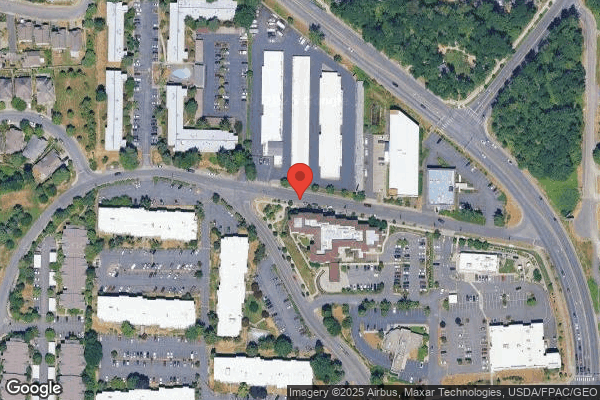
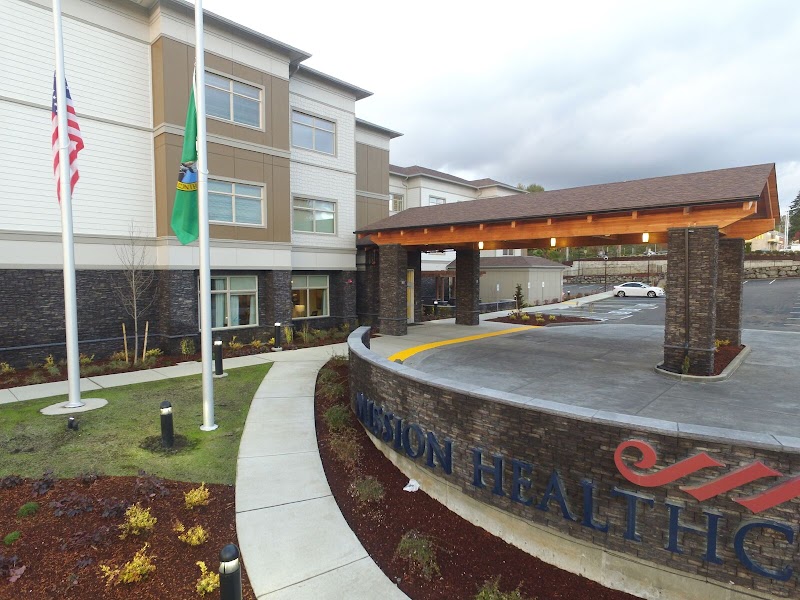
17420 106TH PL SE, RENTON, WA 98055 (425) 362-6200
For profit - Corporation 60 Beds Independent Data: November 2025 1 Immediate Jeopardy citation
Trust Grade
33/100
#98 of 190 in WA
Last Inspection: April 2025

Within standard 12-15 month inspection cycle. Federal law requires annual inspections.

Overview

Cedar River Healthcare Center has a Trust Grade of F, indicating significant concerns about the quality of care provided. It ranks #98 out of 190 facilities in Washington, placing it in the bottom half, and #22 out of 46 in King County, suggesting limited local options that are better. The facility is showing some improvement, with the number of issues decreasing from 14 in 2024 to 12 in 2025. Staffing appears to be a strength with a 4/5 star rating, although the turnover rate is 51%, which is near the state average. However, the facility has faced $74,815 in fines, which is concerning and higher than 84% of facilities in Washington, indicating ongoing compliance issues. There are serious weaknesses to consider as well. A critical finding noted that staff failed to perform CPR on a resident who needed it, which is a major safety concern. Additionally, another serious incident involved a resident being left alone with the body of their deceased roommate for nearly 20 hours, which could severely affect their mental well-being. Overall, while there are some strengths in staffing, the facility has significant issues that families should carefully weigh.

Trust Score
F
33/100
In Washington
#98/190
Bottom 49%
Safety Record
High Risk
Review needed
Inspections
Getting Better
14 → 12 violations
Staff Stability
⚠ Watch
51% turnover. Above average. Higher turnover means staff may not know residents' routines.
Penalties
⚠ Watch
$74,815 in fines. Higher than 96% of Washington facilities. Major compliance failures.
Skilled Nurses
✓ Good
Each resident gets 55 minutes of Registered Nurse (RN) attention daily — more than average for Washington. RNs are trained to catch health problems early.
Violations
⚠ Watch
29 deficiencies on record. Higher than average. Multiple issues found across inspections.
★★★☆☆
3.0
Overall Rating
★★★★☆
4.0
Staff Levels
★★★★★
5.0
Care Quality
★★☆☆☆
2.0
Inspection Score
Stable
2024: 14 issues
2025: 12 issues

The Good

  • 4-Star Staffing Rating · Above-average nurse staffing levels
  • 5-Star Quality Measures · Strong clinical quality outcomes
  • Full Sprinkler Coverage · Fire safety systems throughout facility
  • No fines on record

Facility shows strength in staffing levels, quality measures, fire safety.

The Bad

3-Star Overall Rating

Near Washington average (3.2)

Meets federal standards, typical of most facilities

Staff Turnover: 51%

Near Washington avg (46%)

Higher turnover may affect care consistency

Federal Fines: $74,815

Well above median ($33,413)

Moderate penalties - review what triggered them

The Ugly 29 deficiencies on record

1 life-threatening 1 actual harm
Apr 2025 12 deficiencies
CONCERN (D)

Potential for Harm - no one hurt, but risky conditions existed

Resident Rights (Tag F0550)

Could have caused harm · This affected 1 resident

Based on observation, interview, and record review the facility failed to provide care and services in a manner that maintained and promoted dignity for 1 of 16 sample residents reviewed (Resident 214...

Read full inspector narrative →
Based on observation, interview, and record review the facility failed to provide care and services in a manner that maintained and promoted dignity for 1 of 16 sample residents reviewed (Resident 214). This failure placed residents at risk for a diminished sense self-worth and overall well-being. Findings included . <Facility Policy> According to the facility's revised February 2021 Dignity Policy each resident would be cared for in a manner that promoted or enhanced their sense of well-being. The policy showed when staff helped with care, residents should be supported and provided with a dignified dining experience. <Resident 214> According to the 04/10/2025 admission Minimum Data Set (MDS - an assessment tool) Resident 214 needed substantial/maximal assistance with eating due to fractures to right and left shoulders. In an interview and observation on 04/15/2025 at 8:20 AM, Resident 214 stated they had to be fed because they could not move their arms due to their shoulder fractures. Staff G (Certified Nursing Assistant) assisted Resident 214 with four large bites of oatmeal and then left the room. Resident 214 stated they thought the staff were very busy with other residents. Staff G did not return to assist Resident 214 until 8:31 AM, 11 minutes later. In an interview on 04/15/2025 at 8:20 AM Staff G stated they would give Resident 214 only four bites of food and then would come back after they finished passing out the rest of the food trays to other residents. In an interview on 04/21/2025 at 11:10 AM Staff B (Director of Nursing) stated they were aware that care staff needed help with tray services and requested that leadership begin helping with meal trays. In an interview on 04/21/2025 at 12:41 PM Staff A (Administrator) stated their expectation was for staff to only place a tray in front of a resident when they were ready to assist that resident with eating the whole meal to help promote dignity to the resident. REFERENCE: WAC 388-97-0180(1-4). .
CONCERN (D)

Potential for Harm - no one hurt, but risky conditions existed

Transfer Notice (Tag F0623)

Could have caused harm · This affected 1 resident

**NOTE- TERMS IN BRACKETS HAVE BEEN EDITED TO PROTECT CONFIDENTIALITY** Based on interview and record review, the facility failed to ensure a system by which residents received required written notice...

Read full inspector narrative →
**NOTE- TERMS IN BRACKETS HAVE BEEN EDITED TO PROTECT CONFIDENTIALITY** Based on interview and record review, the facility failed to ensure a system by which residents received required written notices at the time of transfer/discharge, or as soon as practicable for 3 (Residents 63, 23, & 29) of 4 residents reviewed for hospitalizations. Failure to ensure written notification was provided to the resident and/or the resident's representative, in a language and manner they understood, placed residents at risk for not having an opportunity to make informed decisions about transfers/discharges. Additionally, the facility failed to ensure a system by which the Office of the State Long-Term Care Ombudsman (LTCO, an advocacy group for individuals residing in nursing homes) received required resident discharge/transfer information for 3 (Residents 63, 23, & 29) of 4 residents reviewed for hospitalization. Failure to ensure the required notification was completed, denied the LTCO the opportunity to educate residents and advocate for them regarding the discharge process. Findings included . <Facility Policy> Review of the facility's undated Transfers and Discharge Notices policy showed facility staff were required to provide residents and/or resident representatives with a thirty-day written notice prior to the transfer or discharge. In the event the transfer was necessary for the resident's welfare, the notice would be provided as soon as it was practicable. Written notice would include the reason for transfer, the effective date, where the resident was transferred, a statement of the resident's rights to appeal, a copy of the facility's bed-hold policy, and contact information for the Washington State LTCO advocate. The policy showed the facility should also send a copy of the written notice to the Washington State LTCO. <Discharge Notices> <Resident 63> Review of Resident 63's 01/03/2025 Discharge Minimum Data Set (MDS - an assessment tool) showed the resident was transferred to an acute care hospital on [DATE], with their return anticipated. Record review showed no documentation staff provided written notification to Resident 63 and/or the resident's representative regarding their discharge as required. <Resident 23> Review of Resident 23's 02/18/2025 Discharge MDS showed the resident was transferred to an acute care hospital on [DATE], with their return anticipated. Record review showed no documentation staff provided written notification to Resident 23 and/or the resident's representative regarding their discharge as required. <Resident 29> Review of the 02/19/2025 Discharge MDS showed Resident 29 was transferred to an acute care hospital on [DATE], with their return anticipated. Record review showed no documentation staff provided written notification to Resident 29 and/or the resident's representative regarding their discharge as required. In a joint interview with Staff I (Social Services Director) and Staff J (Social Services Coordinator) on 04/17/2025 at 12:40 PM, Staff I stated they split the building up with each other and Staff I stated they do not complete discharge notices for residents sent to the hospital. Staff I stated they believed the nurses complete the forms. Staff J stated social services was responsible for completing the discharge notices and indicated they do them for the residents they cover. Staff J reviewed their discharge binder and Resident 63 and Resident 23's records and confirmed a discharge notice should have been but was not completed and provided to the resident and/or representative for their transfers to the hospital. <LTCO Notification> <Resident 63> According to a 01/03/2025 Discharge MDS, Resident 63 was discharged emergently to an acute care hospital on [DATE] with return anticipated. Review of facility and resident records showed no documentation indicating the LTCO was notified of the 01/03/2025 transfer as required. <Resident 23> According to a 02/18/2025 Discharge MDS, Resident 23 was discharged emergently to an acute care hospital on [DATE] with return anticipated. Review of facility and resident records showed no documentation indicating the LTCO was notified of the 02/18/2025 transfer as required. <Resident 29> According to a 02/19/2025 Discharge MDS, Resident 29 discharged emergently to an acute care hospital on [DATE] with return anticipated. Review of facility and resident records showed no documentation indicating the LTCO was notified of the 01/03/2025 transfer as required. In a joint interview with Staff I and Staff J on 04/17/2025 at 12:40 PM Staff J stated they sent notifications to the LTCO monthly based on the completed discharge notices. Staff J reviewed their facility binder and was unable to locate any documentation of notification to the LTCO for Resident 63, 23, or 29 as required. REFERENCE: WAC 388-97-0120 (2)(a-d), -0140 (1)(a)(b)(c)(i-iii).
CONCERN (D)

Potential for Harm - no one hurt, but risky conditions existed

Deficiency F0645 (Tag F0645)

Could have caused harm · This affected 1 resident

**NOTE- TERMS IN BRACKETS HAVE BEEN EDITED TO PROTECT CONFIDENTIALITY** Based on interview and record review, the facility failed to ensure Pre-admission Screening and Resident Review (PASRR - a menta...

Read full inspector narrative →
**NOTE- TERMS IN BRACKETS HAVE BEEN EDITED TO PROTECT CONFIDENTIALITY** Based on interview and record review, the facility failed to ensure Pre-admission Screening and Resident Review (PASRR - a mental health screening required prior to admission to a nursing home) assessments were completed as required for 2 of 5 residents (Resident 45 & 50) reviewed for PASRR screening. The failure to ensure PASRR screenings were complete and accurate left residents at risk for inappropriate placement and/or not receiving timely and necessary services to meet their mental health care needs. Findings included . <Facility Policy> According to the undated facility PASRR policy, the facility would screen for mental disorders prior to admission by completing a Level I PASRR form. The policy showed the facility would ensure the Level I PASRR was complete and accurate prior to admission. Individuals who had or were suspected to have a mental disorder would not be admitted to the facility unless: a Level II invalidation was completed by the state-designated authority, a Level Il evaluation was completed, or by hospital exemption (the resident admits directly from an acute inpatient hospitalization for an anticipated stay of fewer than 30 days in the home). <Resident 45> According to the 04/08/2025 admission Minimum Data Set (MDS - an assessment tool) Resident 45 admitted to the facility on [DATE] from the hospital. The MDS did not indicate Resident 45 had any psychiatric or mood conditions. According to a 04/02/2025 Daily Skilled Charting progress note, Resident 45 had a diagnosis of anxiety. According to a 04/08/2025 Social Services progress note, the Level I PASRR received from the hospital did not include Resident 45's anxiety diagnosis and was inaccurate. The note showed a correct Level I PASRR was completed. Review of the corrected 04/03/2025 Level I PASRR showed an anxiety disorder was included in the Serious Mental Illness (SMI) indicators section. The form showed a Level II PASRR referral was not required. In an interview on 04/21/2025 at 8:48 AM Staff I (Social Services Director) stated they completed a new Level I PASRR after identifying the PASRR completed by the hospital omitted the resident's anxiety diagnosis. Staff I reviewed the 04/03/2025 Level I PASRR and stated as the PASRR included an SMI indicator, a referral for a Level II evaluation should have been, but was not made. <Resident 50> According to a 04/07/2025 admission MDS, Resident 50 admitted on [DATE] with multiple medically complex diagnoses including depression. This MDS showed Resident 50 required the use of an antidepressant medication during the assessment period. Record review showed Resident 50 was admitted from the hospital with a 04/02/2025 Level I PASRR. Section 1 of this Level I PASRR showed the resident was marked as having no SMI indicators, but in a subsection underneath, the SMI indicator for a mood disorder of depression was selected. The last section of the form showed Resident 50 did not require a Level II evaluation as they did not show indicators of an SMI, even though Resident 50 was identified with depression in the SMI indicators of Section 1. In an interview on 04/21/2025 at 10:10 AM, Staff I stated it was their expectation a Level I PASRR was accurate, and Level II evaluations obtained as required so residents could be evaluated for any needed services. Staff I reviewed Resident 50's records and confirmed the resident was identified with an SMI and did not receive a Level II PASRR prior to admission to the facility. REFERENCE: WAC 388-97-1915 (1)(2)(a-c). .
CONCERN (D)

Potential for Harm - no one hurt, but risky conditions existed

Comprehensive Care Plan (Tag F0656)

Could have caused harm · This affected 1 resident

<Resident 14> According to the 03/18/2025 admission MDS, Resident 14 had intact memory and experienced pain that frequently affected their sleep. The MDS showed Resident 14 had medically complex...

Read full inspector narrative →
<Resident 14> According to the 03/18/2025 admission MDS, Resident 14 had intact memory and experienced pain that frequently affected their sleep. The MDS showed Resident 14 had medically complex conditions. Record review showed Resident 14 had a 03/13/2025 physician's order for a medication to treat gout (a form of arthritis characterized by sudden, severe attacks of pain, swelling, redness, and tenderness in one or more joints - most often in the big toe). Record review did not show a CP was developed by facility staff to address Resident 14's gout. There were no directions for nursing staff such as what signs and symptoms to watch for, what interventions, if any, were appropriate if Resident 14 had an acute episode of gout-related pain, etc. In an interview on 04/21/2025 at 12:30 PM Staff C (RCM) stated there should be a CP developed for each diagnosis or condition for which a resident received treatment. Staff C reviewed Resident 14's comprehensive CP and determined there was not but should be a gout CP. <Resident 45> According to the 04/03/2025 admission MDS, Resident 45 had medically complex diagnoses including Gastroesophageal Reflux Disease (GERD). Record review showed a 04/03/2025 physician's order for a proton-pump inhibitor (PPI - a medicine that decreases the amount of acid produced in the stomach). This medication was ordered to treat Resident 45's GERD condition. Record review did not show that a CP was developed to address Resident 45's GERD and PPI medication use. In an interview on 04/21/25 at 12:24 PM Staff C reviewed Resident 45's chart. Staff C stated they could not find a GERD CP but there should be one for Residents 45. REFERENCE: WAC 388-97-1020(1),(2)(a). Based on observation, interview, and record review the facility to ensure comprehensive Care Plans (CPs) were developed to address all identified resident care needs for 4 (Residents 58, 214, 14, & 45) of 16 residents whose CPs were reviewed. This failure placed residents at risk for unmet care needs and frustration. Findings included . <Facility Policy> According to the facility's December 2016 Care Plans, Comprehensive Person-Centered policy, facility staff would develop and implement a comprehensive CP in conjunction with the resident and/or their representative. The policy showed CPs should include measurable goals and describe the care and services the resident should be provided. <Resident 58> According to the 03/27/2025 admission Minimum Data Set (MDS - an assessment tool) Resident 58 medical conditions including spinal cord dysfunction, spinal stenosis (a narrowing of spinal cord space that compressed nerves of spine) and muscle weakness. The MDS showed Resident 58 had frequent pain. Review of history and physical admission paperwork dated December 2024 showed Resident 58 had a total knee replacement in December 2024 Review of Resident 58's revised 03/28/2025 Pain Management CP showed Resident 58 was at risk for pain or discomfort due to lower back disorders and other complications. The CP showed staff were to assess pain every shift and showed Resident 58 preferred to lie on their side due to pain in their lower back. The CP did not show Resident 58 had pain in their right knee. Review of 03/28/2025 Musculoskeletal Disorder CP showed Resident 58 was at risk for pain or fracture related to a pinched nerve in the resident's lower back area and spinal stenosis. The CP showed staff were to encourage mobility and handle the resident gently when turning/repositioning. The CP did not show Resident 58 had a right knee total replacement in December 2024 which caused them to have pain and limited mobility. In an interview on 04/15/2025 at 8:45 AM, Resident 58 stated they had pain in their back and their knee because of their prior surgery. In an interview on 04/18/2025 at 8:28 AM Resident 58 stated they were always in pain and their medications helped somewhat but because of their spinal stenosis and knee surgery, they had ongoing chronic pain. Resident 58 stated they could reposition themselves and staff did not help them with this, but they had to be careful with repositioning because of their knee surgery as their doctor told them their knee should be kept straight for better healing. In an interview on 04/18/2025 at 11:00 AM Staff E (Resident Care Manager - RCM) stated nurses should have captured Resident 58's knee pain and included it on the CP but did not. Staff E stated the pain from the knee replacement should have been put on the CP for Resident 58's quality of life and for appropriate pain interventions and therapy. <Resident 214> According to the 04/10/2025 admission MDS, Resident 214 had conditions including osteoporosis, hypertension (high blood pressure), reduced mobility, impairment to both shoulders, and a right shoulder fracture. Review of the 04/05/2025 Musculoskeletal Disorder CP, showed Resident 214 had a potential risk for pain due to a right shoulder fracture. The CP did not show Resident 214 had a fracture on the left shoulder. Review of interdisciplinary team care conference notes dated 04/05/2025 showed Resident 214 had both right and left fractures to their shoulders. Review of admission paperwork Hospital discharge problem list dated 4/1/2025 showed Resident 214 had fractures to both left and right shoulders. In an interview on 04/15/2025 at 8:11 AM Resident 214 stated they would have surgery in two days' time to fix the fracture on their left shoulder first because they were left-handed. Resident 214 stated their right shoulder would be addressed after two weeks recovery from left shoulder surgery. Resident 214 stated they had to wear slings on both shoulders, and sometimes when they received a shower, the staff got their slings wet. In an observation on 04/16/2025 at 9:41 AM, Resident 214 told the two care staff who were helping them to transfer to the shower chair to exercise caution with both shoulders when they transferred them. In an interview on 04/18/2025 at 10:56 AM Staff E confirmed Resident 214 had fractures to both shoulders. Staff E reviewed Resident 214's CP and confirmed that the CP showed only the right shoulder fracture was identified. Staff E stated both shoulder fractures should be on the CP because Resident 214 had pain in both shoulders and the same precautions should be employed on both shoulders, but the left shoulder was not. In an interview on 04/21/2025 at 12:38 PM Staff A (Administrator) stated it was important for assessments to be accurate and if there was a significant change to a resident's conditions, the MDS, assessments, and CPs were to be updated using our tools and hospital notes for accuracy. Staff A stated this was important for accuracy of residents' care.
CONCERN (D)

Potential for Harm - no one hurt, but risky conditions existed

Deficiency F0658 (Tag F0658)

Could have caused harm · This affected 1 resident

Based on interview and record review, the facility failed to ensure physician's orders were followed for 1 of 5 (Resident 45) residents whose medication regimens were reviewed. The failure to ensure o...

Read full inspector narrative →
Based on interview and record review, the facility failed to ensure physician's orders were followed for 1 of 5 (Resident 45) residents whose medication regimens were reviewed. The failure to ensure orders were followed placed residents for unneeded treatment, and other negative health outcomes Findings included . <Facility Policy> Review of the facility's July 2016 Administration Orders policy showed facility staff should administer medications in accordance with the physician's orders. Review of the facility's undated Weight Assessment and Intervention policy showed facility staff should monitor residents for undesirable or unintended weight loss or gain. <Resident 45> According to the 04/08/2025 admission Minimum Data Set (MDS - an assessment tool) Resident 45 had medically complex diagnoses including heart disease and heart failure. The MDS showed Resident 45 had high blood pressure. Record review showed Resident 45's physician's orders included the following: - a 04/03/2025 order to weigh Resident 45 daily and notify the physician for a weight gain of more than two Pounds (lbs) in a day or five lbs in a week. - a 04/03/2025 order for a medication to treat high blood pressure. The order included directions to hold the medication if Resident 45's pulse was less than 60 Beats Per Minute (BPM). Review of the April 2025 Medication Administration Record (MAR) showed on 04/04/2025 Resident 45's weight was measured at 152.6 lbs and 156.8 lbs on 04/05/2025, an increase of 4.2 lbs in one day. Resident 45's weight was measured again on 04/06/2025 and their weight remained at 152.5 lbs, and again on 04/07/2025 for a weight of 156.6 lbs. The 04/06/2025 and 04/07/2025 weights indicated the 04/05/2025 4.2 lbs weight gain was not the result of an inaccurate measurement. Record review showed no indication the physician was informed of the 4.2 lbs weight gain. Review of the April 2025 MAR showed on 04/15/2025 Resident 45's pulse was measured at 57 BPM. The nurse gave Resident 45 their blood pressure medication instead of holding the medication as ordered (which placed the resident at risk of a further lowering of their pulse). In an interview on 04/21/2025 at 12:24 PM Staff C (Resident Care Manager) reviewed Resident 45's record and stated they did not see any evidence the physician was notified as the order directed. Staff C stated because Resident 45's pulse was measured at 57 on 04/15/2024 their blood pressure medication should have been, but was not held that day (to ensure the resident's pulse stayed within a desirable range). Staff C stated it was important to follow the physician's orders. REFERENCE: WAC 388-97-1620(2)(b)(i)(ii),(6)(b)(i). .
CONCERN (D)

Potential for Harm - no one hurt, but risky conditions existed

ADL Care (Tag F0677)

Could have caused harm · This affected 1 resident

<Resident 7> According to a 03/31/2025 admission MDS, Resident 7 had multiple medically complex diagnoses including diabetes, had clear speech, was understood, and able to understand others. Thi...

Read full inspector narrative →
<Resident 7> According to a 03/31/2025 admission MDS, Resident 7 had multiple medically complex diagnoses including diabetes, had clear speech, was understood, and able to understand others. This MDS showed Resident 7 was assessed to be dependent on staff for rolling from side to side in bed, upper and lower dressing, and had no rejection of care during the assessment period. Review of a revised 03/25/2025 ADL/Mobility CP showed a goal that staff would anticipate and meet Resident 7's needs with interventions identified for a nurse to provide diabetic nail care. Review of Resident 7's physician's orders showed a 03/25/2025 order for diabetic nail care to be done weekly on Tuesdays by a licensed nurse. Observations on 04/14/2025 at 9:43 AM showed Resident 7 with long toenails to both feet that extended past the nailbed with some of the nails cracked and curling towards the skin. In an interview at this time, Resident 7 stated they had asked staff to clip their toenails, but it was not done. Review of April 2025 Treatment Administration Record showed staff signed nail care was provided to Resident 7 on 04/01/2025, 04/08/2025, and 04/15/2025. In an interview on 04/21/2025 at 8:23 AM, Staff O (Licensed Practical Nurse) stated nail care was important because it helped decrease the risk of infections, made residents feel better, and lessened the risk of a nail to get snagged on something. In an observation at this time, Staff O confirmed Resident 7's toenails were too long, still curled over, and needed to be cut. Staff O asked Resident 7 if they had reported their nails needed to be clipped to a nurse, Resident 7 stated they had, but they still were not clipped yet. REFERENCE: WAC 388-97-1060 (2)(c). Based on observation, interview, and record review the facility failed to provide assistance with Activities of Daily Living (ADLs - daily hygiene and other self-care tasks) for 2 (Residents 13 & 7) of 6 sample residents reviewed for ADLs. The failure to provide ADL assistance residents were assessed to require placed residents at risk for poor hygiene, diminished feelings of self-worth, and other negative health outcomes. Findings included . <Facility Policy> Review of the facility's revised March 2018 Activities of Daily Living, Supporting policy, showed residents who were unable to carry out ADLs independently would receive the services necessary to maintain good nutrition, grooming, personal hygiene, and oral hygiene. <Resident 13> Review of the 03/07/2025 admission Minimum Data Set (MDS - an assessment tool) showed Resident 13 needed moderate assistance with showering/bathing and had a compression fracture in their spine. Review of 03/01/2025 ADL/Mobility Care Plan (CP) showed Resident 13's bathing/showering was to be done per the shower schedule. Review of second floor shower schedule binder located at the nurse's station showed Resident 13 was scheduled for showers every Monday and Friday. In an observation and interview on 04/16/2025 at 9:22 AM, Resident 13 stated staff frequently told them they would get a shower tomorrow when they ask for one. Resident 13's nails were observed to extend one quarter inch past their nail beds. At that time Staff K (Certified Nursing Assistant) entered the room from the bathroom and Resident told Staff K that they needed a shower. Staff K stated they thought the resident's shower was scheduled for the following day. Resident 13 stated they really needed to be cleaned up. In an interview on 04/17/2025 at 10:55 AM, Resident 13 stated they missed their shower on Monday 4/14/2025 and stated they did not understand why. Resident 13 stated they hoped they would get a shower the following day. In an interview on 04/18/2025 at 10:43 AM Resident 13 stated they did not get a shower that day and was told they would receive a shower the following day. Review of caregiver task sheets showed from 04/11/2025 through 04/18/2025 showed Resident 13 did not receive a shower over that period. In an interview on 04/18/2025 at 11:08 AM Staff E (Resident Care Manager) stated staff should approach the approach residents on their shower days and should document if Resident 13 refused. Staff E stated if staff were not able to get to the resident on the day the shower was scheduled, then a shower should be provided the next day. Staff E said it was important for residents to look presentable for their dignity. In an interview on 04/21/2025 at 11:00 AM Staff B stated staff should have offered showers twice per week and for resident refusals, should try again the next day. Staff B stated fingernails should be trimmed on shower days and stated the provision of showers was important so residents would feel presentable.
CONCERN (D)

Potential for Harm - no one hurt, but risky conditions existed

Accident Prevention (Tag F0689)

Could have caused harm · This affected 1 resident

<Mattress/Bedframe fit> <Resident 31> According to the 02/13/2025 admission MDS Resident 31 had medically complex diagnoses including a progressive neurological/movement disorder, and a wa...

Read full inspector narrative →
<Mattress/Bedframe fit> <Resident 31> According to the 02/13/2025 admission MDS Resident 31 had medically complex diagnoses including a progressive neurological/movement disorder, and a wasting condition. The MDS showed Resident 31 had a history of falls prior to admission and moderate memory impairment. According to the 02/08/2025 Fall Risk Assessment Resident 31 was assessed to be at high risk for falls. The assessment showed Resident 31 had risk factors including a history of falls and diagnoses that created a risk for falls. According to the 02/13/2025 Falls CAA, Resident 31 had risk factors for falling including delirium, impaired cognition, the resident's progressive neurological/movement disorder, and a visual impairment. According to the 02/19/2025 skin breakdown care plan Resident 31 required a low air loss mattress (an inflated mattress that assists to offload pressure for residents at risk for skin breakdown). Observation on 04/18/2025 at 8:24 AM showed Resident 31 in their bed, lying on their back, with support on both sides with pillows. Resident 31's low air loss mattress was observed to extend wider than the bedframe by one inch on the resident's right side and by over four inches on the resident's left. On 04/18/2025 at 1:48 PM Staff B and Staff D (Maintenance Assistant) arrived at Resident 31's room to observe the bedframe and mattress. Staff B and Staff D observed the overhang of the mattress from the bedframe and determined it needed correcting. Staff D stated the bedframe required adjustment with extender bars that would allow the mattress to fit the bedframe appropriately. In an interview on 04/18/2025 at 1:54 PM Staff D stated the extender bars were necessary to prevent the mattress from moving. Staff D stated the mattress should be secured for safety. REFERENCE: WAC 388-97-1060 (3)(g). Based on observation, interview, and record review the facility failed to ensure fall interventions were removed timely when assessed to be unbeneficial for 1 of 3 residents (Resident 50) reviewed for accident hazards and failed to ensure resident mattresses fit the bedframe for 1 of 5 residents (Resident 31) reviewed for positioning. These failures placed residents at risk for falls, injury, and discomfort. Findings included . <Falls> <Facility Policy> According to the facility's undated Falls policy, facility staff would assess each resident's risk for falls. Facility staff would evaluate and document falls that occurred in the facility, and identify and implement pertinent interventions. <Resident 50> According to a 04/07/2025 admission Minimum Data Set (MDS - an assessment tool) Resident 50 had multiple medically complex diagnoses including cancer, heart failure, kidney disease, muscle weakness, and Parkinson's disease (a progressive neurological disorder that affects movement). This MDS showed Resident 50 had a fall since admission, in the last month prior to admission, and in the last 2-6 months prior to admission. Review of a 4/17/2025 fall Care Area Assessment (CAA) showed staff documented Resident 50 was a high-risk for falls due to an unsteady gait, reduced mobility, and acute illness, and had a history of recent and remote falls. Review of a 04/07/2025 progress note showed staff documented Resident 50 had a fall and interventions for floor mats would be initiated. According to a 04/07/2025 physician order, a floor mattress to both sides of the bed was ordered as a fall intervention for Resident 50. Review of a 04/08/2025 progress note showed staff reviewed the ordered interventions for floor mats put in place by staff after Resident 50's fall on 04/07/2025 and determined they were not an appropriate intervention and were to be discontinued. An intervention to offer toileting every 2-3 hours to prevent falling was initiated instead. Observations on 04/14/2025 at 12:07 PM and 04/15/2025 at 9:12 AM showed floor mats at both sides of Resident 50's bed. In an interview on 04/21/2025 at 11:54 AM, Staff B (Director of Nursing) stated it was their expectation once fall interventions were evaluated as not appropriate, they would be removed for safety. Staff B stated staff should have, but did not implement the changes and remove the floor mats for Resident 50.
CONCERN (D)

Potential for Harm - no one hurt, but risky conditions existed

Deficiency F0692 (Tag F0692)

Could have caused harm · This affected 1 resident

Based on interview and record review, the facility failed to ensure 1 of 4 residents (Resident 27), reviewed for nutrition, received timely evaluation of weights, and implementation of effective inter...

Read full inspector narrative →
Based on interview and record review, the facility failed to ensure 1 of 4 residents (Resident 27), reviewed for nutrition, received timely evaluation of weights, and implementation of effective interventions, to maintain adequate nutrition. This failure placed the residents at risk for ongoing weight loss and poor nutrition and potential harm. Findings included . <Facility Policy> According to the facility's revised March 2022 Weight Assessment and Intervention policy, residents' weights were to be monitored for undesirable or unintended weight loss. The policy showed any weight changes of five Percent (%) or more since the last weight assessment required nursing staff to immediately notify the dietitian in writing. <Resident 27> According to the 03/24/2025 admission Minimum Data Set (MDS- an assessment tool) Resident 27 had diagnoses including congestive heart failure, dementia, gastric ulcer, and weakness to one side of the body. Resident 27 needed supervision or touching assistance with eating and it was important for them to have snacks. Review of the 03/20/2025 Malnutrition Care Plan (CP) showed staff were to obtain weights as ordered, and report changes to the physician and registered dietician. Review of physician's orders dated 03/19/2025 showed staff were to monitor Resident 27's weight daily and to notify the provider of more than two pounds (lbs) of weight gain or loss in one day or five lbs weight gain or loss compared to the weight in the last seven days. Review of April 2025 Medication Administration Record (MAR) showed Resident 27 weighed: 04/14/2025 - 111.3 lbs, 04/15/2025 - 109 lbs, 04/16/2025 - 108 lbs, 04/17/2025 - 108 lbs, 04/18/2025 - 109 lbs, 04/19/2025 - 101.2 lbs, 04/20/2025 - 100.8 lbs, and 04/21/2025 - 100.6 lbs. Weights taken between 4/16/2025 and 4/21/2025 represented a -6.85 % weight loss. Review of the 04/16/2025 nutritional risk assessment included a recommendation to add snacks daily due to resident's frequent activity and to continue to monitor for significant weight changes. Review of progress notes from 04/15/2025 through 04/21/2025 did not show documentation the provider was notified of the two lbs difference in weights per the physician's orders. Progress notes did not show written documentation was provided to the registered dietician immediately as stated in the facility's policy, about a greater than five % weight loss from 04/16/2025 through 04/20/2025. Progress notes showed snacks were implemented on 04/21/2025, five days after the nutritional risk assessment plan. In an interview on 04/18/2025 at 10:54 AM, Staff E (Resident Care Manager) reviewed the March 2025 physician orders and the April 2025 MAR that included orders the two lbs weight loss should have been called into the provider according to the physician orders. Staff E stated staff should have notified the provider of the two lbs weight loss and should check Resident 27's weight daily and review the previous day's weights to determine if there was a pattern. Staff E stated this was important as the doctor needed to review what caused the change in weight, whether it was food intake or medications/supplements. Staff E stated the provider could then determine what interventions were needed. In an interview on 04/21/2025 at 10:43 AM, Staff B (Director of Nursing) stated the weekend staff on 04/19/2025 and 04/20/2025 did not document notification of the weight loss to the provider. Staff B stated because they did not know the provider needed to be notified immediately. Staff B stated nurses should follow the providers orders but was unsure if the orders of weight loss needed to be reported, only weight gain. In an interview on 04/21/2025 at 12:43 PM, Staff A (Administrator) stated they expected staff to document weight loss and discuss the weight loss in the interdisciplinary team meeting for nutritional needs. Staff A stated they expected the provider would be notified of significant weight loss immediately. REFERENCE: WAC 388-97-1060(3)(h). .
CONCERN (D)

Potential for Harm - no one hurt, but risky conditions existed

Tube Feeding (Tag F0693)

Could have caused harm · This affected 1 resident

Based on observation, record review, and interview the facility failed to ensure residents were provided the artificial nutrition they were assessed to require for 1 of 1 residents (Resident 114) revi...

Read full inspector narrative →
Based on observation, record review, and interview the facility failed to ensure residents were provided the artificial nutrition they were assessed to require for 1 of 1 residents (Resident 114) reviewed for tube feeding. The failure to ensure the full volume of artificial nutrition ordered was provided daily placed Resident 114 at risk for weight loss and other negative health outcomes. Findings included . <Facility Policy> According to the facility's November 2018 . Tube Feeding via Continuous Pump policy, when a resident required their nutrition be provided through a feeding tube, facility staff would document the amount and type of feeding provided. The policy showed the facility would document the average fluid intake. <Resident 114> According to the 04/11/2025 Nursing admission Evaluation, Resident 114 admitted to the facility for treatment of conditions including for care after a stroke, for acute respiratory failure, and a swallowing difficulty. This evaluation showed Resident 114 received their dietary intake through a feeding tube. Record review showed a 04/11/2025 order for an artificial liquid nutrition formula to be provided at 80 Cubic Centimeters (CC) per Hour (HR) for 18 hours daily. The order gave a start time of 4:00 PM to continue through 10:00 AM for a total of 1440 CC of formula. The order included the amount of liquid nutrition to be provided each shift: 320 CC on day shift, 480 CC on evening shift, and 640 CC on night shift. Review of the April 2025 Medication Administration Record (MAR) showed on 04/12/2025 nurses documented they provided 333 CC of liquid nutrition on day shift rather than the 320 CC per the order, only 226 CC on evening shift instead of the 480 CC ordered, and 640 CC on night shift for a total 1199 CC for the day, rather than the 1440 CC ordered, 241 CC less than the order. The MAR did not include anywhere to document either the daily total provided (rather than the total per shift) or anywhere to document how much liquid nutrition remained at the end of the feeding. According to the April 2025 MAR on 04/13/2025 Resident 114 was provided only 375 CC of liquid nutrition on afternoon shift for a daily total of 1335 CC instead of the 1440 CC ordered, 105 CC less than ordered According to the April 2025 MAR on 04/14/2025 Resident 114 was provided only 320 CC of liquid nutrition on afternoon shift for a daily total of 1280 CC instead of the 1440 CC ordered, 160 CC less than ordered Observation on 04/14/2025 at 10:33 AM showed Resident 114 in bed with a pole next to the bed with a tube feeding pump attached. Hung from the pole were two bags, one containing water with 175 CC of water remaining. The second bag contained 400 CC of liquid nutrition and indicated a full bag contained 1500 CC. Neither bag was connected to the pump and the pump was not running. Observation on 04/17/2025 at 8:17 AM showed the liquid nutrition bag had 500 CC remaining. The pump setting corresponded to the ordered rate of 80 CC/HR, meaning when the feeding was due to stop at 10 AM (one-and-three-quarter hours later) there would be 360 CC left, rather than the 60 CC if Resident 114 received the ordered amount. Observation on 04/18/2025 at 9:26 AM showed Resident 114's feeding tube bag had 450 CC of the liquid nutrition remaining with 34 minutes of scheduled feeding remaining. The pump was set to 80 CC/HR meaning only another 46 CC would be provided before the feeding was scheduled to end. Observation on 04/18/2025 at 10:06 AM showed Staff N (Registered Nurse) gowning up to enter Resident 114's room. Staff N stated they were going to finish the tube feeding cycle for Resident 114. Staff N stated each day at 4 PM when the feeding started nurses hung a new 1500 CC bag and when the feeding ended at 10 AM the next day, any remainder was discarded. In an interview on 04/21/2025 at 10:10 AM, Staff E (Resident Care Manager) stated it was important for residents that required tube feeding to receive the nutrition they were ordered. Staff E stated Resident 114 required tube feeding because of swallowing difficulties after a stroke. Staff E stated Resident 114 was ordered 1440 CC of liquid nutrition daily. Staff E stated Resident 114 did receive some medications during their feeding (which required pausing the feeding and disconnecting the pump temporarily) but did not think this affected the amount of liquid nutrition the resident received. Staff E stated they were not sure if a daily total for Resident 114's liquid nutrition was monitored anywhere in the chart or if the amount of remaining liquid nutrition was documented somewhere. Staff E stated they would clarify if these totals were documented. No further information was provided. REFERENCE: WAC 388-97-1060(3)(f). .
CONCERN (D)

Potential for Harm - no one hurt, but risky conditions existed

Deficiency F0745 (Tag F0745)

Could have caused harm · This affected 1 resident

Based on interview and record review the facility failed to ensure medically-related social services were provided for 1 of 4 residents (Residents 29) reviewed for nutrition. The failure to involve fa...

Read full inspector narrative →
Based on interview and record review the facility failed to ensure medically-related social services were provided for 1 of 4 residents (Residents 29) reviewed for nutrition. The failure to involve facility social workers for residents demonstrating behaviors of rejection of care placed residents at risk for unmet health needs and other negative health outcomes. Findings included . <Resident 29> According to the 03/02/2025 admission Minimum Data Set (MDS - an assessment tool) Resident 29 had intact memory. The MDS showed Resident 29 had diagnoses including respiratory failure and reduced mobility. The MDS showed Resident 29 was totally dependent on staff to transfer in and out of bed. The MDS showed Resident 29 admitted to the facility with a Stage 2 Pressure Ulcer (PU) and a Deep Tissue Injury (DTI). The MDS showed Resident 29 did not demonstrate behaviors of rejection of care. The MDS showed Resident 29 received a diuretic (urination causing) medication. Record review showed Resident 29 had 02/24/2025 physician's order to weigh the resident daily. Record review showed that on 18 occasions out of 41 occasions between 03/05/2025 and 04/14/2025, Resident 29 refused their daily weight. According to the 04/11/2025 Psychosocial - Refusal of Care . Care Plan (CP) Resident 29 had a goal to have no negative outcomes related to their refusal of needed treatments and cares. The CP included goals to determine Resident 29's experiences and preferences to eliminate/mitigate triggers to the extent possible, encourage active participation in care, and to inform Resident 29 of the risks and ramifications of continued noncompliance. The CP identified the Social Services staff among those responsible to implement these interventions. According to a 03/20/2025 Medication Administration progress note, Resident 29 refused a constipation treatment that day. According to a 03/24/2025 progress note Resident 29 refused their weekly skin assessment. The note showed staff approached Resident 29 multiple times and Resident 29 asked staff if they had anything better to do. According to a 03/28/2025 nurse's progress note, the nurse discussed refusals of care with Resident 29. This note showed the nurse asked Resident 29 to sign a Risks vs. Benefits form to indicate they understood the consequences of their rejection of care. Resident 29 refused to sign the form and stated they wanted their spouse to sign it. Record review showed Resident 29's spouse signed a Risks vs. Benefits form related to Resident 29's diuretic use and refusals of care on 03/29/2025. In an interview on 04/17/2025 at 1:35 PM Staff I (Social Services Director) stated assisting with behavioral health needs was among the responsibilities of the social services department. Staff I stated this included problem solving with residents with patterns of refusing cares and treatments. In an interview on 04/18/2025 at 10:35 AM Staff E (Resident Care Manager) stated when residents demonstrated refusals of care they tried to reason with the resident, talk to them and if it continues discuss risks and benefits. Staff E stated Resident 29 required daily weights due to their diuretic medication use. Staff E stated pain was a factor in Resident 29's refusals. Staff E stated they were unsure if the social services department was notified of Resident 29's refusals of care. In an interview on 04/18/2025 at 1:21 PM Staff J (Social Services Coordinator) stated they provided social services on Resident 29's unit. Staff J stated they heard Resident 29 did not want to get up occasionally. Staff J stated they were unaware Resident 29 frequently refused to be weighed. Staff J stated they wished they were informed of the refusals and stated I could have problem-solved . with Resident 29. REFERENCE: WAC 388-97-0960 (1). .
CONCERN (E)

Potential for Harm - no one hurt, but risky conditions existed

Deficiency F0583 (Tag F0583)

Could have caused harm · This affected multiple residents

Based on observation, interview, and record review the facility failed to ensure residents' medical information was maintained in a manner to ensure privacy and confidentiality when staff failed to pr...

Read full inspector narrative →
Based on observation, interview, and record review the facility failed to ensure residents' medical information was maintained in a manner to ensure privacy and confidentiality when staff failed to properly secure medical records for 3 of 16 sampled residents (Resident 59, 7, & 50) reviewed for privacy and confidentiality and 7 supplemental residents (Residents 30, 66, 264, 9, 38, 56, & 55). The failure to ensure residents' medical appointment and weight information were stored in a secure manner placed residents at risk for a loss of privacy and a diminished quality of life. <Findings> <Facility Policy> Record review of the facility's December 2016 Resident Rights policy showed facility staff were prohibited from disclosing Protected Health Information (PHI - any information that could be used to identify someone and their health care status). The policy directed staff to make reasonable efforts to protect residents' PHI. <Resident 30> Observations on 04/14/2025 at 10:59 AM and 04/14/2025 at 1:10 PM showed a folder placed upright on the counter at the 3rd floor nurses station. The folder, facing away from the nurse's station and viewable to anyone walking by, had an appointment arrangement form attached to it showing Resident 30's name. This form showed Resident 30 had an appointment at 3:40 PM for oncology (a branch of medicine that specializes in the diagnosis and treatment of cancer) and hematology (the study of blood and blood disorders). <Resident 66> Observations on 04/15/2025 at 8:27 AM showed a folder placed upright on the counter at the third-floor nurse's station. The folder, facing away from the nurse's station and viewable to anyone walking by, had an appointment arrangement form attached to it showing Resident 66's name. This form showed Resident 66 had an appointment at an orthopedic (a medical specialty clinic focused on the diagnosis, treatment, and prevention of diseases, injuries, and deformities of the musculoskeletal system) clinic. Observations on 04/18/2025 at 9:08 AM showed a folder sitting upright on the counter at the third-floor nurse's station. The folder, facing away from the nurse's station and viewable to anyone walking by, had an appointment arrangement form attached to it showing Resident 66's name. This form showed Resident 66 had an appointment at a urology (a medical specialty focused on diagnosing and treating disorders of the urinary system and the male reproductive organs) clinic. <Resident 264> Observations on 04/16/2025 at 3:16 PM, 04/17/2025 8:09 AM, and 04/17/2025 at 12:38 PM showed a folder placed upright on the counter at the third-floor nurse's station. The folder, facing away from the nurse's station and viewable to anyone walking by, had an appointment arrangement form attached to it showing Resident 264's name. This form showed Resident 264 had an appointment at an orthopedic (a medical specialty clinic focused on the diagnosis, treatment, and prevention of diseases, injuries, and deformities of the musculoskeletal system) clinic. <Resident 9> Observation on 04/16/2025 at 1:14 PM showed an appointment sheet for Resident 9 was placed in an upright document stand on the corner of the second-floor nurse's station. The appointment sheet was easily viewed by passersby. The appointment sheet included Resident 9's name and showed the resident had an orthopedic appointment that day at 1:30 PM. The form showed Resident 9 would see an external orthopedic provider. <Resident 59> Observation on 04/17/2025 at 8:20 AM showed an appointment sheet that included Resident 59's name, was placed in an upright document stand on the corner of the second-floor nurse's station. The appointment sheet was easily readable by anyone passing the station. The sheet showed the resident had an external orthopedic appointment at 10:20 that day. <Resident 38> Observations on 04/18/2025 at 7:57 AM showed a folder sitting upright on the counter at the third-floor nurse's station. The folder, facing away from the nurse's station and viewable to anyone walking by, had an appointment arrangement form attached to it showing Resident 38's name. This form showed Resident 38 had an appointment at a pulmonary (lung) and sleep clinic. <Resident 56> Observation on 04/18/2025 at 9:57 AM showed an appointment sheet including Resident 56's name for a blood draw placed in the same upright document stand on the corner of the second-floor nurse's station. The appointment sheet was easily readable. <Resident 7> Observations on 04/21/2025 at 7:58 AM showed a folder sitting upright on the counter at the 3rd floor nurses station. The folder, facing away from the third-floor nurse's station and viewable to anyone walking by, had an appointment arrangement form attached to it showing Resident 7's name. This form showed Resident 7 had an appointment at radiology (a medical specialty clinic that uses medical imaging to diagnose and treat diseases). <Resident 55> Observation on 04/21/2025 at 9:27 AM showed an appointment sheet for Resident 55 for an external urology appointment placed in the same upright document stand on the corner of the second-floor nurse's station. The appointment sheet was easily readable. <Resident 50> In an interview on 04/14/2025 at 12:48 PM, Resident 50's family member stated they received an email on 04/10/2025 from the facility which included some information about insurance coverage for another resident, rather than for Resident 50. Resident 50's family member stated they notified the facility of the error. Review of the 04/10/2025 email showed an attached letter which included the name, admission date, pending amount of co-pay due per day, and the name of the supplemental insurance company of another resident at the facility. A follow up email was sent from the facility with the corrected information for Resident 50 on 04/11/2025. <Resident Weight Information> Observation on 04/16/2025 at 1:19 PM showed a list of nine resident beds with corresponding weights left on the second-floor nurse's station. The list of resident weights was easily readable by passersby and because the names of all nine residents were shown on signs placed outside the residents' rooms, passersby could determine the nine residents' weight. In an interview on 04/21/2025 at 11:54 AM, Staff B (Director of Nursing) stated it was their expectation staff always maintain privacy and confidentiality of a resident's information. Staff B stated staff were to ensure their computer screens were not visible to others, carts were locked, report sheets and information not be out visible in public areas and should not divulge any information to others. Staff B stated the residents were entitled to their privacy and helped maintain dignity. REFERENCE: WAC 388-97-0360. .
CONCERN (F)

Potential for Harm - no one hurt, but risky conditions existed

Deficiency F0868 (Tag F0868)

Could have caused harm · This affected most or all residents

Based on interview and record review, the facility failed to maintain a Quality Assessment and Assurance (QAA) committee that included the required participants. This failure put residents at risk for...

Read full inspector narrative →
Based on interview and record review, the facility failed to maintain a Quality Assessment and Assurance (QAA) committee that included the required participants. This failure put residents at risk for unmet care needs due to ongoing non-compliance with federal regulations and detracted from the interdisciplinary effectiveness of the team. Findings included . <Facility Policy> According to a December 2024 facility Quality Assurance and Performance Improvement [QAPI] Committee policy, the committee would meet monthly and listed the staff to serve on the committee which included the: Administrator; Director of Nursing Services; Medical Director, and infection control representative. Review of the 07/11/2024 QAPI committee meeting sign-in sheet showed the Medical Director did not attend. Review of the 08/29/2024 QAPI committee meeting sign-in sheet showed the Medical Director, Director of Nursing, and Infection Preventionist did not attend. Review of the 09/26/2024 QAPI committee meeting sign-in sheet showed the Medical Director and Infection Preventionist did not attend. Review of the 10/10/2204 QAPI committee meeting sign-in sheet showed the Infection Preventionist did not attend. Review of the 11/14/2024 QAPI committee meeting sign-in sheet showed the Infection Preventionist did not attend. Review of the December 2024 tab of the binder showed no QAPI paperwork or sign-in sheet. Review of the 01/16/2025 QAPI committee meeting sign-in sheet showed the Administrator, Director of Nursing, and Medical Director did not attend. Review of the 02/27/2025 QAPI committee meeting sign-in sheet showed the Administrator and Medical Director did not attend. Review the March 2025 tab of the binder showed no QAPI paperwork or sign-in sheet. In an interview on 04/21/2025 at 11:24 AM, Staff A (Administrator) stated it was their expectation that QAPI meetings be held monthly per their policy and indicated the last one they could find in the binder was from 02/27/2025, almost two months prior. Staff A stated they were recently hired as the administrator of the facility and were unsure why the QAPI meetings were not held in December 2024 or March 2025 as directed in their policy. Staff A stated it was their expectation the required committee members attend the monthly QAPI meetings to ensure the key players are a part of the data review and the planning process which can affect resident outcomes and care. REFERENCE: WAC 388-97-1760(1)(2). .
Aug 2024 6 deficiencies 1 IJ (1 facility-wide)
CRITICAL (L) 📢 Someone Reported This

A family member, employee, or ombudsman was alarmed enough to file a formal complaint

Immediate Jeopardy (IJ) - the most serious Medicare violation

Deficiency F0678 (Tag F0678)

Someone could have died · This affected most or all residents

⚠️ Facility-wide issue

**NOTE- TERMS IN BRACKETS HAVE BEEN EDITED TO PROTECT CONFIDENTIALITY** Based on observation, interview, and record review the facility failed to ensure staff performed Cardiopulmonary Resuscitation (...

Read full inspector narrative →
**NOTE- TERMS IN BRACKETS HAVE BEEN EDITED TO PROTECT CONFIDENTIALITY** Based on observation, interview, and record review the facility failed to ensure staff performed Cardiopulmonary Resuscitation (CPR- an emergency procedure consisting of chest compressions combined with giving breaths of air when the resident's heart stops and they stop breathing) to 1 of 3 residents (Resident 1) reviewed for unexpected death in the facility. The failure to ensure staff followed the facility's policy for CPR including staffs ability to accurately assess signs of irreversible death, immediately verify the Physician's Order (PO) for CPR status, immediately access the resident's POLST form (Physician Order for Life-Sustaining Treatment - a document the resident completes to declare their wishes for CPR or No CPR), initiate CPR, communicate effectively to the 911 operator, communicate effectively to the Emergency Medical Services (EMS) personnel, provide accurate residents records to EMS personnel placed 39 additional residents (Residents 3, 4, 5, 6, 7, 8, 9, 10, 11, 12, 13, 14, 15, 16, 17, 18, 19, 20, 21, 22, 23, 24, 25, 26, 27, 28, 29, 30, 31, 32, 33, 34, 35, 36, 37, 38, & 39) who had current PO to receive CPR, at serious risk for adverse outcomes including death, and constituted an Immediate Jeopardy (IJ -noncompliance that has caused or is likely to cause, serious injury, harm, impairment, or death to a resident). On [DATE] at 6:26 PM, the facility was notified of an IJ in F678. The facility removed the immediacy on [DATE] after they audited the records of all residents, audited the resident POLST forms, educated staff on the facility's revised CPR policy and procedure, performed CPR drills, and implemented a plan of correction to sustain ongoing compliance. Findings included . <Facility Policy> The facility Emergency Procedure - CPR policy, dated 08/2018, showed facility personnel completed training on the initiation of CPR for victims of cardiac arrest (heart stops beating, leading cause of death among adults). The policy directed staff: to initiate CPR if an individual was found unresponsive and not breathing normally; have a CPR team would be responsible to coordinate and direct other team members during the rescue efforts; to assess the unresponsive individual for abnormal or absence of breathing and begin CPR unless a DNR (Do Not Resuscitate) order specifically prohibited CPR; administer CPR if the individual's CPR/DNR status was unclear until status can be verified; CPR efforts by the CPR team continue until EMS personnel arrived. Review of the [DATE] face sheet showed Resident 1 admitted to the facility on [DATE] with a diagnosis of sepsis (a blood infection) and pneumonia (a lung infection) after a COVID-19 infection with respiratory failure. The [DATE] 3:54 PM nursing progress note showed Resident 1 was admitted for rehabilitation, was alert and oriented, had a normal heart rate, clear lung sounds, denied chest pain and shortness of breath. POs were reviewed by two nurses and the physician was informed of Resident 1's admission. Review of Resident 1's [DATE] PO showed POLST: Attempt Resuscitation/CPR. Medical Interventions: Full Treatment. Review of the POLST form signed by Resident 1 on [DATE] showed Resident 1 wanted CPR if they had no pulse and was not breathing and wanted full medical treatment with the primary goal to prolong life by all medically effective means. The POLST form was signed by the practitioner on [DATE] and scanned into the electronic medical record (EMR) on [DATE]. A [DATE] 11:25 PM nursing progress note showed at 9:55 PM Resident 1 was walking with a Certified Nursing Assistant (CNA) in the hallway, became weak and short of breath, and sat down on a bench. Staff brought Resident 1 back to their room in a wheelchair and started oxygen, Resident 1 was alert, pale, and talking, vital signs were taken, the oxygen level was 77% (normal 95-100%), respirations were 28 breaths per minute (normal 12-20), pulse was 136 beats per minute (normal 60-100 average 72), blood pressure (BP) did not register on machine (normal less than 120/80), 911 was called at 10:00 PM. Review of the [DATE] voice transcript from the 911 call showed at 10:00 PM Staff C (Registered Nurse) provided Resident 1's name, facility address, room number, and identified that Resident 1 was becoming unconscious and CPR was in process. The transcript showed 10:01 PM Staff C stated Resident 1 was DNR. Review of the [DATE] audio recording from the 911 call showed Staff C told the operator that Resident 1 was short of breath, then did not answer the 911 operator's questions of: what was happening? was the patient unconscious? were they breathing? was anyone doing CPR? Staff C was talking to others in the background and then stated Resident 1 was a DNR. The operator asked if anyone was doing CPR and Staff C stated they still needed EMS to come to the facility. The 911 operator clarified Resident 1's name and stated EMS was dispatched. Review of the [DATE] Fire Department (FD) incident report showed the FD arrived at 10:10 PM with lights and sirens for an emergency response for advanced life support for Resident 1 in cardiac arrest. At 10:10 PM, the FD found Resident 1 sitting upright in a chair surrounded by staff, skin was cool, pale, clammy, eyes fixed, mouth gaping open, no pulse, not breathing, and incontinent of urine. FD assessment of Resident 1 was cardiac arrest prior to FD arrival. The report showed that staff told the FD they witnessed Resident 1's cardiac arrest, called 911, and staff claimed Resident 1 had a pulse and low BP when FD arrived. The report showed the patient was deceased at 10:10 PM with DNR paperwork provided by staff. The patient's name on the incident report was Resident 2's name. Resident 2 (Resident 1's roommate). Review of the [DATE] 11:25 PM nursing progress note showed facility staff was about ready to do CPR when the FD arrived, vital signs absent at time of FD arrival, FD decided not to initiate CPR, Resident 1 pronounced dead with no palpable pulse, no BP, no respirations, Resident Representative, Director of Nursing (DNS) and Physician were notified of Resident 1's death. In an interview on [DATE] at 3:13 PM, Staff C stated when they left the room to call 911 Resident 1 was unresponsive, but had a pulse, oxygen was on, and Resident 1 was sitting in the wheelchair. Staff C stated they instructed the CNAs in the room to get Resident 1 on the floor in case Resident 1 needed CPR, then Staff C left Resident 1 to call 911. Staff C stated when calling 911 they thought Resident 1 had a DNR. Staff C stated the physician order in the Electronic Medical Record (EMR) showed Resident 1 was a full code with CPR and full medical treatment. Staff C stated they could not find the POLST form in the binder at the nurse station and it should have be there. Staff C showed the investigator where the binder was located, opened the binder and found Resident 2's POLST form in the binder. Staff C stated, Resident 1's POLST was not in the binder on [DATE]. Staff C stated if a resident did not have a DNR the staff had to do CPR, and it could be stopped if a DNR was located. In an interview on [DATE] at 3:50 PM, Staff D (LPN, Licensed Practical Nurse) stated when the incident occurred on [DATE], they saw Staff C on the phone with 911, went to Resident 1's room, Resident 1 was sitting in a chair while two CNAs were rubbing Resident 1's chest over Resident 1's heart. Staff D went back to the nurse station, Staff C asked Staff D to get the crash cart. Staff C told Staff D that Resident 1 was not a full code, but Staff C was still looking for the CPR status. When Staff D delivered the crash cart to the room, they saw Resident 1 still sitting in the chair with two CNAs in the room. Staff D stated FD personnel arrived and laid Resident 1 on the floor to start CPR; Staff D left the room. Staff D stated the CNAs did not start CPR on Resident 1. In an interview on [DATE] at 3:58 PM, Staff B (Director of Nursing) stated when a resident was admitted to the facility, staff completed the POLST form with the resident, then the practitioner needed to sign the form, the form was placed in the doctor's file to be signed, then the POLST is scanned to the EMR and the original goes into a multi-resident binder at the nurse's station. The nurse entered the PO into the EMR and it showed on the resident's screen for quick access. Staff B stated when a resident required CPR, staff should follow the PO in the EMR and locate the POLST form in the multi-resident binder at the nurse's station. Staff B stated Resident 1's POLST form was in the physician file to be signed and was why the nurse could not find it. Staff B stated the CNA staff should have identified when Resident 1 stopped breathing and initiated CPR right away by placing the resident on the floor in a flat position to do CPR. Staff B stated if there is no POLST form then staff should start CPR. In an interview on [DATE] at 4:11 PM, Staff E (CNA, Certified Nursing Assistant) stated they were in the room with Resident 1 when Staff C placed the oxygen and checked vital signs. Staff E stated Staff C left the room to call 911 and told Staff E and Staff F (CNA) to get Resident 1 on the floor in case CPR was needed. Staff C stated Resident 1 was a bigger person and tough to move, the CNAs did not put Resident 1 on the floor because they did not want to risk breaking Resident 1's bones. Staff E stated Staff D arrived with the crash cart and FD was on their way. Staff E stated at that time they did not think Resident 1 had a pulse but did not check for a pulse. Staff E stated no one started CPR then FD arrived and placed Resident 1 on the floor but decided not to do CPR. In an interview on [DATE] at 4:50 PM Staff G (LPN) stated they were working on another floor and came to see what the emergency was about after Resident 1 had died. Staff G was told by Staff E and Staff F that Resident 1 was a DNR. Staff G went to the EMR and saw that Resident 1 was a full code, with CPR orders. Staff G asked Staff C about the code status and Staff C stated Resident 1 was a DNR. Staff G stated they looked in the multi-resident binder for the POLST form and observed Resident 2's POLST form with DNR status and no POLST form for Resident 1. Staff G stated Staff C looked in the EMR and stated Resident 1 was a full code with CPR. Staff G stated Staff C called the Director of Nursing and walked away. Review of a [DATE] written statement from Staff H (CNA) showed they were called to assist in Resident 1's room. When they entered, they saw Resident 1 sitting in a wheelchair with one CNA massaging the chest over the heart. Staff H stated they asked Staff C if the CNAs should get Resident 1 on the floor if the resident was a full code. Staff C left to check Resident 1's code status and came back and told them Resident 1 was a DNR then stepped out of the room to continue the phone call with 911. Staff C came back and stated Resident 1 was a full code and the three CNAs were getting ready to place Resident 1 on the floor when FD arrived. FD placed Resident 1 on the floor and dismissed the CNAs. The three CNAs left the room. Review of a [DATE] interview transcript completed by the Fire Chief of the responding FD unit showed the lead FD personnel stated in the initial dispatch Resident 1 was becoming unconscious, CPR was initiated, and the facility caller stated the patient was a DNR. Upon arrival FD found the patient unconscious, unresponsive and not breathing, in a seated position in a chair with staff supporting the patient upright. The FD lead stated the facility staff claimed the patient did have a pulse and low BP. When the FD personnel assessed Resident 1's carotid (neck) pulse for 10 seconds, there was no pulse. Resident 1 was moved to the floor to initiate CPR when the facility staff provided a POLST form marked DNR. Resident 1 was declared deceased , moved into their bed, and covered with a sheet. The patient information entered to the incident report was based on paperwork staff provided. The name on the incident report was Resident 2, not Resident 1. Observation on [DATE] at 3:13 PM with Staff C showed Resident 2's POLST form was in the binder at the nurse station. Resident 2's POLST form showed DNR and was signed by Resident 2 on [DATE]. Interview on [DATE] at 6:10 PM, Staff B (Director of Nursing) stated Resident 1's death was unexpected. Staff B stated the nurse should have followed the PO and started CPR. Staff B stated the nurse was not in the room with Resident 1 and the CNA staff did not identify when Resident 1 stopped breathing and did not have a pulse, which caused staff to not start CPR. Staff B stated Staff C should not have given Resident 2's POLST form, directing DNR to the FD personnel. Staff B stated the facility staff should have, but did not, identify when Resident 1 required CPR and did not follow the PO for full code and CPR. Refer to F609 - Reporting of Alleged Violations Refer to F610 - Investigate/Prevent/Correct Alleged Violation REFERENCE: WAC 388-97-1060(1).
SERIOUS (G) 📢 Someone Reported This

A family member, employee, or ombudsman was alarmed enough to file a formal complaint

Actual Harm - a resident was hurt due to facility failures

Resident Rights (Tag F0550)

A resident was harmed · This affected 1 resident

**NOTE- TERMS IN BRACKETS HAVE BEEN EDITED TO PROTECT CONFIDENTIALITY** Based on interview and record review the facility failed to treat residents with dignity and respect and provide a dignified exi...

Read full inspector narrative →
**NOTE- TERMS IN BRACKETS HAVE BEEN EDITED TO PROTECT CONFIDENTIALITY** Based on interview and record review the facility failed to treat residents with dignity and respect and provide a dignified existence that promoted quality of life for 1 of 1 resident (Resident 2) reviewed for resident rights. The failure to have a process for staff to provide a comfortable environment for residents after the death of a roommate, placed residents at risk of feeling scared, unsafe, distressed, and have a diminished quality of life. Resident 2 was harmed, using the reasonable person concept, when their roommate (Resident 1) died and they were left in the same room with the deceased resident from 10:00 PM on [DATE] until 5:30 PM on [DATE], 19.5 hours. Resident 2 was placed in a situation to cause harm to their mental well-being, safety, and dignity when they were not separated from their dead roommate's body. Findings included . The [DATE] admission nursing assessment and [DATE] admission progress note showed Resident 2 admitted to the facility on [DATE], was cognitively intact, had some forgetfulness, was able to make their needs known, had adequate hearing, had adequate speech, was able to make themselves understood and able to understand others. The admission diagnoses for Resident 2 included depression and anxiety. In an interview on [DATE] at 5:30 PM, Staff C (Registered Nurse) stated there was an incident involving multiple staff and the Fire Department responders on [DATE] when Resident 1 died. Resident 1's body was kept in the room with Resident 2 until the mortuary came during the next evening shift ([DATE] @ 5:30 PM) to pick up the body. Staff C stated the night shift and the day shift did not move Resident 1 or Resident 2 to another room. Staff C stated they did not talk to Resident 2 about the death of their roommate on [DATE] or [DATE], because the body of Resident 1 was still in the room and Staff C did not want to scare Resident 2. Staff C stated it would be a natural reaction for any person to be scared when being around a dead person. Staff C stated they (Staff C) would not want to share a room with a dead body for 19.5 hours, but no one thought of moving either resident to another room. In an interview on [DATE] at 11:10 AM, Staff B (Director of Nursing) confirmed the body of Resident 1 was kept in the room with Resident 2 for over 19 hours which included overnight while Resident 2 slept and most of the waking hours of the following day. Staff B stated the nursing staff could have offered Resident 2 a different room or moved Resident 1's body to a different room, but the staff did not offer or move either resident. Staff B stated a reasonable person would be uncomfortable, and possibly scared, to be in a room with a dead body. Staff B stated they, themselves, would not want to stay in the room and would have moved to another room if their roommate died and the body remained in the room that long. Staff B stated because the body remained in the room, the environment of the room was not homelike, did not maintain the mental well-being, safety or dignity of Resident 2. Refer to F678 Cardiopulmonary Resuscitation (CPR) REFERENCE: WAC 388-97-0180(1-4).
CONCERN (D) 📢 Someone Reported This

A family member, employee, or ombudsman was alarmed enough to file a formal complaint

Potential for Harm - no one hurt, but risky conditions existed

Pressure Ulcer Prevention (Tag F0686)

Could have caused harm · This affected 1 resident

**NOTE- TERMS IN BRACKETS HAVE BEEN EDITED TO PROTECT CONFIDENTIALITY** Based on interview and record review the facility failed to ensure 1 of 3 residents (Resident 3) received care, consistent with ...

Read full inspector narrative →
**NOTE- TERMS IN BRACKETS HAVE BEEN EDITED TO PROTECT CONFIDENTIALITY** Based on interview and record review the facility failed to ensure 1 of 3 residents (Resident 3) received care, consistent with professional standards of practice, to prevent Pressure Ulcers/Pressure Injuries (PU/PI, localized damage to the skin and underlying tissue from prolonged pressure, friction, or shear, causing pain). The failure to identify individual risk factors related to diagnoses, implement resident-specific interventions and ensure prevention of PU/PIs placed residents at risk for harm related to serious injury, development of pressure ulcers, medical complications, and diminished quality of life. Resident 3 was admitted to the facility with no PU/PIs, was assessed at high risk for developing PU/PIs and acquired a Deep Tissue Injury (DTI, a type of PU/PI described as a deep red, maroon, purple discoloration of skin due to damage of underlying soft tissue acquired by the friction or shearing of skin) to their left heel while at the facility. Findings included . The 07/11/2024 Facility Assessment (FA) showed the facility may accept patients with, or patients that develop, neurological conditions such as stroke (a medical emergency when blood flow in the brain is interrupted) with hemiparesis or hemiplegia (inability to move one side of the body normally), and skin impairments such as PU/PIs. The FA showed the facility would provide services and care for skin integrity for pressure injury prevention. The FA showed staff will be trained, and the competency of staff would be assessed, to ensure the type of care was provided to support the resident population. The facility policy Prevention of Pressure Ulcers/Pressure Injuries dated 08/2018 showed the resident's risk factors for PU/PI would be identified. The policy showed interventions were placed on the care plan for the specific risk factors identified for the resident at risk of PU/PIs. The policy stated interventions would be followed and reviewed for effectiveness on an ongoing basis. The 05/06/2024 admission Minimum Data Set (MDS, an assessment tool) showed Resident 3 admitted to the facility on [DATE] with a diagnosis of stroke with left side hemiplegia, memory impairment, unable to understand others, unable to make their needs known, required maximum assistance with mobility including transferring from one surface to another, bed mobility and was unable to walk. Resident 3 was assessed to have no PU/PIs and was at risk of developing PU/PIs. The shower skin assessments dated 05/03/2024, 05/06/2024, 05/09/2024, 05/12/2024, 05/16/2024, 05/19/2024 showed Resident 3 had no skin injuries. The 05/08/2024 Care Plan (CP) showed Resident 3 was at risk for potential skin breakdown related to decreased mobility. The skin interventions included avoid friction and sheering during repositioning, elevate heels off the mattress, pressure reducing mattress, and skin observations during care. The CP did not show resident-specific interventions related to Resident 3's diagnosis of stroke and left hemiparesis, did not include how many staff should assist Resident 3 with bed mobility to protect Resident 3's heels from sheering and friction. The 05/20/2024 investigation by the facility, after the skin injury occurred, showed Resident 3 had a DTI on the left heel that measured 3.0 cm x 5.0 cm (centimeters). The facility investigation identified multiple individual risk factors which placed Resident 3 at high risk for developing a DTI on their left heel. Resident 3's individual risk factors included a recent stroke with impaired mobility of their left leg, required maximum assistance from staff for bed mobility, was confused, had abnormal labs, decreased food intake, and used a blood thinner. These specific risk factors and specific interventions were not addressed on Resident 3's CP to prevent the DTI. In an interview on 08/09/2024 at 10:58 AM, Resident 3's Representative (RR) stated Resident 3 was discharged from the facility on 05/20/2024 and the RR was told Resident 3 had a blister on the left heel, but Resident 3 had a large, dark purple, DTI on the heel of their left foot. The RR stated Resident 3 was not able to walk because of the DTI and use of a cushioned boot. The RR stated the DTI was painful to Resident 3. The RR stated that two months after discharge the DTI has not healed. In an interview on 08/09/2024 at 1:20 PM, Staff B (Director of Nursing) stated Resident 3 had multiple individual risk factors that contributed to the DTI on the left heel. Staff B stated Resident 3 had a stroke, had left leg weakness, was unable to walk, required staff to reposition them in bed, and required staff to float their heels to reduce pressure. Staff B stated the heel was assessed by the nurse manager and classified as a DTI prior to Resident 3's discharge. Staff B stated Resident 3 required only one staff person for maximum assistance to reposition in bed and confirmed that one person assistance was not on the CP. Staff B stated to prevent shear and friction, the resident needed to be lifted off the surface of the bed for repositioning. Staff B stated two staff would be required to lift Resident 3 off the bed to prevent friction, shear and a DTI on the heels. In an interview and record review on 08/09/2024 at 1:39 PM, Staff B provided the investigator with the Certified Nursing Assistants (CNA) documentation for care provided in bed mobility for 08/19/2024. The CNAs documented on 08/19/2024 for the evening and the night shift that one staff person provided bed mobility assistance and Resident 3 required maximum assistance from staff. Review of the CNA documentation for 05/01/2024 through 05/18/2024 showed inconsistency with staff provision of bed mobility with one and two staff on all shifts. There were no specific directions on the CP for the staff to follow. When asked how the one staff prevented the friction or shear on Resident 3's left heel, Staff B was not able to answer. Staff B stated the facility investigation of Resident 3's DTI did not address if the left heel dragged on the bed surface to cause the DTI. Staff B stated Resident 3's DTI was unavoidable, then stated two staff assistance with bed mobility would have possibly prevented a DTI on the heel. REFERENCE: WAC 388-97-1060(3)(b).
CONCERN (E) 📢 Someone Reported This

A family member, employee, or ombudsman was alarmed enough to file a formal complaint

Potential for Harm - no one hurt, but risky conditions existed

Report Alleged Abuse (Tag F0609)

Could have caused harm · This affected multiple residents

**NOTE- TERMS IN BRACKETS HAVE BEEN EDITED TO PROTECT CONFIDENTIALITY** Based on interview and record review, the facility failed to ensure violations of alleged neglect, involving serious bodily inju...

Read full inspector narrative →
**NOTE- TERMS IN BRACKETS HAVE BEEN EDITED TO PROTECT CONFIDENTIALITY** Based on interview and record review, the facility failed to ensure violations of alleged neglect, involving serious bodily injury, were reported immediately to the state survey agency in accordance with State law for 1 of 3 residents (Resident 1) who did not receive CPR when there was a Physician Order (PO) directing staff to perform Cardiopulmonary Resuscitation (CPR- an emergency procedure consisting of chest compressions combined with giving breaths of air when the resident's heart stops and they stop breathing). The facility's failure to identify and report alleged neglect after a catastrophic change in condition, that involved the death of Resident 1, placed 39 of 48 other residents who had POs to receive CPR, at serious risk of harm including death. Findings included . The facility policy Unusual Occurrence Reporting, dated 09/2018 showed the facility reported unusual occurrences and other reportable events which affect the health, safety or welfare of residents as required by federal or state regulations. Review of the [DATE] nurse progress note showed Resident 1 admitted on [DATE] and died on [DATE] when their heart stopped beating and they stopped breathing. The progress note showed no CPR was started on Resident 1. Review of Resident 1's [DATE] PO showed POLST: Attempt Resuscitation/CPR. Medical Interventions: Full Treatment. In an interview on [DATE] at 6:10 PM, Staff B (Director of Nursing) stated Resident 1's death was unexpected. Staff B stated on [DATE] Resident 1 stopped breathing and did not have a pulse and staff neglected to follow the PO for full code and did not start CPR. Staff B stated the facility should have, but did not, report the incident to the state agency as required. Refer to F678 - Cardiopulmonary Resuscitation (CPR) Refer to F610 - Investigate/Prevent/Correct Alleged Violations REFERENCE: WAC 388-97-0640(5)(a).
CONCERN (E) 📢 Someone Reported This

A family member, employee, or ombudsman was alarmed enough to file a formal complaint

Potential for Harm - no one hurt, but risky conditions existed

Investigate Abuse (Tag F0610)

Could have caused harm · This affected multiple residents

**NOTE- TERMS IN BRACKETS HAVE BEEN EDITED TO PROTECT CONFIDENTIALITY** Based on interview and record review the facility failed to timely initiate, document, and complete a thorough investigation inv...

Read full inspector narrative →
**NOTE- TERMS IN BRACKETS HAVE BEEN EDITED TO PROTECT CONFIDENTIALITY** Based on interview and record review the facility failed to timely initiate, document, and complete a thorough investigation involving an incident of serious bodily injury for 1 of 3 residents (Resident 1) reviewed for investigations of abuse and neglect. There was no investigation completed to rule out abuse or neglect or to determine the need for system interventions. The failure to investigate the system failure related to the lack of implementing the facility CPR policy placed 39 of 48 other residents at serious risk of harm, including death. Findings included . The facility policy Abuse Investigation and Reporting dated 11/2017 showed all reports of resident abuse and neglect were promptly reported to state agencies and thoroughly investigated by facility management. The investigator would review documents, resident medical record, interview person reporting the event, interview witnesses, interview the physician, interview staff who hand contact with the resident, interview the resident's roommate, review all events that led up to the incident, consult with the administrator with progress/findings of the investigation, upon conclusion of the investigation the investigator would record the results of the investigation and provide the completed documentation to the administrator. Findings of abuse and neglect investigations would also be reported. The policy showed the administrator would ensure further potential abuse or neglect was prevented. In an interview on [DATE] at 3:13 PM, Staff C (Registered Nurse) stated Resident 1 admitted on [DATE], had a medical event that required CPR, and Resident 1 died. Staff C stated they were the nurse in charge of Resident 1 and called 911. Staff C stated there was confusion about Resident 1's CPR status, there was a Physician's Order (PO) to initiate CPR, but Resident 1 did not receive CPR. Staff C stated they did not initiate an investigation because it was protocol to notify the Director of Nursing (DON) if a resident died. Staff C stated they called the DON after Resident 1 died and reported there was a PO for CPR and Resident 1 did not receive CPR. In an interview on [DATE] at 3:50 PM, Staff D (Licensed Practical Nurse, LPN) stated they worked on [DATE] when Resident 1 died. Staff D stated they were not interviewed or asked questions about the emergency event or the death of Resident 1. In an interview on [DATE] at 4:11 PM, Staff E (Certified Nursing Assistant, CNA) stated they were the caregiver assigned to Resident 1 on [DATE]. Staff E stated they were not asked any questions or interviewed about what happened to Resident 1 or what they witnessed during the incident. In an interview on [DATE] at 4:40 PM, Staff B (DON) provided a one page Incident Summary for [Resident 1] which showed a progress note copied from Resident's medical record. The summary was undated, unsigned and did not include interviews of any staff who participated in the CPR code, no interviews of witnesses, and no interview of Resident 1's roommate (Resident 2). There was no documentation how abuse and neglect was ruled out. Staff B stated only a verbal investigation was completed and there was not a full written report completed. In an interview on [DATE] at 6:15 PM, Staff B stated a thorough investigation should have been, and was not, conducted and documented. Staff B stated the incident should have been, and was not, reported to the state agency. Refer to F678 - Cardiopulmonary Resuscitation (CPR) Refer to F609 - Reporting Alleged Violations REFERENCE: WAC 388-97-0640(6)(a-c).
CONCERN (F) 📢 Someone Reported This

A family member, employee, or ombudsman was alarmed enough to file a formal complaint

Potential for Harm - no one hurt, but risky conditions existed

Deficiency F0726 (Tag F0726)

Could have caused harm · This affected most or all residents

Based on interview and record review the facility failed to ensure nursing staff and nursing aide staff had the appropriate competencies and skill sets to provide nursing and related services to assur...

Read full inspector narrative →
Based on interview and record review the facility failed to ensure nursing staff and nursing aide staff had the appropriate competencies and skill sets to provide nursing and related services to assure resident safety and attain or maintain the highest practicable physician, mental and psychosocial well-being of each resident according to the facility assessment, resident-specific assessments and resident plans of care for 11 of 11 staff (Staff K, L, E, M, H - Certified Nursing Assistants and Staff C, N, G, D, O, P - Licensed Nurses) reviewed for competency. The failure to develop and implement a process to evaluate staff's competency and skills to perform job expectations placed residents at risk for accidents, injuries, infections, diminished quality of life, and diminished quality of care. Findings included . The 07/2024 Facility Assessment (FA) showed the facility provides the staff with training and educational opportunities to ensure they can provide the necessary level and type of care to support the facility resident population. The FA showed the competency of staff's skills were assessed by skills validation, testing and face-to-face encounters. The FA showed competency of staff would be assessed related to specific job duties and licensure/certification and would include Person-Centered Care, Activities of Daily Living, Disaster Planning and Procedures, Infection Control, Medication Administration, Measurements, Resident Assessments and Resident Examinations. In an interview and record review on 08/12/2024 at 10:55 AM, Staff M (Staff Development Nurse) provided the training records of Staff C, D, E, F, G, H, I, J, K, L, and M. Staff M reviewed the training records with the investigator. The training records did not have documentation to show the facility verified the nursing staff was competent to perform the specific job duties as expected and according to the licensure/certification of each staff person. Staff M stated there was not a system in place to verify nursing staff was competent to perform their jobs. In an interview on 08/12/2024 at 3:12 PM, Staff B (Director of Nursing) stated the facility did not have a system to verify nursing staff's competency to perform their job on hire or on an annual basis. When asked if competency of nursing staff was evaluated by the facility to ensure care is provided to residents according to professional standards, Staff B stated no, but it should be. REFERENCE: WAC 388-97-1080(1).
Mar 2024 8 deficiencies
CONCERN (D)

Potential for Harm - no one hurt, but risky conditions existed

Deficiency F0578 (Tag F0578)

Could have caused harm · This affected 1 resident

Based on interview and record review the facility failed to ensure residents had the appropriate Advance Directive (AD) in place for 3 of 5 residents (Residents 33, 35, & 50) reviewed for ADs. The fac...

Read full inspector narrative →
Based on interview and record review the facility failed to ensure residents had the appropriate Advance Directive (AD) in place for 3 of 5 residents (Residents 33, 35, & 50) reviewed for ADs. The facility failed to obtain a copy from residents (Resident 33, 35, & 50) with an existing AD and make the documentation readily available in the medical records and accessible to facility staff. These failures placed residents at risk of losing their right to have their stated preferences/decisions honored regarding medical treatment and end-of-life care. Findings included . <Facility Policy> The undated Advanced Directives facility policy showed information about whether or not the resident had executed an AD and the information would be displayed prominently in the medical record. <Resident 33> According to the 03/08/2024 admission Minimum Data Set (MDS- -an assessment tool), Resident 33 had no memory impairment. Review of Resident 33's medical records on 03/20/2024 showed they had contact information for a family member listed as healthcare Durable Power of Attorney (DPOA) on their profile. There was no copy of an AD for Resident 33 in their medical records showing their family member had DPOA. <Resident 35> According to the 03/06/2024 admission MDS, Resident 35 had no memory impairment. Review of Resident 35's medical records on 03/20/2024 showed they had contact information for a healthcare DPOA on their profile. There was no copy of an AD for Resident 35 in their medical records showing they had a DPOA. <Resident 50> According to the 03/05/2024 admission MDS, Resident 50 had no memory impairment. Review of Resident 50's medical records on 03/20/2024 showed they had contact information for a family member listed as healthcare DPOA on their profile. There was no copy of an AD for Resident 50 in their medical records showing their family member had DPOA. In an interview on 03/21/2024 at 10:59 AM, Staff C (Director of Social Services) stated admissions listed the DPOA on the resident's profile in their medical records. Staff C stated they request a copy of the DPOA paperwork and when the family brings it in, they would scan it into the resident's medical records. Staff C stated Resident 33, 35, & 50 had DPOA's listed on their profiles but should not until they received a copy of their DPOA paperwork. In an interview on 03/21/2024 at 11:12 AM, Staff D (Medical Records) stated they do not list a DPOA in a resident's medical records until they have seen the DPOA paperwork. Staff D stated there were four staff in admissions and they all were instructed to list a DPOA on a resident's profile after receipt of the DPOA paperwork. In an interview on 03/21/2024 at 11:30 AM, Staff A (Executive Director) stated they did not have a copy of Resident 33, 35, or 50's DPOA paperwork in their medical records and they should not have DPOA's listed on their profiles until the facility obtained a copy of the DPOA paperwork and scanned it into the resident's medical records. In an interview on 03/22/2024 at 7:19 AM, Staff A stated staff should not have families sign paperwork when there was not a copy of the assigned DPOA paperwork in their medical records. Staff A stated DPOA paperwork should be readily available in the resident's medical records, and it was important, so staff were accurately complying with the resident's wishes. REFERENCE: WAC 388-97-0280(3)(c)(i-ii). .
CONCERN (D)

Potential for Harm - no one hurt, but risky conditions existed

Deficiency F0637 (Tag F0637)

Could have caused harm · This affected 1 resident

Based on interview and record review, the facility failed to ensure a Significant Change in Status Assessment (SCSA), including Care Area Assessments, were completed within 14 days for 1 of 1 resident...

Read full inspector narrative →
Based on interview and record review, the facility failed to ensure a Significant Change in Status Assessment (SCSA), including Care Area Assessments, were completed within 14 days for 1 of 1 resident (Resident 31) reviewed for a recent hospitalization, decline in nutritional intake, and a change in skin integrity. Failure to identify Resident 31's change in status and to complete a SCSA placed the resident at risk for unidentified and/or unmet care needs. Findings included . According to the October 2023 Resident Assessment Instrument Manual (a manual that directed staff on how to accurately assess the status of residents) a SCSA was a comprehensive assessment that must be completed when the interdisciplinary team determined that a resident met the significant change guidelines for either major improvement or decline. Review of the guidelines showed, a SCSA was appropriate if there was a significant change in a resident's condition from their baseline that occurred and the resident's condition was not expected to return to baseline within two weeks. <Resident 31> According to a 02/13/2024 admission Minimum Data Set (MDS -an assessment tool), Resident 31 had multiple medically complex diagnoses including an irregular heart rate, high blood pressure, lung disease, and history of cancer. This MDS identified Resident 31 had no weight loss of 5 percent (%) or more in the last month, or 10 % or more in the last six months, and did not have any pressure ulcers. In an interview on 03/18/2024 at 9:58 AM, Resident 31 stated they had some recent weight loss and indicated they had a pressure ulcer. Review of Resident 31's weight documentation showed on 02/08/2024, the resident weighed 187 Pounds (lbs) on admission. On 03/16/2024, staff documented the resident weighed 155 lbs, which was a loss of 17.11 % since Resident 31's admission. Review of a 02/14/2024 Dietary Interview assessment showed documentation by staff that Resident 31's nutrition was at risk related to poor appetite, intake, and weight loss. Resident 31's family expressed concerns to staff regarding the resident's poor appetite and intake. Staff identified the Resident 31 had a significant weight loss. According to a 02/18/2024 progress note staff identified Resident 31 experienced a change in condition with internal bleeding and was sent to the hospital for evaluation. Resident 31 returned to the facility and had a follow up appointment on 03/12/2024 for further assessment. Review of a 02/26/2024 progress note showed staff identified a new open area to Resident 31's sacrum area and referred the resident for a wound consultation. Review of a 03/04/2024 wound care consult progress note showed facility staff informed the wound care team that Resident 31 had a recent change in condition which included a progressive decrease in appetite, with poor nutritional intake. This note also identified Resident 31 with a new pressure ulcer to their sacrum. According to a 03/18/2024 progress note staff documented Resident 31 was followed by the wound team related to the new pressure ulcer due to a recent change in condition. In an interview on 03/22/2024 at 8:17 AM, Staff E (MDS Coordinator) stated their expectation was for staff to complete a SCSA within 14 days from when staff identified a resident experienced a change in condition. Staff E stated weight loss, recent hospitalizations, and new pressure ulcers would be considered a change in condition. Staff E stated staff should have, but did not complete a SCSA as required for Resident 31. REFERENCE: WAC 388-97-1000 (3)(b). .
CONCERN (D)

Potential for Harm - no one hurt, but risky conditions existed

MDS Data Transmission (Tag F0640)

Could have caused harm · This affected 1 resident

Based on interview and record review, the facility failed to complete and/or transmit the required Minimum Data Set (MDS - an assessment tool) data to the Center for Medicare and Medicaid Services (CM...

Read full inspector narrative →
Based on interview and record review, the facility failed to complete and/or transmit the required Minimum Data Set (MDS - an assessment tool) data to the Center for Medicare and Medicaid Services (CMS) within the required time frames for 4 of 7 sampled residents with discharges (Residents 34, 65, 63 & 64) reviewed for resident assessments. Findings included . <Facilty Policy> The facility's August 2018 MDS Completion and Submission Timeframes policy showed the facility would complete and submit resident assessments in accordance with federal and state timeframes. Review of the Long-Term Care Facility Resident Assessment Instrument 3.0 User's Manual, revised in October 2023, showed discharge (non-comprehensive) MDS assessments must be completed no later than 14 days after the Assessment Reference Date (ARD) and must be submitted/transmitted within 14 days of the MDS completion date to the database as required. <Resident 34> According to an 11/21/2023 Discharge MDS, Resident 34 discharged from the facility on 11/21/2023 with their return not anticipated. Review of Resident 34's records showed the 11/21/2023 Discharge MDS was completed on 12/05/2023 and was not transmitted as required to CMS until 03/20/2024, over 100 days after the MDS was completed. In an interview on 03/20/2024 at 3:25 PM, Staff E (MDS Coordinator) stated Resident 34's MDS should have, but was not transmitted to CMS as required. <Resident 65> According to a 09/15/2023 Discharge MDS, Resident 65 discharged from the facility on 09/15/2023 with their return not anticipated. Review of Resident 65's records showed the 09/15/2024 Discharge MDS was not completed until 10/02/2023, 17 days after the ARD, rather than the 14 days as required. <Resident 63> According to a 01/13/2024 Discharge MDS, Resident 63 discharged from the facility on 01/13/2024 with their return not anticipated. Review of Resident 63's records showed the 01/13/2024 Discharge MDS was not completed until 01/28/2024, 15 days after the ARD, rather than the 14 days as required. <Resident 64> According to a 02/10/2024 Discharge MDS, Resident 64 discharged from the facility on 02/10/2024 with their return not anticipated. Review of Resident 64's records showed the 02/10/2024 Discharge MDS was not completed until 02/25/2024, 15 days after the ARD, rather than the 14 days as required. In an interview on 03/22/2024 at 8:17 AM, Staff E stated their expectation was for an MDS to be completed and transmitted on or before the due date of 14 days. Staff E stated Resident 65, 63, and 64's MDS was not completed on time as required. REFERENCE: WAC 388-97-1000(5)(a)(e)(i-iii). .
CONCERN (D)

Potential for Harm - no one hurt, but risky conditions existed

Assessment Accuracy (Tag F0641)

Could have caused harm · This affected 1 resident

Based on observation, interview, and record review the facility failed to ensure 3 (Residents 31, 11, & 35) of 17 residents Minimum Data Set (MDS - an assessment tool) were completed accurately to ref...

Read full inspector narrative →
Based on observation, interview, and record review the facility failed to ensure 3 (Residents 31, 11, & 35) of 17 residents Minimum Data Set (MDS - an assessment tool) were completed accurately to reflect the resident's condition. This failure placed residents at risk for unidentified and/or unmet needs. Findings included . <Resident 31> According to a 02/13/2024 admission MDS, Resident 31 weighed 171 Pounds (lbs), had no weight loss of five Percent (%) or more in the last month, no psychosis, behavioral symptoms, or rejection of care during the assessment period. In an interview on 03/18/2024 at 9:58 AM, Resident 31 stated they had some recent weight loss. Review of Resident 31's weight documentation showed on 02/08/2024, the resident weighed 187 lbs on admission. On 02/13/2024, staff documented the resident weighed 171 lbs, which was a loss of 8.56 % in less than 30 days. In an interview on 03/22/2024 at 8:17 AM, Staff E (MDS Coordinator) stated Resident 31's weight loss should be, but was not identified on the 02/13/2024 admission MDS and needed to be corrected. Observations on 03/18/2024 at 9:52 AM showed Resident 31 unshaven. In an interview at this time, Resident 31 stated they brushed their own teeth, but was not doing it often enough. Review of a 02/20/2024 self-care performance Care Plan (CP) showed directions to staff Resident 31 required staff set-up and/or assistance for personal hygiene and dressing. Review of Resident 31's February 2024 documentation records showed Resident 31 refused dressing, oral hygiene, and personal hygiene on 02/08/2024. In an interview on 03/22/2024 at 9:32 AM, Staff E stated their expectation was for rejection of care to be captured on an MDS when a resident refused care. <Resident 11> According to a 02/16/2024 admission MDS, Resident 11 had no psychosis, behavioral symptoms, and no rejection of care during the assessment period. In an interview on 03/18/2024 at 12:48 PM, Resident 11 stated they did not take a shower for a couple days. In an observation at this time Resident 11 was unshaven. Review of a 02/28/2024 self-care performance CP showed directions to staff that Resident 11 required staff participation with bathing and personal hygiene. Review of a 03/19/2024 bathing skin check form showed Resident 11 refused bathing and stated, I don't need it. According to February 2024 bathing documentation records, Resident 11 refused bathing on 02/15/2024 and 02/28/2024. In an interview on 03/22/2024 at 9:32 AM, Staff E stated their expectation was for rejection of care to be captured on an MDS when a resident had refusals of care. <Resident 35> According to a 03/03/2024 admission MDS, Resident 35 had multiple medically complex diagnoses including depression, a bipolar (a mental illness characterized by extreme mood swings) disorder, and anxiety. This MDS showed Resident 35 required the use of an antidepressant and sedative medication during the assessment period. Review of the March 2024 Medication Administration Record showed Resident 35 was receiving an antidepressant for depression and an antianxiety medication for anxiety, rather than a sedative as indicated on the 03/03/2024 admission MDS. In an interview on 03/22/2024 at 8:17 AM, Staff E stated Resident 35's 03/03/2024 admission MDS should have identified the resident received an antianxiety medication for anxiety during the assessment period. REFERENCE: WAC 388-97-1000(1)(b). .
CONCERN (D)

Potential for Harm - no one hurt, but risky conditions existed

Deficiency F0658 (Tag F0658)

Could have caused harm · This affected 1 resident

Based on observation, interview, and record review the facility failed to ensure Physician's Orders (POs): were obtained prior to administration of medications for 1 (Resident 110) of 3 sample residen...

Read full inspector narrative →
Based on observation, interview, and record review the facility failed to ensure Physician's Orders (POs): were obtained prior to administration of medications for 1 (Resident 110) of 3 sample residents; were clarified for 1 (Resident 111) of 14 sample residents; were not administered outside of parameters for 2 (Resident 31 & 7) of 14 sample residents reviewed. These failures placed residents at risk for medication errors, delayed treatment, and adverse outcomes. Findings included . <Facility Policy> Review of a revised 01/01/2023 facility Medication Administration- General Guidelines policy showed medications would be administered as prescribed in accordance with good nursing principles and practices. <Administration of Oxygen Without Orders> <Resident 110> The 03/17/2024 admission Minimum Data Set (MDS - an assessment tool) showed Resident 110 had multiple medically complex diagnoses including heart failure and a respiratory infection. Observations on 03/21/2024 at 8:54 AM showed Resident 110 sitting up in bed receiving oxygen set to 2 Liters Per Minute (LPM). Review of a 03/20/2024 progress note showed staff documented Resident 110 was placed on oxygen at 2 LPM. According to a 03/21/2024 progress note, staff documented Resident 110 continued on oxygen therapy. Review of Resident 110's POs on 03/22/2024 showed no orders for the administration of oxygen. In an interview on 03/22/2024 at 7:45 AM, Staff B (Director of Nursing) stated Resident 110 should have, but did not have an order for oxygen to be administered by staff. <Clarification of Orders> <Resident 111> According to a 03/07/2024 admission MDS, Resident 111 had multiple medically complex diagnoses including a fracture and required the use of routine and as needed pain medications during the assessment period. Review of Resident 111's March 2024 Medication Administration Records (MAR) showed a 03/06/2024 order for staff to administer 650 Milligrams (mg) of a non-narcotic pain medication three times a day for pain for a total of 1950 mg. This order gave directions for staff not to exceed 1000 mg of this medication from all sources which was not possible due to the combined 1950 mg total. Staff administered 1950 mg every day with the routine order and did not clarify the order. <Medications Given Outside of Parameters> <Resident 31> The 02/13/2024 admission MDS showed Resident 31 had frequent pain and required the use of pain medication during the assessment period. Review of Resident 31's February and March MAR showed the resident had two orders for pain medication: a non-narcotic pain medication to be administered as needed every four hours for a mild pain level of 1-3 on a 1 to 10 pain scale; and a narcotic pain medication to be administered as needed every six hours as needed for moderate to severe pain of 4-10. The non-narcotic pain medication was administered outside of the ordered parameters by staff on 8 of 15 occasions in February 2024 and on 3 of 8 occasions in March 2024, rather than administering the narcotic pain medication as directed. <Resident 7> The 02/21/2024 admission MDS showed Resident 7 had multiple medically complex diagnoses including arthritis, had occasional pain, and required the use of a pain medication during the assessment period. Review of Resident 7's February and March 2024 MARs showed the resident had an order for a non-narcotic pain medication with directions for staff to administer every four hours as needed for a mild pain level of 1-3 on a 1 to 10 pain scale. This medication was administered outside of parameters by staff for a pain level of: 5 on 02/14/2024; 5 on 03/09/2024; 5 on 03/15/2024; and 4 on 03/18/2024. In an interview on 03/22/2024 at 7:45 AM, Staff B stated their expectation was for staff to obtain clarification of orders as needed and to follow the physician ordered parameters with the administration of medications. REFERENCE: WAC 388-97-1620(2)(b)(i)(ii),(6)(b)(i). .
CONCERN (E)

Potential for Harm - no one hurt, but risky conditions existed

Deficiency F0645 (Tag F0645)

Could have caused harm · This affected multiple residents

Based on interview and record review, the facility failed to ensure a Pre-admission Screening and Resident Review (PASRR - a process to determine if a potential nursing home resident had mental health...

Read full inspector narrative →
Based on interview and record review, the facility failed to ensure a Pre-admission Screening and Resident Review (PASRR - a process to determine if a potential nursing home resident had mental health/intellectual disability needs which required further assessment/treatment) assessment was accurate to reflect the residents' mental health conditions for 3 of 5 (Resident 16, 111, & 35) residents reviewed for PASRR. This failure placed residents at risk for inappropriate nursing home placement and/or not receiving timely and necessary services to meet their mental health needs. Findings included . <Facility Policy> According to a 06/2018 facility PASRR policy it was the responsibility of the facility to ensure the Level 1 PASRRs were complete and accurate prior to the admission. <Resident 16> According to a 03/03/2024 admission Minimum Data Set (MDS - an assessment tool), Resident 16 had multiple medically complex diagnoses including depression and required the use of antidepressant medication during the assessment period. Review of the March 2024 Medication Administration Records (MAR) showed Resident 16 was receiving an antidepressant medication for a diagnosis of major depression. Review of a 02/22/2024 Level 1 PASRR form showed Resident 16 was not identified with any Serious Mental Illness (SMI) indicators on admission. Staff did not identify Resident 16 had depression and required the use of medication. In an interview on 03/22/2024 at 9:05 AM, Staff C (Director of Social Services) stated the Level 1 PASRR for Resident 16 was inaccurate and needed to be updated to reflect the resident's SMI indicators. <Resident 111> According to a 03/07/2024 admission MDS, Resident 111 had multiple medically complex diagnoses including dementia and required the use of antidepressant medications during the assessment period. Review of the March 2024 MAR showed Resident 111 was receiving two different antidepressant medications for depression. Review of a 03/01/2024 Level 1 PASRR form showed Resident 16 was not identified with any SMI indicators on admission, did not identify the resident had dementia, and the Service Needs and Assessor Data section identifying if Resident 111 required a Level 2 evaluation was left blank. In an interview on 03/22/2024 at 9:05 AM, Staff C stated the Level 1 PASRR for Resident 111 was inaccurate and needed to be updated to reflect the resident's SMI indicators. <Resident 35> According to a 03/03/2024 admission MDS, Resident 35 had multiple medically complex diagnoses including depression, a bipolar (a mental illness characterized by extreme mood swings) disorder, and anxiety. This MDS showed Resident 35 required the use of an antidepressant and sedative medication during the assessment period. Review of the March 2024 MAR showed Resident 35 was receiving antidepressant and antianxiety medications. Review of a 02/25/2024 Level 1 PASRR form showed Resident 35 was not identified with any SMI indicators on admission. Staff did not identify Resident 35 had depression and anxiety and required the use of medications. In an interview on 03/22/2024, Staff C stated accurate PASRR evaluations were important for residents in order to obtain person-centered mental health care as needed. Staff C stated PASRR Level 1 forms should be accurate on admission, and if not, should be corrected by staff. Staff C stated the PASRR Level 1 for Resident 35 was inaccurate and needed to be updated to reflect the resident's SMI indicators. REFERENCE: WAC 388-97-1915 (1)(2)(a-c). .
CONCERN (E)

Potential for Harm - no one hurt, but risky conditions existed

Deficiency F0725 (Tag F0725)

Could have caused harm · This affected multiple residents

Based on observation, interview, and record review, the facility failed to have sufficient nurse staff to provide and supervise care of residents as evidenced by information provided in a Resident/Sur...

Read full inspector narrative →
Based on observation, interview, and record review, the facility failed to have sufficient nurse staff to provide and supervise care of residents as evidenced by information provided in a Resident/Surveyor interview, for 4 residents (Residents 35, 37, 46, & 4) interviewed for call light response time. This failure to ensure staff answered residents call lights in a timely manner placed residents at risk for unmet care needs and accidents. Findings included . <Facility Policy> The undated call lights facility policy showed the call light would be answered immediately or within 15 minutes. <Call Light Response> <Call Light Report> On 03/19/2024 record review of the facility's call light report print out for 03/18/2024 10:00 PM to 03/19/2024 6:00 AM for rooms 216-224 showed Resident 25's call light was on for 41 minutes while they were waiting to use the bathroom before staff responded. Resident 35's call light was on for a beverage for 28 minutes before staff answered it. Resident 58's call light was on for 40 minutes and 44 seconds waiting to use the bathroom before staff answered it. On 03/21/2024 record review of the facility's call light report print out for 03/20/2024 starting at 6:00 AM until 2:00 PM for the second floor showed Resident 59's call light was on for 18 minutes for a medication request until staff responded. Resident 30's call light to use the bathroom was on for 18 minutes before staff responded. Resident 60's call light was on for 27 minutes before staff responded. Resident 61's call light was on to use the bathroom for 25 minutes before staff responded. Resident 15's call light was on for 44 minutes for a beverage/meal tray before staff responded. Resident 16's call light was on to use the bathroom for 22 minutes before staff responded. Resident 59's call light was on for a beverage for 27 minutes before staff responded. Resident 20's call light was on to use the bathroom for 20 minutes before staff responded. Resident 50's call light was on to use the bathroom for 23 minutes before staff responded. Resident 62's call light was on for 27 minutes before staff responded. Resident 61's call light was on for 34 minutes before staff responded. <Resident 35> In an interview on 03/19/2024 at 8:39 AM Resident 35 stated they waited to use the bathroom for an hour last night and by the time staff answered their call light they were already incontinent. Resident 35 stated the facility needs to assess their staffing on night shift due to excessively long wait times on call lights. <Resident 37> In an interview on 03/19/2024 at 9:30 AM Resident 37 stated the facility was short staffed and it took staff a long time to answer call lights. The collateral contact for Resident 37 stated Resident 37 was never incontinent in the past, but they were the other night because staff did not answer their call light and they could not hold it anymore after a couple of hours waiting. The collateral contact stated the facility appeared to be short staffed because they took a long time to answer the call light. <Resident 46> In an interview on 03/18/2024 at 9:30 AM Resident 46 stated the call light response time on average took greater than 30 minutes, and up to an hour. <Resident 4> In an interview on 03/18/2024 at 2:01 PM Resident 4 stated the call light system didn't light up anywhere so when they pressed the call button they didn't know if staff were seeing it or not. Resident 4 stated they were waiting a long time without a response to their call light, so they asked for a desk top bell to use in place of their call light. During an observation on 03/20/2024 at 8:08 AM showed Resident 59's call light on for 28 minutes with staff sitting at nurses' station and sitting in dining area of second floor before Staff B (Director of Nursing) answered it. In an interview on 03/22/2024 at 7:15 AM Staff B stated their call light system works by the resident pressing their button, an alert is then sent to the nursing staff's phones, the staff could press acknowledge on their phone, and then staff reset the call light in the room to turn it off. Staff B stated the call light report showed the time it took for staff to respond to call lights under the answer column of the report. Staff B stated staff were expected to answer the call light as soon as possible and within 15 minutes. REFERENCE WAC: 388-97-1080(1). .
CONCERN (E)

Potential for Harm - no one hurt, but risky conditions existed

Medical Records (Tag F0842)

Could have caused harm · This affected multiple residents

<Resident 5> Review of a 03/06/2024 IDT progress note showed the note was not entered into Resident 5's records until 03/17/2024, 11 days after the actual occurance. <Resident 25> Review o...

Read full inspector narrative →
<Resident 5> Review of a 03/06/2024 IDT progress note showed the note was not entered into Resident 5's records until 03/17/2024, 11 days after the actual occurance. <Resident 25> Review of a 03/06/2024 IDT progress note showed the note was not entered into Resident 25's records until 03/17/2024, 11 days after the actual occurance. <Resident 35> Review of a 03/06/2024 IDT progress note showed the note was not entered into Resident 35's records until 03/17/2024, 11 days after the actual occurance. In an interview on 03/22/2024 at 10:20 AM, Staff D (Medical Records) stated having records readily available in a resident's records was important to provide information on the resident's history, how to care for a resident, and so the next shift is aware of what the resident's current status was. Staff D stated their expectation was for progress notes should be completed and available in the resident's record by the end of the staff's shift. REFERENCE: WAC 388-97-1720 (1)(a)(i-iv)(4)(a). Based on interview and record review the facility failed to ensure resident's records were complete, accurate, and readily accessible for 6 (Residents 7, 11, 31, 5, 25, & 35) of 17 residents whose records were reviewed. The failure to ensure resident records were complete and up to date to reflect the current resident conditions and care provided placed residents at risk for inaccurate assessments, poor coordination of care and unmet needs. Findings included . <Resident 7> Review of a 02/28/2024 Interdisciplinary Team (IDT) progress note showed the note was not entered into Resident 7's records until 03/03/2024, four days after the actual occurance. A 03/06/2024 IDT progress note showed the note was not entered into Resident 7's records until 03/16/2024, 10 days after the actual occurance. Review of a 03/13/2024 progress note showed staff identified Resident 7 had a gash in their skin that was observed by staff in the morning. There were no further progress notes regarding the skin injury until 03/20/2024, seven days later, at which time, three alert charting late entry progress notes were entered by staff for 03/14/2024, 03/15/2024, and 03/16/2024. In an interview on 03/22/2024 at 7:30 AM, Staff F (Resident Care Manger) stated charting by staff should be initiated upon finding a newly identified concern and should continue to be documented every shift for three days. Staff F stated the note was their expectation staff would complete charting by the end of their shift for accuracy and so the next shift was aware of a resident's current status. <Resident 11> Review of a 02/14/2024 Nursing Note showed the note was not entered into Resident 11's records until 02/21/2024, seven days after the actual occurance. A 02/17/2024 Nursing Note showed the note was not entered into the resident's records until 02/21/2024, four days after the actual occurance. Review of a 02/21/2024 IDT progress note showed the note was not entered into Resident 11's records until 03/03/2024, 11 days after the actual occurance. A 03/06/2024 IDT progress note showed the note was not entered into the resident's records until 03/17/2024, 11 days after the actual occurance. Review of a 02/23/2024 Skin/Wound progress note showed the note was not entered into Resident 11's records until 03/02/2024, eight days after the actual occurance. <Resident 31> Review of a 02/14/2024 Nursing Note showed the note was not entered into Resident 31's records until 02/21/2024, seven days after the actual occurance. A 02/17/2024 Nursing Note showed the note was not entered into the resident's records until 02/21/2024, four days after the actual occurance. Review of a 02/21/2024 IDT progress note showed the note was not entered into Resident 31's records until 03/03/2024, 11 days after the actual occurance. A 03/06/2024 IDT progress note showed the note was not entered into the resident's records until 03/17/2024, 11 days after the actual occurance. Review of a 02/23/2024 Skin/Wound progress note showed the note was not entered into Resident 31's records until 03/02/2024, eight days after the actual occurance. Review of a 03/05/2024 Dietary progress note showed the note was not entered into Resident 31's records until 03/10/2024, five days after the actual occurance. In an interview on 03/22/2024 at 7:45 AM, Staff B (Director of Nursing) stated alert charting was very important and should be documented every shift for 72 hours. Staff B stated their expectation was for staff to complete charting on the shift the assessment occurred. Staff B stated all resident records should be complete and kept up to date.
Feb 2023 3 deficiencies
CONCERN (D)

Potential for Harm - no one hurt, but risky conditions existed

Deficiency F0658 (Tag F0658)

Could have caused harm · This affected 1 resident

**NOTE- TERMS IN BRACKETS HAVE BEEN EDITED TO PROTECT CONFIDENTIALITY** Resident 23 Review of a 12/29/2022 Quarterly MDS showed Resident 23 had no cognitive impairment. Review of Resident 23's January...

Read full inspector narrative →
**NOTE- TERMS IN BRACKETS HAVE BEEN EDITED TO PROTECT CONFIDENTIALITY** Resident 23 Review of a 12/29/2022 Quarterly MDS showed Resident 23 had no cognitive impairment. Review of Resident 23's January 2023 PO showed a 01/29/2023 order for a diuretic (medication used to remove excess fluids from the body) and an order for compression socks to treat ankle swelling. The order directed staff to put on the compression socks every morning but did not instruct staff when to remove the compression socks. In an interview on 02/21/2023 at 12:20 PM, Resident 23 stated they wore compression socks. Resident 23 stated staff removed them on some nights, but not every night. In an observation on 02/22/2023 at 10:26 AM, Resident 23 was lying in bed wearing compression socks on both legs. Resident 23's legs and ankles were puffy and swollen under the compression socks. An observation and interview on 02/23/2023 at 9:25 AM showed Resident 23 lying in bed with their compression socks off. Resident 23 stated they had to remind staff to remove the compression socks the previous night. In an interview on 02/23/2023 at 3:00 PM, Staff J (Licensed Practical Nurse, evening shift) stated they were unaware Resident 23 had compression socks because there was no order to remove them at night. After reviewing Resident 23's orders, Staff J stated there was an order to put the compression socks on in the morning, but there was no order directing staff to remove them at night. Staff J stated it was important to have an order, so the staff knew to remove the compression socks. Oral Assessment Resident 20 On 02/21/2023 at 1:13 PM, Resident 20's front left tooth was observed loose while they were talking. In an interview on 02/21/2023 at 2:05 PM, Resident 20's Representative (RR) #1 stated, the upper and lower partials were loose for some time. In an interview on 02/22/2023 at 12:42 PM, Resident 20's RR #2 stated the upper and lower partials did not fit Resident 20 since admission to the facility. According to the 11/10/2021 nursing admission assessment, Resident 20 had upper and lower partial dentures. The 02/06/2023 Admission/5-day MDS showed Resident 20 was readmitted to the facility on [DATE] with diagnoses including stroke, left-sided weakness, and a seizure disorder. The MDS showed Resident 20 had swallowing disorders. The MDS did not capture Resident 20 had loose partial dentures. The 02/16/2023 Care Plan (CP) did not show a nursing problem identifying the risk for potential aspiration of loose teeth/dentures related to Resident 20's seizure disorder. There were no nursing interventions to direct staff regarding monitoring of loose teeth/dentures despite Resident 20's diagnosis of seizure disorder evidenced by four hospitalizations due to medically uncontrolled seizure episodes. In a joint interview on 02/23/2023 at 11:49 AM, Staff D (MDS Licensed Practical Nurse) and Staff H (MDS Registered Nurse) stated the facility expectation was to complete a physical oral health assessment with residents during the MDS assessment period. Staff D stated there were safety risks for Resident 20 who had a loose tooth/dentures when the resident experienced an uncontrolled seizure. Staff D stated it was important to have a care plan that instructed staff what to do during the resident's seizure to ensure the tooth/dentures did not cause problems for the resident. Staff D stated Resident 20's loose tooth and loose partial dentures should have, but were not, identified during the oral health assessment. REFERENCE WAC: 388-97-1620(2)(b)(ii). Physician Orders not Clarified Resident 39 The 01/17/2023 admission Minimum Data Set (MDS- an assessment tool) showed Resident 39 had multiple diagnoses including urinary retention. The assessment showed Resident 39 had a Foley catheter (a tube placed in the bladder to drain urine). Observations on 02/21/2023 at 10:25 AM, 02/22/2023 at 2:13 PM, and 02/23/2023 at 9:07 AM showed Resident 39 had a Foley catheter in place. In an interview on 02/21/2023 at 10:25 AM, Resident 39 stated they were able to urinate on their own prior to back surgery but retained urine after surgery and must use a Foley catheter. Resident 39 stated they had an appointment with the urologist next month. The 02/2023 POs for Resident 39 instructed staff to provide Foley catheter care every shift and to change the catheter as needed for clinical indications such as infection, leakage, or obstruction. There was no PO that described what Foley catheter size to use during changing. In an interview on 02/23/2023 at 10:41 AM, Staff C stated the PO was incomplete and did not specify the Foley catheter size. Staff C reviewed Resident 39's clinical record and stated the nursing staff should have, but did not, clarified the Foley catheter size order. Based on observation, interview, and record review the facility failed to ensure services provided met professional standards of practice for 4 of 12 (Residents 17, 20, 23, & 39) residents reviewed. Nursing staff failed to follow or clarify physician's orders when indicated and failed to complete an oral assessment and identify safety risks of loose teeth/dentures. These failures placed residents at risk for treatment errors, delayed treatment, omission of treatments, and adverse outcomes. Findings included . Physician Orders (POs) not Followed Resident 17 The 09/14/2022 practitioner progress note showed Resident 17 was readmitted to the facility from the hospital after an acute episode of chest pain and respiratory distress. Resident 17 was diagnosed in the hospital with acute changes in heart failure and acute changes in kidney failure, and extensive fluid retention. Resident 17's weight log showed they weighed 258 pounds on 08/27/2022 before going to the hospital and were 230 pounds on 09/14/2022 upon return from the hospital, a decrease of 28 pounds, after excessive fluid was removed in the hospital. Review of Resident 17's 09/2022 Medication Administration Record (MAR) showed a 09/14/2022 admission PO to obtain weights daily and notify the physician of a gain of two pounds in one day and/or a gain of five pounds in one week. Resident 17 weighed 230 pounds on 09/14/2022, weighed 232.4 pounds on 09/16/2022, weighed 235 pounds on 09/21/2022, weighed 242.8 pounds on 09/22/2022, and weighed 244 pounds on 09/23/2022. Review of the 09/2022 Progress Notes (PN) showed the physician was not notified of the weight gain until 09/27/2022 after Resident 17 gained 14 pounds in nine days. Review of the 12/2022 MAR showed Resident 17 weighed 245 pounds on 12/23/2022, weighed 247.8 pounds on 12/25/2022, weighed 250.6 pounds on 12/28/2022, weighed 255 pounds on 12/29/2022 and weighed 255.2 pounds on 12/30/2022. Review of the 12/2022 PNs showed the physician was not notified of Resident 17's 10.2 pound weight gain in one week. A 12/30/2022 progress note showed Resident 17 was sent to the emergency room and was diagnosed with pulmonary edema (fluid in the lungs from excessive fluid retention and heart failure). A 01/08/2023 physician encounter note showed the hospital found Resident 17 was in acute respiratory failure secondary to fluid excess. Resident 17 weighed 232.2 pounds after return from the hospital, a total of 23 pounds of fluid was removed while in the hospital. In an interview on 02/24/2023 at 10:40 AM, Staff C (Resident Care Manager/Licensed Practical Nurse) stated when a resident required daily weights and gained two pounds in a day or five pounds in a week, the nurse was required to report the weight gain to the practitioner. Staff C confirmed the nurses did not follow the POs and did not notify the practitioner when Resident 17 gained 14 pounds in nine days in 09/2022 or gained 10.2 pounds in one week in 12/2022.
CONCERN (D)

Potential for Harm - no one hurt, but risky conditions existed

Pressure Ulcer Prevention (Tag F0686)

Could have caused harm · This affected 1 resident

Based on observation, interview, and record review the facility failed to ensure 2 of 3 residents (Residents 5 & 23) reviewed for Pressure Ulcers (PUs) received the necessary treatment and services co...

Read full inspector narrative →
Based on observation, interview, and record review the facility failed to ensure 2 of 3 residents (Residents 5 & 23) reviewed for Pressure Ulcers (PUs) received the necessary treatment and services consistent with professional standards of practice. The failure to initiate appropriate and timely interventions left residents at risk for unidentified wound decline, discomfort, and diminished quality of life. Findings included . Resident 5 Review of a 01/06/2023 admission Minimum Data Set (MDS - an assessment tool) showed Resident 5 had diagnoses including spinal cord damage, heart failure, diabetes, and a blood circulation disorder. Resident 5 required extensive assistance by staff with bed mobility and transfers. This assessment identified Resident 5 was at risk for developing PUs. Review of the 01/05/2023 Potential Risk Pressure Injury . Care Plan (CP) showed Resident 5 was at risk for PU development related to decreased mobility and other comorbidities. The interventions directed staff to turn and reposition Resident 5 every two to three hours and administer treatments as ordered. Review of a 02/16/2023 nursing note showed Resident 5 developed a red, blanchable (discoloration of the skin that turned white when pressed) pressure ulcer on their tailbone. Review of a 02/16/2023 physician order showed a treatment to monitor and apply barrier cream to the tailbone every shift. The order showed to turn and reposition Resident 5. Review of nursing progress notes dated 02/17/2023 through 02/23/2023 indicated Resident 5's wound progressed from intact blanching skin to a Stage 3 pressure ulcer involving several layers of skin including fat tissue. In an interview on 02/21/2023 at 12:45 PM Resident 5 stated they felt staff could be providing more assistance to turn and reposition. In an interview on 02/21/2023 at 12:49 PM, Resident 5's family representative stated Resident 5 had a very sensitive area on their backside. Resident 5's family representative stated the wound started at the facility and became worse recently. On 02/22/2023 at 10:45 AM, Resident 5 was observed sitting in their wheelchair in their room. On 02/22/2023 at 2:35 PM, Resident 5 was observed sitting in their wheelchair in their room. In an interview on 02/23/2023 at 8:59 AM, Staff G (Certified Nursing Assistant - CNA) stated extensive assistance was provided to Resident 5 to transfer them into the wheelchair after breakfast. Staff G stated they would check in with Resident 5 at the end of day shift (2:00 PM) to determine if the resident wanted assistance back to bed. An observation and interview on 02/23/2023 at 9:57 AM showed Resident 5 having an initial assessment by a contracted wound provider. The wound provider identified Resident 5's left buttock injury as a deep tissue injury (maroon or purple discoloration caused by underlying tissue damage) and a second wound to their tailbone stating it was a Stage 3 PU (full thickness skin loss in which fat tissue was visible). In an interview on 02/23/2023 at 10:11 AM, Staff F (Licensed Practical Nurse- LPN) stated Resident 5 sat in their wheelchair for long periods of time. Staff F acknowledged skin breakdown was caused by infrequent repositioning and stated Resident 5 would have skin breakdown if they were not repositioned every two to three hours. Resident 23 The 12/29/2022 Quarterly MDS showed Resident 23 was assessed with no cognitive impairment and had complex diagnoses including stroke, paralysis on one side of their body, and a disease impacting brain and spinal cord function. The assessment identified Resident 23 was at risk for developing PUs. According to a 09/07/2022 Potential Risk Pressure Injury . CP, Resident 23 was receiving a treatment with ointment to their tailbone, buttock, and thigh area. The CP directed staff to notify the physician if Resident 23's skin condition worsened. In an observation and interview on 02/21/2023 at 12:11 PM, Resident 23 was lying on their back in bed. Resident 23 stated staff were applying an ointment to their buttock and could have some PUs at this point but was unsure. In an observation and interview on 02/22/2023 at 10:26 AM, Staff F was preparing to apply a prescribed ointment to Resident 23's buttocks. Observation showed Resident 23 had red skin from their tailbone and buttock area to the back of their upper thighs. A small area of non-intact skin with an exposed underlayer of skin was noted to Resident 23's left buttock. Staff F applied pressure with their finger to the area; the area was non-blanchable (skin remained discolored after pressure was applied) and remained dark red. Record review on 02/23/2023 indicated Staff F did not write a progress notes indicating the nurse manager was notified of the non-blanchable, non-intact skin identified on 02/22/2023 on Resident 23's left buttock. A 02/23/2023 progress note by the nurse manager showed the manager identified Resident 23's skin condition worsened as indicated by an open area. The nurse manager's note stated the open area was indicative of a PU. In an interview on 02/23/2023 at 9:26 AM, Staff E (CNA) stated they would report any new skin changes they found on a resident to the nurse. Staff E stated it was important to tell the nurse so the nurse could decide if the resident needed a dressing or cream applied. In an interview on 02/23/2023 at 1:03 PM, Staff F confirmed Resident 23's left buttock had non-blanchable skin. Staff F stated they would notify the nurse manager if a new PU was identified on a resident. Staff F stated they would report worsened skin conditions to the physician. In an interview on 02/23/2023 at 9:47 AM, Staff C (Resident Care Manager/LPN) stated they did not monitor skin/wound progress but expected floor nurses to notify them of worsening skin conditions so the manager could assess the area and notify the wound care team if appropriate. Staff C confirmed non-intact skin and non-blanchable redness were indicative of a worsening wound. REFERENCE WAC: 388-97-1060(3)(b). .
CONCERN (D)

Potential for Harm - no one hurt, but risky conditions existed

Deficiency F0688 (Tag F0688)

Could have caused harm · This affected 1 resident

**NOTE- TERMS IN BRACKETS HAVE BEEN EDITED TO PROTECT CONFIDENTIALITY** Based on observation, interview, and record review the facility failed to ensure restorative services were consistently provided...

Read full inspector narrative →
**NOTE- TERMS IN BRACKETS HAVE BEEN EDITED TO PROTECT CONFIDENTIALITY** Based on observation, interview, and record review the facility failed to ensure restorative services were consistently provided for 1 of 2 sampled residents (Resident 20) reviewed for range of motion (ROM) treatment and services. This failure placed residents at risk of further decline in ROM, loss of function, and/or permanent immobility. Findings included . Resident 20 On 02/21/2023 at 1:12 PM, Resident 20 was observed lying in bed with their left arm supported with a pillow. Resident 20 was not able to freely open their left hand and all five fingers were contracted. On 02/22/2023 at 9:07 AM, Resident 20 was observed wearing a left-hand splint. According to the 02/06/2023 Admission/5-day Minimum Data Set (MDS - an assessment tool), Resident 20 was readmitted to the facility on [DATE] with multiple medically complex diagnoses including a stroke with residual left-sided weakness and left upper arm contractures. The 02/22/2023 Individual Care Service Plan showed Resident 20 had a passive ROM restorative nursing program (RNP) exercise in place for Resident 20's left upper extremity including the hand, wrist, and elbow. The RNP outlined Resident 20 was to receive the exercises for 15 minutes a day, two to three times a week. Review of Resident 20's nursing rehabilitation task documentation showed the left upper extremity RNP was initiated on 07/13/2022. Review of the report showed from 02/01/2023 until 02/22/2023, only three of 22 opportunities (02/16/2023, 02/21/2023, and 02/22/2023) that Resident 20 was provided with the left upper extremity RNP exercises. The report showed no documented refusals to participate by Resident 20. In an interview on 02/22/2023 at 2:17 PM, Staff K (Certified Occupational Therapy Assistant) stated the rehabilitation department was responsible for screening residents and creating restorative programs to address individual needs. Staff K stated these programs were communicated to the nursing department for implementation. In an interview on 02/23/2023 at 1:01 PM, Staff I (Shower/Restorative Certified Nursing Assistant) stated RNPs were important for residents to maintain and/or improve their function and to enhance their independence. Staff I stated their current role was split between providing resident showers (two working days) and implementing RNPs for residents (three working days). Staff I stated balancing the two job responsibilities for the entire facility was difficult. Staff I stated Resident 20 should have but did not consistently receive the RNP created for their left upper extremity two to three times a week. In an interview on 02/23/2023 at 1:19 PM, Staff B (Director of Nursing- Interim) stated RNPs were important to get residents moving if it was deemed safe. Staff B stated they expected nursing staff responsible for RNPs implementation to adhere and provide them according to the restorative plan of care. REFERENCE: WAC 388-97-1060 (3)(d). .
Understanding Severity Codes (click to expand)
Life-Threatening (Immediate Jeopardy)
J - Isolated K - Pattern L - Widespread
Actual Harm
G - Isolated H - Pattern I - Widespread
Potential for Harm
D - Isolated E - Pattern F - Widespread
No Harm (Minor)
A - Isolated B - Pattern C - Widespread

Questions to Ask on Your Visit

  • "What changes have you made since the serious inspection findings?"
  • "Can I speak with families of current residents?"
  • "What's your RN coverage like on weekends and overnight?"

Our Honest Assessment

Strengths
  • • Licensed and certified facility. Meets minimum state requirements.
Concerns
  • • Multiple safety concerns identified: 1 life-threatening violation(s), 1 harm violation(s), $74,815 in fines. Review inspection reports carefully.
  • • 29 deficiencies on record, including 1 critical (life-threatening) violation. These warrant careful review before choosing this facility.
  • • $74,815 in fines. Extremely high, among the most fined facilities in Washington. Major compliance failures.
  • • Grade F (33/100). Below average facility with significant concerns.
Bottom line: Trust Score of 33/100 indicates significant concerns. Thoroughly evaluate alternatives.

About This Facility

What is Cedar River Healthcare Center's CMS Rating?

CMS assigns CEDAR RIVER HEALTHCARE CENTER an overall rating of 3 out of 5 stars, which is considered average nationally. Within Washington, this rating places the facility higher than 0% of the state's 100 nursing homes. This mid-range rating indicates the facility meets federal standards but may have areas for improvement.
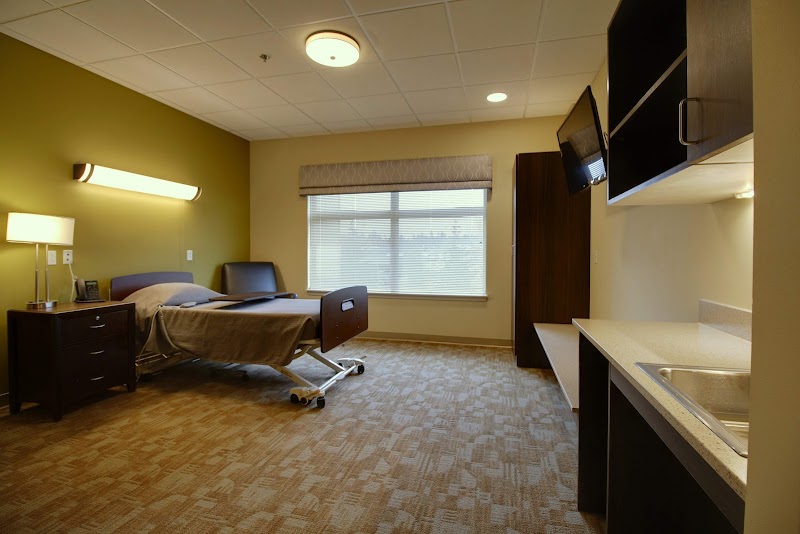
How is Cedar River Healthcare Center Staffed?

CMS rates CEDAR RIVER HEALTHCARE CENTER's staffing level at 4 out of 5 stars, which is above average compared to other nursing homes. Staff turnover is 51%, compared to the Washington average of 46%.

What Have Inspectors Found at Cedar River Healthcare Center?

State health inspectors documented 29 deficiencies at CEDAR RIVER HEALTHCARE CENTER during 2023 to 2025. These included: 1 Immediate Jeopardy (the most serious level, indicating potential for serious harm or death), 1 that caused actual resident harm, and 27 with potential for harm. Immediate Jeopardy findings are rare and represent the most serious regulatory concerns. They require immediate corrective action.
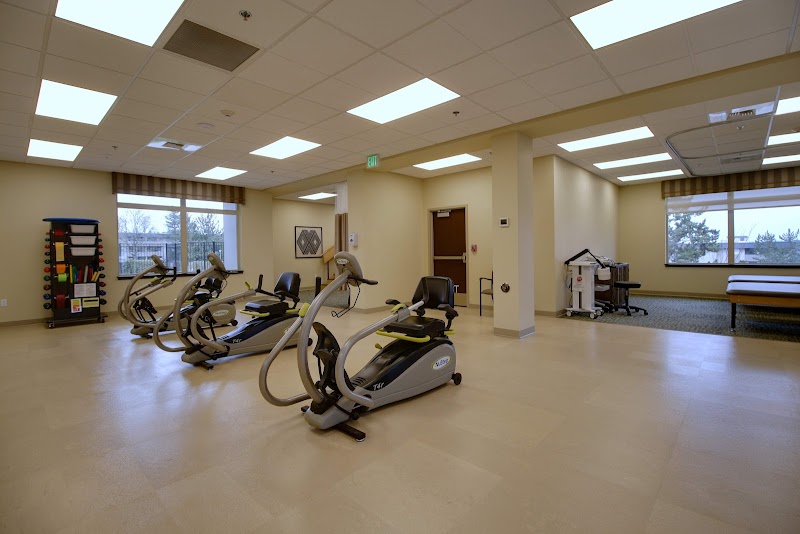
Who Owns and Operates Cedar River Healthcare Center?

CEDAR RIVER HEALTHCARE CENTER is owned by a for-profit company. For-profit facilities operate as businesses with obligations to shareholders or private owners. The facility operates independently rather than as part of a larger chain. With 60 certified beds and approximately 46 residents (about 77% occupancy), it is a smaller facility located in RENTON, Washington.
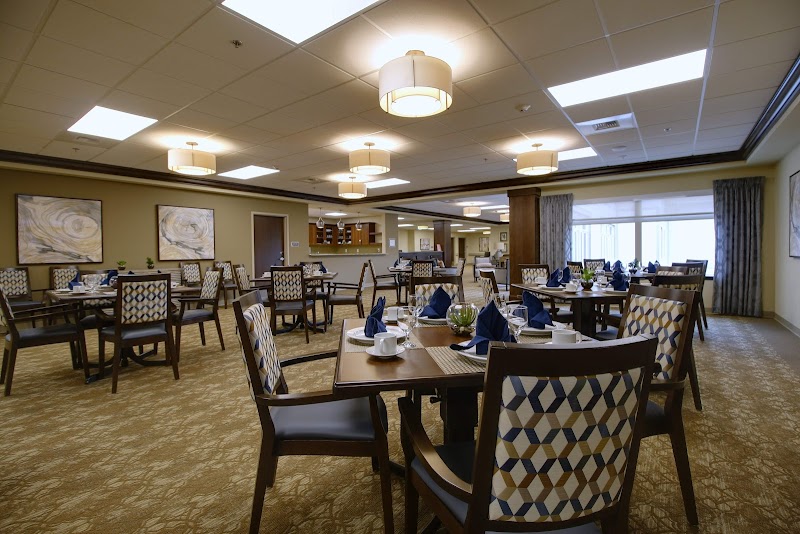
How Does Cedar River Healthcare Center Compare to Other Washington Nursing Homes?

Compared to the 100 nursing homes in Washington, CEDAR RIVER HEALTHCARE CENTER's overall rating (3 stars) is below the state average of 3.2, staff turnover (51%) is near the state average of 46%, and health inspection rating (2 stars) is below the national benchmark.

What Should Families Ask When Visiting Cedar River Healthcare Center?

Based on this facility's data, families visiting should ask: "What changes have been made since the serious inspection findings, and how are you preventing similar issues?" "Can I visit during a mealtime to observe dining assistance and food quality?" "How do you handle medical emergencies, and what is your hospital transfer rate?" "Can I speak with family members of current residents about their experience?" These questions are particularly relevant given the facility's Immediate Jeopardy citations.

Is Cedar River Healthcare Center Safe?

Based on CMS inspection data, CEDAR RIVER HEALTHCARE CENTER has documented safety concerns. Inspectors have issued 1 Immediate Jeopardy citation (the most serious violation level indicating risk of serious injury or death). The facility has a 3-star overall rating and ranks #100 of 100 nursing homes in Washington. Families considering this facility should ask detailed questions about what corrective actions have been taken since these incidents.

Do Nurses at Cedar River Healthcare Center Stick Around?

CEDAR RIVER HEALTHCARE CENTER has a staff turnover rate of 51%, which is about average for Washington nursing homes (state average: 46%). Moderate turnover is common in nursing homes, but families should still ask about staff tenure and how the facility maintains care continuity when employees leave.

Was Cedar River Healthcare Center Ever Fined?

CEDAR RIVER HEALTHCARE CENTER has been fined $74,815 across 1 penalty action. This is above the Washington average of $33,827. Fines in this range indicate compliance issues significant enough for CMS to impose meaningful financial consequences. Common causes include delayed correction of deficiencies, repeat violations, or care failures affecting resident safety. Families should ask facility leadership what changes have been made since these penalties.

Is Cedar River Healthcare Center on Any Federal Watch List?

CEDAR RIVER HEALTHCARE CENTER is not on any federal watch list. The most significant is the Special Focus Facility (SFF) program, which identifies the bottom 1% of nursing homes nationally based on persistent, serious quality problems. Not being on this list means the facility has avoided the pattern of deficiencies that triggers enhanced federal oversight. This is a positive indicator, though families should still review the facility's inspection history directly.