RENTON HEALTH & REHABILITATION

80 SOUTHWEST SECOND STREET, RENTON, WA 98057 (425) 226-4610
For profit - Corporation 99 Beds VERTICAL HEALTH SERVICES Data: November 2025 1 Immediate Jeopardy citation
Trust Grade
23/100
#149 of 190 in WA
Last Inspection: September 2024

Within standard 12-15 month inspection cycle. Federal law requires annual inspections.

Overview

Renton Health & Rehabilitation has received a Trust Grade of F, indicating serious concerns about the quality of care provided. They rank #149 out of 190 facilities in Washington, placing them in the bottom half, and #37 out of 46 in King County, meaning there are significantly better local options available. While the facility is improving its compliance issues, with the number of problems decreasing from 29 in 2023 to 22 in 2024, the total of 90 issues found is still alarming. Staffing is rated at 4 out of 5 stars, which is a strength, with a 42% turnover rate that is below the state average. However, the facility has been fined $270,110, which is concerning and suggests recurring compliance issues. Specific incidents of concern include failing to investigate allegations of abuse, which led to residents feeling unsafe and fearful of staff. Additionally, the facility did not schedule enough staff to meet residents' care needs during the night shift, risking unmet care requirements. Lastly, the administration has failed to provide adequate oversight and training for staff, compromising the well-being and safety of all residents. Overall, while there are some positive aspects, serious deficiencies raise significant concerns for families considering this facility.

Trust Score
F
23/100
In Washington
#149/190
Bottom 22%
Safety Record
High Risk
Review needed
Inspections
Getting Better
29 → 22 violations
Staff Stability
○ Average
42% turnover. Near Washington's 48% average. Typical for the industry.
Penalties
✓ Good
$270,110 in fines. Lower than most Washington facilities. Relatively clean record.
Skilled Nurses
✓ Good
Each resident gets 61 minutes of Registered Nurse (RN) attention daily — more than 97% of Washington nursing homes. RNs are the most trained staff who catch health problems before they become serious.
Violations
⚠ Watch
90 deficiencies on record. Higher than average. Multiple issues found across inspections.
★★☆☆☆
2.0
Overall Rating
★★★★☆
4.0
Staff Levels
★★☆☆☆
2.0
Care Quality
★★☆☆☆
2.0
Inspection Score
Stable
2023: 29 issues
2024: 22 issues

The Good

  • 4-Star Staffing Rating · Above-average nurse staffing levels
  • Full Sprinkler Coverage · Fire safety systems throughout facility
  • No fines on record
  • Staff turnover below average (42%)

    6 points below Washington average of 48%

Facility shows strength in staffing levels, fire safety.

The Bad

2-Star Overall Rating

Below Washington average (3.2)

Below average - review inspection findings carefully

Staff Turnover: 42%

Near Washington avg (46%)

Typical for the industry

Federal Fines: $270,110

Well above median ($33,413)

Significant penalties indicating serious issues

Chain: VERTICAL HEALTH SERVICES

Part of a multi-facility chain

Ask about local staffing decisions and management

The Ugly 90 deficiencies on record

1 life-threatening
Sept 2024 18 deficiencies
CONCERN (D)

Potential for Harm - no one hurt, but risky conditions existed

Deficiency F0552 (Tag F0552)

Could have caused harm · This affected 1 resident

**NOTE- TERMS IN BRACKETS HAVE BEEN EDITED TO PROTECT CONFIDENTIALITY** <Resident 60> According to the 07/15/2024 admission MDS Resident 60 was admitted on [DATE] with a diagnosis that resulted ...

Read full inspector narrative →
**NOTE- TERMS IN BRACKETS HAVE BEEN EDITED TO PROTECT CONFIDENTIALITY** <Resident 60> According to the 07/15/2024 admission MDS Resident 60 was admitted on [DATE] with a diagnosis that resulted in paralysis to the left side of their body. The assessment showed Resident 60 had no memory impairment. Record review showed a 07/24/2024 physician order for bilateral quarter bed rails to Resident 60's bed. Review of Resident 60's records showed no consent documentation for the use of the bed rails. On 09/10/2024 at 10:02 AM, Resident 60 was observed to have bed rails attached to both sides of their bed. Resident 60 stated staff did not discuss the risks and benefits of the bed rails with them or obtain their consent for the side rails. In an interview on 09/15/2024 at 10:26 AM Staff C stated prior to placing bed rails on a resident's bed, they were expected to complete a safety device assessment on the resident, explain risks and benefits of the bed rails, obtain the residents consent, and care plan the bed rails to ensure all staff were aware of the reason for the bed rails. Staff C stated they had not obtained consent for Resident 60's bilateral bed rails but should have. Staff C stated it was important to obtain resident consent to ensure the resident was included in their plan of care and aware of all treatments. Refer to F656 - Develop/Implement Comprehensive Care Plan REFERENCE: WAC 388-97-0260. Based on observation, interview, and record review the facility failed to ensure informed consent (a process explaining the risks and benefits of a treatment prior to use) was obtained prior to administration of psychotropic (affecting mental state) medications for 2 of 5 (Residents 20 & 34) reviewed for unnecessary medications and for bed rails for 1 of 2 residents (Resident 60) reviewed for accident hazards. This placed residents at risk for unwanted treatment. <Findings included> <Facility Policy> According to the facility policy titled, Use of Psychotropic Medication, revised 08/2024, residents needing psychotropic medications would be educated on the risks and benefits. <Facility Policy> According to a facility policy titled, Proper Use of Bed Rails, revised 03/2024, showed the facility would obtain informed consent from the resident or resident representative prior to installation and use of the bed rails. The policy showed risks and benefits of bed rail use for the resident would be provided to the resident or resident representative as part of the informed consent. <Resident 34> According to the 07/24/2024 Quarterly Minimum Data Set (MDS - an assessment tool) Resident 34 had diagnoses including anxiety and depression. The MDS showed Resident 34 took antianxiety and antidepressant medications. Review of the physician's orders showed Resident 34 had two antidepressant orders, both with start dates of 05/31/2024. Resident 34 had one order for an antianxiety medication with start date of 05/30/2024. Record review showed three informed consent documents explaining the risks and benefits of the two antidepressants and the antianxiety medication. Each form was dated 08/15/2024. Each form was signed by Resident 34 on 09/06/2024. In an interview on 09/16/2024 at 1:02 PM Staff P (Registered Nurse - RN, RN Manager) stated informed consent should be obtained from a resident prior to administration of a psychotropic medication. Staff P stated the facility should have but did not provide Resident 34 informed consent prior to administering the three psychotropic medications. <Resident 20> According to the 06/10/2024 Quarterly MDS Resident 20 had no memory impairment, and diagnoses including depression. The MDS showed Resident 20 took antidepressant medications. Record review showed a 05/16/2024 order for an antidepressant medication. Record review showed an informed consent form for the antidepressant with an effective date of 05/16/2024. The form was not signed by Resident 20 but showed verbal consent was given on 05/16/2024 The form was signed electronically by Staff C (RN Manager) on 09/06/2024, over three months later. A copy of this form with undated handwritten signatures by Staff P and Staff C, and a digital signature date for Staff C of 09/06/2024. The form was scanned in to Resident 20's record by Staff R (Medical Records Supervisor) on 09/13/2024. In an interview on 09/13/2024 at 12:29 PM Staff C stated their signature date of 09/06/2024 was the date the form was finalized in the electronic record. When asked if they could demonstrate consent was obtained prior to 09/06/2024 Staff C showed the hand signed form including only the 09/06/2024 electronic signature date. In an interview on 09/13/2024 at 12:37 PM Staff R stated they were given the form to scan into the record that day by Staff P.
CONCERN (D)

Potential for Harm - no one hurt, but risky conditions existed

Deficiency F0582 (Tag F0582)

Could have caused harm · This affected 1 resident

**NOTE- TERMS IN BRACKETS HAVE BEEN EDITED TO PROTECT CONFIDENTIALITY** Based on interview and record review, the facility failed to provide the Skilled Nursing Facility Notice of Medicare Non-coverag...

Read full inspector narrative →
**NOTE- TERMS IN BRACKETS HAVE BEEN EDITED TO PROTECT CONFIDENTIALITY** Based on interview and record review, the facility failed to provide the Skilled Nursing Facility Notice of Medicare Non-coverage (SNF-NOMNC - a required form notifying the resident that their skilled services coverage was ending and would no longer be covered by their Medicare A benefits) as required for 2 of 4 residents (Resident 219 and 119) reviewed for beneficiary notification. This failure placed Residents 219, 119, and other residents at risk for not being fully informed and losing their right to an appeals process. Findings included . <Facility Policy> According to the facility policy titled, SNF Beneficiary Notices Under Medicare Part A, revised 06/2023, the facility would inform Medicare A beneficiaries when they no longer met the skilled coverage criteria. The policy showed a NOMNC was given by the facility to all Medicare beneficiaries at least two days before the end of their Medicare covered Part A stay because the notice contained information regarding the beneficiary's right to an expedited appeals process review by a Quality Improvement Organization. The policy showed the facility would maintain a log of notices that had been provided to residents/representatives. <Resident 219> According to the 05/15/2024 Discharge Return not anticipated Minimum Data Set (MDS - an assessment tool), Resident 219 was admitted to the facility on [DATE] and was discharged to the community on 05/15/2024. Review of Resident 219's record showed a 05/14/2024 Physician Order for the resident to discharge home. Review of Resident 219's record did not show a NOMNC was provided to the resident to explain their Medicare A benefits. <Resident 119> According to the 05/22/2024 Discharge Return not anticipated MDS, Resident 119 was admitted to the facility on [DATE] and was discharged to the community on 05/22/2024. Review of the 05/22/2024 Nursing progress note showed Resident 119 was discharged home. Review of Resident 119's record did not show a NOMNC was provided to the resident to explain their Medicare A benefits. In an interview on 09/12/2024 at 9:45 AM, Staff D (Social Services Director) stated it was important to provide beneficiary notices to residents whose skilled services were ending so residents could prepare themselves for a safe discharge or they could exercise their right to an appeals process if/when residents felt they needed more services. Staff D stated they should have but did not provide Resident 219 or 119 a NOMNC as required. REFERENCE: WAC 388-97-0300(1)(e), (5), (6). .
CONCERN (D)

Potential for Harm - no one hurt, but risky conditions existed

Assessment Accuracy (Tag F0641)

Could have caused harm · This affected 1 resident

Based on interview and record review, the facility failed to ensure the Minimum Data Set (MDS -an assessment tool) accurately reflected the status for 3 (Resident 37, 51, & 61) of 19 residents reviewe...

Read full inspector narrative →
Based on interview and record review, the facility failed to ensure the Minimum Data Set (MDS -an assessment tool) accurately reflected the status for 3 (Resident 37, 51, & 61) of 19 residents reviewed for accuracy of assessments. This failure placed the residents at risk for unmet care needs and a diminished quality of life. Findings included . <Resident 37> Review of a 07/24/2024 Annual Minimum Data Set (MDS - an assessment tool) showed Resident 37 had clear speech, understands, and was understood by others. This MDS showed staff assessed Resident 37 with broken or loosely fitting full or partial denture, no natural teeth or tooth fragments, (obvious or likely cavity or broken natural teeth, and mouth or facial pain, discomfort or difficulty with chewing. Observations on 09/10/2024 at 10:38 AM showed Resident 37 with multiple lower teeth and no upper denture in their mouth. In an interview at this time, Resident 37 stated they were waiting to have their dentures fixed. In an interview on 09/16/2024 at 1:35 PM, Staff BB (MDS Coordinator, Registered Nurse) reviewed Resident 37's 07/24/2024 Annual MDS, stated staff incorrectly marked the section indicating the resident had no natural teeth, and needed to be corrected. <Resident 51> Review of a 06/26/2024 Quarterly MDS showed Resident 51 had multiple medically complex diagnoses including stroke and had a functional limitation in range of motion to one side of their lower extremity. This MDS showed in the last seven days of the assessment period, Resident 51's normal mobility device was a walker. Observations on 09/12/2024 at 11:05 AM and 09/13/2024 at 2:12 PM, showed Resident 51 reclined in a wheelchair in the hallway positioned next to staff. In an interview on 09/16/2024 at 1:35 PM, Staff BB reviewed Resident 51's 06/26/2024 Quarterly MDS and stated, that was an error, [they] do not use a walker. Staff BB stated the MDS needed to be corrected.<Resident 61> According to the 08/13/2024 Quarterly MDS, Resident 61 had intact memory and had a preferred language that was not English. This MDS showed Resident 61 had clear speech and was understood and able to understand others in conversation. Section F (Preferences for Customary Routine and Activities) of this MDS had two sections, a resident interview section, and a staff assessment section. The MDS directed the staff completing the assessment to skip the resident interview only if the resident was rarely or never understood and a family member or significant other was not available. The resident assessment section was marked with zero, indicating Resident 61 was rarely/never understood, contradicting earlier in the assessment where Resident 61 was assessed to always be understood. Instead of a resident interview a staff assessment of Resident 61's daily and activity preferences was completed. This assessment provided less specific information and lacked Resident 61's perspective on their choices and preferences. In an interview on 09/13/2024 at 12:29 PM Staff BB stated facility activities staff were responsible for completing Section F for residents. Staff BB reviewed Resident 61's records and stated staff should have, but did not, interview Resident 61, using translation services, if necessary, to ensure the resident's preferences were included in the assessment. REFERENCE: WAC 388-97-1000 (1)(b). .
CONCERN (D)

Potential for Harm - no one hurt, but risky conditions existed

Deficiency F0645 (Tag F0645)

Could have caused harm · This affected 1 resident

Based on interview and record review, the facility failed to ensure a Pre-admission Screening and Resident Review (PASRR - a process to determine if a potential nursing home resident had mental health...

Read full inspector narrative →
Based on interview and record review, the facility failed to ensure a Pre-admission Screening and Resident Review (PASRR - a process to determine if a potential nursing home resident had mental health/intellectual disability needs which required further assessment/treatment) assessment was accurate to reflect the residents' mental health conditions for 1 of 5 (Resident 51) residents reviewed for PASRR. This failure placed residents at risk for inappropriate nursing home placement and/or not receiving timely and necessary services to meet their mental health needs. Findings included . <Facility Policy> According to the facility policy titled, Admissions Criteria, revised July 2024, all new admission and readmissions must go through a PASRR screening prior to admission. The policy showed the facility's social worker was responsible for making referrals for Level II PASRR services. <Resident 51> According to a 06/26/2024 Quarterly Minimum Data Set (MDS - an assessment tool) Resident 51 had multiple medically complex diagnoses including dementia, anxiety, and schizophrenia (a chronic mental illness that affects a person's thoughts, feelings, and behaviors). Review of Resident 51's physician orders showed the resident had been receiving an antipsychotic medication from 09/06/2023 until 04/17/2024 for acute psychosis. On 07/23/2024 the same antipsychotic medication was restarted for Resident 51 with an indicated diagnosis of psychosis and schizophrenia. Review of a 01/18/2023 Level 1 PASRR showed staff identified Resident 51's only serious mental illness indicator was anxiety and the resident's primary language was English. Staff did not identify Resident 51's primary language was Vietnamese, as identified by staff on the resident's 01/13/2024 admission assessment. No updated PASRR Level 1 was found addressing Resident 51's psychosis. In an interview on 09/16/2024 at 12:33 PM, Staff D (Social Service Director) stated PASRR's were important to identify if residents required Level 2 evaluations and to assist residents with being successful in the facility. Staff D stated their expectation was for Level 1 PASRR's to be accurate and should be updated with changes. Staff D reviewed Resident 51's records and stated the primary language was identified inaccurately and stated the Level 1 should have been updated to include the diagnoses identified for the antipsychotic medications for Resident 51. REFERENCE: WAC 388-97-1975(1)(9). .
CONCERN (D)

Potential for Harm - no one hurt, but risky conditions existed

Comprehensive Care Plan (Tag F0656)

Could have caused harm · This affected 1 resident

**NOTE- TERMS IN BRACKETS HAVE BEEN EDITED TO PROTECT CONFIDENTIALITY** <Resident 1> According to the 09/09/2024 Quarterly MDS, Resident 1's medical conditions included stroke, aphasia (a compre...

Read full inspector narrative →
**NOTE- TERMS IN BRACKETS HAVE BEEN EDITED TO PROTECT CONFIDENTIALITY** <Resident 1> According to the 09/09/2024 Quarterly MDS, Resident 1's medical conditions included stroke, aphasia (a comprehension and communication disorder), hemiplegia (paralysis on one side of the body), depression and a mood disorder. Review of Resident 1's revised 06/30/2024 nursing CP showed the resident gets easily annoyed with care and may refuse care from staff they were not familiar with. The goal listed on the CP was resident would allow care from nursing staff. Interventions listed on the CP were to build rapport with resident, educate resident on importance of care, knock on the resident door, re-approach resident after they calmed down. The CP did not identify what to do for Resident 1's rejection of care or provided instructions for the nursing staff on documenting refusals or notifying hospice services of resident's refusal of care. Review of the [NAME] (care staff summary of care needs) on 09/13/2024 showed resident was to have bed baths twice a week in the morning, the [NAME] did not provide instructions on what to do for refusals of bed baths. Review of the August 2024 Medication Administration Record and Treatment Administration Record did not show instructions for staff regarding refusals of care. Observation on 09/11/2024 at 9:12 AM, Resident 1's hair was greasy, and room smelled of body odor. Observation on 09/12/2024 at 12:27 PM, body odor observed, resident still in hospital gown, hair appeared greasy. Observation on 09/13/2024 at 7:52 AM, fingernails were long, 1/4 inches extended past nail bed. Resident shook head yes to a question if they would like their fingernails cut. Resident shook their head no to wanting toenails to be cut. Hair appeared greasy and room smelled of body odor. In an interview on 09/13/2024 at 8:49 AM, Staff V (Certified Nursing Aid) stated resident refused bathing all the time and was the reason why their hair was greasy. Staff V stated that if the resident refused something the staff were to just stop what they were doing to not upset the resident more. In an interview on 09/13/2024 at 9:35 AM Staff P (Registered Nurse Manager) stated the care staff should notify nursing staff when the resident refused care. Staff P stated the nursing staff needed to know about refusals, or it could become a hazard for the resident, staff must report to the floor nurse and document refusals of care. In an interview on 09/16/2024 at 10:42 AM, Staff B (Director of Nursing) stated their expectation for nursing and care staff was to ensure resident does not have odor and for staff to update and document refusals in the resident's care plan. Refer to F552 - Right to be informed/Make Treatment Decisions. REFERENCE: WAC 388-97-1020(1), (2)(a)(b). Based on observation, interview, and record review, the facility failed to develop and/or implement a comprehensive Care Plan (CP) for 4 of 17 sampled residents (Residents 60, 39, 58, & 1) whose comprehensive CPs were reviewed. The failure to develop comprehensive, individualized CPs with resident-specific goals and/or interventions placed residents at risk for unmet care needs and a decreased quality of life. Findings included . <Facility Policy> According to a facility policy titled, Proper Use of Bed Rails, revised 03/2024, showed the facility would implement ongoing monitoring and supervision of the bed rails by way of the resident's care plan. The policy showed direct care staff would be responsible for care and treatment in accordance with the care plan for the bed rails. According to a facility policy titled, Comprehensive Care Plan, revised 08/2024, showed resident specific services that were furnished to maintain the resident's highest practicable physical well-being would be documented in the CP. The policy showed resident specific interventions would be documented in the residents CP. The policy showed the comprehensive CP would be reviewed and revised with each quarterly Minimum Data Set (MDS - an assessment tool). <Resident 60> According to the 07/15/2024 admission MDS Resident 60 was admitted on [DATE] with a diagnosis that resulted in paralysis to the left side of their body. The assessment showed Resident 60 had no memory impairment. Record review showed a 07/24/2024 physician order for bilateral quarter enabler bars to Resident 60's bed. Review of Resident 60's CP showed no documentation of bilateral bed rails. On 09/10/2024 at 10:02 AM Resident 60 was observed to have bed rails attached to both sides of their bed. Resident 60 stated staff did not discuss the risks and benefits of the bed rails with them or obtain their consent for the side rails. In an interview on 09/15/2024 at 10:26 AM Staff C (Registered Nurse Manager) stated they were expected to care plan the bed rails to ensure all staff were aware of the bed rails and the reason for their use. Staff C stated they had not care planned the bilateral bed rails for Resident 60 but should have. <Resident 39> According to the 07/16/2024 Quarterly MDS Resident 39 was admitted on [DATE] with diagnoses that included brain damage, weakness, stiffness of joints, pressure ulcers, and lower urinary tract symptoms. The assessment showed Resident 39 had an indwelling urinary catheter and was dependent on staff for all care/needs. Record review showed a 05/21/2024 physician order for an indwelling urinary catheter. Review of Resident 39's CP showed no documentation of a urinary catheter. Observation and interview on 09/10/2024 at 1:49 PM showed Resident 39 with an indwelling catheter in place. Resident 39's representative stated they wanted it removed but was told by staff that they needed it in place until the resident's wounds to their buttocks had healed. In an interview on 09/15/2024 at 10:26 AM Staff C stated it was important to CP urinary catheters so staff would know how to care for the resident. Staff C stated Resident 39's catheter was not on their CP but should be.<Resident 58> According to the 07/30/2024 Quarterly MDS Resident 58 had diagnoses including a history of stroke and difficulty swallowing. The MDS showed Resident 58 received over half their daily calorie intake via a feeding tube (tubing that allows liquid nutrition to pass directly into the stomach for people with swallowing difficulties). According to the revised 05/13/2024 resident requires tube feeding . CP Resident 58 still received nutrition by feeding tube. Review of the physician's orders showed a 05/23/2024 order for a bolus (using gravity rather than a pump) feeding four times a day for Resident 34. This order was discontinued on 07/04/2024. In an interview on 09/16/2024 at 11:02 AM Staff AA (Dietician) stated Resident 20 successfully graduated from the tube feeding and was now able to meet their nutritional needs with oral intake. Staff AA stated the CP was no longer necessary.
CONCERN (D)

Potential for Harm - no one hurt, but risky conditions existed

Deficiency F0658 (Tag F0658)

Could have caused harm · This affected 1 resident

<Clarifying Physician Orders/Signing for Tasks Not Completed> <Resident 25> According to the 08/01/2024 Annual MDS, Resident 25 had a diagnosis of arthritis and experienced occasional pain...

Read full inspector narrative →
<Clarifying Physician Orders/Signing for Tasks Not Completed> <Resident 25> According to the 08/01/2024 Annual MDS, Resident 25 had a diagnosis of arthritis and experienced occasional pain during the assessment look-back period. Observation on 09/11/2024 at 8:47 AM showed Resident 25 lying in bed. A topical pain patch was located on the resident's right shoulder and was dated 9/9, two days earlier. Review of Resident 25's order summary showed a 06/06/2024 order directing staff to apply a topical pain-relieving patch to the resident one time daily. This order directed staff to remove the patch at bedtime. Review of Resident 25's September 2024 MAR on 09/11/2024 showed staff documented when the pain patch was put on the resident. There was no where on the MAR for staff to document the pain patch was removed at bedtime as ordered. This MAR showed staff signed they placed a new patch on Resident 25 on 09/10/2024 and 09/11/2024. In an observation and interview on 09/11/2024 at 8:59 AM, Staff S (Licensed Practical Nurse - LPN) was preparing to apply the pain patch to Resident 25. Staff S observed the patch dated 9/9, removed it, and applied a new patch to the resident's shoulder. In an interview on 09/11/2024 at 2:04 PM, Staff M (LPN Supervisor) confirmed they were the assigned staff for Resident 25 on 09/10/2024. Staff M stated they did not apply a new pain patch to the resident on 09/10/2024 as ordered and they should not have signed the MAR indicating the pain patch was provided to the resident. <Resident 52> According to the 07/17/2024 Quarterly MDS, Resident 52 had pain during the assessment look-back period. Review of Resident 52's order summary showed an 08/19/2024 order directing staff to apply a topical pain patch to the resident's back in the morning for 12 hours and remove the patch in the afternoon. Review of Resident 52's September 2024 MAR directed staff to remove the patch at 7:59 AM and place a new patch on the resident at 8:00 AM. The MAR did not direct the staff to remove the patch after 12 hours as ordered by the physician. In an interview on 09/16/2024 at 9:50 AM, Staff B (Director of Nursing) stated it was their expectation pain patches were removed after 12 hours. Staff B stated the pain patch orders needed to be clarified for Resident 25 and Resident 52. REFERENCE: WAC 388-97-1620(2)(b)(i)(ii),(6)(b)(i). Based on interview and record review the facility failed to provide nursing care within professional standards. The failure to follow physician's orders for 2 of 19 sample residents reviewed (Residents 34 & 20), clarify physician's orders when required, and sign for physician orders not completed for 2 of 19 sample residents (Residents 25 & 52) placed residents at risk for unmet care needs, medication errors, and ineffective treatment. Findings included . According to the facility's Medication Administration policy revised 08/2024, staff would correct any medication discrepancies and report to the nurse manager. <Following Orders> <Resident 34> According to the 07/24/2024 Quarterly Minimum Data Set (MDS - an assessment tool) Resident 34 had occasional pain that almost constantly affected their sleep and day-to-day activities. The MDS showed Resident 34 took opioid medications as needed. Review of the June 2024 Medication Administration Record (MAR) showed a 06/07/2024 physician's order for an as needed opioid pain medication 5-325 Milligram (MG), give one pill every 12 hours as needed for a pain level of 5-10/10. The MAR showed Resident 34 was given the as needed opioid pain medication for a pain level of 3 on 06/29/2024. Review of the July 2024 MAR showed Resident 34 was given the as needed opioid pain medication for a pain level of 4 on 07/19/2024 and 07/27/2024. Review of the August 2024 MAR showed an 08/05/2024 physician's order for an as needed opioid pain medication 5-325 MG, give one pill every 12 hours as needed for a pain level of 5-10/10. This MAR showed on 08/06/2024 Resident 34 was given the medication for a pain level of 3. <Resident 20> According to the 06/10/2024 Quarterly MDS, Resident 20 had diagnoses including chronic pain. The MDS showed Resident 20 used opioid pain medications. Review of the June 2024 MAR showed Resident 20 had two orders for as needed opioid pain medications: a 05/30/2024 order for a an opioid pain medication 5 MG, give one tablet for a pain level of 4-6/10 every four hours as needed; a 05/30/2024 order for a an opioid pain medication 5 MG, give two tablets for a pain level of 7-10/10 every four hours as needed. This MAR showed Resident 20 was given two tablets for a pain level of less than 7/10 on 06/05/2024, 06/07/2024, 06/09/2024, 06/11/2024, 06/14/2024, 06/18/2024, 06/19/2024, 06/25/2024, and 06/27/2024. Review of the July 2024 MAR showed Resident 20 was given one pill of the opioid pain medication for a pain level of 3 on 07/09/2024, less than the 4-6/10 range indicated on the order. This MAR showed Resident 20 was given two tablets of the opioid pain medication for a pain level of less than 7-10/10 on 07/01/2024, 07/06/2024, twice on 07/10/2024, 07/11/2024, and on 07/23/2024. Review of the August 2024 MAR showed Resident 20 was given two tablets of the opioid pain medication for a pain level of less than 7-10/10 on 08/01/2024, 08/02/2024, twice on 08/09/2024, and on 08/15/2024. Review of the September 2024 MAR showed Resident 20 was given two tablets of the opioid pain medication for a pain level of less than 7-10/10 on 09/01/2024 and 09/02/2024. In an interview on 09/16/2024 at 1:02 PM Staff P (Registered Nurse Manager) stated it was important to the follow the physician provided parameters for as needed pain medications. Staff P stated nurses should, but did not, provide the correct dose of a pain medication for the resident's stated pain level.
CONCERN (D)

Potential for Harm - no one hurt, but risky conditions existed

ADL Care (Tag F0677)

Could have caused harm · This affected 1 resident

**NOTE- TERMS IN BRACKETS HAVE BEEN EDITED TO PROTECT CONFIDENTIALITY** <Resident 1> According to the 09/09/2024 Quarterly MDS, Resident 1's medical conditions included stroke, aphasia (a compre...

Read full inspector narrative →
**NOTE- TERMS IN BRACKETS HAVE BEEN EDITED TO PROTECT CONFIDENTIALITY** <Resident 1> According to the 09/09/2024 Quarterly MDS, Resident 1's medical conditions included stroke, aphasia (a comprehension and communication disorder), hemiplegia (paralysis on one side of the body), depression, mood disorder and weakness. The MDS functional assessment showed the resident required maximum assistance for oral hygiene, toileting, showers, lower body dressing, putting on footwear, and resident was incontinent of bowel and bladder. Review of functional care plan revised 06/30/2024 showed resident needed one-person extensive assistance with bed baths in the morning on Wednesday and Saturdays; to avoid resident scratching staff were to keep fingernails short and to cut nails on day of resident's bath. Review of [NAME] (care staff summary of care needs) on 09/13/2024 showed staff would check nail length and trim and clean on bath day, resident required extensive assistance for personal hygiene. Review of caregiver task sheets for September 2024, showed staff completed a bed bath for resident on 09/04/2024, 09/07/2024, 09/11/2024, and 09/14/2024. Observation on 09/11/2024 at 9:12 AM, resident 1's hair was greasy, and room smelled of body odor. Observation on 09/12/2024 at 12:27 PM, body odor observed, resident still in hospital gown, hair appeared greasy. Observation on 09/13/2024 at 7:52 AM, fingernails were long,1/4 inches past nail bed. Resident shook head yes to the question that they would like their fingernails cut, shook head no to toenails being cut. Hair appeared greasy and room smelled of body odor. In an interview on 09/13/2024 at 8:49 AM, Staff V (CNA) stated resident refused bathing all the time and was the reason why their hair was greasy. In an interview on 09/13/2024 at 9:35 AM Staff P stated staff must take care of the resident even if the resident refused care the staff must offer alternatives to help the resident. In an interview on 09/16/2024 at 10:42 AM Staff B stated staff were to ensure that resident did not smell of body odor and document care was provided. REFERENCE: WAC 388-97-1060(2)(c). <Resident 60> According to the 07/15/2024 admission MDS, Resident 60 was admitted on [DATE] with a diagnosis that resulted in paralysis to the left side of their body. The assessment showed Resident 60 had no memory impairment. This MDS showed Resident 60 was dependent on staff for personal hygiene needs. Observation and interview on 09/10/2024 at 9:40 AM showed Resident 60 with long, dirty fingernails. Resident 60 stated staff have not offered assistance with nail care since admitted to the facility. In an interview on 09/11/2024 at 1:50 PM, Staff F (CNA - Certified Nursing Assistant/Bath Aide) stated they were responsible for all resident's nail care and facial hair shaving on each resident's shower day. Staff F stated there was not anywhere in the electronic health records to document refusals of nail care or shaving, only refusals of bathing. Staff F stated they would notify the Resident Care Manager (RCM) of all refusals. In an interview on 09/13/2024 at 10:07 AM Staff C (RN Manager) stated Resident 60 should have an order for Licensed Nurses (LN) to do nail care because the resident had diabetes (unstable blood sugar levels), but they did not. In an interview on 09/16/2024 at 10:01 AM Staff B stated nail care should be offered on scheduled bath days. Staff B stated Diabetic residents should have an order for LNs to provide nail care. Staff B stated if residents refused nail care, staff were expected to document the refusal in the residents' records. According to the 07/17/2024 Quarterly MDS, Resident 52 had intact thinking abilities, was understood, and could understand others in conversation. This MDS showed Resident 52 was dependent on staff for assistance with personal hygiene including shaving. Review of Resident 52's physician orders showed a 04/30/2024 order directing licensed nursing staff to check the resident's fingernails and toenails every Friday and to trim as needed. Review of Resident 52's September 2024 treatment administration record showed the licensed nurse signed the order that the resident's nails were checked and trimmed on 09/06/2024 and 09/13/2024. In an observation and interview on 09/10/2024 at 9:57 AM, Resident 52 was lying in bed. Long black hair was observed on Resident 53's upper lip and chin. Their fingernails on both hands were long, extending well beyond the tip of their fingers. Some nails were chipped with jagged edges. Resident 52 stated they preferred their fingernails shorter. In an observation and interview on 09/16/2024 at 9:02 AM, Resident 52 was lying in bed. The resident still had long black hair to their upper lip and chin. Resident 52's fingernails on both hands were long. Some of the resident's nails were chipped with jagged edges. Resident 52 stated they preferred their facial hair be trimmed. They had an electric razor on their nightstand. Resident 52 stated they could shave themselves, but staff always put the razor where the resident was unable to reach it. Resident 52 stated staff did not offer to cut their fingernails on the Friday three days prior as ordered. In an interview on 09/16/2024 at 10:01 AM, Staff B (Director of Nursing) stated the licensed nursing staff should offer nail care as ordered to Resident 52. Staff B stated it was their expectation staff offer shaving assistance to residents on bath days and as needed. Staff B stated if a resident refuses care or the staff did not get to an assigned task, staff were expected to document accordingly. Based on observation, interview, and record review the facility failed to ensure Activities of Daily Living (ADL) assistance was provided for dependent residents for 3 (Residents 52, 60, & 1) of 6 residents reviewed for ADLs and one supplementary resident (Resident 58). Facility failure to provide ADL assistance as needed placed residents at risk for poor hygiene and feelings of diminished self-worth. Findings included . <Facility Policy> The facility's reviewed 08/2024 Activities of Daily Living (ADLs) policy showed, ADLs included bathing, dressing, grooming, oral care, transfers, toileting, and assistance with eating. The policy showed residents assessed to be unable to complete ADLs independently should receive the assistance they required. <Resident 58> According to the 07/30/2024 Quarterly Minimum Data Set (MDS - an assessment tool) Resident 58 had diagnoses including a history of stroke, heart failure, one-side partial paralysis, lack of coordination, and an abnormal posture. The MDS showed Resident 58 needed substantial to maximal assistance to transfer from their bed to a chair. Review of the physician's orders showed a 05/31/24 order to ensure Resident 58 was up and dress[ed] in [their] wheelchair for activities one time a day for activities and socializing . and a 07/15/2024 order to please have [Resident 58] up in [their] wheelchair every morning for daily activities in the morning . Review of the revised 08/20/2024 resident has an ADL self-care performance deficit . Care Plan (CP) showed Resident 58 was totally dependent on staff for dressing. This CP showed Resident 58 was dependent on the assistance of two staff to transfer using a mechanical lift. Observation on 09/10/2024 at 10:39 AM showed Resident 34 in bed with their television on. On 09/12/2024 at 1:39 PM Resident 58 was observed in bed watching television. On 09/13/2024 at 8:06 AM Resident 58 was observed in bed. Observations on 09/16/2024 at 8:35 AM, 9:11 AM, 10:44 AM, and 11:02 AM showed Resident 58 in bed. In an interview on 09/16/2024 at 9:11 AM, Resident 58 stated they would prefer to get up over staying bed. In an interview on 09/16/2024 at 12:55 PM Staff P (Registered Nurse - RN, RN Manager) stated they expected aides to follow the orders and CP, and get up Resident 58 out of bed daily. Staff P stated they did not think Resident 58 would refuse to get out of bed, and added there was no reason for the resident to remain in bed.
CONCERN (D)

Potential for Harm - no one hurt, but risky conditions existed

Quality of Care (Tag F0684)

Could have caused harm · This affected 1 resident

Based on observation, interview, and record review the facility failed to provide the necessary care and services to maintain residents' highest practicable level of well-being for 2 of 2 sampled resi...

Read full inspector narrative →
Based on observation, interview, and record review the facility failed to provide the necessary care and services to maintain residents' highest practicable level of well-being for 2 of 2 sampled residents (Resident 1 & 7) reviewed for hospice care. This failure placed residents at risk for not receiving necessary end- of- life care and services, and a diminished quality of life. Findings included . <Facility Policy> Review of the facility's Providing End of Life Care policy revised 08/2024, the facility would utilize a systematic approach for recognition, assessment, treatment, and monitoring of end-of-life care. The policy stated the facility and resident/family would coordinate the resident's Care Plan (CP) and implement interventions in accordance with the comprehensive assessment for the resident's needs, goals, and preferences. If the resident chose hospice services, the CP would specify the care and services to be provided by the facility and by hospice services. The facility would maintain communication with the resident, resident representative, and hospice services as it related to the provision of care and services and provided. <Resident 1> According to the 09/09/2024 Quarterly Minimum Data Set (MDS - an assessment tool) Resident 1's medical conditions included stroke, the inability to comprehend and communicate, paralysis on one side of their body, depression, mood disorder, and weakness. The MDS showed Resident 1 was receiving hospice care. Review of the revised 06/11/2024 Functional CP showed Resident 1 had hospice services in place. The interventions listed directed nursing staff to work cooperatively with the hospice team to ensure the resident's spiritual, emotional, intellectual, physical, and social needs were met. Review of September 2024 caregiver tasks showed resident would have bed baths in the morning on Wednesdays and Saturdays and as needed. No refusals of bathing were documented from 09/01/2024 through 09/16/2024. <Activities of Daily Living> Observation on 09/11/2024 at 9:12 AM showed Resident 1 had greasy hair and the resident's room smelled of body odor. Observation on 09/12/2024 at 12:27 PM showed Resident 1 wearing a hospital gown and their hair was still greasy. The resident's room smelled of body odor. Observation on 09/13/2024 at 7:52 AM showed Resident 1 with long fingernails that extended 1/4 inch past their nail bed. Resident 1 shook their head yes when asked if they would like their fingernails cut and shook head no to toenails being cut. Resident 1's hair was still greasy and their room smelled of body odor. In an interview on 09/13/2024 at 8:49 AM, Staff V (Certified Nursing Assistant) stated Resident 1 refused bathing all the time which was why the resident's hair was greasy. In an interview on 09/13/2024 at 9:35 AM, Staff P (Registered Nurse Manager) stated the facility needed to know if Resident 1 was not receiving the care listed on the CP. If the resident refused care, there should be a compromise or alternatives provided, the facility needed to know about refusals and discrepancies of care so that hospice would know as well. Staff P stated hospice services provided showers only, but the facility needed to talk to hospice about Resident 1's refusals of care. In an interview on 09/16/2024 at 8:30 AM, Staff T stated hospice sends care staff to shower Resident 1, but the resident refuses care by hospice staff. In an interview on 09/16/2024 at 10:39 AM Staff B (Director of Nursing) if there was a need for change of orders or care needs, hospice should provide care notes to the facility and hospice staff should meet with the facility nurses regarding whatever is needed by the resident and in accordance with the CP. Staff B stated their expectation was for hospice and the facility to coordinate services. <Medication Orders> Review of the June 2024 Medication Administration Record (MAR) showed a 05/31/2024 order for a high blood pressure medication to be administered one time daily on odd days. The June 2024 MAR showed the blood pressure medication was discontinued on 06/18/2024. Review of hospice medication orders dated 09/06/2024 showed the same high blood pressure medication was to be given one time a day on odd days. The hospice orders did not show the medication was discontinued. In an interview on 09/16/2024 at 10:39 AM, Staff B verified the high blood pressure medication was discontinued by the facility's provider on 06/18/2024. Staff B stated the medication order to discontinue the high blood pressure medication should be coordinated with hospice services so medication reconciliation between the facility and hospice services could occur. <Resident 7> According to a 07/22/2024 Quarterly MDS, Resident 7 had multiple medically complex diagnoses including cancer and required hospice services while a resident at the facility. According to a revised 07/15/2024 Terminal Prognosis CP, Resident 7 was admitted to hospice services on 07/06/2024. Review of Resident 7's physician orders on 09/10/2024 showed no current order for hospice services. Review of Resident 7's records revealed no documentation from hospice services in the resident's records from 07/24/2024 until 09/10/2024, almost two months later. In an interview on 09/16/2024 at 11:15 AM, Staff R (Medical Records Supervisor) stated as soon as they received any hospice notes, they upload them into the resident records. Staff R stated they had no current backlog of hospice notes to upload. In an interview on 09/16/2024 at 12:57 PM, Staff C (Resident Care Manager) reviewed Resident 7's records and stated there was not, but should be, a physician's order for hospice services. Staff C stated their expectation was all hospice communication and visits be available in the resident records. Staff C reviewed Resident 7's records and was unable to locate any hospice records from 07/24/2024 until 09/10/2024. Staff C checked the hospice binder at the nurse's station but there were no logged visits for Resident 7. REFERENCE: WAC 388-97-1060(1). .
CONCERN (D)

Potential for Harm - no one hurt, but risky conditions existed

Deficiency F0688 (Tag F0688)

Could have caused harm · This affected 1 resident

Based on observation, interview, and record review the facility failed to ensure a restorative program was provided for 1 of 2 (Resident 37) sample residents identified by staff with mobility limitati...

Read full inspector narrative →
Based on observation, interview, and record review the facility failed to ensure a restorative program was provided for 1 of 2 (Resident 37) sample residents identified by staff with mobility limitations and reviewed for Range of Motion (ROM). These failures placed residents at risk for declines in ROM, reduction in mobility, increased dependence on staff, and a decreased quality of life. Findings included . <Facility Policy> According to a revised July 2024 facility, Restorative Nursing Services policy, residents would receive restorative nursing care as needed to help promote optimal safety and independence. The policy showed restorative nursing services included splinting and bracing. The policy showed recommendations for restorative nursing services would be made at the time of discharge from therapy as needed and communicated to the aide responsible either by the discharging therapist or nurse overseeing the restorative program. <Resident 37> According to a 07/24/2024 Annual Minimum Data Set (MDS - an assessment tool), Resident 37 had multiple medically complex diagnoses including stroke with muscle weakness or the loss of ability to move on one side of their body, had no Restorative Nursing Programs (RNP) and no rejection of care during the assessment period. This MDS showed staff assessed Resident 37 with an impairment in functional limitation in ROM to one side of their upper arm and both sides of their lower legs. Observations on 09/10/2024 at 1:39 PM showed a knee brace on Resident 37's wheelchair while they were in bed. In an interview at this time, Resident 37 stated they did not wear the knee brace for a long time and were no longer on a restorative program. Review of Resident 37's physician orders showed a 01/19/2024 order for a Physical Therapy (PT) evaluation for position, contraction, and splint management. PT services started on 01/29/2024. According to a 05/14/2024 PT discharge summary Resident 37 was discharged from PT with an RNP for ROM to their right knee and positioning with a pillow between their legs for hip comfort. A 05/14/2024 restorative nursing referral form showed a recommendation for an RNP for right knee extensions and repositioning for right hip alignment. Review of Resident 37's records showed no RNP was initiated by staff after the referral by PT was made on 05/14/2024. In an interview on 09/16/2024 at 12:57 PM, Staff C (Registered Nurse Manager) reviewed Resident 37's records and confirmed there was no RNP implemented after the 05/14/2024 therapy referral. In an interview on 09/16/2024 at 1:10 PM, Staff II (Director of Rehabilitation) stated restorative programs were important to prevent further decline and/or maintain the level of where a resident was when they were discharged from therapy. Staff II stated it was their expectation an RNP be established within 24-48 hours after a referral was provided to nursing staff. In an interview on 09/16/2024 at 1:16 PM, Staff B (Director of Nursing) stated an RNP should be implemented timely after a referral was obtained from therapy to prevent a decline in function. Staff B stated it was their expectation an RNP referral from May 2024 would be implemented by staff. REFERENCE: WAC 388-97-1060(3)(d), (j)(ix). .
CONCERN (D)

Potential for Harm - no one hurt, but risky conditions existed

Deficiency F0692 (Tag F0692)

Could have caused harm · This affected 1 resident

Based on observation, interview, and record review the facility failed to ensure weights were adequately monitored for 1 of 1 (Resident 58) residents reviewed for hydration/weights. The failure to mon...

Read full inspector narrative →
Based on observation, interview, and record review the facility failed to ensure weights were adequately monitored for 1 of 1 (Resident 58) residents reviewed for hydration/weights. The failure to monitor weights as ordered placed residents at risk for weight loss, and other negative health outcomes. Findings included . <Facility Policy> According to the facility's August 2024 Weight Monitoring policy, a weight monitoring schedule should be developed for all residents at the time of admission. The policy showed resident weights would be collected monthly or more frequently, as needed. <Resident 58> According to the 07/30/2024 Quarterly Minimum Data Set (MDS - an assessment tool) Resident 58 needed supervision with eating and had diagnoses including a history of stroke, one-sided partial paralysis, and swallowing difficulties. The MDS showed Resident 58 received over half their calories via feeding tube (tubing allowing liquid nutrition to flow directly to the stomach avoiding the esophagus). Observation on 09/10/2024 at 12:38 PM showed two nursing aides assist Resident 58 to sit up in bed. The aides set up Resident 58's lunch tray and the resident fed themselves. Review of the physician's orders showed a 05/23/2024 order for Resident 58 to receive 390 Milliliters of liquid nutrition four times a day via a gravity feeding. This order was discontinued on 07/04/2024. Record review showed a 05/01/2024 physician's order directing nursing staff to weigh Resident 58 monthly. Record review showed Resident 58 weighed 210 pounds (Lbs.) on 06/01/2024. Resident 58 was next weighed on 07/14/2024 (10 days after they graduated from tube feeding to receiving their dietary intake by mouth) when they weighed 211.4 Lbs. Resident 58 was next weighed on 08/01/2024 when they weighed 202.6 Lbs., on 08/14/2024 they weighed 203.2 Lbs. This was the last weight obtained and documented for Resident 58. According to a 07/04/2024 progress note written by Staff AA (Dietician) Resident 58 began a trial discontinuation of tube feeding on that date. This note showed the July 2024 weight measurement for Resident 58 was pending. In an interview with Staff AA on 09/16/2024 at 11:02 AM Staff AA stated when a resident graduated from tube feeding to oral intake it was important to monitor their weight to ensure they continued to receive adequate nutritional intake. Staff AA stated it would be valuable to know Resident 58's weight at the time the tube feeding was discontinued. Staff AA reviewed Resident 58's weights and confirmed a weight was not collected for over a month prior to the discontinuation of tube feeding, and not for two weeks after the tube feeding was discontinued. Staff AA stated that Resident 58's weight was not measured since 08/14/2024. Staff AA reviewed the September 2024 Medication Administration Record (MAR) where staff noted Resident 58 refused to be weighed. Staff AA stated nursing staff should have collected Resident 58's weight at a later date, but the MAR did not have space where nursing staff could add a weight after their refusal on 09/01/2024, and this may be the reason Resident 58 was not weighed yet in September 2024. REFERENCE: WAC 388-97-1060 (3)(h). .
CONCERN (D)

Potential for Harm - no one hurt, but risky conditions existed

Dental Services (Tag F0791)

Could have caused harm · This affected 1 resident

**NOTE- TERMS IN BRACKETS HAVE BEEN EDITED TO PROTECT CONFIDENTIALITY** Based on observation, interview, and record review the facility failed to ensure prompt dental services were provided for 2 (Res...

Read full inspector narrative →
**NOTE- TERMS IN BRACKETS HAVE BEEN EDITED TO PROTECT CONFIDENTIALITY** Based on observation, interview, and record review the facility failed to ensure prompt dental services were provided for 2 (Residents 52 & 37) of 5 residents reviewed for dental services. This failure placed residents at risk for oral discomfort and a diminished quality of life. Findings included . <Facility Policy> According to the facility's Dental Services policy, revised 08/2024, oral and denture care would be provided in accordance with identified needs and as specified in the resident's Care Plan (CP). The facility would assist residents with making dental appointments and arranging transportation when necessary. <Resident 52> According to the 07/17/2024 Minimum Data Set (MDS - an assessment tool), Resident 52 was understood and could understand others in conversation. The MDS showed Resident 52 had intact mental processing abilities. The MDS showed Resident 52 had mouth/facial pain and discomfort when chewing. Resident 52 was dependent on staff for cleaning and putting in their dentures. Review of Resident 52's revised 11/13/2023 Oral/dental CP showed the resident had problems with their oral cavity and the facility would coordinate arrangements for dental care, including transportation, as needed. The care plan showed staff did not identify Resident 52 was without teeth and used upper dentures. Review of a 02/12/2024 in house denture consult showed Resident 52 had upper dentures and had no lower teeth or lower dentures. This consult showed Resident 52's dentures were [AGE] years old, they were loose/ill fitting, and the teeth were worn down. The consult showed the doctor recommended new dentures. A handwritten note on the side of the consult read [patient] wants new dentures. Review of Resident's 52's progress notes from 02/2024 to 09/2024 showed no documentation staff followed up with the dentist's recommendations for new dentures. Review of Resident 52's dental consults show the resident was not seen by the dentist since 02/12/2024. In an observation and interview on 09/10/2024 at 10:02 AM, Resident 52 stated they needed bottom dentures. Resident 52 was wearing their top dentures but did not have bottom dentures. Resident 52 stated they had an appointment with the in-house dentist a few months ago. Resident 52 stated they sat in their wheelchair for three hours waiting for the dentist and was informed the dentist was overbooked for the day, so the resident was unable to be evaluated. In an interview on 09/13/2024 at 12:43 PM, Staff R (Medical Records Supervisor) stated the medical records department was responsible for scheduling follow up appointments. Staff R reviewed Resident 52's appointment binder and verified staff did not schedule a denture appointment for Resident 52 as recommended. Staff R stated Resident 52 should have a denture appointment by now, but did not. In an interview on 09/13/2024 at 12:56 PM, Staff B (Director of Nursing) stated it was their expectation staff followed up and made and appointment for Resident 52, but staff did not. <Resident 37> According to a 07/24/2024 Annual MDS, Resident 37 had clear speech, was understood, and able to understand others, and required substantial assistance from staff for oral hygiene. This MDS showed staff identified Resident 37 had broken or loose-fitting dentures, obvious or likely cavities, mouth or facial pain, and discomfort or difficulty with chewing. Review of a 05/12/2021 physician order showed Resident 37 may have dental consults as needed. Review of a 11/30/2021 dental CP showed staff identified a goal that Resident 37 would be free of infection, pain or bleeding in the oral cavity and gave directions to staff to coordinate arrangements for dental care, transportation as needed/as ordered. Review of Resident 37's dental visits showed: On 07/09/2024 the dental clinic documented Resident 37's front upper denture was loose, and the resident needed to see a denturist for a consult; On 06/05/2024 the dental clinic documented Resident 37 had a loose denture and recommended to have the upper denture realigned. Review of a 07/24/2024 progress note showed staff documented Resident 37 reported having difficulty with chewing due to a loose upper denture and the resident was not wearing the denture due to it being loose. Staff documented Resident 37 was seen by dental services on 07/09/2024, 06/05/2024, and 02/06/2024. A progress note from 05/29/2024 showed documentation Resident 37 reported they do not wear their upper dentures because they are loose and needed a re-fitting. Review of a 07/29/2024 dental care area assessment showed staff documented Resident 37 reported a loose upper denture, was not wearing it, and was seen by dental services 07/09/2024 for denture follow up. Goals of care are no new acute oral issues through review date. In an interview on 09/10/2024 at 10:38 AM, Resident 37 stated they wanted their upper dentures fixed and stated, I saw a dentist awhile ago, they said they were working on them. In an interview on 09/16/2024 at 11:00 AM, Resident 37 stated their upper dentures have been loose for a long time. When asked if Resident 37 would wear their upper dentures if they fit, the resident stated, Oh yes! I would wear them all the time. In a joint interview with Staff R and Staff HH (Certified Nursing Assistant) on 09/16/2024 at 11:15 AM, Staff HH stated if a resident needs a denture readjustment, they would call the dental clinic to get the appointment scheduled. Staff HH stated as soon as they receive a referral from dental, they call and usually get the appointment scheduled within two weeks, including for denture realignment. Staff HH denied having any pending dental appointments scheduled or that needed to be scheduled for Resident 37 since June 2024. Staff HH reviewed Resident 37's records and stated they would have expected a follow-up appointment to be scheduled already for the loose dentures. Staff R stated the referral, must have been overlooked, and it was missed. In an interview on 09/16/2024 at 1:16 PM, Staff B stated their expectation was for staff to schedule referrals and/or follow up appointments for denture re-alignment or if a resident was having any pain or discomfort. Staff B stated the appointment, whether in-house or in the community, should be scheduled promptly. REFERENCE: WAC 388-97-1060(1). .
CONCERN (D)

Potential for Harm - no one hurt, but risky conditions existed

Infection Control (Tag F0880)

Could have caused harm · This affected 1 resident

<Urinary Catheter> <Resident 11> Review of the 07/10/2024 Quarterly MDS showed Resident 11 had diagnoses including a blockage in their urinary tract, urinary bladder malfunction, and a his...

Read full inspector narrative →
<Urinary Catheter> <Resident 11> Review of the 07/10/2024 Quarterly MDS showed Resident 11 had diagnoses including a blockage in their urinary tract, urinary bladder malfunction, and a history of urinary tract infections. The MDS showed Resident 11 had a surgically placed catheter tube below their belly button that drained urine directly from the bladder. The MDS showed Resident 11 had a diagnosis of infection due to a Multidrug-Resistant Organism (MDRO). Observation on 09/10/2024 at 12:43 PM showed Resident 11 had a catheter in place with the drainage tube extending from their right leg. The catheter drainage bag was observed lying directly on the floor and contained urine in the bag. In an observation and interview on 09/11/2024 at 8:53 AM Resident 11's catheter drainage bag was lying on the floor. Resident 11 stated they had a history of frequent urinary tract infections. Observation on 09/16/2024 at 8:16 AM showed Resident 11's catheter bag containing urine and lying on the floor under the bed. In an observation and interview on 09/16/2024 at 9:58 AM, Staff T (Licensed Practical Nurse) removed the catheter bag from the floor and hung it on the side of the bed. Staff T stated the catheter bag should not be on the floor. Staff T stated the resident's bed was low which caused the catheter bag to be too close to the floor or on the floor. Staff T stated the catheter should not be on the floor due to infection control. In an interview on 09/16/2024 at 10:51 AM, Staff B (Director of Nursing) stated staff should be checking residents with catheters to make sure the catheter bag was hanging below the bladder on the side of the bed with a privacy bag. Staff B stated the catheter bag should not be on the floor for infection control. <Enhanced Barrier Precautions> <Resident 11> Review of the revised 04/02/2024 nursing focus CP, showed EBP were required due to Resident 11 having a catheter. Goals listed on the CP included reducing the risk of transmission spread of MDROs. Precaution instructions included the use of gowns and gloves during high contact resident care including, but not limited to, dressing, bathing, transfers, linen changes, incontinent care, wound and/or indwelling device care. Observation on 09/14/2024 at 12:43 PM showed an EBP sign posted on the door to instruct staff about the precautions for Resident 11. In an observation an interview on 09/13/2024 at 9:50 AM, Staff P (Registered Nurse Manager) read the EBP signage posted on door to Resident 11's room and stated staff should follow the precautions listed, such as wearing gloves and gowns for resident care. Observation on 09/16/2024 at 9:58 AM showed Staff T assisting Resident 11 transfer to the bedside commode. Staff T removed the catheter drainage bag from floor and hung it on the bed. Staff T had gloves on but did not have a gown on as directed by the EBP sign. In an interview on 09/16/2024 at 10:09 AM Staff K stated EBP precautions required staff to use gloves and gowns for any close contact to reduce cross contamination for MDROs. Staff K stated it was their expectation when staff provided care to a resident with a catheter, staff wore gloves and gowns. In an interview on 09/16/2024 at 10:41 AM, Staff B (Director of Nursing) stated they expected the staff to follow the signage posted on the door for EBP. The staff should determine what services they help a resident with and determine what is needed in providing care for a resident with EBP. <Uncleanable Surfaces> <Resident 32> Observations on 09/10/2024 at 9:47 AM showed Resident 32's toilet seat rim with the white smooth protective layer worn away exposing a brown uncleanable material on the front and back of the toilet seat. <Resident 6> Observations on 09/10/2024 at 9:59 AM showed Resident 6 sitting up in their wheelchair. The armrests on the wheelchair were torn with the foam exposed. <Resident 51> Observations on 09/11/2024 at 10:12 AM showed Resident 51's wheelchair armrests wrapped in small strips of clear plastic tape that was peeling up on each edge of the tape. In an interview on 09/16/2024 at 8:49 AM, Staff K stated it was important for surfaces to remain cleanable to decrease the risk of bacteria spreading and to prevent cross contamination. REFERENCE: WAC 388-97-1320(c),(2)(a)(b). <Resident 22> Observation on 09/11/2024 at 12:41 PM showed Staff U (CNA) providing incontinence care to Resident 22. Staff U was observed to remove Resident 22's soiled brief, clean the resident with wipes, and place a new, clean brief on the resident. Staff U did not change their gloves after touching the soiled brief and before placing the clean brief on Resident 22. After placing the clean brief, Staff U continued wearing the soiled gloves and adjusted Resident 22's gown. Staff U touched Resident 22's shoulder and hip while helping the resident turn in bed. Staff U grabbed Resident 22's blankets and covered the resident up. Staff U took the package of wipes, opened the dresser drawer, and placed the wipes in the drawer while continuing to wear the soiled gloves. Staff U removed their soiled gloves and washed their hands. In an interview on 09/11/2024 at 12:48 PM, Staff U acknowledged they did not remove their soiled gloves before touching Resident 22, their gown, linens, and dresser drawer. Staff U stated they should change their soiled gloves before placing the clean brief on Resident 22. <Hand Hygiene> <Resident 51> Observations on 09/12/2024 at 8:14 AM showed Staff X (Certified Nursing Assistant - CNA) performing incontinence care for Resident 51. Staff X wore gloves and used wipes during the incontinence care. After completing the incontinence care, Staff X, with the same soiled gloves, touched the skin on Resident 51's arms and legs while assisting to put on a new brief. Staff X then removed their soiled gloves and put on a new pair, without performing hand hygiene and continued to assist Resident 51 with dressing. Staff X then removed their gloves, opened the door with their soiled hands, exited the room, and went across the hallway to another room to wash their hands. In an interview on 09/16/2024 at 8:49 AM, Staff K stated their expectation was for staff to remove gloves and perform hand hygiene after providing incontinence care, prior to touching anything else. Based on observation, interview, and record review the facility failed to establish and maintain infection control practices that provided a safe and sanitary environment to help prevent the transmission of communicable diseases. The facility failed to 1) ensure staff used personal protective equipment for residents reviewed for Transmission Based Precautions (TBP); 2) perform hand hygiene during resident care and during dining service; and 3) provide catheter care with professional standards. These failures placed residents at risk for the development and transmission of communicable diseases and related complications. Findings included . <Facility Policy> According to the facility's Infection Control Policy and Practices policy dated March 2023, the facility would prevent, detect, investigate and control infections by maintaining a safe and sanitary environment, and to help prevent and manage transmission of diseases and infections. The policy stated the facility would manage transmission of diseases and infections by implementation of isolation precautions for standard and transmission-based precautions (germs and infections transmitted through direct contact, air, droplets) and establish guidelines for the safe cleaning of reusable resident-care equipment. The policy stated all staff would be trained on infection control policies and practices including how to find and use pertinent procedures and equipment related to infection control. <Transmission Based Precautions> <Resident 58> According to the 07/30/2024 Quarterly Minimum Data Set (MDS - an assessment tool) Resident 58 had an infectious immune disease. The MDS showed Resident 58 received artificial nutrition through a feeding tube that entered directly to their digestive tract. According to the 05/02/2024 Resident is being treated for [an infectious immune disease] . Care Plan (CP) staff should use universal precautions when providing care to Resident 58. According to the 05/09/2024 Resident requires Enhanced Barrier Precautions (EBP) . CP Resident 58 required EBP related to their feeding tube. Observation on 09/10/2024 at 12:38 PM showed an EBP sign outside Resident 58's room directing care staff to perform hand hygiene and wear a gown and gloves when providing resident care. At that time two nurse's aides were observed repositioning Resident 58 up in their bed for lunch. Both aides put on gloves but did not gown up before repositioning Resident 58 and setting up their lunch tray. In an interview on 09/16/2024 at 12:48 PM Staff K (Licensed Practical Nurse - Infection Control) stated it was important for all staff to follow precaution signs to help minimize the chance spreading communicable diseases and exposure of infectious materials. Staff K stated the aides should put on gowns as directed by the sign but did not.
CONCERN (D)

Potential for Harm - no one hurt, but risky conditions existed

Antibiotic Stewardship (Tag F0881)

Could have caused harm · This affected 1 resident

Based on interview and record review, the facility failed to implement an effective Antibiotic (ABO) Stewardship Program, to promote appropriate use of ABO's, reduce the risk of unnecessary ABO use, a...

Read full inspector narrative →
Based on interview and record review, the facility failed to implement an effective Antibiotic (ABO) Stewardship Program, to promote appropriate use of ABO's, reduce the risk of unnecessary ABO use, and decrease the development of an ABO resistance for 3 of 5 sampled residents (Resident 223, 224, & 38) reviewed. This failure placed residents at risk for potential adverse outcomes associated with the inappropriate and/or unnecessary use of ABO's. Findings included . <Facility Policy> According to a facility policy titled, ABO Stewardship Program, dated 06/17/2024, ABOs would be prescribed and administered to the residents under the guidance of the facility's ABO Stewardship Program as part of the facility's overall infection prevention and control program. The policy showed appropriate indications for use of ABO's included meeting the Loeb minimum Criteria for clinical definition of active infection. This policy stated when a Culture and Sensitivity (C&S - a test to identify a specific type of bacteria and determine which ABO's will treat the infection best) was ordered, the results will be communicated to the prescriber as soon as available to determine if ABO therapy should be continued, modified, or discontinued. In an interview on 09/11/2024 at 12:18 PM Staff K (Licensed Practical Nurse - Infection Control) stated the facility used the McGeers criteria (a tool used for infection surveillance activities and management of ABO usage). Staff K stated when a resident admitted to the facility with an infection, the staff were expected to obtain, from the hospital, the appropriate diagnosis for the prescribed ABO, start and stop date of ABOs, lab results, and data to ensure the resident meets McGeers criteria. Staff K stated when a resident acquired an infection in house, the staff were expected to ensure the resident's symptoms met the McGeers criteria, the prescribed ABO was appropriate and needed, lab results were communicated to the prescriber to ensure the least invasive ABO was prescribed, the order was complete with name, dose, and length of course, and had an appropriate diagnosis. <Resident 223> According to the June 2024 ABO line listing, Resident 223 received ABOs for a Urinary Tract Infection (UTI) that occurred in the facility and did not meet the criteria. Resident 223's June 2024 Medication Administration Record (MAR) showed that Resident 223 received 2 ½ days of the 7-day course of ABO's prescribed for the UTI. Review of the May 2024 physician orders showed a 05/29/2024 order to collect a Urinalysis (UA) to rule out UTI. Review of Resident 223's medical records showed no documentation or results of a UA to assess for UTI, a C&S report to ensure appropriate ABO prescription, or if McGeers criteria was met. Review of the lab results in Resident 223's record showed no specimen was collected as ordered. In an interview on 09/11/2024 at 1:35 PM, Staff K stated the facility should have followed the policy. Staff K reviewed Resident 223's record and stated staff did not follow the physician orders to collect the urine to rule out UTI. In an interview on 09/11/2024 at 1:44 PM, Staff W (Nurse Practitioner) stated Resident 223 had painful urination. Staff W stated they ordered a UA to rule out UTI, but staff did not follow the order. <Resident 224> According to the June 2024 ABO line listing, Resident 224 was treated with ABO for Pneumonia from 07/01/2024 thru 07/15/2024. Review of Resident 224's record showed the facility received a Chest X-Ray (CXR) report from radiology on 06/28/2024 showing Resident 224 had pneumonia. Review of Resident 224's record showed no documentation that staff communicated the report with Resident 224's provider. Review of July 2024 physician orders showed Resident 224 had an order to start on ABO on 07/01/2024. In an interview on 09/11/2024 at 1:45 PM, Staff C (Registered Nurse Manager) stated they expected staff to notify the provider immediately after they received the reports from the lab. Staff C stated after hours and over the weekend, they had on call provider to communicate any concerns related to the residents. Staff C reviewed Resident 224's record and stated staff did not communicate with the provider about Resident 224's CXR report on 06/28/2024. In an interview on 09/11/2024 at 1:51 PM, Staff W stated the facility did not report the abnormal CXR to them on 06/28/2024. Staff W stated they reviewed the CXR report on 07/01/2024 in the facility and ordered the ABO at that time. In an interview on 09/12/2024 at 11:00 AM, Staff B (Director of Nursing) stated they expected staff to communicate the results of abnormal resident reports with the provider immediately to prevent a delay in treatment. <Resident38> According to the July 2024 ABO line listing, Resident 38 was treated with three different ABOs from 07/25/2024 thru 07/31/2024 for Pneumonia. Review of Resident 38's record showed they had altered mental status and shortness of breath on 07/25/24 and the provider ordered to obtain a CXR immediately to rule out pneumonia. Resident 38's record showed the CXR was completed on 07/27/2024 with no diagnosis of pneumonia. In an interview on 09/11/2024 at 1:55 PM, Staff W reviewed Resident 38's record and stated the CXR did not show pneumonia. Staff W stated they should have reviewed ABO medications, but they did not. REFERENCE: WAC 388-97-1060(3)(k)(i). .
CONCERN (E)

Potential for Harm - no one hurt, but risky conditions existed

Deficiency F0569 (Tag F0569)

Could have caused harm · This affected multiple residents

Based on interview and record review, the facility failed to notify 5 (Resident 1, 6, 25, 219, & 119) of 23 residents reviewed, who were Medicaid recipients, when their personal fund account balances ...

Read full inspector narrative →
Based on interview and record review, the facility failed to notify 5 (Resident 1, 6, 25, 219, & 119) of 23 residents reviewed, who were Medicaid recipients, when their personal fund account balances reached $1800 (i.e. within $200 of the $2,000 resource limit beneficiaries could possess, without their Medicaid coverage being impacted). This failure placed residents at risk for personal financial liability for their care. The facility failed to ensure funds were reimbursed to the state Office of Financial Recovery (OFR), within 30 days of resident discharge or death, for 1 (Resident 219) of 3 discharged residents reviewed. This failure caused a delay in reconciling resident accounts within 30 days as required. Findings included . Review of a revised 08/2024 Resident Personal Funds policy, showed the facility must notify each resident who received Medicaid benefits: when the amount in the resident's account reached $200 less than the Supplemental Security Income (SSI) resource limit for one person; and if the amount in the account reached the SSI resource limit, the resident may lose eligibility for Medicaid or SSI. This policy showed, upon the discharge, eviction, or death of a resident with a personal fund deposited with the facility, the facility would convey within 30 days the resident's funds to the resident, or in the case of death, the individual or probate jurisdiction administering the resident's estate, in accordance with State Law. <Notice of Medicaid Balances> Review of the facility's Trial Balance report showed the following resident balances over the resource limit, as of 09/10/2024: Resident 6 - $7213.83; Resident 25 - $5533.75; Resident 1- $6543.31; Resident 219 - $3286.02; Resident 119 - $3744.05. In an interview on 09/13/2024 at 9:27 AM, Staff N (Business Office Manager - BOM) stated the facility did not have a BOM for a few months and they were helping in the business office. Staff N stated they were aware of the broken system in the business office. Staff N confirmed Residents 1, 6, 25, and 219 were all over the $2000 limit and stated, the system was broken. No further documentation was provided from the facility. <OFR Fund Disbursement> <Resident 219> Record review showed Resident 219 was discharged from the facility on 05/30/2024. Review of trust records showed the resident had a balance of $3286.02, which was not transferred to the resident or to OFR until 09/13/2024, more than three months after discharge. In an interview on 09/13/2024 at 9:30 AM, Staff N stated, upon a resident's discharge, accounts should be closed, and any remaining funds sent to OFR before 30 days at the very most. Staff N confirmed Resident 219's account was not closed. Staff N stated Resident 219 was transferred to another facility and their personal fund was not sent with the resident. REFERENCE: WAC 388-97-0340(4)(5). .
CONCERN (E)

Potential for Harm - no one hurt, but risky conditions existed

Safe Environment (Tag F0584)

Could have caused harm · This affected multiple residents

**NOTE- TERMS IN BRACKETS HAVE BEEN EDITED TO PROTECT CONFIDENTIALITY** <room [ROOM NUMBER]> Observation on 09/10/2024 at 10:36 AM toilet seat cover in bathroom was lifted to expose the undersid...

Read full inspector narrative →
**NOTE- TERMS IN BRACKETS HAVE BEEN EDITED TO PROTECT CONFIDENTIALITY** <room [ROOM NUMBER]> Observation on 09/10/2024 at 10:36 AM toilet seat cover in bathroom was lifted to expose the underside of the lid. Observed several cracked and chipped paint on toilet seat rim. Observed bathroom floor tiles next to toilet had brown dirt on the tiles. <room [ROOM NUMBER]> Observation on 09/10/2024 at 10:51 AM bathroom sink had brown rust stains around the drain hole,sink was cracked, chipped and dented on the lower left corner of the sink. Observed the cracks and dents were covered with white chalking material and white pain brushed over the dents. Floor around the bathroom was brown with dirt and debris. <room [ROOM NUMBER]> Observation on 09/10/2024 at 12:52 PM wall behind room [ROOM NUMBER] Bed 2 had several gouges with cracked paint, window blinds were dented and twisted. <room [ROOM NUMBER]> Observation on 09/10/2024 at 12:50 PM room sink had jagged, torn, pink foam partially falling off the sink covering the corners of the sink. Floor in bathroom had brown debris in corners of the bathroom. In an interview on 09/13/24 at 09:38 AM Staff P (Registered Nurse Manager) observed the pink foam falling off the sink, Staff P stated it should not be there as there was no purpose for the pink foam, that it should be removed. In an interview on 09/16/2024 at 8:49 AM, Staff O stated the wall gouges needed to be patched and fixed, toilets and bathrooms should be cleaned every day and as needed, and the missing toilet paper holder, toilet seat rim and sink needed to be replaced. REFERENCE: WAC 388-97-0880. <room [ROOM NUMBER]> Observation on 09/10/2024 at 9:58 AM showed room [ROOM NUMBER] Bed 2 with multiple gouges and scrapes along the wall, behind the resident's headboard. In an interview on 09/16/2024 at 9:10 AM, Staff O confirmed the gouges on the wall behind the resident's headboard and stated the wall needs repaired. <room [ROOM NUMBER]> Observations on 09/10/2024 at 9:47 AM showed room [ROOM NUMBER] bed 1 with deep gouges and exposed drywall on the wall next to the resident's bed. The toilet seat had brown dried smears across the toilet seat rim and down the front of the toilet. The white paint was also worn off the toilet seat rim in the front and the back. The roll of toilet paper was sitting on the floor near the toilet and the holder for the toilet paper was missing. On 09/11/2024 at 10:17 AM, over 24 hours later, observations showed the same dried brown smears on the toilet,worn off paint on the toilet rim, missing toilet paper holder, and the toilet paper sitting on the ground next to the toilet. In an interview on 09/16/2024 at 8:49 AM, Staff O stated the wall gouges needed to be patched and fixed, toilets and bathrooms should be cleaned every day and as needed, and the missing toilet paper holder and toilet seat rim needed to be replaced. <room [ROOM NUMBER]> Observations on 09/10/2024 at 9:59 AM showed room [ROOM NUMBER] bed 1 had a standing fan full of dust debris on the front grill. The debris was blowing and moving with the flow of air in the room during observations. In the bathroom, there was a roll of toilet paper on the floor and the holder for the toilet paper was missing. In an interview on 09/16/2024 at 8:49 AM, Staff O stated the fans in the facility needed to be cleaned and would be taken care of. Staff O stated a clean and homelike environment was important for residents to be able to feel comfortable, as the facility was their home. Based on observation and interview, the facility failed to ensure walls in resident rooms were maintained in a homelike condition for 9 of 18 rooms sampled (Rooms 22, 26, 32, 34, 50, 42, 47, 48, & 49). The failure to ensure rooms were free from gouges (Rooms 22, 32, 50, 48), resident televisions were mounted (room [ROOM NUMBER]), fans in resident rooms were clean (room [ROOM NUMBER]), and sinks, toilets, and bathroom fixtures in resident rooms were free from rust and maintained in clean, sanitary conditions (Rooms 22, 32, 34, 42, 47, & 49). These failures left residents at risk for a diminished quality of life and a less than homelike environment. Findings included . <room [ROOM NUMBER]> Observation of room [ROOM NUMBER] on 09/10/2024 at 10:46 AM showed wall behind the bed nearest the door was gouged where the bed rubbed against the wall, exposing drywall. The bathroom in room [ROOM NUMBER] had considerable dark yellow stains on the tile underneath and around the toilet. In an interview on 09/16/2024 at 9:18 AM Staff O (Maintenance Supervisor) stated the wall should be repaired. Staff O stated the bathroom tile was gross and should be cleaned. <room [ROOM NUMBER]> Observation in room [ROOM NUMBER] on 09/11/2024 at 10:58 AM showed the television was not mounted on the wall. Instead the television rested on top of a dresser at an angle that made viewing from the resident bed less manageable than necessary. In an interview on 09/16/2024 at 9:18 AM Staff O stated all televisions should be mounted on walls.
CONCERN (E)

Potential for Harm - no one hurt, but risky conditions existed

Accident Prevention (Tag F0689)

Could have caused harm · This affected multiple residents

**NOTE- TERMS IN BRACKETS HAVE BEEN EDITED TO PROTECT CONFIDENTIALITY** <Resident Falls> <Facility Policy> According to the facility's Fall Prevention Program policy, revised 08/2024, the...

Read full inspector narrative →
**NOTE- TERMS IN BRACKETS HAVE BEEN EDITED TO PROTECT CONFIDENTIALITY** <Resident Falls> <Facility Policy> According to the facility's Fall Prevention Program policy, revised 08/2024, the facility would reduce the risk of falls by assessing fall risk, residents would receive care and services in accordance with their individualized level of risk to minimize the likelihood of falls. Interventions would include a clear pathway to the bathroom and bedroom, implement routine rounding schedules, and encourage residents to wear shoes or slippers with non-slip soles when walking. <Resident 11> According to the 07/10/2024 Quarterly Minimum Data Set (MDS - an assessment tool), Resident 11 was admitted to the facility on [DATE]. The MDS showed Resident 11's medical conditions included arthritis, abnormal posture, lack of coordination, history of pain, altered mental status, and a history of falls with injury. The MDS showed Resident 11 required maximal assistance from staff with transfers from lying to sitting, chair to bed assistance, and required moderate assistance with upper and lower body dressing including putting on and taking off footwear. Review of the revised 07/15/2024 Functional Care Plan (CP) showed the resident was at risk for falls due to weakness, medications used, history of falls, poor safety awareness, unsteady balance, and clutter in the room and on the floor. The goal identified showed the resident would be free of minor injury through the review date. Interventions directed staff to encourage and assist the resident with keeping a clear pathway in their room to allow for safe mobility, encourage and assist with putting on non-skid socks, encourage resident to use call light, ensure the resident had appropriate footwear when transferring, help with transfers to the commode, follow current interventions for falls. The CP showed the resident required supervision to dress instead of maximum assistance as stated on the MDS. The CP did not provide instructions on how often clutter should be cleared, did not show how often staff were to assist with transfers to commode, and did not show how often staff were to check if resident had appropriate footwear on. Review of the safety [NAME] (directions to care staff) on 09/12/2024 showed the staff were to ensure the resident was wearing appropriate footwear when transferring, ensure Resident 11's pathway was clear of clutter, and to notify the physician if interventions were unsuccessful. In an interview on 09/10/2024 at 12:43 PM, Resident 11 stated they sat around too much. Resident stated they had pain and used a toilet commode because they could not walk due to their physical balance being off. In an interview on 09/11/2024 at 8:56 AM, Resident 11 stated they have had several falls, and the staff tried to keep tabs on them. Observation on 09/13/2024 at 7:51 AM showed Resident 11 sitting on the edge of the bed. The bed was cluttered with blankets and many various items. Resident 11 had a gripper sock on their right foot and no sock on their left foot. There was a stack of four to five pieces of paper in the middle of the resident's bedroom floor. The room was cluttered with various items in bins on the floor and items were scattered on dresser and the bed including papers, blankets, clothing, and books. Observation on 09/16/2024 at 8:16 AM showed various items including books, papers, buckets with toiletries lying directly on the floor. The toilet commode was placed in between the bed and next to the wheelchair, only small area was clear for Resident 11 to walk around. Review of the 08/30/2024 fall investigation report showed the resident was found on the floor, the resident had a nonskid sock on their left foot and their right foot was bare. The resident did not call for staff assistance when transferring. In an interview on 09/16/2024 at 11:14 AM, Staff D (Social Services Director) stated Resident 11 had a lot of clutter in their room, the facility stored some of the resident's stuff. Staff D stated staff discussed action plans to reduce clutter in Resident 11's room but would need to check interventions to ensure the CP was more personable. In an interview on 09/16/2024 at 11:16 AM, Staff GG (Director of Rehabilitation) stated they were working on falls with Resident 11 and that the resident's cognition was not good. Staff GG stated Resident 11 did not follow staff instructions to pull the call light when needing assistance. In an interview on 09/16/2024 at 10:51 AM Staff B (Director of Nursing) confirmed Resident 11 had clutter on the floor and the facility provided storage for the resident's additional items. Staff B stated the facility's plan was to continue to offer to remove things from Resident 11's room. Staff B stated nursing staff were expected to offer and assist resident with their care needs. REFERENCE: WAC 388-97-1060(3)(g). Based on observation, interview, and record review the facility failed to ensure the environment was free of accident hazards for 1 of 1 laundry room and failed to ensure resident rooms were free of fall hazards for 1 of 3 (Resident 11) residents reviewed for falls. These failures placed residents at risk for elopement, ingestion of chemicals, and falls. Findings included . <Laundry Room Door> Observation on 09/10/2024 at 1:43 PM showed the door to the facility's laundry room was unlocked. The key code to unlock the door did not function. The door opened freely and allowed access to the laundry room. Observation on 09/11/2024 at 8:30 AM showed the laundry room door remained unlocked, entered the laundry room and a middle door was open. Inside the laundry room was a cart containing laundry detergent and other chemicals. The exterior door opening to the rear of the building was propped open and a large fan was placed in the doorway. There was nothing preventing a wandering resident from passing through the laundry room to the outside. In an interview at that time, Staff CC (Laundry Aide) stated the laundry room lock was broken for two weeks. Staff CC stated they reported the broken lock to the facility's Head of Maintenance. Staff CC said laundry staff typically kept the exterior door open when they worked to allow ventilation. In an interview on 09/11/2024 at 11:10 AM, Staff A (Administrator) confirmed the door lock was broken and needed repair. Staff A stated the laundry door should be locked, and residents should not be allowed free access to the laundry room.
CONCERN (E)

Potential for Harm - no one hurt, but risky conditions existed

Deficiency F0761 (Tag F0761)

Could have caused harm · This affected multiple residents

<Unit Wild West> Observation on 09/11/2024 at 12:58 PM showed the medication cart on the Wild [NAME] unit was unlocked. Staff S (LPN) was assigned to the unit was not in the hallway at the time ...

Read full inspector narrative →
<Unit Wild West> Observation on 09/11/2024 at 12:58 PM showed the medication cart on the Wild [NAME] unit was unlocked. Staff S (LPN) was assigned to the unit was not in the hallway at the time of observation. This surveyor was able to open top and bottom drawers of medication cart and observed medications in the cart. In an interview on 09/11/2024 at 1:28 PM Staff S stated the medication cart should be locked for patient safety. REFERENCE: WAC 388-97-1300(1)(b)(ii). Based on observation, interview, and record review the facility failed to ensure medications were stored, labeled, dated when opened, and discarded when expired for 1 of 2 medication carts (Garden Wing Cart), 1 of 1 medication rooms (West Hall Medication Room Refrigerator), and for 1 of 19 residents (Resident 60) observed. The facility failed to ensure 2 of 4 medication carts were locked when left unsupervised by staff. The failure to ensure medication refrigerators were double locked, medications were discarded when expired, eye drop medications were dated upon opening, medication carts were locked, and medications were not left at bedside, placed residents at risk for ineffective treatment, expired medications, and contaminated medications. Findings included . <Facility Policy> According to a facility policy titled, Medication Storage, revised 08/2024, the facility would secure narcotics and controlled substances under double lock and key. The policy showed medication rooms and carts would be inspected routinely for discontinued and outdated medications. The policy showed the facility would destroy the discontinued and outdated medications upon finding. This policy showed all drugs would be stored in locked compartments such as medication carts and only authorized personnel would have access to the keys to locked compartments. <West Hall Medication Room Refrigerator> Observation and interview on 09/10/2024 at 9:15 AM showed a narcotic medication in the west hall medication room refrigerator. The west hall medication room door was locked but the refrigerator inside of the medication room was unlocked with the narcotic medication stored inside of the refrigerator. At this time, Staff M (Licensed Practical Nurse -LPN Supervisor) stated the narcotic medication should be under double locks. Staff M stated the refrigerator should be kept locked. <Garden Wing Cart> Observation and interview on 09/10/2024 at 9:22 AM showed a bottle of medication expired on 08/2024, a liquid solution expired on 03/2024, and two bottles of eye drop medications without an open date written on them. At this time, Staff Q (Registered Nurse - RN) stated the expired medications should be removed from the medication cart and destroyed. Staff Q stated the eye drops should be dated upon opening so staff knew when to discard them, but they were not. <Resident 60> Observation and interview on 09/13/2024 at 9:41 AM showed a tube of medicated cream on Resident 60's over the bed table. Resident 60 stated staff left it there sometimes, which they didn't mind because it reminded them to ask the staff to apply it for them. At this time, Staff E (LPN) stated medications at bedside were required to be locked up in resident rooms. Staff E stated staff were expected to complete a self-medication assessment on the resident for safety and obtain a physician order before leaving medications with the resident. Staff E stated Resident 60 was not assessed and did not have a physician order to keep medications at their bedside. In an interview on 09/16/2024 at 12:32 PM Staff B (Director of Nursing) stated they expected staff to remove all expired medications from the carts and medication rooms, not administer expired medications to the residents, and to destroy the medications. Staff B stated they expected the staff to date eye drops upon opening and dispose of the drops after 28 days. Staff B stated residents with medications in their rooms should have an assessment for a self-medication program, ensure the resident knew how to store the medication properly, lock the medication in their room, and know the reason they were taking the medication. Staff B stated it was not facility policy to have medications unsecured at bedside without a resident assessment done for safety of self-administering. <Unlocked Medication Carts> <Unit Catsablanca> Observations on 09/11/2024 at 12:56 PM showed the medication cart on the Catsablanca unit was unlocked with no staff in the area. Staff Y (RN) was sitting at the nurse's station without the ability to view their unlocked medication cart. It was not until 1:19 PM, 23 minutes later, when Staff Y passed the medication cart, went back, and locked the cart. In an interview on 09/11/2024 at 1:19 PM, Staff Y stated the medication cart should be locked since there were medications inside. Staff Y stated having unsecured medications was a safety risk. In an interview on 09/16/2024 at 1:16 PM, Staff B stated their expectation was for nursing staff to lock the medication carts when they were away from the cart. Staff B indicated the carts had medications in them and anyone, including confused residents could access them. Staff B stated that would be dangerous.
CONCERN (E)

Potential for Harm - no one hurt, but risky conditions existed

Food Safety (Tag F0812)

Could have caused harm · This affected multiple residents

Based on observation and interview, the facility failed to ensure food was stored, prepared, and served under sanitary conditions in 1 of 1 facility kitchens and for one unit refrigerator reviewed for...

Read full inspector narrative →
Based on observation and interview, the facility failed to ensure food was stored, prepared, and served under sanitary conditions in 1 of 1 facility kitchens and for one unit refrigerator reviewed for food services. The failure to clean the facility's kitchen ice machine, cover food during transport, perform hand hygiene between glove use, and maintain sanitary unit refrigerators placed the residents at risk for food borne illness (illness caused by ingesting contaminated food or beverages), cross contamination, and a diminished quality of life. Findings included . <Facility Policy> According to the facility's revised August 2024 Food Safety Requirements policy, the facility would store, prepare, distribute and serve resident meals in accordance with professional standards of food service safety. The policy showed to prevent foodborne illness, dietary staff should clean and sanitize the internal components of the ice machines according to manufacturer's guidelines. The facility's revised July 2024 Ice Machines and Ice Storage Chest policy, ice machines and ice storage/distribution containers would be used and maintained to ensure a safe and sanitary supply of ice. The policy showed the facility would establish procedures for cleaning and disinfecting ice machines and ice storage chests that adhered to the manufacturer's instructions. The infection preventionist (or designee) would maintain a copy of these procedures. <Dirty Equipment> <Ice Machine> In an observation and interview on 09/10/2024 at 9:06 AM, the top portion of the facility's ice machine was observed to have brownish-black mold-like debris on the cover and on the plastic dispenser that led into the bottom portion of the ice machine. The bottom portion where the ice was held, had a streak of pink mold-like debris on the interior frame of the ice maker. When Staff Z (Dietary Supervisor) wiped the pink material with their gloved hand, some pink was noted on their glove. When Staff Z wiped the brownish-black material with a napkin, the area sampled wiped clean, and the remnants were on the napkin. Review of the daily cleaning log showed cleaning was last completed on September 8th, two days previous. In an interview at this time, Staff Z stated the kitchen staff provided a daily wipe of the ice machine and the maintenance staff provided deep cleaning to the ice machine. Staff Z stated maintenance was responsible for cleaning the top part of the ice machine and indicated it was cleaned, last month. Staff Z stated they were unaware of the date when the maintenance staff provided a deep cleaning of the ice machine but would check. When asked if they expected the ice machine to be clean, Staff Z stated yes. In an interview on 09/16/2024 at 2:02 PM, Staff O (Maintenance Supervisor) stated they were unable to locate any maintenance logs for the cleaning of the ice machine since they were last here in October 2023. Staff O stated the ice machine should be cleaned monthly and receive a deep clean quarterly. When asked if they were able to determine when the ice machine was last cleaned, Staff O stated, no. <Wall Fans> Observations during initial kitchen rounds on 09/10/2024 at 9:18 AM showed two mounted upper wall fans facing over a food preparation area and the dishwashing area. Both fans were dirty with hanging debris from the front grill that moved with the flow of air into the kitchen during observations. Observations on 09/12/2024 at 9:49 AM showed the dirty fan was running while staff were brushing melted butter on breadsticks in the adjacent food preparation area. In an interview on 09/10/2024 at 9:06 AM, Staff Z confirmed the fans were dirty and needed to be cleaned. <Hand Hygiene/Cross Contamination> Observations during initial kitchen rounds on 09/10/2024 at 9:18 AM showed Staff DD (Dietary Aide) handling dirty food containers and dishes. Then, while wearing the same soiled gloves, Staff DD removed clean dishes out of the dishwasher. Observations during meal preparation rounds on 09/12/2024 at 9:49 AM showed Staff EE (Dietary Cook) take out a thermometer, touch the probe with their bare fingers, and put the now-soiled thermometer probe into a pan of ground sausage. Staff EE checked the temperature and then disinfected the probe. Observation on 09/12/2024 at 9:54 AM showed Staff EE cutting up partially thawed chicken on a cutting board while wearing gloves. Staff EE then reached under the counter to obtain a clean pan, while still wearing the soiled gloves, and touched the edges of several clean pans while trying to get a pan to use. Staff EE removed their gloves and without performing hand hygiene, removed a pan of ground chicken from the oven, sanitized a thermometer probe, checked the temperature of the ground chicken, and placed it back in the oven prior to performing hand hygiene. Staff EE put on new gloves and finished cutting up the chicken, removed gloves, did not perform hand hygiene, and took a clean pan from under the counter, then went to wash their hands. Observations on 09/12/2024 at 10:43 AM showed Staff DD pick up a stack of clean plates, press them against their body, and carried them over to the plate warmer holder. The top plate made contact with Staff DD's apron and name badge. Observations on 09/13/2024 at 11:50 AM, showed Staff FF (Dietary Cook) wearing gloves while assisting with tray line. Staff FF turned around to get some condiments from a nearby shelf, touched the counter, shelf surface, and condiment container. Staff FF then returned to tray line, and using the same soiled gloves, placed parsley garnish on the residents' plates. In an interview on 09/13/2024 at 1:45 PM, Staff Z (Dietary Supervisor) stated it was their expectation staff perform hand hygiene with each glove change, when moving from dirty to clean in the dishwashing area, and after touching contaminated items or surfaces. Staff Z stated items should be sanitized prior to touching food products. <Uncovered Desserts> Observation of the Garden Way unit on 09/10/2024 at 12:32 PM showed two nurse's aide distributing lunch trays from a cart placed mid-way down the hall. Each tray included a cookie in a placed in a plastic cup. The cookies were not covered. The nurse's aides delivered trays to each resident without moving the cart down the hall. The further the resident room was from the cart, the longer their cookie was exposed to the hall environment. In an interview on 09/13/2024 at 1:45 PM, Staff Z stated it was their expectation food be covered in the hallways if the tray is passing other rooms. Staff Z stated staff were supposed to be moving the tray cart to each room during delivery, so the uncovered food was brought directly to the resident. <Unit Refrigerator> Observation on 09/16/2024 at 7:52 AM showed the unit refrigerator located between the Collectable Court and Garden Way units was unclean. The lower shelf and vegetable crisper below were covered with considerable amount of a purple-red dried up fluid. In an interview at that time, Staff Z stated the refrigerator was dirty and needed to be cleaned. REFERENCE: WAC-388-97 -1100 (3). .
Aug 2024 1 deficiency
CONCERN (D) 📢 Someone Reported This

A family member, employee, or ombudsman was alarmed enough to file a formal complaint

Potential for Harm - no one hurt, but risky conditions existed

Accident Prevention (Tag F0689)

Could have caused harm · This affected 1 resident

**NOTE- TERMS IN BRACKETS HAVE BEEN EDITED TO PROTECT CONFIDENTIALITY** Based on observation, interview and record review, the facility failed to provide the level of supervision necessary to prevent ...

Read full inspector narrative →
**NOTE- TERMS IN BRACKETS HAVE BEEN EDITED TO PROTECT CONFIDENTIALITY** Based on observation, interview and record review, the facility failed to provide the level of supervision necessary to prevent accidents for resident-to-resident altercations for 2 (Residents 1, 2) of 5 residents reviewed for supervision and accidents. The facility failed to provide supervision and placed residents at risk for potential verbal and physical abuse, serious injury, pain, and diminished quality of life. Findings included . Review of the facility policy titled, Safety and Supervision of Residents, revised 07/2017, showed the facility would strive to make the environment as free from accident hazards as possible and resident safety, supervision, and assistance to prevent accidents were facility wide priorities. The policy showed resident supervision was a core component of the systems approach to safety, the type and frequency of supervision was determined by the individual resident's assessed needs. The policy showed interventions would be developed to reduce the individuals risks related to hazards in the environment, including adequate supervision and the interventions would be communicated to staff, with a system to ensure interventions were implemented, documented, and monitored for effectiveness. Review of the facility policy titled, Wandering and Elopement, revised 03/2019, showed the facility would identify residents who were at risk for wandering and when identified as a wandering risk, or other safety issues, the resident's care plan (CP) would include strategies and interventions to maintain the resident's safety. <Resident 1> Review of an admission Minimum Data Set (MDS, an assessment tool), dated 05/27/2024, showed Resident 1 was able to make their needs known, make their own decisions, and had no behaviors of rejecting care or wandering. The MDS showed Resident 1 had diagnoses including a right hip fracture with surgical repair, anxiety, and insomnia. Review of the MDS showed Resident 1 required staff assistance to transfer and used a walker to ambulate. During an interview and observation on 07/16/2023 at 2:50 PM, Resident 1 was observed sitting on their bed and stated Resident 2 came into the room during the evening on 06/27/2024. On 06/28/2024 Resident 1 stated they returned to their room and some of their snacks and protein bars were opened, consumed, and the wrappers and crumbs were left in the drawer. Resident 1 stated later that night they returned to their room to find Resident 2 wearing their shirt, sitting on their bed and left feces on their bed sheets. Resident 1 stated Resident 2 would often talk to themselves, scream, yell, and remove their brief, throw it on the floor, and walk around the room without any pants on. Resident 1 stated they informed staff of Resident 2 taking their belongings and staff replied, we're looking into it. Resident 1 stated on 07/01/2024 they were sleeping when they felt weight on their right leg, instinctively pulled their right leg back, screamed for Resident 2 to get off their leg. Resident 1 stated Resident 2 was trying to get up but facility staff came in and assisted Resident 2 off of Resident 1. Resident 1 stated they had a bad right knee that needed to be replaced but they experienced a fall and broke their hip before being able to have the knee replaced. Resident 1 stated their right knee and right hip were inflamed and had some pain. Resident 1 stated they were upset due to the smells in the room, and Resident 1's behavior. Review of Nursing Progress Note (NPN), dated 06/27/2024-06/29/2024, showed no documentation that Resident 1 had any incidents with Resident 2, or staff's response to Resident 2 sitting on Resident 1's leg that was recently surgically repaired. A NPN, date 07/02/2024, showed Staff D (Social Services Director) documented Resident 1 agreed to have Resident 2 moved to another room because they startled Resident 1 and they felt safe now after Resident 2 moved to another room. Staff D documented that the nurse would do an evaluation. Review of a NPN, dated 07/02/204, showed Staff E (Licensed Practical Nurse) documented Resident 1 would have an x-ray of their leg the next morning, no additional information was documented. Review of a Provider Progress Note (PPN), dated 07/03/2024, showed the provider reviewed Resident 1's x-rays and no injuries were found. The provider documented Resident 1 had increased pain to their right knee, and the knee was observed red and swollen. <Resident 2> Review of a pre-admission hospital palliative medicine consult, dated 06/15/2024, showed Resident 2 was recently moved from a nursing home to a memory care unit (provides specialized care for people with all forms of dementia), after two hours of being on the memory unit Resident 2 was assaulted by another patient and was brought to the hospital where they experienced a fall with hip fracture. The consult showed Resident 2 was agitated and delirious, likely due to their dementia and current medical conditions. Resident 2's Collateral Contact (CC) was present for the consult and told the physician that Resident 2 was extremely confused, combative, resistive, and wandered around with feces. Review of an admission MDS, dated [DATE], showed Resident 2 admitted to the facility on [DATE] into the same room as Resident 1, was not able to make their own decisions, required a surrogate decision maker, had delusions (misconceptions contrary to reality) but no behaviors of rejecting care or wandering. The MDS showed Resident 2 had diagnoses including a left femur fracture, dementia, psychotic disorder (a disconnection from reality), and insomnia. Review of the MDS showed Resident 2 required staff assistance for incontinence care and transfers. Review of an admission assessment, dated 06/27/2024, did not show an assessment completed to determine Resident 2's wandering risk. Review of a CP titled, impaired cognitive function related to dementia, dated 06/27/2024, directed staff to cue, reorient, and supervise Resident 2 as needed. Review of Resident 2's CP's showed no CP or interventions developed for Resident 2's wandering behaviors or how staff should manage those behaviors. Review of a NPN, dated 06/27/2024, showed Staff C (Licensed Practical Nurse, LPN) documented Resident 2 admitted to the facility, was actively trying to get out of bed, anxious, removing their brief, and displaying symptoms of sun downing (increasing behaviors in the evening with people with dementia). Staff C later documented that Resident 2 was using fecal matter to paste their face, hair, and bed. The documentation did not show what actions staff took to remedy the situation. Review of a PPN dated 06/28/2024, showed a facility provider saw Resident 2 and documented Resident 2 told the provider to leave them alone and was confused and agitated. The provider documented conversations with Resident 1's CC who thought insomnia could be contributing to worsening psychosis and Resident 2 took an anti-psychotic medication to manage their behaviors. Review of a Social Services (SS) progress note, dated 07/02/2024, showed Staff D documented that Resident 2 was moved to memory care unit prior to admission to the facility due to Resident 2 wandering naked in the middle of the night. An additional SS note, dated 07/02/2024, showed Resident 2 was moved to a different room. During an observation and interview on 07/16/2024 at 3:10 PM, Resident 2 was observed sitting on their bed fully dressed and stated I have diarrhea, it just pours out of me. Resident 2 was not able to recall details on the incident with Resident 1. Resident 2 was observed a few minutes later at 3:14 PM walking around their room and peeking their head out of their doorway. Review of a facility investigation for Resident 1 and Resident 2's resident to resident incident, dated 07/02/2024, showed on 07/02/2024, Resident 1's CC reported that on 07/01/2024 Resident 2 walked to Resident 1's bed around 4:30 AM and sat on their leg, causing discomfort. The CC voiced concerns that Resident 2 was stealing Resident 1's clothing, food, and sat on Resident 1's bed leaving feces on the bed sheets. Review of the investigation showed Staff F (Resident Care Manager) interviewed multiple staff who were aware of Resident 2's behaviors on multiple occasions to include Resident 2's date of admission on [DATE], when Staff E told Staff F, the first night Resident 2 admitted they were found walking around the room, on Resident 1's side of the room, had moved their belongings around, and Resident 1 seemed frustrated by Resident 2's behaviors. The investigation showed on 06/28/2024 or 06/29/2024 Staff G (Certified Nursing Assistant, CNA) stated they brought Resident 1 back to their room. Feces was observed smeared on their bed sheets. Additional interviews showed staff found Resident 2 walking around their room in only a brief on their second day of admission, found Resident 2 sitting on Resident 1's bed on multiple occasions, sitting in Resident 1's wheelchair, and believed Resident 2 was getting out of bed by themselves. The investigation showed Staff F asked Resident 1 if they informed staff of these incidents, and they replied yes they told staff but anytime it was discussed Resident 2 was in the room and Resident 1 did not feel comfortable making complaints in front of Resident 2. The investigation showed on the morning of 07/01/2024, Staff A (Administrator) was informed by two staff members that Resident 1 and Resident 2 were not getting along. Review of the investigation showed Resident 2 was not moved to another room until 07/02/2024, after Resident 1's CC voiced their concerns and an x-ray was obtained on 07/03/2024. In an interview on 08/05/2024 at 1:30 PM, Staff A (Administrator) stated they visited Resident 1 and Resident 2's room daily, Resident 2 was not observed wearing Resident 1's clothes but would look through their belongings. Staff A stated Resident 2 was moved to another room because the residents were not a compatible match. During an interview on 08/08/2024 at 9:30 AM, Staff I (Registered Nurse/Resource Nurse) stated admission referrals are reviewed and if a potential new resident was a wander or elopement risk the Director of Nursing Services (DNS) would review the referral before admission. Residents should be assessed upon admission and quarterly for wandering and elopement risk. Staff I stated the staff anticipated Resident 2 to be more bedbound after having a hip replacement and didn't look at these multiple incidents as a whole rather as an isolated incident. Staff I would expect staff to inform SS of Resident 2's behaviors and SS to follow up with both residents. In an interview on 08/08/2024 at 11:00 AM Staff B (DNS) stated they don't recall reviewing Resident 2's admission referral, and a resident assessed as an elopement or wander risks should have a CP in place to include a safety plan. Staff B confirmed Resident 2 did not have a wandering risk CP in place with interventions to maintain the resident's safety. Staff B stated they would expect documentation to support what actions staff took to maintain both Resident 1 and Resident 2's safety, and acknowledged there was no documentation to support actions taken by staff. REFERENCE: WAC 388-97-1060(3)(g) .
Jan 2024 3 deficiencies
CONCERN (D) 📢 Someone Reported This

A family member, employee, or ombudsman was alarmed enough to file a formal complaint

Potential for Harm - no one hurt, but risky conditions existed

Accident Prevention (Tag F0689)

Could have caused harm · This affected 1 resident

**NOTE- TERMS IN BRACKETS HAVE BEEN EDITED TO PROTECT CONFIDENTIALITY** Based on interview and record review, the facility failed conduct thorough investigations and implement preventative measures to...

Read full inspector narrative →
**NOTE- TERMS IN BRACKETS HAVE BEEN EDITED TO PROTECT CONFIDENTIALITY** Based on interview and record review, the facility failed conduct thorough investigations and implement preventative measures to ensure the safety of 2 (Resident 1 & 2) of 2 residents reviewed for accidents. Failure of the facility placed residents at risk of injury. Findings included . <Resident 1> Review of the 01/06/2024 admission Minimum Data Set (MDS - an assessment tool), showed Resident 1 was cognitively intact, was able to walk ten feet with partial-moderate assistance, walk 50 feet with substantial - maximal assistance, and the Resident's ability to get on and off a toilet or commode was noted as not applicable. According to this MDS the resident had a history of falls prior to admission, but no falls since admission on [DATE]. Review of the Care Area Assessments (CAA), showed the resident required moderate assistance with Activities of Daily Living (ADLs), was occasionally incontinent of urine and required moderate assisting with toileting and was a high risk for falls related to a history of falls, incontinence, weakness, impaired mobility and dependence on staff for care. Review of the Care Plan (CP) showed the resident required extensive assistance of one staff for toileting, and limited assistance of one staff to move between surfaces using a walker, and staff were to ensure the resident had an unobstructed path to the bathroom. The CP directed staff to anticipate and meet the resident's needs, but did not direct staff to assist the resident to toilet. The CP included instructions to staff to review information on past falls and attempt to determine cause of falls, and record possible root causes. An Interdisciplinary Note dated 01/09/2024 at 9:26 PM showed the Resident was able to ambulate 150 feet and navigate 10 stairs with Stand By Assist (SBA). <Fall 01/09/2024> Review of the facility incident reporting log showed Resident 1 sustained non injury falls on 01/09/2024, 01/10/2024 and 01/11/2024. Review of the incident investigation for the 01/09/2024 fall showed Resident 1 fell at 7:15 AM, when the resident attempted to stand from a wheelchair to take themselves to the bathroom. The investigation did not determine when the resident was last toileted or changed. The investigation included a witness statement from the nursing assistant who observed Resident 1 fall. In response to the question, when did you last see the resident, the staff answered, At the time of the incident. In response to the question, when was the last time resident was toileted/changed, the staff answered, I don't know. The facility failed to expand the investigation to include additional staff who may have interacted with the resident, and/or had knowledge regarding the resident's morning care, to determine the events leading up to Resident 1's fall. The immediate action taken was documented as Resident 1 was encouraged to use the call light, ask for help, and not to self-transfer. The Certified Nursing Assistant (CNA) was educated to check and offer toileting every two hours. <Fall 01/10/2024> Review of the 01/10/2024 5:35 PM incident investigation showed while staff was assisting Resident 1 to the bedside commode, the resident was unable to walk, and was assisted to the floor, near the bed. The CNA witness statement showed the CNA assisted Resident 1 to get up from the commode, the resident took a few steps forward with the staff member holding onto the resident's arm, while the resident held onto the walker. The resident felt tired, did not put weight on their legs and sat down on the floor. According to this statement, the resident was wearing non-slip socks. Review of the 01/10/2024 5:35 PM Fall Scene Investigation Report showed the resident rolled/slid out of bed, wearing (regular) socks. The walker was not in use as the resident was in bed. The last time the resident was toileted was not identified. Review of the 01/10/2024 Nursing Skilled Progress Note showed the resident was assisted to the floor at their bedside by the staff member. The investigation did not include a conclusion with a clear description of the fall. For example, if it was determined the resident fell being assisted to the bedside commode, after using the bedside commode, if the resident rolled/skid out of bed, was wearing non skid socks or was not. During an interview on 01/31/2024 at 3:42 PM, Staff C (Resource Nurse), stated that the CNA statement would be an accurate account of the events <Fall 01/11/2024> Review of the 01/11/2024 10:17 PM incident investigation showed Resident 1 slid from bed down to the floor in a sitting position. According to the documentation the visiting witness stated the resident started to get up from bed, stood up, lost balance and fell on their butt. Review of a 01/11/2024 11:18 PM Nursing Note showed Resident 1 slid to the floor at her bed side again today. The investigation did not include a Fall Scene Investigation Report, did not determine when the resident was last toileted or what type of socks or shoes the resident was wearing. A provider progress note dated 01/12/2024 showed the provider received a report from nursing staff that the resident had three non injury falls in the last week, on 01/09/2024, 01/10/2024 and 01/11/2024. In all incidents, resident attempted to get up independently without assistance of the use of walker, and lost balance before falling to the floor. The investigations did not determine a clear description of the events, which limited the facility's ability to perform root cause analyses and implement appropriate interventions to prevent reoccurrence. During an interview on 01/31/2024 at 3:42 PM, Staff C stated they needed to ensure all the documentation reflected the incident accurately. <Interventions> Resident 1 was observed on 01/29/2024 at 12:53 PM seated on the side of the bed eating lunch. The resident's left side of bed was against the wall and non skid strips were on the floor under their feet. The resident was wearing non skid socks. Review of an Informed Consent dated 01/09/2024 showed the resident was identified as a high risk for falls with poor safety awareness and placing the side of the bed against a wall would reduce the risk of falling out of bed by half as the resident would only be able to roll off of one side instead of two. Review of the CP showed Bed against wall was initiated on 01/09/2024. The 01/10/2024 incident report did not include immediate interventions to prevent reoccurrence. The CP was revised 01/11/2024 to place Resident 1 in a room with higher visibility for increased supervision. Review of the census and progress notes showed Resident 1 was moved on 01/12/2024. In addition, according to the 01/09/2024 investigation the resident was noted to be wearing regular socks, the 01/10/2024 incident had conflicting reports and the 01/11/2024 incident investigation did not address the issue. The CP was updated on 01/12/2024 to ensure that the resident was wearing appropriate footwear (non-skid shoes, non-skid socks). The CP was revised on 01/12/2024 to offer toileting every 2 hours while awake and 2 times during the night to help prevent self transfers resulting in falls. During an interview on 01/29/2024 at 12:53 PM when asked if the staff assist them to the bathroom, Resident 1 stated, No. Review of Nursing Assistant documentation showed Resident 1 was continent of urine on 01/29/2024, and incontinent of urine on day shift of 01/31/2024. During an interview on 01/31/2024 at 1:01 PM, the CNA assigned to Resident 1's care (Staff D) was unable to answer when the resident was last toileted and referred the investigator to another nursing assistant on the unit, (Staff E). During an interview on 01/31/2024 at 1:01 PM, Staff E stated that the restorative aid had changed Resident 1 in the morning, before breakfast. Staff E stated they assisted the resident to the toilet if the resident said they needed to use the bathroom, and if the resident was wet they would change them. <Orthostatic Blood Pressures> Orthostatic hypotension, also called postural hypotension, is a sudden drop blood pressure that happens when standing after sitting or lying down. Orthostatic hypotension can cause dizziness or lightheadedness and possibly fainting. Review of the resident's record showed no documented post fall orthostatic blood pressures were obtained after the Resident's fall on 01/09/2024, 01/10/2024 or 01/11/2024. Review of the facility Fall Risk Assessment showed staff were instructed to perform orthostatic/postural blood pressure assessment (measure systolic blood pressure while sitting, lying and 1 & 3 minutes after standing), to determine if there was a drop in pressure. According to the 01/09/2024 at 3:54 PM Fall Risk Assessment there was no drop in pressure noted/unable to stand. Predisposing factors identified on the 01/10/2024 incident report included weakness/fainted. A 01/11/2024 Nurse's Note showed the Resident's Power of Attorney (POA) visited the resident on 01/10/2024 right after the fall and the resident told the POA that they felt woozy. Review of the Post Fall Risk assessment dated [DATE] 10:41 PM showed that according to this assessment there was no drop in pressure noted/unable to stand. Review of the resident's record showed no evidence postural blood pressures were attempted. Review of a 01/11/2024 11:18 PM Nursing Note showed Orders received for Orthostatic BP x 3 days and hour of sleep every shift. The nurse documented a BP obtained sitting and lying and noted the resident was unable to stand up. Review of physician orders showed orders to check orthostatic blood pressures for 3 days, document a nursing note, every day and evening shift for three days starting 01/12/2024. Review of the January 2024 Treatment Administration Record (TAR) showed staff documented that they completed the task on 01/12/2024, 01/13/2024, and 01/14/2024. Review of Nursing Notes showed no entry related to the Orthostatic BP order on 01/12/2024 evening shift, and 01/13/2024 or 01/14/2024 on any shift. <Resident 2> Review of a 01/25/2024 incident report showed Resident 2 reported that a CNA transferred them without assistance from the wheelchair to the bed and did not use the sliding board. The investigation noted the resident was assessed to require a sliding board transfer with two person assist. The investigation concluded the CNA acted unsafely and placed the resident at risk for serious injury. The investigation included a 01/25/2024 statement by Staff F (CNA), in which they wrote that and that they put the resident into a chair, but it did not indicate how, method of transfer, or why they transferred the resident alone. During an interview on 01/29/2024 at 12:17 PM, Staff B (Interim Director of Nursing), stated Staff F believed they could do the transfer independently. During an interview on 01/31/2024 at 1:37 PM, Staff F stated they transferred Resident 2 by themselves, with a walker, from the bed, to the wheelchair. When asked why they they transferred Resident 2 alone, Staff F stated the resident was ok to be transferred alone, and the aid that normally cared for the resident transfers the resident alone. During an interview on 01/29/2024 at 1:00 PM, when asked if staff consistently used 2 people during transfers, Resident 2 stated, Most of the time. Resident 2 stated there were staff who transferred them by themselves. Review of the Nursing Assistant documentation for the past 30 days showed staff documented 29 times that the Resident was transferred by one person only. REFERENCE: WAC 388-97-1060(3)(g). .
CONCERN (D) 📢 Someone Reported This

A family member, employee, or ombudsman was alarmed enough to file a formal complaint

Potential for Harm - no one hurt, but risky conditions existed

Deficiency F0806 (Tag F0806)

Could have caused harm · This affected 1 resident

**NOTE- TERMS IN BRACKETS HAVE BEEN EDITED TO PROTECT CONFIDENTIALITY** Based on interview and record review, the facility failed to provide meals that accommodated resident food allergies and prefere...

Read full inspector narrative →
**NOTE- TERMS IN BRACKETS HAVE BEEN EDITED TO PROTECT CONFIDENTIALITY** Based on interview and record review, the facility failed to provide meals that accommodated resident food allergies and preferences for 2 (Resident 1 & 6) of 4 residents reviewed for food allergies/preferences. This failure placed the resident at risk for allergic reaction, dissatisfaction with food, weight loss, and a diminished quality of life. Findings included . <Resident 1> Review of the Hospital History and Physical dated 12/15/2023 and printed 12/28/2023, showed Resident 1 was allergic to shellfish containing products and exhibited the allergic reaction of anaphylaxis ( a serious life-threatening allergic reaction which usually occurs within few seconds or minutes of exposure, involving hives, swelling and sudden drop in the blood pressure.) Resident 1 admitted to the facility on [DATE]. The diet order entered into the electronic medical record was a CCHO (consistent, constant, controlled carbohydrate), Diabetic, No Added Salt diet. It did not include additional directions. Review of the Dietary Profile dated 01/02/2024 under the section food allergies/intolerance's was listed, Shellfish, all seafoods. The reaction experienced was not documented as directed on the form. The resident's dislikes listed were shellfish, and all seafoods. The allergen Shell Fish was added to the allergy list in the electronic medical record on 01/02/2024. The reaction the resident may have experienced if they consumed the allegen was not noted, and the severity was listed as unknown. Review of the 01/06/2024 Nutritional Evaluation listed the known food allergy of shellfish. During an interview on 01/26/2024 at 3:41 PM, Resident 1's representative stated that the facility served the resident tuna fish three or four nights before. Resident 1's representative was concerned as eating fish could cause Resident 1 an adverse reaction. Review of the Weekly Menu showed Tuna Melt Sandwiches were on the menu for supper on 01/22/2024. During an interview on 01/31/2024 at 2:51 PM, Staff H (Dietary Manager) stated they were aware of the shellfish allergy when they interviewed the resident (on 01/02/2024), but the resident said she liked Tuna. Staff H stated they found out from the dietician the resident could not eat tuna or any seafood. Staff H said that fish was added to the allergy list on 01/26/2024. <Resident 6> Review of the Hospital History and Physical, dated 09/23/2023 and printed 10/16/2023 showed the resident was allergic to Seafood, which according to the resident caused swollen lips. Resident was admitted to the facility 10/16/2023. The allergen Shell Fish was added to the allergy list in the electronic medical record on 10/19/2023. The reaction the resident may have experienced if they consumed the allegen was not noted, and the severity was listed as unknown. The 10/19/2023 Nutrition CP listed likes including tuna and fish with allergies to Shellfish. In addition, the 01/22/2024 Nutritional Screen showed the resident was agreeable to regular portions and the CP was updated. On 01/25/2024 the Nutrition CP was revised to discontinue small portions. Review of physician orders on 02/01/2024 showed the 10/19/2023 diet order for small portions was not discontinued. REFERENCE: WAC 388-97-1120 (3)(a), -1100(1). .
CONCERN (E) 📢 Someone Reported This

A family member, employee, or ombudsman was alarmed enough to file a formal complaint

Potential for Harm - no one hurt, but risky conditions existed

Medication Errors (Tag F0758)

Could have caused harm · This affected multiple residents

**NOTE- TERMS IN BRACKETS HAVE BEEN EDITED TO PROTECT CONFIDENTIALITY** Based on interview, and record review the facility failed to ensure 4 (Residents 1, 3, 4 & 5 ) of 6 residents reviewed for unnec...

Read full inspector narrative →
**NOTE- TERMS IN BRACKETS HAVE BEEN EDITED TO PROTECT CONFIDENTIALITY** Based on interview, and record review the facility failed to ensure 4 (Residents 1, 3, 4 & 5 ) of 6 residents reviewed for unnecessary medications were free from unnecessary psychotropic medications. Facility staff failed to adequately monitor the effectiveness of medications ordered to treat insomnia (difficulty sleeping). Failure of the facility placed residents at risk to receive unnecessary medications and/or experience adverse side effects. Findings included . According to the facility Use of Psychotropic Medication Policy revised 12/22, residents are not given psychotropic drugs unless the medication is necessary to treat a specific condition, as diagnosed and documented in the clinical record, and the medication is beneficial to the resident, as demonstrated by monitoring and documentation of the resident's response to the medication. Residents who use psychotropic drugs shall receive non-pharmacological interventions to facilitate reduction or discontinuation of the psychotropic drugs. For new admissions the physician in collaboration with the consultant pharmacist shall re-evaluate the use of the medication and consider whether or not the medication can be reduced or discontinued upon admission or soon after admission. <Resident 1> Review of the electronic medical records showed Resident 1 was admitted from the hospital on [DATE] with orders for the hypnotic medication Ramelteon, 8 miligrams (mg) daily at bedtime for insomnia. Review of the 12/31/2023 All-Inclusive admission Assessment showed Resident 1 had no sleep issues. The 12/31/2024 admission nurse's note documented that the resident appeared sedated and sleepy. Review of a 01/02/2024 10:09 PM, Nursing Skilled Progress Note showed the resident exhibited lethargy much of the shift and the Nurse Practioner was made aware. Review of the 01/06/2024 admission Minimum Data Set (MDS - an assessment tool) showed Resident 1 had trouble falling or staying asleep, or slept too much, felt tired or had little energy on half or more than half of the days. According to the MDS the resident was taking a Hypnotic medication, but the Psychotropic drug use Care Area Assessment (CAA), did not assess the hypnotic use. Review of a Nurses Note dated 01/07/2024 at 6:45 PM, showed Resident 1's family members were visiting during therapy and stated that Resident 1 was too sedated to work with therapy. The Nurse, Staff G (Resident Care Manager), explained to them that the resident was not sedated, that they just finished walking with staff and just wanted to rest for a bit. A 01/07/2024 9:45 PM progress note showed Resident was offered to walk again after shower but was too sleepy and was only able to walk to and from the shower room. The resident was too sleepy for bedtime pills but was able to cooperate and sit up on the edge of the bed. An aunt was at the bedside and was worried that the resident was having a stroke related to being sleepy. The resident's Blood Pressure (BP) was checked manually, 156/93, they were able to smile, no facial droop noted, denied numbness, was able to raise both arms, and denied chest pain. The resident was able to take all their bedtime pills and was able to get in bed with no help. A 01/08/2024 Social Services Note showed a care conference was held and the family was asking about daytime drowsiness. The provider discussed lowering sleeping pill to PRN (as needed), instead of everyday. They hoped that medication changes would help Resident 1 participate in therapy. The Nursing Home Provider changed the Hypnotic order from routine to PRN on 01/08/2024. A sedative/hypnotic Care Plan (CP) was not initiated until 01/08/2024. The CP included directives to monitor for adverse effects of sedative/hypnotic therapy, but did not include monitoring the necessity or effectiveness of the medication, for example, hours of sleep. Review of the December 2023 and January 2024 Medication Administrator Records (MARs) showed Resident 1 received the hypnotic medication while at the facility 12/31/2023 through 01/07/2024. Monitoring hours of sleep was not initiated until the evening of 01/11/2024. During an interview on 01/31/2024 at 12:23 PM, Staff G (Resident Care Manager) stated that Resident 1's family said the facility was giving Resident 1 medications that made the resident sleepy, so a medication review was conducted and sedating medications were removed. Staff G stated the facility started monitoring Resident 1's sleep on 01/11/2024. <Resident 3> Review of physician orders showed a 07/31/2023 order for the antidepressant Trazodone routinely at bedtime for insomnia. Review of the CP dated 08/08/2023 showed Resident 3 used antidepressant medication related to insomnia. The CP did not include non drug interventions to promote sleep. Review of the January 2024 MARs showed documented behavior monitoring for antidepressant use which included target behaviors of crying, withdrawn and avoiding contact. There was no documented monitoring of hours of sleep, the target behavior the medication was ordered to treat. <Resident 4> Review of physician orders showed a 01/04/2024 order for Trazodone 50 mg routinely at bedtime for insomnia. Review of the 01/04/2024 resident uses antidepressant CP, showed no indication for use, no listed goal, and no interventions related to sleeplessness. Review of the Psychotropic Medication Quarterly Review dated 01/21/2023 showed the resident remained stable and no changes were recommended. Under the section of Targeted Symptoms was written, see behavior monitor. Review of the January 2024 MARs showed no documented behavior monitor or sleep monitor. On 01/23/2024 an order was received to increase the Trazodone to 75 mg at bedtime. Review of a 01/23/2024 provider progress note showed the resident complained of difficulty sleeping and was agreeable to try a higher dose of trazodone to address insomnia. <Resident 5> Review of physician orders showed a 01/29/2024 order for Trazodone routinely at bedtime for insomnia. The resident uses antidepressant medication CP initiated 01/31/2024 listed a goal that the resident would be free from adverse reactions related to the antidepressant therapy, but did not list of sleep goal. The CP did not include interventions to promote sleep or sleep monitoring. Review of January 2024 MARs showed Antidepressant Behavior Monitoring was started 01/31/2024 with target behavior of crying, withdrawn and avoiding contact. There were no sleep monitors. REFERENCE: WAC 388-97-1060 (3)(k)(i) .
Sept 2023 4 deficiencies 1 IJ (1 affecting multiple)
CRITICAL (K) 📢 Someone Reported This

A family member, employee, or ombudsman was alarmed enough to file a formal complaint

Immediate Jeopardy (IJ) - the most serious Medicare violation

Investigate Abuse (Tag F0610)

Someone could have died · This affected multiple residents

**NOTE- TERMS IN BRACKETS HAVE BEEN EDITED TO PROTECT CONFIDENTIALITY** Based on observation, interview, and record review, the facility failed to identify allegations of abuse, ensure alleged abuse, ...

Read full inspector narrative →
**NOTE- TERMS IN BRACKETS HAVE BEEN EDITED TO PROTECT CONFIDENTIALITY** Based on observation, interview, and record review, the facility failed to identify allegations of abuse, ensure alleged abuse, neglect and/or unexpected deaths were reported, and thoroughly investigated for 8 of 9 residents (Residents 2, 3, 4, 5, 6, 7, 8 & 1) reviewed for abuse. Residents expresed fear of staff, not feeling safe, crying, nervous from the fear and not calling for assistance due to fear of being yelled at or pushed and pulled by staff. Although the facility was aware of these concerns, they were not identified, reported, or investigated as potential allegations of abuse, but were considered grievances. In addition, residents were not proteted when the facility allowed the alleged perpetrator(s) to have continued access to residents prior to determining if abuse or neglect occurred. This failure placed residents at serious risk for unidentified abuse and/or neglect and a diminished quality of life. On 08/31/2023 at 3:00 PM, the facility was notified of an Immediate Jeopardy at CFR 483.12(c)(2)-(4) F610, Alleged Violations-Investigate/Prevent/Correct, related to the facility's failure to identify allegations of abuse, ensure alleged abuse, neglect and/or unexpected deaths were reported, thoroughly investigated and protect residents during the investigation. The facility removed the immediacy on 09/05/2023 with an onsite verification from investigators by, conducting resident interviews, reporting and investigating all allegations of abuse or neglect, and placing residents on psychological monitoring. And re-educating all staff (prior to working their next scheduled shift) regarding abuse policies/procedures, which ensured an effective system was in place to safeguard, protect and prevent residents that were at risk for abuse. Findings included . Review of the facility policy titled, Abuse, Neglect and Exploitation, revised April 2023, showed the facility would develop and implement written policies and procedures that prohibit and prevent abuse, neglect, and exploitation of residents, establish policies and procedures to investigate any such allegations and provide ongoing oversight and supervision of staff in order to assure that policies were implemented as written. According to the policy, the facility would identify, correct, and intervene in situations in which abuse, neglect .was more likely to occur with the deployment of staff on each shift in sufficient numbers to meet the needs of the residents. Investigation of Alleged Abuse, Neglect and Exploitation included identifying and interviewing all involved persons, including the alleged victim, alleged perpetrator, witnesses, and others who might have knowledge of the allegation, focusing the investigation on determining if abuse, neglect, exploitation, and/or mistreatment occurred, the extent, and cause, and providing complete and thorough documentation of the investigation. In addition, the facility would report all alleged violations to the state agency within required time frames. Review of the facility policy titled, Incidents and Accidents, revised March 2023, showed that an incident was defined as an occurrence or situation that was not consistent with the routine care of a resident or with the routine operation of the organization. This can involve a visitor, vendor, or staff member. The policy listed incidents that required an incident report which included allegations of abuse, neglect, mistreatment, combative behavior, falls, pressure injuries/ulcers, resident to resident altercations, and unexpected deaths. In the event of an unwitnessed fall, the nurse initiated neurological checks per protocol and documented on the neurological flow sheet. Abnormal findings were reported to the practitioner. If an incident was witnessed by other persons, the supervisor or designee obtained written documentation of the event by those that witnessed the incident. The facility would report to appropriate state and federal agencies according to regulatory requirements. <Resident 2> Review of a 07/26/2023 admission MDS showed Resident 2 admitted to the facility on [DATE] with diagnoses including arthritis, vascular disease, diabetes, and muscle weakness. Resident 2 was assessed as able to make their own decisions, with adequate hearing, clear speech, and required two person extensive assistance from staff for bed mobility, transfers, dressing, toilet use, and personal hygiene. Review of a Concern and Comment form, dated and signed 08/10/2023 by Resident 2 showed their concern was that a number of CNAs were very difficult to deal with, which caused Resident 2 to be reluctant to push their call button for help. The form showed a letter of explanation was included but was not attached to the concern and comment form when first requested from facility staff. Review of the requested letter of explanation showed Resident 2 documented Second shift had become difficult and makes me feel like a burden or nuisance, Third shift is very difficult, we get yelled at, moved around harshly, and are told no when we ask for help or for something we need, I don't push my button unless I am very wet, otherwise I am hiding in my bed, not all CNA's make me sad but a few do, I would like to feel safe and secure and it is hard to feel good when you get ridiculed and shoved around when my brief is being changed. Review of a 08/11/2023 statement written by Staff G, showed Staff G interviewed Resident 2 on 08/11/2023, who stated concerns about Staff I, CNA and at times with Staff J, CNA. Resident 2 stated they [NAME] and puff when you need to be changed and tell me they don't have time or say they will come back and don't, and they yell in high pitch voices, throw things on the ground when they are mad, and Staff N, Registered Nurse (RN) yells at us, Staff I throws me around and had hurt my legs a few times, they act like they don't like me, and Staff I wants me to go to sleep at 8:00 PM but I prefer to stay up until at least 10:00 PM. Review of the August 2023 facility Abuse Log showed the facility did not log or make mandatory reports as required for Resident 2's allegations of neglect, verbal, and physical abuse. During an interview on 08/23/2023 at 12:25 PM, Staff G stated grievances or concern/comment forms were reviewed for potential allegations of abuse, when an allegation was suspected, the form was forwarded to the Director of Nursing (DNS) or in their absence the Administrator, the Administrator in training (AIT) or the Chief Nursing Officer (CNO). Staff G stated the concern/comment form for Resident 2 was forwarded to Staff C, AIT because the form showed an allegation of abuse and neglect and needed to be investigated. Review of a 08/14/2023 Summary of Resident 2's grievance/concerns completed by Staff B showed Resident 2 complained that aides make them feel uncomfortable because they talk loud and at times in a different language, which makes Resident 2 feel like the aides are taking about them and Resident 2 is reluctant to use their call button for help. The summary showed Staff I was removed from work on 08/11/2023 and 08/12/2023, and returned to work on 08/13/2023 on a different hallway from Resident 2. During an interview on 08/14/2023 at 11:55 AM, Resident 2 stated both Staff I and Staff J had been harsh and rough towards them and their previous roommate (Resident 3). Resident 2 stated they were shocked when Staff I showed up in their room during the night shift last night to help another Staff O, CNA, change the resident and their bed sheets. Resident 2 was informed that Staff I was suspended and thought they should not have been in the their room. Resident 2 stated that Staff J came into their room on a different occasion asking what they did to the resident, and informed them they were not allowed in their rooms anymore. Review of facility staffing sheets, dated 08/11/2023, showed Staff J worked with Resident 2 that evening shift. A 08/12/2023 staffing sheet showed Staff I worked on the same hallway as Resident 2. The 08/13/2023 staffing sheet showed Staff I worked evening and night shift on a different hallway. In an interview on 08/23/2023 at 1:01 PM Staff C stated Staff I was suspended Friday and Saturday and was brought back to work on Sunday (08/13/2023), after they received customer service training, they had to work in a different area of the building and was directed not to walk down the hall where both residents (Resident 2 and Resident 3) were or have contact with the residents. When asked if Resident 2's concerns were an allegation of abuse or neglect, how was abuse or neglect ruled out before allowing Staff I to have access to residents, Staff C replied that at the time they did not consider the concerns an allegation of abuse or neglect. Staff C was not sure and could not confirm what staff member educated Staff I on customer service or if the education was completed before Staff I returned to work with residents. When asked what was done with Staff J, Staff C stated that Staff I was the main focus of concern and they did not recall interviewing or re-educating, Staff J. Staff C stated that residents on the same hall as Resident 2 were interviewed for concerns, although the interviews were not dated and did not indicate when the interviews occurred. Review of a 08/14/2023 Education Record showed customer service training was provided on Monday 08/14/2023 to Staff I and Staff J, this was after Staff I had already worked the floor and had access to residents. During an interview on 08/23/2023 at 1:31 PM, Staff B stated when abuse or neglect were suspected they would expect staff to report the allegation immediately to required entities; abuse hotline, resident representatives, physician, and the administrator. Staff B would expect staff to log the allegation of abuse or neglect on the facility abuse log, and suspend staff involved until a investigation was completed to rule out abuse and neglect. Staff B acknowledged Resident 2's allegations of abuse or neglect were not logged, reported, or investigated as they would expect. Staff B stated Staff I was brought back to work before the investigation was completed and before abuse and neglect was ruled out and Staff J should have but was not suspended during the investigation as Staff B would expect, giving both staff members access to residents. <Resident 3> Review of a 08/03/2023 admission MDS, showed Resident 3 admitted to the facility on [DATE] with diagnoses including a leg fracture, heart failure, arthritis, and hip fracture. Resident 3 was assessed as able to make their own decisions, with minimal difficulty hearing, clear speech, and required two person extensive assistance with bed mobility, transfers, dressing, toileting, and personal hygiene. Review of a Concern and Comment form dated and signed by Resident 3 on 08/10/2023, showed Resident 3 had concerns about the treatment of resident's by the CNAs. Resident 3 documented details to include; lack of respect, make me feel uncomfortable, and don't give messages to the nurse when I need something. Review of a four page handwritten letter by Resident 3 showed they had problems with Staff I and Staff J, when someone is constantly yelling at me, not changing my briefs, hurting me, and being very rough both physically and verbally it scares me, I cry, get nervous, and hyperventilate, then they yell at me again for crying. There was a time a CNA told me to stop laughing, and yelled, yes you are! I laid my head down and never talked again. I wasn't laughing, I was crying because they dropped my legs and it hurt really bad. I have asked to be changed and was told, no. I have had many times where my ice bag fell on the floor or leaked, the CNA yelled at me and threw my ice bag on my dresser, drenching my clothes. Review of a 08/11/2023 statement written by Staff G, showed Staff G interviewed Resident 3 on 08/11/2023 about their concerns. Resident 3 told Staff G that Staff I wipes me roughly and drops my legs all the time, I am scared of Staff I and Staff J is mean sometimes. Review of the August 2023 facility Abuse Log showed the facility did not log or make mandatory reports as required for Resident 3's allegations of neglect, verbal and physical abuse. Review of a 08/11/2023 facility staffing sheet showed Staff J worked with Resident 3 on evening shift. Review of 08/12/2023 staffing sheet showed Staff J worked day and evening shift on a separate hall from resident 3, but still had access to residents. Review of a 08/13/2023 staffing sheet showed Staff J worked day and evening shift on a separate hall from Resident 3 and Staff I worked a evening shift on the same hall as Resident 3 and worked a night shift on a separate hall from Resident 3. Review of a 08/14/2023 Summary of Resident 3's grievance/concerns completed by Staff B showed Resident 3 had concerns that Staff I pulled a pillow out from under their legs and did not set their feet lightly on the bed, felt rushed by Staff I and had concerns about the aide's heavy accent. Staff I was provided education on customer service, informed to limit their time in the hallway where Resident 2 and 3 resided, not to interact with Resident 2 and 3, and to not discuss grievances with resident or other staff. The summary did not include Resident 3's concerns about Staff J or address Resident 3's allegations of neglect, verbal and physical abuse. During an interview on 08/14/2023 at 12:15 PM, Resident 3 stated they had a rough night and woke up to a nurse yelling at them because the ice bag fell on the floor and leaked, how was I supposed to know, I was sleeping, then [Staff I] came to the door with another aide and just stared at me, I don't want them [Staff I] to come in my room I am not sure why they are back. I don't want [Staff I] or [Staff J] to provide care to me because they are rough and hurt my feet. In an interview on 08/23/2023 at 12:25 PM, Staff G stated Resident 3's grievance/concerns were reviewed for abuse allegations, once reviewed Staff G determined Resident 3's concerns were allegations of neglect and abuse. Staff G stated the concern/comment form for Resident 3 was forwarded to Staff C because the form showed an allegation of abuse and neglect and needed to be investigated. In an interview on 08/23/2023 at 1:01 PM, when asked if rough wiping, being mean, yelled at, and residents being scared of staff was an allegation of abuse or neglect, Staff C stated at the time they did not consider the concerns to be an allegation of abuse or neglect. When asked what was done with Staff J, Staff C stated that Staff I was the main focus of concern and they did not recall interviewing or suspending Staff J. Staff C stated they were not sure and could not confirm what staff member educated Staff J on customer service or if the education was completed. During an interview on 08/23/2023 at 1:31 PM Staff B stated when abuse or neglect are suspected they would expect staff to report the allegation immediately to required entities, abuse hotline, resident representatives, physician, and the administrator. Staff B would expect staff to log the allegation of abuse or neglect on the facility abuse log, and suspend staff involved until an investigation is completed to rule out abuse and neglect. Staff B acknowledged Resident 3's allegations of abuse or neglect were not logged, reported, or investigated as they would expect. Staff B stated Staff I was brought back to work before the investigation was completed and before abuse and neglect was ruled out and Staff J should have but was not suspended during the investigation as Staff B would expect, giving both staff members access to residents. <Resident 4> Review of the 08/07/2023 admission MDS Resident 4 admitted to the facility 08/01/2023. The resident had no falls prior to admission or since admission. The resident exhibited verbal behaviors towards others, and rejected care, on one to three days of the look back period. The resident was assessed as a two-person physical extensive assist with bed mobility, transfers, dressing, toileting. Review of an 08/08/2023 11:30 AM Nurse's Note showed, Resident and roommate did not get along; screaming at each other, accusing each other's TV was too loud. The Roommate told the nurse they could not stand the other resident's attitude; the other resident heard, and shot back, Me either. Staff received a physician's order to transfer resident to another room. During an interview on 08/23/2023 at 1:31 PM, Staff B stated that if abuse occurred or was suspected staff were to protect the resident, report the incident up the chain of command, initiate an incident report, and report to the State Agency. During an Interview on 08/23/2023 at 2:07 PM Staff K, RN, stated that the residents were verbally abusing each other. Staff K stated she witnessed it she pulled Resident 4 out of the room. Staff K stated that she reported the incident to Staff L RN/Staff Development Coordinator, and she told Staff H, Social Services Assistant. Staff K stated she should have but did not complete an incident report or report the event to the Hotline (State Agency abuse reporting line) as required. During an interview on 08/23/2023 at 2:11 PM, Staff L stated that she received no reports from Staff K. During an interview on 08/23/2023 at 2:15 PM, Staff G stated she received a request for a room move, but she was not told it was a resident-to-resident altercation. At 2:20 PM, Staff G stated that Staff H was not on duty on 08/08/2023. During an interview on 08/23/2023 at 2:21 PM, Staff D, CNO, stated the resident-to-resident altercation with screaming and cursing should have been reported to the Hotline. During an interview on 08/23/2023 at 2:40 PM Staff B reviewed the 08/08/2023 progress note and stated, I'd expect them to report that. Review of the August 2023 Incident Reporting Log showed the resident-to-resident altercation was not reported nor investigated for abuse. Review of the August 2023 Incident Reporting Log showed Resident 4 sustained a non-injury fall on 08/14/2023 at 9:00 PM in their room. Actions taken to prevent recurrence included a care plan revision. The Hotline was not notified. On 08/23/2023 at 2:01 PM the facility investigation was requested and Staff B stated they did not have it completed. Staff B acknowledged the investigation was not completed within five days as required. Review of the Nurse's Notes showed an 08/14/2023 9:21 PM entry that Resident 4 was assessed with a bruise to their left face. A 08/15/2023 1:14 PM Nurse's Note showed Resident 4 had bruising to their left face, under the chin and neck area. Review of the Post Fall Observation dated 08/18/2023 showed there were reports of swelling, bruising, or other signs/symptoms of injury since the event. Review of the investigation summary dated 08/23/2023 at 2:21 PM showed the resident sustained an unwitnessed fall with no injury. During an interview on 08/23/2023 at 1:31 PM, Staff B stated that after a fall, Residents were placed on alert (documented monitoring) for latent injuries. If a Resident was noted with a bruise the nurse was expected to conduct a skin assessment weekly until resolved. During an interview on 08/23/2023 at 2:12 PM, Staff H, Registered Nurse (RN), Resident Care Manager (RCM) stated that Resident 4 sustained bruising and an injury to their head in the neck and chin area. Staff H stated when the bruising was noted the nurse should have but did not do a skin assessment. During an interview on 08/23/2023 at 2:40 PM Staff B stated that no one reported the bruising to her, it was not on the 24 hour report and should be reported on the log as a substantial injury. <Resident 5> Review of a 07/05/2023 admission MDS showed Resident 5 admitted to the facility on [DATE] and had diagnoses including a brain bleed, cancer, and weakness. The MDS assessed Resident 5 with moderate cognitive impairment, moderate difficulty hearing, clear speech, had no skin impairments, and required extensive assistance from two staff members for bed mobility, transfers, dressing, and toileting. Review of three grievances/concern forms, dated 08/15/2023, showed Resident 5's collateral contact (CC1) had concerns that Resident 5 was not being turned every four hours and now has two bedsores. The resident had a swollen hand, and when CC1 requested an x-ray, was told that x-rays were not done at the facility, no one followed up, and the resident did not receive an x-ray. The resident was only receiving one bath a week and was told by facility staff that was because they were a fall risk. All three concern forms showed staff left the question blank regarding the concerned party's response to the action plan or outcome. During an observation and interview on 08/23/2023 at 3:05 PM, Resident 5 was observed lying in bed on their back with their left hand elevated on a pillow and stated staff only repositioned them when they called and asked the staff to turn them, at times staff said they will go get another aide to help and never return to reposition them, and that it happened often. Resident 5 stated they were told by facility staff they had blood clots in their hand. Resident 5 could not recall if an x-ray was done. In an interview on 08/23/2023 at 3:15 PM, Staff B stated they did not follow up with CC1 regarding their concerns of neglect and acknowledged the concerns should have but were not identified as neglect, or logged, reported, and investigated as required. <Resident 6> Review of a Concern and Comment form dated 08/20/2023 showed Resident 6 provided a handwritten letter to Staff G. Review of the letter showed Resident 6 reported that three staff, who identified as either Physical or Occupational Therapists, began to pull and push on me I became frightened because of my pain! They hollered at me! They were not professional people! . Further review of the concern form showed the facility identified the resident's concern as Stating therapy was unprofessional. Review of the August 2023 Concern Log and the August 2023 Incident Reporting Log on August 23, 2023, showed that Resident 6's allegations of abuse were not logged. During an interview on 08/23/2023 at 12:44 PM, Staff D stated that the allegation should have been investigated. <Resident 7> Review of a 08/12/2023 admission MDS, Resident 7 admitted to the facility on [DATE] with diagnoses including cancer, depression, and post spinal surgery. Resident 7 was assessed to be able to make their own decisions, with adequate hearing, clear speech, and required extensive assistance of two staff members for bed mobility, transfers and toilet use. Review of a 08/11/2023 grievance/concern form showed Resident 7 had concerns of being left in a wheelchair for two hours after working with therapy. Review of a 08/11/2023 statement from Staff G showed Resident 7 was interviewed by Staff G, and stated on 08/11/2023 at lunch time a therapist brought them into their room and Resident 7 agreed to eat lunch in their wheelchair. Resident 7 put their call light on, was left in the wheelchair during that time which caused Resident 7 pain, and no one answered the call light for two hours. A 08/16/2023 statement by Staff B showed that Resident 7 complained of being in their wheelchair and the therapist asked the resident to remain in the wheelchair for lunch. Per Staff B's statement staff returned resident to bed after one hour and the resident's perception was longer than the actual time they waited. Review of the August 2023 facility Abuse Log showed the facility did not log or make mandatory reports as required for Resident 7's allegations of neglect. The facility did not identify the concern as an allegation of neglect, therefore did not log, report, or investigate Resident 7's allegation of neglect as required. <Resident 8> Review of the 08/01/2023 Annual MDS, Resident 8 was alert and oriented, did not exhibit behaviors which interfered with care, was always incontinent of bowel and bladder, had Moisture Associated Skin Damage, and was dependent on two persons for mobility, transfers, dressing, and toileting. According to a facility reported incident, on 08/24/2023 during morning rounds, Resident 8 told Staff L that they requested to be changed on 08/23/2023 at 9:55 PM and was told by the evening shift aid, Staff U, CNA, that Resident 8 had to wait for the night shift staff as the resident required two person assist. During an interview on 09/01/2023 at 10:30 AM, when asked how the incident made them feel, Resident 8 responded, Like I am not worth it. Review of the 08/25/2023 facility investigation showed that it took two aids to change this resident as they were care in pairs. During an interview on 09/01/2023 at 1:23 PM, Staff B stated Resident was a two person assist with mobility as the resident could not assist. When questioned regarding the investigation stating the resident was care in pairs, Staff B noted that Resident 8 was both, care in pairs and two person assist with mobility. Review of the 08/25/2023 facility investigation showed no statement by, or interview with the Licensed Nursing Staff working on 08/23/2023 to determine if Staff U requested assistance from the nurse or notified the nurse. Review of the statement written by Staff U Staff U told the resident that as it took two CNAs to change them, and Staff U's co-worker went home, night shift CNA would be in at 10:00 PM and Staff U would let them know Resident 9 needed to be changed. Review of the 08/24/2023 facility investigation showed it did not identify the nursing assistant that left work before the end of shift, did not include statements to determine if the absence was known, approved, or covered by the nurse on duty. During an interview on 09/01/2023 at 1:23 PM, Staff B stated that staff were not allowed to leave early. Review of the 08/25/2023 facility investigation showed that Staff U was working at the time of the resident's complaint Thursday morning. Staff U was removed from their assignment pending investigation. The investigation did not identify what time Resident 8 notified Staff L, or what time Staff U was removed from the floor. During an interview on 09/01/2023 at 1:23 PM, Staff B stated that they did not know when Staff L was aware of the allegation, but Staff L was delayed in reporting the allegation to Staff B. Review of the 08/25/2023 facility investigation showed residents on D Hall were interviewed and the resident's felt safe and their needs were met. Review of the Resident Abuse/Allegation Questionnaires dated 08/24/2023 showed they asked the residents the following questions: Has any staff been physically or verbally abusive towards you? Have you seen any of the staff being physically or verbally abusive towards any other residents? Do you feel safe in the facility? Do you feel the staff transfer you correctly? None of the questions asked pertained to the allegation being investigated - neglect, refusal to provide care requested, delay in care due to requiring two staff, and/or care provided by Staff U specifically. <Resident 1> Review of the 05/24/2023 Significant Change in Status Minimum Data Set (MDS - an assessment tool), showed Resident 1 admitted to the facility 09/06/2022, with multiple medical diagnoses. During an interview on 07/18/2023 at 11:50 AM, Resident 1's family member, CC2 stated staff at the facility were keeping them away from the facility. CC2 recalled that he had been at the facility on 06/19/2023 with his family, had an altercation with the Social Worker and they called the cops on us. CC2 denied having been served with any written notice, letter or court order and stated since then they hadn't called with any changes or updates and if he called to speak to Resident 1 staff said the phone was broken. CC2 stated, I want to be able to see my dad, and I'd like to pick him up and go take him out to eat. Review of a Social Services Note dated 06/19/2023 at 1:50 PM showed an intense argument/verbal abuse that occured between facility staff and CC2 in front of residents. Staff A, Administrator (Executive Director - ED), called the police. According to the note, they were told they could not return as they were volatile and it's no longer safe for them to come to the building. During an interview on 08/01/2023 at 2:58 PM, Staff B stated CC2 threatened Staff G and Staff A, Administrator. They had to call police and he left before they came. Staff B stated, He was asked to not come back because he was threatening staff. The faciltiy failed to provide support or assist Resident 1 to cope with the cope with the potential emotional stress as a result of witnessing verbal abuse and having their family members banned from the facility. During an interview on 08/23/2023 at 3:34 PM, Staff A stated that CC2 stated mouthing off, using vulgar words and yelling at Staff G. Staff A stated that he told CC2 that he was being disruptive and inappropriate and they would call police. When Staff A started to call the police, Resident 1's family left the facility. Staff A stated, I didn't tell him he couldn't come back. Staff G put Resident 1's roommate on alert for potential psychosocial harm. Review of a 07/20/2023 8:06 AM Nurse's Note showed Staff F received a phone call from CC2, who was yelling at Staff F saying, you guys killed Resident 1, he has 24 hours someone to watch him, how can he be dead? The nurse documented in the resident's record that CC2 stated the facility kicked him out, and wouldn't let him come to see his dad. Review of the June 2023 Incident Reporting Log showed no entry for a 06/19/2023 incident. Review of the July 2023 Incident Reporting Log showed no entry for the 07/20/2023 allegation of abuse by the son against facility. REFERENCE WAC: 388-97-0640(5)(a)(6)(a)(b)(c)(7)(a). .
CONCERN (D) 📢 Someone Reported This

A family member, employee, or ombudsman was alarmed enough to file a formal complaint

Potential for Harm - no one hurt, but risky conditions existed

Accident Prevention (Tag F0689)

Could have caused harm · This affected 1 resident

Based on interview, and record review the facility failed to ensure fall prevention strategies were implemented for 1 of 3 residents (Resident 1) reviewed for accidents. This failure placed residents ...

Read full inspector narrative →
Based on interview, and record review the facility failed to ensure fall prevention strategies were implemented for 1 of 3 residents (Resident 1) reviewed for accidents. This failure placed residents at risk for falls with injury. Findings included . <Resident 1> Review of the Minimum Data Set (MDS - an assessment tool) dated 05/24/2023, Resident 1 was assessed to require two person extensive assistance with mobility. Review of the at risk for falls CP revised 05/08/2023 showed Resident 1 was at risk for falls. Interventions listed included, bed in lowest position, against the wall left side, fall mat on right side and bilateral quarter rails to assist with mobility. Review of a Written Notice of Room Change dated 05/24/2023 showed Resident 1 was moved on 05/23/2023 to a room in the front hall. The room move was deemed as medically necessary as the resident was needing one on one [1:1 care]. Review of a 07/17/2023 Provider Note showed Resident 1 was a high fall risk with frequent falls and poor safety awareness. According to the documentation the resident was asleep in bed with aid for him providing 1:1 care. Review of a 07/17/2023 Nurse's Note showed that Resident 1 had the right side of the bed against the wall and a fall mat on the floor. The resident stated he did not fall recently, and the last fall occurred on 06/22/2023 at the dialysis center prompting an emergency room (ER) visit. The resident's last fall in the facility occurred on 05/07/2023, and as a result the resident remained on increased supervision. A 07/19/2023 Social Services note showed the Social Services Assistant (SSA) called and left a voicemail with the Care Conference Person (family member) to inform them Resident 1 was moved from the front hall to the back hall in Long Term Care. Review of a 07/20/2023 1:54 AM Nurse's Note written by Staff E, Licensed Practical Nurse (LPN), showed Resident 1 was found by a Certified Nursing Assistant (CNA) lying on the floor mat next to the bed on 07/19/2023 at 10:20 PM. When asked what happened the resident told the staff they fell trying to go to sit on the chair. The 07/19/2023 Fall was listed as unwitnessed. During an interview on 08/01/2023 at 2:13 PM Staff B stated the facility did not have Resident 1 care planned for 1:1 supervision. When asked if an assessment was conducted removing the 1:1 supervision, Staff B stated, We did not document it. Review of the 07/25/2023 Fall Investigation showed the care plan was reviewed following the fall. During an interview on 08/01/2023 at 2:13 PM Staff B stated Resident 1 had an extensive fall care plan. Review of the incident report's care planned interventions in place when the fall occurred showed a low bed, fall mats, gripper socks, and sandals. Staff B stated that Resident 1 should not have had sandals on and questioned if that was accurate. Review of the 07/19/2023 at 10:20 PM Fall Scene Investigation drawn picture showed the resident was found on the floor on the left side of the bed. During an interview on 08/01/2023 at 2:13 PM Staff B acknowledged that when the resident changed rooms staff must not have put the bed against the wall as care planned. REFERENCE: WAC 388-97-1060 (3)(g). .
CONCERN (F) 📢 Someone Reported This

A family member, employee, or ombudsman was alarmed enough to file a formal complaint

Potential for Harm - no one hurt, but risky conditions existed

Deficiency F0725 (Tag F0725)

Could have caused harm · This affected most or all residents

Based on observation, interview, and record review the facility failed to schedule sufficient staff to provide care and services to ensure resident's needs were met on one of three shifts (night shift...

Read full inspector narrative →
Based on observation, interview, and record review the facility failed to schedule sufficient staff to provide care and services to ensure resident's needs were met on one of three shifts (night shift) reviewed for sufficient staffing. This failure placed resident's at risk for unmet care needs, accidents/injuries, and diminished quality of life. Findings included . Review of the Facility Assessment (FA) revised April 2023, showed 55 residents required 1-2 person assist with transfers, 13 residents were dependant on staff for transfers, 69 residents required 1-2 person assist with toileting, and three residents were dependent on staff to meet toileting needs. According to the FA the facility assessed the facility to require four nursing assistants on night shift for a census of 85. Review of lists provided by the facility on 09/01/2023 showed the facility had 23 residents that were assessed to require two-person assistance with mobility (16 in the back hall and seven in the front hall), and nine residents who were identified as Care in Pairs (six in the back hall and three in the front hall). Review of the 08/31/2023 census showed the front hall had 16 residents on the A Wing and 16 residents on the B Wing; the back hall had 24 residents on the C Wing and 24 residents on the D Wing for a total of 79 residents. During an interview on 09/01/2023 at 11:09 AM, Staff T, Staffing Coordinator, stated during the night shift they staffed two nursing assistants in the front hall, two nursing assistants in the back hall, and one licensed nurse in the front and one in the back. When asked how the facility covered the nursing assistants' breaks and resident's requiring two-person assistance, Staff T stated the nurse was available to assist. <Resident 2> Resident 2 was assessed to require two person assist with mobility and Care in Pairs. Review of a 08/10/2023 Concern and Comment form showed Resident 2 attached a handwritten letter that described their concerns with night shift and how night shift was very difficult to work with. Resident 2 documented that Certified Nurses Assistants (CNA) remind us every night that they are only one person, they spend half their time split between two hallways, will change us [Resident 2 and Resident 3] with one person instead of two people, and tell us no if we ask for something we need. In an interview on 08/14/2023 at 11:55 AM, Resident 2 stated it was harder for staff to meet their needs on night shift because there was only one CNA on the hall and at times waited an hour for staff to respond to the call light. <Resident 5> In an interview on 08/23/2023 at 3:05 PM, Resident 5 stated it depended on who was working but it could take a long time for the call light to be answered or staff would say, let me go get my partner, and never return to assist the resident. Resident 5 stated this happened often. <Resident 8> Resident 8 was assessed to require two person assist with mobility and required Care in Pairs. Review of a 08/24/2023 facility investigation showed that on 08/23/2023 at 9:55 PM, Resident 8 requested to be changed. The evening shift nursing assistant, Staff U, CNA, told the resident that the night shift nursing assistant would change them. Review of the statement written by Staff U showed the resident was changed previously at 7:20 PM. At 9:55 PM the residents light was on, they needed to be changed, and Staff U told the resident that as it took two CNAs to change them, and Staff U's co-worker went home, night shift CNA would be in at 10:00 PM and Staff U would let them know Resident 8 needed to be changed. Review of the statement written by Staff M, CNA, showed they arrived at 10:08 PM, Staff U told them Resident 8 called to be changed at 9:54 PM, but they could not change them because their partner had left already. Staff M stated that they changed Resident 8 around 10:40 PM. During an interview on 09/01/2023 at 10:30 AM, when asked if staff changed them when requested, Resident 8 stated no, staff say they are very busy, they say they will come later and don't return until 5:00 AM. Resident 8 stated they required the assistance of two staff. Resident 8 stated that one time they told Staff U they needed to be changed and they turned and walked away. Resident 8 stated Staff M will tell me they'll be back and their partner will say no, we have to change them now. <Resident 9> Resident 9 was assessed to require two person assist with mobility and Care in Pairs. During an interview on 09/01/2023 at 12:18 PM, Resident 9 stated there were only two nurses on night shift and at times they had to wait until the morning to be changed. During an interview on 09/01/2023 at 2:18 PM, Staff R, CNA, stated that it took at least two people to change Resident 9, sometimes three. Extra staff were needed to hold the resident's legs. To boost the resident up in bed required four to five staff. During an interview on 09/01/2023 at 2:22 PM, Staff S, CNA, stated Resident 9 required two or more staff to change them. When asked if it was hard to find staff to assist, Staff S stated, sometimes and added they are all busy. <Resident 10> Resident 2 was assessed to require two person assist with mobility. During an interview on 09/01/2023 at 11:10 AM, Resident 10 stated there was enough staff most of the time, but it was more problematic during the evenings, mealtimes, and very early mornings around 2:00 AM or 3:00 AM. <Resident 11> During an interview on 09/01/2023 at 11:5 AM Resident 11 stated Saturday and Sundays were the worst. One aid takes three hours to help them, and an aid told Resident 11 they were the only person to care for residents on both sides. <Resident 12> Resident 2 was assessed to require two person assist with mobility and Care in Pairs. During an interview on 09/01/2023 at 1:52 PM, when asked how many staff assist them with bed mobility, and incontinence care, Resident 12 stated it depended on the person, some nursing assistants were stronger than others. When asked what shift only one staff assisted, Resident 12 stated, Nighttime. REFERENCE: WAC 388-97-1080(1). .
CONCERN (F) 📢 Someone Reported This

A family member, employee, or ombudsman was alarmed enough to file a formal complaint

Potential for Harm - no one hurt, but risky conditions existed

Administration (Tag F0835)

Could have caused harm · This affected most or all residents

**NOTE- TERMS IN BRACKETS HAVE BEEN EDITED TO PROTECT CONFIDENTIALITY** Based on interview, and record review, the facility failed to ensure the facility was administered in a manner that used its res...

Read full inspector narrative →
**NOTE- TERMS IN BRACKETS HAVE BEEN EDITED TO PROTECT CONFIDENTIALITY** Based on interview, and record review, the facility failed to ensure the facility was administered in a manner that used its resources effectively and efficiently so residents could attain or maintain their highest practical physical, mental, and psychosocial well-being and to ensure the facility maintained substantial compliance with state and federal regulations. The Administration failed to provide administrative oversight and monitoring of facility personnel, systems, practices, and policies related to Abuse/Neglect; to provide sufficiently trained and supervised nursing staff to meet resident needs; and failed to ensure staff were trained on facility identified training and required mandatory training, including, but not limited to Abuse, Neglect, and Exploitation. These failures placed all 79 residents of the facility at risk for harm related to potential ongoing abuse and/or neglect. Findings included . On 08/31/2023 at 3:00 PM, the facility was notified of an Immediate Jeopardy (IJ) at CFR 483.12(c)(2)-(4) F-610, Alleged Violations-Investigate/Prevent/Correct, related to the facility's failure to identify allegations of abuse, ensure alleged abuse, neglect and/or unexpected deaths were reported, thoroughly investigated, and failure to protect residents during investigations. During a review of the facility's historical surveys the 08/20/2021, 11/19/2021, and 04/29/2022 Statement of Deficiencies (SOD) showed the facility had repeat deficiencies in F-610 Alleged Violations-Investigate/Prevent/Correct. In addition the facility was deficient in F-609 Reporting on 03/04/2022, and F-607 Develop/Implement Abuse/Neglect Policies on 03/31/2022. <TRAINING> Review of the facility Abuse, Neglect, and Exploitation policy revised 04/2023, showed new employees would be educated on abuse, neglect, exploitation and misappropriation of resident property during initial orientation and existing staff would receive annual education through planned in-services and as needed. Review of the Facility Assessment (FA) revised April 2023, showed the facility identified staff training/education and competencies that were necessary to provide the level and types of support and care for the the resident population. The training topics identified included, Communication, Resident's rights, Abuse, neglect, and exploitation, Infection control, Culture Change, Dementia management, Change in conditions, Cultural Competency and training for nursing assistants of no less than 12 hours per year. During an interview on 09/01/2023 at 10:56 AM, Staff Q, Registered Nurse (RN), when asked if she had received Abuse and Neglect training prior to 09/01/2023, Staff Q replied, No. In addition, Staff Q stated they did not receive training in Resident rights or Communication, despite having attended orientation where Resident Rights and Communication documents were provided. Review of the Nurse Training Logs since 04/20/2023 provided by Staff B, Director of Nursing Services (DNS), showed none of the identified required mandatory trainings were documented as offered or provided to staff. Review of specific Abuse and Neglect training requested and provided by the facility showed the facility failed to ensure Abuse and Neglect training was provided on an annual basis. Review of staff education showed Staff I, Certified Nursing Assistant (CNA), and Staff J, CNA, received abuse and neglect training on 01/28/2022. Following an allegation of abuse and neglect on 08/10/2023, the facility provided both Staff I and J Customer Service training on 08/14/2023. Review of staff education showed Staff K, Registered Nurse (RN), received abuse and neglect training on 10/31/2022. Staff M, CNA, received abuse and neglect training on 08/31/2021. Staff N, RN, received abuse and neglect training on 04/27/2016. Staff O, CNA, received abuse and neglect training on 05/16/2022. Staff P, CNA, received abuse and neglect training on 07/13/2022. During an interview on 09/01/2023 at 2:32 PM, when asked how the facility ensured staff completed the required mandatory trainings, Staff B, stated the facility performed competencies annually in October. When asked how the facility ensured the nursing assistants received a minimum of 12 hours of education a year, Staff B stated, We're not doing that. <PREVENTION> Review of the facility Abuse, Neglect and Exploitation policy revised 04/2023, showed the facility would implement policies and procedures that achieved providing residents, representatives, and staff information on how and to whom they may report concerns, incidents and grievances without the fear of retribution; and providing feedback regarding the concerns that had been expressed. Review of three grievances/concern forms, dated 08/15/2023, showed Resident 5's collateral contact (CC) had concerns of neglect. All three concern forms showed staff left the question blank regarding the concerned party's response to the action plan or outcome. In an interview on 08/23/2023 at 3:15 PM, Staff B stated they did not follow up with the CC regarding their concerns of neglect because the CC was not Resident 5's representative. During an interview on 09/01/2023 at 10:37 AM, Resident 2 stated after they reported care concerns, nursing assistants went into their room one by one and asked the resident why they would report care concerns. Resident 2 stated, I was shocked. Review of a 08/24/2023 investigation involving Resident 8 showed the resident was neglected by staff who refused to change them when requested. Review of a 08/25/2023 Nurse's Note showed Resident 8 was on alert for behavior issues, and making negative statements toward one of the caregivers. Rather than place Resident 8 on alert for potential psychosocial harm, the facility retaliated and blamed the resident for reporting the neglect. <IDENTIFICATION> Review of the facility Abuse, Neglect and Exploitation policy revised 04/2023, showed the facility would have written procedures to assist staff in identifying the different types of abuse and the deprivation by an individual of goods and services. Possible indicators of abuse included; Resident, staff or family report of abuse; Verbal abuse of a resident overheard; Failure to provide care needs such as comfort, safety, bathing, dressing, turning & positioning; Sudden or unexplained changes in behaviors and/or activities such as fear of a person or place, or feelings of guilt or shame. A resident-to-resident altercation was documented in Resident 4's record on 08/08/2023 and the facility failed to identify the incident as abuse, failed to conduct an incident investigation and report the abuse as required. Five Resident's (Resident 2, 3, 5, 6 & 7) filed grievances that alleged abuse, and were reviewed by facility staff who failed to identify the issues as allegations. On written grievances, reviewed by facility staff, Residents 2 & 3 expressed fear, not feeling safe, crying, and beingnervous from the fear, not calling for assistance due to fear of being yelled at or pushed and pulled by staff. The facility failed to identify alleged abuse. During an interview on 08/23/2023 at 1:02 PM, regarding Resident 2 and 3's concerns, Staff C, Administrator in Training, stated they consulted with Staff G, Social Services Director, and at the time they did not consider Resident 2 and/or 3's concerns to be allegations of abuse or neglect, and they agreed to keep and process the concerns as grievances. <INVESTIGATION> Review of the facility Abuse, Neglect, and Exploitation policy revised 04/2023, showed an immediate investigation was warranted when suspicion of abuse, neglect or exploitation, or reports of abuse, neglect, or exploitation occurred. Written procedures for investigations include; Identifying and interviewing all involved persons, including the alleged victim, alleged perpetrator, witnesses, and others who might have knowledge of the allegations; Focusing the investigation on determining if abuse, neglect, exploitation, and/or mistreatment had occurred, the extent, and cause; Providing complete and thorough documentation of the investigation. Review of facility incident investigations showed Resident 1's 7/24/2023 death investigation, Resident 1's 07/19/2023 fall investigation, Resident 4's 08/14/2023 fall investigation, and Resident 8's neglect investigations were not thorough, did not include interviews with others who may have information, and did not determine the root causes. Review of a facility investigation showed that on 08/24/2023 Resident 8 reported to Staff L, RN, that the night before they asked the nursing assistants to change their soiled brief at change of shift, and staff told resident they needed to wait until next shift arrived. A statement written by Staff U, CNA, showed Resident 8 required two person assist and their co-worker went home. The investigation did not address why the staff member left early leaving Staff U alone on the floor. Review of the investigation showed no interview of or written statement by the nurses on duty to determine if the staff had requested assistance. The investigative documents indicated the care plan was reviewed, but review of the incontinence care plan showed directives to staff to check and change briefs periodically when wet and did not indicate the resident required two-person assist. <PROTECTION> Review of the facility Abuse, Neglect and Exploitation policy revised 04/2023, showed the facility would make efforts to ensure all residents were protected from physical and psychosocial harm, as well as additional abuse, during and after the investigation. Examples listed included; Room or staffing changes, if necessary, to protect the resident(s) from the alleged perpetrator; Protection from retaliation; Revision of the resident's care plan if changes as a result of an incident of abuse. The facility failed to protect Residents 2 & 3 when they allowed the alleged perpetrators (Staff I and Staff J) to return to the floor 08/13/2023 and access the alleged victims prior to the investigation being conducted. Review of a 08/14/2023 e-mail communication showed Staff C informed Staff B that with Staff I being suspended the facility was under minimum staffing for the weekend. The email showed Staff C allowed Staff I to return to work under the circumstance of receiving customer service training before starting work. During an interview on 08/23/2023 at 1:02 PM, Staff C stated they asked to have Staff I released to return to work to meet minimum staffing requirements. When asked why Staff J was not suspended pending investigation, Staff C stated at the time, Staff I was the main focus. During an interview on 08/23/2023 at 1:31 PM, Staff B stated when abuse or neglect were suspected they would expect staff involved to be suspended until a investigation was completed to rule out abuse and neglect. Staff B stated Staff I was brought back to work before the investigation was completed and before abuse and neglect was ruled out. Staff J should have but was not suspended during the investigation as Staff B would expect, giving both staff members access to residents, they were accused of abusing. Review of a facility investigation showed that on 08/24/2023 Resident 8 reported to Staff L, RN, that the night before, they asked the nursing assistants to change their soiled brief at change of shift, staff told Resident 8 they needed to wait until the next shift arrived. During an interview on 09/01/2023 at 1:23 PM, Staff B stated Staff U was working the day shift of 08/24/2023 when Staff L received the allegation. Staff U continued to work on the floor until Staff L notified Staff B of the allegation, at which time Staff U was suspended. When asked why Staff L did not suspend Staff U, Staff B replied that she should have. <REPORTING RESPONSE> Review of the facility Abuse, Neglect and Exploitation policy revised 04/2023, showed the facility would have procedures that included reporting all alleged violations to all required agencies within specified timeframes; assure that reporters are free from retaliation or reprisal. Resident 4 sustained a substantial injury following a fall, which the facility failed to report as required. On 08/23/2023 at 3:15 PM, Staff A, Administrator, Staff B, and Staff D, Chief Nursing Officer, were informed the facility had failed practice for failing to; report Resident 4's significant injury; reporting, and investigating Resident 4's resident-to-resident altercation; and investigate and report Residents' 2, 3, 5 grievances as alleged abuse. On a return visit to the facility on [DATE], the facility still had not conducted investigations or reported the abuse allegations. Review of a 08/24/2023 investigation involving Resident 8 showed the conclusion documented as Neglect substantiated, CNA's suspended, interviewed, and educated regarding resident care, preventing resident neglect. During an interview on 09/01/2023 at 1:23 PM, when asked if any disciplinary actions were taken as a result of a finding of neglect, Staff B stated, they were were pulled off the floor, and lost wages. Refer to 610 Investigate/prevent/correct alleged violation REFERENCE: WAC 388-97-1620(1)(2)(b)(7) .
May 2023 25 deficiencies
CONCERN (D) 📢 Someone Reported This

A family member, employee, or ombudsman was alarmed enough to file a formal complaint

Potential for Harm - no one hurt, but risky conditions existed

Deficiency F0561 (Tag F0561)

Could have caused harm · This affected 1 resident

**NOTE- TERMS IN BRACKETS HAVE BEEN EDITED TO PROTECT CONFIDENTIALITY** <Resident 10> According to the 03/12/2023 admission MDS, Resident 10 admitted to the facility on [DATE], was cognitively i...

Read full inspector narrative →
**NOTE- TERMS IN BRACKETS HAVE BEEN EDITED TO PROTECT CONFIDENTIALITY** <Resident 10> According to the 03/12/2023 admission MDS, Resident 10 admitted to the facility on [DATE], was cognitively intact, and reported it was very important to choose between a tub bath, shower, bed bath or sponge bath. In an interview on 05/22/2023 at 12:02 PM, Resident 10 stated they were not given the opportunity to choose between shower or bed bath; staff gave them only bed bath two times a week. Resident 10 stated when they told the staff that they would like to have showers, the staff told them they could not give them a shower because the resident was unable to stand up or walk. The 03/07/2023 ADL Care Plan (CP) showed Resident 10 required extensive assistance with bed baths twice weekly, and instructed staff to provide the resident a sponge bath when a full bath or shower cannot be tolerated. Review of Resident 10's bathing records from 04/19/2023 through 05/22/2023 showed the resident received bed baths only. In an interview on 05/23/2023 at 8:49 AM, Staff D stated they asked residents at admission time about their preferences about bathing preferences, and added them to the residents' CPs. Staff D stated they did not document preferences in resident's record. Staff D stated they should have offered showers to the resident and documented their preferences in their record. Refer to: F677 - ADL Care for Dependent Residents REFERENCE: WAC 388-97-0900(1)(3). Based on observation, interview, and record review the facility failed to honor preferences for bathing for 2 of 8 residents reviewed for choices for Activities of Daily Living (ADLs) (Residents 85 & 10). The facility's failure to accommodate resident choices regarding bathing preferences placed residents at risk for a frustration, embarrassment, and a diminished quality of life. Findings included . <Resident 85> According to the 05/07/2023 admission Minimum Data Set (MDS - an assessment tool) showed Resident 85 admitted to the facility on [DATE]. The MDS showed Resident 85 was assessed with moderate cognitive impairment and totally dependent on staff for bathing. The MDS showed the choice between a tub bath, shower, bed bath, or sponge bath was very important for Resident 85. The 05/10/2023 resident has an ADL self-care performance deficit . Care Plan (CP) showed staff should provide a sponge bath when a full bath or shower could not be tolerated. The CP showed Resident 85 was scheduled for bathing on Tuesdays and Fridays, and as necessary. Review of the bathing records showed from admission on [DATE] through 05/23/2023 Resident 85 received a bed bath on 05/02/2023, 05/05/2023, 05/09/2023, 05/12/2023, and 05/16/2023. There were no record of any refusals and no record of any shower or tub bath being offered or provided. Observation on 05/16/2023 at 2:19 PM showed Resident 85 had a wristband on their left wrist that showed FALL RISK. Observation on 05/19/2023 at 8:04 AM showed the FALL RISK wristband was still on Resident 5's left wrist. Resident 85 stated at this time they preferred a shower to a bed bath but had only had one shower since admission. Resident 85 denied they were ever too weak to want to get up for a shower. Resident 85 became tearful and stated I haven't been washed. Under my arms, I smell like a total cat. I think it is bad . They cleaned me all the time in the hospital. In an interview on 05/19/2023 at 8:08 AM Staff CC (Registered Nurse) stated the wrist band was placed on Resident 85 at the hospital. Staff CC stated it was on the resident's wrist since admission over two weeks ago. In an interview on 05/19/2023 at 8:23 AM Staff C (Chief Nursing Officer) stated unless a resident stated a preference for a bed bath, then staff should provide a shower. At 8:31 AM on 05/19/2023 Staff C stated the facility did not have a process in place to capture resident bathing preferences upon admission. In an interview on 05/23/2023 at 8:18 AM Resident 85 stated they were scheduled for a shower the previous Friday, but aides told them it was too late for a shower, and they would need to reschedule for the next day. Resident 85 stated a shower was not provided the next day. In an interview on 05/23/2023 at 2:08 PM Staff D (Resident Care Manager) stated if Resident 85 asked for a shower that is what aides should provide for them.
CONCERN (D)

Potential for Harm - no one hurt, but risky conditions existed

Deficiency F0569 (Tag F0569)

Could have caused harm · This affected 1 resident

Based on interview and record review, the facility failed to notify 7 (Resident 13, 51, 47, 28, 1, 42, & 55) of 25 residents reviewed, who were Medicaid recipients, when their personal fund account ba...

Read full inspector narrative →
Based on interview and record review, the facility failed to notify 7 (Resident 13, 51, 47, 28, 1, 42, & 55) of 25 residents reviewed, who were Medicaid recipients, when their personal fund account balances reached $1800 (i.e. within $200 of the $2,000 resource limit beneficiaries could possess, without their Medicaid coverage being impacted). This failure placed residents at risk for personal financial liability for their care. The facility failed to ensure funds were reimbursed to the state Office of Financial Recovery (OFR), within 30 days of resident discharge or death, for 1 (Resident 339) of 6 discharged residents reviewed. This failure caused delay in reconciling resident accounts within 30 days as required. Findings included . Review of a revised 12/01/2022 Resident Personal Funds policy, showed the facility must notify each resident who received Medicaid benefits: when the amount in the resident's account reached $200 less than the Supplemental Security Income (SSI) resource limit for one person; and if the amount in the account reached the SSI resource limit, the resident may lose eligibility for Medicaid or SSI. This policy showed, upon the discharge, eviction, or death of a resident with a personal fund deposited with the facility, the facility would convey within 30 days the resident's funds to the resident, or in the case of death, the individual or probate jurisdiction administering the resident's estate, in accordance with State Law. <Notice of Medicaid Balances> Review of the facility's Trial Balance report showed the following resident balances over the resource limit, as of 05/22/2023: Resident 13- $5763.02; Resident 51- $2316.22; Resident 47- $2135.12; Resident 28- $5168.49; Resident 1- $4929.05; Resident 42- $3104.08; Resident 55- $4831.93. In an interview on 05/22/2023 at 12:10 PM, Staff S (Business Office Manager) stated they were unable to find any documentation residents were notified regarding approaching or exceeding the SSI resource limit. Staff S confirmed Residents 13, 51, 47, 28, 1, 42, and 55 were all over the $2000 limit and stated, the system was broken. No further documentation was provided from the facility. <OFR Fund Disbursement> <Resident 339> Record review showed Resident 339 passed away and was discharged from the facility on 02/20/2023. Review of trust records showed the resident had a balance of $4515.92, which was not transferred to the OFR until 05/17/2023, almost three months after discharge. In an interview on 05/22/2023 at 10:30 AM, Staff S stated, upon a resident's death or discharge, accounts should be closed, and any remaining funds sent to OFR before 30 days at the very most. Staff S confirmed Resident 339's account was not closed timely and stated fund disbursements were not being done on a consistent basis. REFERENCE: WAC 388-97-0340(4)(5). .
CONCERN (D)

Potential for Harm - no one hurt, but risky conditions existed

Deficiency F0570 (Tag F0570)

Could have caused harm · This affected 1 resident

Based on interview and record review, the facility failed to ensure 18 of 25 residents who had a Trust Account with the facility had their funds covered by a surety bond. This failure placed residents...

Read full inspector narrative →
Based on interview and record review, the facility failed to ensure 18 of 25 residents who had a Trust Account with the facility had their funds covered by a surety bond. This failure placed residents at risk to be unable to recover their money in the event of loss of funds from their account. Findings included . According to a revised 12/01/2022 facility Resident Personal Funds policy the facility would purchase a surety bond to assure the security of all personal funds of residents deposited with the facility. Record review of the facility's Trial Balance report showed 25 residents had funds in trust accounts. The trust account report showed a current balance of $33,112.29 as of 05/22/2023. Review of the facility's surety bond, dated 05/09/2018, showed the bond amount covered a trust account balance not to exceed $28,000. In an interview on 05/22/2023 at 10:30 AM, Staff S (Business Office Manager), stated the surety bond should be more than the total amount in the trust accounts. Staff S confirmed the facility's surety bond did not cover the current facility trust account balance. REFERENCE: WAC 388-97-0340(6). .
CONCERN (D)

Potential for Harm - no one hurt, but risky conditions existed

Deficiency F0578 (Tag F0578)

Could have caused harm · This affected 1 resident

**NOTE- TERMS IN BRACKETS HAVE BEEN EDITED TO PROTECT CONFIDENTIALITY** <Resident 10> According to the [DATE] 5-day MDS Resident 10 was assessed to be able to make their own decisions and was un...

Read full inspector narrative →
**NOTE- TERMS IN BRACKETS HAVE BEEN EDITED TO PROTECT CONFIDENTIALITY** <Resident 10> According to the [DATE] 5-day MDS Resident 10 was assessed to be able to make their own decisions and was understood and able to understand conversation. Resident 10's [DATE] AD Care Plan (CP) showed the facility provided POA (Power of Attorney) education given upon admission to Resident 10's spouse. Record Review showed no ADs were available for Resident 10. In an interview on [DATE] at 10:45 AM, Staff G stated they talked to Resident 10's spouse, and were working on getting the POA documentation. In an interview on [DATE] at 8:36 AM, Resident 10's spouse stated they had AD paperwork at home, and no one asked them to bring the paperwork to the facility. <Resident 46> According to the [DATE] Quarterly MDS Resident 46 was assessed to be able to make their own decisions and was understood and able to understand the conversation. Record review showed no AD or POA paperwork were found for Resident 46. In an interview on [DATE] at 2:06 PM, Resident 46 stated no one in the facility talked to them about ADs. Resident 46 stated a family member could provide the facility the paperwork. In an interview on [DATE] at 10:50 AM, Staff G stated they spoke to Resident 46's family but was unable to provide any documentation about the conversation. REFERENCE: WAC 388-97-0280 (3)(c)(i-ii). Based on interview and record review, the facility failed to ensure Advanced Directives (ADs - legal documents reflecting resident wishes for end-of-life care) were available in the resident record for 5 of 12 sample residents (Residents 5, 4, 3, 10 & 46) reviewed for ADs. These failures placed residents at risk for unnecessary care, and their end-of-life wishes not being honored. Findings included . <admission Packet> The facility's undated admission Packet showed residents had the legal right to make their own healthcare decisions including the right to determine in advance which life-sustaining treatments they wanted, such as cardiopulmonary resuscitation (CPR). These healthcare decisions could be provided in written form, as an AD. The packet instructed residents to provide the facility with their signed AD documentation if they had any. <Resident 5> According to the [DATE] admission Minimum Data Set (MDS - an assessment tool) Resident 6 admitted to the facility on [DATE]. The MDS showed Resident 5 was assessed to be able to make their own decisions. Review of the [DATE] admission packet showed on [DATE] Resident 5 signed they had appointed their child as a decision maker and had existing AD documentation. Resident 5 checked the box that indicated I have an existing, written, and signed Advance Directive [ .] Within the next five days, I will provide a copy of the written Advance Directive [ .] to my physician and to the facility. I understand that this facility cannot implement an Advance Directive [ .] until it receives a written copy. Review of Resident 5's record showed no AD documentation was present. In an interview on [DATE] at 9:31 AM, Resident 5 stated they had a Living Will (a type of AD). Resident 5 stated they were full code (meaning they wished for all lifesaving measures to be employed as needed). In an interview on [DATE] at 12:02 PM Staff G (Social Services Director) stated the facility's Social Services department discussed ADs upon admission, and followed up every 6 months, and that this was as separate process from the admission Packet which was completed by the facility's Admissions Department. Staff G stated they had numerous conversations with Resident 5 and understood Resident 5 did not have an AD. Staff G stated they did not review the [DATE] admission Packet, which included information about Resident 5's AD status. In an interview on [DATE] at 8:45 AM Staff G stated the facility should follow up regarding ADs. Staff G stated it was necessary for the Social Services (SS) and Admissions departments to better coordinate going forward. I think we need to get on the same page. <Resident 4> According to the [DATE] admission Minimum MDS, Resident 4 admitted to the facility on [DATE]. The MDS showed Resident 4 was assessed to have difficulty with decision making. Review of the [DATE] admission Packet showed on [DATE] Resident 4 signed the document, indicating they had appointed their child to be their decision maker, and they had AD documentation in place. The box Resident 4 checked stated I hereby indicate that I have an existing, written, and signed Advance Directive [ .] Within the next five days, I will provide a copy of the written Advance Directive [ .] to my physician and to the facility. I understand that this facility cannot implement an Advance Directive [ .] until it receives a written copy. Review of Resident 4's records showed no AD documentation was available. In an interview on [DATE] at 8:45 AM Staff G acknowledged there was no follow up regarding Resident 4's AD. Staff G stated the SS and Admissions departments needed to do a better job of coordinating. <Resident 3> According to the [DATE] MDS Resident 3 was assessed to have great difficulty with decision making. The MDS showed Resident 3 admitted to the facility on [DATE]. Review of the [DATE] admission Packet showed Resident 3 informed the facility they had appointed their child to be their decision maker and had AD paperwork on [DATE]. The admission Packet included a box Resident 3 checked the box that read YES. I hereby indicate that I have an existing, written, and signed Advance Directive [ .] Within the next five days, I will provide a copy of the written Advance Directive [ .] to my physician and to the facility. I understand that this facility cannot implement an Advance Directive [ .] until it receives a written copy. In an interview on [DATE] at 8:45 AM Staff G acknowledged there was no follow up regarding Resident 3's AD. Staff G stated the SS and Admissions departments needed coordinate better.
CONCERN (D)

Potential for Harm - no one hurt, but risky conditions existed

Deficiency F0637 (Tag F0637)

Could have caused harm · This affected 1 resident

**NOTE- TERMS IN BRACKETS HAVE BEEN EDITED TO PROTECT CONFIDENTIALITY** Based on interview and record review, the facility failed to ensure residents who experienced a significant change in health sta...

Read full inspector narrative →
**NOTE- TERMS IN BRACKETS HAVE BEEN EDITED TO PROTECT CONFIDENTIALITY** Based on interview and record review, the facility failed to ensure residents who experienced a significant change in health status were comprehensively assessed using the Centers for Medicare and Medicaid (CMS) specified Resident Assessment Instrument (RAI) process. The facility failed to: (1) complete a Significant Change Minimum Data Set (MDS - an assessment tool) for 1 of 1 (Resident 338) residents, and (2) timely complete the Significant Change MDS for 1 of 1 (Resident 67) residents reviewed for hospice (supportive care focusing on comfort and quality of life) services. Failure to identify the need for a Significant Change MDS and timely complete the assessment placed residents at risk for unmet care needs, delayed care planning, and a decreased quality of life. Findings included . <RAI process> The October 2019 RAI Manual (a guide directing staff on how to accurately assess the status of residents) indicated a Significant Change MDS assessment was required when: (1) a resident experienced a decline in their baseline health status including assitantance with activities of daily living, nutritional status, and changes with mood/behaviors, and (2) a resident was placed on hospice services for a terminal prognosis, with a life expectancy of six months or less. <Resident 338> Review of Resident 338's medical records showed a 03/20/2023 nursing progress note that showed the resident was non-responsive despite staff's verbal and physical stimulation and was sent to the emergency room. The facility census showed Resident 338 was sent to the hospital on [DATE] and returned on 03/23/2023. According to the initial 03/17/2023 admission MDS, Resident 338 was only supervised by staff when eating their meals and did not require any physical assistance. The 03/27/2023 Admission/5day MDS completed after Resident 338's return to the facility showed the resident required increased help from the staff when eating and was provided with one-person extensive assistance during the assessment period. Review of the weight monitoring summary showed Resident 338 weighed 173 pounds (lbs.) on 3/10/2023 prior to hospitalization. Resident 338 weighed 166 lbs. on 04/11/2023 and 152 lbs. on 04/21/2023, a significant weight loss of 21 lbs. since their facility readmission on [DATE]. Review of Resident 338's physician orders showed a 05/02/2023 order for an appetite stimulant. The medication dose was increased on 05/05/2023 for Resident 338's continued poor appetite. A 05/03/2023 physician progress note showed Resident 338 complained of heightened levels of anxiety. The note showed nursing staff reported Resident 338 was exhibiting verbal outbursts throughout the day and extended at night and was having poor sleep quality. Resident 338's medical records did not show a Significant Change Assessment was completed at the time the resident required increased need for eating assistance from staff, lost significant weight, and started exhibiting mood/behaviors. In an interview on 05/24/2023 at 10:18 AM, Staff V (MDS Coordinator) stated the MDS assessment directed the care planning process for the residents. Staff V stated a Significant Change MDS should have but was not done for Resident 338. <Resident 67> According to the RAI manual, Significant Change MDS's are required to be completed within 14 days of determination of the need for reassessment. According to the 05/14/2023 Significant Change MDS, Resident 67 readmitted to the facility on [DATE] after a hospitalization. Resident 67 began hospice care while in the hospital, necessitating the Significant Change MDS. Record review on 05/22/2023 showed the Significant Change MDS was in progress at that time, and not completed as required on 05/14/2023 (14 days after admission with hospice services). In an interview on 05/22/2023 at 1:44 PM, Staff V stated they misunderstood the MDS schedule and thought they had an additional 14 days after the completion date to lock (finalize) the MDS. REFERENCE: WAC 388-97-1000(3)(b). .
CONCERN (D)

Potential for Harm - no one hurt, but risky conditions existed

Assessment Accuracy (Tag F0641)

Could have caused harm · This affected 1 resident

< Resident 42> According to a 03/08/2023 Quarterly MDS, Resident 42 was assessed to have severe cognitive impairment. This assessment showed Resident 42 had diagnoses of a traumatic brain injury...

Read full inspector narrative →
< Resident 42> According to a 03/08/2023 Quarterly MDS, Resident 42 was assessed to have severe cognitive impairment. This assessment showed Resident 42 had diagnoses of a traumatic brain injury and a psychotic disorder. According to the MDS, Resident 42 did not refuse care. Record review showed a 03/02/2023 progress note from social services indicating Resident 42 refused podiatry services. Review of the 03/2023 shower documentation showed Resident 42 refused to be bathed twice during the assessment period, on 03/03/2023 and 03/07/2023. In an interview on 05/24/2023 at 10:18 AM, Staff V stated MDS' were important because the assessment directed the CP process for the residents. Staff V stated Resident 42's refusals of care should be captured on the MDS, but were not. <Resident 45> According to the 03/07/2023 Quarterly MDS, Resident 45 had multiple medical diagnoses including unspecified psychosis (a severe mental condition in which thought and emotions are so affected that contact is lost with external reality). The assessment showed Resident 45 received an antipsychotic medication for seven days during the assessment period. According to the MDS, Resident 45 was not taking any antipsychotic medication. Review of Resident 45's medical records showed a 09/27/2022 informed consent to use an antipsychotic medication. The 02/03/2022 Psychotropic Care Plan (CP) showed Resident 45 was on an antipsychotic medication and was monitored for effectiveness and side effects. In an interview on 05/24/2023 at 10:20 AM, Staff V verified Resident 45's physician orders and confirmed the resident was taking an antipsychotic medication. Staff V stated the 03/07/2023 Quarterly MDS was inaccurate. <Resident 10> According to the 05/09/2023 5 day MDS Resident 10 was assessed as cognitively intact and was understood and able to understand conversation. This MDS showed Resident 10 had adequate hearing ability. During observations and interviews on 05/16/2023 at 9:37 AM, 05/17/2023 at 2:23 PM, and on 05/22/2023 at 11:02 AM, Resident 10 had very hard time hearing the conversation. Resident 10's spouse had to talk very loudly to communicate with the resident. Resident 10's spouse stated the resident had a hearing aide, but they did not like to wear the hearing aide. Review of the 03/06/2023 CP showed the resident had a hearing impairment: hard of hearing and interventions directed the staff to anticipate the resident's needs and to use alternative communication tools as needed. In an interview on 05/24/2023 at 11:32 AM, Staff V stated the resident had a hearing issue and the MDS was not accurate. REFERENCE: WAC 388-97-1000(1)(b). Based on observations, interview, and record review the facility failed to ensure 6 (Residents 20, 55, 63, 45, 42, & 10) of 18 residents Minimum Data Set (MDS- an assessment tool) were completed accurately to reflect the resident's condition. This failure placed residents at risk for unidentified and/or unmet needs. Findings included . <Resident 20> According to a 03/28/2023 Quarterly MDS, Resident 20 was cognitively intact with clear speech, was understood, and able to understand others. This MDS showed staff assessed Resident 20 with no broken or loosely fitting full or partial dentures. In an interview on 05/16/2023 at 11:53 AM, Resident 20 stated their dentures needed to be adjusted and stated staff were aware the dentures were too loose. Review of a 03/16/2023 progress note showed staff documented Resident 20 was on the dentist list for loose dentures. In an interview on 05/24/2023 at 10:18 AM, Staff K (MDS Coordinator) stated based on the 03/16/2023 progress note, loosely fitting dentures should have been, but was not captured on the 03/28/2023 Quarterly MDS. <Resident 55> Review of an undated Level 1 Pre-admission Screening and Resident Review PASRR completed by facility staff showed Resident 55 had indicators of a Serious Mental Illness (SMI). Staff identified a PASRR Level 2 (a more in-depth) evaluation was required due to SMI. A review of a 12/14/2021 Notice of Determination form showed Resident 55 had a mental health diagnosis, met the requirements for a skilled nursing facility, and required specialized services. According to a 01/18/2023 Annual MDS, Resident 55 was not considered by the state Level 2 PASRR process to have a SMI. In an interview on 05/24/2023 at 10:18 AM, Staff K stated the PASRR Level 2 indicator on the 01/18/2023 Annual MDS was inaccurate and should have been marked yes for Resident 55 having a SMI as indicated by the Notice of Determination form. <Resident 63> Review of a 03/20/2023 Quarterly MDS included a section where the person completing the assessment should identify the resident's race/ethnicity. This section was not completed by staff. In an interview on 05/24/2023 at 10:18 AM, Staff K stated Resident 63's race should have, but was not coded on the 03/20/2023 Quarterly MDS.
CONCERN (D)

Potential for Harm - no one hurt, but risky conditions existed

PASARR Coordination (Tag F0644)

Could have caused harm · This affected 1 resident

Based on interview and record review, the facility failed to ensure the Pre-admission Screening and Resident Review (PASRR) Level 2 comprehensive evaluations (the process to determine what types of me...

Read full inspector narrative →
Based on interview and record review, the facility failed to ensure the Pre-admission Screening and Resident Review (PASRR) Level 2 comprehensive evaluations (the process to determine what types of mental health services are required after a Level 1 PASRR determined services were necessary) were obtained and/or implemented and incorporated into the Care Plan (CP) for 1 of 6 (Residents 55) residents whose PASRRs were reviewed. This failure placed residents at risk for not receiving necessary mental health care and services. Findings included . <Resident 55> According to a 04/17/2023 Quarterly Minimum Data Set (an assessment tool) Resident 55 had multiple medically complex diagnoses including depression and Schizophrenia (a mental disorder in which people interpret reality abnormally). Review of an undated Level 1 PASRR (Level 1 - the process to determine if mental health services are required) completed by facility staff identified Resident 55 with Serious Mental Illness (SMI) indictors and required a Level 2 evaluation referral. A review of a 12/14/2021 Notice of Determination form showed Resident 55 had a mental health diagnosis, met the requirements for a skilled nursing facility, and required specialized services. This notice showed .The full PASRR report, if not attached, will be sent to the nursing facility where you are staying, and become part of your medical record within 30 days . There was no documentation in Resident 55's records to support a Level 2 evaluation was obtained and/or implemented and incorporated into the residents CP. In an interview on 05/22/2023 at 2:15 PM, Staff G (Social Service Director) stated a Level 2 evaluation should be obtained if it was indicated as required on the Level 1 PASRR. Staff G verified no Level 2 was found in Resident 55's electronic records, and stated they would check with medical records. No further documentation was provided. REFERENCE: WAC 388-97-1915 (4). .
CONCERN (D)

Potential for Harm - no one hurt, but risky conditions existed

Comprehensive Care Plan (Tag F0656)

Could have caused harm · This affected 1 resident

Based on observation, interview and record review, the facility failed to develop comprehensive Care Plans (CPs) for 3 of 18 residents (Residents 4, 20 & 70) whose CPs were reviewed. Facility failure ...

Read full inspector narrative →
Based on observation, interview and record review, the facility failed to develop comprehensive Care Plans (CPs) for 3 of 18 residents (Residents 4, 20 & 70) whose CPs were reviewed. Facility failure to develop individualized, comprehensive CPs left residents at risk for unmet care needs. Findings included . <Resident 4> According to the 03/16/2023 admission Minimum Data Set (MDS - an assessment tool) Resident 4 was assessed to have moderate difficulty with decicion making. The MDS showed Resident 4 required extensive assistance with toileting. Resident 4's Physician's Orders (POs) included a 03/27/2023 PO for a laxative powder 17 grams by mouth as needed for constipation. Review of Resident 4's comprehensive CP showed no CP developed to address Resident 4's constipation and related laxative use. In an interview on 05/23/2023 Staff D (Resident Care Manager - RCM) stated Resident 4 used a laxative powder. Staff D stated it was important for all care required by a resident to be care planned, and Resident 4's laxative use/constipation were not. <Resident 20> According to the 04/26/2023 Quarterly MDS, Resident 20 was assessed to be able to make their own decisions. The MDS showed Resident 20 had adequate hearing and did not need Hearing Aids (HAs). In an interview on 05/16/2023 at 11:56 AM Resident 20 stated they had difficulty hearing and used to have hearing aids but were missing. Record review showed a 10/02/2019 document showing Resident 20 required HAs. A 04/03/2023 post-appointment document showed the physician recommended rechargeable HAs for both ears for Resident 20. Review of the Comprehensive CP showed no CP developed by the facility to address Resident 20's hearing difficulties and HA needs. <Resident 70> According to the 04/12/2023 Quarterly MDS, Resident 70 had impaired vision and did not use corrective lenses (glasses). The MDS showed Resident 70 was able to make their own decisions. The MDS showed Resident 70 had an obvious or likely cavity or broken teeth. A 04/12/2023 progress note showed Resident 70 stated they had vision problems and wore glasses for reading. The note showed no glasses could be found in the resident's room, and Resident 70 reported they stopped using them as they were no longer effective. The note showed Resident 70 stated to staff that they had dental pain related to an abscessed tooth that caused chewing difficulties. Review of the comprehensive CP showed the facility did not develop a CP addressing Resident 70's vision problems, and no CP developed addressing their dental needs. In an interview on 05/24/2023 at 9:50 AM, Staff U (RCM) stated CPs should be accurate, reflect a resident's diagnoses or care needs, preferences, including for Resident 20 and Resident 70. REFERENCE: WAC 388-97-0940 (1). .
CONCERN (D)

Potential for Harm - no one hurt, but risky conditions existed

Deficiency F0658 (Tag F0658)

Could have caused harm · This affected 1 resident

Based on observation, interview, and record review, the facility failed to: follow Physician's Orders (POs) for 4 of 22 sample residents (Residents 73, 63, 44 & 41); clarify POs (Residents 67 & 70); s...

Read full inspector narrative →
Based on observation, interview, and record review, the facility failed to: follow Physician's Orders (POs) for 4 of 22 sample residents (Residents 73, 63, 44 & 41); clarify POs (Residents 67 & 70); sign only for tasks performed (Resident 20). These failures placed residents at risk for unmet care needs, medication and treatment errors, and negative health outcomes. Findings included . <Following POs> <Resident 73> According to a 02/18/2023 Quarterly Minimum Data Set (MDS - an assessment tool) Resident 73 had multiple complex diagnoses including chronic respiratory failure and required the use of oxygen therapy. Review of Resident 73's May 2023 Treatment Administration Record (TAR) showed the resident had a PO for oxygen to be given at 2 Liters Per Minute (lpm) when in use. Observations on 05/16/2023 at 8:33 AM, 05/17/2023 at 9:07 AM, and 05/24/2023 at 8:29 AM showed Resident 73's oxygen was set to 1.5 lpm. In an interview on 05/24/2023 at 8:33 AM, Staff U (Resident Care Manager - RCM), confirmed Resident 73's order for oxygen was to be at 2 lpm. Staff U read the PO and raised the dial to 2 lpm. <Resident 63> According to a 02/20/2023 Quarterly MDS Resident 63 had multiple medically complex diagnoses including a urinary tract infection in the last 30 days that required the use of antibiotics. Review of Resident 63's May 2023 Medication Administration (MAR) showed a PO to hold the antibiotic used to treat chronic infections for 14 days, then discontinue if no urinary symptoms occurred. According to this MAR, nursing staff documented Resident 63 had no urinary discomfort or symptoms, but the PO automatically reactivated on 05/18/2023. Nursing staff failed to discontinue the medication as ordered after the hold period. In an interview on 05/24/2023 at 12:00 PM, Staff B (Director of Nursing Services) stated the medication should have been discontinued after 14 days as ordered by the physician. <Resident 44> Review of a 03/13/2023 Quarterly MDS, Resident 44 had diagnoses of chronic pain and a degenerative joint disease. This assessment showed Resident 44 received scheduled pain medication, as needed pain medication, and did not have pain during the assessment period. Review of Resident 44's POs showed a 01/28/2023 order for a narcotic pain medication. The administration instructions for the medication showed the narcotic could be administered every six hours as needed for a pain level of six to ten, on a numeric pain scale. Review of Resident 44's March 2023 MAR showed Resident 44 received the narcotic pain medication on 23 occasions for a pain level of less than six. On eight of the 23 administrations, Resident 44 was administered the narcotic for a pain level of zero. Review of the April 2023 MAR showed Resident 44 received the narcotic pain medication on 16 occasions for a pain level less than six. On three of the 16 administrations, Resident 44 was administered the narcotic for a pain level of zero. Review of the May 2023 MAR showed Resident 44 received the narcotic pain medication on 17 occasions for a pain level of less than six. On two of the 17 administrations, Resident 44 was administered the narcotic for a pain level of zero. In an interview on 05/24/2023 at 12:20 PM, Staff U confirmed the narcotic pain medication was given outside of order parameters. Staff U stated the nursing staff should be offering Resident 44 other means of pain relief when the resident's pain level was less than six. <Resident 41> According to the 04/16/2023 Quarterly MDS, Resident 41 had multiple complex medical diagnoses including diabetes (a medical condition characterized by elevated levels of blood sugar in the body) and required the use of insulin (a medication used to treat high blood sugar levels). Review of Resident 41's POs showed a 08/06/2022 order for insulin. The PO included a parameter for nursing staff to hold insulin administration if Resident 41's blood sugar level was below 100 milligram/deciliter (mg/dl). Review of the May 2023 MAR showed nursing staff administered insulin to Resident 41 on 05/03/2023 despite a blood sugar level of 97mg/dl. In an interview on 05/23/2023 at 11:46 AM, Staff U stated the nursing staff was expected to follow the medication parameters ordered by the physician. Staff U stated the nurse should have held the administration of insulin per the PO but did not. <Clarify POs> <Resident 67> According to the 02/23/2023 Quarterly MDS Resident 67 had medically complex diagnoses. The MDS showed Resident 67 took medications for pain. Resident 67 POs included a 05/01/2023 order for a non-narcotic pain medication 650 milligrams (MG) to be given every four hours as needed for pain or fever, and a narcotic pain medication 20 MG/ML (Milliliter) give 0.25 ML every hour as needed for pain or shortness of breath. The orders did not include parameters to direct nurses when to give which medication. In an interview on 05/23/2023 at 2:10 PM, Staff D (RCM) stated nurses should give the non-narcotic pain medication for pain of 5 or less, on a scale of 1-10 with 10 being the most severe, and give the narcotic medication for a pain of 6 greater. Staff D reviewed Resident 67's pain POs and stated that they did not but should include parameters for when to administer which medication and staff should have clarified the POs. <Resident 70> According to a 04/12/2023 Quarterly MDS Resident 70 had multiple medically complex diagnoses including pain in left shoulder, wrist, and hand, and required the use of pain medications. Review of Resident 70's April and May 2023 MAR showed the resident had a 04/05/2023 order for a narcotic pain medication to be given every six hours as needed for pain. Nursing staff documented this medication was administered for a pain level of less than six on ten occasions in April 2023 and on eleven occasions in May 2023. Resident 70 had an additional 03/18/2023 PO for a non-narcotic pain medication to be given every six hours as needed for pain. Nursing staff documented this medication was administered on 04/13/2023 for a pain level of four. Neither the narcotic nor non-narcotic pain medication included parameters to direct nurses when to give which medication. In an interview on 05/24/2023 at 12:00 PM, Staff B stated their expectation was for parameters to be in place for both the narcotic and non-narcotic medications and the orders should have been clarified. <Signing for Tasks Not Performed> <Resident 20> According to a 04/26/2023 Quarterly MDS Resident 20 had multiple medically complex diagnoses including heart failure and localized edema (swelling). Review of Resident 20's May 2023 TAR showed the resident had a 06/11/2019 PO for compression stockings for edema. This PO included directions to staff to put on the stockings in the morning and take them off in the evening. This order showed nursing staff signed the treatment as being completed in the morning on 05/23/2023 and 05/24/2023. Observation on 05/23/2023 at 11:02 AM showed Resident 20 wearing a pair of white ankle socks (not the compression stockings). In an interview at this time, Resident 20 stated their leg swelling went away and they no longer used compression stockings. On 05/24/2023 at 1:50 PM Resident 20 was observed wearing regular white socks and stated, I haven't worn the compression stockings in three to four months. In an interview on 05/24/2023 at 12:00 PM, Staff B stated nursing staff should administer medications and treatments as ordered, follow parameters, and clarify orders as needed with the physician. REFERENCE: WAC 388-97-1620(2)(b)(i)(ii),(6)(b)(i). .
CONCERN (D)

Potential for Harm - no one hurt, but risky conditions existed

Deficiency F0679 (Tag F0679)

Could have caused harm · This affected 1 resident

<Resident 42> According to the 03/08/2023 Quarterly MDS, Resident 42 had was unable to make their own decisions. The MDS showed it was very important for Resident 42 to participate in their favo...

Read full inspector narrative →
<Resident 42> According to the 03/08/2023 Quarterly MDS, Resident 42 had was unable to make their own decisions. The MDS showed it was very important for Resident 42 to participate in their favorite activities including religious activities and reading. The MDS showed Resident 42 required extensive assistance from staff to get out of bed and move around on the unit. Observation on 05/17/2023 at 2:36 PM showed a group activity occurring in the dining room. Resident 42 was observed sleeping in bed at that time. On 05/22/2023 at 1:56 PM, Bingo was provided in the dining room. Resident 42 was asleep in bed. In an observation and interview on 05/24/2023 at 8:53 AM, Resident 42 was awake in bed. There was no activity calendar in their room and the television was off. Resident 42 stated they would like their TV on, but nobody turns it on for them. Resident 42 stated they liked going to singing activities. No radio or music device was observed in Resident 42's room. Resident 42 stated they liked to get in their wheelchair at times. Resident 42's revised 03/15/2023 CP included a goal for the resident to participate in 1:1 activities three times per week. This CP identified Resident 42's interests as listening to music, having spiritual reading material available, and showed the resident needed to be escorted to group activities. Review of Resident 42's March 2023 and April 2023 activity documentation showed no documentation available for activity participation. Review of Resident 42's May 2023 activity documentation showed Resident 42 participated twice in a 1:1 activity. In an interview on 05/24/2023 at 12:24 PM Staff E stated they were unaware of Resident 42's interest in music, and they never saw the resident out of bed. Staff E stated it was a challenge including residents who were unable to make decisions in activities. Staff E stated they occasionally offered to turn on Resident 42's TV for them. Staff E stated they documented activity participation and refusals in the resident's record. No documentation was available for March 2023 or April 2023. REFERENCE: WAC 388-97-0940(1). <Resident 73> According to a 02/18/2023 Quarterly MDS, Resident 63 was assessed with moderate difficulty making decisions, was totally dependent on staff for transfers, and had no rejection of care during the assessment period. This MDS showed it was very important to the resident to go outside to get fresh air when the weather is good and somewhat important to participate in their favorite activities. In an interview on 05/17/2023 at 9:08 AM, Resident 73 stated they did not go to any activities recently but indicated they would be interested in going. The resident stated they thought bingo was fun to play. On 05/19/2023 at 9:41 AM, Resident 73 stated they did not want to get up for activities today but would like to go later in the week. On 05/24/2023 at 8:29 AM, Resident 73 indicated they would go to activities if staff would push them in the wheelchair and stated, I would really enjoy it. Resident 73 stated staff only dropped off the daily newsletter to their room and do not stay to visit. Resident 73's 10/13/2022 Resident is dependent on staff for meeting emotional, intellectual, physical, and social needs CP included the following interventions: ensure Resident 73 attended activities that were compatible with their physical and mental capabilities; invite the resident to scheduled activities; provide bedside/in-room activities if Resident 73 was unable to attend out of room events; and the resident required assistance/escort to activity functions. This CP gave directions to staff that Resident 73 liked the following independent activities: (SPECIFY) staff did not identify what those specific activities were. A 10/13/2022 activity CP showed Resident 73 had little or no activity involvement, at the moment due to physical limitations and gave directions to staff to explain the importance of social interaction, leisure activity time, and to encourage the resident's participation. Review of a 05/08/2023 Activities/Recreation Review showed staff documented Resident 73 was interested in joining group activities, such as coffee socials, but was not much into group activities. This form identified one of Resident 73's favorite activities was having visits with staff. Record review on 05/24/2023, showed for prior 30 days, activities staff did not document Resident 73 was provided any group or one-to-one (1:1) programs or document any refusals for activities offered. <Resident 63> Similar findings were noted for Resident 63 with record review on 05/24/2023, showing for the prior 30 days, activities staff did not document Resident 63 was provided any group or 1:1 programs, or document any refusals for activities offered. In an interview on 05/24/2023 at 11:05 AM, Staff E confirmed no documentation was found regarding assistance with activities for Resident 73 or 63. Staff E stated staff should be offering, providing assistance, and documenting activities provided, including 1:1 with staff. Based on observation, interview, and record review the facility failed to ensure activity programs met the needs of each resident for 4 of 6 residents (Residents 4, 73, 63, & 42) reviewed for Activities. The failure to provide meaningful activities left residents at risk for boredom, frustration, and a diminished quality of life. Findings included . <Resident 4> According to the 03/16/2023 admission Minimum Data Set (MDS - an assessment tool) Resident 4 was assessed with moderate difficulty making decisions and required extensive assistance with transfers. The MDS showed it was very important for Resident 4 to participate in their favorite activities, and somewhat important for the resident to do things with groups of people. The 04/04/2023 resident is dependent on staff for meeting emotional, intellectual, physical, and social needs Care Plan (CP) included the following interventions: ensure Resident 4 attended activities that were compatible with their physical and mental capabilities; invite the resident to scheduled activities; provide bedside/in-room activities if Resident 4 was unable to attend group activities; provide a program of activities that is of interest to and empowers the resident. The CP showed Resident 4 required assistance to attend group activities. In an interview on 05/17/2023 at 9:04 AM Resident 4 stated they went to group activities a couple of times. Resident 4 stated they would like to go more but my legs won't let me. I enjoyed the bingo. Observation on 05/19/2023 at 2:17 PM showed a movie was playing in the Activity room. Resident 4 was observed to be in bed receiving personal care at that time. Review of the activities documentation on 05/22/2023 showed for the prior 30 days, activities staff did not document Resident 4 was provided any individual, in-room, or group activities. There were no documented refusals. In an interview on 05/22/2023 at 12:56 PM with Staff E (Activities Supervisor) and Staff Y (Activities Aide), Staff E stated documentation of Activities was found either in the electronic documentation, or in the quarterly activities assessments. Staff E stated they would write a progress note if something off was observed in the resident. Staff Y demonstrated how they entered activities data in to POC. In an interview on 05/23/2023 at 12:18 PM Staff E stated Resident 4 was usually in bed and the activities provided were ones that could be done in bed. Staff D stated Resident 4 liked to watch TV and read the Daily Chronicle (the facility's daily newsletter). Staff E stated they brought craft materials once for Resident 4. Staff E reviewed Resident 4's activity documentation and stated they needed to speak to Staff Y. Staff E stated all activities provided, as well as any refusals should be but were not charted.
CONCERN (D)

Potential for Harm - no one hurt, but risky conditions existed

Deficiency F0685 (Tag F0685)

Could have caused harm · This affected 1 resident

Based on interview and record review, the facility failed to provide assistive devices and/or proper treatment to maintain hearing for 1 of 1 resident (Resident 20) reviewed for hearing. This failure ...

Read full inspector narrative →
Based on interview and record review, the facility failed to provide assistive devices and/or proper treatment to maintain hearing for 1 of 1 resident (Resident 20) reviewed for hearing. This failure placed the resident at risk for frustration, decline in the ability to hear, and diminished quality of life. Findings included . Review of a revised 12/2022 facility Hearing and Vision Services policy showed the facility would ensure all residents have access to hearing and vision services and receive adaptive equipment as indicated. This policy stated once vision or hearing services were identified, the social worker/social service designee would assist the resident by making appointments and arranging for transportation. <Resident 20> According to a 04/26/2023 Quarterly Minimum Data Set (MDS - an assessment tool) Resident 20 did not have a memory impairment and was able to understand, and be understood by others. This MDS showed staff assessed Resident 20 with adequate hearing with no hearing aid. On a previous 03/28/2023 Quarterly MDS, staff assessed Resident 20 with minimal difficulty with hearing with no hearing aid appliance. In an interview on 05/16/2023 at 11:56 AM, Resident 20 stated they used to have hearing aids but they were missing for the past couple of years. Resident 20 stated staff were aware the hearing aids were missing. In an interview on 05/24/2023 at 1:50 PM, Resident 20 stated there was no follow up after notifying staff of the missing hearing aids until last month. Resident 20 was happy the staff were finally doing something about the missing hearing aides. Resident 20 notified staff on 12/12/2022 that their hearing aides were missing for two years. Staff documented on a grievance form the actions taken were to put the resident on an upcoming audiology list. No further documentation regarding hearing aids was found in Resident 20's records until a progress note written by staff on 01/24/2023 showing the resident had no hearing aids. On 03/16/2023, three months after Resident 20 notified staff regarding missing hearing aids, a physician's order was obtained to refer Resident 20 to audiology for difficulty hearing. Review of a 04/03/2023 facility Doctor's Appointment Form showed the provider recommendations were for left and right hearing aids for Resident 20. Resident 20 was scheduled for an appointment to an outside hearing aid company, per the resident's request, on 05/08/2023, five months after Resident 20 notified staff regarding the missing hearing aids. In an interview on 05/24/2023 at 12:40 PM, Staff G (Social Services Director) stated they recalled Resident 20 notifying staff of the missing hearing aids, was unable to recall when, and stated they were placed on a list to be seen by the ear doctor. Staff G stated they found out in February 2023 the ear doctor was on a leave and confirmed Resident 20 did not have an appointment until 04/03/2023. REFERENCE: WAC 388-97-1060(3)(a). .
CONCERN (D)

Potential for Harm - no one hurt, but risky conditions existed

Pressure Ulcer Prevention (Tag F0686)

Could have caused harm · This affected 1 resident

**NOTE- TERMS IN BRACKETS HAVE BEEN EDITED TO PROTECT CONFIDENTIALITY** Based on observations, interview and record review, the facility failed to follow the Care Plans (CP) with interventions todevel...

Read full inspector narrative →
**NOTE- TERMS IN BRACKETS HAVE BEEN EDITED TO PROTECT CONFIDENTIALITY** Based on observations, interview and record review, the facility failed to follow the Care Plans (CP) with interventions todevelop new skin issues and to promote wound healing for 1 (Resident 25) of 2 residents reviewed for Pressure Ulcers (PU). Failure to follow the CP such as positioning resident in bed, getting the resident out of bed, and provide pressure relieving devices placed residents at risk for deterioration in skin condition. Findings included . According to the 04/2023 revised Pressure Injury Prevention and Management facility policy, residents determined as at risk for developing pressure injuries would have interventions documented in the CP based on specific factors identified in the risk assessment. Evidence based interventions for wound prevention would be implemented for the residents at risk and with PUs would include repositioning, floating heels, providing pressure redistributing non-irritating surfaces, and maintaining nutrition and hydration status. According to this policy, interventions would be documented in the CP and communicated to all relevant staff. <Resident 25> According to the 05/10/2023 Quarterly Minimum Data Set (MDS - an assessment tool) Resident 25 was admitted to the facility on [DATE], with diagnoses including fractures and high blood sugar levels. This assessment showed Resident 25 required extensive assistance of two staff members for bed mobility, dressing, personal hygiene, and total dependent on staff for transfers using a mechanical lift. According to this MDS, the resident was assessed to be at high risk for developing PUs, had one unhealed unstageable PU (full thickness tissue loss in which actual depth of the ulcer is covered with slough or eschar in the wound bed) on their lower back, and was not on a turning or repositioning schedule. Review of the 04/04/2023 revised Activity of Daily Living CP showed interventions that directed staff to get the resident up in the wheelchair (W/C) for all meals and provide assistance with feeding. Review of the 04/12/2023 unstageable PU CP showed interventions that directed staff to avoid positioning the resident on their back. Interventions included to educate the resident about transfer, and frequent repositioning. Observations on 05/16/2023 at 9:27 AM and 1:42 PM, 05/17/2023 at 9:04 and 2:46 PM, on 05/18/2023 at 8:13 AM, 11:20 AM and 2:34 PM, 05/19/2023 at 8:25 AM, and 05/22/2023 at 7:37 AM and 1:06 PM showed Resident 25 was lying in bed on their back, being fed by staff in bed at breakfast and lunch times. Observations from 05/16/2023 through 05/22/2023 showed Resident 25 was not up in W/C for breakfast and lunch. Observations on 05/17/2023 at 9:23 AM, 9:45 AM, 10:23 AM, 10:52 AM, 11:07 AM, 11:20 AM, 11:54 AM, 12:19 PM, 12:41 PM, and 1:02 PM showed Resident 25 was lying on their back in bed and needed assistance from staff with repositioning. Observation on 05/18/2023 at 11:20 AM with Staff J showed Resident 25 was lying in bed on their back with 2 bath blankets folded in 8 layers under them. Staff J stated the staff should get the resident up in W/C for meals and reposition them side to side every 2-3 hours while in bed. In an interview on 05/22/2023 at 12:48 PM, Staff D (Resident Care Manager) stated their expectation from staff to follow the CP to reposition the resident on their sides in bed and get the resident up in W/C for all meals. Staff D stated if Resident 25 refused to be repositioned or get up in W/C, staff should document the refusals in Resident 25's medical record. Staff D stated staff should follow the CP but they did not. REFERENCE: WAC 388-97-1060(3)(b). .
CONCERN (D)

Potential for Harm - no one hurt, but risky conditions existed

Deficiency F0688 (Tag F0688)

Could have caused harm · This affected 1 resident

<Resident 2> According to the 04/23/2023 Quarterly MDS, Resident 2 had multiple complex diagnoses including stiff and immobile joints (a structure in the human body where two or more bones meet ...

Read full inspector narrative →
<Resident 2> According to the 04/23/2023 Quarterly MDS, Resident 2 had multiple complex diagnoses including stiff and immobile joints (a structure in the human body where two or more bones meet to allow movement), and severe obesity (the state or condition of being very fat or overweight). The assessment showed Resident 2 had functional limitations in their range of motion on all four extremities. The 05/08/2023 Occupational Therapy Discharge Summary note showed Resident 2 was assessed for a RNP by Staff DD (Occupational Therapist - OT) that involved isometric (one that involved muscle exercises without bodily movement) exercises and core (one that involved the use of stomach and back muscles) strengthening activities. The OT recommended a prolonged sitting time while self-feeding/eating at least one time a day during lunch or dinner. The 01/06/2023 Restorative Nursing CP showed Resident 2 was on an Active Range of Motion (AROM) exercise program to their bilateral upper extremities. The CP did not show Resident 2 was on a self-feeding/eating program. In an interview on 05/23/2023 at 12:08 PM, Staff R stated implementation of a RNP was important to maintain the resident's mobility and ADL function. Staff R stated the RNP process started with recommendations from the rehabilitation department after a resident assessment was completed. The RNP recommendation was communicated to the Director of Nursing (DON) who would then provide the information to the RCM. The RCM would create the program instructions in the resident's medical records, and the restorative aides would provide the RNP as written. Staff R stated Staff L (Restorative Aide) was the staff responsible for Resident 2's RNP. In an interview on 05/23/2023 at 12:33 PM, Staff L stated they provided AROM exercises to Resident 2's bilateral upper extremities. Staff L stated Resident 2 did not have a self-feeding/eating program in their medical records. In an interview on 05/23/2023 at 2:18 PM, Staff B (DON) stated Staff R's detailed description of the RNP process was accurate. Staff B stated Resident 2 had an AROM exercise program and nothing else. Staff B stated they did not have any knowledge that Resident 2 was recommended a self-feeding/eating program by the OT. In an interview on 05/23/2023 at 3:13 PM, Staff C (Chief Nursing Officer) stated there was a break in communication between the rehabilitation and nursing departments. Staff C stated this happened when Staff L was out of the facility. Staff C stated the self-feeding/eating RNP recommended by the OT for Resident 2 should have but was not implemented. REFERENCE: WAC 388-97-1060(3)(d), (j). Based on observation, interview, and record review the facility failed to ensure 2 of 5 (Residents 59 & 2) residents reviewed for Restorative Nursing Services received the services as they were assessed to require. These failures placed residents at risk for decline in Range of Motion (ROM - move a joint in different directions), dependence on staff, and a decreased quality of life. Findings included . <Resident 59> According to the 02/26/2023 Quarterly Minimum Data Set (MDS - an assessment tool), Resident 59 was assessed as never understood in conversation, and had diagnoses including anoxic brain damage (brain injury caused by lack of oxygen to brain), right and left wrist contracture (tightening of the muscles and tissues that causes the joints become very stiff), right and left elbow contractures, and a left hip contracture. This assessment showed Resident 59 required extensive assistance from staff for bed mobility, dressing, personal hygiene, and was totally dependent on staff for transfers and toileting. This assessment showed the resident had both upper and lower extremity impairment and received restorative services of Passive Range of Motion (PROM) and braces to both arms, four of seven days of the assessment period. Review of the 12/09/2022 Physician Orders (PO) showed a Restorative Nursing Program (RNP) ordered as: 1. exercise bilateral upper extremities (BUEs) and lower extremities (BLEs) PROM with static (stretching and holding the muscle for 15-20 seconds) stretch for BUEs and BLEs for contracture management three to five times a week. 2. RNP: Assistance with splint or brace to left and right elbow on for 2 hours or as tolerated six times a week; provide gentle ROM and skin care prior to removal of splint/brace. A 10/17/2022 revised Activities of Daily Living (ADL) self-deficit Care Plan (CP) showed Resident 59 had limitations with their mobility from contractures and received restorative services to include PROM to BUEs and BLEs three to five times per week, and splint/brace placed to both elbows six times a week. Observations on 05/16/2023 at 12:11 PM showed Resident 59 was lying in bed, both hands were contracted, and no brace was observed in place. Observations on 05/17/2023 at 8:34 AM, 11:41 AM, and 2:46 PM, 05/18/2023 at 8:11 AM, 10:38 AM, and 3:56 PM, 05/19/2023 at 9:17 AM, and 2:02 PM, 05/22 at 11:03 AM showed Resident 59 had a rolled washcloth in both hands instead of the required brace on their elbows per the RNP order. Review of the RNP documentation for May 2023 showed Resident 59 was not offered braces to both elbows six times a week as ordered and care planned. Resident 59 was offered the brace program to both elbows five times in last 22 days (05/05/23, 05/06/23, 05/8/23, 05/9/23, 05/11/23). Review of Resident 59's clinical record showed no indication the facility reviewed the resident's response to the RNP, progress, or the reason for not offering the brace program to the resident as care planned. In an interview on 05/16/2023 at 2:30 PM, Resident 59's representative stated the facility was supposed to put braces on the resident's arms and hands, but the application of the brace was not happening. In an interview on 05/22/2023 at 12:19 PM, Staff R (Restorative Aide) stated staff were unable to locate Resident 59's braces and forgot to document the information in Resident 59's record. In an interview on 05/22/2023 at 12:25 PM, Staff O stated they were not notified about missing braces for Resident 59. In an interview on 05/22/2023 at 12:38 PM, Staff D (Resident Care Manager - RCM) confirmed Resident 59 did not receive the RNP as care planned due to the missing braces. Staff D stated staff should have, but did not consult with the therapy department to provide an alternate BUEs program to prevent further decline in ROM.
CONCERN (D)

Potential for Harm - no one hurt, but risky conditions existed

Medication Errors (Tag F0758)

Could have caused harm · This affected 1 resident

Based on observations, interview, and record review the facility failed to ensure 3 (Residents 77, 63, & 41) of 5 residents reviewed for unnecessary medications were free from unnecessary psychotropic...

Read full inspector narrative →
Based on observations, interview, and record review the facility failed to ensure 3 (Residents 77, 63, & 41) of 5 residents reviewed for unnecessary medications were free from unnecessary psychotropic medications. Facility staff failed to adequately monitor behaviors and adverse side effects of psychotropic medications, and failed to individualize target behaviors. These failures placed residents at risk to receive unnecessary medications and/or experience adverse side effects. <Resident 77> Review of a 04/21/2023 Quarterly Minimum Data Set (MDS - an assessment tool), Resident 77 had diagnoses of memory impairment and an anxiety disorder. This assessment showed Resident 77 received a psychotropic medication daily, during the assessment period. According to this MDS, Resident 77 did not have any physical or verbal behavioral symptoms. Resident 77 did not refuse care during the assessment period. In an observation on 05/17/2023 at 2:30 PM, Resident 77 was in in their wheelchair in the dining room, during a resident activity. Resident 77 was asleep. In an observation on 05/18/2023 at 11:19 AM, Resident 77 was in bed asleep. Resident 77 was observated sleeping on 05/19/2023 at 7:55 AM, 05/22/2023 at 8:32 AM, and 05/23/2023 at 12:24 PM. Review of Resident 77's May 2023 order summary showed Resident 77 was taking an Antipsychotic (AP) medication twice daily. There were no orders directing staff to monitor Resident 77 for behaviors indicating the use of the AP medication. This order summary showed there were no orders to monitor Resident 77 for adverse side effects of the AP medication. In an interview on 05/19/2023 at 9:46 AM, Staff T, Licensed Practical Nurse, stated Resident 77 was cooperative with care and did not show any behaviors. In an interview on 05/23/2023 at 2:01 PM, Staff U, Resident Care Manager, stated it was important to monitor residents for adverse side effects of psychotropic medications because those type of medications were considered high risk and could cause death. Staff U stated it was important to monitor behaviors because if a resident was not displaying behaviors, the resident could be appropriate for a dose reduction of the psychotropic medication. Staff U confirmed Resident 77 should have orders to monitor for adverse side effects and behaviors while taking the AP medication. <Resident 41> According to the 04/16/2023 Quarterly MDS, Resident 41 had multiple complex diagnoses including a mental illness that caused unusual shifts in a person's mood and depression. The MDS showed Resident 41 received psychotropic medications including an AP and an antidepressant during the assessment period. The May 2023 MAR showed Resident 41 was administered an AP medication and was monitored for target behaviors including restlessness, inability to follow re-direction, accusatory behavior, paranoia, and refusal and combativeness with daily cares. The MAR showed Resident 41 was administered an antidepressant medication but there was no target behavior monitoring in place. The 01/18/2022 antidepressant CP showed the same target behaviors in the May 2023 MAR for Resident 41's AP medication use were listed. In an interview on 05/23/2023 at 11:52 AM, Staff U stated Resident 41's target behaviors were not resident-specific. Staff U stated identification and monitoring of resident-specific target behaviors was important to determine the effectiveness of each psychotropic medication used and to ensure residents were prescribed the correct type of psychotropic medication to address their mental health needs. REFERENCE: WAC 388-97-1060(3)(k)(i). <Resident 63> According to a 03/20/2023 Quarterly MDS, Resident 63 had multiple complex diagnoses including an anxiety disorder and depression, and required the use of antianxiety medications. Review of a 04/07/2022 psychotropic Care Plan (CP) showed directions to staff to administer psychotropic medications and monitor for side effects and effectiveness every shift. A revised risk for potential behavior alterations due to diagnosis of depression and anxiety CP gave directions to staff to administer medications as ordered and to monitor/document for side effects and effectiveness. Review of Resident 63's May 2023 Medication Administration Records (MAR) showed the resident continued to receive an antianxiety medication three times daily but side effect monitoring was discontinued on 05/03/2023. In an interview on 05/24/2023 at 12:00 PM, Staff B (Director of Nursing) stated staff should be monitoring residents receiving psychotropic medications for behaviors and side effects every shift.
CONCERN (D)

Potential for Harm - no one hurt, but risky conditions existed

Deficiency F0761 (Tag F0761)

Could have caused harm · This affected 1 resident

Based on observation, interview, and record review the facility failed to ensure drugs and biologicals were dated when opened, and expired medications and biologicals were disposed of timely for 2 of ...

Read full inspector narrative →
Based on observation, interview, and record review the facility failed to ensure drugs and biologicals were dated when opened, and expired medications and biologicals were disposed of timely for 2 of 4 medication carts reviewed. These failures placed residents at risk for receiving expired medications or experiencing medication errors. Findings included . Review of a 01/2023 facility Medication Storage policy showed medications and biologicals would be stored properly, following manufacturer's or provider pharmacy recommendations, to maintain their integrity and to support safe, effective drug administration. This policy directed staff to note the date on the label for diabetic medication vials and pens when first used. Outdated or discontinued medications, and those in containers without secure closures would be immediately removed from stock, disposed of according to procedures for medication disposal. <Medication Storage and Labeling> <Wild [NAME] Medication Cart> Observation of the Wild [NAME] medication cart on 05/16/2023 at 12:26 PM, with Staff T (Licensed Practical Nurse) showed a bottle of antibiotic eye medication that was discontinued 22 days prior, two diabetic injection medications; one was opened 53 days prior and the other medication was opened 31 days prior, and a prescription eye medication that was opened 47 days prior to the observation. Three bottles of artificial tears were found on the medication cart and were opened 47 days prior as well as an opened, undated bottle of allergy eye medication. In an interview on 05/16/2023 at 12:26 PM, Staff T stated the discontinued eye medication was not removed from the medication cart but should be. Staff T reviewed the pharmacy information cards on the medication cart and stated the diabetic medication injection pens expired 28 days after opening and should have been removed after the 28-day expiration. Staff T removed the boxes of artificial tears, looked up the expiration dates, and stated they should have discontinued use after one month. <Catsablanca Medication Cart> Observation of the Catsablanca medication cart on 05/16/2023 at 1:34 PM, with Staff I (Registered Nurse) showed the following: a vial of diabetic medication with an open date of 04/13/2023, 33 days prior, an opened nasal inhaler with no open date identified on the bottle, and an open vial of an injectable pain reducer without an open date. In an interview on 05/16/2023 at 1:34 PM, Staff I confirmed the observed medications were undated and/or expired and stated staff should document the date opened on the label and remove the medications from the cart when expired. In an interview on 05/24/2023 at 12:00 PM, Staff B (Director of Nursing) stated medications should be labeled with the open date, and expired medications removed from the medication carts. REFERENCE: WAC 388-97-1300(2). .
CONCERN (D)

Potential for Harm - no one hurt, but risky conditions existed

Dental Services (Tag F0791)

Could have caused harm · This affected 1 resident

Based on observation, interview, and record review, the facility failed to ensure prompt dental services were provided for 2 (Resident 20 & 70) of 6 sample residents and 1 supplemental resident (Resid...

Read full inspector narrative →
Based on observation, interview, and record review, the facility failed to ensure prompt dental services were provided for 2 (Resident 20 & 70) of 6 sample residents and 1 supplemental resident (Resident 55) reviewed for dental services. This failure placed the residents at risk for unmet dental needs and a diminished quality of life. Findings included . A revised 12/2022 facility Dental Services policy stated the facility would, if necessary or requested, assist the resident with making dental appointments and arranging transportation to and from the dental services location. All actions and information regarding dental services, including any delays related to obtaining dental services, would be documented in the resident's medical records. <Resident 20> According to a 03/28/2023 Quarterly Minimum Data Set (MDS - an assessment tool), Resident 20 was able to make their own decisions, had clear speech, was understood, and able to understand others. This MDS showed staff assessed Resident 20 with no broken or loosely fitting full or partial dentures. In an interview on 05/16/2023 at 11:53 AM, Resident 20 stated their dentures needed to be adjusted and reported staff were aware the dentures were too loose. Review of a 01/17/2023 Dental Care Area Assessment showed staff documented Resident 20 had upper and lower dentures and would refer to dental services as resident requests. A revised 12/18/2019 alteration in dental status Care Plan (CP) identified a goal to maintain dentures in good repair and directed staff to refer to dentist/dental hygienist for evaluations and recommendations. A 03/16/2023 progress note by staff showed documentation Resident 20 was on the dentist list for loose dentures. Record review showed the last time Resident 20 was seen by the in-house dentist was on 02/28/2023. No further records were provided by the facility. Review of a 04/25/2023 Nursing All-Inclusive Quarterly Screen staff documented Resident 20 did not indicate refusal to see dentist despite the need. In an interview on 05/23/2023 at 8:02 AM, Staff GG (Resident Transport) stated they had no records of any dental referrals or appointments for Resident 20. Staff GG stated they only make appointments for residents if outside of facility follow up is required and indicated the social worker took care of any in-facility appointments for dental. In an interview on 05/24/2023 at 12:40 PM, both Staff G (Social Services Director) and Staff II (Social Services Aide) stated they did not receive any information or referrals for Resident 20 regarding needing to see the dentist for loose dentures. <Resident 70> According to a 04/12/2023 Quarterly MDS Resident 70 was able to make their own decisions, had clear speech, was understood, and able to understand others. This MDS showed staff assessed Resident 70 with obvious or likely cavity or broken natural teeth and mouth or facial pain, discomfort, or difficulty with chewing. In an interview on 05/17/2023 at 8:58 AM, Resident 70 stated they had some bad teeth and reported they had dental pain off and on. Resident 70 stated they were not seen by a dentist since last year. Record review revealed no CP addressing Resident 70's dental assessment as identified on the 04/12/2023 Quarterly MDS. Review of a 03/18/2023 progress note showed staff documented Resident 70 returned from the hospital with new orders for an antibiotic medication to treat a dental abscess (swelling caused by an infection) and gave recommendations to follow up with their dentist. A 04/12/2023 progress note showed staff documented Resident 70 stated they had mouth pain, had difficulty chewing, and that nursing was notified for dental follow up as the resident was noted with a recent dental abscess. Review of a 04/17/2023 Nursing All-Inclusive Quarterly Screen staff documented Resident 70 did not indicate refusal to see dentist despite need. No further documentation was found in the resident's record that showed Resident 70 was scheduled for a follow-up appointment with a dentist as recommended after the hospital visit or after Resident 70's complaints of pain and difficulty chewing. In an interview on 05/24/2023 at 12:40 PM, both Staff G (Social Services Director) and Staff II (Social Services Aide) stated they did not receive any information or referrals regarding Resident 70 needing a follow up appointment with the dentist after the resident experienced a dental abscess and had mouth pain. Staff II stated Resident 70 only had a dental hygienist appointment upcoming in June 2023. <Resident 55> According to a 04/17/2023 Quarterly MDS Resident 55 was able to make their own decisions, had clear speech, was understood, and able to understand others. This MDS showed staff assessed Resident 55 with obvious or likely cavity or broken natural teeth and mouth or facial pain, discomfort, or difficulty with chewing. In an interview on 05/16/2023 at 10:31 AM, Resident 55 stated their teeth were terrible and indicated they hurt at times. Resident 55 was unable to recall when they were last seen by a dentist. Review of a revised 11/26/2021 alteration in dental status CP showed Resident 55 had natural lower teeth broken at gum line and two upper teeth. This CP gave directions to staff to refer to dentist/dental hygienist for evaluation and recommendations and to monitor for signs/symptoms of oral pain or disease as needed. Record review of a 02/11/2022 dental consult showed documentation Resident 55 did not want extractions and indicated the doctor recommended a dental hygiene cleaning. A 04/17/2023 progress note showed staff documented Resident 55 said they had occasional oral pain and had a filling that needed to be looked at. Staff indicated a request for dental consult was placed. Review of a 04/17/2023 Nursing All-Inclusive Quarterly Screen staff documented Resident 55 did not indicate refusal to see dentist despite need. No further dental appointments were found in Resident 55's records or any staff documentation Resident 55 had refused further dental visits. In an interview on 05/24/2023 at 12:40 PM, both Staff G (Social Services Director) and Staff II (Social Services Aide) stated they did not receive any information or referrals regarding Resident 55 needing a dental consult for oral pain and/or exam. Staff II stated Resident 55 only had a dental hygienist appointment upcoming in June 2023. REFERENCE: WAC 388-97-1060 (3)(j)(vii). .
CONCERN (D)

Potential for Harm - no one hurt, but risky conditions existed

Deficiency F0808 (Tag F0808)

Could have caused harm · This affected 1 resident

Based on observation, interview, and record review the facility failed to ensure 1 of 1 (Resident 38) residents reviewed for altered texture diet received food in the texture prescribed by a physician...

Read full inspector narrative →
Based on observation, interview, and record review the facility failed to ensure 1 of 1 (Resident 38) residents reviewed for altered texture diet received food in the texture prescribed by a physician, and as assessed by the interdisciplinary team to support the resident's treatment and care. Failure to ensure Resident 38 received the correct diet texture as ordered placed residents at risk for aspiration (when food, liquid, or other material enters a person's airway and eventually the lungs by accident), choking, and other serious medical complications. Findings included . <Facility Policy> The 12/2022 Therapeutic Diet Orders facility policy defined a mechanically altered diet as one in which the texture or consistency of food were altered to facilitate oral intake. The policy outlined the responsibility of both dietary and nursing staff to provide therapeutic diets in the prescribed form and/or nutritive content. <Resident 38> According to the 05/03/2023 Quarterly Minimum Data Set (MDS - an assessment tool), Resident 38 had multiple medical diagnoses including a condition characterized by sudden, uncontrolled body movements due to abnormal electrical activity in the brain, loss of function on one side of the body), and impaired speech from brain disease or damage. The 07/29/2022 Nutritional Evaluation form showed Resident 38 had difficulty with swallowing and required chopped up food. Review of Resident 38's medical records showed a 12/08/2021 physician order for mechanical soft texture diet (a diet designed for people who have trouble chewing and swallowing that included chopped food). The 05/10/2023 Nutrition care plan showed Resident 38 had nutritional problems related to swallowing difficulty and was on a mechanical soft textured diet. On 05/17/2023 at 11:54 AM during lunch observation at the [NAME] Dining Hall, Resident 38 was seated at a table, feeding themselves, from an almost empty plate. The resident did not eat the chunks of baked potato on their plate, one piece of the potato was observed to be about 2-3 inches big. Review of the diet slip showed Resident 38 should receive a mechanical soft texture diet. When asked if the potato was too hard or big, Resident 38 nodded yes. In an interview on 05/17/2023 at 12:06 PM, Staff EE (Regional Dietary Manager) was asked to validate the resident's diet slip and the untouched baked potato on Resident 38's plate. Staff EE stated they would check, left for the main kitchen, and retrieved the diet spreadsheet. Staff EE came back at 12:08 PM and stated the baked potato served to Resident 38 was not soft and chopped up as indicated on the spreadsheet. At the same time and date, Staff EE notified Staff FF (Dietary Supervisor) about the issue identified. Staff FF took the plate and brought it back to the kitchen. In an interview on 05/23/2023 at 8:37 AM, Staff HH (Dietician) stated following altered texture diets prescribed by the physician to residents was important to ensure residents received adequate nutrition, prevent residents from chocking on their food, and to decrease the risk for aspiration. Staff HH stated prescribed diets should be followed at all times. REFERENCE: WAC 388-97-1200 (1). .
CONCERN (D)

Potential for Harm - no one hurt, but risky conditions existed

Food Safety (Tag F0812)

Could have caused harm · This affected 1 resident

Based on observation, interview, and record review the facility failed to ensure food was prepared, stored, and served under sanitary conditions in accordance with professional standards for food serv...

Read full inspector narrative →
Based on observation, interview, and record review the facility failed to ensure food was prepared, stored, and served under sanitary conditions in accordance with professional standards for food service safety. Facility staff failed to: (1) conduct proper testing of sanitizing bucket solutions, (2) use hair covering in food preparation areas, (3) use disposable gloves for food handling during tray line service, (4) thoroughly clean and sanitize the food thermometer before use, and (5) prepare Resident 67's beverage according to the prescribed altered liquid consistency. These failures placed residents at risk for food contamination, bare-hand contact, foodborne illnesses, aspiration (when food, liquid, or other material enters a person's airway and eventually the lungs by accident), and other serious medical complications. Findings included . <Facility Policy> The 12/2022 Maintaining a Sanitary Tray Line facility policy showed tray assembly was prioritized to ensure foods were handled safely and held at proper temperatures. The policy directed staff to wear gloves and hair restraints when preparing or handling food. <Sanitizing Bucket> In an observation and interview on 05/16/2023 at 9:02 AM, a sanitizing bucket with solution was observed sitting on top of the food preparation sink. Staff LL (Dietary Cook) stated the wall mount dispenser of quaternary (type of disinfectant) sanitizing solution ran out and they were mixing 1 gallon of water with three-fourths cup of bleach instead. Staff LL was asked to test the sanitizing bucket solution. Staff LL obtained a quaternary test strip and tested the solution. The test strip showed a yellow color or zero parts per million (ppm) based on the test strip color chart and indicated a failed concentration of the sanitizing solution. The quaternary test strip ranged from 0-1000ppm. Staff FF (Dietary Supervisor) called out the attention of Staff LL and stated the quaternary test strips would not work because they were using bleach which had a different concentration parameter that ranged from 0-200ppm. Review of the May 2023 Sanitation Test Strip log showed staff were documenting 400ppm from 05/01/2023 to 05/17/2023 which indicated the use of a quaternary test strip. In an interview on 05/17/2023 at 9:56 AM, Staff FF validated the Sanitation Test Strip log did not match their use of bleach for their sanitizing buckets. Staff FF stated the kitchen staff were used to documenting the quaternary solution concentration result before switching to bleach. Staff FF stated the kitchen staff should be educated on the process. <Hair Covering> On 05/17/2023 at 9:28 AM, Staff NN (Dietary Aide) was observed without a hair covering on and was assembling a tray by the preparation table next to Staff MM (Dietary Cook) who was preparing the dessert. On 05/18/2023 at 9:30 AM, Staff OO (Human Resources) entered the kitchen without a hair covering on and proceeded to fill a container with water from the preparation table sink next to Staff MM who was preparing sliced peaches. In an interview on 05/18/2023 at 9:49 AM, Staff NN stated wearing hair restraints was important to prevent hair from accidentally falling into the food being prepared because it was unsanitary and unsafe for the residents. Staff NN stated the kitchen staff were expected to wear a hair covering at all times when they were in the kitchen. <Food Handling> On 05/19/2023 at 11:24 AM, lunch tray service started. Staff NN was observed receiving the plated food from Staff LL and placing condiments on the plate. Staff NN was not wearing disposable gloves and their bare hands touched the fish fillet and macaroni pasta during handling on multiple occasions. In an interview on 05/19/2023 at 1:07 PM after tray service, Staff NN stated they should have worn disposable gloves during tray service but did not. <Food Thermometer> On 05/19/2023 at 12:02 PM, observed Staff LL placed a new batch of fish fillet on the steam table, got the food thermometer from the back table, stuck it in the fish, obtained a temperature reading of 142 degrees Fahrenheit (?F), and laid the thermometer at the back table without disinfecting after use. Staff LL told Staff FF the fish was not fully cooked and unsafe to serve. Staff FF removed the pan and placed another batch of fish. Staff LL took the unclean thermometer from the back table and was going to stick it in the fish when the tray service was stopped. At the same date and time, Staff FF stated Staff LL should have cleaned and disinfected the food thermometer before using it again. <Altered Liquid Consistency> Observation on 05/19/2023 at 12:18 PM during lunch tray service showed Resident 67's diet slip should receive mildly thick to nectar-like consistency liquids due to swallowing difficulty. Staff MM placed a glass of milk on the tray and was observed to have a thin liquid consistency similar to water. Staff MM was asked to perform a fork test (use of a fork to scoop some liquid, hold it above the cup, and watch how the liquid flowed off the fork) on Resident 67's glass of milk side by side with a glass of regular, non-thickened milk to determine any difference in liquid consistency. The test showed there was no difference. A facility incident report dated 03/21/2023 showed Staff B (Director of Nursing) investigated an event where the speech therapist reported Resident 67 received thin liquids on their meal tray instead of nectar thick consistency as ordered by the physician. The report indicated Staff B personally went to the kitchen with the speech therapist to show the kitchen staff their mistake and told them that was a dangerous mistake. On 05/19/2023 at 12:42 PM, Staff FF re-created the nectar thick liquid consistency using one gallon of milk with one and three-fourths cup of instant food thickener according to the Thick and Easy Mixing Chart which they use as their guide. Staff FF compared it to the pitcher previously prepared by Staff MM dated 05/18/2023 that was served for Resident 67. Staff FF stated the consistency was different and could not figure out why. Staff FF stated they just received a delivery of pre-thickened milk cartons, pointed at the boxes on top of the table, and stated they will be using them moving forward. REFERENCE: WAC 388-97-1100 (3). .
CONCERN (D)

Potential for Harm - no one hurt, but risky conditions existed

Deficiency F0825 (Tag F0825)

Could have caused harm · This affected 1 resident

Based on observation, interview, and record review, the facility failed to ensure specialized rehabilitative services were provided as determined by the physician's order for 2 of 3 (Residents 70 & 63...

Read full inspector narrative →
Based on observation, interview, and record review, the facility failed to ensure specialized rehabilitative services were provided as determined by the physician's order for 2 of 3 (Residents 70 & 63) residents reviewed for therapy services. This failure prevented residents from attaining, maintaining, or restoring their highest practicable level of physical, mental, functional, and psycho-social well-being. Findings included . <Resident 70> According to the 04/12/2023 Quarterly Minimum Data Set (MDS - an assessment tool), Resident 70 was able to understand, understood others, and had multiple diagnoses including a stroke (a brain injury), loss of function to the left side of their body, left hip contracture (tightening of the muscles and tissues that causes the joints become very stiff), and generalized muscle weakness. The MDS showed Resident 41 received skilled Physical Therapy (PT) services with a start date of 04/06/2023. In an interview on 05/16/2023 at 9:00 AM, Resident 70 stated they were not getting PT services they were supposed to. Resident 70 stated nobody had come to help improve the mobility on their left arm and leg that was affected by their stroke. Review of Resident 70's physician orders showed a 04/06/2023 order for skilled PT services three times a week for four weeks. Record review showed a 04/06/2023 PT evaluation with service dates from 04/06/2023 through 05/03/2023. The PT treatment Care Plan (CP) was to provide therapy sessions three times a week. Review of the PT session notes showed Resident 70 was: (1) not seen by PT during the week of 04/09/2023 - 04/15/2023; (2) only seen twice on 04/17/2023 and 04/19/2023 during the week of 04/16/2023 - 04/22/2023; and (3) only seen twice on 04/26/2023 and 04/27/2023 during the week of 04/23/2023 - 04/29/2023. In an interview on 05/24/2023 at 1:20 PM, Staff SS (Occupational Therapist, Director of Rehabilitation) stated therapy sessions were scheduled according to the PO and the PT recommendation after the treatment evaluation. Staff SS stated Resident 70 did not receive the PT services required as assessed and the treatment CP was not followed. <Resident 63> According to the 03/20/2023 Quarterly MDS, Resident 63 was able to understand, understood others, and had multiple diagnoses including a stroke, loss of function to the left side of their body, left hand contracture, and severe obesity (the state or condition of being very fat or overweight). In an interview on 05/16/2023 at 8:49 AM, Resident 63 stated they were frustrated because they had been waiting for therapy to come. Review of Resident 63's physician orders showed a 11/09/2022 order for skilled Occupational Therapy (OT) services three times a week for two weeks. Record review showed a 11/09/2023 OT evaluation with service dates from 1/09/2023 through 11/24/2022. The OT treatment CP was to provide therapy sessions three times a week. Review of the OT session notes showed Resident 63 was only seen once on 11/14/2022 during the week of 11/13/2022 - 11/19/2023. In an interview on 05/24/2023 at 1:38 PM, Staff SS stated the biggest barrier for the rehabilitation department was the lack of staffing availability. Staff SS stated Resident 63's should have but did not receive the OT services they were assessed to require per the treatment CP. REFERENCE: WAC 388-97-1280(1)(a-b), (3)(a-b). .
CONCERN (E) 📢 Someone Reported This

A family member, employee, or ombudsman was alarmed enough to file a formal complaint

Potential for Harm - no one hurt, but risky conditions existed

Deficiency F0565 (Tag F0565)

Could have caused harm · This affected multiple residents

Based on observation, interview, and record review, the facility failed to consider and act promptly to address concerns raised by residents at the Resident Council. Facility failure to ensure residen...

Read full inspector narrative →
Based on observation, interview, and record review, the facility failed to consider and act promptly to address concerns raised by residents at the Resident Council. Facility failure to ensure resident concerns were considered, acted upon, or a rationale provided for why action could not be taken left residents at risk for frustration, and a less-than-homelike environment. Findings included . Review of the minutes from the facility's 02/28/2023 Resident Council meeting under the header Maintenance showed residents asked when the facility's patio would be cleaned up. The minutes indicated residents wanted to have the patio available as Spring approached. The 03/31/2023 Resident Council meeting minutes included no discussion of past concerns, including the availability and cleanliness of the patio area. Under the header Maintenance residents again asked when the patio would be cleaned up. The 04/25/2023 Resident Council Meeting minutes included no discussion of past concerns, including the prior patio concerns. Under the header of Maintenance the minutes showed Residents would REALLY like to know when they can expect the courtyard to be cleaned up. Observation on 05/16/2023 at 2:08 PM showed the patio area was cluttered. Six dining room tables, seven dining chairs, a broken whirlpool tub, and an air conditioning unit were observed in the area immediately outside the door leading from the facility's dining room, and a table leg blocked the pathway, leaving a space only three feet wide to get passed, preventing residents, especially those who used a walker or wheelchair, from accessing the patio area safely. The chairs, tables, and whirlpool tubs occupied most of the shaded area and left inadequate shade for residents. In an interview on 05/23/2023 at 12:09 PM Staff E (Activities Supervisor) stated when they were not immediately able to remedy concerns raised in Resident Council, they referred the issue to the appropriate department. Staff E stated they raised resident concerns about the patio at the facility's stand-up meetings (a daily meeting of department heads). Staff E stated Staff F (Maintenance Director) stated they were working on it and was looking for a place to store the materials on the patio. Staff E stated they informed residents they were working on it and stated residents still wanted answers regarding the status of the patio. Staff E stated they were in their position for a little over a year and in the Summer of 2022 they were able to provide several outdoor activities for residents. Staff E stated that was not true so far in 2023. In an interview on 05/24/2023 at 10:54 AM Staff A (Administrator) stated they were not aware of resident concerns with the patio. Staff A stated they did not know residents could not use the area. In an interview on 05/24/2023 at 12:13 PM Staff F acknowledged the cluttered chairs, tables, and whirlpool tub in the patio area. Staff F stated they did not recall Staff E raising residents' concerns with the lack of access to the patio. REFERENCE: WAC 388-97-0920 (5). .
CONCERN (E)

Potential for Harm - no one hurt, but risky conditions existed

Safe Environment (Tag F0584)

Could have caused harm · This affected multiple residents

**NOTE- TERMS IN BRACKETS HAVE BEEN EDITED TO PROTECT CONFIDENTIALITY** Based on observation and interview, the facility failed to maintain a safe, comfortable, and homelike environment on 2 of 4 unit...

Read full inspector narrative →
**NOTE- TERMS IN BRACKETS HAVE BEEN EDITED TO PROTECT CONFIDENTIALITY** Based on observation and interview, the facility failed to maintain a safe, comfortable, and homelike environment on 2 of 4 units, 1 of 1 therapy gyms, 1 of 1 dining/activity rooms, and 1 of 1 patio areas. Facility failure to maintain a home with adequate space for residents to congregate freely and comfortably outside their rooms, and maintain resident rooms and halls in a safe and homelike environment, left residents at risk for an unsafe and less-than-homelike environment. Findings included . <Patio> Observation of the patio area accessed directly from the dining/activity room on 05/19/2023 at 2:08 PM showed the patio was used to store furniture and other equipment. Six dining room tables (some stacked on top of one another, others lying on their side with the table legs sticking out horizontally), seven dining chairs (positioned in a way that prevented anyone from sitting on them), two gas grills, an air conditioning unit, and an old whirlpool tub were observed in the covered area, minimizing the space available for residents to congregate in the shade. A leg from one of the tables lay across the pathway to the covered area, leaving a gap of less than three feet through which residents could safely pass. This created a potential hazard. In an interview on 05/23/3023 at 11:02 AM, Resident 20 stated they could not use the courtyard outside as it had too much junk and was kinda dangerous out there with all the obstacles. Resident 20 stated they asked staff to move the stuff so they could put up some tables and have coffee outside. The resident stated, they don't do that, that's administration. It hinders a lot of people. In an interview on 05/24/2023 at 12:13 PM, Staff F (Maintenance Director) stated the patio was being used for storage due to the facility's remodeling project. Staff F stated they hoped to rent storage to hold the materials on the patio. <Resident Rooms> Observations on 05/16/2022 at 8:31 AM, 05/17/2023 at 3:02 PM, 05/18/2023 at 10:07 AM, and 05/22/2023 at 08:07 AM showed bed 2 in room [ROOM NUMBER] had no cord attached for the resident to use to turn their overhead light on. The wall clock in room [ROOM NUMBER] did not work and was stopped at 9:30. From the entrance of the room, the left side wall was observed missing the rubber plastic baseboard. The bottom of the wall was discolored where the rubber baseboard was once attached. Observations on 05/16/2023 at 8:42 AM, 05/17/2023 at 2:33 PM, and 05/22/2023 at 9:01 AM showed the window blinds room [ROOM NUMBER] and room [ROOM NUMBER] had broken slats. Observation on 05/16/2023 at 9:02 AM and 05/18/2023 at 2:31 PM showed the light cord to bed 1 in room [ROOM NUMBER] had a plastic bag attached. Scrapes were observed on the wall behind the bed. The resident stated they could not reach the cord, so they tied the plastic bag to it. Observations on 05/16/2023 at 10:45 AM, 05/18/2023 at 2:23 PM, and 05/23/2023 at 08:42 AM showed brown stains on room [ROOM NUMBER]'s sink. In an interview on 05/18/2023 at 1:12 PM, Resident 59's family member stated the stains were there for a long time. Observation on 05/16/2023 at 10:10 AM in room [ROOM NUMBER] showed the wall radiator cover was detaching on the right end, the wall pane behind the radiator was chipped, and the red tape attached to the floor was peeling, rolled up, and dirty. The bathroom floor under the toilet bowl was stained. In an interview on 05/22/2023 at 2:42 PM, Staff D (Resident Care Manager) stated staff should have noticed these issues and reported them to their maintenance person. In an interview on 05/23/2023 at 12:11 PM, Staff F stated no attention was given for the maintenance or repair of these items because the facility was under construction. In an interview on 05/24/2023 at 10:54 AM Staff A (Administrator) stated they were not aware residents could not use the patio area. <Therapy Gym Doorways> Observation on 05/16/2023 at 10:50 AM showed two security gates (such as might be used to secure a store front) attached to the two entrances to the facility's Therapy Gym. The security gates folded in accordion-like manner and were painted gray. On each gate was a sticker from the manufacturer stating CAUTION pinch-point Keep Fingers and Hands away from moving parts In an interview on 05/24/2023 at 12:22 PM, Staff F stated the Therapy Gym used to be a dining/activity room, and after it was converted into a gym, the gates were necessary to secure therapy equipment after hours and there was no alternative means by which to secure the gym. <Unsecured Construction Areas> Observation on 05/24/2023 at 9:55 AM showed an unnamed room next to room [ROOM NUMBER] was in the middle of a remodel. The door to the room was not locked. Inside the room, the floor was observed with paper taped to the flooring. The room stored multiple wheelchairs and walkers. Observation of the room's ensuite bathroom showed the dry wall was removed, exposing the wall studs, pipes, and wiring. No residents were observed wandering in the area. Observation of the facility's whirlpool room on 05/24/2023 at 11:50 AM showed the handle to the door was missing, leaving a circular hole where the latching mechanism once was located. The room was not secured. Inside the room, several closets wrapped in plastic were stored. The light switch did not have a cover and wiring was visible. In an interview on 05/24/2023 at Staff F stated both doors should be secured. <Flooring> Observation on 05/24/2023 at 11:50 AM showed a black piece of paneling, one foot by two feet, over the flooring outside room [ROOM NUMBER]. The paneling was fastened to the floor with red tape and gave slightly when stood upon. In an interview on 05/24/2023 at 12:13 PM Staff F stated there was a major pipe burst where the paneling was placed on the floor. Staff F stated a contractor instructed the facility to do a temporary fix as there was a larger remodel in process. <Driveway> Observation on 05/17/2023 at 8:07 AM showed a large pothole was present at the bottom of the driveway on the northeast side of the building. The pothole was over a foot and a half in width, over two and a half feet in length, with a depth of six inches at its deepest. The pothole made the already narrow driveway more narrow. In an interview on 05/24/2023 at 12:22 PM Staff F stated they usually used the other driveway (on the southeast corner of the property) and did not know about the pothole issue until a traffic revision for construction on a street approaching the facility meant they had to come from a different direction the day prior (05/23/2023). Staff F stated the pothole required repair. <Missing Baseboard> On 05/19/2023 at 10:51 AM the wall between the housekeeping closet and the bathroom by the Social Services office was observed to be missing the rubber baseboard. The bottom of the wall was discolored where the dark rubber base board was once attached. In an interview on 05/24/2023 at 12:13 P, Staff F stated they were aware of wall scrapes and baseboards that needed repair. <Dining/Activity Room> Observation of the dining/activity room (which served as the facility's dining/activity room outside of mealtimes) and patio area on 05/19/2023 at 2:08 PM showed a large corner of the facility's only dining/activity room was used to store 12 closets wrapped in shrink wrap that the facility purchased for a remodeling project. The closets limited space for dining/activity and did not contribute to a homelike dining/activity room. On 05/18/2023 at 12:48 PM Resident 16 was observed coloring in the dining/activity room on a table with a tablecloth. Housekeeping staff were cleaning the dining/activity room and removed all the tablecloths from the other tables. Staff JJ (Housekeeping Aide) told Resident 16 they must leave the dining/activity room so they could finish cleaning. Resident 16 left the dining/activity room. In an interview on 05/18/2023 at 12:53 PM Staff JJ stated there were times when the dining/activity room was closed, and residents needed to leave at those times. Staff JJ stated even though it was the residents' home they needed to leave for cleaning. In an interview on 05/18/2023 at 2:14 PM Staff A (Administrator) stated there were no times when the dining/activity room was closed. Staff A stated it was important for housekeeping staff to clean the space but Staff JJ should have asked Resident 16 to move to a different table, rather than insisting they leave. Review of the facility's floor plan showed there were no rooms other than the dining/activity room or the patio where residents could congregate or otherwise spend time outside their own bedrooms when the dining/activity room was unavailable. Review of the facility Activity calendar showed there were daily activities scheduled in the room at 10:00 AM and 2:00 PM. The facility's meal schedule showed meals were served in the dining room at 7:30 AM, 11:35 AM and 5:45 PM. These schedules and the need to clean the room greatly limited residents' opportunities to freely congregate outside their rooms. In an interview on 05/19/2023 at 9:20 AM, Resident 23 and Resident 16 were congregating by the nurse's station while the facility's daily stand-up meeting (a daily meeting of senior staff to discuss clinical care) occurred. Resident 16 stated they were, waiting for the meeting to be done so we can go in the dining room. Both Resident 23 and Resident 16 stated they liked being in the dining/activity room and indicated they had no other place to gather. In an interview on 05/19/2023 at 9:31 AM, Staff X (Certified Nursing Assistant) looked into the dining/activity room and stated, I was just looking. They [facility management] are in a meeting still and I wanted to take a resident in there. Staff X stated staff met in the dining/activity room every day for their meetings. At 9:45 AM facility management were observed exiting the dining/activity room as Resident 23 began wheeling themselves inside the room. In an observation on 05/22/2023 at 8:20 AM, Staff R (Restorative Aide) approached a resident and told them they needed to leave the dining/activity room so they could clean. The resident raised their voice and became upset with the staff. Staff R said, you can come back when they are done cleaning the dining room. At 8:59 AM a wet floor sign was observed to still be placed in front of the dining/activity room entrance as staff entering to begin their morning meeting in the dining/activity room. This meant the dining/activity room was not available from at least 8:20 AM until the conclusion of the stand-up meeting. On 05/23/2023 at 9:26 AM facility staff were observed conducting their daily stand-up meeting in the Dining/Activities room while Resident 23 and Resident 16 waited to enter by the [NAME] nurse's station. As the room had open doorways with no doors, facility staff could be overheard discussing Resident 340's care. On 05/24/2023 at 11:50 AM a partially disassembled air-conditioning unit was observed to be on the floor of the dining/activity room. Dirt and debris were noted around the unit. There was a hole in the wall with a mesh cover to the exterior patio where the unit would normally be recessed. In an interview on 05/22/2023 at 12:56 PM, Staff E (Activities Supervisor) stated when there was a big event the dining/activities room got really full and cited the facility's Christmas Party as one such occasion. Staff E stated the facility previously had a second dining/activity room which made things much easier, but that space was now the therapy gym. Staff E stated the reduction in space in which to provide activities did not benefit the Activities department. In an interview on 05/24/2023 at 12:13 PM, Staff F (Maintenance Director) stated they hoped to rent storage to hold the closets in the dining/activity room temporarily. Staff F stated they were awaiting a part for the AC and should have reassembled the unit until the part arrived. In an interview on 05/24/2023 at 10:53 AM, Staff A (Administrator) stated the remodeling project started a year ago. Staff A stated they were waiting for ownership to provide a dumpster to remove the furniture and other equipment stored in the back patio area. Staff A stated the items were stored there since December 2022. REFERENCE: WAC 388-97-0880. .
CONCERN (E)

Potential for Harm - no one hurt, but risky conditions existed

Deficiency F0625 (Tag F0625)

Could have caused harm · This affected multiple residents

**NOTE- TERMS IN BRACKETS HAVE BEEN EDITED TO PROTECT CONFIDENTIALITY** <Resident 10> Resident 10 admitted to the facility on [DATE]. According to the 05/01/2023 Discharge MDS, Resident 10 disch...

Read full inspector narrative →
**NOTE- TERMS IN BRACKETS HAVE BEEN EDITED TO PROTECT CONFIDENTIALITY** <Resident 10> Resident 10 admitted to the facility on [DATE]. According to the 05/01/2023 Discharge MDS, Resident 10 discharged to an acute care hospital on [DATE], Return anticipated. Record review showed no documentation or indication the facility provided the resident or resident's representative written information regarding the facility's bed hold policy as required. During an interview on 05/23/2023 at 10:42 AM, Staff D (RCM) acknowledged there was no documentation to support the resident or resident's representative was provided a written notice of the facility's bed hold policy as required. Staff D stated the facility should provide bed hold information to residents if they were being transferred to the hospital. REFERENCE: WAC 388-97-0180(1-4). Based on interview and record review, the facility failed to provide the resident and/or the resident's representative a written notice of the facility's bed-hold policy, at the time of transfer or within 24 hours, for 3 (Residents 63, 67, and 10) of 7 residents reviewed for hospitalization. This failure placed the residents and their representatives at risk of not being informed of their right to, and the cost of, holding the resident's bed while hospitalized . Findings included . Review of a 04/22/2022 facility Bed Hold Prior to Transfer policy showed the facility would provide written information to the resident and/or the resident representative regarding bed hold policies prior to transferring a resident to the hospital or if the resident goes on therapeutic leave. <Resident 63> Review of Resident 63's 03/07/2023 Discharge Minimum Data Set (MDS - an assessment tool) showed the resident was transferred to an acute care hospital on [DATE], with their return anticipated. Record review showed no documentation or indication the facility provided Resident 63 or their resident representative written information regarding the facility's bed-hold policy as required. In an interview on 05/24/2023 at 9:50 AM, Staff U (Resident Care Manager - RCM) stated the nurses were responsible for providing bed-hold information to residents if they were being sent to the hospital. Staff U confirmed Resident 63 was not provided a bed-hold policy as required when transferred to the hospital. <Resident 67> According to the 02/23/2023 Quarterly MDS Resident 67 had medically complex diagnoses including metabolic encephalopathy (a brain disease that can cause delirium, lethargy, and dementia) and history of stroke. The MDS showed Resident 67 required extensive assistance with eating and a mechanically altered diet (the resident's food and/or drinks needed to be altered in order to allow the resident to safely swallow). According to an 04/12/2023 progress note, Resident 67 choked while eating green beans and their diet texture was downgraded to an easier to chew and swallow texture. A 04/20/2023 progress note showed Resident 67 had a new order for an antibiotic medication to treat aspiration pneumonia (a lung infection caused by inhaled food particles). Another 04/21/2023 progress note showed Resident 67 was transported to hospital on [DATE]. During an interview on 05/23/2023 at 10:42 AM, Staff D (RCM) acknowledged there was no documentation to support the resident or resident's representative was provided a written notice of the facility's bed hold policy as required. Staff D stated the facility should provide bed hold information to residents if they were being transferred to the hospital.
CONCERN (E)

Potential for Harm - no one hurt, but risky conditions existed

Deficiency F0657 (Tag F0657)

Could have caused harm · This affected multiple residents

**NOTE- TERMS IN BRACKETS HAVE BEEN EDITED TO PROTECT CONFIDENTIALITY** <Resident 42> Review of the 03/08/2023 Quarterly MDS showed Resident 42 had diagnoses of a traumatic brain injury and a ps...

Read full inspector narrative →
**NOTE- TERMS IN BRACKETS HAVE BEEN EDITED TO PROTECT CONFIDENTIALITY** <Resident 42> Review of the 03/08/2023 Quarterly MDS showed Resident 42 had diagnoses of a traumatic brain injury and a psychotic disorder. This assessment showed Resident 42 had severe memory impairment. Review of a 04/18/2023 Risk vs. Benefits form showed Resident 42 refused to be seen by a dental hygienist. Resident 42 signed the form indicating the risks and benefits were explained to them, and they understood the risks of not receiving dental care and the benefits of participating in dental care. Review of a 04/18/2023 CP showed a focus of The resident is resistive to care (SPECIFY) [related to]. There were no goals under this CP and the CP did not identify which care Resident 42 refused or what the refusal of care was related to. The interventions were not individualized for Resident 42 and did not include an intervention for staff to document refusals of care. Review of a 09/08/2021 Potential alteration in dentition and/or oral hygiene CP included an intervention to refer Resident 42 to the dentist/hygienist for evaluations and recommendations. This CP did not identify Resident 42's refusal of dental services or provide staff with interventions if Resident 42 refused dental services. In an interview on 05/23/2023 at 1:46 PM, Staff U stated CPs were updated quarterly and as needed for changes in a resident's status. Staff U stated Resident 42's CP should be specific so direct care staff could give proper care to the resident. REFERENCE: WAC 388-97-1020(2)(c)(d). <Resident 45> According to the 03/07/2023 Quarterly MDS, Resident 45 had multiple psychiatric and mood disorders including anxiety, depression, psychotic disorder (a severe mental condition in which thought, and emotions are so affected that contact is lost with external reality), and Post Traumatic Stress Disorder. The assessment showed Resident 45 received antipsychotic and antidepression medications on all seven days of the assessment period. The 03/01/2023 CP showed Resident 45 was monitored for the use of their antipsychotic, antidepressant, and antianxiety medications. Review of the May 2023 MAR showed Resident 45 received an antipsychotic and an antidepressant. The MAR did not show Resident 45received an antianxiety medication. Review of the February 2022 MAR showed Resident 45's antianxiety medication was discontinued on 02/18/2022. In an interview on 05/23/2023 at 11:37 AM, Staff U stated the CP guided staff who took care of the resident and should be accurate and resident-centered to meet individual care needs. Staff U stated the CP included antianxiety use monitoring and was not revised when Resident 45's antianxiety medication was discontinued, but should have been. <Resident 25> According to the 05/10/2023 Quarterly MDS Resident 25 had diagnoses including fractures, high blood sugar levels. The MDS showed Resident 25 required extensive assistance with eating and had a mechanically altered texture diet. Review of a 05/04/2023 physician's order (PO) showed Resident 25 had PO for a diabetic mechanical soft texture diet with thin liquids. The 05/12/2023 nutritional problem CP included an intervention showing, Diet is Regular, Regular texture with thin liquids with fortified foods. The 03/28/2023 Activities of Daily Living (ADL) CP included a goal showing, The resident will improve functional level in (SPECIFY ADLS) [ .] Resident will be able to (SPECIFY). In an interview on 05/22/2023 at 10:50 AM, Staff D stated the CP should specify which ADLs Resident 25 needed assistance with, and their level of functional. Staff D stated Resident 25's CP should be updated to reflect their current status but was not. <Resident 20> According to the 04/26/2023 Quarterly MDS, Resident 20 was able to make their own decisions. The MDS showed Resident 20 had no mood/depression symptoms at the time of the assessment. Resident 20's comprehensive CP included a 04/25/2021 Resident is at risk for impaired psychosocial well-being related to COVID-19 required changes. Changes include [ .] removal of group activities, communal dining [,] and outside activities CP. This CP included an intervention to refer to social services as needed. Observation on 05/16/2023 at 11:37 AM showed resident dining in the dining/activity room, indicating the facility resumed communal dining. Observation on 05/19/23 02:17 PM showed residents gathered in the dining/activities room while the activities staff showed a movie, indicating the facility resumed providing group activities. <Resident 70> According to the 04/12/2023 Quarterly MDS, Resident 70 was able to make their own decisions. The MDS showed Resident 70 had no mood/depression symptoms at the time of the assessment. Resident 70's comprehensive CP included an 08/16/2022 Resident is at risk for impaired psychosocial well-being related to COVID-19 required changes. Changes include [ .] removal of group activities, communal dining [,] and outside activities CP. This CP included an intervention to refer to social services as needed. In an interview on 05/24/2023 at 9:50 AM, Staff U, (RCM) stated CPs should be updated and revised with changes to reflect the resident's current care needs or the current conditions in the facility, including Resident 20's and Resident 70's CPs. <Resident 63> According to the 03/20/2023 Quarterly MDS, Resident 63 had moderate difficulty with decision making. The MDS showed Resident 63 used a wheelchair for mobility. The MDS showed Resident 63 was totally dependent on staff assistance to transfer from surface to surface (such as from bed to their wheelchair). The MDS showed Resident 63 considered it very important to listen the music they liked, and to participate in their favorite activities. In an interview on 05/19/2023 at 9:51 AM Resident 63 stated they would enjoy getting up out of bed and participating in activities including the opportunity to spend time outdoors. Resident 63 stated they were frustrated this did not happen. Resident 63's comprehensive CP included a 10/17/2022 resident is independent for meeting emotional, intellectual, physical, and social needs [related to] physical limitations CP. This CP included an intervention to provide the resident with materials for individual activities as desired. The resident likes the following independent activities: (SPECIFY). In an interview on 05/24/2023 at 9:50 AM, Staff U stated the CP should be accurate and reflect the resident's care needs and preferences. <Resident 73> According to the 02/18/2023 Quarterly MDS, Resident 73 had moderate difficulty with decision making. The MDS showed Resident 73 was totally dependent on staff for transfers and used a wheelchair for mobility. The MDS showed it was very important to Resident 73 to have reading materials and to go outside for fresh air when weather was good. Resident 73's comprehensive CP included a 10/11/2022 Resident is at risk for impaired psychosocial well-being related to COVID-19 required changes. Changes include [ .] removal of group activities, communal dining [,] and outside activities CP. The CP included interventions to refer to Social Services as needed, assist with electronic visitation with family and friends, and provide education regarding the COVID-19 pandemic. The comprehensive CP included a 10/13/2022 resident is dependent on staff for meeting her emotional, intellectual, physical, and social needs [related to] physical limitations CP. This CP included an intervention to provide the resident with materials for individual activities as desired. The resident likes the following independent activities: (SPECIFY). In an interview on 05/24/2023 at 9:50 AM, Staff U stated CPs should accurately reflect the resident's diagnoses, care needs, and preferences. Staff U stated the CP should be updated and revised with changes to reflect a resident's current, specific care needs.Based on observation, interview, and record review the facility failed to ensure Care Plans (CPs) were updated and implemented for 10 of 18 sample residents (Residents 67, 4, 5, 20, 70, 63, 73, 25, 45 & 42). These failures left residents at risk for unmet care needs and negative health outcomes. Findings included . <Resident 67> According to the 02/23/2023 Quarterly Minimum Data Set (MDS - an assessment tool) Resident had diagnoses including a history of stroke and difficulty swallowing. The MDS showed Resident 67 required extensive assistance with eating and had an altered-texture diet (to assist with swallowing/prevent choking). Review of the Physician's Orders (POs) showed Resident 67 had an order for pureed texture food and nectar-thick fluids. The POs did not include an order stating Nothing by mouth or any other orders restricting Resident 67's dietary intake. The 12/16/2022 resident has a nutritional problem . CP included a 05/04/2023 intervention stating NPO (nothing by mouth) was recommended related to Resident 67's swallowing difficulties. Resident 67's [NAME] (instructions to care givers) also stated NPO recommended. The [NAME] stated Resident 67 ate in their room and needed encouragement with fluid intake. In an interview on 05/23/2023 at 11:00 AM Staff D (Resident Care Manager - RCM) stated the consideration of NPO was ruled out, and Resident 67 should still receive their dietary intake by mouth. Staff D stated Resident 67's CP should be updated to reflect their current care requirements. <Resident 4> According to the 03/16/2023 Admissions MDS, Resident 4 was assessed with moderate difficulty making decisions. The MDS showed having reading materials available was very important for Resident 4. The MDS showed keeping up with the news, and doing favorite activities was very important for Resident 4. The MDS showed doing things with groups of people was somewhat important to Resident 4. The 04/04/2023 resident is dependent on staff for meeting emotional, intellectual, physical, and social needs [related to] physical limitations CP included interventions to: ensure that adaptive equipment that the resident needs is present and functional (SPECIFY); Provide the resident with individual activities as desired. The Resident likes the following independent activities: (SPECIFY); The resident prefers activities which do not involve overly demanding cognitive tasks. Engage in simple, structured activities such as (SPECIFY). In an interview on 05/24/2023 at 11:00 AM Staff E (Activities Director) stated the CP did not but should specify what kind of materials and/or adaptive equipment Resident 4 required. Staff E stated the CP needed to be revised to be resident-specific. <Resident 5> According to the 04/07/2023 admission MDS, Resident 5 had diagnoses including an autoimmune disease and arthritis and had an open lesion on their skin. The MDS showed Resident 5 took an antibiotic medication. The MDS showed choices for activity preferences were very important for Resident 5 including reading materials and music. According to the May 2023 Medication Administration Record (MAR), Resident 5 took the antibiotic to treat their autoimmune disease. According to the 04/01/2023 antibiotic CP, Resident 5 received their antibiotic medication for the treatment of cellulitis (an infection of the outer layers of skin). The CP directed nurses to monitor Resident 5's skin for skin breakdown, and to watch for adverse reactions to the medication. Resident 5's comprehensive CP included a 05/03/2023 resident has Arthritis of the (SPECIFY LOCATION) CP. The CP included interventions for nursing staff to monitor and document complications of Resident 5's arthritis. Resident 5's 04/11/2023 Activities CP included an intervention for Activities staff to provide the resident with materials for individual activities as desired. The resident likes the following activities: (SPECIFY). In an interview on 05/23/2023 at 11:03 AM, Staff D stated Resident 5 needed the antibiotic as a preventative measure for the treatment of their autoimmune disease. Staff D stated the facility was unsure why the antibiotic was prescribed when Resident 5 first admitted but now did, and the CP needed to be updated to reflect Resident 5's care needs. Staff D stated Resident 5's arthritis was in their legs and the CP should reflect the location. In an interview on 05/24/2023 at 11:02 AM Staff E stated Resident 5's Activities CP should but did not reflect the materials required for independent activities.
CONCERN (E)

Potential for Harm - no one hurt, but risky conditions existed

ADL Care (Tag F0677)

Could have caused harm · This affected multiple residents

**NOTE- TERMS IN BRACKETS HAVE BEEN EDITED TO PROTECT CONFIDENTIALITY** <Resident 42> According to a 03/08/2023 Quarterly MDS Resident 42 had diagnoses of a stroke, weakness on one side of their...

Read full inspector narrative →
**NOTE- TERMS IN BRACKETS HAVE BEEN EDITED TO PROTECT CONFIDENTIALITY** <Resident 42> According to a 03/08/2023 Quarterly MDS Resident 42 had diagnoses of a stroke, weakness on one side of their body, and severe memory impairment. This MDS showed Resident 42 required extensive assistance with personal hygiene from staff and did not reject care. In an observation and interview on 05/16/2023 at 1:41 PM, Resident 42 had long gray and black hair on their chin and upper lip. The facial hair was observed to be greater than one inch in length. Resident 42 stated no one helped them to brush their teeth or hair. Similar observations were made on 05/17/2023 at 2:36 PM, and 05/18/2023 at 8:00 AM. In an interview and observation on 05/19/2023 at 10:51 AM, Staff W (CNA) confirmed Resident 42's chin and upper lip hair was very long. Resident 42 stated they wanted their facial hair removed with tweezers. Staff W did not assist Resident 42 with the removal of their facial hair at that time. In an interview on 05/24/2023 at 9:50 AM, Staff U stated it was their expectation staff provided residents assistance with ADLs, including personal hygiene. <Resident 11> According to a 04/03/2023 Quarterly MDS, Resident 11 was assessed to have severe memory impairment and had diagnoses of muscle weakness and failure to thrive. This assessment showed Resident 11 required extensive assistance with personal hygiene and did not reject care. In an observation and interview on 05/17/2023 at 8:56 AM, Resident 11's toenails on both feet were long, thick, and jagged. Several nails were observed greater than one inch in length. At that time, Staff KK (CNA) confirmed Resident 11's nails needed to be trimmed. Similar observations were made on 05/18/2023 at 9:18 AM. The revised 10/19/2022 ADL CP, did not indicate the nail care assistance Resident 11 required. The CP did not indicate if nurses, nursing assistants, or the podiatrist was responsible for Resident 11's nail care. The CP did not identify how often Resident 11 required their nails to be assessed. Review of Resident 11's May 2023 order summary showed no orders directing staff on the nail care Resident 11 required. In an interview on 05/23/2023 at 1:52 PM, Staff U confirmed Resident 11's toenails were long and need to be trimmed. Staff U stated they expected orders for the nursing staff to check Resident 11's nails once per week and sign off the nails were checked. REFERENCE: WAC 388-97-1060(2)(c). <Resident 45> According to the 03/07/2023 Quarterly MDS, Resident 45 had multiple complex diagnoses including cancer of their larynx (the voice box) that was surgically removed. Resident 45 did not have a speaking voice and the surgical procedure left a permanent stoma (opening) on the resident's neck, which was their primary means of breathing. The assessment showed Resident 45 was understood and was able to understand others. The 03/30/2023 communication CP showed Resident 45 had impaired communication and used a dry-erase board and marker to communicate with staff. The 03/30/2023 Activities of Daily Living (ADL) CP showed Resident 45 had a self-care performance deficit and required one person set-up assistance from staff for personal hygiene due to the presence of a permanent stoma on the resident's neck. On 05/16/25023 at 9:57 AM, Resident 45 was observed with long facial hair from their cheeks, lips, and chin, and extended to surrounding areas of the resident's permanent stoma on their neck. Resident 45 wrote on their communication board staff do not help with their ADL needs and would like their facial hair shaved. Similar observations were made on 05/17/2023 at 2:47 PM, 05/18/2023 at 10:20 AM, and 05/19/2023 at 7:43 AM. In an interview on 05/19/2023 at 8:07 AM, Staff D verified the presence of Resident 45's facial hair, asked Resident 45 if they wanted a shave, and the resident nodded yes. Staff D stated staff needed to help Resident 45 with shaving their facial hair for safety especially when working along the areas around the resident's neck where the permanent stoma was. In an interview on 05/19/2023 at 8:10 AM, Staff RR (RN) stated it was important for staff to help residents with personal hygiene because it made residents feel good about themselves and helped maintain their dignity. <Resident 25> Resident 25 admitted to the facility on [DATE] and according to the 05/10/2023 Quarterly MDS was assessed to require extensive two-person assistance with bed mobility, transfer, dressing, toilet use, and one person assistance with personal hygiene, and bathing. This assessment showed Resident 25 demonstrated no rejection of care. Observations on 05/16/2023 at 9:03 AM and 3:17 PM, 05/17/2023 at 9:04 AM and 2:46 PM, 05/18/2023 at 11:04 am, 11:20 AM and 2:34 PM, 05/19/2023 at 8:25 AM, and on 05/22/2023 at 7:37 AM, and 10:55 AM showed Resident 25 had long and dirty fingernails, long toenails, was dressed in a hospital gown, was not shaved, their hair not brushed, and lying on their back in bed. Review of the 03/28/2023 ADL CP showed interventions instructed the staff to get the resident up in their wheelchair (WC) for all meals and document refusals, turn and reposition in bed, one person to assist to use bed side commode (BSC) for toileting. In an interview on 05/17/2023 at 1:46 PM, Staff Q (Certified Nursing Assistant - CNA) stated they thought Resident 25 liked to stay in bed. In an interview on 05/22/2023 at 1:20 PM, Staff J (Registered Nurse - RN) stated Resident 25 was diabetic and Licensed Nurses were supposed to check and trim the resident's finger nails and toenails. If the resident's toenails were thick, they referred them to the podiatrist. Staff J stated Resident 25's fingernails were long and for toenails, the resident needed to see podiatrist. Staff J stated staff should provide morning care to the resident including oral care, shaving, dressing, getting the resident out of bed for meals, and repositioning the resident every 2-3 hours when in bed. In an interview on 05/23/2023 at 11:49 AM, Staff D stated Resident 25 should be seated in their WC for each meal, and staff should provide morning care including oral care, shaving assistance, dressing assistance, and nailcare as needed. <Resident 63> According to a 03/20/2023 Quarterly MDS, Resident 63 had multiple medically complex diagnoses including a brain injury with loss of the ability to move one side of their body. This MDS showed Resident 63 required extensive physical assistance from two or more staff for bed mobility, dressing, and personal hygiene, and was totally dependent on staff for transfers and bathing. Review of a 08/22/2022 ADL Care Area Assessment (CAA) showed staff documented Resident 63 continued to need extensive assistance from staff for ADL care and was able to make their own decisions. A revised 09/14/2022 ADL self-care performance deficit CP gave directions to staff that Resident 63 was extensive assist of two staff to provide bath/shower and to notify nurse and social worker if resident refused showers. This CP showed Resident 63's preference was for a bed bath on Tuesday and Friday evenings and required set up assist for personal hygiene and oral care. In an interview on 05/16/2023 at 8:49 AM, Resident 63 stated they only get bed baths once a week on Saturday and indicated they would like them twice a week. Observations at this time showed Resident 63 with greasy hair that was matted on the back of their head. There was a sign posted on Resident 63's wall saying the resident only gets a bed bath once weekly which the resident stated was an old note. On 05/19/2023 at 9:55 AM, Resident 63 indicated they would not get a bath until Saturday and stated, I just lay here and sweat, I can't stand it. I don't get my hair washed enough and it gets itchy, its itchy now! Observations at this time showed the resident scratching their scalp, with hair still greasy, and matted on back of head. Review of April 2023 ADL documentation showed Resident 63 was scheduled for twice weekly bathing on Tuesday and Saturday but only received five showers in 30 days. May 2023 ADL records showed the resident only received three of the six scheduled bathing opportunities. In an interview on 05/24/2023 at 9:50 AM, Staff U (RCM) stated staff was expected to provide bathing twice weekly as scheduled. <Resident 73> According to a 02/18/2023 Quarterly MDS, Resident 73 had multiple medically complex diagnoses including a brain injury and required extensive physical assistance from two or more staff for bed mobility and personal hygiene, and was totally dependent on staff for transfers and bathing. Review of a revised 10/19/2022 ADL self-care performance deficit CP showed Resident 73 required extensive assistance with bed bath or shower twice weekly and as necessary. In an interview on 05/16/2023 at 8:34 AM, Resident 73 stated they get bed baths every two weeks or so. Observations at this time showed the resident lying in bed with greasy hair and numerous chin hairs untrimmed. In an interview on 05/24/2023 at 8:29 AM, Resident 73 stated it was a while since they had a bath or were shaved and indicated they prefer bathing a couple times a week. Observations at this time showed Resident 73 with chin hair stubbles and greasy hair. The February 2023 ADL records showed Resident 73 was scheduled for twice weekly bathing on Tuesday and Friday, but only received bathing twice out of the eight scheduled opportunities. The March 2023 ADL records showed no bathing occurred for Resident 73 out of nine scheduled opportunities. The April 2023 ADL records showed Resident 73 only received three showers out of eight scheduled opportunities. In an interview on 05/24/2023 at 9:50 AM, Staff U stated staff was expected to provide bathing twice weekly as scheduled, including assistance with shaving on bathing days or as needed if required in-between bathing days. Based on observation, interview, and record review the facility failed to ensure Activities of Daily Living (ADL) assistance to dependent residents for 8 of 9 residents (Residents 4, 5, 63, 73, 25, 45, 42, & 11) reviewed for ADLs. Facility failure to provide ADL assistance as needed placed residents at risk for poor hygiene, and feelings of diminished self-worth. Findings included . <Resident 4> According to the 03/16/2023 admission Minimum Data Set (MDS - an assessment tool) Resident 4 was assessed with moderate difficulty with decision-making, and diagnoses including heart failure. The MDS showed Resident 4 required assistance to bathe, and showed the choice between a tub bath, shower, bed bath and sponge bath was very important for the resident. On 05/17/2023 at 9:08 AM Resident 4 was observed lying in bed with greasy hair. On 05/19/2023 at 8:27 AM, Resident 4's hair was again observed to be greasy. The 03/24/2023 ADL self-care performance deficit . Care Plan (CP) included interventions for facility staff to provide a sponge bath when a full bath or shower cannot be tolerated and for staff to provide extensive assistance for bathing on Resident 4's scheduled days, Tuesdays, and Fridays. Review of the bathing records showed during the 30 days from 04/24/2023 through 05/23/2023 Resident 4 received a shower on 04/25/2023 and on 05/16/2023. The bathing recirds showed Resident 4 received a bed bath on 05/02/2023, 05/09/2023, 05/12/2023, and 05/16/2023. The records showed Resident 4 refused bathing on 04/28/2023 and 05/05/2023. In an interview on 05/19/2023 at 8:23 AM Staff C (Chief Nursing Officer) stated residents' preferences for bathing were captured during the admission process. Staff C stated unless a resident's CP stated they preferred a bed bath, the staff should provide a shower. On 05/19/2023 at 8:31 AM Staff C stated they confirmed with Resident Care Managers (RCMs) the facility currently did not ask residents what their preferences were for bathing upon admission. In an interview on 05/23/2023 at 10:53 AM, Staff D (RCM) stated the charting showed only two showers were provided. Staff D stated it could be the case that there were occasions when Resident 4 was too tired to want to get out of bed for a shower and preferred a bed bath on such occasions. Staff D stated there may be other occasions when Resident 4's therapy schedule prevented them from showering. In an interview on 05/23/2023 at 1:03 PM Resident 4 stated they preferred a shower. Resident 4 stated that other than the last time they were sick they were never too tired to want a shower, and did not recall any instances when their therapy schedule interfered with their bathing schedule. <Resident 5> According to the 04/07/2023 admission MDS Resident 5 had no memory impairment and was required extensive assistance for personal hygiene. The MDS showed the choice between a tub bath, shower, bed bath and sponge bath was very important for Resident 5. The 04/13/2023 resident has an ADL self-care performance deficit . CP directed care staff to check Resident 5's nail length, and trim and clean on bath day and as necessary. The CP showed Resident 5 was scheduled for bathing on Tuesdays and Fridays. On 05/16/2023 at 1:32 PM Resident 5's toenails were observed to be long, and jagged. Resident 5 stated their nails needed to be trimmed. On 05/23/2023 at 8:22 AM Resident 5's nails were observed to be trimmed. Resident 5 stated they trimmed their own nails when staff did not. Resident 5 stated I haven't been doing them for myself as I had heart surgery in January and should not be leaning over. In an interview on 05/24/2023 10:25 AM Staff D stated it was staff's responsibility to provide nail care to residents who needed it, including Resident 5. Staff D stated when they [toenails] get that long we need a podiatry appointment. I will send an email.
CONCERN (E)

Potential for Harm - no one hurt, but risky conditions existed

Infection Control (Tag F0880)

Could have caused harm · This affected multiple residents

**NOTE- TERMS IN BRACKETS HAVE BEEN EDITED TO PROTECT CONFIDENTIALITY** Based on observation, interview, and record review, the facility failed to establish and maintain an infection prevention and co...

Read full inspector narrative →
**NOTE- TERMS IN BRACKETS HAVE BEEN EDITED TO PROTECT CONFIDENTIALITY** Based on observation, interview, and record review, the facility failed to establish and maintain an infection prevention and control program designed to provide a safe and sanitary environment to help prevent the transmission of communicable diseases. The facility failed to consistently perform hand hygiene before and after resident care/contact and staff failed to ensure equipment was cleaned and disinfected after each use and between resident use. These failures placed the residents and staff at risk for development of contagious, communicable infections and disease. Findings included . Hand Hygiene The 03/2023 facility policy titled Hand Hygiene directed staff to perform hand hygiene in the following situations: before and after direct resident contact, between resident contact, before and after handling foods and assisting residents with meals, before and after assisting residents with personal care, when taking a pulse or blood pressure, after removing gloves, and before/after handling clean or soiled linens. Observations on 05/17/2023 at 8:54 AM showed Staff N (Certified Nursing Assistant- CNA) deliver breakfast trays in rooms 9, 11-1, and 11-2 without performing hand hygiene before they entered and exited the rooms. Staff N delivered a breakfast tray in room [ROOM NUMBER]-1 and used the bed controller. Staff N left the room without performing hand hygiene and called another staff member for help. Both staff entered the room, did not perform hand hygiene, and raised the head of bed and set up the breakfast tray in front of the resident. Both staff exited the room without performing hand hygiene. Observation on 05/18/2023 at 11:20 AM showed Staff M (CNA) and Staff J (Registered Nurse - RN) providing peri care to Resident 25. Staff M was wearing two pairs of gloves while providing peri care. Staff M removed the dirty brief and put a new brief on without removing the dirty gloves or performing hand hygiene. Staff J began providing wound care while Staff M assisted to reposition the resident. Staff M removed the dirty pair of gloves and kept the second pair of gloves on while continuing to assist the RN during the wound care. Staff M did not provide hand hygiene after providing peri care or before assisting Staff J with wound care. Observations on 05/18/2023 at 2:44 PM showed Staff P (CNA) obtain resident vitals. Staff P obtained the vital sign equipment and went to room [ROOM NUMBER], obtaining vital signs for both residents in room [ROOM NUMBER]. Staff P went to rooms [ROOM NUMBERS], and obtained those resident's vital signs. Staff P did not perform hand hygiene between touching residents. Staff P did not clean or disinfect the vital sign equipment between residents or resident rooms. Observation on 05/19/2023 at 10:51 AM, showed Staff W (CNA) and Staff X (CNA) providing incontinence care to Resident 42. Staff W and Staff X were observed wearing two pairs of gloves each. Staff W assisted Resident 42 to turn in bed while Staff X provided personal care. Staff X removed the first layer of gloves, applied a skin protecting ointment to Resident 42's peri area. Staff W and Staff X applied a clean brief to Resident 42. Staff W (wearing the same two pairs of gloves) and Staff X (wearing the same gloves used to apply the ointment) removed Resident 42's bedding and put clean sheets on the bed. Gloves were not changed, and hand hygiene was not performed after providing incontinence care or before touching the clean linens. Both staff proceeded to change Resident 42's gown, removing the dirty gown, and applying a glean gown with the same, soiled gloves. At 11:06 AM, Staff W removed one layer of gloves and applied a towel to Resident 42's chest, stating they were going to assist the resident to brush their teeth. While Staff W provided the towel, Staff X, wearing the same gloves used to apply the ointment to Resident 42's peri area, applied toothpaste to the toothbrush, touching the handle of the toothbrush, toothpaste tube, and small basin the resident used to spit in, with soiled gloves. In an interview on 05/19/2023 at 11:09 AM, Staff X confirmed they used soiled gloves to prepare Resident 42's toothpaste and toothbrush. Staff X stated they should have removed their soiled gloves and performed hand hygiene prior to touching Resident 42's oral care supplies. In an interview on 05/19/2023 at 10:30 AM, Staff H (Infection Control Preventionist) stated all staff were expected to perform hand hygiene before and after providing any care to the residents including direct resident care, providing food, assisting with feeding, checking the vital signs, before applying and removing gloves, and before entering and exiting resident's rooms. Staff H stated the staff should never wear two pairs of gloves and should change their gloves after providing peri care and perform hand hygiene. Staff H stated they provided hand hygiene education to all staff last month. Facility Equipment Observations on 05/22/2023 at 10:23 AM and 05/23/2023 at 2:40 PM showed the hoyer lift and sit to stand machine (devices used to assist residents with transferring between their bed and wheelchair). Both machines were soiled with brown spots. Observation on 05/24/2023 at 9:34 AM, showed Staff L (Restorative Aide) and Q (CNA) use the hoyer lift to transfer Resident 25 from their bed to their wheelchair. Staff L and Staff Q did not clean or disinfect the hoyer lift after is was used. In an interview on 05/24/2023 at 10:26 AM, Staff H stated the hoyer lift and sit to stand machines were soiled. Staff H stated the staff who used these machines for resident's transfers, were expected to clean and disinfect them after each use but they did not. REFERENCE: WAC 388-97-1320(1)(a)(c). .
Nov 2021 39 deficiencies
CONCERN (D)

Potential for Harm - no one hurt, but risky conditions existed

Resident Rights (Tag F0550)

Could have caused harm · This affected 1 resident

Based on observation, interview and record review, the facility failed to provide care and services in a dignified manner for 1 (Resident 19) of 5 residents reviewed for dignity, and 1 (Resident 45) o...

Read full inspector narrative →
Based on observation, interview and record review, the facility failed to provide care and services in a dignified manner for 1 (Resident 19) of 5 residents reviewed for dignity, and 1 (Resident 45) of 3 residents reviewed for catheters. Failure to provide catheter care and toileting assistance in a manner that preserved resident dignity left residents at risk for feelings of diminished self-worth and a diminished quality of life. Findings included . Resident 19 According to the 10/13/2021 Annual Minimum Data Set (MDS, an assessment tool), Resident 19 had diagnoses including osteoarthritis of both knees and hips, morbid obesity, Type II Diabetes Mellitus, and major depressive disorder. The MDS assessed Resident 19 to require one-person supervision for toileting, to not be on a toileting program, and to be occasionally incontinent of bowel and bladder. Review of toileting records from 10/08/2021 to 11/06/2021 showed Resident 19 was incontinent on 27 of 30 days during that period. Further record review revealed that Resident 19 was not on a fluid restriction. According to a 06/24/2021 progress note, Resident 19 took a lot of bedtime medication to promote sleep and this is very effective but most nights, patient awakens in the middle the night having wet . bed. [Resident 19] has come to accept this as just something [they have] to live with. An 08/26/2021 progress note stated . made follow up with resident regarding [their] conversation with SW [social work] per resident feeling sad [related to] bed wetting at nighttime . 'I feel like I'm the only one doing this thing . and makes me sad'. A 10/29/2021 care conference progress note stated Resident 19 was concerned about bed wetting. Feels embarrassed about it. In an interview on 11/01/2021 at 12:42 PM, Resident 19 stated that they were tired of waking up each morning in a urine-soaked bed, and explained that while they able to manage toileting during the day, they slept too deeply to know to use the toilet, adding it's not that I am lazy . if they helped me set an alarm on my phone, I would be fine - I don't know how to do it. In an interview on 11/03/2021 at 08:20 AM, Staff N (Certified Nursing Assistant - CNA) stated that Resident 19 needed to have their linens changed every morning due to incontinence and that sometimes they needed new linens more than once per night. In an interview on 11/08/2021 at 10:54 AM, Staff O (Resident Care Manager - RCM) stated that Resident 19 was not on a toileting program because they were able to communicate their need to use the bathroom. Staff O clarified that Resident 19 was not able to communicate that need while sleeping. Staff O confirmed that nightly incontinence embarrassed Resident 19 and that less episodes of incontinence would reduce the resident's embarrassment. Resident 45 Resident 45's 09/22/2021 admission MDS showed the resident required extensive assistance with Activities of Daily Living (ADLs) and was able to make needs known to staff. Review of the current physician orders showed Resident 45 required a foley catheter (flexible tube placed in the bladder to drain urine) while a leg fracture was healing. Observations on 11/01/2021 at 08:45 AM, 11/02/2021 at 09:16 AM, 11/03/2021 at 11:25 AM, and 11/04/2021 at 1:29 PM, showed Resident 45's catheter bag attached to the bed frame on the right side of the bed without a dignity bag in place. In an interview on 11/04/2021 at 1:29 PM, Staff R, Registered Nurse (RN) indicated it was the expectation that residents with urinary catheters have dignity bags in place. REFERENCE: WAC 388-97-0180(1-4) .
CONCERN (D)

Potential for Harm - no one hurt, but risky conditions existed

Deficiency F0569 (Tag F0569)

Could have caused harm · This affected 1 resident

Based on interview and record review, the facility failed to ensure funds were reimbursed to the state Office of Financial Recovery (OFR), within 30 days of resident discharge or death, for 2 (Residen...

Read full inspector narrative →
Based on interview and record review, the facility failed to ensure funds were reimbursed to the state Office of Financial Recovery (OFR), within 30 days of resident discharge or death, for 2 (Residents 119 & 121) of 3 discharged residents reviewed. This failure caused delays in reconciling resident accounts, per the required process. Additionally, the facility failed to notify 4 (Residents 4, 39, 52, & 25) of 7 residents reviewed, who were Medicaid recipients, when their personal fund account balances reached $1800 (i.e. within $200 of the $2,000 resource limit beneficiaries could possess, without their Medicaid coverage being impacted). This failure placed residents at risk for personal financial liability for their care. Findings included . OFR Fund Disbursement Resident 121 Record review Resident 121 passed away on 05/02/2021. Review of trust records showed a balance of $1318.85, which was not transferred to the OFR until 08/10/2021, three months after discharge. Resident 119 Record review showed Resident 119 passed away on 02/18/2021, but review of trust records showed the balance of $30.00 wasn't dispersed to the OFR until 06/08/2021, more than three months after discharge. Notice of Medicaid Balances Record review showed the following residents with associated balances (minus any stimulus monies received in the past 12 months) as of 10/31/2021: Resident 4 - $3758.16; Resident 39 -$3088.93, Resident 52 - $2924.49, and Resident 25 - $3427.60. In an interview on 11/08/2021 at 8:50 AM, Staff T (Business Office Manager) stated no notices were provided to these residents because they were informed by corporate there was a waiver for these notices. No such waiver existed. Failure to provide letters/notices detracted from resident's/family's ability to act on spend downs or allow the opportunity to spend the money over the course of the year. REFERENCE: WAC 388-97-0340(4)(5). .
CONCERN (D)

Potential for Harm - no one hurt, but risky conditions existed

Deficiency F0570 (Tag F0570)

Could have caused harm · This affected 1 resident

Based on interview and record review, the facility failed to ensure 22 of 31 residents who had a Trust Account with the facility had their funds covered by a surety bond. This failure placed residents...

Read full inspector narrative →
Based on interview and record review, the facility failed to ensure 22 of 31 residents who had a Trust Account with the facility had their funds covered by a surety bond. This failure placed residents at risk to be unable to recover their money in the event of loss of funds from their account. Findings included . Review of the facility's surety bond, dated 03/19/2021, showed a term coverage from 03/19/2021 through 03/19/2024 of $25,000. Review of the facility reconciled trust showed a balance of 28,118.08. In an interview on 11/08/2021 at 2:17 PM Staff T (Business Office Manager) stated, Yes, the surety bond should be more than the amount in trust. REFERENCE: WAC 388-97-0340(6). .
CONCERN (D)

Potential for Harm - no one hurt, but risky conditions existed

Deficiency F0578 (Tag F0578)

Could have caused harm · This affected 1 resident

**NOTE- TERMS IN BRACKETS HAVE BEEN EDITED TO PROTECT CONFIDENTIALITY** Based on interview and record review, the facility failed to address required documentation for advanced directives, including P...

Read full inspector narrative →
**NOTE- TERMS IN BRACKETS HAVE BEEN EDITED TO PROTECT CONFIDENTIALITY** Based on interview and record review, the facility failed to address required documentation for advanced directives, including Power of Attorney documents, for 3 (Residents 67, 3, & 9) of 10 residents reviewed for Advanced Directives (ADs). These failures placed the residents at risk of losing their right to have their stated preferences/decisions regarding end-of-life care followed. Findings included . Resident 67 Resident 67 admitted to the facility on [DATE] and according to the admission Minimum Data Set (MDS - an assessment tool), was assessed with severe cognitive impairment. In an interview on 11/02/2021 at 10:21 AM, Resident 67's family member stated they, jointly with another family member, were POA (Power of Attorney, a designated decision maker for healthcare and/or financial decisions). This family member indicated they signed all the admission paperwork as the POA, but no facility staff member ever requested the POA documents. Record review showed admission forms dated 10/08/2021 signed by the referenced family member which indicated, POA. In an interview on 11/04/2021 at 10:50 AM, Staff E (Director of Social Services), reported the evidence of POA, usually comes in on the hospital paperwork and then in the care conference it would be reviewed. When asked where Resident 67's POA documentation was, Staff E stated, It is not noted that he has a POA. Staff E confirmed staff did not, but should have, obtained POA paperwork on admission. Resident 3 According to the 10/18/2021 Quarterly MDS Resident 3 admitted to the facility on [DATE] and was assessed as rarely understood sometimes able to understands others, with unclear speech and short and long-term memory problems. Additionally, the resident was assessed with severely impaired decision-making skills and medical diagnoses including schizophrenia and cerebral vascular accident (bleeding in the brain). Review of the resident's facesheet showed Resident 3 was their own responsible party and three family members were listed, one as an emergency contact #2 and the others had no contact type assigned. The resident's 07/29/2019 Advanced Directive Care Plan (CP) showed that the resident had no POA and that staff provided the resident with education on what an AD is and how to obtain an AD. The CP further stated the facility was awaiting the resident's choice on an AD and that the resident believed they had an AD. Review of the Resident's medical record revealed no documentation of an AD or documentation the facility followed up with the resident about believing they had an AD. During an interview on 11/08/2021 at 11:00 AM Staff E (Social Services Director) stated that if a resident appeared confused the facility would reach out to the family regarding POA and AD. Staff E confirmed the resident did not have a POA or AD and stated POA information was sent to the family and would be addressed at the next care conference. Resident 9 According to the 08/12/2021 Quarterly MDS the resident admitted to the facility on [DATE] and was assessed with moderately impaired cognition, clear speech and usually understood and able to understand conversation. This MDS showed the resident had diagnoses including Alzheimer's dementia. Review of the resident's facesheet showed the resident's family member was listed as #1 emergency contact and care conference participant. The resident's 11/12/2018 Advanced Directive CP, showed that the resident had a living will and a designated Healthcare Agent. The CP was updated on 08/22/2020 and showed the resident did not have an advanced directive and that Resident 9 told the facility that a family member was their POA. Review of the medical record showed no follow up from the facility to obtain or determine who is the resident's POA. Review of the medical record showed no AD. A 05/17/2021 Social Services progress note showed a family member was planning to obtain POA for Resident 9. Further review revealed no follow up from the facility and no documentation of POA or AD. In an interview on 11/08/2021 at 11:00 AM Staff E acknowledged the facility did not address AD or POA paperwork and stated that the resident's family member was sent POA information, and it would be addressed at the next care conference. REFERENCE: WAC 388-97-0280(3)(a)(c)(i-ii), 388-97-0300(1)(b). .
CONCERN (D)

Potential for Harm - no one hurt, but risky conditions existed

Deficiency F0583 (Tag F0583)

Could have caused harm · This affected 1 resident

Based on observation and interview the facility failed to provide personal privacy when staff failed to knock and/or wait for permission when entering residents' (Resident 35& 6) room. This failure pl...

Read full inspector narrative →
Based on observation and interview the facility failed to provide personal privacy when staff failed to knock and/or wait for permission when entering residents' (Resident 35& 6) room. This failure placed the residents at risk for feelings of decreased sense of privacy, and disrespect. Findings included . Resident 35 According to the 09/14/2021 Quarterly Minimum Data Set (MDS- an assessment tool) the resident was assessed as cognitively intact and their preference of having a private phone call was very important. In an interview on 11/02/2021 at 10:02 AM Resident 35 stated that a housekeeper will just walk in the room without knocking. [We] have told them on several occasions to please knock before entering but they still do it. Resident 35 stated they were concerned the housekeeper might walk in while the resident is getting undressed. On 11/03/2021 at 10:10 AM Staff P (Housekeeping Aide) was observed entering a resident's room without knocking or announcing themselves before entering. Similar observations of Staff P entering resident rooms without knocking or announcing self before entering on 11/03/2021 at 10:35 AM and 10:49 AM. Resident 6 According to the 08/06/2021 Quarterly MDS, the resident was assessed to be cognitively intact and their preference of having a private phone call was very important. During an interview on 11/02/2021 at 10:06 AM Resident 6 stated that staff will walk right in the room, even if there is a sign on the door that states they were in a private meeting. In an interview on 11/10/2021 at 10:20 AM Staff O (RCM-Resident Care Manager) stated they would expect all staff to knock and announce self before entering the residents' rooms. REFERENCE: WAC 388-97-0360(1) .
CONCERN (D)

Potential for Harm - no one hurt, but risky conditions existed

Safe Environment (Tag F0584)

Could have caused harm · This affected 1 resident

**NOTE- TERMS IN BRACKETS HAVE BEEN EDITED TO PROTECT CONFIDENTIALITY** Based on observation and interview, the facility failed to ensure linens were in adequate condition, hallways were free from scr...

Read full inspector narrative →
**NOTE- TERMS IN BRACKETS HAVE BEEN EDITED TO PROTECT CONFIDENTIALITY** Based on observation and interview, the facility failed to ensure linens were in adequate condition, hallways were free from scrapes, door frame trim was well maintained, wall paneling was securely fastened, and windows were maintained in good condition. These failures left residents at risk for a diminished quality of life and a less than homelike environment. Findings included . Linens Resident 67 Observations on 11/03/2021 at 8:59 AM showed Resident 67 lying in bed, with multiple holes noted in the resident's fitted sheets. Observations on 11/03/21 at 10:11 AM revealed two holes at the top right of the fitted sheet, clearly visible by resident's head, approximately 3 inches by 1/2 inch (irregular) and a smaller 1 by 1 inch hole. All visible portions of the sheet were worn thin with the ability to discern the mattress was a blue color. At 10:25 AM on the same day, Staff F (Minimum Data Set - an assessment tool- Coordinator) confirmed the sheets had holes and should be replaced. Similar observations of thin fitted sheets with small holes in the upper right quadrant, were noted on 11/10/2021 at 1:11 PM. Resident 170 Observations on 11/05/2021 at 9:11 AM showed Resident 170 lying in bed, the resident's fitted sheet was noted to be thin with multiple small dime sized holes next to the resident's right shoulder and two similarly sized holes to the left of the resident's pillow. Walls and Doorways On 11/02/2021 at 09:36 AM, the white wall paneling inside room [ROOM NUMBER] was observed to be peeling from the wall, with trim missing. There was warping observed to the top of the panel where it had detached from the wall. On 11/09/2021 at 10:17 AM, the plastic trim on the base of the right side of the outer door frame to room [ROOM NUMBER] was observed to have shattered. The broken trim created a sharp edge along the lower 6 inches, and exposed powder blue paint underneath the current gray/brown finish. On 11/09/2021 at 10:19 AM, an 8-inch-long scrape that exposed drywall was observed on the wall of Wild [NAME] Unit hallway between the doorways to rooms [ROOM NUMBERS]. At 11/09/2021 at 10:21 AM, the wall outside room [ROOM NUMBER] was observed to have 3-foot-long section of paint scraped away, just above black rubber trim connecting the wall to the flooring. In an interview on 11/09/2021 at 01:02 PM, Staff II (Maintenance Director) acknowledged the wall scrapes, broken trim and paneling in room [ROOM NUMBER], and stated they needed attention. Windows On 11/09/2021 at 10:22 AM, the window frame to the left of the emergency exit at the end of Wild [NAME] Blvd. unit was observed to have an inbuilt metal vents at the top. The vents were observed to be caked in dust and grime. The vents had pieces of partially detached duct tape hanging from the side of the frame. The adhesive side of the duct tape also had an accumulation of debris. The window screen was also observed to have accumulated considerable debris. The windowsill was observed to have a layer of black debris. In an interview on 11/09/2021 at 01:05 PM, Staff II stated it was necessary to tape the vents closed in the winter because they could not otherwise be prevented from opening when the wind blew. Taping the vent closed prevented drafts from happening and prevented more debris from outside into the building. Staff II stated that window and vent needed attention and that they would ask housekeeping to clean it. REFERENCE: WAC 388-97-0880 .
CONCERN (D)

Potential for Harm - no one hurt, but risky conditions existed

Investigate Abuse (Tag F0610)

Could have caused harm · This affected 1 resident

**NOTE- TERMS IN BRACKETS HAVE BEEN EDITED TO PROTECT CONFIDENTIALITY** Resident 419 In a 10/29/2021 MDS, Resident 419 was assessed as cognitively intact. In an interview and observation on 11/04/202...

Read full inspector narrative →
**NOTE- TERMS IN BRACKETS HAVE BEEN EDITED TO PROTECT CONFIDENTIALITY** Resident 419 In a 10/29/2021 MDS, Resident 419 was assessed as cognitively intact. In an interview and observation on 11/04/2021 at 10:25 AM, Resident 419 stated to Staff V (RCM) that two staff mistreated them while providing care. Staff V asked Resident 419 what happened, when it happened and which staff were involved. In a follow-up interview on 11/05/2021 at 10:47 AM, Staff V stated they spoke to the two accused caregivers that morning when they came to work. Staff V stated when the caregivers were interviewed, they stated the resident is fragile and denied being rough with the resident when obtaining a weight. Staff V stated the caregivers worked at the facility for a long time and Staff V knew they did not do anything to hurt Resident 419. Staff V stated an investigation was not initiated and the Administrator and Director of Nursing were not notified of the allegation against the caregivers. In an interview on 11/05/2021 at 11:00 AM Staff C and Staff A (Administrator) stated they were not informed of the allegation until 11/05/2021 just before the interview. Staff A stated the caregivers were suspended from work and an investigation was being started. Staff C and Staff A stated when an allegation of abuse is received, they are expected to immediately report to the administrator and the state hotline. Staff C and Staff A stated the reporting and investigation was not completed immediately when the allegation was reported to Staff V. In an interview on 11/08/2021 at 12:08 PM, Resident 419 stated that no staff came to discuss the allegation after it was reported the day before. Resident 419 stated what happened: The two caregivers were vicious. When I came in the door to go to my bed, I was told that was not where I was supposed to go, it was wrong. I got on the bed, and they got on each side of me and manhandled me. I did not feel good, I was scared, and I told them to stop, and that God was watching them. I stayed in that room for the night and came to this room the next day. No one has come to talk to me about what happened. On 11/09/2021 at 1:55 PM Staff B (Administrator in Training) provided the completed investigation documents. Upon review, there was no documentation to support staff interviewed Resident 419 to gather more specific information. In an interview on 11/09/2021 at 2:10 PM Staff A stated the investigation was done. Staff A stated Resident 419 was not re-interviewed as part of the abuse investigation. When asked how abuse was ruled out for Resident 419 since the resident was not interviewed, Staff A stated, abuse was not ruled out because the interview with Resident 419 was not done. WAC: REFERENCE 388-97-0640(6)(a)(b) Resident 35 According to the 09/14/2021 Quarterly MDS the resident was assessed as cognitively intact and able to understand and be understood. During an interview on 11/02/2021 at 10:03 AM Resident 45 stated they were having issues with a staff member on night shift who is rude, unpleasant and acts like it is an inconvenience to take care of them. Resident 45 reported the staff member to the charge nurse. Review of a 10/31/2021 nursing progress note showed that the resident was asking for the name of the night shift certified nursing assistant (CNA). The note showed Staff responded by asking why (the resident) needed to know the name of the CNA. The resident replied that the CNA was rude to them. The progress note showed the Resident Care Manager (RCM) was notified. In an interview on 11/05/2021 at 9:04 AM, Staff O (RCM) stated they were out of the facility during that time and were not aware of the incident involving Resident 35. During an interview on 11/05/2021 at 10:15 AM, Staff L (RCM/Infection Preventionist) stated no incidents were reported to them. Review of the October 2021 Incident Log and Grievance Log showed no incidents logged for Resident 35 and their complaints of the rude CNA. In an interview on 11/09/2021 at 1:27 PM, Staff C stated they were not aware of the incident with Resident 35 and an investigation should have been launched to determine what happened. Staff C acknowledged an incident report was not done but should have been. Based on observation, interview and record review, the facility failed to thoroughly investigate allegations of abuse and timely report incidents to the administrator and the state agency. Failure to thoroughly investigate and report abuse for 2 of 3 residents (Resident 10 & 35) reviewed for abuse and one supplemental resident (Resident 419), detracted from the facility's ability to identify abuse, and put measures in place to protect residents from recurrent abuse. Resident 10 Resident 10 admitted to the facility on [DATE] and according to the 08/13/2021 admission MDS was assessed with moderate cognitive impairment. In an interview on 11/01/2021 at 10:33 AM Resident 10 indicated they felt abused when handled roughly by staff. Resident 10 stated, To get control of me they grab my leg, I think they do it on purpose .It's when they are cleaning me and trying to turn me over, I scream bloody murder, there is my torso to turn me, you don't have to grab my hip . This issue was immediately reported to facility staff. According to the 11/08/2021 investigation document, Resident [10] was seen by the orthopedic surgeon regarding ongoing pain. The orthopedic surgeon obtained an x-ray of the left hip and notified resident that their hip repair is displaced .the surgeon explained to resident there isn't any amount of pain medication regimen that will make the pain go away. Included as part of the investigation were interviews with 10 residents, none of whom resided on the same unit as Resident 10. When asked, in an interview on 11/09/2021 at 8:36 AM, how the investigation ruled out Resident 10's direct care staff were rough when the other residents interviewed did not have the same caregivers, Staff C (Director of Nursing) stated they didn't realize all the residents interviewed were on a different unit stating, We should have interviews from [Resident 10's] unit. The investigation included the statement Staff pre-medicated resident before turning. Record review showed no direction or interventions regarding pre-medicating prior to turning the resident. In an interview on 11/09/2021 at 8:36 AM, Staff C was asked to provide documentation to support staff pre-medicated Resident 10 prior to turning. No information was provided.
CONCERN (D)

Potential for Harm - no one hurt, but risky conditions existed

Comprehensive Assessments (Tag F0636)

Could have caused harm · This affected 1 resident

**NOTE- TERMS IN BRACKETS HAVE BEEN EDITED TO PROTECT CONFIDENTIALITY** Based on observation, interview, and record review the facility failed to ensure comprehensive assessments contained complete an...

Read full inspector narrative →
**NOTE- TERMS IN BRACKETS HAVE BEEN EDITED TO PROTECT CONFIDENTIALITY** Based on observation, interview, and record review the facility failed to ensure comprehensive assessments contained complete and accurate information for 2 (Residents 171 & 170) of 5 newly admitted and 1 supplemental (Resident 53) residents which placed the residents at risk for not receiving services to support each resident's highest practicable level of wellbeing. Findings included . Resident 171 Resident 171 admitted to the facility on [DATE]. Review of the 10/29/2021 admission Minimum Data Set (MDS - an assessment tool) on 11/08/2021 showed it was not complete. In an interview on 11/08/2021 at 7:41 AM, Staff D (MDS Coordinator - Licensed Practical Nurse) stated the MDS was due, but not completed, on 11/03/2021. Staff D indicated they completed their part of the assessment the previous week but could not sign the MDS off as complete because they were not a Registered Nurse. Staff D stated that Staff C (Director of Nursing) was responsible for, but had not, signed off on the MDS being completed. Resident 170 Record review showed Resident 170 admitted to the facility on [DATE]. Review of the 11/04/2021 admission MDS on 11/08/2021 showed the assessment was not signed off by a Registered Nurse as complete. In an interview on 11/08/2021 at 7:40 AM, Staff D confirmed the MDS was overdue and stated the admission MDS was due to be completed on 11/07/2021. Resident 53 Similar findings were identified for Resident 53, who admitted to the facility on [DATE], whose admission MDS was due on 07/21/2021, but was not completed until 07/30/2021. REFERENCE: WAC 388-97-1000(b)(c)(ii). .
CONCERN (D)

Potential for Harm - no one hurt, but risky conditions existed

PASARR Coordination (Tag F0644)

Could have caused harm · This affected 1 resident

**NOTE- TERMS IN BRACKETS HAVE BEEN EDITED TO PROTECT CONFIDENTIALITY** Resident 12 According to the 08/04/2021 Quarterly MDS, Resident 12 admitted to the facility on [DATE] and had diagnoses includin...

Read full inspector narrative →
**NOTE- TERMS IN BRACKETS HAVE BEEN EDITED TO PROTECT CONFIDENTIALITY** Resident 12 According to the 08/04/2021 Quarterly MDS, Resident 12 admitted to the facility on [DATE] and had diagnoses including schizoaffective disorder, depression and psychotic disorder. Record review revealed a Level II PASRR was completed for Resident 12 on 05/04/2016. This Level II PASRR recommended Resident 12 receive care in a nursing facility and stated that a follow-up review evaluation was not required unless significant change in mental or physical conditions occurs. According to the 02/11/2021 Significant Change MDS, Resident 12 was assessed to experience delusions and hallucinations and to frequently have behaviors that significantly impacted their care and their ability to participate in activities and social interaction. Resident 12's behaviors where also assessed to significantly intrude on the privacy or activity of others and significantly disrupt the care or living environment. The 02/11/2021 MDS assessed that over all, Resident 12's behavior had worsened. In an interview on 11/08/2021 at 09:48 AM , Staff E (SSD) stated they were not working at the facility at the time of Resident 12's 2/11/2021 Significant Change MDS, but they would have sought re-evaluation at that time and confirmed that no re-evaluation occurred at that time. REFERENCE: WAC 388-97-1915 (4) Based on interview and record review, the facility failed to coordinate Pre-admission Screening and Resident Review (PASRR) Level II assessments and/or ensure the evaluators recommendations were incorporated into the plan of care and implemented for 2 (Resident 47 & 12) of 3 residents reviewed for Level II PASRRs. This failure placed residents at risk for unmet mental health needs and support, and a decreased quality of life. Findings included . Resident 47 According to a 03/01/2019 PASRR level 2 evaluation and determination, Resident 47 had an intellectual disability or related condition and required specialized services. Record review showed Resident 47 was receiving periodic Level 2 PASRR follow-up evaluations to assess the treatment plan and revise if neccessary. According to the 09/21/2020 PASRR follow-up and treatment plan The current goal is to find sensory stimulation for [Resident 47]. According to the treatment plan staff were to provide the resident with a weighted blanket during times of increased anxiety, provide music for Resident 47 to listen too, and continue the Follow your Nose sensory game, in staff would assist resident to smell scented containers. Additionally, the evaluator recommended an Assistive Technology (AT) specialist to work with the resident's mother to identify methods to stimulate the resident, and to evaluate for the use of a communication device. Review of Resident 47's current Physician's orders (PO) showed the following orders: a 04/26/2019 order for Weighted blanket as needed for increased anxiety/agitation. Apply for 20-30 min at a time. Check resident during treatment; and a 03/12/2020 order for a restorative nursing program, Follow your nose have resident smell various scents for 5-10 seconds, observe for signs of interest or dislike (grunting, grinding, avoiding) do 4-8 scents per session. Observations on 11/02/21 at 10:31 AM, 11/04/2021 at 9:47 AM and 1:59 PM, 11/05/2021 8:39 AM, 10:13 AM and 1:19 PM, revealed Resident 47 up in a tilt-in-space wheelchair, no music was heard in the resident's room, no headphones were observed in place, nor was a weighted blanket observed in use or present in the resident's room. Review of Resident 47's restorative programs showed the resident had range of motion programs and a splint program. There was no indication facility staff were providing the follow your nose program as ordered. Nor was there any documentation found about the results of the AT specialists evaluation or any recommendations that were made. In an interview on 11/10/2021 at 8:17 AM, when asked about the location of Resident 47's weighted blanket, the provision of the resident's Follow your Nose restorative program, and what recommendations the AT specialist made Staff C (Director of Nursing) indicated they were unfamiliar with the resident's level 2 treatment plan and was not aware of the AT specialist evaluation, the weighted blanket, or the follow your nose restorative program. Documentation was requested to support Resident 47's treatment plan was being implemented, but no further information was provided.
CONCERN (D)

Potential for Harm - no one hurt, but risky conditions existed

Deficiency F0655 (Tag F0655)

Could have caused harm · This affected 1 resident

**NOTE- TERMS IN BRACKETS HAVE BEEN EDITED TO PROTECT CONFIDENTIALITY** Based on interview and record review, the facility failed for 4 (Residents 171, 170, 10, & 419) of 8 recently admitted residents...

Read full inspector narrative →
**NOTE- TERMS IN BRACKETS HAVE BEEN EDITED TO PROTECT CONFIDENTIALITY** Based on interview and record review, the facility failed for 4 (Residents 171, 170, 10, & 419) of 8 recently admitted residents reviewed, to develop baseline care plans to ensure continuity of care and/or to provide residents and their representative with a summary of their baseline care plan. This failure resulted in residents not being informed of their initial plan for delivery of care and services and placed residents at risk for unmet needs and possible complications. Findings included: Resident 171 Resident 171 admitted to the facility on [DATE]. Review of the 10/29/2021 admission Minimum Data Set (MDS - an assessment tool) showed the resident was assessed as cognitively intact. In an interview on 11/01/2021 at 12:07 PM, Resident 171 indicated they did not recall being given a copy of a Baseline Care Plan (BCP) and was not asked for input about their plan of care. In an interview on 11/08/2021 at 7:56 AM Staff E (Social Services Director) confirmed Resident 171 did not receive a baseline care plan. Resident 170 Record review showed Resident 170 admitted to the facility on [DATE]. According to the 11/04/2021 admission MDS the resident was assessed as cognitively intact. In an interview on 11/03/2021 at 10:08 AM, Resident 170 stated they did not receive a copy of their CP and did not recall talking to staff about their plan of care. In an interview on 11/08/2021 at 7:56 AM Staff E confirmed Resident 171 did not receive a BCP. Similar findings were identified for Resident 10, whom Staff E also confirmed did not receive a baseline care plan. Resident 419 According to a 10/29/2021 admission MDS, Resident 419 was re-admitted to the facility on [DATE] and assessed as cognitively intact, able to make their own decisions, able to understand conversation. An observation on 11/04/2021 at 10:25 AM showed the resident lying in bed. In an interview at this time, the resident stated no copy of a BCP was provided to them since admission. A review of records for Resident 419 showed no BCP in effect from admission to 10/29/2021 which would direct staff on the care needs of Resident 419. In an interview on 11/04/2021 at 9:42 AM, Staff E verified there was no BCP in the record for Resident 419. Staff E stated a care conference to review the BCP should have been completed within the first couple of days of admission. REFERENCE: WAC 388-97-1020(3). .
CONCERN (D)

Potential for Harm - no one hurt, but risky conditions existed

Deficiency F0658 (Tag F0658)

Could have caused harm · This affected 1 resident

Based on interview and record review, the facility failed to ensure services provided met professional standards of practice for 4 (Residents 38, 9, 12 & 25) of 24 residents whose records were reviewe...

Read full inspector narrative →
Based on interview and record review, the facility failed to ensure services provided met professional standards of practice for 4 (Residents 38, 9, 12 & 25) of 24 residents whose records were reviewed. Nursing staff's failure to accurately complete fall risk assessments, to accurately record progress notes, and implement and/or clarify physician's orders, placed residents at risk for unmet care needs and potential negative outcomes. Findings included . Resident 38 Review of Resident 38's Physician's orders (POs) showed a 07/01/2021 order for Milk of Magnesia (MOM) 30 milliliters (mls), administer at bedtime of the third day without a bowel movement (BM), as needed for constipation. Review of the September Medication Administration Record (MAR) showed Resident 38 received MOM on 09/20/2021 at 12:12 P.M. However, according to the September 2021 bowel flowsheet Resident 38 had a large BM on 09/18/2021, indicating the facility nurse administered the MOM on the 2nd day of no BM, rather than the 3rd day as ordered. In an interview on 11/10/2021 at 8:03 AM, when asked if nursing administered the MOM in accordance with the PO Staff C (Director of Nursing - DON) stated, No. Additionally, Resident 38 had a 02/08/2021 order for Miralax (a laxative) every eight hours as needed for constipation. The order did not include any objective criteria as to when the medication should be utilized (e.g., 2 days of no BM, before MOM, after MOM, with MOM etc.) In an interview on 11/10/2021 at 8:03 AM, when asked if the Miralax should be administered before, after or concomitantly with the MOM, and how a nurse would know, Staff C stated that the order needed to be clarified. Resident 9 According to the 08/12/2021 Quarterly Minimum Data Set (MDS - an assessment tool) the resident had diagnoses including hypothyroidism (low thyroid function), dementia and renal insufficiency. Review of the PO's showed a 07/02/2019 order for Levothyroxine 100 mcg (micrograms) daily for hypothyroidism. This medication was scheduled to be given at 4 PM. Review of the August 2021, September 2021 and October 2021 MAR showed Resident 9 received Levothyroxine at 4 PM along with Cilostazol (a vasodilator used to treat problems with blood flow), Gabapentin (a pain medication for nerve pain), Omega -3 (a heart health supplement), and Sodium Bicarbonate (used to treat acid reflux disorders). In an interview on 11/09/2021 at 1:27 PM, when asked if there were special parameters for Levothyroxine administration, Staff C replied they would have to look it up. According to the drug handbook, Levothyroxine should be given on an empty stomach, preferably half an hour to an hour before breakfast. Staff C agreed the wrong time was initiated for the medication. Inaccurate Evaluations Resident 12 According to the 08/14/2021 Quarterly MDS, Resident 12 had diagnoses including atrial fibrillation, hypertension (high blood pressure), orthostatic hypotension (a condition where blood pressure drops rapidly when a person sits/stands up), arthritis, asthma and type II Diabetes Mellitus, and required extensive one-person assistance with toileting and locomotion. The MDS assessed Resident 12 to have impaired vision and identified Resident 12 with multiple falls with injuries since the previous Quarterly MDS completed 05/14/2021. The MDS assessed Resident 12 to be occasionally incontinent of bladder and frequently incontinent of bowel. The facility completed a Fall Evaluation for Resident 12 on 10/30/2021. Resident 12's 10/30/2021 Fall Evaluation failed to identify Resident 12 was visually impaired and noted Resident 12 to be independent and continent with toileting. The assessment did not identify Resident 12 to have any cardiovascular diagnoses and failed to note Resident 12's arthritis diagnosis. In an interview on 11/05/2021 at 9:48 AM, Staff O (Resident Care Manager - RCM) stated that Fall Evaluations are used to assess residents' risk for falling and that it was important for them to be accurate. Staff O stated Resident 12's 10/30/2021 Fall Evaluation was inaccurate. Resident 25 Similar findings for Resident 25. According to the 9/6/2021 Quarterly MDS, Resident 12 had impaired vision and diagnoses including hypertension and coronary artery disease. The MDS assessed Resident 12 to use both a walker and a wheelchair for mobility. Review of Resident 12's 08/31/2021 Fall Evaluation revealed the evaluation: did not identify Resident 12 to be visually impaired; did not identify Resident 12's hypertension or coronary artery disease diagnoses; did not identify Resident 12's use of adaptive devices for locomotion. REFERENCE: WAC 388-97-1620(2)(b)(i)(ii), (6)(b)(i) .
CONCERN (D)

Potential for Harm - no one hurt, but risky conditions existed

Quality of Care (Tag F0684)

Could have caused harm · This affected 1 resident

**NOTE- TERMS IN BRACKETS HAVE BEEN EDITED TO PROTECT CONFIDENTIALITY** Resident 419 According to the 10/29/2021 admission MDS, Resident 419 was admitted on [DATE]. Resident 419 was assessed as cognit...

Read full inspector narrative →
**NOTE- TERMS IN BRACKETS HAVE BEEN EDITED TO PROTECT CONFIDENTIALITY** Resident 419 According to the 10/29/2021 admission MDS, Resident 419 was admitted on [DATE]. Resident 419 was assessed as cognitively intact, able to understand others, be understood and had multiple diagnoses including stroke (brain bleed) with left side paralysis (loss of ability to move), left upper and left lower extremity contractures (permanent stiffening of joints), and peripheral vascular disease (a blood circulation disorder). The resident was assessed to be at risk for pressure injuries and per the MDS had interventions in place to prevent pressure injuries. The 10/21/2021 CP interventions showed to elevate heels, apply a soft moon boot to the left foot, use a draw sheet or lifting device to move resident, and use caution with transfers and bed mobility. On 10/25/202 an intervention was added to float heels in bed to offload pressure to skin. A 10/28/2021 Braden assessment showed Resident 419 was assessed as high risk for pressure ulcers and had a problem with friction and sheer. The resident was assessed to frequently slid down in bed or chair and required frequent repositioning with maximum assistance. The assessment showed spasticity (abnormal muscle tightness), contractures, and skin agitation lead to almost constant friction. Interventions implemented on the Braden assessment added a specialty mattress. Left Lateral Foot A 10/25/2021 communication to the physician requested a referral to the wound specialist for eschar (black dead tissue in a wound) on the left heel. A 10/28/2021 PO showed a referral to the wound care specialist for left heel eschar. An 11/01/2021 Wound Specialist assessment showed a left lateral foot wound diagnosed as a pressure-induced deep tissue injury (DTI) measuring 8.0 cm x 1.5 cm and directed staff to provide pressure relief, reposition and offload pressure to the left lateral foot. On 11/01/2021 at 12:25 PM, Resident 419 was observed in bed lying on the left side with contracted joints in their left hip, knee, shoulder, elbow, hand, and fingers. Their feet were not elevated on pillows and resident was not wearing a moon boot. Resident 419 stated, I cannot turn on my own, there is nothing to hold on to, I cannot move my left side, so I need help. No bedrails or extra pillows were observed in the room to assist with positioning. A moon boot was observed in the top dresser drawer. Similar findings on 11/02/2021 at 9:02 AM. In an interview on 11/02/2021 at 9:10 AM, Staff S (Certified Nursing Assistant) stated Resident 419 needed two people to move and reposition them in bed and the resident could only move their right arm. When asked if the resident was to have feet on pillows and wear the moon boot, Staff S stated, yes. On 11/02/2021 at 11:40 AM Resident 419 was observed in bed, lying on the left side, not wearing a moon boot on left foot and no pillows elevating feet. The moon boot was still in the drawer. On 11/03/2021 at 9:40 AM showed resident 419 lying on left side pillow under left knee and not wearing moon boot. An observation on 11/04/2021 at 10:12 AM, Resident 419 was in bed lying on left side with no pillows elevating feet, wearing the moon boot on left foot. Resident 419 stated the left hip was sore and the wound appeared worse when they just changed the bandage. An observation and interview on 11/04/2021 at 8:58 AM, showed Staff V (RCM-Resident Care Manager) was doing wound care and stated the left side of the foot was black with eschar. Staff V stated the Physician Assistant/ Wound Specialist diagnosed the wound on the lateral left foot on 11/01/2021 as a pressure-related deep tissue injury. Left Hip A 11/02/2021 communication to the physician showed a request for an air mattress for a wound on the right hip and three eschars on the left outer lateral foot. An 11/03/2021 Weekly wound evaluation showed a new wound on the left hip described as a pressure ulcer open area with slough, stage III (Stage 3 full thickness wound), measuring 1.2 cm (centimeter) x 0.8 cm with redness on the surrounding skin that was painful. An observation and interview on 11/04/2021 at 8:58 AM, showed Staff V (RCM) removed the bandage on the left hip. The hip wound was filled with slough (white dead tissue), obscuring the base of the wound, and the skin around the wound was pink and was non-blanchable. Staff V stated the hip wound was called a skin tear on admission and it was healed on 11/01/2021. Staff V stated, now on 11/04/2021 it is a stage III pressure ulcer measuring 1.2 cm x 0.8 cm covered in slough. In an interview on 11/04/20201 at 11:27 AM, Staff R (Registered Nurse) stated they observed the hip wound that morning covered in slough and was measured 1.2 cm x 0.8 cm. The left foot DTI was eschar but was not measured. Staff R reviewed the wound specialist document in the EMR and verified on 11/01/2021 the physician assistant, a wound care specialist, diagnosed the left hip wound as a stage III pressure sore and the left lateral foot as an unstageable pressure-related deep tissue injury. In an observation and interview on 11/04/2021 at 9:15 AM, Staff V placed a soft blue moon boot to the resident's left foot after wound care. Staff V acknowledge the CP directed the moon boot to be on the left foot. When Staff V was told of the observations on 11/01/2021 to 11/03/2021 when the resident was not wearing the boot, Staff V stated it should have been on the resident's left foot. Left Heel In an interview and observation on 11/04/2021 at 8:58 AM, Staff V removed the moon boot and described the left heel as soft, mushy, red, and slow to blanch. On observation, blanching was not observed when Staff V pressed on the heel redness. In an interview on 11/04/20201 at 11:27 AM, Staff R stated that during wound care that morning they observed the left heel was red, non-blanchable and soft, but the skin was intact. Staff R stated the heel was not red and mushy on 11/03/2021 during wound care. In an interview on 11/05/20210 at 12:30 PM, Staff C stated that the medical director for the wound care company was coming and wanted to explain the diagnosis of all Resident 419's wounds were related to arterial stenosis (abnormal narrowing in blood vessel), and they were stasis wounds, not pressure ulcers. Staff C acknowledged the moon boot and elevating the feet to prevent pressure should have been implemented to prevent pressure injury. Staff C acknowledged the documentation on the weekly wound evaluations and the physician assistant/wound specialist showed wound classification was pressure related DTI on the left foot and pressure related stage III ulcer on the left hip. In an interview on 11/05/2021 at 12:47 PM the wound care team stated the previous diagnosis of the wounds as pressure related DTI on the left foot and stage III ulcer on left hip were incorrect. The team stated upon further review of the resident's past diagnostic studies from the vascular consult in September 2021, showed these wounds were unavoidable arterial stasis ulcers from severely impaired blood flow to the legs. The medical director provided a new diagnosis of ischemic limb disease (severe blocked arteries in legs), The wound team revised their documentation to show arterial cause instead of pressure cause for the wound development in the foot, hip, and heel. In an interview on 11/05/2021 at 1:38 PM, Staff C reviewed the interventions for the soft moon boot and elevating feet to offload pressure, Staff C stated, those interventions were on the CP updated 11/05/2021. When asked about the care plan in place from admission on [DATE] to revision on 11/03/2021 Staff C stated the care plan had not been updated for the new admission. Staff C confirmed a baseline care plan was not developed to address the resident's new care needs on re-admission. A final interview 11/09/2021 at 8:45 AM, Staff C stated Resident 419 did not have the updated diagnosis and care plan from the vascular appointment in September 2021 that showed severe stenosis of the left leg arteries. Staff C verified the new information from the vascular consult was not on care plan and there were no new interventions from the to prevent skin breakdown to Resident 419's left foot, heel and hip. REFERENCE: WAC 388-97-1060(1) Resident 3 According to the 10/18/2021 Quarterly Minimum Data Set (MDS- an assessment tool) the resident had severe cognitive impairment, unclear speech, was rarely understood and only sometimes understands. Edema Monitoring On 11/01/2021 at 11:21 AM the resident was observed with 3+ pitting edema to their bi-lateral lower extremities (LE's). Similar observations on 11/03/2021 at 9:42 AM, 11/05/2021 at 8:57 AM, and 11/08/2021 at 10:36 AM. Review of the Careplan (CP) revised on 04/10/2020 indicated the resident had the potential for fluid volume overload. Interventions included to monitor, report and document any signs or symptoms of edema. Review of POs showed no order to monitor edema. In an interview on 11/09/2021 at 1:27 PM Staff C stated edema should be monitored and the facility uses a pitting scale to assess edema, any changes should be documented and reported to the Physician. Non-Pressure Skin On 11/03/2021 at 9:42 AM a small abrasion was observed to the residents forehead. Review of a 10/29/2021 nursing progress notes showed the resident had a fall and sustained an abrasion to the right forehead and right elbow. Review of PO's revealed no order to monitor or treat abrasions. In an interview on 11/09/2021 at 1:27 PM Staff C confirmed there was no order in the resident's record and stated they would expect monitoring and a treatment for an abrasion. Resident 118 Resident 118 was admitted to the facility on [DATE] and according to the 10/29/2021 admission MDS had multiple complex diagnoses including fractures to both lower legs. This assessment showed Resident 118 was assessed to require extensive physical assistance from staff for bed mobility, dressing and personal hygiene. Record review showed Resident 118 had a physician order dated 10/22/2021 that directed staff to continue the cast on the right lower extremity and to remain non-weight bearing until 11/03/2021. Resident 118 had an additional order dated 10/22/2021 for weight bearing as tolerated while in the boot for the left lower extremity and was okay to take the boot off in bed. Observation on 11/01/2021 at 9:31 AM, Resident 118 was in bed with two leg braces sitting on chair in room. Resident 118 did not have any leg braces on lower extremities. Similar observations on 11/01/2021 at 11:58 PM were made of Resident 118 sitting up in wheelchair in room without braces to lower extremities. Review of hospital records dated 10/22/2021, directed staff to make an appointment with orthopedic surgeon for follow up and evaluation as soon as possible for a visit in two weeks. In an interview on 11/05/2021 at 10:40 AM, Staff PP (Resident Transport) stated Resident 118 had no appointments currently scheduled and that they had the paperwork to schedule orthopedic surgery appointment but stated, It's too far away, there is no ride. Staff PP indicated they had not reached out to the family or other staff to assist with scheduling the appointment. Staff PP stated they would call the provider today and request a closer referral. In an interview on 11/08/2021 at 1:38 PM, Staff C stated staff should be following physician orders in regards to applying braces to extremities and should have, but did not schedule follow up orthopedic surgery appointment promptly as ordered for Resident 118. Based on observation, interview, and record review, the facility failed to ensure 5 (Residents 38, 30, 118, 3 & 419) of 24 residents reviewed, received the necessary care and services in accordance with professional standards of practice, and/or the comprehensive person-centered care plan. The facility failed to ensure residents received services they were assessed to require related to bowel management, non-pressure skin issues, edema monitoring and orthopedics care. These failures placed residents at risk for a decline in medical status and quality of life, related to unmet care needs. Findings included . Resident 38 Review of Resident 38's current physician orders (POs) showed the resident had the following bowel management orders: Milk of Magnesia (MOM) administer at bedtime of the third day with no bowel movement (BM) as needed (PRN); Bisacodyl suppository PRN if no BM for three days; and Fleets oil enema as needed if no BM for four days. Review of Resident 30's bowel flowsheet showed Resident 38 went 3 or more days without a BM on the following occasions: 08/18/2021- 08/20/2021 (3 days); 08/25/2021- 08/28/2021 (4 days); and 08/30/2021- 09/02/2021 (4 days). Review of Resident 38's August and September 2021 Medication Administration Records (MAR) showed facility nurses did not administer MOM as ordered, any of the above three occasions. During an interview 11/10/2021 at 8:03 AM, Staff C (Director of Nursing) acknowledged on 08/20/2021, 08/27/2021 and 09/01/2021 facility nurses should have administered MOM as ordered, but failed to do so. Resident 30 Review of Resident 30's current POs showed the resident had the following 06/03/2019 bowel management orders: Milk of Magnesia (MOM) as needed (PRN) if no BM for two days; Bisacodyl suppository PRN if no BM for three days; and Fleets oil enema as needed if no BM for four days. Review of the Resident 30's bowel flowsheet showed the resident had a BM on 08/28/2021 at 8:05 AM and did not have another BM until 08/31/2021 at 7:00 PM, greater than three days later. Review of the August 2021 MAR showed facility staff failed to administer MOM after two days without a BM as ordered. During an interview on 11/10/2021 at 8:03 AM, Staff C acknowledged nursing failed to administer MOM after two days with no BM as ordered.
CONCERN (D)

Potential for Harm - no one hurt, but risky conditions existed

Pressure Ulcer Prevention (Tag F0686)

Could have caused harm · This affected 1 resident

**NOTE- TERMS IN BRACKETS HAVE BEEN EDITED TO PROTECT CONFIDENTIALITY** Based on observation, interview and record review, the facility failed to ensure on-going assessments and documentation, and pre...

Read full inspector narrative →
**NOTE- TERMS IN BRACKETS HAVE BEEN EDITED TO PROTECT CONFIDENTIALITY** Based on observation, interview and record review, the facility failed to ensure on-going assessments and documentation, and prevention of pressure ulcers consistent with professional standards of practice for 3 (Resident 10, 67, & 118) of 13 residents reviewed for positioning. Failure to assess and monitor pressure ulcers and implement preventative measures, such as positioning, placed residents at risk for deterioration in skin condition. Findings included . Resident 118 Resident 118 was admitted to the facility on [DATE]. According to the 10/29/2021 admission MDS was assessed to require extensive physical assistance with bed mobility and was at risk of developing pressure ulcers. The Care Area Assessment (CAA) related to this MDS, showed Resident 118 had ongoing pressure ulcer risk and the resident's skin integrity would be monitored weekly with care provided by licensed nurse. In an interview on 11/01/2021 at 12:26 PM, Resident 118 stated they had an open wound to their bottom and reported they got it from being in bed too long. Record review showed the 10/22/2021 admission Skin Evaluation for Resident 118 identified an open area to the coccyx and according to the 10/22/2021 Initial Wound Evaluation was assessed as a Stage III Pressure Ulcer. Review of Resident 118's care plan (CP) identified the resident had a pressure injury, a venous/ status ulcer (a wound on the lower leg caused by abnormal or damaged veins) and had the potential for skin impairment. These CP's directed staff to monitor dressing, document location of wound, and do weekly treatment documentation to include measurement of each area of skin breakdown's width, length, depth, type of tissue and exudate. Record review showed no further documentation after 10/22/2021 regarding the status of Resident 118's pressure ulcer or overall skin condition until 11/04/2021, when survey staff requested skin assessment with staff. Observation of Resident 118's skin on 11/04/2021 at 10:01 AM, revealed open area to coccyx was resolved. During an interview at this time, Staff M (Registered Nurse) stated the bilateral buttocks and coccyx wounds healed already, and they were going to contact the doctor to update them. In an interview on 11/08/2021 at 1:15 PM, Staff C (Director of Nursing) stated their expectation was that staff should be documenting weekly skin assessments on all residents. Staff C indicated that if a resident has an open area identified, that it is measured, assessed, and documented with further monitoring every week. Staff C confirmed staff failed to document further assessments for Resident 118. Resident 10 Resident 10 was admitted to the facility on [DATE] and according to the 08/13/2021 admission MDS the resident was assessed with multiple medically complex diagnoses including stroke with paralysis, fractures with multiple other traumas, heart and kidney disease. This assessment indicated the resident required extensive two-person assistance with bed mobility and was at risk for the development of pressure ulcers. According to CP documents dated 08/16/2021 the resident was identified with potential for pressure injury with interventions including elevate feet when sitting up in chair to help prevent dependent edema. The 08/16/2021 CP identified the potential for impairment to skin integrity with interventions which included elevate heels. Observations on 11/01/2021 at 10:35 AM, 11/02/2021 at 8:25 AM, 11/02/2021 at 12:40 PM, 11/03/21 at 9:02 AM and 1:04 PM, 11/04/2021 at 8:28 AM, 11/05/2021 at 7:50 AM and 9:22 AM showed resident 10 lying in bed, the left foot rotated laterally flat on the mattress with neither foot elevated and no supporting pillow in evidence. During an observation on 11/08/2021 at 10:28 AM Staff B confirmed Resident 10 was lying in bed with heels/feet not elevated. Staff B indicated staff should have elevated the resident's heels as directed in the plan of care. Resident 67 Resident 67 admitted to the facility on [DATE] and according to the 10/15/2021 admission MDS had multiple medically complex diagnosis including stroke, diabetes, dementia and heart disease. This assessment showed the resident was at risk for the development of pressure ulcers. According to CP documents dated 10/18/2021 the resident was identified with potential for pressure injury. The 10/18/2021 dated CP identified the potential for impairment to skin integrity with interventions which included heel elevation. Observations on 11/01/2021 at 10:25 AM, 11/02/2021 at 7:50 AM, 11/02/2021 at 1:55 PM, 11/03/21 at 7:45 AM and 10:00 AM, showed Resident 67 lying in bed without elevation of feet. During an observation/assessment on 11/03/2021 at 10:25 AM, Staff D (MDS Coordinator) confirmed Resident 67 was lying in bed without benefit of heel elevation. Staff D was noted to retrieve a blue wedge from a chair and elevate the resident's feet. In an interview at that time, Staff D indicated staff should, but did not, elevate the resident's heels while in bed. REFERENCE: WAC 388-97-1060(3)(b) .
CONCERN (D)

Potential for Harm - no one hurt, but risky conditions existed

Accident Prevention (Tag F0689)

Could have caused harm · This affected 1 resident

**NOTE- TERMS IN BRACKETS HAVE BEEN EDITED TO PROTECT CONFIDENTIALITY** Based on observation, interview and record review, the facility failed to: ensure emergency exits were alarmed; ensure appropria...

Read full inspector narrative →
**NOTE- TERMS IN BRACKETS HAVE BEEN EDITED TO PROTECT CONFIDENTIALITY** Based on observation, interview and record review, the facility failed to: ensure emergency exits were alarmed; ensure appropriate safety measures to prevent a fall were implemented for 1 (Resident 12) of residents reviewed for falls, and 1 supplemental resident (Resident 30). These failures left residents at risk for elopement, for avoidable falls and potential injury. Findings included . Facility On 11/03/2021 at 10:12 AM, the key coded and alarmed emergency exit door at the end of the Catsablanca hallway, appeared to be partially open. Closer inspection revealed that someone had input the key code, opened the door, placed an empty oxygen cannister dolly in the threshold to keep the door propped open, and turned off the door alarm (which required a key) to prevent it from sounding. For the next five minutes the door remained propped open with no facility staff observed in the immediate area. On 11/03/21 at 10:17 AM, Staff II (Maintenance Director) was observed entering through the emergency exit with Resident 38 and indicated he had propped the door open while taking Resident 38 out for a scheduled smoking session. In an interview on 11/03/21 10:19 AM, when queried about the purpose of the keypad and alarm on the emergency exit door. Staff II stated that it was to keep homeless people from entering the building, as well as preventing and/or alerting staff to resident attempts to elope. In an interview on 11/03/2021 at 11:12 AM, Staff B (Administrator in Training), acknowledged that there were residents in the building that were assessed as wander risks and indicated the emergency exit door should not be propped open, especially if not under direct supervision. Resident 12 According to the 08/14/2021 Quarterly Minimum Data Set (MDS - an assessment tool) Resident 12 had diagnoses including spinal stenosis, orthostatic hypotension, arthritis and severe obesity, and had two or more falls since their previous MDS on 05/14/2021. According to the facility's Resident Incident Log, Resident 12 had falls on 05/27/2021, 06/02/2021, 06/08/2021 and 07/06/2021. The fall on 05/27/2021 resulted in bruising to Resident 12's left knee. Resident 12's knee was re-injured during the 6/2/2021 fall. The facility completed Fall Evaluations for Resident 12 on 07/05/2021, 08/13/2021 and 10/30/2021. The 07/05/2021 and 08/13/2021 Fall Evaluations assessed Resident 12 to be at risk for falls. The 10/30/2021 Fall Evaluation assessed Resident 12 to no longer be at risk for falls. In an interview on 11/05/2021 at 09:48 AM, Staff O (Resident Care Manager - RCM) stated that the 10/30/2021 Fall Evaluation was inaccurate as it did not capture Resident 12's visual impairment, incontinence or arthritis and cardiovascular diagnoses. According to the 07/07/2017 resident at risk for falls . Care Plan (CP), Resident 12 had the potential for bleeding after a fall due to their anticoagulant medication usage. The CP included the 02/11/2021 intervention Fall Mat next to bed. Review of Resident 12's [NAME] (care instructions for nursing aides) printed 11/17/2021 revealed that the Safety section included directions for a Fall Mat next to bed. On 11/04/2021 at 10:30 AM, Resident 12 was observed in bed. No fall mat was placed by the bed. 11/04/21 12:17 PM in bed with no fall mat in place. An examination of Resident 12's room revealed that no fall mat was available in the room. In an interview on 11/05/2021 at 06:01 AM, Staff BB (Licensed Practical Nurse - LPN) stated Resident 12 can be a little wobbly. Staff BB stated Resident 12 did not use a fall mat and did not have one in their room. In an interview on 11/05/2021 at 09:48 AM, Staff O (RCM) stated they were unsure if Resident 12 still required the fall mats, and that the facility had not reassessed their effectiveness before removal from Resident 12's room. Resident 30 Resident 30 admitted to the facility on [DATE]. According to the 08/03/2021 Significant change MDS, the resident had severe cognitive impairment, was dependent on staff for transfers, and had fallen once since the previous assessment. Review of the facility incident log showed Resident 30 had a fall on 06/07/2021. Review of the investigation showed the resident had Rolled out of bed and sustained a laceration to the right eyebrow. One intervention which was implemented at that time was a fall mat to decrease the risk for injury. A [Resident 30] is at risk for falls . CP, revised 08/11/2021, directed staff to ensure a fall mat was in place to the left side of the bed. Observations on 11/02/2021 at 10:57 AM and 11/04/2021 at 12:05 PM revealed the resident sitting up in a tilt-in-space wheelchair, a fall mat was observed folded up leaning against the wall to the right of the television. On 11/05/2021 at 5:43 AM Resident 30 was observed lying in bed with eyes closed, a fall mat was again observed folded up and leaning against the wall to the right of the television, no fall mat was present on the floor to the left side of the bed as CP'ed. Similar observations (of the fall mat folded up against the wall) were made on 11/05/2021 at 12:06 PM and 11/08/2021 at 12:40 PM. During an observation/interview on 12/08/2021 at 1:13 PM, Staff O (RCM) confirmed that the resident's fall mat was folded up and leaning against the wall to the right of the television. On 11/10/2021 at 5:51 AM, Resident 38 was again observed lying in bed with eyes closed without a fall mat on the floor to the left of the bed. The fall mat was again observed folded up and leaning against the wall to the right of the television. In an interview on 11/10/2021 at 7:43 AM Staff C (Director of Nursing) stated when the resident is in bed, staff should place the fall to the left side of the bed as care planned. REFERENCE: WAC 388-97-1060(3)(g) .
CONCERN (D)

Potential for Harm - no one hurt, but risky conditions existed

Incontinence Care (Tag F0690)

Could have caused harm · This affected 1 resident

**NOTE- TERMS IN BRACKETS HAVE BEEN EDITED TO PROTECT CONFIDENTIALITY** Resident 19 According to the 10/13/2021 Annual MDS, Resident 19 required one-person supervision for toileting and was assessed t...

Read full inspector narrative →
**NOTE- TERMS IN BRACKETS HAVE BEEN EDITED TO PROTECT CONFIDENTIALITY** Resident 19 According to the 10/13/2021 Annual MDS, Resident 19 required one-person supervision for toileting and was assessed to be occasionally incontinent of bowel and bladder and was not on a toileting program. Review of Resident 19's toileting records revealed the resident was incontinent of bladder on 38 occasions between 10/08/2021 and 11/06/2021. According to the ADL [activities of daily living] self-care performance deficit CP, Resident 19 uses the toilet independently and prefers urinal kept in reach at bedside -Empty, rinse et [sic] replace PRN. According to the 10/05/2021 Bowel and Bladder Screener, Resident 19 was assessed to be a good candidate for [bladder] retraining. Record review revealed a 06/24/2021 progress note that stated, Patient takes a lot of bedtime medication to promote sleep and this is very effective but most nights, patient awakens in the middle the night having wet his bed . He wears a brief, but this is not really containing the urine and he ends up needing to have a linen change in the middle of the night. He has come to accept this as just something he has to live with. In an interview on 11/01/2021 at 12:37 PM, Resident 19 stated that they were incontinent nightly, adding I wonder if they care; I am on all these medications. In the same interview at 12:42 PM, Resident 12 explained that while they were able to manage toileting during the day without accidents, they had incontinence nightly because they slept so heavily. Resident 12 expressed frustration that they did not receive assistance prior to their predictable nightly incontinence. If they helped me set an alarm on my phone, I would be fine. I don't know how to do it. In an interview on 11/08/2021 at 10:54 AM, Staff O (Resident Care Manager) stated that Resident 19 was not on a toileting program because they could communicate their toileting needs and clarified that this was only true when the resident was awake. Lack of Catheter Strap Resident 45 Resident 45's 09/22/2021, admission MDS, showed the resident required extensive assistance with Activities of Daily Living. Review of current physician orders showed Resident 45 utilized a foley catheter (flexible tube placed in the bladder to drain urine). Record review revealed Resident 45 had no care plan (CP) directing staff to anchor or secure the catheter to prevent excessive tension on the catheter. Multiple observations on 11/01/2021 at 8:45 AM, 11/02/2021 at 9:16 AM, 11/03/2021 at 11:25 AM, and 11/04/2021 at 1:29 PM, showed Resident 45's catheter bag attached to the bed frame on the right side of the bed and catheter tubing was not secured with a catheter strap. In an interview on 11/02/2020 at 9:29 AM, Resident 45 revealed that the facility did not provide a catheter strap since admission. In a joint observation and interview on 11/04/2021 at 9:26 AM, Staff R (Registered Nurse) observed Resident 45 was in bed, catheter bag attached to the bed frame on the right side of the bed, and no catheter strap was in place. Staff R confirmed the resident didn't, but should, have a catheter strap. Staff R indicated the nursing assistants were responsible to apply catheter straps to residents and notify nurses if the strap was missing or needed to be replaced. In an interview on 11/04/2021 at about 1:35 PM, Staff C indicated they expected nurses to care plan all catheters and ensure interventions of care were implemented. Staff C further indicated both nurses and nursing assistant were responsible to ensure catheter straps were in place. REFERENCE: WAC 388-97-1060(3)(c). Based on observation, interview and record review, the facility failed to ensure a resident who was incontinent of bladder received appropriate treatment and services to restore continence to the extent possible for 2 (Residents 10 & 19) of 4 residents reviewed for urinary incontinence. Failure to comprehensively assess the causes of incontinence and provide treatment and services to restore bladder function placed this resident at risk for continued decline in urinary function, skin issues, and embarrassment. Additionally, the facility failed to anchor the Foley catheter in place with a secure device for 1 (45) of 2 residents reviewed for use and care of a catheter (a flexible tube inserted into the bladder to drain urine) This failed practice placed residents with catheters at risk for accidental dislodgement of the catheter, trauma to the bladder and urethra, and bladder neck. Finding included . Review of facility Catheter Care Policy revised September 2014, revealed Ensure that the catheter remains secured with leg strap to reduce friction and movement at the insertion site. Resident 10 Resident 10 admitted to the facility on [DATE] and according to the 08/13/2021 admission Minimum Data Set) (MDS - an assessment tool) was assessed with moderate cognitive impairment, required extensive two person assistance with toileting and transfers, and was always incontinent of urine. According to the Incontinence Care Area Assessment related to this MDS, staff determined the resident had incontinence of bowel and bladder and did not consistently alert staff of these needs. Staff did not assess the type of incontinence or what caused the resident to be incontinent. Staff documented, Incontinence appears to be her baseline. Briefs are worn for dignity purposes. In an interview on 11/01/2021 at 10:38 AM, Resident 10 stated they are incontinent of both bowel and bladder, stating they know when they have to go, but can't because of movement difficulties with their left leg. the resident stated they were interested in using a fracture pan stating, I used it in the hospital and it worked. In an interview on 11/03/2021 at 9:04 AM Resident 10 stated, Most of the time I can tell if I have to go (to the bathroom), sometimes I can't control it but sometimes I can. Record review showed no bladder/bowel assessment was performed for Resident 10. In an interview on 11/08/2021 at 11:36 AM Staff C (Director of Nursing) confirmed staff should have but did not complete a bowel / bladder assessment for Resident 10 upon admission. Staff B stated these assessments were necessary to to see if [they] has painful, frequency .if [they are] able to get up and go on [their] own. Staff B stated it was important to determine what type of incontinence the resident had so staff could provide interventions stating, if you have a resident who can report [the need to toilet] I would expect them to offer a bedpan.
CONCERN (D)

Potential for Harm - no one hurt, but risky conditions existed

Deficiency F0698 (Tag F0698)

Could have caused harm · This affected 1 resident

Based on interview and record review, the facility failed to ensure one (35) of two residents reviewed for dialysis, received consistent ongoing assessments and monitoring of resident's condition, con...

Read full inspector narrative →
Based on interview and record review, the facility failed to ensure one (35) of two residents reviewed for dialysis, received consistent ongoing assessments and monitoring of resident's condition, consistent with current standards of practice, after dialysis treatments. Additionally, failure to ensure resident received doctor ordered medications on dialysis days. These failures placed the resident at risk for developing unidentified medical complications and potential non-therapeutic levels of medications. Findings included . According to the facility's 05/17/2021 Dialysis Policy, the facility will provide ongoing assessment of the resident's condition and monitoring for complications before and after dialysis treatments, and the facility will ensure that the physicians order (PO) for dialysis includes any medication administration or withholding of specific medications prior to dialysis. Resident 35 Coordination of Care with the Dialysis Center According to the 09/14/2021 Quarterly Minimum Data Set (MDS- an assessment tool) the resident was assessed to be cognitively intact with diagnoses of End Stage Renal Disease (ESRD) and received dialysis (process of purifying the blood of a person whose kidneys don't work) services. Record review revealed a 07/03/2021 PO for Dialysis Treatments every Tuesday, Thursday and Saturday. A 07/02/2021 PO directed staff to Complete the Dialysis Post Assessment form after the resident returns from dialysis and ensure the resident returns from dialysis with the Pre-Dialysis Assessment and Communication Form, review and to follow up as indicated. Call Dialysis center if the pre-dialysis assessment form is not returned with the resident. Review of the medical record showed a Pre Dialysis Assessment and communication form that was filled out by the facility and sent with the resident to dialysis. The dialysis center was responsible for completing a section of this form to include the type of access (a dialysis port or fistula), condition of the access site, if the dressing to the access site was changed, pre and post dialysis vital signs, any PO's or labs ordered, and any additional comments or instructions to the facility. According to the PO this form was to be returned with the resident and if it was not sent with the resident the facility staff were expected to call the dialysis center to obtain the form. Review of Resident 35's Pre and Post Dialysis Assessments for July 2021 showed the resident received dialysis 13 times and the dialysis center completed their section of the Pre Dialysis Assessment form a total of 4 times. Review of Pre and Post Dialysis Assessments for August 2021 showed the resident received dialysis 12 times and the dialysis center completed their section of the Pre Dialysis Assessment form a total of 5 times. Review of Pre and Post Dialysis Assessments for September 2021 showed the resident received dialysis 13 times and the dialysis center completed their section of the Pre Dialysis Assessment form a total of 9 times. Review of Pre and Post Dialysis Assessments for October 2021 showed the resident received dialysis 8 times and the dialysis center complotted their section of the Pre Dialysis Assessment form a total of 6 times. Review of the nursing progress notes showed no indication the facility staff made attempts to obtain the Pre Dialysis Assessment Forms on the dates that it was not sent back with the resident. In an interview on 11/09/2021 at 1:27 PM Staff C (Director of Nursing) stated they would expect the forms to be completed and if they weren't for the staff to call the dialysis center for the form/information as directed by the PO. Staff C acknowledged the assessments were not complete and the facility staff did not obtain the information from the dialysis center. Medications Review of Residents 35's October 2021 Medication Administration Record (MAR) showed the resident had 14 medications scheduled to be given at 8:00 AM. The 14 medications included heart health supplements, vitamins, antidepressant, antianxiety, bowel care and scheduled pain medications. A 07/23/2021 PO showed where the resident received Dialysis services and included that the resident was picked up at 5:15 AM and returned from Dialysis at 11:45 AM. The PO did not direct staff of any medication administration or withholding prior to dialysis. Review of the October 2021 MAR showed on 10/07, 10/09, 10/12, 10/14, 10/16, 10/19, 10/21, 10/23, 10/26, 10/28 and 10/30/2021 Nursing staff documented either 1 (absent from facility without medications), or 9 (see progress notes). Review of the MAR progress notes showed the medication scheduled at 8:00 AM was not given on those days because the resident was at dialysis. Similar findings for the September 2021 and August 2021 MAR. Review of the record revealed no indication the facility contacted or consulted with the Physician about medications being missed on dialysis days and the potential for non-therapeutic levels related to not consistently taking medications due to being scheduled during dialysis times. In an interview on 11/09/2021 at 1:27 PM Staff C (Director of Nursing) stated they were not aware the resident did not receive 8:00 AM medications on dialysis days. Staff C would expect staff to clarify with the Physician and potentially send medications with the resident to dialysis because they are capable of self-administering medications. WAC: REFERENCE 388-97-1900(1), (6), (a-c) .
CONCERN (D)

Potential for Harm - no one hurt, but risky conditions existed

Deficiency F0744 (Tag F0744)

Could have caused harm · This affected 1 resident

**NOTE- TERMS IN BRACKETS HAVE BEEN EDITED TO PROTECT CONFIDENTIALITY** Based on interview and record review the facility failed to ensure appropriate treatment and services for dementia were provided...

Read full inspector narrative →
**NOTE- TERMS IN BRACKETS HAVE BEEN EDITED TO PROTECT CONFIDENTIALITY** Based on interview and record review the facility failed to ensure appropriate treatment and services for dementia were provided to 1 of 2 (Resident 44) residents reviewed for antipsychotic use with a diagnosis of dementia. Failure to assess, plan and implement interventions to address resident specific care needs placed residents at risk for unmet needs. Additionally, the facility failed to ensure appropriate use of an antipsychotic was used for identified behavior and after non-medication interventions were used. This placed Resident 44 at risk for unnecessary medication use with potential adverse effects. Findings included . The 09/21/2021 admission Minimum Data Set (MDS-an assessment tool) showed Resident 44 admitted to the facility on [DATE], was cognitively impaired, and was sometimes understood and sometimes understood others. The MDS showed diagnoses of Alzheimer's Disease and Dementia and was administered an antipsychotic medication for 6 days in the lookback period. The MDS showed Resident 44 had no behaviors including refusal of care, delirium, hallucinations, wandering, or behaviors directed toward others. Target Behavior (TB) Monitoring A review of Resident 44's 09/16/2021 physician order (PO's) showed Quetiapine (an antipsychotic medication used to treat impaired thoughts and emotions) was prescribed for dementia with behaviors. The care plan (CP) showed TBs were pacing, wandering, disrobing, inappropriate response to verbal communication, violence, and aggression towards others. A review of Resident 44's behavior monitoring record, for September, October, and November 2021, showed TBs of verbal threatening, physical hitting, yelling, hallucinations, paranoia, delusions, and other behaviors. The TBs on the CP and the monitoring record did not match. In an interview on 11/09/2021 at 8:25 AM, Staff E (Social Services Director) stated Resident 44 was not assessed for resident specific TBs as the behaviors listed in the care plan were computer generated. Staff E stated the care plan and TB monitoring did not match and TBs were not individualized for Resident 44. Antipsychotic Use Review of the 09/16/2021 admission PO from the hospital showed Quetiapine was prescribed daily at bedtime for the diagnosis of Late-Onset Alzheimer's disease without behavioral disturbance. A 09/16/2021 PO showed Quetiapine was prescribed for the diagnosis of Alzheimer's Dementia with behavioral disturbance, sundowning (restless, agitated confused behavior that starts as daylight fades). The 09/16/2021 informed consent document for Resident 44 showed sundowning behavior as the indicated use for Quetiapine. Review of the September, October, and November 2021 behavior monitoring record showed no daily monitoring for sundowning or monitoring for sleep patterns. Review of a 10/08/2021 PO and correlating practitioner note showed Quetiapine was discontinued since the resident did not have behaviors. According to a 10/26/2021 PO, Quetiapine as needed (PRN) at bedtime was restarted with a new diagnosis of insomnia. In an interview on 11/09/2021 at 8:45 AM, Staff C stated Resident 44 did not have a sleep monitor and one was required for administration of medications for insomnia. Staff C stated dementia and insomnia were not appropriate diagnoses for the use of Quetiapine, and should not have been administered to Resident 44. Non-Medication Interventions The 09/16/2021 care plan showed a list of non-medication interventions including calm reassurance, quiet environment, maintain routine and caregivers. A review of the September, October and November 2021 behavior monitor record showed only one behavior of combativeness and one provision of a non-medication intervention on 10/07/2021 which was effective without medication administered. No other documentation of behaviors or non-medication interventions were on the monitoring records. A 10/26/2021 PO showed Quetiapine as needed (PRN) for 14 days with a diagnosis of insomnia. The PO instructed staff to give last if agitation is not improved at night. The medication was given six times between 10/26/2021 and 11/07/2021. There were no identified behaviors or non-pharmaceutical interventions documented as attempted prior to the administration of the Quetiapine. In an interview on 11/09/2021 at 8:45 AM, Staff C (Director of Nursing) stated Quetiapine PRN for insomnia was not an appropriate diagnosis. Staff C stated there was no individualized behaviors assessed and no non-medication interventions used before giving Quetiapine PRN. Staff C stated non-medication interventions are required to be tried before each PRN medication administration and were not attempted for Resident 44. REFERENCE: WAC 388-97-1040(1) (a-c). .
CONCERN (D)

Potential for Harm - no one hurt, but risky conditions existed

Deficiency F0761 (Tag F0761)

Could have caused harm · This affected 1 resident

East Medication Room Observations of the East Medication Room with Staff M on 11/01/2021 at 1:07 PM showed a full box 144 Total of skin protectant ointment with Vitamins A and D which expired 9/2021. ...

Read full inspector narrative →
East Medication Room Observations of the East Medication Room with Staff M on 11/01/2021 at 1:07 PM showed a full box 144 Total of skin protectant ointment with Vitamins A and D which expired 9/2021. In an interview at that time, Staff M stated, I will take it out, it has to be thrown out. Observation with Staff R (Registered Nurse), of the East Medication room on 11/01/2021 at 1:18 PM showed an Intravenous (a needle inserted into a vein to administer medications or fluids) dressing tray kit which expired 8/2021. In an interview at that time, Staff R stated this should not be in the medication room because it was expired. Also noted in the East medication room were medications for Resident 122 who discharged from the facility over six months prior on 04/17/2021. A hypodermoclysis (a method of administering fluid for hydration in the skin) kit was identified for Resident 123, who discharged from the facility on 01/04/2021. According to Staff R, these medications should be, but were not, removed from the medication room upon discharge. Also noted were 15 syringes of house supply 10 ml (milliliters) of heparin flushes which expired 8/2021. Observations showed a drawer with more than 20, 10 ml syringes which expired 6/2021. Staff R stated at this time medications should be discarded when they expire and that the night shift nurse was responsible to identify the expired medications and send them back to the pharmacy. REFERENCE: WAC 388-97-1300(1)(b)(ii), (c)(ii-iv), (2). Based on observation, interview, and record review, the facility failed to ensure expired medications and biologicals were disposed of timely, and that medications were not dated when opened, for 1 of 2 medication rooms and 1 of 3 medication carts reviewed. This failure detracted from staff's ability to determine if these medications were expired. Findings included . Collectible Court Medication Cart Observation of the Collectible Court medication cart on 11/01/2021 at 11:41 AM showed a house supply medication of an anti-inflammatory and an antifungal medication for Resident 172 which was open and not dated as open. According to an interview at this time, Staff M (Registered Nurse), stated the medications should be dated when opened. Also noted during this observation was a steroidal nasal inhaler for Resident 10 which was dated as opened on 09/14/2021. At time of observation Staff M stated, This is expired, I will throw it out . An arthritis pain medication for Resident 67 was noted during observation with the following dates 10/05/21, 10/07/21, and 10/29/2021. An interview at the time of observation, when asked which of these dates was the open date, Staff M stated, I am not sure.
CONCERN (D)

Potential for Harm - no one hurt, but risky conditions existed

Laboratory Services (Tag F0770)

Could have caused harm · This affected 1 resident

Based on interview and record review, the facility failed to obtain laboratory (lab) services to meet the needs of one (Resident 38) of six residents reviewed for lab services. Failure to obtain physi...

Read full inspector narrative →
Based on interview and record review, the facility failed to obtain laboratory (lab) services to meet the needs of one (Resident 38) of six residents reviewed for lab services. Failure to obtain physician ordered diagnostic testing for residents who were assessed to require such services, placed the residents at risk for delayed identification and treatment of underlying health conditions and potential negative outcomes. Findings included . According to the facility's 05/14/2021 Provision of Physician Ordered Services policy, the facility will maintain a schedule of diagnostic tests (laboratory and radiology) in accordance with the physician's orders. Documentation of diagnostic tests, the results, and date/time of Physician notification will be maintained in the resident's clinical record. Resident 38 Review of Resident 38's Physician Orders (POs), showed a 05/14/2020 order for a HgbA1c [a blood test that measures the glycated (chemically linked by sugar) form of hemoglobin to obtain the three-month average of blood sugar] to be drawn every three months. Record review showed the most recent HgbA1c in Resident 38's record was drawn on 06/14/2021, approximately five months prior. There was no documentation found to indicate why a HgbA1c was not drawn every 3 months as ordered. In an interview on 11/09/2021 at 8:17 AM, Staff C (Director of Nursing), acknowledged the resident had a current order for HgbA1c to be drawn every 3 months. When asked if there was any indication or documentation to support that a HgbA1c had been performed since 06/14/2021 Staff C stated, No, I don't see one . REFERENCE: WAC 388-97-1620(2)(b)(i) .
CONCERN (D)

Potential for Harm - no one hurt, but risky conditions existed

Dental Services (Tag F0791)

Could have caused harm · This affected 1 resident

**NOTE- TERMS IN BRACKETS HAVE BEEN EDITED TO PROTECT CONFIDENTIALITY** Based on observation, interview and record review, the facility failed to ensure prompt dental services were provided for 2 (Res...

Read full inspector narrative →
**NOTE- TERMS IN BRACKETS HAVE BEEN EDITED TO PROTECT CONFIDENTIALITY** Based on observation, interview and record review, the facility failed to ensure prompt dental services were provided for 2 (Residents 10 & 67) of 5 residents reviewed for dental services. This failure placed the residents at risk for unmet dental needs, and a diminished quality of life. Findings included . Resident 10 Resident 10 admitted to the facility on [DATE] and according to the 08/13/2021 admission Minimum Data Set (MDS - an assessment tool) the resident was cognitively intact and assessed to require extensive two person assistance with personal hygiene and bathing. This assessment showed the resident demonstrated no rejection of care and had no dental issues. In an interview on 11/01/2021 at 10:37 AM, Resident 10 stated, I want to see a dentist, I would be willing to go to a dentist because my teeth hurt. I have some broken teeth (gestured to lower left and right jaw). The resident stated at this time that she admitted to the facility with at least one broken tooth and their dental status deteriorated since admission. Observations at this time showed the resident did have broken and what appeared to be carious teeth. According to the 08/16/2021 Potential Alteration in dentition and/or oral hygiene [related to] natural teeth, missing some Care Plan (CP), the resident's goal was to maintain teeth in good repair with a listed intervention of Refer to dentist/dental hygienist for evaluation and recommendations. In an interview on 11/03/2021 at 8:50 AM, Staff E (Social Services Director) confirmed Resident 10 was not on the list to be seen by the dentist. According to the 08/13/2021 Nutrition Evaluation, staff did not identify Resident 10 had any missing teeth. The 10/26/2021 Nutrition Evaluation, showed Resident 10 was identified with difficulties chewing and missing teeth. During observations on 11/08/2021 at 10:28 AM Staff C (Director of Nursing) confirmed Resident 10 had broken teeth, stating, Broken molar lower right side .gums didn't look dry .has a broken front tooth .I am surprised [they've] not been seen by dental . At this time, Staff C indicated Resident 10 should have been referred for dental services. Resident 67 Resident 67 admitted to the facility on [DATE] and according to the 10/15/2021 admission MDS was assessed as cognitively impaired and had no dental problems. According to CP documents dated 10/18/2021 the resident had potential alteration in dentition and/or oral hygiene the resident's goal was to maintain teeth in good repair with a listed intervention of Refer to dentist/dental hygienist for evaluation and recommendations and monitor oral hygiene provision intermittently. Observations on 11/02/2021 at 8:50 AM showed Resident 67 had multiple carious and missing teeth. In an interview on 11/02/2021 at 9:31 AM the resident's family member stated, [They] really need[s] to see a dentist and indicated there was at least one tooth that needed extraction. In an interview on 11/03/2021 at 8:50 AM, Staff E confirmed Resident 10 was not on the list to be seen by the dentist. During an observation on 11/03/2021 at 10:25 AM, Staff D (MDS Coordinator) confirmed Resident 67 had, definitely multiple carious teeth. After performing an oral exam, Staff D indicated Resident 67 should be seen by a dentist. REFERENCE: WAC 388-97-1060(1), (3)(j)(vii). .
CONCERN (E)

Potential for Harm - no one hurt, but risky conditions existed

Deficiency F0561 (Tag F0561)

Could have caused harm · This affected multiple residents

**NOTE- TERMS IN BRACKETS HAVE BEEN EDITED TO PROTECT CONFIDENTIALITY** Resident 118 Resident 118 admitted to the facility on [DATE]. According to the 10/29/2021 admission MDS Resident 118 was assesse...

Read full inspector narrative →
**NOTE- TERMS IN BRACKETS HAVE BEEN EDITED TO PROTECT CONFIDENTIALITY** Resident 118 Resident 118 admitted to the facility on [DATE]. According to the 10/29/2021 admission MDS Resident 118 was assessed with clear speech, able to understand and be understood in conversation, and indicated it was very important to them to choose between a bed bath and shower. In an interview on 11/01/2021 at 12:06 PM, Resident 118 stated I get bed baths, but I prefer showers. Resident 118 stated they did not receive a shower since admission to the facility. According to an undated [NAME], Resident 118 was scheduled for bathing on Monday and Thursday. Review of Resident 118's bathing records showed facility staff did not provide the resident any showers and was provided bed baths since admission. In an interview on 11/04/2021 at 9:27 AM, Staff U (Certified Nursing Assistant) stated if a resident can get out of bed staff will take them to the shower room, otherwise staff do bed baths. At the time of the interview, Staff U was filling up a basin at sink to give Resident 118 a bed bath and confirmed Resident 118 was not offered a shower. In an interview on 11/08/2021 at 1:38 PM, Staff C stated the expectation is that staff should be assisting residents with showers per the resident's preference twice weekly. REFERENCE: WAC 388-97-0900(1)-(4). Resident 54 According to the 09/30/2021 Annual MDS, Resident 54 was assessed as cognitively intact and able to understand and be understand in conversation. This assessment showed it was very important to choose between a tub bath, shower, bed bath or sponge bath. In an interview on 11/02/2021 at 11:17 AM, Resident 54 indicated they preferred at least two showers weekly. According to undated [NAME] documents, staff were directed, Bathing/ Showering: The resident is extensive assist of one to provide bath/shower every Wednesday and Saturday and as needed. Review of 30 days of bathing records showed Resident 54 received one bed bath and one sponge bath. Staff failed to provide bathing on six of eight bathing opportunities. Resident 24 The 09/30/2021 admission MDS showed Resident 24 was cognitively intact, and able to understand and be understand in conversation. This assessment showed it was very important to choose between a tub bath, shower, bed bath or sponge bath. In an interview on 11/02/2021 at 10:45 AM, Resident 24 stated, I prefer at least two showers weekly. According to undated [NAME] documents, staff were directed, Bathing/ Showering: The resident is extensive assist of one to provide bath/shower every Monday and Thursday in the morning. Review of 30 days of bathing records showed Resident 24 received only four bed baths and no showers. Facility staff failed to provide four of eight scheduled baths. In an interview on 11/08/2021 at 1:46 PM, Staff C stated all residents should be bathed twice a week and confirmed that Residents 54 and 24 were not provided showers according to resident preferences. Based on observation, interview and record review the facility failed to allow 6 (Residents 10, 67, 171, 54, 24, & 118) of 7 sample reviewed for choices, the right to make choices regarding important daily routines and health care, including accommodating preferences for the frequency and/or type of bathing. The facility's failure to accommodate resident choice placed these residents at risk for a diminished quality of life. Findings included . Resident 10 Resident 10 admitted to the facility on [DATE] and according to the 08/13/2021 admission Minimum Data Set (MDS - an assessment tool) the resident was assessed with moderate cognitive impairment, clear speech, and able to understand and be understood in conversation. This assessment showed it was very important for the resident to choose between a tub bath, shower, bed bath or sponge bath. In an interview on 11/01/2021 at 10:32 AM, Resident 10 stated they would like two bed baths a week, but received, maybe one a week. According to the [NAME] (undated directions to staff for resident care), staff were informed, Bathing Prefers: Tuesday & Friday Evening. According to bathing records from 10/11/2021 through 11/07/2021, the resident received only one bed bath on 10/18/2021. In an interview on 11/08/2021 at 10:38 AM, Staff C (Director of Nursing), after reviewing bathing records, confirmed Resident 10's preferences of being bathed twice a week, were not honored. Resident 67 Resident 67 admitted to the facility on [DATE] and according to the 10/15/2021 admission MDS was assessed as cognitively impaired and sometimes understood and sometimes able to understand conversation. In an interview on 11/02/2021 at 9:17 AM, Resident 67's family member stated, I think [they] would prefer a bath . According to the Activity assessment dated [DATE], Resident 67 preferred baths in the evenings. According to undated [NAME] documents, staff were directed, Bathing (Prefers: SPECIFY). In an interview on 11/03/2021 at 11:58 AM, Staff J, (Activity Director) indicated resident preferences for bathing were obtained during the Activity Assessments, and should be, but were not, transcribed to resident's care plans. Review of bathing records on 11/03/2021 showed Resident 67 received showers on 10/18/2021, 10/25/21, and 11/01/2021. In an interview on 11/03/2021 at 12:46 PM, Staff C stated all residents should be bathed twice a week and confirmed the Care Plan did not reflect Resident 67's preference of a bath. Staff C confirmed Resident 67 did not receive their stated preferred bathing type and did not receive bathing twice a week. Resident 171 Resident 171 admitted to the facility on [DATE] and according to the 10/29/2021 admission MDS was assessed as cognitively intact, and able to understand and be understand in conversation. This assessment showed it was very important to choose between a tub bath, shower, bed bath or sponge bath. In an interview on 11/01/2021 at 12:13 PM, Resident 171 stated, I prefer a shower, I only got a wash up once since admission. I mean I cleaned up with a washcloth, but I need a shower. According to the 10/27/2021 Activity Assessment Resident 171 preferred showers. According to the undated [NAME], Bathing (Prefers: SPECIFY). Record review on 11/03/2021 showed staff documented Resident 171 received one bed bath since admission on [DATE]. In an interview on 11/03/2021 at 12:35 PM Staff C indicated the [NAME] should, but did not, reflect the resident's assessed bathing preference and confirmed the resident did not, but should have, received a shower prior to 11/03/2021, 13 days after admission.
CONCERN (E)

Potential for Harm - no one hurt, but risky conditions existed

Deficiency F0582 (Tag F0582)

Could have caused harm · This affected multiple residents

Based on interview and record review, the facility failed to provide a Notice of Medicare Non-Coverage (NOMNC) for 3 (Residents 218, 66 & 32) of 3 residents, and Skilled Nursing Facility Advance Benef...

Read full inspector narrative →
Based on interview and record review, the facility failed to provide a Notice of Medicare Non-Coverage (NOMNC) for 3 (Residents 218, 66 & 32) of 3 residents, and Skilled Nursing Facility Advance Beneficiary Notices (ABN) for 2 (Residents 66 & 32) of 2 residents reviewed who required them. These failures placed residents at risk of not being informed of their appeal rights prior to the end of Medicare covered services and did not uphold their right to make informed choices about further treatment or services, as required by the Medicare Program. Findings included . Resident 218 Record review showed Resident 218 started Medicare part A services on 07/22/2021. According to information provided by the facility on the Beneficiary Notice, BN worksheet, Resident 218's last covered day (LCD) was 08/03/2021. During an interview on 11/04/2021 at 2:15 PM, when asked for Resident 218's NOMNC Staff B (Administrator in Training), stated, I can't find it. Resident 66 Record review showed Resident 66 started Medicare part A services on 05/23/2021. According to information provided by the facility on the BN worksheet, Resident 66 had a LCD of 06/24/2021, and remained in the facility after the skilled services ended. During an interview on 11/04/2021 at 2:15 PM, Staff B stated, I couldn't find a NOMNC. Staff B provided an ABN, but acknowledged it was not signed by Resident 66. Resident 32 Record review showed Resident 32 started Medicare part A services on 05/05/2021. According to information provided by the facility on the Beneficiary Notice, BN worksheet, Resident 32 had a LCD of 05/21/2021, and remained in the facility after the skilled services ended. On 11/04/2021 at 2:15 PM, Staff B provided a signed NOMNC with an identified LCD of 05/21/2021 and a signed ABN. Review of the NOMNC showed the date the NOMNC was presented to the resident and the date the resident signed were left blank. Review of the ABN showed similar findings, although the resident signed an ABN, the form had no date on it. In an interview at that time Staff B acknowledged that in the absence of dates, it could not be determined if the NOMNC and ABN were provided prior to the LCD as required. REFERENCE: WAC 388-97-0300(1)(e) .
CONCERN (E)

Potential for Harm - no one hurt, but risky conditions existed

Deficiency F0625 (Tag F0625)

Could have caused harm · This affected multiple residents

**NOTE- TERMS IN BRACKETS HAVE BEEN EDITED TO PROTECT CONFIDENTIALITY** Based on interview and record review the facility failed to ensure a system which at the time of transfer of a resident for hos...

Read full inspector narrative →
**NOTE- TERMS IN BRACKETS HAVE BEEN EDITED TO PROTECT CONFIDENTIALITY** Based on interview and record review the facility failed to ensure a system which at the time of transfer of a resident for hospitalization or therapeutic leave, the resident and/or the resident representative received written notice which specified the duration of the bed-hold policy for 4 (Residents 54, 268, 61 & 10) of 7 residents reviewed for hospitalization. Findings included . Resident 54 Resident 54 admitted to the facility on [DATE]. According to a 10/07/2021 Discharge Minimum Data Set (MDS - an assessment tool), the resident was discharged to an acute care hospital on [DATE], Return anticipated. Resident 54 re-admitted to the facility on [DATE]. Similarly, a 10/21/2021 Discharge MDS showed Resident 54 discharged to to an acute care hospital, Return anticipated. Resident 54 re-admitted to the facility on [DATE] Record review revealed no indication Resident 54 was provided bed hold information for the two occasion they discharged to hospital. Resident 268 Resident 268 admitted to the facility on [DATE]. According to a 11/01/2021 Nursing progress notes, Resident was admitted to the hospital from an Orthopedic appointment. Record review revealed no indication Resident 268 was provided information regarding the bed hold policy for discharge to hospital. On 11/08/2021 at 1:50 PM, Staff C (Director of Nursing) acknowledged the above finding and revealed discharge nurses are responsible to provide bed hold notification and document on progress notes. Resident 61 Record review showed Resident 61 admitted to the facility on [DATE]. According to a 10/07/2021 Discharge MDS, the resident was discharged to an acute care hospital on [DATE], Return anticipated. Resident 54 re-admitted to the facility on [DATE]. Record review revealed no evidence bed hold information was conveyed to the resident, or the resident's representative. In an interview on 11/09/2021 at 12:07 PM, Staff B (Administrator in Training) stated the facility did not have a process for the bed hold requirement and confirmed Resident 61 was not provided the required bed hold information. Resident 10 Record review showed Resident 10 admitted to the facility on [DATE]. According to progress notes the resident was transferred to the hospital on [DATE]. Record review showed no indication Resident 10 received any bed hold notification. In an interview on 11/09/2021 at 3:10 PM, Staff B was requested to provide information to support bed hold information was provided at the time of transfer. No information was provided. REFERENCE: WAC 388-97-0120(4). .
CONCERN (E)

Potential for Harm - no one hurt, but risky conditions existed

Assessment Accuracy (Tag F0641)

Could have caused harm · This affected multiple residents

**NOTE- TERMS IN BRACKETS HAVE BEEN EDITED TO PROTECT CONFIDENTIALITY** Resident 419 According to the 10/29/2021 admission MDS, Resident 419 had no broken natural teeth or cavities or dentures. In an ...

Read full inspector narrative →
**NOTE- TERMS IN BRACKETS HAVE BEEN EDITED TO PROTECT CONFIDENTIALITY** Resident 419 According to the 10/29/2021 admission MDS, Resident 419 had no broken natural teeth or cavities or dentures. In an interview on 11/01/2021 at 12:25 PM Resident 419 stated they had no top teeth and wore a top denture and the bottom teeth were broken and had cavities. Resident 419 stated the top denture was lost. In an interview 11/10/2021 at 10:00 AM, Staff D stated there must be a mistake on the assessment and dental area was overlooked. Staff D stated the 10/29/2021 MDS was incorrect. The 10/29/2021 admission MDS showed the primary medical condition for admission was right side Metatarsalgia (pain in the ball of foot). The discharge summary from the hospital on [DATE] showed the admitting diagnosis was ground level fall and acute encephalopathy (change in mental status). In an interview 11/10/2021 at 10:00 AM, Staff C confirmed the admitting diagnosis was fall and encephalopathy, the MDS was incorrect. The 10/29/2021 admission MDS showed Resident 419 had one unstageable pressure ulcer present on admission and was receiving pressure ulcer care. Review of the 10/21/2021 nursing admission skin assessment showed no pressure ulcers were present on admission. In an interview on 11/05/2021 at 11:00 AM, Staff C stated Resident 419 had no PUs on admission on [DATE]. The 10/29/2021 admission MDS showed Resident 419 needed extensive assistance of two staff for dressing. The 10/24/2021 nursing functional assessment showed resident was assessed as dependent for dressing. The 10/29/2021 admission MDS showed Resident 419 was not showered or bathed during the evaluation period and showed the resident refused. Resident 419's October 2021 shower documentation does not show Resident 419 was offered or refused a shower or bath between admission on [DATE] and MDS assessment 10/29/2021. In an interview 11/09/2021 at 8:45 AM, Staff C reviewed Resident 419's 10/29/2021 MDS. Staff C stated the areas of pressure ulcer, activities of daily living and diagnosis were incorrect since they were based on the prior admission. Staff C stated MDS assessments were expected to be correct based on the resident's current status, and further stated these MDS areas were incorrect. Refer to F677 ADL Care Provided to Dependent Residents. Refer to F725 Sufficient Nurse Staffing. REFERENCE: WAC 388-97-1000(1)(b). Resident 9 According to the 04/01/2021 Annual MDS, the 05/13/2021 Quarterly MDS and the 08/12/2021 Quarterly MDS Resident 9 was receiving Dialysis while a resident at the facility with a diagnosis of Stage IV Kidney Disease. The 08/18/2021 CP showed Resident [9] has renal insufficiency related to Stage 5 chronic kidney disease and on hendiadys. During an interview on 11/05/2021 at 9:04 AM, Staff O (Resident Care Manager) stated the resident did not start dialysis and was not sure if they ever received dialysis due to the fistula needing to be repaired. Staff O stated if a resident is on Dialysis the run sheets (weight and medication information from the Dialysis Center) will be located in the documents. Further review of the resident's record showed no Dialysis run sheets. Dialysis run sheets were requested. None were provided. In an interview on 11/10/2021 at 9:23 AM, Staff D stated they completed the 08/12/2021 MDS and got the dialysis information from the progress notes. A progress note from 08/07/2021 showed resident 9 is going to start dialysis but is still pending. Staff D stated the resident was not getting dialysis and the MDS was not correct. Resident 3 According to the 10/18/2021 Quarterly MDS Resident 3 did not reject care. In an interview on 11/03/2021 at 10:55 AM, Staff K (Licensed Practical Nurse) stated the resident won't wear a gown or get dressed for the day and won't get up in the wheelchair because they refuse to. During an interview on 11/03/2021 at 12:35 PM with Resident 3's Representative, they stated Resident 35 refused to get dressed or up in their wheelchair for a long time and it had being going on for a while. In an interview on 11/10/2021 at 10:28 AM, Staff X (Social Services Assistant) stated they are responsible for completing the behavior part of the MDS. When asked how they determined Resident 3 did not reject care, Staff X stated they look at two weeks' worth of progress notes and they did not see any refusals of care. Staff X stated that if the resident refused care and it was documented they did not refuse care, then the MDS would not reflect the resident's current behaviors. Resident 118 Resident 118 was admitted to the facility on [DATE] and according to the 10/29/2021 admission MDS was assessed with moderate cognitive impairment. This assessment indicated staff were unable to examine oral/ dental status and did not indicate Resident 118 had any difficulty with chewing or any skin conditions. In an interview on 11/01/2021 at 9:45 AM, Resident 118 reported they have a hard time chewing food due to only having a few teeth on different sides of their mouth. Observations at this time revealed Resident 118 had only four upper teeth to left side and three-four teeth to lower right side. In an interview on 11/01/2021 at 12:17 PM, Resident 118 stated they would really like to get partials and see a dentist. According to the Nutritional Evaluation assessment dated [DATE], Resident 118 complained of difficulty chewing related to missing teeth and requests softer food/cut up meat and would even try puree vegetables. Review of physician orders dated 10/22/2021 gave directions for regular texture diet was revised on 10/28/2021 with the additional information for puree vegetables, cut up meat for ease of chew. In an interview on 11/10/2021 at 8:45 AM, Staff D stated apparently I didn't see it when asked regarding Resident 118 being identified as having difficulty with chewing. According to the 10/29/2021 admission MDS, Resident 118 was assessed with no unhealed pressure ulcers. Record review showed the 10/22/2021 admission Evaluation for Resident 118 identified an open area to the coccyx and according to the 10/22/2021 Initial Wound Evaluation was assessed with a Stage III Pressure Ulcer. In an interview on 11/10/2021 at 8:40 AM, Staff V stated Resident 118 did admit with a pressure sore and that it was still present over a week later. Staff V stated, it is now resolved. In an interview on 11/10/2021 at 8:47 AM, Staff D stated the pressure ulcer was missed on the MDS. Resident 38 According to the 09/17/2021 Quarterly MDS, the resident had no difficulty hearing in normal conversation and did not use hearing aids. A 09/11/2018 [Resident 38] has hearing deficits care plan (CP), directed staff to face the resident when speaking, use clear and steady speech and tone, and ensure Resident 38 was wearing left and right hearing aids. During an interview on 11/09/2021 at 8:17 AM, when asked about the discrepancy between Resident 38's hearing deficit CP and the MDS, Staff C stated that the MDS was incorrectly coded. According to the 09/17/2021 Quarterly MDS, Resident 38 had a diagnosis of anxiety, but received no antianxiety medication during the assessment period. Review of the September 2021 Medication Administration Record (MAR) showed Resident 38 had a 08/26/2020 order for Buspar (an antianxiety medication) three times daily, for anxiety. According to the MAR Resident 38 received Buspar on seven of seven days during the assessment period. During an interview on 11/08/2021 at 1:59 PM, when asked if the MDS was correctly coded Staff D stated, No. According to the 09/17/2021 Quarterly MDS, Resident 38 had delusions during the assessment period. However, record review showed no documentation to support the resident had any delusions during the assessment period. In an interview at 2:07 PM, when asked for documentation to support Resident 38 experienced delusions during the assessment period Staff X (Social Services Aide), stated, I can't find it. According to the 09/17/2021 Quarterly MDS, the resident was cognitively intact, able to be understood and understood others, and did not use tobacco. Review of the Preferences . section of the MDS (In which staff are directed to interview the resident about preferences, unless the resident is deemed too cognitively impaired to participate) showed staff documented the resident was rarely/never understood, thus, the interview should not be conducted. On 11/01/2021 at 8:37 AM, Staff B provided a list of residents who smoke. Although the building had transitioned to non-smoking, one resident (Resident 38) was grandfathered in. The 06/03/2021 CP showed Resident 38 is a smoker and was provided supervised smoking four times a day. During an interview on 11/08/2021 at 1:59 PM, Staff D stated that the MDS was inaccurately coded for tobacco use, and acknowledged preferences interview was not conducted as required. Resident 30 Resident 30 admitted to the facility on [DATE]. According to the 09/09/2021 Quarterly MDS, the resident had one or more unhealed pressure ulcers (PU). Record review showed a 07/08/2021 podiatry consult, which identified open areas to the resident's bilateral ankles. According to a 08/02/2021 wound care note, Resident 30 had a stage III (full thickness) PUs to the right and left ankles. On 08/02/2021 the stage III PU to left ankle was assessed to be resolved. On 08/30/2021, three days prior to the assessment period, a wound care note assessed that Resident 30's stage III PU to the right ankle resolved. In an interview on 11/10/2021 at 7:53 AM, Staff C stated that Resident 30's PUs were healed prior to the assessment period and should not have been coded on the MDS. Based on interview and record review the facility failed to accurately assess 9 of 14 residents (Resident 10, 67, 170, 3, 38, 30, 9, 118, & 419), reviewed for accurate Minimum Data Set (MDS- an assessment tool). Failure to ensure accurate assessments placed residents at risk for unidentified and/or unmet needs. Resident 10 Resident 10 admitted to the facility on [DATE] and according to the 08/13/2021 admission Minimum Data Set (MDS - an assessment tool) the resident was assessed as cognitively intact with no impairment of lower extremity range of motion (ROM). The associated Care Area Assessment for Functional/Rehabilitation Potential indicated the resident required assistance due to a stroke (brain bleed) with left sided paralysis and a left hip fracture. In an interview on 11/01/2021 at 10:37 AM, Resident 10 stated they experienced a stroke (brain bleed) and couldn't move their left arm or leg. Observations at this time showed the resident had to use their right foot to move their left foot. In an interview on 11/05/2021 at 9:18 AM, Staff W (Restorative Aide) stated Resident 10 can't lift [their] left hand and . cannot lift it (left leg). In an interview on 11/05/2021 at 9:34 AM Staff C (Director of Nursing) stated the MDS was incorrect, and the resident did have lower extremity ROM limitations. Resident 67 Resident 67 admitted to the facility on [DATE] and according to the 10/15/2021 admission MDS was assessed as cognitively impaired and had no dental problems, Observations on 11/02/2021 at 8:50 AM showed Resident 67 had multiple carious and missing teeth. In an interview on 11/02/2021 at 9:31 AM the resident's family member stated, [Resident 67] really need[ed] to see a dentist and stated there was at least one tooth that needed extraction. During an observation on 11/03/2021 at 10:25 AM, Staff D (MDS Coordinator) confirmed Resident 67 definitely has multiple carious teeth. After performing an oral exam, Staff D reported the admission MDS was incorrect and did not reflect the resident's carious teeth. Resident 170 Resident 170 admitted to the facility on [DATE] and according to the 11/04/2021 admission MDS was assessed with no refusal of care. In an interview on 11/02/2021 at 8:36 AM, Resident 170 stated they refused to use their CPAP (Continuous positive airway pressure, used to treat obstructive sleep apnea). Review of 11/01/2021 progress notes indicated the resident refused the use of the CPAP. Multiple entries on the October and November 2021 Medication Administration Records showed the resident refused the use of the CPAP. In an interview on 11/08/2021 at 7:56 AM Staff E (Social Service Director) stated the MDS should, but did not, reflected the refusals.
CONCERN (E)

Potential for Harm - no one hurt, but risky conditions existed

Deficiency F0645 (Tag F0645)

Could have caused harm · This affected multiple residents

**NOTE- TERMS IN BRACKETS HAVE BEEN EDITED TO PROTECT CONFIDENTIALITY** Based on interview and record review, the facility failed to ensure Pre-admission Screening and Resident Review (PASRR) assessme...

Read full inspector narrative →
**NOTE- TERMS IN BRACKETS HAVE BEEN EDITED TO PROTECT CONFIDENTIALITY** Based on interview and record review, the facility failed to ensure Pre-admission Screening and Resident Review (PASRR) assessments were accurately completed prior to, or upon admission to the facility, for 5 (Residents 67, 25, 35, 44, & 22) of 9 and two (Residents 61 & 419) supplemental residents reviewed for PASRRs. This failure had the potential to place residents at risk for inappropriate placement and/or not receiving timely and necessary services to meet their mental health care needs. Findings included . Resident 67 Resident 67 admitted to the facility on [DATE] and according to the 10/15/2021 admission Minimum Data Set (MDS an assessment tool) was assessed with severe cognitive impairment and multiple medically complex diagnoses, including bipolar disorder. Record review showed a PASRR dated 10/05/2021 which reflected the resident's bipolar disorder but the section for Service Needs was not completed. The box indicating, No Level II evaluation indicated was not checked. In an interview on 11/05/2021 at 8:16 AM Staff E (Social Services Director (SSD) stated that both Admissions and Social Services should review the PASRR for completion and accuracy upon admission and indicated this PASRR was incomplete. Resident 25 According to the 09/06/2021 Quarterly MDS, Resident 25 admitted to the facility on [DATE] and had diagnoses including psychotic disorder and schizophrenia. Record review revealed a 07/20/2020 Level I PASRR that stated Resident 25 was to be admitted to the facility as an exempted hospital discharge, meaning that a Level II PASRR was not required as the attending physician assessed Resident 25 was unlikely to require more than 30 days at the facility. The PASRR further stated that re-evaluation must occur if Resident 25 did not discharge the facility as anticipated. No other PASRR evaluations were found in Resident 25's record and the resident did not discharge after 30 days, as anticipated. In an interview on 11/08/2021 at 09:51 AM, Staff E confirmed that there was no additional PASRR documentation and stated that they did not work at the facility at that time but that Resident 25 should have been re-evaluated for PASRR services after 30 days of placement at the facility. Resident 35 According to the 09/14/2021 Quarterly MDS, the resident was admitted to the facility on [DATE] and had diagnoses including anxiety disorder, depression and a psychotic disorder. Record review showed no documentation of a PASRR from resident's admission on [DATE]. In an interview on 11/08/2021 at 11:00 AM Staff E stated the resident did not have a PASRR completed before or upon admission and would expect it to be done at that time. Resident 44 According to the 09/21/2021 admission MDS, Resident 44 was admitted to the facility on [DATE] and had a diagnosis of depression and administered antidepressant medications. A review of records showed Resident 44 did not have a PASRR Level I assessment sent from the hospital on admission. The facility also did not complete a PASRR Level I at the time of admission to determine mental health needs during Resident 44's rehab stay. In an interview on 11/04/2021 at 9:42 AM, Staff E stated Resident 44 did not have a PASRR from the hospital, had a diagnosis of depression and the facility did not complete a PASRR, which should have been completed. Resident 61 According to the 10/10/2021 admission MDS, Resident 61 was admitted to the facility on [DATE] and had a diagnosis of depression and administered antidepressant medications. The PASRR dated 09/27/2021, completed by the hospital, showed no serious mental illness indicators with no Level II evaluation indicated. A review of the medical record showed no other PASRR completed by the facility to correct the form and determine the mental health needs during Resident 61's rehab stay. In an interview on 11/04/2021 at 9:42 AM, Staff E stated the hospital PASRR was incorrect, and the facility did not make a new form with the correct information to assess the mental health needs of Resident 61. Staff E stated, a new, corrected PASRR should have been completed. Resident 419 According to the 10/29/2021 admission MDS, Resident 419 was admitted to the facility on [DATE] and had a diagnosis of depression and administered antidepressant medications. The PASRR dated 10/21/2021, completed by the hospital, showed no serious mental illness indicators with no level 2 evaluation indicated. A review of the medical record showed no other PASRR completed by the facility to correct the form and determine the mental health needs during Resident 419's rehabilitation stay. In an interview on 11/04/2021 at 9:42 AM, Staff E stated the hospital PASRR was incorrect, and the facility did not complete a new form with the correct information to assess the mental health needs of Resident 419. Staff E stated, a new, corrected PASRR should have been completed. Resident 22 According to a 07/31/2021 Quarterly MDS, Resident 22 had diagnoses of anxiety, depression, and post-traumatic stress disorder (PTSD) and was administered antianxiety and antidepressant medications. A psychiatrist evaluation was completed on 7/16/2020 which diagnosed Resident 22 with Major Depression, Anxiety Disorder, PTSD, Agoraphobia (fear of crowded or public places) with panic attacks and Nightmare Disorder (sleep disorder with frequent nightmares). Resident 22's medical record showed no updated PASRR for the new diagnoses from the psychiatrist. In an interview on 11/04/2021 at 9:42 AM, Staff E stated a new PASRR was not created in July 2020 and would have indicated a Level II evaluation was required. Staff E stated the Level II evaluation would have given the facility care plan directions specific to Resident 22's mental illness care, including behavior interventions appropriate for Resident 22's mental illnesses. REFERENCE: WAC 388-97-1915(1)(2)(a-c). .
CONCERN (E)

Potential for Harm - no one hurt, but risky conditions existed

Deficiency F0657 (Tag F0657)

Could have caused harm · This affected multiple residents

**NOTE- TERMS IN BRACKETS HAVE BEEN EDITED TO PROTECT CONFIDENTIALITY** Participation in Care Planning Regulations state, to the extent practicable, the participation of the resident and the resident'...

Read full inspector narrative →
**NOTE- TERMS IN BRACKETS HAVE BEEN EDITED TO PROTECT CONFIDENTIALITY** Participation in Care Planning Regulations state, to the extent practicable, the participation of the resident and the resident's representative(s). An explanation must be included in a resident's medical record if the participation of the resident and their resident representative is determined not practicable for the development of the resident's care plan. Resident 10 In an interview on 11/01/2021 at 11:57 AM Resident 10 stated they did not recall having a meeting with different disciplines to discuss the care planning process. In an interview on 11/05/2021 at 9:55 AM Staff E (Social Service Director) indicated they were recently hired, and that Care Conferences (CC) were not done previously. Staff E stated, I am setting up care conferences, I have been doing them since the middle of October for the resident's who haven't had them in a very long time. In an interview on 11/08/2021 at 7:54 AM, Staff E indicated Resident 10 had a CC scheduled, but was not yet provided. At this time, Staff E confirmed no CCs were provided for Residents 67 (admitted on [DATE]), 170 (admitted on [DATE]) or 171 (admitted on [DATE]). Resident 25 In an interview on 11/02/2021 at 9:33 AM, Resident 25 stated they had not regularly participated in care planning with the facility, adding that the facility had previously sought their input but not for a long time. Record review revealed the last documented Care Plan Conference for Resident 25 occurred on 04/27/2021. In an interview on 11/05/2021 at 09:40 AM, Staff E confirmed that staff should have, but did not, elicit input from Resident 25 regarding the development and revision of care plans since 04/27/2021. Resident 419 Similar findings were identified for Resident 419, who was re-admitted to the facility on [DATE]. In an interview 11/02/2021 at 11:16 AM, Resident 419 stated they did not participate in CP development. In an interview on 11/04/2021 at 9:42 AM, Staff E confirmed facility staff did not include resident participation in the discussion of CP development for Resident 419. Resident 61 Resident 61 was admitted to the facility on [DATE]. In an interview 11/02/2021 at 9:41 AM, Resident 61 stated they did not recall staff eliciting their input regarding their care needs. In an interview on 11/04/2021 at 9:42 AM, Staff E, stated facility staff did not include resident participation in the discussion of care plan development for Resident 61. Resident 3 According to the 10/18/2021 Quarterly MDS the Resident 3 was assessed with severe cognitive impairment, unclear speech, rarely made self understood and sometimes could understand. Resident 3 had diagnoses including schizophrenia, stroke (bleeding in the brain), and diabetes. Record review of a Behavior Issue CP, revised on 10/26/2021 showed the resident had behavior issues of sobbing, crying, restless, agitation and frustration when not understood, related to their stroke, schizophrenia and bipolar disorder. On 11/01/2021 at 11:21 AM, Resident 3 was observed in their bed with no gown or clothes on. Similar findings on 11/01/2021 at 1:15 PM, 11/02/2021 at 9:32 AM, 11/03/2021 at 9:42 AM, 11/04/2021 at 9:48 AM and 11/05/2021 at 8:57 AM. In an interview on 11/03/2021 at 10:55 AM Staff K (Licensed Practical Nurse) stated the resident refuses to get dressed or get up into the wheelchair, they won't even wear a gown. During an interview on 11/10/2021 at 9:43 AM Staff OO (Certified Nurse Assistant) stated the resident almost always refuses to get up or get dressed. In an interview on 11/05/2021 at 9:04 AM Staff O (RCM) stated the resident does not like to get out of bed or wear a gown or clothes. I am not sure why they do that, might be part of their behaviors. Staff O acknowledged the CP did not, but should, reflect the resident's behavior of refusals. According to the 10/182021 Quarterly MDS the resident received hospice services. Review of a Terminal Prognosis CP, revised on 11/02/2021, showed the resident's goal was to maintain comfort. An intervention listed showed work cooperatively with the hospice team to ensure the resident's spiritual, emotional, intellectual, physical and social needs are met. In an interview on 11/09/2021 at 1:27 PM, when asked about coordination with hospice, Staff C stated staff should, but did not, integrate this information in the CP. Resident 9 According to the 08/12/2021 Quarterly MDS the resident was assessed with severe cognitive impairment, clear speech, usually understood and usually understands. Resident 9 had diagnoses including chronic kidney disease (CKD), diabetes and dementia. Record review of a Renal Insufficiency related to CKD Stage 4 on hemodialysis CP revised on 08/18/2021 showed the resident was on hemodialysis (purifying the blood of a person whose kidneys are not working normally). On 11/01/2021 at 11:00 AM Resident 9 was observed with a dialysis fistula (a connection between an artery and vein for dialysis access) to their left arm. In an interview on 11/01/2021 at 12:41 PM Staff K stated the resident has not started dialysis yet but they did get a fistula done. On 11/05/2021 at 10:55 AM, Dialysis run sheets (documentation from dialysis center on pre and post weight) was requested from medical records and none was provided. During an interview on 11/05/2021 at 9:04 AM, Staff O stated that Resident 9 is not on dialysis and they are not aware the resident ever had a dialysis treatment. Staff O reviewed the CP and acknowledged the CP incorrectly showed the resident was on hemodialysis. Staff O further stated the CP did not reflect the current plan of care. Resident 118 Resident 118 was admitted to the facility on [DATE] and according to the 10/29/2021 admission MDS was assessed with moderate cognitive impairment and able to understand and be understood in conversation. In an interview 11/01/2021 at 12:26 PM, Resident 118 stated they had an open wound to their bottom and reported they got it from being in bed too long. Record review showed the 10/22/2021 admission Evaluation identified an open area to the coccyx and according to the 10/22/2021 Initial Wound Evaluation was assessed as a Stage III Pressure Ulcer. According to a 10/24/2021 pressure injury CP, The resident has (SPECIFY) pressure injury (SPECIFY LOCATION) or potential for pressure injury development r/t. A listed intervention included, Monitor dressing (SPECIFY FREQ) to ensure it is intact and adhering. Observations on 11/03/2021 at 1:04 PM revealed no open area to Resident 118's backside. In an interview at this time, Staff M (Registered Nurse) stated the open area had resolved. According to the 10/29/2201 admission MDS Resident 118 was assessed to require the use of Oxygen therapy. Review of the 10/23/2021 altered respiratory status CP, Resident 118 had interventions that included, OXYGEN SETTINGS: O2 via SPECIFYY: nasal prongs/ mask) @ (SPECIFY) L (SPECIFY FREQ.) Humidified (SPECIFY). In an interview on 11/08/2021 at 1:15 PM, Staff C confirmed staff failed to complete and revise the CP's, add specifications and include only the interventions that are applicable to the resident. Staff C stated they would expect the CP to accurately reflect the residents condition. Resident 18 Resident 18 was re-admitted to the facility on [DATE] and according to the 08/27/2021 Annual MDS was assessed to require extensive assistance with bed mobility, transfers and locomotion on and off the unit. This MDS identified Resident 18 received Restorative Nursing Programs. According to a POs dated 10/06/2020, Resident 18 had a restorative ambulation program that was later discontinued on 02/24/2021 due to being assessed as unsafe. Review of a physical mobility CP revised on 09/01/2021, showed Resident 18 was still on a restorative ambulation program and directed staff to assist Resident 18 with a front wheeled walker, gait belt with wheelchair to follow, for a distance of 100 feet, with minimal/ limited assistance. In an interview on 11/08/2021 at 1:20 PM, Staff C confirmed Resident 18 was no longer on the restorative ambulation program and indicated staff should, but did not update and revise CP with changes. Resident 14 According to the 08/17/2021 Annual MDS, Resident 14 had diagnoses including hemiplegia/hemiparesis (paralysis of one side) following a cerebral infarction (bleeding in the brain), Non-Alzheimer's (vascular) dementia, dysphagia (difficulty swallowing), and quadriplegia (paralysis of all four limbs). This MDS showed Resident 14 had severely impaired cognition and required total assistance with eating. The MDS assessed Resident 14 to require nutrition via feeding tube (a tube inserted into the stomach through which nutrition is infused). Record review revealed a 09/26/2017 Physician's Order (PO) stating not to give Resident 14 anything by mouth, and an 08/18/2021 PO that stated to suction secretion as needed for increase[d] salivation. Record review of Resident 14's comprehensive care plan showed no suctioning care plan. On 11/01/2021 at 01:37 PM a suctioning machine was observed on an over-the-bed table in Resident 14's room. In an interview on 11/09/2021 at 11:11 AM, Staff C confirmed that Resident 14 required suctioning. Staff C stated that Resident 14 should have, but did not, have a suctioning care plan. Resident 19 According to the 10/13/2021 Annual MDS, Resident 19 admitted to the facility on [DATE], and had diagnoses including bilateral osteoporosis (bone degeneration) of the hip and knee. The MDS showed Resident 19 regularly used anticoagulant medications. Review of Resident 19's record revealed a 11/19/2020 PO for Apixaban (an anticoagulant). Resident 19 also had a 11/20/2020 PO to monitor for adverse reactions to anticoagulant medication including blood in the stool or urine, severe bruising, prolonged nosebleeds, bleeding gums, coffee-ground like matter in vomit, unusual headaches, sudden severe back pain and difficulty breathing or chest pain. Review of Resident 19's comprehensive care plan revealed facility staff had not developed a CP to address anticoagulant use and adverse side effects. In an interview on 11/08/2021 at 1:02 PM, Staff O (RCM) confirmed that Resident 19 did not, but should have, an anticoagulant CP. Resident 25 Record review revealed a resident is at risk for falls CP dated 07/27/2020. This CP stated Resident 25's goal was Side effects of (SPECIFY: psychoactive drugs, antihypertensives etc.) contributing to (SPECIFY: gait disturbance, balance disturbance, syncope, movement disorders) and increasing the resident's fall risk will be reduced by the review date. The goal did not list a specific drug(s) or a specific fall risk. Resident 30 Review of a .has delirium (an acute, transient condition associated with fever, intoxication, and certain other physical disorders, characterized by symptoms such as confusion, disorientation, agitation, and hallucinations) or an acute confusional episode related to dementia . CP, initiated on 07/10/2019, and directed staff to monitor for, record and report new onset of signs and symptoms of delirium. In an interview on 11/09/2021 at 1:49 PM, when queried about Resident 30 having delirium or an acute confusional state for greater than two years, Staff C indicated the CP was inaccurate and needed to be updated. According to the .has episodes of delusional thoughts, as evidenced by seeing a dog in her room that keeps her up at night CP, revised 08/11/2021, the resident sees a dog in her room that is not present. In an interview on 11/09/2021 at 1:49 PM, when asked if seeing something that is not there is a delusion Staff C stated, No and acknowledged that would be a hallucination, and indicated the CP was inaccurate. A The resident has potential for impairment to skin integrity . CP revised 08/11/2021, had a goal of Resident will not sustain a thermal burn injury related to hot beverage consumption . Review of the interventions showed no direction or instruction to staff about the resident's ability to handle hot beverages, whether cups should be lidded, etc. No interventions were developed in relation to the stated goal. In an interview on 11/09/2021 at 1:49 PM, Staff C acknowledged no interventions were developed or listed that addressed the goal of not sustaining any thermal burns. Review of the .uses antipsychotic medications related to dementia with behavioral disturbances CP, revised 08/11/2021, showed the target behaviors (TBs) the antipsychotic was used to treat, were not identified. Review of the .uses antidepressant medication related to major depressive disorder CP, revised 08/11/2021, showed the target behaviors (TBs) the antidepressant medication was used to treat, were not identified. Review of the The resident uses antianxiety medications related to anxiety disorder CP, revised 08/11/2021, showed the facility staff failed to identify the TBs the antianxiety medication was used to treat. In an interview on 11/09/2021 at 1:49 PM, Staff C stated that Resident 30's CPs, should be personalized and include the resident specific TBs for psychotropic medications, and acknowledged Resident 30's were not. Resident 47 According to the 09/21/2020 PASRR (Pre-admission Screening and Resident Review) follow-up and treatment plan The current goal is to find sensory stimulation for [Resident 47]. According to the treatment plan, staff were to provide the resident with a weighted blanket during times of increased anxiety, provide music for Resident 47 to listen to, and continue the Follow your Nose sensory game, in which staff would assist resident to smell scented containers. Review of Resident 47's PASRR Level II CP, revised 09/01/2021, showed no indication that the resident enjoyed listening to music, had a weighted blanket that could be used when resident was demonstrating signs and symptoms of increasing anxiety, or that the resident had a Follow your Nose olfactory stimulation program. In an interview on 11/10/2021 at 8:03 AM, Staff C indicated the Level II PASRR CP should match the resident's level two PASRR treatment plan and acknowledged it did not. REFERENCE: WAC 388-97-1020 (2)(a-f), (4)(c)(i-ii), (4)(b), (5)(b). Based on observation, interview and record review, the facility failed to ensure resident care plans (CPs) were accurately reviewed and revised to reflect current resident needs, for 14 (Residents 171, 10, 67, 14, 19, 25, 118, 18, 3, 9, 30, 38, 47, & 19) of 28 residents whose CPs were reviewed. Additionally, facility staff failed to ensure the participation of the resident and the resident's representative(s) in the development of care plans for 7 (Residents 10, 67, 170, 171, 25, 419 & 61) of 25 residents reviewed. These failure placed the residents at risk for unmet care needs and dissatisfaction with care. Findings included . Resident 171 Resident 171 admitted to the facility on [DATE] and according to the 10/29/2021 admission Minimum Data Set (MDS - an assessment tool) was assessed as cognitively intact, and able to understand and be understand in conversation. In an interview on 11/01/2021 at 12:13 PM, Resident 171 stated, I prefer a shower, I only got a wash up once since admission. I mean I cleaned up with a washcloth, but I need a shower. According to the 10/25/2021 Impaired psychosocial well-being Care Plan (CP), Resident 171 was referred to by another resident's name and indicated the resident's emotional status could be impacted by non-smoking policies. In an interview on 11/08/2021 at 10:00 AM, Staff C (Director of Nursing) identified the name listed was incorrect and stated, That's wrong, I can fix it. Staff C stated the resident did not smoke and the non-smoking policy wouldn't impact Resident 171. According to the 10/28/2021 Trauma CP, the resident's goal was all future will be avoided. In an interview on 11/08/2021 at 10:00 AM, Staff C was unable to explain what this meant and it should be clarified. According to a 10/27/2021 social needs CP, The resident is (SPECIFY: independent/dependent on staff etc.) for meeting emotional, intellectual, physical an social needs r/t [related to] (if dependent). A listed intervention included, The resident likes the following independent activities: (SPECIFY). In an interview on 11/08/2021 at 10:00 AM, Staff C indicated staff should, but did not, complete the CP. A 10/28/2021 discharge care plan included goals of The resident will demonstrate correct administration of medications/treatments but there were no interventions related to this goal. In an interview on 11/08/2021 at 10:00 AM, Staff C indicated it was possible the goal was not applicable, but if it was, there should be related interventions. The 10/22/2021 swallowing problem CP included interventions of, alternate small bites and sips. Use a teaspoon for eating. Do not use straws and check mouth after meal for pocketed food and debris. Observation of the lunch meal on 11/04/2021 at 12:40 PM showed Resident 171 eating in their room, independently with a fork. A styrofoam water cup was noted with a straw. The resident stated at this time that no staff checked their mouth after any meals. In an interview on 11/08/2021 at 10:00 AM, Staff C stated these interventions were not applicable to Resident 171 and that staff may have just selected these standard interventions from the computer. A 10/31/2021 CP indicated the resident had potential for impairment to skin integrity r/t. In an interview on 11/08/2021 at 10:00 AM, Staff C confirmed staff failed to complete the CP. Resident 10 Resident 10 was admitted to the facility on [DATE] and according to the 08/13/2021 admission MDS the resident was assessed with mild cognitive impairment and was able to be understood and usually understand conversation. Observations on each day of the survey showed Resident 10 lying in bed. In an interview on 11/01/2021 at 11:57 AM, Resident 10 stated they choose not to get out of bed, transfer or be turned because the movement caused pain. According to an Advanced Directives CP dated 10/07/2021, interventions included, [Resident] has now stated [they] doesn't want to see or talk to [Spouse] anymore. In an interview on 11/08/2021 at 11:04 AM Staff C indicated the resident had an APS (Adult Protective Service) case against their spouse, who was now regularly visiting the resident. Staff C stated, It [CP] needs to be updated. According to an 08/16/2021 CP the resident had limited physical mobility with a goal of Rsd [Resident] will be able to self propel short distances by end of part A stay. In an interview on 11/08/2021 at 11:04 AM Staff C indicated this goal was not realistic at this time because the resident was bed bound. A CP dated 08/16/2021 indicated The resident is resistive to care such as turning, getting OOB [out of bed] with a goal of resident will cooperate with care through next review. In an interview on 11/08/2021 at 11:04 AM Staff C confirmed the resident's resistance to turning and movement was directly related to pain and the CP should, but did not, include goals and interventions related to the resident's pain as it related to resistance. A CP dated 10/08/2021 indicated the resident was at risk for potential behavior alterations due to diagnoses of depression and anxiety with a goal of, resident will have no evidence of behavior issues by review date. The CP gave no indication of what behavior issues the resident had or how the resident demonstrated those behaviors. In an interview on 11/08/2021 at 11:04 AM, Staff C indicated the CP should specify what behaviors staff should monitor. Interventions for an 08/16/2021 communication CP listed an intervention directing staff to monitor/ document resident's ability to .attend. In an interview on 11/08/2021 at 11:04 AM Staff C stated the CP was incomplete and isn't specific as to ability to attend what. A 08/16/2021 CP indicated the resident was at risk for falls related to gait/ balance problems. In an interview on 11/08/2021 at 11:04 AM Staff C stated the resident did not demonstrate any gait, she's non weight bearing and stays in bed. A 09/02/2021 CP indicated the resident had a Urinary Tract Infection (UTI). In an interview on 11/08/2021 at 11:04 AM, Staff C stated staff should, but did not, update the CP when the UTI resolved. A 08/16/2021 CP showed the resident had an alteration in musculoskeletal status related to a left hand contracture. The only goal listed was the resident will remain free from pain or discomfort . There were no interventions relating to the noted contracture. In an interview on 11/08/2021 at 11:04 AM Staff C indicated the goals should include prevention of worsening of the contracture with listed interventions to meet that goal. A 10/17/2021 CP indicated the resident uses anti-anxiety medications related to . In an interview on 11/08/2021 at 11:04 AM Staff C stated the CP was incomplete. According to interventions for an 08/06/2021 nutrition CP, staff were instructed, Do not give resident forks/ knife on tray give 2 spoons. In an interview on 11/08/2021 at 11:24 AM Staff C stated they were unaware of why the resident did not receive a knife or fork stating, The care plan should say why we're doing it. In an interview on 11/08/2021 at 11:24 AM Staff C indicated that staff were using a cookie cutter approach with care plans and staff needed to ensure CPs were individualized and current. Resident 67 Resident 67 admitted to the facility on [DATE] and according to the 10/15/2021 admission MDS was assessed with cognitive impairment and multiple medically complex diagnoses, including Gastric Esophageal Reflux Diseases (GERD - A chronic digestive disease where the liquid content of the stomach refluxes into the esophagus, the tube connecting the mouth and stomach). A 10/18/2021 GERD CP showed interventions of Avoid overeating. Provide small frequent meals rather than 3 large ones. Alternate food with sips of fluids. Avoid foods or beverages that tend to irritate esophageal lining, i.e. alcohol, chocolate, caffeine, acidic or spicy foods, fired or fatty foods. Record review showed no orders for more than the facility scheduled three meals a day. In an interview on 11/05/2021 at 9:50 AM, Staff V (Resident Care Manager- RCM) indicated the interventions for GERD did not match the physician ordered diet stating, We are not doing this [interventions]. Review of a 10/06/2021 CP showed the resident required the use of psychotropic medications related to Bipolar disorder (a mental illness characterized by extreme mood swings). The listed goal was to avoid side effects of the medication but did not list any goals as to the effectiveness of the medication. In an interview on 11/05/2021 at 9:50 AM, Staff V stated the CP should list the behaviors the resident demonstrated and goals related to the use of the psychotropic medications. The 10/07/2021 swallowing problem CP included interventions of alternate small bites and sips. Use a teaspoon for eating. Do not use straws and check mouth after meal for pocketed food and debris.: Observation of the lunch meal on 11/03/2021 at 12:41 PM showed Resident 67 receiving assistance with the meal in their room. Staff was feeding the resident with a fork. A styrofoam water cup was noted with a straw on the resident's dresser. Upon completion of the meal, staff was observed to remove the resident's clothing protector and tray, but did not check the resident's mouth for debris. In an interview on 11/05/2021 at 9:50 AM, Staff V indicated they weren't certain if the CP interventions were accurate, but If it's in the CP, it should be followed. In an interview on 11/05/2021 at 11:40 AM, Staff H (Speech Language Pathologist) indicated Resident 67 could use a straw. According to the undated [NAME] (directions to staff regarding how to provide care), staff documented Bathing (Prefers: SPECIFY). In an interview on 11/05/2021 at 9:50 AM, Staff V stated staff did not, but should have, specified what the resident's bathing preferences were.
CONCERN (E)

Potential for Harm - no one hurt, but risky conditions existed

ADL Care (Tag F0677)

Could have caused harm · This affected multiple residents

**NOTE- TERMS IN BRACKETS HAVE BEEN EDITED TO PROTECT CONFIDENTIALITY** Based on observation, interview and record review, the facility failed to provide assistance with Activities of Daily Living (AD...

Read full inspector narrative →
**NOTE- TERMS IN BRACKETS HAVE BEEN EDITED TO PROTECT CONFIDENTIALITY** Based on observation, interview and record review, the facility failed to provide assistance with Activities of Daily Living (ADLs) for 6 (Residents 10, 67, 118, 37, 3 & 419) of 13 sampled residents reviewed for ADLs. Facility staff's failure to consistently provide assistance with bathing, nail care, toileting and oral care for residents dependent on staff for assistance, placed residents at risk for poor hygiene, diminished self-image, embarrassment and decreased quality of life. Findings included . According to the 05/13/2021 facility policy on ADLs, the facility will provide a maintenance and restorative program to assist the resident in achieving and maintaining the highest practicable outcome based on the comprehensive assessment. The policy indicated a resident who is unable to carry out activities of daily living will receive the necessary services to maintain good nutrition, grooming, and personal and oral hygiene. This policy also stated the facility will maintain individual objectives of the care plan (CP) and periodic review and evaluation. Resident 10 Resident 10 admitted to the facility on [DATE] and according to the 08/13/2021 admission Minimum Data Set (MDS - an assessment tool) the resident was assessed to require extensive two-person assistance with bed mobility, dressing, toilet use, personal hygiene, and bathing. This assessment showed the resident demonstrated no rejection of care. In an interview on 11/01/2021 at 10:32 AM, Resident 10 stated, I am not capable of bathing myself. I have one bed bath a week. I'd like to have one at least twice a week; it's pretty bad when you can smell yourself. That's not good; that means other people can smell you too. The resident at this time was observed lying in bed, with greasy hair. According to bathing records the resident was scheduled for bathing on Tuesday and Friday evenings. According to bathing records from 10/11/2021 through 11/07/2021, Resident 10 received one bed bath on 10/18/2021. Resident 67 According to the 10/15/2021 admission MDS, Resident 67 admitted to the facility on [DATE] and was assessed as cognitively impaired and required extensive two-person assistance for transfers, bed mobility, and bathing, and one-person extensive assist for personal hygiene Observations on 11/02/2021 at 8:55 AM showed Resident 67's fingernails were long and heavily soiled on the right hand (dark debris), mildly soiled on the left hand, with white debris noted in the gumline and swollen gums. At that time there were no noted oral care supplies by the sink, in the bathroom, at the bedside or on the dresser. Similar observations were noted at 1:25 PM on 11/02/2021 and at 8:40 AM on 11/03/2021. During an observation on 11/03/2021 at 10:25 AM, Staff D (MDS coordinator) noted the resident's fingernails, .need cutting and are dirty. Upon reviewing the resident's toenails, Staff D stated, you've got some long toenails . I think [they] needs to see a podiatrist. At this time, Staff D confirmed Resident 67 had carious teeth and enflamed gums. A search of the resident's room, including bedside stand and dresser, revealed no oral care equipment. Staff D indicated it did not look like oral care was provided recently. Resident 118 According to the 10/29/2021 admission MDS, Resident 118 was admitted to the facility on [DATE] and was assessed to require extensive physical assistance with bed mobility, toileting, and personal hygiene. In an interview on 11/01/2021 at 12:22 PM, when asked about toileting, Resident 118 stated, I use diapers now. Resident 118 indicated they try to remember to put on the call light when they need assistance with toileting but reports they do not always make it in time. Resident was unable to recall how frequently staff come in to assist them with toileting. According to the 10/25/2021 facility Bowel and Bladder Screener, Resident 118 was assessed as a Candidate for Schedule toileting (timed voiding). Review of Resident 118's CP, showed an intervention dated 10/25/2021 that directed staff to place Resident 118 on a toileting program. In an interview on 11/03/2021 at 12:42 PM, Staff U (Certified Nursing Assistant - CNA) stated they only go in and change Resident 118 when they are incontinent and offer them a bedpan if they request it. Staff U was unaware if Resident 118 was on a toileting program. In an interview on 11/05/2021 at 9:40 AM Staff Z (Registered Nurse - RN) did not identify Resident 118 when listing all the residents on the unit that were on a toileting program. In an interview on 11/08/2021 at 1:30 PM, Staff C (Director of Nursing), stated their expectation was that facility staff would offer and assist residents with toileting at least every two hours to get them on a routine that may reduce incontinence episodes. When asked if staff were offering the toileting program to Resident 118 as directed, Staff C reviewed Resident 118's records and stated that it did not appear they were. Resident 37 Resident 37 was admitted to the facility on [DATE] and according to the 09/16/2021 Annual MDS was assessed to require total dependence on staff for bathing. This assessment showed the resident demonstrated no rejection of care. Review of Resident 37's CP on 11/04/2021 showed Resident has an ADL self-care performance deficit and directed staff to give resident a shower whenever she asks, and that the resident does not follow a bathing schedule. According to the facility bathing schedule, Resident 37 was scheduled for bathing on Tuesday and Friday evenings. According to bathing records reviewed on 11/04/2021, Resident 37 only received one shower in the past 30 days. Staff documented the resident refused showers on five occasions and that it was Not Applicable on seven occasions. Review of the behavior monitoring by the nurse's aides on 11/04/2021, revealed staff documented Resident 37 had no rejection of care over the past 30 days. In an interview on 11/08/2021 at 8:22 AM, Staff C stated their expectation is that staff continue to offer bathing twice weekly and if refusals occur, they should be reported to them for follow up. Staff C confirmed Resident 37 only received one shower in the past 30 days and that staff should have but did not follow up as expected. Resident 3 Communication According to the 10/18/2021 Quarterly MDS the resident was assessed to have unclear speech, to be rarely understood and to sometimes understand. The MDS assessed Resident 3 to have disruptive behaviors not directed towards others, and to have diagnoses including cerebral vascular accident (stroke) with aphasia (inability to comprehend or formulate language because of damage to specific brain regions), bipolar disorder and schizophrenia. Review of the Communication Problem related to aphasia, slurred speech, often sounds like bah bah bah bah CP revised on 10/26/2021 showed the resident was rarely or never understood, was easily frustrated or angry when not understood and directed staff to use signs and gestures to anticipate the resident's needs. Review of the [NAME] (a quick reference for nursing staff) showed a Communication Section that directed staff to encourage Resident 3 to express their feelings through communication board, facial expressions or gestures. On 11/01/2021 at 1:15 PM Resident 3 was observed yelling out Hey! multiple times and pointing their finger with their left hand. Similar observations on 11/04/2021 at 12:20 PM, 11/05/2021 at 11:26 AM and 11/08/2021 at 2:23 PM. No communication board or communication cards/ pictures were observed in the resident's room. In an interview on 11/10/2021 at 9:43 AM, Staff OO (CNA) stated that staff had to guess the resident needs and that Resident 3 got easily frustrated when staff did not understand what they need. Staff OO stated they believed a communication board or pictures of needs (toilet, pain, food) would help staff communicate better with the resident. During a duo interview on 11/10/2021 at 10:14 AM with Staff O (Resident Care Manager - RCM) and Staff K (Licensed Practical Nurse) stated that the resident had poor vision so they would require large print or large pictures so they could see it but agreed it could be helpful to communicate with the resident. Oral Care According to the 10/18/2021 Quarterly MDS the resident was assessed to require one-person extensive assistance with personal hygiene and was dependent on staff for bathing. Review of a Potential alteration in oral hygiene related to natural teeth with some teeth missing CP revised on 08/05/2021 directed staff to assist resident in proper teeth brushing. On 11/02/2021 at 9:32 AM Resident 3 was observed with natural teeth, some teeth missing. Resident 3's teeth were unclean with debris in between teeth. Resident 3 was asked if staff assist with teeth brushing and resident responded no. A toothbrush and toothpaste was observed unopened on the bedside table. On 11/03/2021 at 9:42 AM Resident 3 was observed lying in bed, with the toothbrush and toothpaste still unopened at the bedside. Resident 3's teeth were not to be brushed, with white debris and particles in between multiple teeth. On 11/04/2021 at 9:48 AM two toothbrushes and three tubes of toothpaste were observed in the resident top dresser drawer. On 11/05/2021 at 8:57 AM Resident 3 replied no, when asked if staff assisted with teeth brushing. On 11/08/2021 at 10:36 AM Resident 3 was observed with whitish particles in between their teeth, which were not brushed. In an interview on 11/10/2021 at 9:43 AM Staff OO stated that if staff set the resident up they would brush their own teeth, but they would not allow staff to help them. During an interview on 11/09/2021 at 1:27 PM Staff C stated they expected oral care to be completed every morning, after each meal and at night for the resident. If the resident refused oral care they expected staff to re-approach the resident, educate the resident on risks and benefits, document and write a progress note, as well as notify the Physician. Resident 419 According to a 10/29/2021 admission MDS, Resident 419 was re-admitted to the facility on [DATE], was assessed to be cognitively intact, make their own decisions and make their needs known. Resident 419 was assessed to need assistance with oral hygiene and was dependent for bathing. Showers not Provided In an interview and observation on 11/01/2021 at 12:25 PM, Resident 419 stated they had not had a bath since re-admission on [DATE]. Resident 419 was wearing a brief and a hospital gown. The skin on Resident 419's arms and legs was dry and flaking with skin flakes observed on their sheets. Resident 419's hair was unbrushed and matted, and the fingernails on their left hand were long. Review of Resident 419's shower documentation for October and November 2021 showed no shower was provided between 10/21/2021 and 11/2/2021. The CP showed showers were scheduled on Mondays and Thursdays. The shower schedule showed showers were scheduled on Wednesdays and Saturdays. In an interview on 11/04/2021 at 10:15 AM Staff V (RCM), reviewed the shower documentation and confirmed a shower was not offered or provided to Resident 419 between 10/21/2021 and 11/2/2021. Oral Care not Provided In an interview and observation on 11/01/2021 at 12:25 PM, Resident 419 stated they had not brushed their teeth since moving rooms on 10/29/2021. The inside of Resident 419's mouth was observed with white film on their tongue and the roof of their mouth, and the surface of their lower teeth had food debris. There was a new, unused toothbrush and toothpaste in the top dresser drawer. In an interview on 11/02/2021 at 9:02 AM, Staff S (CNA) stated the care instructions showed Resident 419 needed assistance with oral care and total assistance with showering. Staff S stated shower days were Wednesday and Saturday evenings. In an interview and observation on 11/02/2021 at 11:05 AM, Resident 419 stated they still had not received any oral care. Resident 419 stated their belongings were still in another room in the facility. A toothbrush and toothpaste were still observed unused in the dresser drawer. Resident 419 said they would ask staff for assistance to brush their teeth. In an observation on 11/04/2021 at 10:25 AM, Resident 419 told Staff R (RN) they did not receive any oral care since 10/29/2021. Staff R asked Staff S about oral care and was told it would be done after lunch. Staff S looked at the care instructions on the tablet on the wall and there were no directions to the caregivers to assist Resident 419 to brush their teeth. In an interview on 11/05/2021 at 11:00 AM, Staff C stated the CP for Resident 419 was currently closed and being updated for new admission. Staff C stated it is expected the CP is followed and oral care is provided per the CP. When asked if a CP was in place and available for staff between 11/03/2021 to 11/05/2021 Staff C said, No. In an observation on 11/08/2021 at 12:08 PM, Resident 419 moved their tongue around in their mouth and stated they had not brushed their teeth for days and needed to brush their teeth. There was a white film on the surface of the tongue and debris on the lower teeth and dried saliva-like fluid on the chin below the mouth. The new toothbrush and toothpaste were in the top drawer of the dresser, the toothbrush was dry, and the paste was not squeezed. On 11/08/20201 at 12:08 PM, Staff R and Staff S, both verified the toothbrush and paste were unused and there were no other oral care supplies in the room or bathroom. Staff R and Staff S confirmed oral care had not been done if the toothbrush and paste had not been used. Staff R stated oral care is supposed to be done at least daily. REFERENCE: WAC 388-97-1060(2)(c). .
CONCERN (E)

Potential for Harm - no one hurt, but risky conditions existed

Deficiency F0679 (Tag F0679)

Could have caused harm · This affected multiple residents

**NOTE- TERMS IN BRACKETS HAVE BEEN EDITED TO PROTECT CONFIDENTIALITY** Based on observation, interview and record review, the facility failed to ensure 4 (Residents 67, 25, 3 & 118) of 9 sample resid...

Read full inspector narrative →
**NOTE- TERMS IN BRACKETS HAVE BEEN EDITED TO PROTECT CONFIDENTIALITY** Based on observation, interview and record review, the facility failed to ensure 4 (Residents 67, 25, 3 & 118) of 9 sample residents, and 1 supplemental resident (Resident 13), reviewed for activities received meaningful activities to meet their leisure and psychosocial goals. This failure placed residents at risk for diminished quality of life. Findings included . Resident 67 Resident 67 admitted to the facility on [DATE] and according to the 10/15/2021 admission Minimum Data Set (MDS an assessment tool) was assessed as cognitively impaired, sometimes understands and sometimes understood conversations. This MDS showed the resident indicated it was very important to keep up with the news, somewhat important to do things with groups of people and very important to do favorite activities and go outside to get fresh air when the weather is good. In an interview on 11/02/2021 at 9:20 AM the resident's family member stated they enjoyed country and blue grass music. The family member indicated they were not aware if the resident was offered or participated in activities and stated, I think [they] would enjoy getting out and seeing other people and having the phone has Pandora [a music application] but I don't know if they help [them] with that. In an interview on 11/02/2021 at 10:56 AM, Resident 67 indicated they enjoyed music and would like a tape player. The 10/13/2021 Activity Assessment confirmed a past interest in big band and country music. According to this assessment, Resident 67 was assessed as interested in participating in activities while in the facility, preferring small groups and one-to-one activities. The resident was identified as wishing to go on outings and liking independent activities. Staff assessed that activities did not need to be modified to accommodate cognitive deficits, and the resident had no limitations or special needs to participate in activities but did require assistance to get to activities. Staff identified a past interest in painting with past and current interest in outings and football. Television was identified as a past and current interest for comedy, drama, movies and the news. Staff documented, (Resident) prefers independent activities of leisure, but will observe group activities of choice. Care Plan documents dated 10/27/2021 showed, The resident has little or no activity involvement, he prefers in-room activities of leisure and observing groups of interest. Interventions included, The resident needs a variety of activity types and locations to maintain interests and The resident needs assistance/escort to activity functions. Establish and record the resident's prior level of activity involvement and interests by talking with the resident, caregivers, and family on admission and as necessary. A 10/18/2021 falls CP directed staff to Encourage the resident to participate in activities that promote exercise, physical activity for strengthening and improved mobility. Observations of the room on 11/01/2021, 11/02/2021, 11/03/2021, and 11/04/2021 showed no radio or mechanism to play music and no readily available individual activities (puzzles, reading or drawing material). Review of activity records showed the resident did not participate in any group activities as identified in the activity assessment. Of the 27 days reviewed, staff documented the resident had resting/relaxing on five days, TV on 12 days, reading on two days and a walk/stroll on one day. In an interview on 11/05/2021 at approximately 1:40 PM, Staff J (Activities Supervisor) indicated Resident 67 had a radio in their room. Observations at that time showed no radio in the resident's room. Staff J stated that an Activity Pack was provided to the resident which included coloring activities. The referenced Activity Pack was found stacked under some papers on the resident's bedside stand. No coloring utensils were noted. In an interview on 11/05/2021 at approximately 1:40 PM, when asked about Resident 67's lack of activities offered, Staff J indicated they believed the activity assistant offered activities but the resident refused. Staff J was asked to provide documentation to support the resident was offered activities according to the assessments and care plans. No information was provided. Resident 25 In an interview on 11/02/2021 at 09:23 AM, Resident 25 stated that they had some dissatisfaction with the activities program they were provided. I wanted to play bingo and I can't get there by myself. They said they would come get me, but they never do. Review of Resident 25's Group Activities participation record showed no invitations by facility staff to participate in bingo over the 30 days from 10/07/2021 to 11/05/2021. A review of Resident 25's progress notes revealed no invitations or refusals to participate in bingo. A review of the facility's October and November Activities Calendars revealed bingo was offered to residents every Tuesday and Thursday afternoon at 2:00 PM. In an interview on 11/05/2021 at 11:15 AM, Resident 25 stated that they had not been invited to bingo on the previous Tuesday and Thursday. Review of Resident 25's Electronic Health Record (EHR) revealed the last time Resident 25's activities interests were assessed was 04/21/2021. In an interview on 11/05/2021 at 11:26 AM, Staff J stated that residents' activity interests should be assessed quarterly because their needs and interests in activities can change over time. Staff J did not provide any record of bingo being offered to or refused by Resident 25. Resident 118 According to the 10/29/2021 admission MDS, Resident 118 admitted to the facility on [DATE] and was assessed to require two-person physical assistance for bed mobility and transfers. This MDS assessed Resident 118 with clear speech, able to understand and be understood in conversation, and showed the resident indicated it was very important to them to do things with groups of people and do their favorite activities. Review of the 10/29/2201 Activities Assessment identified that Resident 118 prefers to participate in activities while in the facility, prefers to participate in small and large groups, and likes independent activities. Staff documented the resident will, need assistance to go to and from activities of interest and that Resident 118 was interested in group activities (i.e., Bingo, coffee social). In an interview on 11/01/2021 at 12:05 PM, Resident 118 stated they would like to go to activities and enjoyed bingo, puzzles, and needlepoint. In an interview on 11/02/2021 at 10:09 AM, when asked if they have been to any activities, Resident 118 stated they would love to go to bingo if they can get me up in wheelchair. Observations on 11/03/2021 at 10:05 AM revealed residents gathered in the dining room during an activity. Observation on 11/03/2021 at 10:10 AM showed Resident 118 was in their room in bed. In an interview at this time Resident 118 stated they were not invited to attend the activity. Record review on 11/03/2021 showed Resident 118 did not have a CP regarding activities. Review of activity records on 11/06/2021 showed Resident 118 did not participate in any group activities as they indicated they were interested in. In an interview on 11/08/2021 at 11:37 AM, Staff J stated there was not, but should have been an activities CP in place prior to 11/04/2021. Staff J stated Resident 118 had not been invited or assisted to activities as identified in the activity assessment. Resident 3 According to the 10/18/2021 Quarterly MDS the resident was assessed to have severe cognitive impairment, unclear speech, rarely understood and sometimes understands others. The MDS showed the resident preferred listening to music, doing things with groups of people, participating in favorite activities and spending time outdoors. In an interview on 11/03/2021 at 12:35 PM Resident 3's family member indicated the resident loves music, especially gospel and old quartet bands, and that the resident was a very artistic person who enjoyed the piano, drawing, artwork, old movies and being outside. Resident 3's CP included an Activity deficit as evidenced by CVA (Cerebral Vascular Accident) with left sided weakness, bi-polar schizophrenic, depression and limited verbal expression CP revised on 07/04/2020 with a goal to participate two times a week. Interventions included the resident's interest in playing the piano, old time horror movies, plants/[NAME], cooking, being outdoors, singing, old time quartet and gospel music. Review of Activity Participation showed on 10/25/2021 staff spent 5 minutes talking and reminiscing with the resident and on 10/27/2021 activity staff spent 5 minutes with the resident for refreshments and snacks. No activity participation was documented as offered or refused from 10/28/21-11/03/2021. On 11/01/2021 at 11:21 AM, and 1:15 PM the resident was observed laying in their bed with the television on. Similar observations were made on 11/02/2021 at 9:32 AM and 1:20 PM, on 11/03/2021 at 9:42 AM and 2:12 PM, on 11/04/2021 at 9:48 AM and 11:54 PM, 11/05/2021 at 8:57 AM and 11:29 AM. No radio or music playing devices were observed in the room. In an interview on 11/05/2021 at 12:42 PM Staff J stated the activity department drops off a daily chronicle and does one-on-one visits with the resident. Staff J further stated this is the first week the facility resumed group activities. When asked if group activities were appropriate for a resident who refused to get up, Staff J replied they were not. When asked about music, as identified on the CP, Staff J stated that a radio might be appropriate for a resident who enjoyed music and confirmed the resident did not have a radio in the room or a sign in the room to direct staff which television channels were the music channels. Resident 13 During the Resident Council meeting on 11/04/2021 at 10:22 AM, Resident 13 asked why some residents can go outside to smoke when the residents who don't smoke weren't permitted to go outside. According to the 04/25/2021 Resident is at risk for impaired psychosocial well-being . Care Plan (CP), Resident 13 was at risk of impaired psychosocial wellbeing due to COVID-19 restrictions required at that time and identified lack of access to outside activities as a cause. Record review revealed a 07/08/2021 progress note that stated Resident 13 enjoys being outside and spending time with other people. In an interview on 11/08/2021 at 12:30 PM, Staff J stated currently there was no program in the facility allowing residents who did not smoke the opportunity to access the outdoors. Staff J added that the lack of access to outdoor activities could diminish Resident 13's quality of life. REFERENCE: WAC 88-97-0940 (1) .
CONCERN (E)

Potential for Harm - no one hurt, but risky conditions existed

Deficiency F0685 (Tag F0685)

Could have caused harm · This affected multiple residents

**NOTE- TERMS IN BRACKETS HAVE BEEN EDITED TO PROTECT CONFIDENTIALITY** Based on observation, interview and record review, the facility failed to ensure residents received necessary treatment and serv...

Read full inspector narrative →
**NOTE- TERMS IN BRACKETS HAVE BEEN EDITED TO PROTECT CONFIDENTIALITY** Based on observation, interview and record review, the facility failed to ensure residents received necessary treatment and services to maintain vision for 3 (Residents 10, 30 & 25) of 4 residents reviewed for vision and hearing. Failure to ensure residents had their vision reassessed or received assistance with the use of corrective lenses left residents at risk for unmet needs and diminished quality of life. Findings included . Resident 10 Resident 10 admitted to the facility on [DATE] and according to the 08/13/2021 admission MDS was assessed with cognitive impairment and impaired vision but no corrective lenses. According to the Care Area Assessment associated with this MDS staff documented, During interview, rsd [resident] was not able to demonstrate the ability to read normal newspaper size print .Goal is for rsd to maintain optimal level of quality of life despite visual disturbance. Will proceed to plan of care. In an interview on 11/01/2021 at 10:35 AM Resident 10 indicated they had problems with vision and hadn't seen an eye doctor for a long time. According to Care Plan (CP) documents dated 08/16/2021 the resident was identified with impaired visual function with an intervention of arrange consultation with eye care practitioner as required. In an interview on 11/08/2021 at 11:04 AM Staff B (Director of Nursing) was asked if the resident's vision impairment was related to glaucoma (disease impacting vision), cataracts (disease impacting vision) or normal aging process. Staff B indicated they were not aware of what caused the resident's impaired vision and stated that based on record review staff should have, but did not, refer Resident 10 to the optometrist. Resident 25 According to the 09/06/2021 Quarterly MDS, Resident 25 had diagnoses including Diabetes Mellitus (DM) and was assessed with impaired vision and no corrective lenses. In an interview on 11/02/2021 at 09:40 AM, Resident 25 stated that they once had, but no longer had glasses for vision and stated that they did not go to an eye appointment since admitting to the facility. Record review revealed a 07/24/2020 PO that stated May have dental, vision & eye health, hearing, and podiatry consults as needed. A 06/23/2021 provider progress note stated Eye exam referral if needed. A 09/17/2021 provider progress note stated Eye exam referral if needed. A review of Resident 25's comprehensive CP revealed a 07/28/2021 The resident has potential for impaired visual function r/t DM CP that stated, resident has potential for impaired visual function r/t DM and included Arrange consultation with eye care practitioner as required. In an interview on 11/08/2021 at 12:59 PM, Staff O (Resident Care Manager - RCM) stated they did not see any evidence in Resident 25's record that the facility had made a referral for an eye examination for Resident 25. I don't see any notes. Let me check with Medical Records . No further documentation was provided. Resident 30 Resident 30 admitted to the facility on [DATE]. According to the 05/05/2021 Annual MDS, the resident had highly impaired vision with the use of corrective lenses. However, the 08/03/2021 Significant change MDS and 09/09/2021 Quarterly MDSs, assessed the resident had highly impaired vision and no corrective lenses/glasses. Review of the Activities of Daily Living care plan (CP), revised 08/11/2021, showed the following intervention Glasses, assist with cleaning, placement, removal et [and] storage. Record review showed a 04/01/2021 optometry consultation that indicated the reason for referral was to check cataracts .husband requests glasses for [patient]. Under Plan the optometrist indicated new glasses would be ordered. Resident 30 was observed sitting up in a tilt-in-space wheelchair, facing the television (which was on) without glasses in place on the following occasions: 11/02/2021 at 10:57 AM; 11/04/2021 at 12:05 PM; 11/05/2021 at 12:16 PM, (prescription glasses were noted in the top drawer of the three-drawer chest to the left side of the resident's bed); and 11/08/2021 at 12:40 PM. During an interview on 11/08/2021 at 1:09 PM when asked what should occur for a resident who required glasses but cannot independently put them on Staff O (Resident Care Manager) stated, When the resident is up in the chair, the aide should put their glasses on. On 11/08/2021 at 1:14 PM Staff O observed Resident 30 in the room up in a tilt-in-space wheelchair facing the television without any glasses in place. Staff O then indicated the resident did not wear glasses. Upon request Staff O checked Resident 30's top drawer and confirmed the presence of prescription glasses. After reviewing the resident optometry consult and CP Staff O confirmed staff should've been applying Resident 30's glasses each day but failed to do so. REFERENCE: WAC 388-97-1060(3)(a) .
CONCERN (E)

Potential for Harm - no one hurt, but risky conditions existed

Deficiency F0688 (Tag F0688)

Could have caused harm · This affected multiple residents

**NOTE- TERMS IN BRACKETS HAVE BEEN EDITED TO PROTECT CONFIDENTIALITY** Resident 9 According to the 08/12/2021 Quarterly MDS the resident was assesed with multiple medically complex diagnoses. Residen...

Read full inspector narrative →
**NOTE- TERMS IN BRACKETS HAVE BEEN EDITED TO PROTECT CONFIDENTIALITY** Resident 9 According to the 08/12/2021 Quarterly MDS the resident was assesed with multiple medically complex diagnoses. Resident 9 required supervision for bed mobility and dressing and was independent with transfers and locomotion on and off the unit. The MDS identified the resident was receiving a AROM Restorative Nursing Program. Review of the PO's showed a 09/28/2020 order for BLE AROM and instructed staff to do ankle pumps on the right side, knee extension, hip stretches 10-15 repetitions, 3-5 times a week. Review of the Restorative Nursing Program Flow Records from September 2021 and October 2021 revealed the staff did not provide or offer Resident 9's RP . Resident 30 Resident 30 admitted to the facility on [DATE]. According to the 09/09/2021 Quarterly MDS, the resident had severe cognitive impairment, required extensive assistance with most ADLs, and received AROM restorative services on six of seven days during the assessment period. Review of the ADL self care care deficit CP, revised 08/11/2021, showed direction to provide a Restorative Nursing Program: BLE Active assisted ROM- ankle pumps; knee flexion; hip flexion; hip abduction/adduction; bridging. 10 repetitions 3-5X weekly; and Restorative Nursing/Rehab Program: BUE AAROM shoulder flexion; shoulder abduction; horizontal shoulder adduction; elbow flexion/extension; supination/pronation, wrist flexion/extension; finger flexion/extension. 15-20 repetitions 3-5X weekly. In an interview on 11/04/2021 at 12:33 PM, when asked who determined if a resident would receive their restorative program 3, 4 or 5 times a week, when a program was written as 3-5 times a week Staff C stated, it would be dependent on the resident's tolerance. Staff C then clarified that the program should be offered 5 times a week, and if a resident refuses it would be documented, if it becomes clear a resident can only tolerate 3 times a week, the program would be rewritten as 3 times a week. Review of Resident 30's September 2021 Restorative flowsheets showed a upper extremity (UE ) and lower exctremity (LE) PROM program, was offered/ provided on only 13 of 21 scheduled days. For four of the days staff wrote that there was no restorative aide. Review of the October 2021 Restorative flowsheet showed a UE and LE PROM program was offered/provided on only 9 of 25 days. Resident 47 Resident 47 admitted on [DATE]. According to the 09/23/2021 Quarterly MDS, the resident had severe cognitive impairment and received restorative nursing PROM and splint programs on six of seven days during the assessment period. Review of Resident 47's November 2021 POs showed the resident was to receive: 1) PROM of bilateral lower extremities 1) Hip flexion / extension 2) Hip abduction / adduction 3) Knee flexion / extension 4) Ankle dorsal flexion /plantar flexion Once A Day; 2) PROM of bilateral upper extremities 1) Shoulder flexion / extension 2) Shoulder abduction / adduction 3) Elbow flexion / extension 4) Wrist / Finger flexion / extension Once A Day; 3) Comfy Splint to Left hand & Wrist 4-6 hours during day time. Apply splint to Left hand & Wrist check skin & nails for any skin issues pre and post splint use; 4) Follow your nose Kit Have resident smell various scents for 5-10 seconds, observe for signs of interest or dislike (grunting, grinding, Avoiding) do 4-8 scents per session. Review of Resident #47's October 2021 restorative flowsheets showed the resident was offered/ provided a splint and PROM program (the flowsheet did not specify whether the PROM was for the UEs or LE's) on only 18 of 31 days, rather than daily as ordered. According to the flowsheet the Follow your nose program was not provided at all. Resident 38 Similar findings were noted for Resident 38, who according to the 09/17/2021 Quarterly MDS, was cognitively intact, required supervision to limited assistance with activities of daily living (ADLs), and received an active ROM restorative program on one of seven days during the assessment period. According to the ADL self care CP, revised 08/24/2021, the resident was to receive: BLE PROM: Repetitions 15-30; Hip Flexion/Extension Knee Flexion/Extension Ankle Plantar flexion/Dorsi flexion; Hip Abduction/Adduction; AROM BLE: leg extension, marching, toe raise, heel raise, foot press, knees out, knees in; and BUE AROM: front raise, upright row, bicep curls, overhead press, triceps extension. 10-15 repetitions 3-5X weekly. Review of the October 2021 Restorative flowsheets showed Resident 38 was only offered/ provided PROM to bilateral LEs on 15 of the 21 scheduled days. Additionally, there was no indication the BUE AROM: was provided at all. Record review showed no assessment or documentation by the Restorative Nurse indicating if and/ or why Resident 38 no longer received the UE AROM program. In an interview on 11/05/2021 at 9:46 AM, Staff F (Restorative Aide, RA) shared that the facility currently had two restorative aides scheduled Monday -Friday on day shift. Per Staff F there was suppose to be a weekend RA but the position opened up a couple of months ago and hadn't been filled yet. When asked why resident's CP'd programs did not match the programs that were being performed Staff F indicated the RAs used to meet with the restorative nurse monthly or more frequently to update programs and discuss resident tolerance/ participation, but currently there was not a Restorative Nurse. When asked why the programs were not provided at the frequency the resident's were assessed to require Staff F indicated that RAs get pulled to the floor if the building is short staffed, which inhibits their ability to complete the restorative programs. In an interview on 11/09/2021 at 1:52 PM, Staff C stated the facility did not currently have a Restorative Nurse and acknowledged that initial, quarterly and discharge restorative assessments were not being completed as required. After reviewing the above discussed restorative flowsheets Staff C confirmed residents were not consistently provided their restorative programs at the frequency they were assessed to require. REFERENCE: WAC 388-97-1060(3)(d). Resident 18 Resident 18 was re-admitted to the facility on [DATE]. According to the 08/27/2021 Annual MDS, Resident 18 was assessed with multiple medically complex diagnoses including stroke with left sided paralysis and was assessed to require extensive assistance with bed mobility, transfers, and locomotion on and off the unit. This MDS identified Resident 18 was receiving AROM Restorative Nursing Programs. Review of physician orders dated 11/06/2021 directed staff to provide a RP that included, AROM BUE and AROM BLE 10-15 repetitions three to five times weekly. Review of the facility October 2021 RP documents showed directions for ROM both hands, PROM both feet. According to Resident 18's individual RP documents for the months of July, August, September, and October 2021, showed staff documented they were providing PROM W/C [wheelchair] for the resident's restorative program. Review of September and October 2021 RP documents revealed staff did not provide Resident 18's restorative program three to five times weekly as directed by physician. In an interview on 11/08/2021 at 1:20 PM, Staff C stated the restorative program for Resident 18 was unclear and indicated the correct RP should have been done at least three times weekly as ordered. In an interview on 11/04/2021 at 11:45 AM, Staff C stated the facility was working on fixing the restorative program as staff were having drops in communication. Staff C confirmed the restorative programs were inconsistently reviewed and assessed prior to last week. Resident 14 According to the 08/18/2021 Annual MDS, Resident 12 had diagnoses including left-sided Hemiplegia and hemiparesis (one sided paralysis) following cerebral infarction (bleed in the brain), functional quadriplegia (paralysis of four limbs) and vascular dementia. The MDS showed Resident 14 received restorative nursing services for PROM and splint assistance. Resident 14's POs included the following 11/23/2020 order for restorative services: Splint/Brace Program: Presplinting care: Bilateral hands and bilateral elbow . 5-7x weekly for 6-8 hours or as tolerated. Review of Resident 14's restorative flowsheets showed Resident 14 received splint/brace restorative care four times a week from 09/01/2021 to 10/21/2021 and three times from 10/22/2021 to 10/28/2021. Record review showed the resident did not receive the RA program 5-7 times per week as ordered. In an interview on 11/09/2021 at 9:55 AM, Staff F (Restorative Aide) stated they were needed to work the floor sometimes and were then unable to provide their assigned restorative duties. Resident 25 According to the 09/06/2021 Quarterly MDS, Resident had diagnoses including generalized muscle weakness. Resident 25 POs included a Nursing Restorative/Rehab Program: Ambulation/walking - 150-200 feet in the hallway using FWW 3-5X weekly; Nursing Restorative/Rehab Program: BLE [Bilateral Lower Extremity] AROM - hip adduction/abduction, glute sets, ankle pumps, calf strength, knee flexion. 10-15 repetitions 3-5X weekly; Restorative Nursing/Rehab Program: BUE [Bilateral Upper Extremity] AROM, bilateral shoulder (stretches four ways), bicep curls, tricep (stretches and stretches) rotation as tolerated. 15 repetitions. Use red theraband, 3-5X weekly Review of Resident 25's restorative flowsheets showed Resident 25 received restorative services twice between 09/01/2021 and 09/07/2021, twice between 09/15/2021 and 09/21/2021, once between 10/01/2021 and 10/07/2021, and twice between 10/08/2021 and 10/14/2021, rather than the 3-5 times weekly as ordered. In an interview on 11/09/2021 at 9:50 AM, Staff W stated they were not always able to complete their restorative assignments as they, get pulled to the floor. Resident 19 According to the 10/13/2021 Annual MDS, Resident 19 had diagnoses including osteoporosis (bone degeneration) effecting knees and hips on both sides. Resident 19 had the following POs: Restorative Nursing: Ambulation Program: Ambulate using two wheeled walker with supervision 160 ft 3-5x/week.; Restorative Nursing: AROM BUE shoulder extension/flexion, adduction/abduction. Chest Press diagonal pulls. Bicep curls, Tricep Extensions. Use Red Therabands. 10-15 Reps. 3-5x/week. Review of Resident 19's restorative flowsheets showed Resident 19 received restorative services twice from 09/01/2021 to 09/07/2021, twice from 09/15/2021 to 09/21/2021, twice from 10/01/2021 to 10/07/2021, and twice from 10/08/2021 to 10/14/2021, rather than the 3-5 times per week ordered. In an interview on 11/18/2021 at 10:50 AM, Staff C confirmed that there were six weeks in September and October 2021 where Resident 19 did not receive their restorative services as ordered. Staff C explained there were some additional notations on the back of the October 2021 paperwork that stated Resident 19 was unavailable on one occasion due to a medical appointment and refused restorative services on one occasion due to fatigue, once due to dizziness and three times due to pain. Staff C stated they expected restorative aides to report to nursing when a resident refused services as it might indicate that the resident's restorative needs should be reassessed. Staff C stated that Resident 19 had not been reassessed. Resident 45 Resident 45 admitted to the facility on [DATE] with Physician Orders (POs) for PT and OT. Review of OT notes dated 09/25/2021 showed, educated on importance of therapy to exercise functional performance. Reviewed bilateral upper extremities TheraBand (an elastic band for strength building) exercises. Blue TheraBand order pending. In an interview on 11/01/2021 at 9:48 AM, Resident 45 revealed that they requested the TheraBand for self exercises and never received it. Review of OT notes dated 09/28/2021 showed Patient (Pt) is still waiting for side rail for rolling, therapist followed administrator for side rail and TheraBand. In an interview on 11/08/2021, Staff H (Director of Therapy Services) confirmed Resident 45 was discharged from the PT/OT programs on 10/02/2021 and no restorative program was initiated. When asked about the resident's TheraBand, staff H, stated I emailed the administrator to order them but I have not received them. In an interview on 11/08/2021 at 12:03 PM, Staff B (Administrator in Training), acknowledged the facility failed to provide resident with the TheraBand for self exercises. Based on observation, interview, and record review, the facility failed to ensure 10 (Residents 10, 45, 14, 25, 19, 18, 9, 30, 38, & 47) of 11 residents reviewed for Restorative Nursing Services received the services as they were assessed to require. These failures placed residents at risk for decline in Range of Motion (ROM), a reduction in mobility, increased dependence on staff and decreased quality of life. Findings included . Resident 10 Resident 10 was admitted to the facility on [DATE] and according to the 08/13/2021 admission Minimum Data Set (MDS - an assessment tool), the resident was assessed with multiple medically complex diagnoses including stroke (bleeding in the brain) with paralysis, fractures with multiple other traumas, heart and kidney disease. This assessment indicated the resident required Occupational Therapy (OT) and Physical Therapy (PT). In an interview on 11/01/2021 at 10:32 AM, Resident 10 stated they did not receive ROM, but did have a contracted finger/and to left no movement of left side. At this time, the resident was observed to gesture to their left arm stating, I can't move my arm or my leg. The resident was observed at this time with what appeared to be contracted left fingers, curled inward toward the palm. According to a Restorative Program (RP) dated 09/22/2021, staff were to provide PROM (Passive ROM) to the Left Lower Extremity (LLE) and knee and ankle as tolerated and AROM (Active ROM) to the right hip, knee and ankle as tolerated. Staff were directed that this program should be done three to six times a week. According to an RP dated 09/27/2021 staff were directed to provide a hand roll splint to the left hand 5-6 hours a day to the left hand and perform PROM to the left hand and wrist prior to splint application. Review of October 2021 RP documents, staff provided PROM to the left hand prior to splint application on four days of the month and applied the splint as directed on three days of the month. Staff documented the ROM to the LLE knee and ankle was done on three days of the month. While staff documented the resident refused the program due to complaints of pain on 10/01/2021, 10/05/2021, 10/13/2021 and 10/15/2021, staff failed to document any interventions or offer the program for the recommended three to six days a week. There was no indication staff provided the RP for the Right Lower Extremity (RLE) as directed by the 09/22/2021 RP. Review of November 2021 RP documents showed directions to staff to provide ROM as tolerated, free weights shoulder flexion / extension adduction ROM right hand and PROM left hand. There was no direction to staff as to how many days a week this program should occur. There was no direction to apply the left hand roll splint, there was no indication of where the free weight instructions came from, and no indication staff were to perform the previously identified ROM to the right lower extremity. In an interview on 11/05/2021 at 9:18 AM, Staff W (Restorative Aide) stated that someone had changed the program starting in November, and now they didn't implement the hand roll splint because it was no longer a part of the program. Staff W stated they never did ROM for lower left leg, just the left arm. According to physician orders dated 10/24/2021: Restorative Nursing Program: As Tolerated Shoulder (stretching exercises), Chest Press, Internal extension, Rotation, Bicep Curls, wrist flex/extent one time a day for Restorative Nursing with three pound free weight. Record review showed no indication the resident was no longer assessed to require the left hand roll splint and no indication the RP was changed or amended. In an interview on 11/04/21 11:47 AM Staff C (Director of Nursing) was asked to provide information to support why Resident 10 did not receive the RP as originally directed by the September 2021 RP documents, why the resident's hand roll splint was discontinued and where the 10/24/2021 physician orders for previously unassessed RP came from. No information was provided.
CONCERN (E)

Potential for Harm - no one hurt, but risky conditions existed

Deficiency F0692 (Tag F0692)

Could have caused harm · This affected multiple residents

**NOTE- TERMS IN BRACKETS HAVE BEEN EDITED TO PROTECT CONFIDENTIALITY** Based on interview and record review the facility failed to ensure four (10, 9, 45 & 54) of 7 residents reviewed for nutrition m...

Read full inspector narrative →
**NOTE- TERMS IN BRACKETS HAVE BEEN EDITED TO PROTECT CONFIDENTIALITY** Based on interview and record review the facility failed to ensure four (10, 9, 45 & 54) of 7 residents reviewed for nutrition maintained acceptable parameters of nutritional status. Failure to ensure consistent, timely weights, identify significant weight changes, and notify interested parties placed the residents at risk for delayed identification of interventions for continued weight loss. Findings included . Resident 10 According to the admission Minimum Data Set (MDS an assessment tool) dated 08/13/2021, Resident 10 was assessed to weigh 216 lbs (pounds) and had no dental or chewing problems. According to the Care Area Assessment associated with the admission MDS, Resident 10 received a therapeutic diet related directly to the diabetic diagnosis and Rsd [resident] weight is monitored often. Facility RD [Registered Dietician] has evaluated with recommendations in place, RD remains available. Goal is for weight to remain stable, no s/sx [sign or symptoms] of dehydration. Will proceed to plans of care. In an interview on 11/01/2021 at 10:51 AM Resident 10 stated, I go days without eating 'cause I don't like the food, it's not appetizing. The resident indicated that they had just eaten oatmeal for breakfast, but nothing else because I don't like the food. In an interview on 11/03/2021 at 9:09 AM Resident 10 was observed lying in bed on their back. The resident stated, They weren't doing weights because it was hurting. They said it wasn't necessary to get weights here because they get it at my doctors .I go to my orthopedic doctor once a month. Review of weight records showed the resident was assessed to weigh 221 pounds (lbs) on 08/04/2021 and 215.6 lbs on 08/05/2021. A dietary /nutrition note dated 08/31/2021 showed, Weight follow up: Staff unable to obtain current weight .Res has been started on low dose Remeron for appetite stimulant. will cont [continue] to monitor for current weight & improved appetite. In an interview on 11/08/21 10:47 AM, when asked if a weight loss was identified on the 9/24/2021 weight (from 215.6 to 200.3 lbs) should the weight be reassessed, Staff C (Director of Nursing) replied, yes, and when they saw that big of a discrepancy, they should have re-weighed the same day Record review showed there were no further weights after 08/05/2021 until over 6 weeks later when the resident was assessed to weigh 200.3 lbs on 09/24/2021. A dietary progress note dated 09/30/2021 showed a weight warning that the resident was identified to weigh 200.3 lbs on 09/24/2021, which reflected a 7.1% (15.3 lbs) and a 9.4% (20.7 lb) wt loss from previous weights. Staff documented, reviewed res weights. Current weight is questionable for accuracy. Resident has not allowed weight since admit. Weight loss would be beneficial related to obesity. [oral intake] varies 50-100%, avg [average] 75%. [Their] [oral] is not likely to support wt loss of current magnitude. Res having problem today and is being sent to ER. Will follow when res returns. Record review showed the resident was not admitted to the hospital on [DATE] and remained in the facility until a hospital visit on 10/18/2021, with a readmission on [DATE]. Progress notes showed there was no RD note from 09/30/2021 until 11/4/2021 despite the identified significant weight loss and plan to follow when resident returns. Review of weight records showed subsequent weights where the resident weighted 197.4 on 10/01/2021 and 197.6 lbs on 10/29/2021. In an interview on 11/08/2021 at 10:47 AM, when asked about the delayed RD visit in the face of an identified wt loss, Staff C (Director of Nursing) reported that facility staff should have, but did not, follow the resident between 09/30/2021 and 11/04/2021. In an interview on 11/08/2021 at 10:47 AM, Staff C indicated residents should be weighted for three days in a row after admission, then weekly for three weeks, then monthly if assessed as stable. When asked why no weights were obtained between 10/01/2021 and 10/29/2021, and 08/05/2021 and 09/24/2021, Staff C suggested Resident 10 might have refused weights. Staff B stated, When someone refuses a weight the aide is supposed to notify the nurse, the nurse is supposed to go in and find out why we didn't get it (weight) and see what we can do to get the weight. We are supposed to document this. Staff C confirmed staff did not obtain or monitor Resident 10's weights in a consistent manner, and that RD intervention was not timely given identified weight loss. Staff C was asked to provide information to support facility staff attempted and failed to obtain Resident 10's weights. No information was provided. Resident 9 According to the 08/12/2021 Quarterly MDS the resident was assessed with moderate cognitive impairment and usually able to understand and be understood. Review of the Nutrition Care Plan (CP) revised on 08/18/2021 directed staff to monitor weight as indicated. A 06/15/2020 Physicians Order (PO) directed staff to weigh the resident every Monday. Review of Resident 9's weights revealed on 07/13/2021 the resident weighed 196 lbs and thirteen days later on 07/26/2021 the resident weighed 177.8 lbs. A difference of -9.9% or loss of 18.2 lbs. Review of the progress notes showed no indication the resident was re-weighed, or the Physician or Dietitian was informed of the resident's weight loss. In an interview on 11/09/2021 at 1:27 PM Staff C stated if a resident had a weight change, they would expect the resident to be re-weighed the next day and the Physician and Dietitian to be notified. Staff C confirmed that did not occur for Resident 9 as they would expect. Resident 45 Resident 45's 09/22/2021, admission MDS, showed the resident required extensive assistance with Activities of Daily Living (ADLs) and was able to make needs known to staff. Review of Resident 45's weights showed his weight was documented as 591 lbs on 09/17/2021 using a mechanical lift. Review of Resident 45's Hospital discharge record showed a weight 491 lbs on 09/13/2021. (20% significant weight gain in four days). Review of the progress notes for that date showed no evaluation of the weight difference. In an interview on 11/05/2021 at 12:15 PM, Staff FF (Dietician) confirmed Resident 45's significant weight gain in four days and indicated that the resident's weight was not accurate and should be addressed. Staff FF further stated the expectation of any weight more than 3 lbs, the resident would need to be re-weighed and dietician and attending physician notified. Resident 54 Resident 54's 09/30/2021 Annual MDS, showed the resident was assessed as cognitively intact, able to understand and be understand in conversation. Review of the resident's CP revised on 09/24/2021 indicated Resident 54 had a potential fluid volume overload related to kidney failure and intervention included were to notify the physician of any weight gain. Review of Resident 54's weights showed a weight was documented as 203 lbs on 09/11/2021 using a manual scale. On 09/14/2021, Resident's weight was 215 lbs. (a 12 lbs weight gain in 3 days). Review of the progress notes for that date showed no evaluation of the weight difference. In an interview on 11/05/2021 at 12:15 PM, Staff FF confirmed Resident 54's significant weight gain in three days and the weight change was not addressed. In an interview on 10/08/2021 at 11:46 AM, Staff C stated if a resident has a weight change, the resident should be re-weighed, the doctor notified, and referred to dietician with changes. When asked when the re-weigh should be done for residents 45 and 54, Staff B stated the expectation is the weight should be retaken the next day. REFERENCE: WAC 388-97-1060(3)(h)
CONCERN (E)

Potential for Harm - no one hurt, but risky conditions existed

Deficiency F0725 (Tag F0725)

Could have caused harm · This affected multiple residents

Based on observation, interview and record review, the facility failed to have sufficient staff to provide and supervise care as evidenced by information provided by seven (Residents 171, 45, 10, 170,...

Read full inspector narrative →
Based on observation, interview and record review, the facility failed to have sufficient staff to provide and supervise care as evidenced by information provided by seven (Residents 171, 45, 10, 170, 25, 54 and 419) of 18 residents interviewed. The facility had insufficient staff to ensure residents received assistance with restorative services (Residents 25, 19 & 10), Activities of Daily Living (ADL) including showers, care plans, required assessments, and identified preferences for bathing. These failures placed residents at risk for unmet care needs and negative outcomes. Findings included . Resident Interviews Resident 171 In an interview on 11/01/2021 at 12:27 PM, Resident 171 stated they had waited over an hour for assistance and had had a toileting accident as a result. Resident 45 In an interview on 11/01/2021 at 12:18 PM, Resident 45 stated it can take up to one hour to receive assistance after using their call light on night shift. Resident 10 In an interview on 11/01/2021 at 11:00 AM, Resident 10 stated the facility did not have aqueduct staffing and expressed concern for what happened when staff took breaks. Resident 10 stated they sometimes had to wait 30-45 minutes, and added if I'm choking to death, I am going to die. Resident 170 In an interview on 11/01/2021 at 01:25 PM, Resident 170 stated sometimes it took half an hour to receive assistance and that this could cause them to have toileting accidents. Resident 25 In an interview on 11/02/2021 at 09:32 AM, Resident 25 stated it could take up to an hour at to receive assistance. Resident 54 In an interview on 11/02/2021 at 08:38 AM, Resident 54 stated that at nighttime, it took longer than 30 minutes to get help. Resident 419 In an interview on 11/02/2021 at 9:10 AM, Resident 419 stated there is not enough staff to help brush their teeth and take a bath. Restorative According to Restorative Nursing Records for Resident 25, 19 and 10 a Restorative Aide (RA) was not available to provide restorative services on four occasions in September 2021 and on seven occasions in October 2021. In an interview on 11/09/2021 at 9:51 AM, Staff F (RA) stated they were not always able to provide restorative services as they were needed on the floor. In an interview on 11/05/2021 at 9:22 AM, when asked if they were unable to complete their RA due to staffing missus, Staff W (RA) stated, Sometimes I get pulled to the floor, it depends, sometimes once a week, sometimes twice a week . In an interview on 11/10/2021 at 11:04 AM, Staff C (Director of Nursing) confirmed RAs were sometimes pulled from their duties to work the floor. Staff Interviews In an interview on 11/09/2021 at 8:45 AM, Staff C stated there was only one MDS (Minimum Data Set - an assessment tool) nurse. The MDS nurse had the responsibility to assess residents in person, complete the MDS accurately, create and revise resident care plans and coordinate with the team for significant changes in resident condition. In an interview on 11/09/2021 at 1:55 PM, Staff A (Administrator) stated they were aware of the MDS nurse only working two days a week and the staff was shared with another facility. Staff A confirmed they did not know the accuracy of MDSs, and timeliness of care plans was affected by only having an MDS nurse for two days a week. In an interview on 11/10/2021 at 10:00 AM, Staff D (MDS Nurse) stated they were the only person scheduling and completing MDS assessments and only worked in the facility two days a week. Staff D stated they had to shorten the assessment time with the resident to get them done and has missed things which made the assessment inaccurate. Staff D stated they used to manage the MDSs and care plans of the residents in one facility and was able to manage with accuracy and timeliness and good communication. Staff D stated they do the best they can to manage two buildings and often must work excessive hours to get as much done as possible. In an interview on 11/10/2021 at 11:04 AM, Staff C (Director of Nursing) indicated everyone had a nursing staffing problem and that they pull the Resident Care Managers (RCMs) to work the floor, so the floor wasn't short. When asked if RCMs were able to complete their supervisory duties when they are pulled to the floor, Staff C stated, sometimes. At this time Staff C confirmed restorative aides were sometimes pulled to the floor. Refer to: F-636 Comprehensive Assessments and Timing F-641 Accuracy of Assessments F-561 Self Determination F-677 ADL Care Provided for Dependent Residents F-688 Increase/Prevent Decrease in ROM/Mobility REFERENCE: WAC 388-97-1080(1), 1090(1). .
CONCERN (E)

Potential for Harm - no one hurt, but risky conditions existed

Drug Regimen Review (Tag F0756)

Could have caused harm · This affected multiple residents

**NOTE- TERMS IN BRACKETS HAVE BEEN EDITED TO PROTECT CONFIDENTIALITY** Based on interview and record review, the facility failed to ensure a licensed pharmacist's monthly Medication Regimen Reviews (...

Read full inspector narrative →
**NOTE- TERMS IN BRACKETS HAVE BEEN EDITED TO PROTECT CONFIDENTIALITY** Based on interview and record review, the facility failed to ensure a licensed pharmacist's monthly Medication Regimen Reviews (MRRs) were added to resident records and that recommendations were reviewed and incorporated for 6 (Residents 10, 3, 35, 44, 22, & 30) of 8 and 5 (Residents 67, 9, 38, 47 & 19) supplemental residents whose medication regimens were reviewed. This failure placed residents at risk for delays in necessary medication changes, at risk for adverse side effects and at risk of receiving medications without required pharmacist oversight. Findings included . Resident 10 Resident 10 admitted to the facility on [DATE] and according to the admission Minimum Data Set (MDS - an assessment tool) had diagnoses including anxiety disorder and depression and received antidepressants on all days of the assessment period. Record review showed a Pharmacy MRR dated 08/18/2021 which indicated the resident was on three different antidepressants and CMS [Centers for Medicare / Medicaid Services] guidelines require risk versus benefit assessment for patient on two or more antidepressants as simultaneous use may increase risk of side effects such as serotonin syndrome. Record review showed the provider reviewed the recommendation and implemented a dose reduction of one of the antidepressants 22 days after the MRR was performed. Record review on 11/03/2021 showed no indication a MRR was performed in September 2021 or October 2021. In an interview on 11/03/2021 at 8:50 AM, Staff C (Director of Nursing) was asked to provide documentation to support MRRs were performed each month. Staff C subsequently provided blank MRRs showing reviews were performed but were not acted upon. On 11/05/2021 Staff C provided two MRRs, signed on 11/04/2021 and 11/05/2021, respectively. In an interview on 11/04/2021 at 9:56 AM, Staff C stated, We get the report within 24 hours, we give it to the ARNP (Advanced Registered Nurse Practitioner) and request them back within 24 hours. There is a hang up getting it back from the ARNP. Staff C indicated these MRRs was not responded to timely. Resident 3 According to the 10/18/2021 Quarterly MDS, Resident 3 had severe cognitive impairment and diagnoses including depression, bipolar and schizophrenia. Review of the resident's clinical record on 11/09/2021 showed no indication an MRR was completed in April 2021, May 2021, June 2021, September 2021, or October 2021. In an interview on 11/09/2021 at 1:27 PM Staff C stated resident records should reflect pharmacy reviews were completed. Facility staff subsequently provided a 10/19/2021 MMR which directed staff to do a trial Gradual Dose Reduction (GDR) for Seroquel (an antipsychotic medication). This MMR was noted by the physician, who agreed to the recommendation, on 10/31/2021. Review of the Physicians Orders (PO's) showed the recommendation was noted or implemented by nursing, until 11/12/2021, three weeks after the MMR and 12 days after approved by the physician. In an interview on 11/09/2021 at 1:27 PM Staff C stated they would expect MRR's to be completed monthly and recommendations to be carried out timely. Resident 35 According to the 09/14/2021 Quarterly MDS the resident was cognitively intact and had diagnoses including anxiety, depression, and psychosis. Review of the resident's clinical record showed no indication an MRR was completed in May 2021. A 06/16/2021 MRR recommended to discontinue one of two acid reflux medications. The provider agreed to discontinue one of the acid reflux medications and signed the MRR on 06/24/2021. The order was carried out and the medication discontinued on 08/04/2021, over 30 days after the MRR recommendation. A 08/18/2021 MMR recommended to assess the risk verses benefits of the resident being on two anti-depressant medications. The provider responded on 09/09/2021 and the facility staff did not note or implement the recommendations until 10/29/2021, over 60 days after the MRR recommendation. A 09/21/2021 MRR recommenced to clarify the diagnosis for an antipsychotic medication. The provider wrote Attempt GDR this week on 10/27/2021, more than 30 days after the recommendation was made. Facility staff signed off on the recommendation on 10/29/2021. Review of the resident's clinical record showed no indication the MMR recommendations were ever implemented. In an interview on 11/10/2021 at 9:59 AM Staff O (Resident Care Manager - RCM) acknowledged the MRR's were signed by the provider after 30 days and stated it should not take that long. When asked what the 09/21/2021 gradual dose reduction was, Staff O stated they needed to clarify the order because there was no direction for the dosage change. Staff O stated staff should, but did not, clarify the recommendation at the time it was noted. Resident 44 A record review showed a MRR dated 10/18/2021 which recommended a GDR of Trazodone (an antidepressant) used for sleep. The document showed there was an interdisciplinary review that recommended a dose reduction. The physician did not sign the document until 11/01/2021, 13 days later. The Medication Administration Record (MAR) showed the dose reduction was implemented on 11/04/2021, 16 days after the recommendation. Resident 22 Record review showed an MRR dated 10/20/2021 which recommended a GDR of Quetiapine (an antipsychotic) that was prescribed for off label use for dementia. There was no document in the resident record that the GDR was addressed and signed by the physician. The signed review document for Resident 22 was requested on 11/08/2021 and 11/09/2021. No document showing the GDR was addressed and signed by the physician was provided. In an interview on 11/09/2021 at 8:45 AM, Staff C provided the physician-signed recommendation for Resident 44 and a document for Resident 22 with no physician response or signature. Staff C stated all pharmacy recommendations are expected to be provided to the physician and implemented in a timely manner, and that these recommendations were not implemented timely. Resident 47 Review of the resident's clinical record showed no indication MRRs were completed for May 2021, June 2021, July 2021, August 2021 or September 2021. During an interview on 11/10/2021 at 8:03 AM, Staff C was asked for documentation to support MRR were completed as required, no further information was provided. Resident 67 Resident 67 admitted to the facility on [DATE] and according to the 10/15/2021 admission MDS had diagnoses of bipolar disorder and dementia, demonstrated no behaviors and no rejection of care and received antipsychotic and antidepressant medications on each day of the assessment period. According to an MRR dated 10/20/2021 the pharmacist identified the resident received an as needed (PRN) antipsychotic medication and CMS guidelines changes implemented November 28, 2017, state that PRN orders of antipsychotic medications are limited to 14 days. These orders cannot be renewed unless patient is physically evaluated by a provider for the appropriateness of the medication. The 10/20/2021 MRR was not noted until 11/04/2021 with orders to discontinue the PRN antipsychotic medication. Similar findings were identified for a second MRR dated 10/20/2021 which recommended discontinuation of a PRN psychoactive medication which was addressed by the provider on 11/04/2021. In an interview on 11/10/2021 at 9:20 AM, Staff C indicated these reports were not acted upon timely. Resident 9 According to the 08/12/2021 Quarterly MDS the resident has severe cognitive impairment and had diagnoses including diabetes, chronic kidney disease and hypothyroidism (low thyroid function). Review of the resident's clinical record on 11/09/2021 showed no indication an MRR was completed in January 2021, February 2021, April 2021, August 2021, September 2021, and October 2021. A 06/16/2021 MRR directed staff to discontinue Resident 9's evening dose of insulin. The provider signed off the order on 07/01/2021 and the order was not changed until 07/02/2021, two weeks after the MRR was made. In an interview on 11/09/2021 at 1:27 PM Staff C stated they would expect MRR's to be completed monthly and recommendations to be carried out timely. Resident 38 Resident 38 admitted to the facility on [DATE]. According to the 09/17/2021 Quarterly MDS, the resident was cognitively intact, had diagnoses of anxiety disorder, depression, and psychotic disorder, but received no psychotropic medications. Record review showed an 08/18/2021 MRR which indicated the resident had received Buspar (an anti-anxiety medication) since 08/26/2020, Depakote (anti-seizure medication used as a mood stabilizer) since 10/01/2020, and recently had Seroquel (an anti-psychotic) discontinued on 07/02/2021. Per the report, an 08/17 2021 psychotropic meeting note indicated the resident had hallucinations and the interdisciplinary team recommended re-starting the Seroquel and asked the physician if they were in agreement. Review of the MMR showed it was not noted by the physician until 09/22/2021, over a month later. Additionally, a 11/05/2020 MMR with a recommendation to perform a GDR of the resident's Depakote. Review of the report showed it was not signed by the Physician until 12/03/2020, four weeks later. During an interview on 11/10/2021 at 8:03 AM, Staff C acknowledged facility staff failed to ensure the reports/recommendations were acted upon in a timely manner. Resident 30 Resident 30 admitted to the facility on [DATE]. According to the 08/03/2021 Significant Change MDS, the resident had severe cognitive impairment, and diagnoses of anxiety, depression and dementia with behaviors. Review of the resident's clinical record showed no indication MRRs were completed in April 2021, June 2021, or August 2021. A 12/07/2020 MRR was found in the record with a recommendation to consider discontinuing the resident's Quetiapine. Review of the report showed no indication the recommendation was forwarded to the Physician as the signature line and date remained blank. During an interview on 11/10/2021 at 8:03 AM, Staff C stated the MRR with a recommendation should have been accepted or declined by the Physician and signed. Any documentation to support monthly MRRs had been completed was requested, but no further information was provided. Resident 19 Similar findings were made for Resident 19 whose record revealed no MRRs evident for July or September 2021. At 1:20 PM on 11/10/2021, Staff C was asked to provide any other evidence of MRRs for Resident 19. Staff C produced a 09/20/2021 document that stated Resident 19's MRR was conducted for September and the pharmacist had no recommendations. No evidence of a July 2021 MRR was provided. REFERENCE: WAC 388-97-1020(1), (2)(a)(b). .
CONCERN (E)

Potential for Harm - no one hurt, but risky conditions existed

Medication Errors (Tag F0758)

Could have caused harm · This affected multiple residents

**NOTE- TERMS IN BRACKETS HAVE BEEN EDITED TO PROTECT CONFIDENTIALITY** Resident 12 According to the 08/14/2021 Quarterly MDS, Resident 12 had diagnoses including schizophrenia/schizoaffective disorde...

Read full inspector narrative →
**NOTE- TERMS IN BRACKETS HAVE BEEN EDITED TO PROTECT CONFIDENTIALITY** Resident 12 According to the 08/14/2021 Quarterly MDS, Resident 12 had diagnoses including schizophrenia/schizoaffective disorder. According to the November 2021 MAR, Resident 12 was prescribed Fluphenazine, Depakote and Olanzapine for schizoaffective disorder. For each medication, nursing staff were instructed to monitor for the effectiveness of non-drug interventions. The non-drug interventions for each medication were identical, written as Record interventions and outcome. Interventions: 1 - Calm reassurance, 2 - Counseling by Mental Health Services, 3 - Custom Intervention, 4 - Empathy, 5 - Involvement in decision making as possible, 6 - Maintenance of daily routine and caregivers as possible, 7 - Massage, 8 - Quiet environment, 9 - Social Services visits/intervention, 10 - Other. These non-drug interventions were noted to be identical to Resident 10's non-drug interventions. In an interview on 11/04/2021 at 11:35 AM, Staff C stated that Resident 12's non-pharm interventions were not individualized. REFERENCE: WAC 388-97-1060(3)(k)(i) Resident 38 Resident 38 admitted to the facility on [DATE]. According to the 09/17/2021 Quarterly MDS, the resident was cognitively intact, had diagnoses of depression and psychotic disorder, demonstrated verbal behaviors directed towards other on 1-3 days, rejected care on 1-3 days, but received no psychotropic medication during the assessment period. Review of Resident 38's POs showed a 10/30/2020 order for Depakote (anti-seizure medication , frequently utilized as a mood stabilizer) 625 mg twice daily at 8:00 AM and 8:00 PM and a 10/01/2020 for Depakote 500 mg daily at 1:00 PM for a diagnosis of traumatic brain injury (TBI). Additionally, the resident had a 08/26/2020 order for Buspar (an antianxiety medication) 5 mg three times a day for anxiety. Review of Resident 38's monitors showed staff were monitoring for ASE's related to the use of mood stabilizer medication. The Resident's TBs related to the use of Depakote were identified as - Behavior presents danger to self, behavior resulting in functional decline, Combative with care (NOT refusing care), Inconsolable crying, Violent behavior, Agitated behavior, Mood lability/swings, Depression, and Other, see progress note. According to the October 2021 behavior monitor the resident's TBs for the use of Buspar were identified as- Repetitive questions/verbalizations, Expressing unrealistic fears, Repetitive health complaints, Repetitive anxious, complaints/concerns, Recurrent statements of impending doom, Tremor/trembling, Obsessive over-concern, Other, see progress note. According to a 02/02/2021 MMR, the resident was on Buspar three times daily since 08/26/2020 for anxiety. The pharmacist recommended performing a GDR of the Buspar unless contraindicated. The rationale for the recommendation was that Centers for Medicare & Medicaid Services (CMS) guidelines required that A GDR be attempted in two separate quarters during the first year; then annually thereafter, unless contraindicated. Review of the report showed the provider declined the GDR. Under the section Please provide CMS REQUIRED patient specific rationale describing why a GDR attempt is likely to impair function or cause psychiatric instability in this individual, the provider documented the patient was clinically stable and a GDR will likely cause psychiatric instability and exacerbate an underlying medical condition. The provider failed to document a resident specific rationale why a GDR was likely to to cause impaired function or psychiatric instability as directed. Review of the behavior monitors for November and December 2020 and January 2021 showed that in those 92 days Resident 38 had no anxiety TBs documented for the 92 day period According to the 02/09/2021 PMQR, the resident received Buspar and did not demonstrate any new symptom/behaviors. The assessment identified the resident's TBs as anxiety and the interdisciplinary team assessed that a GDR was NOT clinically contraindicated. In an interview on 11/09/2021 at 1:47 PM, Staff C confirmed Resident 38 had no documented TBs for the use of Buspar in the preceding three months and that the provider failed to specific rationale why a GDR was likely to to cause impaired function or psychiatric instability as directed. Additionally, record review showed the facility had not performed a PMQR for Resident 38 since 03/09/2021, greater than 8 months prior. Based on interview and record review the facility failed to ensure 3 (Residents 30, 35 & 45) of 5 residents reviewed for unnecessary medications and 4 supplemental (Residents 10, 67, 38 & 12) residents were free from unnecessary psychotropic drugs. Facility staff failure to: adequately monitor, attempt gradual dose reductions (GDRs) ensure adequate indications for use, or implement non drug interventions prior to the use of as needed psychotropic medication use, placed residents at risk to receive unnecessary medications and/or adverse side effects. Findings included . According to the 05/14/2021 Gradual Dose Reduction of Psychotropic Drugs policy, Opportunities during the care process to consider whether the medications should be continued, reduced, discontinued, or otherwise modified include: During the monthly medication regimen review by the pharmacist. When the physician or prescribing practitioner evaluates the resident's progress. During the quarterly MDS review by the interdisciplinary team. Resident 30 Resident 30 admitted to the facility on [DATE]. According to the 09/09/2021 Quarterly Minimum Data Set (MDS an assessment tool), the resident had severe cognitive impairment, rarely or never understands or was understood, had diagnoses of anxiety disorder, depression and dementia with behaviors and received antidepressant, antianxiety and antipsychotic medication on all days of the assessment period. Record review showed a 01/09/2021 Monthly Regimen Review (MRR, monthly review of medication regimen) which stated Resident 30 had a failed GDR of Clonazepam in November 2020. Review of a 11/05/2020 MMR showed a recommendation to decrease Resident 30's Clonazepam from 1 milligram (mg) to 0.75 mg daily. The recommendation was accepted by the Physician on 11/09/2020. Review of Resident 30's Physician's orders (PO) showed on 11/10/2020 the resident's Clonazepam was decreased to 0.75 mg daily. However, according to the MAR the resident only received the decrease dose on 11/10/2020 and 11/11/2020. On 11/12/2020 an order was received to start Clonazepam 1 mg daily the dose the resident was receiving prior to the GDR. Record review showed the following nurses notes 11/10/2020 at 2:46 PM Is on alert for decrease Clonazepam to 0.75 mg, no ASE (adverse side effects) noted but they continue humming most of the morning, and 11/11/2020 7:26 AM On alert for decreased of Clonazepam to 0.75 mg with no ASE noted slept good during the night. will continue to monitor. A 11/12/2020 provider note stated, Per pharmacy recommendations, Clonazepam has been GDR down to 0.75 mg every afternoon. However, according to floor nurse, patient has had increased behaviors and agitation since GDR. Patient does not seem to tolerate GDR and will be titrated back up to 1 mg every afternoon. Patient is at lowest effective dose of Clonazepam. Review of the November 2020 behavior monitors showed the resident's identified Target Behaviors (TBs) for the use of Clonazepam were agitation, angry, screaming/yelling, humming, seeing things that are not there, talking in sleep. Review of the documentation showed facility staff documented on day shift on 11/10/2020 and 11/11/2020 that Resident 30 was observed humming greater than one time. No behaviors were documented for evening or night shift. When the behaviors documented on 11/10/2020 and 11/11/2020 were compared with documented behaviors in November 2020 prior to the GDR, no increase in behaviors was noted. On 11/02/2020, 11/04/2020, 11/05/2020 day shift staff documented the resident was angry greater than one time, and on 11/07/2020 and 11/08/2020 staff documented the resident was observed Humming greater than one time on day shift. Additionally, on 11/2/2020- 11/05/2020, 11/07/2020 and 11/08/2020 (prior to the GDR) staff documented Resident 30 was combative with care. On 11/10/2020 and 11/11/2020, the days the resident received the decreased dose of Clonazepam, no combativeness with care was documented. During an interview on 11/09/2020 at 1:53 PM, Staff C (Director of Nursing) acknowledged that according to the behavior monitors, Resident 30 did not demonstrate an increase in TBs after the GDR of the Clonazepam, thus, there was no indication to deem the decrease in Clonazepam a failed GDR and increase the dose to 1 mg daily. Review of Resident 30's Psychotropic Medication Quarterly Reviews (PMQR) showed one had not been completed 03/09/2021, greater than 8 months prior. In an interview on 11/10/2020 at 8:13 AM, Staff C indicated it was the expectation that PMQRs were completed quarterly, but acknowledged for Resident 30 it did not occur. Resident 35 According to the 09/14/2021 Quarterly MDS the resident was assessed as cognitively intact with diagnoses of anxiety, depression and psychotic disorder. The resident utilized anti-depressants, anti-anxiety and anti-psychotic medications during each day of the assessment period. A 10/06/2021 careplan (CP) showed the resident had potential alterations in behaviors related to their mental health diagnoses of depression, anxiety and psychosis. An intervention directed staff to monitor the resident for any adverse side effects (ASE) related to the medications and to monitor the resident's behaviors. Review of the October 2021 Physicians Orders (PO's) showed the resident used Seroquel (an antipsychotic) twice daily for unspecified psychosis and major depressive disorder, used Hydroxyzine (an antihistamine) and Buspar (an antianxiety) daily for anxiety and utilized Trazodone (an antidepressant) and Melatonin (a supplement) for insomnia. Seroquel A 10/06/2021 CP showed the resident used psychotropic medications for psychosis. An intervention directed staff to review behaviors and interventions, and to monitor the resident for ASE. The CP did not address specific TB's for the resident's psychosis. Review of the October 2021 PO's showed no psychosis TB or ASE monitoring for Resident 35 related to taking an anti-psychotic [Seroquel] medication. Review of the clinical record indicated the facility did not review any behaviors for the resident as no documentation was found. In an interview on 11/09/2021 at 1:27 PM Staff C stated they would expect ASE and TB monitoring for a resident taking anti-psychotics. Staff C confirmed no ASE or behavior monitoring was present for Resident 35. Hydroxyzine & Buspar A 08/24/2021 CP showed the resident used anti-anxiety medications for anxiety. An intervention directed staff to monitor for side effects and effectiveness. Review of the PO's showed the resident started taking Hydroxyzine nightly for anxiety on 05/11/2021. An additional order for Hydroxyzine three times weekly for anxiety was placed on 10/02/2021. A 08/27/2021 PO showed the resident was started on Buspar twice daily for anxiety. Review of the resident's clinical record showed a consent for Hydroxyzine signed and dated on 11/02/2021, almost six moths after the resident started taking the medication. Additionally, there was no TB or ASE monitoring for the resident receiving antianxiety medications. In an interview on 11/09/2021 at 1:27 PM Staff C stated they would expect ASE and target behavior monitoring for a resident taking anti-anxiety medication. Staff C would expect the consent signed before the medication is given so the resident is aware and informed of possible risks and benefits of medication. Trazodone and Melatonin Review of the resident's clinical record showed no CP for insomnia. A pain CP revised on 09/22/2021 directed staff to observe and report any changes in residents sleep patterns. Review of the PO's showed a 05/11/2021 order for Trazodone nightly for depression. On 09/02/2021 the PO for Trazodone was increased and diagnoses indicated were for insomnia and worsening depression. A 08/26/2021 PO showed Melatonin nightly for insomnia. Review of the residents clinical record showed no indication of sleep or ASE monitoring. In an interview on 11/09/2021 at 1:27 PM Staff C stated that a resident on a sedative for insomnia should have an PO, consent, sleep monitoring, a CP, and alert monitoring. Staff C confirmed Resident 35 had no sleep or ASE monitoring and they indicated there should be. Staff C stated they would want the pharmacist to consult with the Physician to determine if both medications are appropriate. Staff C stated the pharmacist and Physician have not been consulted on this. Resident 45 Resident 45 admitted to the facility on [DATE] and according to the 09/23/20-21 admission MDS had diagnoses of Depression and Anxiety Disorder and required the use of antidepressant and anti-anxiety medications on each day of the assessment period. Review of October 2021 MAR showed Resident 45 received regularly scheduled Buspirone (anti-anxiety medication) twice a day. October 2021 MAR showed new orders dated 10/29/2021 for Clonazepam every evening and morning as needed for 14 days. According to the October and November MARs the resident received the PRN antianxiety medication on 23 occasions during this 14 day period. Review of behavior monitor documents showed the resident demonstrated no TBs loosely associated with anxiety and received no non drug interventions prior to the administration of PRN anti-anxiety medications. According to the November 2021 MAR, when instructed to administer Clonazepam, in the morning Nursing staff incorrectly administered the Clonazepam order on 11/01/2021 at 7:08 PM and on 11/10/2021 at 7:45 PM, after the morning dose was administered. Administration of these medications were outside physician ordered parameters and unnecessary. Resident 10 Resident 10 admitted to the facility on [DATE] and according to the MDS had diagnoses including anxiety disorder and depression and received antidepressants on all days of the assessment period. According to this MDS, staff assessed the resident demonstrated no behaviors and no refusals during the assessment period. According to the Care Area Assessment (CAA) associated with the admission MDS, the resident reported having thoughts they would be better off dead or hurting themselves in some way and denied having any plans. Staff indicated the resident expressed that pain had some effect in this thought. This CAA did not mention anxiety. According to August 2021 MAR, the resident admitted with orders for the following psychotropic medications Duloxetine (antidepressant), Sertarline (antidepressant), Trazadone (antidepressant) for sleep at bedtime. Melatonin was initiated on 08/24/2021 for insomnia. Remeron (antidepressant) was started on 08/30/2021 as an appetite stimulant. According to August 2021 behavior monitors, the resident demonstrated making negative statements, persistent crying /tearful \ness and repetitive health complaints. In an interview on 11/03/2021 at 9:13 AM the resident indicated they were not aware they received an antianxiety medication stating, I thought my doctor took me off it. The resident stated they cried, made negative statements, and complained about being in pain. According to provider notes dated 10/15/2021, NP [Nurse Practitioner] reviewed patient's case with nurse and patient appears to be having anxiety in anticipating pain or having pain. Record review showed subsequent orders for Buspirone (benzodiazipine) 5 mg (milligrams) three times a day for anxiety, Baclofen for muscle spasms three times a day, and Hydroxyzine as needed for anxiety on 10/15/2021. Review of October 2021 target behavior records showed no increase or change in the resident's behaviors. Progress notes dated 10/15/2021 showed, Resident was crying for pain and pain med[ication] Percocet [narcotic pain medication ] was given. outcome was effective. Provider notes dated 10/16/2021 showed Call received from . member of the nursing staff. Reports that patient is continuing to have hallucinations and having increased confusion. The resident has had this issue since they were started on Baclofen 5 mg 3 times a day. However they also started on Hydroxyzine at the same time. The Hydroxyzine has been discontinued. They were instructed to continue to monitor and continue to give the Baclofen. However, patient continues to have hallucinations and has been throwing things. Would like to discontinue Baclofen at this time due to adverse side effects. Facility staff did not consider the Buspirone was started at the same time as the Baclofen and Hydroxyzine. In an interview on 11/04/21 11:40 AM Staff C was asked to provide documentation to support why the resident, who did not admit to the facility utilizing antianxiety medications, now required them. Staff C provided documentation to support the resident experienced pain and had no significant changes in demonstrated behaviors in October 2021. Record review showed facility staff at the time of admission, identified the following depressive TBs for Resident 10: Staff were instructed to record the behavior code and number of episodes: 0 - No behaviors exhibited; 1 - Making negative statements; 2 - Persistent anger w/ self/others; 3 - Self-deprecation; 4 - Repetitive health complaints; 5 - Hypersomnia (excessive sleepiness); 6 - Sad, pained, worried facial expressions; 7 - Persistent crying/tearfulness; 8 - Withdrawal from previously enjoyed activities; 9 - Verbal expression of sadness; 10 - Verbal expression of wanting to die; 11 - Poor grooming/hygiene; 12 - Other, see progress note. According to August 2021 MAR, staff identified the following non-drug interventions: interventions: 1 - Calm reassurance; 2 - Counseling by Mental Health Services; 3 - Custom Intervention; 4 - Empathy 5 - Involvement in decision making as possible; 6 - Maintenance of daily routine and caregivers as possible; 7 - Massage; 8 - Quiet environment; 9 - Social Services visits/intervention and 10 - Other, see progress notes. In an interview on 11/04/2021 at 11:40 AM Staff C reviewed the records of three other residents who all had the same identical TBs and non-drug interventions. In an interview on 11/04/2021 at 11:25 AM Staff C confirmed the system for individualized TB and interventions was not consistently implemented and both the TBs and interventions should be individualized. Resident 67 Resident 67 admitted to the facility on [DATE] and according to the 10/15/2021 admission MDS had diagnoses of Bipolar disorder and dementia, demonstrated no behaviors and no rejection of care and received antipsychotic and antidepressant medications on each day of the assessment period. According to the October 2021 MAR Resident 67 admitted to the facility with orders for Quetiapine (an antipsychotic) 100 mg at bedtime for Bipolar disorder and Sertraline (an antidepressant) each day for depression. Record review showed no indication facility staff identified or monitored any TBs the resident demonstrated which required the use of either of these medications. In an interview on 11/04/21 at 7:57 AM Staff E (Social Services Director) confirmed staff did not, but should have, implemented monitoring of identified TBs or individualized non-drug interactions identified for these medications. According to the antipsychotic consent form for the Quetiapine, the resident received this medication for Dementia with Behavioral disturbances. According to the October 2021 MAR, the resident admitted to the facility with orders for PRN (as needed) Quetiapine as needed for agitation. Record review showed the resident received this medication on 10/26/2021 and 10/27/2021 without benefit of non-drug interventions prior to their administration. In an interview on 11/04/2021 at 8:04 AM, Staff E indicated PRN antipsychotic medications, should be only 14 days with no exceptions. Staff E explained if the prescribing practitioner wished to write a new order for the PRN antipsychotic, they must first evaluate the resident. Staff E confirmed this did not occur for Resident 67 and that staff should have, but did not, implement non drug interventions prior to administration of the PRN Quetiapine. Hospital discharge records gave no associated diagnosis for the regularly scheduled Quetiapine and indicate the PRN Quetiapine was for agitation. In an interview on 11/04/2021 at 8:12 AM when asked where it was determined the resident required the antipsychotic for Bipolar disorder, Staff E stated, I do not see anything about Bipolar. When asked if agitation was an adequate indication for use of a PRN antipsychotic, Staff E replied, It is 100% is not a reason . According to the October 2021 MAR, Resident 67 had orders for Trazodone as needed for sleep at bedtime. According to this document facility staff administered this medication on 10/10/2021 at 7:36 PM and on 10/13/2021. Record review showed no non drug interventions were attempted prior to the administration of this medication. In an interview on 11/04/21 at 7:57 AM Staff E confirmed the resident received PRN trazadone without evidence of non drug interventions stating, I don't see any, there should be [non-drug interventions]. According to the Trazadone consent dated 10/06/2021, the resident required the Trazadone to treat dementia with behavioral disturbance for the identified behavior of withdrawal, refusing care, refusing to do anything. In an interview on 11/04/21 at 7:57 AM Staff E confirmed staff should have, but did not implement a sleep monitor. Staff E indicated staff would be unable to determine if the medication was effective without monitoring its intended effects and stated the Resident Care Managers were responsible to implement the sleep monitors. Staff E also indicated the diagnosis for the Trazadone (sleep) in the order should, but did not, match the diagnosis on the consent. Staff E elaborated that refusing care was a resident right, not a reason to administer medications. Review of Medication Administration Records (MARs) showed the resident was started on Melatonin on 10/29/2021 each evening for insomnia. Record review showed no indication facility staff monitored the resident's sleep, either amount or quality of sleep or identified or attempted non-drug interventions to enhance the resident's sleep.
CONCERN (E)

Potential for Harm - no one hurt, but risky conditions existed

Deficiency F0805 (Tag F0805)

Could have caused harm · This affected multiple residents

**NOTE- TERMS IN BRACKETS HAVE BEEN EDITED TO PROTECT CONFIDENTIALITY** Therapeutic Diets According to the facility Week 1 Tuesday Diet Spreadsheet lunch for residents on a Consistent Carbohydrate Die...

Read full inspector narrative →
**NOTE- TERMS IN BRACKETS HAVE BEEN EDITED TO PROTECT CONFIDENTIALITY** Therapeutic Diets According to the facility Week 1 Tuesday Diet Spreadsheet lunch for residents on a Consistent Carbohydrate Diet (CCD- a diet in which carbohydrates are limited) should receive Pork Roast. Residents on a regular diet should receive [NAME] Pork Roast, which consisted of pork with an apple glaze. Resident 26 According to the 09/06/2021 Quarterly Minimum Data Set (MDS an assessment tool) the resident had diagnoses including diabetes and received a therapeutic diet. Review of Physicians Orders (PO) showed a 08/18/2021 order for CCD with regular texture. Observations of lunch tray line on 11/09/2021 from 11:15 AM to 12:15 PM reveled Resident 26 was served 3 oz (ounces) of [NAME] Roast Pork, which included an apple glaze. Resident 118 According to the 10/29/2021 admission MDS the resident had diagnoses including diabetes and received a therapeutic diet that was mechanically altered (change in texture). Review of PO's showed a 10/29/2021 order for CCD with dysphagia ground texture. Observations of tray line on 11/09/2021 from 11:15 AM to 12:15 PM revealed Resident 118 was served 3 oz of [NAME] Roast Pork, which included an apple glaze and was not mechanically altered to a ground texture as per the PO. Resident 38 According to the 09/17/2021 Quarterly MDS the resident had diagnoses including diabetes and received a therapeutic diet. Review of PO's showed a 08/31/2021 order for CCD with regular texture. Observations of tray line on 11/09/2021 from 11:15 AM to 12:15 PM revealed Resident 38 was served 3 oz of [NAME] Roast Pork, which included an apple glaze. Resident 9 According to the 08/12/2021 Quarterly MDS the resident had diagnoses including diabetes and received a therapeutic diet. Review of PO's showed a 05/13/2021 order for Renal Diet, CCD, small portions and regular texture. Observations of tray line on 11/09/2021 from 11:15 AM to 12:15 PM revealed Resident 9 was served 3 oz of [NAME] Roast Pork, which included an apple glaze. Resident 23 According to the 09/02/2021 Annual MDS the resident had diagnoses including stroke and did not receive a therapeutic diet. Review of PO's showed a 9/09/2021 order for CCD with regular texture. Review of the resident's medical diagnoses showed on 01/31/2020 Pre-diabetes was added. Observations of tray line on 11/09/2021 from 11:15 AM to 12:15 PM revealed Resident 23 was served 3 oz of [NAME] Roast Pork, which included an apple glaze. Similar findings observed for Residents 62, 53, 51, 8 & 59, who required a CCD diet and should have received Pork Roast but received [NAME] Pork Roast instead. In an interview on 11/10/2021 at 7:30 AM Staff Q (Dietary Department Manager) stated that residents on a CCD should have received regular pork roast, not [NAME] Pork Roast with apple glaze. Fortified Diets According to the Week 1 Tuesday facility Diet Spreadsheet Fortified Enhanced foods it directed staff to follow the consistency of the diet ordered and offer a minimum of one fortified food item, unless otherwise directed. Resident 37 According to the 09/16/2021 Annual MDS the resident had diagnoses including protein- calorie malnutrition and received a therapeutic and mechanically altered diet. Review of the PO's showed a 02/02/2021 order for No added salt (NAS) diet with puree texture and fortified foods. Observations of tray line on 11/09/2021 from 11:15 AM to 12:15 PM revealed Resident 37 received a glass of milk. The milk served to Resident 37 was without a label. Other pre-poured milk had a NF (Non-Fat) written on the top lid. Resident 31 According to the 09/10/2021 Annual MDS the resident had diagnoses including protein-calorie malnutrition and received a therapeutic and mechanically altered diet. Review of the PO's showed a 11/01/2019 order for NAS, dysphagia ground texture, large portions and fortified foods. Observations of tray line on 11/09/2021 from 11:15 AM to 12:15 PM revealed Resident 31 received a glass of milk. The milk served to Resident 31 was observed without a label. Resident 418 According to the 10/22/2021 admission MDS the resident had diagnoses including protein-calorie malnutrition and received a mechanically altered diet. Review of PO's showed a 10/14/2021 order for Regular diet, mechanical soft texture and fortified foods. Observations of tray line on 11/09/2021 from 11:15 AM to 12:15 PM revealed Resident 418 received a glass of milk. The milk served to Resident 418 was observed to not be labeled. Resident 170 Similar findings for Resident 170. Resident 67 Similar findings for Resident 67. In an interview on 11/09/2021 at 11:45 AM Staff FF (Dietary Aide) when asked what NF stood for, they replied non-fat milk. When asked about the other milks, they stated those are 2% milk, we are out of whole milk today so they will get 2% milk. In an interview on 11/10/2021 at 7:30 AM Staff Q when asked what a Fortified meal means, they replied that more calories will be added, like extra butter and whole milk. Staff Q was asked if the facility was out of whole milk on 11/09/2021 for lunch service and confirmed the facility did not have whole milk available for residents. If they did the milk would have been labeled with a W. Palatable Food Resident 22 An observation and interview on 11/01/2021 at 8:50 AM showed Resident 22 sleeping in bed and the breakfast tray was sitting on the bedside table in the middle of the room out of the reach of the resident. At 11:30 AM Resident 22 was sitting in the wheelchair at the bedside table eating breakfast. On interview, Resident 22 stated the eggs, and the hot cereal was cold. Resident 22 stated they did not ask for the food to be heated or ask for a fresh tray of food. An observation and interview on 11/02/2021 at 8:39 AM showed Resident 22 sleeping in bed and the breakfast tray was sitting on the bedside table out of reach of the resident. At 10:16 AM, Resident 22 was sitting in the wheelchair and eating breakfast. Resident 22 stated the food was not hot and continued to eat the rest of the meal. An observation and interview on 11/04/2021 at 10:37 AM, Resident 22 was sitting in the w/c at the bedside table, watching the news and had just started to eat breakfast. The plate contained scrambled eggs, bacon, a sweet roll, a cup of oatmeal and a glass of milk. The resident stated the eggs and cereal were not hot and the milk was not cold. In an interview on 11/04/2021 at 10:50 AM Staff Q (Dining Services Manager) stated the staff should not leave food in the resident's room if they are not ready to eat it because it will get cold. Staff Q stated the staff should send the tray back to the kitchen to hold for the resident and serve hot when they are ready. Staff Q stated that Resident 22's breakfast was served at 8:30 AM and when Staff Q looked at the food, confirmed it was cold and should not have been served. REFERENCE: WAC 388-97-1100(1), -1220. Based on observation, interview and record review, the facility failed to serve foods in the appropriate nutritive content as prescribed by a physician to support the resident's treatment plan for 10 (26, 118, 38, 9, 23, 37, 31, 418, 170, 67) of 25 residents reviewed who required specialty diets and 1 (22) supplemental resident reviewed for Palatability. The failure to ensure the menus clearly reflected the needs of residents in accordance with established national guidelines, specifically Controlled Carbohydrate diets & Fortified foods, and ensure food was palatable placed residents at risk for alteration in nutrition and metabolic imbalances. Findings included .
CONCERN (E)

Potential for Harm - no one hurt, but risky conditions existed

Food Safety (Tag F0812)

Could have caused harm · This affected multiple residents

Based on observation and interview, the facility failed to ensure cookware, silverware, dishes and serving areas were clean and sanitized in accordance with professional standards for food service saf...

Read full inspector narrative →
Based on observation and interview, the facility failed to ensure cookware, silverware, dishes and serving areas were clean and sanitized in accordance with professional standards for food service safety. Facility staff failed to identify during testing of their low temperature dishwasher (after each meal), that 9 of the previous 10 tests performed showed the dishwasher did not reach the minimum temperature (temp) of 120 degrees Fahrenheit (dF) during the wash and/or rinse cycles, or that the sanitizer (Chlorine) concentration failed to meet the minimum required concentration of 50 ppm (parts per million). Additionally, staff failed use sanitizer to clean contaminated surfaces on the serving table and failed to change gloves when required. The failure to ensure cookware, utensils, dishes and serving table surfaces were clean and sanitized placed residents at risk for food-borne illness. Findings included . On 11/09/2021 at 9:12 AM, during an observation of the facility's dietary department, Staff DD (Dietary Manager) stated that the facility utilized a low temp dishwasher. (A low temp dishwashing system still uses heat but not in the same degree that a high temp dishwashing system requires. The low temperature system highly relies on detergents, solutions, and chemicals for successful sanitation. According to the facility's undated quick reference guide for their low temp dishwasher, the temperature must reach 120-140 dF during the wash and rinse cycles, and proper sanitizer concentration must be reached. On 11/09/2021 at 11:23 AM, Staff DD confirmed the sanitizer used in the dishwasher was chlorine, which required a minimum concentration of 50 ppm. Observation of the Dishmachine Temperature Log showed staff were provided space to record the results of one test load per meal. Staff were to record the wash and rinse temperatures and the chlorine concentration (sanitizer). Direction at the bottom of the form read REPORT TEMPERATURES THAT ARE NOT IN APPROPRIATE RANGES TO THE SUPERVISOR. On 11/09/2021 at 9:25 AM, Staff HH (Dietary Aide) was handling the dishwashing duties. Upon request, Staff HH tested a dishwasher load to determine the wash and rinse temperatures and the sanitizer concentration with the following results: Wash Temp -100 dF; Rinse Temp- 112 dF; and a Sanitizer Concentration of 0 (The test strip failed to show any change in color). After obtaining these results Staff HH let the dishwashing cycle finish, then proceeded to move the dishes from the dishwasher to the clean section to dry prior to reuse. Staff HH did not notify the Supervisor that minimum temperature and sanitizer concentration were not met. Additionally, review of the November 2021 Dishmachine Temperature Log showed from breakfast on 11/06/2021 through breakfast on 11/09/2021 (10 meals), facility staff documented that the wash and/or rinse temps and/or sanitizer concentration, had failed to meet the minimum temp or sanitizer concentration for 9 of the previous 10 dishwasher tests. During an interview on 11/09/2021 at 9:37 AM, Staff DD explained if a staff member tested a dishwasher load and the minimum threshold for wash/rinse temp or sanitizer concentration was not met, the staff member should notify the Dietary Supervisor (Staff DD). Staff DD then stated the supervisor would then troubleshoot, and/or contact maintenance or the manufacturer as indicated. When asked if she had been notified of any dishwasher tests where the minimum wash temp, rinse temp, or sanitizer concentration was not met Staff DD stated, No. After reviewing the previous 10 dishwasher tests, Staff DD confirmed that nine of the 10 tests had at least one component that failed to meet the minimum threshold. Staff DD stated, They should have told me, and then instructed the kitchen staff to use disposable tableware and utensils for the lunch meal. On 11/09/2021 at 9:41 AM, Staff II (Maintenance Director) removed a red plastic container of detergent from under the dishwasher and stated that it was empty. Additionally, Staff II traced the clear plastic tubing (which connected the container of chlorine to the dishwasher) from the dishwasher to the chlorine container and found that the tubing was severed, which prevented the sanitizer from reaching the dishwasher. During observation of the lunch tray line on 11/09/2021 at 11:15 AM, Staff HH was observed with a handheld spray nozzle, spraying down the dirty side of the dishwashing area. While spraying the area, the stream of water struck dirty dishes in the sink resulting in a multitude of droplets being deflected onto the serving table. Staff FF (Dietary Cook) who was present, failed to take any action. On 09/11/2021 at 11:20 AM, when asked what should be done about the large amount of contaminated water droplets on the serving table, Staff FF, who was gloved, grabbed a handful of napkins, and wiped the droplets off of the serving table, discarded the napkins into the trash and proceeded to wait for tray line to begin. Staff FF did not use any sanitizer to clean the area or change gloves. On 11/09/2021 at 11:23 AM, when informed about Staff FF's actions, Staff DD stated Staff FF should have wiped the serving table down with a sanitizer-soaked rag, removed and discarded the gloves, performed hand hygiene, and then reapplied new gloves. REFERENCE: WAC 388-97-1100(3) .
CONCERN (E)

Potential for Harm - no one hurt, but risky conditions existed

Deficiency F0825 (Tag F0825)

Could have caused harm · This affected multiple residents

**NOTE- TERMS IN BRACKETS HAVE BEEN EDITED TO PROTECT CONFIDENTIALITY** Resident 61 Resident 61 admitted to the facility on [DATE] for rehabilitation following hospitalization for an acute infection i...

Read full inspector narrative →
**NOTE- TERMS IN BRACKETS HAVE BEEN EDITED TO PROTECT CONFIDENTIALITY** Resident 61 Resident 61 admitted to the facility on [DATE] for rehabilitation following hospitalization for an acute infection in the blood and a stroke (brain bleed). The 10/04/2021 hospital discharge summary showed continued PT and OT at the skilled nursing facility after discharge. In an observation and interview on 11/02/2021 at 9:22 AM, Resident 61 was lying in bed. The bed did not have side rails. The resident was unable to move in bed when asked. Resident 61 stated I need two people to help me move in bed and I have not been out of bed since I got here. Resident 61 stated they sat on the edge of the bed a couple times but did not have therapy in over a week. A record review showed a 10/04/2021 physician order for PT and OT evaluation and treatment. The PT evaluation was completed 10/06/2021 and showed a clarification order to continue skilled PT five times per week for four weeks. A review of the October and November 2021 PT treatment schedule showed Resident 61 received 4 out of 5 days of treatment on week 1, 4 out of 5 treatments on week 2 with one refusal day, 2 out of 5 treatments on week 3 with 1 refusal day and no treatment days on week 4 with 2 refusals. Resident 61's last PT treatment was on 10/21/2021 of week 3 after admission. Similar findings for Resident 419 who did not receive PT or OT as prescribed by the physician. In an interview on 11/08/2021 at 10:15 AM, Staff H stated the contracted therapy group does not have designated therapists to this facility and there is not a regular schedule, most therapists come after business hours. Staff H stated there is not enough therapists or hours provided to cover the amount of therapy time needed for residents. Staff H stated residents are not being scheduled therapy because there is no therapy staff available. In an interview on 11/09/2021 at 1:55 PM, Staff A (administrator) and Staff B (Administrator in Training) acknowledged they were both aware of the therapy staffing shortage and residents were not getting therapy as prescribed by the physician. REFERENCE: WAC 388-97-1280(1)(a-b), (3)(a-b). Resident 118 Resident 118 was admitted to the facility on [DATE] and according to the 10/29/2021 admission MDS was assessed with multiple medically complex diagnoses including fractures to both lower legs. This assessment indicated Resident 118 required OT and PT. In an interview on 11/01/2021 at 9:31 AM, Resident 118 stated they were admitted to the facility because they broke both legs and needed therapy. Resident 118 reported they have not been getting the therapy they thought they were going to receive. Review of a physician's order (PO) dated 10/22/2021 directed staff to obtain PT and OT evaluation and treatment. Record review showed staff completed an OT evaluation two days after admission on [DATE]. This evaluation assessed Resident 118 to require OT therapy five times per week. Review of OT notes revealed Resident 118 only received OT therapy after the evaluation once the first week on 10/28/2021, and only four times the second week on 11/02/2021, 11/03/2021, 11/04/2021 and 11/06/2021. Staff failed to provide OT therapy to Resident 118 five times per week as they were assessed to require. Review of records showed staff did not initiate the PT evaluation on Resident 118 until 10/27/2021, a full five days after admission. In an interview on 11/08/2021 at 2:15 PM, Staff H (Therapy Director) stated staff should have but did not provide Resident 118 OT five times a week as ordered. Staff H indicated therapy evaluations should be completed within 42-72 hours after orders are obtained and confirmed Resident 118 did not receive PT evaluation timely. Resident 45 Resident 45 admitted to the facility on [DATE] with physican orders for PT and OT. Record review showed the PT and OT evaluation was not initiated until 09/21/2021, 6 days after admission. In an interview on 11/01/2021 at 09:48 AM, Resident 45 stated that they had not received any therapy services since admission. In an interview on 11/05/2021 at 12:45 PM, Staff H (Director of Therapy Services) stated they did not know why the PT and OT evaluattions were delayed for 6 days, they were not the director at the time. Staff H confirmed that Resident 45 was discharged from PT and OT programs on 10/02/2021 and Staff H did not know if the resident was notified. In an interview on 11/08/2021 at 12:03 PM, Staff B (Administrator in Training) confirmed the facility failed to provide timely PT and OT services and did not communicate thee discharge from therapy services with the resident. The expectations were to communicate with the resident about any changes made in their care. Based on observation, interview and record reveiw the facility failed to ensure specialized rehabilitative services were provided as determined by the physician's order for 6 (61, 419, 67, 171, 45, & 118) of 9 residents reviewed for therapy services. This failure prevented residents from attaining, maintaining or restoring their highest practicable level of physical, mental, functional and psycho-social well-being. Findings included . Resident 67 According to the 10/15/2021 admission Minimum Data Set (MDS-an assessment tool) Resident 67 admitted to the facility on [DATE] and was assessed with cognitive impairment. In an interview on 11/02/2021 at 9:45 AM, the resident's representative stated, I am not sure how much rehab he's getting, I don't expect miracles but I would like to know that he's doing it or not . Review of an OT (Occupational Therapy) evaluation dated 10/08/2021, showed Resident 67 was assessed to require OT five days a week. In an interview on 11/05/2021 at 11:42 AM, Staff H (Director of Rehabilitation Services) stated there was no Physician Order (PO) for OT five times per week. According to OT documents, services were provided on 10/14/2021, 10/15/2021, 10/18/2021, 10/19/2012, 10/20/2021, 10/21/2021, 10/22/2021, 10/27/2021, 10/28/2021, 10/29/2021, 10/30/2021, and 11/04/2021. Record review showed OT staff did not enter the services notes for any of the services provided from 10/22/2021 through 11/03/2021. In an interview on 11/05/2021 at 11:42 AM, Staff H stated at lease one therapy evaluation should be done within 48 hours of admission, and the second evaluation within 72 horus of admission. Staff H stated, the skilled services should start immediately after the evaluation. Similar findings showed a delay in physical therapy (PT) services. The PT evaluation was completed on 10/08/2021 but services were not initiated until 10/11/2021, a delay of 3 days after evaluation. When asked, in an interview on 11/05/2021 at 11:42 AM, if the resident received OT five times a week Staff H stated Resident 67 received three of five days on the week of 10/22/2021. Staff H confirmed the resident received OT 3 days each for the two weeks reviewed. According to Staff H, scheduling services was not the problem, the inability to provide OT services was related to a lack staffing. In an interview on 11/05/2021 at 11:42 AM, Staff H confirmed the documents were not present and the therapists are expected to make their notes on the date of service. Resident 171 Resident 171 admitted to the facility on [DATE] and according to the 10/29/2021 admission MDS was assessed as cognitively intact, and able to understand and be understood in conversation. This assessment showed the resident received OT on four and PT on three of the seven days of the assessment period. In an interview on 11/01/2021 at 2:18 PM, Resident 171 stated they received, one good therapy session but was not sure how much therapy was suppose to be provided. In an interview on 11/05/2021 at 12:18 PM, Staff H stated there was a five day delay for the PT evaluation stating, Unfortunately, that's another staffing thing, my PT only works four hours Monday, Wednesday, and Friday, [they] are on call . Staff H confirmed at this time Resident 171 did not consistently receive PT and OT five times a week because of staffing issues. In an interview on 11/05/2021 at 12:25 PM, Staff H also confirmed no OT was obtained for the OT therapy for Resident 171 and OT staff did not timely document services provided.
CONCERN (E)

Potential for Harm - no one hurt, but risky conditions existed

Deficiency F0868 (Tag F0868)

Could have caused harm · This affected multiple residents

Based on interview and record review, the facility failed to maintain a Quality Assessment and Assurance (QAA) committee that met at least quarterly and included the required participants. This failur...

Read full inspector narrative →
Based on interview and record review, the facility failed to maintain a Quality Assessment and Assurance (QAA) committee that met at least quarterly and included the required participants. This failure put residents at risk for unmet care needs due to ongoing non-compliance with federal regulations and detracted from the interdisciplinary effectiveness of the team. Findings included . According to the revised 09/01/2021 facility Quality Assurance and Performance Improvement (QAPI) policy, the QAPI program included the establishment of a QAA Committee consisting of a minimum of the Director of Nursing Services, or Administrator or designee, the Medical Director, or their designee, at least three other members of the facility staff at least one of who must be the administrator, owner, a board member or other individual in a leadership role, and the Infection Preventionist. The policy indicates the committee must meet at least quarterly and develop and implement appropriate plans of action to correct identified quality deficiencies. In an interview on 11/09/2021 at 12:01 PM, Staff B (Administrator in training), stated the facility recently re-started their QAPI meetings in September 2021. Staff B indicated prior to September 2021, the facility failed to have QAPI meetings at least quarterly since January 2021. Review of QAPI sign-in documentation dated 09/10/2021 showed the Medical Director, Administrator, Infection Preventionist, and Director of Nursing were not present. Review of undated QAPI sign-in documentation for October 2021 showed the Medical Director and Administrator were not present for their QAPI meeting. In an interview on 11/09/2021 at 12:10 PM, Staff B indicated they invited the Medical Director to come to the QAPI meetings but stated they did not attended since December 2020. Staff A (Administrator) confirmed the facility did not meet the requirements for the required members of the QAA Committee. REFERENCE: WAC 388-97-1760(1)(2). .
CONCERN (E)

Potential for Harm - no one hurt, but risky conditions existed

Deficiency F0886 (Tag F0886)

Could have caused harm · This affected multiple residents

Based on interview and record review the facility failed to ensure COVID-19 testing was ordered by a physician, the test sample was documented as collected, and the results of the test was located in ...

Read full inspector narrative →
Based on interview and record review the facility failed to ensure COVID-19 testing was ordered by a physician, the test sample was documented as collected, and the results of the test was located in the medical record for 12 of 13 (44, 61, 54, 22, 419, 35, 45, 12, 19, 25, 3 & 14) residents reviewed for COVID-19 testing. Findings included In an interview on 11/04/2021 at 9:06 AM Staff L (Infection Prevention Nurse) stated residents were tested for COVID-19 on 11/03/2021. The 11/03/2021 resident testing log showed 76 residents were tested. Resident 44 Review of Resident 44's Electronic Medical Record (EMR) showed no physician order for COVID-19 testing, no documentation of test sample collection on 11/03/2021 and no results of the COVID-19 test results. Resident 44 was listed with a negative test result on the COVID-19 testing log for 11/03/2021. Similar findings for Resident 61 & 54 showed no physician order for testing, no documentation of test collection and no test result in the EMR. Resident 22 Review of Resident 22's EMR showed a 02/18/2021 physician order for COVID testing as needed. The record showed no documentation of test sample collection on 11/03/2021 and no results of the COVID-19 test results. Resident 22 was listed with a negative test result on the COVID-19 testing log for 11/03/2021. Similar findings for Resident 419, 35 & 45 showed no documentation of test collection and no test results in the EMR. Residents 12, 19, 25, 3 & 14 did not have the 11/03/2021 COVID-19 test results in their EMR. During an interview 11/10/2021 at 9:30 AM Staff L stated testing was completed and documented in a log kept in an office. Staff L stated the collection of the swab, and the result of the test were not documented in the resident's medical record. Staff L stated the order, sample collection and results were not in the resident's EMR as required. REFERENCE: WAC 388-97-1720(2)(l) .
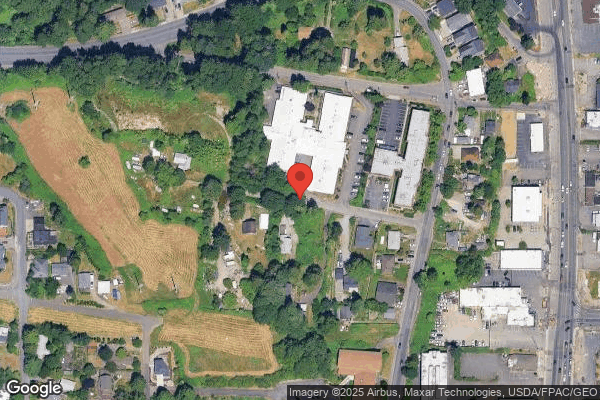
Understanding Severity Codes (click to expand)
Life-Threatening (Immediate Jeopardy)
J - Isolated K - Pattern L - Widespread
Actual Harm
G - Isolated H - Pattern I - Widespread
Potential for Harm
D - Isolated E - Pattern F - Widespread
No Harm (Minor)
A - Isolated B - Pattern C - Widespread

Questions to Ask on Your Visit

  • "What changes have you made since the serious inspection findings?"
  • "Can I speak with families of current residents?"
  • "What's your RN coverage like on weekends and overnight?"

Our Honest Assessment

Strengths
  • • 42% turnover. Below Washington's 48% average. Good staff retention means consistent care.
Concerns
  • • Multiple safety concerns identified: 1 life-threatening violation(s), $270,110 in fines. Review inspection reports carefully.
  • • 90 deficiencies on record, including 1 critical (life-threatening) violation. These warrant careful review before choosing this facility.
  • • $270,110 in fines. Extremely high, among the most fined facilities in Washington. Major compliance failures.
  • • Grade F (23/100). Below average facility with significant concerns.
Bottom line: Trust Score of 23/100 indicates significant concerns. Thoroughly evaluate alternatives.

About This Facility

What is Renton Health & Rehabilitation's CMS Rating?

CMS assigns RENTON HEALTH & REHABILITATION an overall rating of 2 out of 5 stars, which is considered below average nationally. Within Washington, this rating places the facility higher than 0% of the state's 100 nursing homes. A rating at this level reflects concerns identified through health inspections, staffing assessments, or quality measures that families should carefully consider.

How is Renton Health & Rehabilitation Staffed?

CMS rates RENTON HEALTH & REHABILITATION's staffing level at 4 out of 5 stars, which is above average compared to other nursing homes. Staff turnover is 42%, compared to the Washington average of 46%. This relatively stable workforce can support continuity of care.

What Have Inspectors Found at Renton Health & Rehabilitation?

State health inspectors documented 90 deficiencies at RENTON HEALTH & REHABILITATION during 2021 to 2024. These included: 1 Immediate Jeopardy (the most serious level, indicating potential for serious harm or death) and 89 with potential for harm. Immediate Jeopardy findings are rare and represent the most serious regulatory concerns. They require immediate corrective action.

Who Owns and Operates Renton Health & Rehabilitation?

RENTON HEALTH & REHABILITATION is owned by a for-profit company. For-profit facilities operate as businesses with obligations to shareholders or private owners. The facility is operated by VERTICAL HEALTH SERVICES, a chain that manages multiple nursing homes. With 99 certified beds and approximately 77 residents (about 78% occupancy), it is a smaller facility located in RENTON, Washington.

How Does Renton Health & Rehabilitation Compare to Other Washington Nursing Homes?

Compared to the 100 nursing homes in Washington, RENTON HEALTH & REHABILITATION's overall rating (2 stars) is below the state average of 3.2, staff turnover (42%) is near the state average of 46%, and health inspection rating (2 stars) is below the national benchmark.

What Should Families Ask When Visiting Renton Health & Rehabilitation?

Based on this facility's data, families visiting should ask: "What changes have been made since the serious inspection findings, and how are you preventing similar issues?" "Can I visit during a mealtime to observe dining assistance and food quality?" "How do you handle medical emergencies, and what is your hospital transfer rate?" "Can I speak with family members of current residents about their experience?" These questions are particularly relevant given the facility's Immediate Jeopardy citations.

Is Renton Health & Rehabilitation Safe?

Based on CMS inspection data, RENTON HEALTH & REHABILITATION has documented safety concerns. Inspectors have issued 1 Immediate Jeopardy citation (the most serious violation level indicating risk of serious injury or death). The facility has a 2-star overall rating and ranks #100 of 100 nursing homes in Washington. Families considering this facility should ask detailed questions about what corrective actions have been taken since these incidents.

Do Nurses at Renton Health & Rehabilitation Stick Around?

RENTON HEALTH & REHABILITATION has a staff turnover rate of 42%, which is about average for Washington nursing homes (state average: 46%). Moderate turnover is common in nursing homes, but families should still ask about staff tenure and how the facility maintains care continuity when employees leave.

Was Renton Health & Rehabilitation Ever Fined?

RENTON HEALTH & REHABILITATION has been fined $270,110 across 3 penalty actions. This is 7.5x the Washington average of $35,780. Fines at this level are uncommon and typically indicate a pattern of serious deficiencies, repeated violations, or failure to correct problems promptly. CMS reserves penalties of this magnitude for facilities that pose significant, documented risk to resident health or safety. Families should request specific documentation of what issues led to these fines and what systemic changes have been implemented.

Is Renton Health & Rehabilitation on Any Federal Watch List?

RENTON HEALTH & REHABILITATION is not on any federal watch list. The most significant is the Special Focus Facility (SFF) program, which identifies the bottom 1% of nursing homes nationally based on persistent, serious quality problems. Not being on this list means the facility has avoided the pattern of deficiencies that triggers enhanced federal oversight. This is a positive indicator, though families should still review the facility's inspection history directly.