AVAMERE REHABILITATION AT PARK WEST


1703 CALIFORNIA AVENUE SOUTHWEST, SEATTLE, WA 98116 (206) 937-9750
For profit - Limited Liability company 137 Beds AVAMERE Data: November 2025 2 Immediate Jeopardy citations
Trust Grade
6/100
#129 of 190 in WA
Last Inspection: July 2025

Inspected within the last 6 months. Data reflects current conditions.

Overview

Avamere Rehabilitation at Park West has a Trust Grade of F, indicating poor performance and significant concerns about the care provided. Ranking #129 out of 190 facilities in Washington places it in the bottom half, and #29 out of 46 in King County suggests that there are only a few local options that perform better. The facility is showing some improvement, with issues decreasing from 24 in 2024 to 20 in 2025, but it still faces serious challenges, including 60 total issues identified during inspections. Staffing is rated at 3 out of 5, which is average, but the turnover rate is concerning at 47%, suggesting that many staff members leave. Additionally, the facility has been fined $77,585, which is average but still indicates compliance problems, and there is less RN coverage than 89% of other facilities in Washington, which raises concerns about the quality of care. Specific incidents include failures in infection control during a COVID-19 outbreak, a lack of investigation after a resident eloped unsupervised, and inadequate assessment of a resident's pressure injuries that led to harm. Overall, while there are some strengths, such as improving trends in issues, the facility has significant weaknesses that families should consider carefully.

Trust Score
F
6/100
In Washington
#129/190
Bottom 33%
Safety Record
High Risk
Review needed
Inspections
Getting Better
24 → 20 violations
Staff Stability
⚠ Watch
47% turnover. Above average. Higher turnover means staff may not know residents' routines.
Penalties
✓ Good
$77,585 in fines. Lower than most Washington facilities. Relatively clean record.
Skilled Nurses
○ Average
Each resident gets 31 minutes of Registered Nurse (RN) attention daily — about average for Washington. RNs are the most trained staff who monitor for health changes.
Violations
⚠ Watch
60 deficiencies on record. Higher than average. Multiple issues found across inspections.
★★☆☆☆
2.0
Overall Rating
★★★☆☆
3.0
Staff Levels
★★★★☆
4.0
Care Quality
★★☆☆☆
2.0
Inspection Score
Stable
2024: 24 issues
2025: 20 issues

The Good

  • 4-Star Quality Measures · Strong clinical quality outcomes
  • Full Sprinkler Coverage · Fire safety systems throughout facility
  • No fines on record

Facility shows strength in quality measures, fire safety.

The Bad

2-Star Overall Rating

Below Washington average (3.2)

Below average - review inspection findings carefully

Staff Turnover: 47%

Near Washington avg (46%)

Higher turnover may affect care consistency

Federal Fines: $77,585

Well above median ($33,413)

Moderate penalties - review what triggered them

Chain: AVAMERE

Part of a multi-facility chain

Ask about local staffing decisions and management

The Ugly 60 deficiencies on record

2 life-threatening 2 actual harm
Jul 2025 20 deficiencies
CONCERN (D)

Potential for Harm - no one hurt, but risky conditions existed

Deficiency F0558 (Tag F0558)

Could have caused harm · This affected 1 resident

Based on observation, interview, and record review the facility failed to provide a comfortable, appropriately sized bed for 2 of 2 residents (Resident 71 & 77) reviewed for accommodation of needs. Th...

Read full inspector narrative →
Based on observation, interview, and record review the facility failed to provide a comfortable, appropriately sized bed for 2 of 2 residents (Resident 71 & 77) reviewed for accommodation of needs. This failed practice placed residents at risk for discomfort and skin issues.Findings included .<Facility Policy>According to the facility's February 2021 Homelike Environment policy, residents would be provided a safe, comfortable, and homelike environment emphasizing comfort, personal needs and preferences. <Resident 71>According to a 04/25/2025 Quarterly Minimum Data Set (MDS - an assessment tool) Resident 71 had obesity, chronic wounds to their lower legs, and impairments to both of their lower extremities. The MDS assessment showed Resident 71 was fully dependent on staff to move from their bed to their wheelchair and to move from lying to a sitting position on the side of the bed. Review of the revised 06/23/2025 Activities of Daily Living Care Plan (CP) showed a goal for Resident 71 to maintain their current level of function in bed mobility and transfers. Staff were to provide 2-person maximum assistance with dressing daily, and assistance with transferring.Review of July 2025 caregiver task sheets showed staff assisted Resident 71 daily with dressing and grooming, and provided range of motion exercises three times per week.In an interview on 07/22/2025 at 8:54 AM, Resident 71 stated there was a problem with their bed being lopsided on the left side of their bed. Resident 71 stated this made it harder for them to get up off the bed when they were transferred and stated they told staff about this, but so far nothing was done to fix their bed. Resident 71 stated they would tell staff again. Observation at this time of the left side of the bed showed the bed tilted upwards (lopsided) towards the foot of the bed in comparison to the right side of the bed.Observations on 07/23/2025 at 8:53 AM and on 07/24/2025 at 8:29 AM showed Resident 71 lying in bed and the foot of the bed tilted upward. In an interview on 07/28/2025 at 8:35 AM Staff E (Resident Care Manager) observed Resident 71's bed was lopsided. Staff E stated they were not aware of the bed being lopsided. Staff E looked under the mattress and observed the small metal bar used to secure the mattress in place was under the foot of the mattress instead of along the side of the mattress which elevated the foot of the mattress. Staff E pushed the metal bar down so it would fit along the mattress and stated the mattress cover was also not zipped properly which also caused the mattress to partially stick and also contributed to the mattress being lopsided. In an interview on 07/29/2025 at 10:18 AM Staff E stated it was important to maintain Resident 71's bed for safety and comfort, so the bed did not impede Resident 71's circulation. Staff E stated staff should have reported this to the nurse. <Resident 77>According to the annual 07/08/2025 MDS assessment, Resident 77 had non-Alzheimer's dementia, history of stroke, muscle weakness, and needed assistance with personal care.Review of the revised 08/20/2024 ADL self-care performance deficit CP showed Resident 77 had limited mobility due to weakness. The CP showed staff were to assist with bed mobility and monitor for complaints of back pain. Observation on 07/23/2025 at 8:53 AM showed Resident 77 was in bed with their knees slightly bent and their head above the top of their mattress.Observation and interview on 07/24/2025 at 12:01 PM showed Resident 77 stated their bed was too small and they would like to be able to extend their legs. Observation on 07/24/2025 at 8:40 AM showed Resident #77 legs were bent towards the edge of the bed and their feet were firmly against the footboard of the bed. Resident 77 stated they were tall in height and needed a longer bed. Observation on 07/25/2025 at 8:36 AM showed Resident 77 scrunched up in bed, with their legs bent at the knees and their feet pressed firmly against the footboard of their bed. The resident was unable to straighten their legs. Resident 77's head rested on a pillow on the arm of their wheelchair next to their bed. When asked why they rested their head on a pillow on the wheelchair, Resident 71 stated they needed to sleep and tried to stretch their legs but was unable to straighten them. In an interview on 07/29/2025 at 10:18 AM Staff E confirmed Resident 77's bed was not long enough for Resident 77 to straighten their legs and stated they would ask if the facility had a longer bed or could adjust the length of the bed. Staff E stated Resident 77's bed should be comfortable for their comfort and for the safety of the resident. REFERENCE: WAC 388-97-0860(2).
CONCERN (D)

Potential for Harm - no one hurt, but risky conditions existed

Safe Environment (Tag F0584)

Could have caused harm · This affected 1 resident

**NOTE- TERMS IN BRACKETS HAVE BEEN EDITED TO PROTECT CONFIDENTIALITY** Based on observation, interview and record review, the facility failed to ensure walls and blinds in resident rooms were maintai...

Read full inspector narrative →
**NOTE- TERMS IN BRACKETS HAVE BEEN EDITED TO PROTECT CONFIDENTIALITY** Based on observation, interview and record review, the facility failed to ensure walls and blinds in resident rooms were maintained in a homelike condition for 6 of 19 sample resident rooms (Rooms 211-1, 214-1, 220, 201, 106 & 118) and failed to ensure resident's personal property was kept safe for 1 of 2 residents (Resident 8) reviewed for personal property. These failures left residents at risk for a less than homelike environment, loss of personal property and a diminished quality of life.Findings included .<Facility Policy>Review of the facility's revised February 2021 Homelike Environment policy showed residents should be provided with a safe, clean, comfortable, and homelike environment and would be encouraged to use their personal belongings to the extent possible.room [ROOM NUMBER]-1> Observation on 07/22/2025 at 11:51 AM showed room [ROOM NUMBER]-1 had scratched paint on the wall next to the resident's bed. The toilet seat cover in the resident's bathroom was scratched with a large patch of paint peeling along the front of the seat. The inside of the toilet bowl was stained brown. The bathroom ceiling tiles had a large brown stain. <room [ROOM NUMBER]-1> Observation on 07/22/2025 at 10:15 AM showed room [ROOM NUMBER] had a large white paint patch that did not match the color of the rest of the paint on the wall near the resident's chair. <room [ROOM NUMBER]> Observation on 07/24/2025 at 12:00 PM showed the wood railing on the wall near room [ROOM NUMBER]'s doorway, located by the power wheelchair, had large paint gouges on the railing. In an observation and interview on 07/29/2025 at 10:40 AM Staff O (Maintenance Assistant) stated staff should report all maintenance issues through their in-house maintenance system so maintenance staff could address the issues. Staff O observed room [ROOM NUMBER] and stated the toilet seat should be replaced and the ceiling tiles in the bathroom should also be replaced. Staff O observed room [ROOM NUMBER] and stated the wall behind the resident's chair looked like someone started to repair the paint but did not complete the work. Staff O observed the railing on room [ROOM NUMBER] and stated the wood railing scratched by the wheelchair should be repainted and repaired. Staff O stated all these items needed to be reported to maintenance so staff could repair these items for residents' comfort and safety. <room [ROOM NUMBER]> Observation on 07/23/2025 at 8:50 AM of room [ROOM NUMBER] showed the the wall behind bed B had paint scraped off near the head of the bed. The ceiling tiles above the window had a large brown stain. In an observation and interview on 07/29/2025 at 10:52 AM, Staff O confirmed the wall needed repainting and the ceiling tile needed replacement. <room [ROOM NUMBER]> Observations on 07/22/2025 at 9:31 AM showed parts of the trim around the window in room [ROOM NUMBER] broken off leaving jagged edges. The area with the missing trim had small nails still sticking out. <room [ROOM NUMBER]> Observations on 07/22/2025 at 2:10 PM showed window trim missing on the bottom and left side of the window in room [ROOM NUMBER]. The area with the missing trim had small nails sticking out. Observations at this time showed a dark stain on the ceiling tile above the window. In an interview on 07/29/2025 at 12:34 PM, Staff T (Regional Director of Quality Assurance) stated an environment in good repair was important to ensure a homelike environment for the residents. Staff T confirmed the trim was broken/missing and the nails were sticking out in both room [ROOM NUMBER] and 118. Staff T stated the nails could be a potential risk for injury and stated the trim and ceiling tile stain should be fixed. REFERENCE: WAC 388-97-0880.
CONCERN (D)

Potential for Harm - no one hurt, but risky conditions existed

Grievances (Tag F0585)

Could have caused harm · This affected 1 resident

Based on observation, interview, and record review the facility failed to initiate, investigate, and resolve grievances for 2 of 2 residents (Resident 1 & 8) reviewed for missing personal property. Th...

Read full inspector narrative →
Based on observation, interview, and record review the facility failed to initiate, investigate, and resolve grievances for 2 of 2 residents (Resident 1 & 8) reviewed for missing personal property. This failure placed residents at risk for emotional distress and a diminished quality of life.Findings included.<Facility Policy>The Facility Administrator stated they did not have a grievance policy. According to the facility policy Resident Rights revised in February 2021, residents have the right to voice their grievances to the facility without discrimination and without fear of discrimination.According to a facility policy titled, Personal Property, dated August 2022, the facility would promptly complete an investigation of misappropriation of resident's property. <Resident 1> According to the 04/24/2025 admission Minimum Data Set (MDS – an assessment tool) Resident 1 had clear speech and was usually understood and usually understood others. The MDS showed Resident 1 had moderate memory impairment and had a family representative listed as the primary respondent. Review of Resident 1's health records showed a 04/18/2025 inventory list with full dentures listed. Review of a 05/12/2025 Grievance form showed Resident 1's full upper and lower dentures were missing. The form showed staff were unable to locate the missing dentures so the Social Service Director (SSD) would contact Resident 1's representative to coordinate a replacement of the full upper and lower dentures. In an interview on 07/22/2025 at 10:37 AM Resident 1 and their representative stated their full upper and lower dentures were missing for “about two and a half months and they had not heard anything further about how the facility would replace them.” Resident 1's representative stated the resident could only have soft foods until they got the dentures replaced. In an interview on 07/29/2025 at 8:46 AM Staff C (SSD) and Staff G (Social Service Assistant) stated they did not have a copy of the grievance form and were unaware that the SSD was to coordinate a replacement for Resident 1's missing upper and lower dentures. In an interview on 07/29/2025 at 9:35 AM Staff A (Administrator) stated they understood the SSD had made a referral for Resident 1's missing upper and lower dentures and this was a miscommunication. Staff A stated Resident 1, and their representative to be updated, and the missing upper and lower dentures to be resolved by now. Staff A stated it was important for the missing dentures to be replaced so Resident 1 could eat regular textured foods. <Resident 8> According to the 06/19/2025 Quarterly MDS Resident 8 had clear speech and was able to make themselves understood. The MDS showed Resident 8 had intact memory and demonstrated no behavior. In an interview on 07/22/2025 at 12:53 PM, Resident 8 stated someone took their personal bottle of lotion and their personal reacher more than a month ago. Resident 8 stated they told multiple staff members about missing their personal property, but nothing had happened yet. In an observation on 07/22/2025 at 12:59 PM, showed no bottle of lotion in Resident 8's room. In an interview on 07/25/2025 at 11:37 AM, Staff F (Resident Care Manager) stated Resident 8 told staff about missing their bottle of lotion and reacher a week or so ago, but the facility did not replace the lotion bottle. Staff F stated the facility gave Resident 8 a plastic reacher, but the resident did not like the device. Staff F stated they would expect staff to initiate the grievance process when a resident complained of missing items. Review of an updated grievance log on 07/25/2025 showed no grievance was documented for Resident 8. In an interview on 07/28/2025 at 10:40 AM, Staff C stated they would expect staff to initiate the grievance form and notify Staff A (the grievance officer) for a resolution. Staff C stated they have not heard about Resident 8 missing items. In an interview on 07/28/2025 at 1:43 PM, Staff A stated they have not received any grievance for Resident 8's missing items. Staff A stated staff should have initiated a grievance form to replace Resident 8's missing items, but the facility did not. REFERENCE: WAC 388-97-0460.
CONCERN (D)

Potential for Harm - no one hurt, but risky conditions existed

Deficiency F0604 (Tag F0604)

Could have caused harm · This affected 1 resident

Based on observation, interview and record review, the facility failed ensure residents were free from physical restraints for 1 of 1 residents (Resident 99) reviewed for physical restraints, and 1 su...

Read full inspector narrative →
Based on observation, interview and record review, the facility failed ensure residents were free from physical restraints for 1 of 1 residents (Resident 99) reviewed for physical restraints, and 1 supplemental resident (Resident 7). The failure to obtain a physician's order prior to use of a physical restraint, and evaluate to ensure least restrictive measures were in place placed the resident at risk for entrapment, injury, decreased range of motion and decreased quality of life.Findings included .<Facility Policy>According to the facility's March 2015 Restraint and Device Guideline policy, the facility would maintain resident safety by avoiding unnecessary use of safety devices. If a safety device was considered necessary, staff would complete an assessment, obtain a physician's order, and obtain informed consent from the resident or their representative. The safety device would be implemented with appropriate staff education and Care Plan (CP) revision.<Resident 99> According to a 7/15/2025 admission Minimum Data Set (MDS - an assessment tool) Resident 99 had a memory problem, highly impaired vision, and was dependent on staff to roll from side to side in their bed. This MDS showed Resident 99 had multiple diagnoses including a Traumatic Brain Dysfunction, cataracts, a history of falls, and no restraints were used for Resident 99 at the time of the assessment. Review of the physician's orders showed a 07/11/2025 order for a perimeter mattress, a 07/14/2025 order for a fall mat, and a 07/22/2025 order for a concave mattress. There were no other orders related to potentially restraining devices. According to a 07/11/2025 assistive devices CP, Resident 99's goal was to remain free from complications related to restraint use. This CP showed Resident 99 needed their bed with a perimeter mattress (a mattress with built up edges) against the wall, bed brakes locked, and a fall mat placed next to the bed to prevent injury from falls. This CP did not identify any other potential restraints. Record review showed facility staff completed the following safety device evaluations: a 07/09/2025 consent and assessment for Resident 99's bed against the wall and fall mat, a 07/10/2025 consent and assessment for the perimeter mattress, and a 07/21/2025 consent and assessment for a tiltable wheelchair that could function as a restraint when tilted. Observations on 07/22/2025 at 9:06 AM showed Resident 99 in their bed with two pillows placed between the perimeter mattress and the bed frame that tilted the mattress laterally and had the potential to restrict the resident's movement. Observations on 07/24/2025 at 1:45 PM showed Resident 99 in bed with two pillows placed between the perimeter mattress and the bed frame. Resident 99's family member was present in the room at the time and clarified they did not place the two pillows under the mattress. In an interview and observation on 07/24/2025 at 1:47 PM, Staff B (Director of Nursing) confirmed pillows were under Resident 99's mattress and stated any intervention that had the potential to restrain a resident's movement required assessment, consent, and a physician's order to minimize the associated risks. Staff B stated if Resident 99 required the placement of two pillows under their mattress, it was considered a restraint, there should be an order, consent, an assessment, and it should be included on the resident's CP. Staff B stated Resident 99 had several falls, was at risk for falls, and required the use of pillows under the mattress. No further observations were made of the pillows placed under Resident 99's mattress. In an interview on 07/29/2025 at 12:03 PM, Staff B stated pillows placed under a mattress could be perceived as a restraint, create increased risks for injury, and would expect an assessment, consent, and CP prior to being used by staff. <Resident 7> According to a 06/18/2025 Quarterly MDS, Resident 7 had diagnoses including a progressive loss of memory and cognitive function and weakness to one side of their body. This MDS showed Resident 7 was being treated for a pressure ulcer and no restraints were being used for at the time of the assessment. Observations on 07/24/2025 at 9:01 AM showed Resident 7 lying in bed. There was a pillow stuffed between the resident's bed frame and the mattress, propping the mattress up on the right side. Review of the physician's orders showed there were no orders directing staff to place pillows under Resident 7's mattress. Review of the revised 06/26/2025 “skin breakdown” CP showed staff should place a pillow on the open side of Resident 7's mattress for right hand resting comfort but included no direction to place pillows under the mattress. Record review showed no assessment was completed or consent obtained related to the pillows placed under Resident 7's mattress. In an interview on 07/29/2025 at 12:03 PM, Staff B stated pillows placed under a mattress could be perceived as a restraint, created increased risks for injury, and stated they expected an assessment, consent, and CP prior to being used by staff. REFERENCE: WAC 388-97-0620(1).
CONCERN (D)

Potential for Harm - no one hurt, but risky conditions existed

Deficiency F0605 (Tag F0605)

Could have caused harm · This affected 1 resident

Based on interview and record review the facility failed to ensure 1 (Resident 12) of 5 residents and 1 supplemental resident (Resident 31) whose medication regimens were reviewed, were free of unnece...

Read full inspector narrative →
Based on interview and record review the facility failed to ensure 1 (Resident 12) of 5 residents and 1 supplemental resident (Resident 31) whose medication regimens were reviewed, were free of unnecessary psychotropic medications. This failure left residents at risk for unnecessary medications, adverse side effects and other negative health outcomes. Findings included . <Facility Policy>The facility's revised July 2020 Psychotropic Medication Use policy showed to improve residents' quality of life, residents with specific diagnoses would be provided psychotropic medication at the lowest effective dose and documented in resident's medical record. The policy showed the facility would use nonpharmacological interventions to minimize and allow discontinuation of the need for medication. Residents on psychotropic medications would receive gradual dose reduction (GDR), unless contraindicated, to discontinue these medications.<Resident 12> According to a 06/09/2025 Quarterly Minimum Data Set (MDS – an assessment tool) Resident 12 had multiple medically complex diagnoses including Alzheimer's dementia (a brain disorder that slowly diminishes memory and thinking skills). The MDS showed Resident 12 received an antipsychotic medication on seven of seven days during the assessment period and was assessed with no rejection of care during the assessment period. Review of the revised 05/14/2025 Behavior Care Plan (CP) showed Resident 12 had inappropriate behaviors of refusing medication/care, delusions, and paranoia. This CP included the interventions for staff to monitor behaviors, offer non-pharmacological interventions, and notify the physician if the resident's behavior interfered with their medical needs. Review of a Monthly Medication Review (MMR) completed on 06/07/2025 showed the facility's pharmacy provider recommended a Gradual Dose Reduction (GDR) of an antipsychotic medication. The facility provider declined the antipsychotic medication GDR and wrote that Resident 12 had stable behavior. Review of Resident 12's July 2025 physician's orders showed a 03/25/2025 order to administer an antipsychotic medication every day for vascular dementia with psychotic disturbance. The physician's order directed staff to monitor Resident 12 for behaviors of non-compliance with care, delusions, and paranoia and to document every shift. This order directed staff to provide nonpharmacological interventions and document in the resident's record. Review of Resident 12's July 2025 Medication Administration Record (MAR) on 07/28/2025 showed Resident 12 received antipsychotic medication on 11 days and refused on 16 days out of 27 days that month. The MAR showed staff documented Resident 12's non-compliance with care behavior only two times in 27 days. Review of the June 2025 MAR showed Resident 12 refused antipsychotic medications on 16 days out of 30 days. In an interview on 07/25/2025 at 12:32 PM, Staff F (Resident Care Manager) stated Resident had behaviors of refusing medications and care at times. Staff F stated Resident 12 was delusional in the past but they did not hear of any behavior for a while. Staff F stated the provider discontinued some of Resident 12's medications due to refusals. In an interview on 07/29/2025 at 9:46 PM, Staff I (Registered Nurse) stated Resident 12 had refused all their medications. Staff I stated Resident 12 refused their antipsychotic medication almost day and staff did not know if the antipsychotic medication was effective or not. In an interview on 07/29/2025 at 10:26 AM, Staff B (Director of Nursing) explained the facility process was for staff to review each resident's medications and refer them to the pharmacist for an MRR to make sure residents did not receive unnecessary medications. Staff B stated Resident 12 had behaviors of refusing medications and care. Staff B reviewed Resident 12's MAR and stated the facility should have discontinued the antipsychotic medication but did not. <Resident 31> According to the 07/13/2025 Quarterly MDS, Resident 31 had diagnoses including a group of conditions that caused progressive cognitive decline and a psychotic disorder. The MDS showed Resident 31 did not show behaviors of psychosis or rejection of care during the assessment period. The MDS showed Resident 31 did not receive antipsychotic medications during the assessment period. Review of Resident 31's revised 01/20/2025 “Mood/Behavior/Psychosocial Issues” CP showed staff would monitor the resident's behavior as needed, monitor for side effects of psychotropic drug use if applicable, and notify the social services director of any decline in mood or behavior. Observation on 07/23/2025 at 9:04 AM showed Resident 31 lying quietly in bed. Observation on 07/25/2025 at 10:34 AM showed two Certified Nursing Assistants (CNAs) providing incontinence care to Resident 31. Resident 31 was calm and allowed the care. Observation on 07/28/2025 at 12:21 PM showed Resident 31 lying in bed, asleep. Similar observations were made at 2:08 PM. Review of a 07/24/2025 facility incident report showed Resident 31 alleged a staff member made fun of them and jumped on their bed. The facility's investigation concluded the allegation was not substantiated and showed a new intervention to re-initiate an antipsychotic medication due to an “increase in hallucinations.” The follow up of the investigation showed all staff members reported “similar accounts” of Resident 31's behaviors including confusion and increased occurrences of auditory and visual hallucinations since the antipsychotic medication was previously discontinued. Review of Resident 31's progress notes showed a 07/24/2025 physician note for the antipsychotic was previously discontinued on 06/14/2025. The note showed since the discontinuation of the antipsychotic medication, the nursing team reported intermittent aggressive behaviors. The note gave orders to staff to reinstate the antipsychotic medication. A 07/14/2025 physician progress note showed there were no reported auditory or visual hallucinations and Resident 31 was “currently stable without any psychotic behaviors” since the discontinuation of the antipsychotic medication. The note showed Resident 31 tolerated the discontinuation of the antipsychotic medication well without any “additional symptoms of behaviors and moods.” Review of nurse progress notes dated 07/13/2025, 07/12/2025, 07/09/2025, 07/08/2025, and 07/07/2025 showed nursing staff documented Resident 31 did not have any behavioral issues noted on their shifts. Review of a 06/18/2025 nurse progress note showed Resident 31 did not have any behavioral changes related to the discontinuation of the antipsychotic medication. Review of Resident 31's comprehensive progress notes from 06/10/2025 to 07/23/2025 showed staff did not document any adverse behaviors of the resident. In an interview on 07/29/2025 at 10:53 AM, Staff Y (Certified Nursing Assistant) stated they primarily worked the day shift. Staff Y stated they did not recall any instances of Resident 31 having behaviors such as yelling out. Staff Y stated they often worked with Resident 31 and were able to anticipate the resident's needs. In an interview on 07/29/2025 at 11:56 AM, Staff B stated staff saw an increase in Resident 31's behaviors since the antipsychotic was discontinued and referred to the resident's recent allegation. Staff B stated it was their expectation nonpharmacological interventions were attempted prior to the re-initiation of the antipsychotic medication but staff did not do this. Staff B reviewed Resident 31's progress notes and confirmed there was a lack of documentation describing any behaviors the resident recently experienced. REFERENCE: WAC 388-97-0620 (1)(a).
CONCERN (D)

Potential for Harm - no one hurt, but risky conditions existed

Assessment Accuracy (Tag F0641)

Could have caused harm · This affected 1 resident

Based on observation, interview and record review, the facility failed to ensure assessments accurately reflected residents' health status and/or care needs for 1 (Resident 26) of 19 reviewed for asse...

Read full inspector narrative →
Based on observation, interview and record review, the facility failed to ensure assessments accurately reflected residents' health status and/or care needs for 1 (Resident 26) of 19 reviewed for assessments. The failure to accurately assess residents' cognitive patterns placed residents at risk for unidentified and unmet care needs and a diminished quality of life.Findings included .<Facility Policy>According to the facility's revised November 2018 Dementia Protocol, the facility would review the current physical, functional, and psychosocial status of individuals with dementia, and would summarize the individual's condition, related complications, and functional abilities and impairments. The Interdisciplinary team would evaluate individuals with new or progressive cognitive impairment and help identify symptoms and findings that differentiate dementia from other causes. <Resident 26>According to the 06/08/2025 modified Quarterly Minimal Data Set (MDS - an assessment tool) Resident 26 had diagnoses of severe vascular dementia with behavioral disturbance, a mood disorder, and cognitive (memory/thought process related) communication deficit. The MDS showed Resident 26 was assessed with Brief Interview for Mental Status (BIMS) score of 15 out 15, indicating Resident 26 had no cognitive impairment. Review of Resident 26's 06/06/2025 BIMS evaluation showed Resident 26 was assessed with a score of 12 out of 15, indicating Resident 26 was moderately impaired. Review of previous BIMS evaluations showed on 03/11/2025 and 12/24/2024 Resident 26 was assessed with a BIMS of 99, indicating the evaluation could not be completed because Resident 26 could not participate in the BIMS evaluation. Review of a 06/23/2025 psychological evaluation showed the provider noted Resident 26 was nonverbal and did not engage or cooperate with the evaluation's questions. In an interview on 07/28/2025 at 12:33 PM Staff C (Social Services Director) stated they were responsible for completion of the BIMS evaluations for residents and to make sure the BIMS evaluation was done correctly. Staff C stated it was important to accurately evaluate a resident with cognitive impairment and the assessment would help to identify resident's needs. Staff C stated the BIMS evaluation completed on 06/06/2025 for Resident 26 was not accurate. In an interview on 07/28/2025 at 12:54 PM Staff BB (MDS nurse) stated it was very important for the MDS assessment to be accurate and for the BIMS assessment to be correct. In an interview on 07/28/2025 at 1:05 PM Staff H (MDS nurse) stated they were supposed to interview residents before they complete an MDS assessment. Staff HH stated they did not physically check Resident 26 when they completed the MDS assessment on 06/08/2025 and relied on the BIMS evaluation completed by Staff C on 06/06/2025 instead. In an interview on 07/29/2025 at 1:37 PM Staff B (Director of Nursing) stated the BIMS assessment had to be accurate as it related to cognitive deficit and for resident's care needs. Staff B stated the BIMS assessment was incorrect for Resident 26 and the assessment did not assess the resident correctly to accurately reflect Resident 26's cognitive decline and this could have had an impact on Resident 26's care. REFERENCE: WAC 388-97-1000 (1)(b).
CONCERN (D)

Potential for Harm - no one hurt, but risky conditions existed

Deficiency F0655 (Tag F0655)

Could have caused harm · This affected 1 resident

**NOTE- TERMS IN BRACKETS HAVE BEEN EDITED TO PROTECT CONFIDENTIALITY** Based on interview and record review, the facility failed to provide baseline Care Plans (CP) to 2 (Residents 5, & 79) of 8 resi...

Read full inspector narrative →
**NOTE- TERMS IN BRACKETS HAVE BEEN EDITED TO PROTECT CONFIDENTIALITY** Based on interview and record review, the facility failed to provide baseline Care Plans (CP) to 2 (Residents 5, & 79) of 8 residents reviewed for care planning and 1 supplemental resident (Resident 99). The failure to provide residents and/or their representatives with a summary of their baseline CP placed residents and/or their representatives at risk for not being informed of their initial plan for the delivery of care and services, and placed residents at risk for unmet care needs.Findings included .<Resident 5>According to a 06/11/2025 admission Minimum Data Set (MDS - an assessment tool), Resident 5 admitted to the facility on [DATE] with multiple complex diagnoses including fractures, end stage kidney disease, and respiratory failure.In an interview on 07/22/2025 at 2:16 PM, Resident 5 stated they did not have a meeting with staff to discuss their CP, were unsure what their current care goals were, and stated they did not get copies of any paperwork after admission.Review of a 06/05/2025 Baseline CP evaluation form, signed by staff on 06/06/2025, showed staff documented the baseline CP was not reviewed or provided to the resident and/or their representative and gave an explanation, the baseline plan of care was reviewed with the resident and the CP would be available upon completion and did not indicate the Baseline CP was provided to the resident within 24 hours as required.<Resident 99>According to a 07/15/2025 admission MDS, Resident 99 admitted to the facility on [DATE] with multiple medically complex diagnoses including fractures and a traumatic brain injury.Review of a 07/09/2025 Baseline CP evaluation form, signed by staff on 07/10/2025, showed staff documented the baseline CP was not reviewed or provided to the resident and/or their representative and documented the nurse reviewed the baseline CP with the resident's family and the CP would be available once completed and did not indicate the Baseline CP was provided to the resident within 24 hours as required.<Resident 79>According to a 07/14/2025 admission MDS, Resident 79 admitted to the facility on [DATE] with multiple medically complex diagnoses including heart failure, and end-stage kidney disease.In an interview on 07/23/2025 at 8:45 AM, Resident 79 stated the facility did not provide them with a copy of their baseline CP and they were unsure of what their goals were while in the facility.Review of a 07/08/2025 Baseline CP evaluation form showed staff documented the baseline CP was not reviewed or provided to the resident and/or their representative and documented the nurse reviewed the basic plan of care with family and in part with resident and the CP would be available once completed and did not indicate the Baseline CP was provided to the resident within 24 hours as required.In an interview on 07/29/2025 at 10:22 AM, Staff N (Resident Care Manager) stated they reviewed baseline CPs with residents at care conferences, which usually occurs the first week after admission, but stated it was not their standard practice to provide a copy to the residents and/or representatives.In an interview on 07/29/2025 at 11:33 AM, Staff DD (Admissions Nurse) stated they met with new residents within 48 hours and worked on introductions, reviewing and ordering medications, reviewing their history, advance directives. Staff DD stated they start the baseline CP but indicated they did not complete them within 48 hours.REFERENCE: WAC 388-97-1020 (3).
CONCERN (D)

Potential for Harm - no one hurt, but risky conditions existed

Comprehensive Care Plan (Tag F0656)

Could have caused harm · This affected 1 resident

**NOTE- TERMS IN BRACKETS HAVE BEEN EDITED TO PROTECT CONFIDENTIALITY** Based on observation, interview, and record review the facility failed to develop and/or implement comprehensive Care Plans (CPs...

Read full inspector narrative →
**NOTE- TERMS IN BRACKETS HAVE BEEN EDITED TO PROTECT CONFIDENTIALITY** Based on observation, interview, and record review the facility failed to develop and/or implement comprehensive Care Plans (CPs) for 4 of 19 sample residents reviewed (Residents 99, 26, 77 & 1). This failure placed residents at risk of unmet care needs, frustration, and diminished quality of life. Findings included . <Facility Policy>According to the facility's March 2022 Comprehensive Person-Centered CP policy, the facility would develop a comprehensive, person-centered CP for each resident. The CP would be consistent with each resident's assessed needs, and should include objective, measurable goals.According to the facility's November 2018 Dementia - Clinical Protocol, the facility would identify and document the resident's condition and level of support needed during care planning to maximize remaining function and quality of life.<Resident 99> According to a 07/15/2025 admission MDS, Resident 99 had adequate hearing with the use of hearing aids or other hearing appliances. Review of Resident 99's revised 07/14/2025 communication Care Plan (CP) showed staff did not address the use of hearing aids or other hearing appliances. According to a 07/10/2025 physician's order, the nurse was to ensure both hearing aids were used daily during the day. Observations on 07/23/2025 at 8:26 AM and 10:22 AM, and on 07/24/2025 at 1:45 PM showed Resident 99 without hearing aids or other hearing appliances. In an interview on 07/24/2025 at 1:45 PM, Resident 99's family was visiting and stated the resident wore hearing aids, but the staff did not always help place them, and indicated the hearing aids were locked away when not in use. Observation on 07/25/2025 at 1:12 PM with Staff N (Resident Care Manager - RCM) showed Resident 99 without hearing aids or other hearing appliances. Staff N stated it was their expectation staff assisted Resident 99 to apply the hearing aids as directed in the CP. Staff N stated assisting residents with their hearing devices assisted with communication needs and their everyday living. Staff N stated Resident 99's CP should address any communication needs and/or what assistance was required. <Resident 26> According to the 06/02/2025 Quarterly MDS, Resident 26 had diagnoses of severe vascular dementia with behavioral disturbance, a mood disorder, a cognitive communication deficit, and malnutrition. Review of the revised 10/22/2024 Nutritional Problem CP showed Resident 26 had potential nutritional problems related to their mood disorder, traumatic brain injury, difficulty swallowing, and requests for multiple snacks. The goal listed in the CP showed Resident 26's weight would remain stable and staff were to provide the prescribed diet as ordered, check Resident 26's weight monthly, and get snacks from the kitchen or vending machine. Staff were also to explain /reinforce to Resident 26 the importance of maintaining the diet ordered and explain the consequences of refusals. The Nutrition Problem CP did not show Resident 26 had dementia, a malnutrition disorder, or a cognitive communication deficit. The CP did not show when staff should offer supplements, what to do when Resident 26 refused meals, when to contact the provider regarding weight loss or refusal of meals or show how staff were to explain the consequences of not following the recommended diet to Resident 26 because of their cognitive communication deficit. Record review showed on 06/01/2025, Resident 26 weighed 129 pounds and on 07/28/2025, Resident 26 weighed 116 pounds, indicating a -10.08% loss in weight in less than two months. In an interview on 07/28/2025 at 1:29 PM Staff CC (Registered Dietician) stated they were responsible for updates to Resident 26's CP but did not update the Nutrition Problem CP with directions to provide supplements or showing that Resident 26 preferred noodles. In an interview on 07/29/2025 at 9:50 AM Staff E (RCM) stated staff offered food alternatives for nutrition for Resident 26. Staff E stated these alternatives were not listed in the CP but nurses should know to do this. Staff E stated Resident 26's CP should be updated to reflect alternatives, be personalized to Resident 26's needs and provide effective interventions for nutrition but was not. <Resident 77> According to the 07/08/2025 Annual MDS, Resident 77 had a history of a stroke, dementia, and cognitive (memory) deficits. Review of the 07/21/2025 Activities of Daily Living (ADL) Performance Deficit CP, Resident 77 had weakness. The goal listed on the CP showed Resident 77 would improve their current level of function in transfers, dressing, toileting, and ADL scores. Interventions listed on the CP showed staff were to provide one-person assistance with personal hygiene, but did not specify fingernail care. Observation on 07/22/2025 at 9:27 AM showed Resident 77 had long nails extending a quarter inch past the nail beds. Some of Resident 77's nails were chipped, Resident 77 stated they would like their nails to be cut. In an observation on 07/24/2025 at 12:01 PM Resident 77 nails extended a quarter inch past the nail bed. Resident 77's right thumbnail was long, jagged, dry, and cracked. In an interview on 07/29/2025 at 10:04 AM Staff E stated nurses should provide nail care weekly. Staff E stated they did not currently have a schedule for residents' nail care unless a resident was diabetic. Staff E stated nail care was not on the caregiver task sheet, not on the medication or treatment administration records, and not specified on the CP, but should be so nurses knew to provide nail care. In an interview on 07/29/2025 at 1:37 PM Staff B (Director of Nursing) stated the CP for residents with dementia should be individualized and articulate supervision, risks, communication deficits, triggers and care needs. The Dementia CP should also reflect appetite changes, and any notes captured in the Nutrition at Risk meetings but were not for Resident 26. <Resident 1> According to a 04/24/2025 admission MDS, Resident 1 admitted on [DATE]. The MDS showed Resident 1 had diagnoses including Non-Alzheimer's Dementia. In an interview on 07/22/2025 at 11:49 AM Resident 1 did not know how to call staff using the call light and stated they waited for staff to walk by their room if they needed help. Resident 1's representative stated the resident didn't know how to use the call light due to their dementia and would do things on their own without asking staff for help when needed. Review of Resident 1's health records on 07/25/2025 showed no CP developed for their Dementia care. In an interview on 07/28/2025 at 12:44 PM Staff E stated Resident 1 did not have a resident-specific Dementia CP but should have. Staff E stated it was important to develop a resident-specific Dementia CP to instruct staff on the best ways to care for the residents. In an interview on 07/29/2025 10:41 AM Staff B (Director of Nursing) stated they expected staff to develop a CP addressing all areas of care affected by a resident's Dementia. REFER TO: F692-Nutrition/Hydration Status Maintenance; F677 – ADL Care Provided for Dependent Residents REFERENCE: WAC 388-97 -1020(1), (2)(a)(b).
CONCERN (D)

Potential for Harm - no one hurt, but risky conditions existed

Deficiency F0657 (Tag F0657)

Could have caused harm · This affected 1 resident

Based on observation, record review, and interview the facility failed to ensure resident Care Plans (CPs) were updated as needed for 2 (Residents 11 & 28) of 19 sample residents, and failed to ensure...

Read full inspector narrative →
Based on observation, record review, and interview the facility failed to ensure resident Care Plans (CPs) were updated as needed for 2 (Residents 11 & 28) of 19 sample residents, and failed to ensure the Interdisciplinary Team (IDT) attended resident care conferences to ensure residents could express their preferences and goals for 2 of 8 residents (Resident 39, & 5) reviewed for care conferences. These failures placed residents at risk for unmet care needs, and frustration. Findings included . <Facility Policy>According to the facility's March 2022 Comprehensive Person-Centered Care Plans, the IDT, in collaboration with the resident and their representative, would develop, implement, and revise a CP for each resident to address their physical, psychosocial, and functional needs. The policy showed the IDT would review and update the CP and conduct care conferences with the residents and their representatives at least quarterly (every 3 months). The policy showed residents were to be informed of their right to participate and given advance notice of conferences. If participation was not practicable, the medical record would be updated with the reason and efforts made to include the resident and/or representative.<CP Revision> <Resident 11> According to the 07/06/2025 Annual Minimum Data Set (MDS - an assessment tool), Resident 11 had clear speech and was able to make themselves understood. Resident 11 had multiple medically complex diagnoses including stroke (medical condition occurs when blood flow to the part of the brain is interrupted) with the right side of the body weakness and a right-hand contracture (tightening of muscles or other tissues causes the joints to become very stiff). The MDS showed Resident 11 required assistance from staff with personal hygiene and had no rejection of care during the assessment period. Observations on 07/22/2025 at 12:25 PM, on 07/23/2025 at 8:12 AM, on 07/24/2025 at 8:00 AM and 1:22 PM, and on 07/25/2025 at 11:00 AM showed Resident 11 seated in their wheelchair, with their right hand in their lap and no brace or splint on right hand. Resident 11 stated staff did not put any brace on their right hand. Review of a 06/16/2024 revised Self Care Deficit CP showed Resident 11 had a stroke with right side weakness and contracture of right wrist. The CP had no documented care directions or interventions for staff to manage the right-hand contracture. In an interview on 07/25/2025 at 12:21 PM, Staff B (Director of Nursing) stated staff should assess Resident 11 for right hand contracture and should update the CP with interventions, so staff could provide the better care to Resident 11 to prevent further damage, but they did not. <Resident 28> According to the 06/15/2025 Quarterly MDS, Resident 28 had multiple medically complex diagnoses including stroke with left side weakness, heart failure, and kidney failure. The MDS showed Resident 28 had a limitation in their range of motion on their left arm and both legs. The MDS showed Resident 28 required maximal assistance from staff with bed mobility and repositioning in bed and had no rejection of care during the assessment period. Review of Resident 28's July 2025 physician's orders showed a 07/31/2024 order directing staff to apply compression socks to both lower legs in the morning and to remove them at bedtime for edema (swelling). Observations on 07/23/2025 at 10:30 AM, on 07/24/2025 at 8:39 AM, and on 07/28/2025 at 12:17 PM showed Resident 28 was lying in bed. Both feet were edematous. The resident was not wearing compression socks. Review of a revised 12/26/2024 Heart Failure CP showed staff should monitor for signs and symptoms of heart failure, including edema of Resident 28's legs and feet. The CP had no documented care directions or interventions showing staff what to do if they noticed edema on Resident 28's legs and feet. In an interview on 07/28/2025 at 9:19 AM, Staff I (Registered Nurse) stated Resident 28 had edema on both lower legs. Staff I stated Resident 28 refused to wear compression socks at times. In an interview on 07/28/2025 at 12:59 PM, Staff B stated the CPs were not updated according to Resident 28's current medical condition and refusals. Staff B stated they expected CPs to be accurate and revised timely so staff could provide better care for residents. <Care Conferences> <Resident 39> According to a 05/26/2025 Quarterly MDS Resident 39 had no memory impairment. The MDS showed Resident 39 received a therapeutic diet. The MDS showed Resident 39 had diagnoses including an iron deficiency, high blood pressure, chronic kidney disease, protein malnutrition, and adult failure to thrive. Review of Resident 39's health records showed a 05/07/2025 food preferences evaluation that only reflected the resident's restrictions caused by the resident's cultural/religious foods requirements. The evaluation did not identify the cultural/religious food preferences the resident requested. Resident 39's health records showed a 05/08/2025 care conference form showing they expressed some dislikes regarding the food at the facility. The care conference form showed only Staff F (Resident Care Manager) and Staff G (Social Service Assistant) were the only staff in attendance. In an interview on 07/22/2025 at 1:31 PM Resident 39 stated they spoke with several different staff requesting some of their cultural/religious food preferences and gave coconut as an example. Resident 39 stated they were told the facility could not provide any. In an interview on 07/28/2025 at 1:51 PM Staff F reviewed the care conference notes and stated they did not communicate Resident 39's food concerns to the dietary manager but should have. Staff F stated only the RCM and Social Service Assistant attended the care conferences. Staff F stated the dietary and activities departments did not attend care conferences. In an interview on 07/29/2025 at 10:47 AM Staff B stated they expected the IDT to attend resident care conferences. Staff B stated the IDT included the RCM, social services, therapy (if the resident received therapy services), activities, business office manager (only when needed), a representative from the dietary department, and a resident representative if appropriate. Staff B stated the representative from the dietary department should attend Resident 39's care conference so the dietary department would address any food concerns at the time of care conference, but they did not. Staff B stated it was important the IDT attended resident care conferences to give residents and their representatives an opportunity to discuss the resident's care directly with the appropriate department. <Resident 5> According to a 06/11/2025 admission MDS, Resident 5 had multiple medically complex diagnoses including fractures, end-stage kidney disease, and respiratory failure. This MDS showed Resident 5 had clear speech, made themself self-understood, and was able to understand others. In an interview on 07/22/2025 at 2:16 PM, Resident 5 stated they did not meet with the IDT team to discuss their CP and goals for discharge. Review of Resident 5's records showed a 06/12/2025 care conference form with documentation that only Staff DD (Admissions Nurse) and Staff C (Social Services Director) were in attendance with Resident 5. REFERENCE: WAC 388-97 -1020(2)(c)(d), 1020 (2)(d), (4)(c)(i-ii).
CONCERN (D)

Potential for Harm - no one hurt, but risky conditions existed

Deficiency F0658 (Tag F0658)

Could have caused harm · This affected 1 resident

**NOTE- TERMS IN BRACKETS HAVE BEEN EDITED TO PROTECT CONFIDENTIALITY** Based on observation, interview, and record review the facility failed to ensure: nurses only signed for tasks completed for 1 o...

Read full inspector narrative →
**NOTE- TERMS IN BRACKETS HAVE BEEN EDITED TO PROTECT CONFIDENTIALITY** Based on observation, interview, and record review the facility failed to ensure: nurses only signed for tasks completed for 1 of 19 sample residents (Resident 2), physician's orders were clarified as needed for 4 (Residents 7, 1, 12, & 5) of 19 sample residents, and failed to follow physician's orders for 1 of 19 sample residents (Resident 5). These failures placed residents at risk for medication errors, delayed treatment, receiving unnecessary medications, and adverse outcomes. Findings included . <Facility Policy>According to the facility's July 2016 Medication and Treatment Orders policy, staff were to administer medications in accordance with prescribers' written orders and, if necessary, staff would contact the prescriber for clarification. Staff were to document all interactions and order clarifications in the medical record, as appropriate.<Signing for Orders Not Completed> <Resident 2> Record review showed a 06/07/2025 pharmacist's recommendation for staff to obtain bloodwork for Resident 2. Review of Resident 2's June 2025 Medication Administration Record (MAR) showed staff signed the bloodwork was obtained on 06/17/2025. Review of Resident 2's “results” tab in their record showed no lab results for the June 2025 recommended bloodwork. Review of the facility's lab binder on 07/24/2025 at 1:54 PM showed there was no receipt for June 2025 or July 2025 indicating the lab obtained bloodwork. In an interview on 07/28/2025 at 2:05 PM, Staff E (Resident Care Manager - RCM) reviewed Resident 2's records and confirmed the lab was not collected as ordered. <Clarifying Physician Orders> <Resident 7> Review of Resident 7's physician's orders showed a 05/08/2025 order directing staff to administer an Over-the-Counter (OTC) pain relieving medication to the resident every eight hours as needed for pain. These physician's orders showed a 07/07/2025 order directing staff to administer an opioid pain-relieving medication to Resident 7 every six hours as needed for pain. These orders did not direct staff at what pain level to administer which medication. Review of Resident 7's May 2025 MAR showed staff administered the as needed OTC medication for pain levels of 4/10, 5/10, and 6/10 on a scale of 0-10 with 10 being the highest pain level. The May 2025 MAR showed staff administered the narcotic pain medication for pain levels of 2/10, 3/10, 4/10, 5/10, 6/10, 7/10, and 9/10. Review of Resident 7's June 2025 MAR showed staff administered the as needed OTC pain medication for pain levels of 4/10 and 5/10. This MAR showed staff administered the opioid medication for pain levels of 3/10, 4/10, 5/10, 6/10, 7/10, and 8/10. Review of Resident 7's July 2025 MAR showed staff administered the as needed OTC pain medication for pain levels of 2/10, 3/10, and 4/10. This MAR showed staff administered the opioid medication for pain levels of 3/10, 4/10, 5/10, 6/10, 7/10, and 8/10. In an interview on 07/28/2025 at 1:08 PM, Staff E confirmed the as needed OTC and as needed opioid pain medications should be clarified by the physician with parameters that directed staff at what pain level each of the medications should be given. <Resident 1> According to a 04/24/2025 admission MDS, Resident 1 admitted to the facility on [DATE]. Resident 1 had diagnoses including fractures and other multiple traumas with pain, renal insufficiency or failure, diabetes, nerve pain, and arthritis. Review of Resident 1's 04/18/2025 Chronic Pain Care Plan (CP) showed nurses should provide nonpharmacological interventions prior to administering pain medications. Review of Resident 1's physician's orders showed a scheduled medication for pain. Resident 1's physician's order for the pain medication did not include dose limitation parameters or documentation of nonpharmacological pain interventions to be administered prior to pain medication. Resident 1's physician's orders did not include an order to monitor for signs of Hypo/Hyperglycemia (low/high blood glucose levels). In an interview on 07/28/2025 at 12:44 PM Staff E stated they were expected to include nonpharmacological pain interventions in the body of the pain medication order for staff to document what they attempted prior to administering pain medications and maximum daily dose parameters. Staff E was not able to provide documentation to support nonpharmacological pain interventions that were attempted prior to pain medication administration for Resident 1. Staff E stated it was important to include nonpharmacological pain interventions and maximum dose limitations for residents receiving pain medication to ensure they weren't receiving medications unnecessarily and not receiving more than the maximum daily dose allotment. Staff E stated they expected staff to monitor and document signs and symptoms of hypo/hyperglycemia every shift. Staff E was unable to provide documentation showing staff monitored Resident 1 for signs and symptoms of hypo/hyperglycemia. In an interview on 07/29/2025 at 10:41 AM Staff B (Director of Nursing) stated they expected staff to document attempted nonpharmacological pain intervention, pain medication maximum dose parameters, and monitoring for signs and symptoms of hypo/hyperglycemia. Staff B was unable to provide supporting documentation of attempted nonpharmacological pain interventions, maximum daily dose of pain medication parameters within the physician order, or documentation of staff monitoring for signs and symptoms of hypo/hyperglycemia for Resident 1. <Resident 12> According to a 06/09/2025 Quarterly MDS, Resident 12 had multiple medically complex diagnoses including diabetes (high blood sugars) and required an insulin medication during the assessment period. Review of Resident 12's July 2025 MAR showed a Physician Order for an insulin medication to be administered for diabetes with directions to staff to hold the dose if blood sugars were less than 120. This dose was not held as ordered on 07/10/2025 when Resident 12's blood sugar was at 118. In an interview on 07/29/2025 at 10:41 AM, Staff B stated it was their expectation nursing staff to check the physician orders prior to medication administration as ordered and follow ordered parameters. <Resident 5> According to a 06/11/2025 admission MDS, Resident 5 had multiple medically complex diagnoses including anxiety. Review of Resident 5's June 2025 MAR showed two orders for the same medication to be used for anxiety. The first order gave directions to staff to administer one tablet every six hours as needed for anxiety. The second order gave directions to staff to administer two tablets every six hours as needed for anxiety. There were no directions given to staff to indicate which dose should be administered over the other order. In an interview on 07/29/2025 at 10:22 AM, Staff N (RCM) stated duplicate medication orders should be clarified with the physician to decrease the risk of errors and potentially over-medicating a resident. In an interview on 07/29/2025 at 11:56 AM, Staff B stated it was their expectation physician orders be followed, medications held per parameter orders, and duplicate orders clarified. <Following Orders> <Resident 5> According to a 06/11/2025 admission MDS, Resident 5 had multiple medically complex diagnoses including high blood pressure. Review of Resident 5's June 2025 MAR showed the resident received two blood pressure medications daily with directions to staff to hold the doses for a Systolic Blood Pressure (SBP - a measure of the pressure in your arteries when your heart beats) less than (<) 100, or if the Heart Rate (HR) was < 60. This MAR showed staff administered both blood pressure medications outside of parameters on 06/16/2025 and 06/27/2025 when Resident 5's HR was < 60. Review of Resident 5's July 2025 MAR showed staff administered one of the blood pressure medications outside of parameters on 07/05/2025 when Resident 5's HR was < 60. In an interview on 07/29/2025 at 10:22 AM, Staff N stated it was important for staff to follow physician's orders to reduce the chance for medication errors. REFERENCE: WAC 388-97-1620(2)(b)(i)(ii),(6)(b)(i).
CONCERN (D)

Potential for Harm - no one hurt, but risky conditions existed

Quality of Care (Tag F0684)

Could have caused harm · This affected 1 resident

**NOTE- TERMS IN BRACKETS HAVE BEEN EDITED TO PROTECT CONFIDENTIALITY** Based on observation, interview, and record review the facility failed to ensure residents were assessed, monitored, refusals we...

Read full inspector narrative →
**NOTE- TERMS IN BRACKETS HAVE BEEN EDITED TO PROTECT CONFIDENTIALITY** Based on observation, interview, and record review the facility failed to ensure residents were assessed, monitored, refusals were documented, the provider was notified of changes, and they received the treatment they were assessed to require for 2 of 3 (Residents 28 & 1) who were reviewed for edema (swelling) management. The failure to monitor, document, implement interventions, and to follow the physician orders for edema management, placed residents at risk for decline in medical status, decreased quality of life, and unmet care needs and discomfort.Findings included .<Facility Policy>The Facility did not provide Edema Management policy. On 07/25/2025 the facility Administrator stated the facility did not have an Edema Management policy.<Resident 28> According to the 06/15/2025 Quarterly Minimum Data Set (MDS - an assessment tool), Resident 28 admitted to the facility on [DATE] with multiple medically complex conditions including left side of body weakness, heart failure, and kidney failure. The MDS showed Resident 28 had impairment with functional limitation in range of motion to their left arm and both legs. The MDS showed Resident 28 required maximal assistance from staff with bed mobility and repositioning in bed and had no rejection of care during the assessment period. Review of the revised 12/26/2024 Heart Failure Care Plan (CP) showed interventions that staff would monitor Resident 28 for dependent edema on their legs and feet, distended neck veins, weight gain unrelated to oral intake, and notify the provider as needed. Review of July 2025 Physician Orders showed a 07/31/2024 order that directed staff to put compression socks on Resident 28's legs during the daytime and remove the compression socks at night. A 07/08/2025 order directed staff to weigh Resident 28 three times a week every Monday, Wednesday, and Friday. Review of Resident 28's weight record showed the resident's weight on 06/13/2025 was 230 pounds, on 07/04/2025 was 250 pounds, 07/08/2025 was 249 pounds, and on 07/18/2025 was 259 pounds. This weight record showed Resident 28 gained 10 pounds in 10 days. The facility did not provide any documentation showing staff notified the provider about the weight gain. Observations on 07/22/2025 at 1:26 PM, 07/23/2025 at 10:30 AM and 3:02 PM, on 07/24/2025 at 8:39 AM and 2:18 PM, 07/25/2025 at 11:35 AM, and on 07/28/2025 at 9:17 AM showed Resident 28's left hand and both feet with edema. These observations showed Resident 28 had no compression socks on their legs/feet on all these days. Review of Resident 28's record on 07/28/2025 showed there was no indication facility staff assessed, monitored the severity of, or documented the degree of edema (for example 2+ or 3+), or notified the provider. In an observation and interview on 07/28/2025 at 9:19 AM, Staff I (Registered Nurse) assessed the resident with 3+ edema on both feet. Staff I was asked why Resident 28 was not wearing compression socks per the “Physician Order.” Staff I stated Resident 28 did not like to wear compression socks and staff documented the refusals. Staff I stated they did not notify the provider about the refusals and did not document the resident's refusals in Resident 28's record. In an interview on 07/28/2025 at 12:59 PM, Staff B (Director of Nursing) reviewed Resident 28's record and stated it was very important to monitor fluid overload for residents with heart failure. Staff B stated there was no documentation the facility staff assessed or monitored Resident 28 for edema of the lower legs, did not follow the physician order to weigh the resident three times a week, and did not notify the provider of the resident's refusals for compression socks. Staff B stated staff should monitor the resident for edema and document the degree of edema in record and notify the provider to provide better care for the resident, but they did not. <Resident 1> According to a 04/24/2025 admission MDS, Resident 1 admitted to the facility on [DATE]. Resident 1 had diagnoses of, but not limited to, heart failure and shortness of breath. The MDS showed Resident 1 was receiving diuretic medications (helped the body eliminate excess fluid by increasing urine production) during the assessment period. In an observation and interview on 07/22/2025 at 11:49 AM, Resident 1's representative stated Resident 1 was on diuretic therapy because they often presented with “bad” swelling in their lower legs due to fluid retention. Resident 1 pulled their pant legs up and their representative stated the swelling was really bad the other day. In an interview on 07/28/2025 at 12:44 PM Staff E (Resident Care Manager) stated they expected staff to monitor and document signs of fluid retention to ensure the resident did not go into Congestive Heart Failure exacerbation. Staff E was unable to provide documentation that the facility was monitoring Resident 1's fluid retention/edema. In an email on 07/28/2025 at 11:57 AM Staff A (Administrator) stated the facility did not have an Edema Management policy. In an interview on 07/29/2025 at 10:41 AM Staff B stated they expected staff to monitor for signs of fluid retention/edema. Staff B was unable to provide documentation of staff monitoring Resident 1 for fluid retention/edema. REFERENCE: WAC 388-97-1060(1).
CONCERN (D)

Potential for Harm - no one hurt, but risky conditions existed

Accident Prevention (Tag F0689)

Could have caused harm · This affected 1 resident

**NOTE- TERMS IN BRACKETS HAVE BEEN EDITED TO PROTECT CONFIDENTIALITY** Based on observation, interview, and record review facility failed to maintain an environment that was free from accident hazard...

Read full inspector narrative →
**NOTE- TERMS IN BRACKETS HAVE BEEN EDITED TO PROTECT CONFIDENTIALITY** Based on observation, interview, and record review facility failed to maintain an environment that was free from accident hazards. The failure to secure chemicals in 1 of 3 soiled utility rooms and 1 of 2 storage rooms placed residents at risk for accident hazards, and diminished safety.Findings included .<2nd Floor>Observation on 07/22/2025 at 8:40 AM showed the door to the second floor soiled utility room was unlocked. One bottle of a bleach urine stain/odor remover was unsecured. The warning label on the bottle showed the chemical was an eye irritant. The bottle was one quarter full. The soiled utility room also contained a bag of fingernail polishes and a bottle of nail polish drying spray. The drying spray had a warning label that cautioned the user to prevent contact with the skin and eyes. The soiled utility room also contained a a bottle of rapid dissolving disinfectant spray with a caution warning on the front label to keep away from children.Observation on 07/22/2025 at 8:42 AM showed second floor storage room near room [ROOM NUMBER] was unlocked. The storage room led through another door to a bathroom. In the bathroom there was a bottle of bacterial drain and trap cleaner for slow drains that had a quarter of its contents remaining. The warning label on the bottle showed it was harmful if swallowed.In an interview on 07/29/2025 at 9:39 AM Staff E (Resident Care Manager) stated the soiled utility room and storage rooms should be locked and closed for resident safety. REFERENCE: WAC 388-97-1060(3)(g).
CONCERN (D)

Potential for Harm - no one hurt, but risky conditions existed

Deficiency F0692 (Tag F0692)

Could have caused harm · This affected 1 resident

**NOTE- TERMS IN BRACKETS HAVE BEEN EDITED TO PROTECT CONFIDENTIALITY** Based on observation, interview, and record review the facility failed to monitor and report on nutritional care, provide weight...

Read full inspector narrative →
**NOTE- TERMS IN BRACKETS HAVE BEEN EDITED TO PROTECT CONFIDENTIALITY** Based on observation, interview, and record review the facility failed to monitor and report on nutritional care, provide weight monitoring, and obtain supplements as ordered for 3 (Resident 79, 26, & 1) of 11 residents reviewed for nutrition. The failure to offer meal replacements and monitor residents who consumed less than 50% of their meals and collect timely and accurate weights as ordered and per facility policy, placed residents at risk for nutrition-related complications, unplanned weight fluctuations, inaccurate assessments and delayed interventions of nutritional status, fluid overload, and other negative health outcomes.Findings included .<Facility Policy>According to the facility's revised 2017 Nutrition Impaired/Unplanned Weight Loss-Clinical Protocol policy, staff would monitor and document weight and intake of resident's in a format which permitted comparison over time and the provider would be notified of any abrupt or persistent change from baseline appetite or food intake. The policy showed staff would identify pertinent interventions based on identified causes and treatments and responses to interventions. <Resident 79> According to a 07/14/2025 admission Minimum Data Set (MDS - an assessment tool), Resident 79 had multiple diagnoses including malnutrition, was on a mechanically altered diet, and had no natural teeth. In an interview on 07/23/2025 at 10:04 AM, Resident 79 stated they were concerned about weight loss and stated staff did not weigh them recently. Review of a 07/17/2025 Nutritional Status care area assessment showed staff documented Resident 79 was at nutritional risk and had weight loss of 7.6 percent noted in seven months. Staff documented Resident 79 had inadequate intake due to age and other medical conditions, was seen by the dietician, and would proceed to the Care Plan (CP) to assure the facility met the resident's nutritional needs while preventing dehydration and reducing the risk of weight loss. Review of a revised 07/09/2025 nutritional CP showed the goal for Resident 79 was to have no significant weight loss through the next review and gave directions to staff to obtain weights per physician orders. Review of Resident 79's July 2025 Treatment Administration Record showed a 07/08/2025 order to obtain new admit weights for three days. Staff documented only two of the three days of weights were completed as ordered. Review of Resident 79's physician orders showed a 07/15/2025 order to weigh the resident every week and notify the provider of gain or loss of five Pounds (lbs) or more from previous weight. According to a 07/15/2205 progress note, staff documented the weight scheduled for 07/15/2025 was not completed due to the resident being on contact precautions (an infection control measure used to prevent the spread of infectious agents). According to Resident 79's weight summary report, the resident's weight was 179.2 lbs on 07/08/2025 and the next documented weight was 162.0 lbs on 07/24/2025, a loss of 9.6 percent in 16 days. In an interview on 07/29/2025 at 11:11 AM, Staff CC (Registered Dietician -RD) stated it was their expectation staff obtain weights daily for three days when a resident admits to the facility to establish an admission baseline weight, then weekly as ordered to monitor for changes. Staff CC stated if the weights were not obtained, the residents would not show up on the reports they run to monitor for weight changes. When asked if they would expect a resident at nutritional risk to be weighed as ordered and while they were on contact precautions, Staff CC stated “yes, we would want to try and get a weight on everyone.” <Resident 26> According to the 06/08/2025 modified Quarterly MDS, Resident 26 had diagnoses including dementia, mood disorder, cognitive communication deficit, malnutrition and diabetes. Review of the revised 10/22/2024 Nutritional Problem CP showed Resident 26 had potential nutritional problems related to their mood disorder. The goal listed on the CP showed Resident 26's weight would remain stable. Interventions on the CP showed staff were to provide the prescribed diet as ordered, explain consequences of refusals to Resident 26, check their weight monthly, and get snacks from the kitchen or vending machine. Review of Resident 26's records showed on 06/01/2025, the resident weighed 129 lbs. On 07/28/2025, the resident weighed 116 pounds which was a -10.08% loss in weight. Record review showed an 07/17/2025 physician order for an appetite stimulant medication. There were no instructions provided on what to do if Resident 26 did not eat their meals or ate less than 50% and did not show when the provider was to be notified of missed meals or increased loss in weight. Review of the July 2025 caregiver task sheet showed staff documented on 07/17/2025, 07/19/2025, 07/22/2025 and on 07/25/2025, Resident 26 ate none to less than 25% of their meal. The July 2025 task sheet showed when Resident 26 ate less than 50% of their meals to offer them a meal replacement and record the percentage of supplement meal offered. On 07/17/2025, 07/19/2025, and on 07/25/2025 no percentage was noted for meal replacement as shown on the task sheet. Review of a 07/23/2025 nutrition assessment showed the RD ordered a supplement twice a day, to offer Resident 26 a liberalized diet and to closely monitor weight for additional loss. Staff CC documented they were unclear of the root cause of Resident 26's poor appetite and Resident 26 weight was now at their baseline weight on admission. Staff CC documented Resident 26 was put on medication to help with their appetite and Resident 26 would like to have ramen type noodles. In an interview on 07/28/2025 at 1:29 PM Staff CC stated residents were put on a Nutrition at Risk (NAR) list when there were significant changes in their nutritional condition. For high-risk residents, Staff CC stated they documented monthly on the status of the interventions and revised them if needed and helped to determine the root cause of the weight loss. Staff CC stated Resident 26 was added to the NAR list and they monitored Resident 26's weight but did not evaluate if current interventions on the CP were sufficient. Staff CC stated they recommended updating Resident 26 from a diabetic diet to a regular diet on 07/24/2025 but did not update this in Resident 26's record and did not order the ramen noodles yet. Staff CC stated Resident 26 received supplements as a part of their regular meals, but Resident 26 did not like the dairy based supplements, and they did not order a juice base alternative as a supplement yet. Staff CC stated they were responsible for making recommendations in the nutrition CP but did not update Resident 26's CP yet. In an interview on 07/29/2025 at 9:47 AM Staff E (Resident Care Manager) stated the staff did not report to them or the provider when Resident 26 did not eat their meals and why a replacement meal was not offered but should have. Staff E stated ramen noodles were not being provided by the kitchen currently and Resident 26 did not like dairy based supplements. Staff E stated, interventions should be checked for their effectiveness and Resident 26's nutrition CP should include interventions for refusals of meals such as offering alternatives or honoring Resident 26's preferences such as noodles or supplements but did not include these interventions on Resident 26's nutrition CP. In an interview on 07/29/2025 at 12:48 PM Staff B (Director of Nursing) stated staff should notify the provider and document when Resident 26 refused their meals. Staff B stated interventions should be assessed for effectiveness and Resident 26's CP should be personalized with preferences. Staff B stated the nutrition CP should provide instructions on when the provider should be notified, when to report weight changes and should show effective interventions specific for Resident 26, such as offering alternatives such as noodles and supplements but were not. <Resident 1> According to a 04/24/2025 admission MDS Resident 1 admitted [DATE]. The MDS showed Resident 1 had diagnoses of, but not limited to, Malnutrition and Diabetes's (unstable blood sugar). Review of a 04/21/2025 Nutrition Assessment showed an RD evaluation of poor intake with a house supplement to be offered twice daily for a goal of increased caloric intake and blood sugar management. Review of Resident 1's physician orders showed the house supplement was not initiated until 06/05/2025, over one month later. In an interview on 07/28/2025 at 12:44 PM Staff E stated the RCM assigned to the resident at that time should review the RD recommendations and implemented them at that time but did not. Staff E stated it was important to review these evaluations to ensure recommendations were implemented immediately to ensure proper interventions for poor intake. In an interview on 07/29/2025 at 10:41 AM Staff B stated they expected the RD recommendations to be implemented at time of evaluation. Staff B stated Resident 1's house supplement order was implemented on 06/05/2025 but should be implemented on 04/21/2025. REFERENCE: WAC 388-97-1060 (3)(h).
CONCERN (D)

Potential for Harm - no one hurt, but risky conditions existed

Deficiency F0761 (Tag F0761)

Could have caused harm · This affected 1 resident

**NOTE- TERMS IN BRACKETS HAVE BEEN EDITED TO PROTECT CONFIDENTIALITY** Based on observation and interview, the facility failed to ensure medications were discarded when expired, and/or returned to th...

Read full inspector narrative →
**NOTE- TERMS IN BRACKETS HAVE BEEN EDITED TO PROTECT CONFIDENTIALITY** Based on observation and interview, the facility failed to ensure medications were discarded when expired, and/or returned to the pharmacy upon a resident's discharge for 1 of 3 medication rooms (First Floor Unit) observed. The facility failed to ensure resident rooms were free of unsecured medication for 1 of 19 sample residents (Resident 31) observed. The failure to ensure unneeded medications were returned to the pharmacy, discarded when expired, and were stored securely, placed residents at risk for receiving unauthorized, compromised, and/or ineffective medications.Findings included.<Facility Policy>According to the facility's Revised November 2020 Storage of Medications policy, drugs and biologicals must be locked with only authorized persons given access. The policy showed discontinued and outdated drugs must be returned to the dispensing pharmacy or destroyed.<First Floor Unit Medication Room> Observations of the First Floor Unit Medication room on 07/23/2025 at 9:18 AM with Staff AA (Licensed Practical Nurse) showed the following expired medications: -a bottle of fish oil which expired “3/25”. -two bottles of a stool softener medication that expired “4/25”. -two-gallon sized storage bags full of different medication bottles, all of which showed they were expired. In an interview on 07/23/2025 at 9:18 AM, Staff AA stated there was a risk for staff to use the expired medications if they remained in the medication room supply. Staff AA confirmed the medications were expired and stated the medications should be removed from the medication room and discarded. Observations of the First Floor Unit Medication room on 07/23/2025 at 9:18 AM with Staff AA (Licensed Practical Nurse) showed medications still present in the medication room for the following discharged residents: -Resident 107 who discharged [DATE], over five months previously. -Resident 109 who discharged [DATE], over two months previously. -Resident 108 who discharged [DATE], almost two months previously. -Resident 102 who discharged [DATE], over a month previously. -Resident 105 who discharged [DATE], over a month previously. In an interview on 07/23/2025 at 9:18 AM, Staff AA stated discharged residents' medications should be sent with the resident or returned to the pharmacy after discharge. In an interview on 07/29/2025 at 12:03 PM, Staff B (Director of Nursing) stated it was their expectation medications of discharged residents, and all expired medications should be removed from the medication room promptly to decrease the chance of medication errors. <Resident 31> Observation on 07/25/2025 at 10:30 AM showed Staff Y (Certified Nursing Assistant) providing incontinence care to Resident 31. Staff Y opened Resident 31's nightstand drawer, removed a bottle of antifungal powder from the drawer, and applied it to the resident. Staff Y placed the antifungal powder back in Resident 31's drawer. In an interview on 07/25/2025 at 10:51 AM, Staff E (Resident Care Manager) stated antifungal powders should be secured and not kept at the resident's bedside. REFERENCE: WAC 388-97-1300(1)(b)(ii), (2).
CONCERN (D)

Potential for Harm - no one hurt, but risky conditions existed

Antibiotic Stewardship (Tag F0881)

Could have caused harm · This affected 1 resident

Based on interview and record review, the facility failed to implement an effective Antibiotic (ABO) Stewardship Program to promote appropriate use of ABO's, reduce the risk of unnecessary ABO use, an...

Read full inspector narrative →
Based on interview and record review, the facility failed to implement an effective Antibiotic (ABO) Stewardship Program to promote appropriate use of ABO's, reduce the risk of unnecessary ABO use, and decrease the development of an ABO resistance for 2 of 3 residents (Resident 9 & 53) reviewed for ABO Stewardship.<Policy>According to the facility policy titled, ABO Stewardship, dated December 2016, ABOs would be prescribed and administered to residents under the guidance of the facility's ABO Stewardship Program. The policy showed when an ABO was prescribed to a resident the primary care practitioner would assess the resident within 72 hours. The policy showed diagnostic results would be communicated with the resident's primary care provider to determine if ABO therapy should be continued, modified, or discontinued. Findings included.In an interview on 07/28/2025 at 9:19 AM Staff D (Infection Preventionist) stated the facility used the McGeers criteria (a tool used for infection surveillance activities and management of ABO usage). Staff D stated when a resident admitted to the facility with an infection, the staff were expected to obtain, from the hospital, the appropriate diagnosis for the prescribed ABO, start and stop date of ABO's, supporting lab results, and data to ensure the resident meets the McGeers criteria. Staff D stated when a resident acquired an infection in house, the staff were expected to ensure the resident's symptoms met the McGeers criteria, the prescribed ABO was appropriate and needed, lab results were communicated to the prescriber to ensure the least invasive ABO was prescribed, the order was complete with the appropriate ABO, dose, and length of course with the appropriate diagnosis.<Resident 9>Review of Resident 9's health records showed a June 2025 physician order for an ABO course to treat a Urinary Tract Infection. Resident 9's health records showed a 07/16/2025 urinalysis test reporting no infection present.<Resident 53>Review of Resident 53's health records showed a 07/07/2025 Infection Screening Evaluation reporting a recent chest xray consistent with pneumonia results. Review of Resident 53's History and Physical (H&P) Report showed a 07/01/2025 chest xray result negative for pneumonia.In an interview on 07/28/2025 at 9:19 AM Staff D reviewed the ABO Stewardship June line listing and stated Resident 9's ABO was not reviewed and was missed. Staff D reviewed Resident 53's records and stated they were aware of the H&P 07/01/2025 negative chest xray result. Staff D stated the hospital physician prescribed the ABO for pneumonia according to the H&P so they went with that. Staff D stated they were expected to communicate the conflicting hospital documentation with the facility physician, Resident 53's primary physician, but did not. Staff D stated they did not conduct an ABO Timeout (process used by providers to reevaluate the need for continuation of an ABO course) for Resident 53 per expectations of facility ABO Stewardship program. Staff D stated Resident 53's ABO was not on the ABO line listing for June 2025 and Staff D had not initiated the July 2025 ABO line listing for the facility yet.REFERENCE: WAC 388-97-1060(3)(k)(i).
CONCERN (E)

Potential for Harm - no one hurt, but risky conditions existed

Deficiency F0628 (Tag F0628)

Could have caused harm · This affected multiple residents

**NOTE- TERMS IN BRACKETS HAVE BEEN EDITED TO PROTECT CONFIDENTIALITY** Based on interview and record review, the facility failed to ensure a system by which residents received required written notice...

Read full inspector narrative →
**NOTE- TERMS IN BRACKETS HAVE BEEN EDITED TO PROTECT CONFIDENTIALITY** Based on interview and record review, the facility failed to ensure a system by which residents received required written notices at the time of transfer and/or discharge, or as soon as practicable, for 4 of 4 residents (Residents 71, 102, 6, & 12), offer a bed hold for 1 of 4 residents (Resident 6), and call report to receiving facility for 1 of 4 residents (Resident 6) reviewed for hospitalization and discharge. Failure to provide residents with a written notification and offer a bed hold placed them at risk of being uninformed about their rights and a discharge that was not in alignment with the resident's stated goals for care and preferences. Failure to call report to the receiving facility, at the time of transfer, placed residents at risk of a break in continuity of care and a diminished quality of life.Findings included .<Facility Policy>The facility's August 2018 Transfer or Discharge policy showed residents and/or their representatives would be informed in writing of the reason for and date of the transfer or discharge. The policy showed, for emergent transfers, the notification would be provided as soon as practical. The policy showed staff would notify the receiving facility that the transfer was being made.The facility's October 2022 Bed-Holds and Returns policy showed residents and/or their representatives would be provided written information regarding the facility's bed hold process, both upon admission and at the time of transfer. The policy showed, for emergent transfers, the facility would provide this notification within 24 hours. <Resident 71> Review of Resident 71's health records showed they were transferred to an acute care hospital on [DATE]. Review of Resident 71's health records showed the facility did not provide a written transfer notification to Resident 71. <Resident 102> Review of Resident 102's health records showed they transferred to an acute care hospital on [DATE] and no written transfer notification was provided to them or their representative. <Resident 6> Review of Resident 6's health records showed they were transferred to an acute care hospital on [DATE] and 04/16/2025. Resident 6's health records showed the facility did not provide a written transfer notification or the bed hold policy to Resident 6 or their guardian for either transfer. Resident 6's health records showed report was not called to the receiving hospital for the 02/20/2025 transfer. In an interview on 07/28/2025 at 12:00 PM Staff L (admission Coordinator) stated a bed hold policy was not provided to Resident 6 or their representative for the 02/20/2025 or 04/16/2025 transfers but should have been. In an interview on 07/28/2025 at 12:44 PM Staff E (RCM) stated they were unable to provide documentation that a report was called to the receiving hospital for Resident 6's transfer on 02/20/2025. Staff E stated it was important to call report to receiving hospital to ensure good continuity of care. <Resident 12> According to the 01/21/2025 and 03/01/2025 Discharge Return Anticipated MDS, Resident 12 discharged to the hospital on [DATE] and again on 03/01/2025 related to a change in the resident's condition. The MDS showed Resident 12 had medical conditions including kidney failure and heart failure. Record reviews showed no documentation facility staff provided Resident 12 or their representative a written notification of the reason for transfer to the hospital as required. In an interview on 07/28/2025 at 11:50 AM, Staff C (Social Service Director) stated the admission staff were responsible for providing the transfer/discharge notices. In an interview on 07/28/2025 at 12:00 PM, Staff L stated they were responsible for offering a bed hold notice to residents/representatives during hospitalizations. Staff L stated nursing staff were responsible for written notice sending with residents. In an interview on 07/28/2025 at 12:30 PM, Staff F (RCM) stated they notify a resident's family about transferring residents to the hospital and send e-interact form to the hospital with residents. Staff F stated they were not aware of providing written notifications to residents and/or their representatives. In an interview on 07/28/2025 at 12:50 PM, Staff B (Director of Nursing) stated they sent only the e-interact form with residents to the hospital. Staff B was not aware of providing the transfer/discharge notice to residents and/or their representatives during hospitalizations. Staff B stated the facility should but did not provide Residents 71, 102, 6, & 12 the required written transfer/discharge notice. REFERENCE: WAC 388-97-0120(2)(a-d)(3)(a)(4), -0140(1)(a((b)(c)(i-iii).
CONCERN (E)

Potential for Harm - no one hurt, but risky conditions existed

Deficiency F0645 (Tag F0645)

Could have caused harm · This affected multiple residents

**NOTE- TERMS IN BRACKETS HAVE BEEN EDITED TO PROTECT CONFIDENTIALITY** Based on interview and record review, the facility failed to ensure Pre-admission Screening and Resident Review (PASRR) assessme...

Read full inspector narrative →
**NOTE- TERMS IN BRACKETS HAVE BEEN EDITED TO PROTECT CONFIDENTIALITY** Based on interview and record review, the facility failed to ensure Pre-admission Screening and Resident Review (PASRR) assessments were completed as required for 4 (Residents 26, 7, 5, & 9) of 6 residents reviewed for PASRR screening. Facility staff failed to ensure Level 1 PASRR screenings were accurate and/or obtained prior to a resident's admission to the facility, and/or failed to ensure Level 2 PASRR evaluations were obtained on admission or after identification that a level 2 was required. These failures placed residents at risk for inappropriate placement and/or not receiving timely and necessary services to meet their mental health needs. Findings included. <Facility Policy>The facility's July 2024 PASRR policy showed the purpose of a PASRR assessment was to ensure residents with mental health or intellectual disabilities were appropriately placed and received the services they required. The policy showed PASRRs would be reviewed annually or during a significant change in condition, and Social Services was responsible.<Resident 26> According to the 06/02/2025 Quarterly Minimum Data Set (MDS – an assessment tool) Resident 26 had diagnoses including severe vascular dementia with behavioral disturbance, a mood disorder, and a cognitive (memory/thought process) communication deficit. The MDS showed Resident 26 received antipsychotic medications on a routine basis and took antidepressant medications. Review of progress notes dated 11/7/2024, 11/12/2024, 11/13/2024, 11/15/2024, 11/19/2024, 12/10/2024, 02/05/2025, 03/04/2025, 03/07/2025 and 03/10/2025 showed Resident 26 had periods of agitation and irritability and had refusals of care. Review of Resident 26 ‘s corrected 05/01/2024 Level 1 PASRR screening showed staff identified the resident required a referral for a Level 2 PASRR due to having a Serious Mental Illness (SMI) and noted on the form that a Level 2 PASRR was never sent as required. Review of Resident 26's records did not include a Level 2 PASRR referral. In an interview on 07/28/2025 at 12:21 PM Staff C (Social Services Director) stated they were aware that level 2 PASSR referrals were not completed by the facility but should have been. Staff C stated they made a referral in April 2025 for Resident 26 but still did not receive a detemination. <Resident 7> According to the 06/18/2025 Quarterly MDS, Resident 7 had diagnoses including a progressive cognitive function disorder, anxiety, depression, a psychotic disorder, a chronic brain disorder that could severely impact a person's thoughts, feelings, and behaviors, and post-traumatic stress disorder. The MDS showed Resident 7 received antipsychotic, antianxiety, and antidepressant medications during the look back period. Review of Resident 7's 04/11/2025 corrected Level 1 PASRR screening showed staff identified the resident required a referral for a Level 2 PASRR evaluation due to their SMI. In an interview on 07/29/2025 at 8:13 AM Staff C reviewed Resident 7's records and stated no Level 2 PASRR was completed. <Resident 5> According to a 06/11/2025 admission MDS, Resident 5 admitted to the facility on [DATE] and had multiple complex diagnoses including a mental illness characterized by extreme mood swings, anxiety, and depression. This MDS showed Resident 5 required the use of an antidepressant medication during the assessment period. Record review showed Resident 5 admitted from the hospital with a 06/03/2025 Level 1 PASRR. Section 1 of this Level 1 PASRR showed the resident had an SMI indicator of a mood disorder. The last section of the form showed Resident 5 required a Level 2 evaluation referral for the SMI identified. Review of Resident 5's records showed the Level 2 evaluation was not entered into the resident's records as required until 06/16/2025, 11 days after Resident 5 was admitted to the facility. In an interview on 07/29/2025 at 9:20 AM, Staff C stated PASRR evaluations were important to ensure a resident's mental health was properly managed and/or to identify if the resident needed any additional services. Staff C stated PASRRs should be scanned into the resident's records on admission. Staff C reviewed Resident 5's Level II PASRR and stated it did not come with Resident 5 on admission. Staff C stated if a Level II PASRR was completed it should have been obtained on admission. <Resident 9> According to a 06/27/2025 admission MDS Resident 9 admitted to the facility on [DATE] and had multiple medically complex diagnoses including anxiety and depression and required the use of antidepressant medication during the assessment period. Record review showed Resident 9 admitted from the hospital with a 06/21/2025 Level 1 PASRR that showed the resident had an SMI indicator of a mood disorder and showed no Level II evaluation was indicated at that time due to an exempted hospital discharge. The hospital exemption showed a physician certified that Resident 9 would likely require fewer than 30 days at the facility and showed a Level II must be completed if the scheduled discharge does not occur. Review of Resident 9's records showed the resident was not discharged from the facility within 30 days and no Level II PASRR was completed. In an interview on 07/29/2025 at 9:20 AM, Staff C stated it was their expectation if a resident was not discharged before the 30 days occurred, a new Level 1 should be submitted, with a referral for a Level II requested, if a resident had SMI indicators. Staff C stated they did not complete a new Level 1 PASSR screening after Resident 9 remained in the facility longer than 30 days but should have. REFERENCE: WAC 388-97 -1915 (1)(2)(a-c).
CONCERN (E)

Potential for Harm - no one hurt, but risky conditions existed

ADL Care (Tag F0677)

Could have caused harm · This affected multiple residents

**NOTE- TERMS IN BRACKETS HAVE BEEN EDITED TO PROTECT CONFIDENTIALITY** Based on observation, interview, and record review the facility failed to assist residents with Activities of Daily Living (ADLs...

Read full inspector narrative →
**NOTE- TERMS IN BRACKETS HAVE BEEN EDITED TO PROTECT CONFIDENTIALITY** Based on observation, interview, and record review the facility failed to assist residents with Activities of Daily Living (ADLs - personal hygiene, grooming, bathing, eating etc.) for 6 residents (Resident 77, 31, 99, 79, 8, & 28) of 8 dependent residents reviewed for ADLs. The failure to provide ADL assistance to dependent residents as required left residents at risk for poor hygiene, diminished feelings of self-worth, and other negative health outcomes. Findings included . <Facility Policy>According to the facility's revised March 2018 Supporting ADLs policy, residents would be provided with the care, treatment, and services as appropriate to maintain or improve their ability to carry out ADLs. Residents who were unable to carry out ADLs independently would receive the services necessary to maintain good nutrition, grooming, and personal and oral hygiene.<Resident 77> According to the 07/08/2025 Annual Minimum Data Set (MDS – an assessment tool) Resident 77 had medically complex conditions including heart failure, a history of stroke, and a progressive condition causing cognitive decline. Resident 77 was dependent on staff for personal hygiene, toileting hygiene, and lower body dressing. Review of the revised 08/2024 ADL self-care performance deficit Care Plan (CP) showed Resident 77 had deficits related to weakness, a history of stroke, and gait imbalance. The CP showed staff were to provide one-person assistance with personal hygiene. Review of Resident 77's care staff task documentation from 07/01/2025 through 07/23/2025 showed staff documented personal hygiene care provided daily for all shifts. There were no documented refusals of personal hygiene by Resident 77 on any shift. Observation on 07/22/2025 at 9:27 AM showed Resident 77 had long fingernails extending one quarter inch past the fingertip with some fingernails chipped. Resident 77 stated they would like their fingernails trimmed. Observation on 07/24/2025 at 12:01 PM showed Resident 77 fingernails extended one quarter inch past their fingertips. Resident 77's right thumbnail was long, jagged, dry, and cracked. In an interview on 07/28/2025 at 8:34 AM Staff E (Resident Care Manager - RCM) observed Resident 77's fingernails and stated they were a little long. Resident 77 told Staff E they would like their nails to be cut. In an interview on 07/29/2025 at 10:04 AM Staff E stated nurses should provide nail care weekly. Staff E stated they do not currently have a schedule for residents' nail care if a resident was not diabetic. Staff E stated nail care was not on the caregiver task sheet, not on the medication or the treatment administration records, and not specified on the CP, but should be so nurses knew to provide nail care. <Resident 31> According to the 07/13/2025 Quarterly MDS, Resident 31 had significant difficulty in their thinking abilities. The MDS showed Resident 31 had diagnoses of a brain bleed, a progressive cognitive function (memory/thought process) disorder, and a need for assistance with their personal care. The MDS showed Resident 31 was dependent on staff for ADLs including oral hygiene, toileting, bathing, dressing, and personal hygiene. Review of Resident 31's physician's orders showed a 03/21/2022 order directing licensed nurse staff to perform nail care every Monday. Observation on 07/23/2025 at 9:04 AM showed Resident 31 with their fingernails extending past their fingertips with white debris under their nails. In an observation and interview on 07/24/2025 at 8:35 AM, Resident 31's fingernails continued to be long in length and contained white debris underneath the nails. Resident 31 stated they did not like their nails long and their nails needed to be cut. Observation on 07/25/2025 at 10:26 AM showed Resident 31's nails continued to be long. Review of Resident 31's July 2025 treatment administration record on 07/28/2025 at 12:52 PM showed licensed nursing staff signed that nail care was performed for the resident that day. In an observation and interview on 07/28/2025 at 2:08 PM, Resident 31's nails remained long and unchanged from previous observations. Staff E confirmed Resident 31's nails were long. <Resident 99> According to a 07/15/2025 admission MDS, Resident 99 had severe memory impairment, was dependent on staff for personal hygiene, and had no rejection of care during the assessment period. Observations on 07/22/2025 at 9:06 AM and 07/25/2025 at 7:36 AM showed Resident 99's fingernails extended past their fingertips with dark debris underneath. Review of a revised 07/18/2025 self-care performance CP showed Resident 99 required total assistance from staff for personal hygiene. In an interview on 0725/2025 at 1:15 PM, Staff N (RCM) observed Resident 99's fingernails and stated they should have, but were not trimmed by staff and free of debris. <Resident 79> According to a 07/14/2025 admission MDS, Resident 79 had clear speech, required moderate assistance from staff for personal hygiene, and had no rejection of care during the assessment period. In an observation on 07/23/2025 at 10:02 AM, Resident 79 was unshaven with many chin hairs forming a full beard. In an interview at this time, Resident 79 stated they did not receive any assistance with shaving from staff since their admission and preferred to be, “clean shaven.” Observation on 07/25/2025 at 10:53 AM showed Resident 79 was still unshaven. Review of a revised 07/08/2025 self-care performance CP showed Resident 79 required assistance from staff for personal hygiene. In an interview and observation on 07/24/2025 at 2:09 PM, Staff P (Registered Nurse) confirmed Resident 79 was unshaven and asked the resident if they wanted assistance with shaving. Resident 79 stated yes, and then expressed happiness to the nurse that it would be done. In an interview on 07/29/2025 at 10:22 AM, Staff N stated it was their expectation staff assisted residents with their ADLs, including shaving and nailcare. Staff N stated assistance with ADLs was important for a resident's dignity and made the residents feel better about themselves. <Resident 8> According to the 06/19/2025 Quarterly MDS, Resident 8 admitted to the facility on [DATE] after a stroke with right-sided weakness. The MDS showed Resident 8 required moderate assistance from staff with personal hygiene and was totally dependent on staff for showers and toileting. The MDS showed Resident 8 had no rejection of care during the assessment period. Review of a 06/05/2025 revised Self Care Performance Deficit CP showed Resident 8 had limited mobility related to weakness and hemiplegia. The CP included directions for staff to assist Resident 8 with showers and personal hygiene. Observation on 07/22/2025 at 12:43 PM and on 07/24/2025 at 8:58 AM showed Resident 8 lying in their bed, in the same white T shirt with long broken fingernails. In an interview on 07/25/2025 at 10:23 AM, Staff F (RCM) stated staff should provide morning care ADLs to all residents including personal hygiene, dress them up and clip resident's nails weekly and as needed. In an interview on 07/28/2025 at 11:07 AM, Staff I (Registered Nurse) stated Resident 8 needed assistance with all ADLs including transfers, toileting, bathing and personal hygiene including nail care. Staff I stated they did not get a report from staff that Resident 8 refused care. In an interview on 07/28/2025 at 12:53 PM, Staff B (Director of Nursing) stated they expected staff to provide ADL care every morning to all dependent residents including oral care, shaving, dressing, and assistance to get out of bed as residents allowed, but staff did not. <Resident 28> According to the 06/15/2025 Quarterly MDS, Resident 28 admitted to the facility on [DATE] after a stroke with left-sided weakness, heart failure, and kidney failure. The MDS showed Resident 28 required maximal assistance from staff with personal hygiene including shaving and nail care, was totally dependent on staff for bathing and toileting, and had no rejection of care during the assessment period. Review of a 09/22/2023 revised Self Care Performance Deficit CP showed Resident 28 had limited mobility related to weakness, stroke, and impaired balance. The CP interventions showed Resident 28 required one-person maximal assistance from staff with person hygiene including shaving and nail care. Observations on 07/22/2025 at 1:14 PM, on 07/23/2025 at 9:13 AM, and on 07/24/2025 at 1:02 PM showed Resident 28 lying in bed in hospital gown with long broken fingernails, and facial hair. In an interview on 07/24/2025 at 1:02 PM, Resident 28 stated they liked to have their chin hair shaved but staff did not have time for that. Resident 28 stated they liked their fingernails to be long and did not want staff to clip their fingernails. In an interview on 07/25/2025 at 10:23 AM, Staff F stated it was their expectation that staff provide shaving assistance to residents as needed every shift when they saw hair growth. In an interview on 07/28/2025 at 11:10 AM, Staff I stated Resident 28 needed assistance with all ADLs including transfers, toileting, bathing, and personal hygiene including shaving. In an interview on 07/28/2025 at 12:53 PM, Staff B stated they expected staff to provide morning care to all residents including oral care, shaving, dressing, and getting them up in their wheelchair as residents allowed but staff did not. REFERENCE: WAC 388-97-1060(2)(c)
CONCERN (E)

Potential for Harm - no one hurt, but risky conditions existed

Deficiency F0688 (Tag F0688)

Could have caused harm · This affected multiple residents

Based on observation, interview, and record review the facility failed to provide Restorative Nursing Programs (RNP) as residents were assessed to require for 6 of 8 residents (Resident 8, 11, 1, 6, 7...

Read full inspector narrative →
Based on observation, interview, and record review the facility failed to provide Restorative Nursing Programs (RNP) as residents were assessed to require for 6 of 8 residents (Resident 8, 11, 1, 6, 7, & 31) reviewed for position and mobility. This failure placed residents at risk for decline in mobility and Range of Motion (ROM), functional status, and other negative health outcomes.Findings included.<Facility Policy>According to the facility's July 2017 Restorative Nursing Services Policy, residents would receive restorative nursing care, as needed, to help promote optimal safety and independence. The policy showed restorative goals and objectives would be resident-centered and outlined in the resident's Care Plan (CP).<Resident 8> According to the 06/19/2025 Quarterly Minimum Data Set (MDS, an assessment), Resident 8 had impairment of functional limitation in ROM on both legs. The MDS showed Resident 8 was dependent on staff for dressing and transfers from bed to chair, required substantial assistance from staff for rolling side to side in bed, and had no rejection of care during the assessment period. Review of Resident 8's 01/25/2025 revised Risk for decrease mobility and ROM CP directed to staff to provide an active ROM RNP for both arms three to six times a week and sit to stand from the wheelchair using the walker for both legs three to six times a week. Observations on 07/22/2025 at 12:50 PM, 07/23/2025 at 9:23 AM, and on 07/25/2025 at 1:54 PM showed Resident 8 lying in their bed and stated they did not get up in their wheelchair for a while. Review of July 2025 RNP documentation showed Resident 8 received their both of their assigned RNPs for their arms and legs on 7 of 27 opportunities each. In an interview on 07/28/2025 at 9:27 AM, Staff V (Restorative Nursing Aide) stated they were unable to provide Resident 8's programs due to their workload and the resident's refusals. Staff V stated they should document the refusals and notify their supervisor, but they did not. In an interview on 07/28/2025 at 11:33 AM, Staff H (Restorative Coordinator) stated they were aware of staff not providing the RNP to residents as assigned. Staff H stated they were in the process of hiring another restorative aide so they could provide assigned programs to residents. <Resident 11> According to the 07/06/2025 Annual MDS, Resident 11 had right sided weakness and a right-hand contracture (tightening of muscles or other tissues causes the joints to become very stiff). The MDS showed Resident 11 participated in a ROM RNP for four days, a splinting/brace RNP for zero days during the seven-day lookback period, and had no rejection of care. Review of a 05/16/2024 Self Care Deficit CP showed Resident 11 had right sided weakness and a contracture of their right wrist. The CP had no documented care directions or interventions for staff to provide care to the contracted right hand and no RNP assigned to prevent worsening the contracture. Review of Resident 11's July 2025 physician orders showed no order to apply a splint/brace to their right contracted hand. Observations on 07/22/2025 at 12:25 PM, on 07/23/2025 at 8:17 AM and 1:52 PM, on 07/24/2025 at 10:22 AM, and on 07/28/2025 at 1:20 PM showed Resident 11 was sitting in their wheelchair and not wearing a splint on their right hand. In an interview on 07/25/2025 at 10:30 AM, Staff V stated Resident 11 did not have a RNP for their right-hand contracture. In an interview on 07/25/2025 at 11:53 AM, Staff W (Rehab Director) reviewed Resident 11's record and stated there was no documentation or RNP for Resident 11's right hand contracture. Staff W stated Resident 11 was screened quarterly and did not have any documentation about their right hand contracture. In an interview on 07/28/2025 at 12:25 PM, Staff H stated RNPs were important to maintain a resident's functional ability, prevent decline, and to prevent contractures. Staff H stated staff should assess the resident for contractures and refer to the rehabilitation for program, but they did not. In an interview on 07/29/2025 at 9:31 AM, Staff B (Director of Nursing) reviewed Resident 11's record and stated there was no RNP or treatment for the resident's right hand contracture. Staff B stated staff should assess the resident for their right hand contracture and should have a program for a right hand brace under the RNP to prevent the contracture from worsening, but they did not. <Resident 1> According to the 04/24/2025 admission MDS, Resident 1 had functional limitation in ROM to one side, on both, upper and lower extremities (arm and leg). The MDS showed Resident 1 had a diagnosis of, but not limited to, falls with fractures. Review of Resident 1's records showed a 05/08/2025 risk for decreased mobility/impaired functional ROM to left upper extremity and both lower extremities related to multiple fractures with pain CP. The CP showed Resident 1 would receive a RNP of active ROM services and ambulation three to six times a week. Resident 1's records showed the RNP for May 2025 was not offered the first week and only offered once the second week. Resident 1's RNP for June 2025 was only offered twice in the first week, twice the third week, and twice the fourth week. Resident 1's RNP for July 2025 was only offered twice in the first and second week. Resident 1's RNP was not offered the minimum of three times a week they were assessed to require for the three months reviewed. In an observation and interview on 07/22/2025 at 11:55 AM Resident 1 was sitting on the edge of their bed. Resident 1 and their representative stated they were not offered the RNP “very often” and felt like they needed these services to maintain their mobility. Resident 1's representative stated the resident admitted to the facility due to falls with multiple fractures and they were concerned about the resident's mobility declining due to lack of exercise and movement. Resident 1's representative stated the resident had falls in the facility since admission due to attempting to ambulate on their own, without assistance. <Resident 6> According to the 06/02/2025 Quarterly MDS, Resident 6 had functional limitation in ROM to one side, on both, upper and lower extremities. The MDS showed Resident 6 had diagnoses of, but not limited to, stroke, left lower extremity fracture, need for assistance with personal care, and other abnormalities of their gait and mobility. Review of Resident 6's records showed a 04/03/2025 actual impaired mobility/impaired functional ROM to bilateral upper and lower extremities CP. The CP showed Resident 6 received RNP passive and active ROM services. The RNP showed Resident 6 was to be offered the services three to six times a week. Resident 6's RNP for May 2025 showed they were only offered services twice during the second week. Resident 6's RNP for June 2025 showed they were only offered services once during the first week, twice during the second week, twice during the third week, and once during the fourth week. Resident 6's RNP for July 2025 showed they were only offered services once the first and second week, twice the third week, and once the fourth week. Resident 6's RNP was not offered the minimum of three times a week they were assessed to require for the three months reviewed. In an observation on 07/22/2025 at 12:28 PM Resident 6 was sitting up in a wheelchair alone in their room. Resident 6 showed decreased ROM to bilateral upper and lower extremities. In an interview on 07/28/2025 at 8:11 AM Staff S (Restorative Nursing Aide - RNA) stated Residents 1 and 6 were assessed to require a RNP three to six times a week was not offered at the minimum of three times a week. Staff S stated they had too large of a workload and when they went on vacation, the other RNA was required to offer all RNPs ordered in the facility, but this was impossible. Staff S stated management was aware the RNPs were not being offered and believed they were attempting to hire more RNAs. Staff S stated additional staff were not scheduled to assist with the completion of the RNPs ordered throughout the facility to ensure all residents were offered their RNP at a minimum of three times a week. In an interview on 07/29/2025 at 10:41 AM Staff B stated they were aware of RNPs not getting offered as the residents were assessed to require. Staff B stated the RNP was short staffed. Staff B stated the RNP was important to maintain functional mobility and ROM. <Resident 7> According to the 06/18/2025 Quarterly MDS, Resident 7 had diagnoses including history of a brain bleed, weakness to one side of their body, and contractures to both hands. The MDS showed the resident had functional limitation in ROM to one upper extremity and both lower extremities. Resident 7 participated in a RNP and received Active Range of Motion (AROM) on seven days during the look back period. Review of a 06/18/2025 “…actual/and at risk for decreased mobility/contractures/impaired functional [ROM]…” CP showed an intervention that staff would provide Resident 7 with an AROM RNP to their upper and lower extremities three to six time per week. Observation on 07/23/2025 at 8:47 AM showed Resident 7 lying in bed. The resident had bilateral contractures to their hands/fingers. Review of Resident 7's June 2025 task documentation showed for the week of 06/01/2025 to 06/07/2025, staff provided the resident with their RNP on one occasion, not three to six times as care planned. Review of Resident 7's July 2025 task documentation showed from 07/01/2025 to 07/07/2025 showed staff provided the RNP to the resident zero times. From 07/08/2025 to 07/14/2025, staff provided the RNP to Resident 7 on two occasions. From 07/15/2025 to 07/21/2025, staff provided the RNP to Resident 7 on two occasions. From 07/22/2025 to 07/28/2025, staff provided the RNP to Resident 7 on one occasion. Resident 7's July 2025 task documentation showed staff did not provide the RNP three to six times per week as care planned. <Resident 31> According to Resident 31's 07/13/2025 Quarterly MDS, the resident had diagnoses of a brain bleed, weakness to one side of their body, and required assistance with personal care. The MDS showed Resident 31 had functional limitation in range of motion to both upper and lower extremities and received a RNP once during the look back period. Review of an 11/29/2023 revised “…[RNP]…” CP showed an intervention that staff provide an AROM RNP to Resident 31 three to six times weekly. The CP showed staff would assist the resident to perform seated AROM to Resident 31's bilateral lower extremities. Review of Resident 31's May 2025 task documentation showed from 05/01/2025 to 05/07/2025, staff provided the resident with their RNP on two occasions. From 05/08/2025 to 05/14/2025, staff provided the RNP once. From 05/15/2025 to 05/21/2025, Staff provided the RNP twice. Resident 31 did not receive their RNP three to six times weekly as care planned during those three weeks. Review of Resident 31's June 2025 task documentation showed from 06/01/2025 to 06/07/2025 staff provided the RNP to the resident twice. From 06/08/2025 to 06/14/2025, staff provided the RNP once. From 06/15/2025 to 06/21/2025, staff provided the RNP twice. From 06/22/2025 to 06/30/2025, staff provided the RNP twice. Resident 31 did not receive their RNP three to six times weekly as care planned during the month of June. Review of Resident 31's July 2025 task documentation showed from 07/01/2025 to 07/07/2025, staff did not provide the RNP at all. From 07/15/2025 to 07/21/2025, staff provided the RNP twice. From 07/22/2025 to 07/28/2025, staff provided the RNP once. Resident 31 did not receive their RNP three to six times per week during those weeks as care planned. In an interview on 07/28/2025 at 12:18 PM, Staff H confirmed Resident 7 and Resident 31 should receive their RNPs as care planned but were not. Staff H stated the RNP was important to help prevent functional decline and improve activities of daily living function if possible. REFERENCE: WAC 388-97-1060(3)(d)(j)(ix).
CONCERN (E)

Potential for Harm - no one hurt, but risky conditions existed

Infection Control (Tag F0880)

Could have caused harm · This affected multiple residents

Based on observation, interview, and record review the facility failed to: ensure staff used appropriate Personal Protective Equipment (PPE - disposable barriers such as gloves, eyewear, and gowns use...

Read full inspector narrative →
Based on observation, interview, and record review the facility failed to: ensure staff used appropriate Personal Protective Equipment (PPE - disposable barriers such as gloves, eyewear, and gowns used to prevent exposure to infectious materials) for 2 residents (Resident 71 & 77) reviewed for Enhanced Barrier Precautions (EBP - an infection control intervention designed to reduce the transmission of multidrug-resistant organisms); ensure staff used appropriate Hand Hygiene (HH) during resident care for 4 residents (Resident 31, 7, 28, & 79) who were observed for care; ensure staff followed Transmission Based Precautions (TBP - a set of infection control practices used to prevent the spread of infectious agents, in addition to standard precautions) for 1 resident (Resident 79) of 1 reviewed for TBP; and ensure the facility was free of uncleanable surfaces for 2 residents (Resident 17 & 71). These failures placed residents and staff at risk for exposure to and development of contagious, communicable infectious diseases. Findings included .<Facility Policy>A review of the facility's September 2022 Isolation policy showed, when a resident was placed on precautions, appropriate signage would be placed on the entrance door of their room to alert staff and visitors of necessary measures. The policy showed staff would implement precautions when residents experienced loose stools to reduce the increased risk of environmental contamination and transmission of the pathogen, even before it has been officially identified. The policy showed staff would change gloves after having contact with infective material (including body fluids, stool) to prevent cross contamination.According to the facility's October 2023 Hand Hygiene policy, HH was to be performed before touching a resident, after contact with blood, body fluids, contaminated surfaces, or the resident's environment, and immediately after glove removal. The policy stated the use of gloves did not replace hand washing and HH.<Enhanced Barrier Precautions> <Resident 71> According to the 04/25/2025 Quarterly Minimum Data Set (MDS - an assessment tool), Resident 71 had the inability to control blood sugar levels, venous insufficiency (condition in which veins struggle to return blood to the heart), a history of a skin infection of their left lower limb, and used a wheelchair. Review of the 01/23/2025 EBP Care Plan (CP), showed Resident 71 had chronic venous (pertaining to the vein) ulcers. The CP goal was to minimize the risk of spreading multidrug resistant infection or potential infection. Staff were to put on a gown and gloves during dressing, personal hygiene, and when changing linen. Observation on 07/22/2025 at 8:52 AM showed an EBP sign posted on the door of Resident 71's room. The sign directed everyone entering the room to wear gloves and a gown for high contact care such as dressing and bathing. Observation on 07/24/2025 at12:21 PM showed Staff E (Resident Care Manager - RCM) assisting Resident 71 with their socks. Staff E did not have gloves or a gown on during care. <Resident 77> According to the 07/08/2025 Annual MDS, Resident 77 had a condition that required the use of an indwelling catheter (flexible tube inserted in the bladder). Review of the 06/07/2025 EBP CP showed Resident 77 had an indwelling catheter and staff were to put on gloves and a gown when providing care such as dressing, bathing, personal hygiene, and catheter care. Observation on 07/22/2025 at 8:52 AM showed an EBP sign was posted on Resident 77's door. The sign directed everyone entering the room to wear gloves and a gown for high contact care such as dressing and bathing. Observation on 07/24/2025 at12:22 PM showed Staff E moving Resident 77's catheter to the side of their bed; Staff E did not have a gown on. In an interview on 07/29/2025 at 1:13 PM Staff U (Licensed Practical Nurse - LPN) stated for EBP rooms, staff had to make sure they wore PPE including gloves and gowns before providing direct care. <Hand Hygiene> <Resident 31> Observation on 07/25/2025 at 10:30 AM showed Staff X (Certified Nursing Assistant - CNA) and Staff Y (CNA) providing incontinence care to Resident 31 for a bowel movement. Staff Y was observed to wipe Resident 31 clean. Staff Y removed their soiled gloves and put on new gloves without performing HH after wiping bowel movement. Staff Y wiped Resident 31 again, grabbed a skin barrier ointment from Resident 31's bedside drawer while wearing the soiled gloves, and applied the skin barrier ointment to the resident. Staff X and Staff Y placed a clean brief on Resident 31 and both staff assisted the resident to turn by touching the resident's legs and back with their soiled gloves. Staff Y, while continuing to wear the soiled gloves, covered Resident 31 with their blankets. Staff X removed their gloves and grabbed the trash bag containing the soiled brief and wipes. Staff X exited the resident's room with the trash bag, took the trash bag to the soiled utility room, exited the soiled utility room and entered a different resident's room and washed their hands in that resident room. In an interview on 07/25/2025 at 10:43 AM, Staff Y confirmed they did not perform HH after removing their soiled gloves and before putting on new gloves. Staff Y stated they should have done HH before putting on clean gloves. <Resident 7> Observation on 07/28/2025 at 10:00 AM showed Staff Z (LPN) performing a dressing change to Resident 7. Staff Z removed the old, soiled dressing and then removed their soiled gloves. Staff Z put on a new pair of gloves without performing HH after they removed the soiled gloves. Staff Z cleansed Resident 7's wound and prepared a new dressing for the resident. Staff Z removed their gloves and put on a new pair of gloves without performing HH. Staff Z applied a clean dressing to Resident 7. In a joint interview on 07/28/2025 at 1:35 PM, Staff B (Director of Nursing) and Staff T (Regional Director of Quality Assurance) stated it was their expectations staff performed HH when changing their gloves between dirty and clean tasks. <Resident 28> Observation on 07/28/2025 at 9:01 AM showed Staff J (CNA) providing incontinent care to Resident 28. Staff J was wearing disposable gloves, grabbed wipes, and provided incontinent care to Resident 28 who had a bowel movement. Staff J cleaned the resident, removed the soiled gloves, put clean gloves on, grabbed clean brief from the nightstand, put that on the resident, fixed the bedding, and covered the resident with a clean blanket. Staff J completed all care including incontinent care and making the bed without performing HH between dirty and clean areas. In an interview on 07/28/2025 at 9:37 AM, Staff J stated they changed their gloves in between but did not wash their hands after changing the soiled gloves. Staff J stated they should have washed their hands in between the dirty and clean care. In an interview on 07/28/2025 at 9:43 AM, Staff F (RCM) stated they expected staff to change their gloves and perform HH between dirty and clean care. Staff F stated HH was very important to prevent the spread of infections in the facility. <Resident 79> Observations on 07/25/2025 at 10:12 AM showed Staff EE (CNA) providing incontinence care for Resident 79. Staff EE, while wearing gloves, picked up a package of wet wipes, removed the soiled brief, and began cleaning Resident 79's front and back side. Upon finishing, and without removing the soiled gloves, Staff EE opened a drawer to put the wipes away, touched the bedside table with the soiled gloves, and then removed the right glove. Staff EE then went over to the door, touched the handle, and opened the door with their soiled glove on the left hand. Staff EE removed the soiled left glove and put on a new pair of gloves, without performing HH. Staff EE assisted Resident 79 with getting a new brief on, during the process a bandage started coming off the resident's right elbow and Staff E, using the same gloves, reapplied the bandage. Staff EE finished providing care and touched the resident's bed controller while wearing the same soiled gloves. Observations on 07/25/2025 at 10:27 AM, showed Staff FF (LPN) providing wound care to two different sites for Resident 79. Staff FF cleansed each wound, changed gloves after each site prior to applying new dressings, but did not perform HH between glove changes. In an interview on 07/28/2025 at 12:50 PM, Staff D (Infection Preventionist) stated it was their expectation HH be performed between glove changes to decrease the risk of spreading infection. <TBP> <Resident 79> Record review showed a 07/26/2025 progress note with documentation by staff that Resident 79 was being monitored for having loose bowel movements. The note stated Resident 79 reported having watery stools, the provider was notified, and an order was obtained to test a sample for an infection of the colon. Observations on 07/28/2025 at 7:59 AM showed no TBP sign at Resident 79's door. In an interview on 07/28/2025 at 12:50 PM, Staff D stated it was their expectation staff would initiate TBPs for a resident having loose stools when testing was ordered to rule out a contagious infection. Staff D stated they were unaware of any residents currently being tested related to loose, watery stools. Staff D reviewed Resident 79's records and confirmed staff documented symptoms, a sample was sent to the lab, and results were not received back yet. Staff D stated Resident 79 should have but was not placed on TBP while waiting for testing to be completed. In an interview on 07/28/2025 at 1:13 PM, Staff N (RCM) stated they were unaware Resident 79 was having loose stools and being tested for an infection. Staff N stated the resident should be isolated until test results were received. <Uncleanable Resident Equipment> <Resident 17> Observation on 07/22/2025 at 10:01 AM showed Resident 17 sitting in their wheelchair in their room. The leather arm rests on Resident 17's wheelchair were torn and wrapped with tape. The foam material was wrapped with tape leaving the surface uncleanable. In an interview on 07/24/2025 at 10:21 AM, Staff I (Registered Nurse) stated the wheelchair armrests should be changed for Resident 17 because it was difficult to clean the foam and sticky area with tape on both armrests. <Resident 71> Observation on 07/29/2025 at 9:30 AM showed Resident 71's motorized wheelchair cushions on the arm, foot, and seat cushions were worn down, torn, and had sections where the cover and cushion below was either missing or was exposed. There was dirt and debris along the back of the wheelchair. In an interview on 07/29/2025 at 1:13 PM Staff U stated the staff helped to maintain the wheelchair for Resident 71 and motorized wheelchairs were not sent to maintenance. Staff U stated the nursing staff sanitized the wheelchair but did not report the wheelchair needed repair. Staff U stated it was difficult to clean the wheelchair because of the condition it was in, being torn and worn down. Staff U stated the wheelchair could harbor infections because the staff could not totally sanitize it. REFERENCE: WAC 388-97-1320(1)(a)(c)(2)(b).
Oct 2024 1 deficiency 1 Harm
SERIOUS (G) 📢 Someone Reported This

A family member, employee, or ombudsman was alarmed enough to file a formal complaint

Actual Harm - a resident was hurt due to facility failures

Pressure Ulcer Prevention (Tag F0686)

A resident was harmed · This affected 1 resident

**NOTE- TERMS IN BRACKETS HAVE BEEN EDITED TO PROTECT CONFIDENTIALITY** Based on interview and record review the facility failed to implement interventions to protect resident's skin from injury, accu...

Read full inspector narrative →
**NOTE- TERMS IN BRACKETS HAVE BEEN EDITED TO PROTECT CONFIDENTIALITY** Based on interview and record review the facility failed to implement interventions to protect resident's skin from injury, accurately identify, assess, document, and report changes in skin integrity for 1 of 3 residents (Resident 1) reviewed for Pressure Ulcer/Pressure Injury (PU/PI). Resident 1 experienced harm when they developed five new PU/PIs and pain. This failed practice placed residents at risk for skin injuries, PUs/PIs, and diminished quality of life. Findings included . The National Institutes of Health (NIH) website showed a Pressure Injury (PI) was localized damage to the skin and underlying soft tissues usually over a bony prominence or related to a medical or other device. The injury could present as intact skin or an open ulcer and may be painful. The injury occurred from intense and/or prolonged pressure or pressure in combination with friction or shearing of skin tissues. The NIH website showed it was essential to use the intended staging or classification system for each type of injury to ensure appropriate treatment. Stage 1 PI: intact skin with a localized area of non-blanching tissue, redness that does not disappear when pressure is applied to the area. Stage 2 PI: partial thickness loss of skin with exposed middle layers of skin. The wound bed is viable, pink or red, moist, and may also present as an intact or ruptured serum-filled blister. Stage 3 PI: full thickness skin loss that extends below the top and middle layers of skin in which fat or connective tissue is visible in the ulcer. Stage 4 PI: full thickness skin and tissue loss with exposed connective tissue, muscle, tendon, ligament, and bone is visible in the ulcer. Unstageable PI: full thickness skin and tissue loss in which the extent of the tissue damage within the ulcer cannot be confirmed because the deepest part of the ulcer is obscured by dead skin or tissue. Deep Tissue PI (DTPI): intact or nonintact skin with localized area of persistent non-blanchable deep red, maroon, purple discoloration, or separation of multiple skin layers reveling a dark wound bed or blood filled blister Review of the facility policy titles Pressure Ulcers (PU) and Skin Breakdown, dated April 2018, showed nursing staff would recognize, assess, and document a resident's significant risk factors for developing PUs. The nurse staff would describe and document a full assessment of the PU including the stage, size, drainage and presence of dead tissue, pain assessment, mobility status, diagnoses, support surfaces, and skin treatments. The physician would assist staff to identify cause, evaluate, and provide treatment for PUs. The policy showed monitoring and care planning would occur for PUs. Review of a 07/17/2024 PU risk assessment showed Resident 1 had very limited sensory perception, risk for moist skin, was bedfast, had very limited mobility, had inadequate nutrition, and was at risk for skin friction and shearing injuries (layers of skin move in opposite directions and damage is caused to the deep skin tissues). Resident 1 was assessed at high risk of developing PU/PIs. The 07/22/2024 admission Minimum Data Set (MDS, an assessment tool) showed Resident 1 was admitted to the facility on [DATE] for rehabilitation with diagnoses including a brain disorder, dementia, neurological disorder, mobility disorder, obesity, and diabetes. Resident 1 was assessed to be dependent on staff for all personal care and required two staff for all mobility. The MDS showed Resident 1 weighed over 200 pounds, was assessed at risk of developing PU/PIs, and did not have any PU/PIs on admission. The 07/26/2024 Care Area Assessment (CAA, a tool used to create the resident care plan) showed Resident 1 had risk factors leading to increased risk of developing PU/PIs, including incontinence of bowel, use of a urinary catheter, altered mental status, cognitive loss, and poor nutrition. The CAA showed Resident 1 required a special mattress and wheelchair seat cushion to relieve pressure to skin, total staff assistance for transfer out of bed, rolling in bed, repositioning in bed, sitting and lying in bed, good skin hygiene, weekly skin checks by the nurse, protective skin protocol, protection to heels, and treatments to the heels to prevent PU/PIs. The 07/20/2024 Care Plan (CP) showed Resident 1 had actual impairment to their skin with left heel redness. The CP showed the goal was to maintain Resident 1's skin integrity with interventions of offloading pressure from the heels while in bed and wheelchair, weekly skin assessments, and report new skin impairments. The CP showed two staff were required to turn and reposition Resident 1 every two hours while in bed and in wheelchair, used a mechanical lift for transfers, used a tilt in space wheelchair due to Resident 1's inability to independently shift their weight. There were no interventions shown on Resident 1's CP how to prevent friction and shearing of Resident 1's skin, as assessed on the PU risk assessment. Review of Resident 1's weekly nurse skin assessments showed they were completed on 07/17/2024, 07/23/2024 and 07/30/2024. Even though Resident 1 was assessed to have left heel redness on the 07/20/2024 CP, the skin assessments showed Resident 1 had no skin impairments. A review of the 07/2024 nursing assistant's documentation of care from 07/17/2024 to 07/31/2024 showed bed mobility was provided by one staff person on 11 shifts, when the MDS showed Resident 1 was assessed to require two staff to assist with bed mobility. The nursing assistant documentation showed seven shifts were left blank with incomplete documentation for staff assistance provided with bed mobility. There was no documentation by staff on 07/30/2024 night shift (the shift before the PU/PI was discovered) that bed mobility assistance was provided to Resident 1. Review of the 07/31/2024 discharge nursing progress note showed no documentation of the Resident 1's medical condition on discharge, no documentation of any impaired skin issues, no documentation of communication with the physician, Resident 1's Representative (RR), or the provider of the community home where Resident 1 was discharged . The last nursing progress note in the record was dated 07/30/2024 at 3:29 PM. Review of the 08/02/2024 nurse assessment, completed at the community home where Resident 1 was discharged , showed Resident 1 was admitted on [DATE] with a right side coccyx PU/PI which measured 6 centimeters (cm) wide by 6 cm long, and had dry, firm, black, dead tissue that measured 3 cm by 4 cm, the surrounding skin around the PU/PI was pink/red, the PU/PI had a foul odor, red bloody drainage, and was classified as an unstageable PU/PI. The assessment showed a second PU/PI on the left side buttock which measured 3 cm by 2 cm and classified as a stage two PU/PI. The assessment showed a third PU/PI on the left outer ankle measuring 1 cm by 0.5 cm and classified as a stage two PU/PI. A fourth PU/PI on the left heel measuring 2 cm by 2 cm, was not staged by the nurse assessor. A fifth PU/PI on the right heel described as a black dry scab measured 4 cm by 3.5 cm, was not staged by the nurse assessor. Review of the 08/03/2024 home health nurse progress notes showed the wound specialist determined both heels were classified as DTPIs and the sacrum was an unstageable PU/PI. The wound care specialist notes showed the heel DTPIs would require surgical removal of dead tissues and a long time to heal. The progress note showed Resident 1 had a level eight out of ten pain demonstrated through guarding, immobility, anxiety, and resistant behaviors. The progress note showed Resident 1's pain effected their sleep and day-to-day activities. Review of the 08/06/2024 Nurse Practitioner history and physical assessment showed diagnoses including an unstageable DTPI to the right buttock, stage two or three PU/PI on right buttock, and DTPIs to both heels present on admission to the community home. The document showed the PU/PIs and DTPIs were several days old, present on admission to the community home, and developed at the skilled nursing facility. In an interview on 08/22/2024 at 8:46 AM, a Collateral Contact (CC) stated Resident 1 arrived at the community home on [DATE] around lunch time. The CC stated Resident 1 had a large bandage on their buttocks that was clean and intact. The CC stated the community nurse assessor saw Resident 1 in the facility the week prior to discharge and there were no skin issues. The CC stated the skilled nursing facility did not inform the CC of any skin injuries. The CC stated they were told by the RR that Resident 1 had a wound on their buttocks found by the nurse on 07/31/2024 befroe discharge, the facility sent dressing supplies, and arranged a home health nurse to do wound care. The CC stated when a skin check was completed at admission to the community home, two large black PU/PIs were discovered on Resident 1's buttocks and dark purple PU/PIs were found on both heels. The CC stated the facility did not inform the RR or the CC about the severity of the two buttock PU/PIs, the two heel PU/PIs, or the ankle PU/PI. In an interview on 08/22/2024 at 10:38 AM, Staff A (Director of Nursing) stated Resident 1's PU/PIs on the buttocks were identified on the day of discharge, 07/31/2024. Staff A reviewed Resident 1's CP and stated the CP did not identify the individualized risk factors for PU/PIs or DTPIs. Staff A stated the CP did not have specific interventions to protect Resident 1's skin from friction and sheer type DTPIs. Staff A stated the PU/PIs should have been, and were not, assessed for cause of injury. Staff A stated the nursing staff should have, but did not, accurately identify, assess, and document Resident 1's PU in the medical record. Staff A stated the nursing staff should have, but did not, document the notification of Resident 1's PU/PIs to the practitioner and the RR. Staff A stated the facility systems to maintain skin integrity, prevent PU/PIs and DTPIs, identify, assess, and report PU/PIs needed improvement. REFERENCE: WAC 388-97-1060(3)(b).
Apr 2024 22 deficiencies
CONCERN (D)

Potential for Harm - no one hurt, but risky conditions existed

Resident Rights (Tag F0550)

Could have caused harm · This affected 1 resident

<Resident Care> <Resident 3> According to a 02/01/2024 Significant Change MDS Resident 3 had a functional limitation in Range of Motion (ROM) on their upper arm and lower leg on one-side a...

Read full inspector narrative →
<Resident Care> <Resident 3> According to a 02/01/2024 Significant Change MDS Resident 3 had a functional limitation in Range of Motion (ROM) on their upper arm and lower leg on one-side and was dependent on staff for dressing, personal hygiene, and rolling from side to side in bed. Observations on 04/15/2024 at 10:32 AM showed upon entering Resident 3's room, Staff X (Certified Nursing Assistant - CNA) was providing care with no privacy curtain pulled. <Resident 76> According to a 03/20/2024 Quarterly MDS Resident 76 had a functional limitation in ROM to their upper arm on one-side and both lower legs, required substantial assistance with dressing, and was dependent on staff for personal hygiene and rolling from side to side in bed. Observations on 04/15/2024 at 10:38 AM showed upon entering Resident 76's room, Staff W (CNA) was providing care and assisting the resident with dressing with no privacy curtain pulled. Observations on 04/16/2024 at 9:12 AM showed upon entering Resident 76's room, Staff V (CNA) was providing care and assisting the resident with dressing with no privacy curtain pulled towards door or the other side of the room. At this time, Resident 76's roommate was sitting at their own bedside looking over towards Resident 76. <Resident 69> According to a 02/02/2024 Quarterly MDS, Resident 69 had a functional limitation in ROM to both upper arms and lower legs and was dependent on staff for dressing, personal hygiene, and rolling from side to side in bed. Observations on 04/19/2024 at 1:15 PM showed, while in Resident 69's room, Staff U (CNA) and Staff Y (Licensed Practical Nurse) assisted the resident to a side lying position to apply a pain patch to the resident's lower back with no privacy curtain pulled while Resident 69's backside was exposed the door opened and the resident's family member entered the room. Observations on 04/19/2024 at 1:55 PM showed upon entering Resident 69's room, Staff U was in the middle of providing incontinence care to Resident 69 with no privacy curtain pulled. Resident 69 was on their side with their backside exposed to the door and staff was securing a brief in place. In an interview on 04/19/2024 at 2:06 PM, Staff U stated they closed a resident's door to provide privacy during care and had not considered the privacy curtain being pulled to block the view from the door if opened and/or hallway during care. In an interview on 04/22/2024 at 10:22 AM, Staff F (Resident Care Manager) stated the privacy and dignity of residents was important to protect the resident's rights. Staff F stated privacy should be provided and the curtains should be pulled while staff provide care to residents. REFERENCE: WAC 388-97-0180(1-4). Based on observation, interview, and record review, the facility failed to provide care and services in a manner that maintained and promoted resident rights and dignity for 4 (Residents 37, 3, 76, & 69) of 20 sample residents. The failure to obtain consent prior to psychotropic medication treatment (Resident 37) and the failure to provide adequate privacy during the provision of care (Residents 3, 76, & 69) placed residents at risk for unwanted psychotropic medications, a diminished sense of self-worth, and wellbeing. Findings included . <Consent> <Facility Policy> According to the facility's 08/25/2020 Psychotropic Medication policy when a resident received a new order for a psychotropic medication the facility would obtain informed consent (a process where a resident is informed of the risks and benefits of a treatment before they agree to receive it) prior to administration of the medication. <Resident 37> According to the 02/27/2024 Quarterly Minimum Data Set (MDS - an assessment tool) Resident 37 was assessed with severe memory impairment and showed verbal behaviors towards others on one-to-three days of the assessment's 7-day lookback period. The MDS showed Resident 37 had medically complex diagnoses including dementia and difficulty adjusting to new situations with mixed anxiety and depressed mood. Review of the April 2024 Medication Administration Record (MAR) showed Resident 37 had an order for an antipsychotic medication. The order showed the medication was for Vascular dementia with behavioral disturbance and psychosis. Resident 37's record included a 3/21/2022 consent form signed by Resident 37. The form included the names of many different psychotropic medications, organized by drug class (antipsychotics, antidepressants, sedative medications etc.) and showed the form should be used for one medication per form. The form instructed staff to circle the name of the medication the resident was asked to provide consent form. No medication on the form was circled to indicate for which medication Resident 37 was asked to provide consent. In an interview on 04/22/2024 Staff B (Director of Nursing) stated the 3/21/2022 consent form was not but should have been circled to indicate which medication Resident 37 provided consent for. Staff B stated because of this informed consent was not obtained.
CONCERN (D)

Potential for Harm - no one hurt, but risky conditions existed

Transfer Notice (Tag F0623)

Could have caused harm · This affected 1 resident

**NOTE- TERMS IN BRACKETS HAVE BEEN EDITED TO PROTECT CONFIDENTIALITY** Based on interview and record review, the facility failed to ensure a system by which residents received required written notice...

Read full inspector narrative →
**NOTE- TERMS IN BRACKETS HAVE BEEN EDITED TO PROTECT CONFIDENTIALITY** Based on interview and record review, the facility failed to ensure a system by which residents received required written notices at the time of transfer/discharge, or as soon as practicable, for 3 of 4 residents (Residents 30, 66, & 97) reviewed for hospitalization. Failure to ensure a written notification was provided to the resident and/or representative of the reasons for the discharge and in a language and manner the resident and/or representative understood, placed residents at risk for a discharge that was not in alignment with the resident's stated goals for care and preferences. Findings included . <Facility Policy> According to the facility's March 2021 Transfers and Discharges Notice policy residents should be informed in writing and in a language and format of their choice of the reason for and date or the transfer or discharge. The policy showed for emergent transfers the notification should be provided as soon as practical, and a copy provided to the State Long-Term Care Ombuds (an advocacy group). <Resident 66> According to the 12/12/2023 Discharge Return Anticipated MDS, Resident 66 discharged to the hospital on [DATE] related to a change in the resident's condition. The MDS showed Resident 66 had medical conditions including kidney failure. According to a 12/12/2023 nursing progress note, Resident 66 was on their dialysis (a procedure that cleaned the blood when the kidneys could not) treatment at the Kidney Center when the resident needed to be sent out to the hospital for further evaluation. The facility was not able to provide any documentation to support Resident 66 or their representative was provided a written notification regarding the reason for their transfer and/or discharge to the hospital as required. In an interview on 04/22/2024 at 2:20 PM, Staff M (Social Services Director) stated the medical records department was responsible for providing the transfer/discharge notices. In an interview on 04/22/2024 at 2:38 PM, Staff L (Medical Records Assistant) stated they did not send a written notification to Resident 66 and/or their representative. Staff L stated they used to send transfer/discharge written notifications to residents and/or their representatives and notify the Long-Term Care Ombudsman (LTCO) only until June 2023. Staff L stated they stopped sending these notifications after June 2023 thinking it was no longer required. In an interview on 04/22/2024 at 2:54 PM, Staff M stated Staff L needed education regarding the provision of written transfer/discharge notices to residents and/or their representatives and the LTCO notification. Staff M stated the facility should have, but did not provide Resident 66 the required written transfer/discharge notice or notified the LTCO as required. <Resident 30> According to the 03/22/2024 Quarterly MDS Resident 30 had medically complex diagnoses including heart failure, and an infection of their lower vertebrae. According to a 01/18/2024 progress note, Resident 30 was transferred to the hospital emergently at 12:30 PM on that date for a blood transfusion. A 02/28/2024 progress note showed Resident 30 required another emergent transfer to the hospital for a blood transfusion at 2:45 PM. Record review showed no documentation facility staff provided Resident 30 or their representative written notification of the reason for transfer to the hospital. <Resident 97> According to the 03/27/2024 admission MDS had diagnoses including malnourishment, gout, and nausea. According to a 4/12/2024 progress note, Resident was sent out to hospital after the sudden onset of a headache and nausea. Record review showed no documentation facility staff provided Resident 97 or their representative written notification of the reason for transfer to the hospital. In an interview on 04/22/2024 at 2:38 PM, Staff L stated they sent no transfer notifications after June 2023 due to a misunderstanding that they were no longer required, so the process was not completed for Resident 30 or Resident 97. Refer to F625 - Notice of Bed Hold Policy Before/Upon Transfer REFERENCE: WAC 388-97-0120 (2)(a-d), -0140 (1)(a)(b)(c)(i-iii). .
CONCERN (D)

Potential for Harm - no one hurt, but risky conditions existed

Deficiency F0625 (Tag F0625)

Could have caused harm · This affected 1 resident

**NOTE- TERMS IN BRACKETS HAVE BEEN EDITED TO PROTECT CONFIDENTIALITY** Based on interview and record review, the facility failed to provide the resident and/or the resident's representative a written...

Read full inspector narrative →
**NOTE- TERMS IN BRACKETS HAVE BEEN EDITED TO PROTECT CONFIDENTIALITY** Based on interview and record review, the facility failed to provide the resident and/or the resident's representative a written notice of the facility's bed hold (a process allowing residents who transfer from a facility temporarily to return to the same bed) policy, at the time of transfer or within 24 hours, for 2 of 4 sample residents (Resident 66 & 97) reviewed for hospitalization. This failure placed the residents and their representatives at risk of not being informed of their right to, and the cost of, holding the resident's bed while hospitalized that was necessary for decision-making. Findings included . <Facility Policy> The facility's October 2022 Bed Hold and Returns policy showed all residents and/or their representatives would be provided written information regarding the facility's bed hold process both upon admission and at the time of transfer. The policy showed in the case of an emergent transfer the facility would provide this notification within 24 hours. <Resident 66> According to the 12/12/2023 Discharge Return Anticipated MDS, Resident 66 discharged to the hospital on [DATE] related to a change in the resident's condition. The MDS showed Resident 66 had medical conditions including kidney failure. According to a 12/12/2023 nursing progress note, Resident 66 was on their dialysis (a procedure that cleaned the blood when the kidneys could not) treatment at the Kidney Center when the resident needed to be sent out to the hospital for further evaluation. Review of Resident 66's medical record did not show the facility discussed and/or offered a bed hold to the resident or their representative during their discharge to the hospital as required. In an interview on 04/22/2024 at 10:31 AM, Staff K (RCM) stated they were responsible for offering a bed hold to residents who discharged to the hospital. Staff K stated offering a bed hold was important because it was a resident right so the resident could make an informed decision. Staff J stated a bed hold should have, but was not provided to Resident 66 or their representative as required. <Resident 97> According to the 03/27/2024 admission MDS had diagnoses including malnourishment, gout, and nausea. According to a 4/12/2024 progress note, Resident was sent out to hospital after the sudden onset of a headache and nausea. A second 04/12/2024 progress note showed the facility was not able to attain [a] bed hold for Resident 97 due to the resident's altered mental state at the time of transfer. According to a progress note Resident 97 returned to the facility on [DATE], eight days after transfer. In an interview on 04/12/2024 Staff M (Social Services Director) stated typically nursing handled the bed hold process. Staff M stated Resident 67 should have received a bed hold. Staff M stated resident's record did not show a bed hold was provided. Refer to F623 - Notice Requirements Before Transfer/Discharge REFERENCE: WAC 388-97-0120(4). .
CONCERN (D)

Potential for Harm - no one hurt, but risky conditions existed

Assessment Accuracy (Tag F0641)

Could have caused harm · This affected 1 resident

<Resident 2> According to the 02/14/2024 Quarterly MDS, Resident 2 had medical diagnoses including anxiety and Obsessive-Compulsive Disorder (OCD - a behavior where a person would perform unwant...

Read full inspector narrative →
<Resident 2> According to the 02/14/2024 Quarterly MDS, Resident 2 had medical diagnoses including anxiety and Obsessive-Compulsive Disorder (OCD - a behavior where a person would perform unwanted repetitive actions). The MDS showed Resident 2 did not receive antipsychotic medication during the assessment period. The MDS showed Resident 2's weight was marked with a dash. Review of the February 2024 MAR showed Resident 2 received an antipsychotic medication daily for their OCD behavior. In an interview on 04/22/2024 at 10:58 AM, Staff J stated Resident 2's MDS was inaccurate and should reflect the daily AP medication administration during the assessment period. Review of the weight records showed the Resident 2's weight were not obtained by staff during the assessment period. In an interview on 04/22/2024 at 11:02 AM, Staff J stated Resident 2's weight was dashed in the MDS because the nursing staff did not weigh the resident on or before the last day of the assessment observation period. Staff J stated a member of the nursing staff should have weighed Resident 2 so they could accurately complete the resident's MDS assessment, but did not. REFERENCE: WAC 388-97- -1000 (1)(b). Based on observation, interview, and record review the facility failed to ensure 6 (Residents 7, 57, 69, 81, 37, & 2) of 20 sample residents Minimum Data Set (MDS - an assessment tool) were completed accurately to reflect the resident's condition. This failure placed residents at risk for unidentified and/or unmet care needs. Findings included . <Resident 7> According to a 03/01/2024 Quarterly MDS, Resident 7 had no psychosis, behavioral symptoms, or rejection of care during the assessment period. Review of a 03/28/2024 restorative nursing program Care Plan (CP) showed directions to staff to provide a knee brace program seven days per week. Review of Resident 7's February 2024 restorative documentation showed staff documented the resident refused their knee brace program on two of seven days during the assessment period for the 03/01/2024 Quarterly MDS. <Resident 57> According to a 02/01/2024 Quarterly MDS, Resident 57 had no psychosis, behavioral symptoms, or rejection of care during the assessment period. Review of an 11/27/2023 restorative nursing program CP showed directions to staff to provide an active Range of Motion (ROM) program for Resident 57 three to six times per week. Review of Resident 57's January 2024 restorative documentation showed staff documented the resident refused their ROM program the four times it was offered during the assessment period. According to a revised 04/29/2023 Self-care performance CP, Resident 57 required extensive assistance from staff with bathing. Review of Resident 57's January 2024 bathing documentation showed staff documented the resident refused bathing two out of two occasions for bathing during the assessment period. In an interview on 03/22/2024 at 9:32 AM, Staff J (MDS Coordinator) stated their expectation was for rejection of care to be accurately captured on an MDS assessment. <Resident 69> According to a 02/02/2024 Quarterly MDS, Resident 69 had multiple medically complex diagnoses including an anxiety disorder. The MDS showed Resident 69 did not receive antianxiety medications during the assessment period. Review of the April 2024 Medication Administration Record (MAR) showed Resident 69 received an antianxiety medication twice daily since 11/03/2023. In an interview on 03/22/2024 at 9:32 AM, Staff Q (MDS Coordinator) confirmed Resident 69 was received an antianxiety medication during the assessment period. Staff Q stated the antianxiety medication should be but was not identified accurately on the 02/02/2024 Quarterly MDS. <Resident 81> According to the 03/21/2024 admission MDS Resident 81 was assessed with intact memory and was able to understand and be understood in conversation. The MDS showed Resident 81 showed no rejection of care during the assessment's seven-day lookback period. The section of this MDS addressing Resident 81's mood included instructions for staff to conduct a mood interview with the resident unless the resident was rarely or never understood in conversation. Instead, staff completed a staff assessment of Resident 81's mood. The section of this MDS addressing pain included instructions for staff to conduct a pain interview with Resident 81 unless the resident was rarely or never understood in conversation. This section was incomplete showing a - (dash) for four questions discussing with what frequency Resident 81's pain interfered with different aspects of their life, instead of including a value indicating a frequency. The MDS showed Resident 81 had obvious or likely cavity or broken natural teeth. In an interview on 04/16/2024 at 9:53 AM Resident 81 stated all their teeth were removed. Resident 81 stated they chewed using their gums and encountered no difficulty eating. In an interview on 04/22/2024 at 10:43 AM Staff Q and Staff J stated the purpose of the MDS process was periodically assess residents' health status and care needs in order to generate and update CPs. Staff Q stated they expected resident interviews to be conducted as appropriate when MDS data was collected. Staff Q stated if residents refused to participate, they expected the refusal to be documented. Staff Q stated staff completing assessments instead of resident interviews could prevent the resident's perspective from being included in the assessment. Staff Q stated this MDS was done by corporate indicating a nurse outside the facility completed the MDS. Staff Q stated remote completion of the MDS could be the cause of the pain and mood resident interviews not being completed, and the cause of the inaccurate assessment of Resident 81's dental status. <Resident 37> According to the 02/27/2024 Quarterly MDS Resident 37 had severe memory impairment and showed verbal behaviors towards others on one-to-three days of the assessment's 7-day lookback period. The MDS showed Resident 37 had medically complex diagnoses including dementia and an adjustment period disorder with mixed anxiety and depressed mood. The MDS did indicate Resident 37 had a psychotic disorder diagnosis. Review of the April 2024 Medication Administration Record showed Resident 81 received an antipsychotic medication. Resident 37's record showed Resident was given an Unspecified psychosis . of unkown origin diagnosis. In an interview on 04/25/2024 at 11:15 AM Staff B (Director of Nursing) stated this psychotic disorder diagnosis was active at the time of the 02/27/2024 MDS and should be included.
CONCERN (D)

Potential for Harm - no one hurt, but risky conditions existed

Comprehensive Care Plan (Tag F0656)

Could have caused harm · This affected 1 resident

**NOTE- TERMS IN BRACKETS HAVE BEEN EDITED TO PROTECT CONFIDENTIALITY** Based on observation, interview, and record review the failed to ensure a person-centered comprehensive Care Plan (CP) was devel...

Read full inspector narrative →
**NOTE- TERMS IN BRACKETS HAVE BEEN EDITED TO PROTECT CONFIDENTIALITY** Based on observation, interview, and record review the failed to ensure a person-centered comprehensive Care Plan (CP) was developed and implemented for 4 of 20 sample residents (Resident's 37, 73, 66, & 91) whose CPs were reviewed. Failure to address the individualized care needs for each resident placed residents at risk for inconsistent and/or inadequate care, and a decreased quality of life. <Facility Policy> According to the facility's [DATE] Comprehensive Person-Centered CP policy, the facility would develop a comprehensive, person-centered CP for each resident. The CP would be consistent with each resident's assessed needs, and should include objective, measurable goals. <Resident 66> According to the [DATE] Quarterly Minimum Data Set (MDS - an assessment tool) Resident 66 admitted to the facility on [DATE] and had medical diagnoses including kidney and heart failure, and high blood pressure. The assessment showed Resident 66 had no broken teeth. Observation on [DATE] at 2:33 PM and [DATE] at 8:12 AM showed Resident 66 had no upper teeth and was missing three of their lower front teeth. Resident 66 confirmed their dental condition was the case for a long time and stated they need dentures. Review of the [DATE] dental assessment showed Resident 66 was missing multiple teeth and the resident required staff assistance for their oral care. Review of Resident 66's CPs showed did not show any documentation about Resident 66's missing teeth or oral/dental health. In an interview on [DATE] at 10:25 AM, Staff K (Resident Care Manager) confirmed an oral/dental CP was not developed or implemented for Resident 66 to address the resident's missing teeth. Staff K stated the facility should have initiated the oral/dental CP for Resident 66 that directed staff to provide the resident oral care, but they did not. <Resident 73> According to the [DATE] Quarterly MDS, Resident 73 had impaired memory, was frequently incontinent of their bladder, and occasionally incontinent of their bowel. The MDS showed Resident 73 was assessed to require one-person assistance with toileting and personal hygiene. Observation on [DATE] at 8:24 AM showed Resident 73 was up in the wheelchair (w/c) in their room and smelled like urine. Review of the [DATE] bowel and bladder assessment showed Resident 73 was a candidate for a scheduled toileting program. Review of the [DATE] Activities of Daily Living (ADL) CP showed Resident 73 needed one-person maximal assistance with toileting. The CP did not show a bowel and bladder CP was developed for Resident 73 to instruct staff about the toileting schedule. In an interview on [DATE] at 10:25 AM, Staff K confirmed a bowel and bladder CP was not developed or implemented for Resident 73. Staff K stated the facility should have initiated a bowel and bladder CP about Resident 73's scheduled toileting program as it related to the resident's incontinent care needs, but they did not.<Resident 37> According to the [DATE] Quarterly MDS, Resident 37 had severely impaired memory, and showed verbal behaviors towards others on one-to-three of the MDS's seven-day lookback period. The MDS showed Resident 37 had medically complex diagnoses including dementia, and an adjustment disorder with mixed anxiety and depressed mood. The MDS showed Resident 37 took an antipsychotic medication. Resident 37's comprehensive CP included a [DATE] .resident is on antipsychotics . CP. This CP included a goal for Resident 37 to be free of medication-related complications. The [DATE] antipsychotics CP did not identify which antipsychotic medication Resident 37 received, or what behaviors or other mental health conditions the antipsychotic was prescribed to treat. In an interview on [DATE] at 3:49 PM Staff B (Director of Nursing) stated it was important for residents' CPs to be comprehensive, resident-specific, and accurate. <Resident 91> Review of the [DATE] MDS dated [DATE] showed that Resident 91 has had a tracheostomy (a surgical opening made through the front of the neck into the windpipe). The [DATE] tracheostomy CP showed Resident 91 wanted Cardiopulmonary Resuscitation (CPR) if their heart or breathing stopped. This CP showed if Resident 91 required CPR staff should use an Ambu bag (a self-inflating device used for residents with specialized CPR needs) through the open stoma (a surgically made hole in the throat), use a Pediatric CPR mask with an Ambu bag attached. The pediatric mask and Ambu bag should be kept at the resident's bedside for emergent use. Observation on [DATE] at 12:17 PM showed no Ambu bag or pediatric CPR mask was available in resident 91's room. In an interview on [DATE] at 12:17 PM Staff O (Registered Nurse) searched the unit until they found an Ambu bag on the medical crash cart (a cart stocked with emergency supplies) in the private dining room. Staff O could not find a pediatric CPR mask. In an interview on [DATE] at 11:04 AM, Staff B stated a suction machine, and supplies should have been in the room per the CP directions REFERENCE WAC: 388-97-1020(2)(a)(b). .
CONCERN (D)

Potential for Harm - no one hurt, but risky conditions existed

Deficiency F0657 (Tag F0657)

Could have caused harm · This affected 1 resident

<Resident 51> According to the 04/05/2024 Annual MDS, Resident 51's memory was impaired and had medical diagnoses including a stroke (brain injury), vision impairment, speech difficulty, and wea...

Read full inspector narrative →
<Resident 51> According to the 04/05/2024 Annual MDS, Resident 51's memory was impaired and had medical diagnoses including a stroke (brain injury), vision impairment, speech difficulty, and weakness on right side of their body. The MDS showed Resident 51 was assessed to require one-person partial/moderate assistance for eating. The 08/19/2022 Activities of Daily Living CP showed Resident 51 needed one-to-one eating/dining assistance from staff during meals. Observations on 04/15/2024 at 11:52 AM, on 04/17/2024 at 08:11 AM, and on 04/18/2024 at 11:46 AM showed Resident 51 was eating their meal in the dining room without any staff assistance as care planned. In an interview on 04/22/2024 at 10:10 AM, Staff K (RCM) reviewed the CP regarding Resident 51's eating status and stated the CP was not updated. Staff K stated Resident 51 did not need one-to-one staff assistance with eating and the CP needed to be revised but they were not. <Care Conferences> < Resident 59> According to the 02/28/2024 Quarterly MDS showed Resident 59 was usually understood, able to understand others, and had clear speech. The MDS showed Resident 59 had diagnoses including Parkinson's disease (brain disorder that causes uncontrollable movements in the body parts including tremors), high blood pressure, and muscle weakness. In an interview on 04/16/2024 at 10:46 AM, Resident 59 stated they did not remember having a care conference in a long time. Resident 59 stated no staff member discussed a care planning meeting for at least a year. Record review showed Resident 59's most recent documented care conference was completed on 04/07/2023. In an interview on 04/18/2024 at 1:46 PM, Staff K stated care conference meetings were offered to residents on quarterly and annually basis along with the MDS assessments. Staff K reviewed Resident 59's record and stated there was no care conference done after 04/07/2023. Staff K stated facility should schedule quarterly care conferences for Resident but did not. In an interview on 04/22/2024 at 2:24 PM, Staff M (Social Services Director) stated they usually schedule each resident's care conferences upon admission, quarterly, and annually to conform to the MDS schedule. Staff M stated they were behind in scheduling care conferences for residents due to staffing issues. Staff M reviewed Resident 59's record and stated they did not schedule Resident 59's care conference for a year. Staff M stated Resident 59 should be provided an opportunity for a care conference quarterly but was not. REFERENCE: WAC 388-97-1020(2)(c)(d). Based on observation, interview, and record review the facility failed to ensure Care Plans (CP) were updated and/or revised as needed for 2 of 20 (Residents 83 and 51) sample residents reviewed, and failed to ensure residents were provided an opportunity for a care conference for 1 of 20 sample residents (Resident 59). Failure to ensure CPs were updated to reflect current care needs and residents were given the opportunity to participate in care conferences left residents at risk for unmet care needs, lessened participation in care planning, and a diminished quality of life. Findings included . <Facility Policy> The facility's March 2022 Comprehensive, Person-Centered CP policy showed assessments of residents were ongoing and residents' CPs should be revised as information about residents and their conditions changed. The policy showed CPs should be reviewed and revised at least quarterly. <Care Plan Revision> <Resident 83> According to the 03/20/2024 Quarterly MDS Resident 83 had diagnoses including coronary artery disease and heart failure. The MDS showed Resident 83 did not receive an anticoagulant medication. The MDS showed Resident 83 had an above knee left leg amputation. Review of Resident 83's Physician's Orders (POs) showed no orders for an anticoagulant medication. The 09/16/2023 Deep Vein Thrombosis (DVT - a condition where blood clots form in veins located deep inside the body, often the legs) CP included an intervention for nursing staff to monitor laboratory values to monitor/document effect of anticoagulant therapy [ .] report values outside desired range. In an interview on 04/22/2024 at 2:23 PM Staff I (Resident Care Manager - RCM) stated Resident 83 did not receive an anticoagulant medication. Staff I reviewed Resident 83's DVT CP and stated the CP was inaccurate and should be updated.
CONCERN (D)

Potential for Harm - no one hurt, but risky conditions existed

Tube Feeding (Tag F0693)

Could have caused harm · This affected 1 resident

Based on observation, interview, and record review the facility failed to implement care for 1 (Resident 69) of 1 resident reviewed for Tube Feeding (TF - nutrition delivered into the stomach by tube)...

Read full inspector narrative →
Based on observation, interview, and record review the facility failed to implement care for 1 (Resident 69) of 1 resident reviewed for Tube Feeding (TF - nutrition delivered into the stomach by tube) management including: failure to provide a consistent formula or rate of administration; failure to document the total intake provided over 24 hours; failure to clarify and administer the amount of water flushing required by the resident; and failure to label and date the TF formula. These failures placed Resident 69 at risk for TF complications, inadequate or excessive calorie or protein intake and/or hydration. Findings included . <Facility Policy> Review of a revised November 2018 facility, Enteral (directly to the intestine) Nutrition policy showed the nurse would confirm TF orders were complete and included: the nutritional product; delivery site; the specific access device; administration method (continuous, bolus [give large doses of formula several times a day], intermittent); volume and rate of administration .; and instructions for flushing (solution, volume, frequency, timing and 24-hour volume). <Resident 69> According to a 02/02/2024 Quarterly Minimum Data Set (an assessment tool), Resident 69 had multiple medically complex diagnoses including malnutrition and required the use of a feeding tube. This MDS showed Resident 69 received more than 51 percent of their total calories and fluid intake via TF. Review of a 01/07/2023 altered nutrition Care Plan showed Resident 69 was at risk for dehydration and identified interventions to: monitor hydration status; monitor intake and output; and provide TF per provider's order. Review of a 03/27/2024 dietician progress note showed Resident 69 required 1816 mL of fluids per day which included total free water with flush and formula. Observations on 04/15/2024 at 8:39 AM showed a Fibersource formula TF bag dated 04/15/2024, hanging on a pole with a pump in Resident 69's room. The TF machine was off. On 04/15/2024 at 9:47 AM, the same Fibersource formula TF bag was being infused to Resident 69. At 10:25 AM, the TF pump was off, and the bags were observed in Resident 69's garbage can. Observations on 04/15/2024 at 2:05 PM showed a new unlabeled, undated bag with 1000 mL of formula hung on the pole, being infused to Resident 69, and the TF pump running at 100 mL per hour. On 04/15/2024 at 2:59 PM, observations showed the formula bag was now labeled and dated for 04/15/2024, was disconnected, and not being infused to Resident 69. Observations on 04/16/2024 at 8:26 AM showed the TF machine was on and being infused to Resident 69. The bag hanging was labeled as Fibersource then crossed out and changed to Isosource. The machine was running at 300 mL per hour. Observations on 04/18/2024 at 11:52 AM showed the TF machine was on and infusing formula at a rate of 150 mL per hour to Resident 69. Review of Resident 69's Physician Orders (PO) showed a 03/29/2024 PO directing staff to flush Resident 69's feeding tube with 300 milliliters (mL) of water three times a day. An 11/06/2023 PO directed staff to flush Resident 69's feeding tube with 10-15 mL of water before and after staff administrated medications to the resident. A second order on 04/10/2024 which directed staff to flush Resident 69's feeding tube with only 10 mL of water before and after staff administered medications to the resident, and a 03/29/2024 order to provide a 300 mL bolus feeding four times a day of Isosource formula, document mLs infused, for a total formula of 1200 mL in 24 hours. Record review showed there were no POs or recommendations from the registered dietician to indicate what Resident 69's total caloric and fluid intake needs were per 24 hours, or which formula the resident required. During observations of a medication pass on 04/19/2024 at 11:22 AM, showed Staff Y (Licensed Practical Nurse) prepared and administered a water flush of 30 mL prior to administering medications via feeding tube, dissolved five medications separately with 10 mL of water each, administered each dissolved medication followed by a 15 mL water flush after each medication, and finished with 30 mL water flush after all medications completed. Staff Y then administered 118 mL of water mixed with a laxative medication. The total volume administered during the morning medication pass was 238 mL. Review of Resident 69's April 2024 Medication Administration Records (MAR) showed staff did not document the total amount of fluids provided to Resident 69 each shift or a total intake for 24 hours. There was no order for the 30 mL water flush provided by Staff Y prior to medication administration. According to this MAR, Resident 69 was scheduled to receive: 1200 mL of formula; 900 mL water flush; and 546 mL water with medications; for a total of 2646 mL in 24 hours, rather than the 1816 mL recommended by the dietician. In an interview on 04/22/2024 at 10:22 AM, Staff F (Resident Care Manager) stated Resident 69's should have an order identifying the nutritional intake needs for the resident. Staff F stated their expectation was for a bolus feeding to be administered without a pump. Staff F stated if a pump was used, there should be an order with a rate of administration. Staff F stated nursing staff should document Resident 69's total amount of fluid intake every 24 hours and follow orders regarding formula and water flushes. Staff F stated the TF formula should but was not dated and labeled as required. Staff F stated the TF orders definitely needed to be clarified with the provider. In an interview on 04/22/2024 at 3:49 PM, Staff B (Director of Nursing) stated TF orders should be followed, with staff following consistent administration rates, and formula bags labeled and dated as required. REFERENCE: WAC 388-97-1060(3)(f). .
CONCERN (D)

Potential for Harm - no one hurt, but risky conditions existed

Drug Regimen Review (Tag F0756)

Could have caused harm · This affected 1 resident

Based on interview and record review, the facility failed to ensure staff timely acted on irregularities identified by the consultant pharmacist for 1 of 5 residents (Resident 33) reviewed for medicat...

Read full inspector narrative →
Based on interview and record review, the facility failed to ensure staff timely acted on irregularities identified by the consultant pharmacist for 1 of 5 residents (Resident 33) reviewed for medications. The failure to act on medication-related irregularities identified by the consultant pharmacist placed the residents at risk for medication-related complications. Findings included . <Resident 33> According to a 02/02/2024 Quarterly Minimum Data Set (MDS - an assessment tool), Resident 33 had multiple medically complex diagnoses including high blood pressure and hyperlipidemia (high levels of fat particles in the blood). Review of Resident 33's Physician Orders (PO) showed a 12/23/2022 order for a medication to be given daily for hyperlipidemia. A 10/23/2023 pharmacy consultation report revealed recommendations to facility to obtain a lipid panel blood test with the next routine lab draw for periodic monitoring. This recommendation was signed by the provider on 10/25/2023 with agree indicated. Review of the pharmacy November 2023 and December 2023 recommendations pending response list, showed the pharmacy was still unable to locate the lab order or results for the lipid panel recommended to be drawn in October for Resident 33. Review of Resident 33's records revealed the lipid blood panel was not obtained until 01/22/2024, three months after the recommendation was made and approved by the provider to obtain. Review of a 11/24/2023 pharmacy consultation report revealed recommendations to facility to decrease a steroid nasal inhaler for Resident 33 due to progress notes not indicating the resident was complaining of congestion. This report was not found in the resident's records but was obtained from a facility binder and was unsigned by the provider. Review of the pharmacy December 2023 recommendations pending response list, showed the facility had not addressed the recommendation to reduce the steroid nasal inhaler. A 02/19/2024 pharmacy consultation report revealed recommendations were again made to decrease the steroid nasal inhaler for Resident 33. This recommendation was not signed by the provider until 3/4/2024, over three months after the original recommendation was made. On 03/08/2024 the order for the steroid nasal inhaler was discontinued. In an interview on 04/22/2024 at 3:49 PM, Staff B (Director of Nursing) stated their expectation was for pharmacy recommendations to be completed timely and to be implemented by the end of the month the recommendation was made. Staff B stated any recommendations made by the pharmacy should be readily available in the resident records. REFERENCE: WAC 388-97-1060(3)(k)(i). .
CONCERN (D)

Potential for Harm - no one hurt, but risky conditions existed

Deficiency F0757 (Tag F0757)

Could have caused harm · This affected 1 resident

**NOTE- TERMS IN BRACKETS HAVE BEEN EDITED TO PROTECT CONFIDENTIALITY** Based on observation, interview, and record review, the facility failed to ensure 1 of 1 sample residents (Resident 58) was revi...

Read full inspector narrative →
**NOTE- TERMS IN BRACKETS HAVE BEEN EDITED TO PROTECT CONFIDENTIALITY** Based on observation, interview, and record review, the facility failed to ensure 1 of 1 sample residents (Resident 58) was reviewed for Antibiotic (ABO) use. Failure to follow provider's recommendations and to schedule appointments to adjust medications placed residents at risk for inadequate treatment of medical conditions and the potential for adverse side effects of unnecessary medications. Findings included . <Resident 58> According to the 02/10/2024 Quarterly Minimum Data Set (MDS - an assessment tool) Resident 58 admitted to the facility on [DATE] and had diagnoses including kidney failure and shortness of breath. The MDS showed Resident 58 received ABO medications during the assessment period. Review of the April 2024 Medication Administration Record showed Resident 58 received a steroid medication (an anti-inflammatory medication) daily for kidney disease since 01/11/2024. Resident 58 received an ABO medication every 48 hours for long term use of systemic steroids since 11/16/2023. According to a 04/11/2024 provider note, nursing staff were directed to continue the ABO medication two times daily for Resident 58's chronic use of steroids. A 01/05/2024 nephrologist (outside kidney provider) after-visit summary instructed staff to reduce Resident 58's steroid medication dosage from 15 milligrams (mg) to 10 mg and to follow-up with the nephrologist in eight weeks. This after-visit summary did not include the ABO medication on Resident 58's current medication list. Review of a 02/19/2024 pharmacist's Medication Regimen Review showed the pharmacist consultant recommended facility staff clarify with the nephrologist, if the ABO medication should be discontinued. Review of Resident 58's record showed no documentation staff scheduled Resident 58's recommended eight-week follow up appointment with the nephrologist. There was no documentation staff clarified the ABO medication with nephrologist. In an interview on 04/22/2024 at 10:05 AM, Staff K (Resident Care Manager) stated they were responsible for following up with the nephrologist's recommendations for Resident 58. Staff K reviewed Resident 58's record and stated they should have scheduled the follow up appointment in March 2024, but missed it. Staff K stated they should have followed the pharmacy recommendations to clarify whether to discontinue the ABO medication order with the nephrologist, but they did not. REFERENCE: WAC 388-97-1060(3)(k)(i). .
CONCERN (D)

Potential for Harm - no one hurt, but risky conditions existed

Medication Errors (Tag F0758)

Could have caused harm · This affected 1 resident

Based on observation, interview, and record review the facility failed to ensure residents were free of unnecessary medications for 1 of 5 (Residents 37) sample residents. The failure to ensure reside...

Read full inspector narrative →
Based on observation, interview, and record review the facility failed to ensure residents were free of unnecessary medications for 1 of 5 (Residents 37) sample residents. The failure to ensure residents had an appropriate diagnosis in place prior to administration left residents at risk for adverse side effects, unnecessary psychotropic medications, and other negative health outcomes. Findings included . <Facility Policy> The facility's 08/25/2020 Psychoactive Medication Treatment policy showed in order to improve residents' quality of life, residents with supporting diagnoses would be provided psychoactive medications at the lowest effective dose. <Resident 37> According to the 02/27/2024 Quarterly Minimum Data Set Resident 37 was assessed with severe memory impairment and showed verbal behaviors towards others on one-to-three days of the assessment's 7-day look back period. The MDS showed Resident 37 had medically complex diagnoses including dementia and an adjustment disorder with mixed anxiety and depressed mood. Review of the physician's orders showed Resident 37 had a 10/01/2022 order for an Antipsychotic (AP) medication, give 5 Milligrams (mg) by mouth in the afternoon for vascular dementia with behavioral disturbance. The physician's orders showed Resident 37 had a previous 09/27/2022 order for the same AP medication, give 2.5 mg by mouth in the afternoon for vascular dementia with behavioral disturbance and psychosis. In a 01/23/2024 recommendation, the facility's consultant pharmacist communicated the concern that dementia was not an appropriate indication for use of an AP medication, and that Resident 37 did not have a documented psychosis diagnosis. The recommendation was signed by the physician on 02/06/2024. The physician noted indication: psychosis on the form. Review of Resident 37's active diagnoses showed a new diagnosis of Unspecified Psychosis not due to a substance or known physiological condition added on 02/07/2024. The diagnosis documentation indicated it was added by the facility's medical supply clerk. The diagnosis did not indicate who diagnosed the resident. Review of Resident 37's record showed no progress notes or other documentation demonstrating how the facility determined Resident 37 had a psychosis diagnosis. In an interview on 04/22/2024 at 9:08 AM Staff B (Director of Nursing) stated it was important to have an appropriate diagnosis when providing an AP medication. Staff B stated Resident 37's psychosis diagnosis, was added on 02/07/2024 after the concern from the pharmacist. Staff H (Regional Nurse Consultant) stated that from 09/27/2022 until 02/07/2024 Resident 37 received the AP medication without an adequate diagnosis. Staff B and Staff H stated they would provide any additional documentation found to show the diagnostic process. No further information was provided. REFERENCE: WAC 388-97-1060 (3)(k)(i). .
CONCERN (D)

Potential for Harm - no one hurt, but risky conditions existed

Deficiency F0761 (Tag F0761)

Could have caused harm · This affected 1 resident

Based on observation and interview, the facility failed to ensure drugs and biologicals were secured and expired medications and biologicals were disposed of timely in accordance with professional sta...

Read full inspector narrative →
Based on observation and interview, the facility failed to ensure drugs and biologicals were secured and expired medications and biologicals were disposed of timely in accordance with professional standards in 1 of 2 medication rooms and 2 of 4 medication carts reviewed. This failure placed residents at risk for receiving expired medications and at risk for medication errors. Findings included . Facility Medication Rooms <First Floor Medication Room> Observation of the first floor medication room on 04/17/2024 at 9:53 AM, showed two ostomy pouches (external devices that collect waste from the body) expired on 11/24/2022, Intravenous (IV) tubing expired on 07/18/2023, and one bag of IV fluid 1000 expired on 01/2024. The medication room refrigerator contained one bag of IV antibiotic medication that expired on 03/01/2024 and a liquid antacid medication which expired on 02/01/2024 for a discharged resident. The medication room refrigerator contained four insulin pens, immunization injections for pneumonia, and one antianxiety liquid medication for five residents who discharged from the facility more than a month ago. In an interview on 04/17/2024 at 10:12 AM, Staff N (Licensed Practical Nurse) stated they should clean the medication room and refrigerator to remove the expired medications and other medications from the fridge for the discharged residents. Staff N stated they usually sent the medications with the discharged residents, but did not know why staff did not remove the medications from the medication room or fridge. <Pyxis Machine> Observation of the first floor Pyxis (emergency use medications) machine on 04/17/2024 at 10:17 AM, showed one bag of IV fluid that expired on 03/2024, and two bottles of an electrolyte solution which expired on 12/31/2023. In an interview on 04/17/2024 at 10:21 AM, Staff I (Resident Care Manager - RCM) stated there should not be expired medications in the Pyxis. Staff I stated the pharmacy was supposed to send the facility notifications of expired medications in the Pyxis, but they did not. <Medication Carts > Observation of the third floor medication cart on 04/17/2024 at 10:48 AM, with Staff O (Registered Nurse - RN), showed an opened nasal spray with no open date and no resident name. This medication cart had 18 loose pills in the drawers. In an interview on 04/17/2024 at 10:57 AM, Staff O stated there should be no loose pills in the drawers of the medication carts. Staff O stated nasal spray should be dated when opened and labeled with the resident's name for whom the spray was intended for, but they were not. Observation of the first floor medication cart on 04/17/2024 at 11:17 AM, with Staff P (RN), showed 13 loose pills in one of the drawers. Staff P stated there should be no loose pills in the drawers. In an interview on 04/17/2024 at 12:04 PM, Staff B (Director of Nursing) stated expired medications should not be kept in the medication rooms, in the Pyxis machines, or in the medication room refrigerators. Staff B stated medications for the discharged residents should be destroyed within one to two days after the residents discharged from the facility, but they did not.<Unsecured Medications> <Resident 13> Observations on 04/15/2024 at 10:28 AM, showed an unsecured steroid inhaler on Resident 13's bedside table. Next to the inhaler was a bottle of analgesic lotion and an antifungal powder. <Resident 69> Observations on 04/19/2024 at 11:57 AM showed nursing staff left an unsecured pain patch on Resident 69's bedside table upon exiting the room. In an interview on 04/19/2024 at 12:06 PM, Staff F (RCM) confirmed the pain patch was at Resident 69's bedside and stated the medication should not be left unsecured in a resident's room without staff. <Medication Cart> Observations on 04/19/2024 at 10:12 AM showed a medication cart with an unsecured, opened pain patch lying on top of the cart. The pain patch remained unsecured without staff at the cart on 04/19/2024 at 10:40 AM, 10:59 AM, and 11:21 AM. In an interview on 04/19/2024 at 11:26 AM, Staff F confirmed the pain patch was on top of the medication cart unsecured and stated, this is not supposed to be left out on the cart. In an interview on 04/22/2024 at 3:49 PM, Staff B stated staff should not leave medications unsecured at a resident's bedside or leave medications unsecured on top of the medication carts without staff present. REFERENCE: WAC 388-97-1300(2). .
CONCERN (D)

Potential for Harm - no one hurt, but risky conditions existed

Dental Services (Tag F0791)

Could have caused harm · This affected 1 resident

Based on observation, interview, and record review, the facility failed to ensure prompt dental services were provided for 1 (Resident 57) of 4 sample residents reviewed for dental services. This fail...

Read full inspector narrative →
Based on observation, interview, and record review, the facility failed to ensure prompt dental services were provided for 1 (Resident 57) of 4 sample residents reviewed for dental services. This failure placed the residents at risk for unmet dental needs and a diminished quality of life. Findings included . <Facility Policy> Review of a revised December 2016 facility, Dental Services policy showed routine and emergency dental services were available to meet the resident's oral health services in accordance with the resident's assessment and plan of care. This policy stated social services representatives would assist residents with appointments and transportation arrangements. <Resident 57> According to a 05/03/2023 admission Minimum Data Set (an assessment tool), Resident 57 was cognitively intact, had no rejection of care, and was identified with obvious or likely cavities or broken natural teeth. In an interview on 04/16/2024 at 9:41 AM, Resident 57 stated they had broken teeth, oral pain, and difficulty with chewing at times. Resident 57 stated a dentist had, come by about a year ago and they discussed with the resident about obtaining dentures. Resident 57 stated they were still interested in getting dentures. Review of Resident 57's Physician Orders showed a 04/28/2023 order for dental consults as indicated. Review of a revised 04/29/2023 dental care plan showed staff identified Resident 57 had missing or carious teeth and listed interventions to staff to coordinate arrangements for dental care, transportation as needed or ordered. Review of a 06/05/2023 dental consultation showed Resident 57 was assessed with numerous decayed and broken teeth or root tips and was marked for a referral for x-rays, evaluation, and extraction of all upper and lower teeth. The dental provider marked on the form that the doctor recommended new upper and lower dentures. This form had a handwritten notation that said Resident 57 would like the extractions and dentures. In an interview on 04/22/2024 at 1:18 PM, Staff NN (Medical Records Director) stated they were responsible for the coordination and transportation of dental appointments. Staff NN stated they tried to coordinate appointments with the staffing coordinator when residents needed staff escorts, but they were short staffed, so appointments were not happening as they should. Requested from Staff NN to provide information regarding staff attempts to follow up with the dental recommendations for x-rays, evaluation, or extractions, made 10 months earlier, for Resident 57. No information was provided. In an interview on 04/22/2024 at 3:49 PM, Staff B (Director of Nursing) stated their expectation was for referrals to be obtained when a concern for a resident needed attention. Staff B stated referrals should be followed up timely by staff, within a week, to at least get the process started. REFERENCE: WAC 388-97-1060(1). .
CONCERN (E)

Potential for Harm - no one hurt, but risky conditions existed

Safe Environment (Tag F0584)

Could have caused harm · This affected multiple residents

**NOTE- TERMS IN BRACKETS HAVE BEEN EDITED TO PROTECT CONFIDENTIALITY** Based on observation and interview, the facility failed to ensure residents where provided with a home like environment for 2 of...

Read full inspector narrative →
**NOTE- TERMS IN BRACKETS HAVE BEEN EDITED TO PROTECT CONFIDENTIALITY** Based on observation and interview, the facility failed to ensure residents where provided with a home like environment for 2 of 3 floors (the 200 Floor and 300 Floor) and 1 of 2 elevators. The failure to ensure resident rooms were free of walls with gouges/missing paint and stained ceiling tiles and the elevator was free of broken trim left residents at risk for a less-than-homelike environment. Findings included . <Facility Policy> The facility's February 2021 Homelike Environment policy showed residents would be provided a safe, clean, comfortable, and homelike environment. The policy showed the facility environment should be clean and sanitary. <Resident Rooms> Observations on 04/15/2024 at 8:39 AM showed bed 1 in room [ROOM NUMBER] had deep gouges and exposed drywall on the wall at the head of the resident's bed and a ceiling tile falling down on one side above the resident's bed. In an interview and observation on 04/22/2024 at 3:19 PM, Staff S (Central Supply) confirmed the damage to the wall and indicated the ceiling tile was not fully secured. Observations on 04/15/2024 at 10:55 AM showed room [ROOM NUMBER] with the lower wall by the bathroom door had gouges and missing paint. In an interview at 04/22/2024 at 3:25 PM, Staff S confirmed the damage to the wall and indicated it should be fixed by staff. Observation on 04/15/2024 at 11:05 AM showed the ceiling tiles in room [ROOM NUMBER] had brown stains. Observation on 04/15/2024 at 11:27 AM showed the ceiling tiles in room [ROOM NUMBER], including the ceiling tiles inside the bathroom, had brown stains and the wall next to the resident's bed headboard had multiple deep gouges. Observations on 04/16/2024 at 8:47 AM showed bed 2 in room [ROOM NUMBER] had deep gouges and exposed drywall on the wall at the head of the resident's bed. In an interview at 04/22/2024 at 3:20 PM, Staff S confirmed the damage to the wall and stated it should be fixed by staff. Observations on 04/19/2024 at 8:52 AM showed bed 1 in room [ROOM NUMBER] with the paint scratched off the wall alongside the bed. In an interview and observation on 04/22/2024 at 3:36 PM, Staff S confirmed the damage to the wall and stated it should be fixed by staff. Observations on 04/22/2024 at 3:23 PM showed bed 1 in room [ROOM NUMBER] with the paint scratched off the wall along the side of the resident's bed and a brown stain on one of the ceiling tiles. <Hallway Ceilings> Observations of the 3rd floor ceiling on 04/15/2024 at 10:34 PM showed brown stained areas to the ceiling tiles outside of room [ROOM NUMBER], 310, and at the nurse's station. In an interview on 04/22/2024 at 3:16 PM, Staff S confirmed the brown stained ceiling tiles and stated they should be replaced. <Elevator> Observations on 04/18/2024 at 8:09 AM showed a piece of the trim on the elevator wall was broken, leaving a sharp, jagged edge at reachable/thigh level. A resident entered the elevator in a wheelchair and almost bumped into the broken area with their arm. In an interview on 04/22/2024 at 3:49 PM, Staff B (Director of Nursing) stated their expectation was for residents to have a home-like environment. Staff B stated the damaged walls should be fixed and equipment in good working condition. REFERENCE: WAC 388-97-0880. .
CONCERN (E)

Potential for Harm - no one hurt, but risky conditions existed

MDS Data Transmission (Tag F0640)

Could have caused harm · This affected multiple residents

Based on interview and record review, the facility failed to transmit the required Minimum Data Set (MDS - an assessment tool) data to the Center for Medicare and Medicaid Services (CMS) within the re...

Read full inspector narrative →
Based on interview and record review, the facility failed to transmit the required Minimum Data Set (MDS - an assessment tool) data to the Center for Medicare and Medicaid Services (CMS) within the required time frames for 6 (Resident 33, 69, 57, 17, 73, & 51) of 20 sample residents reviewed for resident assessments. This failure placed residents at risk for delays in care planning, unmet care needs, and a diminished quality of life. Findings included . Review of the Long-Term Care Facility Resident Assessment Instrument (RAI) 3.0 User's Manual, revised in October 2023, showed Significant Change, Quarterly, and Annual MDS assessments must be completed no later than 14 days after the Assessment Reference Date (ARD), and it must be submitted/transmitted within 14 days of the MDS completion date to the database as required. <Resident 33> Review of Resident 33's records showed a 07/18/2023 Significant Change MDS was not completed or transmitted by staff as required to CMS until 08/07/2023, six days after the required due date. Resident 33's 02/02/2024 Quarterly MDS was not completed or transmitted by staff as required to CMS until 02/28/2024, 12 days after the required due date. <Resident 69> Review of Resident 69's records showed a 02/02/2024 Quarterly MDS was not completed or transmitted by staff as required to CMS until 02/28/2024, 12 days after the required due date. <Resident 57> Review of Resident 57's records showed a 02/01/2024 Quarterly MDS was not completed or transmitted by staff as required to CMS until 02/28/2024, 11 days after the required due date. <Resident 17> Review of Resident 17's records showed a 01/30/2024 Annual MDS was not completed or transmitted by staff as required to CMS until 02/15/2024, two days after the required due date. <Resident 73> Review of Resident 73's records showed a 01/24/2024 Quarterly MDS was not completed or transmitted by staff as required to CMS until 02/09/2024, two days after the required due date. <Resident 51> Review of Resident 51's records showed a 01/01/2024 Quarterly MDS was not completed or transmitted by staff as required to CMS until 01/16/2024, one day after the required due date. Resident 51's 02/08/2024 Quarterly MDS was not completed and transmitted by staff as required to CMS until 02/25/2024, three days after the required due date. In a joint interview on 04/22/2024 at 2:25 PM, with Staff J (MDS Coordinator) and Staff Q (MDS Coordinator), Staff Q stated they had 14 days from the ARD to complete the MDS assessment. Staff J stated an MDS should be completed and transmitted by staff timely as required and confirmed the MDS assessments for Residents 33, 69, 57, 17, 73, and 51 were not completed timely as required. REFERENCE: WAC 388-97-1000(4)(b, (5)(e)(i-iii). .
CONCERN (E)

Potential for Harm - no one hurt, but risky conditions existed

Deficiency F0645 (Tag F0645)

Could have caused harm · This affected multiple residents

<Resident 13> According to a 02/08/2024 Quarterly MDS, Resident 13 had multiple medically complex diagnoses including depression and an anxiety disorder and required the use of antidepressant an...

Read full inspector narrative →
<Resident 13> According to a 02/08/2024 Quarterly MDS, Resident 13 had multiple medically complex diagnoses including depression and an anxiety disorder and required the use of antidepressant and antianxiety medications during the assessment period. Review of Resident 13's April 2024 MAR showed the resident received an antidepressant and antianxiety medications. Review of Resident 13's 02/20/2024 PASRR Level 1 form completed by staff showed one of the three questions required to be completed was left blank. In an interview on 04/26/2024 at 2:55 PM Staff M stated all three of the questions on the form should be answered but were not. <Resident 69> According to a 02/02/2024 Quarterly MDS, Resident 69 had multiple medically complex diagnoses including an anxiety disorder. Review of Resident 69's January 2024 MAR showed the resident had a medication order for an antianxiety medication to be utilized as needed for anxiety. Review of a 01/24/2024 provider progress note showed Resident 69 had an anxiety diagnosis and had medications ordered for anxiety. Review of Resident 69's 01/06/2023 and 03/25/2024 PASRR Level 1 forms showed the resident was not identified as having a Serious Mental Illness (SMI) indictor of anxiety. In an interview on 04/26/2024 at 2:55 PM Staff M stated the Level 1 PASSRs should reflect Resident 69's anxiety diagnosis but did not. REFERENCE: WAC 388-97-1975(1)(4). Based on record review and interview, the facility failed to ensure Pre-admission Screening and Resident Review (PASRR - a mental health screening required before transfer to a nursing home) assessments were revised to reflect mental health changes for 3 of 6 residents (Residents 37, 30, & 13) reviewed for PASRRs and one supplemental resident (Resident 69). This failure left residents at risk for risk for inappropriate placement and/or not receiving timely and necessary services to meet their mental health care needs. Findings included . <Facility Policy> The facility's 03/22/2024 PASRR policy showed the purpose of a PASRR assessment was to ensure residents with mental health or intellectual disabilities were appropriately placed and received the services they required. The policy showed PASRRs would be reviewed periodically for potential changes and the Social Services was responsible. <Resident 30> According to the 03/22/2024 Quarterly Minimum Data Set (MDS - an assessment tool) Resident 30 had medically complex diagnoses including anxiety, dementia, a psychotic disorder. Record review showed the most recent Level 1 PASRR in Resident 30's record was dated 11/28/2023. This Level 1 PASSR did not identify Resident 30's anxiety or depression diagnoses. In an interview on 04/22/2024 at 3:09 PM Staff M (Social Services Director) stated it was important for PASRRs to accurately reflect residents' current mental health status. Staff M reviewed Resident 30's 11/28/2023 Level 1 PASRR and stated it was not accurate and needed to be redone. <Resident 37> According to the 02/27/2024 Quarterly MDS Resident 37 had severe memory impairment and showed verbal behaviors towards others on one-to-three days of the assessment's 7-day lookback period. The MDS showed Resident 37 had medically complex diagnoses including dementia and difficulty adjustiung to changes with mixed anxiety and depressed mood. The April 2024 Medication Administration Record (MAR) showed Resident 37 was prescribed an antipsychotic medication for vascular dementia with behavioral disturbance and psychosis. Record review showed a 01/23/2024 pharmacist recommendation to ensure there was an appropriate diagnosis for Resident 37's antipsychotic medication. On 02/06/2024 the physician annotated the recommendation to indicate a psychosis diagnosis was the rationale. Record review showed the most recent Level 1 PASRR in Resident 37's chart was dated 10/19/2022. This PASRR did not reflect Resident 37's difficulty adjusting to changes with mixed anxiety and depressed mood, or psychosis diagnosis. In an interview on 04/22/2024 at 3:09 PM Staff M stated when new diagnoses, treatments, or behaviors arose for residents it was important to redo a Level 1 PASRR screening. Staff M stated the 10/19/2022 PASRR did not reflect Resident 37's psychosis diagnosis.
CONCERN (E)

Potential for Harm - no one hurt, but risky conditions existed

Deficiency F0658 (Tag F0658)

Could have caused harm · This affected multiple residents

Based on observation, interview, and record review the facility failed to ensure: Physician's Orders (POs) were clarified as needed for 6 (Residents 17, 33, 13, 57, 9, & 83) of 20 sample residents; fo...

Read full inspector narrative →
Based on observation, interview, and record review the facility failed to ensure: Physician's Orders (POs) were clarified as needed for 6 (Residents 17, 33, 13, 57, 9, & 83) of 20 sample residents; followed for 2 (Residents 69 & 57) of 20 sample residents; nurses did not sign for incomplete tasks for 1 (Resident 69) of 20 sample residents reviewed; and orthostatic blood pressure (a process where a resident's blood pressure is taken while lying down, then sitting, then standing as practical to assess for changes in blood pressure caused by changes in elevation for safety) was monitored as required for 1 (Resident 2) of 5 residents reviewed for psychotropic medications. These failures placed residents at risk for medication errors, delayed treatment, and adverse outcomes. Findings included . <Clarification of Orders> <Resident 17> Review of Resident 17's April 2024 Medication Administration Records (MAR) showed the resident had a 07/25/2023 PO for a powdered laxative medication to be given once daily for constipation. A second 03/28/2024 PO for the same powdered laxative was also ordered to be given once daily for constipation. Both orders were scheduled to be administered at the same time. <Resident 33> The 02/02/2024 Quarterly Minimum Data Set (MDS - an assessment tool) showed Resident 33 had multiple medically complex diagnoses including high blood pressure and chronic pain. Review of Resident 33's April 2024 MAR showed a PO for a high blood pressure medication to be given once daily with directions to staff to hold the medication for a SBP less than 100. There was no documentation showing staff obtained Resident 33's blood pressure prior to the administration of the medication as directed. Review of Resident 33's April 2024 MAR showed the resident had a 12/22/2022 PO for a laxative suppository medication to be given as needed for constipation. A second 08/25/2023 PO for the same laxative suppository was also ordered to be given as needed for constipation. There was no instruction to staff which order should be administered. <Resident 13> Review of Resident 13's April 2024 MAR showed a 01/27/2023 PO for a pain medication patch to be applied, to affected areas one time daily for pain. This PO did not indicate to staff the location of Resident 13's affected areas were. <Resident 57> According to a 02/01/2024 Quarterly MDS, Resident 57 had multiple medically complex diagnoses including high blood pressure. Review of Resident 57's April 2024 MAR showed a PO for a high blood pressure medication to be given twice daily with directions to staff to hold the dose if the resident's SBP [Systolic Blood Pressure - a measure of the pressure in your arteries when your heart beats] or HR [Heart Rate] [were] less__. There was no parameters listed to direct staff when to hold the medication based on the blood pressure or the heart rate. There was no documentation showing Resident 57's blood pressure was monitored by staff as ordered prior to administration of the medication. In an interview on 04/22/2024 at 10:22 AM, Staff F (Resident Care Manager - RCM) stated the unclear and/or duplicate orders should be but were not clarified with the provider by staff. <Resident 9> According to the 02/29/2024 admission MDS, Resident 9 had medically complex diagnoses including obstructive sleep apnea (a condition where breathing is disrupted during sleep, characterized by loud snoring). The MDS showed Resident 9 frequently experienced pain, but the resident's pain rarely or never interrupted their sleep. The MDS did not identify Resident 7 with depression. The April 2024 MAR included a 03/26/2024 order for 5 MG of a hormonal supplement (typically prescribed for the promotion of sleep) for major depression. In an interview on 04/22/2024 at 12:13 PM Staff I (RCM) stated they were surprised the supplement was prescribed for depression. Staff I stated the 03/26/2024 hormonal supplement order should be clarified with the physician. <Resident 83> According to the 03/20/2024 Quarterly MDS Resident 83 had diagnoses including coronary artery disease and heart failure. The MDS showed Resident 83 did not receive an anticoagulant medication. Resident 83's April 2024 MAR did not include an anticoagulant PO. The April 2024 MAR included a 02/23/2024 PO directing nursing staff to monitor for adverse side effects of Resident 83's anticoagulant medication. In an interview on 04/22/2024 at 2:23 PM Staff I stated Resident 83 no longer took an anticoagulant medication. Staff I stated the PO to monitor for adverse side effects was no longer necessary and should be discussed with the physician and discontinued. <Following Orders> <Resident 69> According to a 02/02/2024 Quarterly MDS, Resident 69 had multiple medically complex diagnoses and received scheduled pain medications during the assessment period. Review of the April 2024 MAR showed Resident 69 had a PO for a pain medication patch to be applied to their lower back daily for pain and to remove per schedule. The MAR identified the schedule was to apply the patch at 8:00 AM and remove at 7:59 PM. Observations on 04/19/2024 at 1:15 PM showed Staff Y (Licensed Practical Nurse) preparing to apply a pain medication patch to Resident 69's lower back. During the observation Staff Y removed a pain medication patch already in place on Resident 69's lower back prior to applying the new patch. In an interview at this time, Staff Y stated Resident 69's pain patch should have been removed the night prior per the order. In an interview on 04/22/2024 at 10:22 AM, Staff F stated their expectation was for staff to administer medications to residents as ordered. <Resident 57> According to a 02/01/2024 Quarterly MDS, Resident 57 had multiple medically complex diagnoses including diabetes and required an insulin medication during the assessment period. Review of Resident 57's April 2024 MAR showed a PO for an insulin medication to be administered for diabetes with directions to staff to hold the dose if blood sugars were less than 110. This dose was not held as ordered on 04/04/2024 when Resident 57's blood sugar was at 99. Review of Resident 57's March and April 2024 MARs showed an order for a pain medication to be administered as needed for a pain level of 1-4 on a 1-10 pain scale. This medication was administered by staff outside of the ordered parameters on eight of nine occasions in March 2024 and on eight of nine occasions in April 2024. In an interview on 04/22/2024 at 3:49 PM, Staff B (Director of Nursing) stated it was their expectation nursing staff follow, clarify, obtain blood pressures prior to medication administration as ordered, and follow ordered parameters. <Signing for Tasks Not Completed> <Resident 69> Resident 69's April 2024 MAR showed orders for a pain medication patch to be applied to the lower back for pain each morning and gave directions to staff to remove the patch each night at 7:59 PM. Staff documented the patch was removed in the evening on 04/17/2204, a new patch applied in the morning on 04/18/2024, and removed in the evening on 04/18/2024. Observations on 04/19/2024 at 1:15 PM showed Staff Y removed the previously placed pain medication patch from Resident 69's lower back that was dated 04/17, indicating a new patch was not placed or removed on 04/18/2024 as signed by staff as completed. In an interview at this time Staff F stated their expectation was for staff to follow the PO and administer and remove the pain patch as directed. Staff F stated nursing staff should not sign for tasks they did not complete. <Orthostatic Blood Pressure Monitoring> <Facility Policy> The facility's 08/25/2020 Psychoactive Medication Management Guideline policy showed when residents were prescribed a psychoactive medication staff were expected to initiate and complete monitoring for orthostatic blood monthly. <Resident 2> According to the 02/14/2024 Quarterly MDS, Resident 2 had diagnoses including anxiety, depression, and Obsessive-Compulsive Disorder (OCD - a behavior where a person would perform unwanted repetitive actions). Review of the February 2024 MAR showed Resident 2 received an antipsychotic medication daily to manage their OCD behavior. The 01/09/2024 AP medication CP showed due to Resident 2's AP medication use, staff should obtain and monitor the resident's orthostatic blood monthly. Review of Resident 2's medical record showed staff did not monitor Resident 2's orthostatic blood pressure. The facility was not able to provide any documentation demonstrating monthly orthostatic blood pressure was monitored for Resident 2. In an interview on 04/22/2024 at 10:19 AM, Staff K (RCM) stated staff should check Resident 2's orthostatic blood pressure monthly and document the results on the MAR, but did not. REFERENCE: WAC 388-97-1620(2)(b)(i)(ii),(6)(b)(i). .
CONCERN (E)

Potential for Harm - no one hurt, but risky conditions existed

ADL Care (Tag F0677)

Could have caused harm · This affected multiple residents

**NOTE- TERMS IN BRACKETS HAVE BEEN EDITED TO PROTECT CONFIDENTIALITY** <Resident 55> According to the 04/16/2024 Significant Change MDS, Resident 55 was dependent on staff assistance for person...

Read full inspector narrative →
**NOTE- TERMS IN BRACKETS HAVE BEEN EDITED TO PROTECT CONFIDENTIALITY** <Resident 55> According to the 04/16/2024 Significant Change MDS, Resident 55 was dependent on staff assistance for personal hygiene. The MDS showed Resident 55 required partial to moderate assistance with eating. The MDS showed Resident 55 had severe memory impairment. Resident 55's 04/16/2024 [NAME] included instructions for CNAs to set up all needed items, assist the resident to sit in their wheelchair or on the edge of the bed at the sink, and provide cueing or assistance as needed to complete washing and drying of Resident 55's hands, face. The [NAME] included instructions to provide oral care for 15 minutes three-to-six times per week. Review of the aides' nail care documentation from 3/18/2024 through 4/18/2024 showed nail care was provided once on 04/18/2024 at 8:33 PM. Observation on 04/16/2024 at 9:44 AM showed Resident 55's fingernails extended a quarter inch past the nailbed with dark debris noted under the fingernails of the right hand. Resident 55's hair was not combed, they had a beard on their face, hair was visibly growing from their ears, and their scalp had dry flaky skin. On 04/17/2024 at 9:11 AM Resident 55's hair was not combed with dry peeling skin on their scalp. Resident 55 was observed scratching their head. On 4/17/2024 at 11:32 AM, Resident 55 was observed struggling to open the containers on their lunch tray before eventually opening their ice cream container. No staff assistance was provided to set up the food on their tray. No staff were observed helping Resident 55 to eat during lunch service. On 04/18/2024 at 8:30 AM Resident 55's eyebrows were not trimmed and their beard was not shaved. On 04/19/2024 at 1:36 PM Resident 55's nails extended a quarter inch past the nail bed and were not trimmed. On 04/19/2024 at 1:59 PM Resident 55 stated they would like to be shaved and preferred to be shaved in the daytime. On 04/18/2024 at 08:30 AM Resident 55 stated that they put plastic on everything and it's hard to open. Resident states they use a red pen on his table to pop things open. Review of CNA's staff tasks for eating assistance documentation from 03/28/2024 through 04/25/2024 showed partial assistance was provided 7 times and total assistance was provided 5 times. In an interview on 04/22/2024 at 10:22 AM Staff F (RCM) stated residents who required set up assistance with meals should receive the assistance they were assessed to require. Staff F stated residents assessed to require assistance with bathing, nail care, and other ADLs should be provided the assistance they were assessed to require. REFERENCE: WAC 388-97 -1060 (2)(c). <Resident 51> According to the 04/05/2024 Annual MDS, Resident 51 had impaired memory and was totally dependent on staff for their personal hygiene. The 08/19/2022 ADL self-care deficit CP showed Resident 51 required total assistance by one-to-two staff for their personal hygiene. Observations on 04/15/2024 at 9:41 AM, 04/16/2024 at 11:42 AM, and 04/18/2024 at 8:16 AM showed Resident 51's fingernails were long and dirty. Resident 51 was observed with facial hair. In an interview on 04/22/2024 at 10:10 AM, Staff K (RCM) stated Resident 51 had facial hair and with long, dirty fingernails. Staff K stated they expected the staff to provide ADL assistance to residents including personal grooming. Staff K stated staff should clip Resident 51's fingernails weekly on shower days and as needed, but did not. <Resident 58> According to the 02/10/2024 Quarterly MDS, Resident 58 had diagnoses including a respiratory infection, Parkinson's disease (a brain disorder that cause uncontrollable body movements including tremors), and difficulty walking. The MDS showed Resident 58 was assessed to require maximal assistance from staff with transfers and personal hygiene. The MDS showed Resident 58 stated it was very important for them to go outside to get fresh air. The 12/15/2023 ADL self-care deficit CP showed Resident 58 required maximal assistance from staff for transfers and included an intervention instructing staff to encourage the resident to be out of the bed daily and exercise. The ADL CP showed Resident 58 required staff assistance with personal grooming. Observations on 04/16/2024 at 12:21 PM, on 04/18/2024 at 9:16 AM and 11:46 AM, and on 04/19/2024 at 9:23 AM and 12:02 PM showed Resident 58 was lying in bed wearing a hospital gown and had long facial hair. In an interview on 04/19/2024 at 12:02 PM, Resident 58 stated they would like to get out of the bed and sit in their wheelchair to see other people in the hallway. Resident 58 stated, I think it will be better to be up in my wheelchair and eat my lunch. In an interview on 04/19/2024 at 12:02 PM, Staff K confirmed Resident 58 had long facial hair and was lying in bed in a hospital gown. Staff K stated the nursing staff did not shave, dress, or assist Resident 58 to transfer to their wheelchair daily as care planned. <Resident 73> According to the 01/24/2024 Quarterly MDS, Resident 73 had impaired memory. This MDS showed Resident 73 was assessed to require one-person maximal assistance from staff with personal hygiene. The 10/20/2023 ADL self-care deficit CP showed Resident 73 had a history of refusing care, and included instructions to nursing staff to stop providing ADL care when the resident refused and attempt again when Resident 73 was calmer. Observations on 04/16/2024 at 2:16 PM, 04/17/2024 at 10:04 AM, 04/18/2024 at 8:24 AM showed Resident 73 had long fingernails and facial hair. Review of Resident 73's record showed no documentation of Resident 73's preferred long nails or refused care. In an interview on 04/19/2024 at 11:24 AM, Staff K confirmed Resident 73 had long fingernails and facial hair. Staff K stated staff should provide ADL assistance including clipping Resident 73's fingernails and shaving their facial hair but did not.Based on observation, interview, and record review the facility failed to ensure residents who were dependent on staff for assistance with Activities of Daily Living (ADLs - i.e. grooming, bathing, eating, etc.) received the assistance they required for 4 of 9 sample residents (Residents 61, 51, 58, & 73) and 1 supplemental resident (Resident 55). The failure to provide nailcare, bathing, and eating assistance left residents at risk for embarrassment, poor personal hygiene, and other negative health outcomes. Findings included . <Facility Policy> The facility's March 2018 ADLs Policy showed residents who could not perform ADLs independently should be provided the care, treatment, and services they required. The policy showed residents' ADL needs including bathing and hygiene would be assessed and provided accordingly. <Resident 61> According to the 04/03/2024 admission Minimum Data Set (MDS - an assessment tool) Resident 61 had impaired vision, no rejection of care, and required substantial to maximal assistance with bathing and personal hygiene. The MDS showed Resident 61 had two pressure ulcers present on admission and diagnoses including heart failure and a history of a stroke. The 04/03/2024 Care Area Assessment (CAA) Resident 61 needed extensive assistance with all ADLs. The CAA showed a Care Plan (CP) should be developed to meet Resident 61's ADL needs to promot[e] quality of life and attaining/maintaining the highest practicable level of functioning. The 03/30/2024 admission Assessment showed Resident 61 preferred a shower in the morning. The 03/29/2024 .ADL Self Care Performance Deficit . CP included a goal for Resident 61 to improve their current level of ADL function. The CP did not include directions showing when Resident 61 preferred to shower, how frequently, or whether the resident preferred a shower. Resident 61's [NAME] (Nurse Aide instructions) not include directions showing when Resident 61 preferred to shower, how frequently, or whether the resident preferred a bath or a shower. On 04/22/2024 at 11:33 AM the 100 Unit shower scedule was observed to show Resident 61 was scheduled for showers in the afternoon on Wednesday and Saturday afternoons. Review of the bathing charting showed on no occasion since admission was Resident 61 provided a shower, with no documented refusals. In an observation on 04/15/2024 at 12:54 PM Resident 61was observed to have long dirty fingernails. Resident 61's fingernails extended past the tip of their fingers and had dirt visible under the nail tips. On 04/18/2024 at 8:16 AM Resident 61 was observed lying in bed. Resident 61's fingernails were untrimmed. Resident 61's fingernails were observed to be untrimmed on 04/22/2024 at 8:28 AM. In an interview on 04/22/2024 at 12:27 PM Staff I (Resident Care Manager - RCM) reviewed the unit's Shower Book (where Aides kept handwritten documentation of baths and showers). Staff I stated there was no evidence in the chart or the Shower Book that Resident 61 was provided a shower since admission 24 days prior. On 04/22/2024 at 12:30 PM Staff I observed Resident 61's fingernails and stated they were too long and needed to be trimmed. Staff I stated typically nails were trimmed with bathing or as needed and Resident 61's fingernail length was consistent with the resident not receiving a shower since admission
CONCERN (E)

Potential for Harm - no one hurt, but risky conditions existed

Deficiency F0688 (Tag F0688)

Could have caused harm · This affected multiple residents

<Resident 51> According to the 04/05/2024 Annual MDS Resident 51 had paralysis on one side of their body, a contracture to their right hand, impairment to both legs, and difficulty in speaking. ...

Read full inspector narrative →
<Resident 51> According to the 04/05/2024 Annual MDS Resident 51 had paralysis on one side of their body, a contracture to their right hand, impairment to both legs, and difficulty in speaking. The MDS showed Resident 51 participated in a ROM RNP for four days and splinting RNP for six days during the seven-day lookback period. Review of an 08/05/2022 RNP CP showed Resident 51 had two RNP programs; a splinting RNP for Resident 51 to wear a splint to their right hand for seven hours or as tolerated, Passive Range of Motion (PROM) program to be offered for right arm. The CP goal was to maintain Resident 51's right hand ROM and to manage contractures. An 04/06/2024 PO directed staff to provide PROM to Resident 5's right arm and apply a splint to their right hand for six hours or as tolerated every day shift related to right side weakness. Review of the 12/04/2023 restorative referral form showed Occupational Therapy recommended the following RNPs: PROM to Resident 51's right hand; apply a resting hand splint, six hours or as tolerated daily; Omnicycle (A therapeutic exercise bike) for 15 minutes three to six times a week. Observations on 04/15/2024 at 9:57 AM and 11:58 AM showed Resident 51 sitting in their wheelchair in the dining room with no splint on their right hand. Observations on 04/16/2024 at 9:42 AM and 11:53 AM showed Resident 51 sat in their wheelchair in the dining room with no splint on their right hand. Observation on 04/18/2024 at 9:21 AM showed Resident 51 was up in wheelchair in dining room and was not wearing their splint on their right hand. Review of the January 2024 RNP documentation showed Resident 51 received their assigned programs on only 14 times out of 30 opportunities. In February 2024, Resident 51 received their RNP on six times out of 28 opportunities. In March 2024, Resident 51 received only their RNP only six times out of 31 opportunities. In an interview on 04/18/2024 at 12:21 PM, Staff T stated they were unable to provide Resident 51's RNP due to their workload with other residents' RNPs. Staff T stated they had an average of 37 resident RNP's assigned to them each day they work. Staff T stated they did not offer all the RNPs to all residents every day as assigned. In an interview on 04/18/2024 at 12:54 PM, Staff J stated they oversaw the RNP. Staff J reviewed Resident 51's RNP documentation and confirmed Resident 51 was not provided the RNPs as required. Staff J stated Resident 51 sometimes refused their programs and it was Staff J's expectation staff documented any refusals from Resident 51. Staff J stated there was a lot of challenges with the RNP because RNP staff were by themselves at this time and were pulled from their RNP duties to provide direct care to residents. REFERENCE: WAC 388-97-1060 (3)(d), (j)(ix). Based on observation, interview, and record review the facility failed to ensure 3 (Residents 57, 69, & 51) of 6 residents reviewed for Restorative Nursing Program (RNP) services received the care and services they were assessed to require. These failures placed residents at risk for a decline in Range of Motion (ROM), increased dependence on staff, and a decreased quality of life. Findings included . <Facility Policy> The facility's July 2017 Restorative Nursing Services Policy showed residents would receive restorative nursing care as needed to help promote optimal safety and independence. The policy showed restorative goals and objectives should be resident-centered and outlined in the resident's Care Plan (CP). <Resident 57> According to a 02/01/2024 Quarterly Minimum Data Set (MDS - an assessment tool), Resident 57 was cognitively intact and had multiple medically complex diagnoses including stroke with impairment of functional limitation in ROM to the upper arm on one-side and both lower legs. This MDS showed Resident 57 was dependent on staff for dressing and transfers from bed to chair, required substantial assistance from staff for rolling side to side in bed, and had no rejection of care. Review of a 06/20/2023 risk of decline in ROM CP showed directions to staff to provide an RNP for Resident 57 three-six times per week to both upper arms. Review of an 11/27/2023 RNP CP showed directions to staff to provide a splint to the right hand and perform passive ROM to right upper arm for seven hours three-six times per week. Review of an 11/27/2023 RNP CP showed directions to staff to provide Resident 57 with an active ROM program for both lower legs as tolerated three-six times per week. A 11/16/2023 Physician's Order (PO) showed Resident 57 should wear their hand splint daily for seven hours per day as tolerated. Review of February 2024 restorative documentation showed: staff only provided Resident 57 with the splint and passive ROM to their right hand on six occasions in February, rather than daily according to the POs or three-six times per week according to the CP; and staff only offered the active ROM program to Resident 57's lower legs on four occasions in February, rather than the three-six times per week according to the CP. Review of March 2024 restorative documentation showed: staff only provided Resident 57 with the splint and passive ROM to their right hand on six occasions in March, rather than daily according to the POs or three-six times per week according to the CP; and staff only offered the active ROM program to lower legs on four occasions in March, rather than three-six times per week according to the CP. Review of April 2024 restorative documentation between 04/01/2024 to 04/17/2024 showed: staff only provided Resident 57 with the splint and passive ROM to their right hand on three occasions, rather than daily according to the POs or three-six times per week according to the CP; and staff only offered the active ROM program to lower legs on three occasions, rather than three-six times per week according to the CP. Observations on 04/16/2024 at 9:45 AM showed Resident 57's hand splint on the table next to their bed. At this time, Resident 57 stated they only wore the splint occasionally because, the provider is not always the same person and I need help to put it on. Resident 57 was unable to remember when they wore it last or last received a ROM program. On 04/17/2024 at 9:34 AM, observations showed Resident 57 was not wearing the hand splint. In an interview on 04/18/2024 at 1:13 PM, Staff T (Restorative Aide) stated they were unable to provide residents' restorative programs as ordered/care planned done since the other restorative aide left in February. Staff T stated they were responsible for applying splints and providing the residents with their restorative programs. <Resident 69> According to a 02/02/2024 Quarterly MDS, Resident 69 had multiple medically complex diagnoses including loss of function to both arms and legs. This MDS showed staff identified Resident 69 had a functional limitation in ROM to both upper arms and lower legs, was dependent on staff for dressing, personal hygiene, rolling from side to side in bed, and had no rejection of care. Observations on 04/16/2024 at 11:54 AM, 04/18/2024 at 8:17 AM and 11:52 AM, and on 04/19/2204 at 8:20 AM showed Resident 69 was not wearing a splint on their left arm. Review of an 11/16/2023 restorative referral form, provided by the therapy department, showed recommendations for staff to provide RNP programs for Resident 69 three-six times per week to maintain soft tissue integrity and ROM to prevent contraction formation. Review of an 11/17/2023 RNP CP showed directions to staff to provide active ROM to both lower legs three-six times per week and a revised 04/06/2023 RNP CP showed directions to staff to provide passive ROM to both lower legs. Review of February 2024 restorative documentation showed after 02/10/2024 staff only provided the RNP programs on three occasions, rather than at least three times weekly as recommended by therapy. Review of March 2024 restorative documentation showed staff only provided the RNP programs on five occasions, rather than at least three times weekly as recommended by therapy. Review of April 2024 restorative documentation between 04/01/2024 - 04/16/2024 showed staff only provided Resident 69's RNPs on three occasions, rather than at least three times weekly as recommended by therapy. In an interview on 04/22/2024 at 10:22 AM, Staff F (Resident Care Manager) stated RNPs should be provided and documented by staff as directed, splints applied per therapy recommendations, and any refusals documented and followed up with social services. Staff F stated, we need to get a better [restorative] system, we need help. In a joint interview on 04/22/2024 at 3:05 PM, with Staff MM (Director of Rehabilitation) and Staff LL (Area Rehabilitation Director), Staff LL stated it was important for restorative programs to be completed per recommendations in order to maintain strength and prevent decline in ROM. Staff MM stated it was important to maintain as much function as possible for residents. In an interview on 04/22/2024 at 2:25 PM, Staff J (MDS) stated restorative programs were important to maintain a resident's functional ability, prevent decline, and to prevent contractures (permanent, irreversible limitations to ROM in a joint). Staff J stated RNPs should be completed as directed and documented in the resident's electronic records when provided and/or refused by a resident.
CONCERN (E)

Potential for Harm - no one hurt, but risky conditions existed

Accident Prevention (Tag F0689)

Could have caused harm · This affected multiple residents

<Unsecured Soiled Utility Rooms> <3rd Floor> Observations on 04/18/2024 at 12:13 PM showed the 3rd floor soiled utility room door not secured or closed all the way. The door pushed open, a...

Read full inspector narrative →
<Unsecured Soiled Utility Rooms> <3rd Floor> Observations on 04/18/2024 at 12:13 PM showed the 3rd floor soiled utility room door not secured or closed all the way. The door pushed open, and no door code or key was needed to enter the room. Inside the room was an unlocked cabinet with a 2.5 Liter bottle of a disinfectant chemical with a label that read, DANGER, keep out of reach of children and a 20-ounce canister of a powder cleaning product containing bleach with a label that read, May be harmful if swallowed or inhaled. In an interview on 04/18/2024 at 12:15 PM, Staff F (Resident Care Manager) stated the door should be locked at all times to make sure nobody has access to dangerous chemicals. An observation on 04/19/2024 at 12:17 PM, showed a staff member enter the soiled utility room, exit the room, and walk away down the hallway. The door to the soiled utility room slowly closed after staff left, but the door did not secure, or latch shut. Facility staff observed the unsecured door and informed maintenance. <1st Floor> Observations on 04/19/2024 at 8:41 AM showed the 1st floor soiled utility room door not secured or closed all the way. The door pushed open, and no door code or key was needed to enter the room. Inside the room was an open container of a disinfectant chemical on the wall with a label that read, DANGER, keep out of reach of children and inside an unlocked cabinet was a can of a disinfectant spray with a label that read, hazardous to humans. Facility staff observed the unsecured door and informed maintenance. In an interview on 04/22/2024 at 3:49 AM, Staff B stated the soiled utility rooms should be secured and locked for safety reasons. REFERENCE: WAC 388-97 -1060 (3)(g). Based on observation, interview, and record review the facility failed to ensure the facility was free of accident hazards. The failure to: ensure appropriate supervision and storage of smoking materials for 1 of 1 (Resident 83) sample residents who smoked; ensure 1 of 1 Central Supply rooms was secured; and 2 of 3 soiled utility rooms were secured, placed residents at risk for smoking accidents, accident hazards, and diminished safety. Findings included . <Smoking> <Facility Policy> The facility's revised October 2023 Smoking Policy showed smoking was only allowed in designated smoking areas. The policy showed residents who were assessed to smoke independently may store their own cigarettes but all other residents who smoked were required to store their cigarettes with the facility. <Resident 83> According to the 03/20/2024 Quarterly Minimum Data Set (an assessment tool) Resident 83 had impaired vision and used a wheelchair. The MDS showed Resident 83 required substantial to maximal assistance with transfers, toileting, showering, and personal hygiene and had medically complex diagnoses including chronic pain, dementia, and a bone infection. The MDS showed Resident 83 had one fall with injury since the prior assessment. According to the 02/08/2024 .safe and independent smoker . Care Plan (CP) Resident 83 stored their cigarettes with the facility's receptionist. The CP included a goal for Resident 83 only to smoke in the facility's designated smoking areas (outside the building) and interventions including completion of smoking assessments per the schedule and obtaining an acknowledgement from Resident 83 of the facility's updated smoking rules. The 01/24/2024 Smoking Resident Statement of Agreement showed Resident 83 smoked two cigarettes two-to-three times a day. The agreement showed Resident 83 said they once burned their fingers while smoking. The acknowledgement included a Resident Statement of Agreement signed by Resident 83 showing the resident agreed that at no time may I have smoking materials such as lighters, matches, or cigarettes in my room and understood a violation of the Facility Smoking Policy may result in a search of my personal property, loss of my smoking privileges, and/or transfer to another facility. This Statement of Agreement was more restrictive than the facility's policy which was not updated to reflect the facility's new expectations for smoking residents. The 02/08/2024 smoking assessment showed Resident 83 was safe to smoke independently. The assessment showed Resident 83 was informed of and understood the facility's smoking policy. A 04/04/2024 progress note showed the facility reviewed the smoking process with Resident 83 and a paper copy of the process was added to the resident's record. In an interview on 04/16/2024 at 8:41 AM Resident 83 stated they smoked. Resident 83 stated the facility had a smoking schedule. Resident 83 stated they adhered to the facility's smoking schedule. Resident 83 stated they went outside with staff to smoke, and the facility kept their cigarettes. Resident 83 stated they had no concerns with the facility's smoking arrangements. Observation on 04/17/2024 at 11:59 AM showed a sign discussing smoking posted at the facility's front desk. The sign showed the courtyard contained the facility's designated smoking areas, and smoking times were scheduled at 9 AM, 11 AM, 1 PM, 3 PM, 5 PM, and 7 PM. A sign on a closet by the exit to the courtyard showed all [smoking] materials must be turned in to the facility staff for secure storage when returning to the facility. Failure to do so may result in room checks, body checks, and/or 30-day notice [a facility-initiated discharge process]. Observation on 04/18/2024 at 9:07 AM, and 04/18/2024 at 11:34 AM showed no residents smoking cigarettes in the smoking areas. In an interview on 04/19/2024 at 11:14 AM Staff R (Receptionist) stated none of the facility's smokers had cigarettes at that time. Staff R stated residents tended to run out of cigarettes before they could afford to buy more. In an interview on 04/19/2024 at 11:38 AM Resident 83 stated they were not out of cigarettes. Resident 83 stated they kept them in their pocket and stated they smoked a couple at my doctor's appointment that morning. In an interview on 04/19/2024 at 1:14 PM Staff B (Director of Nursing) stated the facility had a recent history of resident-to-resident altercations at the designated smoking area which prompted a revision to their smoking process. Staff B stated their experience told them the facility's smoking process required some attention to ensure there was more systematic organization and supervision of the smoking process. When asked if it was their expectation that no residents stored their own cigarettes Staff B stated Staff A (Administrator) was more knowledgeable on that matter and brought in Staff A. Staff A stated they spoke with Resident 83 to clarify the facility's expectations and reached an agreement with the resident but the conversation was not effective and the process of seeking resident cooperation with smoking expectations was a work in progress. <Central Supply Room> Observation on 04/16/2024 at 1:33 PM showed the facility's Central Supply room was unlocked, with the door open to show no staff were present inside the room. The Central Supply room was located on the first floor and there was unrestricted access to from resident areas to the hallway were the Central Supply room was located. From the doorway shelves of medical supplies including dressings and medical tubing, and bottles of over-the-counter medications and supplements were observed. In an interview on 04/16/2024 Staff S (Staffing Coordinator/Central Supply) stated they were in the bathroom at the time of the surveyors's observation the Central Supply room door was left open. Observation on 04/18/2024 at 9:30 AM showed the Central Supply room unsecured with the door open. Among the content of the supply room shelves were nicotine gum, bottles of magnesium supplements, medical tubing, bottles of laxatives, scissors, bottles of 70% rubbing alcohol, liquid acetaminophen, and acetaminophen suppositories. No residents were observed in the area at the time. On 04/18/2024 at 9:45 AM Staff S returned to the Central Supply room. Staff S stated who left my door open? I locked it. In an interview at that time Staff S stated it was important to ensure the Central Supply room was not left open and unsupervised. Staff S stated they would not want residents to have access to the contents of the Central Supply room because there were many potentially hazard supplies in the room. Staff S stated I wouldn't want residents to have access to any of this.
CONCERN (E)

Potential for Harm - no one hurt, but risky conditions existed

Deficiency F0726 (Tag F0726)

Could have caused harm · This affected multiple residents

**NOTE- TERMS IN BRACKETS HAVE BEEN EDITED TO PROTECT CONFIDENTIALITY** Based on observation, interview, and record review the facility failed to ensure nursing staff had the appropriate competencies ...

Read full inspector narrative →
**NOTE- TERMS IN BRACKETS HAVE BEEN EDITED TO PROTECT CONFIDENTIALITY** Based on observation, interview, and record review the facility failed to ensure nursing staff had the appropriate competencies and skill sets to provide nursing care and related services that assured resident safety and attained or maintained resident's highest practicable physical, mental, and psychosocial well-being as identified by resident assessments and according to individual plans of care, in consideration of the number, acuity and diagnoses of the facility's resident population, and in accordance with the facility assessment and facility policies. The facility failed to verify skills competency for 5 of 5 Certified Nursing Assistants (CNA) (Staff AA, BB, CC, DD, EE, & FF) whose training documents were reviewed, 5 of 5 CNAs (Staff GG, FF, HH, II, and W) and 1 of 1 Registered Nurses (Staff O) interviewed for special focused training for tracheostomy and stoma care. The facility's failure to validate their nursing staff's knowledge, skills, abilities, behaviors, and other characteristics necessary perform job-related functions safely and successfully placed residents at risk for incompetent care and harm and placed Resident 91 at risk for injury, harm, and death. Findings included . <Special Focus Tracheostomy & Stoma Care> <Resident 91> Review of the [DATE] Quarterly Minimum Data Set (an assessment tool) showed Resident 91 had a tracheostomy (a small surgical opening made through the front of the neck into the windpipe). The [DATE] tracheostomy Care Plan (CP) showed in an emergent situation where resident 91 required resuscitation, staff should use an Ambu bag (self-inflating resuscitator) with pediatric (child) Cardiopulmonary Resuscitation (CPR) mask. The CP showed the mask and supplies should be kept at the resident's bedside for emergent use. In an interview on [DATE] at 12:00 PM, Staff FF (Certified Nurse's Assistant - CNA) could not explain the specific CPR requirements for resident 91 and stated they would check resident's breathing in and out. In an interview on [DATE] at 12:17 PM Staff O, unit RN stated they would put the mask/bag on the resident's mouth and cover the tracheostomy. In an interview on [DATE] at 12:00 PM Staff GG, Agency CNA, could not explain resident 91's specific/specialized CPR instruction requirement. In an interview on [DATE] at 10:21 AM with Staff FF (CNA), HH (CNA), II (CNA), and W (CNA), all four staff stated they did not receive training from the facility on how to care for the tracheostomy or stoma of Resident 91 if the resident was choking or needed Cardio-Pulmonary Resuscitation (CPR). All four staff stated they had CPR cards from training outside the facility, but tracheostomy and stoma emergency care were not addressed in their CPR training. In an interview on [DATE] at 11:04 AM with Staff B (Director of Nursing) stated the last tracheostomy in-service was conducted on [DATE], about 1 year ago, and was on tracheostomy policy and procedures. Staff B stated the facility policy did not include emergency care for choking or CPR for residents with a tracheostomy but should. Staff B stated specialized CPR training should occur before staff worked with Resident 91 and current care staff on the floor were not currently trained but should be. <Competency Skills Verification> In an interview on [DATE] at 1:55 PM, Staff C (Staff Development Coordinator) stated they just started in the position two months ago in February 2024. Staff C stated there was no staff development coordinator in place prior to their hire. Staff C stated they did not have any documentation for skills verification or competency evaluations for any current staff. Staff C stated they did not have a process for staff skills evaluations on hire or annually. In an interview on [DATE] at 10:02 AM, Staff OO (Human Resources) stated the Staff Development Coordinator completed skills verification for CNAs and Licensed Nurses (LN) upon hire and annually. Staff OO stated there were no skills verification documents on file for a sample of five staff requested: Staff AA, BB, CC, DD, EE, or FF. In an interview on [DATE] at 1:51 PM, Staff C (Staff Development Coordinator) stated when care areas for special focused training were identified for specific residents, training should be provided to staff. Staff C stated they did not provide training to staff on tracheostomy or stoma care. Staff C stated there were no records to show training was provided to CNAs or Licensed Nurses for the special focus care required by Resident 91 for tracheostomy or stoma care. In an interview on [DATE] at 10:24 AM, Staff F (Resident Care Manager) stated they did not perform any special focus training for staff on how to care for a tracheostomy or stoma routinely or in an emergency for choking or CPR. Staff F stated Resident 91 had a tracheostomy and open stoma and staff were expected to know how to care for Resident 91's special needs in an emergency. In a joint interview on [DATE] at 3:26 PM with Staff B, Staff H (Regional Nurse Consultant) and Staff C, Staff C stated staff should know how to perform routine and emergency care to Resident 91 with a tracheostomy and open stoma. Staff B, H and C were asked to provide documentation of staff training to perform routine and emergency care to a resident with a tracheostomy and open stoma. No training documents were provided. REFERENCE: WAC 388-97 -1080 (1), 1090 (1). .
CONCERN (E)

Potential for Harm - no one hurt, but risky conditions existed

Infection Control (Tag F0880)

Could have caused harm · This affected multiple residents

**NOTE- TERMS IN BRACKETS HAVE BEEN EDITED TO PROTECT CONFIDENTIALITY** Based on observation, interview, and record review the facility failed to implement an effective Infection Prevention and Contro...

Read full inspector narrative →
**NOTE- TERMS IN BRACKETS HAVE BEEN EDITED TO PROTECT CONFIDENTIALITY** Based on observation, interview, and record review the facility failed to implement an effective Infection Prevention and Control Program. The failure to develop and implement a water management program, ensure resident equipment and the facility environment was free of uncleanable surfaces, urinary catheter (tubing to facilitate urinary drainage) bags were secured, and Hand Hygiene (HH) was performed before, during, and after resident care left residents at risk for waterborne illness, exposure to communicable diseases, sickness, and other negative health outcomes. Findings included . <Water Management Program> In an interview on 04/17/2024 at 2:30 PM Staff E (Environmental Director) was asked to provide documentation to support the facility had a water management program that included monitoring and prevention of Legionella (bacteria that can cause severe lung infections) and other waterborne pathogens. Staff E stated the water management program should be discussed with Staff A (Administrator) because there was no current water management program. In an interview on 04/17/2024 at 2:31 PM, Staff A stated there was no current water management program that monitored for and prevented waterborne pathogens. Staff A stated there were no records from the prior environmental director. <Uncleanable Resident Equipment > Observation on 04/15/2024 at 10:22 AM showed a Certified Nursing Assistant (CNA) remove bedding from the bed nearest the window in room [ROOM NUMBER]. The outer layer of the mattress was a rubberized material. An area of the rubberized surface, over 12 inches in diameter at the foot end of the mattress was worn through exposing an uncleanable surface. In an interview at that time, the unidentified CNA stated the rubber was worn away due to exposure to urine over time. On 04/15/2024 at 10:26 AM Staff K (Resident Care Manager - RCM) stated the mattress was no longer cleanable due to the lack of integrity of the rubber coating. Staff K stated the mattress needed to be removed immediately. <Resident 69> Observations on 04/18/2024 at 11:52 AM showed a tube feeding pole in Resident 69's room with dried drips of liquid running all the way down the pole to the legs of the pole. Observations on 04/19/2024 at 11:30 AM, showed the tube feeding pole with the same dried drips of liquid. In an interview on 04/22/2024 at 3:16 PM, Staff S (Central Supply) confirmed the tube feeding pole should be clean but was not. <Resident 3> Observations on 04/15/2024 at 9:01 AM, showed a motorized wheelchair (w/c) belonging to Resident 3 in the hallway with the arm rest's material torn exposing the underlying uncleanable surfaces. <Resident 33> Observations on 04/15/2024 at 10:55 AM showed the fabric of Resident 33's walker was ripped and torn with the foam underneath exposed and uncleanable. <Resident 24> Observation on 04/17/2024 at 09:37 AM showed the right-side leather armrest on Resident 24's w/c was torn and the foam material underneath was exposed. <Resident 93> Observation on 04/17/2024 at 11:29 AM showed the leather armrest on Resident 93's w/c was ripped/torn and the foam material underneath was exposed. <Resident 27> On 04/17/2024 at 11:37 AM, observations showed Resident 27 in the hallway sitting in their w/c. The material on the w/c armrests was torn on both sides, leaving uncleanable surfaces exposed. <Resident 31> Observation on 04/17/2024 at 1:33 PM showed Resident 31's walker was dirty with dry food stains and the walker's left side handle was wrapped with sticky ace wraps. <Dining Room> Observations on 04/19/2024 at 2:06 PM showed two dining room chairs with the material peeling on the seat cushions exposing an uncleanable foam surface underneath. In an interview on 04/22/2024 at 3:16 PM, Staff S confirmed the dining room chairs, and resident equipment had uncleanable surfaces. In an interview on 04/22/2024 at 3:49 PM, Staff B (Director of Nursing) stated facility and resident equipment should be intact and cleanable to reduce the risk of spreading infections. <Catheter Bags> <Resident 61> According to the 04/03/2024 admission Minimum Data Set (MDS - an assessment tool) Resident 61 had medically complex diagnoses including kidney disease and a condition that restricted urinary flow. The MDS showed Resident 61 required an indwelling catheter. Observation on 04/18/2024 showed Resident 61 lying in bed. Resident 61's catheter bag was lying on the floor. The hook used to anchor the catheter bag to Resident 61's bed frame was attached to the catheter tubing but not anchored to the bad. Observation on 04/18/2024 at 11:23 AM showed Resident 61 being brought back to their bedroom by a facility therapist. As the therapist assisted Resident 61 to ambulate back to their room, Resident 61's catheter was observed to drag on the hall carpet, making an audible tone as Resident 61 and the therapist moved, and risking the integrity of the catheter bag. In an interview on 04/22/2024 at 12:22 PM Staff I (RCM) stated it was important to handle catheter bags appropriately to ensure the bag maintained its integrity and prevent urine from contaminating the facility environment. <Hand Hygiene> <Resident 66> In an observation on 04/17/2024 at 8:50 AM, Staff Z (CNA) was observed providing morning hygiene care to Resident 66. Staff Z collected the resident's dirty clothes from the floor to place in a bag, then took clean linens from the bedside table to make Resident 66's bed without changing their gloves or washing their hands. Staff Z accidentally bumped Resident 66's water pitcher and it landed on the floor. Staff Z picked up the water pitcher with the same dirty gloves. Staff Z removed their dirty gloves, took the water pitcher to the clean utility, rinsed the water pitcher in a sink, filled with clean water, and brought it back to Resident 66's room. Staff Z completed Resident 66's morning care, made the resident's bed, and again touched the water pitcher without changing gloves or performing HH between dirty and clean areas or changing the water pitcher. In an interview on 04/17/2024 at 9:05 AM, Staff Z stated they should perform HH or put new clean gloves on before they touched clean areas including the water pitcher. Staff Z stated they should get a clean water pitcher from the kitchen. Staff Z stated they did not perform HH or change their gloves when providing care for Resident 66. <Resident 51> In an observation on 04/19/2024 at 8:31 AM, Staff V (CNA) was observed providing Resident 51 morning care including personal hygiene and incontinent care wearing disposable gloves. Staff V was observed putting on a clean brief on Resident 51, dressed them up, transferred them to their w/c, and grabbed the clean linens to make Resident 51's bed without changing their gloves or performing HH. Staff V was observed getting a brace from the nightstand and tried to put the brace on Resident 51's right hand. Staff V completed all cares including making the resident's bed without changing gloves and performing HH between dirty and clean areas. During an interview on 04/19/2024 at 8:42 AM, Staff V stated they did not change their gloves and did not wash their hands during or after care provision or between dirty and clean areas of the facility or resident's room. Staff V stated performing HH before, in between clean and dirty processes, and after providing care to Resident 51 was necessary, but they did not perform HH correctly. In an interview on 04/19/2024 at 8:59 AM, Staff K stated they expected staff to change their gloves and perform HH between dirty and clean care. Staff K stated HH was important to prevent the spread of infections. REFERENCE: WAC 388-97-1320 (1)(a)(c), -1320 (3). .
CONCERN (E)

Potential for Harm - no one hurt, but risky conditions existed

Antibiotic Stewardship (Tag F0881)

Could have caused harm · This affected multiple residents

Based on interview and record review, the facility failed to revise infection prevention and control policies and develop and implement an updated Antibiotic (ABO) Stewardship program to comply with t...

Read full inspector narrative →
Based on interview and record review, the facility failed to revise infection prevention and control policies and develop and implement an updated Antibiotic (ABO) Stewardship program to comply with the 10/24/2023 federal requirements. The facility failed to; implement protocols and a system to monitor, document, and analyze the appropriate use of ABOs; failed to include leadership support and accountability for 3 of 3 months (January, February, & March 2024) reviewed. The failure to implement an infection surveillance process that included gathering data on the resident's symptoms, type of infectious organism, assessment of infections to meet specific criteria for ABO treatment, and track the spread of infection through tracing similar organisms, placed residents at risk for potential adverse outcomes associated with the inappropriate/unnecessary use of ABOs and an increased risk for ABO resistant organisms. Findings included . Review of the facility policy Surveillance for Infections (revised 09/2017) showed the facility would conduct ongoing surveillance of infections, including data collection, and recording and interpretation. The policy directed staff to gather data including the location of the infection, presenting symptoms, laboratory records, infectious organism, treatment measures, and prevention of transmission to others. The policy directed staff to analyze the data collected to identify trends and calculate infection rates. The policy was not updated to the 10/24/2023 federal requirements. Review of the facility policy Antibiotic Stewardship (revised 12/2016) showed ABOs would be prescribed and administered to residents under the guidance of the facility's ABO stewardship program. The purpose of the ABO stewardship program was to monitor the use of ABOs in residents. The policy was not updated to the 10/24/2023 federal requirements. In an interview on 04/19/2024 at 1:23 PM, Staff C (Infection Control Preventionist - ICP) stated they were new to the position starting in February 2024 and the first month of infection control data gathering and analysis they completed was March 2024 during training with two other sister facility ICP staff. Staff C was asked to provide all documents used to complete the March 2024 infection control monitoring and analysis of the data collected for ABO use, to identify trends and calculate infection rates. Staff C provided a surveillance log, infection map, ABO list for March 2024. Staff C was not able to provide January 2024 or February 2024 infection control surveillance, analysis, data reports, or Quality Assurance Policy Improvement leadership review of infection monitoring. In an interview on 04/22/2024 at 3:26 PM with Staff B (Director of Nursing), Staff H (Resource Nurse), and Staff C reviewed the facility infection surveillance log and Staff C stated the columns for organism, symptoms and meets criteria for ABO was not documented. Staff B and Staff H stated the ABO stewardship program should track the resident's symptoms, organism causing infection with lab culture for ABO susceptibility, and analysis of criteria met for ABO treatments. Staff B and Staff H stated the ABO stewardship program was not intact and did not meet the ABO stewardship program requirements. REFERENCE: WAC 388-97-1320(1)(a)(2)(a-c). .
Feb 2024 1 deficiency 1 IJ (1 affecting multiple)
CRITICAL (K) 📢 Someone Reported This

A family member, employee, or ombudsman was alarmed enough to file a formal complaint

Immediate Jeopardy (IJ) - the most serious Medicare violation

Infection Control (Tag F0880)

Someone could have died · This affected multiple residents

**NOTE- TERMS IN BRACKETS HAVE BEEN EDITED TO PROTECT CONFIDENTIALITY** Based on observation, interview, and record review, the facility failed to consistently implement Infection Control (IC) and Inf...

Read full inspector narrative →
**NOTE- TERMS IN BRACKETS HAVE BEEN EDITED TO PROTECT CONFIDENTIALITY** Based on observation, interview, and record review, the facility failed to consistently implement Infection Control (IC) and Infection Prevention (IP) practices and initiate outbreak management interventions to prevent transmission of COVID-19 (a highly contagious infectious disease, causing respiratory illness with symptoms including cough, fever, malaise, headache, dizziness, nausea, vomiting, diarrhea, loss of taste or smell, and in severe cases, difficulty breathing, that could result in severe impairment or death) for 29 of 39 current sampled residents (Resident 1, 2, 3, 4, 5, 6, 7, 8, 9, 10, 11, 12, 13, 14, 15, 16, 17, 18, 19, 20, 21, 22, 23, 24, 25, 26, 27, 28, & 29) who tested positive for COVID-19 and some who had respiratory symptoms including cough, sore throat, headache, weakness, diarrhea, vomiting, and shortness of breath; the infection spread to 3 of 3 floors of the facility. The failure to initiate contact tracing to track the spread of infection, complete an investigation to document the extent of the outbreak, ensure adequate Personal Protective Equipment (PPE) was easily accessible and was donned (put on) and doffed (removed) according to acceptable IC/IP standards, ensure all staff were fit tested for N95 respirators and used appropriately, and provide staff updated training of the facility IC/IP policies for COVID-19 placed all residents who were vulnerable with co-morbidities, staff, and visitors at serious risk of exposure, illness, injury, and death related to the highly transmissible COVID-19 virus. On 02/02/2024 at 3:17 PM, the facility was notified of an Immediate Jeopardy (IJ) CFR 483.80(g)(1)(i)-(iv)(2)(i) F-880 Infection Prevention and Control related to the facility's failure to implement IC/IP practices and outbreak management interventions to mitigate the spread of COVID-19. The IJ immediacy was removed on 02/05/2024, after an onsite validation by a surveyor showed observations of residents who tested positive for COVID-19 virus had the updated Transmission Based Precautions (TBP) signage on the resident's door, PPE was readily available for staff and visitor use, staff verbalized appropriate use of PPE and were fit tested for N95 respirators. Observations of staff showed they donned and doffed PPE and wore N95 respirators in accordance with IC/IP standards. The scope and severity of the remaining noncompliance in F-880 was a pattern of deficiencies that constitute no actual harm with potential for more than minimal harm that is not immediate jeopardy. Findings included . <Facility Policy> Review of the facility policy titled COVID-19 Management dated 06/01/2023, showed the Outbreak Management Checklist for COVID-19 would be initiated upon confirmed outbreak situations in the facility. The checklist guides the necessary steps in the process for managing the outbreak, including required notifications of local health jurisdiction, state agency, residents, and representatives, testing measures, contact tracing and investigation measures, implementation of TBP including use of N95 respirator, gown, gloves, and eye protection, cleaning of reusable equipment, disposal of soiled PPE, increase cleaning by housekeeping, hold communal dining and activities, encourage residents to stay in their room and require masks when outside their room, assist residents with frequent hand washing, educate staff on infection prevention practices including control measures of COVID-19, educate staff on sick leave policies and when not to report to work, assess staff competency on infection prevention and control measures including demonstration for putting on gown and taking off PPE, accessibility of PPE, and validate 100% compliance of PPE by staff and residents. <COVID-19 Outbreak Tracing and Investigation> Record Review of the facility line list for COVID-19 positive residents and staff showed Staff E (Receptionist) had respiratory symptoms on 01/16/2024, then tested positive for COVID-19 on 01/18/2024. On 01/22/2024 the facility tested all residents and 12 residents (Residents 1, 2, 3, 4, 5, 6, 7, 8, 9, 10, 11, & 12) on the third floor, and one staff from the third floor (Staff J), were positive for COVID-19. On 01/23/2024 one staff from the third floor (Staff K) tested positive for COVID-19. On 01/24/2024 eight residents (Residents 13, 14, 15, 16, 17, 18, 19, & 20) on the third floor, and one staff from the third floor (Staff L) tested positive for COVID-19. On 01/26/2024 two more residents (Residents 21 & 22) on the third floor tested positive for COVID-19. On 1/28/2024 two residents (Residents 23 & 24) on the first floor, two residents (Residents 26 & 27) on the second floor and one resident (Resident 25) on the third floor tested positive for COVID-19. On 01/31/2024 one resident (Resident 28) on the second floor tested positive for COVID-19. On 02/01/2024 one resident (Resident 29) on first floor and one staff from the third floor (Staff M) tested positive for COVID-19. A total of 29 residents and four staff were infected with COVID-19 from 01/16/2024 to 02/01/2024. In an interview on 02/01/2024 at 5:21 PM, Staff C (Infection Control Preventionist) stated Staff E worked 01/13/2024, 01/14/2024, and 01/15/2024. Staff E notified the facility they were exposed to a COVID-19 positive person with active symptoms. Staff C stated Staff E's symptoms started 01/16/2024, the day after they had worked at the facility. Staff E tested positive for COVID-19 on 01/18/2024. Staff C stated they thought Staff E working at the front entrance was the cause of spread in the facility. Staff C stated they did not interview Staff E for contact tracing. Staff C stated they thought the spread of COVID-19 to the first and second floors happened because there were residents that would not stay in their room or stay on the third floor and they would not wear masks and went to the other floors. Staff C stated they did not document the linked progression of the spread of COVID-19 in the facility or track the residents moving through the floors and connection with new positive residents. Staff C stated contact tracing was not done when residents or staff tested positive for COVID-19. Staff C stated there was no investigation completed by the facility to show how the infection spread. <Personal Protective Equipment (PPE)> An observation on 02/01/2024 at 4:29 PM showed Staff F (Nursing Assistant) exiting room [ROOM NUMBER] pushing a patient lift into the hallway. Staff F was wearing an N95 respirator, eye shield and gloves when exiting into the hall. Staff G (Nursing Assistant) was in room [ROOM NUMBER] assisting the resident to position in bed and placed the covers over them. Staff G was wearing gloves, eye shield and a N95 respirator, no gown. The sign on the door showed a black and white sign for Aerosol Contact Precautions (ACP) directing everyone prior to entering the room must perform hand hygiene (HH), don gown, gloves, N95 respirator and eye protection. There was a white cart next to the door stocked with gowns, N95 respirators, gloves, but no eye protection. In an interview and observation on 02/01/2024 at 4:29 PM with Staff F and Staff G, showed Staff F pointed to an ACP sign on the door of room [ROOM NUMBER] and stated the PPE that should be worn into the room was listed on the sign. The sign directed staff to wear a gown, gloves, eye protection and an N95 respirator. When Staff F was asked if they were wearing a gown while providing care to the resident, Staff F avoided eye contact, looked at Staff G and did not answer the question. Staff G stated neither Staff F or Staff G wore a gown in the room, because they forgot and were too busy. Staff G and Staff F stated they were supposed to wear a gown into a room when an ACP sign was present. Staff G was observed to take off their N95 respirator while talking and readjust the N95 respirator while wiping moisture off their face. Staff G's N95 was wet, misshapen, not sealed to their face as required for respirator efficacy. Staff G stated they had been wearing the same N95 all day and was now working a second shift with the same N95 respirator. Staff G confirmed there were enough N95 respirators to change if theirs was soiled, but they wore the same one all day. Staff F and Staff G stated they have not received training on COVID-19 precautions since the start of the facility's recent outbreak. An interview on 02/01/2024 at 4:45 PM, Staff D (Resident Care Manager) stated staff are expected to wear an N95 respirator, eye protection, gown, gloves and follow the sign on the door, pointing to the sign on the door of room [ROOM NUMBER]. Staff D was observed wearing a N95 respirator that was not secured over their nose and had a gap between their chin and the edge of the mask. The N95 straps were not secured at the neck and top of the head, they were twisted together over Staff D's ears. When asked if Staff D had been fit tested for the N95 respirator they were wearing, they stated no, I have not fit tested for this one, I have for a different one. An observation and interview on 02/01/2024 at 4:49 PM, Staff H (Nurse Practitioner) exited room [ROOM NUMBER]. There was an ACP sign on the door of room [ROOM NUMBER], there was a white cart outside the room containing gowns, gloves, N95 respirators, but no eye protection. Staff H was incorrectly wearing a green striped N95 respirator below their nose and one of two straps secured around their neck and was not wearing any eye protection. Staff H stated they were not fit tested for the specific N95 respirator they were wearing. Staff H stated, There was no eye shields in the cart, and I suppose I could have put another N95 over this one before going into the room. Staff H was observed walking down the hallway to tell staff there was no eye shields in the cart. Staff H put on a second N95 respirator over their improperly worn N95 respirator, donned a gown and searched for an eye shield in two other PPE carts, donned a face shield then entered room [ROOM NUMBER] that had an ACP sign on the door. In an interview on 02/01/2024 at 5:08 PM with Staff B (Interim Director of Nursing), Staff I (Administrator Designee), Staff C stated all staff is expected to wear full PPE including gowns, gloves, eye protection, and N95 respirators when providing care to residents with COVID-19 and follow the ACP sign on the door. Staff B and C confirmed that all PPE carts should have been stocked with gowns, gloves, N95 respirators, and eye protection. Staff C stated the supplies were available on each care floor for staff to refill PPE supplies in the carts as needed. In a phone interview on 02/02/2024 at 9:13 AM, Staff C stated they did not know how many staff were not fit tested for an N95 respirator. Staff C stated they are the person responsible to ensure staff fit testing is completed on hire and annually. Staff C stated they did not do fit testing of a N95 respirator for Staff D. Staff C stated they were aware Staff D was fit tested at another job before hired at the facility a couple months ago. Staff C stated they did not have information on what N95 Staff D was supposed to wear and was not sure if the facility had the N95 respirator Staff D needed. Staff C stated the fit testing should have been done with Staff D when they were hired, and it was not done. Staff C stated they did not know that Staff H was not fit tested for an N95 respirator. <Staff Education> In an interview on 02/01/2024 at 4:19 PM, Staff O (Nursing Assistant) stated they had not received COVID-19 training since the recent facility outbreak. In an interview on 02/01/2024 at 4:29 PM, Staff F and Staff G stated they knew what PPE to wear in a resident room when TBP were in place. Both Staff F and Staff G stated they did not receive COVID-19 education since the recent facility outbreak. In an interview on 02/01/2024 at 5:08 PM with Staff C stated there has been no staff training on PPE, HH, TBP or prevention of the spread of COVID-19 since the recent facility outbreak started on 01/22/2024. Staff C stated the last infection control training was done a month or so ago. In an interview on 02/02/2024 at 5:08 PM with Staff A, Staff N, Staff B and Staff C; Staff C stated they were aware of the facility Infection Control policies, the COVID-19 Management policy, and the facility requirement to complete the Outbreak Management Checklist for COVID-19. Staff C confirmed they did not complete the COVID-19 Outbreak Checklist. Staff C stated there were staff that were not fit tested to N95 respirators, education was not provided to staff when the new outbreak occurred, and contact tracing nor an investigation was documented on the current COVID-19 outbreak. REFERENCE: WAC 388-97-1320 (1)(a-b) (2)(a-c) .
Oct 2023 2 deficiencies
CONCERN (D) 📢 Someone Reported This

A family member, employee, or ombudsman was alarmed enough to file a formal complaint

Potential for Harm - no one hurt, but risky conditions existed

Deficiency F0571 (Tag F0571)

Could have caused harm · This affected 1 resident

**NOTE- TERMS IN BRACKETS HAVE BEEN EDITED TO PROTECT CONFIDENTIALITY** Based on interview and record review the facility failed to implement their policy and procedures for accurate billing practices...

Read full inspector narrative →
**NOTE- TERMS IN BRACKETS HAVE BEEN EDITED TO PROTECT CONFIDENTIALITY** Based on interview and record review the facility failed to implement their policy and procedures for accurate billing practices and imposed charges for services covered under Medicare for 1 of 3 residents (Resident 1) reviewed for billing accuracy. The failure to follow insurance verification for out-of-pocket (OOP) requirements, ensure accuracy of resident billing statements, failure to correctly bill insurance copays, and failure to follow established processes for collections of past due balances placed residents at risk for undue stress and worry of their personal financial obligations, overpayment for insurance covered services, and potential diminished quality of life. Findings included . In an interview on 10/06/2023 at 1:05 PM, Resident 1's Representative (RR) stated the facility billed Resident 1 for services that were covered by Resident 1's Medicare managed insurance provider. RR stated Resident 1 met the maximum OOP requirement and the insurance provider was required to cover the services but the facility sent bills to Resident 1. The RR stated not only were bills sent for 07/2023, 08/2023, 09/2023 and 10/2023 but Resident 1 also received letters of collection, including a letter that threatened Resident 1 with referral to an attorney for collections. RR stated they spoke with the insurance provider and confirmed no payments were due to the facility and the facility should be sending statements to the insurance provider rather than the resident for payment. RR stated the insurance provider explained that the facility was not allowed to bill Resident 1 for the services since Resident 1 met the OOP requirements and the insurance provider was expected to pay the balance. RR stated Resident 1 admitted to the facility on [DATE] and was discharged on 07/24/2023. RR stated they tried to contact the facility business office to discuss the errors in billing, left messages asking for a call back, but the calls were never returned. <Insurance Verification> Review of the 05/26/2023 Financial & [NAME] Information document provided by Staff A (Administrator) showed the facility completed the verification of the managed care benefits for Resident 1. The verification showed the OOP deductible was $600 and Resident 1 met the OOP maximum amount. In an interview on 10/20/2023 at 12:11 PM, Staff A stated review of the financial information showed Resident 1's OOP maximum was $600 and the copay billed to Resident 1 was in error. Staff A confirmed Resident 1 was sent four collection letters from the facility. Staff A stated they were not notified of the outstanding balance or collection letters until 10/20/2023. Staff A stated an audit was done of Resident 1's account on 10/20/2023 and billing errors were identified. <Billing Statements> Review of the 07/01/2023 statement showed Resident 1 owed a balance of $3136 for service dates of 06/15/2023 to 06/30/2023. The statement showed payment was due 07/05/2023. There was no notation the insurance was billed or a payment was pending. Review of the 08/01/2023 statement showed Resident 1 received a $3136 credit from the payment by the insurance provider and owed a balance of $0. There were no charges for any services in July 2023. Resident 1 resided in the facility between 07/01/2023 07/23/2023. Review of the 09/01/2023 statement showed Resident 1 owed a new balance of $7644 with a due date of 09/05/2023. The 09/01/2023 statement included the 07/01/2023 balance of $3136 for services on 06/15/2023 thru 06/30/2023. The statement showed a new charge of $4508 for service dates of 07/01/2023 thru 07/23/2023. The statement did not show the credit for $3136 paid by the insurance provider for services on 06/15/2023 thru 06/30/2023. Review of the 10/01/2023 statement showed Resident 1 received a $4508 credit for insurance payment and still owed $3136 for services on 06/15/2023 to 06/30/2023. The statement showed a due date of 10/05/2023. In an interview on 10/20/2023 at 12:11 PM, Staff A stated they were not notified of Resident 1's account issue until 10/20/2023. Staff A stated an audit was done of Resident 1's account on 10/20/2023 and billing errors were identified. <Collection Letters> Review of letters addressed to Resident 1 dated 07/11/2023, 09/11/2023 and 10/10/2023 showed the facility provided a first notice of the past due account and requested prompt payment. A fourth letter dated 09/22/2023 from the facility addressed to Resident 1 showed it was a second notice of the past due balance. The 09/22/2023 notification letter showed We still have not received payment . which was due and payable by the first of the month . If we do not receive payment in seven days from the date on this letter, we have the right to exercise our rights and remedies . which includes referring your outstanding balance to our attorney for collection. Any efforts will result in attorneys' fees that will increase your balance due. In order to avoid legal action please pay the outstanding balance immediately. In an interview on 10/20/2023 at 12:11 PM, Staff A confirmed Resident 1 was sent four collection letters from the facility. Staff A stated they were not aware the collection letters to were sent to Resident 1. <Collection Communication > Review of the facility's (undated) Collections Policy, signed by both the Business Office Manager and the Business Office Assistant on 02/16/2023, billing office staff was directed to make a note in the account activity log when payment was 10 days and 17 days late, make a phone call to the resident/RR, and send a collection letter to the resident/RR. The policy showed the Administrator would call the Resident/RR, send a certified collections letter and document on the account activity log when payment was 24 days late. Review of Resident 1's Account History log from 05/12/2023 to 10/12/2023 showed billing office account activities. The account log showed four collection letters were generated for dates 07/11/2023, 09/11/2023, 10/10/2023, and 09/22/2023. The account log showed only one phone call was made to Resident 1 on 09/11/2023 at 3:54 PM. The note for the call showed the staff left a voice message regarding collection payment. The log showed no phone calls were made on 07/11/2023, 09/22/2023 or 10/10/2023 or to correspond with the dates of letters per the facility policy. There were no entries on the log to show the Administrator was notified of the 24 day delinquent account, no phone call from the Administrator to the resident/RR, and no certified collections letter was sent per the facility policy. The log showed no communication connection with the resident/RR to discuss the account or identify the errors in billing. In an interview on 10/26/2023 at 12:33 PM, Staff A stated the billing office staff did not recognize the OOP maximum for Resident 1 was identified at admission and the OOP maximum was met. Staff A stated the billing office staff did not process the insurance copays accurately and used the wrong daily rate. Staff A stated the billing office staff should not have billed Resident 1 for the daily copay rate because the insurance was supposed to be billed. Staff A stated Resident 1's account was not accurate and did not account for all the insurance payments. Staff A stated the business office did not notify Staff A of the delinquent account according to facility policy. Staff A stated they expected the business office staff to maintain accuracy of resident accounts and statements and expected timely communication with Staff A of any issues. REFERENCE: WAC 388-97-0340(7).
CONCERN (D) 📢 Someone Reported This

A family member, employee, or ombudsman was alarmed enough to file a formal complaint

Potential for Harm - no one hurt, but risky conditions existed

Administration (Tag F0835)

Could have caused harm · This affected 1 resident

Based on interview and record review the facility administration failed to implement and monitor billing office staff and billing practices. The failure to identify billing office failures through ong...

Read full inspector narrative →
Based on interview and record review the facility administration failed to implement and monitor billing office staff and billing practices. The failure to identify billing office failures through ongoing monitoring of resident accounts placed residents at risk of overpayment for insurance covered services and Medicare billing fraud. Findings included . Review of the 01/13/2022 facility policy Managed Care/Commercial Verification directed admission staff to verify insurance deductibles and out-of-pocket (OOP) maximum, and if OOP maximum had been met. Review of the 01/13/2022 facility policy Financial Verification and Documentation directed admission staff to complete the first step of insurance verification then notify the billing office staff of the verification details. The policy stated then the Business Office Manager would review the verification for accuracy and complete the second step of the verification process. Review of the 01/22/2018 document called SNF BOM Non-negotiables (Skilled Nursing Business Office Non-negotiable) showed a list of tasks required of the Business Office Manager (BOM) included complete BOM admission file audit checklist on all admissions daily, update co-pay amounts and estimated liabilities and collect from resident, follow collection process, and communicate issues with Administrator, and review accounts receivable weekly with the Administrator. Review of the facility (undated) Collections Policy, signed on 02/16/2023 by the BOM, directed business office staff to notify the Administrator when a resident account was 24 days late so the Administrator could call the Resident/RR, send a certified collections letter and document on the account activity log when payment was 24 days late. In an interview on 10/26/2023 at 12:33 PM, Staff A (Administrator) stated the business office staff did not follow the policy, did not pay attention to what they were doing, and made a mistake in Resident 1's billing statements and collections. Staff A stated the billing office staff did not process the insurance co-pay accurately, overbilled on the daily rate, and did not recognize the OOP maximum identified at admission had been met by Resident 1. Staff A stated there was a breakdown in communication from the billing office staff on Resident 1's account balance. Staff A stated the current balance of Resident 1's account should have been $0. Staff A confirmed that Resident 1 received no communication from the facility staff to resolve the account errors. Staff A stated Resident 1 was sent four collection letters in error from the facility. Staff A stated billing office practices were expected to be accurate; staff should contact the resident or responsible party to work out a payment plan, and staff should communicate delinquencies, difficulties, and grievances to the Administrator. Staff A stated, These things did not happen. REFERENCE: WAC 388-97-1620(2)(b)(i-ii), -1780(1)(2)(iii). .
Jul 2023 3 deficiencies
CONCERN (D)

Potential for Harm - no one hurt, but risky conditions existed

Deficiency F0883 (Tag F0883)

Could have caused harm · This affected 1 resident

**NOTE- TERMS IN BRACKETS HAVE BEEN EDITED TO PROTECT CONFIDENTIALITY** Based on interview and record review the facility failed to ensure 4 of 5 Residents (Residents 2, 5, 38, & 42) reviewed for immu...

Read full inspector narrative →
**NOTE- TERMS IN BRACKETS HAVE BEEN EDITED TO PROTECT CONFIDENTIALITY** Based on interview and record review the facility failed to ensure 4 of 5 Residents (Residents 2, 5, 38, & 42) reviewed for immunizations were provided information on the current recommendations from the Centers for Disease and Control and Prevention (CDC) related to Influenza and Pneumococcal vaccinations, and failed to ensure residents were offered and/or timely received their ordered vaccinations. This failure placed residents at risk for contracting influenza and pneumonia, with its associated complications of infection. Findings included . <Policy> According to the facility's 2019 revised Influenza Vaccine policy, all residents who were eligible to receive the vaccine would be offered the influenza vaccine annually (between [DATE]-March 31), and in accordance with current CDC recommendations at the time of the vaccination. Residents who admitted during that time would be offered the vaccine within five working days of admission. Prior to the vaccination, the resident/representative would be provided the current CDC Influenza VIS (Vaccine Information Statement - a fact sheet with the current education regarding the benefits and potential side effects of the influenza vaccine), and this provision would be documented in the resident's clinical record. Refusal of the vaccine would be documented on the Informed Consent for Influenza Vaccine and placed in the residents medical record. According to the facility's 2019 revised Pneumococcal Vaccine policy, all residents would be offered the pneumococcal vaccines in accordance with current CDC recommendations at the time of the vaccine. Prior to or within five days of admission, residents would be assessed for eligibility to receive the vaccine series and would receive the vaccine within 30 days of admission. Before they received the vaccine, the resident/representative would be provided with the current CDC Pneumococcal VIS, and this would be documented in the clinical record. If the resident refused the vaccination, this would be documented in the residents clinical record showing the date it was offered and declined. <Resident 2> Review of an 11/28/2022 physician order (PO) showed Resident 2 was to receive the annual influenza and pneumoccoal vaccinations per facility protocol. Review of an 11/28/2022 signed Pneumoccoal Vacine Informed Consent showed Resident 2 wished to recceive the pneumococcal vaccination if eligible. The 11/28/2022 signed Influenza Vaccine Consent showed they wished to have the annual flu vaccine with a note on the consent that read 'resident is unsure if they had the flu vaccine this year but consents to administration if not yet received.' Resident 2's March 2023 Medication Administration Record (MAR) showed they did not receive the influenza vaccination until 03/09/2023 (102 days after the vaccination was ordered and the consent was given to receive the vaccine). According to a 03/16/2023 6:34 PM Nurses Progress Note (NPN), Resident 2 did not receive the pneumococcal vaccine (ordered 11/28/2022) because the nurse could not find it in the fridge. Review of a 04/05/2023 6:43 PM NPN showed the 'pneumococcal vaccine' was given (129 days after the order was received and consent was given). In an interveiw on 07/10/2023 at 2:45 PM, Staff C stated both vaccines should have been given as soon as possible after they received the PO and consent, but was not. Staff C stated the CDC Pneumoccoal Vaccination Guidelines were not followed because Resident 2 was eligible to receive one dose of PCV 20 to complete their vaccinations, but since the PPSV 23 was used they will need one more dose of either PCV 15 or PCV 20 at least one year after the PPSV23 dose to complete their pneumoccal vaccinations. Staff C was unsure why this occurred. <Resident 5> According to Resident 5's clinical record they were [AGE] years old. Review of a 02/09/2018 PO, Resident 5 was to receive Influenza and Pneumoccal vaccinations per facility protocol. Review of Resident 5's immunization record showed they refused the influenza and pneumococcal vaccines, however the refusal did not indicate whether they were explained the risks and benefits of receiving the vaccines. Review of the clinical record showed no informed consent forms where the resident signed they refused the vaccines. Review of a 10/21/2022 signed Influenza Vaccination Informed Consent showed they wished to get the vaccine and received it in October of 2022. Resident 5's clinical record did not provide a signed Pneumoccoal Vaccination Informed Consent that showed the resident was re-offered the vaccine they were eligible to receive. <Resident 38> Review of Resident 38's clinical record showed they admitted to the facility on [DATE]. The 06/13/2023 signed Pneumococcal Informed Consent form showed the resident refused the vaccine but did not indicate the reason for the refusal. A note on the form read 'Res stated they received the pneumovaccines a few years ago but does not remember dates'. The record did not show the facility attempted to obtain the information to allow Resident 38 to make an informed choice about their decsision to complete their pneumococcal vaccination series. In an interview on 07/07/2023 at 3:00 pm Staff C stated upon admission, or within five days, nursing services should make an attempt to obtain the dates of their pneumococcal vaccines to assess their need for another series, especially since it had been a few years and they may have been eligible for one more vaccine to complete their pneumococcal vaccines according to the latest CDC vaccine guidance. Staff C could not locate in the record where this assessment was completed. <Resident 42> Review of the 02/08/2022 Physician Order (PO), Resident 42 was ordered to receive influenza and pneumococcal vaccinations per facility protocol. Review of Resident 42's 01/26/2023 Vaccination Administration Report showed Resident 42 received the Pneumococcal polysaccharide PPV23 on 11/04/1997. There was no record of receipt of the PPSV13, the PCV 15, or the PCV 20 vaccines. Review of the 10/24/2022 Influenza Vaccine Informed Consent showed Resident 42's responsible party authorized the influenza vaccine annually. There was no Pneumococcal Informed Consent declination found in the clinical record for a pneumococcal vaccinations Resident 42 was eligible to receive. Review of Resident 42's clinical record did not provide documentation to show the facility offered Resident 42 the CDC recommended PCV15 or PCV 20 vaccinations to complete their pneumonia vaccine series. Staff C was unsure why but would look into it. No further information was received. REFERENCE WAC: 388-97-1340 (1)(2). .
CONCERN (F)

Potential for Harm - no one hurt, but risky conditions existed

Infection Control (Tag F0880)

Could have caused harm · This affected most or all residents

**NOTE- TERMS IN BRACKETS HAVE BEEN EDITED TO PROTECT CONFIDENTIALITY** Based on observation, interview, and record review the facility failed to establish and maintain an Infection Prevention and Con...

Read full inspector narrative →
**NOTE- TERMS IN BRACKETS HAVE BEEN EDITED TO PROTECT CONFIDENTIALITY** Based on observation, interview, and record review the facility failed to establish and maintain an Infection Prevention and Control Program (IPCP) to help prevent the transmission of communicable diseases, including COVID-19 (a highly transmissible infectious virus that causes respiratory illness, in severe cases can cause difficulty breathing, and could result in impairment or death) for 41 of 42 residents (Residents 1, 2, 3, 4, 5, 6, 7, 8, 9, 10, 11, 12, 13, 14, 15, 16, 17, 18, 19, 20, 21, 22, 23, 24, 25, 26, 27, 28, 29, 30, 31, 32, 33, 34, 35, 36, 37, 38, 39, 40, & 41) reviewed who tested positive for COVID-19 during an facility outbreak and 1 resident (Resident 42) who was reviewed for Transmission Based Precautions (TBP- specific protocols based on disease transmission to help contain and prevent the spread of infection). The facility failed to effectively: implement a surveillance system for early identification, tracking, monitoring, and reporting staff/resident infections and potential clusters of illness, timely implement appropriate TBP/Personal Protective Equipment (PPE-respirators, face masks, eye protection, gown, and gloves); ensure N95 Respirator (a higher level respirator) fit-testing (an evaluation done to ensure the individual is medically cleared to wear the respirator and fitted to ensure correct size is worn for adequate respiratory protection) was completed for all staff; ensure staff utilized their fit-tested N95 respirator appropriately based on Occupational Safety & Health Administration (OSHA) Guidance; ensure COVID-19 testing of residents and staff was conducted according to professional standards for specimen collection established by the Centers for Disease Control (CDC); to ensure the facility followed the Local Health Jurisdiction (LHJ) guidance for outbreak management of COVID-19; and ensure the resident's clinical records were complete and accurate including interventions implemented to prevent infection and/or in response to their condition, physicians orders (PO) were obtained prior to conducting COVID-19 testing, and all COVID-19 tests conducted including the date, time, and result were documented in the record. These failures contributed to the continued transmission of a communicable disease outbreak where 41 residents and nine staff tested positive for COVID-19, and placed the 43 other residents, visitors, and staff at risk of acquiring COVID-19, and other infectious communicable diseases. Findings included . <Policy> According to the [DATE] updated facility COVID-19 Infection Control Manual, the facility would follow the most stringent guidance provided by the CDC Guidelines for Healthcare Facilities, LHJ, and Centers for Medicare & Medicaid Services (CMS). TBP Policy: According to the [DATE] updated Washington State Department of Health (WSDOH) SARs-CoV-2 Infection Prevention and Control in Healthcare Settings toolkit, residents who tested positive for COVID-19 or were suspected of have COVID-19 and placed in quarantine (under investigation due to a potential exposure or suspicion of infection, but not yet confirmed positive), were required to be placed on Aerosol Contact Precautions (ACP) TBP. The two page [DATE] updated ACP sign directed staff to limit entrance to essential personnel and everyone who entered the room (including visitors, doctors, & staff) perform hand hygiene with alcohol-based hand rub (ABHR-preferred for COVID-19) upon entering/leaving the room, wear a fit-tested N95 Respirator (or higher level respirator), wear eye protection (face shield or goggles), and place a gown and gloves on at the door before entering. The staff should keep the door closed, use patient dedicated/disposable equipment (or ensure equipment is disinfected between residents if being shared). The second page of the sign showed there were no special dining ware considerations, follow Local and stated LHJ guidelines for medical waste, bag linen in the patient's room, and guidance for putting on and taking off the required PPE. <Resident 1> According to a [DATE] 7:40 pm Nurse Progress Note (NPN), Resident 1 tested positive for COVID-19. A [DATE] 8:15 pm NPN showed Resident 1 was 'immediately placed on quarantine'. A [DATE] 1:24 pm progress note showed Resident 1 was being moved due to 'COVID Quarantine'. In a [DATE] 4:54 am NPN, Resident 1 had a cough and was on Contact Precautions. In a [DATE] 3:32 am NPN, Resident 1 was on strict Contact/Droplet Precautions. Review of a [DATE] 7:40 pm NPN showed Resident 1 was on Special Droplet/Contact Precautions. In a [DATE] 4:18 am NPN, Resident 1 was on Droplet Precautions for COVID-19. In a [DATE] 3:48 pm interview, Staff C, Registered Nurse (RN), Infection Preventionist (IP) stated Resident 1 should have been placed on Aerosol Contact Precautions on [DATE] as soon as they tested positive for COVID-19. Staff C stated the facility had no formal system to track the implementation of TBP and it was best that the information be added to the residents CP so it was clear to all staff what type of precautions they should take to care for the resident. <Resident 42> According to Resident 42's [DATE] admission 5-Day Minimum Data Set (MDS-an assessment tool), they admitted to the facility on [DATE] and diagnoses included end stage renal disease and COVID-19. Resident 42 was on dialysis and isolation/quarantine. Review of the [DATE] COVID-19 positive CP showed Resident 42 was placed on 'strict single room isolation/droplet precautions' where they were strictly isolated alone and all therapy, meals, and activities would be provided in the room until they were off strict single room isolation. Staff were directed to follow or maintain Contact Precautions including hand hygiene with soap and water after each care encounter, wear gown and gloves prior to entering the room and remove before leaving the room. Review of a [DATE] 1:57pm NPN showed Resident 42 had tested positive for COVID-19 at their dialysis clinic and was sent back to the facility. Resident 42 was tested for COVID-19 twice more at the facility (the note did not say how, when, or what time) and was negative. The NPN showed Resident 42 was placed on Covid Precautions and they notified the Director of Nursing and the doctor. In an interview on [DATE] at 2:58 PM, Staff C stated Covid Precautions was not an established TBP. In a [DATE] 4:05 pm NPN, Staff B documented Resident 42 was tested daily for 14 days for COVID-19 and continued to test negative. Resident 42's clinical record did not provide the dates and times of the daily tests, or the results. On [DATE] at 3:10 pm, Staff C was not able to find the information in the resident's clinical record. Staff C stated PO is required to test the resident, and the record should contain the date, time, and result of the test like all other lab work. Staff C confirmed Resident 42's clinical record did not. In an observation on [DATE] at 4:00 pm of Resident 42's room, a Droplet Precautions sign was taped on the hall side of the resident's door. The sign directed staff to wear a surgical face mask and gloves, no gown was required to enter the room. A PPE isolation bin was outside the room that contained surgical masks, an unopened disposable vital signs equipment, and disposable yellow isolation gowns. In a [DATE] 4:02 pm interview, Staff H, CNA, stated they did not know why Resident 42 was on Droplet Precautions and stated, They had not been on isolation. In a [DATE] 4:04 pm interview, Staff I, CNA, stated they did not known why Resident 42 was on Droplet Precautions and they did not indicate they would find out. Review of the [DATE] TAR showed a physician's order (PO) dated [DATE] (three days after they tested positive for COVID-19 at their dialysis center) for 'strict isolation' and was positive for COVID-19. Staff J, Licensed Practical Nurse (LPN) signed acknowledgment of strict isolation for six shifts. In a [DATE] interview at 4:35pm, Staff J stated they were assigned to the resident for care but was unsure why Resident 42 was on Droplet Precautions. Staff J was asked what 'strict isolation' meant and they stated the resident could not leave their room due to quarantine. In a [DATE] 2:30 pm interview Staff C stated 'strict isolation' was not an established TBP and Resident 42 should have been on Aerosol Contact Precautions (the strictest guidance) on [DATE] due to the positive test at dialysis and for a minimum of 10 days. Resident 42 should not have been placed on Droplet Precautions at all, and the sign should have been removed and off TBP after [DATE] but was not. <Resident 38> A [DATE] 11:00 PM NPN showed Resident 38 developed a constant cough and tested negative for COVID-19. The note did not show Resident 38 was placed on ACP TBP with the onset of symptoms during a COVID-19 outbreak. A NPN on [DATE] at 5:52 pm showed Resident 38 had poor appetite through the day. In a NPN on [DATE] at 10:06 am Resident 38 had loose stools. According to the facility [DATE] Long Term Care Respiratory Surveillance Line List (LTC-RSLL - a worksheet to help detect, characterize, and investigate possible outbreak of respiratory illness), Resident 38 symptom onset date showed [DATE], not [DATE]. A [DATE] 10:10 AM NPN showed Resident 38 tested positive for COVID-19. The note did not indicate implementation of any TBP. Further review of the NPN and clinical record showed no indication Resident 38 was on the recommended ACP for quarantine when their neighbor on the same unit tested positive for COVID-19 on [DATE], when they began having symptoms on [DATE], or when they tested positive on [DATE]. In an observation on [DATE] at 4:45pm outside Resident 38's room showed their door was shut and a green photocopy of a Droplet Precautions sign (front only) that directed staff to perform hand hygiene (HH) upon entrance and exit of the room, wear a mask (with a picture of a surgical mask), and doctors/staff who entered were to wear a gown, gloves, and eye protection if contact with the resident was likely. The PPE isolation bin contained unopened disposable vital signs equipment (bloodpressure cuff, stethoscope, and thermometer), one glove, two disposable gowns, but no N95 Respirators, face shields/goggles, or disinfectant wipes. In an interview on [DATE] at 6:30 PM, Staff B stated the TBP sign was not the correct sign, the resident should be on Special Droplet Precautions. In an interview on [DATE] at 3:00 PM, Staff C could not find documentation in Resident 38s's clinical record to show the facility implemented TBP. Staff C stated when residents test positive, they should assume exposure had occurred with the other residents in that section or the entire unit and place those residents on quarantine using the same ACP protocol and signage as a resident who is positive. Staff C stated Resident 38 should have been placed on ACP for quarantine purposes on [DATE] when their neighbor tested positive. Staff C stated Resident 38 should have been placed on ACP and tested for COVID-19 when they became symptomatic on [DATE]. Staff C agreed [DATE] was too late for TBP, but was required, after they tested positive. Staff C stated the implementation of the ACP TBP should be clearly documented in the clinical record, so the CP is up to date with the current care required for the resident, since the staff depend on the residents CP to direct their care. Staff C confirmed Resident 38's clinical record was incomplete and the wrong TBP were implemented. <Resident 29> According to the [DATE] facility LTC-SLLL, Resident 29 tested positive for COVID-19 on [DATE]. Review of Resident 29's [DATE] Treatment Administration Record (TAR) showed a [DATE] PO for Droplet Precautions for 10 days due to COVID-19. Review of the [DATE] COVID-19 CP showed Resident 29 was on Special Droplet Precautions and a [DATE] CP update for strict single room isolation/droplet precautions due to COVID-19. An observation on [DATE] at 4:52 PM of Resident 29's room showed the door was open and no TBP signage or isolation bin stationed at the rooms' entrance. Resident 29's neighbors to their left and across the hall were positive for COVID-19 and had Special Droplet Precautions signage and isolation bins at their rooms' entrance. In a [DATE] interview at 4:55 PM, Staff I, CNA, was asked if Resident 29 was positive for COVID-19 and replied, they must have been feeling better and took them off isolation if they were positive. An observation on [DATE] at 5:00 PM showed Staff J enter Resident 29's room but did not put on a gown and gloves. In an interview on [DATE] at 5:45 PM, Staff B confirmed Resident 29 was positive for COVID-19 and stated they should be on Special Droplet Precautions with a stocked isolation bin outside their room but did not. <TBP> In a [DATE] interview at 5:45 PM, Staff B stated the COVID-19 positive residents should have been on Special Droplet Precautions TBP or Quarantine (using the WSDOH blue signage). Staff B was not familiar with the WSDOH updated Aerosol Contact Precautions TBP for COVID-19 management. Staff B stated they were not aware of the number of different signs that were posted for the residents who had COVID-19 but agreed that the signage should be consistent, implemented timely, and monitored but was not. In an interview on [DATE] at 11:30 AM, Staff A stated the LHJ came to the facility on [DATE], and conducted an Infection Control Assessment and Response After-Action Report (ICAR). Staff A stated the LHJ representative found they had too many different signs. Review of the [DATE], ICAR summary which included action steps to take and links to corresponding guidance showed all residents who were suspected or confirmed COVID-19 positive should be placed on the [DATE] revised Aerosol Contact Precautions TBP. They also referred to the CDC time-based and symptom-based criteria for discontinuation of TBP (minimum of 10 days for residents). If the transmission continued uncontrolled, they strongly suggested placing all residents, especially those who were not able to wear facemasks or were compromised due to ill on TBP. Observations of the facility practice for TBP showed they did not follow the most recent, stringent, and LHJ recommended TBP for COVID-19. Observations of implemented TBP on [DATE] were as follows: Two Residents were on Droplet Precautions (PPE: surgical mask for respiratory protection, gloves, and gown if contact with resident likely)- 1. Resident 30 (tested positive on [DATE]) 2. Resident 40 (tested positive on [DATE]) 16 residents were on Special Droplet Precautions (PPE: surgical facemask, eye protection, gown, and gloves. N95 for aerosolizing procedures)- 1. Resident 21 (tested positive on [DATE]) 2. Resident 22 (tested positive on [DATE]) 3. Resident 23 (tested positive on [DATE]) 4. Resident 24 (tested positive on [DATE]) 5. Resident 25 (tested positive on [DATE]) 6. Resident 26 (tested positive on [DATE]) 7. Resident 27 (tested positive on [DATE]) 8. Resident 28 (tested positive on [DATE]) 9. Resident 33 (tested positive on [DATE]) 10. Resident 34 (tested positive on [DATE]) 11. Resident 35 (tested positive on [DATE]) 12. Resident 36 (tested positive on [DATE]) 13. Resident 37 (tested positive on [DATE]) 14. Resident 38 (tested positive on [DATE]) 15. Resident 39 (tested positive on [DATE]) 16. Resident 40 (tested positive on [DATE]) Two residents were on Special Contact/Droplet Precautions (PPE: N95 (if not available, wear surgical facemask), eye protection, gown, and gloves) - 1. Resident 32 (tested positive on [DATE]) - no N95's available in the PPE isolation bin. 2. Resident 41 (tested positive on [DATE])- no N95's available in the PPE isolation bin. <PPE> An observation on [DATE] at 5:35 PM, Staff L, CNA entered Resident 41's room with a dinner tray. Resident 41 was COVID-19 positive and had Special Contac/Droplet Precautions posted and an isolation PPE bin stocked with N95's and gowns at the entrance of their room. Staff L was wearing an N95 with both straps incorrectly placed over the top part of their head, and eye protection. They performed HH, put on gloves, but did not put on a gown, and entered the resident's room. Staff L set up the meal for the resident then removed the gloves as they exited the room. Staff L left the room door open. Staff L performed HH and went to the tray cart to pass another tray. In a [DATE] 5:39 PM interview, Staff L stated when they go into a room of a resident who had COVID-19 they wear an N95, eyewear, gown, and gloves. Staff L stated although they were just passing the tray, they should have put on the gown when entering the room but did not. Staff L stated the proper way to wear their N95 was to put the top strap around the top part of their head, and the lower strap around their neck and agreed they were not wearing their N95 properly. Staff L stated they were not wearing the N95 properly but should have. An observation on [DATE] at 3:30 PM, Staff K, Registered Nurse (RN) was observed coming out of Resident 38's room wearing a KN95 (a lower-level respirator than a N95 Respirator), performed HH, did not remove their KN95 and place a fresh N95, and did not remove their eye protection to disinfect or replace it. In an interview on [DATE] at 3:35 PM Staff K stated they were fit-tested for an N95 but was not sure the size they were assessed to wear. Staff K was asked to perform a self-seal check, however they did not remember how to perform the procedure. Staff K stated they knew the difference between the KN95 and N95 and was aware they had on a KN95. Staff K stated they had gone into COVID-19 positive rooms wearing the KN95 and thought it was Okay. In an interview on [DATE] at 5:20 PM, Staff A stated all staff should be wearing N95's in all patient care areas and especially in COVID-19 positive resident rooms, KN95's were not approved for use during a COVID-19 outbreak. <N95 Fit Testing> An observation on [DATE] at 4:00 pm showed Staff J incorrectly wore a black facemask under their N95. In an interview at the same time, Staff J stated they were not fit tested and had never been fit tested for an N95. Staff J stated they knew how to perform the self-seal check and put their hands in front of the mask and inhaled. When Staff J was asked about the proper placement and utilization of the N95 because the black face mask was inhibiting the ability of the N95 to create an adequate seal. Staff J stated it was their personal choice to wear two masks. On [DATE] at 4:50 pm, the facility's Respiratory Protection Program policies were reviewed. A list of the staff with the date they received medical clearance, the date they fit tested, and the respirator they were assigned to wear was requested. No further information was ever received. In an interview on [DATE] at 3:32 PM, Staff C stated staff were never trained to wear a face mask under their N95, staff were educated on self-seal checks, the facility was behind in renewing staff N95 Fit-testing (last done facility-wide approximately a year ago). Staff C was not aware of the system the facility used to track and document staff fit-testing for staff. Staff C stated they just finished their training to conduct fit-testing. <Infection Control/PPE/COVID-19 Testing Process> According to the CDC Interim Guidelines for Collecting, Handling, and Testing Clinical Specimens from Persons for Coronavirus Disease 2019 (COVID-19), when performing rapid point-of-care specimen collection and handling rapid tests, appropriate PPE should be worn to prevent transmission of the virus, including the use of a N95 respirator (or higher-level respirator), protective eyewear, gloves, and gown. Surfaces should be disinfected after testing and used (contaminated) testing products should be considered biohazard waste and discarded according to Federal, State, and Local regulatory requirements. According to the COVID-19 rapid test manufacturers instruction for use: To ensure proper test performance, test results must be read promptly at 15 minutes (not before) and no longer than 30 minutes after the test was started. In an observation on [DATE] at 4:05 pm of the first-floor nurse station counter showed seven contaminated COVID-19 testing cards lying on the counter where the staff sit to chart, with no barrier under the cards. The expiration date on the box of COVID-19 tests showed they expired on [DATE]. In an interview on [DATE] at 4:08 pm, Staff L stated they just tested the seven residents and they were waiting for the tests to process, so they could be read. Staff L stated they were doing the outbreak testing to see if the residents were positive for COVID-19. Staff L explained their process for COVID-19 testing and stated the used cards were not contaminated so they could be removed from the resident's room. Staff L stated gown and gloves were not required because the residents did not have COVID-19. Staff L did not know what the professional standards for specimen collection were for COVID-19 testing. In an observation on [DATE] at 12:42 pm of the staff COVID-19 testing room showed a sign on the table that read 'Please test self test before start of shift / show result to a Nurse'. Scattered around the table were five used (contaminated) staff COVID-19 tests with staff names on them. Staff A, Staff M, and Staff N's test cards did not have a date or time of test on them, Staff O and Staff P's test cards were lying on their test result forms. The cards did not show date and time of the test, and the result forms did not have the result documented. The expiration date on the box of tests showed they expired on [DATE]. In a [DATE] 2:15 pm interview, Staff A confirmed the supply was expired and stated they should not be using expired COVID-19 tests. A follow up observation on [DATE] at 2:15 pm of the same staff COVID-19 testing room showed the same 5 staff's contaminated cards in the same place on the table. Staff O and Staff P's test results were still not documented on the result form. In an interview on [DATE] at 2:17 pm, Staff B stated the staff test themselves prior to going on their shift and were required to wait the 15 minutes for the test to be verified before they went out to their assigned duties. Staff B stated the front receptionist was the person designated to ensure the staff COVID-19 tested prior to going on their shift, reading the result, and documenting it on the result form. Staff B stated two staff at a time could test in the testing room. In an interview on [DATE] at 2:20 pm, Staff Q, Receptionist, stated they did not go into the testing room to wipe it down and gather the test results. Staff Q said staff self-test twice a week, and they read the results of the test. Staff Q was asked how they knew when it was time to read a staff members test and they replied, I read them at shift change, so at 8:00 am and 2:00 pm, I just had not read the tests at 2:00 pm yet. A request for staff self-test training and validation of competencies were requested on [DATE] at 3:00 pm. No further information was provided. <Surveillance> On [DATE] at 2:30 PM, Staff A stated the IP primarily focused on antibiotic stewardship and Staff A and Staff B managed the facility COVID-19 outbreak. Staff A stated they performed the symptoms surveillance and Staff A maintained the Infection Control Log. Review of the [DATE] LTC SLLL showed the staff, and the residents were logged separately which made it difficult to track and they were not added to the log as symptoms occurred. The log was being used as a line list to list the residents who tested positive, and residents were added to the list by date they tested positive. The facility did not use the LTC-RLLL as it was intended to be used to help track daily symptoms and help identify clusters of infections or outbreak of illness. Review of the [DATE] Infection Control Log showed that not all resident who had infections were identified on the log, the infections that were on the log did not indicate whether they were facility acquired or community acquired and was incomplete. The log was driven by physician orders for antibiotics and not updated timely or completely. In an interview on [DATE] at 3:15 PM Staff C stated they also identified the surveillance system was a system component that needed corrective action. Staff C stated the Infection Control Log should be timely and accurately updated with the routine resident/staff surveillance for illness, in conjunction with daily monitoring of PO's for antibiotics, and confirmation of TBP implementation with infections that required precautions. REFERENCE WAC: 388-97-1320. .
CONCERN (F)

Potential for Harm - no one hurt, but risky conditions existed

Deficiency F0882 (Tag F0882)

Could have caused harm · This affected most or all residents

Based on observation, interview, and record review the facility failed to ensure the designated Infection Preventionist (IP) worked at least part-time in the IP role and met the education, training, a...

Read full inspector narrative →
Based on observation, interview, and record review the facility failed to ensure the designated Infection Preventionist (IP) worked at least part-time in the IP role and met the education, training, and certification requirements for the IP to assume responsibility for the facility's Infection Prevention and Control Program (IPCP) which included management of communicable disease outbreaks, routine symptom/infection surviellance to timely identify and manage transmission of infections, and other IPCP duties. This failure contributed to 41 of 84 residents contracting COVID-19 (an infectious disease-causing respiratory illness with symptoms including cough, fever, new or worsening malaise, headache, dizziness, nausea, vomiting, diarrhea, loss of taste or smell, and in severe cases difficulty breathing that could result in severe impairment or death) during a facility outbreak and placed 43 residents, facility staff, and visitors at risk of contracting COVID-19 or other infectious diseases. Findings included . In a 06/23/2023 interview at 1:30 PM, Staff A, Administrator stated the facility designated IP was Staff C, Registered Nurse (RN). Staff A stated Staff C had completed their specialized IP training but Staff C's primary focus was the management of antibiotic stewardship. Staff A stated they primarily managed the COVID-19 outbreak with support from Staff B, Director of Nursing. Staff A did not have a copy of Staff C's Centers for Disease Control (CDC) Nursing Home IP Training certificate readily available, but provided a copy of Staff B's CDC Nursing Home IP Certificate, which was completed on 05/02/2022. On 07/12/2023 at 1:30 PM, Staff A provided a copy of Staff C's CDC Nursing Home IP Training Certificate. The certificate showed Staff C completed their training on 06/28/2023. Staff A stated they did not complete the CDC Nursing Home IP Training Course and their bachelor degree was in biology, not microbiology. On 07/12/2023 at 2:20 PM, Staff C stated they started their CDC Nurshing Home IP Training in March of 2023. Staff C stated they were also the designated MDS (Minimum Data Set-resident assessment tool) Coordinator which was a full time job. Staff C state they found it difficult to find extra time to complete the specialized training but were slowly learning the IP job duties. Staff C stated they did not have much involvement in the day to day decisions of the COVID-19 outbreak but the staff including Staff A and Staff B would consult with them on questions they had regarding Infection Control guidance, staff training, and COVID-19 management. Staff C stated they did not complete their training until 06/28/2023 and did not work at least part time in the IP role during the last 60 days. REFERENCE WAC: 388-97-1320(1)(a). .
Mar 2023 3 deficiencies 1 IJ
CRITICAL (J) 📢 Someone Reported This

A family member, employee, or ombudsman was alarmed enough to file a formal complaint

Immediate Jeopardy (IJ) - the most serious Medicare violation

Investigate Abuse (Tag F0610)

Someone could have died · This affected 1 resident

Based on observation, interview, and record review the facility failed to thoroughly investigate contributing factors, rule out abuse/neglect, and implement appropriate corrective actions after a resi...

Read full inspector narrative →
Based on observation, interview, and record review the facility failed to thoroughly investigate contributing factors, rule out abuse/neglect, and implement appropriate corrective actions after a resident elopement (unsafe exiting of the building to an unsecure area without direct supervision) for 1 of 5 Residents (Resident 1) reviewed for elopement. This failure placed Resident 1 in immediate jeopardy for failing to investigate and identify system failures that allowed the resident to elope without staff knowledge, and placed all residents identified as elopement risk at further risk for harm and injury related to leaving the facility unsupervised. On 03/14/2022 at 6:04 PM, the facility was notified deficient practice was identified that constituted the level of immediate jeopardy in F610. The facility removed the immediacy on 03/17/2023 after completing a more thorough investigation to identify how Resident 1 was able to elope, implemented a system to monitor residents who had access to the elevator, changed the facility practice of discreetly posting keypad door codes at exits/entrances, re-assessed resident's at risk for elopement, re-educated staff on Elopement and Facility Investigations, and provided a sustainable plan for correction of the elevator access for all residents to unauthorized areas of the facility. Findings included . Review of the facility Abuse, Neglect, Exploitation, and Misappropriation Program Policy, revised 09/2022, showed all incidents would be thoroughly investigated and documented completely. <Resident 1> According to the 02/15/2023 quarterly Minimum Data Set (MDS-an assessment tool), Resident 1 required an interpreter, had severe cognitive impairment, and diagnoses including dementia, anxiety, and depression. Resident 1 was able to ambulate with a front wheeled walker (FWW). A 03/02/2022 Elopement/Wandering Risk Assessment showed Resident 1 was disoriented every day, independent with mobility, demonstrated exit seeking behaviors, had a history of elopement, and was high risk for further elopement. The 11/30/2021 wandering care plan (CP) goal showed Resident 1 would not elope with the implementation of the following CP interventions: Ensure the resident's basic needs were met, encourage resident centered activities, and placement of Resident 1 in the elopement book with interventions to address their wandering behavior. Record review showed Resident 1 first eloped on 03/01/2022. Review of the 03/02/2022 post-elopement CP showed Resident 1 had a Wanderguard (electronic monitoring device that alarms if the device goes past sensors placed at exit doors) on their FWW, directed staff to monitor and redirect Resident 1 when they were displaying exit seeking behaviors, monitor their location with visual checks every 15 minutes after elopement attempts, and assist with remote face-time visits with Resident 1 and their responsible party (who did not live in the United States). Review of a 07/21/2022 Daily Skilled Charting note showed Resident 1 was wandering the hallways, entering other resident's rooms, and tried to get into the elevator multiple times, but no new interventions were noted to be implemented to prevent an elopement. An Addendum for the 07/21/2022 Daily Skilled Charting note showed Resident 1 had eloped again, and was found out on the street, walking with their FWW where they were redirected back to the facility. There was no Elopement Risk re-assessment located in Resident 1's record after the 07/21/2022 elopement, no CP updates to indicate Resident 1 had eloped again, and no new interventions updated on the CP. A 09/22/2022 Interdisciplinary Team Care Conference note showed staff were aware Resident 1 had a history of elopement out of the facility and had also been found in the basement of the premises. A 02/17/2023 Care Conference progress note showed Resident 1 was occasionally observed standing by the elevator and trying to figure out how to operate it. The facility noted Resident 1's past exit seeking behaviors, actual elopements, and discussed with Resident 1's responsible party about potential transfer to a more secure facility that better fit Resident 1's care needs. According to the facility Reporting Log, Resident 1 eloped on 02/26/2023. In a 02/27/2023 12:17 PM follow-up interview, facility staff reported the investigation was in progress and it was believed the resident was able to get out of the facility because there was no receptionist coverage available at the front door. There was no new information provided that addressed Resident 1's Wanderguard function and/or response by staff when Resident 1 exited the facility, and/or confirmation which exit Resident 1 used. The facility staff member said Resident 1 would be monitored every 30 minutes until the facility had a good plan in place. Review of a 02/28/2023 7:27 AM nurse progress note showed Resident 1 had come out of their room several times during the night and they were re-directed back to their room but did not address any unmet needs the resident could have had. A review of the 02/28/2023 facility investigation showed Resident 1 resided on the second floor of the facility, was last seen on the second floor at 1:00 PM, and at sometime between 1:00 PM and 1:45 PM stepped off the unit and found themselves out of the facility. Resident 1 was found at 1:45 PM, two blocks south of the facility on the opposite side of the street by a staff member returning to the facility from a break. The investigation had three witness statements from staff, all incomplete, undated, and not timed. The investigation did not include the statement from Staff P, (CNA-Certified Nursing Assistant), who was assigned Resident 1's care on 02/26/2023. In an interview on 03/16/2023 at 1:08 PM, Staff P stated they did not write a witness statement and were not interviewed by facility administration regarding Resident 1's elopement. The investigation did not include a statement from Staff J, (LPN-Licensed Practical Nurse), the first-floor nurse on 02/26/2023, which was verified in an interview on 03/14/2023 at 1:26 PM. The investigation did not include statements from the three other nursing assistants who worked on the first floor on 02/26/2023, who would have heard and responded to the Wanderguard alarm sounding. The investigation did not include interviews with other residents, visitors, or other facility staff who were in the facility on 02/26/2023 and may have had valuable information regarding the elopement. Review of a 02/26/2023 Incident Review/Analysis (5 Why's-Who/what/when/where/how-a root cause analysis tool), provided with the facility incident, showed answers to the WHO and WHAT. The WHEN showed the date 02/26/2023 but no times. The WHERE showed Resident went out of the facility by themselves and the HOW was blank. Actions detailed upon discovery of the event said, Ran to find the resident. Resident was found across the street. The Root Cause Analysis form was incomplete and did not address how or where (which exit) this elopement occurred. Review of a 03/02/2023 nurse note entry in the facility investigation showed the root cause of the elopement to be Resident 1 was anxious and left the facility unattended. The investigation concluded abuse/neglect was unsubstantiated. The investigation did not address how Resident 1 got down a locked elevator, past the Wanderguard alarm, or from which door they left the facility. The entire investigation was incomplete and not thorough. Review of Nurse Progress notes, dated 03/02/2023 at 6:40 PM and 03/03/2023 at 5:30 PM showed that Resident 1 was exit seeking and staff redirected them. The nurse progress notes did not explain the times of the exit seeking behavior, which exits were attempted, what the resident was trying to do, or what redirection was provided that was successful. According to the facility Avamere Living-Code Pink Guidelines, revised 12/2020, showed staff would identify residents at risk for elopement, establish a safe environment, develop a person-centered plan of care by conducting an Elopement Risk Evaluation on admission/quarterly/upon change of condition, and complete a Code Pink Documentation Tool (a tool with resident demographic information to be provided to the first responders) when a resident was identified at risk for elopement/exit seeking/wandering, and it would be placed in the Code Pink Book. The resident's care plan (CP) would detail their risk for elopement and code pink documentation specifics. On 03/14/2022 at 1:55 PM, Resident 1's Elopement/Wandering Risk Assessment (post-elopement) was requested. On 03/14/2022 at 2:00 PM, Staff B, (RN-Registered Nurse, Interim Director of Nursing), stated the facility did not complete one. On 03/08/2023 at 12:38 PM, a review of the first-floor Code Pink Book showed four residents were at risk for elopement. Resident 1 the first resident listed in the book. There was no Code Pink Documentation Tool completed for Resident 1 that detailed their physical or distinguishing characteristics, triggers to monitor for, known successful interventions to deter from exit seeking behavior, known trends for exit seeking routes, mobility status, supervision required, or need for an interpreter. There was a photocopy of a poor-quality picture of Resident 1 from the shoulders up, their name, and their room number. Under the picture were options for selecting Resident 1's mobility status, which was left blank. Behind this was picture was Resident 1's facesheet (resident demographic information) which included a smaller copy of the same picture. An observation on 03/08/2023 at 12:10 PM of the first-floor main entrance door showed a keypad just inside the door that deactivated the Wanderguard alarm. The Wanderguard sensors were on each side of the inside doorframe, three feet from the ground. An observation on 03/08/2023 at 12:38 PM of the first-floor southwest exit showed a delayed egress (locking feature that delays the opening) door with a keypad on the right side of the doorframe. The code 9999 was posted in clear view just above the keypad. After 9-9-9-9 was pressed, the light on the keypad turned green, and the door was opened without an alarm sounding. The outside keypad code was also posted clearly just above the keypad, which would allow anyone who wanted to enter the facility, to do so undetected. This practice posed a security risk to both wandering residents and unwanted visitors. There were no Wanderguard sensors on the inside doorframe, so if a resident at-risk for elopement assessed to require a Wanderguard monitor could press 9-9-9-9, they would be able to exit thru the door, undetected. An observation on 03/08/2023 at 1:55 PM of the first-floor northwest exit showed two keypads - one on each side of the doorframe. The keypad on the left side controlled the delayed egress bypass (like the southwest exit door) and the keypad on the right side controlled the Wanderguard sensor alarms. The keypad codes were clearly posted. An observation on 03/08/2023 at 2:30 PM of the un-occupied main dining room on the first floor, next to the main entrance doors, showed two exterior exits on the north wall of the dining room. The doors did not have Wanderguard sensors on the doorframes and were unlocked from the inside. The left door was opened without effort and allowed access to the courtyard nestled between the main dining room and the facility conference room on the East side of the facility. On the southeast corner of the courtyard was a wooden fence with a small silver bolt lock, easily opened, and allowed access to a busy thoroughfare street, no close-by crosswalks, and a city bus stop. In an interview on 03/08/2023 at 2:12 PM, Staff D, (Maintenance Director), stated they checked the Wanderguard sensors at the main floor exits weekly and there were no sensor issues. Staff D said the system was old and outdated and the doors did not lock when the alarm was triggered, it only sounded. Staff D said the nurses checked the placement and function of each Residents' Wanderguard. Staff D stated there were no special elevator features to stop a resident from going to the basement floor, where the medical supplies, the laundry department, and maintenance shop were located. The fire escape route exits for the basement floor included a large garage door and a stairwell that led to the street level on the east side of the facility. These exits did not have Wanderguard sensors. In an interview on 03/14/2023 at 12:30 PM, Staff A, (Administrator), stated they believed Resident 1 left the facility using the front door because that is what made sense. Staff A stated the elevator was locked on the second floor and the key was stored at the nurse's station. Staff A said the resident probably got on the elevator behind a visitor or after someone got off the elevator and before the door closed. Staff A said the receptionist scheduled on 02/26/2023 called off from work and there was no replacement receptionist. Staff A was unable to identify the last person that saw the resident, which staff responded to the Wanderguard alarm, if the Wanderguard alarm sounded when Resident 1 went out the door, or which door they used to exit. Staff A stated they did not consider looking at the visitor log for 02/26/2023 to interview visitors who may have seen Resident 1 get on the elevator or walk out of the facility. An observation on 03/16/2023 at 1:07 PM of the second-floor elevator showed it was locked. Staff O, (Activity Assistant), escorted a resident to another floor, took their personal set of keys and placed the tip of a key into the key lock and turned it 45 degrees to the right, pushed the down button, then turned the lock to the left 45 degrees, back to the locked position. In a 03/16/2023 1:08 PM interview, Staff P stated they did not know where the elevator key was. It was not in the usual place at the second-floor nurse station. Staff P then obtained a different key from a drawer in nurse station, went to the elevator, and inserted the key into the lock, turned it 45 degrees to the right, and then back to the left after pushing the down button. Staff P stated they were unsure why just any key would work in the lock. On 03/16/2023 at 1:12 PM, the surveyor used a paper clip to turn the lock, pushed the down button, and re-locked the elevator. On 03/16/2023 at 1:14 PM with Staff P and Staff E, (Licensed Practical Nurse), the surveyor inserted the end of a plastic spoon handle from the nurse medication cart, turned the lock, pushed the down button, and relocked the elevator. The elevator arrived at the 2nd floor and opened. At 1:20 PM Staff P stated the lock was like that for a long time and probably should not be so easy to turn. Staff P said it was possible Resident 1 used something flat and easily available to turn the lock and push the button to get down to the first floor. Staff P stated Resident 1 often sat in view of the elevator and watched people get on and off the elevator. In a 03/17/2023 1:18 PM interview, Staff D, (Maintenance Director), stated they were unaware the lock was able to be turned without the key. Staff D stated they used a copy of the true key. Review of a 03/16/2023 Investigation of Elopement Summary by Staff A showed neglect was substantiated. The facility found that an Agency CNA, who was monitoring another resident that had a Wanderguard and was smoking at the bus stop, did not respond appropriately by re-directing Resident 1 when the resident set off the Wanderguard alarm and walked away from the facility. The facility also found that there were no visitors for the second floor that signed into the screening Kiosk. The facility identified Resident 1's pattern of watching how people unlocked the elevator and concluded Resident 1 must have used a stir stick for coffee or a plastic spoon from the nurse cart to unlock the elevator and leave the unit, undetected. In an interview on 03/17/2023 at 11:46 AM, Staff B stated [they] should have done something more when they identified the elevator lock was so easy to unlock but did not. Reference WAC 388-97-0640 (6)(a)(b)(c). .
SERIOUS (G) 📢 Someone Reported This

A family member, employee, or ombudsman was alarmed enough to file a formal complaint

Actual Harm - a resident was hurt due to facility failures

Accident Prevention (Tag F0689)

A resident was harmed · This affected 1 resident

Based on observations, interviews, and record review, the facility failed to maintain an environment free of hazards. The facility failed to ensure supervision, development and implementation of polic...

Read full inspector narrative →
Based on observations, interviews, and record review, the facility failed to maintain an environment free of hazards. The facility failed to ensure supervision, development and implementation of policies and procedures to ensure safety devices such as footrests (FR) were in place on residents' wheelchairs (W/C), which placed residents (3, 17, 2, & 18) at risk of injury and contributed to Resident 3's fall and significant injury when their foot hit the ground, when propelled in their W/C without FRs. The facility failed to ensure adequate supervision and monitoring for 2 of 5 residents (Resident 2 & Resident 10) who smoked and failed to ensure medications were secured on 1 of 6 medication carts which placed residents at risk for accidents, injury, and diminished quality of life. Findings included . Review of the facility Accidents and Incidents-Investigating and Reporting Policy, revised July 2017, all accidents/incidents involving residents, employees, visitors, and vendors that occurred on the premises would be investigated and reported. In the Strategies for Reducing the Risk of Falls Policy and Procedure, revised March 2018, staff should identify and provide needed assistance for safe transfer and ambulation, teach W/C safety, and inform the resident and family about mobility and transfer techniques. <Falls> <Resident 3> The 01/22/2023 admission Minimum Data Set (MDS-assessment tool) showed Resident 3 was cognitively intact, required extensive mobility assistance off the unit, used a walker and W/C, and had diagnoses of low back pain, pain in the left leg, and difficulty walking. Resident 3 was on a daily blood thinner. The 01/17/2023 care plan (CP) showed Resident 3 at risk for falls and had the potential for injury/bleeding due to weakness, heart conditions, and use of a blood thinner. The CP directed staff to use extra precautions during transfers and position changes. During an interview on 03/08/2023 at 11:15 AM, Resident 3 stated they discharged from the facility on 02/06/2023. Resident 3 stated during their stay at the facility, they were issued a W/C that did not fit them properly. Resident 3 stated they had difficulty keeping their feet cleared from the ground when they were propelled by staff in the W/C and holding their feet off the ground made their low-back pain worse. Resident 3 stated they asked facility staff for FR many times but never received them. Resident 3 stated on 02/06/2023, after given their discharge papers from the nurse, a nursing assistant wheeled them to the front door without FRs on the W/C. Resident 3 waited in the front foyer while their responsible party brought their car closer to the front of the facility. Resident 3 stated they asked the nursing assistant for FR again and the nursing assistant said something they could not understand and walked away. Resident 3's responsible party returned to the front entrance, and they waited (for what seemed like) 30 minutes, but no one came with FR or to help them out to the car. Resident 3 stated their responsible party became frustrated with the lack of customer service and facility assistance to discharge, so their responsible party began to propel Resident 3 out to the car in the W/C, without FR. Resident 3 stated they could no longer hold their feet up and their foot hit the ground which caused them to flip forward out of the W/C and hit their head on the concrete. Resident 3 stated staff came running out to help them back into the W/C, propelled them back into the facility, to the room they just left. Resident 3 stated the facility staff obtained one set of vital signs and remembered some discussion about going to the emergency room. They remained at the facility three more hours before their responsible party said they were leaving; they had a three-hour drive ahead of them. Resident 3 stated they went to their local emergency room later that evening where they were admitted with a concussion and spent another week in the hospital. Resident 3 stated they eventually had a large purple and painful lump on their forehead that spread down the right side of their face and the ordeal caused a significant set-back and unnecessary pain in their overall recovery. Review of the facility February 2023 Reporting Log showed no incident entry for Resident 3. After a request on 03/08/2023 for the facility incident report regarding Resident 3's 02/06/2023 fall, Staff B stated there was no incident report completed and no investigation conducted. In an interview on 03/08/2023 at 1:45 PM, Staff J, (Licensed Practical Nurse - LPN), stated when a resident was discharged from the facility, they expected staff to assist the resident to the car. Staff J stated they made sure when residents went out of the facility on appointments or when propelled in a W/C, they should always have FR on the W/C to protect their lower extremities from injury. In an interview on 03/08/2023 at 3:30 PM, Staff G, (LPN), stated they discharged Resident 3 on 02/06/2023 at approximately 1:35 PM. Staff G stated Resident 3 was propelled in the W/C to the front entrance area by a Nursing Assistant, (NA), but was unsure which NA. Staff G stated Resident 3 should have had FR on the W/C when they left the room, but did not, which contributed to the fall. Staff G stated after they were notified of the fall, they assisted another nurse in the assessment of Resident 3. Resident 3 was assessed by the Nurse Practitioner and monitored for approximately three more hours. Staff G stated they were instructed by Staff L, (Registered Nurse, interim Director of Nursing) they did not need to complete an incident report because Resident 3 had been discharged . In an interview on 03/17/2023 at 11:33 PM, Staff S, (Physical Therapist), stated they performed the same W/C assessment process with each resident evaluation to ensure the W/C was a proper fit and in good repair. They assessed to ensure the resident was given the proper chair type dependent on the resident's trunk control ability, ensured the seat was the proper width, proper height from the floor, appropriate cushion surface, and FR were the proper type and length. Each resident issued a W/C was automatically issued FR based on their individual needs. Staff S stated they did not typically document a formal assessment of what the resident required in their evaluations. Staff S stated therapy did not conduct a car transfer evaluation for Resident 3 because the discharge was initiated by the resident/responsible party before they could complete the car transfer evaluation. Staff S stated when a resident was propelled in a W/C, they should have FR on the W/C to protect the resident's feet/legs from injury. <Resident 17> On 03/16/2023 at 12:05 PM, Resident 17 was observed seated in a Tilt-in-Space (TNS) W/C, tilted back with their right leg dangling. The W/C was observed with only a left FR. In an interview at that time, Resident 17 stated, If I go somewhere I put the other one on. At 12:20 PM Resident 17 was observed being pulled backwards down the hall by Staff X, (Certified Nursing Assistant - CNA). In an interview at 12:25 PM, Staff X, stated that Resident 17 had one footrest because the resident liked to self-propel the W/C. <Resident 2> On 03/16/2023 at 1:06 PM, Resident 2 was observed to lift their feet while Staff V propelled the resident in a W/C with no FR in place, down the hall, into/out of the elevator, and outside into the courtyard smoking area. Outside on the cement path, the tip of Resident 2's feet hit the ground where the pathway was uneven/raised. During an interview on 03/16/2023 at 3:59 PM, Staff B stated that corporate policy was that residents had to be able to wheel themselves out to the smoking area and if they had to be wheeled out, assistance would not be provided. <Resident 18> On 03/17/2023 at 1:55 PM, Resident 18 was observed in a TNS W/C without FR, tilted back and both legs dangling from the W/C seat. A visitor was assisting Resident 18 to eat lunch and when asked about the FR replied, Oh ya, I don't know. At 1:55 PM Resident 18's room was searched, and no FR were observed. At 2:02 PM Staff Y, (Resident Care Manager), stated there should be FR on the W/C, but the resident takes them off, especially when eating. Staff Y searched the resident's room, bathroom, hallway, and other areas. Staff Y stated that the W/C was washed every Wednesday and delivered back to the unit. At the end of the hall were two W/C 's, and several sets of unlabeled FR. Staff Y took a pair of FR and tried to put them on Resident 18's W/C, but they did not fit. Staff Y continued to search and stated, I'll find them. <Smoking> <Resident 10> On 03/08/2023 at 12:07 PM, Resident 10 was observed in their power W/C and smoking a cigarette in front of the facility, under a red sign that read, No Smoking in this Area. At 12:12 PM, Resident 10 tossed their cigarette butt into the rock bed next to their left and drove their W/C back into the front entrance of the facility. A 12:13 PM observation of the rock bed showed four extinguished tan cigarette butts where Resident 10 threw their cigarette butt. In an interview on 03/08/2023 at 2:45 PM, Staff A, (Administrator), stated Resident 10 was an independent smoker and was educated on smoking in the facility designated smoking area in outdoor courtyard on the south end of the building. Staff A stated the area where Resident 10 was observed smoking at 12:07 PM was not a facility designated smoking area. <Resident 2> On 03/08/2023 at 2:50 PM, Resident 2 was observed to wheel themselves out of the main dining room door into an outdoor courtyard (a non-smoking area) and lit up a cigarette. There were no staff observed with the resident. On 03/16/2023 at 1:04 PM, Resident 2 was observed to knock on Resident 13's room door and stated, Dude, I gotta borrow your lighter. Resident 13 asked Resident 2 what had happened to their lighter, and Resident 2 stated, It ran out. Resident 13 handed Resident 2 a blue disposable lighter and requested Resident 2 bring it back. Prior to going outside to smoke, Staff V assisted Resident 2 to put on a smoking apron. Neither Staff V nor Resident 2 were observed to retrieve smoking materials from the lock box where resident's smoking materials were stored. Outside, Resident 2 was observed to retrieve a cigarette from their pocket, light their own cigarette and put the lighter in their pocket. Resident 2 flicked an ash which fell on the resident's gown and smoked the cigarette down to the filter. No cues were provided by Staff V. When completed, Resident 2 locked the pack of cigarettes and the lighter in box 8. During an interview on 03/16/2023 at 1:14 PM Staff V stated that Resident 2 required one on one supervision to go outside, smoke and return to the unit. During an interview on 03/16/2023 at 2:55 PM, Staff A stated that Resident 2 was observed by staff outside, not for smoking safety, but to prevent elopement. Resident 2 was assessed as an independent smoker. During an interview on 03/16/2023 at 3:05 PM, Staff B stated that the facility had no supervised smoking times. Residents were not to keep cigarettes or lighters in their rooms. The residents stored their smoking supplies in a lock box and retained the key. The smoking assessment for Resident 2 was requested and provided on 03/16/2023 at 3:13 PM. Review of the provided Smoking Risk dated 02/01/2023 was a Care Plan with an at risk for injury related to smoking problem, with goals and interventions listed. When informed the documentation provided did not constitute an assessment, an undated Smoking Safety Evaluation was provided. Review of the undated Smoking Safety Evaluation showed the resident was assessed to require someone to light the cigarettes for them. During an interview on 03/16/2023 at 3:59 PM, Staff B stated that the Smoking Safety Evaluation was conducted when Resident 2 admitted , and at that time the resident could hold the cigarette but needed someone to light it. When asked why the resident was not reassessed, Staff B stated although they were being discharged the next day, they would conduct a reassessment. <Third-Floor Medication Cart 1> On 03/16/2023 at 12:08 PM the Third-Floor Floor Medication Cart 1 was observed unattended and unlocked. There were residents observed in the area, but no nursing staff observed. Staff V, (CNA), was observed to walk throughout the third floor then descend in the elevator. At 12:12 PM, Staff W, (LPN), exited the elevator and returned to the floor. Staff W acknowledged they should have locked the medication cart prior to leaving the area. Reference: (WAC) 388-97-1060 (3)(g). .
CONCERN (F) 📢 Someone Reported This

A family member, employee, or ombudsman was alarmed enough to file a formal complaint

Potential for Harm - no one hurt, but risky conditions existed

Administration (Tag F0835)

Could have caused harm · This affected most or all residents

Based on observation, interview, and record review, Administration failed to ensure the facility was administered in a manner that effectively utilized resources so residents could attain or maintain ...

Read full inspector narrative →
Based on observation, interview, and record review, Administration failed to ensure the facility was administered in a manner that effectively utilized resources so residents could attain or maintain their highest practicable physical, mental and/or psychosocial well-being, in a safe and hazard free environment. The Administration failed to ensure there was active and engaged oversight and monitoring of systems related to Investigations, Abuse/Neglect (Resident 1), Accidents/Hazards; falls, elopement, facility security, and smoking (Residents 3, 17, 2, 18, 10, & 13), and Tuberculosis (TB) screening for 4 of 5 staff reviewed. These failures placed residents at risk for unmet care needs, communicable disease, avoidable accidents, diminished quality of life/quality of care, and potential for physical impairment, injury and/or death. Findings included . On 03/14/2022 at 6:04 PM, the facility was notified of an Immediate Jeopardy (IJ) at CFR 483.12(c)(2)(3)(4), F-610 Investigate/Prevent/Correct Alleged Violations, related to the facilities failure to thoroughly investigate contributing factors, rule out abuse/neglect, and implement appropriate corrective actions after a resident elopement (unsafe exiting of the building to an unsecured area without direct supervision). <Elopement> Record review showed Resident 1 first eloped on 03/01/2022, out the front door exit. According to the 03/02/2022 Elopement Risk Assessment and Elopement care plan (CP), Resident 1 had a Wanderguard monitor placed on their front wheeled walker (FWW). Review of a 07/21/2022 Daily Skilled Charting note showed Resident 1 was wandering the hallways, entering other resident's rooms, and tried to get into the elevator multiple times, but no new interventions were noted to be implemented to prevent an elopement. An Addendum for the 07/21/2022 Daily Skilled Charting note showed Resident 1 had eloped again, and was found out on the street, walking with their FWW where they were redirected back to the facility. There was no Elopement Risk re-assessment located in Resident 1's record after the 07/21/2022 elopement, no CP updates to indicate Resident 1 had eloped again, and no new interventions updated on the CP. A 09/22/2022 Interdisciplinary Team Care Conference note showed staff were aware Resident 1 had a history of elopement out of the facility and had also been found in the basement of the premises. A 02/17/2023 Care Conference progress note showed Resident 1 was occasionally observed standing by the elevator and trying to figure out how to operate it. The facility noted Resident 1's past exit seeking behaviors, actual elopements, and discussed with Resident 1's responsible party about potential transfer to a more secure facility that better fit Resident 1's care needs. A review of a 02/28/2023 facility investigation showed Resident 1 eloped a third time on 02/26/2023. Resident 1 resided on the second floor of the facility, was last seen on the second floor at 1:00 PM, and at sometime between 1:00 PM and 1:45 PM stepped off the unit and found themselves out of the facility. Resident 1 was found at 1:45 PM, two blocks south of the facility on the opposite side of the street by a staff member returning to the facility from a break. Observations on 03/08/2023, 03/14/2023, 03/16/2023 showed that the facility's interventions in place were not adequate to prevent residents (at risk for elopement) from access to an unsecured/unsupervised area/egress door of the facility. (Refer to F610) Review of the facility Removal Plan dated 03/15/2023 showed the facility replaced clearly posted codes on keypad coded exits with a more discreet code and reset the code per their facility policy. Observations conducted to validate implementation of the facility IJ Removal Plan on 3/16/2023 and 3/17/2023 of stairwell keypads showed the codes had not been discreetly posted. (Refer to F610) An observation on 03/16/2023 at 11:59 AM showed the first-floor emergency exit door (across form Infection Control office) was unattended and ajar (not securely closed) and the alarm was not sounding. In addition, the code to by-pass the door alarm was not discreetly posted. When interviewed, staff stated the door not latching completely was an on-going problem contributed to the weather and temperature changes but had not been corrected. (Refer to F689) During an observation on 03/17/2023 at 2:44 PM, the surveyor walked through a first-floor emergency exit door (next to Stairwell A) that opened onto the sidewalk and street. The alarm that should have sounded, did not. Staff K (Maintenance Assistant) looked at the door and stated, Someone disarmed it. When asked if they conducted door alarm audits, Staff D (Maintenance Director) stated they did, but not on this door. Review of the maintenance Weekly Wanderguard Alarm Checks dated 12/26/2022, 12/29/2022, 01/30/2023, 02/16/2023, and 02/27/2023 showed the front set first-floor door did not close all the way or did not automatically close. In an interview on 03/21/2023, Staff D (Maintenance Director) stated they reminded staff to pull the door closed all the way and would roll the door fix into the proposal for the Wanderguard/Elevator updates. For more than 90 days, this door did not consistently close tightly. The facility provided a March 7, 2023, estimate proposal from a company to install and/or update Wander Management technology. Review of the October 2022 Facility Assessment showed their facility population had a High percentage of residents with dementia and a Very High percentage of residents with wandering behaviors. The QAPI (Quality Assurance Performance Improvement) Action/Plan Summary showed the facility had changed its main entry on the side of the building and identified a need to add additional Wanderguard sensors on exit doors. The facility assessment concluded they did not have a need to develop a PIP (Performance Improvement Plan) on that area. This QAPI Action/Plan Summary was amended on 03/16/2023 with their IJ Removal Plan. Prior to 03/14/2023 when an IJ was identified, facility Administration failed to identify the need for an plan of action to improve the safety and security of the resident population by ensuring the elevator did not allow residents access to unauthorized areas of the facility, failed to ensure all main floor facility exit doors functioned properly, failed to ensure that the interventions they implemented for exit seeking residents functioned as intended and were in place for all available facility exits, failed to ensure staff were trained and knowledgeable in responding to a resident elopements, and failed to implement a contingency safety plan to keep Resident 1 safe after repeated elopements. During an interview on 03/21/2023 at 11:30 AM with Staff A (Administrator) and Staff B (Interim Director of Nursing), Staff A stated that they did not have a PIP for Elopements prior to the Immediate Jeopardy. <Accidents/Hazards> Facility Administration failed to achieve substantial compliance at F-689 Free of Accident/Hazards, deficient practice cited during the annual re-certification Long-Term Care Survey, exit date 02/03/2023. The facility was cited at F-689 for failure to implement their non-smoking policy for three residents reviewed for smoking and alleged they would be back in compliance effective 03/03/2023. Review of the facility plan of correction showed that other residents in the facility were audited to validate that if the resident chose to smoke, they had access to the designated smoking area, and their personal smoking materials were kept at the nurse's station, staff were re-educated on the smoking policy, audits would be completed to validate that interventions in place for smoking were effective, Administrator and/or designee was responsible for continued compliance. Review of the Smoking Resident Statement of Agreement dated 11/10, signed by Resident 13, Resident 10, and Resident 2 on 03/03/2023 showed the residents agreed to abide by the facility smoking policy. An observation on 03/08/2023 at 12:07 PM showed Resident 10 smoking in an unauthorized smoking area. An observation on 03/08/2023 at 2:50 PM showed Resident 2 exit the main dining room to an outdoor courtyard without supervision and smoked a cigarette in an unauthorized smoking area. On 03/16/2023 at 1:04 PM Resident 13 was observed to give Resident 2 a blue disposable lighter when requested. Outside in the smoking area Resident 2 was observed to retrieve a cigarette from their pocket, light their own cigarette and put the lighter in their pocket. On 03/16/2023 at 3:05 PM, Staff B stated that they had a meeting with the residents the week prior and all smokers re-signed the smoking policy and were notified that if they did not follow the facility policy, they would issue 30-Day Notice for discharge. <TB Screening> The facility Administration failed to ensure the facility's plan of correction was implemented and in compliance for the failure to implement an effective system for staff and resident TB screening. Review of the plan of correction showed the facility would have a certified Infection Preventionist (IP) in place as soon as possible, Infection Preventionist would monitor TB program, audits of TB testing for residents and staff would be completed weekly x 4 then monthly x 3 and the Administrator and/or designee was responsible for continued compliance. The facility alleged compliance effective 03/03/2023. Sufficient and Competent Nurse Staffing was reviewed as part of the Extended Survey conducted on 03/16/2023 and 03/17/2023. Four of five staff reviewed for Sufficient and Competent Nurse Staffing did not have TB testing completed as required. Review of the facility TB screening plan of correction showed an undated/unsigned/typed statement, Actively recruiting Director of Nursing (DNS) for facility. Interim DNS is in training to obtain Infection Preventionist certification. Interim DNS will become a facility designated IP once DNS is hired. Facility will have certified Infection Preventionist in place as soon as possible. Infection Preventionist will monitor TB program. During an interview on 03/17/2023 at 1:08 PM, Staff B stated that Staff L (Resident Care Manager) was going through the CDC (Center for Disease Control and Prevention) IP training but had not yet completed the training. When asked if anyone in the facility had completed the training, Staff B stated, No, not that I'm aware of. In addition, the facility provided audits of TB testing for residents, but none for staff. During an interview on 03/17/2023 at 1:08 PM, Staff B stated they had no staff at the facility to audit for TB testing of new hires. Staff B confirmed an audit of current employees had not been conducted to ensure they were current with TB testing, and free from active TB. Reference: WAC 388-97-1620(1). .
Feb 2023 8 deficiencies
CONCERN (D)

Potential for Harm - no one hurt, but risky conditions existed

Transfer Notice (Tag F0623)

Could have caused harm · This affected 1 resident

**NOTE- TERMS IN BRACKETS HAVE BEEN EDITED TO PROTECT CONFIDENTIALITY** Based on interview and record review, the facility failed to provide residents and/or their representative with written notifica...

Read full inspector narrative →
**NOTE- TERMS IN BRACKETS HAVE BEEN EDITED TO PROTECT CONFIDENTIALITY** Based on interview and record review, the facility failed to provide residents and/or their representative with written notification of a facility-initiated transfer for 1 (Resident 62) of 1 residents reviewed for hospitalization, and failed to provide notification of transfer to the Ombudsman. These failures placed residents and/or their representatives at risk of not being informed of their condition, unmet care needs and a diminished quality of life. Findings included . Record review showed Resident 62 was sent to the hospital on [DATE] for emergent care and returned to the facility on [DATE]. There was no documentation in the record indicating Resident 62 and/or their representative were provided with written notification of the transfer. In an interview on 02/02/2023 at 2:23 PM Staff C (Regional Nurse Consultant) confirmed the facility failed to provide Resident 62 and/or the resident's representative and the Ombudsman a copy of the notice at the time of the emergent transfer. Staff C confirmed the facility lacked policies and procedures for the presentation of the notice to residents and/or representatives at the time of transfers to the hospital. REFERENCE: WAC 388-97-0120 (2)(a-d) .
CONCERN (D)

Potential for Harm - no one hurt, but risky conditions existed

Deficiency F0625 (Tag F0625)

Could have caused harm · This affected 1 resident

**NOTE- TERMS IN BRACKETS HAVE BEEN EDITED TO PROTECT CONFIDENTIALITY** Based on interview and record review, the facility failed to provide the resident and/or representative information regarding a ...

Read full inspector narrative →
**NOTE- TERMS IN BRACKETS HAVE BEEN EDITED TO PROTECT CONFIDENTIALITY** Based on interview and record review, the facility failed to provide the resident and/or representative information regarding a Bed Hold for 1 (Resident 62) of 1 sampled residents reviewed for hospitalization. Facility failure to provide information regarding bed holds left residents at risk for lack of knowledge regarding their right to hold their bed while out of the facility Findings included . Review of Resident 62's record showed they admitted to the facility on [DATE]. The record showed Resident 62 discharged to the hospital on [DATE] for emergency care and returned to the facility on [DATE]. Resident 62's record included no indication the facility provided the facility's bed hold policy to Resident 62 or their repesentative. In an interview on 02/02/2023 at 2:23 PM, Staff C (Regional Nurse Consultant) confirmed the facility failed to provide Resident 62 and/or their representative with the facility's bed hold policy. Staff C confirmed the facility lacked policies and procedures for providing the bed hold policy to residents and/or representatives when the resident was transferred to the hospital. REFERENCE: WAC 388-97-0120 (4) .
CONCERN (D)

Potential for Harm - no one hurt, but risky conditions existed

PASARR Coordination (Tag F0644)

Could have caused harm · This affected 1 resident

**NOTE- TERMS IN BRACKETS HAVE BEEN EDITED TO PROTECT CONFIDENTIALITY** Based on interview and record review, the facility failed to ensure Level 2 Preadmission Screening and Resident Review (PASARR) ...

Read full inspector narrative →
**NOTE- TERMS IN BRACKETS HAVE BEEN EDITED TO PROTECT CONFIDENTIALITY** Based on interview and record review, the facility failed to ensure Level 2 Preadmission Screening and Resident Review (PASARR) recommendations were followed for 2 Residents (Residents 79 & 3) of 7 residents reviewed for PASSAR. Facility failure to implement mental health services recommended the Level 2 PASARRs left residents at risk for unmet mental health needs and a diminsihed quality of life. Findings included . The facility's 07/28/2015 Preadmission Screening and Resident Reviews (PASARR) policy showed the PASARR program is an advocacy program mandated by the Centers for Medicare and Medicaid Services (CMS) to ensure that nursing home applicants and residents with mental illness/developmental disabilities are appropriately placed and receive necessary services to meet their needs. The policy showed recommendations made in level 2 evaluations will be incorporated into the resident's care plan by the IDT [Interdisciplinary team - senior staff/department managers who oversee clinical care] team. Resident 79 Review of the 12/08/2022 Admisison Minimum Data Set (MDS - an assessment tool) indicated Resident 79 admitted to the facility on [DATE] with diagnoses including panic disorder, major depression, delusional disorder, anxiety, and catatonic disorder. The MDS indicated Resident 79 was cognitively intact. The MDS included a mood assessment that indicated Resident 79 demonstrated mood indicators such as little interest or pleasure in doing things, trouble falling or staying asleep, poor appetite, feeling bad about herself, trouble concentrating, and moving or speaking so slowly that other people could have noticed, feeling down, depressed, or hopeless, and feeling tired or having little energy on nearly every day of the assessment reference period. The MDS indicated Resident 79 had no behaviors during the assessment reference period. The 12/06/2022 Alteration in Mood Care Plan (CP) indicated Resident 79 had a diagnosis of depression. The CP included interventions to initiate mental health services and for the social worker to follow up as needed. Review of the 12/06/2022 Behavior Disturbance CP indicated Resident 79 had the potential for distressing behaviors related to their diagnoses of depression, anxiety, and delusional disorder. The CP identified interventions includuing a mental health evaluation and treatment as needed. Review of the 01/03/2022 Level 2 PASSAR, showed this pt [patient] needs very close psychiatric f/u [follow up] due to serious sx [signs and symptoms of mental health disorders] with still unclear dx [diagnoses], recent new medications, [and] poor functioning. 1:1 counseling for support, to continue evaluating sx [signs and symptoms] and progress; and 1:1 counseling may be beneficial to address mental health and behavioral health needs if [Resident 79] is agreeable. Further assessment for Trauma/PTSD (Post-Traumatic Stress Disorder) is warranted as [Resident 79] reported experiencing childhood trauma of physical abuse. Further assessment for Bipolar with psychotic features vs Schizoaffective disorder bipolar type vs MDD [Major Depressive Disorder] with psychotic features is warranted. Review of the progress notes from Resident 79's admission on [DATE] through 02/02/2023 showed only one social services/mental health related note written during that time period. A 12/202/2022 progress note showed Resident 79 was approached by this writer [Staff H - Social Services Assistant (SSA)] to inquire if interested in psychiatric med mgt [medication management] and/or mental health support. Resident was agreeable and signed consent form. Review of Resident 79's record showed no indication they received counseling services or further evaluation of their mental health reflective of their Level 2 PASARR recommendations. In an interview on 02/02/2023 at 12:05 PM, Resident 79 stated they thought someone reviewed their psychotropic medications every couple of weeks or so, but was not receiving counseling services. Resident 79 stated no one saw them since their admission to the facility to conduct a further review of their mental health diagnoses. Resident 79 stated they struggled with severe depression and anxiety and felt they needed counseling visits at least weekly due to their diagnoses and current situation (admission to the long-term care facility). Resident 79 stated, I just need someone to talk to about these things [their depression and anxiety]. In an interview on 02/02/23 at 1:58 PM, Staff H indicated Resdient 79 admitted with Level 2 PASARR recommendations in place. Staff H stated they did not read the recommendations on Resident 79's Level 2 PASARR, but thought the resident received mental health services. Staff H stated they considered Resident 79's psychotropic medication review in the services the resident was receiving. Staff H confirmed Resident 79 was not being seen by a counselor and no further review of the resident's mental health diagnoses was done since the resident admitted to the facility. Staff H stated the only behavioral health services provided by the facility was the medication review. In an interview on 02/02/2023 at 3:42 PM, Staff K (third floor Resident Care Manager - RCM) stated they knew Resident 79 had a depression diagnosis, but was unaware of any of their other psychiatric diagnoses. Staff K was not aware of Resident 79's level 2 PASSAR recommendations. Staff K stated they did not think mental health services were provided for Resident 79 while in the facility. In an interview on 02/02/2023 at 4:12 PM Staff C (Regional Nurse Consultant - RNC) stated their expectation was that recommendations on a resident's Level 2 PASARR should be followed by the facility. Staff C stated all staff working with a resident were expected to know all recommendations related to each resident's mental health care. Resident 3 According to the 11/28/2022 Annual MDS, Resident 3 admitted to the facility on [DATE], and had diagnoses including Post-Traumatic Stress Disorder (PTSD/anxiety and flashbacks triggered by a traumatic event). The MDS showed Resident 3 had intact cognition. Record review revealed a 05/05/2022 Level 2 PASARR which indicated Resdent 3 required specialized therapy services for the treatment of PTSD. Review of Resident 3's comprehensive CP revealed the resident had the potential for unmet needs related to the PASARR Level 2 assessment. The CP showed Specialized services will be arrange[d] or provided . In an interview on 01/31/2023, Resident 3 stated they did not receive behavior health services as they were told they would. In an interview on 02/03/2023 at 9:36 AM, Staff C confirmed the facility did not have specialized therapy available to treat Resident 3's PTSD. Staff C confirmed Resident 3's need of specialized therapy was identified on 05/05/2022 and did not been receive any services. REFERENCE: WAC 388-97-1915 (1)(2)(a-c) .
CONCERN (D)

Potential for Harm - no one hurt, but risky conditions existed

Deficiency F0790 (Tag F0790)

Could have caused harm · This affected 1 resident

**NOTE- TERMS IN BRACKETS HAVE BEEN EDITED TO PROTECT CONFIDENTIALITY** Based on interview and record review, the facility failed to ensure routine dental services were provided for 1 (Resident 31) of...

Read full inspector narrative →
**NOTE- TERMS IN BRACKETS HAVE BEEN EDITED TO PROTECT CONFIDENTIALITY** Based on interview and record review, the facility failed to ensure routine dental services were provided for 1 (Resident 31) of 1 resident reviewed for dental services. Facility failure to provide routine dental services left residents at risk for poor dental health and diminished quality of life. Findings included . In an interview on 02/03/2023 at 3:20 PM, Staff C (Regional Nurse Consultant) stated the facility did not have a policy related to the provision of routine dental services. According to the 12/06/2022 quarterly Minimum Data Set (MDS - an assessment tool) Resident 31 admitted to the facility on [DATE] and was cognitively intact. The MDS indicated Resident 31 had no dental concerns. Record review showed Resident 31's comprehensive Care Plan did not address their dental status. According to an 11/30/2022 Oral Health Dental Screening Resident 31 had no natural teeth or tooth fragments. The oral health screening indicated Resident 31 did not have dentures. According to an a 10/14/2022 Dental Consultation Note Resident 31 was not in their room at the time of the visit and did not receive a dental consultation on that date. Review of Resident 31's record revealed no documentation indicating any dental follow up after the missed visit on 10/14/2022. In an interview on 01/31/2023 at 3:26 PM, Resident 31 stated they wanted to see the dentist. Resident 31 stated they thought a visit with the dentist would be useful since their lower gums were often tender, making it difficult to eat some of their preferred foods due to the lack of teeth. In an interview on 02/02/2023 at 2:31 PM Staff H (Social Services Assistant) stated the facility had access to a local dental provider for routine dental services. Staff H stated the dental provider was scheduled to come to the facility every two months and a list of residents needing to see the dentist was provided to the dental provider by the facility with each visit. Staff H stated each resident was supposed to be seen by the dentist at least annually. In an interview on 02/02/2023 at 2:39 PM, Staff U (Medical Records) stated the dentist was in the building on 01/23/2023 to see residents, and confirmed Resident 31 was not seen during that visit or at any time between 10/14/2022 and the date of the interview. Staff U stated the facility's process was to ensure a resident who was not seen for a scheduled routine dental appointment was rescheduled to be seen the next time the dentist visited the building. In an interview on 02/02/2023 at 3:49 PM, Staff K (Resident Care Manager - RCM) confirmed Resident 31 was not seen by the dentist for a routine dental appointment. Staff K stated their expectation was any missed dental visit would be rescheduled for the next date the dental provider was in the facility. Staff K stated the process was to add resident's names to a dental binder to indicate a dental visit was needed. Staff K stated the binder was not in use for a while. Staff K stated the unit did not have a current, formal process for ensuring residents received routine dental services. In an interview on 02/02/23 at 4:31 PM, Staff C (Regional Nurse Consultant) stated any missed dental visit should be rescheduled for the next dental provider's visit to the facility. REFERENCE: WAC 388-97-1060 (3)(j)(vii) .
CONCERN (D)

Potential for Harm - no one hurt, but risky conditions existed

Infection Control (Tag F0880)

Could have caused harm · This affected 1 resident

**NOTE- TERMS IN BRACKETS HAVE BEEN EDITED TO PROTECT CONFIDENTIALITY** Based on observation, interview, and record review the facility failed to: maintain infection control during personal care provi...

Read full inspector narrative →
**NOTE- TERMS IN BRACKETS HAVE BEEN EDITED TO PROTECT CONFIDENTIALITY** Based on observation, interview, and record review the facility failed to: maintain infection control during personal care provided to 1 resident of 1 samle residents (Resident 38) observed during personal care and failed to ensure staff wore appropriate personal protective equipment (PPE) while administering an inhaled medication on the COVID-19 unit for 1 of 7 sample residents (Resident 80) observed during medication pass. These failures placed residents at risk for the development and transmission of communicable disease and infection. Findings included . Facility Policy According to the facility's 09/19/2022 Infection Prevention, Control and Surveillance (IPC) policy faciilty staff would perform hand hygiene as indicated by national guidelines and per the facility's Hand Hygiene policy. The Hand Hygiene policy directed staff to use alcohol-based hand rub (ABHR) before providing care, and when moving from a contaminated body site to clean body site such as when changing a brief. The facility's updated 09/28/2022 COVID-19 Infection Control Manual showed all facility staff were required to wear medical-grade face masks at all times when in the building unless directed to wear an N-95 respirator. Resident 38 Observation of personal care provided by Staff X (Certified Nursing Assistant - CNA) on 02/02/2023 at 9:45 AM showed Staff X applied gloves without performing hand hygiene, provided a bed bath including removing a soiled incontinence brief, and providing personal care, applied a clean brief and smoothed the resident's hair with the same gloves on. Staff X then obtained Resident 38's drinking glass and assisted the resident with a beverage, while wearing the same soiled gloves. Interview on 02/02/2023 at 10:00 AM Staff X stated they were trained on infection control, hand hygiene, and the use of gloves and confirmed they did not perform hand hygiene or change their gloves at any time during the personal care provided to Resident 38. Resident 80 Review of Resident 80's admission Record indicated the resident admitted to the facility on [DATE] with diagnoses including chronic obstructive pulmonary disease (COPD), anemia, and adult failure to thrive. Review of Resident 80's Physician's Orders included an inhaled steroid medication one inhalation daily. Staff M (Registered Nurse - RN) was observed administering Resident 80's inhaled medication on 02/03/2023 at 9:12 AM. Staff M was observed to not be wearing eye protection or a face shield while administering the resident's medication. The entire interaction took over 15 minutes. In an interview on 02/03/2023 at 9:50 AM, Staff M stated they were aware they were required to wear eye protection or a face shield when providing care to residents on the third floor as the unit was in COVID-19 outbreak status with one active resident case of COVID-19 on the unit. Staff M stated they forgot to put on the eye protection. In an interview on 02/03/2023at 9:55 AM Staff C (Regional Nurse Consultant) stated their expectation was for all staff interacting with residents on the facility's third floor to wear face masks and eye protection due to the COVID-19 outbreak on the unit. REFERENCE: WAC 388-97-1320 (1)(a) .
CONCERN (E)

Potential for Harm - no one hurt, but risky conditions existed

ADL Care (Tag F0677)

Could have caused harm · This affected multiple residents

**NOTE- TERMS IN BRACKETS HAVE BEEN EDITED TO PROTECT CONFIDENTIALITY** Based on observation, interview, and record review, the facility failed to provide assistance with Activities of Daily Living (A...

Read full inspector narrative →
**NOTE- TERMS IN BRACKETS HAVE BEEN EDITED TO PROTECT CONFIDENTIALITY** Based on observation, interview, and record review, the facility failed to provide assistance with Activities of Daily Living (ADL) care for dependent residents with for 3 (Residents 88, 31 & 41) of 5 dependent residents reviewed for ADLs. Facility failure to provide ADL assistance placed residents at risk for poor hygiene, embarrassment, and diminished quality of life. Findings included . Facility Policy According to the facility's revised 03/2018 Activities of Daily Living (ADLs) policy, appropriate care and services will be provided for residents who are unable to carry out ADLS independently, with consent of the resident and in accordance with the plan of care, including appropriate support and assistance with: (a) Hygiene (bathing, dressing, grooming, and oral care) Resident 88 According to the 01/17/2023 Annual Minimum Data Set (MDS - an assessment tool) Resident 88 admitted to the facility on [DATE] and had diagnoses including quadriplegia (paralysis of four limbs), and an unspecified injury of cervical spinal cord. The MDS showed Resident 88 required two-person physical assistance with bathing. The MDS showed Resident 88 was assessed to be cognitively intact. According to the 01/13/2023 Activity Preferences, choosing between a bed bath, shower or sponge bath was very important for Resident 88. According to the 01/26/2023 Weekly Bath and Skin Report Resident 88 received a bed bath on 01/26/23. There were no other entries for a shower or bed bath until 02/02/23. In an interview on 02/01/2023 at 10:07 AM, Staff P (Certified Nursing Assistant - CNA) stated Resident 88's shower days were Thursday and Sunday. Staff P verified Resident 88 received a bed bath on 01/26/2023. In an observation and interview on 01/31/2023 at 12:22 PM, Resident 88 was observed to be lying in bed. Resident 88's hair appeared oily and unwashed. Resident 88 stated since admission on [DATE] they only received two bed baths and no showers. In an interview on 02/01/2023 at 1:24 PM, Staff J (admission Nurse) stated since admission, Resident 88 was not provided a shower because the facility could not safely transfer the resident to the shower chair. Staff J stated that Occupational Therapy (OT) would need to further evaluate the resident. In an interview on 02/01/2023 at 2:50 PM Staff T (Occupational Therapist - OT) stated Resident 88 did not need to be assessed for a shower. Staff T stated Resident 88 was originally placed in a shower chair that tipped back. Staff T stated a few days later Resident 88 questioned why they did not receive a shower and also stated they did not feel comfortable in the shower chair. Staff T stated they informed Resident 88 that until therapy was comfortable and Resident 88 was able to bear weight, the safest option would be bed baths. In an interview on 02/03/2023 at 4:39 PM Staff B (Acting Director of Nursing) stated the facility's expectation was that all residents receive a shower or bed bath as scheduled. Resident 31 According to the 12/08/2022 Quarterly MDS, Resident 31 was cognitively intact. The MDS indicated Resident 31 required physical assistance from one staff member with part of their bathing activities. The MDS showed Resident 31 admitted to the facility on [DATE] and had diagnoses including type 2 diabetes. According to the ADLs Care Plan (CP) Resident 31 required assistance from staff for bathing. The CP included interventions to encourage and offer assistance with bathing/showering per Resident 31's preference. The CP did not include Resident 31's preferences for frequency of bathing (the number of times per week or time of day the resident preferred to bathe). Review of the undated third-floor shower schedule showed the schedule included shower days and times by room number. The schedule indicated Resident 31 was to be showered once per week on Thursday evenings. Review of Resident 31's shower records, from 01/01/2023 through 02/03/2023 showed the resident received one shower during that time period on 01/08/2023 with limited assistance from staff. The third-floor shower book indicated Resident 31 received a shower on 01/07/2023. No additional shower documentation was found for Resident 31. In an observation and interview on 01/31/2023 at 3:42 PM, and on 02/02/2023 at 9:56 AM and 11:41 AM Resident 31 stated the unit once had a shower aide who was no longer working at the facility. Resident 31 stated they thought they were supposed to have showers twice per week and were not getting the scheduled showers. Resident 41 According to the 12/30/2022 Annual MDS Resident 41 admitted to the facility on [DATE] and had diagnoses including dementia with behaviors and developmental delays. The MDS showed Resident 41 was severely cognitively impaired and showed the resident was totally dependent on staff for ADLs, including bathing and hygiene. According to the ADLs CP, Resident 41 required assistance from staff with bathing. The CP included interventions to encourage and offer assistance with bathing/showering per the resident's preference. The CP indicated Resident 41's bathing preferences were for showers once weekly in the morning. According to the third-floor shower schedule, Resident 41 was scheduled to be showered once per week on Fridays. Review of the shower records, from 01/01/2023 through 02/03/2023 showed Resident 41 received one shower during that time period, on 01/20/2023. The third-floor shower book indicated no additional showers during the month of 01/2023 or 02/2023. Observation on 01/31/2023 at 09:47 AM, on 02/01/2023 at 1:59 PM and on 02/02/2023 at 9:53 AM showed Resident 41 had numerous ¼ to ½ inch chin hairs across their entire chin. Resident 41 wore a dirty hospital gown during all of the observations, and their hair was disheveled with oily-appearing hair. In an observation with Staff K (Resident Care Manager) Staff K on 02/02/2023 at 11:34 AM when asked about her grooming preferences, Resident 41 stated I want it off! and pointed to their facial hair. Staff K confirmed Resident 41's facial hair was too long and needed to be shaved. In an interview on 02/02/2023 at 10:59 AM Staff R (CNA) stated showers should be documented in the tasks section of the resident record. Staff R confirmed there was no longer a shower aide working on the unit, and stated aides working on the floor were responsible for providing showering assistance to residents. In an interview on 02/02/2023 at 11:01 AM, Staff S (Licensed Practical Nurse) confirmed resident showers should be documented in the resident's record. Staff S stated if a resident refused a shower, the refusal should be documented, and the shower should be offered again the next day. Staff S reviewed Resident 31 and Resident 41's records and confirmed there was no additional documentation to show either resident was showered in the most recent 30 days. In an interview on 02/02/2023 at 11:12 AM, Staff K stated the unit was without a shower aide for two to three months. Staff K stated residents were supposed to have two showers per week or per their preference. Staff K stated the posted shower schedule was incorrect and needed to be revised. Staff K stated ladies' facial hair should be groomed with showers and additionally as needed. In an interview on 02/02/2023 at 4:27 PM, Staff C (Regional Nursing Consultant) stated their expectation was for showers to be provided based on resident preference. Staff C stated shower refusals should be documented and the nurse notified. REFERENCE: WAC 388-97-1060 (2)(c) .
CONCERN (E)

Potential for Harm - no one hurt, but risky conditions existed

Accident Prevention (Tag F0689)

Could have caused harm · This affected multiple residents

**NOTE- TERMS IN BRACKETS HAVE BEEN EDITED TO PROTECT CONFIDENTIALITY** Based on observation, interview, and record review the facility failed to implement their non-smoking policy for 2 (Residents 86...

Read full inspector narrative →
**NOTE- TERMS IN BRACKETS HAVE BEEN EDITED TO PROTECT CONFIDENTIALITY** Based on observation, interview, and record review the facility failed to implement their non-smoking policy for 2 (Residents 86 & 9) 2 of sample residents and 1 supplemental resident (Resident 34) reviewed for smoking. Facility failure to effectively implement their policy left residents at risk of frustration, burns, other smoking injuries, and other negative health outcomes. Findings included . In an interview on 01/31/2023 at 9:11 AM Staff A (Administrator) stated the facility was non-smoking since converting from a smoking facility after the onset of the COVID-19 pandemic. Staff A stated there were four residents who admitted when the facility permitted smoking on the campus. The facility permitted these residents to continue to smoke off campus. Staff S stated there was one additional resident (Resident 34) for whom the facility provided smoking cessation treatments. Facility Policy Record review showed the facility's policy binder did not include a non-smoking policy. The binder included an undated Resident Smoking Safety Policy in a plastic sleeve with the facility's undated Smoking Suspension Notice also included. The undated Resident Smoking Safety Policy showed for residents who wished to smoke while at the facility, a nurse would complete a smoking safety evaluation. Upon completion, the evaluation would be reviewed by the facility's Interdisciplinary Team (IDT - a team of senior staff that oversees acute resident care) and added to the resident's record. The IDT would review smoking evaluations on admission, quarterly, if/when a resident chose to resume smoking, after a change in condition, and as needed. The undated Smoking Suspension Notice stated that smoking was no longer allowed at the facility. The notice stated all smokers would be offered smoking alternatives including nicotine patches or gum, information on quitting smoking and counselling, and emotional support and assistance from the facility's Social Services department to transfer to a smoking building. Resident 86 According to the 01/05/2023 Admissions Minimum Data Set (MDS - an assessment tool) Resident 86 admitted to the facility on [DATE] and was severely cognitively impaired. The MDS showed Resident 86 did not currently use tobacco and required a wander alarm (a device that sounds when near an exit to prevent elopement). In an interview on 01/31/2023 at 3:13 PM, Resident 86 stated they smoked outside and kept a cigarette and lighter in their room. In an interview on 02/02/2023 at 11:38 AM Resident 86 stated they smoked when they got the chance to. Resident 86 stated they had cigarettes in their pocket at that time but declined to display them. Record review showed the facility's admission Packet included an Exhibit D: Park [NAME] Care Center Smoking Policy that informed residents that smoking was prohibited at the facility. Exhibit D informed residents the facility would not assist residents to smoke off campus and by signing the form, residents agreed not to smoke. Exhibit D stated failure to adhere may result in discharge from the facility. Review of Exhibit D of Resident 86's admission agreement showed the form was not signed by the resident or their representative. According to the 12/30/2022 admission Screener form, hospital notes showed Resident 86 stated they smoked whenever they could. In an interview on 02/03/2023 at 11:36 PM, Staff A (Administrator) stated the facility was working with Resident 86 regarding smoking issues. Staff A stated Resident 86 had a history of smoking and referenced a physician's note that showed Resident 86 smoked whenever possible. Staff A stated the facility verified Resident 86 did not have cigarettes on their person. Staff A stated they expected all residents to review and sign Exhibit D of the Admissions Packet. Staff A acknowledged Resident 86's Exhibit D was not signed and stated they did not know if Resident 86 refused to sign the form and would provide any additional information. No further information was provided. Resident 34 According to the 12/19/2022 Admissions MDS, Resident 34 was assessed with intact cognition, required extensive assistance with most care, had diagnoses including multiple fractures, required a wander alarm, and did not currently use tobacco. Record review showed Resident 34 signed their Exhibit D attestation regarding smoking on 12/14/2022. Resident 34's comprehensive Care Plan (CP) included a 12/19/2022 Risk for Elopement CP. The Elopement CP showed Resident 34 incessant[[NAME]] asked for cigarettes and to go to go to store. The CP indicated Resident 34 had a wander alarm and should not leave the facility unattended. Review of Resident 34's physician's order showed no smoking cessation therapies were ordered for Resident 34. Observation on 02/01/2023 at 2:55 PM showed Resident 34 exiting the facility's main dining room onto a small, fenced garden area on facility property. Resident 34 needed to prop open the door to the dining room with a landscaping stone to prevent the door from closing and preventing them from re-entering the dining room. Resident 34 smoked a cigarette in the garden which was noted to have dried leaf litter on the ground. No staff observed Resident 34 smoking in the garden, or that the door to the dining room was propped open. Observation on 02/01/2023 showed 5 cigarette butts extinguished on the short paved path from the sidewalk to the facility entrance. Two other cigarette butts were observed in beauty bark adjacent to the paved path, and a circle of ash and half burned tobacco crumbs were noted on the perimeter of a garbage can by the facility's main entrance consistent with someone extinguishing a cigarette. The garbage can was observed to be filled with used Personal Protective Equipment (PPE - face masks, respirators, and eye shields). In an interview on 02/01/2023 at 12:45 PM Staff C (Regional Nurse Consultant) stated the new management (who started management of the facility that morning) were aware of a smoking problem and were seeking to convert the facility back from a non-smoking facility to a smoking facility. In an interview on 02/03/2023 at 11:36 PM, Staff A stated the facility identified Resident 34 smoked while at the facility. Staff A stated smoking materials should be stored in the medication rooms by the nurse's stations. Staff A stated they were aware Resident 34 (and other residents who were assessed to be safe to smoke independently) smoked on facility property including the garden area next to the dining room and the paved path form the sidewalk to the entrance. Staff A stated facility staff redirect and educate residents not to smoke on campus and that there had been pushback from smoking residents. Resident 9 According to the 12/12/2022 Annual MDS, Resident 9 had intact cognition and required supervision only for most care. The MDS showed Resident 9 had medically complex diagnoses including heart failure and a dependence on nicotine, and currently used tobacco. According to the 12/12/2022 Safe Smoking Evaluation, Resident 9 was assessed to be safe to smoke and did not require supervision. In an interview on 01/31/2023 at 12:30 PM Staff K (RCM) stated while the facility was non-smoking, Resident 9 was grandfathered in meaning the resident was still permitted to smoke off campus, at a nearby bus stop. Staff K stated Resident 9 was noncompliant with facility rules and facility staff always see her close to the facility. On 01/31/2023 at 4:26 PM Resident 9 was observed in the facility's elevator, returning from smoking. Burn holes were observed in Resident 9's shirt. Resident 9 stated they (burn holes) happened sometimes. On 02/01/2023 at 11:50 AM, Resident 9 was observed smoking outside in the garden area next to the dining room. REFERENCE: WAC 388-97-1060 (3)(g) .
CONCERN (E)

Potential for Harm - no one hurt, but risky conditions existed

Antibiotic Stewardship (Tag F0881)

Could have caused harm · This affected multiple residents

Based on interview and record review, the facility failed to develop and implement an Antibiotic Stewardship Program (ASP) to promote the safe usage of antibiotics and collect outcome data. Facility f...

Read full inspector narrative →
Based on interview and record review, the facility failed to develop and implement an Antibiotic Stewardship Program (ASP) to promote the safe usage of antibiotics and collect outcome data. Facility failure to develop and implement an ASP placed all residents prescribed antibiotics at risk for antibiotic resistance and poor health outcomes. Findings included . Review of the facility's Infection Control Program policies and procedures showed no of evidence of an annual review of the ASP or any policies related to the ASP. In an interview on 02/02/2023 at 2:22 PM, Staff C (Regional Nurse Consultant) confirmed that due to a management change at the facility, infection prevention and control documentation was not available for review and there was no current policy related to ASP. Staff C confirmed the facility lacked an effective ASP, including tracking and trending of resident infections, and potential identification of resident infections as the facility's Electronic Chart system was not functional at that time, and the dashboard feature the facility utilized for ASP analysis was not available. Staff Cstated the Electronic Chart also contained residents' clinical record documentation, and was also unavailable. Staff C stated daily Clinical Meeting and other staff reporting was the method by which the Infection Preventionist obtained resident-specific infection information. Staff C stated this information was often not complete. REFERENCE: WAC 388-97-1320(1)(a)(2)(a-c). .
Understanding Severity Codes (click to expand)
Life-Threatening (Immediate Jeopardy)
J - Isolated K - Pattern L - Widespread
Actual Harm
G - Isolated H - Pattern I - Widespread
Potential for Harm
D - Isolated E - Pattern F - Widespread
No Harm (Minor)
A - Isolated B - Pattern C - Widespread

Questions to Ask on Your Visit

  • "What changes have you made since the serious inspection findings?"
  • "Can I speak with families of current residents?"
  • "What's your RN coverage like on weekends and overnight?"

Our Honest Assessment

Strengths
  • • Licensed and certified facility. Meets minimum state requirements.
Concerns
  • • Multiple safety concerns identified: 2 life-threatening violation(s), 2 harm violation(s), $77,585 in fines. Review inspection reports carefully.
  • • 60 deficiencies on record, including 2 critical (life-threatening) violations. These warrant careful review before choosing this facility.
  • • $77,585 in fines. Extremely high, among the most fined facilities in Washington. Major compliance failures.
  • • Grade F (6/100). Below average facility with significant concerns.
Bottom line: Trust Score of 6/100 indicates significant concerns. Thoroughly evaluate alternatives.

About This Facility

What is Avamere Rehabilitation At Park West's CMS Rating?

CMS assigns AVAMERE REHABILITATION AT PARK WEST an overall rating of 2 out of 5 stars, which is considered below average nationally. Within Washington, this rating places the facility higher than 0% of the state's 100 nursing homes. A rating at this level reflects concerns identified through health inspections, staffing assessments, or quality measures that families should carefully consider.
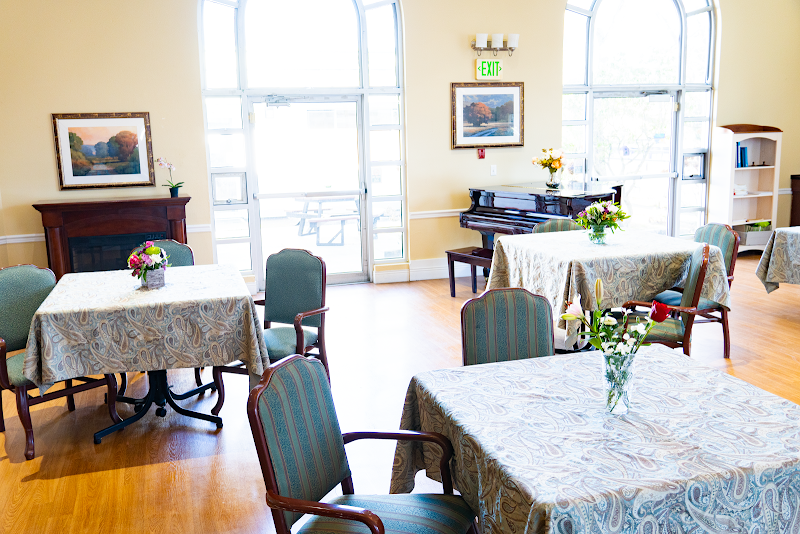
How is Avamere Rehabilitation At Park West Staffed?

CMS rates AVAMERE REHABILITATION AT PARK WEST's staffing level at 3 out of 5 stars, which is average compared to other nursing homes. Staff turnover is 47%, compared to the Washington average of 46%.

What Have Inspectors Found at Avamere Rehabilitation At Park West?

State health inspectors documented 60 deficiencies at AVAMERE REHABILITATION AT PARK WEST during 2023 to 2025. These included: 2 Immediate Jeopardy (the most serious level, indicating potential for serious harm or death), 2 that caused actual resident harm, and 56 with potential for harm. Immediate Jeopardy findings are rare and represent the most serious regulatory concerns. They require immediate corrective action.
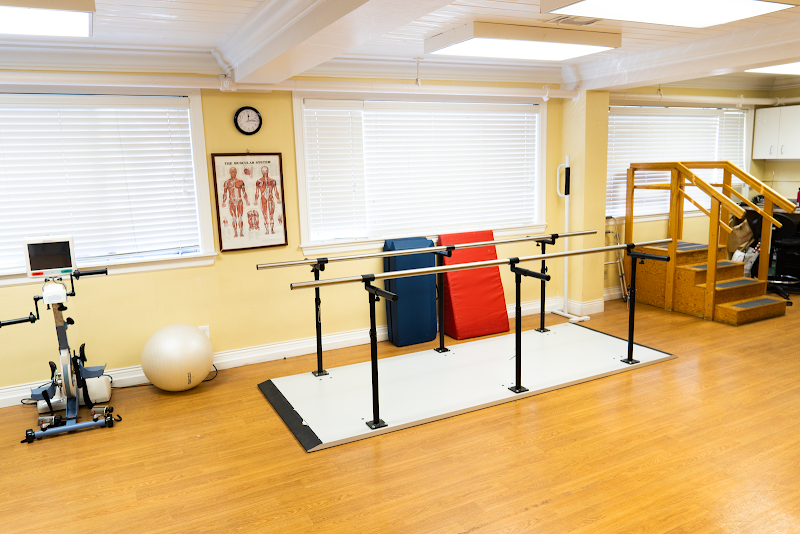
Who Owns and Operates Avamere Rehabilitation At Park West?

AVAMERE REHABILITATION AT PARK WEST is owned by a for-profit company. For-profit facilities operate as businesses with obligations to shareholders or private owners. The facility is operated by AVAMERE, a chain that manages multiple nursing homes. With 137 certified beds and approximately 94 residents (about 69% occupancy), it is a mid-sized facility located in SEATTLE, Washington.

How Does Avamere Rehabilitation At Park West Compare to Other Washington Nursing Homes?

Compared to the 100 nursing homes in Washington, AVAMERE REHABILITATION AT PARK WEST's overall rating (2 stars) is below the state average of 3.2, staff turnover (47%) is near the state average of 46%, and health inspection rating (2 stars) is below the national benchmark.

What Should Families Ask When Visiting Avamere Rehabilitation At Park West?

Based on this facility's data, families visiting should ask: "What changes have been made since the serious inspection findings, and how are you preventing similar issues?" "Can I visit during a mealtime to observe dining assistance and food quality?" "How do you handle medical emergencies, and what is your hospital transfer rate?" "Can I speak with family members of current residents about their experience?" These questions are particularly relevant given the facility's Immediate Jeopardy citations.

Is Avamere Rehabilitation At Park West Safe?

Based on CMS inspection data, AVAMERE REHABILITATION AT PARK WEST has documented safety concerns. Inspectors have issued 2 Immediate Jeopardy citations (the most serious violation level indicating risk of serious injury or death). The facility has a 2-star overall rating and ranks #100 of 100 nursing homes in Washington. Families considering this facility should ask detailed questions about what corrective actions have been taken since these incidents.

Do Nurses at Avamere Rehabilitation At Park West Stick Around?

AVAMERE REHABILITATION AT PARK WEST has a staff turnover rate of 47%, which is about average for Washington nursing homes (state average: 46%). Moderate turnover is common in nursing homes, but families should still ask about staff tenure and how the facility maintains care continuity when employees leave.

Was Avamere Rehabilitation At Park West Ever Fined?

AVAMERE REHABILITATION AT PARK WEST has been fined $77,585 across 2 penalty actions. This is above the Washington average of $33,855. Fines in this range indicate compliance issues significant enough for CMS to impose meaningful financial consequences. Common causes include delayed correction of deficiencies, repeat violations, or care failures affecting resident safety. Families should ask facility leadership what changes have been made since these penalties.

Is Avamere Rehabilitation At Park West on Any Federal Watch List?

AVAMERE REHABILITATION AT PARK WEST is not on any federal watch list. The most significant is the Special Focus Facility (SFF) program, which identifies the bottom 1% of nursing homes nationally based on persistent, serious quality problems. Not being on this list means the facility has avoided the pattern of deficiencies that triggers enhanced federal oversight. This is a positive indicator, though families should still review the facility's inspection history directly.