

CASCADES OF ST ANNE

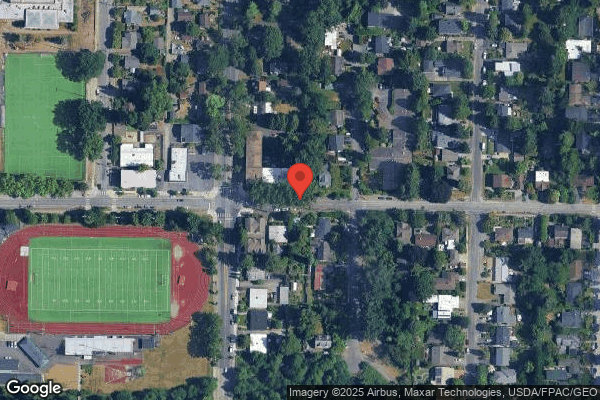
3540 NORTHEAST 110TH STREET, SEATTLE, WA 98125 (206) 363-7733
For profit - Corporation 47 Beds CASCADES HEALTHCARE Data: November 2025
Trust Grade
45/100
#97 of 190 in WA
Last Inspection: November 2024

Within standard 12-15 month inspection cycle. Federal law requires annual inspections.

Overview

Cascades of St. Anne has a Trust Grade of D, which means it is below average and has some concerning issues that families should consider. It ranks #97 out of 190 nursing homes in Washington, placing it in the bottom half, and #21 out of 46 in King County, indicating there are better local options available. The facility has shown improvement, with issues decreasing from 22 in 2024 to just 4 in 2025. Staffing is a concern, with a rating of 2 out of 5 stars and a high turnover rate of 59%, which is above the state average. Although the facility has not incurred any fines, it has faced serious issues, including failing to provide adequate nutrition and hydration for two residents, leading to significant weight loss and dehydration, which is alarming for potential residents and their families. On the positive side, the nursing home has more RN coverage than 92% of facilities in Washington, which is beneficial for catching potential health issues early.

Trust Score
D
45/100
In Washington
#97/190
Bottom 49%
Safety Record
Moderate
Needs review
Inspections
Getting Better
22 → 4 violations
Staff Stability
⚠ Watch
59% turnover. Above average. Higher turnover means staff may not know residents' routines.
Penalties
✓ Good
No fines on record. Clean compliance history, better than most Washington facilities.
Skilled Nurses
✓ Good
Each resident gets 76 minutes of Registered Nurse (RN) attention daily — more than 97% of Washington nursing homes. RNs are the most trained staff who catch health problems before they become serious.
Violations
⚠ Watch
52 deficiencies on record. Higher than average. Multiple issues found across inspections.
★★★☆☆
3.0
Overall Rating
★★☆☆☆
2.0
Staff Levels
★★★★★
5.0
Care Quality
★★☆☆☆
2.0
Inspection Score
Stable
2024: 22 issues
2025: 4 issues

The Good

  • 5-Star Quality Measures · Strong clinical quality outcomes
  • Full Sprinkler Coverage · Fire safety systems throughout facility
  • No fines on record

Facility shows strength in quality measures, fire safety.

The Bad

3-Star Overall Rating

Near Washington average (3.2)

Meets federal standards, typical of most facilities

Staff Turnover: 59%

13pts above Washington avg (46%)

Frequent staff changes - ask about care continuity

Chain: CASCADES HEALTHCARE

Part of a multi-facility chain

Ask about local staffing decisions and management

Staff turnover is elevated (59%)

11 points above Washington average of 48%

The Ugly 52 deficiencies on record

2 actual harm
Apr 2025 3 deficiencies
CONCERN (D) 📢 Someone Reported This

A family member, employee, or ombudsman was alarmed enough to file a formal complaint

Potential for Harm - no one hurt, but risky conditions existed

Deficiency F0697 (Tag F0697)

Could have caused harm · This affected 1 resident

**NOTE- TERMS IN BRACKETS HAVE BEEN EDITED TO PROTECT CONFIDENTIALITY** Based on interview and record review, the facility failed to initiate non-pharmacological interventions for pain management prio...

Read full inspector narrative →
**NOTE- TERMS IN BRACKETS HAVE BEEN EDITED TO PROTECT CONFIDENTIALITY** Based on interview and record review, the facility failed to initiate non-pharmacological interventions for pain management prior to the administration of pain medication for 1 of 2 residents (Resident 1), reviewed for pain management. In addition, the facility failed to adequately monitor adverse side effects of pain medication for Resident 1. These failures placed the resident at risk for unnecessary medications, incomplete pain control and unrecognized adverse side effects. Findings included . Review of the admission Minimum Data Set (a required assessment) dated 02/14/2025 showed Resident 1 was admitted to the facility on [DATE] with a diagnosis that included a fracture [break] in the lower back with lower back pain. Review of the February 2025 and March 2025 Medication Administration Record (MAR) showed Resident 1 had physician orders dated 02/08/2025 for Methocarbamol (medication used to relieve pain) 500 milligrams (mg-a unit of measurement) every six hours as needed and was administered the medication on 02/09/2025, 02/10/2025, 02/11/2025, 02/17/2025, 02/18/2025, 02/20/2025, 02/27/2025, 03/01/2025, 03/02/2025, 03/03/2025, 03/04/2025, 03/06/2025, 03/08/2025, 03/09/2025 and on 03/14/2025. Further review of the February 2025 and March 2025 MAR showed Resident 1 had the following physician orders dated 02/08/2025: - Oxycodone (narcotic medication used to relieve pain) 5 mg, give one, tablet every six hours as needed for pain rated on a scale of 1-5 and was administered the medication on 02/08/2025, 03/01/2025, 03/02/2025 and 03/03/2025. - Oxycodone 5 mg give two tablets every six hours as needed for pain rated on a scale of 6-10 and was administered to Resident 1 on 02/09/2025, 02/10/2025, 02/11/2025, 02/12/2025, 02/13/2025, 02/22/2025, 02/23/2025, 02/24/2025, 02/27/2025, 03/02/2025, 03/03/2025, 03/04/2025 and on 03/05/2025. - Non-pharmacological interventions used before as needed pain medication by number: 1. Reposition for comfort, 2. Massage, 3. Involve in activity4. Provide a quite setting with reduced stimuli as needed. 5. Relaxation technique, 6. Music, 7. Remove from area, 8. Direction/distraction, 9. Toilet, 10. Walk, 11. Provide food/drink, 12. Educate (d), 13. One on one, 14. Other. Additional review of February 2025 or March 2025 MAR did not show nonpharmacological interventions were offered or implemented prior to administering the as needed pain medications for Resident 1. In an interview on 04/16/2025 at 3:12 PM Staff D, Registered Nurse (RN) stated, I would try repositioning with pillows or other nonpharmacological interventions before I gave a pain medication that was not scheduled to be given. In an interview on 04/16/2025 at 3:28 PM, Staff E, RN, stated that the interventions should be tried before as needed pain medication was administered to the resident. In an interview on 04/16/2025 at 4:10 PM, Staff B, Director of Nursing, stated that their expectation was that nonpharmacological interventions should have been offered to Resident 1 prior to as needed pain medication being administered. Staff A, Administrator, was present when Staff B was being interviewed, Staff A then stated they did not see where any documented interventions were offered to Resident 1 on February 2025 and/or March 2025 MAR's prior to the as needed pain medication administrations. Reference (WAC) 388-97-1060 (1) .
CONCERN (D) 📢 Someone Reported This

A family member, employee, or ombudsman was alarmed enough to file a formal complaint

Potential for Harm - no one hurt, but risky conditions existed

Deficiency F0757 (Tag F0757)

Could have caused harm · This affected 1 resident

**NOTE- TERMS IN BRACKETS HAVE BEEN EDITED TO PROTECT CONFIDENTIALITY** Based on interview and record review, the facility failed to ensure adequate monitoring was conducted for use of antipsychotic (...

Read full inspector narrative →
**NOTE- TERMS IN BRACKETS HAVE BEEN EDITED TO PROTECT CONFIDENTIALITY** Based on interview and record review, the facility failed to ensure adequate monitoring was conducted for use of antipsychotic (medication used to treat mental disorders) for 1 of 2 residents (Resident 1), reviewed for unnecessary medications. This failure placed the residents at risk for receiving unnecessary medications, unrecognized adverse side effects, and related complications. Review of the admission Minimum Data Set (a required assessment) dated 02/14/2025 showed Resident 1 was admitted to the facility on [DATE] with diagnosis that included a delirium (a sudden change in a person's mental state, often characterized by confusion, disorientation, and difficulty thinking clearly). Review of the February 2025 and March 2025 Medication Administration Record (MAR) showed a physician order dated 02/08/2025 for Quetiapine (an antipsychotic medication used to treat mental disorder) 25 milligrams (mg-a unit of measurement) one tablet at bedtime and another physician order dated 02/11/2025 for Quetiapine 25 mg one time a day. Further review of February 2025 and March 2025 MAR showed the following: -An antipsychotic medication-monitor for dry mouth, constipation, blurred vision, disorientation/confusion, difficulty urinating, low blood pressure, dark urine, yellow skin, upset stomach, fatigue, drooling, tremors, disturbed walk, increased agitation, restlessness, involuntary movement of mouth or tongue. Document Y if side effects were observed and N if no side effects were observed, monitor every shift. -Check marks were documented for the day, evening and night shifts and did not reflect if side effects were observed or if side effects were not observed. In an interview on 04/16/2025 at 3:14 PM Staff D, Registered Nurse (RN), stated, the check marks on the February and March 2025 MAR's did not show if Resident 1 had side effects to the antipsychotic medication, that a Y for yes, or a N for no and should have been documented. In an interview on 04/16/2025 at 3:30 PM, Staff E, RN, stated they thought it was a yes or no system to reflect if side effects were observed or not and that the current system that used check marks needed clarification because it was not clear if side effects had been observed or not. In an interview on 04/16/2025 at 4:30 PM, Staff B, Director of Nursing Services, stated the check marks did not identify if Resident 1 had side effects to the antipsychotic medication, that a Y or an N should have been documented to adequately indicate if the resident had side effects to the medication or not. Reference: (WAC) 388-97-1060 (3)(k)(i)(4) .
CONCERN (D) 📢 Someone Reported This

A family member, employee, or ombudsman was alarmed enough to file a formal complaint

Potential for Harm - no one hurt, but risky conditions existed

Infection Control (Tag F0880)

Could have caused harm · This affected 1 resident

Based on observation, interview, and record review, the facility failed to ensure staff followed use of Personal Protection Equipment (PPE - use of gown, gloves, respirator/N95 mask and face shield/go...

Read full inspector narrative →
Based on observation, interview, and record review, the facility failed to ensure staff followed use of Personal Protection Equipment (PPE - use of gown, gloves, respirator/N95 mask and face shield/goggles) in accordance with the Centers for Disease Control guidelines when caring for residents with known COVID-19 (highly contagious respiratory disease) infection for 1 of 2 residents (Resident 2), reviewed for infection control. This failure placed the residents, staff, and visitors at risk for COVID-19 infection and related complications. Findings included . Record review of a progress note dated 03/28/2025 showed Resident 2 tested positive for COVID-19 on 03/28/2025. Observation on 03/31/2025 at 1:01 PM, showed signage that Resident 2 was on aerosol precautions (a type of isolation used for infections spread through the air) and contact precautions (a set of safety measures used to prevent the spread of infectious diseases through direct or indirect contact with a resident or their environment). The sign showed that everyone must use a respirator/N95 mask, wear eye protection, gown and glove at the door. Staff D, Registered Nurse, knocked on Resident 2's door, entered the room and did not put on the appropriate PPE before entering Resident 2's room. In an interview on 03/31/2025 at 1:06 PM, Staff D stated Resident 2 tested positive for COVID-19 a few days ago. Staff D further stated they should have worn a respirator/N95 mask, eye protection, gloves and a gown before they entered the room because Resident 2 tested positive for COVID-19. An interview on 03/31/2025 at 1:16 PM, Staff C, Interim Administrator, stated Staff D was required to wear a respirator/N95 mask, eye protection, gloves and a gown in all the residents' rooms that were positive for COVID-19. Interview on 04/16/2025 at 4:30 PM Staff B, Director of Nursing Services/Infection Preventionist, stated their expectation was for staff to wear a respirator/N95 mask, eye protection, gloves and a gown in Resident 2's room, and all other resident rooms that tested positive for COVID-19. Reference: (WAC) 388-97-1320 (2)(a) .
Feb 2025 1 deficiency
CONCERN (D) 📢 Someone Reported This

A family member, employee, or ombudsman was alarmed enough to file a formal complaint

Potential for Harm - no one hurt, but risky conditions existed

Accident Prevention (Tag F0689)

Could have caused harm · This affected 1 resident

**NOTE- TERMS IN BRACKETS HAVE BEEN EDITED TO PROTECT CONFIDENTIALITY** Based on interview and record review, the facility failed to provide the necessary supervision for 1 of 1 resident (Resident 1),...

Read full inspector narrative →
**NOTE- TERMS IN BRACKETS HAVE BEEN EDITED TO PROTECT CONFIDENTIALITY** Based on interview and record review, the facility failed to provide the necessary supervision for 1 of 1 resident (Resident 1), reviewed for elopement. The failure to provide the necessary supervision for Resident 1 resulted in an elopement and placed the resident at risk for injury. Findings included . Review of the admission Minimum Data Set assessment (MDS-a required assessment) dated 08/15/2024 showed the resident was admitted to the facility on [DATE] with diagnosis that included dementia (impaired memory). The MDS assessment also showed the resident required assistance for all care and used a wheelchair for mobility. Review of the facility's investigative report dated 11/11/2024 showed that on 11/11/2024 at approximately 5:15 PM, Resident 1 was unable to be found in the facility. The investigative report documented that the facility staff initiated a facility search inside and outside of the facility. A facility staff member walked around the neighborhood of the facility and staff did not find the resident. The facility staff called the police, Resident 1's Collateral Contact and primary care physician. The police found Resident 1 approximately one- and one-half miles away from the facility at a shopping center at 6:35 PM. The resident's Collateral Contact was notified that Resident 1 was found by the police at a shopping center, and they went and picked up Resident 1 in their private vehicle and returned them to the facility at approximately 6:55 PM that day. The facility nursing staff assessed the resident for pain and injuries after the resident was returned to the facility. There was no indications of pain or injury that occurred from the elopement. Review of the care plan dated 11/06/2024 showed Resident 1 was at risk of elopement related to a history of attempts to leave the facility unattended, the care plan further showed a device was placed on Resident 1 to alert staff when Resident 1 approached the monitored doors that exit the facility and for the placement of the device to be checked every shift. In an interview on 02/03/2025 at 3:16 PM Staff E, Maintenance Supervisor, stated there were eight door that led out of the facility, and all the doors were alarmed to sound when Resident 1 got close to the doors. Staff E stated the monitor, and the doors were tested daily to ensure they functioned properly. Staff E further stated that the alarms could be heard throughout the facility and required staff to turn the alarm off to mute the sound. In an interview on 02/03/2025 at 4:12 PM Staff C, Certified Nursing Assistant, stated Resident 1 tried to get out of the facility before, and now wore a device on their wrist that would alarm and let staff know if Resident 1 got close to the door. In an interview on 02/03/2025 at 4:18 PM Staff D, Registered Nurse, stated Resident 1 was at risk of elopement and tried to elope before. Staff D stated Resident 1 wore a device on their wrist that would alarm if Resident 1 got too close to the doors that lead outside of the facility. Staff D further stated that all the doors that lead out of the facility had alarms on them and that the sound could be heard all throughout the facility. In an interview on 02/03/2025 at 4:56 PM Staff B, Director of Nursing Services, stated that they did not know how Resident 1 got out of the facility, the alarms could be heard throughout the facility. Staff B further stated they would have to assess and see if Resident 1 was adequately supervised when they eloped from the facility. Reference: (WAC) 388-97-1060 (3)(g) .
Nov 2024 20 deficiencies
CONCERN (D)

Potential for Harm - no one hurt, but risky conditions existed

Safe Environment (Tag F0584)

Could have caused harm · This affected 1 resident

Based on observation, interview, and record review, the facility failed to ensure a homelike dining experience was provided for 1 of 8 residents (Resident 94), reviewed for dignity/privacy during dini...

Read full inspector narrative →
Based on observation, interview, and record review, the facility failed to ensure a homelike dining experience was provided for 1 of 8 residents (Resident 94), reviewed for dignity/privacy during dining. This failure placed the resident at risk for dignity issues and a diminished quality of life. Findings included . Review of the facility's policy titled, Administering Medications, revised in April 2019, showed that medications were administered in a safe and timely manner, and as prescribed. The policy further showed that medication administration times were determined by resident need and benefit, not staff convenience. Observation on 10/29/2024 at 8:52 AM, showed Staff N, Registered Nurse, giving Resident 94 their oral medications in the main dining room during the breakfast meal. Staff N was observed telling Resident 94 what medications they were taking and what they were for in front of seven other residents in the dining room. On 10/29/2024 at 4:08 PM, Staff N, stated that they gave Resident 94 their five oral medications in the dining room and that they should not have. On 11/04/2024 at 2:46 PM, Staff B, Director of Nursing, stated they did not expect medications were given to residents in the dining room unless it was indicated in their care plan. Staff B further stated that Staff N should not have given Resident 94's medications in the dining room. Reference: (WAC) 399-97-0880 (1) .
CONCERN (D)

Potential for Harm - no one hurt, but risky conditions existed

Investigate Abuse (Tag F0610)

Could have caused harm · This affected 1 resident

**NOTE- TERMS IN BRACKETS HAVE BEEN EDITED TO PROTECT CONFIDENTIALITY** Based on interview and record review, the facility failed to ensure allegation of abuse and/or neglect were thoroughly investiga...

Read full inspector narrative →
**NOTE- TERMS IN BRACKETS HAVE BEEN EDITED TO PROTECT CONFIDENTIALITY** Based on interview and record review, the facility failed to ensure allegation of abuse and/or neglect were thoroughly investigated for 2 of 4 residents (Resident 3 & 31), reviewed for abuse investigations. This failure placed the residents at risk for repeated incidents, unidentified abuse, and inappropriate corrective actions. Findings included . Review of the facility's policy titled, Abuse/Neglect Prevention Program Policy, dated April 2021, showed that residents had the right to be free from abuse/neglect, including freedom from physical abuse. The policy further showed that the facility would identify and investigate allegations of abuse, report any allegations within time frames required by the Federal Government, and protect residents from further harm during investigations. According to the Washington State Reporting Guidelines for Nursing Homes (The Purple Book), dated October 2015, All alleged incidents of abuse, neglect, abandonment, mistreatment, injuries of unknown source, personal and/or financial exploitation, or misappropriation of resident property must be thoroughly investigated. RESIDENT 3 Review of the admission Minimum Data Set (MDS - an assessment tool) dated 10/03/2024 showed that Resident 3 was cognitively intact. Review of Resident 3's incident investigation showed that on 10/27/2024 at 10:47 AM, one of the housekeeping staff saw Resident 3 in another resident's room, informed one of the aides [nursing assistants], and that t aide took Resident 3 back to their room, and called the nurse. Further review of the incident investigation showed that Resident 3 stated that Resident 29 patted their cheek and head yesterday [10/26/2024] at [the] dining room at dinner time and that Resident 29 repeated it [patted Resident 3's cheek and hair] this morning [10/27/2024] too. Further review of the investigation data analysis did not show the following: 1) Resident 29 was interviewed and/or other witnesses' statements; 2) documentation of the last time Resident 3 had been checked and/or provided care; 3) documentation to show what care plan interventions were followed or what care plan was reviewed; 4) skin assessments to show Resident 3 had no injuries related to the incident; and 5) documentation to show the facility ruled out abuse/neglect. On 11/01/2024 at 1:38 PM, Resident 3 stated that Resident 29 touched their hair, tried to be my friend, and that Resident 29 made them feel uncomfortable. Resident 3 further stated that Resident 29 had not tried to touch them again after that. RESIDENT 31 Review of the incident log from May 2024 to October 2024 showed that Resident 31 had a fall incident on 07/30/2024 and another fall incident on 09/12/2024. Review of the admission MDS dated [DATE] showed Resident 31 had severe cognitive impairment. FALL INCIDENT INVESTIGATION 07/30/2024 Review of Resident 31's fall incident investigation showed that on 07/30/2024 at 8:00PM, Resident 31 was found lying on the floor in supine [on their back] position and Resident 31 stated that they were trying to reach for their jacket from their chair, lost their balance, and fell. Further review of Resident 31's incident investigation did not include the following: 1) witnesses' (residents/staff) statements; 2) documentation of when the last time Resident 31 had been checked and/or provided with care; 3) skin assessments to show Resident 31 abrasion to their left eyebrow; 4) documentation to show what care plan interventions were followed, reviewed or updated; and 5) documentation to show the facility ruled out abuse/neglect. FALL INCIDENT INVESTIGATION 09/12/2024 Review of Resident 31's fall incident investigation showed that on 09/12/2024 at 5:16 AM, Resident 31 was found next to their bed and that Resident 31 hit their head when they fell. Further review of Resident 31's incident investigation did not include the following: 1) witnesses' (residents/staff) statements; 2) documentation of the last time Resident 31 had been checked and/or provided with care; 3) skin assessments to show Resident 31's hematoma (a solid swelling of the clotted blood within the tissues) to left cheek; 4) documentation to show neurological checks were conducted; and 5) documentation to show what care plan interventions were followed, reviewed or updated. On 11/04/2024 at 4:19 PM, Staff B stated that they followed the purple book for completion of investigations, and they expected incident investigations had witnesses' statements, residents' interviews, reviewed and/or updated the care plans. Staff B further stated that they did not get staff or other residents' statements for Resident 3's allegation of abuse investigation and/or for both of Resident 31's fall incident investigations. On 11/04/2024 at 5:13 PM, Staff A, Administrator, stated they expected residents' incident investigations had a summary related to the incident, care plans and resident's diagnoses were reviewed, an investigation questionnaire was completed, that residents were protected, educate, monitor, and follow up until substantial compliance was achieved. Staff A further stated they expected fall incidents were investigated for potential abuse or neglect, residents were assessed to prevent from falling, and that the interdisciplinary team was involved to come up with a plan to prevent further falls. Reference: (WAC) 388-97-0640 (6)(a)(b) .
CONCERN (D)

Potential for Harm - no one hurt, but risky conditions existed

Transfer Notice (Tag F0623)

Could have caused harm · This affected 1 resident

**NOTE- TERMS IN BRACKETS HAVE BEEN EDITED TO PROTECT CONFIDENTIALITY** Based on interview and record review, the facility failed to provide a written transfer/discharge notice to the resident and/or ...

Read full inspector narrative →
**NOTE- TERMS IN BRACKETS HAVE BEEN EDITED TO PROTECT CONFIDENTIALITY** Based on interview and record review, the facility failed to provide a written transfer/discharge notice to the resident and/or their representative for 1 of 2 residents (Resident 28), reviewed for hospitalization. This failure placed the resident and/or their representative at risk for not having an opportunity to make informed decisions about transfers/discharges. Findings included . Review of the facility's policy titled, Transfer or Discharge Notice, revised in October 2024, showed, Emergency Transfers: When a resident is temporarily transferred on an emergency basis to an acute care facility, notice of the transfer may be provided to the resident and resident representative as soon practicable. A review of the nursing progress notes showed Resident 28 discharged to the hospital on [DATE]. Another review of the nursing progress notes showed Resident 28 readmitted to the facility on [DATE]. A review of the electronic health record did not show documentation that Resident 28 was offered and/or provided a transfer/discharge notice when they discharged to the hospital on [DATE]. During a joint record review and an interview on 11/04/2024 at 9:48 AM with Staff D, Social Services Director, showed Resident 28's electronic health records (miscellaneous tab) had no documentation to show that a transfer/discharge notice was provided when they were sent to the hospital on [DATE]. Staff D stated that it was a weekend on 08/17/2024 and that the nurses should have provided Resident 28 a transfer/discharge notice. On 11/04/2024 at 10:19 AM, Staff O, Registered Nurse, stated that residents who discharge to the hospital should be provided a transfer/discharge notice at time of discharge. On 11/04/2024 at 3:16 PM, Staff B, Director of Nursing, stated that they expected transfer/discharge notices were provided to residents when they discharge to the hospital. Staff B further stated that Resident 28 should have been provided a transfer/discharge notice. Reference: (WAC) 388-97-0120 (2) (a-d) .
CONCERN (D)

Potential for Harm - no one hurt, but risky conditions existed

Deficiency F0625 (Tag F0625)

Could have caused harm · This affected 1 resident

**NOTE- TERMS IN BRACKETS HAVE BEEN EDITED TO PROTECT CONFIDENTIALITY** Based on interview and record review, the facility failed to ensure bed hold (the opportunity to reserve a resident's current oc...

Read full inspector narrative →
**NOTE- TERMS IN BRACKETS HAVE BEEN EDITED TO PROTECT CONFIDENTIALITY** Based on interview and record review, the facility failed to ensure bed hold (the opportunity to reserve a resident's current occupied bed while out of the facility to ensure their room was available when ready to return) notice was offered for 1 of 2 residents (Resident 28), reviewed for hospitalization. This failure placed the resident or their representative at risk for lack of knowledge regarding the right to hold their bed while in the hospital. Findings included . Review of the facility's policy titled, Bed Holds and Returns, revised in November 2024, showed Residents and/or representatives are informed (in writing) of the facility and state (if applicable) bed-hold policies. 1. All residents/representatives are provided written information regarding the facility and state bed-hold policies, which address holding or reserving a resident's bed during periods of absence (hospitalization or therapeutic leave). Residents, regardless of payer source, are provided written notice about these policies at least twice: a. notice 1: well in advance of any transfer (e.g., in the admission packet); and b. notice 2: at the time of transfer (or, if the transfer was an emergency, within 24 hours). A review of the nursing progress notes showed Resident 28 discharged to the hospital on [DATE]. A review of the electronic health record under the miscellaneous tab for August 2024 did not show documentation that Resident 28 was offered a bed hold notice for their transfer to the hospital. A joint record review and an interview on 11/04/2024 at 9:48 AM with Staff D, Social Services Director, showed Resident 28's electronic health records (miscellaneous tab) had no documentation to show that a bed hold notice was provided when they discharged to the hospital on [DATE]. Staff D stated that the bed hold notice should have been provided to Resident 28 if it was in the facility's policy. On 11/04/2024 at 3:16 PM, Staff B, Director of Nursing, stated that they expected bed hold notices were provided to residents when they discharge to the hospital. Staff B also stated that Resident 28 should have been provided a written bed hold notice. Reference: (WAC) 388-97-0120 (4)(a) .
CONCERN (D)

Potential for Harm - no one hurt, but risky conditions existed

Deficiency F0645 (Tag F0645)

Could have caused harm · This affected 1 resident

**NOTE- TERMS IN BRACKETS HAVE BEEN EDITED TO PROTECT CONFIDENTIALITY** Based on interview and record review, the facility failed to ensure the Preadmission Screening and Resident Reviews (PASARR-an a...

Read full inspector narrative →
**NOTE- TERMS IN BRACKETS HAVE BEEN EDITED TO PROTECT CONFIDENTIALITY** Based on interview and record review, the facility failed to ensure the Preadmission Screening and Resident Reviews (PASARR-an assessment to ensure individuals with Serious Mental Illness [SMI] or Intellectual/Developmental Disabilities [ID/DD] are not inappropriately placed in nursing homes for long term care) Level I was completed for 1 of 6 residents (Resident 17), reviewed for unnecessary medications. This failure placed the resident at risk for not receiving the care and services appropriate for their needs. Findings included . Review of the Department of Social and Health Services, Dear Nursing Home Administrator Letter, guidance titled Clarification to the Pre-admission Screening and Resident Review (PASARR OR PASRR) Level I Screening Process, dated 07/06/2024 and amended on 08/23/2024, showed a positive Level I PASARR screen (that would then require a referral for a Level II PASARR) was if Any of the questions in Section 1A (1, 2, and/or 3) are marked Yes. Review of the facility's policy titled, admission Criteria, revised on March 2019, showed all new admissions and readmissions were screened for mental disorders (MD), intellectual disabilities (ID) or related disorders (RD) per the Medicaid PASARR process. The policy further showed that if the Level I screen indicates that the individual may meet the criteria for a mental disorder, intellectual disabilities or related disorder, he or she was referred to the state PASARR representative for the Level II (evaluation and determination screening process. When a resident was identified as having a MD, ID, or RD, the admitting nurse would notify the social services department. The social worker was responsible for making referrals to the appropriate state-designated authority. A review of Resident 17's face sheet showed Resident admitted to the facility on [DATE]. A review of Resident 17's PASARR, signed on 08/06/2024, was marked yes for SMI under Section IA, and yes for mood disorders. Further record review showed PASARR Section IV (Services Needs and Assessor Data) was not filled out. In an interview and joint record review on 11/04/2024 at 8:27 AM with Staff D, Social Services Director, stated that they reviewed the PASARR forms for completion when they receive them from the hospital. Staff D stated that we get them [PASARR forms] from the hospital, then modify them [PASARR forms] as needed. Any changes needed; we will request for a PASARR [Level] II. Joint record review of Resident 17's Electronic Health Record (EHR) did not show a PASARR Level II evaluation. Staff D stated that they sent a bunch of them [multiple Level II PASSRs) and that did not know why they would not have sent it. On 11/04/2024 at 5:26 PM, Staff A, Administrator, stated that they expected PASARR Level I form was completed prior to residents' admission to the facility. Reference: (WAC) 388-97-1915 (1)(2) (a-c) (4), 1975(1)(4) .
CONCERN (D)

Potential for Harm - no one hurt, but risky conditions existed

Comprehensive Care Plan (Tag F0656)

Could have caused harm · This affected 1 resident

**NOTE- TERMS IN BRACKETS HAVE BEEN EDITED TO PROTECT CONFIDENTIALITY** RESIDENT 17 A review of the face sheet showed Resident 17 admitted to the facility on [DATE] with diagnoses including essential ...

Read full inspector narrative →
**NOTE- TERMS IN BRACKETS HAVE BEEN EDITED TO PROTECT CONFIDENTIALITY** RESIDENT 17 A review of the face sheet showed Resident 17 admitted to the facility on [DATE] with diagnoses including essential hypertension (high blood pressure) and end stage renal disease (a condition in which the kidneys lose the ability to remove waste and balance fluids). A review of the physician orders dated 08/06/2024, showed Resident 17 admitted with orders for a diuretic medication twice a day. A review of Resident 17's care plan, printed on 10/31/2024, showed use of diuretic medication care plan was added on 10/30/2024, over two months after Resident 17 had admitted . A joint record review and interview on 11/04/2024 at 2:46 PM with Staff B, showed no care plan for use of diuretic medication for Resident 17 prior to 10/30/2024. Staff B stated that the diuretic care plan should have been included on 08/06/2024. Reference: (WAC) 388-97-1020 (1) (2)(a)(3) Based on interview and record review, the facility failed to develop and implement care plans for 2 of 16 residents (Residents 31 & 17), reviewed for comprehensive care plan. The failure to develop care plans for diuretic (reduce swelling/fluid buildup in the body) medications placed the residents at risk for unmet care needs and a diminished quality of life. Findings included . Review of the facility's policy titled, Care Plans, Comprehensive Person-Centered, revised in November 2024, showed, A comprehensive, person-centered care plan that includes measurable objectives and timetables to meet the resident's physical, psychosocial and functional needs is developed and implemented for each resident. The interdisciplinary team (IDT), in conjunction with the resident and his/her family or legal representative, develops and implements a comprehensive, person-centered care plan for each resident . The comprehensive, person-centered care plan is developed within seven (7) days of the completion of the required MDS [Minimum Data Set - an assessment tool] assessment (Admission, Annual or Significant Change in Status), and no more than 21 days after admission . The care plan interventions are derived from a thorough analysis of the information gathered as part of the comprehensive assessment . When possible, interventions address the underlying source(s) of the problem area(s), not just symptoms or triggers. RESIDENT 31 Review of the face sheet printed on 10/30/2024 showed Resident 31 admitted to the facility on [DATE]. Review of the physician orders showed Resident 31 had an order for diuretic medication dated 06/16/2024. Review of the care plan printed on 10/30/2024 showed Resident 31 did not have a care plan for use of diuretic medication. Joint record review and interview on 11/04/2024 at 10:46 AM with Staff O, Registered Nurse, showed Resident 31's physician orders for a diuretic medication. Staff O stated Resident 31 started on a diuretic medication on 06/16/2024. Joint record review showed Resident 31 had no care plan for use of diuretic medication. Staff O stated that Resident 31 did not have a diuretic care plan and that it should have been care planned. On 11/04/2024 at 3:29 PM, Staff B, Director of Nursing, stated that they expected medications that were in Section N [Medications] of the MDS, for example diuretics were care planned. Staff B further stated that Resident 31 was on diuretics and that the use of diuretic medication should have been care planned.
CONCERN (D)

Potential for Harm - no one hurt, but risky conditions existed

ADL Care (Tag F0677)

Could have caused harm · This affected 1 resident

**NOTE- TERMS IN BRACKETS HAVE BEEN EDITED TO PROTECT CONFIDENTIALITY** Based on observation, interview, and record review, the facility failed to ensure Activities of Daily Living (ADL) assistance we...

Read full inspector narrative →
**NOTE- TERMS IN BRACKETS HAVE BEEN EDITED TO PROTECT CONFIDENTIALITY** Based on observation, interview, and record review, the facility failed to ensure Activities of Daily Living (ADL) assistance were consistently provided for 2 of 3 residents (Residents 34 & 26), reviewed for ADLs. The failure to provide residents who were dependent on staff for assistance with showers/bathing placed the residents at risk for poor hygiene, decreased self-esteem, and a diminished quality of life. Findings included . Review of the facility's policy titled, Activities of Daily Living, revised in October 2024, showed that appropriate care and services were provided for residents who were unable to carry out ADL independently, with the consent of the resident and in accordance with the plan of care, including appropriate support and assistance with hygiene, bathing, dressing, grooming, and oral care. RESIDENT 34 On 10/28/2024 at 3:43 PM, Resident 34 stated they wanted to have more showers than once a week and that they have talked to facility staff numerous times that they have not gotten an answer. A review of the admission Minimum Data Set (MDS - an assessment tool) dated 08/07/2024 showed Resident 34 required partial/moderate assist (helper [or staff] does LESS THAN HALF the effort. Helper lifts, holds, or supports trunk or limbs, but provides less than half the effort) with showers/bathing. Review of the shower schedule from 10/28/2024 to 11/03/2024 showed Resident 34 was scheduled to have showers on Saturdays. Review of the October 2024 bathing task printed on 10/30/2024, showed Resident 34 received one shower on 10/20/2024 (Sunday) and on 10/26/2024 (Saturday). Further review of the bathing task showed a shower was refused on 10/19/2024 (Saturday), no other documentation to show that Resident 34 refused showers on prior Saturdays for the month of October 2024. Review of Resident 34's ADL care plan initiated on 08/01/2024 showed, Give (bath/shower) per resident preference on scheduled days(s) Q [every] week and as needed. Prefers showers after breakfast 2 to 3 times a week. On 11/01/2024 at 2:17 PM, Staff P, Certified Nurse Assistant, stated that they follow the shower schedule to provide residents with their showers and that they would document when they provide the shower and/or when the residents refused the shower. When asked why Resident 34 was not given their showers, Staff P stated they worked a different shift. On 11/04/2024 at 10:22 AM, Staff O, Registered Nurse, stated that they expected staff to provide showers to the residents following the shower schedule and to document showers given and/or refused. Joint record review and interview with Staff O showed Resident 34 was scheduled for showers on Saturdays. Staff O stated that Resident 34 should be provided with showers on Saturdays. Another joint record review and interview on 11/04/2024 at 10:33 AM with Staff O, showed the bathing task in the last 30 days for Resident 34's revealed they had showers on 10/20/2024 and on 10/26/2024. Staff O stated that that there were no other showers documented or refused on prior weeks. Joint record review of Resident 34's ADL care plan showed Resident 34 would get showers on scheduled days and additional showers two to three times a week per their preference. Staff O stated that Resident 34 should have had a least four showers a month or more according to their care plan. A joint record review and interview on 11/04/2024 at 4:06 PM with Staff B, Director of Nursing, showed the October 2024 shower/bathing task for Resident 34 revealed they had showers on 10/12/2024, on 10/20/2024, and on 10/26/2024, Staff B stated that Resident 34 should have received at least four showers or more for the month of October 2024. RESIDENT 26 On 10/28/2024 at 2:47 PM, Resident 26 stated that they have had three showers since they admitted to the facility. Resident 26 further stated that the last time they received a shower was a month ago. Review of the admission MDS dated [DATE] showed that Resident 26 required dependent [total] assist with showers/bathing. Review of the October 2024 bathing task printed on 10/30/2024, showed Resident 26 received one shower on 10/27/2024 (Sunday). Further review of the document did not show Resident 26 had other showers provided and/or had refusal of showers for October 2024. Review of the shower/bath schedule from 10/28/2024 to 11/03/2024, showed Resident 26 was scheduler for shower for Saturdays Evening (offer around 2:00 PM). On 11/01/2024 at 2:23 PM, Staff P stated that they followed the shower schedule to provide showers to the residents. Staff P stated that they had provided showers and bed baths to Resident 26 in the past and that Resident 26 preferred bed baths. Staff P further stated that Resident 26 had not refused bed baths from them. A joint record review and interview on 11/04/2024 at 10:27 AM with Staff O, showed that Resident 26 was scheduled for showers on Saturdays. Staff O stated that they expected showers and refusal of showers be documented in the residents' records. Joint record review of the October 2024 bathing task, printed on 10/30/2024, showed Resident 26 had a shower on 10/27/2024 and no other documentation to show that a shower was provided or refused on previous Saturdays on 10/05/2024, on 10/12/2024, and on 10/19/2024. Staff O stated that Resident 26 should have gotten four showers in October 2024. On 11/04/2024 at 3:33 PM, Staff B stated that there was no documentation to show that Resident 26 was provided showers and/or refused showers on 10/05/2024, on 10/12/2024, and on 10/19/2024. Staff B further stated that Resident 26 should have had at least four showers in October 2024. Reference: (WAC) 388-97-1060 (2)(c) .
CONCERN (D)

Potential for Harm - no one hurt, but risky conditions existed

Quality of Care (Tag F0684)

Could have caused harm · This affected 1 resident

**NOTE- TERMS IN BRACKETS HAVE BEEN EDITED TO PROTECT CONFIDENTIALITY** RESIDENT 32 Review of the face sheet showed Resident 32 was admitted to the facility on [DATE] with diagnoses that included nont...

Read full inspector narrative →
**NOTE- TERMS IN BRACKETS HAVE BEEN EDITED TO PROTECT CONFIDENTIALITY** RESIDENT 32 Review of the face sheet showed Resident 32 was admitted to the facility on [DATE] with diagnoses that included nontraumatic subarachnoid hemorrhage (bleeding in the space between the brain and the tissues that cover the brain). A review of the October 2024 MAR showed Resident 32 had an order for an anticoagulant medication every 12 hours, and did not include orders to monitor for adverse side effects. A joint record review and interview on 11/04/2024 at 12:50 PM with Staff M, RN, showed Resident 32's October 2024 MAR did not have orders to monitor for adverse side effects related to the use of anticoagulant medication. Staff M stated Resident 32 did not have orders to monitor for adverse side effects in their MAR. On 11/04/2024 at 2:46 PM, Staff B stated that Resident 32's MAR did not include orders to monitor for adverse side effects of anticoagulant medication. Reference: (WAC) 388-97-1060 (1)(3)(k)(4) Based on interview and record review, the facility failed to ensure diabetic [diabetes - a disease that occurs when blood sugar level is too high] nail care was provided for 1 of 6 residents (Resident 34), reviewed for quality of care. In addition, the facility failed to ensure residents on diuretic (that helps with edema [swelling] to reduce fluid buildup in the body) and/or anticoagulant medications (that stops blood from clotting too easily to help stop life-threatening conditions) were monitored for adverse side effects for 2 of 6 residents (Residents 31 & 32), reviewed for unnecessary medications. These failures placed the residents at risk for unmet care needs and a diminished quality of life. Findings included . Review of the facility's policy titled, Medication Therapy, revised in November 2024, showed Each resident's medication regimen shall include only those medications necessary to treat existing conditions and address significant risks . Medication use shall be consistent with an individual's condition, prognosis, values, wishes, and responses to such treatments . All medication orders will be supported by appropriate care processes and practices. Review of the facility's policy titled, Anticoagulation - Clinical Protocol, revised in November 2024, showed that as part of the initial assessment, the physician and staff would identify individuals who are currently anticoagulated; for example: atrial fibrillation (an irregular and often very rapid heart rhythm that can lead to blood clots, stroke [blood flow to the brain is blocked/reduced] and heart failure). It further showed that the residents would be assessed for any signs or symptoms related to adverse drug reactions due to the medication alone or in combination with other medications. DIABETIC NAIL CARE Resident 34 admitted to the facility on [DATE] with diagnosis that included diabetes. Review of the activities of daily living care plan initiated on 08/01/2024 showed Resident 34 would have diabetic nail care on bath/shower days and as needed. An interview and joint record review on 11/04/2024 at 10:22 AM, Staff O, Registered Nurse (RN), stated that they would provide the resident's diabetic nail care when there were orders for it in the treatment administration records. A joint record review of shower schedule from 10/28/2024 to 11/03/2024 showed Resident 34 was scheduled for Saturdays, and review of the ADL care plan, initiated on 08/01/2024, showed an intervention for diabetic nail care to be done on bath/shower days and as needed. Staff O sated that Resident 34's diabetic nail care should have been scheduled for Saturdays. A joint record review and interview on 11/04/2024 at 10:28 AM with Staff O, showed Resident 34's physician orders did not have an order for diabetic nail care. Staff O stated that they did not see Resident 34's diabetic nail care in their orders and that it should have been there. On 11/04/2024 at 4:16 PM, Staff B, Director of Nursing, stated that they expected Resident 34's diabetic nail care in their Medication Administration Record (MAR) and that the nurses documented nail care provided. USE OF MEDICATIONS/MONITORING RESIDENT 31 Resident 31 admitted to the facility on [DATE] with diagnoses that included atrial fibrillation and end stage renal disease (a condition in which the kidneys lose the ability to remove waste and balance fluids). Review of the October 2024 MAR showed Resident 31 had an order for an anticoagulant medication every 12 hours and a diuretic medication twice a day that started on 06/16/2024. Further review of the MAR did not show Resident 31 was being monitored for adverse side effects related to the use of the diuretic and anticoagulant medications. A joint record review and interview on 11/04/2024 at 10:46 AM with Staff O, showed Resident 31 had physician orders for diuretic and anticoagulant medications. Staff O stated that Resident 31's diuretic and anticoagulant medication were started on 06/16/2024. Further review of the physician orders showed Resident 31 did not have orders to monitor adverse side effects related to the use of diuretic and anticoagulant medications. Staff O stated that Resident 31 should have had orders to monitor adverse side effects for use of diuretic and anticoagulant medications. On 11/04/2024 at 3:19 PM, Staff B stated they expected residents using diuretic and anticoagulant medications were monitored for adverse side effects and that Resident 31 should have had orders to monitor adverse side effects.
CONCERN (D)

Potential for Harm - no one hurt, but risky conditions existed

Deficiency F0757 (Tag F0757)

Could have caused harm · This affected 1 resident

Based on interview and record review, the facility failed to ensure monitoring of antibiotic (medication to treat infection) side effects and use of antibiotic use had an appropriate diagnosis for 1 o...

Read full inspector narrative →
Based on interview and record review, the facility failed to ensure monitoring of antibiotic (medication to treat infection) side effects and use of antibiotic use had an appropriate diagnosis for 1 of 5 residents (Resident 22), reviewed for unnecessary medications. This failure placed the resident at risk for receiving unnecessary medication and a diminished quality of life. Findings included . Review of the facility's policy titled, Antibiotic Stewardship, revised in December 2016, showed that the purpose of the antibiotic stewardship program was to monitor the use of antibiotic in their residents. The policy showed that training and education would include how inappropriate use of antibiotics affects individual residents. The training would include emphasis on the relationship between antibiotic use and gastrointestinal disorders, opportunistic infections, medication interactions, and the evolution of drug-resistant pathogens. The policy further showed that the prescriber would provide complete antibiotic orders including the following elements: drug name, dose, frequency of administration, duration of treatment, route, and indication for use. A review of Resident 22's October 2024 Medication Administration Record (MAR) showed Resident 22 had an order for Levofloxacin (an antibiotic) 750 milligrams (mg-a unit of measurement) one tab a day for prevention. The MAR did not show Resident 22 was not being monitored for adverse side effects to the use of antibiotic medication. A joint record review and interview on 11/04/2024 at 2:46 PM with Staff B, Director of Nursing, showed Resident 22's Electronic Health Record [October 2024 MAR and progress notes] had no indication for the antibiotic use. Staff B stated they had to get clarification from the physician and that they did not add adverse side effect monitoring for antibiotics on Resident 22's MAR. Reference: (WAC) 388-97-1060(3)(k)(i) .
CONCERN (D)

Potential for Harm - no one hurt, but risky conditions existed

Antibiotic Stewardship (Tag F0881)

Could have caused harm · This affected 1 resident

**NOTE- TERMS IN BRACKETS HAVE BEEN EDITED TO PROTECT CONFIDENTIALITY** Based on interview and record review, the facility failed to consistently maintain an established Antibiotic (medications to tre...

Read full inspector narrative →
**NOTE- TERMS IN BRACKETS HAVE BEEN EDITED TO PROTECT CONFIDENTIALITY** Based on interview and record review, the facility failed to consistently maintain an established Antibiotic (medications to treat infection) Stewardship Program to promote the appropriate use of antibiotics for 1 of 3 residents (Resident 26), and failed to ensure standardized tools and criteria were utilized for Antibiotic Stewardship Program (such as Loeb Minimum Criteria [minimum set of signs/ symptoms used to determine whether to treat an infection with antibiotic resistance). These failures placed the residents at risk for potential adverse outcomes associated with the inappropriate and/or unnecessary use of antibiotics. Findings included . Review of the facility's policy titled, Antibiotic Stewardship, revised in December 2016, showed the stewardship program's purpose was to monitor the use of antibiotics for residents. Review of the facility's policy titled, Staff and Clinician Training and Roles, revised in December 2016, showed that the Director of Nursing (DON) and Infection Preventionist (IP) will be trained on how to use surveillance tools to monitor infection rates, antibiotic usage patterns and outcomes, and review measures of antibiotic use, antibiotic susceptibility patterns, and negative outcomes related to antibiotic use. Review of the facility's policy titled, Antibiotic Stewardship-Review and Surveillance of Antibiotic Use and Outcomes, revised in December 2016, showed antibiotic usage and outcome data would be collected and documented using a facility-approved antibiotic surveillance tracking form. The policy further showed that resident antibiotic regimens will be documented on the facility-approved antibiotic surveillance tracking form. The information would include resident name, symptoms, name of antibiotic, the start date of antibiotic, site of the infection, date of culture, stop date, total days of therapy, outcome, and adverse events. Review of face sheet showed that Resident 26 admitted to the facility on [DATE] with diagnosis that included hidradenitis suppurativa, (a condition that causes small, painful lumps to form under the skin). Review of the physician orders showed Resident 26 was prescribed the following two antibiotics on 05/09/2024 to treat hidradenitis suppurativa: Doxycycline (an antibiotic) 100 milligrams (mg-a unit of measurement) two times a day and Clindamycin (an antibiotic) external gel 1% apply topically two times a day. Further review of Resident 26's physician orders did not show duration of antibiotics' use. Review of the facility's Antibiotic Infection Control Log from April 2024 to October 2024 did not include Resident 26 on the list. Review of Resident 26's October 2024 Medication Administration Record (MAR) showed Resident 26 was not being monitored for adverse side effects of antibiotic use. A joint record review and interview on 11/04/2024 at 11:14 AM with Staff B, Director of Nursing, showed Resident 26 was not included in the Antibiotic Infection Control Log/Line list for April 2024 to October 2024. Staff B stated that Resident 26 should have been included in the antibiotic line list. Staff B stated that Resident 26 may have been taken [removed] from the list because it [hidradenitis suppurativa] was not a real infection and that they did not monitor for adverse side effects for Resident 26 on the MAR. Staff B further stated they used the McGeer criteria (a surveillance tool used for retrospectively counting true infections) to initiate antibiotic use. Reference: (WAC) 388-97-1320(1)(2) (a-c) .
CONCERN (D)

Potential for Harm - no one hurt, but risky conditions existed

Deficiency F0883 (Tag F0883)

Could have caused harm · This affected 1 resident

**NOTE- TERMS IN BRACKETS HAVE BEEN EDITED TO PROTECT CONFIDENTIALITY** Based on interview and record review, the facility failed to ensure pneumococcal vaccine (used to prevent pneumonia [a lung infe...

Read full inspector narrative →
**NOTE- TERMS IN BRACKETS HAVE BEEN EDITED TO PROTECT CONFIDENTIALITY** Based on interview and record review, the facility failed to ensure pneumococcal vaccine (used to prevent pneumonia [a lung infection]) and the COVID-19 vaccine (used to prevent an infectious disease caused by coronavirus) were provided for 1 of 5 residents (Resident 9), reviewed for immunizations. This failure placed the resident at risk of acquiring, transmitting, and/or experiencing potentially avoidable complications from pneumococcal and/or COVID-19. Findings included . Review of the facility's policy titled, Vaccination of Residents, revised in May 2023, showed all residents would be offered vaccines. The policy showed that prior to receiving vaccination, the resident or legal representative will be provided information and education regarding the benefits and potential side effects of the vaccination. It further showed that if the vaccines were refused, then than it shall be documented in the resident's medical record. Review of the face sheet showed Resident 9 admitted to the facility on [DATE]. Review of Resident 9's undated immunization records showed Resident 9 had refused the pneumococcal immunization and COVID-19 vaccine. Further review of Resident 9's Electronic Health Record (EHR-miscellaneous/document tab) showed no documentation that risks and benefits were provided when Resident 9 had refused pneumococcal and COVID-19 vaccine. During a joint record review and interview on 11/04/2024 at 11:16 AM with Staff B, Director of Nursing, Resident 9's EHR under the miscellaneous, document, and immunization tab) did not show consent forms related to their refusal of pneumococcal and COVID-19 vaccines. Staff B stated that they don't see it [consents] in here [EHR], and that Resident 9 hadn't wanted any of the vaccines for 2022 and 2023. Reference: (WAC)388-97-1340(1)(2) .
CONCERN (D)

Potential for Harm - no one hurt, but risky conditions existed

Deficiency F0909 (Tag F0909)

Could have caused harm · This affected 1 resident

Based on observation, interview, and record review, the facility failed to conduct routine maintenance to ensure side rails were safe to use for 3 of 4 Residents (Residents 32, 5 & 25), reviewed for a...

Read full inspector narrative →
Based on observation, interview, and record review, the facility failed to conduct routine maintenance to ensure side rails were safe to use for 3 of 4 Residents (Residents 32, 5 & 25), reviewed for accident hazards. This failure placed the residents at risk for injury and/or entrapment. Findings included . Review of the facility's policy titled, Bed Safety and Bed Rails, revised in November 2024, showed that consideration is given to the resident's safety. The policy showed that the bed rail and mattress will leave no gap wide enough to entrap a resident's head or body. The policy further stated that maintenance staff would routinely inspect all beds and related equipment to identify risks and problems including potential entrapment risks. The maintenance department would then provide a copy of inspections to the administrator. RESIDENT 32 Joint observation and interview on 11/04/2024 at 8:47 AM with Staff M, Registered Nurse, showed Resident 32's left half bed rail was loose and moved side to side for six to eight inches. Staff M stated that Resident 32's left bed rail felt loose and did not know if it was supposed to be that way. Joint observation and interview on 11/04/2024 at 9:12 AM with Staff C, Maintenance Supervisor, showed Resident 32's left bed rail was loose and stated that it would always be loose because the bed rail is attached with clips instead of screws. Staff C stated that since these bed rails can be positioned in an up position and a down position, it was not as tight. Staff C further stated they did not have a record of maintenance for Resident 32's bed rails. RESIDENT 5 Joint observation and interview on 11/04/2024 at 9:15 AM with Staff C, showed Resident 5's left bed rail was found to be loose upon checking. Staff C stated the bed rail was attached to the bed with the same loose clips and that the main thing they check was the connection to the bed. Staff C stated that they would install the bed rail as soon as they get permission from the therapy department and did not do any maintenance with the bed rails after they were installed. RESIDENT 25 Joint observation and interview on 11/04/2024 at 9:19 AM with Staff C, showed Resident 25's left side bed rail was loose. It further showed there was a gap between the mattress and the left bed rail, which was approximately five to six inches wide. The right side bed rail was sturdy and had an approximately two to three inch gap between the mattress and the bed rail. Staff C stated that the right bed rail was sturdy because it had less of a gap. Staff C further stated that they did not do maintenance on Resident 25's bed rail. On 11/04/2024 at 2:46 PM, Staff B, Director of Nursing, stated that the bed rails were checked routinely by the maintenance department. Staff B stated that they were not sure if the bedrails were checked once a week or once a month. Staff B further stated that the maintenance department would make sure that there were no gaps between the mattress and that the bed rails were in good repair. On 11/04/2024 at 5:26 PM, Staff A, Administrator, stated they expected bed rails were checked for safety. Staff A stated that they were not sure if the bed rails were checked routinely. Staff A further stated that they had no documentation that residents' bed rails were maintained and/or checked. Reference: (WAC) 388-97-2100 (1) .
CONCERN (E)

Potential for Harm - no one hurt, but risky conditions existed

Deficiency F0577 (Tag F0577)

Could have caused harm · This affected multiple residents

Based on observation, interview, and record review, the facility failed to ensure survey results were posted in a place readily accessible to residents and residents' legal representatives. This failu...

Read full inspector narrative →
Based on observation, interview, and record review, the facility failed to ensure survey results were posted in a place readily accessible to residents and residents' legal representatives. This failure prevented residents, residents' representatives and visitors from exercising their right to review past survey results and the facility's plan of correction. Findings included . Observations on 10/28/2024 at 10:00 AM, on 10/29/2024 at 9:41 AM, and on 0/30/2024 at 9:56 AM, the facility lobby did not show a survey binder was readily available and accessible to all residents and their residents' legal representatives. In an interview on 10/31/2024 at 3:34 PM, Resident 11 stated that they would have to ask the business office to see the survey results. Resident 11 stated that they had not seen a survey binder book in the lobby. In an interview and joint observation on 11/04/2024 at 5:26 PM, Staff A, Administrator, stated that they kept the survey binder right by the opening of the business office window at the lobby. Staff A stated that the book was not out because they had the book in their office to prepare for the survey. Reference: (WAC) 388-97-0480(1)(b)(5)(a)(b) .
CONCERN (E)

Potential for Harm - no one hurt, but risky conditions existed

Assessment Accuracy (Tag F0641)

Could have caused harm · This affected multiple residents

**NOTE- TERMS IN BRACKETS HAVE BEEN EDITED TO PROTECT CONFIDENTIALITY** RESIDENT 4 Resident admitted to the facility on [DATE] with multiple diagnoses that included dysphagia (difficulty in swallowing...

Read full inspector narrative →
**NOTE- TERMS IN BRACKETS HAVE BEEN EDITED TO PROTECT CONFIDENTIALITY** RESIDENT 4 Resident admitted to the facility on [DATE] with multiple diagnoses that included dysphagia (difficulty in swallowing). A review of the quarterly MDS dated [DATE], showed Resident 4's MDS under Section GG (Functional Abilities) was marked as 01 (dependent-another person completed the activity for the resident) with eating. A joint record review and interview on 11/04/2024 at 8:57 AM with Staff G, showed Resident 4's quarterly MDS was marked as 01 for eating. Staff G stated that Resident 4 received 100% of their sustenance through tube feeding and they marked 01 for eating. Staff G further stated that Resident 4's MDS was marked incorrectly for eating and that should have been marked either 09(not applicable) or 88 (not attempted due to medical conditions or safety concerns). On 11/04/2024 at 2:46 PM, Staff B stated that they expected the MDS to be done correctly. Staff B further stated that Resident 4's MDS should had been marked as 09 for not applicable for eating. Reference: (WAC) 388-97-1000 (1)(b)(h)(n)(o) Based on interview and record review, the facility failed to accurately assess 5 of 16 residents (Residents 9, 17, 3, 31 & 4), reviewed for Minimum Data Set (MDS-an assessment tool). The failure to ensure accurate assessments regarding use of antibiotic (medication to inhibit growth of bacteria), use of insulin (medication/hormone that regulates blood sugar levels) injections, use of anticoagulant (medication to prevent blood clot), use of intrathecal pump (administration of medication through an injection into the spinal canal), use of diuretic (medication to increase urination), and tube feeding (a medical device used to provide nutrients through a tube directly into the stomach) placed the residents at risk for unidentified and/or unmet care needs, and a diminished quality of life. Findings included . According to the Long-Term Care Resident Assessment Instrument (RAI) 3.0 User's Manual, (a guide directing staff on how to accurately assess the status of residents) Version 1.18.11, dated October 2023, showed, .an accurate assessment requires collecting information from multiple sources, some of which are mandated by regulations. Those sources must include the resident and direct care staff on all shifts, and should also include the resident's medical record, physician, and family, guardian and/or other legally authorized representative, or significant other as appropriate or acceptable. It is important to note here that information obtained should cover the same observation period as specified by the MDS items on the assessment and should be validated for accuracy (what the resident's actual status was during that observation period) by the IDT [Interdisciplinary Team] completing the assessment. As such, nursing homes are responsible for ensuring that all participants in the assessment process have the requisite knowledge to complete an accurate assessment. It further showed, intrathecal and baclofen [pain medication] pumps [device that is implanted under the skin and is connected to a catheter (tube) that ends in the spinal fluid] may be coded here, as they are similar to IV [Intravenous - a flexible tube is inserted into a vein, to deliver medicine or fluids into the bloodstream] medications in that they must be monitored frequently, and they involve continuous administration of a substance. The Observation Period (also known as the Look-back period) is the time-period over which the resident's condition or status is captured by the MDS and ends at 11:59 PM on the day of the Assessment Reference Date (ARD or assessment period). RESIDENT 9 Resident 9 admitted to the facility on [DATE] with diagnoses that included liver disease. A review of Resident 9's quarterly MDS dated [DATE], showed Section N0415F (High-Risk Drug Classes that included antibiotic use and indication during the look-back period) was not marked. Review of the September 2024 Medication Administration Record (MAR) showed Resident 9 received Rifaximin [an antibiotic] during the look-back period. In an interview and joint record review on 11/04/2024 at 8:18 AM, Staff G, Admission/MDS Coordinator, stated they followed the RAI manual for MDS completion. Joint record review of Resident 9's quarterly MDS dated [DATE], showed use of antibiotic was not marked. Joint record review of the September 2024 MAR showed Resident 9 received antibiotic during the look-back period. Staff G stated that Resident 9's quarterly MDS was not coded accurately, and that use of antibiotic should have been marked. RESIDENT 17 Review of Resident 17's admission MDS dated [DATE], showed Section N0350A (the number of days during the 7-day look-back period [or since admission/entry or reentry if less than 7 days] that insulin injections were received) was marked a seven. Further review of the admission MDS, showed Section N0415E (High-Risk Drug Classes that included anticoagulant use and indication during the look-back period) was not marked. Review of the August 2024 MAR showed Resident 17 received six insulin injections during the 7-day look-back period from 08/06/2024 to 08/12/2024. Further review of the MAR showed Resident 17 received an anticoagulant. An interview and joint record review on 11/04/2024 at 8:40 AM, Staff G stated they followed the RAI manual for MDS completion. Joint record review of Resident 17's admission MDS dated [DATE], showed insulin injection was coded a 7 (seven) and anticoagulant was not marked. Joint record review of Resident 17's August 2024 MAR showed Resident 17 received anticoagulant medication and six insulin injections during the look-back period. Staff G stated that Resident 17's admission MDS was not coded accurately. Staff G further stated that insulin injection should have been coded as 6 (six) and that the anticoagulant should have been marked. On 11/04/2024 at 12:04 PM, Staff B, Director of Nursing, stated they expected the MDS to be coded accurately.RESIDENT 3 Review of the physician orders showed Resident 3 had an order dated 09/27/2024 for intrathecal pain medication pump on their abdomen area. Review of the admission MDS dated [DATE] showed that Resident 3's pain medication was not marked as IV medication in Section O (Special Treatments, Procedures, and Programs). Joint record review and interview on 11/04/2024 at 8:17 AM with Staff G, showed Resident 3's physician order had an intrathecal pain medication pump order dated 09/27/2024. Staff G stated that Resident 3 had the pain medication since admission. Joint record review of Resident 3's admission MDS dated [DATE], showed that IV medication was not marked in Section O. Staff G stated that the MDS was inaccurate, and that the IV medication should have been marked in Resident 3's MDS. On 11/04/2024 at 3:30 PM, Staff B stated they expected the MDS to be accurate and that IV medication should have been marked in Resident 3's MDS assessment. RESIDENT 31 Review of the physician orders showed Resident 31 had an order dated 06/16/2024 for a diuretic medication. Joint record review and interview on 11/04/2024 at 3:19 PM with Staff B, showed Resident 31 had an order for a diuretic medication dated 06/16/2024. Staff B stated that Resident 31 was on diuretic. Joint record review of Resident 31's admission MDS dated [DATE], showed the diuretic medication was not marked in Section N (Medications). Staff B stated that diuretic use should have been marked and Resident 31's MDS was inaccurate.
CONCERN (E)

Potential for Harm - no one hurt, but risky conditions existed

Respiratory Care (Tag F0695)

Could have caused harm · This affected multiple residents

**NOTE- TERMS IN BRACKETS HAVE BEEN EDITED TO PROTECT CONFIDENTIALITY** RESIDENT 22 A review of the face sheet showed Resident 22 admitted to the facility on [DATE] with diagnosis that included respir...

Read full inspector narrative →
**NOTE- TERMS IN BRACKETS HAVE BEEN EDITED TO PROTECT CONFIDENTIALITY** RESIDENT 22 A review of the face sheet showed Resident 22 admitted to the facility on [DATE] with diagnosis that included respiratory failure with hypoxia (a condition where there is not enough oxygen in the tissues in your body). A review of the physician orders dated 7/15/2024 showed Resident 22 had an order for continuous Oxygen 2-6 Liters per minute. Observation on 10/29/2024 at 3:23 PM, showed Resident 22 was on continuous oxygen via nasal cannula connected to an oxygen concentrator. Resident 22's oxygen tubing/cannula was not labeled or dated. Further observation showed another nasal cannula was on Resident 22's wheelchair seat connected to a portable oxygen concentrator. This nasal cannula was not in a bag and was undated. Joint observation and interview on 10/29/2024 at 3:29 PM with Staff N, RN, showed Resident 22 was using an undated nasal cannula tubing that was connected to the oxygen concentrator. Further joint observation showed another undated nasal cannula tubing on Resident 22's wheelchair seat, and it was not properly stored [not stored in a bag]. Staff N stated that the nasal cannula should be tucked in the pocket behind the wheelchair when not in use. Staff N further stated that they did not see a label/date on both nasal cannulas. On 11/04/2024 at 2:46 PM, Staff B stated that they expected the nasal cannulas to be changed weekly and as needed. Staff B further stated that staff should date the nasal cannula when they change it and place the nasal cannula in a bag when not in use. RESIDENT 32 Review of Resident 32's face sheet showed they admitted to the facility on [DATE] with diagnosis that included respiratory failure with hypoxia. A review of the October 2024 Medication Administration Record (MAR) showed Resident 32 had orders to start oxygen therapy if their oxygen levels decreased below 90%. The MAR showed that Resident 32 had an oxygen level at 88% on 10/29/2024 and oxygen was administered as ordered by the physician. Joint observation and interview on 10/29/2024 at 3:38 PM with Staff N, showed Resident 32 was on oxygen therapy with an undated oxygen tubing. Staff N stated that they did not label it [oxygen tubing] since they had just started the oxygen therapy and that the tubing was brand new. On 11/04/2024 at 2:46 PM, Staff B stated that they expected oxygen tubing labeled and dated. Staff B further stated that they were not aware that Resident 32 had an order for oxygen. Based on observation, interview, and record review, the facility failed to maintain, label/date, and properly store oxygen tubing/supplies and nasal cannula (flexible tubing that sits inside the nose and delivers oxygen) for 4 of 4 residents (Residents 9, 22, 32 & 28), reviewed for respiratory care. This failure placed the residents at risk for unmet care needs, respiratory infections, and related complications. Findings included . Review of the facility's policy titled, Oxygen Use, revised in October 2024, showed, It is the policy of this facility to promote resident safety in administering oxygen. The policy further showed that oxygen cannula or mask should be changed per orders or when visibly soiled, oxygen equipment should be cleaned regularly, and routine oxygen equipment inspection and maintenance should be performed based on manufacturer's recommendations. RESIDENT 9 Resident 9 admitted to the facility on [DATE] with diagnosis that included heart failure (affects the heart's ability to pump blood to the rest of the body). Review of Resident 9's oxygen therapy care plan initiated on 06/19/2024 showed oxygen at 2-4 liters (unit of measurement) per minute via nasal cannula or mask every shift. Observation on 10/28/2024 at 4:18 PM, showed Resident 9 was on a continuous oxygen via nasal cannula that was connected to an oxygen concentrator. Further observation showed Resident 9's oxygen tubing/nasal cannula was not labeled or dated. Observation and interview on 10/29/2024 at 8:28 AM, showed Resident 9 was having breakfast and was on a continuous oxygen via nasal cannula that was connected to an oxygen concentrator. Further observation showed Resident 9's oxygen tubing/nasal cannula was not labeled or dated. Resident 9 stated that they did not know if or when their oxygen tubing/nasal cannula was changed. Joint observation and interview on 10/29/2024 at 3:33 PM with Staff M, Registered Nurse (RN), showed Resident 9 was on a continuous oxygen via nasal cannula that was connected to an oxygen concentrator. Further joint observation showed the oxygen tubing/nasal cannula was not labeled or dated. Staff M stated they did not know when the oxygen tubing/nasal cannula was changed and that there should be a date to show when it was changed. On 11/04/2024 at 12:04 PM, Staff B, Director of Nursing, stated, nasal cannula should be changed at least weekly and dated.RESIDENT 28 A review of a face sheet printed on 10/28/2024 showed Resident 28 had diagnoses that included respiratory failure and congestive heart failure (a heart condition that affects the heart's ability to pump blood to the rest of the body). Review of the physician orders printed on 10/28/2024 did not show Resident 28 had orders for oxygen and it did not include when to change the oxygen tubing/nasal cannula. On 10/28/2024 at 4:04 PM, Resident 28 stated that they have been using oxygen for a few months at 1 ½ to 2 liters per minute mostly at night. Observation showed Resident 28's oxygen cannula connected to the oxygen concentrator was on the floor. The oxygen tubing from both the oxygen concentrator and portable oxygen tank were not in use and they were undated and not properly stored. Resident 28 stated that they did not know when the last time was their oxygen tubing from both the oxygen concentrator and the portable oxygen tank were changed. Another observation on 10/29/2024 at 3:11 PM, showed Resident 28's nasal cannula [connected to oxygen concentrator] was undated, not properly stored and was on the floor. Joint observation and interview on 10/29/2024 at 3:33 PM with Staff M, showed Resident 28's oxygen cannula was laying on the floor, undated, and not properly stored. The nasal cannula tubing attached to the portable oxygen tank was undated and properly stored. Staff M stated that both oxygen tubing from the concentrator and portable oxygen tank were undated and not stored in a bag. Staff M further stated that Resident 28's nasal cannula should not have been on the floor and that their oxygen tubing should have been dated when they were last changed. Joint record review and interview on 10/29/2024 at 3:37 PM with Staff M, showed Resident 28 had no physician orders for oxygen use in the MAR and in the Treatment Administration Record. Staff M stated that there should have been an order of oxygen with how much oxygen Resident 28 received and to change the oxygen tubing regularly. Joint record review and interview on 10/30/2024 at 1:39 PM with Staff O, RN, showed no documentation when Resident 28's oxygen tubing was last changed, no orders for oxygen, and/or when to change the oxygen tubing. Staff O stated that they did not know when Resident 28's oxygen tubing was last changed and that there should have been orders for oxygen and when to change the oxygen tubing. Joint record review of the nursing progress notes showed Resident 28 started using oxygen on 04/03/2024. Staff O stated that Resident 28 should have had oxygen orders and when to change the oxygen tubing. Joint observation and interview on 10/30/2024 at 1:55 PM with Staff O, showed Resident 28's oxygen cannula was on top of Resident 28's bed, it was not properly stored, and it was undated. Staff O stated Resident 28's nasal cannula should have been dated and stored in a bag when not in use. On 11/04/2024 at 3:01 PM, Staff B stated that Resident 28 should have had orders for oxygen and for changing of their oxygen tubing weekly. Staff B further stated that Resident 28's oxygen cannula should have been dated, should not have been on the floor, and should have been stored in a bag when not in use. Reference: (WAC) 388-97-1060 (3)(j)(vi) .
CONCERN (E)

Potential for Harm - no one hurt, but risky conditions existed

Staffing Information (Tag F0732)

Could have caused harm · This affected multiple residents

Based on observation and interview, the facility failed to ensure the daily nurse staffing form was placed in a prominent place accessible to residents, residents' representatives and visitors. This f...

Read full inspector narrative →
Based on observation and interview, the facility failed to ensure the daily nurse staffing form was placed in a prominent place accessible to residents, residents' representatives and visitors. This failure placed the residents, their representatives and visitors at risk of not being fully informed of the current staffing levels. Findings included . Review of the facility's policy titled, Posting Direct Care Daily Staffing Numbers, revised in November 2024, showed that within two (2) hours of the beginning of each shift, the number of licensed nurses (Registered Nurses, Licensed Practical Nurses, and Licensed Vocational Nurses) and the number of unlicensed nursing personnel (Certified Nursing Assistants and Nursing Assistants) directly responsible for resident care is posted in a prominent location (accessible to residents and visitors) and in a clear and readable format. Observations on 10/28/2024 at 11:18 AM and on 10/29/2024 at 10:52 AM, showed a daily nurse staffing form was posted along with other facility notices in the south area of the facility that was not visible, Further observation of the facility areas showed no other daily nurse staffing form posted. In an interview on 11/04/2024 at 8:49 AM, Resident 11 stated they had been in the facility for a long time [eight years], and they were not aware of or had seen any daily nurse staffing postings. Resident 11 further stated, I can tell how many nurses or aides there are because I count them. When asked about the location of the daily nurse staffing postings, Resident 11 stated they were not aware and did not see them. In an interview on 11/04/2024 at 9:01 AM, Resident 34 stated they had been in the facility for about three months and had not seen the daily nurse staffing postings. Resident 34 further stated that they were not informed or oriented about it. In an interview on 11/04/2024 at 9:24 AM, Staff F, Medical Records, stated they were the one completing and posting the daily nurse staffing forms on the board located in the south area of the facility. Staff F further stated that there were no daily nurse staffing postings in other locations in the facility. In an interview on 11/04/2024 at 11:24 AM, Staff A, Administrator, stated that the daily nurse staffing postings must be in a prominent place accessible to residents, their representatives, and visitors. No associated WAC .
CONCERN (E)

Potential for Harm - no one hurt, but risky conditions existed

Deficiency F0761 (Tag F0761)

Could have caused harm · This affected multiple residents

**NOTE- TERMS IN BRACKETS HAVE BEEN EDITED TO PROTECT CONFIDENTIALITY** Based on observation, interview, and record review, the facility failed to appropriately label and store drugs or biologicals (d...

Read full inspector narrative →
**NOTE- TERMS IN BRACKETS HAVE BEEN EDITED TO PROTECT CONFIDENTIALITY** Based on observation, interview, and record review, the facility failed to appropriately label and store drugs or biologicals (diverse group of medicines made from natural sources) for 1 of 1 Medication Storage Room and 1 of 2 medication carts (South Medication Cart), reviewed for medication storage and labeling. In addition, the facility failed to ensure the Medication Storage Room was free of expired medical supplies and tube feeding (TF-the delivery of nutrients through a tube directly into the stomach to provide nutrition) formulas. These failures placed the residents at risk for receiving compromised and ineffective medications. Findings included . Review of the facility's policy titled, Medication Labeling and Storage, revised in [DATE], showed, multi-dose vials that have been opened or accessed (e.g., needle punctured) are dated and discarded within 28 days unless the manufacturer specifies a shorter or longer date for the open vial. Review of the facility's policy titled, Administering Medications, revised in [DATE], showed, The expiration/beyond use date on the medication label is checked prior to administering. When opening a multi-dose container, the date opened is recorded on the container. UNDATED MULTI-DOSE VIAL IN THE MEDICATION ROOM REFRIGERATOR During a joint observation and interview on [DATE] at 7:40 AM with Staff S, Registered Nurse (RN), showed an open and undated multi-dose vial of Tuberculin PPD (Purified Protein Derivative-a skin test to help diagnose Tuberculosis [a potentially serious bacterial infection that mainly affects the lungs]) was found in the refrigerator in the medication room. Staff S stated that it had no open date and that it [Tuberculin vial] should have been dated. UNDATED MEDICATIONS IN THE SOUTH MEDICATION CART A joint observation and interview on [DATE] at 8:27 AM with Staff S, showed the following medications were opened and undated: - One bottle of Artificial Tears (eye drops). - One bottle of Muro 128 [brand name] ophthalmic (eye drops to reduce swelling) solution. - One bottle of Fluticasone [medication used to relieve allergy and non-allergic nasal symptoms] nasal spray. - One Refresh Tears (brand name-eye drops) and had no resident's name. Staff S stated that medications should be labeled with resident's name and dated when first opened. EXPIRED MEDICAL SUPPLIES IN THE MEDICATION STORAGE ROOM A joint observation and interview on [DATE] at 7:40 AM with Staff S, showed one unopened pack of foam dressing with an expiration date of [DATE] and one opened box of unused 3cc (cubic centimeter-type of measurement) disposable syringes [used for injections] with an expiration date of [DATE]. Staff S stated that they did not know any active residents who used foam dressings. Staff S further stated that the expired foam dressing and the open box of disposable syringes should have been discarded. EXPIRED TUBE FEEDING FORMULAS IN THE MEDICATION STORAGE ROOM Joint observation and interview on [DATE] at 10:45 AM with Staff M, RN, showed the medication storage room had three bottles of tube feeding formulas labeled Promote with Fiber [brand name] with expiration date of [DATE], and another TF formula [same brand] with an expiration date of [DATE]. Staff M stated that expired TF formulas should have been discarded. On [DATE] at 12:04 PM, Staff B, Director of Nursing, stated they expected medications and/or biologicals should be dated when first opened. Staff B stated, For over the counter [no prescription] drugs such as eye drops, they should have the resident's name and date when opened. Staff B further stated that expired TF formulas should have been discarded. Reference: (WAC) 388-97-1300 (2) .
CONCERN (E)

Potential for Harm - no one hurt, but risky conditions existed

Food Safety (Tag F0812)

Could have caused harm · This affected multiple residents

FOOD REFRIGERATOR IN THE MEDICATION STORAGE ROOM Joint observation and interview on 11/01/2024 at 7:40 AM with Staff S, Registered Nurse, showed an undated open container of Ensure (brand name-a nutri...

Read full inspector narrative →
FOOD REFRIGERATOR IN THE MEDICATION STORAGE ROOM Joint observation and interview on 11/01/2024 at 7:40 AM with Staff S, Registered Nurse, showed an undated open container of Ensure (brand name-a nutritional supplement drink). Further joint observation with Staff S showed the Ensure container label read, once opened, reclose, and use within 48 hours. Staff S stated they did not know when the Ensure container was opened and that it should have been dated when opened. On 11/04/2024 at 12:04 PM, Staff B stated they expected staff to date food items such as Ensure when opened and to discard them if undated. Reference: (WAC) 388-97-1100 (3) Based on observation, interview, and record review, the facility failed to periodically test the sanitizing solution/agent used to ensure proper sanitation of food preparation surfaces in accordance with professional standards for food service safety for 1 of 1 kitchen and failed to consistently monitor and document refrigerator temperatures for 1 of 5 refrigerators (Snack Refrigerator), reviewed for food services. In addition, the facility failed to properly label, date, and/or discard nutritional supplements in the Food Refrigerator in the Medication Storage Room. These failures placed the residents at risk for food borne illness [caused by the ingestion of contaminated food or beverages] and a diminished quality of life. Findings included . Review of the facility's policy titled, Sanitization, revised in November 2024, showed that the food service area was maintained in a clean and sanitary manner. That kitchen areas and dining areas were kept clear, free from garbage and debris, protected from rodents and insects. The policy further showed that when cleaning fixed equipment- they were washed and sanitized and non-removable parts cleaned with detergent and hot water, rinsed, air-dried and sprayed with a sanitizing solution at the effective concentration, and service area wiping cloths were cleaned and dried or placed in a chemical sanitizing solution at appropriate concentration. Review of the facility's provided document titled, Shurguard Plus [brand name- sanitizing solution] - Quaternary Based Sanitizer for Institutional Use - Technical Data Sheet, dated February 2024, showed that to sanitize precleaned and potable water-rinsed, nonporous food contact surfaces, prepare a 200-400 ppm [or PPM-parts per million - unit of measure for concentration] active quaternary solution. When used as directed this product is formulated to disinfect hard non-porous, inanimate environment surfaces: floors, walls, glazed porcelain, glazed ceramic tile, plastic surfaces, bathrooms, cabinets, tables and chairs. Review of the facility's policy titled, Food Receiving and Storage, revised in November 2024, showed that foods and snacks kept on Nursing Units were kept at or below 41°F [degrees Fahrenheit - scale used to measure temperature] were placed in the refrigerator located at the nurses' station and labeled with a use by'' date. Refrigerators must have working thermometers and were monitored for temperature according to state specific guidelines. The policy further showed that foods stored in the refrigerator or freezer were covered, labeled and dated, monitored so they are used by their use-by date, frozen, or discarded. Refrigerators must have working thermometers and are monitored for temperature according to state specific guidelines . Beverages are dated when opened and discarded after twenty-four (24) hours . Other opened containers are dated and sealed or covered during storage. SANITIZING SOLUTION/AGENT Joint observation and interview on 10/28/2024 at 8:20 AM with Staff U, Cook, showed the October 2024 Three-Compartment Sink Sanitizing Solution PPM Log form was blank for 10/27/2024. Staff U stated it was empty for 10/27/2024. Joint observation and interview on 10/31/2024 at 9:25 AM with Staff E, Dietary Manager, showed the facility used Hydrion (brand name - test strips to check ppm of sanitizing solution) test strips, which had a column with colors and numbers that showed the following: 0 (zero), 100, 200, 300, and 400 ppm. Staff E stated that the sanitizing solution needs to be at least 200 ppm to be used for sanitizing surfaces and that if it was lower than 200 ppm, they would change the sanitizing bucket and obtain another mixture of the sanitizing solution and water to retest the sanitizer level. Staff E further stated that the facility used Shurguard Plus [brand name] sanitizing solution/agent and that staff documented in the Three-Compartment Sink Sanitizing Solution PPM Log, every morning, mid-morning, and evening. Joint record review and interview on 10/31/2024 at 2:25 PM with Staff E, showed the Shurguard Plus sanitizer data sheet recommended using a level of 200-400 ppm to sanitize nonporous food contact surfaces. Staff E stated the facility should follow the sanitizing solution manufacturer's recommendations of using 200-400 ppm. Another joint record review and interview with Staff E showed the October 2024 Three-Compartment Sink Sanitizing Solution PPM Log had missing documentation ppm levels for 10/27/2024. Staff E stated that their weekend staff did not document the sanitizing solution ppm level results and that they should have. Further joint record review of the document showed the sanitizing solution ppm levels on the following dates were below 200 ppm for which the sanitizing bucket was not replaced and/or changed: - On 10/02/2024, 150 ppm at mid-morning. - On 10/04/2024, 150 ppm at mid-morning and 150 ppm in the evening. - On 10/07/2024, 100 ppm in the morning and 150 ppm at mid-morning. - On 10/08/2024, 100 ppm in the morning, 150 ppm at mid-morning, and 100 ppm in the evening. - On 10/09/2024, 100 ppm in the morning and 150 ppm at mid-morning. - On 10/16/2024, 100 ppm in the morning. - On 10/21/2024, 150 ppm at mid-morning and 150 ppm in the evening. - On10/23/2024, 150 ppm at mid-morning. - On 10/25/2024, 150 ppm at mid-morning and 150 ppm in the evening. Staff E stated that the 150 ppm readings were guesstimations [guesstimates] and that the sanitizing solution levels results below 200 ppm should have been replaced and retested according to recommended sanitizing ppm levels. On 11/01/2024 at 5:53 PM, Staff A, Administrator, stated that the facility should have followed the manufacturer's recommendations for their sanitizing solution to meet the range of 200 ppm to 400 ppm. SNACK REFRIGERATOR IN THE NURSE STATION Joint observation and interview on 10/31/2024 at 12:54 PM with Staff E, showed the snack refrigerator had food items in it (unopened yogurts, unopened ensure bottles, unopened non-alcoholic beers, unopened protein shakes, and unopened four packs of Jell-O), there was no thermometer, and/or documentation to show the refrigerator temperatures were checked. Staff E stated that they did not know who checked the refrigerator's temperature and/or where the temperature was documented. On 11/01/2024 at 4:34 PM, Staff B, Director of Nursing, stated that the nurses checked the temperature of the snack refrigerator. Staff B stated that they did not have the temperature logs for the snack refrigerator for October 2024 and/or prior months. On 11/01/2024 at 5:26 PM, Staff A stated that there was no documentation to show the refrigerator temperatures were checked for October 2024 and/or previous months.
CONCERN (E)

Potential for Harm - no one hurt, but risky conditions existed

Infection Control (Tag F0880)

Could have caused harm · This affected multiple residents

**NOTE- TERMS IN BRACKETS HAVE BEEN EDITED TO PROTECT CONFIDENTIALITY** Based on observation, interview, and record review, the facility failed to have a comprehensive water management program that as...

Read full inspector narrative →
**NOTE- TERMS IN BRACKETS HAVE BEEN EDITED TO PROTECT CONFIDENTIALITY** Based on observation, interview, and record review, the facility failed to have a comprehensive water management program that assessed, measured, and/or monitored potential risk for exposure to Legionnaire's disease (or Legionella - a potentially dangerous bacteria that grows in water, which could cause a serious lung infection) or other waterborne pathogens (a bacterium, virus, or other microorganisms that can cause a disease). In addition, the facility failed to ensure to follow Enhanced Barrier Precautions (EBP- infection control intervention designed to reduce transmission of multidrug-resistant organisms [MDROs - germs that are resistant to medications that treat infections] in nursing homes) during hygiene care and tube feeding (a medical device used to provide nutrients through a tube directly into the stomach) manipulation for 1 of 1 resident (Resident 4), and failed to sanitize the transfer lift equipment for 2 of 2 staff (Staff J and K), reviewed for infection control. These failures placed the residents at risk for facility acquired or healthcare-associated infections and related complications. Findings included . Review of the facility's policy titled, Legionella Water Management Program, revised in October 2024, showed the facility would have a water management team as part of the infection prevention and control program. The policy described the purposes of the water management program were to identify areas in the water system where Legionella bacteria can grow and spread and reduce the risk Legionnaire's disease. The policy showed it included a detailed description and diagram of the water system in the facility, the identification of areas in the water system that could encourage the growth and spread of Legionella or other waterborne bacteria, identification of situations that can lead to Legionella growth, specific measures used to control the introduction and/or spread of legionella, specific measures used to control the introduction of legionella, a diagram of where control measures are applied, a system to monitor control limits and effectiveness of control measures are not effective, and documentation of the program. The policy further showed that the water management program would be reviewed at least once a year or sooner if needed. Review of the facility's policy titled, Enhanced Barrier Precautions, revised in November 2024, showed that EBPs are utilized to prevent the spread of MDROs to residents. The policy showed that EBPs employ gown and glove use during high contact resident care activities when contact precautions do not otherwise apply. Examples of high contact resident care activities that require EBP include dressing, bathing, transferring, providing hygiene, changing briefs, device care (includes feeding tube) and wound care. Review of the facility's policy titled, Cleaning and Disinfection of Resident-Care Items and Equipment, revised in October 2024, showed, Resident-care equipment, including reusable items and durable medical equipment will be cleaned and disinfected according to current CDC (Center for Disease Control and Prevention - a government agency that focuses on preventing and controlling disease and promoting environmental health in the United States) recommendations for disinfection . The policy further stated that reusable items are cleaned and disinfected or sterilized between residents. WATER MANAGEMENT PROGRAM In an interview on 11/01/2024 at 9:52 PM, Staff C, Maintenance Supervisor, stated that they did not do any testing for water management because they did not have standing water in the facility. In an interview on 11/01/2024 at 10:42 AM, Staff B, Director of Nursing/Infection Preventionist, stated that they reviewed the facility's plumbing blueprints and found there was no standing water in the building. Staff B stated that testing was not required since the building received city water and not infected water. A joint record review and interview on 11/01/2024 at 4:26 PM with Staff Q, Regional MDS Nurse, showed the facility's schematic or flow diagram of their building water system and written water flow details. Staff Q stated that they just finished creating it [schematic or flow diagram]. In an interview on 11/01/2024 at 5:26 PM, Staff A, Administrator, stated that Staff Q had completed the schematic flow diagram for the building water system and wanted to make sure it was provided to the surveyors. In another interview on 11/04/2024 at 5:26 PM, Staff A, stated that the goal for the water management plan was to make sure the water system was free of Legionella. Staff A further stated that checks were supposed to be happening to ensure the facility's water system was clean. ENHANCED BARRIER PRECAUTIONS RESIDENT 4 Review of the face sheet showed Resident 4 admitted to the facility on [DATE] with diagnosis that included gastrostomy (a surgical procedure that creates an opening in the abdomen that allows a feeding tube to be inserted directly into the stomach). Observation on 10/28/2024 at 10:53 AM, showed there was EBP signage outside of Resident 4's room. Further observation showed there was no Personal Protection Equipment (PPE-protective devices, garments, or covering like gloves, gown and mask) cart outside Resident 4's room. Observation on 10/28/2024 at 10:54 AM, Staff R, Registered Nurse, showed they disconnected Resident 4's feeding tube from their feeding formula and used a syringe to flush Resident 4's feeding tube. Staff R was wearing gloves on both hands and not wearing a gown during the procedure. In an interview on 10/29/2024 at 11:05 AM, Staff R, stated that they should have worn a gown when providing tube feeding care for Resident 4. Staff R further stated that the facility did not have all the PPE carts set up. Observation on 10/30/2024 at 10:15 AM, showed Staff V, Certified Nurse Assistant (CNA), and Staff P, CNA, were providing incontinent care to Resident 4. Staff P and Staff V were not wearing their gown as they changed Resident 4's incontinent brief. Staff P and Staff V were observed placing the Hoyer Lift (or transfer lift-mechanical device for lifting residents) sling under Resident 4 to transfer them onto their wheelchair. A joint observation and interview on 10/30/2024 at 10:36 AM, showed Staff P pointed to the EBP sign outside of Resident 4's door and stated they put on the gown when Resident 4 received tube feeding. Staff P further stated they did not need to wear a gown to change Resident 4's incontinent brief or their clothes. On 11/04/2024 at 2:46 PM, Staff B stated that they expected staff to wear PPE when providing direct care to residents on EBP and when providing tube feeding care. SANITIZING OF CARE EQUIPMENT STAFF J Observation on 10/30/2024 at 9:30 AM, showed Staff J, CNA, pulled a Hoyer lift while getting out of room [ROOM NUMBER]. Staff J then pushed the Hoyer lift down the hallway to a room where two other Hoyer lift equipment were placed. Another observation on 10/30/2024 at 10:44 AM, showed Staff J pushed a Hoyer lift back to a room where Hoyer lifts equipment was being kept. Staff J went out of the room after a minute and was not observed sanitizing the Hoyer lift. An interview and joint observation on 10/30/2024 at 10:49 AM, Staff J stated that they used wipes to sanitize Hoyer lifts after use. Staff J went to room [ROOM NUMBER] and showed a blue pack of washcloth. Staff J stated, This is what I use when I sanitize the Hoyer lift. Joint observation with of the blue pack washcloth showed it was intended to use for adult perineal (personal) area. When asked if there were other wipes they used to sanitize or disinfect the residents' care equipment, Staff J stated, no. STAFF K An interview and joint observation on 10/30/2024 at 11:03 AM, Staff K, CNA, stated that they used ordinary wipes to clean Hoyer lifts. Staff K showed the same blue pack washcloth, which they used to sanitize the Hoyer lift. Joint observation with Staff K showed the blue pack washcloth it was intended to use for adult perineal area. When asked if there were other wipes they used to sanitize or disinfect the residents' care equipment, Staff K stated, no. In an interview and joint observation on 10/31/2024 at 4:08 PM with Staff S, RN, stated they used disinfectant wipes to sanitize resident care equipment after use. Joint observation with Staff S, showed a container of disinfectant wipes labeled CaviWipes [brand name] was available at the nurse's station. On 11/04/2024 at 12:04 PM, Staff B stated, Hoyer lift must be cleaned and sanitized in between patient [resident] care. The CNAs are the ones sanitizing it [Hoyer lift]. Staff B further stated, I expect them [staff] to disinfect or sanitize residents' equipment in between residents' care and use the correct disinfectant. Reference: (WAC) 388-97-1320 (1)(a)(5)(c)(e) .
CONCERN (E)

Potential for Harm - no one hurt, but risky conditions existed

Deficiency F0925 (Tag F0925)

Could have caused harm · This affected multiple residents

Based on observation, interview, and record review, the facility failed to ensure an effective pest control program was maintained to keep the facility free of houseflies for 3 of 3 residents (Residen...

Read full inspector narrative →
Based on observation, interview, and record review, the facility failed to ensure an effective pest control program was maintained to keep the facility free of houseflies for 3 of 3 residents (Residents 29, 93 & 5), for 1 of 1 dining room, and for 1 of 1 kitchen, reviewed for dining and kitchen. This failure placed the residents at risk for infection, maggot infestation (small, worm like bugs that hatch from fly eggs), and related complications. Findings included . Review of the facility's policy titled, Pest Control, revised in October 2024, showed that the facility would maintain an effective pest control program and that the facility would have a pest control contract that provided treatment of the environment for pests. RESIDENT ROOMS/RESIDENTS RESIDENT 29 Observation on 10/28/2024 at 9:47 AM, showed a fly on Resident 29's bedside table. Resident 29 shooed the fly away and the fly moved to Resident 29's bed. Resident 29 stated I don't know where the fly came from. RESIDENT 93 On 10/28/2024 at 9:49 AM, Resident 93 stated that they had seen flies around in their room, a big fly yesterday [10/27/2024] was trying to get in my ear. RESIDENT 5 Observation on 10/28/2024 at 10:12 AM, showed a fly on top of Resident 5's forehead, Resident 5 was on the hallway self-propelling in their wheelchair. DINING ROOM Multiple observations on 10/28/2024 from 12:14 PM to 12:59 PM during residents' lunch meal, showed there were flies flying over the trash can, over resident's meal trays, on the dining room tables, and on the residents. Further observations showed there were 14 residents and a total of 15 flies in the dining room. On 10/28/2024 at 12:37 PM, Staff W, Certified Nuse Assistant (CNA), stated that they saw flies in the facility since yesterday [10/27/2024]. On 10/28/2024 at 12:41 PM, Resident 24 stated that they have seen flies in the facility for the past week or so. On 10/28/2024 at 12:42 PM, Resident 39 stated that flies landed on their straw yesterday [10/27/2024] and they had to get a new one [straw]. Resident 39 further stated that they have seen flies in the dining room since a few days ago. On 10/28/2024 at 12:43 PM, Resident 94 stated they had seen flies in the dining room for a few days. Resident 94 was observed shooing one fly away from their table. On 10/28/2024 at 12:47 PM, Resident 7 stated that they had seen a lot of flies for about a week. Resident 7 was observed shooing a fly away from their table. On 10/28/2024 at 12:59 PM, Staff E, Dietary Manager, stated that they noticed flies in the kitchen yesterday [10/27/2024]. Staff E further stated that they had notified the maintenance staff about the flies in the facility. Multiple observations on 10/29/2024 from 8:22 AM to 8:54 AM during residents' breakfast meal, and from 12:11 PM to 12:54 PM during residents' lunch meal, showed there were flies in the dining room flying over residents, residents' meals, and residents' tables. Observation on 10/29/2024 at 8:25 AM, showed there were eight residents in the dining room during their breakfast meal. A joint observation and interview on 10/29/2024 at 12:54 PM with Staff E showed there were a total of 32 flies in the dining room. Staff E stated, the pest control people came here and treated the dining room over an hour ago. Multiple observations on 10/30/2024 from 8:01 AM to 9:19 AM during residents' breakfast meal, showed there were flies flying over residents, residents' meals, and residents' tables. Further observation showed there were 12 residents and a total of eight flies in the dining room. A joint observation and interview on 10/31/2024 at 12:32 PM with Staff W, showed two flies were on Resident 2's glass' rim that had orange juice in it. Staff W stated that there were two flies on top of the orange juice glass, and they replaced Resident 2's orange juice. On 10/31/2024 at 12:37 PM, Resident 24 stated, there are flies in this place. Resident 24 was sitting with Resident 39 and both residents started to shoo away three flies from their plates. Observation on 11/01/2024 at 8:01 AM, showed there were three flies flying around in the dining room and one spider in the dining room's ceiling. KITCHEN Observation on 10/31/2024 at 9:17 AM, showed a fly flying inside the kitchen area. Joint observation and interview on 10/31/2024 at 9:14 AM with Staff E, showed there were two flies in their office, which was located inside the kitchen. Staff E stated that there were less flies after the pest control treatment that was done on 10/29/2024. Another observation on 10/31/2024 at 9:17 AM and at 10:39 AM, showed a fly flew around the kitchen and another fly was on top of the sink hose handle next to the dishwasher. On 11/01/2024 at 5:58 PM, Staff A, Administrator, stated that the facility never had fly issues before, and that they were made aware about flies in the building on 10/28/2024 after a resident reported about a fly in their drink. Staff A stated that the flies were mostly in the dining room and some in the kitchen, and that they had pest control staff checked the facility for fly point of entry. Staff A further stated that there should not have been flies in the dining room, in the kitchen, and/or in the facility. Reference: (WAC) 388-97-3360 (1) .
May 2024 1 deficiency
CONCERN (D) 📢 Someone Reported This

A family member, employee, or ombudsman was alarmed enough to file a formal complaint

Potential for Harm - no one hurt, but risky conditions existed

Pressure Ulcer Prevention (Tag F0686)

Could have caused harm · This affected 1 resident

**NOTE- TERMS IN BRACKETS HAVE BEEN EDITED TO PROTECT CONFIDENTIALITY** Based on interview and record review, the facility failed to provide timely treatment of pressure injuries/pressure ulcers (woun...

Read full inspector narrative →
**NOTE- TERMS IN BRACKETS HAVE BEEN EDITED TO PROTECT CONFIDENTIALITY** Based on interview and record review, the facility failed to provide timely treatment of pressure injuries/pressure ulcers (wounds that occur due to prolonged pressure on the skin) for 1 of 3 residents (Resident 1), reviewed for pressure ulcers. The failure to provide timely treatments for pressure ulcers placed the resident at risk of further decrease in skin integrity, wound infection, and related complications. Findings Included . Review of the admission Minimum Data Set assessment (MDS - an assessment tool) dated 04/08/2024, showed Resident 1 was admitted to the facility on [DATE] with a diagnosis of hemiplegia (weakness or inability to move one side of the body) after a stroke. The MDS also showed Resident 1 required assistance with mobility and was at risk for pressure ulcers. Review of the admission screen form dated 04/02/2024, showed Resident 1 had redness to toes. On 05/23/2024 at 1:56 PM, Staff C, Registered Nurse (RN), stated they completed the admission screen for Resident 1 on 04/02/2024, and observed redness to both big toes that did not go away [non-blanchable - superficial reddening of the skin (red, blue, or purple hues in darkly pigmented skin) that when pressed does not turn white. If the cause of the injury is not relieved, these will progress and form pressure ulcers]. Staff C further stated that Resident 1 was seen by the wound care team for the redness to both big toes. Review of a wound care note dated 04/11/2024, showed Resident 1 had a non-blanchable deep tissue injury (DTI - is a type of pressure ulcer that occurs when pressure or shear damage the soft tissue beneath the skin occurs) on the right great toe measuring 0.5 centimeters (cm, a unit of measurement] by 0.6 cm with no measurable depth, and a non-blanchable DTI to the left great toe with persistent deep red/maroon/purple discoloration measuring 1.0 cm by 1.8 cm with no measurable depth. Further review of the wound care note showed Resident 1 had treatment orders to cleanse the right and left great toe with wound cleanser and apply a bordered foam dressing every other day. Review of the April 2024 Treatment Administration Record (TAR), and physician's order dated 04/15/2024, showed to cleanse [the] right and left great toe with wound wash. Pat dry and cover with small foam padding. Change every other day on day shift. Further review of the TAR showed the start date of the treatment was on 04/16/2024, five days after (04/11/2024) the wound consult order was written. On 05/23/2024 at 3:56 PM, Staff D, Registered Nurse (RN), stated they would notify the doctor immediately after the skin was assessed and a skin problem was identified to get a treatment order for the skin problem. On 05/23/2024 at 4:00 PM, Staff E, RN, stated, I would call the doctor right after the skin was assessed and get the order started to treat the skin condition. On 05/23/2024 at 4:05 PM, Staff B, Director of Nursing Services, stated it was the responsibility of the nurse that was assigned to the resident to receive and carry out treatment orders for the residents they were assigned to provide care for. Staff B stated the treatment order was dated 04/11/2024 but was not started until 04/16/2024 because the treatment order from the wound consult was sent to the computer of a staff member that was not at work on 04/11/2024, and other staff members did not have access to that computer. On 05/23/2024 at 4:33 PM, Staff A, Administrator, stated there was a delay of care when the treatment order dated O4/11/2024 was not started until 04/16/2024. Reference: (WAC) 388-97-1060(3)(b) .
Mar 2024 1 deficiency
CONCERN (D) 📢 Someone Reported This

A family member, employee, or ombudsman was alarmed enough to file a formal complaint

Potential for Harm - no one hurt, but risky conditions existed

Deficiency F0660 (Tag F0660)

Could have caused harm · This affected 1 resident

**NOTE- TERMS IN BRACKETS HAVE BEEN EDITED TO PROTECT CONFIDENTIALITY** Based on interview and record review, the facility failed to ensure a safe discharge process were implemented for 3 of 3 residen...

Read full inspector narrative →
**NOTE- TERMS IN BRACKETS HAVE BEEN EDITED TO PROTECT CONFIDENTIALITY** Based on interview and record review, the facility failed to ensure a safe discharge process were implemented for 3 of 3 residents (Residents 1, 2 & 3), reviewed for discharge planning. The failure to ensure residents who discharged against medical advice (AMA) were provided risks and benefits prior to leaving the facility placed the residents at increased risk for hospital readmission, injury, and a diminished quality of life. Findings included . Review of the facility's policy titled, Discharging A Resident without a Physician's Approval, revised in October 2022, showed that should a resident, or their representative request an immediate discharge, the resident's attending physician is promptly notified. If the resident and/or their representative requests discharge without the approval of the attending physician, the resident and/or their representative will be asked to sign a release of responsibility form. Should either party refuse to sign the release, such refusal must be documented in the resident's medical record and witnessed by two staff members. RESIDENT 1 Resident 1 admitted to the facility on [DATE] with a diagnosis of fractures (broken) of the right humerus (upper arm) and right ulna (forearm). Review of the admission progress notes dated 02/22/2024, showed Resident 1 had a sling to their right arm requiring substantial (maximal) two person assist for transfer and mobility. Review of the Minimum Data Set (MDS- an assessment tool) dated 02/26/2024 showed Resident 1 had restricted mobility and required moderate assistance with activities of daily living. Review of the progress notes dated 02/26/2024, showed Resident 1 left the facility with a friend, would not be returning to the facility, and left the facility without medical advice. Further review of the progress notes showed no documentation that risks and benefits were discussed with Resident 1, their attending physician was notified of the unplanned discharge, inquired if the resident was safe after leaving the facility with an unknown person, and if Resident 1 was offered other options regarding any concerns they may have. On 03/04/2024 at 2:12 PM, Staff C, Medical Records, stated they were able to contact Resident 1's representative dated 02/26/2024, and Resident 1's representative stated that they did not know in advance about Resident 1's leaving with a friend. Staff C stated that Resident 1's representative stated that the resident had multiple concerns about the care at the facility, one of which was waiting for a long time in the bathroom and that no one helped them. On 03/04/2024 at 3:50 PM, Resident 1 stated that they were home and having difficulty moving around due to their broken right arm. On 03/11/2024 at 10:31 AM, Staff B, Interim Director of Nursing, stated that the facility was aware Resident 1 left the facility with a friend and that the facility did not contact the resident to check their safety. When asked regarding risks and benefits with Resident 1 prior to leaving AMA, Staff B stated that no one in the facility called Resident 1 and that the interdisciplinary team (IDT) was aware of the discharge but did not discuss the need for referral to other state entities. RESIDENT 2 Resident 2 admitted to the facility on [DATE]. Review of the admission progress notes dated 09/15/2023 showed Resident 2 required extensive assist for dressing. The progress notes showed Resident 2 was crying and wanted to go home. Resident 2 and their representatives left the facility and did not sign the AMA form. Further review of the progress notes showed no documentation that risks and benefits were discussed with the resident, their representatives, and/or their attending physician was notified of the unplanned discharge. RESIDENT 3 Resident 3 admitted to the facility on [DATE]. Review of Resident 3's progress note dated 01/15/2024 showed Resident 3 left AMA without discharge plan stating that it was freezing in the facility, and was not happy. Further review of the electronic health record on 03/11/2024 at 9:45 AM, did not show documentation that the facility inquired why the resident was not happy with the care and/or if the facility offered the resident other options regarding any concerns they may have. The clinical record showed no documentation that risks and benefits were discussed with the resident and/or that the attending physician was notified of the unplanned discharge. On 03/11/2024 at 10:31 AM, Staff B stated that the facility's process was for nursing to notify the attending physician and that the resident and/or their representatives would be asked to sign a release of responsibility form. Staff B stated that the facility should have ensured Resident 1, Resident 2, and Resident 3's safety was discussed with IDT. Staff B further stated that the physician notification should have been documented on the progress notes. Reference: (WAC) 388-97-0080 (5) .
Dec 2023 3 deficiencies 2 Harm
SERIOUS (G) 📢 Someone Reported This

A family member, employee, or ombudsman was alarmed enough to file a formal complaint

Actual Harm - a resident was hurt due to facility failures

Free from Abuse/Neglect (Tag F0600)

A resident was harmed · This affected 1 resident

**NOTE- TERMS IN BRACKETS HAVE BEEN EDITED TO PROTECT CONFIDENTIALITY** Based on interview and record review, the facility failed to ensure 1 of 3 residents (Resident 1), reviewed for weight loss and ...

Read full inspector narrative →
**NOTE- TERMS IN BRACKETS HAVE BEEN EDITED TO PROTECT CONFIDENTIALITY** Based on interview and record review, the facility failed to ensure 1 of 3 residents (Resident 1), reviewed for weight loss and dehydration (lack of necessary fluid intake) were free from neglect when services to provide needed nutrition and hydration were not consistently provided. There was a lack of assessment, follow-up when food and fluid intake was significantly low, and involvement of healthcare professionals to address the low intake. This failure caused harm to Resident 1 who had a significant and unplanned weight loss, dehydration, decline in nutritional status and related complications. Findings included . The facility policy titled, Abuse and Neglect-Clinical Protocol, with a revised date of March 2018, showed Neglect means the failure of the facility, its employees or service providers to provide goods and services to a resident that are necessary to avoid physical harm, pain, mental anguish or emotional distress. Treatment/Management: The facility management and staff will institute measures to address the needs of residents and minimize the possibility of abuse and neglect. UNPLANNED SIGNIFICANT WEIGHT LOSS RESIDENT 1 Resident 1 readmitted to the facility on [DATE]. Review of a medical nutrition assessment dated [DATE], showed at the time of the assessment the resident weighed 142 pounds (lbs., unit of mass/weight). Supplements were appropriate to maximize intake and meet nutritional needs. Interventions included diet and supplements as ordered, and follow-up as needed. The medical nutritional assessment also showed the resident would meet nutritional needs with 62% of meal intakes. Review of the nutritional care plan dated 09/16/2022, showed the resident had a history of unplanned and unexpected weight loss related to poor food intake. Further review of the nutritional care plan, revised on 08/15/2023, showed the goal was for the resident to consume more than 50% of two of the three meals a day and to maintain weight between 135 to 150 lbs. Interventions included: give supplements as ordered, alert nurse/dietician (expert health professional in nutrition and human diets) if not consuming meals on a regular basis and monitor and evaluate any weight loss. Review of the quarterly Minimum Data Set (MDS- an assessment tool) dated 10/09/2023, showed Resident 1 had a diagnosis of dysphagia (difficulty swallowing food or fluids) that resulted from a cerebral infarct (stroke). The MDS also showed Resident 1 had hemiplegia (weakness/loss of body function) [on the right side of the body] and required supervision and some [touching] assistance to eat. The resident's weight on 10/28/2023 was 139.7 lbs. and on 11/18/2023 it was 127.5 lbs., and continued to decline to 124 lbs. on 11/25/2023, which totaled a significant weight loss of 16 lbs. (11.4%) within a month. Review of Resident 1's meal intake record showed the following: 11/22/2023= two meal refusals; one meal at 0-25% consumed 11/23/2023= two meals at 0-25% consumed; one meal at 26-50% 11/24/2023= one refused meal; two meals 0-25% consumed 11/25/2023= one meal refused; one meal at 0-25%; one meal at 26-50% There was no documented meal intake on the electronic meal record for 11/26/2023 11/27/2023= two meal intakes at 0-25% Review of the November 2023 Medication Administration Record (MAR) showed an order dated 06/27/2023 for a nutritional supplement 90 milliliters (ml, unit of measurement) two times a day to maintain nutritional status. Further review of the MAR showed no documentation that the resident was administered the nutritional supplement from 11/20/2023 to 11/27/2023. Resident 1 had no documented meal intakes that showed more than 50% of two of the three meals a day that were consumed between 11/22/2023 to 11/27/2023. The resident weighed 124 lbs. on 11/25/2023. During an interview on 12/15/2023 at 10:50 AM with Staff C, Certified Nursing Assistant, stated the residents were offered a different meal or a snack if they ate less than 50% of a meal. Staff C also stated that whenever a resident had a meal, a snack or drank any fluids, it was documented on the electronic meal record. Staff C further stated that Resident 1 did require some assistance to eat and drink. During an interview on 12/15/2023 at 11:01 AM with Staff D, Registered Nurse, stated that the amount of the nutritional supplement the resident drank would be documented on the MAR. Staff D also stated that the Director of Nursing Services (DNS) would be informed if residents started to lose weight. During an interview on 12/15/2023 at 9:51 AM Staff B, DNS, stated the Registered Dietician (RD) was notified by phone when residents had a weight change and was also able to view weight changes electronically. Staff B further stated that they were aware of Resident 1's significant weight loss but did not notify the RD of the weight loss. FLUID INTAKE Resident 1 Review of the medical nutrition assessment dated [DATE], showed to meet 70% of Resident 1's fluid needs, 1,137 ml of fluid would need to be consumed daily. Review of the daily fluid intake from 11/15/2023 to 11/25/2023 showed the resident's fluid intake did not meet the recommended daily fluid needs with the exception on 11/20/2023, and there was no documented fluid intake for 11/26/2023. Review of the November 2023 MAR showed on 11/03/2023 and 11/04/2023, Resident 1 was administered sodium chloride intravenous (IV fluids administered through a vein) solution two liters one time a day for two days for dehydration. During an interview on 12/14/2023 at 3:45 PM with Collateral Contact 1 (CC1), stated I told the staff at the facility that there was weight loss, they lost like 10 lbs. in a month. I would go to the nursing staff and asked them what they were going to do and would never get a straight answer. I asked the nursing staff if we could get an IV to give them some fluids. They did it for a few days and then it stopped. We were never offered anything to help with the weight loss or the consistent poor fluid intake. We would have done a trial of a feeding by tube [medical device used to provide nutrition who cannot obtain nutrition by mouth] to try and get enough nutrition and fluid in them if someone would have offered it to us. Especially if there was nothing else left to do, but no one offered it to us. During an interview on 12/15/2023 at 11:37 AM with Staff E, RD, stated they did the nutritional assessments with the MDS schedule. The last nutritional assessment that was completed for Resident 1 was on 09/14/2023. Staff E also stated that they were not aware of Resident 1's significant weight loss, and that artificial nutrition (delivery of nutritional support when unable to take in food or fluid by mouth) should have been offered to CC1 to decide if that was an option for Resident 1 to sustain weight and fluids. Staff E further stated that the documentation of the supplements on the MAR were used as part of the nutritional assessment and the amount the resident consumed of the supplements should be recorded each time the resident consumed the supplement. In an interview on 12/15/2023 at 12:16 PM, Staff B stated the amount of the nutritional supplements should have been documented on the MAR for Resident 1. Staff B also stated the last medical nutritional assessment for Resident 1 was completed on 09/14/2023. Staff B further stated that Resident 1 had not been offered a source of artificial nutrition but had been on IV fluids a few weeks ago and should have been reassessed for further fluid needs after the IV fluids were discontinued. Review of a nursing progress note dated 11/28/2023 showed, It looked like Resident 1 had a silent seizure (or epilepsy - uncontrolled burst of electrical activity between brain cells). After the nursing staff assessed Resident 1, emergency transport was called, and the resident was transferred to the hospital. Review of a hospital record dated 12/02/2023, showed many of the laboratory abnormalities that were seen by the hospital staff were unlikely to have resulted from an event that occurred just now in the ED [emergency department] and would have taken days to evolve such as the severe dehydration. Reference: (WAC) 388-97-0640 (1) .
SERIOUS (G) 📢 Someone Reported This

A family member, employee, or ombudsman was alarmed enough to file a formal complaint

Actual Harm - a resident was hurt due to facility failures

Deficiency F0692 (Tag F0692)

A resident was harmed · This affected 1 resident

**NOTE- TERMS IN BRACKETS HAVE BEEN EDITED TO PROTECT CONFIDENTIALITY** Based on interview and record review, the facility failed to provide nutritional service including assessments and interventions...

Read full inspector narrative →
**NOTE- TERMS IN BRACKETS HAVE BEEN EDITED TO PROTECT CONFIDENTIALITY** Based on interview and record review, the facility failed to provide nutritional service including assessments and interventions to address significant weight loss and lack of intake for 2 of 3 residents (Residents 1 and 2), reviewed for nutrition/hydration. These failures placed Resident 2 at risk for unmet nutritional needs and caused harm to Resident 1 who had a significant and unplanned weight loss, dehydration (lack of necessary fluid intake), decline in nutritional status, and related complications. Findings included . UNPLANNED SIGNIFICANT WEIGHT LOSS RESIDENT 1 Resident 1 readmitted to the facility on [DATE]. Review of a medical nutrition assessment dated [DATE], showed at the time of the assessment the resident weighed 142 pounds (lbs., unit of mass/weight). Supplements were appropriate to maximize intake and meet nutritional needs. Interventions included diet and supplements as ordered, follow-up as needed. The medical nutritional assessment also showed the resident would meet nutritional needs with 62% of meal intakes. Review of the nutritional care plan dated 09/16/2022, showed the resident had a history of unplanned and unexpected weight loss related to poor food intake. Further review of the nutritional care plan, revised on 08/15/2023, showed the goal was for Resident 1 to consume more than 50% of two of the three meals a day and to maintain weight between 135 to 150 lbs. Interventions included: give supplements as ordered, alert nurse/dietician (expert health professional in nutrition and human diets) if not consuming meals on a regular basis and monitor and evaluate any weight loss. Review of the quarterly Minimum Data Set (MDS- an assessment tool) dated 10/09/2023, showed Resident 1 had a diagnosis of dysphagia (difficulty swallowing food or fluids) that resulted from a cerebral infarct (stroke). The MDS also showed Resident 1 had hemiplegia (weakness/loss of body function) [on the right side of the body] and required supervision and some [touching] assistance to eat. Review of Resident 1's Weight Summary report showed the following weights: 10/28/2023=139.7 lbs. 11/04/2023=139 lbs. 11/11/2023=128.4 lbs. 11/18/2023=127.5 lbs. 11/25/2023=124 lbs. Resident 1's weight on 10/28/2023 was 139.7 lbs. and on 11/18/2023 it was 127.5 lbs., and continued to decline to 124 lbs. on 11/25/2023, which totaled a significant weight loss of 16 lbs. (11.4%) within a month. Review of Resident 1's meal intake record showed the following: 11/22/2023=two meal refusals; one meal at 0-25% consumed 11/23/2023= two meals at 0-25% consumed; one meal at 26-50% 11/24/2023= one refused meal; two meals 0-25% consumed 11/25/2023=one meal refused; one meal at 0-25%; one meal at 26-50% There was no documented meal intake on the electronic meal record for 11/26/2023 11/27/2023= two meal intakes at 0-25% Review of the November 2023 Medication Administration Record (MAR) showed an order dated 06/27/2023 for a nutritional supplement 90 milliliters (ml, unit of measurement) two times a day to maintain nutritional status. Further review of the MAR showed no documentation that the resident was administered the nutritional supplement from 11/20/2023 to 11/27/2023. Resident 1 had no documented meal intakes that showed more than 50% of two of the three meals a day that were consumed between 11/22/2023 to 11/27/2023. The resident weighed 124 lbs. on 11/25/2023. During an interview on 12/15/2023 at 10:50 AM with Staff C, Certified Nursing Assistant, stated residents were offered a different meal or a snack if they ate less than 50% of a meal. Staff C also stated whenever a resident had a meal, a snack or drank any fluids, it was documented on the electronic meal record. Staff C further stated that Resident 1 did require some assistance to eat and drink. During an interview on 12/15/2023 at 9:51 AM with Staff B, Director of Nursing Services (DNS), stated that the Registered Dietician (RD) was notified by phone when the residents had a weight change and was also able to view weight changes electronically. Staff B also stated that they were aware of Resident 1's significant weight loss but did not notify the RD of the weight loss. FLUID INTAKE Resident 1 Review of the medical nutrition assessment dated [DATE], showed to meet 70% of Resident 1's fluid needs, 1,137 ml of fluid would need to be consumed daily. Review of the daily fluid intake record for Resident 1 showed the following: 11/15/2023=600 ml 11/16/2023=480 ml 11/17/2023=630 ml 11/18/2023=960 ml 11/19/2023=240 ml 11/20/2023=1200 ml 11/21/2023=660 ml 11/22/2023=240 ml with a documented refusal 11/23/2023=960 ml 11/24/2023=880 ml 11/25/2023=480 ml There was no documented fluid intake for 11/26/2023. Review of the November 2023 MAR showed on 11/03/2023 and 11/04/2023, Resident 1 was administered sodium chloride intravenously (IV fluids administered through a vein) solution two liters one time a day for dehydration for two days. During an interview on 12/14/2023 at 3:45 PM with Collateral Contact 1 (CC1), stated I told the staff there was weight loss, we were never offered anything to help with the weight loss or the consistent poor fluid intake. We would have done a trial of a feeding by tube [medical device used to provide nutrition who cannot obtain nutrition by mouth] to try and get enough nutrition and fluid in them if someone would have offered it to us. Especially if there was nothing else left to do, but no one offered it to us. During an interview on 12/15/2023 at 11:37 AM with Staff E, RD, stated they did the nutritional assessments with the MDS schedule. The last nutritional assessment that was completed for Resident 1 was on 09/14/2023. Staff E also stated that they were not aware of Resident 1's significant weight loss, and that artificial nutrition (delivery of nutritional support when unable to take in food or fluid by mouth) should have been offered to Resident 1's representative to decide if that was an option for Resident 1 to sustain weight and fluids. Staff E further stated that the documentation of the supplements on the MAR were used as part of the nutritional assessment and the amount the resident consumed of the supplements should be recorded each time the resident consumed the supplement. RESIDENT 2 Resident 2 readmitted to the facility on [DATE]. Review of the medical nutritional assessment dated [DATE], showed Resident 2 weighed 90 lbs., had a varied appetite, and was able to receive nutritional supplements three times a day to promote and maintain weight stability. Review of the quarterly MDS dated [DATE] showed Resident 2 had impaired memory and required partial/moderate assistance to eat. Review of Resident 2's weight summary report showed the following: 11/29/2023 98.5 lbs. 12/06/2023 90.5 lbs. 12/06/2023 96.0 lbs. 12/13/2023 88.5 lbs. 12/14/2023 89.5 lbs. There was a documented significant weight loss of 9 lbs. (7.5%) in less than a month. Review of Resident 2's meal intake record showed the following: 11/23/2023= one meal consumed at 25%; one meal at 26-50%, there was no documentation that a third meal or snack was offered or consumed. 11/28/2023= two meals consumed at 26-50%, there was no documentation that a third meal or snack was offered or consumed. 11/29/2023= two meals consumed at 26-50%, there was no documentation that a third meal or a snack was offered or consumed. Review of the electronic food and fluid intake record dated 12/05/2023 to 12/14/2023 showed Resident 2 was frequently dependent on staff for food and fluid intake. Review of the MAR from 10/01/2023 to 12/15/2023 showed an order for nutritional supplement 90 ml three times a day. The MAR had no documentation to show how much supplement Resident 2 consumed. Review of the nutritional care plan dated 04/26/2022, showed to provide and serve supplements as ordered 90 ml three times a day for Resident 2. During an interview on 12/15/2023 at 11:01 AM with Staff D, Registered Nurse, stated the amount of the nutritional supplement the resident drank would be documented on the MAR. Staff D also stated the DNS would be informed if the residents started to lose weight. During an interview on 12/15/2023 at 2:30 PM with Staff E, RD, stated the last quarterly MDS for Resident 2 was scheduled on 11/28/2023, two weeks ago, but had not completed the medical nutrition assessment for Resident 2 yet. In an interview on 12/15/2023 at 12:16 PM, Staff B stated that the amount of the nutritional supplements should have been documented on the MAR for Residents 1 and 2 and that the medical nutritional assessment for Residents 1 and 2 had not been completed. Staff B further stated that Resident 1 had not been offered a source of artificial nutrition but had been on IV fluids a few weeks ago and should have been reassessed for further fluid needs after the IV fluids were discontinued. Reference: (WAC) 388-97-1000 (1)(b)(2)(k), 1060 (3)(h) .
CONCERN (D) 📢 Someone Reported This

A family member, employee, or ombudsman was alarmed enough to file a formal complaint

Potential for Harm - no one hurt, but risky conditions existed

Notification of Changes (Tag F0580)

Could have caused harm · This affected 1 resident

**NOTE- TERMS IN BRACKETS HAVE BEEN EDITED TO PROTECT CONFIDENTIALITY** Based on interview and record review, the facility failed to notify the resident representative when there was a change in medic...

Read full inspector narrative →
**NOTE- TERMS IN BRACKETS HAVE BEEN EDITED TO PROTECT CONFIDENTIALITY** Based on interview and record review, the facility failed to notify the resident representative when there was a change in medications for 1 of 3 residents (Resident 1), reviewed for notification of change. This failure prevented the resident's representative of not having information to make informed decisions or be involved in the resident's health care decisions. Findings included . Resident 1 readmitted to the facility on [DATE]. Review of the quarterly Minimum Data Set (MDS- an assessment tool) dated 10/09/2023, showed Resident 1 had severely impaired skills for decision making. The MDS also showed Resident 1 had an active diagnosis of a seizure disorder (epilepsy, uncontrolled electrical activity between brain cells that cause abnormalities in muscle tone [stiffness, twitching or limpness], behaviors or states of awareness). Review of a physician order dated 09/29/2023, showed the resident had an order for Valproate Sodium (or Depakote, medication used to treat seizures) 15 milliliters (ml, unit of measurement) two times a day for seizures. Further review of a physician order dated 10/16/2023, showed the physician order for Valproate Sodium was discontinued and a physician order for Keppra (medication used to treat seizures) 500 milligram (mg, unit of measurement) tablet was ordered to be administered every 12 hours. Review of the progress notes from 10/16/2023 to 10/31/2023, showed no documentation to show Resident 1's representative was notified of the resident's medication change. On 12/14/2023 at 3:45 PM, Collateral Contact 1, (CC1), stated they did not consult with them before the facility changed the Depakote to the Keppra and stated, I was not aware of the seizure medication change from Valproate Sodium to Keppra. On 12/15/2023 at 12:16 PM, Staff B, Director of Nursing Services, stated the resident's representative would be notified when there was a medication change. Staff B also stated it would be documented in the electronic record when the resident representative was notified about medication changes. Staff B further stated there was no documentation in Resident 1's electronic record that the resident representative [CC1] was notified about the seizure medication change. Reference: (WAC) 388-97-0320 (1)(b) .
Jul 2023 4 deficiencies
CONCERN (D)

Potential for Harm - no one hurt, but risky conditions existed

Deficiency F0660 (Tag F0660)

Could have caused harm · This affected 1 resident

Based on interview and record review, the facility failed to ensure an effective resident centered discharge plan was in place for 1 of 12 residents (Resident 24), reviewed for discharge planning. The...

Read full inspector narrative →
Based on interview and record review, the facility failed to ensure an effective resident centered discharge plan was in place for 1 of 12 residents (Resident 24), reviewed for discharge planning. The failure to initiate a discharge plan consistent with the resident's needs and/or the resident representative's expressed discharge goals, placed the resident at risk for unmet care needs, decreased self-worth, and a diminished quality of life. Findings included . Review of Resident 24's electronic medical record showed, diagnoses to include hemiplegia and hemiparesis (paralysis) affecting right dominant side, aphasia (speech difficulty), retention of urine, and vascular dementia (memory loss). Review of the admission Minimum Data Set (an assessment tool) dated 06/07/2023, showed Resident 24 required extensive assistance of one or two people to complete all activities of daily living such as transferring, bed mobility, dressing, eating and personal hygiene. Review of Resident 24's care plan, dated 06/06/2023, showed, there are no plans to discharge at this time. Review of the progress note from Resident 24's admission dated 05/26/2023 to 07/25/2023, showed no documentation, inquiries, or comments regarding Resident 24's placement, or a referral to a Skilled Nursing Facility (SNF) near their home. On 07/25/2023 at 9:48 AM, an interview with Resident 24's Representative (RR1), showed they did not drive a car but was forced to travel 221 miles, and stayed with family to visit Resident 24. RR1 stated that they wanted to move Resident 24 to a facility near their home but did not understand why none of the group homes or assisted living for the elderly would accept Resident 24. RR1 stated they knew it was the Percutaneous Endoscopic Gastrostomy (PEG - tube through the stomach to receive nutrition) but did not know what else to do. When asked if RR1 had contacted the facility for assistance, RR1 was also told by the facility that they could not move Resident 24 to assisted living or a group home setting because of the PEG tube too and RR1 was offered no additional assistance. On 07/26/2023 at 1:30 PM, during an interview with Staff C, Social Services Director, and Staff B, Director of Nursing, stated that they did not know anything about RR1 wanting a transfer Resident 24 to a SNF closer to home. Staff C and Staff D both stated that RR1 gave them business cards to assisted living facilities and group homes that could not manage Resident 24's care and refused to accept. They stated they did not inquire or hear from RR1 about a transfer to a SNF until that day. Reference: (WAC) 388-97-0080 (5)(6) .
CONCERN (E)

Potential for Harm - no one hurt, but risky conditions existed

Deficiency F0761 (Tag F0761)

Could have caused harm · This affected multiple residents

Based on observation, interview, and record review, the facility failed to appropriately label and store drugs and/or biologicals for 1 of 1 medication storage room, and 1 of 2 medication carts (South...

Read full inspector narrative →
Based on observation, interview, and record review, the facility failed to appropriately label and store drugs and/or biologicals for 1 of 1 medication storage room, and 1 of 2 medication carts (Southwest Cart), reviewed for medication storage. This failure placed the residents at risk for receiving compromised, incorrect, and/or ineffective medications. Findings included . Review of the facility's policy titled, Medication Storage in the Facility, revised in January 2018, showed that, outdated .medications .are immediately removed from inventory. Additionally, it showed that, when the original seal of a manufacturer's container or vial is initially broken, the container or vial will be dated .the nurse shall place a 'date opened' sticker on the medication and enter the date opened. Review of the facility's policy titled, Administering Medications, revised in April 2019, showed that, Insulin (medication for diabetes [a condition in which the body had high blood sugar levels for prolonged periods of time]) pens are clearly labeled with the resident's name or other identifying information. MEDICATION STORAGE ROOM On 07/26/2023 at 8:43AM, during a joint observation with Staff I, Registered Nurse, showed the following expired medications and supplies: 1. Two boxes of Preparation H Suppositories (used for constipation), expired on 06/2023. 2. Three vials of Afluria vaccine (a brand of flu vaccine), expired on 05/30/2023. 3. Two syringes of Fluzone vaccine (a brand of flu vaccine), expired on 06/30/2023. 4. Three boxes (with 6 bottles each) of Evencare (is used to validate the accuracy of the glucometer machine [used to test blood sugar level]), expired on 02/21/2023. 5. Four bottles of acetic acid (a chemical found in many different products) 0.25%, expired on 05/01/2023. 6. Four bottles of Geri-Lanta (antacid), expired on 04/2023. 7. One vial of Lidocaine (medication for skin itching and pain) 1%, opened and punctured, with no open date. 8. Nine monojet blood collection/infusion set needles (used for laboratory procedures), expired on 02/28/2022. On 07/26/2023 at 8:43 AM, Staff I stated that the nurses were responsible for going through medications and disposing of expired medications and that this should be done monthly. Staff I also stated that when medications were opened, they should be dated. SOUTHWEST MEDICATION CART On 07/26/2023 at 9:33 AM, during a joint observation of the Southwest Medication cart with Staff J, Licensed Practical Nurse, showed the following: 1. Two opened Insulin Aspart Flex (a type of Insulin that helps lower mealtime blood sugar spikes) pens, not labeled with resident name, and no open date. 2. One opened Humalog KwikPen Insulin (works to maintain normal levels of blood sugar), not labeled with resident name, and no open date. 3. One opened Insulin Glargine (a long-acting Insulin) pen, not labeled with resident name, and no clear open date. 4. One opened container of blood glucose test strips, no open date. 5. One opened box of Albuterol (used to treat difficulty breathing), no open date. On 07/26/2023 at 9:33 AM, Staff J stated that medications, including Insulin pens, should have the resident's first and last name and should have the date that the medication was opened. Staff J disposed of the opened and unlabeled Insulin pens and ordered new ones from the pharmacy. On 07/26/2023 at 10:52 AM, Staff B, Director of Nursing Services, stated that expired medications should not be left in the medication storage room or carts and should be destroyed. Staff B stated that when a floor stock medication was first opened, it should be dated. Staff B also stated that for resident specific medications like Insulin, the resident's name should be on it and write the date when it was first opened. Reference: (WAC) 388-97-1300 (2) .
CONCERN (F)

Potential for Harm - no one hurt, but risky conditions existed

Food Safety (Tag F0812)

Could have caused harm · This affected most or all residents

Based on observation, interview, and record review, the facility failed to inspect food items for quality upon receipt and ensure their proper storage. In addition, the facility failed to keep track o...

Read full inspector narrative →
Based on observation, interview, and record review, the facility failed to inspect food items for quality upon receipt and ensure their proper storage. In addition, the facility failed to keep track of when to discard perishable foods, and failed to ensure foods stored in the freezers and refrigerators were covered, labeled, and dated. These failures placed the residents at risk for food borne illness (caused by the ingestion of contaminated food or beverages), and a diminished quality of life. Findings included . Review of the facility policy titled, Food Receiving and Storage, revised in July 2014 read in pertinent part, Foods shall be received and stored in a manner that complies with safe food handling practices. Dry food that are stored in bins will be removed from original packaging, labeled, and dated (use by date). Such foods will be rotated using a first in - first out system. All foods stored in the refrigerator or freezer will be covered, labeled, and dated (use by date). FREEZER ONE On 07/25/2023 at 9:05 AM, during a joint observation of the kitchen with Staff D, Dietary Manager (DM), showed in Freezer One, the following food items were not dated: - hash brown patties in plastic bag (half full) - potato tots in a plastic bag (half full) - apple pie (two pieces) in a tin pie container with plastic covering. - head of lettuce wrapped in plastic (appears to be covered with black substance). - one pound (lb.) of strawberries with mold-like substance covering half of the strawberries REFRIGERATOR TWO On 07/25/2023 at 9:13 AM, joint observation of the Refrigerator Two with Staff D showed, a 125 ounce (oz.) thousand island salad dressing (had been opened) with an expiration date of 04/22/2023. FREEZER TWO On 07/25/2023 at 9:18 AM, joint observation of the Freezer Two with Staff D showed, five lbs. of beef roll and chicken cutlets in a plastic bag (half full) were not dated. REFRIGERATOR THREE On 07/25/2023 at 9:20 AM, joint observation of the Refrigerator Three with Staff D showed, 32 oz. closed container of shredded cheese and 75 oz. sweet pickle relish were not dated. DRY STORAGE AREA On 07/25/2023 at 9:30 AM, joint observation of the Dry Storage Area with Staff D showed, a 25 lb. bag of rice was half full, and laying directly on the concrete floor. On 07/25/2023 at 9:30 AM, Staff D acknowledged that food items should have been dated and that any spoiled food items should have been thrown out. Staff D stated that the rice bag should have been in a closed container and dated. Staff D also stated that there were no systems in place to make sure spoiled food did not happen and when to date the food items. Reference: (WAC) 388-97-1100 (3) .
CONCERN (F)

Potential for Harm - no one hurt, but risky conditions existed

Infection Control (Tag F0880)

Could have caused harm · This affected most or all residents

Based on observation, interview, and record review, the facility failed to ensure proper hand hygiene practices were followed during medication administrations for 3 of 7 residents (Residents 4, 11, &...

Read full inspector narrative →
Based on observation, interview, and record review, the facility failed to ensure proper hand hygiene practices were followed during medication administrations for 3 of 7 residents (Residents 4, 11, & 27) observed for infection control. Additionally, the facility failed to have a water management program that assessed, measured, and/or monitored the growth of Legionella (a water-borne bacteria that can cause pneumonia [a lung infection]) or other waterborne pathogens (an organism that can cause disease). These failures placed the residents at risk for facility acquired or healthcare-associated infections and related complications. Findings included . HAND HYGIENE Review of the facility's policy titled, Handwashing/Hand Hygiene, revised in August 2019, showed the facility considers hand hygiene the primary means to prevent the spread of infection. It also stated that the facility was to use either alcohol-based hand rub or soap and water for the following situations: before and after direct contact with resident, and before preparing or handling medications. On 07/28/2023 at 7:47 AM, Staff H, Registered Nurse, was observed entering Resident 11's room to bring their medication. Staff H did not perform hand hygiene prior to entering the resident's room. When leaving the resident's room, Staff H washed their hands with water but did not use soap. Staff H then entered Resident 27's room to pass their medications but did not perform hand hygiene. Staff H touched Resident 27's food items including a butter container on the meal tray. When leaving the resident's room, Staff H washed their hands at the sink with water but did not use soap. Staff H then entered Resident 4's room to give their medications but no hygiene was performed. Staff H took Resident 4's blood pressure then washed their hands with water but did not use soap and exited the resident's room. On 07/28/2023 at 8:35 AM, Staff H stated that they should have performed hand hygiene prior to entering the residents' room and that they should have used soap when washing their hands with water. On 07/28/2023 at 10:03 AM, Staff B, Director of Nursing Services, stated that their expectation for staff administering medications would be to perform hand hygiene between residents and any time after touching something in the resident's room. Staff B also stated that staff should be using soap when washing hands with water. WATER MANAGEMENT On 07/27/2023 at 4:00 PM, during an interview with Staff G, Maintenance Director, stated that they had no information or testing data related to water management and/or Legionella. When asked to see documentation, the surveyor was provided with a hot water temperature log that had been completed daily during the month of July 2023. When asked further, Staff G gave no details of the testing process for Legionella and stated they had no water management plan, no monitoring for water or Legionella and no policy for such monitoring. During an interview on 07/27/2023 at 4:05 PM, Staff B stated they were not aware of such a requirement and further stated they would investigate and get back to the survey team the following day, but no additional information was provided. Reference: (WAC) 388-97-1320 (1)(a)(c) .
Apr 2022 19 deficiencies
CONCERN (D)

Potential for Harm - no one hurt, but risky conditions existed

Notification of Changes (Tag F0580)

Could have caused harm · This affected 1 resident

**NOTE- TERMS IN BRACKETS HAVE BEEN EDITED TO PROTECT CONFIDENTIALITY** Based on interview and record review, the facility failed to ensure the primary care physician was notified of unplanned weight ...

Read full inspector narrative →
**NOTE- TERMS IN BRACKETS HAVE BEEN EDITED TO PROTECT CONFIDENTIALITY** Based on interview and record review, the facility failed to ensure the primary care physician was notified of unplanned weight loss for 1 of 3 residents (Resident 78) reviewed for nutrition. The failure to notify Resident 78's primary care physician of unplanned weight loss placed the resident at risk for continued unplanned weight loss, medical complications, and a diminished quality of life. Findings included . Review of the admission Minimum Data Set (MDS - a required assessment tool) dated 02/24/2022 showed the resident was admitted to the facility on [DATE] with a diagnosis list that included malnutrition (lack of sufficient nutrients in the body). The MDS assessment also showed the resident had moderately impaired skills for daily decision making and required assist for all care. Review of a form in the medical record dated 01/22/2022 showed a documented weight of 148 pounds. Additional review of the medical record showed a form dated 03/18/2022 that documented a weight of 135 pounds, a 13 pound unplanned weight loss. Further review of the medical record from 01/21/2022 to 03/18/2022 did not show documentation that Resident 78's primary care physician was notified of the unplanned weight loss. On 04/27/2022 at 10:05 AM, Staff B, Director of Nursing Services, stated the physician was not notified of Resident 78's unplanned weight loss and should have been notified of the weight loss to implement possible interventions to stop the unplanned weight loss. Reference: (WAC) 388-97-0320 .
CONCERN (D)

Potential for Harm - no one hurt, but risky conditions existed

Abuse Prevention Policies (Tag F0607)

Could have caused harm · This affected 1 resident

Based on interview and record review the facility failed to complete a background check prior to staff having access to the vulnerable elderly population for 1 of 4 recently hired staff (Staff J). Thi...

Read full inspector narrative →
Based on interview and record review the facility failed to complete a background check prior to staff having access to the vulnerable elderly population for 1 of 4 recently hired staff (Staff J). This failure placed at a potential risk of ongoing, unidentified, unreported abuse and neglect. Findings included . STAFF J Review of Staff J's employee records showed, the staff started working at the facility on 03/19/2022. Review of the new hire background check showed a date of 04/18/2022. Review of Staff J's Weekly Punch Report from 03/01/2022 to 04/26/2022 showed he had worked on 03/19/2022, 04/09/2022 and 04/16/2022. On 04/22/2022 at 10:16 AM, in an interview with Staff M, Human Resources, stated that the consent had been signed on 03/19/2022 but was not ran until it was inquired about on 04/18/2022. Staff M stated it should have been ran when the employee was hired. Refrence: (WAC) 388-97-0640(9) .
CONCERN (D)

Potential for Harm - no one hurt, but risky conditions existed

Deficiency F0625 (Tag F0625)

Could have caused harm · This affected 1 resident

**NOTE- TERMS IN BRACKETS HAVE BEEN EDITED TO PROTECT CONFIDENTIALITY** Based on interview and record review, the facility failed to provide a bed hold notice in writing at the time of transfer to the...

Read full inspector narrative →
**NOTE- TERMS IN BRACKETS HAVE BEEN EDITED TO PROTECT CONFIDENTIALITY** Based on interview and record review, the facility failed to provide a bed hold notice in writing at the time of transfer to the hospital or within 24 hours of transfer to the hospital for 1 of 5 residents (Resident 28) reviewed for hospitalization. This failed practice placed the residents at risk for lack of knowledge regarding the right to hold their bed while they were at the hospital. Findings included . Resident 28 admitted to the facility on [DATE] for multiple care needs. Review of the resident's record showed the resident discharged from the facility to the emergency room on [DATE] for chest pain. Review of the resident's record did not include documentation of a bed hold or of a notice to the resident or the resident's representative that a bed hold was offered. On 04/22/2022 at 12:52 PM, in an interview with Staff B, the Director of Nursing, was asked when a bed hold was to be offered when a resident discharges from the facility to the hospital, and where a bed hold form or conversation about a bed hold would be found for Resident 28, Staff B stated one was not completed. Reference: (WAC) 388-97-0120 (4) .
CONCERN (D)

Potential for Harm - no one hurt, but risky conditions existed

Comprehensive Assessments (Tag F0636)

Could have caused harm · This affected 1 resident

**NOTE- TERMS IN BRACKETS HAVE BEEN EDITED TO PROTECT CONFIDENTIALITY** RESIDENT 9 Resident 9 was admitted to the facility on [DATE] with multiple diagnoses including stroke and aphasia (a language di...

Read full inspector narrative →
**NOTE- TERMS IN BRACKETS HAVE BEEN EDITED TO PROTECT CONFIDENTIALITY** RESIDENT 9 Resident 9 was admitted to the facility on [DATE] with multiple diagnoses including stroke and aphasia (a language disorder caused by damage in a specific area of the brain that controls language expression and comprehension). Review of Resident 9's admission MDS assessment dated [DATE], showed the CAA was completed on 11/22/2021, which was 20 days from the resident's admission to the facility (6 days late). On 04/22/2022 at 10:17 AM, Staff B stated that the facility follows the RAI Manual as their policy for completion of MDS, CAAs and care plans. On 04/26/2022 at 2:18 PM, Staff B stated that the CAAs were completed late. Reference: (WAC) 388-97-1000 (5)(a) Based on interview and record review, the facility failed to ensure comprehensive Minimum Data Set (MDS - an assessment tool) and/or Care Area Assessments (CAA) were completed timely as required for 2 of 13 residents (Residents 18 and 9) reviewed for comprehensive MDS. The facility's failure to ensure comprehensive assessment's CAAs were completed timely as required placed the residents at risk for delayed or unidentified care needs and a diminished quality of life. Findings included . According to the Resident Assessment Instrument (RAI) process, facilities are required to complete a comprehensive assessment and CAAs for each resident within 14 calendar days after admission to the facility, when there is a significant change in the resident's status, and annually- not less than once every 12 months (within 366 days) while a resident. RESIDENT 18 Resident 18 was re-admitted to the facility on [DATE] with diagnoses including trochanteric fracture of right femur (hip fracture) with surgical repair, osteoporosis (a medical condition in which the bones become brittle and fragile) and dementia (memory loss). Review of the Admission/5day MDS dated [DATE], showed the Care Area Assessments (CAAs) and Care plans were completed on 03/14/2022, 10 days later and should have been completed on 03/04/2022. On 04/26/2022 at 2:18 PM, Staff B, Director of Nursing Services (DNS) was asked about the completion date of the admission/5-day MDS. Staff B stated the CAAs, and the care plans were completed late.
CONCERN (D)

Potential for Harm - no one hurt, but risky conditions existed

Deficiency F0637 (Tag F0637)

Could have caused harm · This affected 1 resident

**NOTE- TERMS IN BRACKETS HAVE BEEN EDITED TO PROTECT CONFIDENTIALITY** Based on interview and record review, the facility failed to ensure a Significant Change in Status Assessment (SCSA) Minimum Dat...

Read full inspector narrative →
**NOTE- TERMS IN BRACKETS HAVE BEEN EDITED TO PROTECT CONFIDENTIALITY** Based on interview and record review, the facility failed to ensure a Significant Change in Status Assessment (SCSA) Minimum Data Set (MDS - an assessment tool) was completed for 1 of 13 resident (Resident 8) reviewed for significant change of condition. Failure to complete a significant change in status assessment within 14 days of a significant change of condition placed the resident at risk for unmet care needs and a diminished quality of life. Findings included . According to the Resident Assessment Instrument (RAI) Manual (a document directing staff on how to accurately assess the status of residents) a SCSA must be completed when the IDT (Interdisciplinary Team) has determined that a resident meets the significant change guidelines for either major improvement or decline. The manual also showed a SCSA was required to be performed when a terminally ill resident enrolled in a hospice (a care for people who are nearing the end of life) program. The assessment reference date (ARD) must be within 14 days from the effective date of the hospice election (which can be the same or later than the date of the hospice election statement, but not earlier than). An SCSA must be performed regardless of whether an assessment was recently conducted on the resident. This is to ensure a coordinated plan of care between the hospice and nursing home is in place. Resident 8 was admitted to the facility on [DATE] with multiple diagnoses, including dementia (loss of cognitive functioning). Review of the facility's contracted hospice plan of care information dated on 01/29/2022, showed the resident was admitted to hospice care on 01/29/2022. Review Resident 8's MDS assessment showed an SCSA MDS dated [DATE] was completed. The resident was placed on hospice on 01/29/2022. However, the facility failed to do another significant change assessment after the resident was placed on hospice care. The SCSA assessment dated [DATE] did not indicate it was completed due to resident's admission to hospice and there was no SCSA completed as required by RAI manual after the resident enrolled in a hospice program. On 04/22/2022 at 10:17 AM, Staff B, Director of Nursing Services stated that the facility follows the RAI Manual as their policy for completion of MDSs, CAAs and care plans. 04/26/2022 at 2:06 PM, Staff B stated that the SCSA was scheduled when hospice referral was ordered. Staff B stated the completed SCSA MDS dated [DATE] was prior to the resident's hospice admission date [and should have completed another SCSA within 14 days from the date the resident opted for hospice care]. Reference: (WAC) 388-97-1000 (3)(b) .
CONCERN (D)

Potential for Harm - no one hurt, but risky conditions existed

Assessment Accuracy (Tag F0641)

Could have caused harm · This affected 1 resident

**NOTE- TERMS IN BRACKETS HAVE BEEN EDITED TO PROTECT CONFIDENTIALITY** RESIDENT 20 The RAI Manual directs to code 9 (not rated) if during the 7-day look-back period (an assessment period) the residen...

Read full inspector narrative →
**NOTE- TERMS IN BRACKETS HAVE BEEN EDITED TO PROTECT CONFIDENTIALITY** RESIDENT 20 The RAI Manual directs to code 9 (not rated) if during the 7-day look-back period (an assessment period) the resident had an indwelling bladder catheter (a tube which drains urine from the bladder into a collection bag) for the entire 7 days. Resident 20 was a long-term care resident at the facility. The resident's diagnoses list included Benign Prostatic Hyperplasia (BPH- prostate gland enlargement). Review of the resident's quarterly MDS dated [DATE] showed the resident had a moderately impaired cognition (impaired memory or impaired reasoning) and needed extensive assistance with activities of daily living. The MDS also showed the resident had an indwelling catheter. Review of the resident's care plan initiated on 09/29/2015 and revised on 04/06/2022 showed the resident had a suprapubic catheter (an indwelling catheter that is placed by a urologist [a doctor that treats diseases of the urinary system] directly into the bladder through the abdomen). Review of the resident's quarterly MDS assessment dated [DATE] showed the urinary continence section of the MDS (Section H0300) was coded 0 which showed resident had been continent of urine instead of 9 (not rated - should be marked as the resident had an indwelling catheter). Observation on 04/18/2022 at 9:37 AM, showed Resident 20 had an indwelling urinary catheter. On 04/22/2022 at 10:17 AM, Staff B stated that the facility follows the RAI Manual as their policy for completion of MDSs, CAAs, and care plans. On 04/25/2022 at 1:10 PM, Staff D, Nursing Assistant Certified, stated Resident 20 had a urinary catheter and was not incontinent of urine. Reference: (WAC) 388-97-1000 (1)(b) Based on observation, interview, and record review, the facility failed to accurately assess 3 of 13 residents (Residents 16,18 and 20) for whom Minimum Data Set (MDS) assessments were reviewed. Failure to ensure accurate assessments regarding resident diagnosis, type of assessment, daily activities and preferences, pain assessment, and urinary catheter use placed the residents at risk for unidentified or unmet care needs and a diminished quality of life. Findings included . According to the Resident Assessment Instrument (RAI) Manual (a document directing staff on how to accurately assess the status of residents) Active Diagnoses are Physician-documented diagnoses in the last 60 days that have a direct relationship to the resident's current functional status, cognitive status, mood or behavior, medical treatments, nursing monitoring, or risk of death during the 7-day look-back period. RESIDENT 16 Resident 16 was admitted to the facility on [DATE] with diagnoses including Parkinson's Disease, dementia (memory impairment), and hearing loss. Review of Quarterly Minimum Data Set (MDS, an assessment tool) dated 02/11/2022 showed thae resident was coded for a diagnosis of septicemia ( a serious blood stream infection ) in Section I2100 of the MDS. Review of February 2022 Medication Administration Record showed no antibiotic use for the entire month of February 2022. Also, there was no physician visit to corroborate the septicemia as an active diagnosis. On 04/27/2022 at 11:53 AM, Staff B, Director of Nursing (DNS), MDS Coordinator was asked during joint record review if there was documentation to support the coding of septicemia. Staff B stated there was no documentation to support the coding of septicemia, and the MDS would be modified to remove this diagnosis. RESIDENT 18 Resident 18 was re-admitted to the facility on [DATE] with diagnoses including trochanteric fracture of right femur (hip fracture) with surgical repair, osteoporosis (a medical condition in which the bones become brittle and fragile) and dementia (memory loss). Review of the Admission/5-day MDS dated [DATE] showed a miscoding in type of assessment for A0310A (Type of MDS Assessment). The resident was discharged return anticipated on 02/13/2022. Per the RAI guidelines, upon readmission A0310A should be coded as 02 (Quarterly MDS), or 04 (Significant Change of Condition [if there was a decline and/or improvement]), and not 01 (admission MDS). Further review of Admission/5-day MDS dated [DATE], Section F (Interview for Preferences for Customary Routine and Activities) was signed as completed on 02/27/2022, which was 3 days after the Assessment Reference Date (ARD) of 02/24/2022. Section F must be conducted within the look-back period (7-day assessment window) of the ARD. Section J (Pain Assessment Interview) was signed as completed 02/28/2022, which was 4 days after the ARD of 02/24/2022. Because this item asks the resident to recall pain during the past 5 days, this assessment should be conducted close to the end of the 5-day look-back period, preferably on the day before, or the day of the ARD. On 04/26/2022 at 2:18 PM, Staff B was asked about the delay in interviews for Sections F and J, which were completed after the ARD. Staff B stated that she thought the interviews had been completed on time. Staff B was asked about above MDS coding for A0310A. Staff B stated she was not aware that the assessment could not be coded as an admission assessment following the resident's discharge with return anticipated.
CONCERN (D)

Potential for Harm - no one hurt, but risky conditions existed

Deficiency F0655 (Tag F0655)

Could have caused harm · This affected 1 resident

**NOTE- TERMS IN BRACKETS HAVE BEEN EDITED TO PROTECT CONFIDENTIALITY** Based on interview and record review, the facility failed to develop a baseline care plan with goals and interventions for care ...

Read full inspector narrative →
**NOTE- TERMS IN BRACKETS HAVE BEEN EDITED TO PROTECT CONFIDENTIALITY** Based on interview and record review, the facility failed to develop a baseline care plan with goals and interventions for care within 48 hours of admission for 1 of 4 residents (Resident 9) reviewed for baseline care plans. The failure to develop a baseline care plan related to the resident's complex medical history and clinical diagnoses placed the resident at risk for unmet care needs, not receiving necessary care or services, and a diminished quality of life. Findings included . Resident 9 was admitted to the facility on [DATE] with multiple diagnoses, including stroke and aphasia (a language disorder caused by damage in a specific area of the brain that controls language expression and comprehension). A review of the resident's quarterly Minimum Data Set (MDS - an assessment tool) dated 02/09/2022 showed the resident had a severely impaired cognition and needed extensive assistance with activities of daily living. Review of the resident's current care plan initiated on 04/19/2022 showed no record of base line care plan developed with goals and interventions for care within 48 hours of admission. On 04/22/2022 at 10:16 AM, Staff B, Director of Nursing Services stated that the resident's baseline care plan was not developed as required and the facility did not provide the resident's representative with a summary of the baseline care plan. Staff B stated the facility should have developed the baseline care plan and a summary provided to the resident representative and/or the resident. Reference: (WAC) 388-97-1020 (3) .
CONCERN (D)

Potential for Harm - no one hurt, but risky conditions existed

Comprehensive Care Plan (Tag F0656)

Could have caused harm · This affected 1 resident

**NOTE- TERMS IN BRACKETS HAVE BEEN EDITED TO PROTECT CONFIDENTIALITY** Based on interview and record review, the facility failed to develop and implement a comprehensive care plan for 3 of 4 resident...

Read full inspector narrative →
**NOTE- TERMS IN BRACKETS HAVE BEEN EDITED TO PROTECT CONFIDENTIALITY** Based on interview and record review, the facility failed to develop and implement a comprehensive care plan for 3 of 4 residents (Resident 9, 20 and 24) reviewed for comprehensive care plans. This failure placed residents at risk for not receiving personalized care and/or services, and a diminished quality of life. Record review of the facility's policy titled Care Planning - Interdisciplinary Team revised September 2013, showed that a comprehensive care plan for each resident was to be developed within seven days of completion of resident assessment Minimum Data Set (MDS - an assessment tool). RESIDENT 9 Resident 9 was admitted to the facility on [DATE] with multiple diagnoses including stroke and aphasia (a language disorder caused by damage in a specific area of the brain that controls language expression and comprehension). Review of Resident 9's admission Minimum Data Set (MDS) assessment dated [DATE] showed the MDS was completed on 11/10/2021, and the care plan (CP) decisions were made and signed and completed on 11/22/2021. Further review of the MDS Care Area Assessments (CAA) showed that the care plan considerations of the resident's problem areas would be addressed in care plan. Review of the resident's care plan printed on 04/21/2022 showed the resident had only one CP (Nutrition CP) that was initiated on 11/19/2021. The rest of the resident's care plan was initiated on 04/19/2022 (148 days after the care plan decisions were made). On 04/22/2022 at 10:20 AM, Staff B, Director of Nursing Services (DNS), stated the facility follows the RAI Manual to complete the MDS and develop comprehensive CP. Staff B stated that Resident 9's CP was completed late and that it should have been completed according to the RAI manual. REIDENT 20 Resident 20 was a long-term resident at the facility. The resident's diagnosis list included recurrent urinary tract (bladder) infection. Review of the resident's quarterly MDS dated [DATE] showed the resident had moderately impaired cognition and needed extensive assistance with activities of daily living. The MDS also showed the resident received Nitrofurantoin Macrocrystal (an antibiotic medication) during the assessment period. Review of the resident's physician progress note dated 01/20/2022, showed the resident would be placed on antibiotic indefinitely to prevent the resident's recurrent urinary tract infection. Review of the resident's physician order showed the resident's antibiotic medication on 01/25/2022 and started 01/26/2022. Review of the Medication Administration Record (MAR) for January, February, March, and April 2022 showed the resident was receiving an antibiotic medication. Review of Resident 20's current care plan printed on 04/25/2022, showed no care plan was initiated for the use of antibiotic medication. On 04/25/2022 at 2:05 PM, Staff B stated the resident was on antibiotic medication and stated there was no care plan in place for antibiotic medication use. RESIDENT 24 Record review of the admission MDS assessment dated [DATE] showed the resident was readmitted to the facility on [DATE] with a diagnosis list that included high blood pressure and diabetes (a medical condition that affects the way the body processes sugar). Review of the physicians' orders dated 03/11/2022 showed the resident had orders for medications used to treat high blood pressure: Furosemide 20 milligrams (mg) once a day, Nifedipine 60 mg once a day, and Hydralazine 50 mg two times a day. Further record review of the physicians' orders dated 03/27/2022 showed the resident had orders for Insulin Glargine (medication used to treat diabetes) 3 units injected subcutaneously (below the skin) two times a day for diabetes. Review of the care plan with last review date of 04/06/2022 did not show documented care plans for high blood pressure or diabetes mellitus. On 04/27/2022 at 10:05 AM Staff B stated that Resident 24 did not have a care plan for high blood pressure or diabetes. Reference: (WAC) 388-97-1020 (1) (2)(a)(b) .
CONCERN (D)

Potential for Harm - no one hurt, but risky conditions existed

Deficiency F0657 (Tag F0657)

Could have caused harm · This affected 1 resident

**NOTE- TERMS IN BRACKETS HAVE BEEN EDITED TO PROTECT CONFIDENTIALITY** RESIDENT 18 Resident 18 was re-admitted to the facility on [DATE] with diagnoses including trochanteric fracture of the right fe...

Read full inspector narrative →
**NOTE- TERMS IN BRACKETS HAVE BEEN EDITED TO PROTECT CONFIDENTIALITY** RESIDENT 18 Resident 18 was re-admitted to the facility on [DATE] with diagnoses including trochanteric fracture of the right femur (hip fracture) with surgical repair, osteoporosis (a medical condition in which the bones become brittle and fragile) and dementia (memory loss). Review of the fall investigation form dated 02/13/2022, showed the resident had no injuries after the fall incident date occurred on 02/09/2022. Further review of the fall investigation form showed, Resident 18 complained of right hip pain, had x-ray, and was found to have fractured hip. Review of the care plan dated 02/18/2022 showed a fall risk related to impaired gait and balance, weakness, and impulsiveness with a revised date of 04/06/2022. Further review of the care plan showed no documented identification of updated interventions for potential prevention of subsequent falls after Resident 18's fall incident on 01/03/2022. On 04/27/2022 at 11:53 AM, Staff B was asked if any new fall prevention interventions were put into place following the fall incidents on 01/13/2022, Staff B, stated there were no new interventions placed in the care plan after the fall incident on 01/13/2022. Reference: (WAC) 388-97-1020 (1)(2)(a)(d) Based on interview and record review, the facility failed to revise and update the care plan for 2 of 13 residents (Resident 78 and 18) reviewed for care plans. Failure to revise and update the care plan for falls had the potential to place residents at risk for additional falls, injuries, and unmet care needs. Findings included . Review of the facility's policy titled, Falls-Clinical Protocol dated 03/2018, treatment and management showed, based on the preceding assessment the staff and physician will identify pertinent interventions to try and prevent subsequent falls. RESIDENT 78 Review of the admission minimum data set assessment (MDS, an assessment tool) dated 02/24/2022 showed the resident was readmitted to the facility on [DATE] with a diagnosis list that included heart disease. The MDS assessment also showed the resident had moderately impaired skills for daily decision making and required assist for all care. Review of fall investigation forms dated 02/28/2022 and 03/14/2022 showed the resident had falls with no injuries identified on assessment after the falls. Record review of a fall investigation form dated 03/15/2022 showed the resident had a fall with a dime sized open area on the outer left hand identified on the assessment after the fall. Review of the care plan dated 02/18/2022 with a revised date of 04/22/2022 did not reflect documented identification of pertinent interventions for potential preventention of subsequent falls after Resident 78 fell on [DATE], 03/14/2022 ad 03/15/2022. On 04/27/2022 at 10:05 AM Staff B, Director of Nursing Services (DNS), stated the care plan should have been updated with interventions after each fall to help reduce the risk of more falls.
CONCERN (D)

Potential for Harm - no one hurt, but risky conditions existed

Accident Prevention (Tag F0689)

Could have caused harm · This affected 1 resident

**NOTE- TERMS IN BRACKETS HAVE BEEN EDITED TO PROTECT CONFIDENTIALITY** Based on observation, interview, and record review, the facility failed to consistently ensure fall interventions and alert char...

Read full inspector narrative →
**NOTE- TERMS IN BRACKETS HAVE BEEN EDITED TO PROTECT CONFIDENTIALITY** Based on observation, interview, and record review, the facility failed to consistently ensure fall interventions and alert charting were implemented after fall incidents for 1 of 3 residents (Resident 18) reviewed for accidents hazards. This failure the placed the resident at risk for additional falls and related complications. Findings included . Resident 18 was re-admitted to the facility on [DATE] with diagnoses including trochanteric fracture of right femur (hip fracture) with surgical repair, osteoporosis (a medical condition in which the bones become brittle and fragile) and dementia (memory loss). Review of the Fall Risk Assessments dated 12/01/2021 and 01/13/2022 showed Resident 18 was a high fall risk. Review of the Admission/5day Minimum Data Set (MDS [an assessment tool]) dated 02/24/2022 showed the resident required two-person extensive assist with bed mobility and toileting and two-person total assist with transfers and had severely impaired cognition. Review of the incident investigation dated 02/13/2022 showed Resident 18 had fractured hip of unknown etiology. Review of the progress note dated 02/09/2022 at 10:27 AM, showed the following: Resident was witnessed by a housekeeper slipping out of bed with a blanket, sitting next to bed. Witness states resident did not hit head. Resident states I just slipped. Resident examined for injuries, none found. ARNP [Advanced Registered Nurse Practitioner] and family notified. On alert charting for non-injury fall [NIF]. Further review of the clinical records showed, no alert charting in place related to non-injury fall since the fall incident on 02/09/2022, and not until 4 days later 02/13/2022 at 7:00 AM, the progress notes indicated that the Resident experiencing severe pain in R thigh/hip. No report of fall. Had NIF on 2/9/22. Call to ARNP for stat x-ray of R hip, ordered from Tridentcare. Dtr [daughter] notified. On 04/20/2022 at 8:53 AM, the resident was sleeping soundly. Fall mats were in place on both sides of the bed. On 04/26/2022 at 10:54 AM, interview with Staff F, Resident Case Manager regarding their alert charting policy. She stated there was a 24-hour Alert charting notebook with those residents on alert for non-injury fall (NIF), new medications, new UTI (Urinary Tract [bladder] infection) and new skin concern. The residents were to be charted on every shift for 72 hours. A joint record review of the progress notes with Staff F, showed from 02/09/2022 to 02/13/2022 there was no alert charting following the non-injury fall on 02/09/2022. On 04/27/2022 at 11:53 AM, during joint record review with Staff B, Director of Nursing Services was asked if nursing staff followed the facility policy regarding alert charting following Resident 18's fall on 01/13/2022, she replied, No. When asked if any new fall prevention interventions were put into place following the fall of 01/13/2022, Staff B replied, No new interventions from 01/13/2022 fall. Staff B was then asked if alert charting policy was followed following the fall of 02/09/2022. She stated, It does not look like it, no. On 04/27/2022 at 11:53 AM, Staff B was asked if any new fall prevention interventions were put into place following the fall incident on 01/13/2022, Staff B stated there were no new interventions placed in the care plan after the fall incident on 01/13/2022. Reference: (WAC) 388-97-1060(3)(g) .
CONCERN (D)

Potential for Harm - no one hurt, but risky conditions existed

Incontinence Care (Tag F0690)

Could have caused harm · This affected 1 resident

Based on observation, interview, and record review, the facility failed to ensure residents with indwelling urinary catheter (a tube which drains urine from the bladder into a collection bag) received...

Read full inspector narrative →
Based on observation, interview, and record review, the facility failed to ensure residents with indwelling urinary catheter (a tube which drains urine from the bladder into a collection bag) received appropriate treatment and services for 1 of 2 residents (Resident 20) reviewed for indwelling urinary catheter care/management. This failure increased the resident's risks for urinary catheter related infections and/or complications. Findings included . Review of the facility's policy titled Catheter Care, Urinary revised September 2014, showed the staff were to be sure catheter tubing and drainage bag was off the floor. Resident 20 was a long-term resident of the facility. The resident's diagnosis list included Benign Prostatic Hyperplasia (BPH- prostate gland enlargement). Review of the resident's quarterly Minimum Data Set (MDS - an assessment tool) dated 03/18/2022, showed the resident had a moderately impaired cognition and needed extensive assistance with activities of daily living. The MDS also showed the resident had an indwelling catheter. On 04/18/2022 at 9:37 AM, Resident 20 was lying in bed and his bed was in the lowest position. The resident's indwelling catheter drainage bag was on the floor without any protective cover or barrier. On 04/18/2022 at 3:00 PM and on 04/18/2022 at 3:16 PM, the resident was observed lying in bed and his bed was in the lowest position. The resident's indwelling catheter drainage bag was on the floor on the left side of the resident's bed. On 04/21/2022 at 6:57 AM and on 04/21/2022 at 11:38 AM, the resident was observed in bed sleeping. The resident's bed was in the lowest position, his catheter tubing, and drainage bag was on the floor without any barrier. On 04/25/2022 at 9:17 AM, during joint observation with Staff H, Certified Nursing Assistant and Staff E, Licensed Practical Nurse, showed Resident 20 was lying in bed and the resident's catheter drainage bag was on the floor on the left side of bed. Both Staff H and Staff E stated that the catheter drainage bag should not be left on the floor. Reference: (WAC) 388-97-1060 (3)(c) .
CONCERN (D)

Potential for Harm - no one hurt, but risky conditions existed

Deficiency F0692 (Tag F0692)

Could have caused harm · This affected 1 resident

**NOTE- TERMS IN BRACKETS HAVE BEEN EDITED TO PROTECT CONFIDENTIALITY** RESIDENT 9 Review of the facility's policy titled Nutrition (impaired)/unplanned weight loss - clinical protocol revised in Sept...

Read full inspector narrative →
**NOTE- TERMS IN BRACKETS HAVE BEEN EDITED TO PROTECT CONFIDENTIALITY** RESIDENT 9 Review of the facility's policy titled Nutrition (impaired)/unplanned weight loss - clinical protocol revised in September 2017, showed the nursing staff will monitor and document the weight and dietary intake of residents in a format which permits comparison over time. This policy also showed the physician will consider whether any assessment including additional diagnostic testing was indicated to help clarify the severity or consequences of weight loss/or impaired nutrition. Resident 9 was admitted to the facility on [DATE] with multiple diagnoses including stroke and aphasia (a language disorder caused by damage in a specific area of the brain that controls language expression and comprehension). Review of the resident's quarterly Minimum Data Set (MDS - an assessment tool) dated 02/09/2022 showed the resident had a severely impaired cognition and needed extensive assistance with activities of daily living. The MDS also showed Resident 9 had a swallowing disorder and had no natural teeth. Review of Resident 9's meal monitor documentation for January 2022 showed no breakfast, or lunch meal intake had been documented for 15 days. Further review of the resident's meal monitor documentation for April 2022 showed, for 8 days no breakfast or lunch meal intake had been documented, and for 3 days no meal intake had been documented from 04/01/2022 to 04/20/2022. Review of Resident 9's weight record showed that on 12/07/2022, the resident weighed 200.7 lbs. (pounds) and on 02/22/2022, the resident weighed 184.2 lbs., a loss of 16.5 lbs. or - 8.2% in weight. Review of Resident 9's care plan initiated on 11/19/2022 showed a goal was to maintain adequate nutritional status maintaining the weight of 190 - 200 lbs. by consuming at least 90% meals. Further review of Resident 9's record showed no assessment or follow-up made to address the resident's nutritional intake or weight loss. During phone interview on 04/22/2022 at 1:47 PM, Staff I,Registered Dietician (RD) was asked what assessment or intervention had been done about Resident 9's unplanned weight loss. Staff I stated nothing had been done to address the resident's weight loss and stated that the resident had an unplanned weight loss. Staff I also stated it should be followed-up. Surveyor: [NAME], [NAME] RESIDENT 78 Record review of the admission MDS dated [DATE] showed the resident was admitted to the facility on [DATE] with a diagnosis list that included malnutrition (lack of sufficient nutrients in the body). The MDS assessment also showed the resident had moderately impaired skills for daily decision making and required assist for all care. Review of a form in the medical record dated 01/22/2022 showed a documented weight of 148 lbs. Additional review of the medical record showed a form dated 03/18/2022 that documented a weight of 135 lbs., a 13 lb. unplanned weight loss. Further review of the medical record from 01/21/2022 to 03/18/2022 did not show that a dietary assessment was completed by an RD or that Resident 78's unplanned weight loss was followed up on. On 04/26/2022 at 2:09 PM, Staff I stated, I do my initial admission dietary assessments for new admits no later than 14 days after the resident is admitted to the facility. I generally pick days 7-10 because I can get a better assessment of their eating habits, weights, and nutritional needs. I did not do the assessment until 03/22/2022. I missed that one. On 04/27/2022 at 10:33 AM Staff B stated the policy for weight loss should have been followed. Reference: (WAC) 388-97-1060 (3)(h) Based on observation, interview, and record review, the facility failed to comprehensively assess, and initiate interventions as needed to prevent significant weight loss for 3 of 5 residents (Residents 18, 9 and 78) reviewed for nutritional status and weight loss. These failures placed the residents and other residents at risk for unplanned weight loss, continued decline in nutritional status, and/or related complications. Findings included . RESIDENT 18 Resident 18 was re-admitted to the facility on [DATE] with diagnoses including anemia (a condition where the body does not have enough healthy red blood cells) and osteoporosis (a medical condition in which the bones become brittle and fragile). Review of the resident's weights from February 2022 to April 2022 showed a weight loss of 7.5 % in the last 3 months. The resident had a documented weight of 118.8 lbs. (pounds) on 2/23/2022 and a documented weight 110 lbs. (pounds) on 04/20/2022. The resident had a Medical Nutrition assessment (Registered Dietician [RD] Assessment) on 12/13/2021, that stated resident weight is 115 Lbs. Her appetite was varied 25-100%, average of 60% may not consistently meet her needs. If weight declined, would start a supplement. There was no documented RD assessment following the resident's return from the hospital 02/18/2022. On 04/26/2022 at 2:18 PM, Staff B, Director of Nursing Services, (DNS) was asked about the weight loss for Resident 18 and if it would trigger a RD evaluation/review, Staff B stated she thought the resident was gaining her weight back. Staff B then stated the resident would have had an RD assessment upon return from the hospital in February 2022. Joint review of resident's record showed the resident's last RD assessment was completed 12/13/2021. On 04/27/2022 at 11:50 AM, Staff B stated the RD assessment related to Resident 18's re-admission from the hospital and MDS was just completed on 04/26/2022.
CONCERN (D)

Potential for Harm - no one hurt, but risky conditions existed

Drug Regimen Review (Tag F0756)

Could have caused harm · This affected 1 resident

**NOTE- TERMS IN BRACKETS HAVE BEEN EDITED TO PROTECT CONFIDENTIALITY** Based on record review and interview, the facility failed to ensure the pharmacy recommendation was implemented in a timely mann...

Read full inspector narrative →
**NOTE- TERMS IN BRACKETS HAVE BEEN EDITED TO PROTECT CONFIDENTIALITY** Based on record review and interview, the facility failed to ensure the pharmacy recommendation was implemented in a timely manner for 1 of 5 residents (Resident 9), reviewed for unnecessary medications. This failure placed the resident at risk for possible adverse complications due to the delay in follow-up/implementation of pharmacy recommendations and a diminished quality of life. Findings included . Resident 9 was admitted to the facility on [DATE] with multiple diagnoses including stroke and aphasia (a language disorder caused by damage in a specific area of the brain that controls language expression and comprehension). A review of the resident's quarterly Minimum Data Set (MDS - an assessment tool) dated 02/09/2022 showed the resident had severely impaired cognition and needed extensive assistance with activities of daily living. Review of pharmacy consultant Medication Regimen Review (MRR) dated 11/20/2021, showed a recommendation of Vitamin D3 (dietary supplement) 1000 international unit (IU) for Resident 9 due to resident's advance age, lower dietary intake and to prevent fracture due to decreased Vitamin D levels. The pharmacy recommendation note was signed by the physician on 12/08/2021 (18 days later). Staff B, Director of Nursing Services, signed the recommnedation but did not indicate when she signed it. Review of Resident 9's December 2021 Medication Administration Record (MAR), showed the recommended vitamin D supplement was not being given to the resident. Review of Resident 9's January 2022 MAR, showed Resident 9 started receiving Vitamin D supplement on 01/05/2022. On 04/26/2022 at 2:16 PM, Staff B was unable to provide any information why the MRR was not implemented in a timely manner by stating I cannot tell you. Referenece: (WAC) 388-97-1300 (4)(c) .
CONCERN (D)

Potential for Harm - no one hurt, but risky conditions existed

Medication Errors (Tag F0758)

Could have caused harm · This affected 1 resident

Based on interview and record review, the facility failed to ensure 1 of 5 residents (Resident 20) were free from unnecessary psychotropic medications (drugs that affect brain activities associated wi...

Read full inspector narrative →
Based on interview and record review, the facility failed to ensure 1 of 5 residents (Resident 20) were free from unnecessary psychotropic medications (drugs that affect brain activities associated with mental processes and behavior) as required. This failure placed the resident at risk for receiving medications longer than medically necessary, medication-related complications and/or a diminished quality of life. Findings included . Resident 20 was a long-term resident at the facility. The resident's diagnoses list included diabetes (insufficient production of insulin [a hormone that regulates body metabolism], causing high blood sugar) high blood pressure and Benign Prostatic Hyperplasia (BPH- prostate gland enlargement). Review of the resident's quarterly Minimum Data Set (MDS - an assessment tool) dated 03/18/2022, showed the resident had a moderately impaired cognition and needed extensive assistance with activities of daily living. The MDS also showed the resident had received psychotropic medications. Review of Resident 20's Psychiatric-Mental Health visit progress note dated 01/13/2022 showed the following treatment recommendations/changes/plan: 1- Discontinue Duloxetine (an antidepressant medication) 30 milligram (mg) every day due to ineffectiveness. 2- Increase Escitalopram (an antidepressant medication) from 10 mg to 15 mg every day and monitor response. 3- May increase Escitalopram up to 20 mg every day after three or four weeks if needed and the resident without side effect. Review of Resident 20's January 2022, February 2022, March 2022, and April 2022 Medication Administration Record (MAR), showed the resident was on the following medications: 1- Duloxetine 30 mg one time a day 2- Escitalopram 10 mg one time a day Further review Resident 20's medical record showed there was no follow-up/implementation of Psychiatric-Mental Health provider recommendations. On 04/25/2022 at 2:03 PM, Staff B, Director of Nursing Services, stated that Resident 20's mental health provider treatment recommendations were not followed up and/or implemented. Staff B stated they had never seen this Psychiatric-Mental Health provider recommendations and they would follow-up with the resident's physician. Reference: (WAC) 388-97-1060 (3)(k)(i) .
CONCERN (D)

Potential for Harm - no one hurt, but risky conditions existed

Deficiency F0761 (Tag F0761)

Could have caused harm · This affected 1 resident

Based on observation and interview, the facility failed to ensure expired drugs and biologicals was discarded for 1 of 2 medication carts (north medication cart) reviewed for medication storage. Failu...

Read full inspector narrative →
Based on observation and interview, the facility failed to ensure expired drugs and biologicals was discarded for 1 of 2 medication carts (north medication cart) reviewed for medication storage. Failure to discard expired medications placed the residents at risk for compromised medications, medical complications, and a diminished quality of life. Findings included . EXPIRED MEDICATION Joint observation of the north medication cart on 04/21/2022 at 6:52 AM with Staff F, Registered Nurse, Resident Care Manager, showed an opened container of Loperamide (medication used to treat diarrhea) with an expiration date of 02/2022. On 04/21/2022 at 7:01 AM, Staff F stated they should not have expired medication on the cart. On 04/21/2022 at 7:41 AM Staff B, Director of Nursing Services stated there should not be expired medications on the carts. The nurses were responsible to monitor for expired medications. Reference: (WAC) 388-97-1300 (2) .
CONCERN (D)

Potential for Harm - no one hurt, but risky conditions existed

Dental Services (Tag F0791)

Could have caused harm · This affected 1 resident

**NOTE- TERMS IN BRACKETS HAVE BEEN EDITED TO PROTECT CONFIDENTIALITY** Based on observation, interview and record review, the facility failed to provide the needed dental services for 1 of 5 resident...

Read full inspector narrative →
**NOTE- TERMS IN BRACKETS HAVE BEEN EDITED TO PROTECT CONFIDENTIALITY** Based on observation, interview and record review, the facility failed to provide the needed dental services for 1 of 5 residents (Resident 9), reviewed for dental care and services. This failed practice placed the resident at risk for unmet dental needs, potential decline in nutrition status and a diminished quality of life. Findings included . Resident 9 was admitted to the facility on [DATE] with multiple diagnoses including stroke and aphasia (a language disorder caused by damage in a specific area of the brain that controls language expression and comprehension). Review of the resident's quarterly Minimum Data Set (MDS - an assessment tool) dated 02/09/2022 showed the resident had a severely impaired cognition and needed extensive assistance with activities of daily living. The MDS also showed Resident 9 had swallowing disorder and had no natural teeth. Observation on 04/19/2022 at 12:02 PM, showed Resident 9 had no natural teeth. Review of Resident 9's admission dental assessment dated [DATE], showed the resident had no natural teeth or dentures. Review Resident 9's MDS Care Area Assessment (CAA) dated 11/22/2022, showed the resident had dental problems (lack of natural teeth) and a referral was warranted. On 04/22/2022 at 10:23 AM, Staff B, Director of Nursing Services stated when a resident needed dental care, Licensed Nurses would initiate dental consult and would notify the Social Services Coordinator (SSC). The SSC then would add the name of the resident on the list to be seen by the facility's dental care provider. On 04/26/2022 at 1:10 PM, Staff G, Social Services Director, asked if Resident 9 was seen by the dentist for dentures evaluation. Staff G stated that Resident 9's representative did not want the resident to have dentures and the resident also would not allow the dentist to do an evaluation. Staff G was asked if this was documented in the resident's medical record. Staff G stated there was no documentation that showed the resident's representative and/or the resident refused dental evaluation. Reference: (WAC) 388-97-1060 (3)(j)(vii) .
CONCERN (D)

Potential for Harm - no one hurt, but risky conditions existed

Deficiency F0943 (Tag F0943)

Could have caused harm · This affected 1 resident

Based on interview and record review, the facility failed to ensure 2 of 5 staff (Staff J and Staff K) had completed training regarding recognizing, reporting, and preventing resident abuse or how to ...

Read full inspector narrative →
Based on interview and record review, the facility failed to ensure 2 of 5 staff (Staff J and Staff K) had completed training regarding recognizing, reporting, and preventing resident abuse or how to work with residents with dementia. This failure placed the residents at risk for a lack of intervention in response to allegations of abuse or neglect, as well as a lack of identifying and preventing abuse and or neglect of residents as well as providing dementia focused care to residents with dementia. Findings included . Staff K Review of Staff K's employee record showed she was hired 12/28/2017 as a certified nursing assistant. Review of Staff K's annual trainings for abuse and dementia showed the courses were last completed for abuse on 03/17/2021 and for dementia training on 01/23/2021. On 04/22/2022 at 10:16 AM, in an interview with Staff M, Human Resources, stated she would look for training that had been completed within the last year. On the afternoon of 04/22/2022 at 2:35 PM, Staff M brought an in-service form for Staff K dated 04/22/2022 that should she had had dementia and abuse training that day. Staff K stated she was unable to find any other recent trainings. Staff J Review of Staff J, Licensed Practical Nurse, new hire documentation showed he was hired on 03/19/2022. Review of Staff J's new hire training did not include dementia training. On 04/22/2022 Staff M stated that Staff J had not completed dementia training since he had been hired. Reference: (WAC) 388-97-0640 (2) .
CONCERN (E)

Potential for Harm - no one hurt, but risky conditions existed

Deficiency F0578 (Tag F0578)

Could have caused harm · This affected multiple residents

**NOTE- TERMS IN BRACKETS HAVE BEEN EDITED TO PROTECT CONFIDENTIALITY** RESIDENT 17 Resident 17 was admitted to the facility on [DATE] with diagnoses including COPD (Chronic Obstructive Pulmonary Dise...

Read full inspector narrative →
**NOTE- TERMS IN BRACKETS HAVE BEEN EDITED TO PROTECT CONFIDENTIALITY** RESIDENT 17 Resident 17 was admitted to the facility on [DATE] with diagnoses including COPD (Chronic Obstructive Pulmonary Disease - a lung disease) and vascular dementia (memory impairment). Review of clinical records showed Resident 17 had a POLST in place dated 03/05/2021. Further review of records showed Resident 17 had no documented AD and/or documentation that the resident and/or resident representative was offered to complete an AD. On 04/27/2022 at 11:55 AM, Staff B stated that resident did not have an AD, other than the POLST. RESIDENT 22 Resident 22 was admitted to the facility on [DATE] with diagnoses including brain injury with persistent vegetative state. Review of the resident records showed a POLST dated 09/11/2013. Further review of Resident 22's medical record did not show a documented AD and/or documentation that the resident and/or the resident representative was offered to complete an AD. On 04/27/2022 at 11:55 AM, Staff B stated that the resident did not have an AD other than his POLST. Reference: (WAC) 388-97-0280 (1)(3)(a)(c) Based on interview and record review, the facility failed to offer and/or assist residents with the development of Advance Directives (AD) for 4 of 6 residents (Residents 19, 24, 17 and 22) reviewed for Advance Directives. This failure placed residents and/or the resident representatives at risk of not having the opportunity to make desired choices regarding end of life care. Findings included . Advance Directives (AD) An AD is a written instruction, such as a living will or durable power of attorney for health care, recognized under State law (whether statutory or as recognized by the courts of the State), relating to the provision of health care when the individual is incapacitated. Record review of the facility policy with a revised date of December 2016 showed, prior to or upon admission of a resident, the Social Services Director or designee will inquire of the resident, his/her family members, and or his/her legal representative, about the existence of any written Advance Directive. Any information about whether or not the resident has executed an Advance Directive will be displayed prominently in the medical record. If the resident indicates that he/she has not established advance directives, the facility will offer assistance in establishing advance directives. The resident will be given the option to accept or decline assistance and care will not be contingent on either decision. Nursing staff will document in the medical record the offer to assist and the residents decision to accept or decline. RESIDENT 19 Record review of the quarterly Minimum Data Set (MDS, a required assessment tool) dated 03/15/2022 showed the resident was readmitted to the facility on [DATE] with a diagnosis list that included multiple sclerosis (long term, progressive condition of the nervous system). The MDS assessment also showed the resident was usually able to understand others and usually had the ability to make self-understood. Record review of Resident 19's medical record did not show a documented AD and/or documentation that the resident and/or resident representative was offered to complete an AD. RESIDENT 24 Record review of the admission MDS assessment dated [DATE] showed the resident was readmitted to the facility on [DATE] with a diagnosis list that included end stage kidney disease. The assessment also showed the resident was able to be understood and had the ability to understand others. Record review of Resident 24's medical record did not show a documented AD and/or documentation that the resident and/or resident representative was offered to complete an AD. On 04/27/2022 at 10:05 AM Staff G, Social Service Director, stated the advance directives were offered on admission and reviewed at quarterly care conferences and documented in the residents medical record. On 04/27/2022 at 10:17 AM Staff A, Administrator, stated the advance directives should be offered on admission if the resident did not admit to the facility with an advance directive already established, and followed up on quarterly, annually, and with a significant change of condition. Staff B, Administrator, also stated whether the resident declined or accepted it would be documented in the medical record. If the resident declined, the advance directive would be offered again on a quarterly basis to the resident and or resident representative and documented in the residents medical record. On 04/27/2022 at 10:31 AM Staff B, Director of Nursing Services (DNS), stated Resident 19 and Resident 24 did not have an advance directive in their medical record. Staff B, DNS, also stated there was no documentation in Resident 19 or Resident 24's medical record that the advance directive had been followed up on quarterly or otherwise.
CONCERN (E)

Potential for Harm - no one hurt, but risky conditions existed

Infection Control (Tag F0880)

Could have caused harm · This affected multiple residents

**NOTE- TERMS IN BRACKETS HAVE BEEN EDITED TO PROTECT CONFIDENTIALITY** EYE PROTECTION USE Review of the CDC guidance, last updated on 02/02/2022, states eye protection (i.e., goggles or a face shield...

Read full inspector narrative →
**NOTE- TERMS IN BRACKETS HAVE BEEN EDITED TO PROTECT CONFIDENTIALITY** EYE PROTECTION USE Review of the CDC guidance, last updated on 02/02/2022, states eye protection (i.e., goggles or a face shield that covers the front and sides of the face) should be worn during all patient care encounters to protect eyes from exposure to respiratory secretions when working in health care facilities. Observation on 04/18/2022 at 10:42 AM, showed Staff C, RN (Registered Nurse) entering Resident 20's room to administer medication. Staff C was wearing N-95 mask, but no eye protection was worn during resident close contact. Staff C was observed giving medication to Resident 20 and administering eye ointment without wearing eye protection. Observation on 04/18/2022 at 10:46 AM, showed Staff D, NAC (Certified Nursing Assistant) had entered Resident 22's wearing surgical mask but no eye protection. Staff D was observed providing direct care for Resident 22 without wearing eye protection. Observation on 04/18/2022 at 12:41 PM, showed Staff D was sitting at bed side of Resident 201 and was assisting the resident with their meal. Staff D was wearing a surgical mask, but no eye protection was worn during the resident's direct care. Observation on 04/18/2022 at 12:53 PM, showed Staff D was assisting Resident 200. Staff D was wearing a surgical mask, but no eye protection was worn during resident close contact. On 04/18/2022 at 10:55 AM, Staff C was asked about the use of Personal Protective Equipment (PPE) during resident care. Staff C stated staff should be wearing N-95 mask during resident care. When asked about eye protection, Staff C stated that eye protection was not required at this time. On 04/18/2022 at 12:55 PM, Staff D, NAC was asked what the current expectation of wearing eye protection when providing resident personal and/or direct care. Staff D said that staff were expected to wear mask and face shield during resident close contact. When asked why the staff was not wearing their eye protection when providing residents' care. Staff D stated the eye protection (goggle) they had was not comfortable to apply on over their eyeglasses. On 04/19/2022 at 1:53 PM, Staff B, Infection Preventionist, Director of Nursing Services, stated staff were expected to wear face mask and eye protection during resident care. Staff B also stated education was provided to those staff members who were not wearing proper PPE during resident close contact. Reference: (WAC) 388-97-1320 (1)(a)(c)(5)(b)(c) Based on observation, interview, and record review, the facility failed to ensure infection control practices for hand hygiene were conducted when indicated for 1 of 1 resident (Resident 22) during medication administration. In addition, the facility failed to ensure eye protection was applied prior to providing resident care to residents (Resident 20, 22, 200 and 201). These failures placed the residents at risk for facility acquired or healthcare-associated infections, and related complications. Findings included . According to Centers for Disease Control (CDC) and Prevention Hand hygiene in Healthcare Settings recommendations, reviewed/updated in January 30, 2020, showed, healthcare personnel should use an alcohol-based hand rub or wash with soap and water for the following clinical indications: immediately before touching a patient, before performing an aseptic (using practices and procedures to prevent contamination from pathogens) task (such as a dressing change), after touching a patient or the patient's immediate environment and immediately after glove removal. Review of facility policy revised in August 2019 and titled Handwashing/ Hand Hygiene showed, Use of alcohol-based hand rub containing at least 62% alcohol; or, alternatively, soap (antimicrobial or non-antimicrobial) and water for the following situations: 1. Before and after direct contact with residents. 2. Before handling clean or soiled dressings, gauze pads, etc. 3. After handling used dressings. 4. After removing gloves. HAND HYGIENE RELATED TO FEEDING TUBE AND DRESSING CHANGE RESIDENT 22 Resident 22 was admitted to the facility on [DATE] with diagnoses including brain injury (persistent vegetative state) and gastrostomy tube (a tube in the stomach for nutrition and hydration). Review of the physician orders for April 2022 showed an order to Cleanse PEG (a tube inserted into the stomach for nutrition and hydration) site daily (every evening shift) with warm H2O [water] and soap. Rinse and pat dry. Apply dry dressing. Monitor for redness, notify MD [medical doctor]. Observation on 04/20/2022 at 1:00 PM, Staff E, Licensed Practical Nurse (LPN) went to Resident 22, knocked, and entered the resident room, explained to the resident what she was doing and pulled the privacy curtain. She went to the sink to get warm water and applied gloves. Observed the dressing change at the PEG Tube site (a stoma [an opening into the abdomen]). Staff E removed the PEG Tube dressing, removed her gloves, and applied a new pair of gloves without performing hand hygiene prior to applying the new gloves. She cleansed the PEG tube site and patted it dry with a gauze. Then she removed her gloves and applied new gloves without completing hand hygiene prior to placing two new dry gauze dressings and tape. When Staff E was asked what the expectation was for hand hygiene, she stated that she was to wash her hands for 20 seconds or use hand sanitizer in between each resident to prevent the potential spread of bacteria. When asked if she washed her hands or had done hand hygiene between glove changes, she stated, I did., then paused and stated, I hope I did.
Understanding Severity Codes (click to expand)
Life-Threatening (Immediate Jeopardy)
J - Isolated K - Pattern L - Widespread
Actual Harm
G - Isolated H - Pattern I - Widespread
Potential for Harm
D - Isolated E - Pattern F - Widespread
No Harm (Minor)
A - Isolated B - Pattern C - Widespread

Questions to Ask on Your Visit

  • "Why is there high staff turnover? How do you retain staff?"
  • "Can I speak with families of current residents?"
  • "What's your RN coverage like on weekends and overnight?"

Our Honest Assessment

Strengths
  • • No fines on record. Clean compliance history, better than most Washington facilities.
Concerns
  • • Multiple safety concerns identified: 2 harm violation(s), Payment denial on record. Review inspection reports carefully.
  • • 52 deficiencies on record, including 2 serious (caused harm) violations. Ask about corrective actions taken.
  • • Grade D (45/100). Below average facility with significant concerns.
  • • 59% turnover. Above average. Higher turnover means staff may not know residents' routines.
Bottom line: Trust Score of 45/100 indicates significant concerns. Thoroughly evaluate alternatives.

About This Facility

What is Cascades Of St Anne's CMS Rating?

CMS assigns CASCADES OF ST ANNE an overall rating of 3 out of 5 stars, which is considered average nationally. Within Washington, this rating places the facility higher than 0% of the state's 100 nursing homes. This mid-range rating indicates the facility meets federal standards but may have areas for improvement.

How is Cascades Of St Anne Staffed?

CMS rates CASCADES OF ST ANNE's staffing level at 2 out of 5 stars, which is below average compared to other nursing homes. Staff turnover is 59%, which is 13 percentage points above the Washington average of 46%. High turnover can affect care consistency as new staff learn residents' individual needs.

What Have Inspectors Found at Cascades Of St Anne?

State health inspectors documented 52 deficiencies at CASCADES OF ST ANNE during 2022 to 2025. These included: 2 that caused actual resident harm and 50 with potential for harm. Deficiencies causing actual harm indicate documented cases where residents experienced negative health consequences.

Who Owns and Operates Cascades Of St Anne?

CASCADES OF ST ANNE is owned by a for-profit company. For-profit facilities operate as businesses with obligations to shareholders or private owners. The facility is operated by CASCADES HEALTHCARE, a chain that manages multiple nursing homes. With 47 certified beds and approximately 34 residents (about 72% occupancy), it is a smaller facility located in SEATTLE, Washington.

How Does Cascades Of St Anne Compare to Other Washington Nursing Homes?

Compared to the 100 nursing homes in Washington, CASCADES OF ST ANNE's overall rating (3 stars) is below the state average of 3.2, staff turnover (59%) is significantly higher than the state average of 46%, and health inspection rating (2 stars) is below the national benchmark.

What Should Families Ask When Visiting Cascades Of St Anne?

Based on this facility's data, families visiting should ask: "How do you ensure continuity of care given staff turnover, and what is your staff retention strategy?" "Can you walk me through typical staffing levels on day, evening, and night shifts?" "Can I visit during a mealtime to observe dining assistance and food quality?" "How do you handle medical emergencies, and what is your hospital transfer rate?" These questions are particularly relevant given the facility's high staff turnover rate and the below-average staffing rating.

Is Cascades Of St Anne Safe?

Based on CMS inspection data, CASCADES OF ST ANNE has a clean safety record: no substantiated abuse findings (meaning no confirmed cases of resident harm), no Immediate Jeopardy citations (the most serious violation level indicating risk of serious injury or death), and is not on the Special Focus Facility watch list (a federal program monitoring the lowest-performing 1% of nursing homes). The facility has a 3-star overall rating and ranks #100 of 100 nursing homes in Washington. While no facility is perfect, families should still ask about staff-to-resident ratios and recent inspection results during their visit.

Do Nurses at Cascades Of St Anne Stick Around?

Staff turnover at CASCADES OF ST ANNE is high. At 59%, the facility is 13 percentage points above the Washington average of 46%. High turnover means new staff may not know residents' individual needs, medications, or preferences. It can also be disorienting for residents, especially those with dementia who rely on familiar faces. Families should ask: What is causing the turnover? What retention programs are in place? How do you ensure care continuity during staff transitions?

Was Cascades Of St Anne Ever Fined?

CASCADES OF ST ANNE has no federal fines on record. CMS issues fines when nursing homes fail to meet care standards or don't correct problems found during inspections. The absence of fines suggests the facility has either maintained compliance or corrected any issues before penalties were assessed. This is a positive indicator, though families should still review recent inspection reports for the full picture.

Is Cascades Of St Anne on Any Federal Watch List?

CASCADES OF ST ANNE is not on any federal watch list. The most significant is the Special Focus Facility (SFF) program, which identifies the bottom 1% of nursing homes nationally based on persistent, serious quality problems. Not being on this list means the facility has avoided the pattern of deficiencies that triggers enhanced federal oversight. This is a positive indicator, though families should still review the facility's inspection history directly.