COLUMBIA LUTHERAN HOME
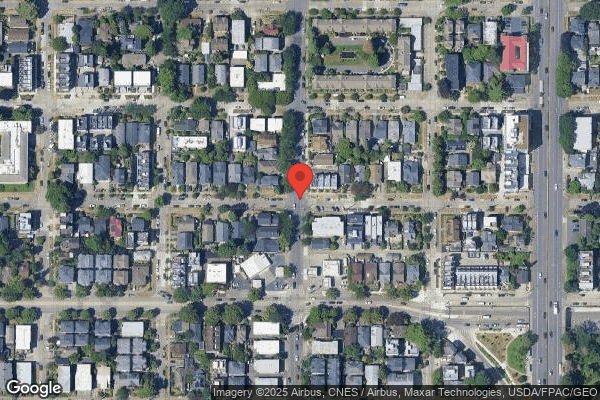

4700 PHINNEY AVENUE NORTH, SEATTLE, WA 98103 (206) 632-7400
Non profit - Corporation 116 Beds Independent Data: November 2025
Trust Grade
70/100
#60 of 190 in WA
Last Inspection: March 2025

Within standard 12-15 month inspection cycle. Federal law requires annual inspections.

Overview

Columbia Lutheran Home has a Trust Grade of B, indicating it is a good choice among nursing homes, providing solid care but with some room for improvement. It ranks #60 out of 190 facilities in Washington, placing it in the top half, and #10 out of 46 in King County, suggesting that there are only a few local options that are better. The facility is improving, with the number of issues decreasing from 23 in 2024 to 13 in 2025. Staffing is a strong point, earning a perfect 5/5 stars with a turnover rate of 35%, well below the state average, which helps maintain a consistent care team. On the downside, there are concerning incidents reported, such as staff carrying uncovered food items, which raises hygiene concerns, and failures to accurately post daily nursing staff hours, limiting transparency for families.

Trust Score
B
70/100
In Washington
#60/190
Top 31%
Safety Record
Low Risk
No red flags
Inspections
Getting Better
23 → 13 violations
Staff Stability
○ Average
35% turnover. Near Washington's 48% average. Typical for the industry.
Penalties
✓ Good
No fines on record. Clean compliance history, better than most Washington facilities.
Skilled Nurses
✓ Good
Each resident gets 63 minutes of Registered Nurse (RN) attention daily — more than 97% of Washington nursing homes. RNs are the most trained staff who catch health problems before they become serious.
Violations
⚠ Watch
45 deficiencies on record. Higher than average. Multiple issues found across inspections.
★★★★☆
4.0
Overall Rating
★★★★★
5.0
Staff Levels
★★★★☆
4.0
Care Quality
★★★☆☆
3.0
Inspection Score
Stable
2024: 23 issues
2025: 13 issues

The Good

  • 5-Star Staffing Rating · Excellent nurse staffing levels
  • 4-Star Quality Measures · Strong clinical quality outcomes
  • Full Sprinkler Coverage · Fire safety systems throughout facility
  • No fines on record
  • Staff turnover below average (35%)

    13 points below Washington average of 48%

Facility shows strength in staffing levels, quality measures, fire safety.

The Bad

Staff Turnover: 35%

11pts below Washington avg (46%)

Typical for the industry

The Ugly 45 deficiencies on record

Mar 2025 13 deficiencies
CONCERN (D)

Potential for Harm - no one hurt, but risky conditions existed

Deficiency F0554 (Tag F0554)

Could have caused harm · This affected 1 resident

**NOTE- TERMS IN BRACKETS HAVE BEEN EDITED TO PROTECT CONFIDENTIALITY** Based on observation, interview, and record review, the facility failed to ensure residents were evaluated, assessed, and obtain...

Read full inspector narrative →
**NOTE- TERMS IN BRACKETS HAVE BEEN EDITED TO PROTECT CONFIDENTIALITY** Based on observation, interview, and record review, the facility failed to ensure residents were evaluated, assessed, and obtained a physician order for safe administration of medications for 1 of 2 residents (Resident 285), reviewed for self-medication administration. This failure placed the resident at risk for medication errors, adverse medication interactions, and complications. Findings included . Review of the facility's undated policy titled, Resident Self-Administration of Medication, showed, A resident may only self-administer medications after the facility's interdisciplinary [Team] (IDT) has determined which medications may be self-administered safely .the results of the [IDT] assessment are recorded on the Medication Self-Administration Assessment Form, which is placed in the resident's medical record. It further showed that All nurses and aides are required to report to the charge nurse on duty any medication found at the bedside not authorized for bedside storage. Resident 285 admitted to the facility on [DATE] with diagnosis that included left humerus (a bone in the upper arm) fracture (broken bone). Review of Resident 285's Electronic Health Records (EHR) did not show completed documentation of an IDT assessment to determine if any medications could be self-administered and stored safely by Resident 285. Review of Resident 285's physician orders, printed on 03/14/2025, did not show an order for self-administration or independent storage of medication. Review of Resident 285's comprehensive care plan printed on 03/14/2025, did not show documentation that Resident 285 could safely self-administer or independently store medication. Observation and interview on 03/14/2025 at 9:36 AM and at 3:15 PM, showed Resident 285 seated in their wheelchair with their bedside table in front of them. It further showed Resident 285 had a teal-colored eye drop bottle on their bedside table. Resident 285 stated that they self-administered their eye drops. When asked if the staff were aware of them self-administering their eye drops, Resident 285 stated I think so, it's always there [on Resident 285's bedside table] to be seen. Resident 285 further stated that staff did not worry about it [eye drops] and that it had been hiding in plain sight. Another observation and interview on 03/17/2025 at 10:00 AM, showed Resident 285 seated with their bedside table in front of them. It showed Resident 285 had a teal-colored bottle of eye drops labeled Refresh [a brand name] Tears, on their bedside table. Resident 285 stated that they like to use them myself. When asked if they were assessed by the facility to safely self-administer their eye drops, Resident 285 stated I don't think so, I've always done it myself. Observation and interview on 03/18/2025 at 8:30 AM, showed Staff M, Registered Nurse, prepared medication at the medication cart that was parked in front of Resident 285's room. Staff M stated they had already given Resident 285 their morning medications in their room. Staff M further stated that they did not observe medication on Resident 285's bedside table. A joint observation and interview on 03/18/2025 at 8:33 AM, showed Resident 285 had a bottle of Refresh Tears on their bedside table. Staff M stated they observed Resident 285 with a bottle of Refresh Tears on their bedside table and that medication should not be at the bedside. Staff M further stated that Resident 285 did not have a physician's order for the Refresh Tears and that Resident 285's EHR did not indicate that Resident 285 could self-administer eye drops. In an interview and joint record review on 03/18/2025 at 9:47 AM, Staff F, Unit Manager, stated they expected staff would collect medication observed at residents' bedside for safe storage. Staff F further stated that they did not expect Resident 285 to have a bottle of eye drops at their bedside without being assessed to be able to safely self-administer medication. Staff F stated that they expected a physician's order for Resident 285 to self-administer medication. In an interview on 03/20/2025 at 1:32 PM, Staff B, Director of Nursing, stated they expected staff to remove medications observed at residents' bedside for safe storage. Staff B further stated they expected Resident 285 to have been assessed to be able to safely administer their eye drops. Reference: (WAC) 388-97-1060(3)(l), 0440 .
CONCERN (D)

Potential for Harm - no one hurt, but risky conditions existed

Assessment Accuracy (Tag F0641)

Could have caused harm · This affected 1 resident

**NOTE- TERMS IN BRACKETS HAVE BEEN EDITED TO PROTECT CONFIDENTIALITY** Based on interview and record review, the facility failed to accurately assess 1 of 17 residents (Resident 39), reviewed for Min...

Read full inspector narrative →
**NOTE- TERMS IN BRACKETS HAVE BEEN EDITED TO PROTECT CONFIDENTIALITY** Based on interview and record review, the facility failed to accurately assess 1 of 17 residents (Resident 39), reviewed for Minimum Data Set (MDS-an assessment tool). The failure to ensure accurate assessments in capturing appropriate diagnosis placed the resident at risk for unidentified or unmet care needs, and a diminished quality of life. Findings included . According to the Long-Term Care Resident Assessment Instrument (RAI) 3.0 User's Manual, (a guide directing staff on how to accurately assess the status of residents) Version 1.19.1, dated October 2024, showed, .An accurate assessment requires collecting information from multiple sources, some of which are mandated by regulations .It is important to note here that information obtained should cover the same observation period as specified by the MDS items on the assessment and should be validated for accuracy (what the resident's actual status was during that observation period) by the IDT [Interdisciplinary Team] completing the assessment. As such, nursing homes are responsible for ensuring that all participants in the assessment process have the requisite knowledge to complete an accurate assessment. The Observation Period (also known as the Look-back period) is the time-period over which the resident's condition or status is captured by the MDS and ends at 11:59 PM on the day of the Assessment Reference Date (ARD or assessment period). Most MDS items themselves require an observation period, such as seven or 14 days, depending on the item. The RAI manual's Section I (Active Diagnoses) coding instruction directed to code active diagnoses in the last 60 days that have a direct relationship to the resident's current functional, cognitive, mood or behavior status, medical treatments, nursing monitoring or risk of death during the seven-day look-back. It further instructed that a medication indicates active disease if that medication is prescribed to manage an ongoing condition that requires monitoring or is prescribed to decrease active symptoms associated with a condition. Review of Resident 39's face sheet showed they admitted to the facility on [DATE] with diagnosis that included depression (mood disorder). Review of Resident 39's physician orders dated 02/21/2025 showed Resident 39 was prescribed an antidepressant (medication to treat depression). Review of Resident 39's admission MDS dated [DATE], did not show Section I was marked for any mood disorders, including depression. It further showed that Section N (Medications-under N0415C) was marked, indicating Resident 39 received an antidepressant. In an interview and joint record review on 03/18/2025 at 3:59 PM, Staff S, MDS Coordinator, stated they followed the RAI Manual for MDS coding accuracy. Joint record review of Resident 39's face sheet showed they admitted to the facility on [DATE] with diagnosis that included depression. Staff S stated that Resident 39 admitted to the facility with a diagnosis of depression. Joint record review of Resident 39's admission MDS dated [DATE], did not show Section I was marked for any mood disorders, including depression. It further showed that Section N was marked for Resident 39 receiving an antidepressant. Staff S stated Resident 39 received medication for depression at the time of admission to the facility and that [Diagnosis of depression] was not coded, we can modify it. In an interview on 03/18/2025 at 4:07 PM, Staff B, Director of Nursing, stated they expected MDS to be completed accurately. Reference: (WAC) 388-97-1000 (1)(j) .
CONCERN (D)

Potential for Harm - no one hurt, but risky conditions existed

Comprehensive Care Plan (Tag F0656)

Could have caused harm · This affected 1 resident

**NOTE- TERMS IN BRACKETS HAVE BEEN EDITED TO PROTECT CONFIDENTIALITY** RESIDENT 1 Resident 1 admitted to the facility on [DATE] with diagnoses that included type two diabetes mellitus (a disorder in ...

Read full inspector narrative →
**NOTE- TERMS IN BRACKETS HAVE BEEN EDITED TO PROTECT CONFIDENTIALITY** RESIDENT 1 Resident 1 admitted to the facility on [DATE] with diagnoses that included type two diabetes mellitus (a disorder in which the body does not produce enough or respond normally to insulin [a hormone that lowers the level of glucose (a type of sugar) in the blood], causing blood sugar levels to be abnormally high) and End Stage Renal Disease (ESRD- where kidney function has declined to the point that the kidneys can no longer function on their own). Review of the quarterly Minimum Data Set (an assessment tool) dated 02/21/2025, showed Resident 1 was cognitively intact. Observations on 03/13/2025 at 2:44 PM and on 03/17/2025 at 7:54 AM, showed the resident's fingernails were long and untrimmed. Review of Resident 1's comprehensive care plan printed on 03/14/2025 showed no person-centered care plan for diabetic nail care. Further review of the care plan showed Resident 1 had a care plan intervention to be weighed daily due their diagnoses of ESRD. Review of the January 2025, February 2025, and March 2025 Medication Administration Record (MAR) showed that Resident 1 had an order to be weighed daily. Further review of the MAR showed that Resident 1's weight was recorded for seven days in January 2025, for six days in February 2025, and for three days from 03/01/2025 to 03/16/2025. In an interview on 03/19/2025 at 9:03 AM, Resident 1 stated that they were waiting for the nurses to trim their fingernails. In an interview on 03/19/2025 at 11:46 AM, Staff V, Registered Nurse, stated that nurses were responsible for trimming the resident' fingernails due to their diagnosis. In an interview and a joint record review on 03/19/2025 at 1:48 PM, Staff E stated that diabetic nail care would be ordered, and care planned. Staff E stated if there was a care plan for daily weight, they would expect the daily weight was taken according to the order. Joint record review of the care plan printed on 03/14/2025 showed that Resident 1 had no care plan for diabetic nail care. The care plan further showed that Resident 1 had a care plan for daily weight. Joint record review of Resident 1's January 2025, February 2025 and March 2025 MAR showed that Resident 1's daily weight was not consistently recorded as ordered and care planned. Staff E stated that there should have been a care plan for Resident 1's diabetic nail care and the care plan for their daily weights should have been completed daily as it was ordered and care planned. In an interview on 03/20/2025 at 8:32 AM, Staff B stated that they expected Resident 1's diabetic nail care was care planned, and the nail care was provided by nurses weekly. At 8:45 AM, Staff B stated that they expected Resident 1's daily weight order was followed and implemented. Reference: (WAC) 388-97-1020 (1)(2)(a) Based on observation, interview, and record review, the facility failed to implement and develop care plans for 2 of 17 residents (Residents 49 & 1), reviewed for comprehensive care planning. The failure to implement and/or develop care plans for nutrition, nail care and weight monitoring placed the residents at risk for malnutrition, unmet care needs, and a diminished quality of life. Findings included . Review of the facility's undated policy titled, Comprehensive Care Plans, showed it was the facility policy to develop and implement a comprehensive person-centered care plan for each resident. RESIDENT 49 Resident 49 admitted to the facility on [DATE]. Review of Resident 49's nutrition care plan printed on 03/17/2025, showed an intervention to Provide oral nutritional supplements as ordered. Review of Resident 49's Nutrition/Registered Dietitian assessment dated [DATE] showed, the facility would provide a strawberry Ensure [nutritional drink/supplement designed to provide balanced nutrition, including protein, vitamins, and minerals] with each breakfast. Review of Resident 49's breakfast meal ticket dated 03/19/2025 and 03/20/2025 showed a standing order for an eight fluid ounce Ensure (strawberry flavor). In an interview on 03/13/2025 at 3:29 PM, Collateral Contact 1 (CC1), stated that they had requested Resident 49 to receive an Ensure, but did not get it as far as they knew. CC1 further stated that they asked the staff on multiple visits to report what the resident had for breakfast, and they did not report that Resident 49 had an Ensure with their breakfast meal. Observation on 03/14/2025 at 9:23 AM, showed Resident 49 was being assisted during the breakfast meal. No Ensure was observed with Resident 49's breakfast meal. Another observation on 03/20/2025 at 8:40 AM, showed Resident 49 received their breakfast tray. No Ensure was observed with Resident 49's breakfast meal. In a joint observation and interview on 03/20/2025 at 9:18 AM with Staff FF, Nursing Assistant Certified, showed no Ensure was provided with Resident 49's breakfast. Staff FF stated no Ensure was provided for Resident 49's breakfast tray. Staff FF further stated that Ensure supplements came from the kitchen and that they delivered what was on the tray. In an interview on 03/20/2025 at 11:54 AM, Staff Q, Registered Dietitian, stated they would expect the resident to receive what was listed as Standing Orders on their meal ticket. Staff Q stated they had not been following what we said we would do. Staff Q further stated, they would expect the care plan to match what we are doing. In a joint record review and interview on 03/20/2025 at 1:21 PM with Staff AA, Licensed Practical Nurse, showed Resident 49's nutrition care plan printed on 03/17/2025 had an intervention to provide oral nutritional supplements as ordered. Staff AA stated Resident 49 was getting fluids but, I think we missed the Ensure. Staff AA stated that nursing staff was expected to follow Resident 49's care plan. Staff AA further stated that staff should check Resident 49's tray to make sure they received the Ensure, and if it was not, they should inform the kitchen to supply it. In an interview on 03/20/2025 at 1:29 PM, Staff E, Unit Manager, stated they would expect nursing staff to follow the care plan. Staff E further stated that they would expect staff to provide oral nutritional supplements like Ensure if it was care planned. In an interview on 03/20/2025 at 1:37 PM, Staff B, Director of Nursing, stated they would expect staff to follow the resident's care plan.
CONCERN (D)

Potential for Harm - no one hurt, but risky conditions existed

Deficiency F0657 (Tag F0657)

Could have caused harm · This affected 1 resident

**NOTE- TERMS IN BRACKETS HAVE BEEN EDITED TO PROTECT CONFIDENTIALITY** Based on interview and record review, the facility failed to conduct timely care plan meetings with residents and/or their repre...

Read full inspector narrative →
**NOTE- TERMS IN BRACKETS HAVE BEEN EDITED TO PROTECT CONFIDENTIALITY** Based on interview and record review, the facility failed to conduct timely care plan meetings with residents and/or their representatives for 2 of 3 residents (Residents 2 & 22), reviewed for care planning. This failure placed the residents and/or their representatives at risk for not having input regarding care goals, unmet care needs, and a diminished quality of life. Findings included . Review of the facility's undated policy titled, Care Planning-Resident Participation, showed, The facility supports the resident's right to be informed of, and participate in, his or her care planning and treatment (implementation) .The facility will discuss the plan of care with the resident and/or representative at regularly scheduled care plan conferences, and allow them to see the care plan, initially, at routine intervals, and after significant changes. The facility will make an effort to schedule the conference at the best time of the day for the resident/resident's representative. The facility will obtain a signature from the resident and/or resident representative after discussion or viewing of the care plan. If the participation of the resident and/or resident representative is determined not practicable for the development of the resident's care plan, an explanation will be documented in the resident's medical record. RESIDENT 2 Resident 2 admitted to the facility on [DATE]. Review of the quarterly Minimum Data Set (MDS - an assessment tool) dated 12/19/2024, showed Resident 2 was cognitively intact. In an interview on 03/14/2025 at 10:07 AM, Resident 2 stated that they had not had a care conference recently. Review of the progress note dated 09/23/2024 showed a care conference was held with Resident 2 on that day. Further review of Resident 2's progress notes from 09/24/2024 through 03/17/2025 did not show further documentation of care conferences being offered or held. Review of the facility's undated document titled, Care Plan Review Signature Record 2024, showed no documentation that Resident 2 was offered or participated in the care plan review. In an interview on 03/19/2025 at 1:00 PM, Staff H, Social Services, stated that care conferences would be held every three months with MDS schedule. Staff H stated that the facility used to document care conferences in the residents' progress note but now it would be documented in the Care Plan Review Signature Record. In an interview on 03/20/2025 at 8:50 AM, Staff B, Director of Nursing/Director of Social Services, stated that care conferences would be held in conjunction with MDS schedule, and residents would be invited to participate. Staff B further stated that if a resident refused to participate in the care plan review, there should be a note in the resident's medical record. RESIDENT 22 Review of the face sheet printed on 03/17/2025, showed that Resident 22 admitted to the facility on [DATE]. In an interview on 03/13/2025 at 3:13 PM, Resident 22 stated that they did not know of any care conferences. Review of Resident 22's progress notes from 11/13/2024 through 03/19/2025, did not show documentation that a care conference and/or care plan review was held with Resident 22 and/or their representative. Review of the document titled, Care plan Review Signature Record 2024, dated 12/11/2024, showed that it was signed by Social Services and the Dietician. There were no signatures from Resident 22 or their representative. Review of the Care plan Review Signature Record 2025, dated 03/12/2025, showed that it was signed by Social Services and the Dietician. There were no signatures from Resident 22 or their representative. In an interview on 03/18/2025 at 11:56 AM, Staff H stated that care conferences were usually scheduled within seven days and at least enough time to be evaluated by therapy and nursing assessments were completed. When asked if a care conference was held with Resident 22 and/or their representative, Staff H stated, I imagined we did in the beginning, but we didn't document it. Staff H further stated that it would be documented in the progress notes. In a follow up interview and joint record review on 03/20/2025 at 10:46 AM, Staff H stated that care plans were reviewed based on the MDS. When asked if the resident's representatives were involved, Staff H stated, Usually, yes, it depends on each person's situation. Joint record review of the Care plan Review Signature Record 2024 showed no signatures from Resident 22 or their representative. Staff H stated that they cannot verify if Resident 22 or their representative attended the care plan review because it was not documented. Staff H stated that Resident 22 should have been involved in their care plan review. Staff H further stated that they did not have documentation to prove that a care conference was held, or that Resident 22 and their representatives were involved in the care plan review. In an interview and joint record review on 03/20/2025 at 12:27 PM, Staff B stated that they expected care plan meetings to be completed on admission, quarterly, annually, or with a significant change. Staff B stated that they expected care conference to be held within the first week. Staff B stated that residents were invited to the care plan review meeting if they choose to come. Joint record review of the Care plan Review Signature Record 2024 showed that it was signed by Social Services and the Dietician. When asked what the signatures indicated, Staff B stated that those who attended the meeting will sign the care plan review signature record form. When asked if Resident 22 and/or their representative attended, Staff B stated they did not attend the meeting because it was not signed. Staff B stated, The form shows who attended. Staff B further stated that they expected Resident 22 to have been invited and would have expected Staff H to document that Resident 22 was invited and chose not to come. Reference: (WAC) 388-97-1020 (2)(f) .
CONCERN (D)

Potential for Harm - no one hurt, but risky conditions existed

Deficiency F0658 (Tag F0658)

Could have caused harm · This affected 1 resident

Based on observation, interview, and record review, the facility failed to ensure staff documented medications in accordance with professional standards for 1 of 7 residents (Resident 388), reviewed f...

Read full inspector narrative →
Based on observation, interview, and record review, the facility failed to ensure staff documented medications in accordance with professional standards for 1 of 7 residents (Resident 388), reviewed for medication administration. This failure placed the resident at risk for medication errors and negative outcomes. Findings included . Review of the facility's undated policy titled, Medication Administration, showed Medications are administered by license nurses, as ordered by the physician and in accordance with professional standards of practice. It also showed to ensure Medication Administration Record (MAR) was signed after medication administration. Observation on 03/18/2025 at 4:31 PM, showed Staff U, Registered Nurse, prepared and signed off medications in the MAR prior to medication administration for Resident 388. In an interview on 03/18/2025 at 4:36 PM, Staff U stated that they should have signed the MAR after administering Resident 388's medications. In an interview on 03/19/2025 at 9:37 AM, Staff F, Unit Manager, stated They are not supposed to sign [the MAR] before giving the medications. In an interview on 03/19/2025 at 3:00 PM, Staff B, Director of Nursing, stated it was their expectation that medications were signed off after medication administration. Reference: (WAC) 388-97-1620 (2)(b)(i)(ii) .
CONCERN (D)

Potential for Harm - no one hurt, but risky conditions existed

Respiratory Care (Tag F0695)

Could have caused harm · This affected 1 resident

**NOTE- TERMS IN BRACKETS HAVE BEEN EDITED TO PROTECT CONFIDENTIALITY** Based on observation, interview, and record review, the facility failed to provide respiratory care in accordance with accepted ...

Read full inspector narrative →
**NOTE- TERMS IN BRACKETS HAVE BEEN EDITED TO PROTECT CONFIDENTIALITY** Based on observation, interview, and record review, the facility failed to provide respiratory care in accordance with accepted professional standards of practice for 2 of 2 residents (Residents 22 & 9), reviewed for respiratory care. The failure to follow physician orders for oxygen therapy and properly store nebulizer (medical device that turns liquid medication into a fine mist that can be inhaled through a mouthpiece or mask) equipment placed the residents at risk for respiratory infections, and related complications. Findings included . Review of the facility's undated policy titled, Oxygen Administration, showed, Oxygen is administered under orders of the physician .Staff shall document the initial and ongoing assessment of the resident's condition warranting oxygen and the response to oxygen therapy. It further showed, Keep delivery devices covered in a bag when not in use. RESIDENT 22 Review of the face sheet printed on 03/17/2025 showed that Resident 22 admitted to the facility on [DATE] with diagnoses that included Chronic Obstructive Pulmonary Disease (COPD- a condition that blocks air flow and make it difficult to breathe) with acute exacerbation (worsening of symptoms) and acute and chronic respiratory failure with hypoxia (occurs when the lungs struggle to deliver adequate oxygen to the blood, leading to low oxygen levels). Review of Resident 22's March 2024 Medication Administration Record (MAR) printed on 03/17/2025, showed an order for Ipratropium-Albuterol Inhalation Solution (medication used to treat COPD) orally four times a day for wheezing, shortness of breath, or increased work of breathing with a start date of 11/15/2024. It further showed that Resident 22 received it four times a day from 03/01/2025 through 03/16/2025. Observations on 03/13/2025 at 3:19 PM and on 03/14/2025 at 11:50 AM, showed Resident 22's nebulizer mouthpiece was laying on top of the bedside table and was not properly stored. Observation and interview on 03/17/2025 at 11:29 AM, showed Resident 22's nebulizer mouthpiece was laying on top of the bedside table and was not properly stored. Resident 22 stated that they used it every day and that staff did not store it in a bag after use. Observations on 03/18/2025 at 12:16 PM and on 03/19/2025 at 10:36 AM, showed Resident 22's nebulizer mouthpiece was laying on top of the bedside table and was not properly stored. In an interview and joint observation on 03/19/2025 at 10:39 AM, Staff I, Licensed Practical Nurse, stated that nebulizer equipment was changed every Friday and that they would store it in a bag when not in use. Joint observation of Resident 22's nebulizer equipment showed that the mouthpiece was laying on top of the bedside table and was not properly stored. Staff I stated that it should have been stored in a bag. In an interview on 03/19/2025 at 12:52 PM, Staff E, Unit Manager, stated that nebulizer equipment was changed every seven days and stored in a bag when not in use. Staff E further stated that they expected Resident 22's nebulizer equipment to be stored in a bag when not in use. In an interview on 03/19/2025 at 2:33 PM, Staff B, Director of Nursing, stated that nebulizer equipment should be stored in a bag when not in use and ensure the equipment was cleaned. When asked if they expected Resident 22's nebulizer equipment to be stored in a bag when not in use, Staff B stated, I would. RESIDENT 9 Review of the face sheet printed on 03/14/2025 showed Resident 9 admitted to the facility on [DATE] with diagnoses that included moderate persistent asthma (chronic lung condition that causes the airways to become inflamed and narrow, making it difficult to breathe) with acute exacerbation. Review of Resident 9's March 2025 MAR showed an order for oxygen two liters per minute via nasal cannula (flexible tubing that sits inside the nose and delivers oxygen) continuously every shift with a start date of 01/31/2025. Observation on 03/13/2025 at 1:59 PM, showed Resident 9 in their room sitting in their wheelchair and was not using oxygen. Observation and interview on 03/14/2025 at 12:04 PM, showed Resident 9 in their room sitting in their wheelchair brushing their teeth. No oxygen supplies observed in their room. Resident 9 stated that they did not use oxygen. Observation and interview on 03/17/2025 at 8:52 AM, showed Resident 9 was lying in bed and was not using oxygen. Resident 9 stated that they no longer used oxygen because their oxygen levels were normal and that they did not have any difficulty breathing. Observation on 03/19/2025 at 10:32 AM, showed Resident 9 was lying in bed and was not using oxygen. In an interview and joint record review on 03/19/2025 at 10:43 AM, Staff I stated that they followed physician oxygen orders and that if a resident refused oxygen, they would notify the physician. Joint record review of Resident 9's March 2024 MAR showed an order for oxygen two liters per minute via nasal cannula continuously. Staff I stated that Resident 9 did not use oxygen since they were transferred to their current room on 03/13/2025. Staff I stated that they should have clarified the order with the physician. Staff I further stated that Resident 9 did not need oxygen and that their oxygen saturations (amount of oxygen in the blood) were good. In an interview on 03/19/2025 at 12:54 PM, Staff E stated that they expected staff to administer oxygen per physician's order. Staff E stated that if a resident refused oxygen or no longer needed oxygen, they expected staff to assess the resident, notify the physician and document. Staff E further stated that they assessed Resident 9, and that Resident 9 reported that they did not need oxygen. Staff E stated that Resident 9 did not use oxygen since they transferred to their current room and even longer than that. Staff E further stated that they expected staff to clarify the oxygen order with the physician if oxygen was still needed. In an interview on 03/19/2025 at 2:33 PM, Staff B stated that they expected staff to follow physician orders and that if a resident declined to use oxygen or no longer needed oxygen, they expected staff to talk to the physician for clarification of the order. Staff B further stated that staff should have informed the Unit Manager or called the physician. Reference: (WAC) 388-97-1060 (3)(j)(vi) .
CONCERN (D)

Potential for Harm - no one hurt, but risky conditions existed

Deficiency F0801 (Tag F0801)

Could have caused harm · This affected 1 resident

**NOTE- TERMS IN BRACKETS HAVE BEEN EDITED TO PROTECT CONFIDENTIALITY** Based on interview and record review, the facility failed to ensure required qualifications were up to date for 1 of 18 staff (S...

Read full inspector narrative →
**NOTE- TERMS IN BRACKETS HAVE BEEN EDITED TO PROTECT CONFIDENTIALITY** Based on interview and record review, the facility failed to ensure required qualifications were up to date for 1 of 18 staff (Staff EE), reviewed for qualified dietary staff. This failure placed residents at risk of receiving unsafe dietary services from staff that did not have a current food handler's permit. Findings included . Review of the facility's undated policy titled, Dietary Services-Staff, showed, The facility employs sufficient staff with the appropriate competencies and skill sets to carry out the functions of the Food and Nutrition Services. Review of the facility's Dietary Aide job description, revised on 04/01/2015, showed Required Education and Experience: Ability to obtain and maintain a [NAME] Food Handler's license. In an interview and joint observation on 03/17/2025 at 8:20 AM with Staff D, Food Service Manager, stated they would expect dietary staff to have a current [NAME] Food Handler's permit. Joint observation showed Staff EE, Dietary Aide, had a [NAME] Food Handler's permit that expired on 03/01/2025. Staff D stated that Staff EE worked in the kitchen after the expiration date on 03/10/2025, 03/11/2025, 03/12/2025, 03/13/2025 and 03/14/2025 and that they should not have. In an interview on 03/19/2025 at 2:30 PM, Staff A, Administrator, stated they expected the dietary staff to be current and up to date with their food handler's permits. Reference: (WAC) 388-97-1160 .
CONCERN (D)

Potential for Harm - no one hurt, but risky conditions existed

Menu Adequacy (Tag F0803)

Could have caused harm · This affected 1 resident

**NOTE- TERMS IN BRACKETS HAVE BEEN EDITED TO PROTECT CONFIDENTIALITY** RESIDENT 49 Resident 49 admitted to the facility on [DATE]. Review of Resident 49's Nutrition/Registered Dietitian assessment da...

Read full inspector narrative →
**NOTE- TERMS IN BRACKETS HAVE BEEN EDITED TO PROTECT CONFIDENTIALITY** RESIDENT 49 Resident 49 admitted to the facility on [DATE]. Review of Resident 49's Nutrition/Registered Dietitian assessment dated [DATE] showed, Per discussion with [Collateral Contact 1 (CC1)], will provide applesauce/canned fruit/gelatin each meal, and strawberry Ensure [nutritional drink/supplement designed to provide balanced nutrition, including protein, vitamins, and minerals] each breakfast. It further showed, Kitchen providing strawberry Ensure [nutritional supplement] each breakfast. Review of Resident 49's Nutrition/Registered Dietitian assessment dated [DATE] showed the facility would, honor res [resident] requests/refusals to the greatest extent possible. It also showed under Nourishments, a Strawberry Ensure with breakfast. Review of Resident 49's breakfast meal ticket dated 03/19/2025 and 03/20/2025 showed a standing order for an eight fluid ounce Ensure (strawberry). In an interview on 03/13/2025 at 3:29 PM, CC1, stated that they had requested Resident 49 receive an Ensure, but did not get it as far as they knew. CC1 further stated they asked the staff on multiple visits to report what the resident had for breakfast, and they did not report that Resident 49 had an Ensure with their breakfast meal. Observation on 03/14/2025 at 9:23 AM, showed Resident 49 being assisted during the breakfast meal. No Ensure was observed with Resident 49's breakfast meal. Another observation on 03/20/2025 at 8:40 AM, showed Resident 49 received their breakfast tray. No Ensure was observed with Resident 49's breakfast meal. In a joint observation and interview on 03/20/2025 at 9:18 AM with Staff FF, NAC, showed no Ensure was provided with Resident 49's breakfast. Staff FF stated there was no Ensure on Resident 49's breakfast tray. Staff FF further stated that Ensure supplements came from the kitchen, and that they delivered what was on the tray. In an interview on 03/20/2025 at 11:39 AM, Staff D, stated their process for the supplements including Ensure would be for the kitchen to supply them daily if there was a label for the order. In an interview on 03/20/2025 at 11:54 AM, Staff Q, stated that if an Ensure was requested they would add it in their nutritional assessment, and that they would add the order into the tray card system. Staff Q stated a label would get generated for the kitchen to provide the supplements including Ensure and nursing staff would be responsible for delivering it to the resident. Staff Q stated they would expect the resident to receive what was listed as Standing Orders on their meal ticket. Staff Q stated that Resident 49 had a strawberry Ensure as a standing order for breakfast, but that a meal label box wasn't checked in their system, so a label was not generated and the ensure was not being sent. Staff Q stated this box should have been checked initially. Staff Q stated that Resident 49 clearly liked the strawberry Ensure. In an interview on 03/20/2025 at 1:42 PM, Staff A, stated that staff would collect resident food preferences during the admission assessment typically by the dietitian. Staff A stated that they expected the facility to accommodate the resident's preferences and that they would expect a resident to receive the standing orders on their meal tickets. Staff A further stated this was important, so they get what they want. Reference: (WAC)388-97-1180 (2) -1200 (2) Based on observation, interview, and record review, the facility failed to ensure residents received weekly menus consistently for 1 of 2 residents (Resident 33) and to provide an ordered nutritional supplement for 1 of 1 resident (Resident 49), reviewed for dining services. This failure placed the residents at risk for not having their food choices honored, dissatisfaction with meals, unmet nutritional needs, and a diminished quality of life. Findings included . Review of the facility's undated policy titled, Standardized Menus, showed The facility will make reasonable efforts to provide food that is appetizing and culturally appropriate for residents. Menus will be planned to meet basic nutritional needs by providing meals based on individual nutritional assessment and individualized plan of care .All menus used by the facility should be dated and posted. Menus should be kept on file for at least 30 days .The weekly menus are available by [Facility's] first and second floor elevators and delivered to each resident weekly. Daily menus are posted at the entrance of each dining room .The facility will support the resident's right to make personal dietary choices. RESIDENT 33 Resident 33 admitted to the facility on [DATE]. Review of Resident 33's admission Minimum Data Set (MDS - an assessment tool), dated 02/26/2025 showed Section K (Swallowing/Nutritional Status) was completed by Staff Q, Registered Dietitian, on 02/24/2025. It further showed that Resident 33 was assessed to have reported dislike of food. Review of Resident 33's Nutrition Assessment, dated 02/24/2025, showed that Staff Q met with Resident 33 to discuss food preferences. It further showed that [Resident 33] states [they] know how to use the menu. In an interview and observation on 03/13/2025 at 10:10 AM, Resident 33 stated they received a weekly menu from Staff Q one time in the week that they admitted to the facility. Resident 33 stated, The other weeks, I have not seen any menu anymore and that Everything I eat is a surprise for me. When asked if Resident 33 was provided their menu/dietary choices, they stated, Not sure, because I don't have a copy [of the weekly menu] for myself. Observation of Resident 33's room did not show a weekly menu was available to them. In a follow up interview on 03/14/2025 at 3:22 PM, Resident 33 was asked if they knew where menus were posted and they stated, I don't understand the meaning of the [daily] menu, it's in the dining room but it's nothing you can choose at the moment and that I don't understand because the tray is already prepared for you. Joint record review and interview with Resident 33 on 03/17/2025 at 10:10 AM, showed a weekly menu was dropped off to their room. It further showed that the weekly menu was for the dates 03/15/2025 through 03/21/2025. Resident 33 stated, Yesterday, they were giving everyone the menu, but no one has come back to take it. Resident 33 further stated that they have not seen that version of the weekly menu before and that It was different, before I did not see alternatives. In an interview and joint record review on 03/18/2025 at 9:09 AM, showed a weekly menu, dated 03/15/2025, posted in the hallway of the Cedar unit. Staff N, Nursing Assistant Certified (NAC), stated that they did not routinely pass out the weekly menu to residents. In an interview on 03/18/2025 at 1:23 PM, Staff O, Activities Aide/Dietary Aide, stated the weekly menu came from the Dietary Manager on Wednesdays. Staff O stated they assisted residents who were listed to need assistance with their menu selections. Staff O further stated that they worked in the kitchen on Wednesdays as a Dietary Aide. In an interview on 03/19/2025 at 10:15 AM, Staff D, Food Service Manager, stated that the Activities Department met with identified residents to go over the weekly menus to assist them with menu selections for the upcoming week. Staff D stated, the Kitchen receives the completed menus by Thursday, latest is Friday. When asked to show past menu selections collected from Resident 33, Staff D stated, We don't usually keep them, and that once [residents] make selections and [completed weekly menus] comes back to us, I don't think they make a copy. In an interview on 03/19/2025 at 1:06 PM, Staff P, Activities Aide, stated that they collected the weekly menus from downstairs and visited the rooms of select residents. Staff P stated they referred to a list of residents who needed assistance with menu selections and that this list was from Staff Q. When asked if Resident 33 received assistance with menu selections, Staff P stated I did not [provide assistance to Resident 33]. I think she was very independent and that I never thought to bring a menu to [Resident 33]. When asked if Staff P oriented Resident 33 to where weekly menus were located, Staff P stated, I did not. In an interview on 03/19/2025 at 1:28 PM, Staff Q stated that they visited Resident 33 on 02/24/2025 to complete their Nutrition Assessment and to introduce the weekly menu. Staff Q stated that after the initial visit with a resident, in subsequent weeks, the activity staff do the menu selections [with residents]. Staff Q further stated that they referred residents who needed assistance with menu selections to a list used by Activities Department and that Resident 33 was not listed. When asked if Resident 33 was oriented to where to find the weekly menus, Staff Q stated, I don't recall, but Activities drop it off [to the residents]. In an interview on 03/19/2025 at 3:07 PM, Staff R, Activities Director, stated weekly menus are distributed to residents by Activities staff on Wednesdays. Staff R further stated, We don't distribute them to everybody, and that on Wednesdays, It's just me and [Staff P]. When asked if residents were oriented to where to find the weekly menus, Staff R stated, The [Nursing] Aides know where they are at, the residents don't know unless they ask for it. In a joint interview on 03/20/2025 at 10:28 AM, with Staff D and Staff L, Dietary Aide, Staff D stated that Staff L managed the completed weekly menus received by the kitchen. When asked if a completed weekly menu was received from Resident 33 in past weeks, Staff L stated, I don't think I ever got one from them. When asked if they expected residents to be able to select their menu options in advance, Staff D stated, Sure, and I think somebody up there determines that either Nursing or the Registered Dietitian. In an interview on 03/20/2025 at 1:44 PM, Staff A, Administrator, stated residents were able to select food/menu preferences beyond what was offered on the fixed menu in advance by completing the weekly menus. When asked if they expected the weekly menu would be available for all residents, Staff A stated, My expectation is that they're delivered weekly.
CONCERN (D)

Potential for Harm - no one hurt, but risky conditions existed

Deficiency F0887 (Tag F0887)

Could have caused harm · This affected 1 resident

**NOTE- TERMS IN BRACKETS HAVE BEEN EDITED TO PROTECT CONFIDENTIALITY** Based on interview and record review, the facility failed to ensure residents and/or their representative were provided informat...

Read full inspector narrative →
**NOTE- TERMS IN BRACKETS HAVE BEEN EDITED TO PROTECT CONFIDENTIALITY** Based on interview and record review, the facility failed to ensure residents and/or their representative were provided information about COVID-19 (an infectious disease-causing respiratory illness) vaccinations, including risks, benefits, potential side effects, documented if the vaccine was accepted and/or refused in the medical record for 2 of 5 residents (Residents 22 & 63), reviewed for COVID-19 immunizations. This failure placed the residents at risk for COVID-19 infection and denied the residents and/or their representative of the right to make informed decisions. Findings included . Review of the Centers for Disease Control and Prevention online document titled, Staying Up to Date with COVID-19 Vaccines, dated 01/07/2025, showed that everyone ages 6 months and older should get a 2024-2025 COVID-19 vaccine. It showed that for people ages 12-64 years are up to date when they have received one dose of the 2024-2025 COVID-19 vaccine. It further showed that for people ages 65 years and older are up to date when they have received two doses of any 2024-2025 COVID-19 vaccine 6 months apart. Review of the facility's undated policy titled, COVID-19 Vaccination, showed, It is the policy of this facility to minimize the risk of acquiring, transmitting or experiencing complications from COVID-19 (SARS-CoV-2) by educating and offering our residents and staff the COVID-19 vaccine. It showed COVID-19 vaccinations would be offered to residents when supplies were available, as per CDC and/or FDA guidelines, unless medically contraindicated, the individual had already been immunized or refused the vaccine. The policy showed the facility would educate and offer the COVID-19 vaccine to residents, resident representatives and staff and maintain documentation of such. The policy further showed in case of lack of availability of the COVID-19 vaccine, the facility would demonstrate the vaccine had been ordered, plans were developed on how the vaccines would be administered, residents would be screened and determined those who wished to receive the vaccine, and education regarding the immunization was implemented. RESIDENT 22 Resident 22 admitted to the facility on [DATE]. Review of the Electronic Health Record (EHR) showed no documentation that Resident 22 had been offered, accepted or refused, and/or provided education about the 2024-2025 COVID-19 vaccine. On 03/18/2025 at 1:00 PM, Resident 22 stated they would like the COVID-19 vaccination. RESIDENT 63 Resident 63 admitted to the facility on [DATE]. Review of Resident 63's EHR showed no documentation that Resident 63 had been offered, accepted or refused, and/or provided education about the 2024-2025 COVID-19 vaccine. In an interview on 03/18/2025 at 1:33 PM, Staff B, Director of Nursing, stated that their process in the year 2024 was to offer COVID-19 immunizations during their vaccine clinic that occurred in October 2024. Staff B stated they had a limited number of vaccines and would prioritize long term residents first, staff, and then short-term residents if any were remaining. Staff B stated that they would expect to administer the vaccines depending on the availability and soon, and if not available, let the resident know that is out of our control. Staff B stated that consents for immunizations served as documentation to show that the resident and/or representative were educated on the risks and benefits of the vaccine. In a phone interview on 03/19/2025 at 1:54 PM, Staff GG, Pharmacist, stated that they did a vaccine clinic on 10/15/2024 with the facility and would be informed approximately how many vaccines would be needed, and would try to bring extra. Staff GG stated that vaccine availability was not a huge problem and would offer to come back if a lot of people were missed and do a follow-up clinic. In a follow up interview on 03/19/2025 at 2:21 PM, Staff B stated that Resident 22 was not offered a COVID-19 vaccine because they admitted in November 2024 after their vaccine clinic in October 2024. Staff B stated that they were going to have another clinic in April 2025, and it would be offered then. Staff B stated that Resident 63 was not offered a COVID-19 vaccine and did not want one when they recently offered it on 03/18/2025. Staff B further stated that Resident 22 and Resident 63 were not offered COVID-19 vaccines because they were short term residents at the time of the vaccine clinic in October 2024. No reference WAC .
CONCERN (E)

Potential for Harm - no one hurt, but risky conditions existed

Grievances (Tag F0585)

Could have caused harm · This affected multiple residents

Based on observation, interview, and record review, the facility failed to develop a comprehensive system for ensuring residents and representatives could anonymously report their concerns for 2 of 2 ...

Read full inspector narrative →
Based on observation, interview, and record review, the facility failed to develop a comprehensive system for ensuring residents and representatives could anonymously report their concerns for 2 of 2 facility floors (First Floor & Second Floor), reviewed for grievances. This failure placed residents and representatives at risk for unresolved concerns, unmet care needs, and a diminished quality of life. Findings included . Review of the facility's undated policy titled, Grievance and Concerns, showed, At admission, the Admissions department designee informs the Resident/Resident's Authorized Representative about their right to voice grievances orally, in writing, and anonymously regarding the care and treatment/lack of treatment, lost/misplaced personal items, behavior of staff and of the other residents, and other concerns during their stay. Review of the facility's undated document titled, Resident Handbook, did not show documentation of a system to file grievances anonymously. Review of the facility's undated form titled, Grievance/Concern Form, did not show documentation of a system to file grievances anonymously. FIRST FLOOR In an interview and joint observation on 03/20/2025 at 9:07 AM Staff E, Unit Manager, stated that they oriented residents to the facility's grievance form upon admission to the facility. Staff E further stated that grievances can be filed in writing by submitting a completed grievance form to a staff member. When asked how grievances could be filed anonymously, Staff E stated that there is a box at the front desk. Joint observation of the first-floor front desk area did not show a box that was accessible to persons submitting a completed grievance form. Staff E stated that completed grievance forms would be collected by staff and filed in the social worker's mailbox, located in a locked office on the first floor. Staff E stated that the process for collection of completed grievance forms was not anonymous. SECOND FLOOR In an interview on 03/20/2025 at 9:18 AM, Staff H, Social Services, stated they were the appointed grievance officer. When asked how completed grievance forms were collected, Staff H stated that completed grievance forms would be collected by staff and filed in the social worker's mailbox, located in a locked office on the second floor. Staff H further stated that they did not recall the facility having a box to drop [grievances] into and that We don't have an anonymous process. Another joint record review and interview on 03/20/2025 at 9:50 AM with Staff E, showed the facility's undated document titled, Resident Handbook, did not show documentation of a system to file grievances anonymously. Staff E stated that the information provided in the Resident Handbook did not include information on how to file a grievance anonymously. Staff E further stated, I don't see it. In an interview on 03/20/2025 at 1:59 PM, Staff A, Administrator, stated We don't have an anonymous box identified as a grievance collection site. Staff A stated they expected residents/representatives would have access to a system to file a grievance anonymously. Staff A further stated, There will be a process to have grievances collected anonymously. Reference: (WAC) 388-97-0460 (1) .
CONCERN (E)

Potential for Harm - no one hurt, but risky conditions existed

Deficiency F0645 (Tag F0645)

Could have caused harm · This affected multiple residents

**NOTE- TERMS IN BRACKETS HAVE BEEN EDITED TO PROTECT CONFIDENTIALITY** Based on interview and record review, the facility failed to ensure the Preadmission Screening and Resident Review (PASARR- an a...

Read full inspector narrative →
**NOTE- TERMS IN BRACKETS HAVE BEEN EDITED TO PROTECT CONFIDENTIALITY** Based on interview and record review, the facility failed to ensure the Preadmission Screening and Resident Review (PASARR- an assessment used to identify people referred to nursing facilities with Serious Mental Illness (SMI), intellectual disabilities (ID); or related conditions are not inappropriately placed in nursing homes for long term care) forms were accurate and/or sent out timely for a Level II PASARR referral for 5 of 7 residents (Residents 2, 22, 34, 63 & 39), reviewed for PASARRs. This failure placed the resident at risk for not receiving the care and services appropriate for their needs. Findings included . Review of the facility's undated policy titled, PASRR Program Policy, showed, This facility coordinates assessments with the preadmission screening and resident review (PASRR) program under Medicaid to ensure that individuals with a mental disorder, intellectual disability, or a related condition receives care and services in the most integrated setting appropriate to their needs. All applicants to this facility will be screened by Social Services for serious mental disorders or intellectual disabilities and related conditions in accordance with the State Medicaid rules for screening .Social Services shall be responsible for keeping track of each resident's PASRR screening status and referring to the appropriate authority. RESIDENT 2 Resident 2 admitted to the facility on [DATE] with diagnoses that included major depressive disorder (a mood disorder that causes a persistent feeling of sadness and loss of interest), Post-Traumatic Stress Disorder (PTSD - a mental health condition that's caused by an extremely stressful or terrifying event either being part of it or witnessing it), and psychotic disorder (severe mental disorders that cause abnormal thinking and perceptions). Review of the quarterly Minimum Data Set (MDS - an assessment tool) dated 12/19/2024, showed Resident 2 had active diagnoses of depression, psychotic disorder and PTSD. Review of Resident 2's Level I PASARR dated 07/03/2024, showed diagnosis of personality disorder (long-term patterns of behavior and inner experiences that differ significantly from what is expected) was marked. Resident 2's Level 1 PASARR did not reflect Resident 2's diagnoses of mood disorder, PTSD and psychotic disorder. Further review of the PASARR showed Level II evaluation referral was required for SMI. Review of the Electronic Health Record (EHR) showed no documentation that Resident 2's PASARR Level I was corrected to include the correct diagnoses of the resident. Review of the social service note dated 01/14/2025 showed that Resident 2's PASARR Level II referral was sent (six months after Level II evaluation referral was required). In an interview and joint record review on 03/18/2025 at 1:43 PM, Staff G, Social Services, stated that when a resident admitted from the hospital, they would review PASARR for accuracy and make corrections as needed. Staff G further stated that if Level II evaluation was required, they would send the referral. A joint record review of Resident 2's Level I PASARR dated 07/03/2024, showed mood disorder, PTSD and psychotic disorder were not documented on the PASARR. Staff G stated that Resident 2's PASARR Level I, Could be more accurate. When asked why Resident 2's PASARR referral was not sent in July 2024, Staff G stated that they found Resident 2's PASARR Level I during a PASARR audit. On 03/20/2025 at 8:59 AM, Staff B, Director of Nursing/Director of Social Services, stated that they would expect Social Services review and correct PASARR forms. Staff B further stated they expected Resident 2's PASARR to be accurate, and Level II referral was made timely. RESIDENT 22 Review of the face sheet printed on 03/17/2025 showed that Resident 22 admitted to the facility on [DATE] with diagnoses that included schizophrenia (serious mental health condition that affect how they think, feel and behave), anxiety (intense and excessive feelings of worry, nervousness, or fear) and other recurrent depressive disorders. Review of Resident 22's Level 1 PASARR dated 11/08/2024, showed that Section IA (SMI) was marked for schizophrenia. It did not show that it was marked for anxiety and recurrent depressive disorder. Further review showed that Section IV (4- Service Needs and Assessor Data) was marked for No level II evaluation indicated. RESIDENT 34 Review of the face sheet printed on 03/18/2025 showed that Resident 34 admitted to the facility on [DATE] with diagnoses that included major depressive disorder and PTSD. Review of Resident 34's Level I PASARR dated 09/09/2024, showed that Section IA was marked for depressive disorder. It did not show that it was marked for PTSD. Further review showed that Section IV was marked for No level II evaluation indicated. In an interview and joint record review on 03/18/2025 at 11:16 AM, Staff H, Social Services, stated that they reviewed Level I PASARRs on admission for accuracy and if the Level I PASARRs were not accurate, they would fill out a new Level I PASARR and send it to the PASSAR evaluator for review if needed. Joint record review of Resident 22's diagnosis list showed a diagnosis for anxiety and other recurrent depressive disorders. Review of Resident 22's Level I PASARR dated 11/08/2024 showed that anxiety and depressive disorder were not marked in Section IA. When asked if it was accurate, Staff H stated, I guess not. Further review of Resident 22's Level I PASARR showed in Section IV, it was marked for No level II evaluation indicated. When asked if it was accurate, Staff H stated, it can be and that Resident 22 was very stable. Staff H stated they were trained to only mark No level II evaluation required when making changes to Level I PASARR on admission in the most recent training they had. Joint record review for Resident 34's diagnosis list showed that they had a diagnosis of PTSD. Joint record review of Resident 34's Level I PASARR dated 09/09/2024, showed that PTSD was not marked on Section IA. When asked if it was accurate, Staff H stated, Not totally accurate. When asked if Section IV was accurate, Staff H stated that based on when Resident 34 was admitted to the facility, their Level I PASARR was accurate because Resident 34 was very functional. Staff H further stated from their understanding, even if a resident had an SMI diagnosis, they do not mark level II evaluation indicated if the resident's condition was stable and that they were able to manage it. In an interview and joint record review on 03/20/2025 at 12:11 PM, Staff B stated that they expected PASARRs to be completed accurately when completed by their staff and when they are completed by the hospital. Staff B stated that if PASARRs were inaccurate, I expect them [staff] to make it accurate, do a correction and to send it in as soon as they are aware. Joint record review of Resident 22's Level I PASARR dated 11/08/2024, showed that Section IA was not marked for anxiety and recurrent depressive disorder and Section IV was marked for No level II evaluation indicated. Staff B stated that they would have expected Resident 22's Level I PASARR to be accurate. Joint record review of Resident 34's Level I PASARR dated 09/09/2024, showed Section IA was not marked for PTSD and Section IV was marked for No level II evaluation indicated. Staff B further stated that they would have expected Resident 34's Level I PASARR to be completed accurately. RESIDENT 39 Resident 39 admitted to the facility on [DATE] with a diagnosis of mood disorder. Review of Resident 39's Level I PASARR completed by the hospital, dated 02/20/2025, showed Section IA was marked No, which indicated that Resident 39 did not have SMI identified. It further showed that Section IV was not completed. In an interview on 03/18/2025 at 10:55 AM, Staff G stated that they were responsible for ensuring Level I PASARR forms were reviewed for accuracy when residents admitted to the facility. Staff G stated that during their review of Level I PASARRs, they would make a referral for Level II PASARR evaluation If the resident will be [at the facility] longer than 30 days. A joint record review and interview on 03/18/2025 at 11:06 AM, showed Resident 39's Level I PASARR completed by Staff G dated 02/20/2025, showed that Section IA was marked Yes, to indicate Resident 39 had a SMI identified. It further showed that Section IV was marked No Level II evaluation indicated, which showed Resident 39 did not show indicators of SMI. When asked if Section IV was accurately completed, Staff G stated, I can't choose any other box, and that they believed it was completed accurately. A joint record review and interview on 03/20/2025 at 1:31 PM with Staff B, showed Resident 39's Level I PASARR completed by Staff G dated 02/20/2025, showed that Section IA was marked Yes, and Section IV was marked No Level II evaluation indicated. Staff B stated that they expected PASARR evaluations to be completed accurately. Staff B further stated that Resident 39's Level 1 PASARR dated 02/20/2025 should have been marked Level II evaluation referral required for SMI, in Section IV. Reference: (WAC) 388-97-1915 (2) RESIDENT 63 Review of the face sheet printed on 03/18/2025 showed that Resident 63 admitted to the facility on [DATE] with diagnoses that included PTSD. Review of the Level I PASARR dated 12/11/2024 completed by the hospital, showed Section IA was marked No for SMI indicators. Further review showed Section IV was marked No Level II evaluation indicated. Review of another Level I PASARR dated 12/11/2024 completed by Staff G, showed Section IA was marked Yes for SMI indicators and the box for anxiety disorder (mental health condition with excessive worry and feeling of fear) was marked and written PTSD inside the box. Further review showed Section IV was marked No Level II evaluation indicated. A joint record review and interview on 03/18/2025 at 12:00 PM with Staff G, showed Resident 63's Level I PASARR completed by Staff G dated 12/11/2024 was marked Yes for SMI indicators and no Level II referral required. Staff G stated, Based on this form, I should send out PASARR Level II. A joint record review and interview on 03/20/2025 at 12:39 PM, Staff B, stated We should send out Level II PASARR for Resident 63.
CONCERN (E)

Potential for Harm - no one hurt, but risky conditions existed

Infection Control (Tag F0880)

Could have caused harm · This affected multiple residents

**NOTE- TERMS IN BRACKETS HAVE BEEN EDITED TO PROTECT CONFIDENTIALITY** RESIDENT CARE EQUIPMENT Review of the facility's undated policy titled, Cleaning and Disinfection of Resident-Care Equipment, sh...

Read full inspector narrative →
**NOTE- TERMS IN BRACKETS HAVE BEEN EDITED TO PROTECT CONFIDENTIALITY** RESIDENT CARE EQUIPMENT Review of the facility's undated policy titled, Cleaning and Disinfection of Resident-Care Equipment, showed, Resident-care equipment can be a source of indirect transmission of pathogens [disease causing bacteria or viruses]. Reusable resident-care equipment will be cleaned and disinfected in accordance with current CDC [Centers for Disease Control and Prevention] recommendations in order to break the chain of infection .Multiple-resident use equipment shall be cleaned and disinfected after each use. Observation on 03/13/2025 at 9:51 AM, showed Staff BB, NAC, was exiting room [ROOM NUMBER] while pushing a sit to stand lift (mechanical transfer lift device) after transferring the resident in room [ROOM NUMBER]. Further observation showed Staff BB stored the sit to stand lift in the storage room. No cleaning/disinfecting of the sit to stand lift was observed after it was used in room [ROOM NUMBER]. Observation on 03/13/2025 at 11:28 AM, showed Staff W was removing the same sit to stand lift from the storage room and entering room [ROOM NUMBER] to assist Resident 385 with transfer. Further observation showed after assisting Resident 385 with transfer, Staff W stored the lift in the storage room without cleaning/disinfecting it. In an interview on 03/13/2025 at 11:36 AM, Staff W stated they did not clean/disinfect the sit to stand lift before or after using it for Resident 385. Staff W further stated that they were new staff and were not sure when to clean/disinfect the sit to stand lift and stated they would check with their supervisor. At 11:40 AM, Staff W stated that they did not know the requirement to clean/disinfect the sit to stand lift and they should have cleaned/disinfected it before and after using it for Resident 385. Observation on 03/13/2025 at 3:04 PM, showed Staff CC, NAC, was checking Resident 41's vital signs using a vital sign equipment. After completing the vital sign check of Resident 41, Staff CC left the resident's room and rolled the vital sign equipment to room [ROOM NUMBER] and started checking Resident 5's vital signs. No cleaning/disinfecting of the vital sign equipment observed between residents use. After completing vital sign checks of Resident 5, Staff CC was observed continuing checking the vital sign of Resident 16 in room [ROOM NUMBER]. Staff CC left room [ROOM NUMBER] with the vital sign equipment and entered room [ROOM NUMBER] without cleaning/disinfecting the equipment. Staff CC checked the vital signs of Resident 46 in room [ROOM NUMBER] and left the room and plugged-in the vital sign equipment to an outlet located in the unit's hallway. Staff CC did not clean/disinfect the vital sign equipment between resident use or after completing each task. In an interview on 03/13/2025 at 3:12 PM, Staff CC stated that they would clean the vital sign equipment, After we [were] done with everyone. Staff further stated, We do not clean [the vital sign equipment] in between the residents use unless the resident's arm is visibly dirty. In an interview on 03/19/2025 at 9:13 AM, Staff T stated that they expected staff to clean/disinfect resident care equipment before and after each resident use. In an interview on 03/20/2025 at 8:28 AM, Staff B stated that they expected staff to clean/disinfect resident care equipment between resident use. INDWELLING URINARY CATHETER Resident 41 admitted to the facility on [DATE] with diagnoses that included benign prostatic hyperplasia (an enlargement of the prostate gland) and urinary tract infection (bladder infection). Observations on 03/13/2025 at 8:41 AM, on 03/17/2025 at 8:09 AM and at 10:57 AM, and on 03/18/2025 at 8:43 AM, showed Resident 41 was sitting in a wheelchair in their room. Further observation showed their indwelling urinary catheter drainage bag was hanging on the side of their wheelchair and was touching the floor. There was no barrier placed between the drainage bag and the floor. Observations on 03/14/2025 at 2:59 PM and on 03/18/2025 at 8:43 AM, showed Resident 41's indwelling urinary catheter drainage bag was hanging under their bed. Further observation showed the resident's bed was placed in low position and the drainage bag was touching the floor. A joint observation and an interview on 03/19/2025 at 10:33 AM with Staff V, showed Resident 41 was sitting in a wheelchair and their catheter drainage bag was hanging from the right side of their wheelchair and touching the floor. Staff V stated the drainage bag should not have touched the floor. In an interview on 03/20/2025 at 8:46 AM, Staff B stated that their expectation was that the catheter drainage bag should not have touched the floor. Staff B further stated when the resident's bed was placed in the lowest position, there should have been some kind of barrier placed between the drainage bag and the floor. Reference: (WAC) 388-97-1320 (1)(a)(c)(5)(c) STAFF K Observation and interview on 03/13/2025 at 10:58 AM, showed Staff K, Housekeeper, left room [ROOM NUMBER] with gloves on, walked to the housekeeping cart and removed their gloves. Staff K pushed the housekeeping cart down the hallway and parked it by room [ROOM NUMBER]. Staff K applied clean gloves without performing hand hygiene and brought a yellow bucket into room [ROOM NUMBER]. Staff K wiped the sink counter, took the trash bag from the trash bin, and cleaned the room. When Staff K was done, they took the trash bag with their gloved hands, left the room and placed the trash bag inside a larger trash bag that was on the cart. Staff K removed their gloves and pushed their housekeeping cart by room [ROOM NUMBER]. Staff K applied clean gloves without performing hand hygiene and took a yellow bucket to room [ROOM NUMBER]. Staff K cleaned the sink and the bathroom. When asked what they were doing, Staff K stated they were cleaning the resident's room. Staff K continued to wipe the sink and swept the floor of room [ROOM NUMBER]. Staff K then took the trash in the room and placed the trash bag inside a larger trash bag that was on their cart. Staff K took the mop that was in their cart, went back to room [ROOM NUMBER] and mopped the floor. When they were done, Staff K removed their gloves and took the big trash bag that was on their cart to the linen chute room. Staff K then pushed the housekeeping cart down the hallway, parked their cart by room [ROOM NUMBER], and applied clean gloves without performing hand hygiene. Staff K did not perform hand hygiene between glove use. In an interview on 03/14/2025 at 8:17 AM, Staff K stated that they used gloves when cleaning resident rooms and when they were done cleaning one room, they would change their gloves. When asked if they cleaned their hands after glove use, Staff K stated, Yes, but I didn't wash. When Staff K was informed of observation of not performing hand hygiene between glove use, Staff K stated, I didn't wash my hands before I put a new one. In an interview on 03/19/2025 at 1:51 PM, Staff C, Housekeeping Supervisor, stated that they expected staff to use gloves before they entered the rooms and to perform hand hygiene between glove use. Staff C further that Staff K should have performed hand hygiene between glove use. In an interview on 03/19/2025 at 2:41 PM, Staff B stated that they expected staff to perform hand hygiene before and after glove use. Staff B further stated that they expected Staff K to perform hand hygiene between glove use. Based on observation, interview, and record review, the facility failed to ensure hand hygiene and proper use of gloves were followed during resident care and housekeeping for 3 of 7 staff (Staff Y, Z & K), failed to ensure hand hygiene and/or sanitation of medication trays during medication administration were performed for 2 of 3 staff (Staff U & V), and failed to ensure Enhanced Barrier Precautions (EBP- additional infection control measures focusing on gown and glove use during high-contact resident care) practices were followed for 1 of 3 staff (Staff W), reviewed for infection control. In addition, the facility failed to ensure proper sanitization of medical equipment were conducted for 2 of 3 staff (Staff W & CC) and failed to properly handle a urinary catheter (a semi-flexible tube inserted into the bladder to drain urine) bag for 1 of 4 residents (Resident 41). These failures placed the residents, visitors, and staff at an increased risk for infection and related complications. Findings included . Review of the facility's undated policy titled, Hand Hygiene, showed All staff will perform proper hand hygiene procedures to prevent the spread of infection to other personnel, residents, and visitors. The policy further showed, The use of gloves does not replace hand hygiene. If your task requires gloves, perform hand hygiene prior to donning [applying] gloves, and immediately after removing gloves. HAND HYGIENE & GLOVE USE STAFF Y & STAFF Z Observation on 03/17/2025 at 1:57 PM, showed Staff Y, Nursing Assistant Certified (NAC), and Staff Z, Nursing Assistant Registered, were providing peri-care (cleaning of private areas) for Resident 49. Staff Y and Staff Z both uncovered Resident 49 and assisted with removing the resident's pants. Staff Y unfastened Resident 49's soiled brief. Staff Y and Staff Z both began to clean Resident 49's peri-area in a downward motion. Staff Y began to tuck in the dirty brief (soiled with bowel movement [BM]) and cleaned Resident 49's bottom. Staff Z had a treatment cream for Resident 49's bottom and applied it. Staff Z did not change their gloves and do hand hygiene prior to applying the treatment cream to Resident 49's bottom. Staff Y continued to assist Resident 49 with applying a new brief and putting the resident's pants and covers back on. Staff Y did not change their gloves and perform hand hygiene after they assisted with cleaning Resident 49's BM. On 03/17/2025 at 2:19 PM, Staff Z stated that they should have removed their gloves after doing peri-care on Resident 49, performed hand hygiene, applied new gloves, and then applied the treatment cream to Resident 49's bottom. Staff Z further stated that hand hygiene was important for infection control and sanitary for the resident and themselves. On 03/17/2025 at 2:30 PM, Staff Y stated that hand hygiene should be performed before starting a task, after completing a task, and after glove removal. Staff Y further stated that after assisting with peri-care of Resident 49, they should have changed their gloves and perform hand hygiene before moving on to the next task. On 03/17/2025 at 2:50 PM, Staff AA, Licensed Practical Nurse, stated hand hygiene should be performed before applying gloves, and after removing them prior to the next task. Staff AA further stated hand hygiene was important to prevent cross contamination and protection to the resident and themselves. On 03/19/2025 at 2:49 PM, Staff T, Infection Control Nurse, stated they expected staff to perform hand hygiene before and after glove use. Staff T stated they would have expected Staff Z to remove their dirty gloves after assisting Resident 49 with peri-care, perform hand hygiene, and apply new gloves to apply the treatment cream to Resident 49's bottom. Staff T further stated that Staff Y should have removed their dirty gloves after assisting Resident 49 with peri-care and performed hand hygiene and applied new gloves prior to touching clean items. On 03/19/2025 at 3:00 PM, Staff B, Director of Nursing, stated that they expected staff to perform hand hygiene before care, before touching a resident, upon entering a room, if their hands became contaminated/soiled, and after removing their gloves. Staff B further stated, gloves do not replace hand hygiene. Observation on 03/14/2025 at 7:55 AM, showed Staff K was in the hallway of Cedar Unit with their housekeeping cart. Staff K was observed exiting room [ROOM NUMBER] wearing gloves, holding a filled plastic bag that they placed in their housekeeping cart. With the same gloves, Staff K placed a wet floor sign in front of room [ROOM NUMBER] before they re-entered room [ROOM NUMBER] with a flat broom. At 7:58 AM, Staff K exited room [ROOM NUMBER] and returned cleaning supplies to their cart before they removed used gloves and applied new gloves. Staff K did not perform hand hygiene between glove use. Further observation showed Staff K entered room [ROOM NUMBER]. At 8:02 AM Staff K wearing gloves, exited room [ROOM NUMBER] and rolled their cart down the hallway to the linen chute room where they placed filled plastic bags down the chute. At 8:03 AM, Staff K exited the linen chute room while wearing gloves. Staff K then handled their clothing to put away keys before they handled supplies on their cart including paper towels. Staff K did not change gloves and/or performed hand hygiene between tasks. In an interview on 03/14/2025 at 8:17 AM, Staff K stated they wore gloves when cleaning surfaces in resident rooms that included the sink, toilet and floors. Staff K stated they replaced used gloves every time I finish the one room. When asked if they expected to clean their hands between glove use, Staff K stated Yes and that I didn't wash my hands. In an interview on 03/19/2025 at 2:48 PM, Staff T stated they expected all staff to follow proper hand hygiene procedures to prevent the spread of infection. Staff T stated they expected Staff K would have performed hand hygiene between glove use. Staff T further stated that they did not expect used gloves to be worn outside of resident rooms and that [Staff K] should have removed the dirty gloves, while in the room, and performed hand hygiene. In an interview on 03/19/2025 at 3:00 PM, Staff B stated they expected everyone to perform hand hygiene after removing used gloves and before putting on new gloves. Staff B further stated they did not expect used gloves to be worn outside in the hallways. Observation on 03/13/2025 at 11:46 AM, showed Staff K had gloves on and mopped the floor in room [ROOM NUMBER]. Then they went to their housekeeping cart outside room [ROOM NUMBER] and removed the mopping pad from the bottom of the mop and placed it in the bucket on the cart. Staff K removed their gloves and took a new roll of paper towels with their bare hands from their housekeeping cart and refilled the paper towel dispenser in room [ROOM NUMBER]. Staff K did not perform hand hygiene after they removed their soiled gloves or prior to refilling room [ROOM NUMBER]'s paper towel dispenser. Staff K applied a new pair of gloves and went to room [ROOM NUMBER] and started cleaning the sink and bathroom. Staff K did not perform hand hygiene before they donned new gloves and went into room [ROOM NUMBER]. In an interview on 03/14/2025 at 8:16 AM, Staff K stated they did not wash their hands in between glove use and they should have. MEDICATION ADMINISTRATION Review of the facility's undated policy titled, Medication Administration, showed, Perform hand hygiene prior to administering medication per facility protocol and product. STAFF U Observation on 03/18/2025 at 4:08 PM, showed Staff U, Registered Nurse (RN), was preparing Resident 39's medications on their medication cart. Staff U used the mouse and keyboard to document [the medications]. Staff U then entered the resident's room and administered their medications. Staff U did not perform hand hygiene prior to preparing the resident's medications, before entering their room and/or prior to administering their medications. Observation on 03/18/2025 at 4:13 PM, showed Staff U returned to the medication cart and prepared Resident 67's medications. Staff U used the mouse and keyboard to document. During medication preparation, Staff U touched the vital sign (measurements of the body's most basic functions) equipment and then dispensed the medications into a medication cup. Staff U then locked the medication cart and entered Resident 67's room. Staff U did not perform hand hygiene prior to administering Resident 67's medications. Observation on 03/18/2025 at 4:31 PM, showed Staff U returned to the medication cart and unlocked the medication drawer. Staff U used the mouse and keyboard to document. Staff U touched the vital sign equipment and dispensed the medications into the medication cup for Resident 388. Staff U entered Resident 388's room and applied gloves without performing hand hygiene. Staff U administered medications to Resident 388 and then removed their gloves. In an interview on 03/18/2025 at 4:38 PM, Staff U stated that they should have done hand hygiene before entering, after leaving the resident's room and/or between glove use. In an interview on 03/19/2025 at 9:37 AM, Staff F, Unit Manager, stated that Staff U should have performed hand hygiene before entering [the resident's room] and/or before glove use. In an interview on 03/19/2025 at 2:48 PM, Staff T stated they expected hand hygiene all the time, hand hygiene before entering, in between care, and also hand hygiene before they come out of the room. In an interview on 03/19/2025 at 3:00 PM, Staff B stated they expected everyone to perform hand hygiene before entering and/or leaving the resident's room and between glove use. Staff B further stated, gloves do not replace hand hygiene. Staff V Observation on 03/17/2025 at 7:30 AM, showed Staff V, RN, entered Resident 53's room. Staff V had Resident 53's medication cup on a medication tray and placed the medication tray on top of Resident 53's bedside table. After the medications were administered, Staff V returned to the medication cart and placed the medication tray on top of the cart. Staff V did not sanitize the medication tray after use. Observation on 03/17/2025 at 7:50 AM, showed Staff V dispensed the medications in the medication cup and placed it on the medication tray. Staff V entered Resident 389's room and placed the medication tray on Resident 389's bedside table. After the medications were administered, Staff V returned to the medication cart and placed the medication tray on top of the cart. Staff V did not sanitize the medication tray before and after use. Observation on 03/17/2025 at 8:12 AM, showed Staff V dispensed the medications for Resident 4. Staff V then entered Resident 4's room and placed the medication tray on Resident 4's bedside table. Staff V then took the medication tray back to the medication cart. Staff V did not sanitize the medication tray before and after use. In an interview on 03/17/2025 at 8:42 AM, Staff V stated they should sanitize the medication tray before and after use. In an interview on 03/20/2025 at 3:48 PM, Staff T stated Staff V should have sanitized the medication tray between residents. In an interview on 03/20/2025 at 3:48 PM, Staff B stated they expected nurses to sanitize the medication tray before and after use. ENHANCED BARRIER PRECAUTIONS Review of the facility's undated policy titled, Enhanced Barrier Precautions, showed, EBP refer to an infection control intervention designed to reduce transmission of the multidrug-resistant organisms that employs targeted gown, and gloves use during high contact resident care activities .High-contact resident care activities include changing briefs or assisting with toileting. STAFF W Review of Resident 385's March 2025 Medication Administration Record showed an order to Monitor incision [surgical] site on: Right hip incision covered w[with]/silver dressing 40 cm [centimeter-unit of measurement], with a start date of 03/04/2025. Observation on 03/13/2025 at 9:30 AM, showed an EBP signage on Resident 385's closet door for donning and removing Personal Protective Equipment (PPE- use of gown and gloves to minimize exposure to hazards that could cause illness). Observation on 03/13/2025 at 2:37 PM, showed Staff W, NAC, was in Resident 385's room assisting them with their meal. Further observation showed a garbage bag containing a soiled brief and hospital gown behind Resident 385's wheelchair. A joint record review and interview on 03/13/2025 at 2:46 PM with Staff W, showed an EBP signage on Resident 385's closet door that indicated to gown and glove for high-contact resident care activities. Staff W stated, I did not put the gown on this time when I changed her, dressed her up, and fed her. Staff W further stated they should have worn proper PPE before changing the resident's brief and clothes. In an interview on 03/19/2025 at 9:37 AM, Staff F stated that they expected staff to follow the PPE signage inside the room on the closet. Staff F further stated that they expected them to wear proper PPE when caring for residents on EBP. In an interview on 03/19/2025 at 2:48 PM, Staff T stated they expected staff to wear PPE when taking care of a resident on EBP and performing high-contact care. In an interview on 03/19/2025 at 2:48 PM, Staff B stated that they expected staff to wear proper PPE for brief change.
CONCERN (F)

Potential for Harm - no one hurt, but risky conditions existed

Food Safety (Tag F0812)

Could have caused harm · This affected most or all residents

**NOTE- TERMS IN BRACKETS HAVE BEEN EDITED TO PROTECT CONFIDENTIALITY** DOGWOOD HALLWAY TRAY Observation on 03/13/2025 at 12:16 PM, showed Staff DD, NAC, was carrying an uncovered cheesecake on a meal...

Read full inspector narrative →
**NOTE- TERMS IN BRACKETS HAVE BEEN EDITED TO PROTECT CONFIDENTIALITY** DOGWOOD HALLWAY TRAY Observation on 03/13/2025 at 12:16 PM, showed Staff DD, NAC, was carrying an uncovered cheesecake on a meal tray from Dogwood Hall dining room to room [ROOM NUMBER]. At 12:23 PM, Staff DD was observed carrying another meal tray with uncovered cheesecake from the dining room to room [ROOM NUMBER]. Observation on 03/13/2025 at 12:18 PM, showed Staff T, Infection Control Nurse, was carrying an uncovered cheesecake on a meal tray from Dogwood Hall dining room, entered room [ROOM NUMBER] and placed it on Resident 3's bedside table. Further observation showed Staff T was carrying another uncovered cheesecake on a meal tray from the dining room down the hallway to the second floor nurse station and entered room [ROOM NUMBER]. In an interview on 03/13/2025 at 12:24 PM, Staff DD stated that the cheesecake on the meal tray was not covered when they were delivered. In an interview on 03/13/2025 at 12:28 PM, Staff T stated that the cheesecake on the meal tray was not covered when it was delivered to room [ROOM NUMBER] and stated they would make sure all food items were covered. Observations on 03/13/2025 at 12:39 PM, at 12:55 PM, and at 2:01 PM, showed Resident 3 was sleeping and did not eat their lunch. Observations showed their lunch tray with uncovered cheesecake was sitting on their bedside table. In an interview on 03/19/2025 at 8:46 AM, Staff D stated that meal trays should be placed in a covered meal cart and delivered to rooms. Staff D stated that when a single tray delivered from the dining room to a residents' room, they expected all food items on the tray to be covered. [NAME] HALLWAY TRAY Observation on 03/13/2025 at 12:19 PM, showed Staff J, NAC, left the [NAME] dining room with a meal tray and walked down the hallway and delivered the meal tray to room [ROOM NUMBER]-B with the cheesecake uncovered. Staff Z, Nursing Assistant Registered, walked down the hallway with a meal tray and delivered it to room [ROOM NUMBER]-D with the cheesecake uncovered. At 12:23 PM, Staff Z took another meal tray from the [NAME] dining room and delivered it to room [ROOM NUMBER]-D with the cheesecake uncovered. In an interview on 03/13/2025 at 12:44 PM, Staff J stated their process was to take the meal tray from the dining room and deliver it to the residents' room. When asked if the food was covered, Staff J stated, It's always covered, but not sure what happened today and that they were not sure if the dietary aide did not have any supplies. In an interview on 03/13/2025 at 12:52 PM, Staff L was asked about the uncovered cheesecake, Staff L stated that they were not covered because they were out of plastic wrap and that their supervisor had brought some in. Staff L further stated that the first few trays that were delivered to resident rooms had uncovered cheesecake and when the plastic wrap was brought up to them, they started to cover the cheesecake. In an interview on 03/19/2025 at 1:30 PM, Staff D stated that they expected food items on the meal tray to be placed in a covered cart and delivered room by room. Staff D stated that they expected that anything that went down the hallway was covered. In an interview on 03/20/2025 at 10:25 AM, Staff A stated that they expected meal trays to be delivered down the hallway in a covered cart or the food on the tray to be individually covered. Reference: (WAC) 388-97-1100 (3) Based on observation, interview, and record review, the facility failed to ensure foods were stored and handled appropriately in accordance with professional standards of food safety for 2 of 2 kitchen refrigerators (Kitchen Reach-In refrigerator and Kitchen Walk In refrigerator), 1 of 1 kitchen dry storage room, 2 of 7 unit refrigerators ([NAME] dining room pantry white refrigerator and [NAME] pantry silver refrigerator), 1 of 3 dining rooms ([NAME] dining room), and 2 of 4 halls (Dogwood and [NAME]), reviewed for food services. The failure to date and discard food items past the use by/expire date, cover food items during meal tray delivery, and use appropriate food handling when assisting residents placed the residents at risk for food borne illness (caused by the ingestion of contaminated food or beverages), cross contamination, and a diminished quality of life. Findings included . Review of the facility's policy titled, Food Safety Product Labeling and Dating Guidelines, revised on 12/06/2022 showed, Once a product does have a documented use by date, the FDA [Food and Drug Administration] Food Code and Sodexo Policy requires the product to be consumed or discarded by that date. Review of the facility's policy titled, Food Safety Policies and Standards, revised on 10/01/2024 showed, Manufacture's expiration dates must be adhered to. Further review showed, Employees may not contact exposed ready to eat food with their bare hands and shall use suitable utensils such as deli tissue, spatulas, tongs, single-use gloves, or dispensing equipment. Review of the facility's undated policy titled, Room Service Policy, showed, Staff will transport patient food and beverage in covered carts or cover individual food and beverage items. EXPIRED FOOD ITEMS IN THE KITCHEN'S REACH-IN REFRIGERATOR In an interview and joint observation on 03/17/2025 at 8:05 AM, Staff D, Food Service Manager, stated they expected dietary staff to label and date open food items. Staff D further stated they expected dietary staff to check food items for use by date and to discard items passed the use by date. Joint observation with Staff D showed one gallon of fat free milk with used by date of 02/24/2025 in the kitchen reach-in refrigerator. Staff D stated that the fat free milk should have been discarded. In an interview on 03/19/2025 at 2:30 PM, Staff A, Administrator, stated they expected food items in the kitchen refrigerators to not be expired or passed the use by date. Staff A further stated that the dietary staff should have discarded expired or passed the use by date items. SPOILED FOOD ITEMS IN THE KITCHEN'S WALK-IN REFRIGERATOR In an interview and joint observation 03/17/2025 at 8:10 AM, Staff D stated they expected dietary staff to check for any rotten or mold food items and to discard if found. Joint observation with Staff D showed reddish-purple grapes with white fuzzy substance in the kitchen walk-in refrigerator. Staff D stated that the white fuzzy substance on the grapes was mold and that it should have been discarded. In an interview on 03/19/2025 at 2:30 PM, Staff A stated they expected the dietary staff to check the food items in the kitchen refrigerators and discard if there was mold. FOOD LABELING IN THE KITCHEN DRY STORAGE ROOM In an interview and joint observation on 03/17/2025 at 8:13 AM, Staff D stated they expected food items to be labeled and dated. Joint observation with Staff D showed two unopened and unlabeled bags of cereal in the kitchen dry storage room. Staff D stated the two unopened and unlabeled bags looked like Cheerios [brand of cereal]. Staff D stated the bags of cereal should have been labeled/dated. In an interview on 03/19/2025 at 2:30 PM, Staff A stated they expected the dietary staff to label and date the food items in the dry storage room. EXPIRED FOOD ITEMS IN THE [NAME] DINING ROOM PANTRY REFRIGERATORS In an interview and joint observation on 03/17/2025 at 2:20 PM, Staff Q, Registered Dietitian, stated they expected food items in the refrigerator to be labeled and dated. Joint observation with Staff Q showed two unopened yogurts with an expiration date of 01/07/2025 in the white refrigerator and one carton of Med Plus 2.0 (nutritional supplement) vanilla flavored with an expiration date of 12/30/2024 in the silver refrigerator in the [NAME] dining room pantry. Staff Q stated they expected staff to check items and discard them if expired. In an interview on 03/19/2025 at 9:00 AM, Staff D stated they expected both dietary and nursing staff to have discarded expired items on the unit refrigerators. Staff D stated Dietary staff will maintain and throw away expired or use by date items or if resident/family brings items we will follow policy of three days then throw away. Nursing will assist as well. We check daily. Ultimately it's us [dietary staff] who are responsible. In an interview on 03/19/2025 at 2:30 PM, Staff A stated they expected the dietary staff to check and discard expired food items in the unit refrigerators. FOOD HANDLING IN THE [NAME] DINING ROOM Observation on 03/13/2025 at 11:57 AM showed Staff X, Nursing Assistant Certified (NAC), was assisting Resident 21 with her lunch tray. Staff X peeled the banana and then moved the unpeeled banana with their bare hands to another part of the plate. In an interview on 03/13/2025 at 12:49 PM, Staff X stated they would take off the cover and cut their food if they need help. Staff X further stated they would use a knife or gloves to peel food and cut it. In an interview on 03/19/2025 at 11:25 AM, Staff I, Licensed Practical Nurse, stated nursing staff would have to wear gloves if peeling bananas or use dining utensils. Staff I further stated that nursing staff would not touch an unpeeled banana with their hands. In an interview on 03/19/2025 at 11:35 AM, Staff E, Unit Manager, stated they would expect nursing staff to use the utensils on the tray for cutting food and to use gloves to peel bananas. Staff E further stated nursing staff should not touch the banana or food with their bare hands. In an interview on 03/20/2025 at 1:00 PM, Staff B, Director of Nursing, stated they would expect the nursing staff to not touch food items with their bare hands when they assist residents with their food tray. UNCOVERED FOOD ITEMS DURING MEAL TRAY DELIVERY [NAME] DINING ROOM Observations on 03/13/2025 at 12:20 PM showed three unknown staff carried three uncovered cheesecakes on the meal trays out of the [NAME] dining room into the hall. In an interview on 03/13/2025 at 12:49 PM, Staff X stated the food was usually covered by the kitchen whom they get the trays from. In an interview on 03/13/2025 at 12:56 PM, Staff L, Dietary Aide, stated the cheesecake was not covered at first until they got some plastic wrap brought up to them. Staff L further stated the cheesecake should have been covered. In an interview on 03/19/2025 at 11:25 AM, Staff I stated the trays being delivered in hall to resident rooms should have items covered. In an interview on 03/19/2025 at 11:40 AM, Staff D stated anytime food was going down the hall it should be covered. Staff D further stated, We don't go down the hall with uncovered food. In an interview on 03/19/2025 at 2:30 PM, Staff A stated they would expect food items to be covered when traveling in the halls to resident rooms.
Feb 2024 23 deficiencies
CONCERN (D)

Potential for Harm - no one hurt, but risky conditions existed

Resident Rights (Tag F0550)

Could have caused harm · This affected 1 resident

**NOTE- TERMS IN BRACKETS HAVE BEEN EDITED TO PROTECT CONFIDENTIALITY** Based on observation, interview, and record review, the facility failed to ensure resident dignity was maintained related to uri...

Read full inspector narrative →
**NOTE- TERMS IN BRACKETS HAVE BEEN EDITED TO PROTECT CONFIDENTIALITY** Based on observation, interview, and record review, the facility failed to ensure resident dignity was maintained related to urinary catheter (a semi-flexible tube inserted into the bladder to drain urine) use for 1 of 2 residents (Resident 123), reviewed for dignity. This failure placed the resident at risk for decreased self-worth and a diminished quality of life. Findings included . Review of the facility's undated policy titled, Catheter Care, showed to ensure that residents with indwelling catheters receive appropriate catheter care and maintain their dignity and privacy when indwelling [urinary] catheters are in use. It further showed that privacy bags will be available and catheter drainage bags will be covered at all times while in use. Resident 123 admitted to the facility on [DATE]. Review of Resident 123's catheter care plan printed on 02/26/2024, showed an intervention to provide catheter care every shift and as needed. Observations on 02/22/2024 at 12:13 PM, on 02/23/2024 at 7:45 AM, and on 02/26/2024 at 8:19 AM, showed Resident 123 had an uncovered urinary catheter drainage bag (collects urine from the catheter) with amber colored urine. Resident 123's catheter bag was visible from the hallway and had no privacy bag covering the drainage bag. Observation on 02/26/2024 at 2:15 PM, showed Resident 123 was walking in the hallway for therapy with Staff Z, Physical Therapist. Resident 123's catheter drainage bag was not covered with a privacy bag. In an interview and joint observation on 02/26/2024 at 2:52 PM with Staff Z, stated that they just started this job and did not know if the drainage bag should be covered. Joint observation showed Resident 123's drainage bag did not have a privacy bag. In an interview and joint observation on 02/26/2024 at 2:53 PM Staff AA, Certified Nursing Assistant, stated catheter drainage bags should always be covered. Joint observation showed Resident 123's drainage bag did not have a privacy bag. On 02/28/2024 at 10:38 AM, Staff D, Resident Care Manager, stated that catheter drainage bags should be covered for dignity. On 02/28/2024 at 2:13 PM, Staff B, Director of Nursing Services, stated they expected catheter drainage bags to be covered with a privacy bag. Reference: (WAC) 388-97-0180 (1)(2) .
CONCERN (D)

Potential for Harm - no one hurt, but risky conditions existed

Deficiency F0552 (Tag F0552)

Could have caused harm · This affected 1 resident

**NOTE- TERMS IN BRACKETS HAVE BEEN EDITED TO PROTECT CONFIDENTIALITY** RESIDENT 55 Resident 55 was admitted to the facility on [DATE]. Review of Resident 55's February 2024 physician orders showed an...

Read full inspector narrative →
**NOTE- TERMS IN BRACKETS HAVE BEEN EDITED TO PROTECT CONFIDENTIALITY** RESIDENT 55 Resident 55 was admitted to the facility on [DATE]. Review of Resident 55's February 2024 physician orders showed an order for Quetiapine Fumarate (antipsychotic - a type of psychotropic medication used to treat certain mental/mood disorders) for Agitation r/t [related to] TBI [Traumatic Brain Injury- brain dysfunction caused by an outside force, usually a violent blow to the head], that was started on 04/25/2023. On 02/28/2024 at 11:05 AM, Staff C stated that when a resident had an order for Seroquel (brand name for Quetiapine) they needed to obtain a consent prior to use. On 02/28/2024 at 11:41 AM, Staff B stated that if a resident was on a psychotropic medication, they needed to get consent prior to use. On 02/28/2024 at 4:55 PM, Staff B stated that they did not have a consent for Resident 55's Seroquel. Reference: (WAC) 388-97-0260 (2) (a-d) Based on interview and record review, the facility failed to inform residents and/or their representatives of risks and benefits before administering psychotropic (mind altering) medications for 2 of 5 residents (Residents 29 & 55), reviewed for unnecessary medications. This failure placed the residents and/or their representatives at risk of not being fully informed before making decisions about their medications. Findings included . Review of the facility's undated policy titled, Use of Psychotropic Medication, showed residents and or their representatives shall be educated on the risks and benefits of psychotropic drug use as well as alternative treatments/non-pharmacological (not primarily based on medication) interventions. RESIDENT 29 Resident 29 admitted to the facility on [DATE] with diagnoses that included depression (a mental disorder that can cause persistent feelings of sadness, loss of interest, low self-esteem and other emotional or physical problems). Review of the November 2023 Medication Administration Record showed Resident 29 was taking Mirtazapine (a medication for depression) since 11/29/2023. A joint record review and interview on 02/27/2024 at 10:32 AM with Staff C, Resident Care Manager, showed Resident 29 did not have a consent for Mirtazapine. Staff C stated that there should have been a consent for Resident 29's Mirtazapine done on admission. On 02/28/2024 at 4:20 PM, Staff B, Director of Nursing Services, stated that they expected residents to have a consent prior to taking psychotropic medications to explain the risks and benefits of the medication. Staff B stated that Resident 29 should have had a consent completed prior to starting Mirtazapine.
CONCERN (D)

Potential for Harm - no one hurt, but risky conditions existed

Deficiency F0578 (Tag F0578)

Could have caused harm · This affected 1 resident

**NOTE- TERMS IN BRACKETS HAVE BEEN EDITED TO PROTECT CONFIDENTIALITY** RESIDENT 47 Resident 47 admitted to the facility on [DATE]. Review of Resident 47's clinical records did not show an advance di...

Read full inspector narrative →
**NOTE- TERMS IN BRACKETS HAVE BEEN EDITED TO PROTECT CONFIDENTIALITY** RESIDENT 47 Resident 47 admitted to the facility on [DATE]. Review of Resident 47's clinical records did not show an advance directive. On 02/26/2024 at 11:43 AM, Resident 47 stated they had an advance directive. On 02/27/2024 at 9:32 AM, Resident 47's representative stated that the facility had asked for a DPOA paperwork, but they did not provide it at the time of admission and did not remember if there was a follow up. On 02/27/2024 at 3:01 PM, Staff I stated that upon admission staff asked residents and/or their representatives if they had an advance directive. On 02/27/2024 at 3:34 PM, Staff J stated that when a resident's family reported they had an advance directive and if they did not have a copy at the time of admission, staff would follow up in a care conference. Staff J stated they did not remember if they had followed up on Resident 47's advance directive during their care conference that took place on 02/13/2024. On 02/28/2024 at 9:35 AM, Staff F stated there was no advance directive on Resident 47's clinical records. On 02/28/2024 at 11:41 AM, Staff B stated that their expectation was for social services to follow up in obtaining residents' advance directives as soon as possible. Staff B stated that they were not aware that social services and medical records did not follow up with Resident 47's representative to obtain a copy of their advance directive. Reference: (WAC) 388-97-0280 (3)(a) Based on interview and record review, the facility failed to ensure advance directives (healthcare directives) were obtained from the residents and/or their representatives and ensure a copy was readily available in the medical records for 3 of 6 residents (Residents 29, 17 & 47), reviewed for advance directives. This failure placed the residents and/or their representatives at risk of losing their right to have their preferences and choices honored regarding emergent and end-of-life care situations. Findings included . Review of the facility's undated policy titled, Residents' Rights Regarding Treatment and Advance Directives, showed that on admission, the facility will determine if the resident has executed an advance directive such as a living will or durable power of attorney [DPOA - written authorization to represent or act on another's behalf, which may be financial or about healthcare]. Upon admission, should the resident have an advance directive, copies will be made and placed in the chart as well as communicated to the staff. RESIDENT 29 Resident 29 admitted to the facility on [DATE]. On 02/26/2024 at 1:37 PM, Resident 29's representative stated they were the DPOA for health care for Resident 29 and that they did not think the facility requested a copy of Resident 29's advance directives. During an interview and joint record review on 02/26/2024 at 1:46 PM with Staff I, Social Worker (SW), stated they would ask for advance directive information during admission process and if residents had an advance directive they would ask for a copy. Joint record review of Resident 29's clinical records showed they did not have an advance directive. Staff I stated they did not have the resident's advance directives. On 02/28/2024 at 3:30 PM, Staff B, Director of Nursing Services, stated that Resident 29's advance directive should have been requested and obtained on admission. RESIDENT 17 Resident 17 admitted to the facility on [DATE]. Review of the clinical record (electronic health record/hard copy) showed no documentation to show Resident 17 had an advance directive. Further review of the clinical record showed no documentation to show Resident 17 or their representative was provided resources and/or declined to have one. On 02/27/2024 at 9:33 AM, Resident 17's representative stated that they had provided the facility a copy of their advance directive a long time ago and it should be in the records somewhere. In an interview and joint record review on 02/27/2024 at 9:07 AM with Staff J, SW, stated that they discussed advance directives at admission and would ask residents to provide a copy to keep on file. Staff J stated that if residents provided a copy, it gets scanned or put into the hard chart. Joint record review of Resident 17's clinical record showed no documentation that Resident 17 had an advance directive. Staff J stated they could not find the resident's advance directive. On 02/28/2024 at 9:44 AM, Staff F, Medical Records Coordinator, stated they could not find a copy of the advance directive for Resident 17. On 02/28/2024 at 2:13 PM, Staff B stated that there should have been a copy on file of Resident 17's advance directive.
CONCERN (D)

Potential for Harm - no one hurt, but risky conditions existed

Safe Environment (Tag F0584)

Could have caused harm · This affected 1 resident

**NOTE- TERMS IN BRACKETS HAVE BEEN EDITED TO PROTECT CONFIDENTIALITY** Based on interview and record review, the facility failed to ensure missing/lost items had resolutions for 1 of 2 residents (Res...

Read full inspector narrative →
**NOTE- TERMS IN BRACKETS HAVE BEEN EDITED TO PROTECT CONFIDENTIALITY** Based on interview and record review, the facility failed to ensure missing/lost items had resolutions for 1 of 2 residents (Resident 45), reviewed for personal property. This failure placed the resident at risk for decreased sense of security and a diminished quality of life. Findings included . Review of the facility's undated policy titled, Resident Personal Belongings and Missing Items, showed the facility and/or the resident would search for missing items and replace or reimburse the resident for missing items if it was determined that the facility had responsibility, or if the cognition of the resident causes the facility to be deemed responsible. Resident 45 admitted to the facility on [DATE]. Review of the quarterly Minimum Data Set (an assessment tool) dated 01/08/2024, showed Resident 45 was cognitively intact. On 02/26/2024 at 11:20 AM, Resident 45 stated that they had reported to the facility multiple missing items including one perfume, one pearl necklace, one crystal necklace, and a new pair of socks. Resident 45 stated that Staff I, Social Worker, searched for the missing items and Staff I told Resident 45 they would reimburse them. Resident 45 further stated that Staff I had talked with Staff A, Administrator, and they decided not to reimburse Resident 45's missing items. On 02/27/2024 at 1:22 PM, Staff C, Resident Care Manager, stated that their process for missing items was to notify the social worker, search for the item, and to check the inventory list. Staff C further stated that reimbursement takes place even if the items were not logged into the inventory list. On 02/27/2024 at 3:01 PM, Staff I stated that when items go missing, they document the lost items on the Missing Articles Form. Staff I stated that if they could not come up with a resolution, including the need to reimburse lost items, they would talk with Staff A. Staff I further stated that Resident 45 had reported lost jewelry that had been made in one of the groups [activity group] and stated they were both gone. Staff I stated they could not remember if there was a reimbursement or replacement of the jewelry. On 02/28/2024 at 9:20 AM, Staff I stated they were not aware of Resident 45's missing perfume or socks. On 02/28/2024 at 10:08 AM, Staff A stated that missing items would be documented on the missing article form. Staff A stated that Resident 45 had reported missing a couple of personal items, but that they were unable to come to a conclusion. Staff A further stated they did not think there was a resolution for the missing items. On 02/28/2024 at 10:42 AM, Staff I stated they remembered Resident 45 reporting a missing perfume or might have been like a little scented lotion. Staff I further stated, I cannot tell you exactly what the resolution was. On 02/28/2024 at 2:18 PM, Staff I stated they could not find the missing article form for Resident 45's missing items. On 02/28/2024 at 2:45PM, Staff A stated they did not have the missing article form for Resident 45's missing items. Reference: (WAC) 388-97-0560 (2)(b) .
CONCERN (D)

Potential for Harm - no one hurt, but risky conditions existed

Report Alleged Abuse (Tag F0609)

Could have caused harm · This affected 1 resident

**NOTE- TERMS IN BRACKETS HAVE BEEN EDITED TO PROTECT CONFIDENTIALITY** Based on interview and record review, the facility failed to ensure allegation of abuse was reported to the State Agency for 1 o...

Read full inspector narrative →
**NOTE- TERMS IN BRACKETS HAVE BEEN EDITED TO PROTECT CONFIDENTIALITY** Based on interview and record review, the facility failed to ensure allegation of abuse was reported to the State Agency for 1 of 2 residents (Resident 37), reviewed for abuse allegations. This failure placed the resident at risk for repeated incidents, potential unidentified mistreatment, and lack of protection due to unrecognized abuse. Findings included . According to the Nursing Home Guidelines, The Purple Book, dated October 2015 (sixth edition), required the nursing home employee (or other mandated reporter) to make a report if they had reasonable cause to believe abuse, neglect, abandonment, mistreatment, personal and/or financial exploitation, or misappropriation of resident property has occurred. It also showed, Federal law requires the facility to report all allegations of abuse or neglect. This would include taking seriously any allegation from residents or others with a history of making allegations. Review of the facility's undated policy titled, Compliance with Reporting Allegations of Abuse/Neglect/ Exploitation, showed that the facility will report all alleged violations and all substantiated incidents to the state agency and to all other agencies as required and take all necessary corrective actions depending on the results of the investigation. Resident 37 admitted to the facility on [DATE]. Review of the quarterly Minimum Data Set (an assessment tool) dated 11/20/2023, showed Resident 37 was cognitively intact. On 02/23/2024 at 8:45 AM, Resident 37 stated that Staff X, Licensed Practical Nurse, threw three bags of potato chips at them and that made them feel scared of Staff X. Resident 37 further stated, I'm scared of her because she could poison me, she is mad at me all the time. Resident 37 stated that they reported the allegation to Staff D, Resident Care Manager, the same day the incident occurred. Review of the incident report log for February 2024, showed no documentation to show Resident 37's abuse allegation was reported to the State Agency. Review of the grievance concern form dated 02/20/2024, showed Resident 37 reported to the resident council meeting that they felt like the nurse threw 3 [three] bags of chips at him. Review of the grievance log for February 2024, showed Resident 37 was logged for grievance with description, customer service with date of grievance registered and resolution date of 02/20/2024. On 02/23/2024 at 9:09 AM, Staff A, Administrator, was informed of Resident 37's abuse allegation that Staff X threw three bags of chips at them and that made them feel scared of Staff X. Staff A stated they were aware of the incident and that they were informed of the allegation during the resident council meeting. Staff A further stated that the allegation was not reported to the State Agency. On 02/27/2024 at 10:10 AM, Staff D stated that Resident 37 told them that Staff X promised them chips but did not give it to them. Staff D stated they asked Resident 37 what they could do to make it better, Resident 37 told them that they want Staff X to apologize and give them some chips. Staff D stated they told Staff X to apologize to Resident 37. Staff D stated they did not report it to Staff A, Staff B, Director of Nursing Services, or the State Agency. On 02/27/2024 at 1:36 PM, Staff A stated they spoke with Resident 37 on 02/20/2024, considered the allegation as a grievance and did not report it to the State Agency. Staff A stated they educated Staff X on customer service on 02/20/2024. Reference: (WAC) 388-97-0640 (5)(a) .
CONCERN (D)

Potential for Harm - no one hurt, but risky conditions existed

Investigate Abuse (Tag F0610)

Could have caused harm · This affected 1 resident

**NOTE- TERMS IN BRACKETS HAVE BEEN EDITED TO PROTECT CONFIDENTIALITY** Based on interview and record review, the facility failed to identify abuse allegation and failed to ensure the abuse allegation...

Read full inspector narrative →
**NOTE- TERMS IN BRACKETS HAVE BEEN EDITED TO PROTECT CONFIDENTIALITY** Based on interview and record review, the facility failed to identify abuse allegation and failed to ensure the abuse allegation was thoroughly investigated for 1 of 2 residents (Resident 37) reviewed for abuse investigation. This failure placed the resident at risk for repeated incidents, unidentified abuse, and inappropriate corrective actions. Findings included . Review of the facility's undated policy titled, Abuse, Neglect and Exploitation, showed that when a suspicion of abuse, neglect or exploitation, or reports of neglect or exploitation occur, an immediate investigation was warranted. Investigations includes identifying and interviewing all involved persons, including the alleged victim, alleged perpetrator, witnesses, and others who might have knowledge of the allegations. Focusing the investigation on determining if abuse, neglect, exploitation, and/or mistreatment had occurred, the extent, and cause and providing complete and thorough documentation of the investigation. Resident 37 admitted to the facility on [DATE]. Review of the quarterly Minimum Data Set (MDS-an assessment tool) dated 11/20/2023, showed Resident 37 was cognitively intact. On 02/23/2024 at 8:45 AM, Resident 37 stated that Staff X, Licensed Practical Nurse, threw three bags of potato chips at them that made them feel scared of Staff X. Resident 37 further stated I'm scared of her because she could poison me, she is mad at me all the time. Resident 37 stated that they reported the allegation to Staff D, Resident Care Manager, the same day the incident occurred. Review of the incident report log for February 2024, showed no documentation that Resident 37's allegation of abuse was investigated. Review of the grievance log for February 2024, showed Resident 37 was logged for grievance with description, customer service with date of grievance registered and resolution date of 02/20/2024. Review of the grievance/concern form dated 02/20/2024, showed Resident 37 reported during the resident council meeting that they felt like the nurse threw 3 bags of chips at him. On 02/23/2024 at 9:09 AM, Staff A, Administrator, was informed of Resident 37's allegation that Staff X threw three bags of chips at them that made them feel scared of them. Staff A stated that they were aware of the incident and that Resident 37 did not mention that they were scared of Staff X. Staff A stated that they were informed of the allegation during the resident council meeting that occurred on 02/20/2024. Staff A further stated that the incident was not reported to the State Agency. On 02/27/2024 at 10:10 AM, Staff D stated that on 12/12/2024 Resident 37 told them that Staff X promised them chips but did not give it to them. Staff D stated that they asked Resident 37 what they could do to make it better, and Resident 37 told them that they want Staff X to apologize and give them some chips. Staff D stated they told Staff X to apologize to Resident 37. Staff D stated Resident 37 never told them that Staff X threw the chips at them or that they were scared of Staff X. Staff D stated they did not report it to Staff A, Staff B, Director of Nursing Services, or the State Agency. On 02/27/2024 at 1:36 PM, Staff A stated they spoke with Resident 37 on 02/20/2024, considered the allegation as a grievance and did not conduct an abuse investigation. Reference: (WAC) 388-97-0640 (6)(a)(b)(c) .
CONCERN (D)

Potential for Harm - no one hurt, but risky conditions existed

Transfer Notice (Tag F0623)

Could have caused harm · This affected 1 resident

**NOTE- TERMS IN BRACKETS HAVE BEEN EDITED TO PROTECT CONFIDENTIALITY** Based on interview and record review, the facility failed to provide a written notice of transfer/discharge to the residents and...

Read full inspector narrative →
**NOTE- TERMS IN BRACKETS HAVE BEEN EDITED TO PROTECT CONFIDENTIALITY** Based on interview and record review, the facility failed to provide a written notice of transfer/discharge to the residents and/or representatives describing the reason for transfers for 2 of 3 residents (Residents 37 & 17), reviewed for hospitalization. This failure placed the residents at risk for not having an opportunity to make an informed decision about transfers/discharges. Findings included . Review of the facility's undated policy titled, Transfer and Discharge (including AMA [Against Medical Advise]), showed that for transfers/discharges initiated by the facility for medical reasons, or for the immediate safety and welfare of a resident the facility should provide transfer notice as soon as practicable to residents and representatives. RESIDENT 37 Resident 37 admitted to the facility on [DATE]. Review of the progress note dated 10/29/2023, showed Resident 37 was transferred to the hospital for further evaluation. Review of Resident 37's clinical record did not show documentation that a written notice of transfer/discharge was provided to them and/or their representative. On 02/26/2024 at 11:02 AM, Staff C, Resident Care Manager (RCM), stated they notified Resident 37's representative via phone and did not provide a written notice describing the reason for hospitalization. On 02/28/2024 at 10:09 AM, Staff B, Director of Nursing Services, stated that they expected the staff to provide a verbal or phone notice to residents and/or their representatives but not a written notice. On 02/28/2024 10:48 AM, Staff A, Administrator, stated the facility's process was that at the time of the hospital transfer, the staff should provide notice of transfer to residents and/or their representatives via phone. RESIDENT 17 Resident 17 admitted to the facility on [DATE]. Review of Resident 17's clinical record showed that Resident 17 was discharged to the hospital with pneumonia (a lung infection) complications on 01/03/2024. Further review of Resident 17's clinical record showed no documentation that Resident 17 and/or their representative had been provided written notification of transfer to the hospital. On 02/27/2024 at 8:53 AM, Staff X, Licensed Practical Nurse, stated that when a resident transferred to the hospital they would notify family by telephone but did not provide written documentation. On 02/27/2024 at 9:07 AM, Staff I, Social Worker, stated that it was not their process to provide written notice of transfer to residents and/or their representatives when a resident was transferred to the hospital. On 02/28/2024 at 10:31 AM, Staff D, RCM, stated that they call families immediately when a resident was transferred to the hospital, but that no written documentation was provided. On 02/28/2024 at 2:13 PM, Staff B stated that when a resident was transferred to the hospital, they call families to notify them but did not provide written documentation. On 02/28/2024 at 2:59 PM, Staff A stated that they notify residents and/or their representatives by phone, but they have not been providing them with written documentation when a resident transferred to the hospital. Reference: (WAC) 388-97-0120 (2)(a)(c)(d) .
CONCERN (D)

Potential for Harm - no one hurt, but risky conditions existed

Deficiency F0625 (Tag F0625)

Could have caused harm · This affected 1 resident

**NOTE- TERMS IN BRACKETS HAVE BEEN EDITED TO PROTECT CONFIDENTIALITY** Based on interview and record review, the facility failed to ensure bed-hold notices were provided at the time of transfer to th...

Read full inspector narrative →
**NOTE- TERMS IN BRACKETS HAVE BEEN EDITED TO PROTECT CONFIDENTIALITY** Based on interview and record review, the facility failed to ensure bed-hold notices were provided at the time of transfer to the hospital for 2 of 3 residents (Residents 37 & 17), reviewed for hospitalization. This failure placed the residents at risk of lack of knowledge regarding their right to hold their bed while in the hospital. Findings included . Review of the facility's undated policy titled, Resident Bed Hold Policy, showed that residents and/or family members/legal representatives will be provided with the facility bed hold policy upon admission and at the time of transfer for hospitalization or therapeutic leave. RESIDENT 37 Resident 37 admitted to the facility on [DATE]. Review of the progress note dated 10/29/2023, showed Resident 37 was transferred to the hospital for further evaluation. Review of Resident 37's clinical record did not show documentation that a bed-hold notice was provided to them and/or their representative. During a joint interview and record review on 02/26/2024 at 10:31 AM, with Staff N, Finance, Staff N stated that they started working on a bed hold thing on the second week of January 2024. Staff N stated Resident 37 was transferred to hospital before they started taking care of bed-hold notices. Staff N stated they were not able to find the bed-hold notice for Resident 37. On 02/28/2024 at 10:09 AM, Staff B, Director of Nursing Services, stated that they would expect the staff to provide bed-hold notices for residents transferring/discharging to the hospital. Staff B stated that Resident 37 and/or their representative should have been provided with a bed-hold notice. On 02/28/2024 at 10:48 AM, Staff A, stated that a bed-hold notice should have been provided to Resident 37 and/or their representative. RESIDENT 17 Resident 17 admitted to the facility on [DATE]. Review of Resident 17's clinical record showed that Resident 17 was discharged to the hospital with pneumonia (a lung infection) complications on 01/03/2024. Further review of Resident 17's clinical record showed that there was no documentation that the resident and/or their representative was provided a bed-hold notice. On 02/27/2024 at 8:35 AM, Staff N stated they keep a physical copy of the bed-hold notice and upload it to the electronic health record for residents. Staff N stated that there was no bed-hold notice for Resident 17. In an interview and joint record review on 02/28/2024 at 10:31 AM, Staff D, Resident Care Manager, stated that Staff N checked everyone discharged to see if bed-hold notice was needed. Joint review of Resident 17's clinical record showed no bed-hold notice for Resident 17. On 02/28/2024 at 2:13 PM, Staff B stated that they expected the nurse sending a resident to the hospital to provide a bed-hold notice and they would expect there to be one for Resident 17. On 02/28/2024 at 2:59 PM, Staff A stated that Staff N was responsible for providing bed-hold notices to residents transferred to the hospital. Staff A stated that there should be a bed-hold notice for Resident 17 and that they could not find one. Reference: (WAC) 388-97-0120 (4)(a)(b)(c) .
CONCERN (D)

Potential for Harm - no one hurt, but risky conditions existed

MDS Data Transmission (Tag F0640)

Could have caused harm · This affected 1 resident

**NOTE- TERMS IN BRACKETS HAVE BEEN EDITED TO PROTECT CONFIDENTIALITY** Based on interview and record review, the facility failed to transmit resident assessment data to the Centers for Medicare & Med...

Read full inspector narrative →
**NOTE- TERMS IN BRACKETS HAVE BEEN EDITED TO PROTECT CONFIDENTIALITY** Based on interview and record review, the facility failed to transmit resident assessment data to the Centers for Medicare & Medicaid Services within the required timeframe for 3 of 6 residents (Residents 51, 58 & 1), reviewed for timeliness in transmitting discharge Minimum Data Set (MDS) assessments. This failure placed the residents at risk for unmet care needs and a diminished quality of life. Findings included . Review of the Long-Term Care Facility Resident Assessment Instrument (RAI) 3.0 User's Manual, Version 1.18.11, revised in October 2023, showed discharge (non-comprehensive) MDS assessments must be completed no later than 14 days after the Assessment Reference Date (ARD) (A2300), and it must be submitted/transmitted within 14 days of the MDS completion date (Z0500+14 days) to the database as required. RESIDENT 51 Resident 51 admitted to the facility on [DATE]. Review of the Resident Discharge Summary and Recap of Stay document dated 10/23/2023, showed Resident 51 discharged to a community setting. Review of the MDS electronic health record (EHR) schedule printed on 02/22/2024, showed Resident 51's discharge MDS was not completed/submitted, and was 108 days late. RESIDENT 58 Resident 58 admitted to the facility on [DATE]. Review of a document titled, Resident Discharge Summary and Recap of Stay, dated 10/31/2023, showed Resident 58 was discharged to home. Review of the MDS EHR schedule printed on 02/22/2024, showed Resident 58's discharge MDS was not completed/submitted, and was 100 days late. During a joint record review and interview on 02/26/2024 at 2:27 PM with Staff E, MDS Nurse, showed Resident 51 and Resident 58's discharge MDS were not completed. Staff E stated they followed the RAI manual for MDS completion/submission due dates and that the discharge MDS were due 14 days from the ARD. Staff E further stated that Resident 51 and Resident 58's discharge MDS should have been completed and submitted timely. On 02/27/2024 at 11:53 AM, Staff B, Director of Nursing Services, stated they expected the MDS assessments to be completed/submitted per the RAI manual and that Resident 51 and Resident 58's discharge MDS should have been completed timely. RESIDENT 1 Resident 1 admitted to the facility on [DATE]. Review of the EHR showed Resident 1 discharged to the hospital on [DATE]. Review of Resident 1's discharge MDS dated [DATE], showed it was completed on 02/21/2024, 52 days late. A joint record review and interview on 02/28/2024 at 9:50 AM with Staff E, showed Resident 1 discharged from the facility on 12/18/2023 and that Resident 1's discharge MDS was completed on 02/21/2024. On 02/28/2024 at 3:30 PM, Staff B stated that Resident 1's discharge MDS was missed, opened, and completed late. Staff B further stated that Resident 1's discharge MDS should have been completed in December 2023 per the RAI Manual. Reference: (WAC) 388-97-1000 (5)(a)(e)(iii) .
CONCERN (D)

Potential for Harm - no one hurt, but risky conditions existed

Assessment Accuracy (Tag F0641)

Could have caused harm · This affected 1 resident

**NOTE- TERMS IN BRACKETS HAVE BEEN EDITED TO PROTECT CONFIDENTIALITY** Based on interview and record review, the facility failed to accurately assess 1 of 6 residents (Resident 1), reviewed for Minim...

Read full inspector narrative →
**NOTE- TERMS IN BRACKETS HAVE BEEN EDITED TO PROTECT CONFIDENTIALITY** Based on interview and record review, the facility failed to accurately assess 1 of 6 residents (Resident 1), reviewed for Minimum Data Set (MDS) assessment. The failure to ensure accurate assessments regarding discharge placed the resident at risk for unidentified or unmet care needs and a diminished quality of life. Findings included . According to the Long-Term Care Resident Assessment Instrument (RAI) 3.0 User's Manual, (a guide directing staff on how to accurately assess the status of residents) Version 1.18.11, dated October 2023, showed, Discharge Assessment refers to an assessment required on resident discharge from the facility, or when a resident's Medicare Part A stay ends, but the resident remains in the facility (unless it is an instance of an interrupted stay, as defined below). This assessment includes clinical items for quality monitoring as well as discharge tracking information. Resident 1 admitted to the facility on [DATE]. Review of Resident 1's discharge MDS (return anticipated combined with end of PPS [Prospective Payment System - federally funded health insurance] assessment dated [DATE], showed it was completed and submitted. Review of the progress notes dated 12/14/2024, showed Resident 1 remained in the facility and did not discharge to the hospital until 12/18/2024. During a joint record review and interview on 02/28/2024 at 9:50 AM with Staff E, MDS Nurse, showed Resident 1 had an MDS discharge assessment dated [DATE] that was completed and submitted. Staff E stated Resident 1 did not discharge on [DATE] but discharged to the hospital on [DATE]. Joint record review and interview on 02/28/2024 at 10:35 AM with Staff B, Director of Nursing, showed Resident 1 had a discharge MDS dated [DATE]. Staff B stated that Resident 1's discharge MDS was wrong and that it should have been only an end of PPS assessment, and that they should have done a discharge MDS assessment for 12/18/2023. Staff B further stated the MDS assessment needed to be modified. Reference: (WAC) 388-97-1000 (1)(b) .
CONCERN (D)

Potential for Harm - no one hurt, but risky conditions existed

Deficiency F0655 (Tag F0655)

Could have caused harm · This affected 1 resident

**NOTE- TERMS IN BRACKETS HAVE BEEN EDITED TO PROTECT CONFIDENTIALITY** Based on interview and record review, the facility failed to ensure a summary/copy of the baseline care plan was provided to the...

Read full inspector narrative →
**NOTE- TERMS IN BRACKETS HAVE BEEN EDITED TO PROTECT CONFIDENTIALITY** Based on interview and record review, the facility failed to ensure a summary/copy of the baseline care plan was provided to the residents and/or their representatives for 2 of 6 residents (Residents 39 & 47), reviewed for baseline care plan. This failure resulted in the residents and/or their representatives not being informed of their initial plan for delivery of care services and placed the residents at risk for unmet care needs. Findings included . Review of the facility's undated policy titled, Baseline Care Plan, showed baseline care plan will be developed within 48 hours of a resident's admission. The policy showed that the resident and/or representative will receive a copy of the .Individual Care Plan and the person providing the individual care plan shall obtain a signature from the resident/representative to verify that the summary was provided and make a copy of the summary for the medical record. RESIDENT 39 Resident 39 admitted to the facility on [DATE]. On 02/22/2024 at 8:19 AM, Resident 39 stated they did not remember if a written summary was provided to them. Review of Resident 39's clinical record showed no documentation that the baseline care plan was reviewed and/or a summary was given to the resident and/or their representative within 48 hours of admission. RESIDENT 47 Resident 47 admitted to the facility on [DATE]. Review of Resident 47's clinical record showed no documentation that the baseline care plan was reviewed and/or a summary was given to the resident and/or their representative within 48 hours of admission. In an interview and joint record review of Residents 39 and 47's baseline care plan on 02/27/2024 at 1:22 PM, with Staff C, Resident Care Manager, stated that their process for baseline care plans was to provide them within 48 hours to the resident and/or their representative and to keep a copy. Resident 39 and Resident 47's baseline care plan showed no resident and/or representative signature or date. Staff C stated that there was no way to tell if it was done or provided to the resident and/or their representative because of the missing signatures. Staff C further stated that there was no documentation in their electronic medical record that the baseline care plan was reviewed with the residents and/or representatives. On 02/28/2024 at 11:40 AM, Staff B, Director of Nursing Services, stated that the baseline care plan was initiated upon admission, and that staff had 48 hours to present it to the resident and/or their representative. Joint record review and interview on 02/28/2024 at 12:40 PM with Staff B, showed the baseline care plan for Resident 39 and Resident 47 were incomplete and had missing resident/representative signatures verifying that the summary was provided. Staff B stated they were not aware that Resident 39 and Resident 47's baseline care plan was not provided to the resident and/or their representative. Staff B further stated that the baseline care plan should have been provided and kept in their medical records. Reference: (WAC) 388-97-1020 (3) .
CONCERN (D)

Potential for Harm - no one hurt, but risky conditions existed

Comprehensive Care Plan (Tag F0656)

Could have caused harm · This affected 1 resident

**NOTE- TERMS IN BRACKETS HAVE BEEN EDITED TO PROTECT CONFIDENTIALITY** Based on interview and record review, the facility failed to develop comprehensive care plans for 3 of 15 residents (Residents 4...

Read full inspector narrative →
**NOTE- TERMS IN BRACKETS HAVE BEEN EDITED TO PROTECT CONFIDENTIALITY** Based on interview and record review, the facility failed to develop comprehensive care plans for 3 of 15 residents (Residents 45, 47 & 29), reviewed for care planning. The failure to develop care plans for antibiotic (medication to treat infection) use, care of diabetes (the body has trouble controlling blood sugar used for energy), and hospice (end of life care), placed the residents at risk for unmet care needs and a diminished quality of life. Findings included . Review of the facility's undated policy titled, Comprehensive Care Plans, showed, It is the policy of this facility to develop and implement a comprehensive person-centered care plan for each resident, consistent with resident rights, which includes measurable objectives and timeframes to meet a resident's medical, nursing, and mental and psychosocial needs that are identified in the resident's comprehensive assessment. RESIDENT 45 Resident 45 admitted to the facility on [DATE]. Review of the February 2024 physician orders showed an order for Cefadroxil (an antibiotic medication) 500 milligrams (mg - a unit of measurement) oral capsule two times a day for chronic hardware infection, started on 06/22/2023. Review of Resident 45's care plan printed on 02/22/2024, showed no care plan for antibiotic use. During a joint record review and interview on 02/27/2024 at 1:44 PM with Staff C, Resident Care Manager, showed Resident 45 was on Cefadroxil, and it did not have an antibiotic care plan. Staff C stated it should have had a care plan in place. On 02/28/2024 at 11:41 AM, Staff B, Director of Nursing Services, stated they expected a treatment for infection to be in the care plan. Staff B further stated that there should have been an antibiotic care plan for Resident 45 prior to 02/27/2024. RESIDENT 47 Resident 47 admitted to the facility on [DATE]. Review of Resident 47's physician orders printed on 02/27/2024, showed an order for Lantus SoloStar (medication used to control high blood sugar) that started on 02/06/2024. Review of Resident 47's care plan printed on 02/22/2024, showed no care plan for diabetes. Joint record review and interview on 02/28/2024 at 10:50 AM with Staff C, showed Resident 47 did not have a care plan for diabetes. Staff C stated there should have been one. On 02/28/2024 at 11:41 AM, Staff B stated they expected Resident 47 to have a care plan for diabetes. Review of the facility's undated policy titled, Providing End of Life Care, showed the facility and resident/family will coordinate a plan of care and will implement interventions in accordance with the comprehensive assessment, and the resident's needs, goals, and preferences. The plan of care will identify the care and services that each discipline will provide. If the resident chooses hospice services, the care plan will specify the care and services to be provided by the facility/hospice. RESIDENT 29 Resident 29 admitted to the facility on [DATE] with hospice care services. Review of the undated care plan for Resident 29, showed no care plan for hospice care. In an interview and joint record review on 02/27/2024 at 11:38 AM with Staff H, Certified Nursing Assistant (CNA), stated that they would look in the residents' [NAME] (care plan for CNAs) for information about the care the residents' needed. Review of Resident 29's [NAME] did not show Resident 29 was on hospice care. Staff H stated the [NAME] did not show hospice care on it. On 02/27/2024 at 11:55 AM, Staff G, Licensed Practical Nurse, stated they would expect to see a hospice care plan in Resident 29's medical records. Joint record review of the care plan showed Resident 29 did not have hospice care plan. Staff G stated the resident did not have a specific care plan for hospice. On 02/28/2024 at 1:43 PM, Staff C, RCM, stated that the admission nurse would create a hospice care plan if a resident was admitted to the facility with hospice services. Joint record review of Resident 29's care plan did not show a hospice care plan. Staff C stated there should have been a hospice care plan in place. On 02/28/2024 at 3:51 PM, Staff B stated they expected to see a hospice care plan for residents receiving hospice services. Staff B further stated that they expected staff to follow their policy for end-of-life care. Reference: (WAC) 388-97-1020 (1) .
CONCERN (D)

Potential for Harm - no one hurt, but risky conditions existed

Deficiency F0657 (Tag F0657)

Could have caused harm · This affected 1 resident

**NOTE- TERMS IN BRACKETS HAVE BEEN EDITED TO PROTECT CONFIDENTIALITY** Based on interview and record review, the facility failed to revise comprehensive care plans for 2 of 15 residents (Resident 16 ...

Read full inspector narrative →
**NOTE- TERMS IN BRACKETS HAVE BEEN EDITED TO PROTECT CONFIDENTIALITY** Based on interview and record review, the facility failed to revise comprehensive care plans for 2 of 15 residents (Resident 16 & 55), reviewed for care plan revision. This failure placed the residents at risk for unmet care needs and a diminished quality of life. Findings included . Review of the facility's undated policy titled, Comprehensive Care Plans, showed, The comprehensive care plan will be reviewed and revised by the interdisciplinary team after each comprehensive and quarterly MDS [Minimum Data Set] assessment. RESIDENT 16 Resident 16 admitted to the facility on [DATE] with a diagnosis of hemiplegia (paralysis on one side of the body) and hemiparesis (weakness on one side of the body) affecting their right dominant side. Review of Resident 16's care plan printed on 02/23/2024, showed an intervention for RNP [Restorative Nursing Program] as tolerated to maintain range of motion. On 02/27/2024 at 1:22 PM, Staff C, Resident Care Manager, stated that the facility did not have a restorative program and that the intervention for Resident 16 was old and that it should not be in the care plan. Staff C further stated that care plans were supposed to be updated/revised quarterly and/or if there were any changes. On 02/28/2024 at 11:41 AM, Staff B, Director of Nursing Services, stated that the intervention for RNP as tolerated to maintain range of motion was initiated in 2015. Staff B further stated, it should have been resolved in the care plan as Resident 16 was not receiving restorative program services. RESIDENT 55 Resident 55 admitted to the facility on [DATE]. Review of the February 2024 physician order showed Resident 55 had an order for Apixaban (medication used for Deep Vein Thrombosis (DVT - harmful blood clots) prophylaxis) 2.5 milligrams (mg - a unit of measurement) two times a day. Review of the care plan printed on 02/22/2024, showed Resident 55's had a care plan for an anticoagulant therapy Enoxaparin (medication used to prevent DVT). Joint record review and interview on 02/28/2024 at 11:05 AM with Staff C, showed Resident 55 had an order for Apixaban 2.5 mg two times a day, and their care plan showed a focus for Enoxaparin [instead of Apixaban]. Staff C stated that the care plan should have been revised to Apixaban or Eliquis (brand name of Apixaban) and not Enoxaparin. On 02/28/2024 at 11:41 AM, Staff B stated that Resident 55's care plan should have been revised and should not have shown the Enoxaparin medication. Reference: (WAC) 388-97-1020 (5)(b) .
CONCERN (D)

Potential for Harm - no one hurt, but risky conditions existed

Deficiency F0658 (Tag F0658)

Could have caused harm · This affected 1 resident

Based on observation, interview, and record review, the facility failed to ensure staff documented in accordance with professional standards for 2 of 4 staff (Staff R & Staff Y), reviewed for medicati...

Read full inspector narrative →
Based on observation, interview, and record review, the facility failed to ensure staff documented in accordance with professional standards for 2 of 4 staff (Staff R & Staff Y), reviewed for medication administration. This failure placed the residents at risk for medication errors and negative outcomes. Findings included . Review of the facility's undated policy titled, Medication Administration, showed to ensure Medication Administration Record (MAR) was signed after medication administration. STAFF R Observation on 02/26/2024 at 9:02 AM, showed Staff R, Registered Nurse (RN), was preparing and signing off medications in the MAR prior to medication administration for Resident 12. On 02/26/2024 at 9:19 AM, Staff R stated that once the medication had been pulled, it was considered administered. Staff R further stated that they signed off medications prior to administering them to Resident 12. STAFF Y Observation on 02/26/2024 at 9:30 AM, showed Staff Y, RN, was preparing and signing off medications in the MAR prior to medication administration for Resident 1. On 02/26/2024 at 9:48 AM, Staff Y stated that signing off medication in the MAR meant that it's been popped in the cup and that the resident was going to take the medication, and then they would watch the resident take it. Staff Y further stated that they signed off the medications prior to administering them to Resident 1. On 02/28/2024 at 11:20 AM, Staff B, Director of Nursing Services, stated that it was their expectation that medications were signed off when they were given. Staff B further stated that staff should not be signing off medications prior to medication administration. Reference: (WAC) 388-97-1620 (2)(b)(i)(ii) .
CONCERN (D)

Potential for Harm - no one hurt, but risky conditions existed

ADL Care (Tag F0677)

Could have caused harm · This affected 1 resident

**NOTE- TERMS IN BRACKETS HAVE BEEN EDITED TO PROTECT CONFIDENTIALITY** Based on observation, interview, and record review, the facility failed to ensure bathing/showers and personal/grooming care wer...

Read full inspector narrative →
**NOTE- TERMS IN BRACKETS HAVE BEEN EDITED TO PROTECT CONFIDENTIALITY** Based on observation, interview, and record review, the facility failed to ensure bathing/showers and personal/grooming care were consistently provided for 2 of 2 residents (Residents 1 & 27), reviewed for activities of daily living (ADL). This failure placed the residents at risk for poor hygiene, unmet care needs, decreased self-esteem, and a diminished qualify of life. Findings included . Review of the facility's undated policy titled, Activities of Daily Living, showed that a resident who is unable to carry out activities of daily living will receive the necessary services to maintain grooming, personal and oral care. Review of the facility's undated policy titled, Bathing a Resident, showed the facility will assist residents with bathing to maintain proper hygiene and help prevent skin issues. RESIDENT 1 Resident 1 readmitted to the facility on [DATE] with diagnoses that included end stage renal disease (a disease where kidneys no longer work as they should to meet the body's needs) requiring dialysis (treatment that helps remove extra fluid and waste products from a person's blood when the kidneys are not able to). Review of Resident 1's admission Minimum Data Set (MDS - an assessment tool) dated 11/15/2023 showed Resident 1 required moderate to partial assist with bathing/showers. Review of Resident 1's January 2024 physician orders showed Resident 1 was scheduled to have dialysis on Tuesdays and Thursdays from 8:00 AM to 12:00 PM, and on Sundays from 1:15 PM to 5:15 PM. Review of the shower task for February 2024 showed Resident 1 was scheduled for showers every Thursday day shift. Further review of the shower task showed Resident 1 were not provided showers on 02/01/2024, 02/08/2024, 02/15/2024 & 02/22/2024. On 02/27/2024 at 3:13 PM, Resident 1 stated they had not been getting showers and that their showers were scheduled for Thursday mornings during the time they went to dialysis at an outside facility. Resident 1 stated they were not asked about their shower preferences and that they would like showers to be scheduled for another day in the evening. Joint record review and interview on 02/28/2024 at 1:18 PM with Staff C, Resident Care Manager (RCM), showed Resident 1 was scheduled for showers on Thursday's day shift. Joint record review of the February 2024 shower task showed showers were not provided on 02/01/2024, 02/08/2024, 02/15/2024 & 02/22/2024. Staff C stated that Resident 1 were not provided showers on 02/01/2024, 02/08/2024, 02/15/2024 & 02/22/2024. Joint record review and interview on 02/28/2024 at 3:30 PM with Staff B, Director of Nursing Services, showed Resident had a shower on 01/08/2024 and on 02/04/2024. Staff B stated that the RCM should have checked for Resident 1's shower schedule and change it to Resident 1's preference. RESIDENT 27 Resident 27 admitted to the facility on [DATE] with diagnoses that included Alzheimer's disease (a progressive disease that destroys memory and other important mental functions). Review of the quarterly MDS dated [DATE], showed Resident 27 required extensive assistance with personal hygiene and needed one person assistance for bathing. Review of the ADL care plan printed on 02/23/2024, showed Resident 27 will receive needed assistance with ADLs. Review of a shower task form, printed on 02/27/2024, showed Resident 27 was scheduled for a shower every Monday. It showed that the last shower Resident 27 had was on 02/12/2024. Observations on 02/22/2024 at 8:41 AM, on 02/23/2024 at 1:25 PM, on 02/26/2024 at 9:00 AM and at 2:13 PM, showed Resident 27 was lying in bed with matted (thick and tangled) hair, long nails with a brown substance matter under them, and facial hair on their chin. In an interview and joint observation on 02/27/2024 at 10:15 AM, Staff CC, Certified Nursing Assistant, stated that Resident 27 needed help for ADLs, including brushing hair, brushing teeth, and providing nail care. Joint observation showed Resident 27 had facial hair, Staff CC stated that usually that was taken care of when they give a bed bath or a shower. Staff CC described what was under Resident 27's nails as something light brown and that they did not look clean, Staff CC stated, but I will clean today. In another interview and joint record review on 02/27/2024 at 10:32 AM with Staff CC, stated that Resident 27 was scheduled for a shower every Monday and that they would document it even if Resident 27 had a bed bath instead. Joint record review of Resident 27's shower task form, printed on 02/27/2024, showed no shower documentation on 02/19/2024 and 02/26/2024. In an interview and joint record review on 02/27/2024 at 11:30 AM with Staff X, Licensed Practical Nurse, stated that Resident 27 needed one person assistance with ADLs and showers. Joint record review of the facility form titled, 24-hour report of resident's condition and nursing unit activities, showed no documentation that Resident 27 had refused a shower/bed bath on 02/26/2024 or 02/19/2024. Staff X stated that they would not expect a resident to not have a shower or bed bath for two weeks. In an interview and joint record review on 02/28/2024 at 10:20 AM with Staff D, RCM, stated that Resident 27 required total assistance for ADLs and that they would not expect Resident 27 to have facial hair. Staff D stated that if a resident refused care, including showers, they expected staff to re-attempt and document the refusal. Joint record review of Resident 27's clinical record showed no documentation that a shower was given to Resident 27 on 02/26/2024 or 02/19/2024 or that the resident refused their shower. Staff D further stated they expected nail care to be done and not expect to have a brown substance under Resident 27's nails. On 02/28/2024 at 2:23 PM, Staff B stated that Resident 27 needed a lot of assistance with ADLs and they expected staff to provide a shower for Resident 27 weekly, and that it should be documented. Staff B further stated that they expected nail care to be done during showers and it should have been done for Resident 27. Reference: (WAC) 388-97-1060 (2)(c) .
CONCERN (D)

Potential for Harm - no one hurt, but risky conditions existed

Respiratory Care (Tag F0695)

Could have caused harm · This affected 1 resident

**NOTE- TERMS IN BRACKETS HAVE BEEN EDITED TO PROTECT CONFIDENTIALITY** RESIDENT 47 Resident 47 admitted to the facility on [DATE] with diagnoses that included acute and chronic respiratory failure wi...

Read full inspector narrative →
**NOTE- TERMS IN BRACKETS HAVE BEEN EDITED TO PROTECT CONFIDENTIALITY** RESIDENT 47 Resident 47 admitted to the facility on [DATE] with diagnoses that included acute and chronic respiratory failure with hypoxia (a condition that makes it difficult to breathe due to lack of oxygen) and COPD. Observations on 02/22/2024 at 8:47 AM, on 02/22/2024 at 2:17 PM, and on 02/23/2024 at 7:51 AM, showed Resident 47 was using oxygen via nasal canula and the oxygen tubing was not labeled or dated. In an interview and joint observation on 02/23/2024 at 8:10 AM with Staff R, Registered Nurse, stated that oxygen tubing should be labeled with a date and staff initials. Joint observation of Resident 47's oxygen tubing did not show it was dated or labeled. Staff R stated they would, grab a new one and label it just in case. In an interview and joint record review on 02/27/2024 at 2:17 PM with Staff C, RCM, stated that their process was for oxygen tubing to be labeled and dated as soon as it was on and to be changed weekly or as needed. Joint record review of Resident 47's electronic clinical record showed an order to change Resident 47's oxygen tubing weekly with a start date of 02/23/2024. Staff C stated that there was not an order to change Resident 47's oxygen tubing prior to that date and that there should have been one. On 02/28/2024 at 11:30 AM, Staff B stated that there was no order to change Resident 47's oxygen tubing prior to 02/23/2024 and that they were not aware that there was no order in place. Reference: (WAC) 388-97-1060 (3)(j)(vi) RESIDENT 37 Resident 37 admitted to the facility on [DATE] with diagnoses that included obstructive sleep apnea (sleep related breathing disorder). Review of the December 2023, January 2024, and February 2024 Medication Administration Records (MAR) showed Resident 37 was receiving oxygen two liters/min via nasal cannula continuously every shift with a start date of 12/04/2023. Review of the December 2023, January 2024, and February 2024 MAR/Treatment Administration Records did not show documentation for an order to change and date the oxygen tubing. Observation on 02/22/2024 at 8:40 AM, showed Resident 37's oxygen tubing was in use and dated 2/7. Joint observation on 02/23/2024 at 8:38 AM with Staff D, showed Resident 37's oxygen tubing was not dated. Staff D stated they changed and date the oxygen tubing every Friday. Staff D stated, I do not see the date on the oxygen tubing. During a joint record review and interview on 02/27/2024 at 10:04 AM with Staff D, showed there was no order to change and date the oxygen tubing prior to 02/23/2024. Staff D stated that they added the order to change and date the oxygen tubing on 02/23/2024. On 02/28/2024 at 10:09 AM, Staff B stated that the oxygen tubing should have been changed weekly and that there should have been an order for it. Based on observation, interview, and record review, the facility failed to ensure use of respiratory equipment were maintained to include care of oxygen tubing and nasal cannula (flexible tubing that sits inside the nostrils and delivers oxygen) in accordance with professional standards of practice for 3 of 3 residents (Residents 46, 37 & 47), reviewed for respiratory care. This failure placed the residents at risk for respiratory infections and related complications. Findings included . Review of the facility's undated policy titled, Oxygen Administration, showed change oxygen tubing and mask/cannula weekly and as needed if it becomes soiled or contaminated. The policy showed, change humidifier [a device that contains purified water that adds moisture to the air to prevent dryness] bottle when empty, weekly, or as recommended by the manufacturer and keep delivery devices in plastic bag when not in use. RESIDENT 46 Resident 46 admitted to the facility on [DATE] with diagnoses that included Chronic Obstructive Pulmonary Disease (COPD - a group of lung diseases that block airflow and make it difficult to breathe). Review of the February 2024 physician orders, showed Resident 46's had an order for Oxygen 1-5 [one to five] liters (unit of measurement)/min [minute] via nasal cannula. Observation on 02/22/2024 at 6:45 AM, showed Resident 46's oxygen tubing was dated 2/7 [02/07/2024] and had no date on the humidifier bottle. In a joint observation and interview on 02/23/2024 at 1:42 PM with Staff G, Licensed Practical Nurse (LPN), showed Resident 46's oxygen tubing was dated 2/7, had no date on the humidifier bottle, and the nasal cannula was hanging on the oxygen concentrator (a machine that delivers oxygen) and was not in a bag. Staff G stated that the physician order said to change the oxygen tubing every Friday, but it looks like it was changed two weeks ago. Staff G stated that the nasal cannula should be stored in a bag. On 02/28/2024 at 10:38 AM, Staff D, Resident Care Manager (RCM), stated, every part of the oxygen supplies should be dated. Staff D stated that Resident 46's oxygen tubing should have been changed weekly and that the humidifier bottle should have been dated. Staff D further stated that the nasal cannula should be stored in a plastic bag when not in use. On 02/28/2024 at 2:11 PM, Staff B, Director of Nursing Services, stated they expected oxygen tubing to be dated and changed weekly. Staff B stated that they expected the nasal cannula to be stored in plastic bag when not in use.
CONCERN (D)

Potential for Harm - no one hurt, but risky conditions existed

Deficiency F0700 (Tag F0700)

Could have caused harm · This affected 1 resident

**NOTE- TERMS IN BRACKETS HAVE BEEN EDITED TO PROTECT CONFIDENTIALITY** RESIDENT 65 Resident 65 admitted to the facility on [DATE]. Review of Resident 65's physician order dated 01/24/2024, showed an ...

Read full inspector narrative →
**NOTE- TERMS IN BRACKETS HAVE BEEN EDITED TO PROTECT CONFIDENTIALITY** RESIDENT 65 Resident 65 admitted to the facility on [DATE]. Review of Resident 65's physician order dated 01/24/2024, showed an order for Safety devices: Hi/low bed and bilateral bed enablers, bed and chair alarms. Review of the Safety Devices assessment dated [DATE], showed Resident 65 was assessed for bilateral bed rails to promote independence with bed mobility and transfers. Review of the ADL care plan printed on 02/26/2024, showed Resident 65 required one person assistance with bed mobility (moving in bed) and used bilateral bed enablers. Review of the clinical electronic health record showed Resident 65 did not have a consent for the use of bilateral bed rails. Observations on 02/22/2024 at 11:55 AM, on 02/23/2024 at 8:15 AM, and on 02/26/2024 at 9:20 AM, showed Resident 65 had bilateral bed rails in the raised position. On 02/23/2024 at 9:23 AM, Resident 65 stated that they sometimes used the bed rails to help them get out of bed. On 02/27/2024 at 9:30 AM, Staff Q, CNA, stated that Resident 65 used the bed rails to get up and sit up in bed by holding on to them. On 02/27/2024 at 9:44 AM, Staff R, Registered Nurse, stated that they would get a consent on admission for bed rail use. Joint record review and interview on 02/27/2024 at 9:47 AM with Staff C, RCM, showed Resident 65 did not have a consent for the use of bed rails. Staff C stated that bed rails were placed to prevent skin breakdown and to assist positioning in bed. Staff C stated they needed a consent from the resident/representative for the use of bed rails and that Resident 65 should have had a consent. On 02/27/2024 at 3:02 PM, Staff B stated that they expected there to have some kind of consent for bed rails. Reference: (WAC) 388-97-1060 (3)(g) Based on observation, interview, and record review, the facility failed to assess bed rails (bed enablers) and provide risks/benefits of use to meet the needs of 2 of 3 residents (Residents 46 and 65), reviewed accident hazards. This failed practice placed the residents at risk for injury and/or entrapment. Findings included . Review of the facility's undated policy titled, Proper Use of Bed Rails, showed that informed consent from the resident or resident representative must be obtained after appropriate alternatives have been attempted prior to installation and use of bed rail. The policy showed the facility should provide risks and benefits for the use of bed rails. It further showed that the facility will attempt to use appropriate alternatives prior to installing or using bed rails and If no appropriate alternatives are identified, the medical record should include evidence of .assessment of the resident, the bed, the mattress, and rail for entrapment risk. RESIDENT 46 Resident 46 admitted to the facility on [DATE]. Review of Resident 46's clinical records (electronic health record/hard copy) showed no documentation of an assessment and risks and benefits were provided to the resident and/or their representative for use of right-side bed rail. Observations on 02/22/2024 at 6:45 AM, on 02/22/2024 at 2:00 PM, and on 02/26/2024 at 2:06 PM, showed bilateral (both sides) bed rails on Resident 46's bed in the raised position. On 02/22/2024 at 2:00 PM, Resident 46 stated the right-side bed rail just got put on and they didn't sign anything. Maintenance just brought it up in a matter of minutes. On 02/27/2024 at 11:14 AM, Staff BB, Certified Nursing Assistant (CNA), stated that Resident 46 used their bilateral bed rails for turning in bed. On 02/27/2024 at 11:24 AM, Staff X, Licensed Practical Nurse, stated that prior to putting bed rails on the residents' bed, there would need to be a nursing assessment done for safety and they would get consent from residents and/or their representatives. Staff X stated that Resident 46 had bilateral bed rails and used them for turning in bed. On 02/27/2024 at 11:53 AM, Staff D, Resident Care Manager (RCM), stated that prior to adding bed rails to a resident's bed, the resident would be assessed by nursing, and they would get consent from the resident and/or their representative. Staff D stated that there was no consent or assessment for Resident 46's right-side bed rail. On 02/28/2024 at 2:09 PM, Staff B, Director of Nursing Services, stated that they expected to have a nursing assessment done and a consent, which provided risks and benefits prior to adding a bed rail to a resident's bed.
CONCERN (D)

Potential for Harm - no one hurt, but risky conditions existed

Infection Control (Tag F0880)

Could have caused harm · This affected 1 resident

**NOTE- TERMS IN BRACKETS HAVE BEEN EDITED TO PROTECT CONFIDENTIALITY** HAND HYGIENE Observation on 02/22/2024 at 8:21 AM, showed Staff T, Registered Nurse, applied a clothing protector on Resident 66...

Read full inspector narrative →
**NOTE- TERMS IN BRACKETS HAVE BEEN EDITED TO PROTECT CONFIDENTIALITY** HAND HYGIENE Observation on 02/22/2024 at 8:21 AM, showed Staff T, Registered Nurse, applied a clothing protector on Resident 66 and assisted in cutting up Resident 66's pancakes using their utensils. Resident 66 ate their pancakes that had syrup on it with their bare hands. Staff T sat between Resident 66 and Resident 30 and was assisting both residents with their meals without performing hand hygiene in between. Staff T then assisted to wipe/clean Resident 66's hands with a paper towel. When Staff T was done, they assisted Resident 30 eat their breakfast without performing hand hygiene. On 02/22/2024 at 12:53 PM, Staff T, Registered Nurse, stated that they would perform hand hygiene anytime they go in and leave resident rooms, during glove changes and if they leave and enter the dining room. Staff T stated that they were not sure if they had to perform hand hygiene between each resident and that they did not know the process or the policy for hand hygiene. On 02/27/2024 at 3:00 PM, Staff B stated that Staff T should have performed hand hygiene after they assisted cleaning Resident 66's hands. Reference: (WAC) 388-97-1320 (1)(a)(c) Based on observation, interview, and record review, the facility failed to handle a urinary catheter (a semi-flexible tube inserted into the bladder to drain urine) bag appropriately for 1 of 2 residents (Resident 123) and failed to ensure hand hygiene was performed during dining observations for 2 of 2 residents (Residents 66 & 30), reviewed for infection control. These failures placed the residents at risk for facility acquired or healthcare-associated infections and related complications. Findings included . Review of the facility's undated policy titled, Catheter Care, showed, It is the policy of this facility to ensure that residents with indwelling catheters receive appropriate catheter care. Review of the facility's undated policy titled, Hand Hygiene, showed staff will perform hand hygiene procedures to prevent the spread of infection to other personnel, residents, and visitors. It further showed that hand hygiene is indicated and will be performed between resident contacts, and after handling contaminated objects. CATHETER CARE RESIDENT 123 Resident 123 admitted to the facility on [DATE]. Review of Resident 123's undated catheter care plan, showed a goal that Resident will have minimal urinary infections. Observation on 02/22/2024 at 12:13 PM, showed Resident 123's catheter drainage bag was not covered with a privacy bag and was laying on the floor. In a joint observation and interview on 02/26/2024 at 2:53 PM with Staff AA, Certified Nursing Assistant (CNA), showed Resident 123's catheter drainage bag was laying on the floor. Staff AA stated that Resident 123's catheter drainage bag should not have been on the floor and that I'm going to get a bag and cover it and hang it up. On 02/28/2024 at 10:38 AM, Staff D, Resident Care Manager, stated that catheter drainage bags should not be on the floor. On 02/28/2024 at 2:13 PM, Staff B, Director of Nursing Services/Infection Preventionist, stated that they expected catheter drainage bags to be in a privacy bag and would not expect it to be on the floor even if in a privacy bag. bags to be in a privacy bag and would not expect it to be on the floor even if in a privacy bag.
CONCERN (D)

Potential for Harm - no one hurt, but risky conditions existed

Deficiency F0883 (Tag F0883)

Could have caused harm · This affected 1 resident

**NOTE- TERMS IN BRACKETS HAVE BEEN EDITED TO PROTECT CONFIDENTIALITY** Based on interview and record review, the facility failed to ensure residents and/or their representatives received information ...

Read full inspector narrative →
**NOTE- TERMS IN BRACKETS HAVE BEEN EDITED TO PROTECT CONFIDENTIALITY** Based on interview and record review, the facility failed to ensure residents and/or their representatives received information on the current recommendations from the Center for Disease and Control (CDC) Prevention for 3 of 5 Residents (Residents 5, 55 & 47) related to pneumococcal vaccinations (vaccines use to prevent pneumonia [lung infection]). This failure placed residents at risk for acquiring, transmitting and/or experience potentially avoidable complications from pneumonia. Findings included . Review of the facility's policy titled, Influenza [an infectious disease caused by a flu virus] and Pneumonia Vaccination, updated 02/03/2022, showed maintain policy and procedure for immunization of residents against influenza and pneumococcal disease in accordance with national standards of practice and to prevent and control the spread of disease. It showed that for adults 65 years or older who have already received one or more doses of PPSV23 (Pneumococcal Polysaccharide Vaccine- vaccine that protects against 23 types of bacteria that cause pneumonia), the dose of PCV13 (Pneumococcal Conjugate Vaccine-vaccine that protects against 13 types of bacteria that cause pneumonia) should be given at least one year after receiving the most recent dose of PPSV23. Review of the facility's undated policy titled, Infection Prevention and Control Program Policy, showed Residents will be offered the pneumococcal vaccines recommended by the CDC upon admission, unless contraindicated or received the vaccines elsewhere. Review of the CDC online document for Pneumococcal Vaccine for Adults Aged (greater than or equal to) 19 Years: Recommendations of the Advisory Committee on Immunization Practices (ACIP), United States, 2023, dated 09/08/2023, showed In 2021, two new pneumococcal conjugate vaccines, . (PCV15 [vaccine that protects against 15 types of bacteria that cause pneumonia)] and PCV20 [vaccine that protects against 20 types of bacteria that cause pneumonia]), were licensed for use in U.S. adults aged [greater than or equal to] 18 years by the Food and Drug Administration. It showed that ACIP recommendations specify the use of either PCV20 alone or PCV15 in series with PPSV23 for all adults aged [greater than or equal to] 65 years and for adults aged 19-64 years with certain underlying medical conditions or other risk factors who have not received a PCV or whose vaccination history is unknown. ACIP recommends use of either a single dose of PCV20 or [greater than or equal to] 1 dose of PPSV23 for adults who have started their pneumococcal vaccine series with PCV13 but have not received all recommended PPSV23 doses. RESIDENT 5 Resident 5 admitted to the facility on [DATE]. Review of a facility's document titled, Pneumococcal Vaccine Consent Form, dated 12/12/2023, showed no information about the current ACIP recommendations of offering PCV15 and PCV20 as appropriate and only provided information about PCV13 and PPSV23. RESIDENT 55 Resident 55 admitted to the facility on [DATE]. Review of a facility's document titled, Pneumococcal Vaccine Consent Form, dated 05/02/2023, showed no information about the current ACIP recommendations of offering PCV15 and PCV20 as appropriate and only provided information about PCV13 and PPSV23. RESIDENT 47 Resident 47 admitted to the facility on [DATE]. Review of a facility's document titled, Pneumococcal Vaccine Consent Form, dated 02/05/2024, showed no information about the current ACIP recommendations of offering PCV15 and PCV20 as appropriate and only provided information about PCV13 and PPSV23. On 02/28/2024 at 1:58 PM, Staff B, Director of Nursing Services/Infection Preventionist, stated that they were unsure of the current recommendations for pneumonia vaccinations. When asked if the facility's policy was up to date with the most current recommendations to offer PCV15 and PCV20 to residents as appropriate, Staff B stated they were not familiar with those recommendations, and so it was not updated in their policy. Reference: (WAC) 388-97-1340 (2) .
CONCERN (D)

Potential for Harm - no one hurt, but risky conditions existed

Deficiency F0909 (Tag F0909)

Could have caused harm · This affected 1 resident

**NOTE- TERMS IN BRACKETS HAVE BEEN EDITED TO PROTECT CONFIDENTIALITY** Based on observation, interview, and record review, the facility failed to conduct routine maintenance to ensure bed rails (bed ...

Read full inspector narrative →
**NOTE- TERMS IN BRACKETS HAVE BEEN EDITED TO PROTECT CONFIDENTIALITY** Based on observation, interview, and record review, the facility failed to conduct routine maintenance to ensure bed rails (bed enablers) were safe to use for 2 of 3 residents (Residents 65 & 46), reviewed for accident hazards. This failure placed the residents at risk for injury and/or entrapment. Findings included . Review of the facility's undated policy titled, Proper Use of Bed Rails, showed the facility will assure the correct installation of bed rails, prior to use. This includes ensuring that that the bed's dimensions are appropriate for the resident by checking bed rails regularly to make sure they are still installed correctly and have not shifted or loosened over time. RESIDENT 65 Resident 65 admitted to the facility on [DATE]. Review of Resident 65's physician order dated 01/24/2024, showed Safety devices: Hi/low bed and bilateral [both] bed enablers, bed and chair alarms. Review of the safety devices assessment dated [DATE], showed Resident 65 was assessed for bilateral bed rails to promote independence with bed mobility (moving in bed) and transfers. Review of the activities of daily living care plan printed on 02/26/2024, showed Resident 65 required one person assistance with bed mobility and used bilateral bed enablers. Observations on 02/22/2024 at 11:55 AM, on 02/23/2024 at 8:15 AM, and on 02/26/2024 at 9:20 AM, showed Resident 65 had bilateral bed rails in the raised position. On 02/23/2024 at 9:23 AM, Resident 65 stated that they sometimes used the bed rails to help them get out of bed. On 02/27/2024 at 9:30 AM, Staff Q, Certified Nursing Assistant (CNA), stated that Resident 65 used the bed rails to get up and sit up in bed by holding on to them. On 02/27/2024 at 1:44 PM, Staff U, Maintenance Director, stated that they did not do routine checks on the bed rails once they were installed. Staff U stated that they come when nursing calls for maintenance and that they did not look at the bed rails until they were taken off or unless there was something wrong with the bed rails. On 02/28/2024 at 10:30 AM, Staff A, Administrator, stated that they did not have a written checklist for bed rail maintenance. RESIDENT 46 Resident 46 admitted to the facility on [DATE]. Review of the quarterly Minimum Data Set (an assessment tool) dated 02/12/2024 showed Resident 46 was dependent for rolling left and right in bed and for lying to sitting on the side of bed. Observations on 02/22/2024 at 6:45 AM, on 02/22/2024 at 2:00 PM, and on 02/26/2024 at 2:06 PM, showed bilateral bed rails on Resident 46's bed in the raised position. On 02/27/2024 at 11:14 AM, Resident 46 stated they had not seen anyone checking their bed rail for safety. On 02/27/2024 at 1:45 PM, Staff U stated that they checked the bed rails when they put them on and when they take them off a resident's bed. Staff U stated that they did not do routine maintenance but only if someone asks for maintenance to check the bed rails. Staff U stated that they did not have a log or checklist that showed bed rails were checked for safety. On 02/28/2024 at 2:59 PM, Staff A stated that they expected maintenance to check bed rails periodically and as needed. Staff A stated that currently, maintenance was only checking bed rails when they were installed and uninstalled. Staff A further stated that there was no checklist for bed rail maintenance. Reference: (WAC) 388-97-2100 .
CONCERN (E)

Potential for Harm - no one hurt, but risky conditions existed

Deficiency F0761 (Tag F0761)

Could have caused harm · This affected multiple residents

**NOTE- TERMS IN BRACKETS HAVE BEEN EDITED TO PROTECT CONFIDENTIALITY** Based on observation, interview, and record review, the facility failed to appropriately label and store drugs and/or biological...

Read full inspector narrative →
**NOTE- TERMS IN BRACKETS HAVE BEEN EDITED TO PROTECT CONFIDENTIALITY** Based on observation, interview, and record review, the facility failed to appropriately label and store drugs and/or biologicals (diverse group of medicines made from natural sources) for 1 of 2 medication storage rooms (First Floor Medication Storage Room), and 1 of 2 medication carts ([NAME] Medication Cart), reviewed for medication storage and medication administration. These failures placed the residents at risk for receiving compromised and ineffective medications. Findings included . Review of the facility's undated policy titled, Labeling of Medications and Biologicals, showed, All medications and biologicals used in the facility will be labeled in accordance with current state and federal regulations to facilitate consideration of precautions and safe administration of medications. The policy further stated that labels for multi-use vials must include the date the vial was initially opened or accessed (needle punctured) and all opened or accessed vials should be discarded within 28 days unless the manufacturer specifies a different (shorter or longer) date for that opened vial. FIRST FLOOR MEDICATION ROOM Joint observation and interview on 02/26/2024 at 10:00 AM with Staff C, Resident Care Manager, showed a multi dose vial of Tuberculin Purified Protein Derivative (PPD) Mantoux Tubersol Solution (a prescription solution to test for Tuberculosis [potentially serious infectious disease that mainly affect the lungs]) with an open date of 01/10/2024. Staff C stated that the medication was good for 30 days after opening it. Staff C further stated it had already been 30 days and that it should have been discarded. UNDATED MEDICATIONS IN THE [NAME] MEDICATION CART Joint observation and interview on 02/27/2024 at 12:21 PM, with Staff X, Licensed Practical Nurse, showed a Fluticasone Propionate (medication to treat allergy [sneezing and/or stuffy/runny nose] symptoms) nasal spray, a Breo Ellipta Fluticasone Furoate (combination medication used to treat Asthma (a lung disease that makes it difficult to breath) and Chronic Obstructive Pulmonary Disease (COPD -a group of diseases that cause airflow blockage and breathing-related problems), and an Incruse Ellipta inhalation powder (medication used to treat COPD) were not labeled with an open date. Further observation of the inhalers showed a package label to discard after six weeks of opening. Staff X stated that the nasal spray and inhalers should be labeled with an open date and would have to request for new ones from the pharmacy. On 02/28/2024 at 11:30 AM, Staff B, Director of Nursing Services, stated that the Tuberculin PPD solutions should be stored in the refrigerator and labeled with the date they were opened and was good for a month. Staff B stated that the Tuberculin PPD vial dated 01/10/2024 should not have been in the medication storage room refrigerator. Staff B further stated that the inhalers and nasal spray should be labeled with a date they were opened and should not have been administered. Reference: (WAC) 388-97-1300 (2) .
CONCERN (F)

Potential for Harm - no one hurt, but risky conditions existed

Staffing Information (Tag F0732)

Could have caused harm · This affected most or all residents

Based on observation, interview, and record review, the facility failed to ensure the posted daily nurse staffing information included the actual hours worked by registered and licensed nursing staff ...

Read full inspector narrative →
Based on observation, interview, and record review, the facility failed to ensure the posted daily nurse staffing information included the actual hours worked by registered and licensed nursing staff directly responsible for resident care per shift for 58 of 58 days (01/01/2024 to 02/27/2024), reviewed for posted nurse staffing information. The failure to post a complete and accurate form daily prevented the residents, family members, and visitors from exercising their rights to know the actual nursing staff hours worked in the facility. Findings included . Review of the facility's undated policy titled, Nurse Staffing Posting Information, showed that the nurse staffing sheet will be posted on a daily basis and will contain the total number and the actual hours (by shift) worked by the following categories of licensed and unlicensed nursing staff directly responsible for resident care per shift. Observations of the Staffing Summary staff posting by the reception desk on 02/22/2024 at 10:10 AM, on 02/23/2024 at 1:08 PM, on 02/26/2024 at 9:15 AM, and on 02/27/2024 at 8:59 AM, showed no actual hours worked. Further review of the staff posting for 02/22/2024 for day shift showed, 2 [two] RN [Registered Nurse] 6:30am-3pm, 1 [one] RN 8-4:30pm, 1 RN 9am-5:30pm. Review of the daily staffing schedule for 02/22/2024 showed four RNs working day shift: Staff D, Staff C, Staff R, and Staff T. Review of the timecards for 02/22/2024 showed the following: - Staff D worked from 5:59AM to 9:22PM (14.37 hours). - Staff C worked from 6:52AM to 7:16PM (11.90 hours). - Staff R worked from 6:54AM to 3:52PM (8.47 hours). - Staff T worked from 7:37AM to 7:18PM (11.18 hours). Review of the Staffing Summary for January 2024 and February 2024, showed no documentation of the actual nursing hours worked. On 02/28/2024 at 10:08 AM, Staff S, Staffing Coordinator, stated that the daily staffing posting were completed the day before and that if there were any call-ins the day of, they would make changes. Staff S stated that the scheduled times on the staffing summary posting were not the actual hours worked. Staff S stated that they did not put the actual hours worked in the staff posting and that the facility did not train them to do that. On 02/28/2024 at 10:30 AM, Staff A, Administrator, stated that they recorded the number of staff and their assigned work schedule on the staffing summary posting. Staff A stated that if staff worked longer than their assigned work schedule, they would not go back and change the hours in the staffing summary posting. On 02/28/2024 at 2:09 PM, Staff V, Director of Finance, stated that the time written in the staffing summary posting were not the actual hours worked and that they were the usual scheduled shifts. No associated WAC .
CONCERN (F)

Potential for Harm - no one hurt, but risky conditions existed

Food Safety (Tag F0812)

Could have caused harm · This affected most or all residents

Based on observation, interview, and record review, the facility failed to ensure foods were handled appropriately in accordance with professional standards of food safety for 2 of 4 refrigerators (Ki...

Read full inspector narrative →
Based on observation, interview, and record review, the facility failed to ensure foods were handled appropriately in accordance with professional standards of food safety for 2 of 4 refrigerators (Kitchen and Dining Room Refrigerators) and 2 of 2 (Kitchen's Freezer and Walk-In Freezer) freezers reviewed for food services. The failure to label and discard expired food items and/or before use by date, placed the residents at risk for food borne illness (caused by the ingestion of contaminated food or beverages), cross contamination, and a diminished quality of life. Findings included . FOOD ITEMS IN THE KITCHEN'S DESSERT REFRIGERATOR During a joint observation and interview on 02/22/2024 at 6:08 AM with Staff M, Dietary Manager, showed two cartons of strawberry shakes with best use by date of 06/21/2022. Staff M stated that the strawberry shakes should have been discarded. FOOD ITEMS ON THE FIRST FLOOR DINING ROOM REFRIGERATOR Joint observation of the first-floor dining room refrigerator on 02/27/2024 at 11:51 AM, with Staff W, Dietitian, showed one bottle of Gulden's [brand name] mustard that expired on 12/31/2022 and one bottle of mayonnaise that expired on 12/22/2022. Staff W stated the food items should have been discarded. FOOD ITEMS IN THE KITCHEN'S FREEZER Joint observation of the kitchen's freezer on 02/22/2024 at 6:33 AM with Staff M, showed one opened box of undated hotdogs, two opened boxes of undated broccoli, an opened half bag of undated French fries, one opened bag of undated hashbrowns, and one opened bag of undated meat balls. Staff M stated that the undated food items should have been dated when first opened. FOOD ITEMS IN THE KITCHEN'S WALK-IN FREEZER Joint observation of the walk-in freezer on 02/27/2024 at 9:22 AM with Staff M, showed one bag of lettuce with a use by date of 02/25/2024, one opened box of undated grapes, and one opened bag of salad mix with dead leaves. Staff M stated the food items that passed the use by date should have been discarded. Staff M stated the undated food items should have been dated when first opened and unusable salad mix should have been discarded. On 02/28/2024 at 10:48 AM, Staff A, Administrator, stated they expected the kitchen staff to check the food items regularly and to discard expired food items. Staff A further stated they expected the kitchen staff to label and date food items when first opened. Reference: (WAC) 388-97-1100 (3) .
Nov 2023 3 deficiencies
CONCERN (D) 📢 Someone Reported This

A family member, employee, or ombudsman was alarmed enough to file a formal complaint

Potential for Harm - no one hurt, but risky conditions existed

Deficiency F0582 (Tag F0582)

Could have caused harm · This affected 1 resident

**NOTE- TERMS IN BRACKETS HAVE BEEN EDITED TO PROTECT CONFIDENTIALITY** Based on interview and record review, the facility failed to provide the Skilled Nursing Facility Advance Beneficiary Notices (S...

Read full inspector narrative →
**NOTE- TERMS IN BRACKETS HAVE BEEN EDITED TO PROTECT CONFIDENTIALITY** Based on interview and record review, the facility failed to provide the Skilled Nursing Facility Advance Beneficiary Notices (SNF ABN - a required form that provides an estimated cost of continuing services, which may no longer covered by Medicare [government health insurance program]) for 1 of 4 residents (Resident 1), reviewed for liability notices. This failure placed the resident and/or their representative at risk for not having adequate information to make financial decisions related to continued stay in the facility. Findings included . Review of Resident 1's progress notes dated 08/28/2023, showed Resident 1 discharged from the facility on 08/28/2023 at 1:35 PM. Further review of the progress notes showed Staff B, Social Services, stated that they received a message on 08/25/2023 that the receiving facility for Resident 1 was not able to admit them until 08/28/2023. In an interview on 11/06/2023 at 10:15 AM, Collateral Contact 1 (CC1), stated that Resident 1's last Medicare covered stay was on 08/25/2023 and they were ready to discharge on [DATE]. CC1 stated that Resident 1's discharge was delayed for two days and that they were charged a bill for the additional two days they remained in the facility. On 11/07/2023 at 12:26 PM, Staff B stated that it was their process to provide a SNF ABN if the resident stayed in the facility after their last Medicare covered stay. Staff B further stated that Resident 1 was not given a SNF ABN form because they did not work on the weekend to provide it to the resident. Further review of Resident 1's medical record on 11/07/2023 at 2:00 PM, under the miscellaneous tab showed that a SNF ABN was not provided to Resident 1 and/or their representative. On 11/07/2023 at 3:08 PM, Staff A, Director of Nursing, stated that a SNF ABN form should have been given to Resident 1 and/or their representative on 8/25/2023. Reference: (WAC) 388-97-0300 (1)(e) .
CONCERN (D) 📢 Someone Reported This

A family member, employee, or ombudsman was alarmed enough to file a formal complaint

Potential for Harm - no one hurt, but risky conditions existed

Report Alleged Abuse (Tag F0609)

Could have caused harm · This affected 1 resident

**NOTE- TERMS IN BRACKETS HAVE BEEN EDITED TO PROTECT CONFIDENTIALITY** Based on interview and record review, the facility failed to ensure allegation of abuse was reported to the State Agency within ...

Read full inspector narrative →
**NOTE- TERMS IN BRACKETS HAVE BEEN EDITED TO PROTECT CONFIDENTIALITY** Based on interview and record review, the facility failed to ensure allegation of abuse was reported to the State Agency within the required timeframe for 1 of 3 residents (Resident 2), reviewed for abuse allegation. This failure placed the resident at risk for potential unidentified mistreatment and lack of protection due to unrecognized abuse. Findings included . Review of the facility's undated policy titled, Compliance with Reporting Allegations of Abuse/Neglect/Exploitation, showed that all allegations of abuse/neglect/exploitation or mistreatment, including injuries of unknown sources .are reported to the Administrator of the facility and to other appropriate agencies in accordance with current state and federal regulations within prescribed timeframes. Resident 2 admitted to the facility on [DATE]. Review of Collateral Contact 2's (CC2) written report dated 10/26/2023, showed Resident 2 stated that they were mistreated in the facility and that they did not want Staff C, Nurse Manager, to take care of them anymore. It also showed that Resident 2 stated that they did not tell anyone because they were afraid of retaliation. Further review of the CC2's written report showed that Staff A, Director of Nursing, was informed of what Resident 2 had stated to CC2. Review of the September 2023 to November 2023 Incident log, did not show that the facility reported Resident 2's concerns of mistreatment to the State Agency. Review of the August 2023 to October 2023 Concern [Grievance] Log, showed Resident 2's concern with staff was logged and resolved on 10/26/2023 (the same date). Review of the grievance report dated 10/26/2023, showed Staff D, Social Services, conducted an interview, and Resident 2 stated that they did not think staff liked them and that one staff was mean to them. Review of an investigation report dated 10/31/2023, showed Staff A's investigation was about Resident 2's allegation of staff not liking them, that Staff C was being mean to them, and that they had concerns of retaliation. Further review of the investigation report showed that Resident 2 stated that Staff C was rude, cruel, mean and a bully. On 11/07/2023 at 3:08 PM, Staff A stated that everyone was a mandatory reporter and that they have a sticker on their badge for instructions for reporting abuse. When asked what their process was if a resident reported that they were mistreated, staff was mean to them and/or a staff was a bully, Staff A stated that they would investigate. When asked why Resident 2's allegation of being mistreated and that they were afraid of retaliation was not reported to the State Agency, Staff B stated that because CC2 said mistreatment and not the word abuse, it did not register in my mind to report it to the State Agency. Reference: (WAC) 388-97-0640 (5)(a) .
CONCERN (D) 📢 Someone Reported This

A family member, employee, or ombudsman was alarmed enough to file a formal complaint

Potential for Harm - no one hurt, but risky conditions existed

Investigate Abuse (Tag F0610)

Could have caused harm · This affected 1 resident

**NOTE- TERMS IN BRACKETS HAVE BEEN EDITED TO PROTECT CONFIDENTIALITY** Based on interview and record review, the facility failed to thoroughly investigate allegation of abuse for 1 of 1 resident (Res...

Read full inspector narrative →
**NOTE- TERMS IN BRACKETS HAVE BEEN EDITED TO PROTECT CONFIDENTIALITY** Based on interview and record review, the facility failed to thoroughly investigate allegation of abuse for 1 of 1 resident (Resident 2), reviewed for abuse investigation. This failure placed the resident at risk for repeated incidents, unidentified abuse, and inappropriate corrective actions. Findings included . Review of the undated facility's policy titled, Abuse, Neglect, and Exploitation, showed that an immediate investigation is warranted when suspicion of abuse, neglect, or exploitation, or reports of abuse, neglect, or exploitation occur. It also showed that the investigation will include identifying and interviewing all involved persons, including the alleged victim, alleged perpetrator, witnesses, and others who might have knowledge of the allegation; Focusing the investigation on determining if abuse, neglect, exploitation, and/or mistreatment has occurred, the extent, the cause; and Providing complete and thorough documentation of the investigation. Resident 2 admitted to the facility on [DATE]. Review of Collateral Contact 2's (CC2) written report dated 10/26/2023, showed Resident 2 stated that they were mistreated in the facility and that they did not want Staff C, Nurse Manager, to take care of them anymore. It also showed that Resident 2 stated that they did not tell anyone because they were afraid of retaliation. Further review of CC2's written report showed that Staff A, Director of Nursing, was informed of what Resident 2 had stated to CC2. Review of the September 2023 to November 2023 Incident log, did not show that the facility reported Resident 2's concerns of mistreatment to the State Agency. Review of the August 2023 to October 2023 Concern [Grievance] Log, showed Resident 2's concern with staff was logged and resolved on 10/26/2023 (the same date). Review of the grievance report dated 10/26/2023, showed Staff D, Social Services, conducted an interview for Resident 2. It also showed that Staff A, Director of Nursing Services, completed an investigation on 10/31/2023. No other resident or staff interviews were conducted and no determination if the allegation of abuse was determined or ruled out. On 11/07/2023 at 3:08 PM, Staff A stated that they would investigate if a resident reported to them that they were mistreated, if staff was mean to them, and/or if a staff was a bully. When asked if other residents or staff were interviewed, Staff A stated that Staff D conducted resident interviews and that they could not remember if staff interviews were conducted. Reference: (WAC) 388-97-0640 (6)(a)(b)(c) .
Nov 2022 6 deficiencies
CONCERN (D)

Potential for Harm - no one hurt, but risky conditions existed

Resident Rights (Tag F0550)

Could have caused harm · This affected 1 resident

**NOTE- TERMS IN BRACKETS HAVE BEEN EDITED TO PROTECT CONFIDENTIALITY** Based on observation, interview, and record review, the facility to ensure residents were provided with dignified existence and ...

Read full inspector narrative →
**NOTE- TERMS IN BRACKETS HAVE BEEN EDITED TO PROTECT CONFIDENTIALITY** Based on observation, interview, and record review, the facility to ensure residents were provided with dignified existence and self-determinations for 4 of 38 residents (Residents 12, 30, 8 & 22) reviewed for resident rights. The facility failed to ensure Resident 12 received showers per her preference. Additionally, the facility failed to ensure Residents 30, 22 & 18 were treated in a dignified manner during meal service. These failures placed the residents at risk for a diminished quality of life, self-worth, and overall well-being. Findings included . RESIDENT 12 Review of Resident 12's undated admission Record found in the resident's electronic medical record (EMR) under the Profile tab, indicated the resident was admitted on [DATE] with diagnoses which included hemiplegia/hemiparesis (paralysis of one side of the body[left]) following cerebrovascular disease (stroke) and depression. Resident 12's quarterly Minimum Data Set with an Assessment Reference Date (ARD) of 07/29/2022, revealed the facility assessed the resident to have a Brief Interview for Mental Status (BIMS) score of 15 of 15, which indicated the resident was cognitively intact. Continued review of the MDS revealed the facility assessed the resident was total independent in bathing but needed some physical help in part of bathing activities. Review of Resident 12's undated Activities of Daily Living (ADL) Care Plan, found in the EMR, indicated the resident had an ADL self-care performance with one person assist. Task included Bathing-Every week and as needed. Review Resident 12's untiled bathing logs provided by the facility revealed for the last 30 days dates and times as follows: .10/11/2022 at 17:42 [5:42 PM], 10/18/2022 at 22:29 [10:29 PM], 10/25/2022 at 17:42 [5:42 PM] and 11/01/2022 at 22:24 [10:29 PM]. On 11/03/2022 at 12:23 PM, Resident 12 stated she only gets one shower a month. Resident 12 stated that more than one shower a week would be better. Resident 12 also stated, My hair gets all nasty and you just need more than one shower a week. I usually get them on Tuesday, but sometimes I have had some Tuesday missed. When I first came here, I would get one on Saturdays and one on Tuesday. Now it's just back to Tuesday only. Because of my hair and other body parts it would just be better to get more than one a week. Everyone just needs more than one a week. On 11/02/2022 at 1:35 PM, Staff B, Director of Nursing Services, indicated Personally [I] have not had any complaints come to her about residents getting showers. As far as my knowledge they [residents] should be. Our residents refuse things sometimes and we must honor their rights. The CNA [Certified Nursing Assistant] process was to let the charge nurse know about the refusal and offer later depending on circumstances. The typical routine to give a shower was once a week if they want more they could have more. If residents choose, they could have one every day. Staff B stated no grievance or complaints about showers, have been made. There were three resident care managers, those resident managers should be reporting when there were issues and in morning meetings. DINING OBSERVATIONS On 10/31/2022 between 8:00 AM-8:30 AM, during dining observation revealed that Resident 30 sat in front of his meal tray for 30 minutes prior to staff coming to assist him with breakfast. When Staff E, Registered Nurse, came to Resident 30's table, and started assisting Resident 30 with his breakfast tray, Staff E stood by Resident 30's left side without sitting down. On 11/02/2022 between 12:08 PM-12:45 PM, another dining observation showed Staff L, CNA, was observed standing to Resident 30's left side, assisting him with his lunch meal. Continued observation revealed Staff K, CNA, was standing to Resident 8's left side assisting him with his meal. Further dining observation showed Resident 22 was observed sitting in her wheelchair at a back table on the right side of the dining room for 17 minutes (12:08 PM-12:25 PM) and Resident 30 was observed sitting in his wheelchair at a back table on the left side of the dining room for 18 minutes (12:08 PM-12:25 PM) while other residents were eating their food prior to either resident getting assistance from staff. On 11/02/2022 at 2:20 PM, Staff L stated that sometimes she would stand and sometimes she would sit when she assisted residents with their food. On 11/02/2022 at 4:00 PM, Staff B confirmed that staff were not to stand while assisting residents with their meals and residents were all to be served and assisted with their meals within minutes of each other. Staff B confirmed that residents were not to sit and watch other residents eat. Reference: (WAC) 388-97-0180 (1)(2)(3) .
CONCERN (D)

Potential for Harm - no one hurt, but risky conditions existed

Deficiency F0554 (Tag F0554)

Could have caused harm · This affected 1 resident

**NOTE- TERMS IN BRACKETS HAVE BEEN EDITED TO PROTECT CONFIDENTIALITY** Based on observation, interview, and record review, the facility failed to ensure self-administration of medication had been ade...

Read full inspector narrative →
**NOTE- TERMS IN BRACKETS HAVE BEEN EDITED TO PROTECT CONFIDENTIALITY** Based on observation, interview, and record review, the facility failed to ensure self-administration of medication had been adequately assessed to self-administer medication for 1 of 1 resident (Resident 45) reviewed for administration of medications. This failure placed the resident at risk for unsafe medication administration, medication error and related complications. Findings included . Review of facility provided policy titled Resident Self-Administration of Medication revised November 2017 indicated, It is the policy of this facility to support each resident's right to self-administer medication. A resident may only self-administer after the facility's interdisciplinary team has determined which medication may be self-administered safely. Continued review indicated Bedside medication storage is permitted only when it does not present a risk to confused residents who wander into the other resident's room or to confused roommates of the resident who self-administers medication. The following conditions are met for bedside storage to occur: the manner of storage prevents access by other residents. Lockable drawers or cabinets are required only if locked storage is ineffective. The medications provided to the resident for bedside storage are kept in the containers dispensed by the provider pharmacy. Further review indicated When the interdisciplinary team determines that bedside or in-room storage of medications would be a safety risk to other residents, the medications of residents permitted to self-administer are stored in the medication cart or medication room. The care plan must reflect resident self-administration and storage arrangements for such medications. On 10/31/2022 at 7:45 AM, observations revealed medication of 10 pills in a clear medication cup on Resident 45's overbed table. Resident 45 stated the nurse always left them (medication) for him to take with his breakfast. Continued observation revealed in the clear medication cup, there was one red oblong gel tablet, one small yellow round pill, four small round white pills, one small yellow round pill, one dark green oblong pill, one small oblong white pill, and one tan round pill. When Registered Nurse, Staff E (who was the Unit Manager) entered the room at 7:52 AM, to give Resident 45 his breakfast tray, Staff E removed the cup of pills and explained to Resident 45 that he had to be present when he took his medication. Resident 45 seemed to get a little agitated and told Staff E to sit down, that he took the pills with his meals. Review of Resident 45's undated Face Sheet, revealed Resident 45 was admitted to the facility on [DATE] with diagnoses that included gout (a common form of arthritis [joint pain/swelling]), hypertension (high blood pressure), atrial fibrillation (A-Fib- abnormal heart rhythm), and chronic kidney disease. Review of Resident 45's admission Minimum Data Set with assessment reference date of 07/20/2022 revealed that Resident 45 had a Brief Interview for Mental Status (BIMS) score of 15 of 15, which indicated the resident was cognitively intact. Review of Resident 45's Physician Orders dated October 2022, indicated that Resident 45 was ordered the following medications: -Aspirin (used to reduce the risk of heart attack) 81 milligrams (mg) daily. -Allopurinol (used to treat gout) 100 mg daily. -Lisinopril (used to treat high blood pressure) 20 mg BID (twice a day). -Labetalol (used to treat high blood pressure) 200 mg BID. - Iron (used to treat anemia [deficient red blood cells in the body]) 325 mg daily. - Doxazosin mesylate (used to treat high blood pressure) 2 mg daily. - Colchicine (used to treat gout) 0.6 mg daily. - Amlodipine (used to treat high blood pressure) 100 mg daily. - Chlorthalidone (used to treat high blood pressure and fluid retention) 25 mg daily. - Colace (used to prevent constipation) 250 mg BID. On 11/01/2022 at 1:40 PM, Staff E confirmed the medications that was on Resident 45's over bed table and indicated that this was not the practice of the facility and that the nurse who left them there should not have. Staff E confirmed that the resident had not been assessed to self-administer his own medications. Reference: (WAC) 388-97-1060 (3)(l) .
CONCERN (D)

Potential for Harm - no one hurt, but risky conditions existed

Deficiency F0688 (Tag F0688)

Could have caused harm · This affected 1 resident

**NOTE- TERMS IN BRACKETS HAVE BEEN EDITED TO PROTECT CONFIDENTIALITY** Based on observation, interview, and record review, the facility failed to ensure 1 of 1 resident (Resident 66) reviewed for lim...

Read full inspector narrative →
**NOTE- TERMS IN BRACKETS HAVE BEEN EDITED TO PROTECT CONFIDENTIALITY** Based on observation, interview, and record review, the facility failed to ensure 1 of 1 resident (Resident 66) reviewed for limited Range of Motion (ROM) was provided treatment/services to maintain/increase range of motion to bilateral [both] feet/ankles. This failure placed the resident at increased risk for decreased ROM, contractures (limited movement of a joint), and a diminished quality of life. Findings included . Review of facility-provided un-dated policy titled, Prevention of Decline in Range of Motion revealed .Residents .will not experience a reduction in range of motion unless the resident's clinical condition demonstrated that a reduction in range of motion is unavoidable .'Range of Motion' means the full movement potential of a joint .The facility in collaboration with .physical/occupational consultant shall establish and utilize a systematic approach for prevention of decline in range of motion, including the assessment, appropriate care planning, and preventive care .The assessment should include identified risk which could impact resident's range of motion .the facility will provide interventions, exercise and/pr therapy to maintain or improve range of motion .provide treatment or care .appropriate services (specialized rehabilitation, restorative, maintenance) .Appropriate equipment (braces or splints) .Assistance as needed (active assisted, passive, supervision) .Care plan interventions will be developed .Interventions will be documented on resident's person centered care plan . Review of facility-provided undated policy titled Therapy Treatment Procedures for Therapeutic Exercise revealed .It is the policy of this facility to provide therapy treatment procedures for therapeutic exercise as necessary .The therapist will determine .whether .therapeutic exercise is indicated to develop .range of motion, and flexibility .Therapeutic exercise techniques must be carried out under the supervision of a licensed clinician . Review of Resident 66's undated admission Record located in the resident's electronic medical record (EMR) under the Profile tab revealed Resident 66 was admitted to the facility on [DATE] with diagnoses that included fracture [broken] of unspecified part of neck of right femur [thigh bone], fracture of right wrist and hand, fibromyalgia (widespread muscle and bone pain), and Parkinson's disease (chronic and progressive movement disorder). Review of Resident 66's Physician's Orders for October 2022, revealed no physician order for splint for lower legs/feet and no directive for ROM exercises for bilateral feet. Review of Resident 66's undated Care Plan revealed no person-centered intervention for Resident 66's bilateral feet (ROM exercises or splints/braces). On 10/31/2022 at 9:28 AM, Resident 66 confirmed she had limited range of motion in both feet and ankles and was diagnosed with foot drop [inability to raise the front of the foot] prior to her admission to the facility. Resident 66 stated that before her admission to the facility her orthopedic doctor ordered splints for her lower legs and feet. Resident 66 confirmed the facility did not provide her with splints for her lower legs or feet. On 11/02/2022 at 11:51 AM, Staff Q, Physical Therapy Assistant, confirmed Resident 66 had foot drop to both feet and limited ROM. Staff Q confirmed that residents with foot drop were required to wear splints at times and that the resident foot drop assessment or evaluation increased her risk for falls; however, this assessment/evaluation was not documented. On 11/02/2022 at 12:28 PM, Staff Q confirmed Resident 66's identification by the facility's staff of foot drop diagnosis should have been reported to her physician and that she did not report her assessment of Resident 66's foot drop to her physician. On 11/02/2022 at 12:49 PM, Staff W, Interim Director of Rehabilitation, confirmed Resident 66's medical record should be comprehensive and accurate and include her diagnosis of foot drop to her bilateral feet. Staff W verified Resident 66's Hospital Discharge documented under the Misc [Miscellaneous] tab, included Resident 66's diagnosis of foot drop (prior to admission to the facility). Staff W confirmed Resident 66's care plan should include interventions to maintain or increase her ROM to both her feet and did not. Staff W confirmed Staff Q was expected to document (on Resident 66's EMR) her evaluation/assessment of the resident's foot drop but did not. Staff W confirmed Resident 66's physician probably should have been notified of Resident 66's identification of foot drop and was not. Staff W confirmed Resident 66 was not provided services by the facility for foot drop and/or limited ROM and should have been. Staff W confirmed the facility did not provide Resident 66 with splints or braces and Resident 66 may have needed splints to assist with ambulation. Staff W confirmed Resident 66 had limited ROM with her feet. On 11/02/2022 at 2:48 PM, Staff V, Director of Rehabilitation, confirmed limb contractures were seen with the resident's chronic issues that were not addressed. Staff V confirmed residents with foot drop were provided splints/braces and ROM exercises as interventions for preventive of contractures. Staff V confirmed the facility's residents' care plans should be comprehensive and person-centered. Staff V confirmed resident's foot drop brace or splint assisted with prevention of further decline of ROM and with ambulation. Staff V confirmed his expectation for the facility's clinical staff was to document on the resident's medical record evaluation/assessment of identification of foot drop and include her limited ROM. Staff V confirmed the clinical staff notifying physician of the resident foot drop was important to obtain treatment orders and to avoid further decrease of ROM and prevent contractures. Reference: (WAC) 388-97-1060 (3)(d) .
CONCERN (D)

Potential for Harm - no one hurt, but risky conditions existed

Deficiency F0761 (Tag F0761)

Could have caused harm · This affected 1 resident

Based on observation, interview, and record review, and the facility failed to ensure expired medication solution were not stored with un-expired residents' medications/supplies in 1 of 2 medication s...

Read full inspector narrative →
Based on observation, interview, and record review, and the facility failed to ensure expired medication solution were not stored with un-expired residents' medications/supplies in 1 of 2 medication storage rooms (Second Floor Medication Room). This failure placed the residents at risk for receiving compromised and/or ineffective medication solutions, which potentially result to the residents not receiving the therapeutic effect of the medication solution, and/or possibly experience adverse side effects. Findings include . Review of facility-provided undated policy titled Medication Storage revealed .It is the policy of this facility to ensure all medications housed on our premises will be stored in the pharmacy and/or medication rooms according to the manufacturer's recommendations and sufficient to ensure proper sanitation, temperature, light, ventilation, moisture control, segregation and security .all medication rooms are routinely inspected .for discontinued, outdated .medications . Review of facility-provided policy titled MEDICATION DESTRUCTION FOR NON-CONTROLLED MEDICATIONS, effective 05/2022, revealed .medications .left in the facility .which do not qualify for return to the pharmacy for credit .are destroyed .medications should be removed from their storage area and secured until destroyed . On 11/01/2022 at 2:27 PM, joint observation with Staff E, Registered Nurse, verified an expired medication was stored in a cabinet in the medication storage room with resident's un-expired medications/supplies, located on the second floor of the facility to include: a. One unopened bag of 0.45% Sodium Chloride 1000 cc (cubic centimeter) intravenous fluid with an expiration date of 07/2022. Staff E confirmed the expired unopened bag of intravenous fluids should not be stored with resident's un-expired medications/medical supplies. Staff E confirmed the expired medication should be destroyed or returned to the pharmacy and was not. On 11/03/2022 at 3:29 PM, Staff B, Director of Nursing Services, confirmed the resident's expired and unexpired medication should not be stored together in the facility's medication storage room. Staff B confirmed residents' expired medications should be discarded or returned to the pharmacy weekly. Staff B confirmed it was important for the facility to ensure residents expired and unexpired medications were not stored together to decrease risk of facility's accidental administration of medications to residents. Reference: (WAC) 388-97-1300 (1)(b)(ii)(2) .
CONCERN (D)

Potential for Harm - no one hurt, but risky conditions existed

Medical Records (Tag F0842)

Could have caused harm · This affected 1 resident

**NOTE- TERMS IN BRACKETS HAVE BEEN EDITED TO PROTECT CONFIDENTIALITY** Based on interview and record review, the facility failed to ensure residents' code status were consistent throughout the electr...

Read full inspector narrative →
**NOTE- TERMS IN BRACKETS HAVE BEEN EDITED TO PROTECT CONFIDENTIALITY** Based on interview and record review, the facility failed to ensure residents' code status were consistent throughout the electronic medical record (EMR) for 2 of 3 residents (Residents 269 & R270) reviewed for advance directives. This failure placed the residents at risk for incorrect life sustaining treatment and a diminished quality of life. Findings included . Review of facility-provided undated policy titled Communication of Code Status revealed It is the policy of this facility to adhere to residents' rights to formulate advance directives. In accordance to these rights, this facility will implement procedures to communicate a resident's code status to those individuals who need to know this information .the directive will be clearly documented in designated sections of the medical record .The resident's code status will be reviewed at least quarterly and documented in the medical record . RESIDENT 269 Review of Resident 269's undated admission Record located in the resident's EMR under the Profile tab revealed Resident 269 was admitted to the facility on [DATE] with diagnoses that included malignant neoplasm (cancer) of right bronchus of the lungs, pulmonary embolism (blood clot in the lungs) and thrombus (solid masses of blood). Continued review of the admission Record revealed Resident 269's Advance Directive heading revealed a blank area, indicating the facility did not enter Resident 269s' desired code status. Review of facility provided Resident Roster dated [DATE] revealed Resident 269's name with code status of full code [full treatment]. Review of Resident 269's Advance Directive on his Medication Administration Record (MAR) dated 11/2022, located in the resident's EMR under the Orders tab was blank. Review of Resident 269's Physician Order Life Sustaining Treatment (POLST) document located in the resident's hard chart under the Advance Directive tab revealed Resident 269's document was incomplete and without physicians' signature. On [DATE] at 3:32 PM, Staff S, Licensed Practical Nurse, confirmed the facility used the residents' code status on the facility's document titled Resident Roster in the event of an emergent situation and that this was what the facility staff utilized to know a resident's code status. On [DATE] at 3:42 PM, Staff H, Registered Nurse (RN), revealed she verified the facility's residents code status on the facility document titled Resident Roster she received during shift report. On [DATE] at 3:39 PM, Staff P, Resident Care Manager/RN, verified Resident 269's Advance Directive heading on his MAR located on his EMR, was blank. Staff P verified the facility's resident roster dated [DATE] had Resident 269's code status listed as full code. Staff P verified Resident 269's Advance Directive heading on his admission Record located on Resident 269's EMR was blank. Staff P confirmed Resident 269's POLST under the Advance Directive tab located on Resident 269's hard chart was incomplete and not signed by the physician. RESIDENT 270 Review of Resident 270's undated admission Record located in the resident's EMR under the Profile tab revealed Resident 270 was admitted to the facility on [DATE] with diagnoses that included chronic kidney disease, prostatic hyperplasia (enlargement of the prostate), and iron deficiency anemia (deficient red blood cells). Continued review of Resident 270's admission Record revealed the Advance Directive heading was blank, indicating the facility did not enter Resident 270s' desired code status. Review of the facility-provided Resident Roster dated [DATE] revealed Resident 270's name with no entry for his code status. Review of Resident 270's Advance Directive heading on his MAR dated 11/2022 under the Orders tab located on Resident 270's EMR was blank. Review of Resident 270's POLST document under the Advance Directive tab located on his hard chart revealed Resident 270's document was incomplete and without physicians' signature. On [DATE] at 3:17 PM, Staff P verified Resident 270's Advance Directive heading on his MAR located on his EMR was blank. Staff P verified the facility's Resident Roster dated [DATE] under Resident 270's name was blank and did not have his code status. Staff P verified Resident 270's POLST located on his hard chart under the Advance Directive tab was in-complete and did not contain a physician's order. Staff P verified Resident 270's care plan under Care Plan tab located on his EMR did not have intervention for his code status wishes. Staff P confirmed the facility expected the staff to perform Cardiopulmonary Resuscitation (CPR) for residents without a code status entry. On [DATE] at 4:15 PM, Staff C, Medical Director, verified Resident 270's Code Status heading under his Profile tab located on his EMR was blank. On [DATE] at 1:12 PM, Staff B, Director of Nursing Services, verified Resident 270's care plan, and physician orders located on his EMR did not have Resident 270's code status. Staff B verified Resident 270's POLST under the heading Advance Directive located on his hard chart was incomplete and not signed by the physician. On [DATE] at 4:15 PM, Staff C confirmed the residents' physician orders under Orders tab on their EMR should include resident's code status wishes on admission to the facility. Staff C confirmed residents' code status desires were important to ensure the residents' wishes for treatment was provided by the facility's staff. Staff C confirmed the clinical staff referenced the facility's Resident's Roster for code status. On [DATE] at 1:39 PM, Staff B confirmed the facility's residents' EMR should contain the resident's code status information and wishes. Staff B confirmed the potential harm for facility's resident's inconsistent EMR (without code status) increased resident's risk for the facility's staff not to follow/honor the residents' wishes for code status. Reference: (WAC) 388-97-1720(1)(a)(i-iv) .
CONCERN (E)

Potential for Harm - no one hurt, but risky conditions existed

Infection Control (Tag F0880)

Could have caused harm · This affected multiple residents

**NOTE- TERMS IN BRACKETS HAVE BEEN EDITED TO PROTECT CONFIDENTIALITY** Based on observation, interview, record review, the facility failed to have an effective Infection Prevention and Control Progra...

Read full inspector narrative →
**NOTE- TERMS IN BRACKETS HAVE BEEN EDITED TO PROTECT CONFIDENTIALITY** Based on observation, interview, record review, the facility failed to have an effective Infection Prevention and Control Program (IPCP) by ensuring acceptable hand hygiene was consistently performed to prevent the potential transmission of infections for 7 of 38 residents (Residents 30, 22, 1, 8, 24, 31 & 59). The facility did not ensure that staff performed hand hygiene during incontinence care and assisting residents in the dining room to prevent cross contamination. These failures placed the residents at risk for facility acquired or healthcare-associated infections, and related complications. Findings included . Review of facility-provided undated policy titled, Perineal Care revealed It is the practice of this facility to provide perineal care to all incontinent residents during routine bath and as needed in order to promote cleanliness and comfort, prevent infections to the extent possible, and to prevent and assess for skin breakdown .Perineal care refers to the care of the external genitalia and the anal area .Perform hand hygiene and put on gloves .Cleanse buttocks and anus .change gloves .remove gloves and discard. Perform hand hygiene . Review of Resident 59's undated admission Record located in the resident's electronic medical record under the Profile tab, revealed Resident 59 was admitted to the facility on [DATE] with diagnoses that included dementia (memory loss). Observation on 10/31/2022 at 8:40 AM, Staff O, NAC, provided Resident 59 with perineal care for feces soiled brief. Staff O cleaned Resident 59's feces soiled perineal area with wipes. After the task, Staff O did not perform hand hygiene or change (dirty) gloves. Staff O touched (with dirty contaminated gloves) Resident 59's clean brief, knees, gown, blanket, and gait belt. On 11/03/2022 at 10:04 AM, Staff B confirmed that after cleaning feces soiled perineal area with wipes, she considered clinical staff's gloves dirty. Staff B confirmed the facility expected staff to remove dirty gloves, perform hand hygiene and don clean gloves, prior to touching resident's clean brief, knees, gown, and gait bait. On 11/03/2022 at 11:18 AM, Staff N, NAC, confirmed the facility expected the staff to perform hand hygiene after cleaning resident's feces soiled perineal area including changing gloves. Staff N confirmed after cleaning the residents' feces soiled perineal area the staff's gloves were considered dirty. Staff N confirmed the staff should remove dirty gloves, perform hand hygiene, and don clean gloves prior to applying a clean brief to resident's perineal area. Staff N confirmed the facility's staff's dirty gloves should not touch resident's body, gown, blanket, or gait belt. Staff N confirmed the staff's dirty gloves touching Resident 59's personal items, increased resident's risk of contamination of germs. On 11/03/2022 at 11:42 AM, Staff O confirmed after cleaning Resident 59's feces soiled perineal area with wipes, she did not remove (doff) dirty gloves, perform hand hygiene or don clean gloves. Staff O confirmed her contaminated/dirty gloves touched Resident 59's clean brief, knees, blanket, gown, and gait belt. Staff O stated she was nervous and skipped the step of performing hand hygiene and changing gloves. Review of facility-provided policy titled Hand Hygiene dated 02/03/2022, revealed All staff will perform proper hand hygiene procedures to prevent the spread of infection to other personnel, residents, and visitors. This applies to all staff working in all locations within the facility .either soap and water or alcohol-based hand rub (ABHR) between resident contacts .The use of gloves does not replace hand hygiene. If your task requires gloves, perform hand hygiene before donning (or don [put on/wear]) gloves, and immediately after doffing gloves .After handling contaminated objects .After handling items potentially contaminated with .body fluids . On 10/31/2022 between 8:00 AM-8:30 AM, observations in the dining room revealed that Staff E, Registered Nurse, placed Resident 30's clothing protector on him, then went to Resident 22, and placed a clothing protector on her and opened Resident 22's Ensure (a nutritional supplement), pouring it into a glass. Staff E then offered Resident 22 some of her cream of wheat, and then went back to Resident 30, without washing his hands and/or using hand sanitizer. When Staff E went back to Resident 30, Staff E moved Resident 30's right contracted arm away from his mouth area so that he could give Resident 30 a drink of his liquids, then went on to assist Resident 30 with his breakfast tray, without ever performing any hand hygiene. Continued observation revealed Staff E got some sugar from the cabinet drawers in the dining room and was observed adjusting Resident 1's clothing protector, and shoes, then went back to Resident 30, whom he continued to assist him with his meal. Continuous observation further revealed three minutes later, Staff E went over to Resident 8, and gave Resident 8 something to drink, all without performing any hand hygiene. On 11/02/2022 between 12:08 PM-12:45 PM, another dining observations revealed Staff M, Nursing Assistant Certified (NAC), went from Resident 24, after touching his right shoulder and cup, to Resident 8 to assist Resident 8 with his milk and place his clothing protector on him. Staff M then gathered a tray from the metal cart and went out of the dining room with the tray, all without washing his hands. At 12:14 PM, Staff M returned and washed his hands, then he went over to Resident 24, touched his left arm. After touching Resident 24's left arm, Staff M went to get a straw from a box on the counter and placed the straw in Resident 24's cup; however, Resident 24 did not want the straw, so Staff M removed the straw and placed it on Resident 24's tray, while touching Resident 24's right shoulder. Staff M did all of this without performing any hand hygiene. At 12:22 PM, continued observation revealed Staff M returned to the dining room and grabbed another tray from the metal cart without performing hand hygiene and sat it down on the table in front of Resident 30, then went back to the metal cart and grabbed another tray, and took it to the table in front of Resident 22, all without performing any hand hygiene. At 12:23 PM, Staff M placed a clothing protector on Resident 22, then went to Resident 31 and adjusted Resident 31's clothing protector around her neck without washing his hands. At 12:24 PM, Staff M washed his hands, and at 12:25 PM, Staff M sat down to assist Resident 22. At 12:38 PM, Staff K, NAC, finished assisting Resident 8 and went to Resident 31 and adjusted her scarf around her neck, without performing any hand hygiene. Continued observation revealed Staff K assisted Resident 31 out of the dining room, and returned at 12:42 PM, without washing her hands. After returning to the dining room, Staff K sat down on Resident 22's left side in a chair, and finished assisting Resident 22 with her lunch, all without performing any hand hygiene. Throughout the dining observation, hand sanitizer was observed on the left side of the wall after entering the dining room, and a hand washing sink was observed on the back wall with soap and paper towels. Also, observed a box of gloves to the right of the hand washing sink, sitting on the counter. On 11/02/2022 at 4:00 PM, Staff B, Director Nursing Services, confirmed that staff were supposed to wash their hands after entering the dining room and confirmed that staff were expected to use hand sanitizer between resident-to-resident contact. On 11/03/2022 at 11:38 AM, Staff K confirmed that hand hygiene should be completed between resident-to-resident contact. Staff K was unsure of the last in-service for hand hygiene. Review of the Relias Transcript (facility provided) revealed that Staff E had infection control training on 05/11/2021. Review of the Relias Transcript (facility provided) revealed that Staff K had infection control training on 04/02/2021. Review of the Relias Transcript (facility provided) revealed that Staff M had infection control training on 03/27/2021 and 04/06/2022. Reference: (WAC) 388-97- 1320 (1)(a)(c) .
Understanding Severity Codes (click to expand)
Life-Threatening (Immediate Jeopardy)
J - Isolated K - Pattern L - Widespread
Actual Harm
G - Isolated H - Pattern I - Widespread
Potential for Harm
D - Isolated E - Pattern F - Widespread
No Harm (Minor)
A - Isolated B - Pattern C - Widespread

Questions to Ask on Your Visit

  • "Can I speak with families of current residents?"
  • "What's your RN coverage like on weekends and overnight?"

Our Honest Assessment

Strengths
  • • No major safety red flags. No abuse findings, life-threatening violations, or SFF status.
  • • No fines on record. Clean compliance history, better than most Washington facilities.
  • • 35% turnover. Below Washington's 48% average. Good staff retention means consistent care.
Concerns
  • • 45 deficiencies on record. Higher than average. Multiple issues found across inspections.
Bottom line: Mixed indicators with Trust Score of 70/100. Visit in person and ask pointed questions.

About This Facility

What is Columbia Lutheran Home's CMS Rating?

CMS assigns COLUMBIA LUTHERAN HOME an overall rating of 4 out of 5 stars, which is considered above average nationally. Within Washington, this rating places the facility higher than 99% of the state's 100 nursing homes. This rating reflects solid performance across the metrics CMS uses to evaluate nursing home quality.
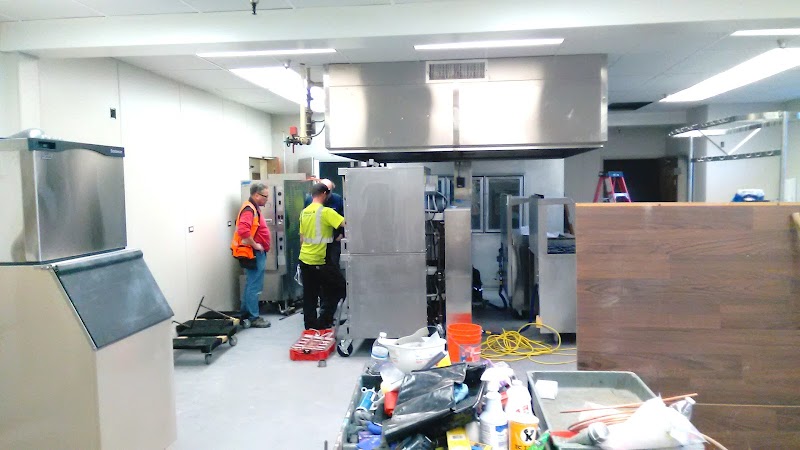
How is Columbia Lutheran Home Staffed?

CMS rates COLUMBIA LUTHERAN HOME's staffing level at 5 out of 5 stars, which is much above average compared to other nursing homes. Staff turnover is 35%, compared to the Washington average of 46%. This relatively stable workforce can support continuity of care.

What Have Inspectors Found at Columbia Lutheran Home?

State health inspectors documented 45 deficiencies at COLUMBIA LUTHERAN HOME during 2022 to 2025. These included: 45 with potential for harm.
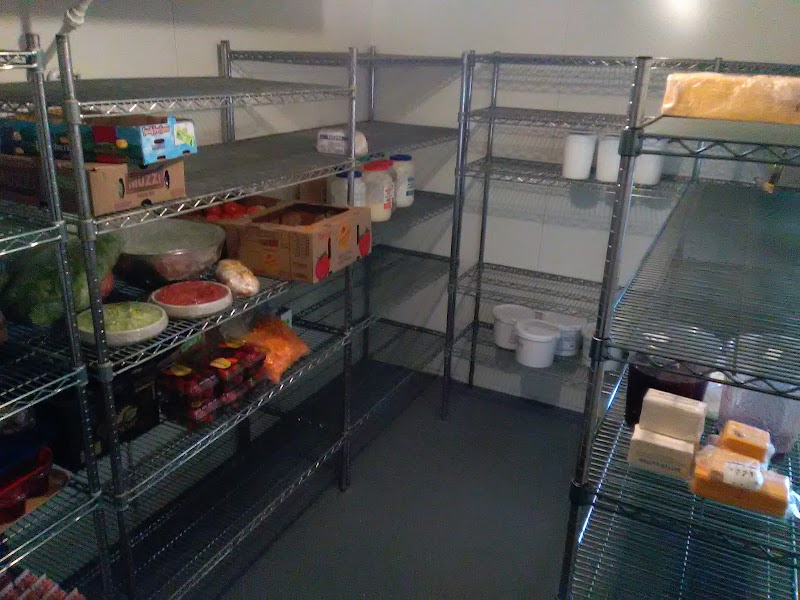
Who Owns and Operates Columbia Lutheran Home?

COLUMBIA LUTHERAN HOME is owned by a non-profit organization. Non-profit facilities reinvest revenue into operations rather than distributing to shareholders. The facility operates independently rather than as part of a larger chain. With 116 certified beds and approximately 75 residents (about 65% occupancy), it is a mid-sized facility located in SEATTLE, Washington.
How Does Columbia Lutheran Home Compare to Other Washington Nursing Homes?

Compared to the 100 nursing homes in Washington, COLUMBIA LUTHERAN HOME's overall rating (4 stars) is above the state average of 3.2, staff turnover (35%) is significantly lower than the state average of 46%, and health inspection rating (3 stars) is at the national benchmark.

What Should Families Ask When Visiting Columbia Lutheran Home?

Based on this facility's data, families visiting should ask: "Can I visit during a mealtime to observe dining assistance and food quality?" "How do you handle medical emergencies, and what is your hospital transfer rate?" "Can I speak with family members of current residents about their experience?"

Is Columbia Lutheran Home Safe?

Based on CMS inspection data, COLUMBIA LUTHERAN HOME has a clean safety record: no substantiated abuse findings (meaning no confirmed cases of resident harm), no Immediate Jeopardy citations (the most serious violation level indicating risk of serious injury or death), and is not on the Special Focus Facility watch list (a federal program monitoring the lowest-performing 1% of nursing homes). The facility has a 4-star overall rating and ranks #1 of 100 nursing homes in Washington. While no facility is perfect, families should still ask about staff-to-resident ratios and recent inspection results during their visit.

Do Nurses at Columbia Lutheran Home Stick Around?

COLUMBIA LUTHERAN HOME has a staff turnover rate of 35%, which is about average for Washington nursing homes (state average: 46%). Moderate turnover is common in nursing homes, but families should still ask about staff tenure and how the facility maintains care continuity when employees leave.

Was Columbia Lutheran Home Ever Fined?

COLUMBIA LUTHERAN HOME has no federal fines on record. CMS issues fines when nursing homes fail to meet care standards or don't correct problems found during inspections. The absence of fines suggests the facility has either maintained compliance or corrected any issues before penalties were assessed. This is a positive indicator, though families should still review recent inspection reports for the full picture.

Is Columbia Lutheran Home on Any Federal Watch List?

COLUMBIA LUTHERAN HOME is not on any federal watch list. The most significant is the Special Focus Facility (SFF) program, which identifies the bottom 1% of nursing homes nationally based on persistent, serious quality problems. Not being on this list means the facility has avoided the pattern of deficiencies that triggers enhanced federal oversight. This is a positive indicator, though families should still review the facility's inspection history directly.